Skip to content
Friday

1 January 2016

13th Nithyananda Sangha Mission Day Celebrations

Dated photos
232
Source pages
2
Media
3

ADIKAILASA on 1/1/2016

Original wiki page
Contents

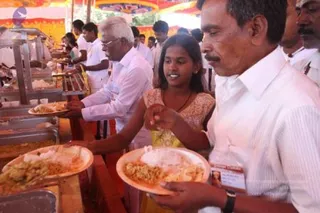
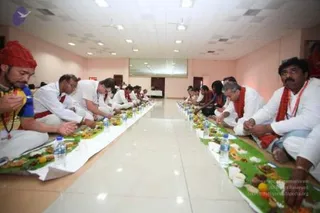
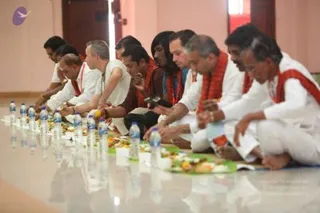
Annadhan-2016

Event Details
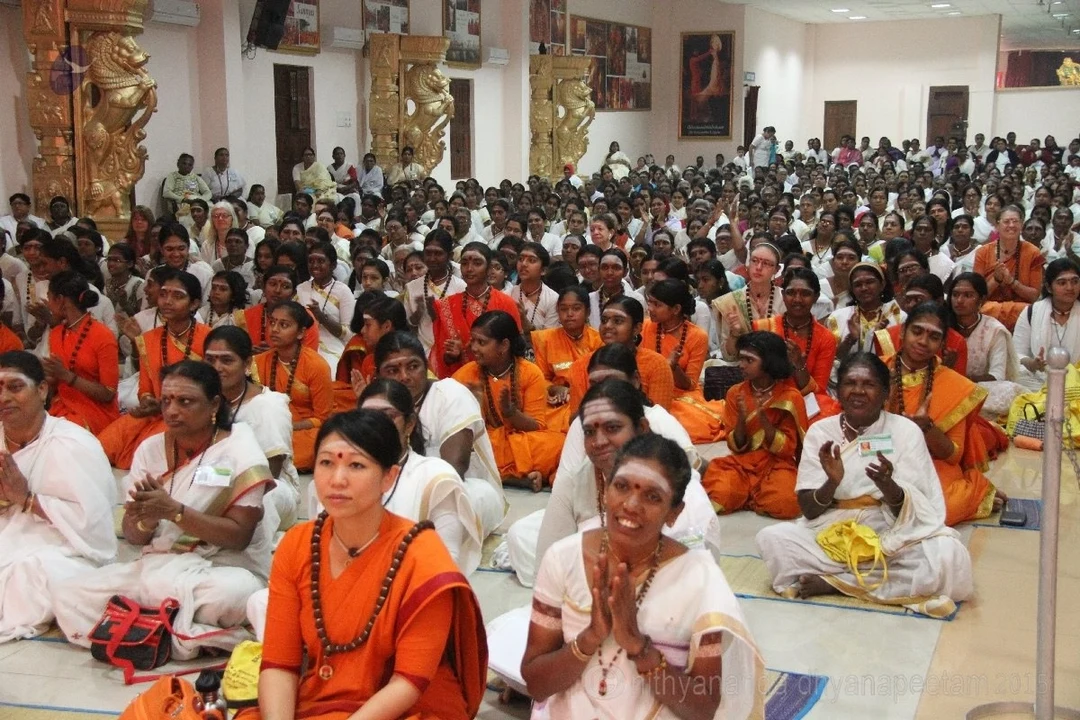
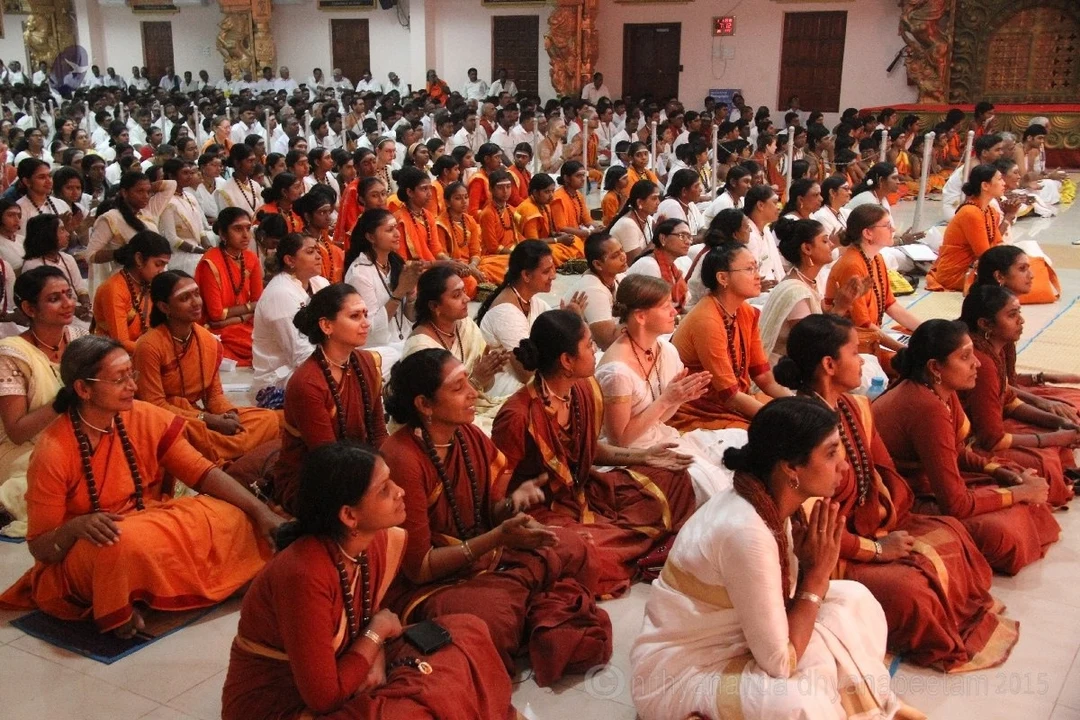
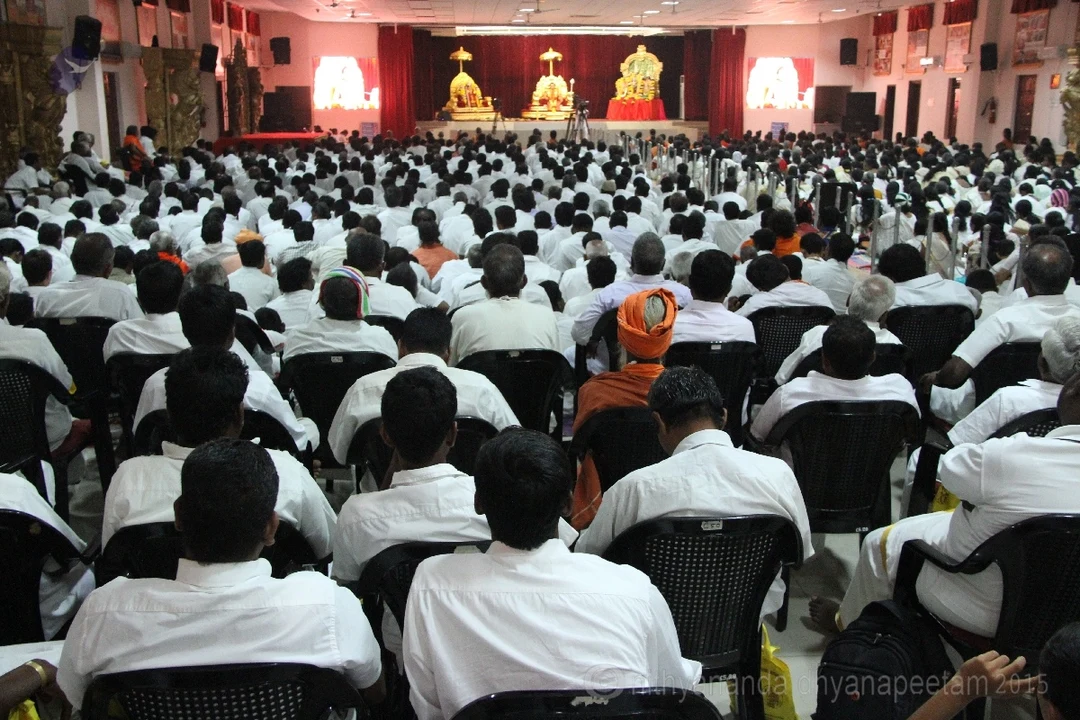
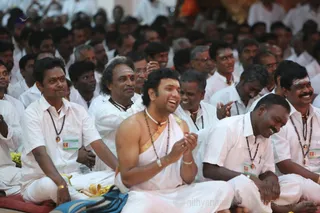
Participants Count600
Event TypeIn-Person
Was Food Served in Event?Yes
Count of Meals Served15000
Volunteers Count50
Event Duration

visesha Deeksha initiation

Pictures from the day
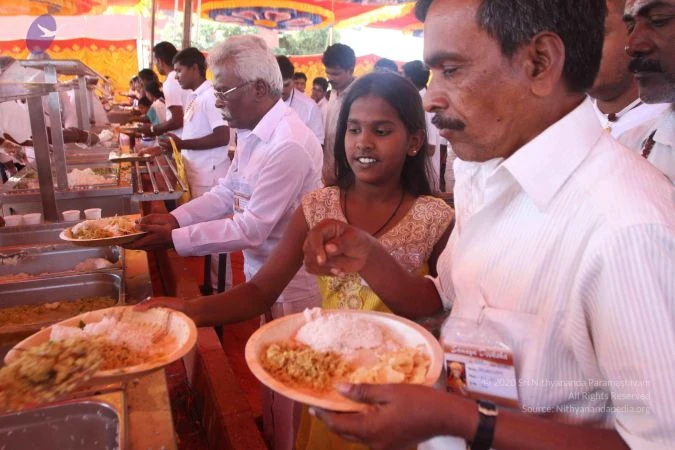
January 01 2016

Original wiki page
Contents

Title

13th Nithyananda Sangha Mission Day Celebrations

Narration

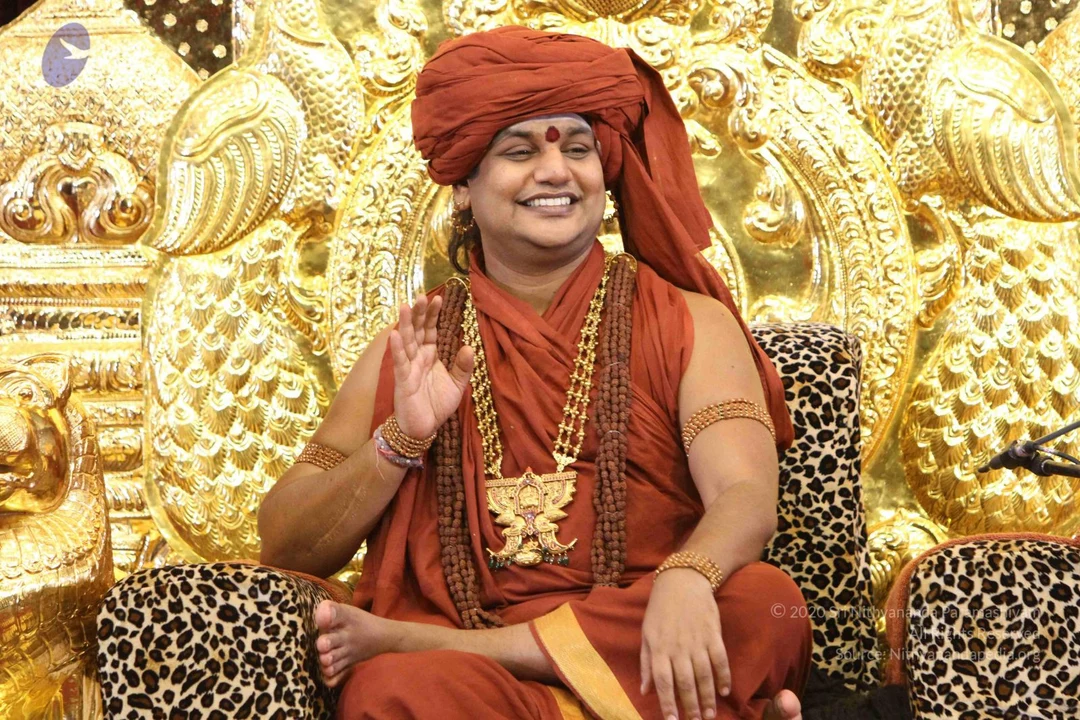
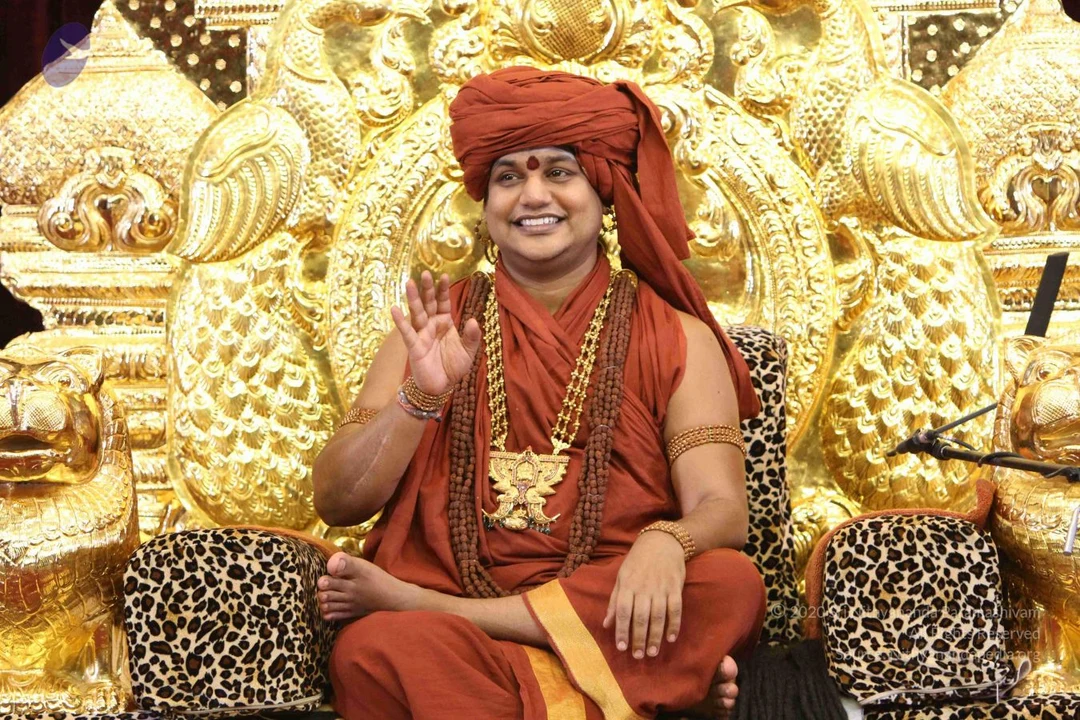
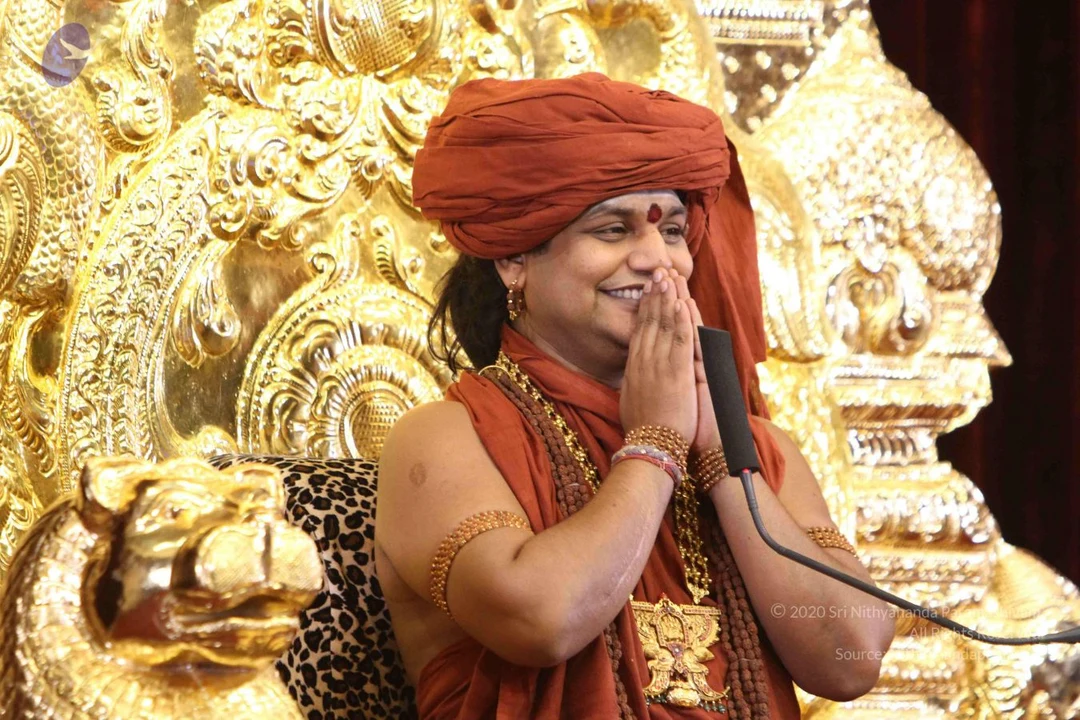
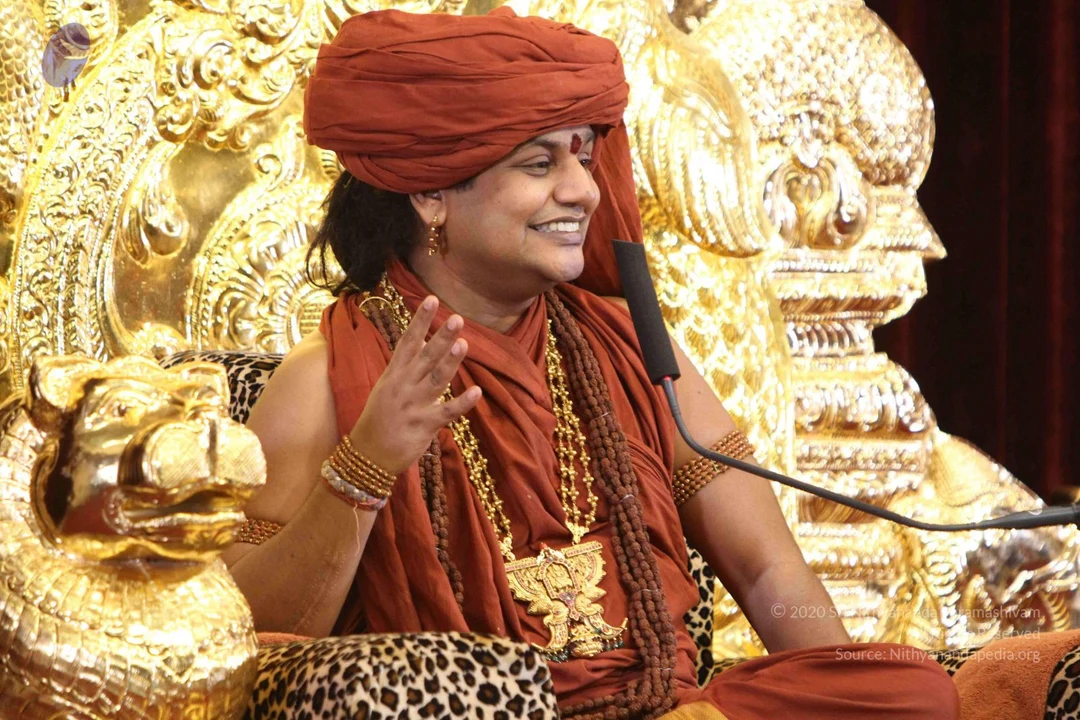
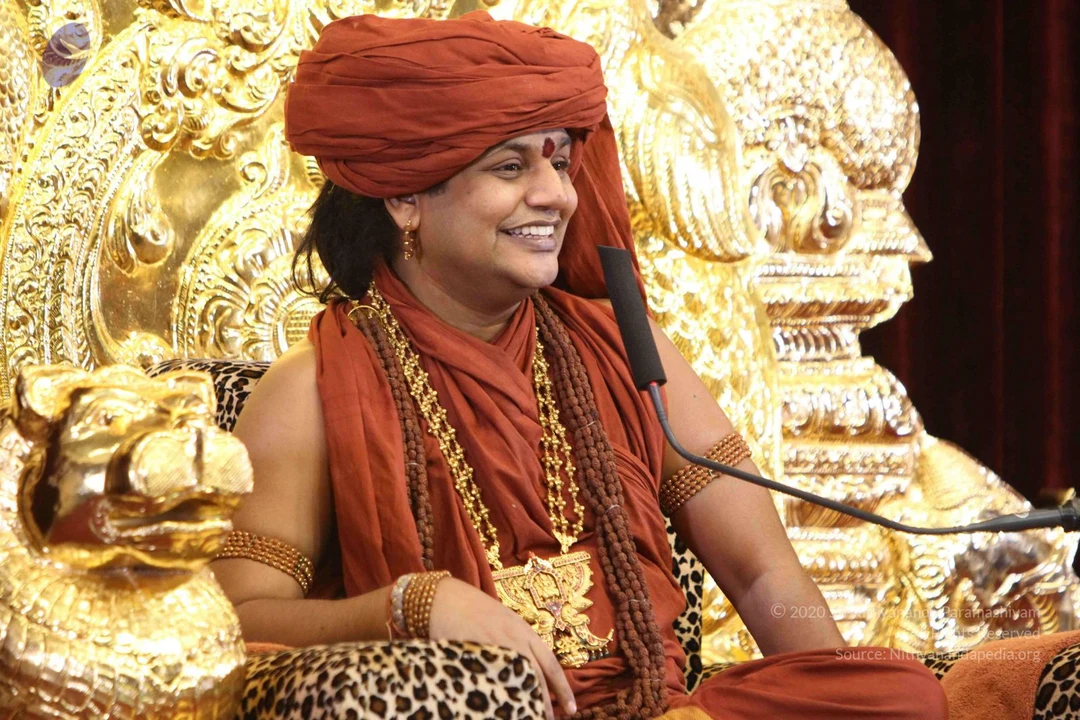
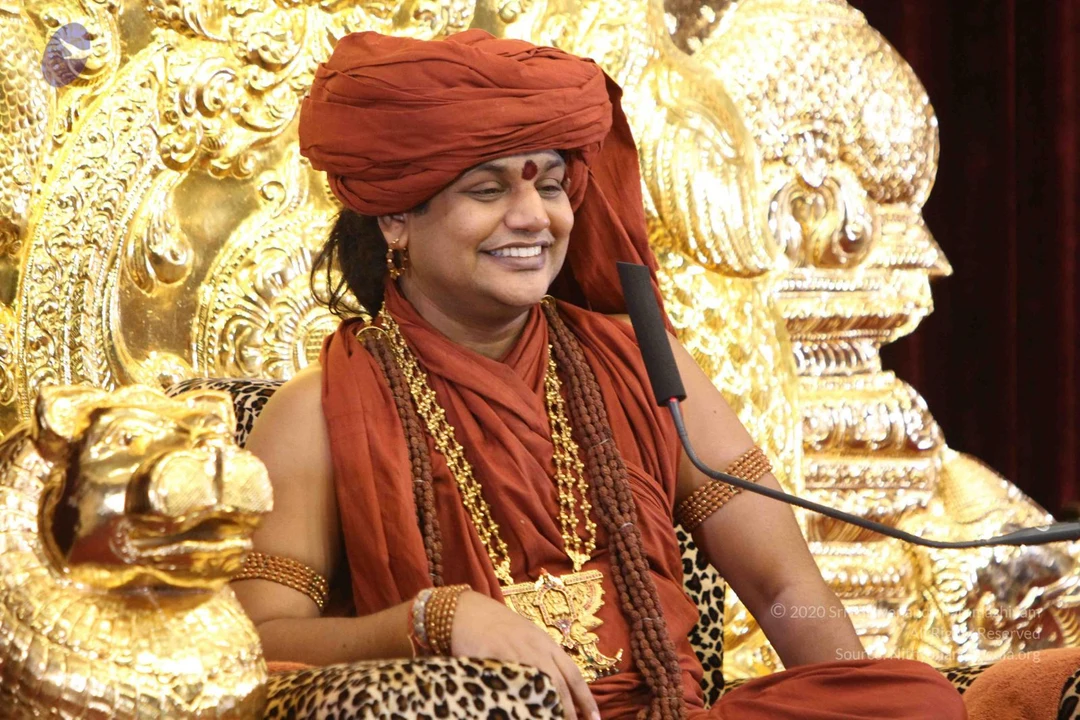
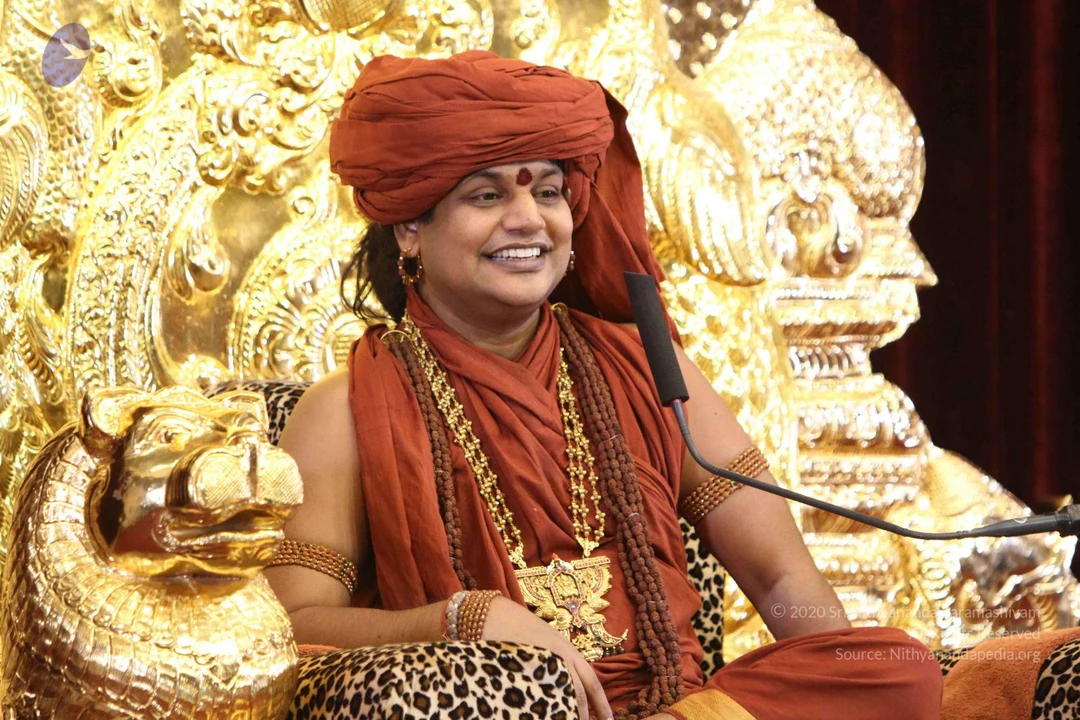
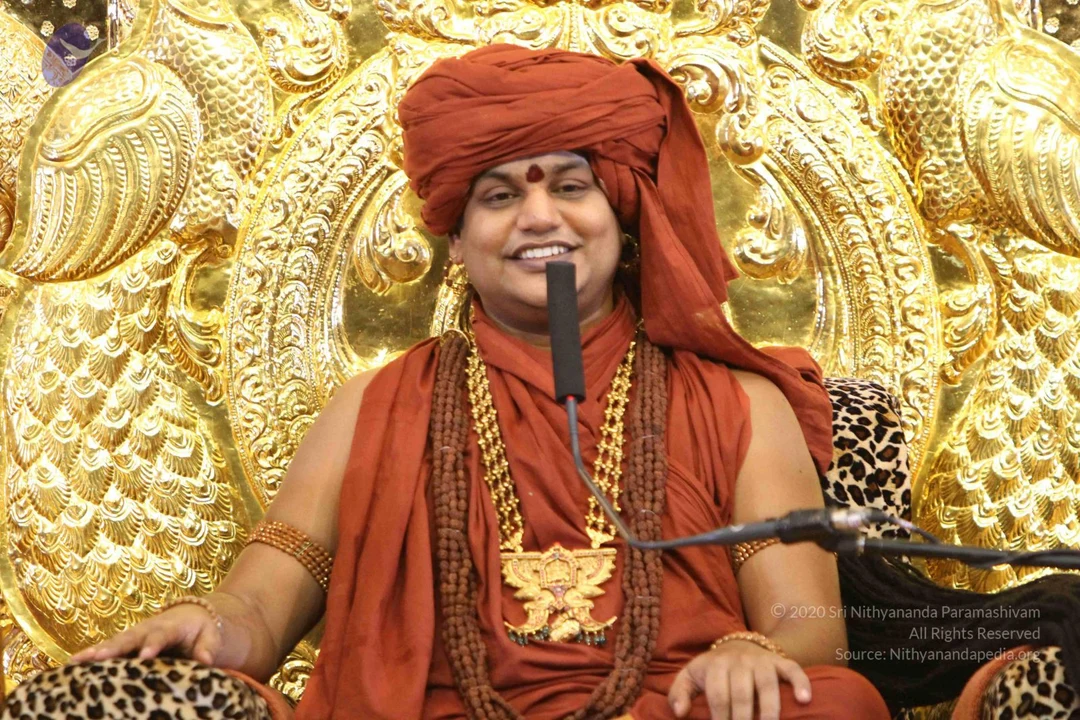
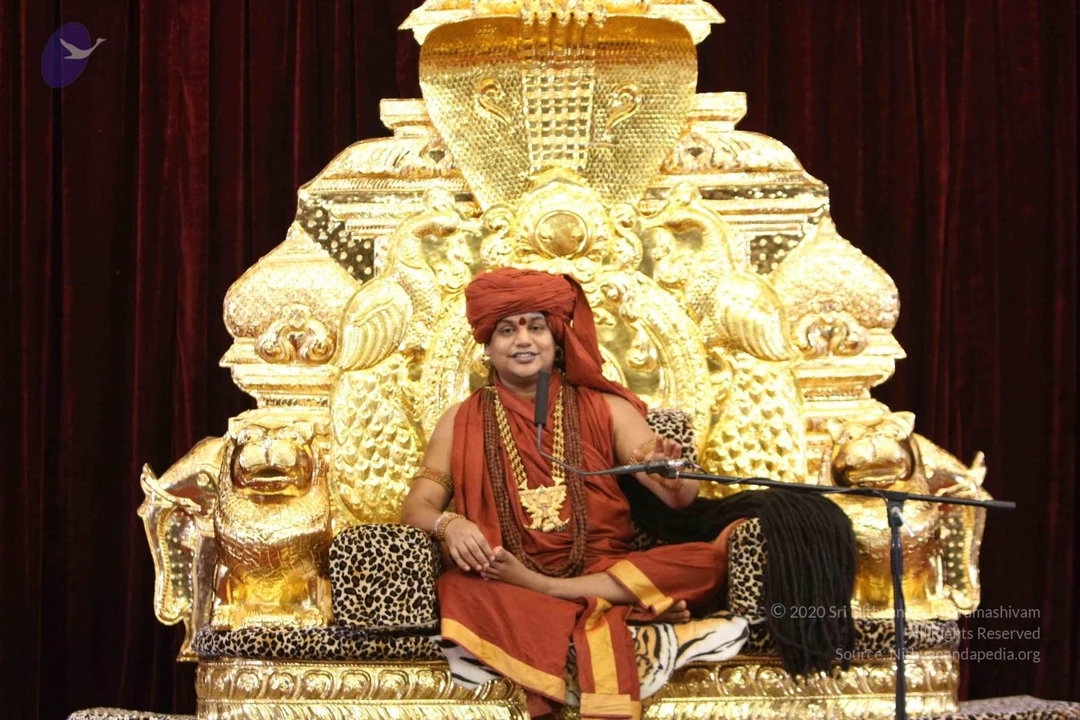
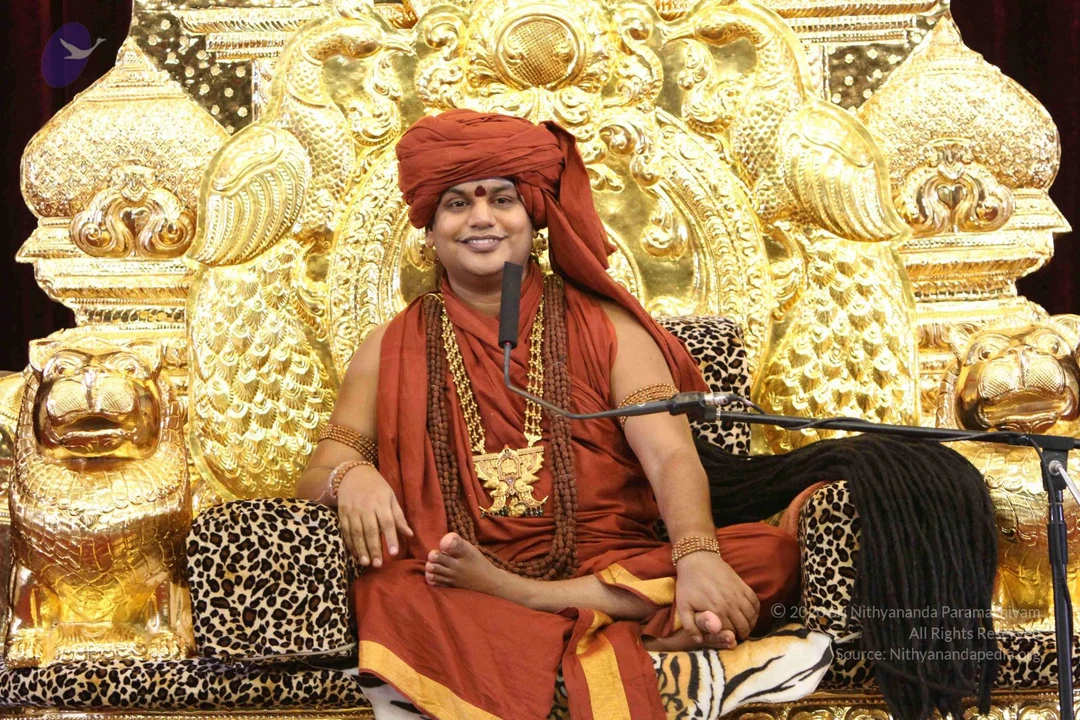
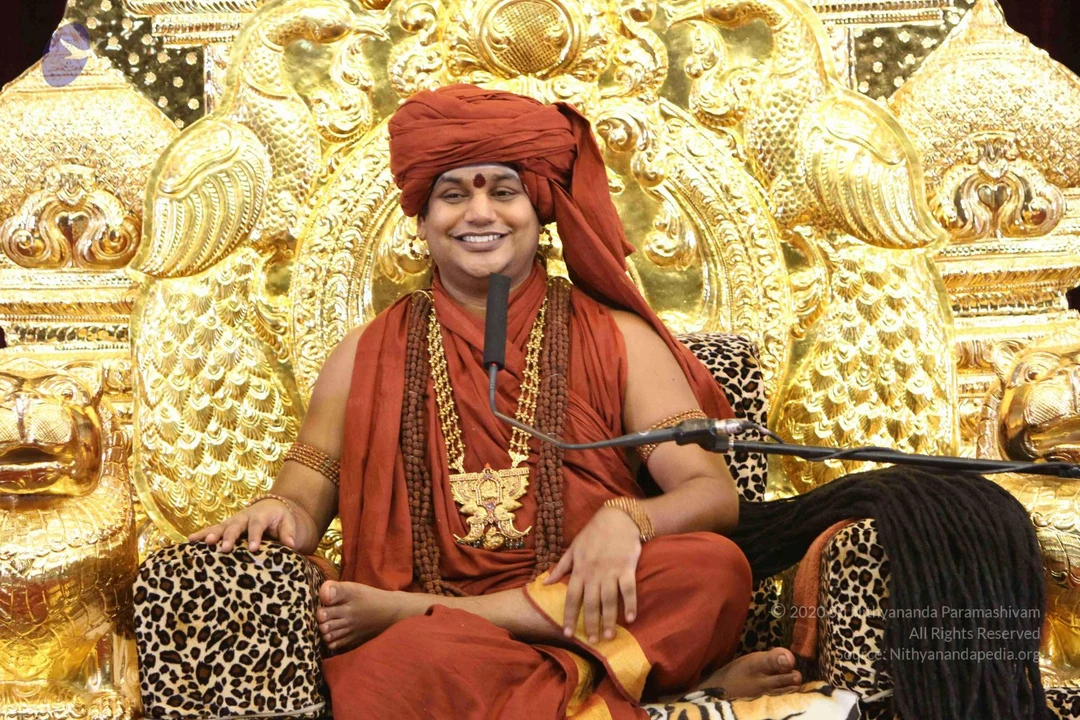
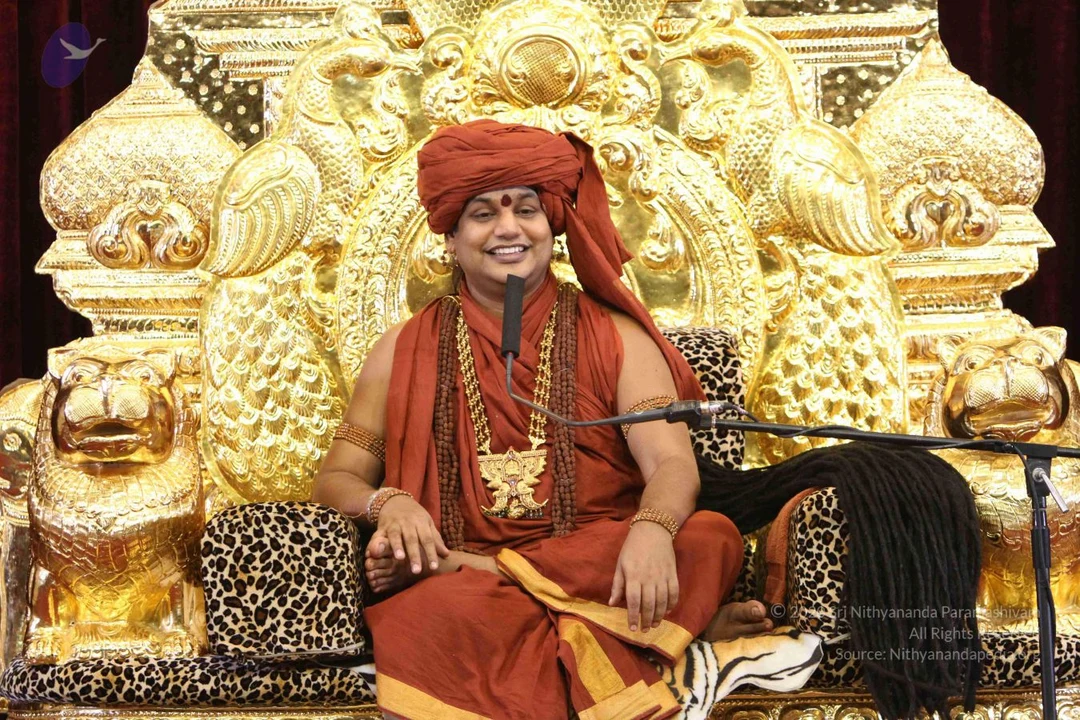
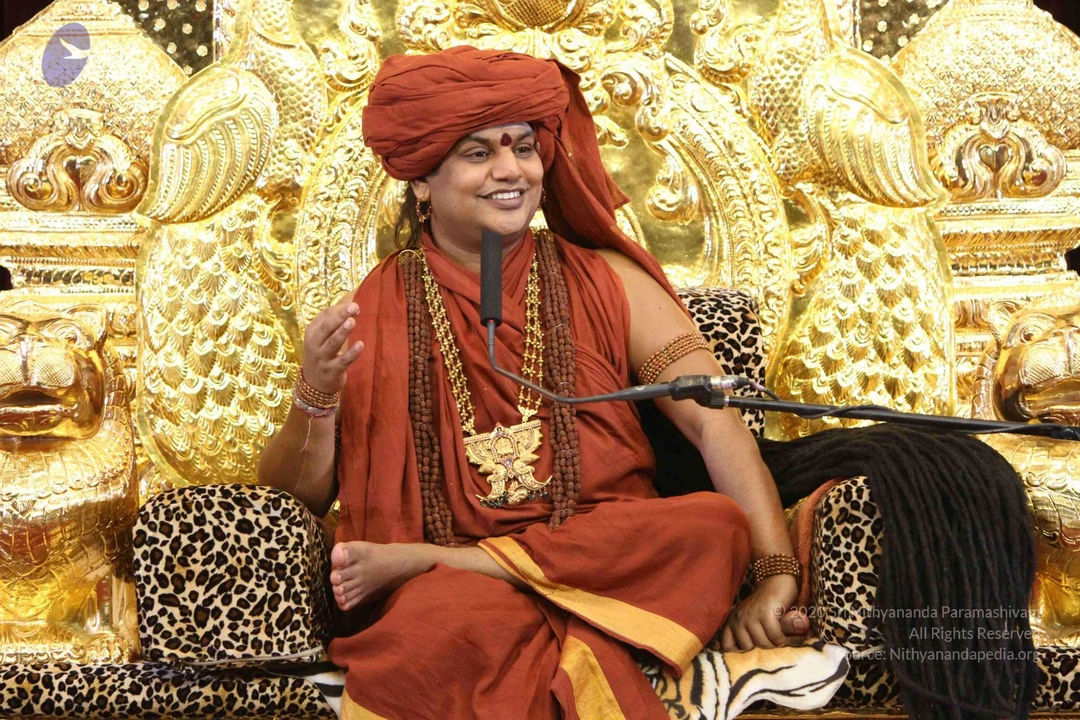
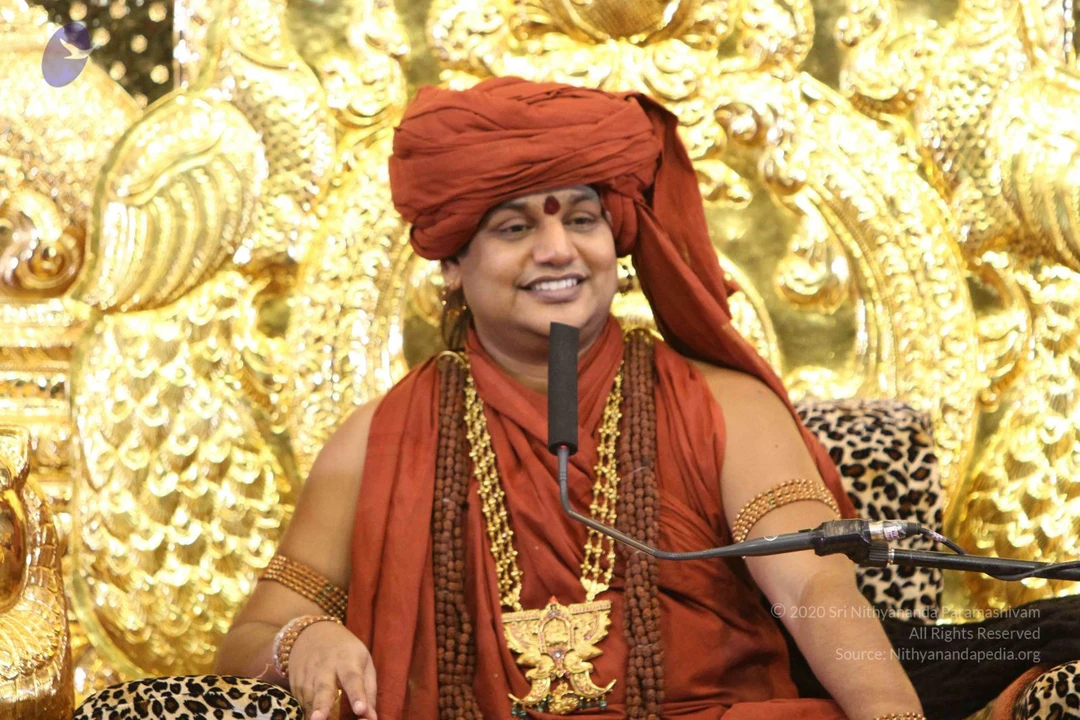
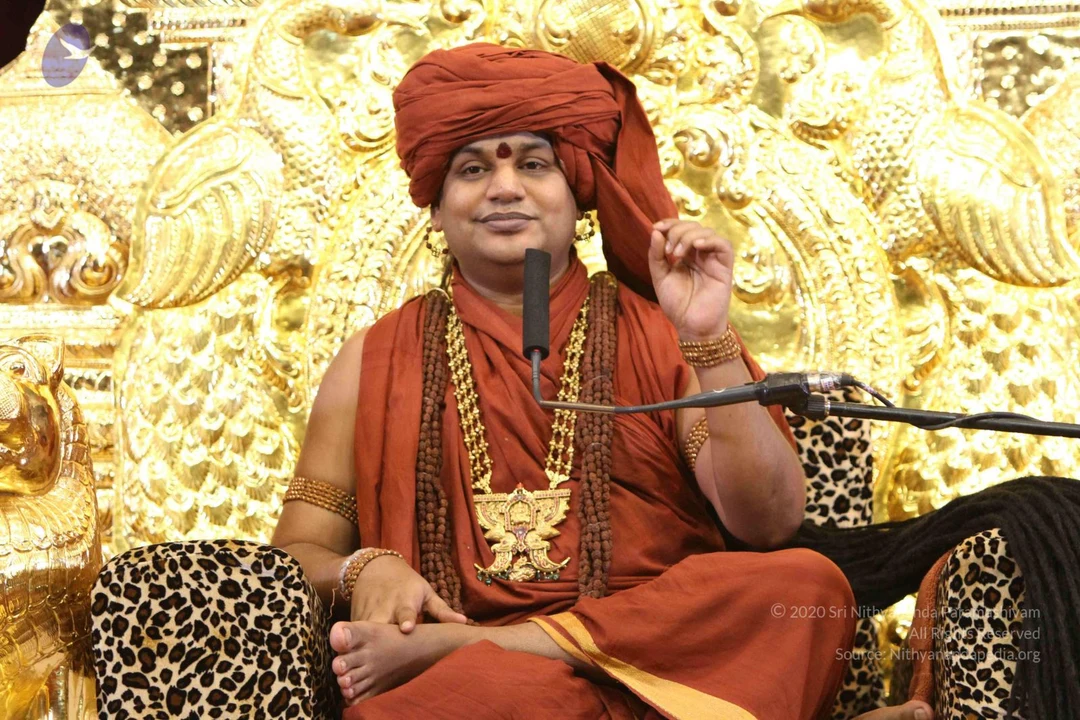
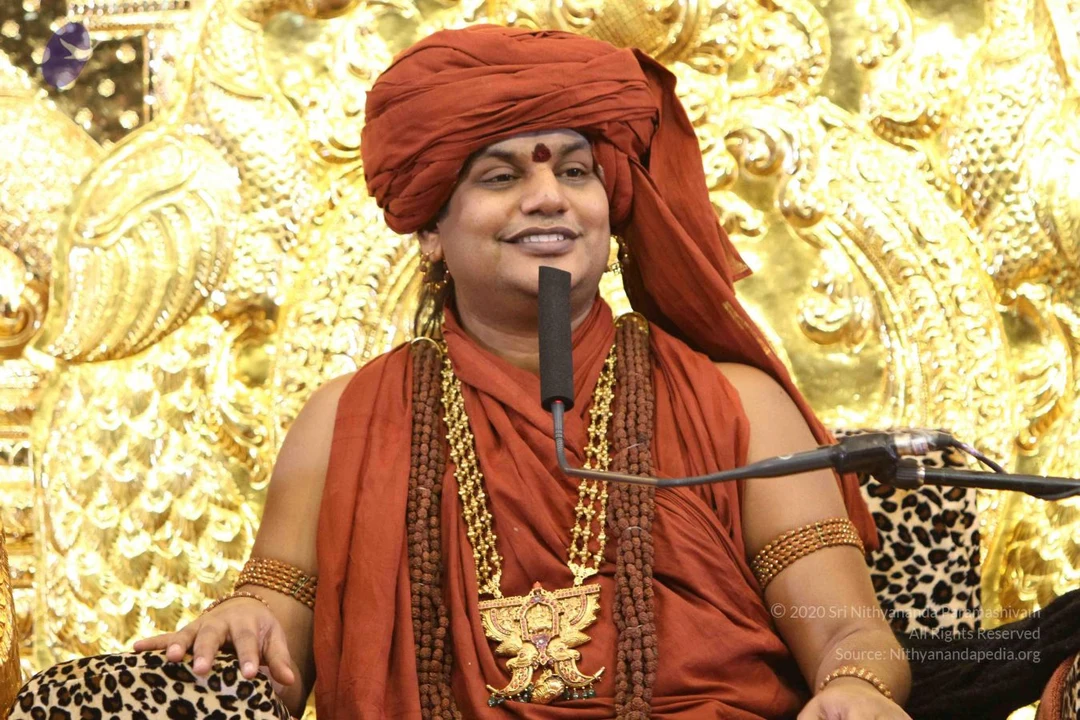
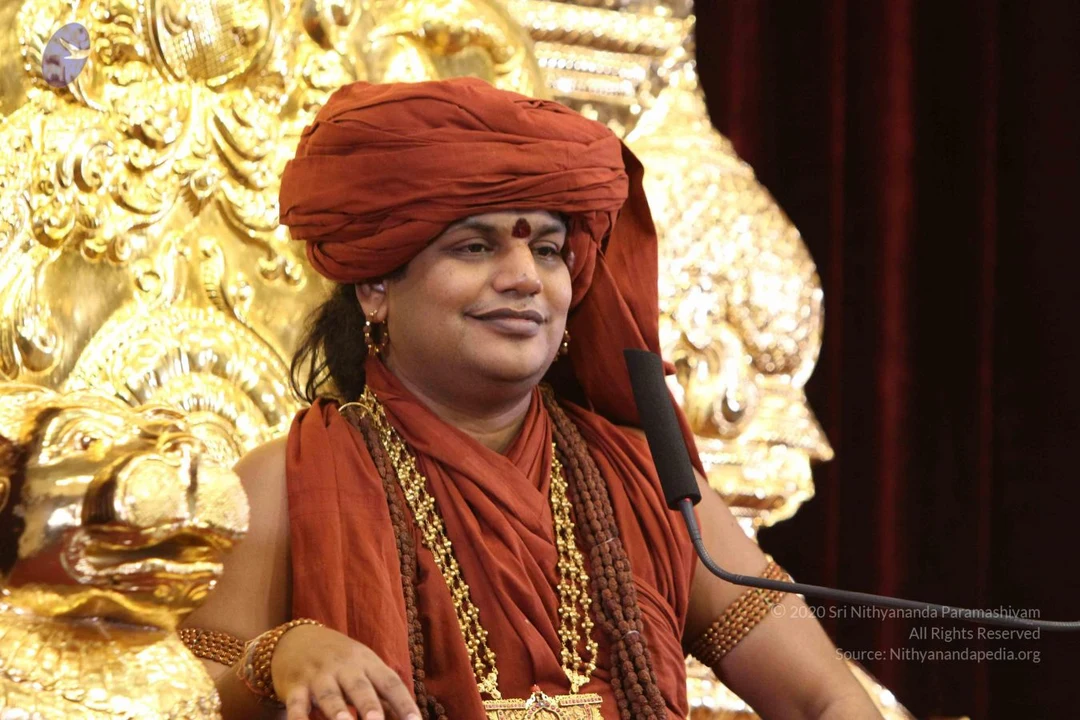
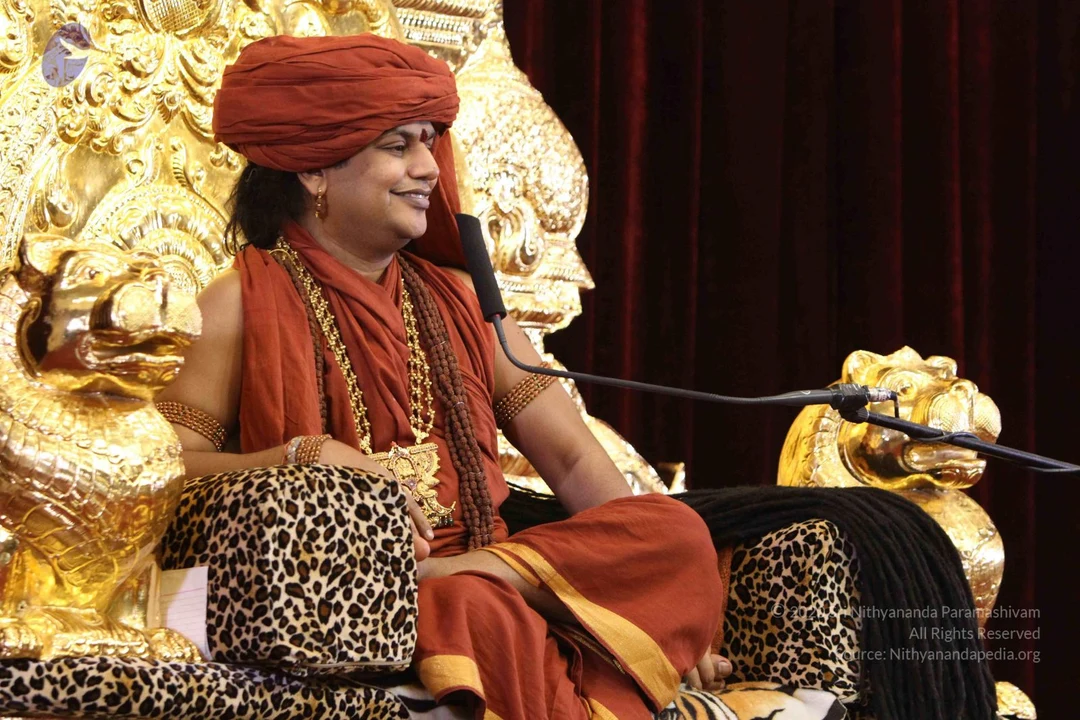
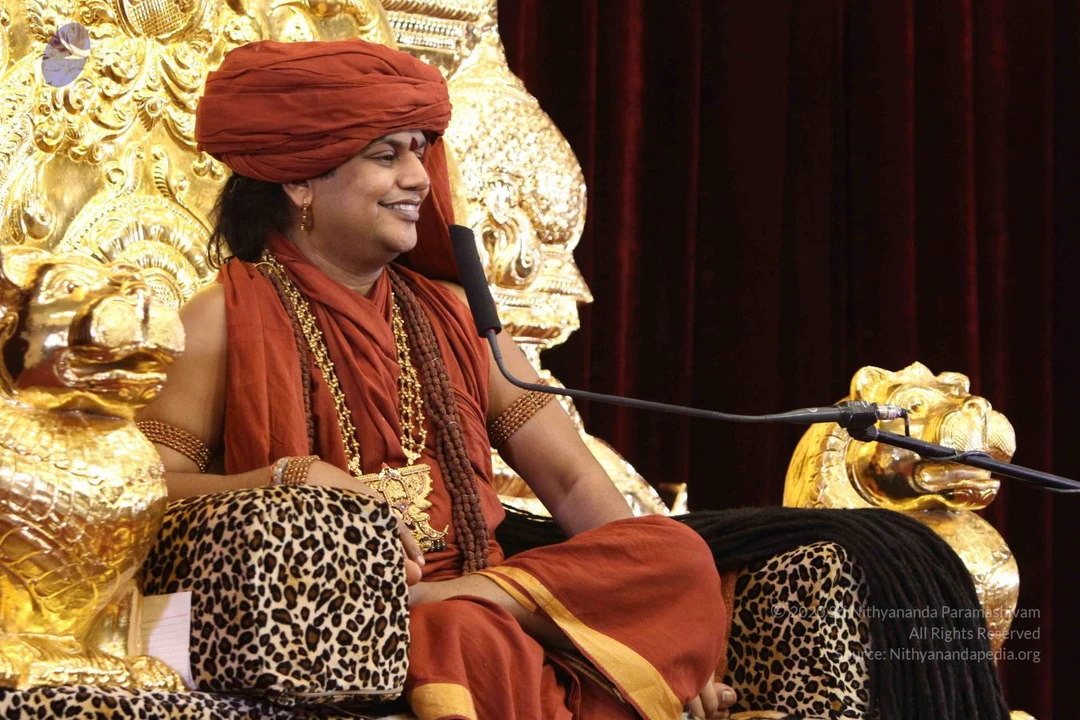
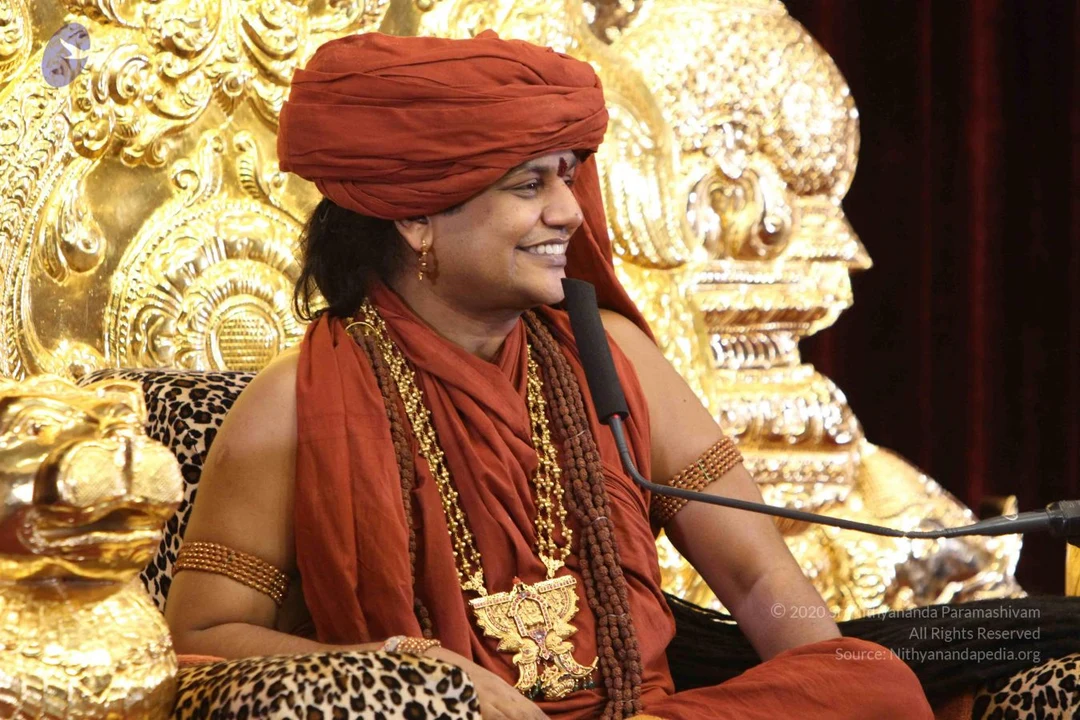
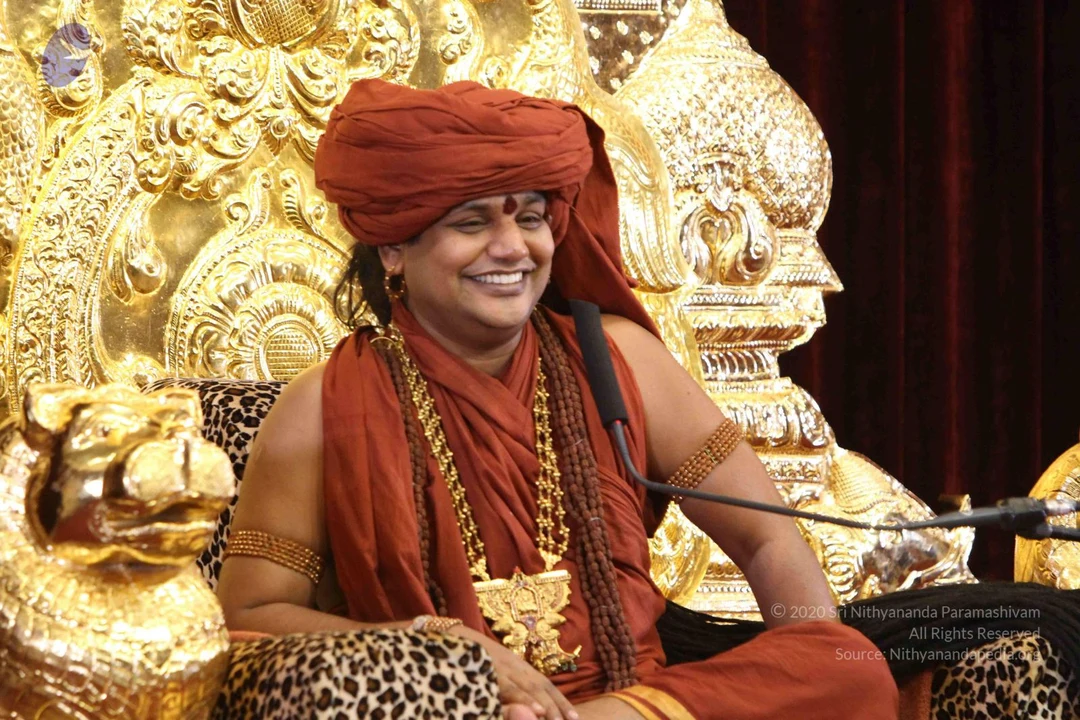
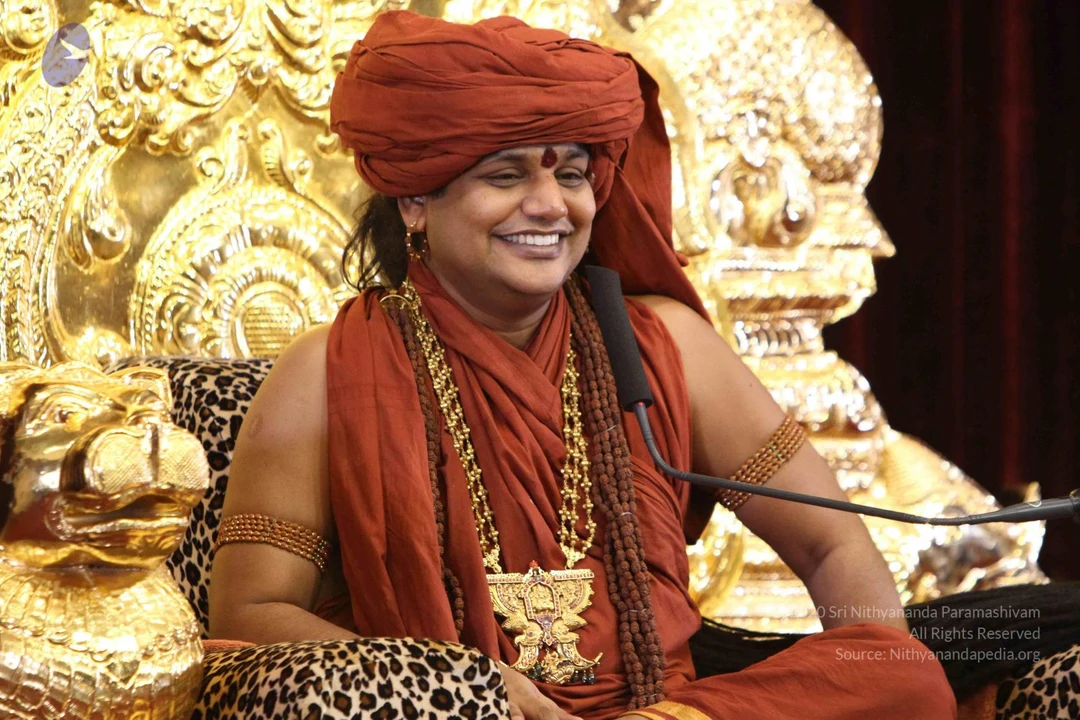
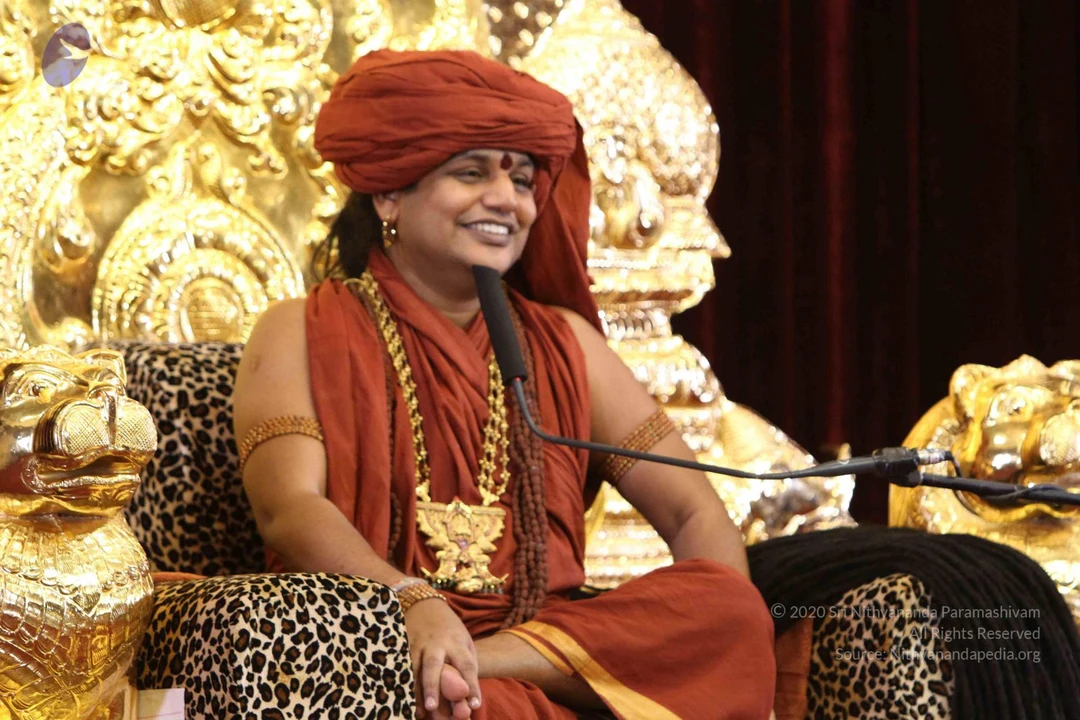
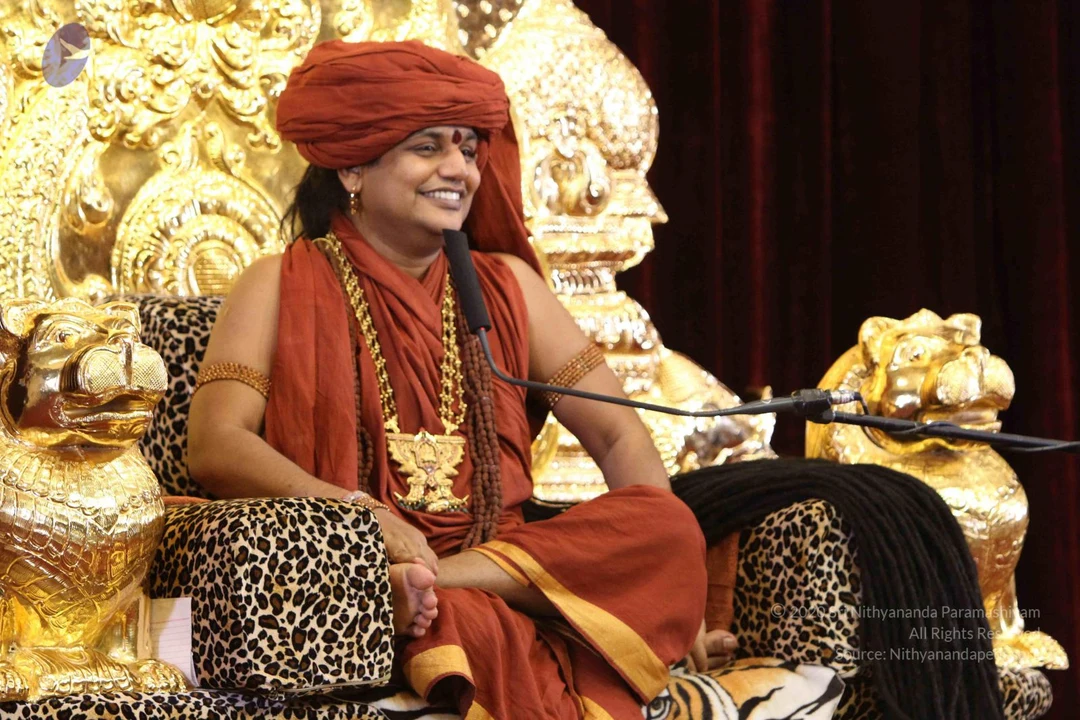
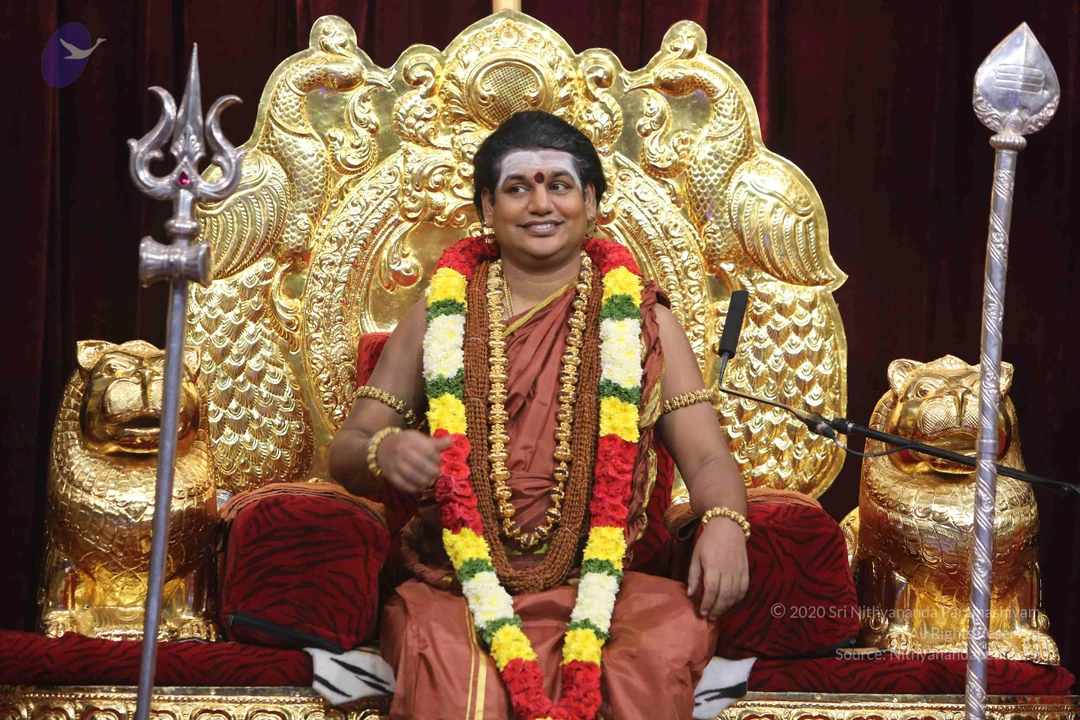
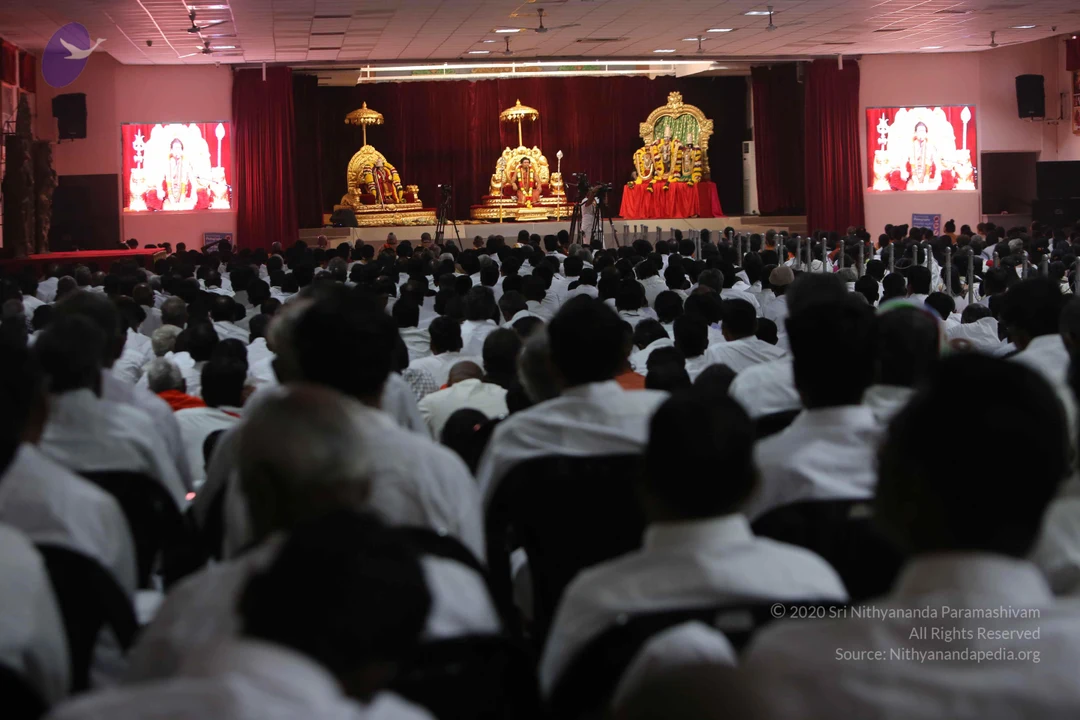
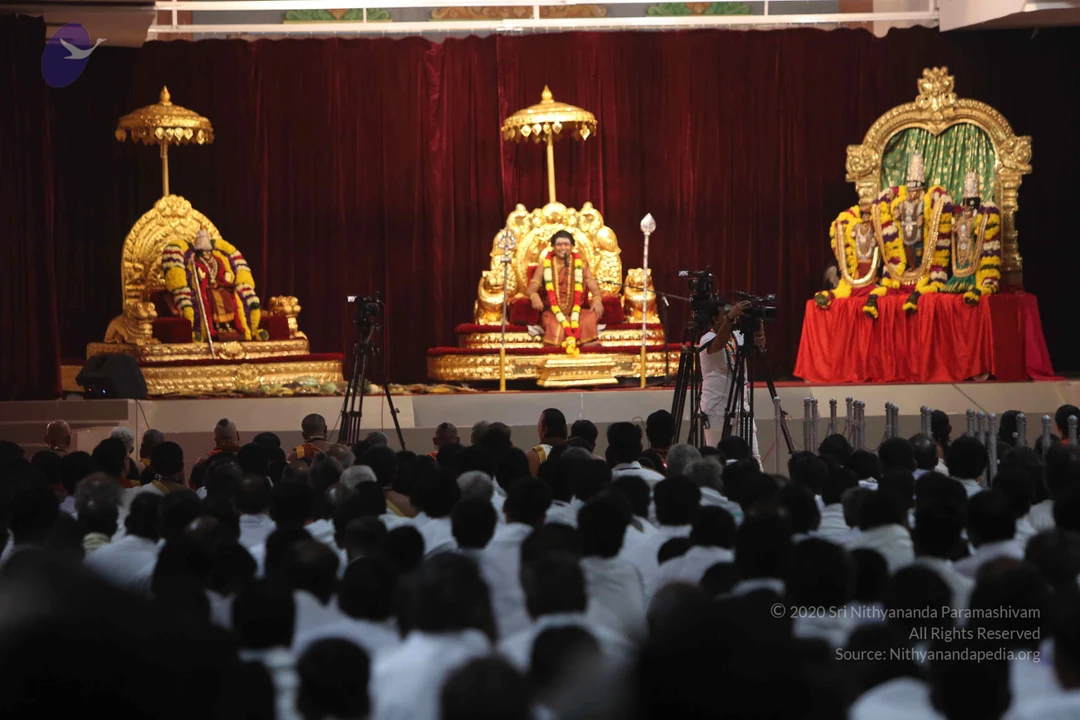
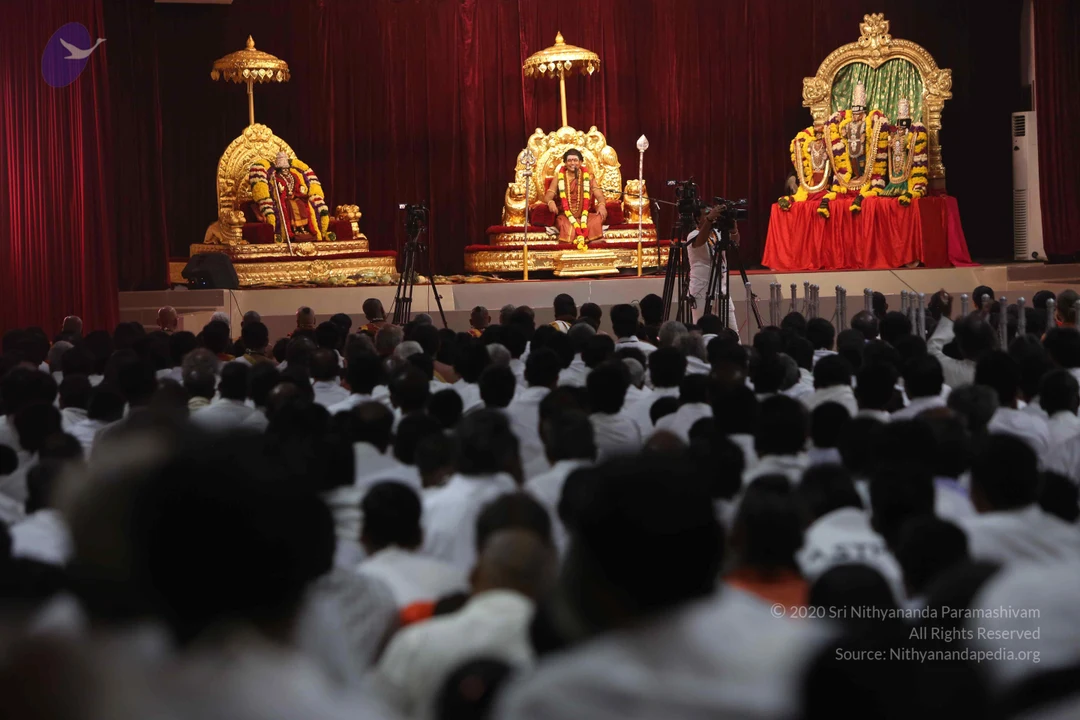
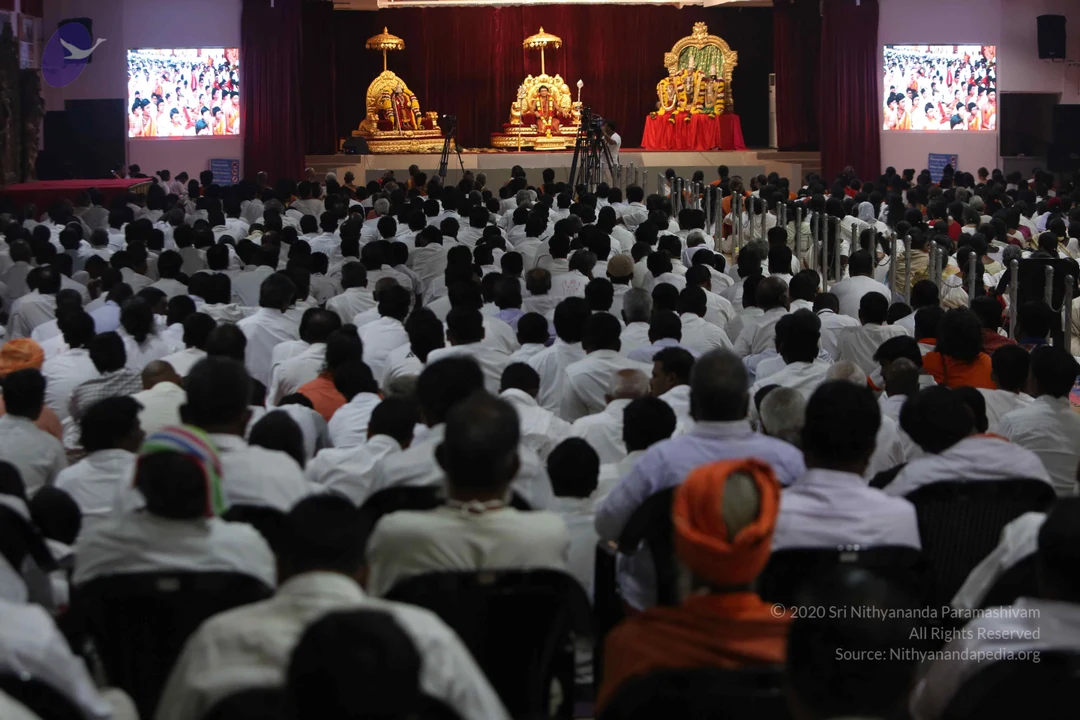
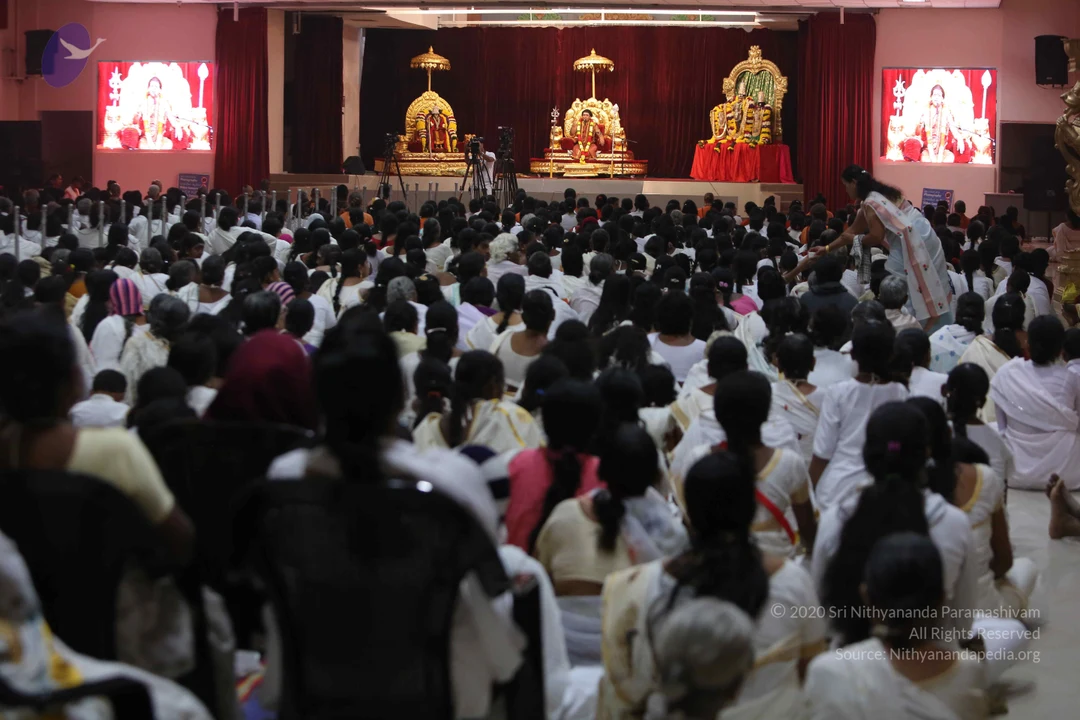
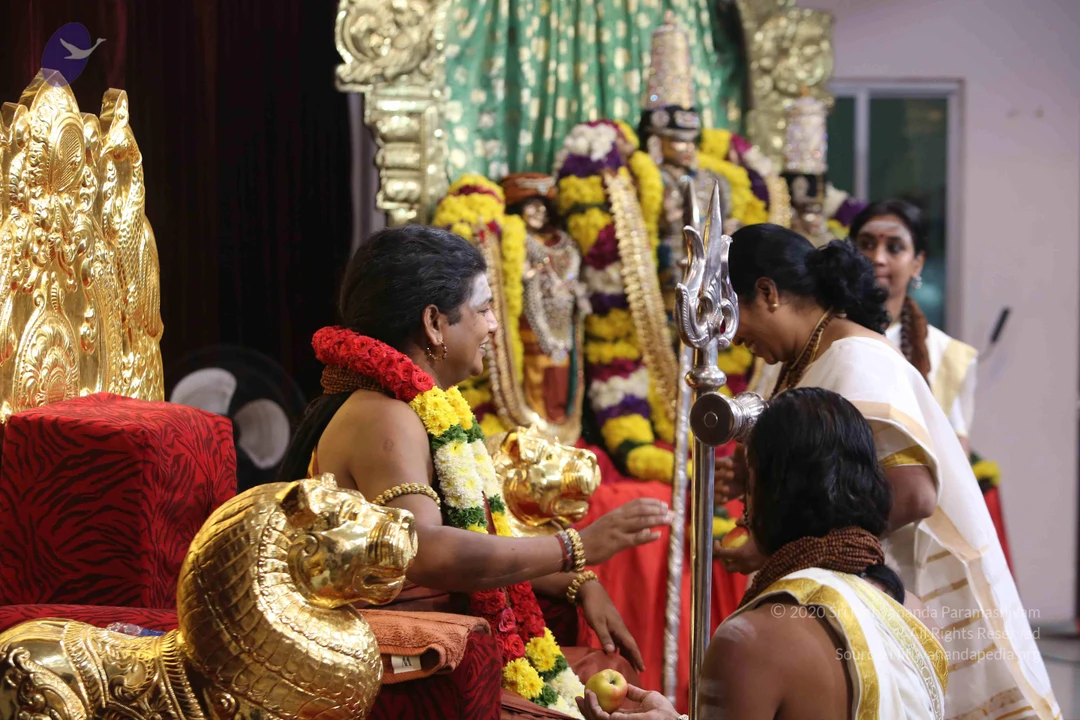
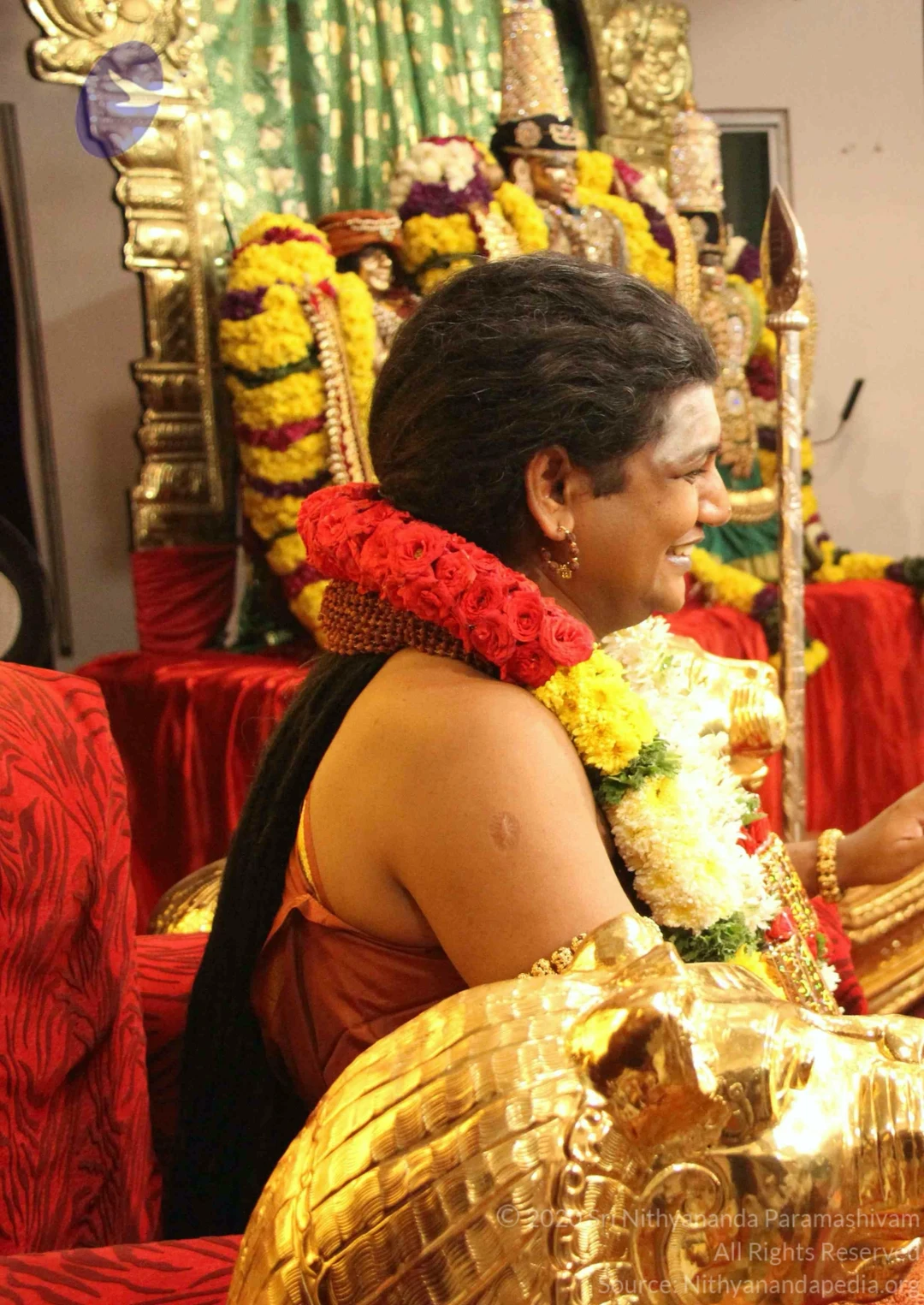
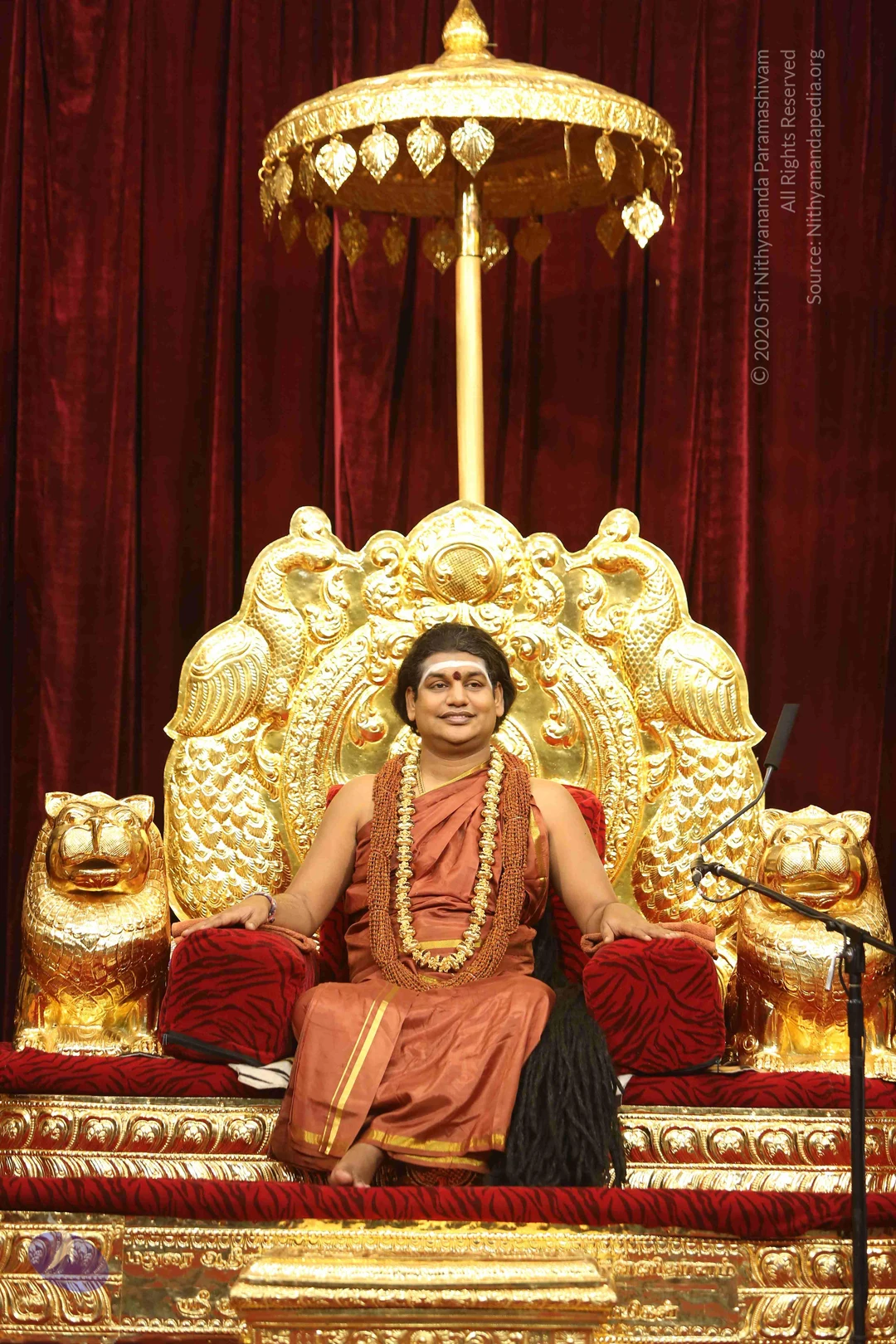
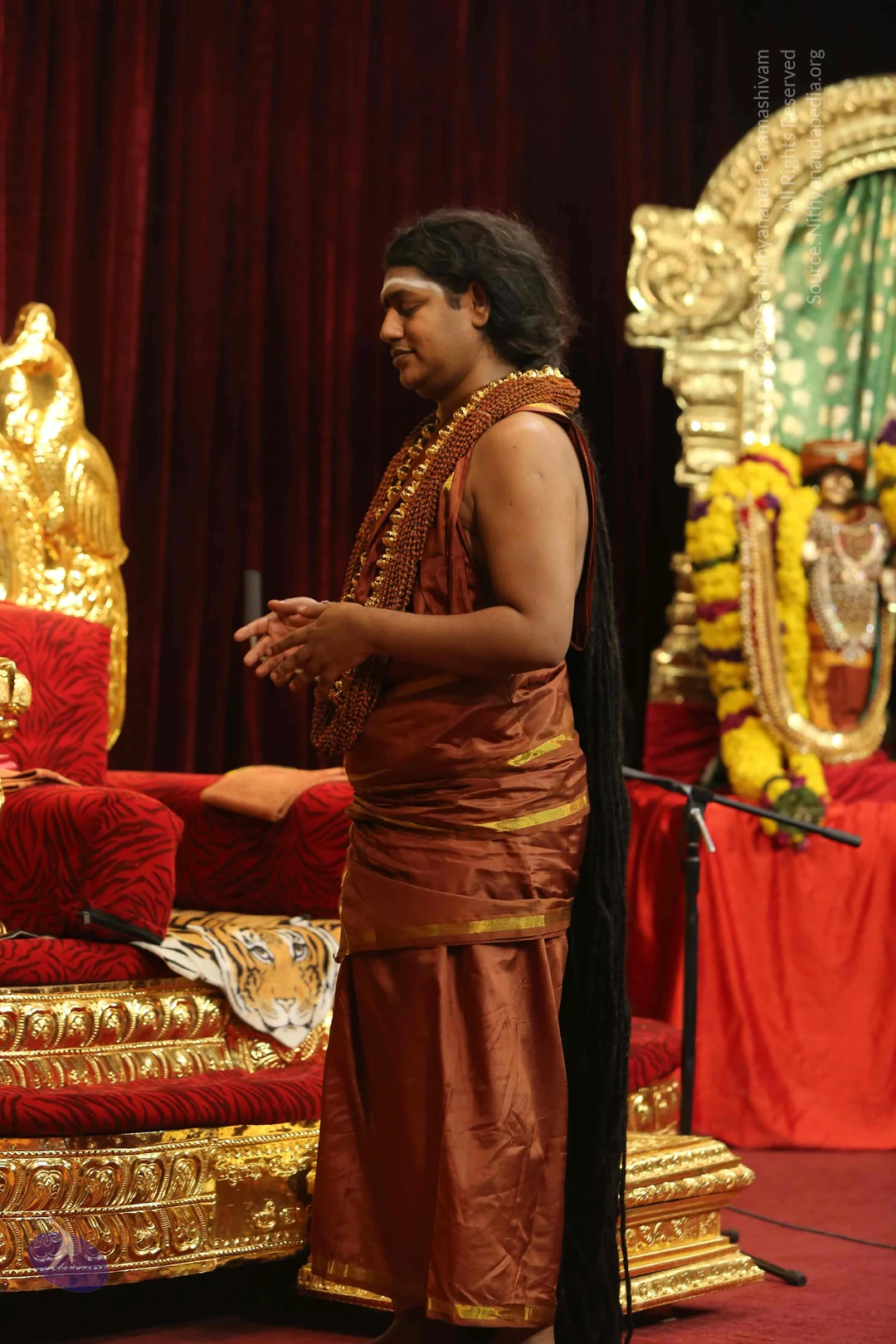
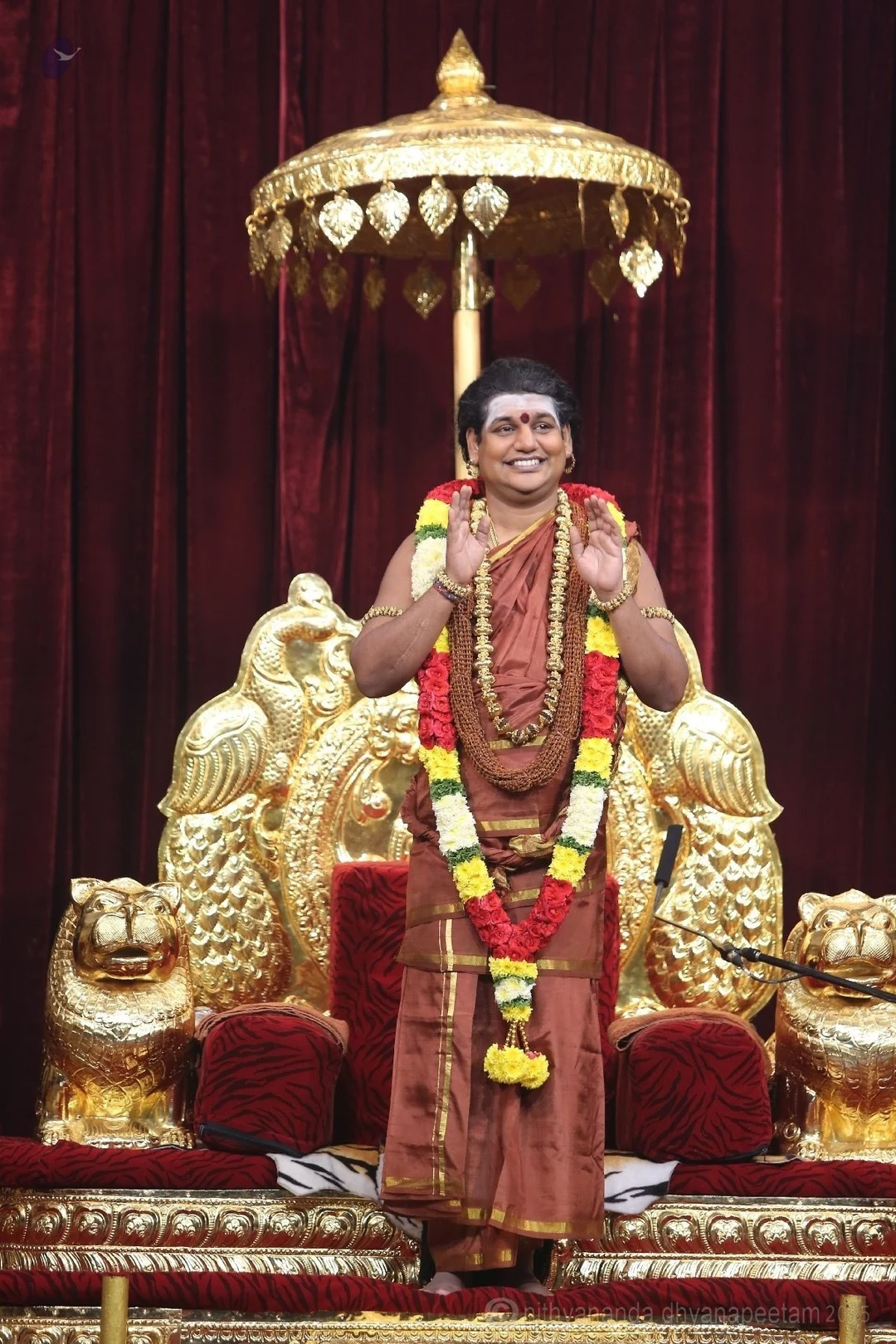
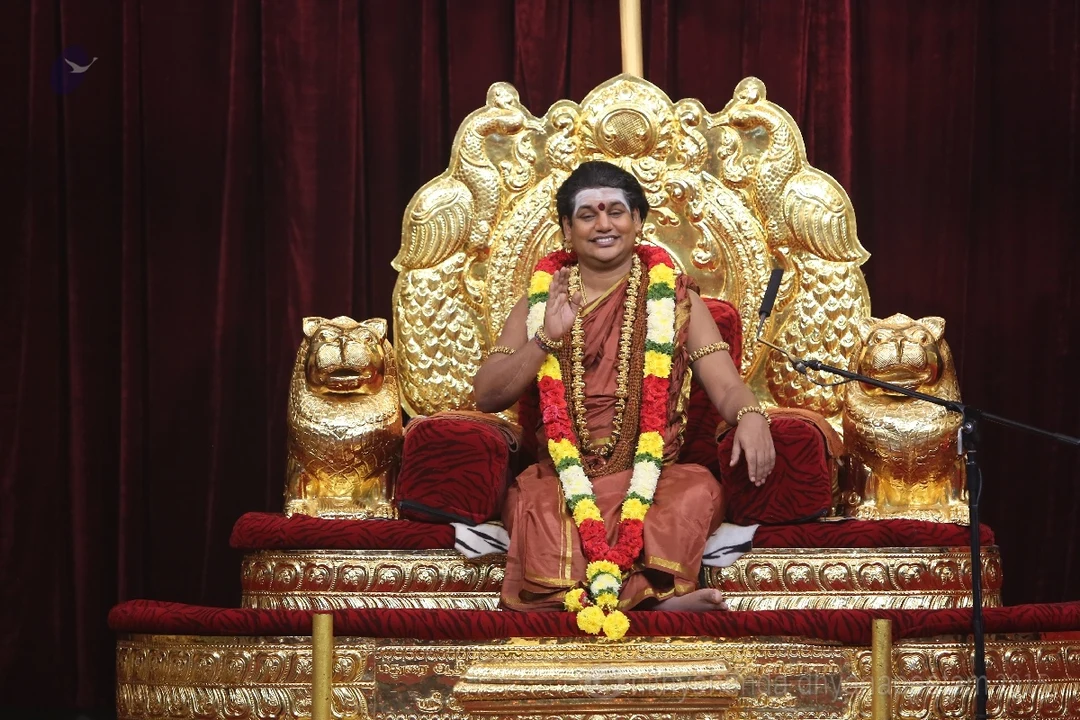
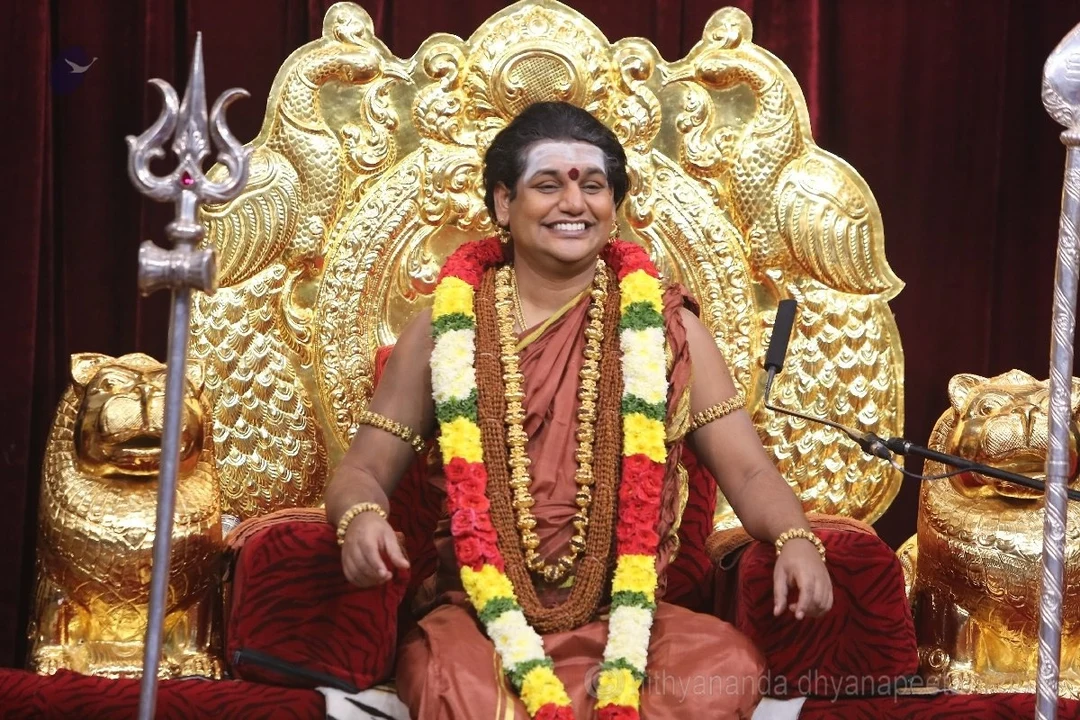
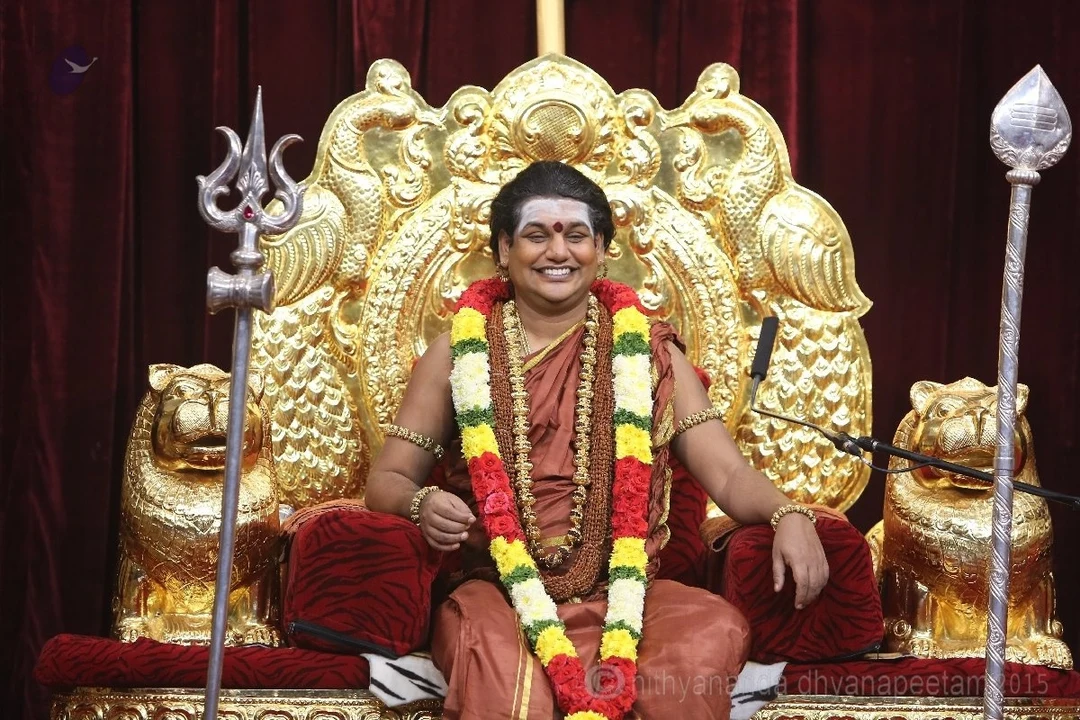
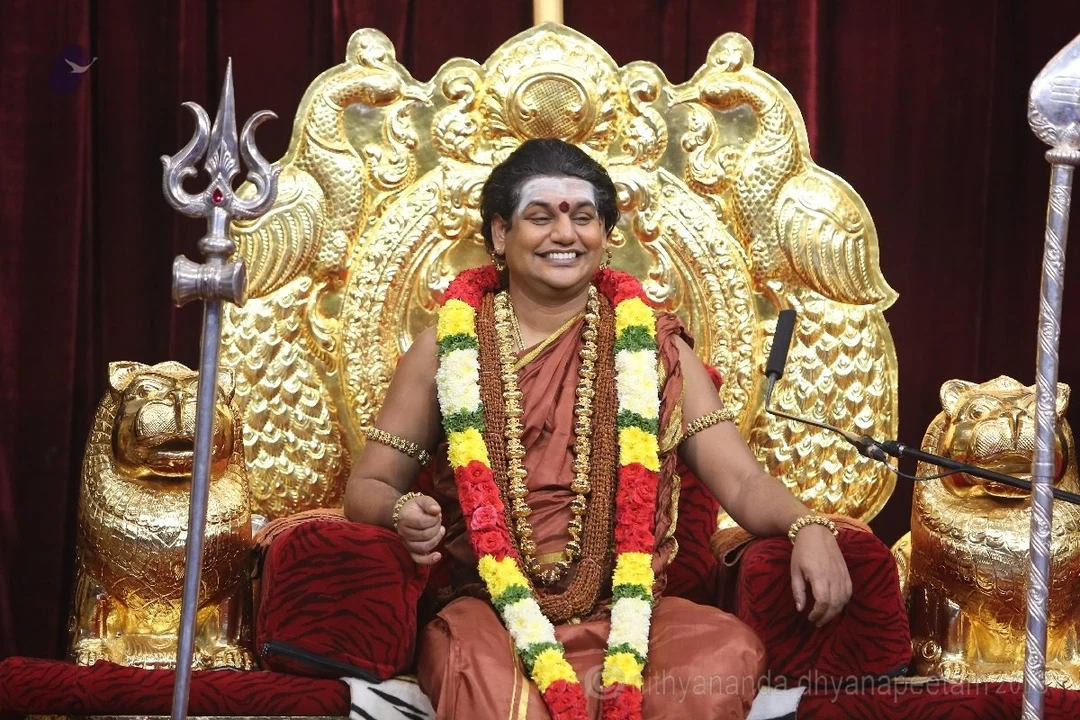
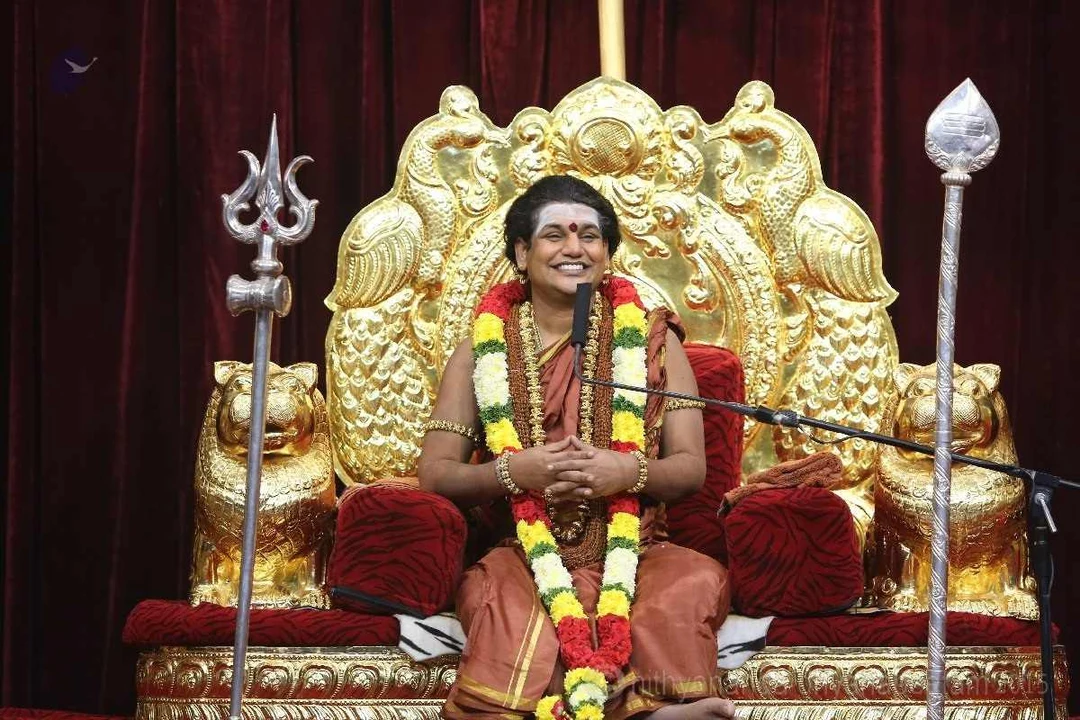
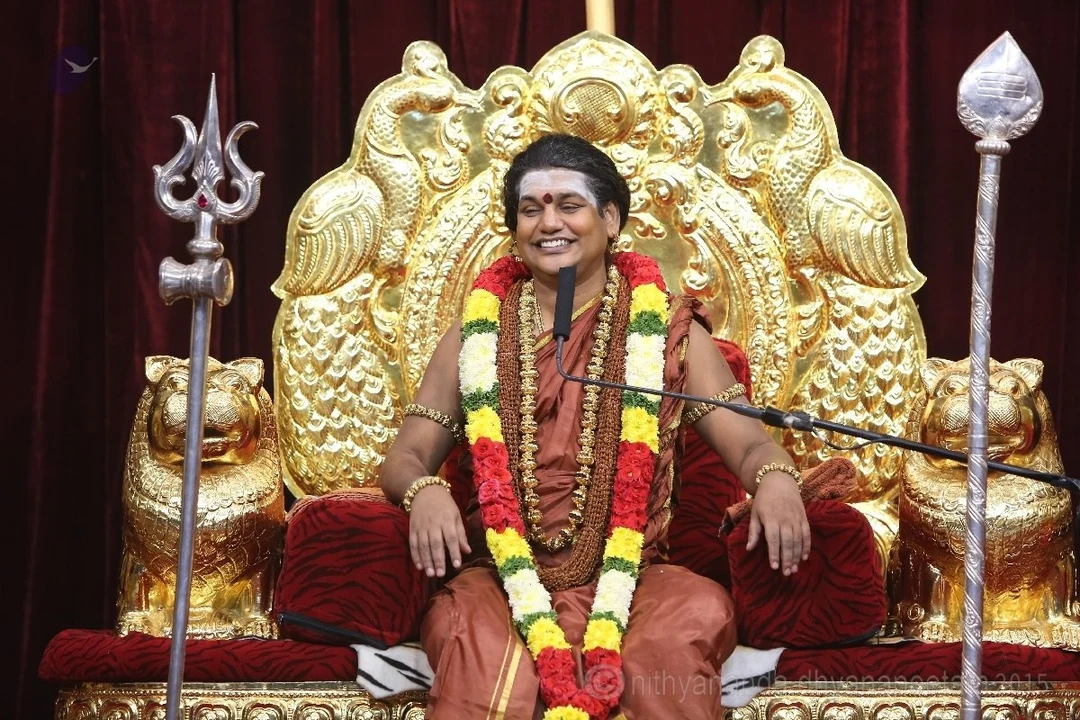
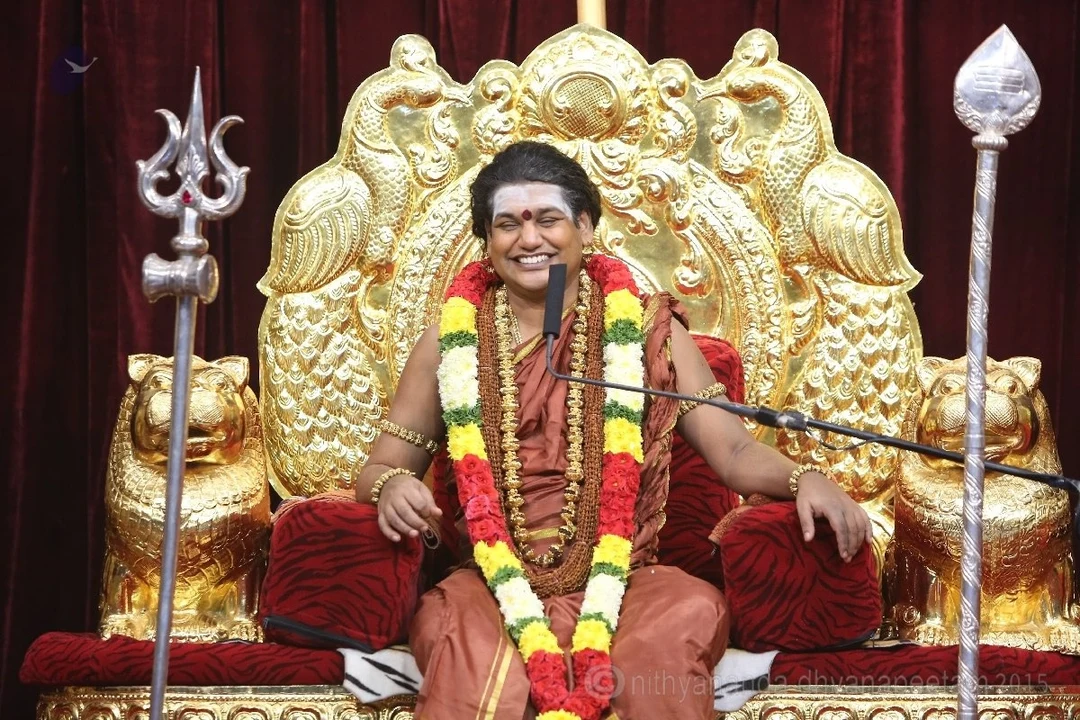
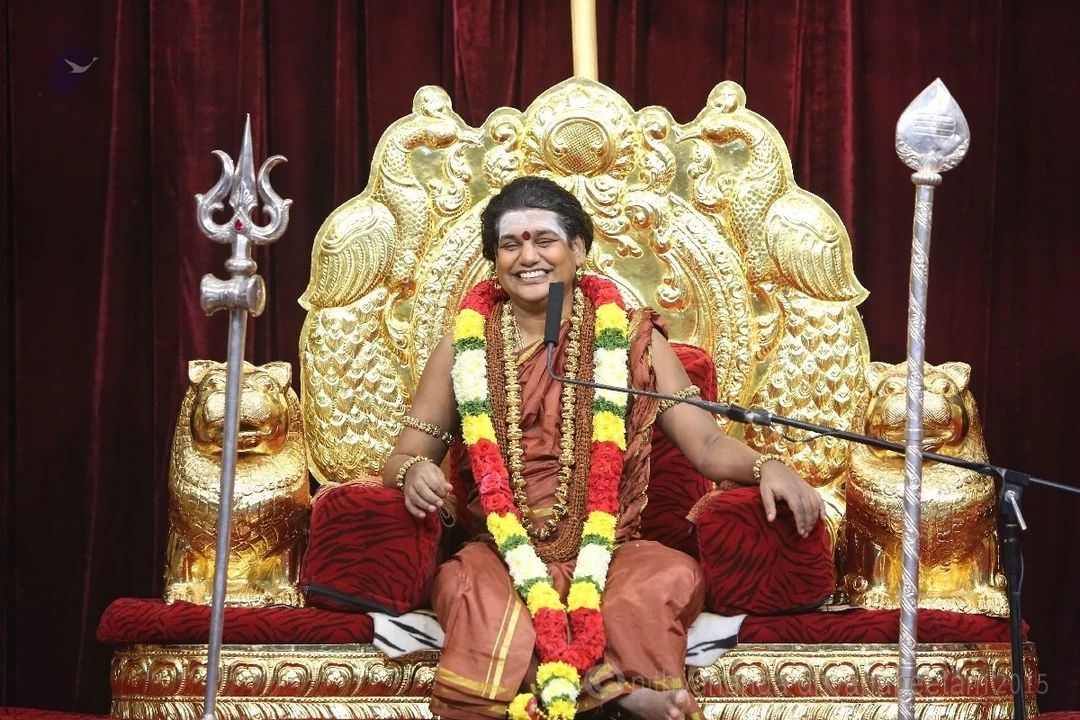
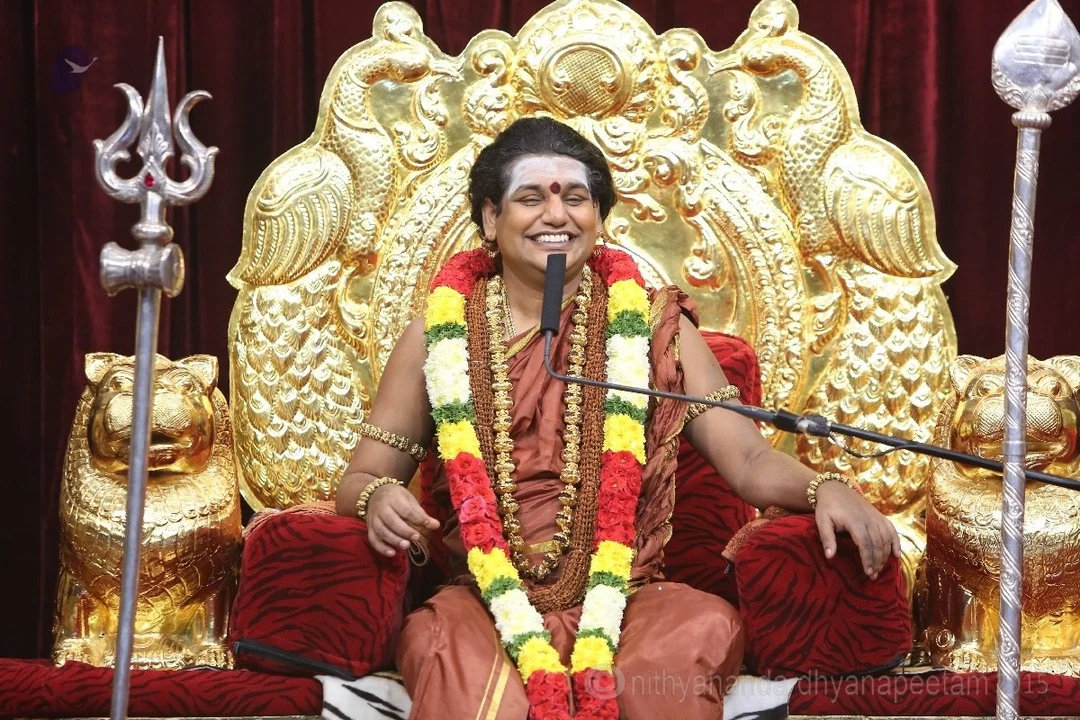
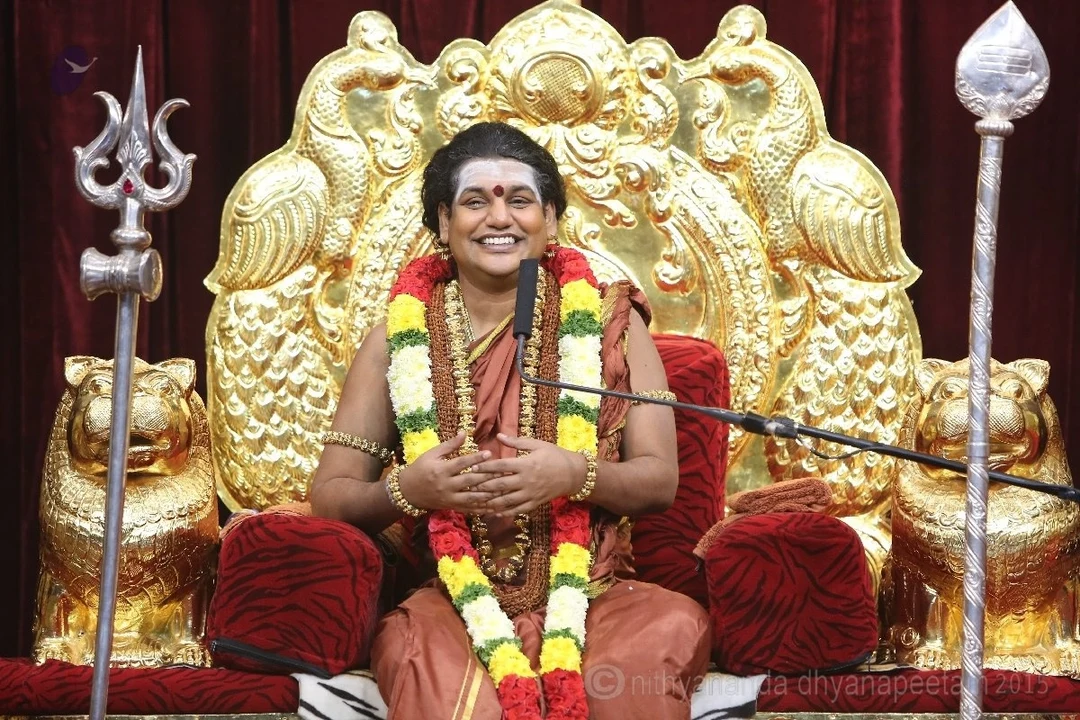
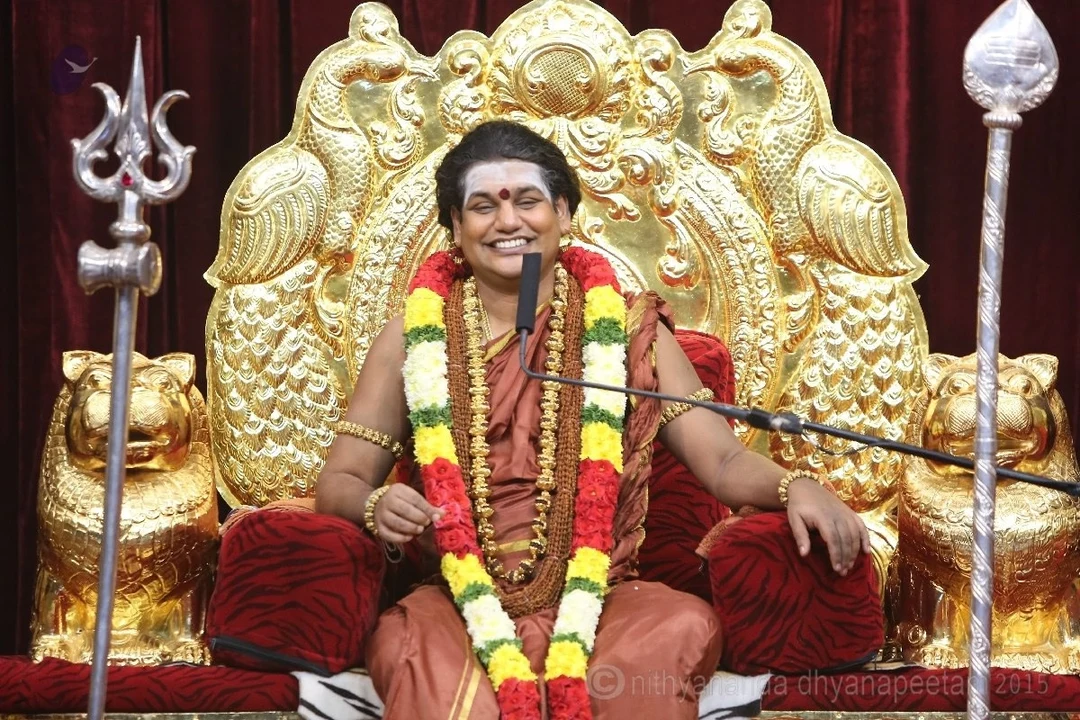
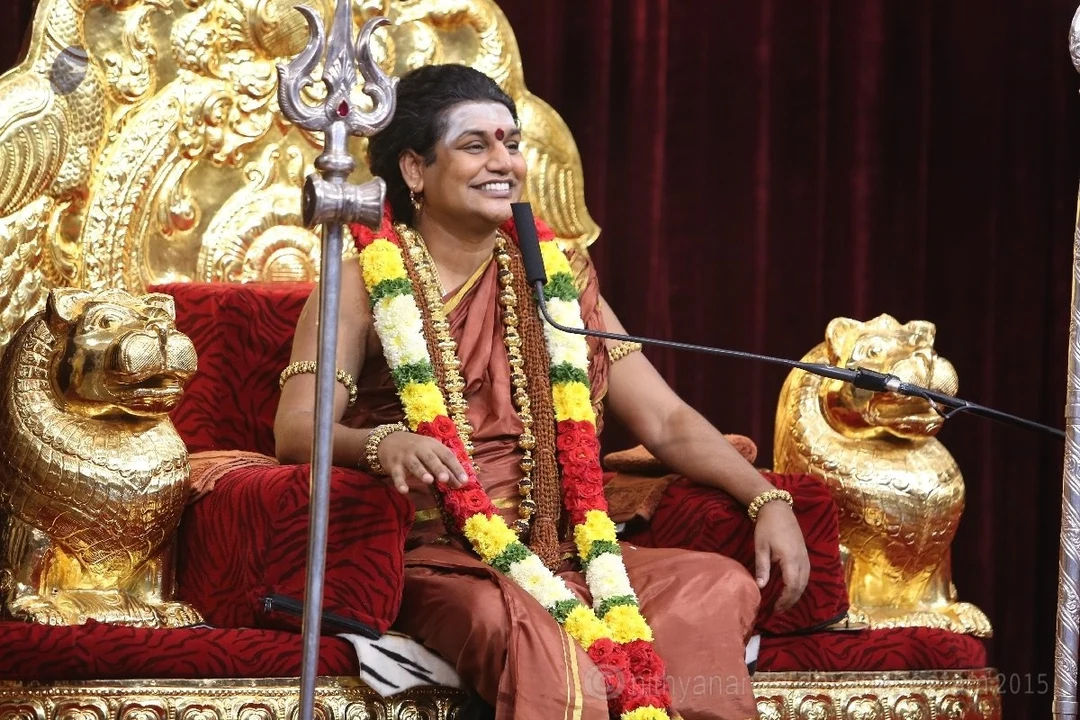
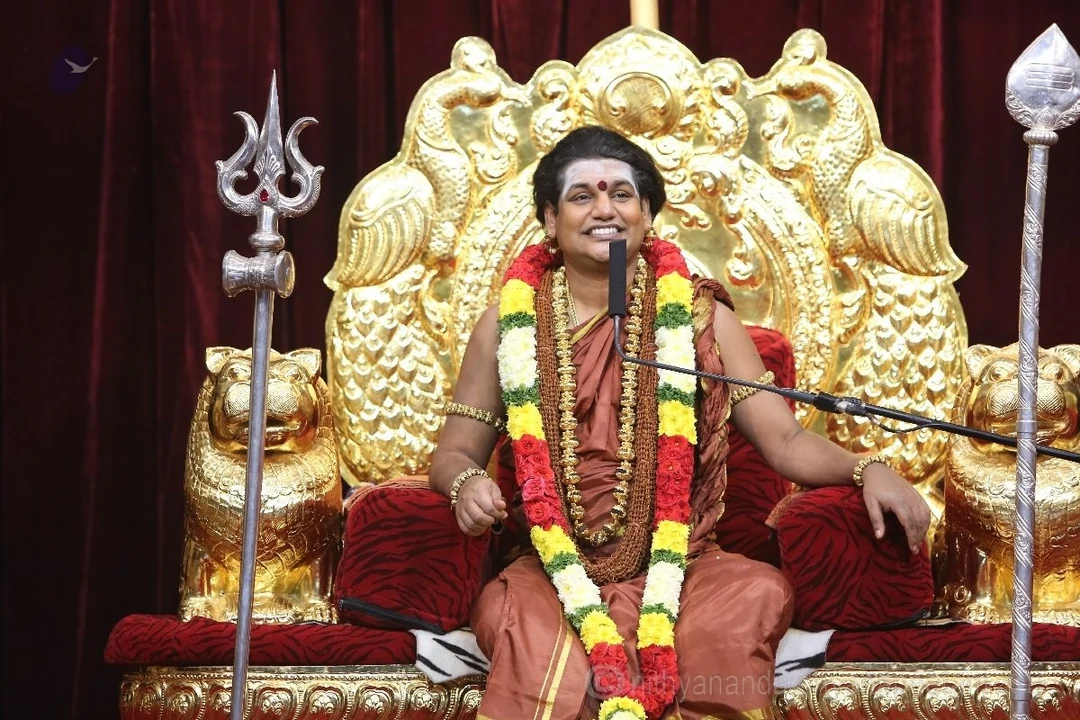
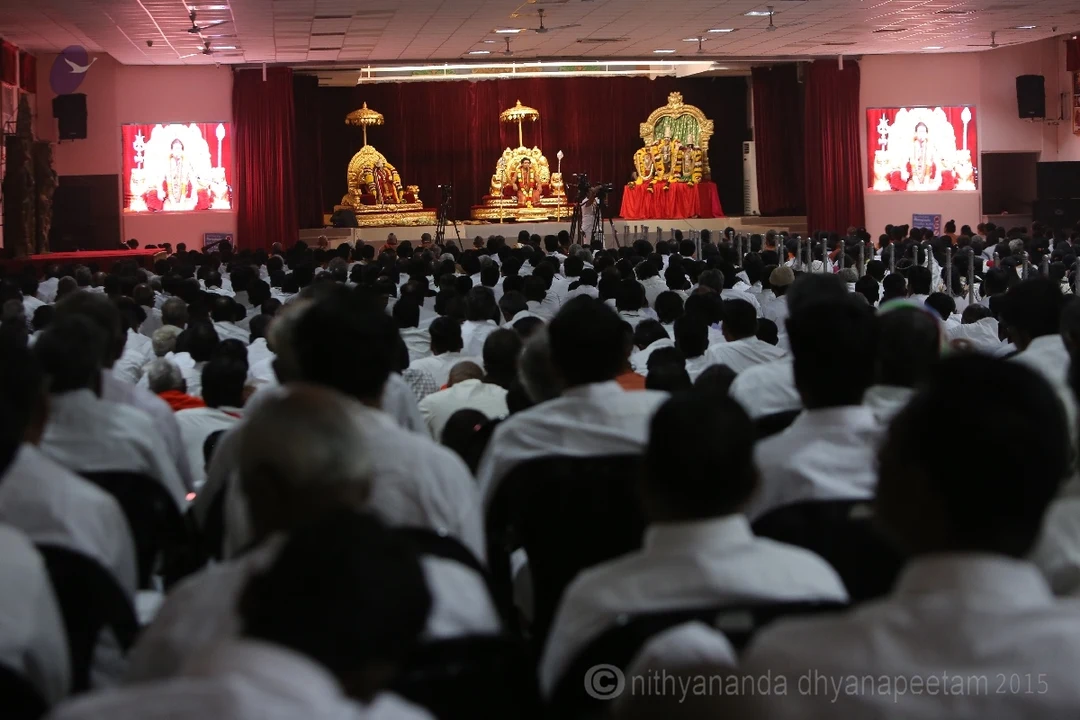
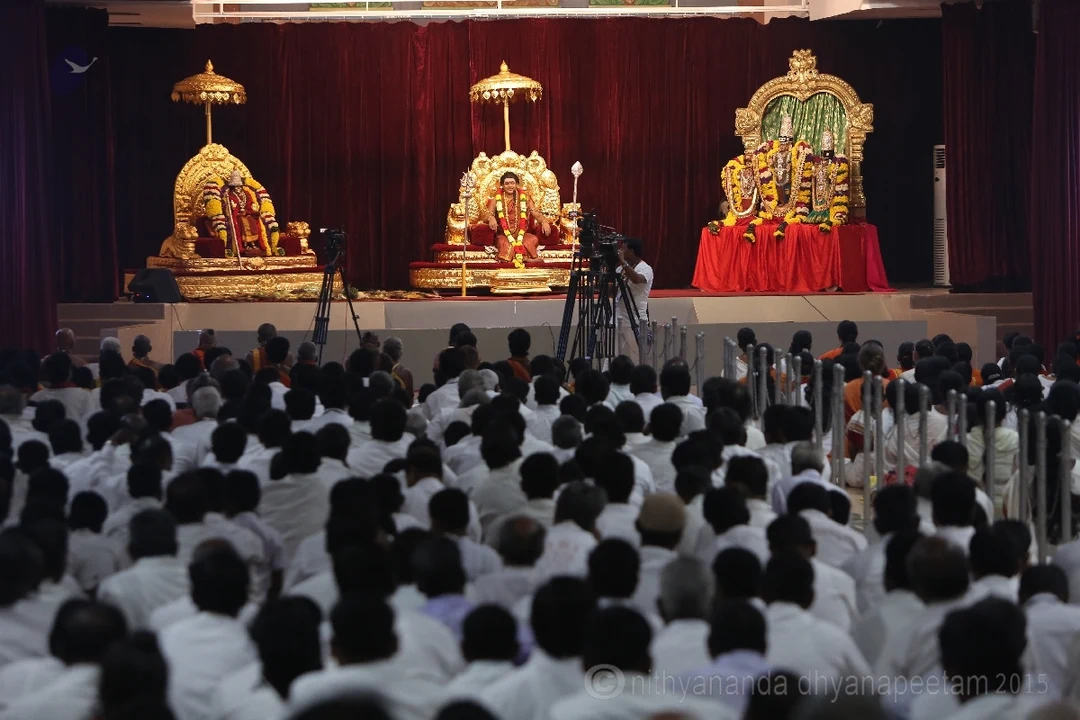
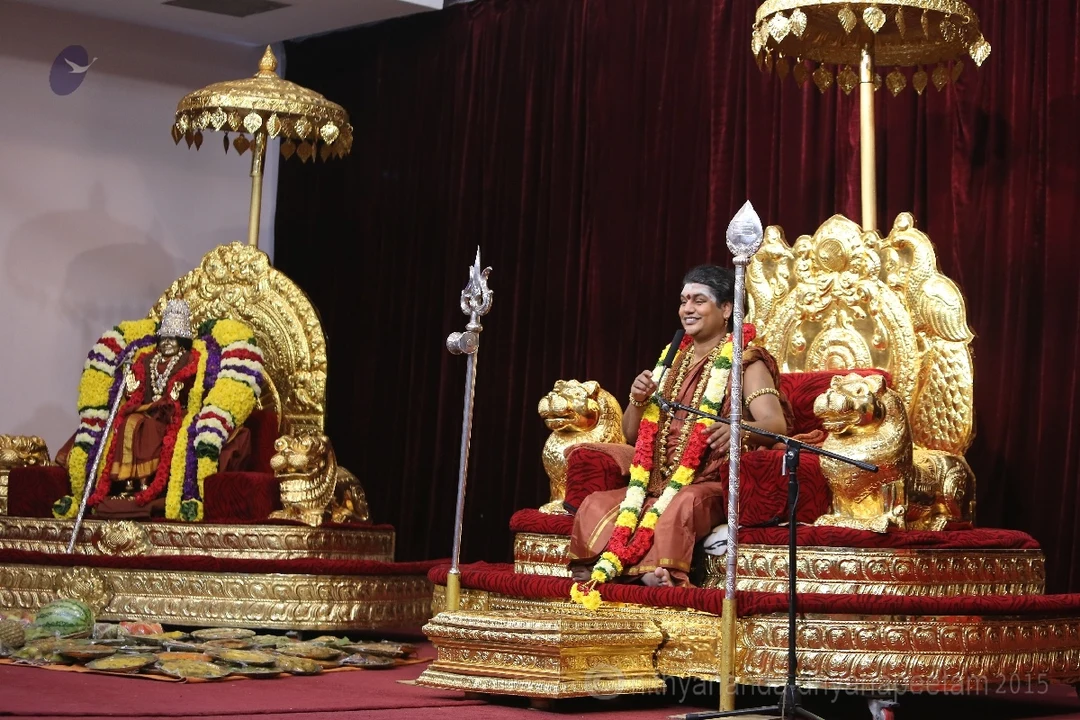
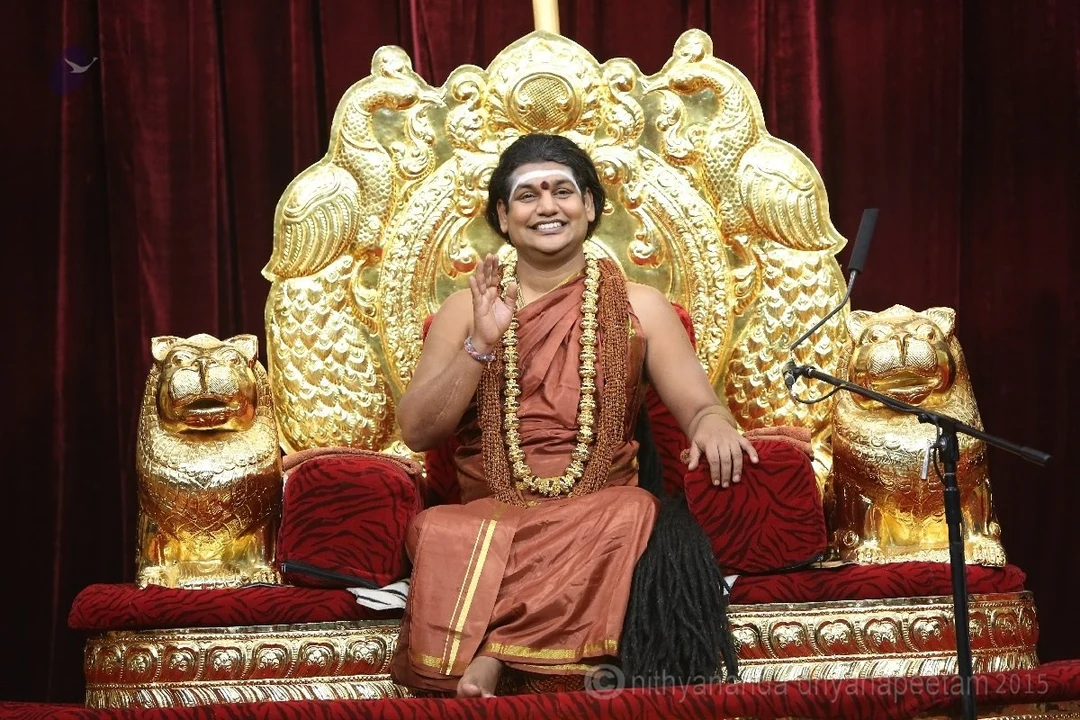
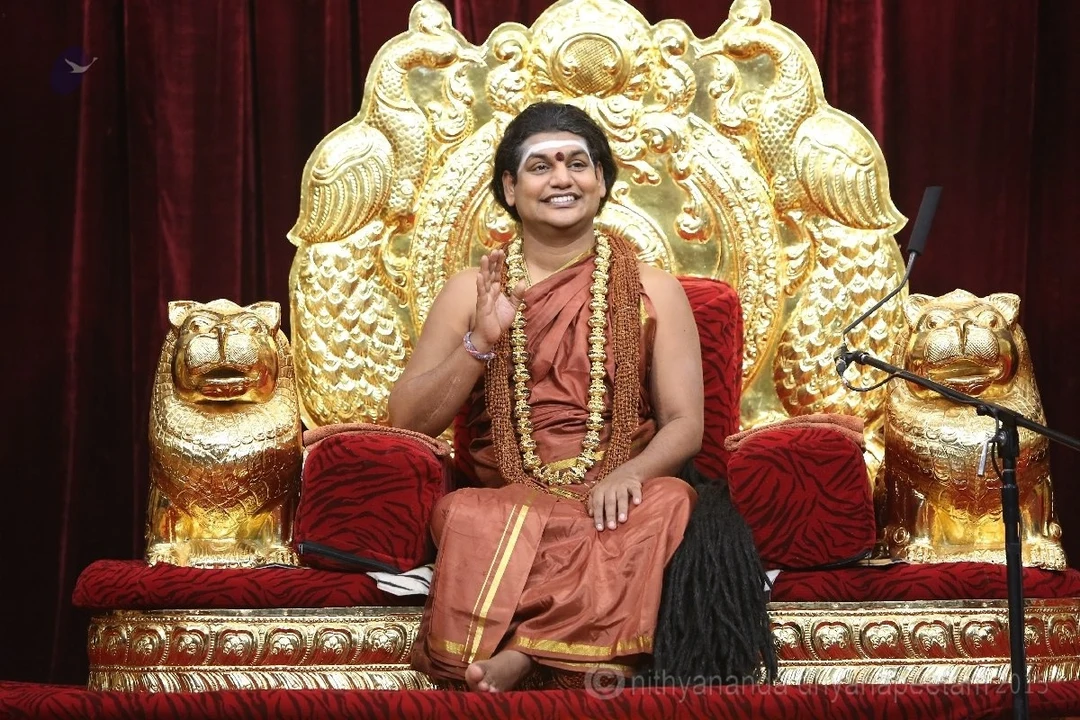
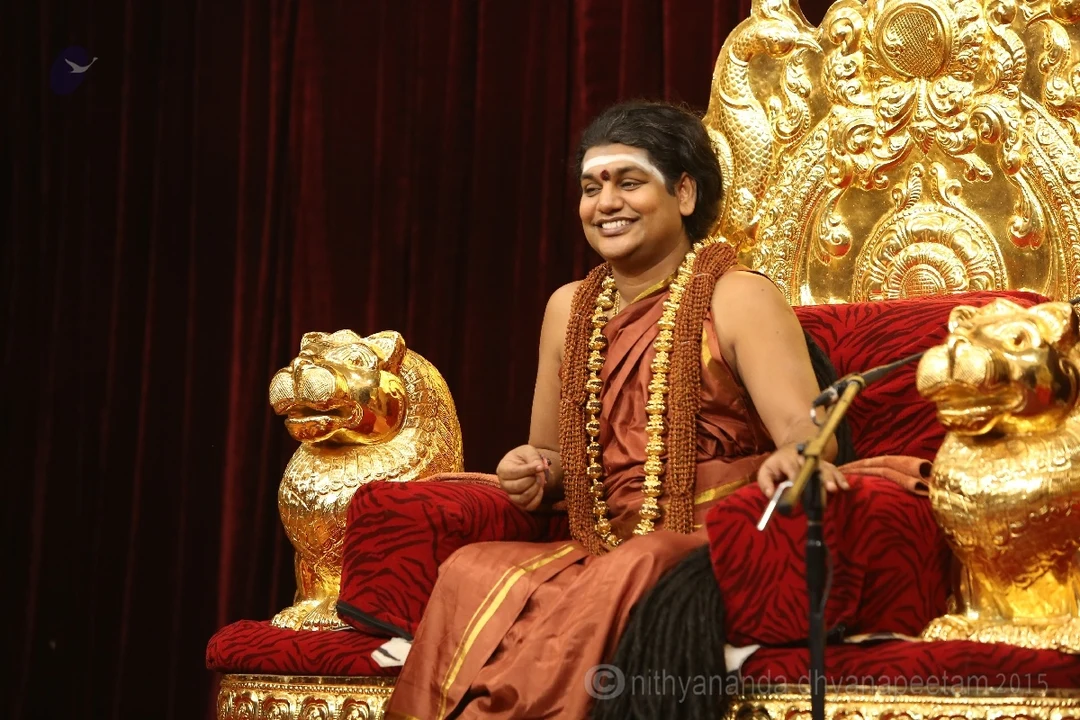
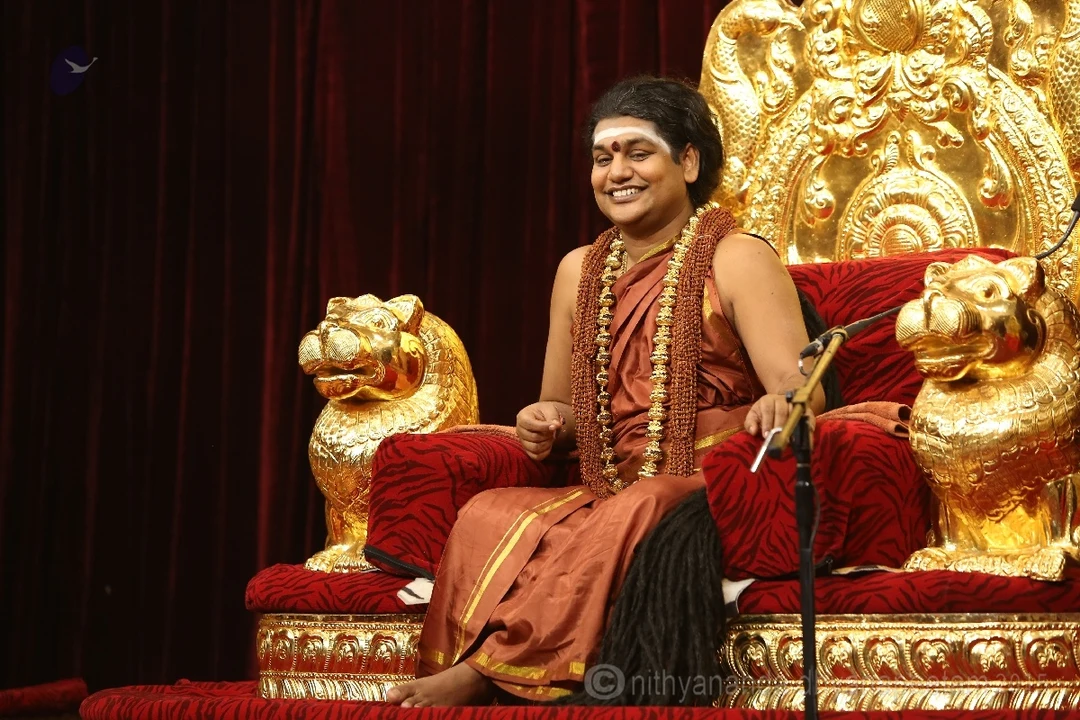
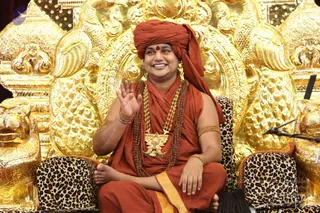
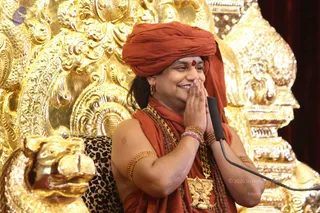
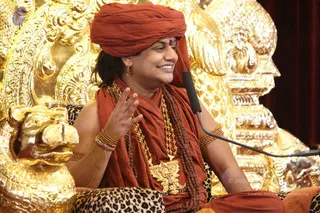
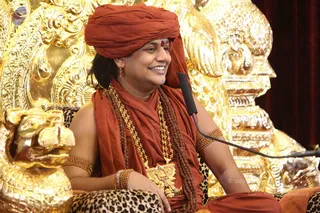
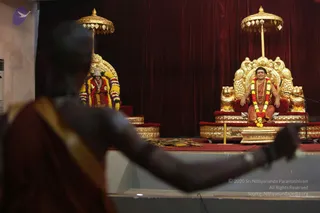
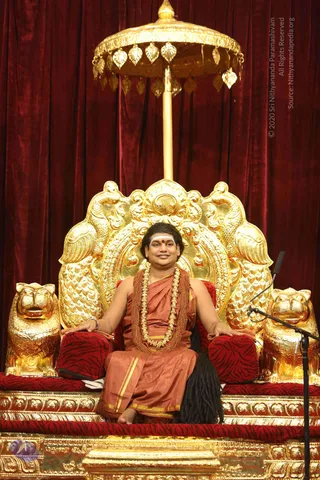
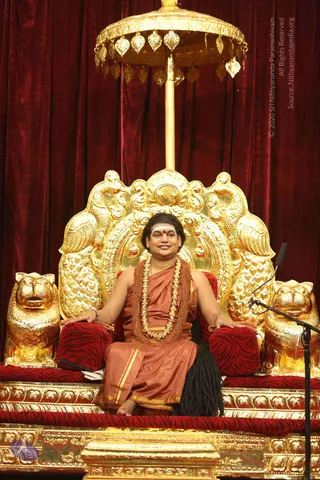
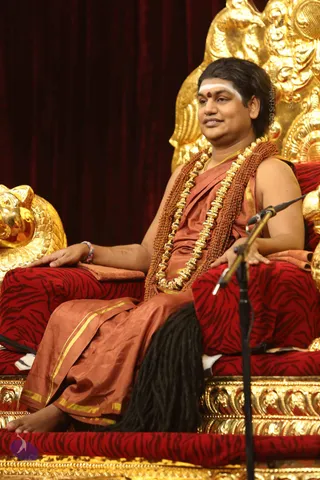
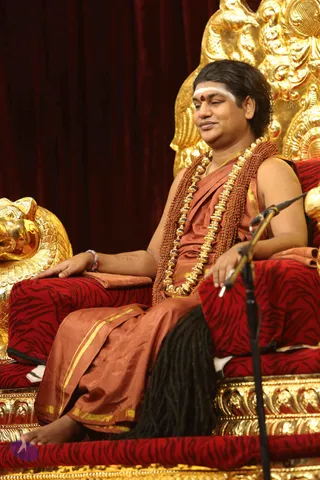
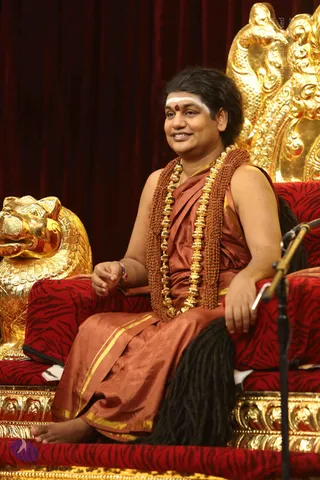
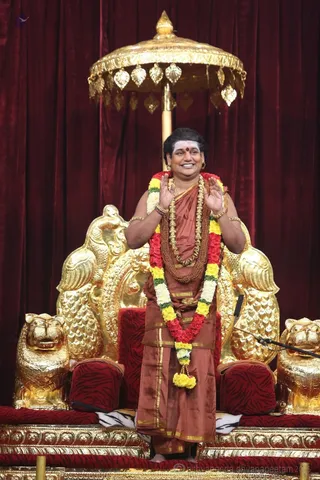
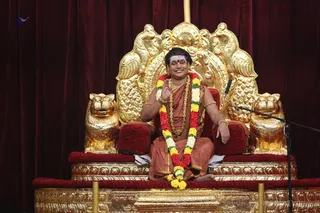
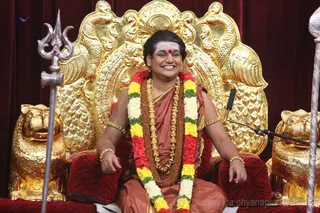
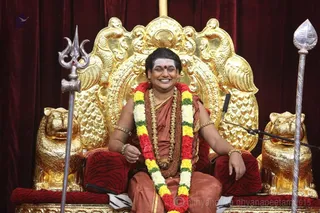
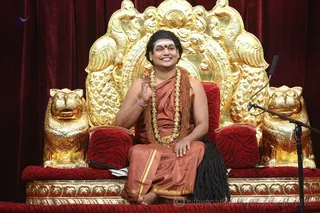
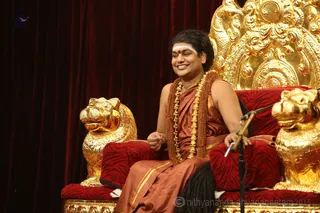
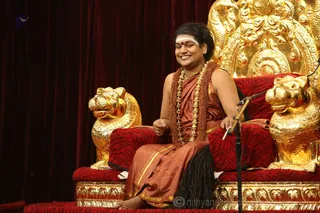
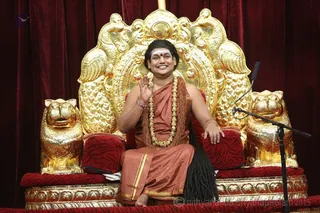
The special 13th year of the Nithyananda Sangha Mission Day was celebrated on January 1 2016, with The Supreme Pontiff of Hinduism (SPH), Jagatguru Mahasannidhanam, His Divine Holiness Bhagavan Nithyanananda Paramashivam, sharing His message to continue contributing, contributing, contributing to remain relevant to society and to flourish. He revealed that the secret to Sangha’s success is putting all energy into building the future, rather than fighting the past. He stated boldly - "we don’t have time to hate the people who hate us because we are too busy loving the people who love us." The SPH gave blessings declaring that this year brings all auspiciousness to everyone. Reckoning the Sangha Mission day, He revealed that Sangha actually began in the year 1978, which marks the birth year of His appearance on planet earth as per English calendar.

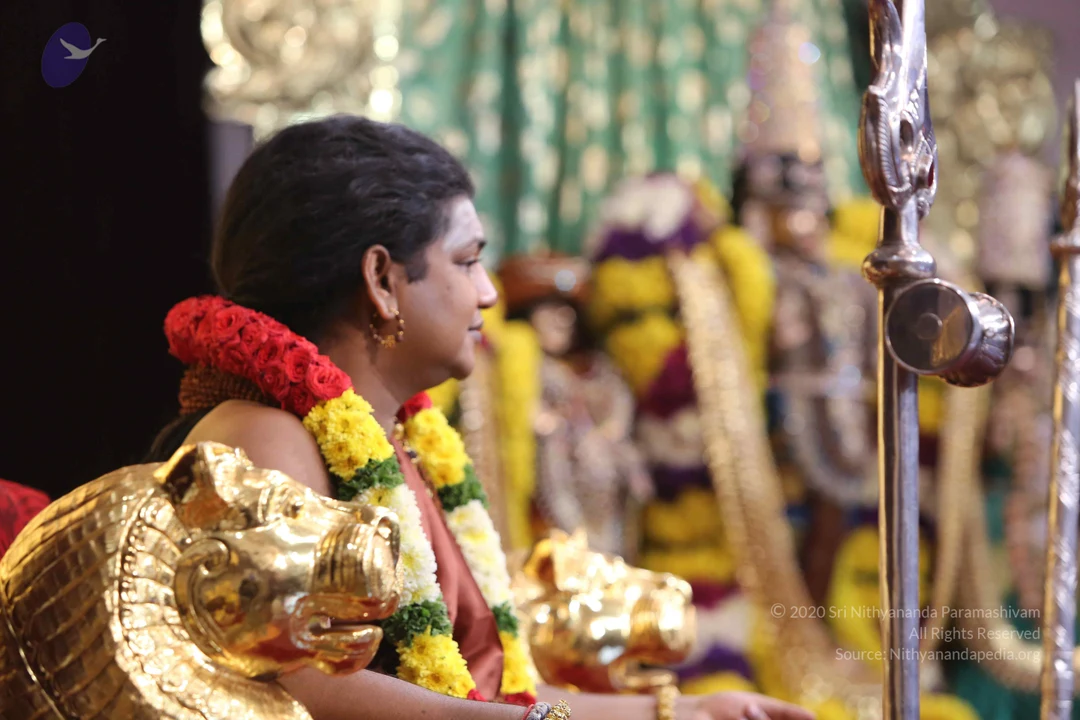
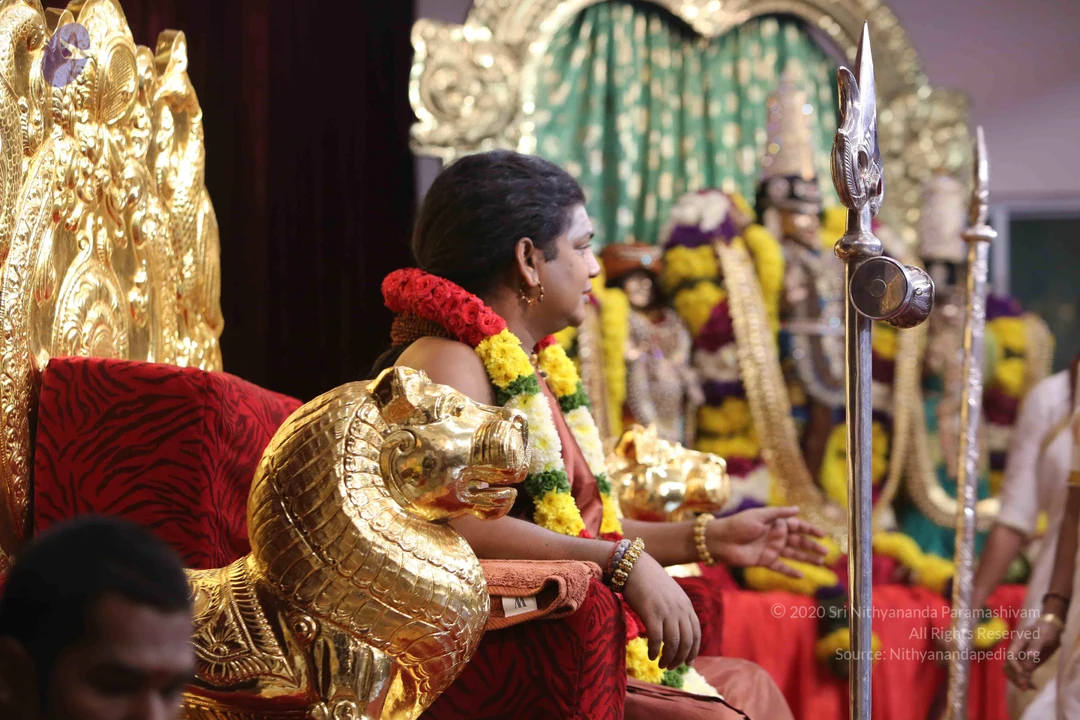
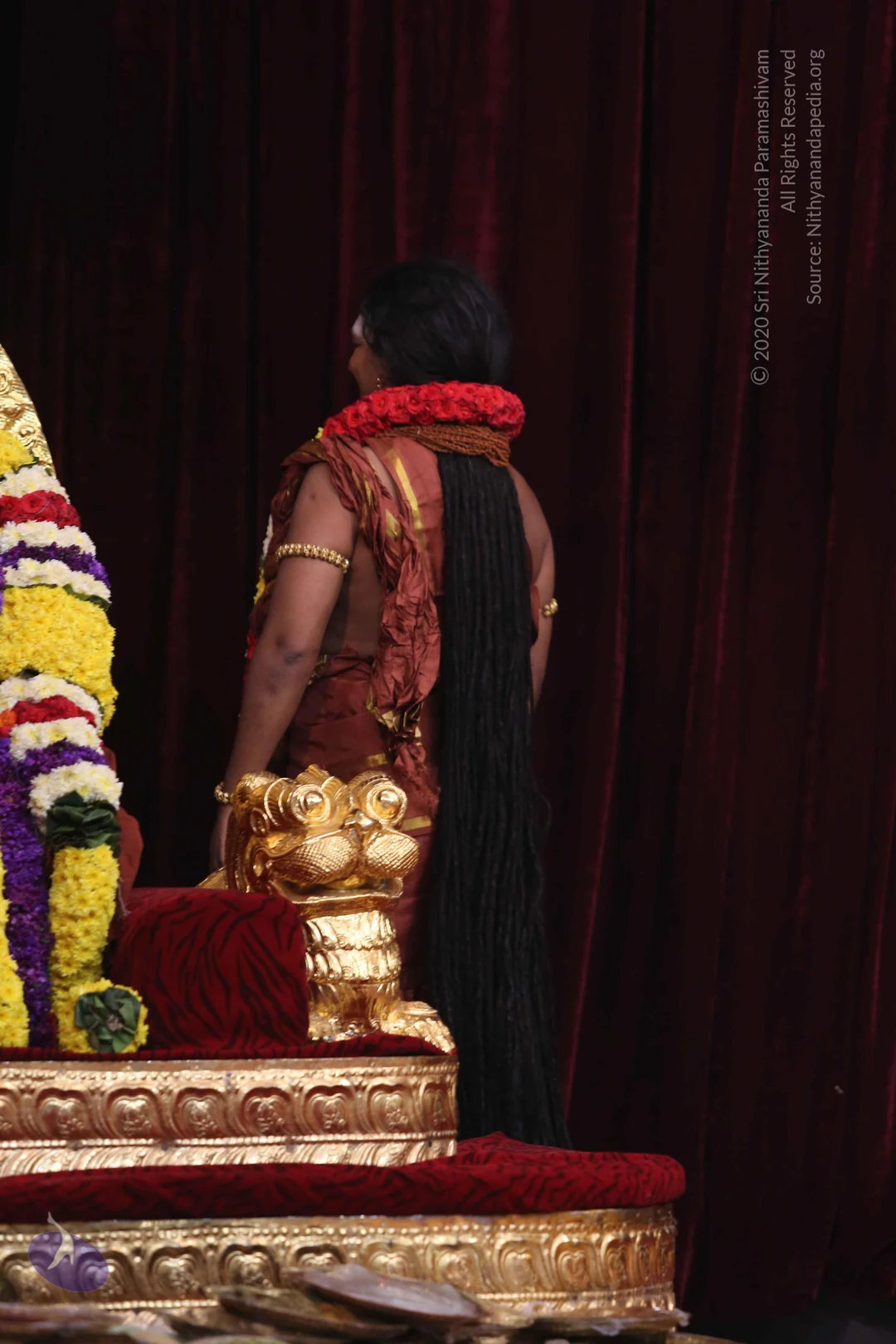
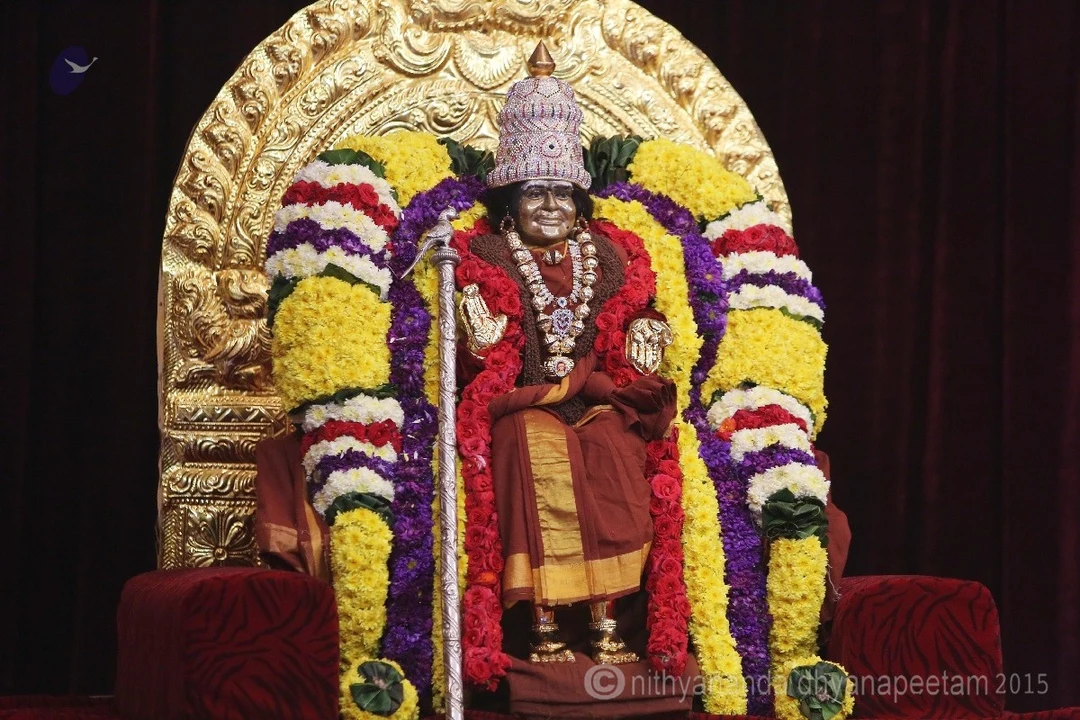
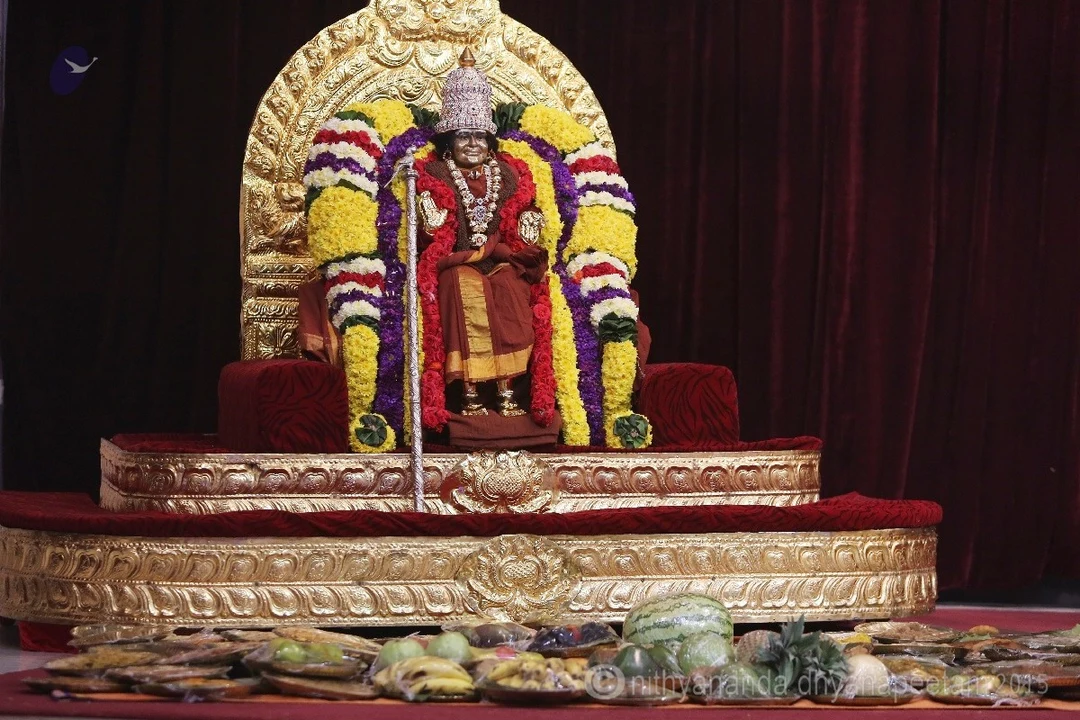
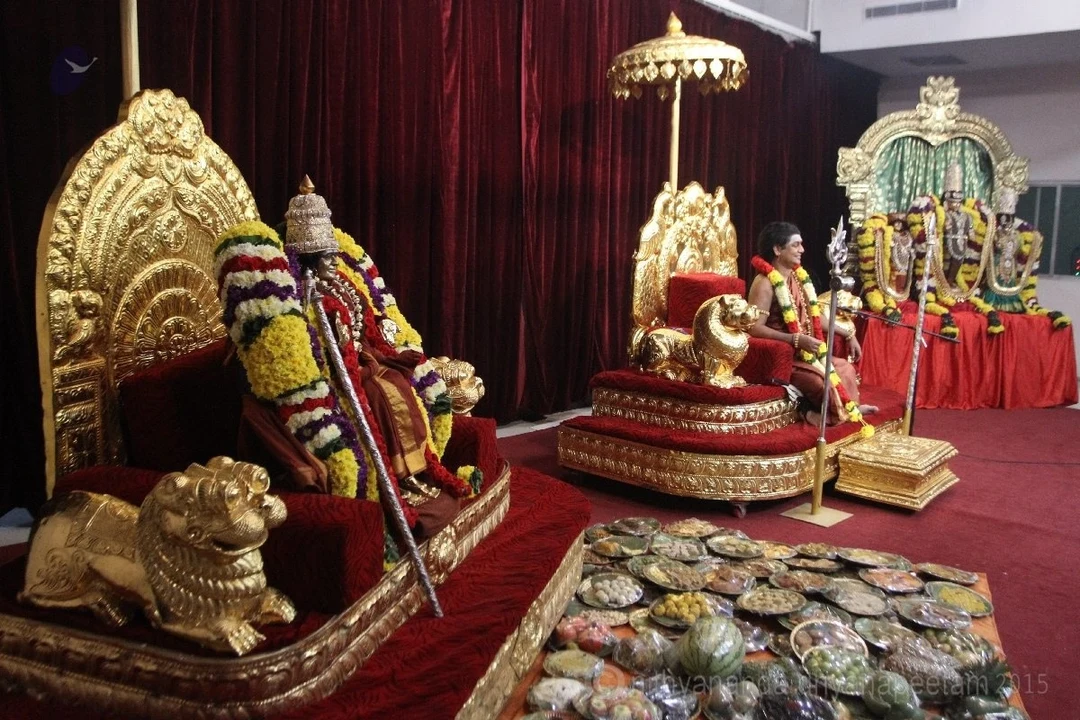
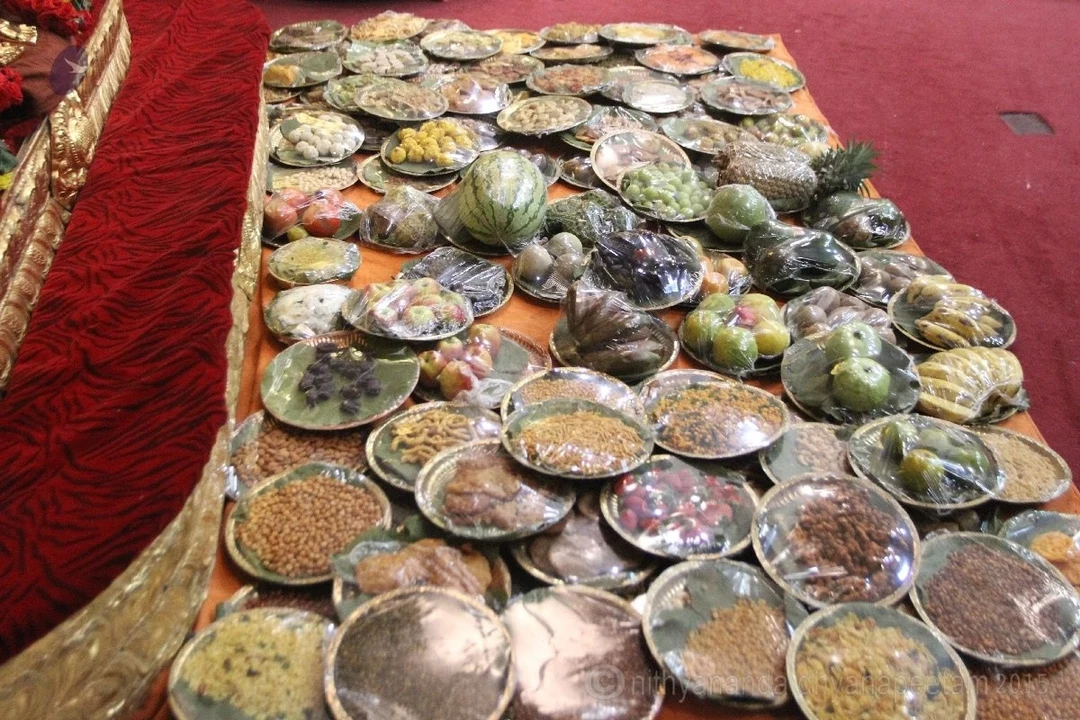
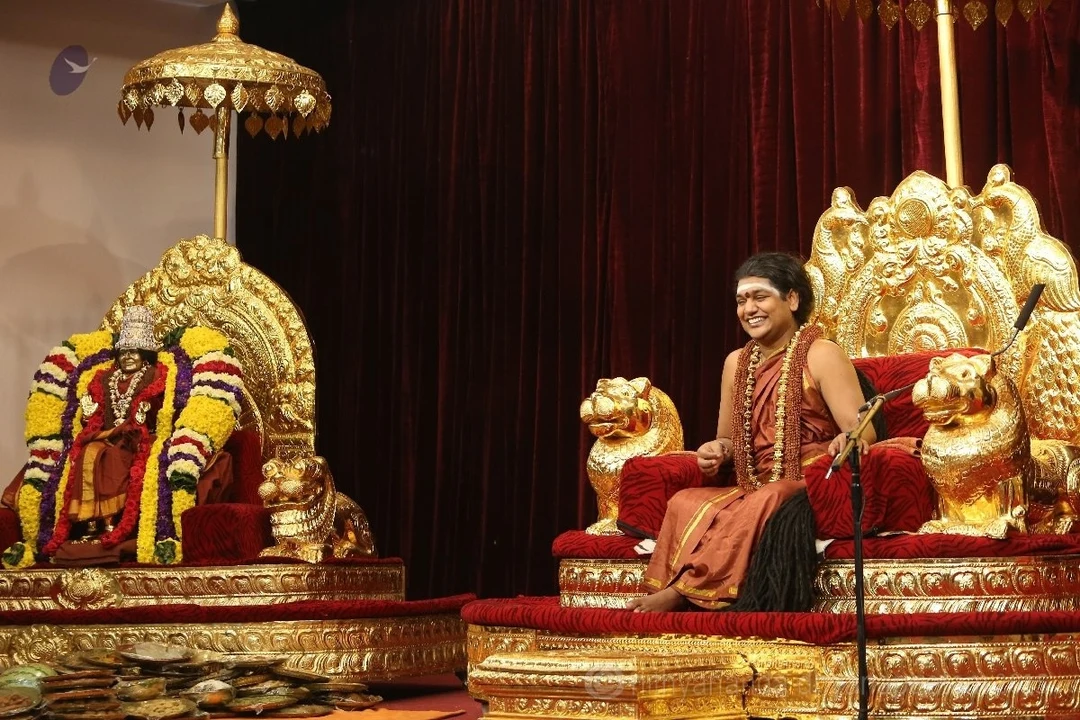
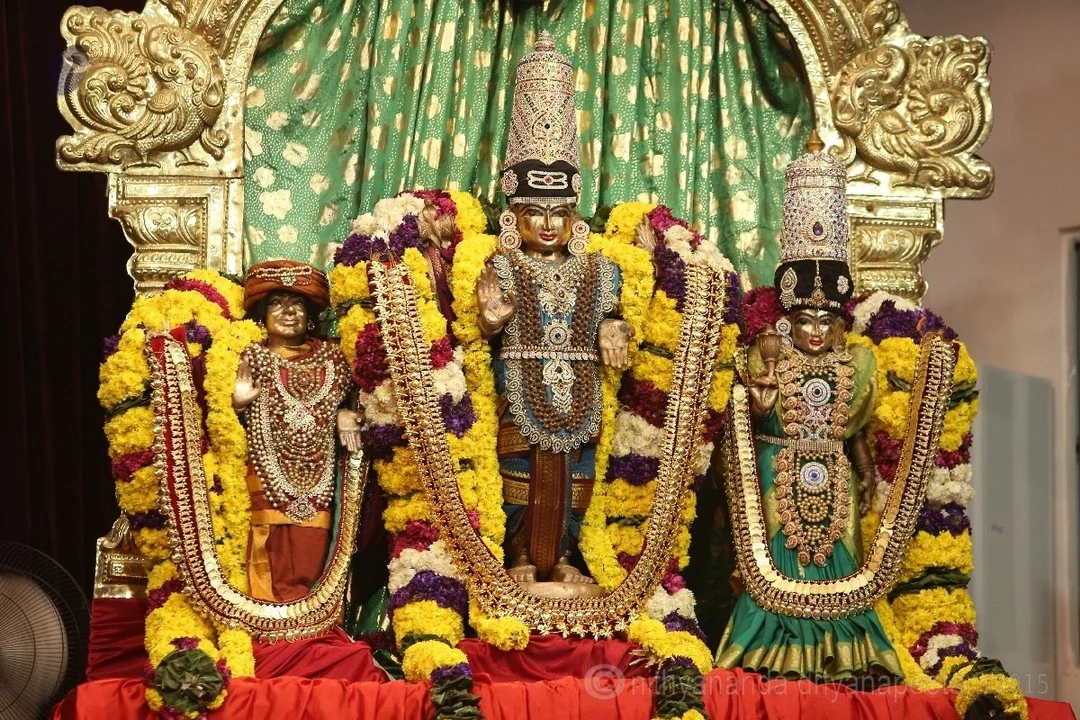
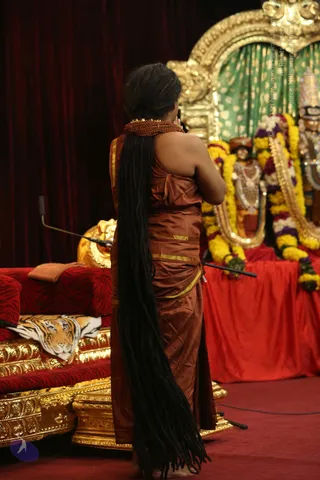
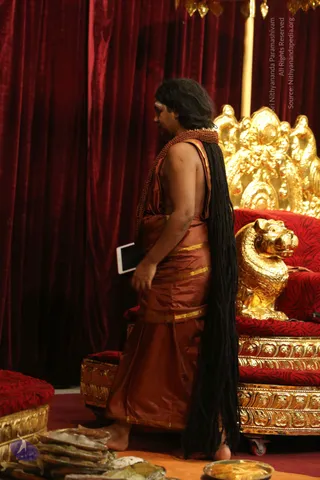
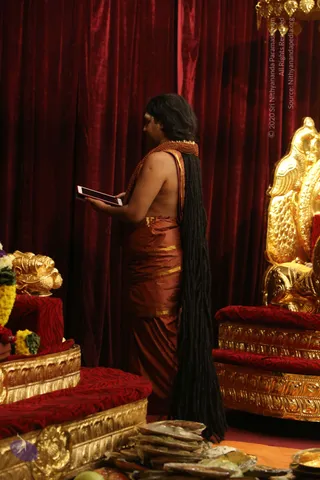
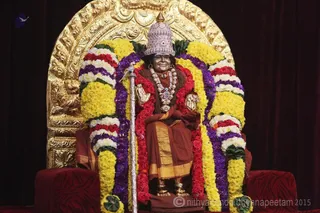
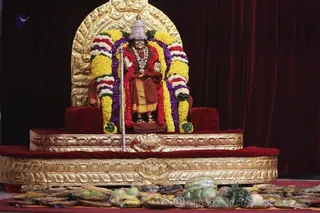
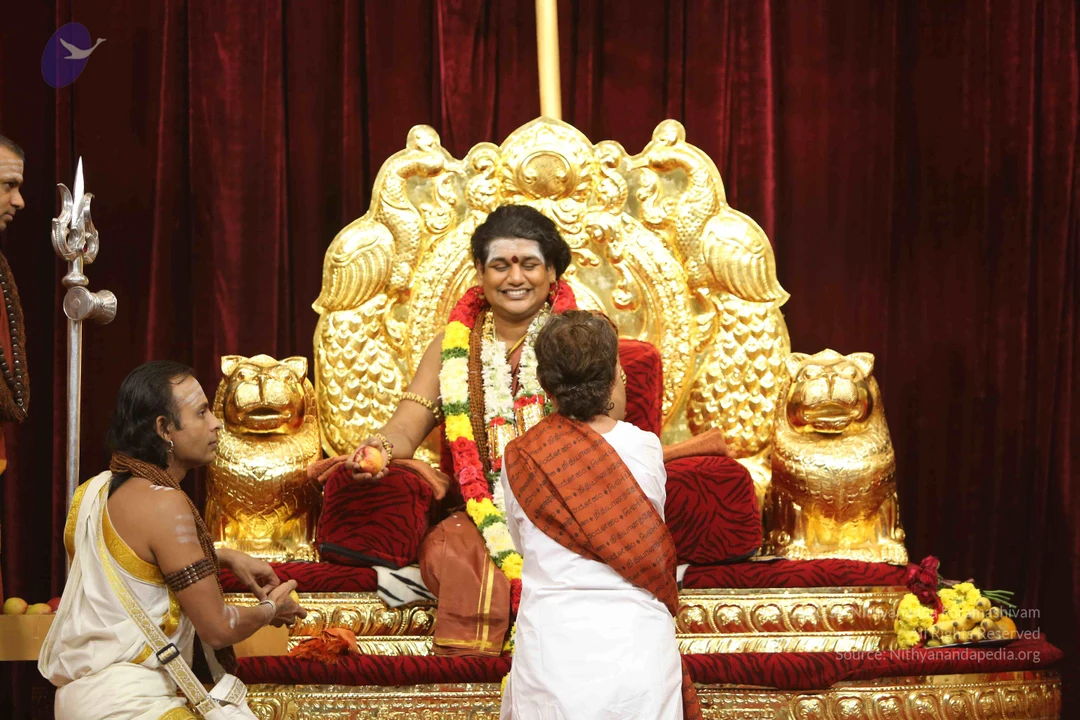
The Supreme Pontiff of Hinduism accepted the offerings of 108 Naivedyams from Annamandir of Bengaluru Aadheenam along with the special Alankara of Madurai Adheenakarta Leelai. He also announced for today, Samyama Deeksha and that He will continue to share this year on the Upanishads. Other announcements and special offerings will be celebrated this year on The Avatar Day, January 3rd.

Photos Of The Day:

photos
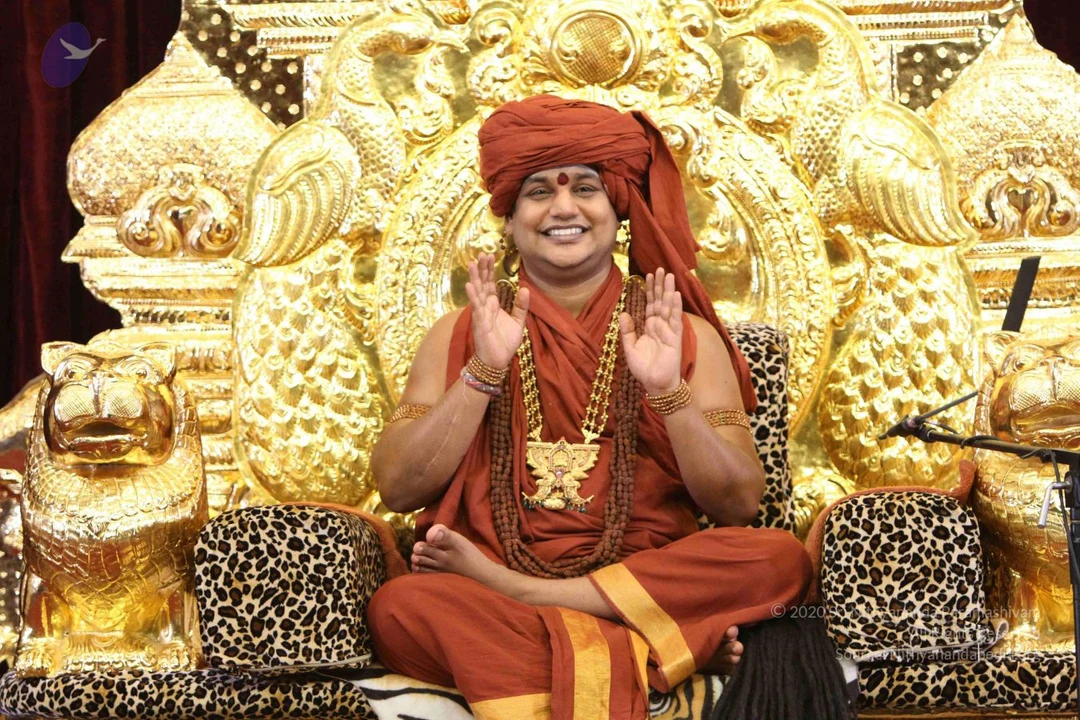
Photos Of The Day:

IA-volunteering-season-in-AP

Ravindrapuri-Ji-Maharaj-Visits

1-Morning-Satsang

2-Samaya-Dheeksha

Video and Audio - 13th Nithyananda Sangha Mission Day Celebrations

VideoAudio

Transcript

(0:34)

nithyānandeśvara samārambhām nithyānandeśvari madhyamām | asmat āchārya paryantām vande guru paramparām ||

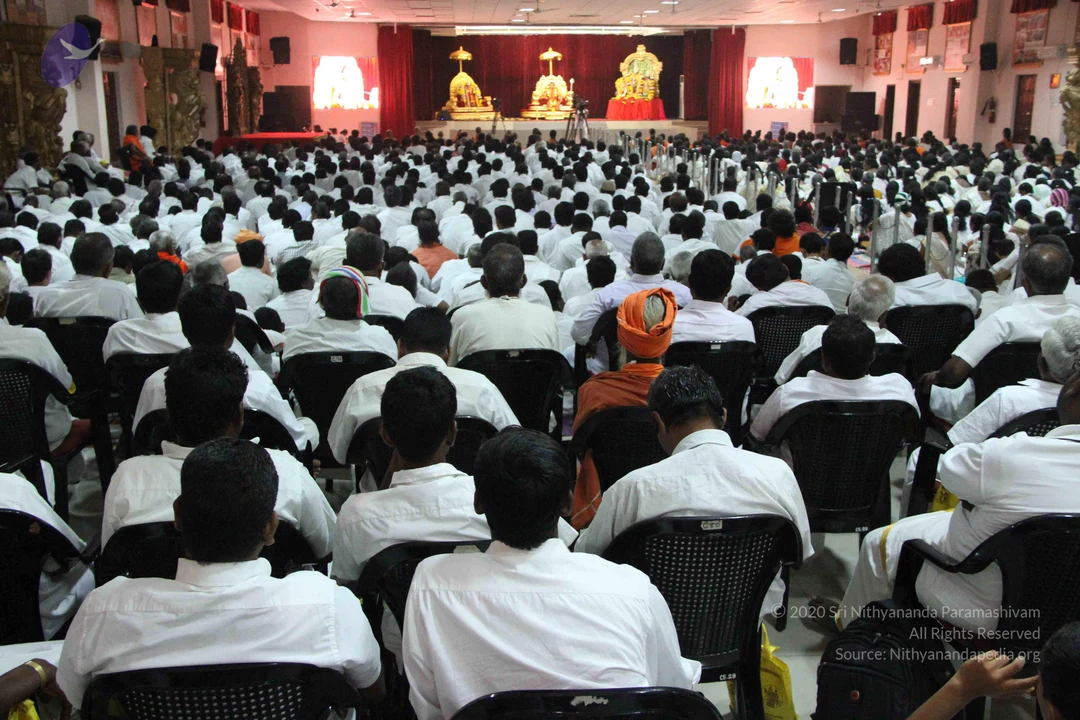
I welcome all the devotees, disciples, owners of Sarvajnapeeta, Samajis, Satsangis, Sri Mahants, Mahants, Thanedar, Kotharis, Visiters, Viewers all over the world through Nithyananda TV, Arra TV, Nakshatra TV, Janta TV and two-way video conferencing having Nayana Deeksha all over the world on this very auspicious ‘Nithyananda Sangha Day - The Mission Day’. Cities sitting with us all over the world Seattle Adheenam, Ohio Adheenam, Guadeloupe Adheenam, Toronto Adheenam, Kuala Lumpur Adheenam, Rajapalayam Adheenam, Houston Adheenam, St. Louis Adheenam, Hyderabad Guptakashi, Singapore Adheenam and lot more cities and Adheenams. I welcome all of you with my love and respects.

(2:05)

On this very day actually on 1978... So you all need to be reminded as per the English calendar today is the Birthday... We in our Sangha, celebrate as per the Vedic Calendar on the month and Nakshatra. Formally, organization was inaugurated on 2003, January 1st on this very day. With this 1st January 2016, organization - the mission has completed 13 years. But the Sangha itself has completed 38 years... But the Sangha itself has completed 38 years... One beauty with our Sangha, we don’t have time to look back. We are so busy looking forward, we have no time to look back. And the secret of our Sangha and success of the Sangha is—we put all our energy in building the future, not fighting with the past. We go on building the future; don’t care about the people who demolish the past; we don’t spend time in fighting with the past; we don’t waste our time in fighting with the past; we put all our energy in creating the future... We put all our energy in creating the future; that is the secret of success; that is the secret of our Sangha.

(5:46)

We don’t have time to hate the people who hate us because we are too busy in loving the people who love us.

(6:07)

When we are building the future, when somebody intervenes only we move them aside so that we can continue with our life; otherwise we don’t go and pick fight with anybody. Because we don’t go and pick fight with anybody, anybody picks fight with us we always WIN... We are always winning because we don’t go and pick; when somebody picks we make them Pickle... Sangha itself 38 years over, 39th year starting as per the English calendar. And organization 13 years completed, 14th year starting. As I said, we don’t have time to look back.

(7:49)

Even today I am not going to look back; I am only going to look forward, what we are going to do. I am going to declare. I am not going to list out what we have done. This year Sarvajnapeeta will start functioning. Understand, this year Sarvajnapeeta will start functioning in full-fledged way. This year I’ll be physically doing world tour. I’ll start going around the world again this year giving satsangs, programs, classes, sessions, initiations… Without giving a reason or completing, this year - whole year I am going to make Myself available for morning Satsang. My health is ready and I am ready. Health and Me both are ready. At the most if I am traveling for those reasons, eleven days maximum; other than that eleven days maximum this whole year I’ll be available for the morning satsang; I’ll continue to expand on Upanishads.

(10:18)

I’ll resume Upanishads through the eyes and silence of Dakshinamurti. Mahadeva will be commenting on Upanishads... Don’t worry about this small calf, calf cannot starve the calves waiting for the Upanishad milk. I think if I list out the things we are going to make it happen this year, it will be long, good things.

(11:37)

On this auspicious Nithyananda Sangha Day, - the Mission Day and ‘English calendar New Year’, I bless you all — let you all radiate with all the auspiciousness, with all the Mangalatva; Integrity, Authenticity, Responsibility, Enriching, causing living Advaita, the Eternal Bliss, Nithyananda... My Blessings, let this year bring all the auspiciousness in everyone’s life, in all our lives.

(13:03)

Annamandir of Bengaluru Adheenam is offering 108 Naivedhyams; I accept the offerings and today the Alankara is Madurai Adheenam Karta Leelai Alankaram; the alankara of taking the responsibility of Madurai Adheenam. From this year we will start operating the responsibilities, and delivering what we need to deliver to the world through the Madurai Adheenam. Today also we will be having Samaya Deeksha... As a Sangha, as a Mission, we have done beyond our imagination or anybody’s imagination within the short period, given the minimal resources and the maximum opposition. The minimal resources and the maximum opposition... The energy resources we had made us work intensely; enmity we faced made us strong. As a Sangha, as an organization, we have given to the world more than what we received and let's resolve to give more and more to the world. Only by giving, contributing we will be relevant. Only by giving and contributing, we will continue to remain relevant to society; anything which is relevant to society only will be kept alive. We will contribute so much, not only we will be relevant we will become a necessity for the humanity. Not only we will continue to keep ourselves relevant, we will make ourselves as a necessity to the world, to the humanity; that’s the only way we can keep ourselves alive, flourishing. Let’s enrich the world continuously. That is the only way we can keep ourselves enriched.

(17:51)

So have this as My message on Nithyananda Sangha Day—Let us go on contributing, contributing, contributing; that’s the only way we will keep ourselves relevant and necessity for humanity. We do have lot of offerings, publications to the world but we will reveal, we will share all that on day after tomorrow January 3rd on The Avatar Day. Today I came to Satsang, just to give blessings on ‘The Sangha Day’ and blessings on New Year as per English calendar.

(19:04)

So with this I bless you all—let all of radiate with Integrity, Authenticity, Responsibility, Enriching, causing Living Advaita, the Eternal Bliss; Nithyananda. Thank You. Be Blissful.

(19:27)

Video - Nityananda Times

Photos

Nithya Satsang

Vishesh Deeksha

Tags:

Paramahamsa Nithyananda, Nithyananda, Isavasya Upanishad, Upanishad, Living Advaita, Seeking, Expansion,,,,,,

Photos from this day

View all 232 photos
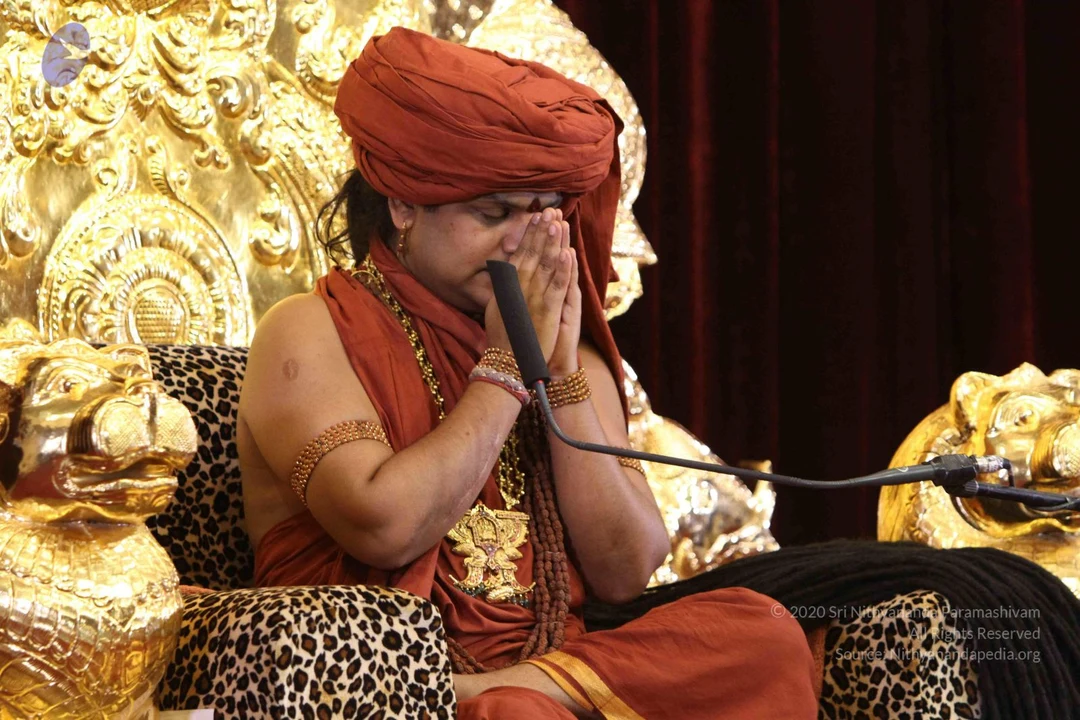
Pictures from the day

1 photoSource gallery

photos
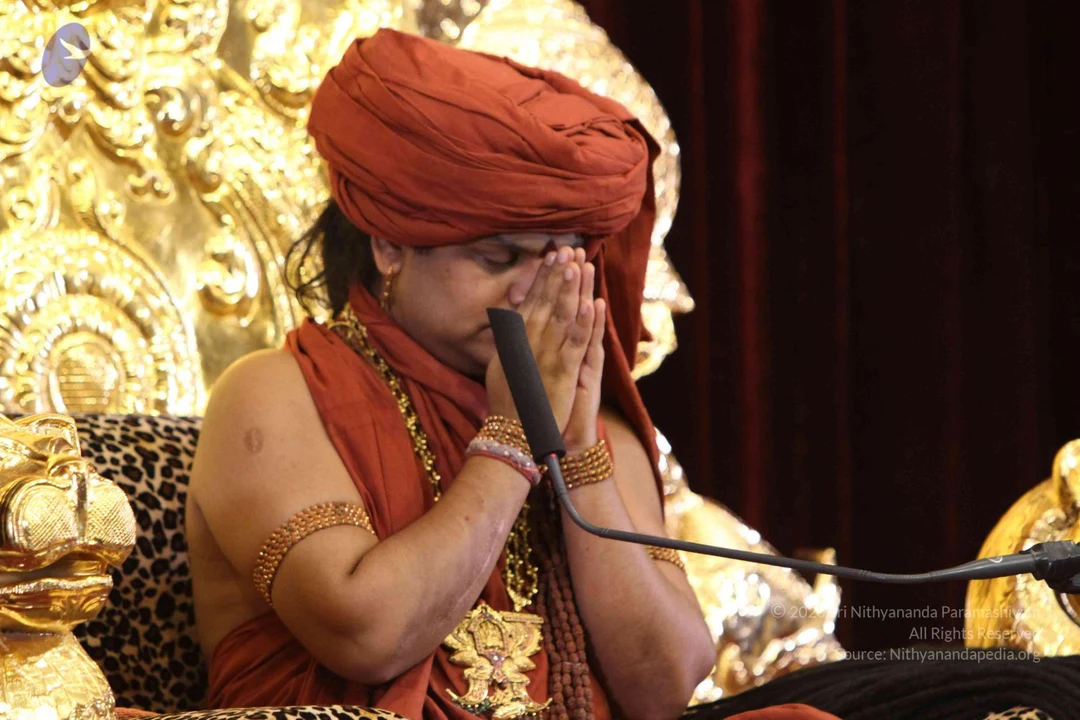
49 photosSource gallery
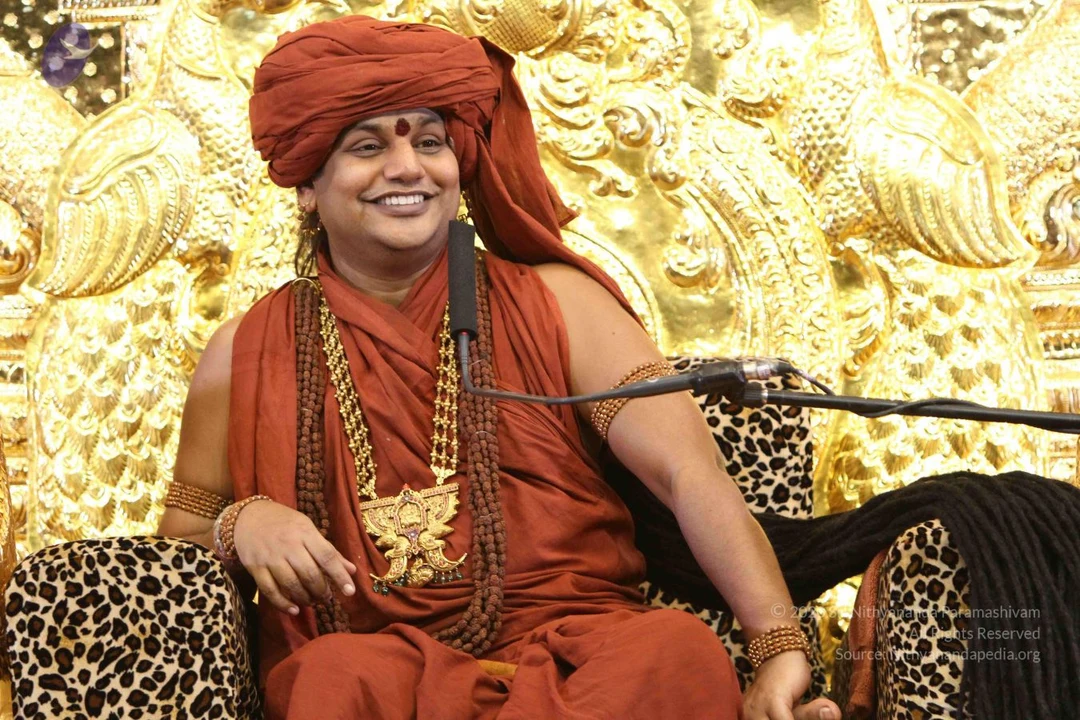
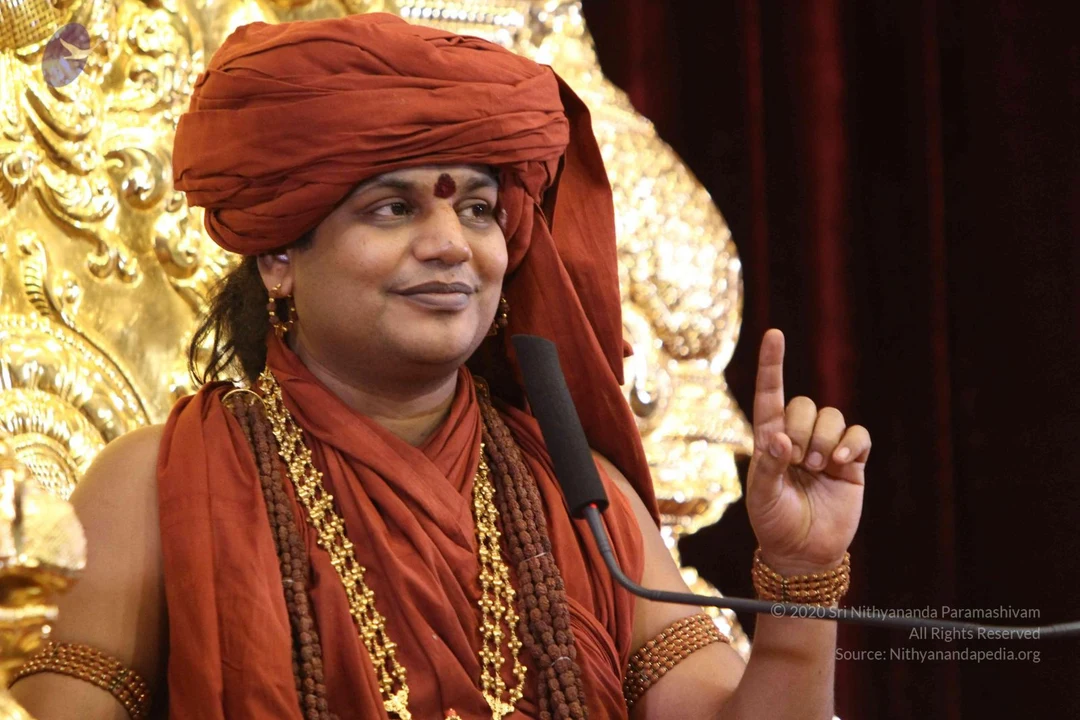
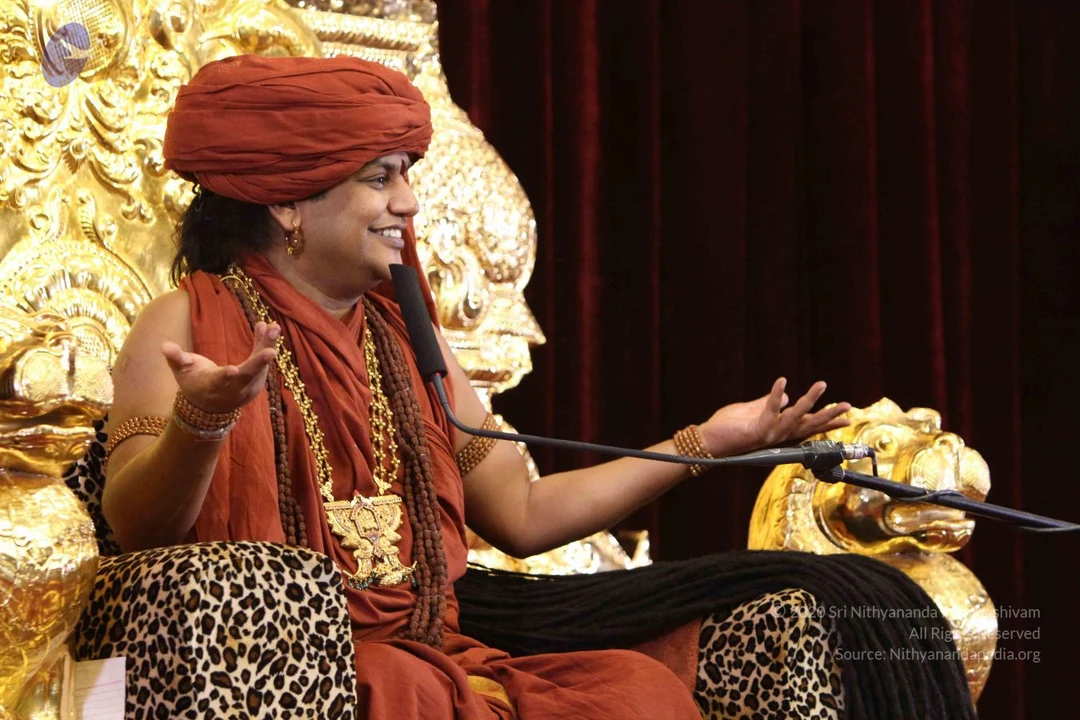
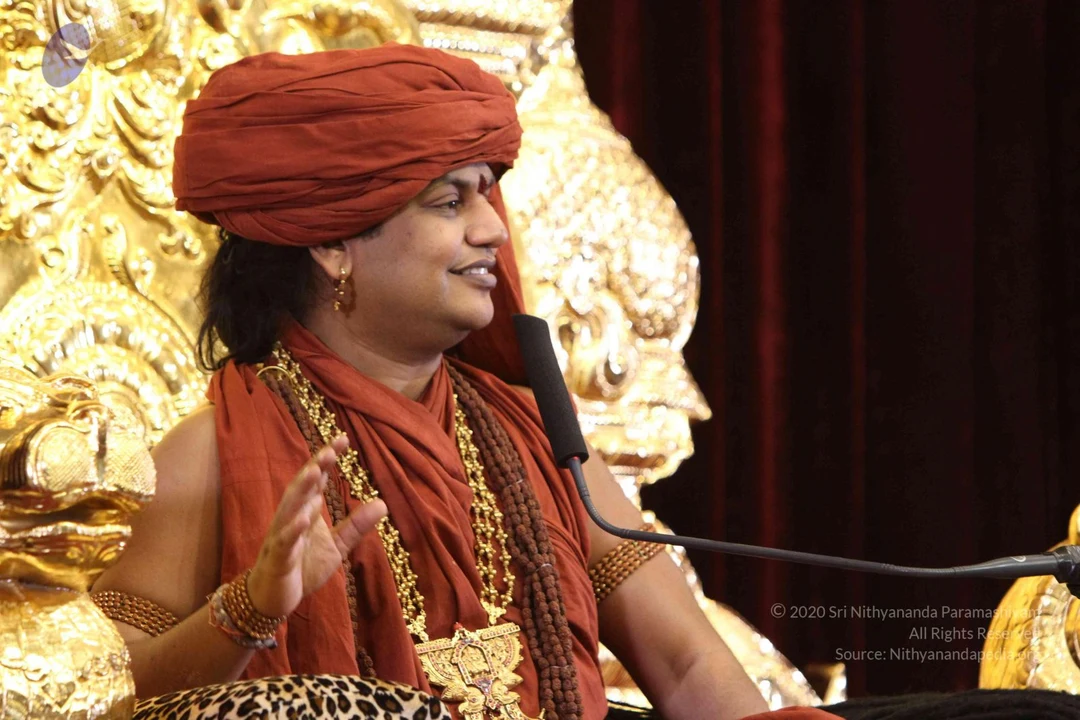
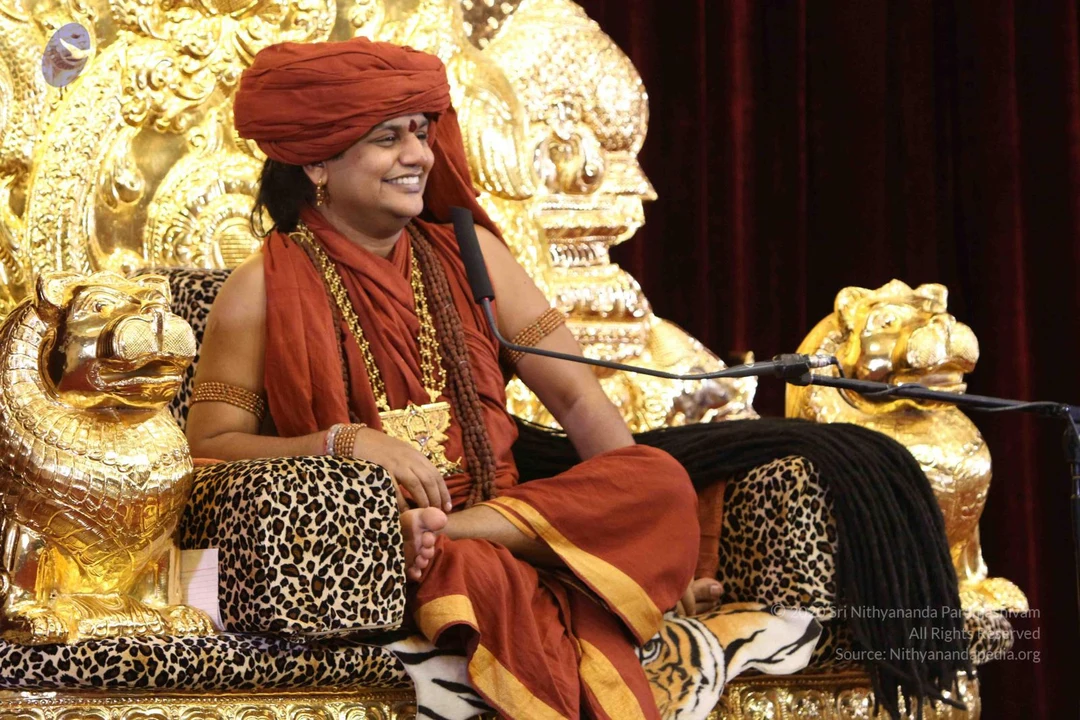
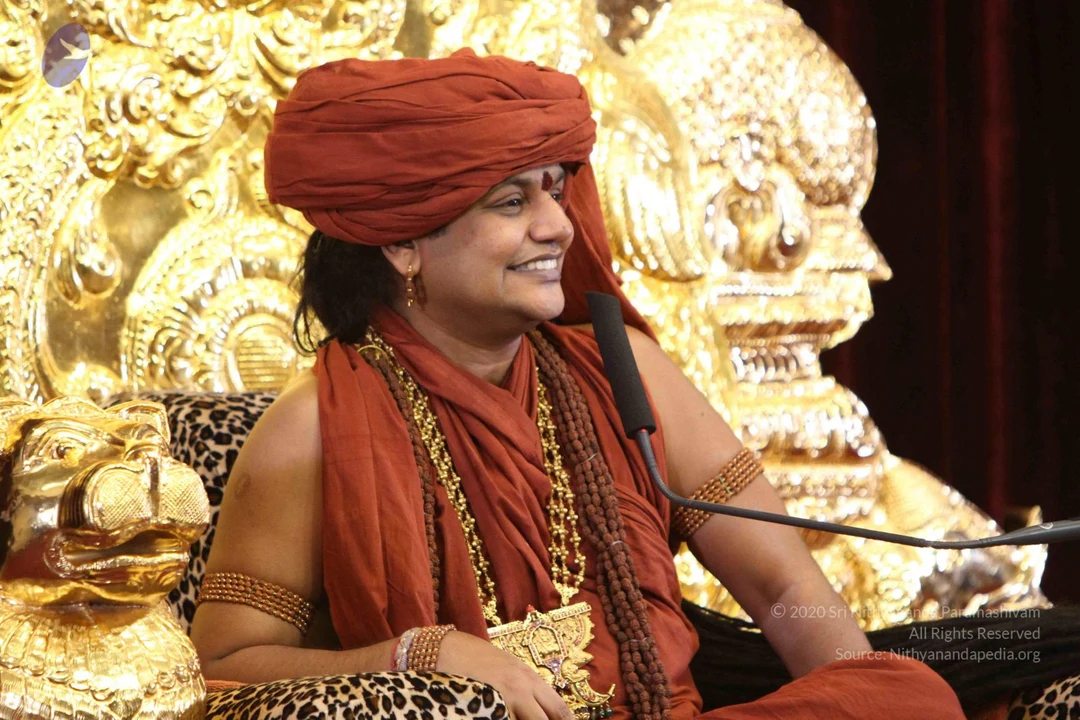
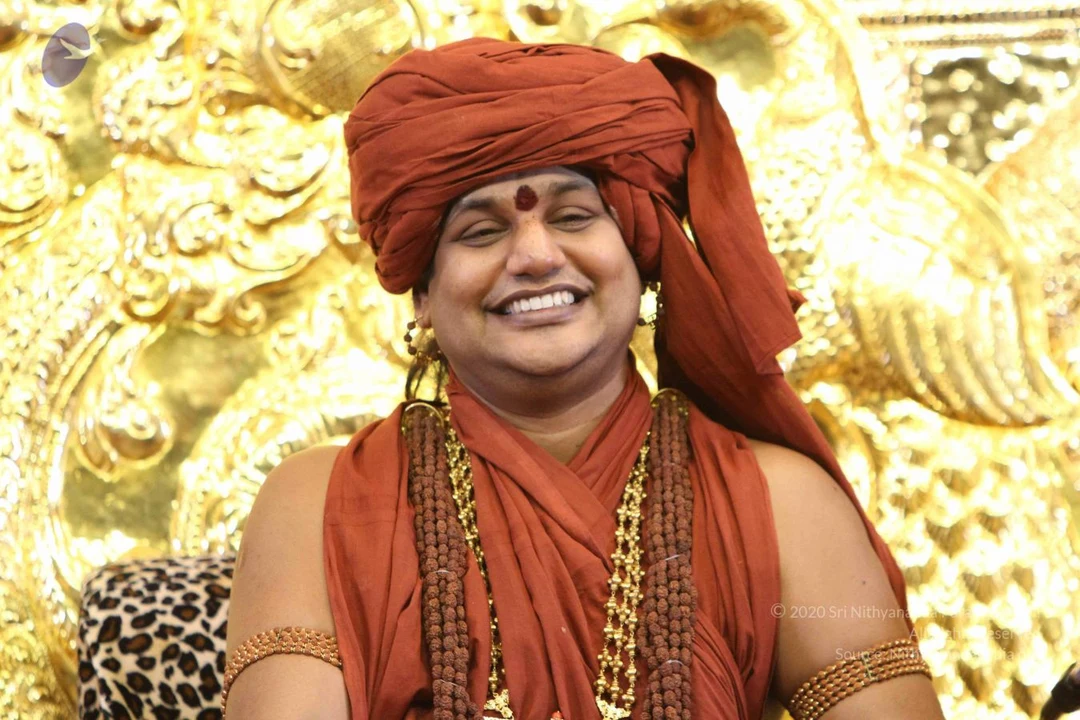
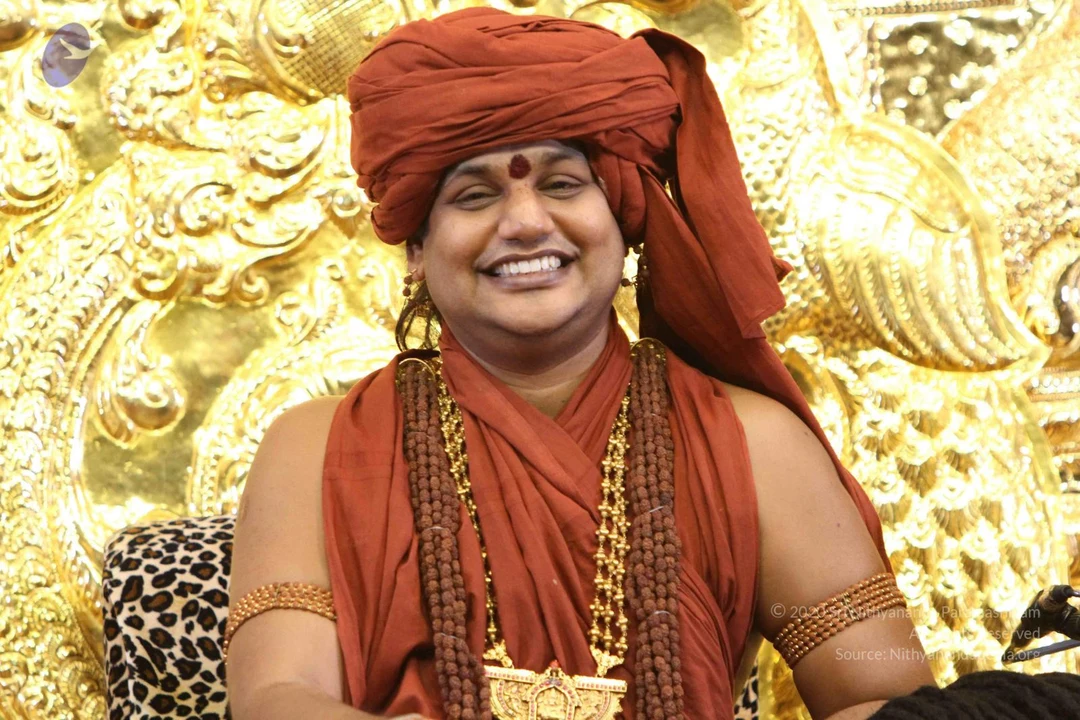
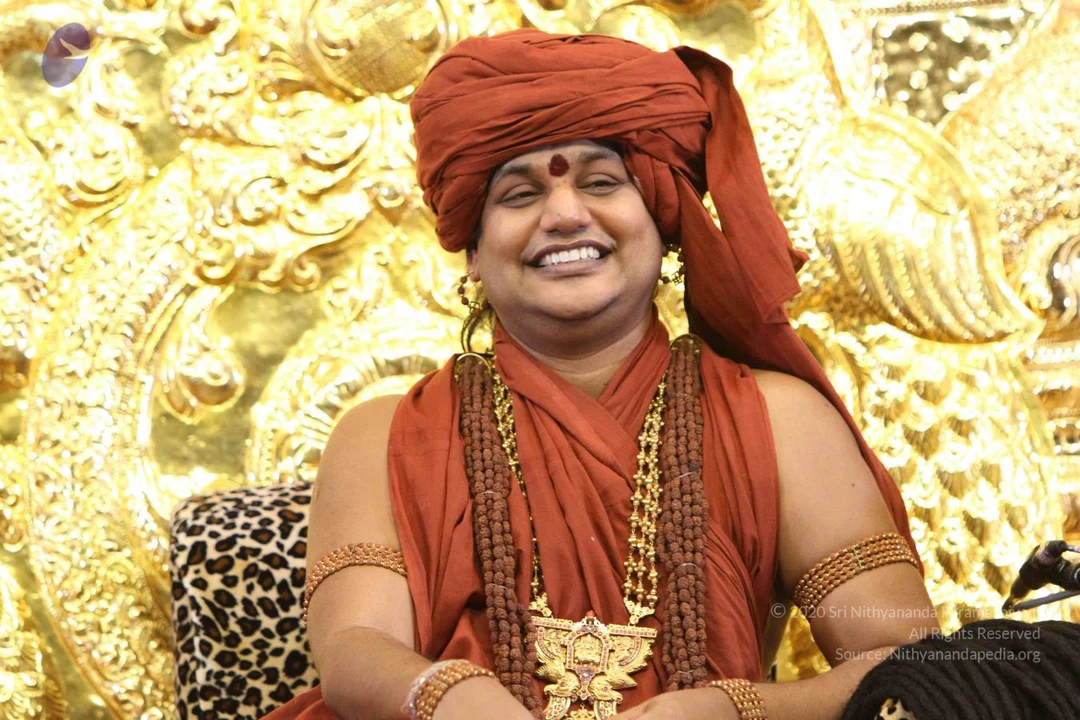
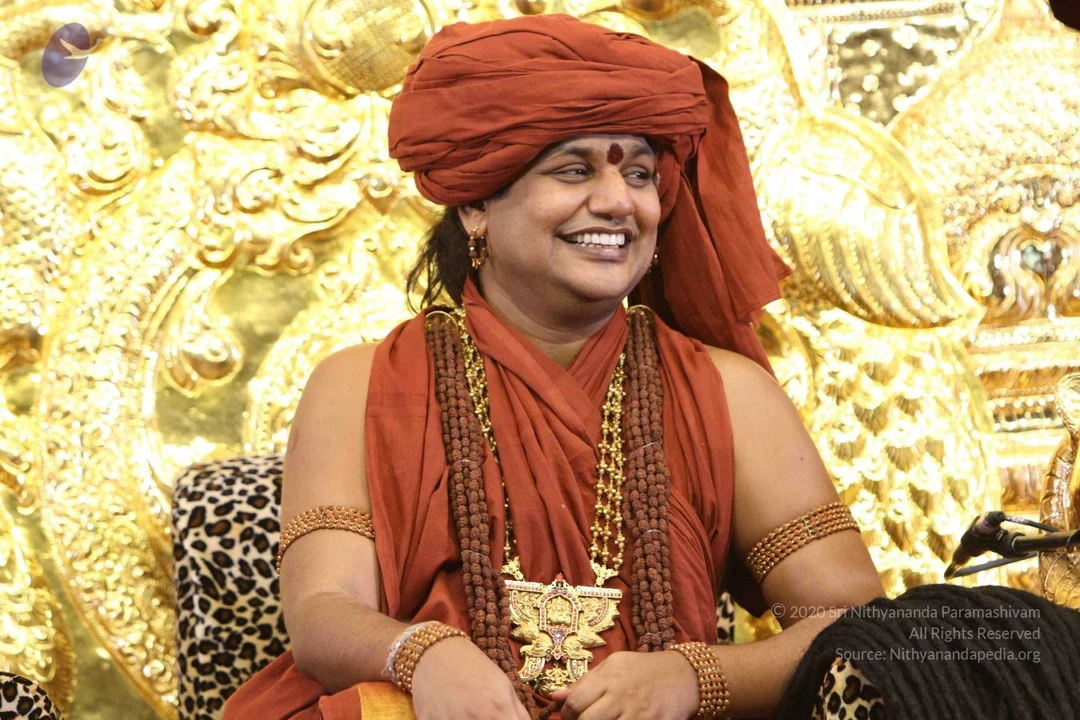
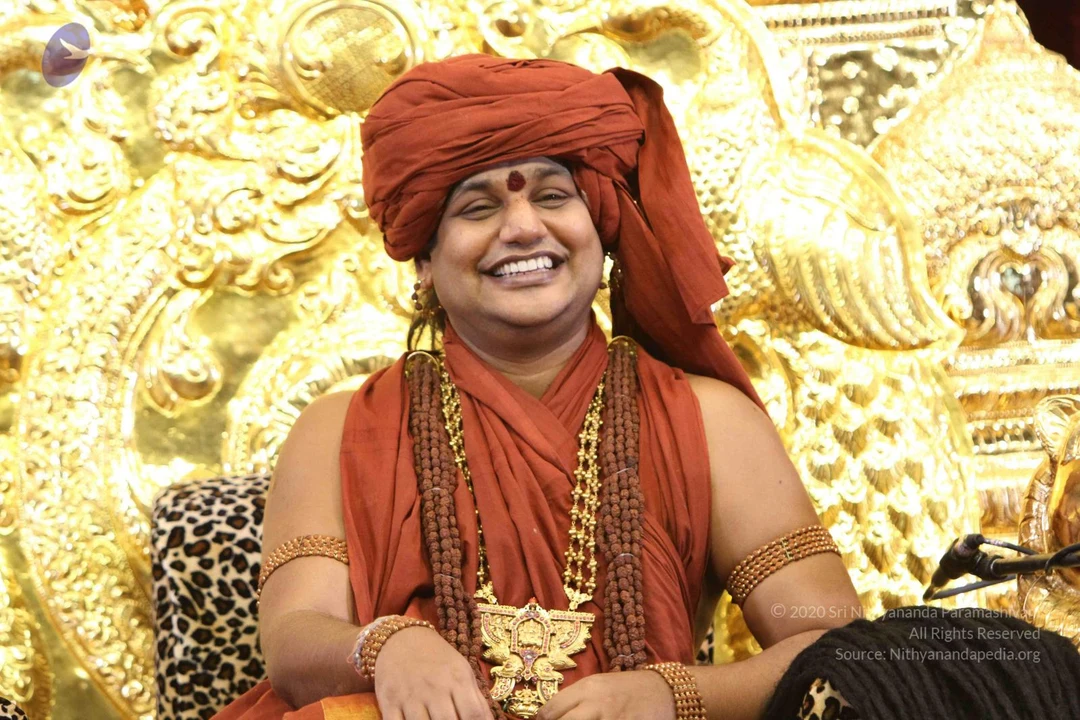
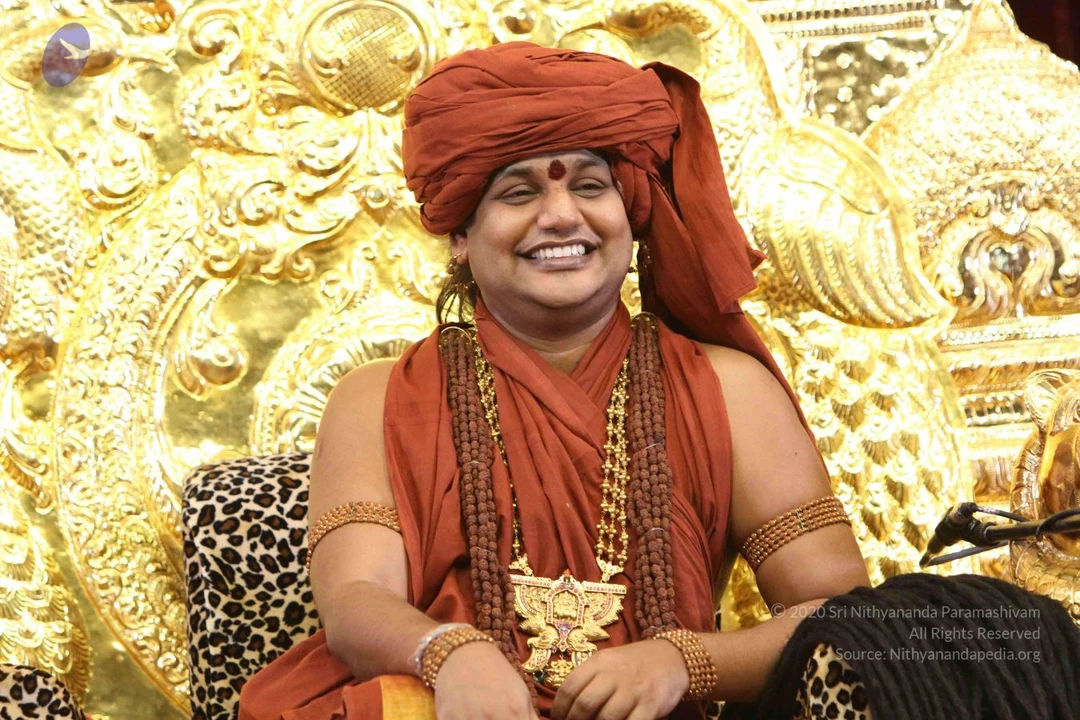
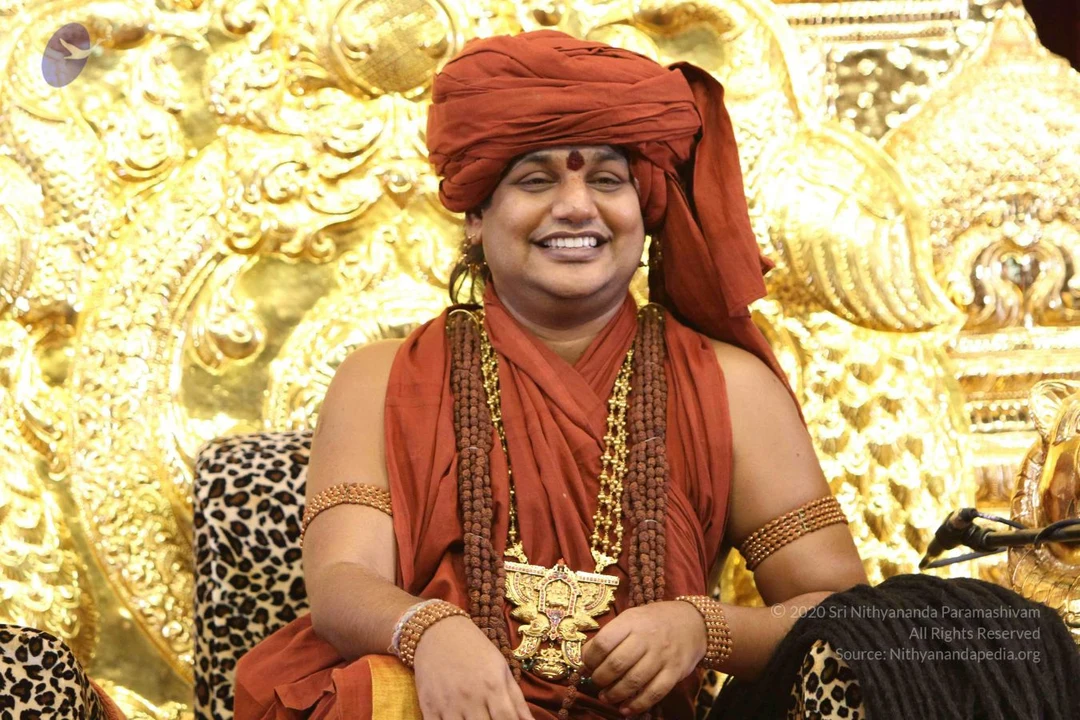
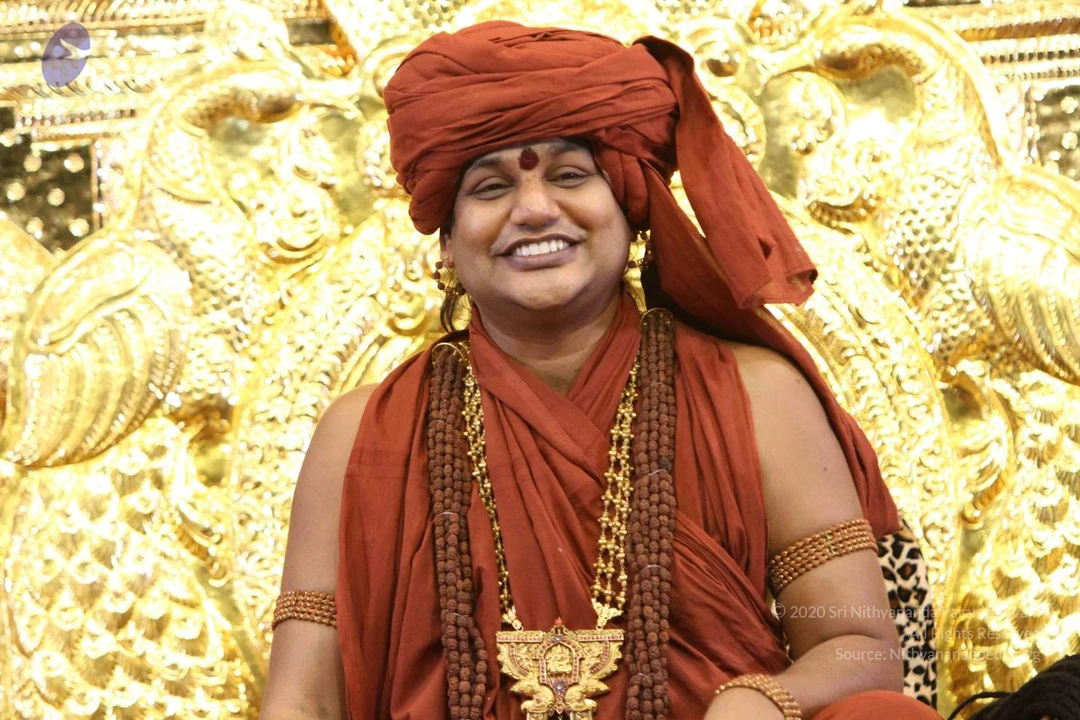
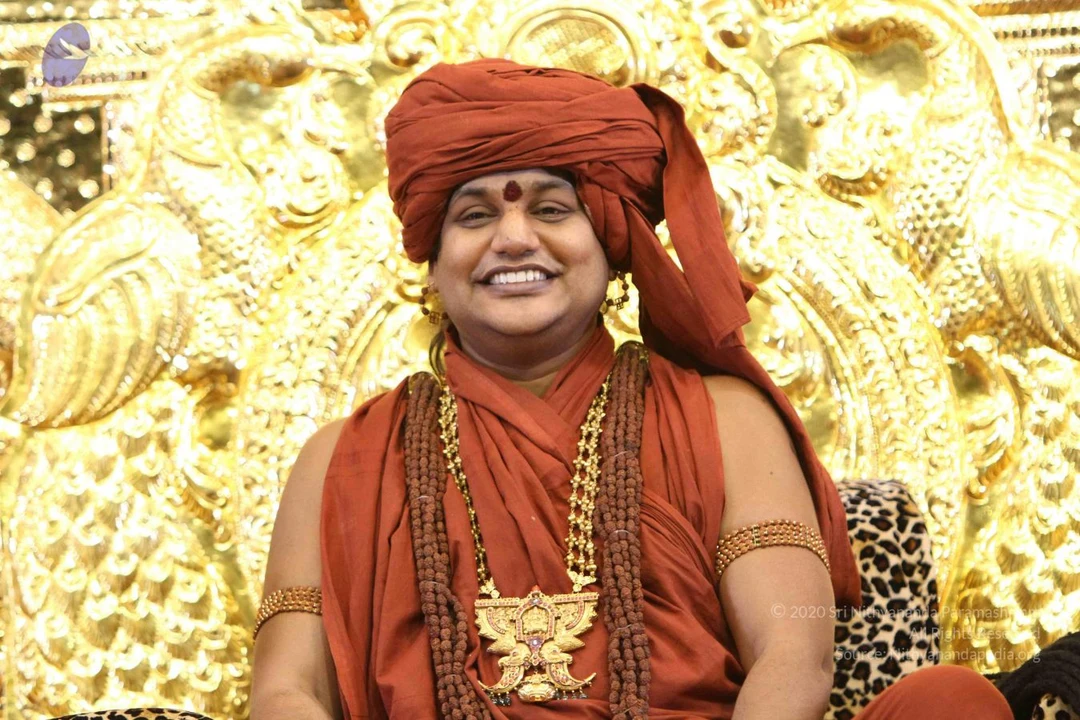
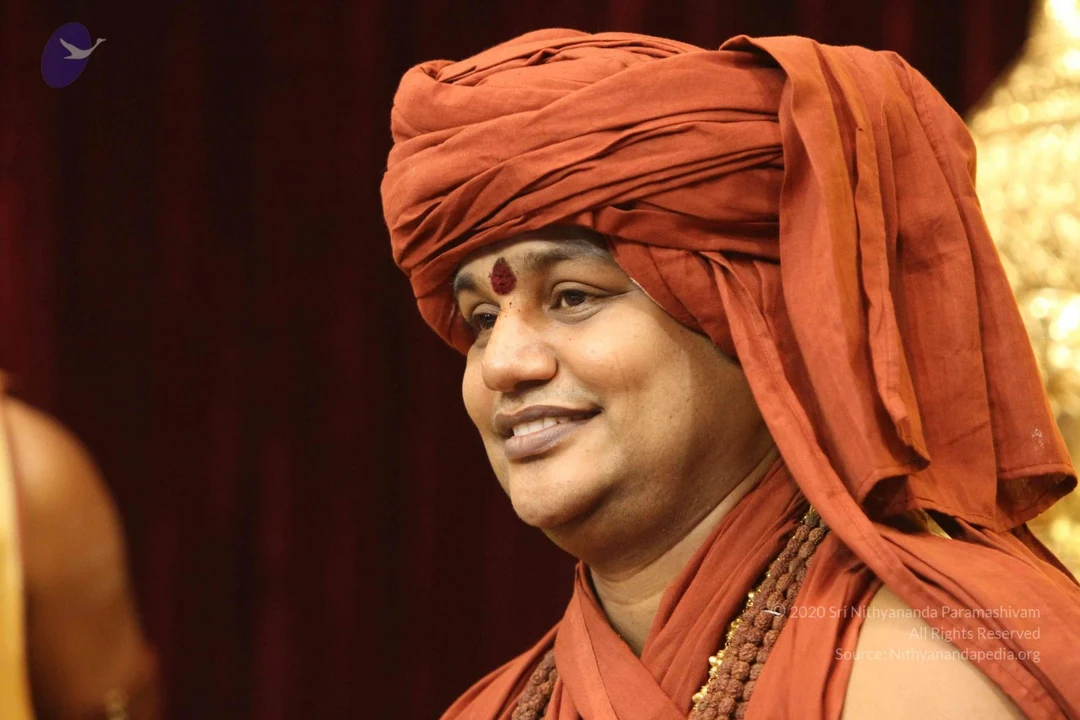
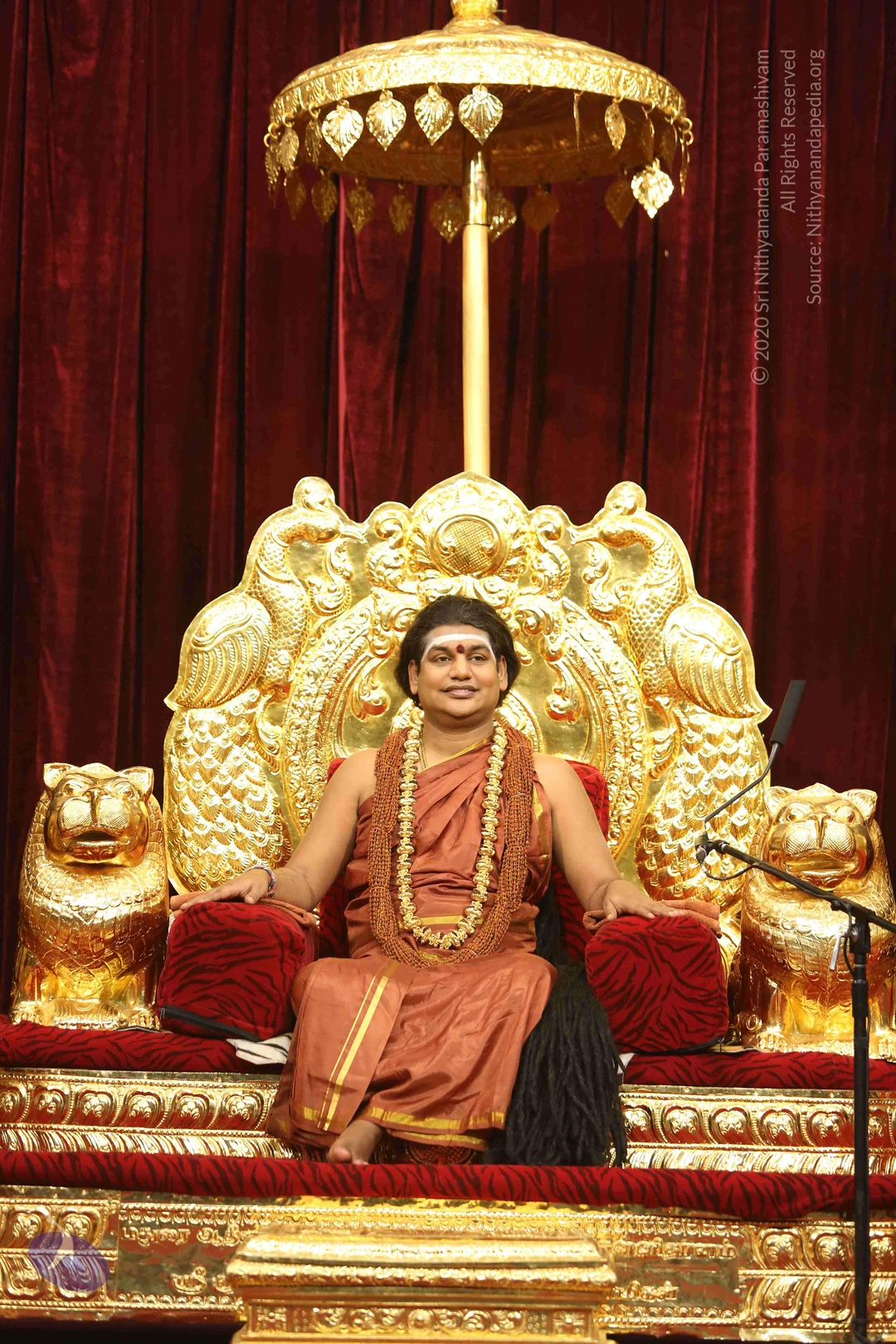
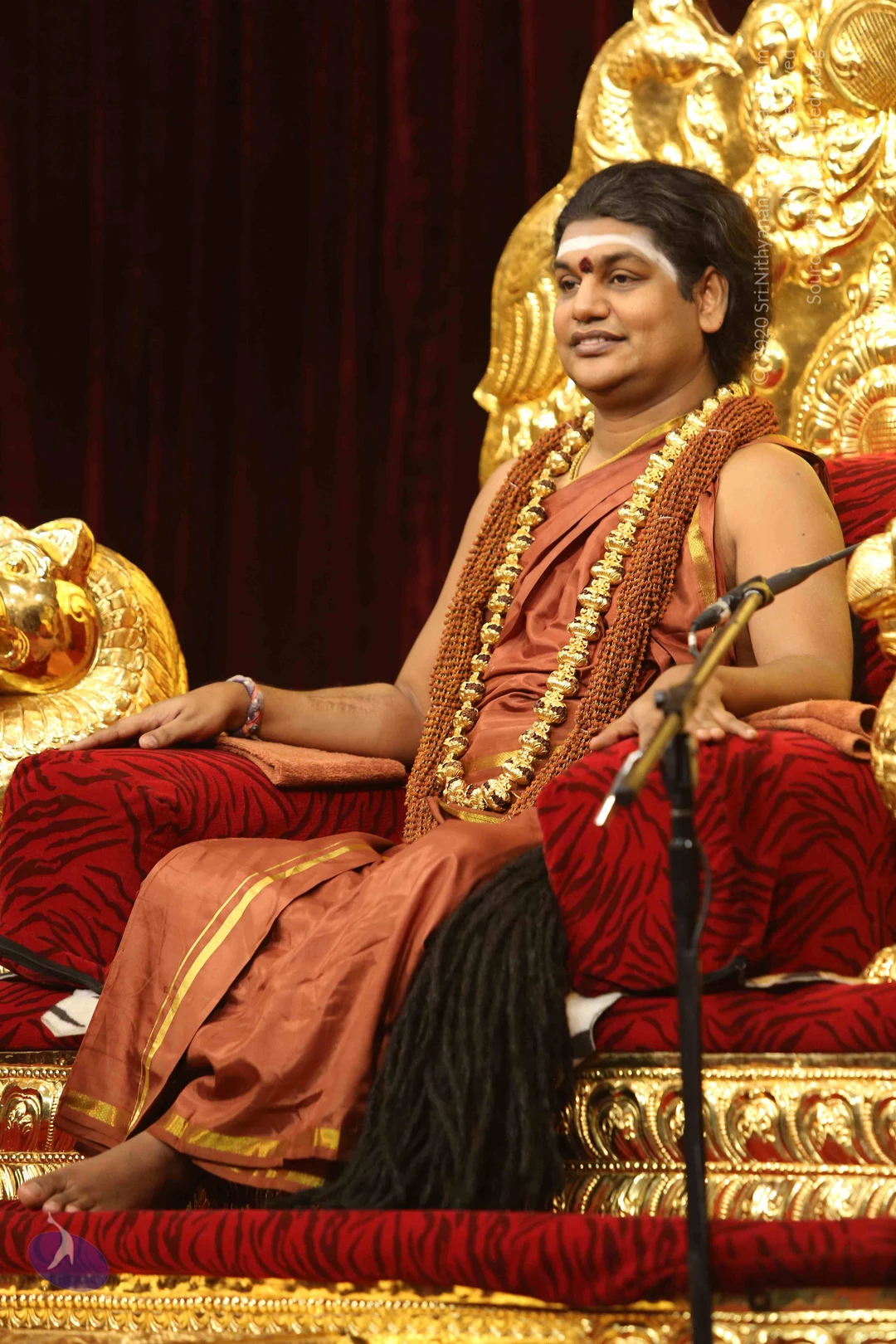
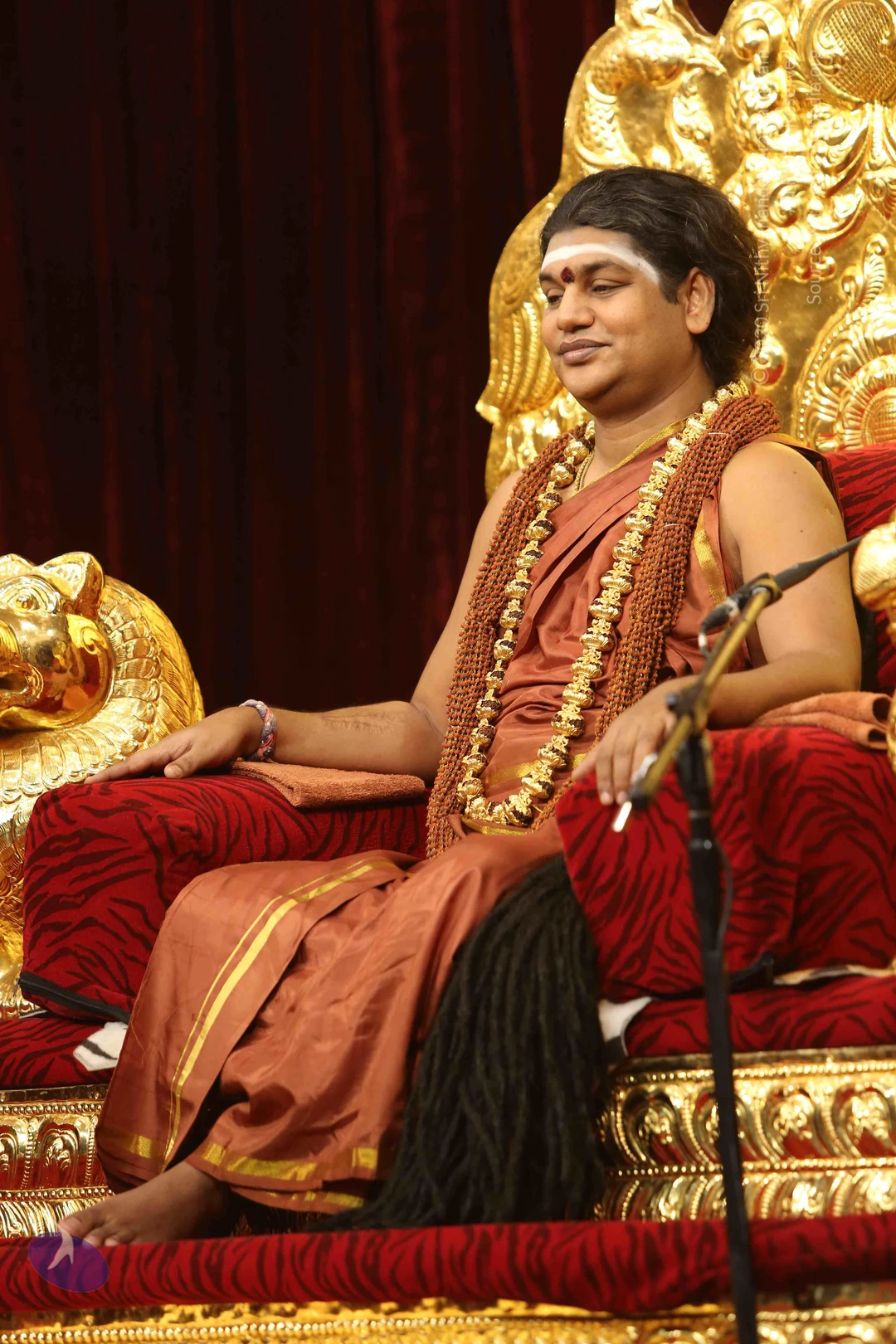
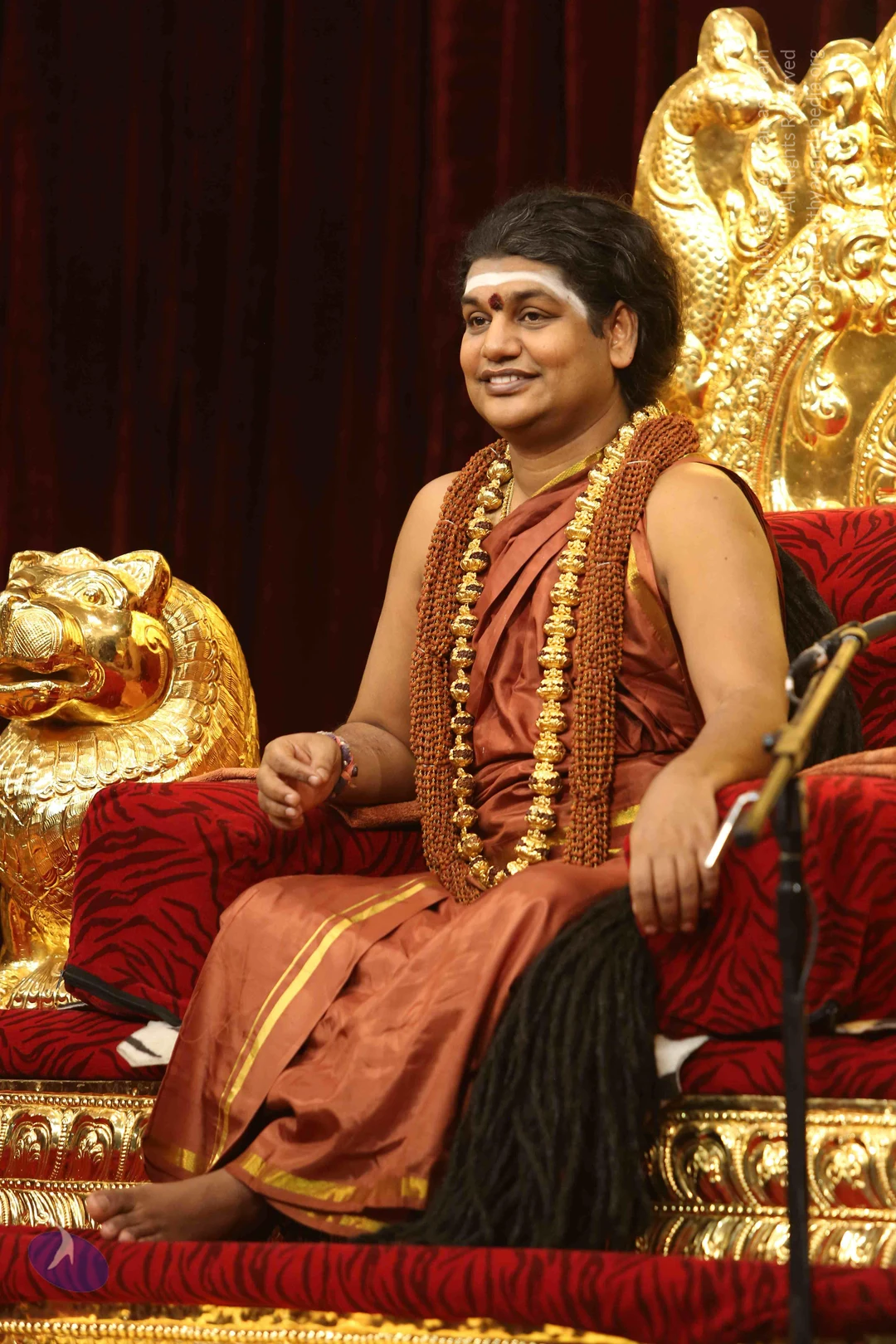
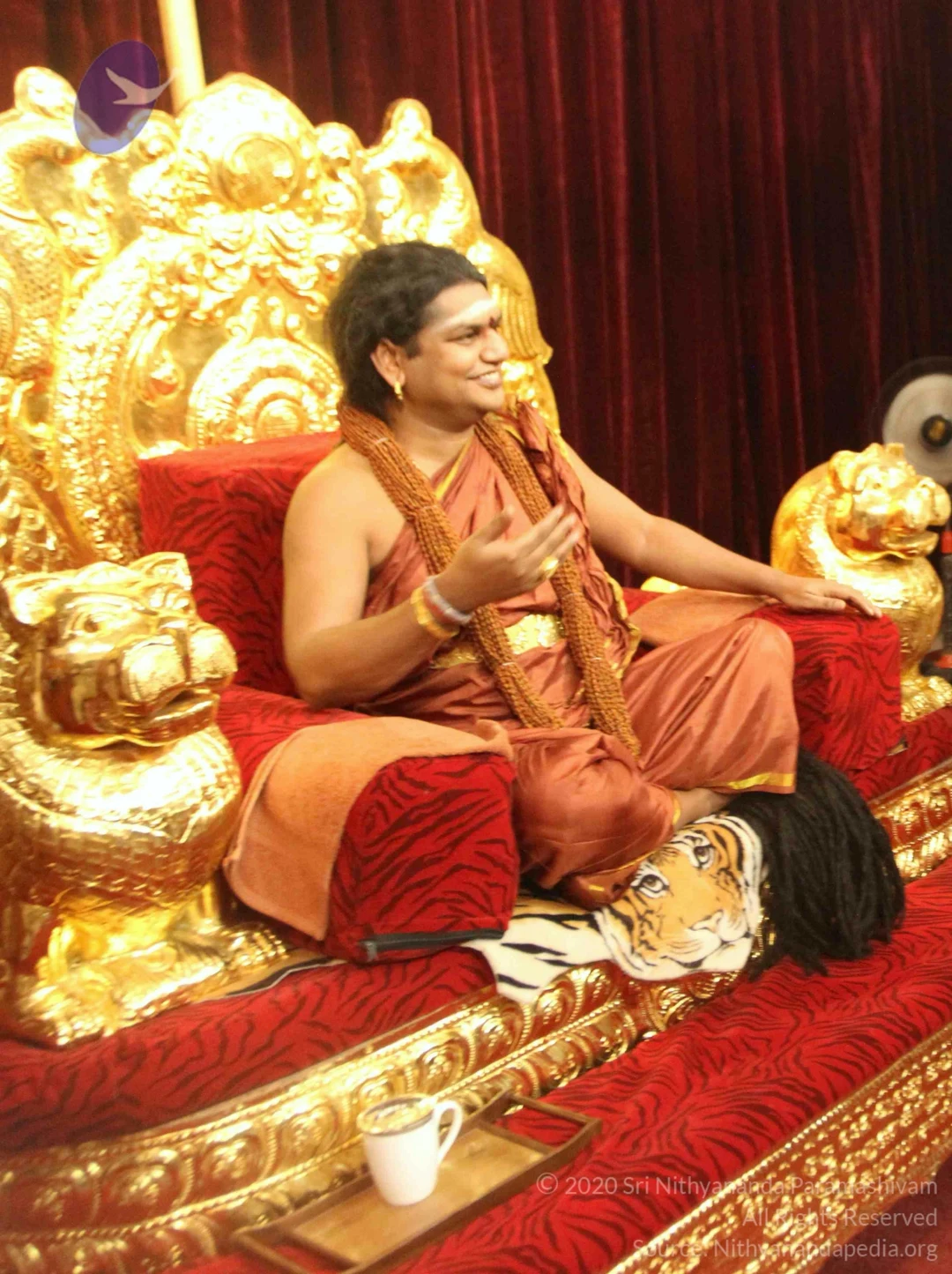
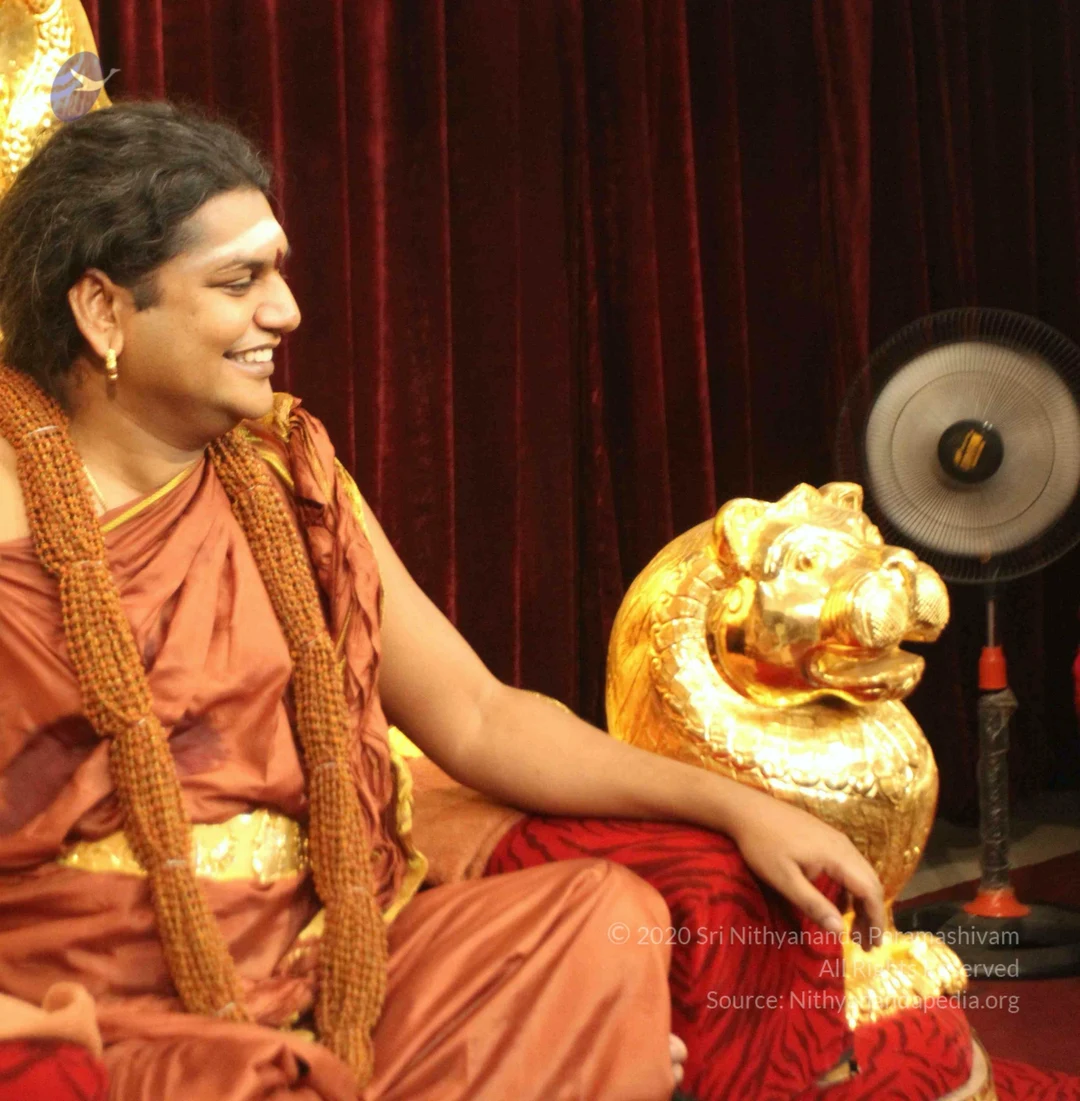
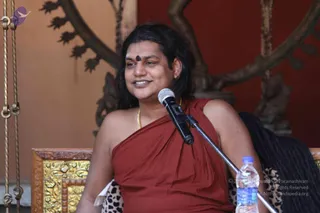
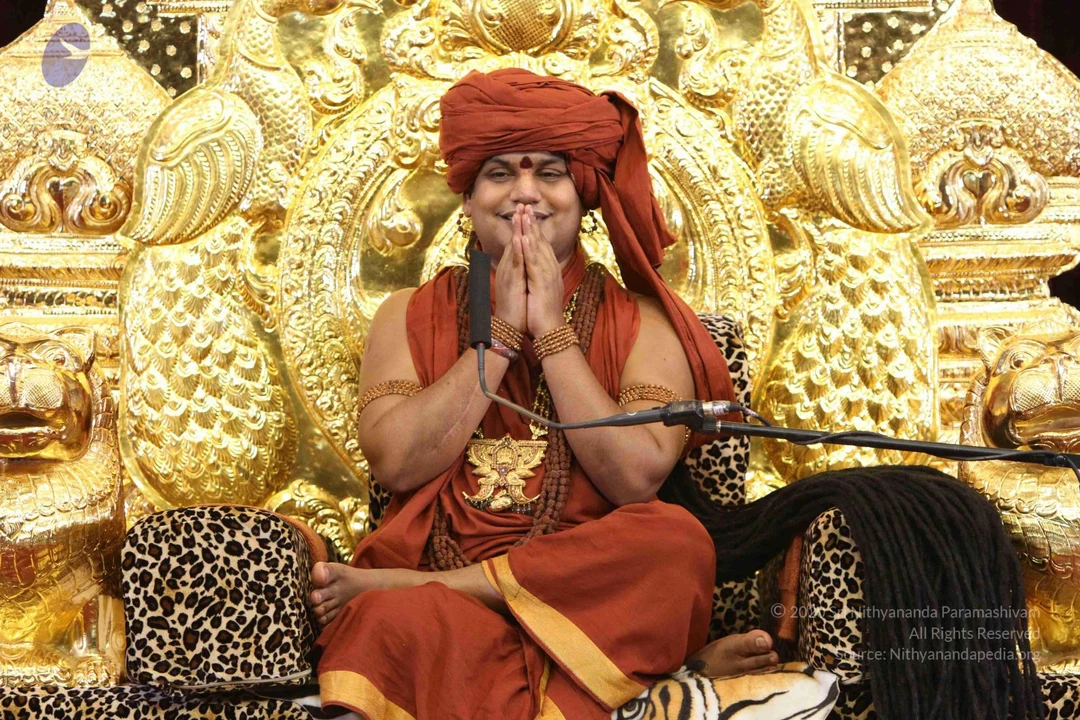
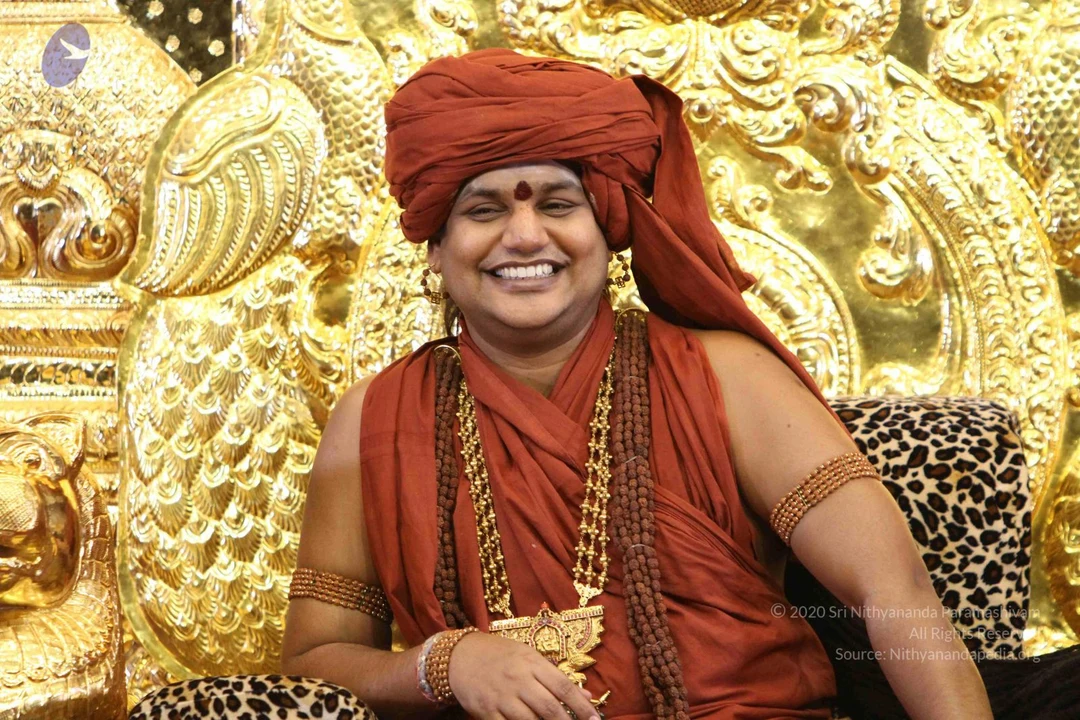
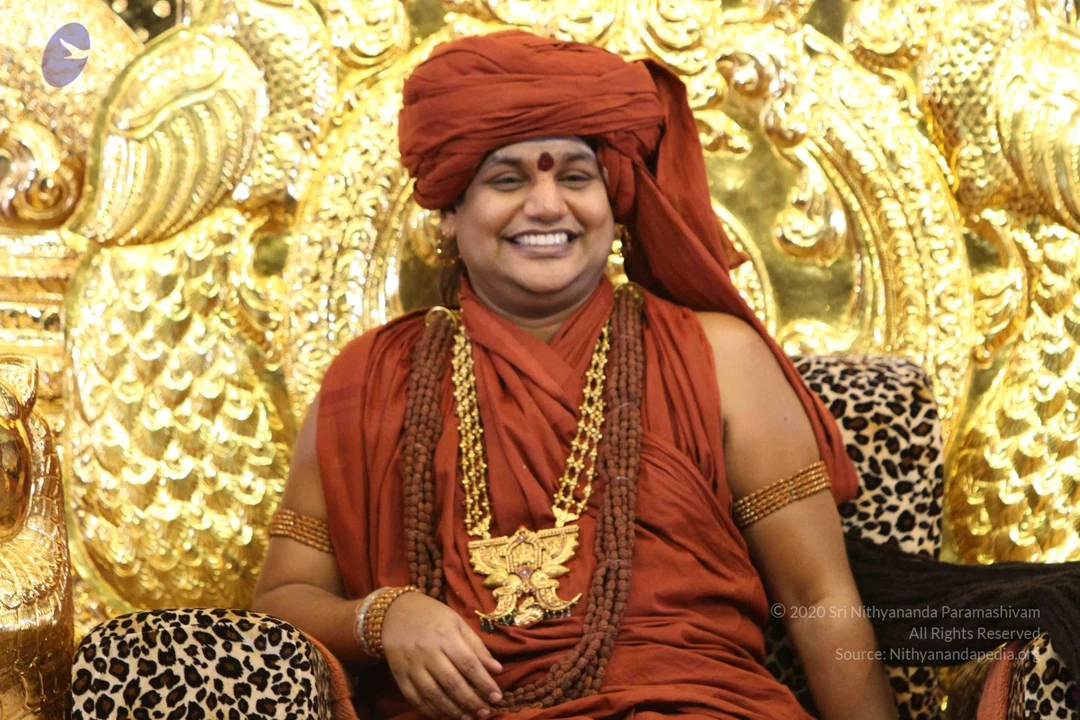
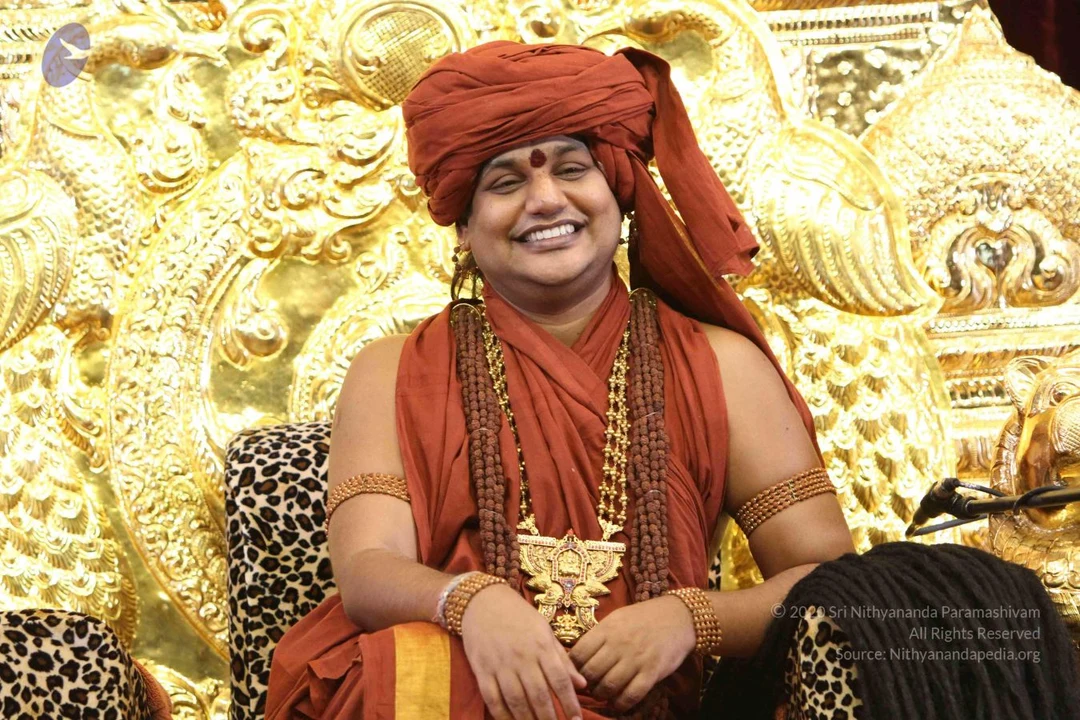
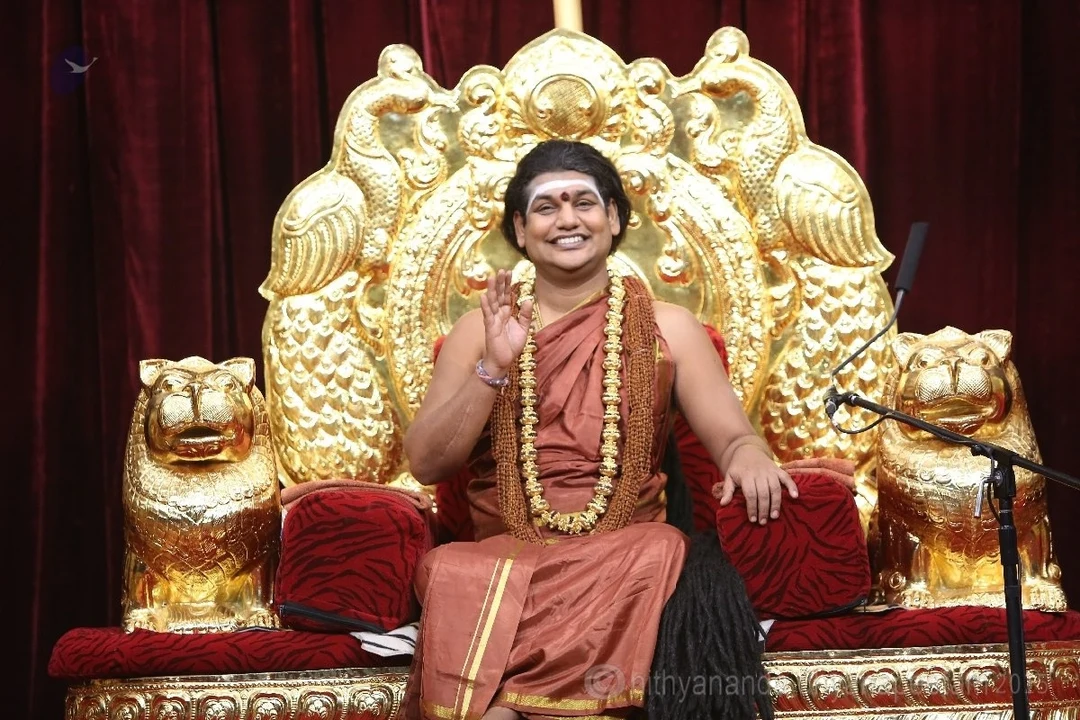
A seated man in saffron-orange robes and a saffron turban with a red tilak on his forehead sits cross-legged on an ornate gold throne carved with lions and peacocks, with leopard-print cushions. He raises both palms in a blessing gesture and smiles broadly. He wears a gold pendant, a long rudraksha mala, and gold bangles. A microphone stand is at the right edge.A photograph of a smiling man seated cross-legged on an ornate golden throne with a gold-embossed backdrop and leopard-print cushioned armrests. He wears an orange-red turban with a red bindi, an orange-red robe draped over one shoulder, layered rudraksha malas, a long gold chain and a large gold pendant. He raises his right hand in a blessing gesture and wears gold bangles on his wrists and arms. A microphone stand is visible at the right edge.A seated figure in saffron-orange robes and a matching orange turban sits on an ornate golden throne with carved gold scrollwork and gold lion-head armrests. He wears a gold pendant on a rudraksha mala, long gold necklaces, gold earrings and gold armbands, and a red bindi on his forehead. His right hand is raised in a waving or blessing gesture while he smiles, and his feet are bare. Leopard-print cushions sit on the throne armrests. Swamiji (probable) is described by saffron/orange ornate clothing, turban, rudraksha mala and ceremonial gold necklaces, seated in an honoured position.A smiling man in an orange-red turban and orange shawl sits on an ornate gold throne carved with lion heads and floral motifs, palms pressed together in namaste. He wears a red tilak on his forehead, gold earrings, gold bangles, a gold chest pendant and beaded rudraksha malas. A microphone stands at his right. Probable Swamiji: the long swept-back hair, orange turban and shawl, gold ornaments and rudraksha malas are visible cues, and he is seated on a golden throne, shown as a single in-person speaker.A smiling man in saffron-orange robes and a matching orange turban sits on an ornate gold throne carved with lion heads and decorative figures, speaking into a microphone on a black stand held near his face. He wears a long rudraksha mala, multiple gold necklaces including a large gold pendant, gold bangles on his wrists and arms, and a gold earring; a red tilak mark is visible on his forehead. He gestures with one raised hand while seated on a leopard-print cushion. a person is the person in this discourse scene.A seated man in saffron-orange robes and a matching saffron turban with a red tilak on his forehead smiles broadly while seated on an ornate gold throne carved with lion heads and floral scrollwork. He wears a long gold necklace with a pendant, multiple rudraksha malas, gold-toned armlets and bangles, and a small drop earring. A black microphone on a stand is positioned near him, and a leopard-print cushion covers the seat. The setting suggests a stage-style satsang or discourse.

IA-volunteering-season-in-AP

26 photosSource gallery
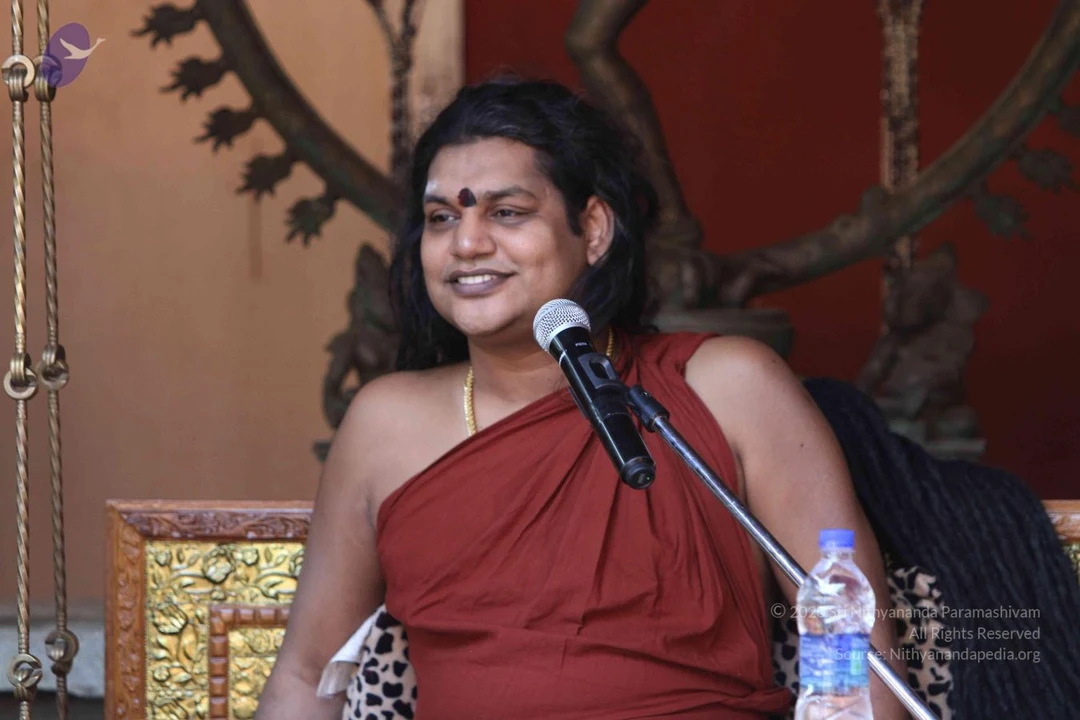
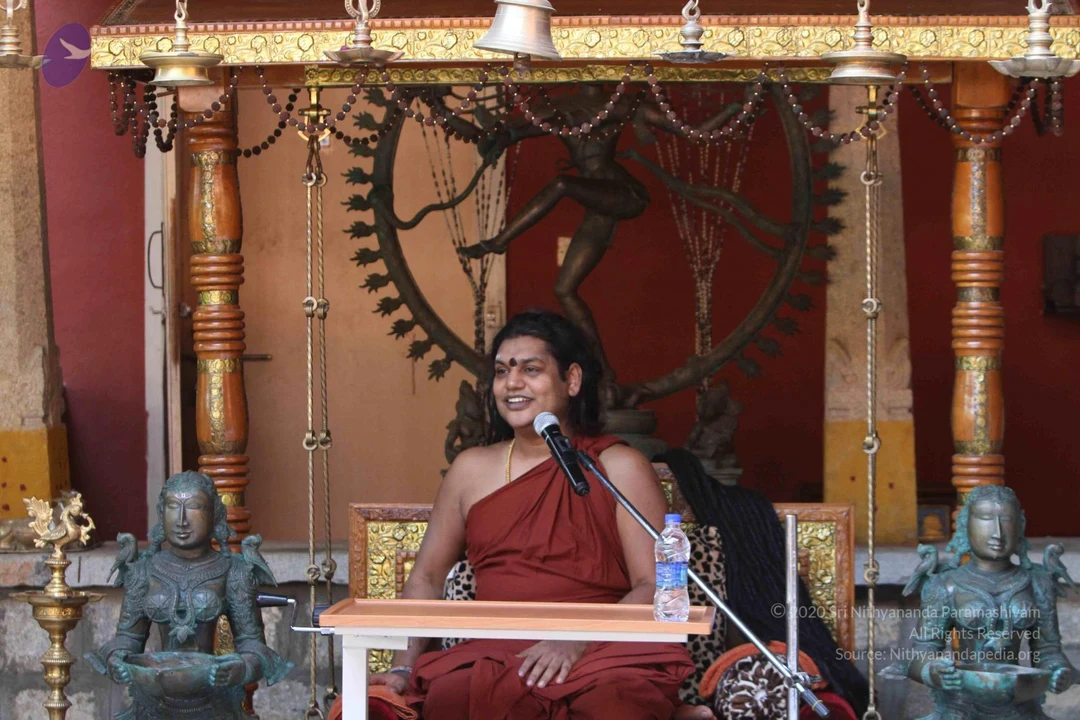
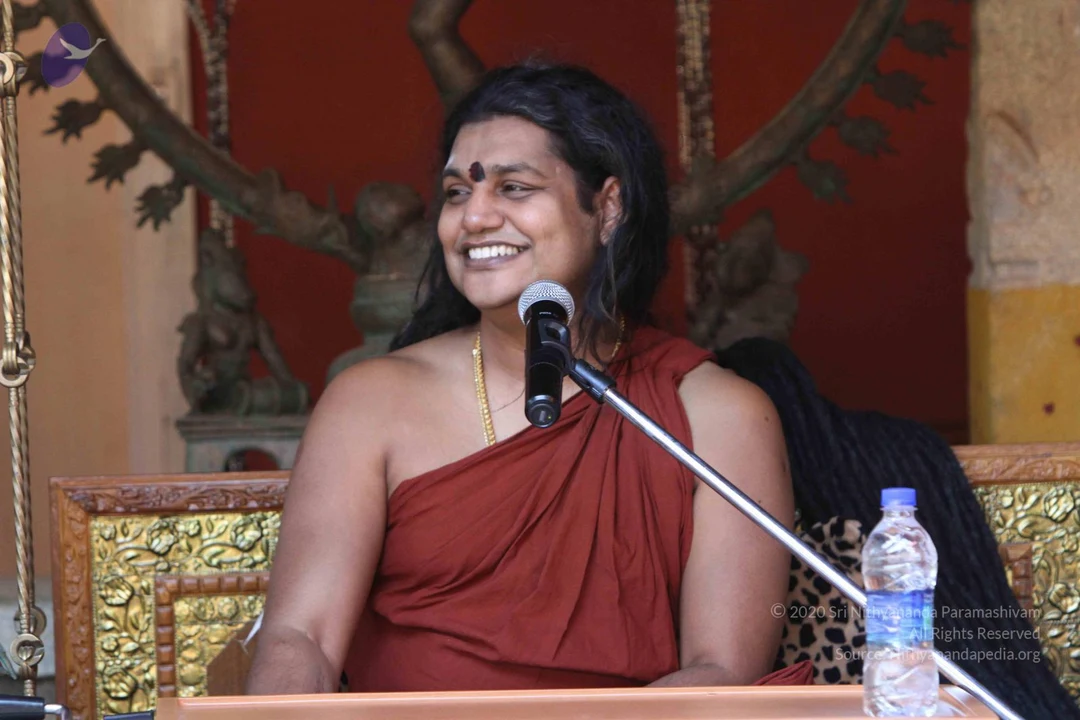
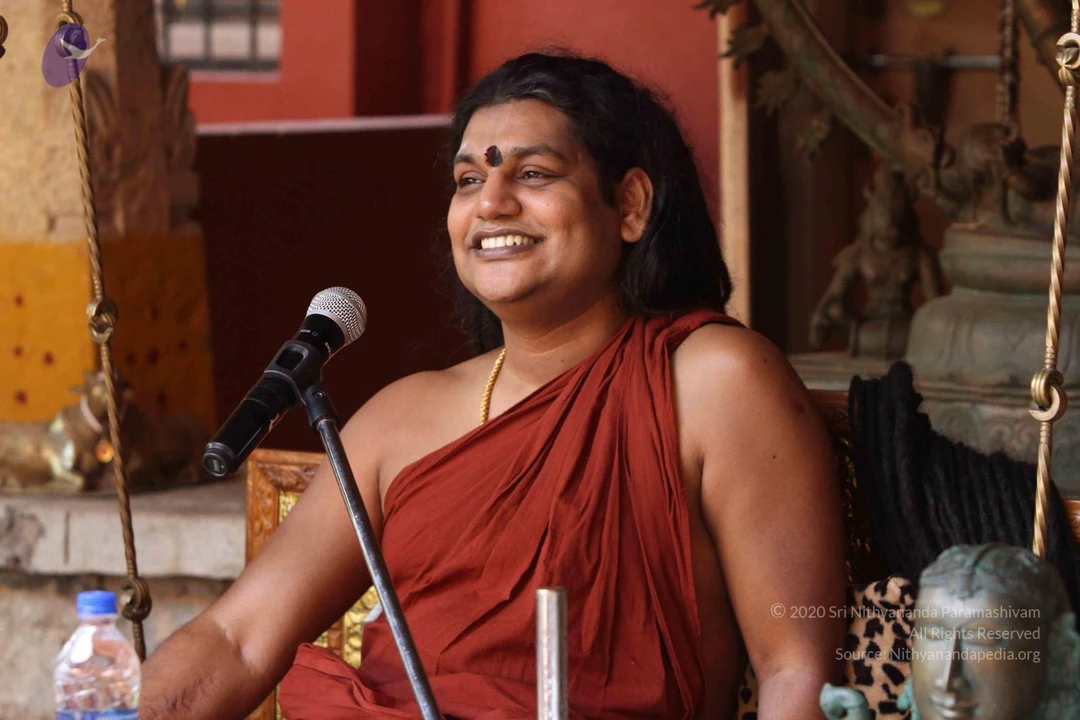
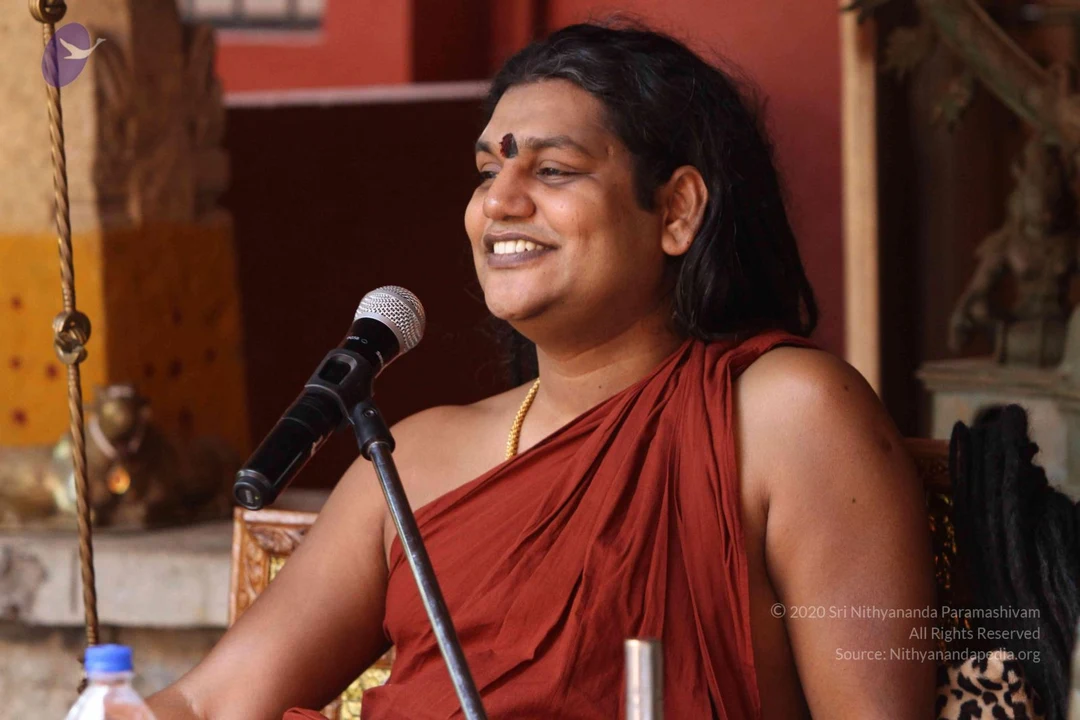
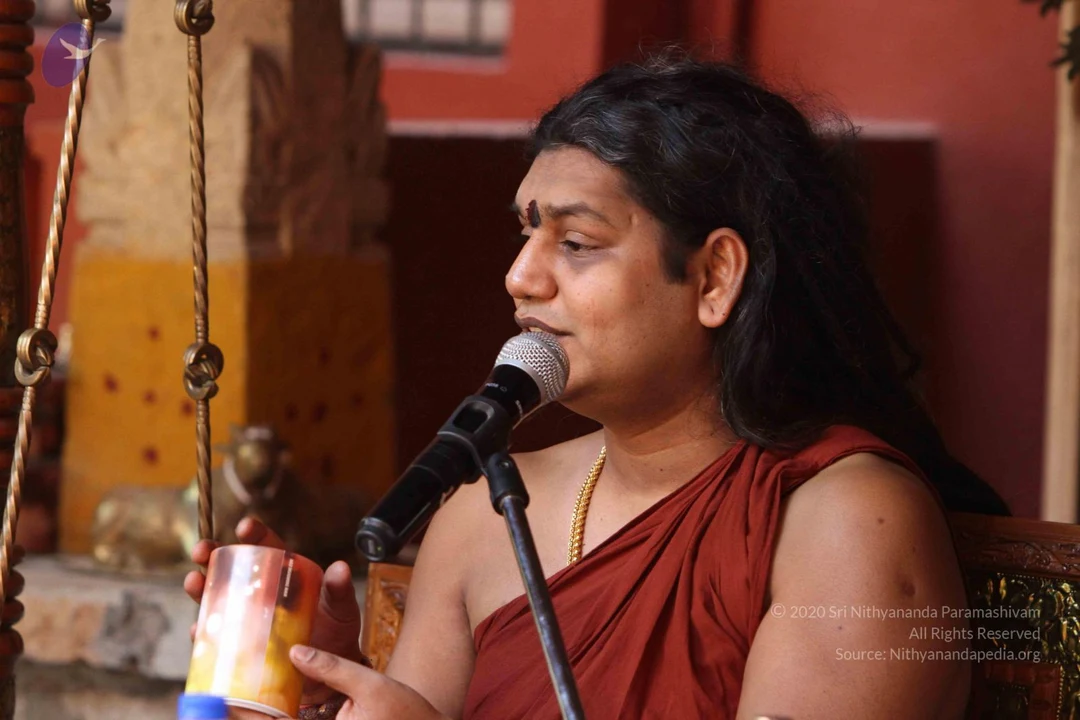
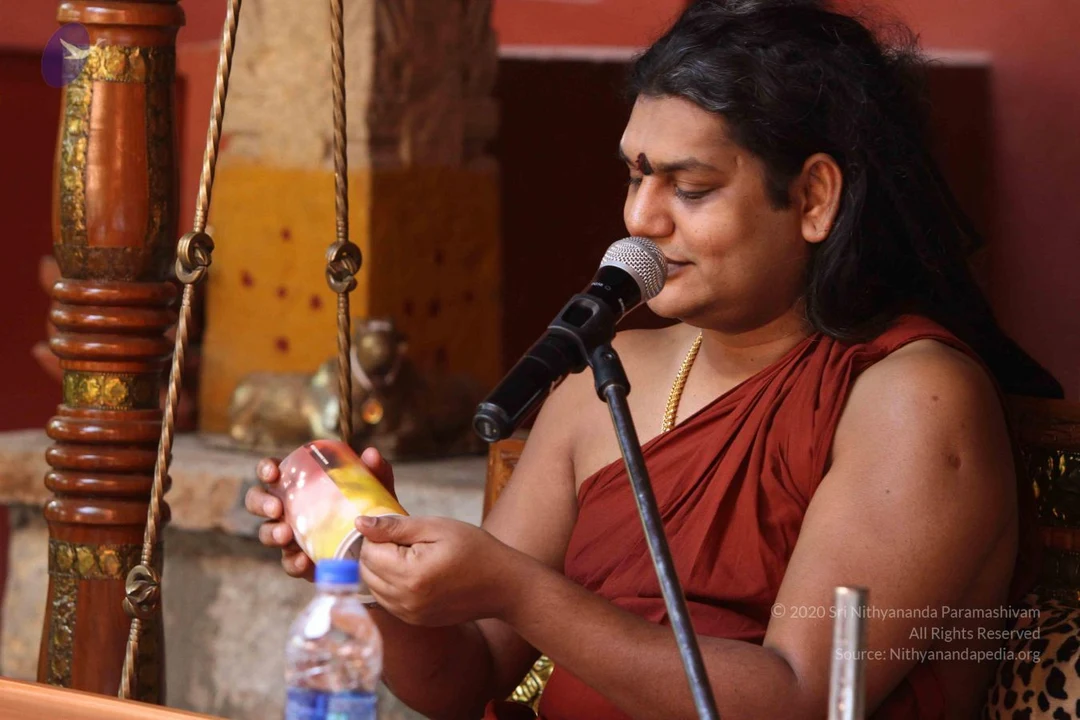
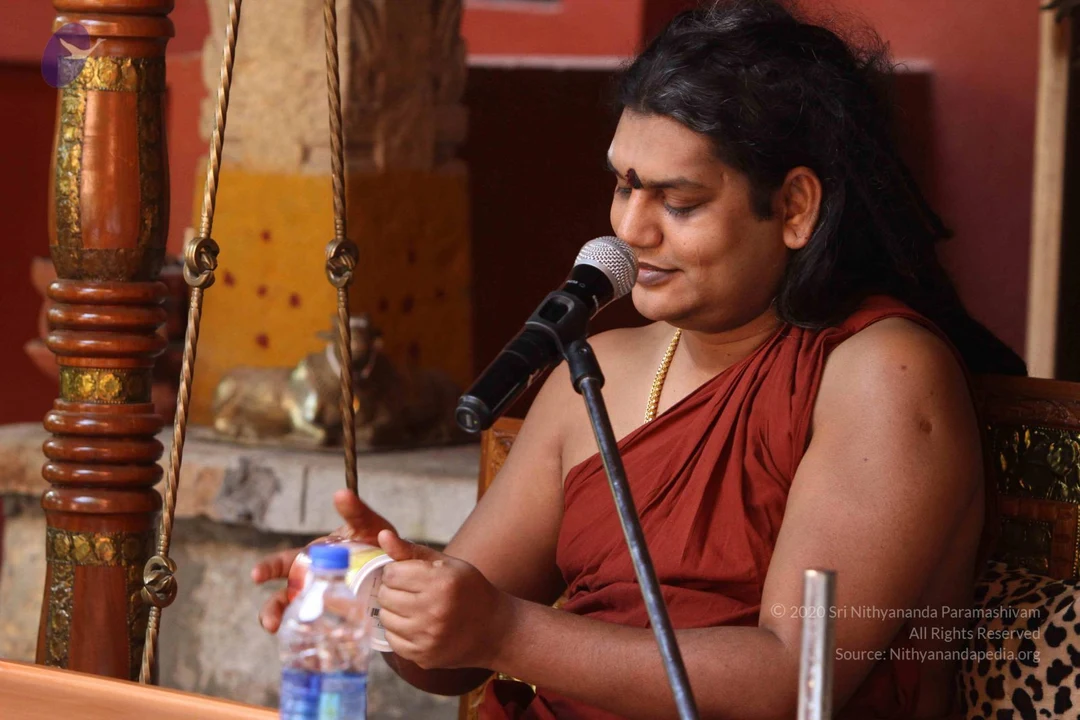
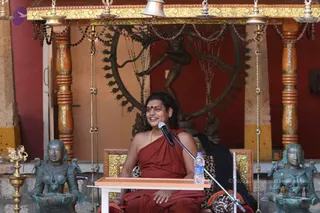
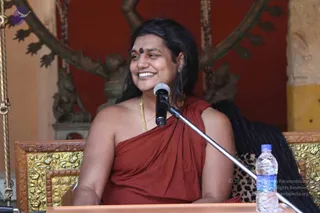
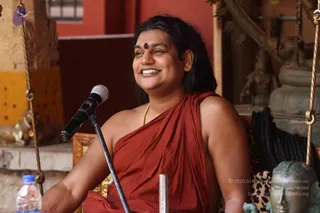
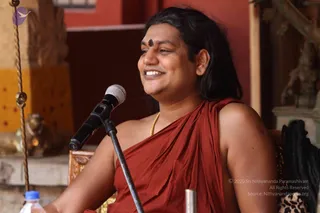
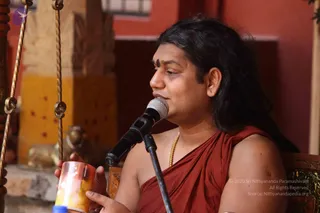
A photograph of one person seated on an ornate gold-framed wooden throne-style chair, speaking into a silver microphone on a metal stand. The person has long dark hair, a red bindi on the forehead, a gold chain necklace, and wears a rust-red draped garment over the shoulder. A clear plastic water bottle sits beside the chair, a leopard-print cloth covers the seat, and the background shows carved wooden panels and a red wall. Swamiji (probable): the long swept-back hair, red-draped robe and gold necklace match the page's description of the speaker at the event, and he is seated on the ornate throne giving a discourse.A seated man in a rust-red saffron-toned robe, draped over one shoulder, speaks at a white podium with a microphone and a water bottle. He wears a red bindi and a thin gold necklace, and his hair is long and swept back. Behind him sits a bronze Nataraja statue dancing within a flame arch, flanked by brass hanging lamps and wrapped in beaded garlands. Two bronze standing figures holding oil lamps stand at the front corners beside a gold-trimmed wooden seat with a leopard-print cushion. Gold-decorated wooden pillars frame a red wall.A smiling person with long dark hair and a red bindi sits on an ornate gilded wooden throne-style chair in front of a microphone on a stand. They wear a rust-red draped garment over one shoulder and a thin gold chain. A clear plastic water bottle sits on the wooden table in front. Behind them is a red wall with carved wooden tree-like motifs and a stone figure. a person (long swept hair, red-orange robe, gold chain, seated on a gilded throne at a discourse podium) is seated on a gilded throne and speaking at a discourse podium with a microphone.A photograph of a smiling person with long dark hair and a red bindi, wearing a rust-red draped garment over one shoulder and a thin gold necklace. He sits on an ornate wooden chair in front of a silver microphone on a stand, with a plastic water bottle at left and a bronze deity murti in the lower right foreground. Behind him are golden swing ropes, a brass lamp stand and carved architectural details. Whether this person is the a person cannot be confirmed from appearance, so the candidate is uncertain.A photo of a smiling person seated before a microphone on a stand, wearing a rust-red draped shawl over bare shoulders, a gold chain, and a red-brown tilak on the forehead. Long dark hair falls past the shoulders. Behind is a red wall, a gold-and-brown wooden pillar with carved detail, and a leopard-print seat cushion. A plastic water bottle sits at lower left. a person: a seated speaker in a rust-red shawl and gold chain, giving a talk at a microphone, consistent with the page's account of the Sangha Mission Day address.A photo of one person seated and speaking into a microphone on a stand, in front of a red-orange wall and a carved wooden railing. The person has long swept-back dark hair, a small red tilak on the forehead, a gold chain necklace, and wears a rust-red shawl draped over a bare shoulder. They hold a small cylindrical cup with a colourful patterned label in one hand. Behind them are a golden-yellow pillar and a brass deity murti. Probable Swamiji cues: long hair, ornate gold necklace and saffron-red ceremonial clothing, seated as a speaker during a discourse.

Ravindrapuri-Ji-Maharaj-Visits

46 photosSource gallery
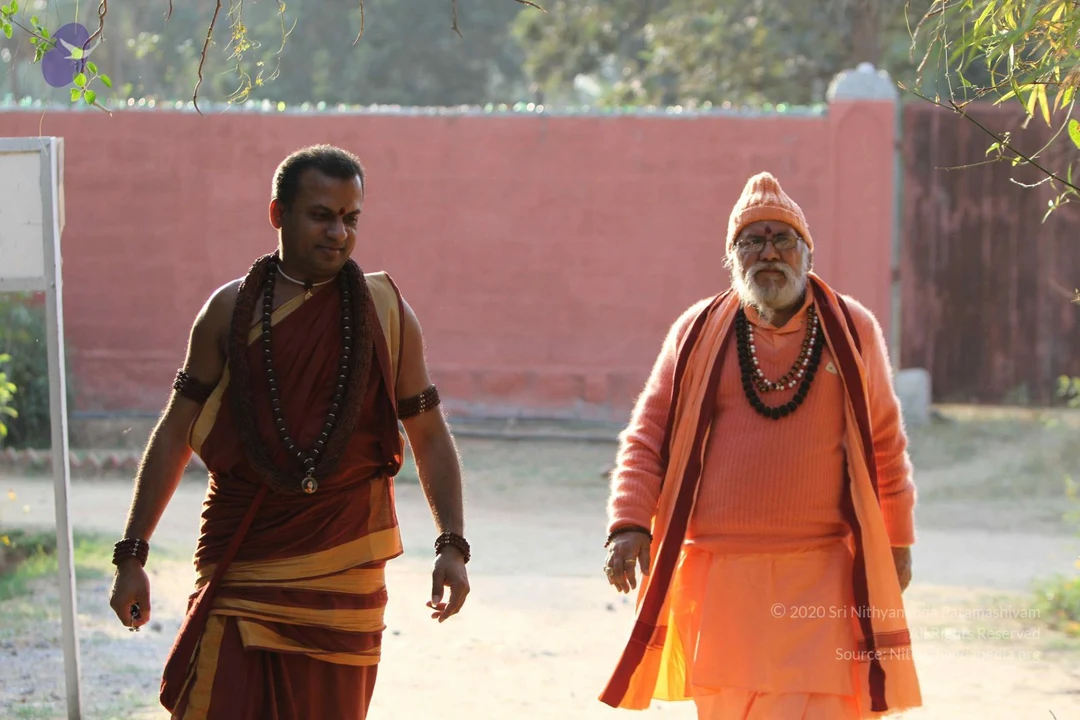
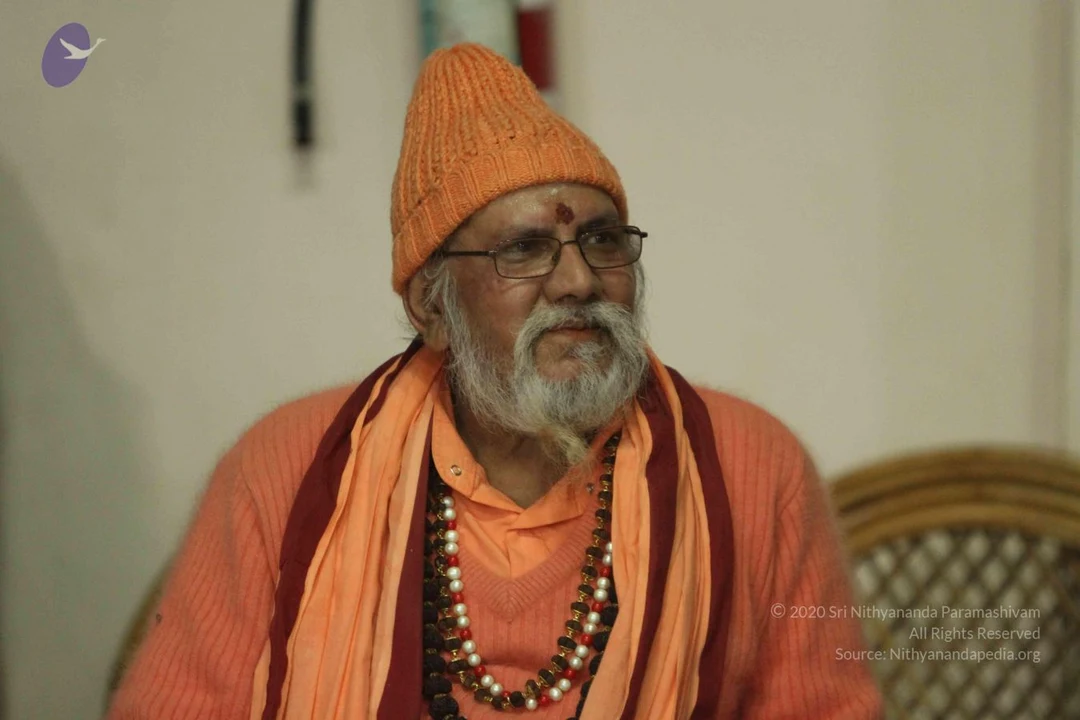
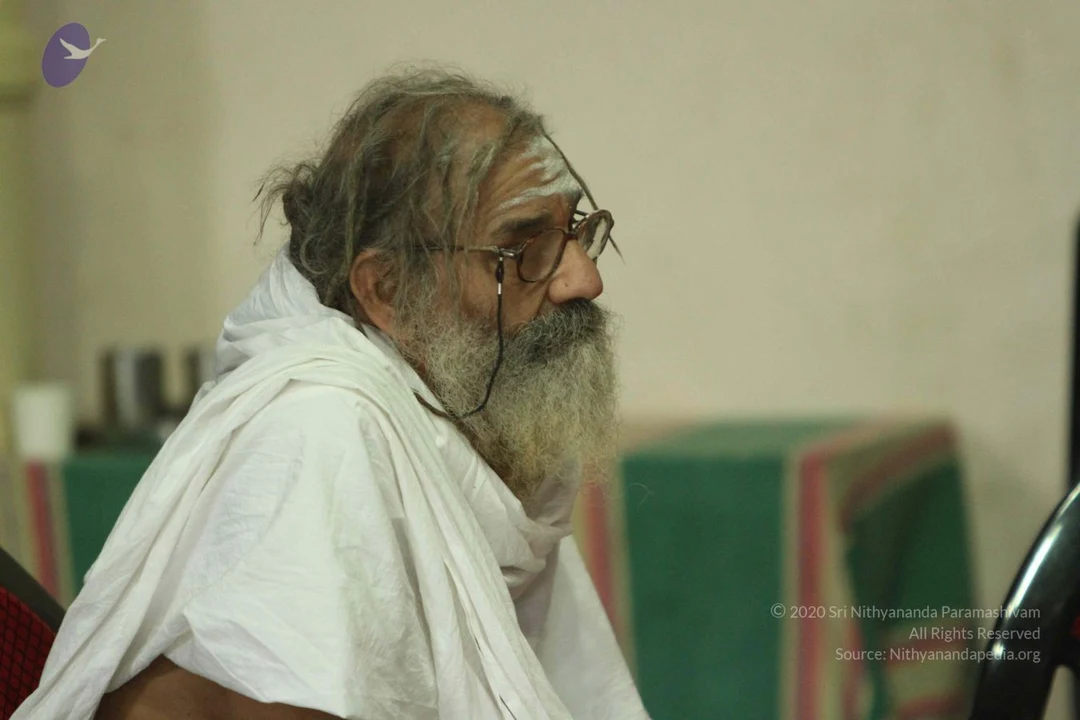
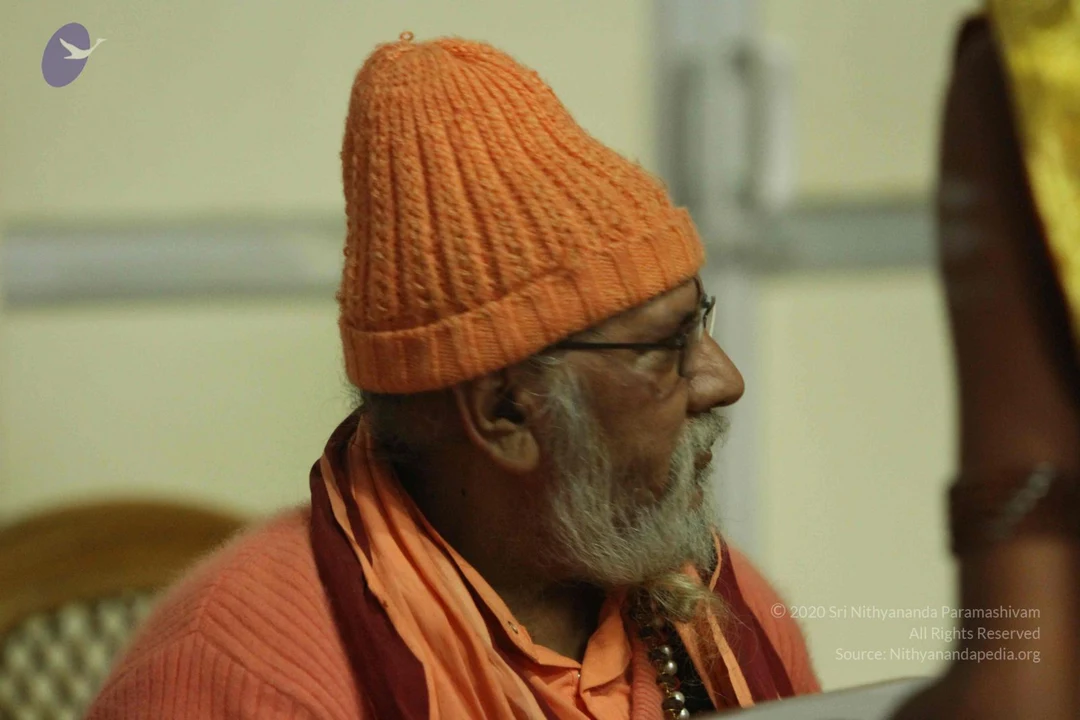
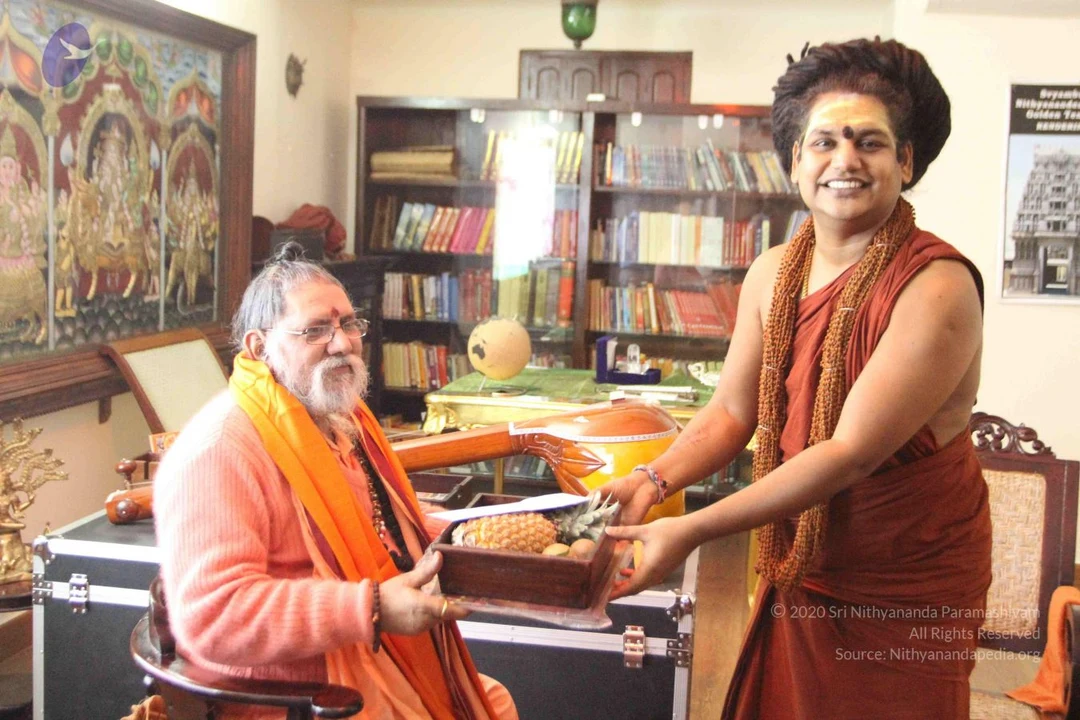
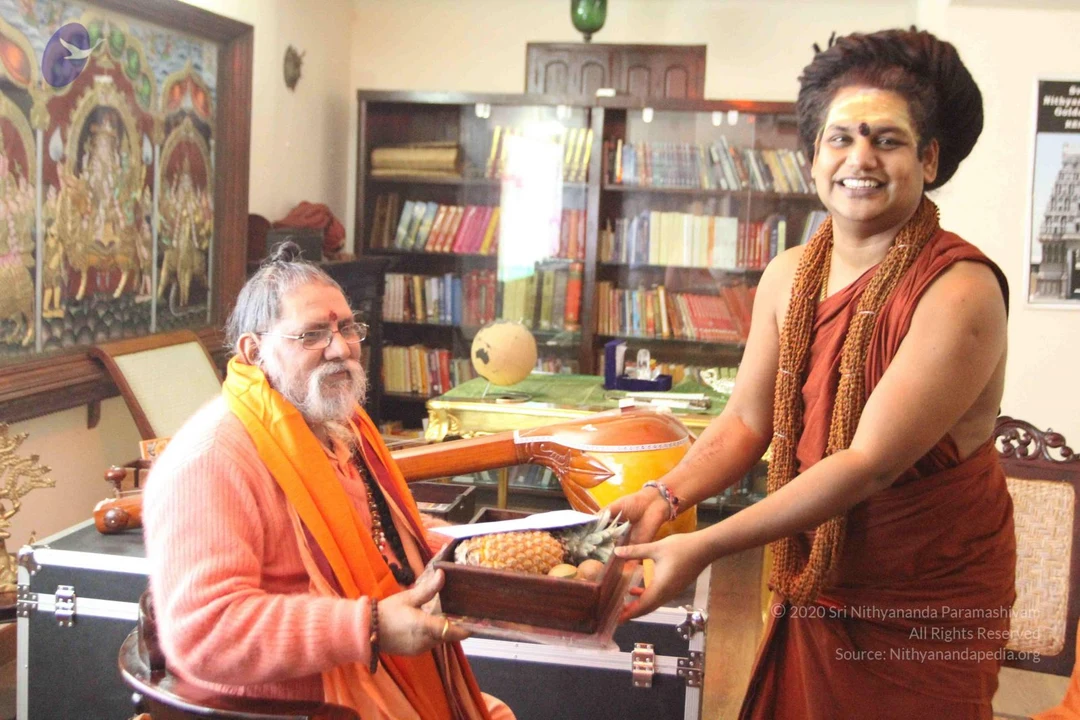
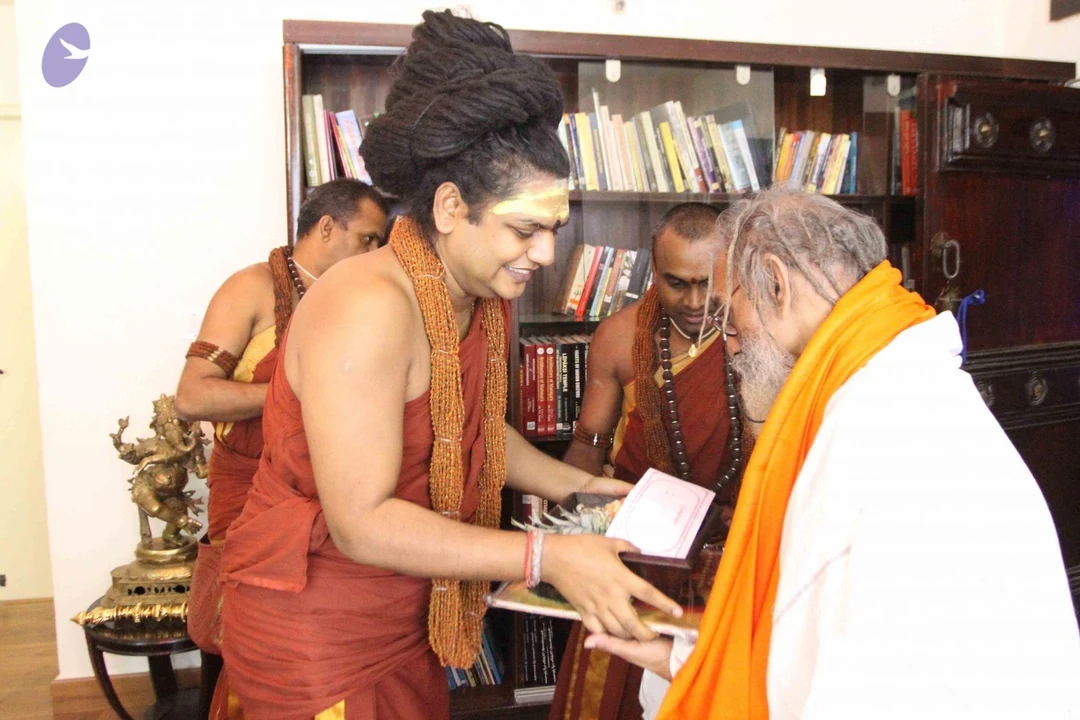
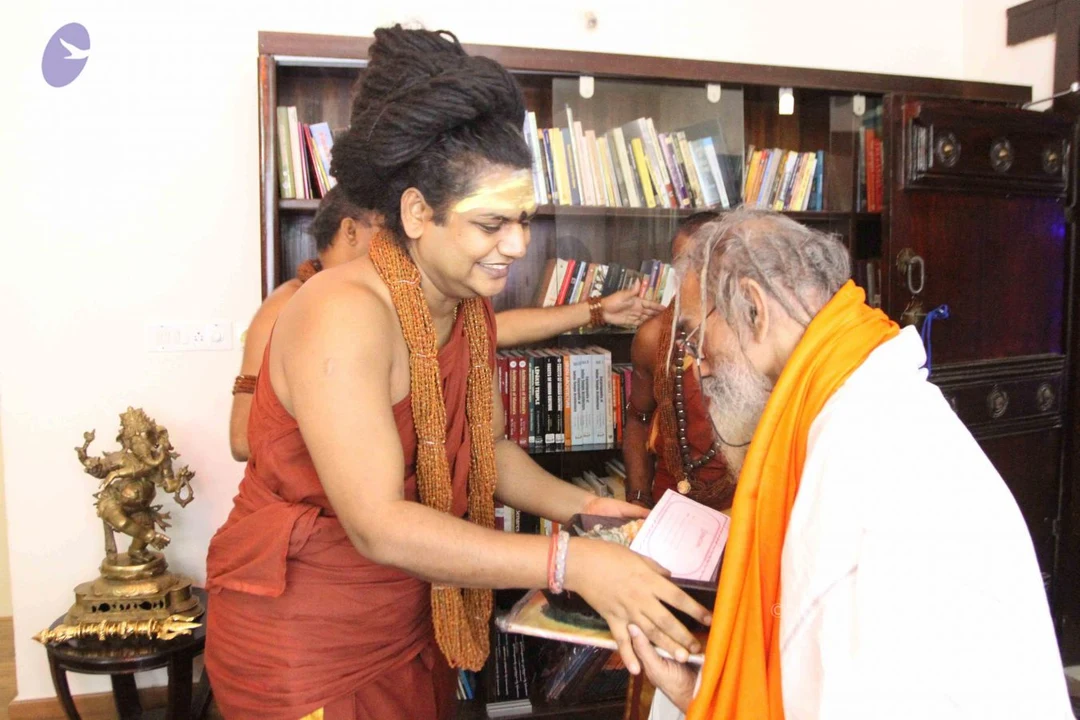
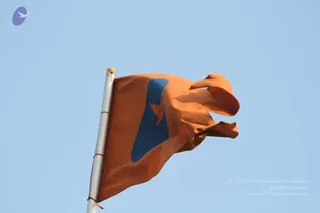
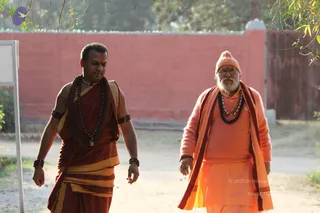
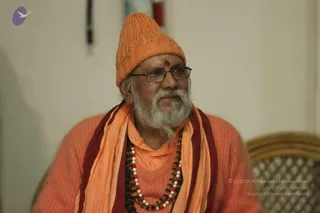
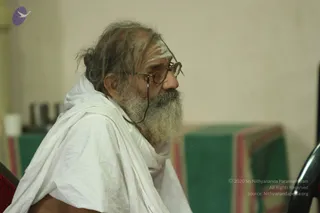
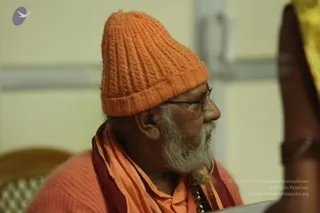
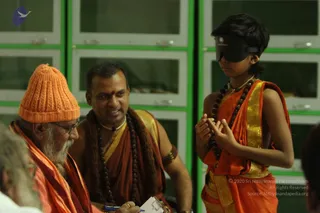
A photograph of an orange flag with a blue silhouette design fluttering on a metal flagpole against a clear pale blue sky. No people are visible. The flag's fabric is billowing in the wind, with its blue emblem visible on the left portion of the cloth.Two men walk side by side along a dirt path past a tall salmon-pink wall with green trees above. The man on the left, with short dark hair and a red bindi, wears a dark red-brown robe with a gold-edged cloth, a long rudraksha mala with a pendant, and dark beaded bracelets on his upper arms and wrists. The man on the right, with a white beard and spectacles, wears a knit orange cap, an orange sweater, a long orange robe with a red-edged shawl, and a dark rudraksha mala. Both appear to be in conversation as they walk. Two people are physically present in the scene.A seated elderly man with a white beard and round glasses wears an orange knitted cap with a small red tilak on his forehead. He is dressed in an orange-peach knit sweater over an orange shirt, with a saffron and maroon shawl draped across his shoulders and a long rudraksha and red-and-white bead mala around his neck. He gazes to the side in a room with plain white walls and a wicker chair behind him. The face does not match the page's a person claim by appearance cues alone, so the figure is described as a devotee-style seated man in saffron clothing and his identity is left unsure.Side-profile photograph of an elderly man with long, untidy grey hair and a full grey beard, wearing rectangular wire-rimmed glasses and a white cloth draped over his shoulders and chest. He has white vertical marks on his forehead and sits in front of a plain cream wall, with a green and red striped cloth blurred in the background and a black chair edge at the right. He looks off to the side toward an unseen speaker or event, with a single seated figure visible.Side profile of an elderly bearded man seated indoors against a pale wall, wearing a knitted orange beanie, round glasses, an orange shawl and an orange-and-maroon wrap over an orange sweater, with a rudraksha mala visible at his chest. A blurred edge of a yellow fabric and a bangle appear at the right foreground. Appearance-based cues are limited to the orange clothing and mala, so the identity is uncertain; the person is described only by role as a seated devotee.Indoor photo of three people in front of green-framed glass cabinets. On the left, an older man with a white beard and glasses wears an bright orange knitted cap and an orange shawl. In the centre, a smiling man with a red tilak on his forehead wears a rudraksha mala, a gold-bordered maroon shawl and a gold armband, holding a notepad and pen. On the right, a young boy in an orange and gold-bordered cloth wears a dark blindfold labelled with a brand name, a dark rudraksha mala, and holds his hands together in front of his chest. a person's identity is not established from appearance in this image, so no candidate is named.

1-Morning-Satsang

11 photosSource gallery
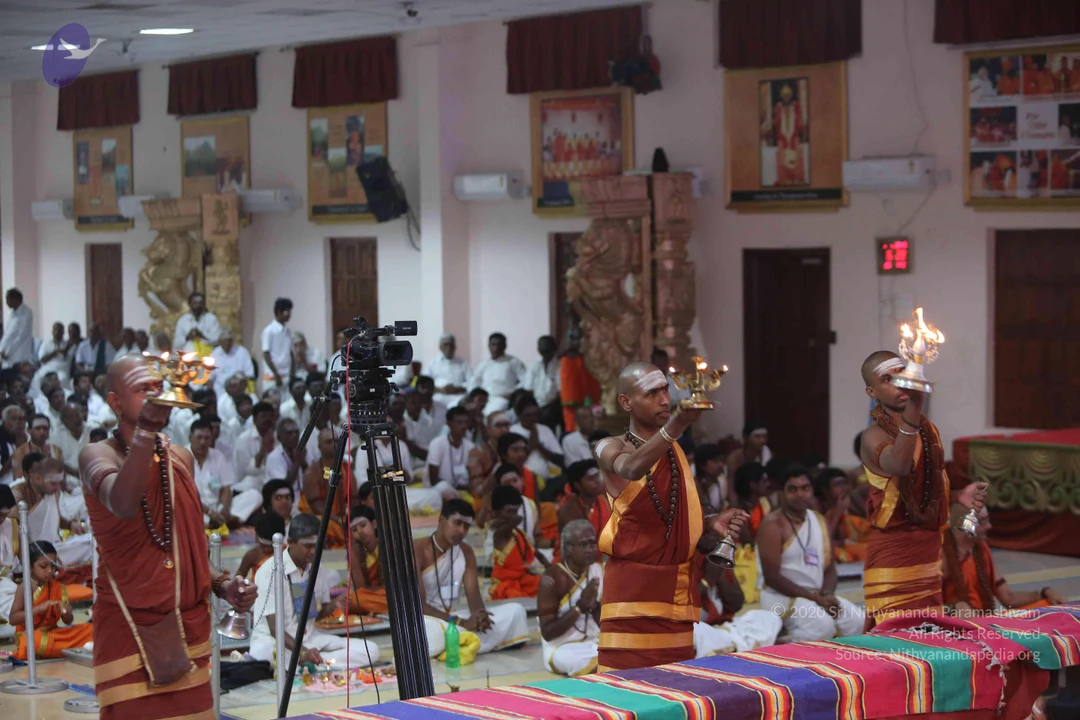
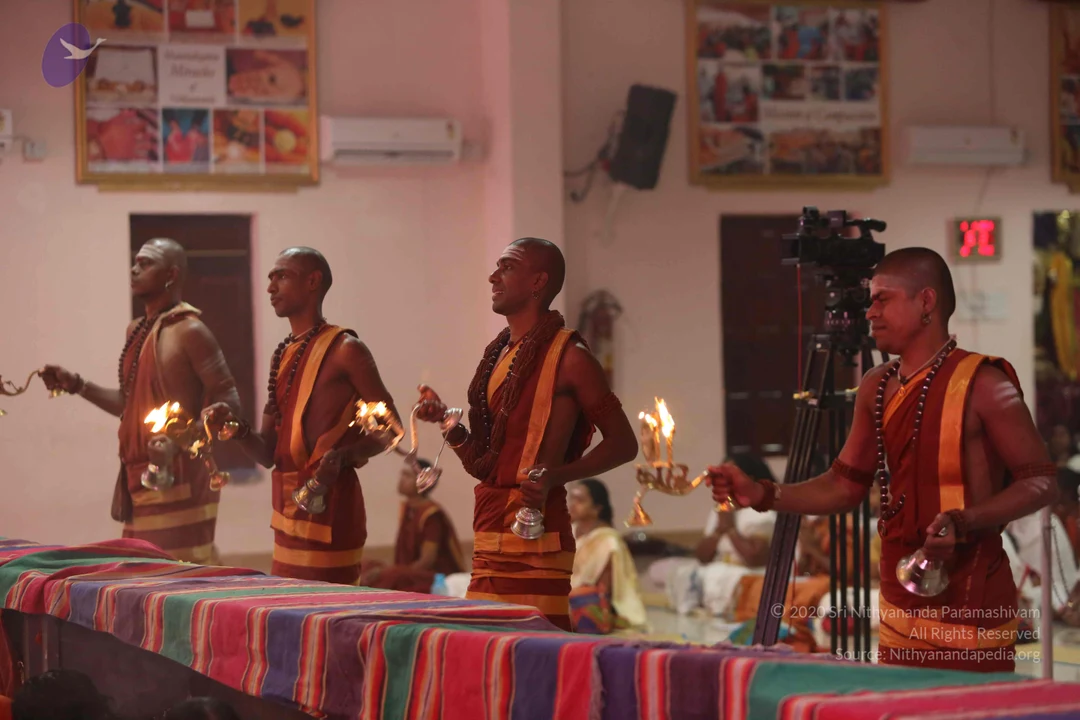
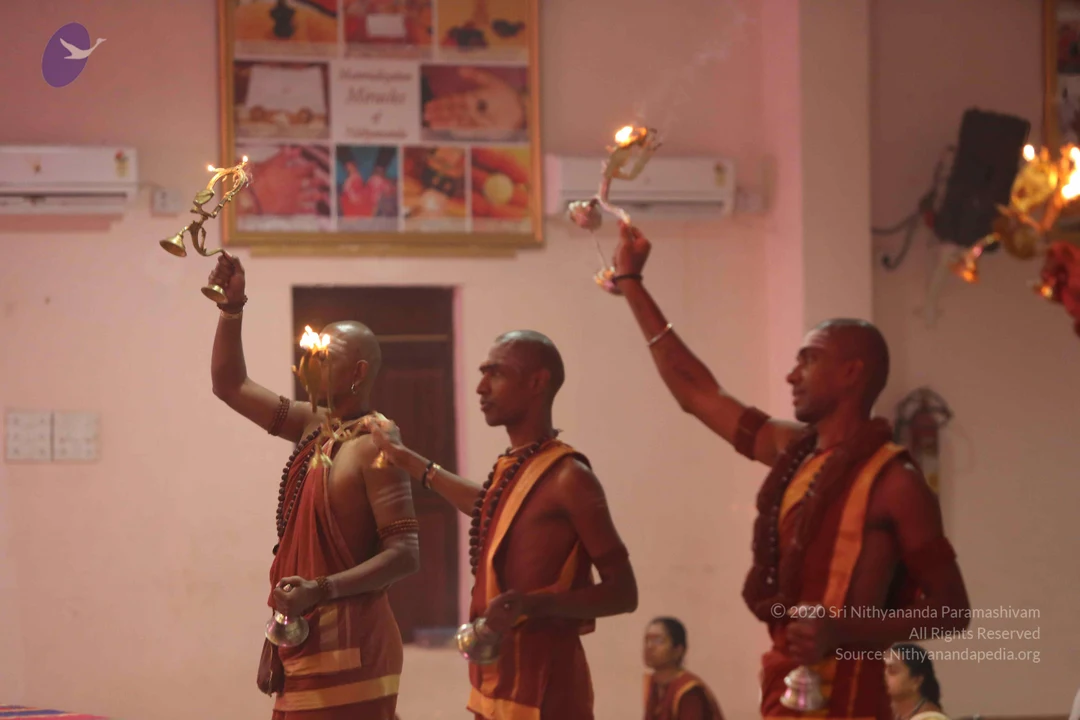
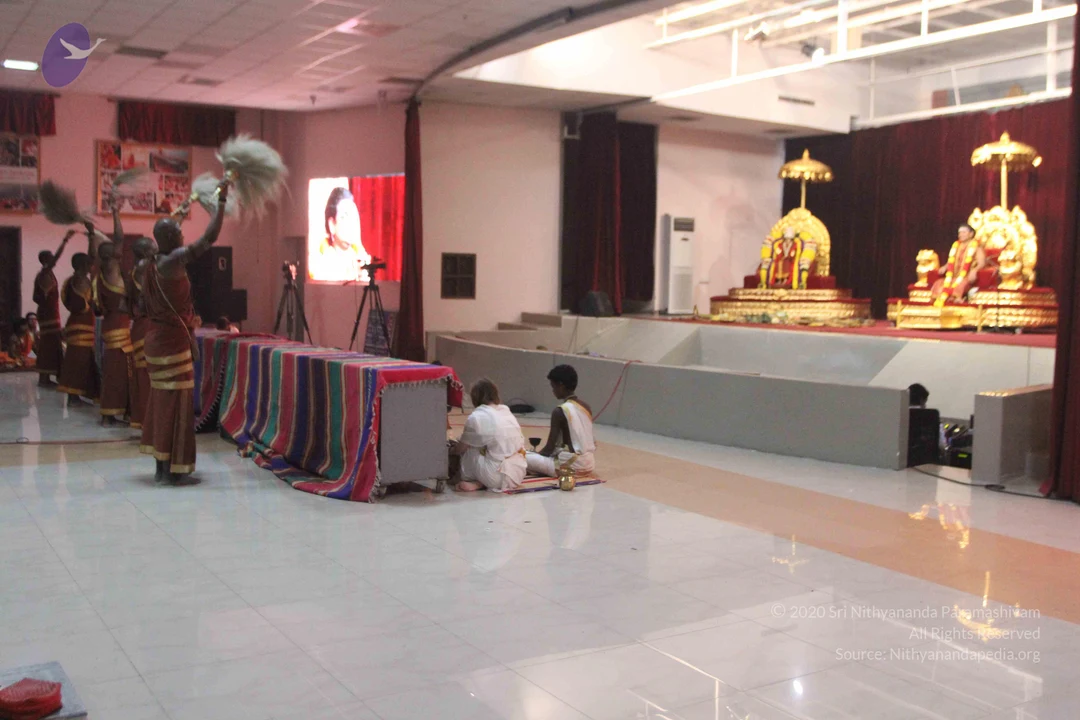
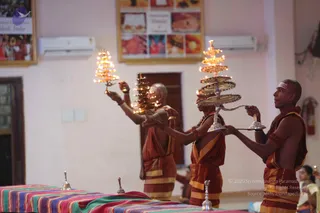
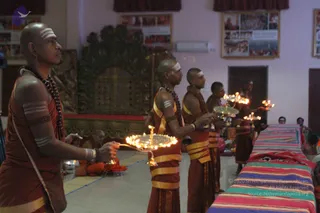
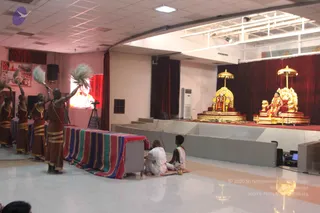
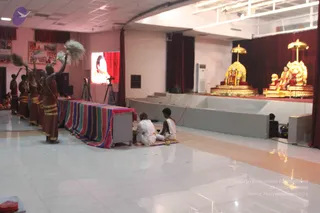
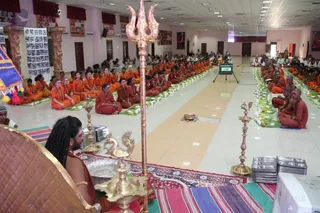
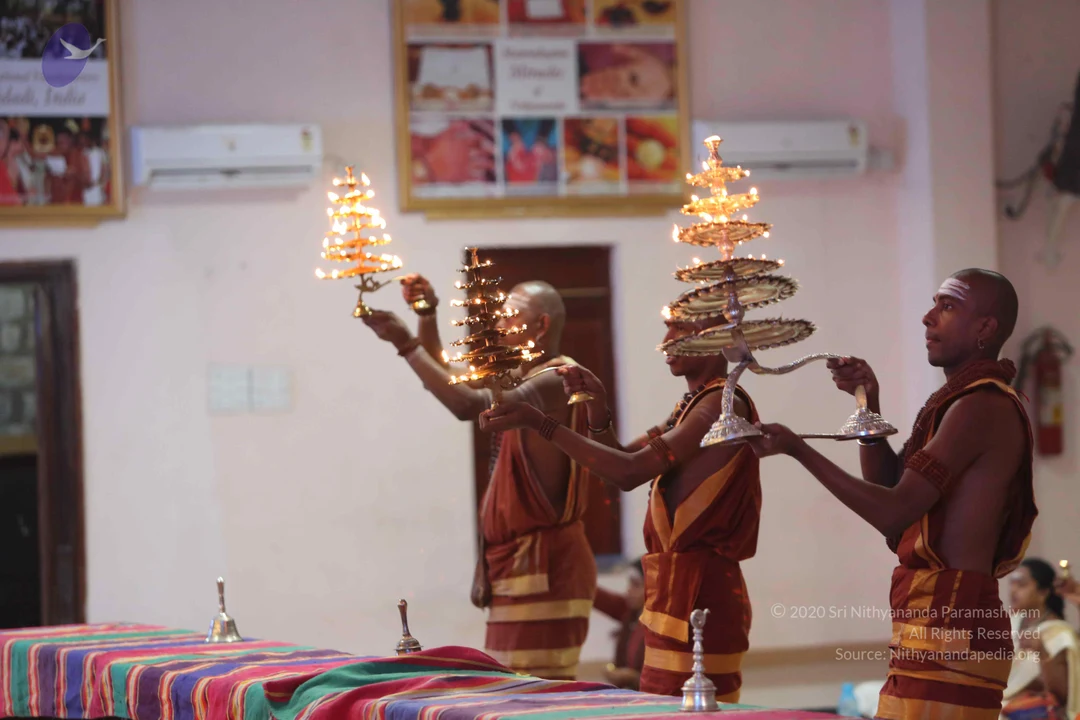
Three shaved-headed priests in orange-red dhotis and shawls perform aarti with tiered brass lamps lit with flames. The priest on the right, with a white tilak on his forehead and red armbands, holds a multi-tiered brass lamp with a long handle. The middle priest holds a similar lamp, and the left priest raises a smaller lamp. Colourful striped cloths cover a table in front, with small brass bells on it. Framed food photos and a poster hang on the pale wall behind, with air conditioners above. No recognizable a person figure is visible among the priests.A bare-chested sannyasi in a rust-brown dhoti with a gold-edged shawl stands at the front of a hall, holding a lamp or ritual implement over a striped, multicoloured cloth-covered table. Three golden thrones with umbrellas face the room on a raised stage backed by red drapes; the central throne holds a white statue, while the right throne is decorated with garlands in front of a deity murti. A camera operator on a tripod films at the left, and a few devotees sit near the lit oil lamps at the edges.Photograph of a ritual aarti in an ashram hall. Several shaved-headed men in rust-orange dhotis with gold-bordered cloth and rudraksha malas stand in a line holding lit oil lamps on silver plates. Each wears white urdhva pundram marks on the forehead and arms. A long table draped in a striped pink, green and blue cloth lies to the right, and a carved golden wooden panel with a framed photo display hangs on the back wall.Photo of a hall where several shaved-headed priests in rust-red dhotis with gold-bordered cloth stand in a line holding brass aarti lamps with lit flames, bells and a silver plate. A priest in orange sits cross-legged on the floor at left. Behind them is an ornate gold-and-green carved throne or peetha backdrop, and framed photos hang on the wall. A long table with a striped multicolour cloth runs along the right side, with seated devotees at the far right. A rudraksha mala is worn around one priest's neck. Puja with aarti lamps appears to be in progress.A large hall during a ritual service, with a crowd of many people in white and orange clothing seated on the floor. In the foreground, a woman in white holds a lit oil lamp, and women in orange and white sit before rows of brass vessels and lamps on long striped runners. Standing at the centre-left, a man in an orange top and dhoti holds a lit lamp, with other robed figures holding flames along the runner. In the background stands an ornate golden shrine with a deity murti and a red-draped platform. Portrait photos and framed images hang on the walls.Wide photograph of an indoor hall where several priests in saffron and orange dhotis with ochre shawls perform an aarti, holding lit oil lamps in brass vessels. Striped multicoloured cloths cover low platforms in the foreground. Seated devotees in white and orange fill the floor on the left, and a golden ornate throne with a red cloth stands at the back right, with framed pictures on the walls. A camera on a tripod records the ceremony. The image is blurred.
1-Morning-Satsang

22 photosSource gallery
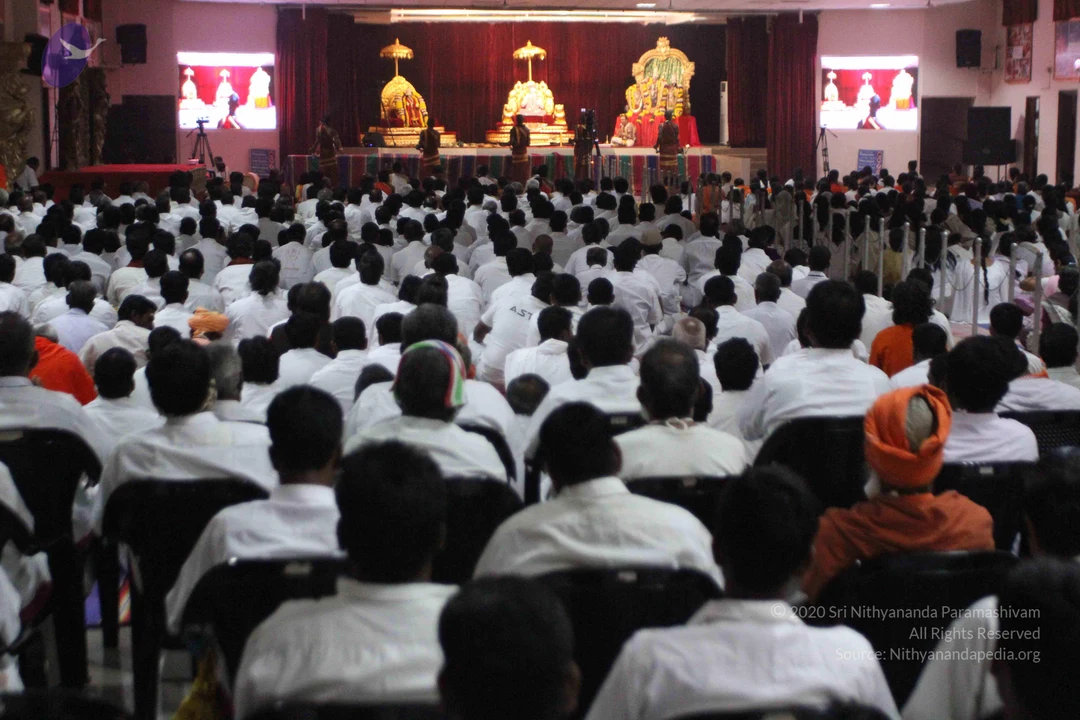
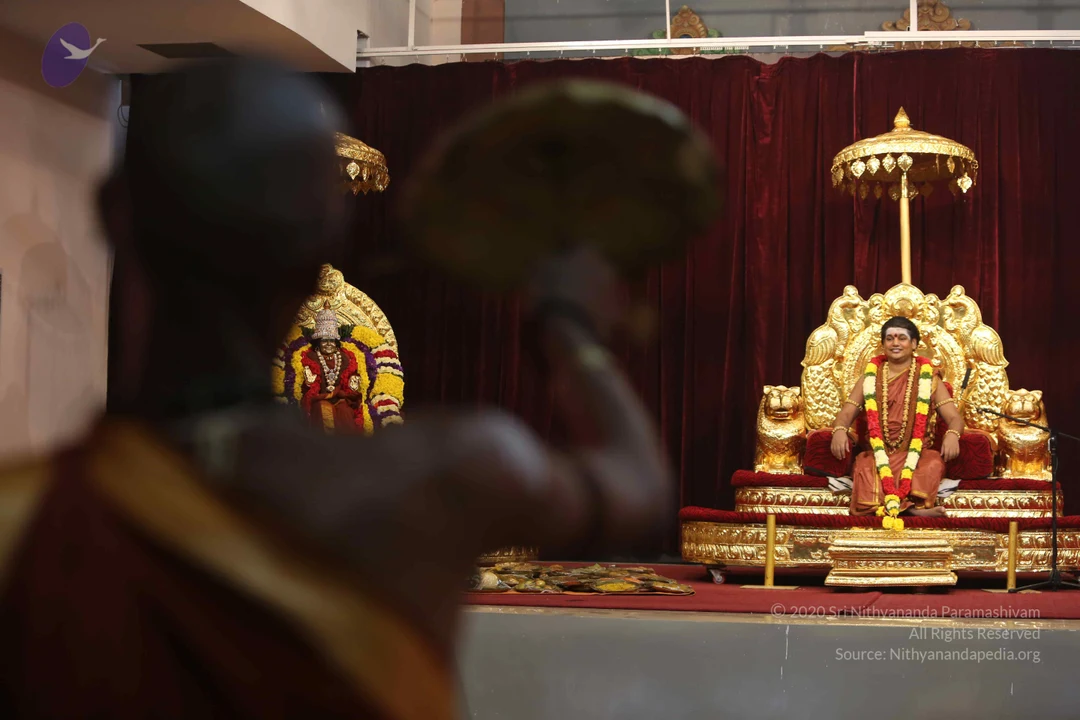
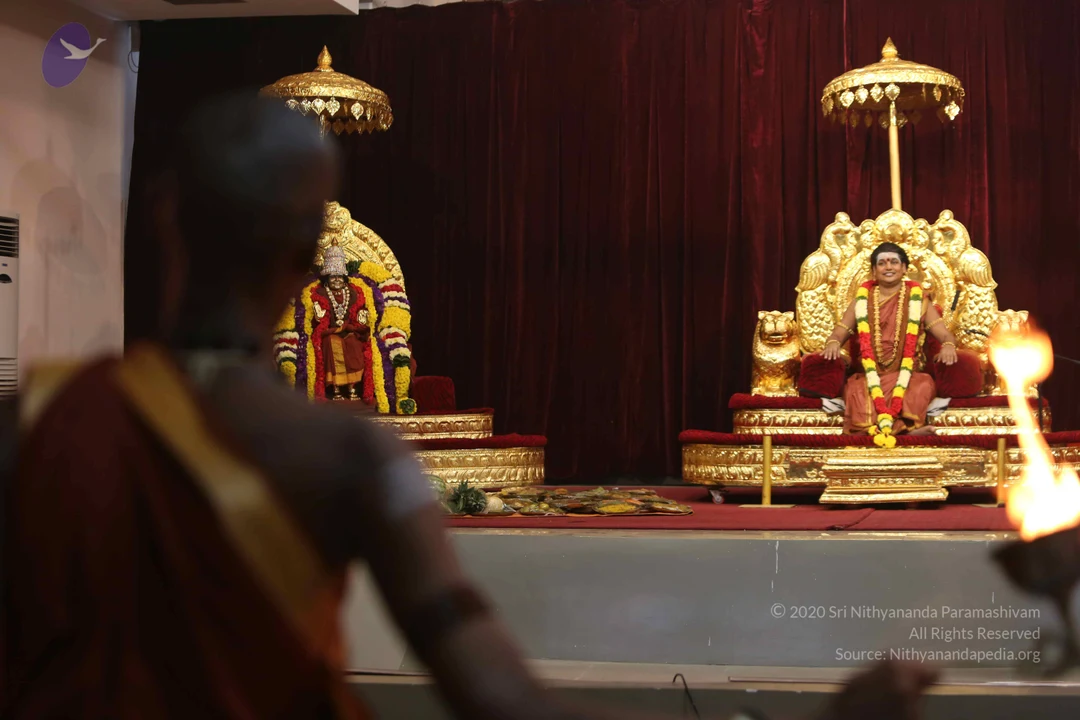
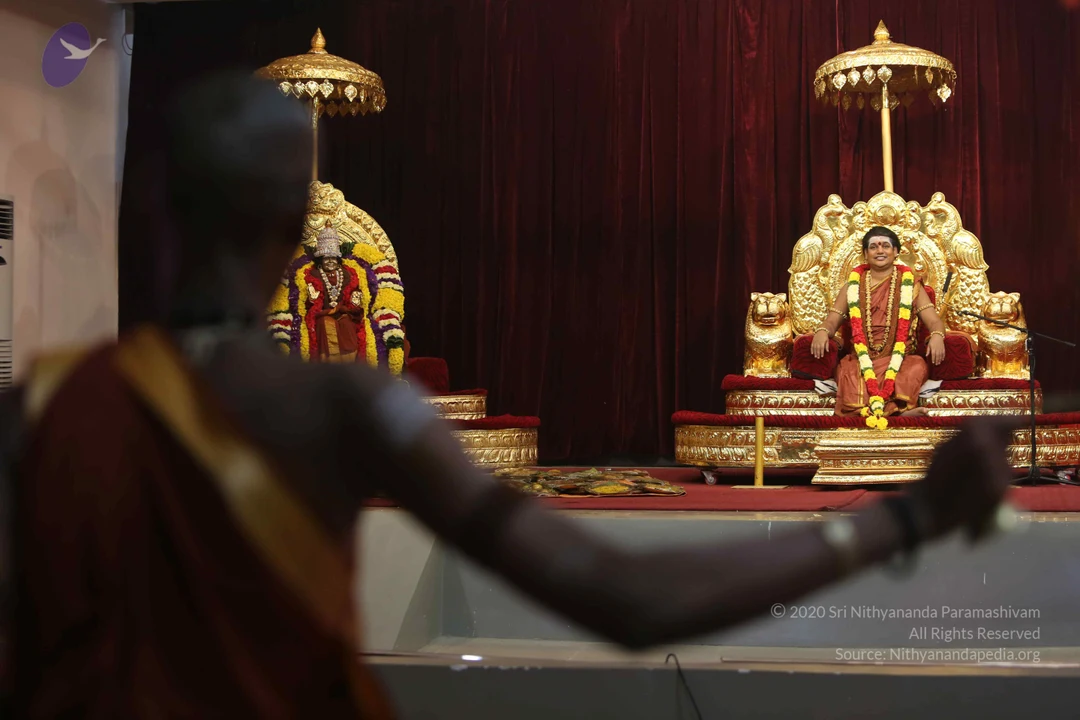
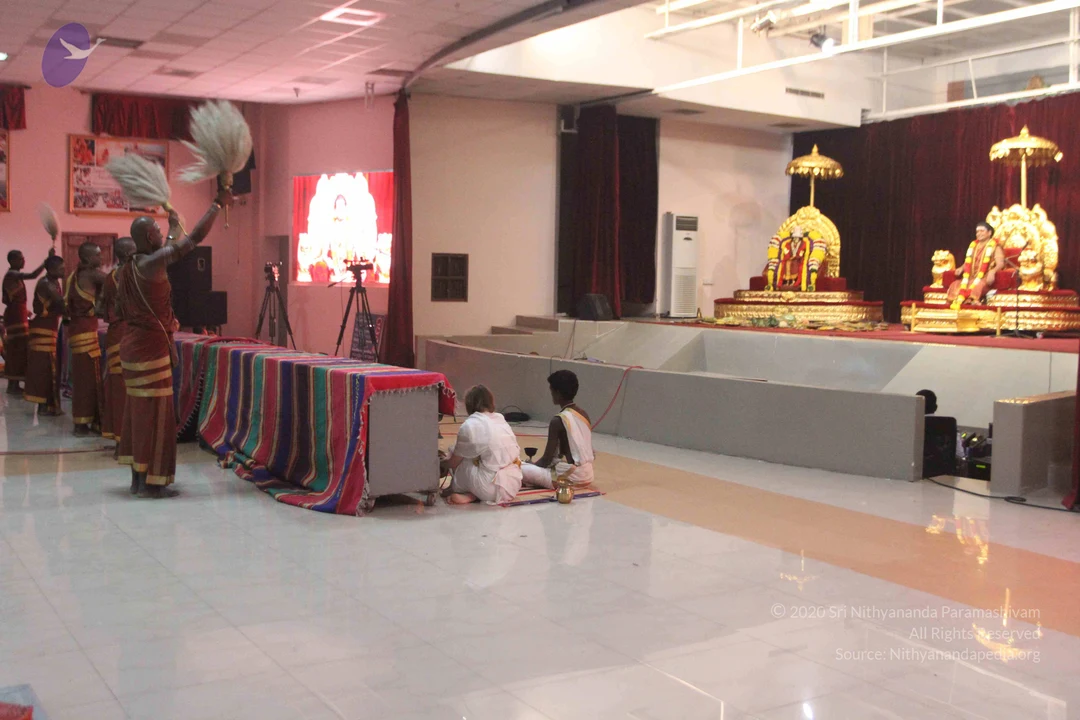
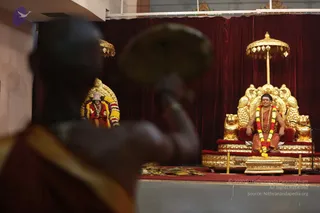
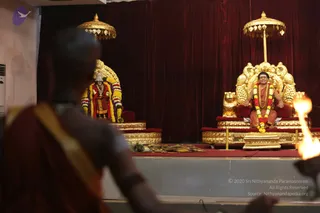
A photograph of a stage set with a dark red velvet backdrop and an ornate golden throne with lion-armrest carvings and a golden umbrella canopy. A seated man in saffron-orange robes wears a long multi-strand garland of yellow and red flowers and a gold necklace, with hands resting on the armrests. A blurred foreground figure in dark robes with a yellow sash raises a fan-like object. To the left, a deity murti wrapped in yellow and multicoloured flower garlands sits on a smaller golden seat. A floral arrangement and offerings lie on the red stage carpet. a person: long-haired seated figure in saffron robes with ceremonial gold necklace and flower garland on a golden throne, a role consistent with the page's account of a Sangha Mission Day satsang.A photograph of a stage set with a dark red velvet backdrop and two ornate gold thrones with golden parasol canopies. On the right, a smiling figure in saffron-orange robes with a rudraksha mala and ceremonial gold necklace sits on the throne, garlanded with a multicoloured flower garland, and appears to be a person. On the left, a seated figure in red and white robes wears a flower garland and sits on a second gold throne. In the foreground, a blurred attendant in a maroon garment with a gold-edged shawl holds a lit flame. Offerings and flowers lie on the red carpeted dais.A photograph of a stage with a deep red velvet backdrop and gold ornate thrones with lion-armrests under golden parasol canopies. On the right, a seated figure in saffron-orange robes, a rudraksha mala and a long floral garland of red and yellow flowers sits on a gold throne, smiling, with a microphone beside him; this is a probable Swamiji figure with long swept-back hair, ornate gold necklace and saffron clothing. On the left, a second seated figure in red and white clothing, wearing a crown-like headdress, sits on a smaller throne draped in a yellow and multicoloured garland. In the foreground, a blurred figure in maroon robes with a gold-edged shawl gestures toward the stage with an outstretched arm.A photograph of a hall-stage ceremony. Several people in rust-brown and maroon garments with gold-striped borders stand on the left holding tall feathered fans raised overhead, wearing traditional attire. Two people sit on the floor at the centre-right, one in white ritual clothes and one in a light garment, beside a low grey platform. On the stage at the back, two ornate golden thrones with umbrella-like canopies are set against a deep red curtain; the figures seated on them appear to be statues, and no clear appearance-based a person candidate is visible. A striped cloth covers a table in the foreground, and a tripod camera stands near the left wall.A hall with a glossy white tiled floor and a raised stage at the right holding two gold-and-red thrones under golden canopies; a small figure sits on the left throne and another figure sits on the right, with the back of a gilded seat visible. On the left, a line of people in rust-brown and orange-brown dress with gold-trimmed cloth waves large white fans or chamaras toward the stage. Two seated people in white garments sit on a striped multicolour cloth draped over a low table in the middle foreground, and a screen beside the stage shows a portrait of a figure in pink-lit tones. Several people sit in the background. A brass vessel sits near the seated pair, and the scene reflects a formal satsang or puja setting.A photograph inside a hall with a polished white tiled floor and a pink wall. On the left, several attendants in rust-brown dhoti-style garments and gold-trimmed cloth stand in a line holding long white whisk fans raised overhead beside a table draped with a striped red, blue and green cloth. In the foreground two seated people in white and orange sit on a mat facing the stage. On the right, an ornate golden throne under a golden umbrella holds a deity murti, and a seated figure in red and gold sits on a second golden throne with a golden umbrella and lion-shaped supports. A small screen shows a red-curtained image of a deity. Camera tripods stand near the attendants.
1-Morning-Satsang
2 photosSource gallery
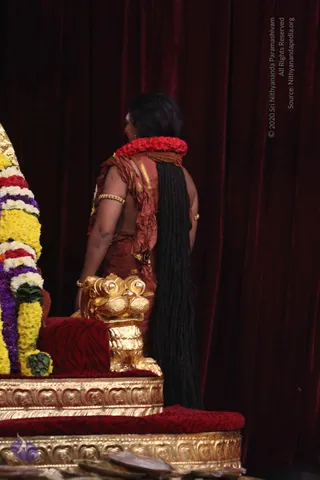
A smiling man with short dark hair and a red bindi sits on an ornate gold throne upholstered in red and black zebra-striped fabric, against a red velvet backdrop. He wears a rust-orange garment, a gold armlet, bangles and a multicolour garland of yellow, white and red flowers. His hand rests on a fruit or offering at the lower right, and a gilded lion or animal sculpture is at the lower left, with a rolled orange towel on the armrest. Another person's dark hair is visible at the bottom edge. The man appears to be a person, seated in a throne position with garland and rudraksha-style adornment, though his facial appearance alone is not relied upon.Photograph from behind of a figure standing beside a gilded golden throne (peetha) with a carved lion-head armrest and red velvet cushion. The figure has long, loose black hair falling to the waist, a red-and-gold draped garment with a shawl, a red rose garland around the neck, and gold bangles on the arm. Behind is dark red velvet drapery. Left edge shows yellow, red and purple flower garlands on the throne. The figure's identity is uncertain from this view, and no face is visible.

2-Samaya-Dheeksha

14 photosSource gallery
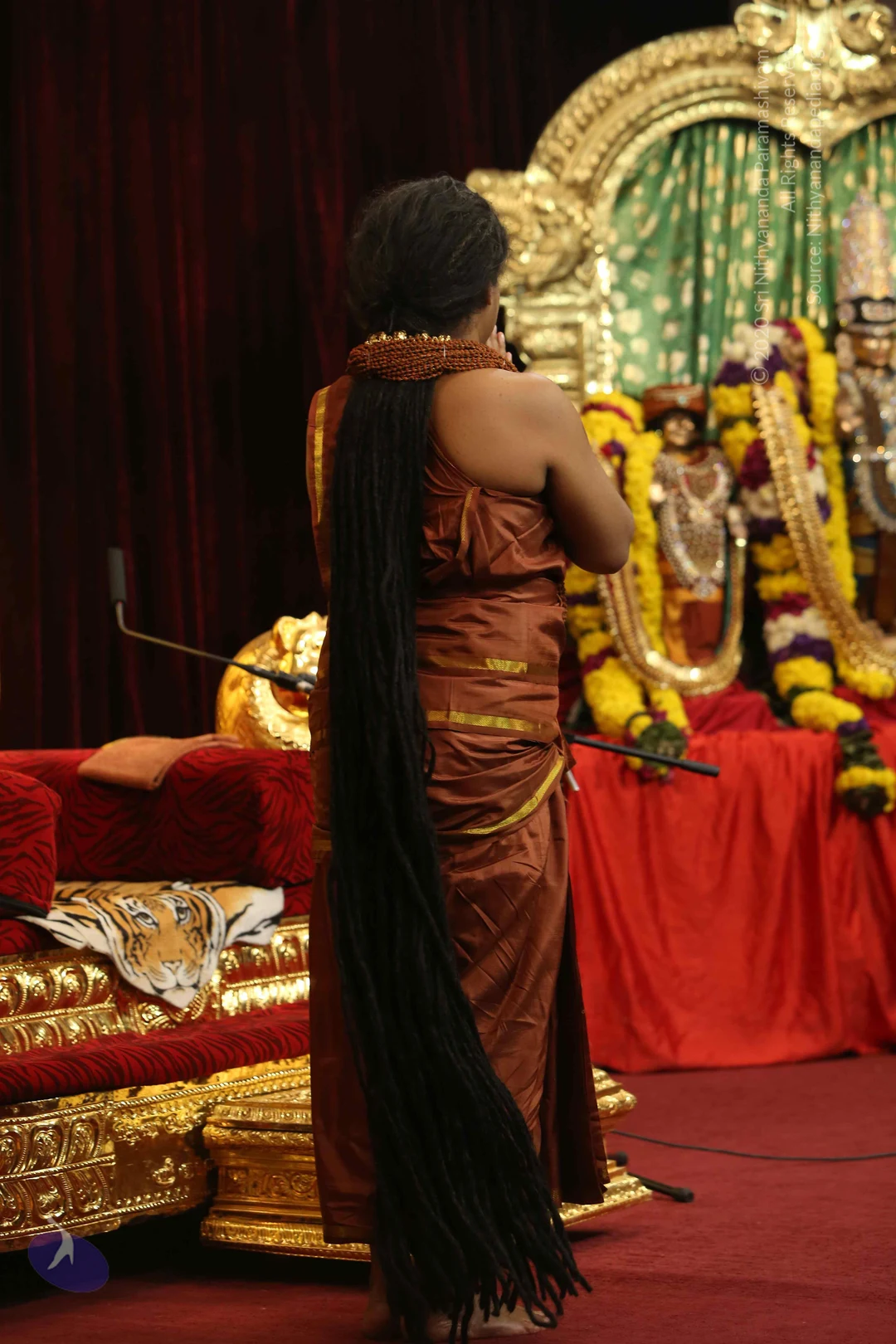
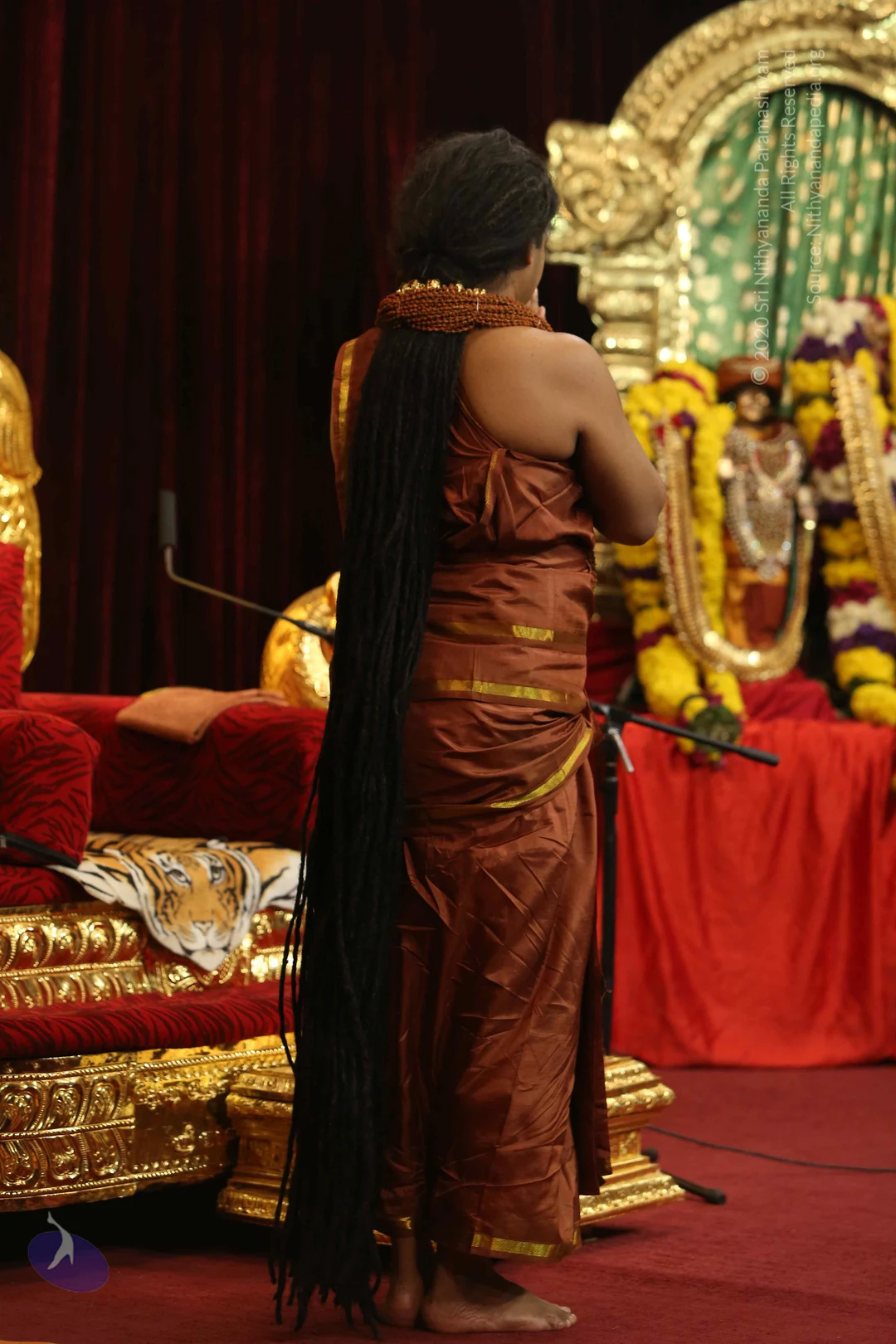
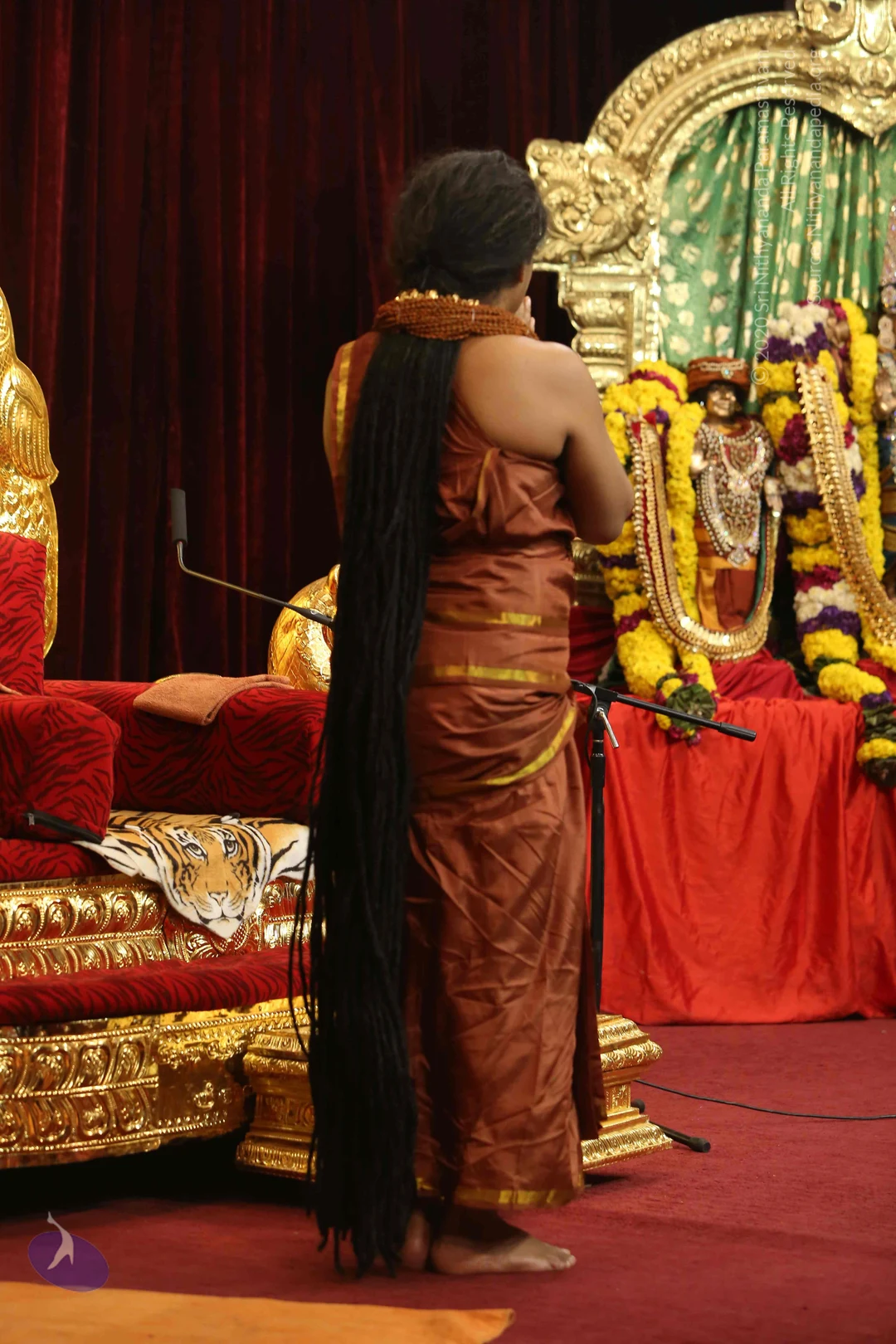
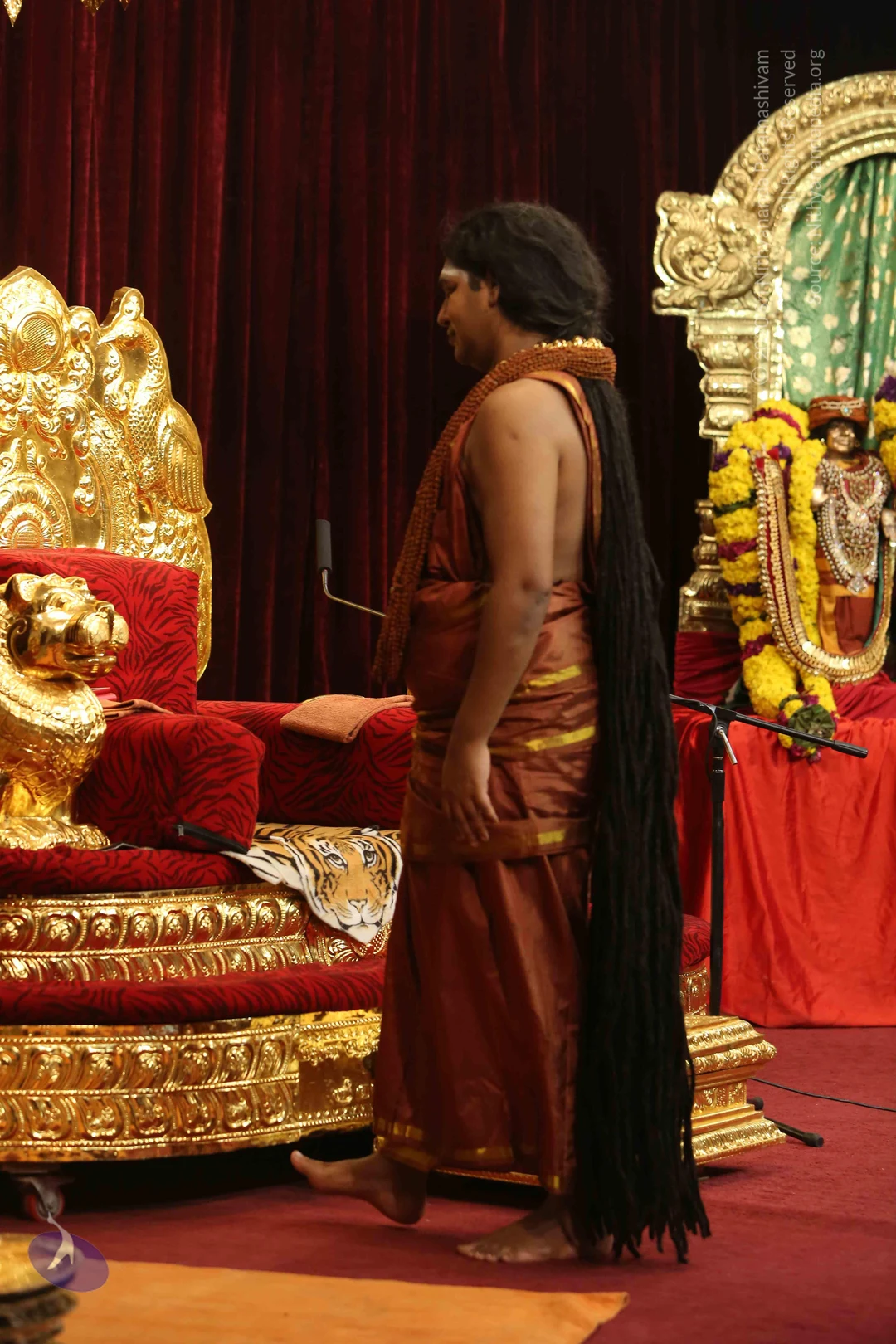
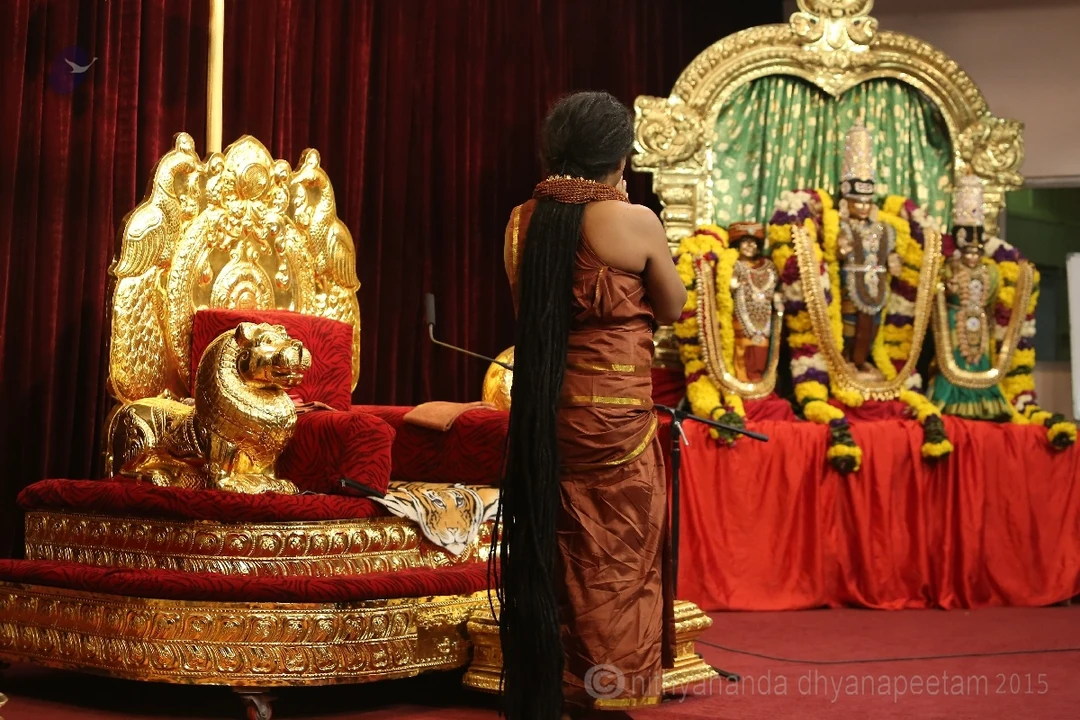
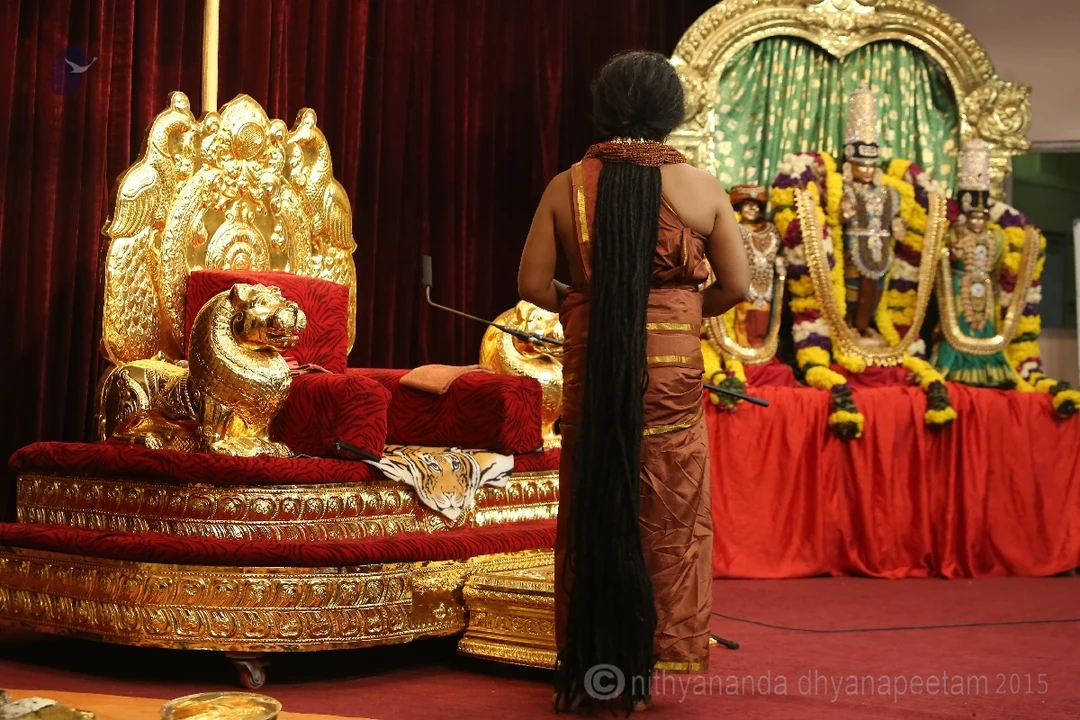
A seated man on an ornate gold throne with carved lion-head armrests and a gold canopy above, against red velvet drapes. He wears an orange-brown robe over one shoulder, a rudraksha mala with a white flower garland, and a white and red forehead mark. Both hands rest on red tiger-striped cushions. A microphone stands at the right edge of the frame. The seated figure matches the appearance cues of the page's a person, with a ceremonial throne, rudraksha mala and orange robe, and is shown in person. A gold-lettered inscription is visible on the throne base.A man with long swept-back dark hair, a white vibhuti line and red bindi, wearing a rust-orange draped robe with gold border, a rudraksha mala and a gold-and-white flower garland, sits cross-legged on an ornate gold throne with carved lion arms and a gold canopy. Red tiger-striped cushions line the throne and a red velvet curtain hangs behind. A microphone stands at right.A seated man on an ornate golden throne with a red tiger-striped cushion, wearing a rust-orange silk garment with gold borders and a heavy gold bead necklace over rudraksha malas. He has long swept-back dark hair, a white vertical tilak with a red dot on his forehead, and a beaded bracelet. A microphone stand stands in front of him against a dark red curtain. Swamiji (probable) appearance-based cues: long swept-back hair, rudraksha malas and ceremonial gold necklace, saffron-orange ornate clothing, seated on a throne.A seated man in saffron-orange robes sits on an ornate gold throne with red tiger-striped cushions and a gold lion-head armrest, before a dark red velvet backdrop. He wears a rudraksha-style mala with gold beads and a long gold necklace, a white forehead band with a red dot, and a bangle on his wrist. A microphone stands at his side. Swamiji (probable): the saffron robes, long swept-back hair, ceremonial gold necklaces and rudraksha malas fit the Swamiji presentation, with the page noting his presence at this Sangha Mission Day event, so he is treated as in person. The scene is a dais event with a single seated figure and no other people visible.A seated man in rust-orange silk robes with a gold-bordered dhoti sits on an ornate gold-and-red throne with a golden lion armrest and red tiger-striped cushions. He wears a thick rudraksha mala with gold beads, a white vibhuti stripe and red kumkum bindi on his forehead, and a beaded bracelet on his wrist. Long dark hair falls past his shoulders. A microphone stands at his right side, and a red velvet curtain forms the backdrop.Photograph from behind of a figure standing on a red-carpeted stage in front of a gold-framed altar niche with a green brocade backdrop. The figure has very long dark hair falling to the waist, wears a rudraksha mala at the neck, and is draped in a rust-brown silk garment with gold borders, hands raised together in prayer. Beside the figure is a gilded throne-like seat with red tiger-striped upholstery and a tiger-print cloth. Behind the altar stand deity murtis adorned with garlands of yellow marigolds and purple flowers, with a gilded crown-shaped headdress on one figure. Mics are visible on stands.

2-Samaya-Dheeksha

7 photosSource gallery
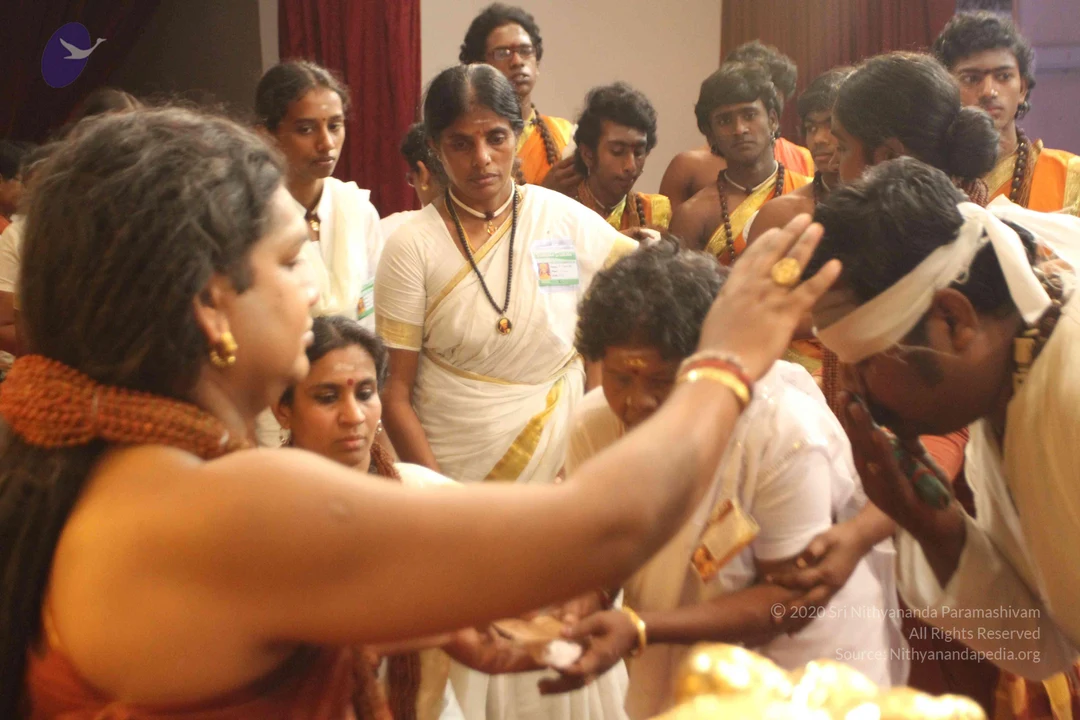
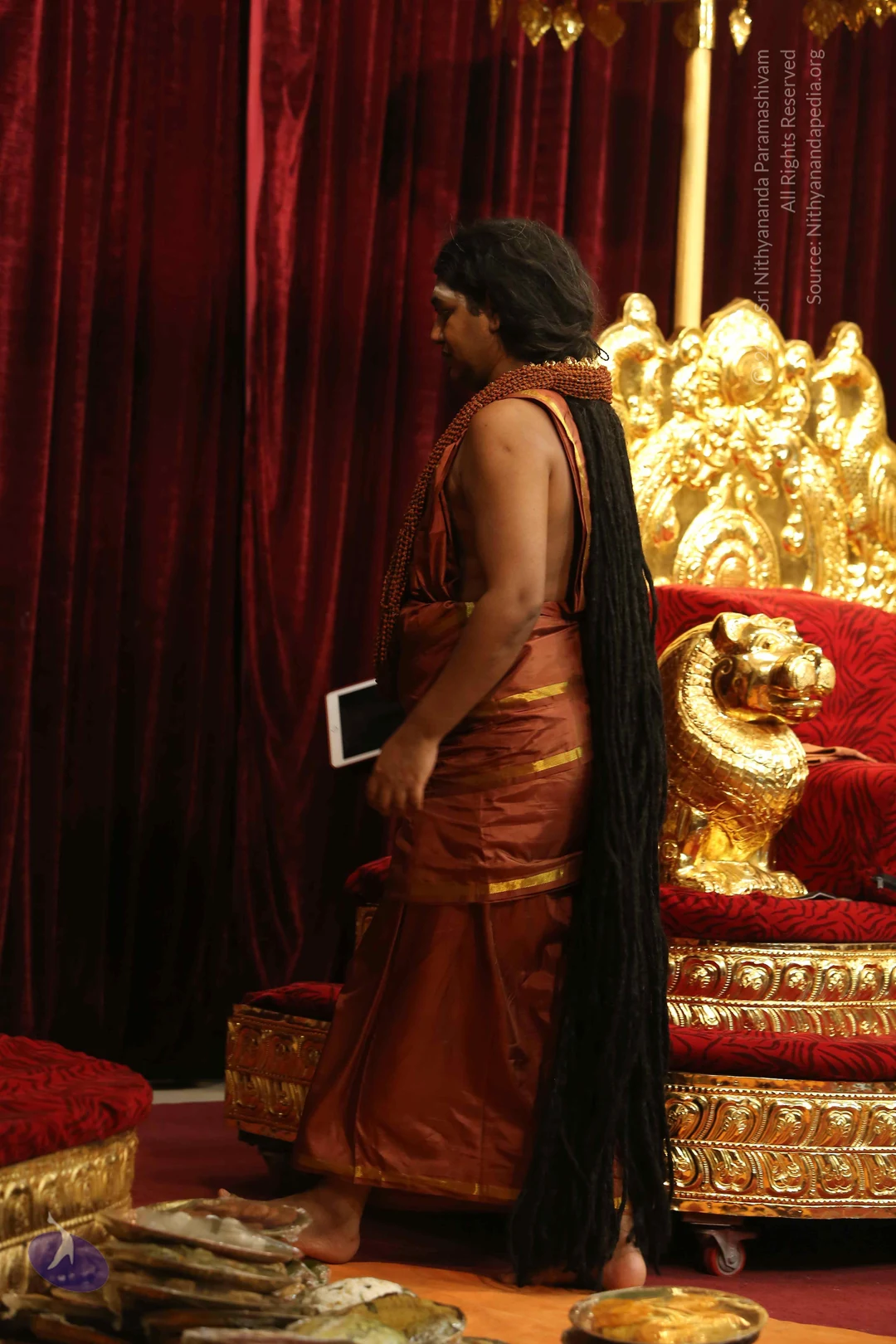
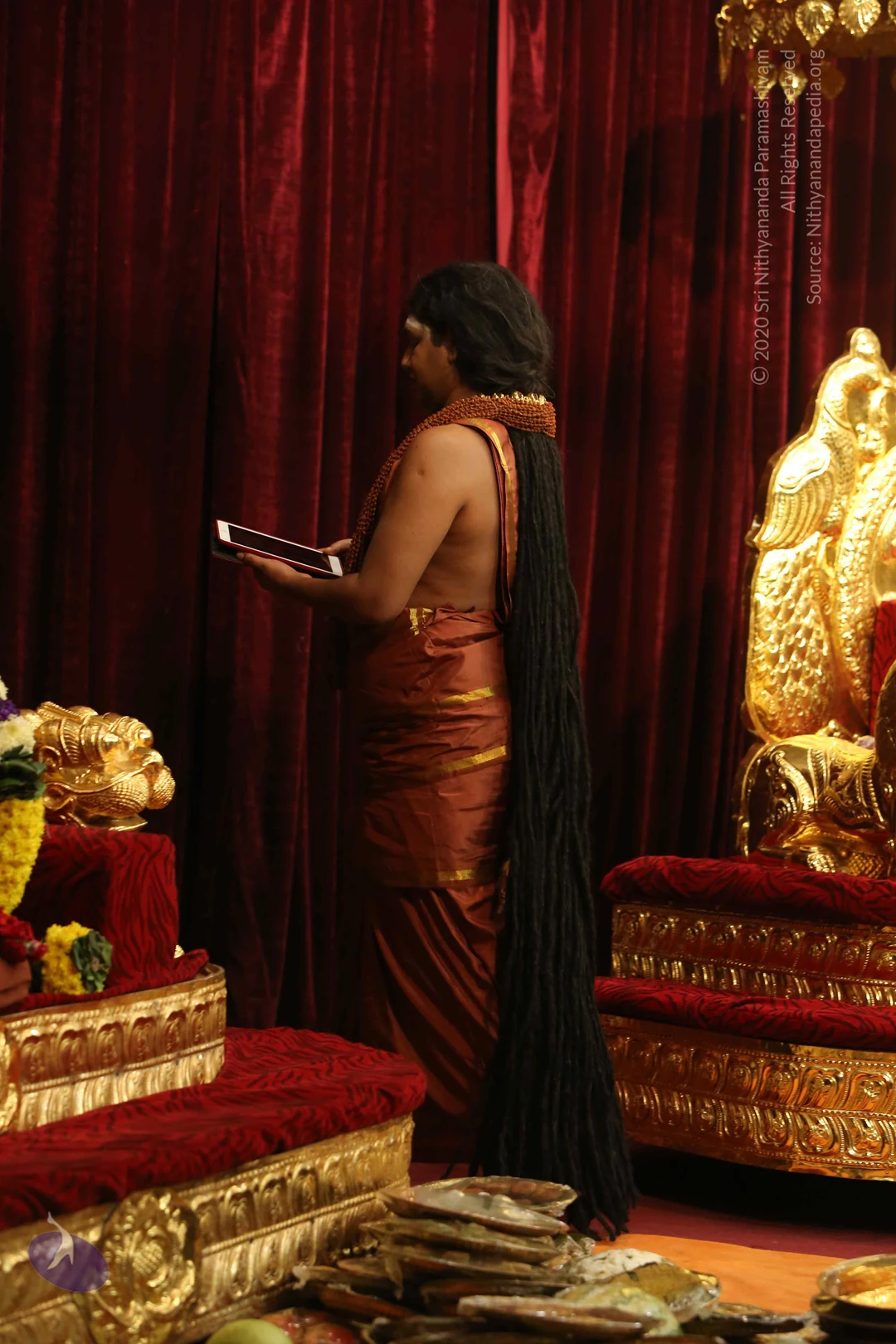
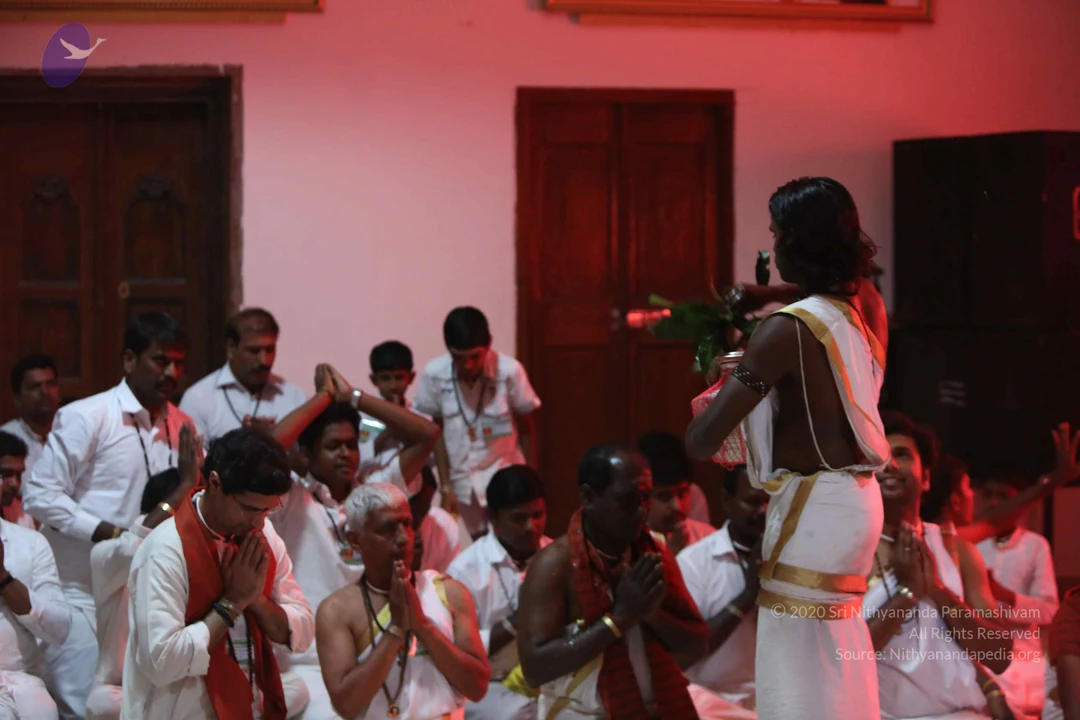
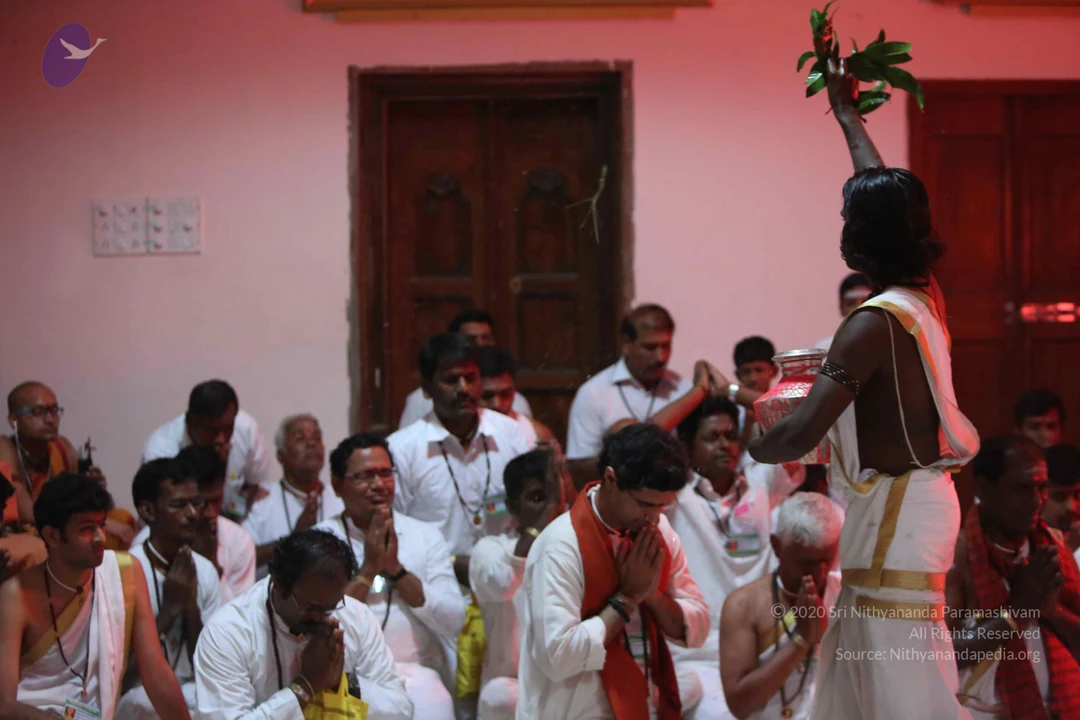
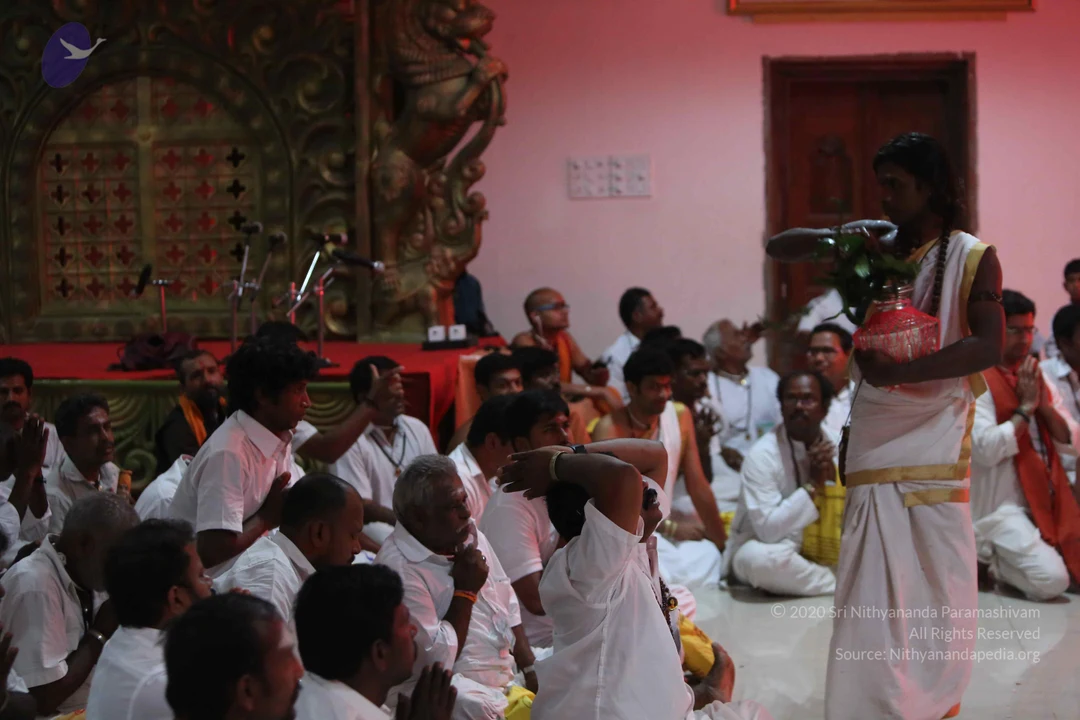
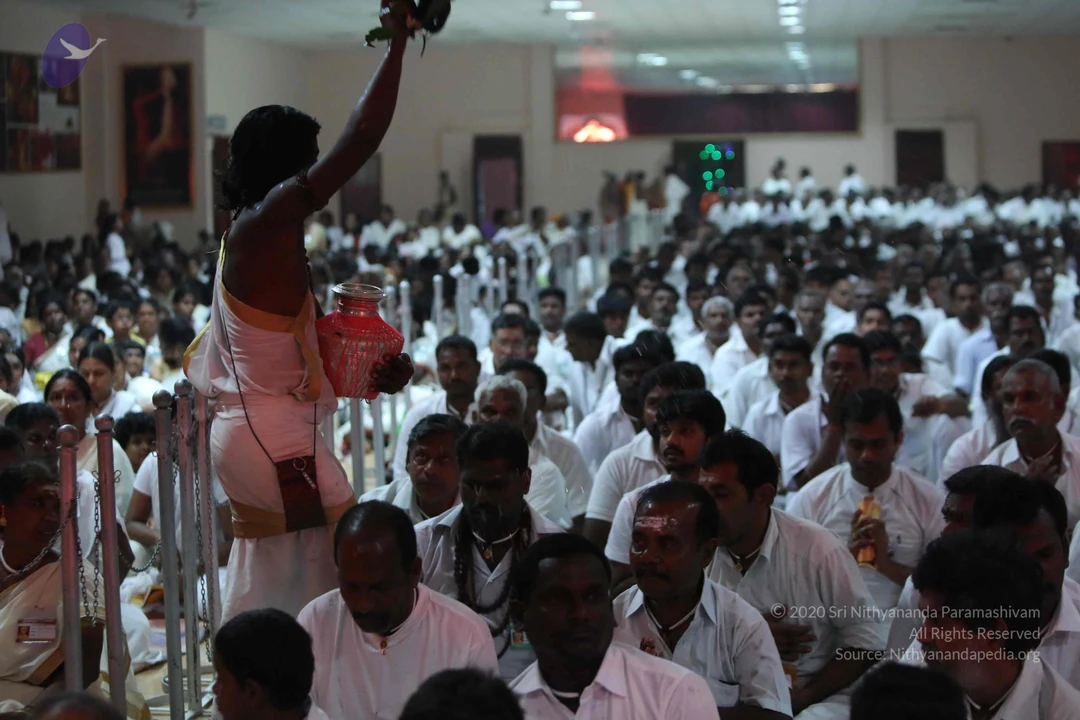
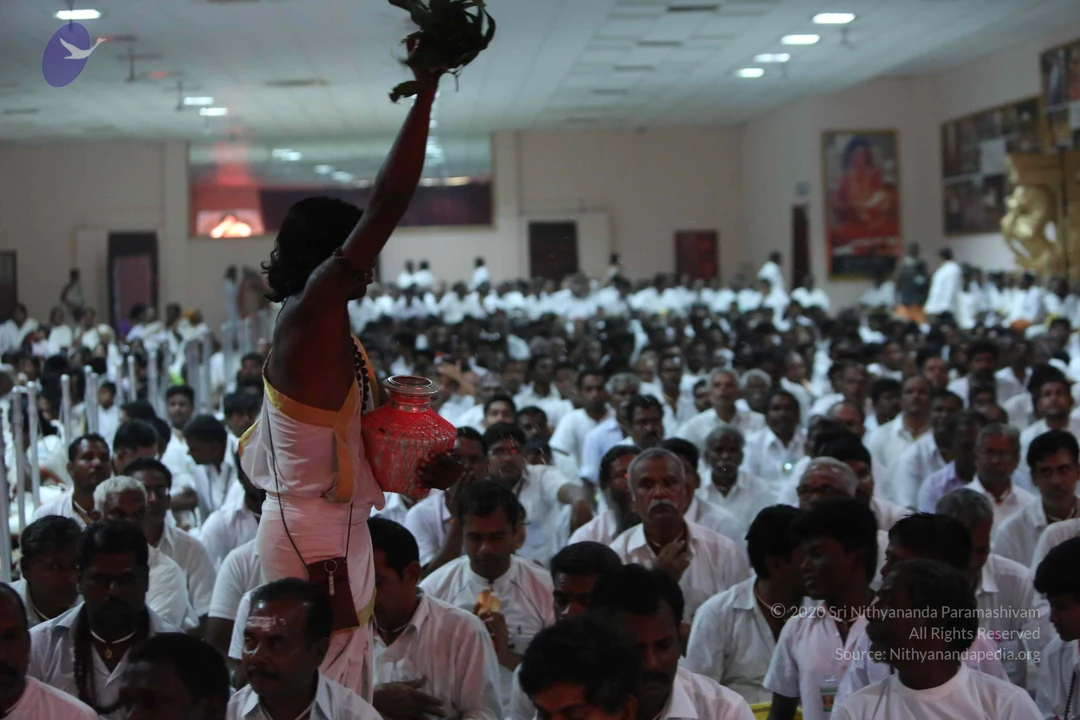
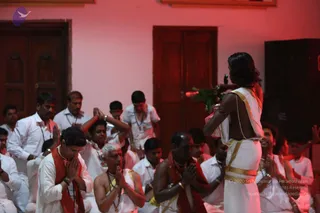
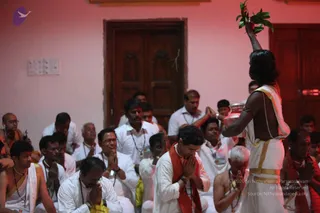
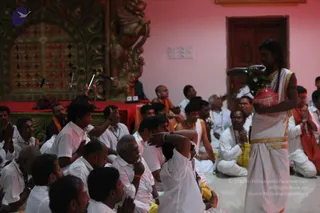
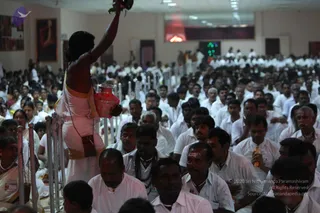
A photograph of a man with long swept-back dark hair and a rust-orange silk wrap draped over his body, wearing a brown-red rudraksha mala around his neck, walking past an ornate gold throne with a carved golden lion arm and red patterned cushions in front of deep red velvet drapes. He holds a white tablet in one hand. Brass trays with offerings sit on the floor in the foreground. The presentation and adornments match the a person cues described in the page, so this is a probable in-person candidate, though the view from behind keeps the appearance somewhat uncertain.A photograph of a single person standing in profile with their back partly turned, in a richly decorated hall with deep red velvet drapes. The person wears a rust-brown silk dhoti with gold-edged borders and a bare upper back, a long beaded rudraksha-style necklace, and very long dark hair falling down the back. They hold a small red-and-white booklet or device in both hands. To the right stands an ornate gold-leafed throne with red cushions, and to the left a second gold seat with red upholstery decorated with yellow and white flowers. Brass or silver plates and offering trays sit on the floor in the foreground.A photograph of a ritual gathering in a room lit with red light, with a white wall and wooden doors behind. In the foreground, a bare-chested older man with grey hair kneels with palms pressed together in namaste, wearing a red shawl over a white dhoti with a gold border and a rudraksha-style mala. Beside him, a man in a red shawl and white shirt bows his head in prayer. A standing figure in a white dhoti with a gold border and bare back, facing away from the camera, holds a brass vessel and a bunch of green leaves, apparently offering them to the seated devotees. Many other devotees in white shirts and white clothes sit or stand around, some with hands folded, one wearing a lanyard, and a few gesture in prayer at the right edge.A photograph of a ritual gathering in a room with reddish-pink lighting and a dark wooden double door on a pale wall. A bare-chested man in a white dhoti with a gold-bordered cloth over his shoulder stands at right, raising a brass kalasha topped with green mango leaves. Around him, many men sit cross-legged on the floor, mostly in white dhotis and shirts, with hands pressed together in namaste; some wear rudraksha malas and some have orange or red shawls. Several seated devotees also wear white and lanyard-style event badges. The scene suggests a puja or aarti in progress, with the kalasha being offered during the ceremony.A photograph of a seated congregation of men in white dhotis and white shirts inside a temple hall with a carved golden wooden panel behind them. In the foreground, a young man in a white dhoti with a gold border stands at right, holding a red kalasha pot with green leaves and pouring liquid from it, a ritual act. Many seated devotees have their hands folded in namaskar, and some wear orange shawls and rudraksha or gold necklaces. A red-draped platform with microphones stands at left. No identifiable a person is clearly visible; the figures appear as devotees and attendees.A hall filled with rows of seated devotees dressed in white, with many men wearing white shirts and dhotis and some wearing red tilak on their foreheads. In the foreground a figure stands with their back to the camera, raising a leaf or green bundle aloft in one hand and holding a red glass jar in the other, wearing a white wrap with an orange border. Metal barriers divide the rows, and a red-lit stage backdrop and framed artworks line the far wall. The scene appears to be a large satsang or gathering during a Sangha Mission Day event.

Nithya Satsang
23 photosSource gallery
A man stands in front of an ornate golden throne with lion-head armrests and carved dragon-like backrest panels, beneath a gold canopy with hanging leaf-shaped ornaments, against deep red velvet drapes. He wears a rust-brown silk garment with gold borders, multiple layered garlands of red, yellow and white flowers, gold chains and rudraksha beads, and gold bangles. His forehead bears white vibhuti with a red kumkum dot, and he smiles while raising both palms outward in a blessing gesture.A seated man on an ornate gold throne carved with lion heads and scrolled crests, set against deep red velvet drapes. He wears a rust-orange dhoti and matching shawl, a gold necklace and a long multi-coloured garland of red, yellow and white flowers. He has a red bindi and white tripundra markings on his forehead, and gold bangles on his wrists. His right hand is raised in a blessing gesture while he smiles. A microphone stand stands at the right edge of the platform. Appearance cues include the ceremonial garland, gold jewellery and orange clothing; the page identifies this event as a satsang with a person, so this is a person seated on the peetha.A seated statue of a sage, rendered in bronze or metal, is decorated with garlands of yellow marigolds, red roses and purple flowers arranged in a horseshoe around it. The figure wears a jeweled crown-like headdress, a rudraksha-style beaded mala with a pendant, and a brown and gold cloth draped over the body, with a golden ceremonial staff standing beside it. It sits on a red upholstered throne before a gold ornate arch and dark red curtain. The statue is a depiction, not a living person, so no physical people are present.A seated figure on an ornate gold throne (peetha) with red velvet cushions, dressed in a reddish-maroon shawl over a golden-yellow and maroon garment, wearing a tall silver-and-jewelled crown, a beaded necklace and ceremonial ornaments. The figure is heavily garlanded with yellow, purple, red and white flower garlands draped across the throne. A silver staff stands beside the throne. In front, a large spread of fruit offerings on gold-edged plates and a sliced watermelon and pineapple, consistent with a naivedyam offering. Deep maroon velvet drapes form the backdrop. The figure is a statue-like appearance; no living people are visible.A smiling man sits on an ornate gold throne carved with mythical creatures and flanked by gold lion sculptures, with red velvet cushions and a red curtain behind. He wears a rust-orange wrap, a rudraksha-style brown bead mala, a gold necklace and gold armbands, and a multicoloured garland of red, yellow and white flowers with green leaves. A white forehead marking and a red bindi are visible. A silver trident stands to the left and a silver staff to the right. a person (in-person candidate with rudraksha mala, orange clothing and ornate gold regalia), seated on a throne.A photograph of a smiling man seated on an ornate golden throne with carved dragon-like finials and golden lion figures at each side, set against deep red drapes. He wears a rust-orange dhoti and shawl, a rudraksha mala, ceremonial gold necklaces, gold armlets and bangles, and a multicoloured garland of yellow, red, white and green flowers. His forehead bears white markings with a red bindi, and he rests his arms on red tiger-striped cushions. A silver trident stands to his left and a silver ceremonial staff to his right, with a microphone on a stand beside him. Appearance-based label: a person, seated in person on the throne.

Vishesh Deeksha
10 photosSource gallery
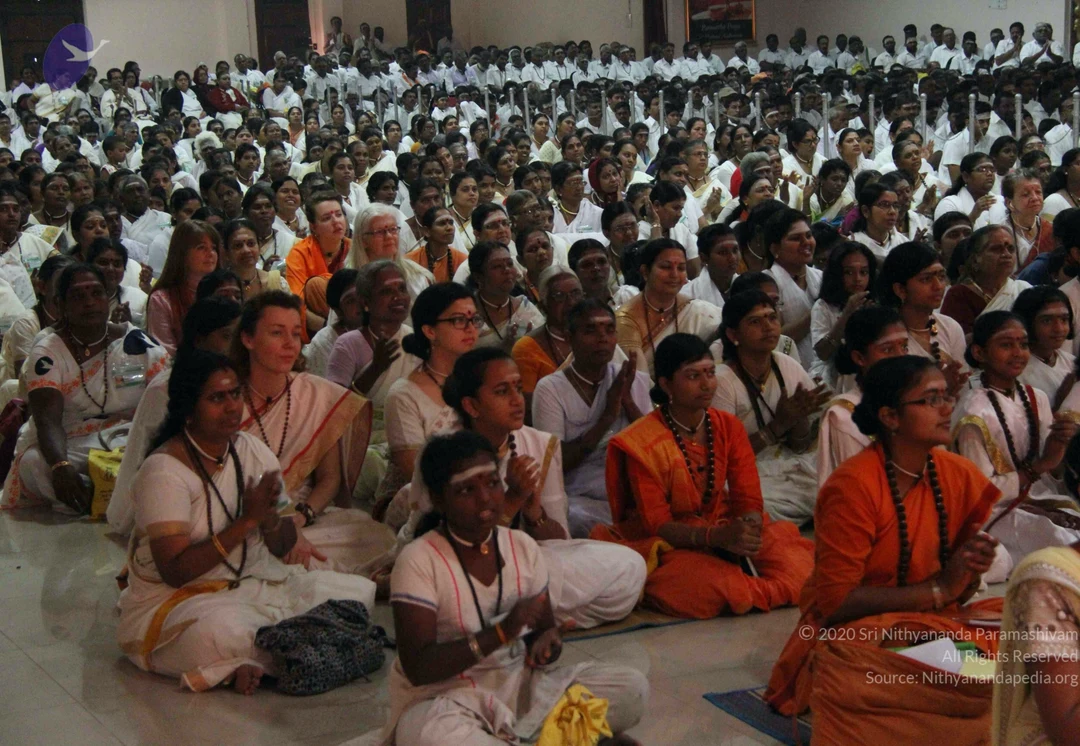
A man seated on an ornate gold throne with carved dragon-like backrest and gold lion-head armrests against deep red velvet drapes. He wears a saffron-orange dhoti and matching shawl, a long gold-and-green garland and a rudraksha mala, with a white tilak on his forehead. He is smiling and raising one hand in greeting while the other rests on a red tiger-striped cushion. A microphone stand is at right.A smiling man in saffron-orange robes sits on an ornate gold throne with carved lion-head arms and a gilded back panel shaped like stylised birds or serpents, set against deep red velvet drapery. He wears a long ceremonial gold garland, a rudraksha-style beaded mala, a white vertical forehead mark with a red dot, and a bangle on his wrist. He raises his right hand in blessing while resting his left hand on a red cushioned armrest. A microphone stand stands at the right edge of the frame.A man with long dark hair and a white-and-red forehead marking sits on an ornate golden throne with carved lion heads and a gold-embossed backrest. He wears a rust-orange silk wrap, a gold-coloured dhoti border, a long gold necklace and a rudraksha-style brown bead mala. He smiles and raises one hand in blessing while seated on red-and-black cushions before dark red velvet drapes, with a microphone stand at right. Swamiji (probable): the appearance cues of swept-back long hair, saffron-orange clothing, ceremonial gold necklace and rudraksha mala fit the candidate, shown here presiding from a throne during a discourse.A dense seated congregation in plain white clothing fills a hall, the men wearing white shirts or white dhotis with rudraksha malas and many with white vibhuti or kumkum on their foreheads. In the foreground a smiling man in a white dhoti and sash, bare-chested with a white cloth over his shoulder, a rudraksha mala and white beaded necklace, claps his hands and laughs. Beside him men in white shirts and rudraksha malas sit close together, some wearing green and orange event badges on their chests. The setting appears to be a large assembly, with a gold-toned backdrop visible at the top of the frame. The scene conveys a festive ashram gathering rather than a single ritual moment. No single visible figure can be confidently identified as the a person.A seated figure on an ornate golden throne with carved backrest and golden lion armrests upholstered in red tiger-stripe cushions, against a dark red velvet curtain. The figure wears a rust-orange draped garment with a gold-bordered edge, a thick rudraksha mala and a long gold beaded necklace, with a white horizontal forehead mark and red bindi, smiling while seated beside a microphone stand. Appearance-based candidate: a person, seated on the throne as the event speaker.A man seated on a gold-and-red throne with carved golden lion armrests and a red tiger-striped cushion, smiling broadly. He wears a rust-orange silk garment, a long ornate gold-and-rudraksha mala draped across his chest, and a white tripundra with a red bindi on his forehead. Long dark hair falls past his shoulders. A microphone stand is at his right, and a deep red curtain hangs behind the stage. Swamiji (probable): the figure has long hair, saffron-orange robes, a rudraksha mala and ceremonial gold necklace, seated on a throne, consistent with the page's identification of Swamiji at this event.

Annadhan in 2016

21 photosView all
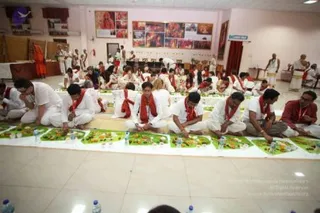
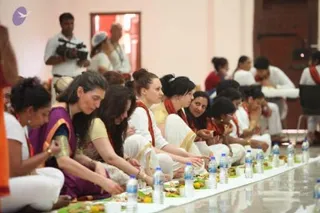
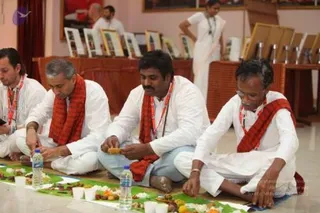
A row of men sits cross-legged on a polished floor at a shared meal, each before a green leaf plate holding rice and colourful side dishes. Several wear white kurta-style clothes with saffron-orange shawls and rudraksha or bead necklaces. Water bottles line the foreground. The men eat with their hands, and the room has pale pink walls and a bright window. The setting suggests an annadhan food-service event.