Skip to content
Thursday

5 July 2001

Guru Poornima Celebration

Dated photos
59
Source pages
1
Media
1
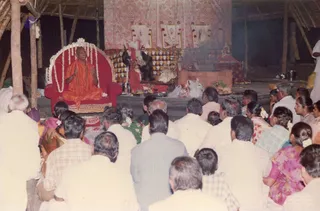
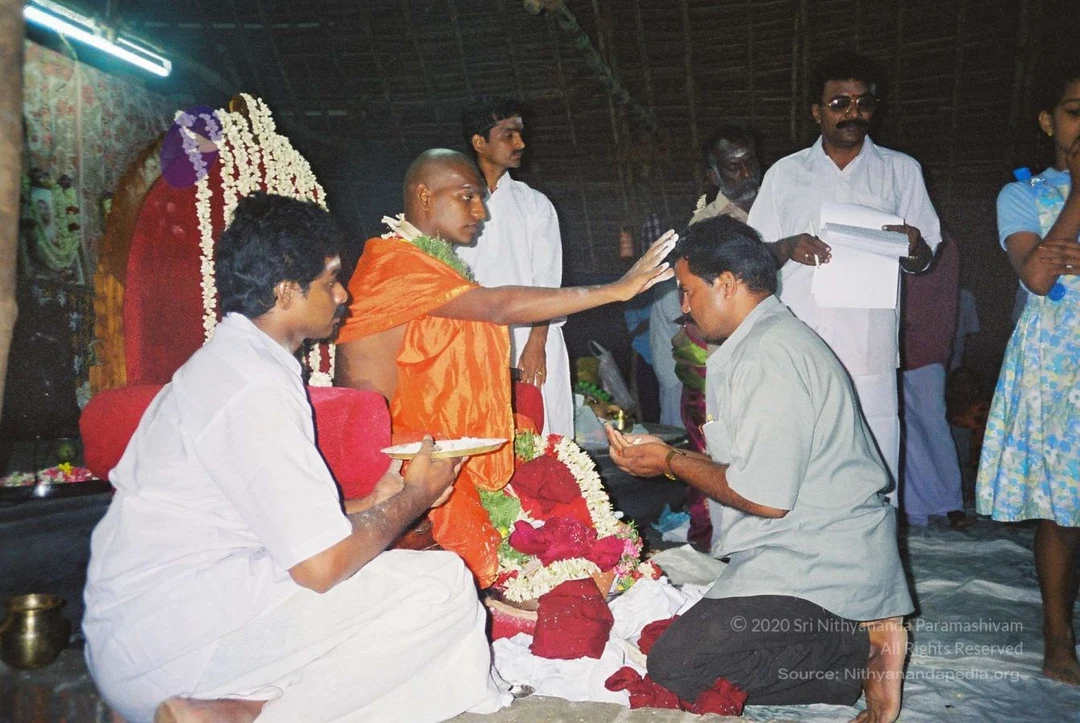
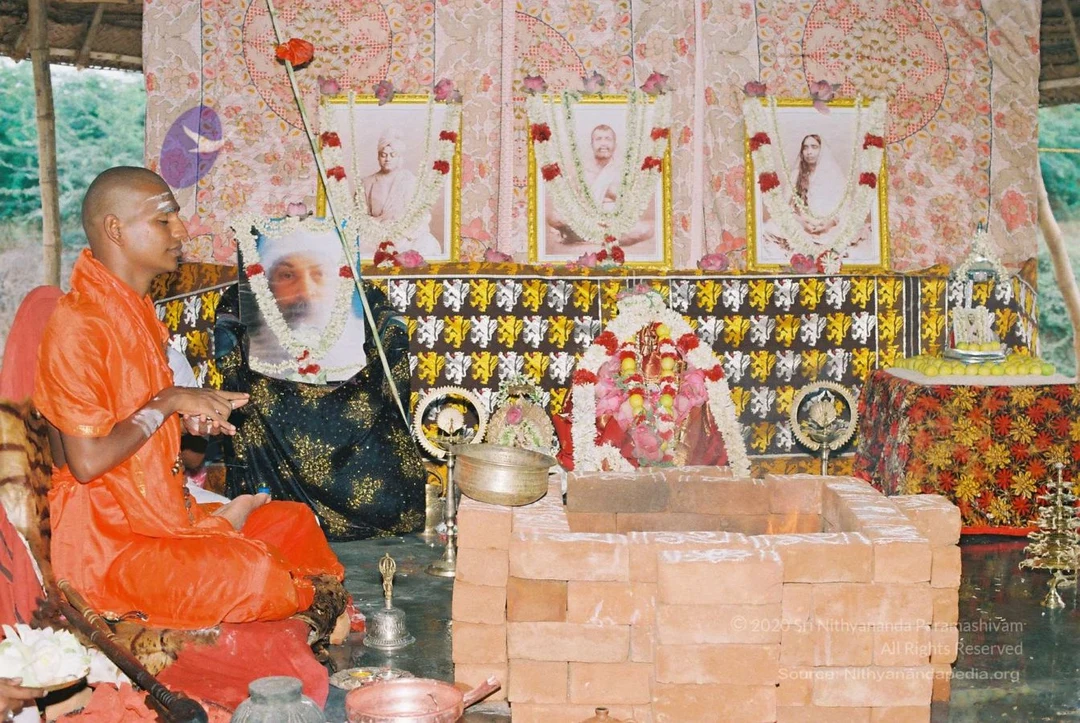
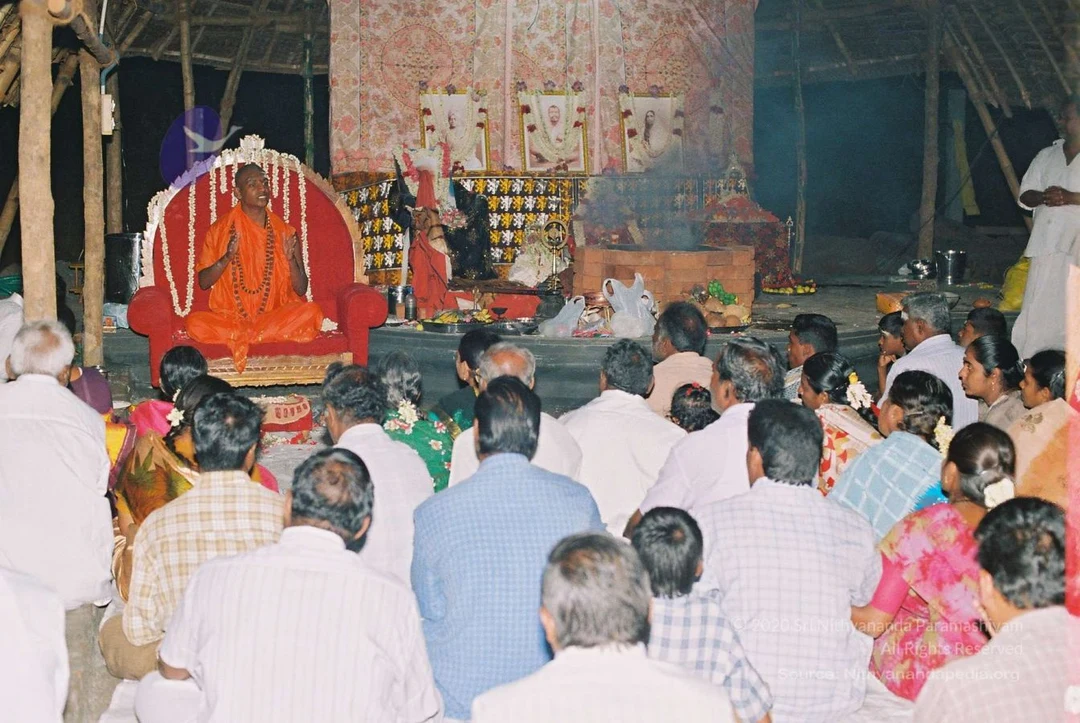
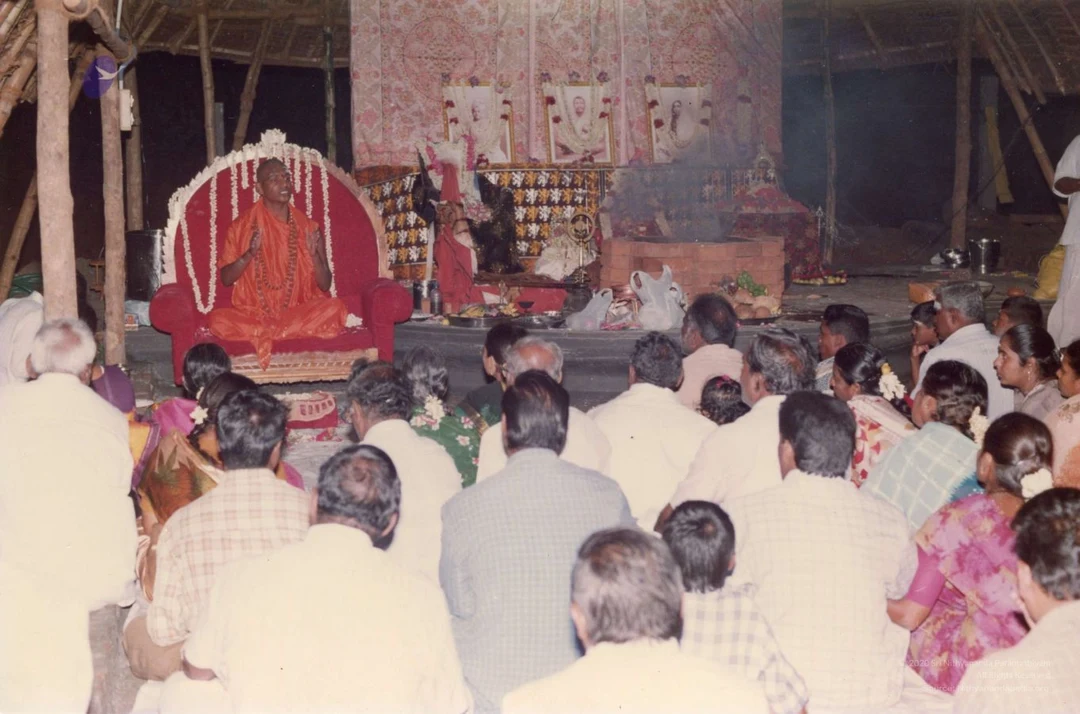
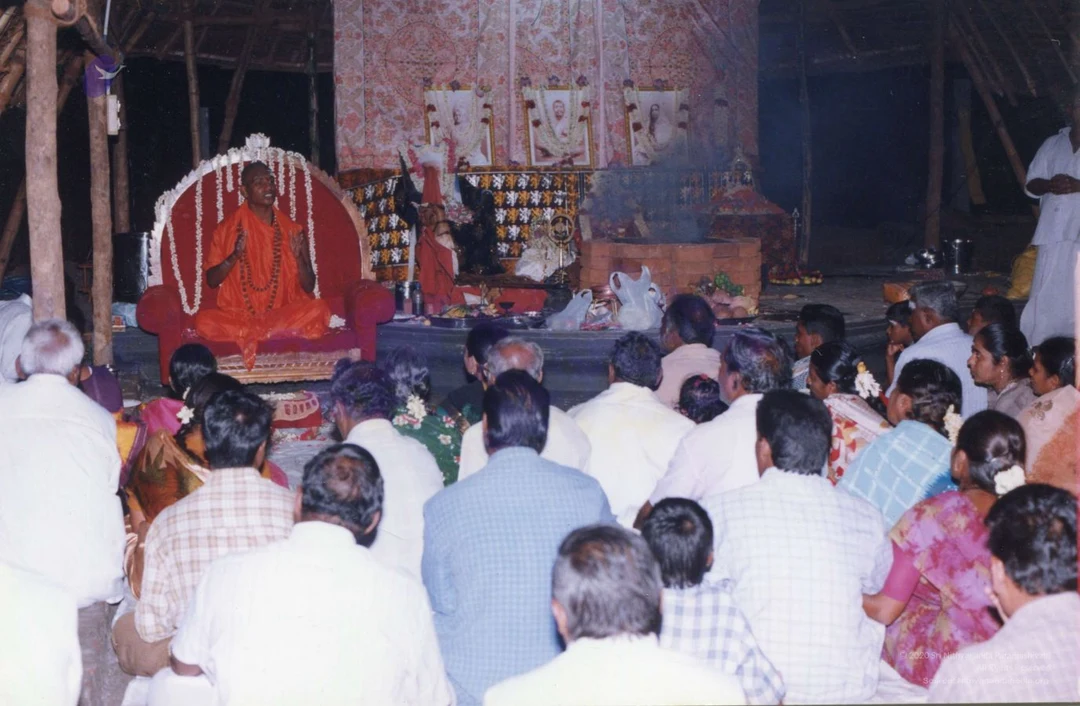
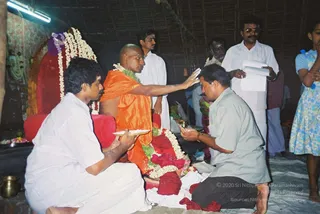
A photograph of a ritual inside a thatched-roof hall with a red-draped seat and white and orange flower garlands. A bald man in an orange-saffron robe with a green garland stands at centre, pressing one hand on the bowed head of an older man in white who is kneeling with joined palms. Beside them a young man in white sits holding a steel plate, and a bowl of yellow fruit and white cloth lies on a red stand in front. Three men stand behind in white shirts and dhotis or a blue checked shirt, one holding papers. The orange-robed figure is shown with distinctive adornment but the appearance is not conclusively identifiable, so identity is unsure. The scene contains five visible people.Photograph of a satsang in a thatched open-sided hall with wooden posts. A man in orange-saffron robes with a rudraksha mala and a long-haired appearance sits cross-legged on a red armchair-style throne garlanded with white flowers, hands folded in greeting. a person based on saffron robes, rudraksha mala and flowing hair; he is presiding over the gathering. Behind him a red-and-gold patterned cloth backdrop holds framed portraits and a deity murti, with a fire pit and offerings in front. Seated devotees in white dhotis and shirts, women in saris and flowers in their hair, sit on the floor facing the dais, with a seated man in a red robe near the altar.

July 05 2001

Original wiki page
Contents

Title

Guru Poornima Celebration

Video - A Day in the Life of the Avatar

Transcript

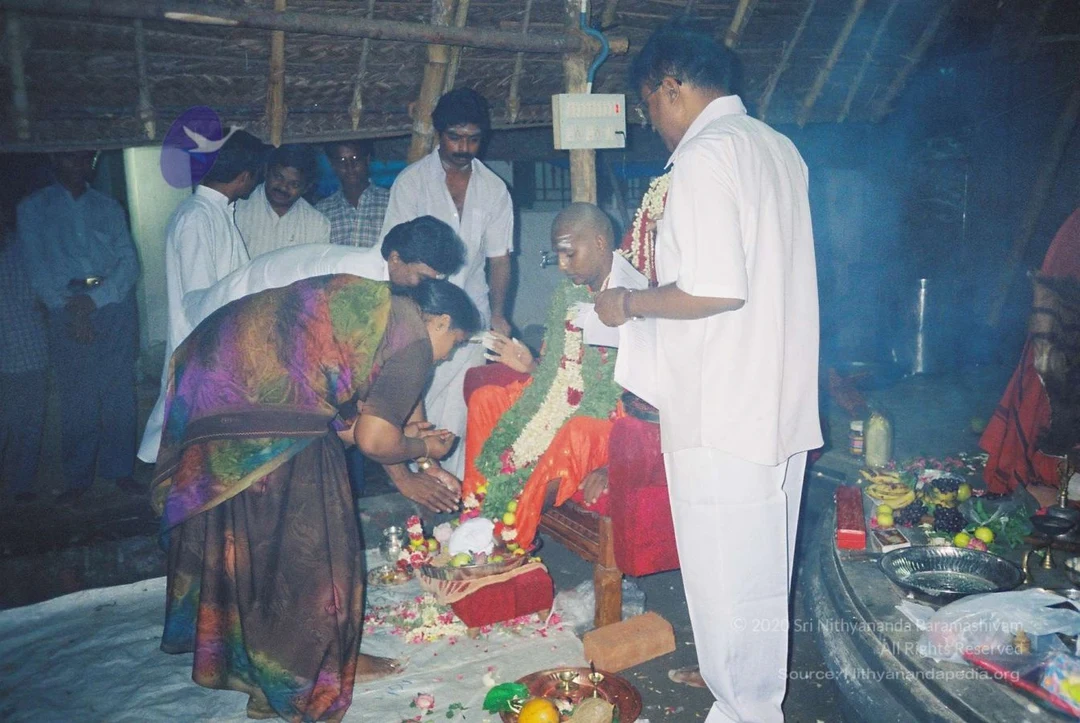
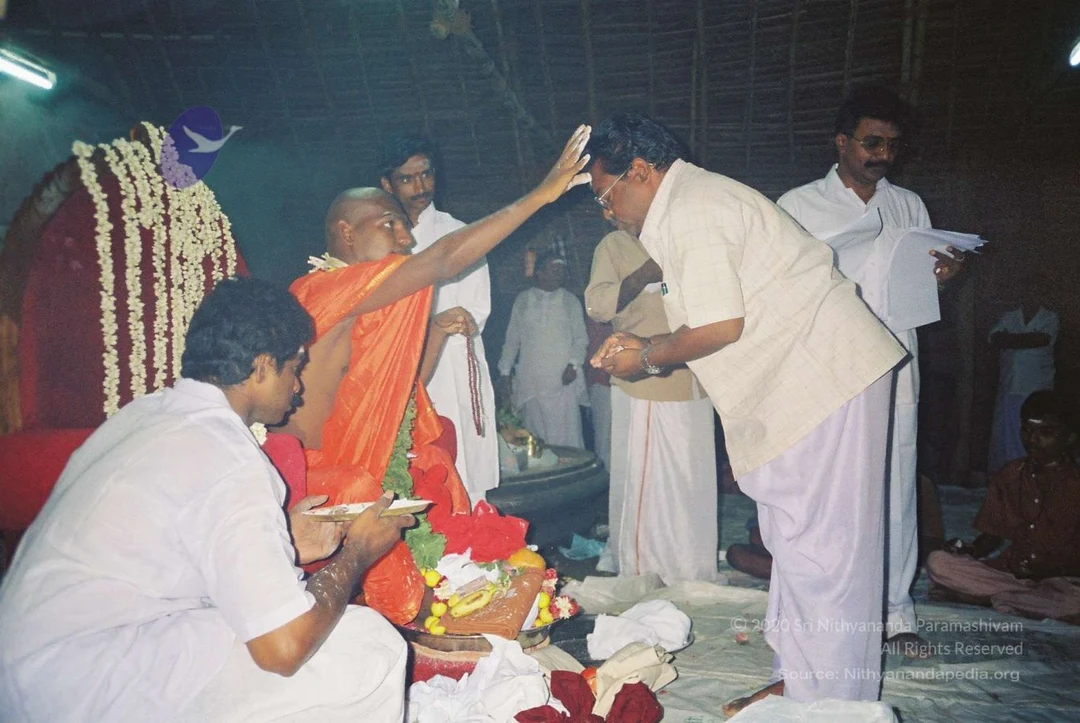
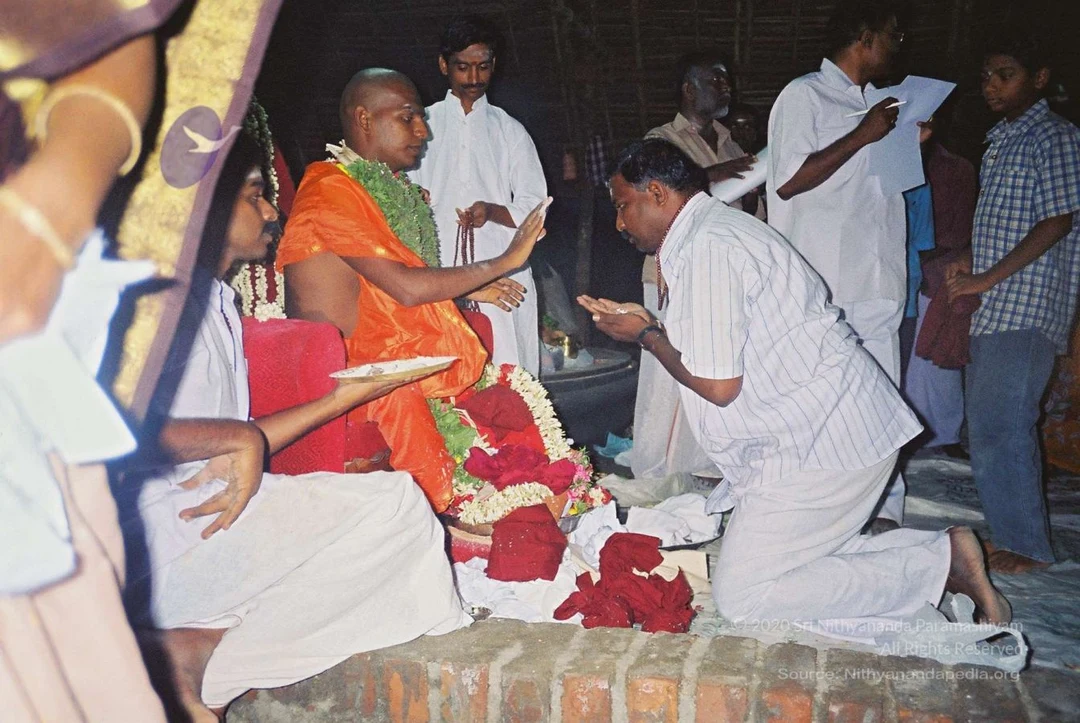
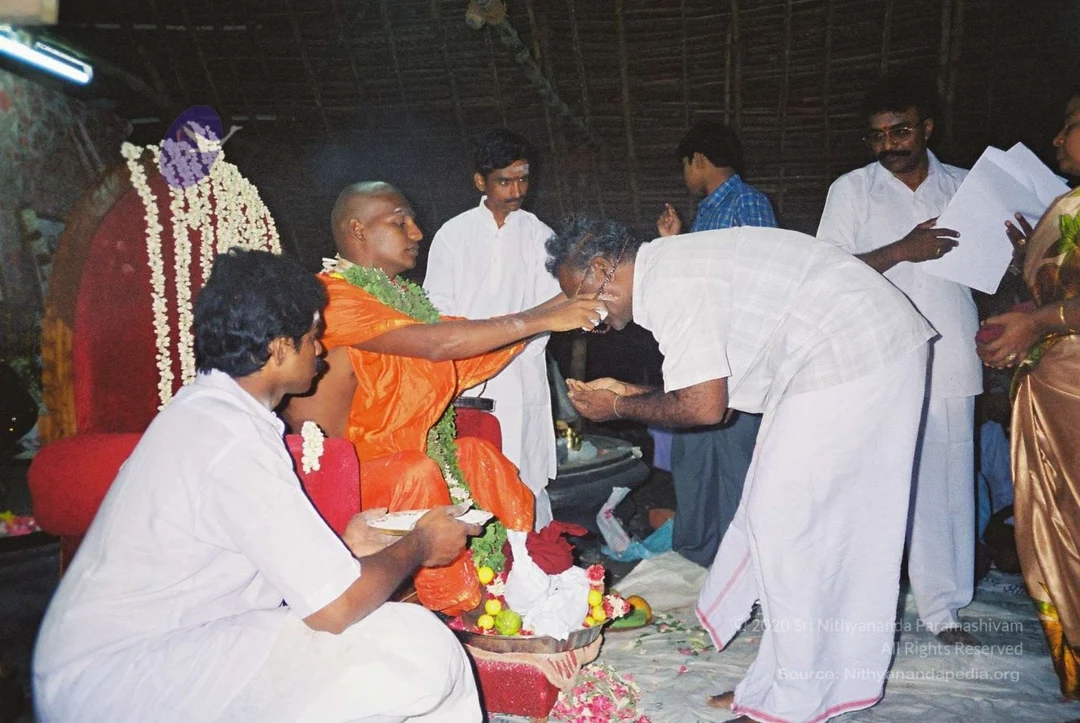
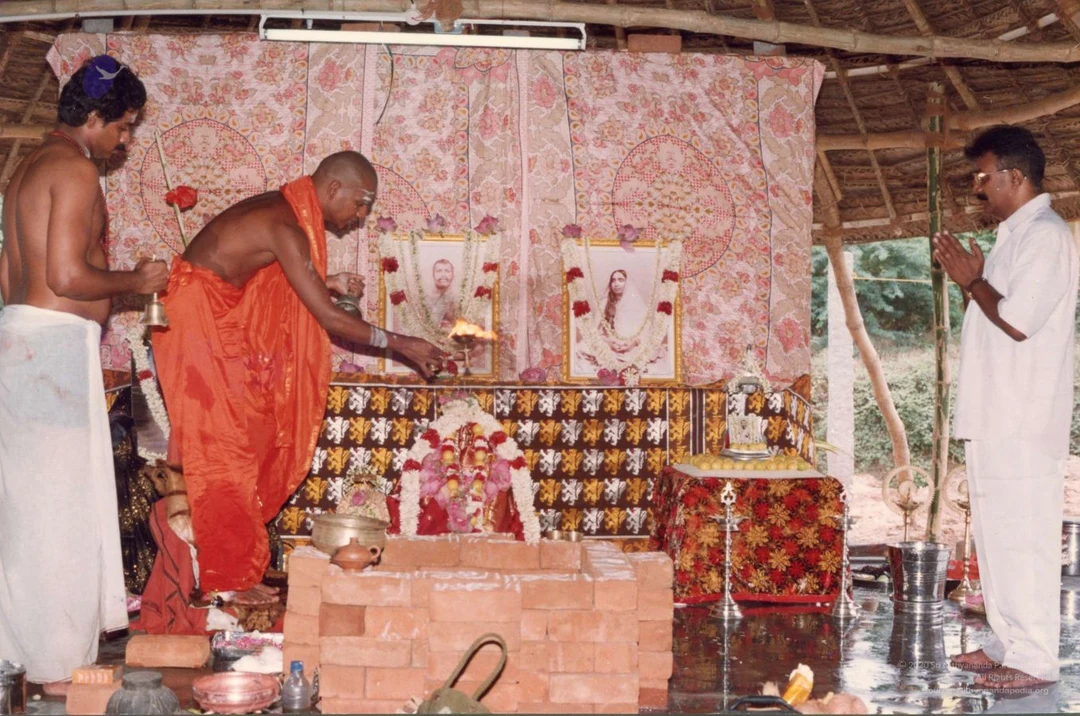
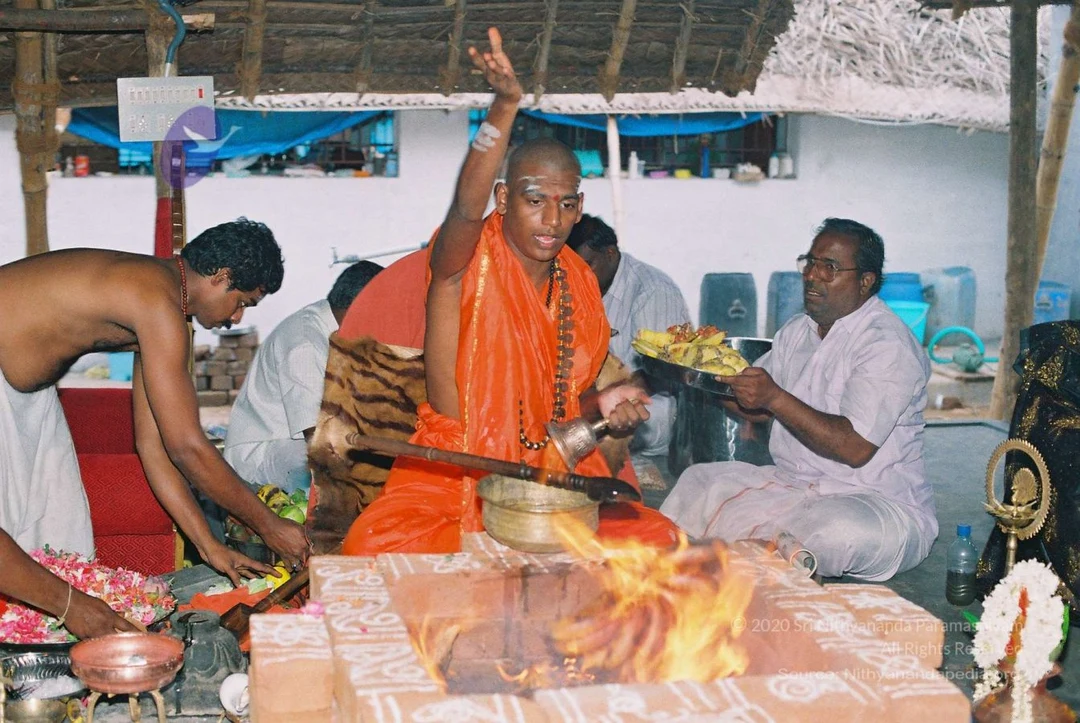
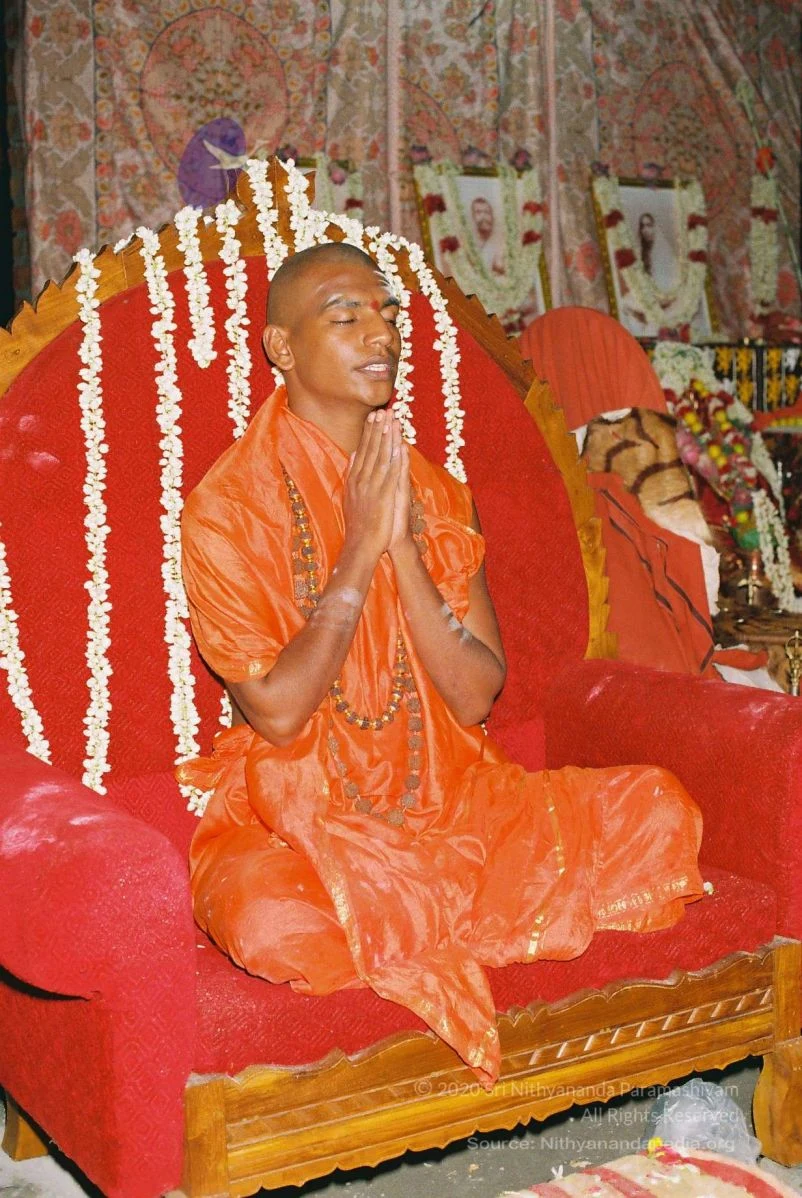
As a part of the grand revival of the guru-shishya parampara, and the great enlightenment ecosystem of KAILASA to protect this invaluable heritage and tradition from Sanatana Hindu Dharma, Supreme Pontiff of Hinduism Jagatguru Guru Mahasannidhanam hdh bhagawan nithyananda paramashivam conducted the Guru Poornima celebrations on the 5 of July 2001. Guru Poornima is one of the most auspicious and significant occasions to celebrate the Guru and the unbroken lineage of enlightened beings.

As His Divine Holiness Himself has astutely defined, He is nothing but ,"A Small but Continuous, Unbroken Stream Living Enlightened Masters, Gone Right Guru-shishya parampara gone right"

In the Guru Gita Verse 58, Paramashiva Himself extols the greateness of the guru,

na guror adhikaṃ tattvaṃ na guror adhikaṃ tapaḥ tattva jñānāt paraṃ nāsti tasmai śrī gurave namaḥ

Translation: There is no higher truth than the Guru, no higher penance than (service to) the Guru, there is nothing higher than Realization of the Knowledge of the truth imparted by the Guru. My salutations to such a Guru, who is himself that very timeless truth (and who has taken a form to bless his disciples like us with real knowledge).

The Guru-shishya Parampara is the quintessence of Hinduism and the sole reason why today 2 billion Hindus all over the world enjoy the ultimate knowledge about life, the world and this universe from this age-old tradition.

Over the 5,000 year Hindu Holocaust, the guru shishya parampara was brutally targeted and massacred. The Gurukul system, where the next generation of children and youth are personally guided by the enlightened guru, was systematically dismantled. Until today, gurus are vulnerable to assassination, physical attack and lawfare.

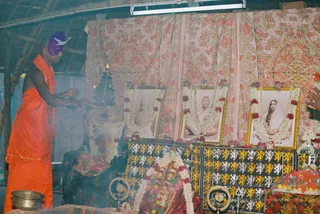
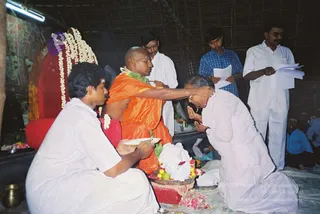
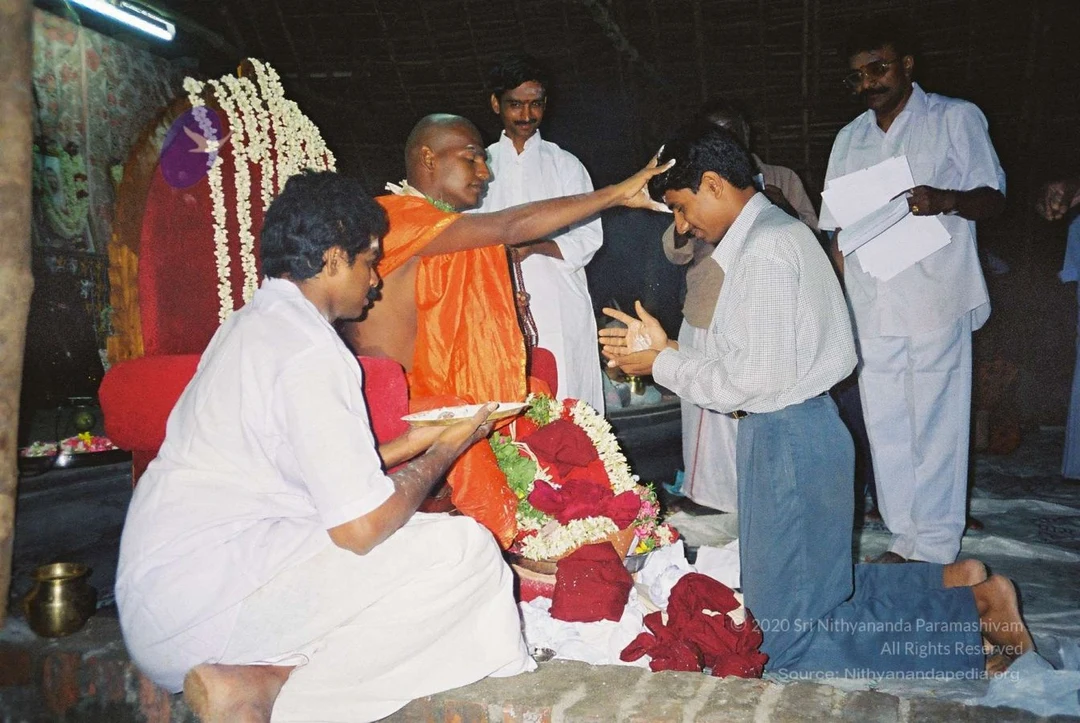
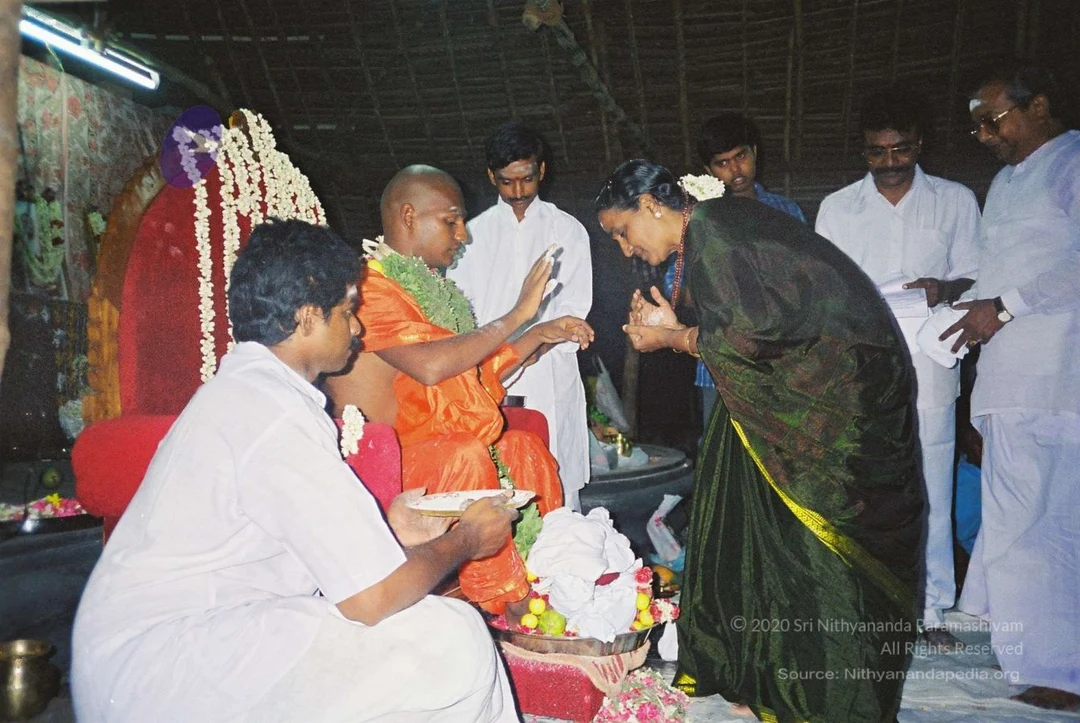
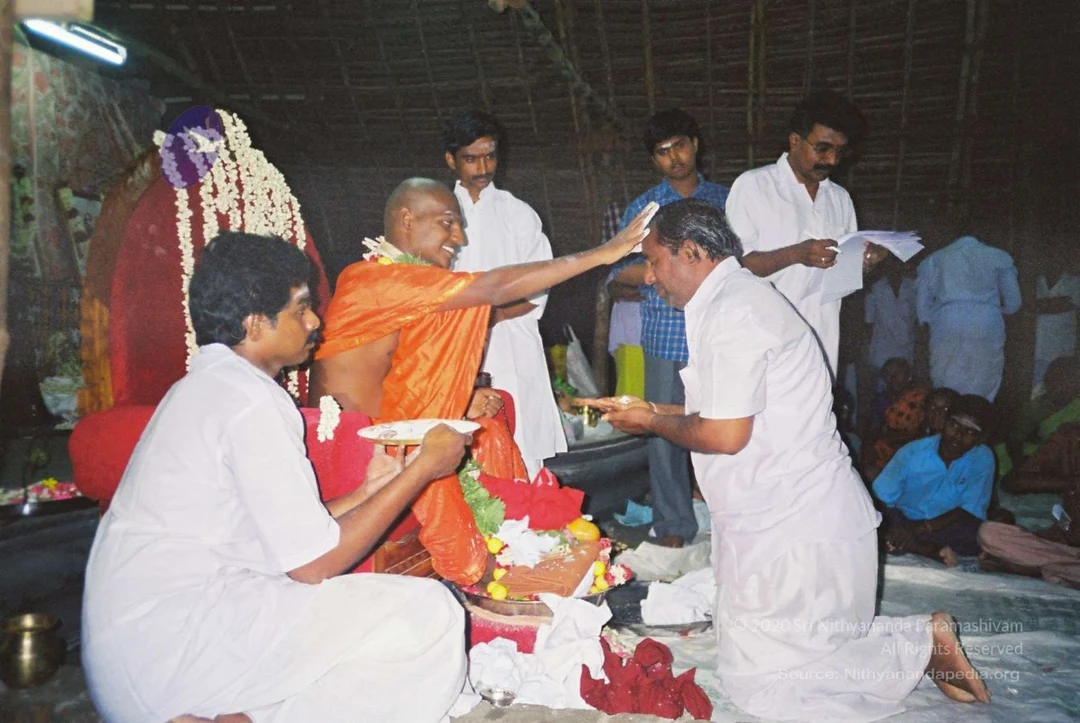
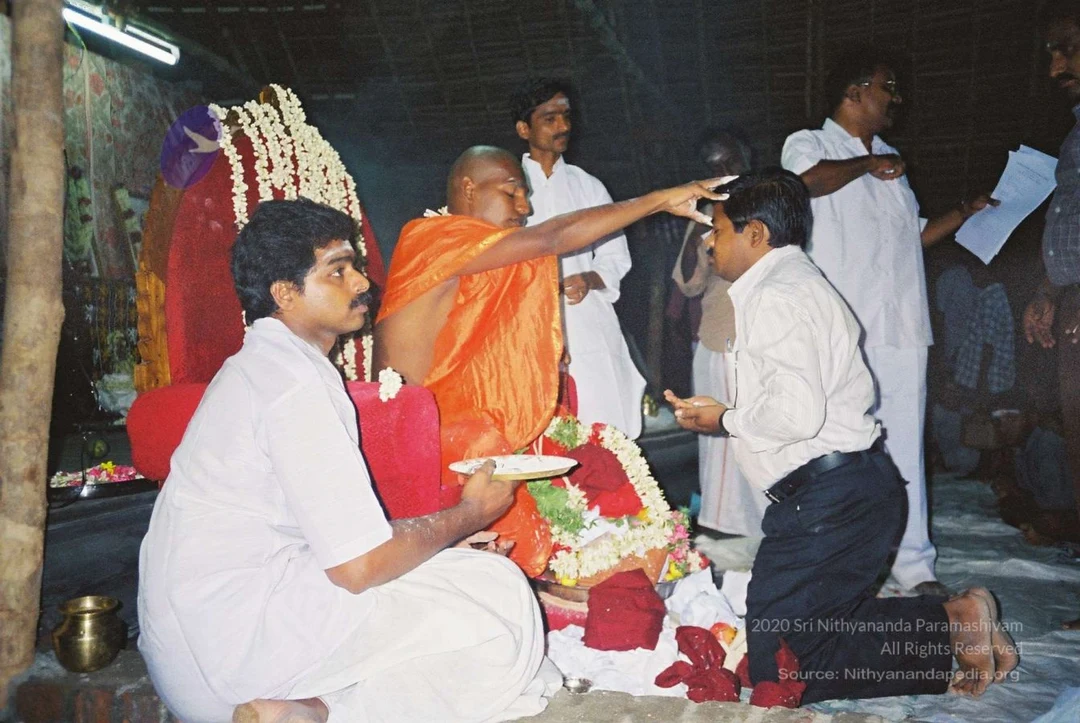
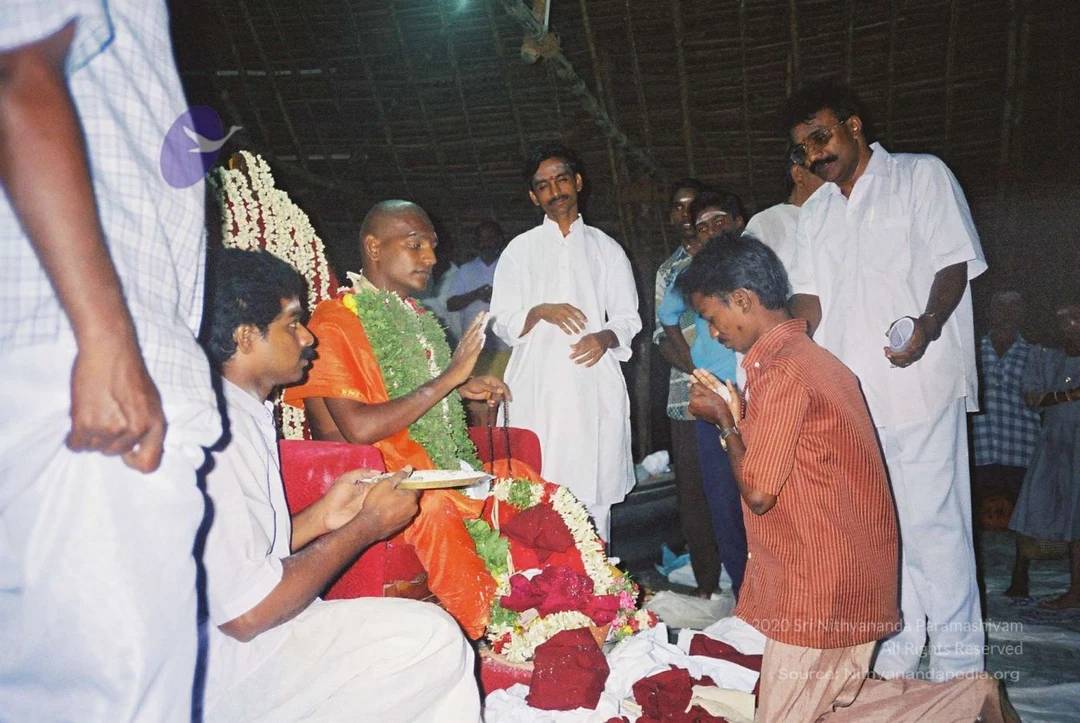
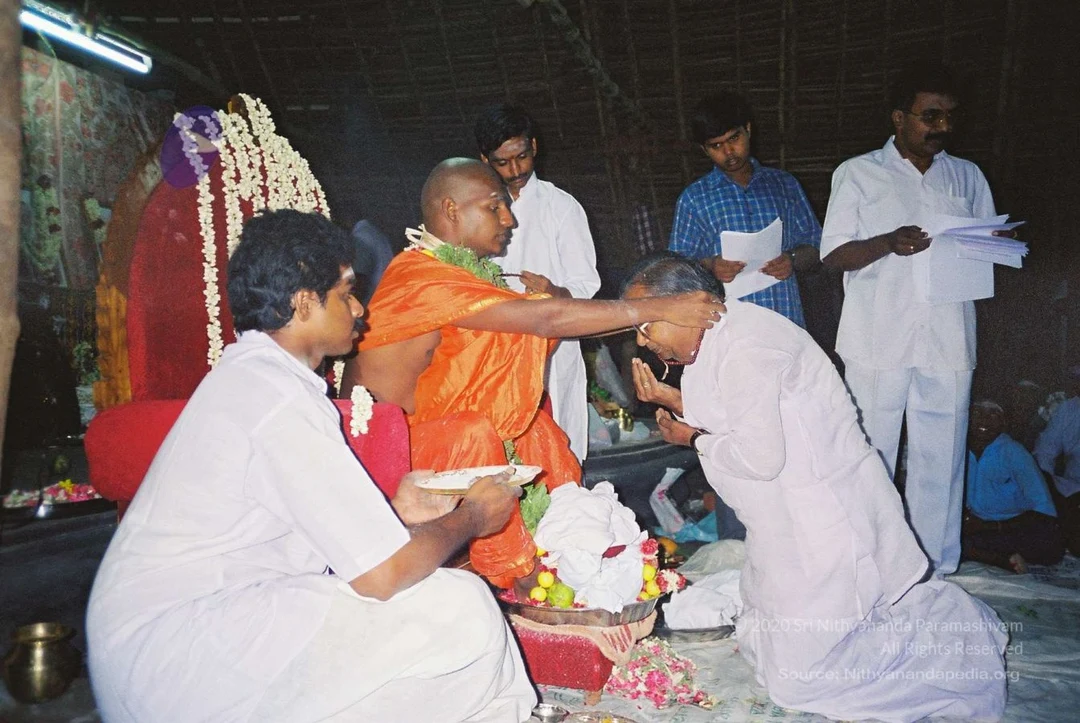
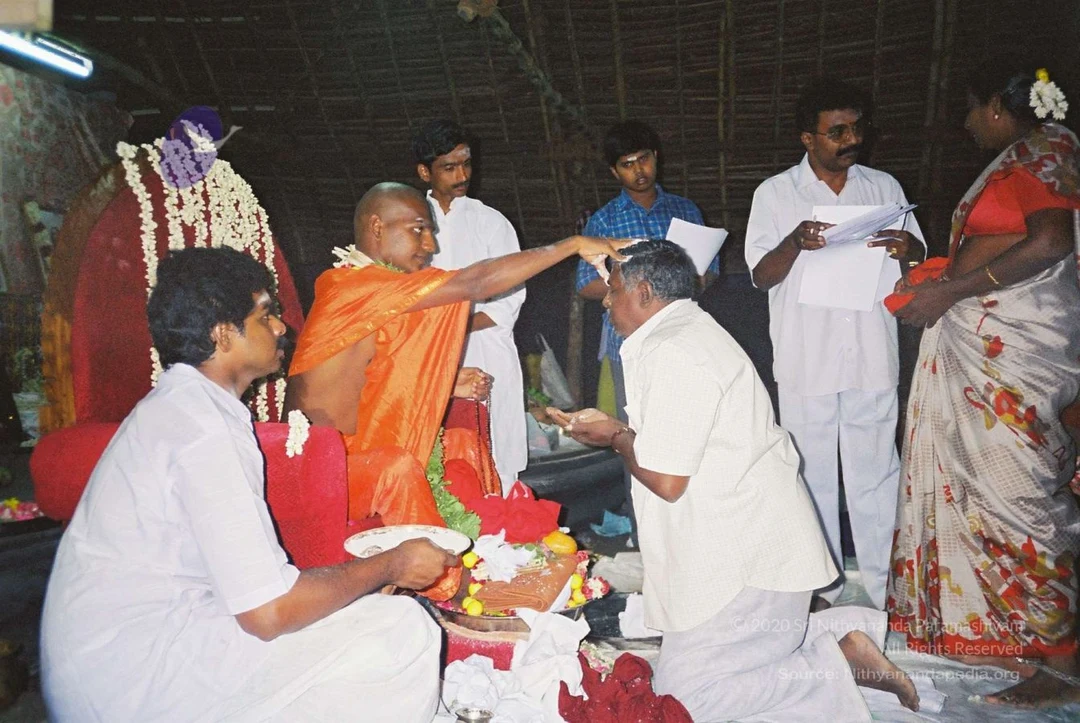
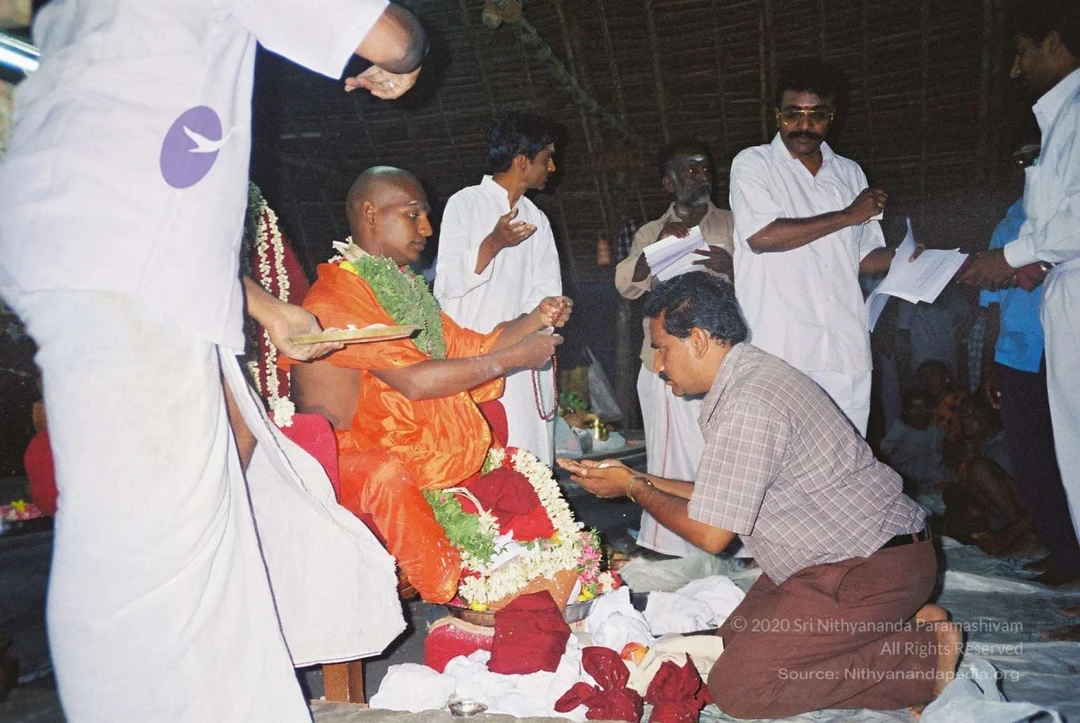
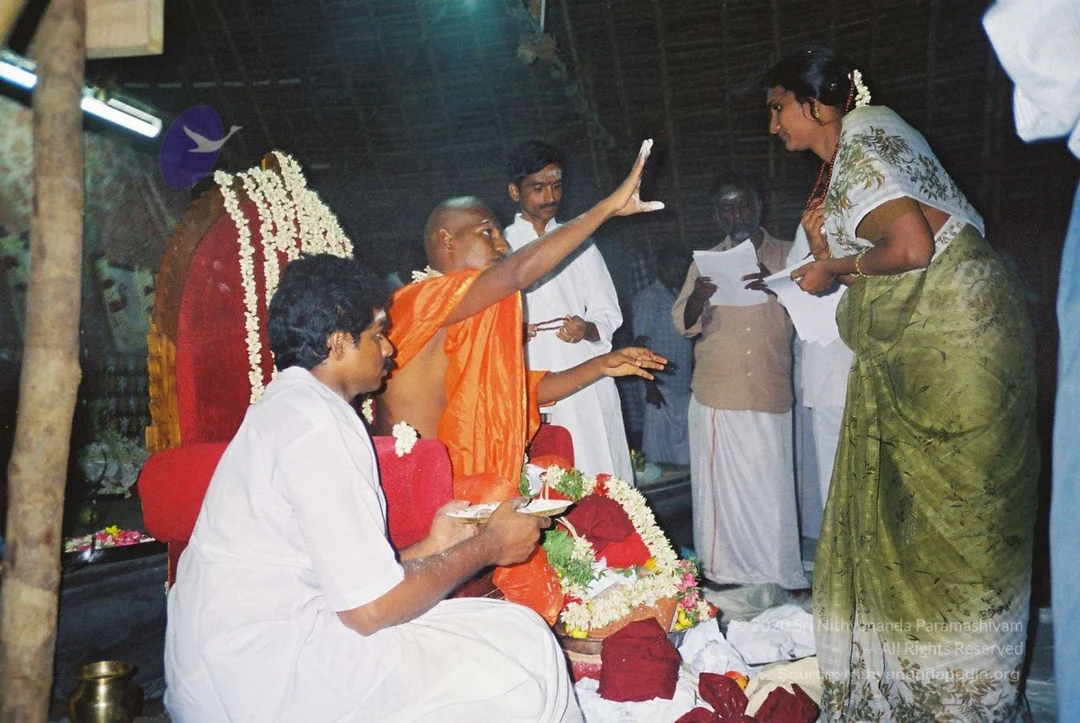
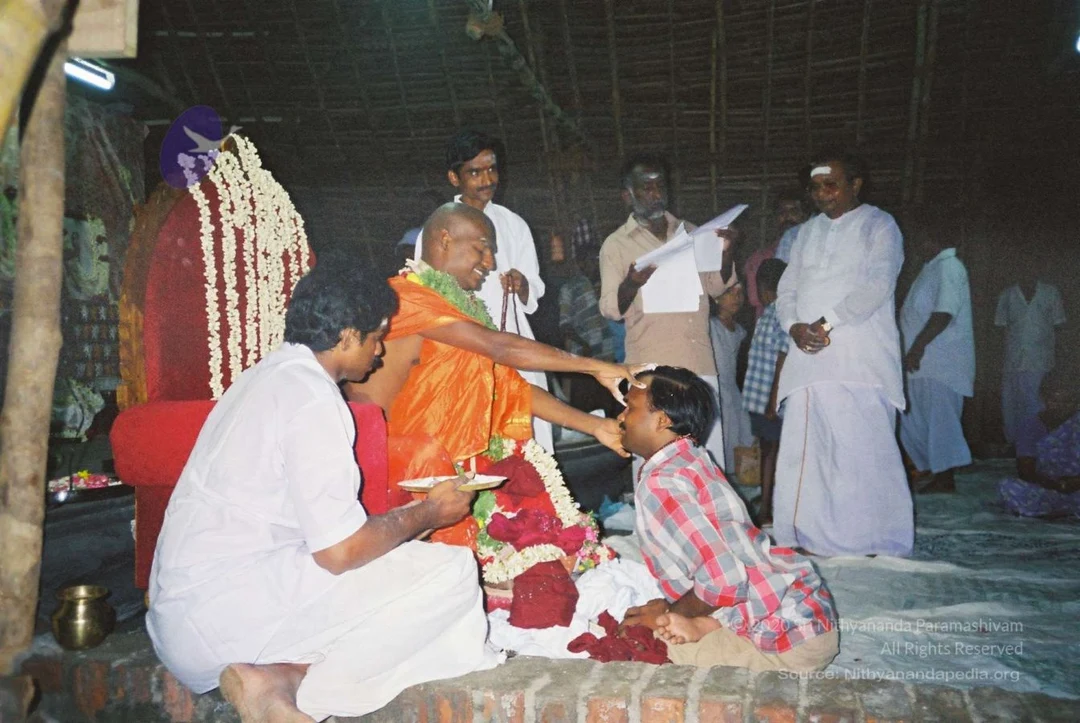
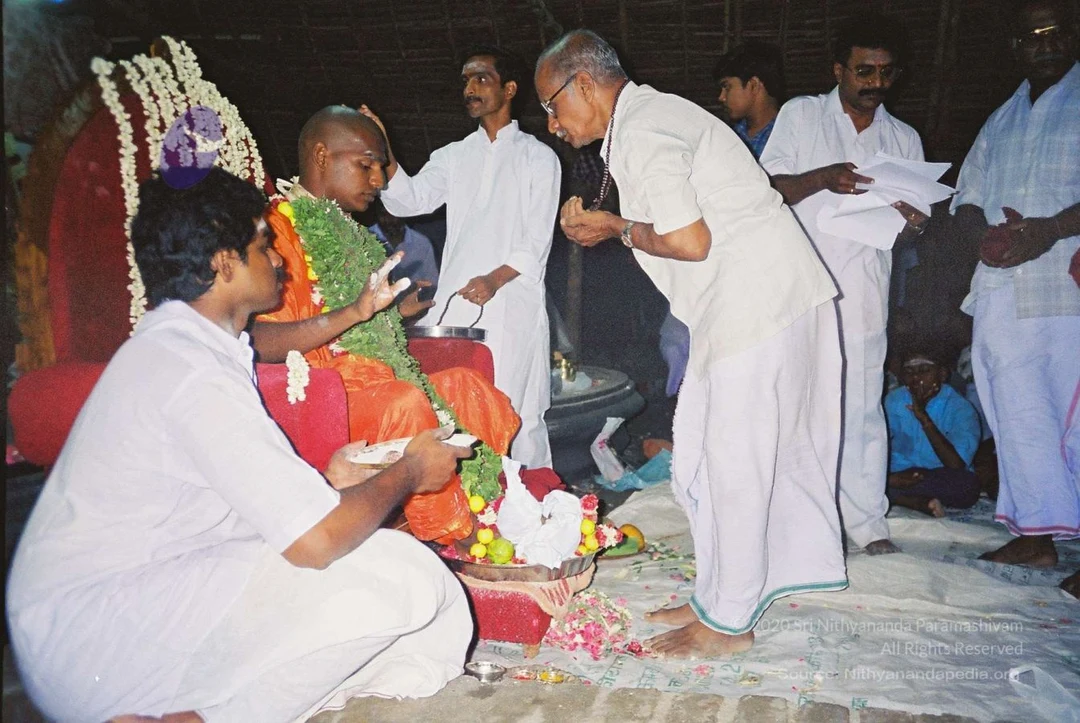
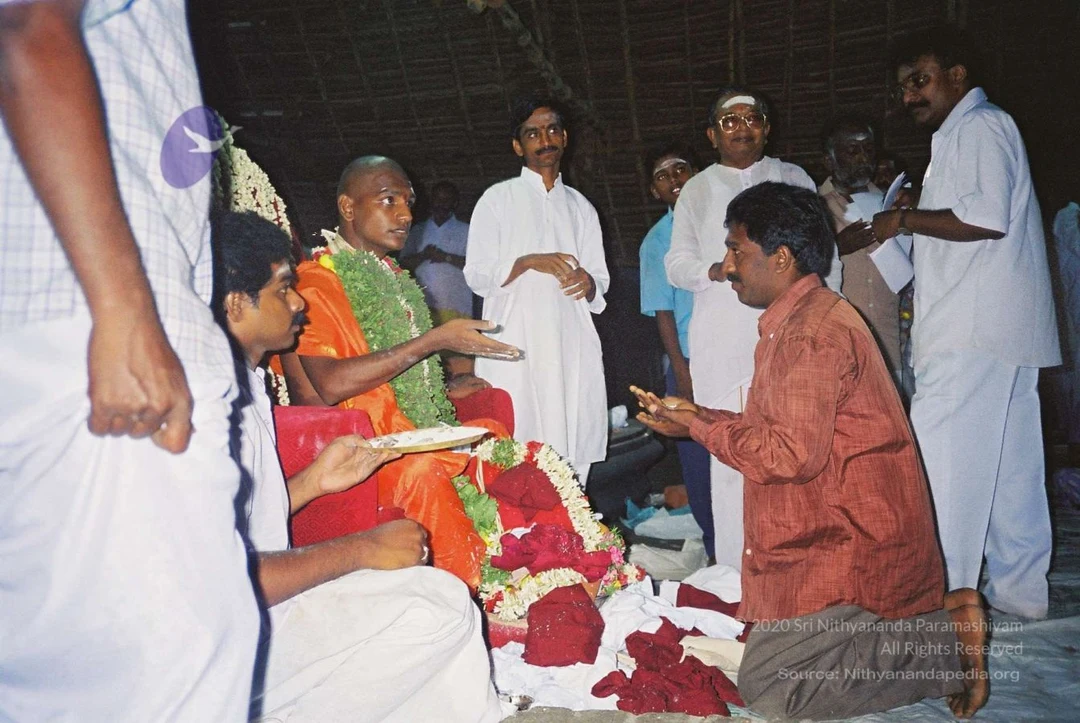
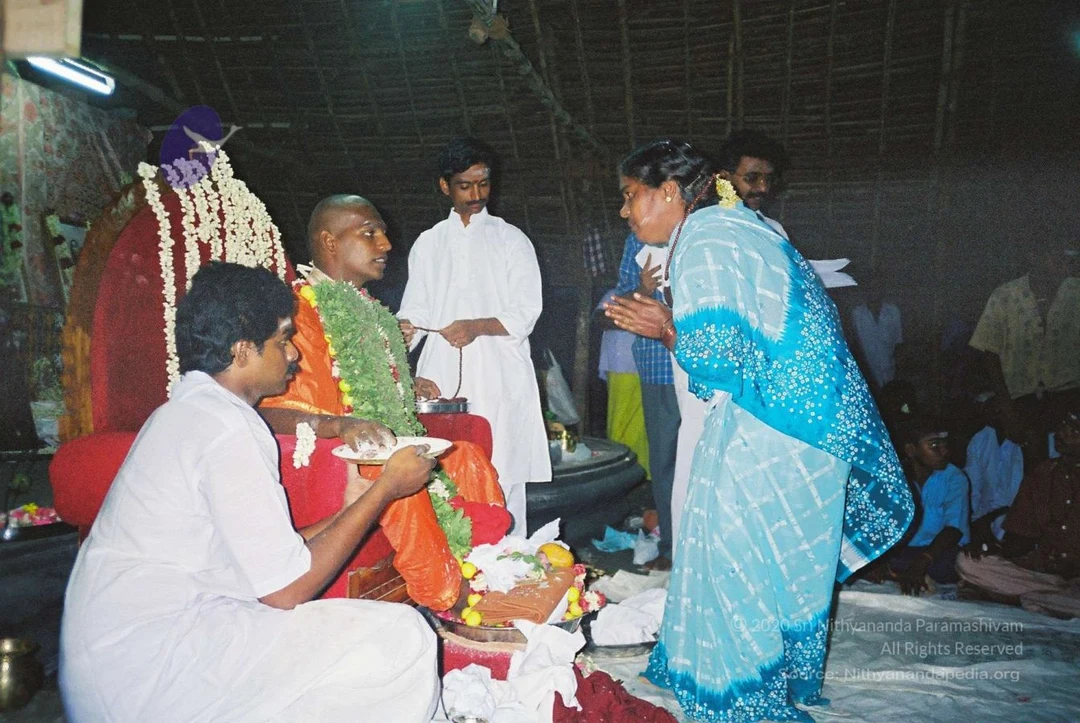
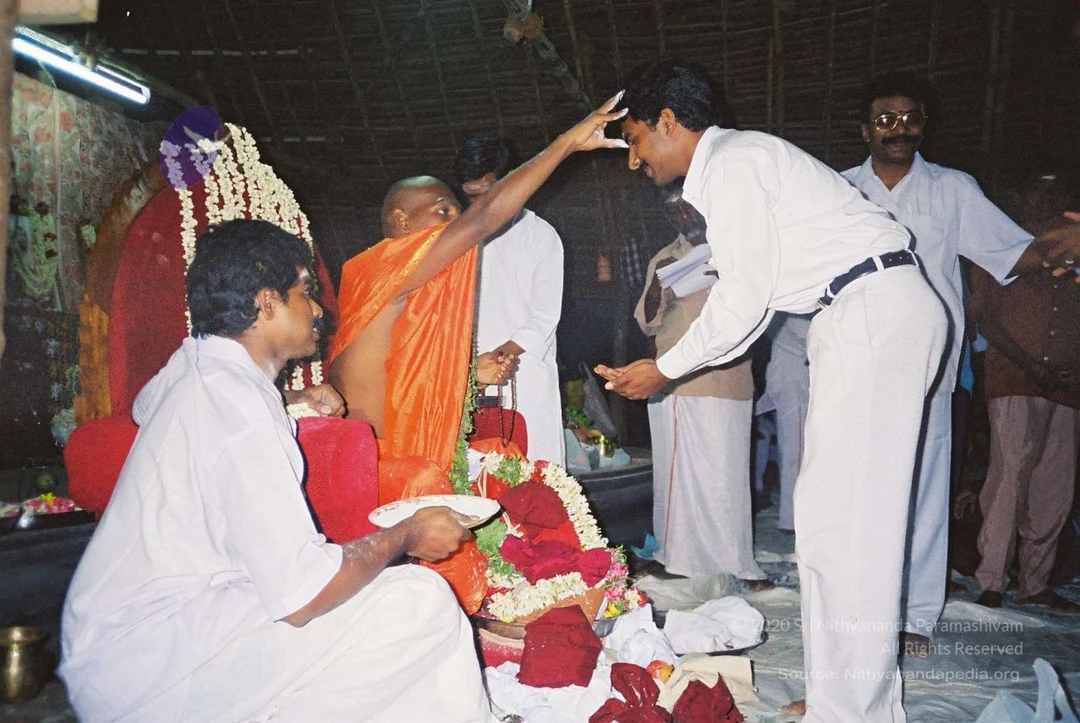
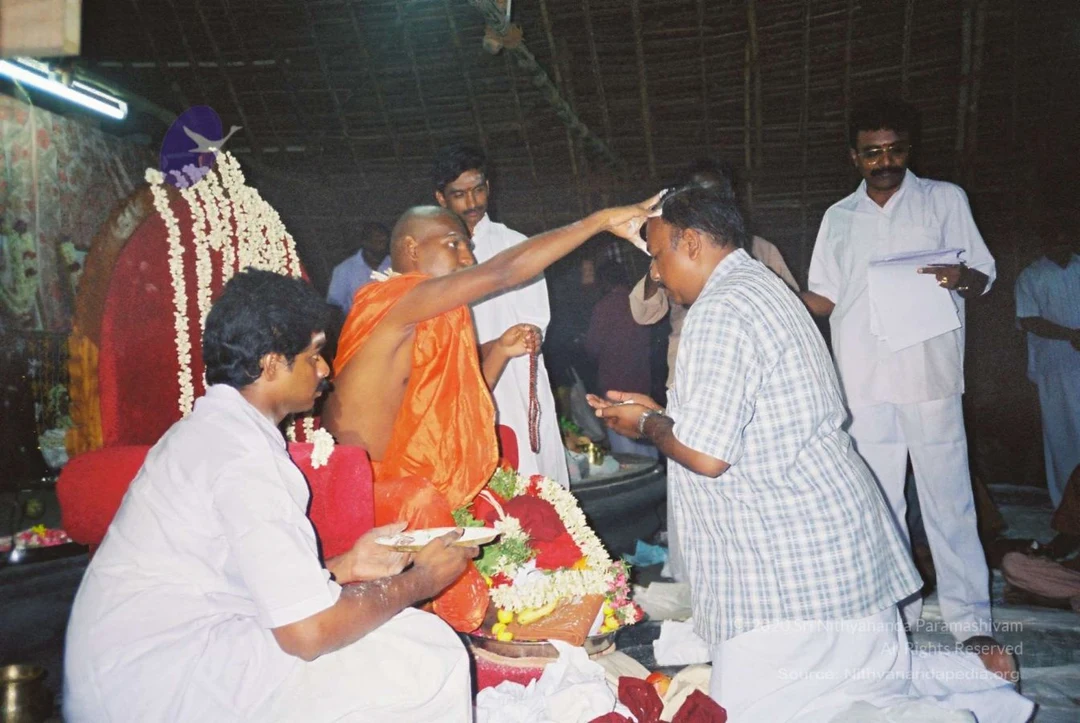
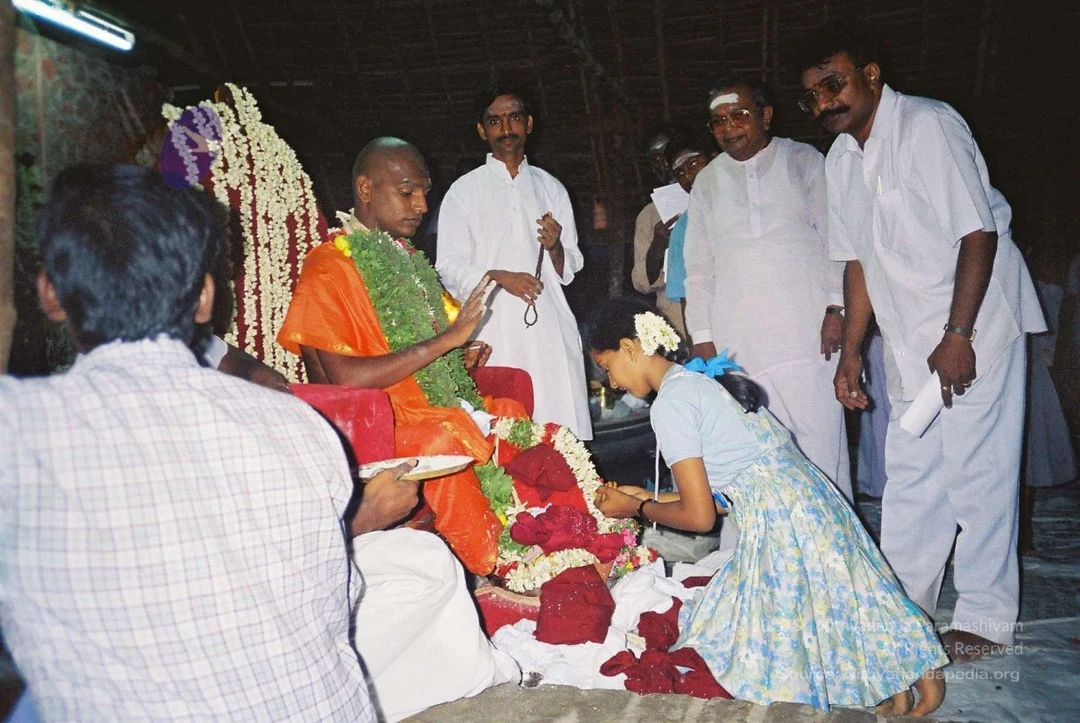
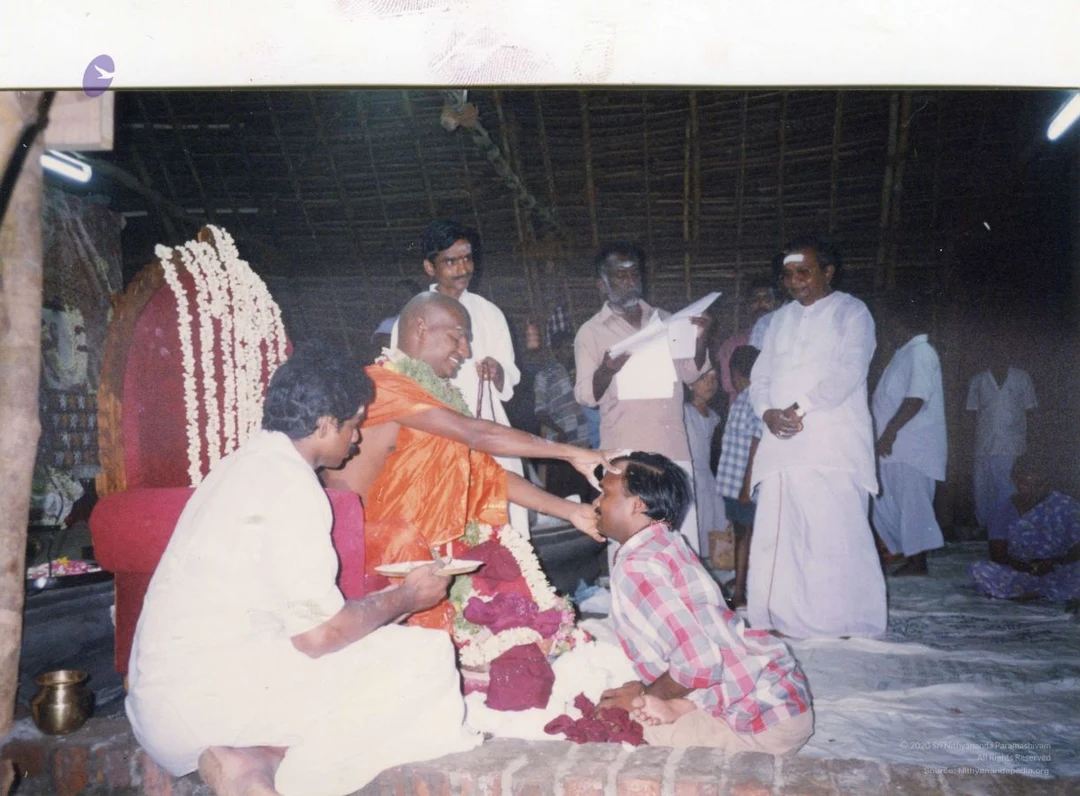
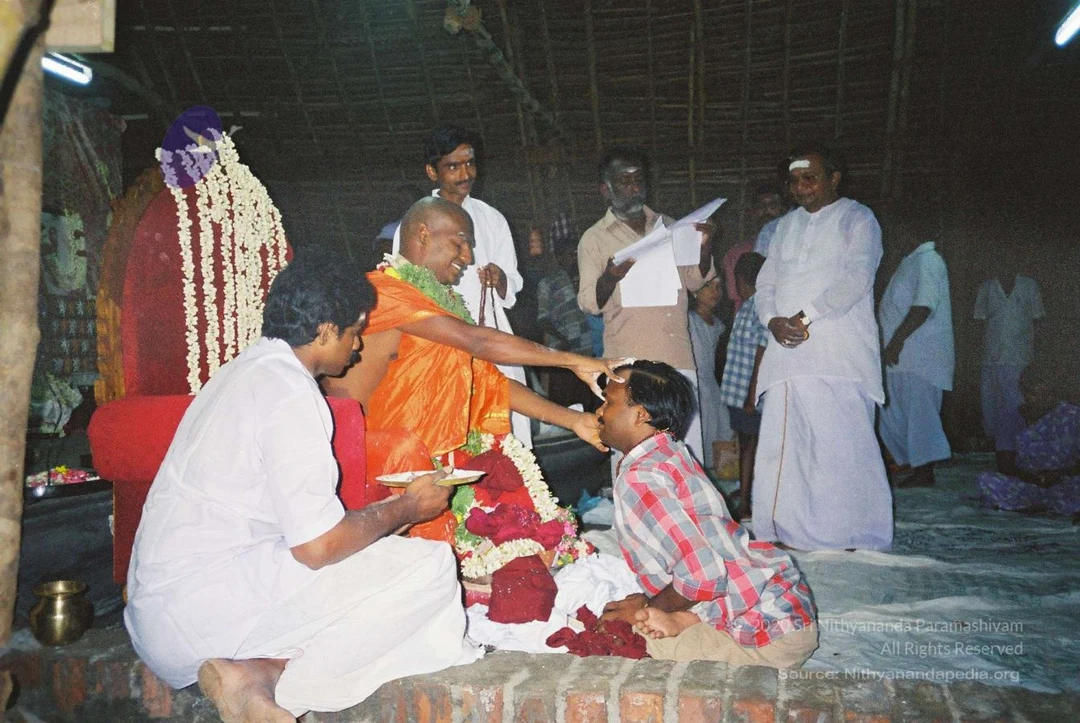
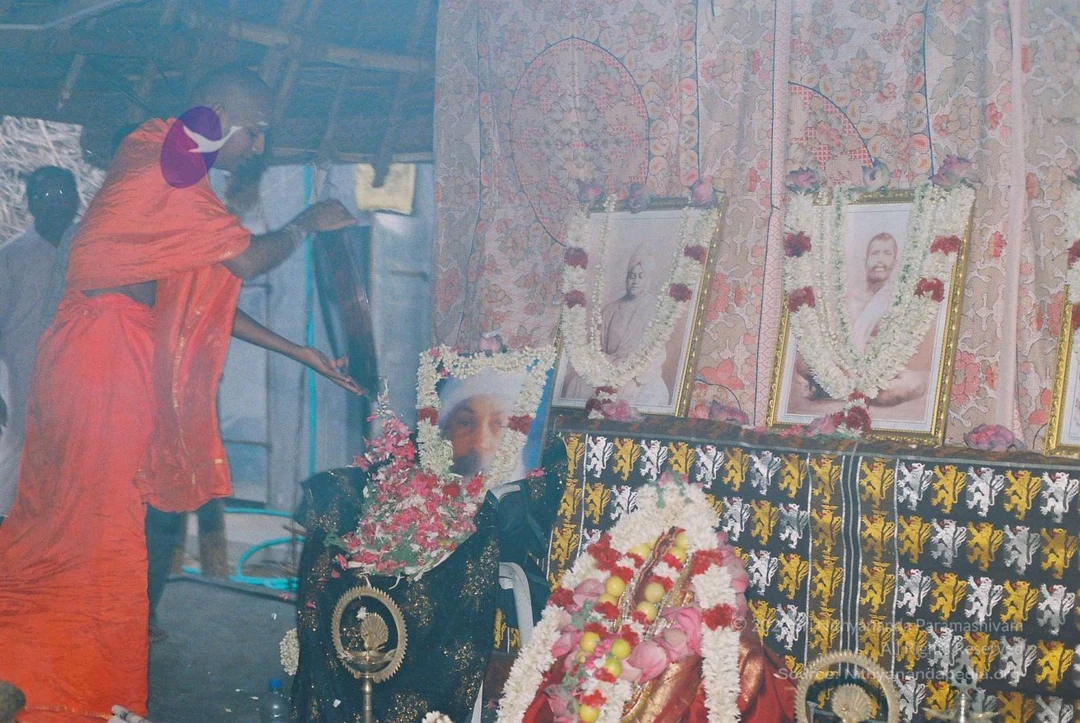
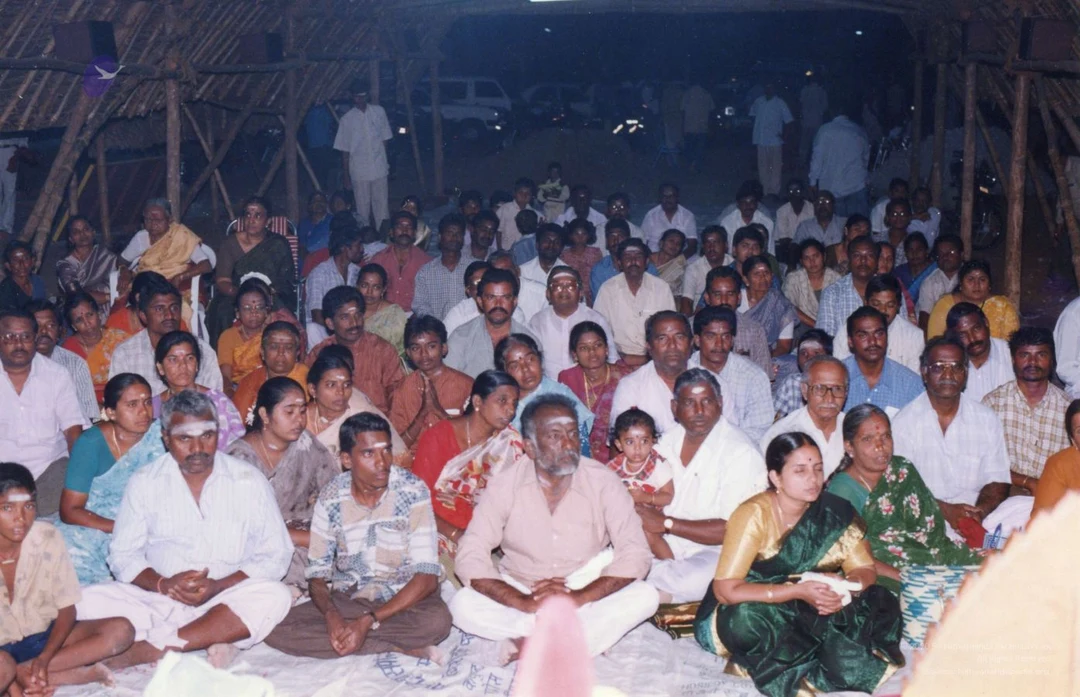
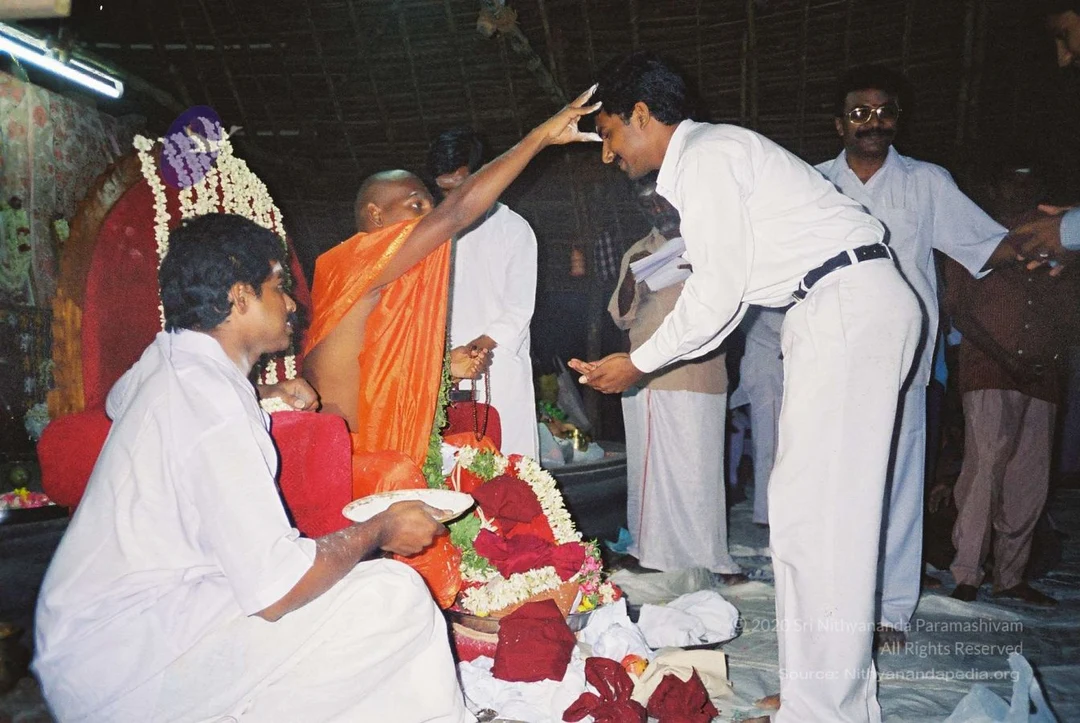
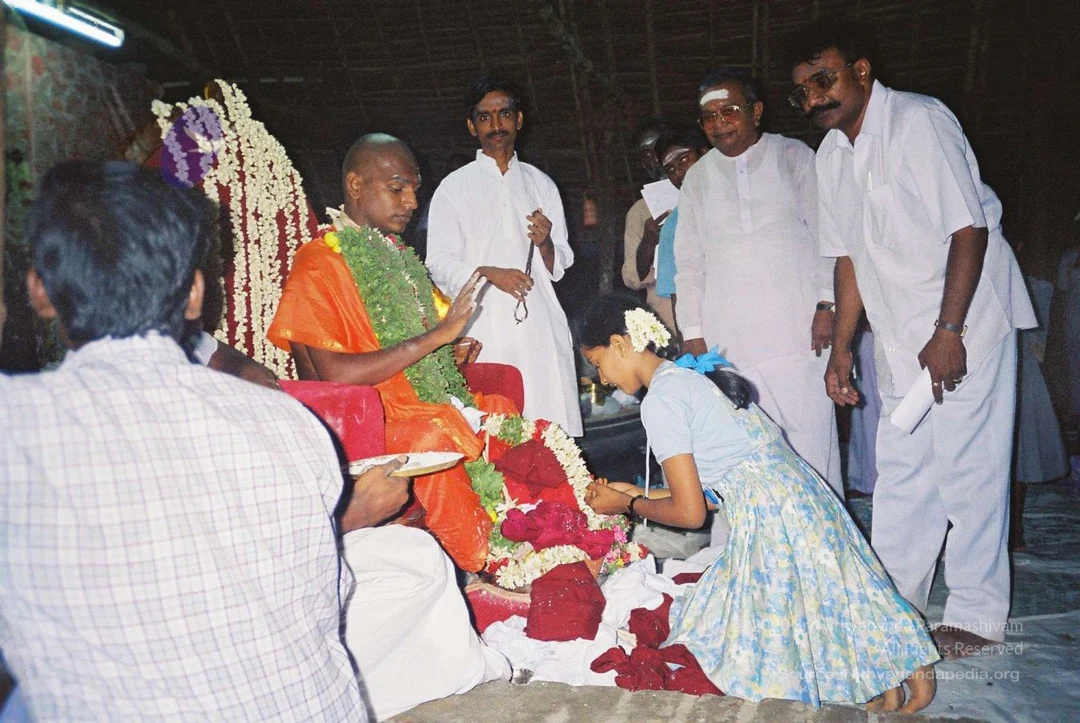
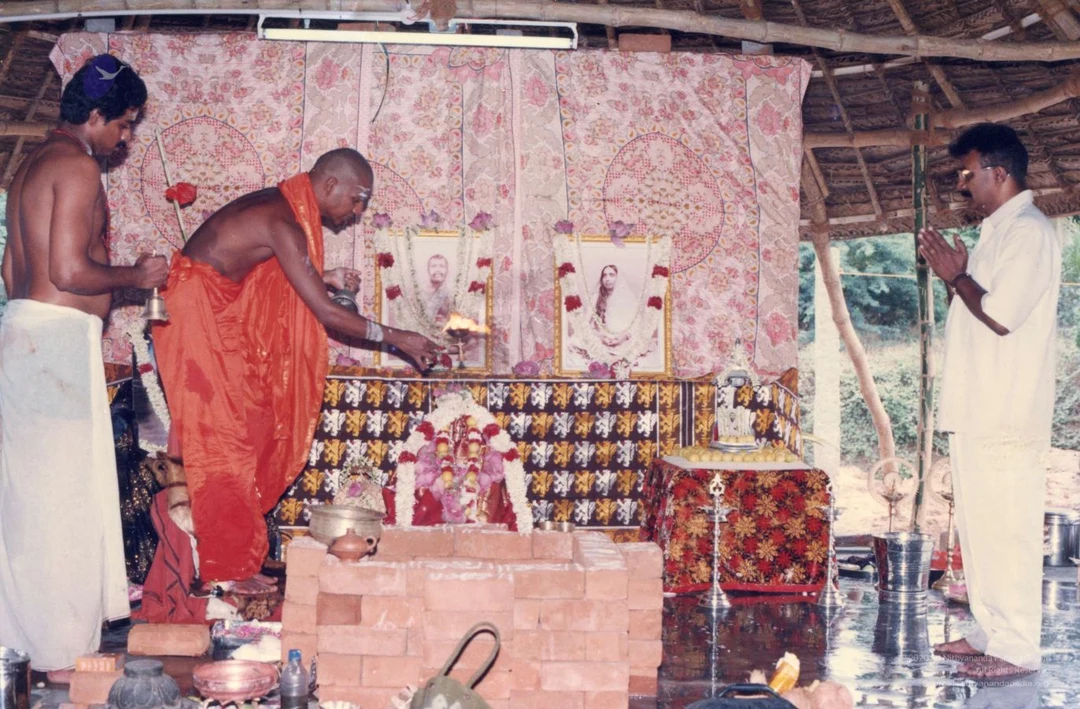
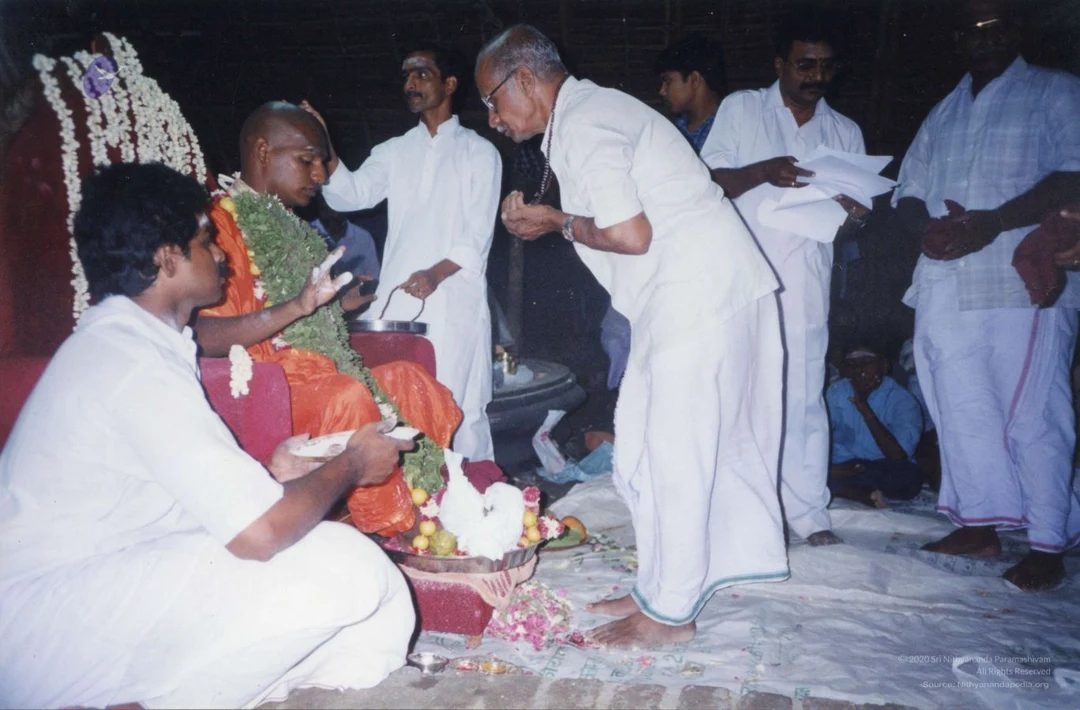
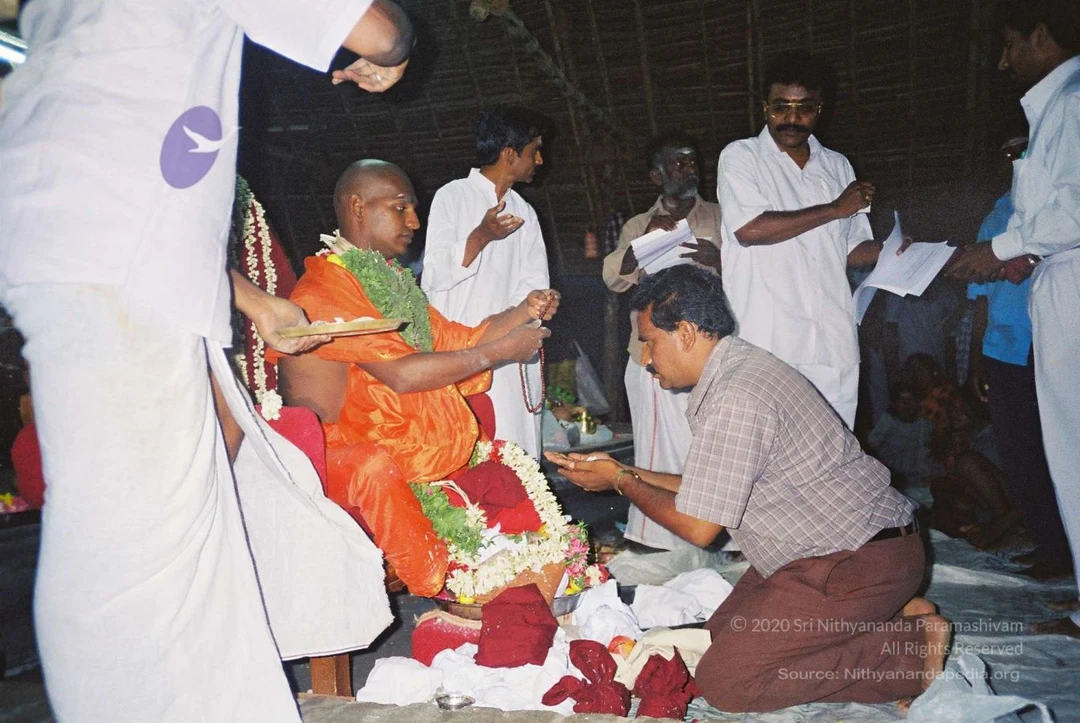
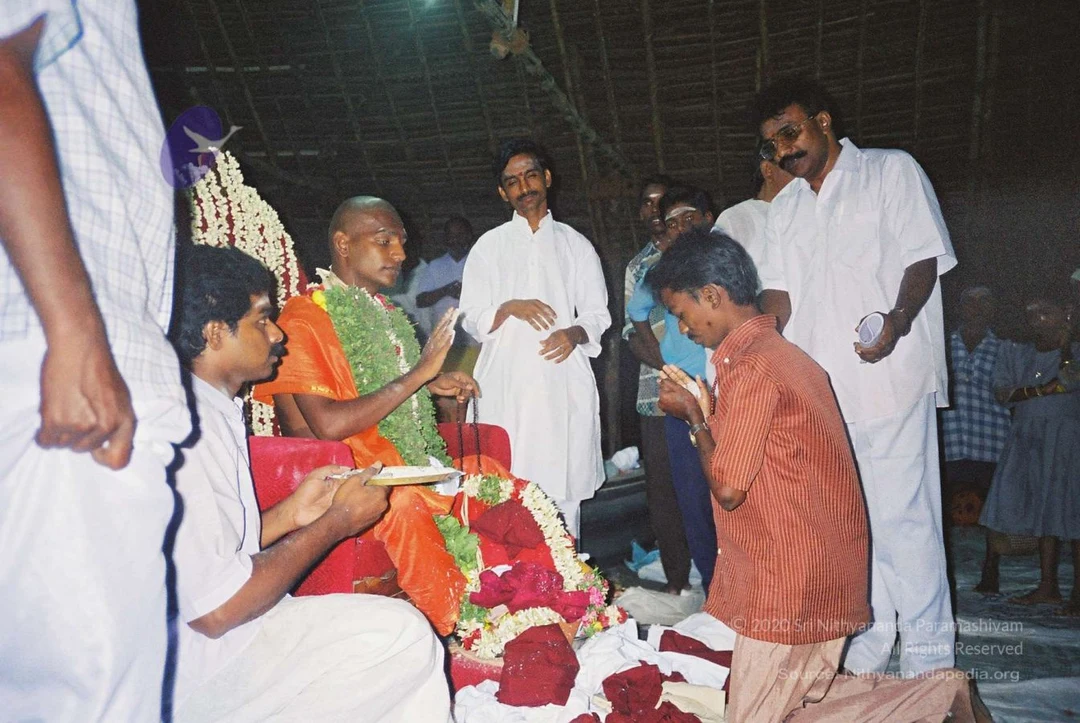
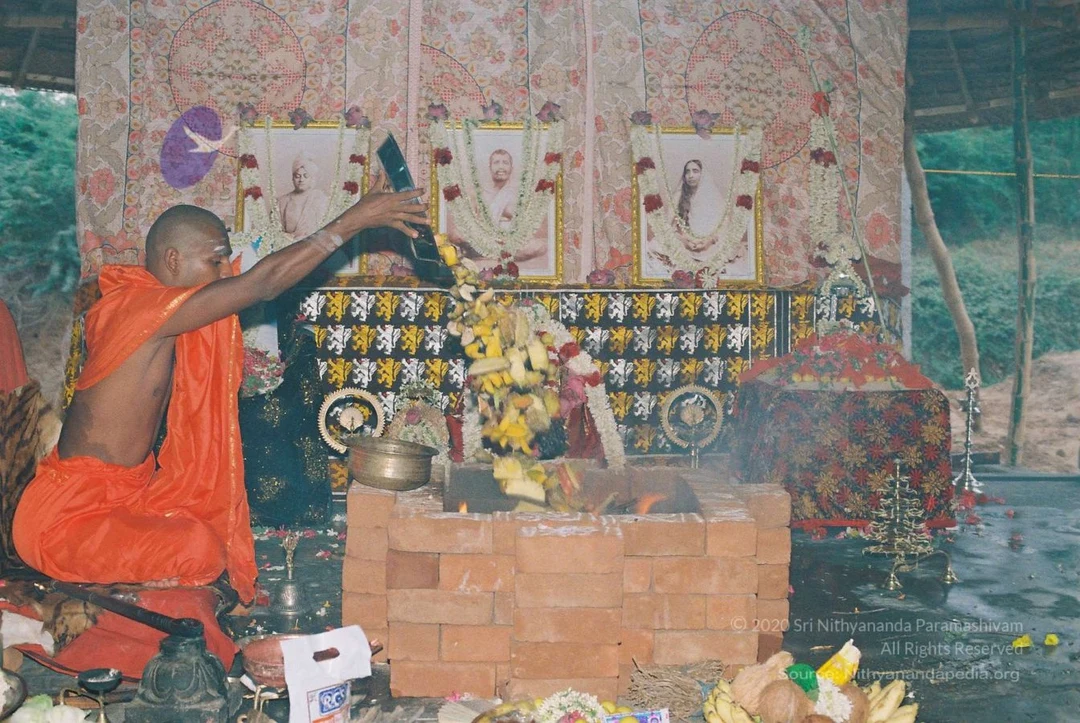
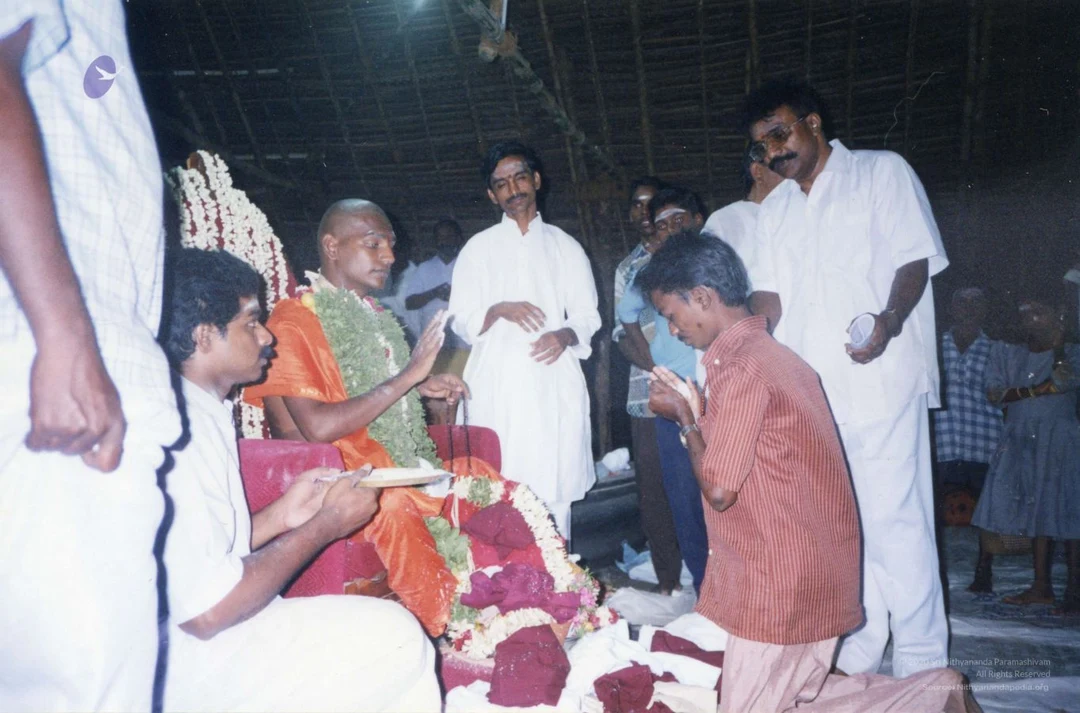
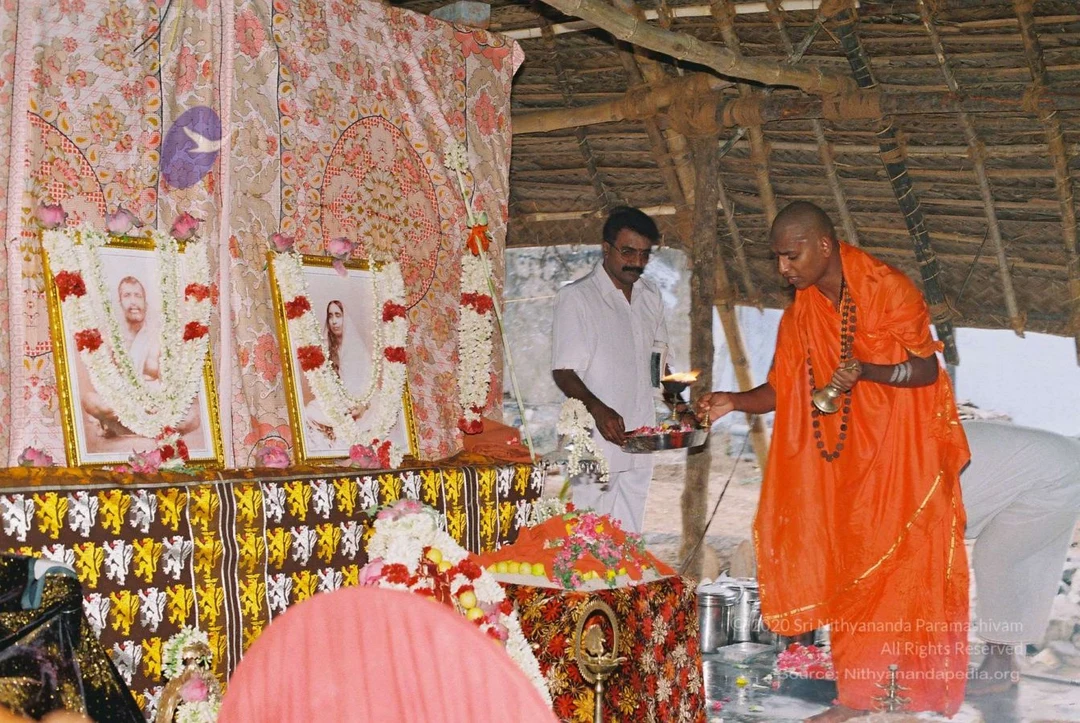
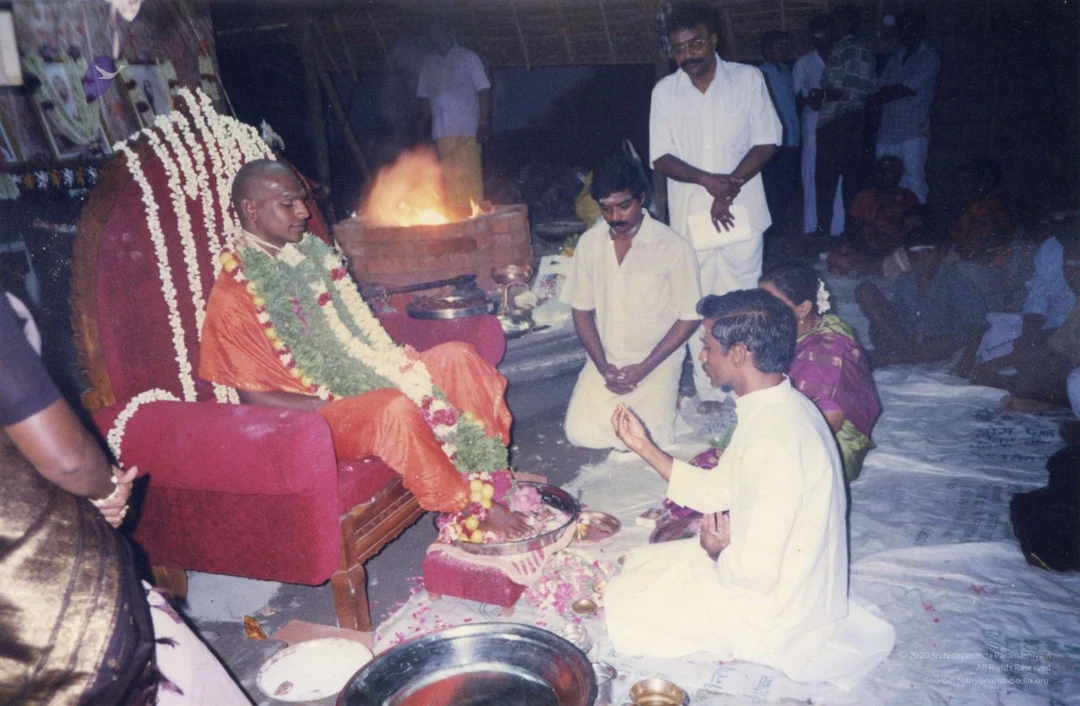
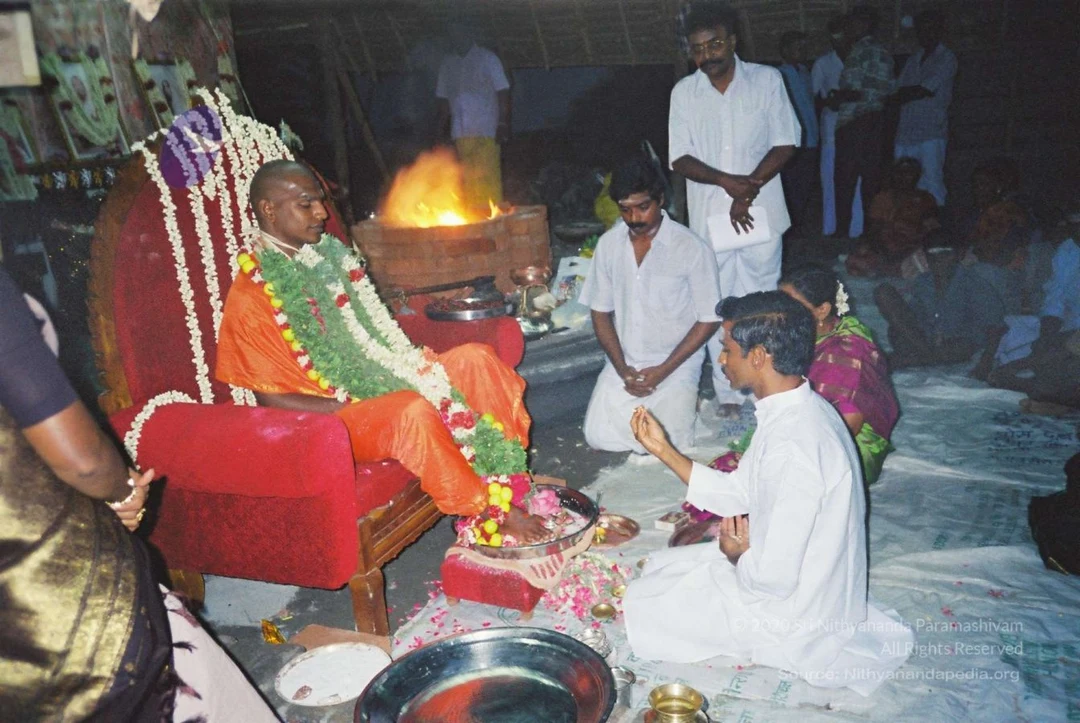
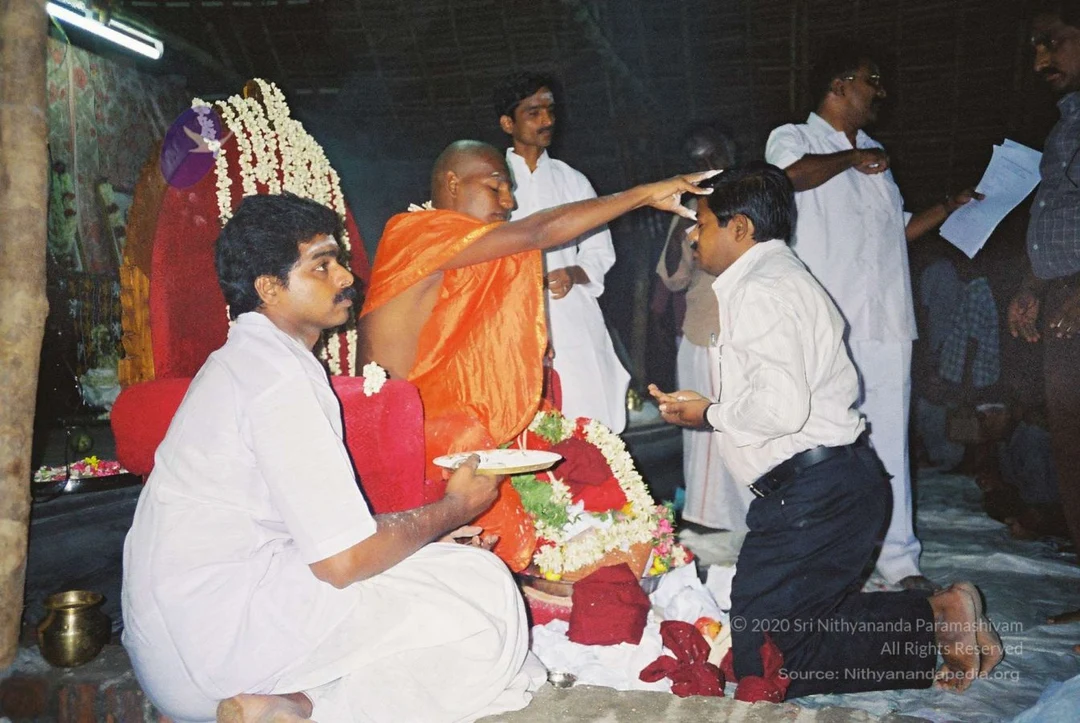
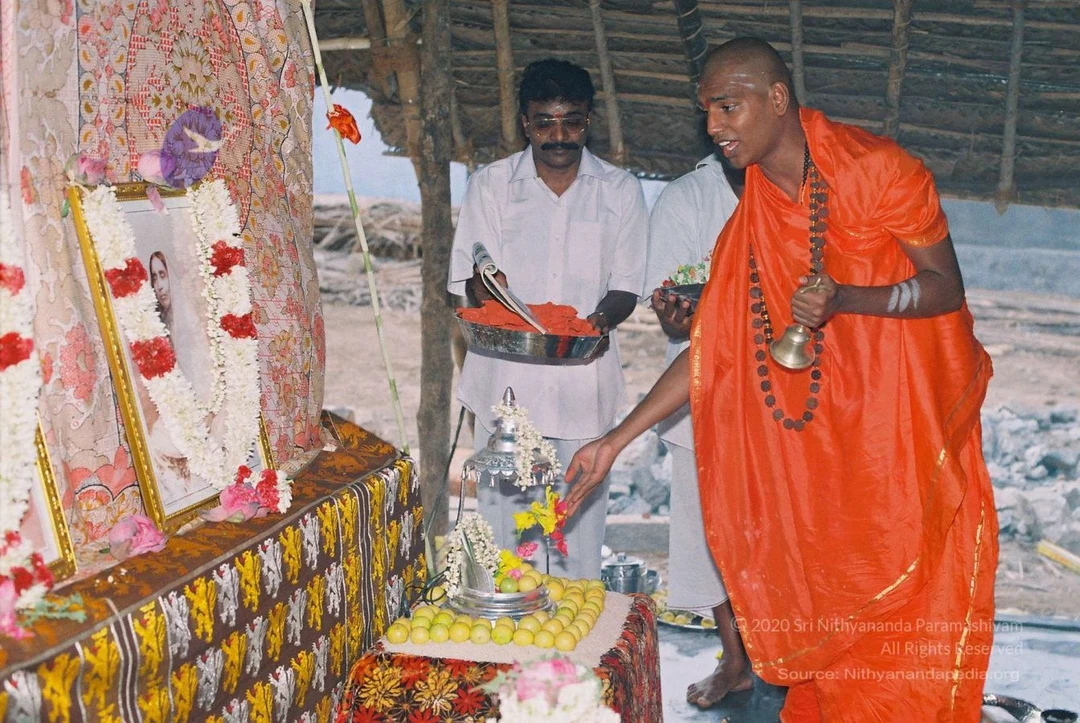
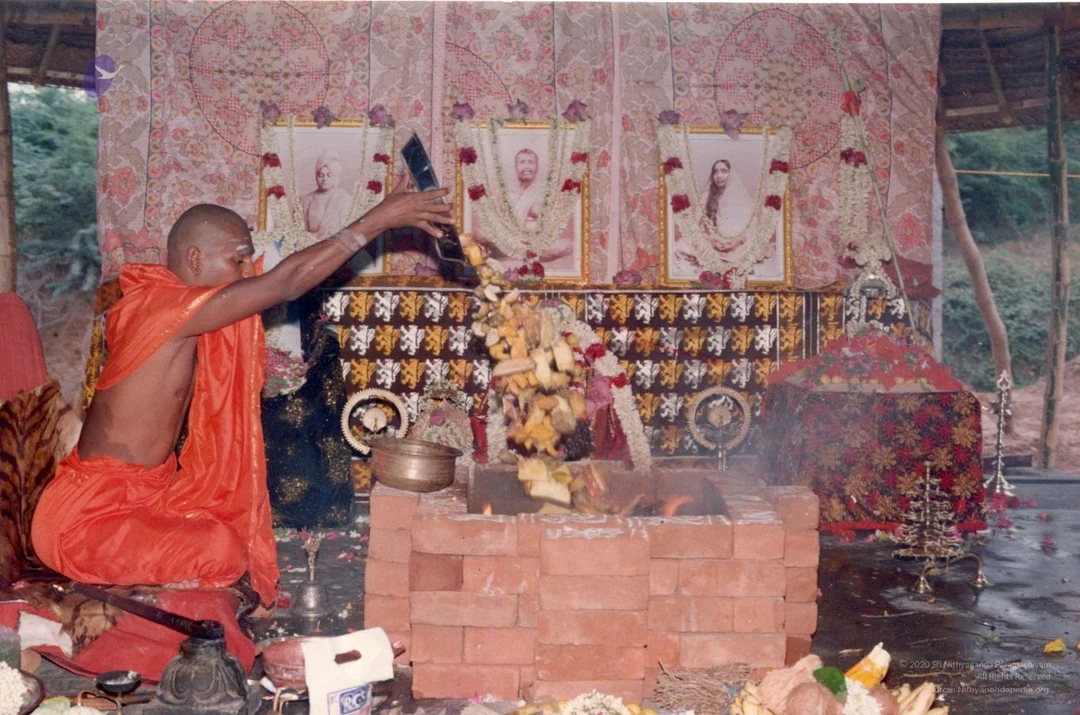
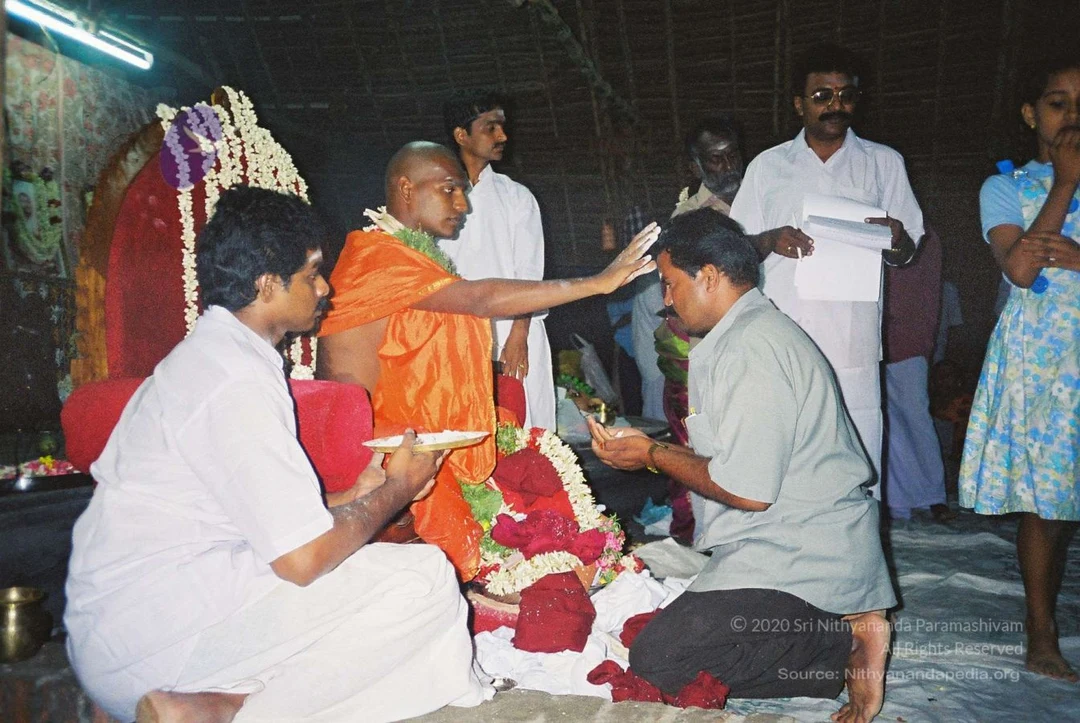
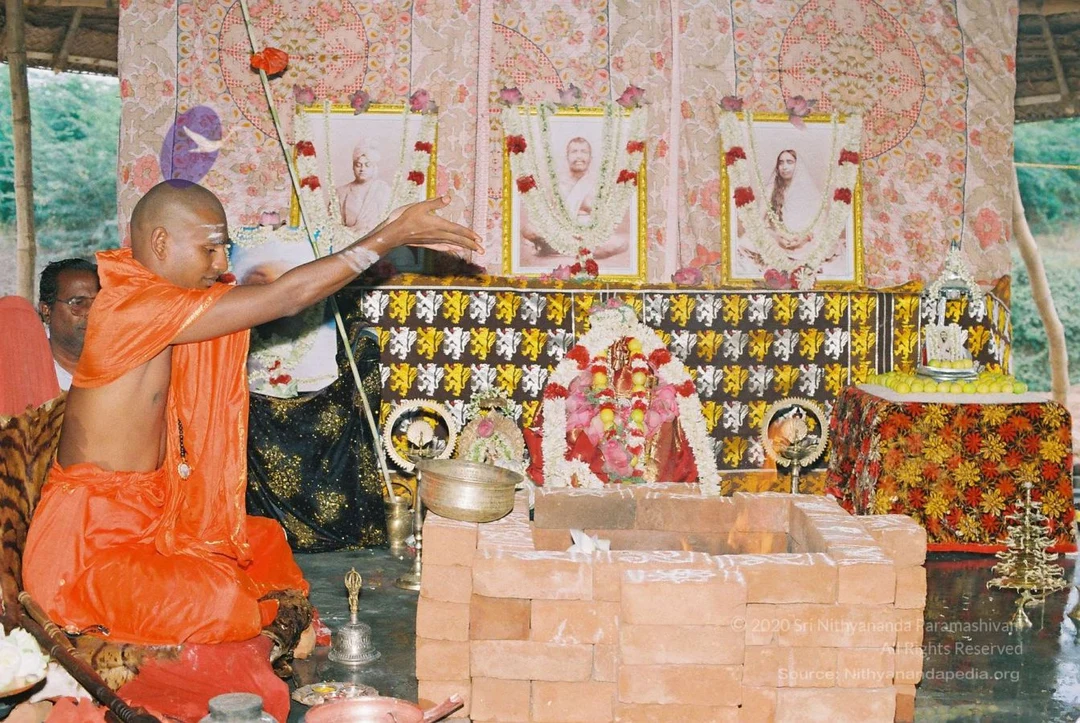
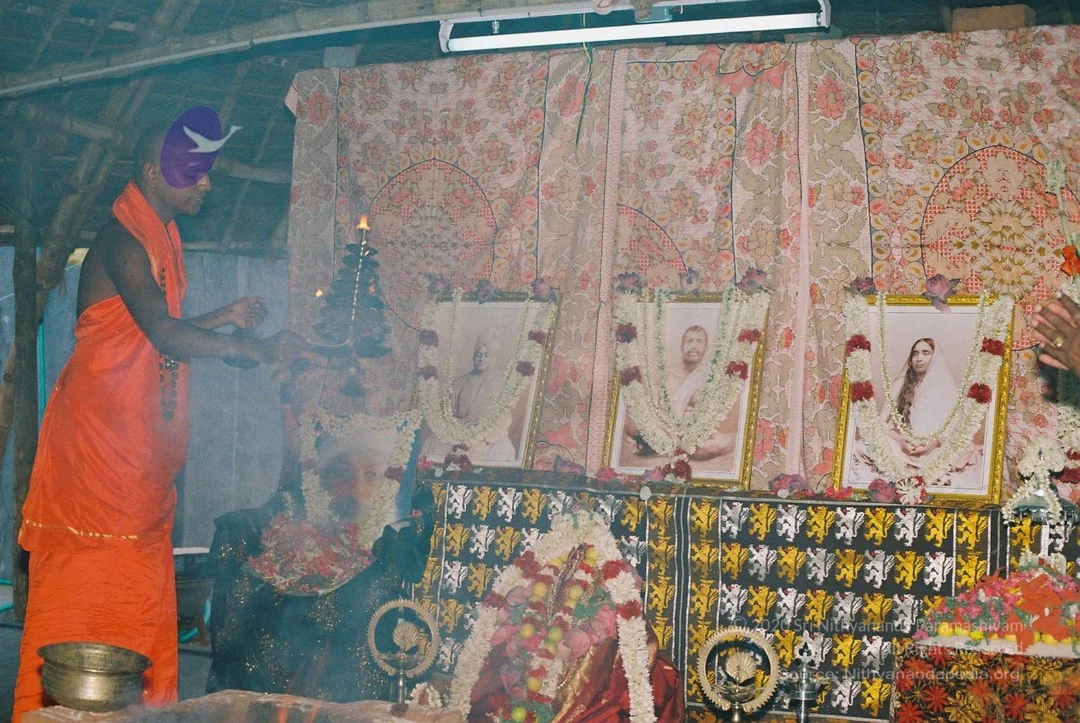
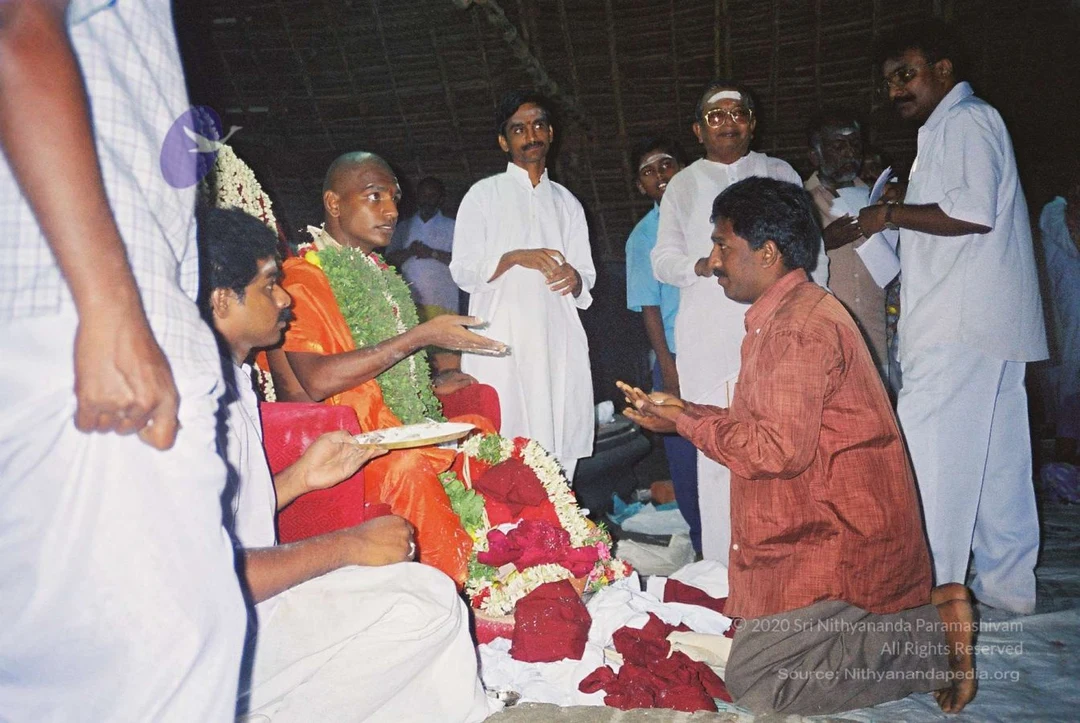
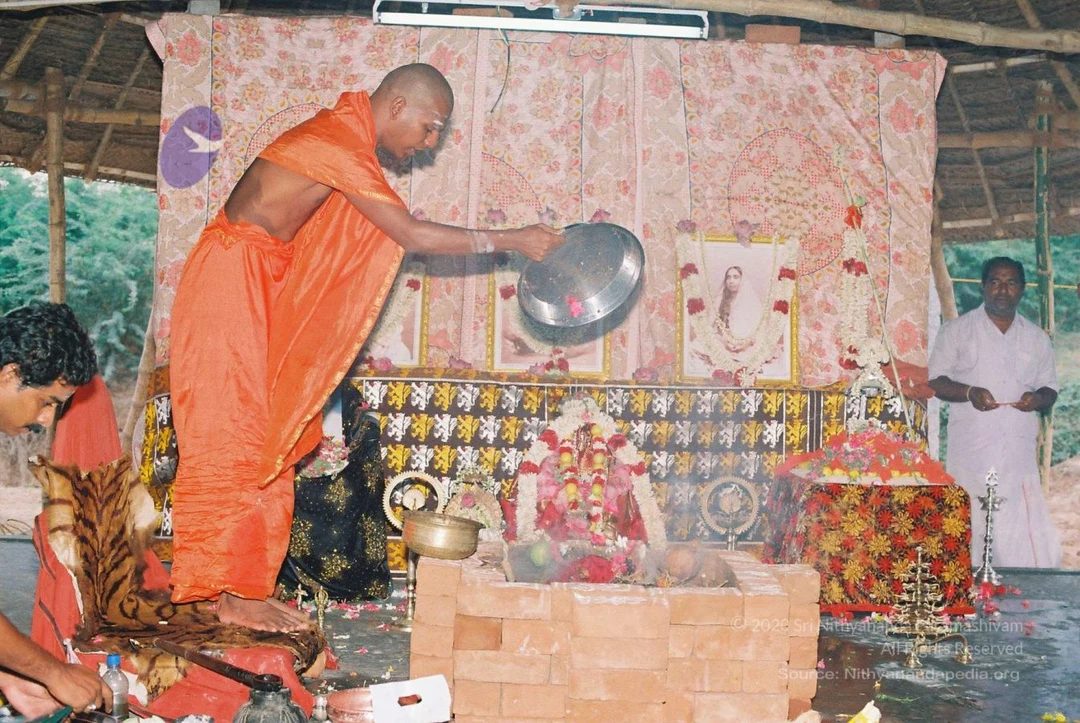
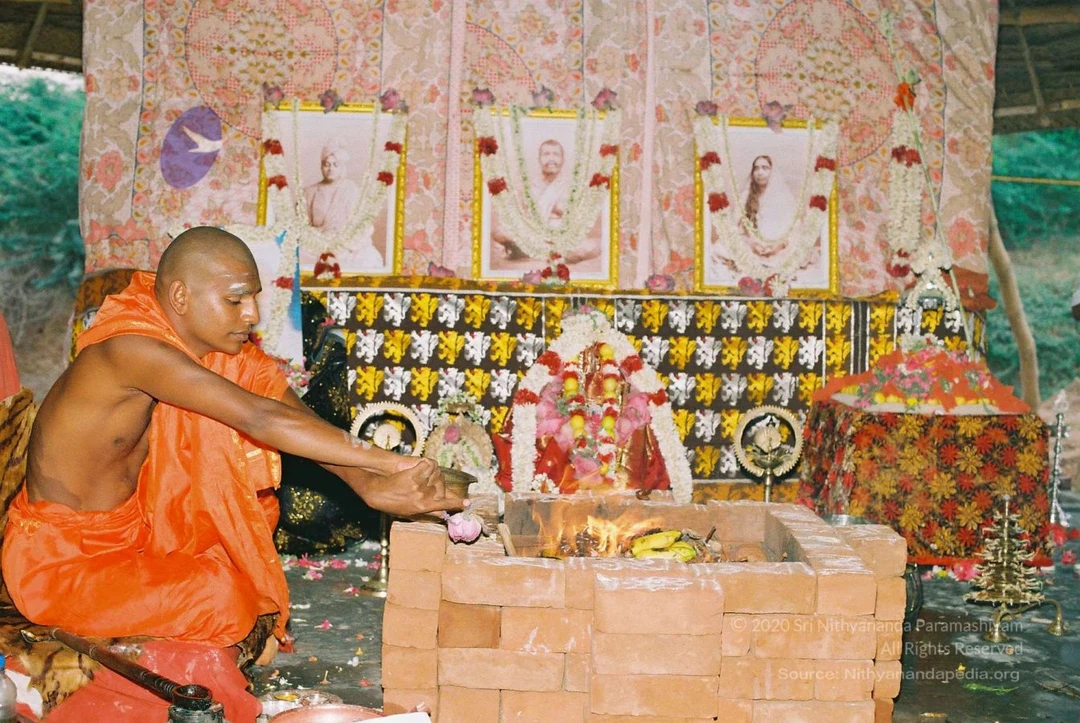
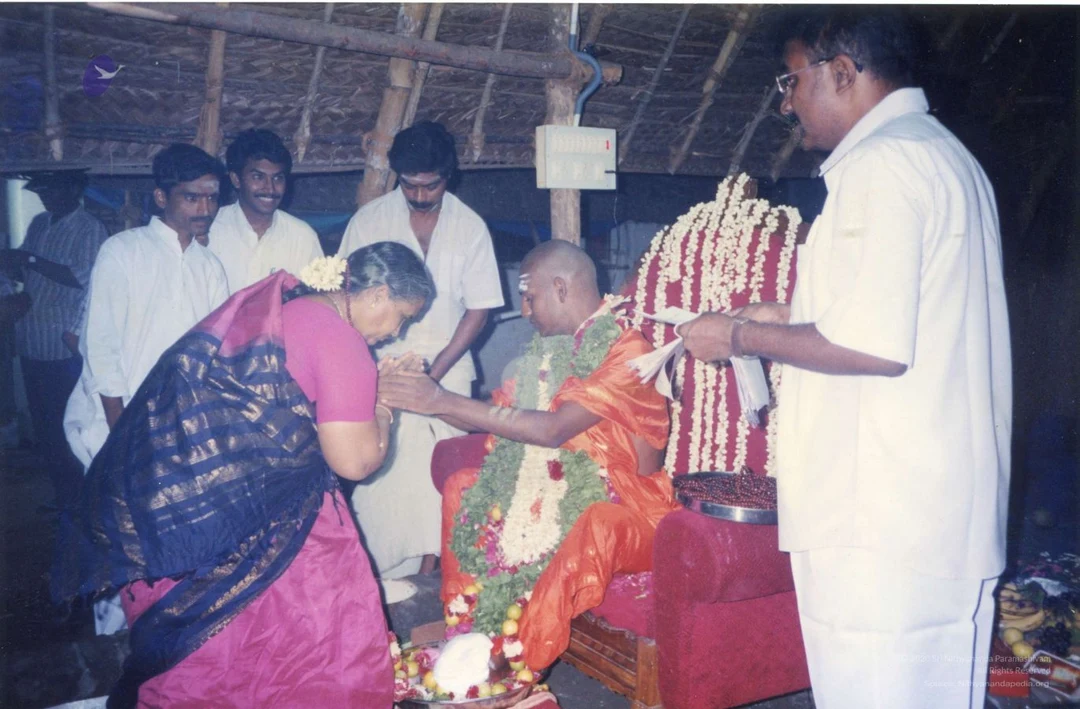
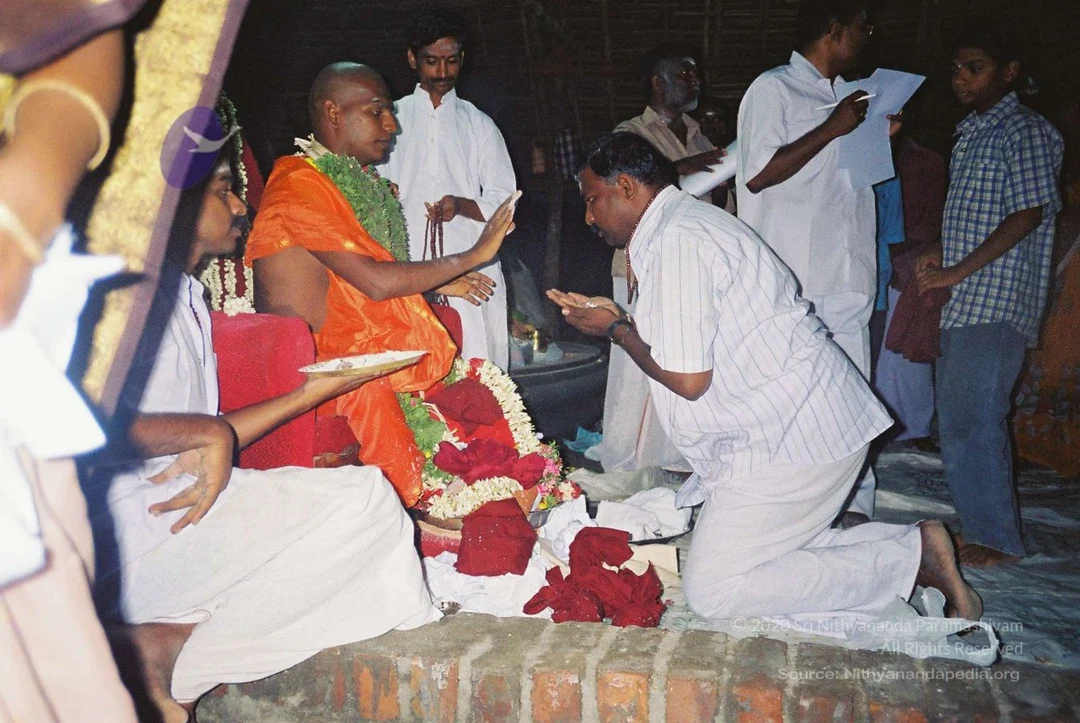
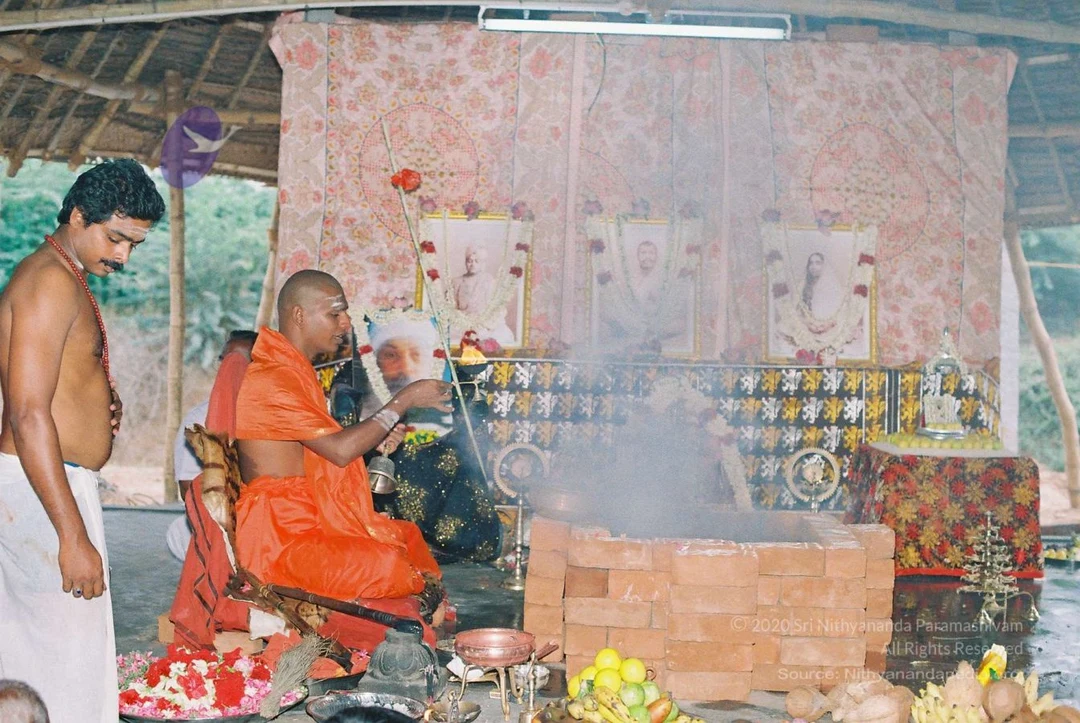
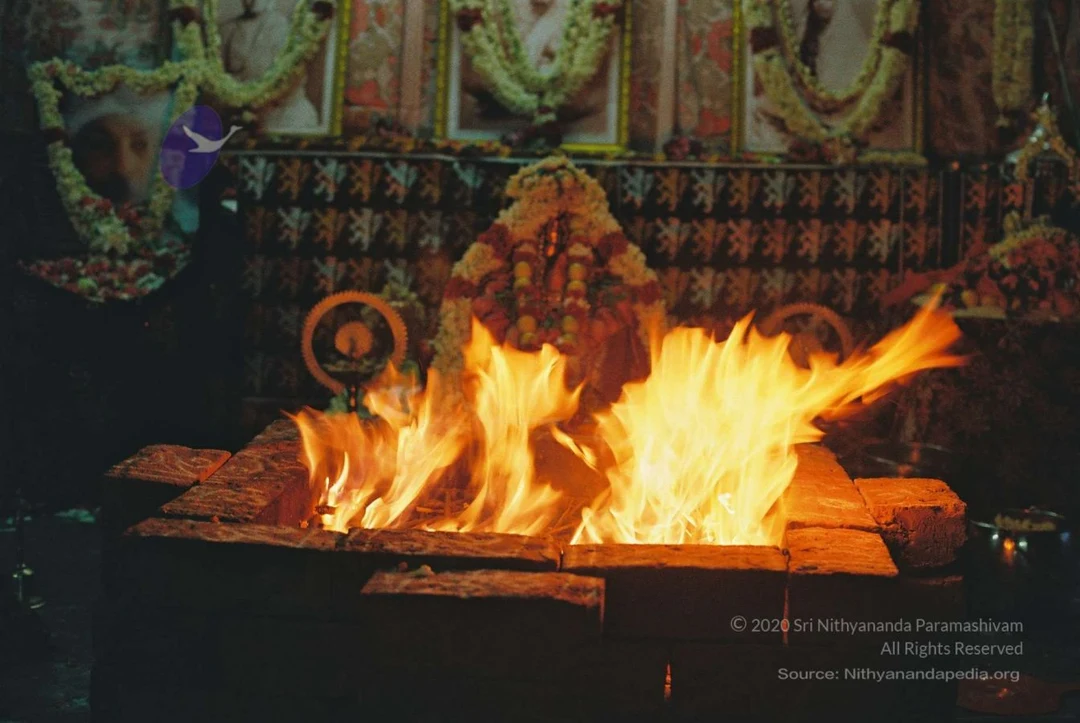
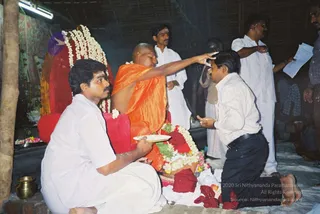
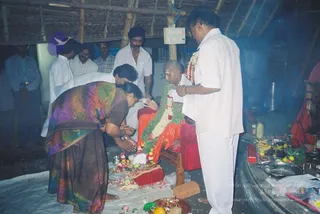
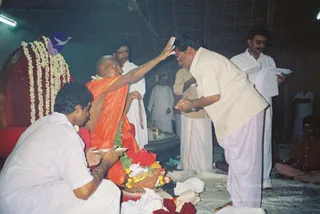
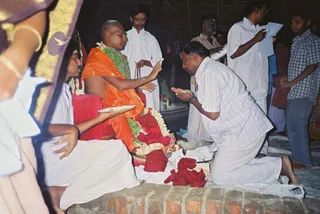
On this day, during this earliest recorded Guru Poornima celebrations, His Divine Holiness first offered His reverence and worship to Ramakrishna Paramahamsa, the great Incarnation after whom HDH named the very first Sarvajnapeetha, Ramakrishna Dhyanapeetam. Then, He conducted the Guru Homa. The Guru Puja for Sri Ramakrishna and the Guru Homa together are approximately 3 hours. After this, His Divine Holiness accepted and blessed the earliest recorded pratyaksha paada puja offered to his divine lotus feet. Subsequently, His Divine Holiness delivered the earliest recorded Guru Poornima message, imparting the divine knowledge of the important of this occasion and the role of Guru in your life. His Divine Holiness blessed each visitor with His powerful initiation and the opportunity to offer Guru Biksha during the auspicious time of Guru Poornima. This process of Guru Biksha is when devotees can surrender their karma at the feet of the Guru and the Guru relieves and liberates each person. HIis Divine Holiness additionally energized and gifted each person a rudraksha mala .

Today His Divine Holiness has survived multiple assassination attempts by the anti-hindu forces who have conspired to destroy Him and His work for the last two decades.

Despite what His Divine Holiness has gone through, He has ensured the protection of this great tradition with the revival of KAILASA, the great enlightened civilization and global movement ShriKailasa Uniting Nations for Monks and ShriKailasa Uniting Nations for Ancient Heritage. Through the celebrations on Guru Poornima and the countless number of hours poured into initiating and guiding the millions of devotees who sincerely and devotedly sought the blessings of His Divine Holiness, He has revived this tradition and protected the guru-shishya parampara.

Photos
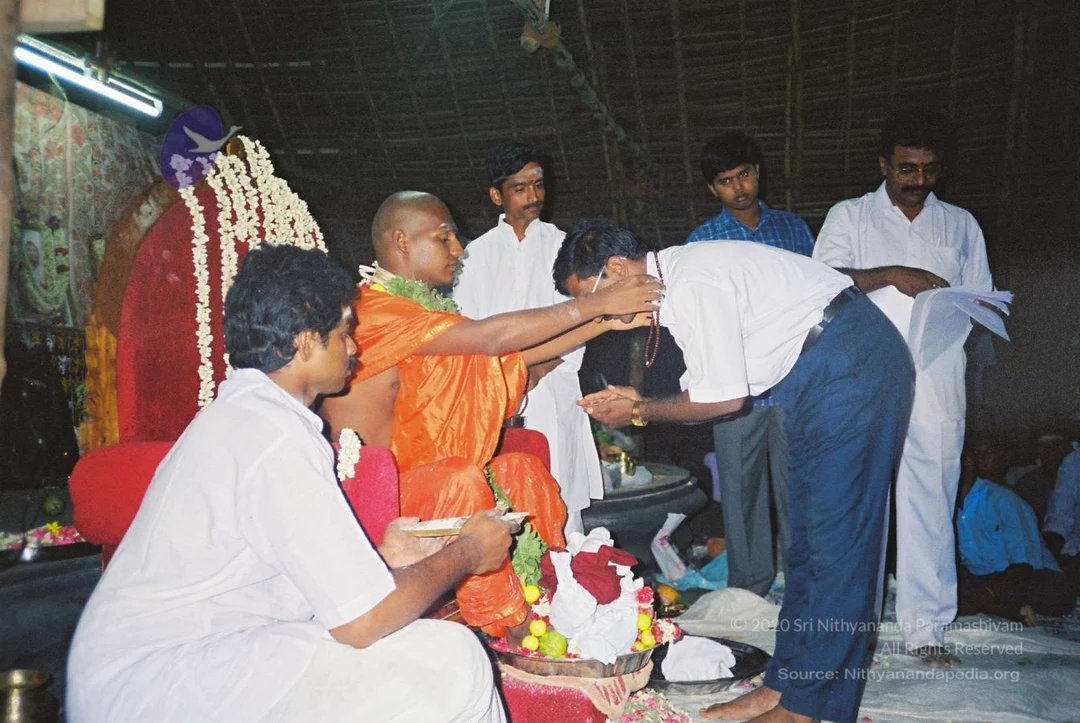
Photos from this day
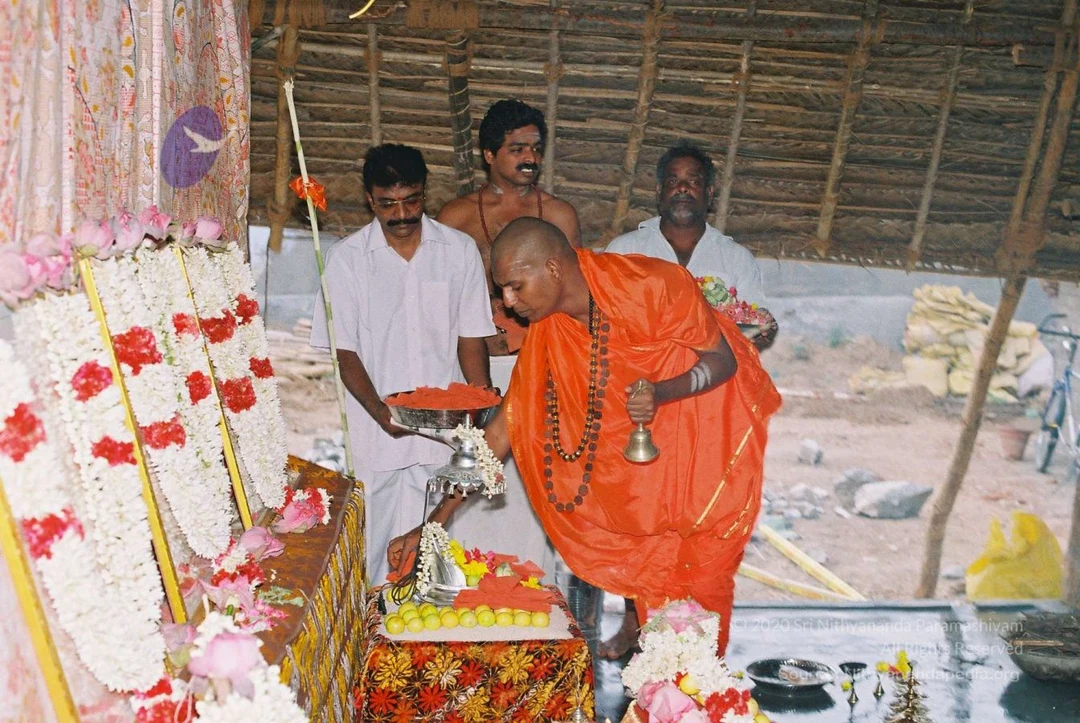
View all 59 photos
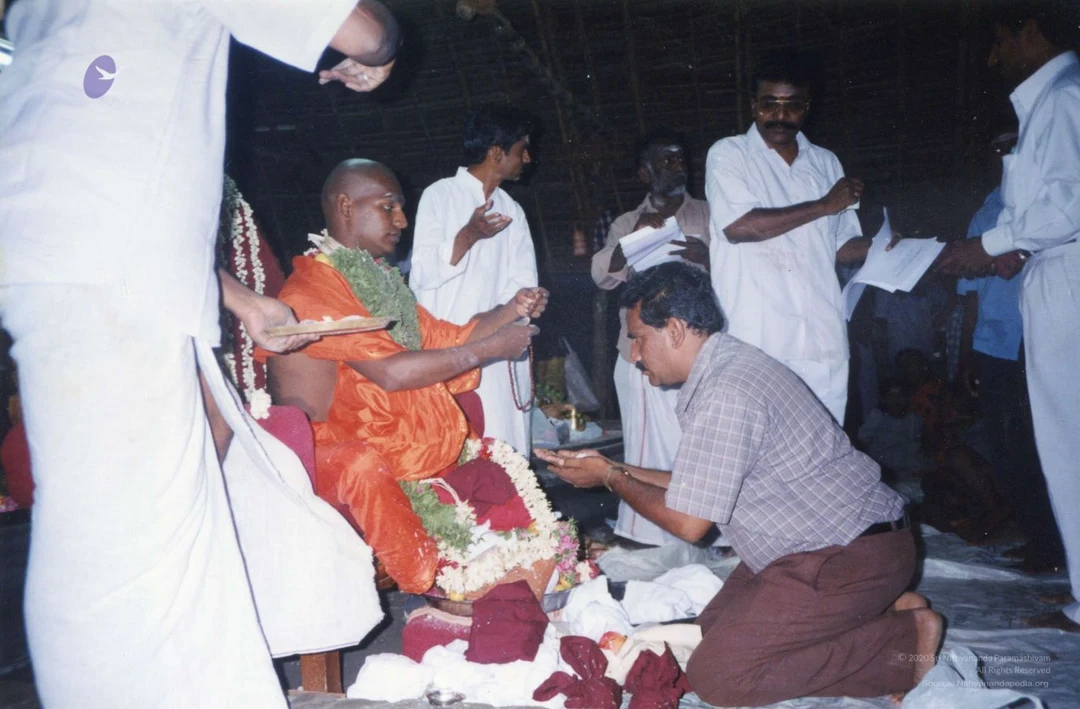
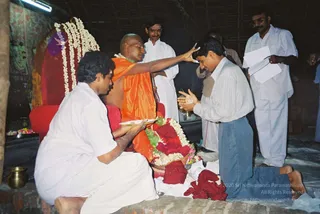
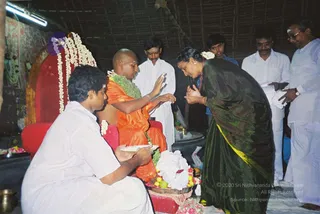
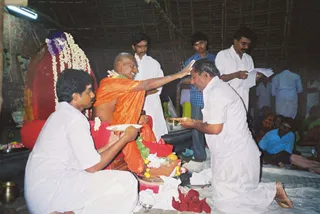
A photograph of a ceremony inside a thatched-roof hall. A bald man in a saffron-orange robe with a green garland sits on a red throne-like seat draped with white flower garlands, extending his hand toward the head of a man in a white shirt and dark blue trousers who bows low with a rudraksha mala around his neck. Standing and seated attendants in white dhotis and shirts watch, one holding an open notebook, and a seated devotee in blue sits at right. Before the seat is a brass tray with fruit, a red cloth and flowers, and a wooden stand with a lit oil lamp. a person: the seated saffron-robed figure has a shaved head, saffron clothing, a green garland and a throne-like red seat, so he is the candidate a person, shown in person.A film photograph of a puja inside a thatched-roof hall at night. A bald man in an orange saffron robe with a garland sits centrally on a red cushioned seat, extending his right hand over the head of a kneeling man in a grey shirt who holds his palms together. A man in white dhoti kneels at left holding a white-filled brass plate. Behind, a man in white shirt and glasses holds papers, and another man in white stands nearby. A woman in a blue floral dress stands at right. Garlands of white jasmine and red cloths lie before the seat, with brass vessels and an electric tube light overhead. The scene suggests a blessing ritual with offerings.Indoor photograph of a Guru Poornima style ritual at a simple thatched-roof setting with a red cushioned seat draped with white jasmine garlands. A bald man in an orange saffron robe sits on the red seat and extends his right hand to bless the bowed head of a man in a checked short-sleeved shirt and grey trousers who kneels with palms joined. A seated man in a white dhoti and shirt holds a plate of offerings, and a standing man in white clothes watches. Red cloths and garlands lie on the floor, with a brass vessel at the lower left. Several other men in white and light shirts stand in the background, and one wears glasses.A photograph inside a thatched-roof hall of a temple-like setting. A bald man in a saffron-orange robe with a green garland sits on a red-cushioned seat decorated with white jasmine garlands, receiving a devotee. A woman in a dark green sari with a gold border bows forward with joined palms, while the seated man raises his hand toward her in blessing. A man in white kneels at the lower left holding a plate, and a basket of fruit and flowers sits in front of the seat. Several men in white shirts and dhotis stand behind, one wearing glasses and another with a white forehead mark. Brass vessels and a pot with flowers are visible at the edges, with a red floral tray in the foreground.A photograph of a ritual inside a thatched hut with a bamboo ceiling. A bald, bare-chested man in an orange-saffron shawl is seated on a red-cushioned seat, with a garland of white flowers draped around his shoulder, and he is smiling while another man in a white dhoti and shirt presses a hand to his head in blessing. A seated man in white clothes holds a plate of fruit, flowers and offerings, and a fruit-and-flower offering tray sits on the floor below. Standing men in white shirts and dhotis, one in a blue checked shirt, watch, and a man at right holds papers. Seated devotees in the background wear white and blue. A white-flowered garland hangs at left above a red throne-like seat. The ritual appears to be a blessing or padapuja-style reception. a person: the bald, saffron-shawled man on the red-cushioned seat with garland is a candidate by visible cues, though only partially distinctive.Photograph of an indoor ritual at night under a thatched roof. A bald man in an orange-saffron robe, seated on a red-cushioned throne draped with white jasmine garlands, extends his right hand to mark the forehead of a kneeling man in a white shirt and dark trousers. A seated man in white clothes holds a brass-rimmed plate of offerings. Two men in white shirts stand behind, one holding papers, and red cloth and flower garlands lie on the floor. A brass vessel sits at the lower left. The bald man is an in-person candidate whose appearance is only partly visible, so identity is uncertain, and the scene is best described by its roles: priest in saffron, devotee, attendants.A photograph of a Guru Poornima style puja in a thatched-roof hall. A seated man with a shaved head, a white tilak on his forehead, wearing an orange-red cloth and draped with a long green and white flower garland, receives devotees. A woman in a multicoloured sari with brown border bends low to touch his feet, while a man in white shirt and trousers stands at right and another man in white bends forward behind her. Other onlookers in white and checked shirts stand at left and background. In front is a brass plate with fruits, flowers and a coconut, and at right a table holds bananas, grapes, fruits and brass vessels. The seated figure's appearance is not clearly identifiable as a person, so the identity is marked unsure.Indoor ritual scene in a thatched hall. A bald, bare-chested man in an orange-saffron cloth sits on a red-cushioned seat garlanded with white flower strands, raising his hand in blessing over a bent-over man in a light checked shirt and white dhoti, who folds his hands. A younger man in white kneels at left holding a plate with offerings and a tray of fruit, flowers and red cloth sits in front. Other men in white stand and sit in the background, one holding papers and another with a rudraksha mala. The bowed man is clearly receiving a blessing.Photograph of a Guru Poornima-style ceremony at night in a thatched or bamboo-walled space. A bald man in an orange-saffron robe with a floral garland sits on a red-cushioned seat and raises his hand in blessing. A kneeling man in a white-and-striped shirt and white dhoti, with a rudraksha-style mala at his neck, bows with joined palms before the seat, which is heaped with red cloth and white and pink flower garlands. A young attendant in white holds a plate beside the seat. Standing men in white shirts and dhotis and a figure in a checked shirt watch nearby, and a bronze vessel sits in the background.A photograph taken inside a thatched-roof hall at night. A shaved-headed man in a saffron-orange robe with a green garland sits on a red throne draped with white and yellow flower garlands. A devotee in white dhoti and shirt bends forward and touches the seated man's feet or offers a tilaka-like mark with his hand, while another man in white kneels at left holding a plate. Fruits, flowers and a white cloth lie before the seat. Other men in white stand nearby, one holding papers, and a woman in a gold-bordered sari is at right.A photograph taken indoors under a thatched roof during an evening ceremony. A shaved-headed man in an orange-saffron robe sits on a red-cushioned throne draped with garlands of white and green flowers, raising one hand in blessing. Beside him a young man in white kneels holding a plate. A standing man in white clothes gestures with his hands, and a man in a white shirt holds a small object. A kneeling man in an orange-striped shirt joins his palms in devotion, with red flower petals scattered at the throne's base. Several onlookers stand in the background. The seated man in saffron is a probable match for a person based on the saffron robe and garlands, with the page flagging him as present.A photograph of a ritual inside a thatched-roof hall with a red-draped seat and white and orange flower garlands. A bald man in an orange-saffron robe with a green garland stands at centre, pressing one hand on the bowed head of an older man in white who is kneeling with joined palms. Beside them a young man in white sits holding a steel plate, and a bowl of yellow fruit and white cloth lies on a red stand in front. Three men stand behind in white shirts and dhotis or a blue checked shirt, one holding papers. The orange-robed figure is shown with distinctive adornment but the appearance is not conclusively identifiable, so identity is unsure. The scene contains five visible people.