Tuesday
8 January 2019
Jeevan Mukthi Living Enlightenment - Book that Paramashiva has Revealed for the Modern Day
- Dated photos
- 89
- Source pages
- 1
- Media
- 2


January 08 2019
Original wiki pageTitle
Jeevan Mukthi Living Enlightenment - Book that Paramashiva has Revealed for the Modern Day
Narration
Living Enlightenment - Jeevan Mukti - The Book Bhagavan Sri Nithyananda Paramashivam, the book that Paramashiva has revealed for the modern day. The Book that is the most powerful superconscious-based scripture to manifest powerful cognitions & powers. These powerful cognitions and powers contain the essence and actualization of Vedas and Agmas yet still totally aligned to modern age.
It talks about : There is an extraordinary potential hidden inside every human being. If it is awakened it will take you to a much higher plane of consciousness ñ beyond the limitations of the human body-mind. Experience this superconsciousness, actualize your ultimate potential. This is the only aim of human life to enjoy the ultimate luxury of living enlightenment. Topics in this book include: - Clear, simple and complete life solutions - How to overcome guilt? - What is true love? - The Straight Route to Everyday Bliss - A blissful lifestyle with simple daily meditations and yoga - Over 100 powerful meditation techniques and everyday awareness practices - Rare insights into timeless truths of life - What is karma? - What is the purpose of life? - Dimensions of the Master - Who is a Master? - How can a Master help me realize the Ultimate? & more......
Video & Audio - Jeevan Mukthi Living Enlightenment - Book that Paramashiva has Revealed for the Modern Day
| Video | Audio |
Transcript
Jeevan Mukthi is the most powerful super conscious based software for the modern day human beings to manifest powerful cognitions and powers.every thought current expressed in that,every idea expressed in that is rooted in vadas & agamas. Understand the methodology of teaching in hinduism is four steps:-
(0:43)
First, Shastra pramana. The truth should be established in vedas and agamas,"Shastras".Second Apta pramana the great masters, incarnations,enlightened beings like Rama,Krishna all those masters, Rishis, aptas, saptha Rishis, all those great beings should have applied the science and given their testimony.
Their input, that is called apta pramana and the person who is teaching, the guru himself should have applied and experienced as athma pramana.only then it will become sakshi prama for you as a reality. Athma pramanas are good for me. My experience is good for me , only if it stands for the squeritney and acid washed of shastra pramana and apta pramana.
It is useful for the whole world. It can be shared with the whole world. Living enlightenment,(Jeevan mukthi) is a software,sada shiva revealed to me,for this modern age. How many ever times you read that book,it reveals it by layer by layer.how much you can receive,that much it reveals.she is like mother Ganga,Mother ganga can solve the immediate problem of thirst and she can solve your biggest problem of birth and death and give liberation.she can give you end to end.
(2.32)
Whether,it is an ordinary immediate problem of thirst, quenching it or lebrating you from the very birth and death cycle.Jeevan Mukthi is a Ghana ganga from sada shiva’s sahasrara.this is the most powerful,spiritual software revealed to the humanity in the recent days.
Anybody who can go on reading and contemplating.any body doing pratyahara,dharana and dhyana on jeevan mukthi book,every day will achieve the samadhi state of functioning from the highest superconscious cognitions.Building powerful consciousness in you being, manifest as powers.
Every single word, in this book is a powerful consciousness. Take it, apply it in your inner space and manifest it. you will see manifest powers left and right. Jeevan Mukthi is not just enlightening you,it is empowering you. This book is not given to you just to give Budhi to you.it is given to you to give Budhi and shakthi.
(4:01)
It is given to you to give powerful cognitions and powers. Powerful cognitions are equivalent to god in hindu tradition.That is why the vedas are worshiped as gods.Powerful cognitions are worshiped as gods and goddess in the hindu tradition. The space of para,the ultimate,manifesting powerful cognitions and manifesting powers is living the life of Jeevan Mukthi,sadashivattuva.
Photos
Special Photos - Figure 1. Madurai Aadheenam document of incorporation showing that the coronation of the next Guru Maha Sannidhaanam is referred as "Pandya Coronation Procedure"

Figure 2. The extract from Madurai Aadheenam History showing that the British Government applied the Regency Act to the 290th Guru Maha Sannidhaanam, proving that the British Government treated Guru Maha Sannidhaanam as Head of State.


Facebook Transcript - The Royal History & Heritage of Guru Maha Sannidhaanam
Why Guru Maha Sannidhaanam (the spiritual head of Madurai Aadheenam) is the Head of State as well
As the world moves increasingly towards the separation of spirituality and culture from politics, political decisions are increasingly becoming inhuman. Any decision made from the space of lack of Oneness will always propagate the problem even further, and not lead to a solution.
For time immemorial, in the Vedic civilization, in ancient India enlightened masters were the state heads. They were called “Raja Rishi” (Regal Seers) and they were given the highest seat in the court because only they have the capacity to make decisions based on Oneness, without fear or greed as a motivating factor. The only motivating factor for the enlightened masters was enlightenment for all, so all socio-political decision were based only on making humans experience the highest consciousness and reach their highest potential.
The ancient south Indian kingdom called Pandyas with Madurai as its capital, was one of the most culturally and spiritually advanced civilizations. It always considered its spiritual head as it political, economical and cultural head. The political rule (Arasatchi) could not be separated from the economic rule (Porulaatchi), and neither of these can be separated from the core principles of the land. The Pandyas considered Kamika Agama (scriptures on the science of living an enlightened life) written by Sadashiva (who is the original author of Yoga) as the core spiritual guide for the people and the kingdom. Thus, the political understanding of the people and the nation could only be made with someone who was a master of the Kamika Agama, who understood its principles deeply.
Madurai Aadheenam Guru Maha Sannidhaanam has always been considered as the incarnation of Sadashiva. His Divine Holiness 293rd Guru Maha Sannidhaanam Paramahamsa Nithyananda is the 293rd successor of Sadashiva on this earth. As an Avatar of Sadashiva, he exists in the same space of Sadashiva and reveals the Agamas from the original space that created it. He is able to reveal the deep truths from the Agamas relevant to every new situation - as the world changes, He reveals new truths which continue to be relevant to this world.
The Madurai Aadheenam Guru Maha Sannidhaanam was also the default political Head of State of the Pandya Kingdom, which used to be a Hindu Monarchy. Even in its original “Document of Incorporation”, the appointment of the Guru Maha Sannidhaanam is referred to as “Pandiya niyamana murai” or the “Pandya Coronation Procedure”. The next Guru Maha Sannidhaanam is coronated with a ruling staff and a crown and is given the right to conduct all administration “sakala nirvagankalyum vagikkirathu”
The Story of Meenakshi & Sundareshwara
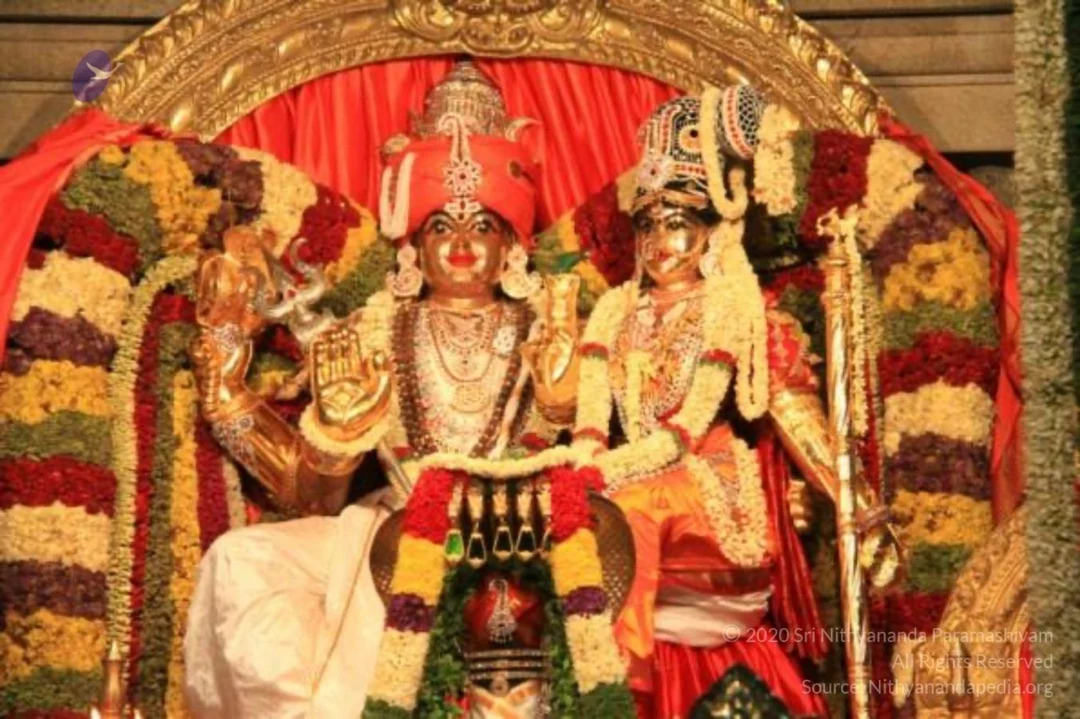
One of the most famous spiritual head / rulers of Pandya kingdom is Queen Meenakshi, who is the incarnation of Devi Parashakti, the consort of Sadashiva. According to the legend, Pandya king named Malayadwaja Pandya and his wife Kanchanamalai performed a yajna (sacred fire ritual) seeking a son for succession. Instead a daughter is born who is already 3 years old and has three breasts. Sadashiva intervenes and says that the parents should treat her like a son, and when she meets her husband, she will lose the third breast. They follow the advice. The girl grows up, the king crowns her as the successor and when she meets Shiva, his words come true, she takes her true form of Meenakshi [1]. According to some scholars, this may reflect the matrilineal traditions in South India and the regional belief that "penultimate [spiritual] powers rest with the women", gods listen to their spouse, and that the fate of kingdoms rest with the women [1]. But another hidden aspect of this story is the fact that the spiritual and royal heads were often the same.
Both Meenakshi and her consort Sundareshwara (the incarnation of Sadashiva) are coronated as both the spiritual heads of Madurai Aadheenam and King/Queen of Pandya Kingdom. He rules for 8 months in a year, and she rules for 4. This practice was revived again during Thiru Gnanasambandar’s reign in Madurai when he revived Madurai Aadheenam and served as the spiritual head of the Aadheenam as well as the Raja Rishi – the royal saint Head of State.
British Government Recognition of Madurai Guru Maha Sannidhaanam as Heads of State
There are many examples in recent history where the Madurai Aadheenam was considered as a State, and the Guru Maha Sannidhaanam was considered as a Head of State.
Treatment as the Reigning Monarch
The Regency Acts are Acts of the Parliament of the United Kingdom passed at various times, to provide a regent in the event of the reigning monarch being incapacitated or a minor (under the age of 18). Prior to 1937, Regency Acts were passed only when necessary to deal with a specific situation. A regent is a person appointed to govern a state because the monarch is a minor, is absent or is incapacitated.
When 289th Pontiff of Madurai Adheenam left his body in 1904, His successor was only 11 years old. The British Empire, who were the rules of India at this time, invoked the Regency Act, normally used for Kings, in this situation. At the time of British rule, the age when a child became a major was 12. So, 1904 the British invoked the Regency Act to take
the 11 year-old pontiff under their protection. Then, in 1905, when the child turned 12 and became a major, His coronation was performed by the District Judge of the Government, and the kingdom of Madurai was handed back to the Pontiff. This story is narrated in Figure 2 in an extract from the book on Madurai history.
This clearly proves that British Empire respected the Pontiff of Madurai Adheenam as reigning monarch of the Pandya Kingdom.
Immunity as the Head of State
Typically, people who are Heads of State are granted what is called a “functional immunity”. For example, the Queen of Britain, the President of the United States and other world leaders are immune from prosecution when they are in office.
One such recognition was given by the British Government to the Guru Maha Sannidhaanam of Madurai Aadheenam. According to the Judicial Department Proceedings of Madras Government, in Order dated 15th September 1880, No. 2240, it says “Under Section 641 of the Code of Civil Procedure, the Governor-in-Council is pleased to exempt Saiva Samayachariar Tirugnana Sambanda Pandara Sannadhi Avergal, the Saiva High Priest of Madura from personal appearance in the Courts of the Presidency”. This is signed by G. Stokes for Chief Secretary (see Figure 3).
This shows that head of the Madurai Aadheenam is also recognized as the head of the State and is not subject to prosecution, or appearance in front of a court.
Honor as Head of State
Rao Bahadur, abbreviated R.B., was a title of honor bestowed during British rule in India mainly to Head of States (Kings, Governor).
Translated, Rao means "prince", and Bahadur means "brave" or "most honorable".
Some of the Key Rules/ Politicians who received this title are:
• Kurma Venkata Reddy Naidu served as the Chief Minister of Madras Presidency
• A. Veeriya Vandayar, Zamindar of Poondi estate
• Dinkarrao Yashwantrao Rajurkar (Descendant of Jahagirdar & Ruling family of Rajura)
The picture (Figure 4) shows Rao Bahadur title, which is conferred only to Rulers of the Kingdom, being conferred to 289th Pontiff of Madurai Aadheenam thereby confirming the fact that Pontiffs of Madurai Aadheenam were respected, treated and revered as Rulers of the Kingdom of Madurai even during British Rule.
Protection and Immunity as a Traveling Head of State
The British also accorded the head of Madurai Aadheenam protection equivalent to a Head of State while traveling to other states and back. This is shown in Figure 5 in an extract of ruling in 1827 granted by R. Peter, the Magistrate. This clearly states that while the head of Madurai Aadheenam travels to Salem and Coimbatore he is accorded complete protection.
Hence, there is no question that for the entirety of history – from Meenakshi’s rule to the British government - governments held and treated the Madurai Aadheenam as the Head of State, and granted him/her all the status, rights, immunity, honor and protection as a Head of State.
References
1. Harman, William P. (1992), The sacred marriage of a Hindu goddess, Delhi: Indiana
University Press, ISBN 978-1-59884-655-3. 2. “Madurai Aadheena Varalaru” (History of Madurai Aadheenam) in Tamil, Published
by Madurai Aadheenam Publications, May 11, 2007. 3. Kinsley, David (1998), Hindu goddesses: visions of the divine feminine in the Hindu religious tradition By David Kinsley, Delhi: The Regents of the University of California, ISBN 81-208-0394-9 4. Registration Document for Madurai Aadheenam with HR&CE. 5. Regency Acts, https://en.wikipedia.org/wiki/Regency_Acts
Read full article: https://kailaasa.org/royal-heritage-of-guru-mahasannidhanam/
Link to Facebook Post
https://www.facebook.com/ParamahamsaNithyananda/posts/2205739962847175
https://www.facebook.com/ParamahamsaNithyananda/posts/2204146116339893
Photos Of The Day:
Healers-Initiation-Darshan
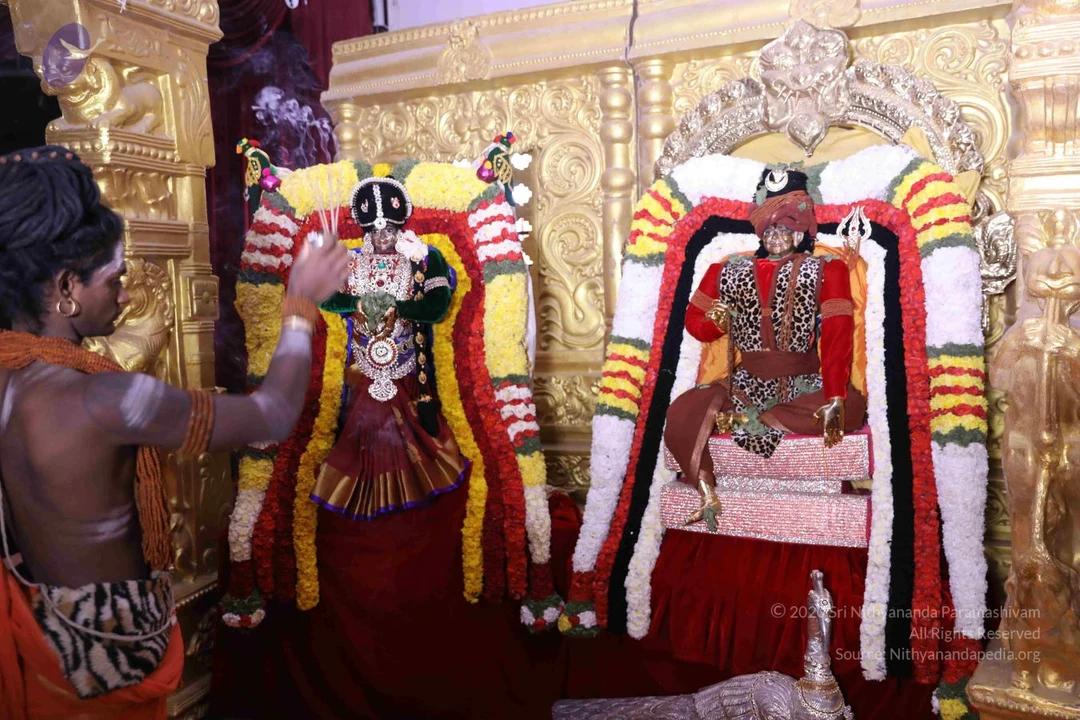
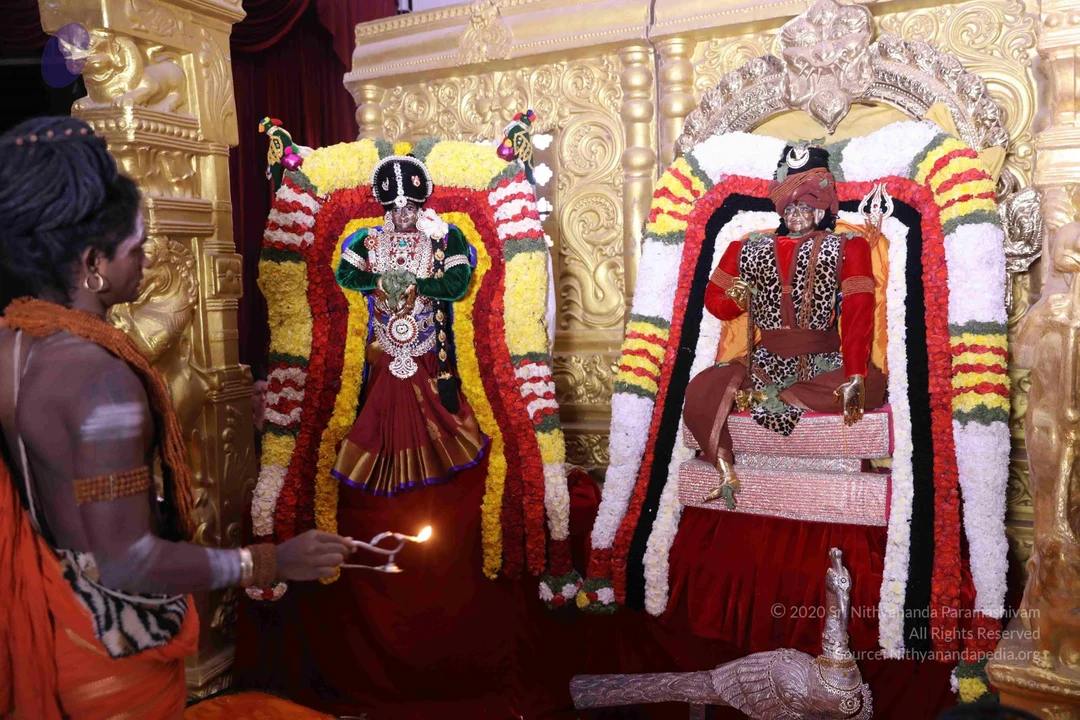
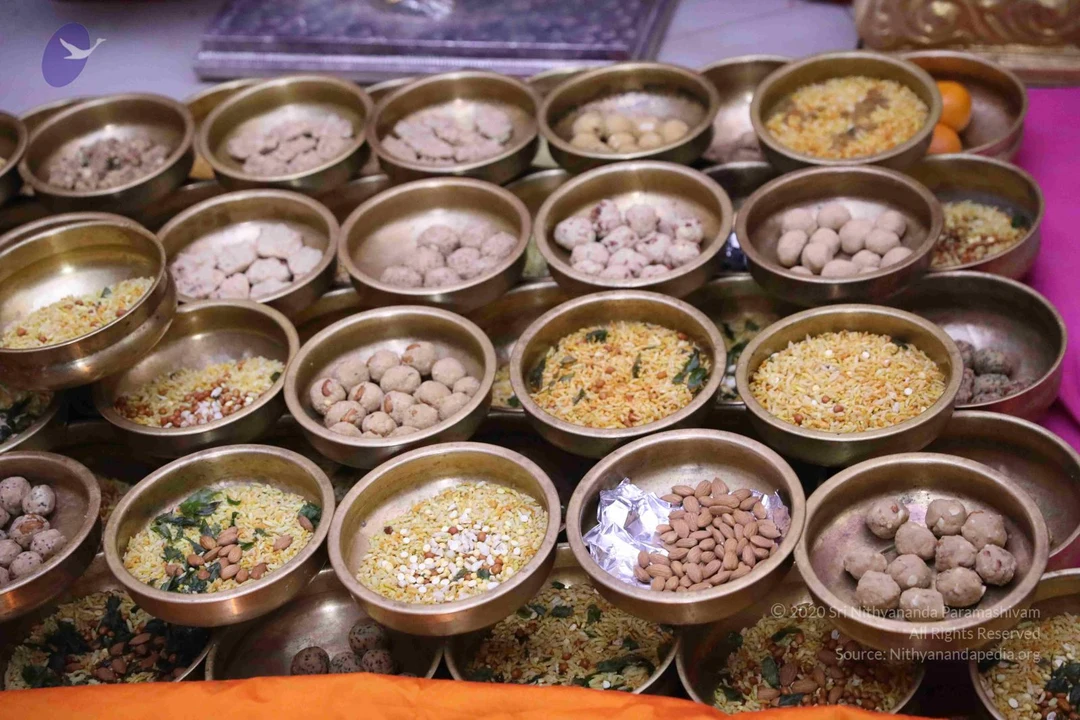
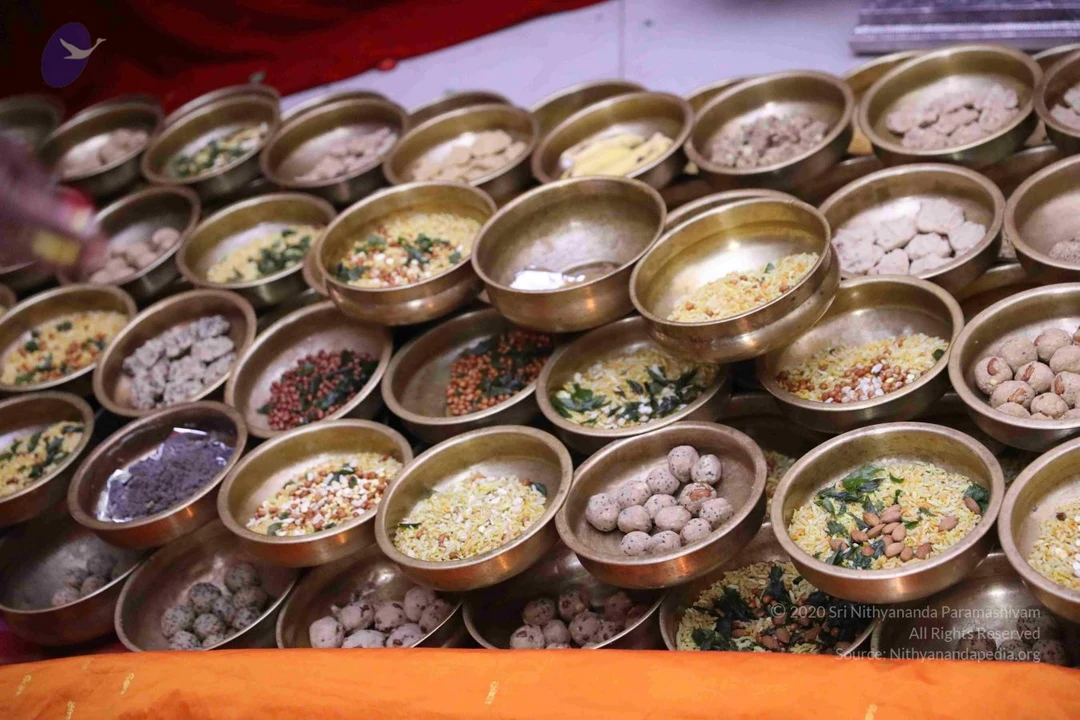
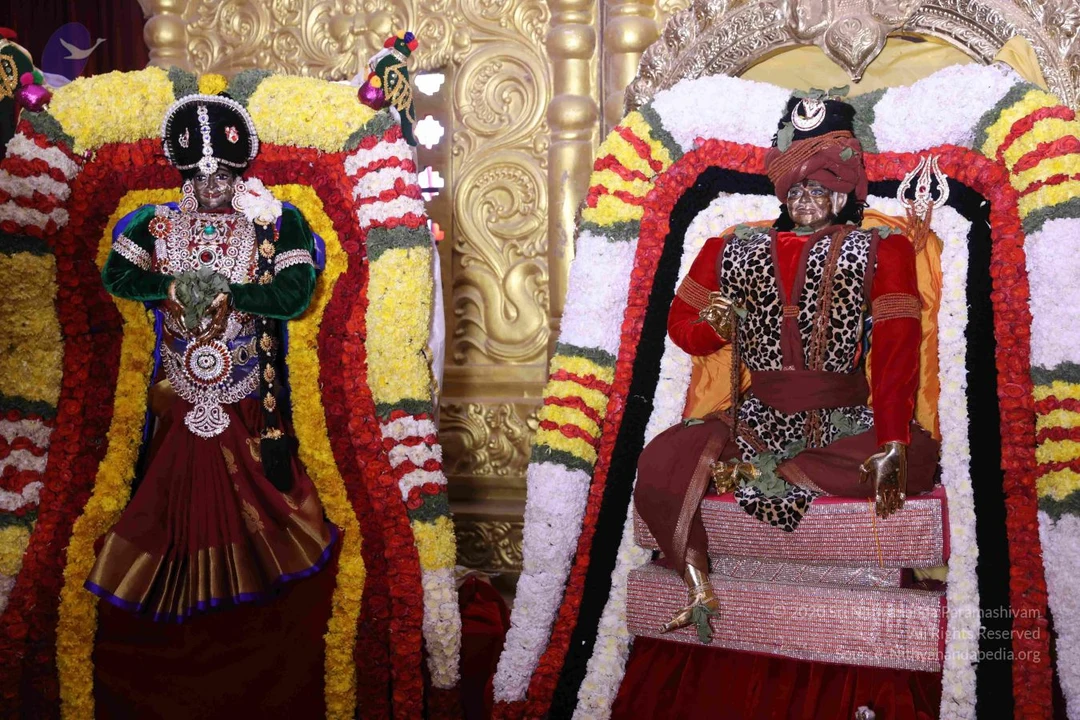
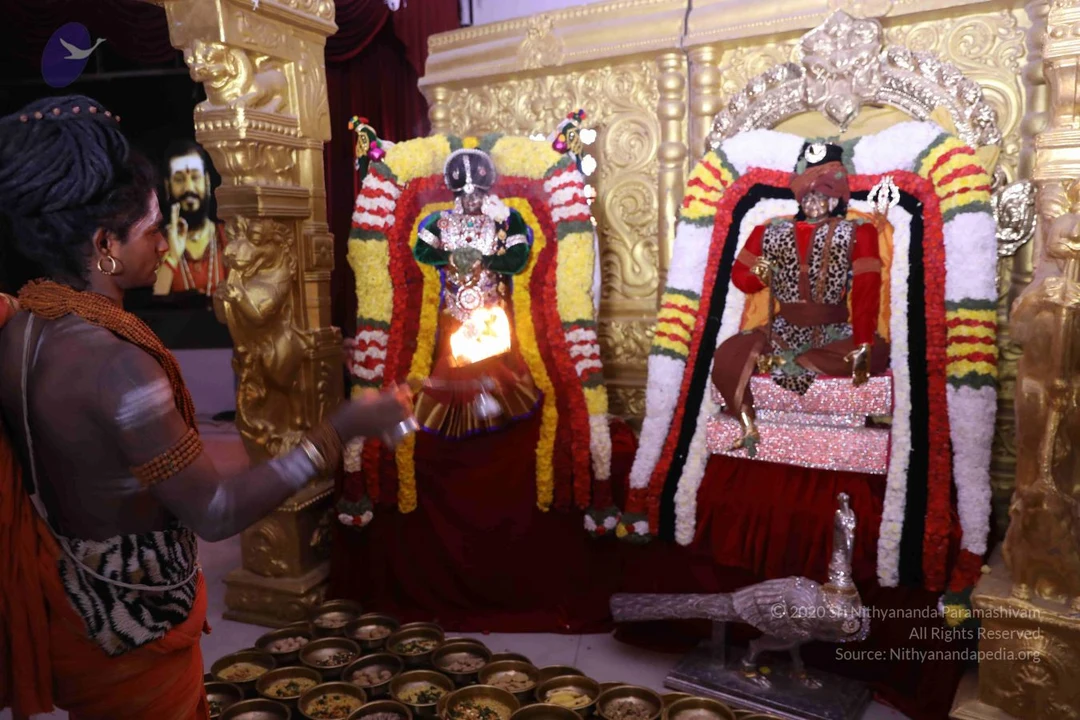
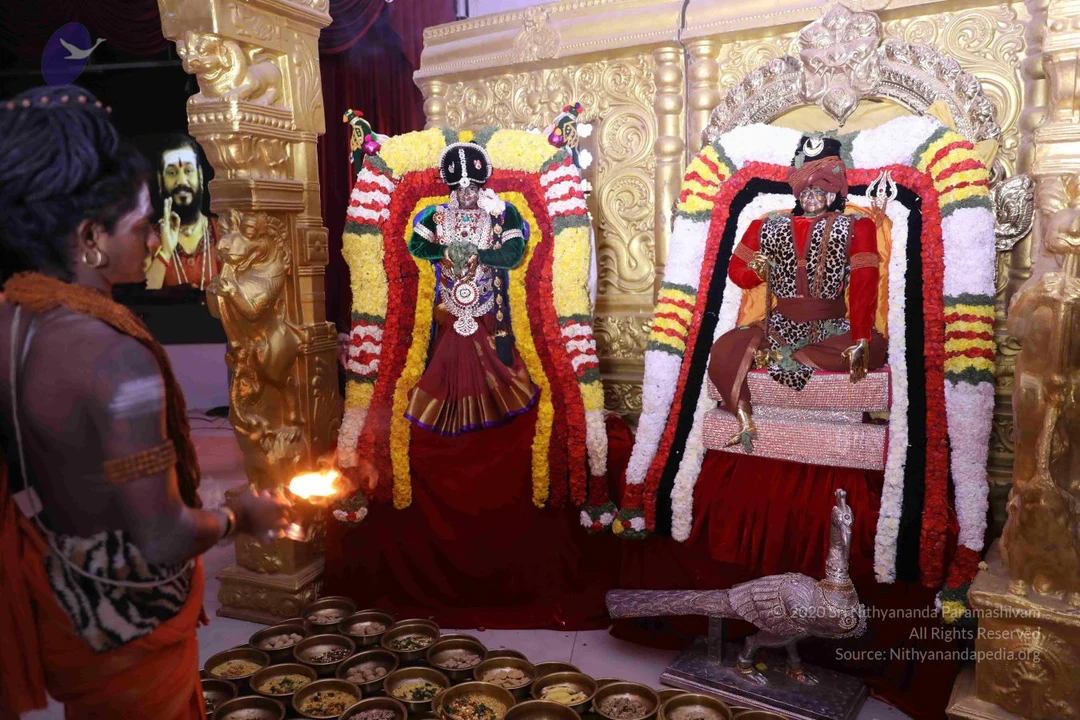
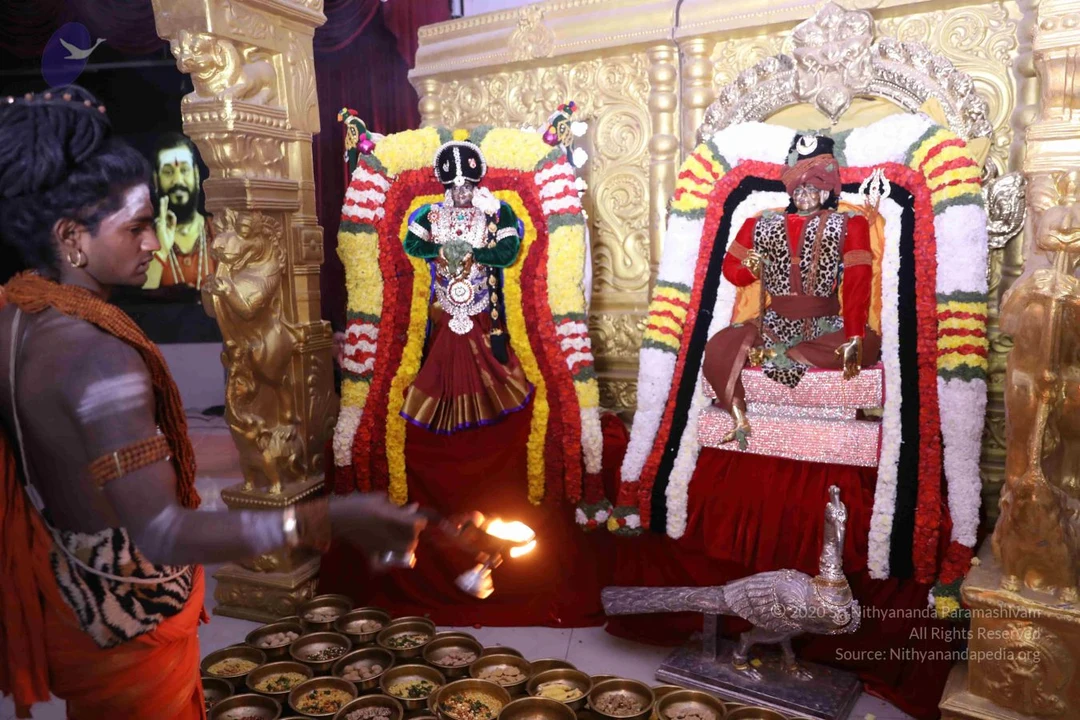
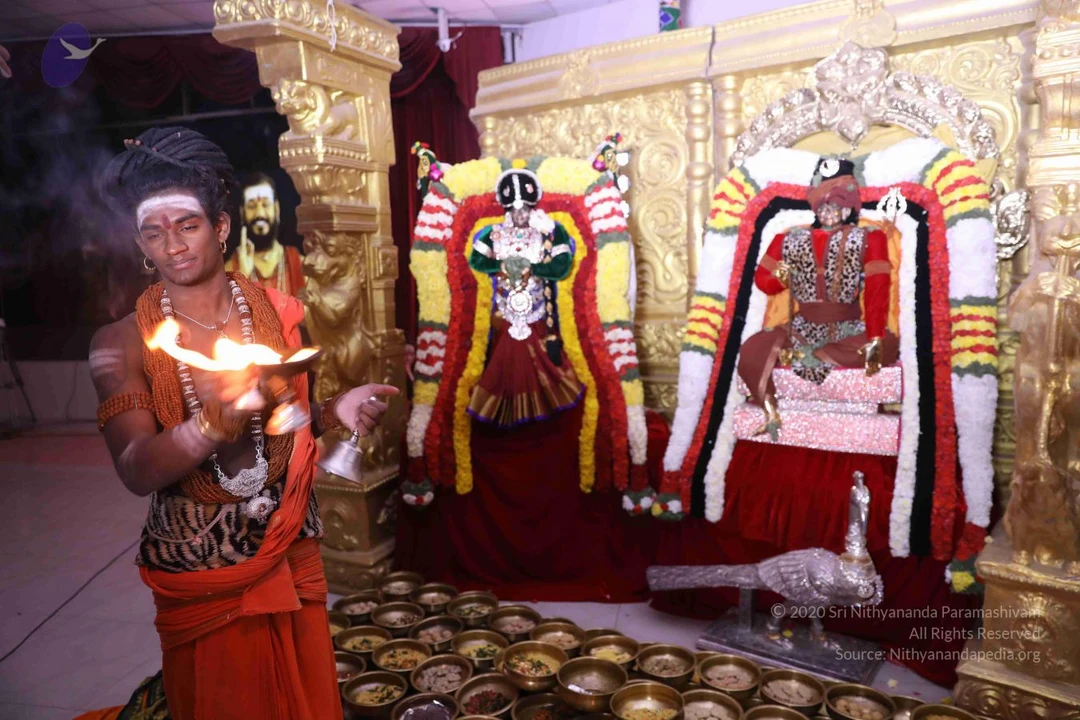
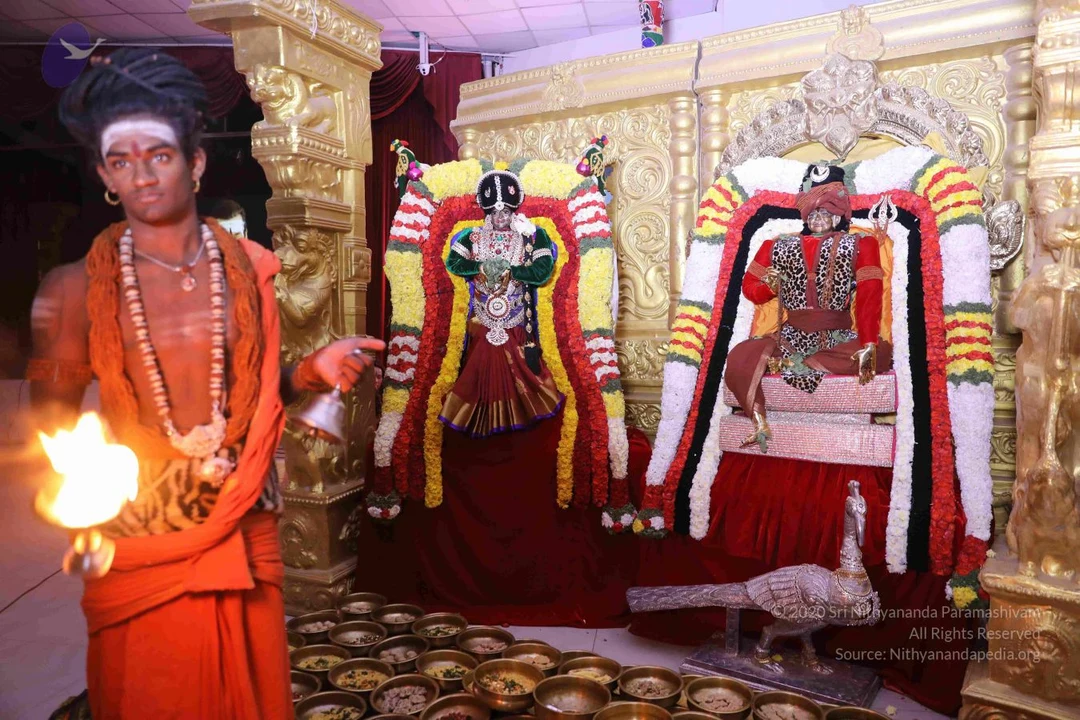
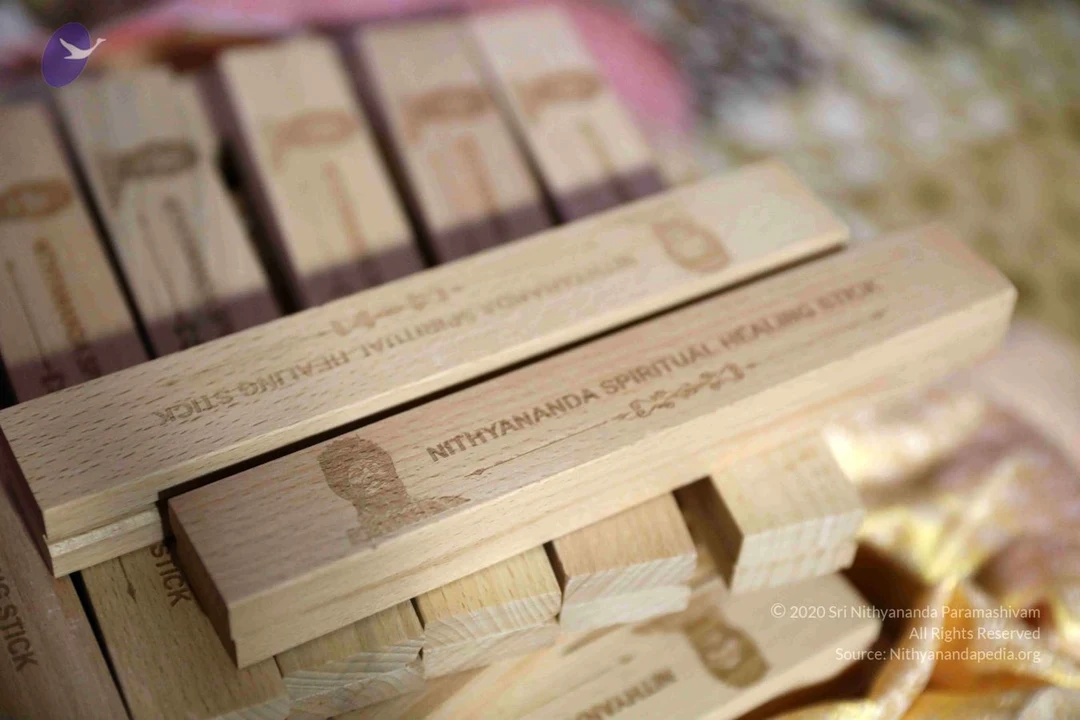
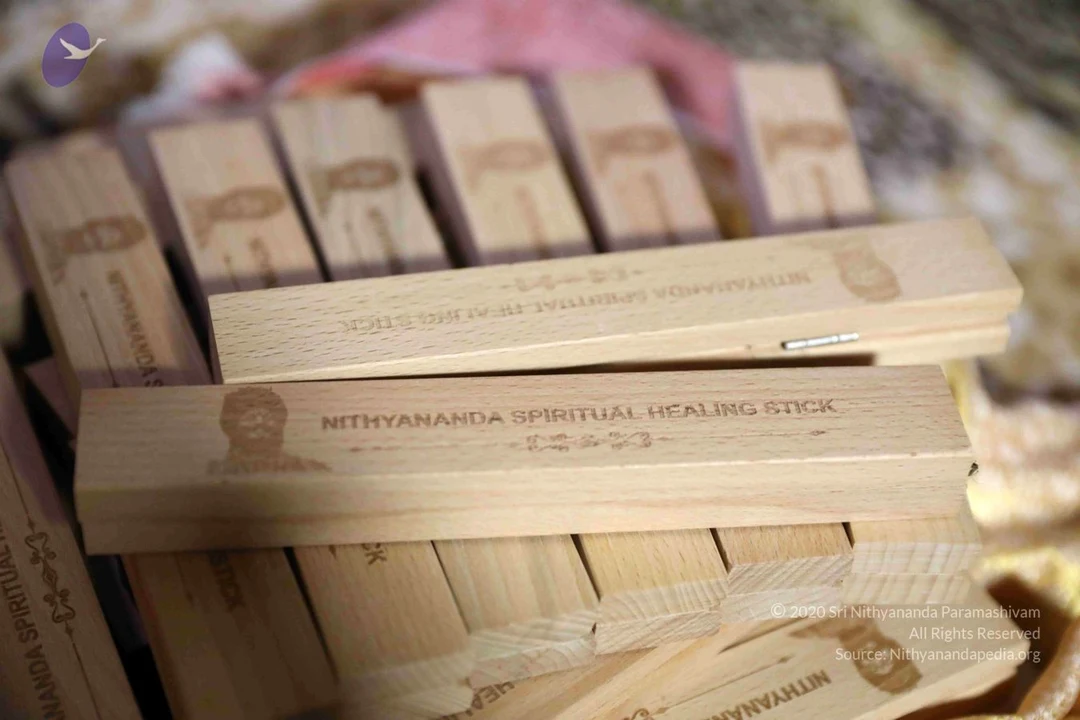
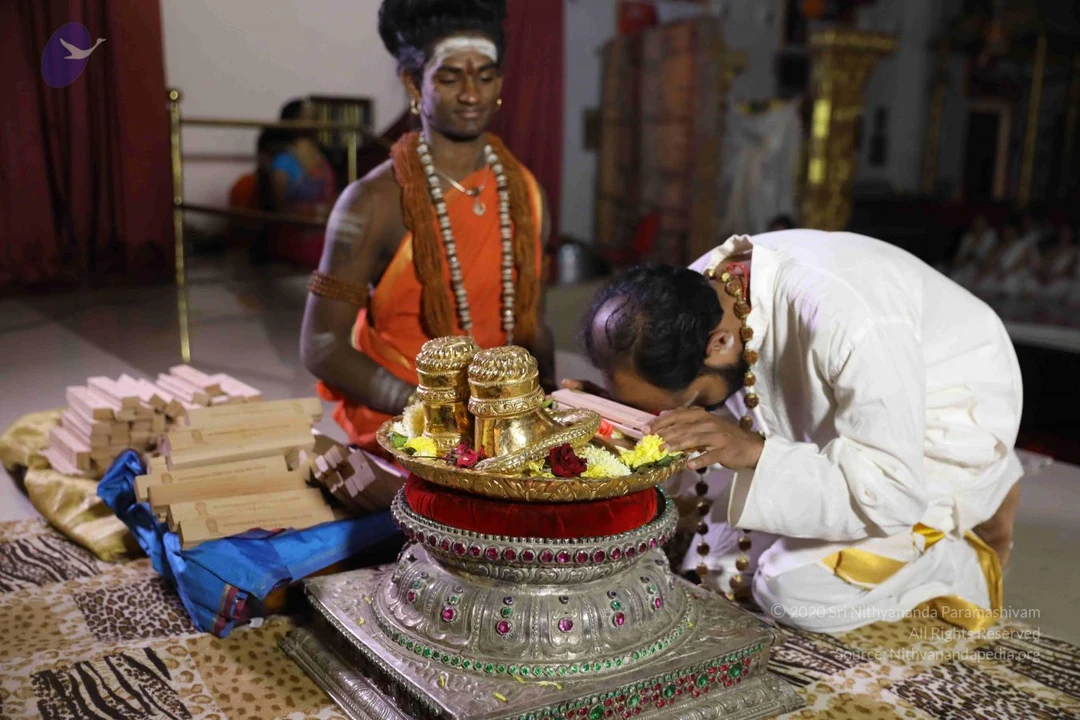
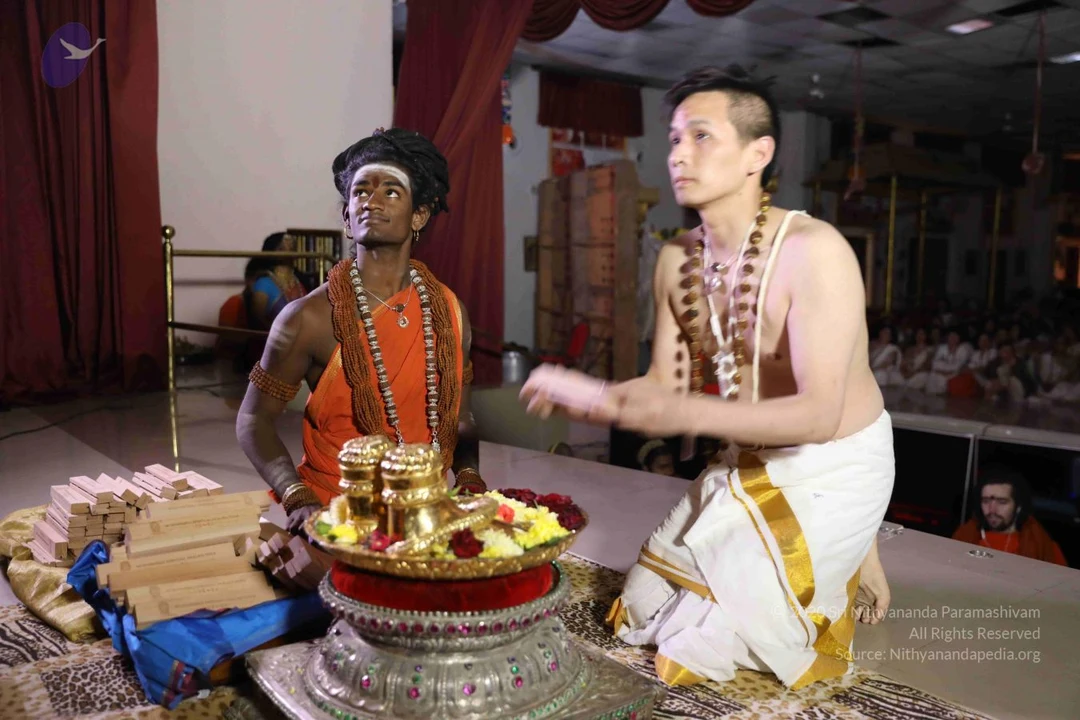
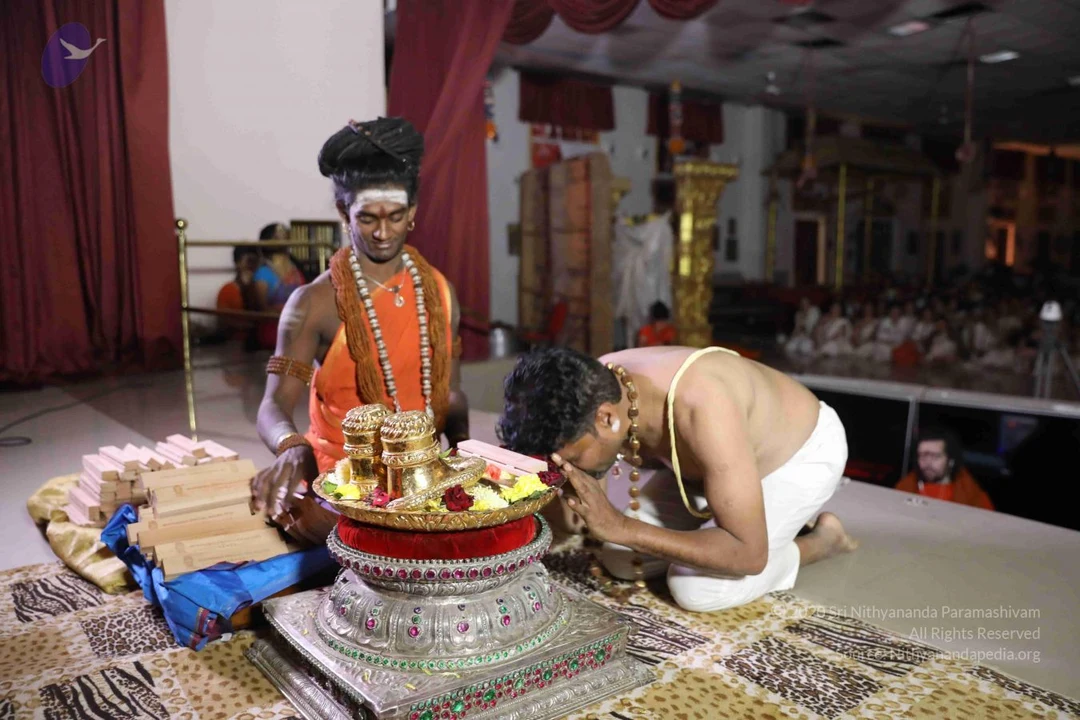
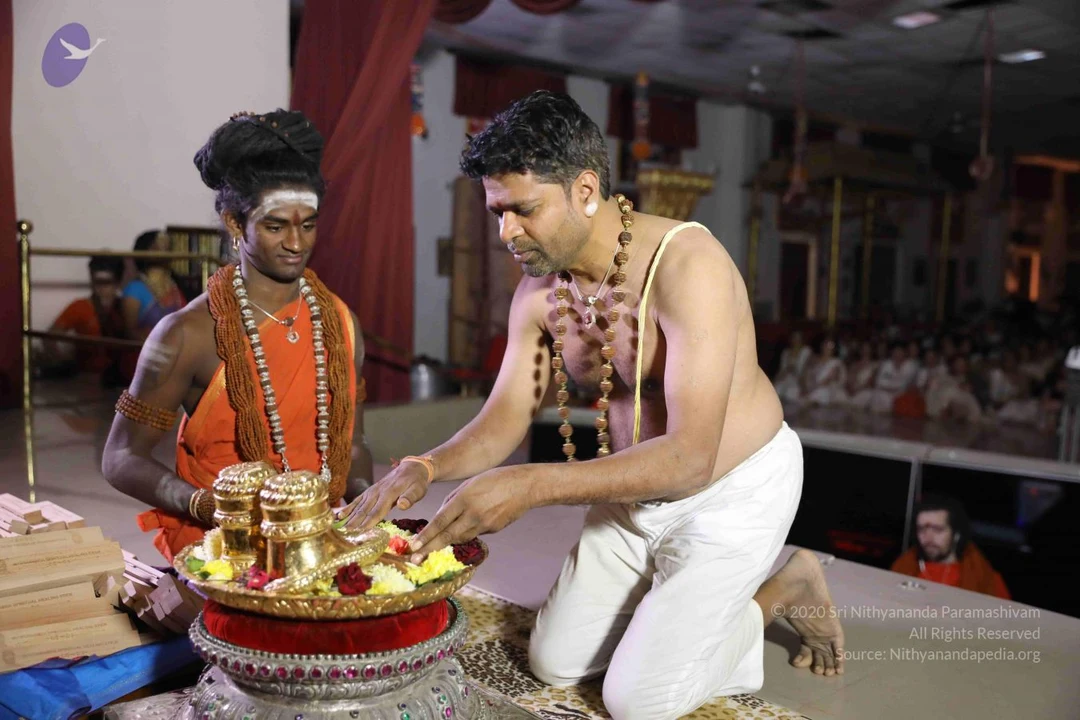
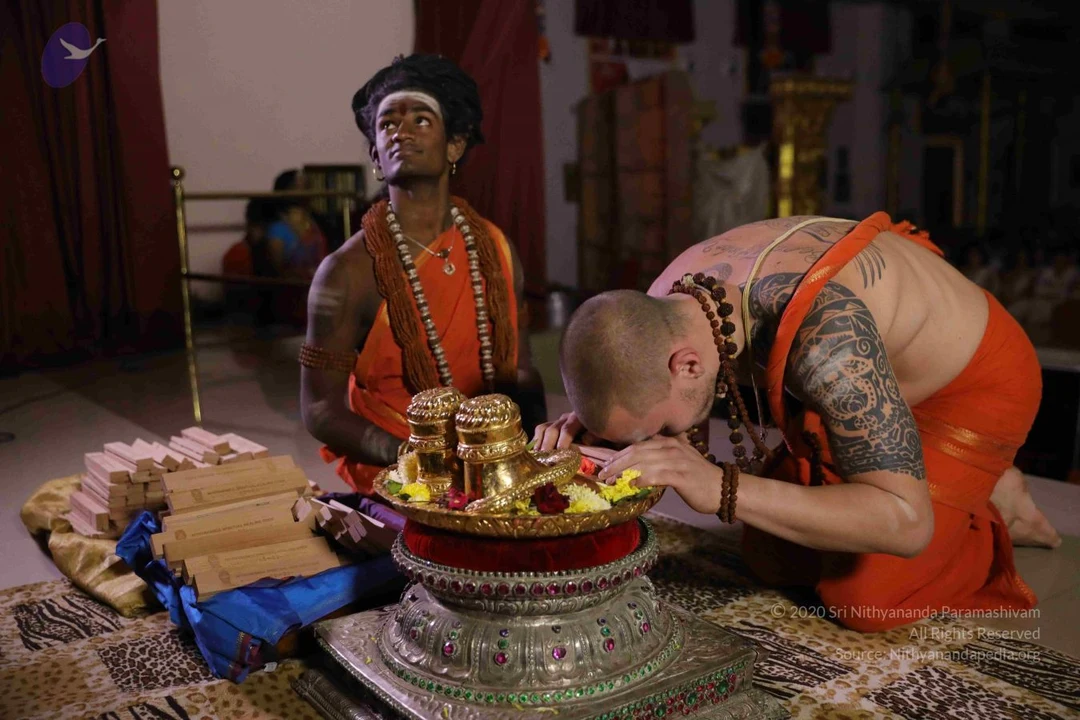
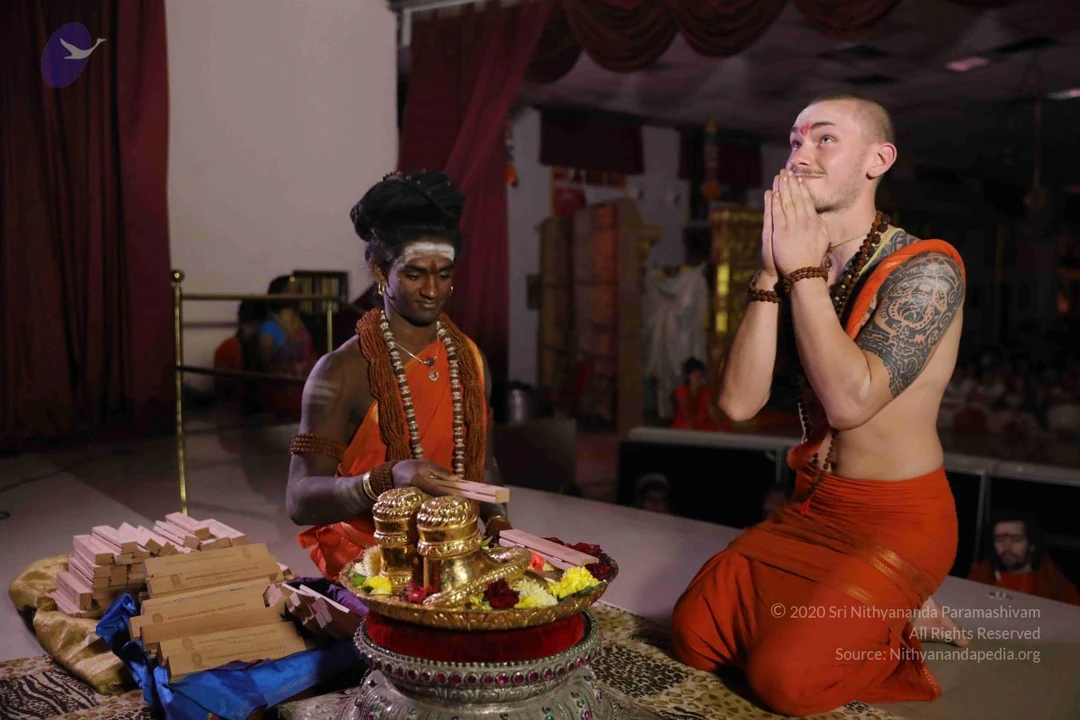
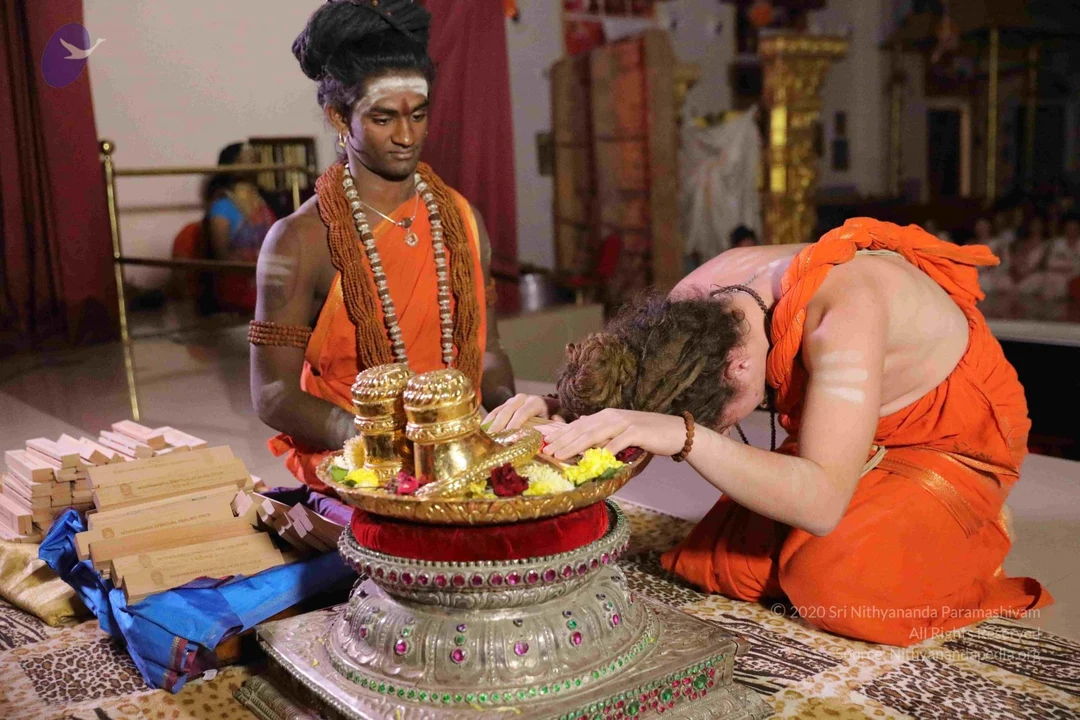
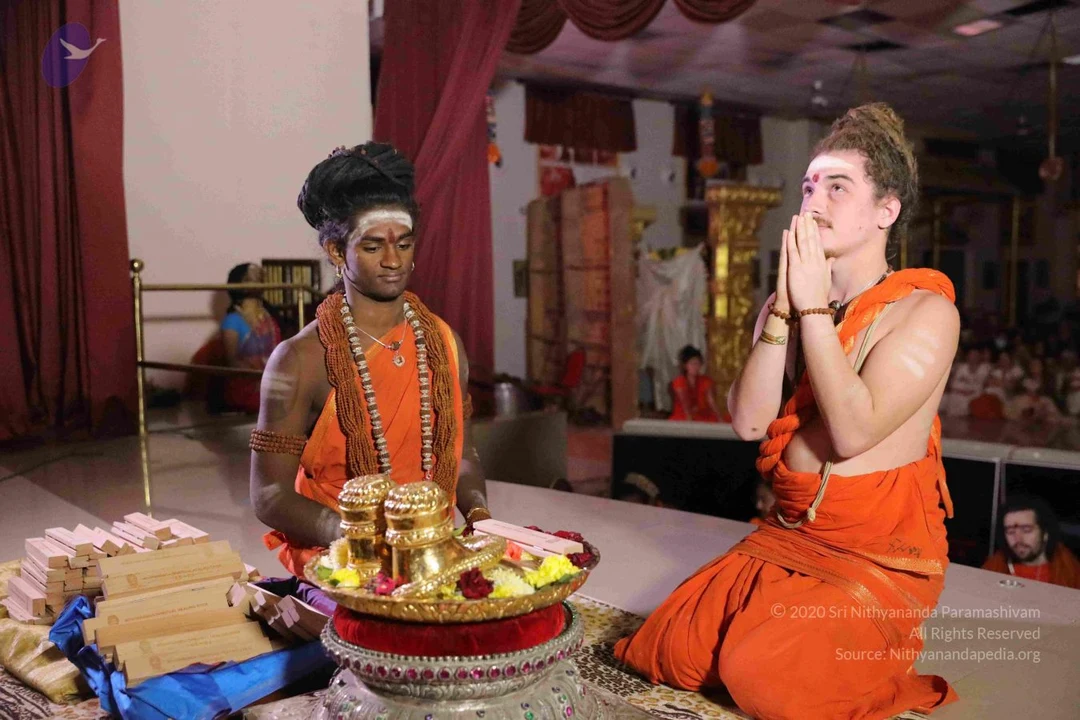
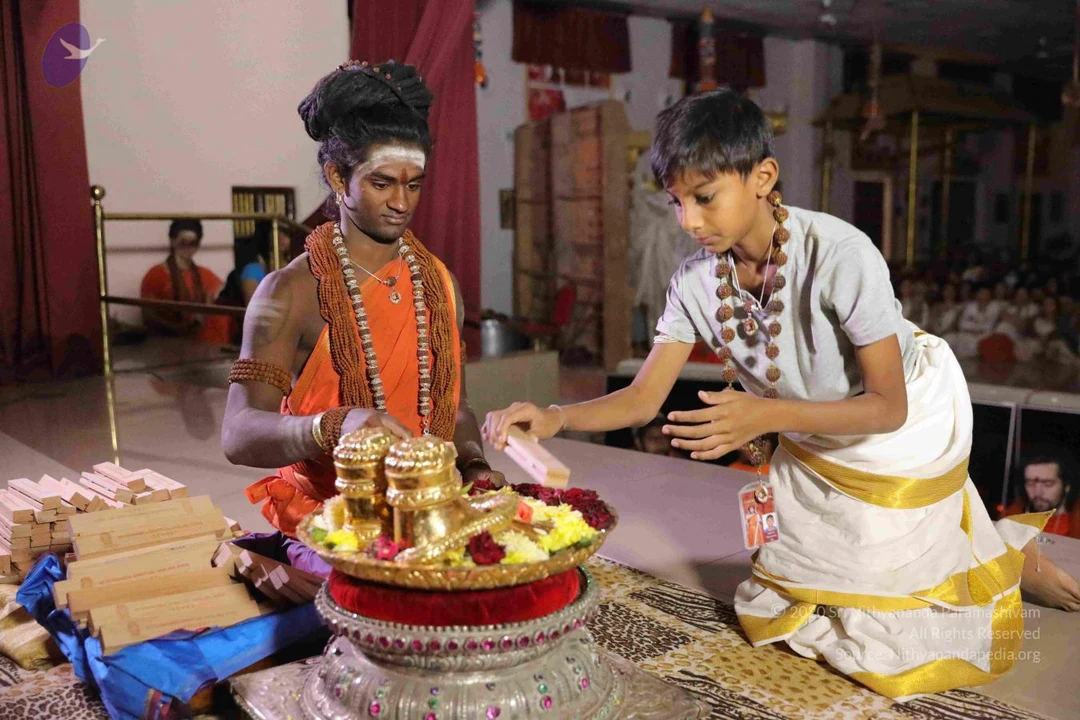
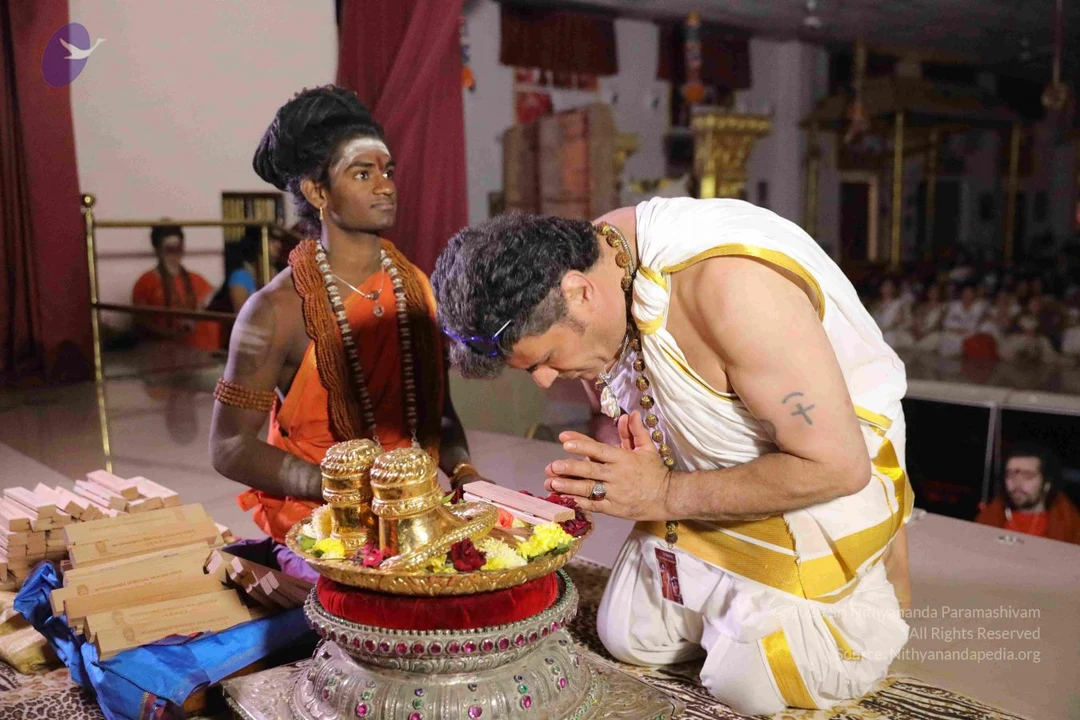
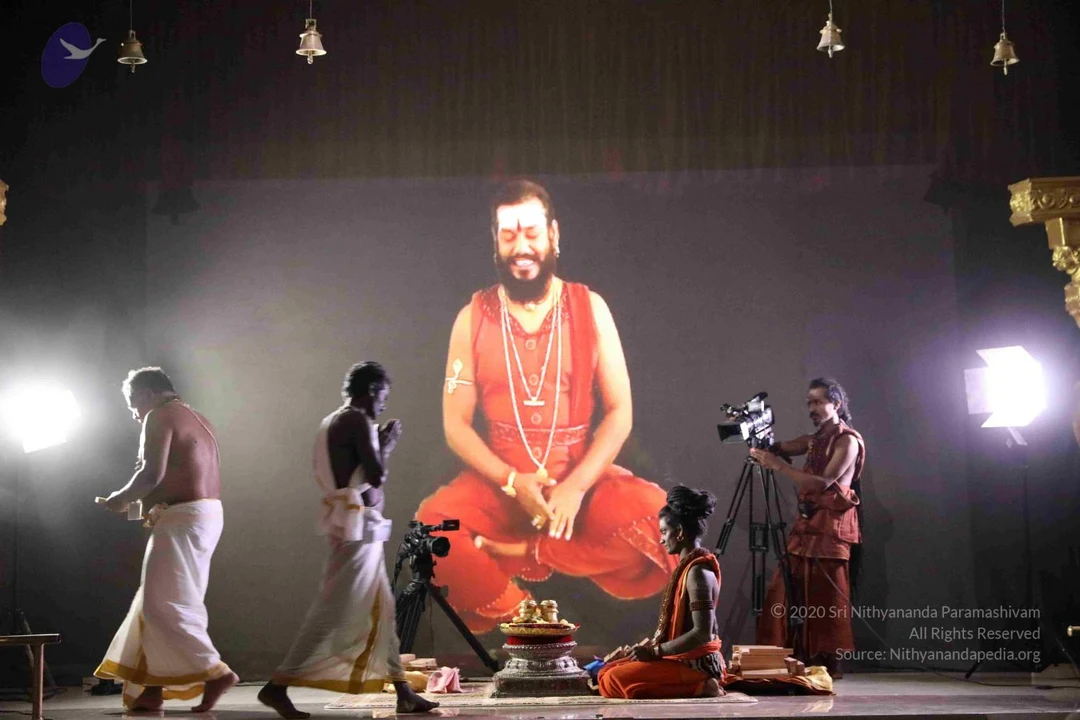
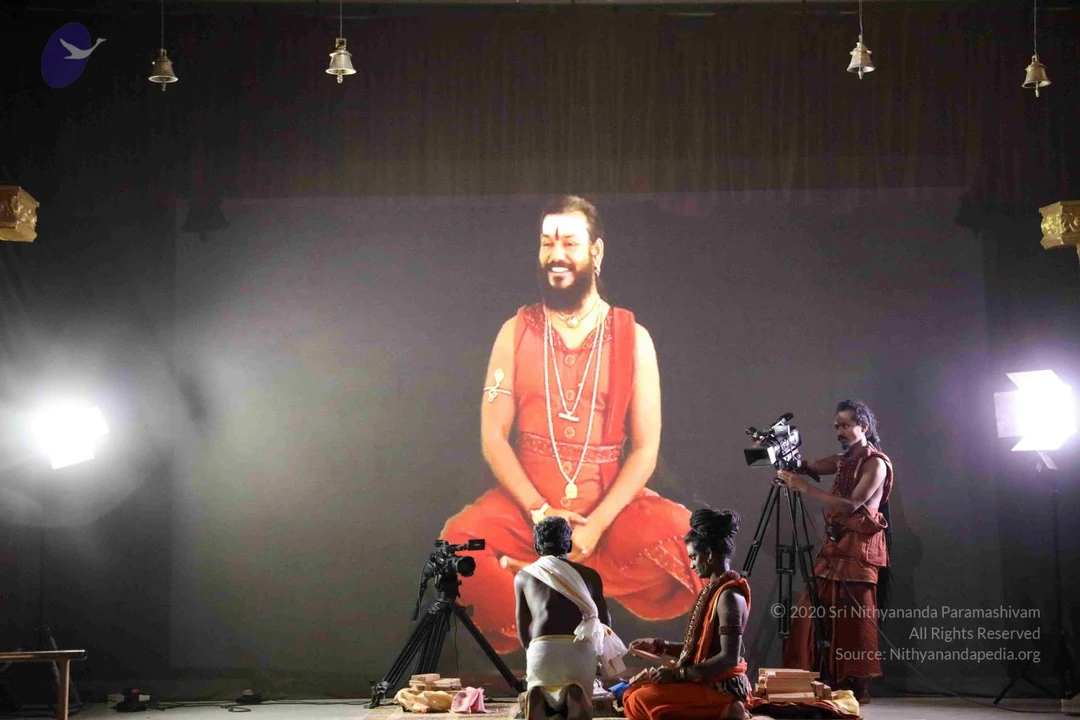
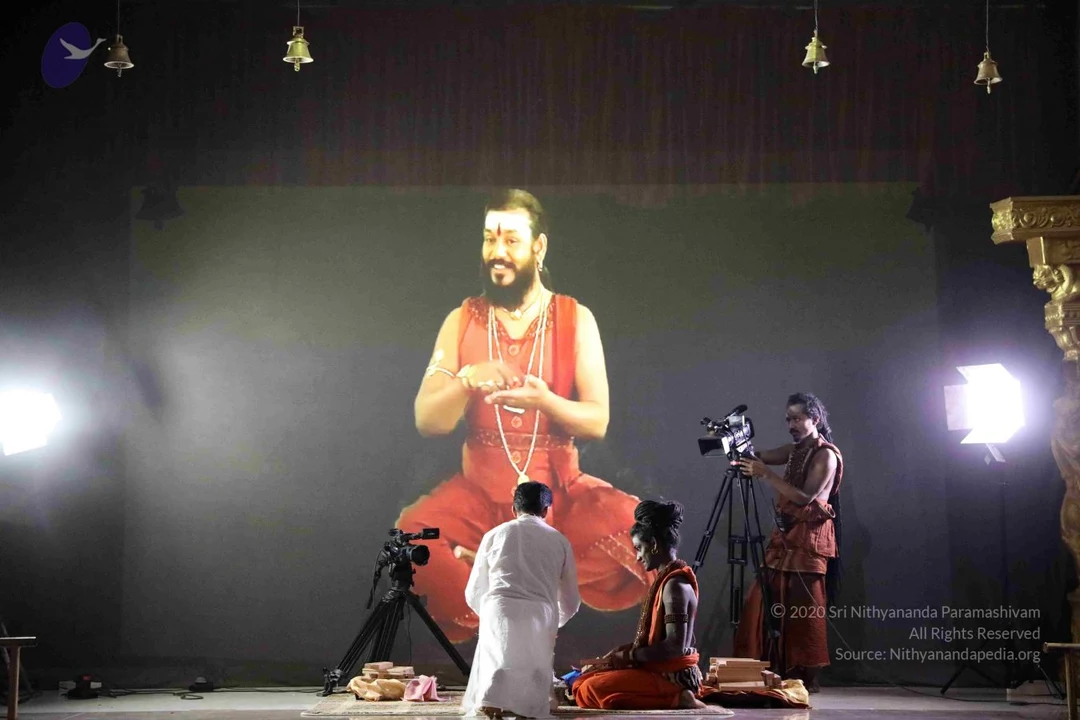
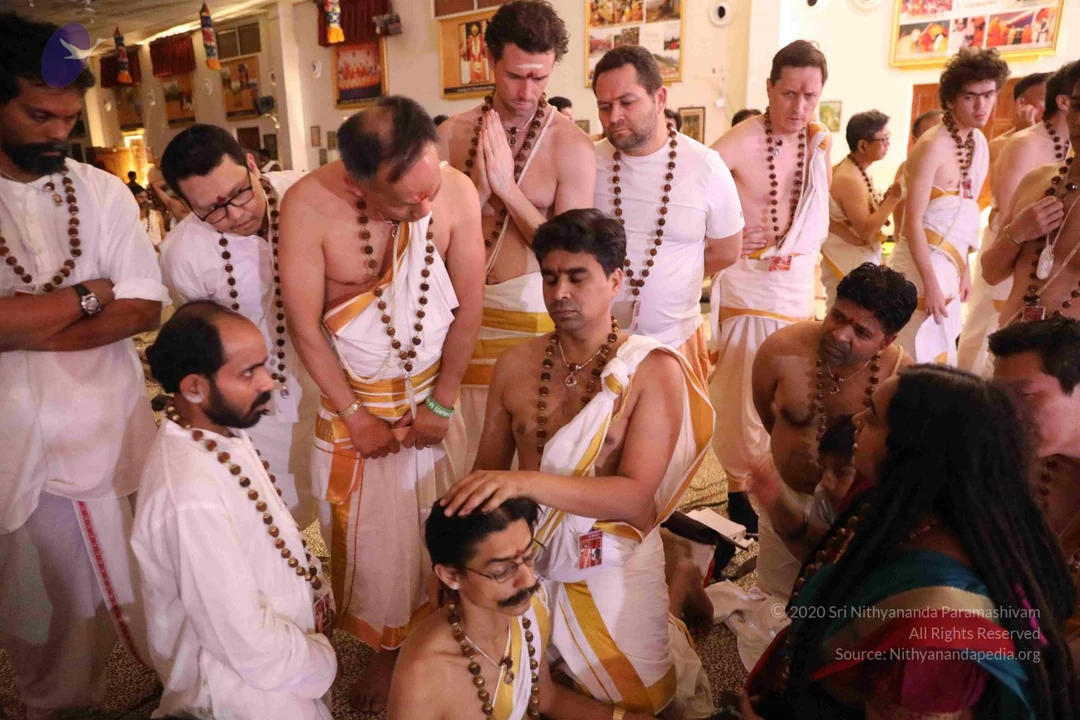
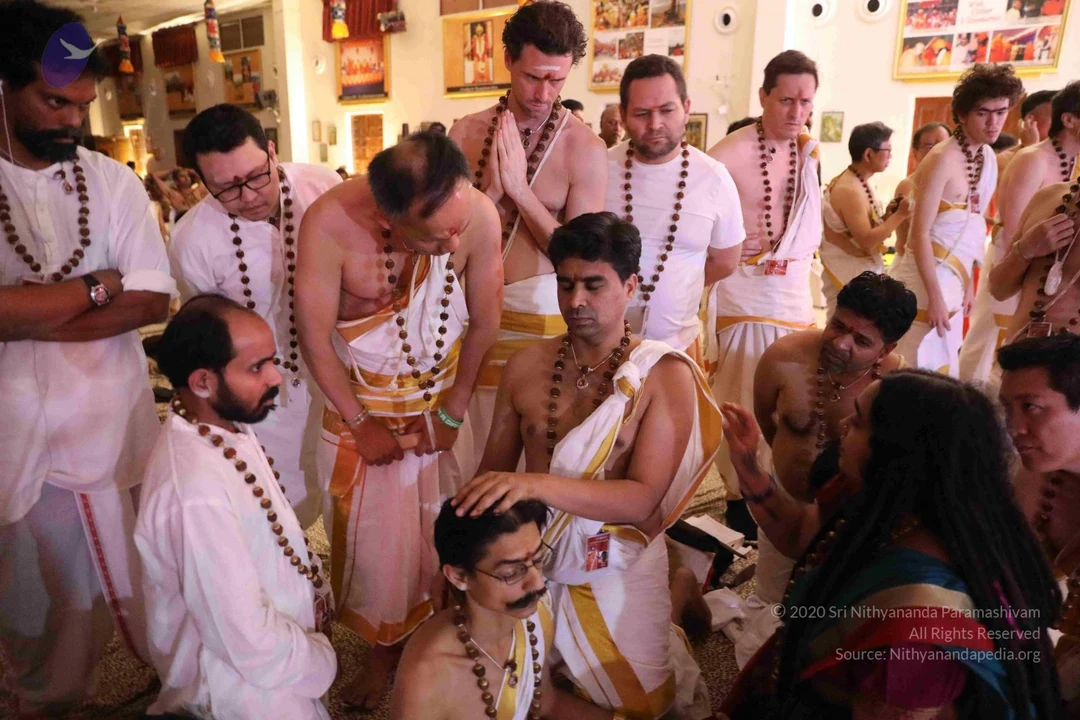
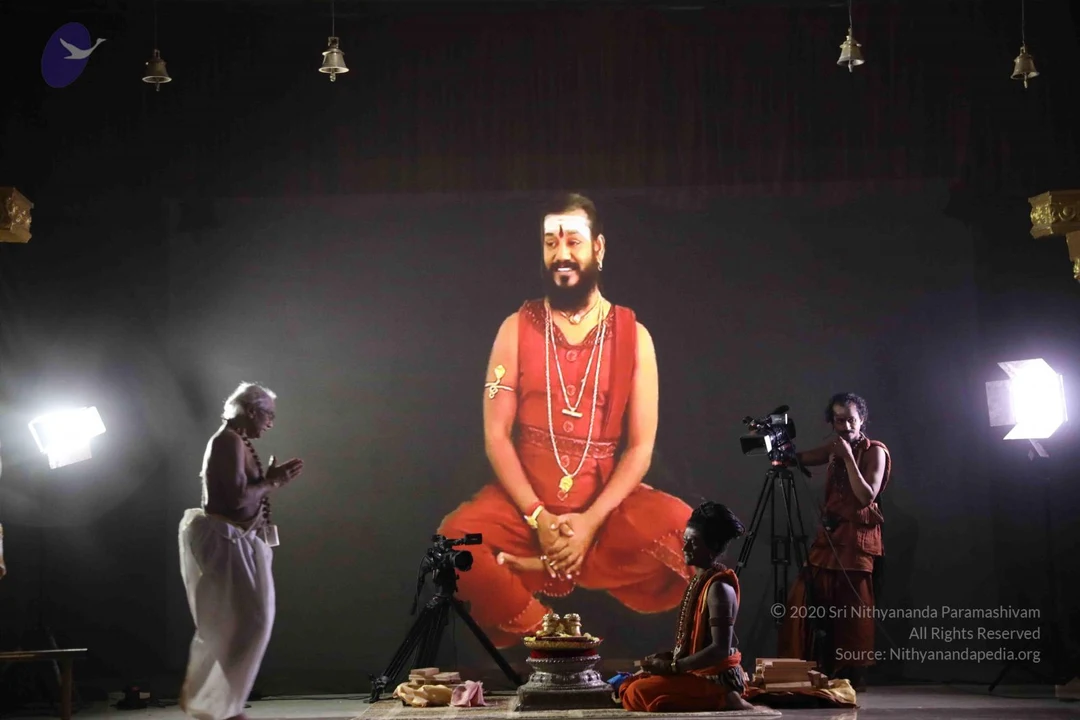
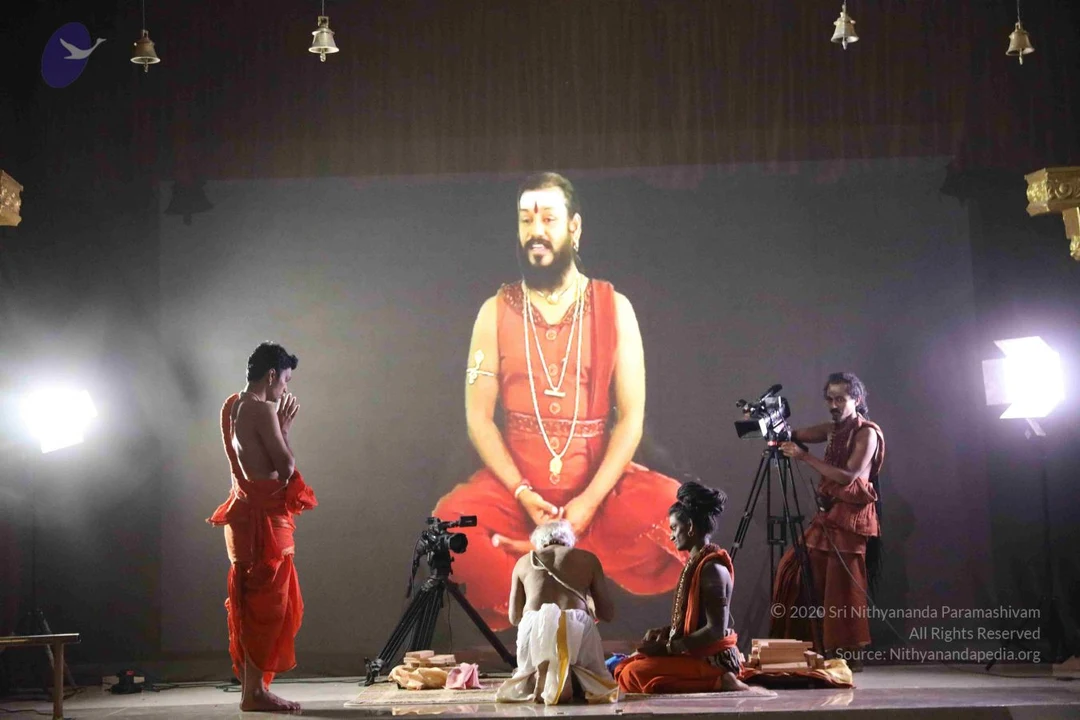
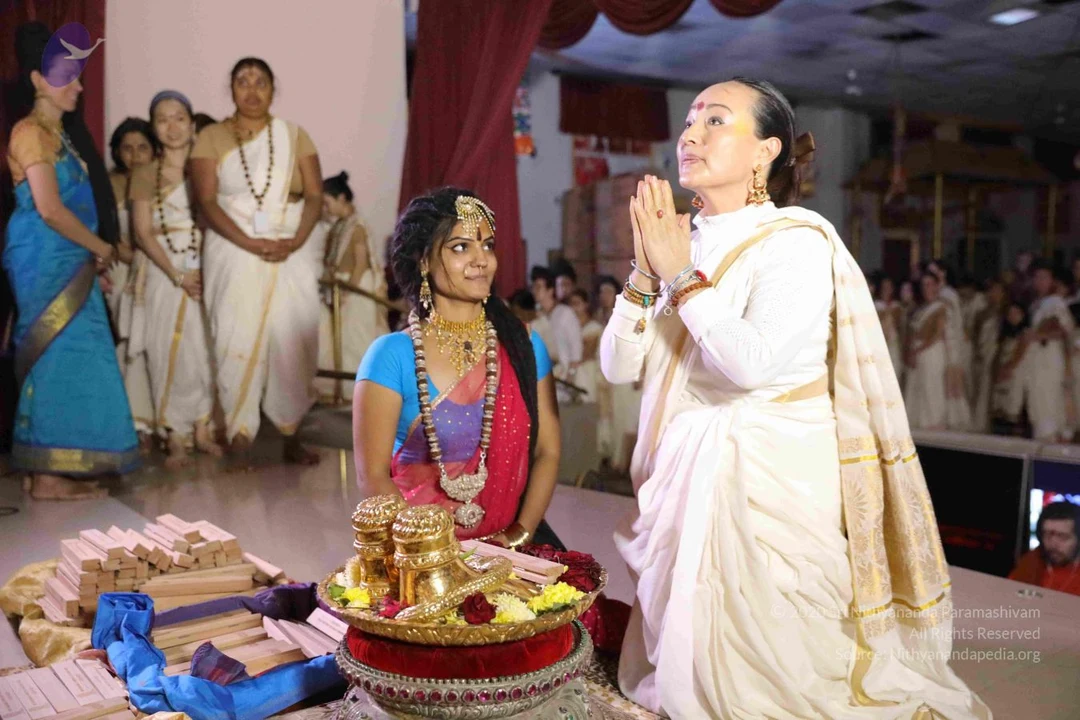
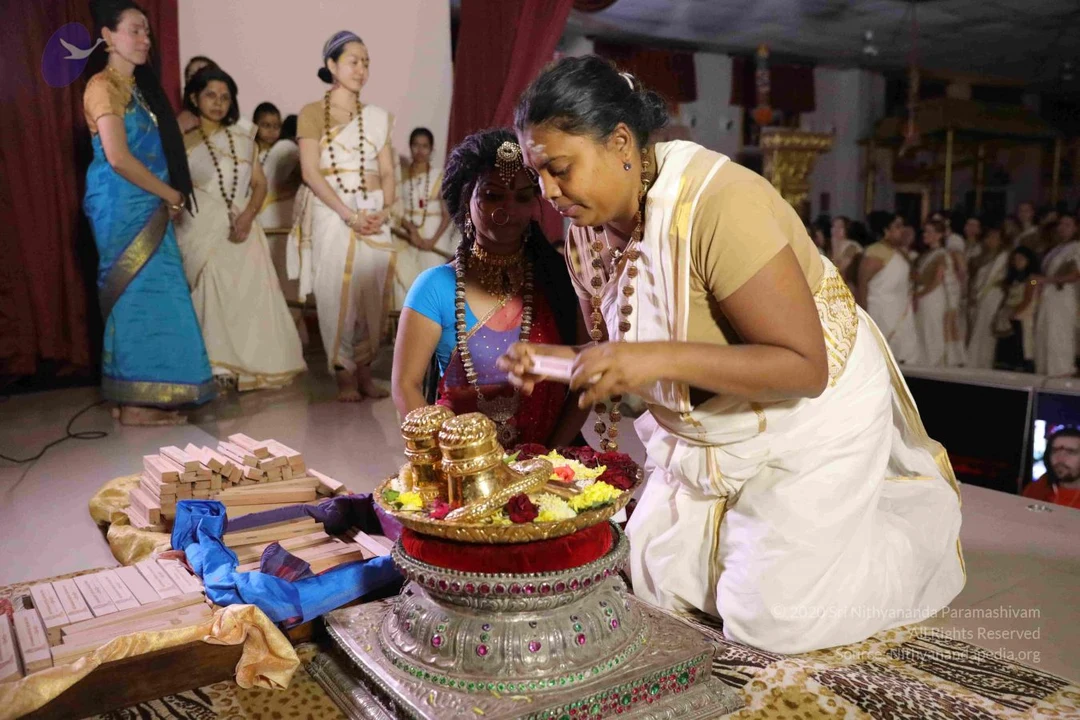
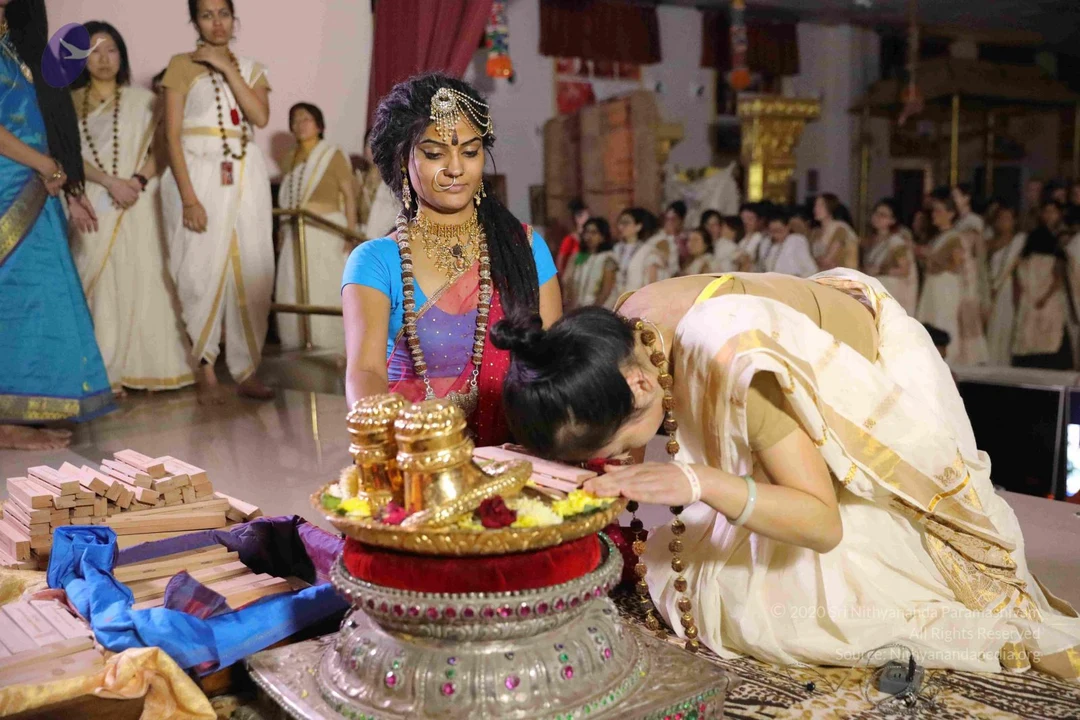
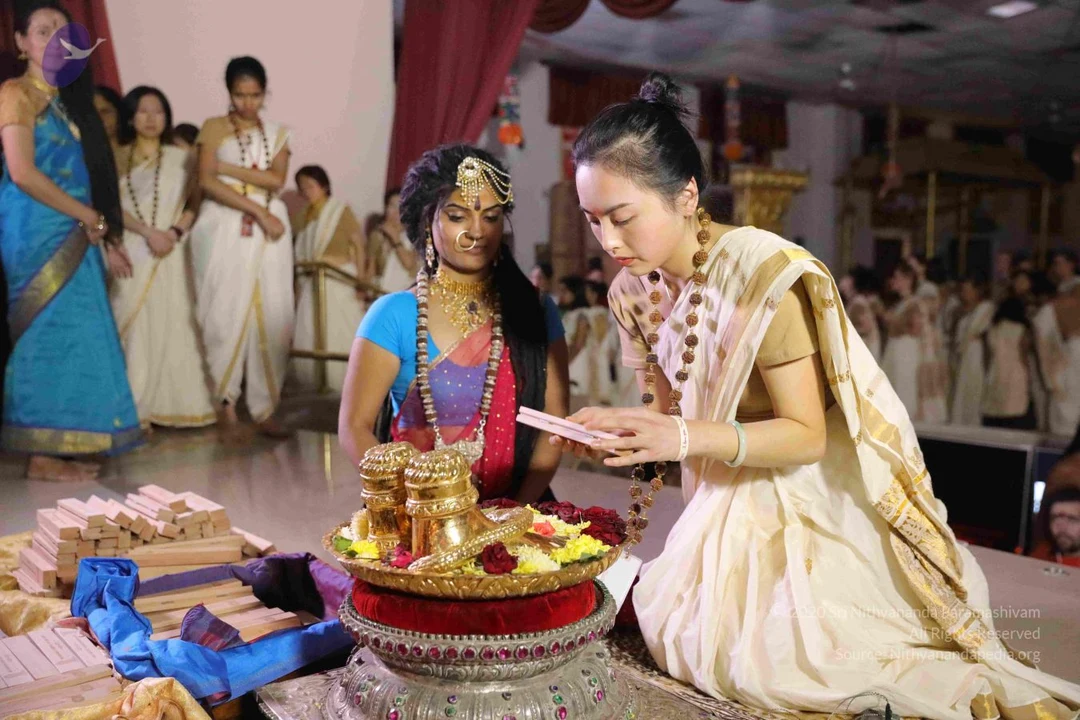
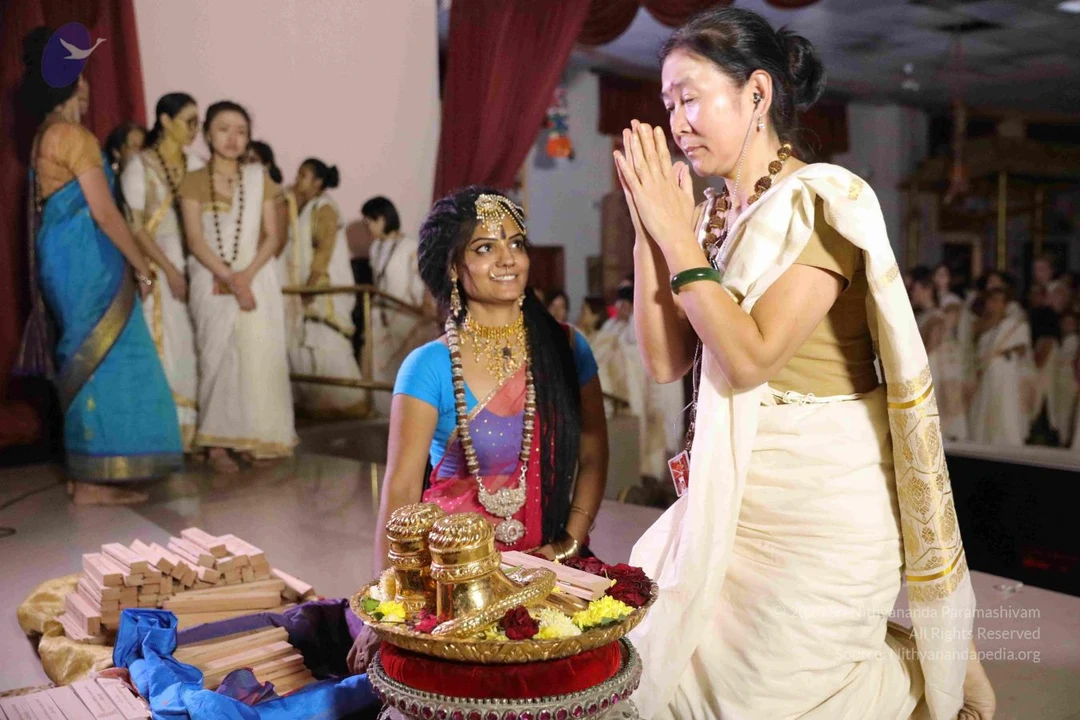
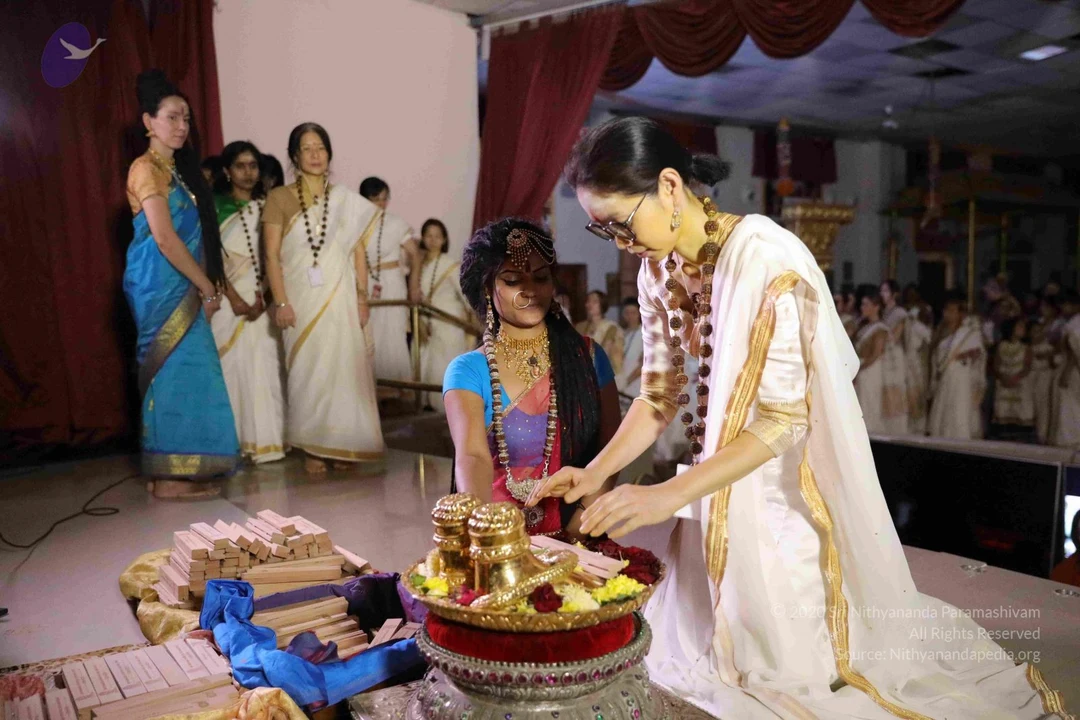
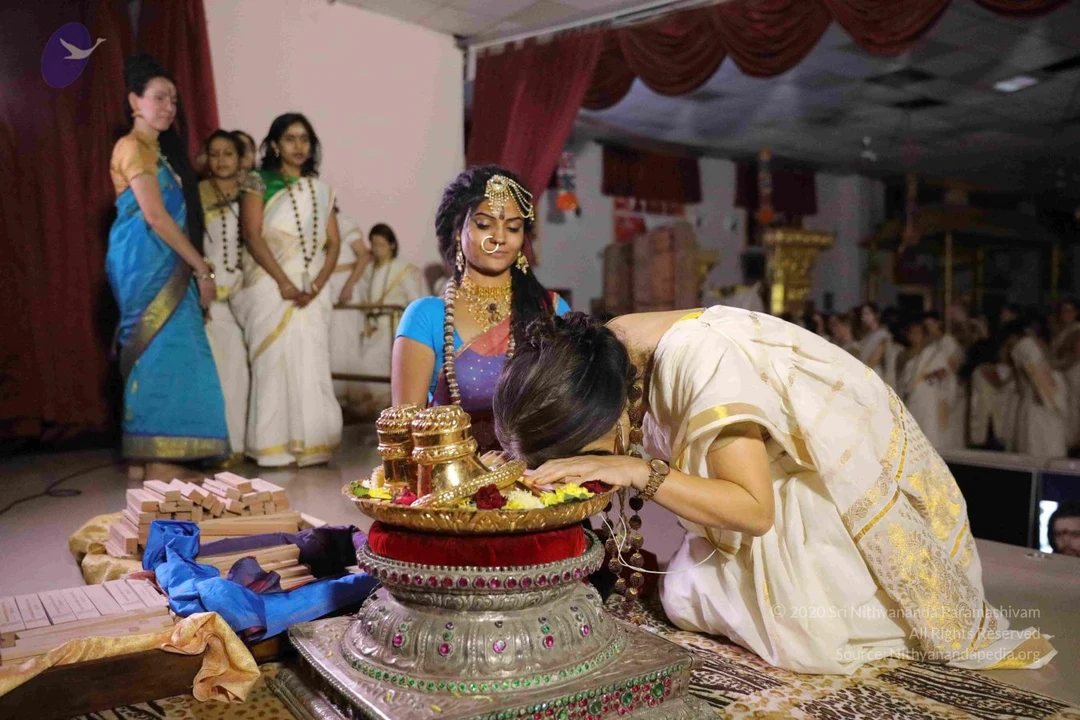
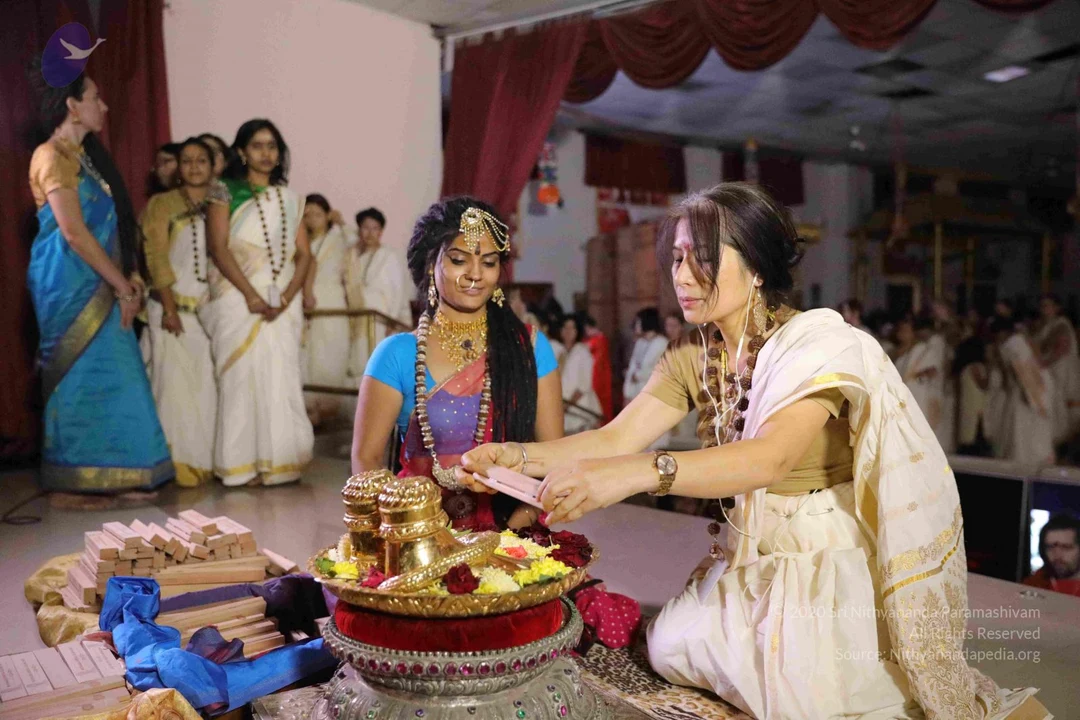
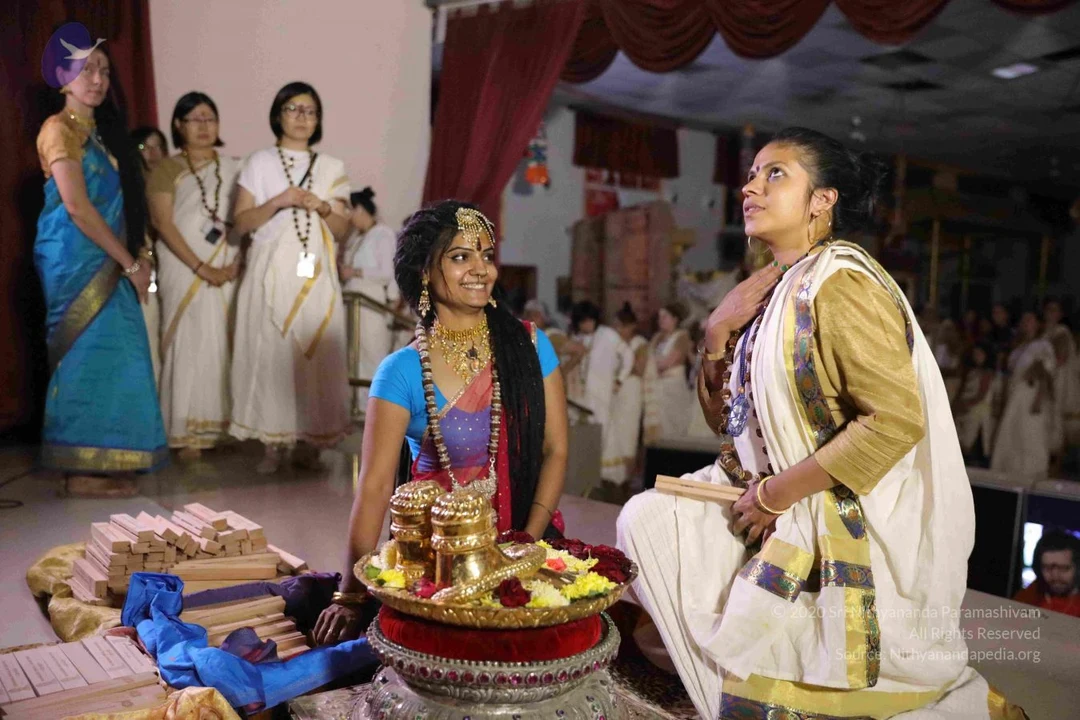
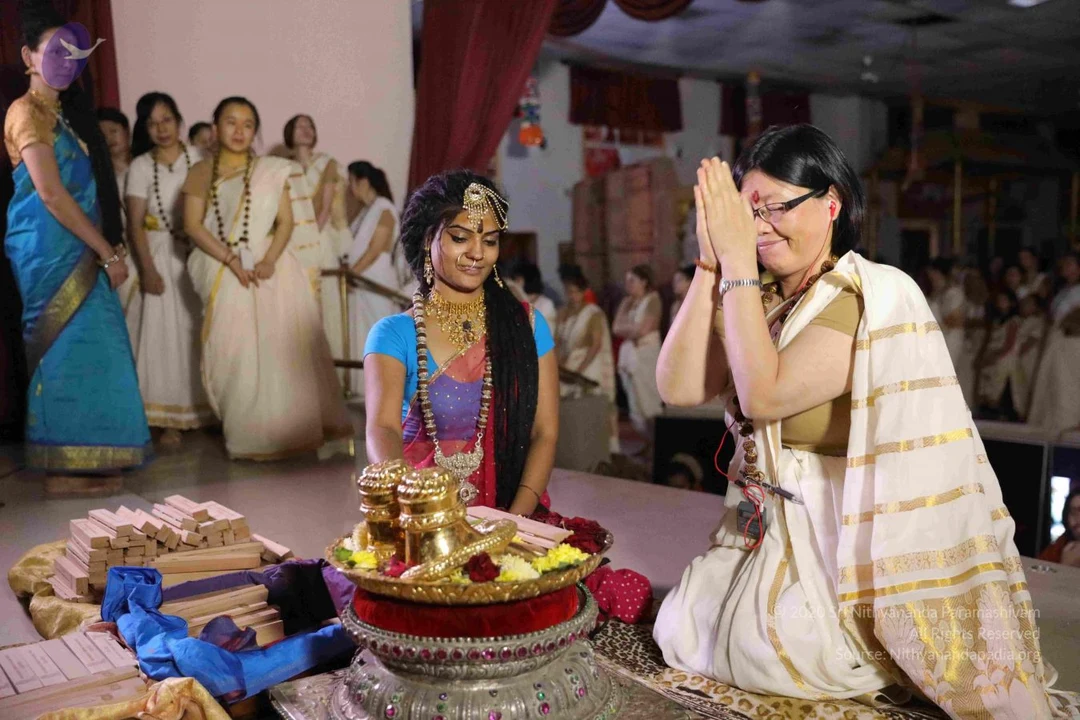
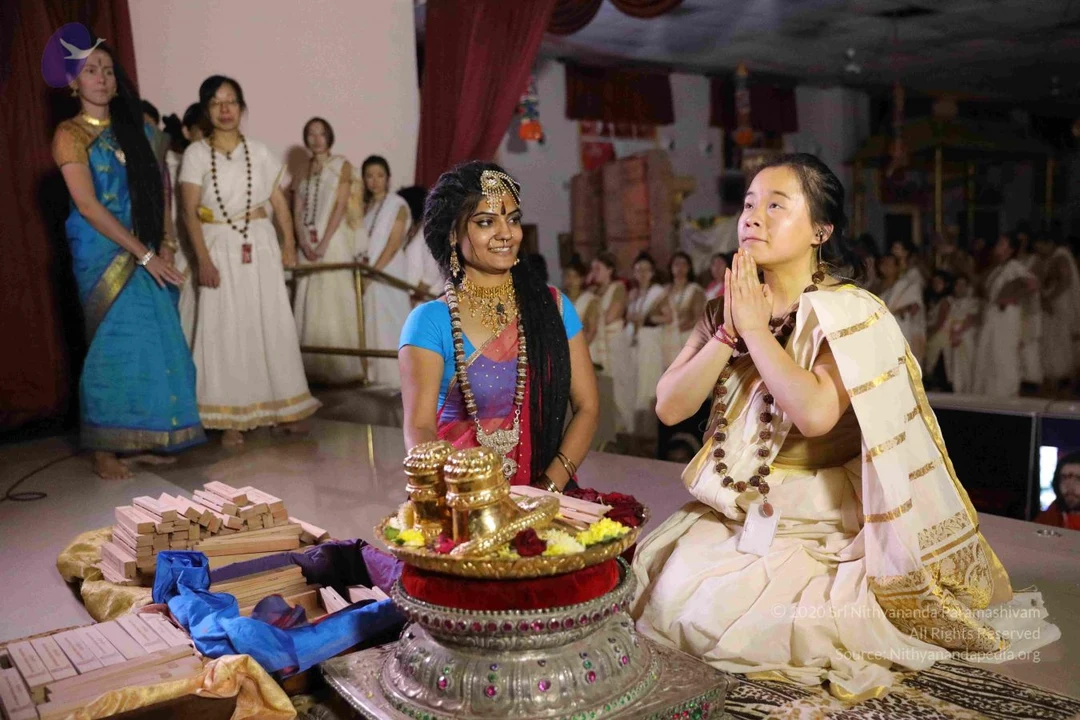
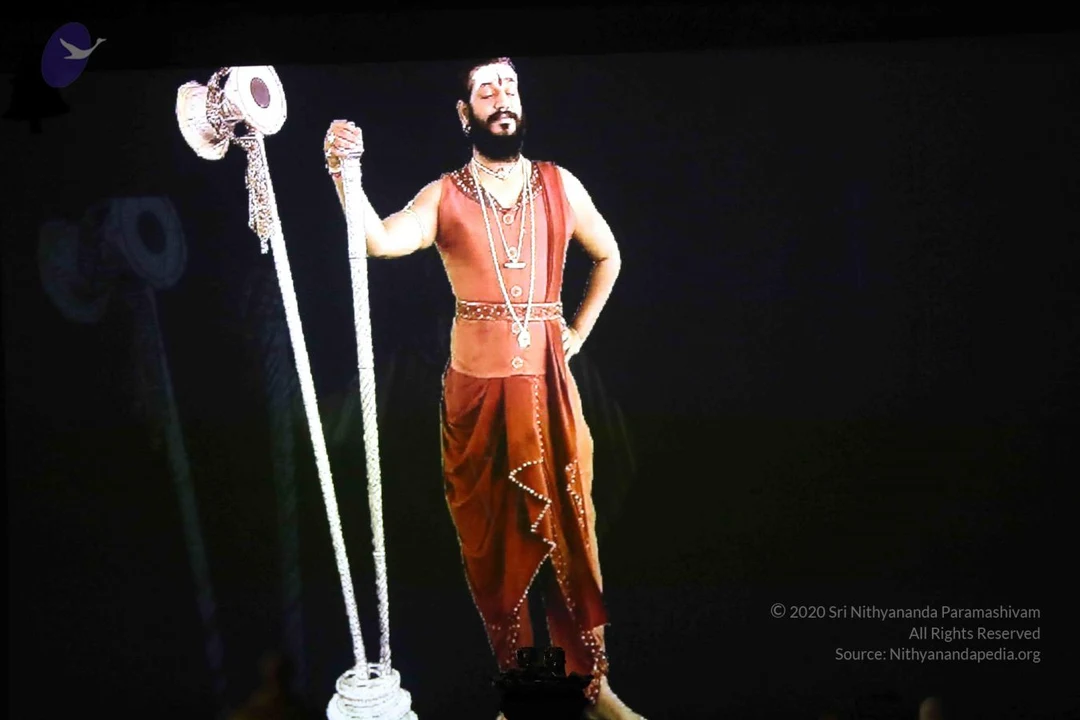


Photos Of The Day:
FB-Photos-of-the-Day
Photos from this day
View all 89 photosHealers-Initiation-Darshan
86 photosSource gallery
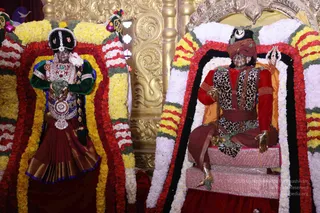
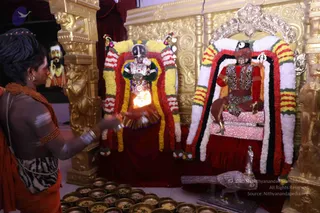
FB-Photos-of-the-Day
3 photosSource gallery