Wednesday
26 July 2017
Mahadeva's Education or Macaulay's Education
- Dated photos
- 619
- Source pages
- 1
- Media
- 6

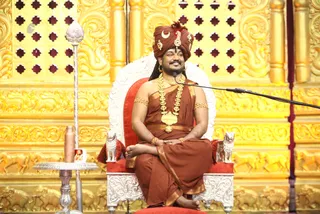
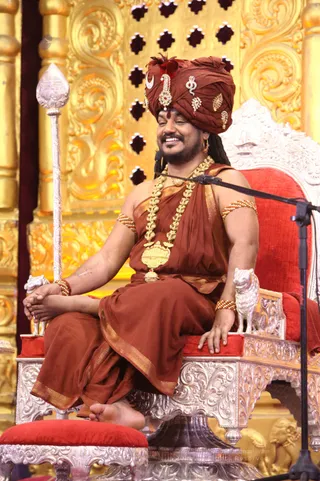
July 26 2017
Original wiki pageTitle
Mahadeva's Education or Macaulay's Education
Description
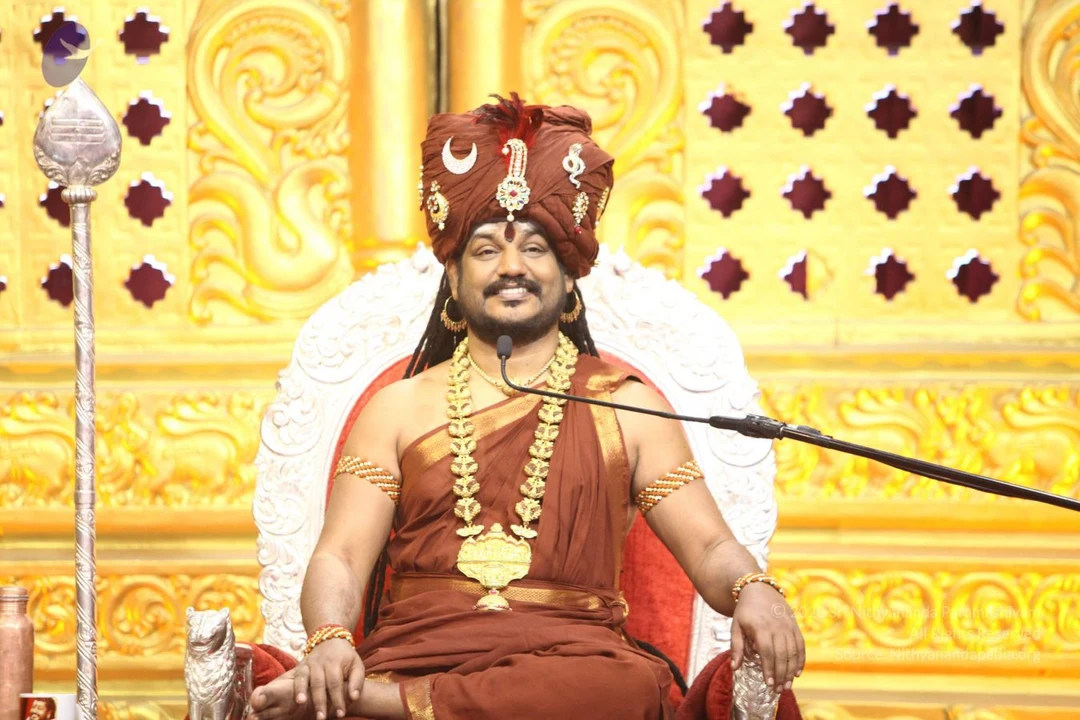
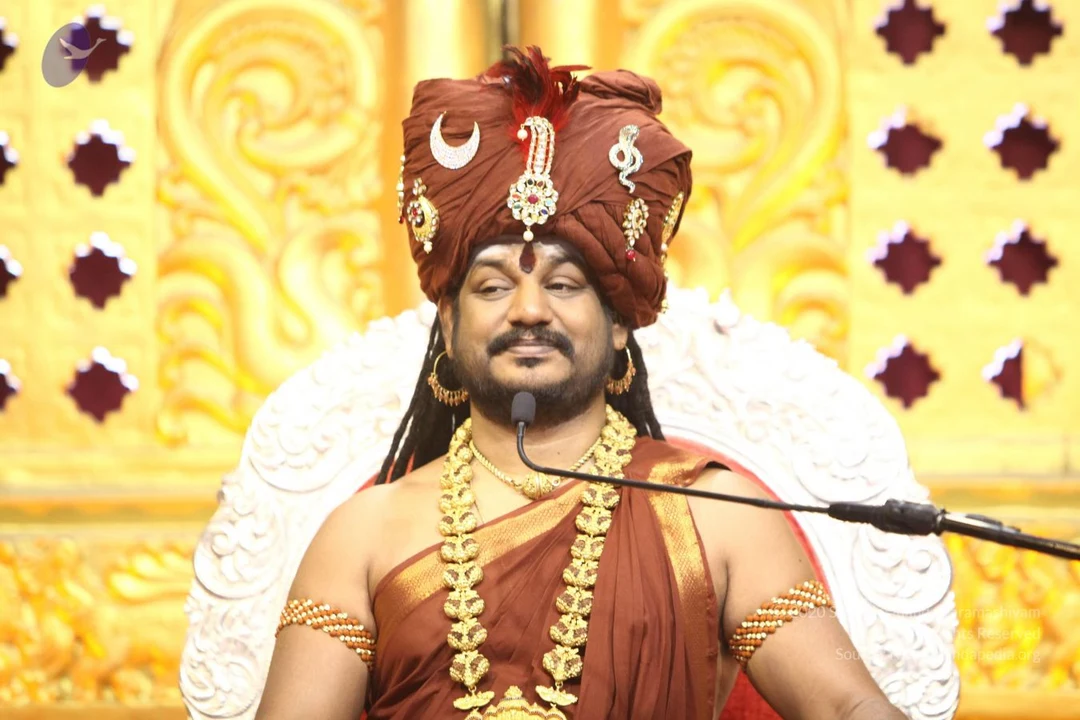
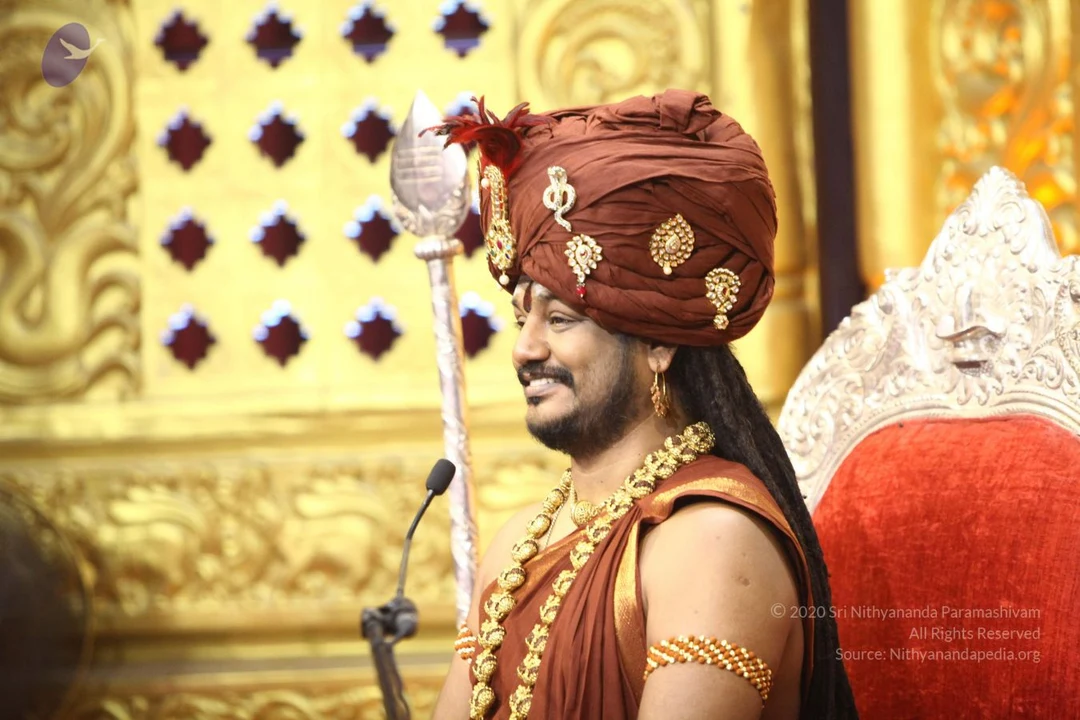
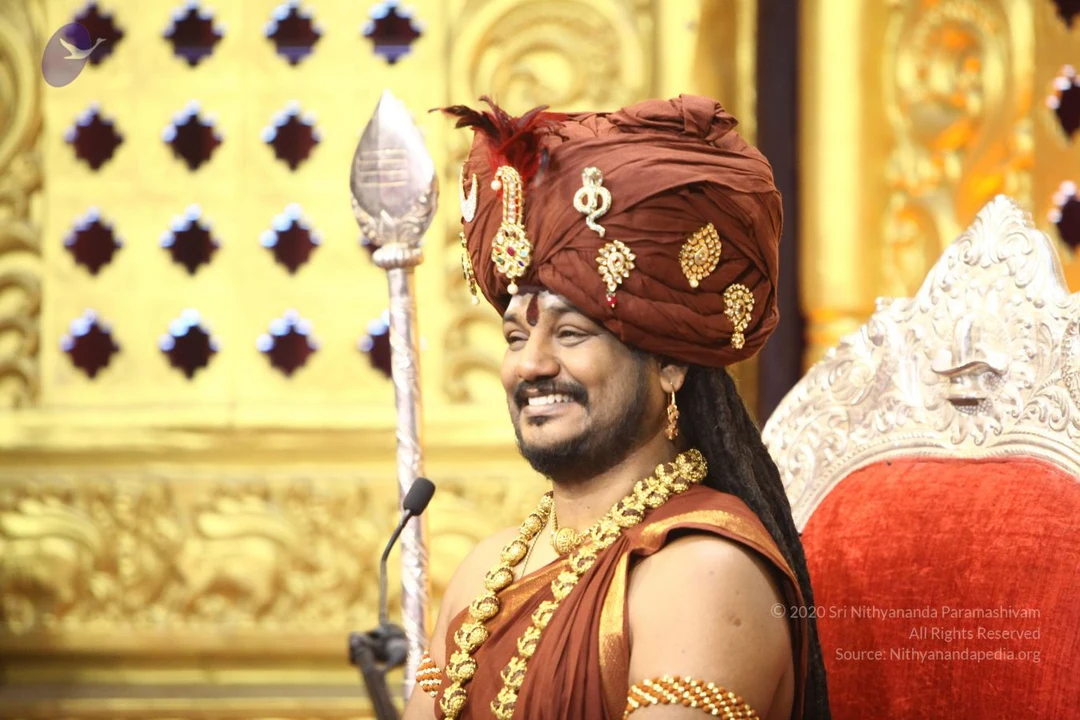
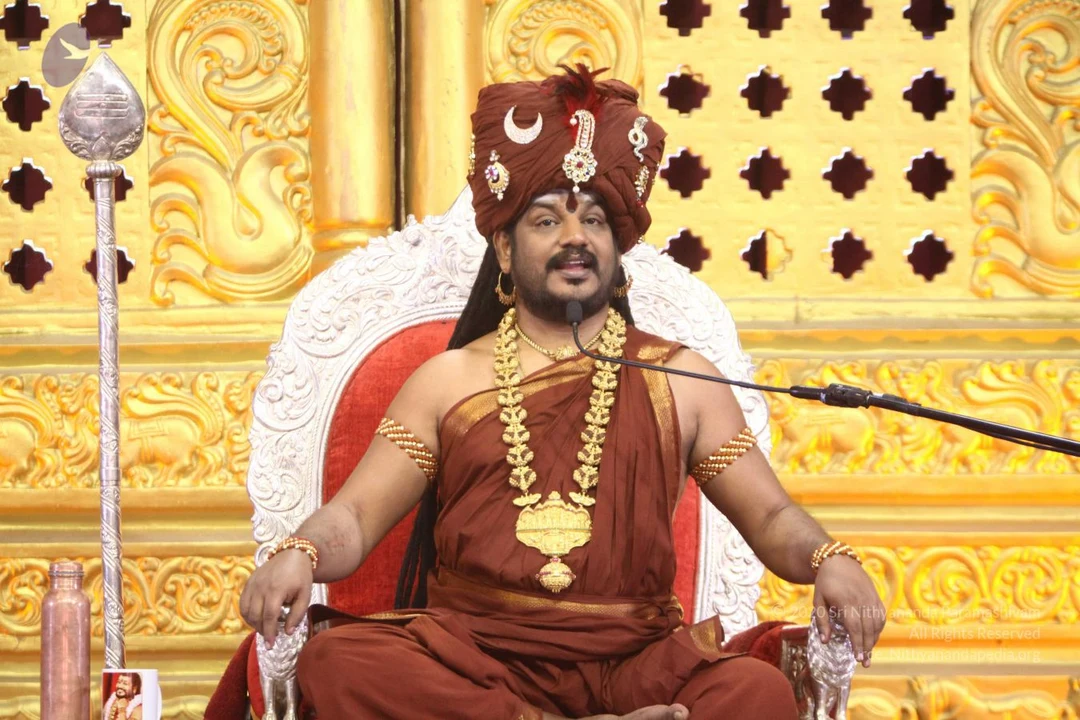
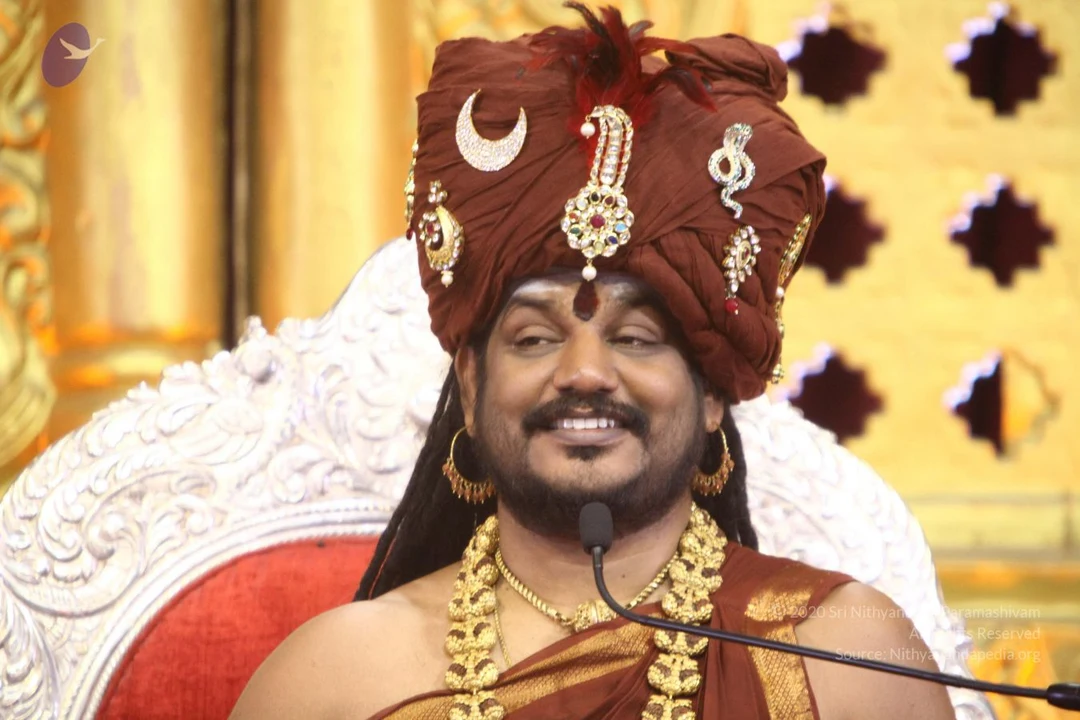
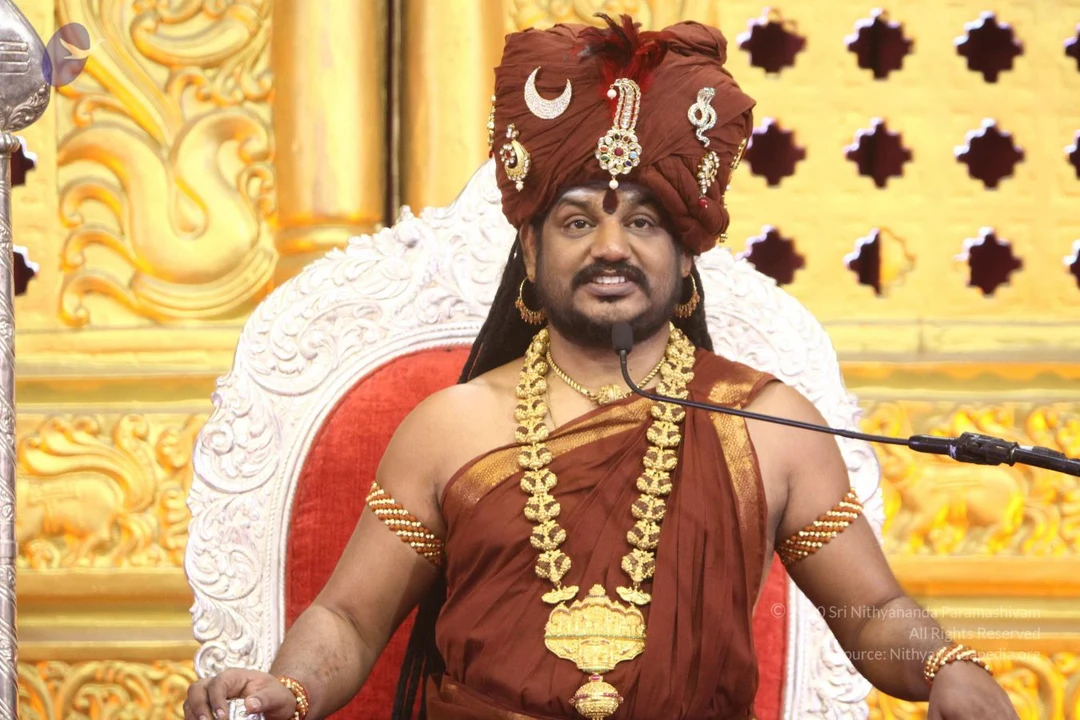
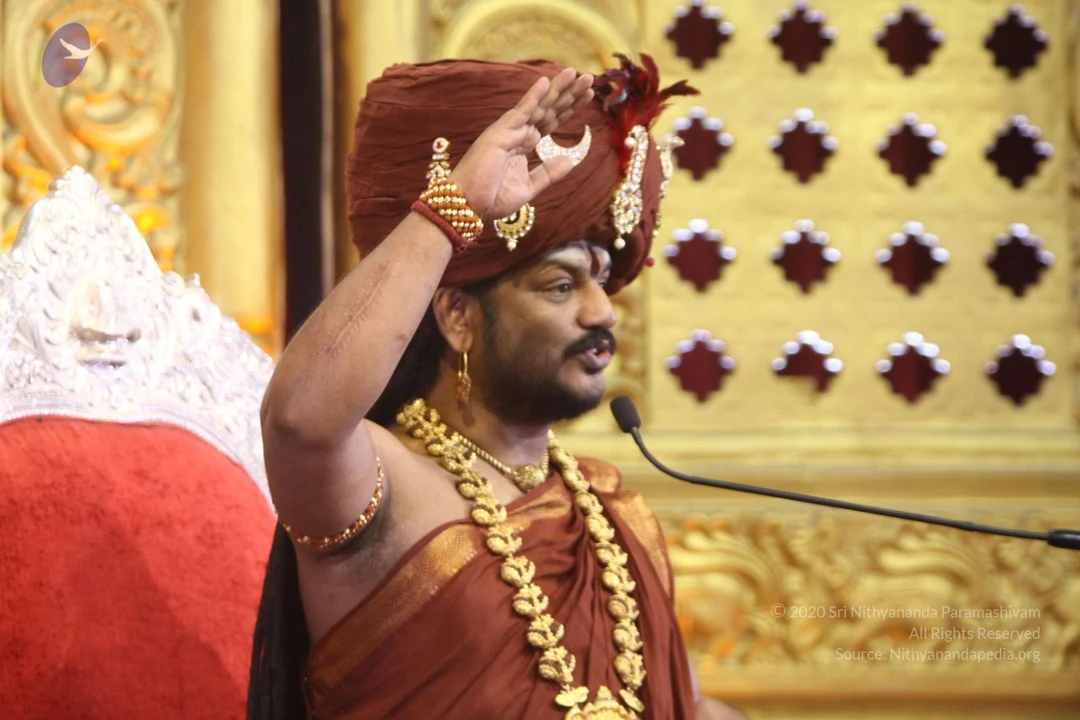
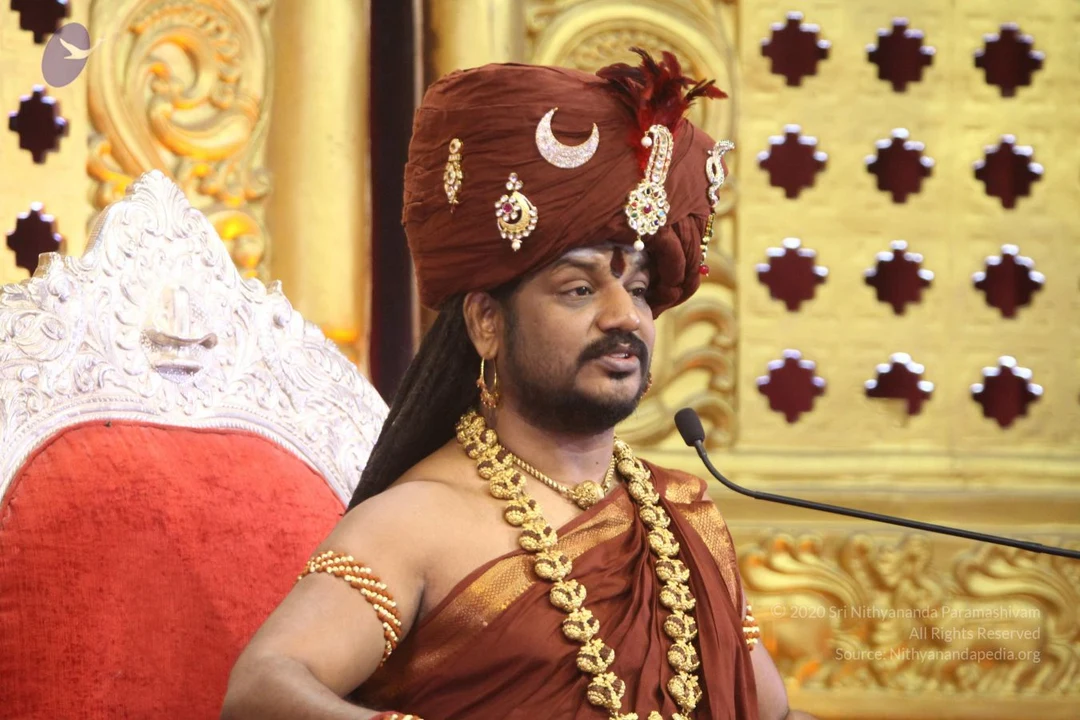
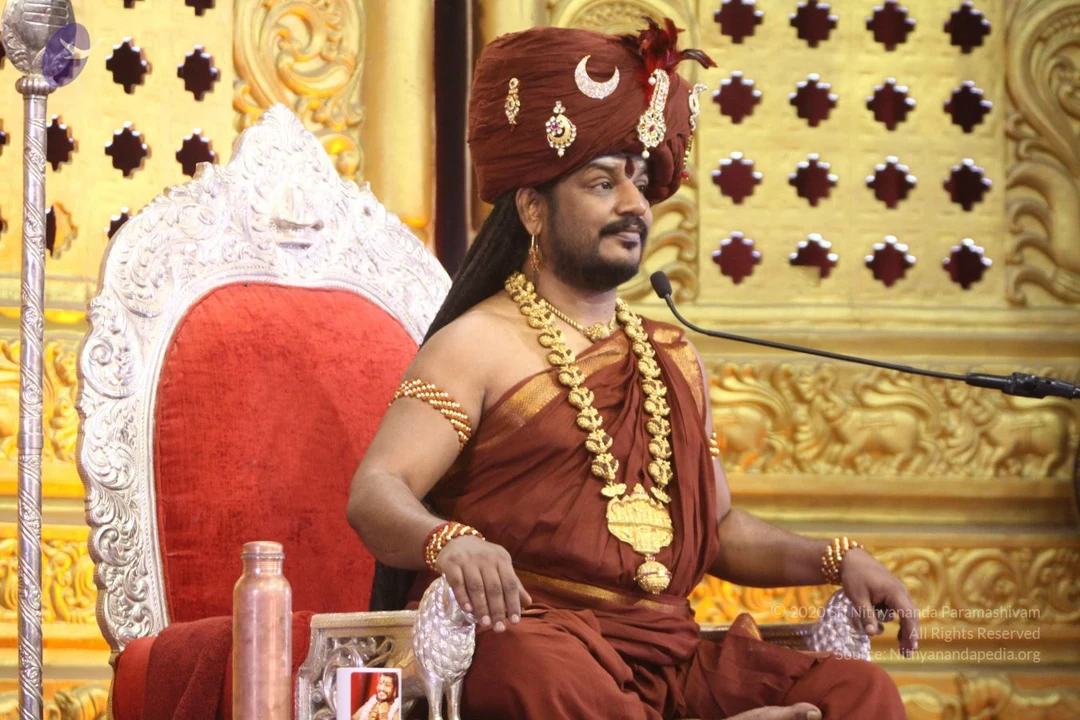
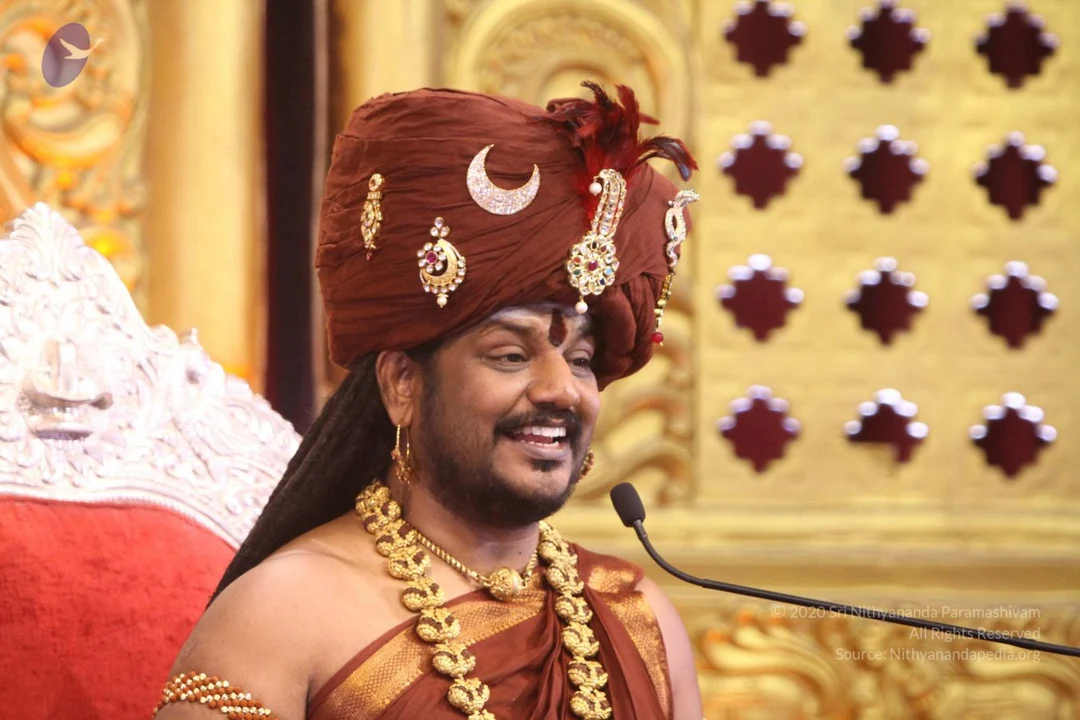
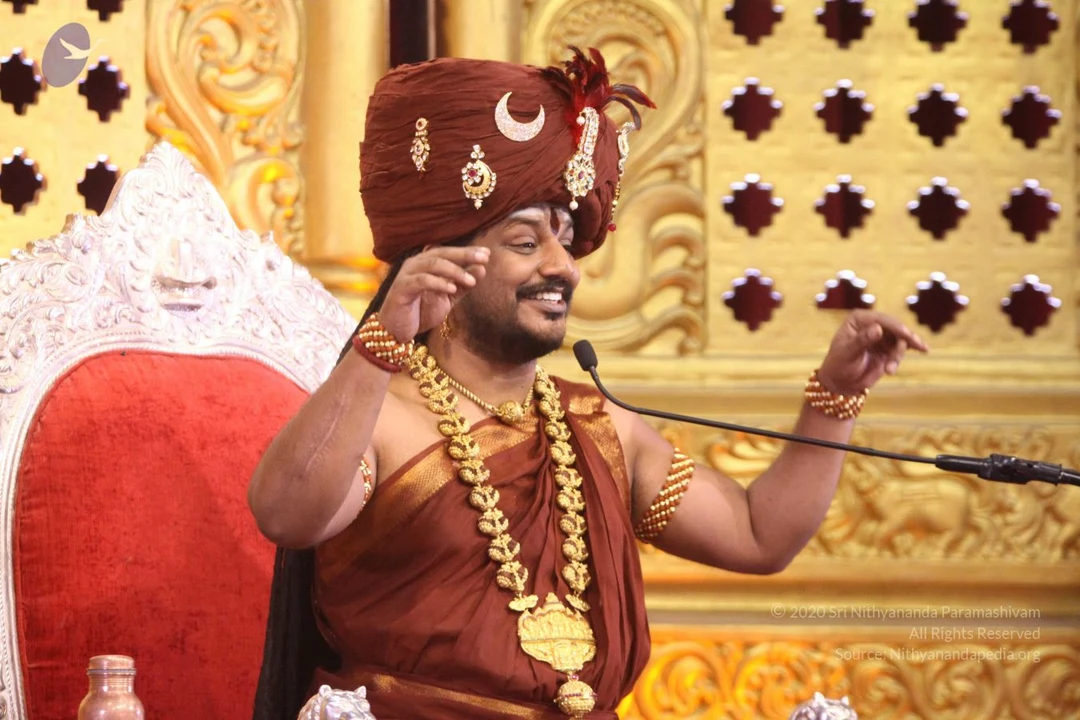
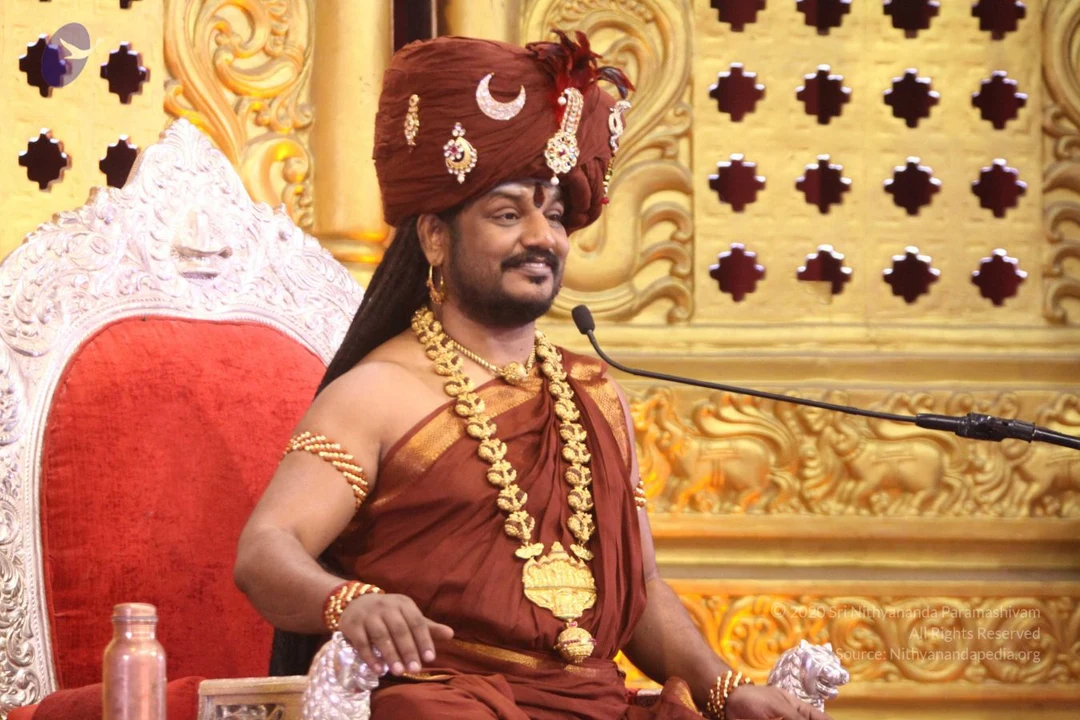
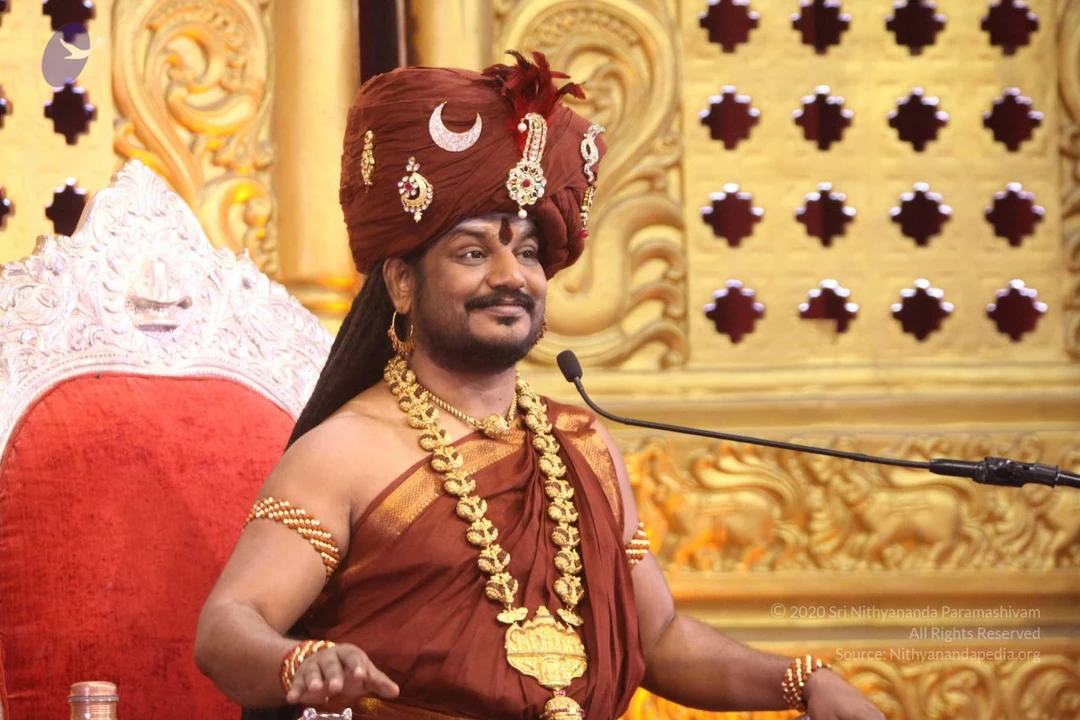
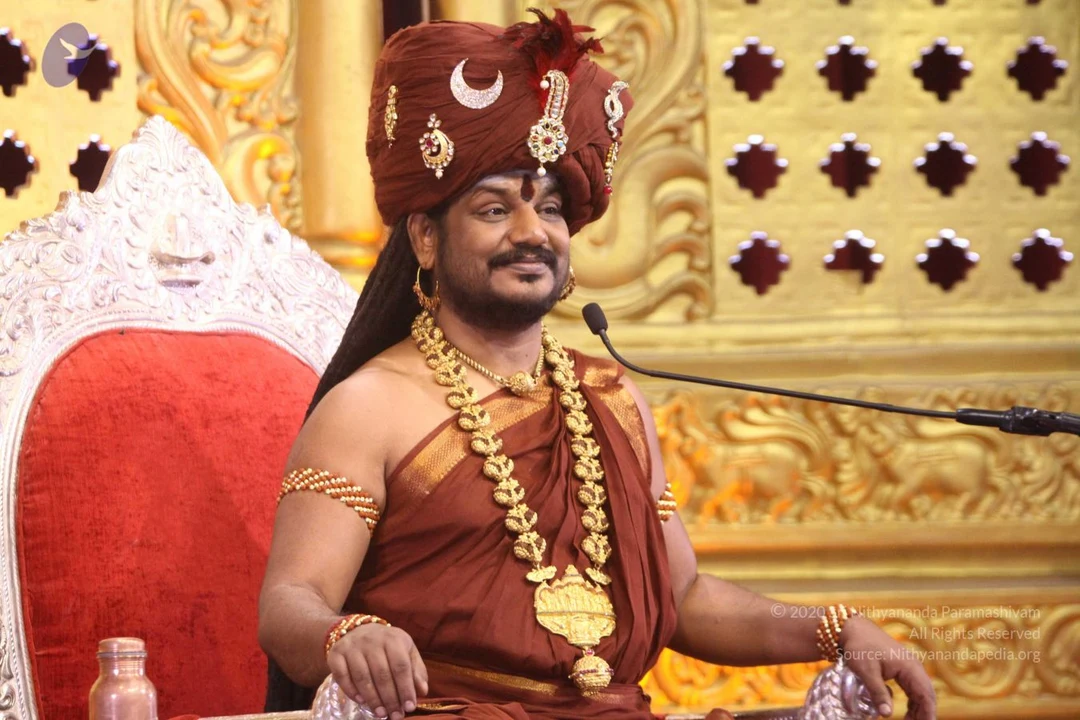
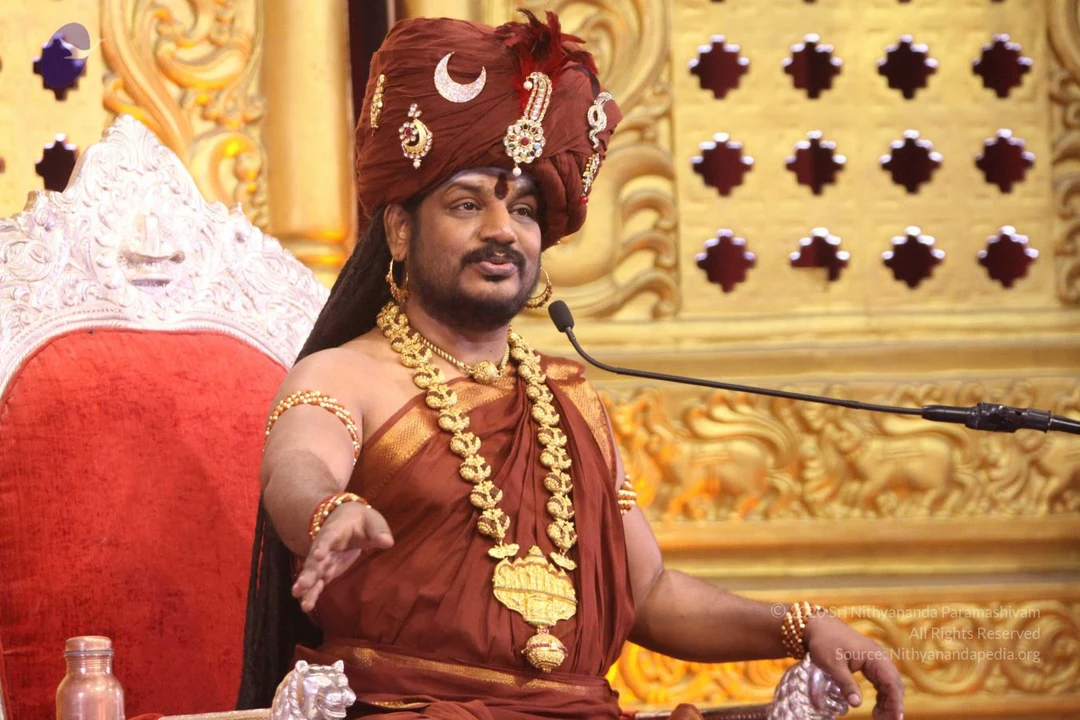
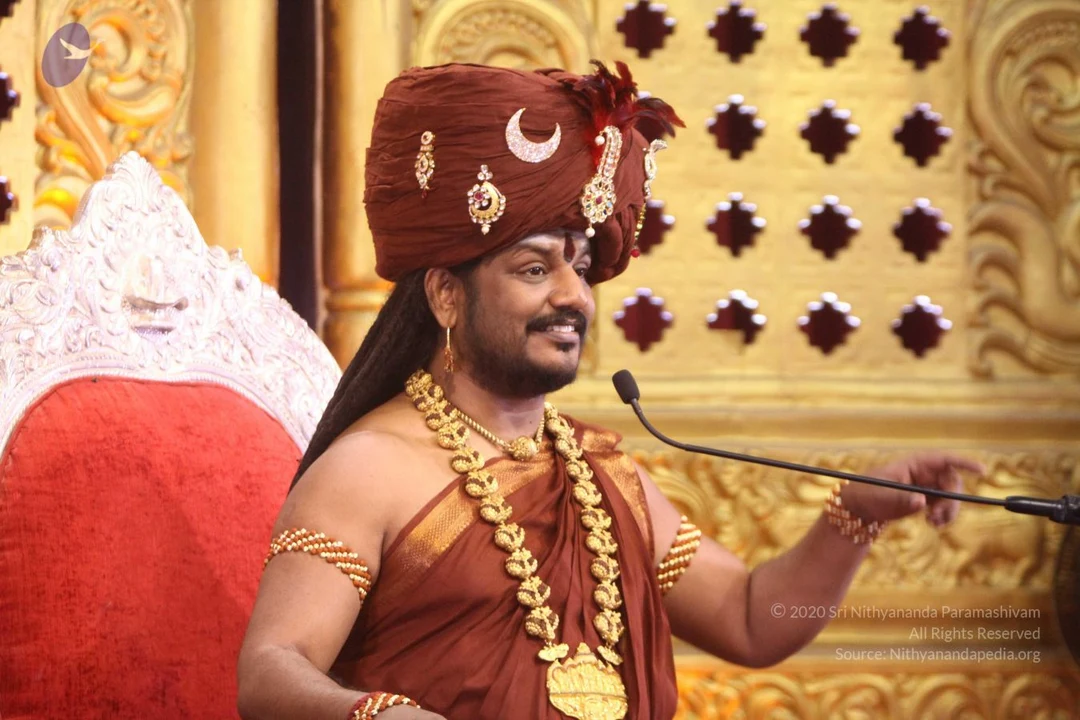
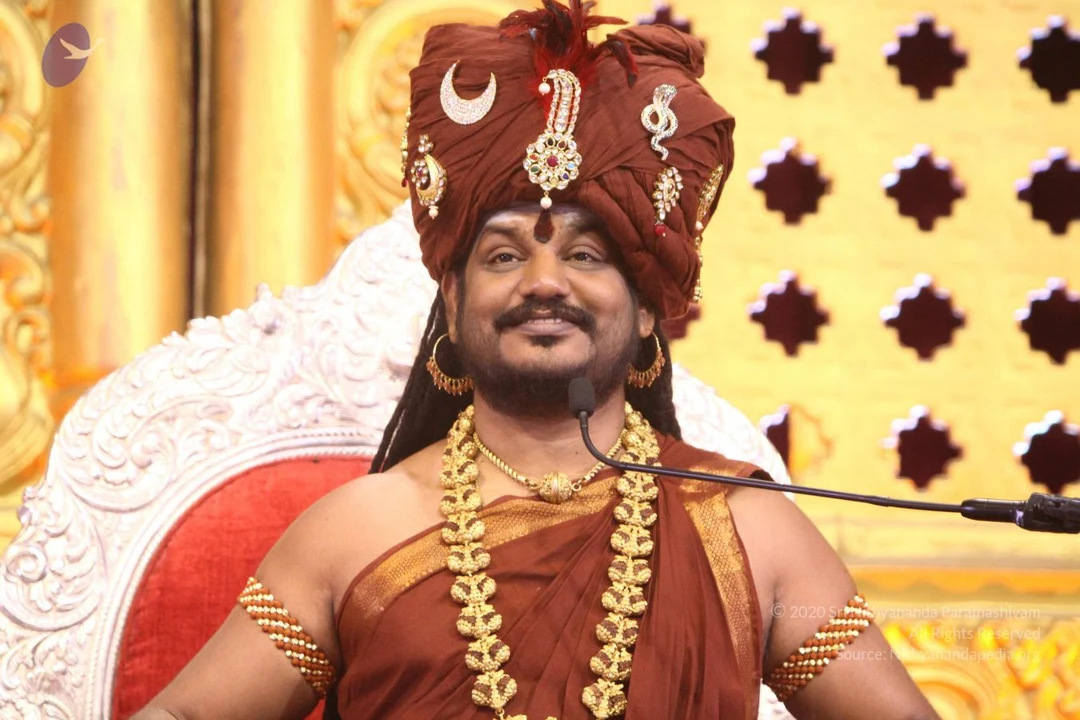
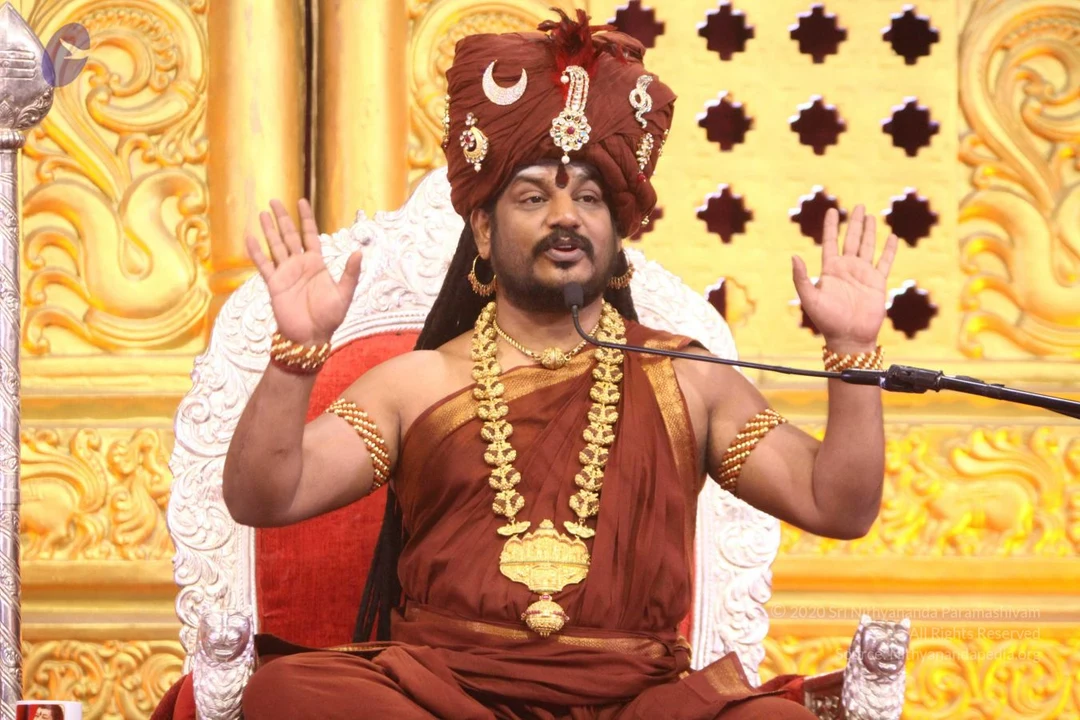
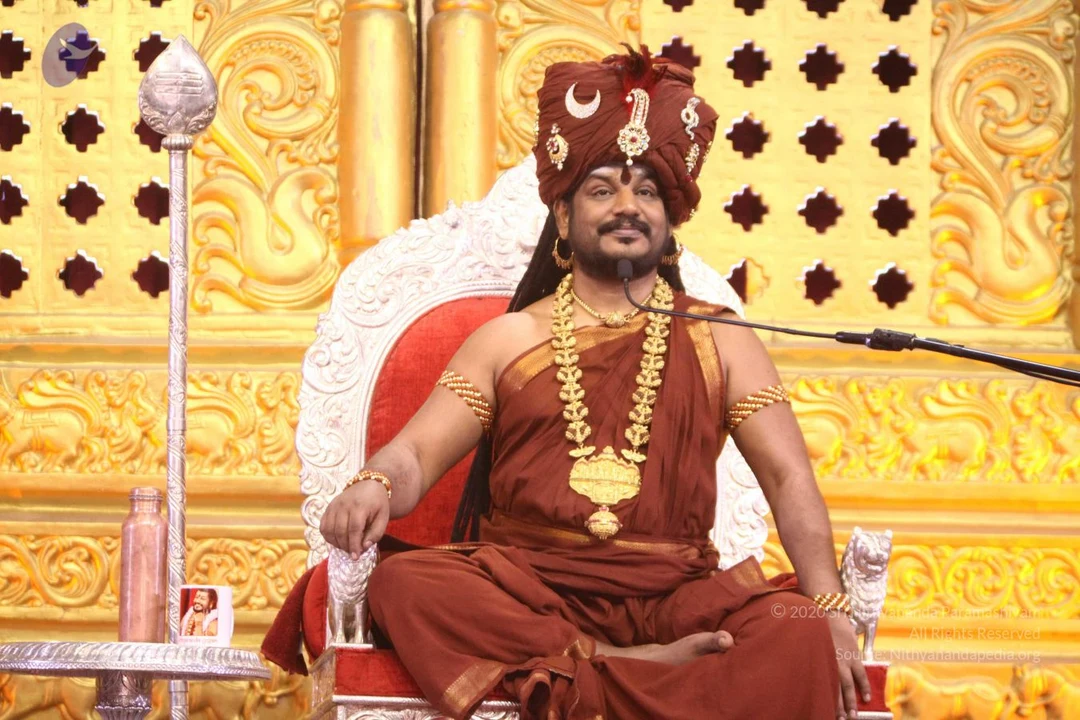
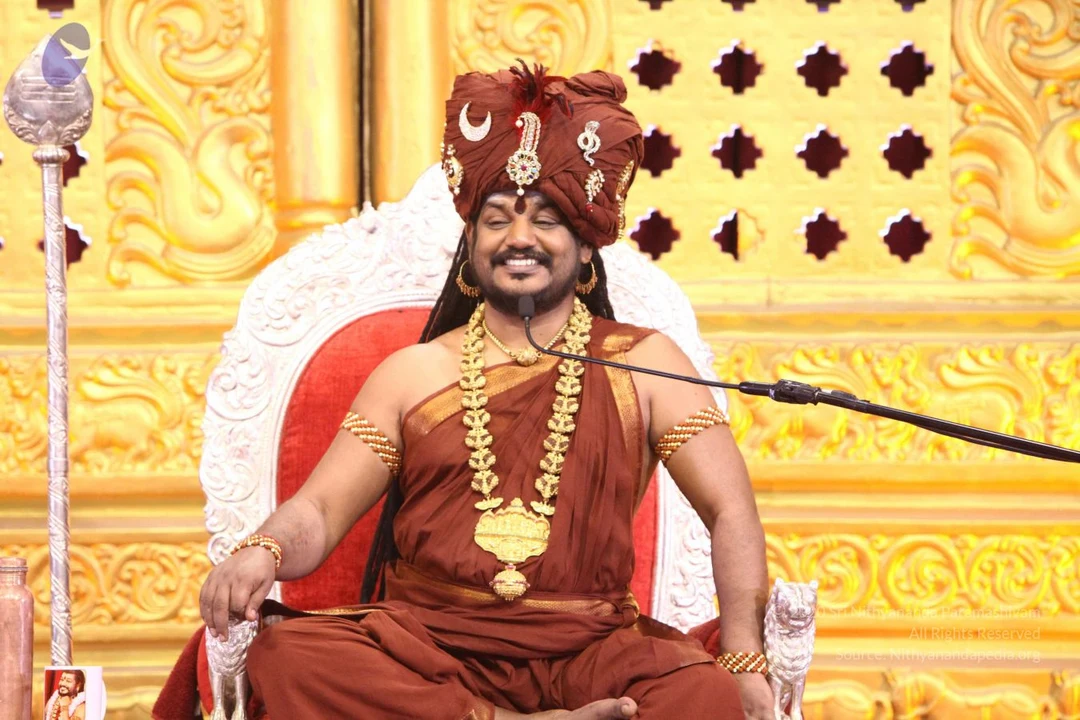
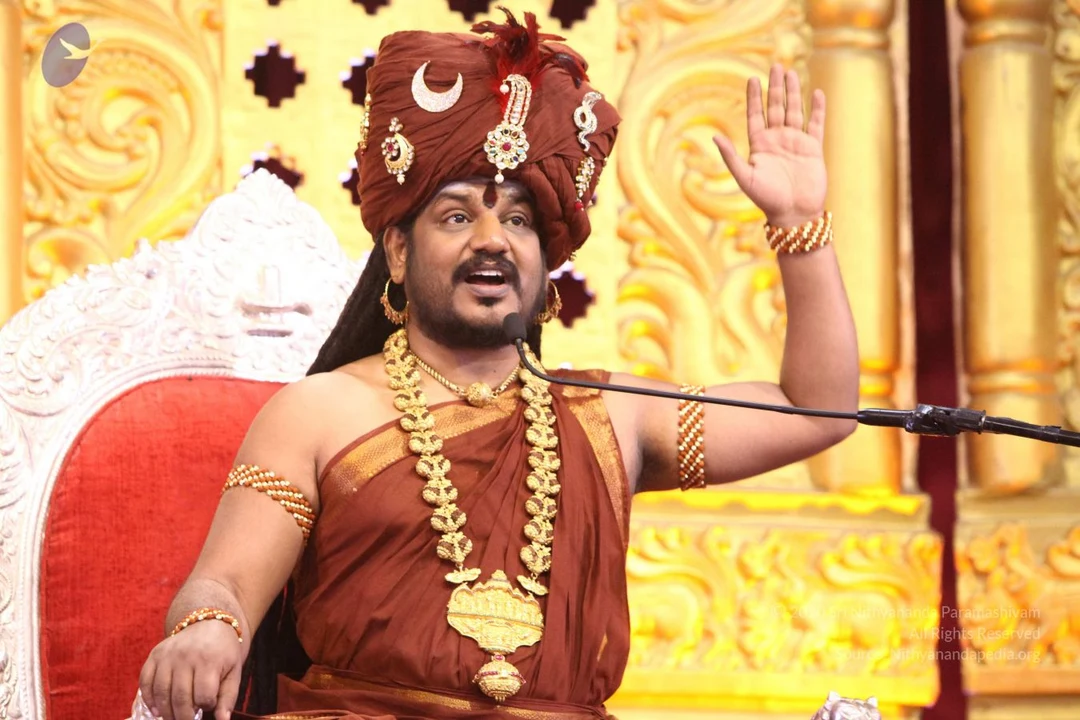
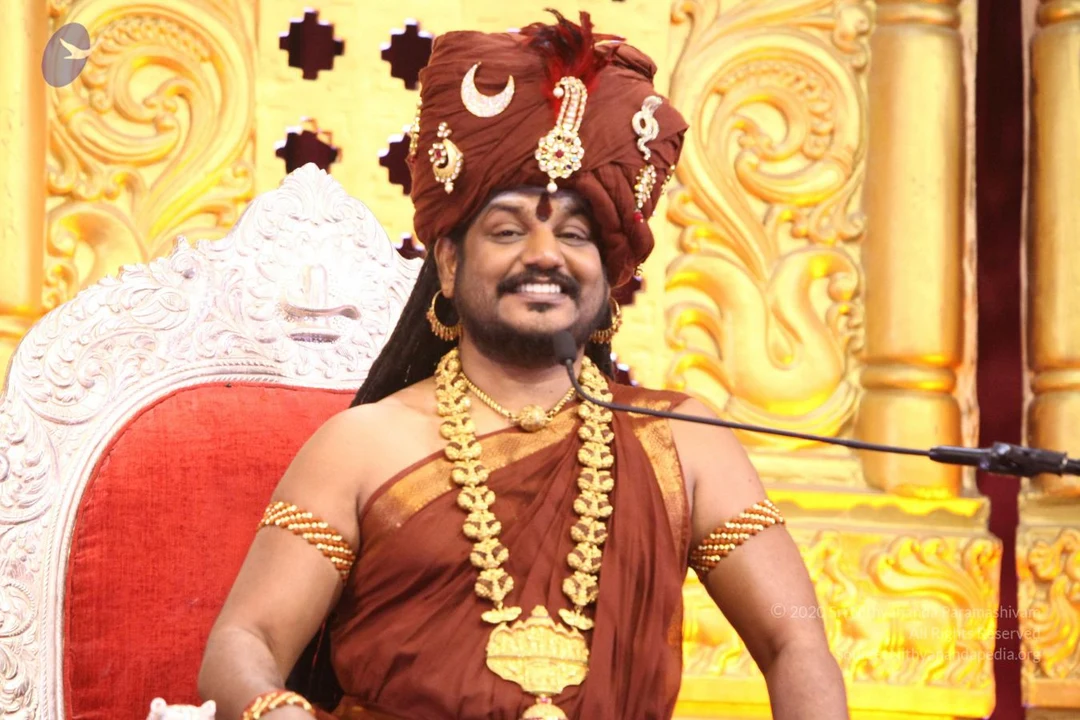
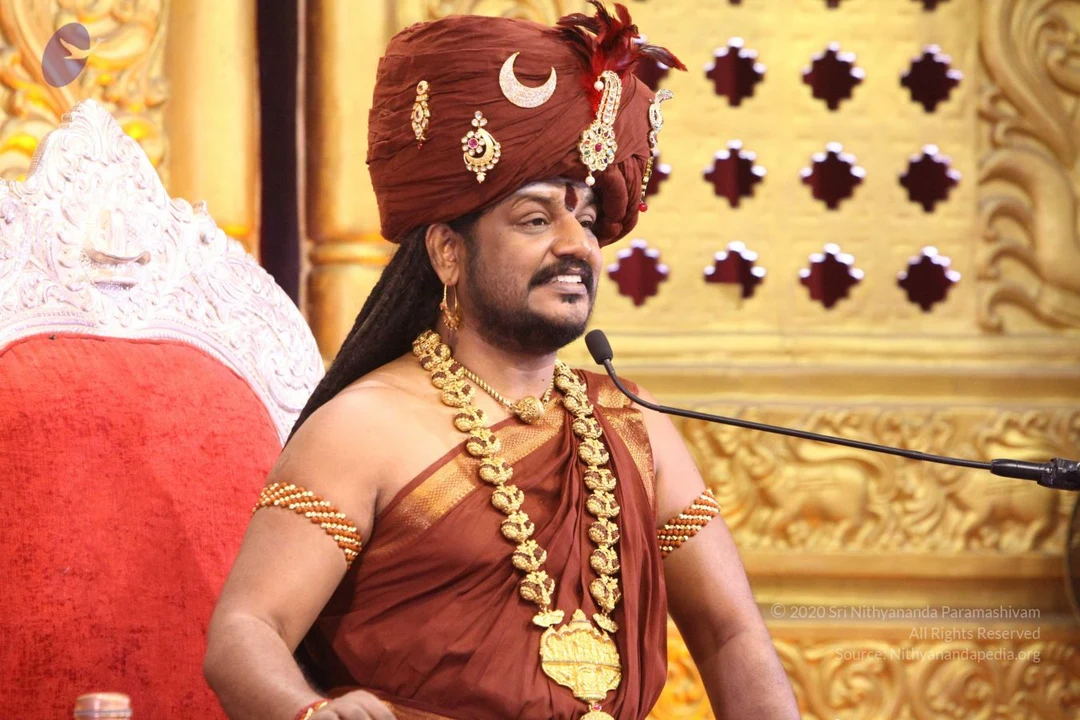
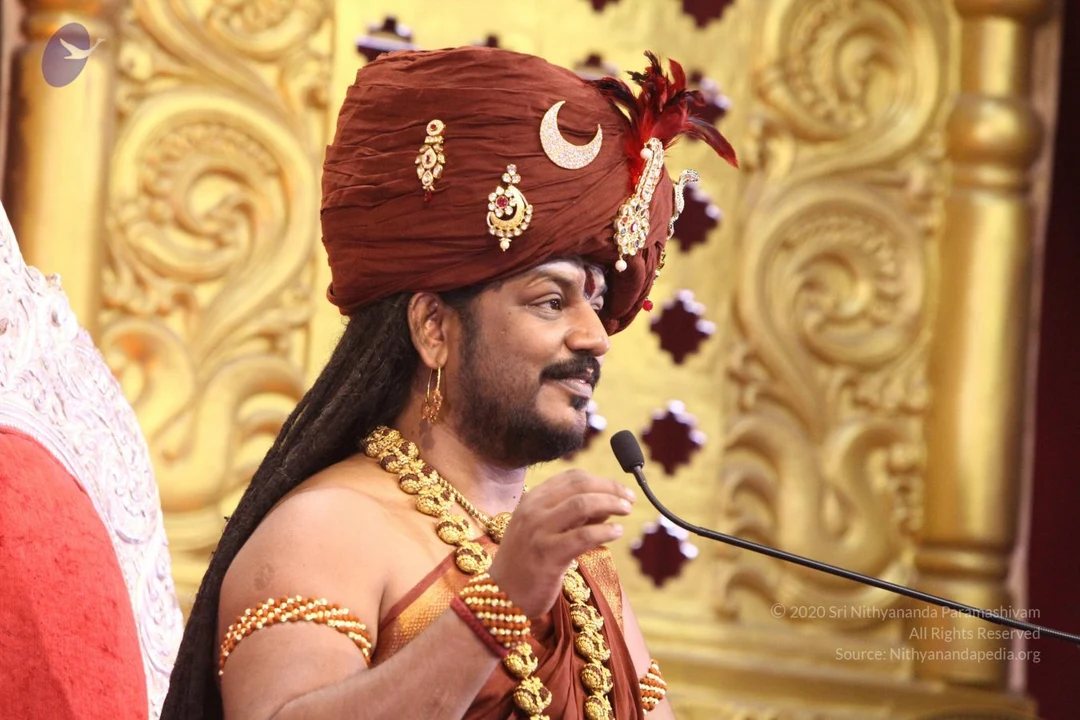
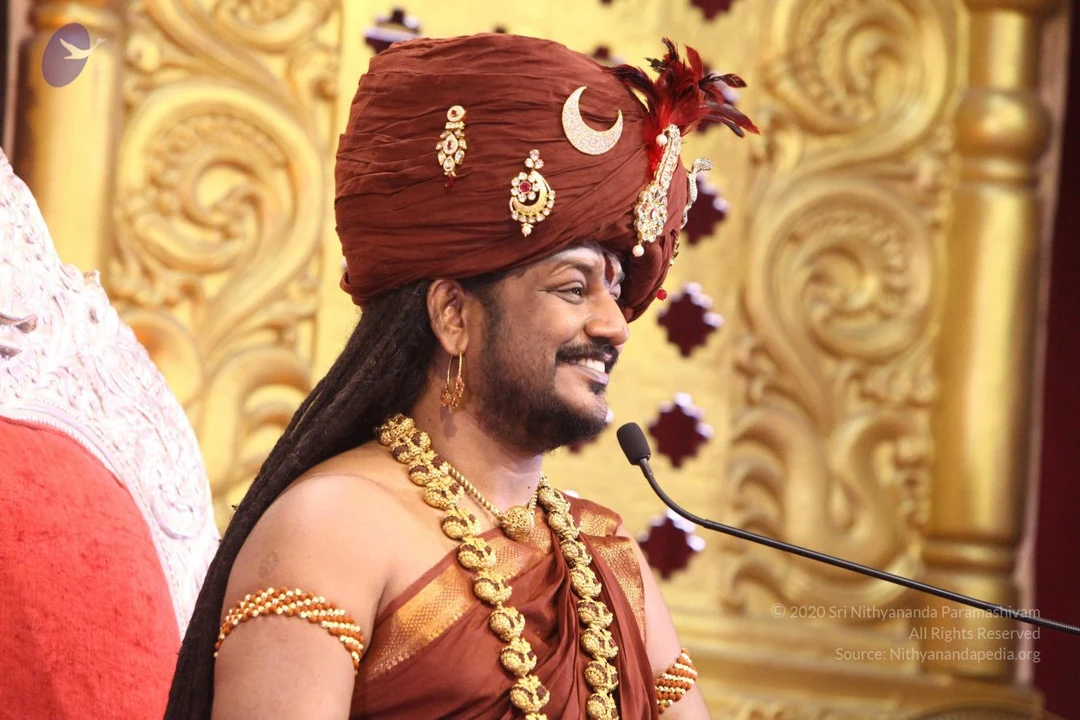
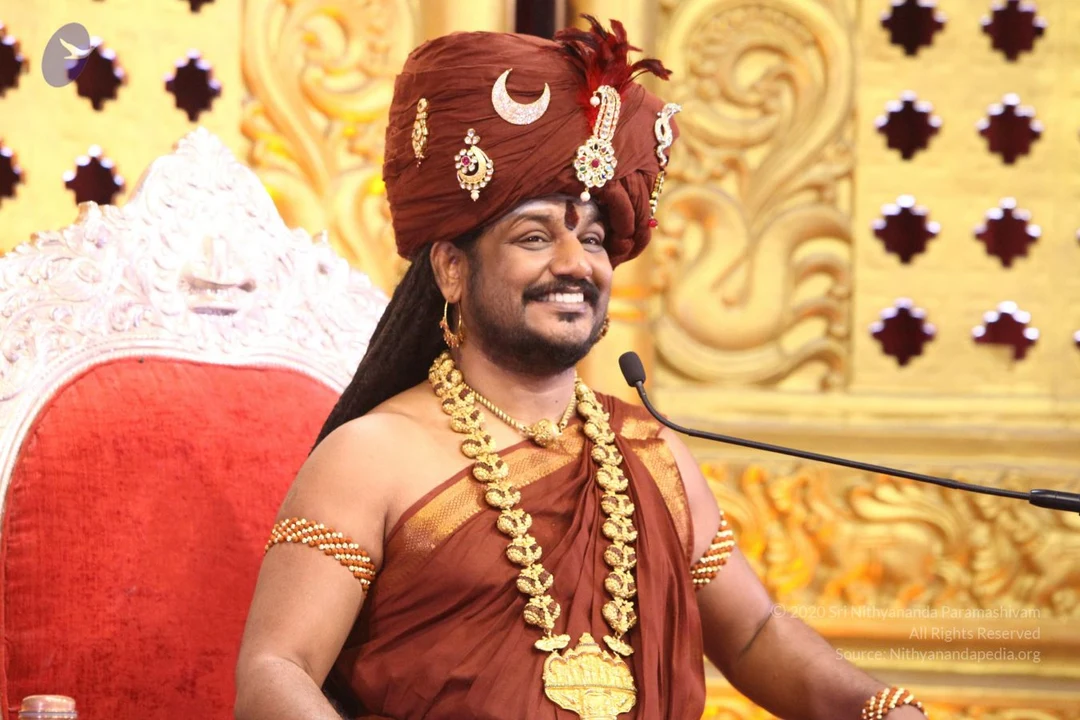
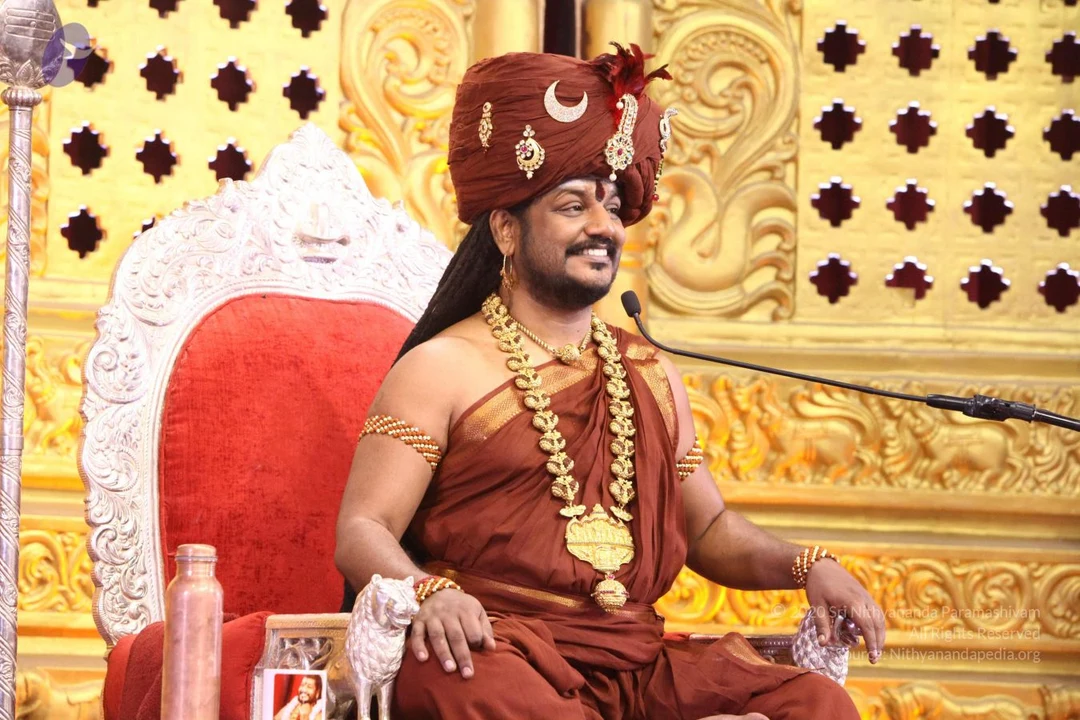
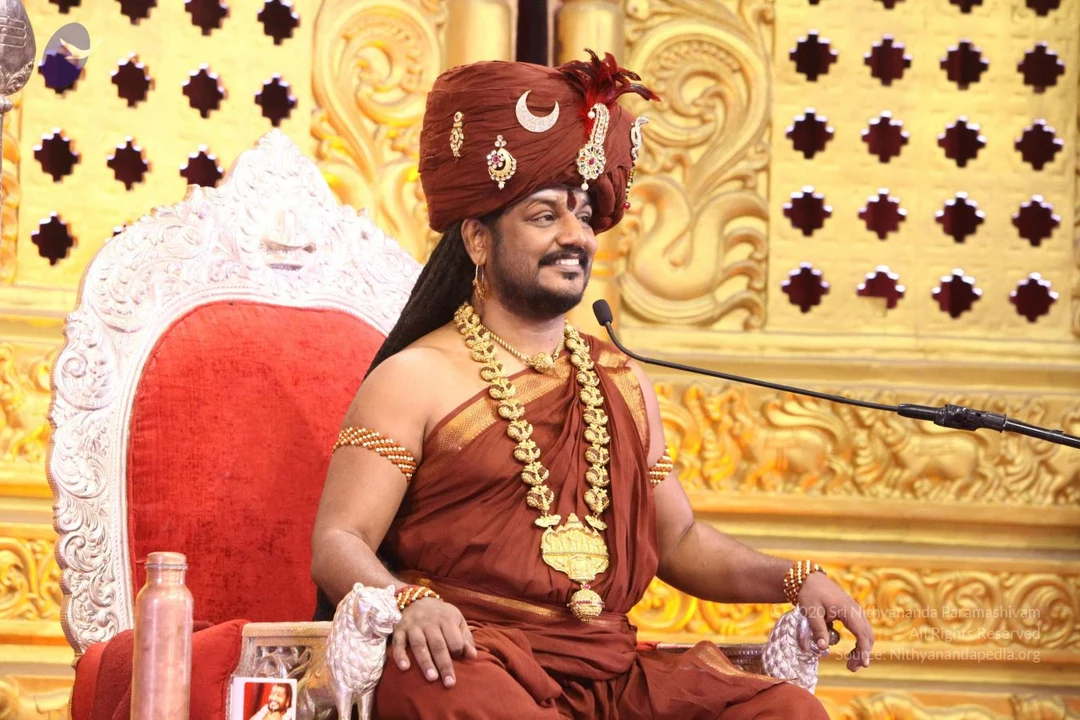
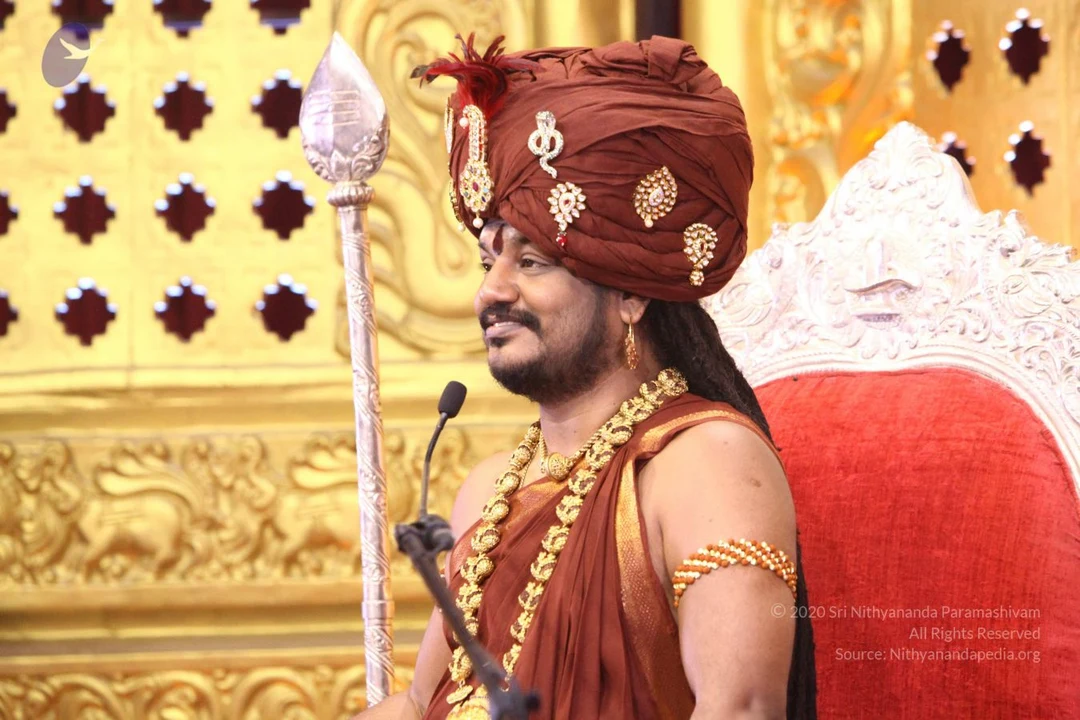
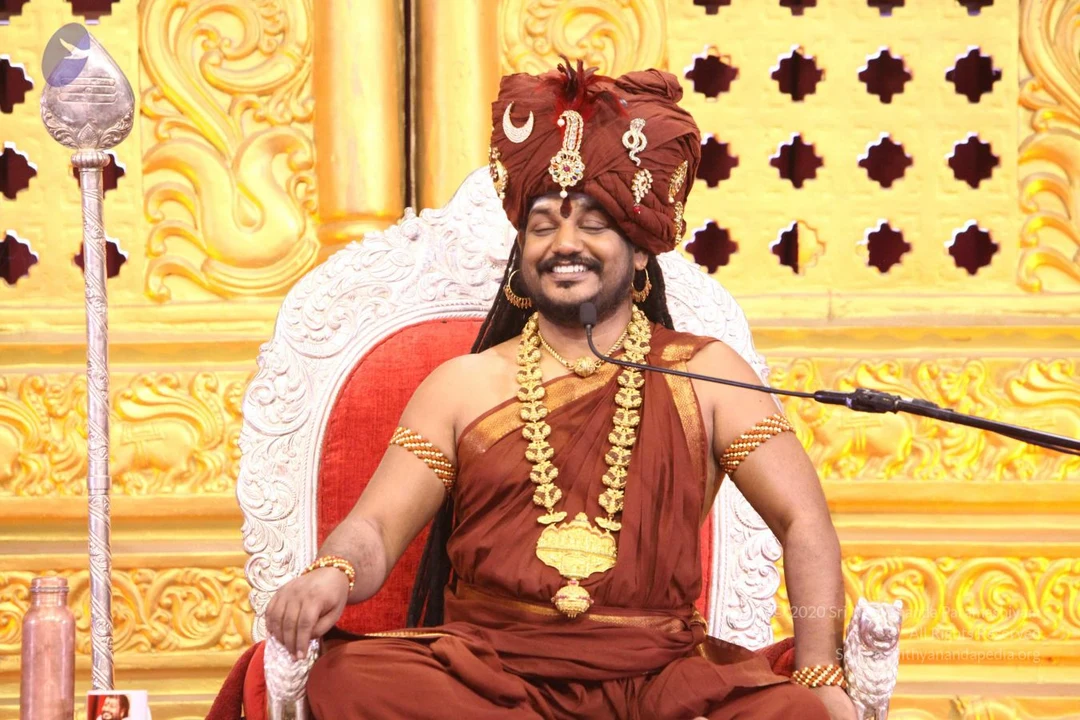
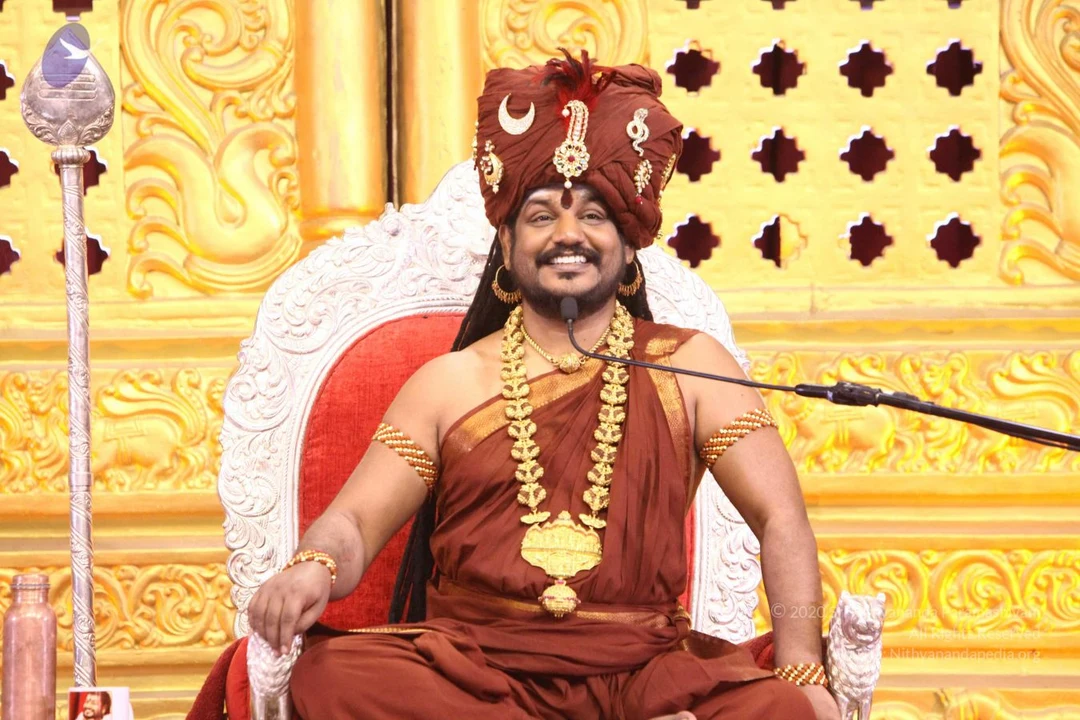
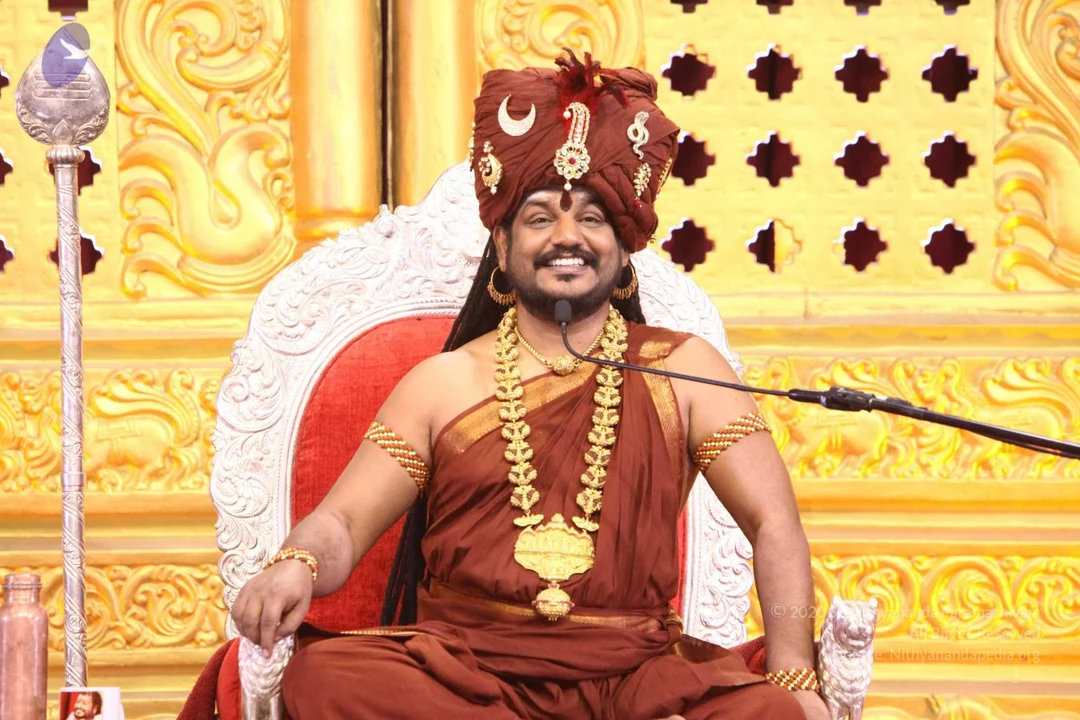
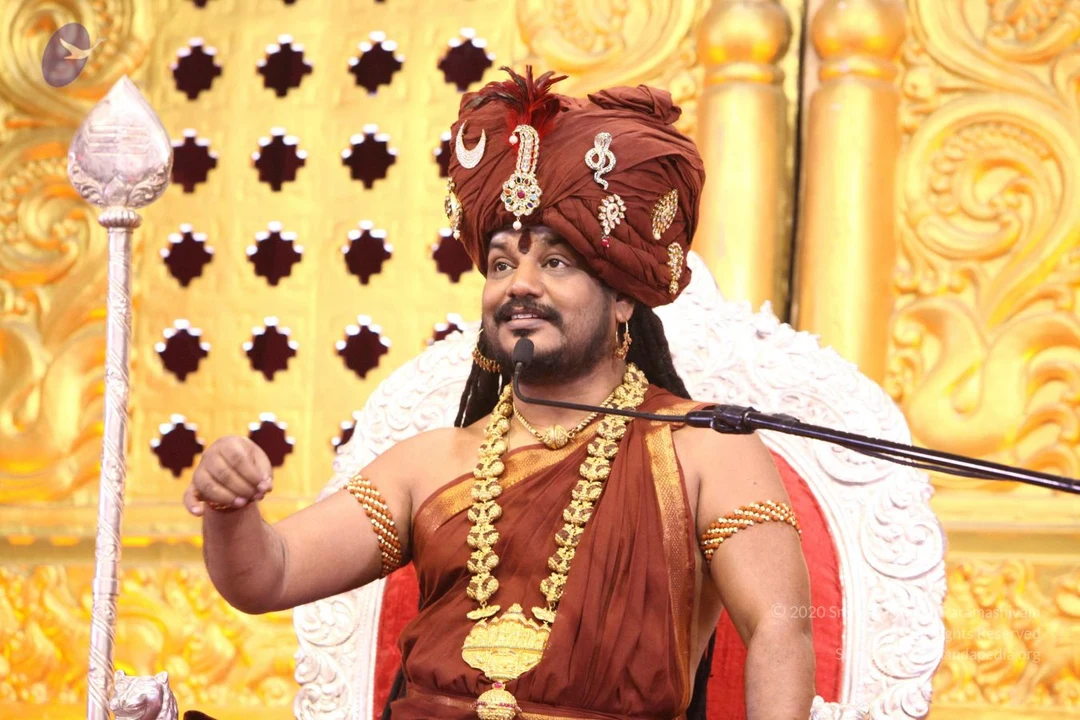
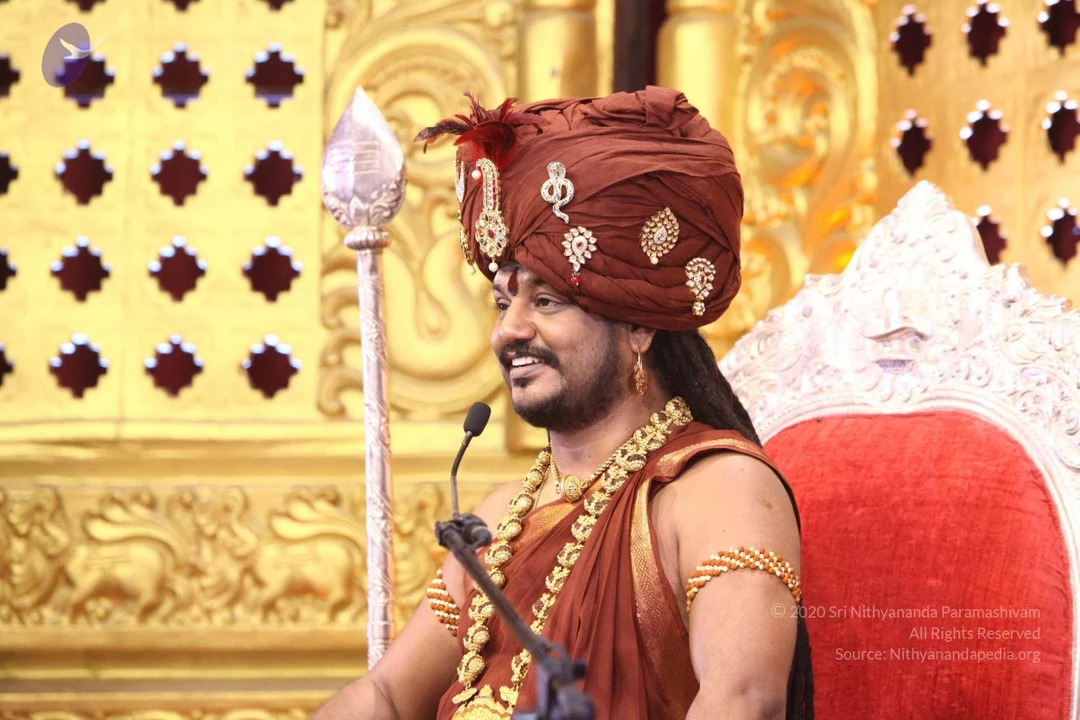
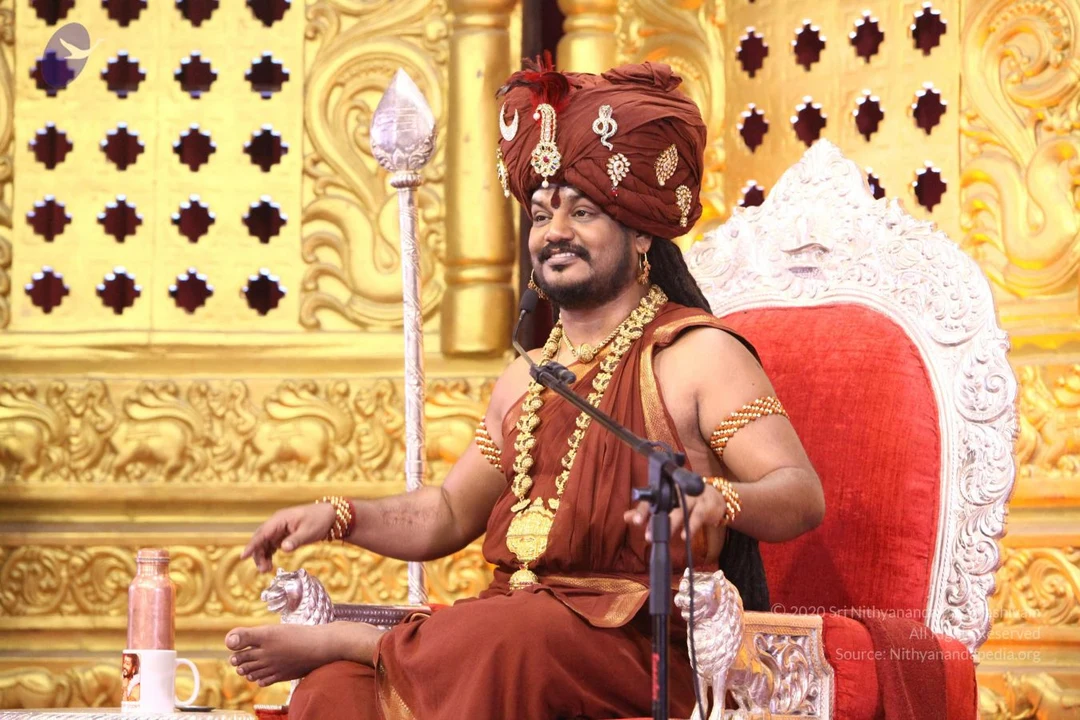
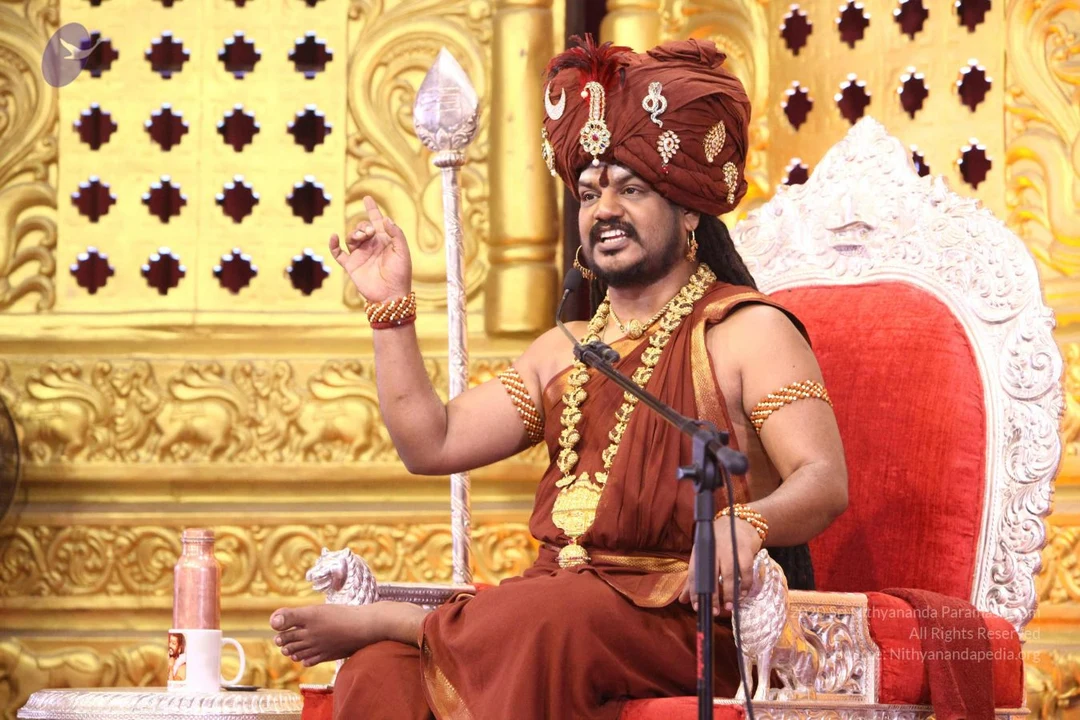
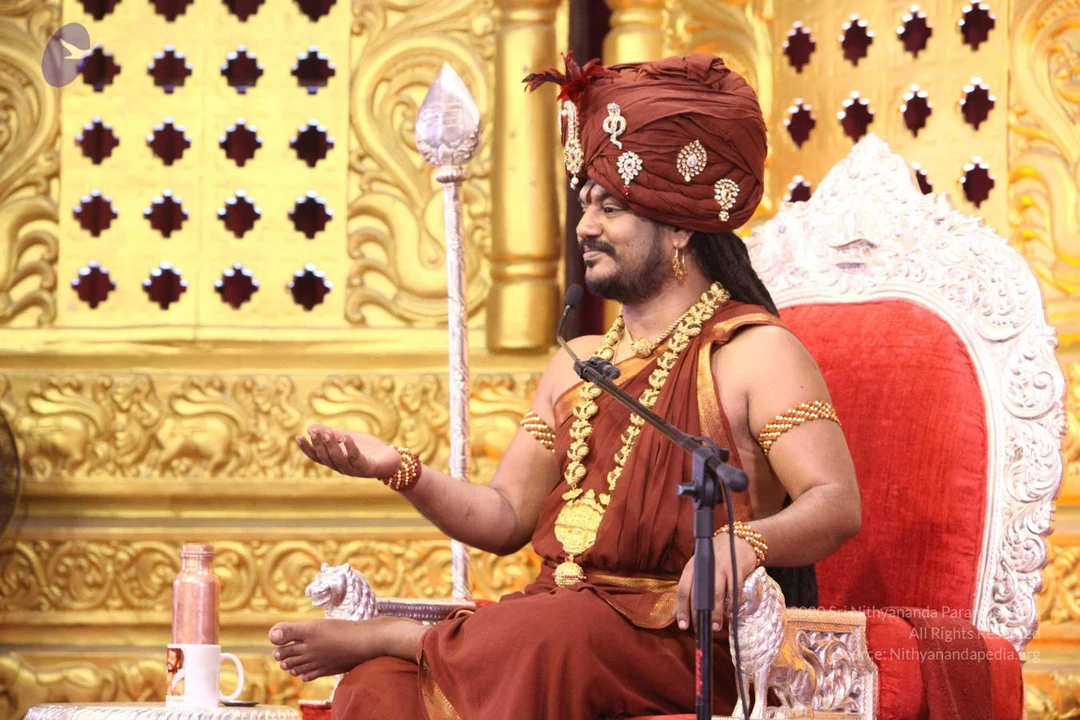
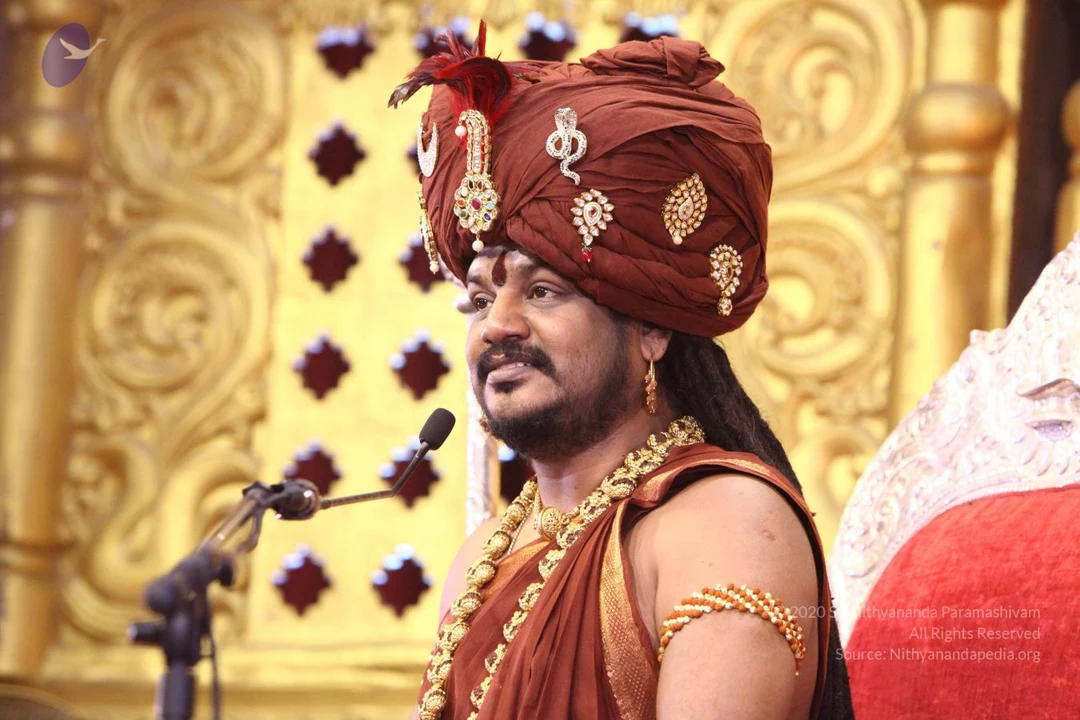
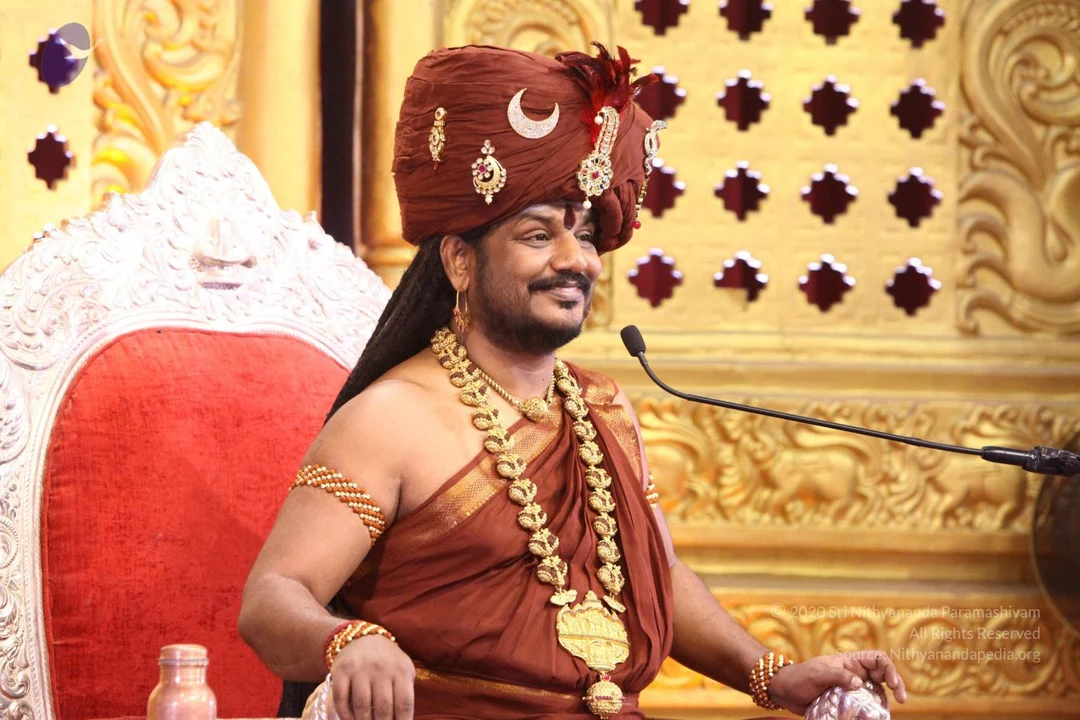
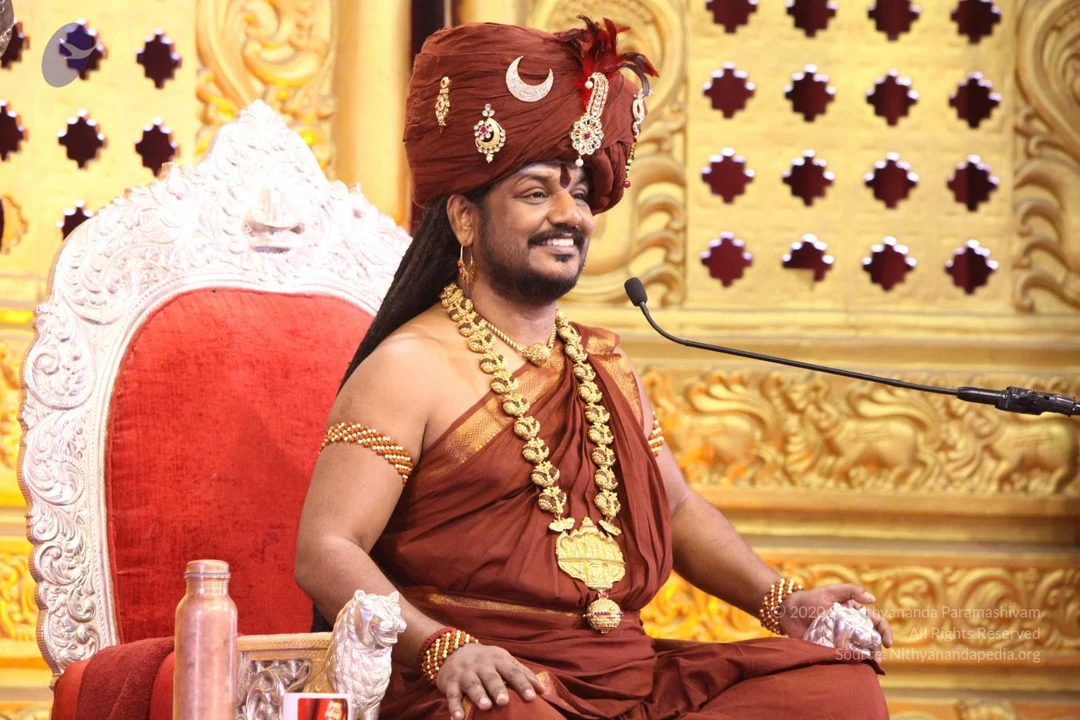
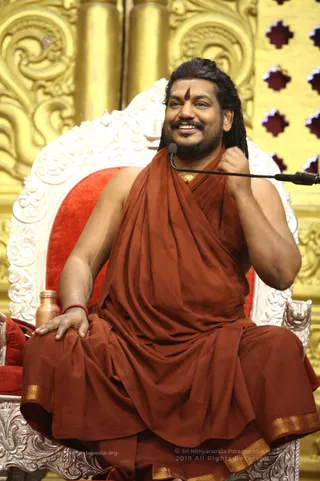
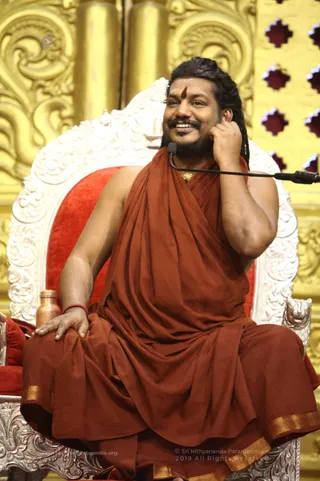
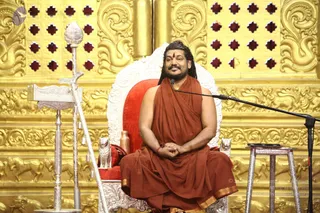
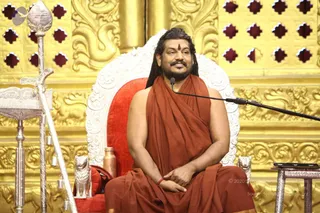
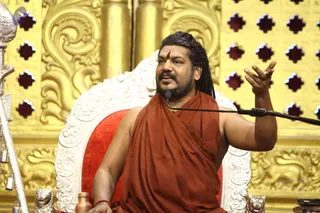
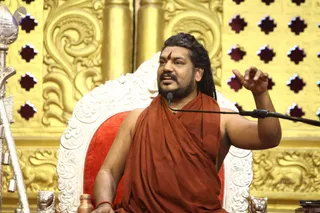
In this discourse delivered 26 July 2017, His Holiness Paramahamsa Nithyananda Swami continues to expands on the Adheennam Chalo Series: Nitty Gritties of Shaktipada. He speaks on how generalization dilutes education on the other hand if the standard is increasing its called sangha.
Link to Video:
| Video | Audio |
Transcription
nithyānandeśvara sadāśiva samārambhām nithyānandeśvari ādiśakti madhyamām | asmat āchārya paryantām vande guru paramparām || I welcome all of you with My love and respects. I welcome all the devotees, disciples, samajis, satsangis, Sri Mahants, Mahants, Thanedar, Kotari, everyone sitting with us all over the world through Nithyananda TV, Facebook live, hundreds of adheenavasis’s channels, YouTube live, twitter live and through 2 way video conferencing, I welcome all of you with My love and respects.
(1:26)
I’ll continue on Aadheenam Chalo series - nitty gritties of Shakti pada. Yesterday there were few questions brought in front of Me which will be useful for all of you, so I wanted to share those questions and answers. Last few satsangs, I am giving an important understandings about how, the generalization dilutes education. Listen to very important truth. With the generalization, if you structure anything remembering the weakest link, it is dilution. Oh! We need to attend to this kind of, this level intelligence also; then you bring the whole thing down. Understand, with the generalization, if you dilute, that is your so called, education. There is another one thing, because of the Collective Consciousness, if your standard is raised that is sangha, that is vatavarana.
Understand, when you all come together and start a journey, if your ability gets reduced day by day, it is called Education, so called Education. Because, dilution due to generalization. But if you all come together for a journey and everyday your standard is increasing, means, your physical health is increasing, improving, your psychological stability is improving. Understand, definition of mental health is stability. In anything you do, stability is the definition of mental health. That’s the definition of mental health. Whatever you may be doing...
The stability is the scale to measure your mental health. Will persistence is the scale to measure your conscious growth.
Understand, if you consciously grow, you will have amazing will persistence. The unit to find out whether you are becoming healthy or not is your, the quality of your day and night; means what kind of a awareness and Consciousness, you are able to retain in your body during daytime, what kind of a deep rest you are able to have in your body in the night time. That is the scale, whether you are healthy or not.
(6:10)
Just few days before I made the statement, “If you sleep in the day time you are physically sick, if you don’t sleep in the night time you are mentally sick”. If you sleep in the day time you are physically sick, if you don’t sleep in the night time you are mentally sick. Whole day you want to, you feel like sleeping but you are not able to sleep, that is psychologically sick.
The unit to measure your physical health is the quality of your day. Unit to measure your mental health is stability. Unit to measure your conscious growth is will persistence.
If all these are growing, then we can say because of the sangha, the collective consciousness you are growing. You are growing. If all these are going down, then you are in a system which is getting diluted due to “generalization”.
(7:45)
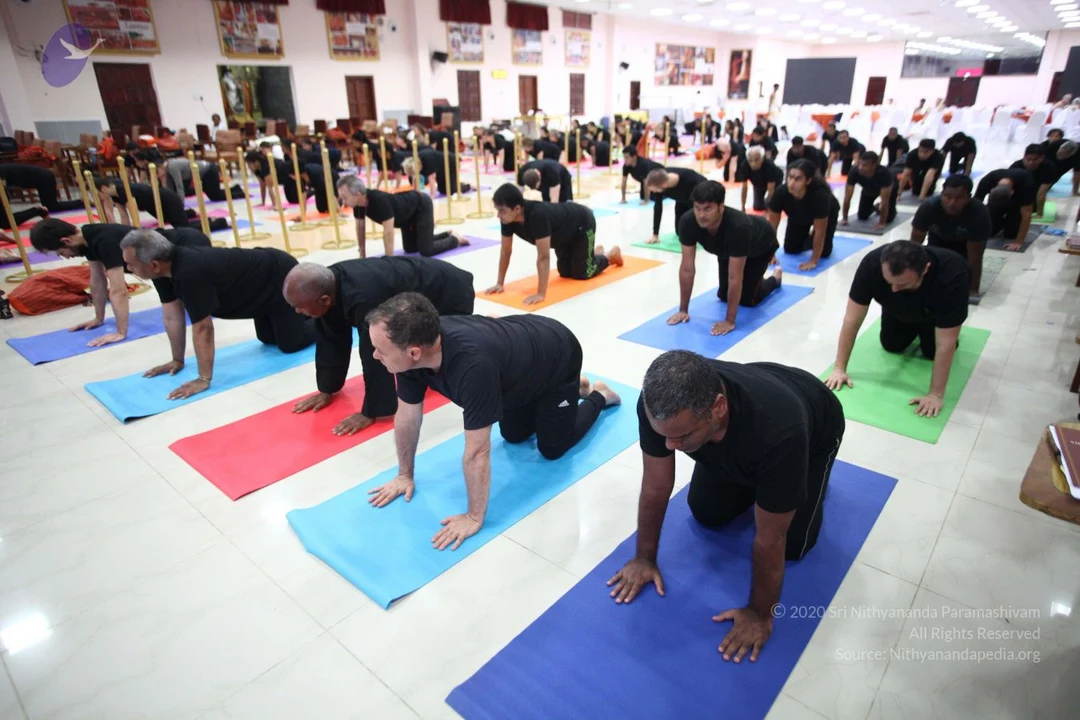
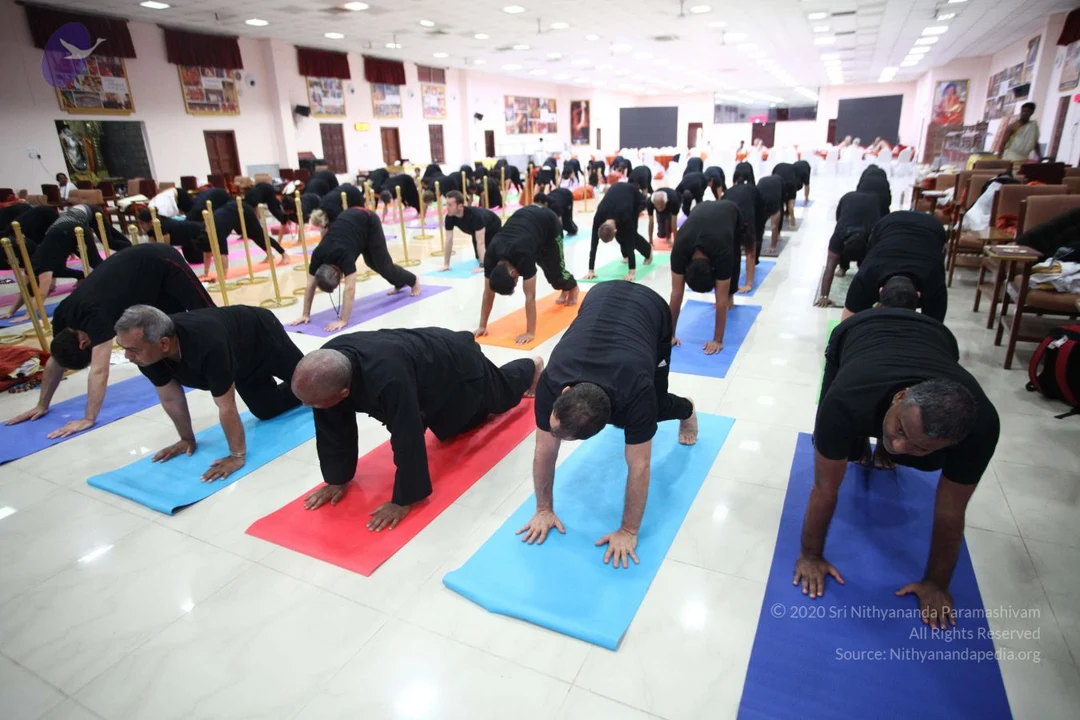
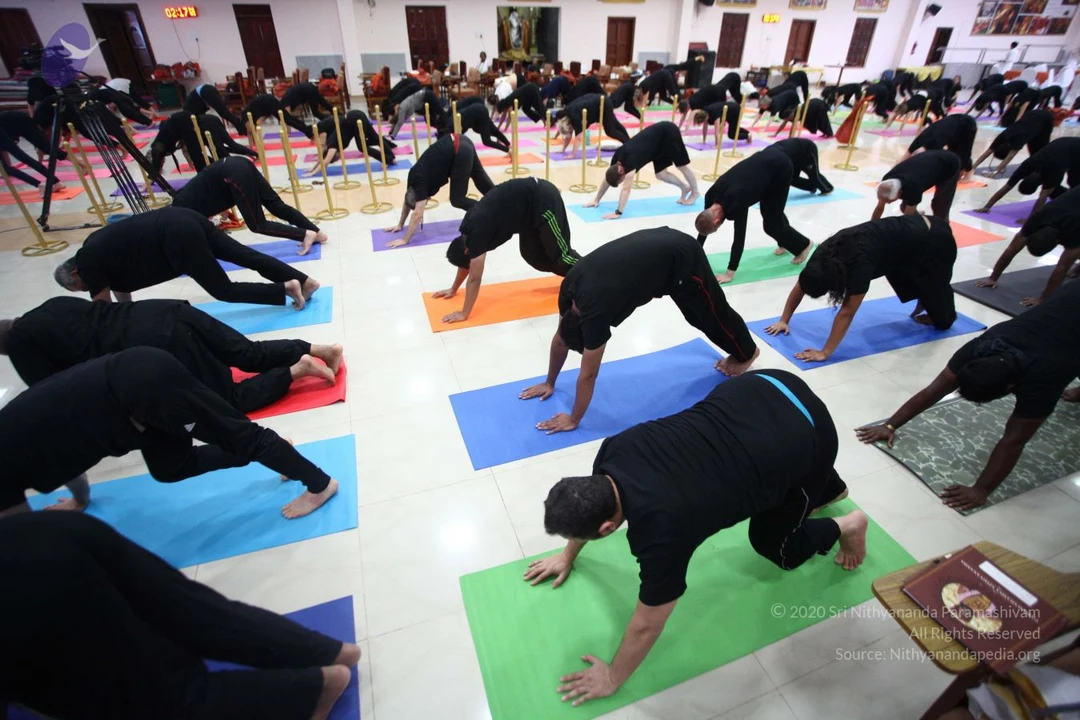
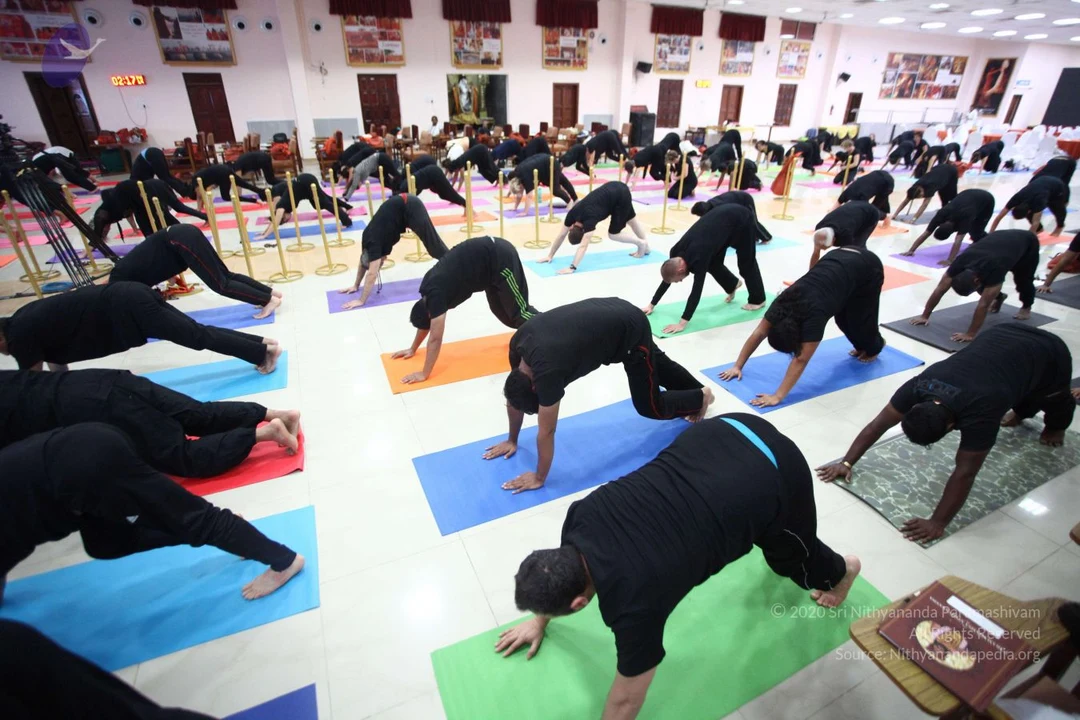
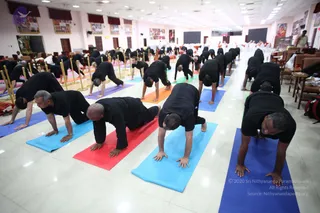
Just yesterday, I made a important announcement to the whole Sanga, now we are making the spiritual routine into 2 batches - morning batch and evening batch. So whoever wants, you can attend morning batch, if you don’t want you can attend evening batch. But decide upfront which batch you are going to be part. This is the rule for all over the world, all the branches; all the aadheenams and temples... morning one batch, evening one batch. Actually I am opening the door for multiple possibilities. Morning batch will follow the Indian Standard Time. Will call it, may be the first batch, you can come up with some name. That will follow Indian Standard Time of morning - 4 to 9. 4 to 5 Yoga, 5 to 6 pancha kriya, 6 to 7 pada puja, 7 to 8 breakfast and kirtan, 8 to 9 satsang. The evening batch will have, evening batch will function centered on Los Angeles. Let’s have Los Angeles time.
Actually, all of you need to know, I need to put this on record once more. When I was in Erode, first when we started the Erode aadheenam, many devotees have gathered and wanted to buy land all around that ashram, Erode aadheenam. And expand that whole property into a large community. I had a darshan, Sadashiva appeared and revealed, in the East Bengaluru will be headquarters, in the West Los Angeles will be headquarters. So I came out of the samadhi, and told few of my disciples who were around me at that time. They laughed at Me and said, Swamiji you neither know Kannada to move to Bangalore nor know English to go to Los Angeles. That time I really did not know English. Understand, that time I really did not know English. I can speak only, “You come(u), I sit(tu), we go(u)..... you talk I understand, I don’t talk” ☺ That time I really did not know English. So... they were laughing at Me, You neither know some people in Karnataka, Bangalore, nor know anybody in Los Angeles.
(11:38)
And I wanted to put this in record, really I did not know the place called Los Angeles exists in USA in California and all that. I only know these 2 word appeared in front of Me; that’s all. Just these 2 words appeared in front of Me, that’s all. I will dig out from the archives; we must be having even that paper, where I tried to spell it out. But the words appeared with the English letter, it did not appear in Tamil. Of course, I can read the English script; that much I learnt. So I could not pronounce properly. Bengaluru I could pronounce because I have heard that word. Los Angeles, I have never heard. So I had to spell it out, pen it down, for them to even understand which place I am talking. When they asked all these questions, “You neither know somebody in Bengaluru nor know anybody in Los Angeles and you neither know Kannada, the language of Bengaluru nor know the language of Los Angeles, English. How are you going to start the ashram there? Now we have gathered and we are ready to buy all the lands around and donate and why don’t you start the ashram and expand here itself.” Because they were really interested in keeping Me there, they really want Me to stay there. I said I know one person, very powerful who is in Bangalore and Los Angeles - that is Sadashiva. I know Him and He knows what to do. So I said for East we will have headquarters in Bengaluru, for the West we will have headquarters in Los Angeles.
I wanted to put this on record, because unfortunately still Los Angeles has not received a spiritual sacredness in our Sangha. Understand, we may have thousands of temples, but Los Angeles is that Kshetra, it is a teertha snana for Nithyananda Sangha. Understand, it is a teertha sthala for Nithyananda Sangha. Just like Arunachala and Bidadi, the important teertha sthala for Sangha, our sangha. Arunachala, the place where I become enlightened, the Adi Nithyananda Peetam and the Tiruvannamalai aadheenam where Sadashiva gave the atmalinga to Me - all that is a kshetra for our sangha. Then Varanasi, Manikarnika ghat where I had death experience and Haridwar Shankar Maharaj, Mahadeva who gave Me the food and established the Truth,
ananyāś cintayanto māḿ ye janāḥ paryupāsate teṣāḿ nityābhiyuktānāḿ yoga-kṣemaḿ vahāmyaham Of course Bidadi, Bengaluru then Los Angeles; Los Angeles temple is a Kshetra. Understand it is not just a temple, it is a Kshetra. We may build thousands and thousands of temples, we may build thousands and thousands of aadheenams...but Sadashiva marked Bengaluru and Los Angeles only.
(16:50)
So the morning batch will be called as “Brahma muhurta batch” which will follow the timing of Bengaluru aadheenam’s sunrise. And “Sandhya batch” will follow the Los Angeles sunrise. It will follow the Los Angeles aadheenam’s sunrise. And based on their sunrise, Brahma muhurtham, means the same time, they will have their 5 to 6 yoga, 6 to 7 puja, 7 to 8 satsang. Because they can have breakfast and all that in their own time, may be they need time for their pancha kriya, so we will have like 5 to 6 yoga, 6 to 7 pancha kriya, 7 to 8 puja & 8 to 9 satsang. Anyhow, our evening batch will follow the timing of Los Angeles.
I wanted more and more the spiritual sacredness and spiritual sacred respect to be given to the Los Angeles temple. And it should be treated as Kshetra. We may have thousands of temples all over the west, but going and having darshan of Los Angeles temple is equivalent to having direct darshan of Bengaluru Nithyanandeshwara; because these 2 places marked by Mahadeva, Sadashiva directly. Even I cannot change it. No one can change it. It is history. Already He marked it and He made it. I have decided, we will build the Los Angeles temple in a beautiful big way, aligning to Agama and kumbabishekam by next year. It has to be done. It’s long due. Too much time has been wasted, now I will have to directly, I am going to intervene and make it happen.
(20:02)
So let’s start this 2 batches. We can’t even call as brahma muhurta and sandhya batch, because it’s not precisely sandhya in the evening. Sandhya is actually 4:30 to 6:00, this is, this will be I think 4 AM, okay roughly we can call sandhya batch. So all over the world 2 batches will happen, in all the aadheenams where aadheenavasis are there and you can attend any one batch. But attend at least one batch, which is conducive for you. Don’t change batches every day. Declare to yourself, it is you trying to train yourself. Declare to yourself and be stable with it. Morning if you say, “Oh, I come to yoga but I don’t do”, all that doesn’t work. That is like saying “Oh I only got married, but somebody gave birth” ☺ So that doesn’t work.
I am trying to provide the Vatavarana - atmosphere of raising everyone through the collective consciousness. I am not interested in generalising and diluting. Understand, I plan everything for the most powerful link in the chain. If you plan everything for the weakest link, it is called Education - Dilution due to generalisation. If you plan everything for the most powerful link and empower everyone to become the most powerful link, that is what is providing right Vatavarana - sangha. Every day if you are growing, you are having satsangha. Every day you are going down, you are having dussangha.
(22:55)
I tell you really... many kids before going to this so called “school” were so happy and they have so much of concentration abilities, mental capabilities, artistic sense, creativity, joy. I will give you precisely some of the tattvas.... for you to manifest Sadashivatva, do not learn anything which is not useful in your life. Do not waste your time in developing the capabilities which is not useful, any way in your life. Like this stupid “Spell Bee” competitions. What is actually a direct use? What is actually, the direct use? Beautiful handwriting competitions!! ☺ Instead you can spend time on building beautiful hand.
Whenever you build anything directly which is going to be useful for your goal, what for you are born, your life’s purpose, you will only feel more and more empowered and rejuvenated, you will not feel tired, dull, bored. But whenever you are trying to waste your time, life, energy into the skills just for the sake of some award, reward, which is not the purpose of your existence, there is a automatic mechanism to shut you down, to withdraw and put you in boredom and tiredness.
(25:17)
Listen carefully, whatever is your life’s purpose. I have seen in My own life... whole day, sometimes even 20 hours I will be sitting and making deities and decorating them. My mother will be standing next to Me for hours, with the food plate or the milk, asking Me, begging Me literally “Hey at least have one meal, eat, drink one cup of coffee or tea or milk”. Not that I don’t want to eat or drink, I will be so fulfilled, I will say “Leave it and go”; it will be there lying, and I had a pet this mani, he will eat. Because I know, that is My life’s purpose. That is My life’s purpose. I will spend so much of time in decorating the deities and making the deities and decorating the deities. But I will not sit and practice even 10 minutes, handwriting. I will not sit and practice even for 10 minutes. Because I know, I am not going to write anything in the hand, I am only going to type in the future. If at all I am going to write, it is going to be autograph!! For that you don’t need to practice. Autograph is something which you do, as you know, as you are.
(27:48)
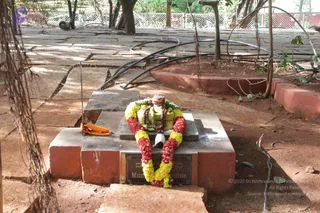
[Photo projected]
This is my pet. And the flower plants behind are My personal garden for My puja. And those small boxes are My temples and those dismantled wood it was a, I had an extended temple room for Myself. It was dismantled at that time for a bigger shed. Even in the house, I always had My own separate area, one temple setup, I will sleep only there, I will stay there whole day. Understand this basic principle - if you are developing tiredness, boredom, instability then your thought currents are getting diluted due to generalization. Understand, whether you know it or not every day you are getting educated. Either others educate you or you educate yourself. Day by day if you are getting diluted, your thought current is functioning from the angle of generalization. All generalization thought currents are based on, centred on matter - life negative. All thought currents makes you more alive, active, creative are the right education method, right way of educating yourself.
(30:16)
Listen, listen to this carefully. This few thought currents if you understand, you will know what you are doing to yourself every day. Even while you are thinking and planning for your life and future strategy, if you always plan based on your weakest moments, you are diluting yourself by generalization. If you always plan based on your best performance moments, you are building a new life. Understand, plan based on best of you. Don’t plan based on weakest moments of your life. If you feel “Wow, I have done this in my life!!”, then this is nothing I should be able to do it. If you think, “Oh I failed even there then I should plan only based on that”, then you are diluting.
Education system of Bharat is, “Eh I could even do that, why not this?” Education system of Macaulay is “Even that cannot be done, how can you do this?”
Macaulay or Bharat?
(32:20)
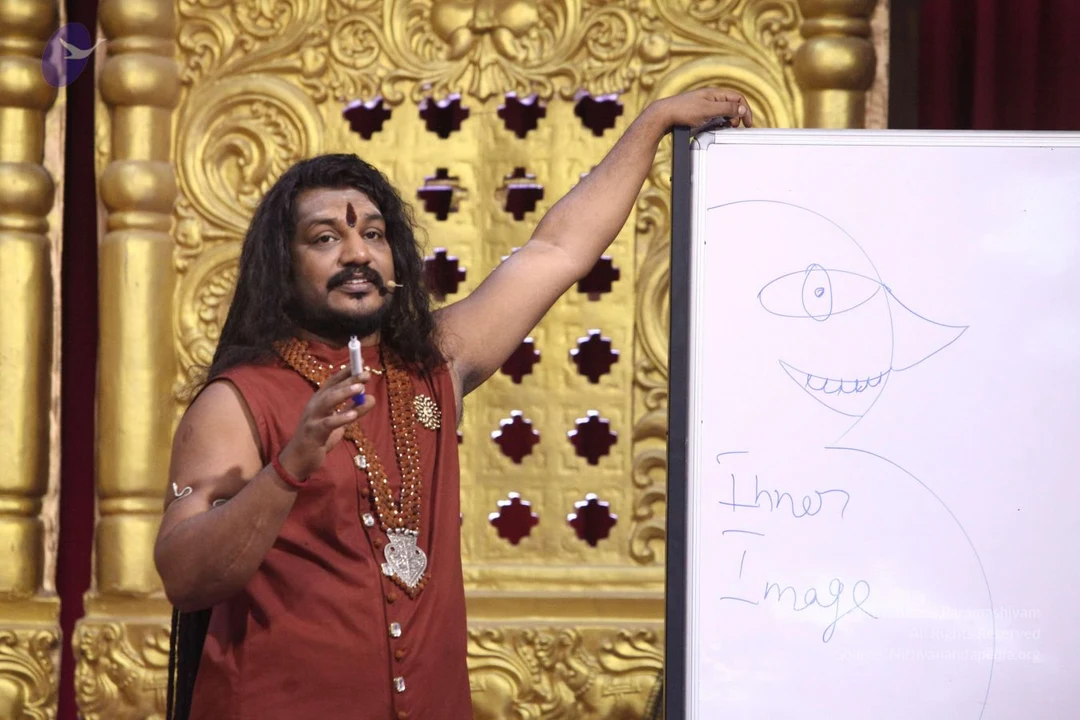
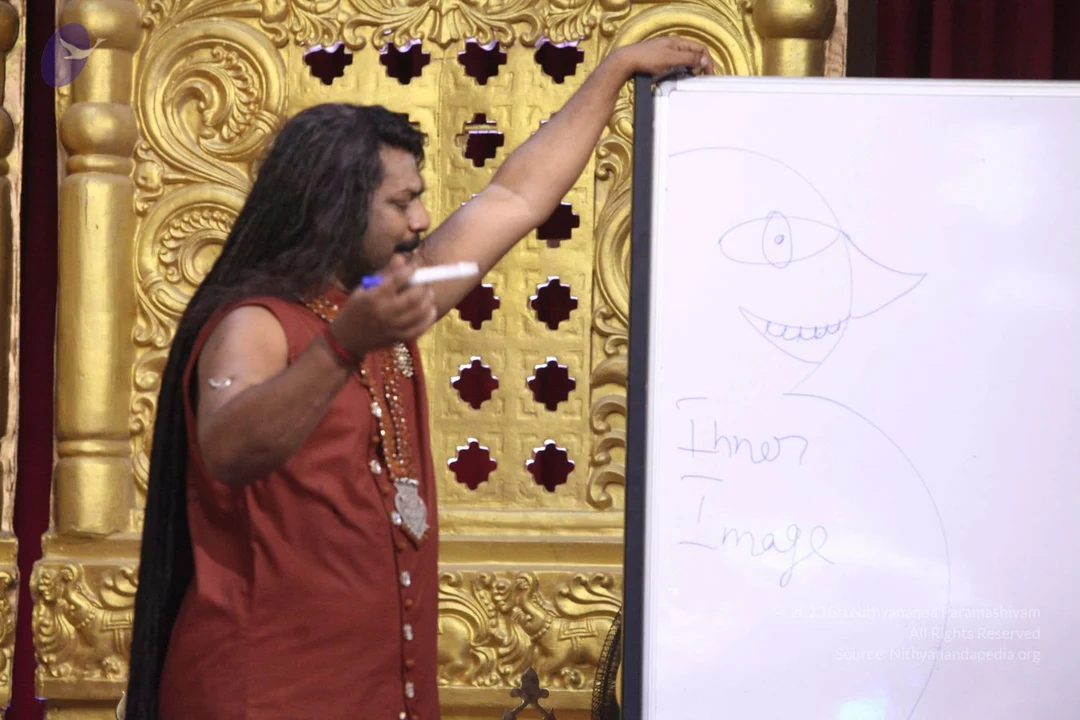
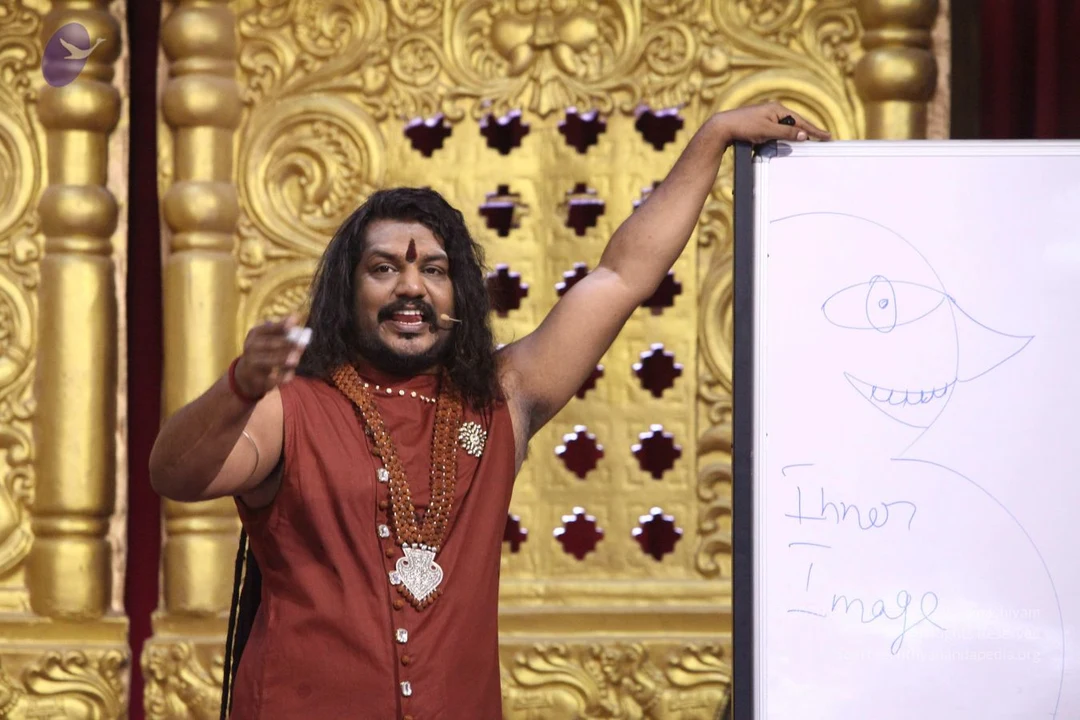
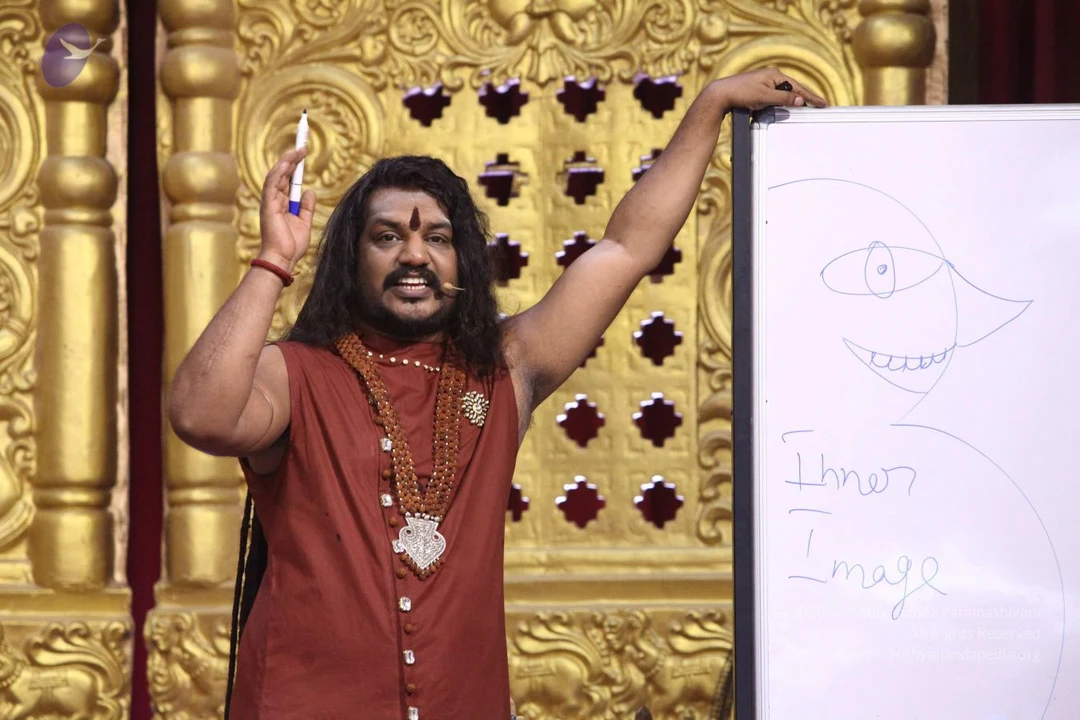
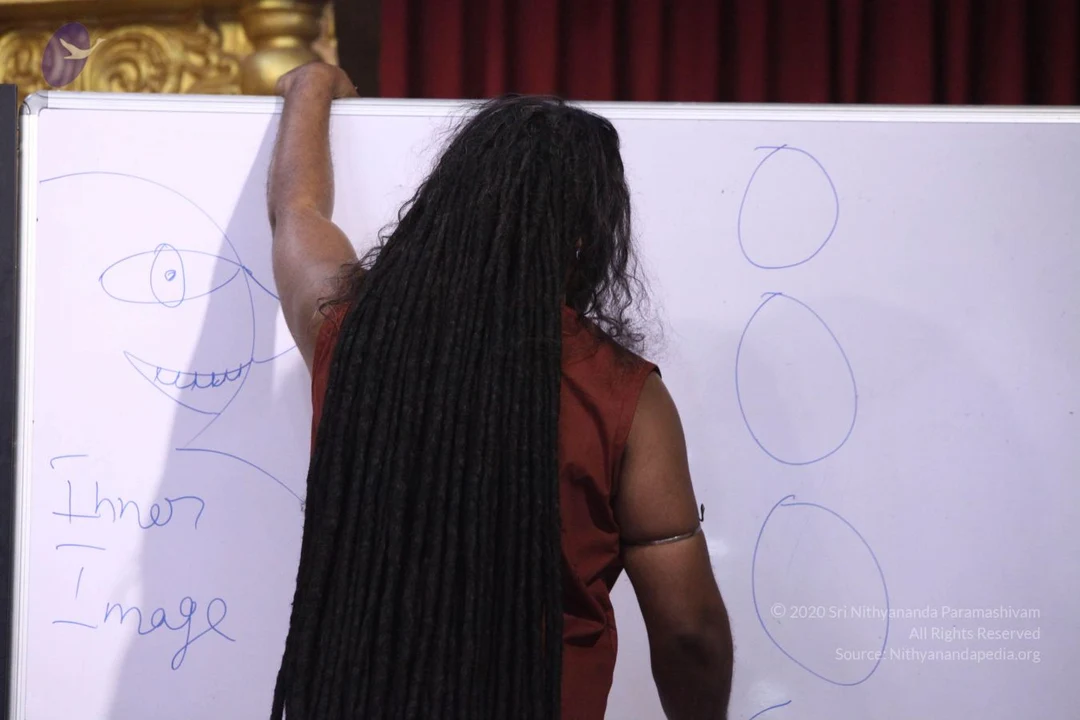
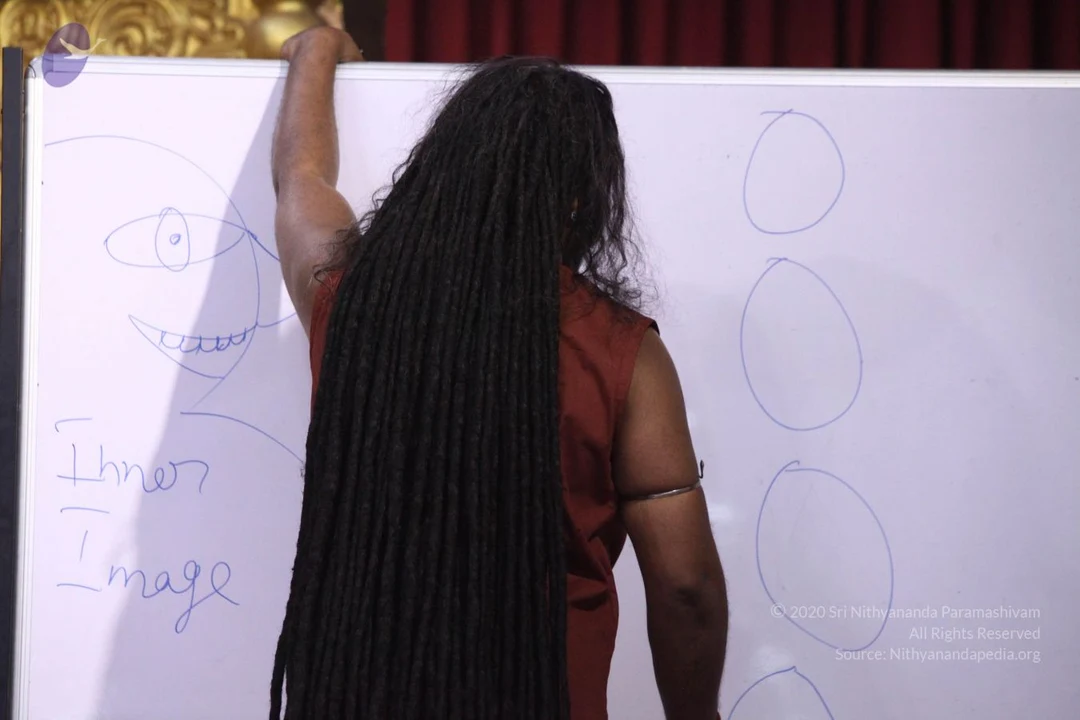
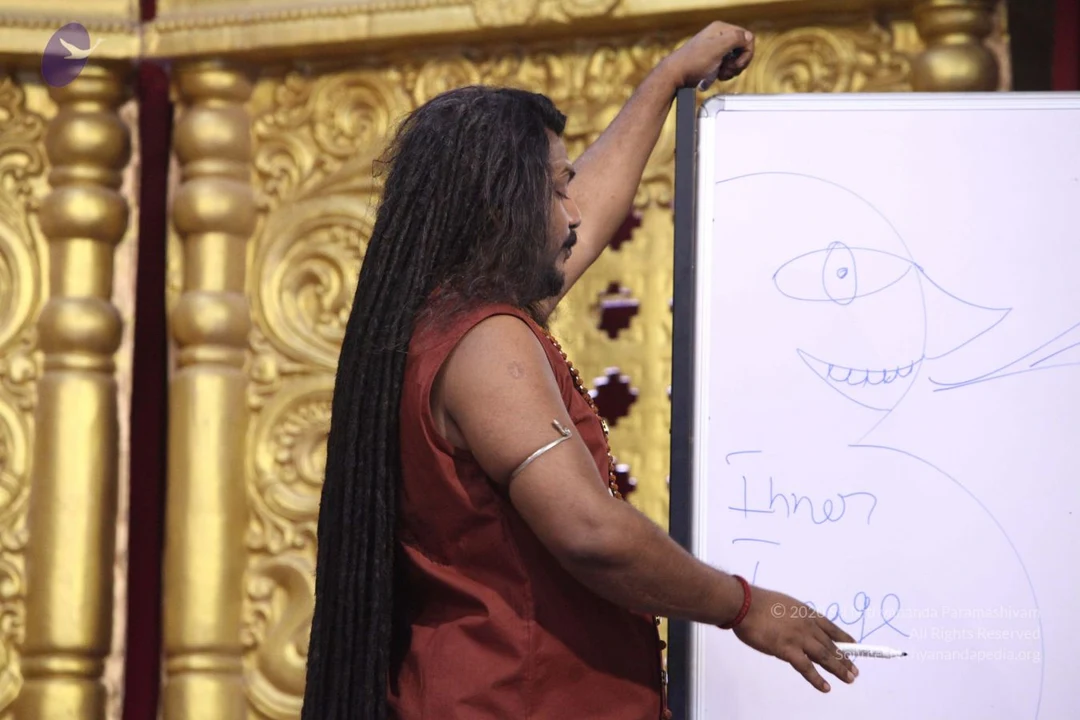
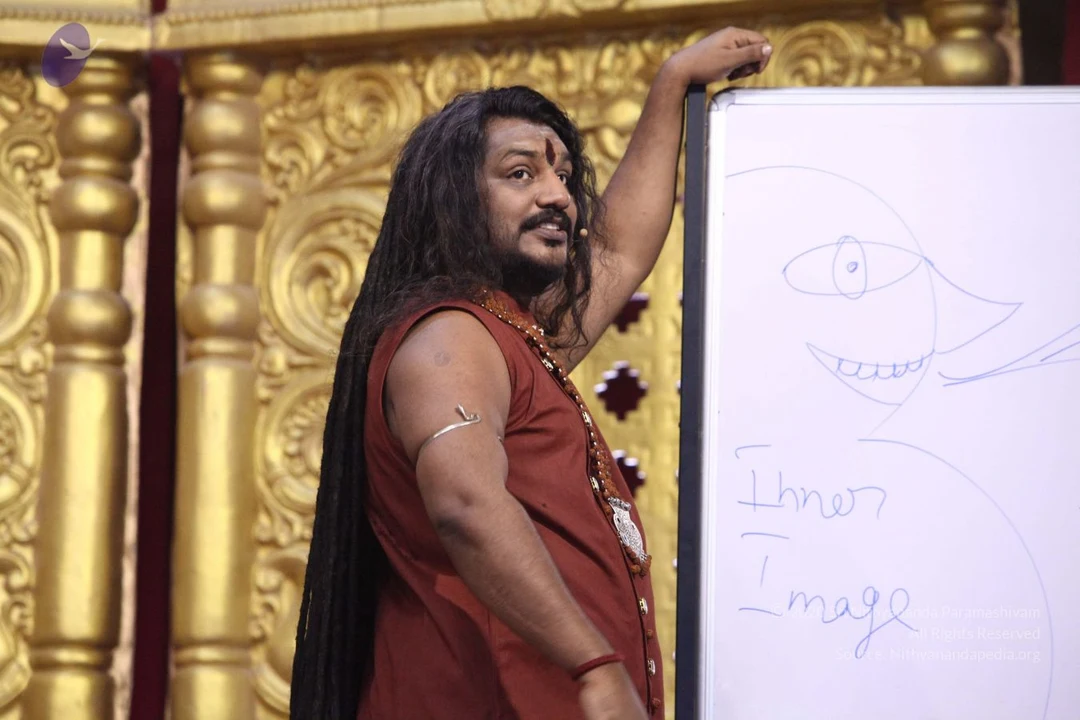
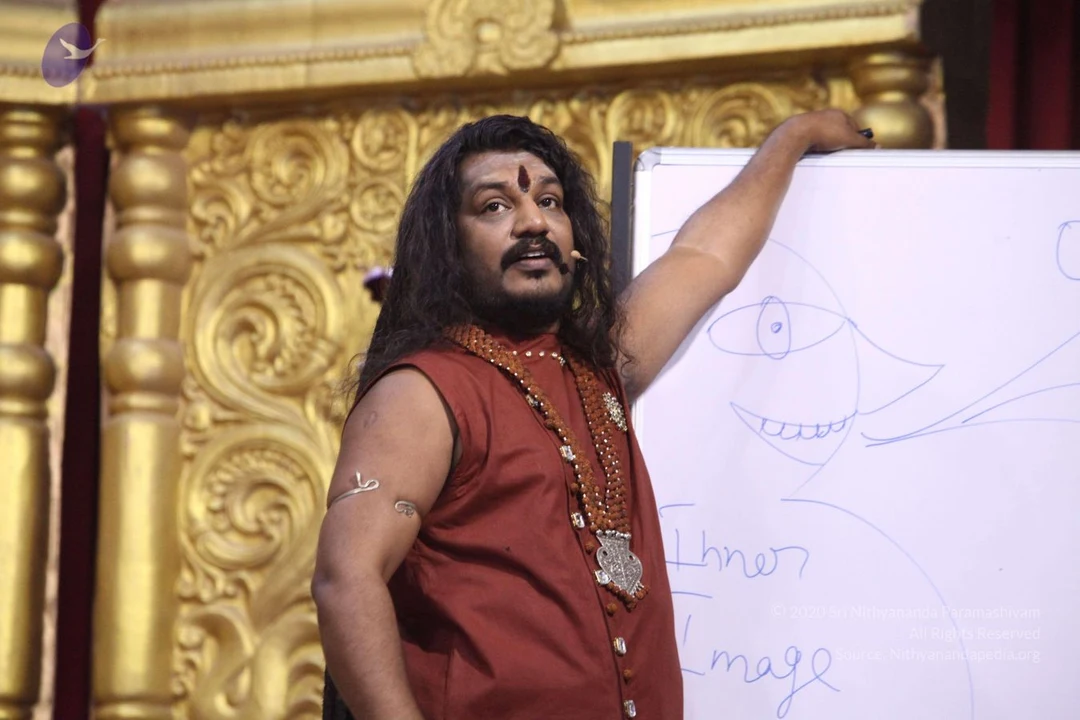
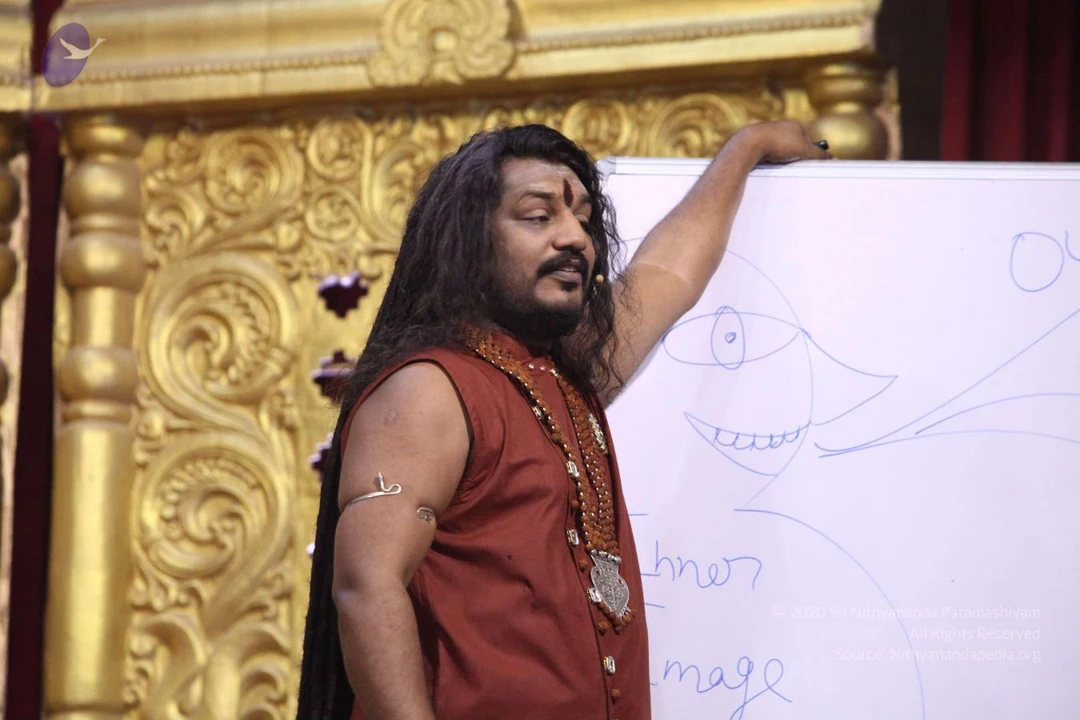
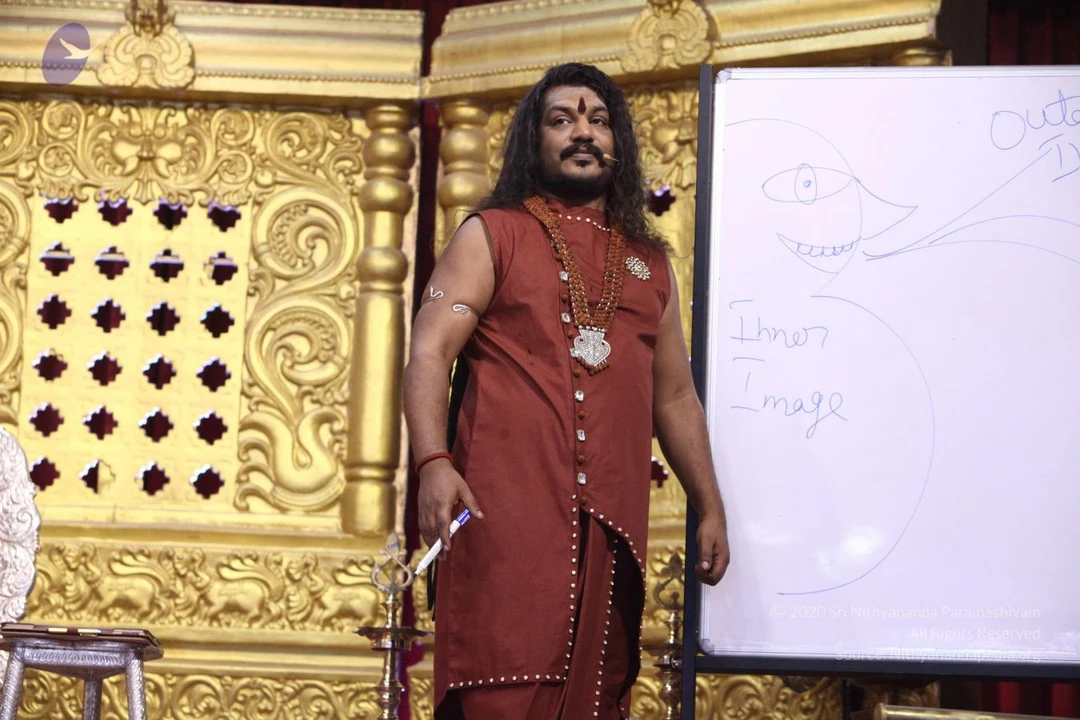
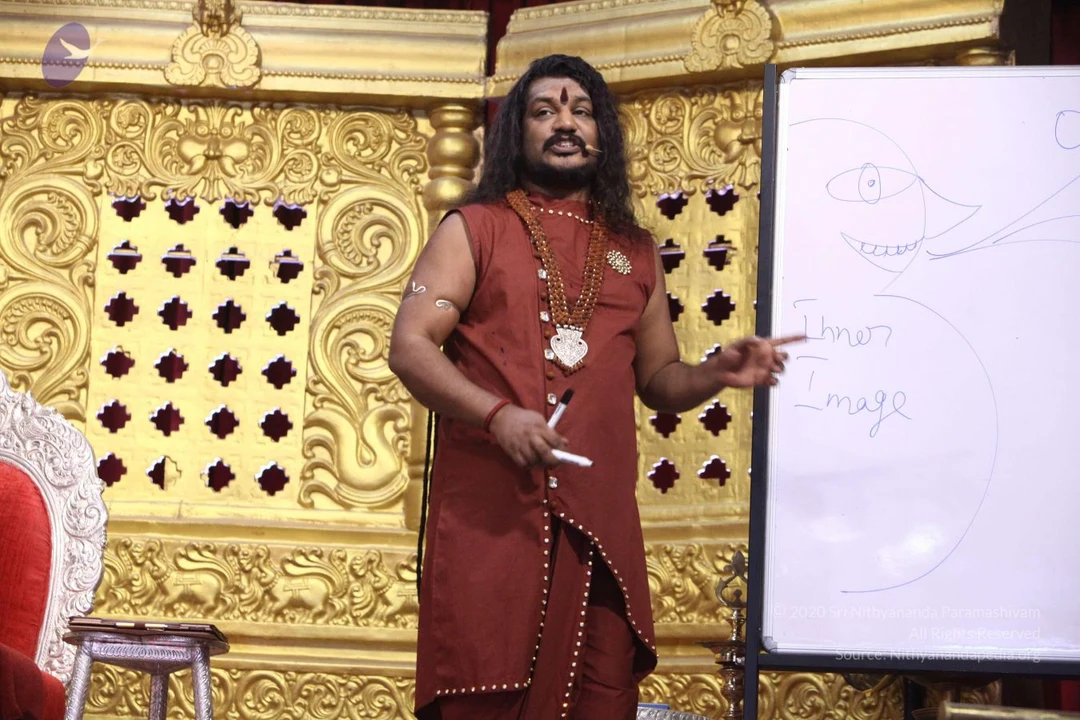
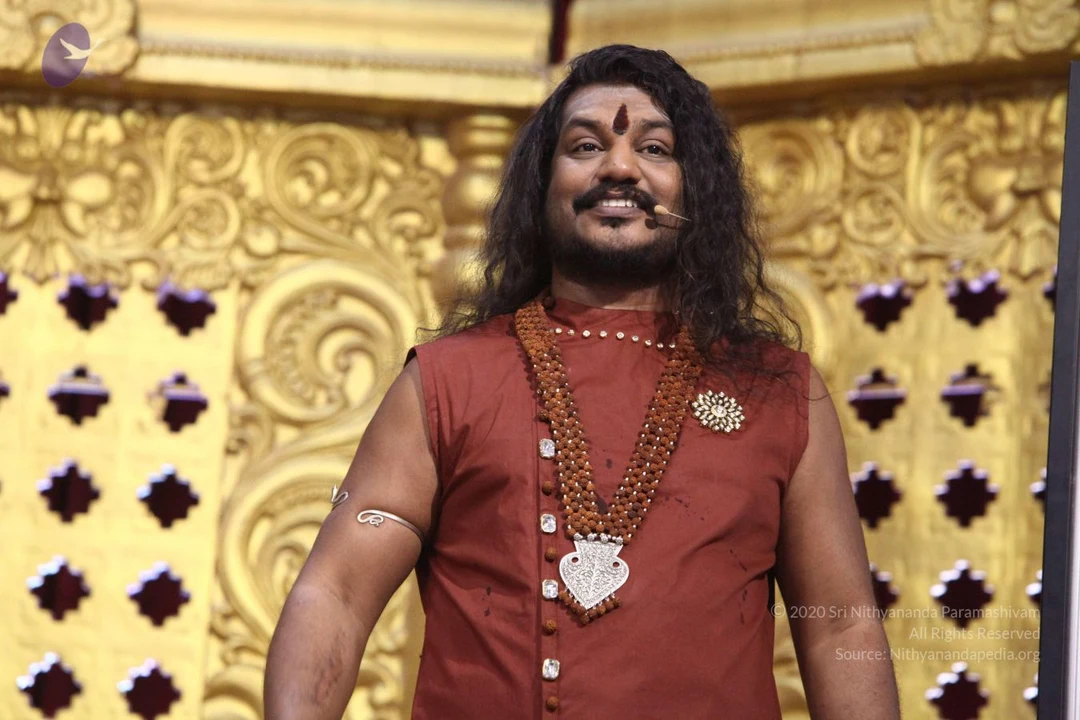
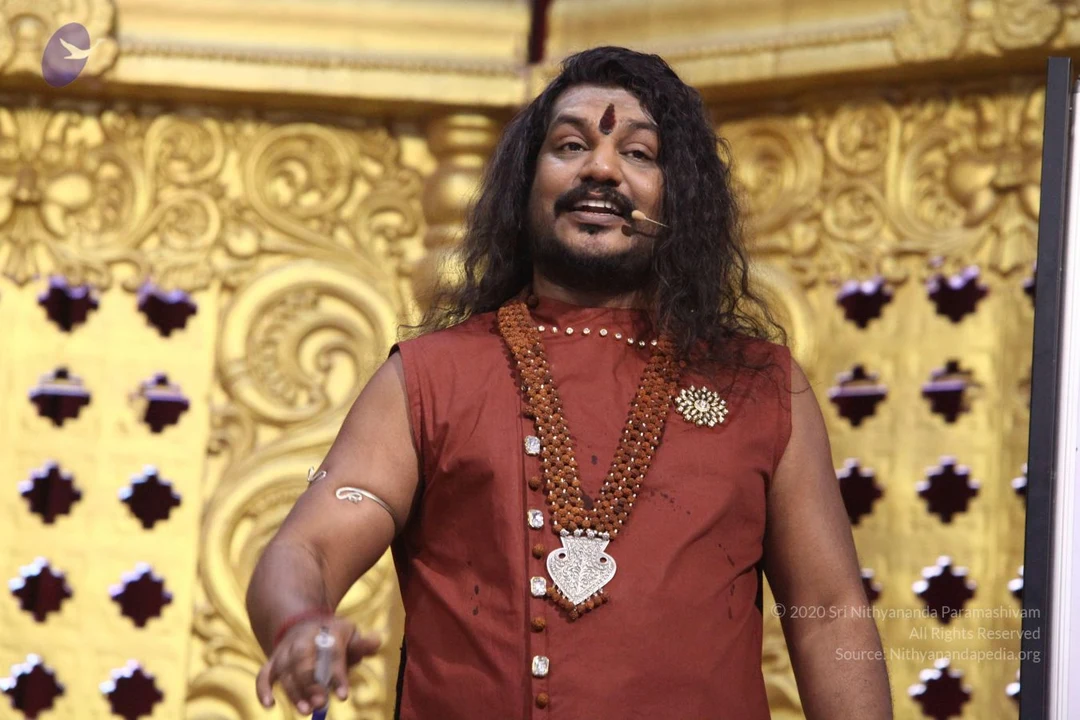
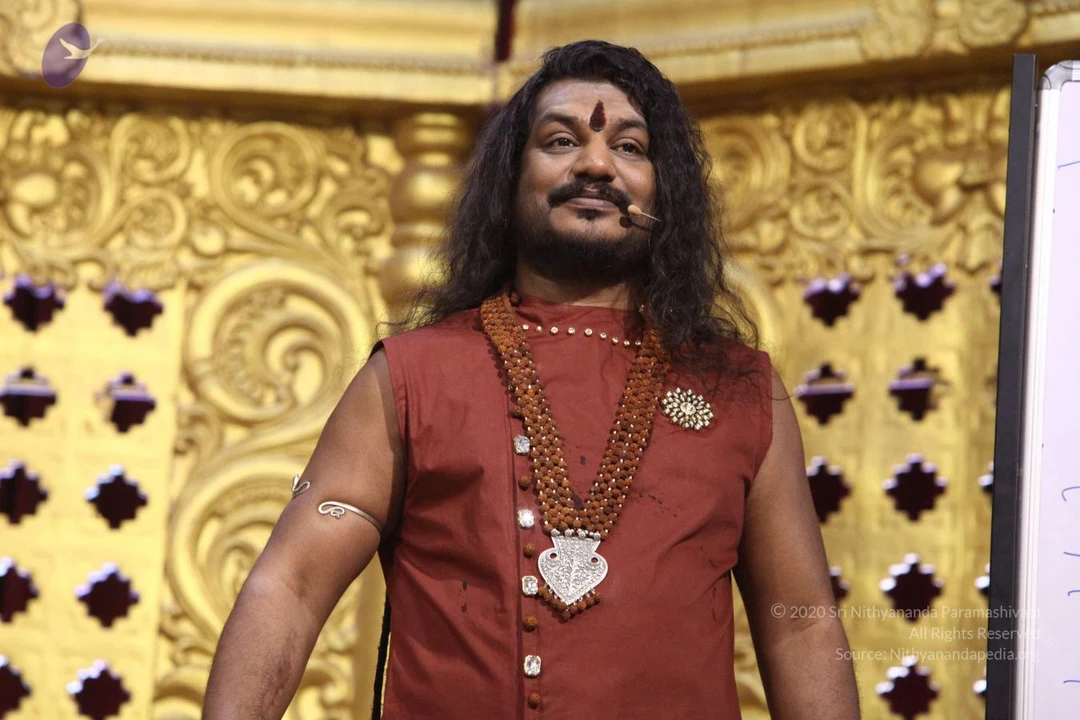
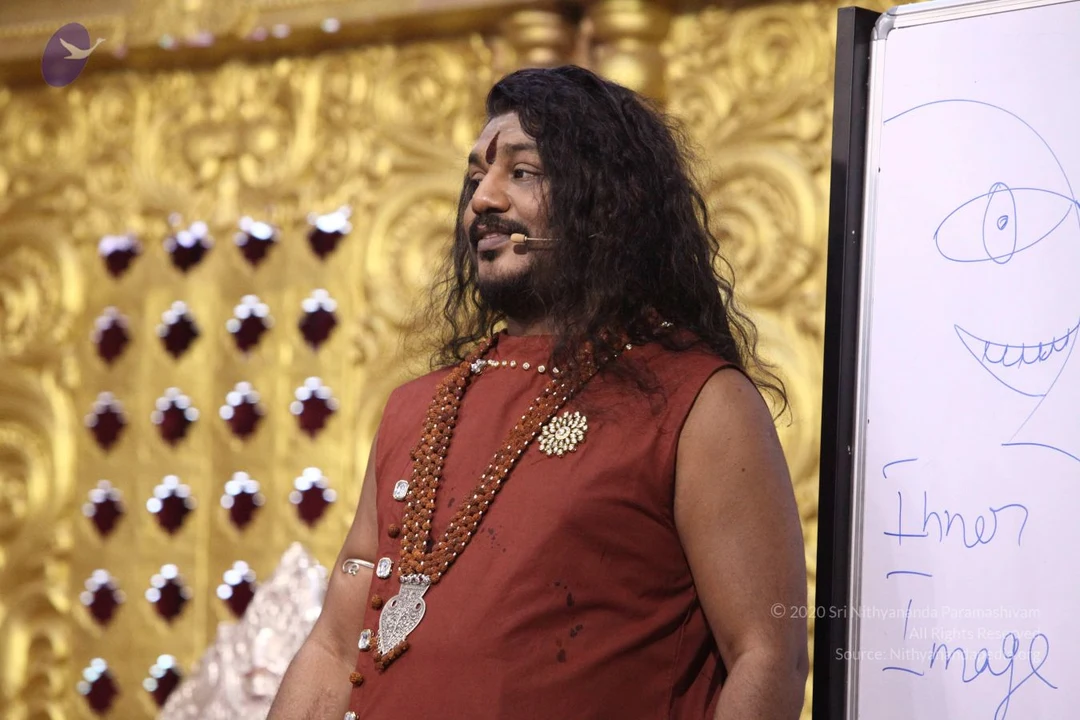
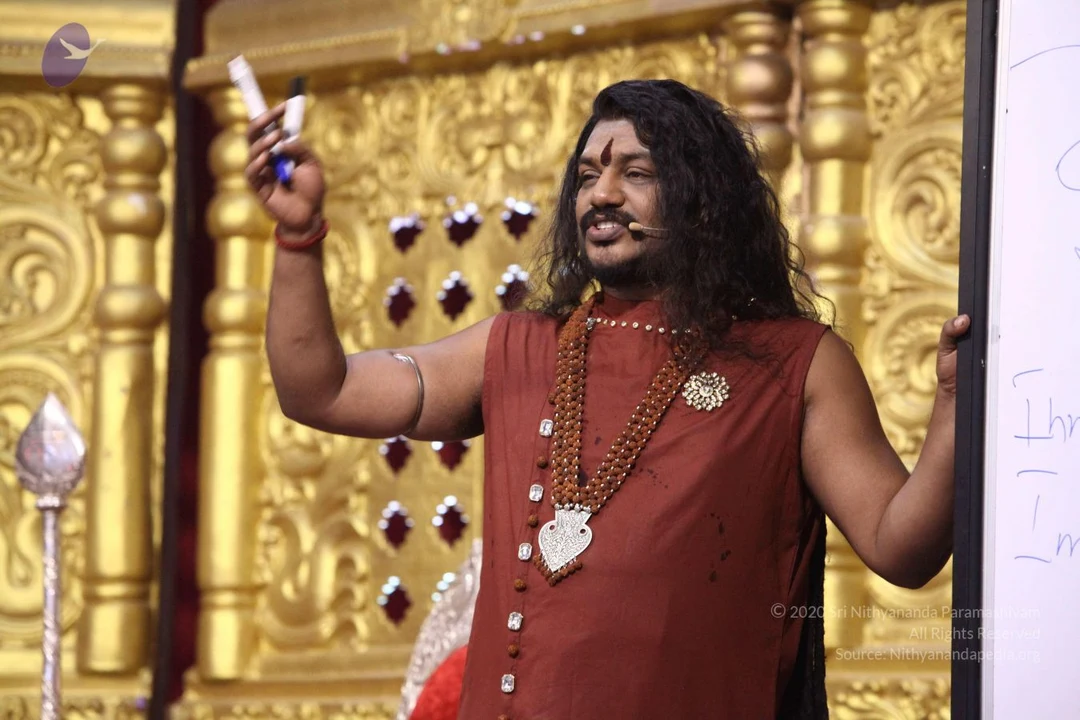
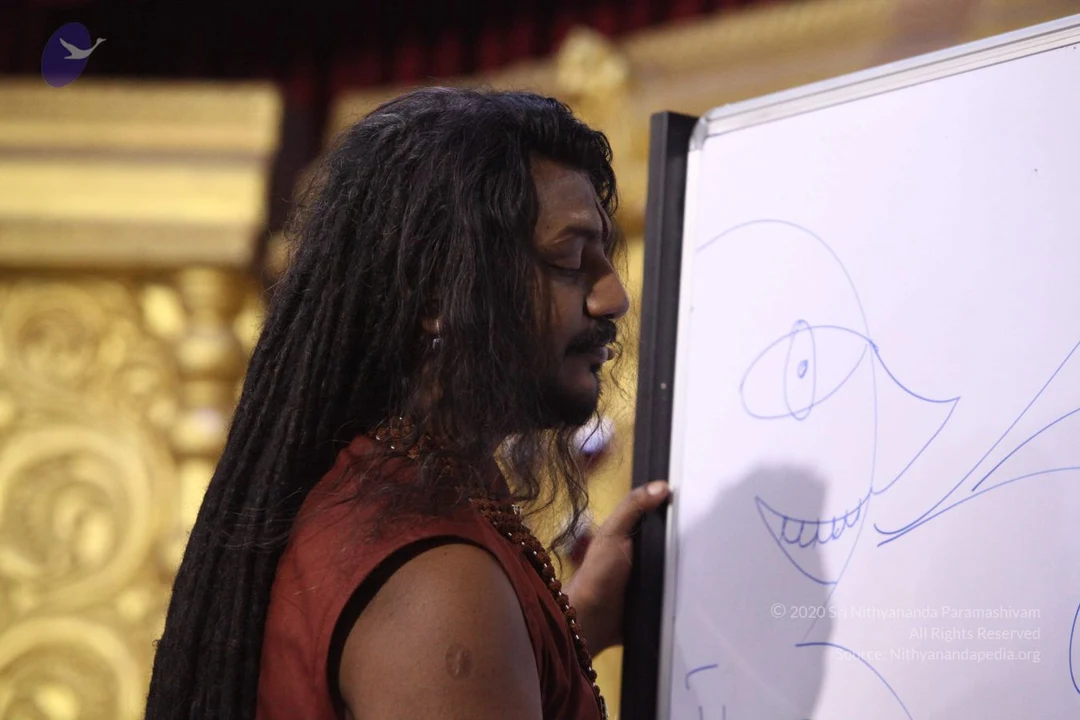
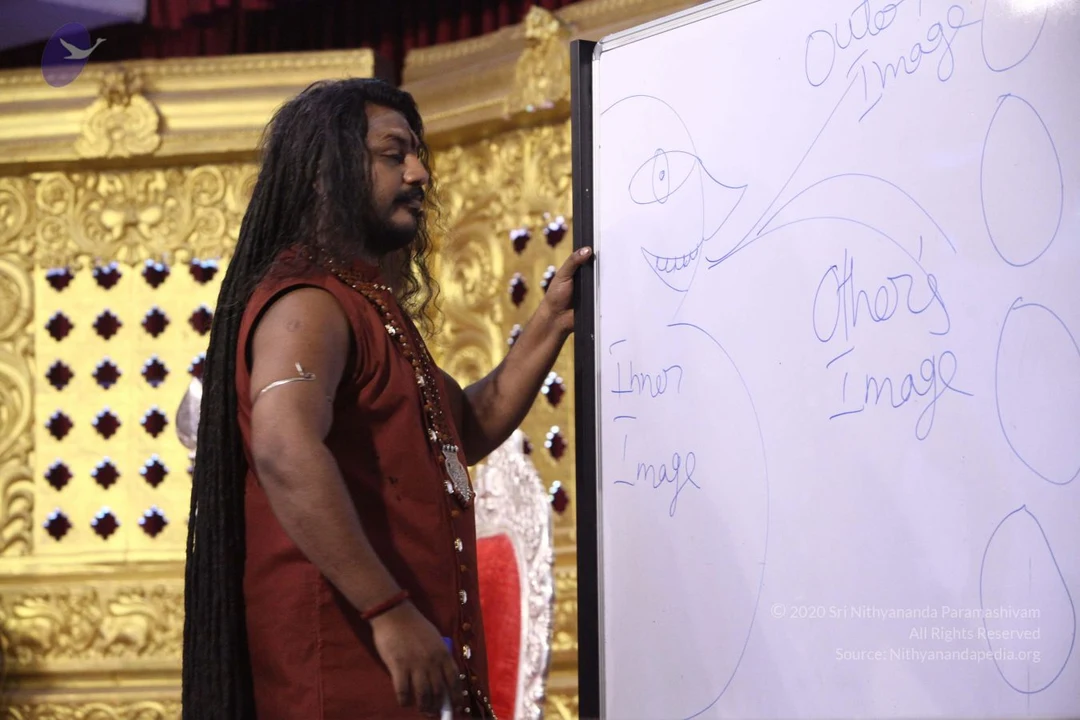
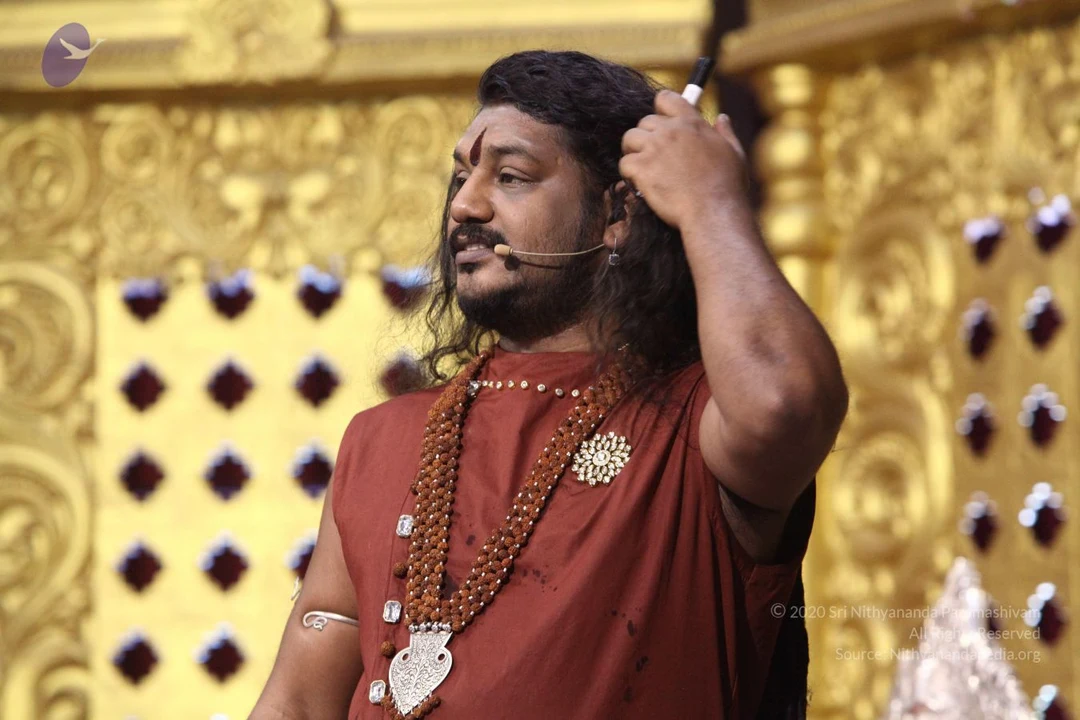
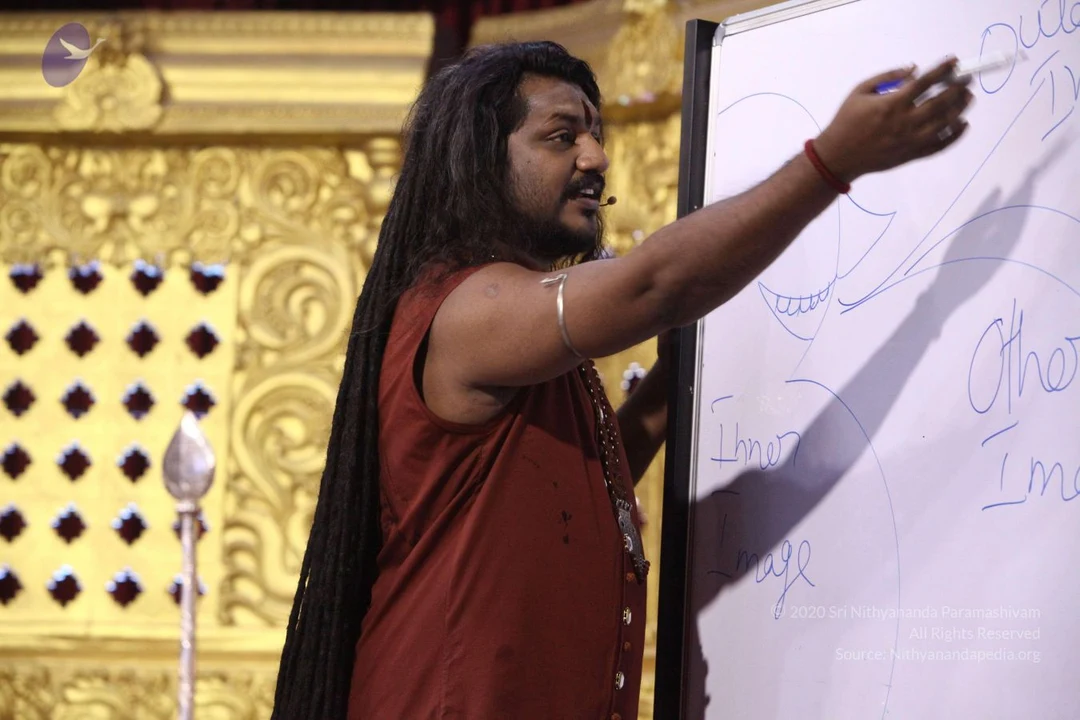
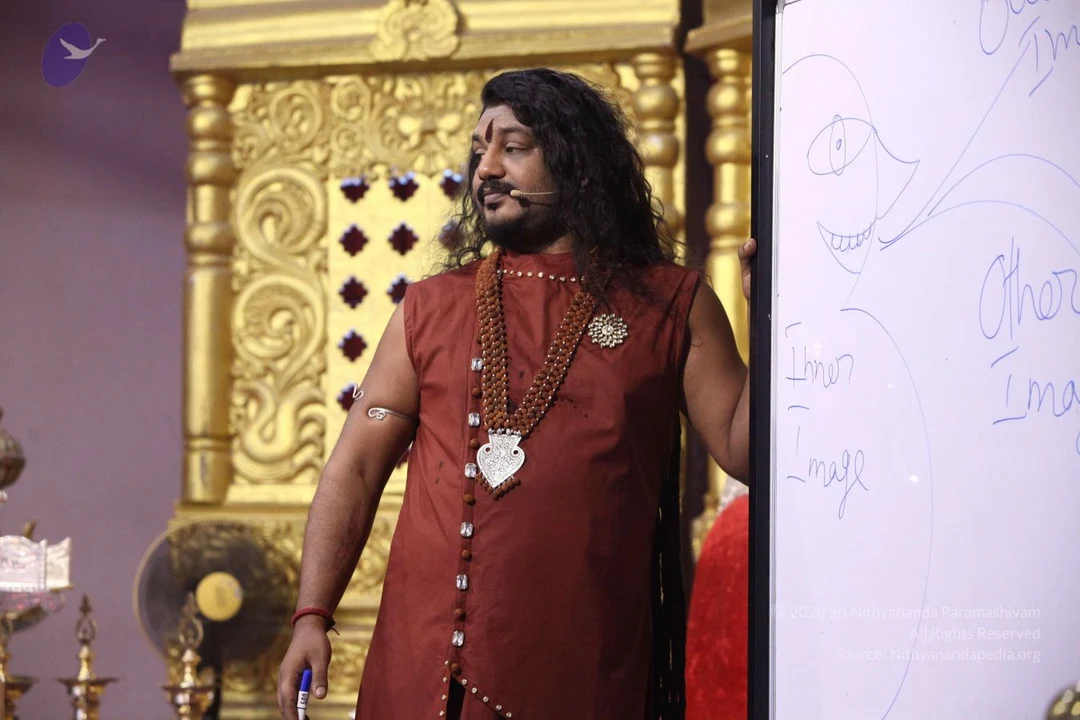
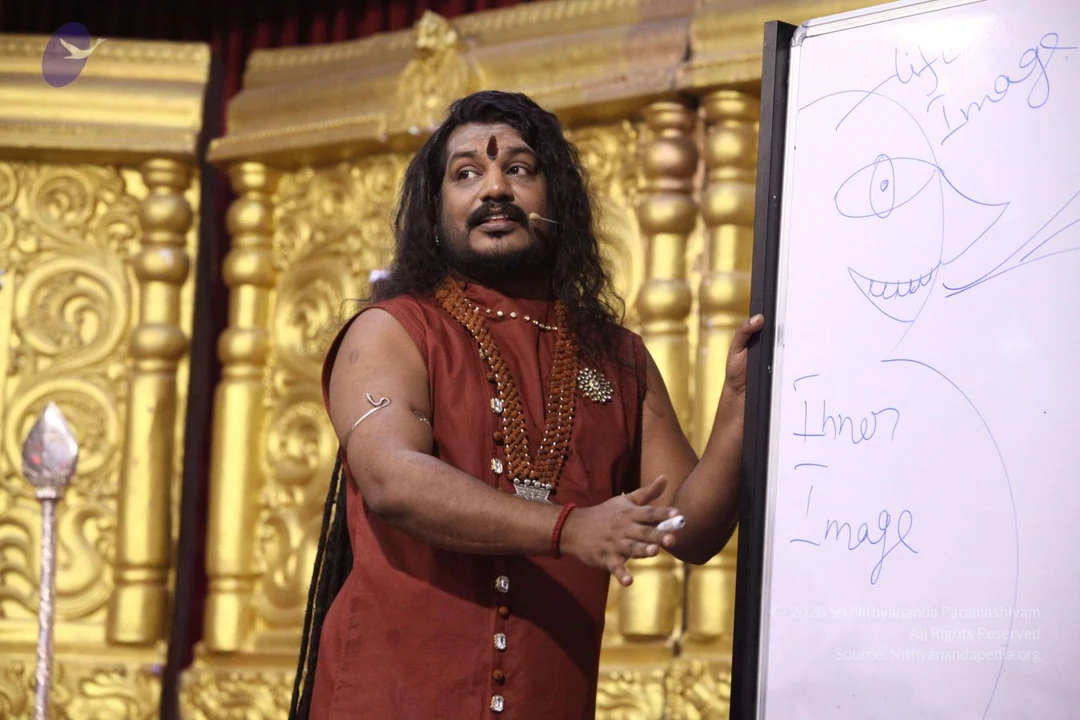
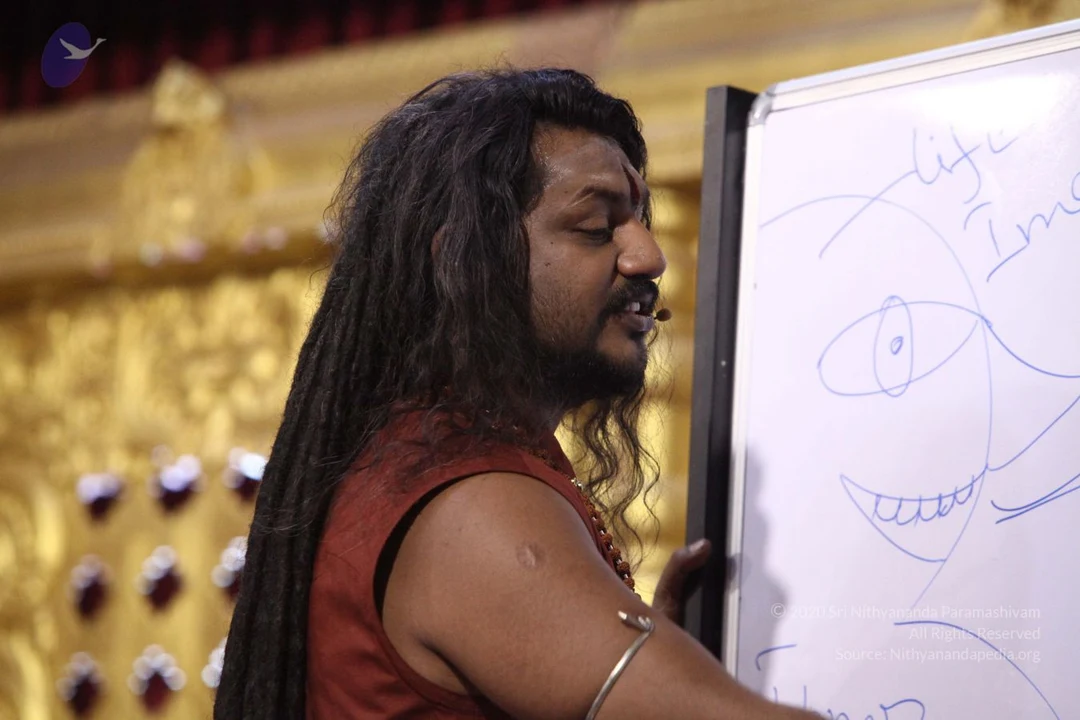
I tell you, this so called modern day false education is a very cunning method of breaking your conscious backbone... your inner image. I tell you, instead of learning all that stupidity, chunk of junk, which is never going to be useful in your life. If you have been taught about the inner image, outer image, life image, other’s image, which all of you are going to learn now, today in the Inner Awakening session, many people come and tell me “Swamiji if I would have had learnt about all these in young age so much suffering would have been less.” It is unfortunate.... before we built muscles, our mind did not get built. If your mind also gets built along with the muscles it is called maturity, otherwise it is called aging, not growing. Aging is different, growing is different. It’s not that always along with aging you need to be growing.
(34:00)
One of the greatest contribution to humanity by the Vedic Rishis is amazing concept of Gurukul where, such an extraordinary specialization skills are made available is such large scale. Understand, such amazing specialization of extraordinary skills are made available to such large number of people. The specialization and the powers were such... it does not get diluted along with aging. You see, at least we can say Bheeshma had a boon of “Iccha Mrutyu” so his body never even experienced old age. But Drona, he is an ordinary being; but his disciples have grown up, they are fighting they have become kings, even after that, they are not able to match his capabilities. Not just astra-sashtra, even the stamina! Understand for astra-sashtras you need a stamina... especially the gut, because that is where the mantras need to reverberate and get formed into a weapon and has to appear in the hand.
That is why I insist so much on Haritaki. For all power manifestation, your gut need to be completely clean, that is why insisting on Haritaki. With Haritaki the stomach will be clean and the mantras you create will reverberate in your navel and it will manifest as powers.
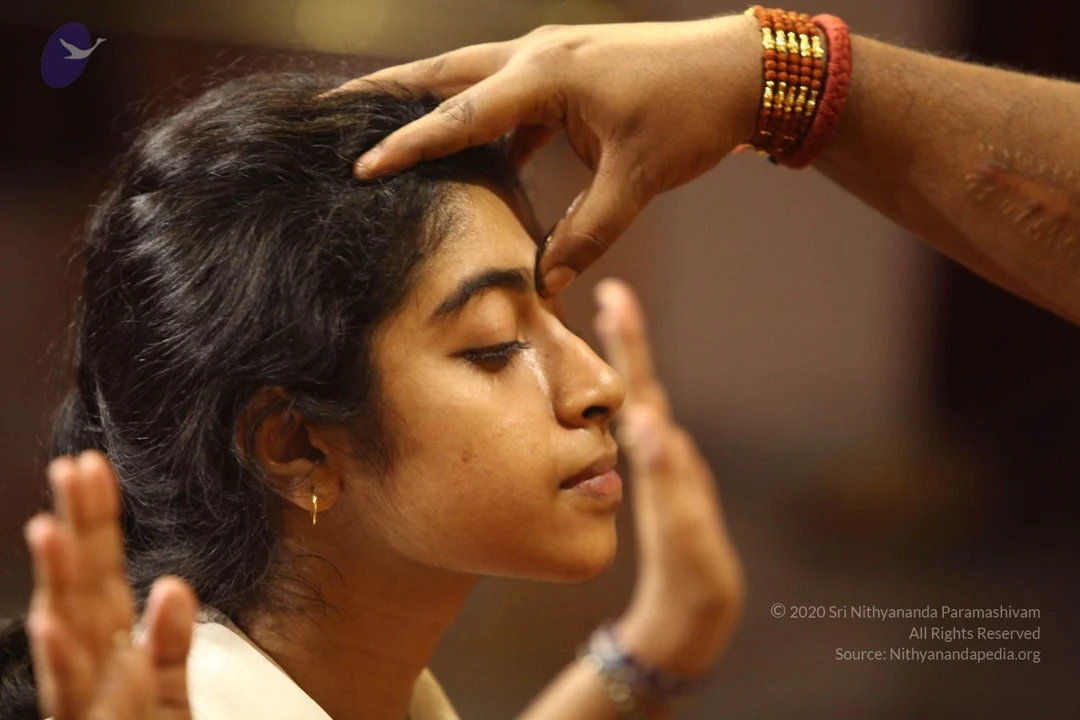
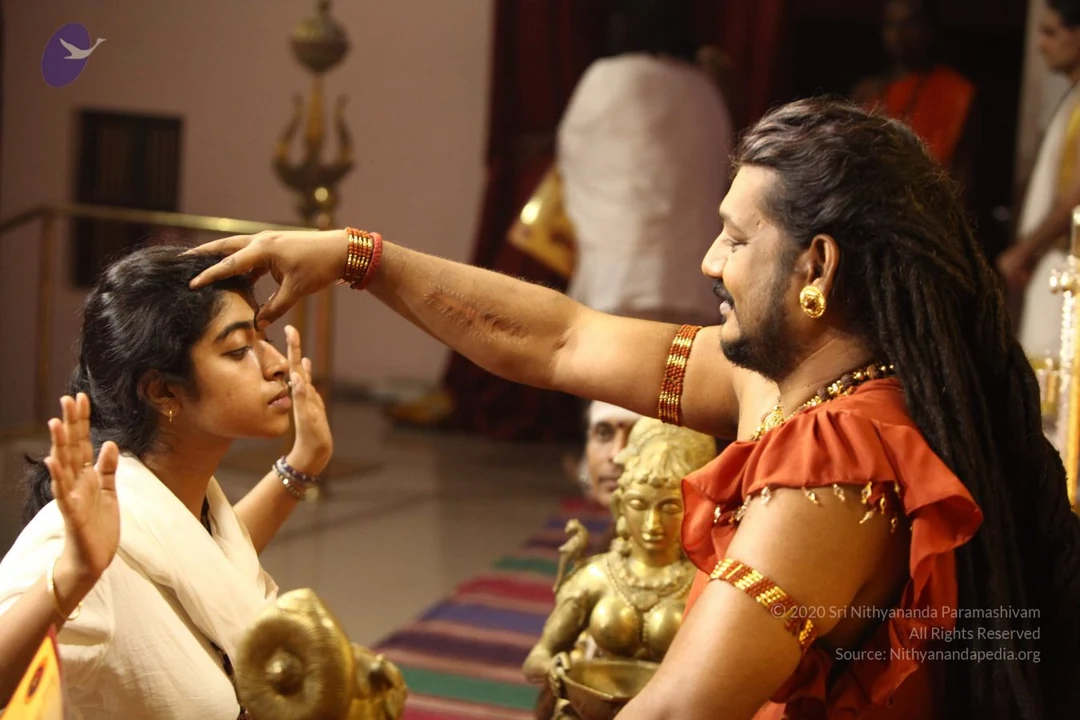
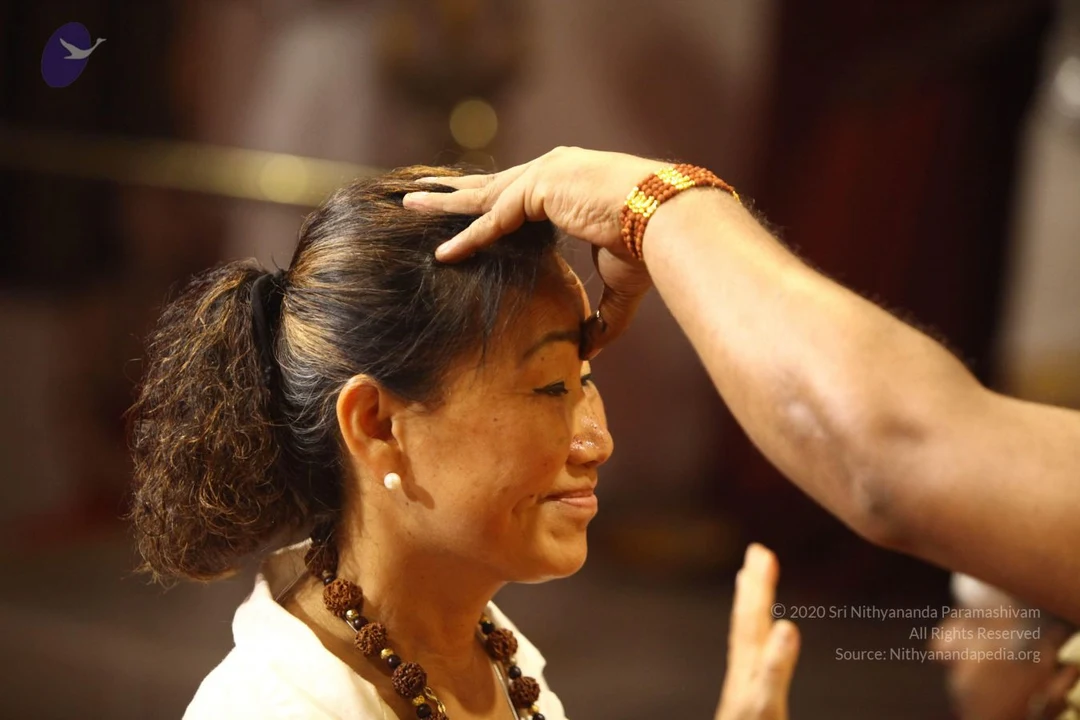
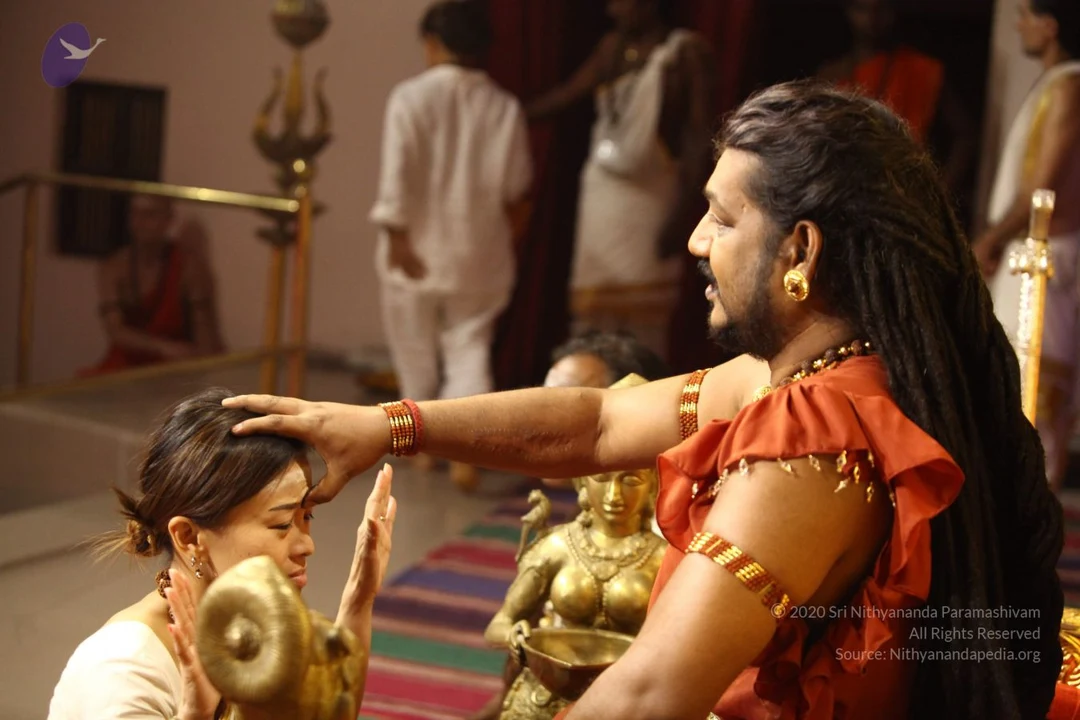
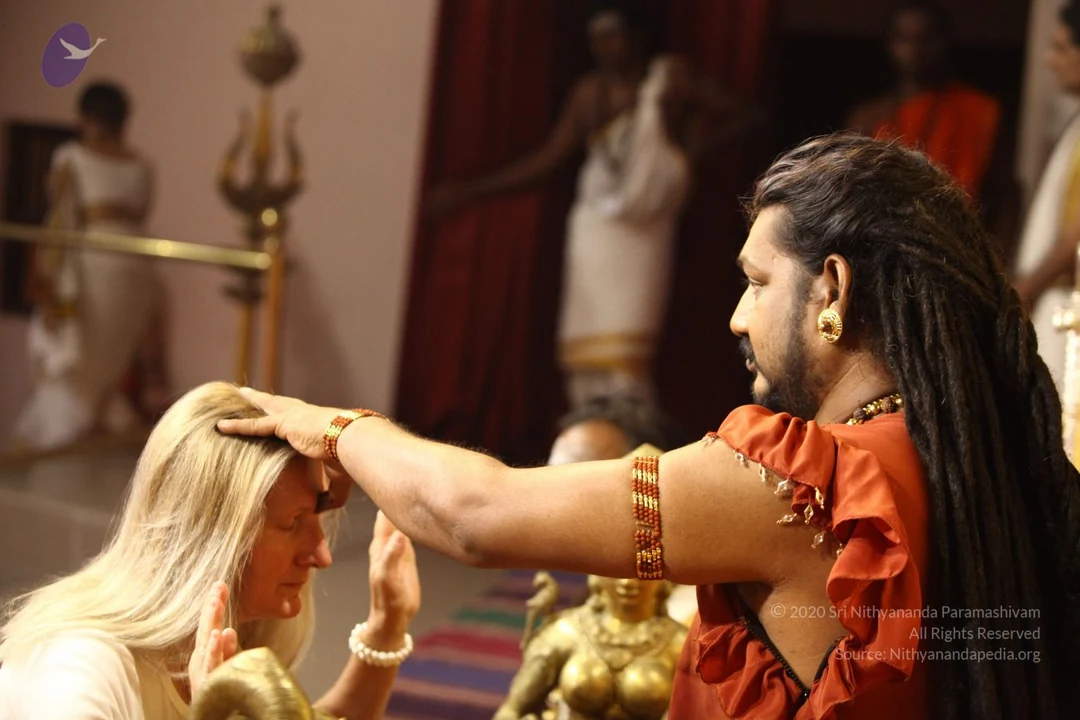
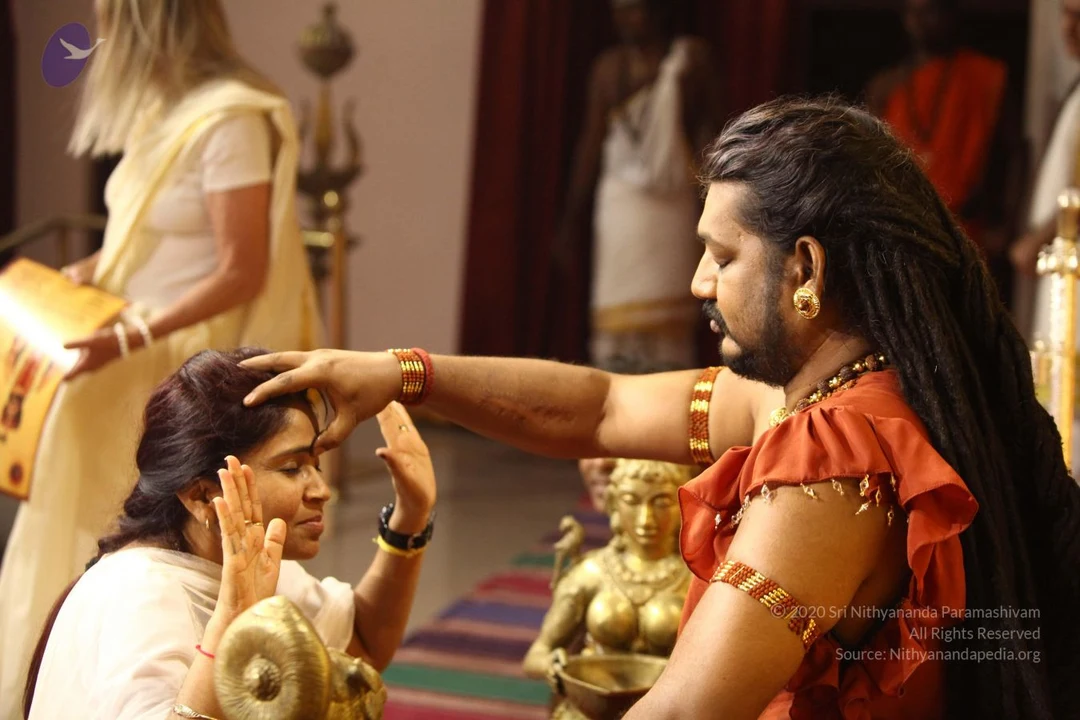
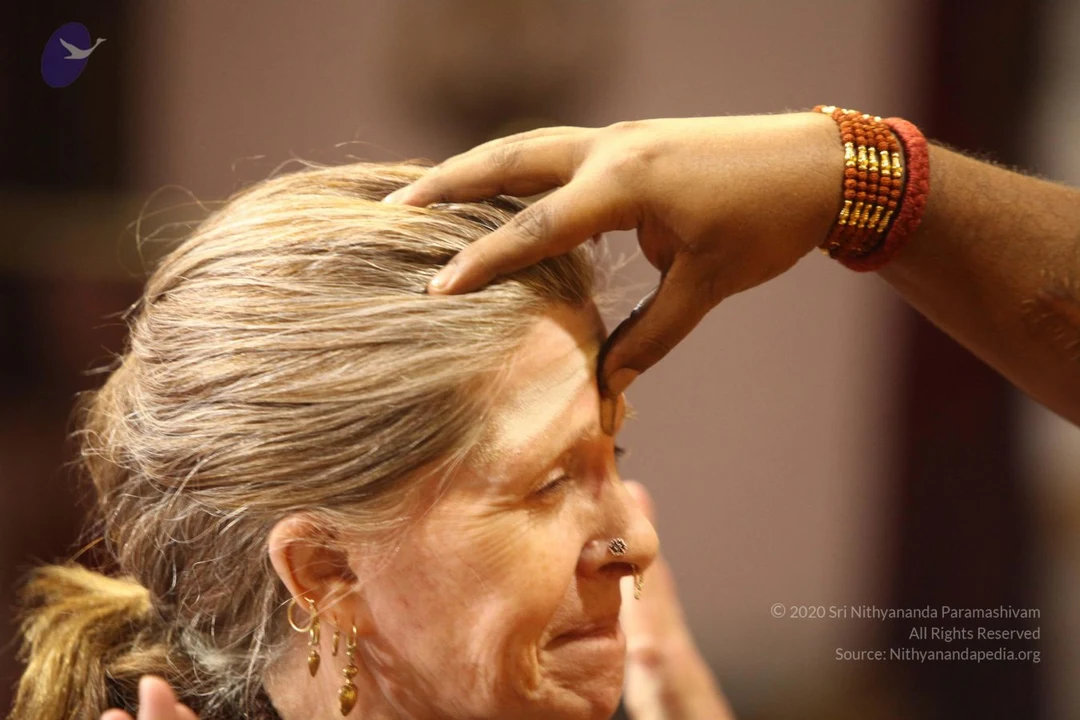
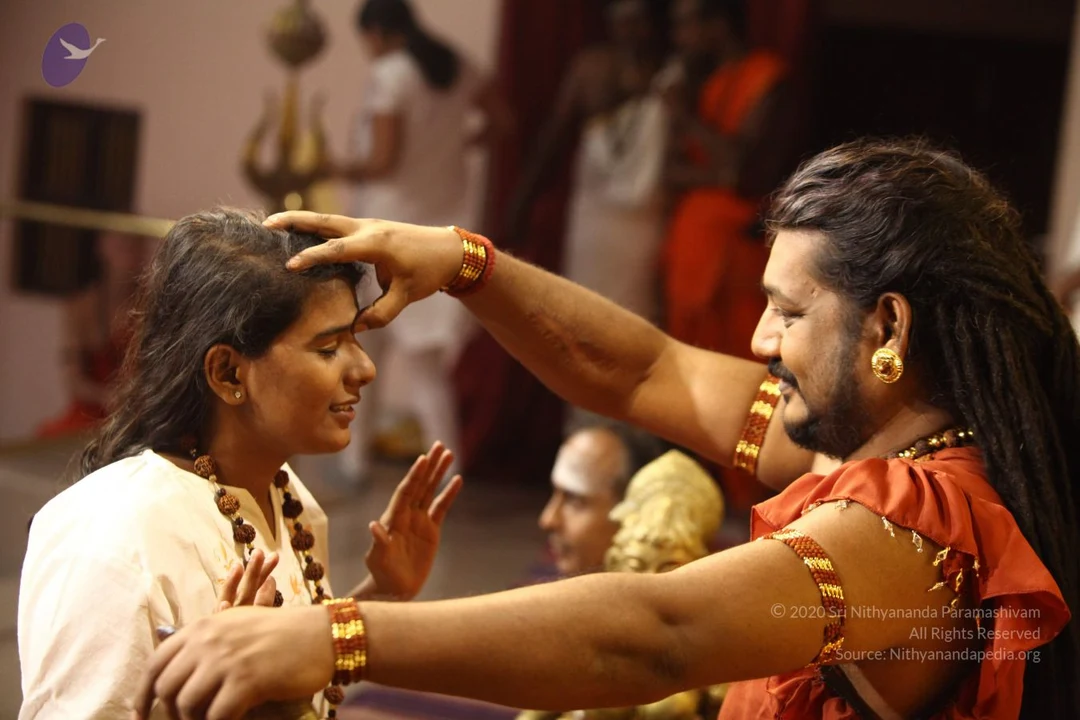
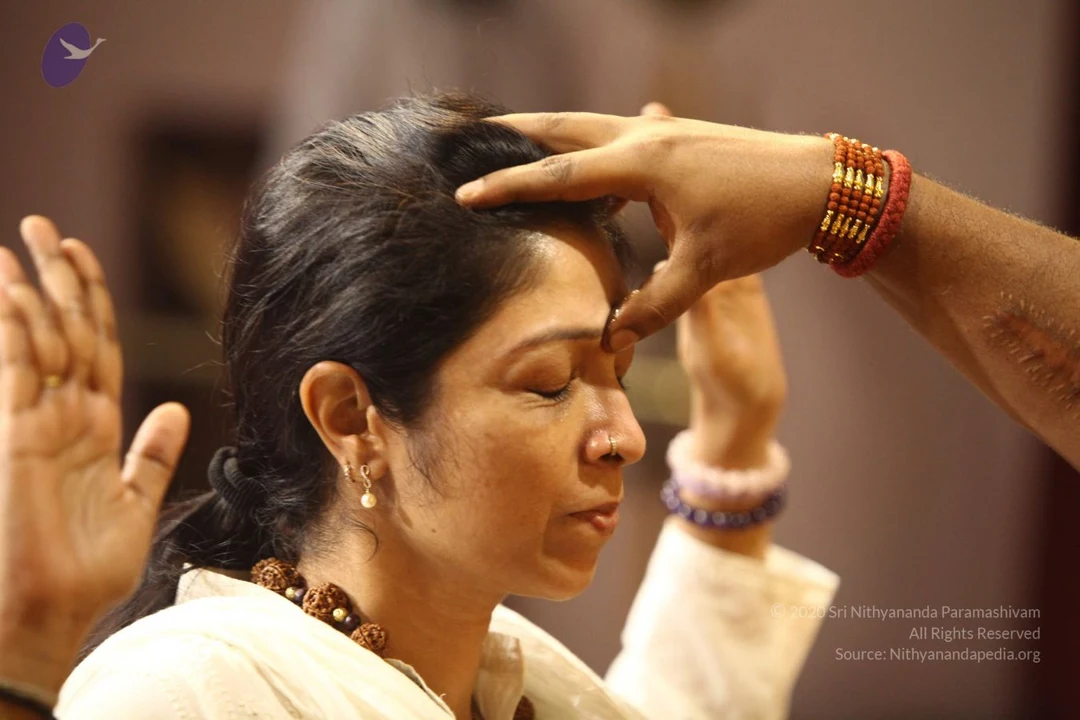
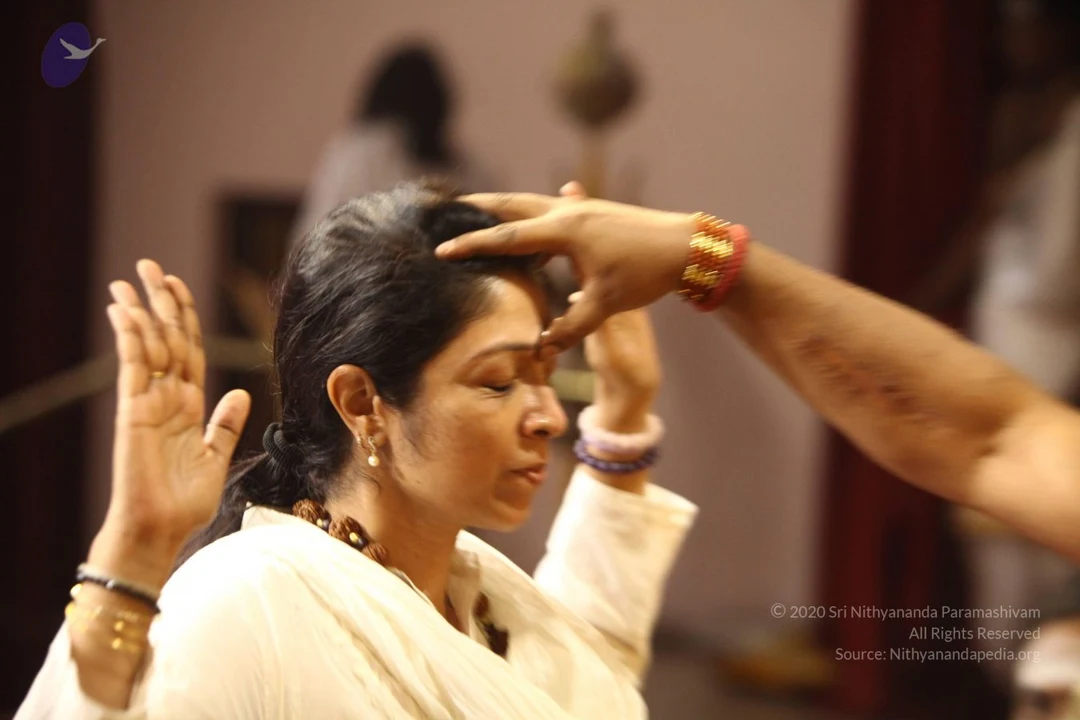
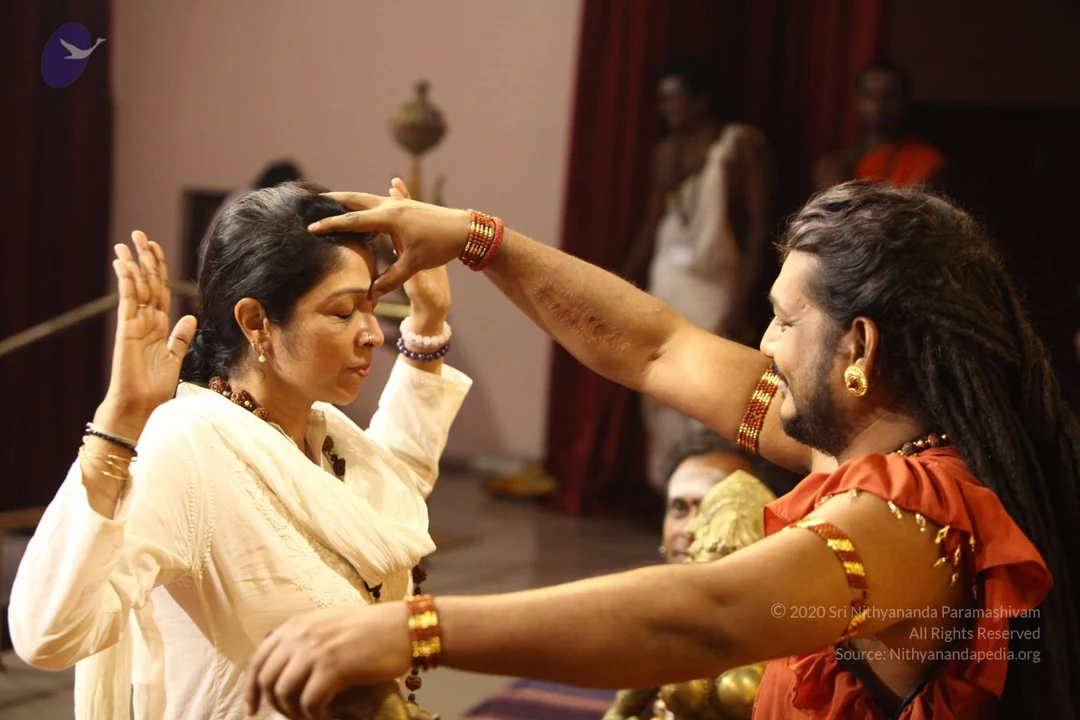
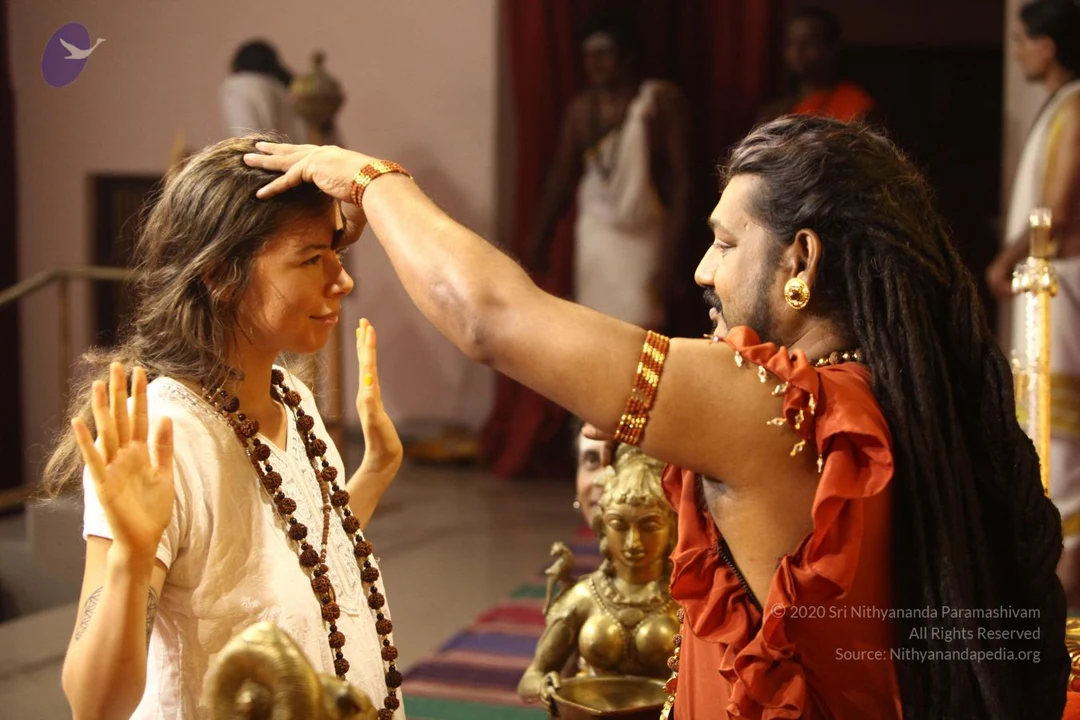
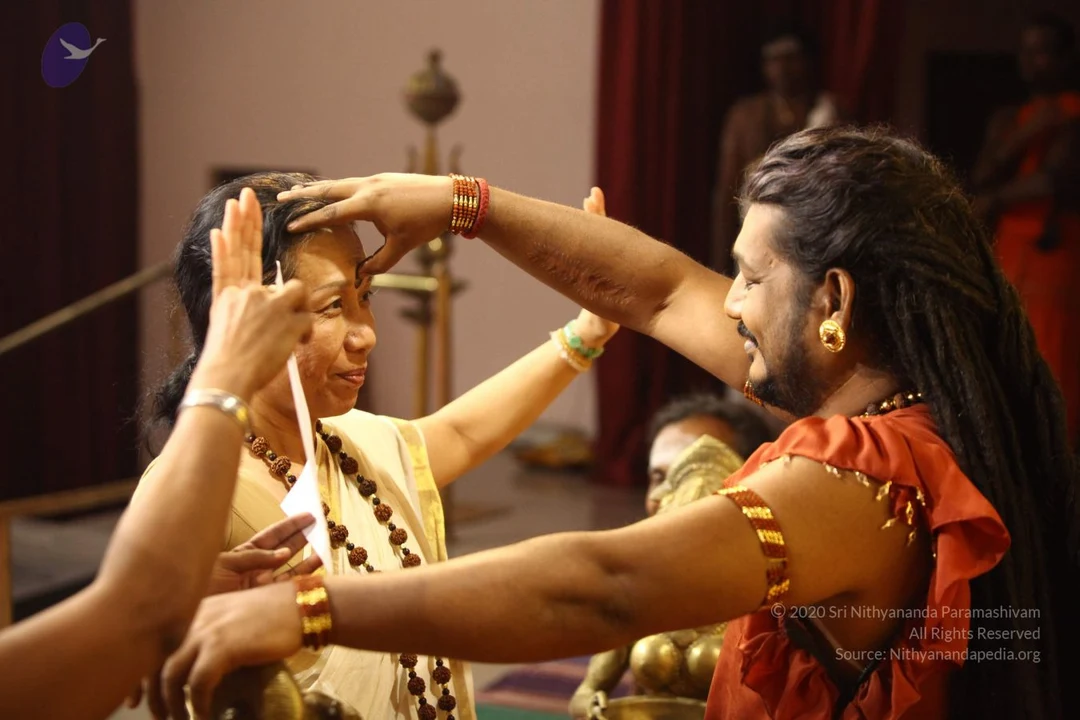
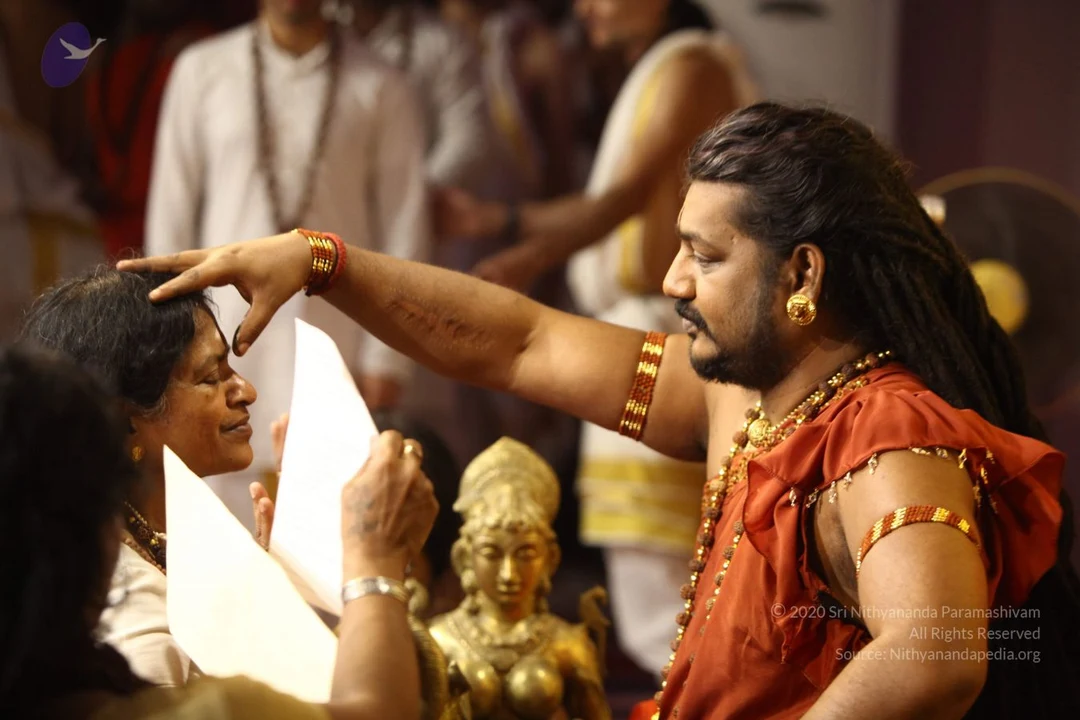
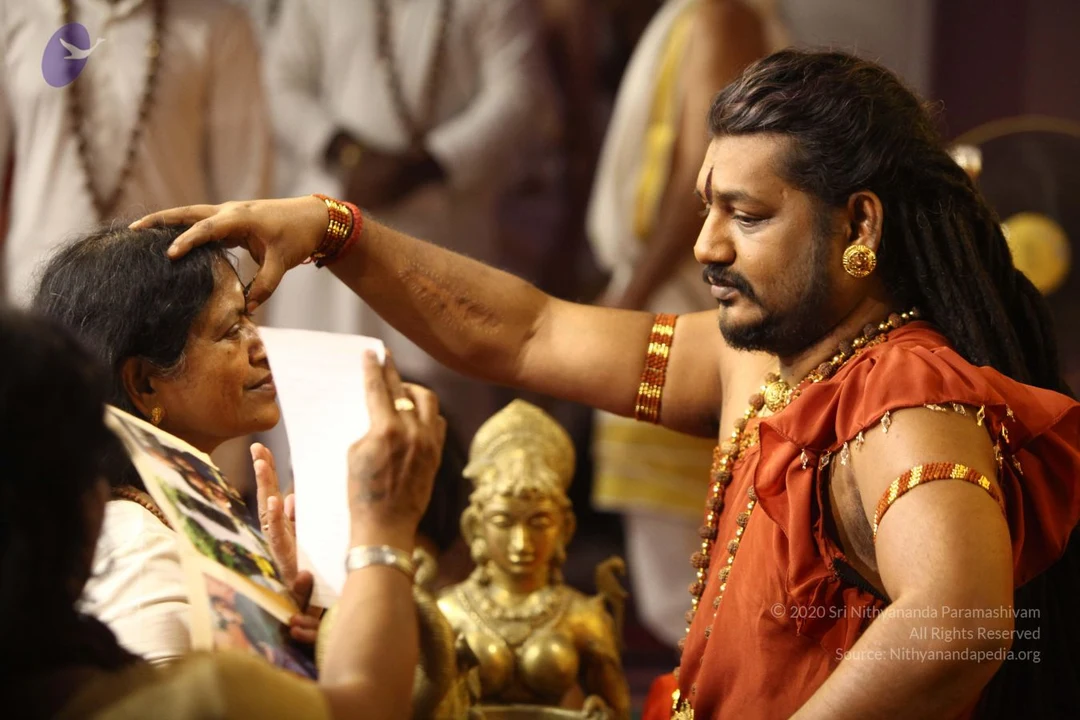
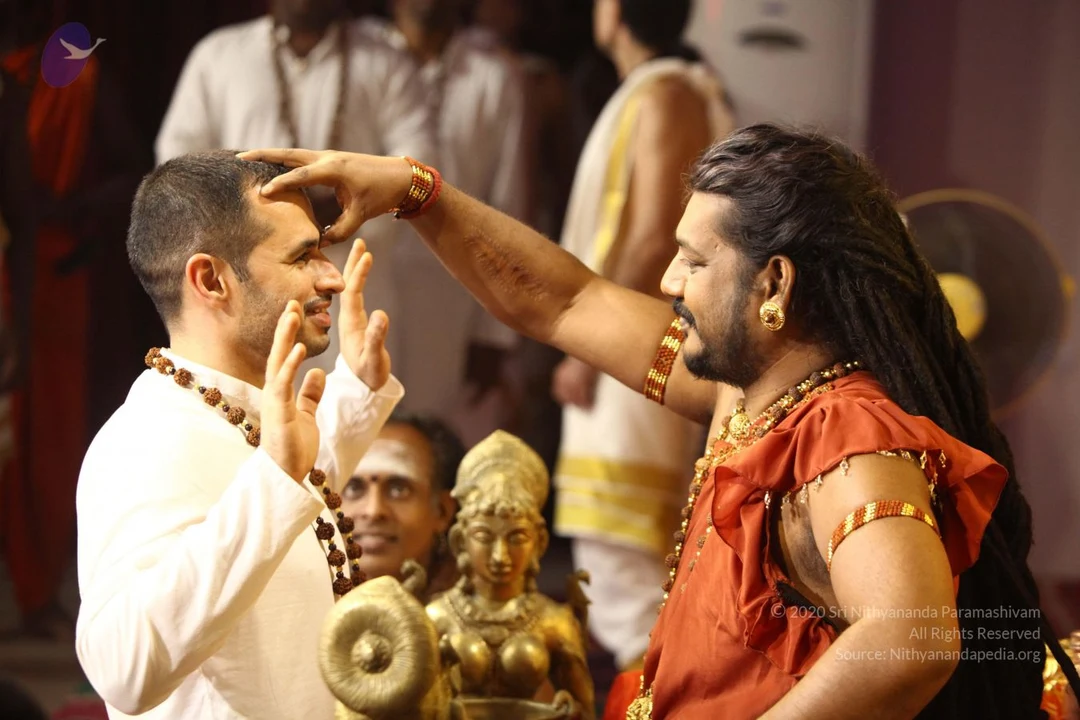
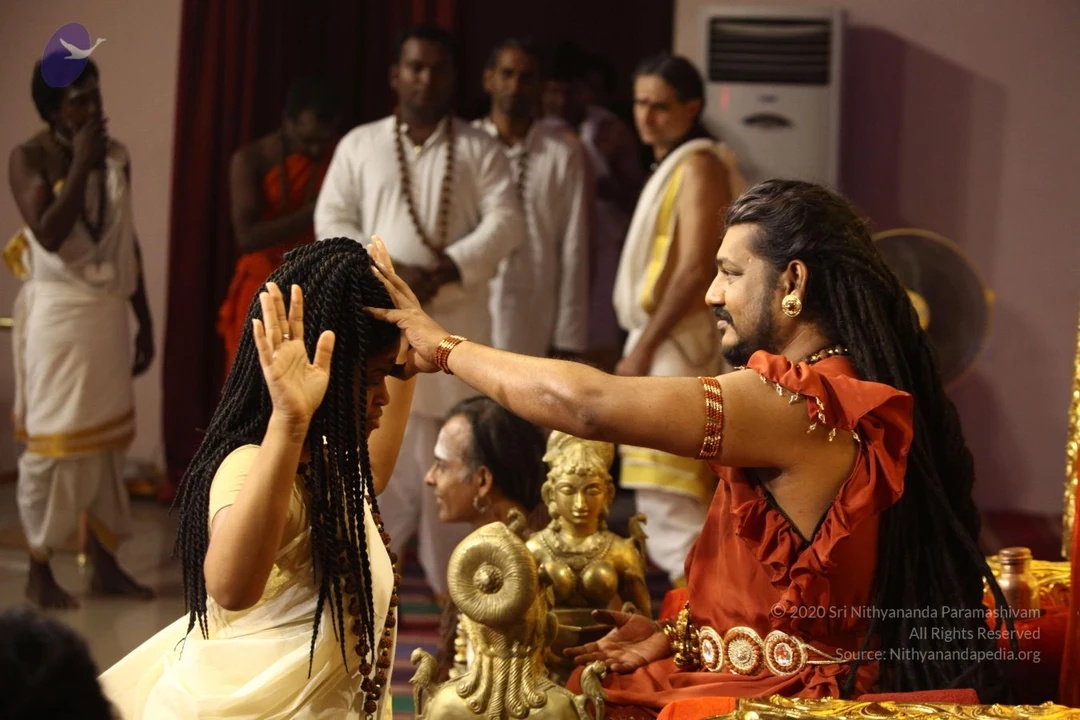
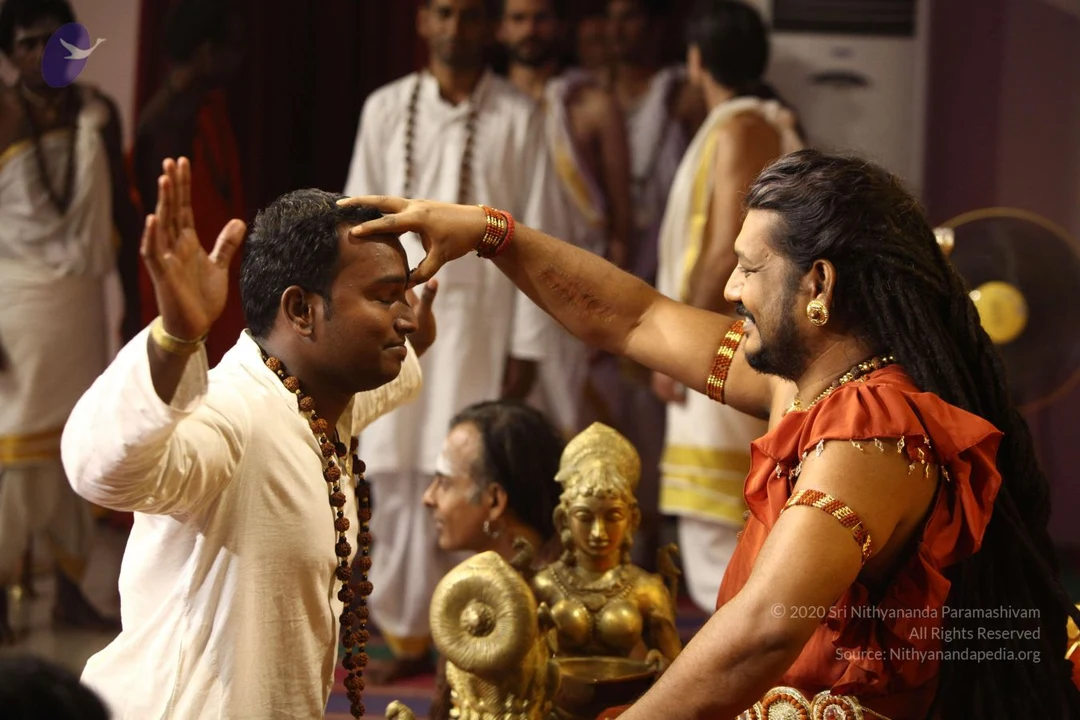
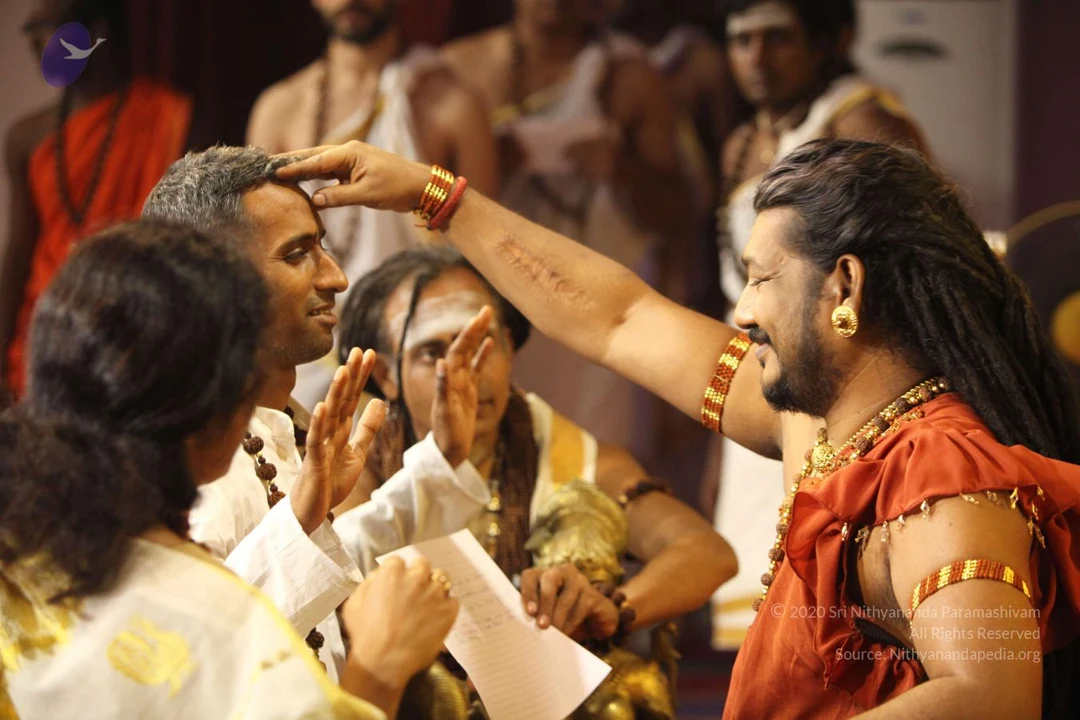
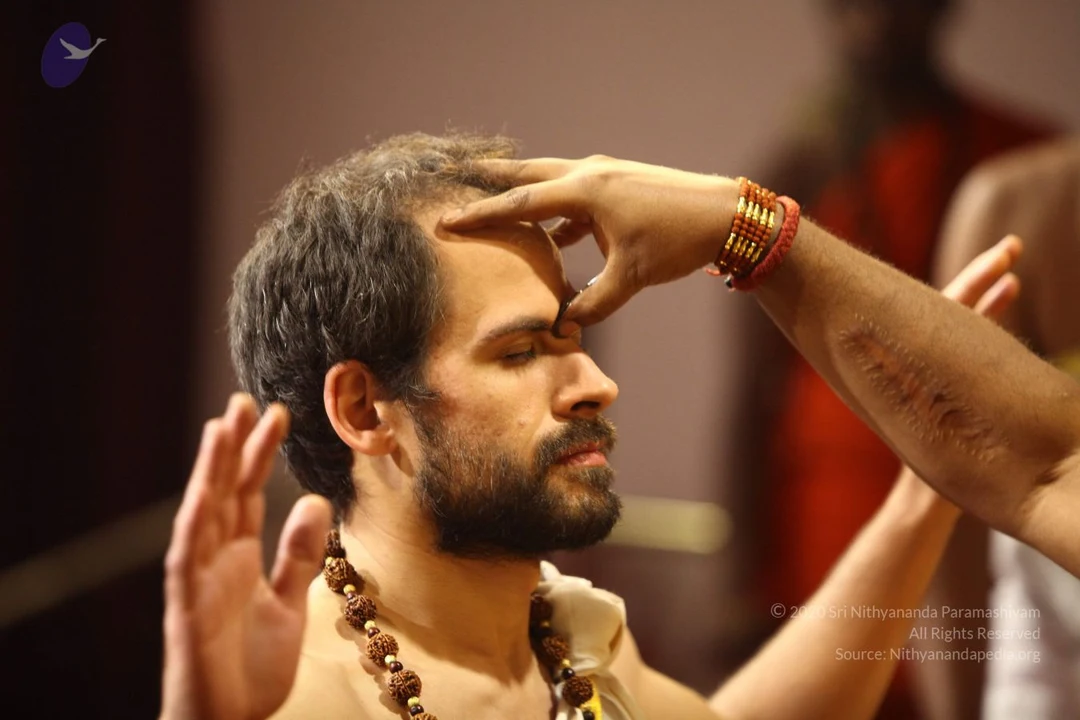
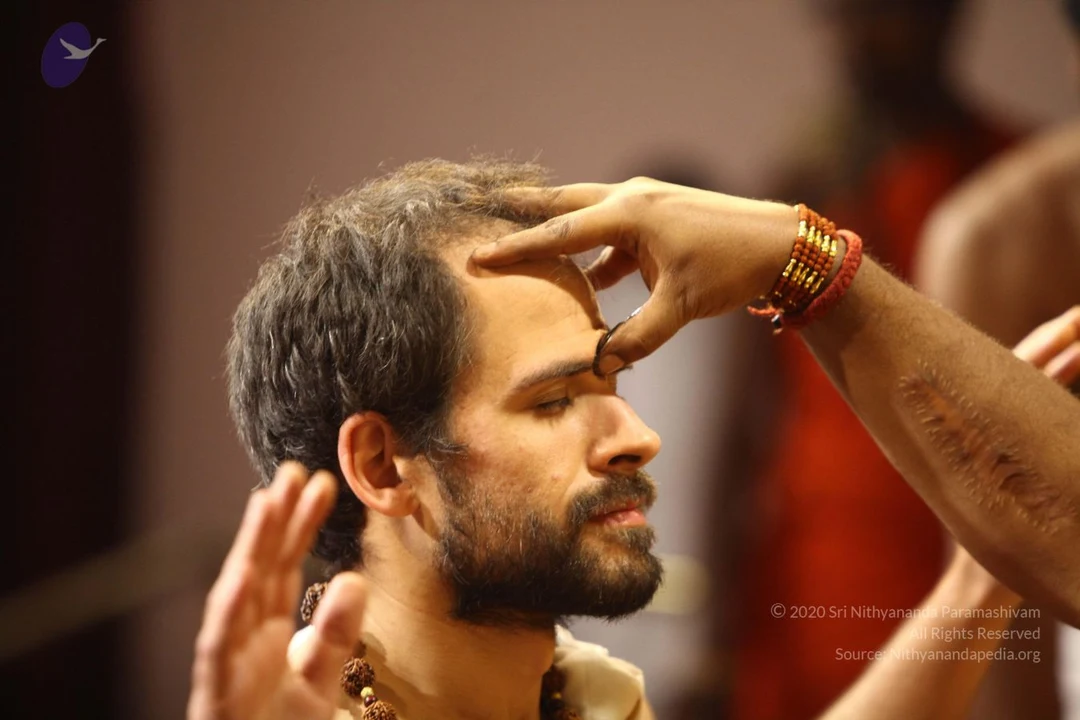
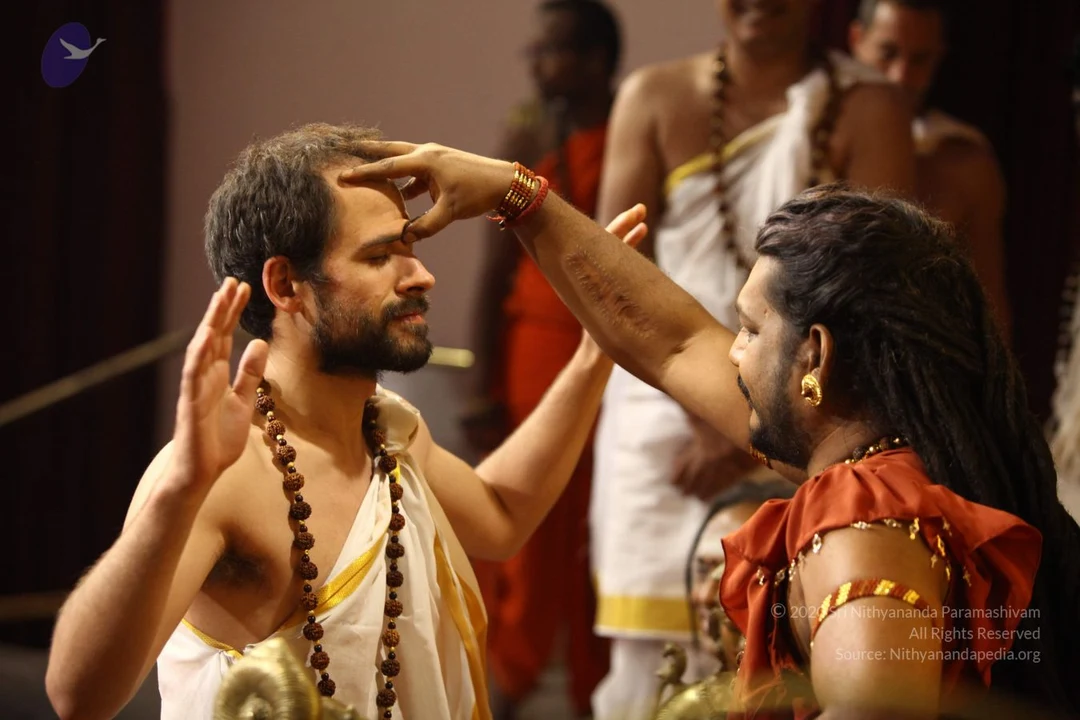
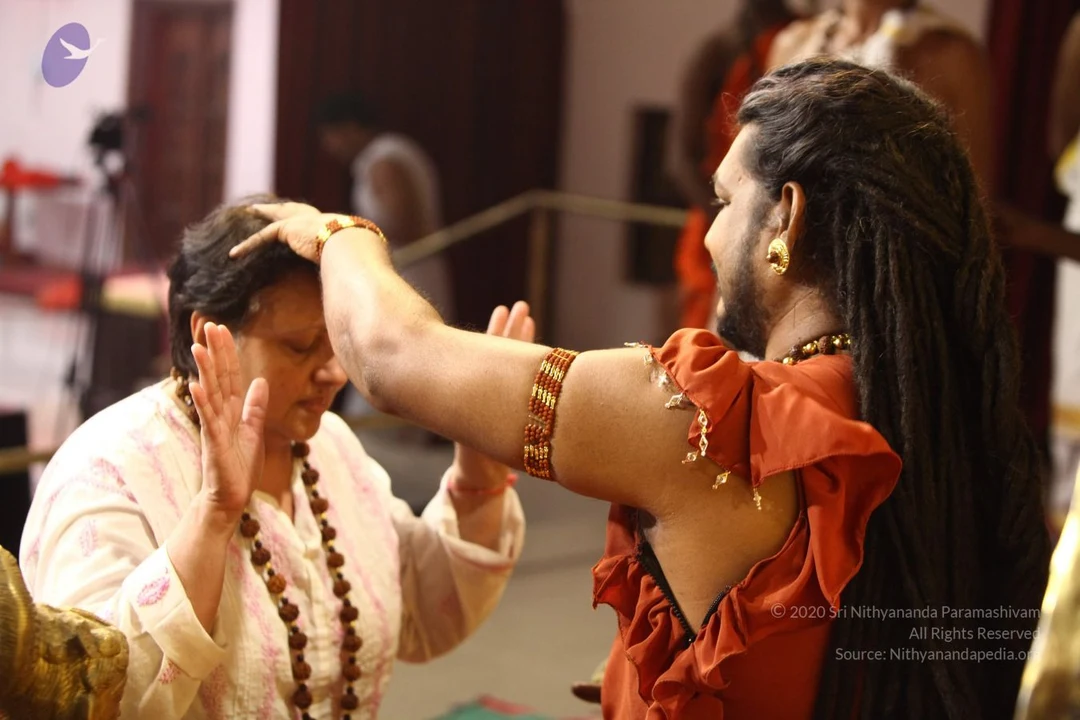
(36:47) Today I received the message, so many adheenavasis are materialising during the morning Pada puja. And we have photograph of many people materialising during morning pada puja... because Shaktipada has started happening in the morning pada puja. This is also one more reason. Understand, many people have started materialising vibhoothi, kumkum, jnananjana, so many things during the morning pada puja. Shaktipada has started happening - one. This is also one more reason why I said, if you want to come, come otherwise you come in the evening. Because now you know if you come, you are going to have the Shaktipada and manifest more and more powers. Now it is all going to be only inspiration based.
(38:15)
Listen; whether others educate you or you educate yourself, if it is based on the weakest link, it is called generalization, dilution - dilution due to generalization. Whether others educate you or you educate yourself, if you plan everything based on the best of you, it is called specialization. The Gurukul ambience is for specialization not for generalization. It is for specialization not for generalization. Understand, educating means, education means, putting set of ideas into your head and forcing you to confirm to it. Pressuring you to memorize it and forcibly making you vomit it. In Gurukul there is no education, there is only initiations. Initiation, Initiation means empowering you with powers and letting you play with it. Letting you manifest, specialise; letting you manifest your specialization. Letting you grow, glow. There is only one thing – Shaktipada; that’s all. There is only one thing Shaktipada. Constantly you are empowered and asked to explore. You are empowered and asked to explore.
(41:01)
I think this morning batch, evening batch we can name it in such a way - the India time morning batch which I will be appearing physically, we will call that batch as Shaktipada batch. India time evening, where physically I will not be appearing, that batch will be called as Shaktinipada batch. So now each of the aadheenams can rename. For Los Angeles may be it will be, their evening batch will be called Shaktipada and their morning batch will be called as Shaktinipada. So each of the ashrams you tune yourself which batch is Shaktipada, which batch is Shaktinipada and Shaktinipada will be happening in Chit Sabha. Shaktipada will be happening in Nithyananda Sabha.
(42:15)
Look into you, and see whether your everyday flow, others educating or you educating yourself, is getting into generalization and dilution or initiation and specialization. If you are getting more and more initiation, specialization, you are in Gurukul vatavarana - Mahadeva’s education. If you are getting into generalization and dilution - Macaulay’s education. Macaulay or Mahadeva - You decide! Macaulay or Mahadeva - You decide!
So essense of today’s satsang – Mahadeva’s education or Macaulay’s education - You decide!
(43:43)
With this I bless you all. Let’s all radiate with Integrity, Authenticity, Enriching, Causing, Living Shuddhadvaita Saivam, Sadashivoham the eternal bliss, Nithyananda. Thank you. Be Blissful.
(44:07)
Title
Covert Patterns into Powers || IA || 26 July 2017
Description
Convert Patterns into Powers
Name of Convention - Inner Awakening
Session on - Genesis of Identity
Venue - Adi Kailasa, Bengaluru, Karnataka, India
Date - 26 July 2017
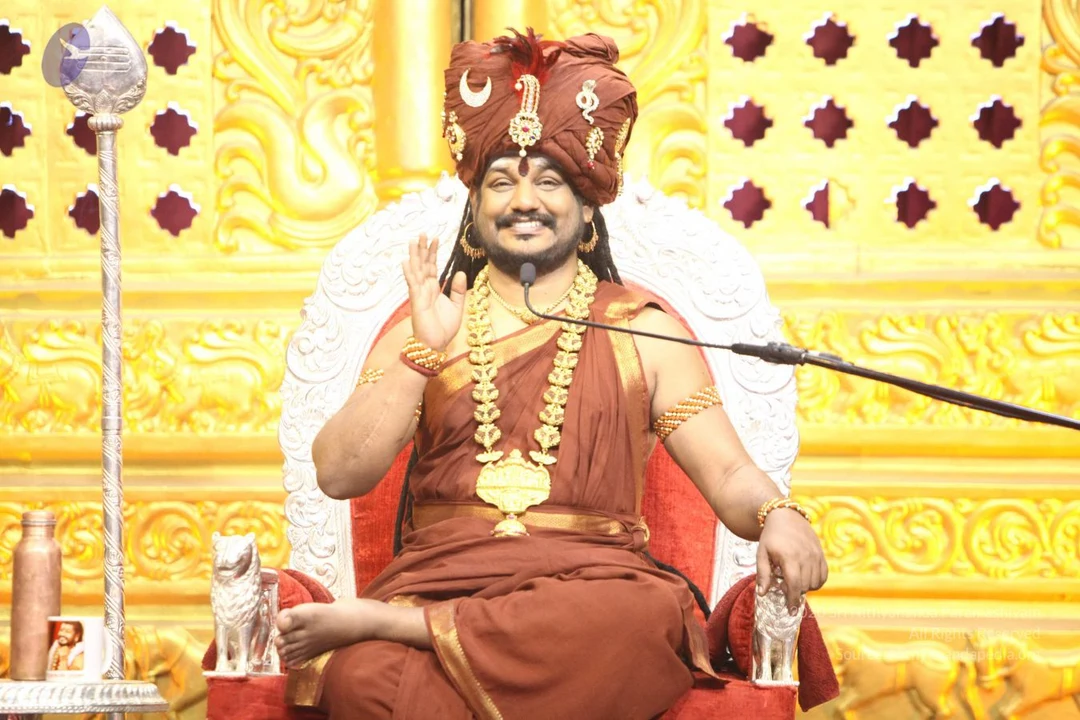
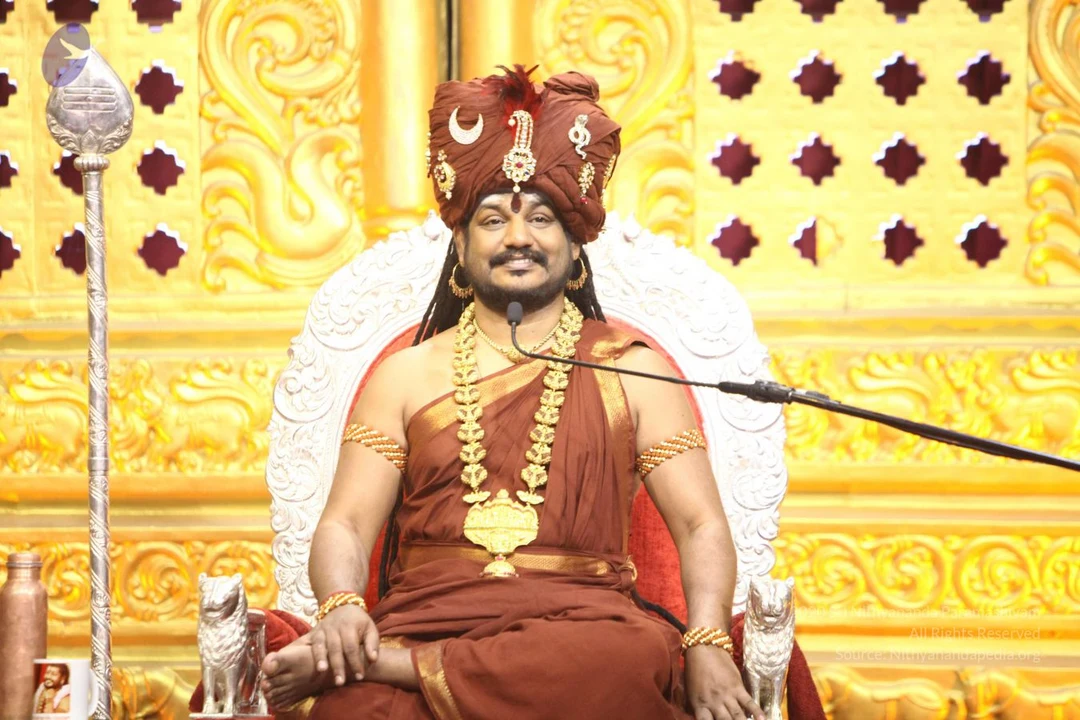
This video is an excerpt from the Ananda Spurana conducted on 26 July 2017 in Adi Kailasa, Bengaluru, Karnataka, India. Here Supreme Pontiff of Hinduism Jagatguru Mahasannidhanam HDH Bhagavan #Nithyananda Paramashivam talks about the genesis of identity. HDH explains our identity is a bunch of patterns and the patterns completed with proper methodology and initiation can actually manifest as powers. He says, "When life is bad it is patterns, when you say life is good, every actions becomes power manifestation. That shift is my job.”
The Supreme Pontiff of Hinduism Jagatguru Mahasannidhanam His Divine Holiness Nithyananda Paramashivam (HDH) is the reviver of #KAILASA - the ancient enlightened civilization and the great cosmic borderless Hindu nation. Revered as the incarnation of Paramashiva - the primordial Hindu Divinity, HDH has a following of 2 billion Hindus worldwide with de facto spiritual embassies in over 150 countries. He has worked untiringly for over 26 years for the revival of Kailasa, for global peace and to give super conscious breakthrough to humanity. He has survived the worst persecution of multiple assassination attempts on person and on character by anti-Hindu elements. He is collecting, organising, preserving, time capsuling, decoding, spreading and reviving 20 Million source books of Hinduism and the 64 sacred arts & sciences like Ayurveda, music, dance, sculpting, astrology, vastu and much more. Close to 20,000 hours of HDH’s timeless talks have been recorded till date (Sep 2020), which are a treasure trove of powerful cognitions to solve individual and global problems of any kind.
Link to Video:
| Video | Audio |
Title
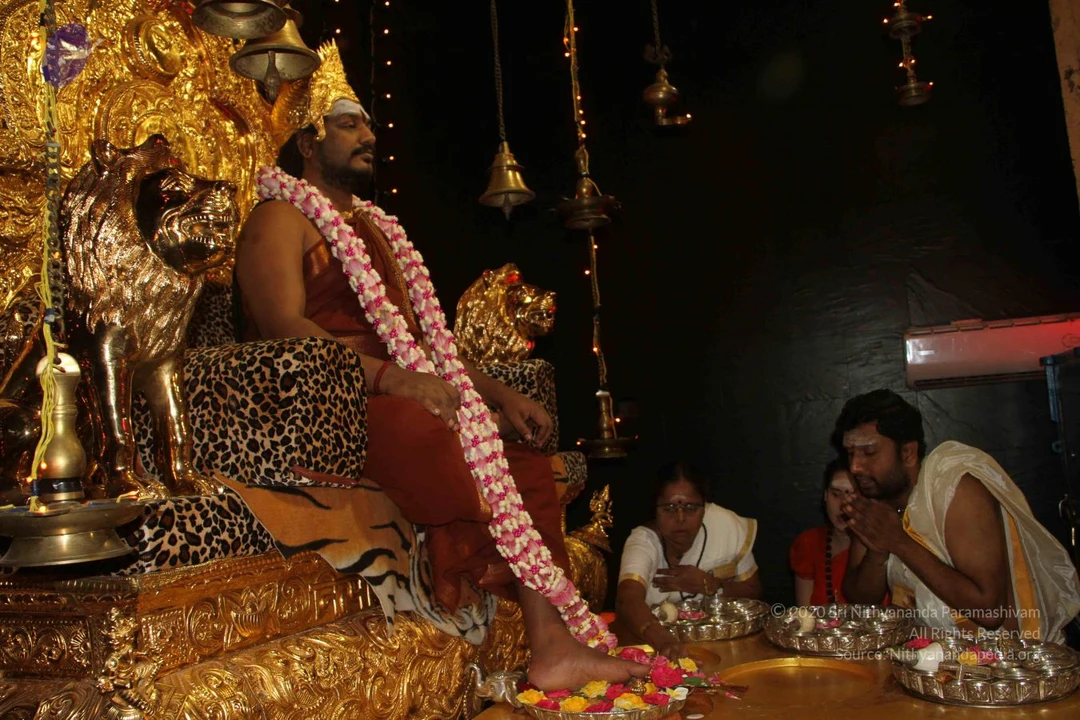
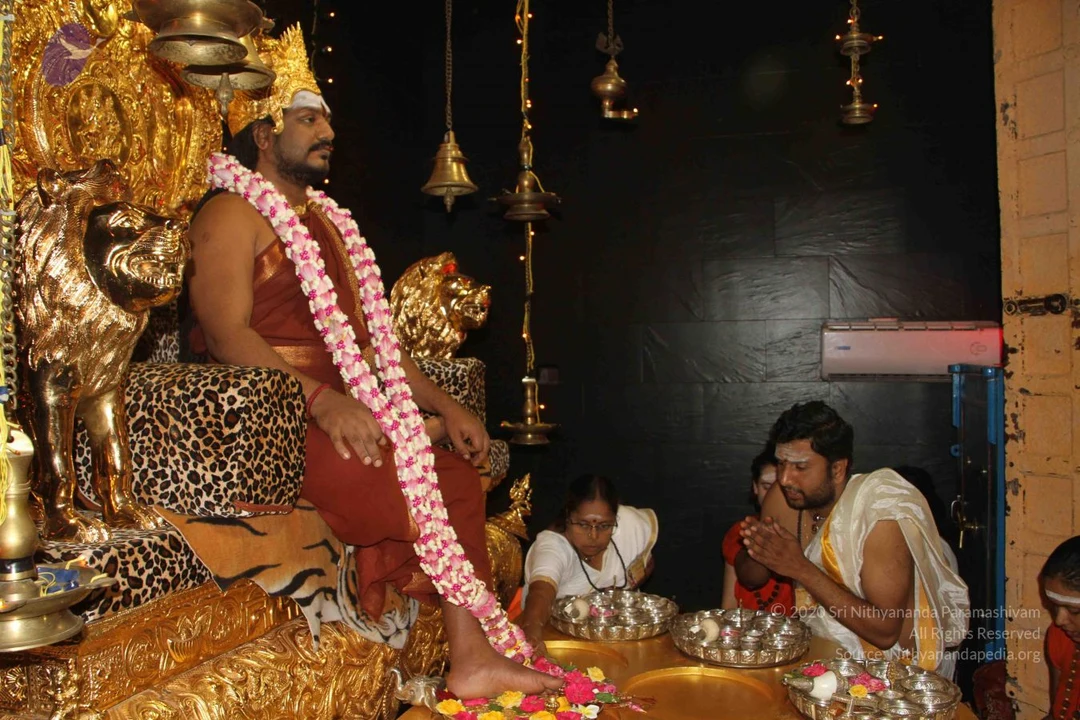
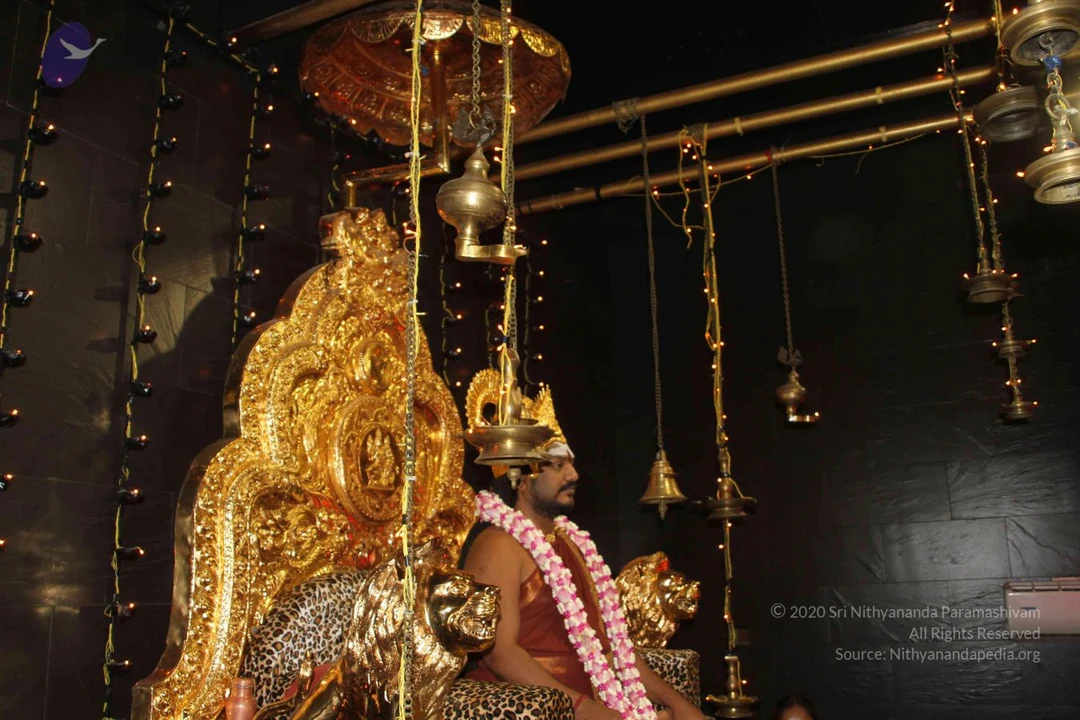
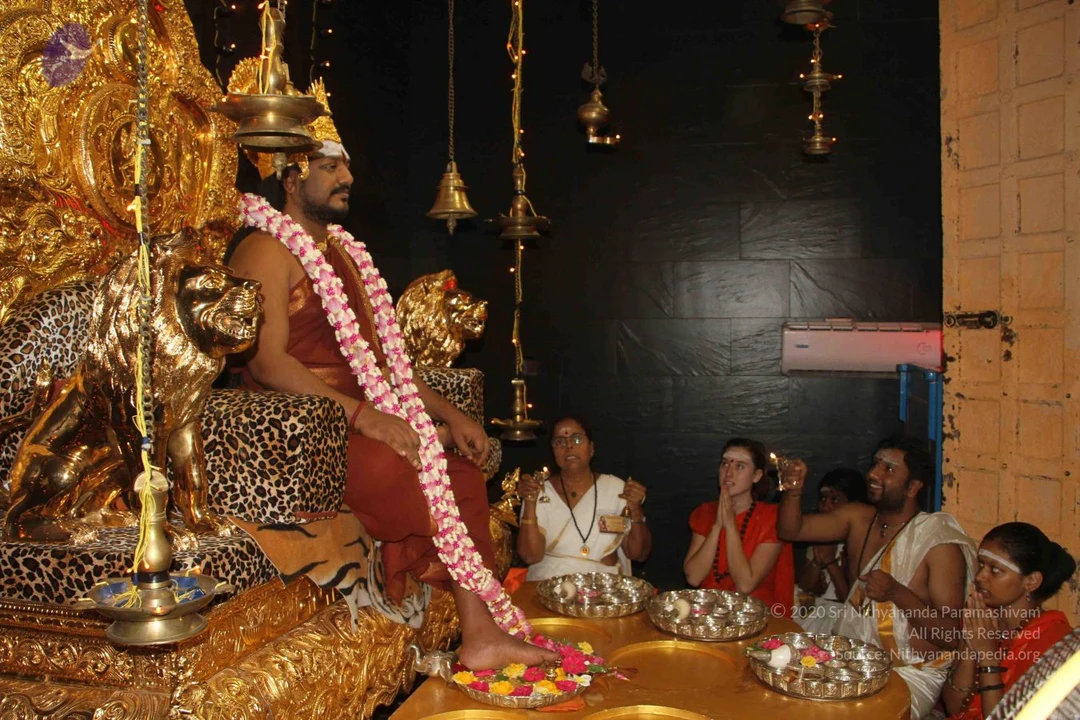
Pratyaksha Pada Puja || 26 July 2017
Description
Name Of The Convention: Pratyaksha Pada Puja
Session on: Pratyaksha Pada Puja
Date : 26 July 2017
Venue : Adi Kailasa, Bengaluru, Karnataka, India
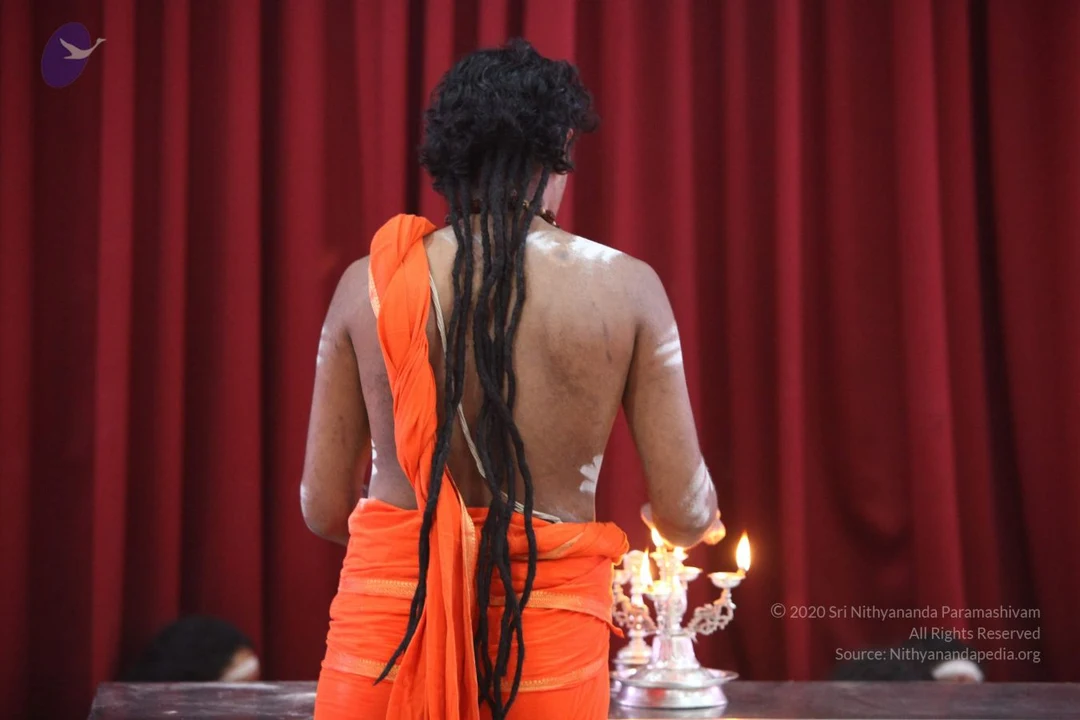
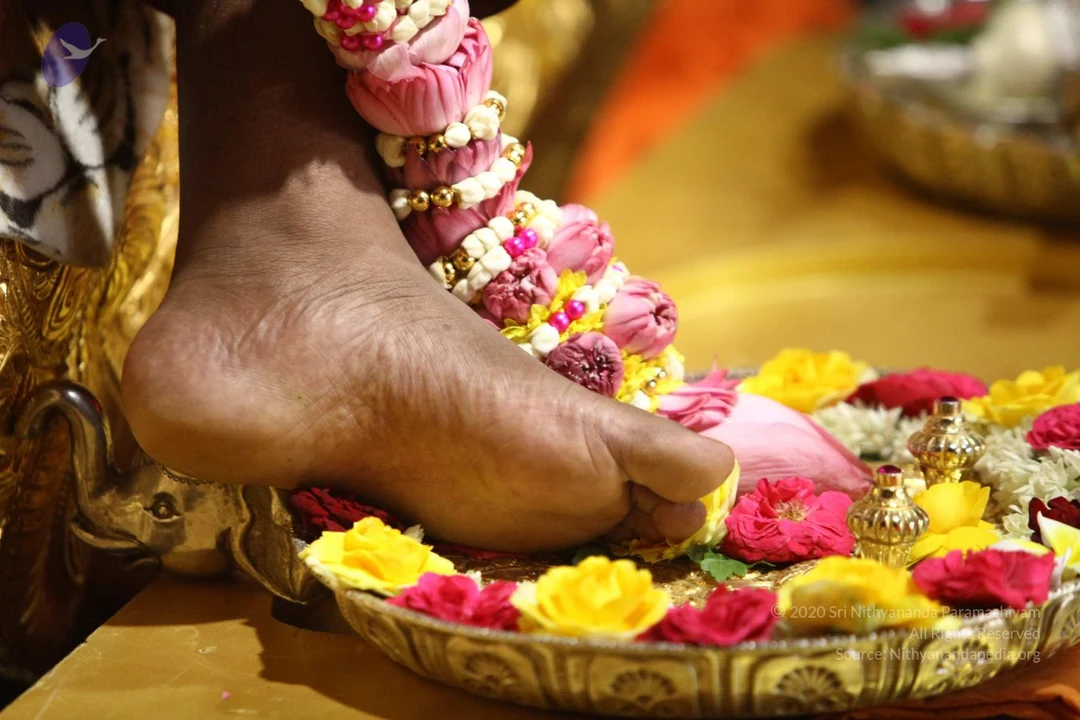
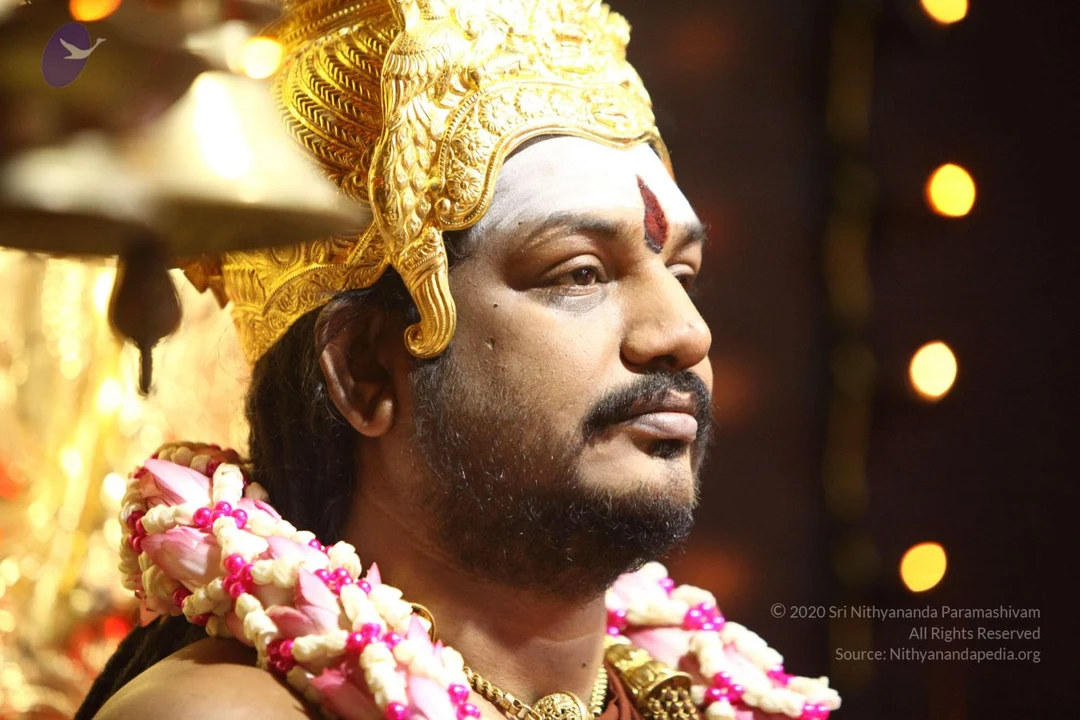
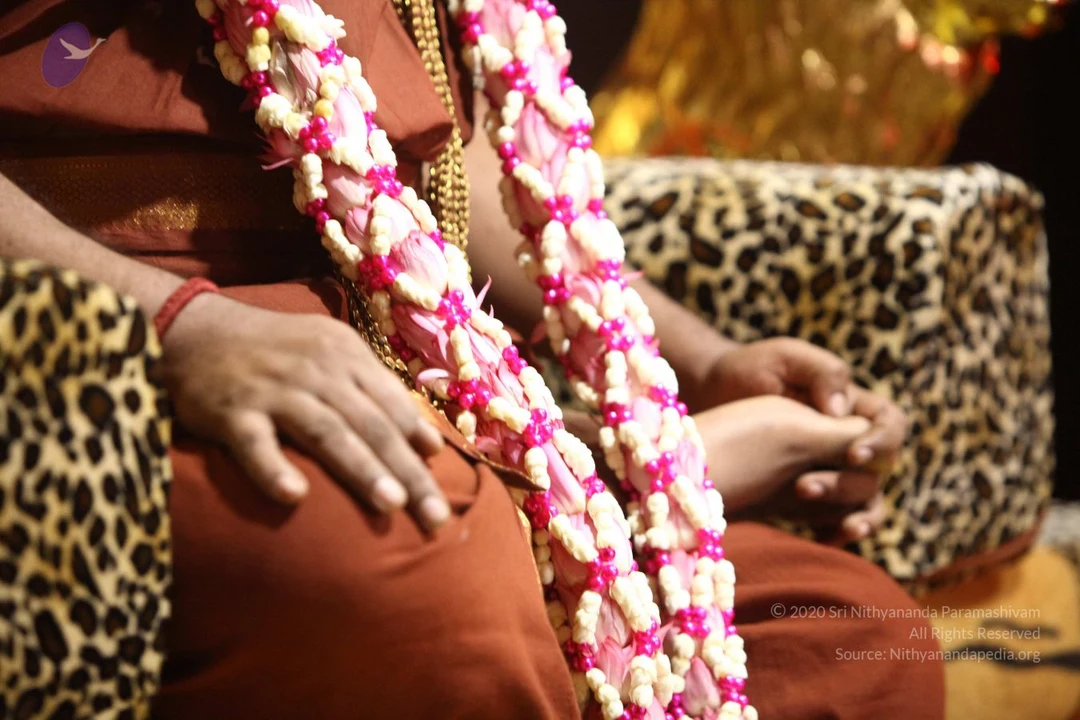
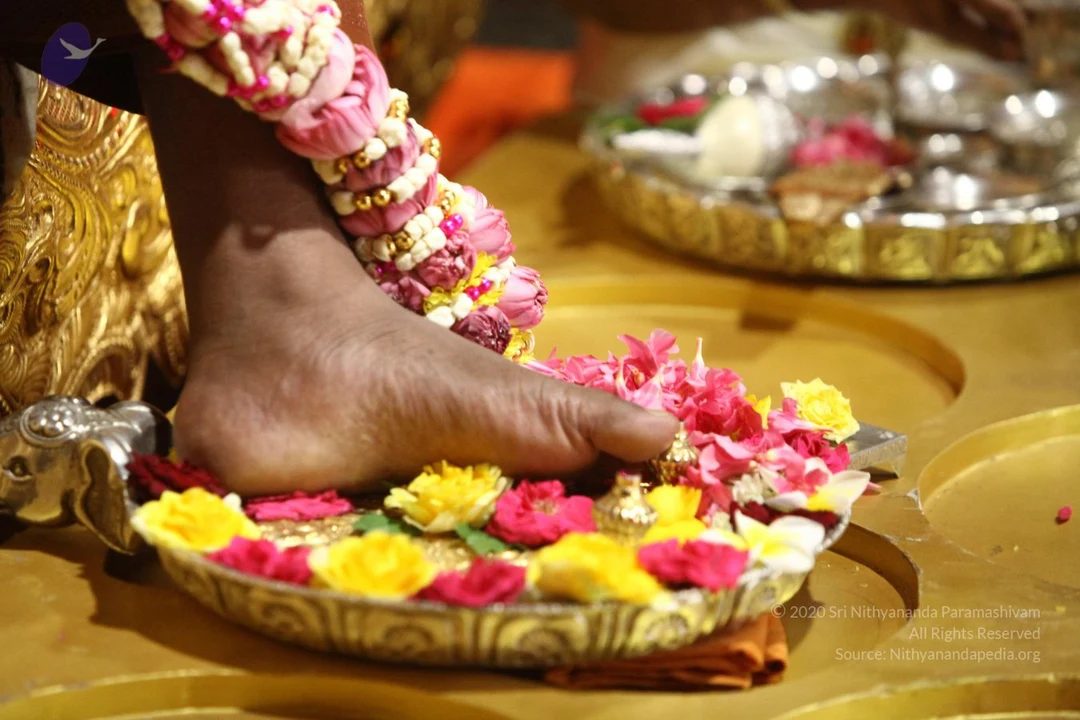
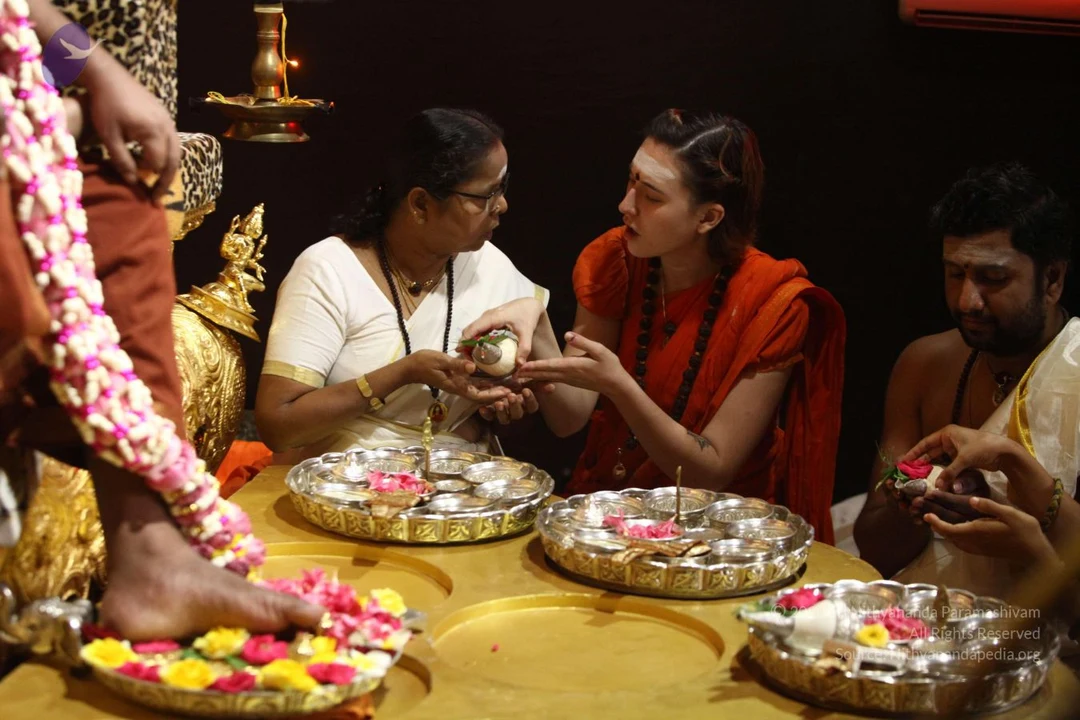
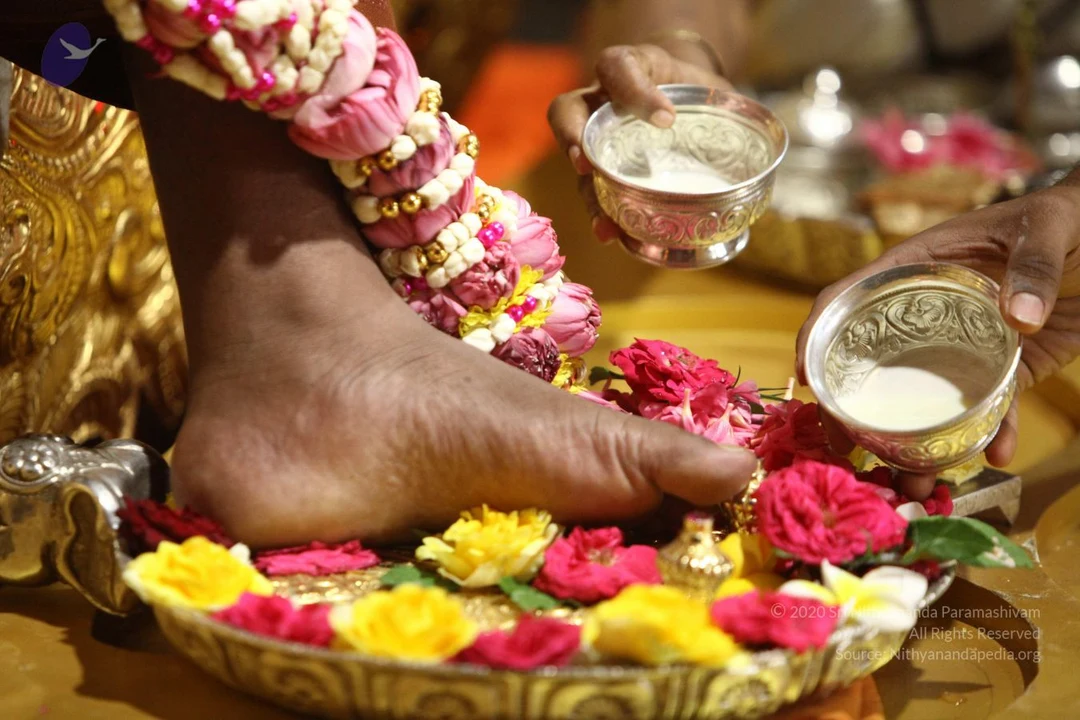
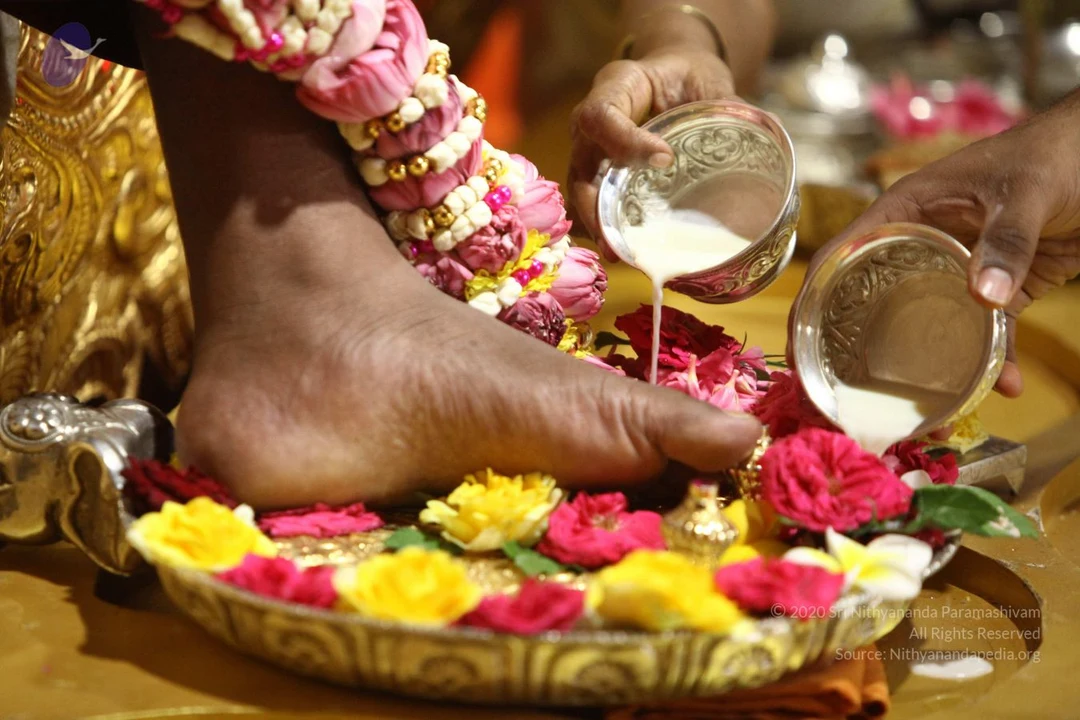
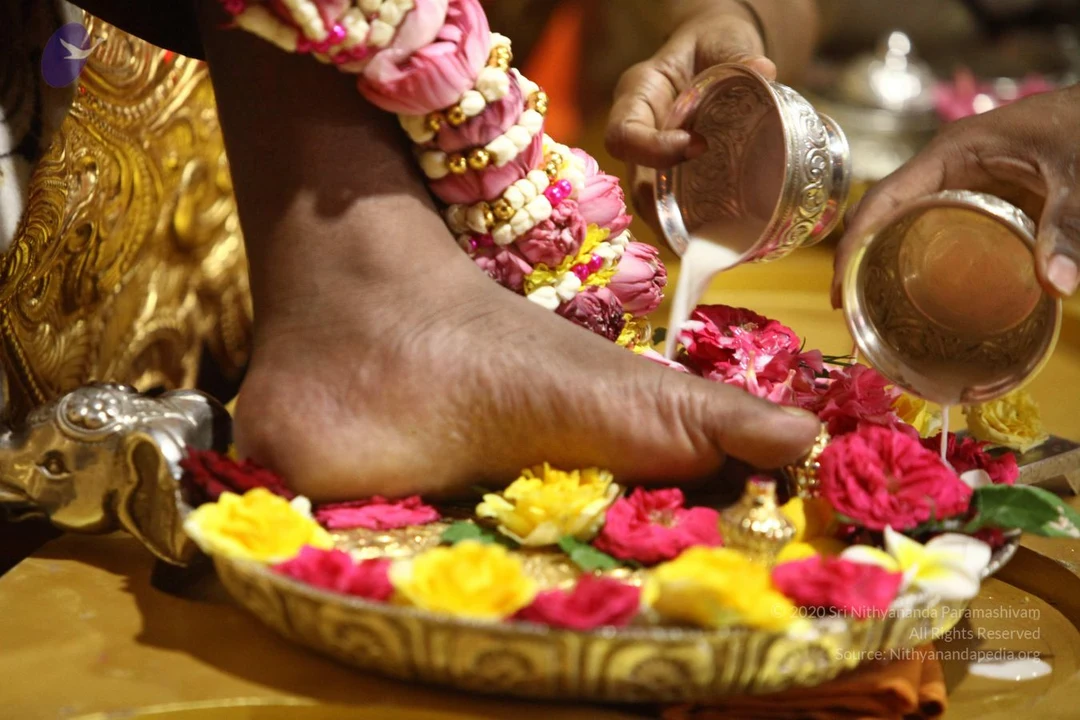
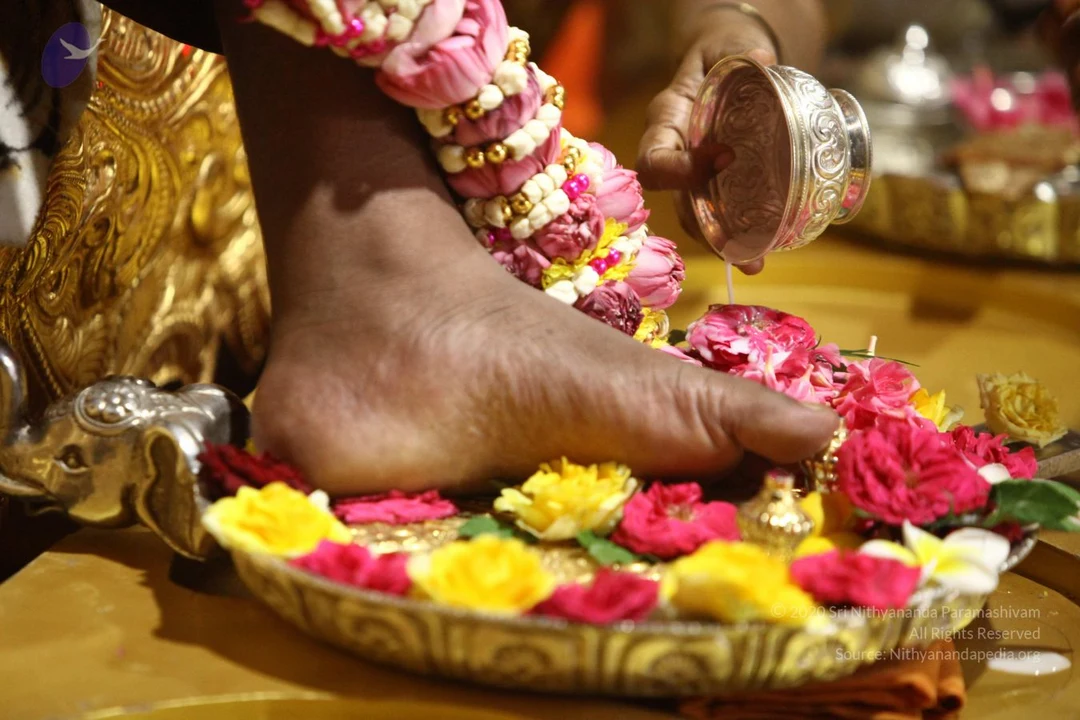
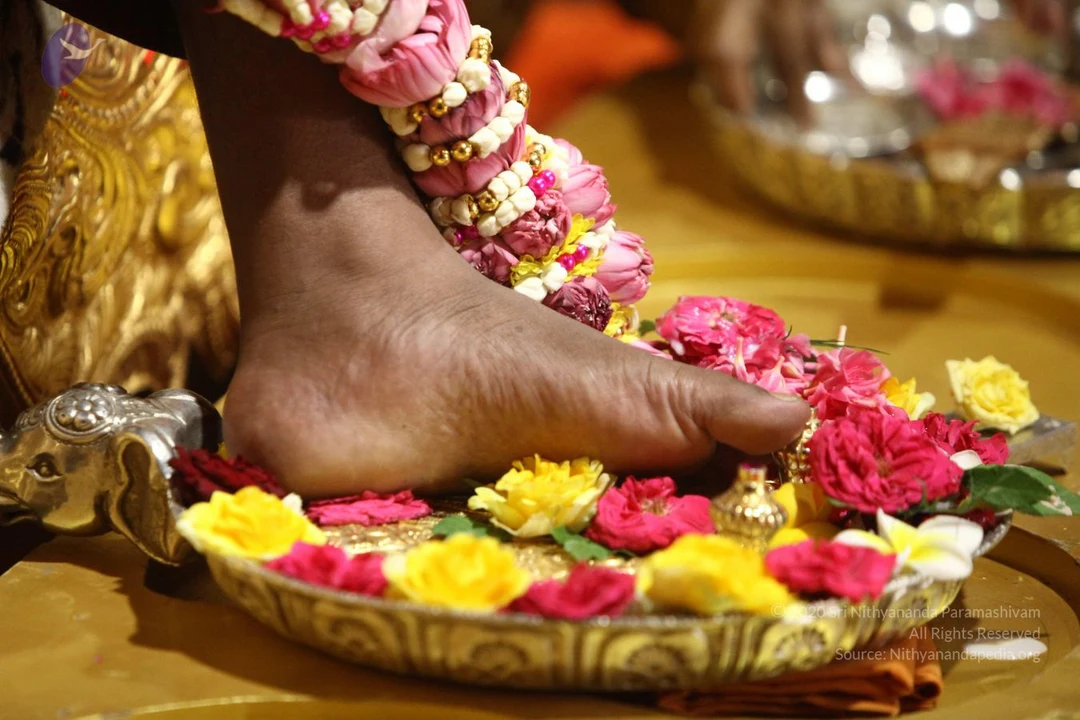
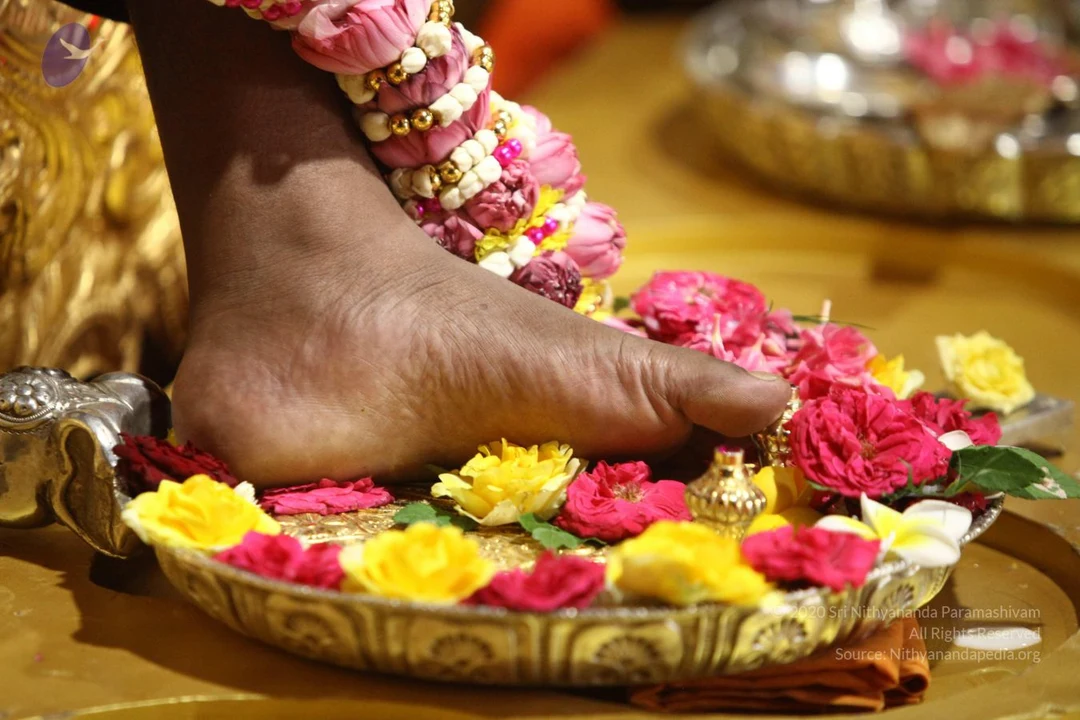
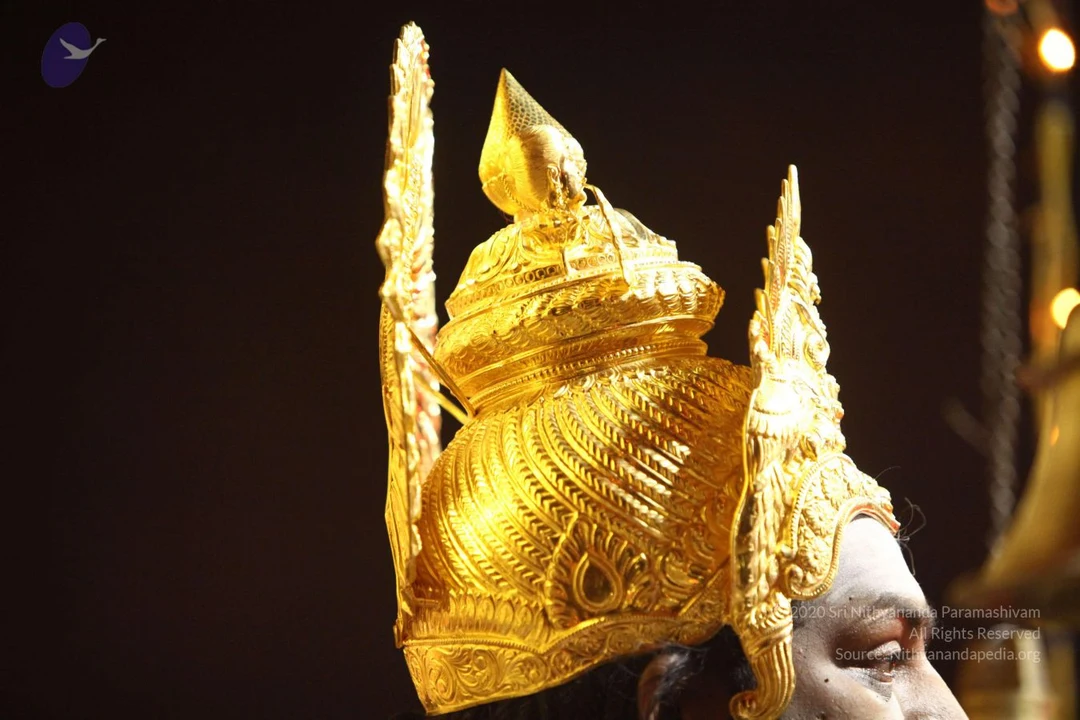
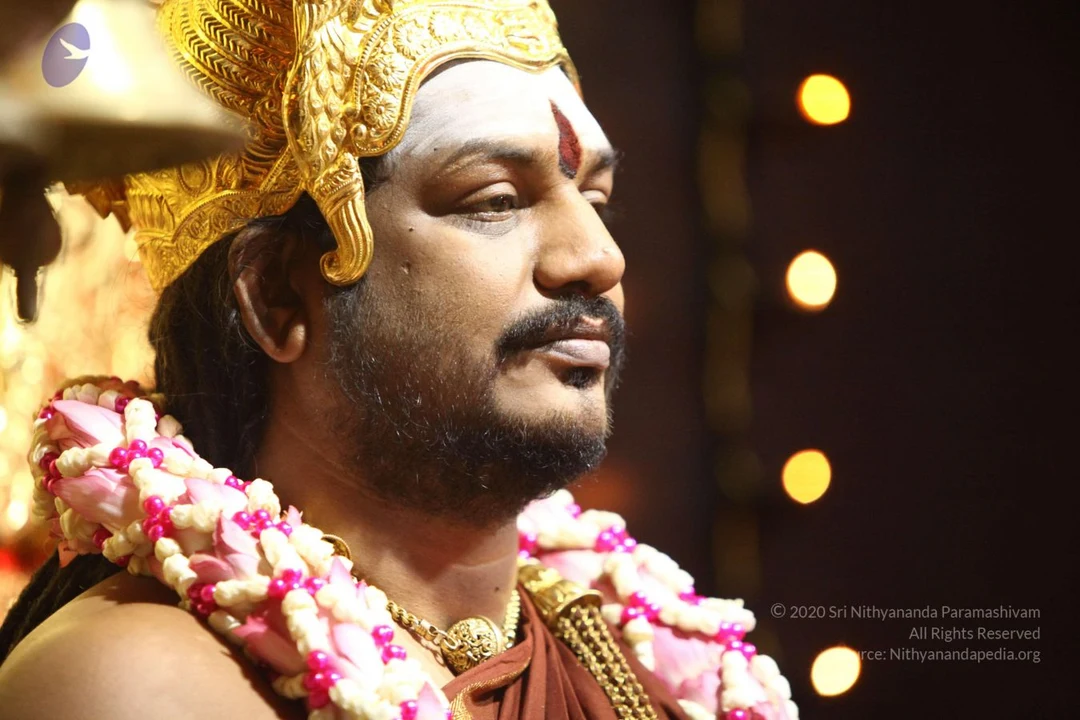
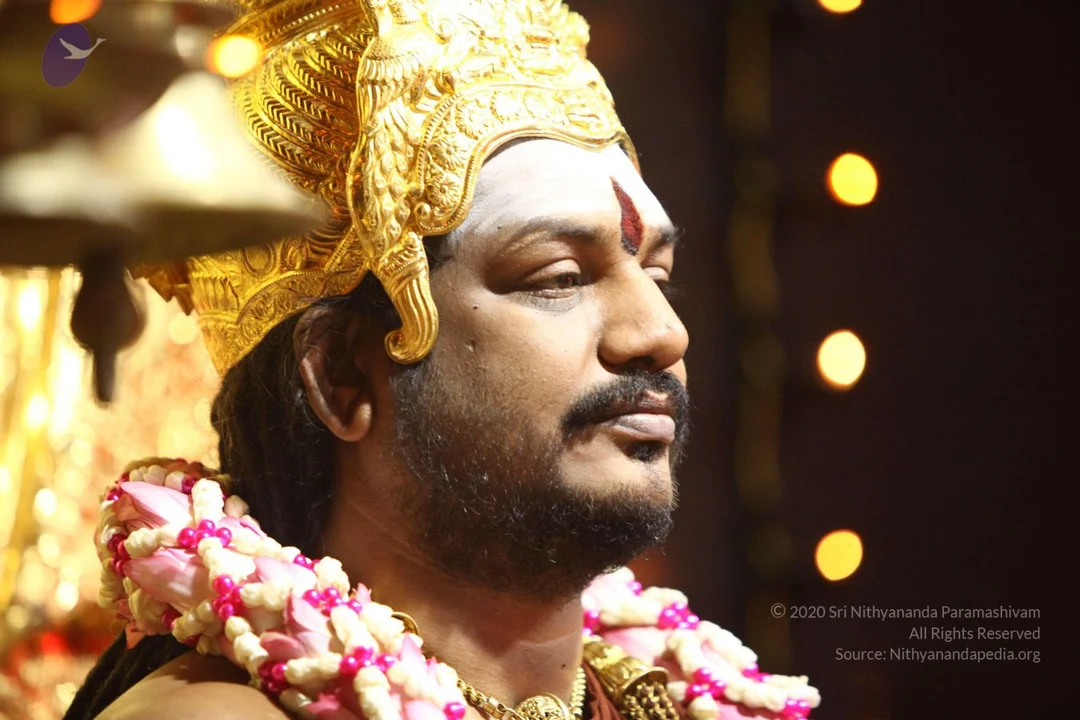
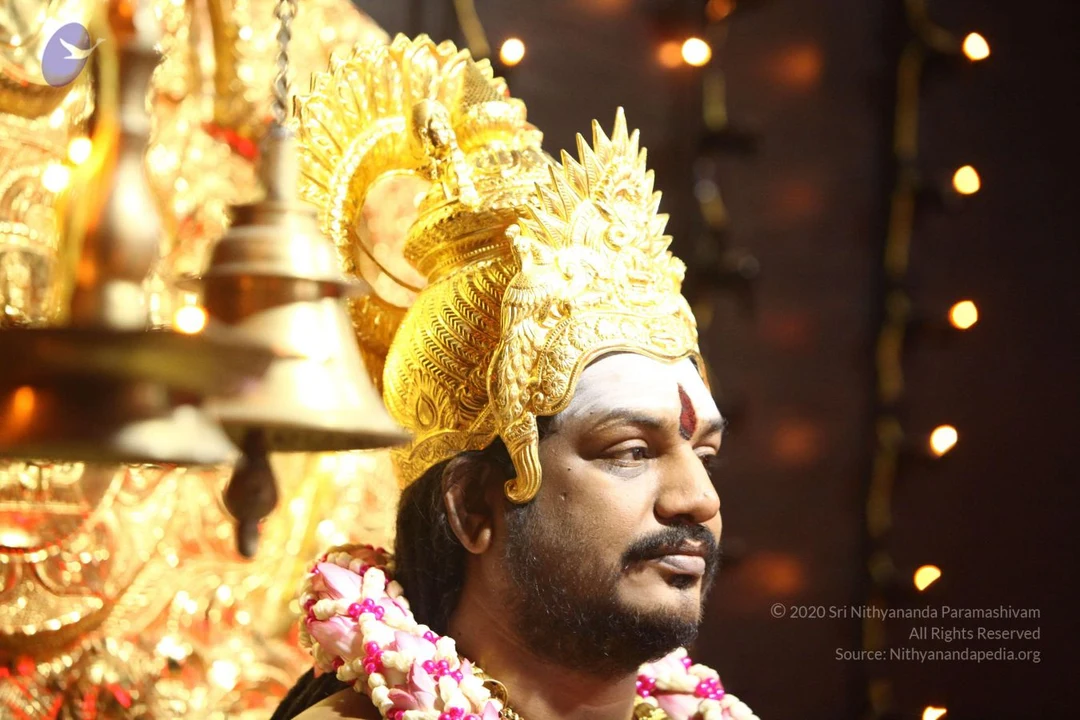
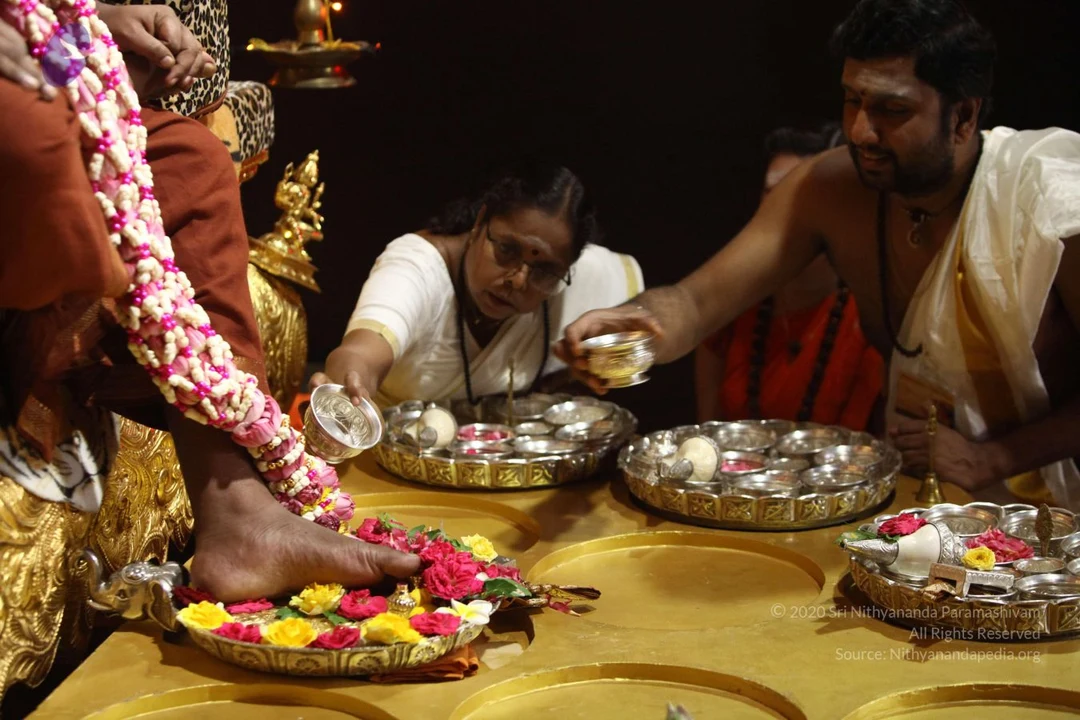
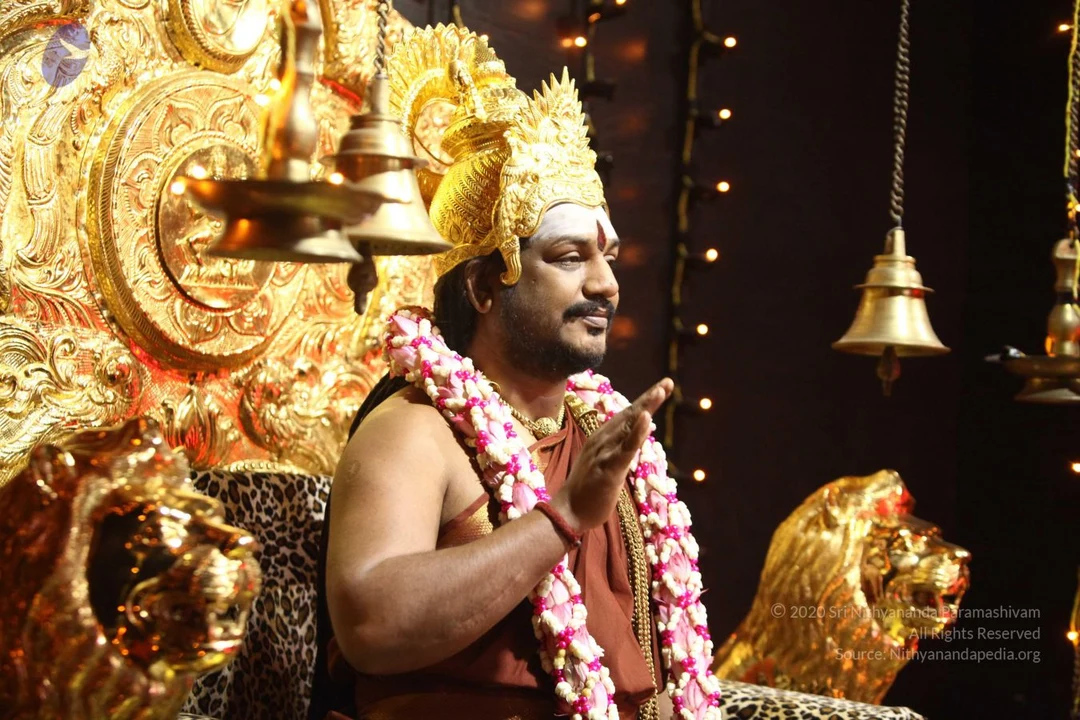
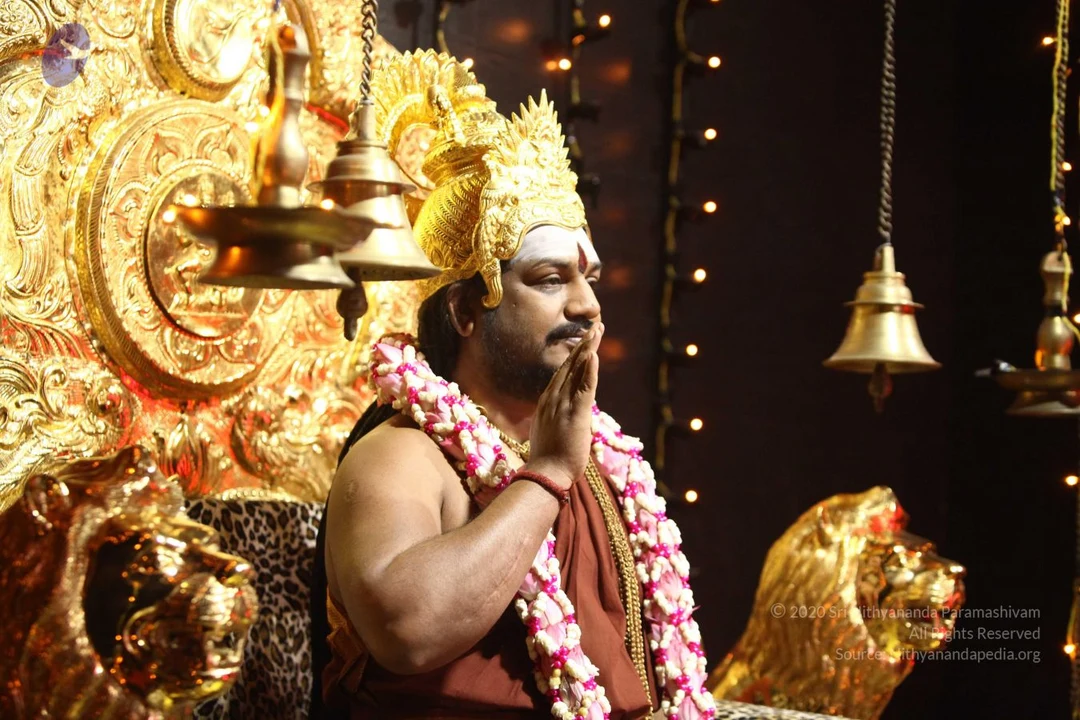
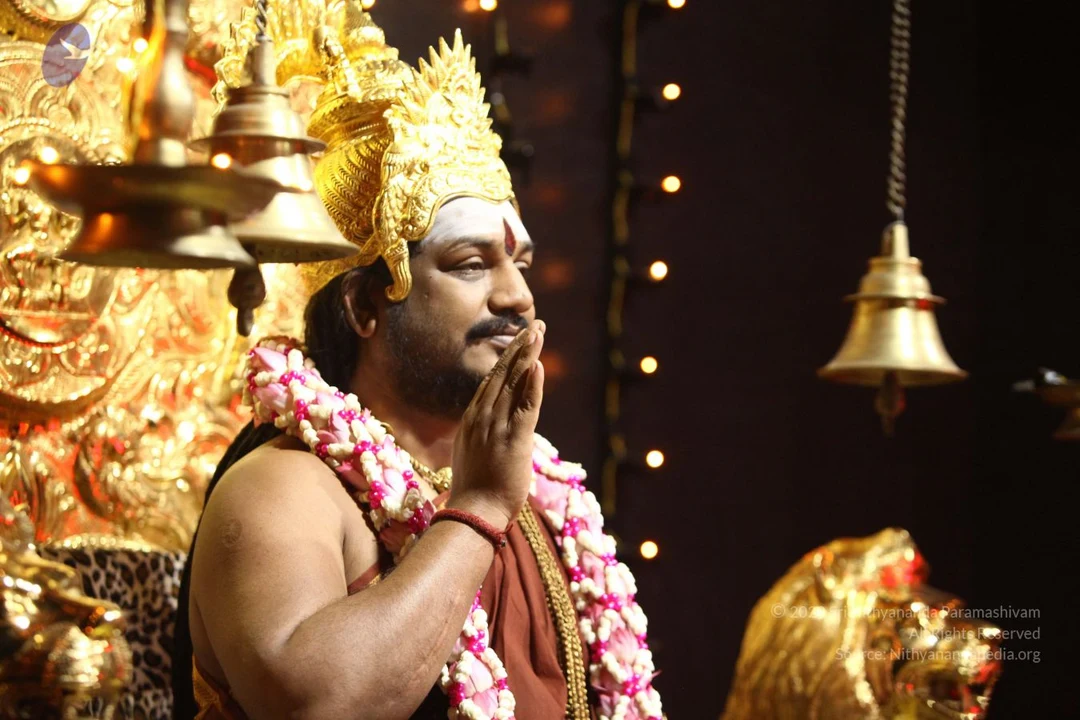
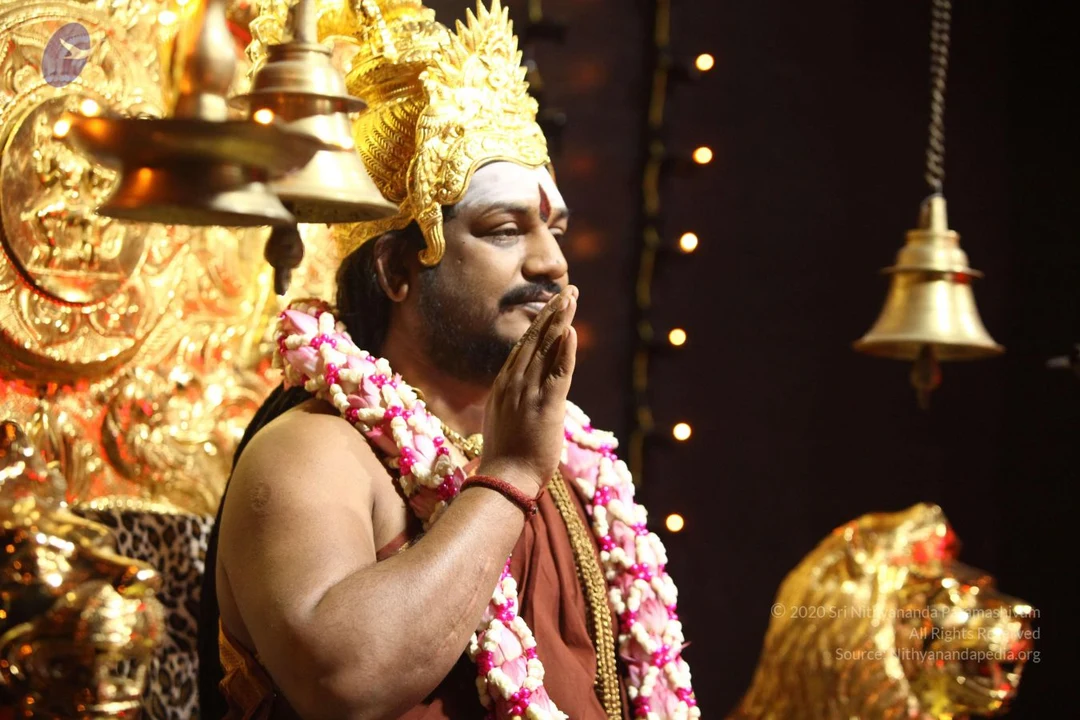
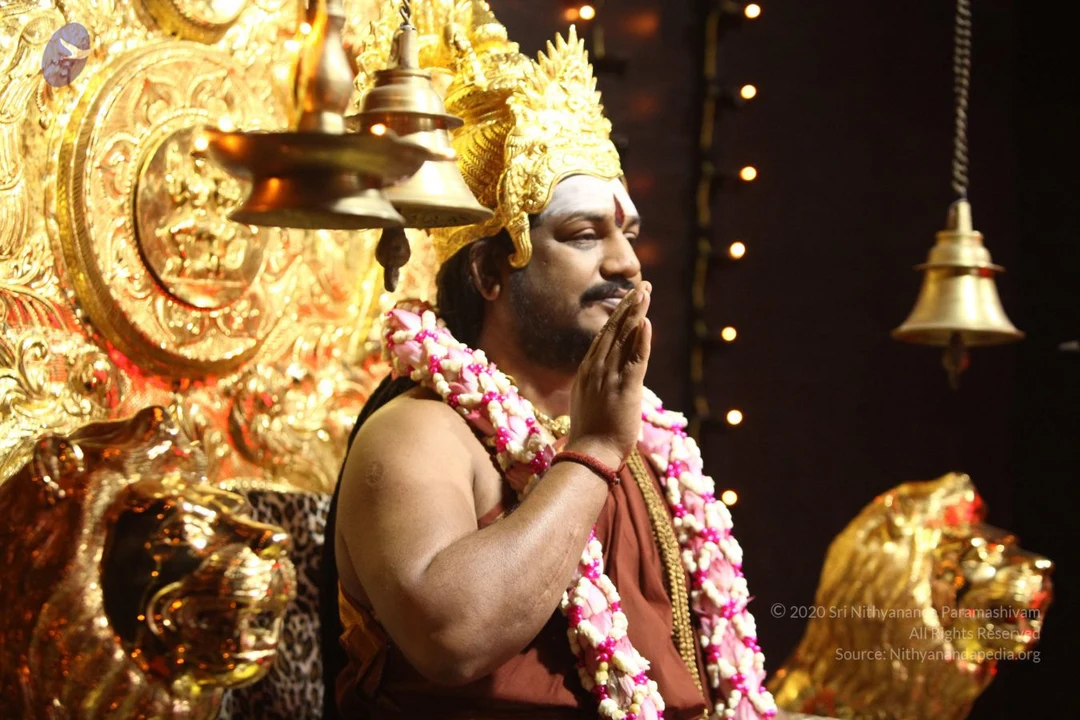
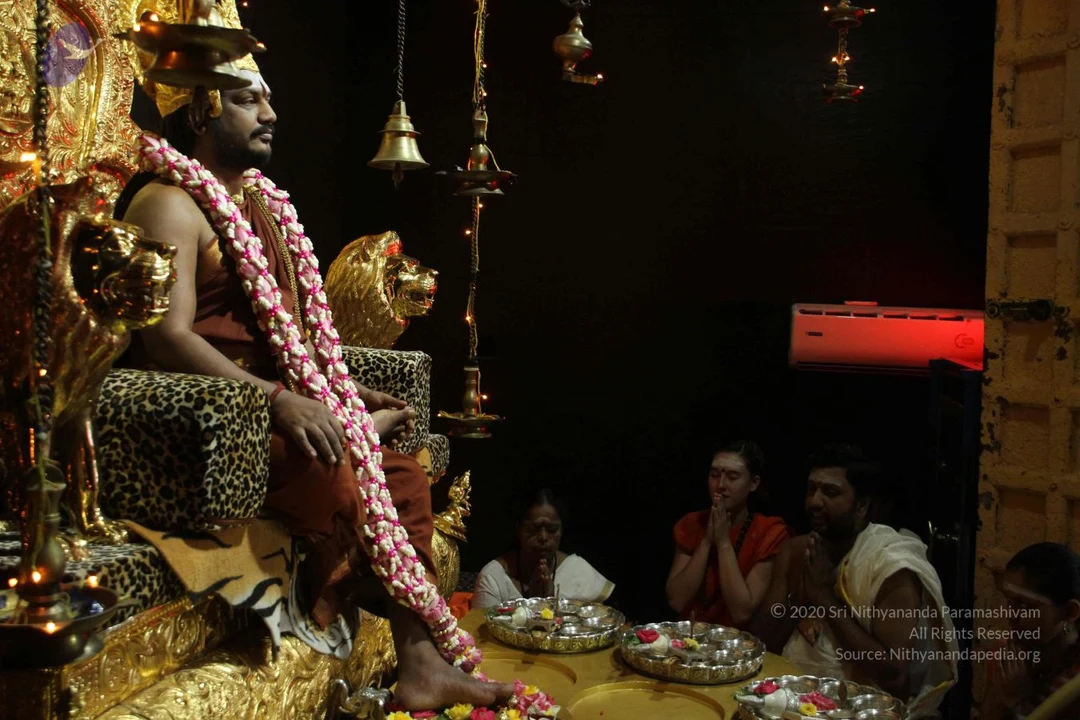
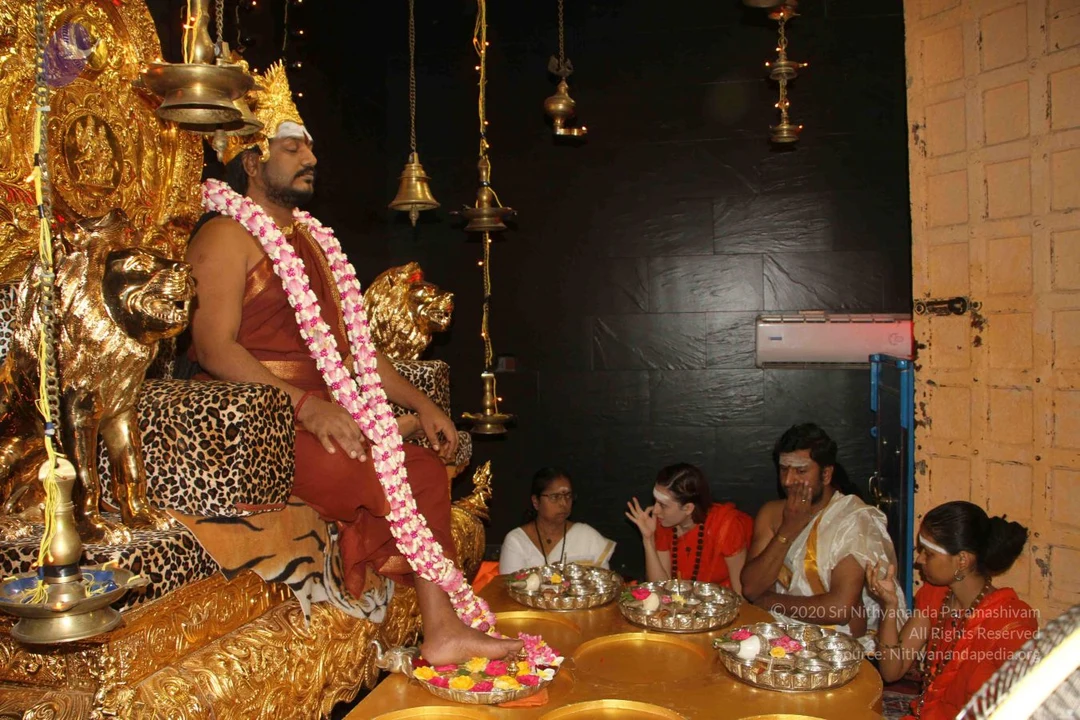
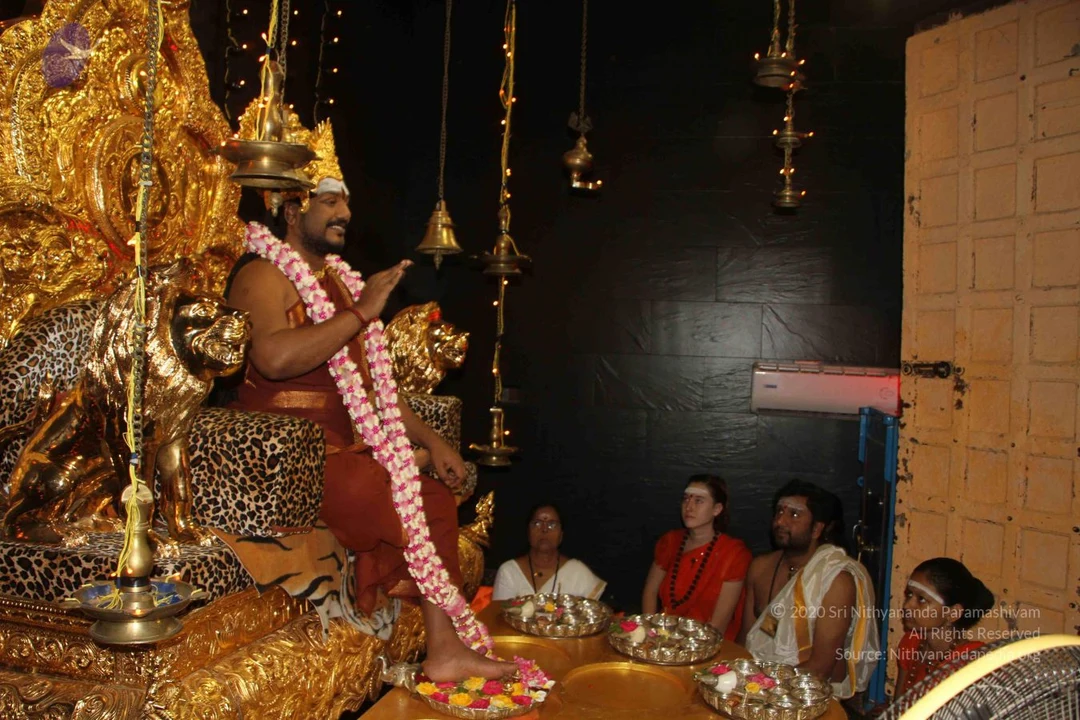
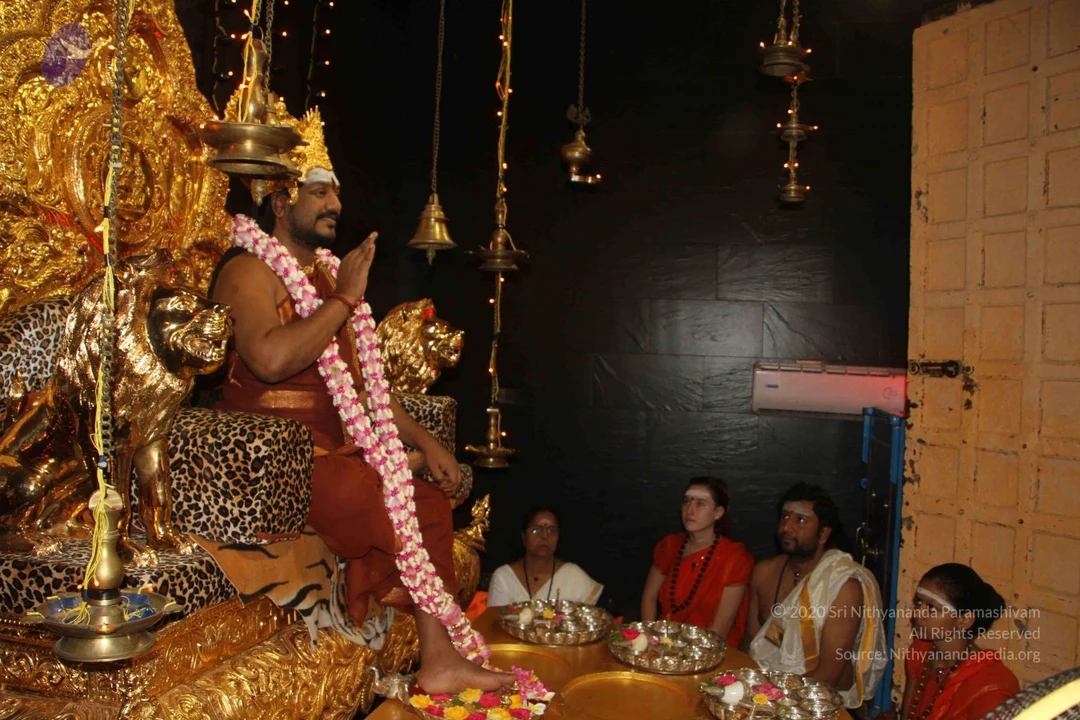
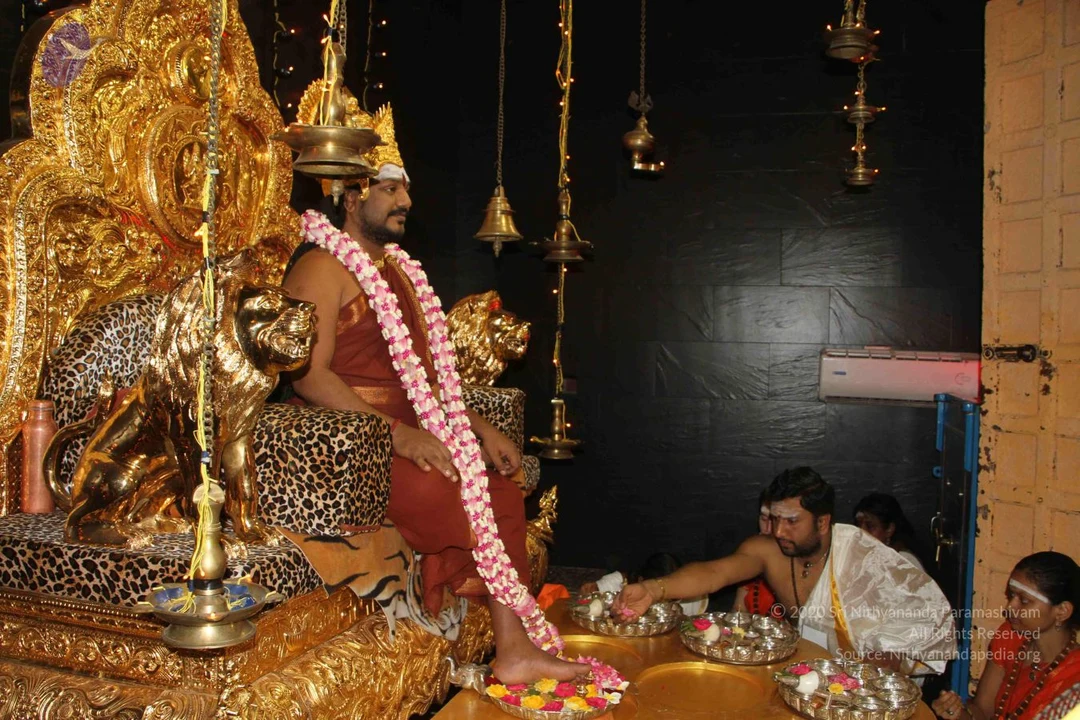
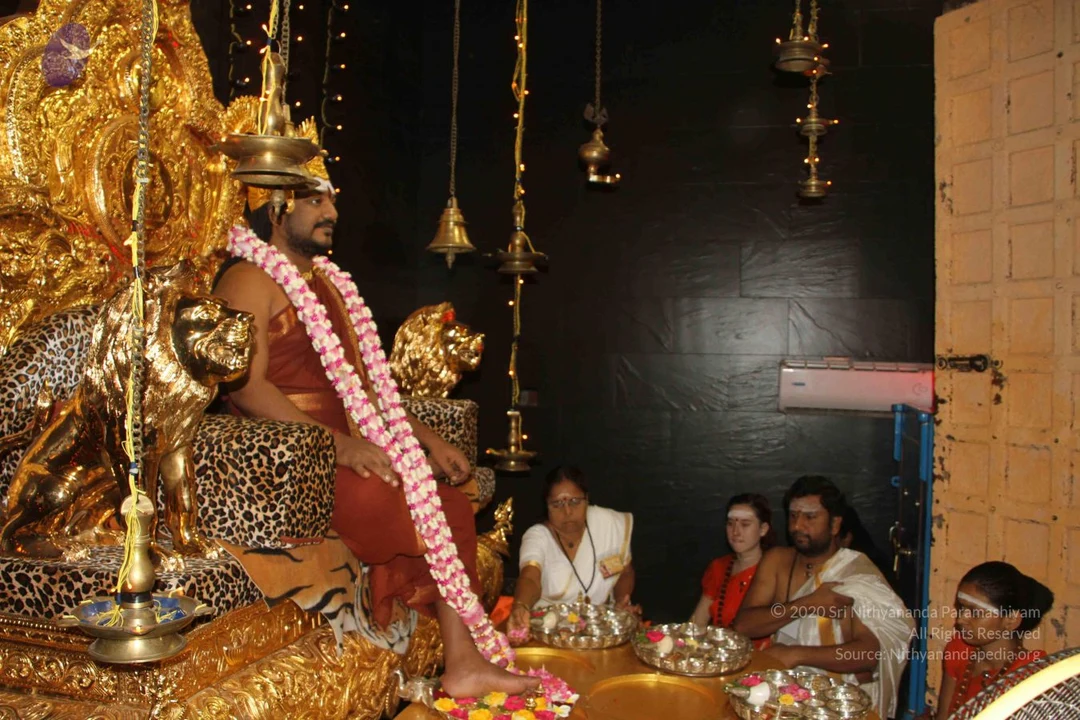
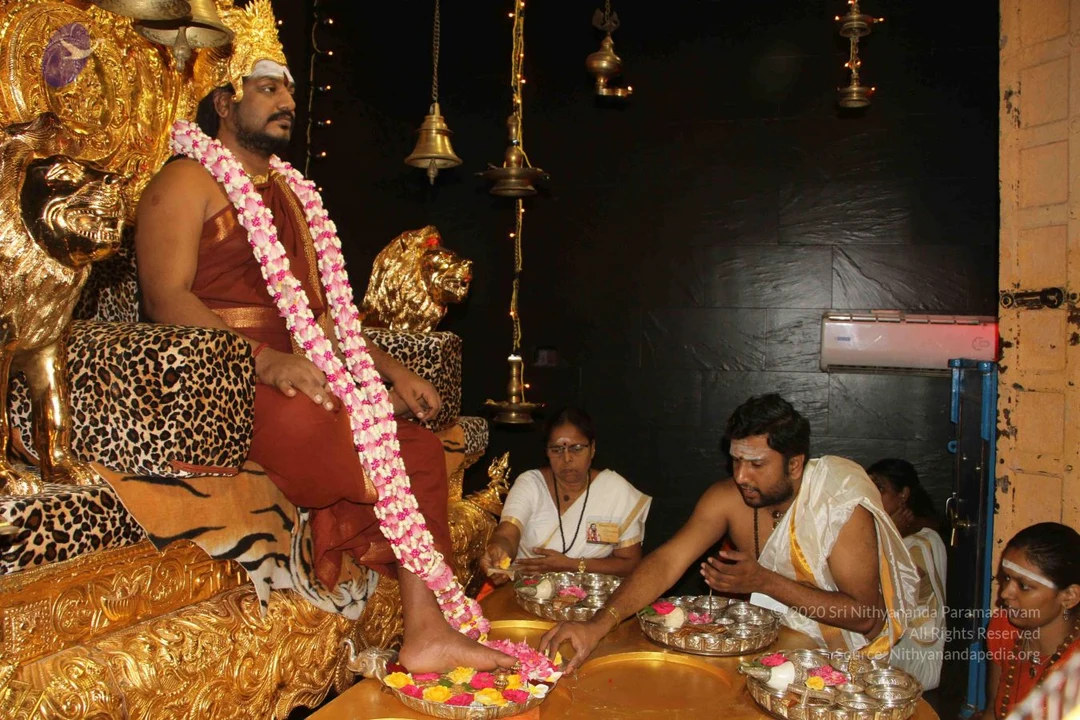
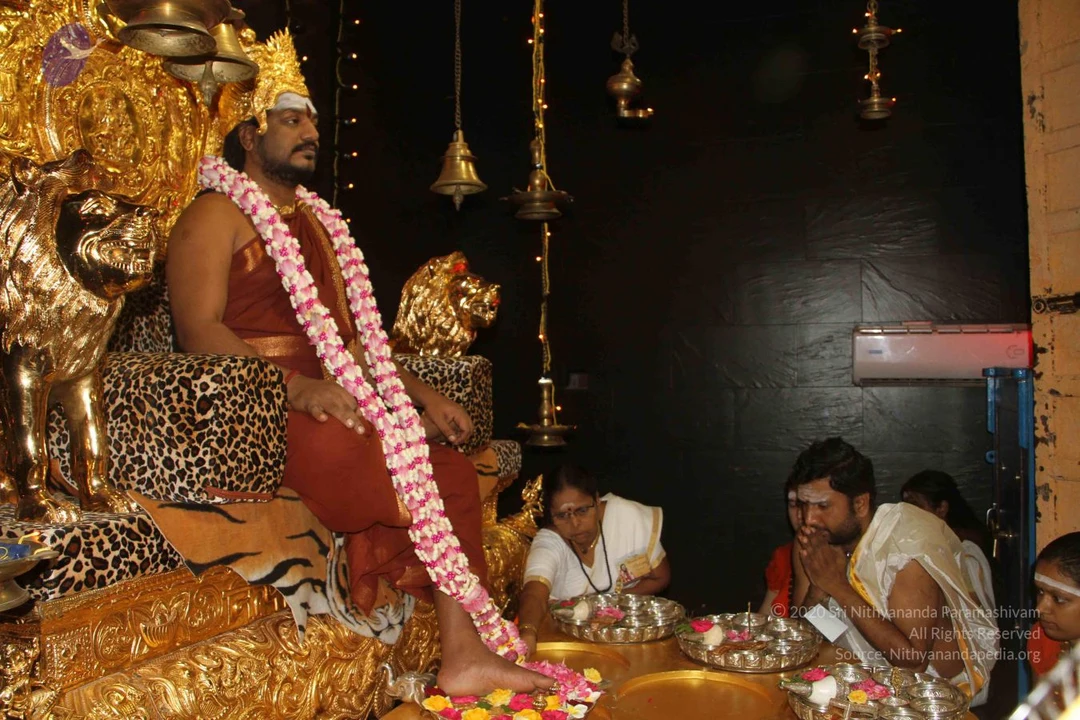
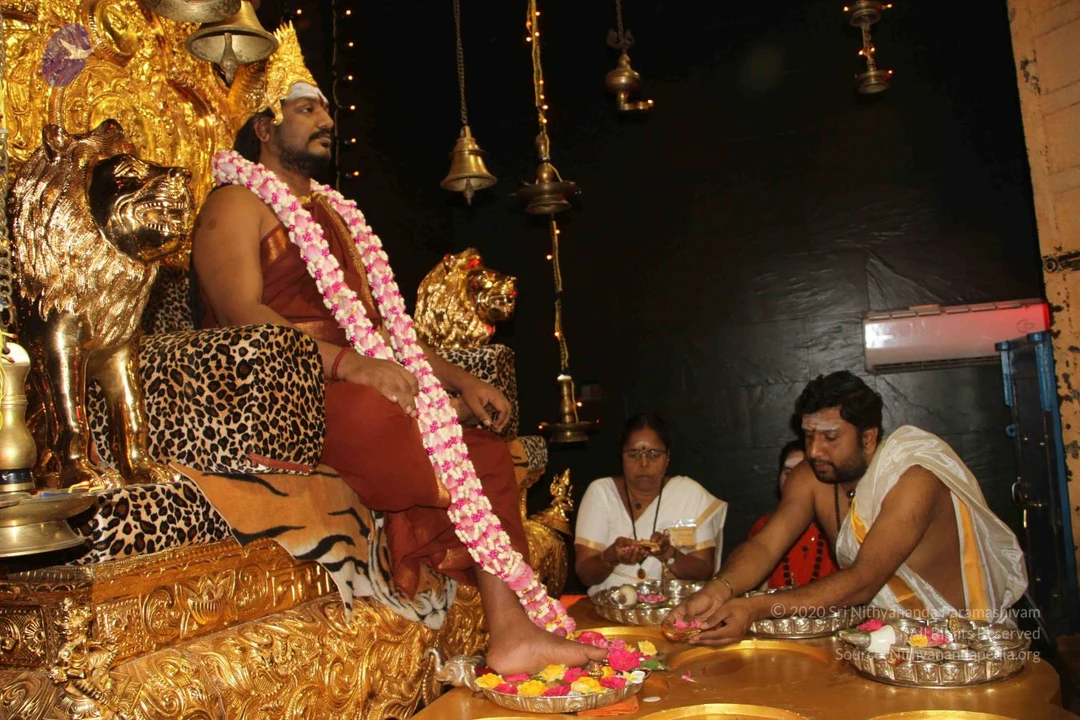
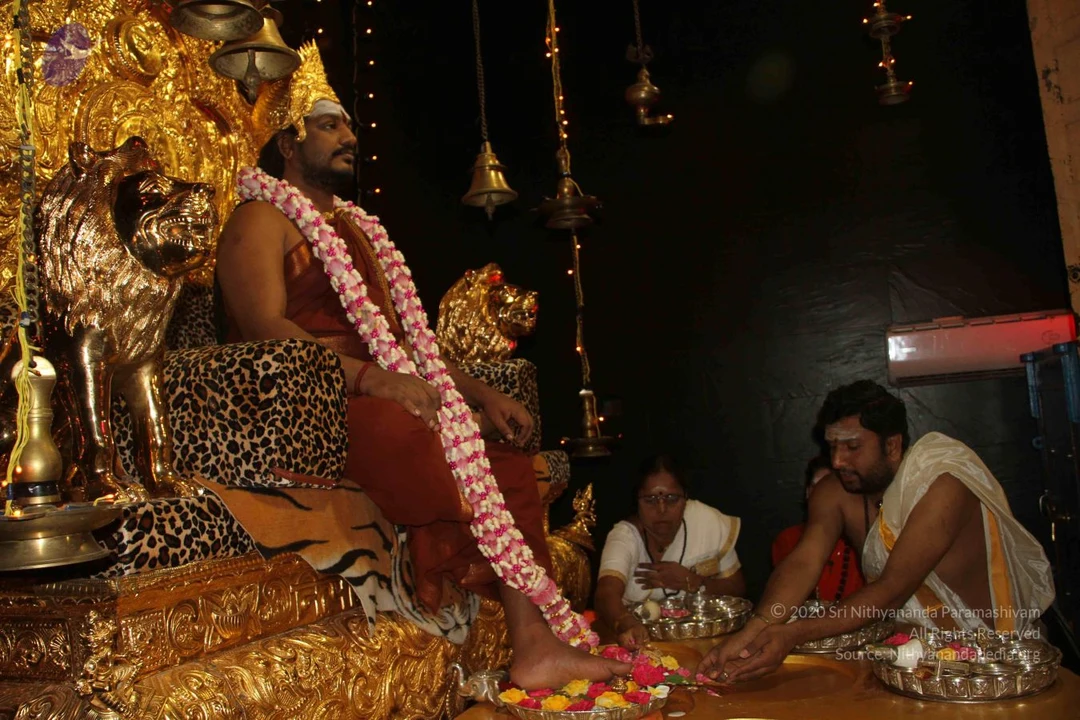
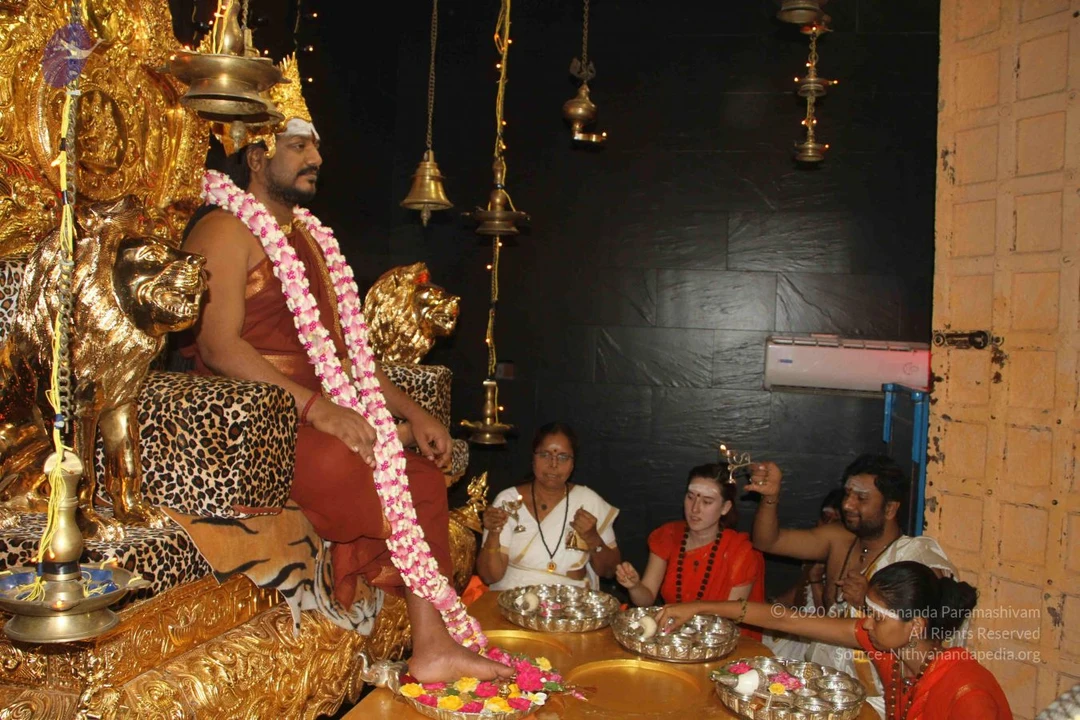
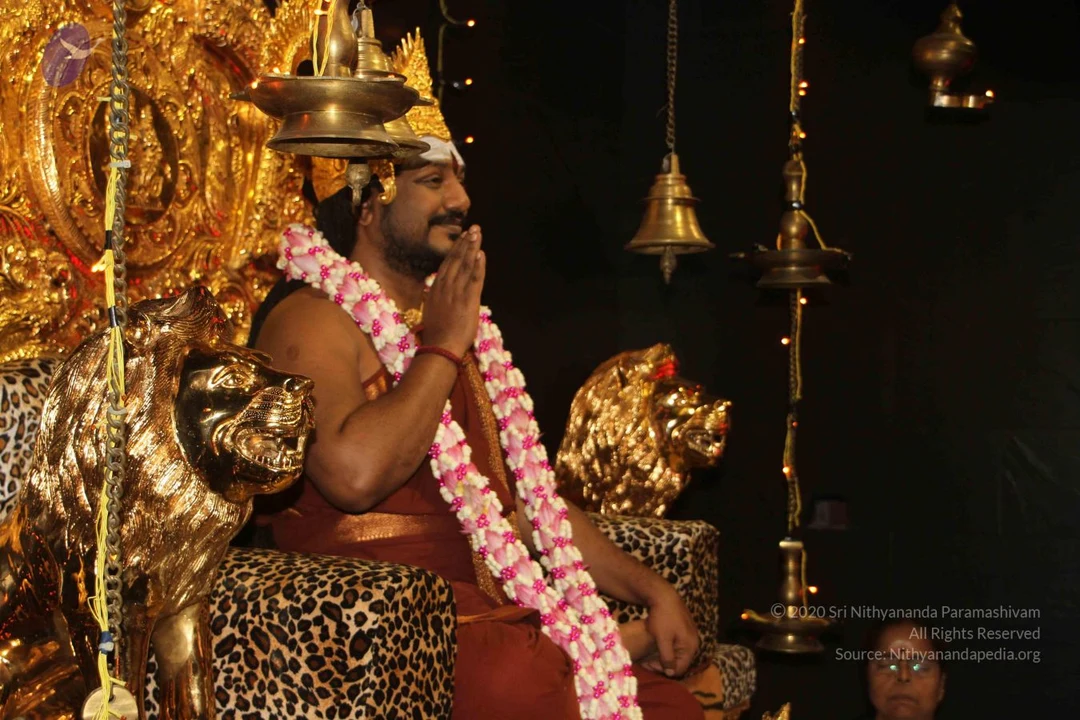
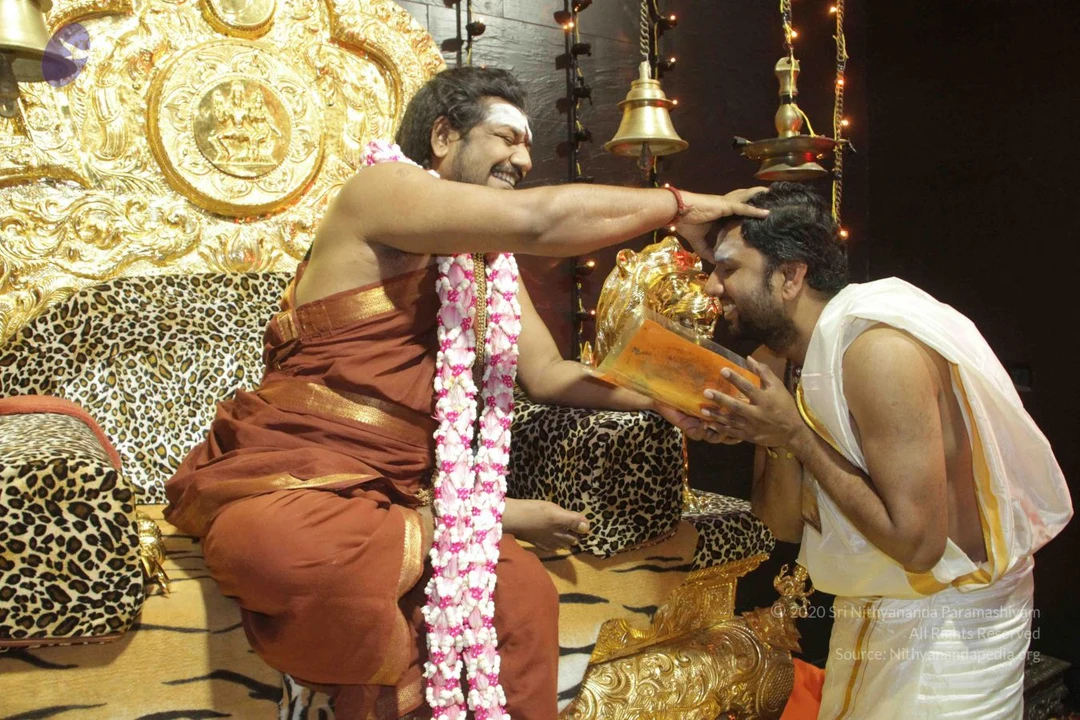
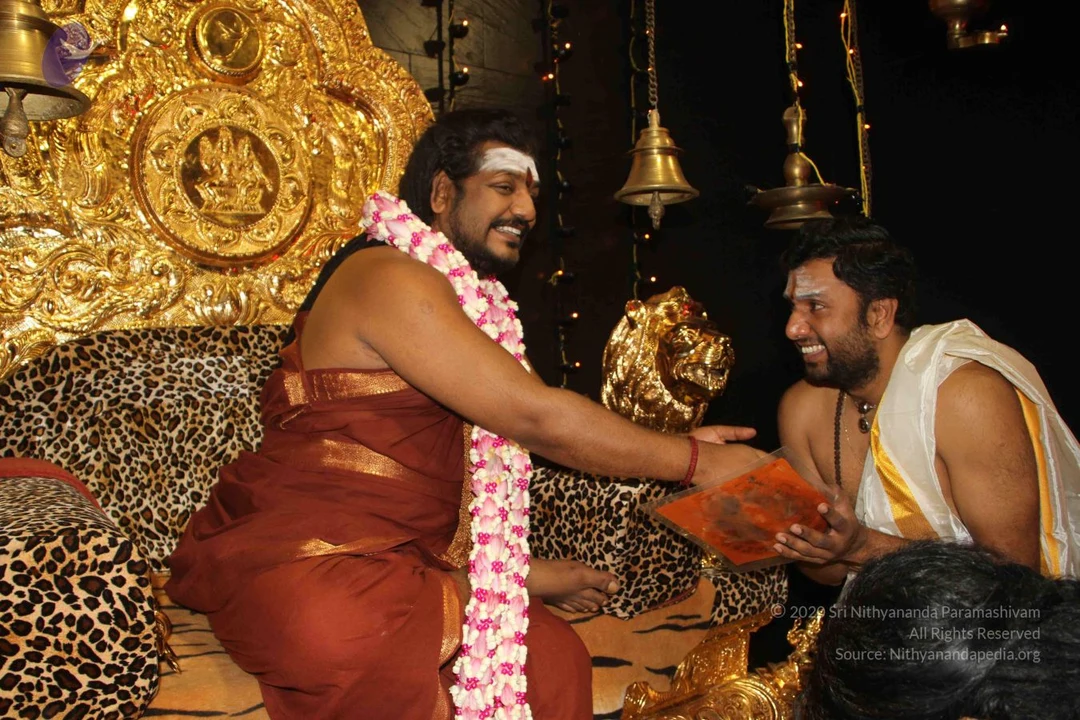
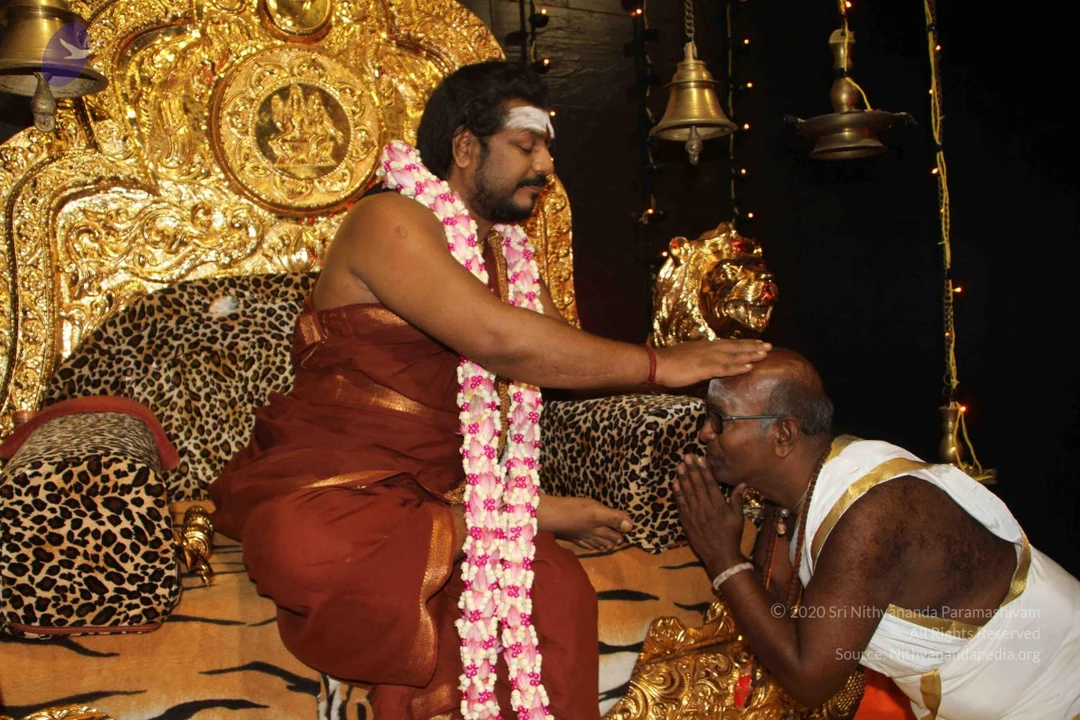
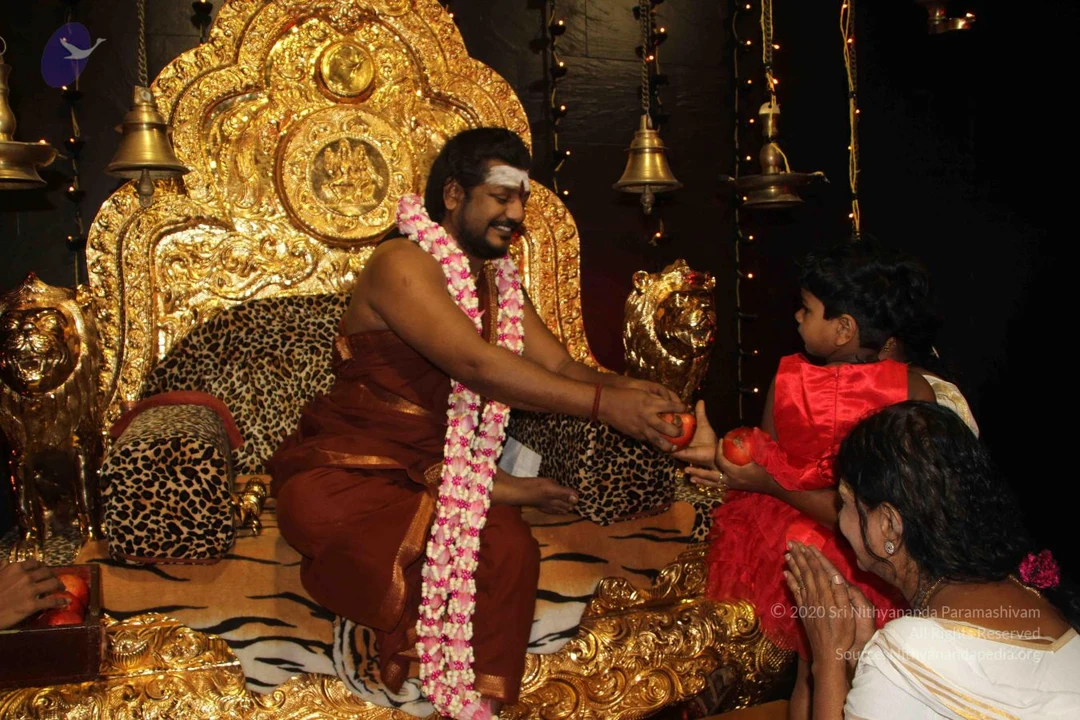
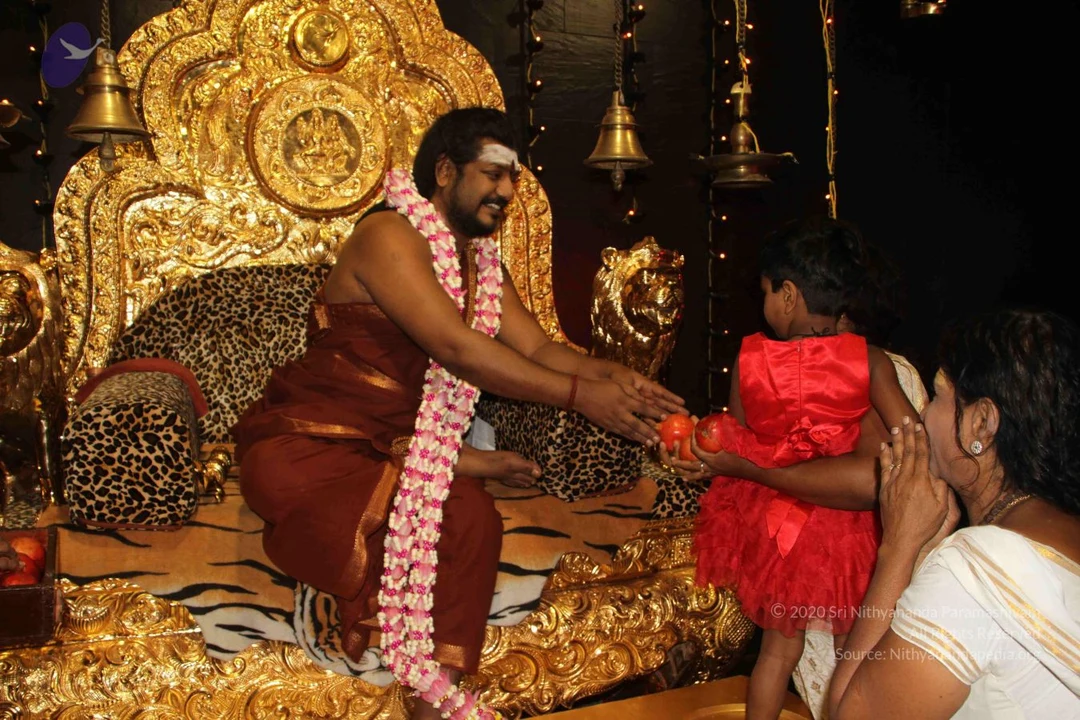
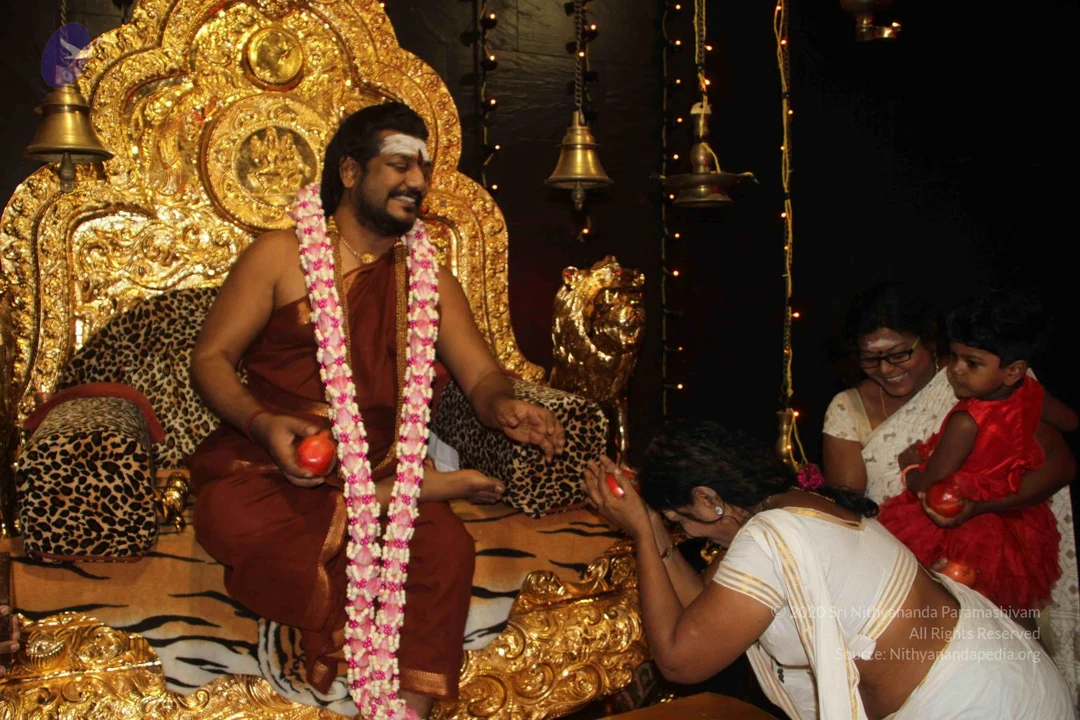
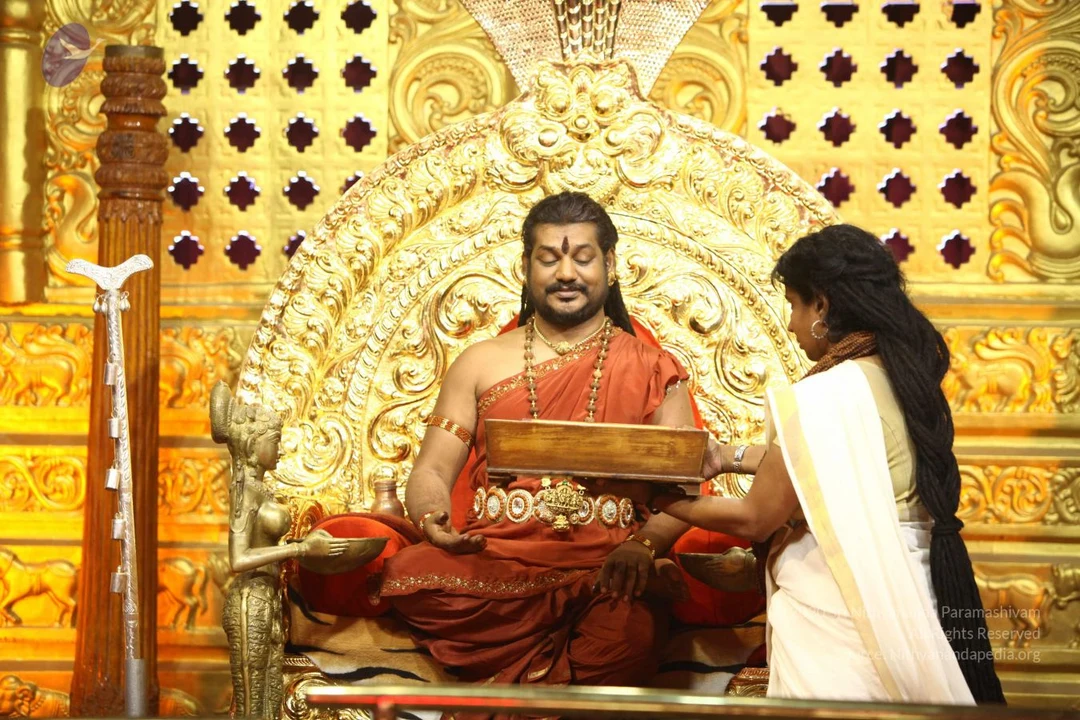
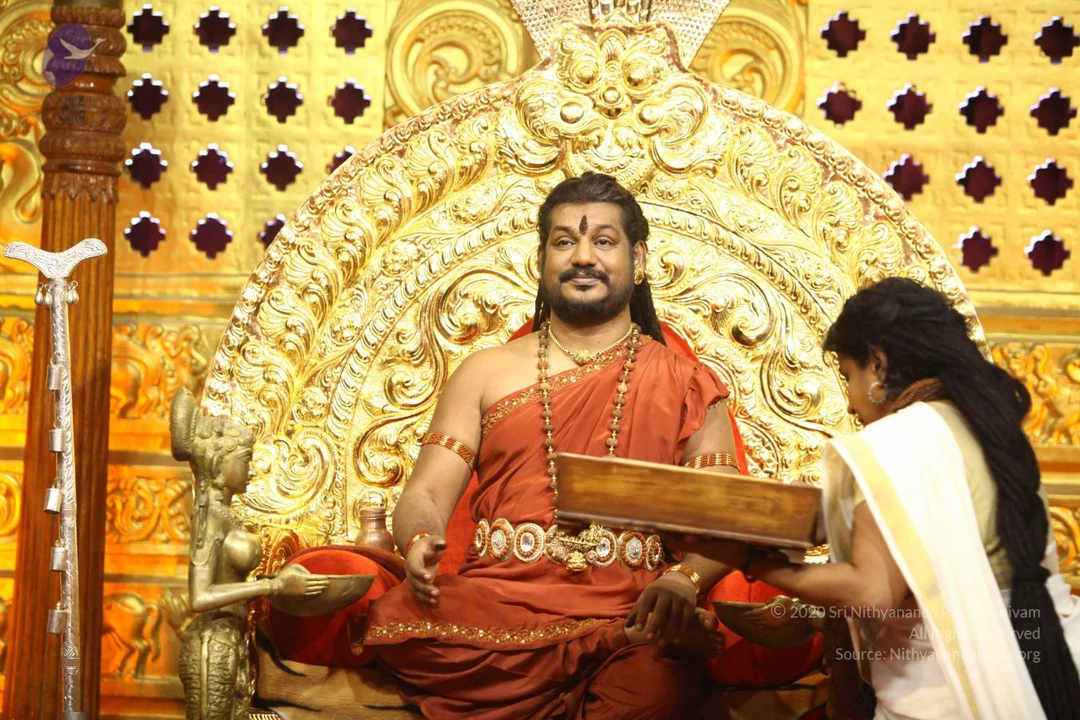
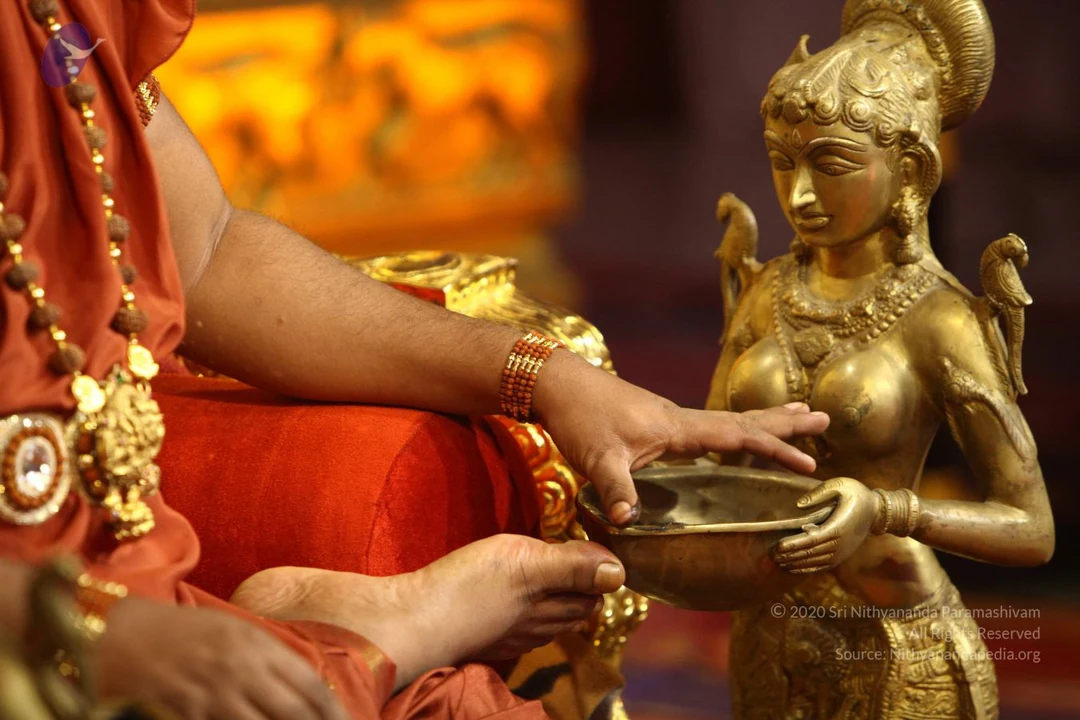
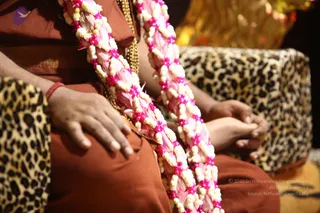
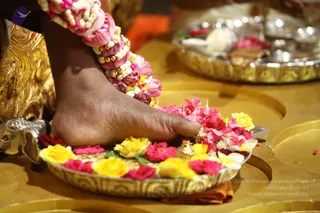
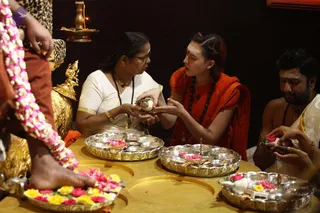
Pratyaksha Pada Pooja is an elaborate offering of gratitude to the Guru where the Guru is welcomed, enshrined and worshipped in the rightful place, which is the devotee’s heart. Both through the sacred chants and physical offerings of divine smelling flowers, sandalwood, cooked food and other sacred offerings, the Guru is worshipped with utmost reverence and a melting heart.
The Supreme Pontiff of Hinduism Jagatguru Mahasannidhanam His Divine Holiness #Nithyananda Paramashivam (HDH) is the reviver of #KAILASA - the ancient enlightened civilization and the great cosmic borderless Hindu nation. Revered as the incarnation of Paramashiva - the primordial Hindu Divinity, HDH has a following of 2 billion Hindus worldwide with de facto spiritual embassies in over 150 countries. He has worked untiringly for over 26 years for the revival of Kailasa, for global peace and to give super conscious breakthrough to humanity. He has survived the worst persecution of multiple assassination attempts on person and on character by anti-Hindu elements. He is collecting, organising, preserving, time capsuling, decoding, spreading and reviving 20 Million source books of Hinduism and the 64 sacred arts & sciences like Ayurveda, music, dance, sculpting, astrology, vastu and much more. Close to 20,000 hours of HDH’s timeless talks have been recorded till date (Sep 2020), which are a treasure trove of powerful cognitions to solve individual and global problems of any kind.
Link to Video:
| Video | Audio |
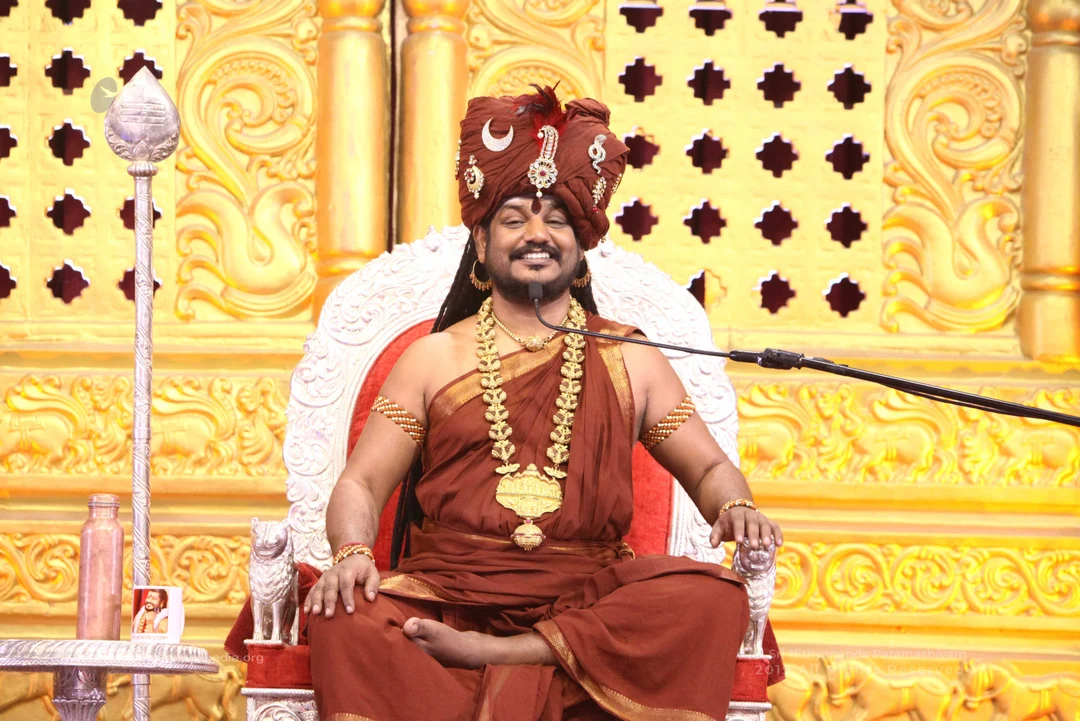
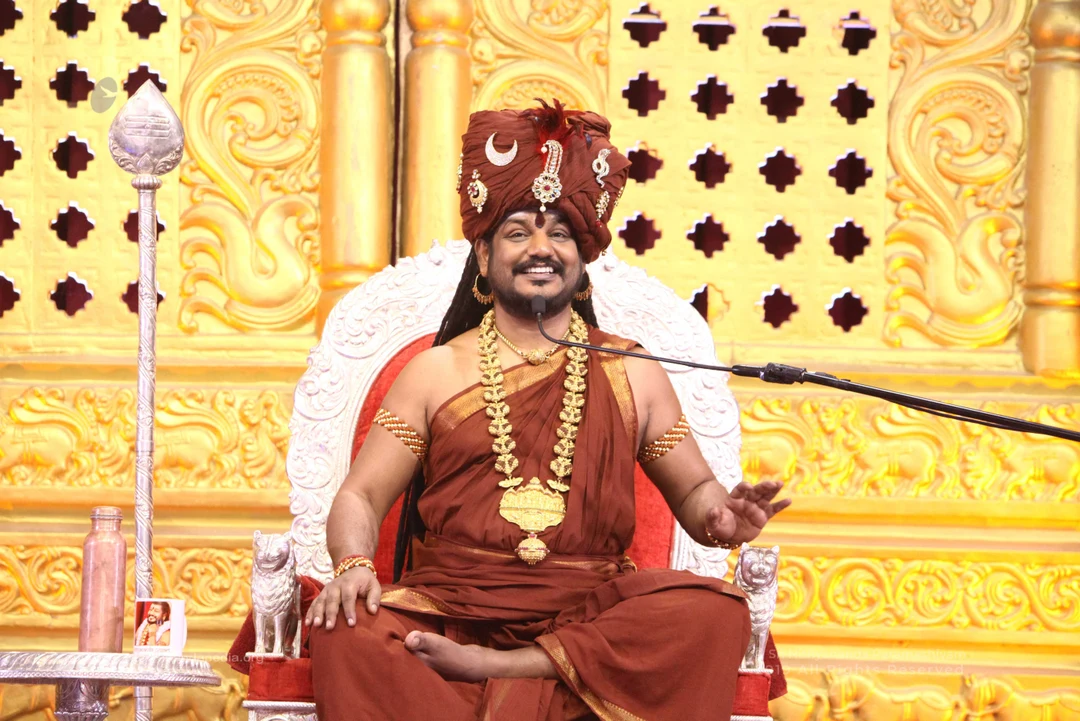
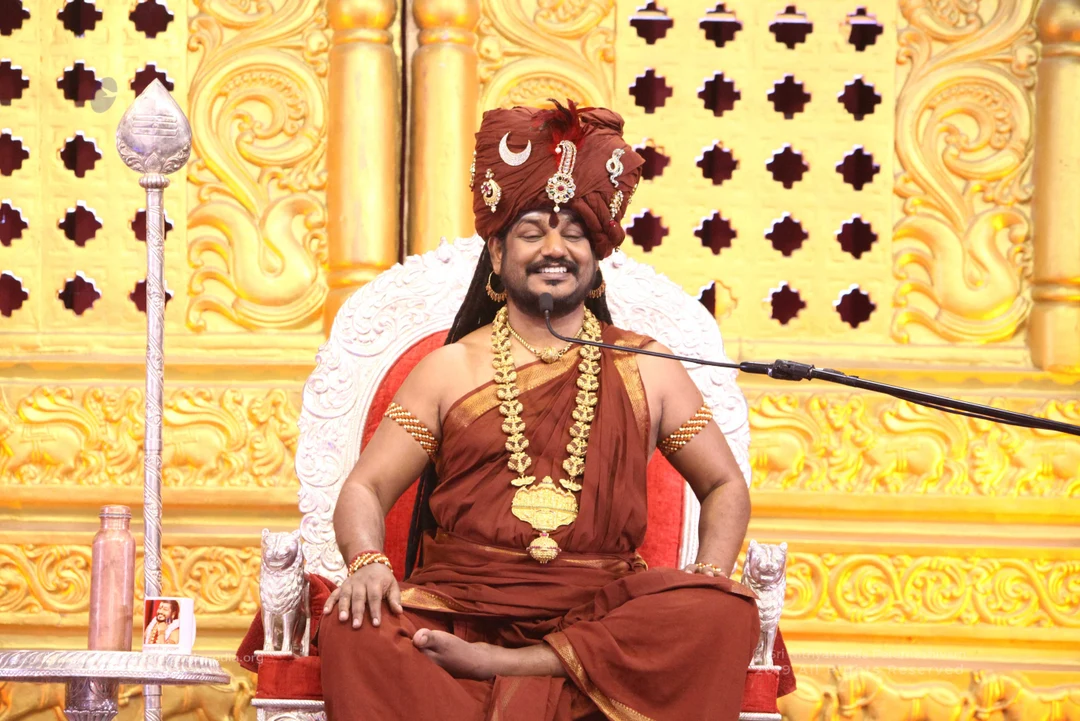
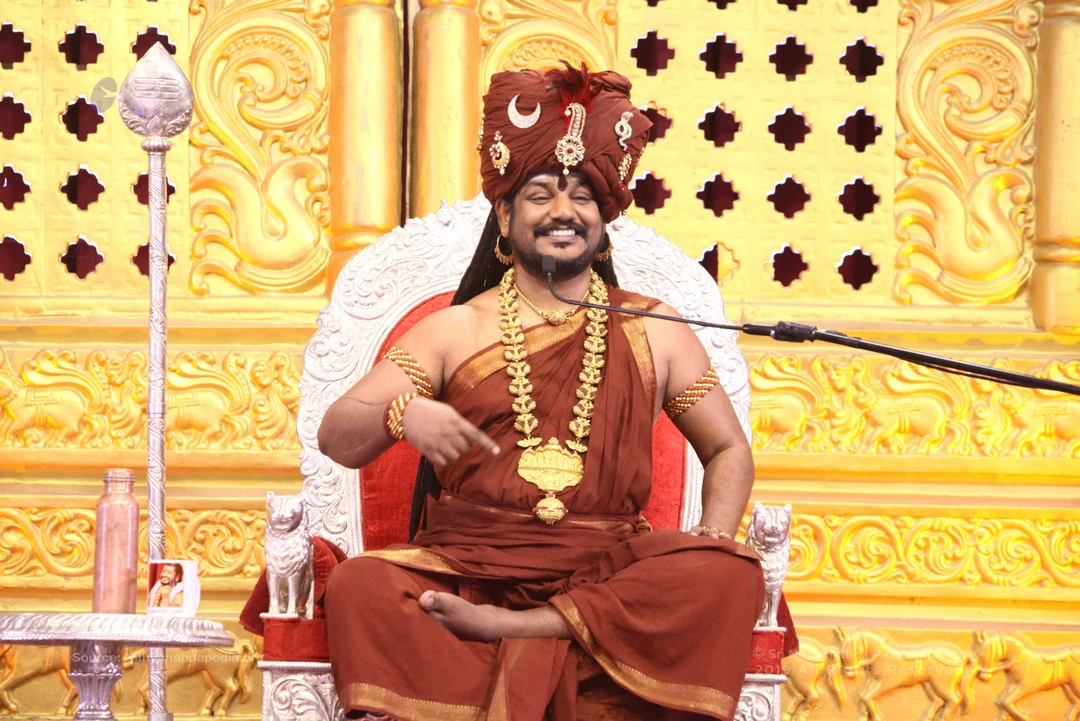
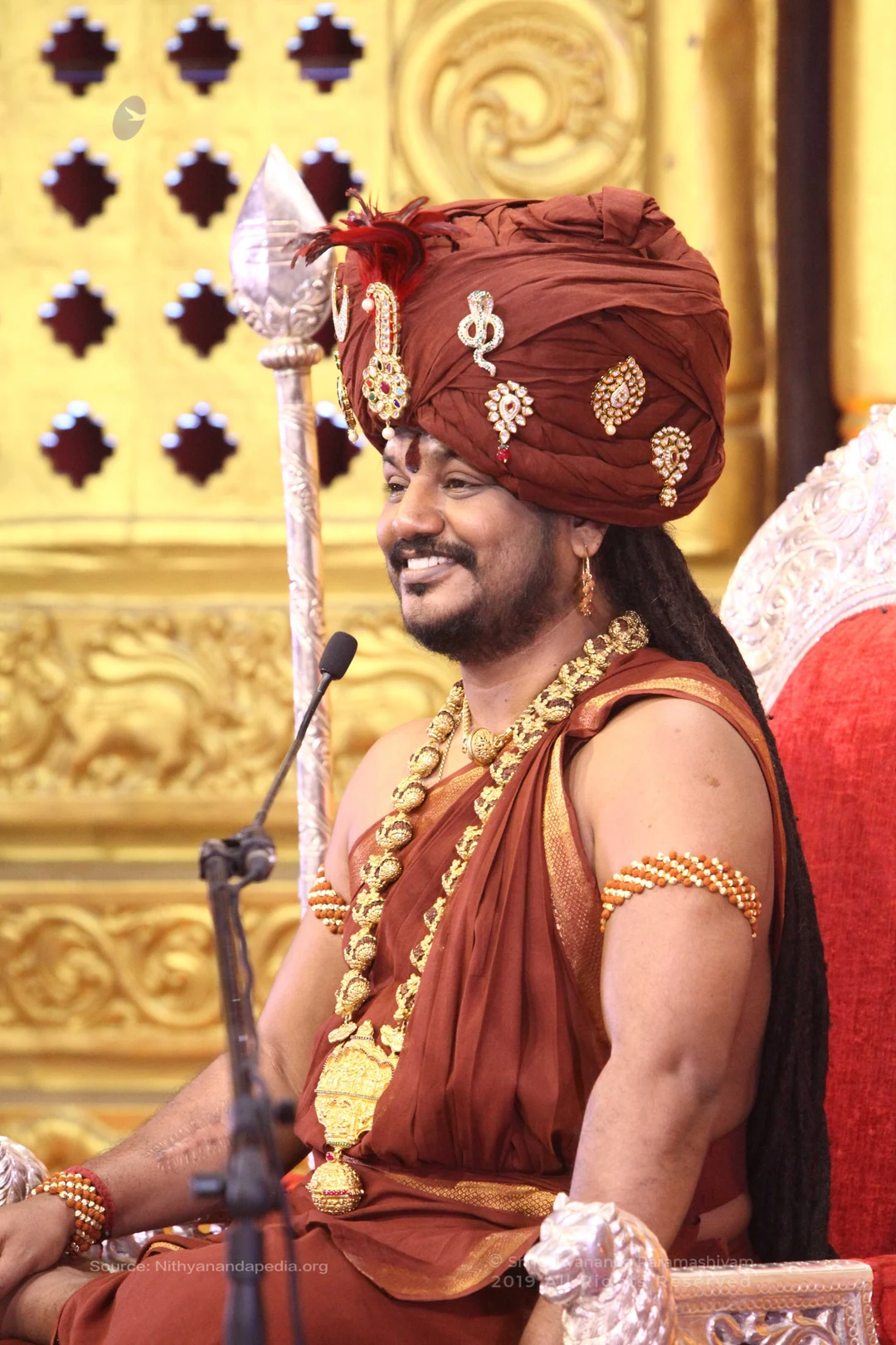
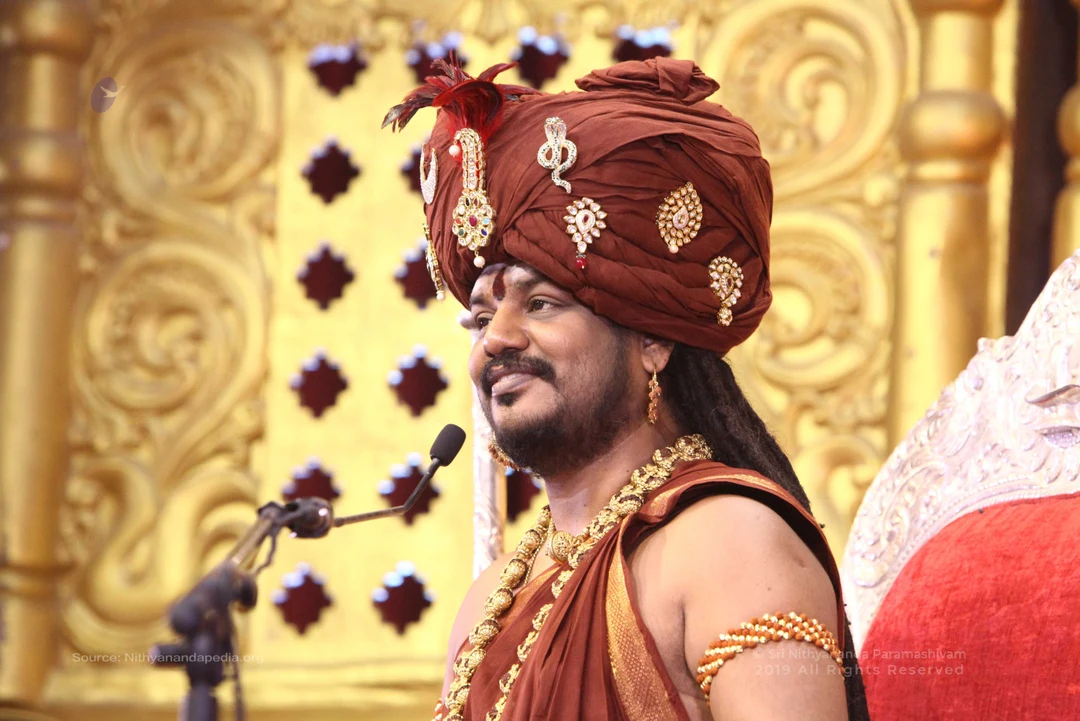
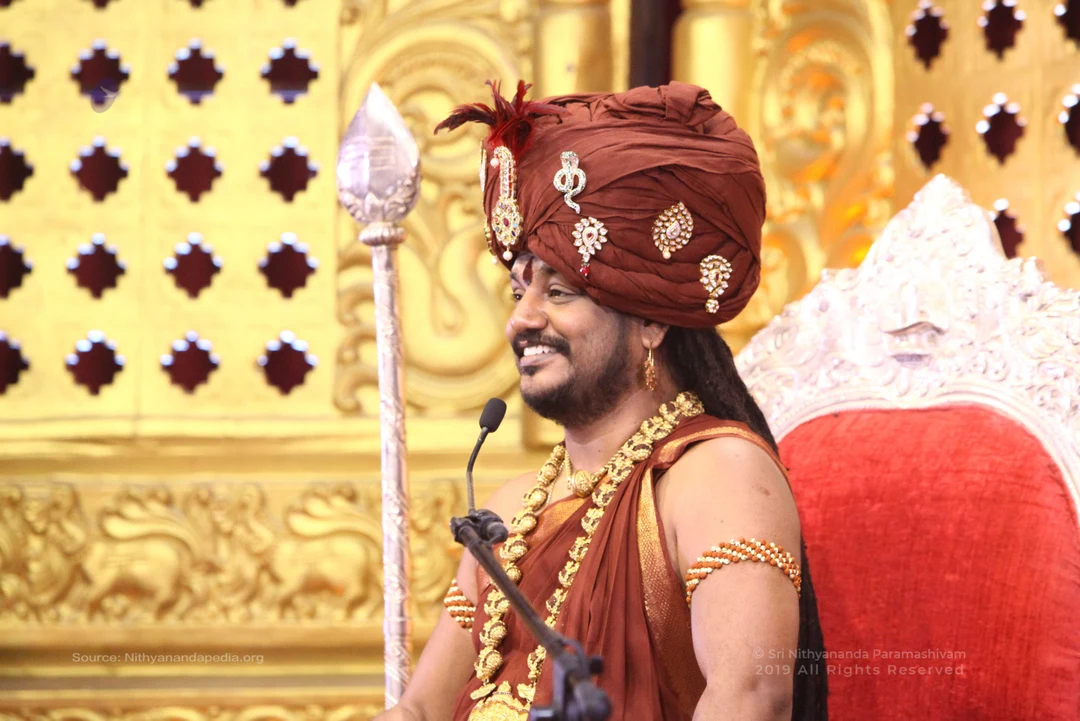
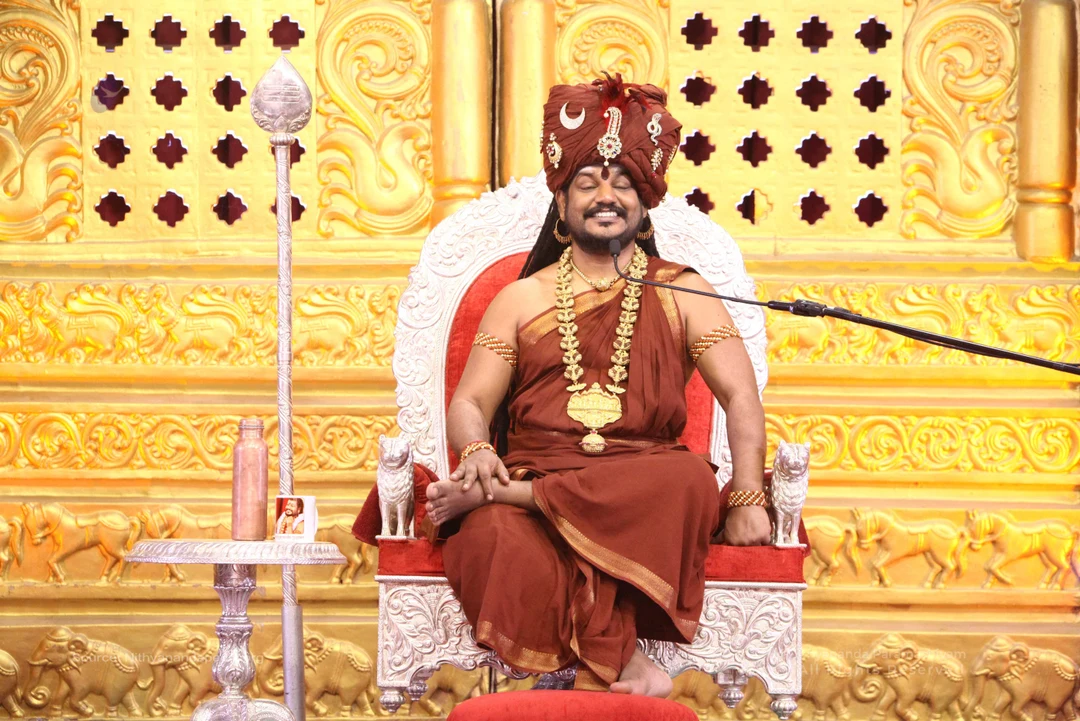
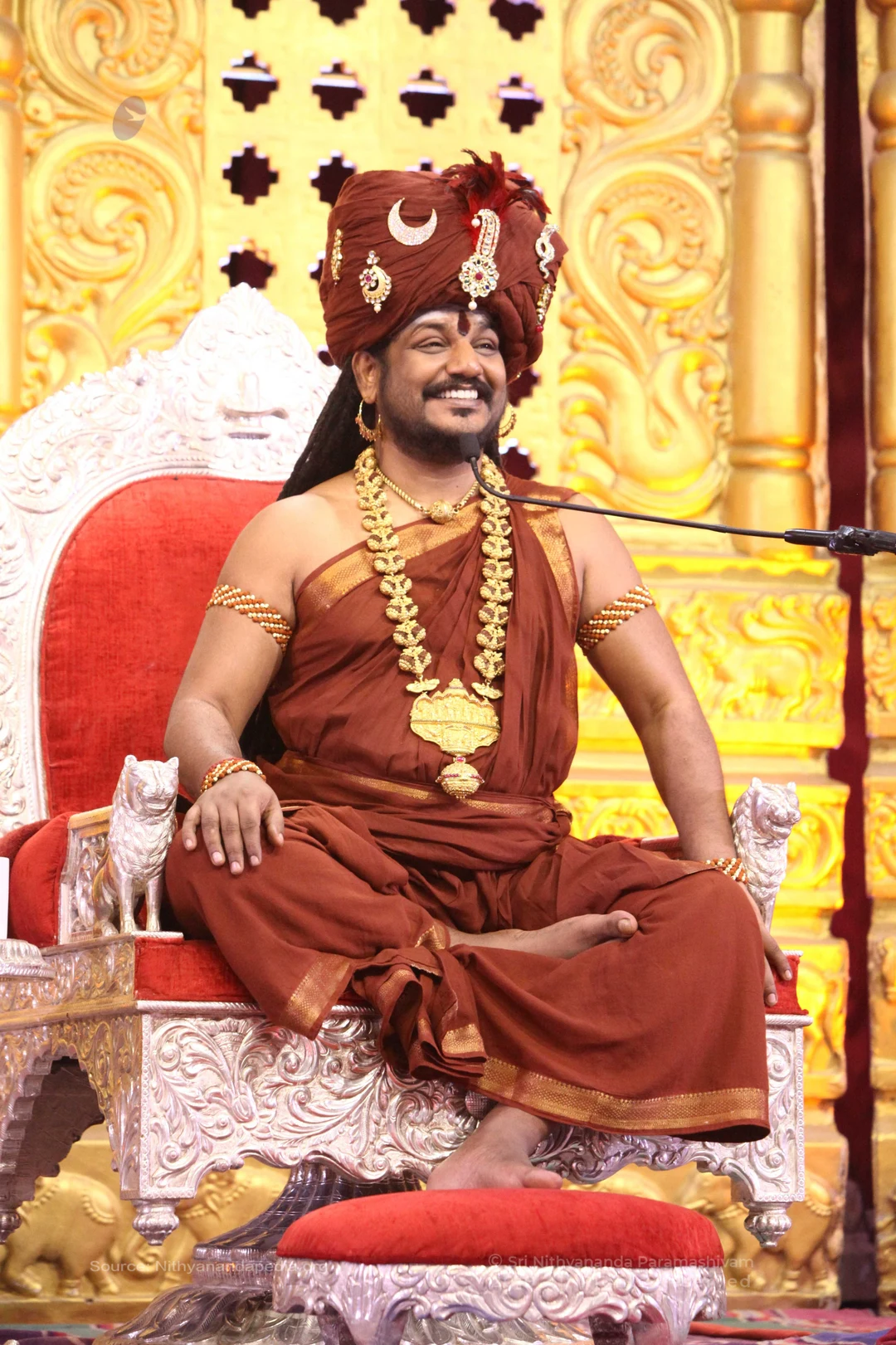
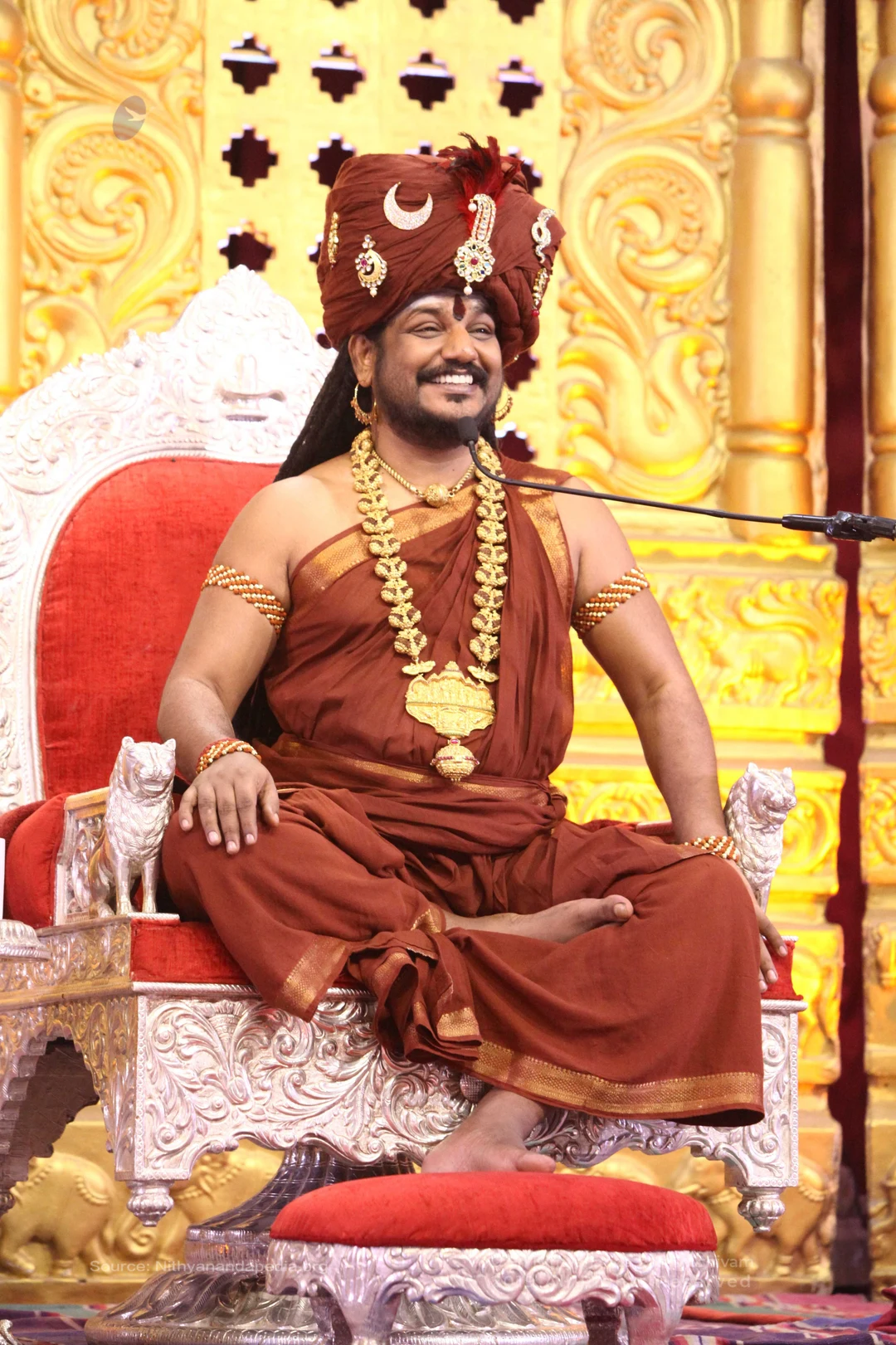
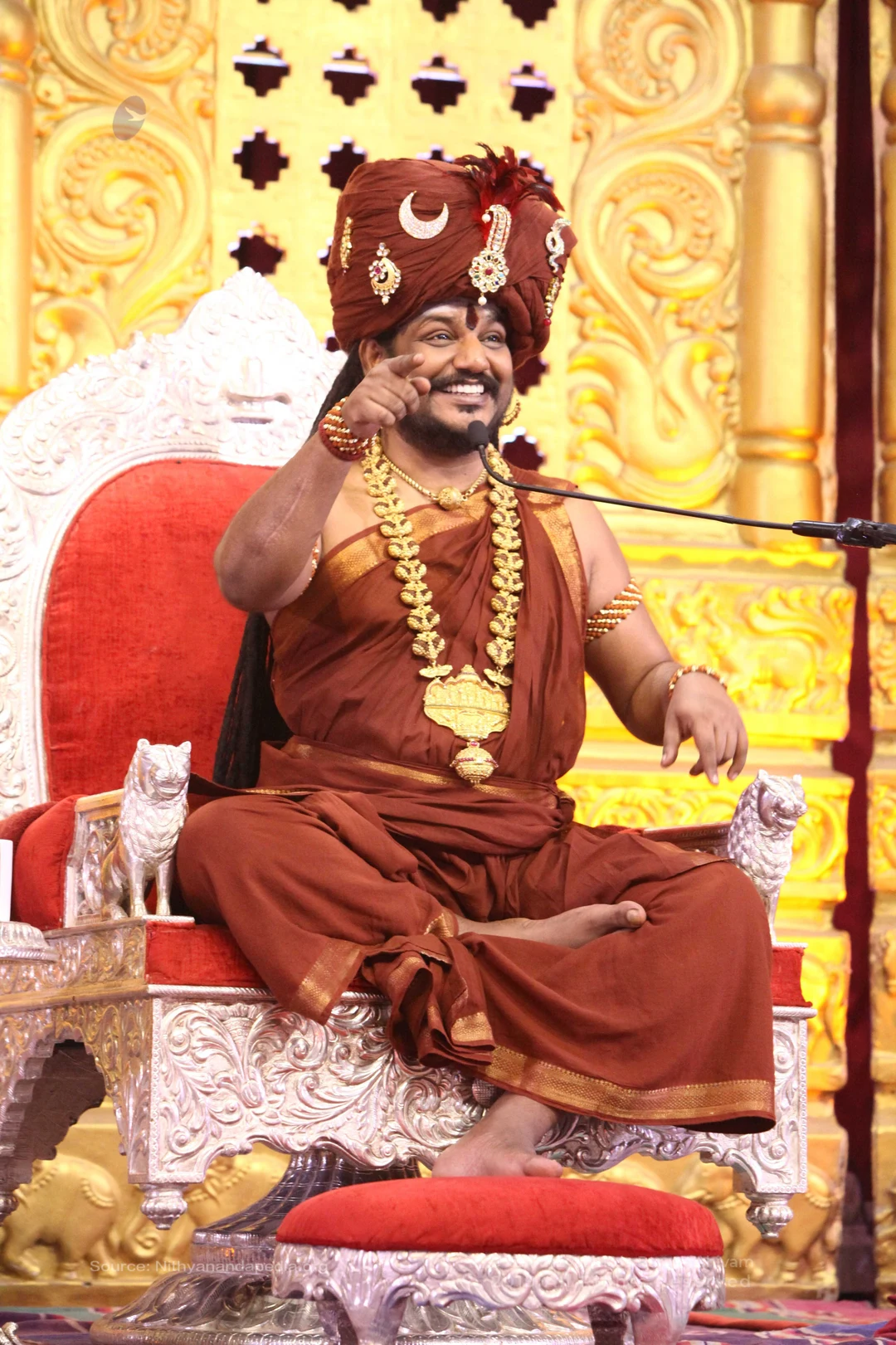
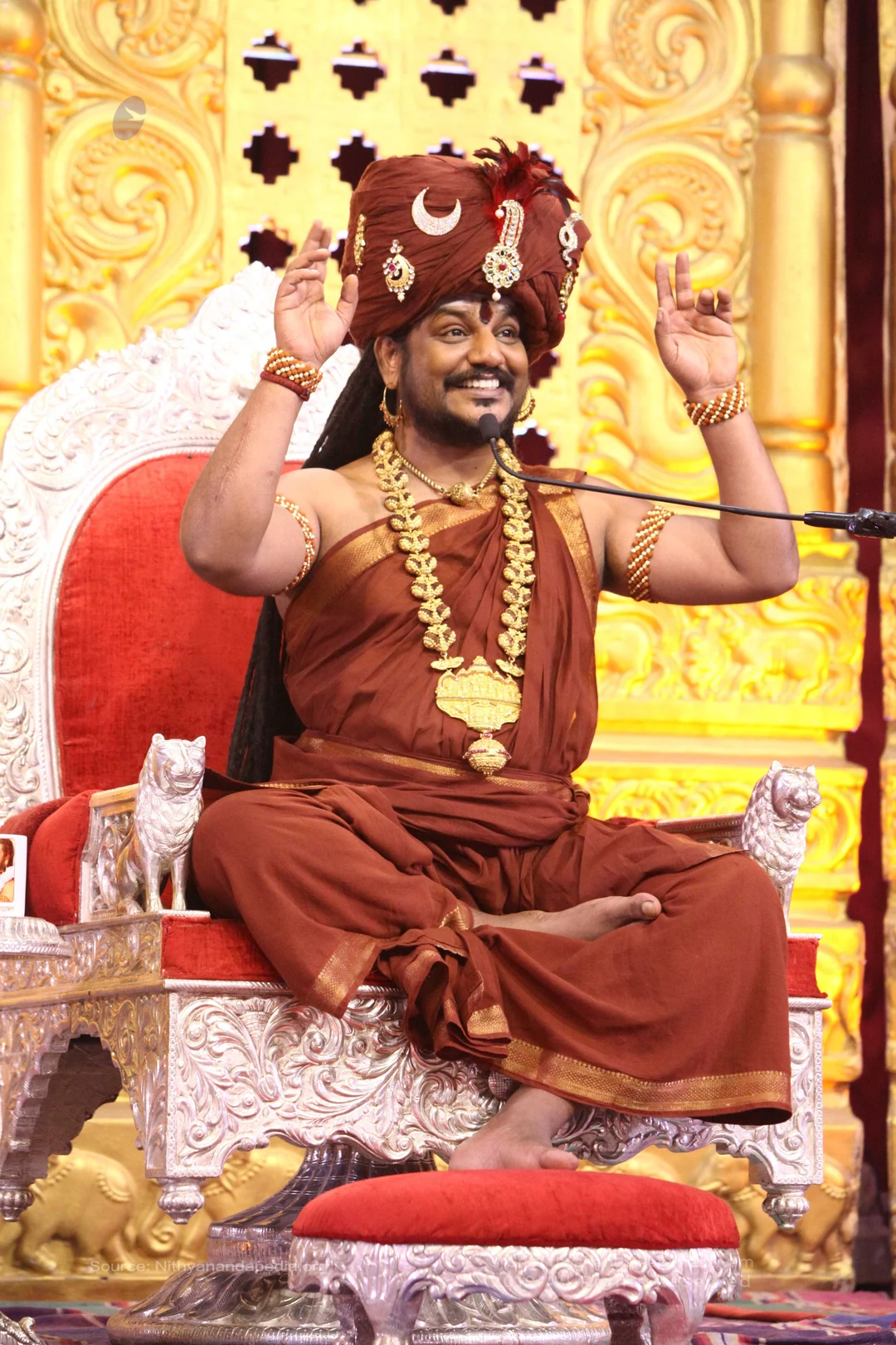
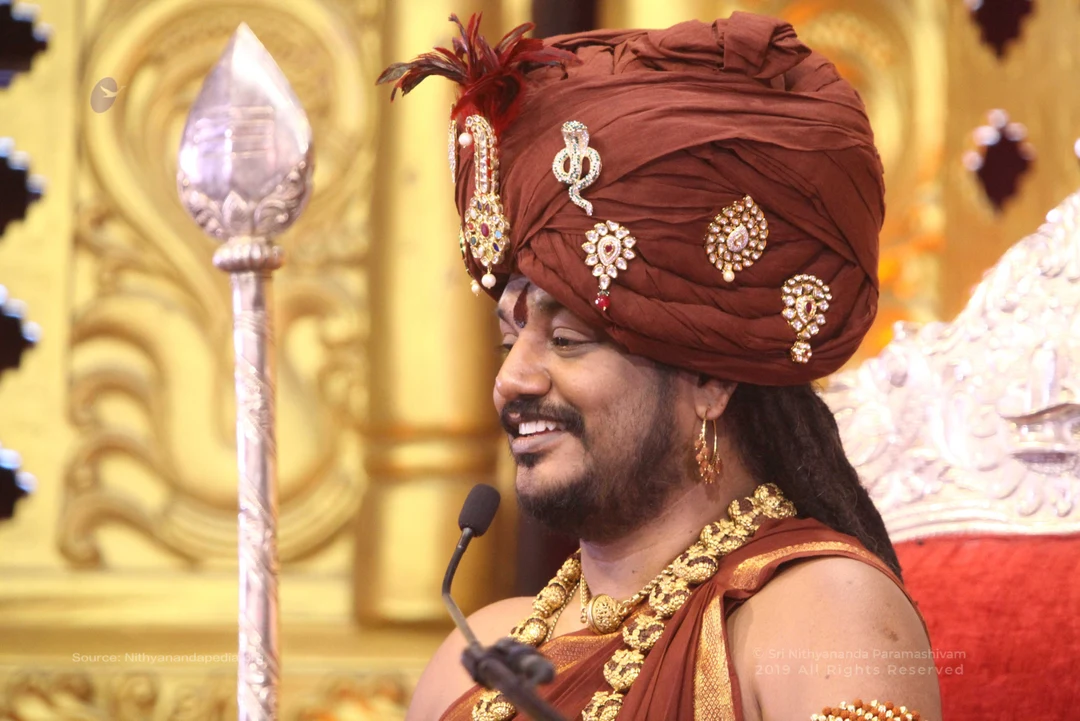
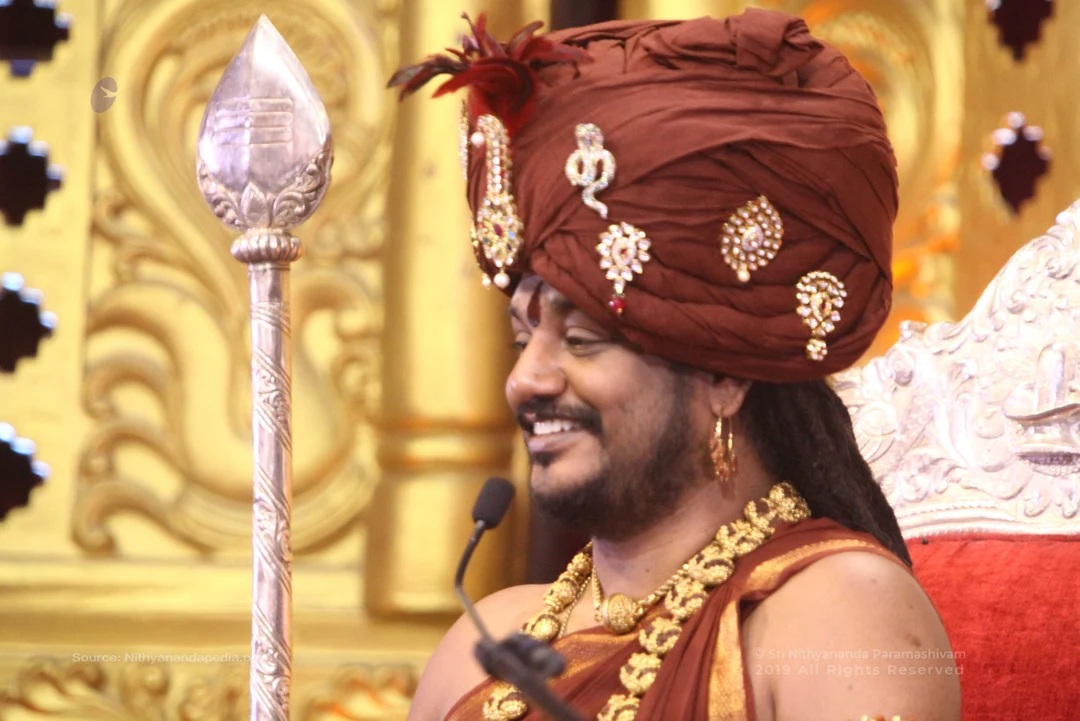
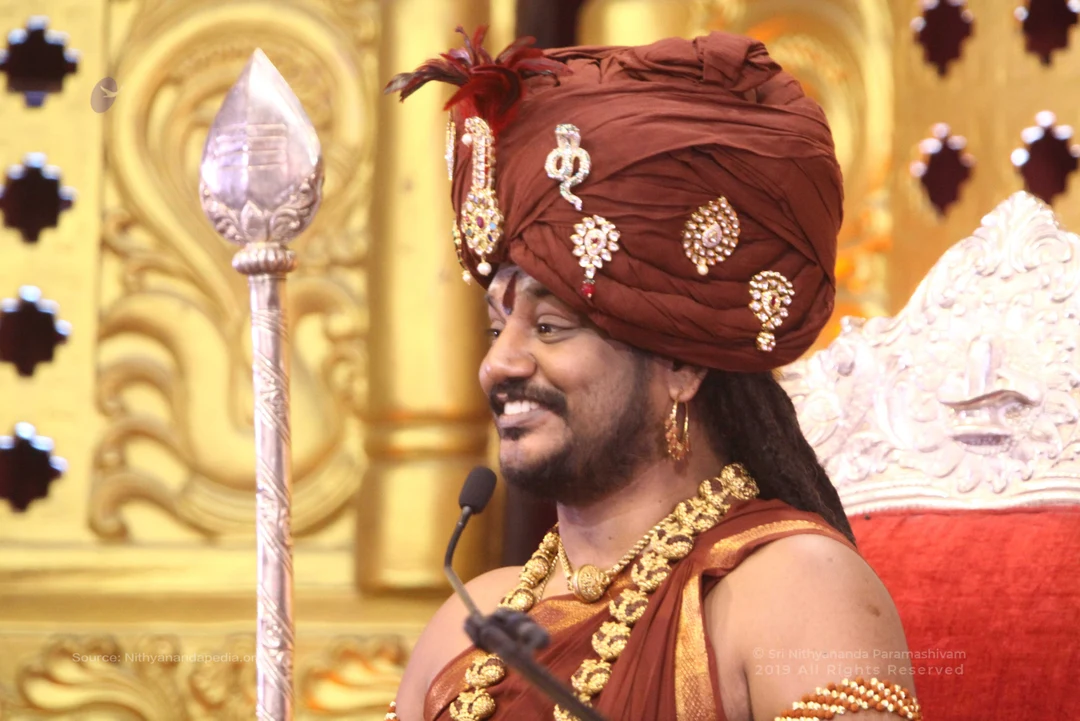
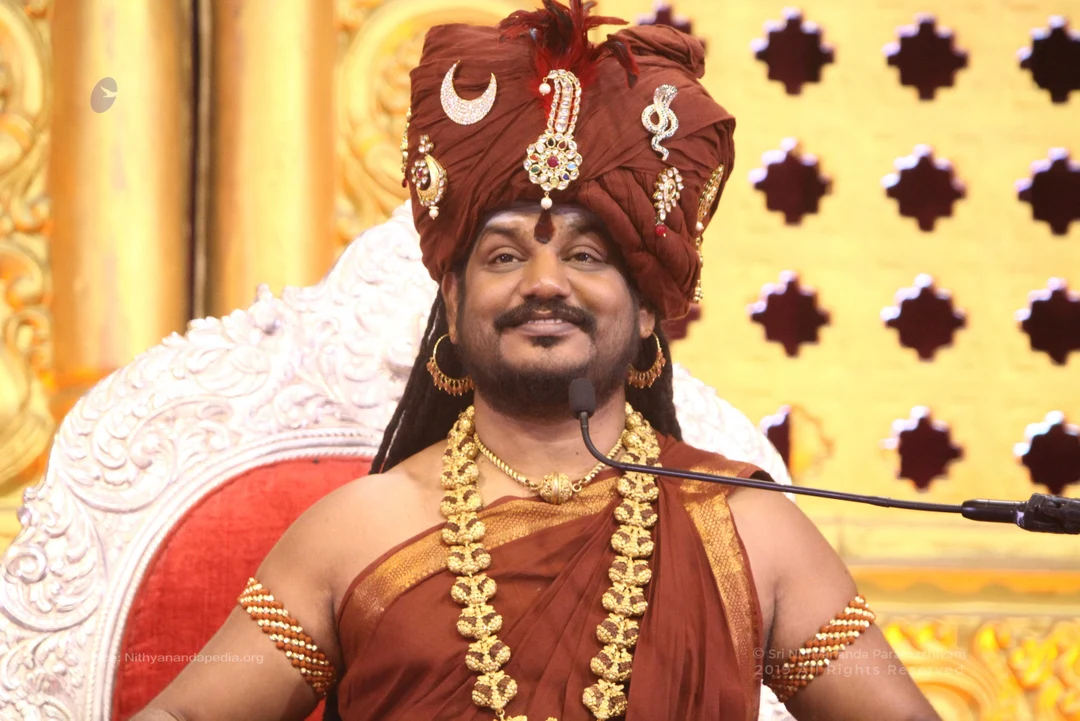
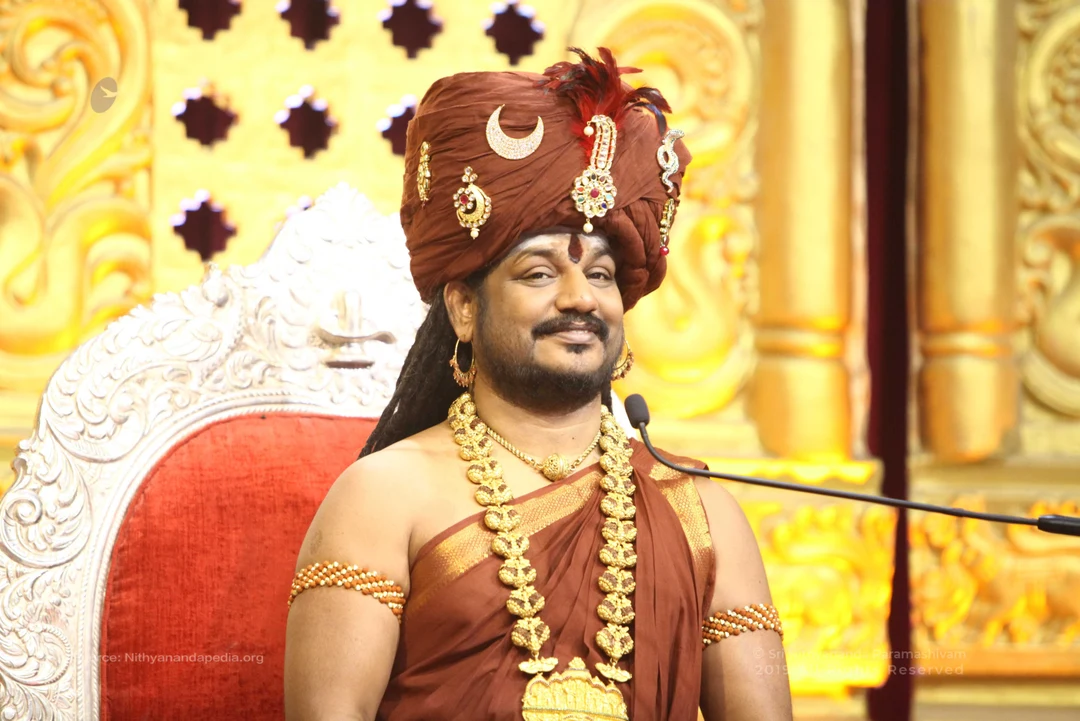
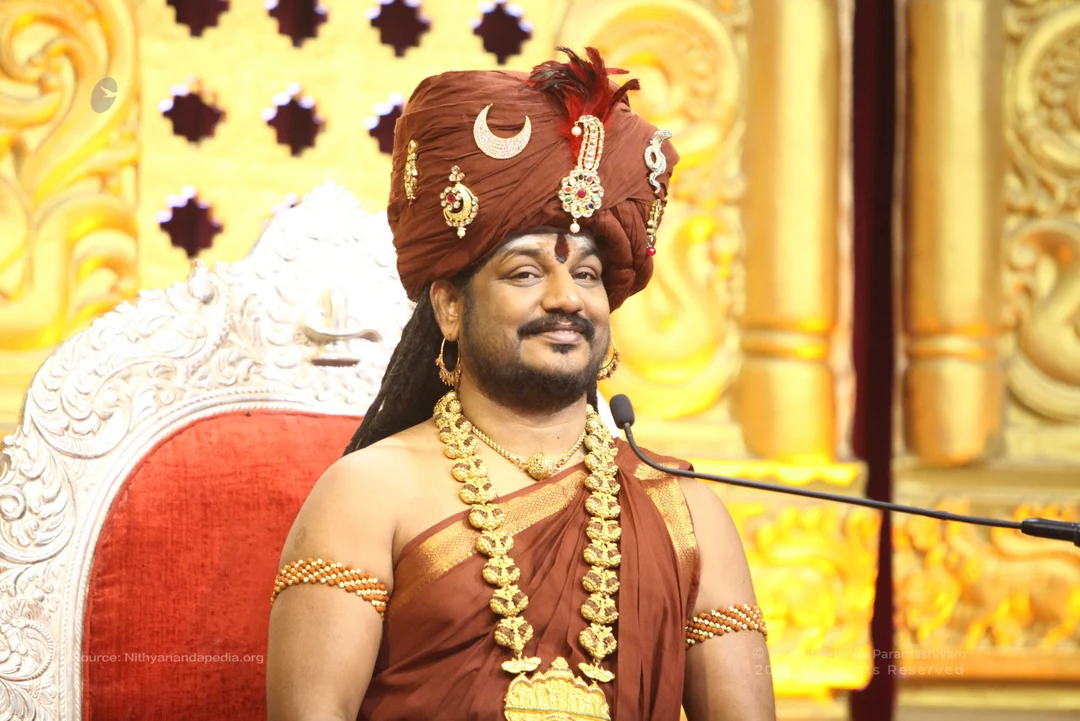
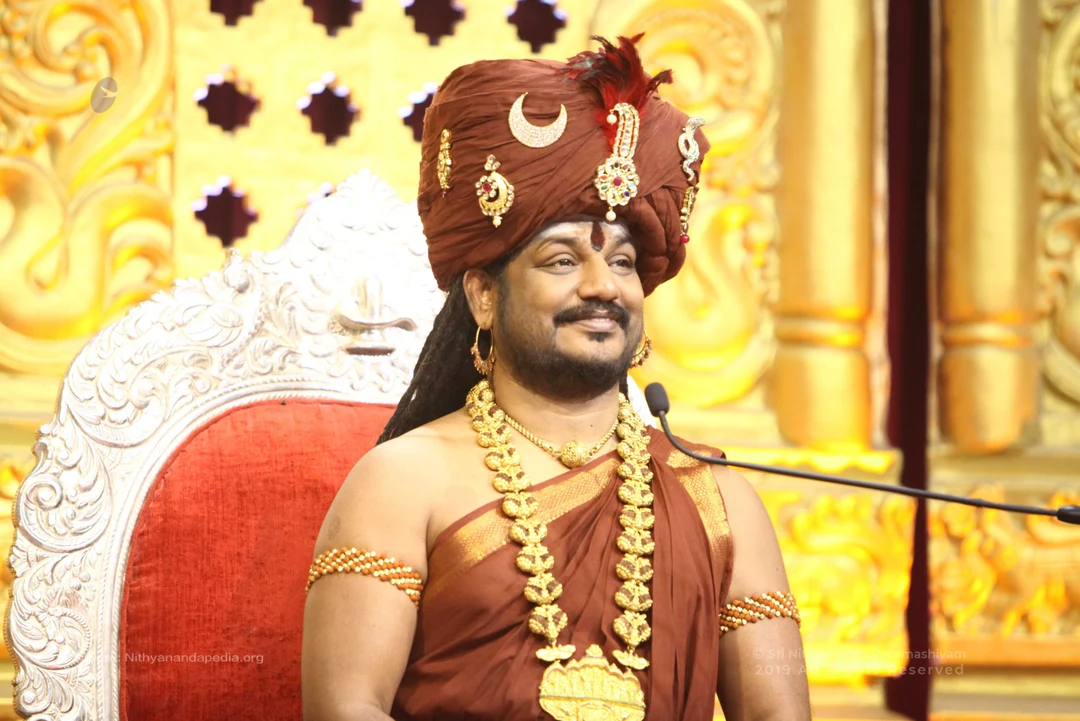
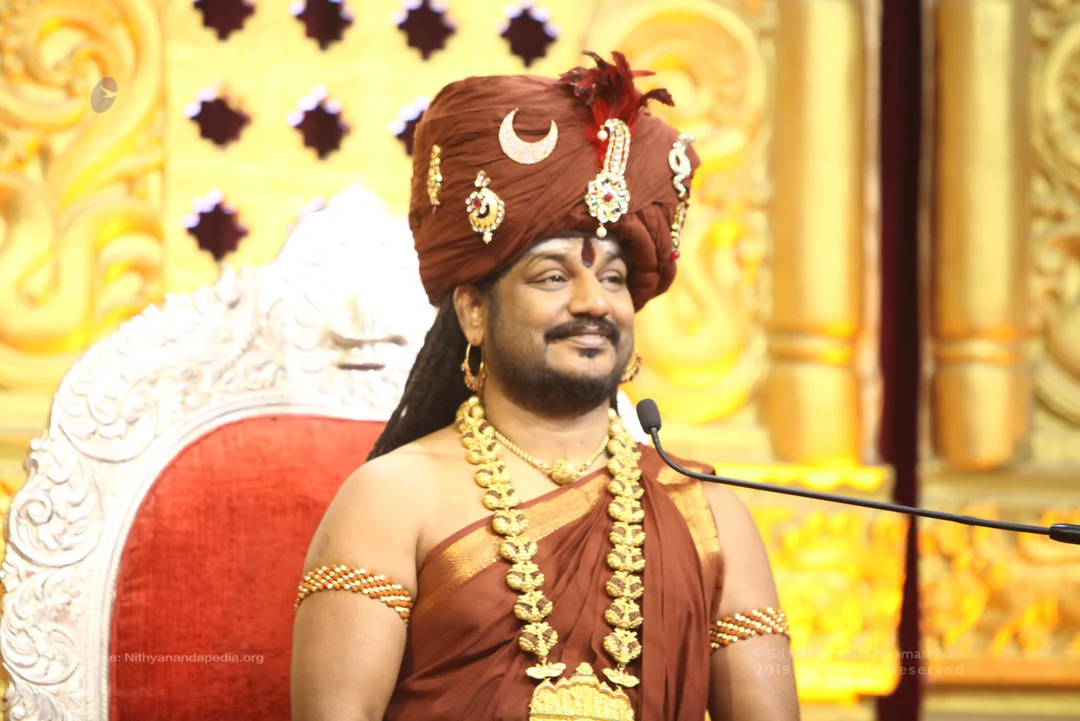
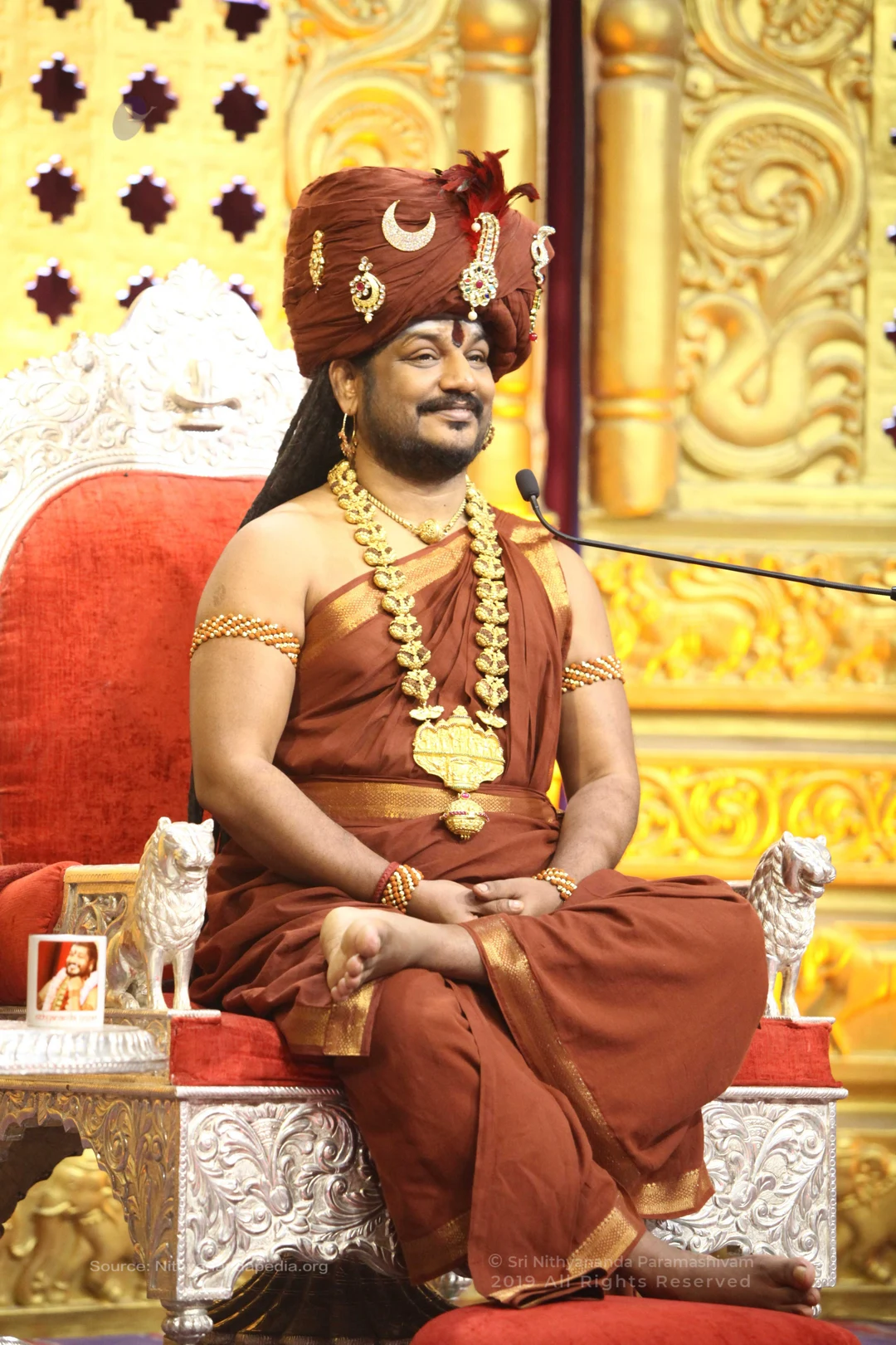
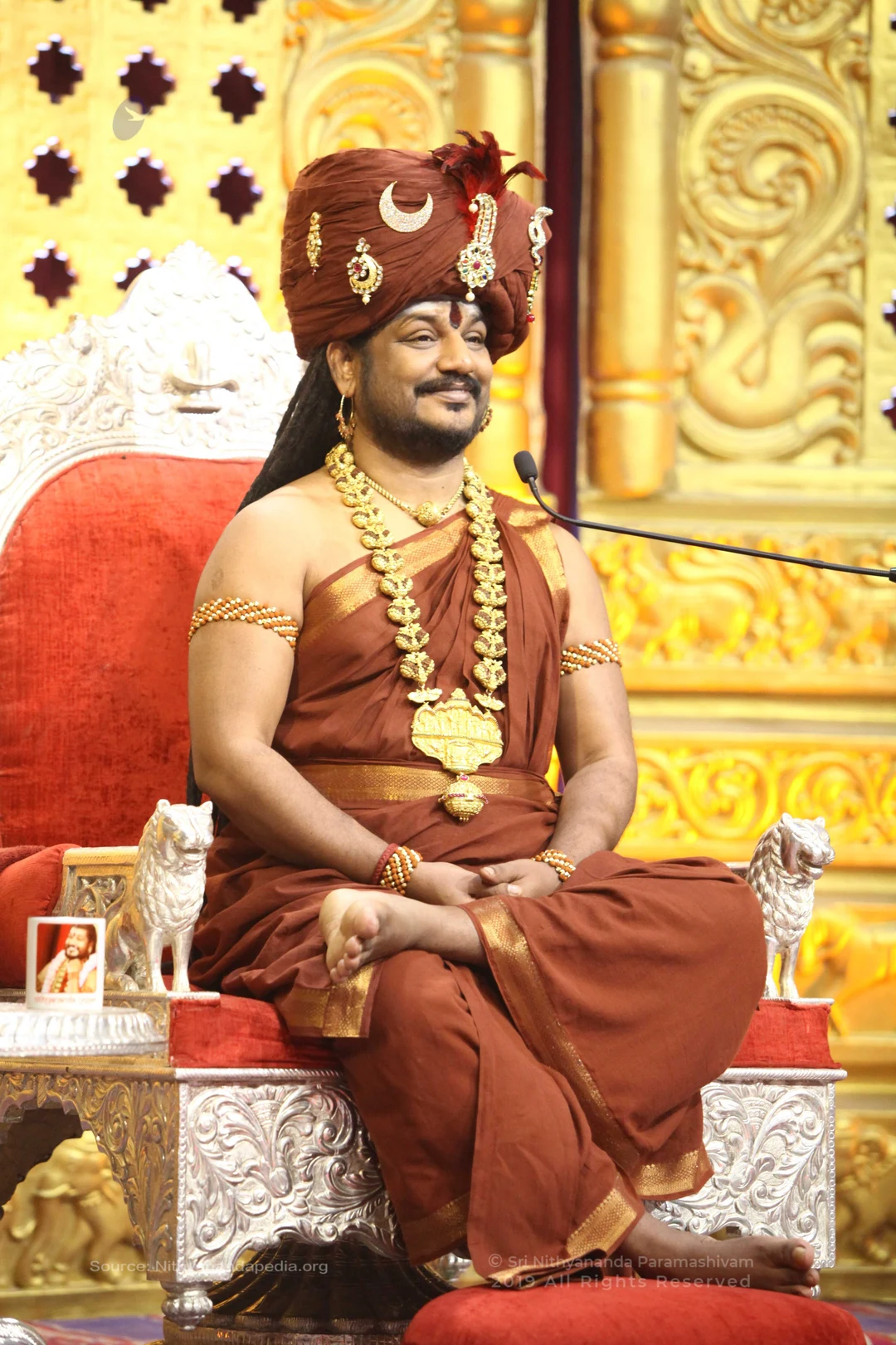
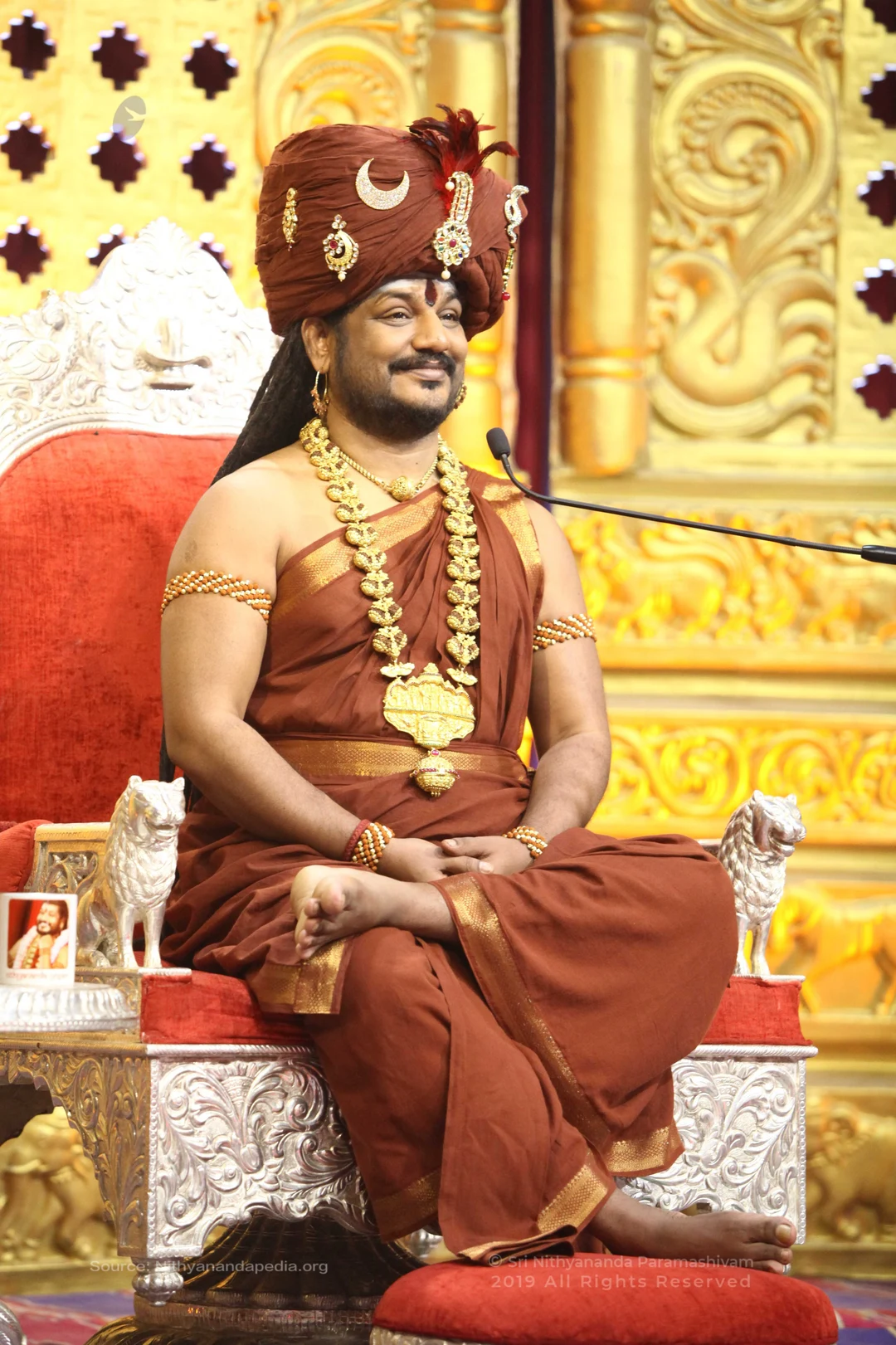
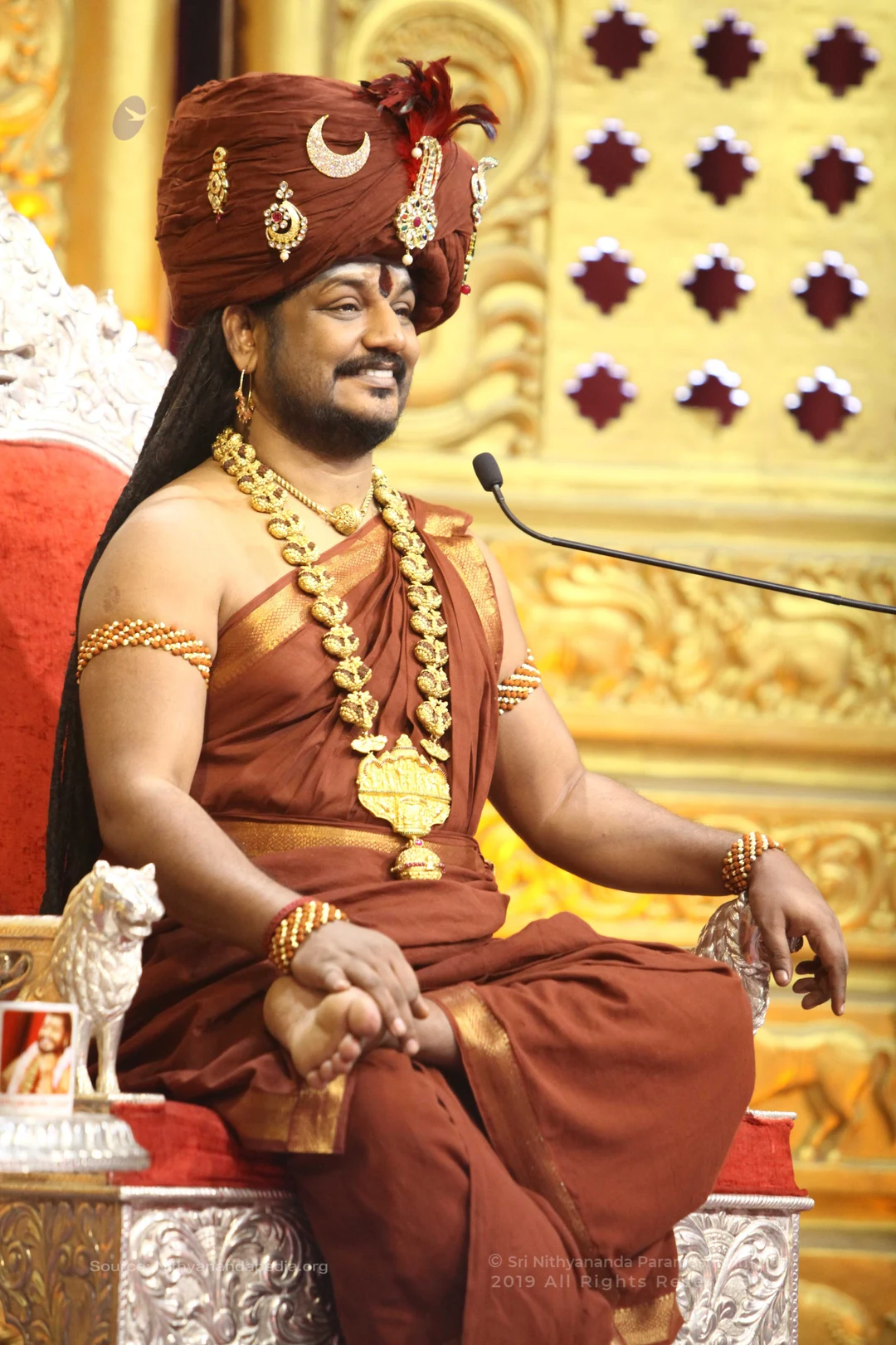
Photos
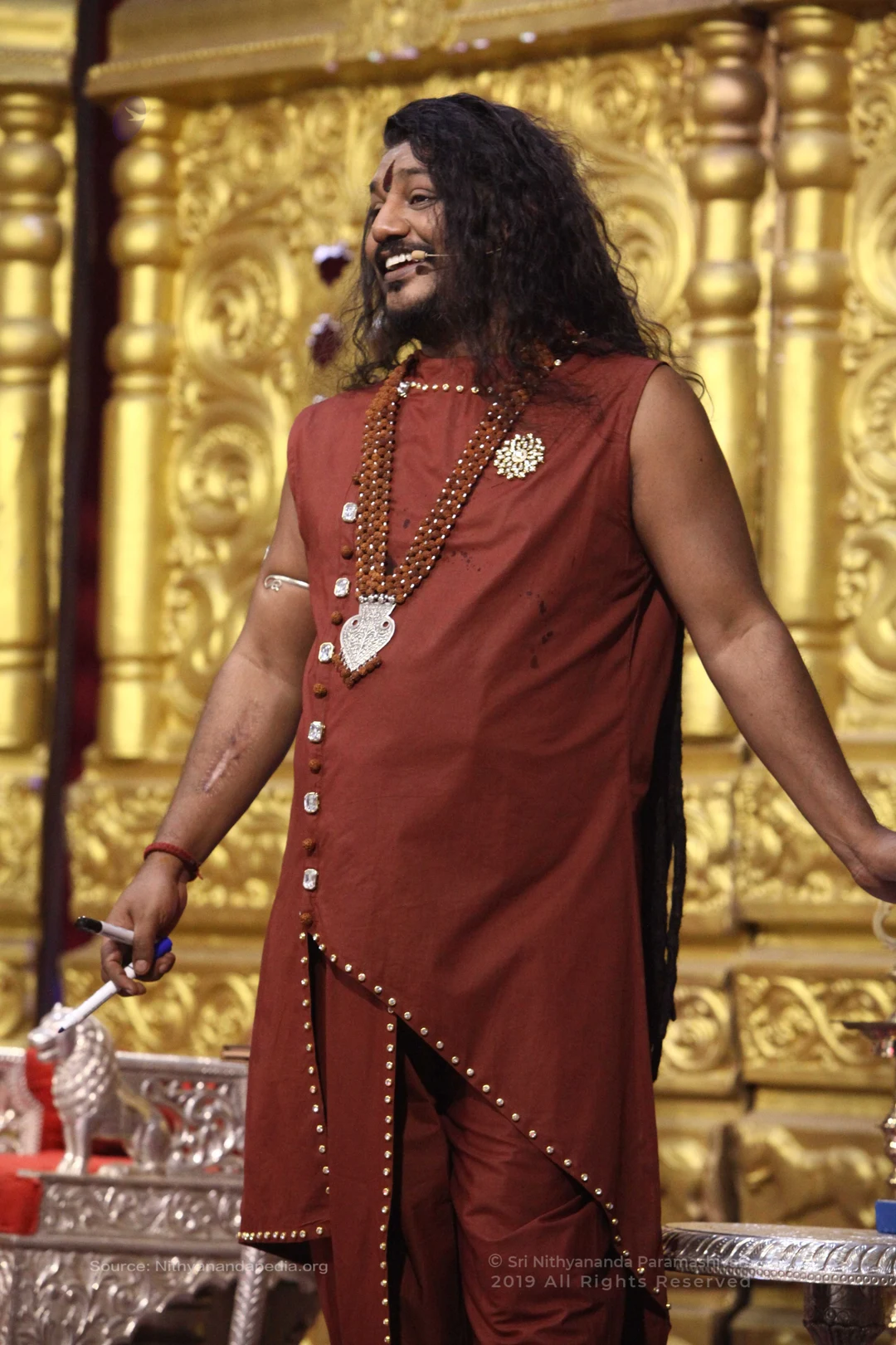
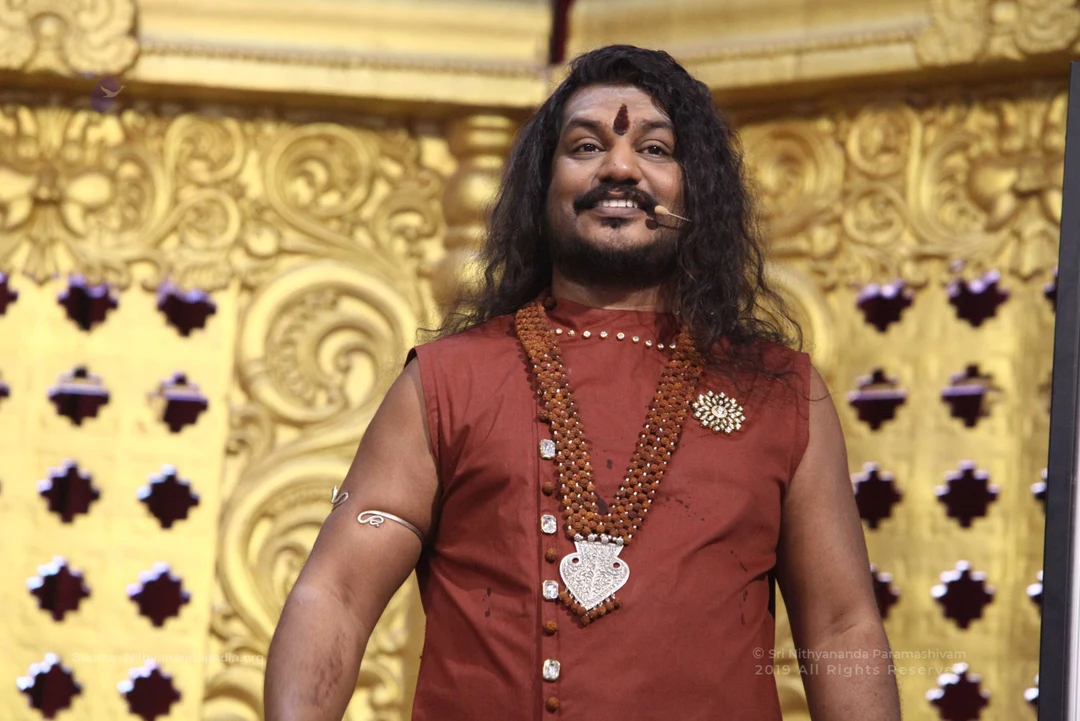
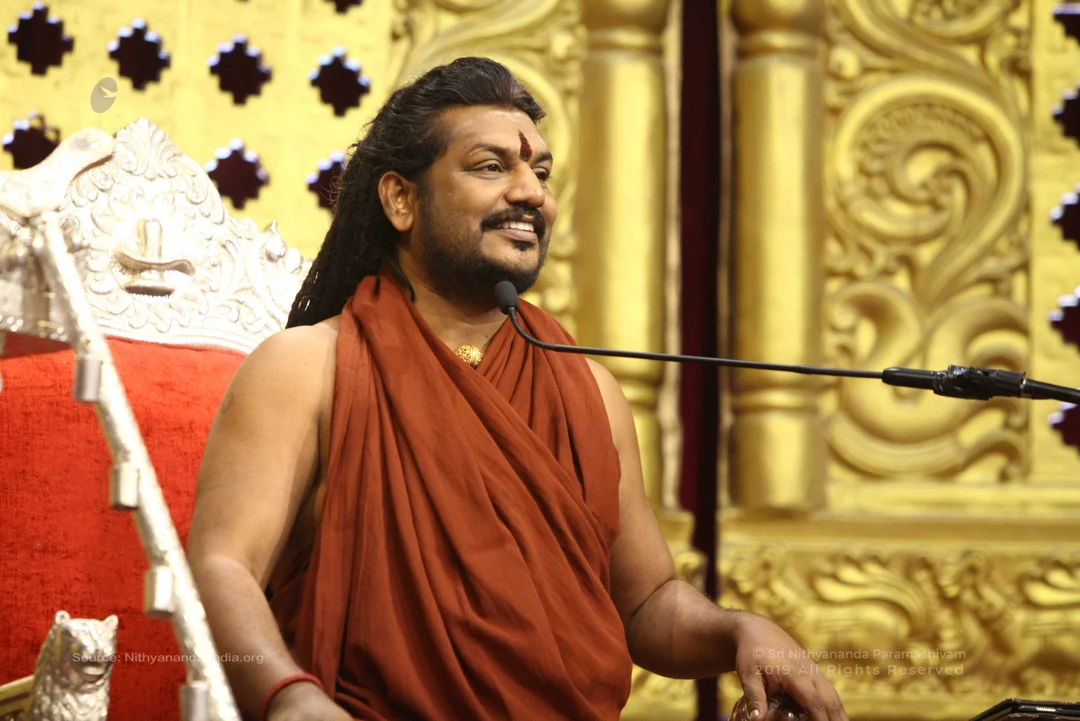
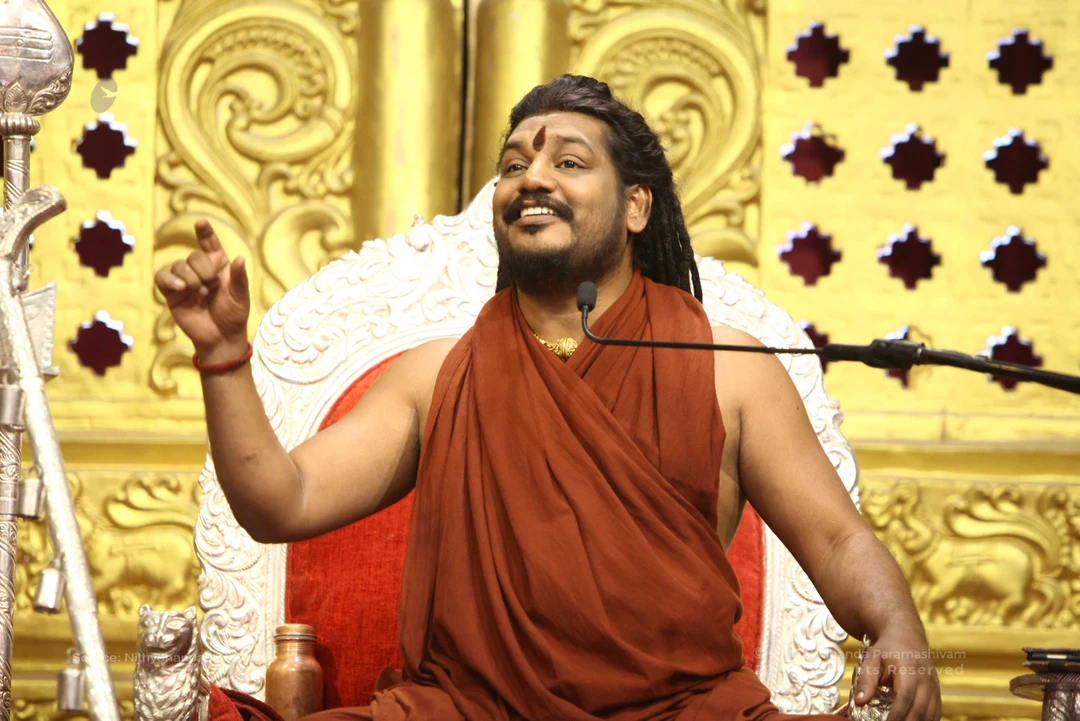
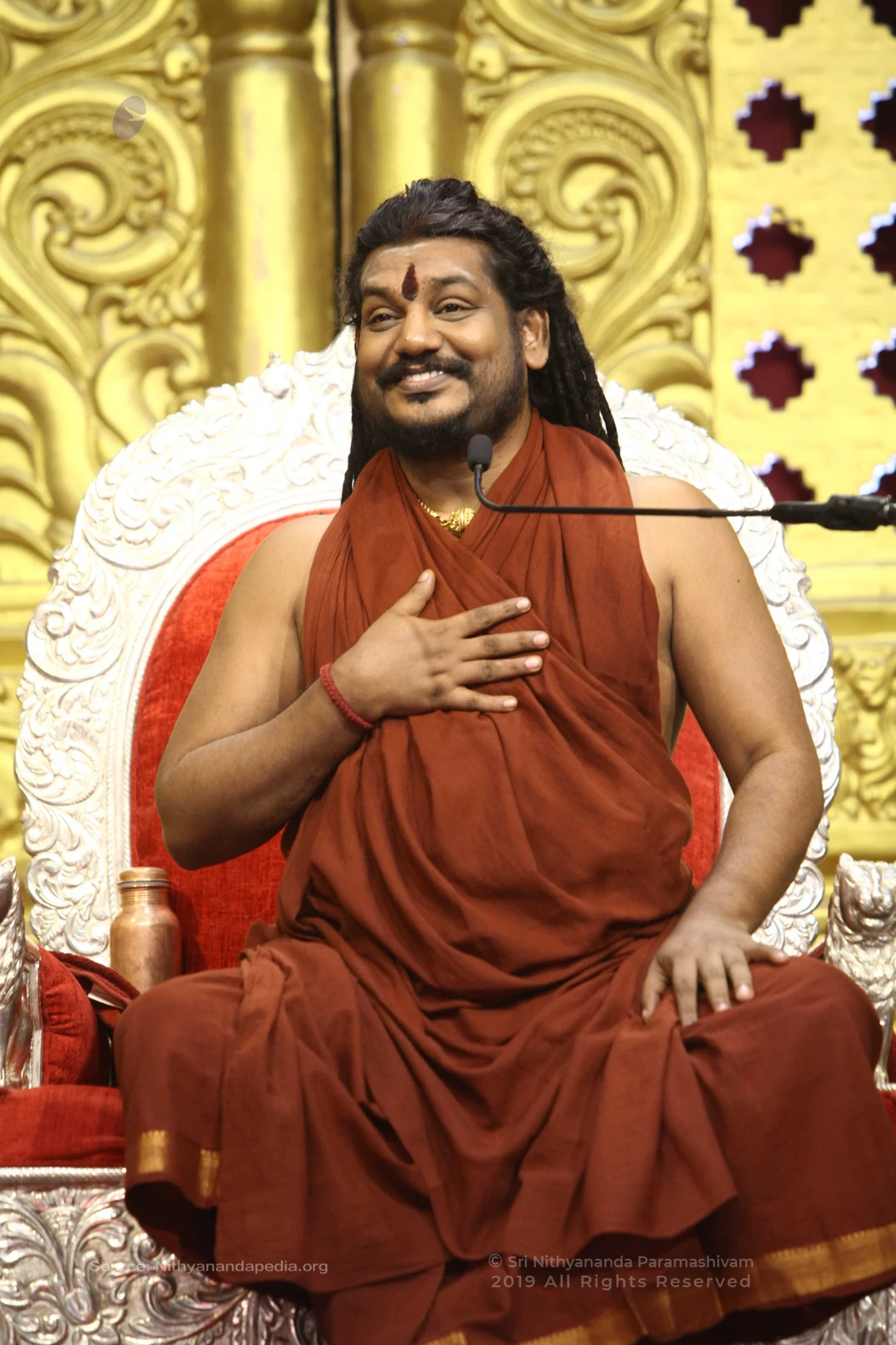
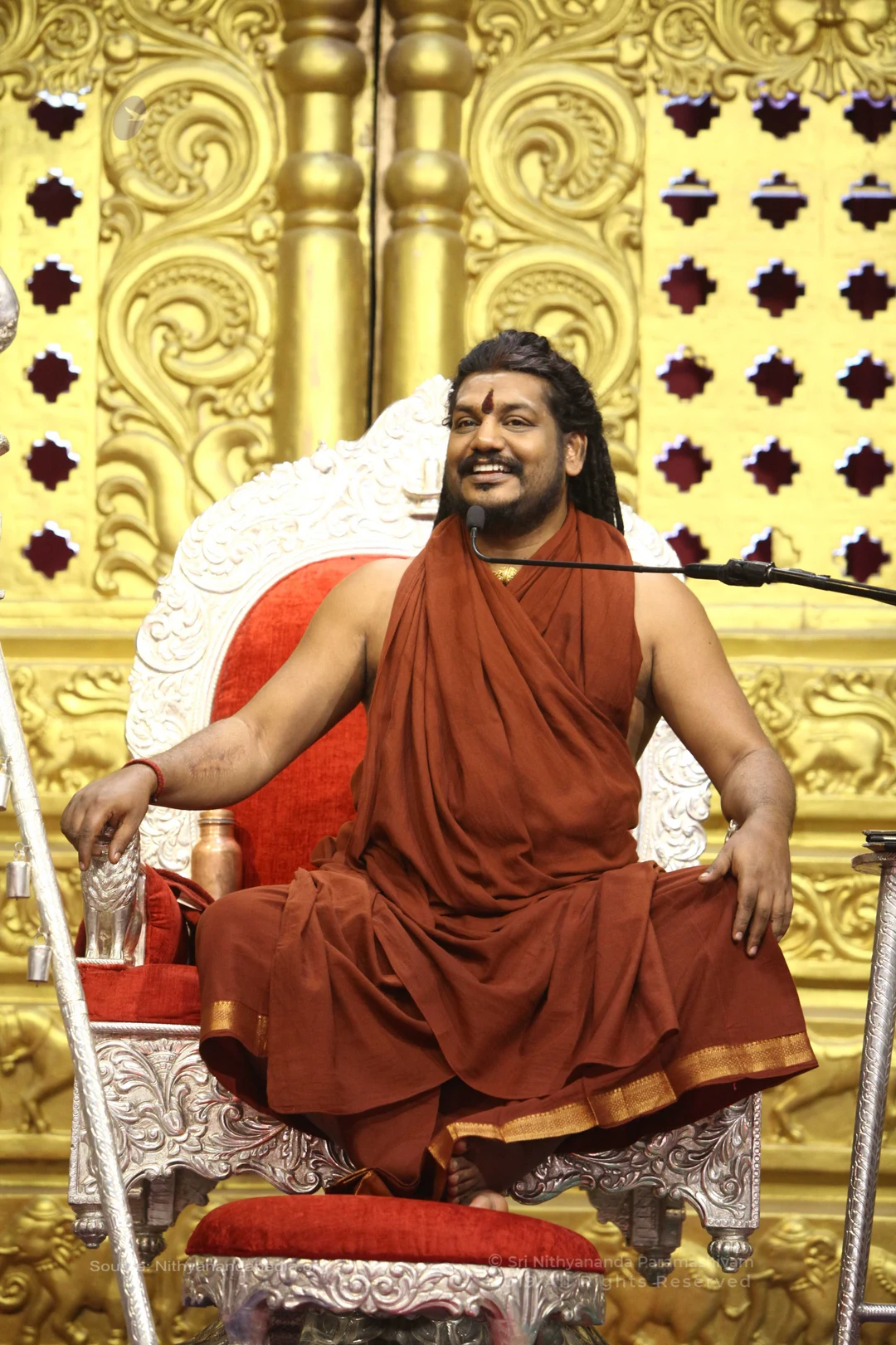
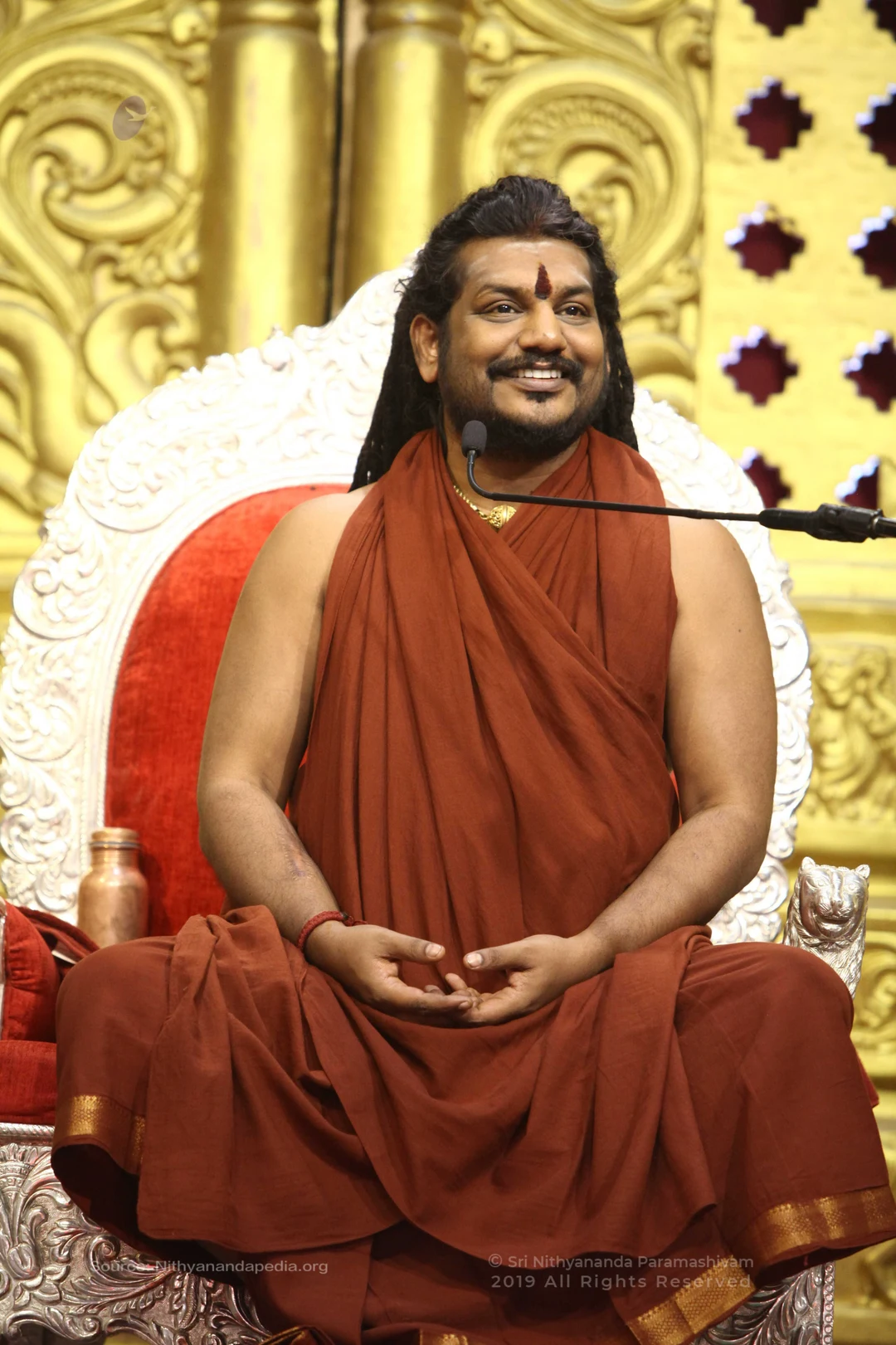
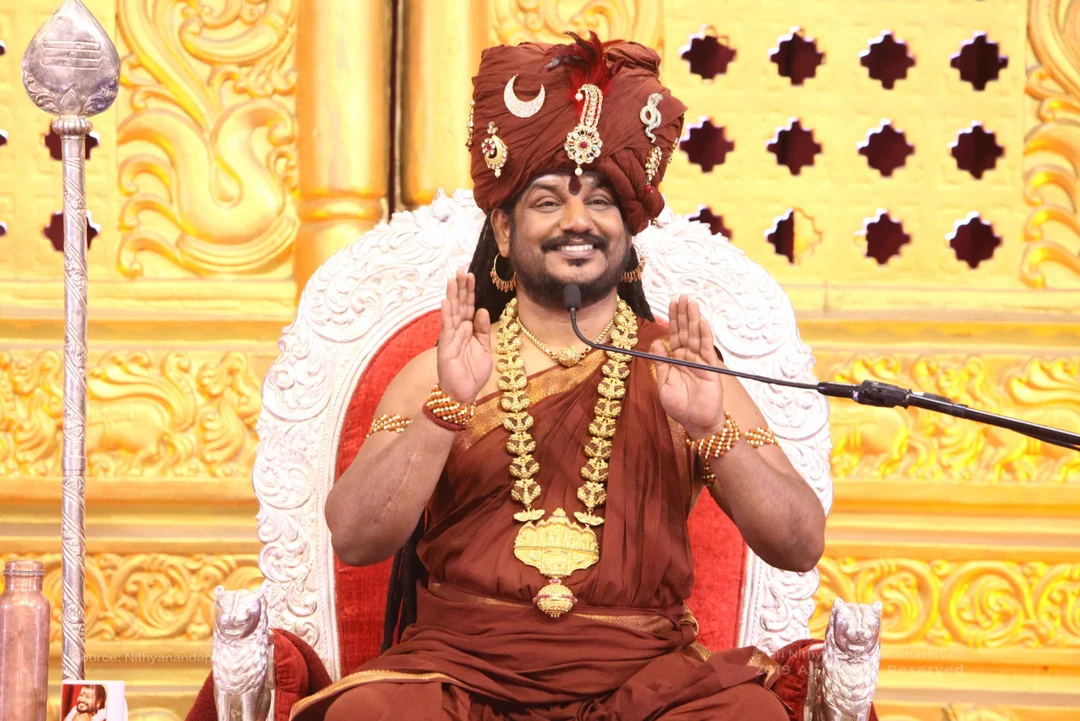
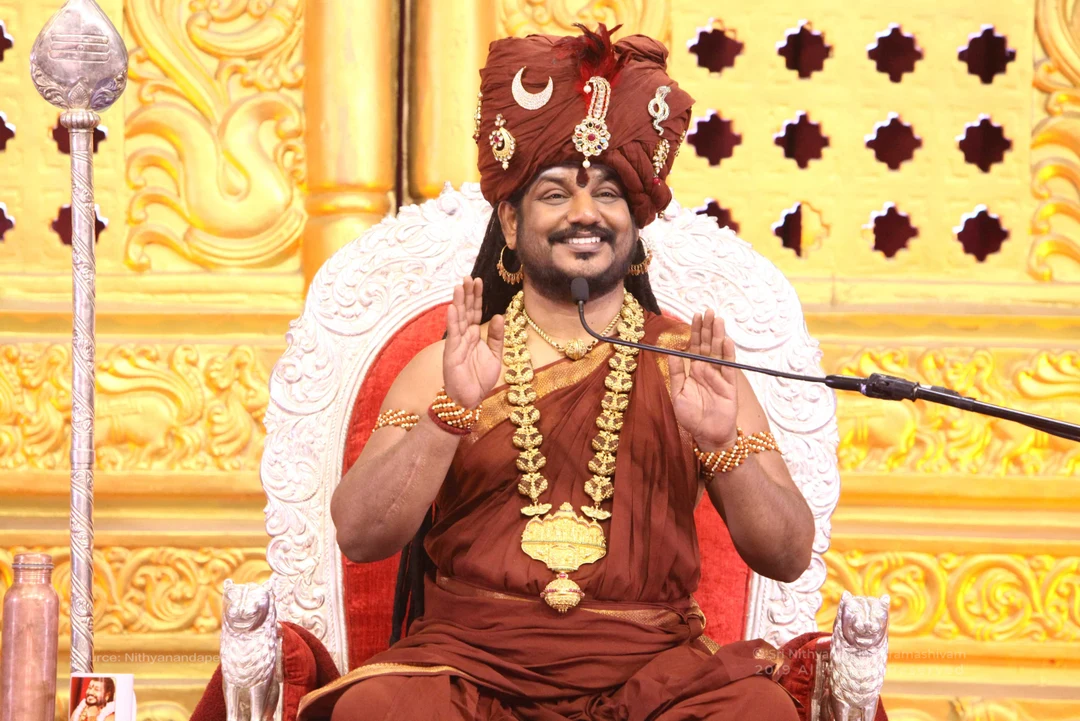
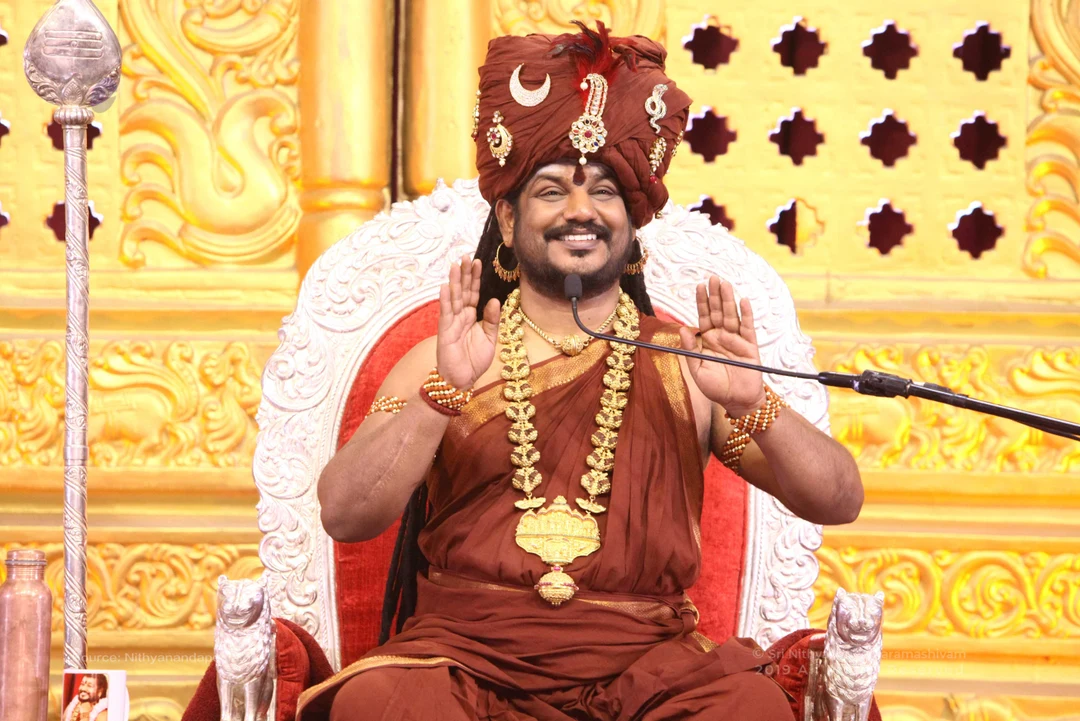
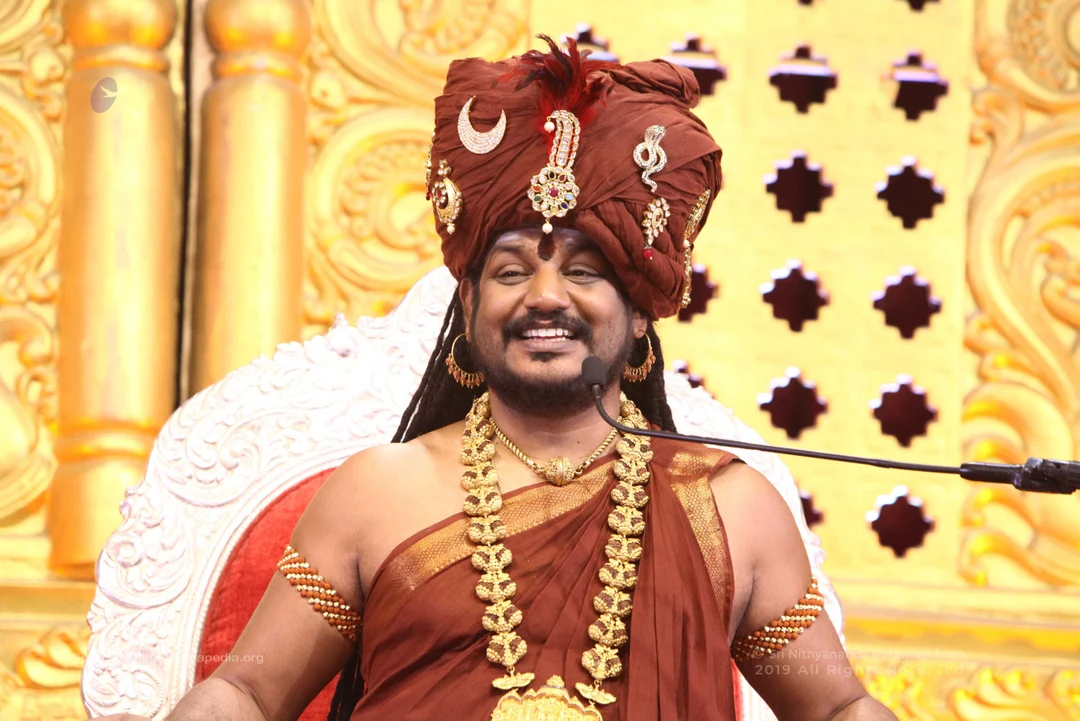
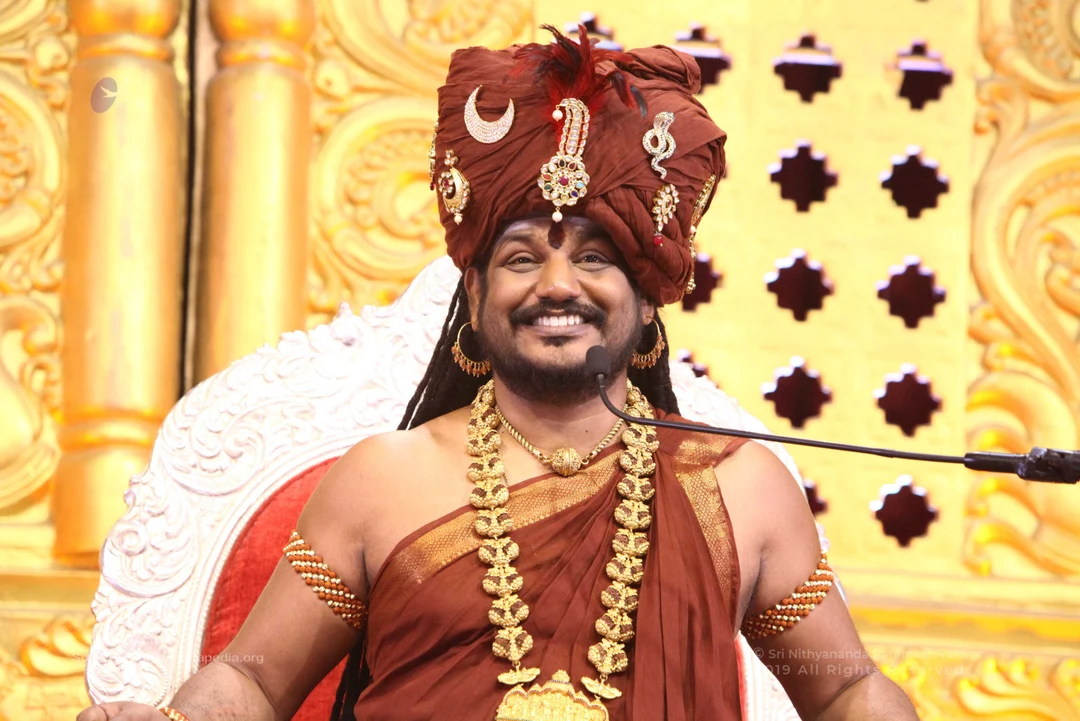
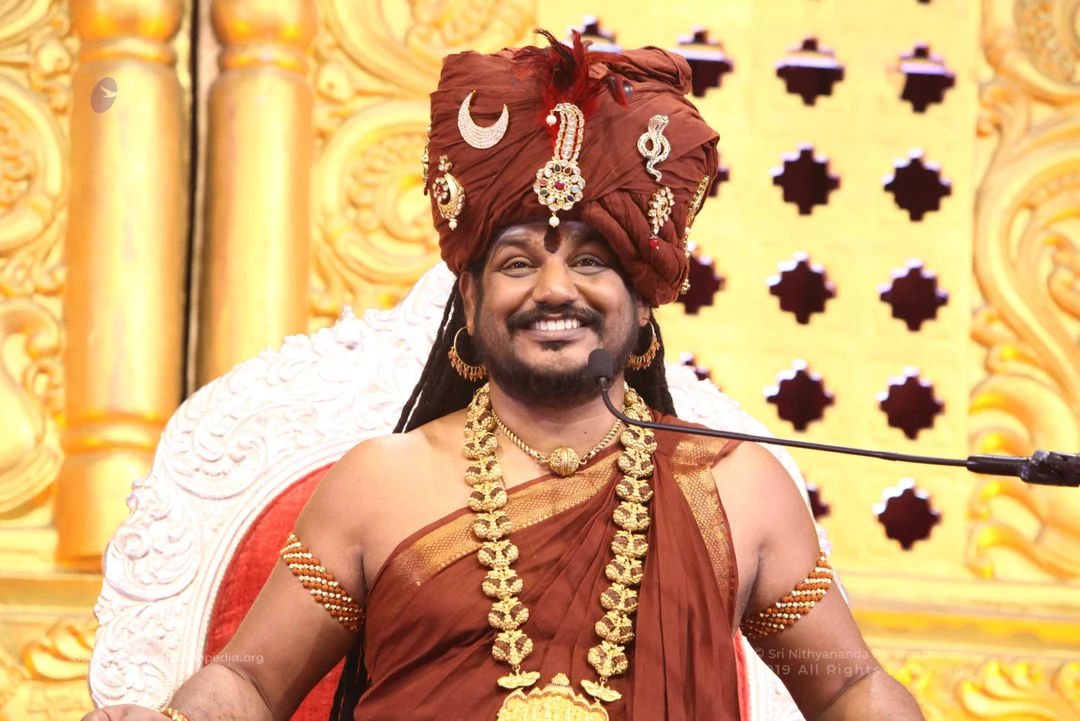
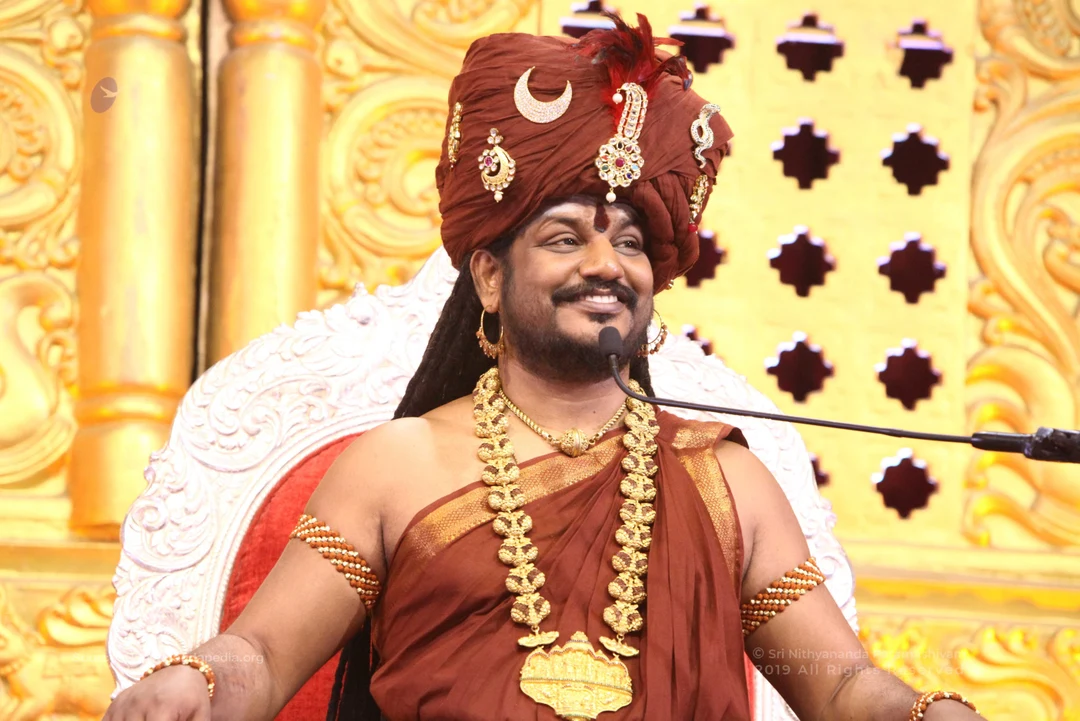
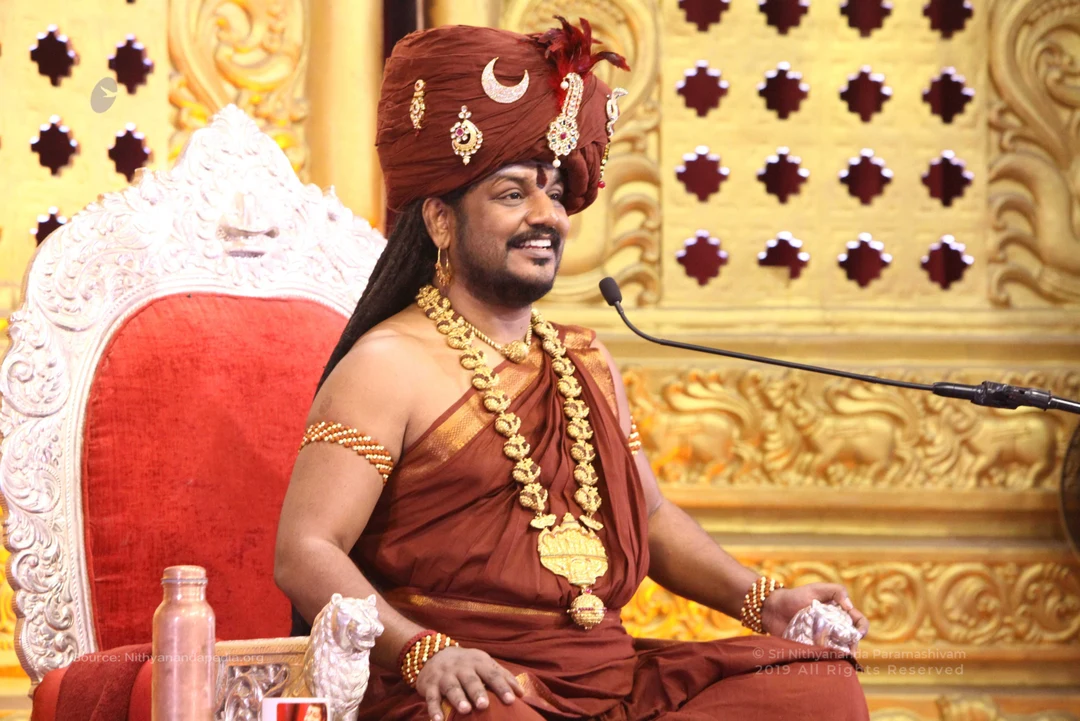
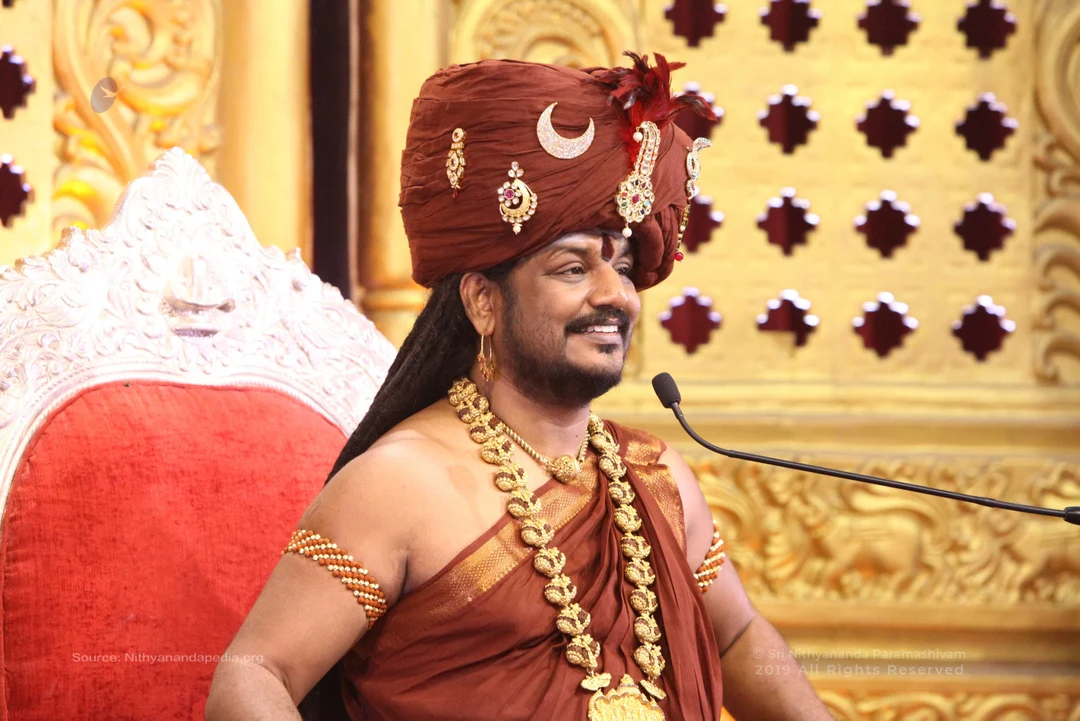
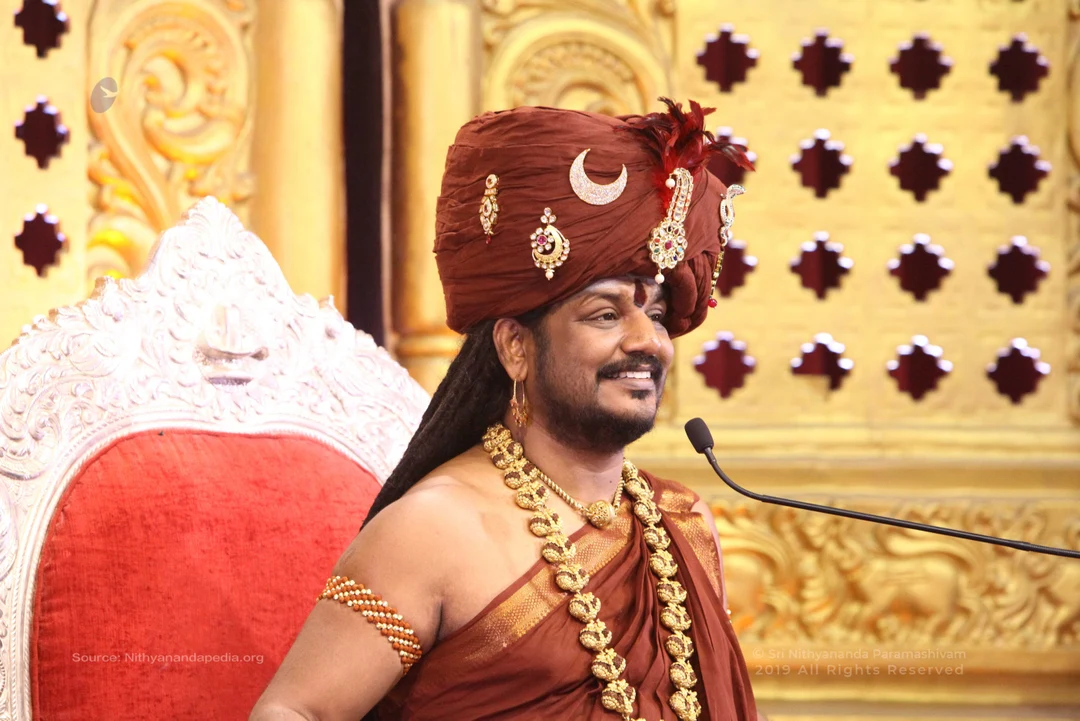
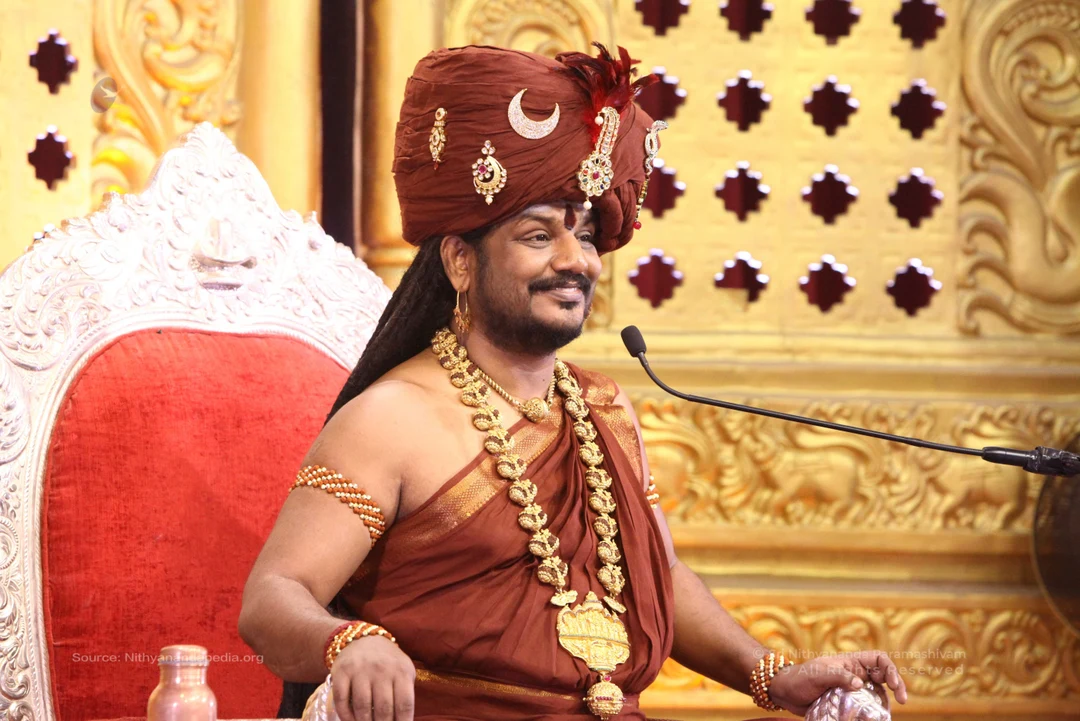
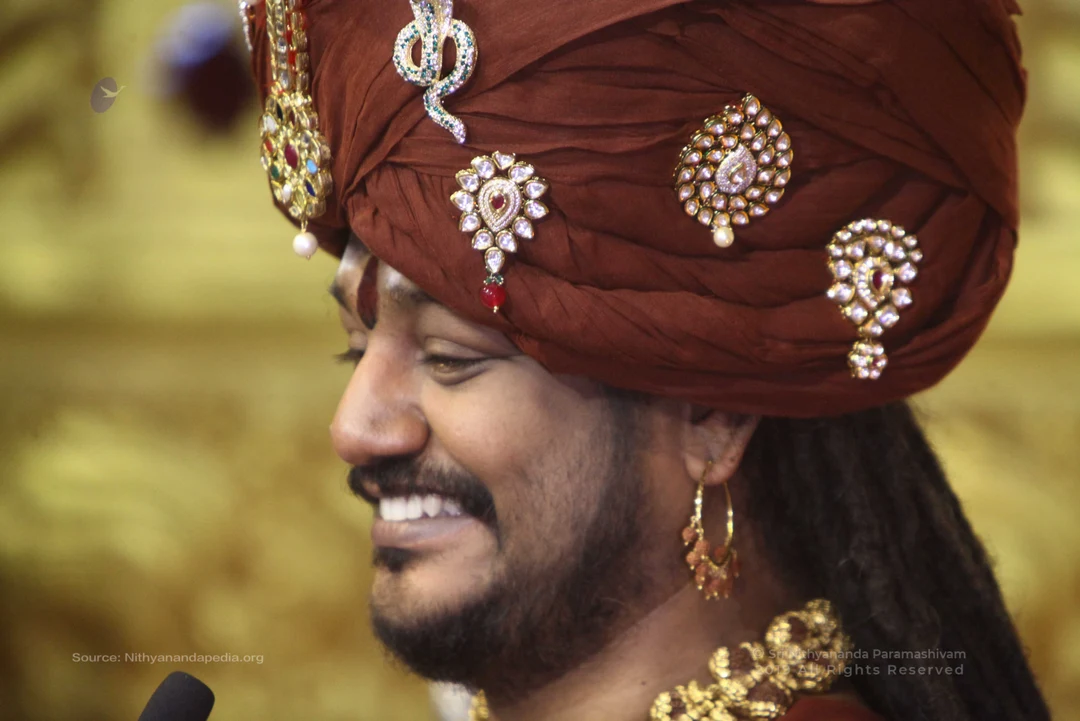
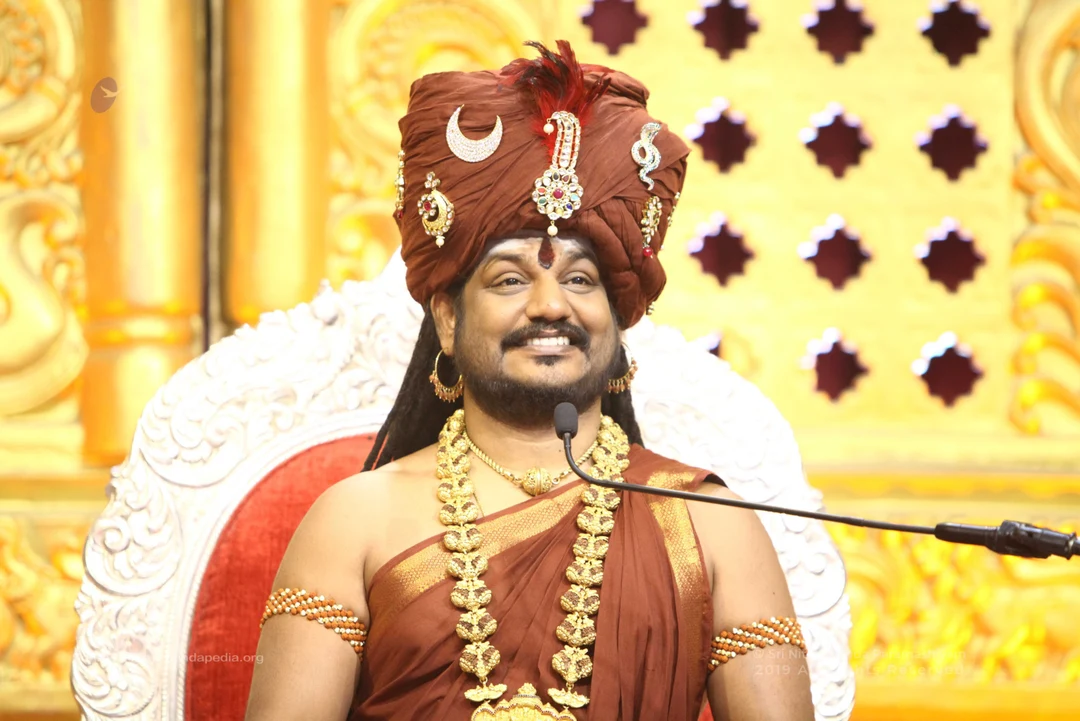
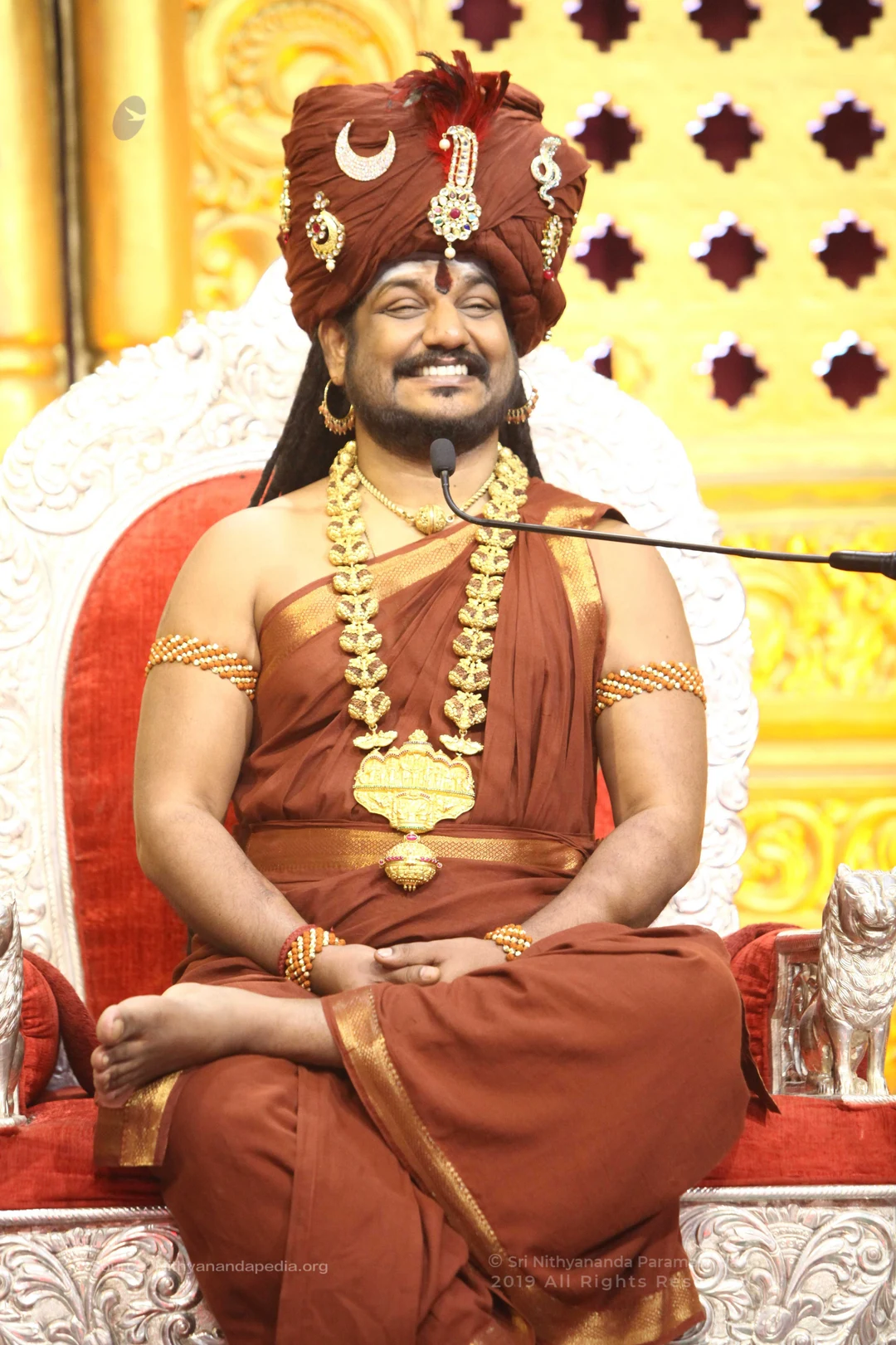
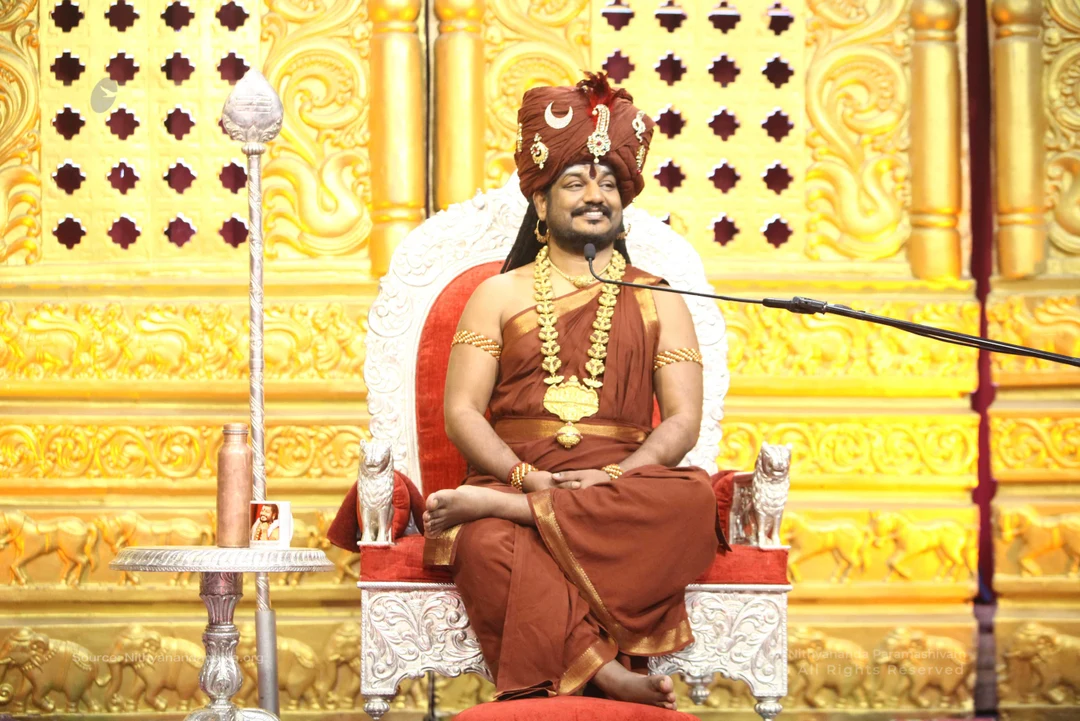
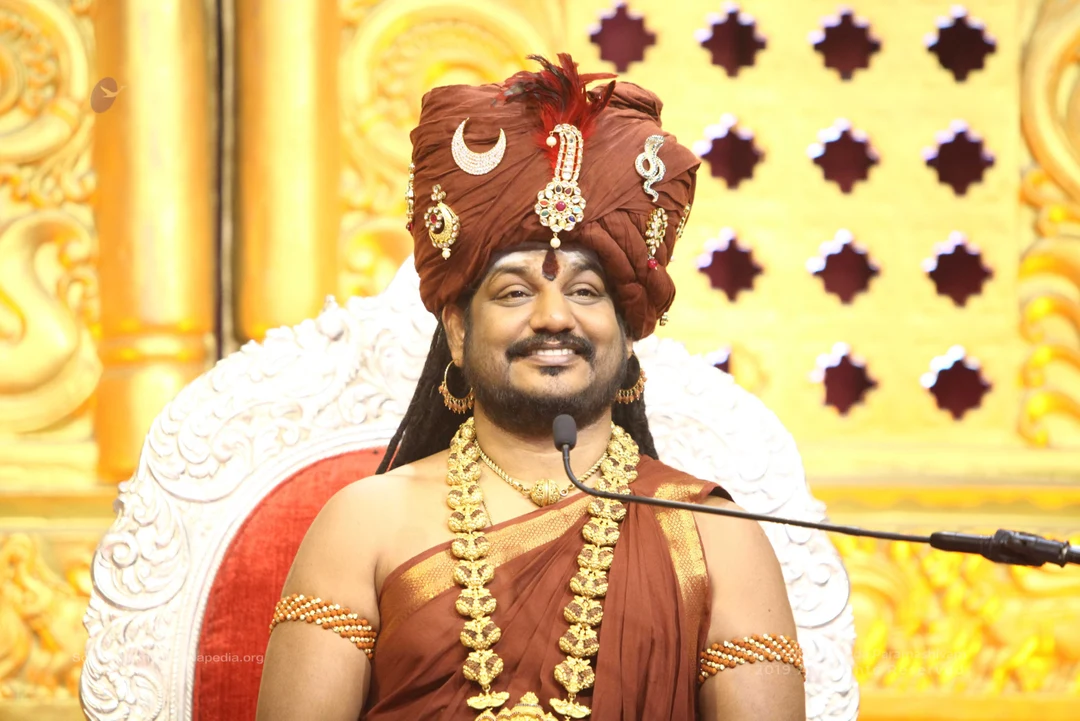
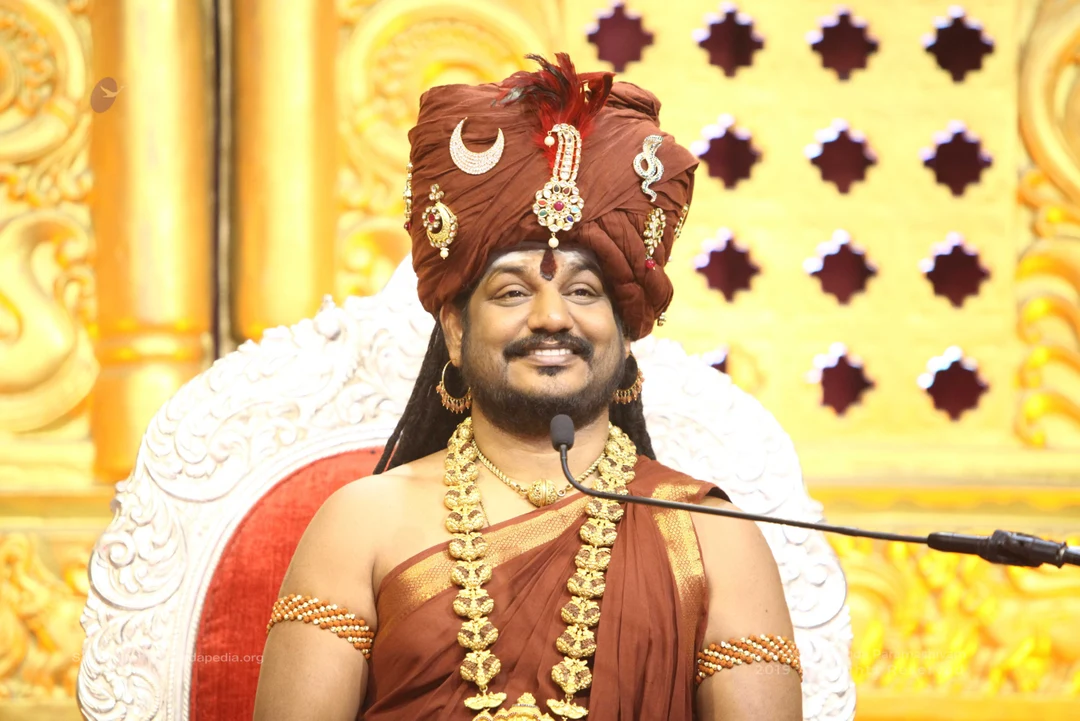
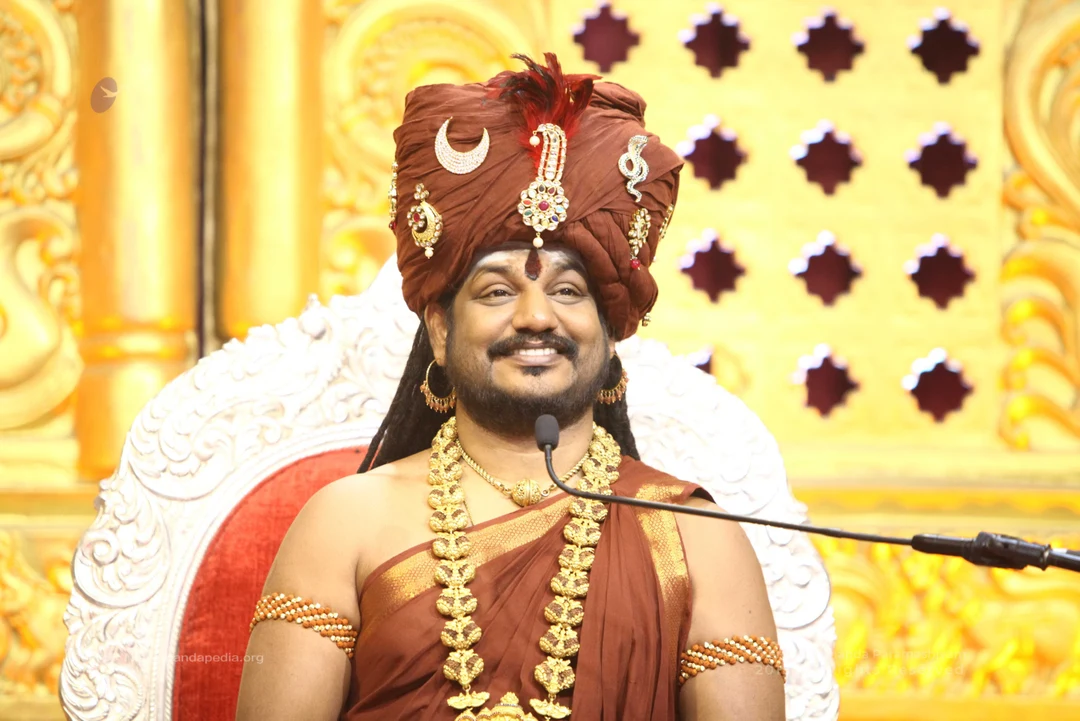
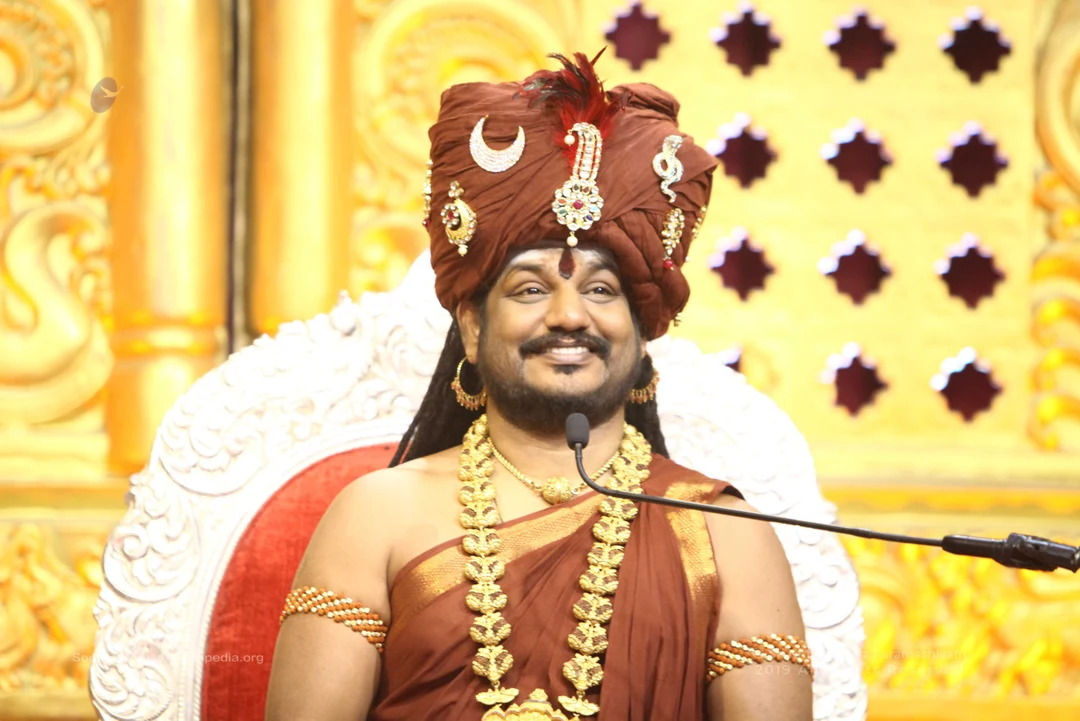
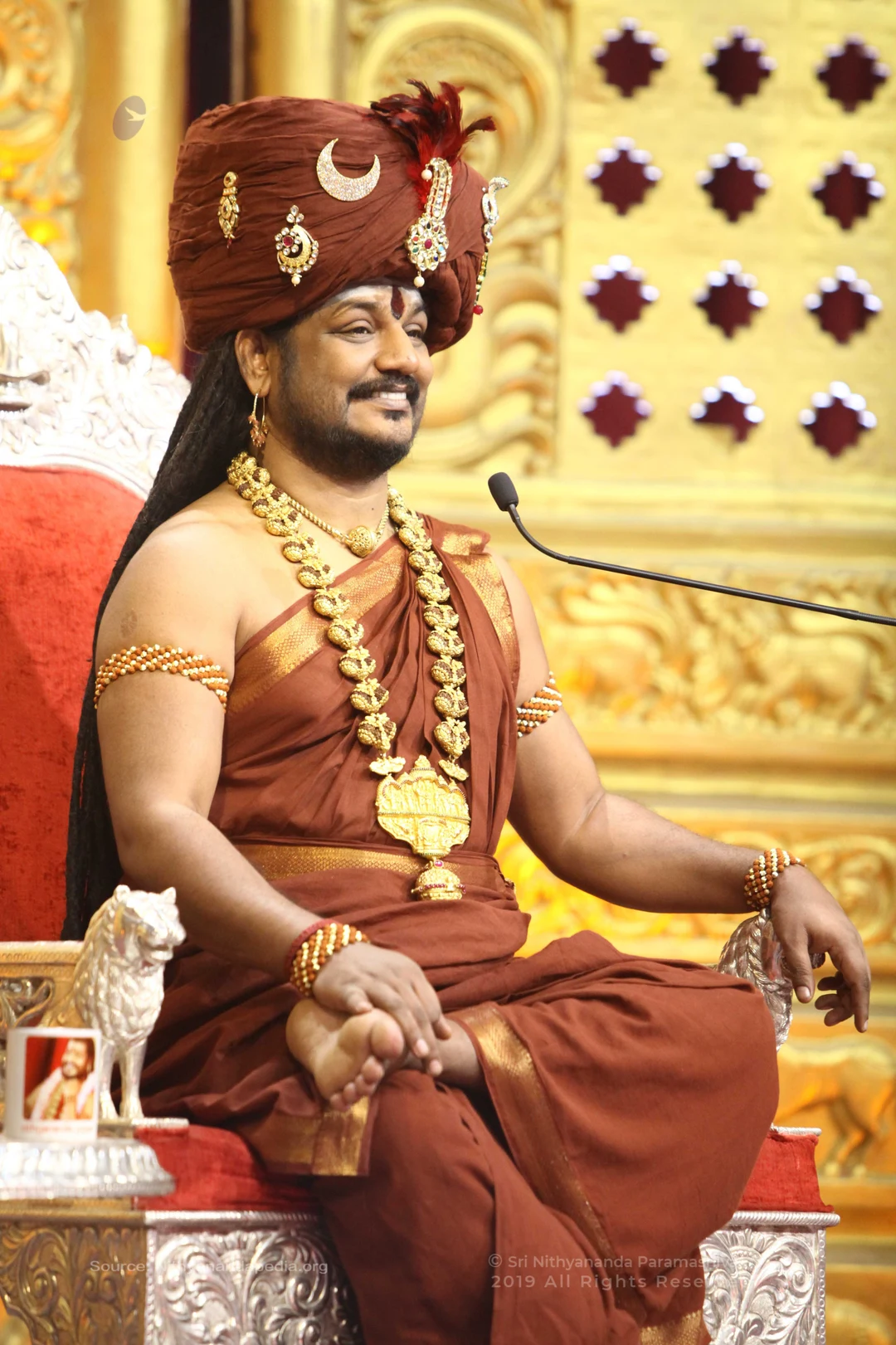
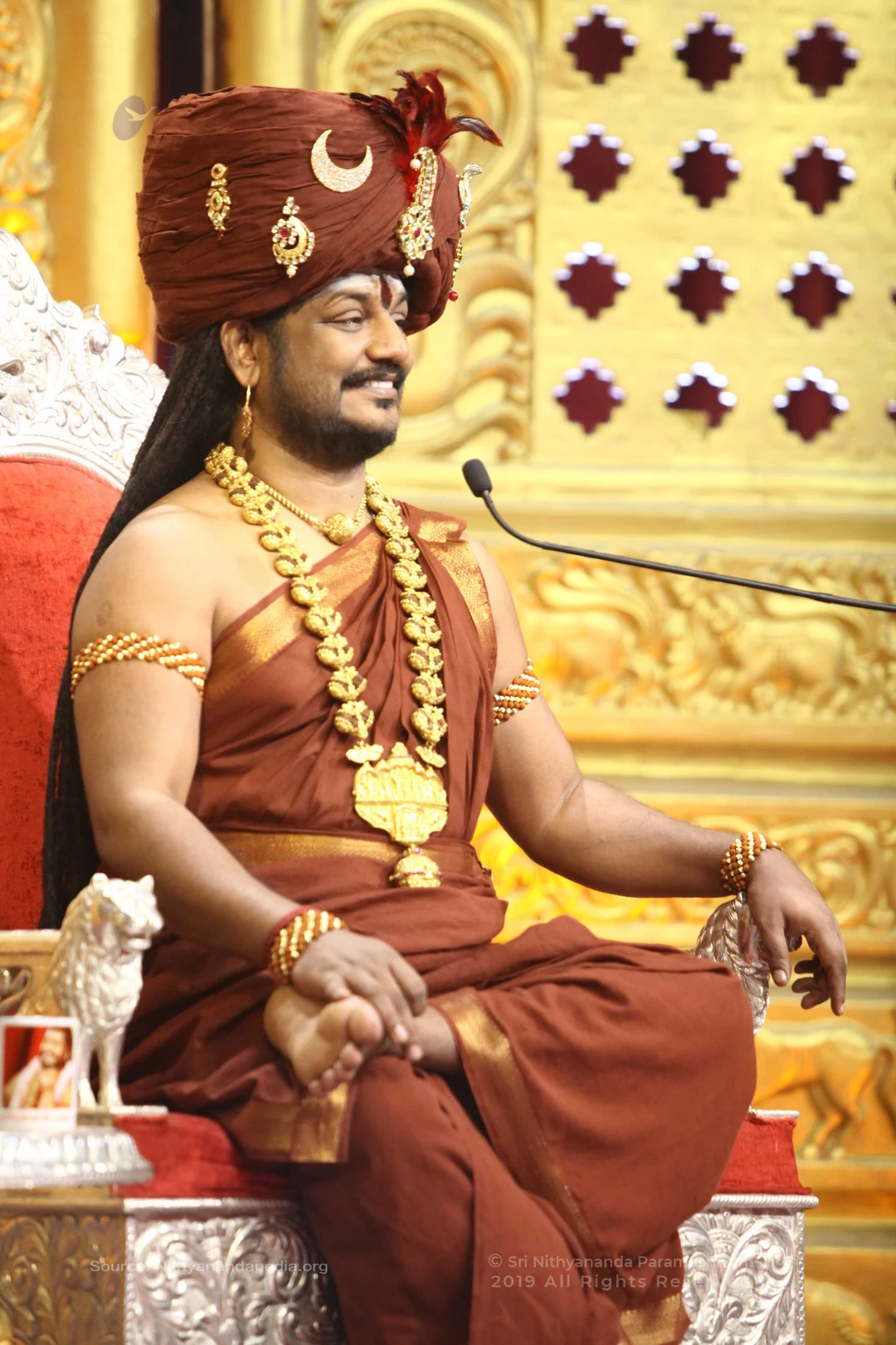
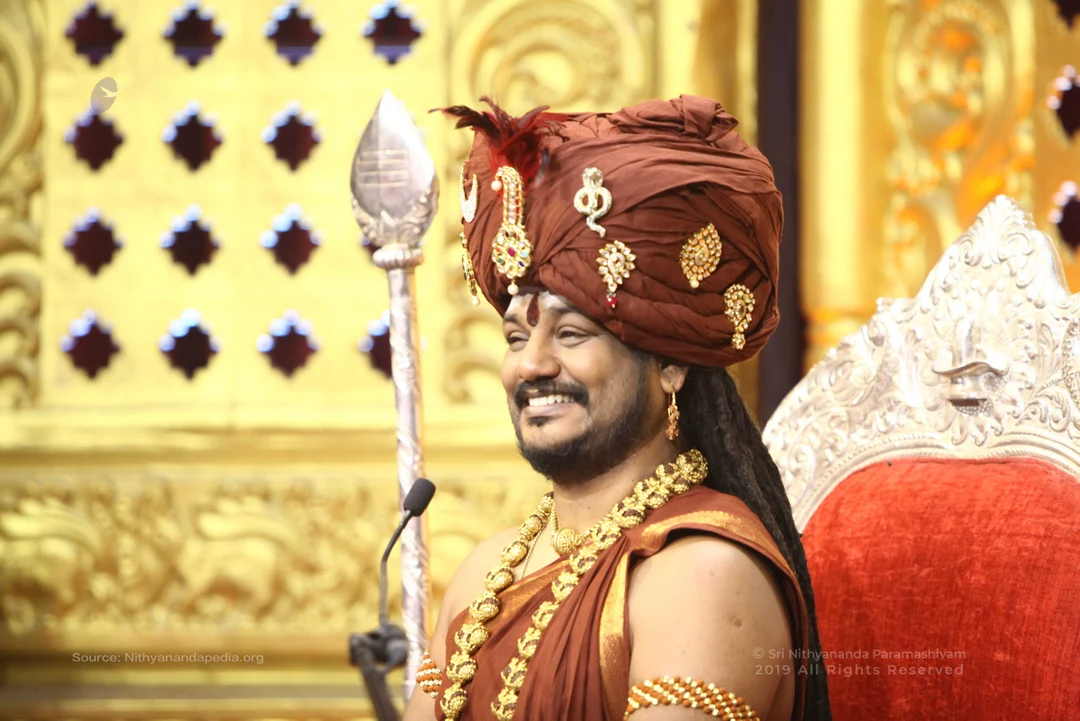
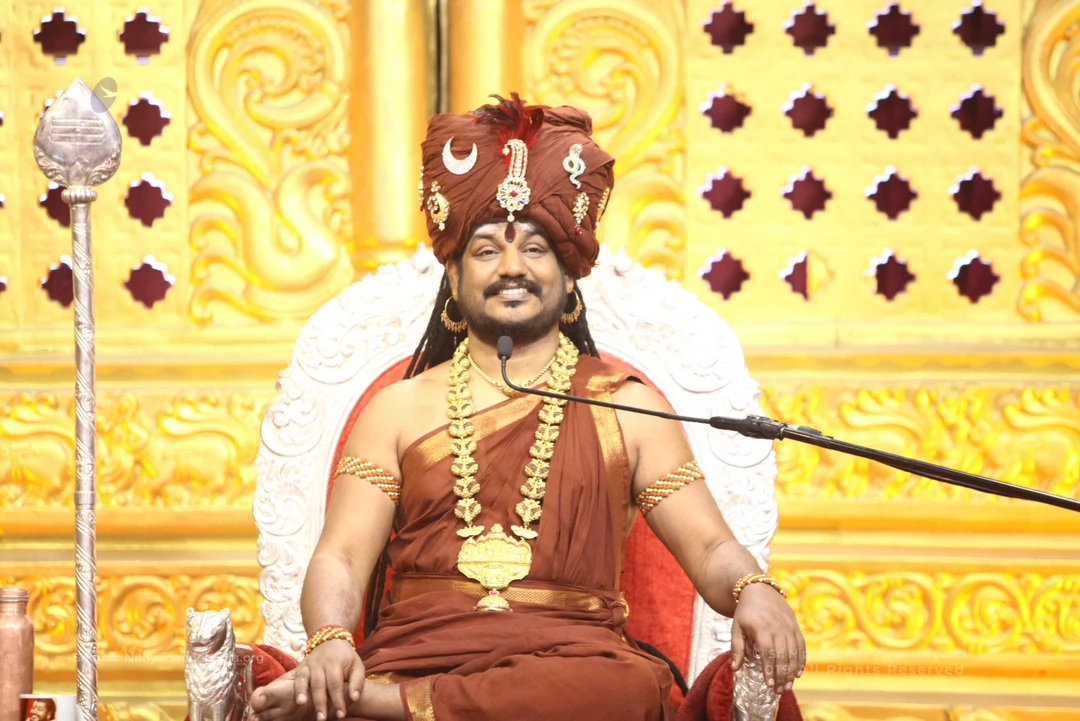
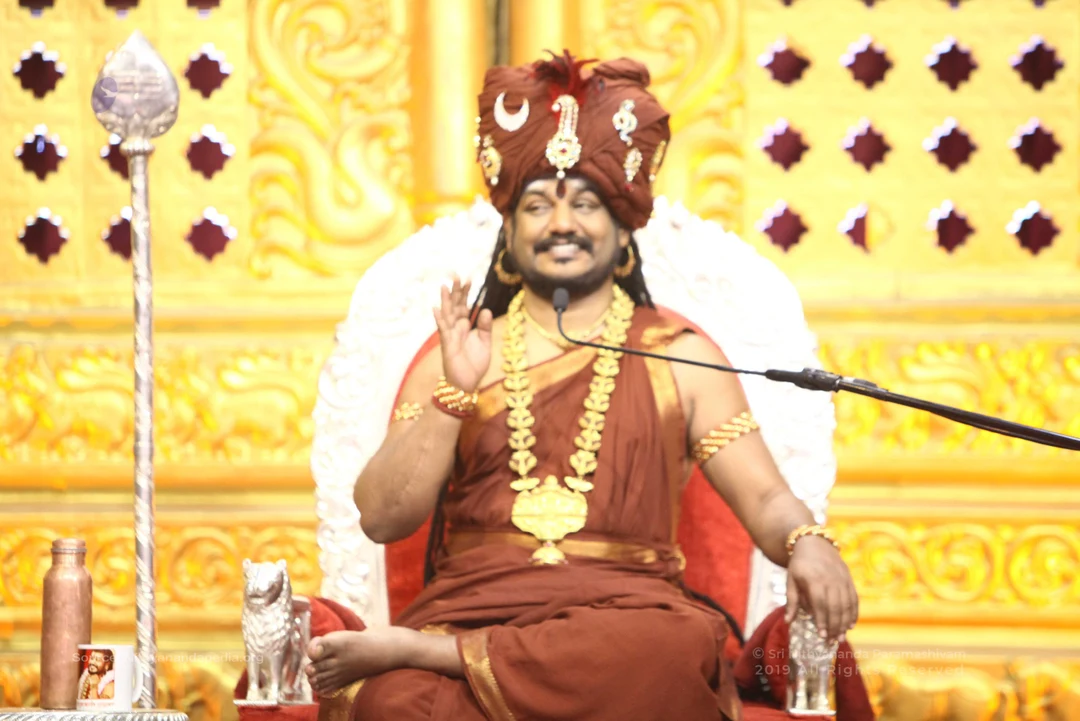
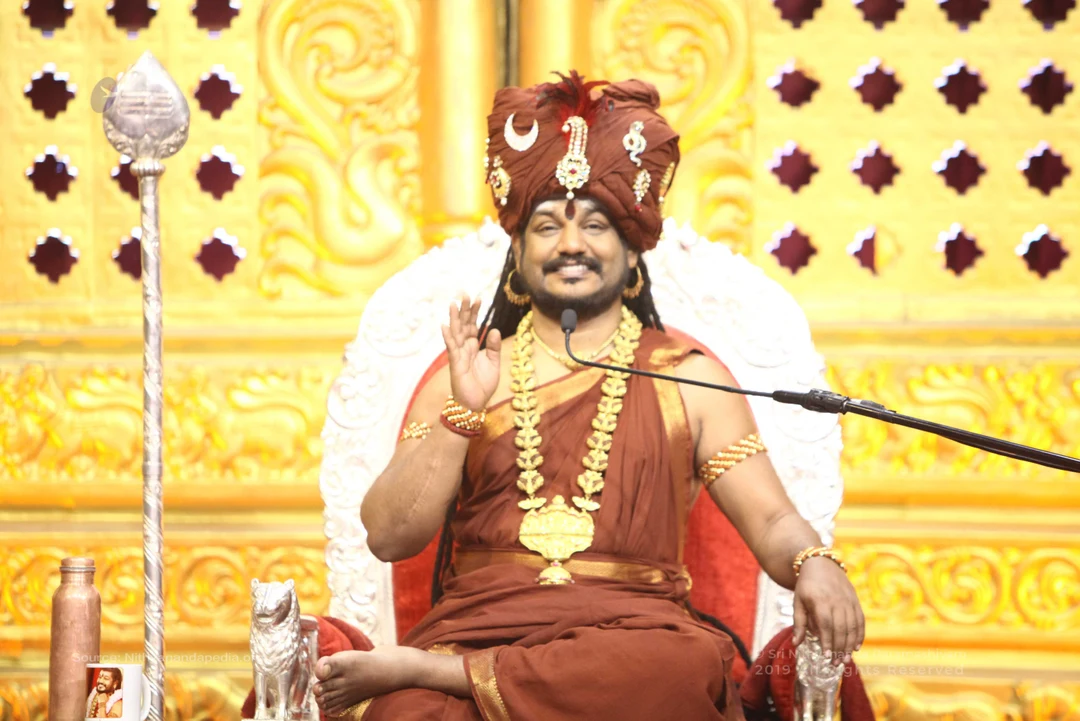
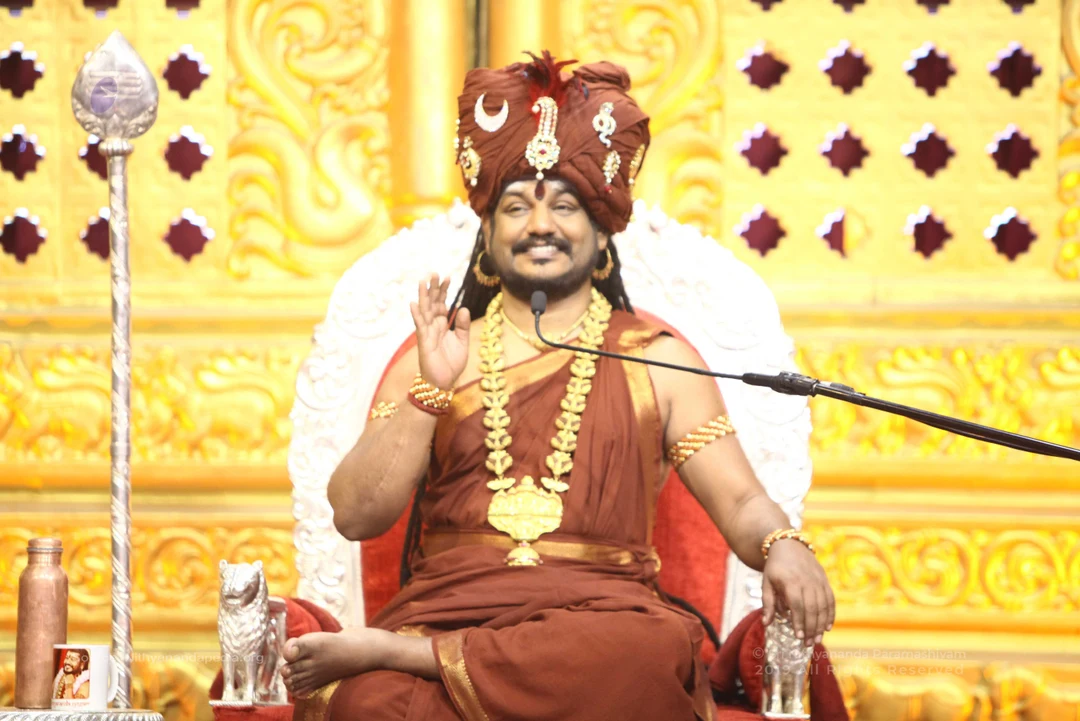
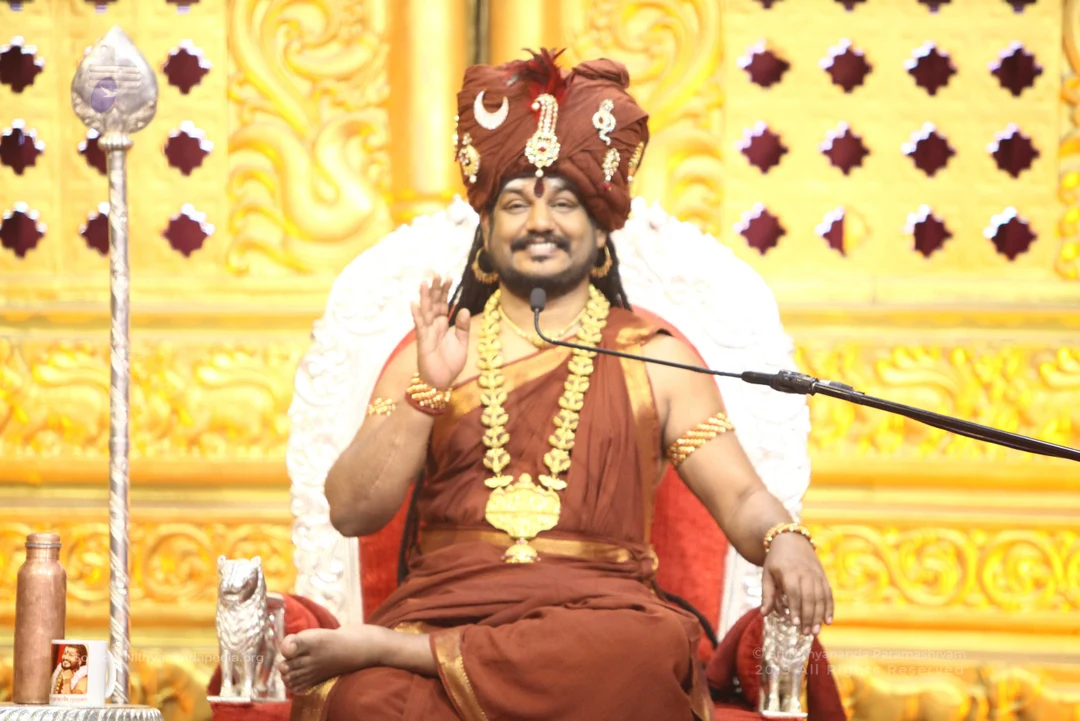
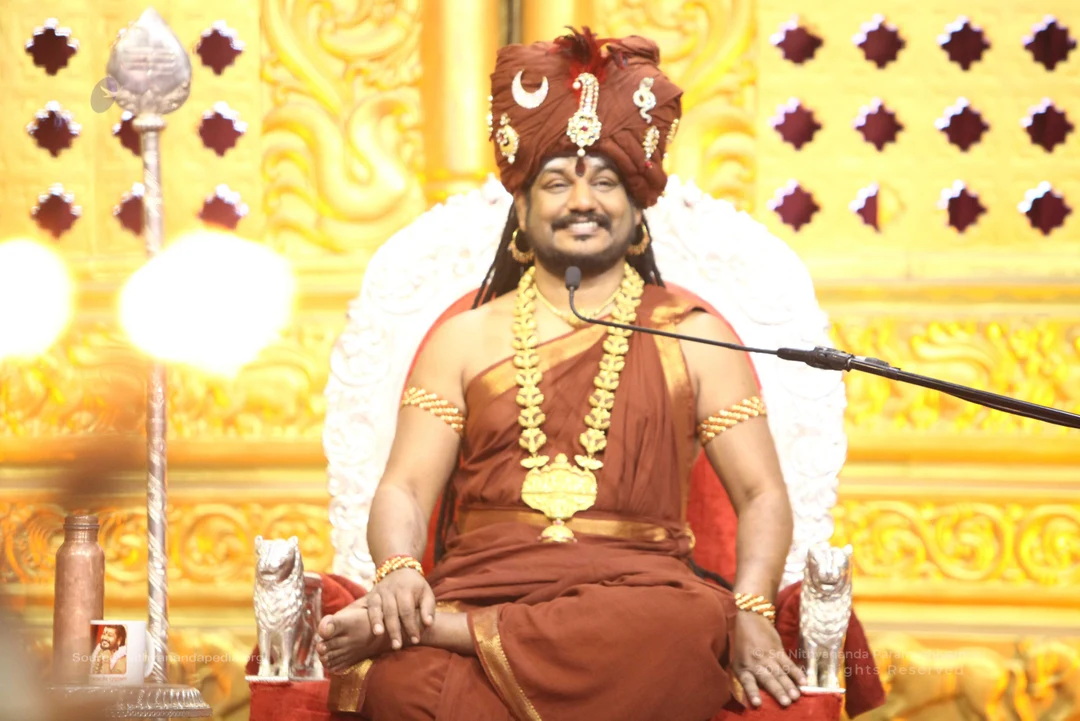
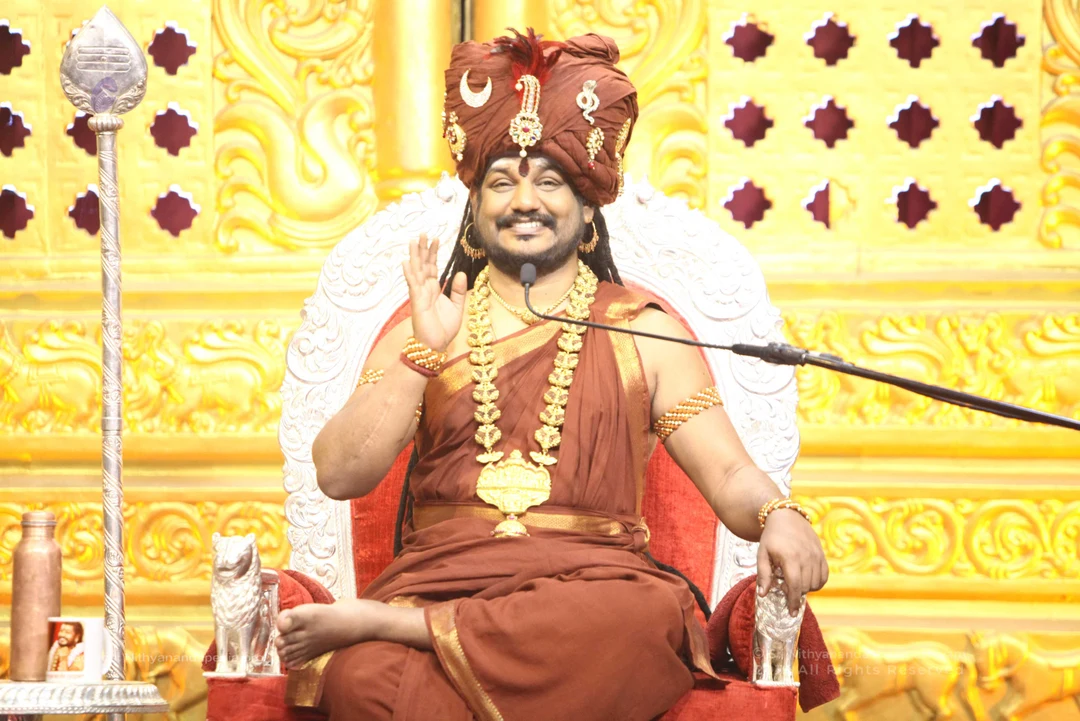
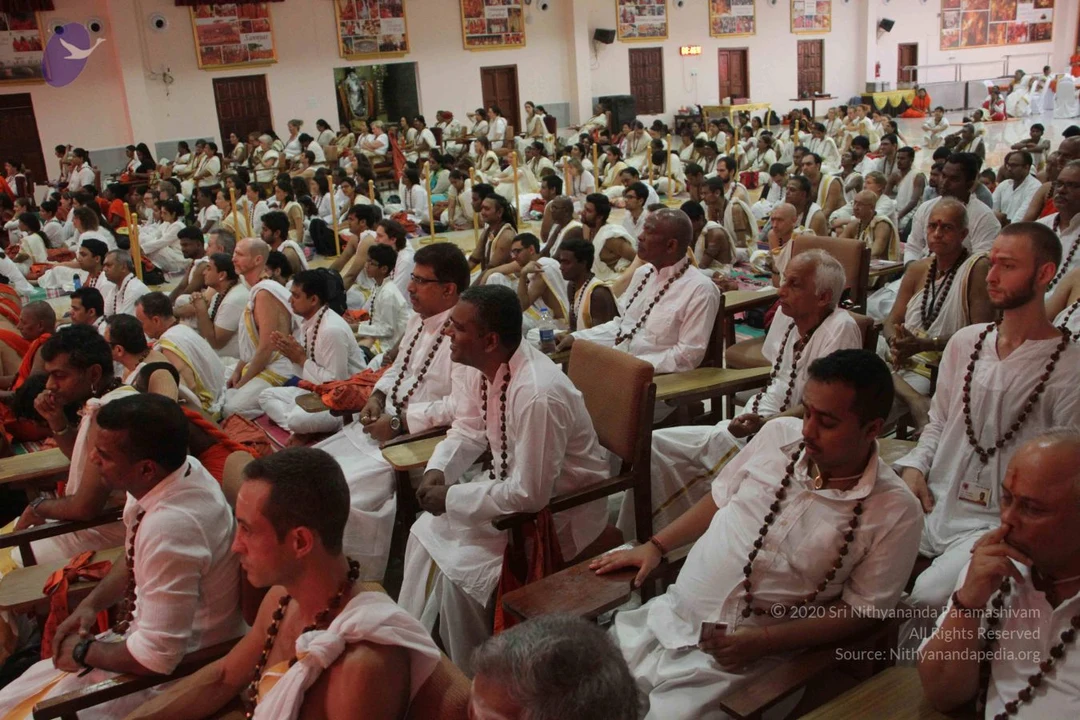
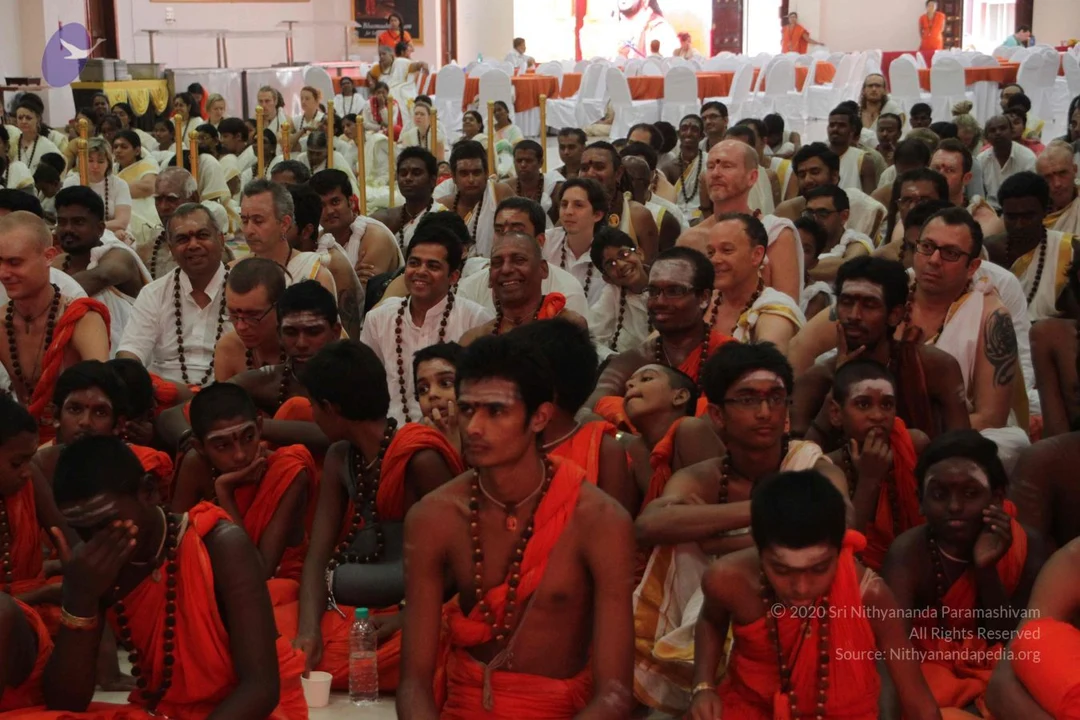
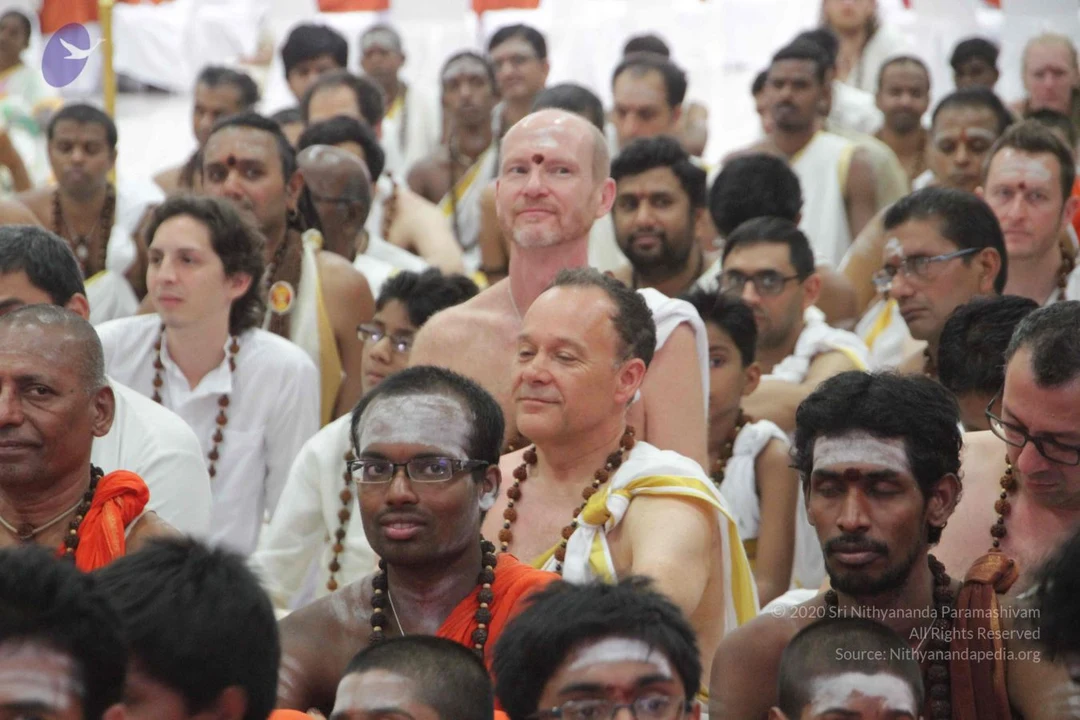
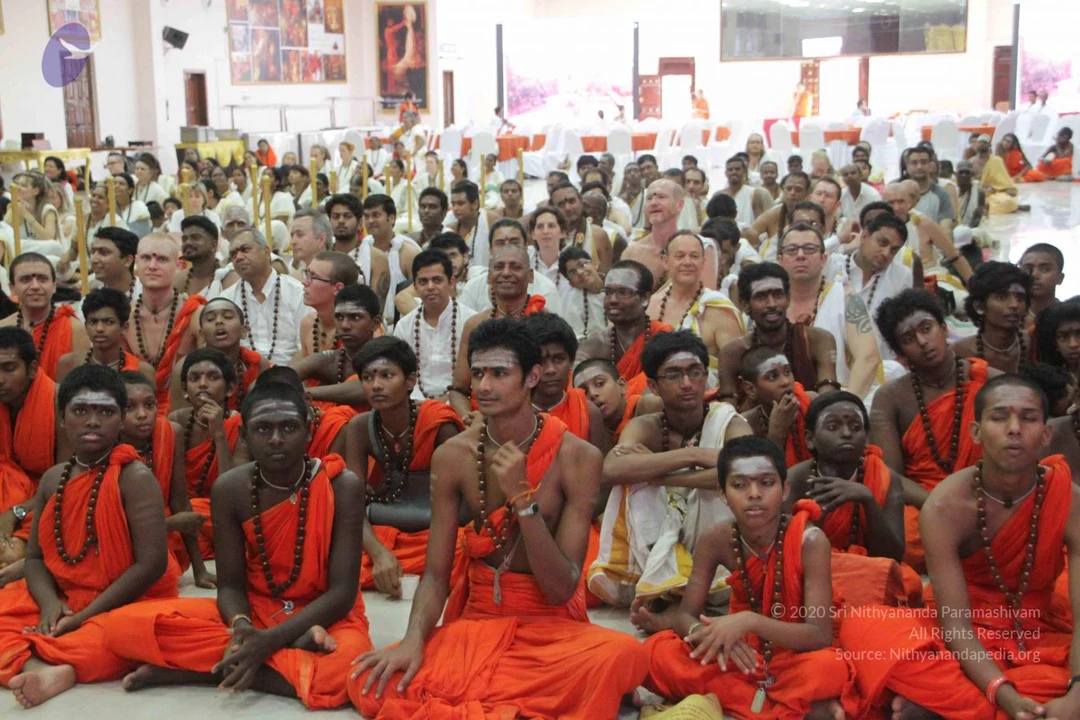
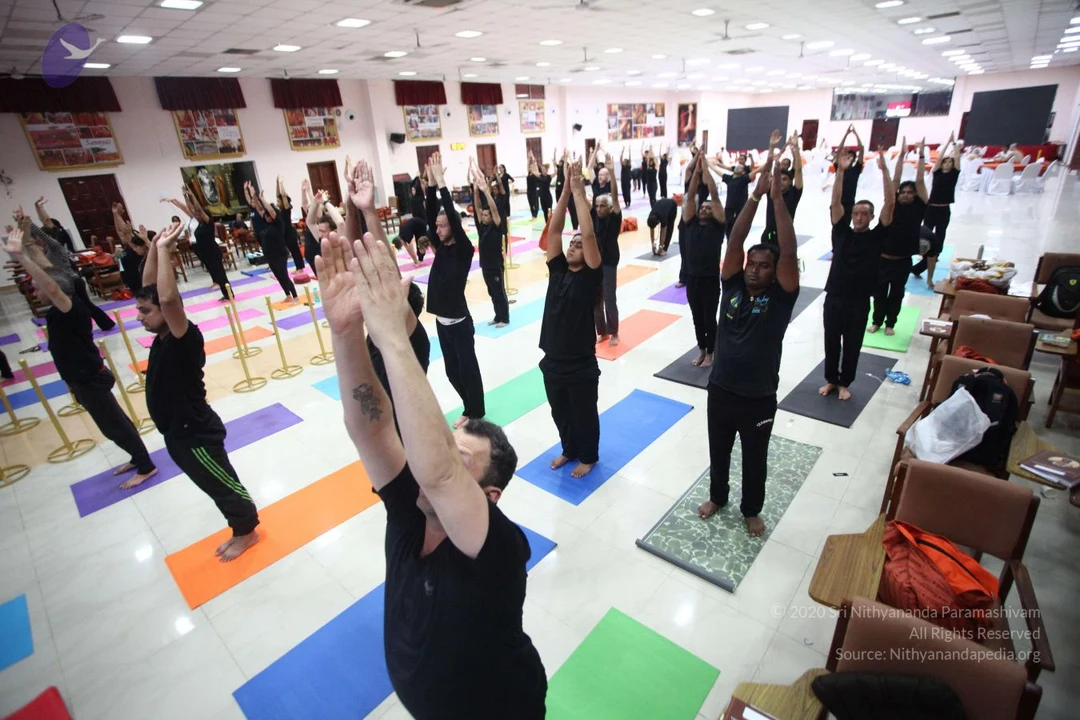
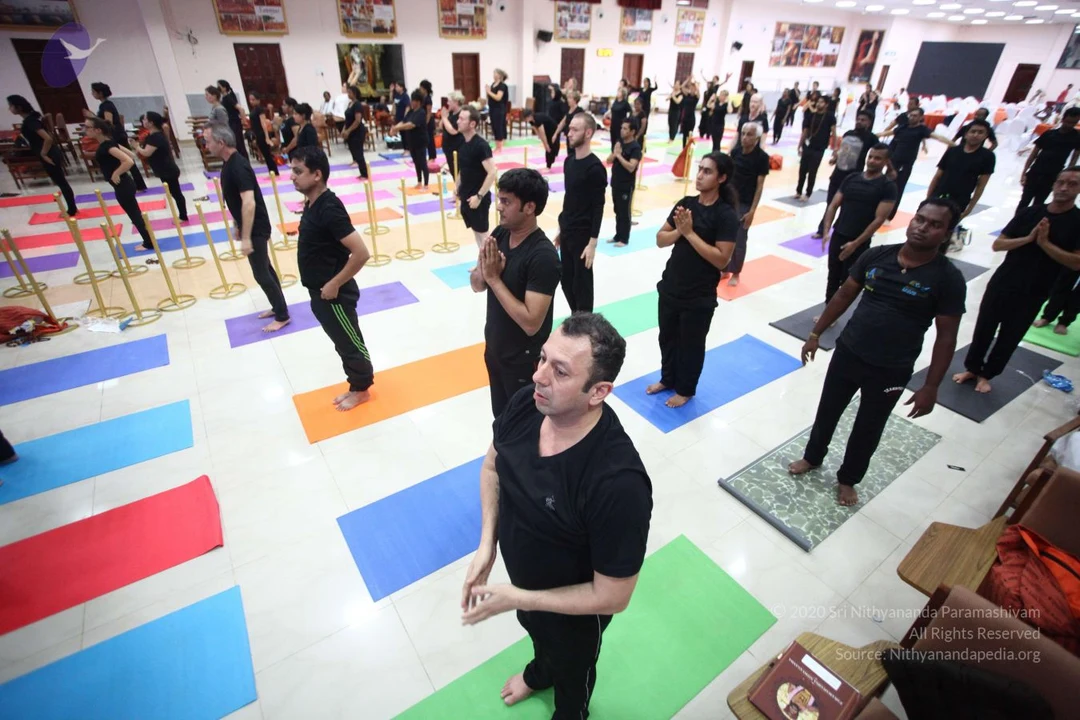
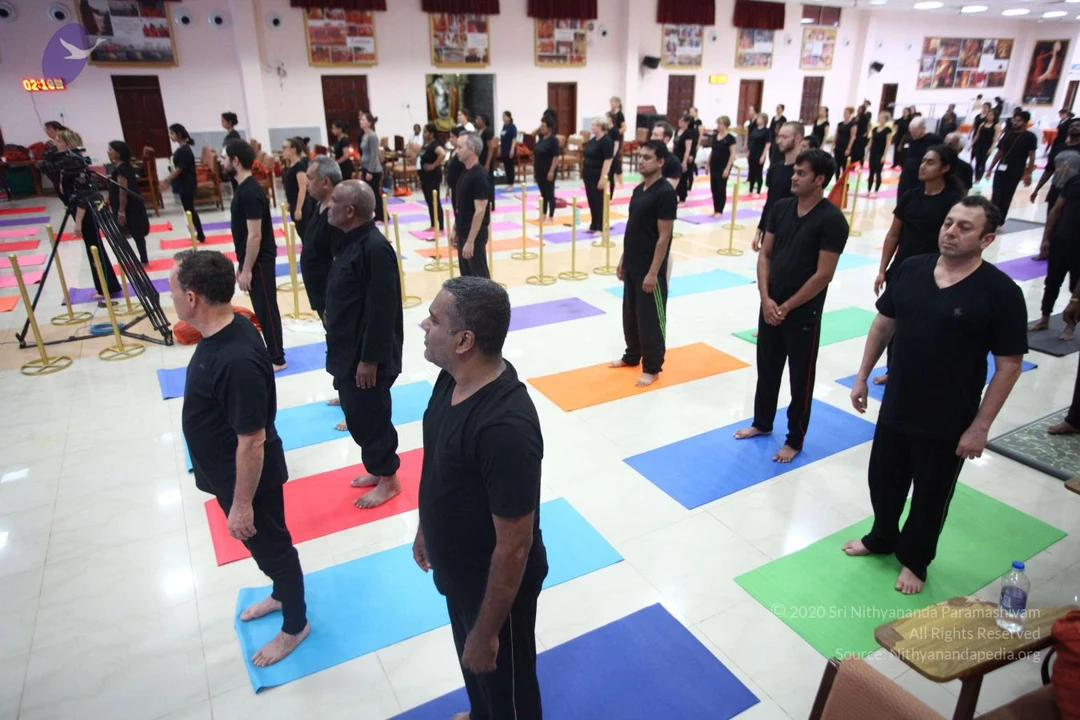
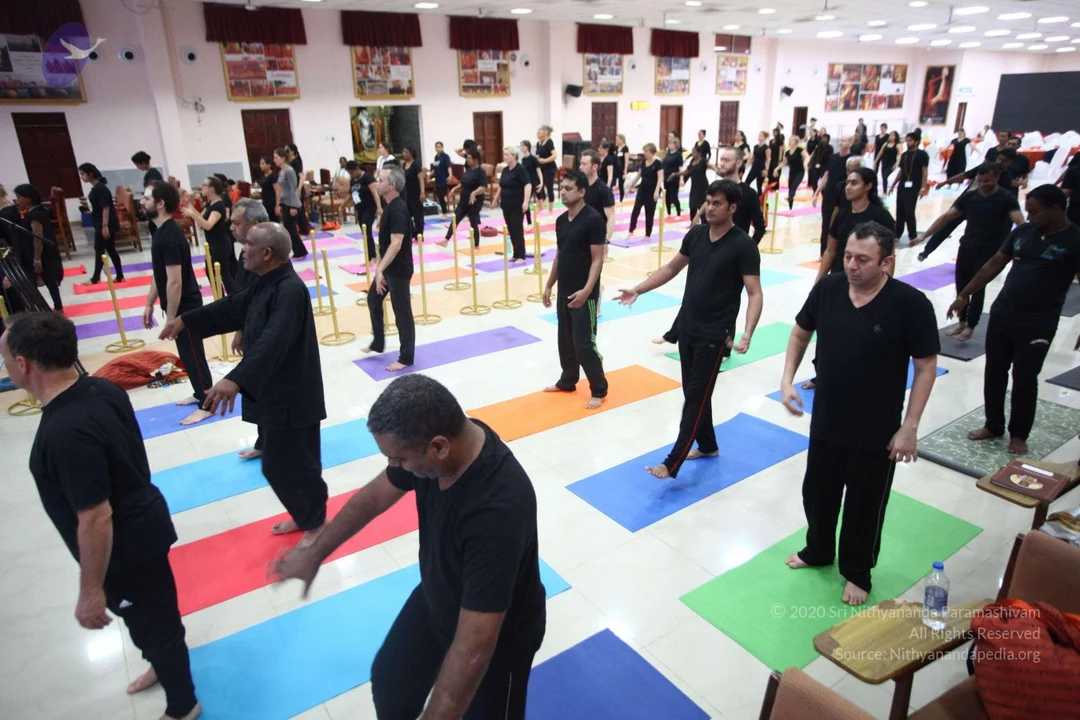
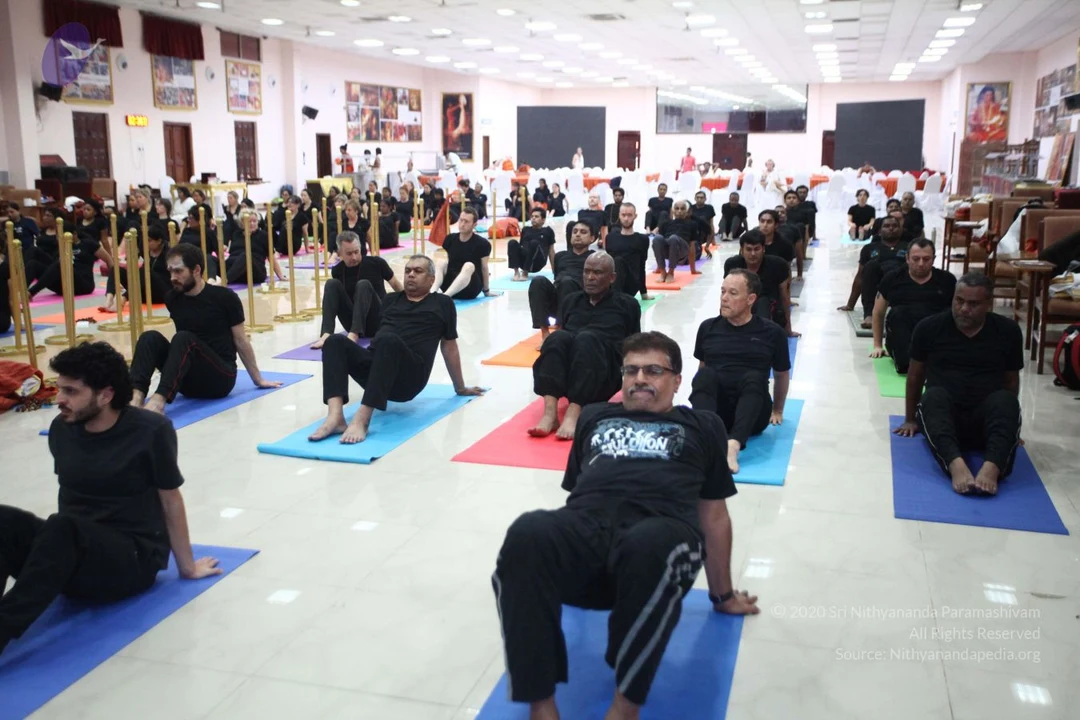
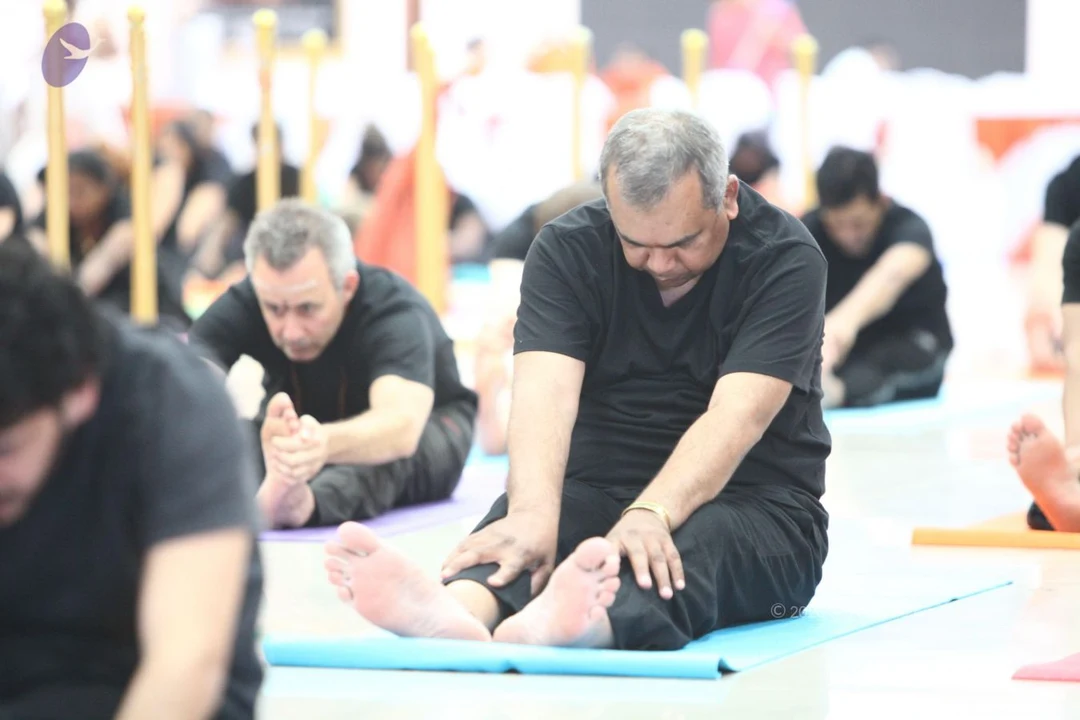
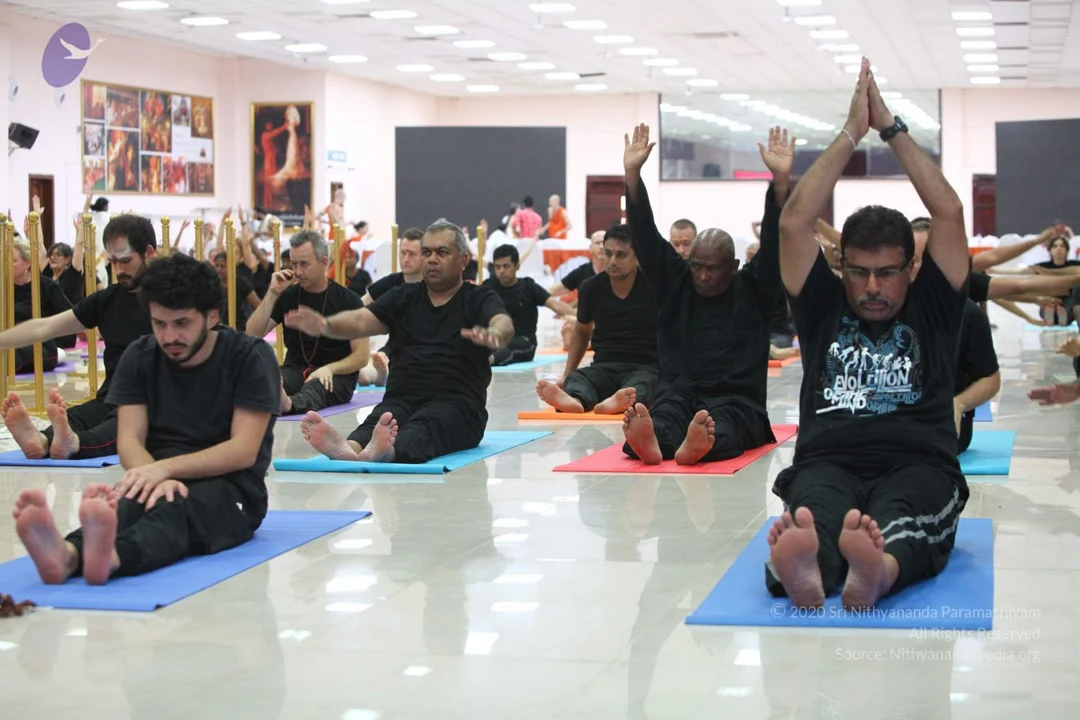
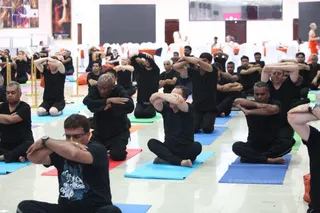
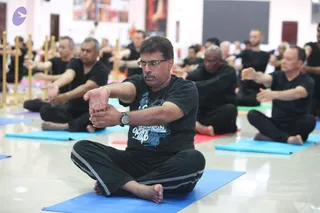
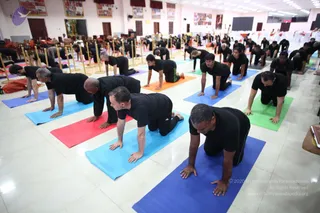
Inner Awakening Session
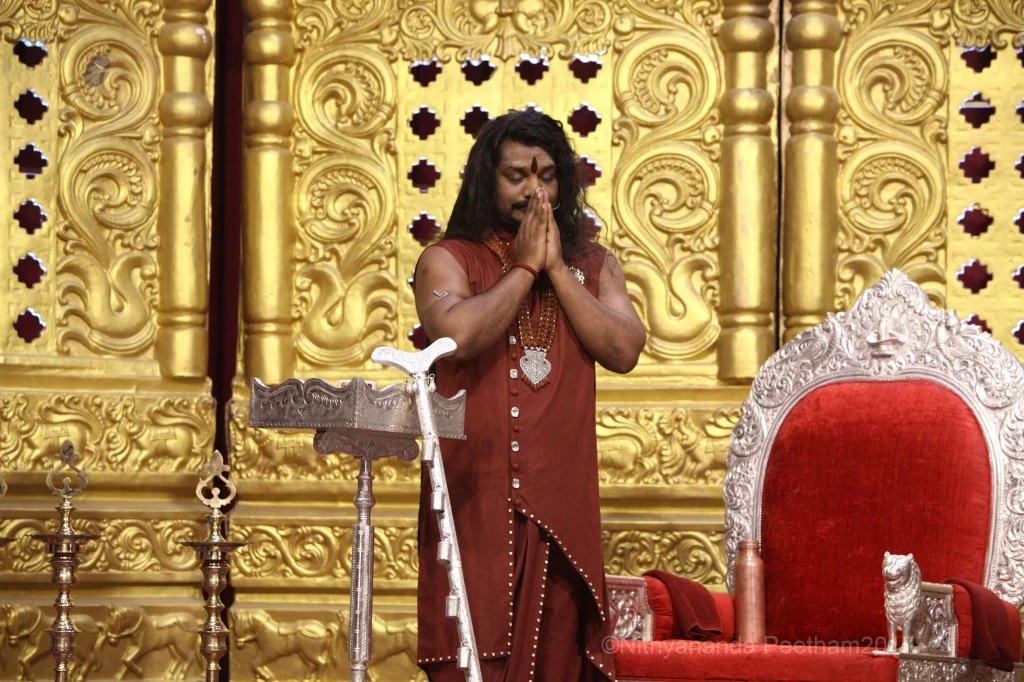
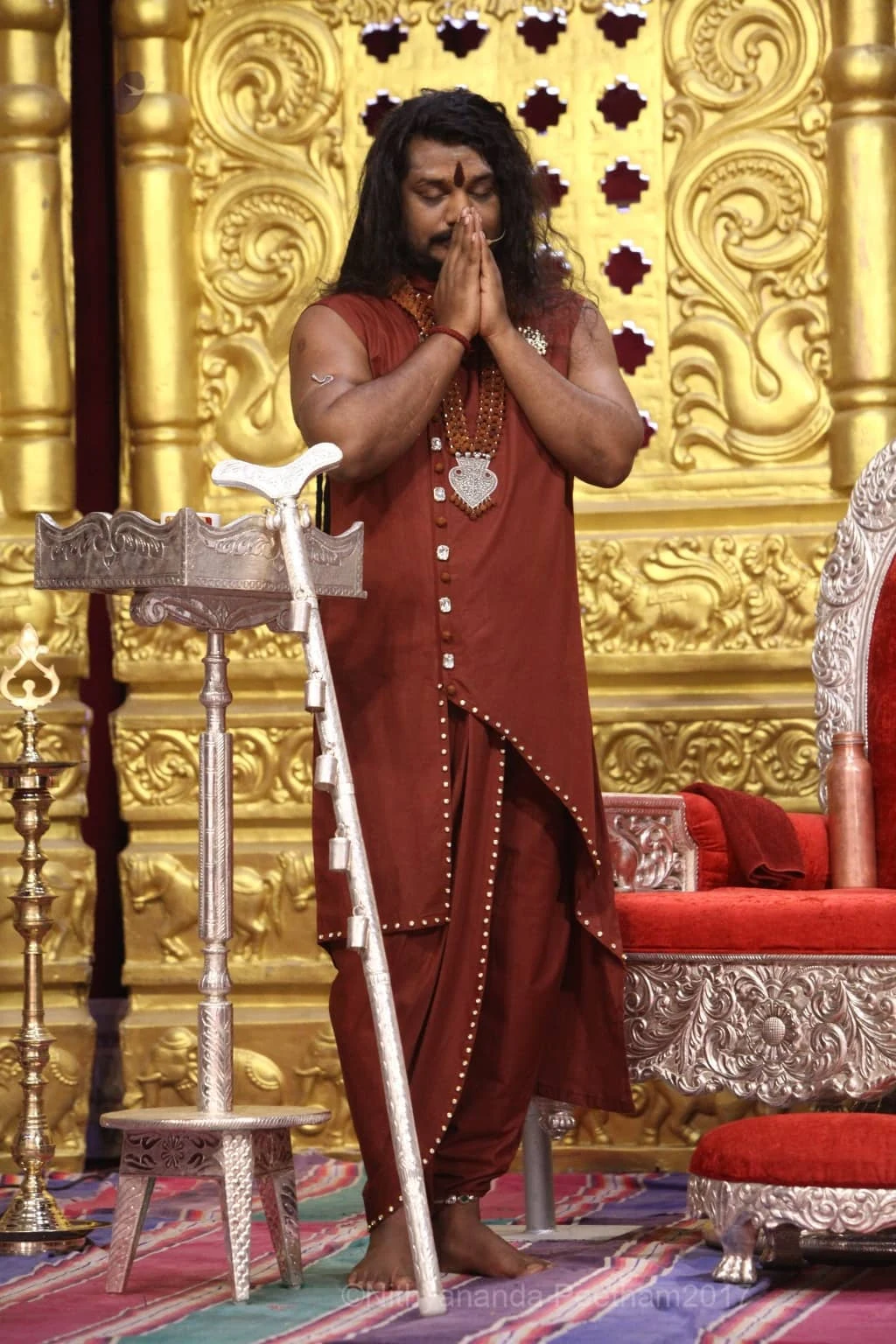
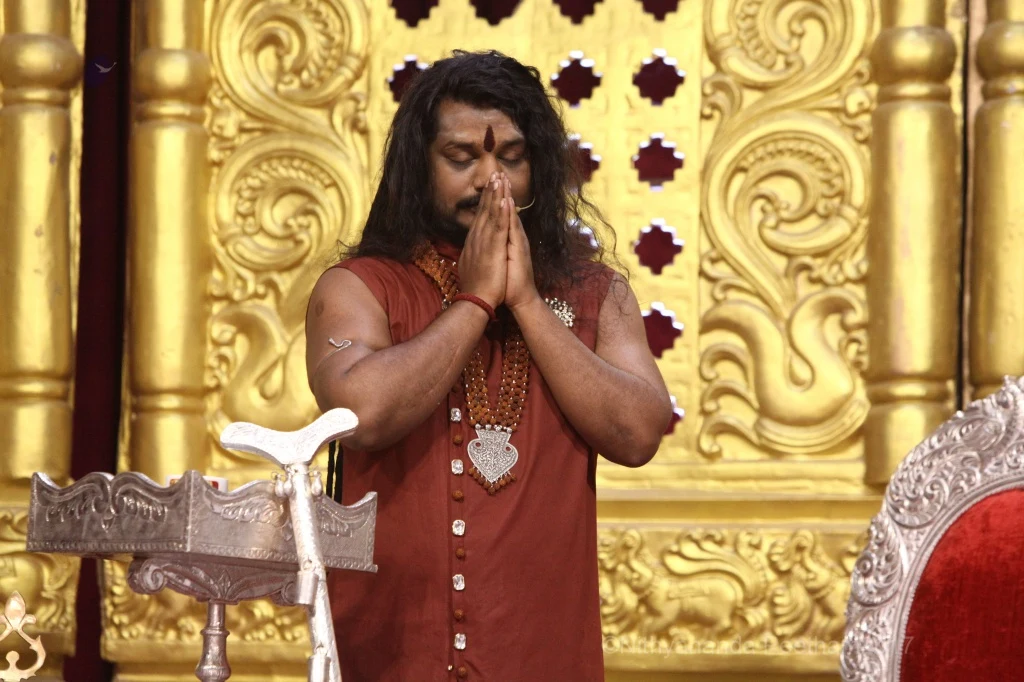
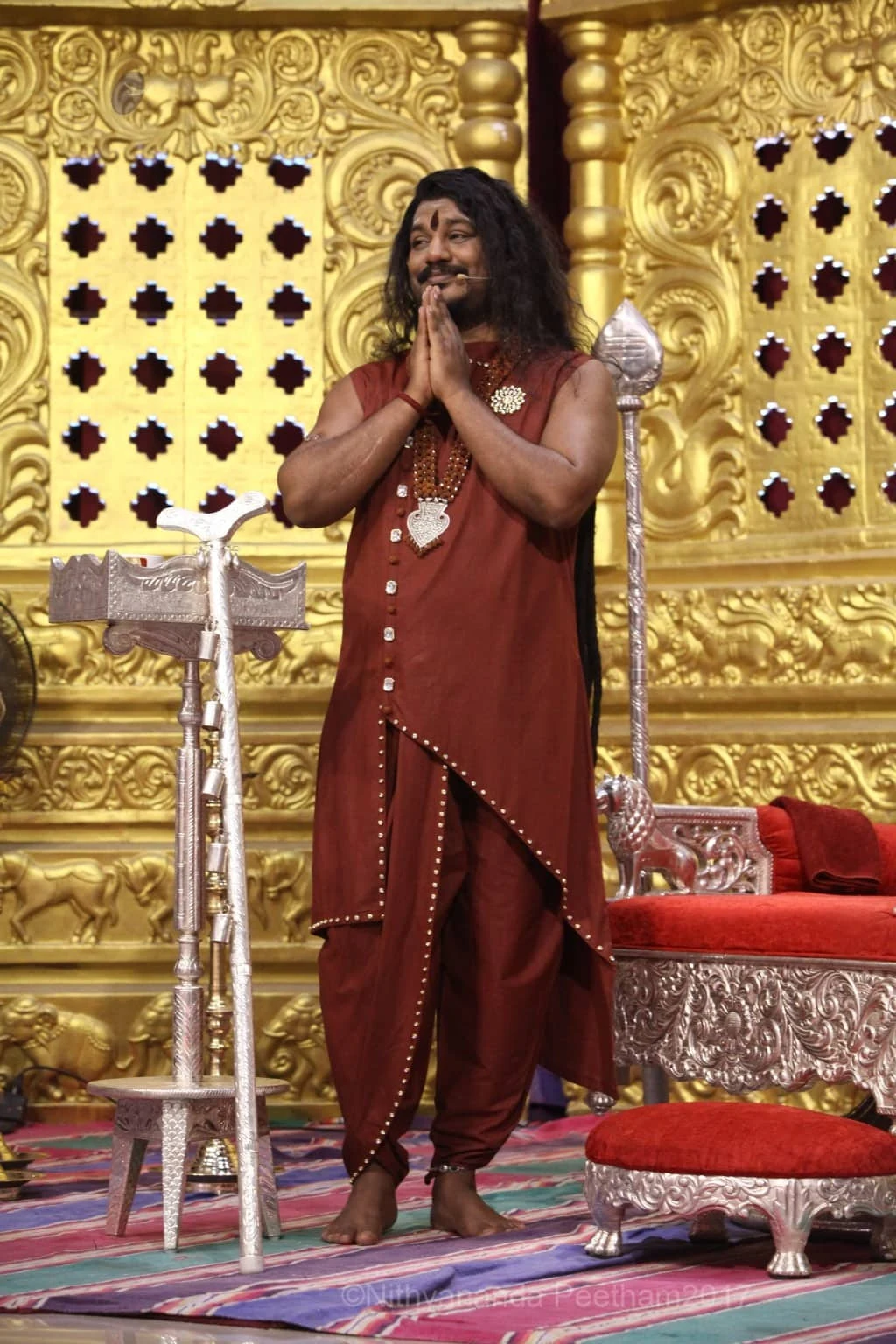
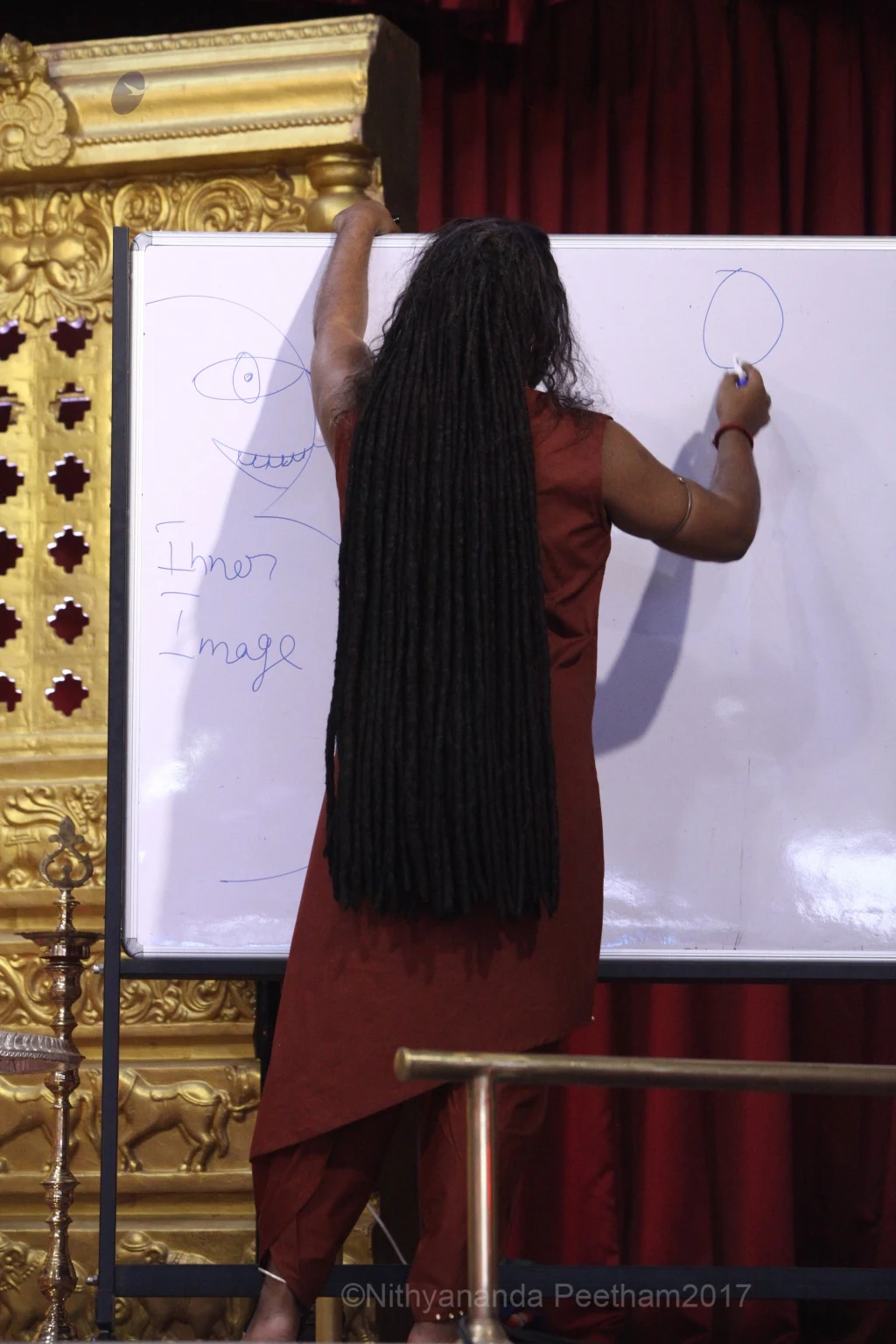
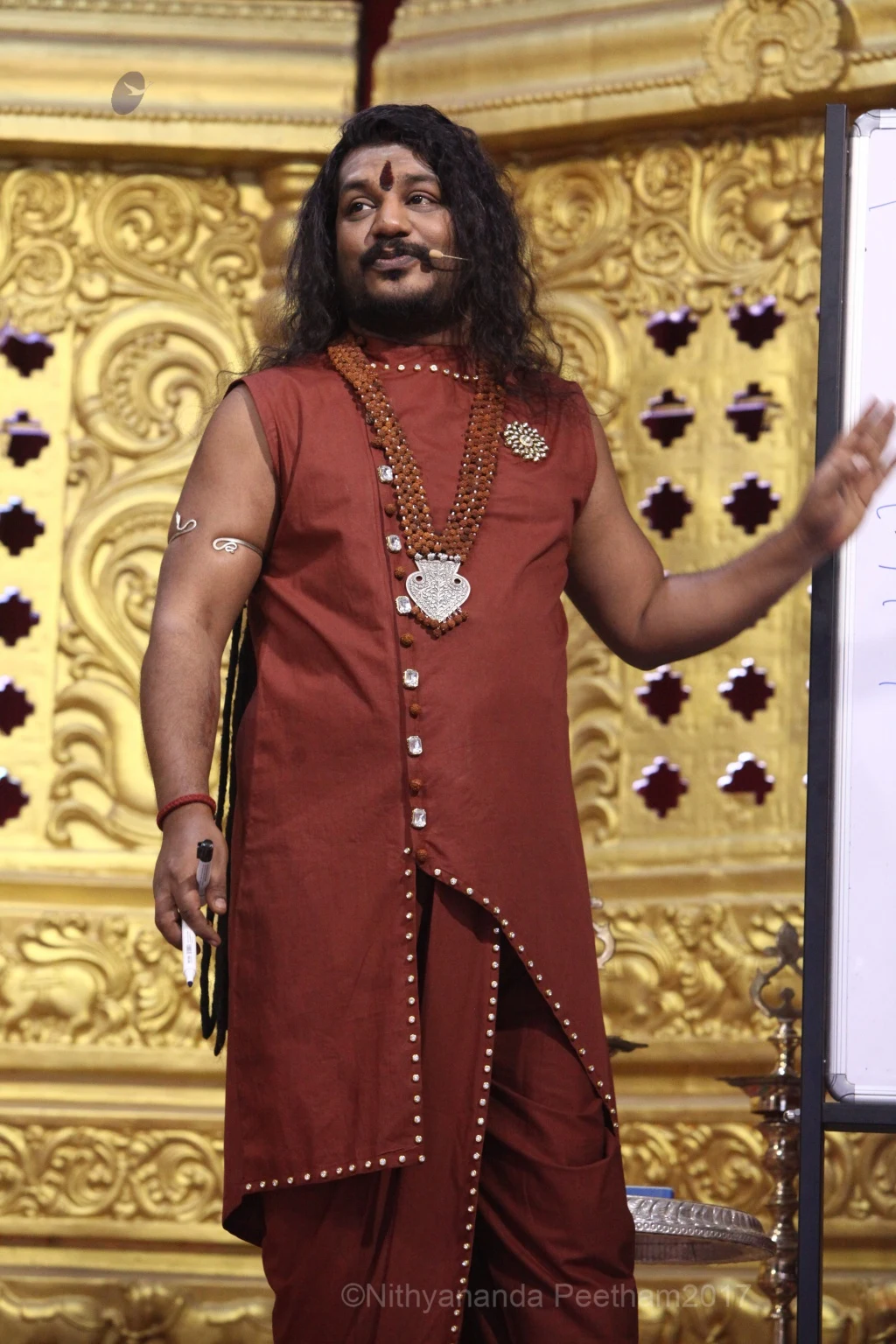
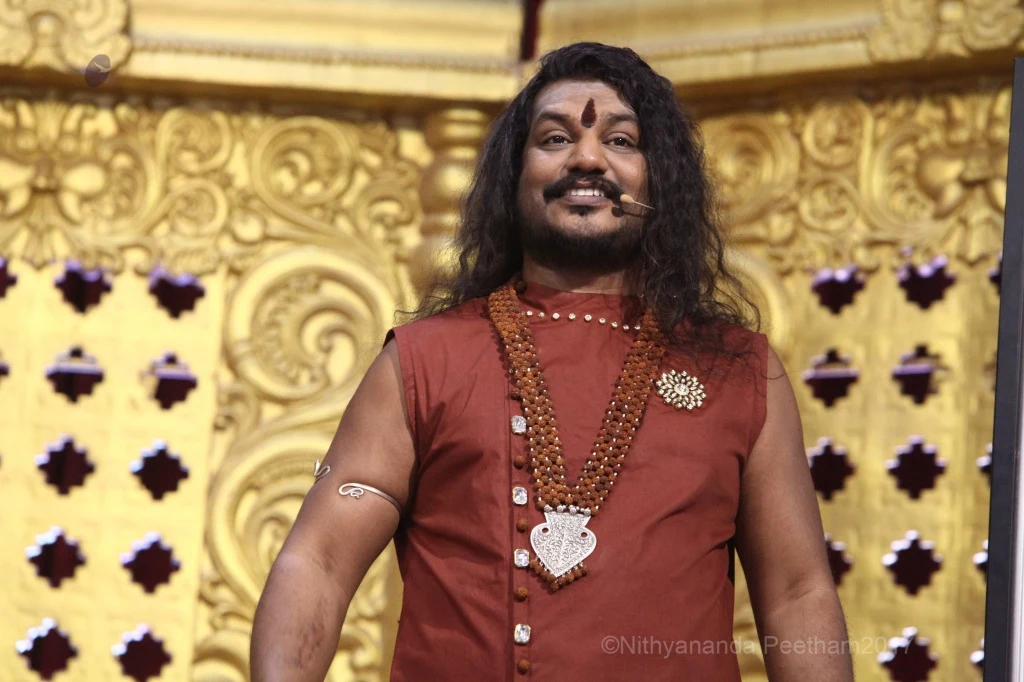
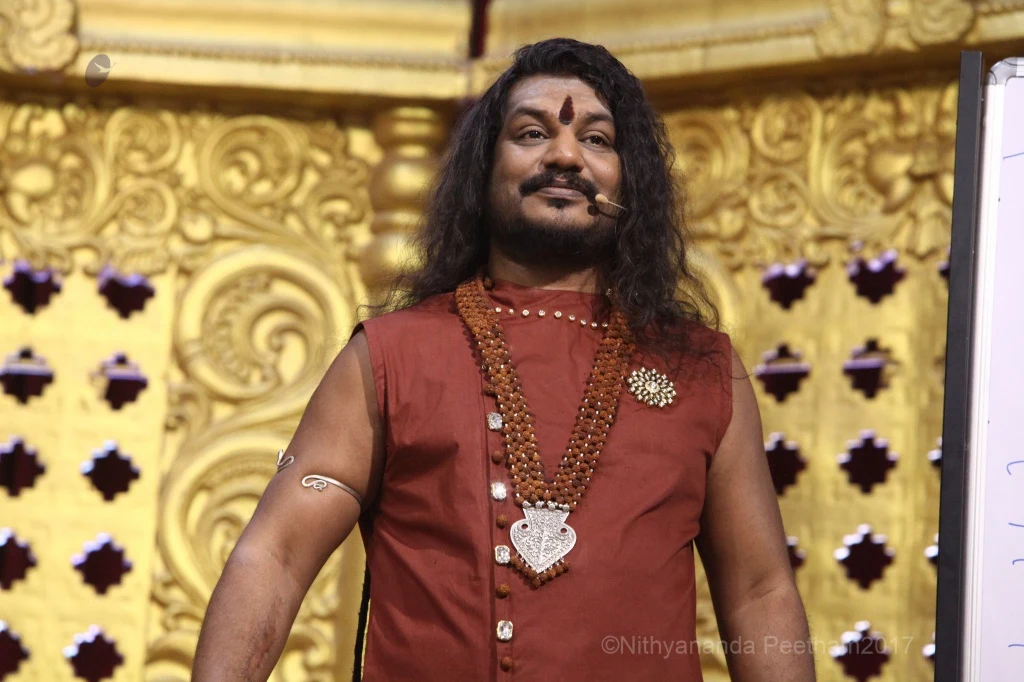
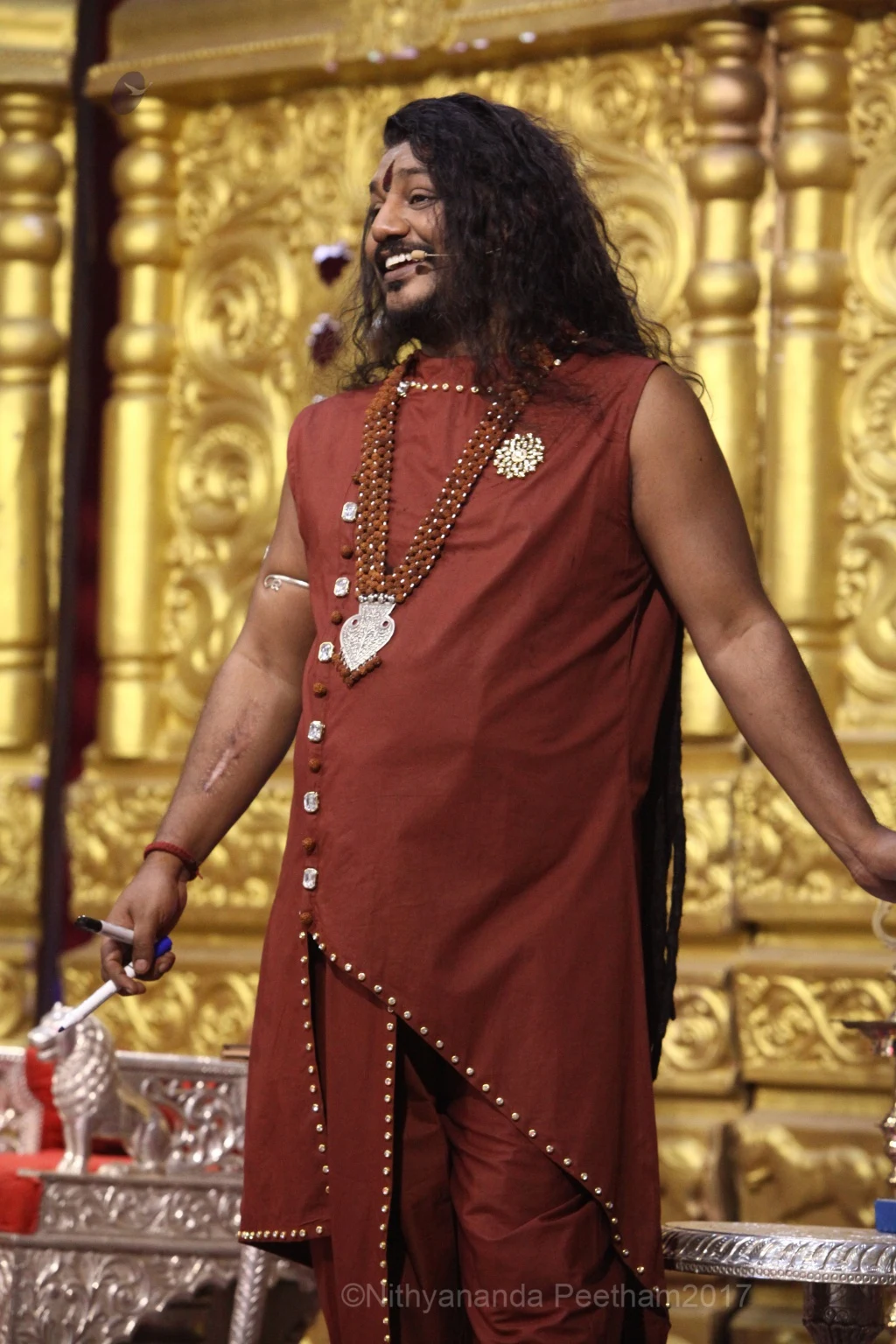
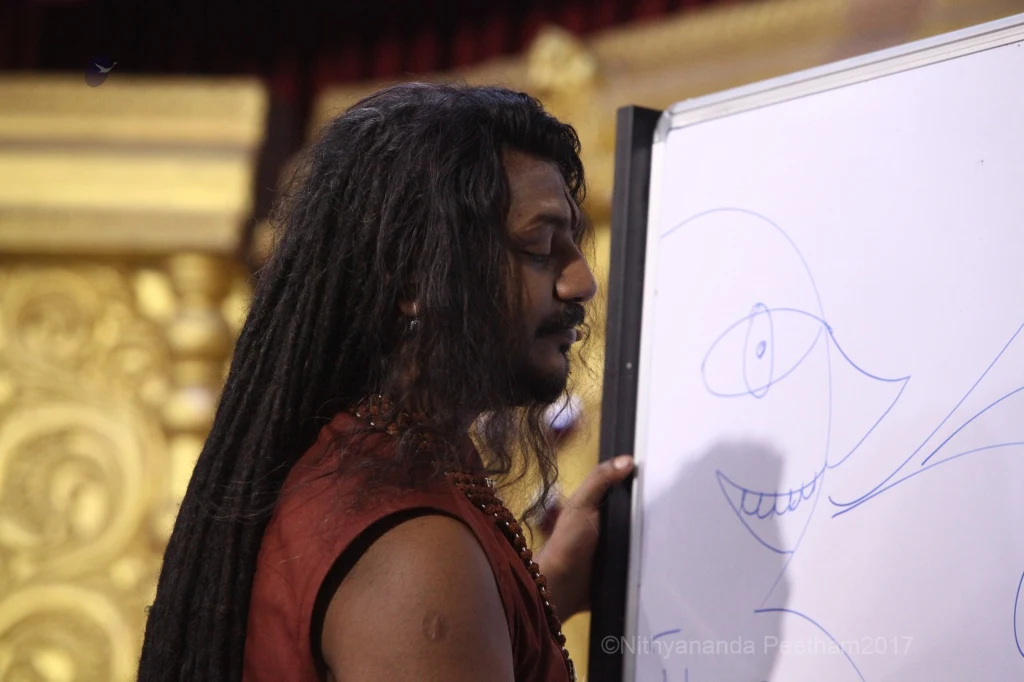
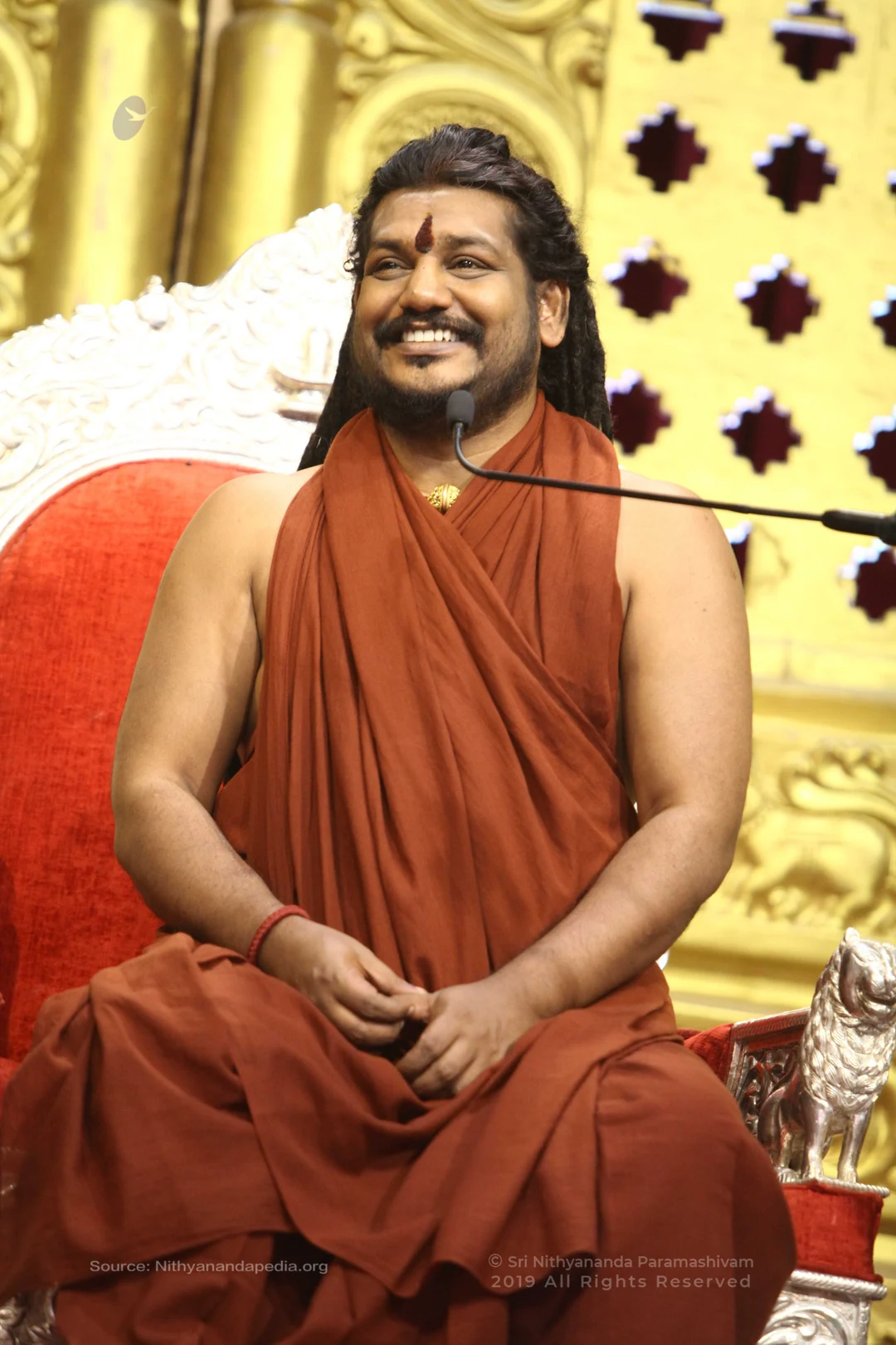
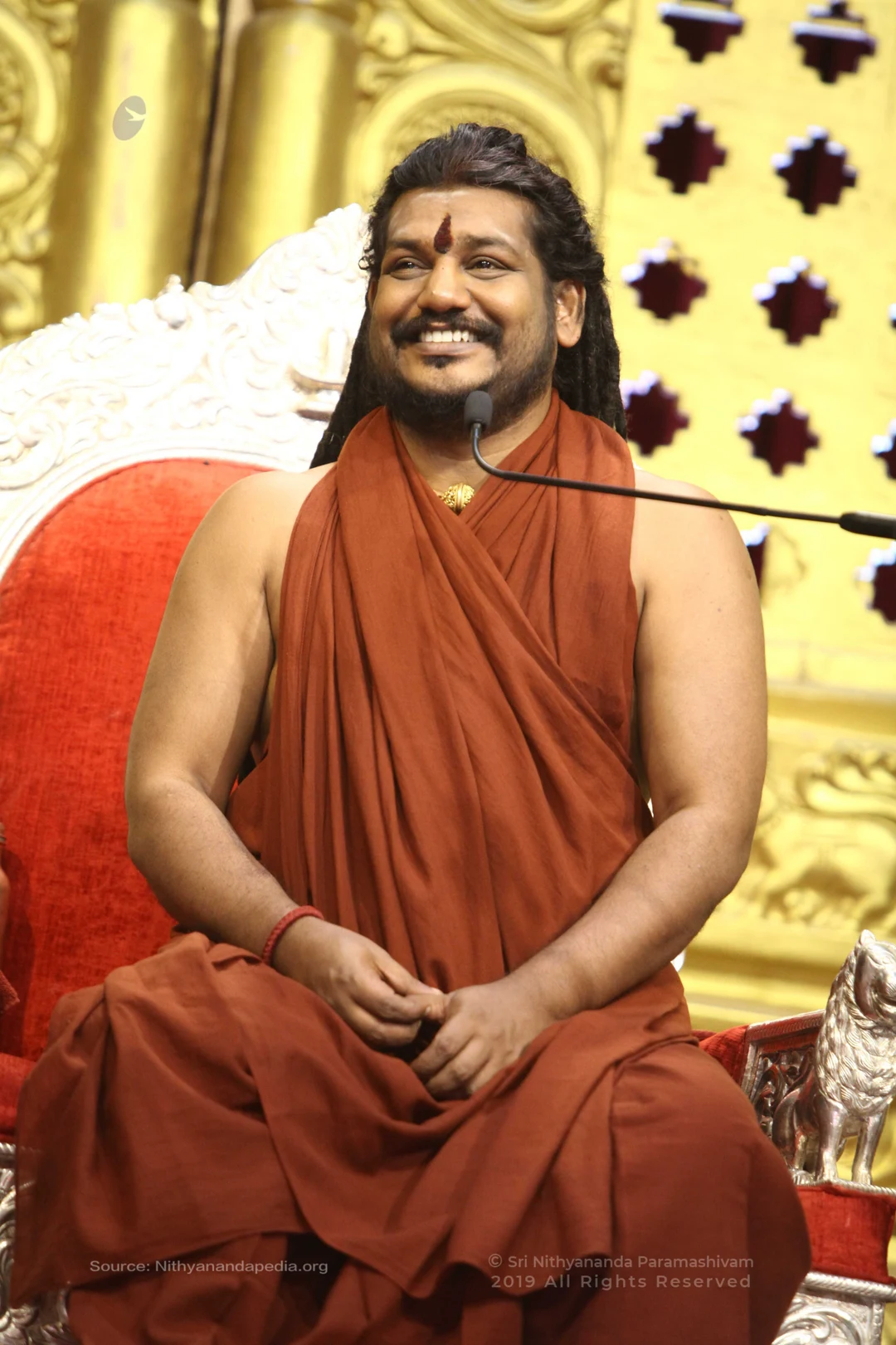
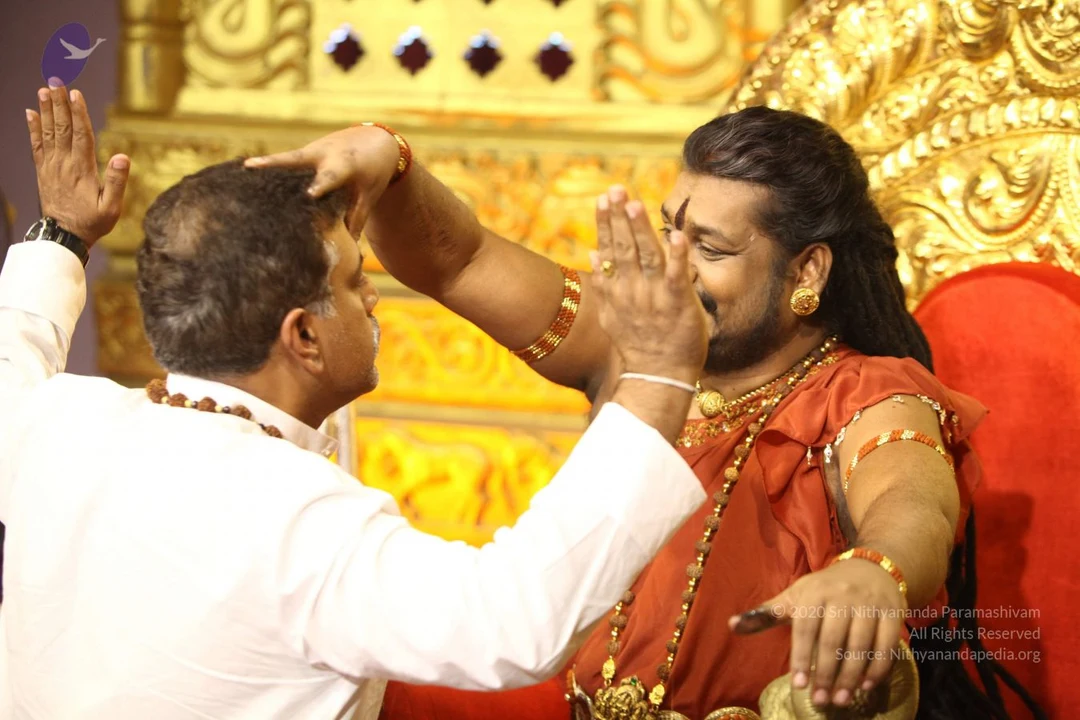
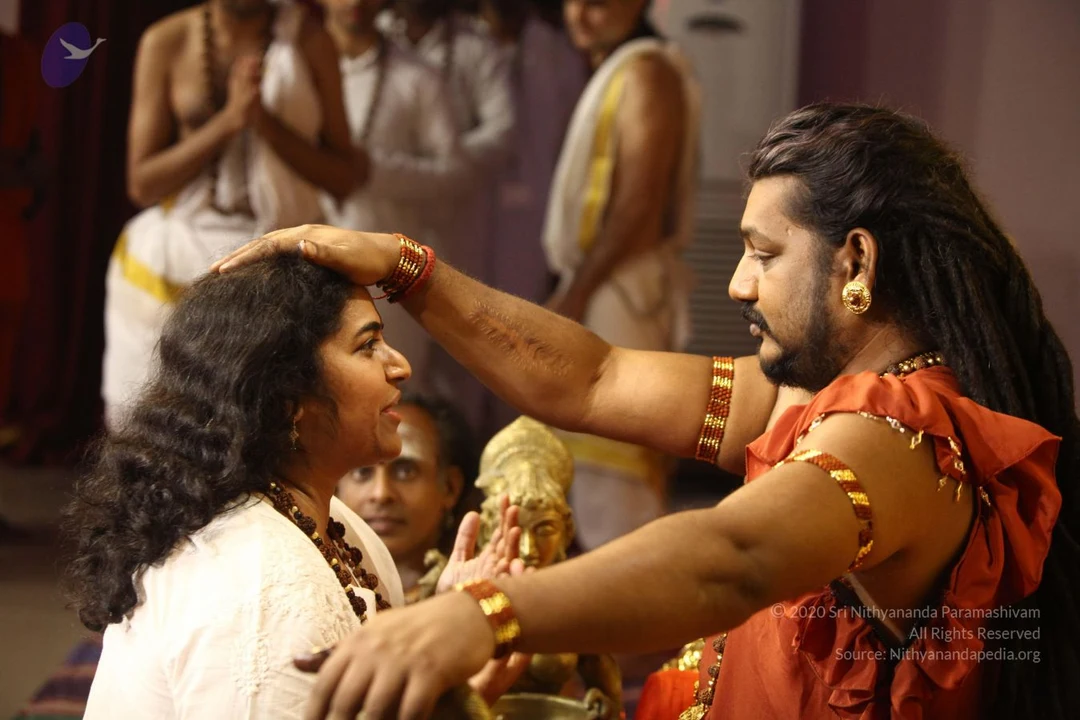
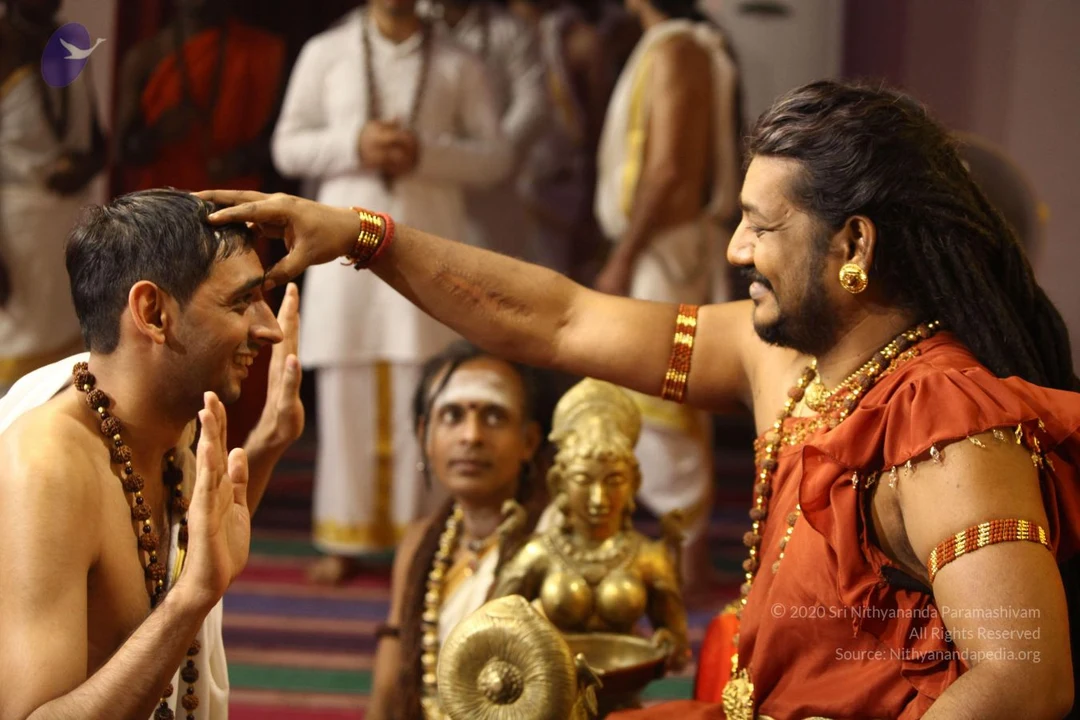
Darshan
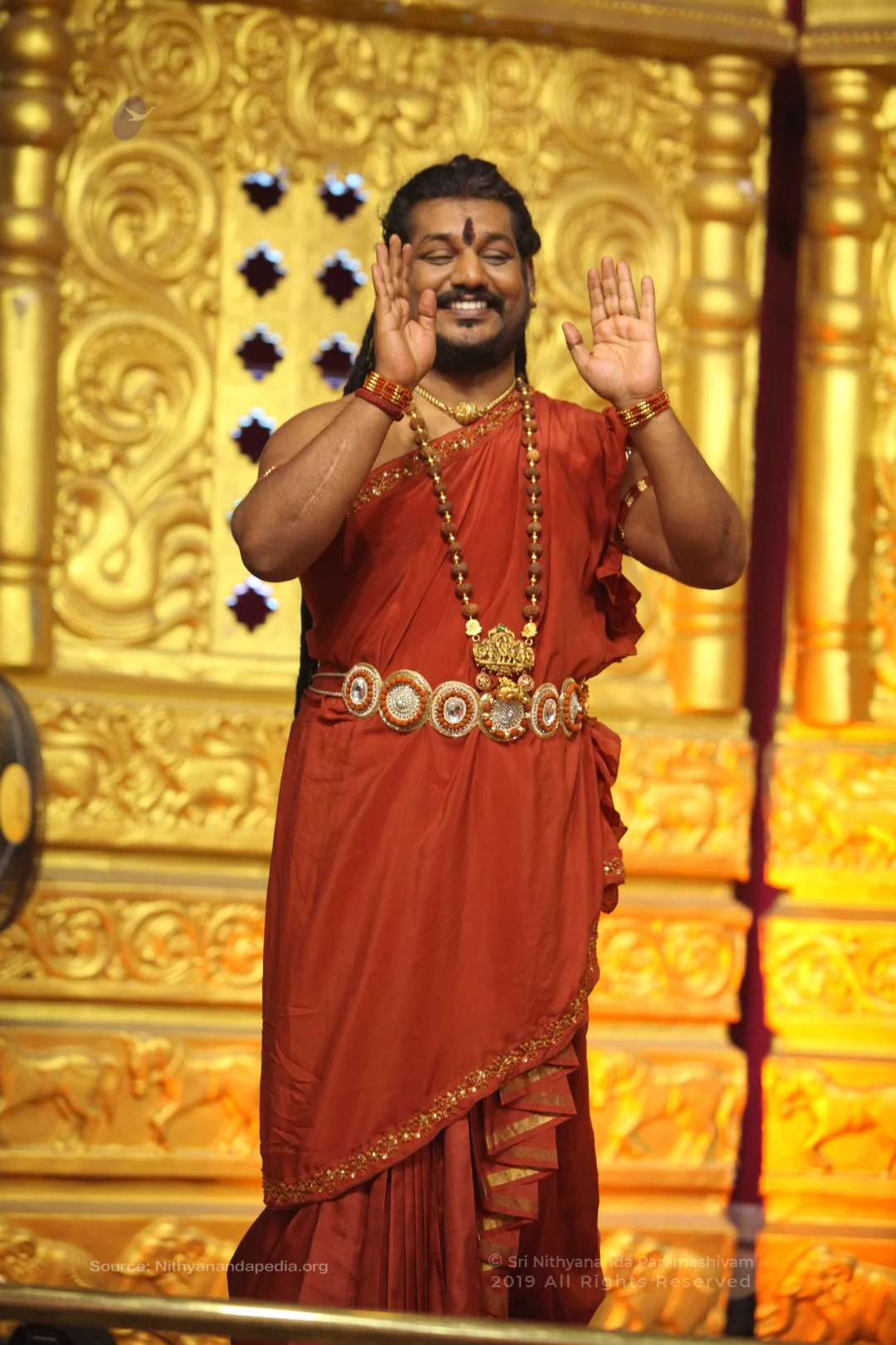
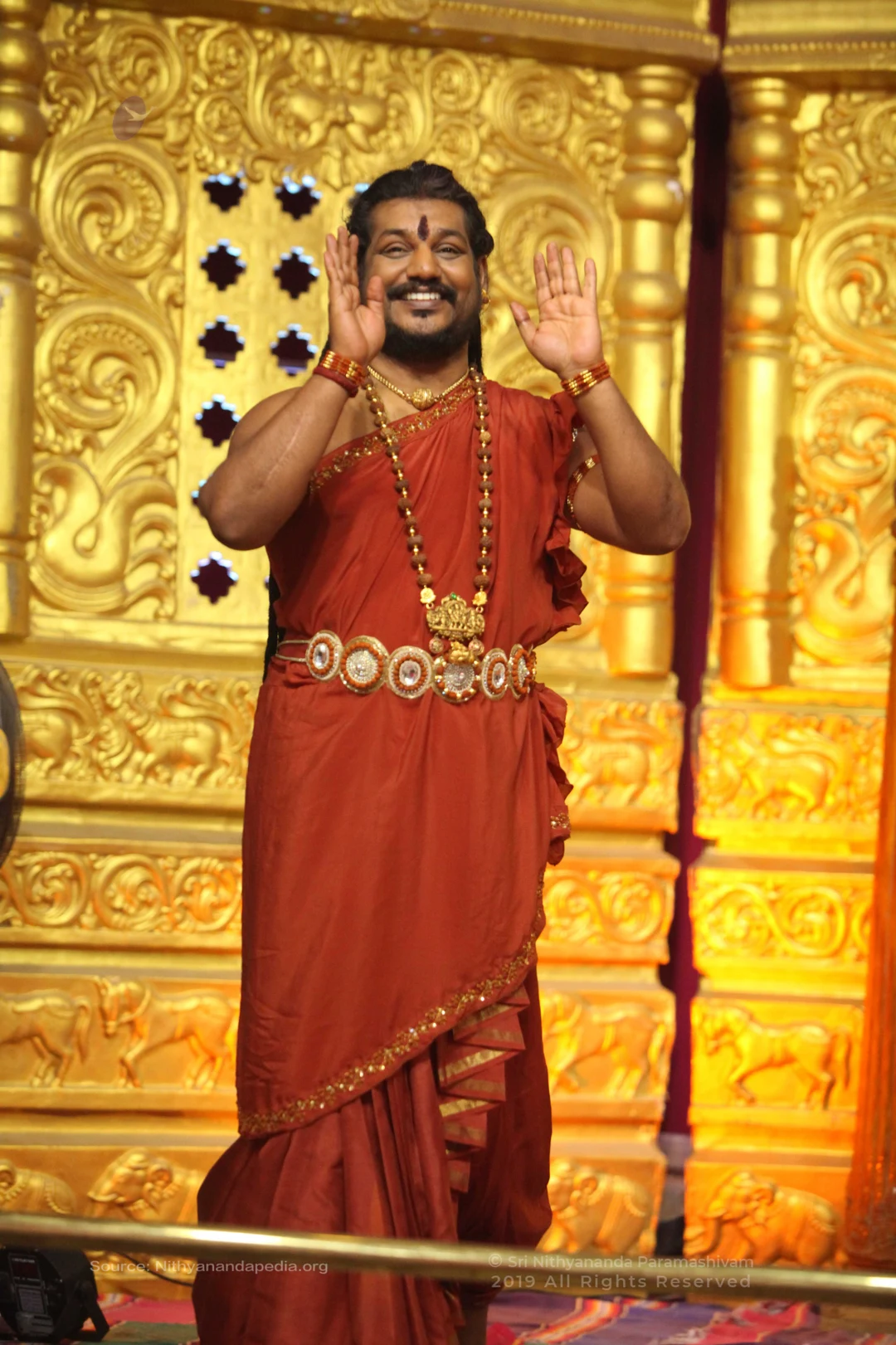
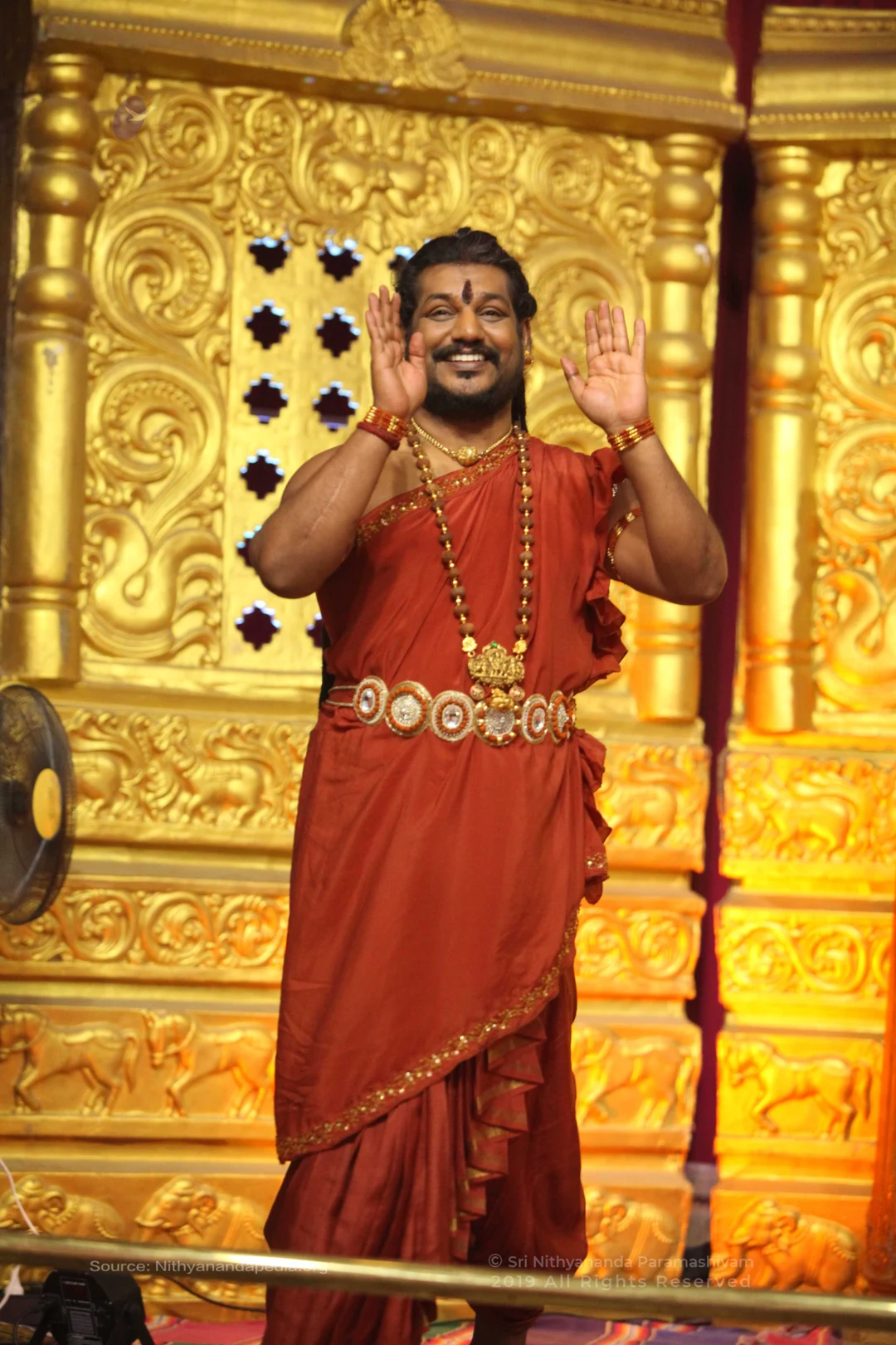

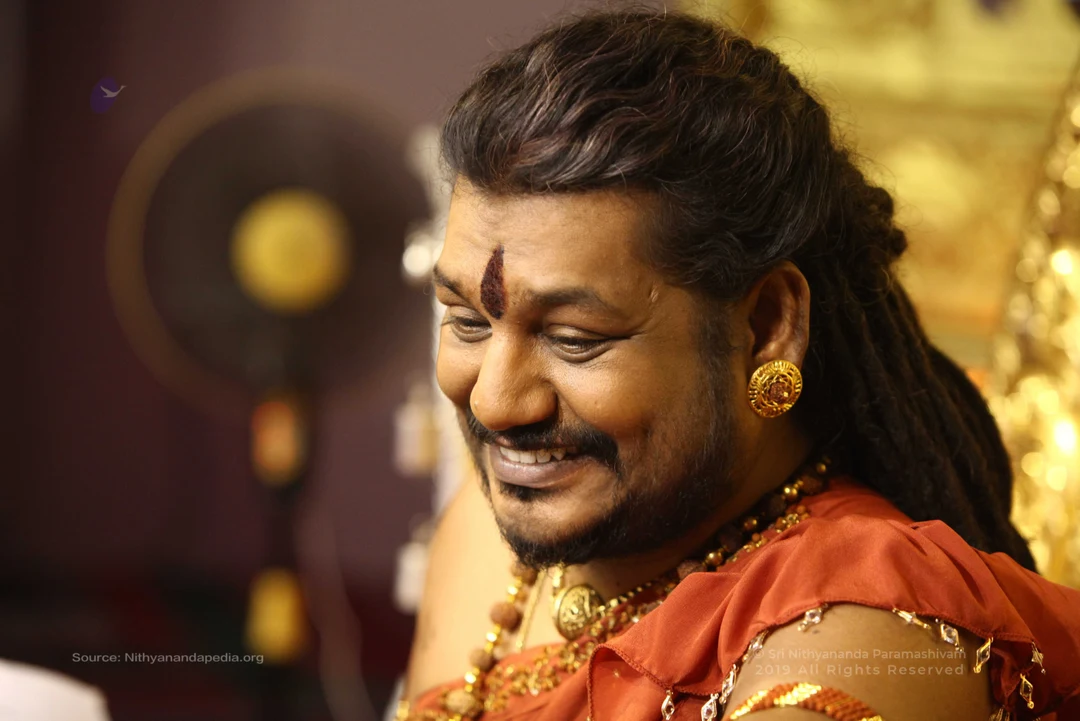
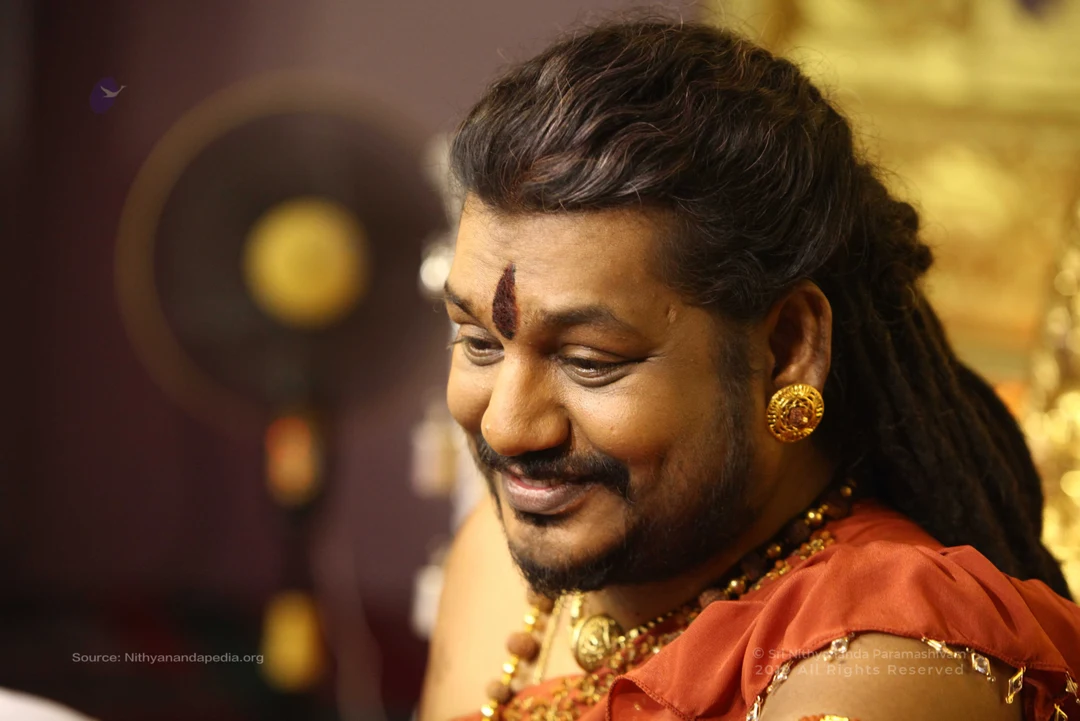
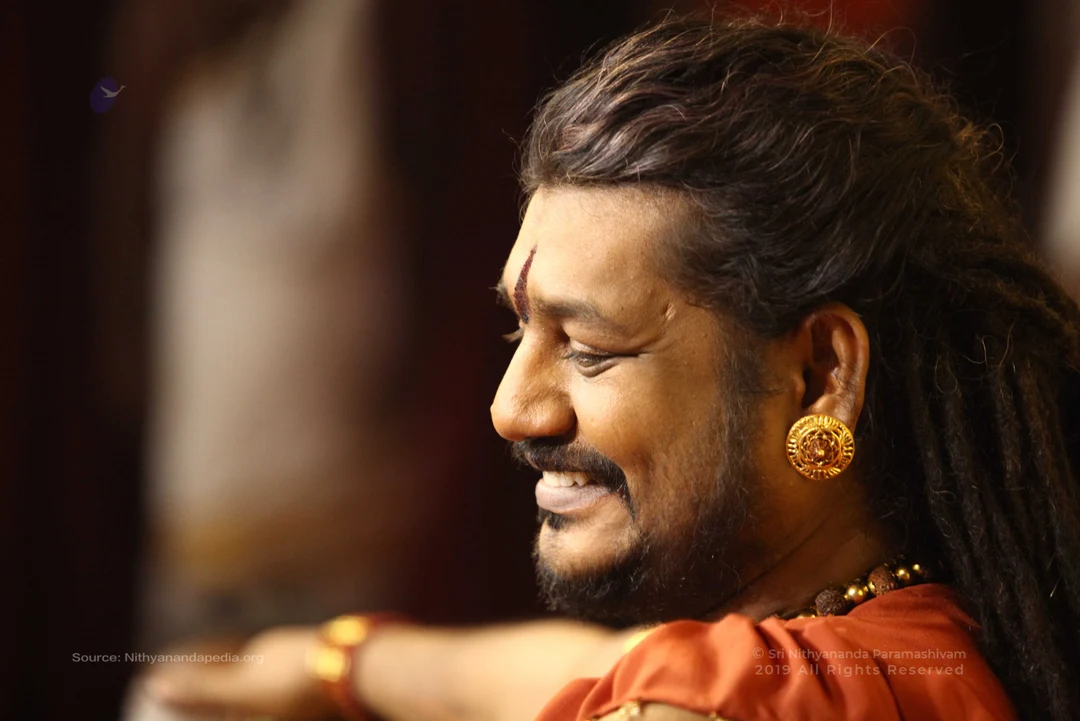
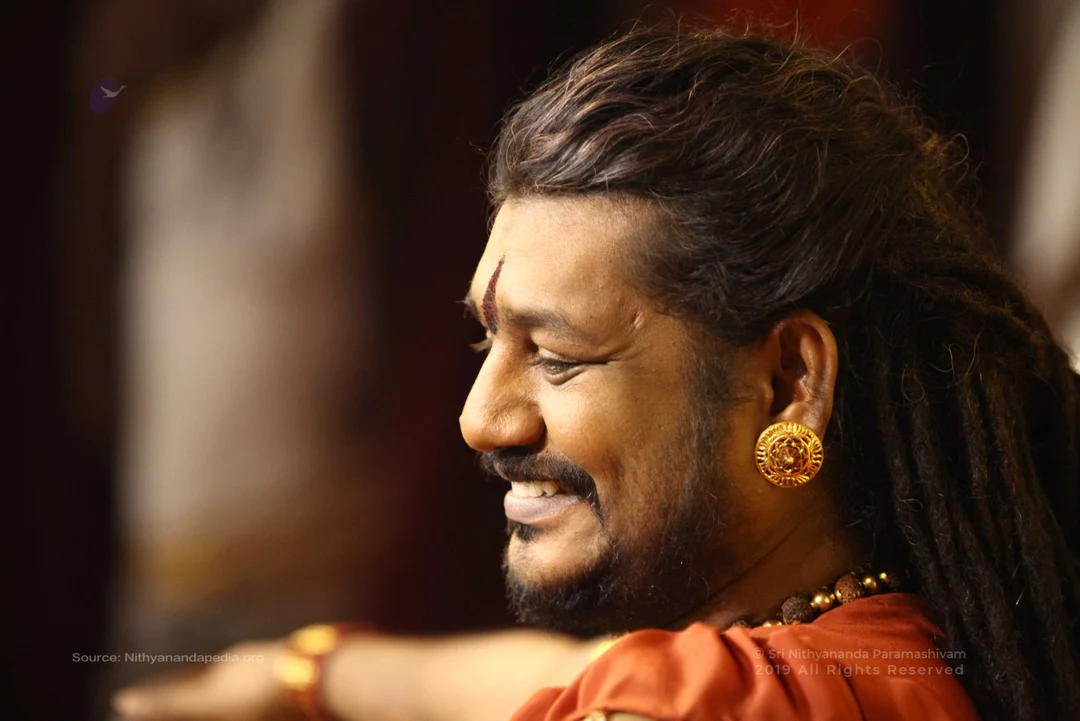
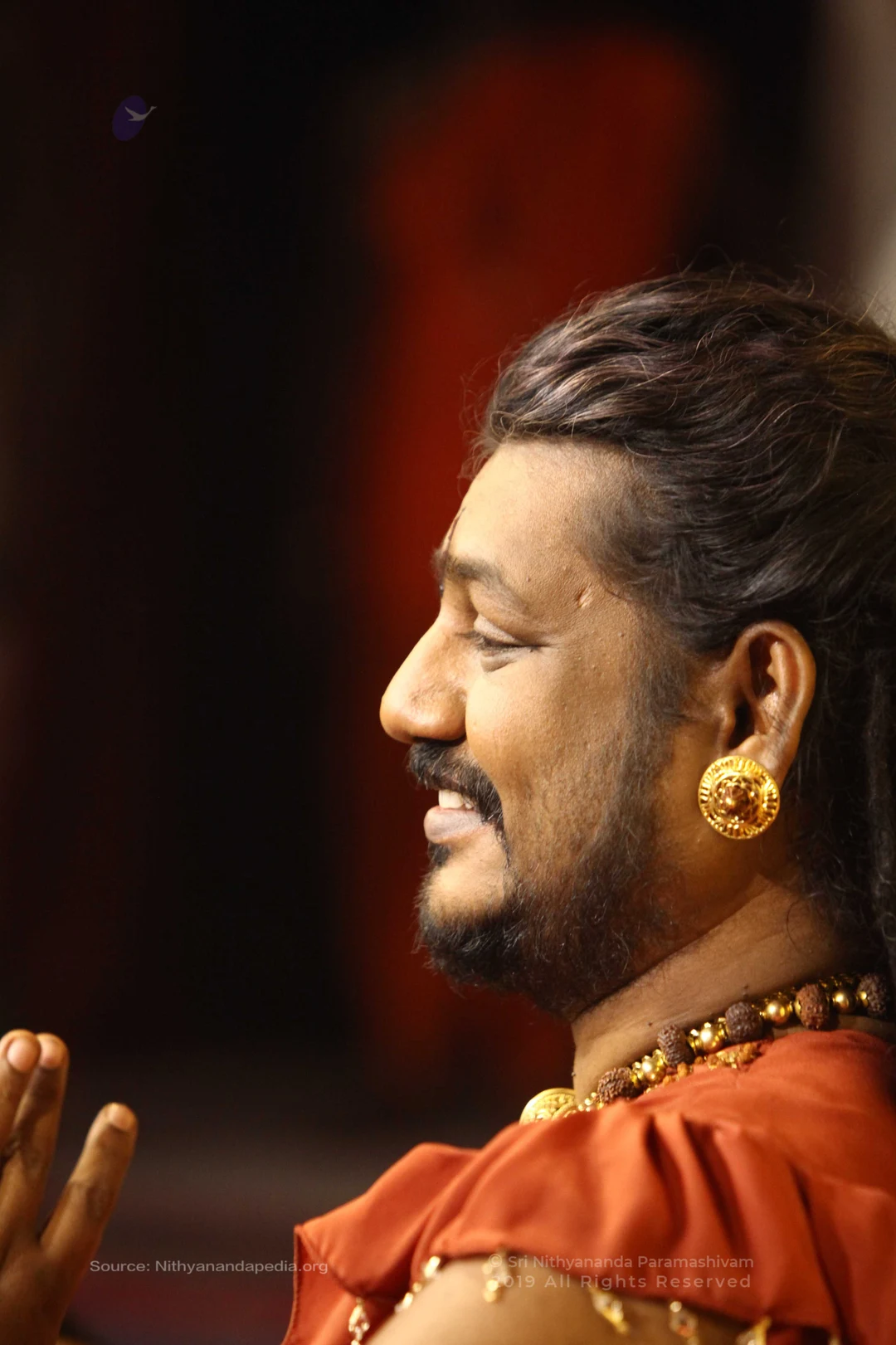
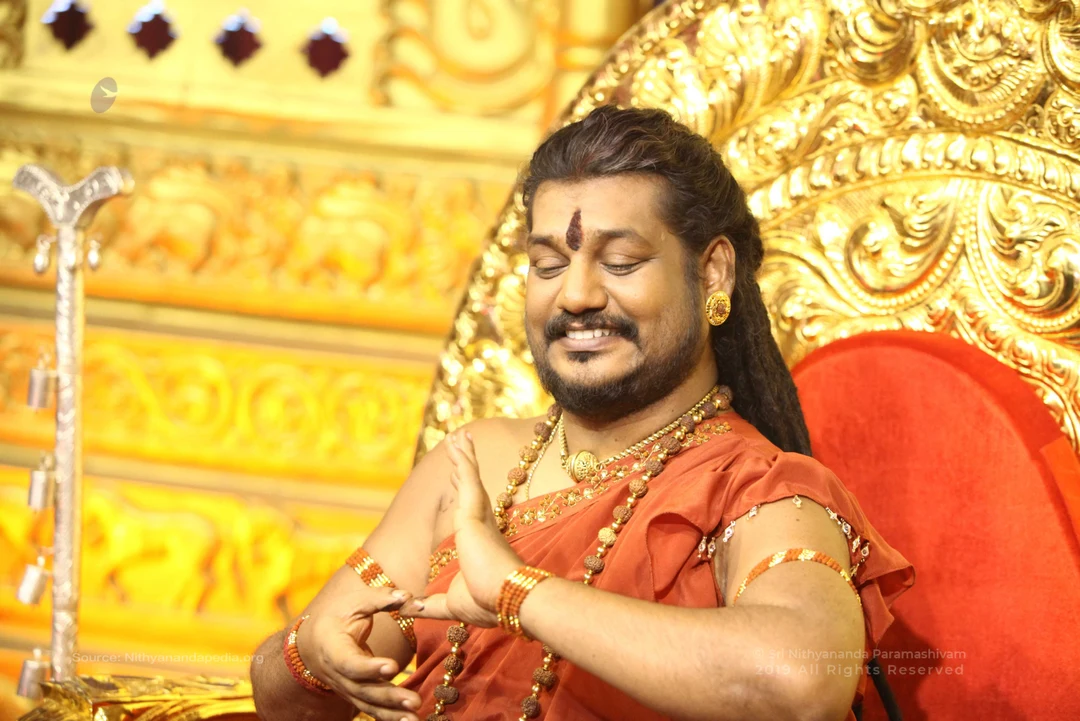
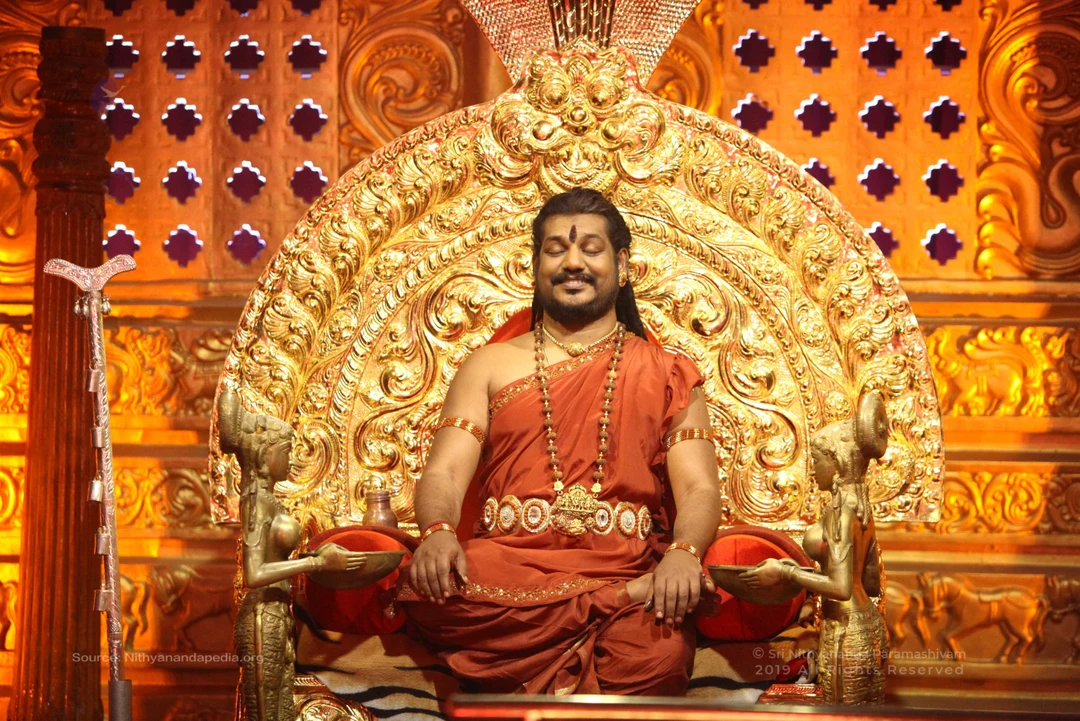
Inner Awakening Session
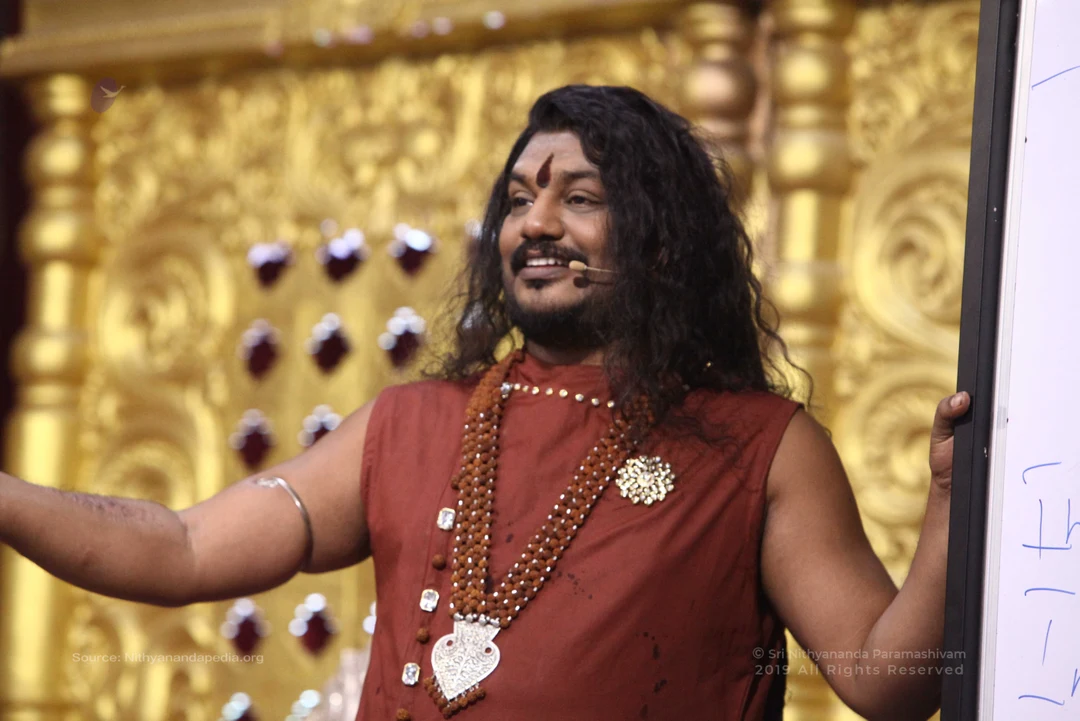
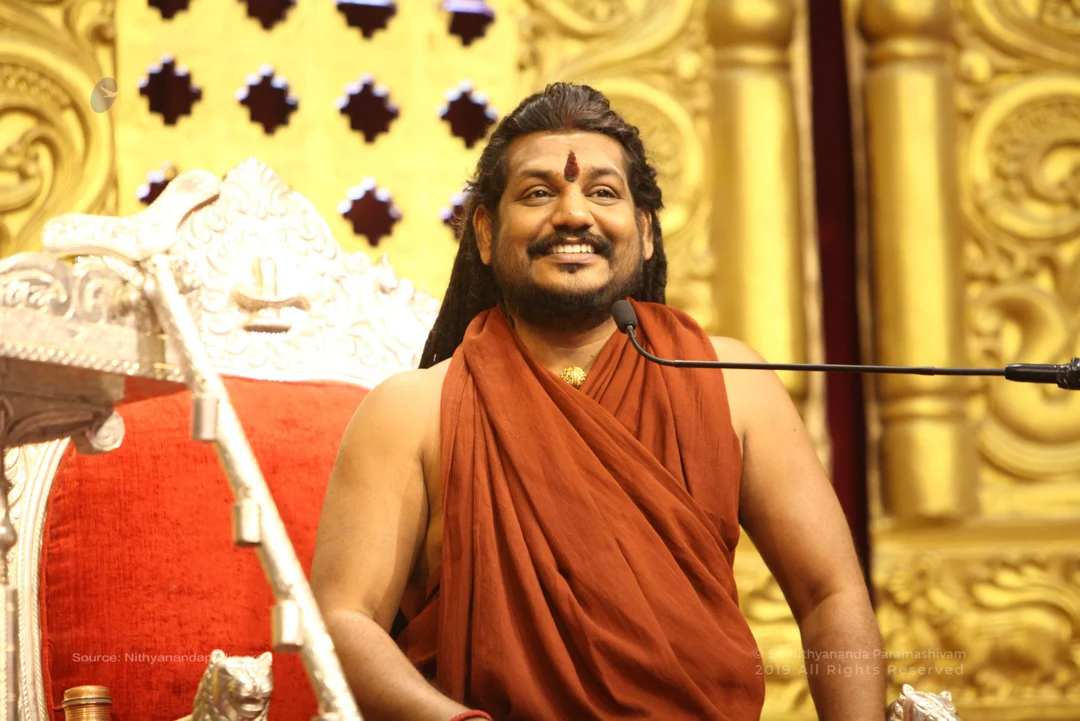
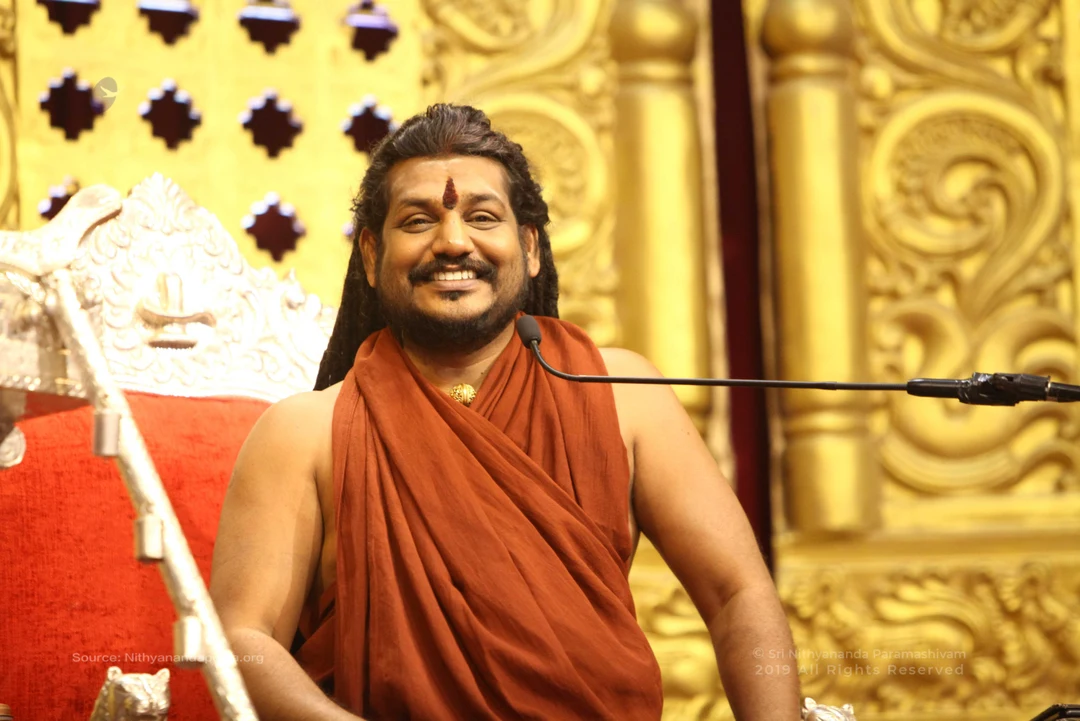
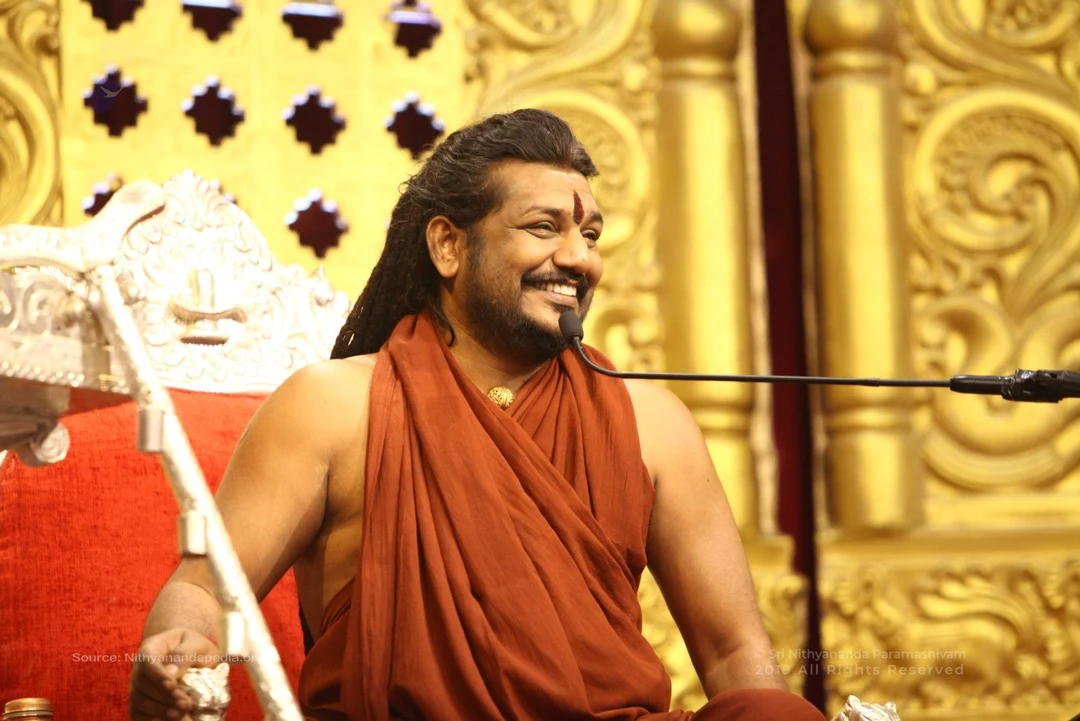
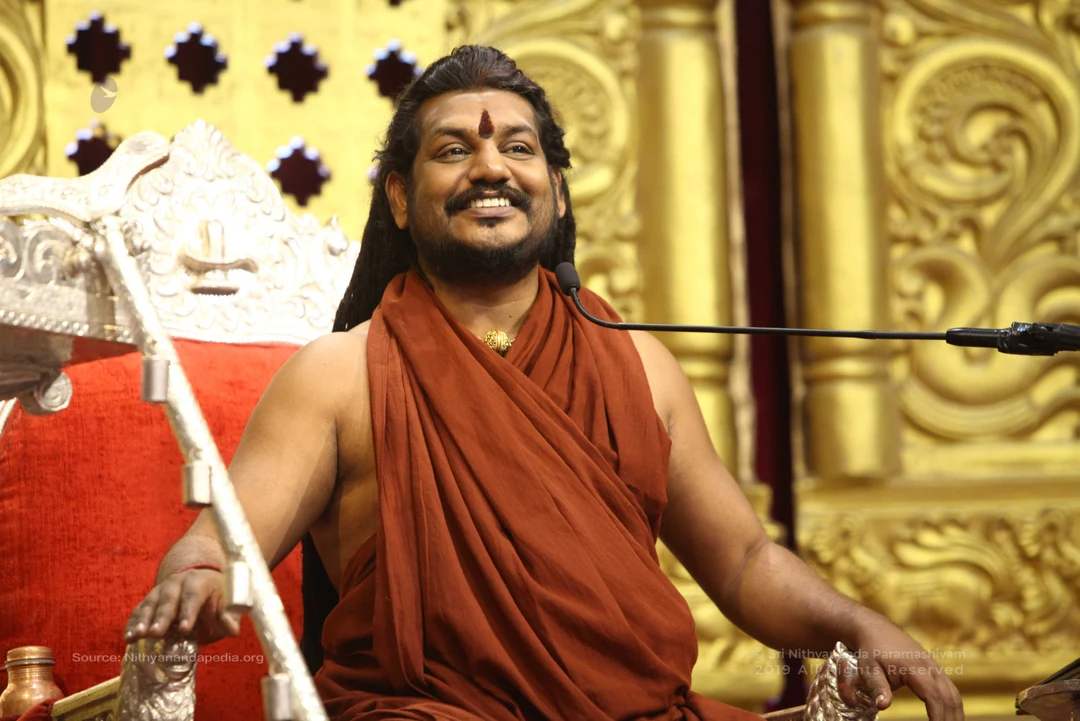
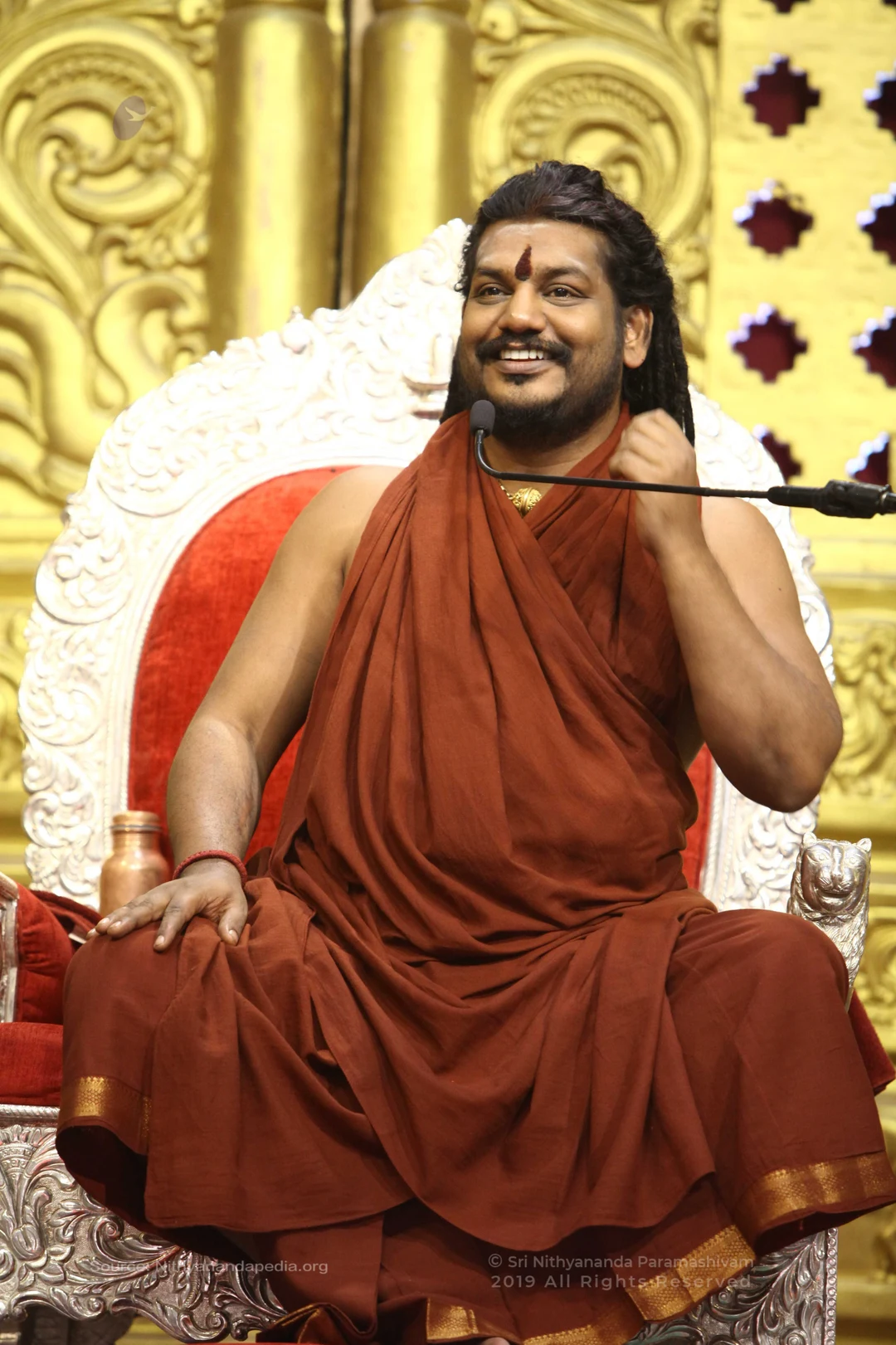
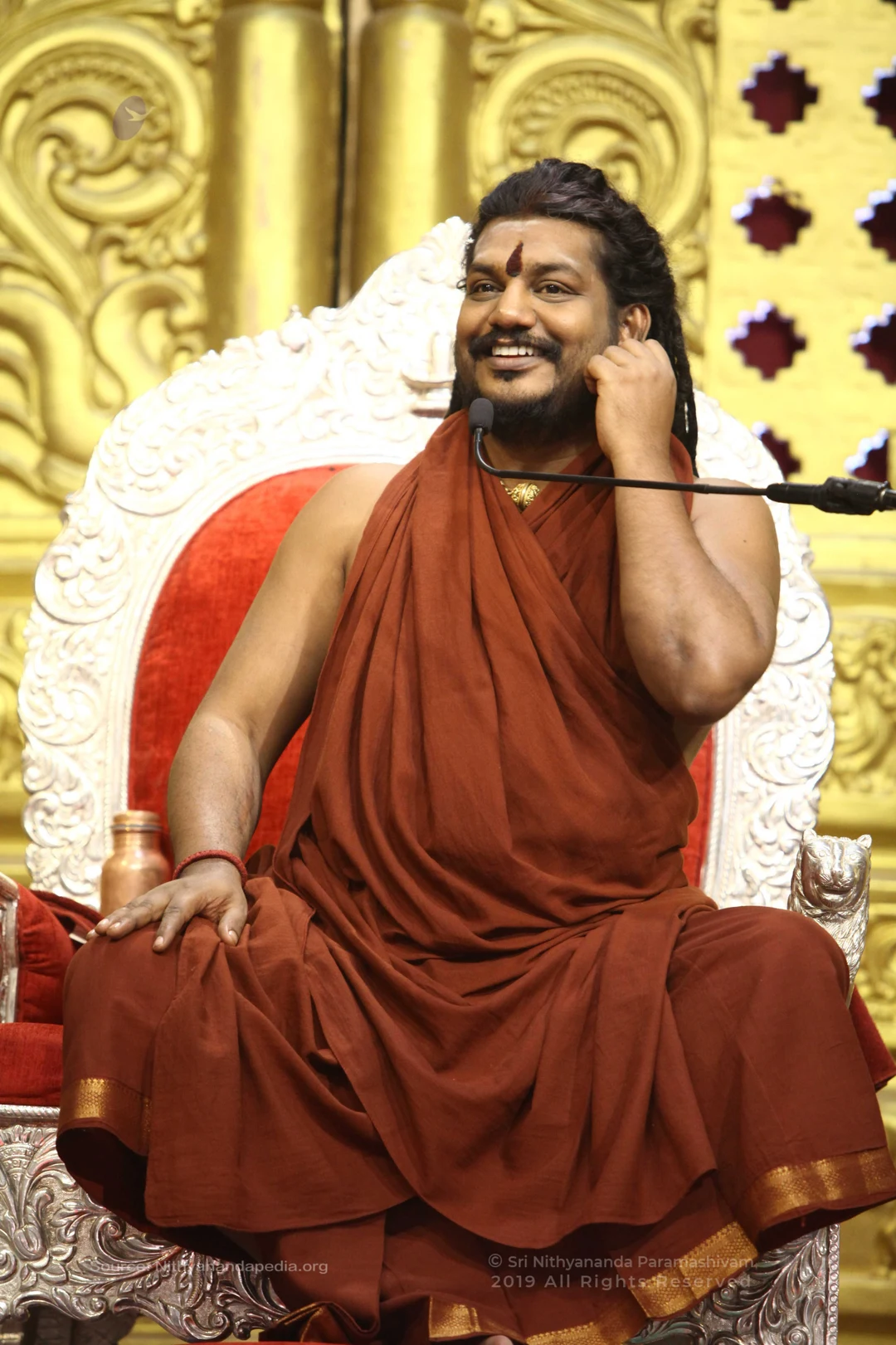
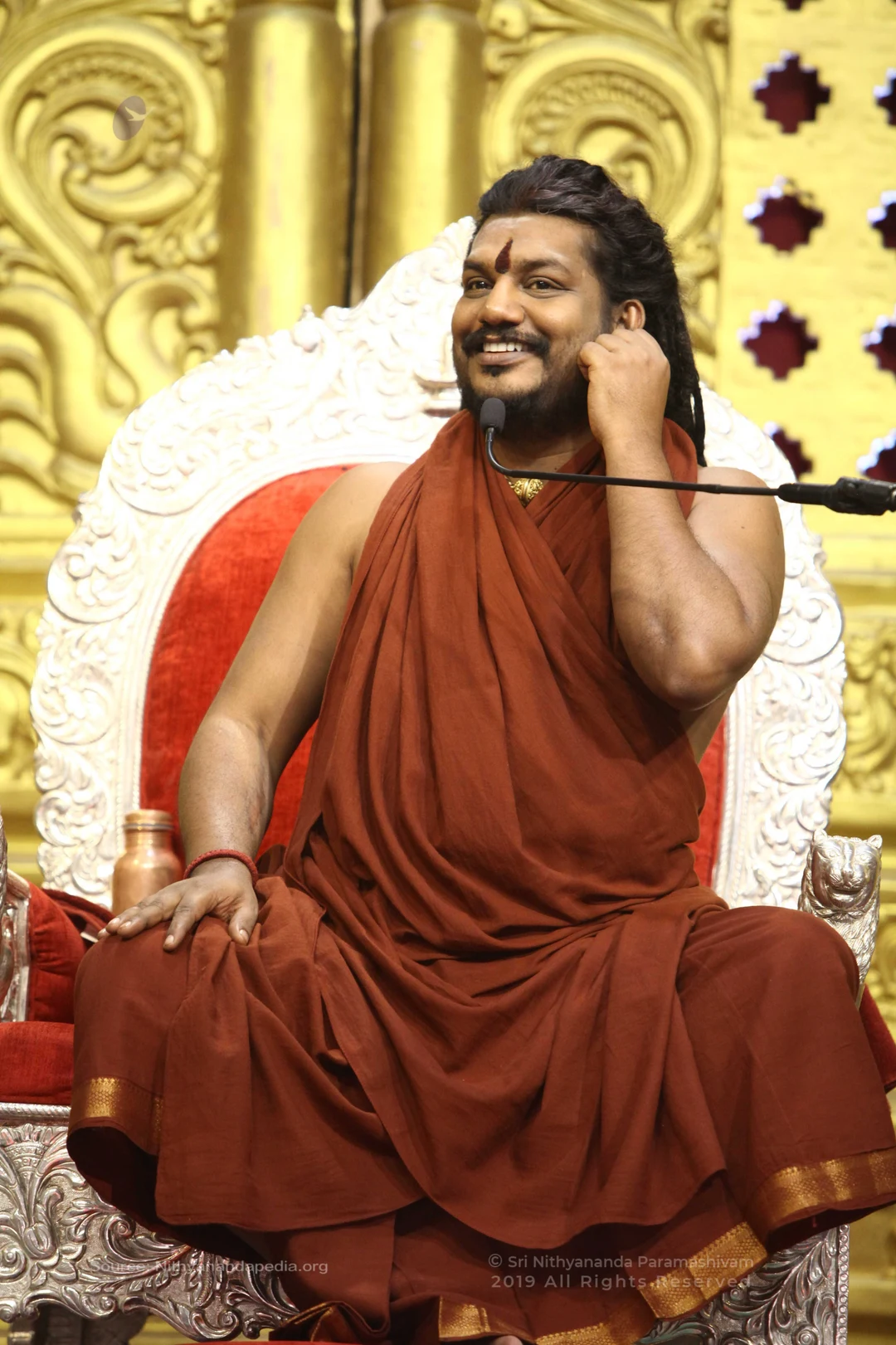
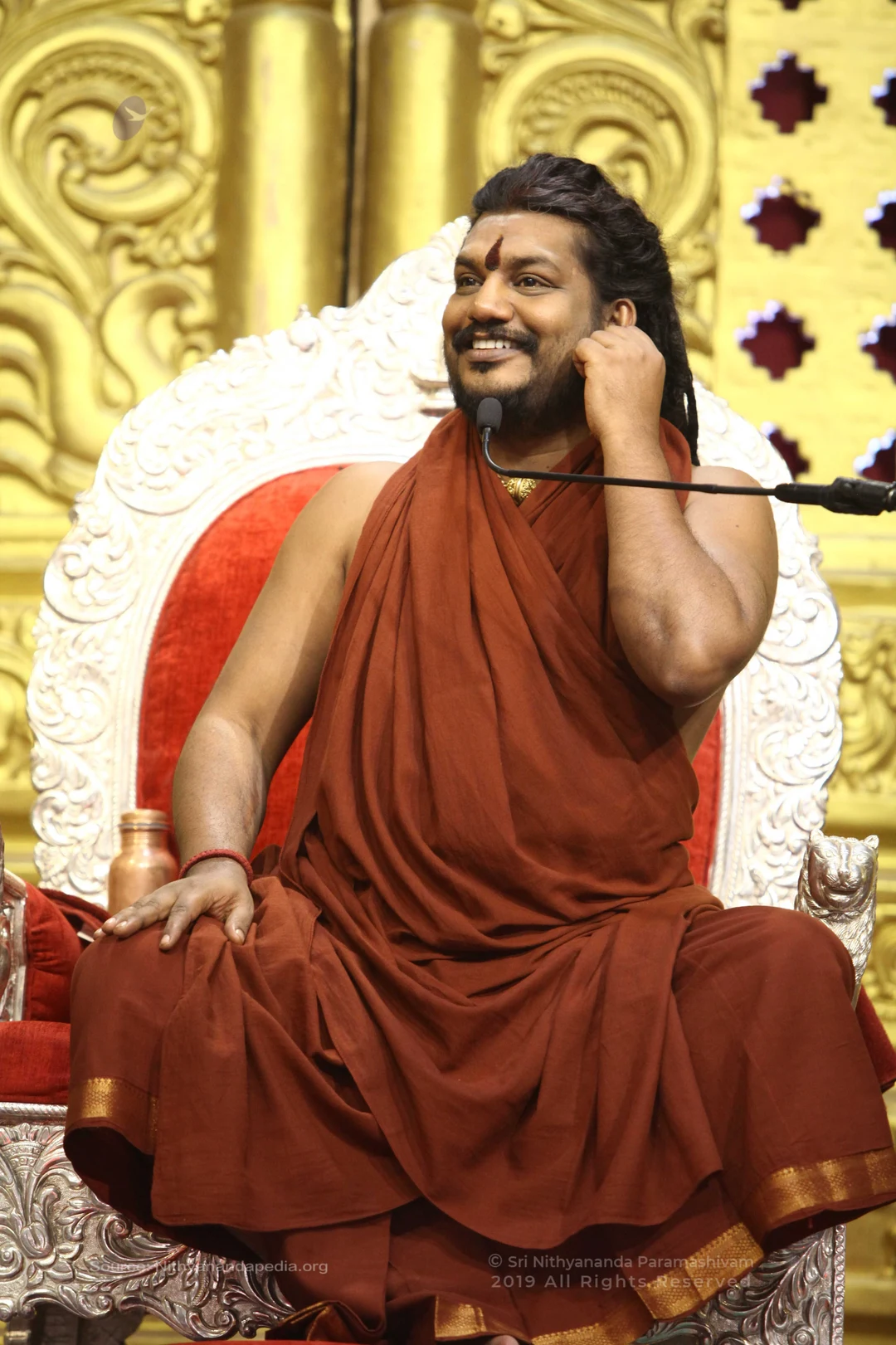
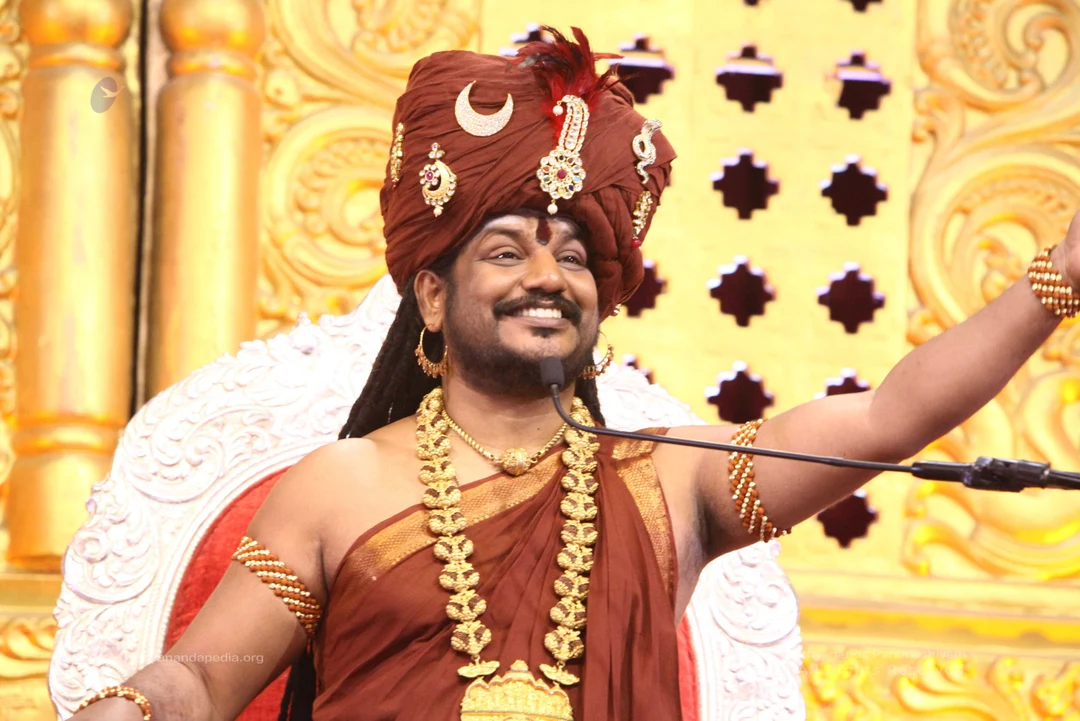
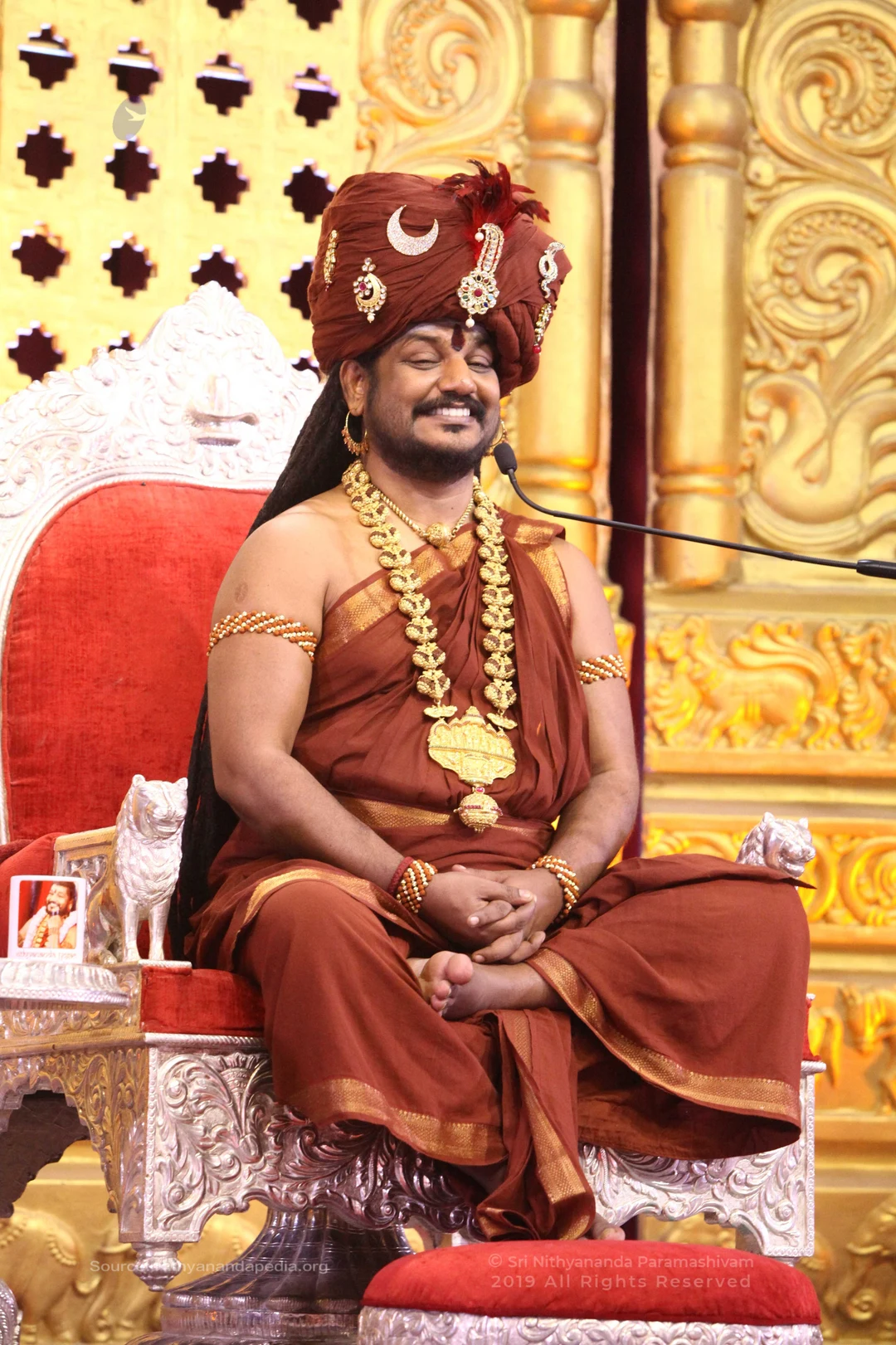
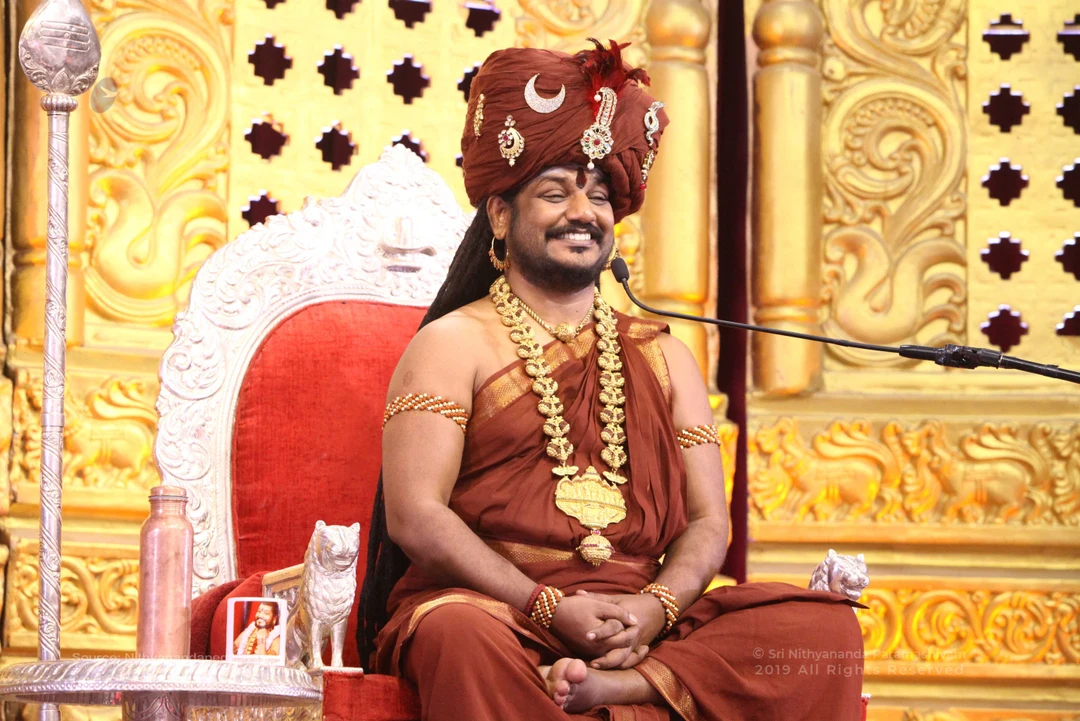
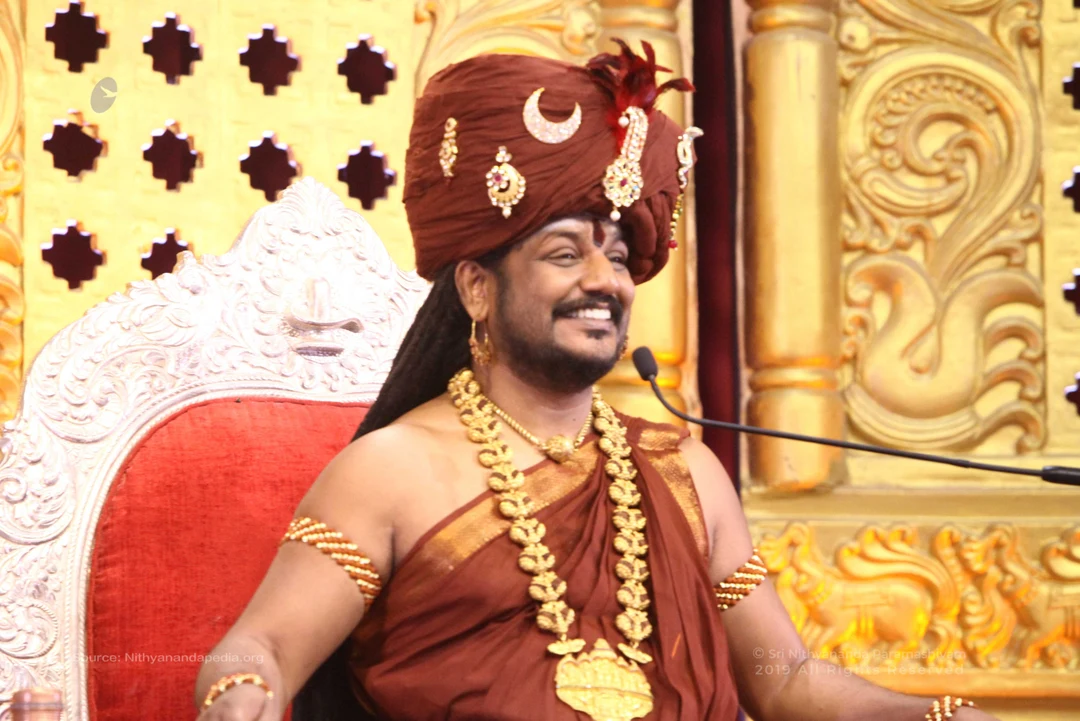
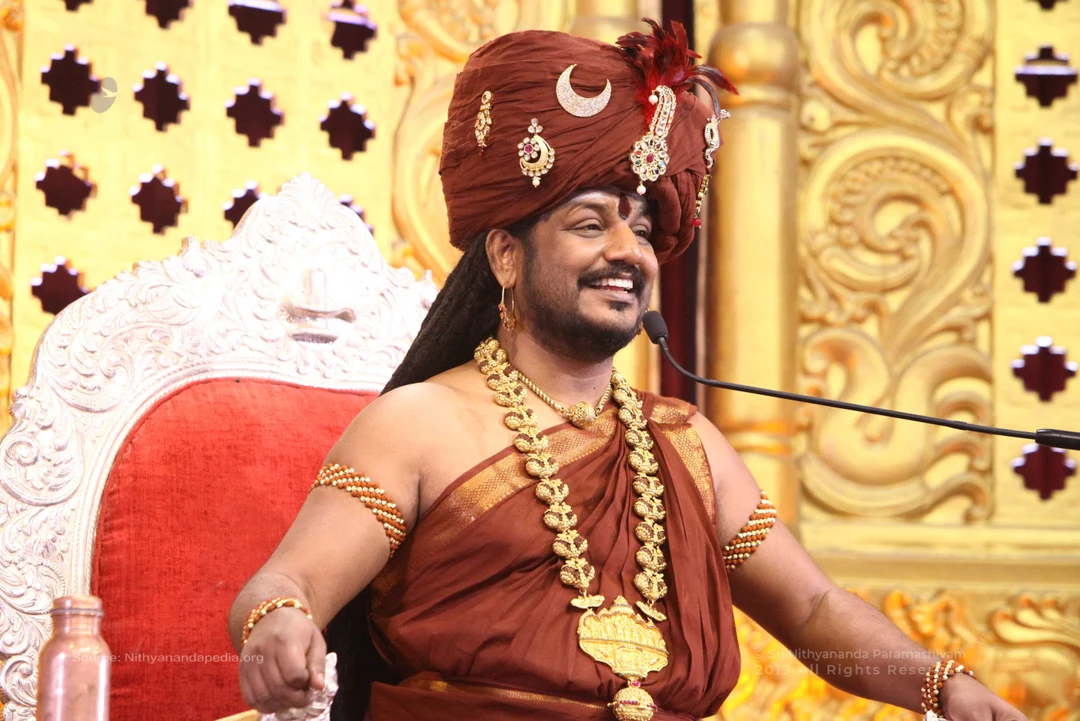
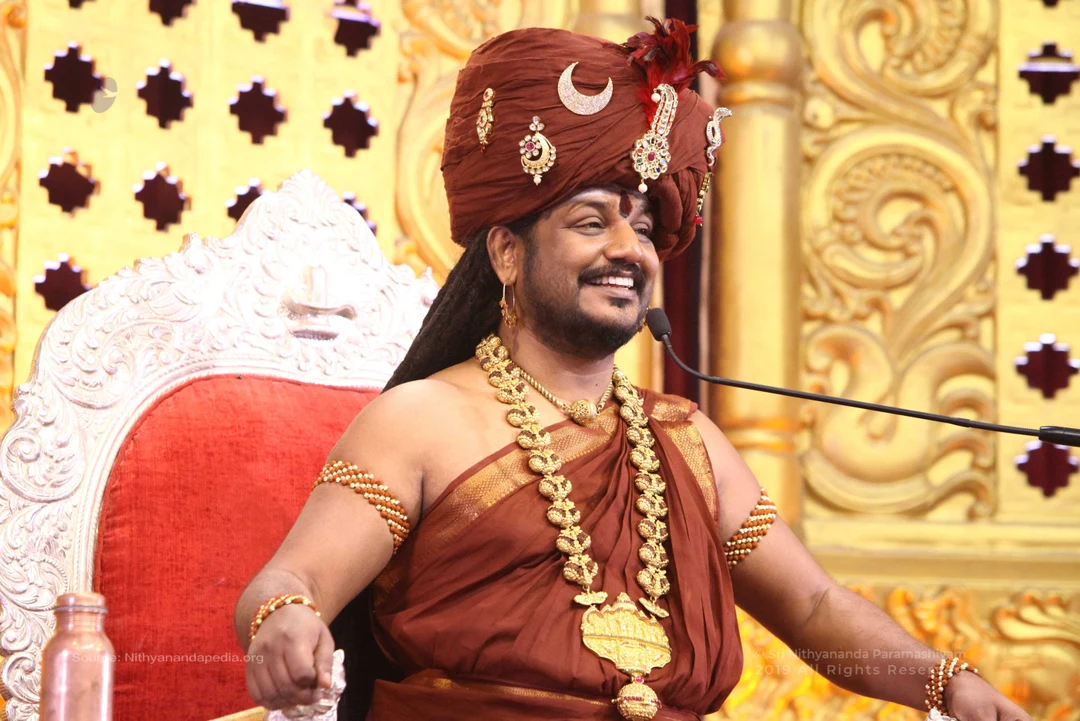
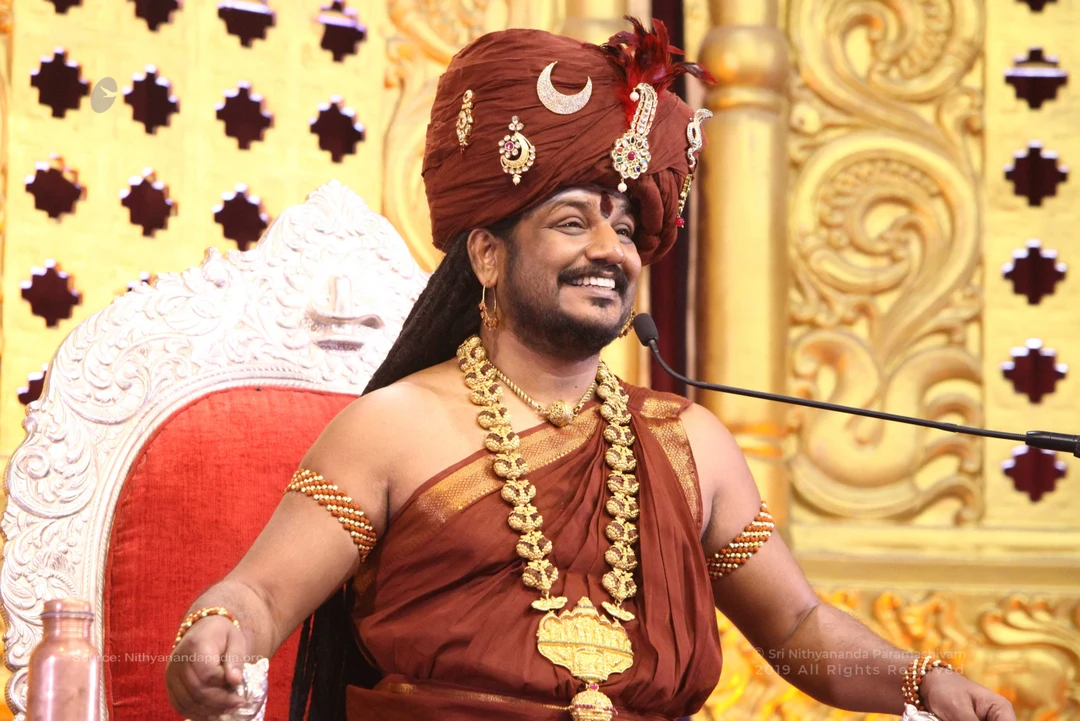
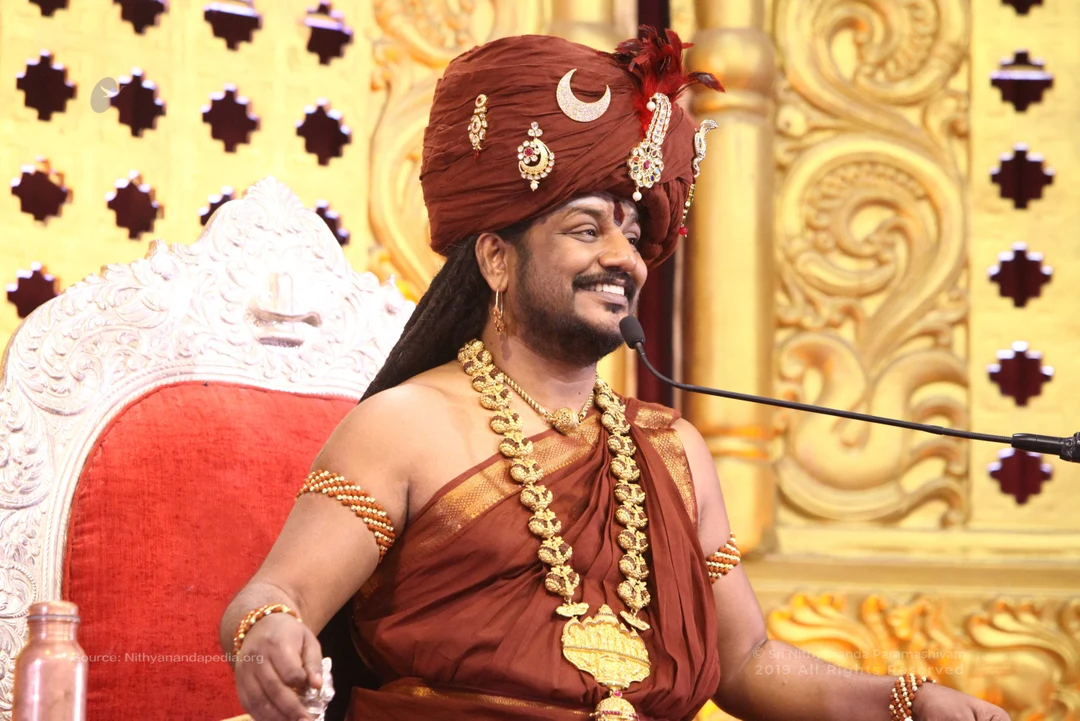
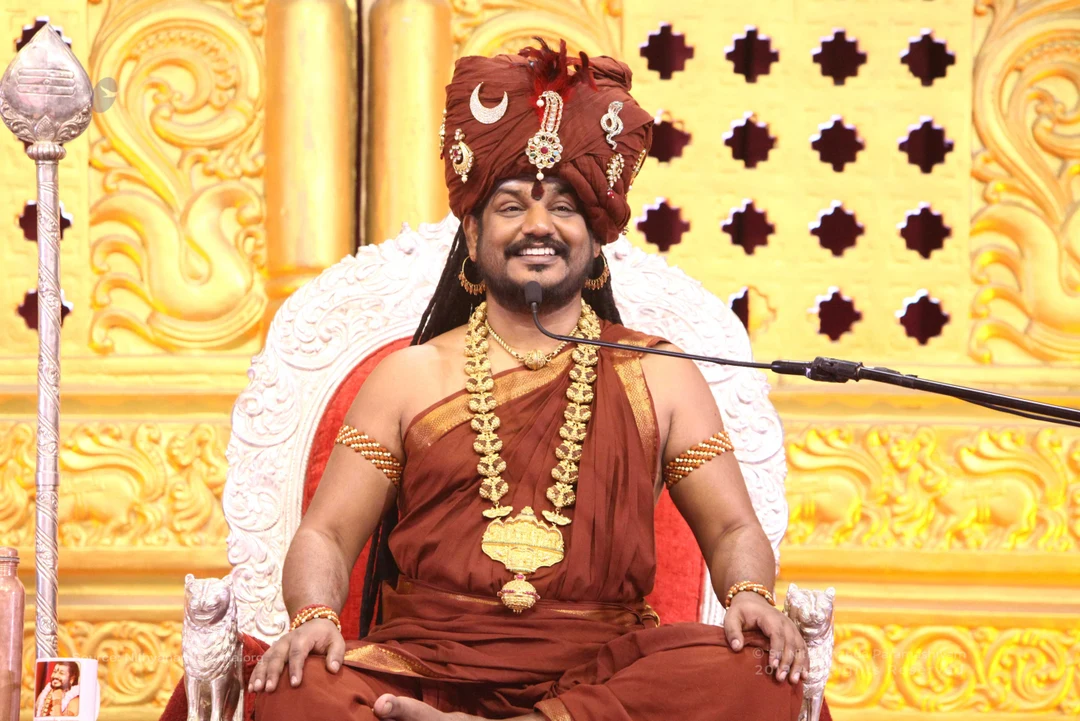
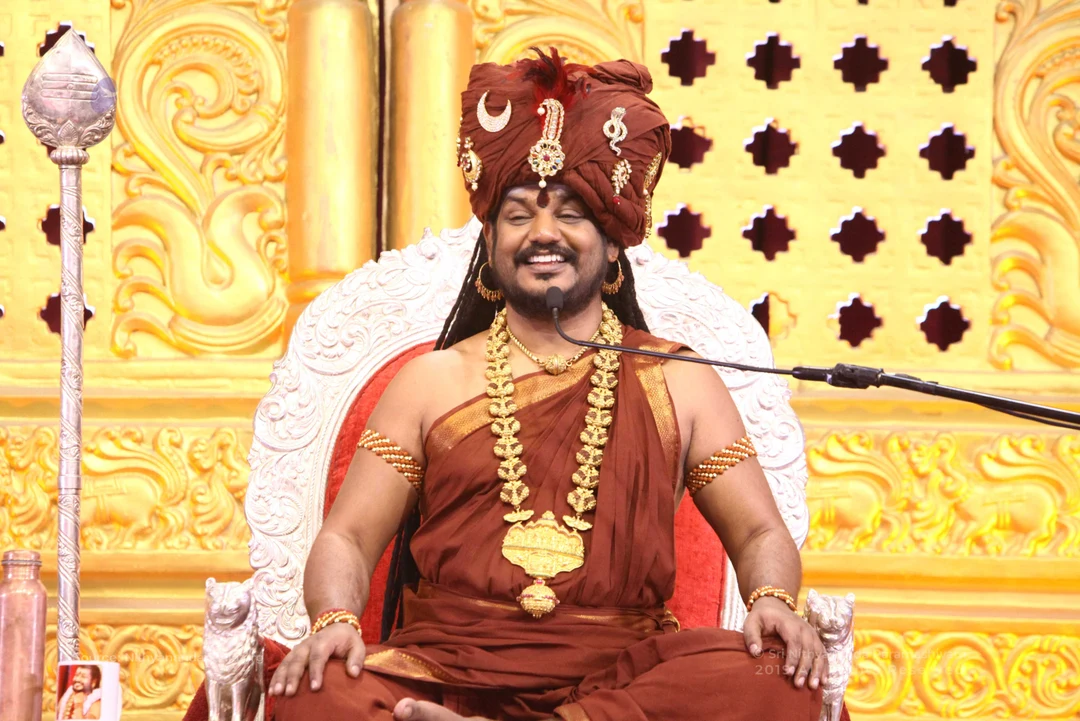
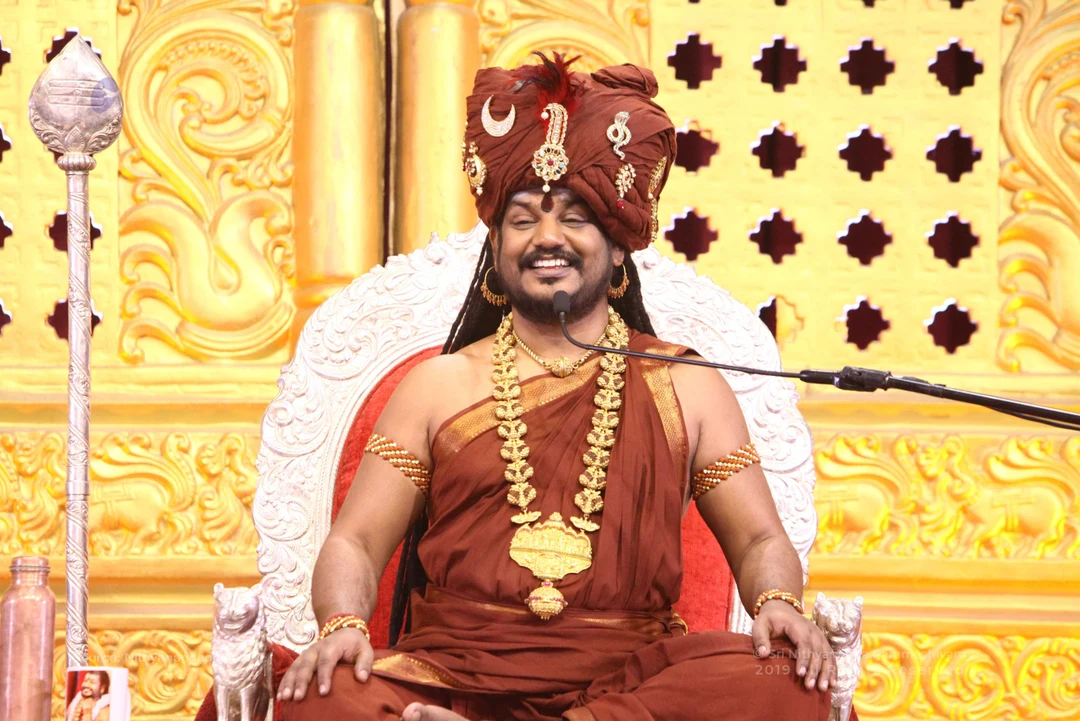
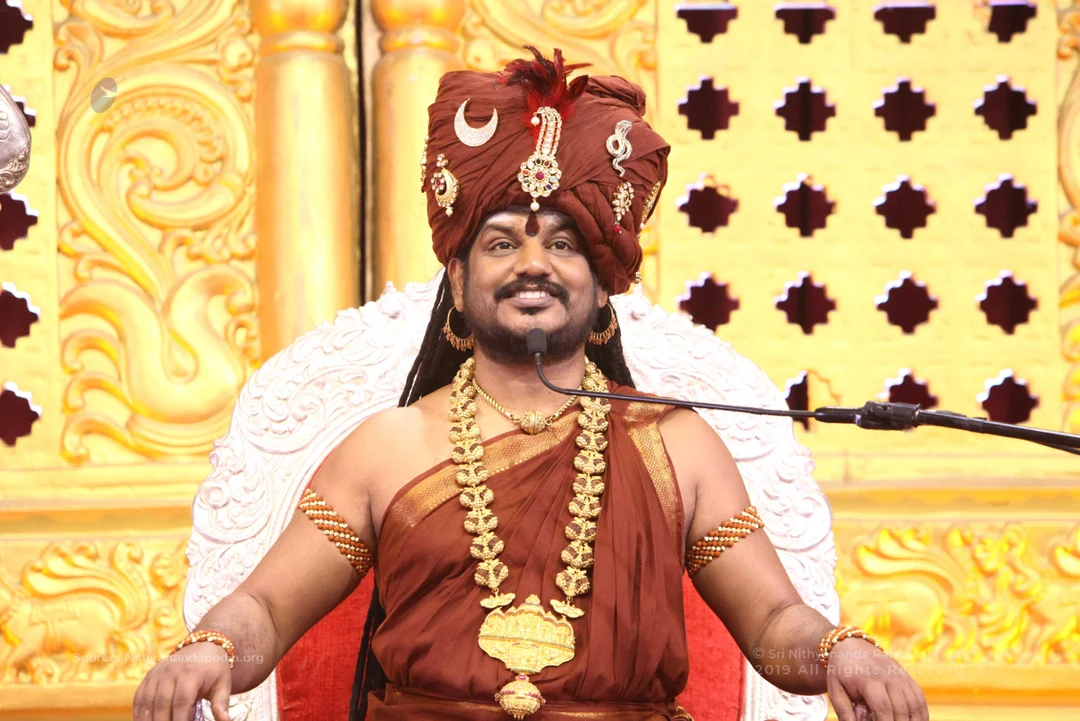
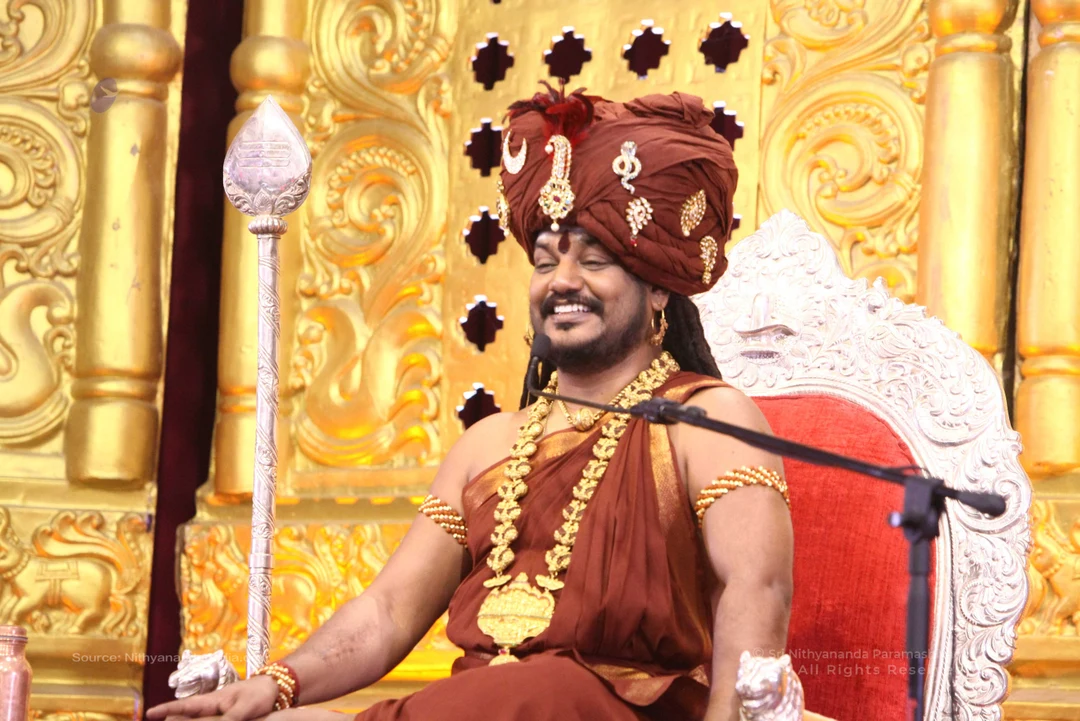
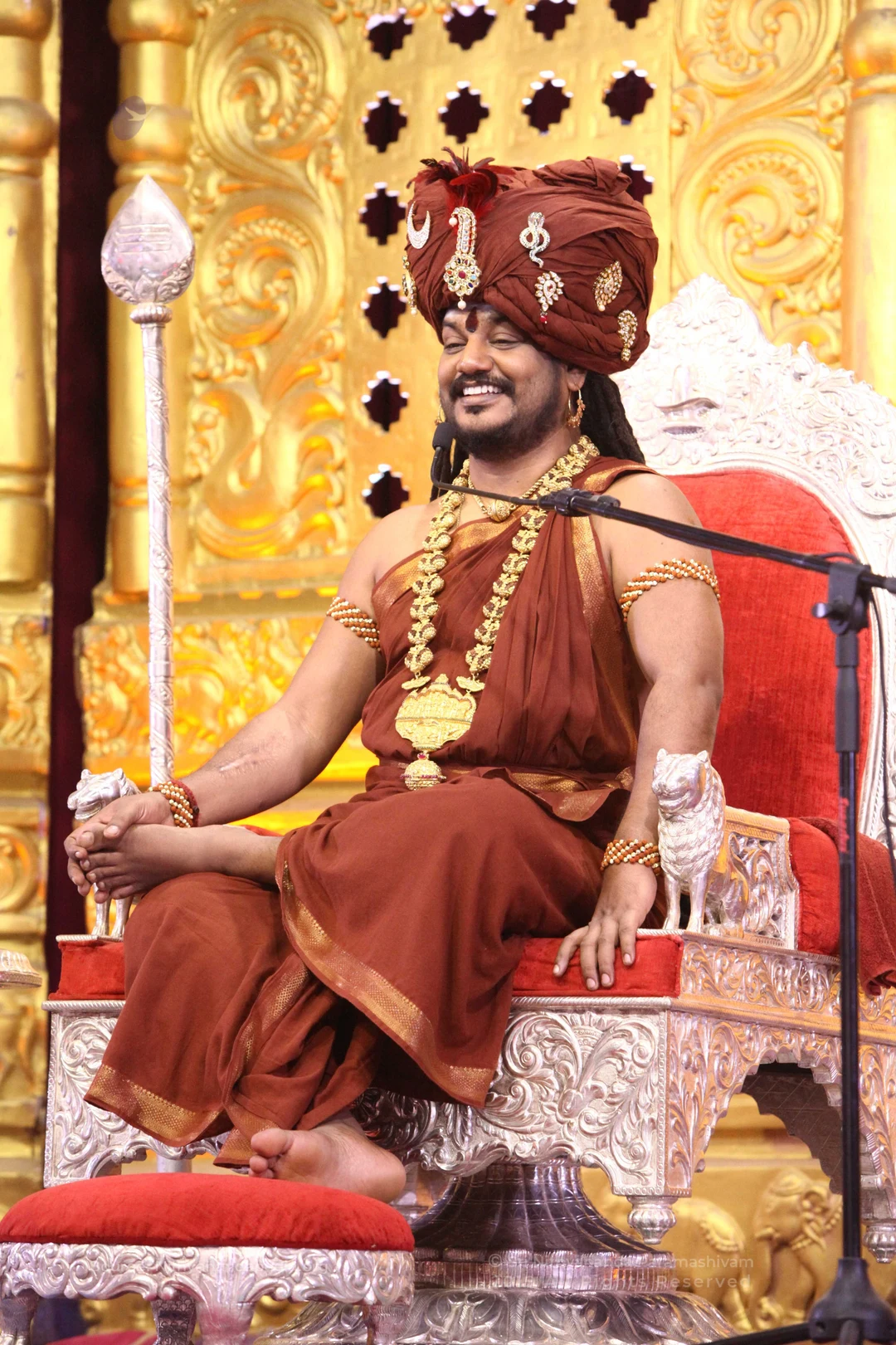
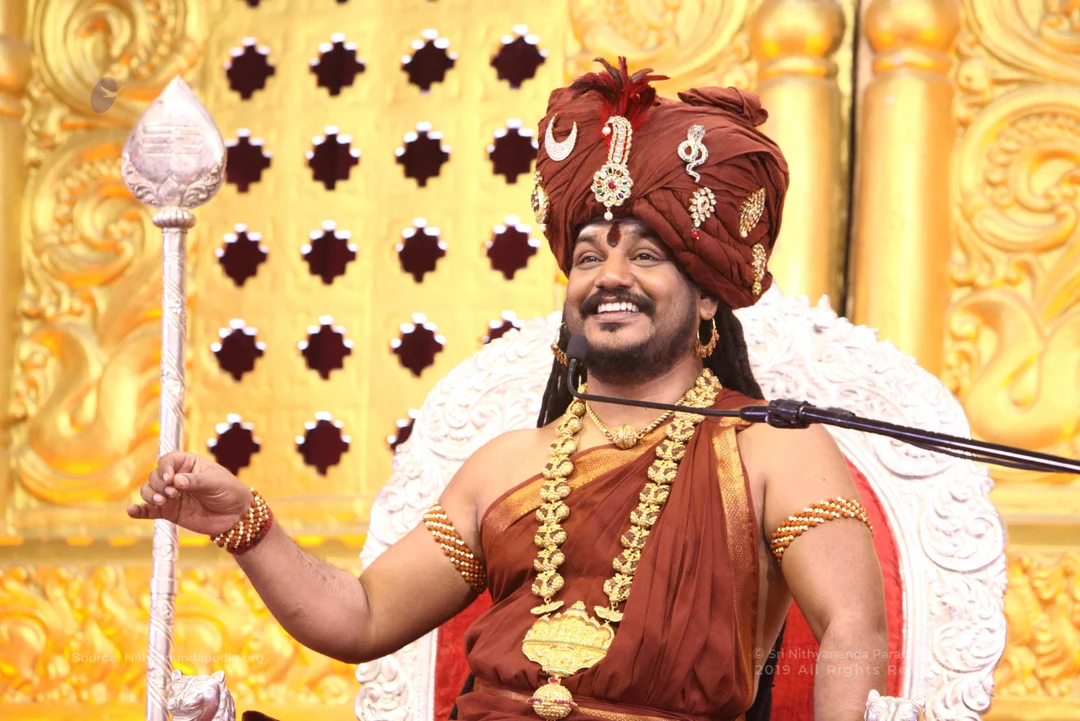
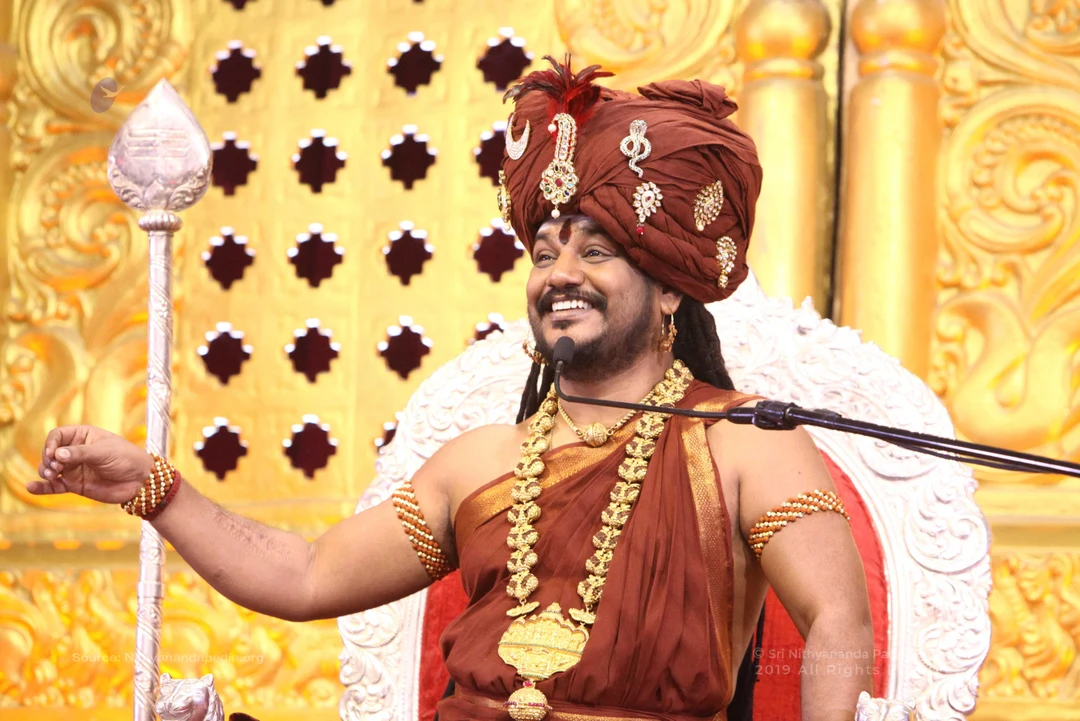
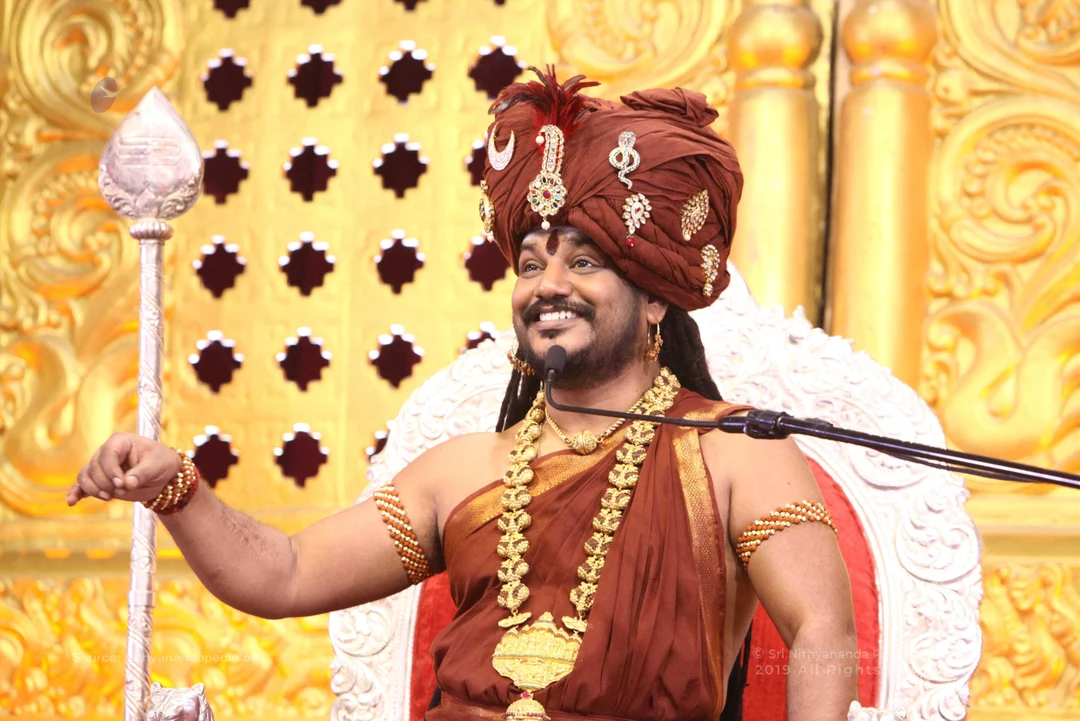
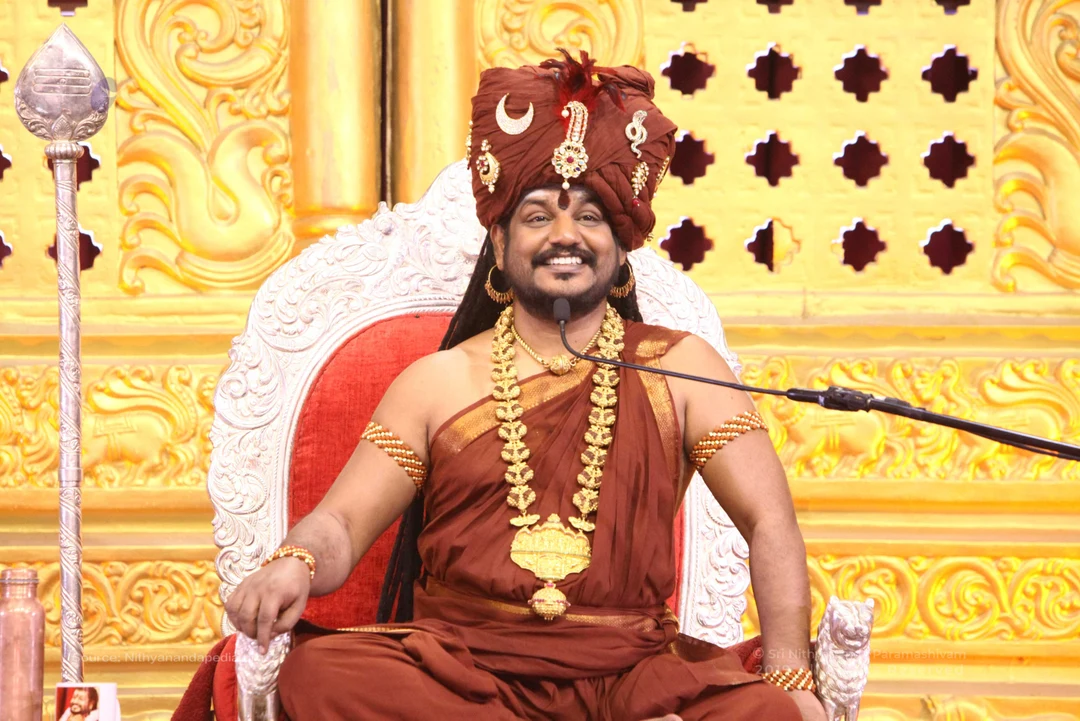
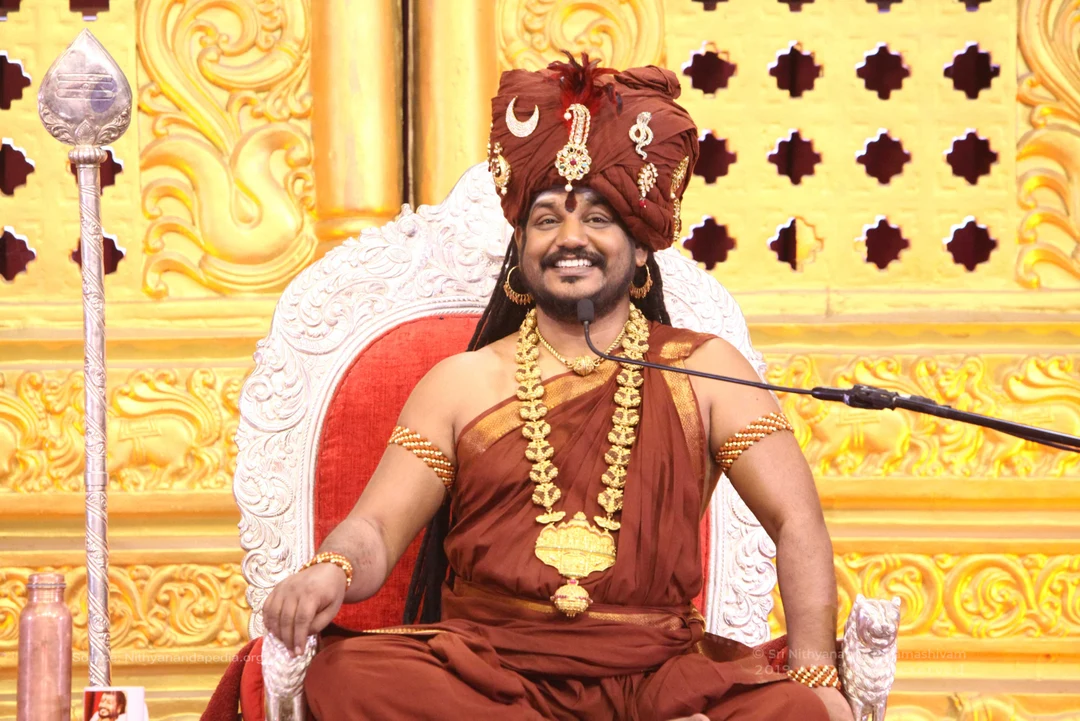
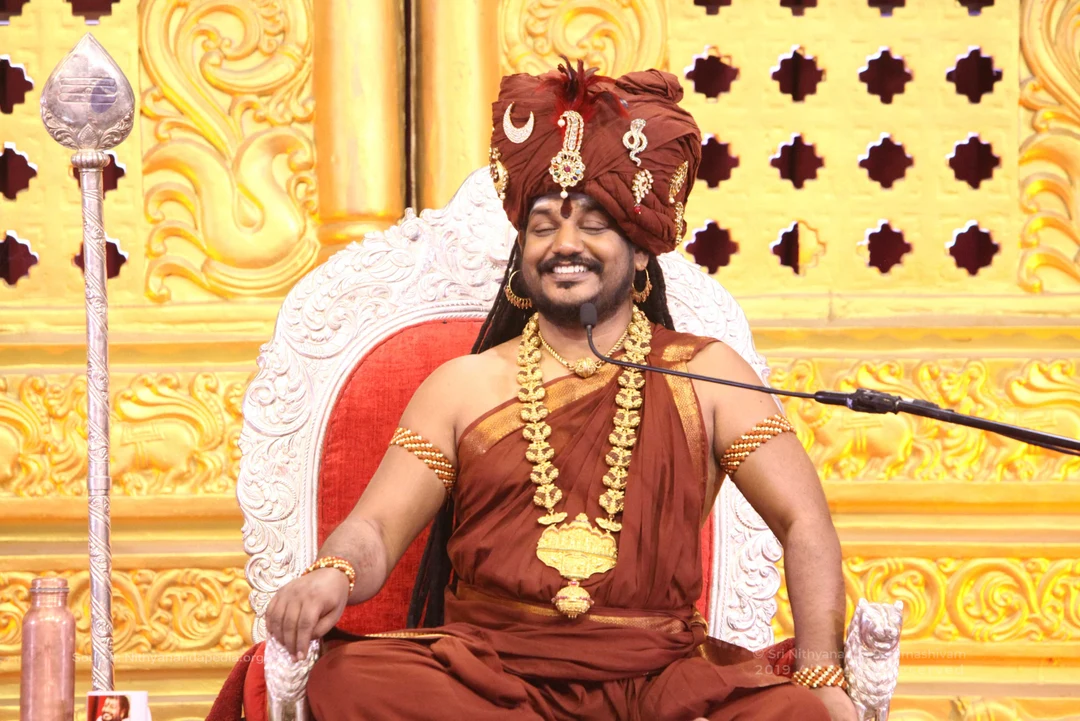
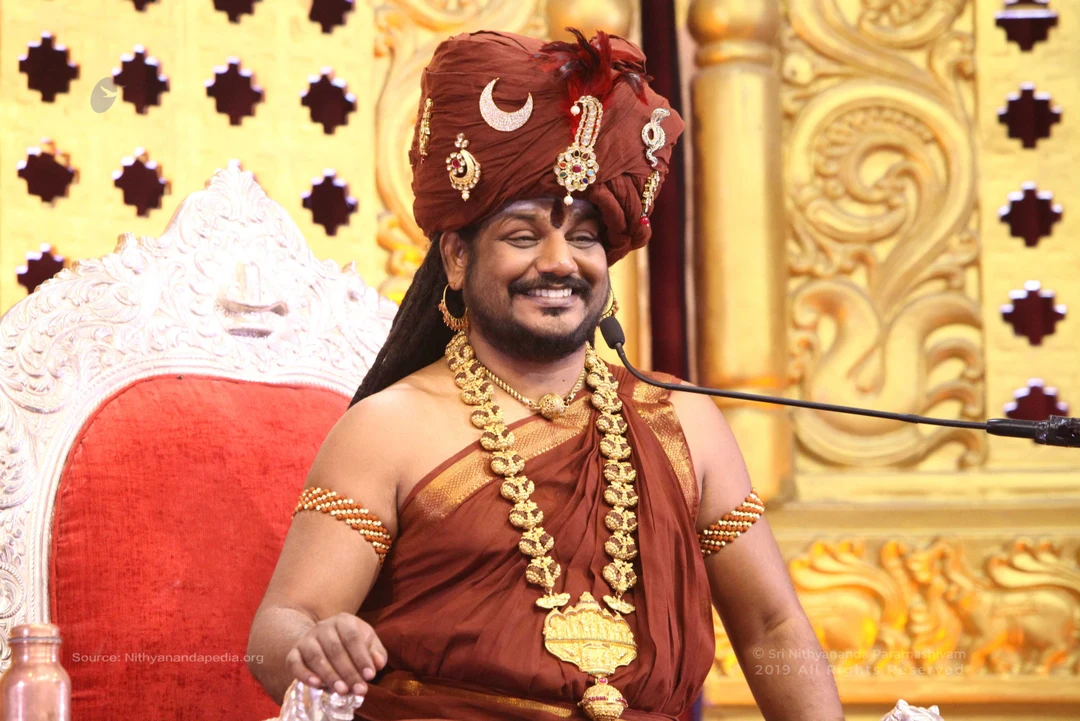
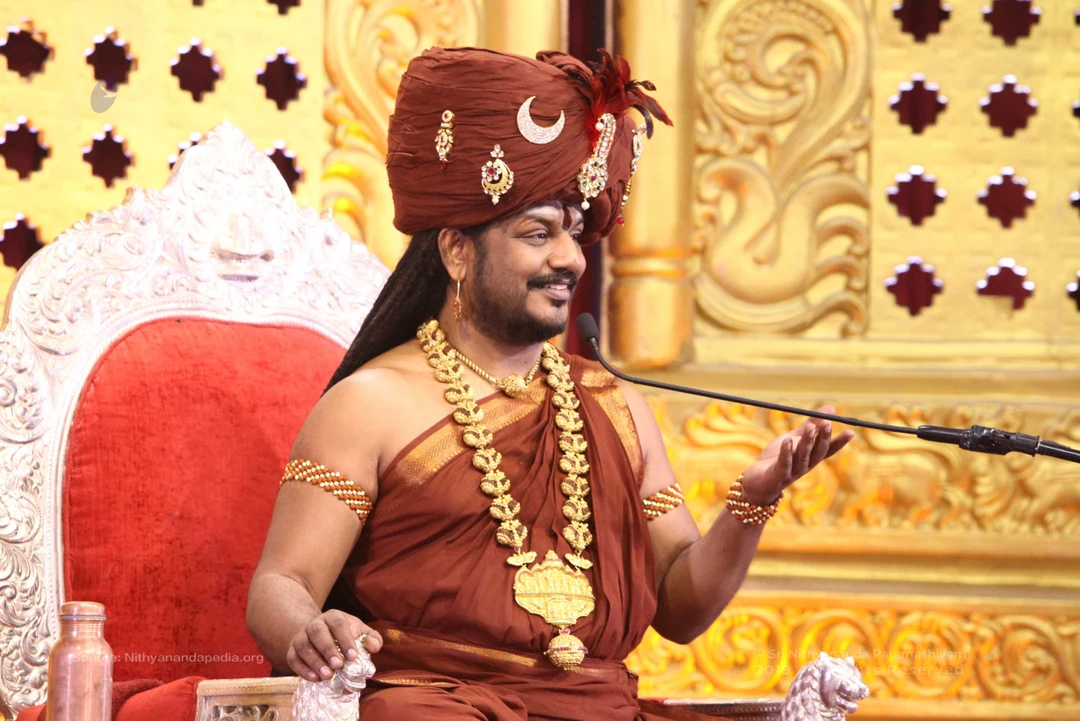
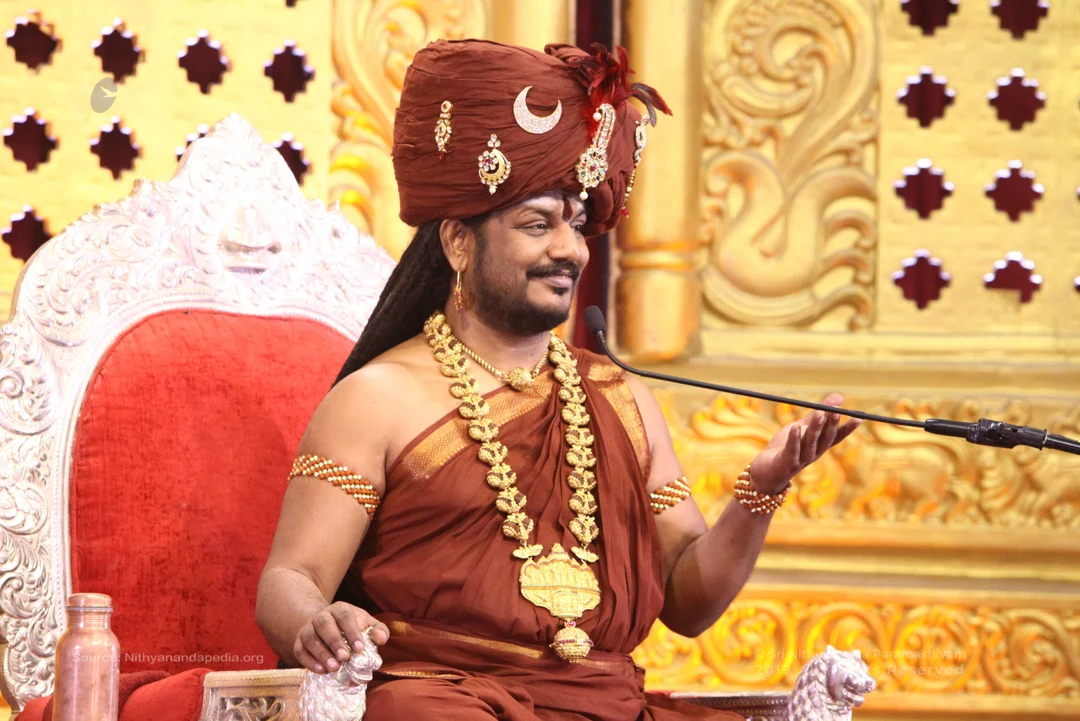
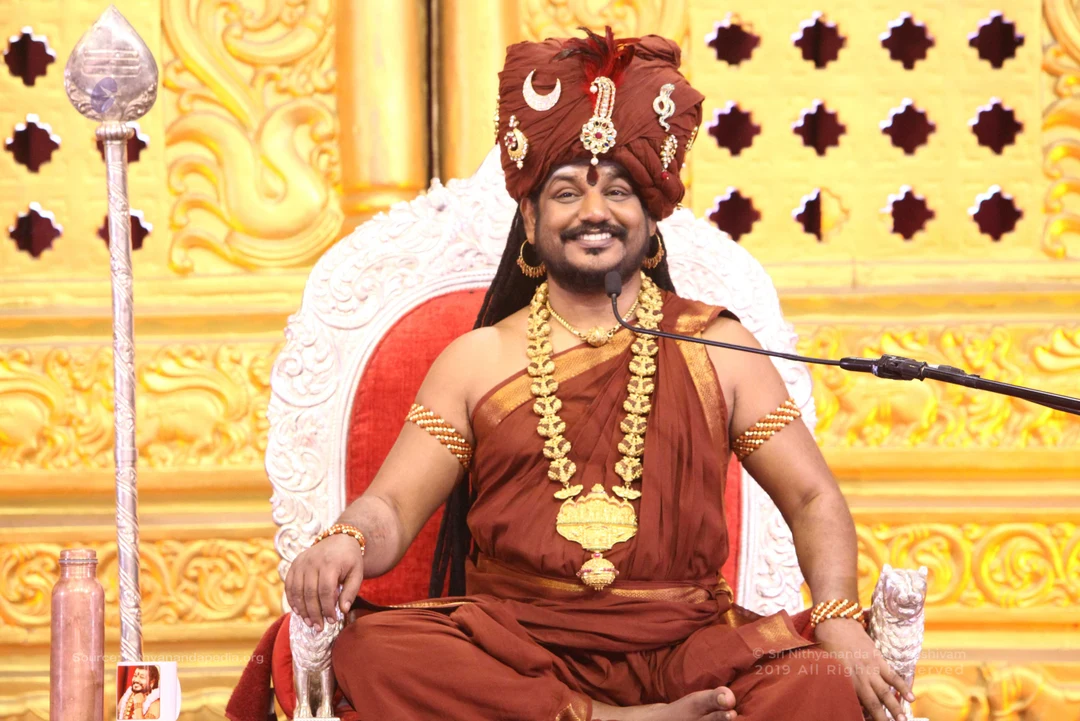
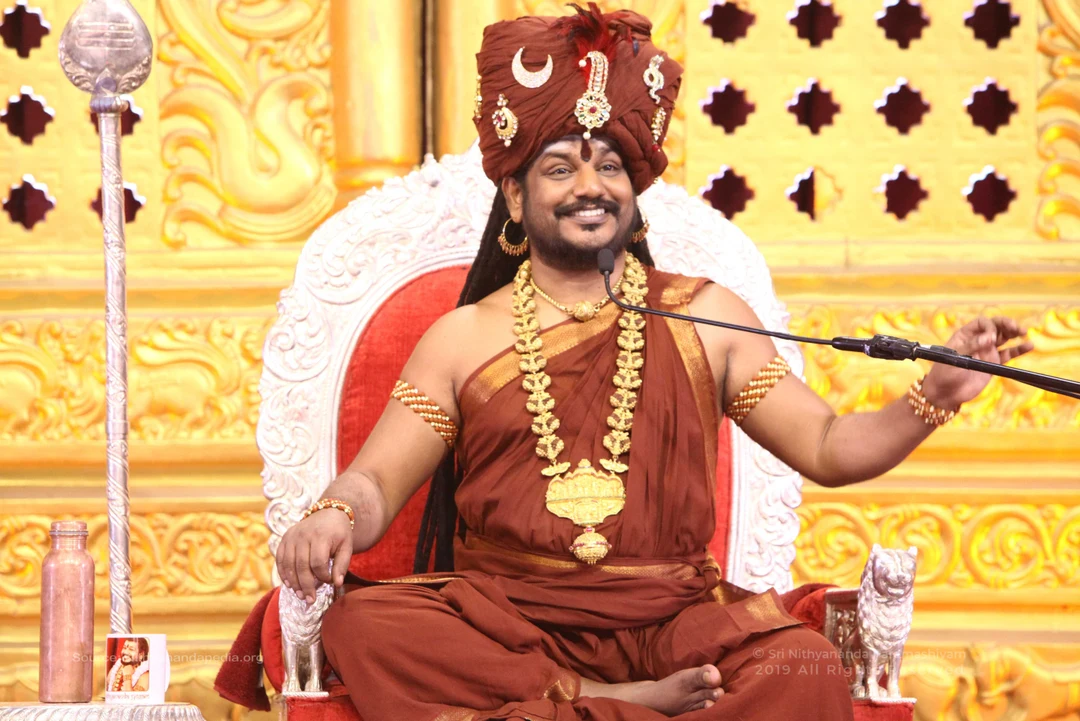
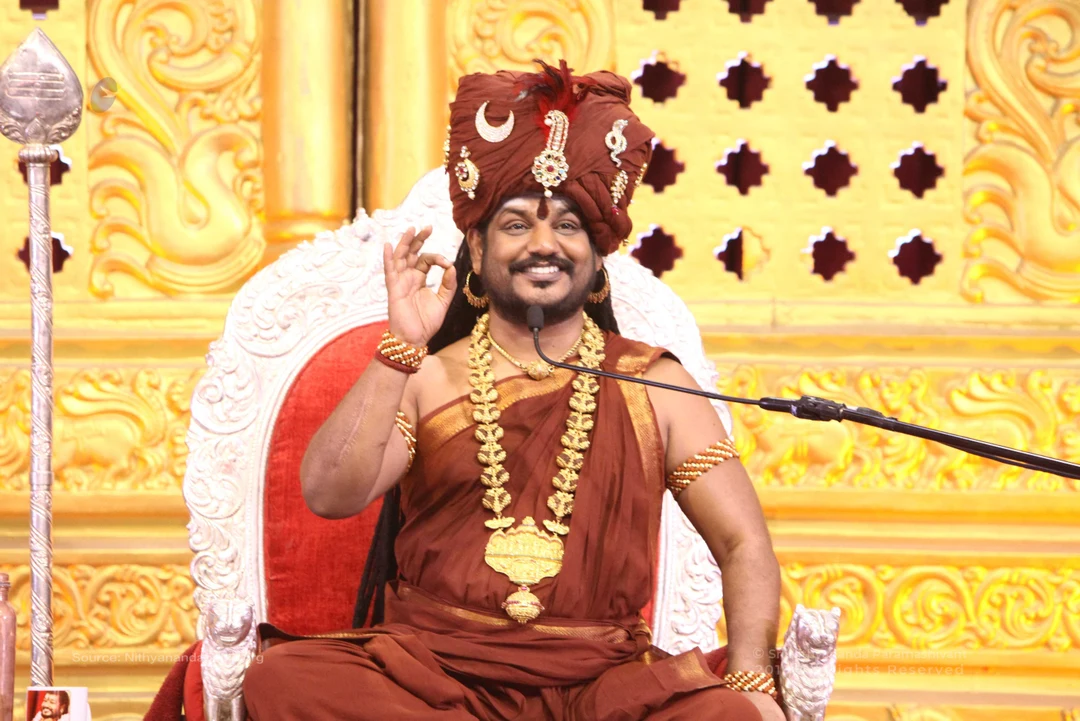
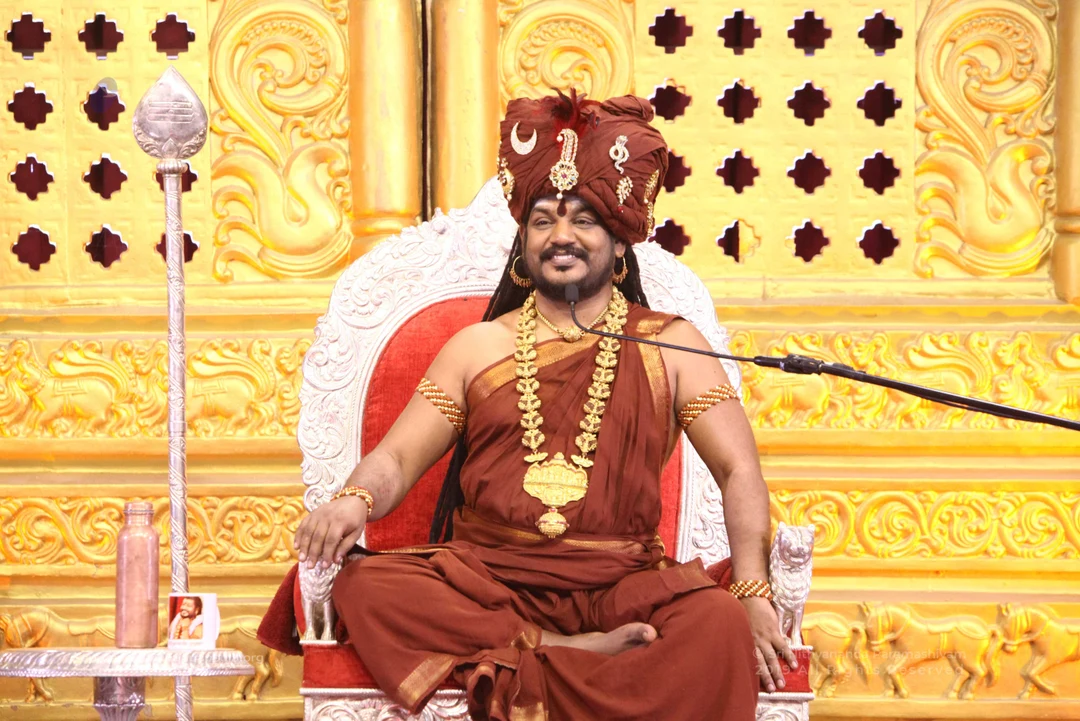
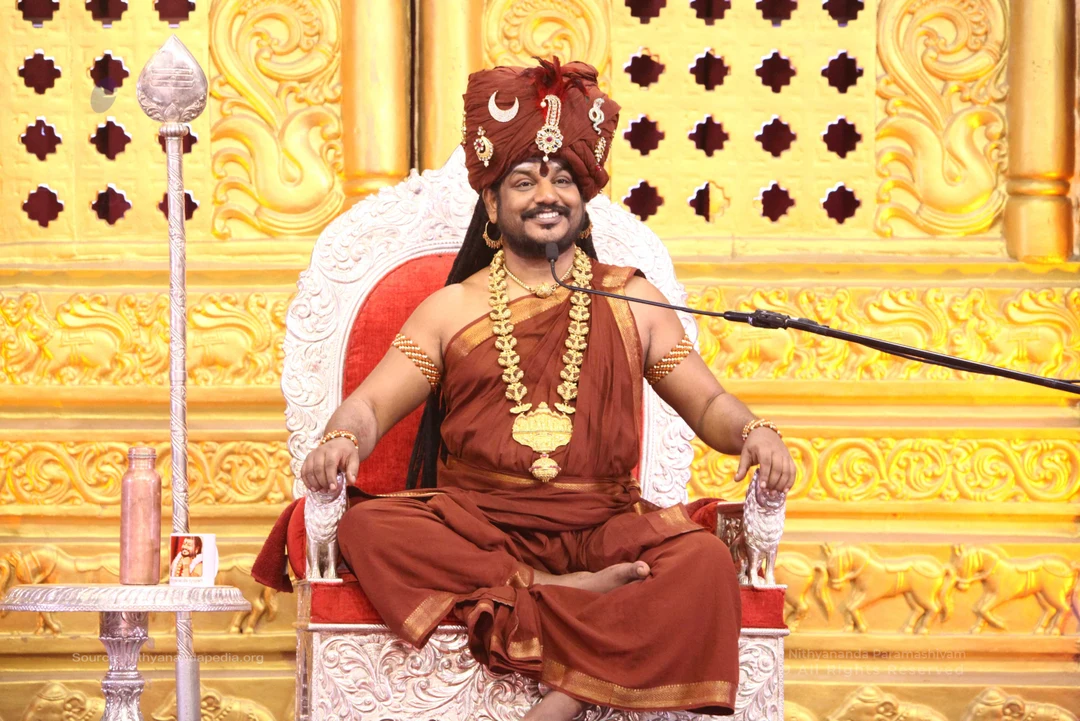
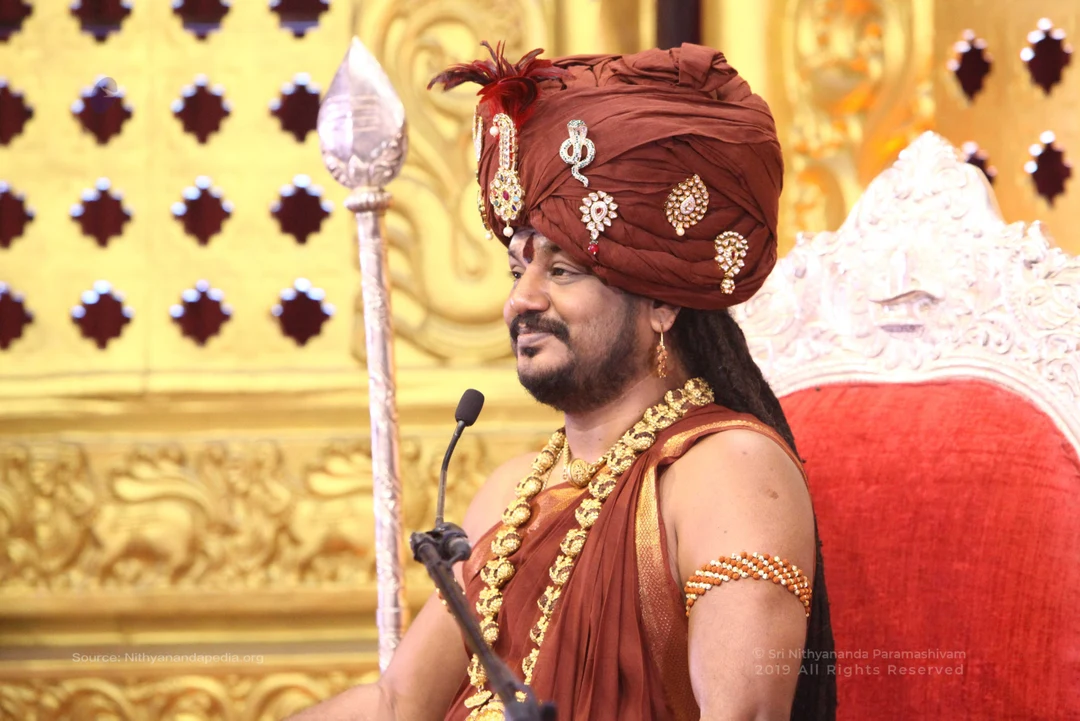
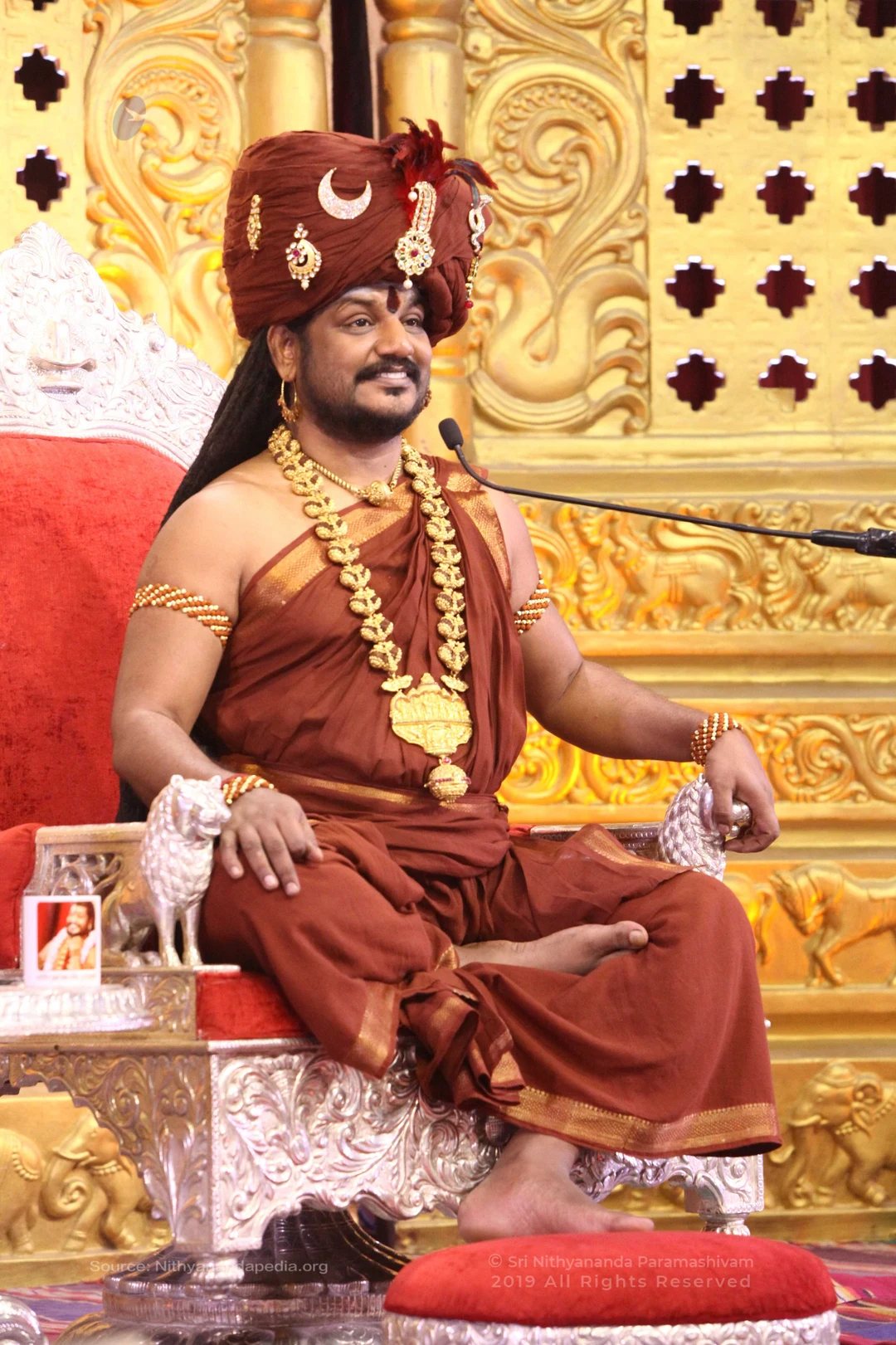
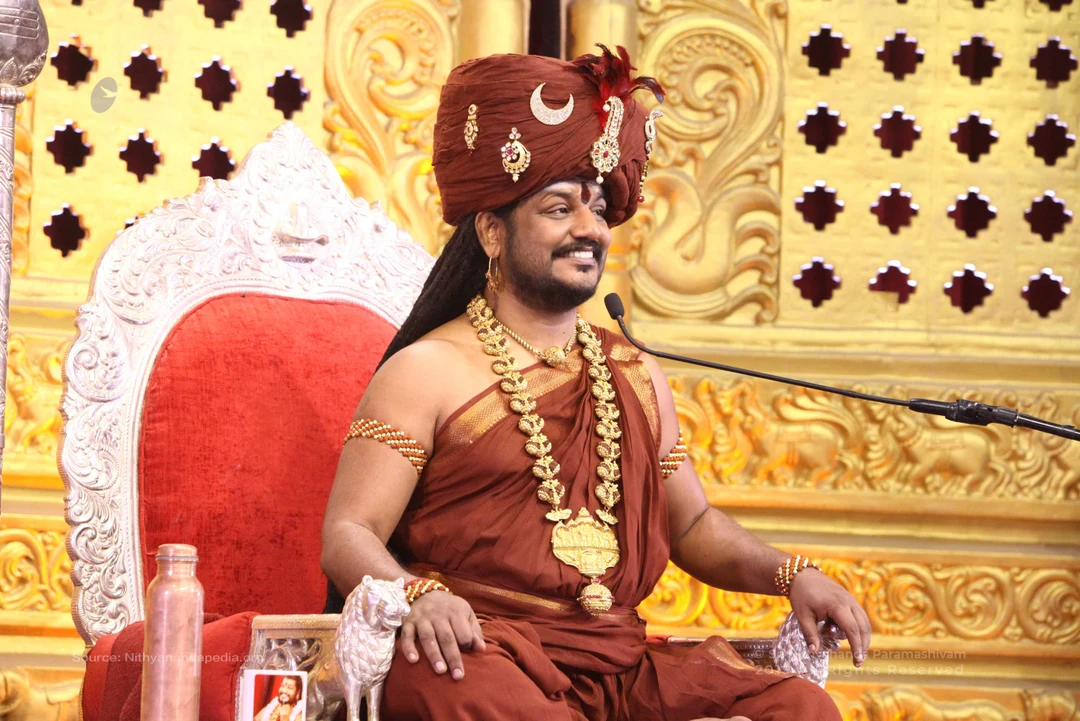
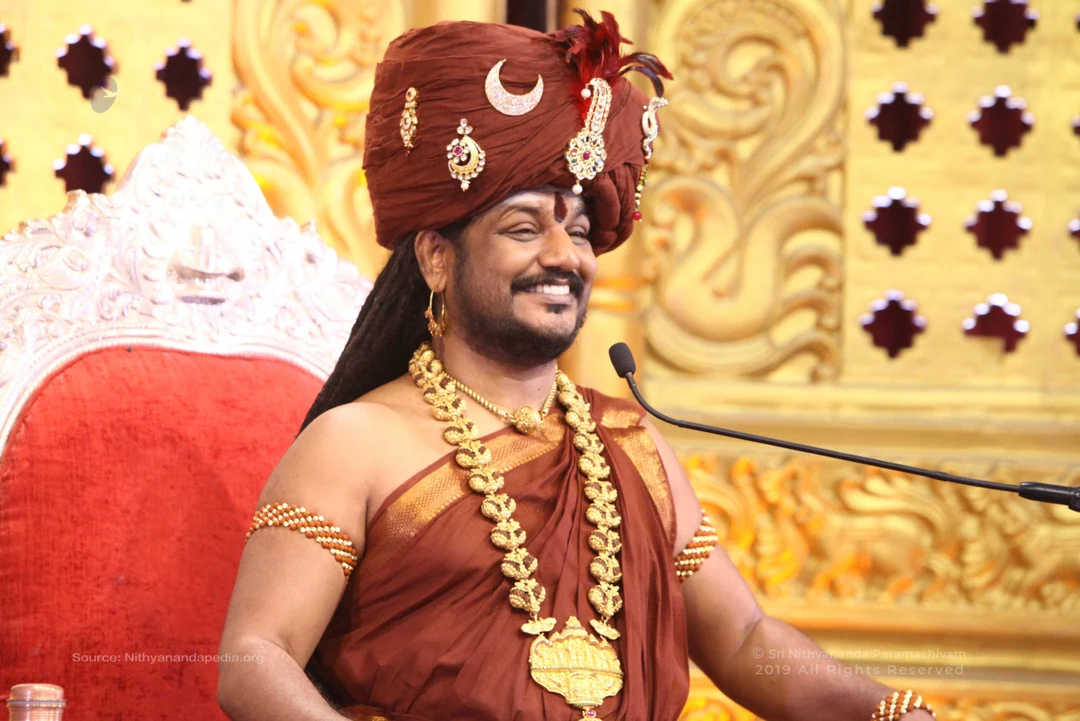
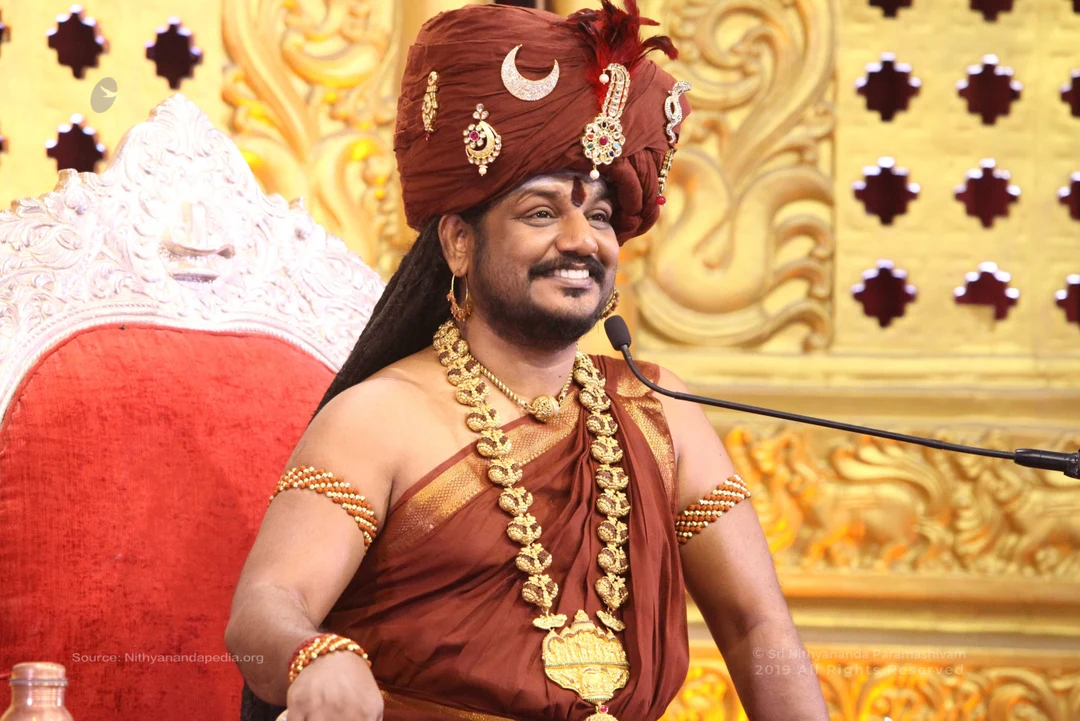
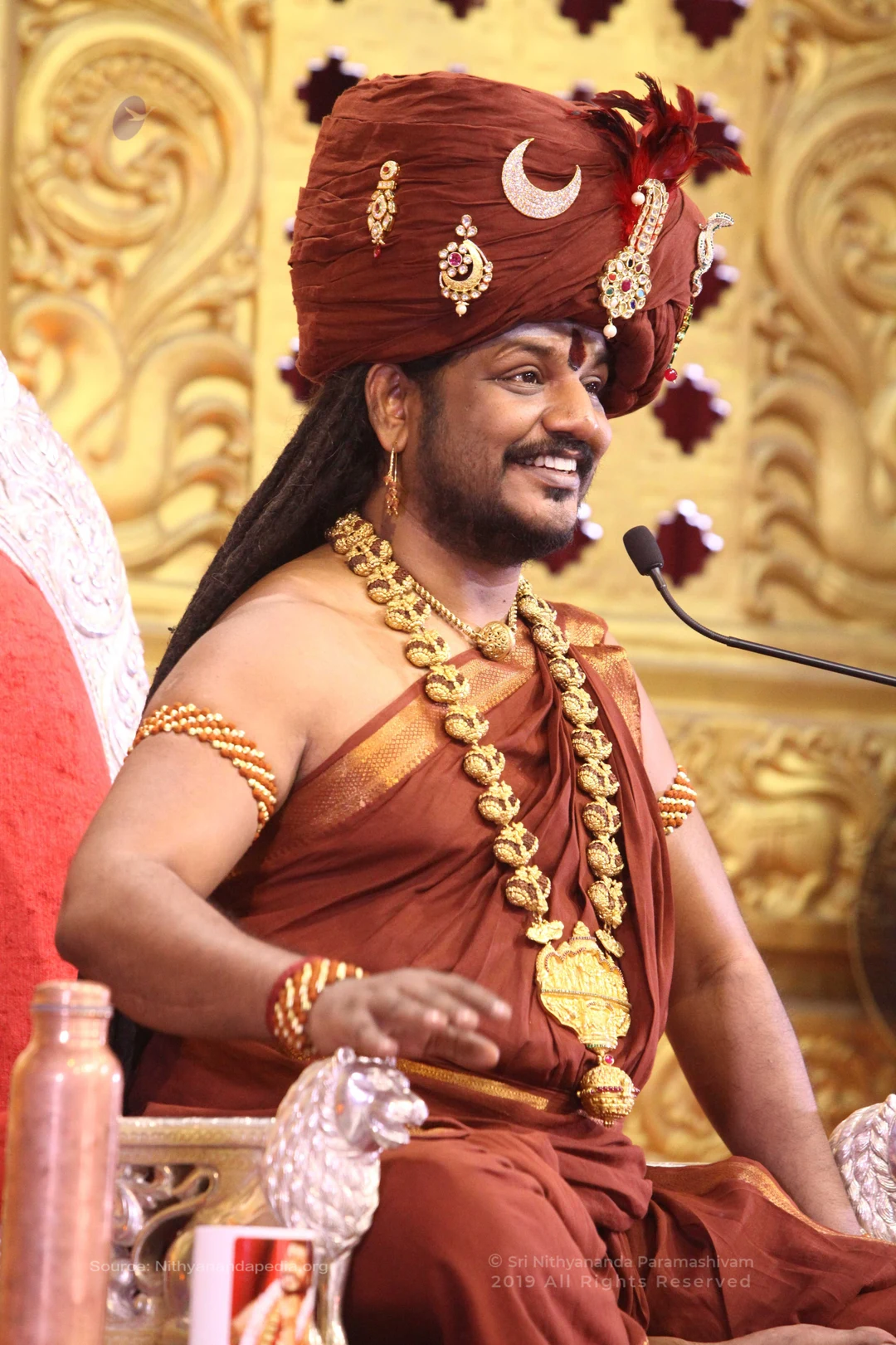
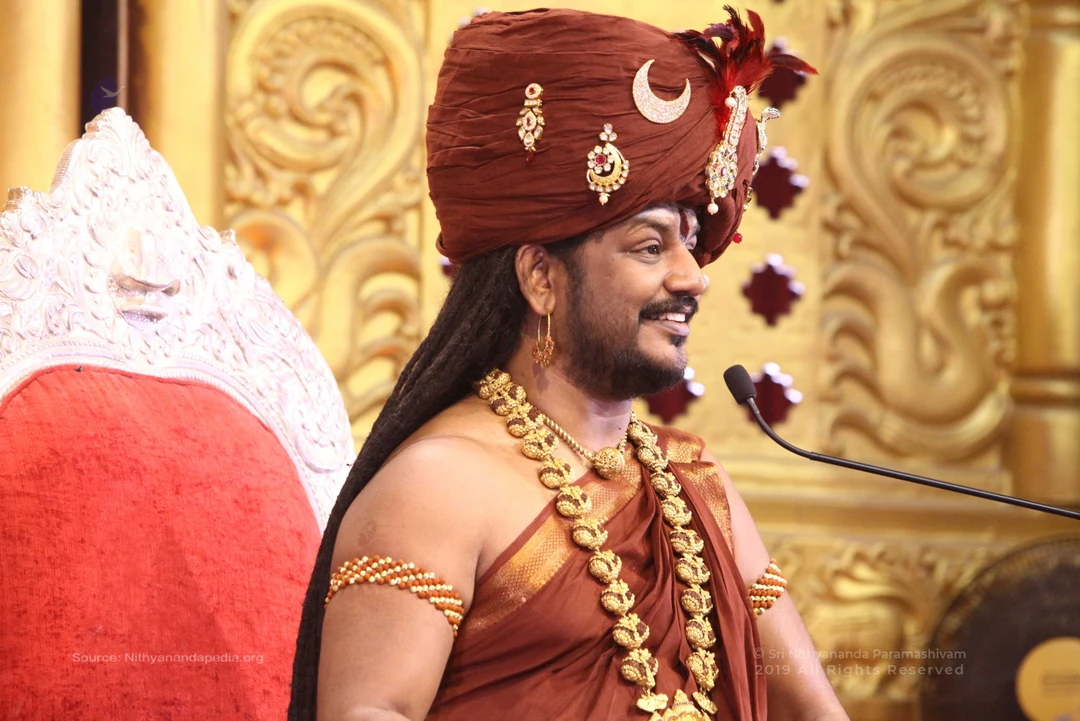
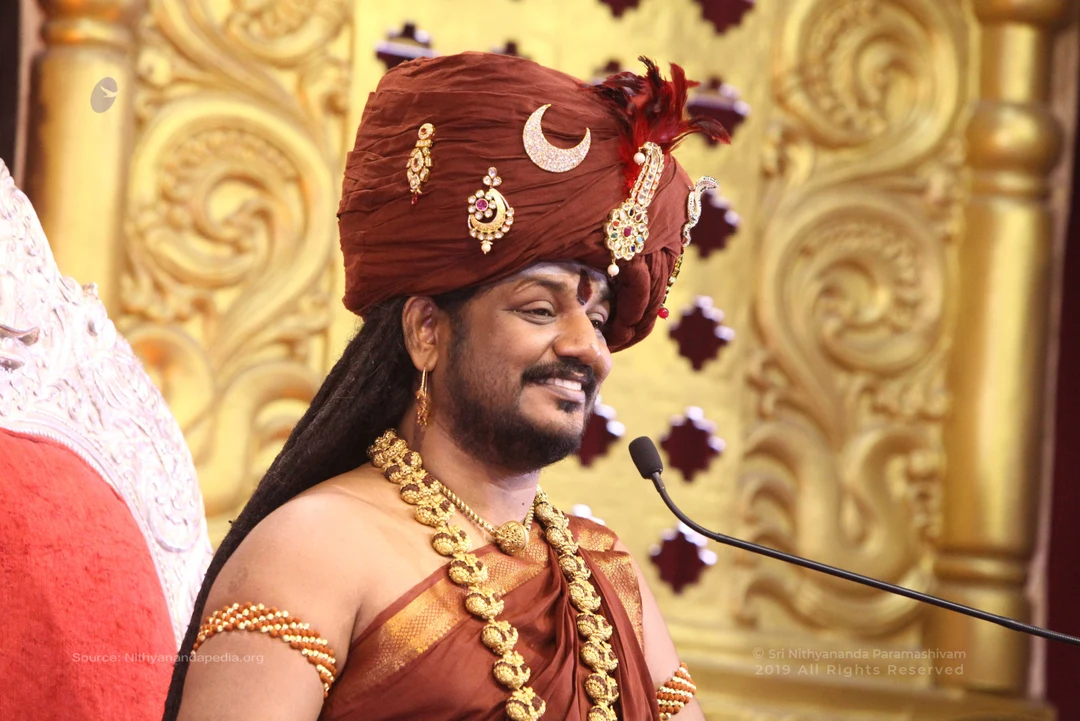
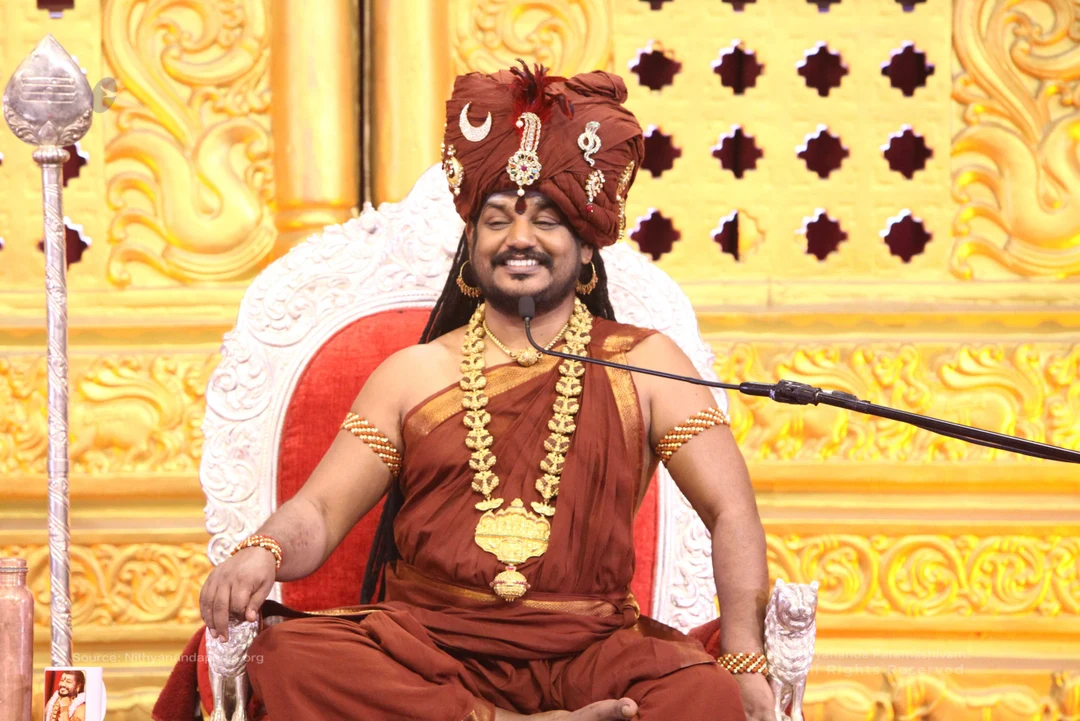
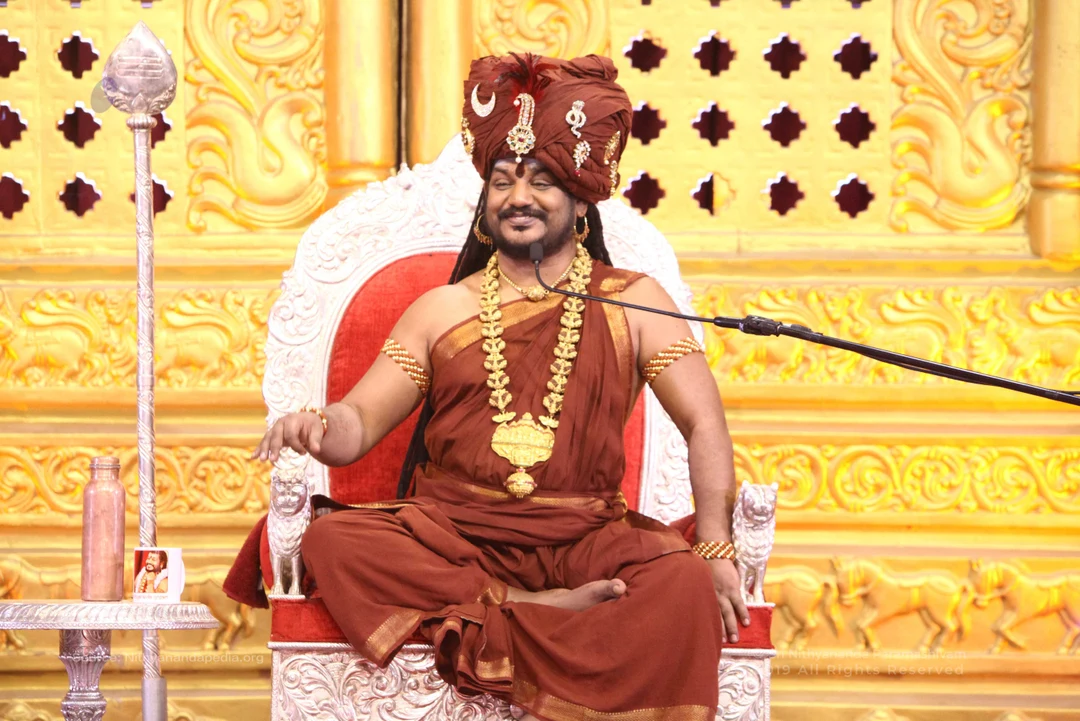
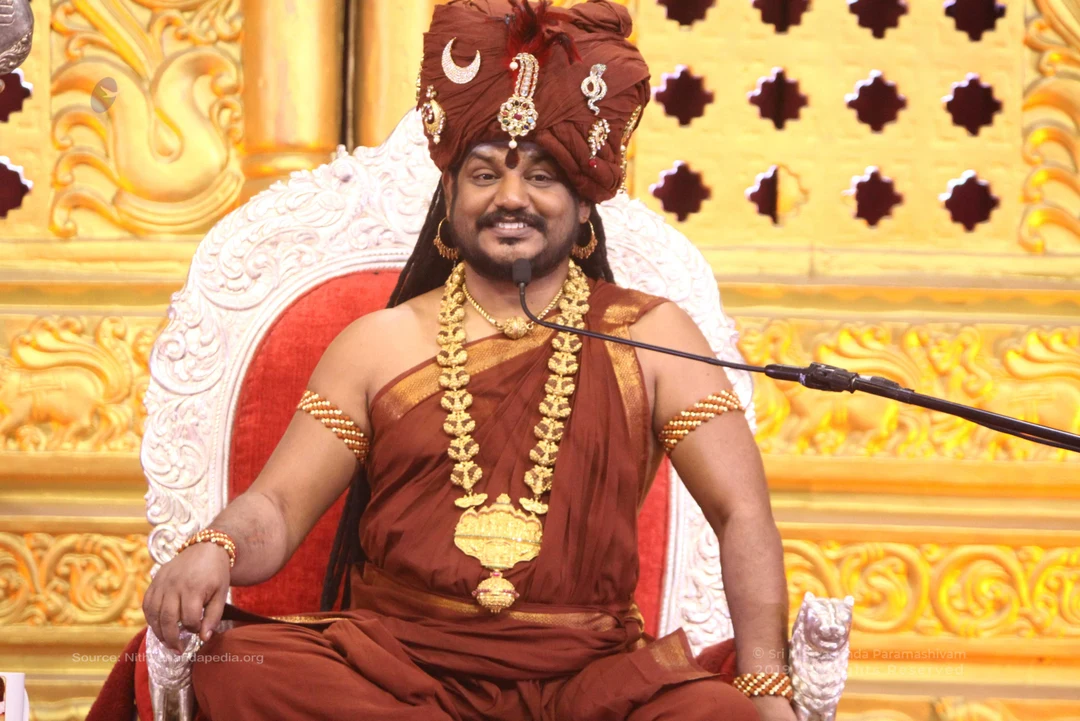
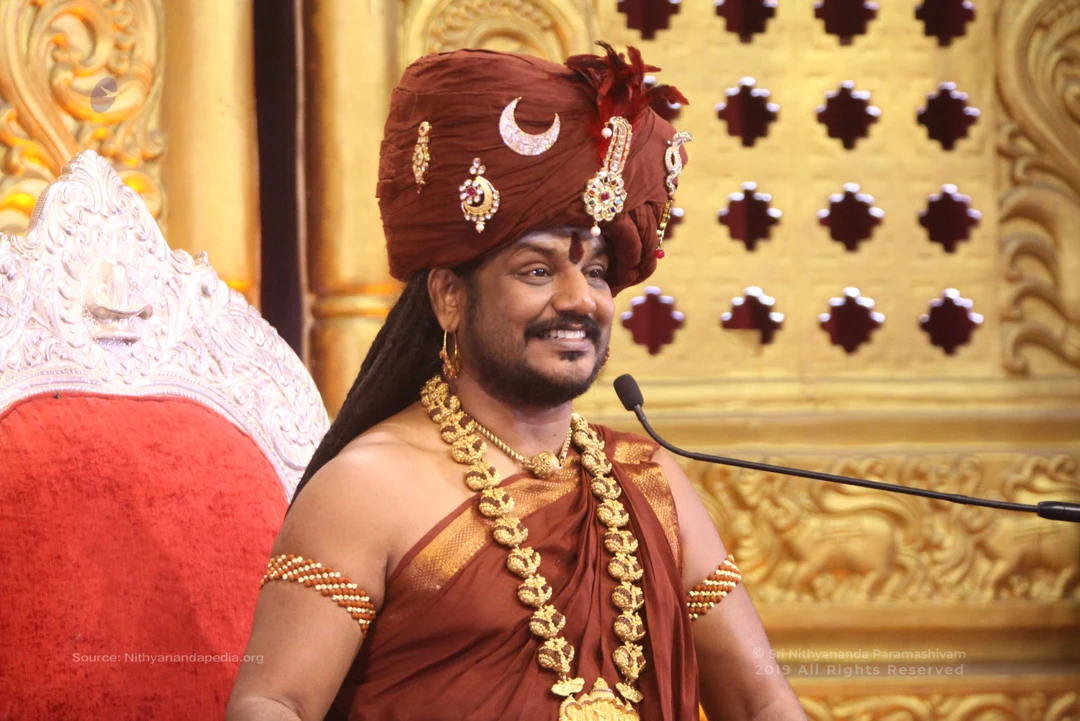
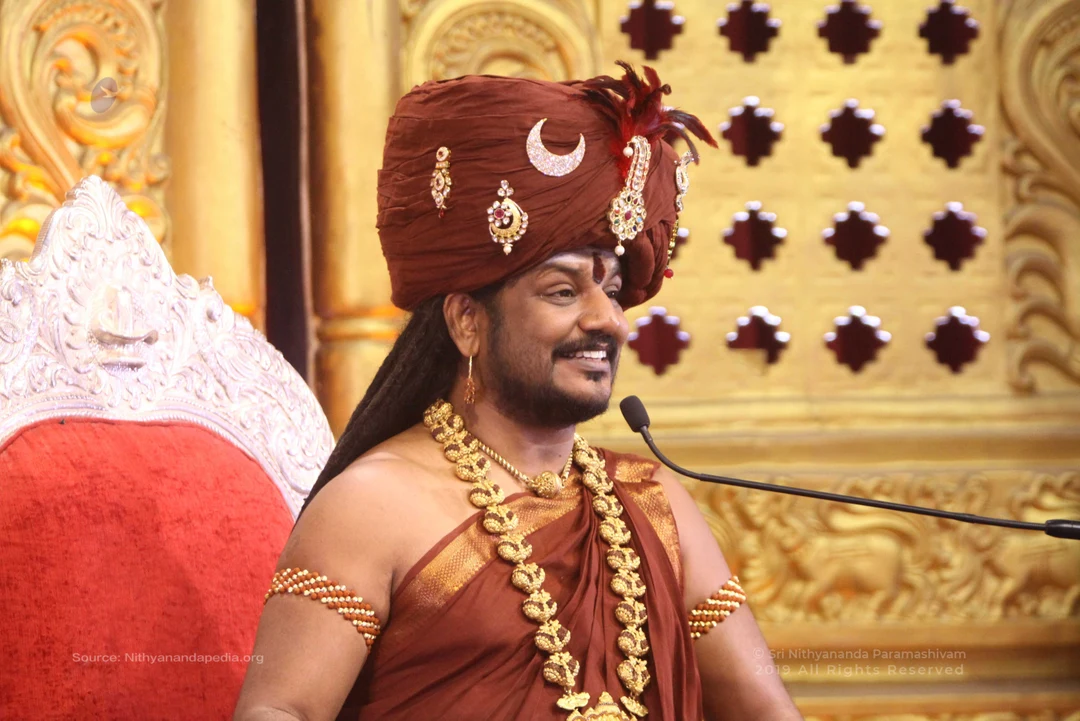
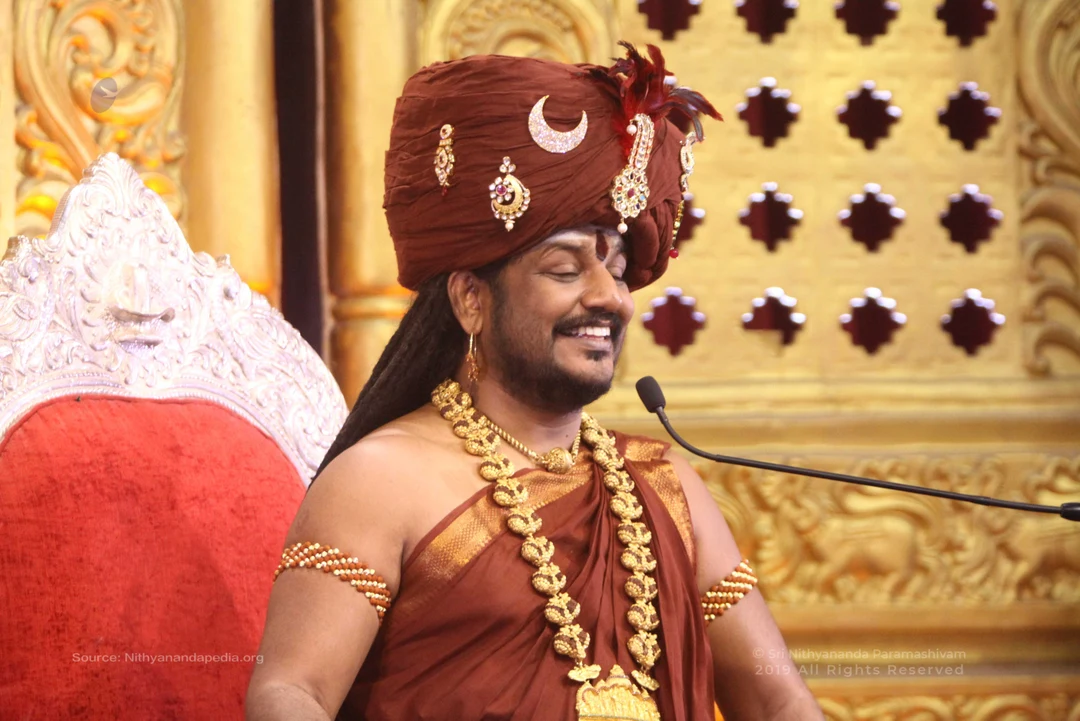
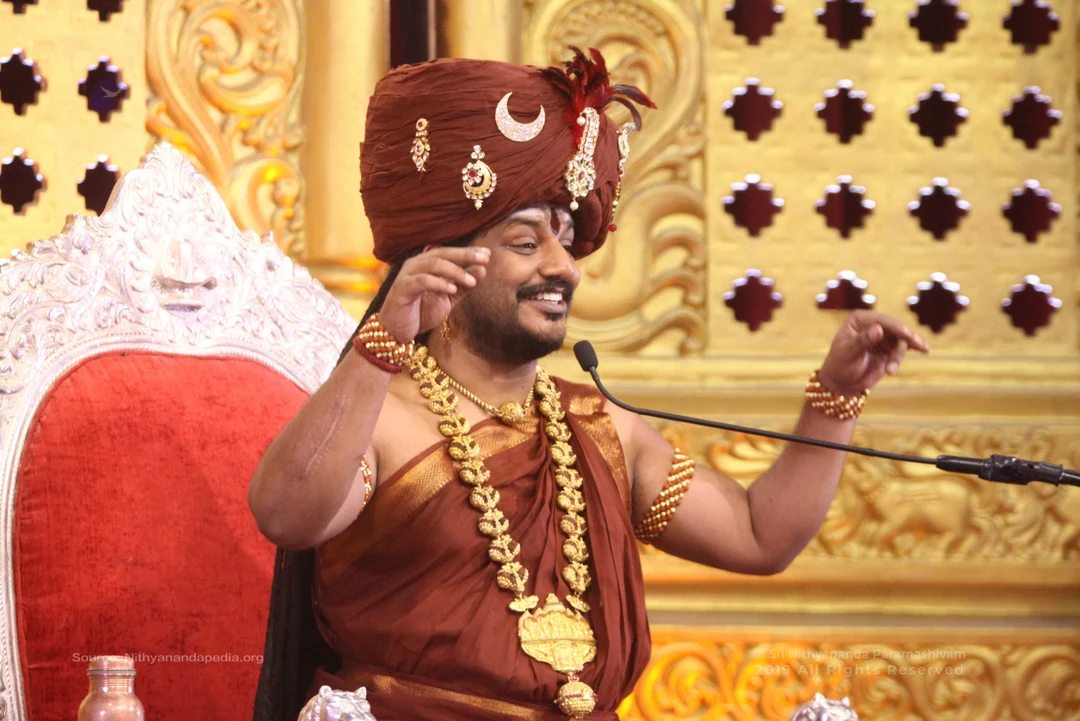
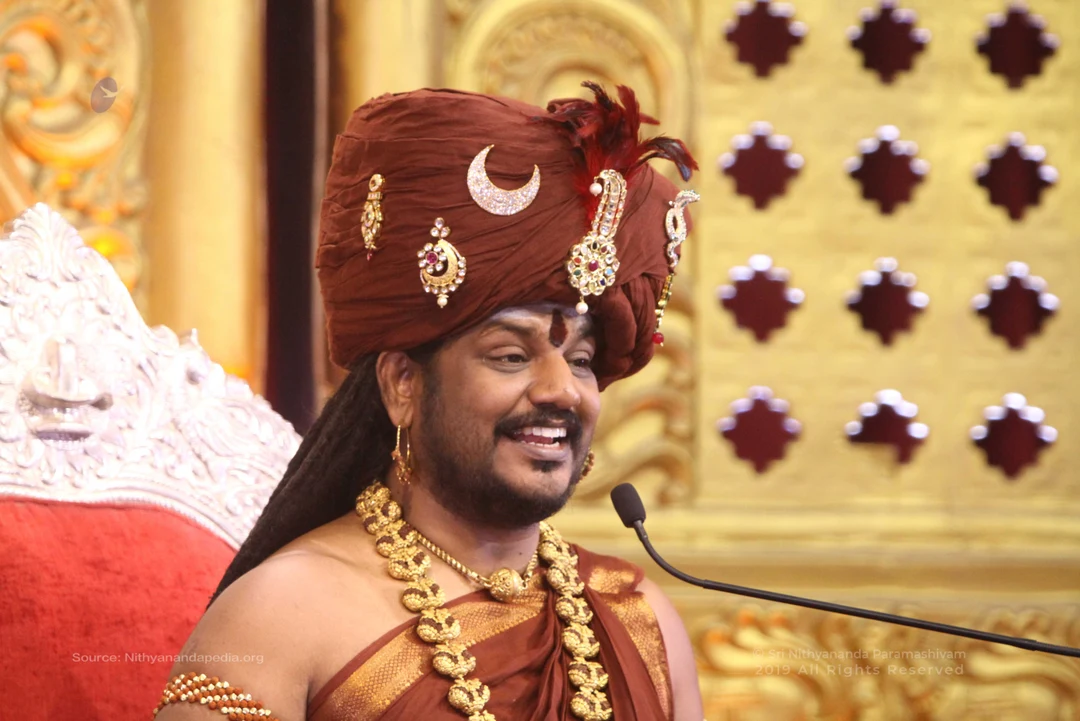
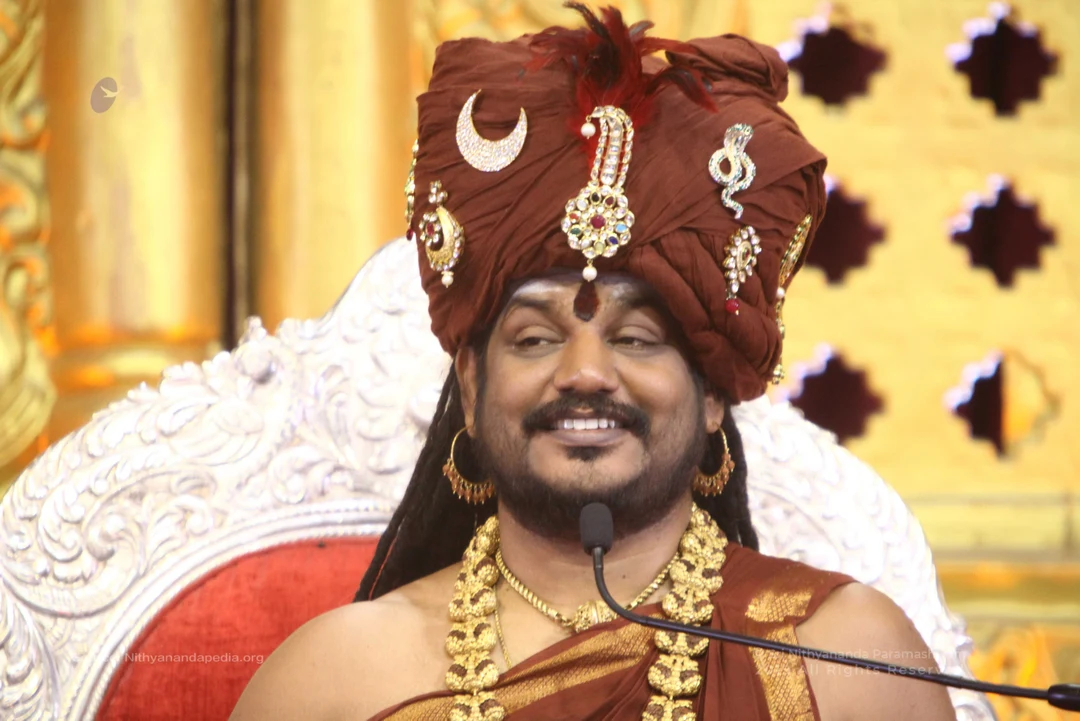
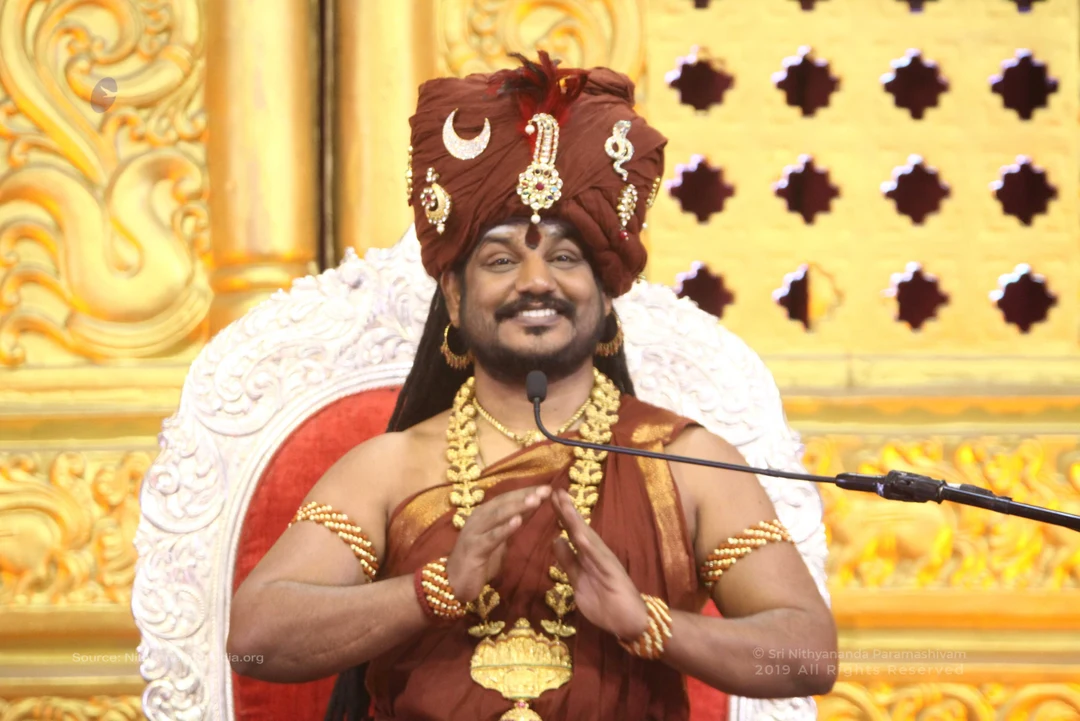
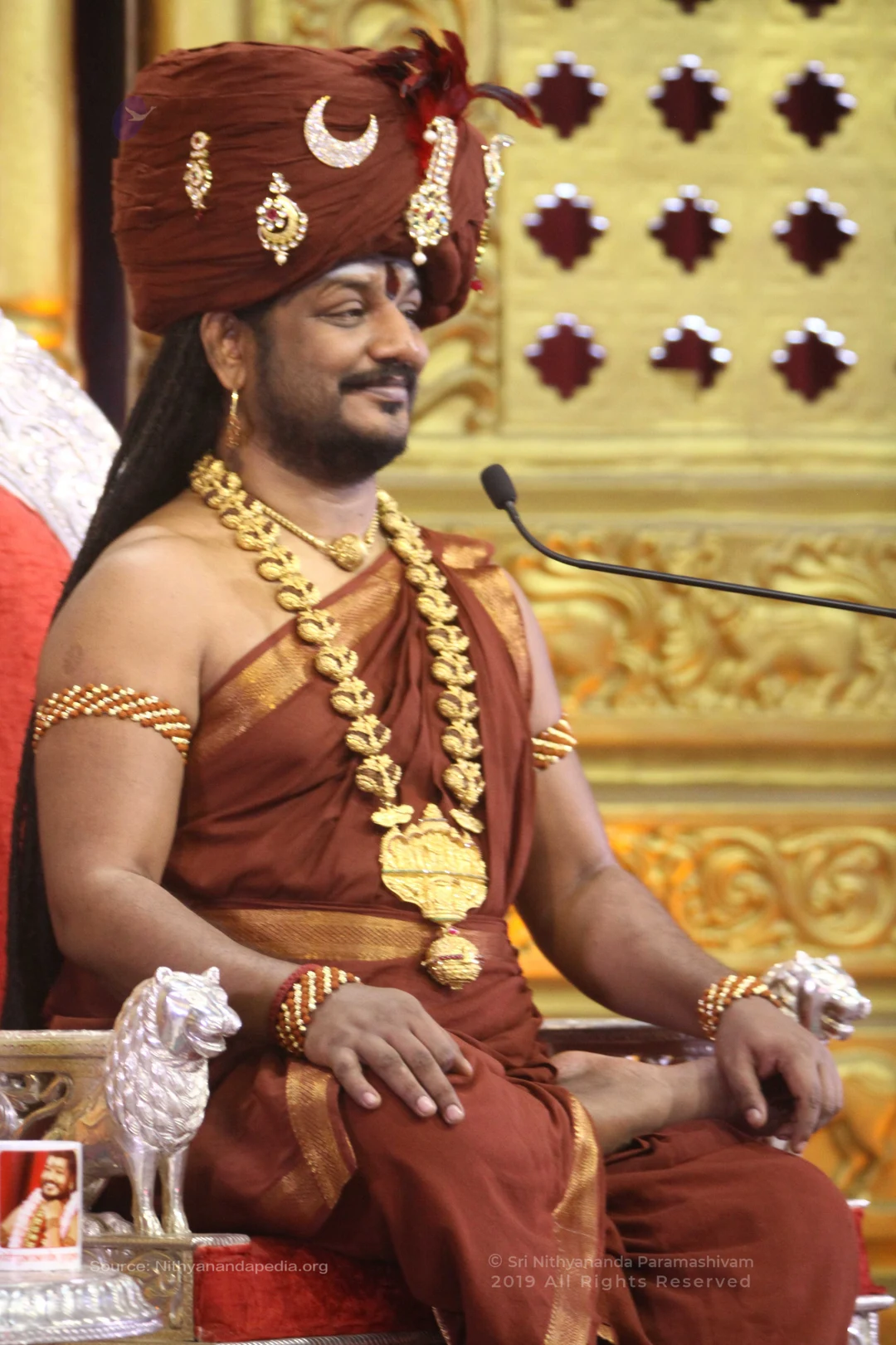
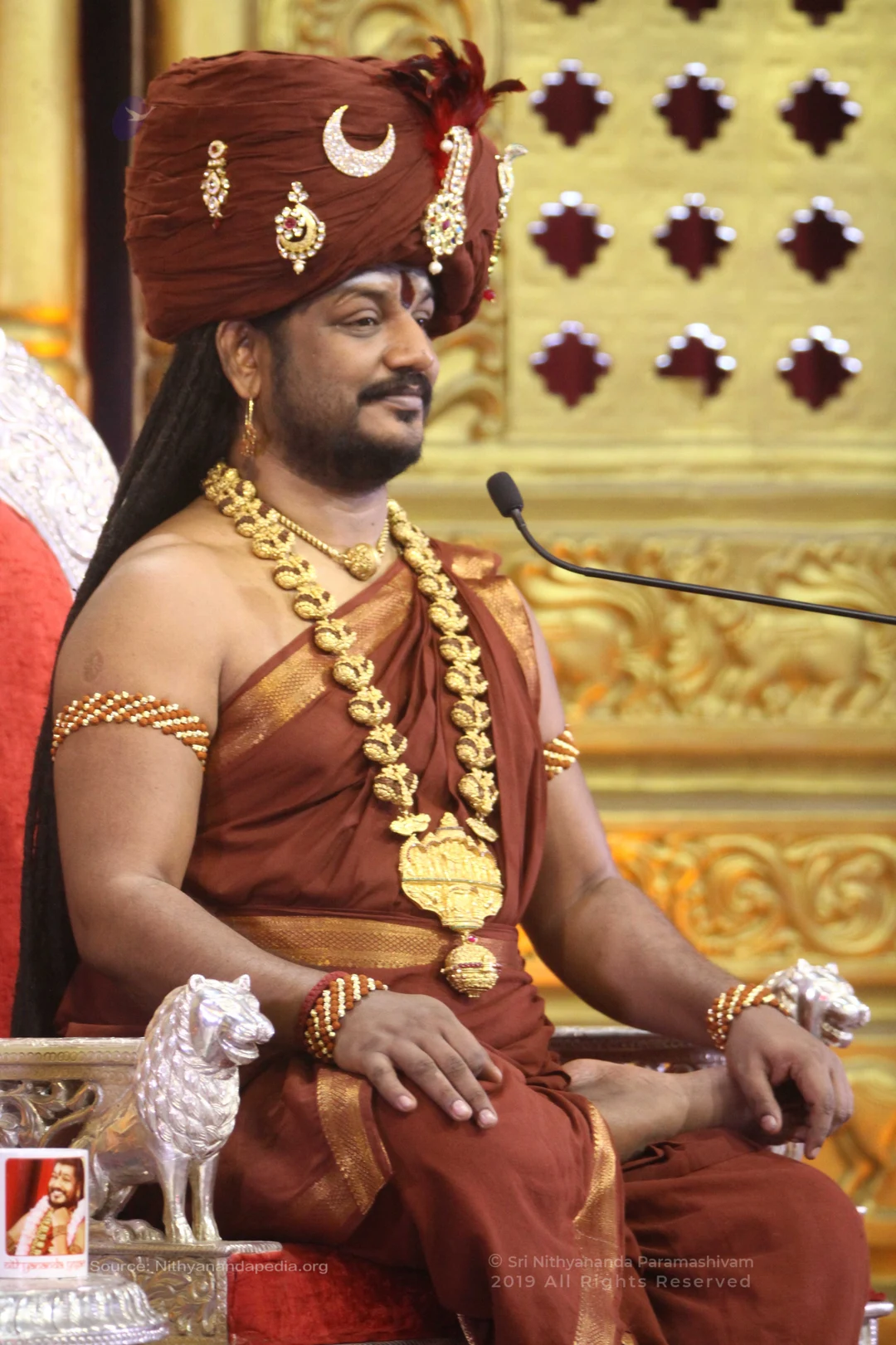
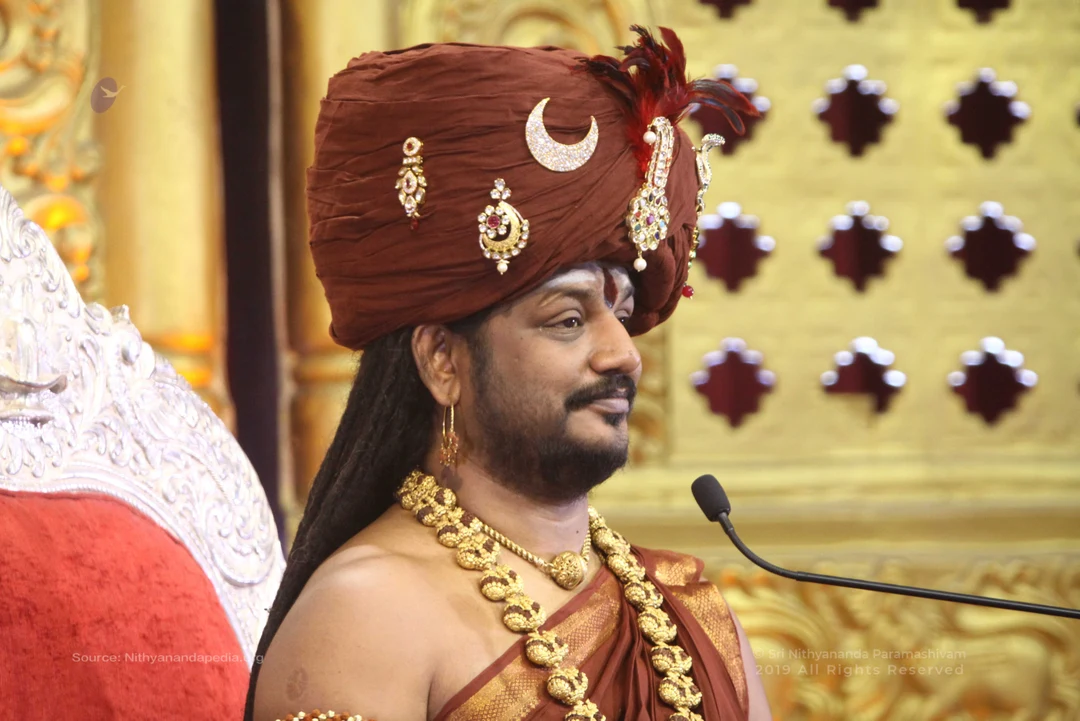
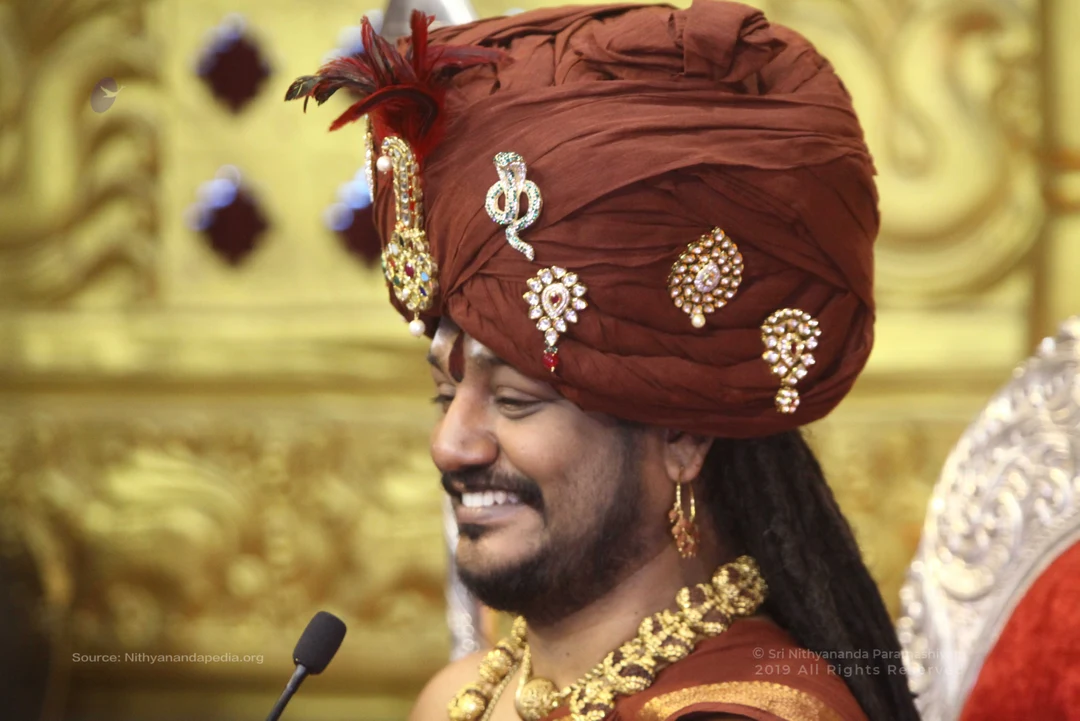
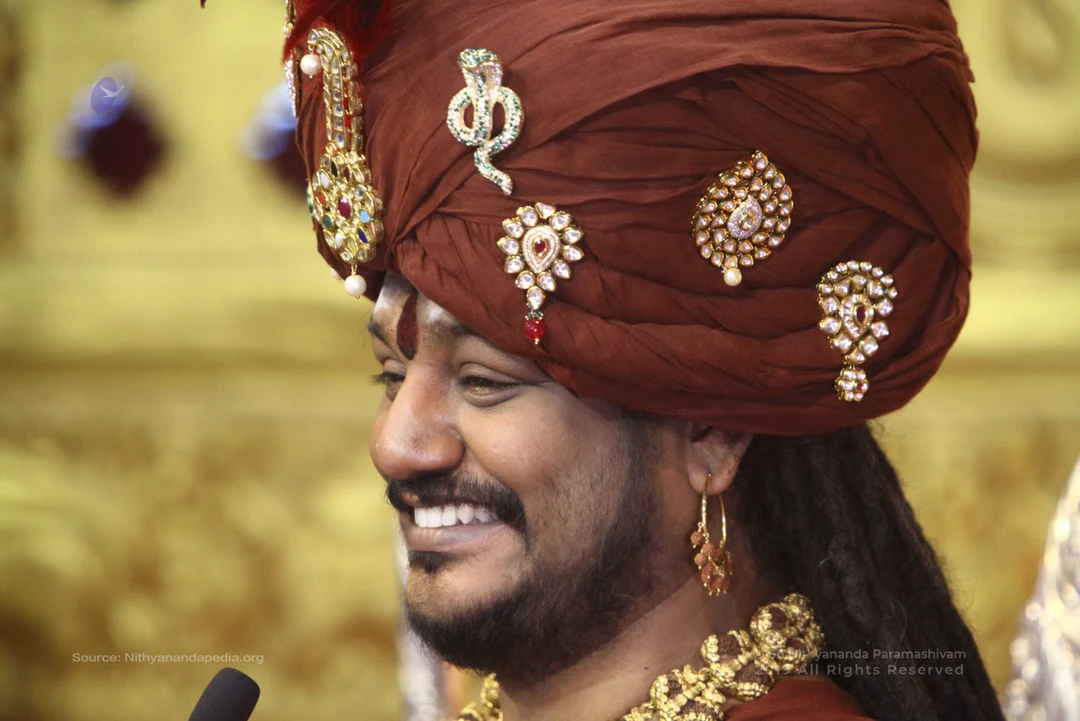
Enriching Material:


Link to Facebook page
https://www.facebook.com/ParamahamsaNithyananda/posts/1460906990663813
https://www.facebook.com/ParamahamsaNithyananda/photos/a.321615927926264/1459991034088742
https://www.facebook.com/ParamahamsaNithyananda/photos/a.321615927926264/1460708670683645
https://www.facebook.com/ParamahamsaNithyananda/photos/a.321615927926264/1459991117422067
Photos Of The Day:
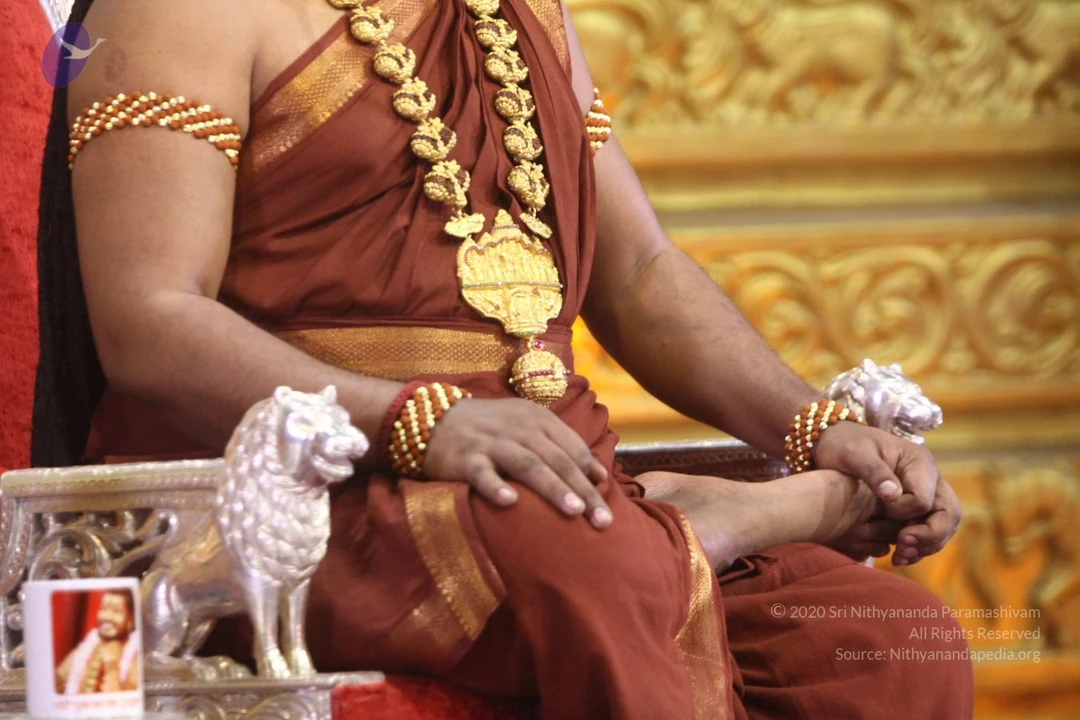
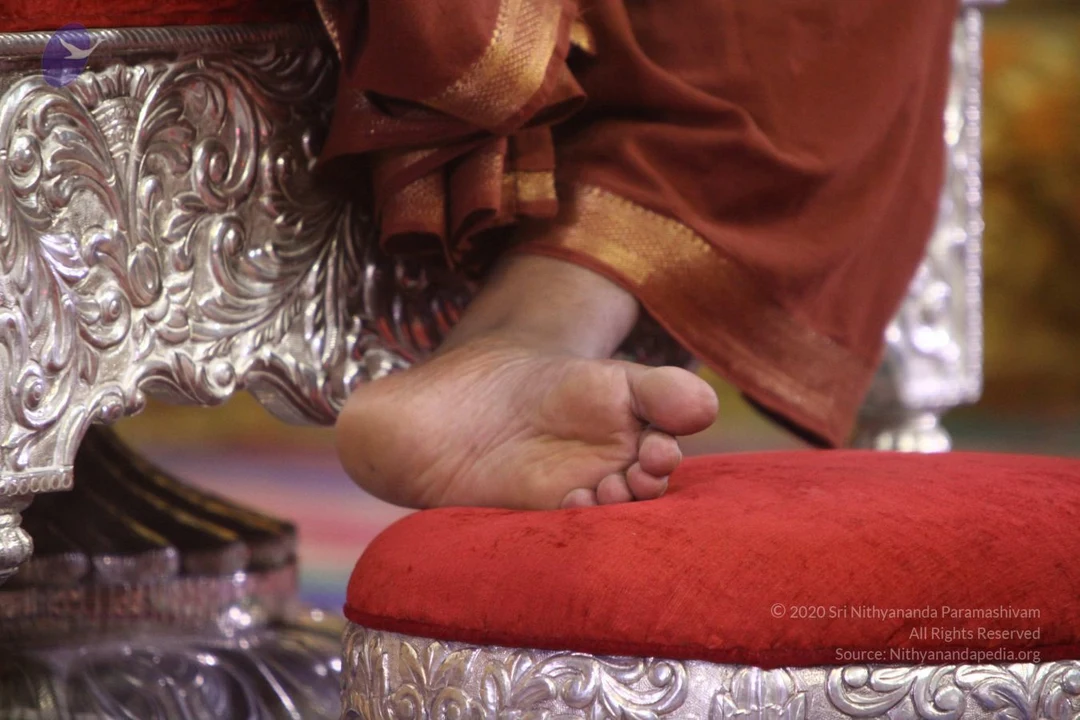
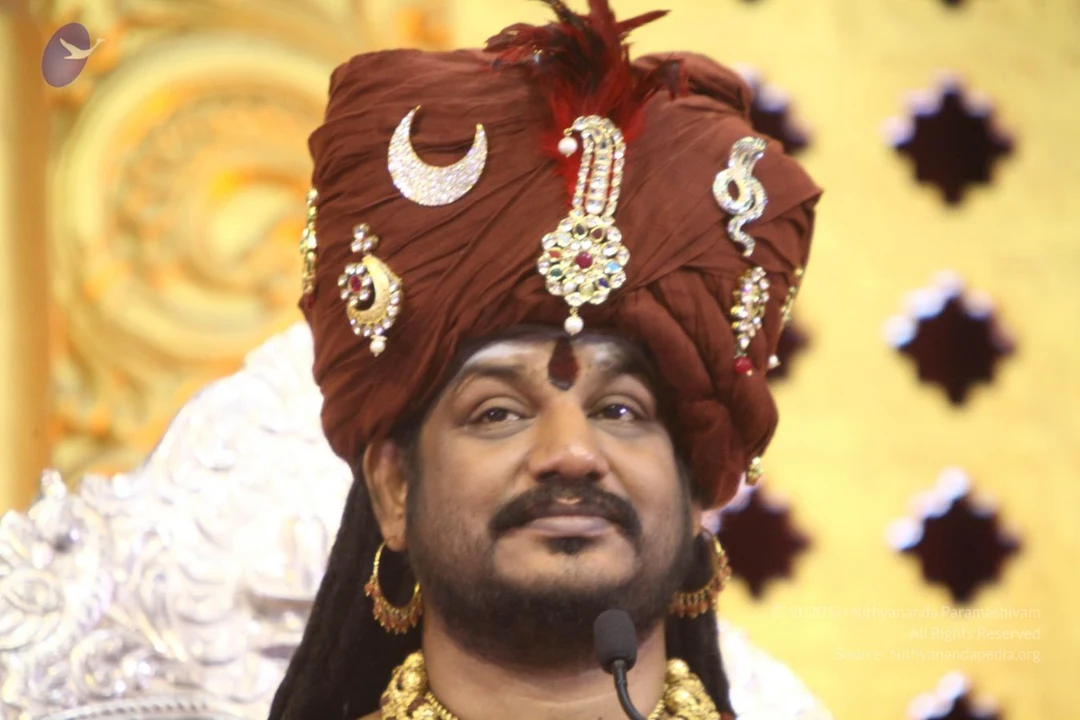
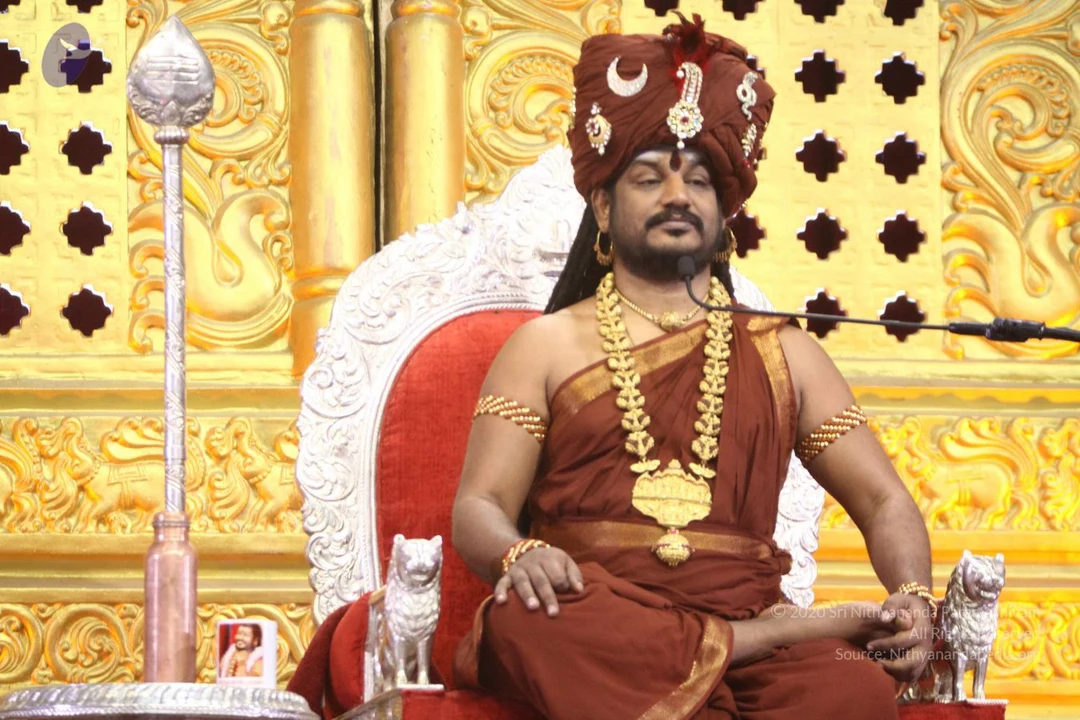
Padapuja
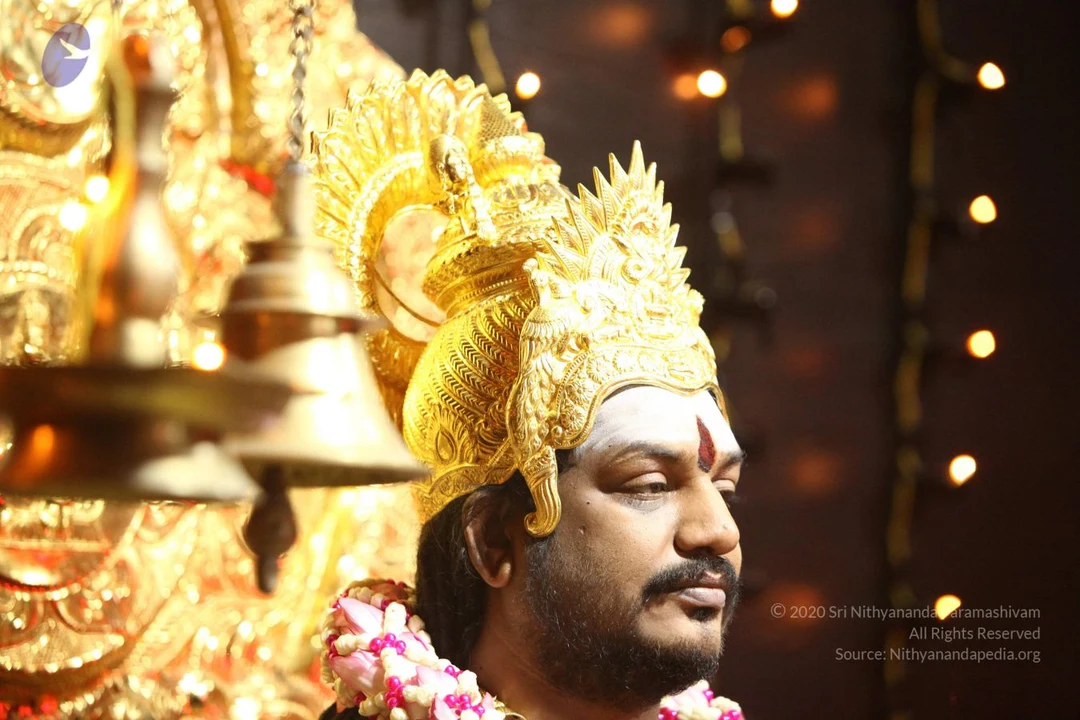
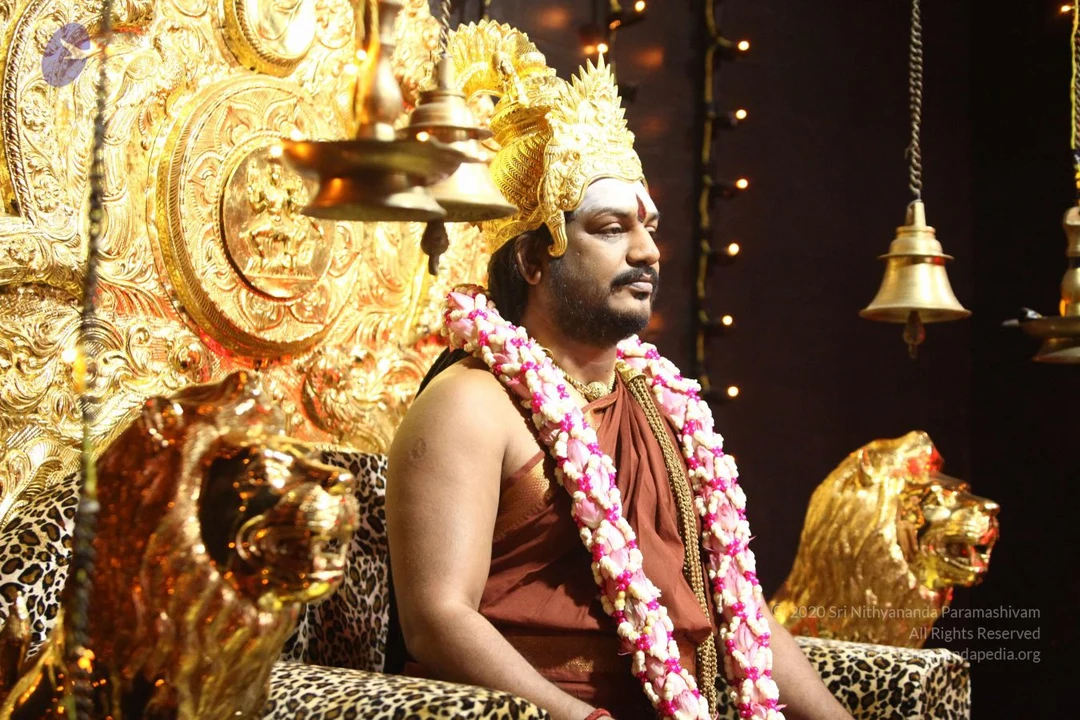
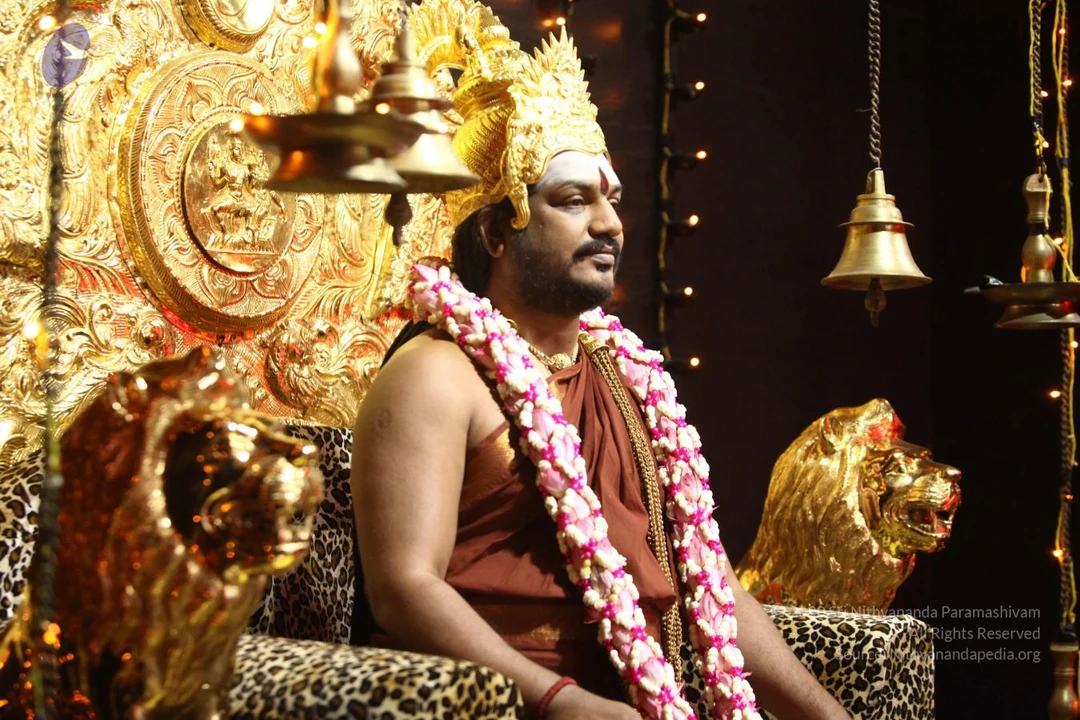
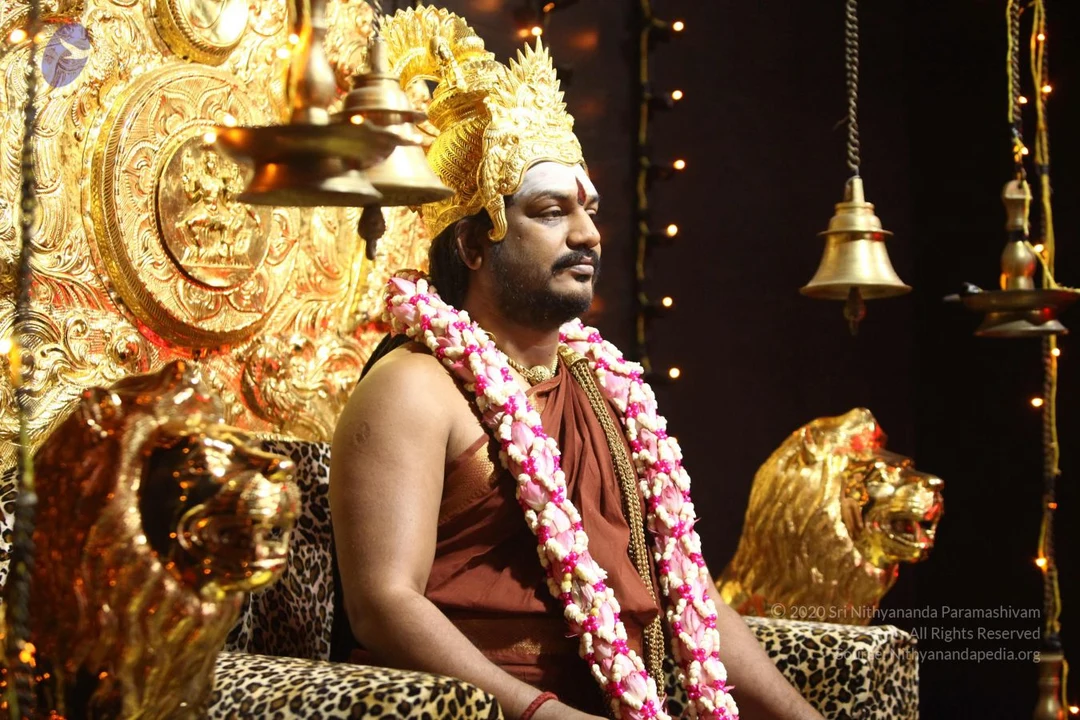
Nithya-Satsang
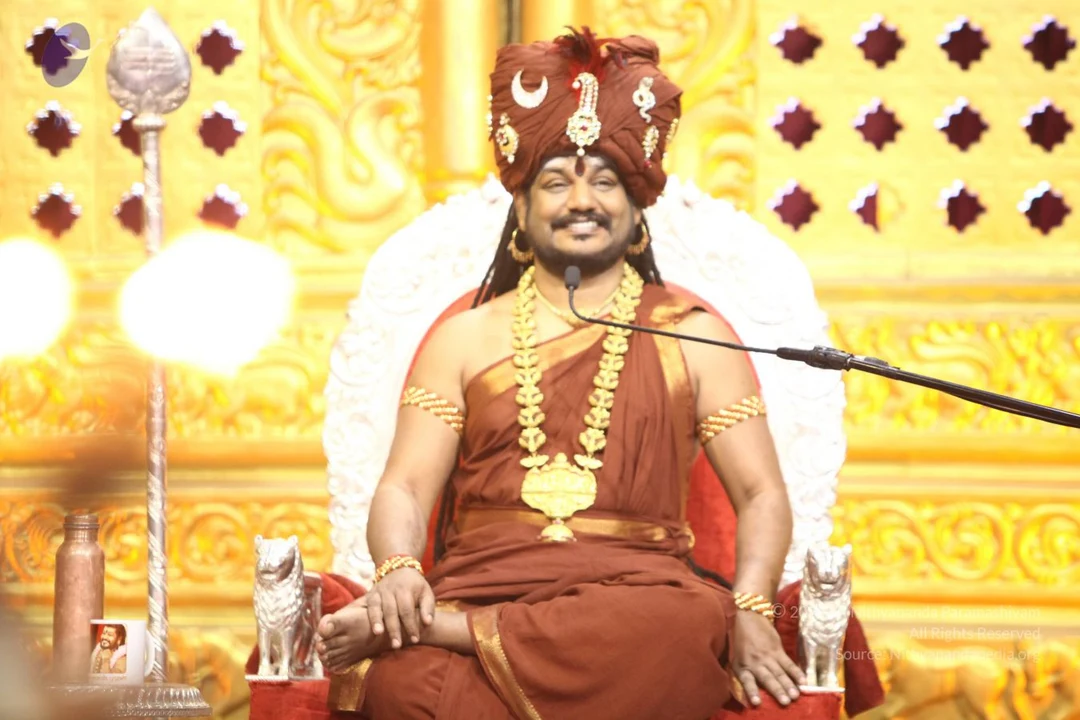
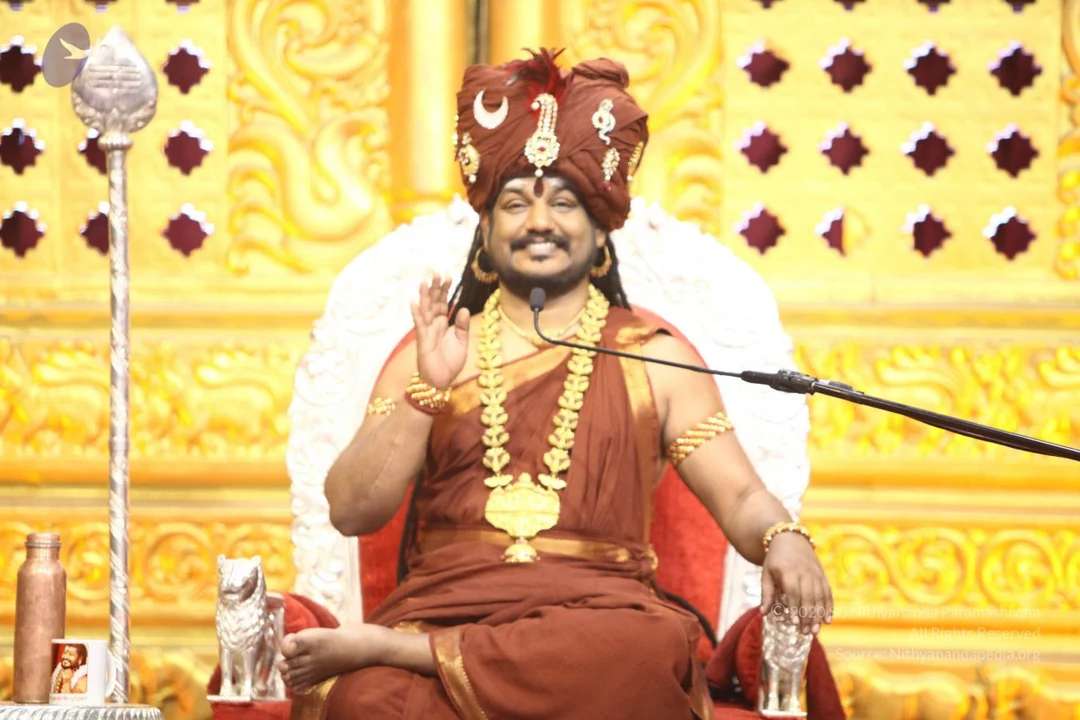
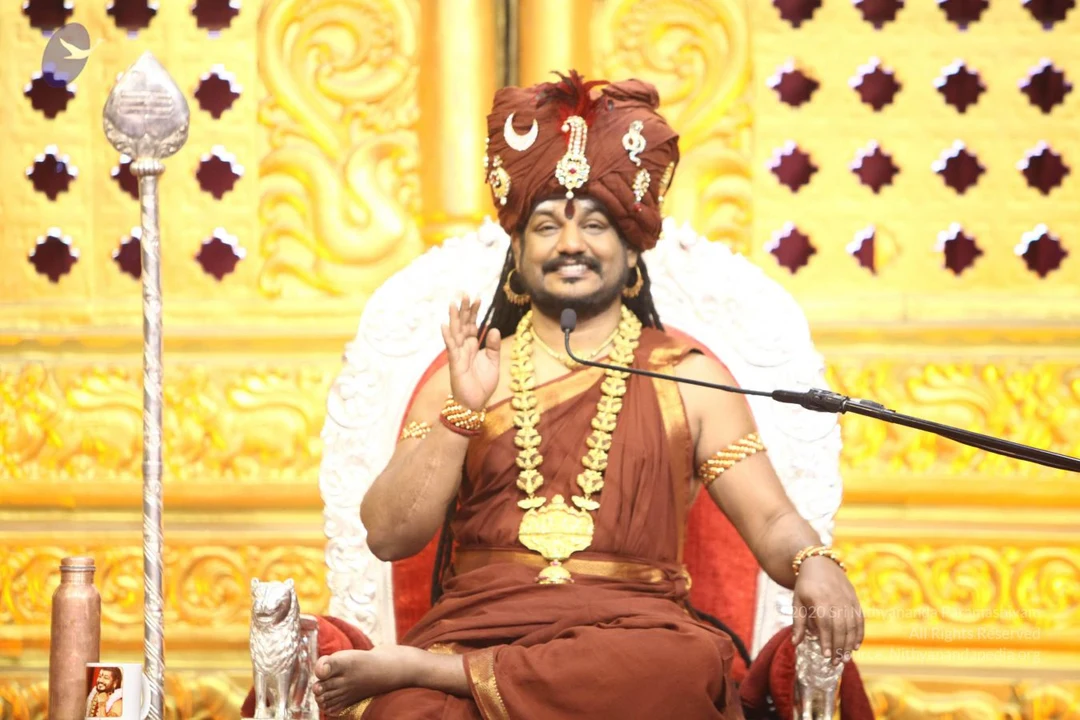
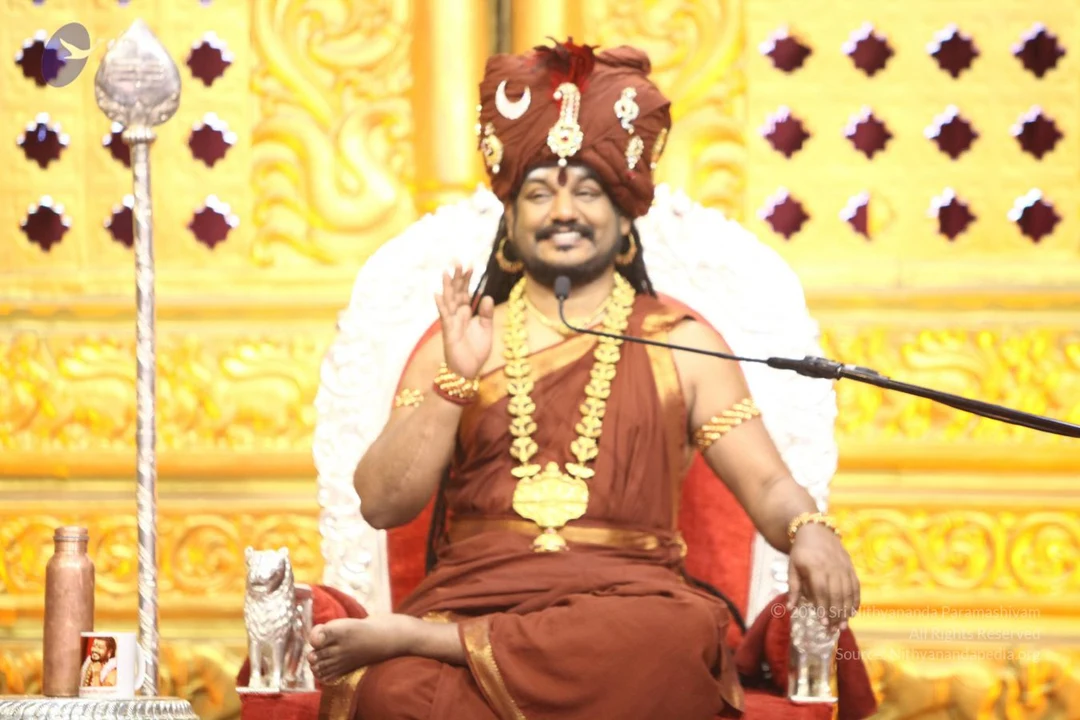
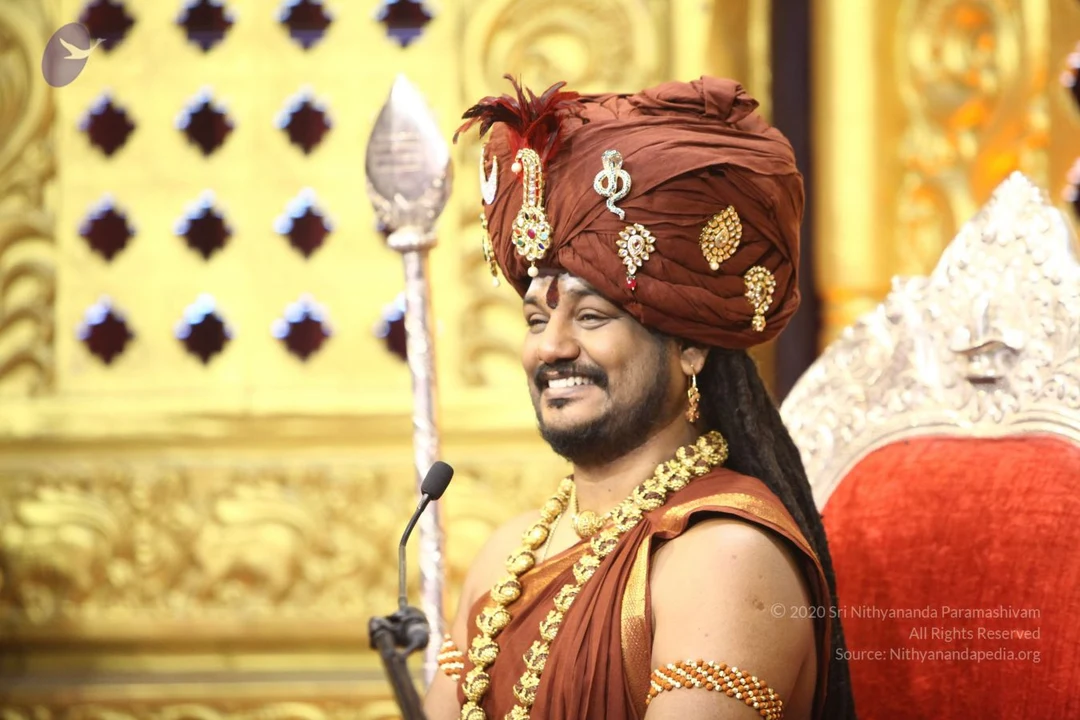
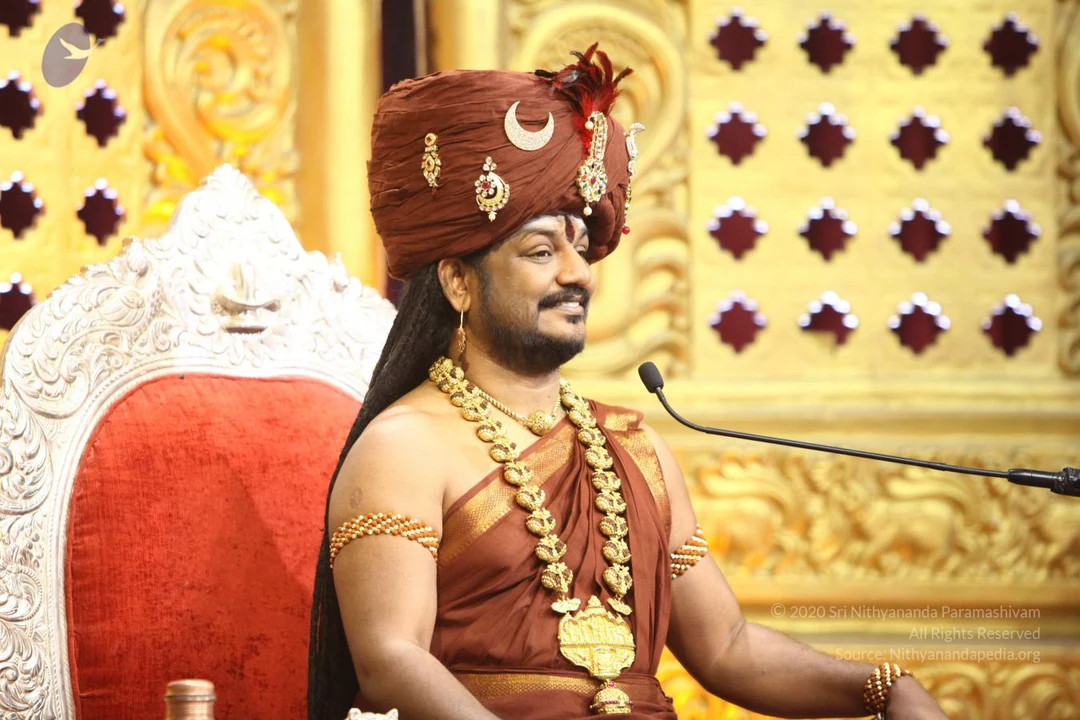
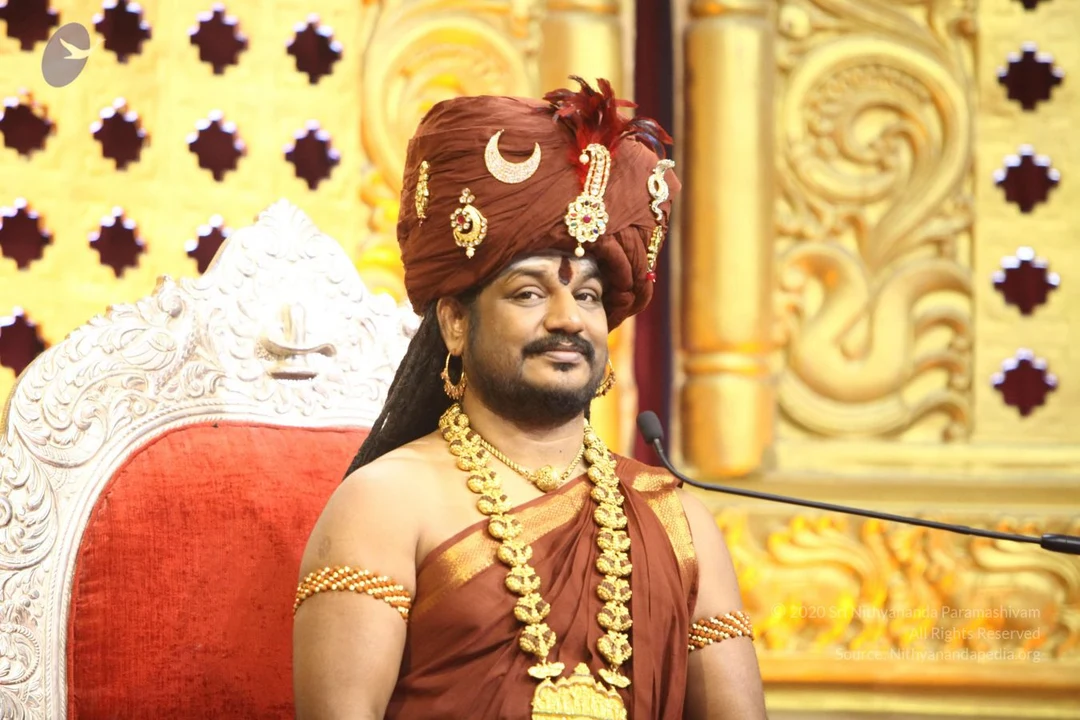
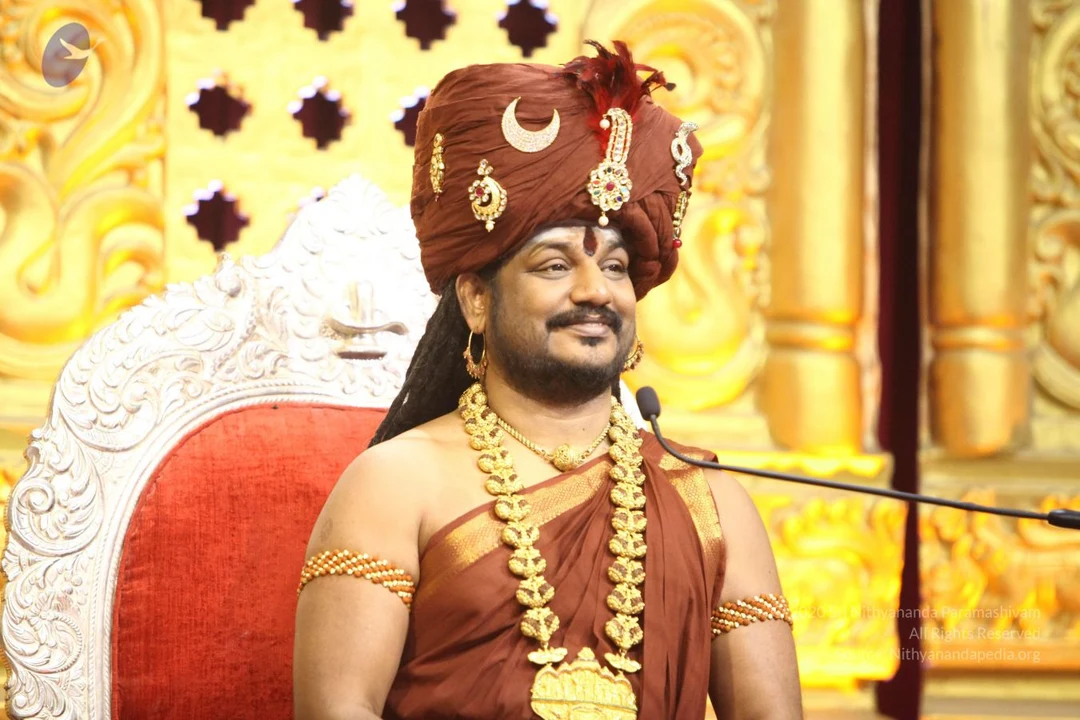
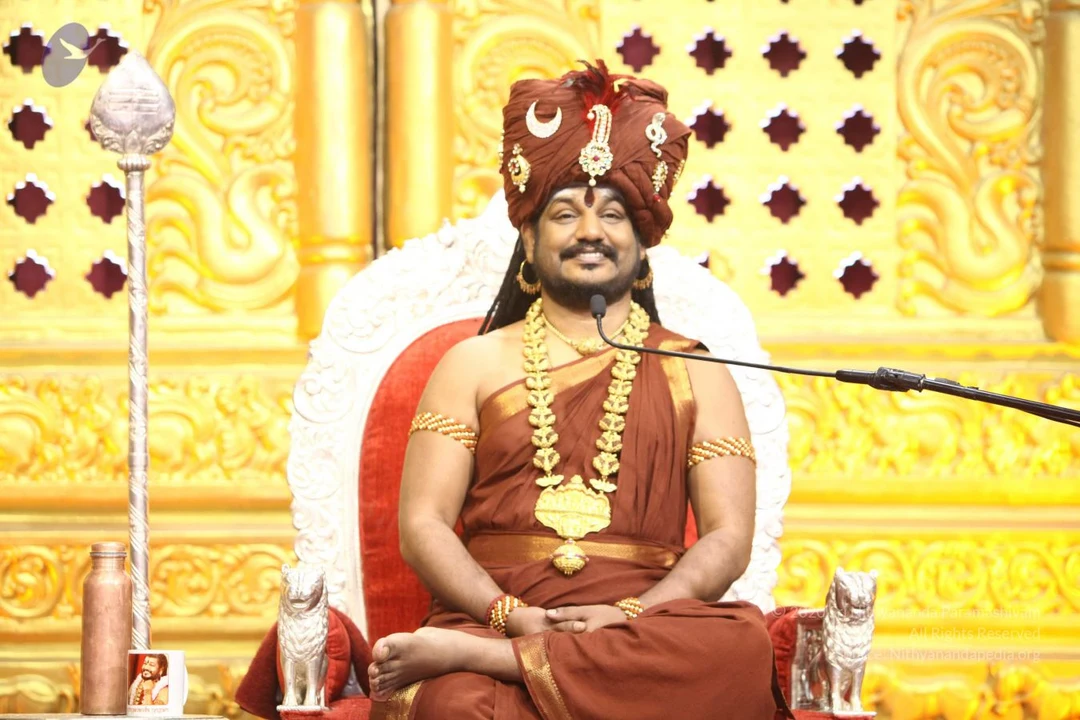
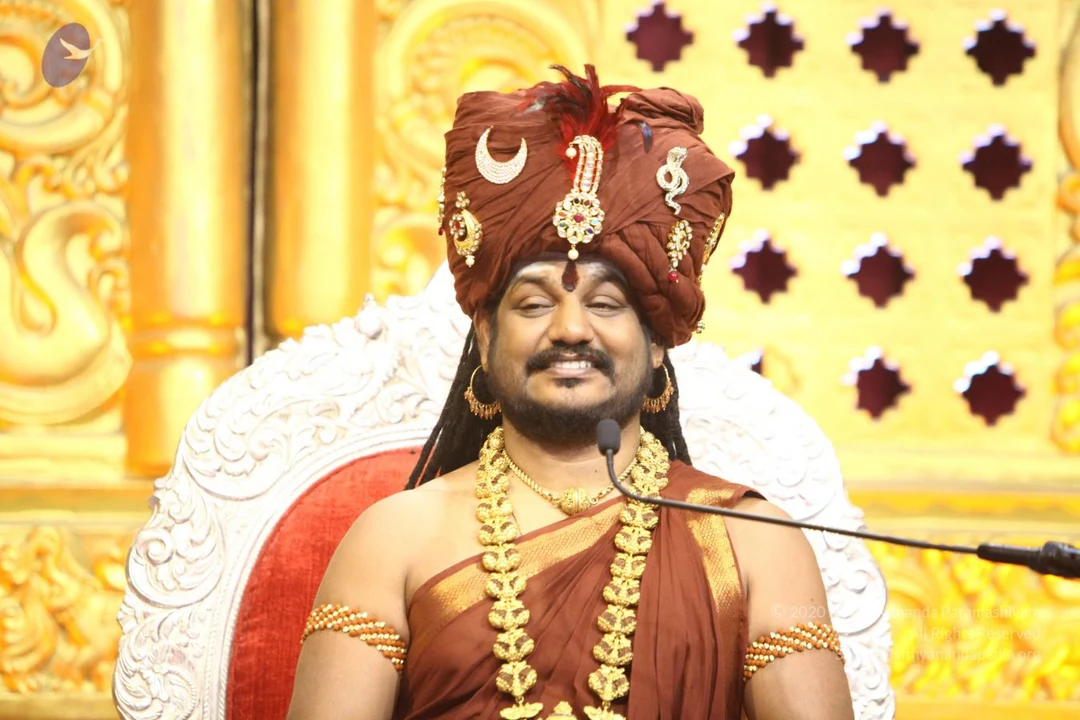
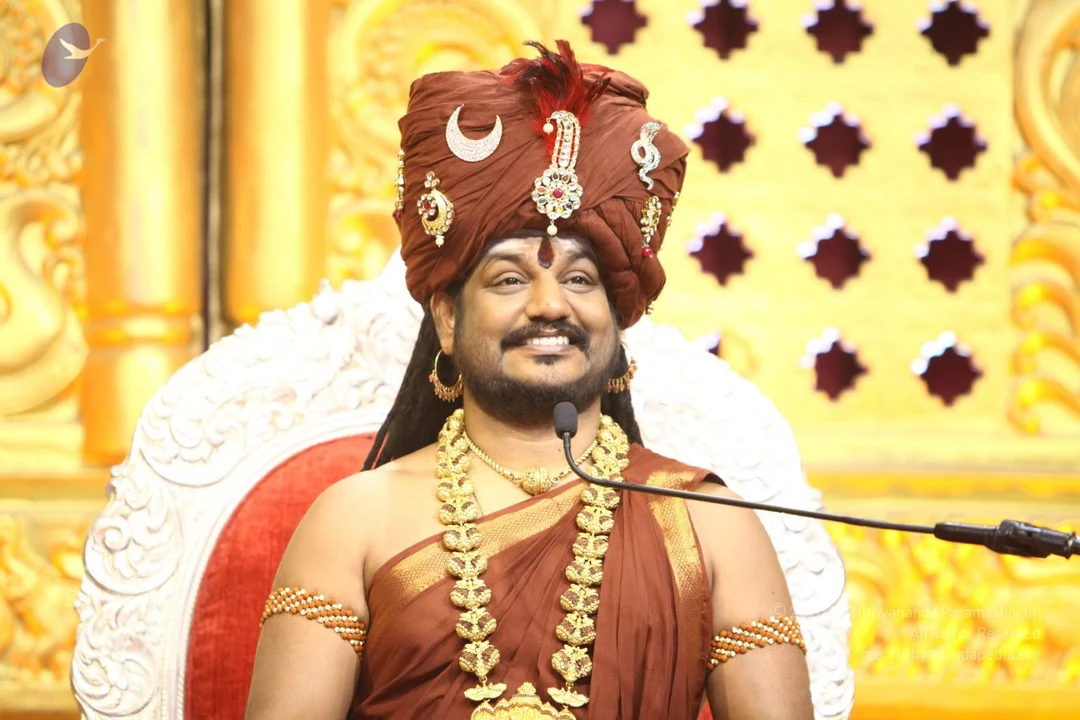
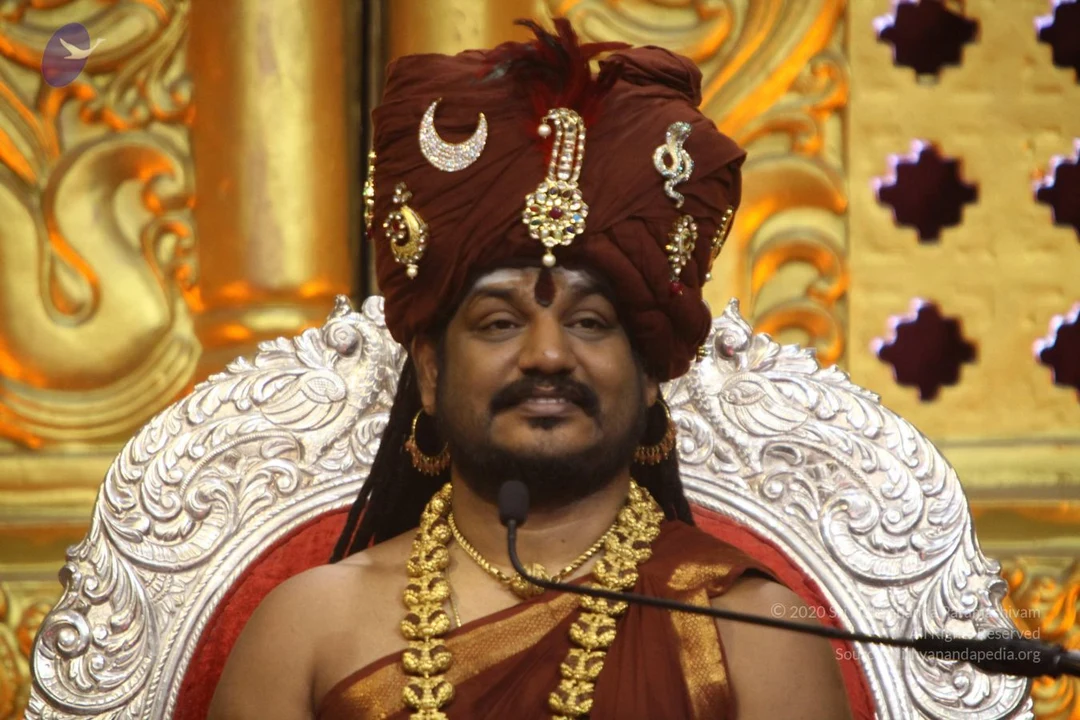
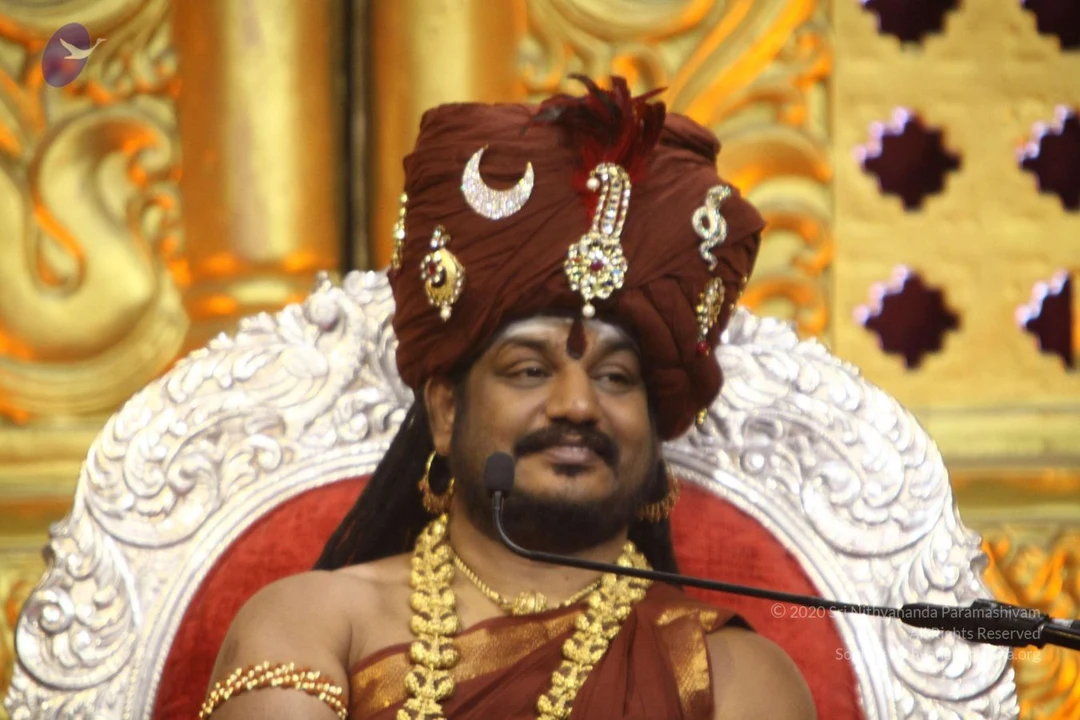
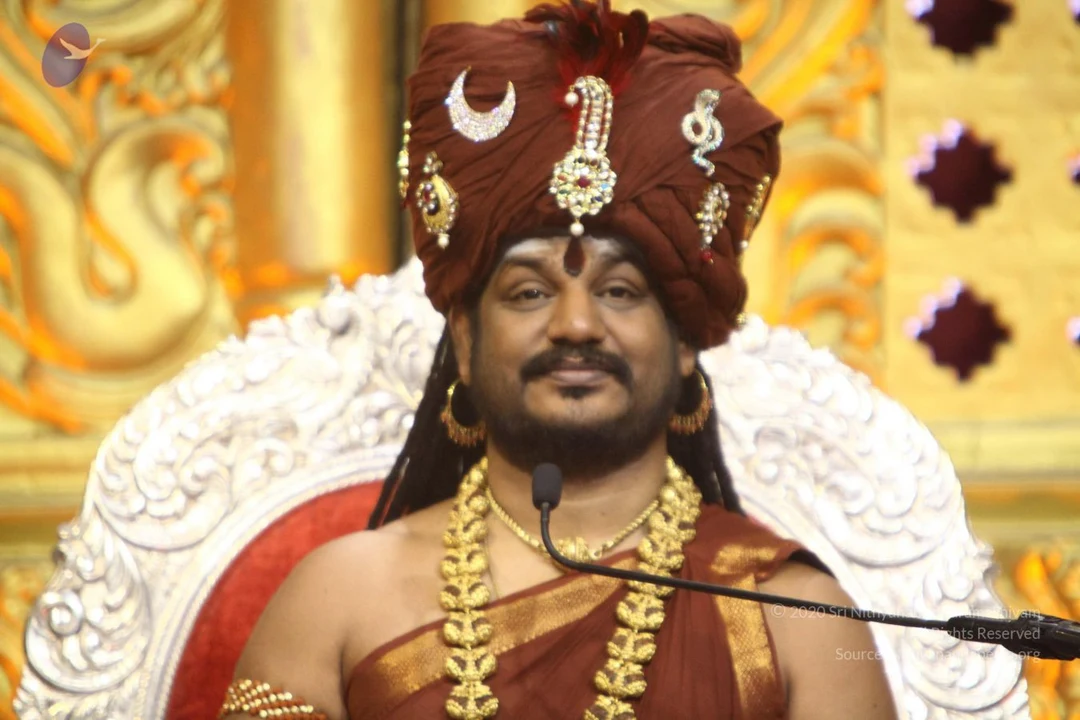
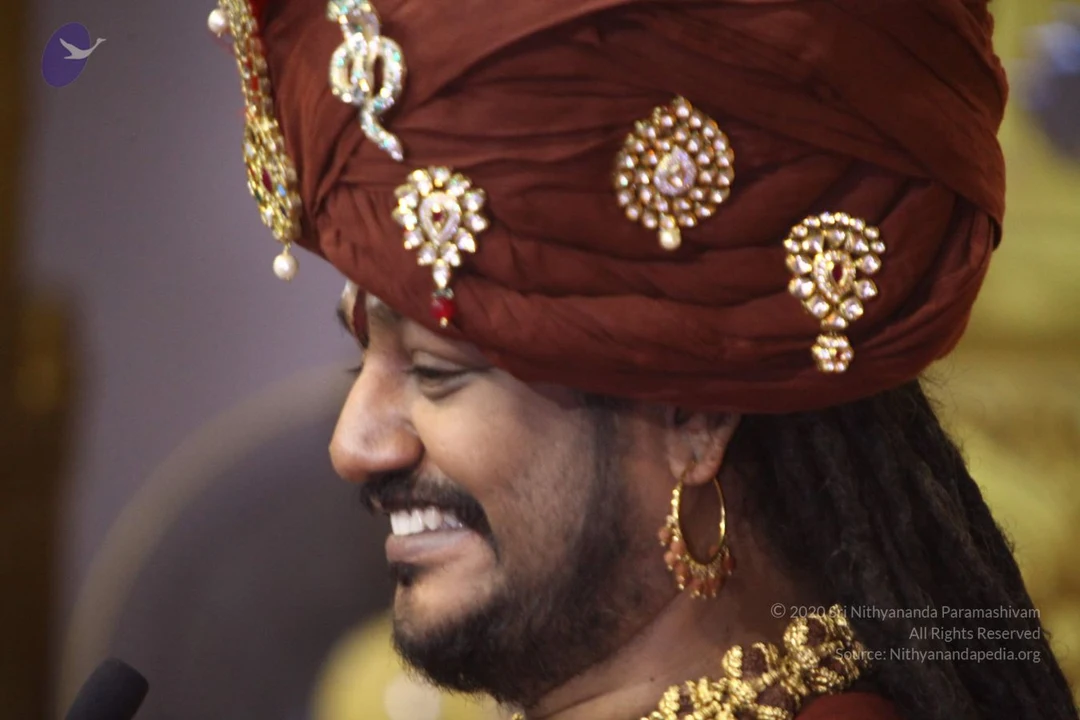
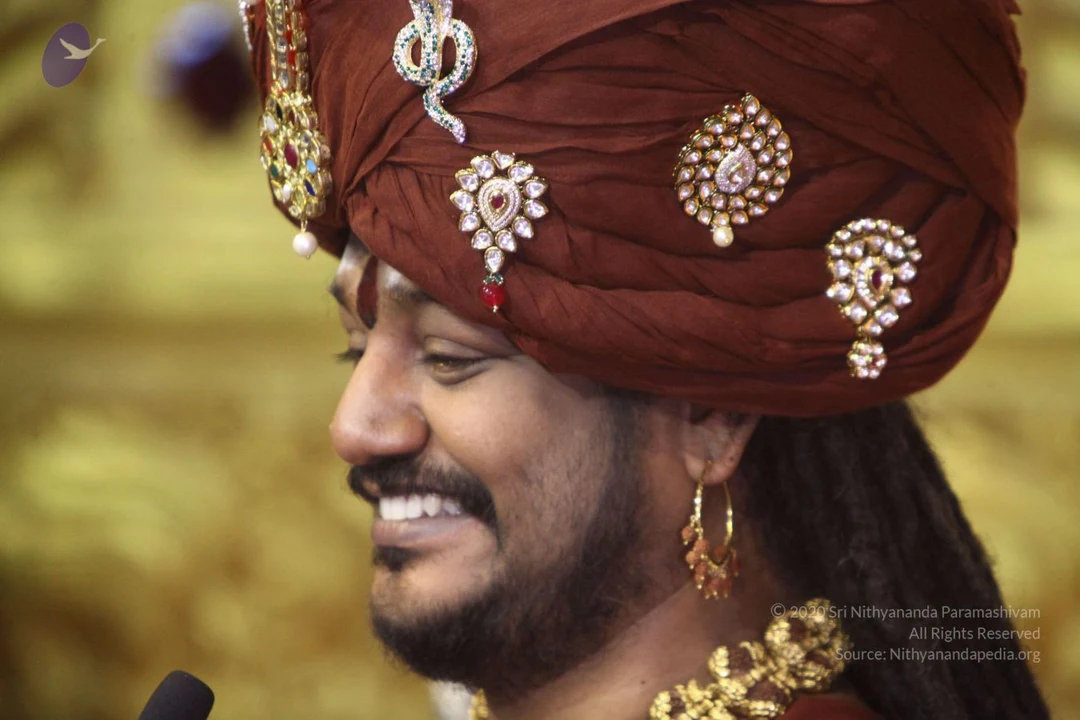
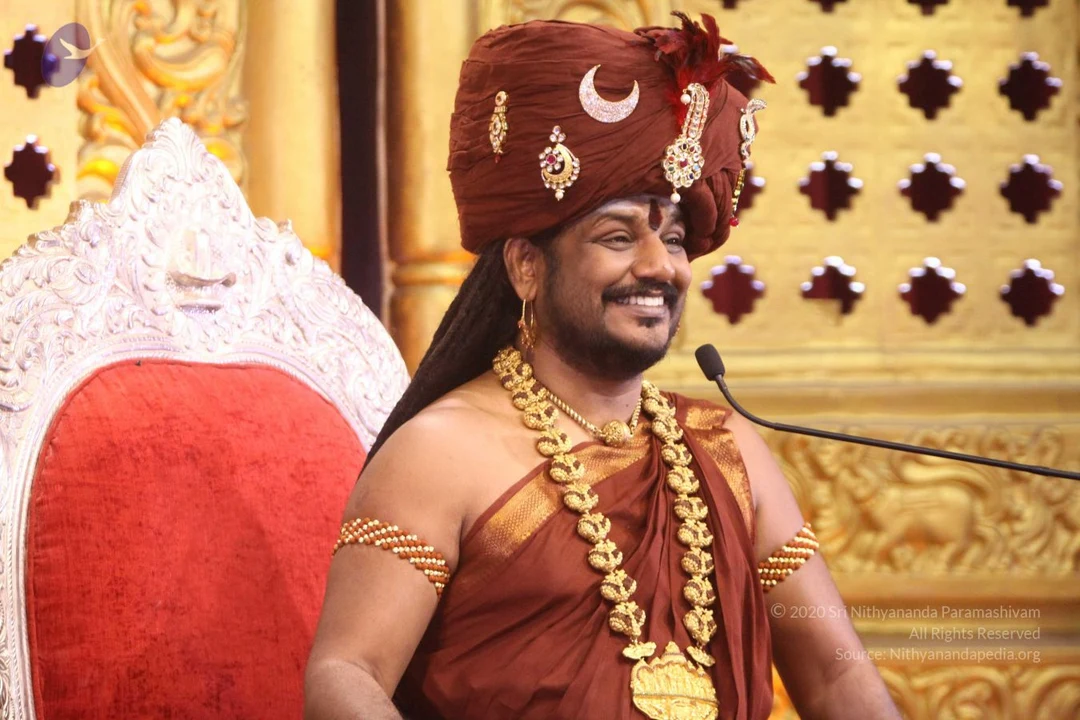
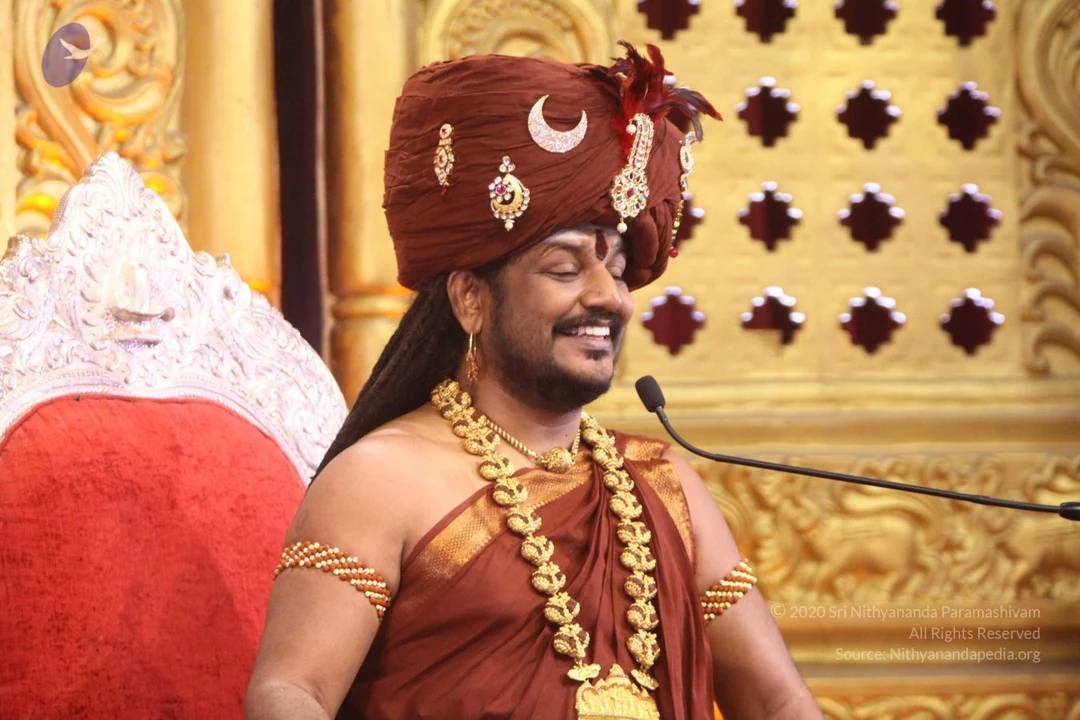
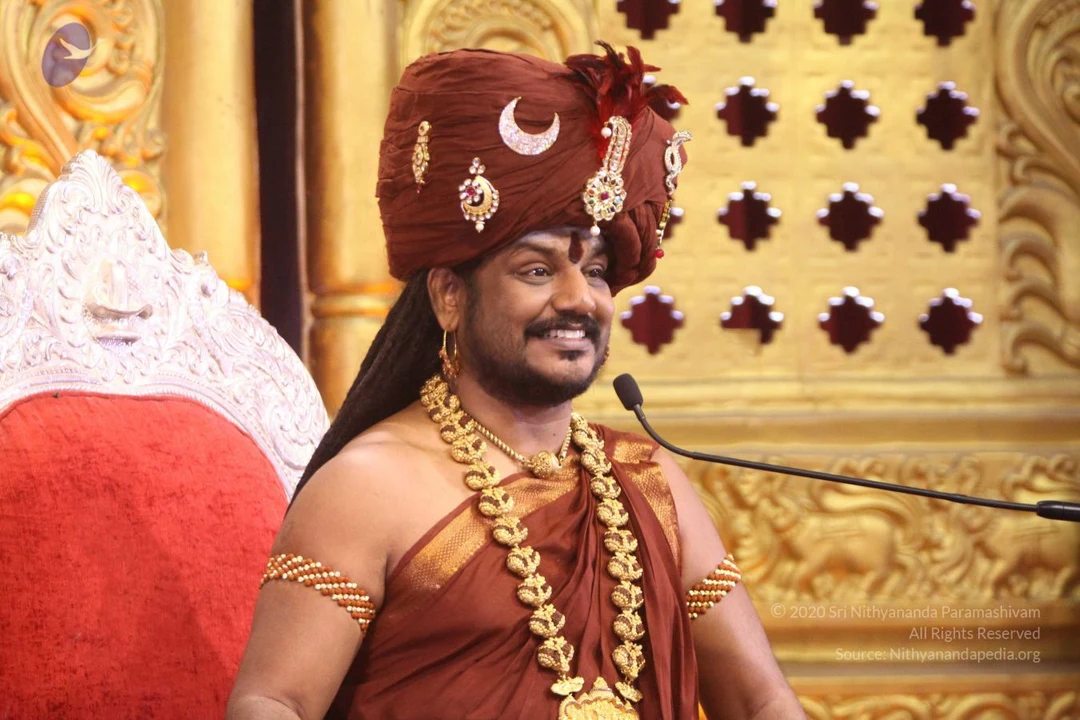
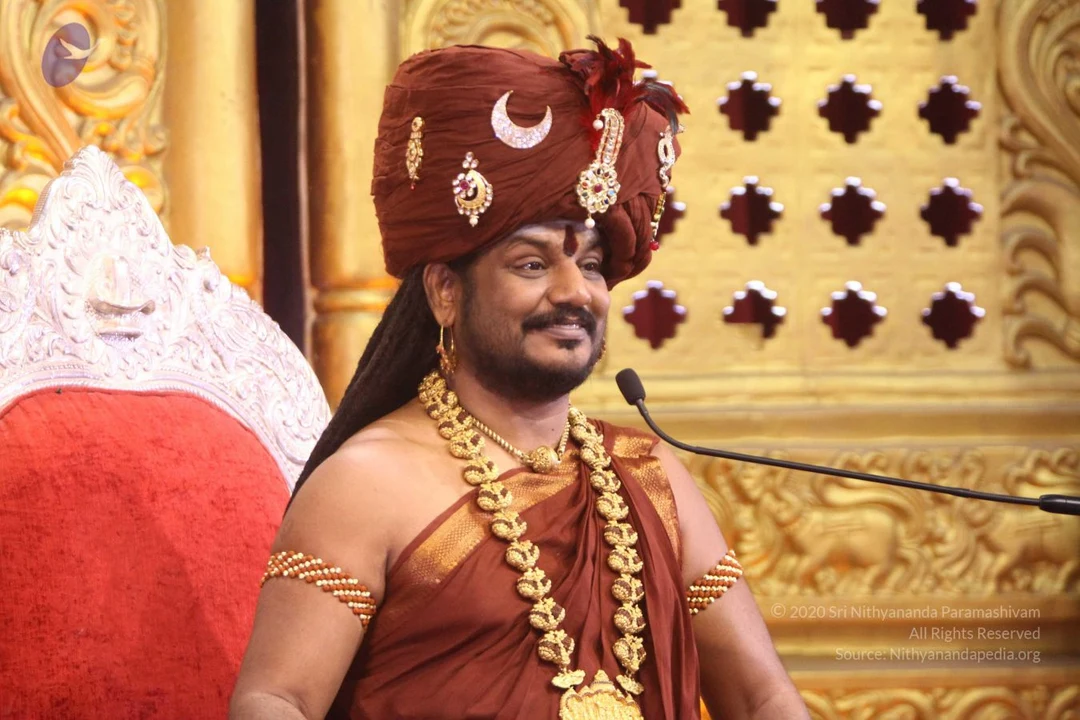
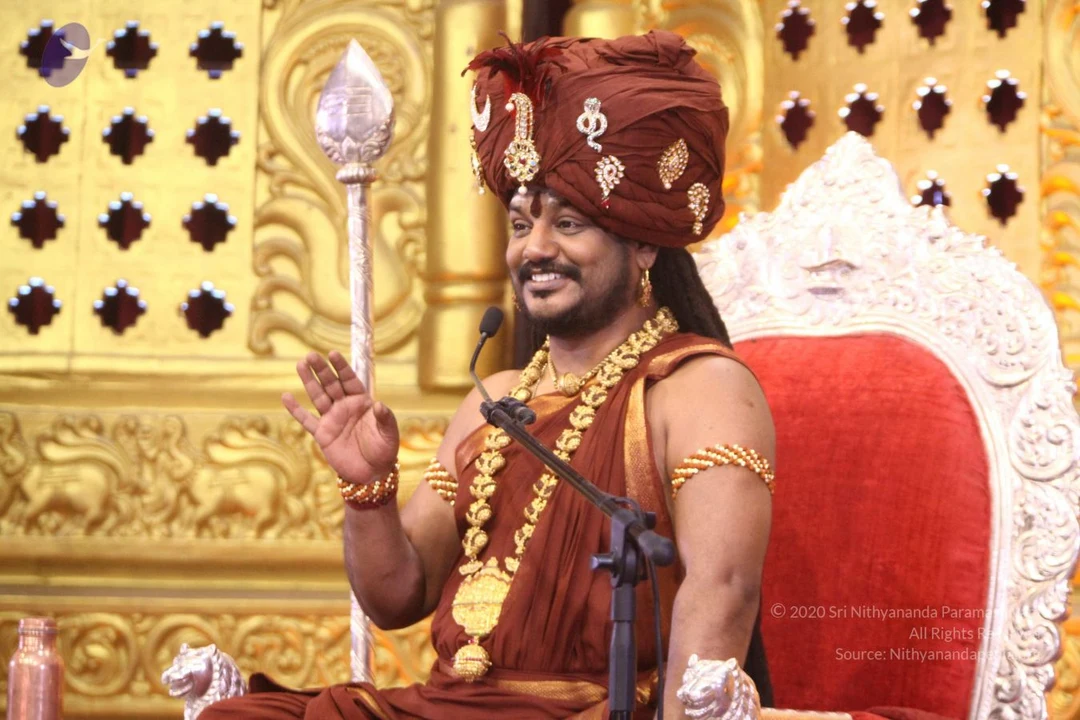
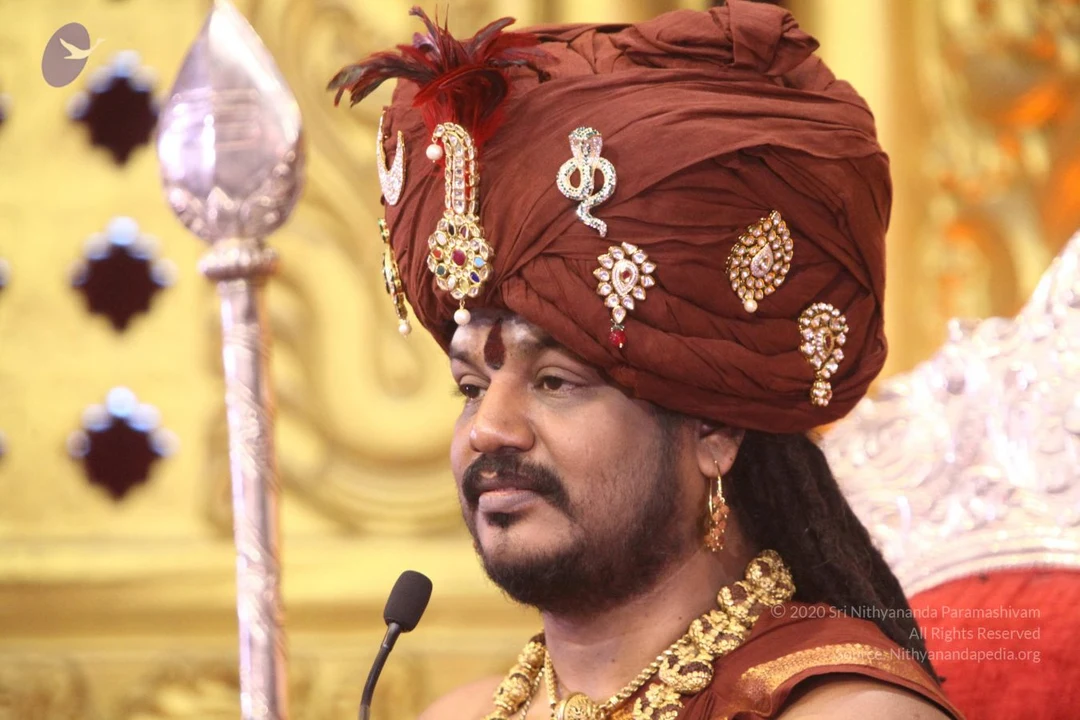
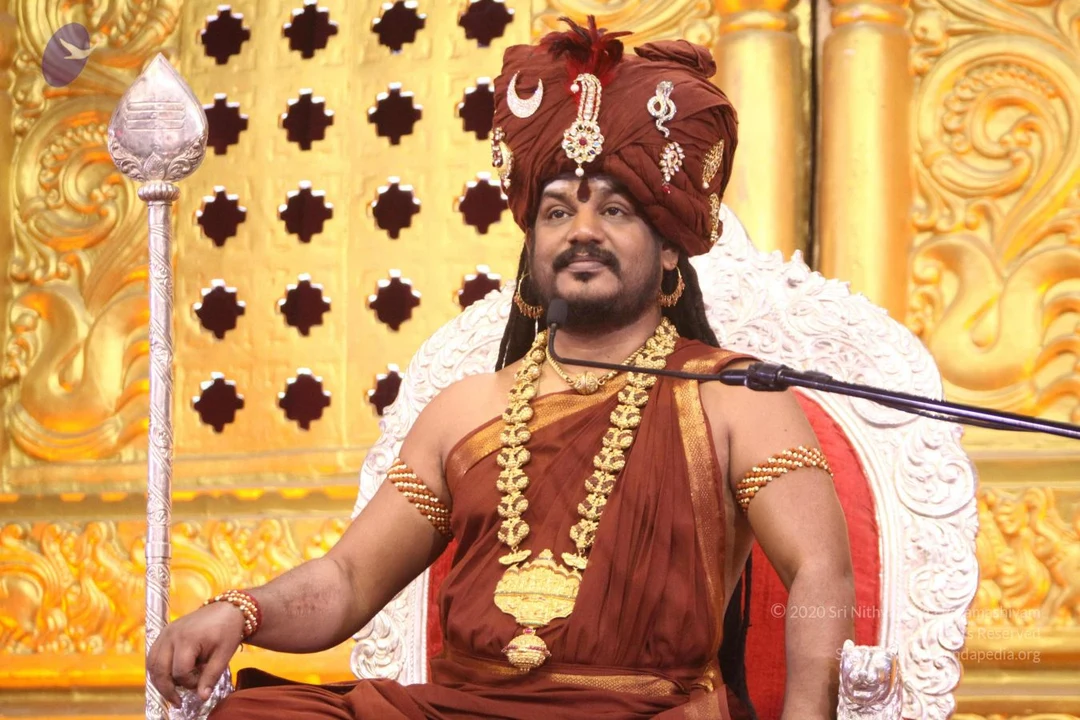
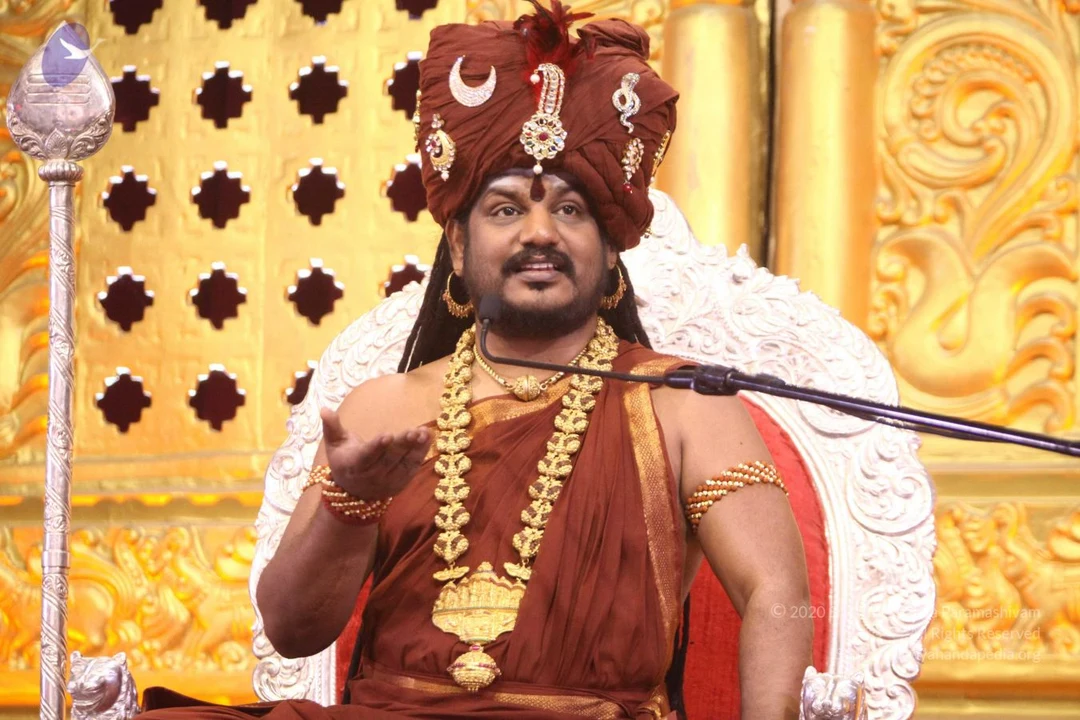
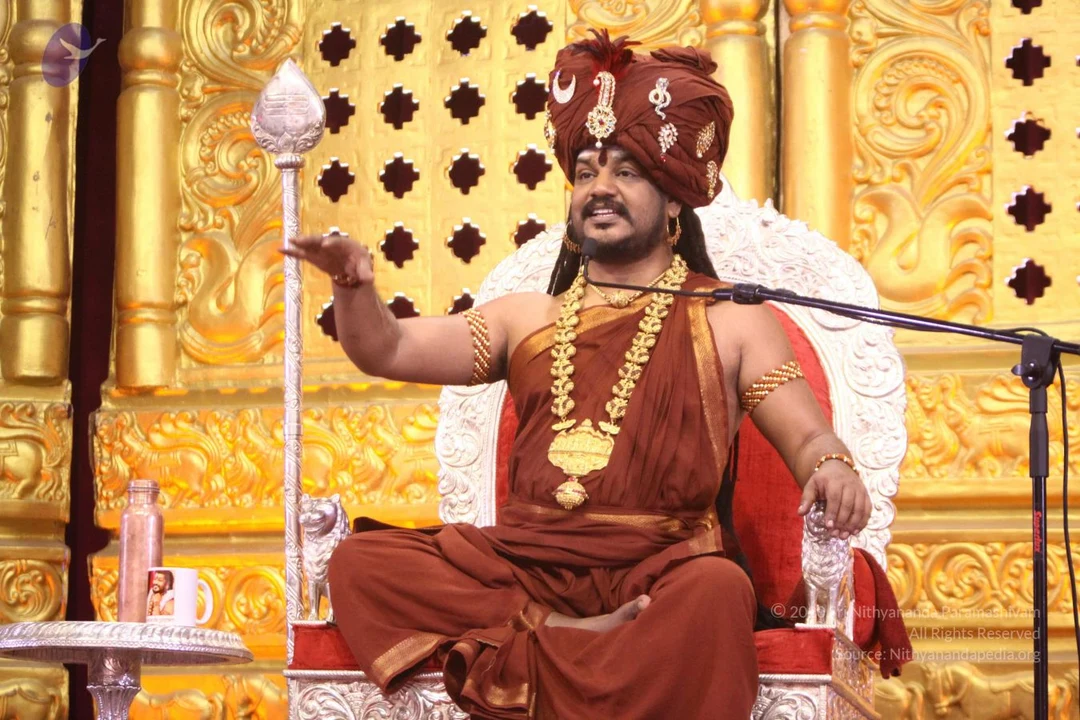
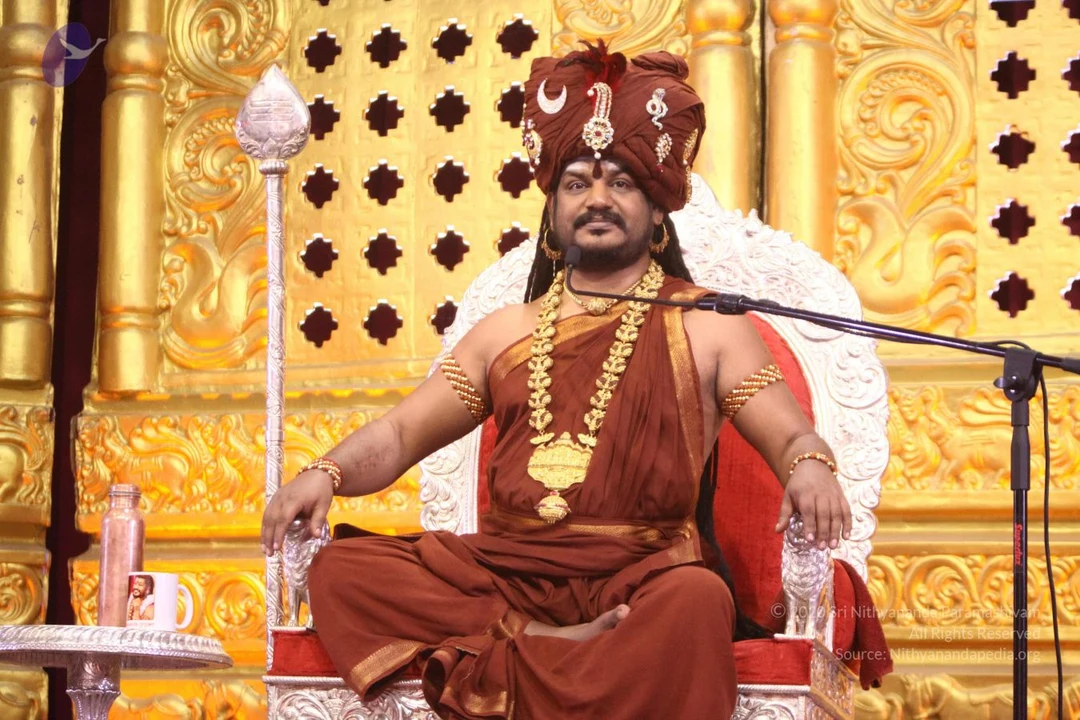
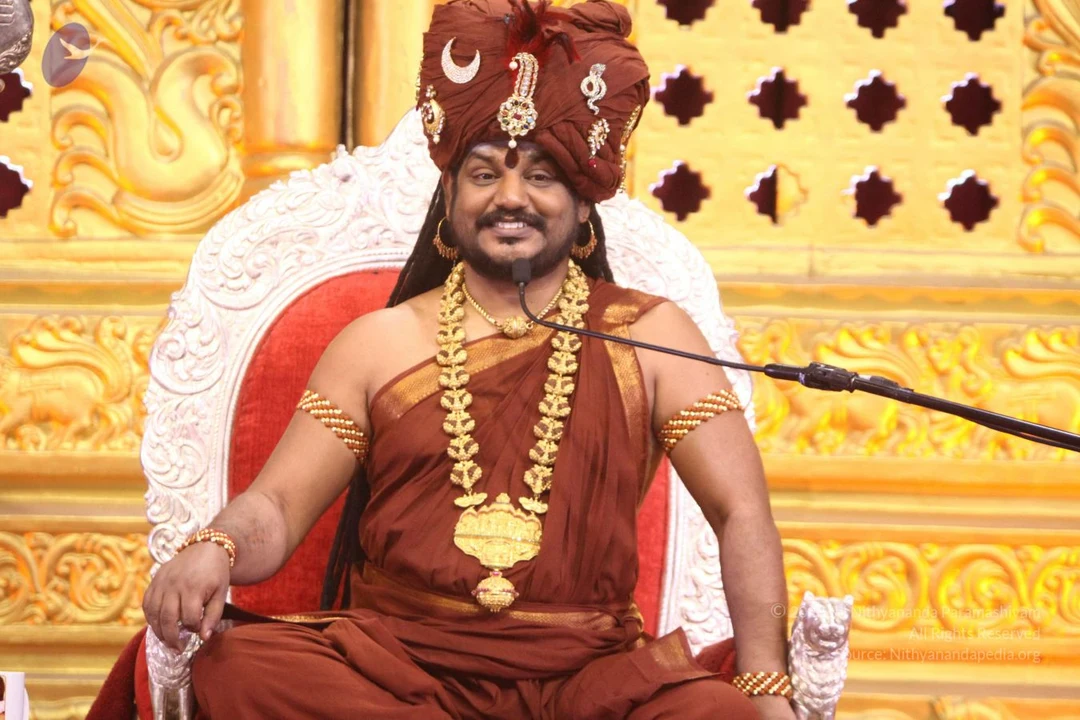
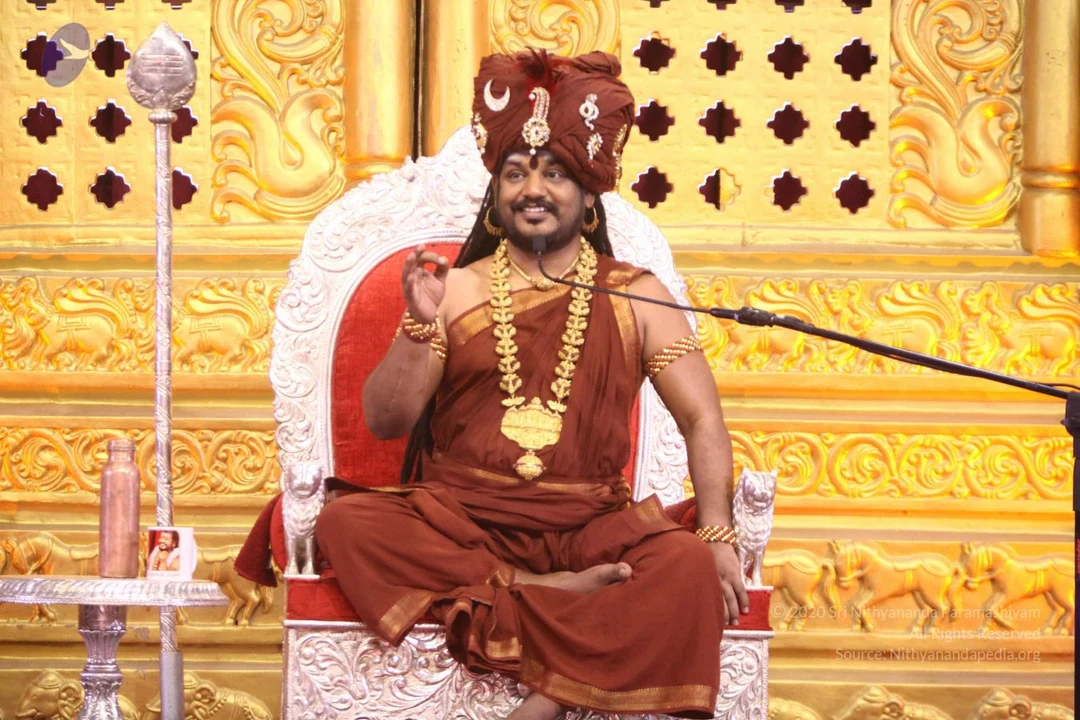
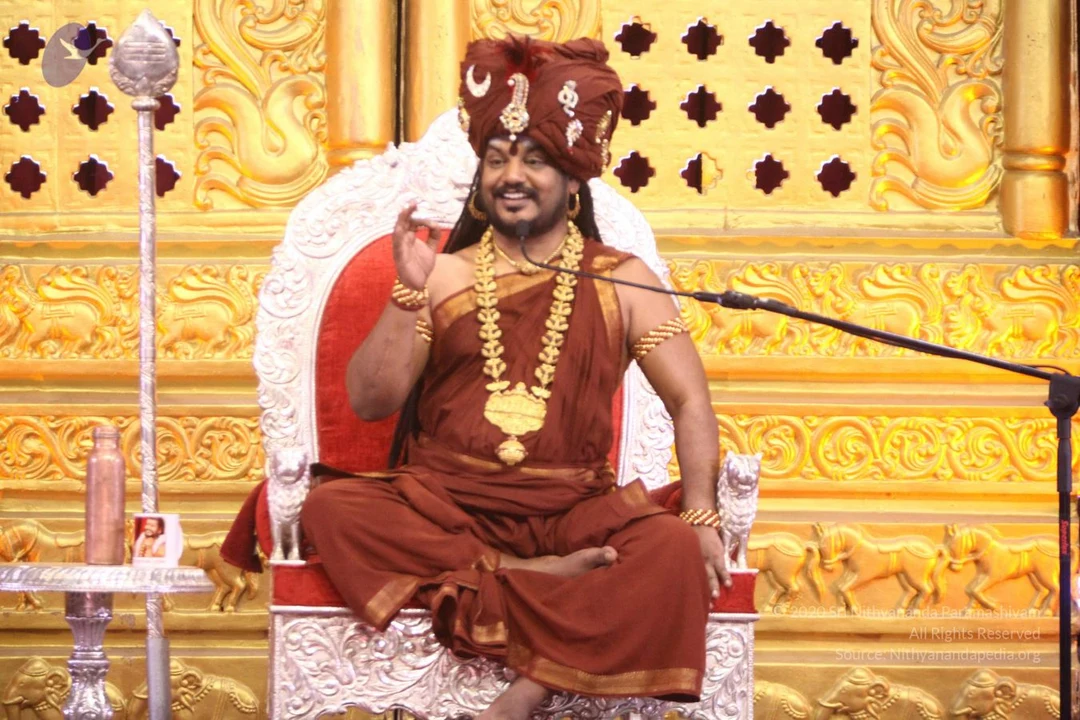
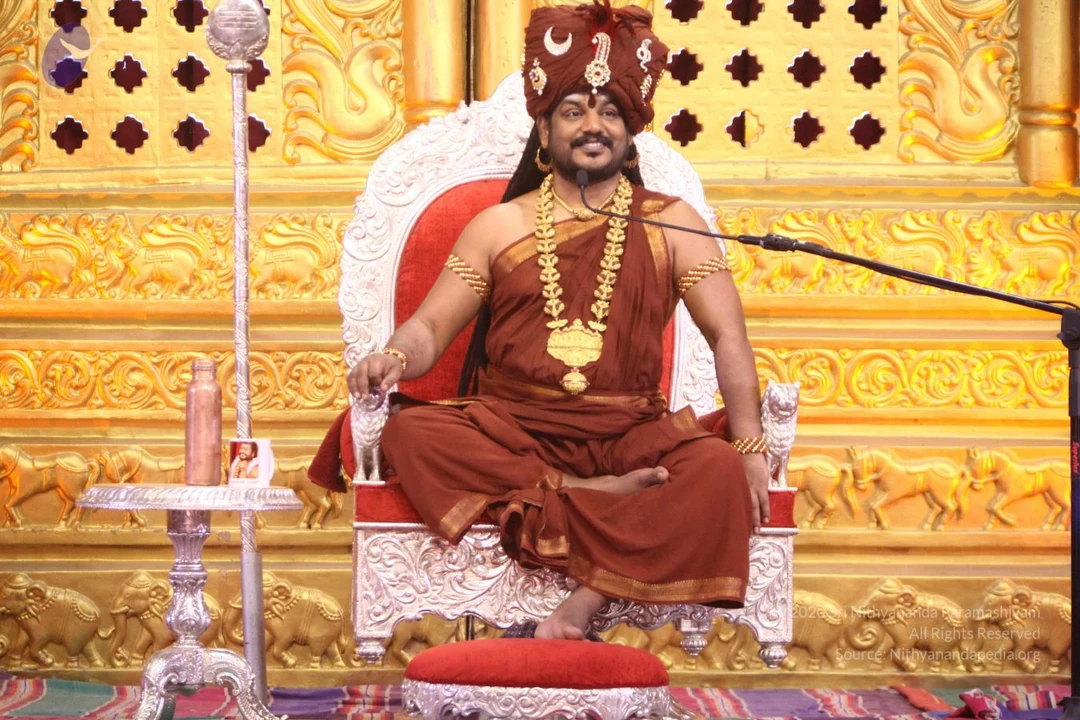
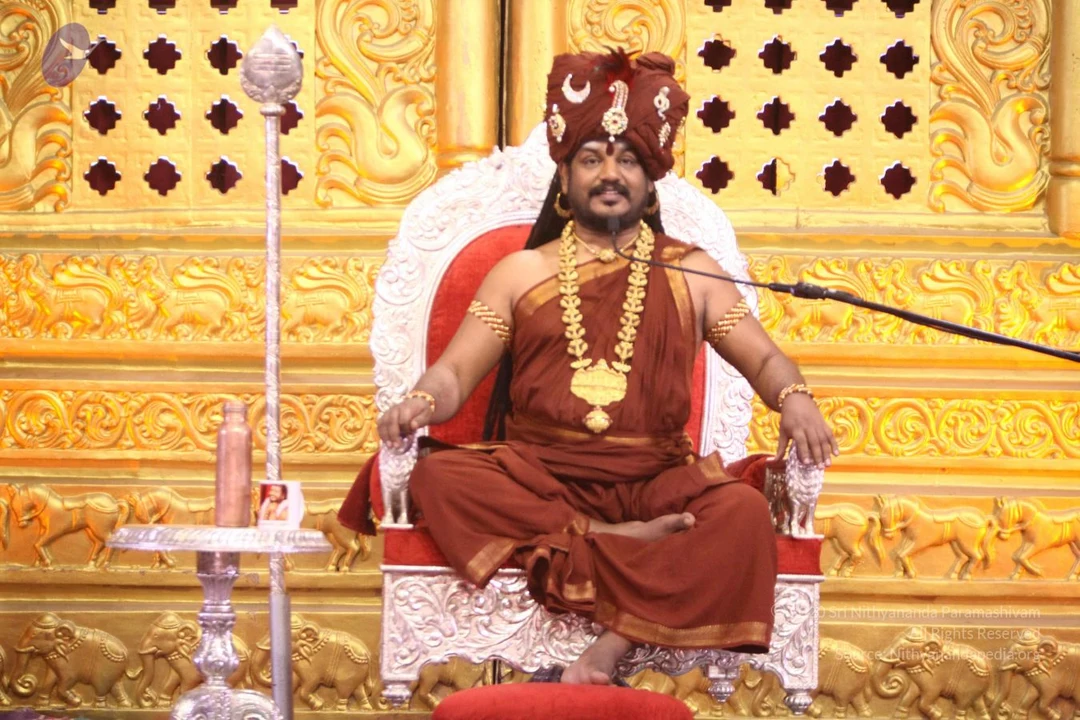
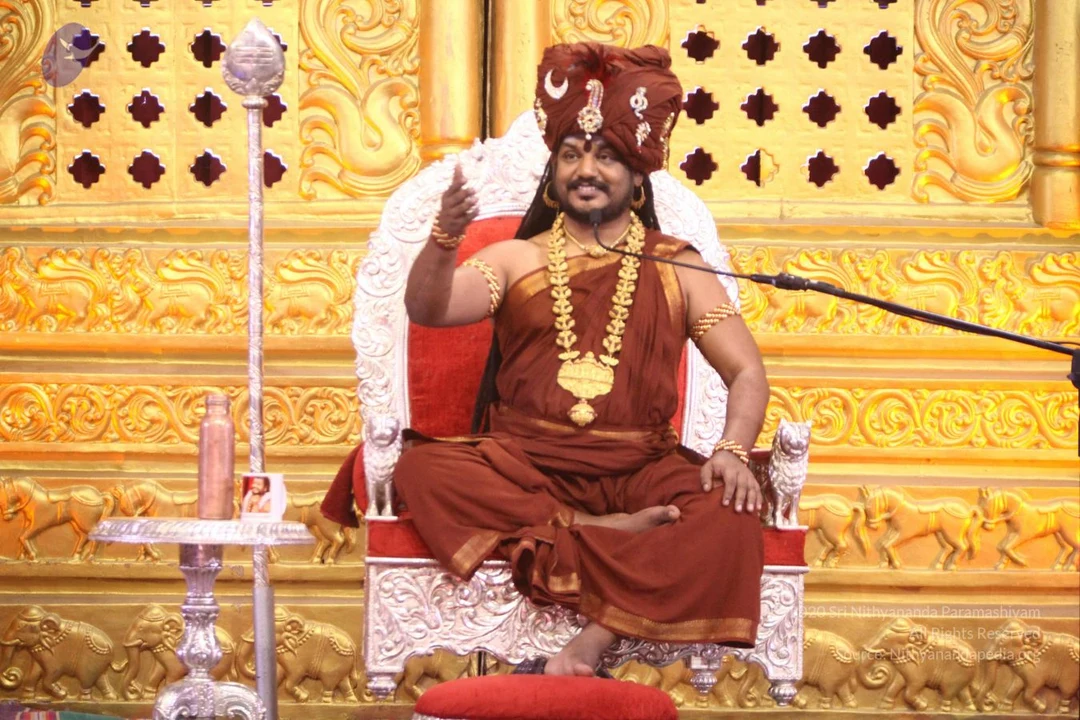
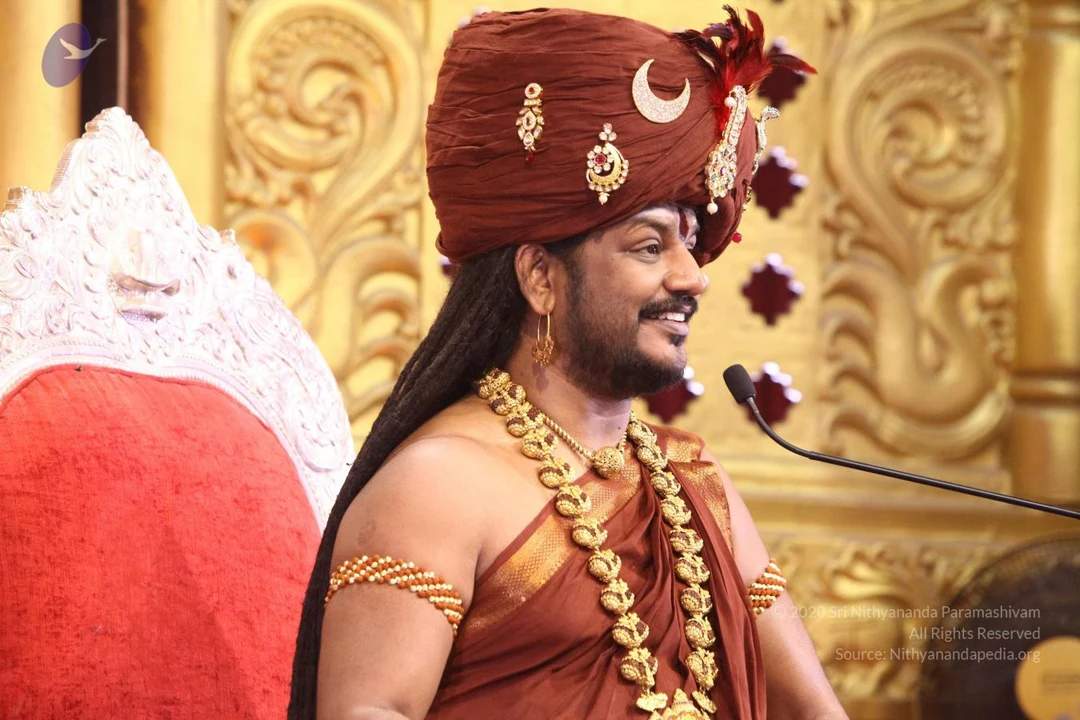
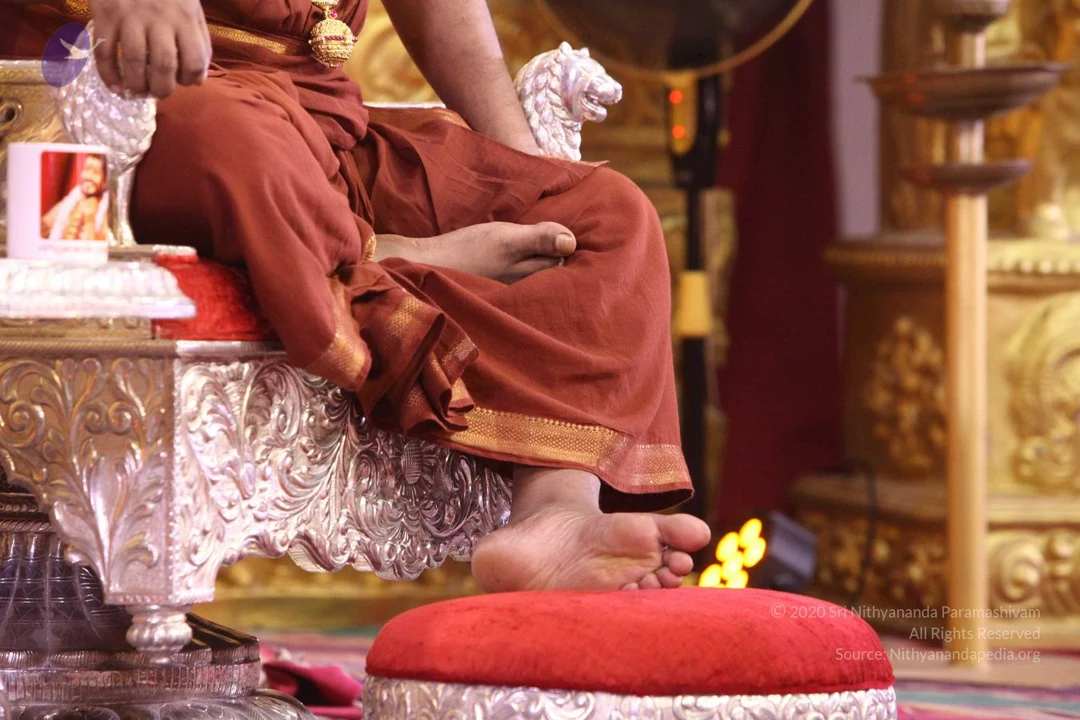
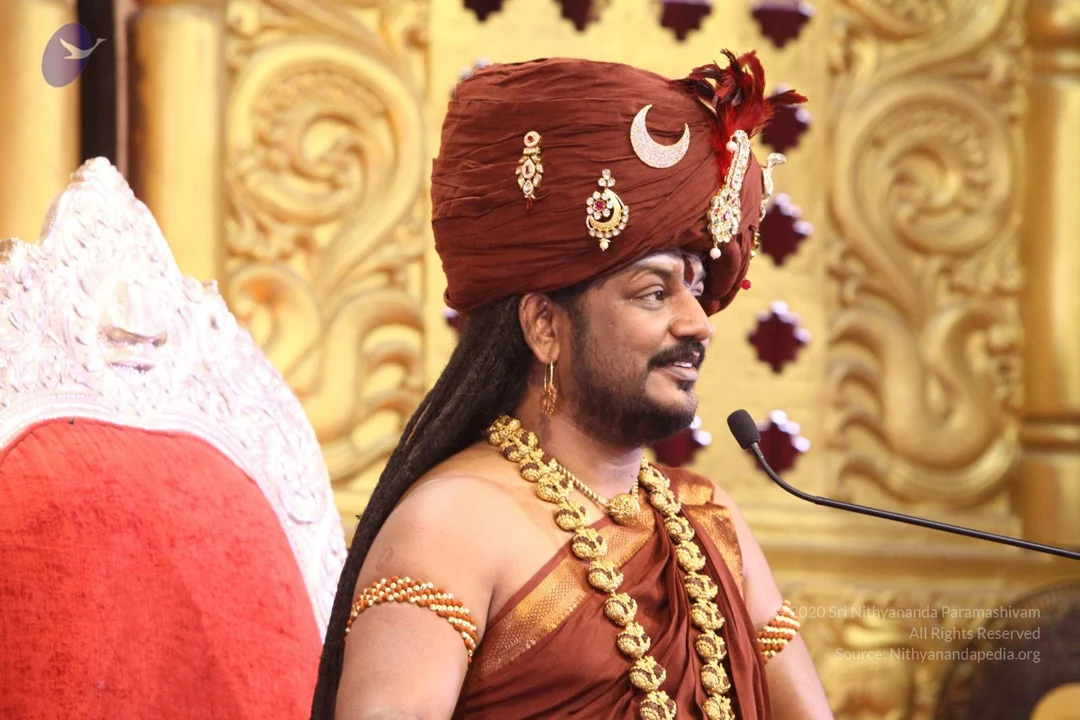
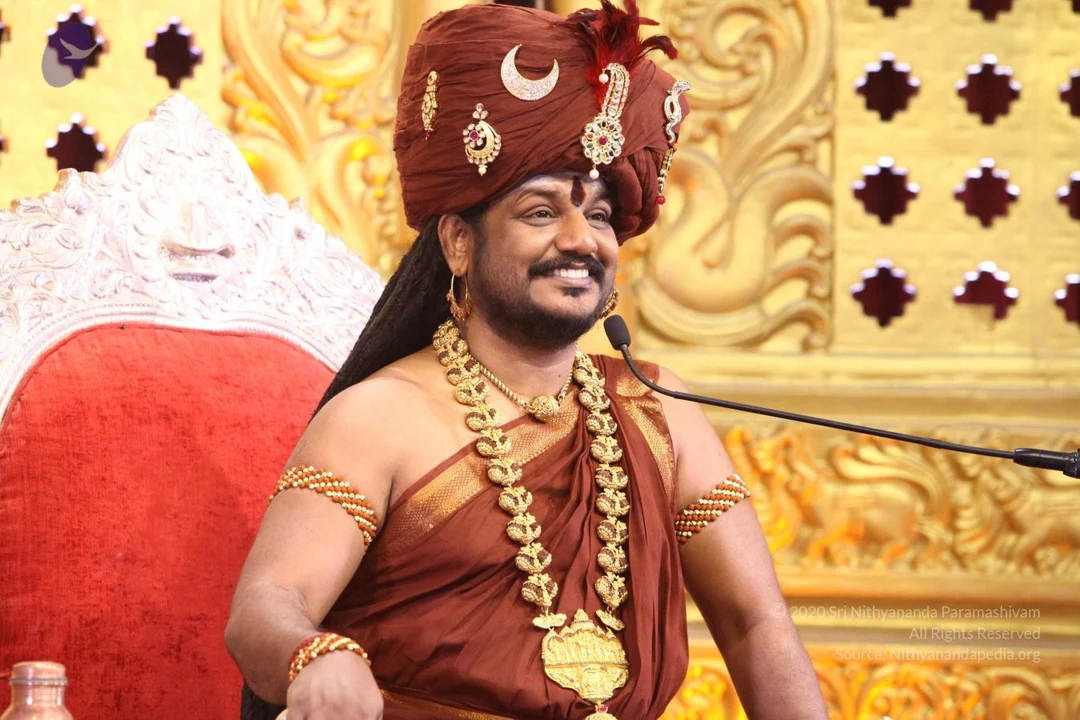
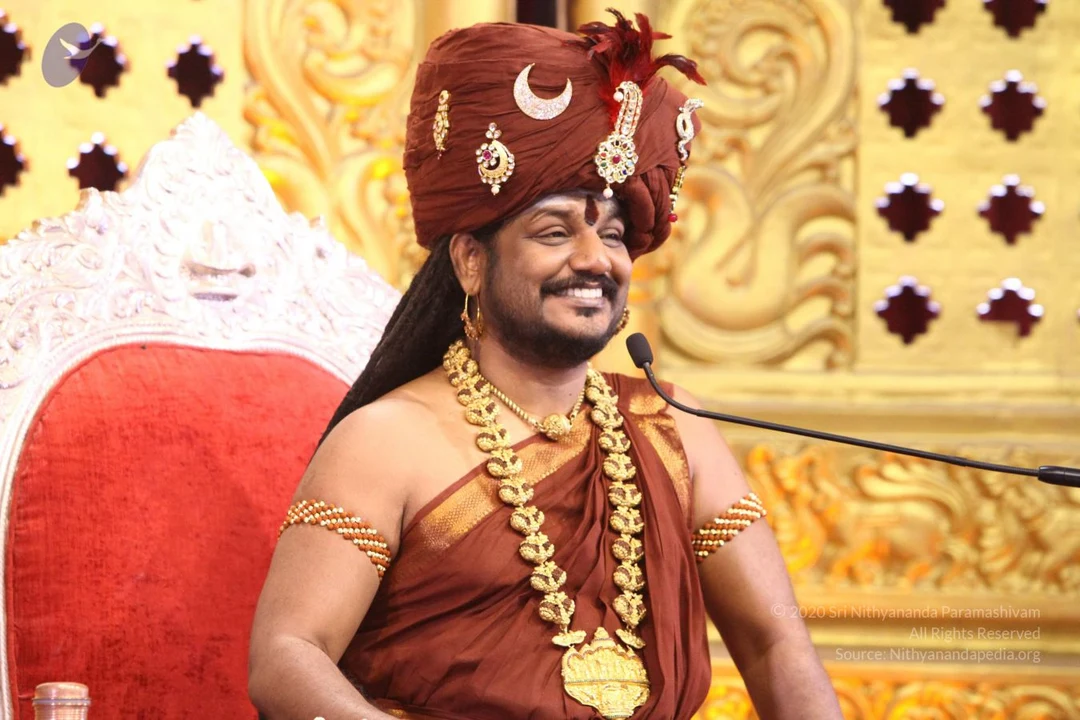
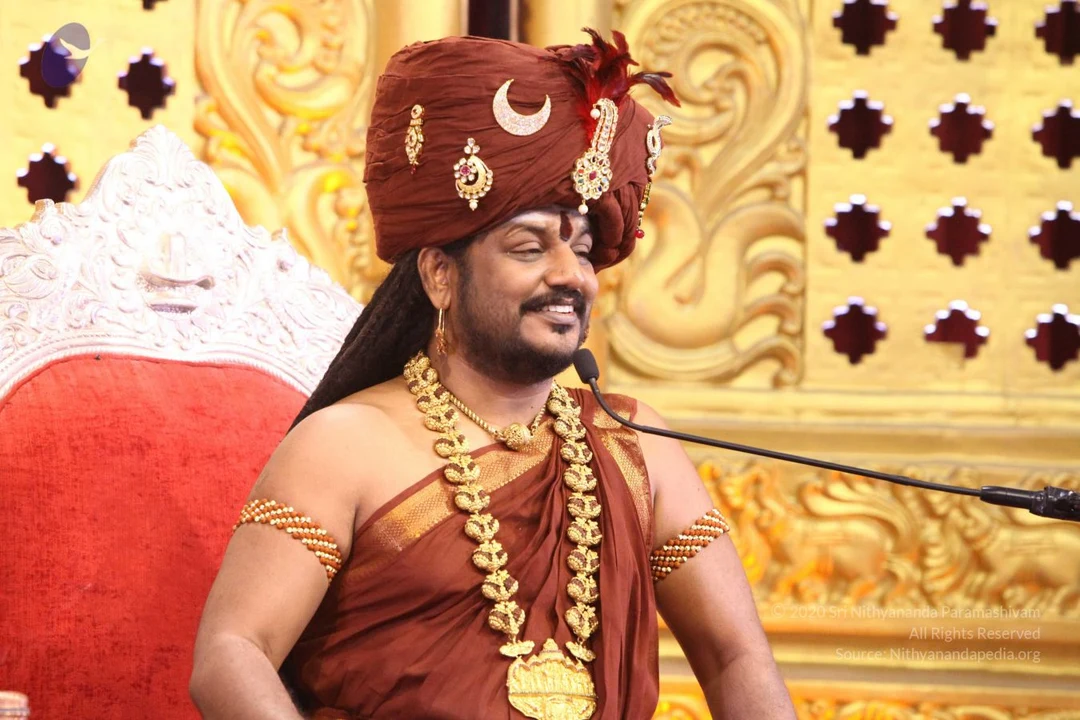
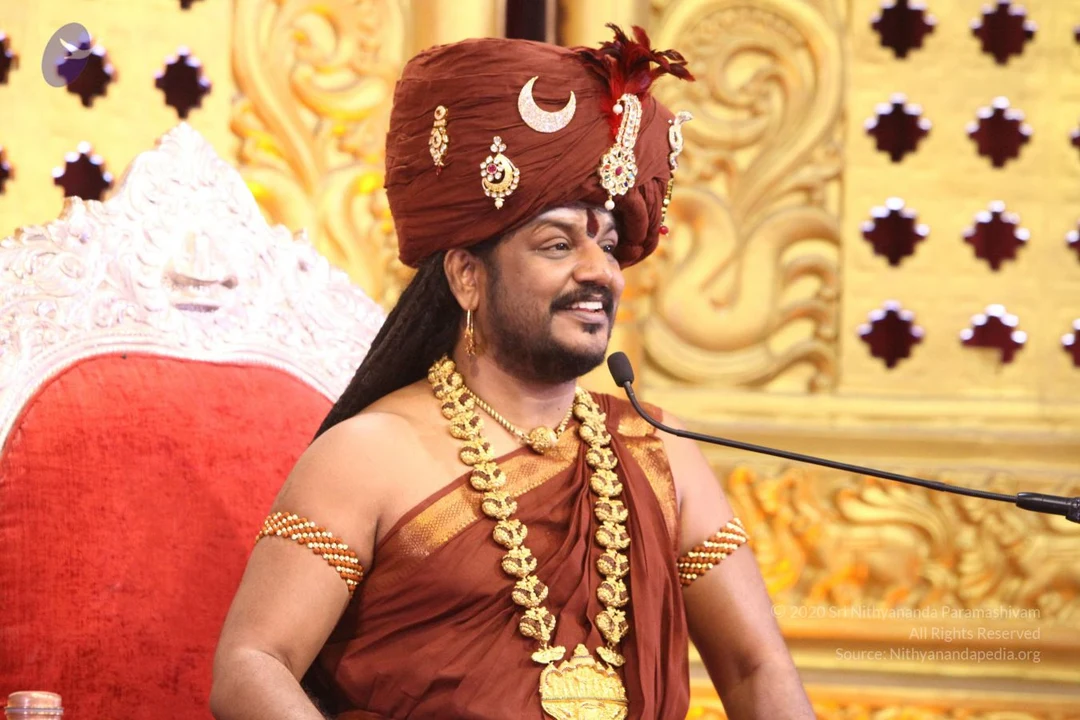
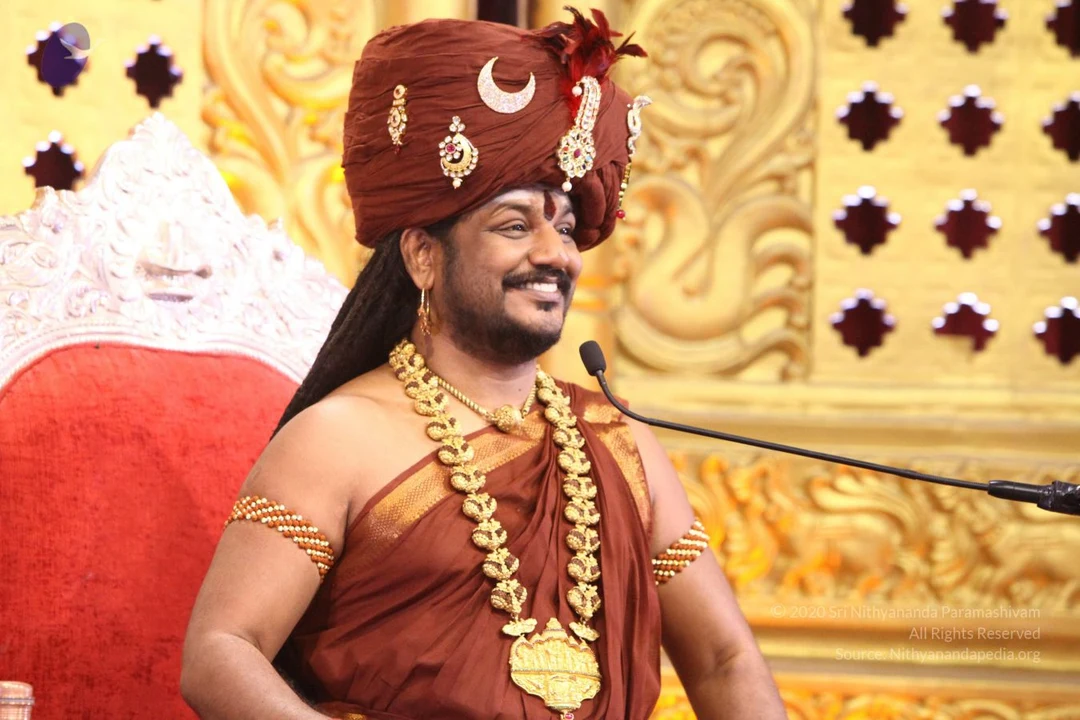
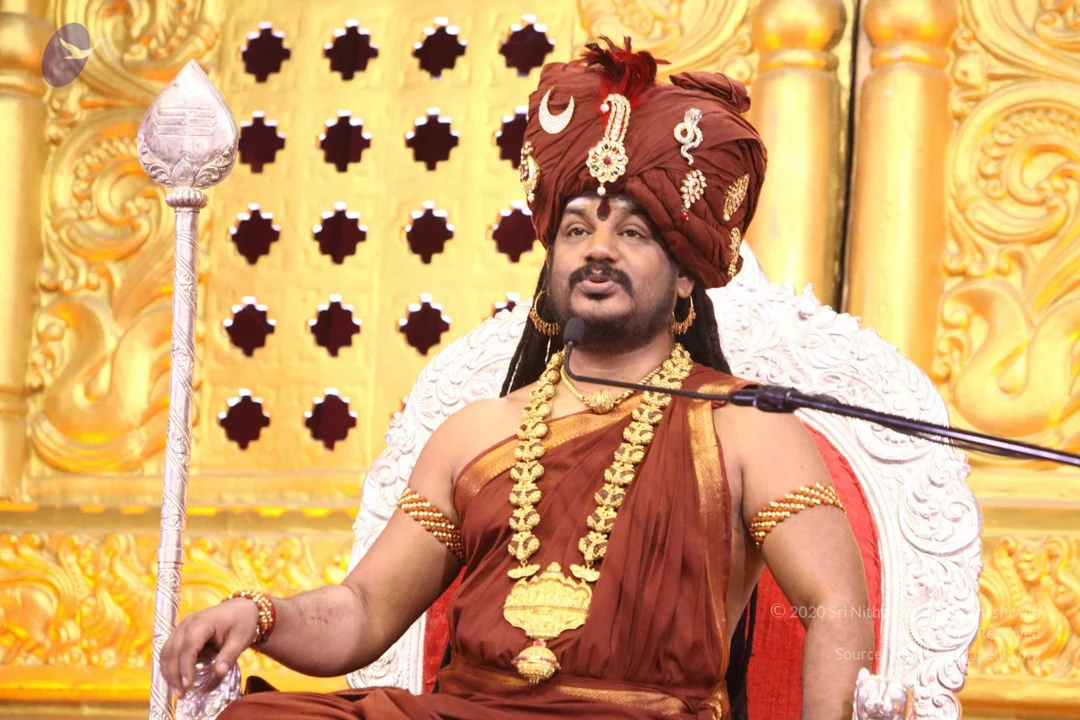
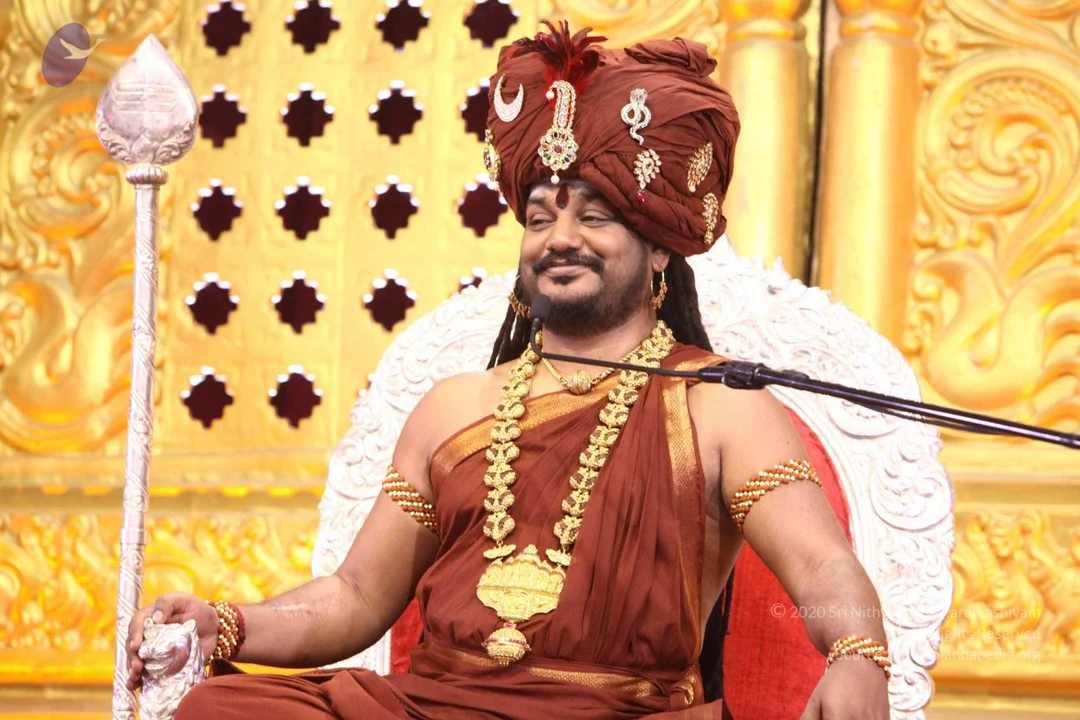
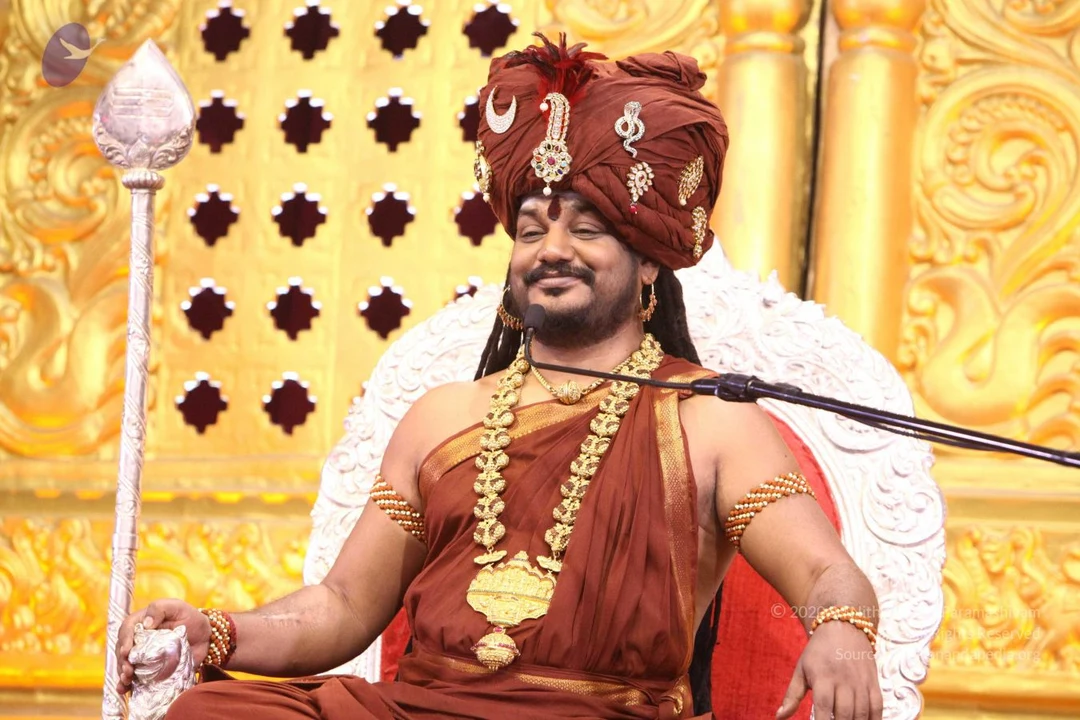
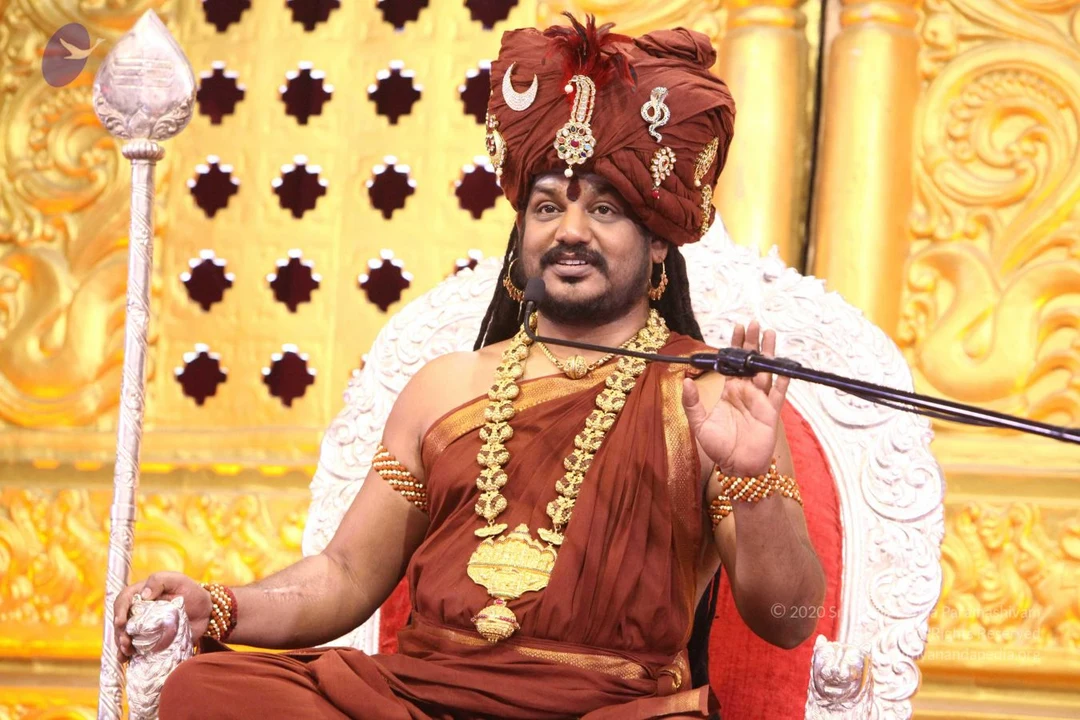
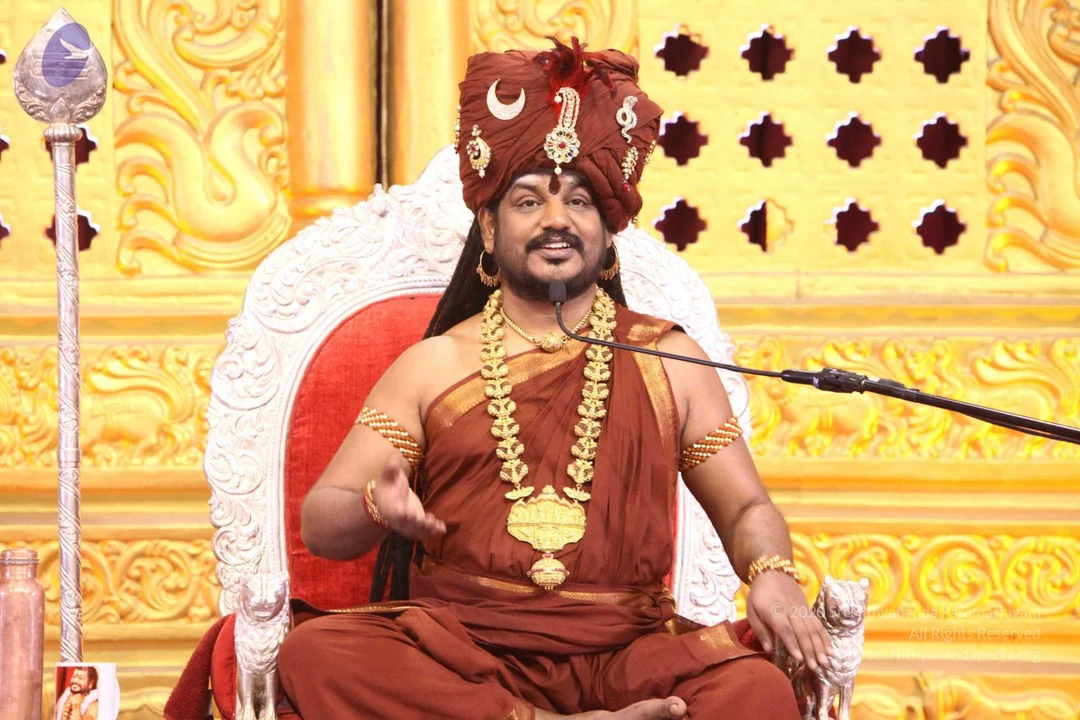
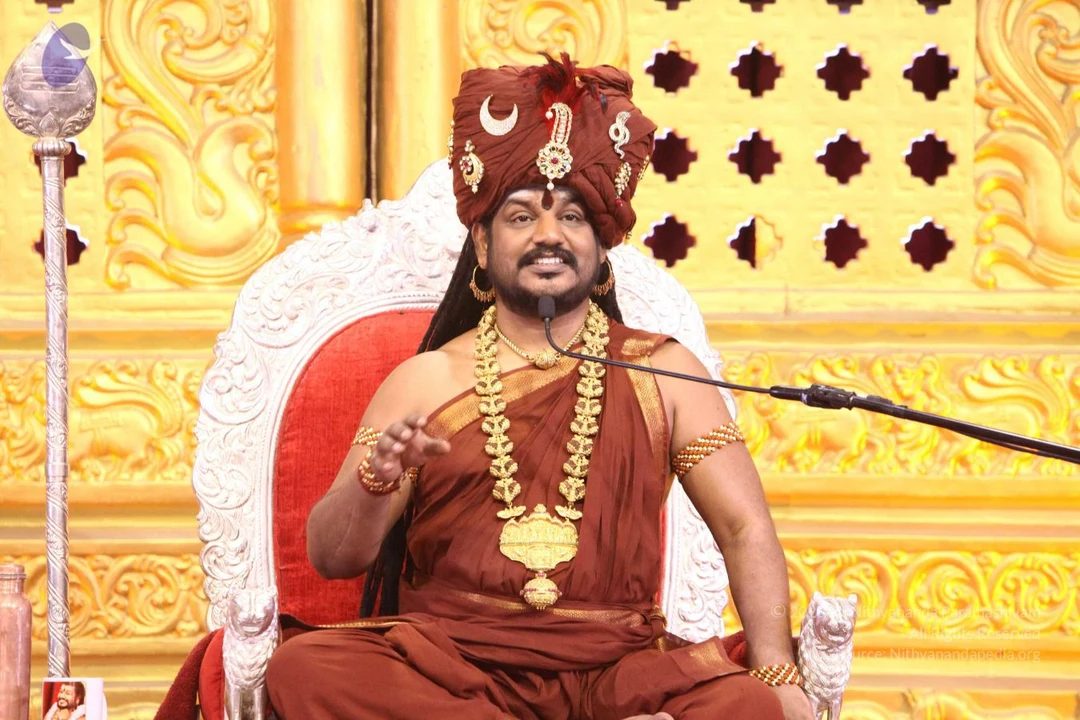
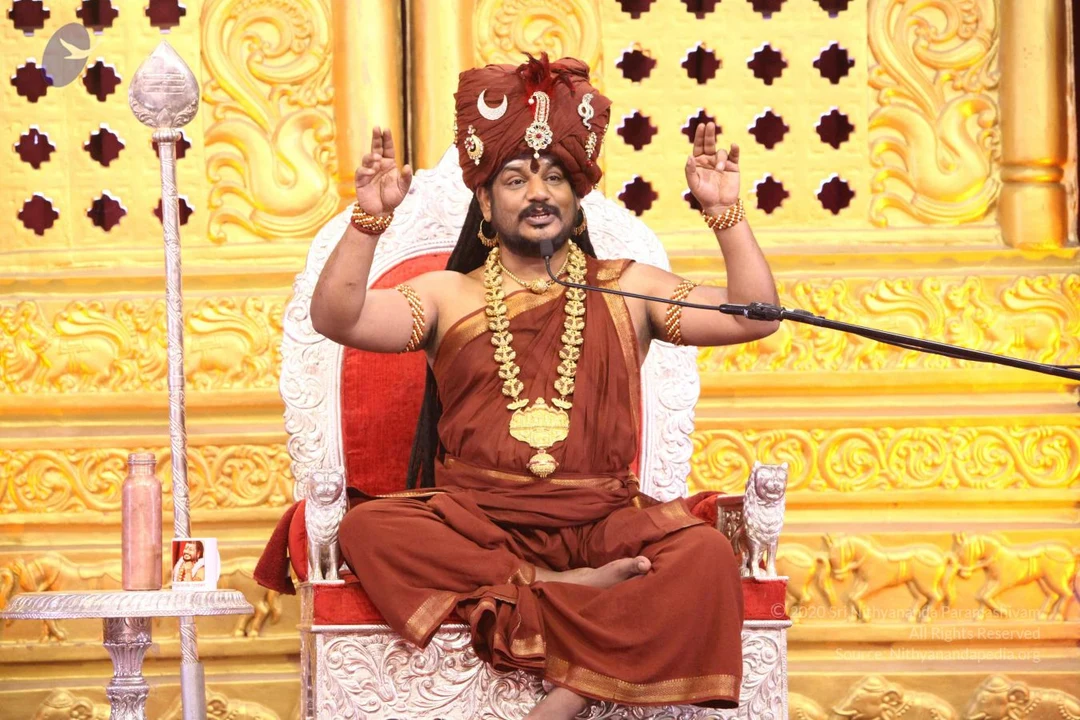
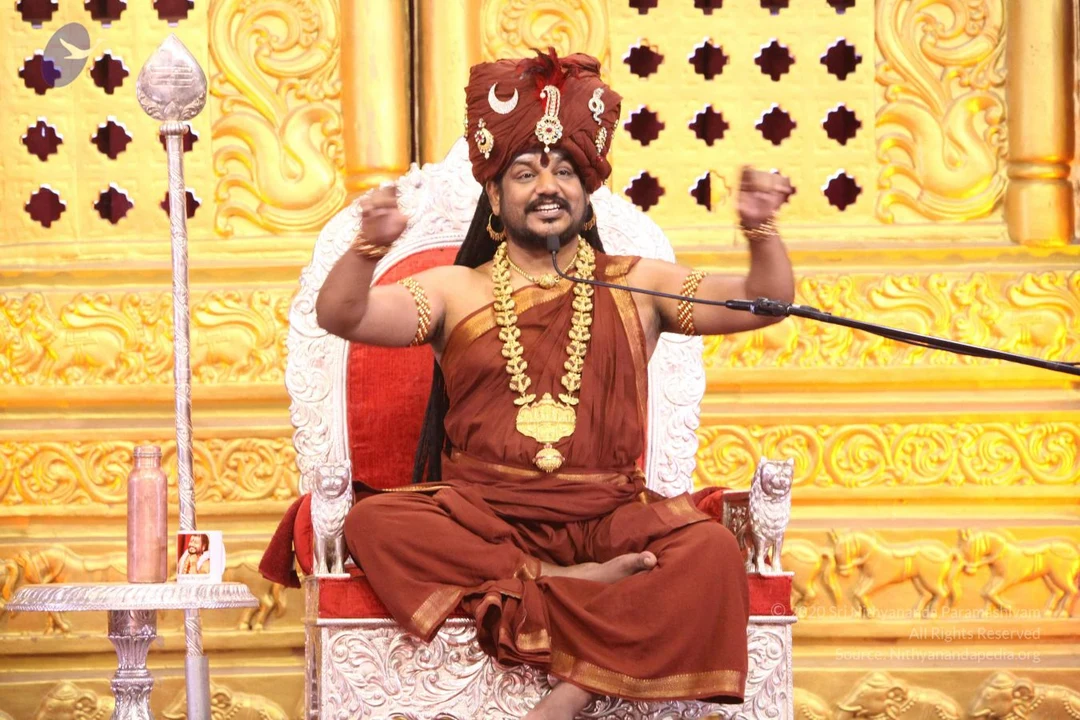
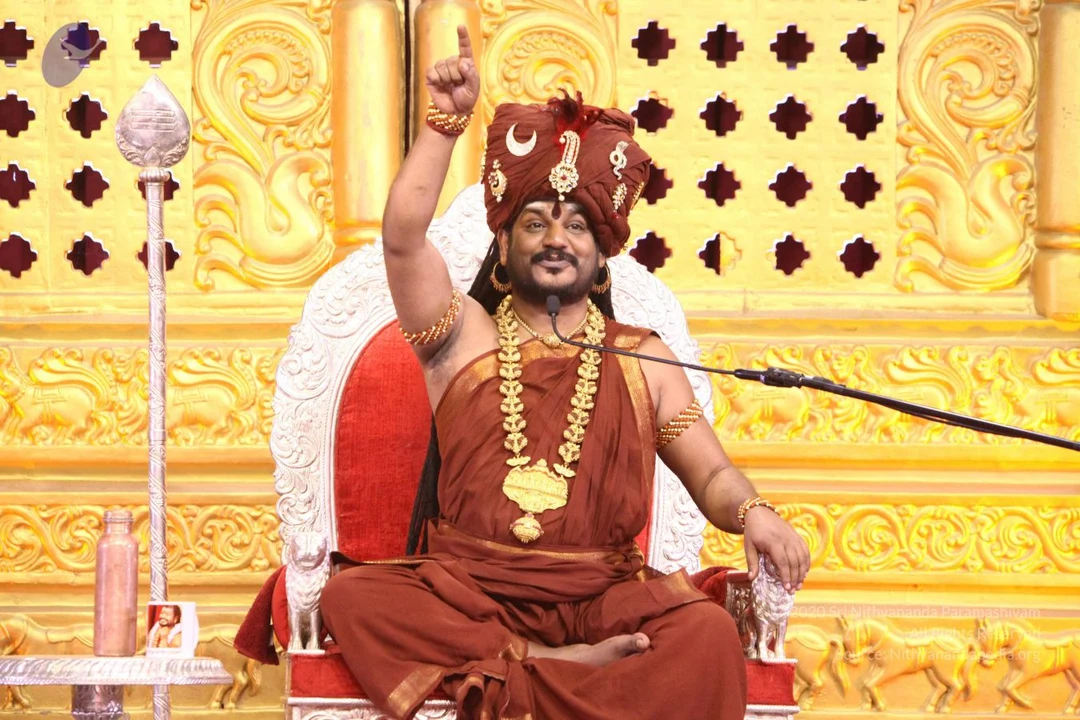
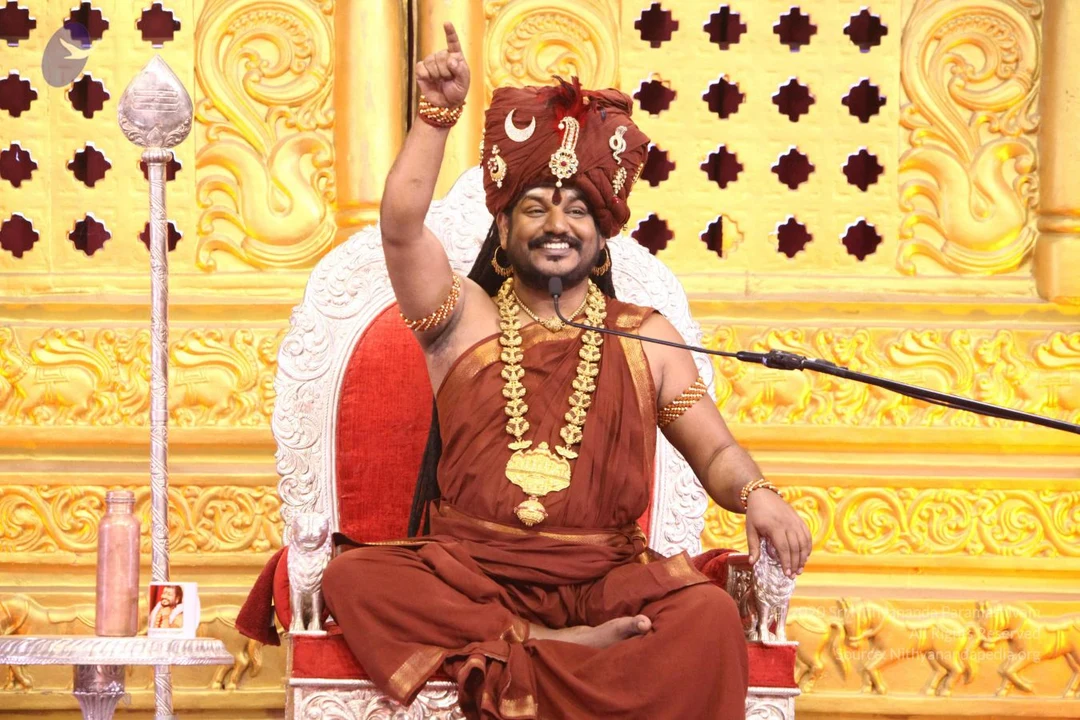
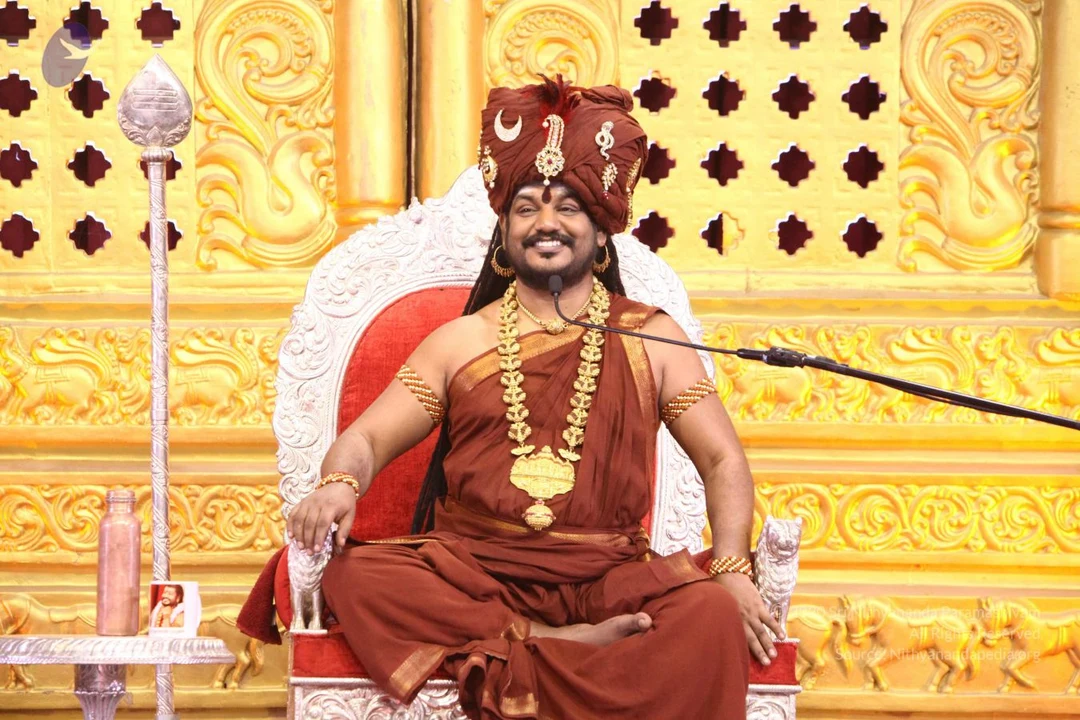
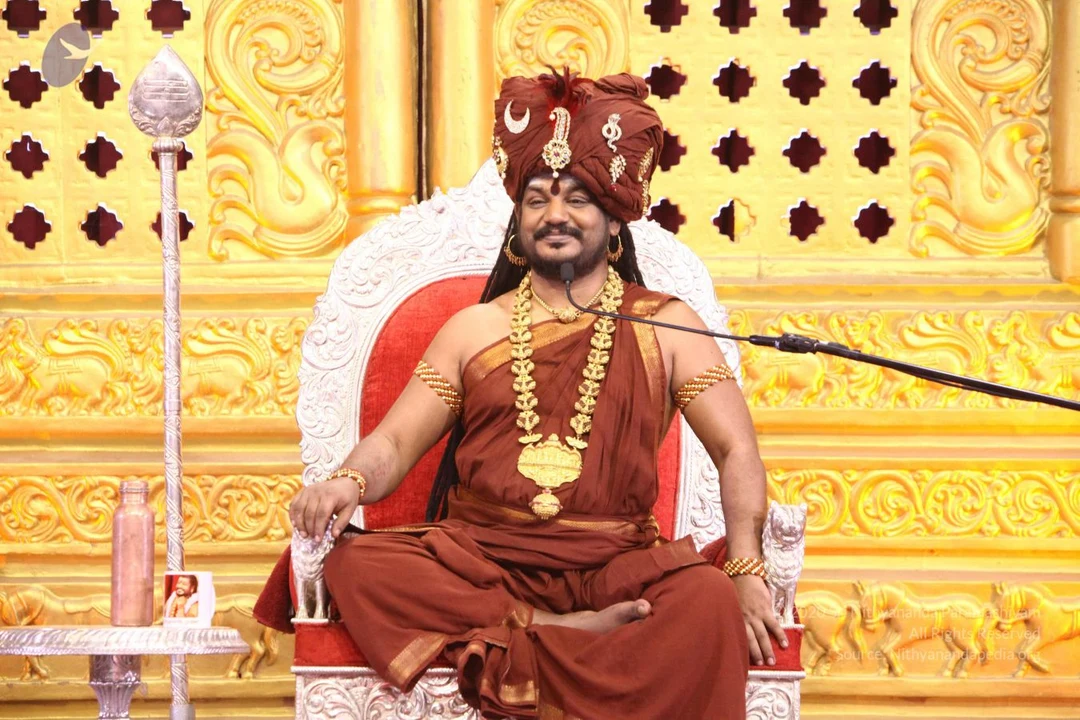
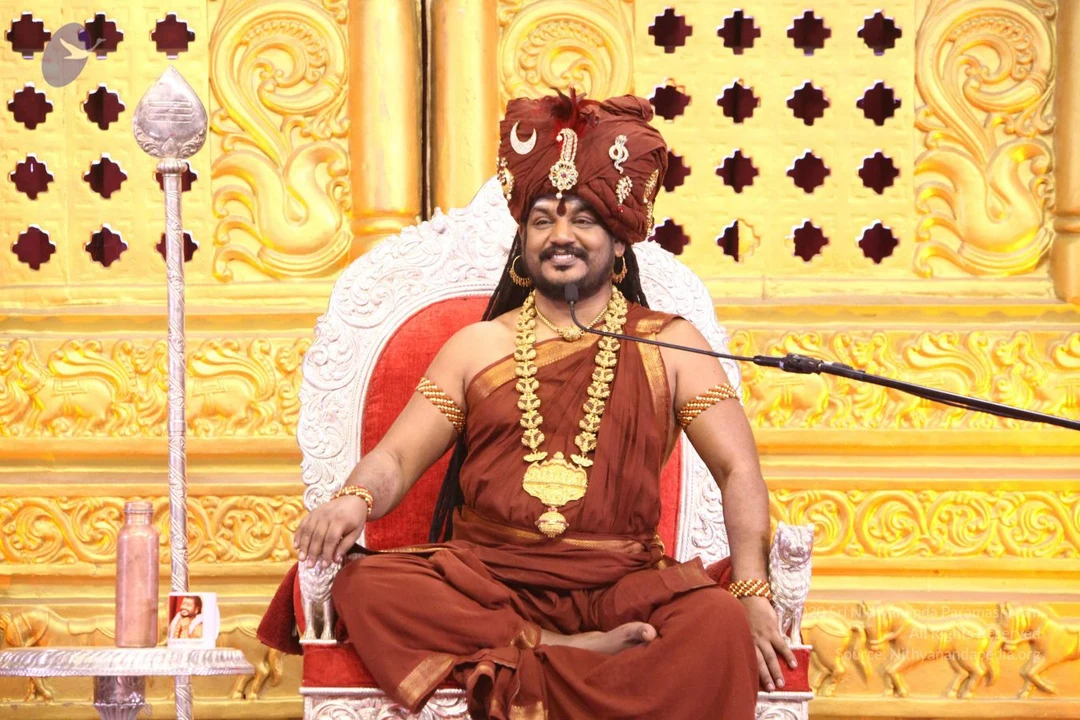
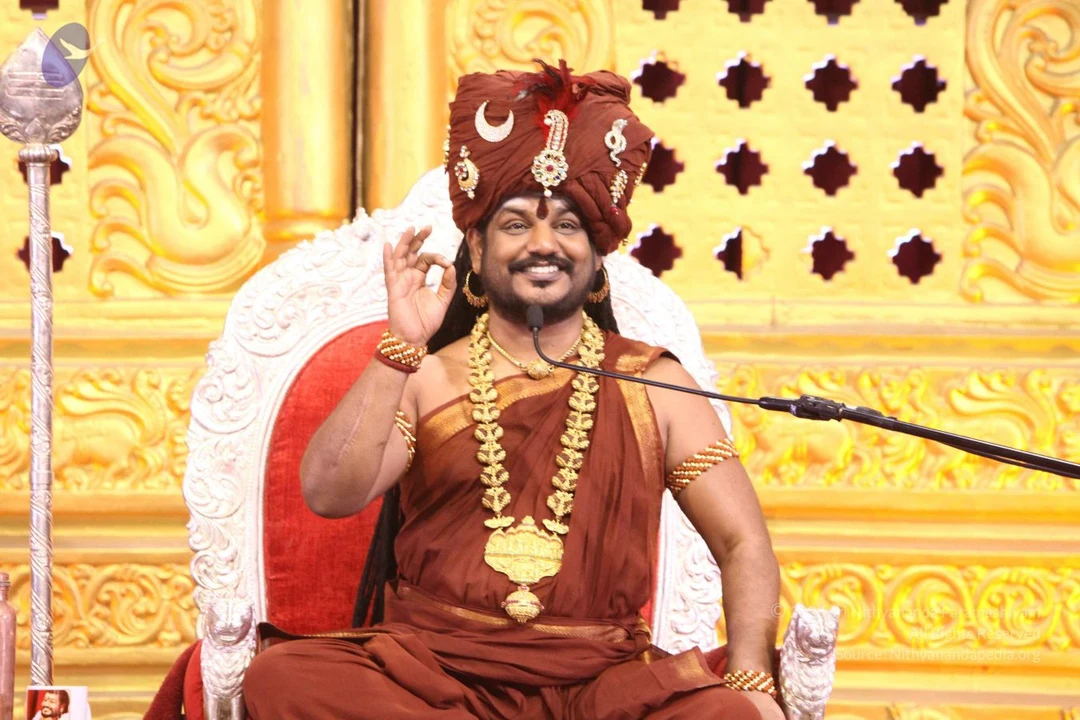
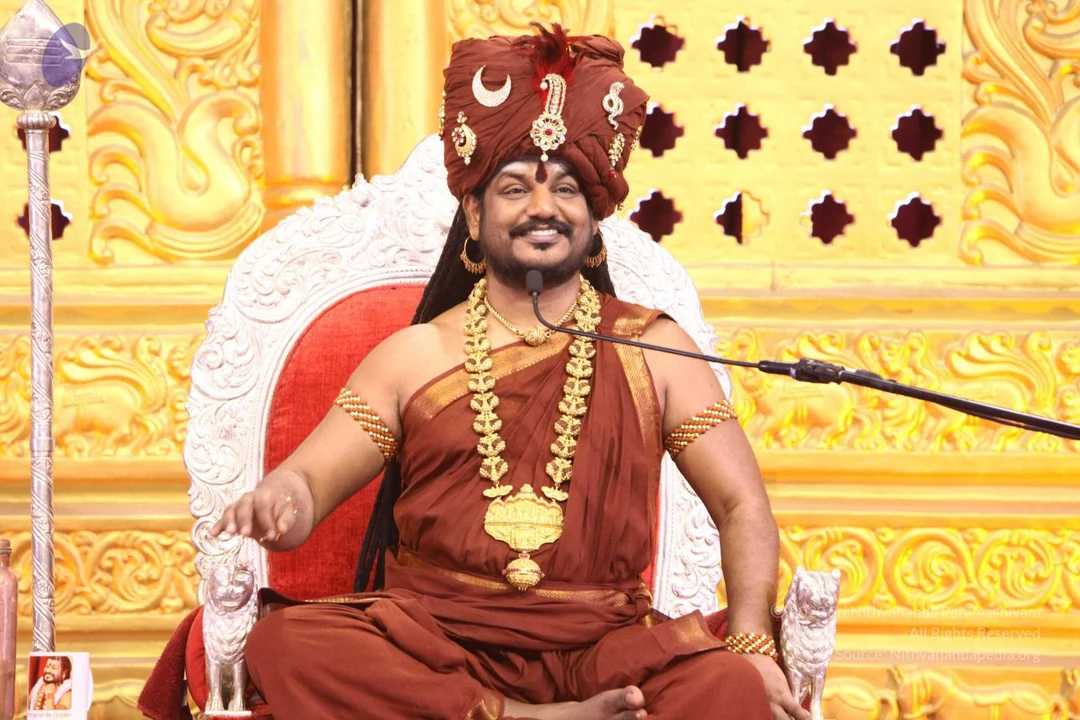
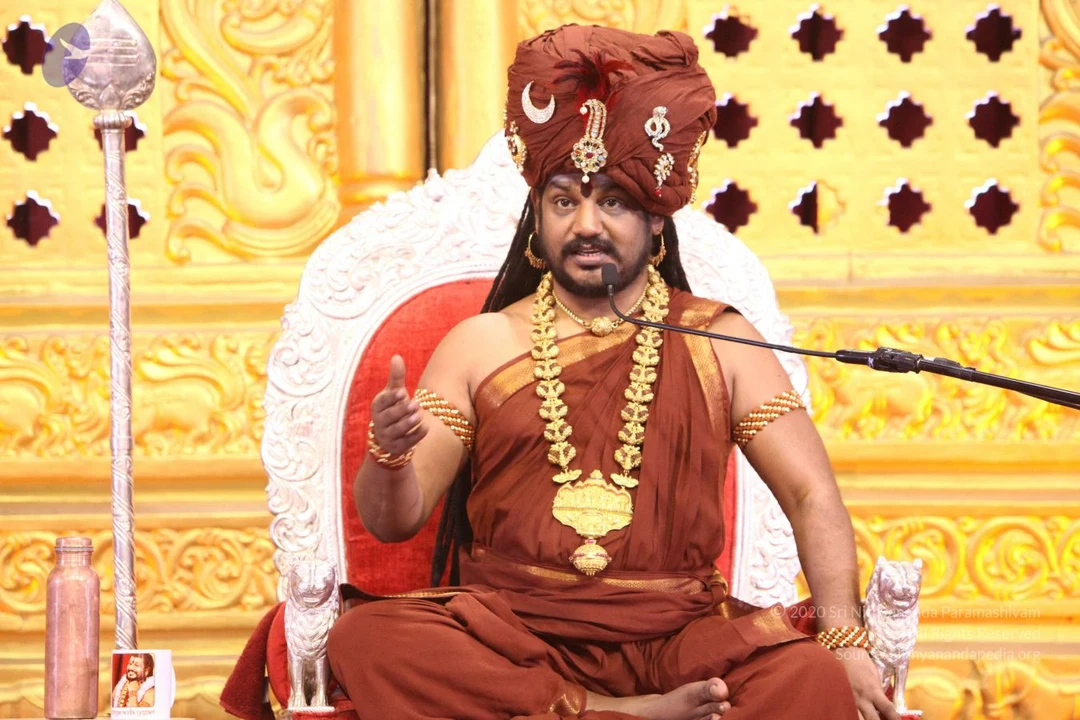
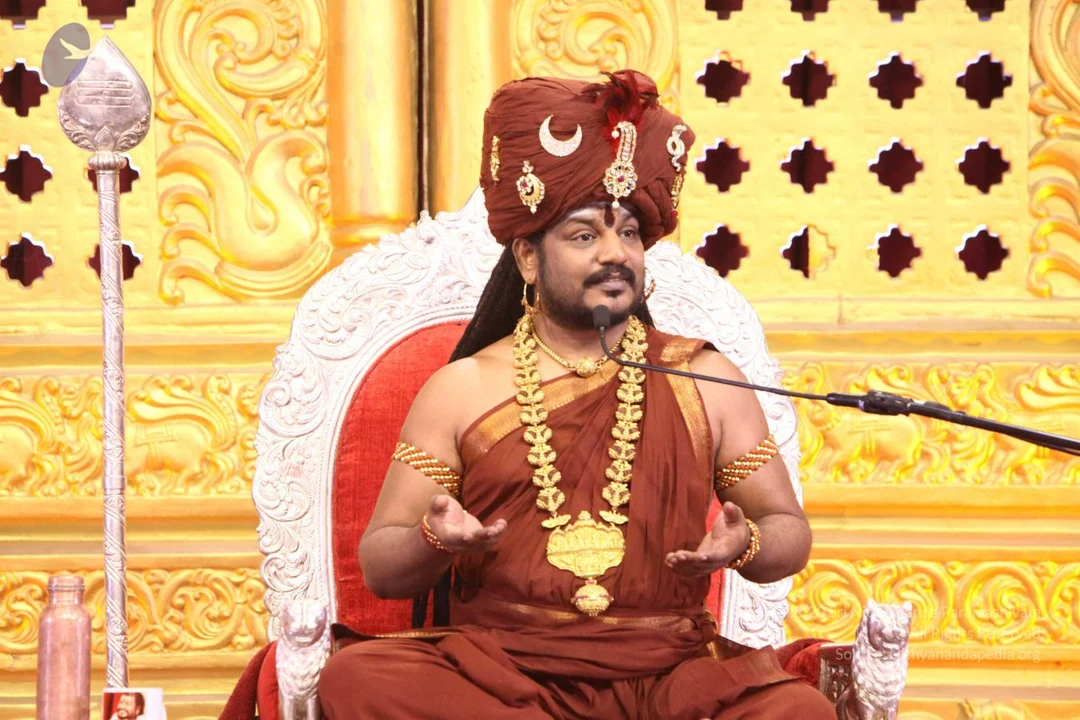
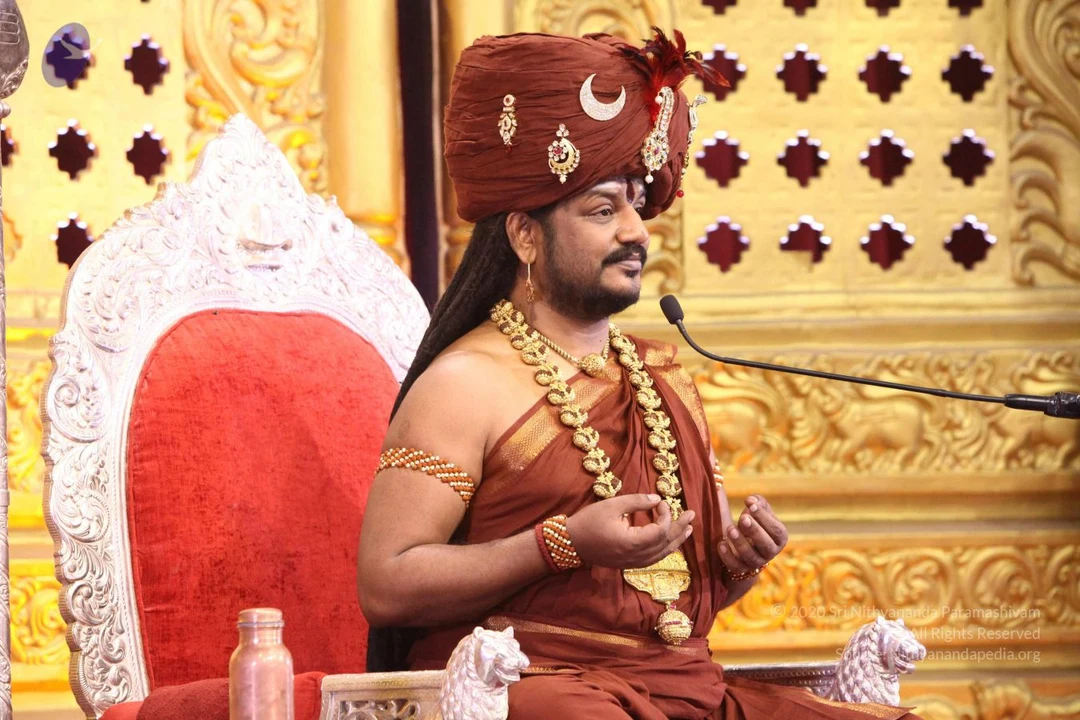
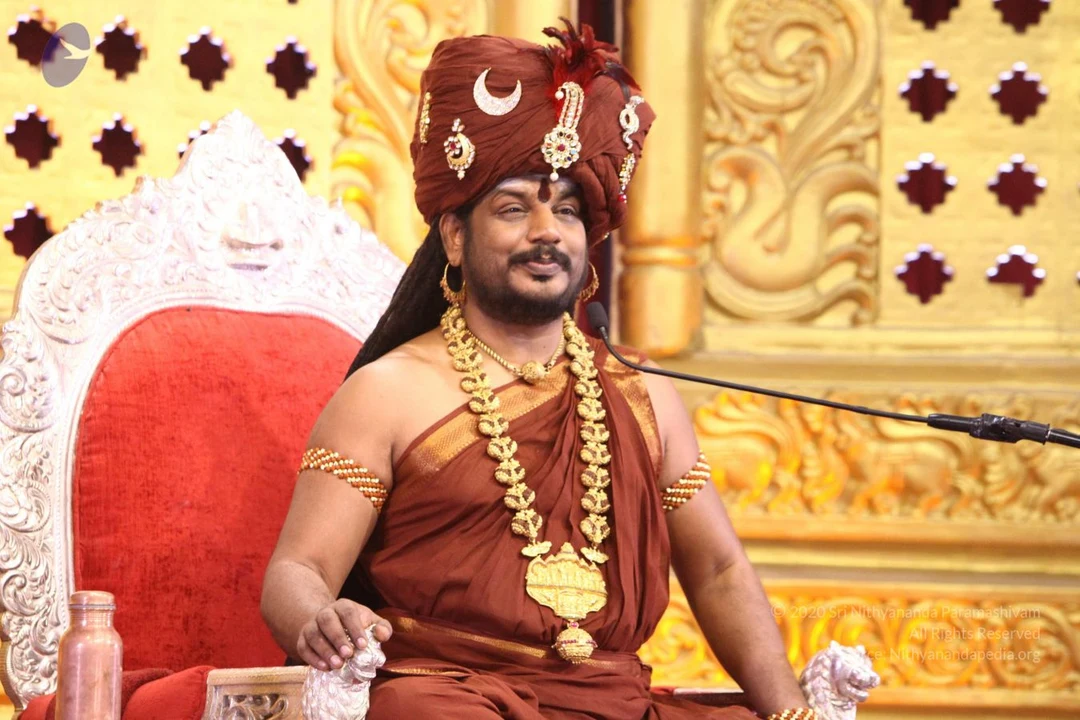
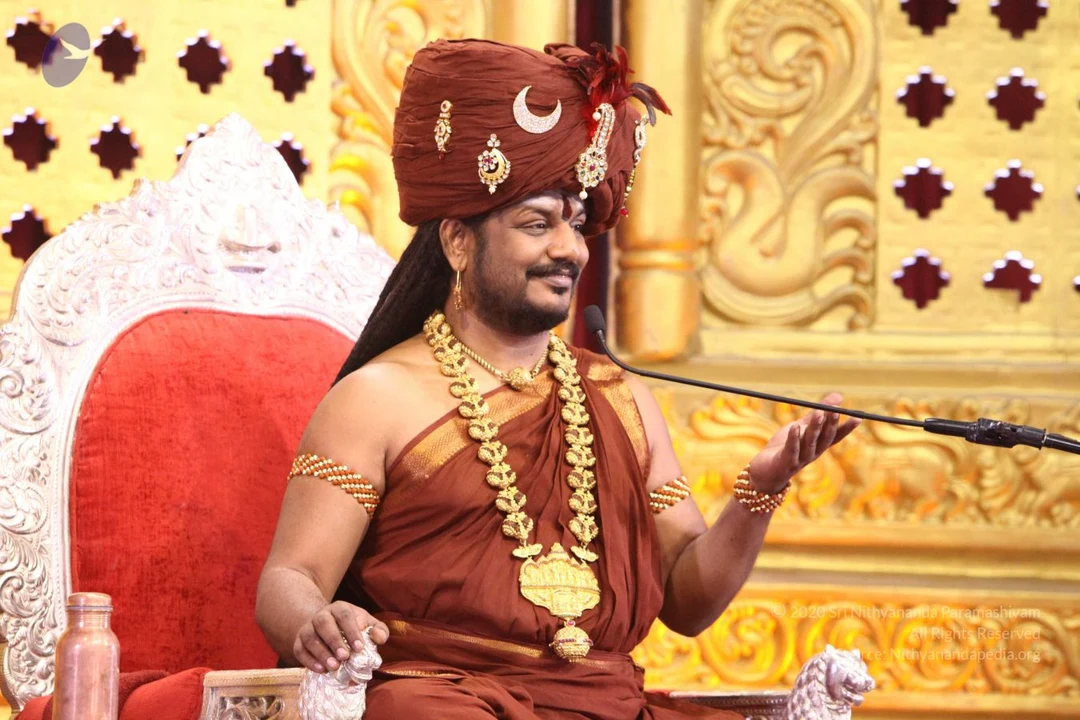
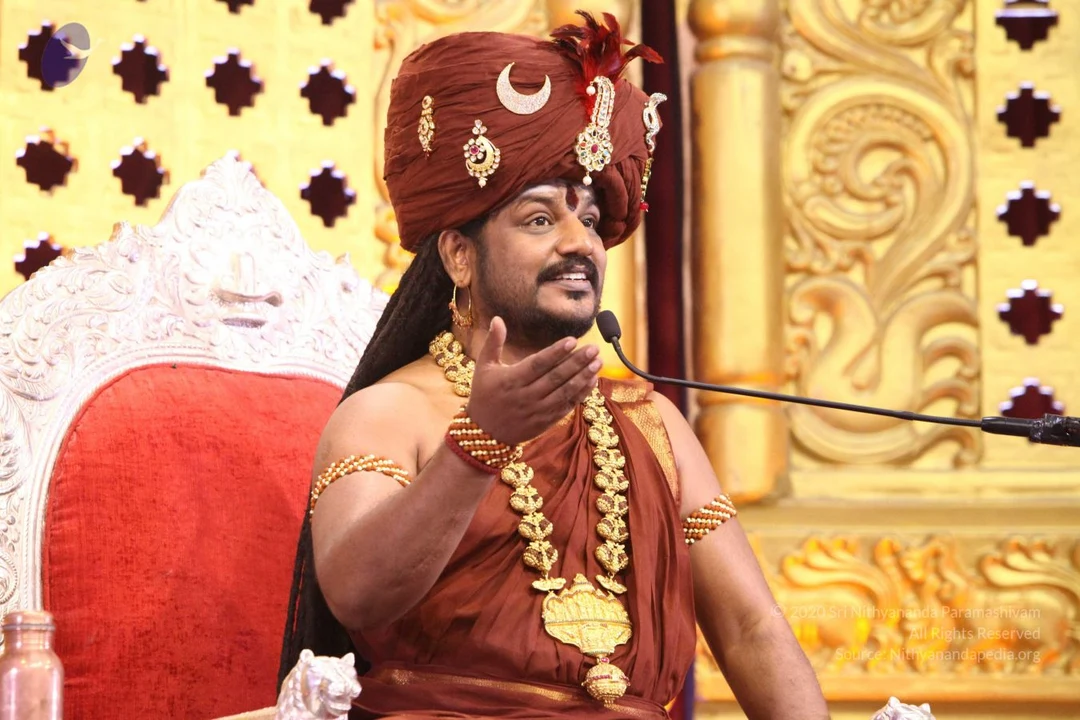
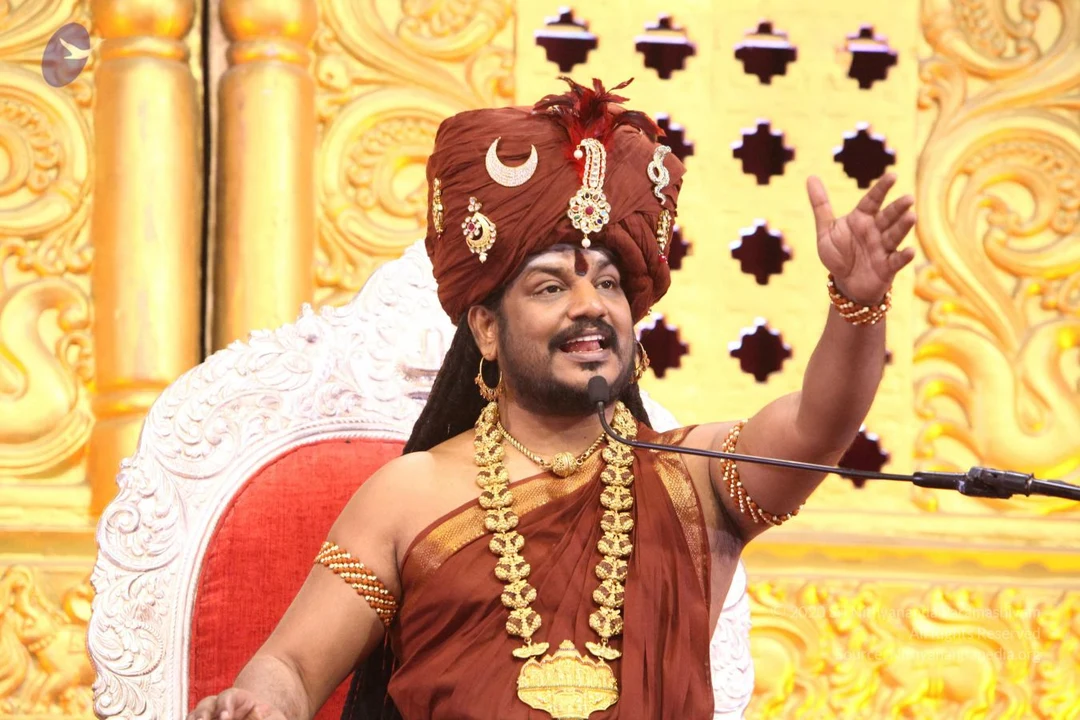
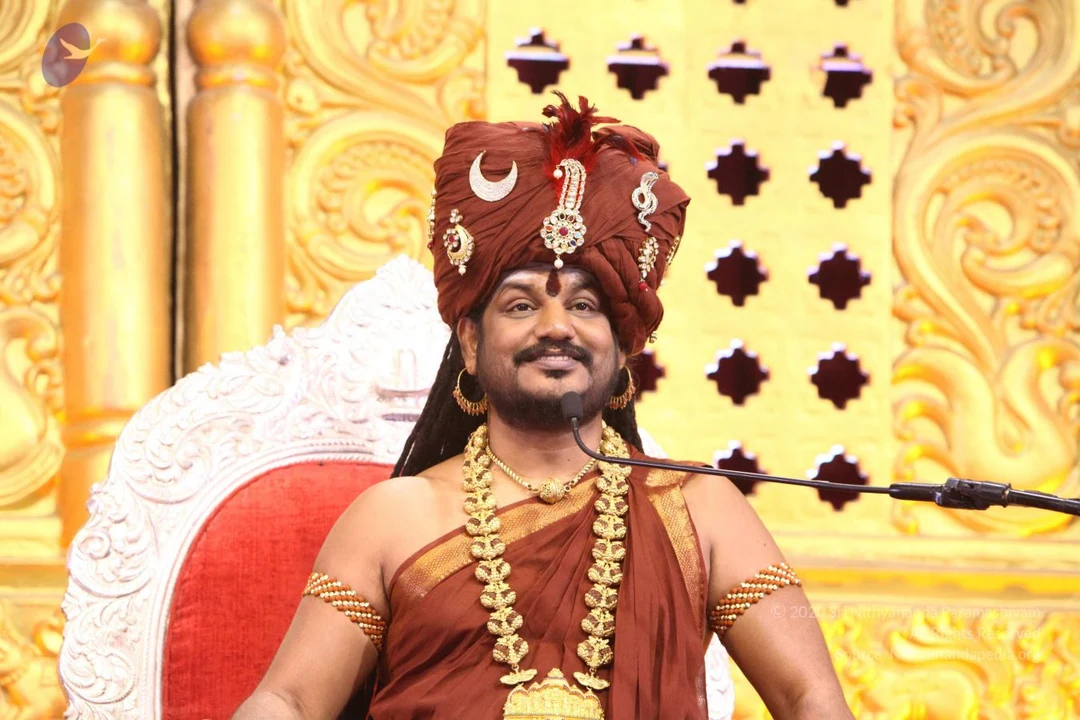
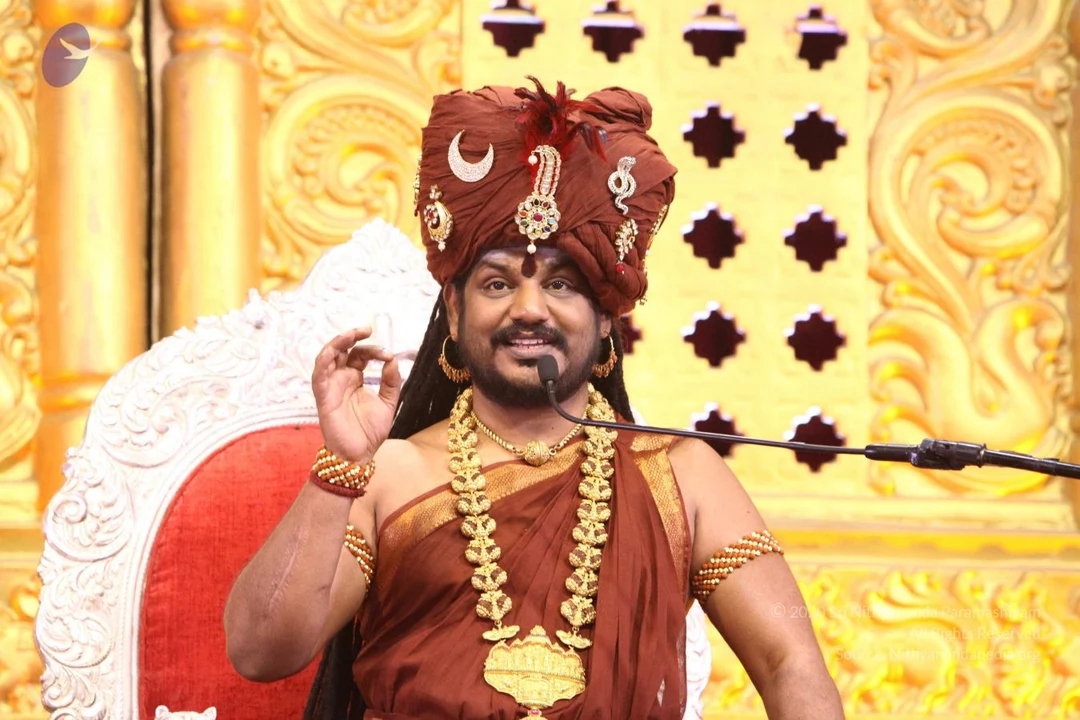
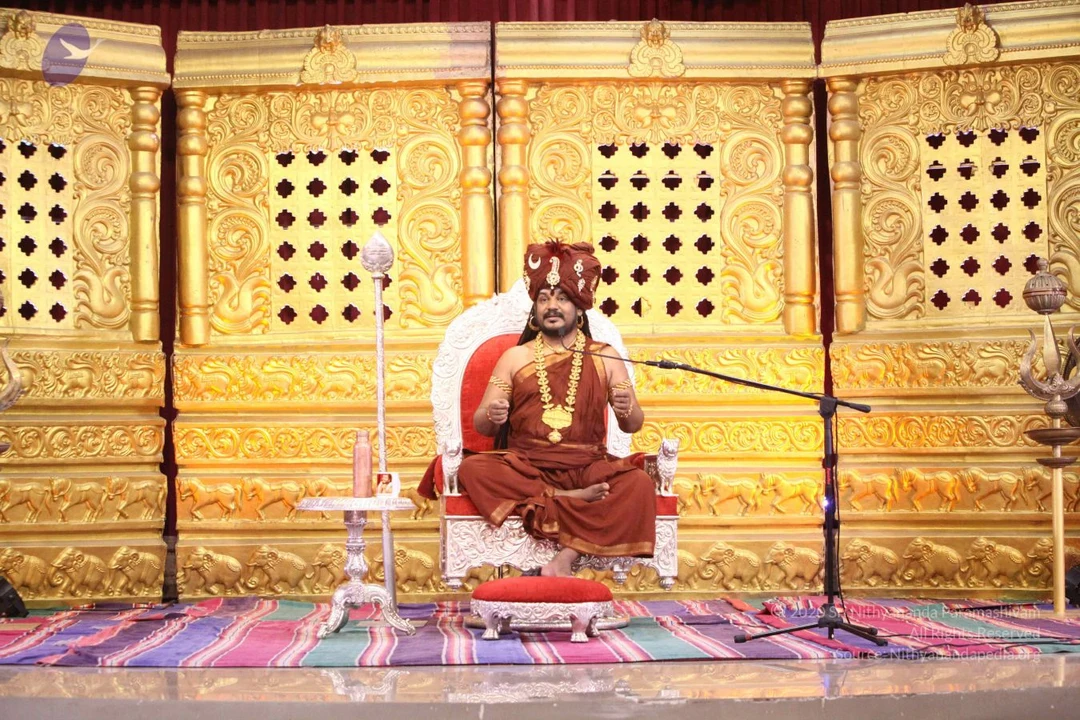
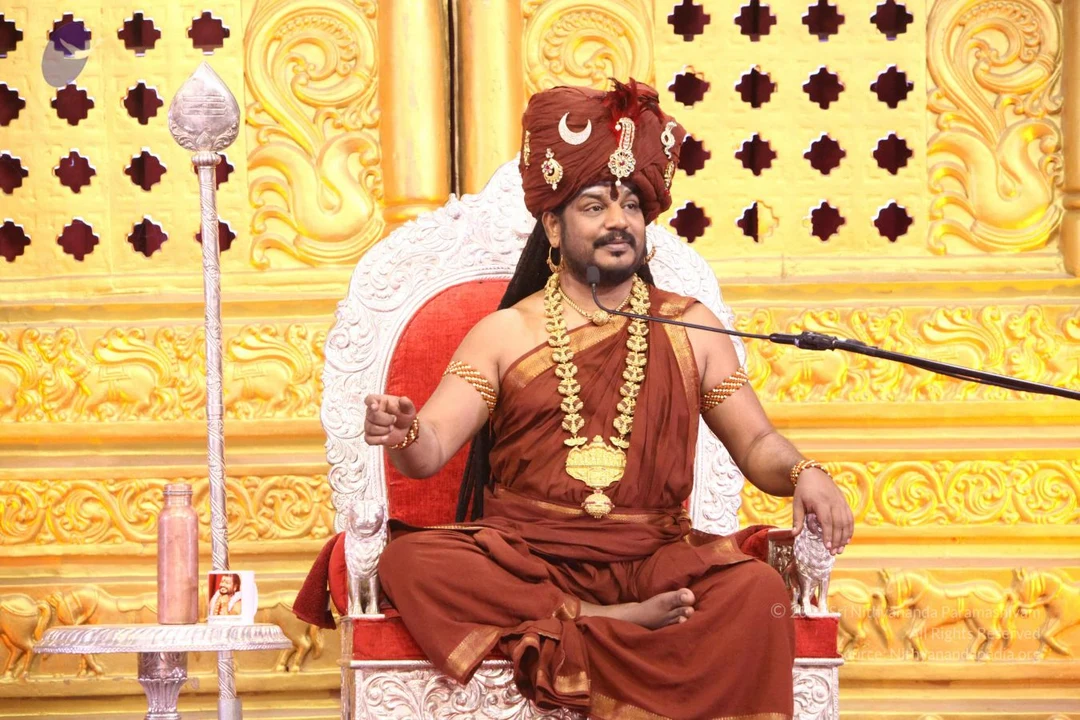
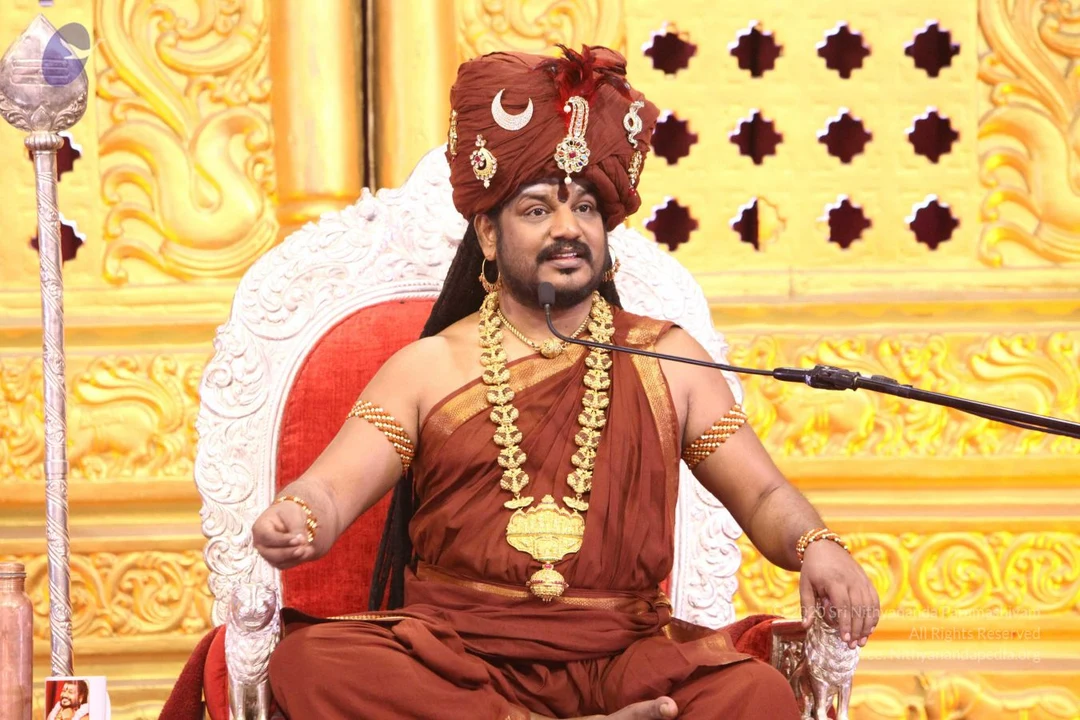
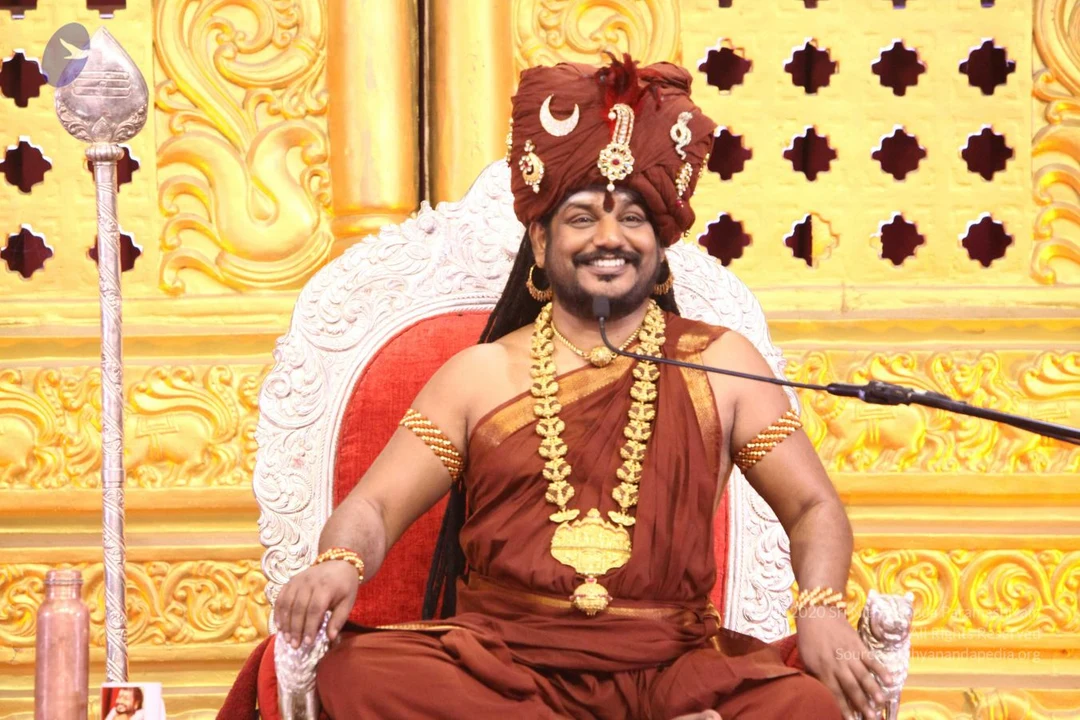

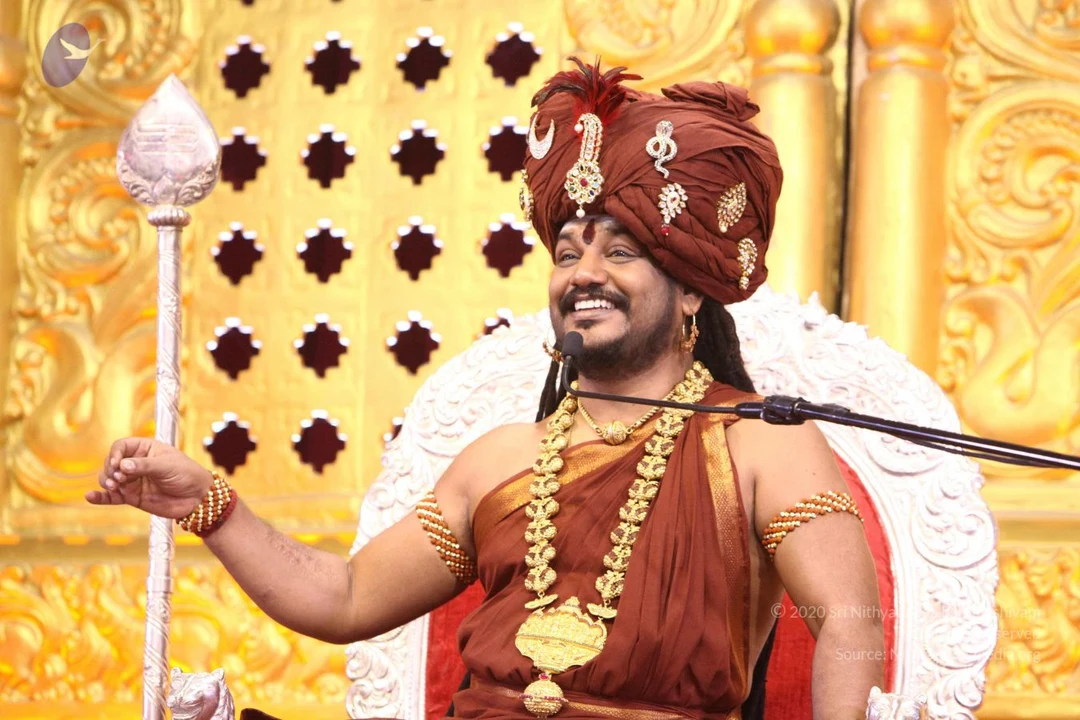
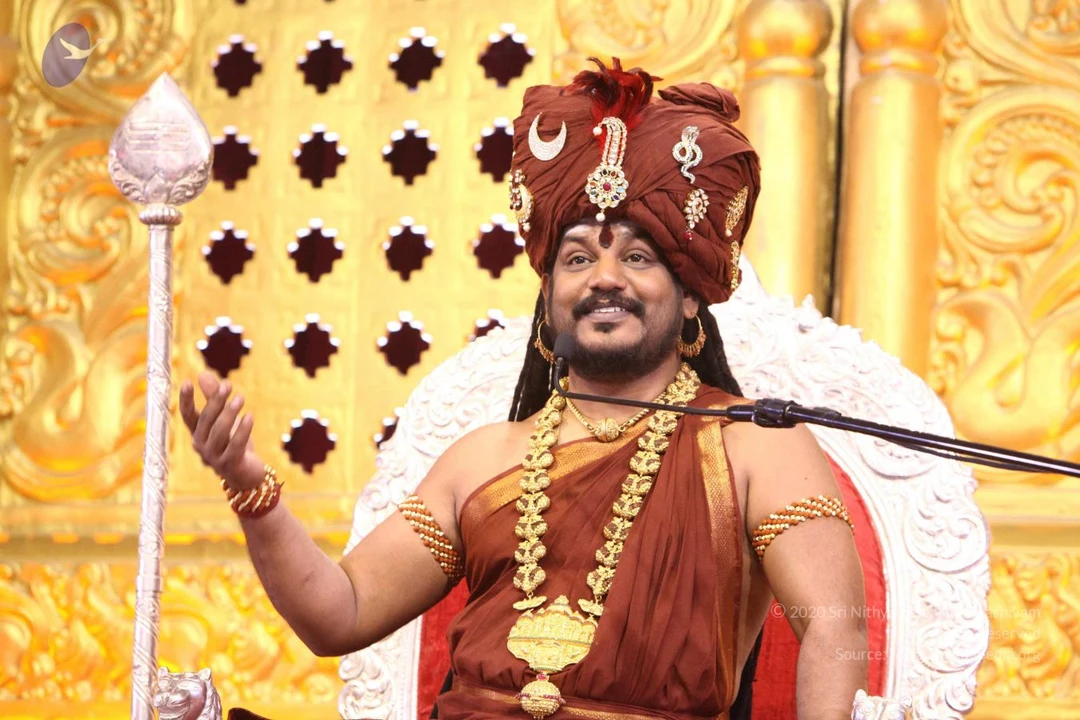
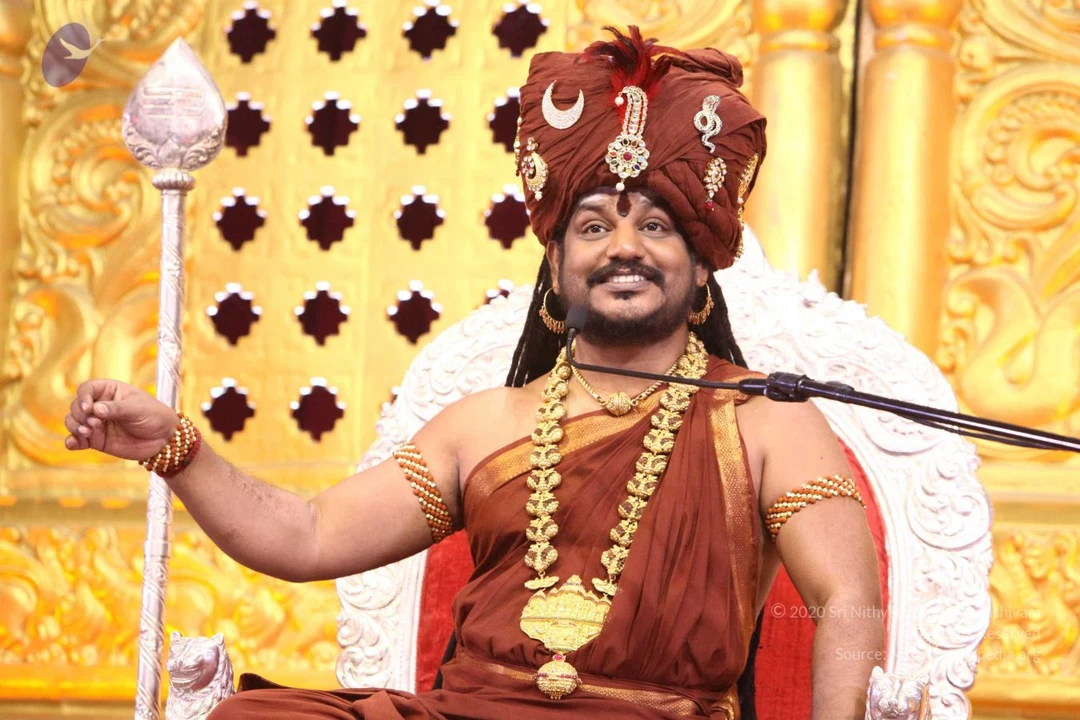
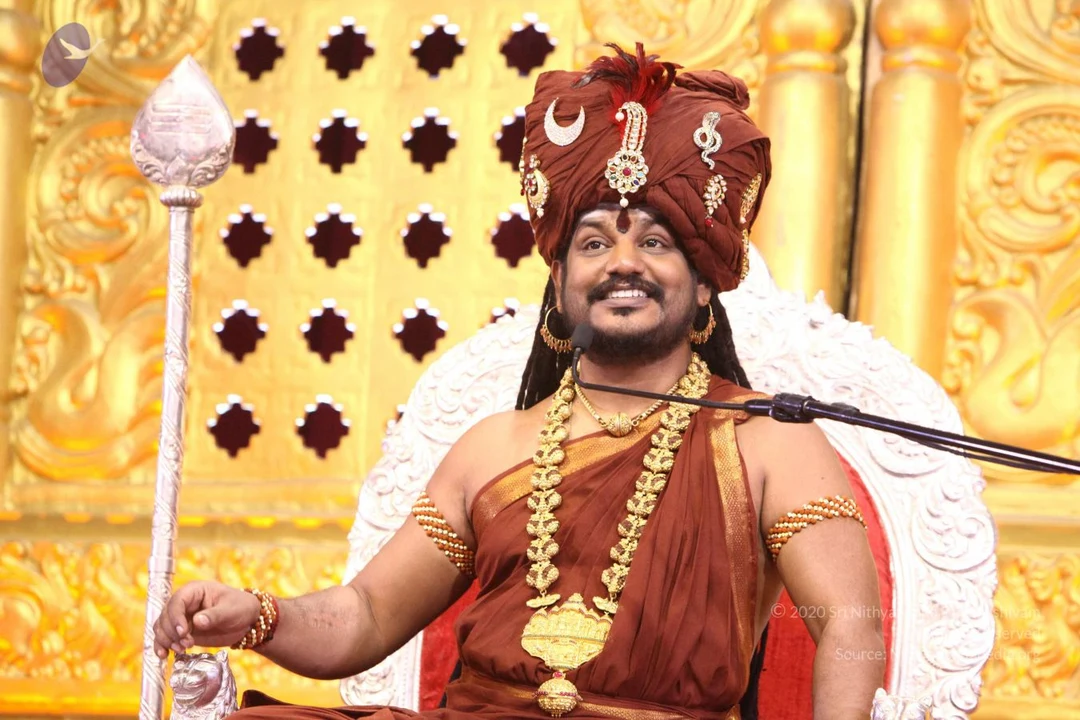
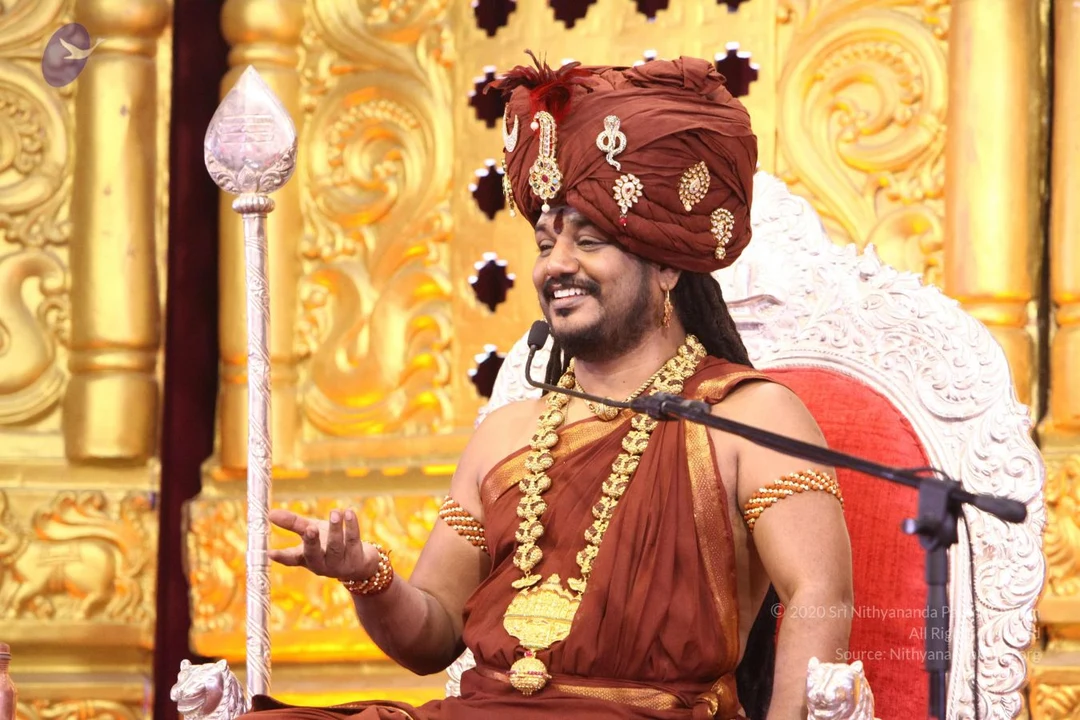
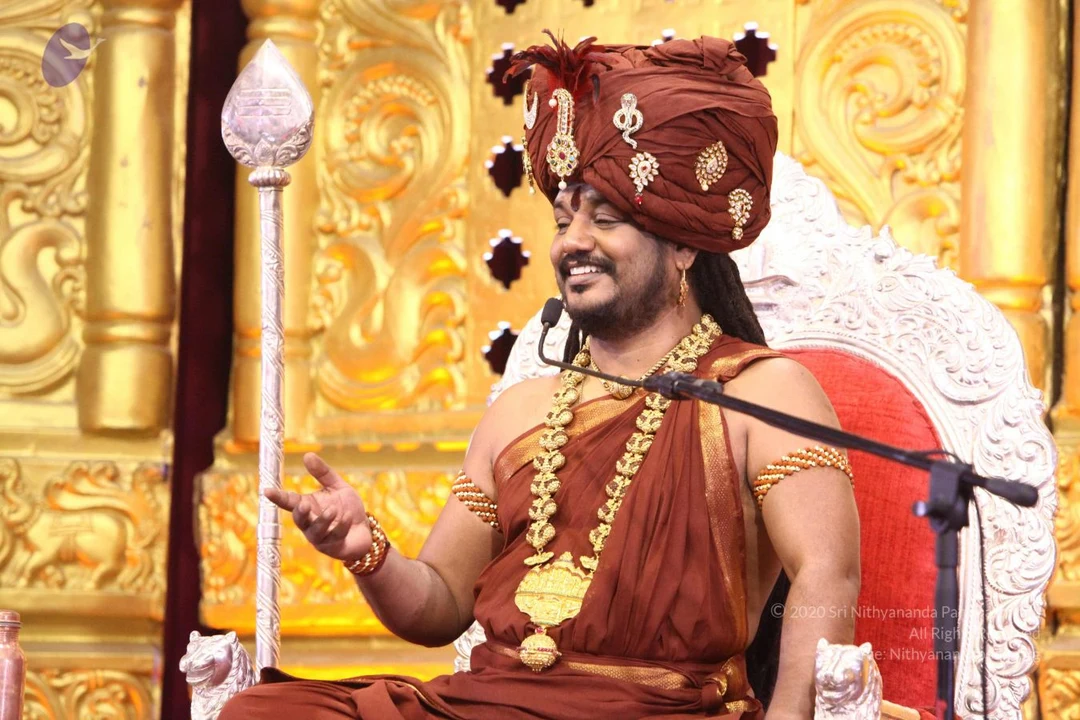
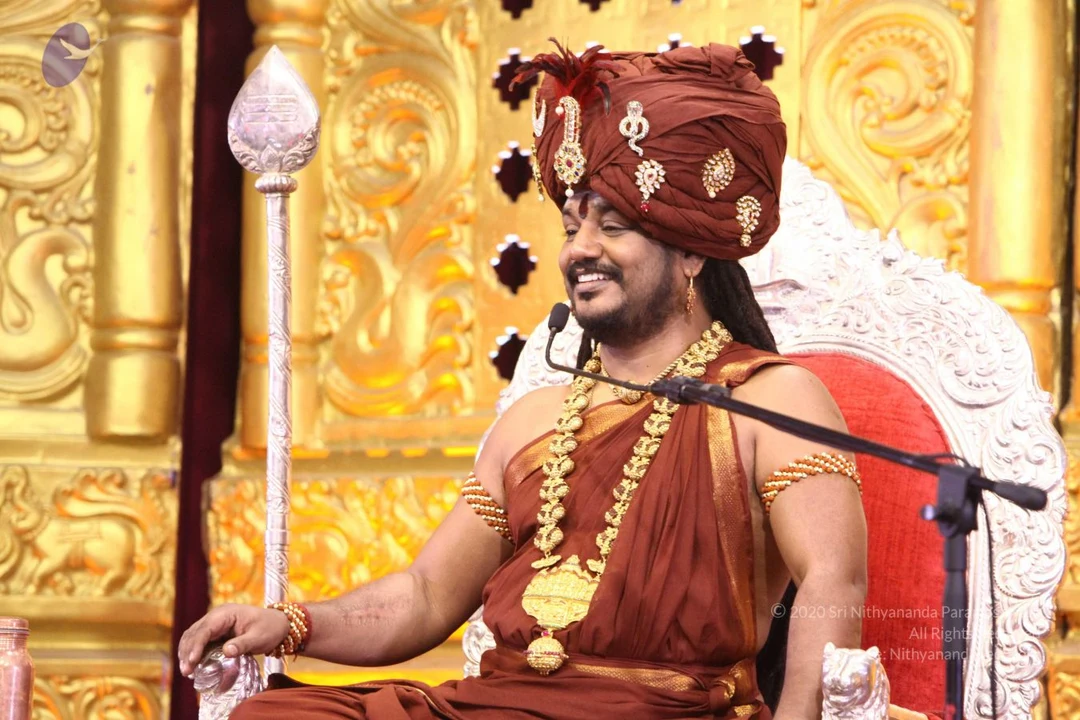
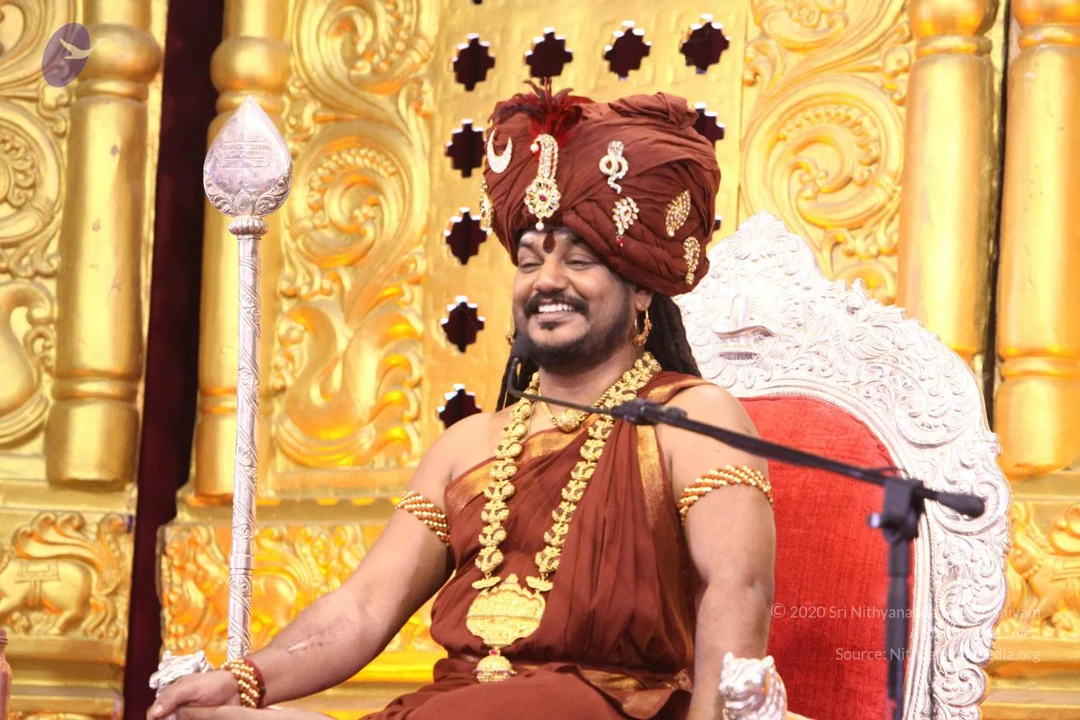
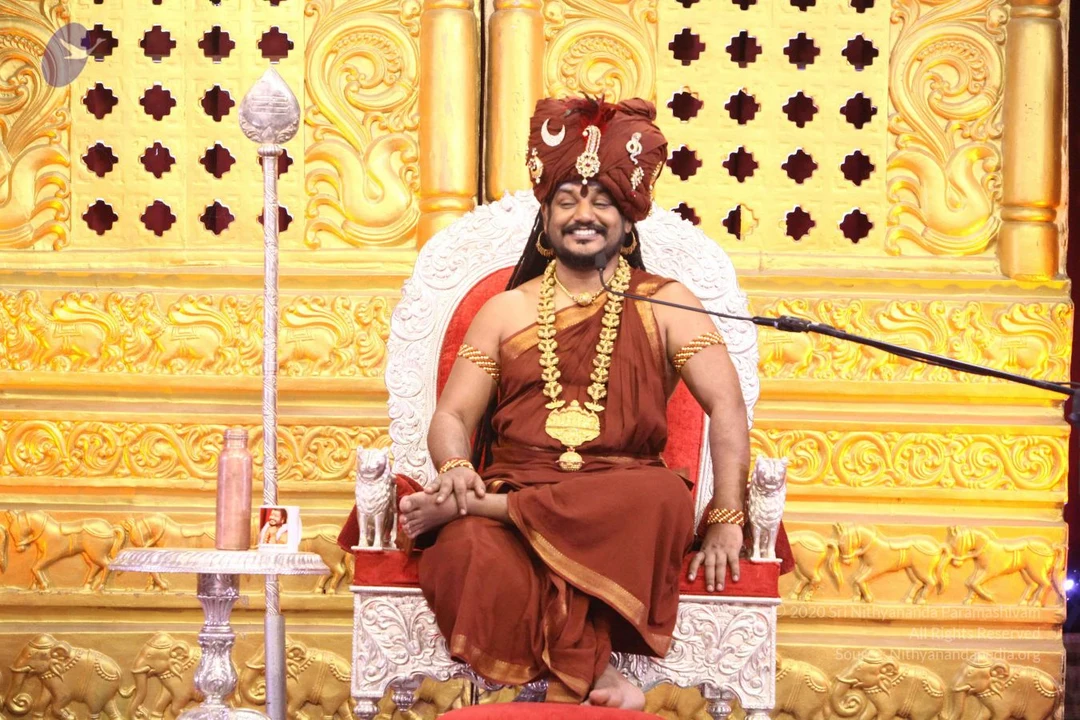
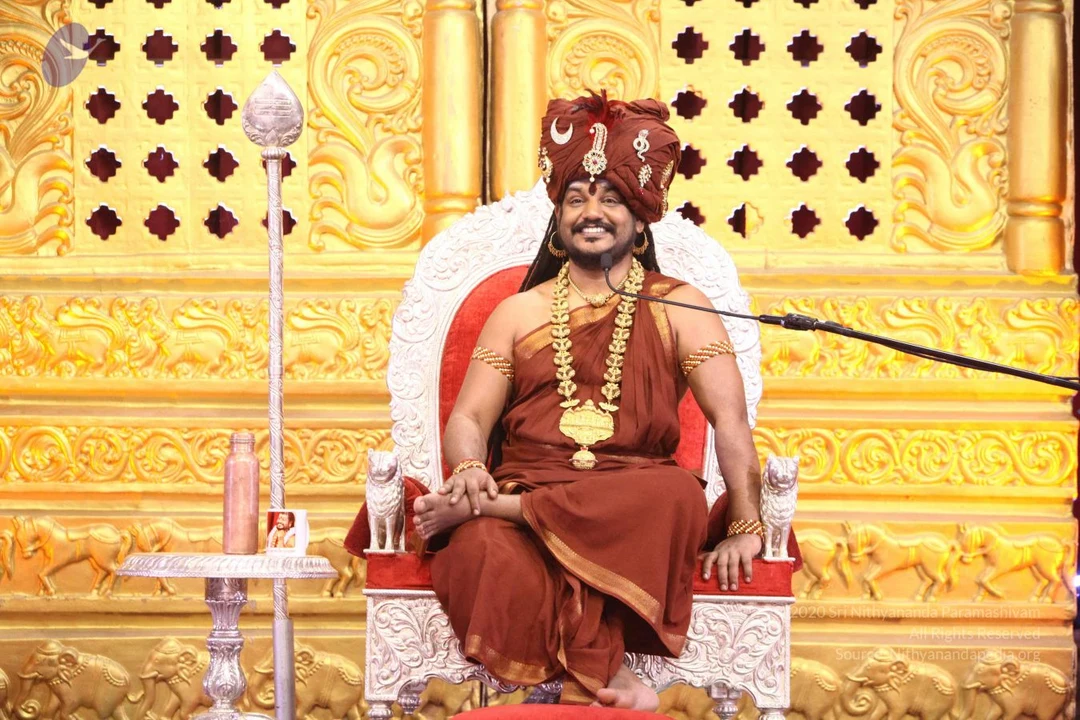
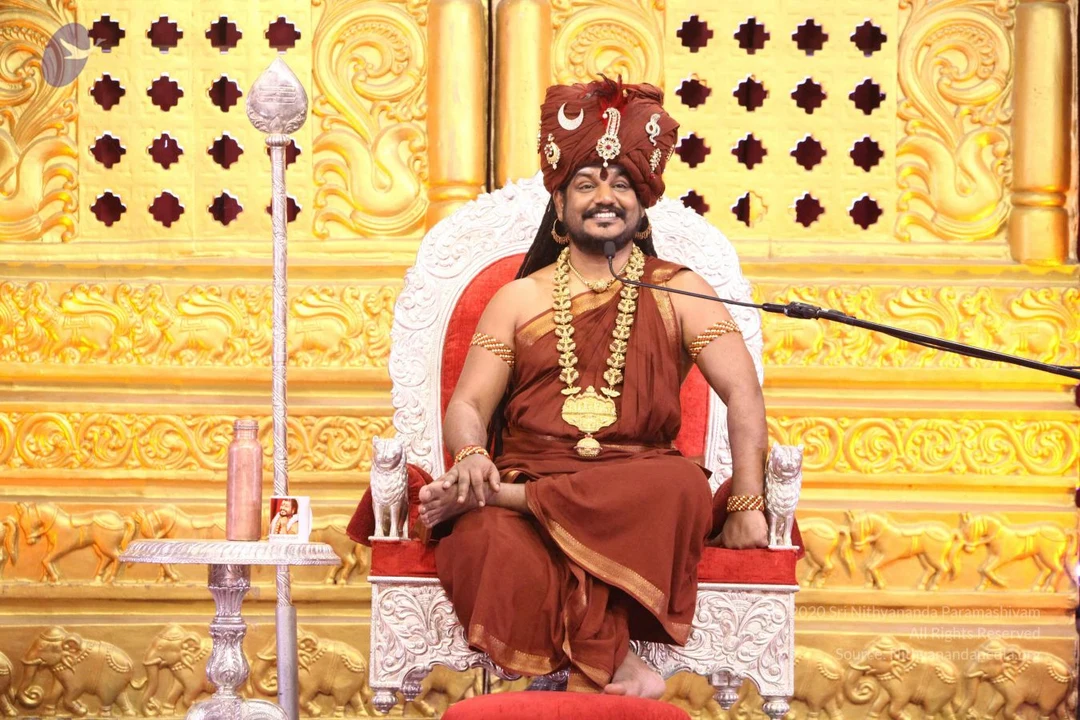
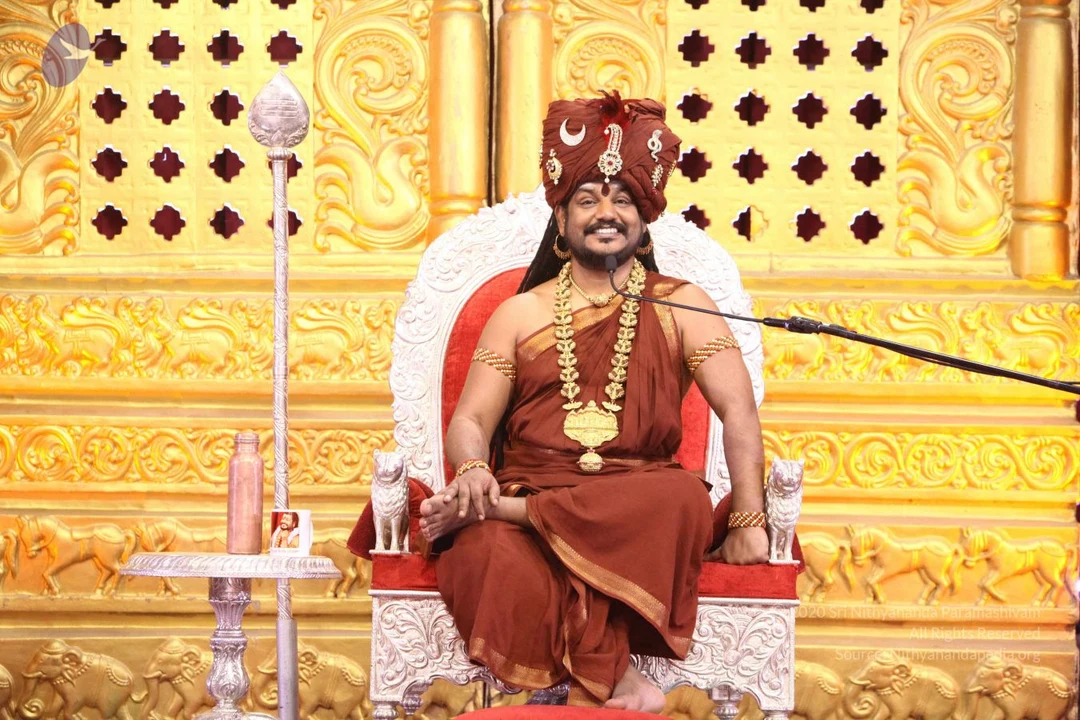
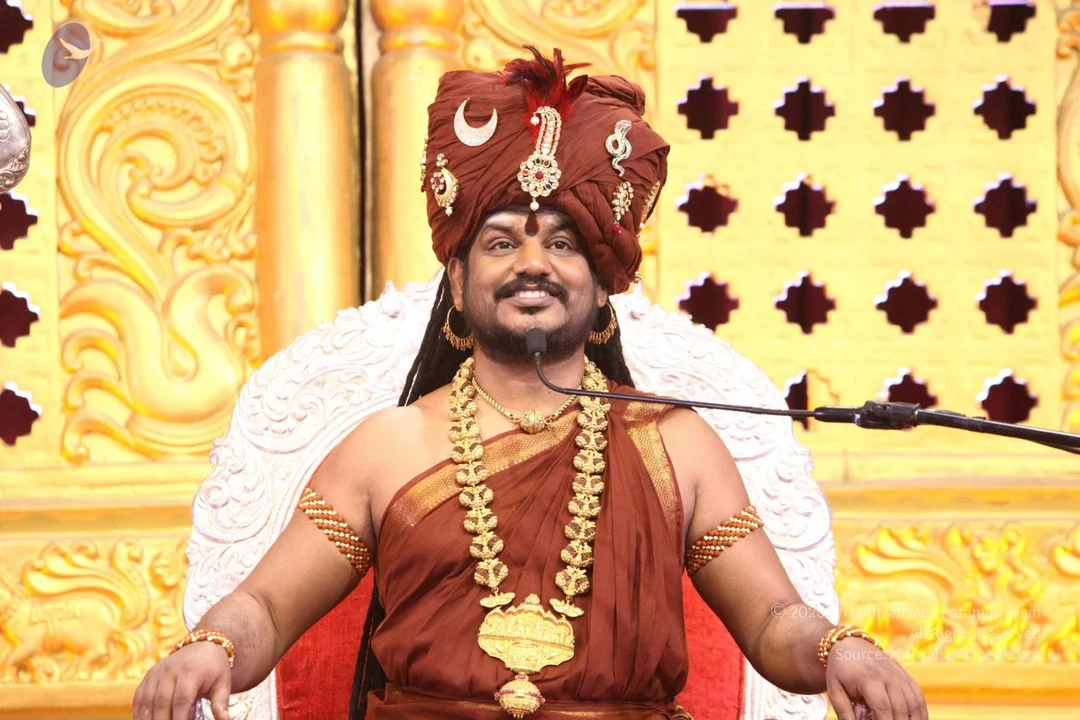
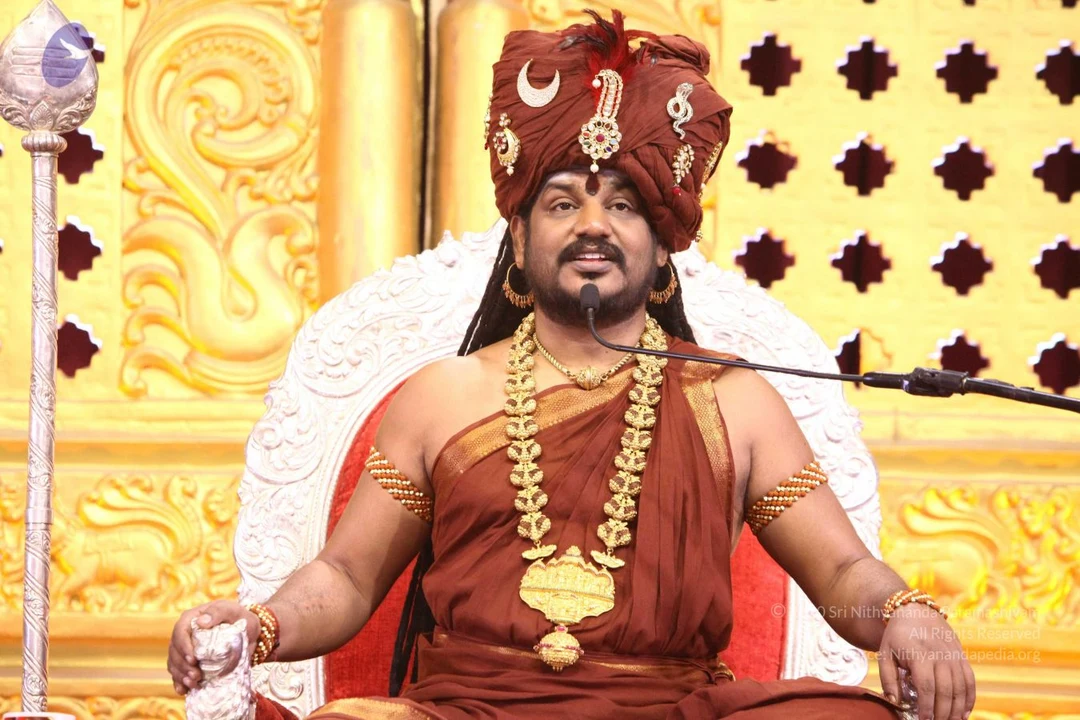
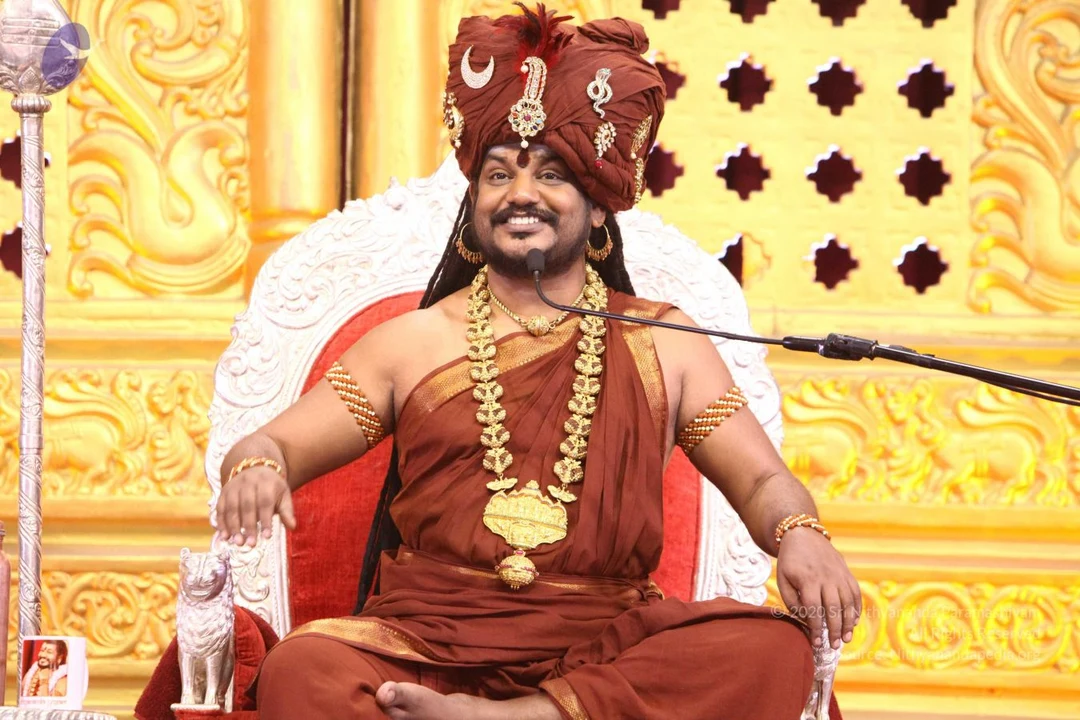
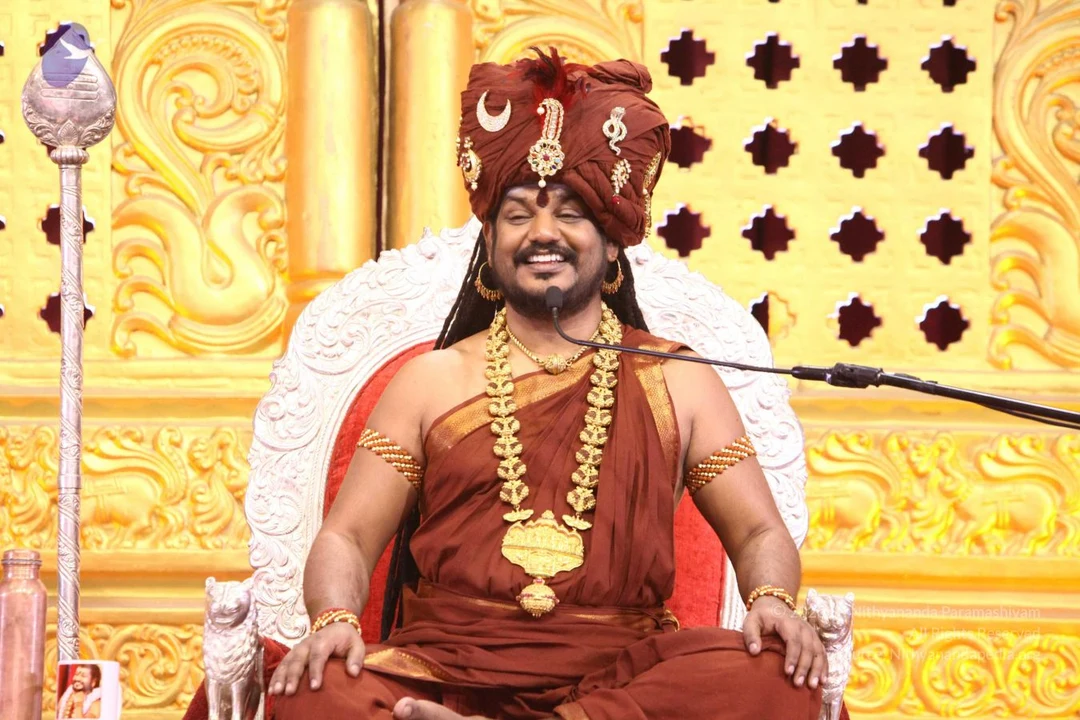
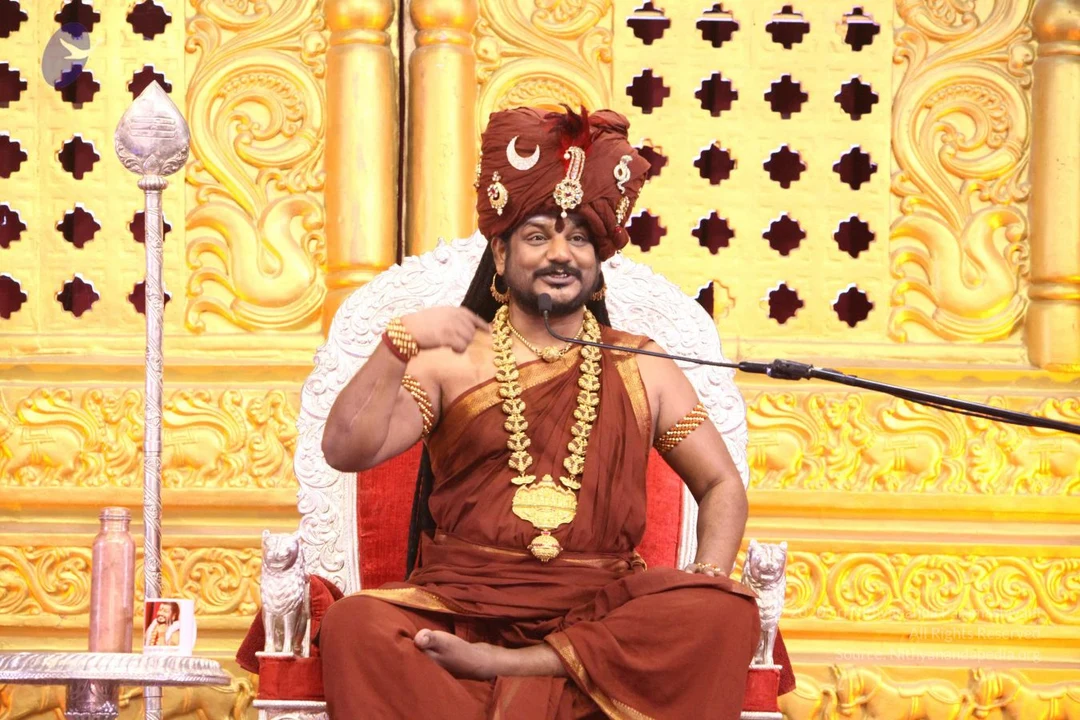
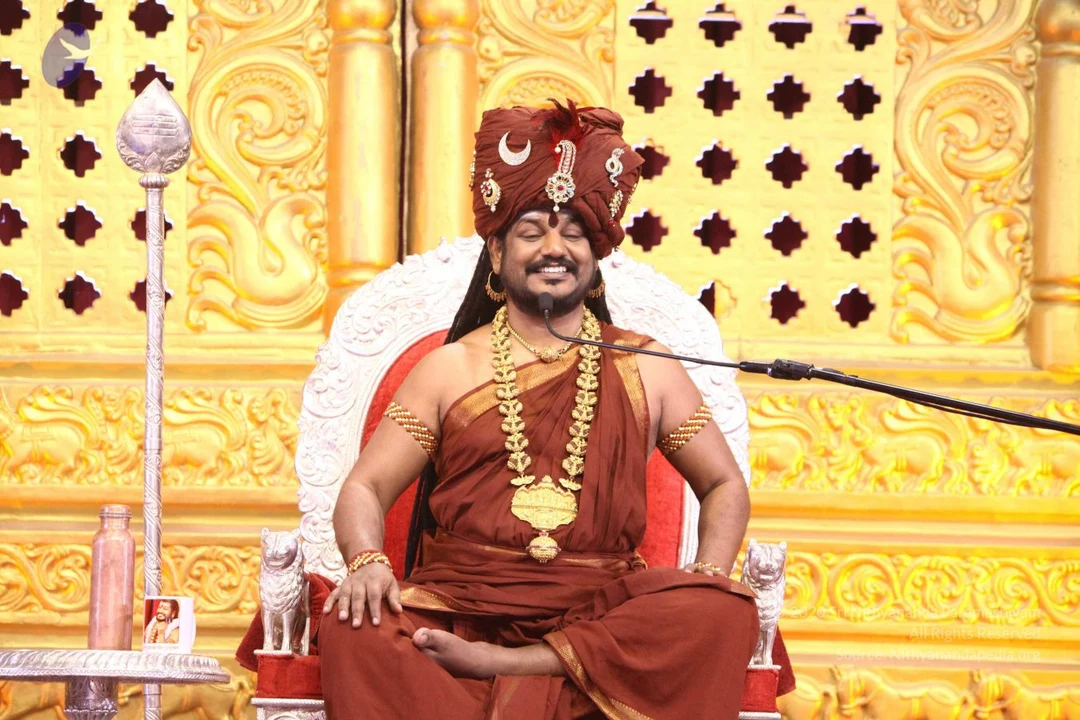

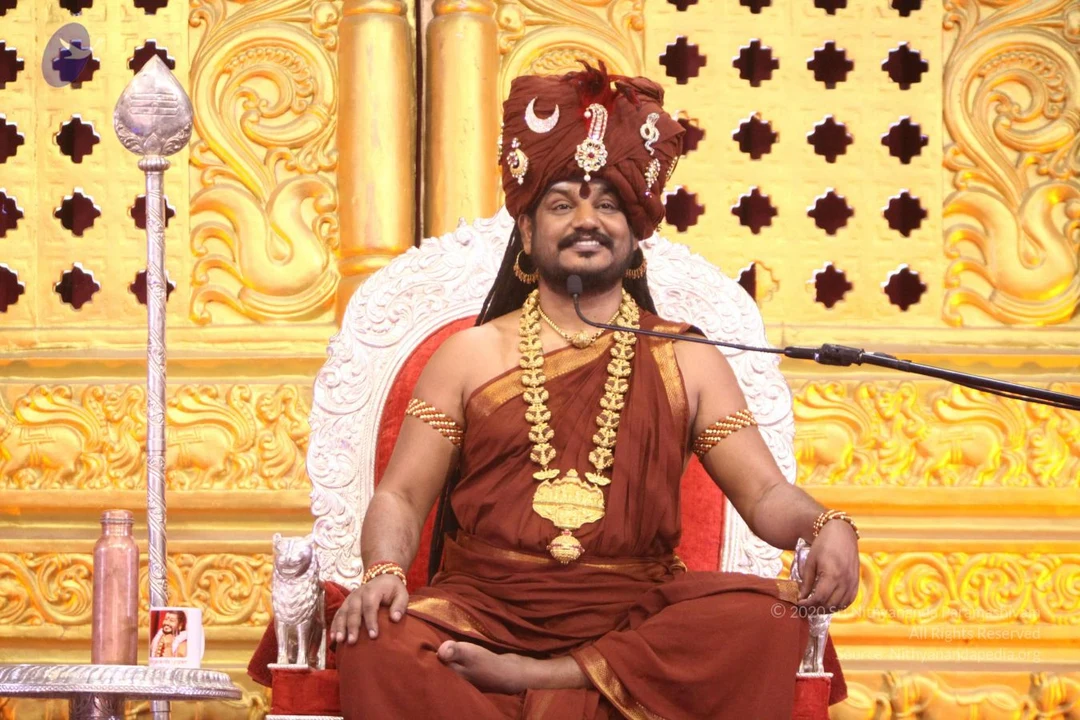
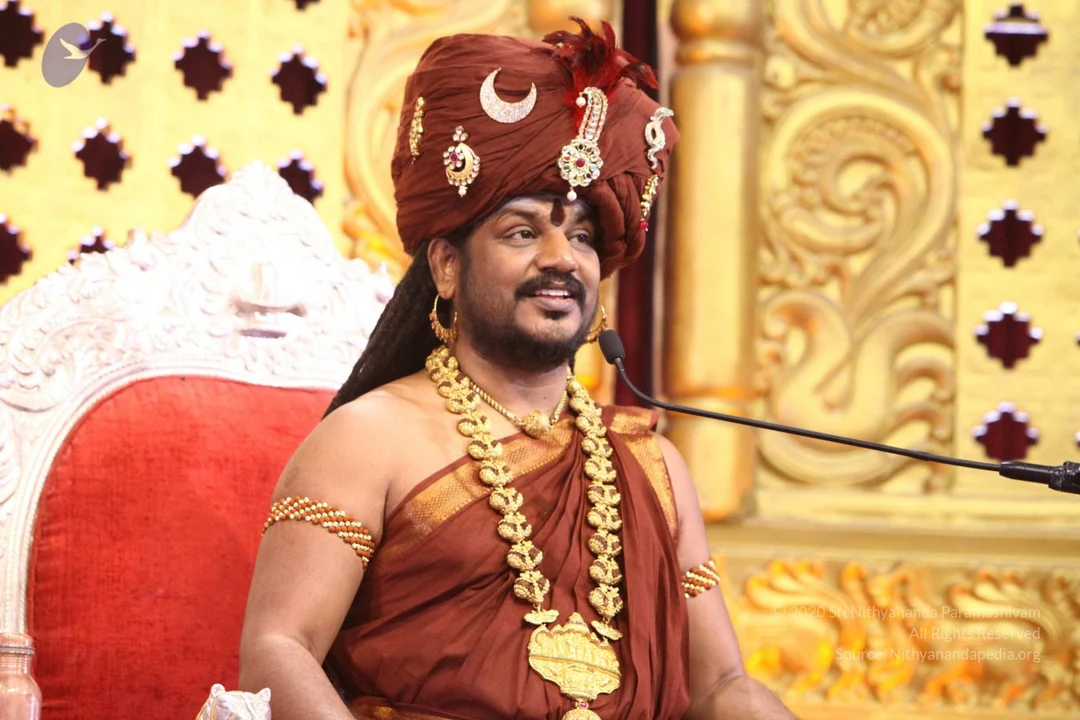
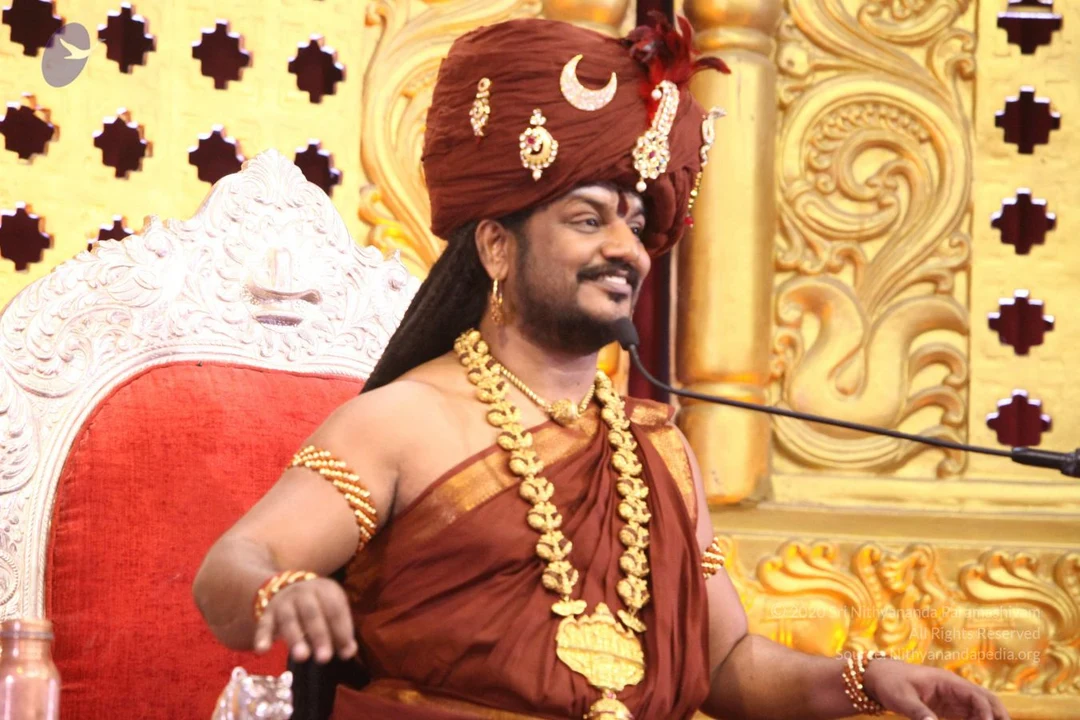
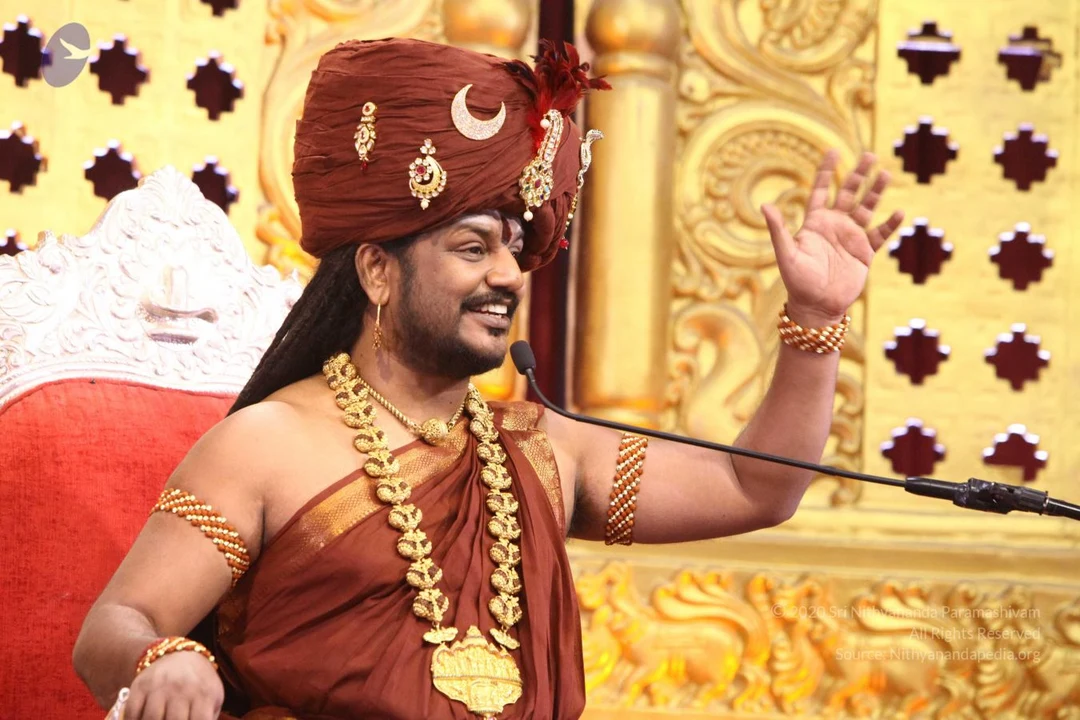
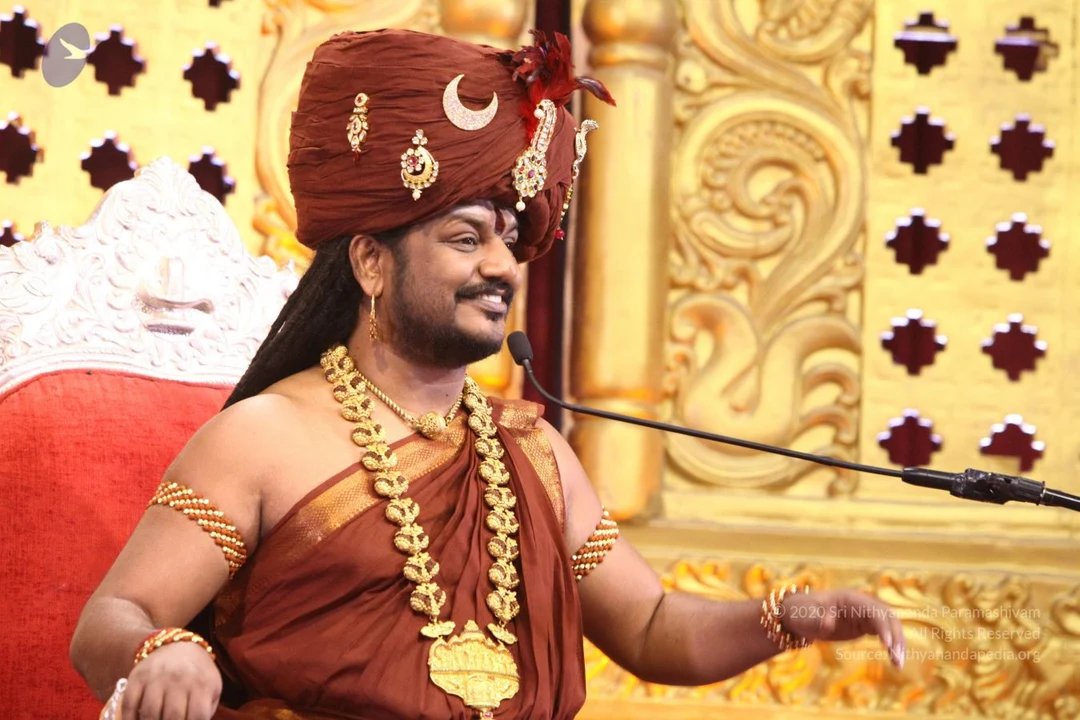
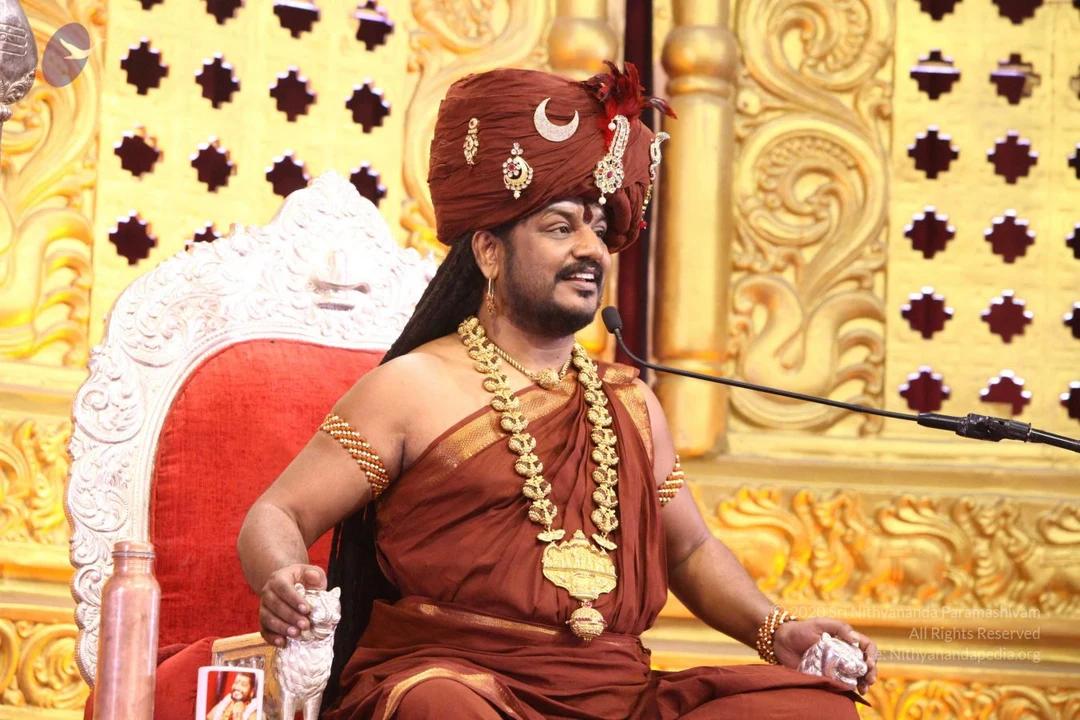
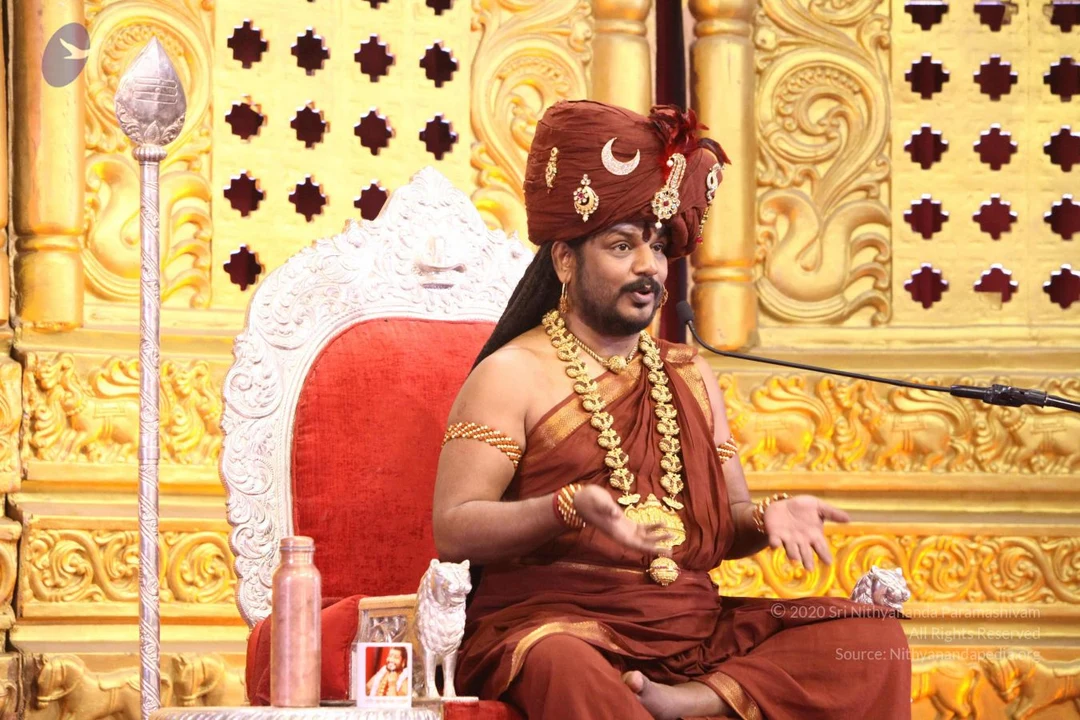
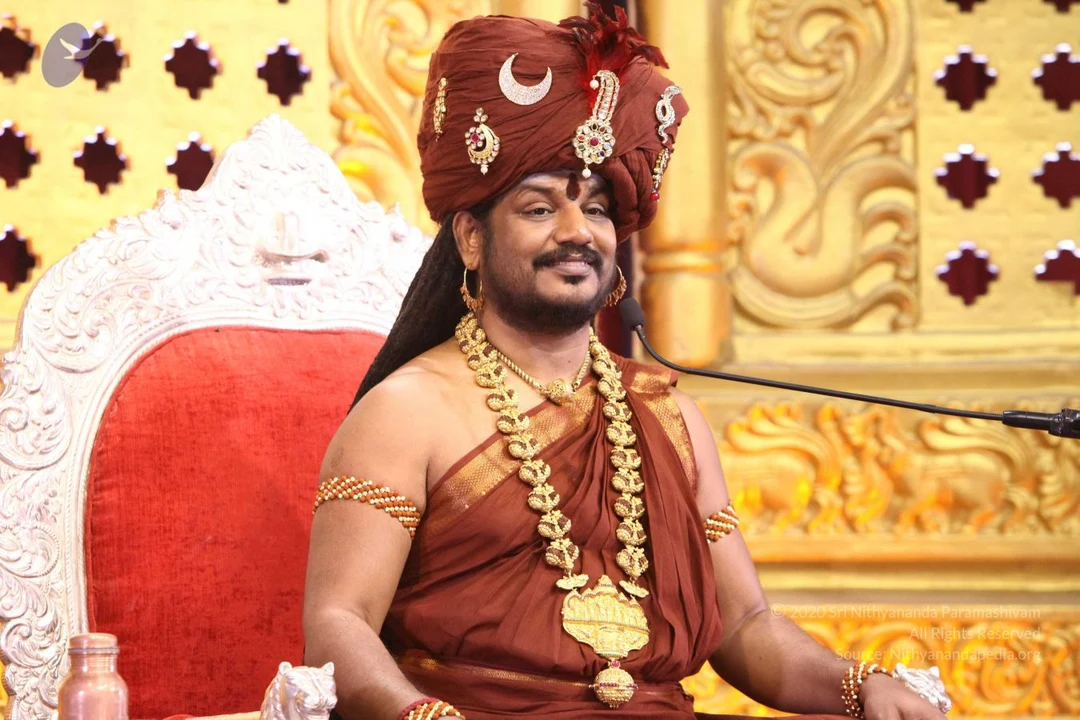
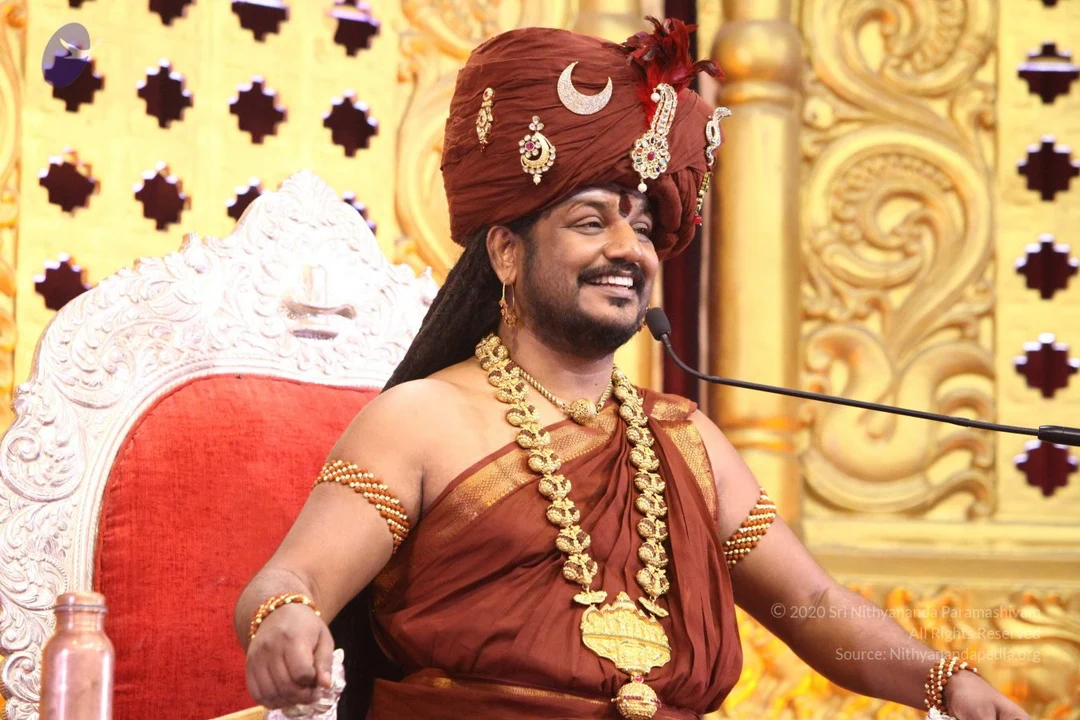
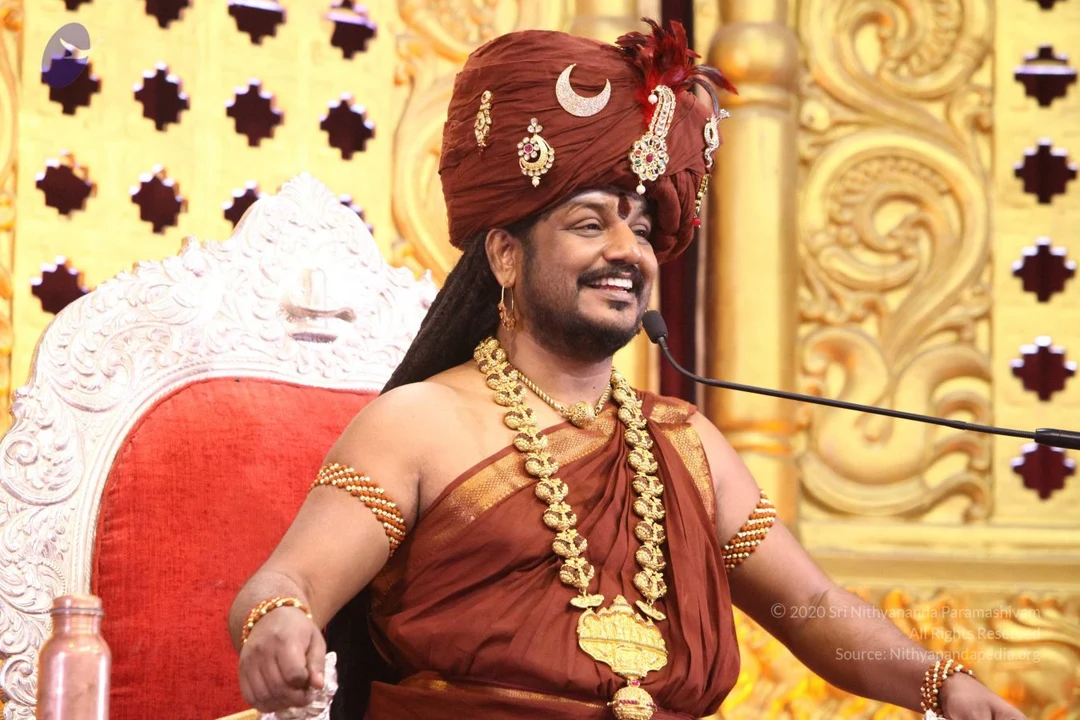
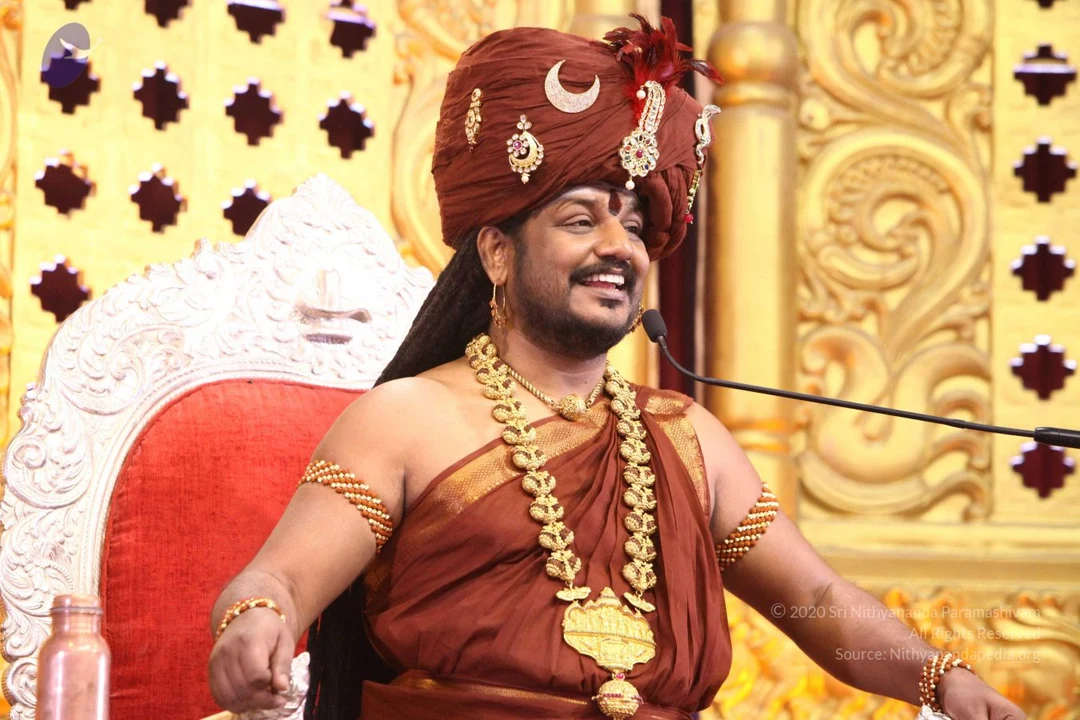
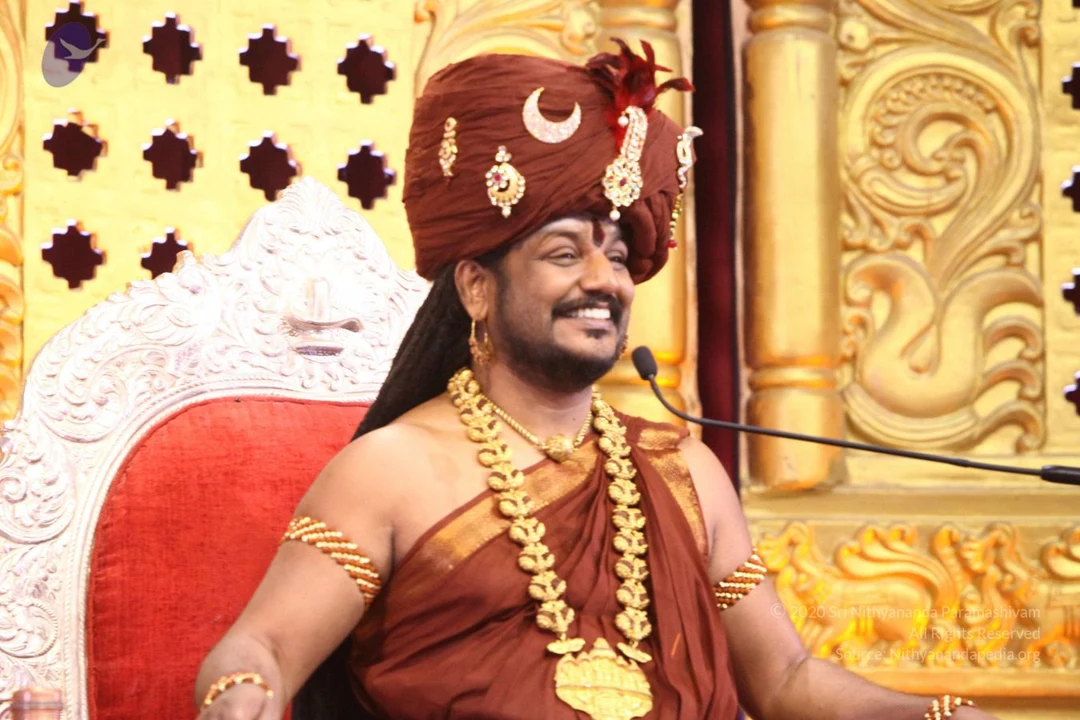
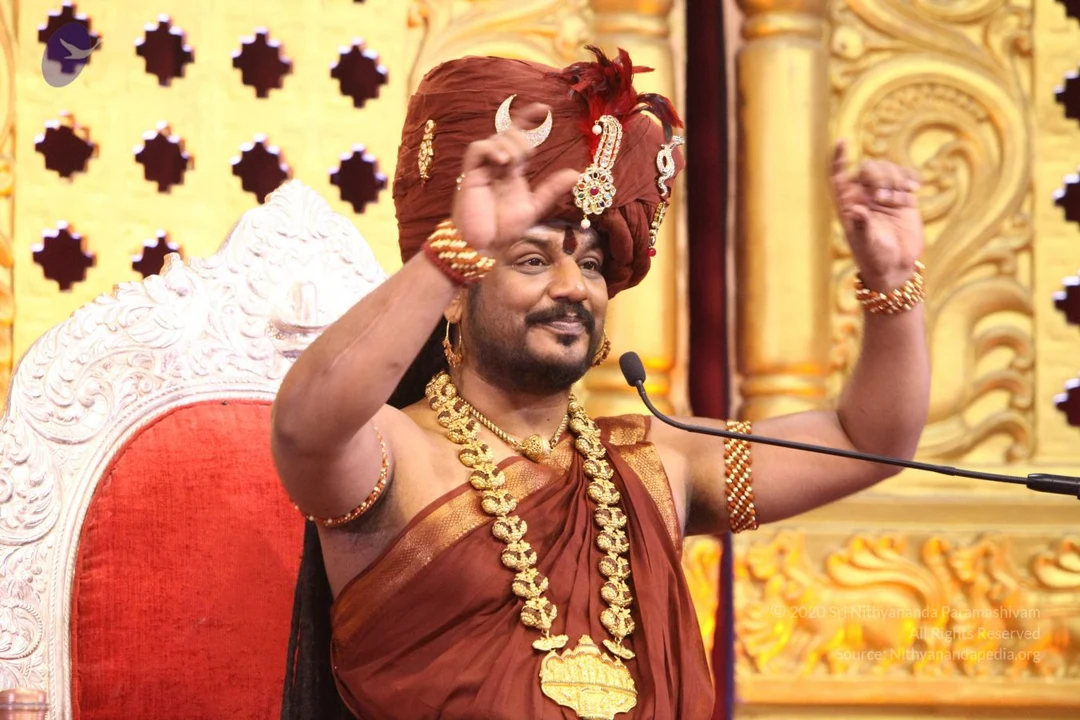
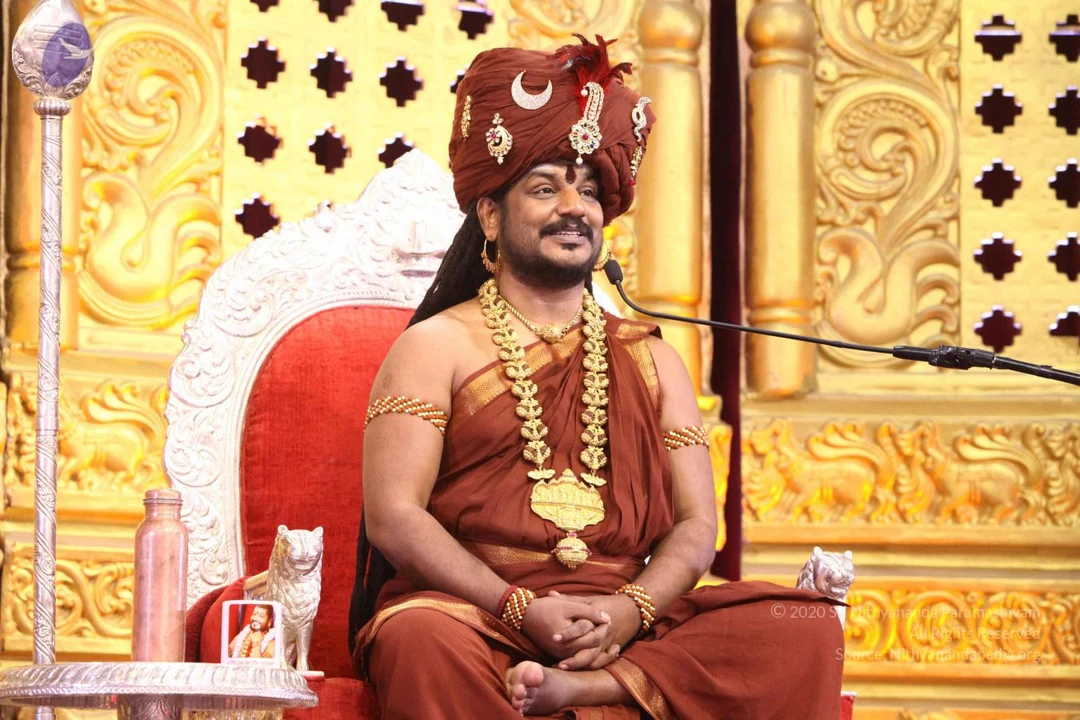
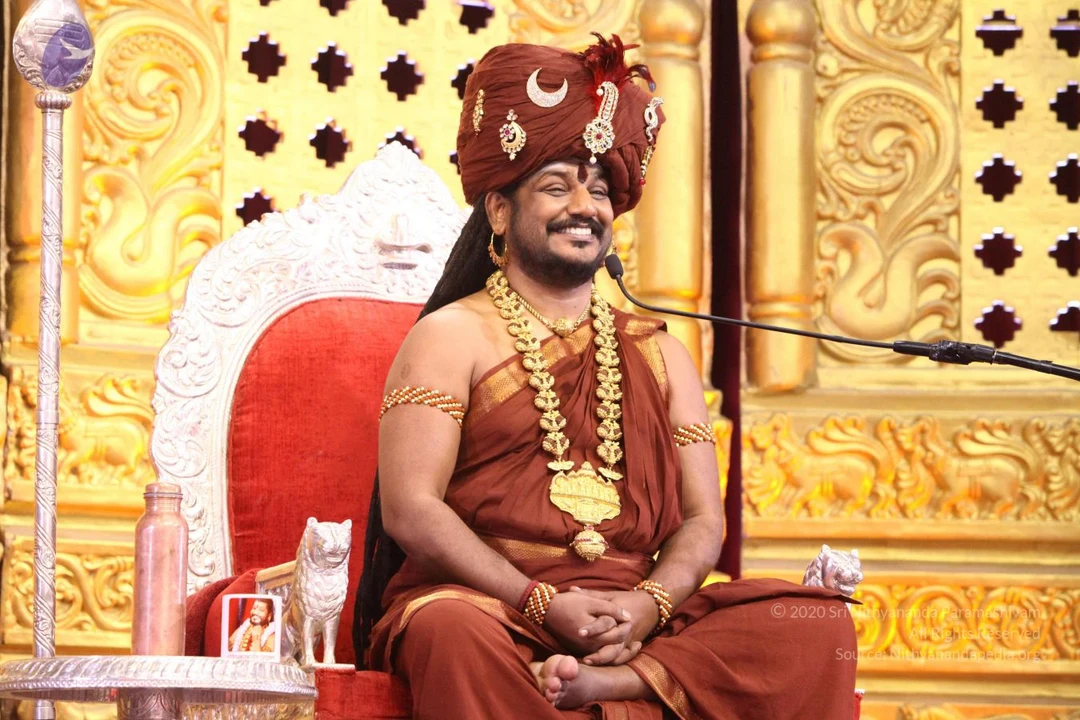
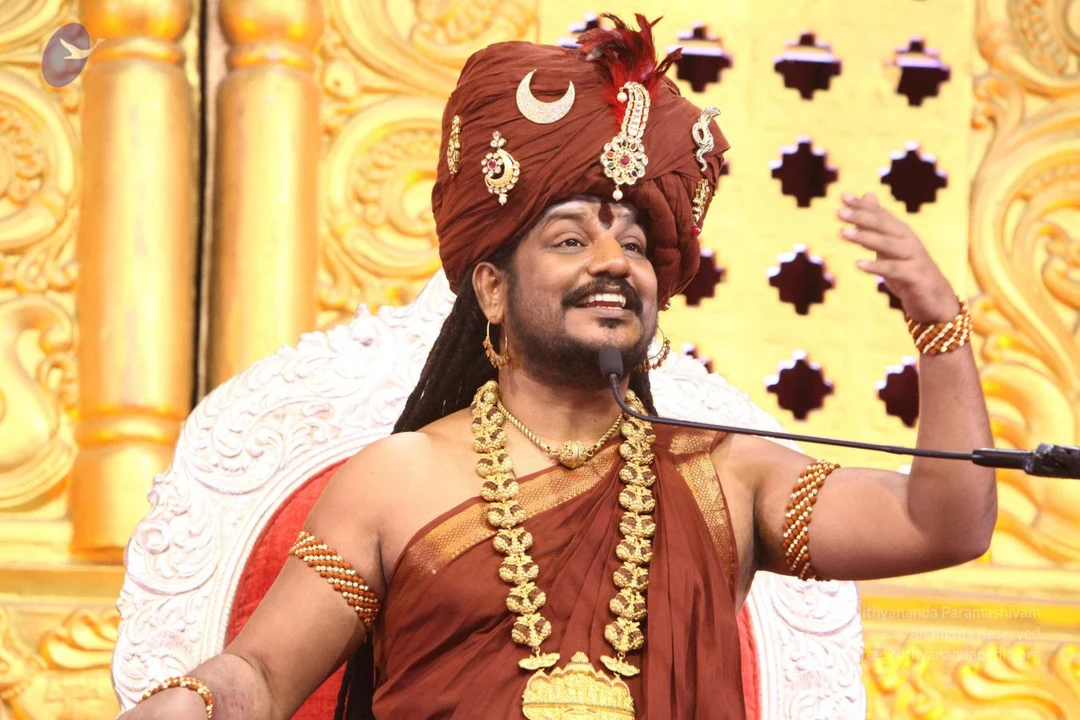
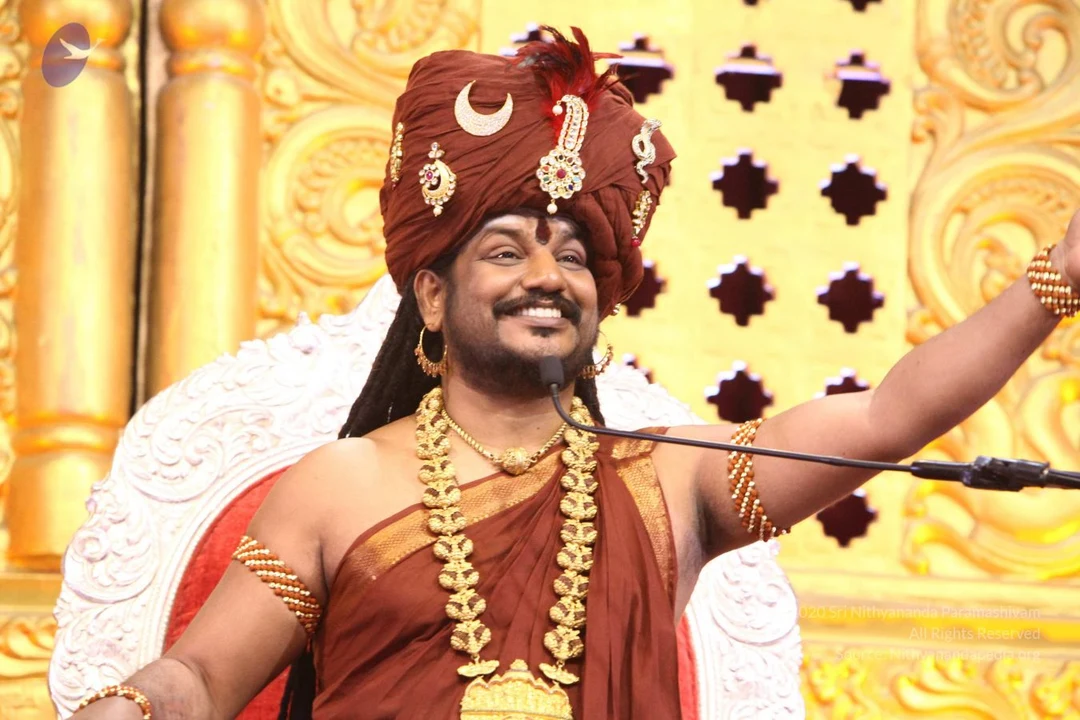
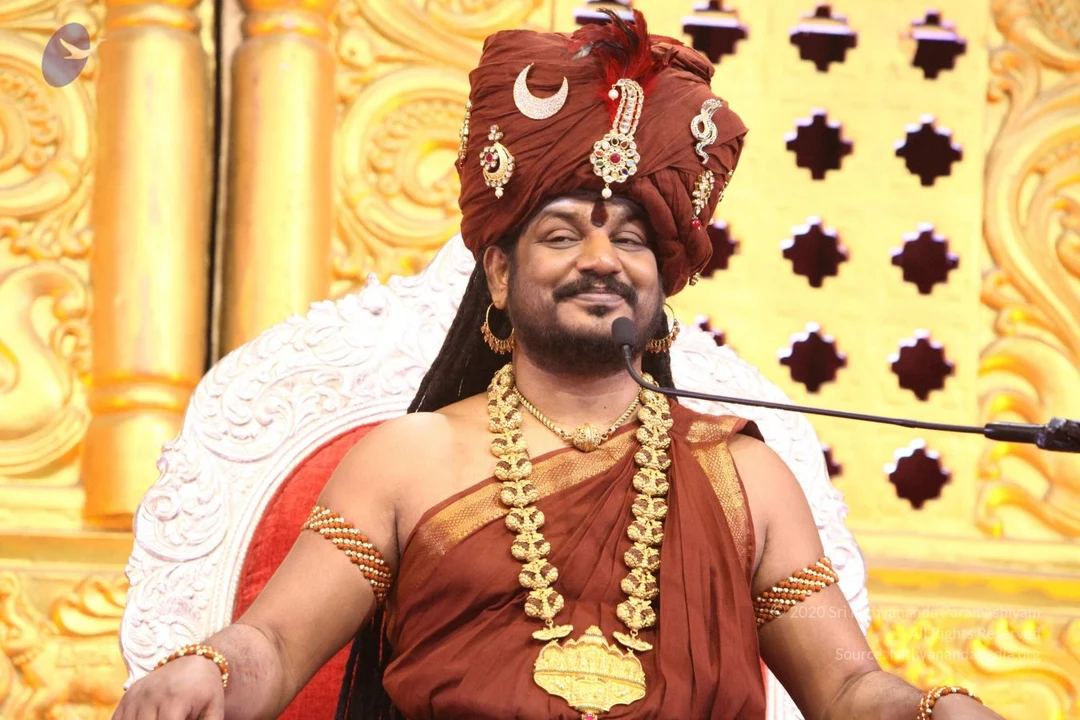
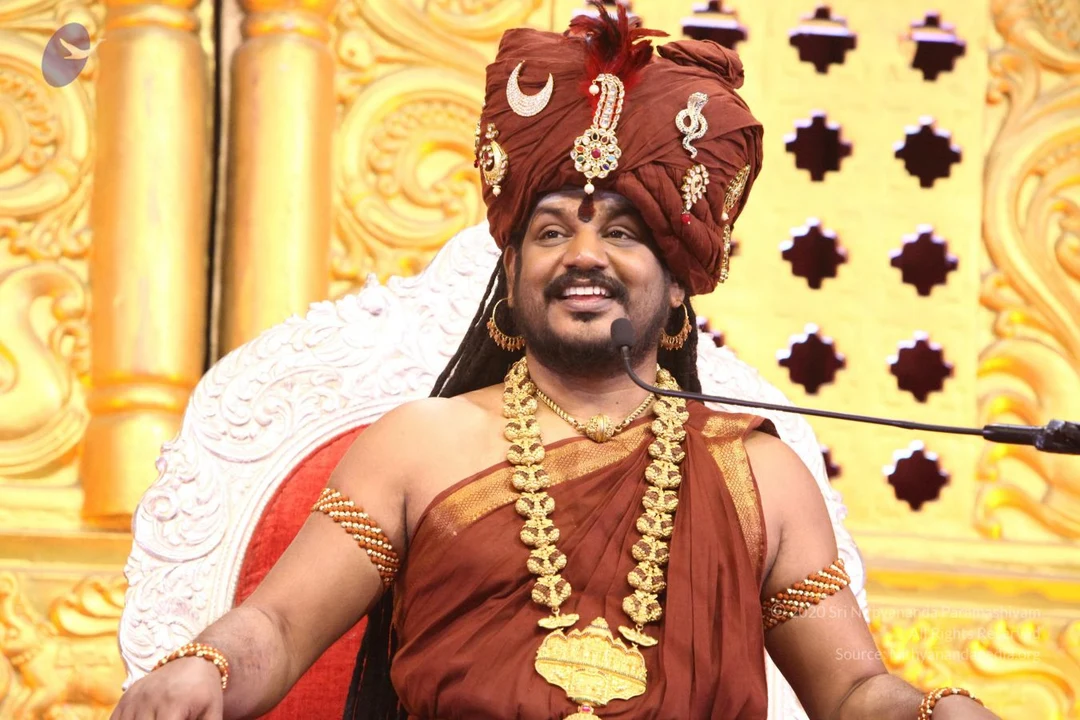
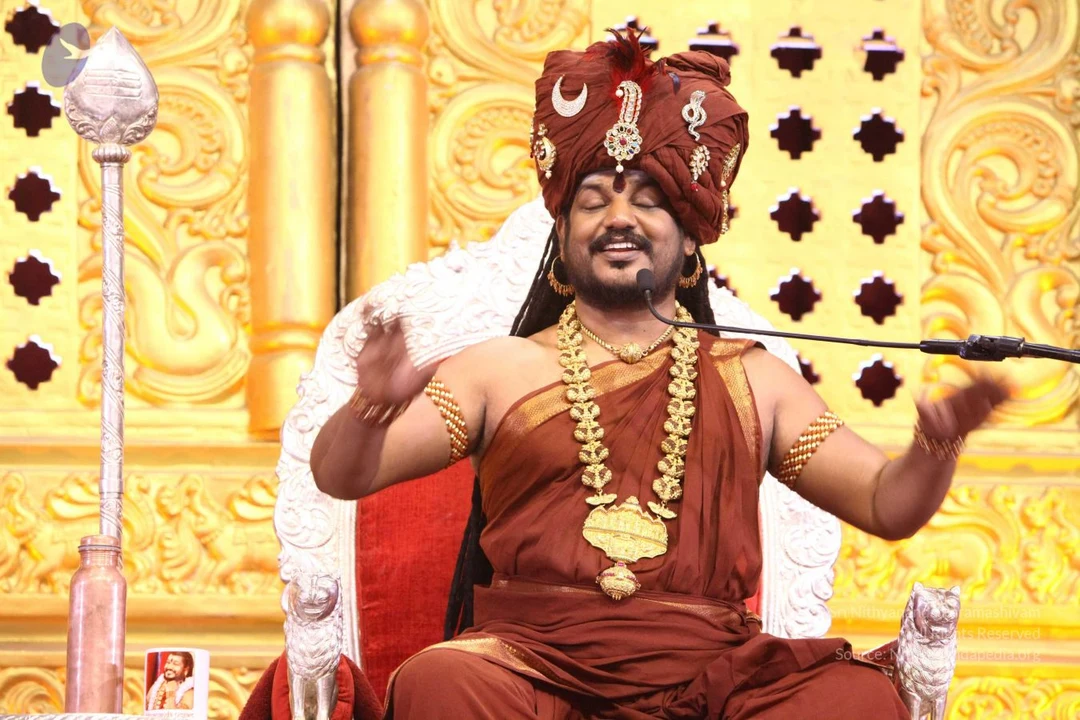
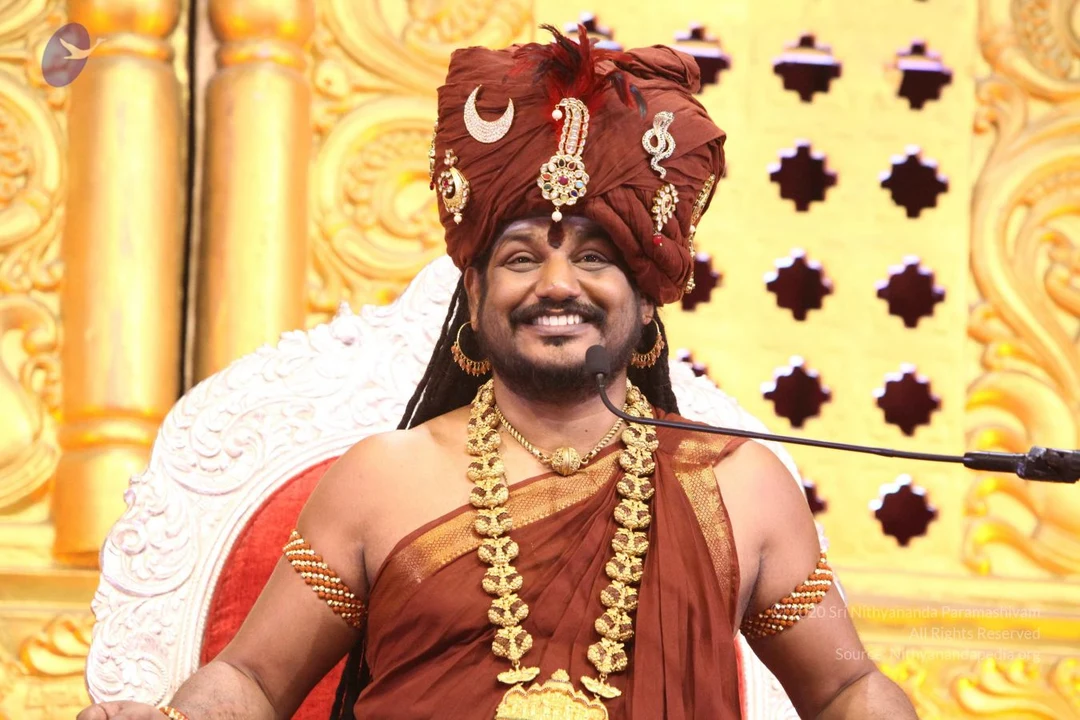
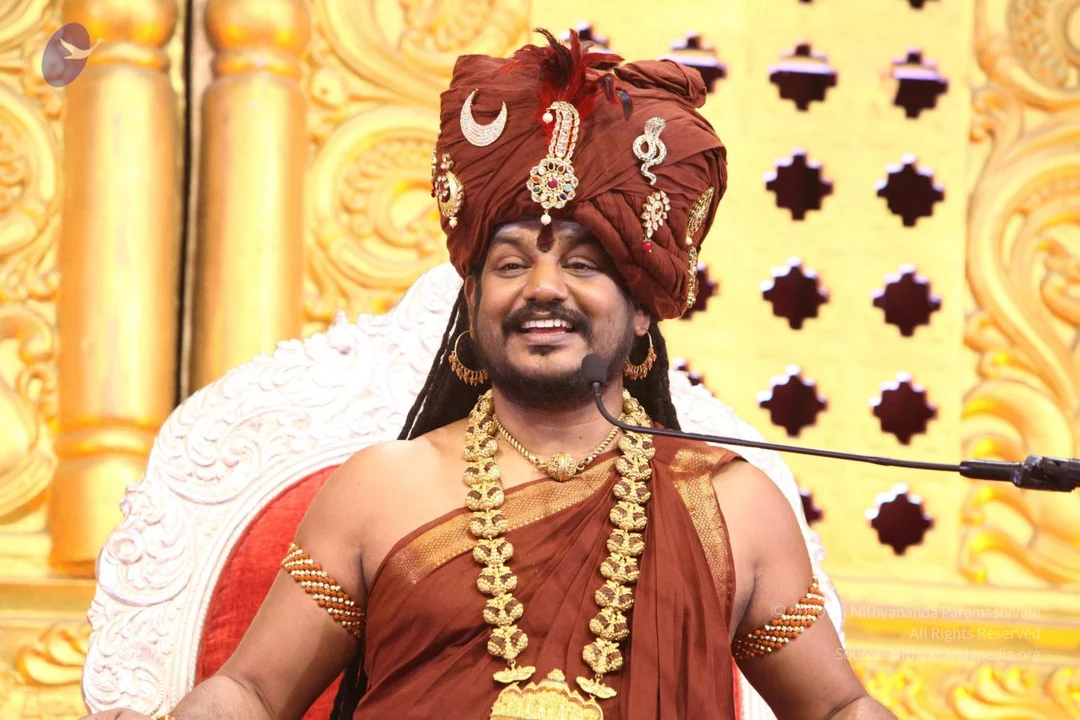
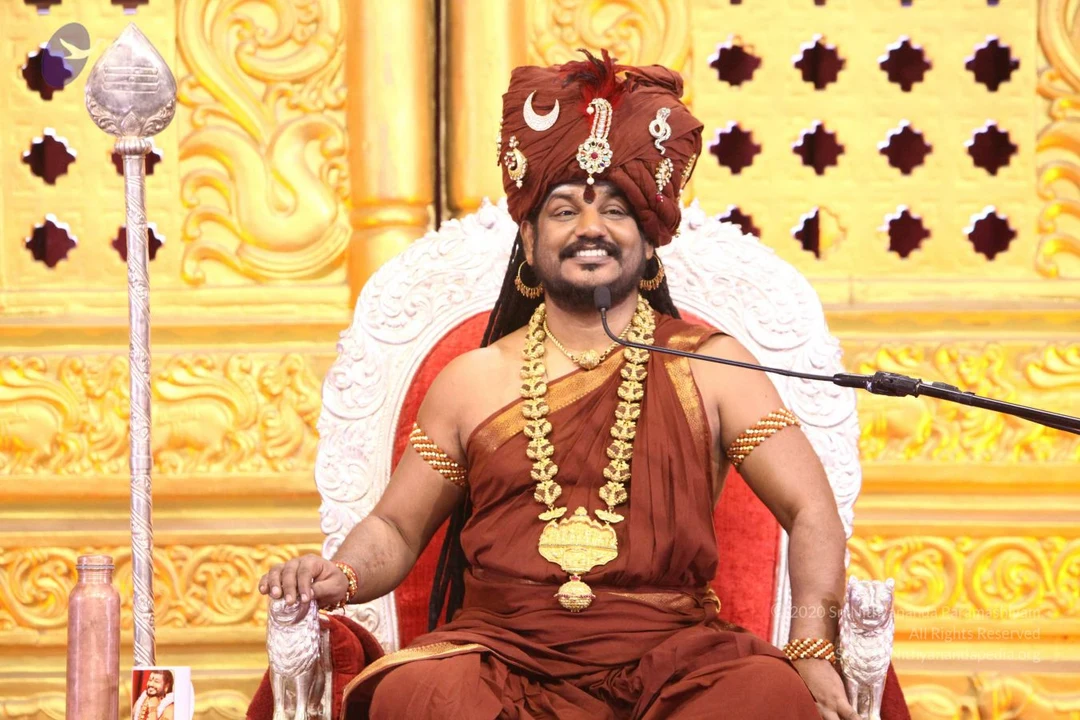

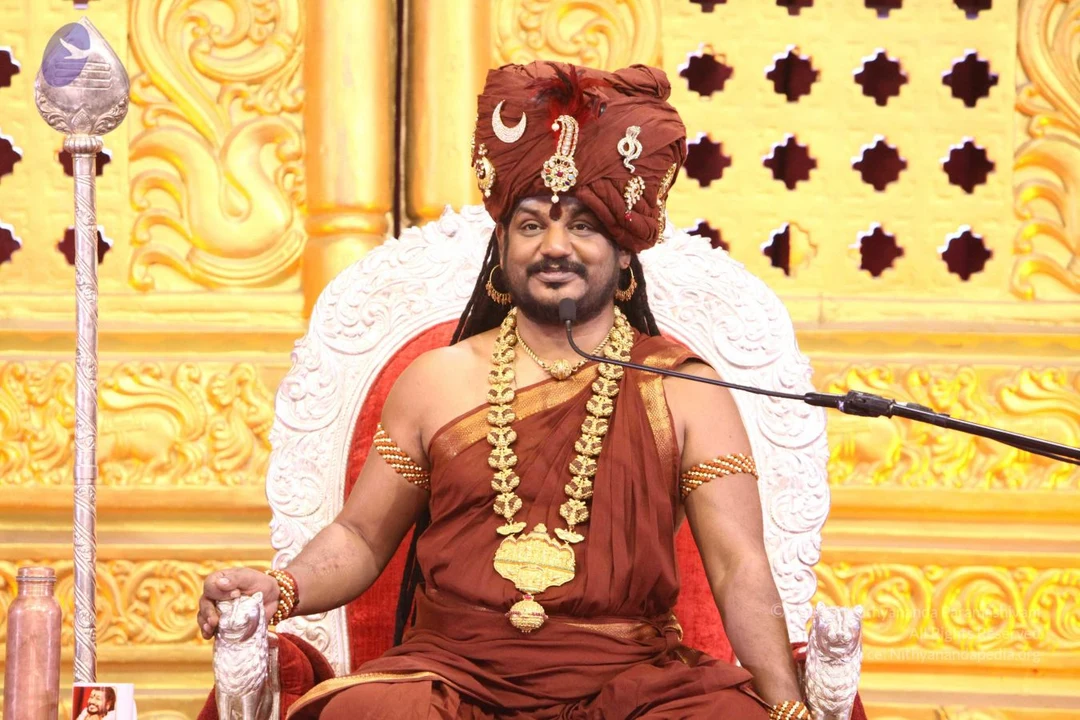
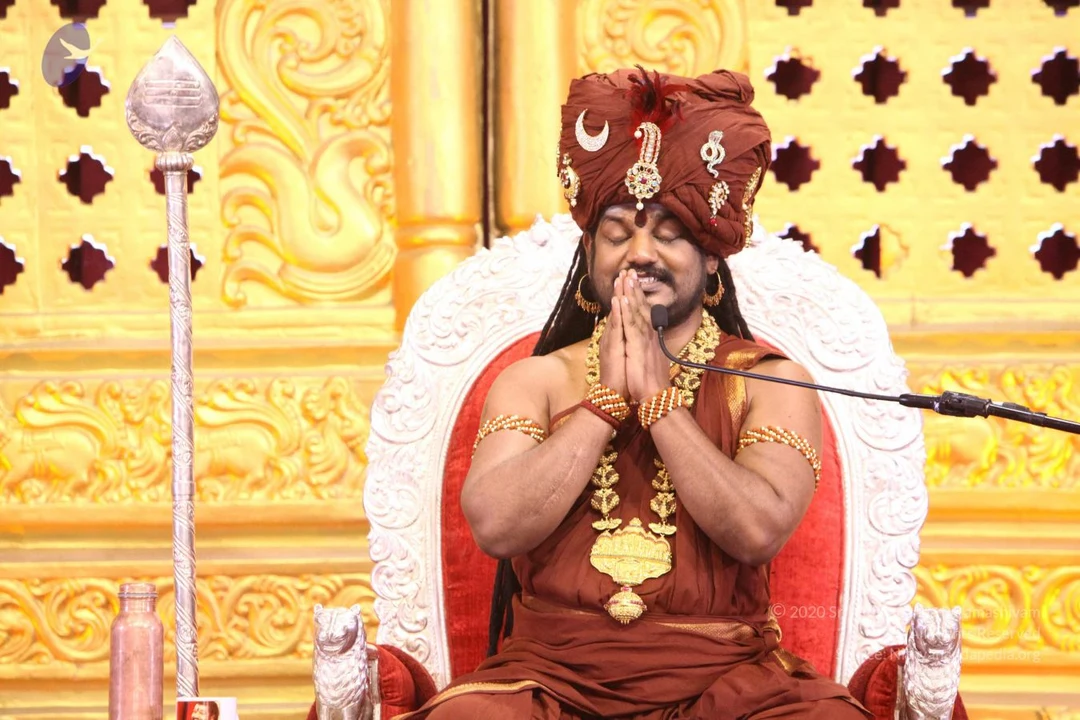
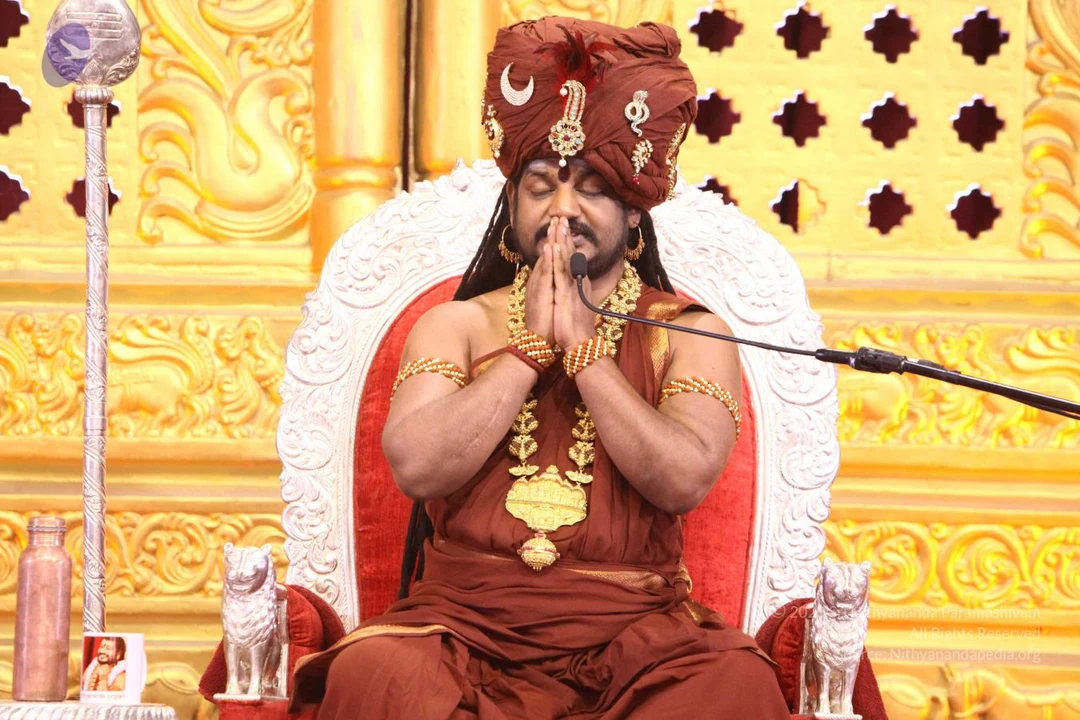
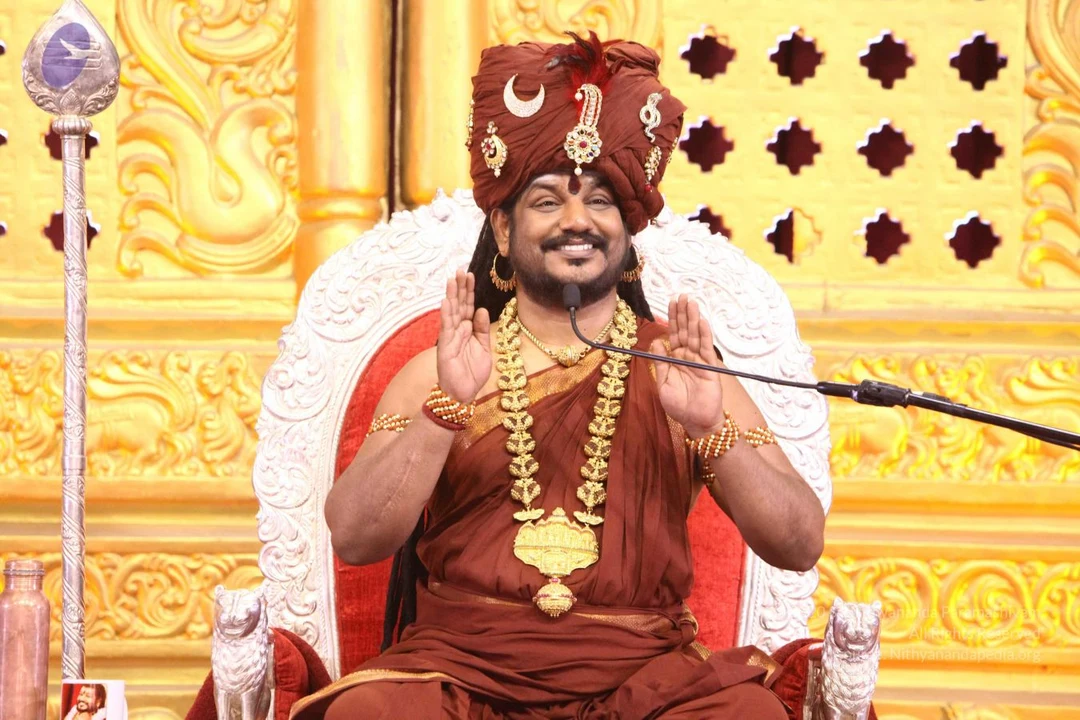
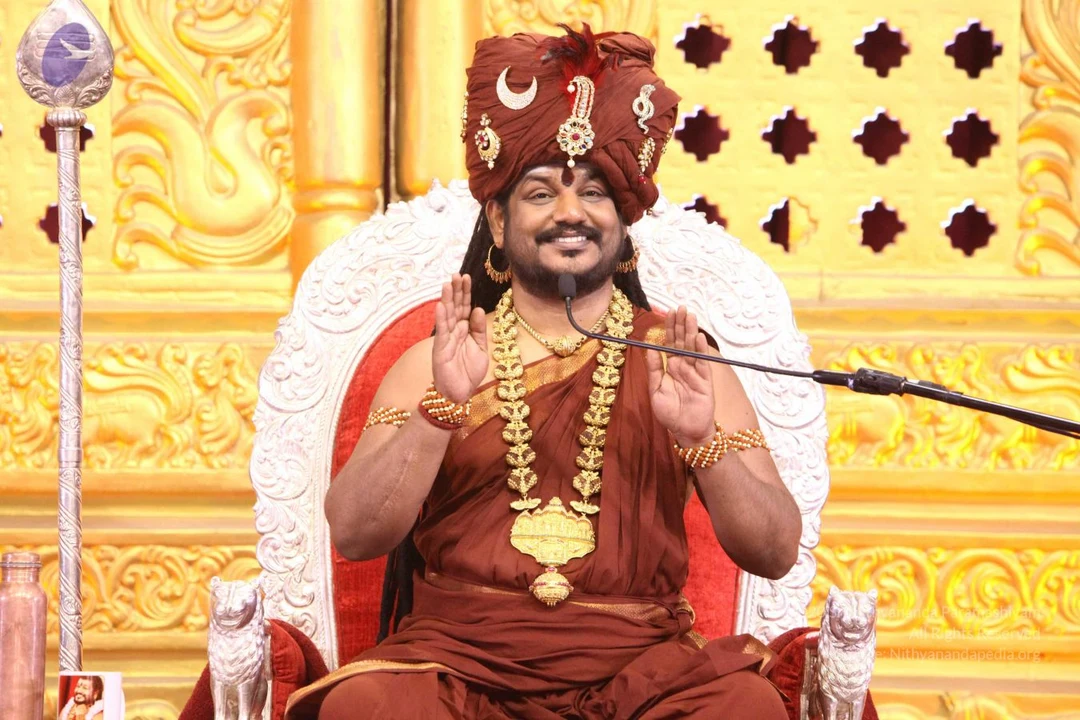
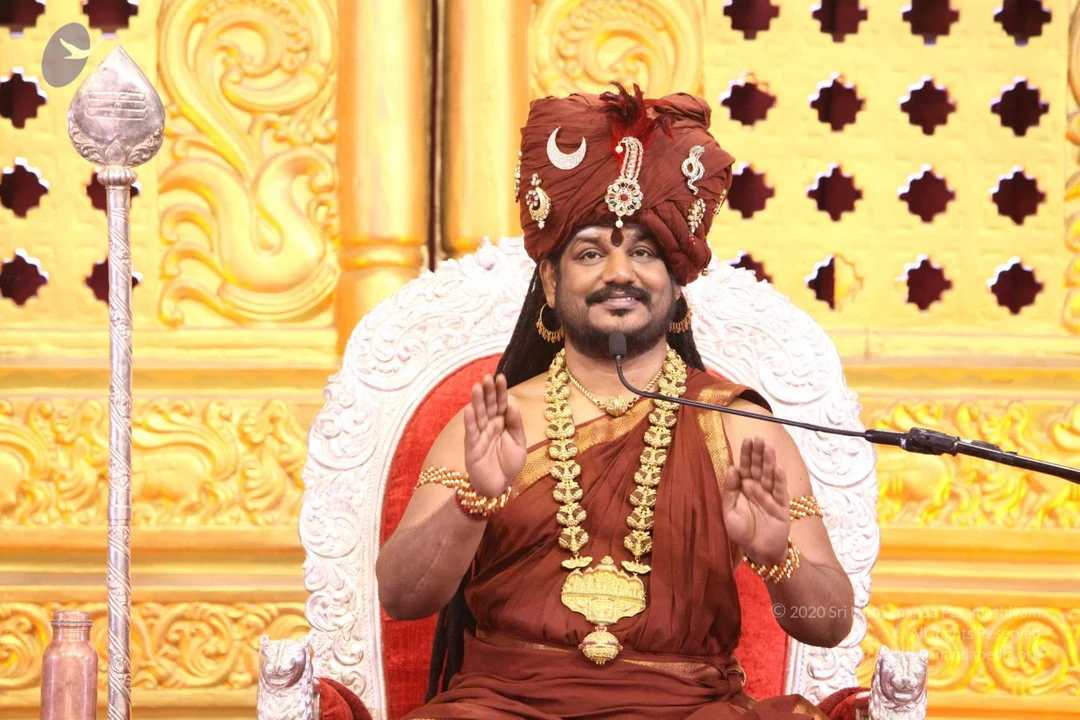
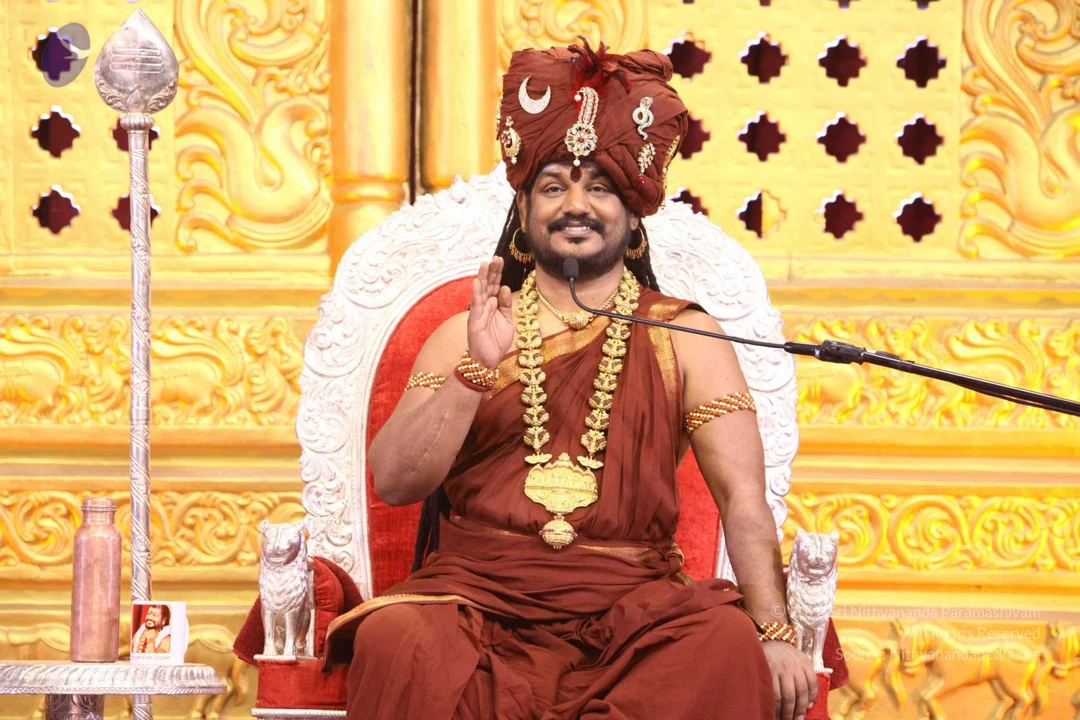
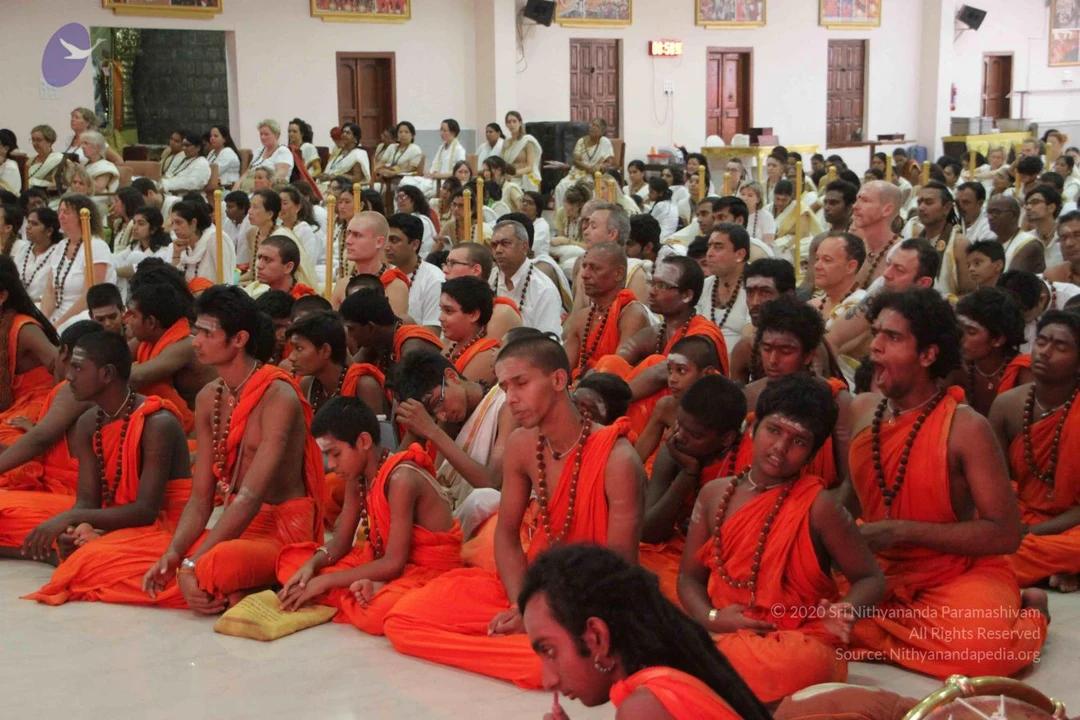
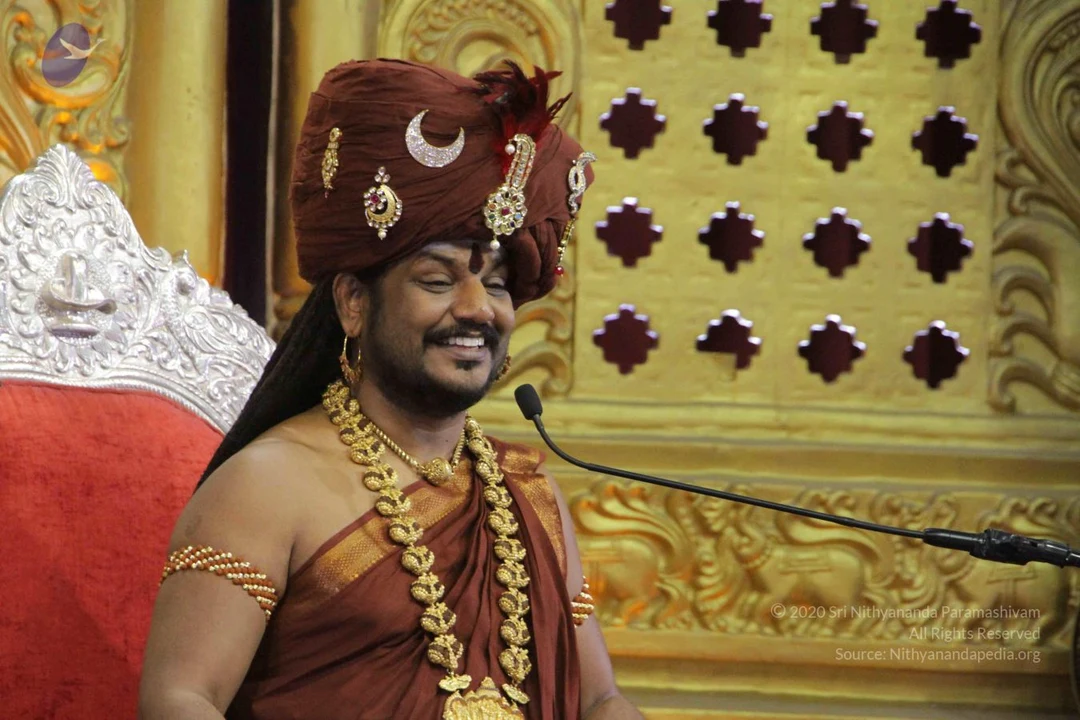
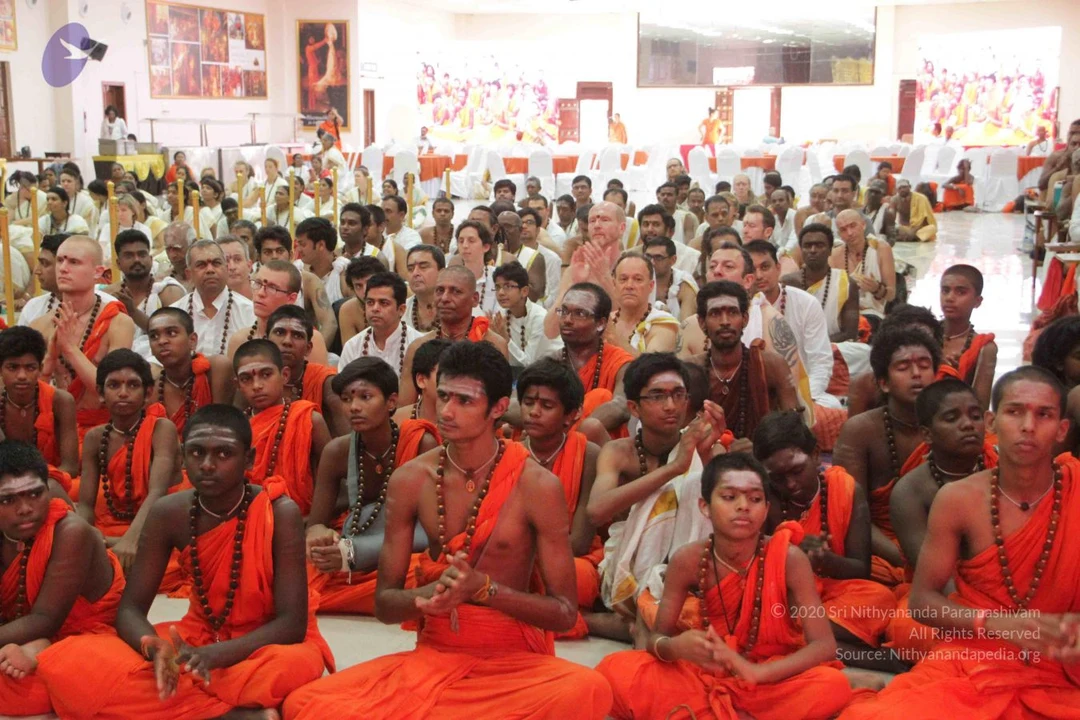
IA-genesis-of-identity
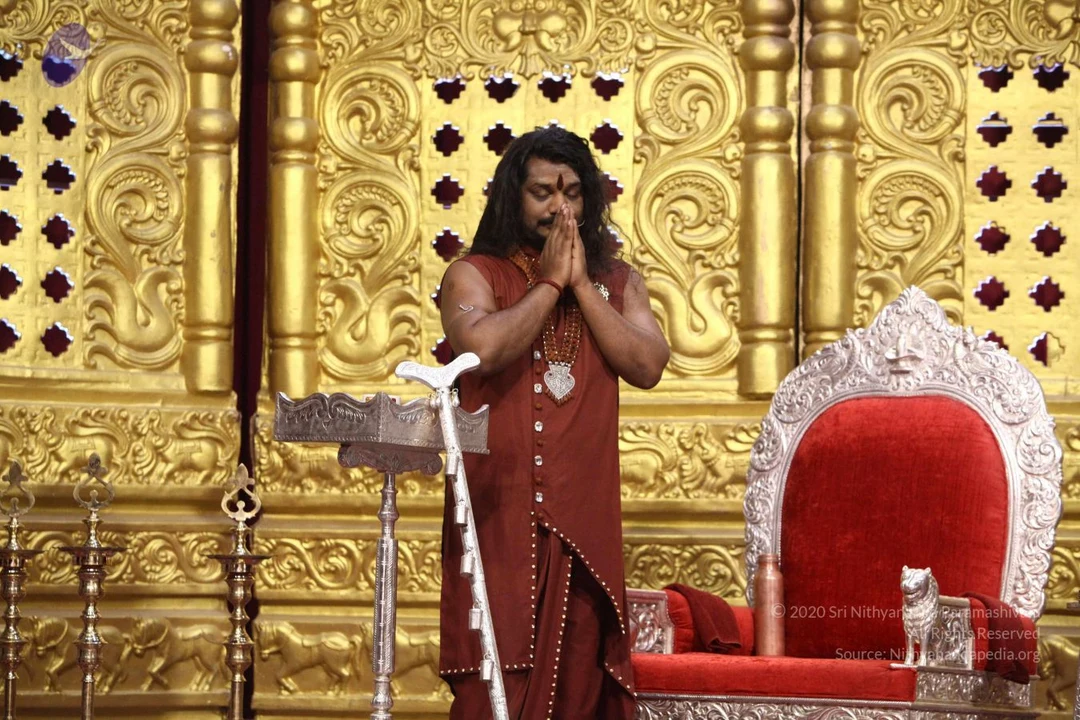
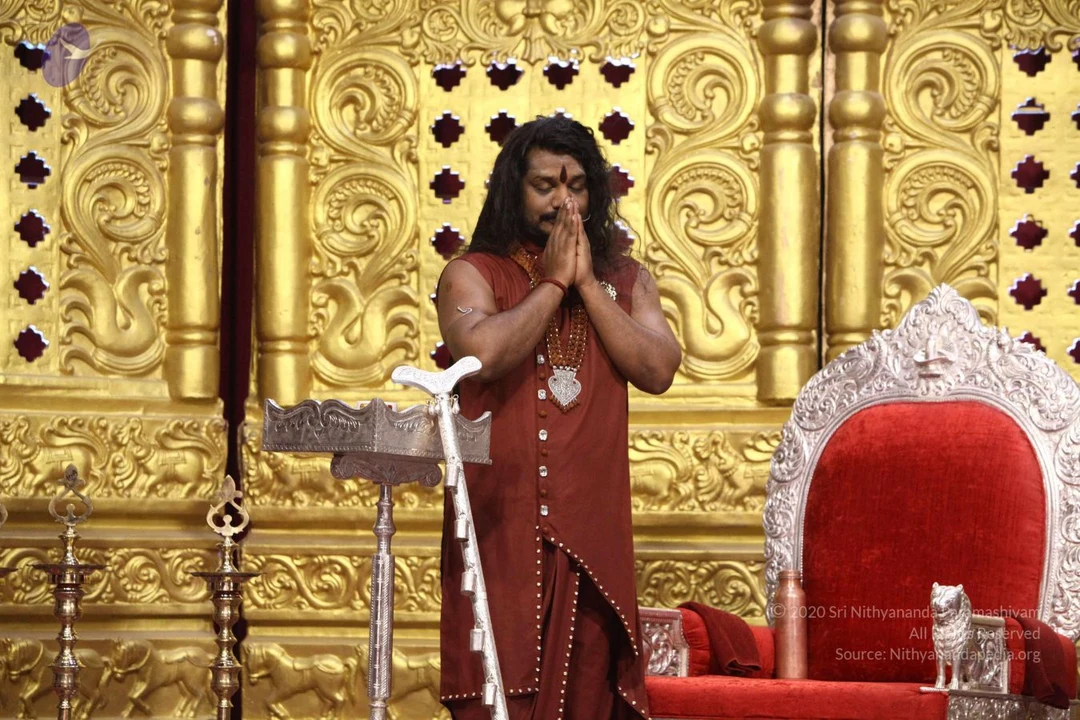
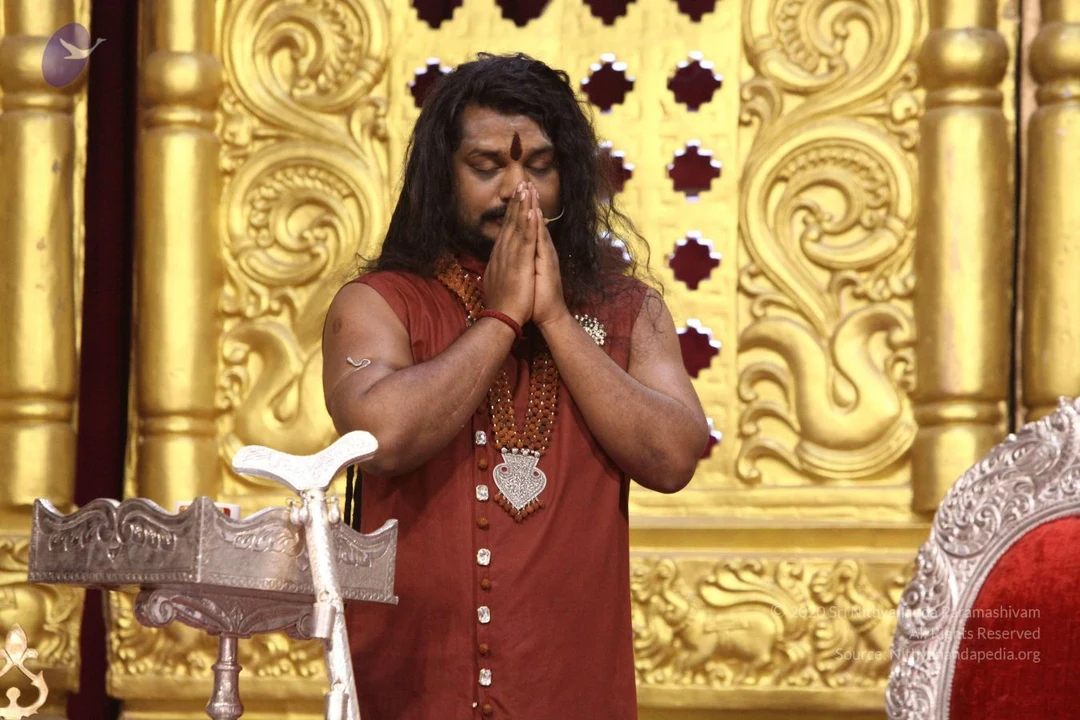
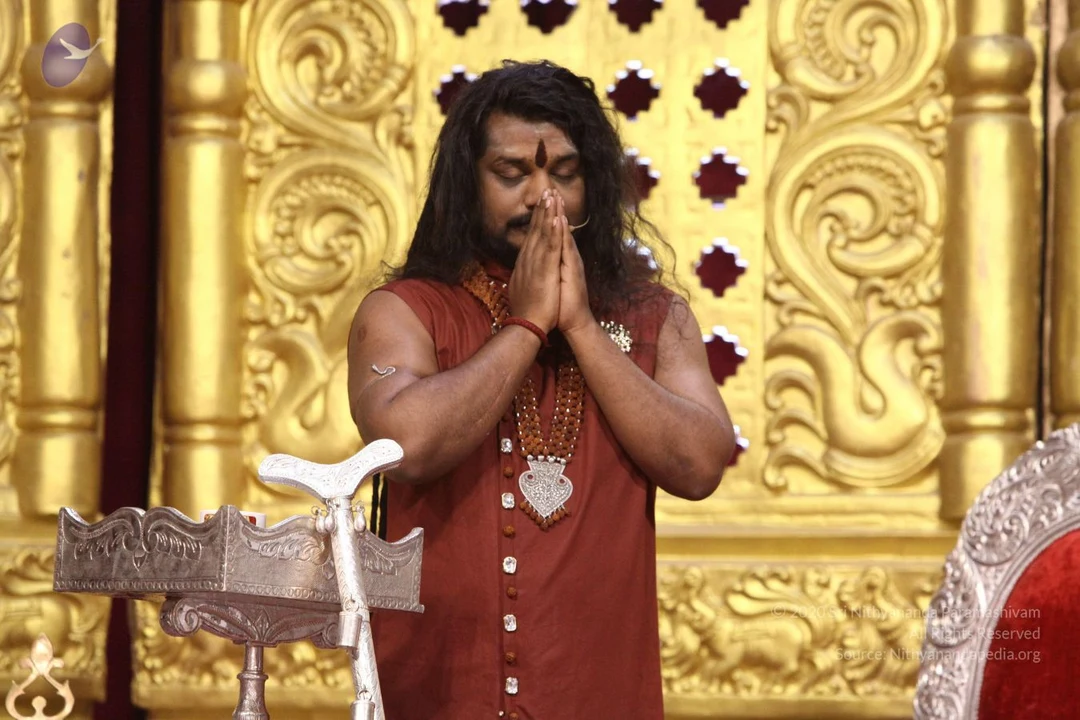
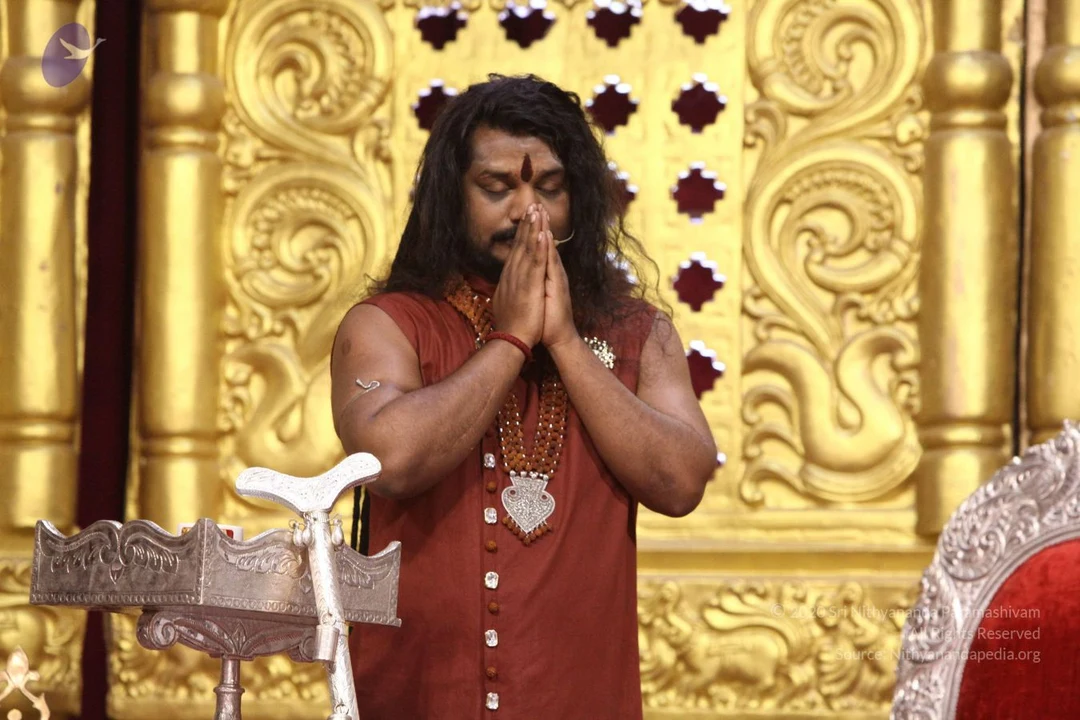
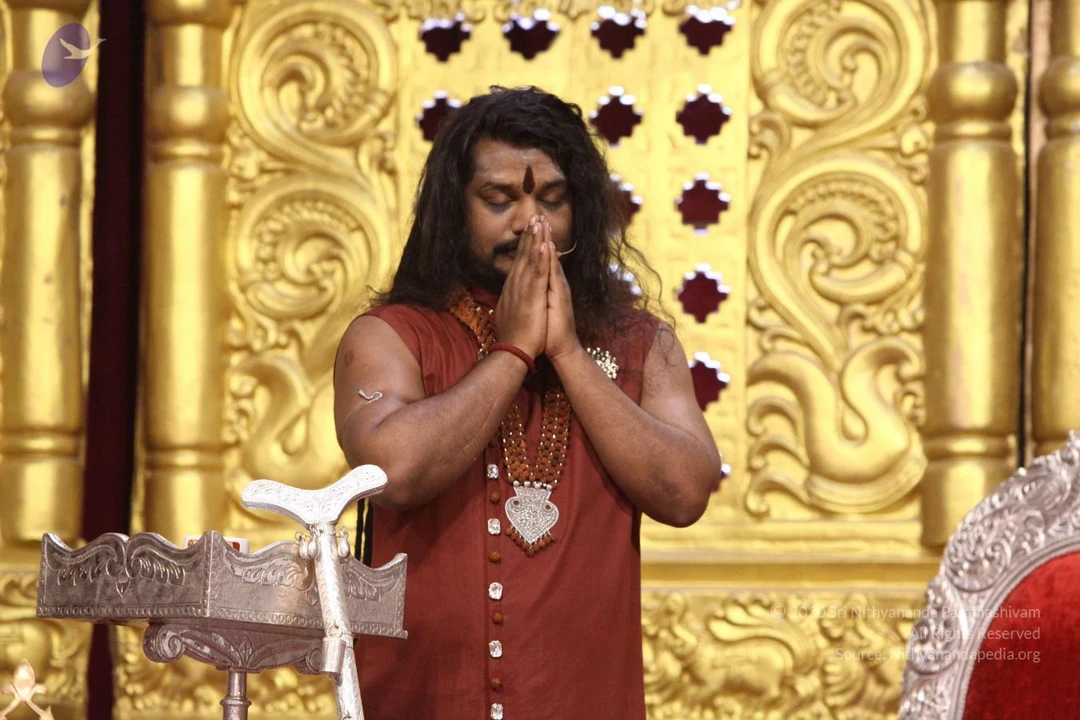
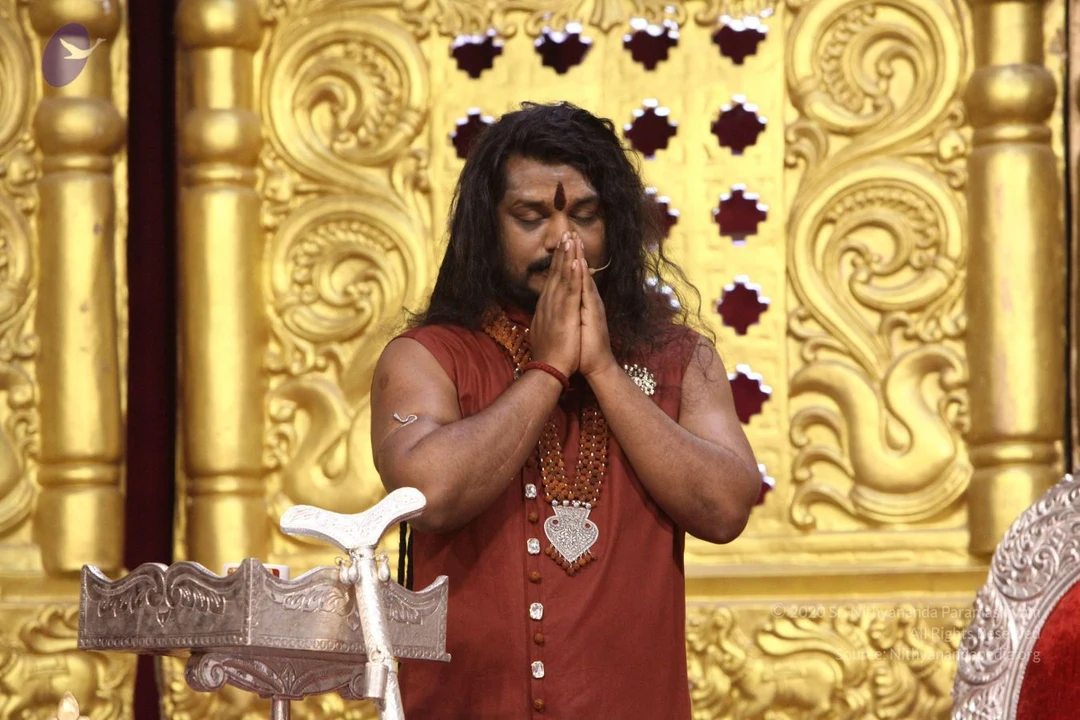
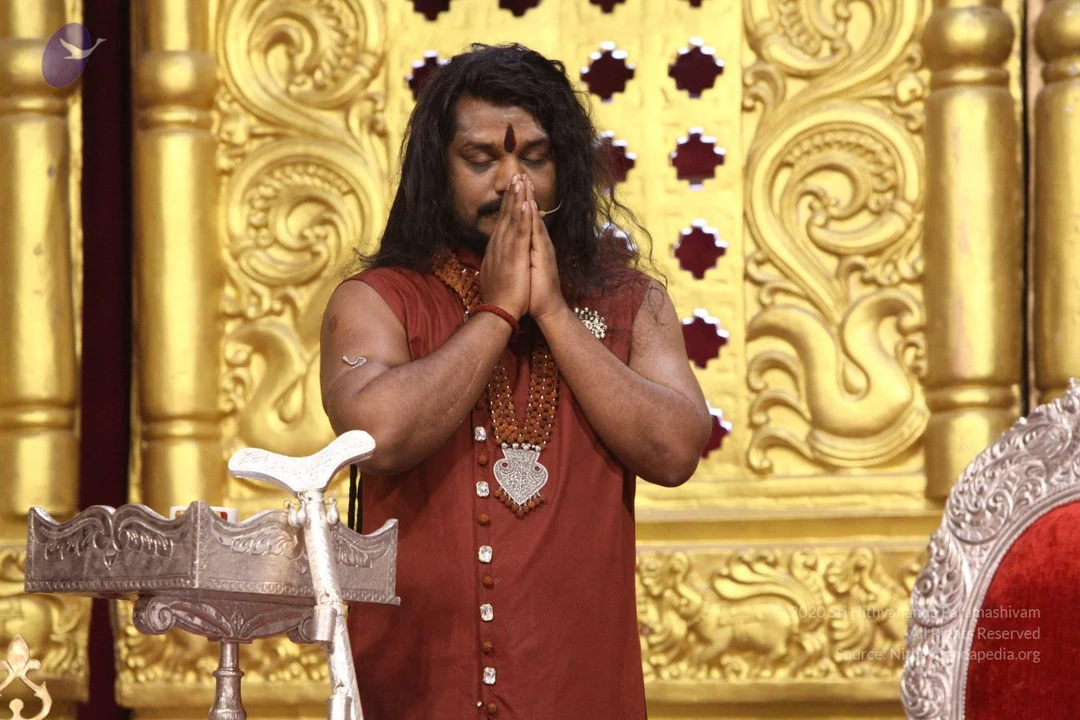
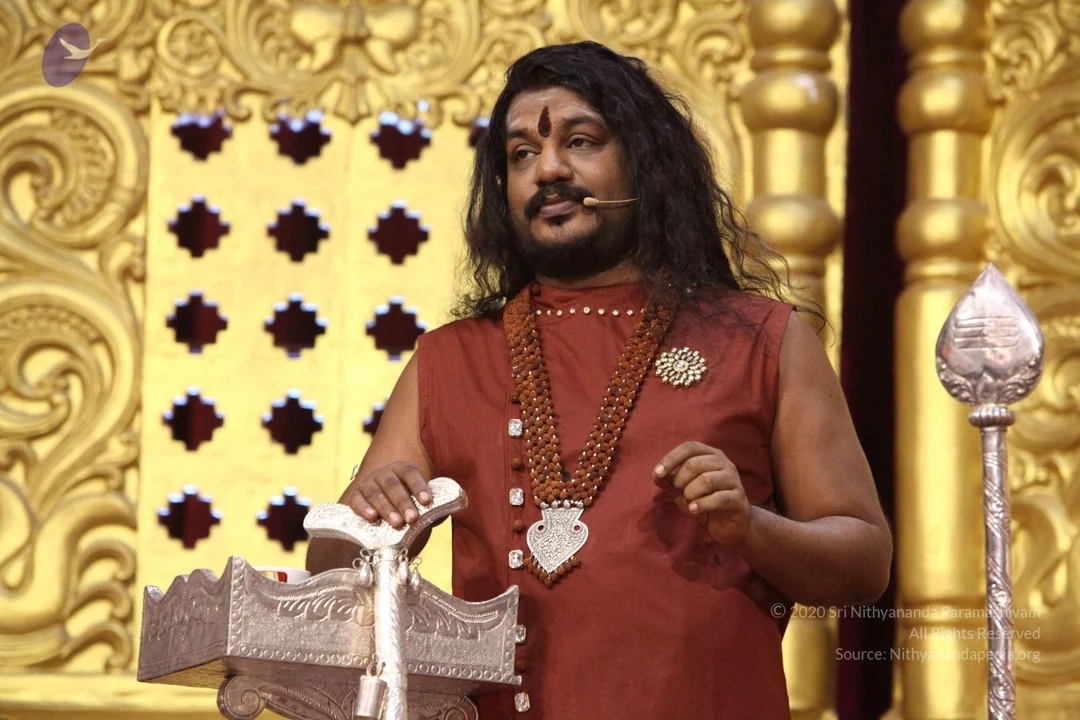
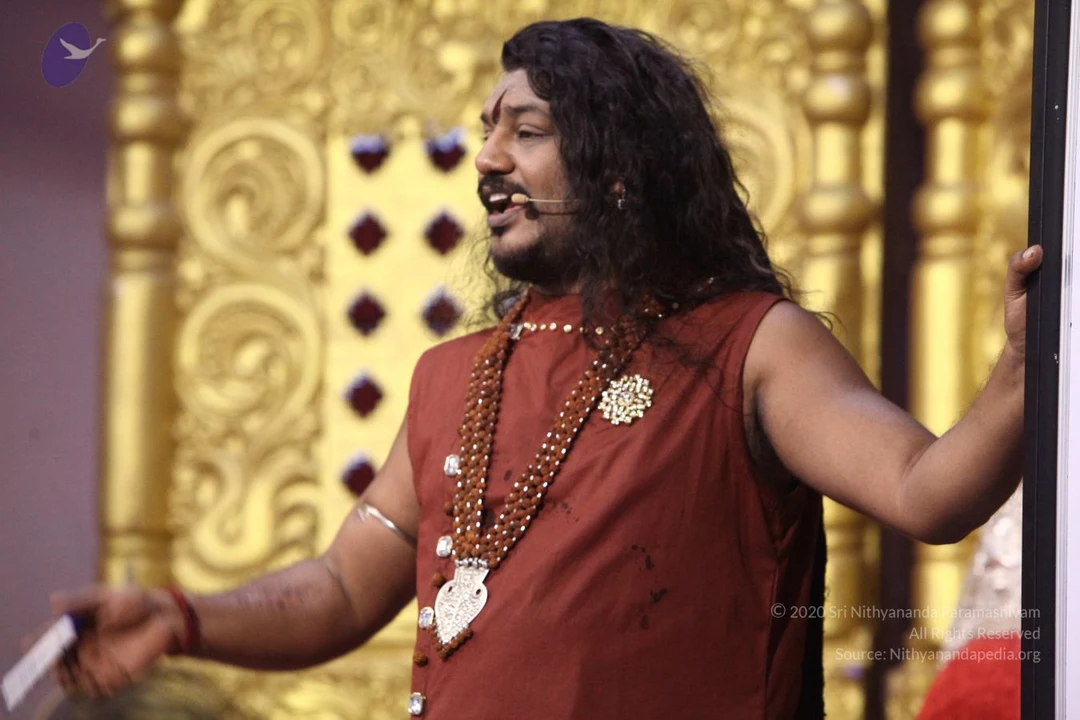
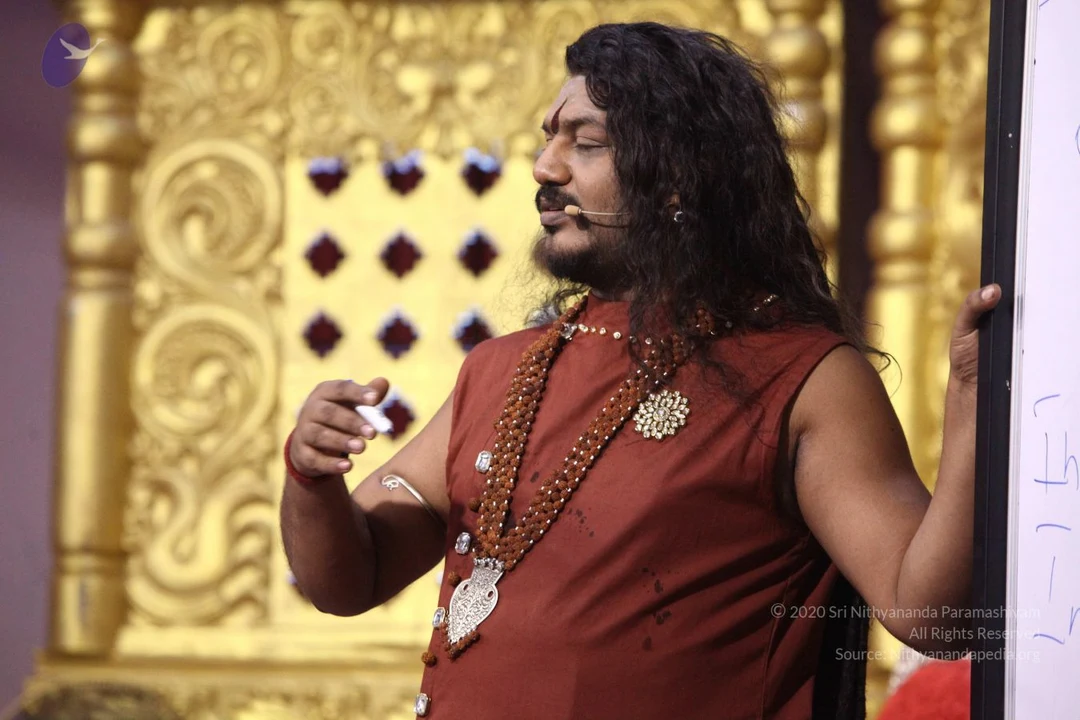
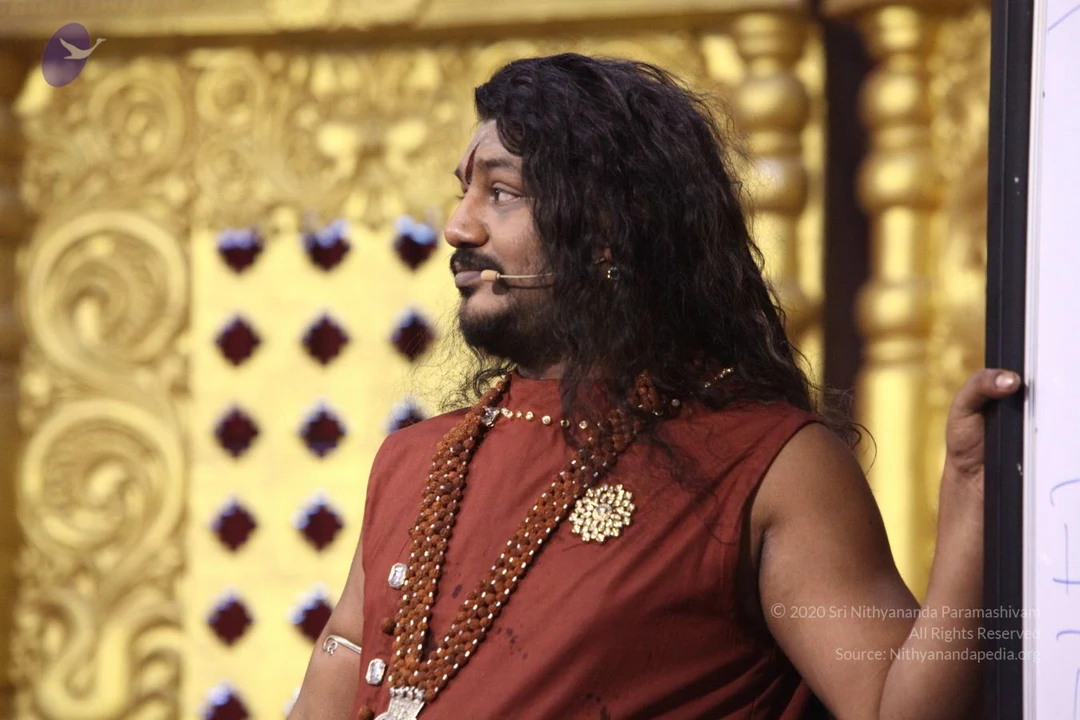
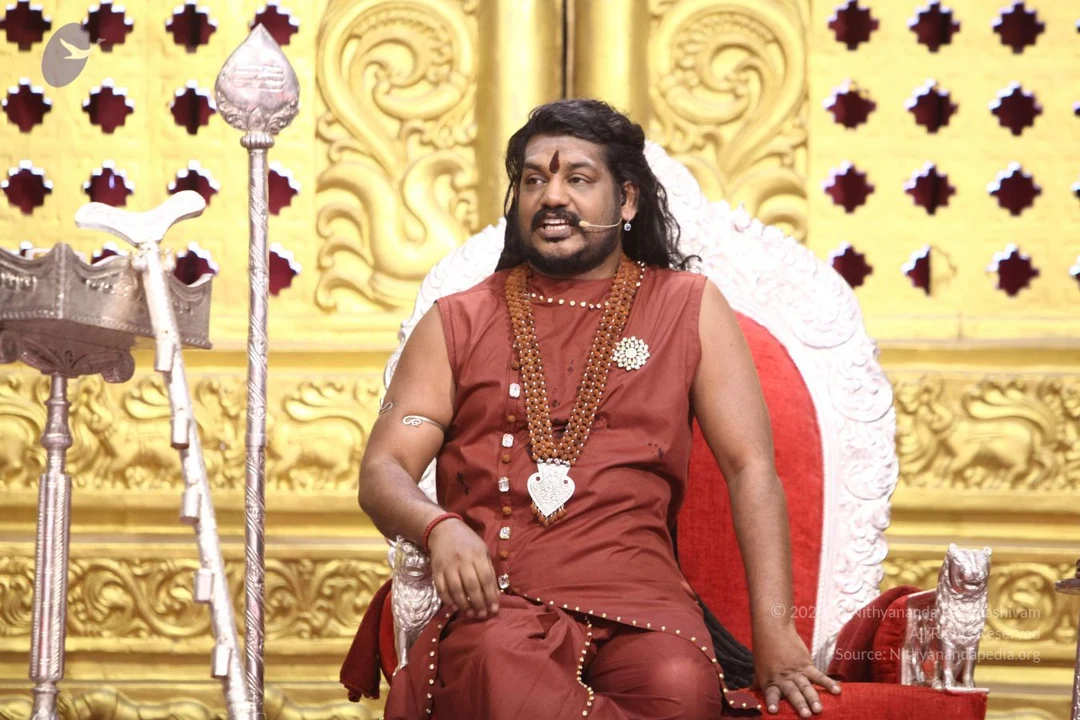
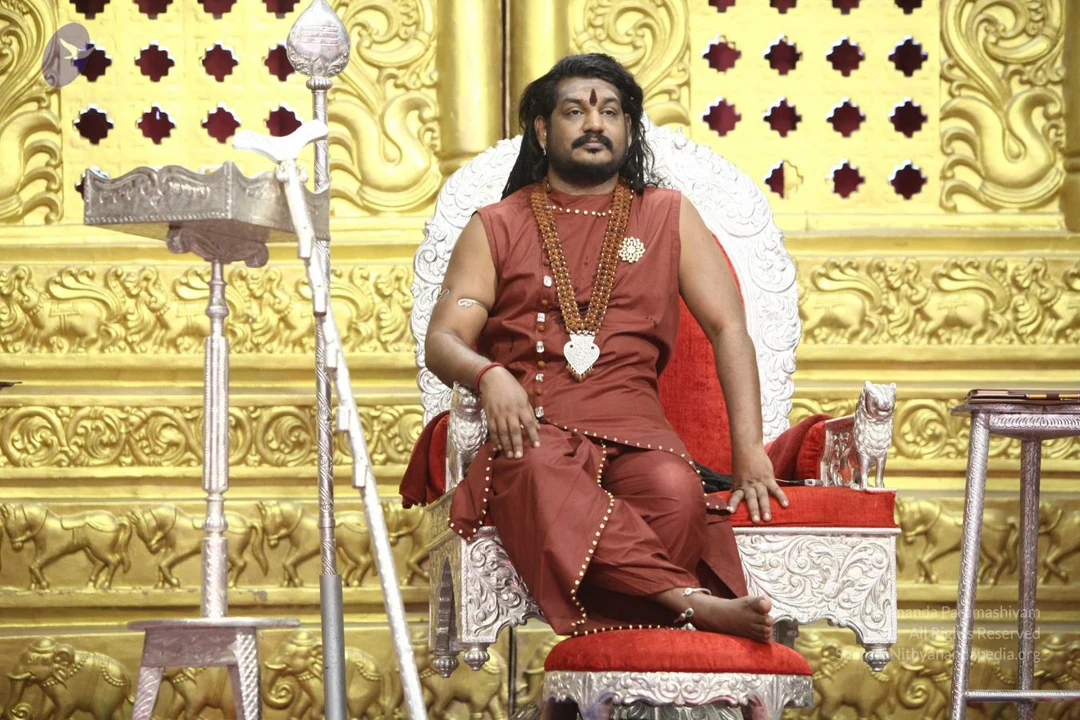
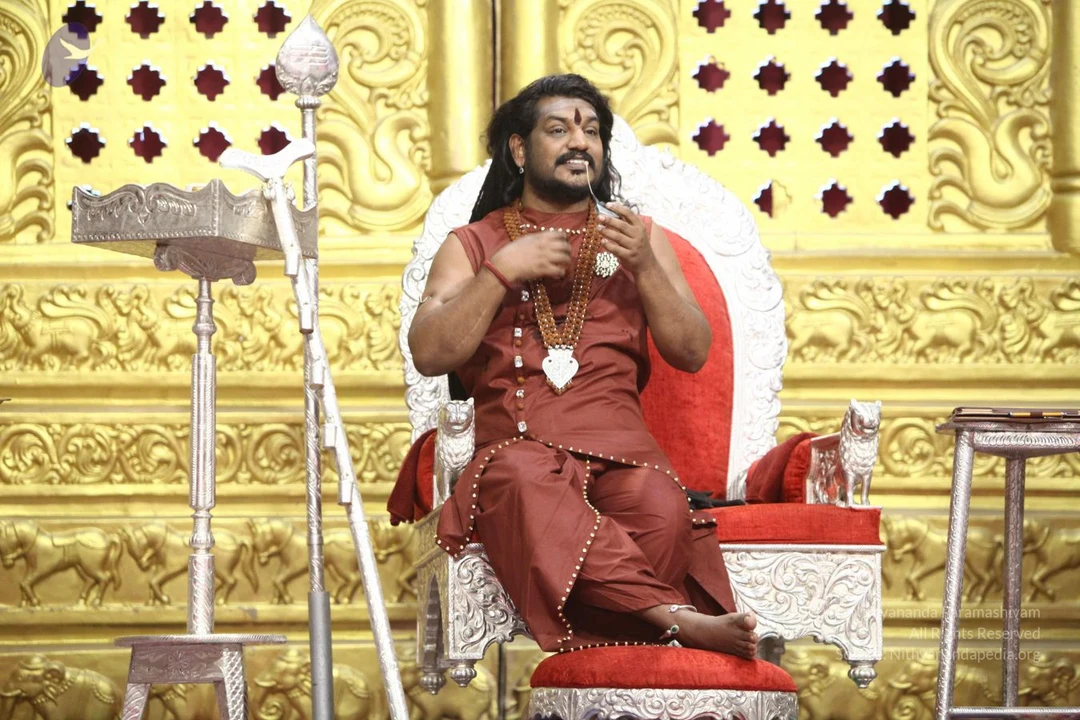
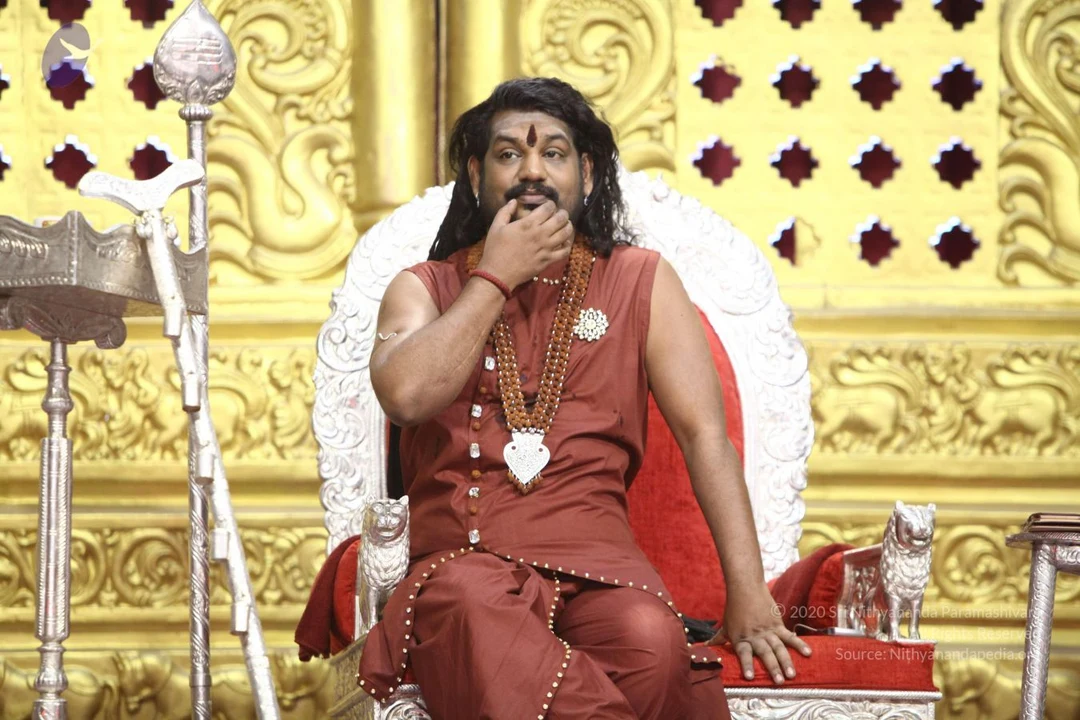
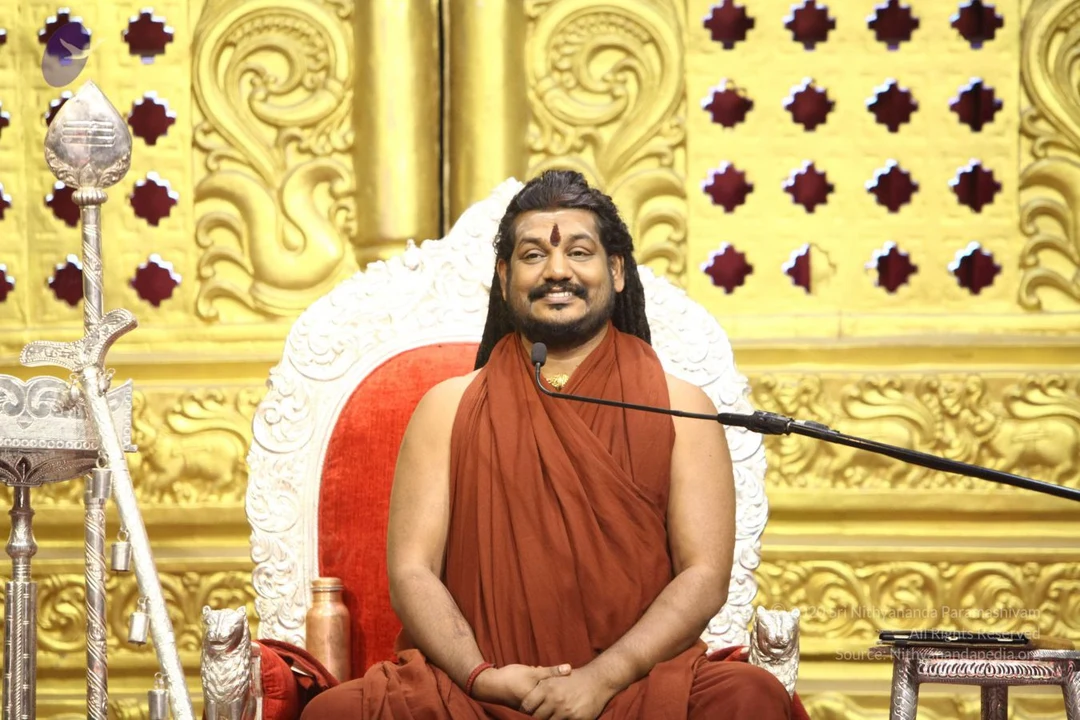
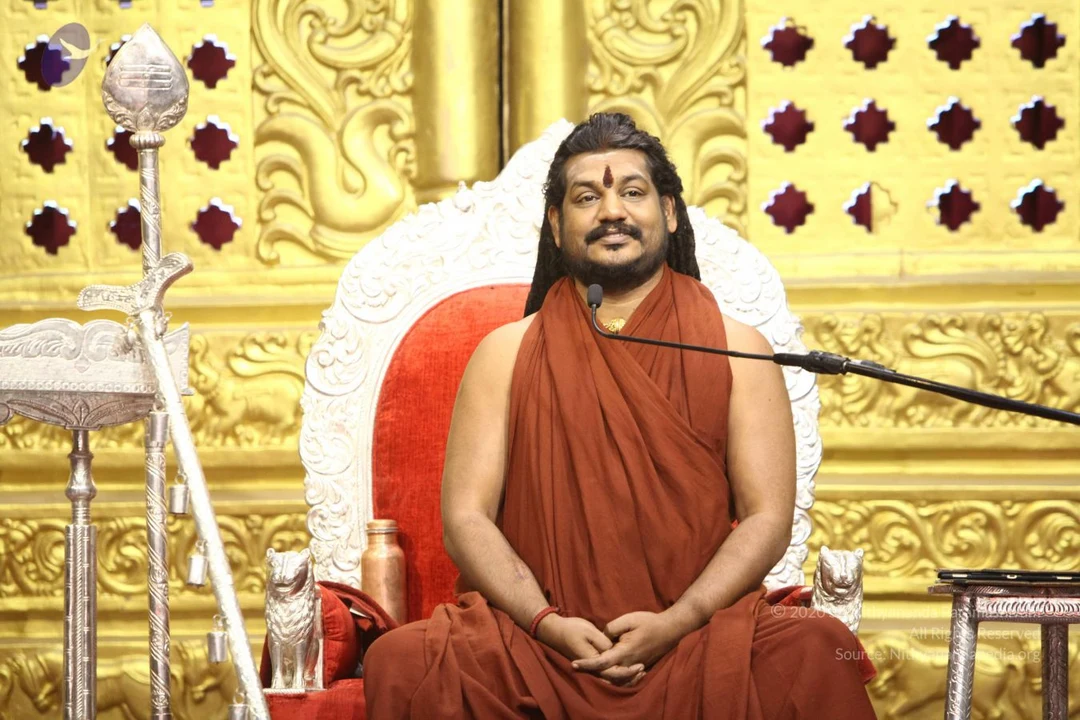
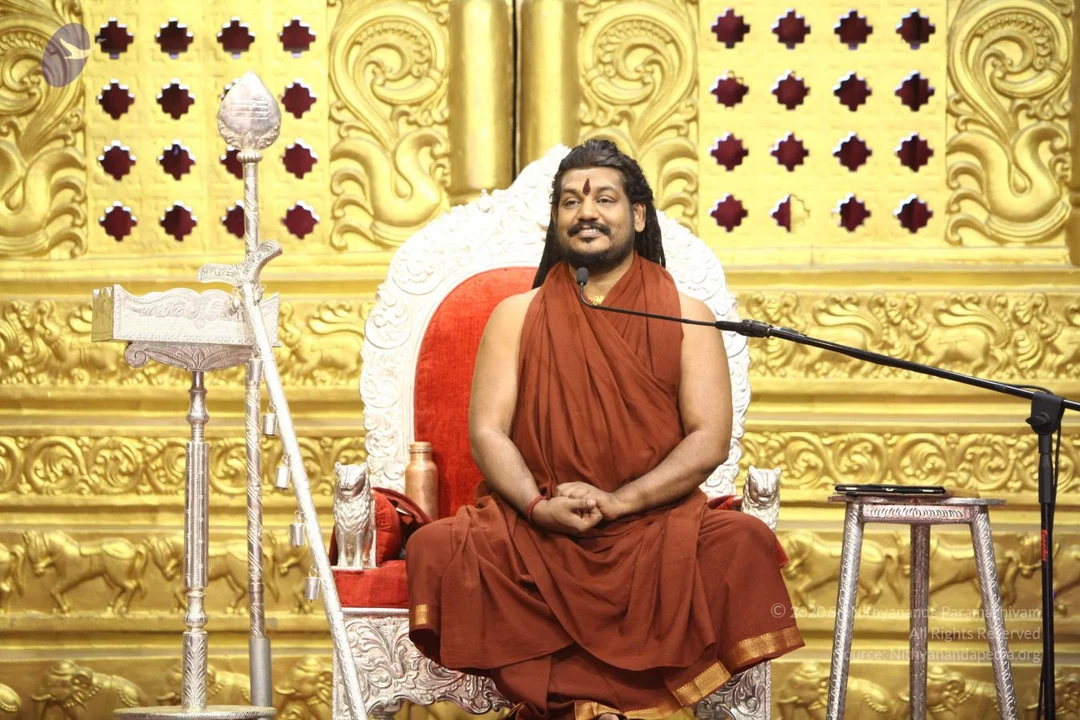
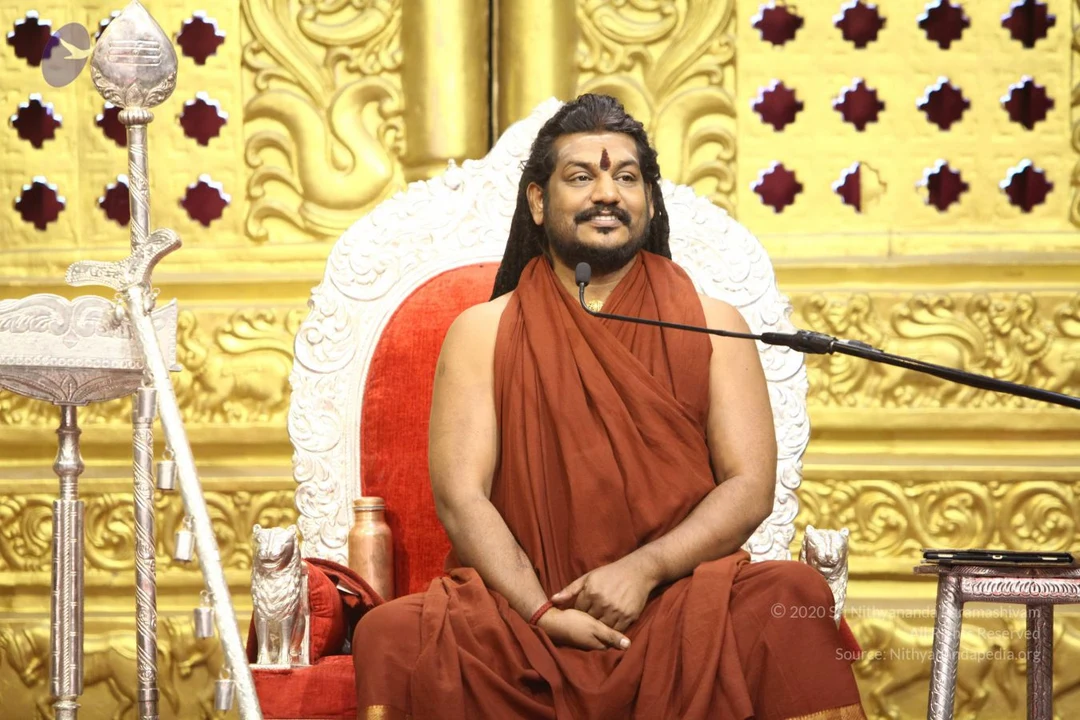
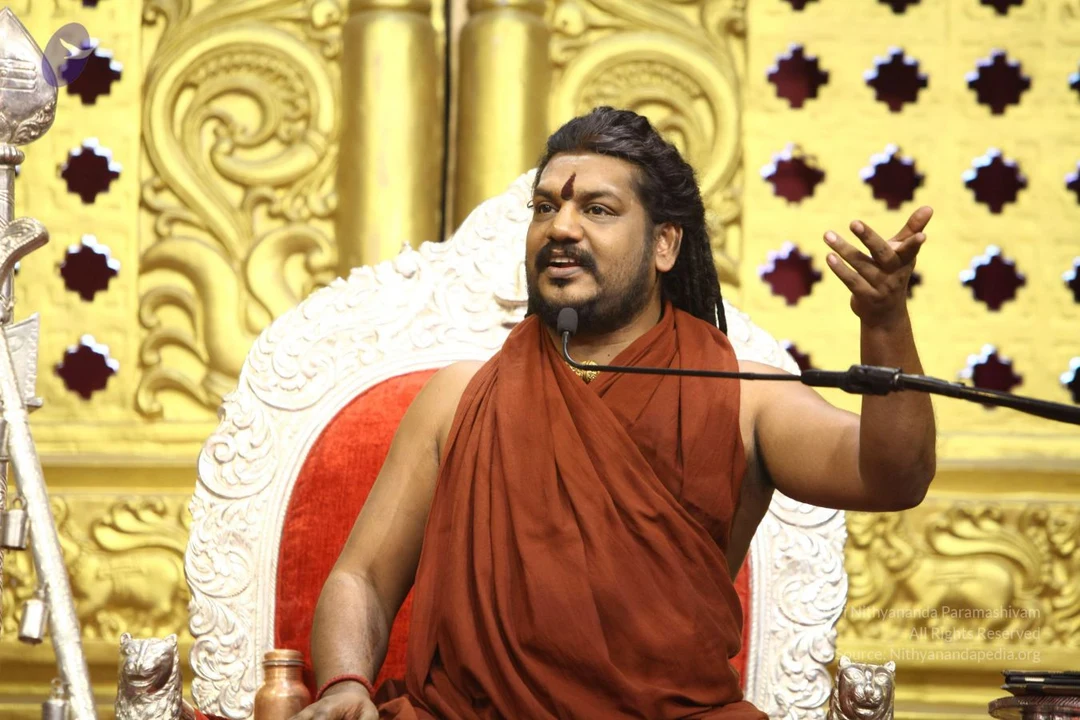
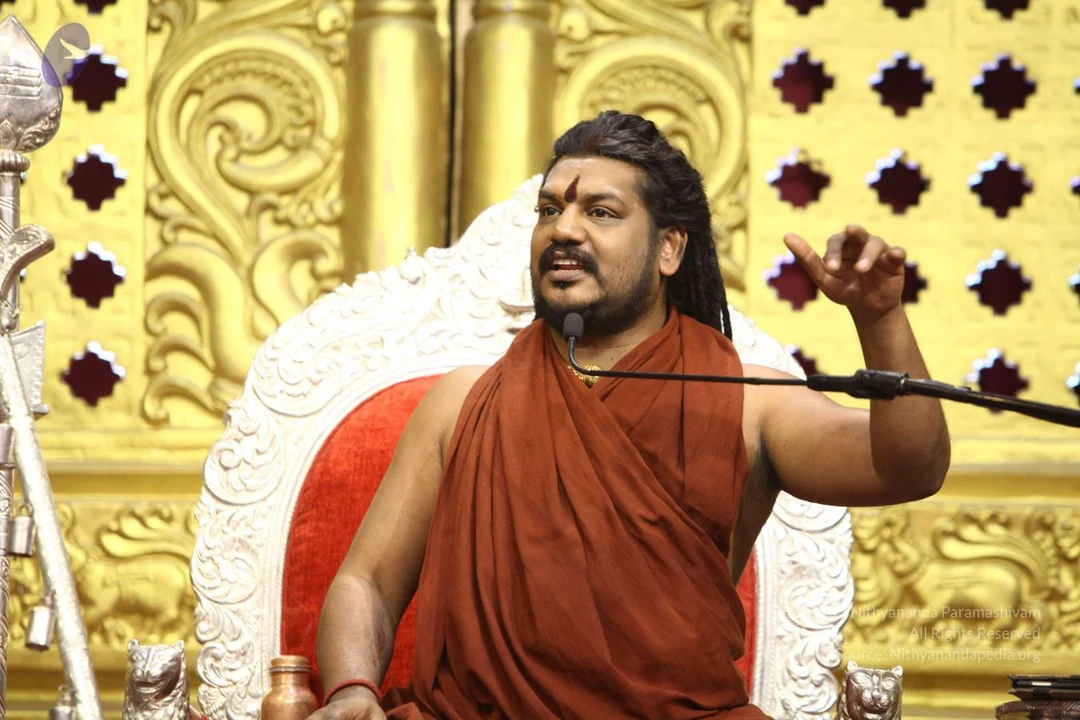
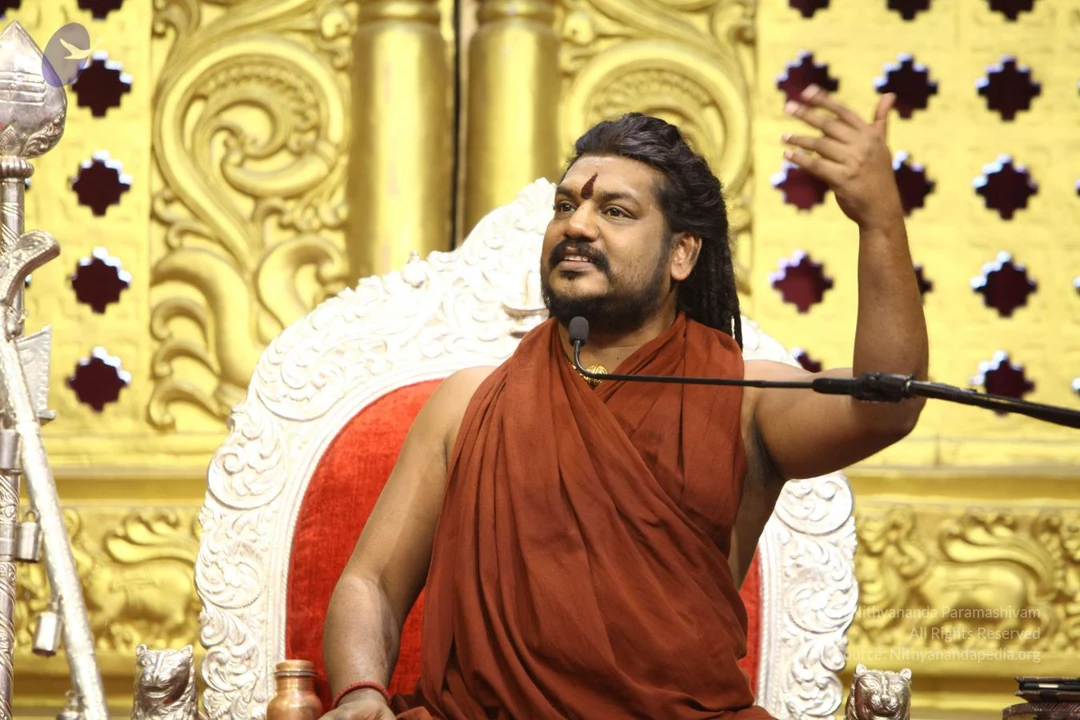
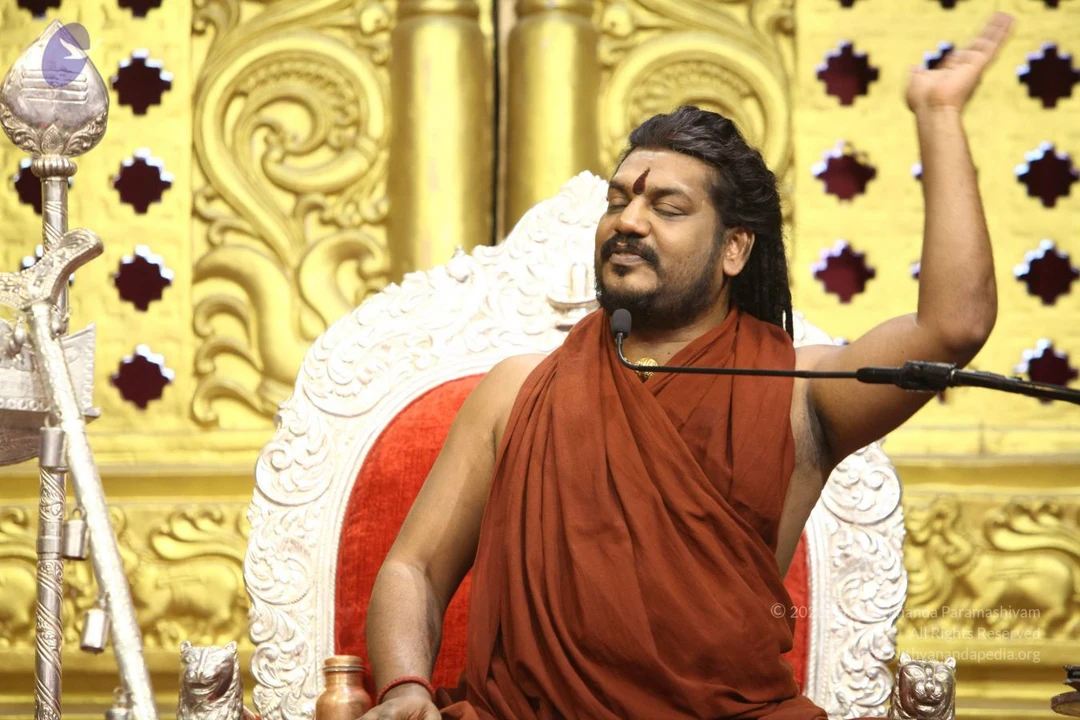
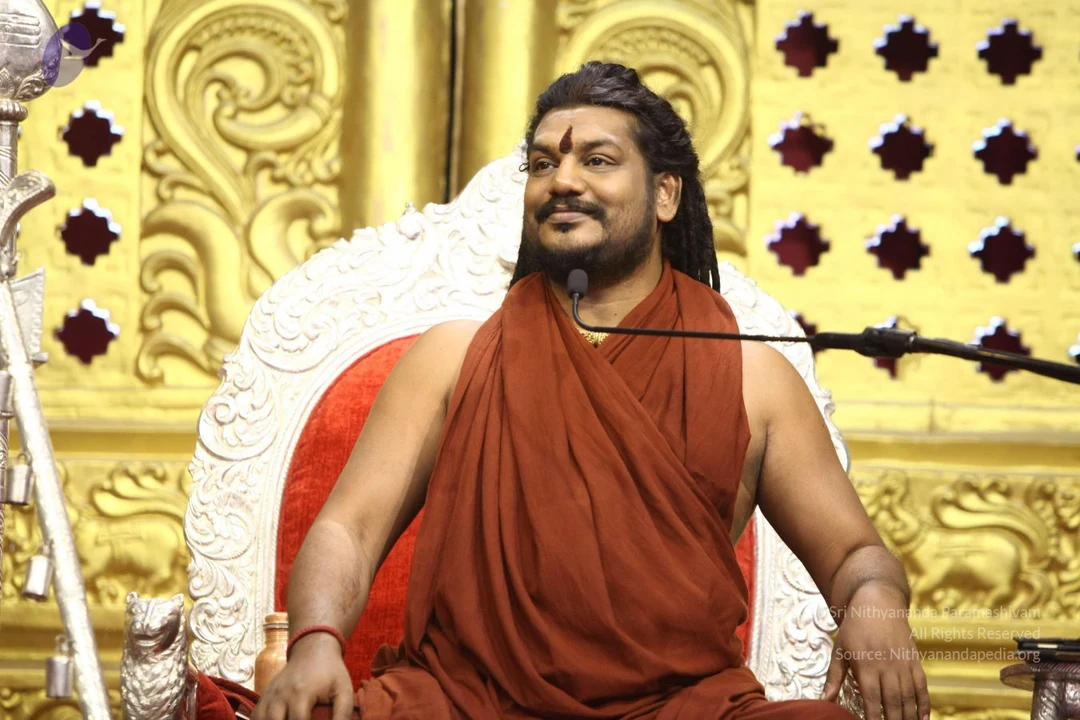
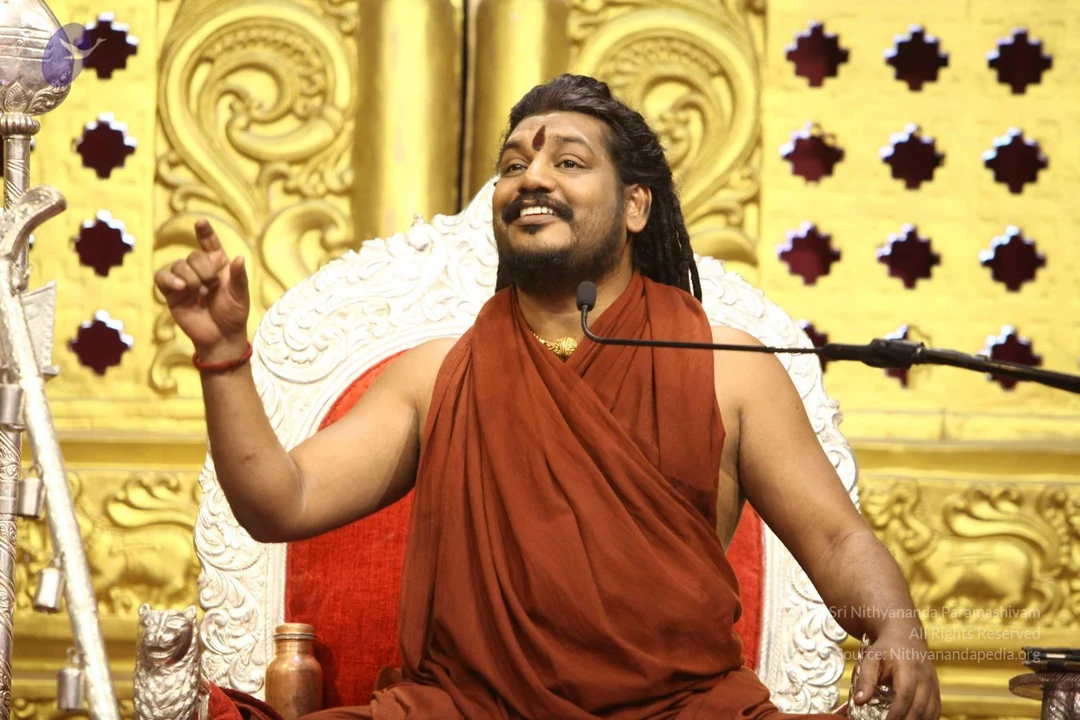
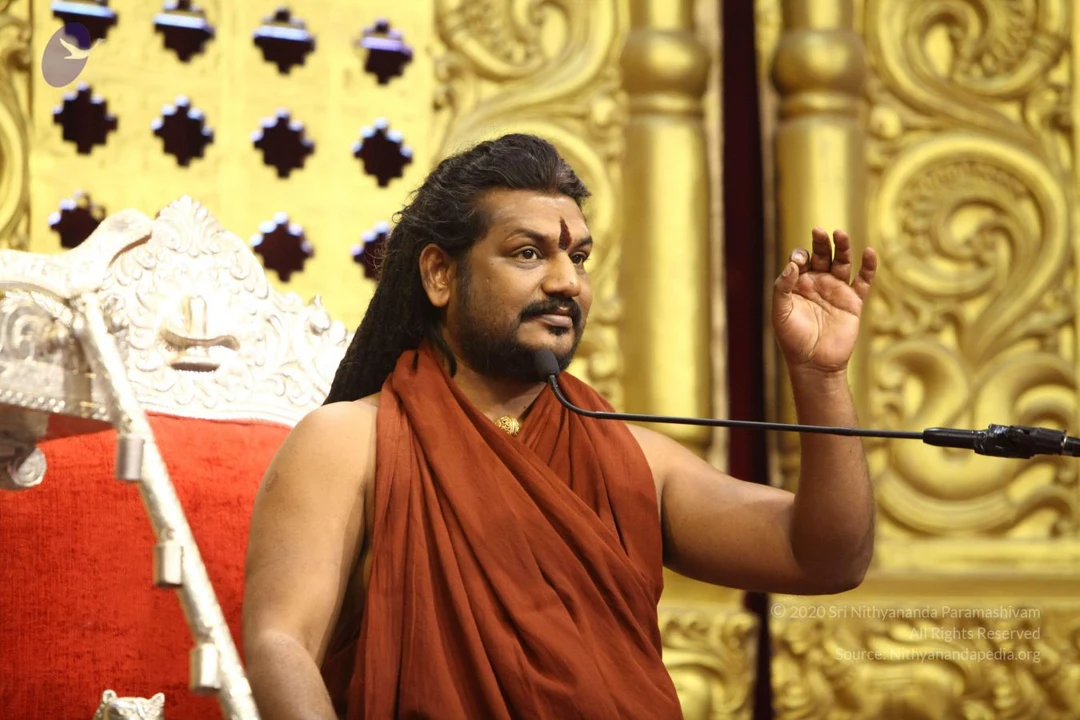
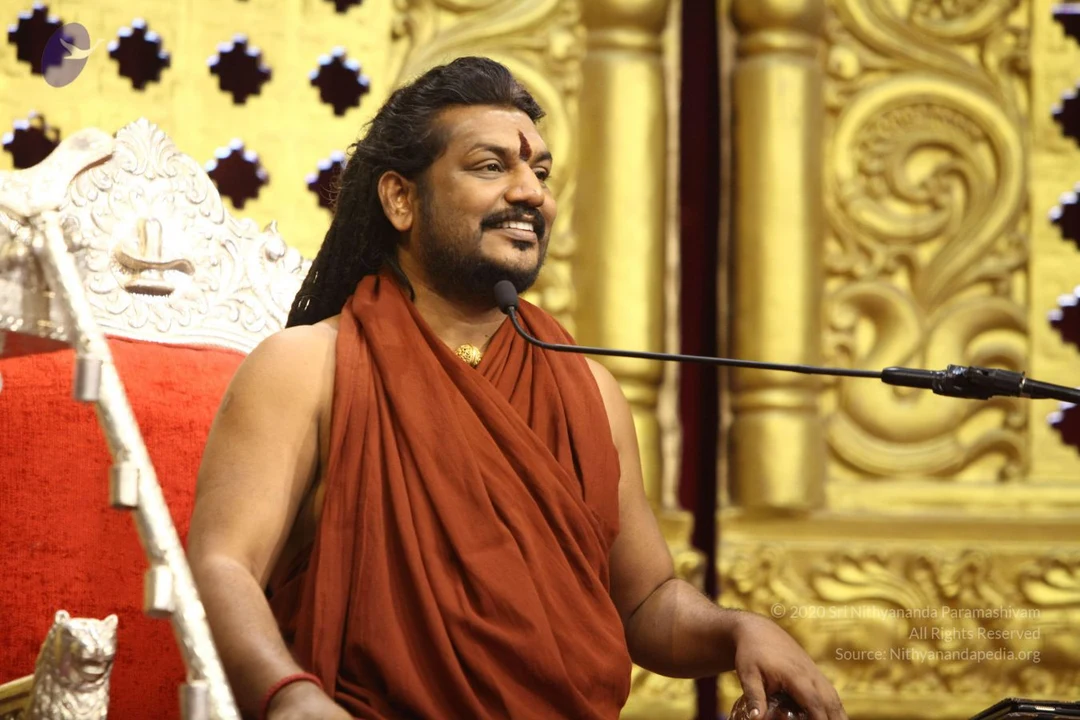
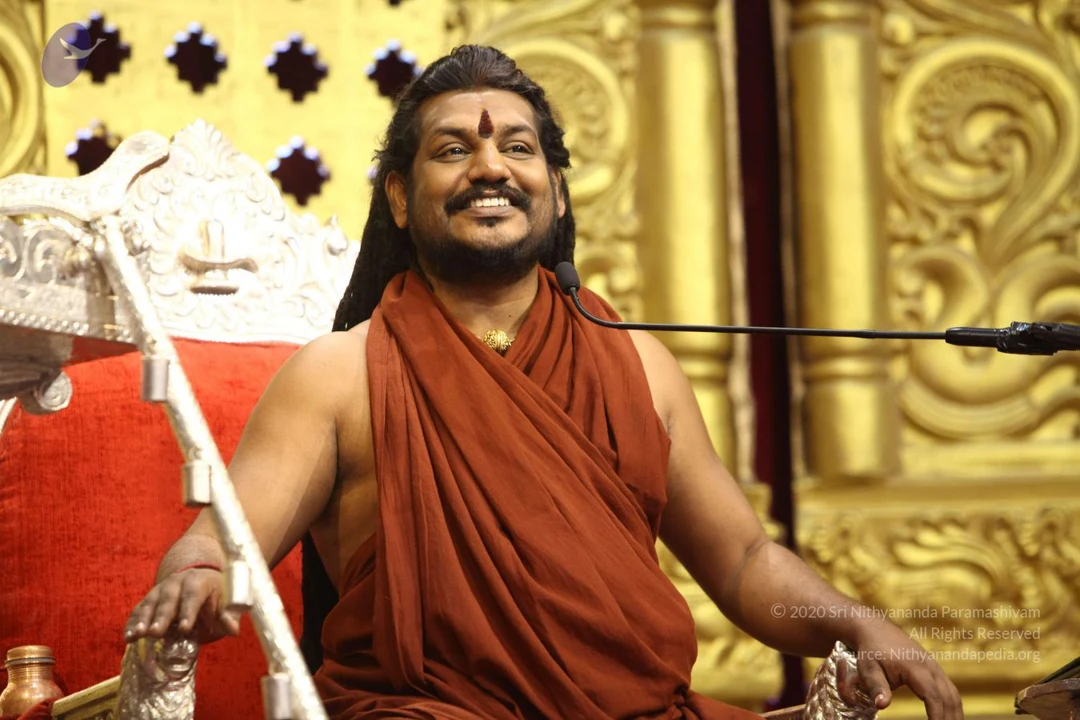
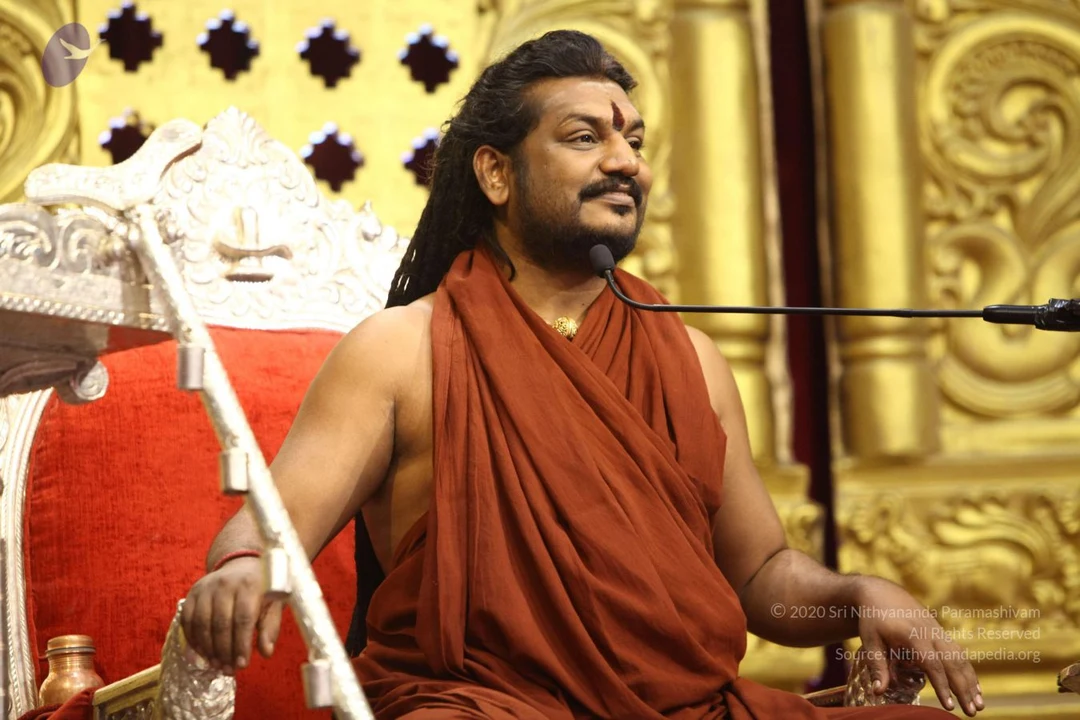
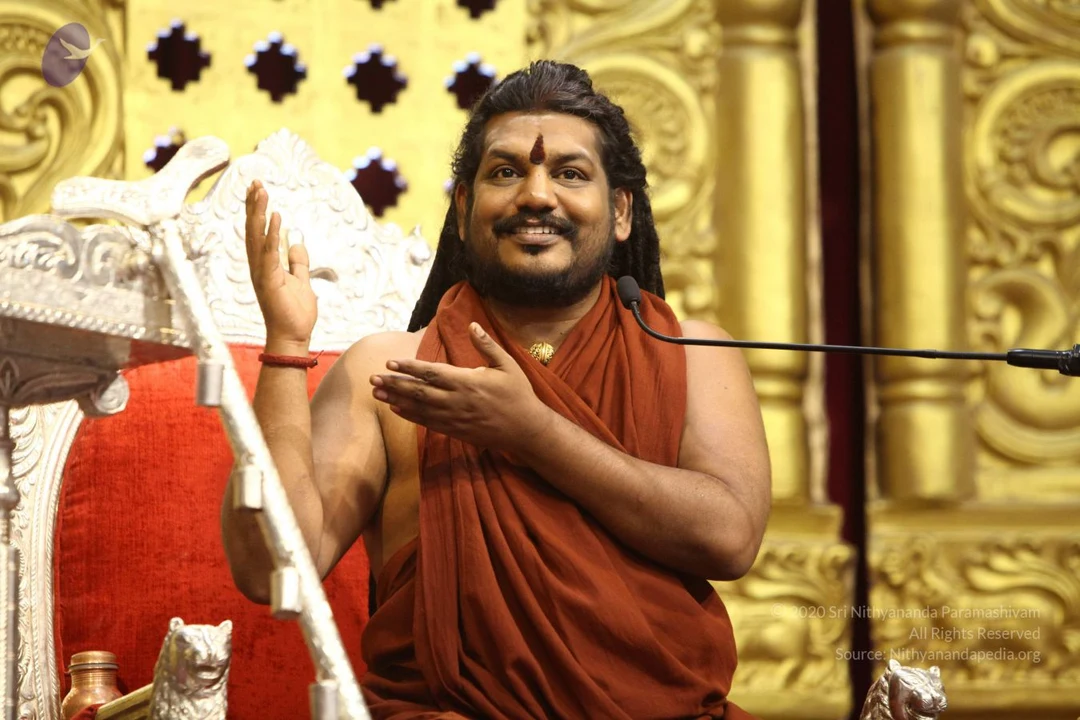
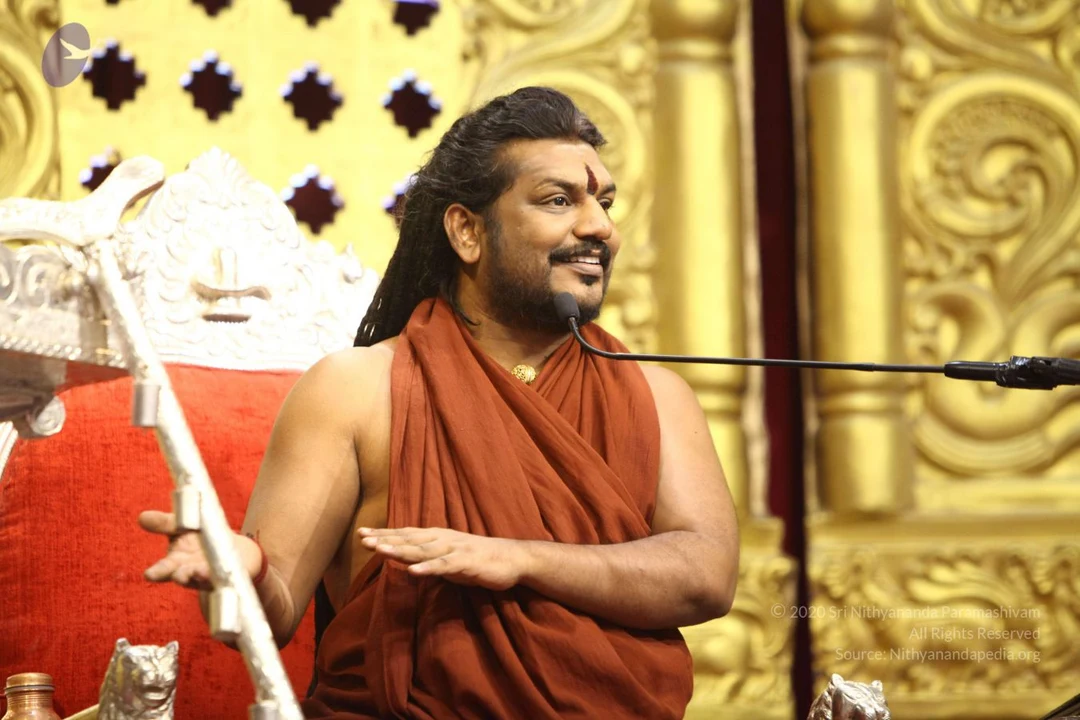
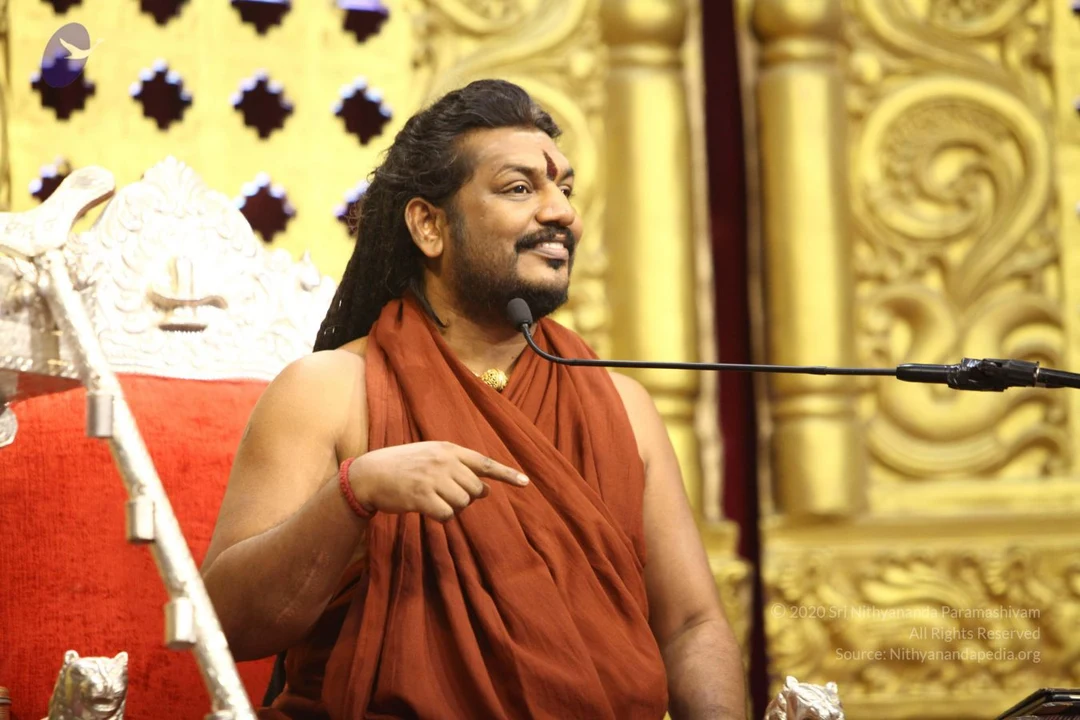
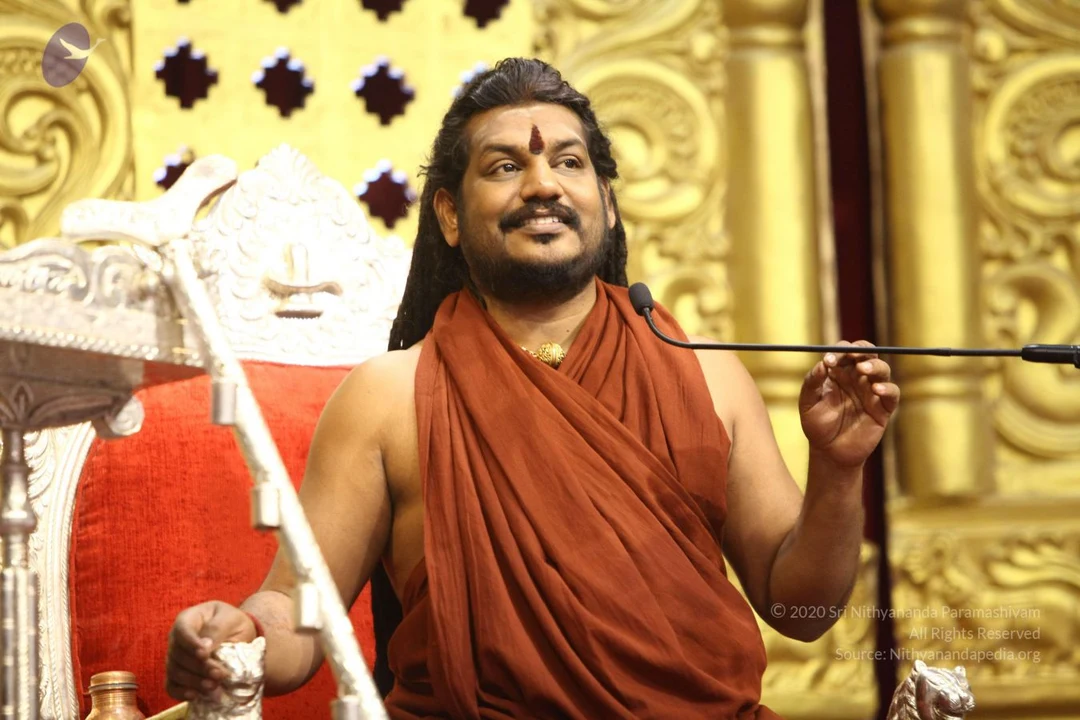
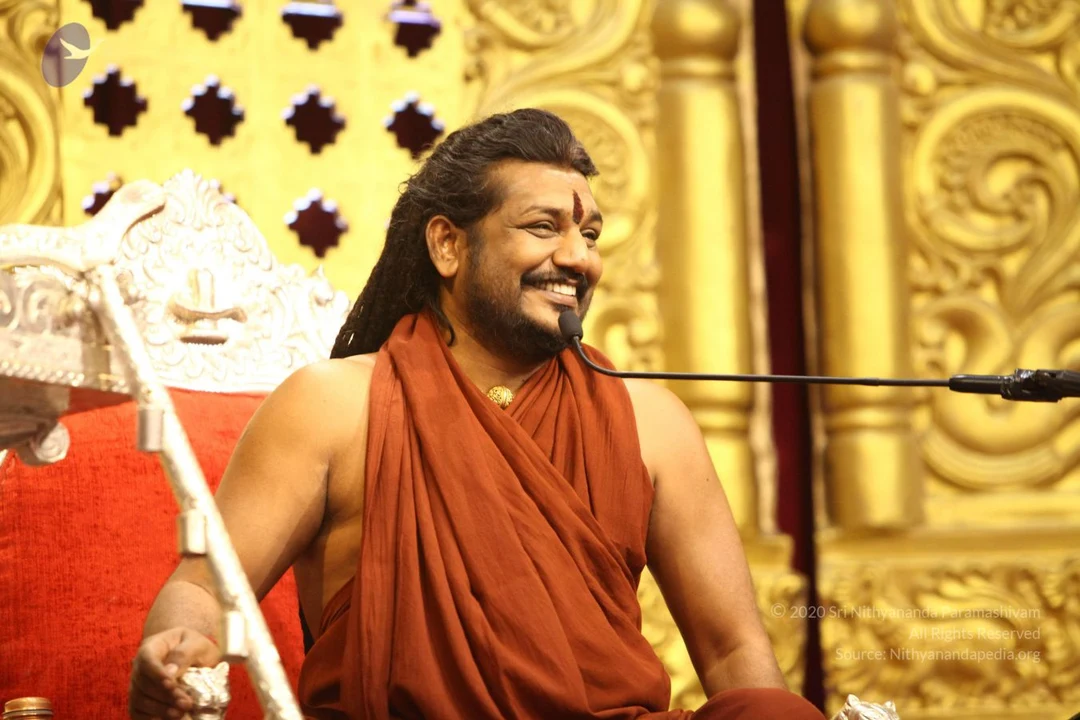
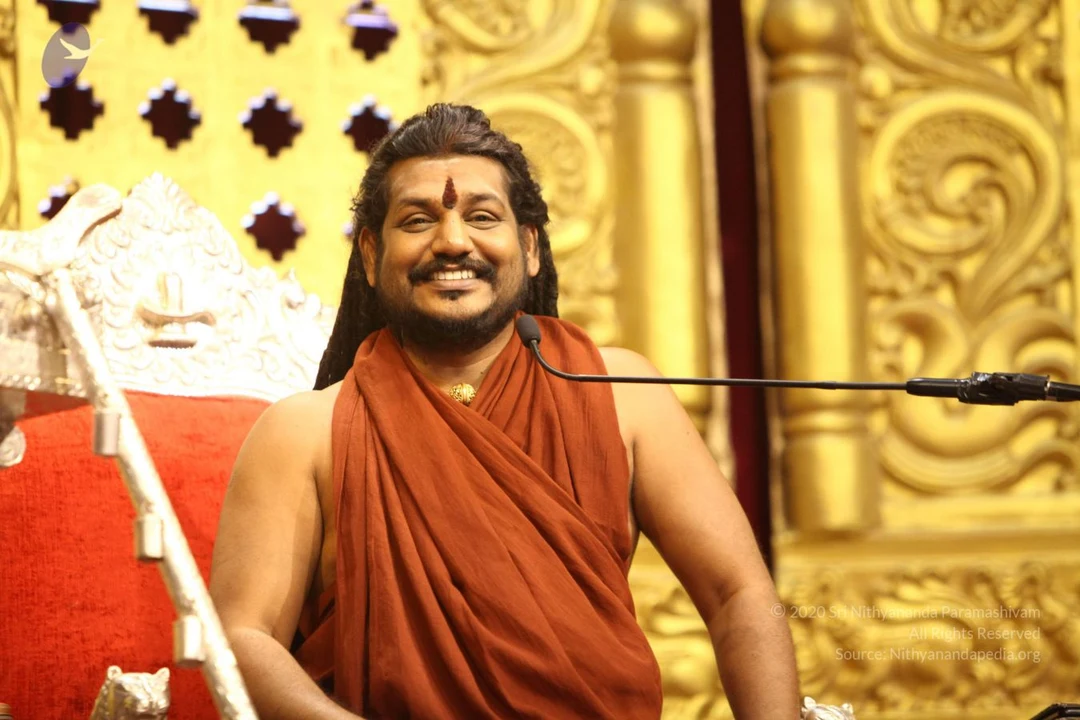
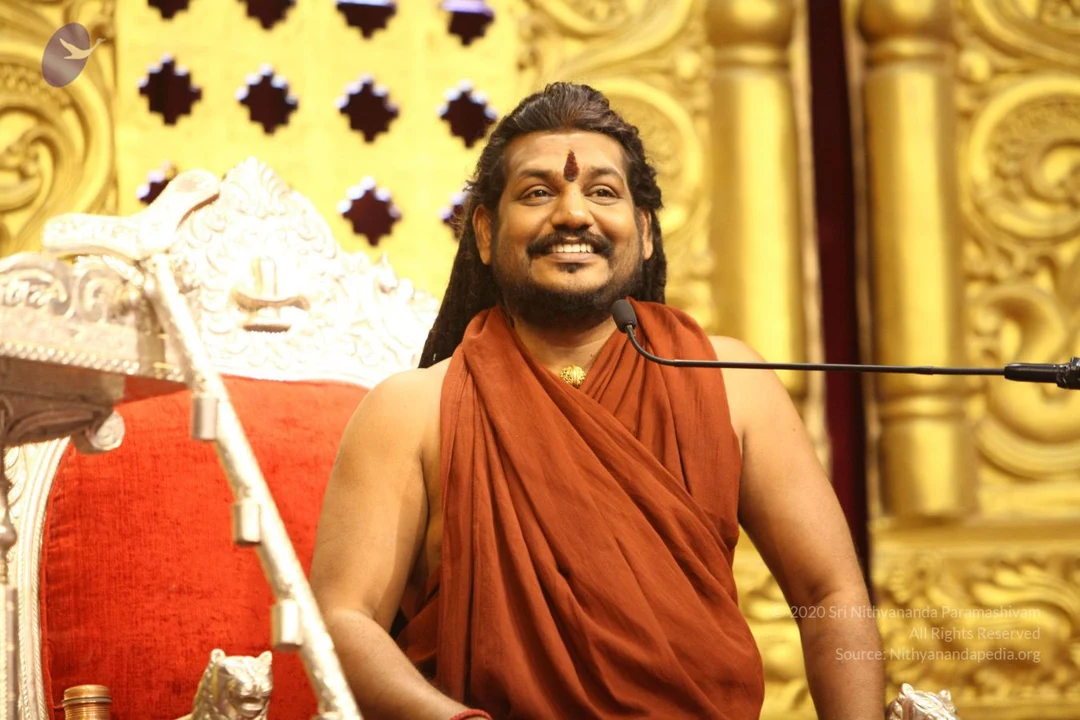
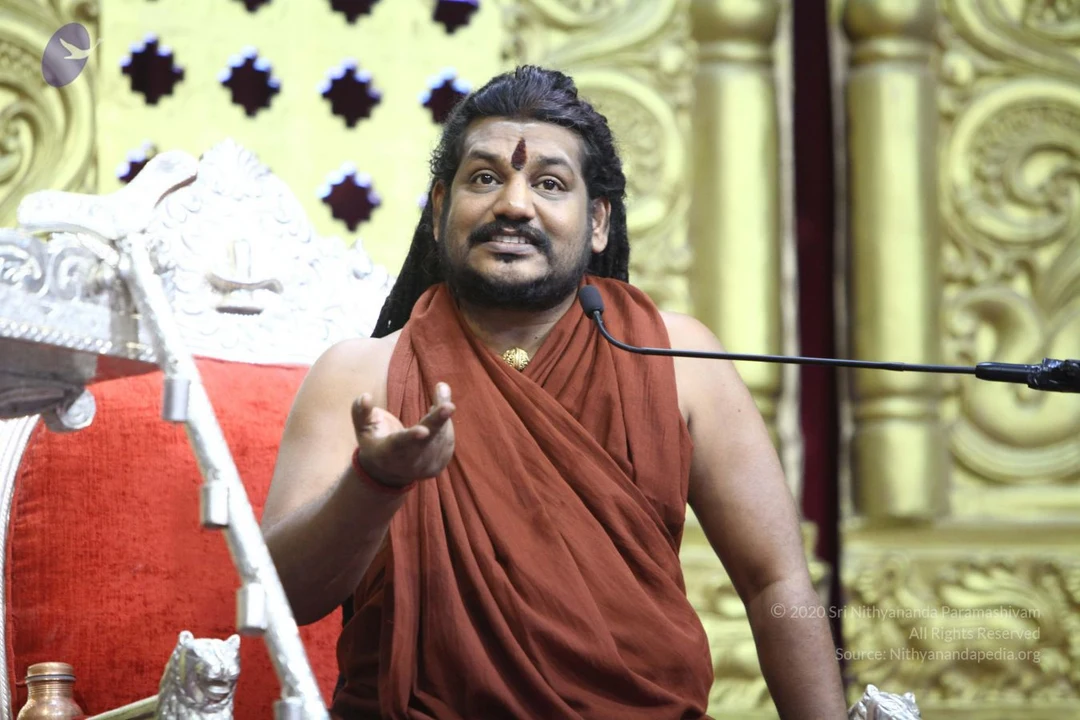
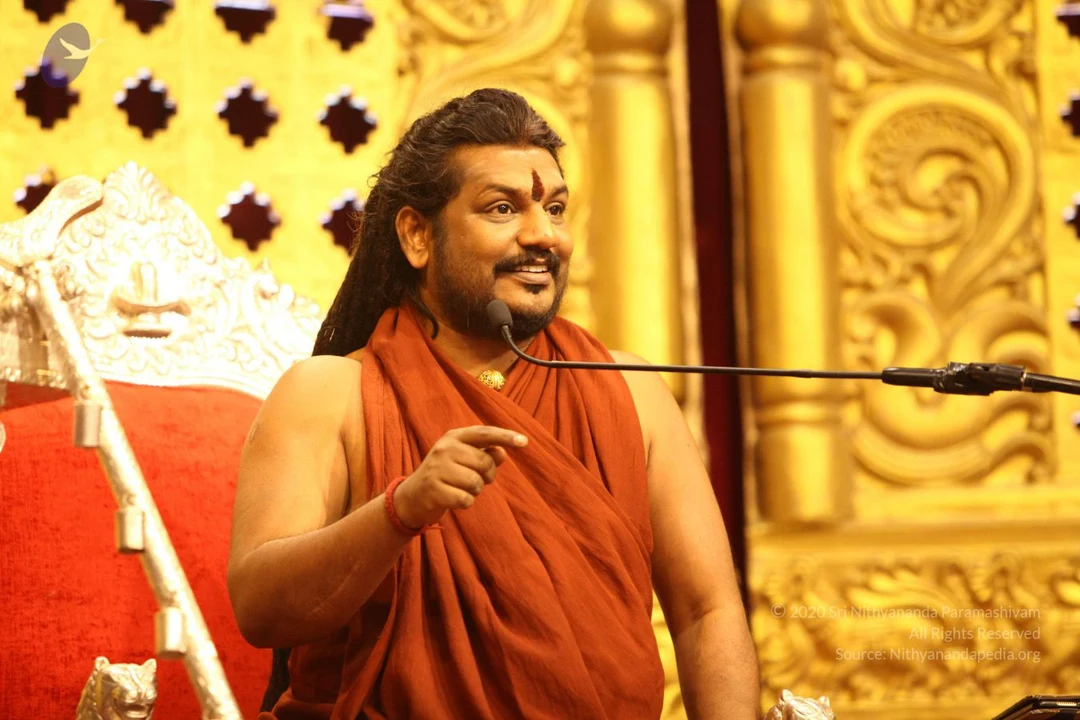
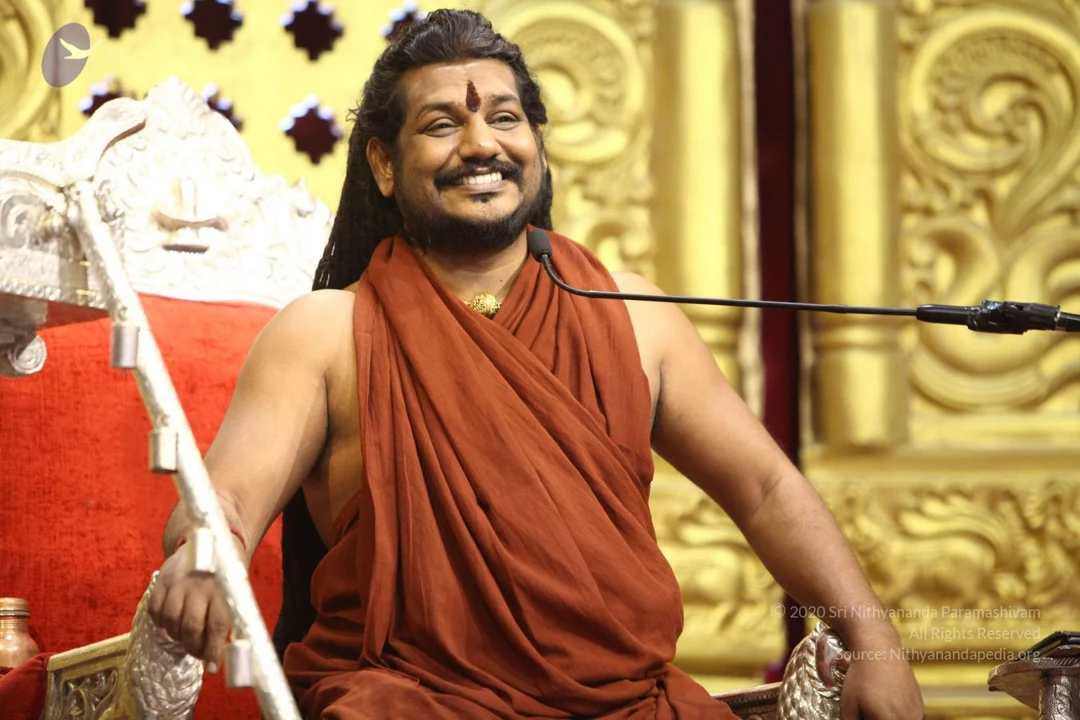
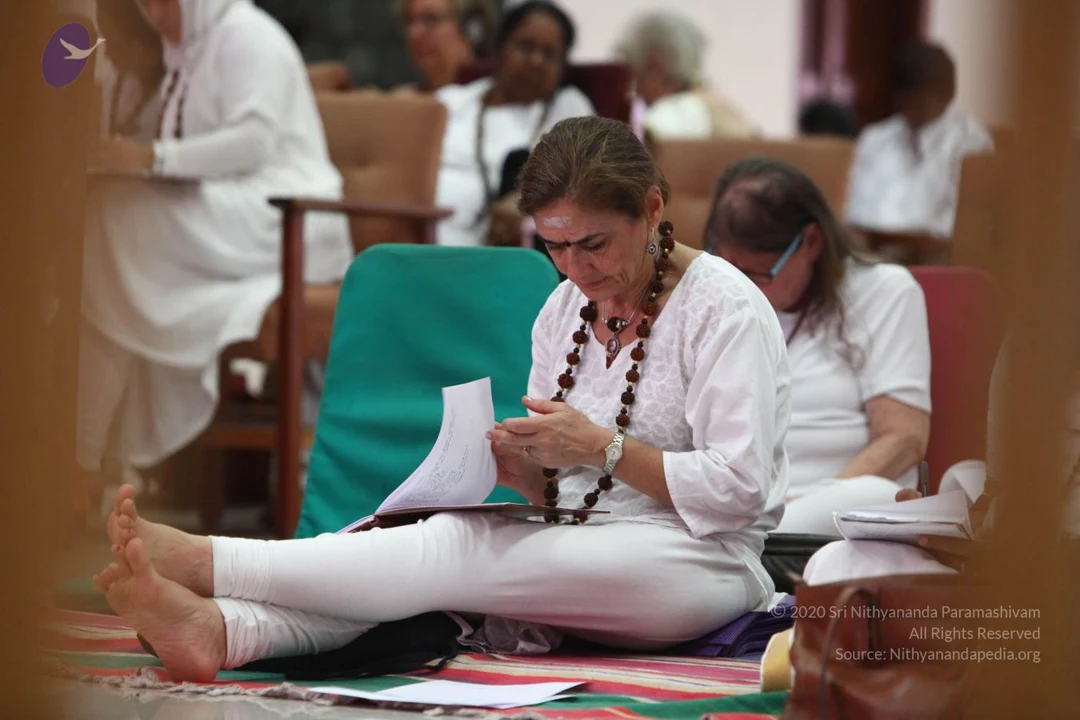
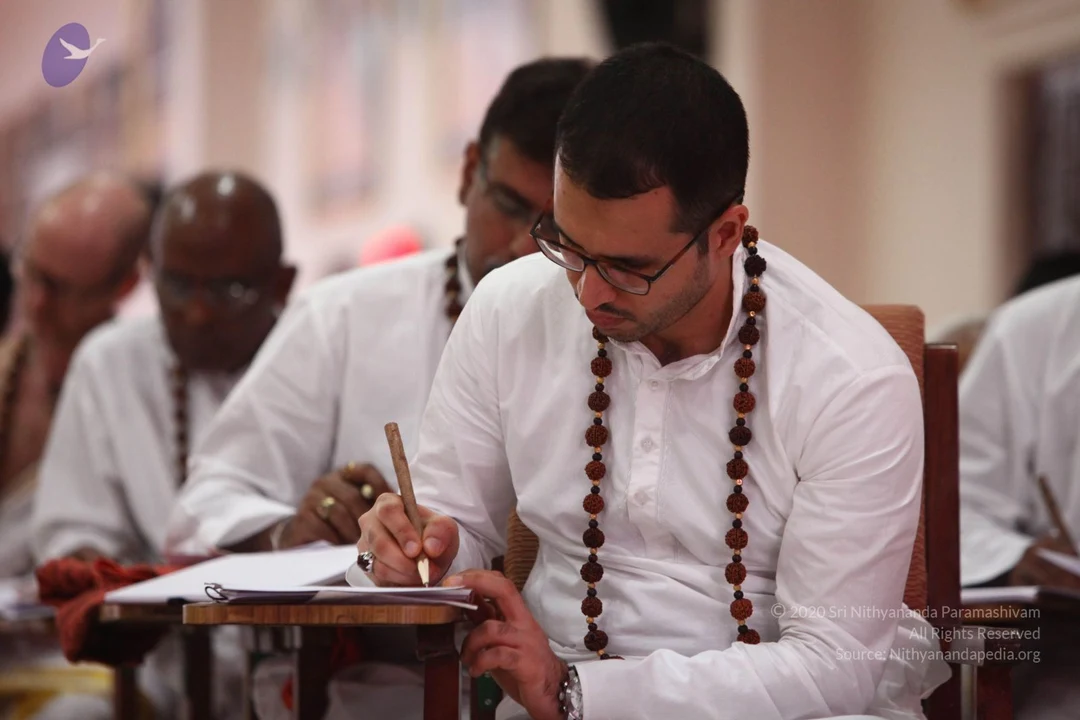
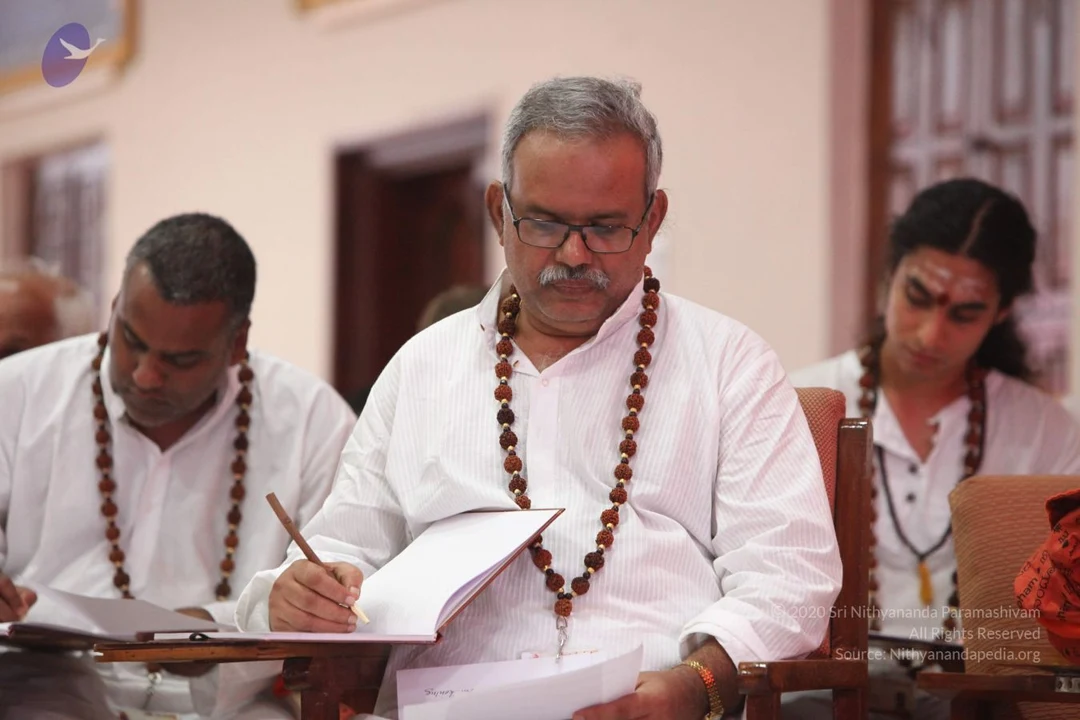
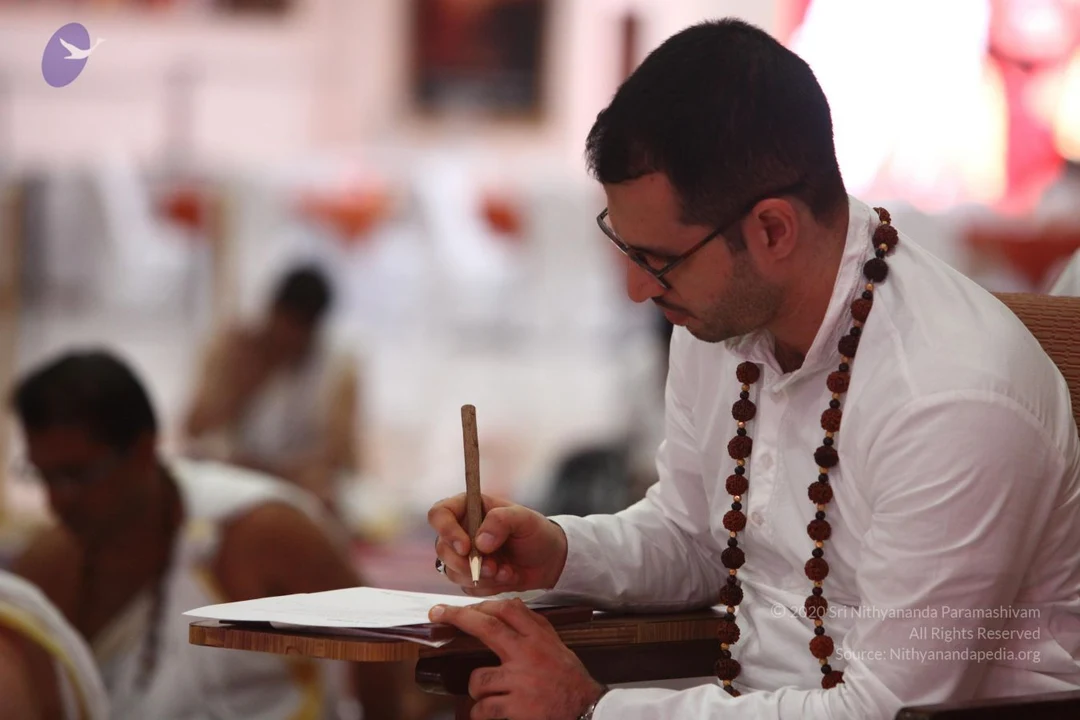
IA-Darshan

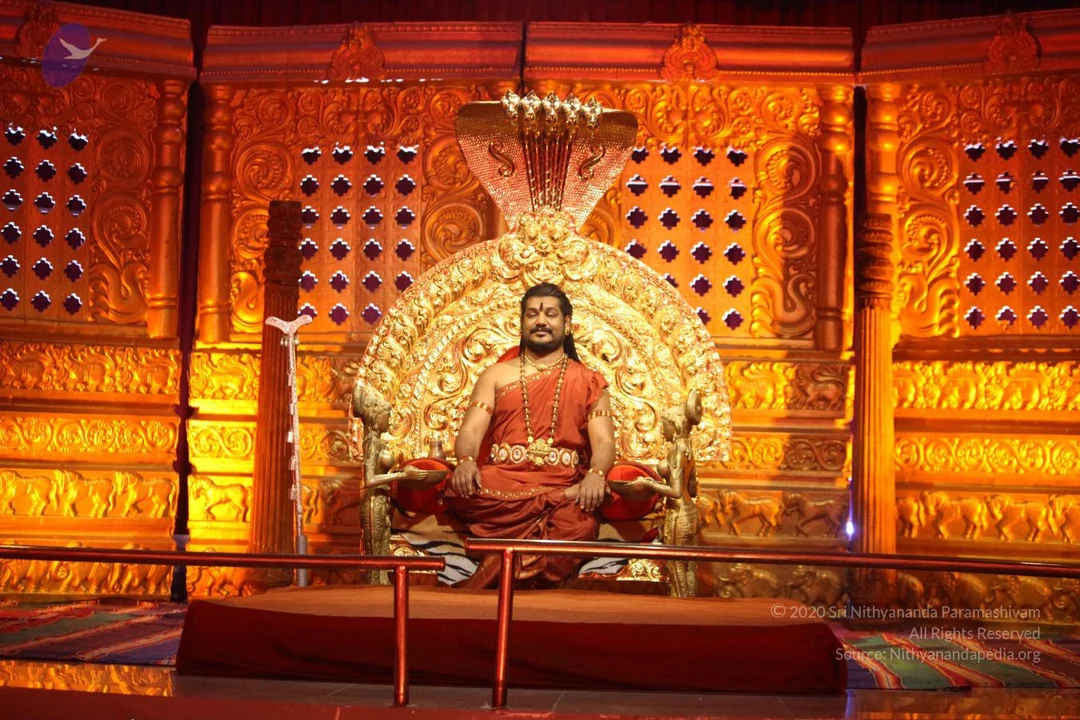
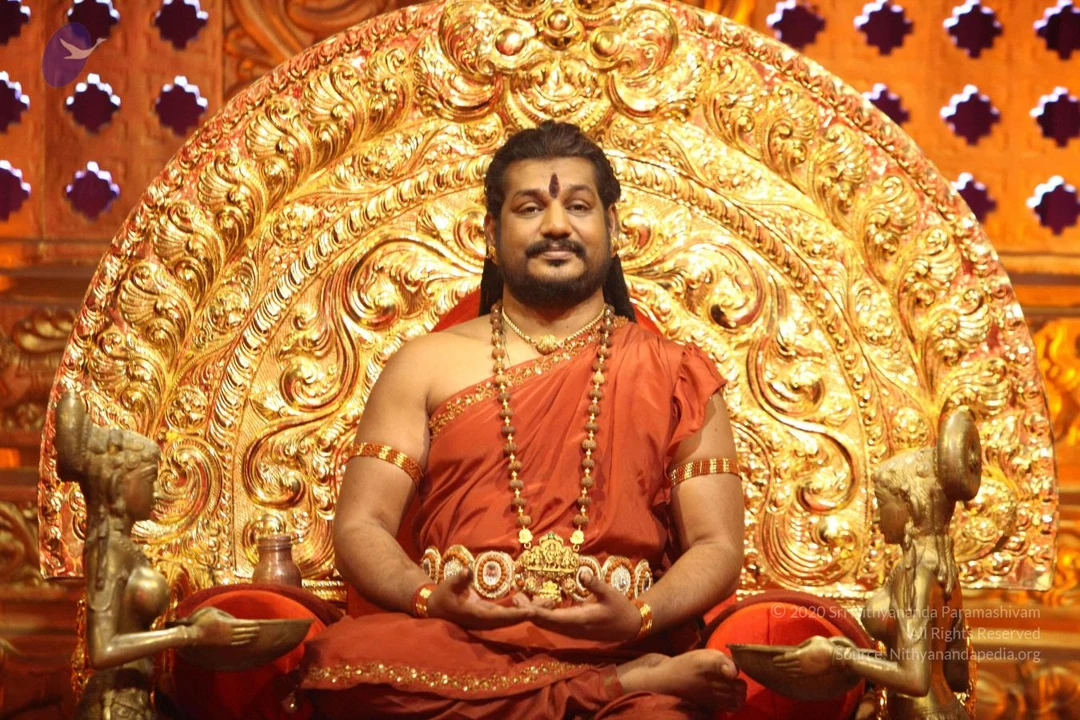
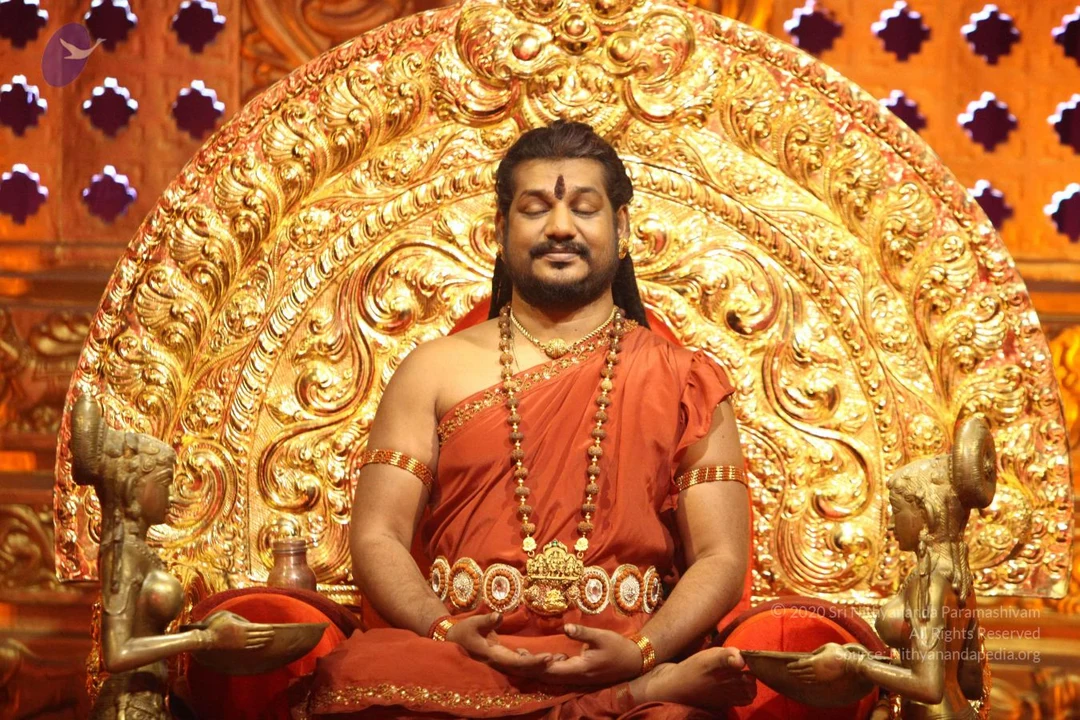
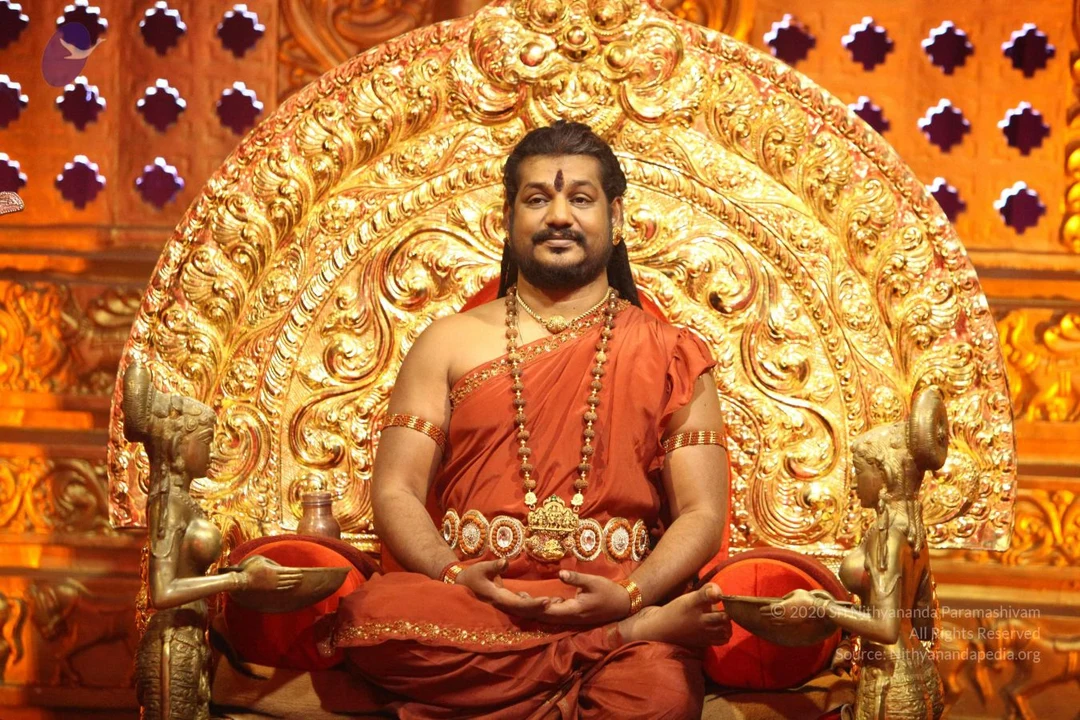


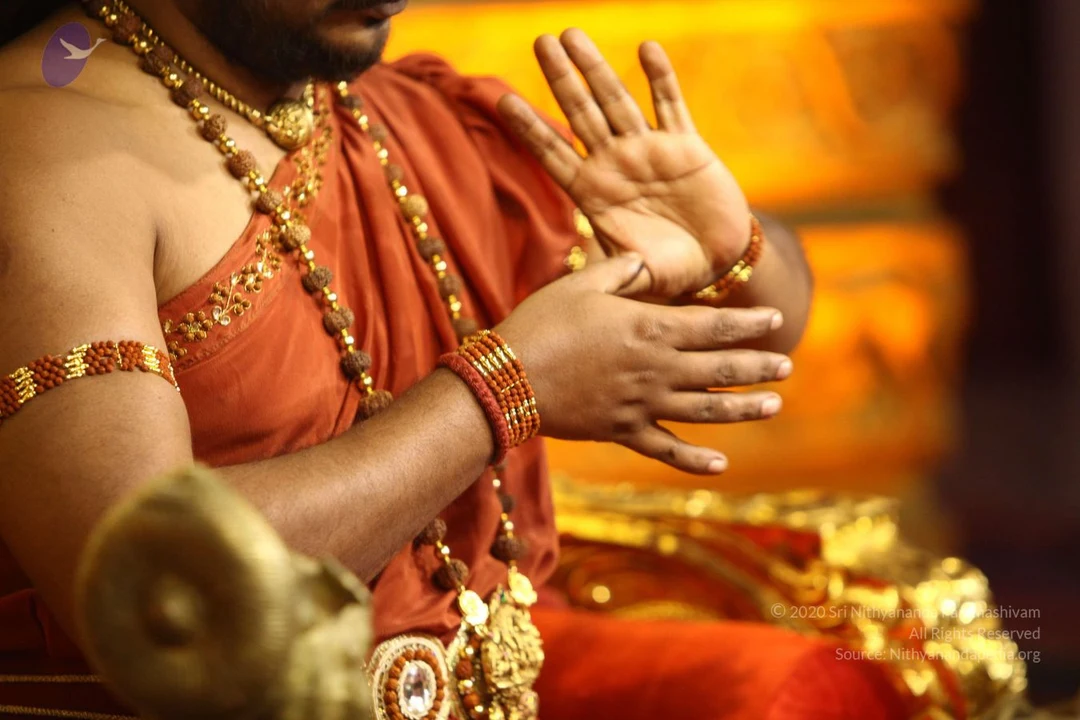

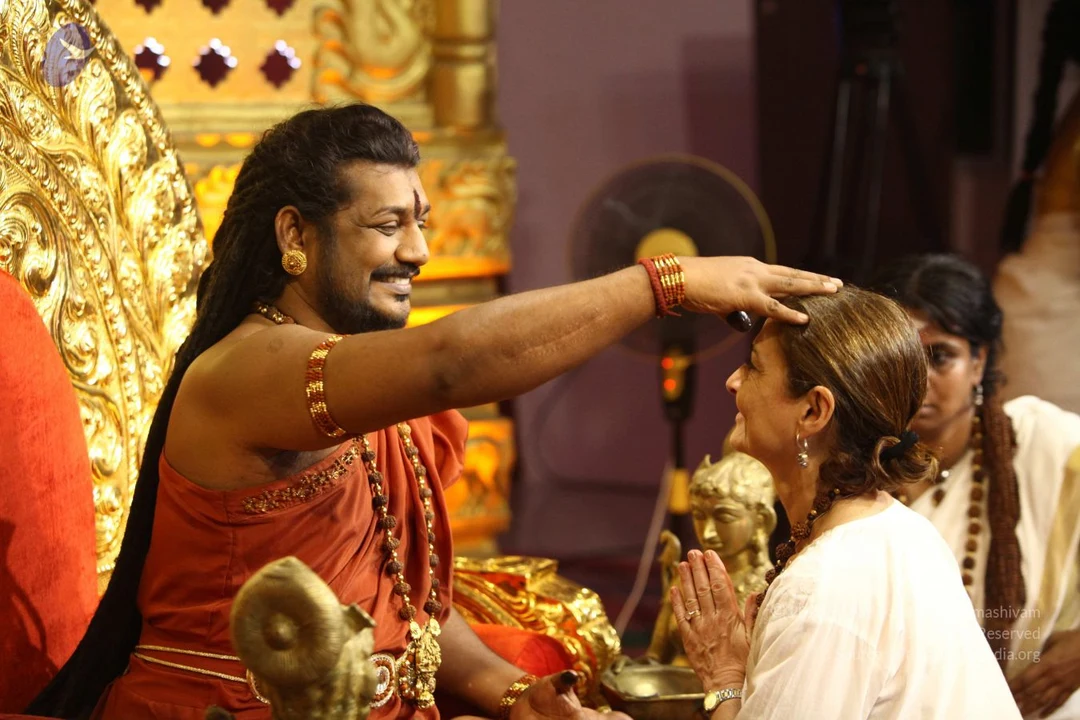
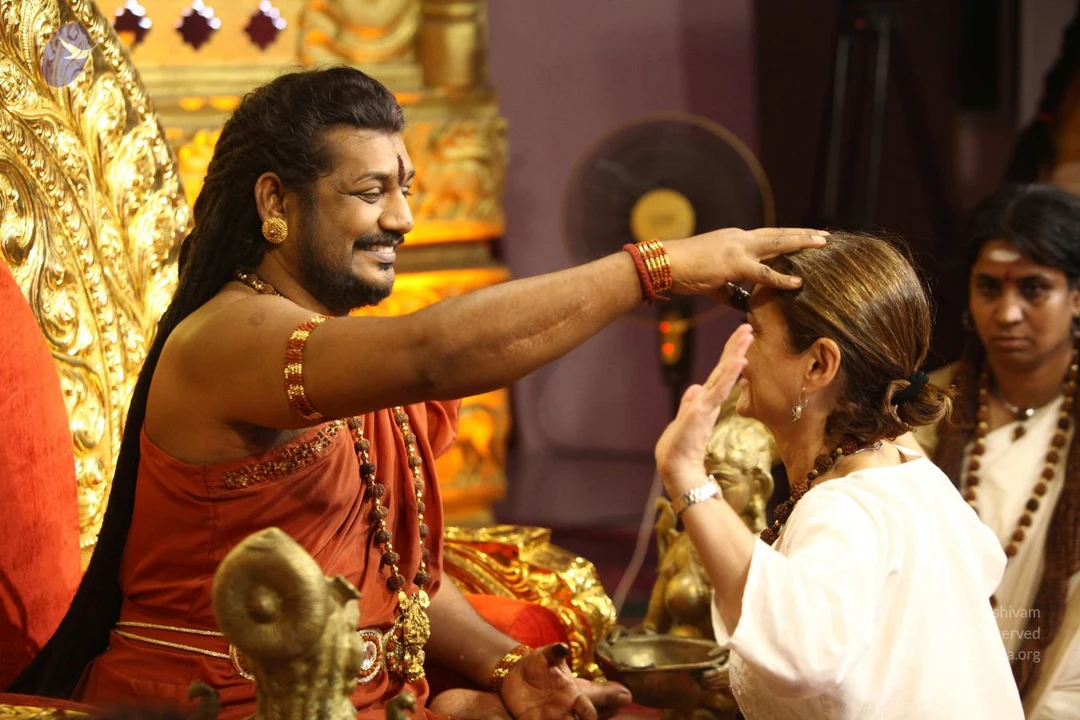
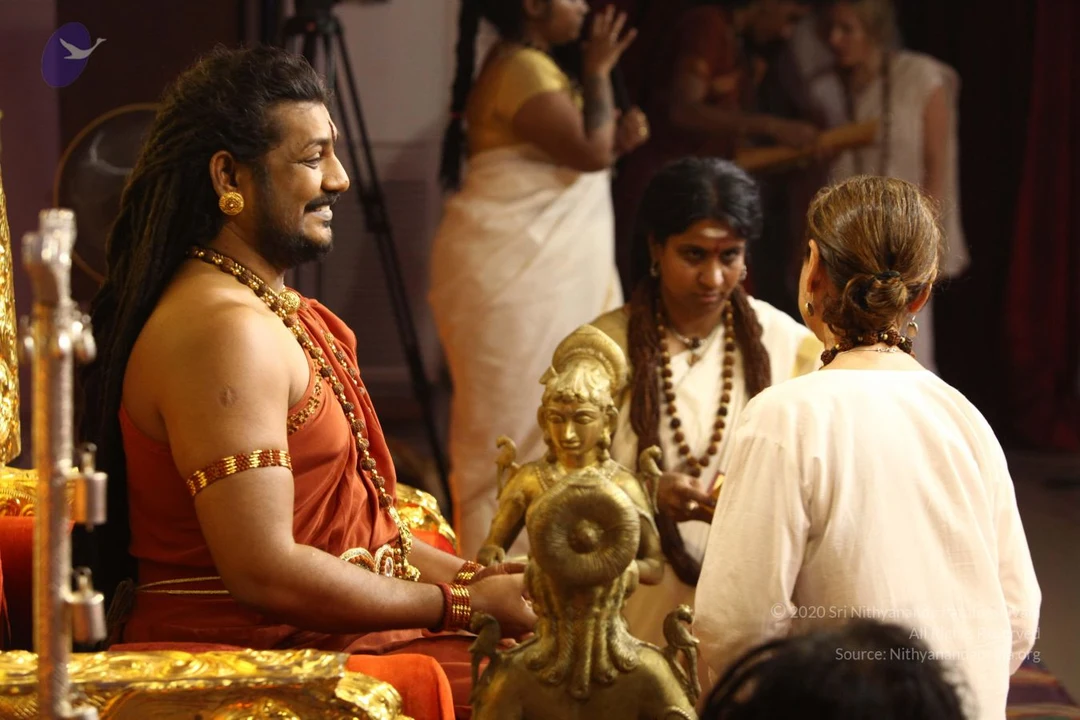
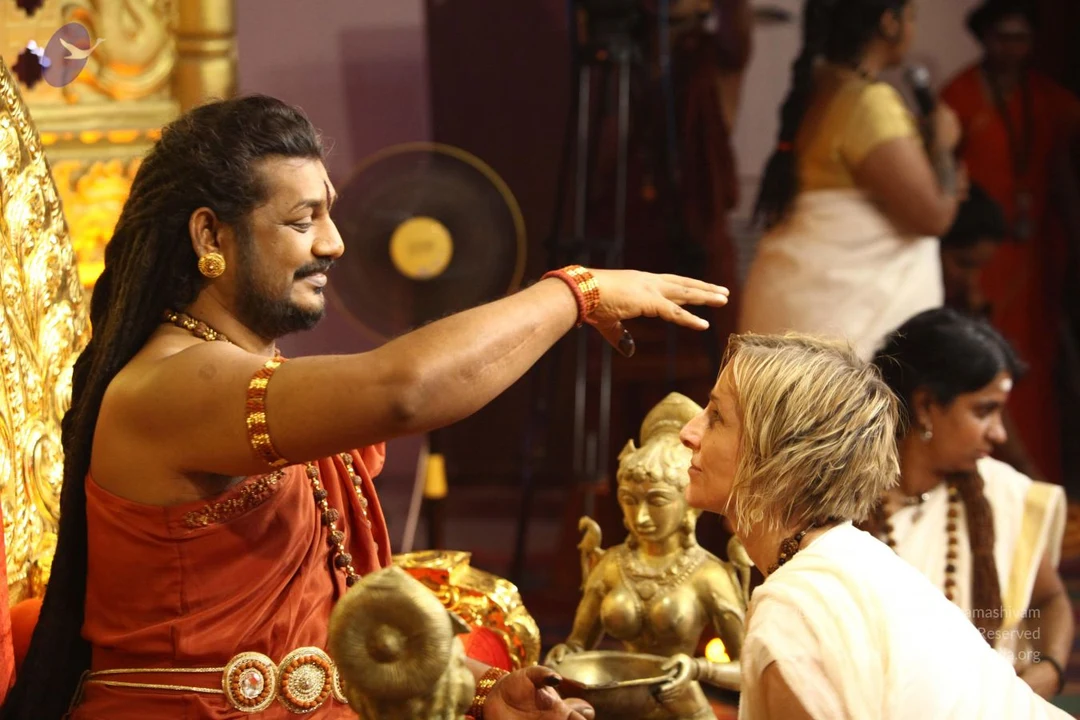

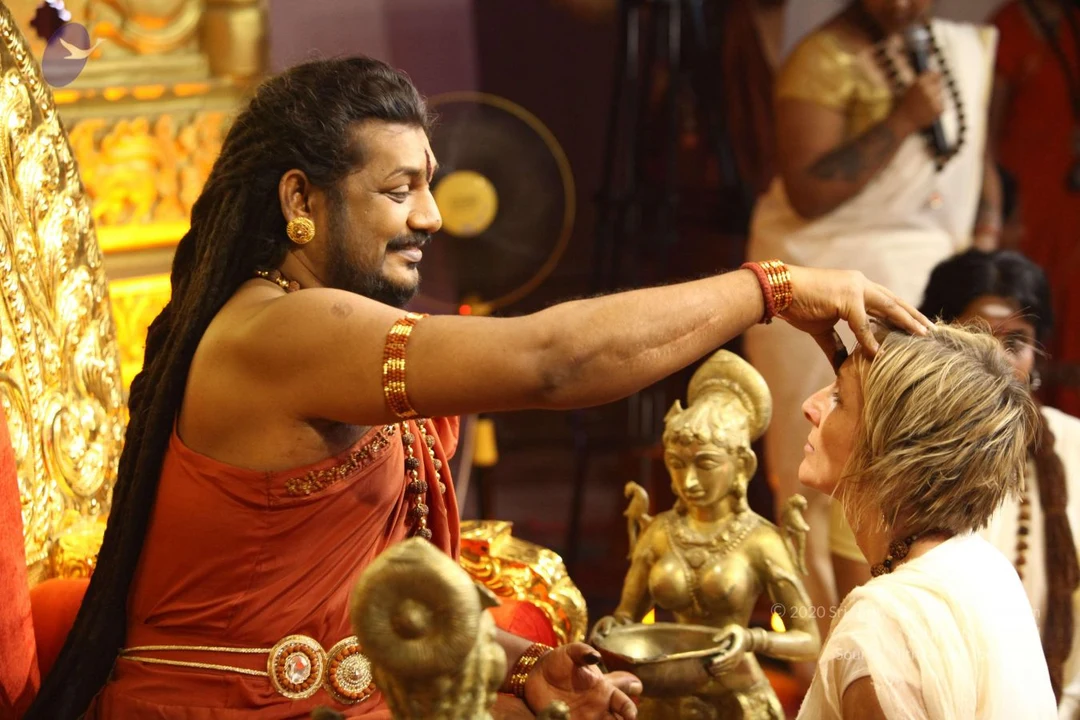
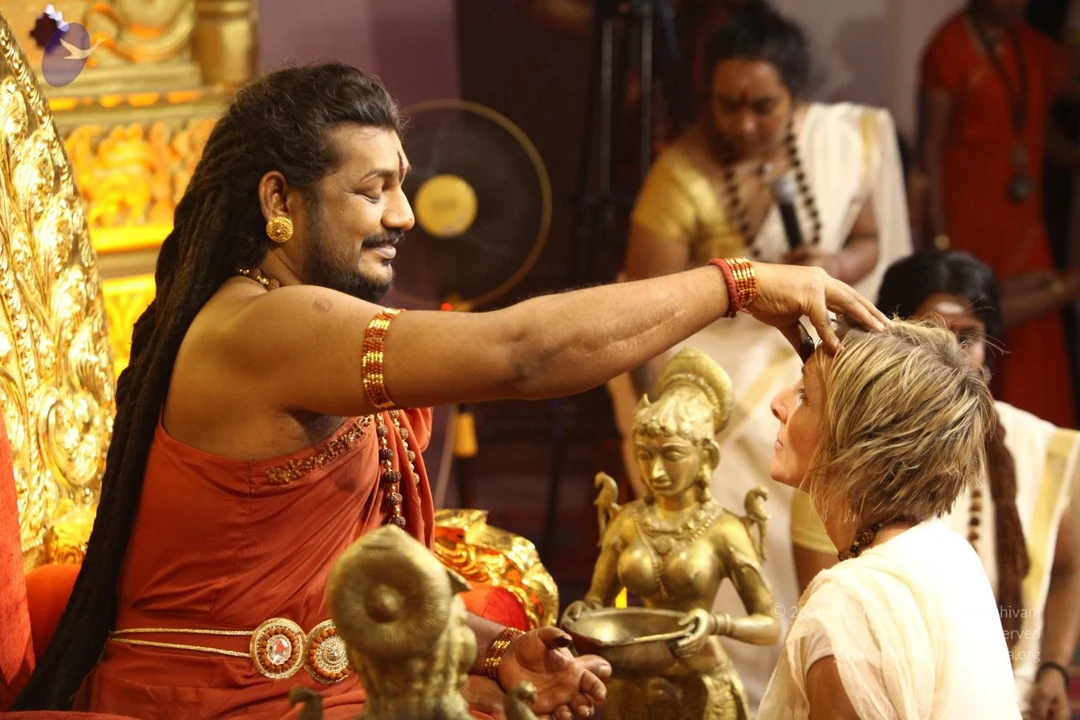
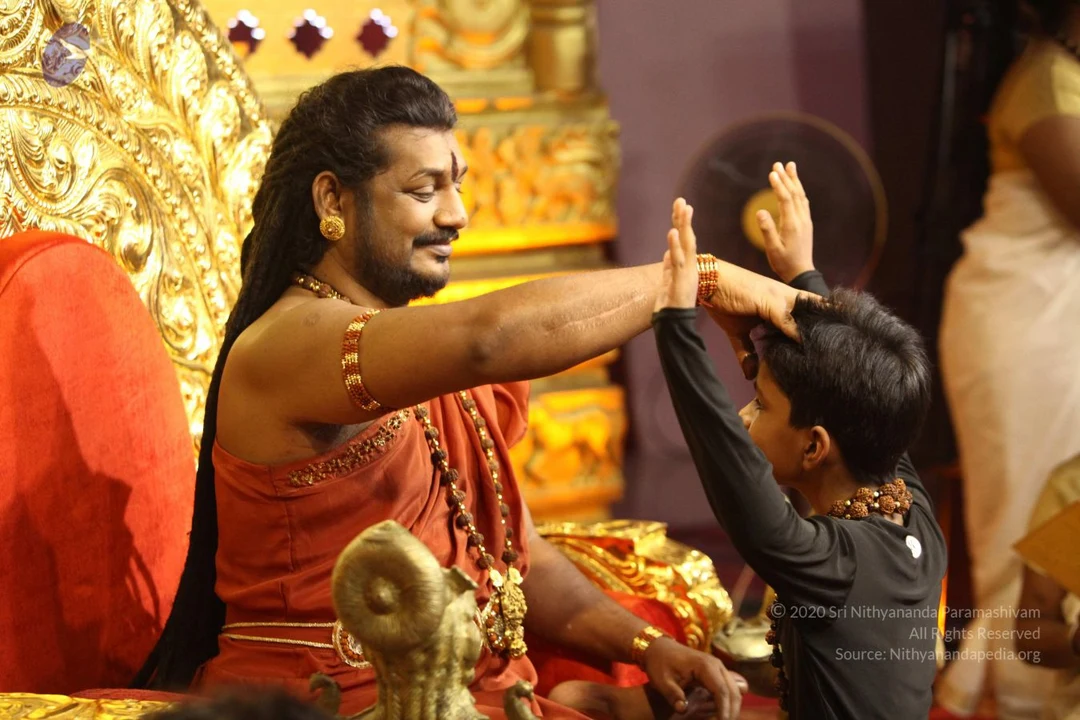
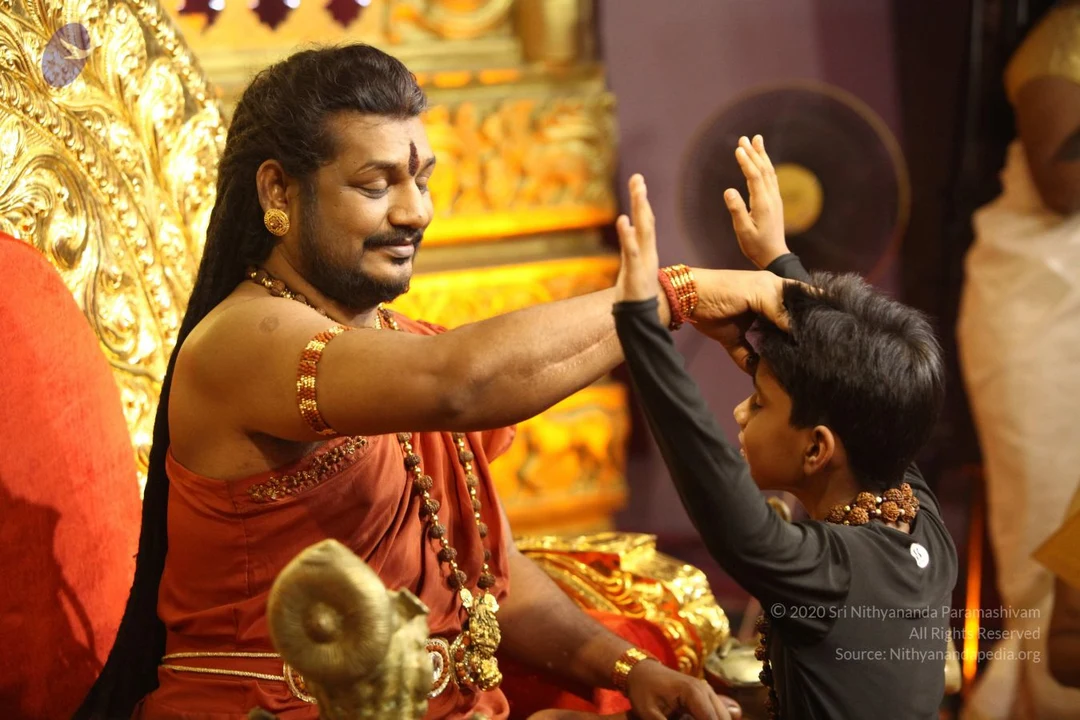
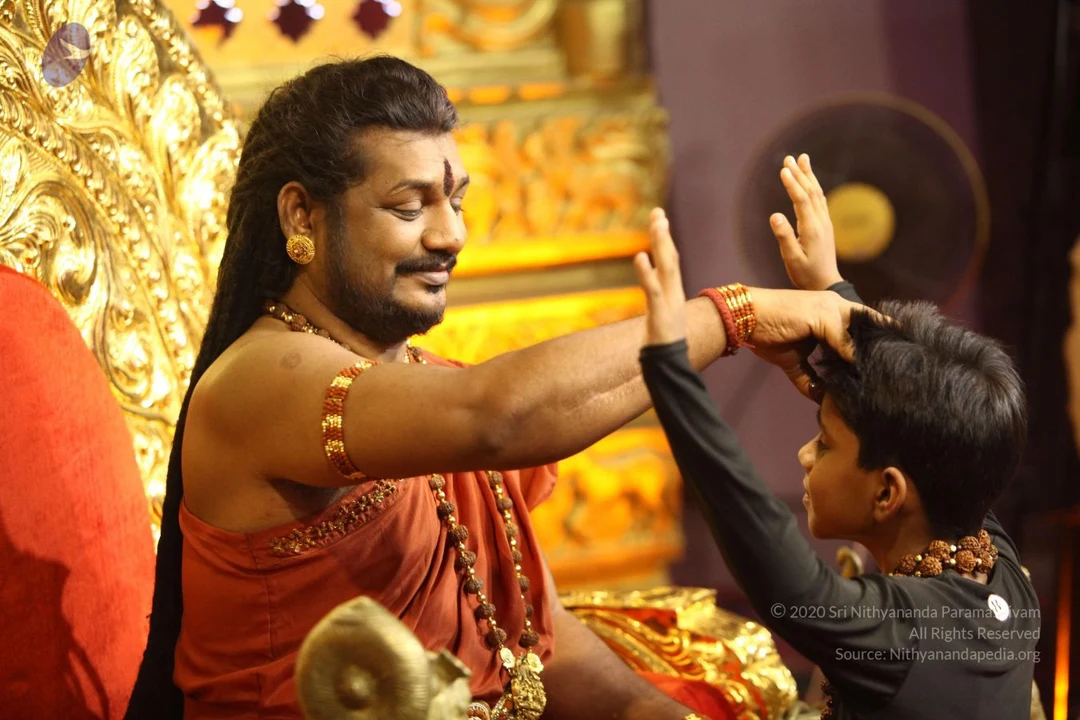
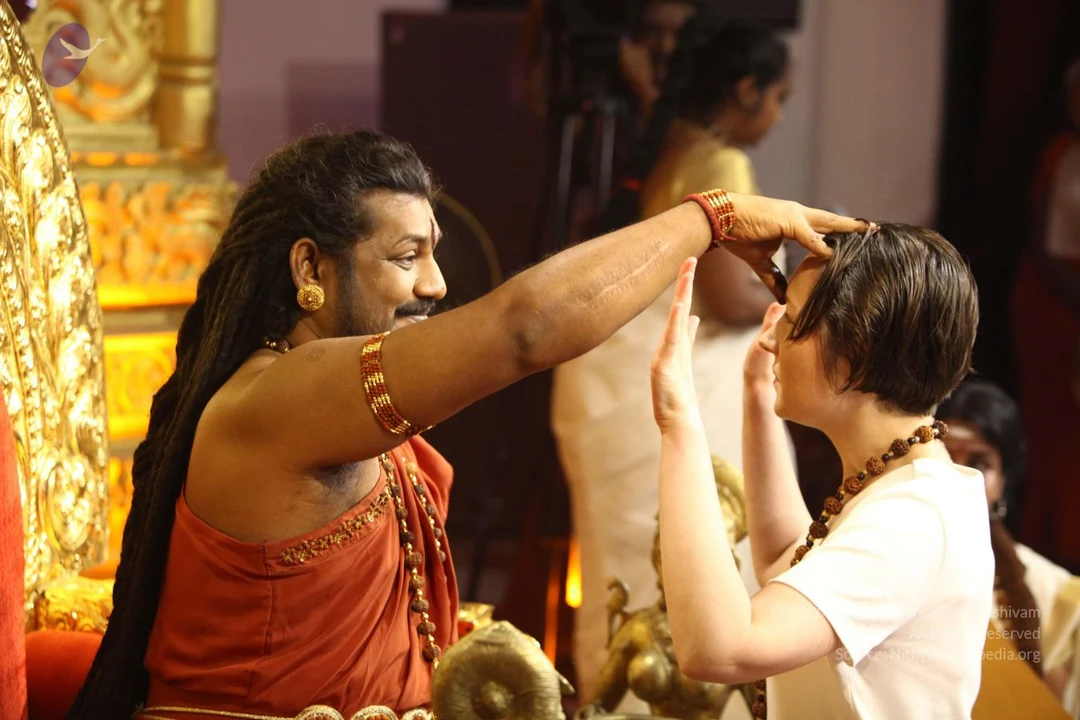
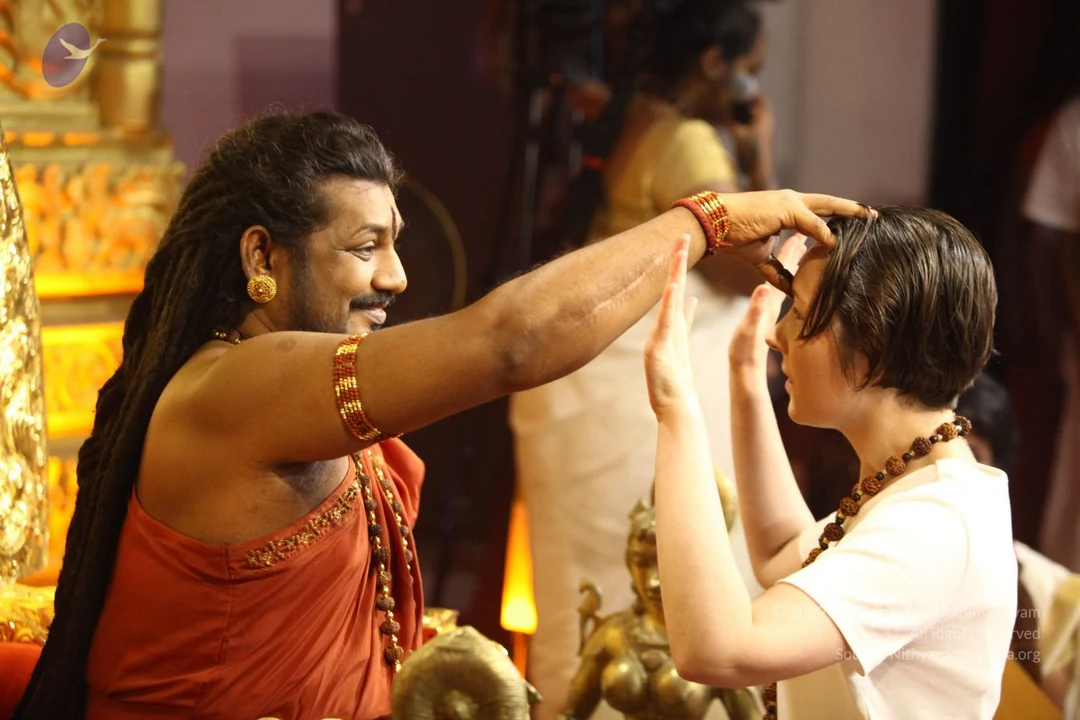
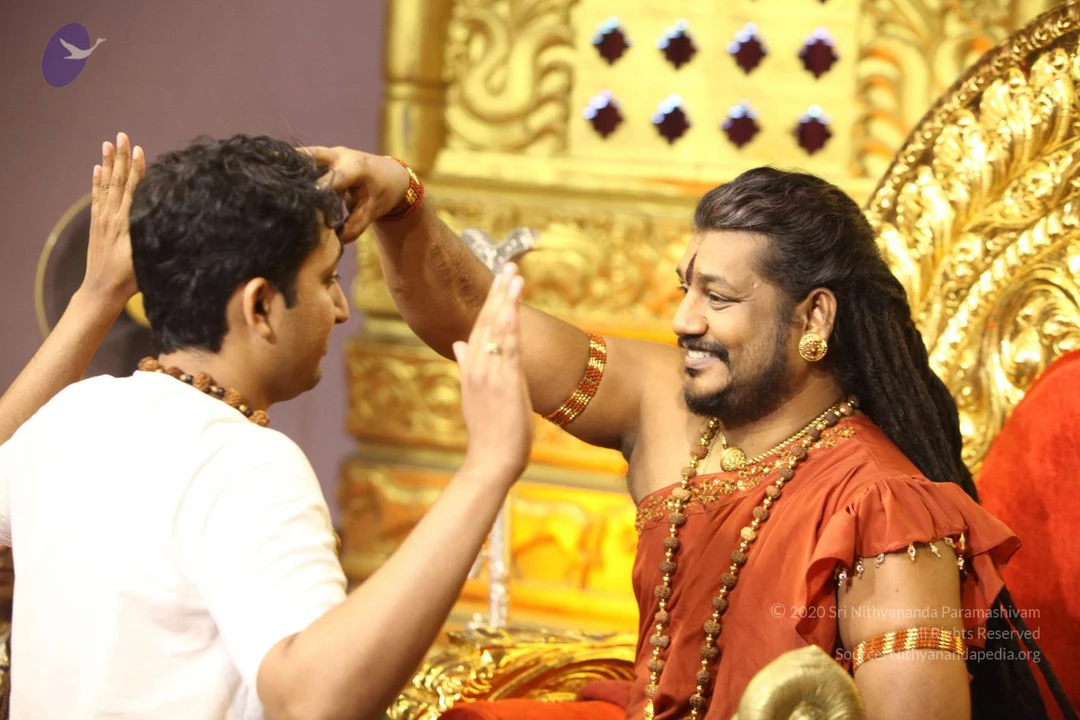
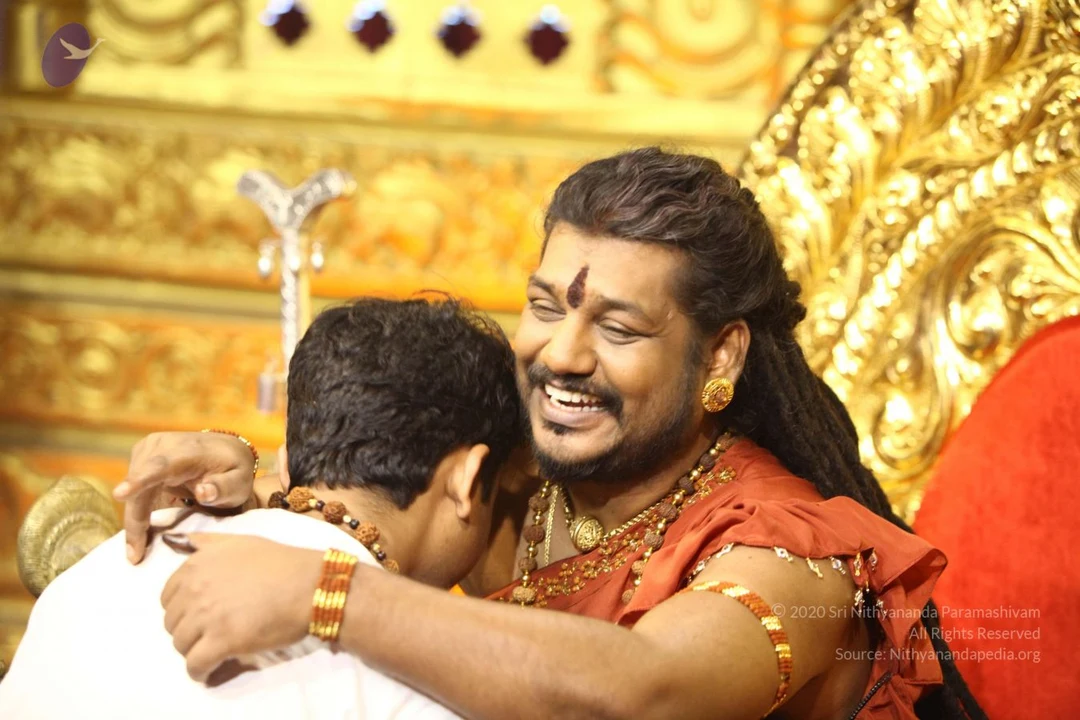
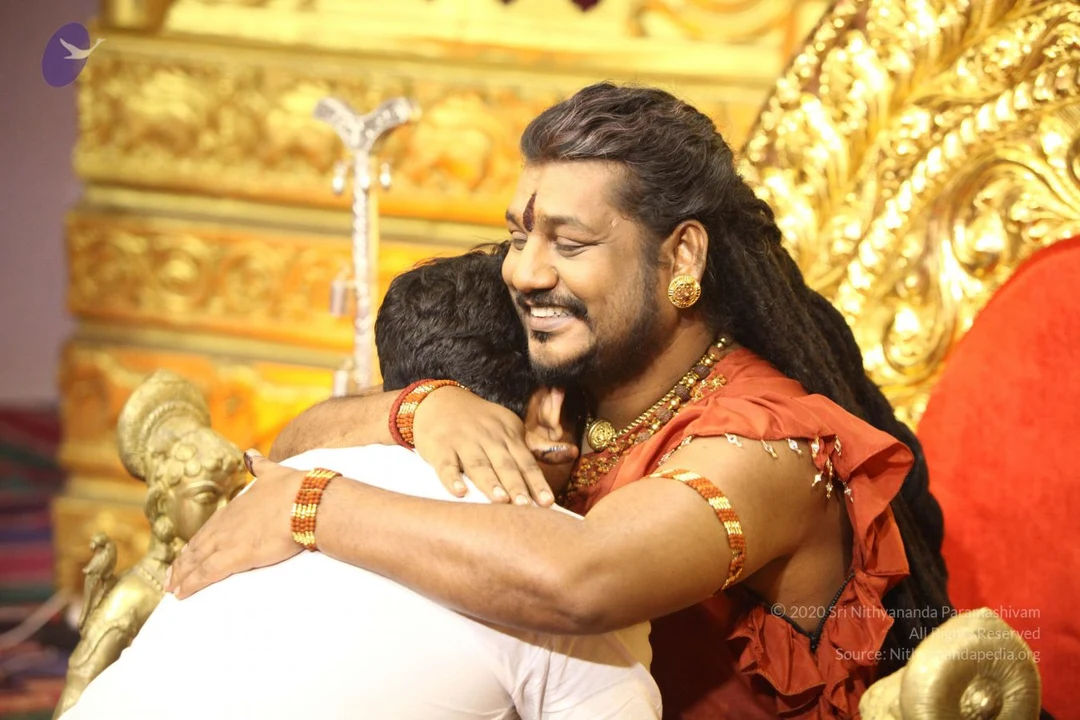

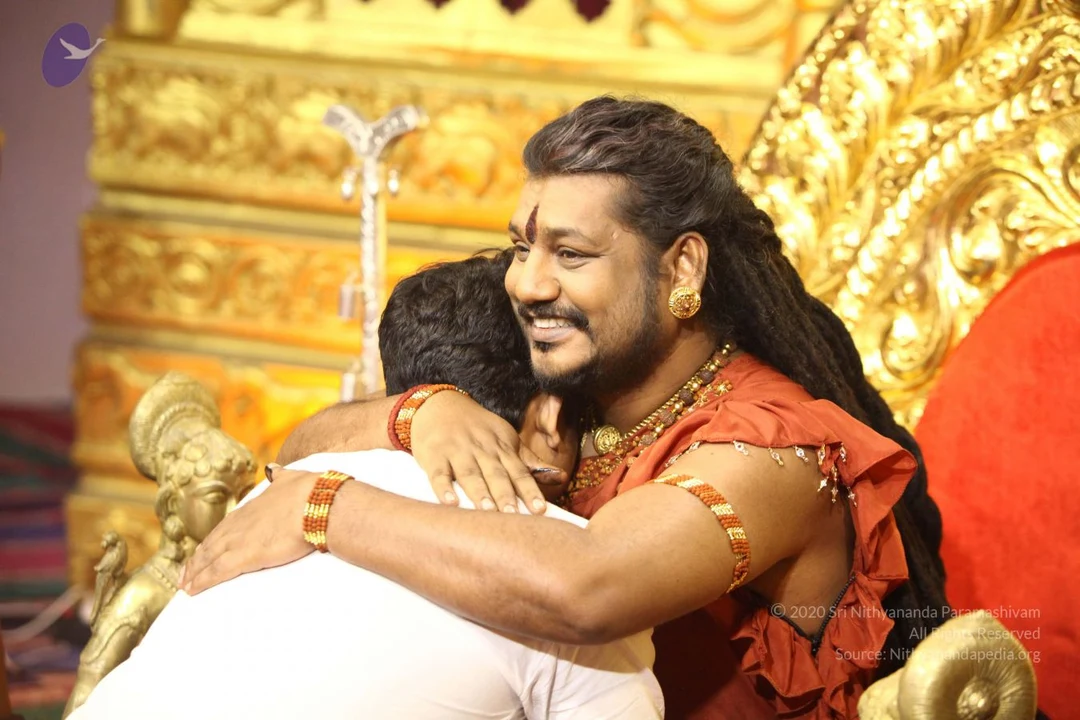
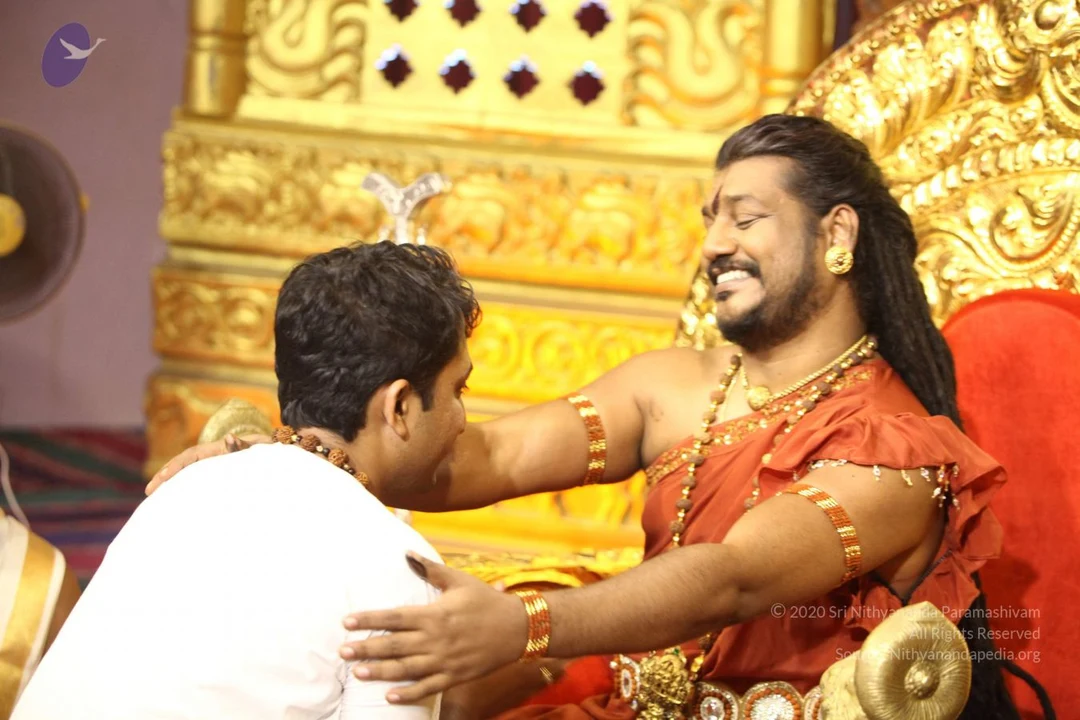
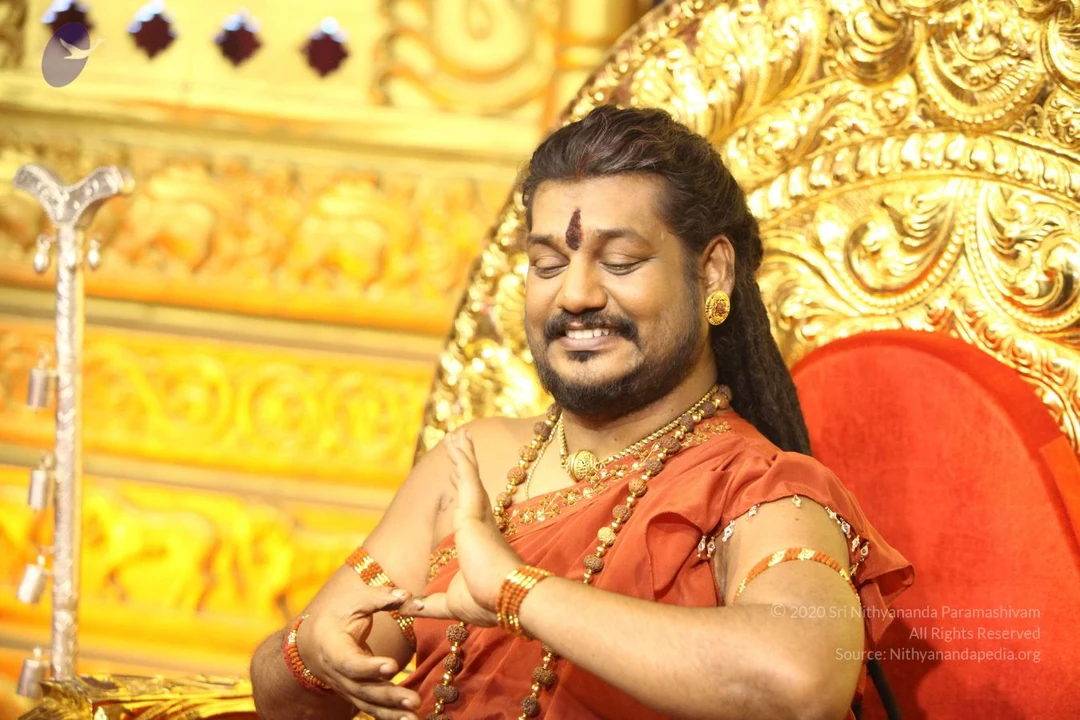
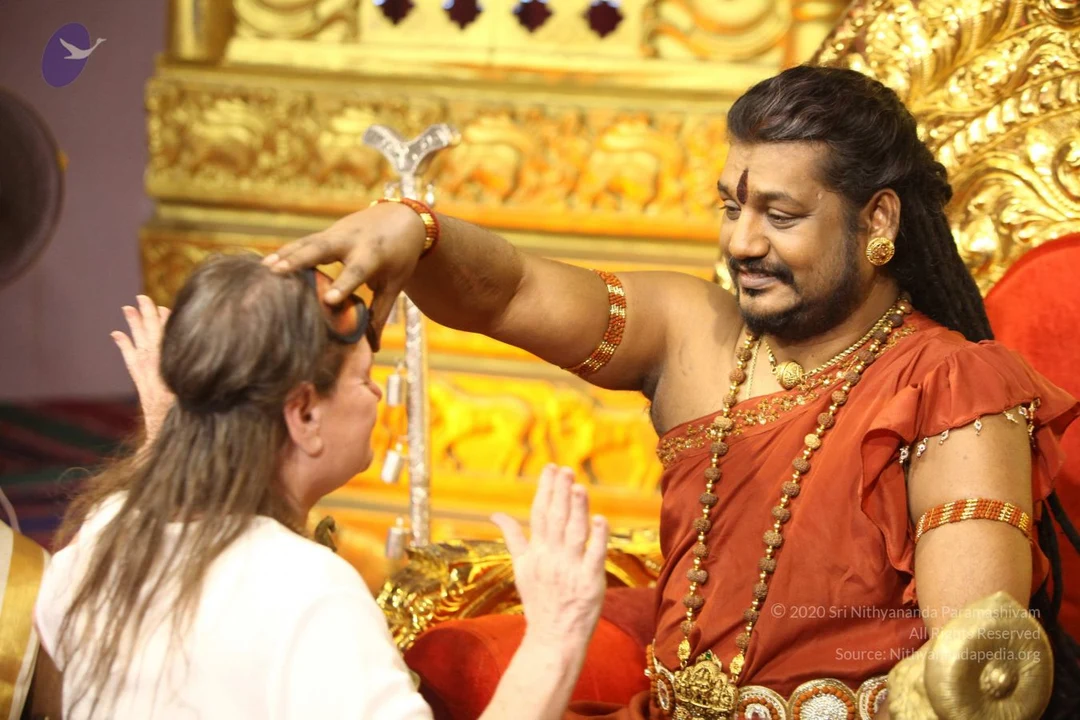
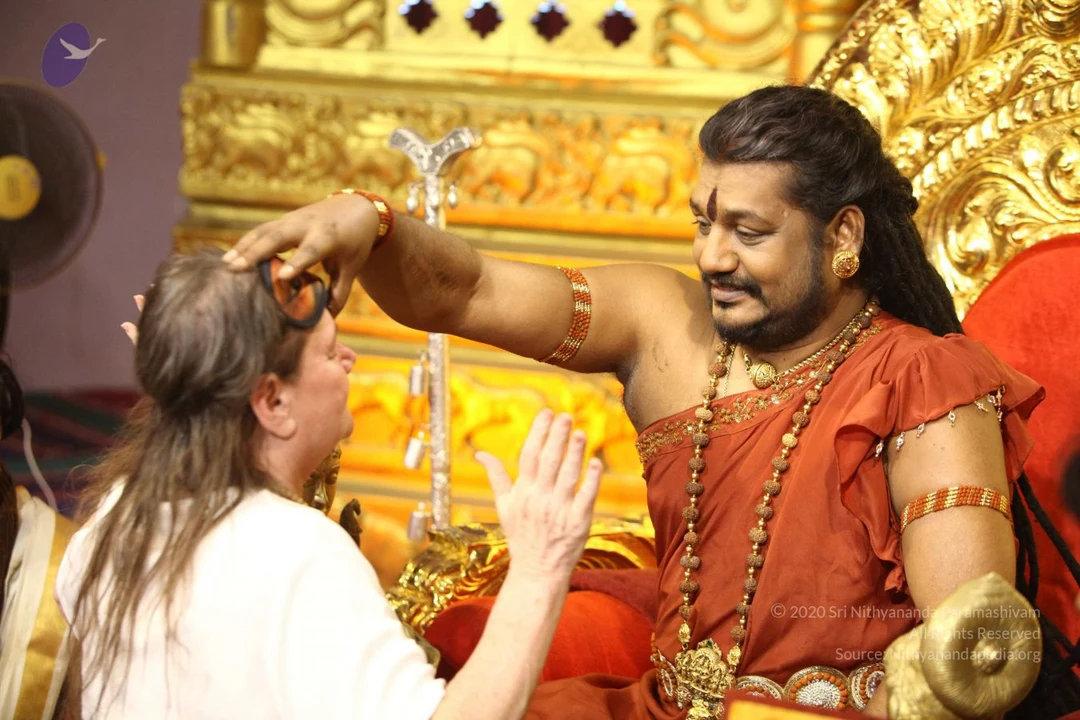
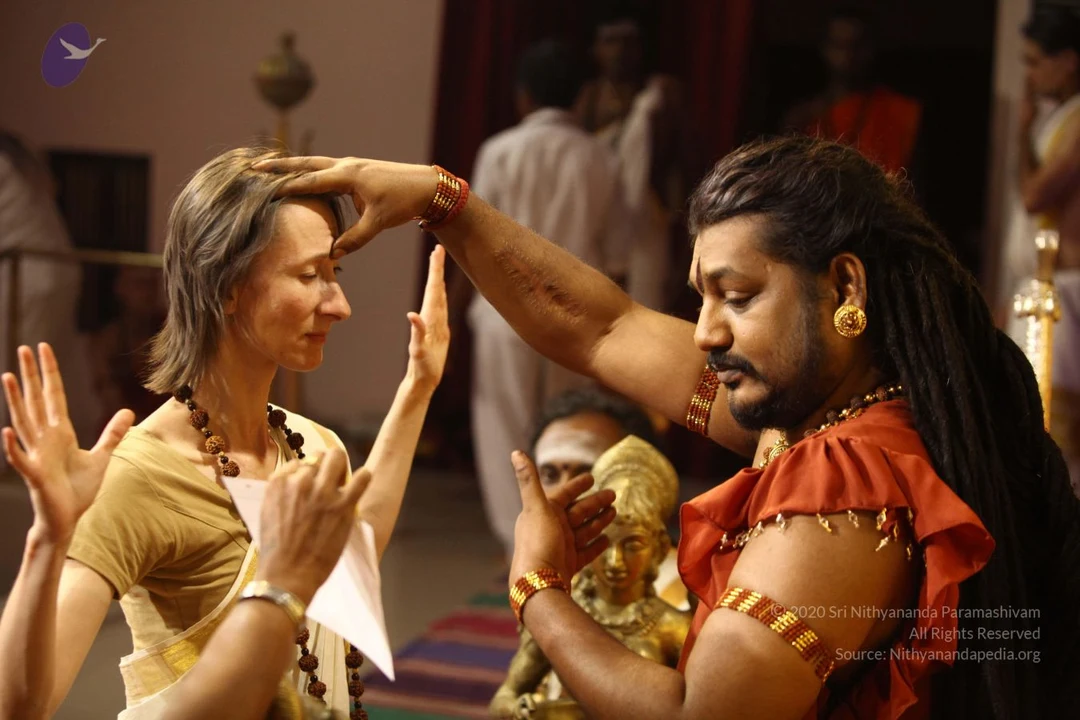
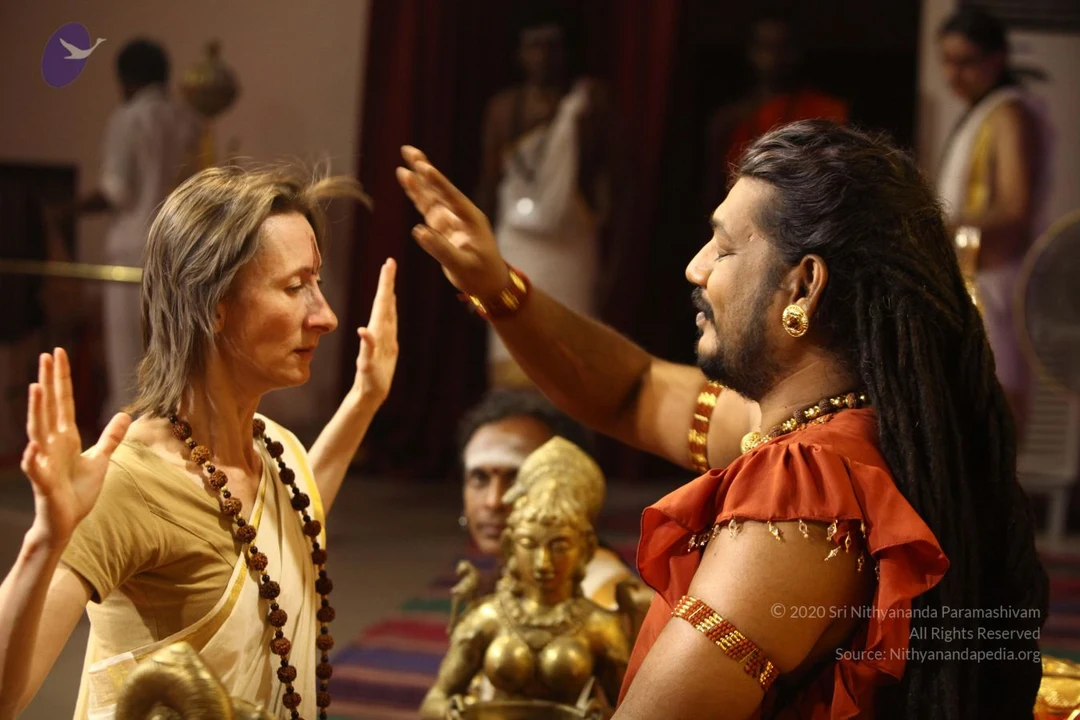
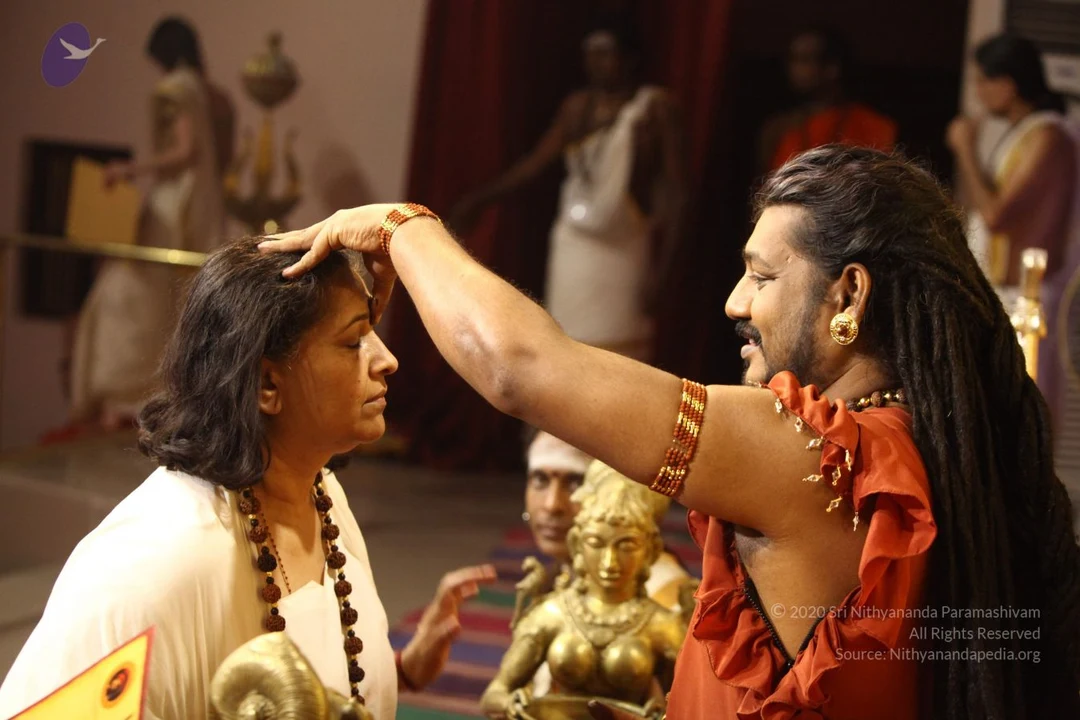
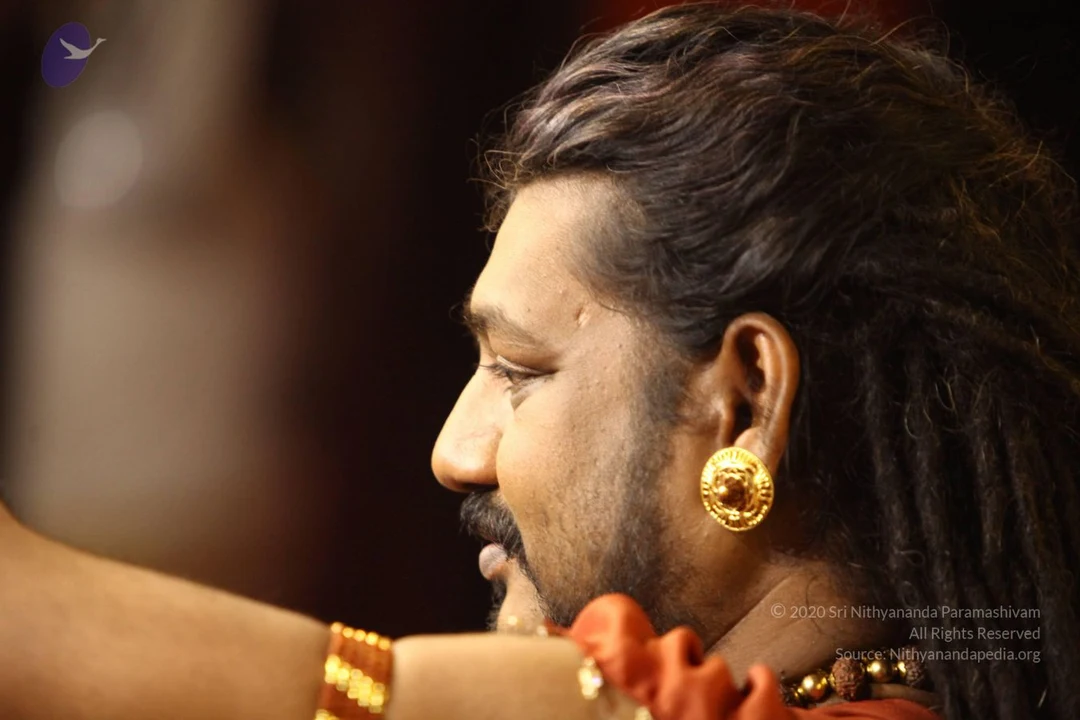

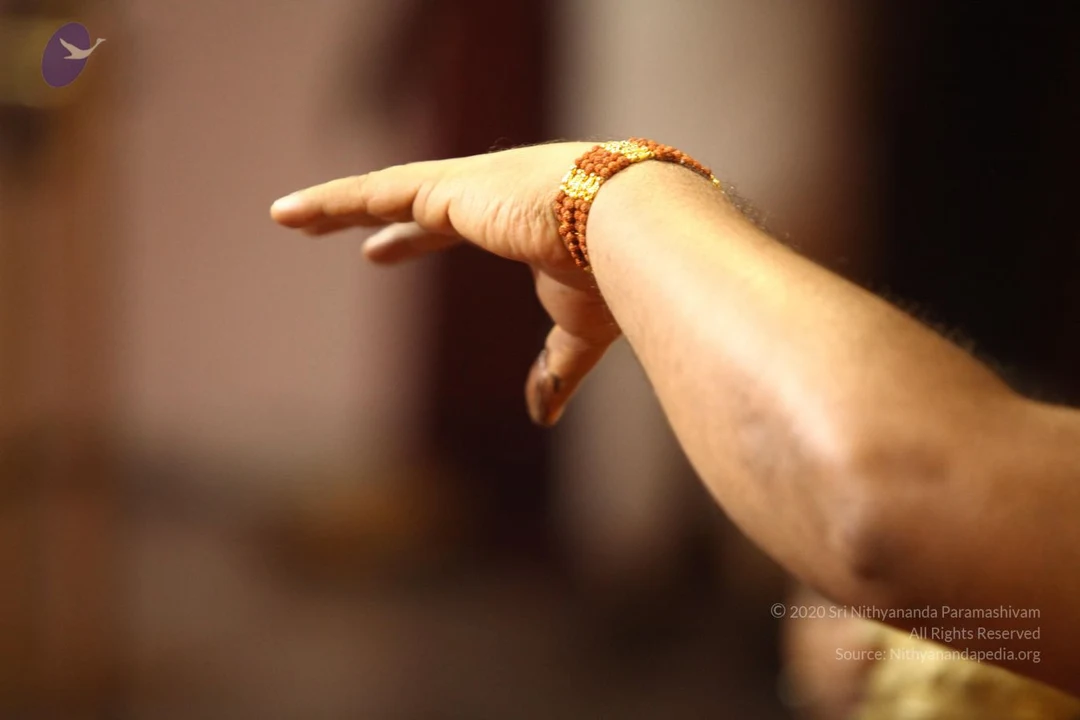
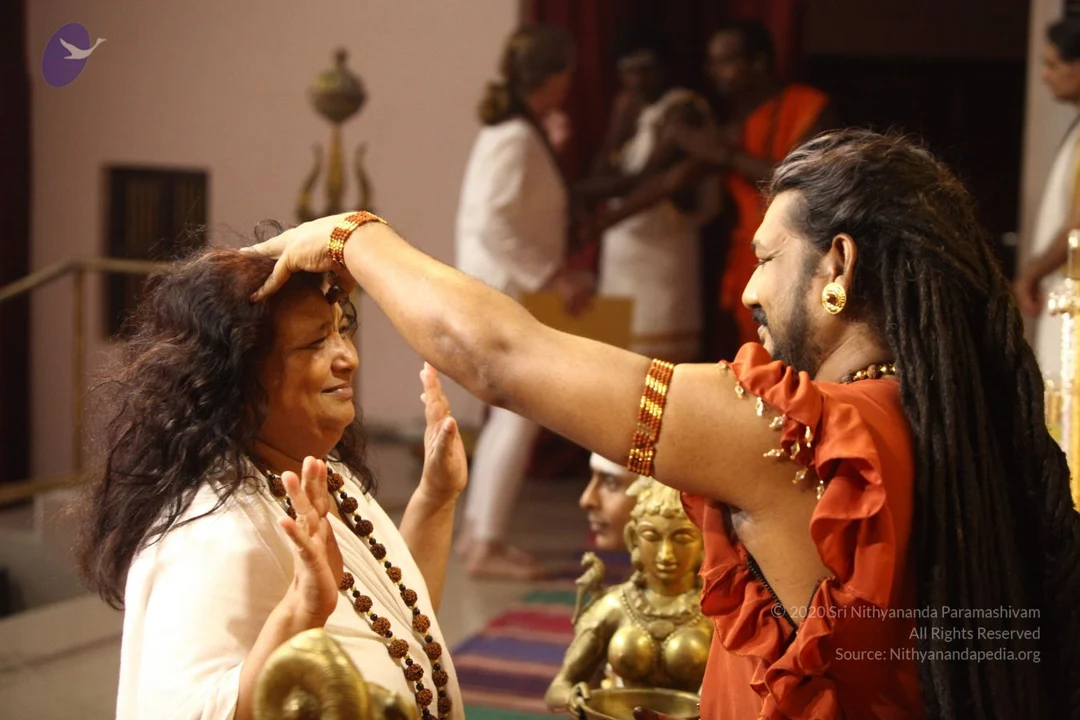
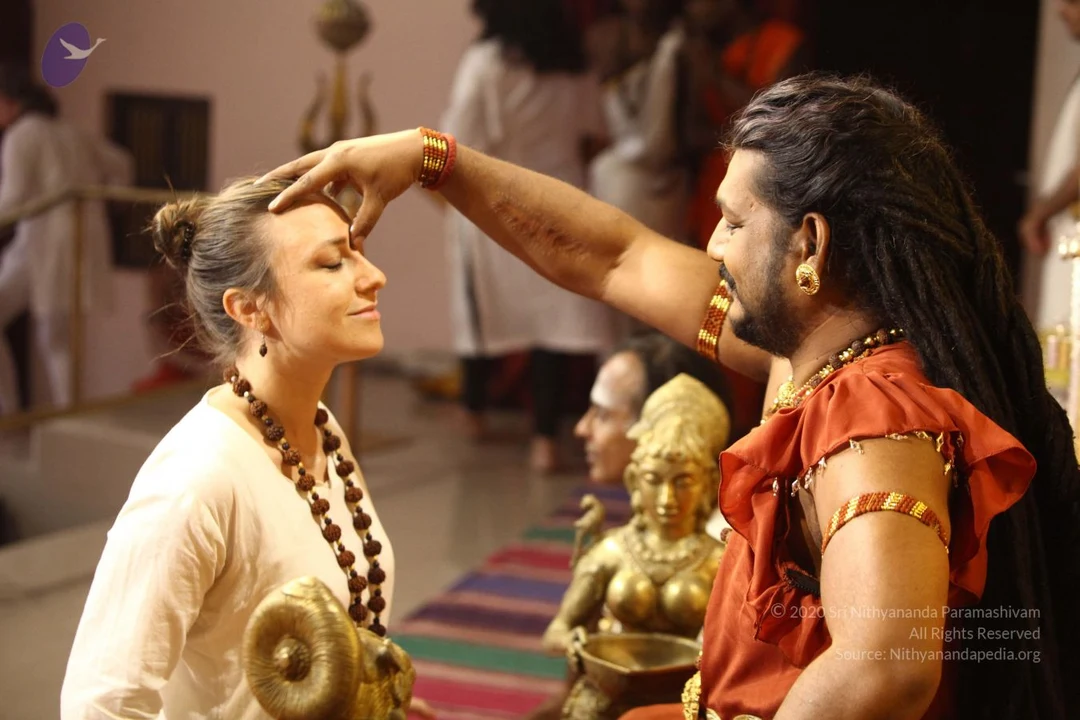
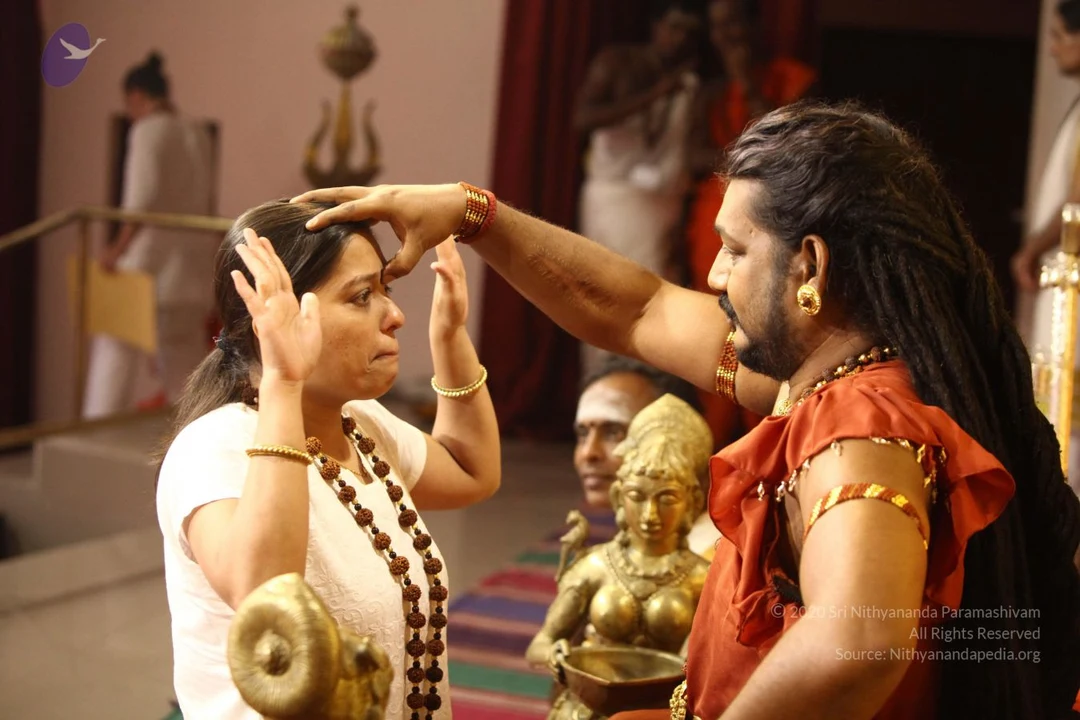
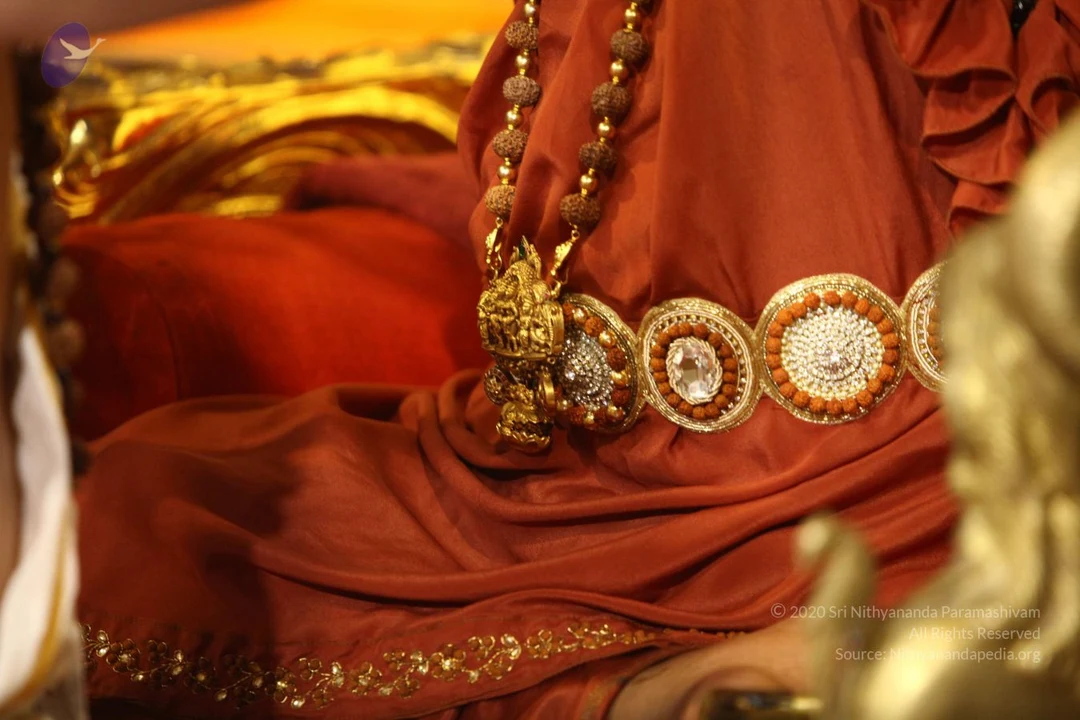
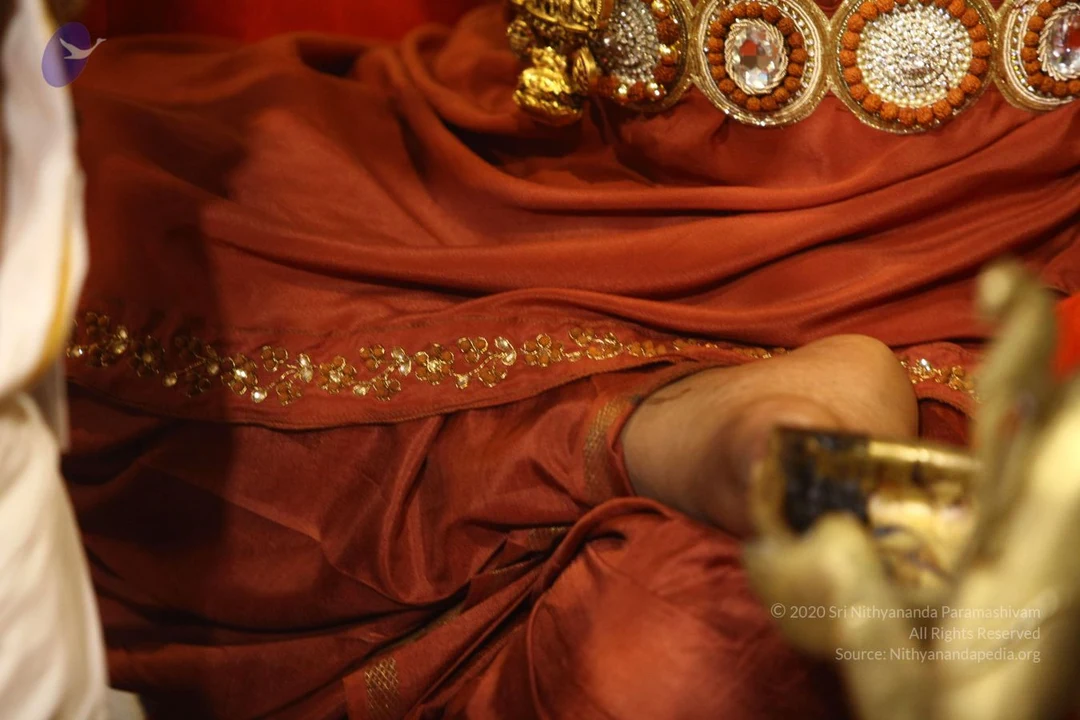
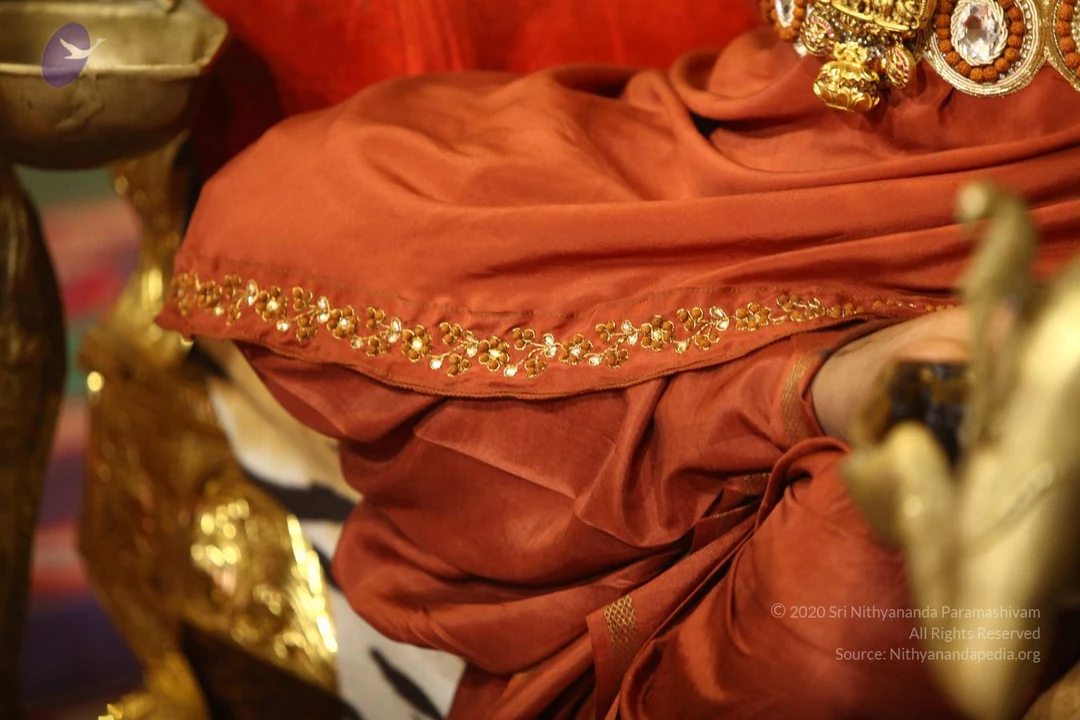

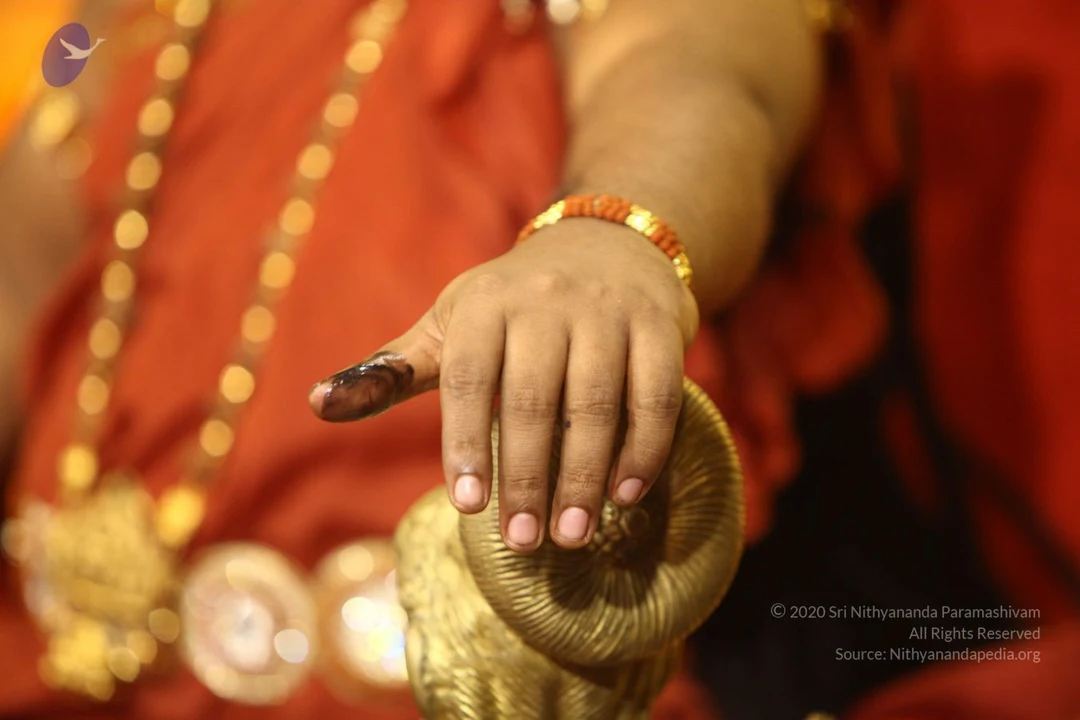
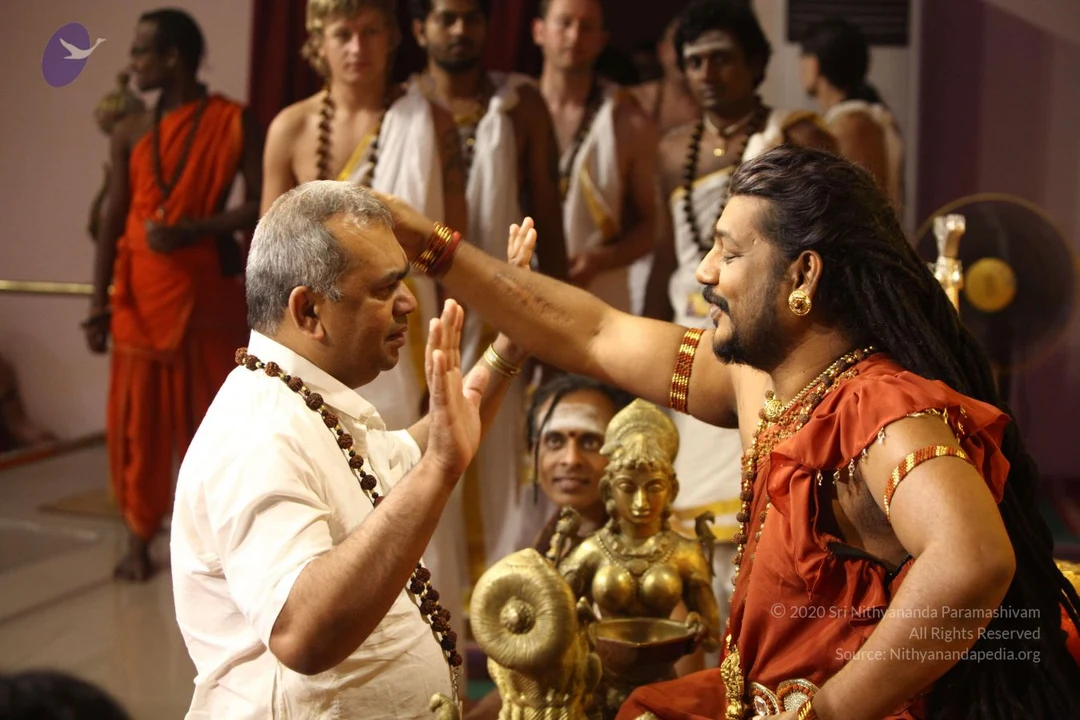
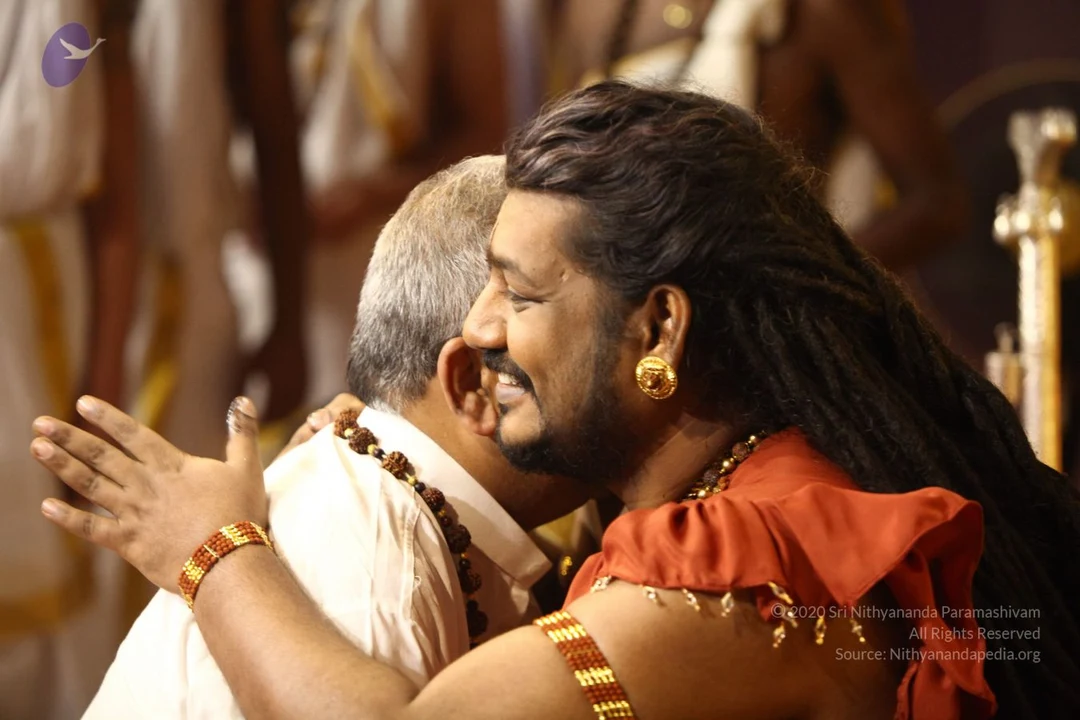
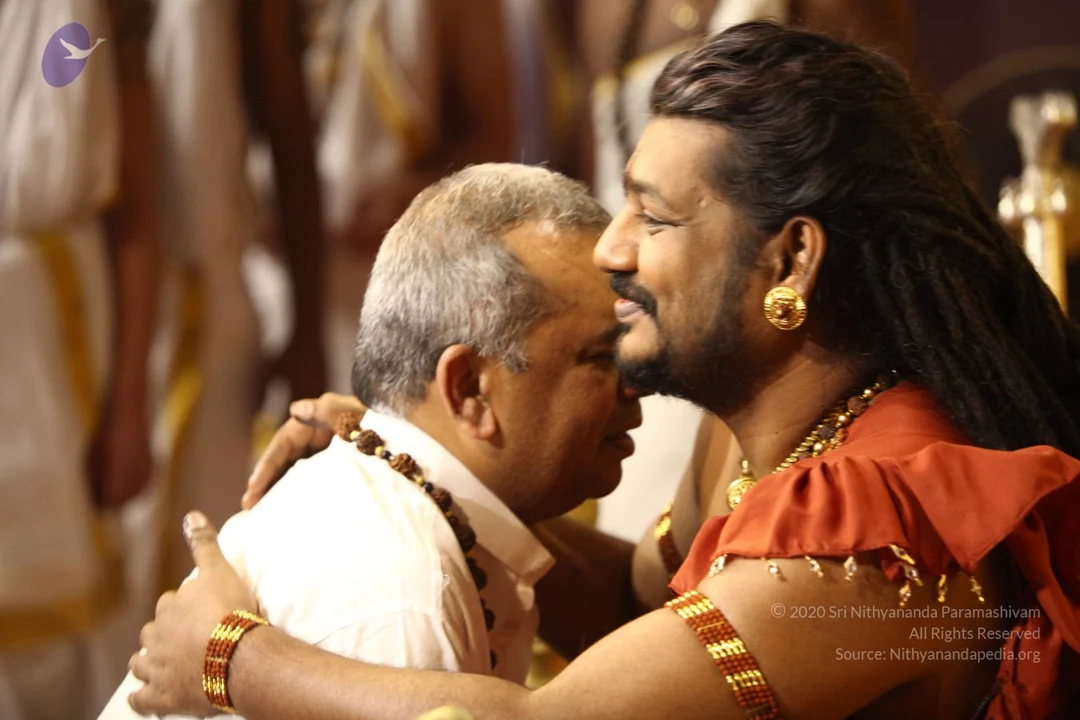






Temple
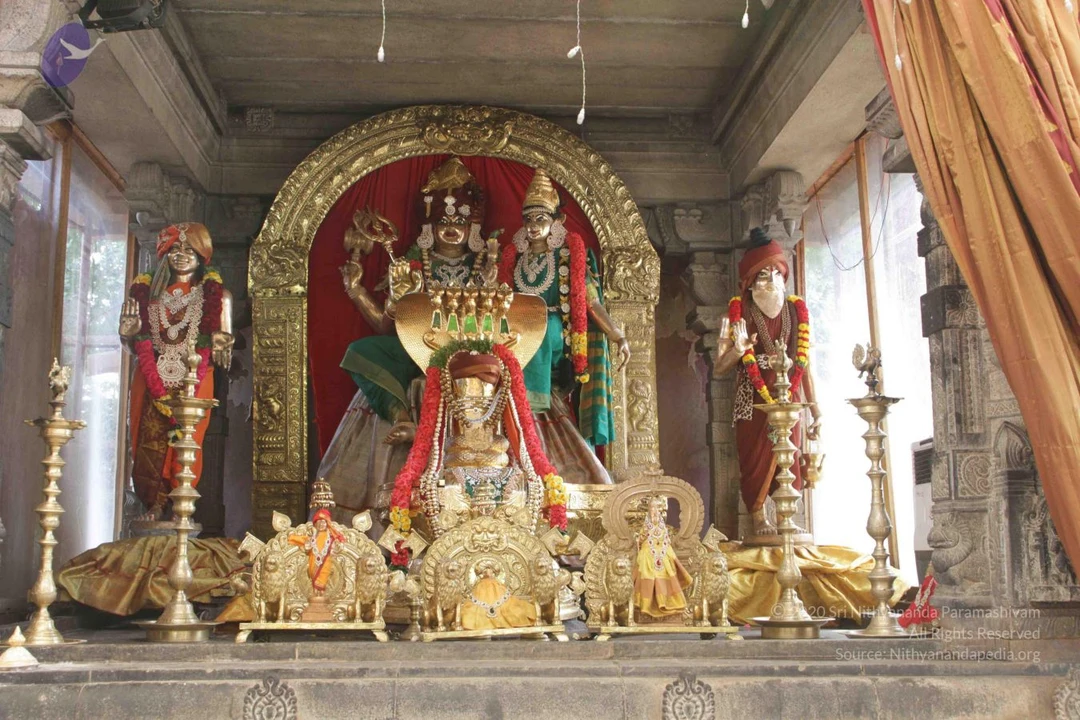
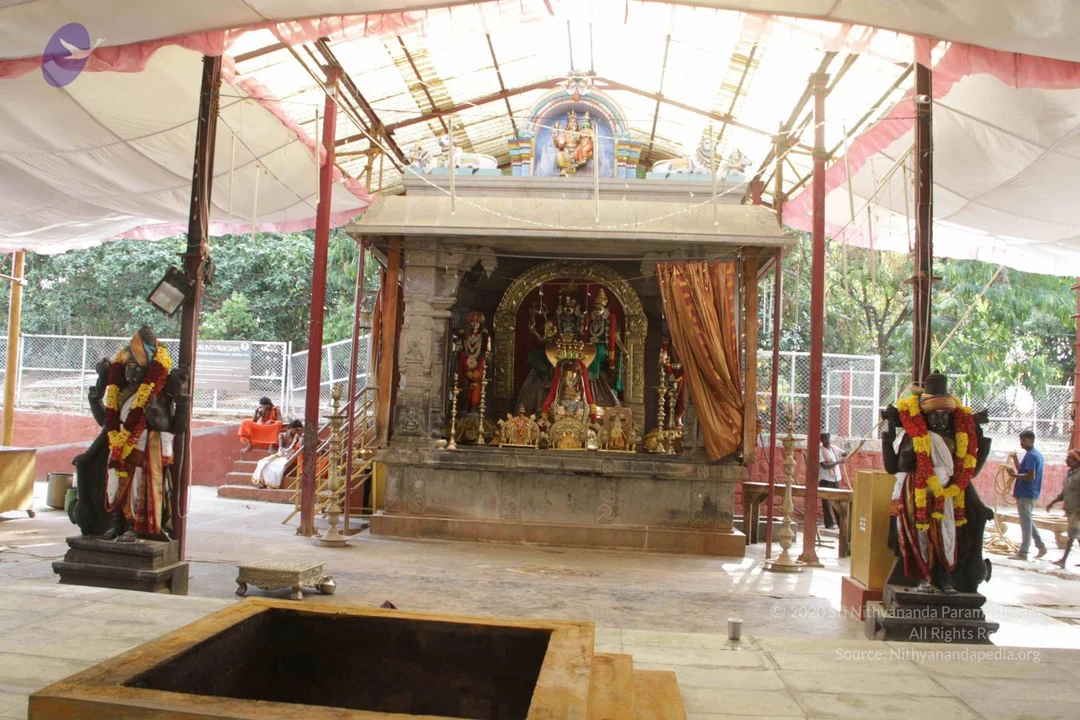
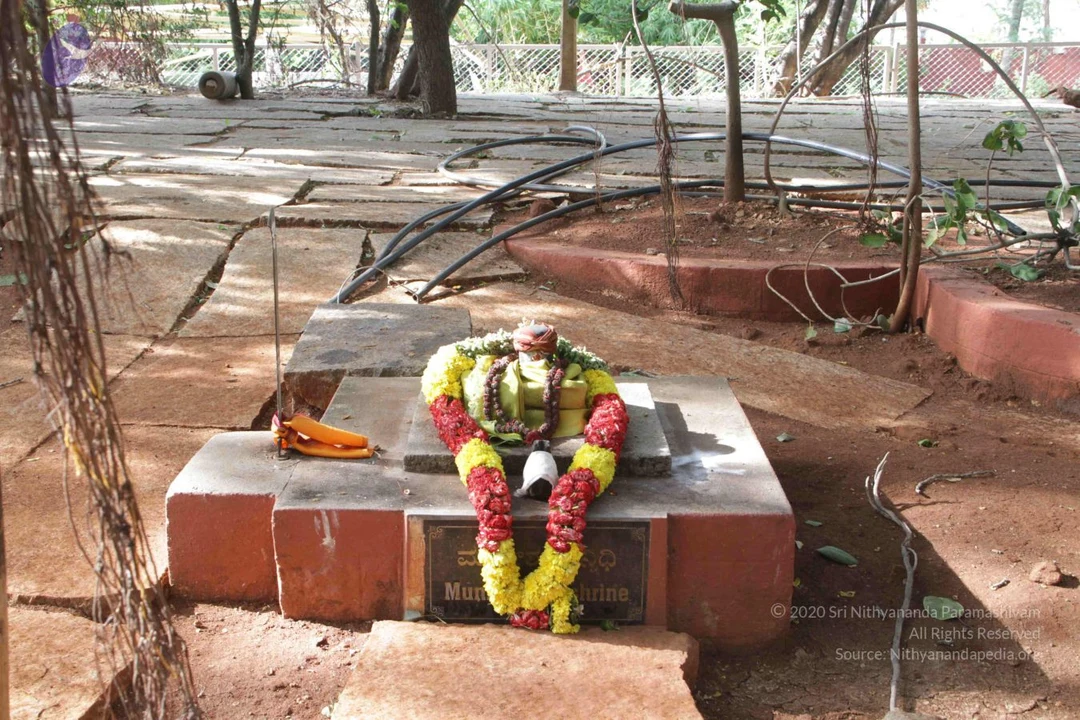
Photos Of The Day:
FB-Photos-of-the-Day
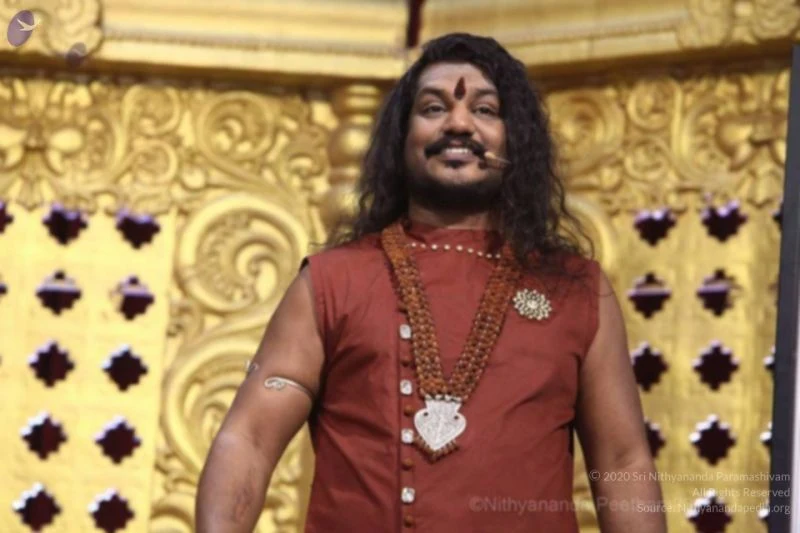
Photos from this day
View all 619 photosDarshan
4 photosSource gallery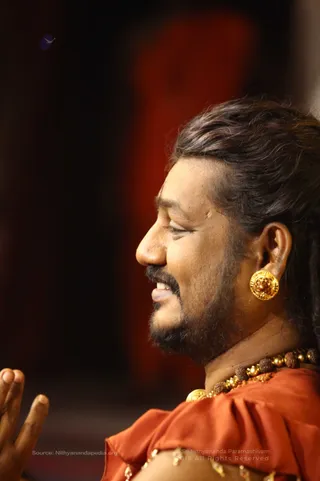
Inner Awakening Session
20 photosSource gallery
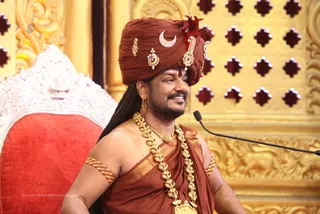
Padapuja
46 photosSource gallery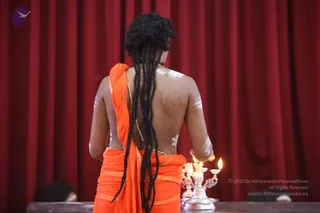
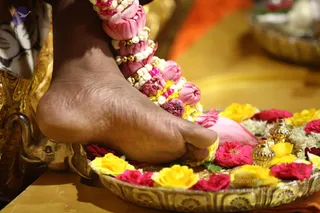
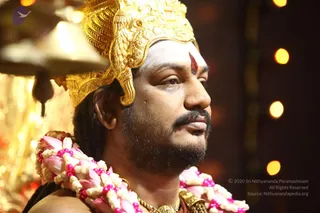
Nithya-Satsang
196 photosSource gallery
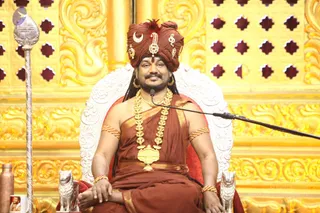
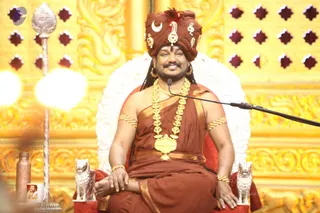
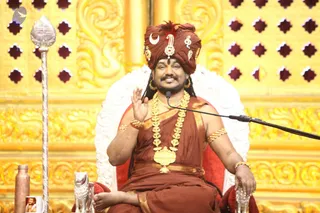
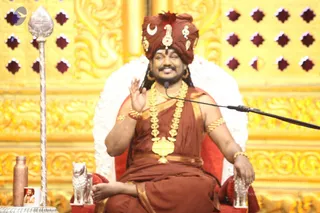
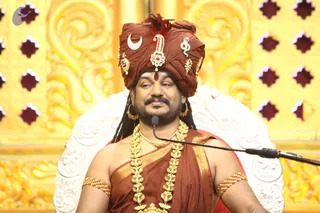
IA-genesis-of-identity
55 photosSource gallery

IA-how-images-related-to-powermanifestation
29 photosSource gallery
IA-Darshan
146 photosSource gallery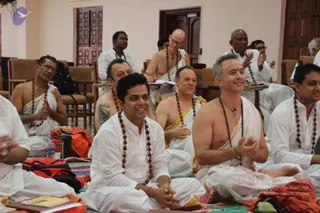

Temple
4 photosSource gallery