Sunday
9 October 2016
Break Maya Matrix with Your Ferociousness (Essence of Sadashivoham)
- Dated photos
- 478
- Source pages
- 1
- Media
- 2

October 09 2016
Original wiki pageTitle
Break Maya Matrix with Your Ferociousness (Essence of Sadashivoham)
Link to Video:
| Video | Audio |
Transcript
nithyānandeśvara samārambhām nithyānandeśvari madhyamām | asmat āchārya paryantām vande guru paramparām ||
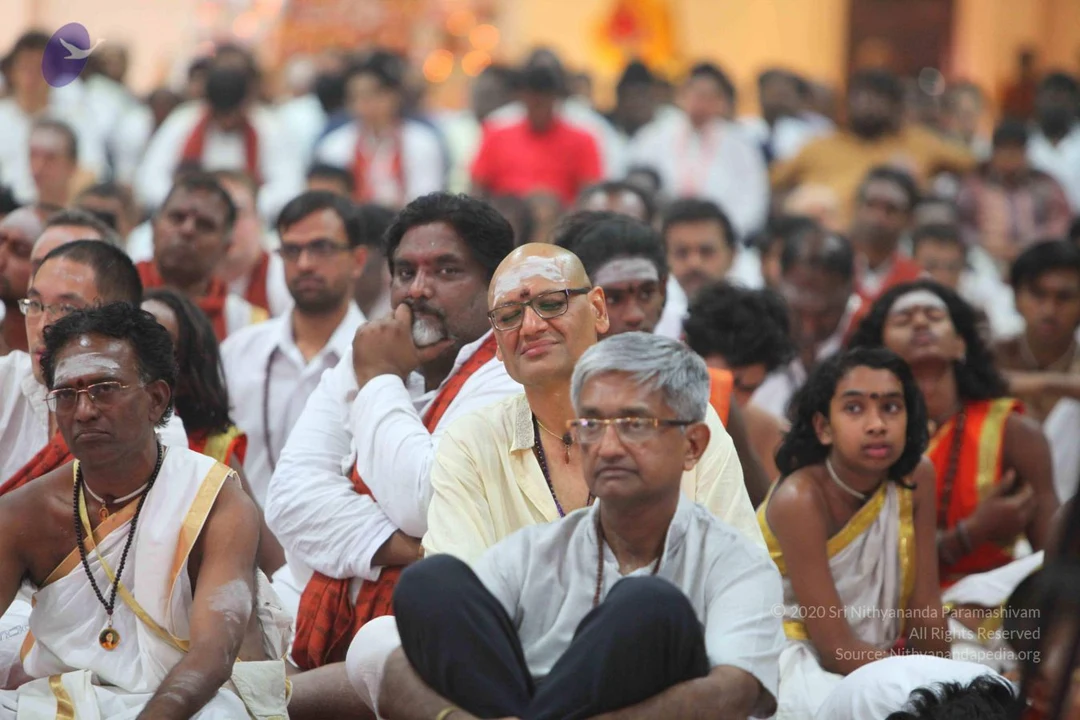
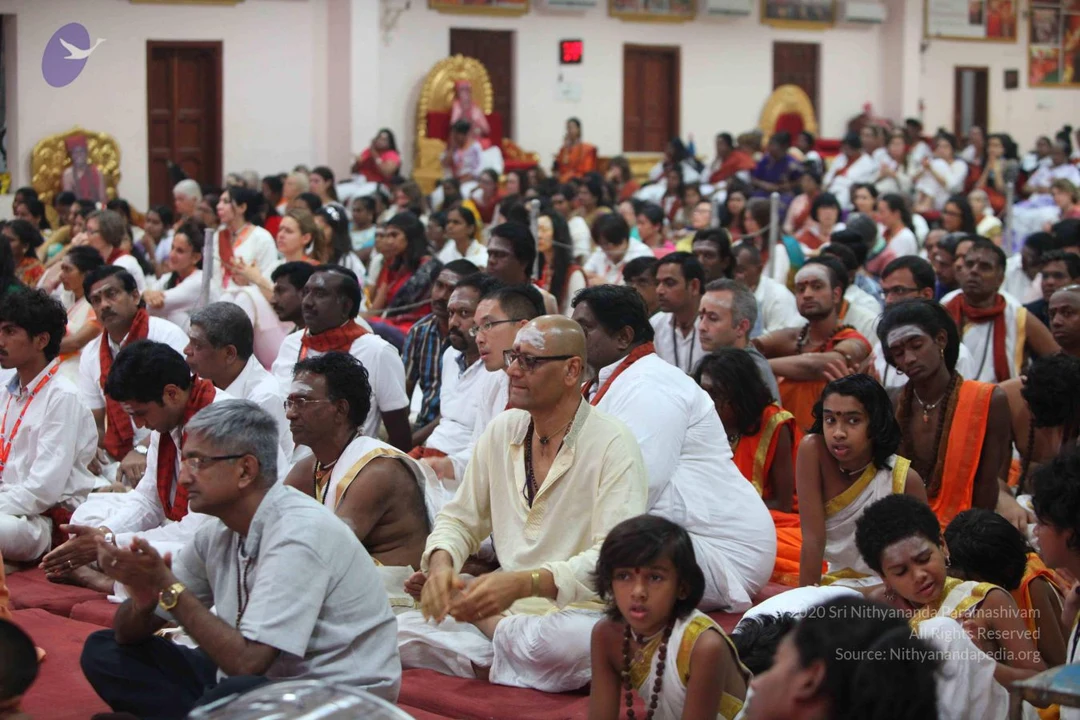
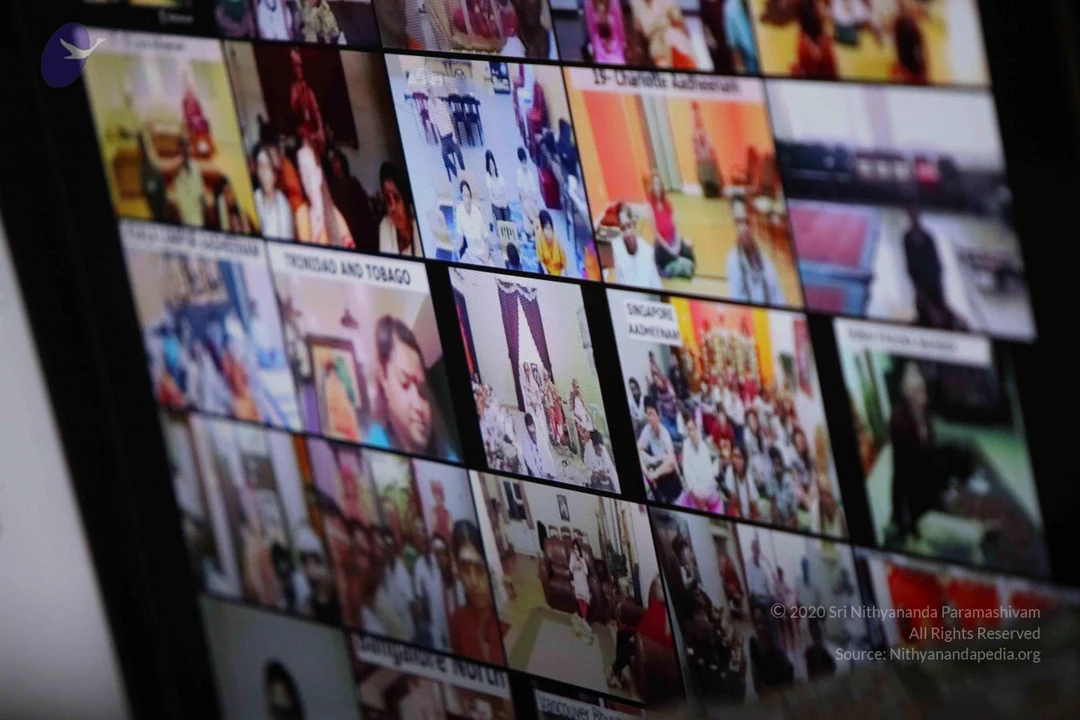
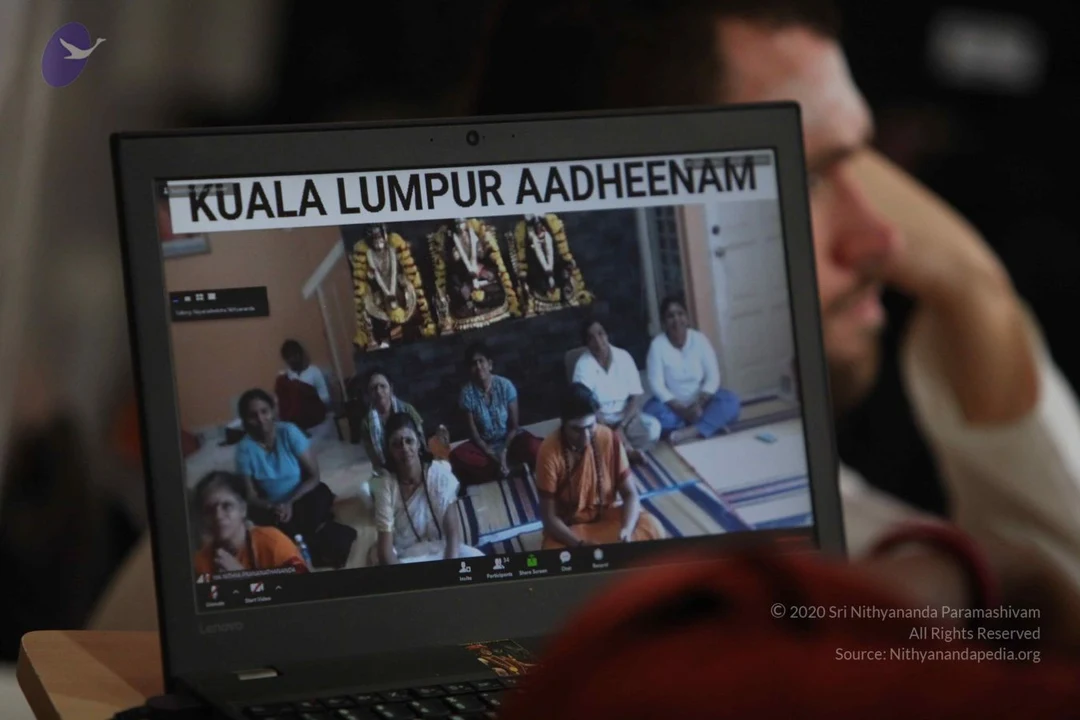
I welcome you all with my love and respects. I welcome everyone who is sitting with us. Sarvajnapeetha Yajamans, Nithya Satsanghis, SriMahants, Mahants, Kotharis, Thanedars, Inner Awakening participants, Living Shuddadvaita Process participants, at this time through Nithyananda TV, and 2-way video conferencing having Nayana Deeksha all over the world.
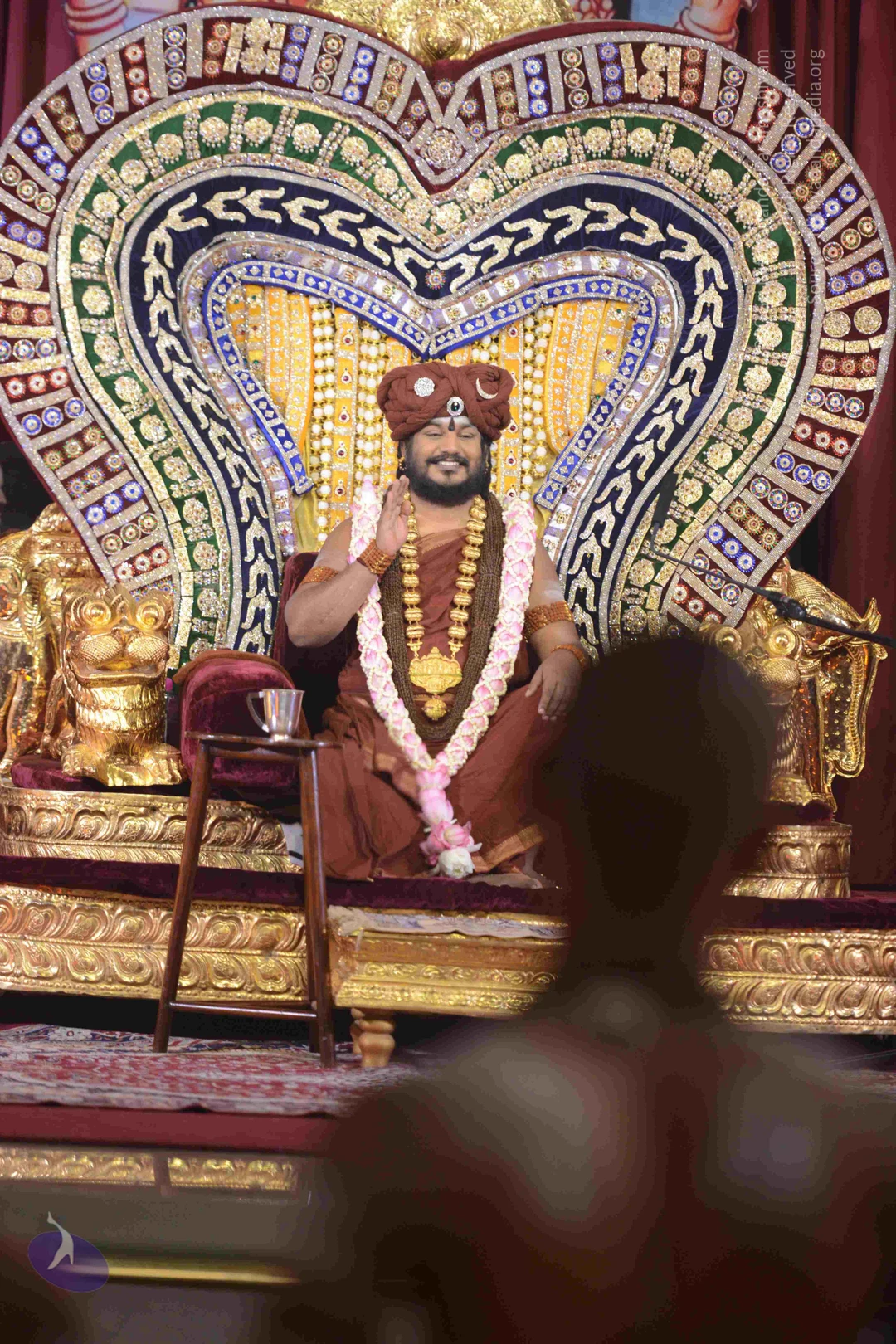
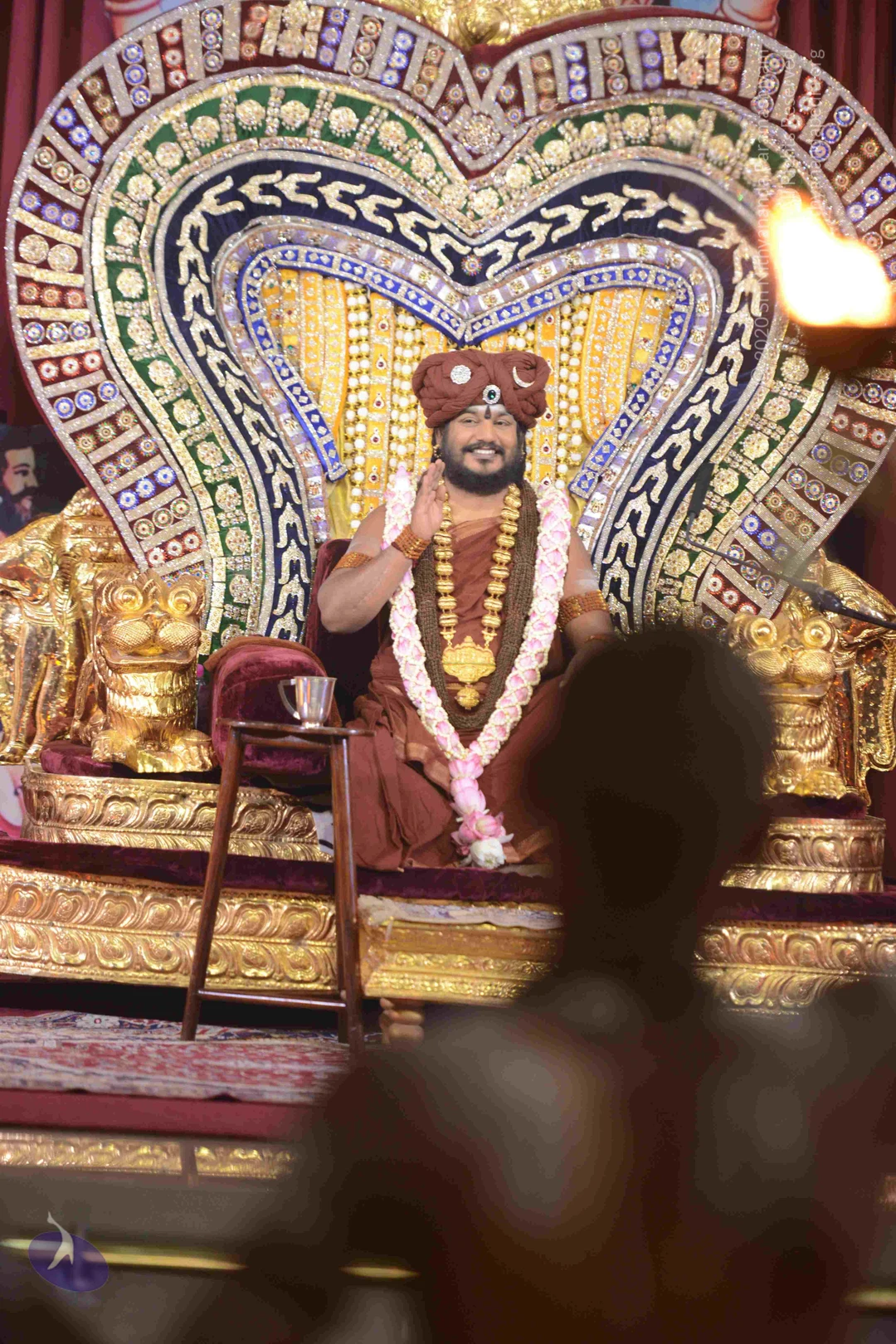
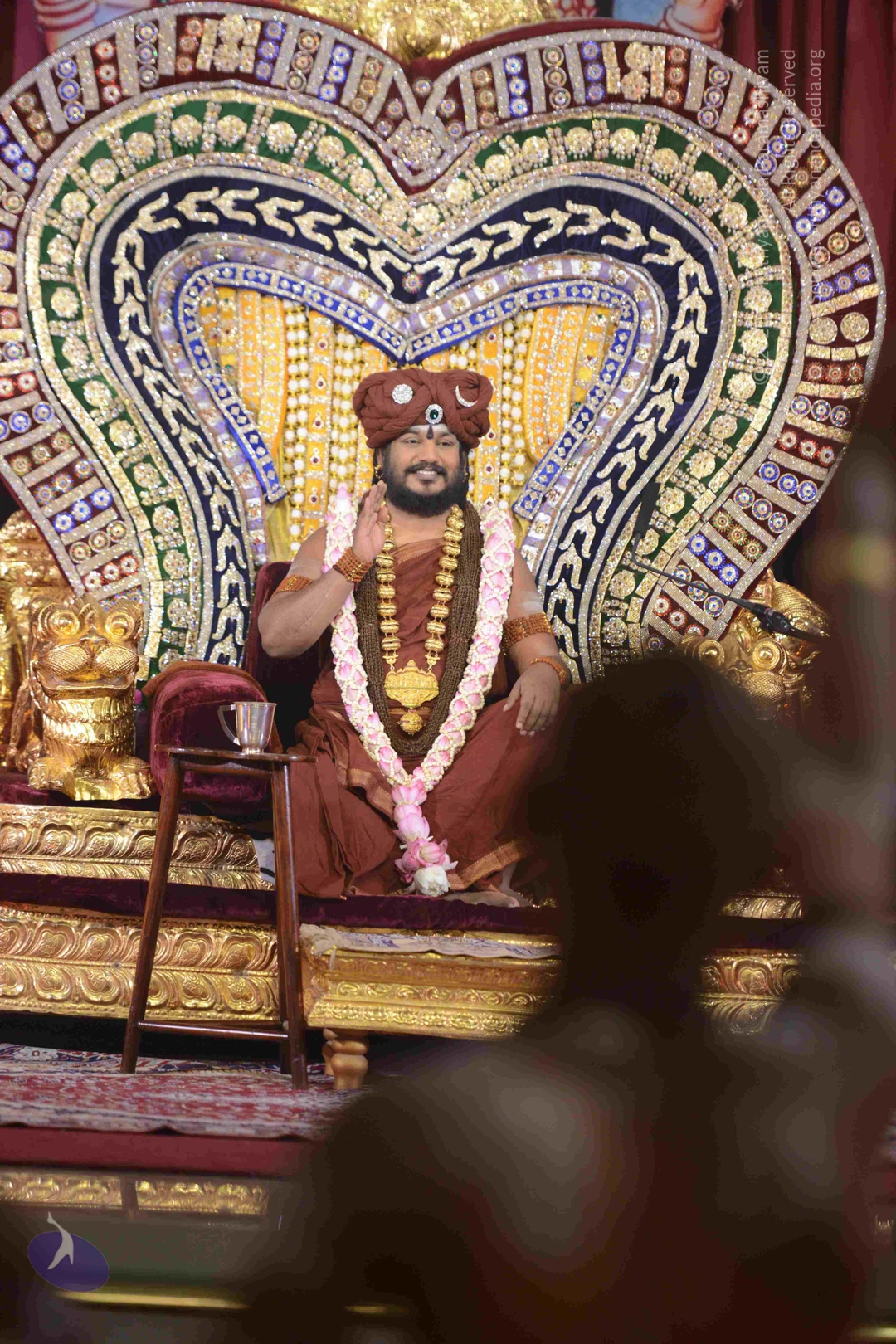
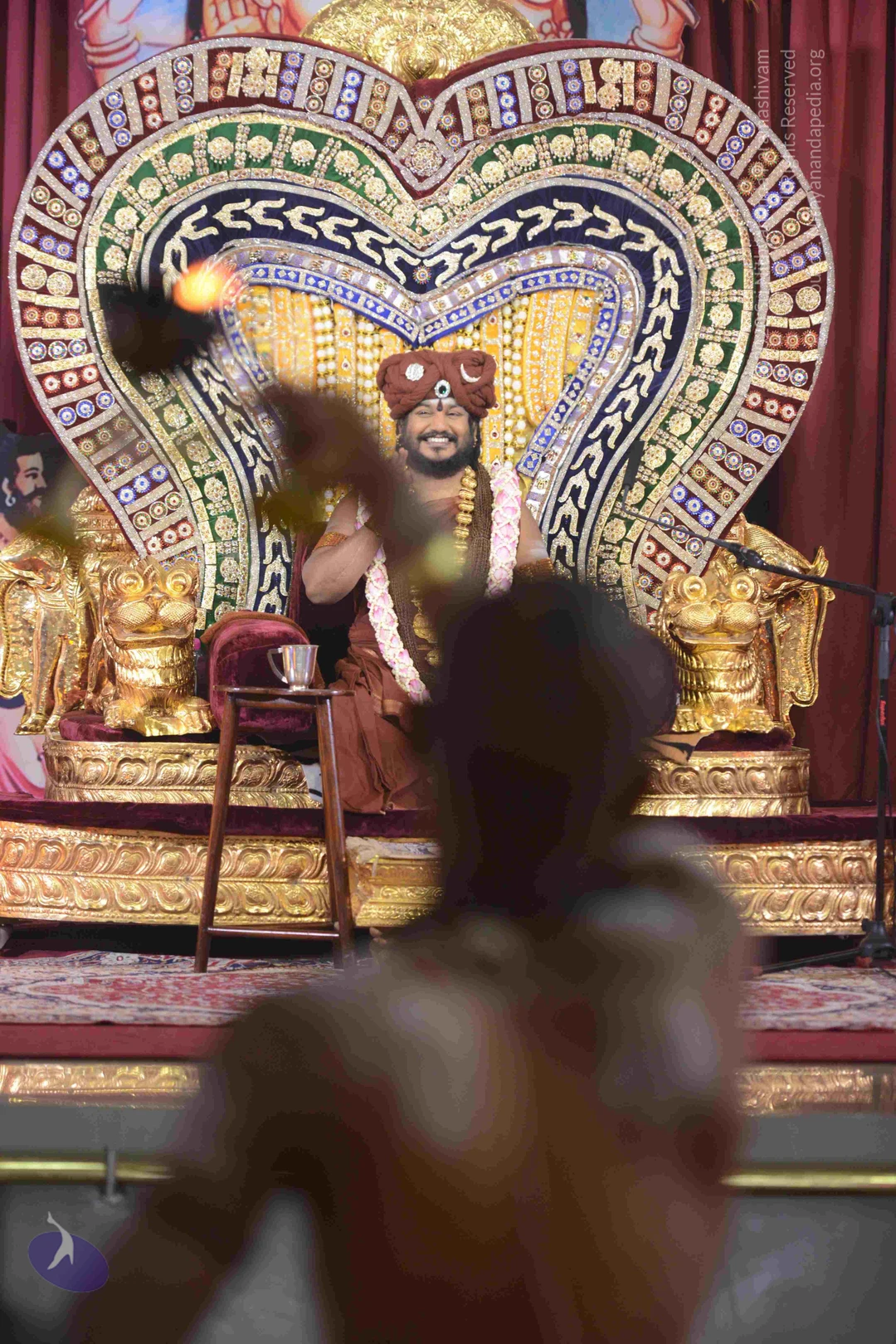
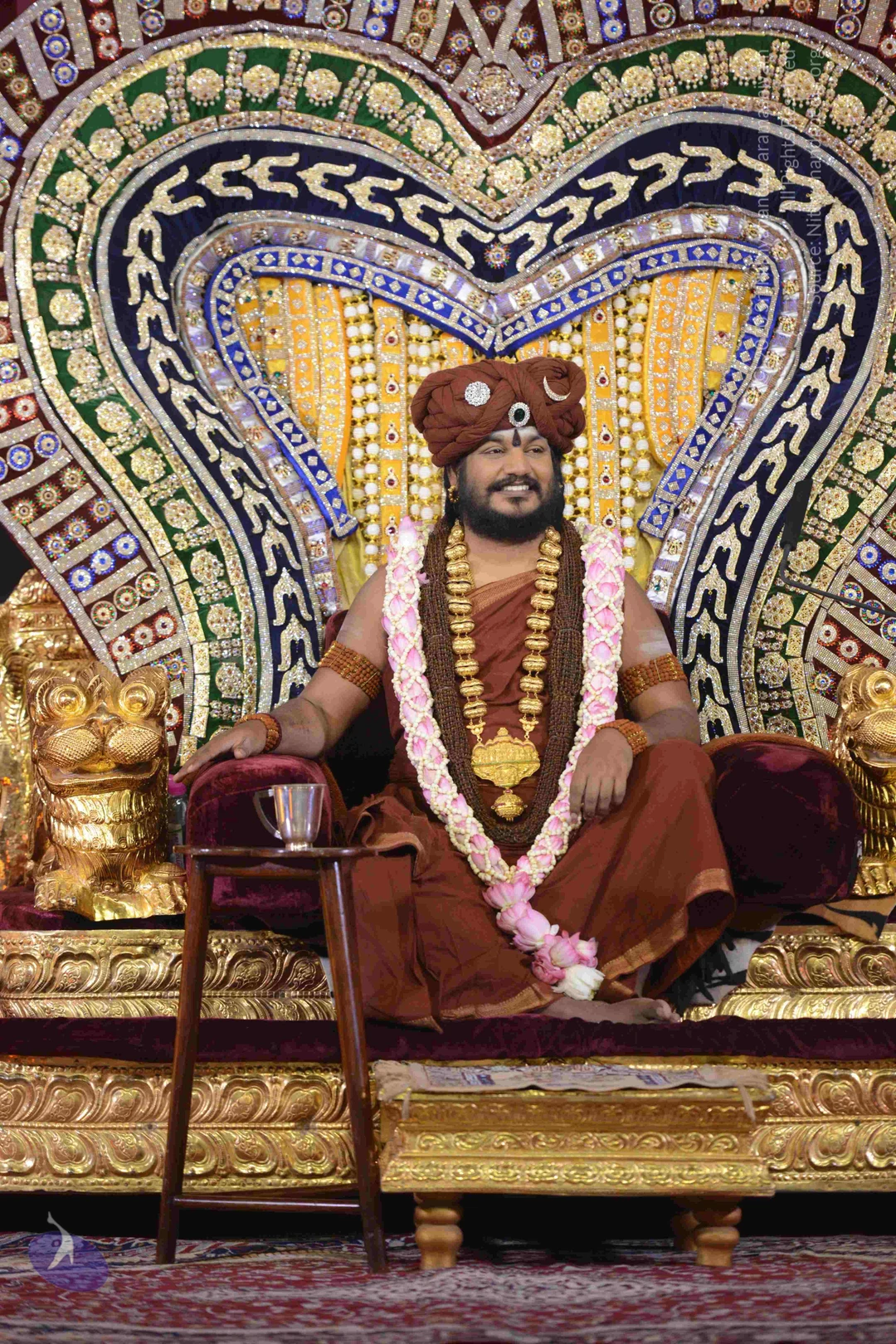
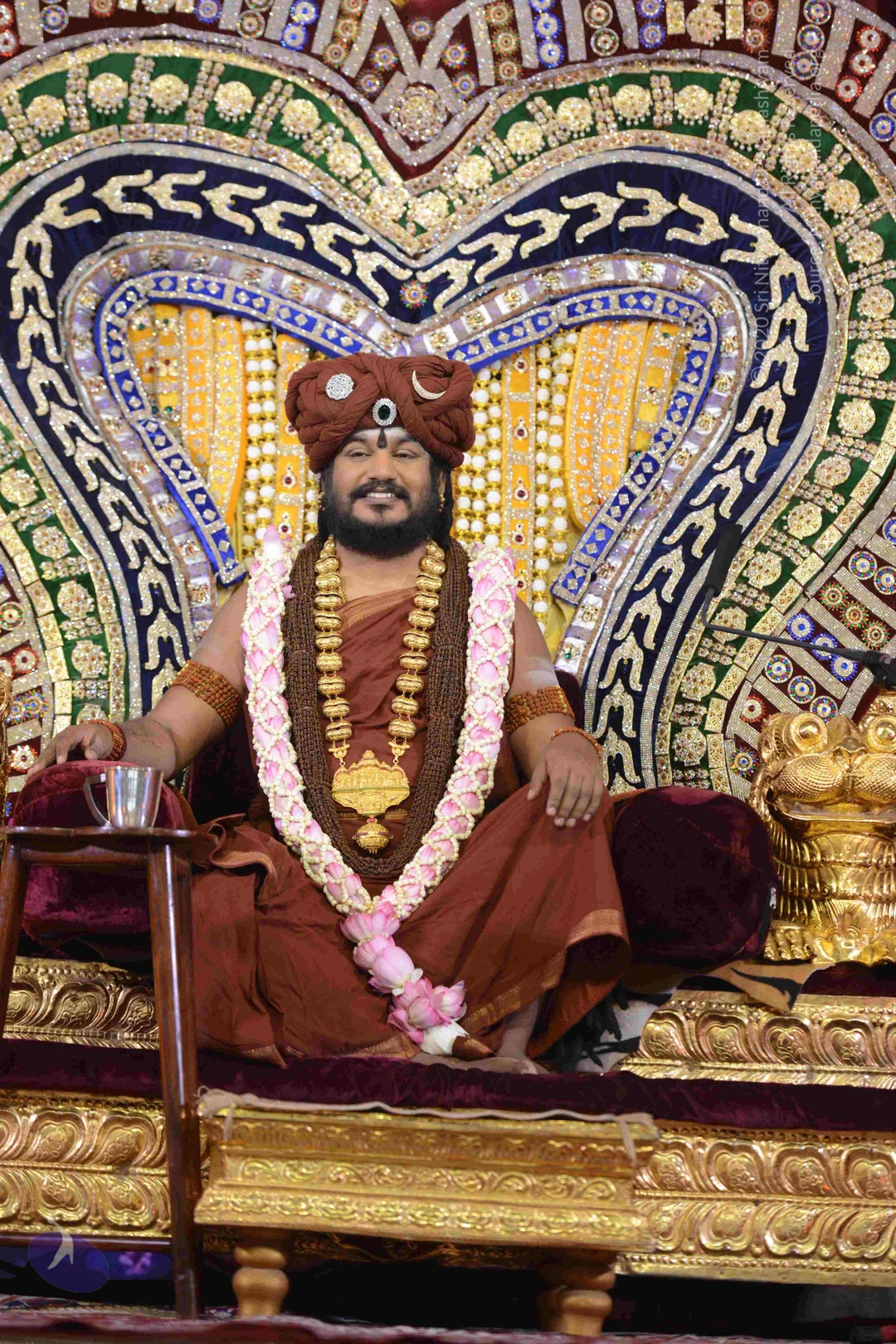
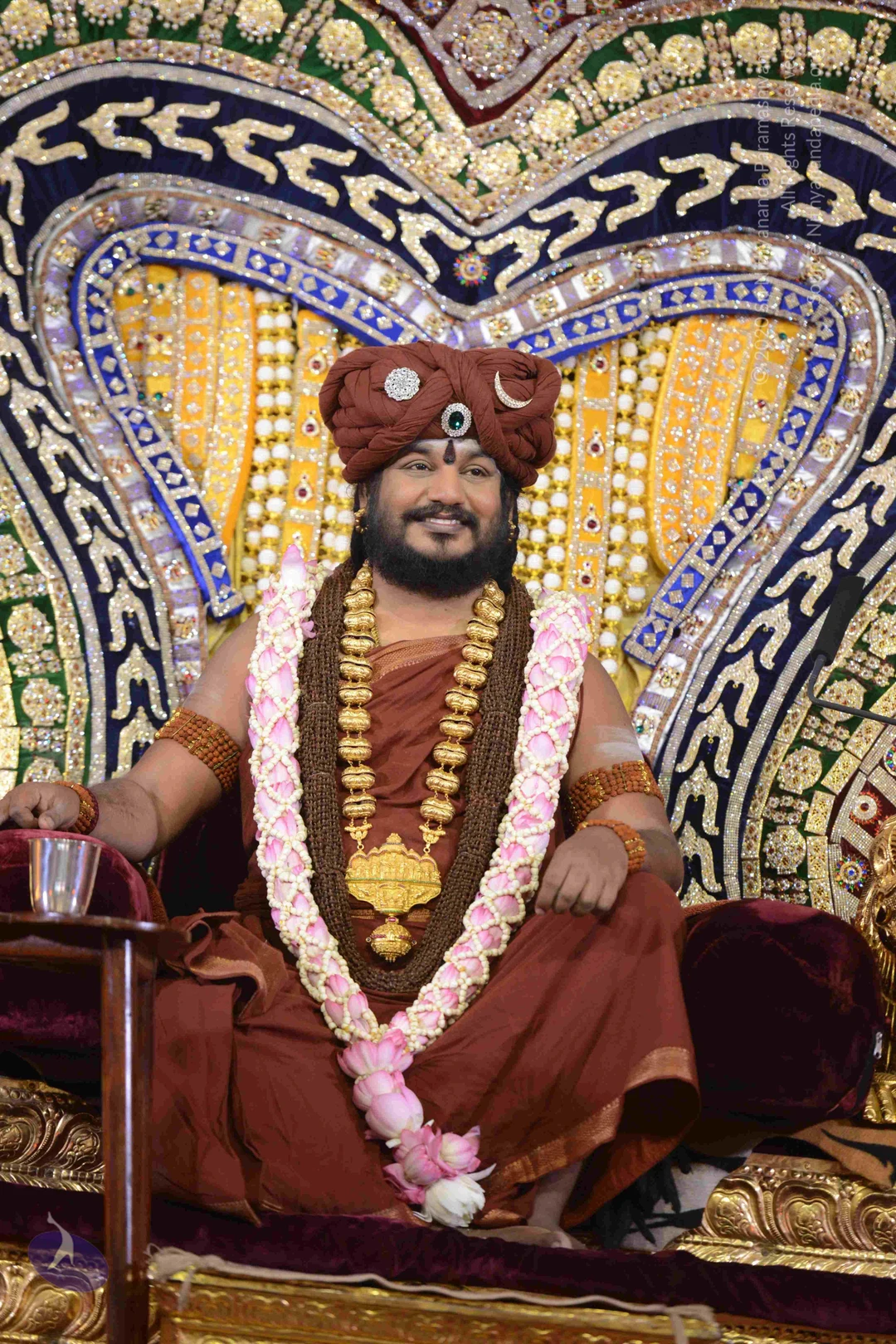
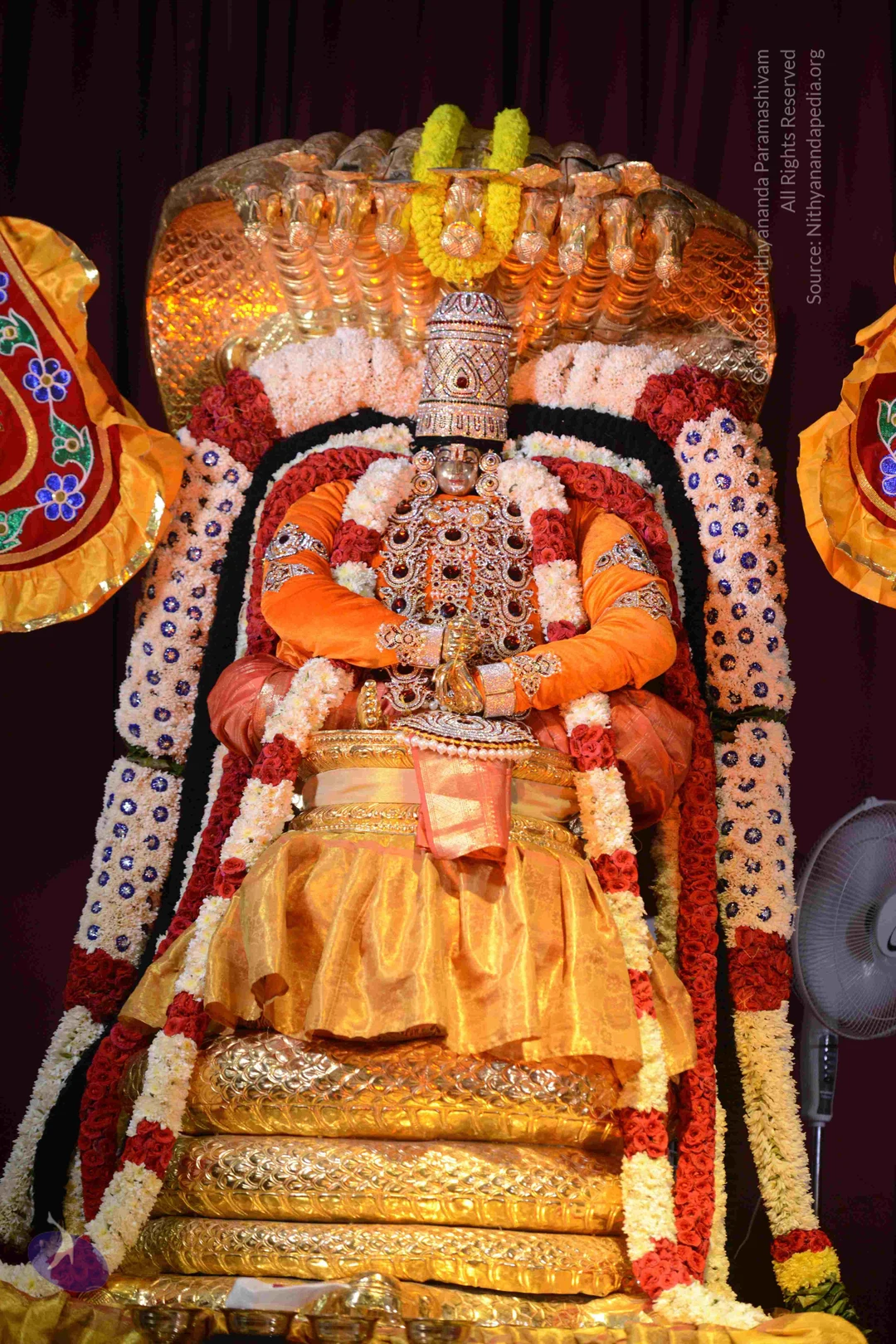
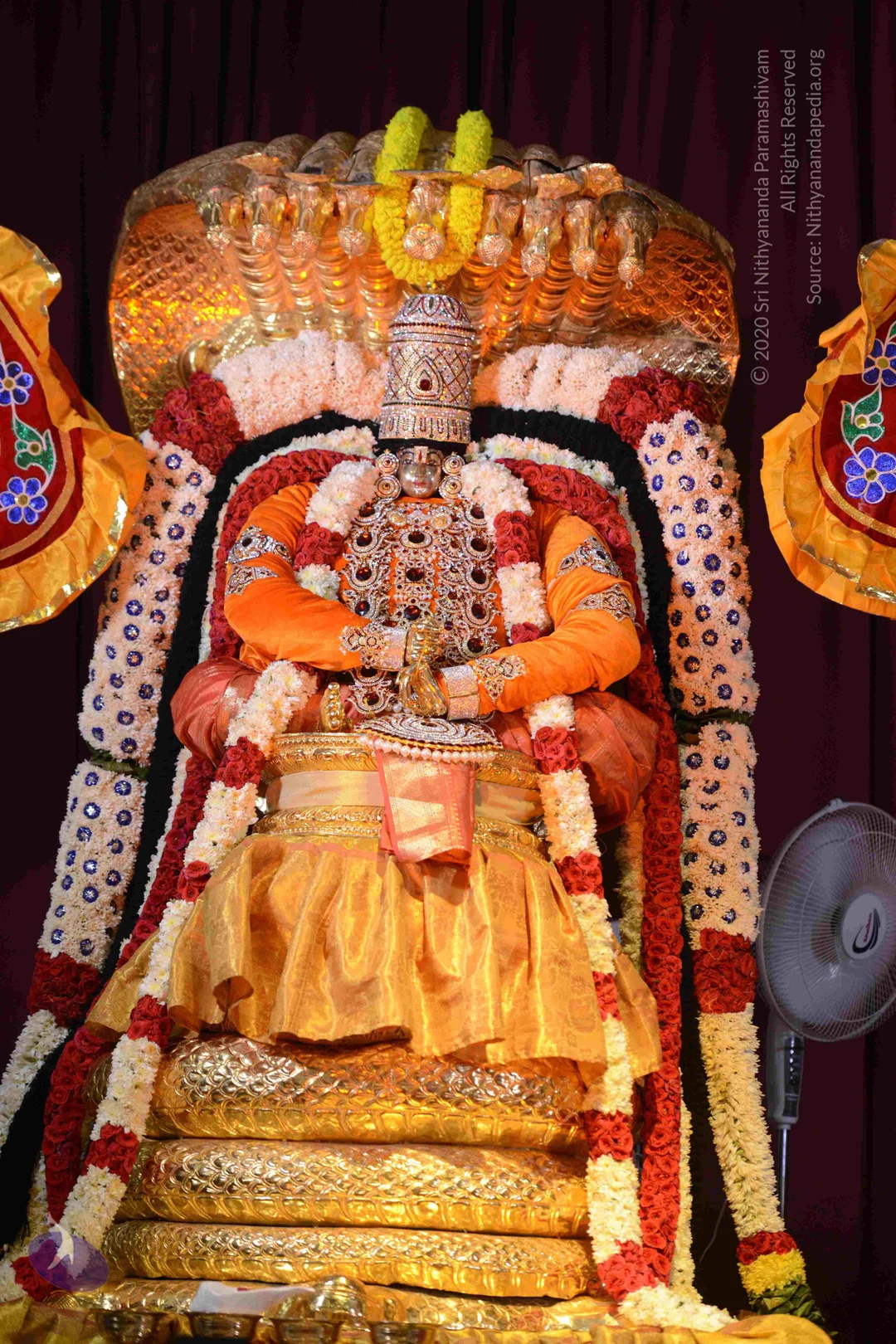
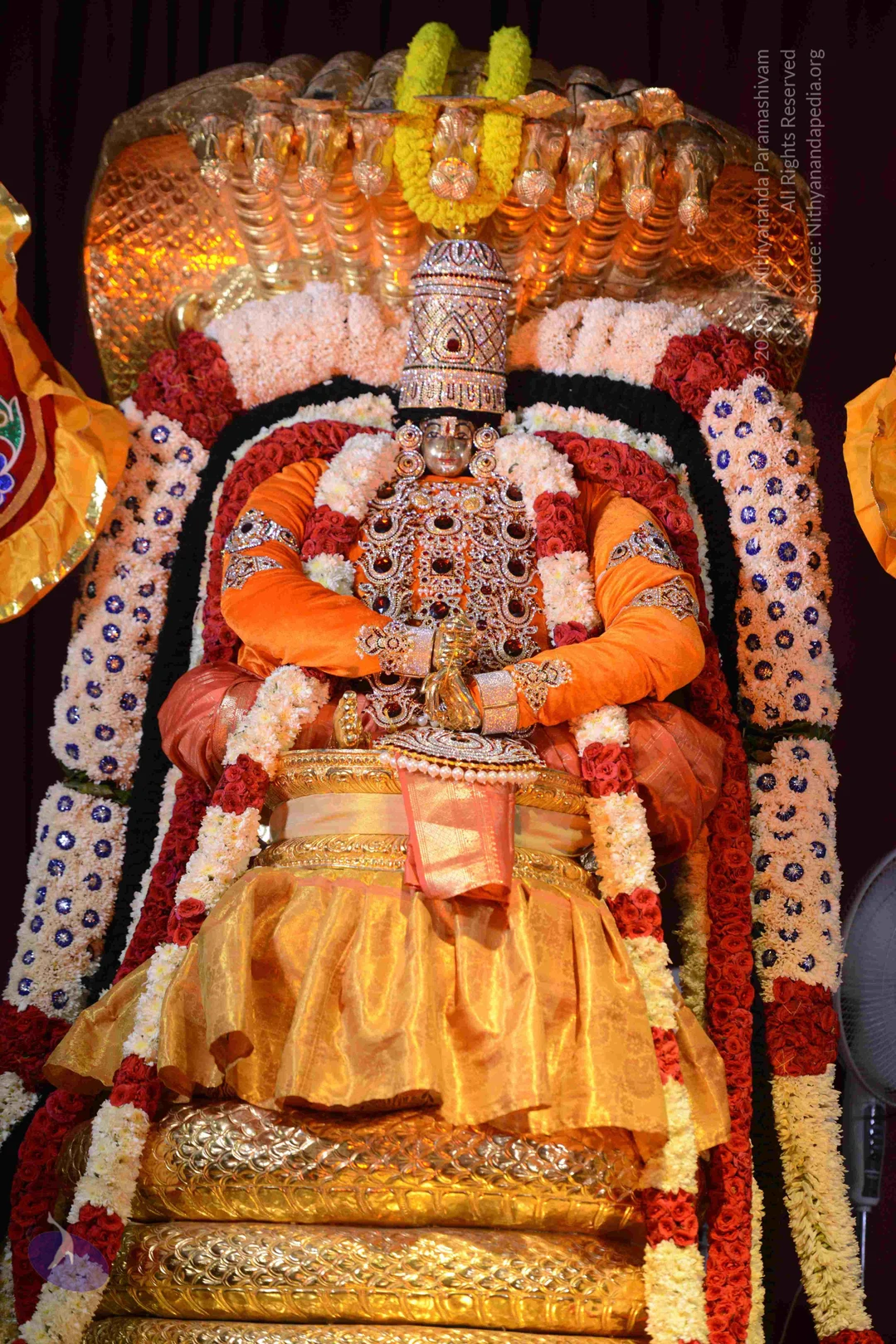
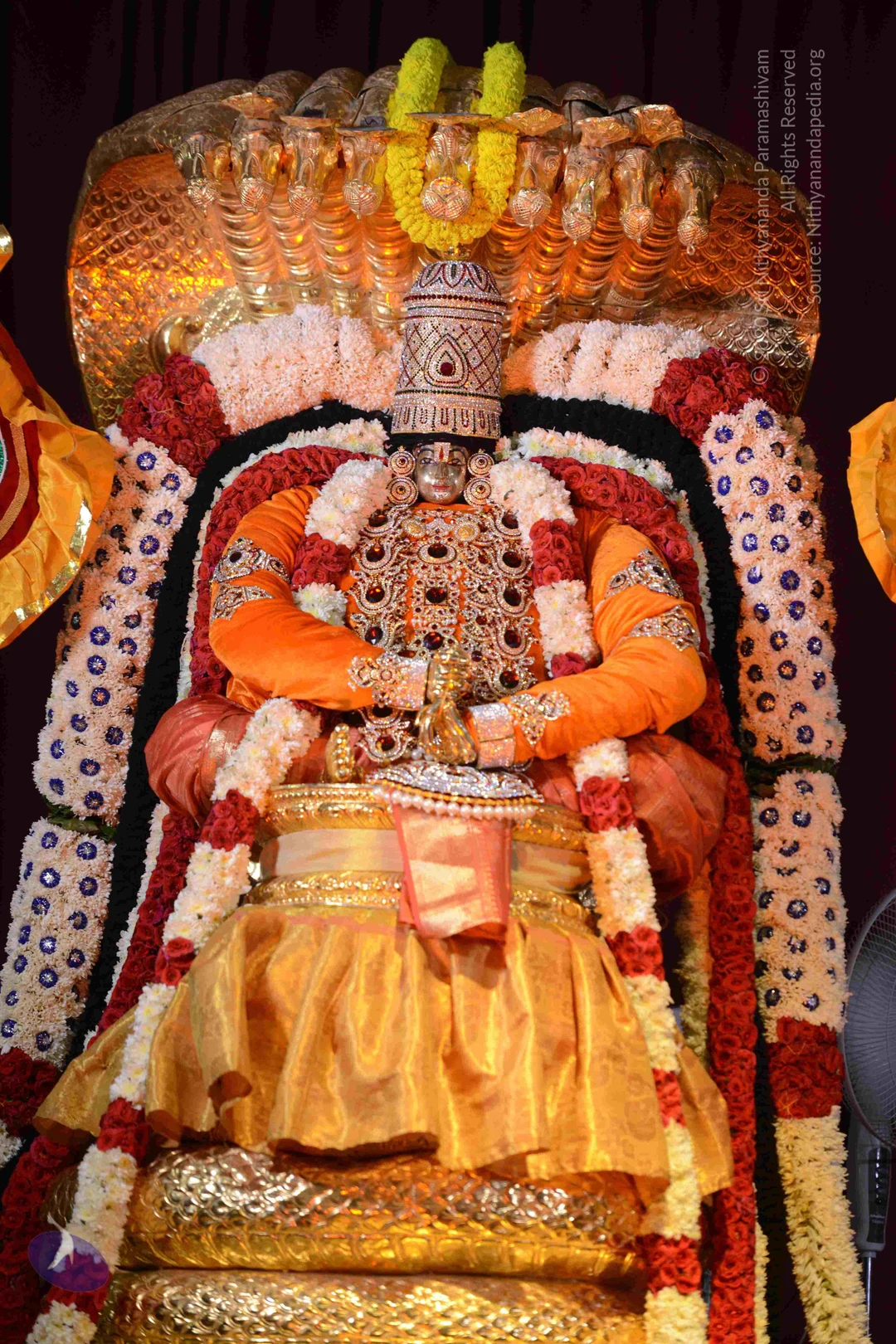
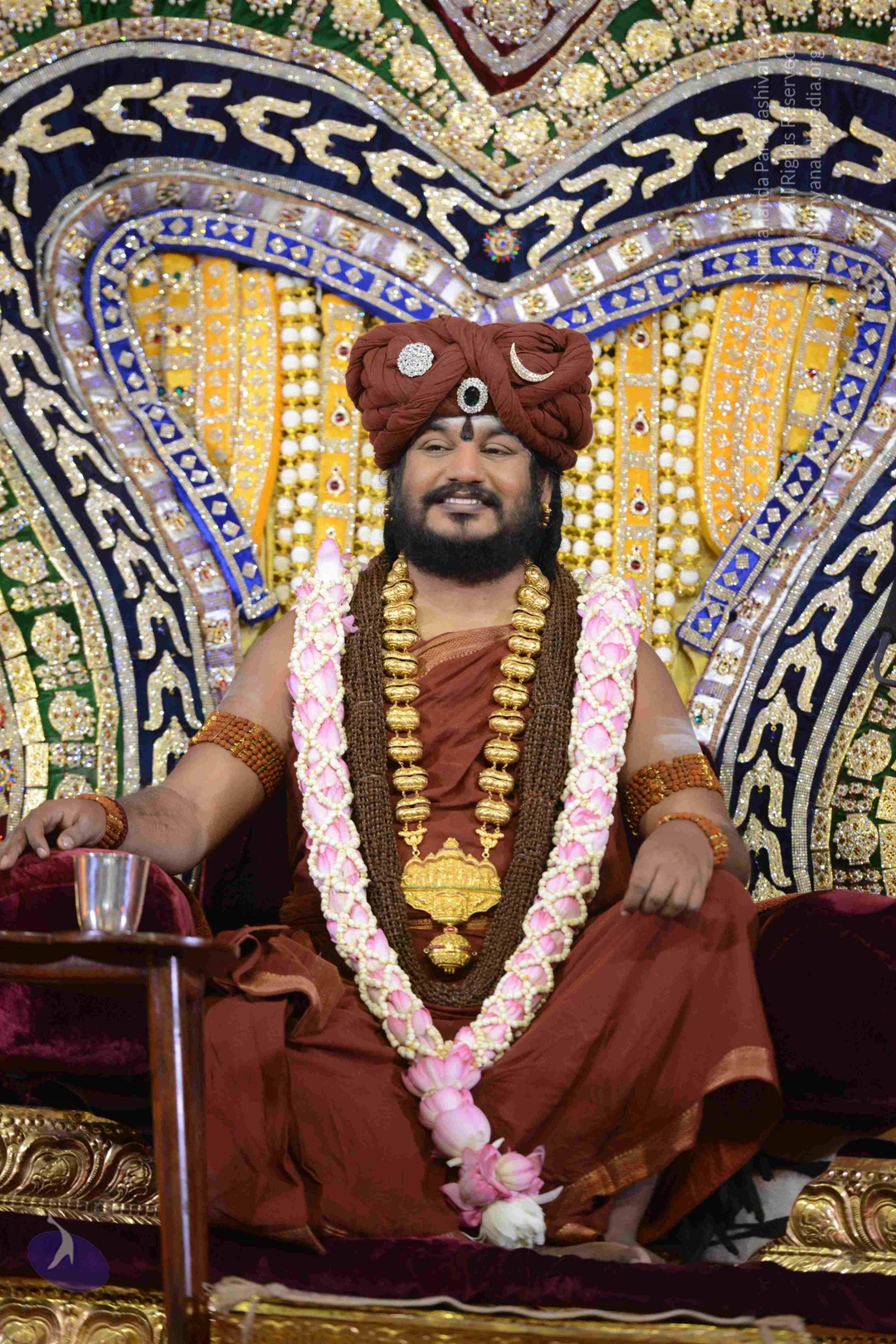
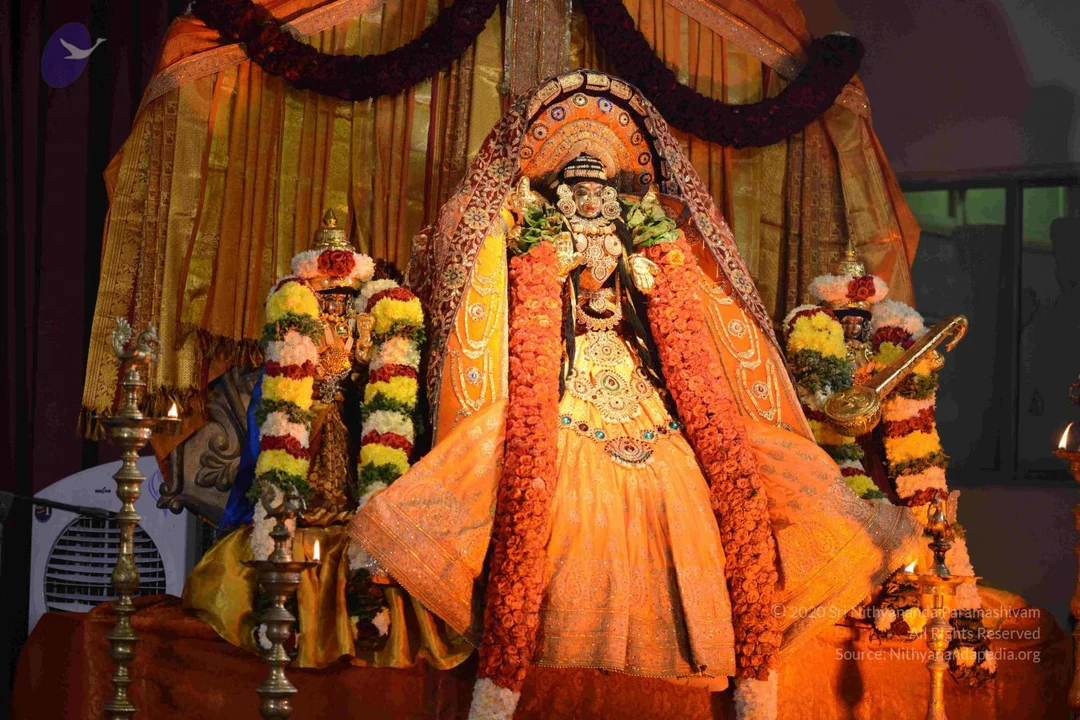
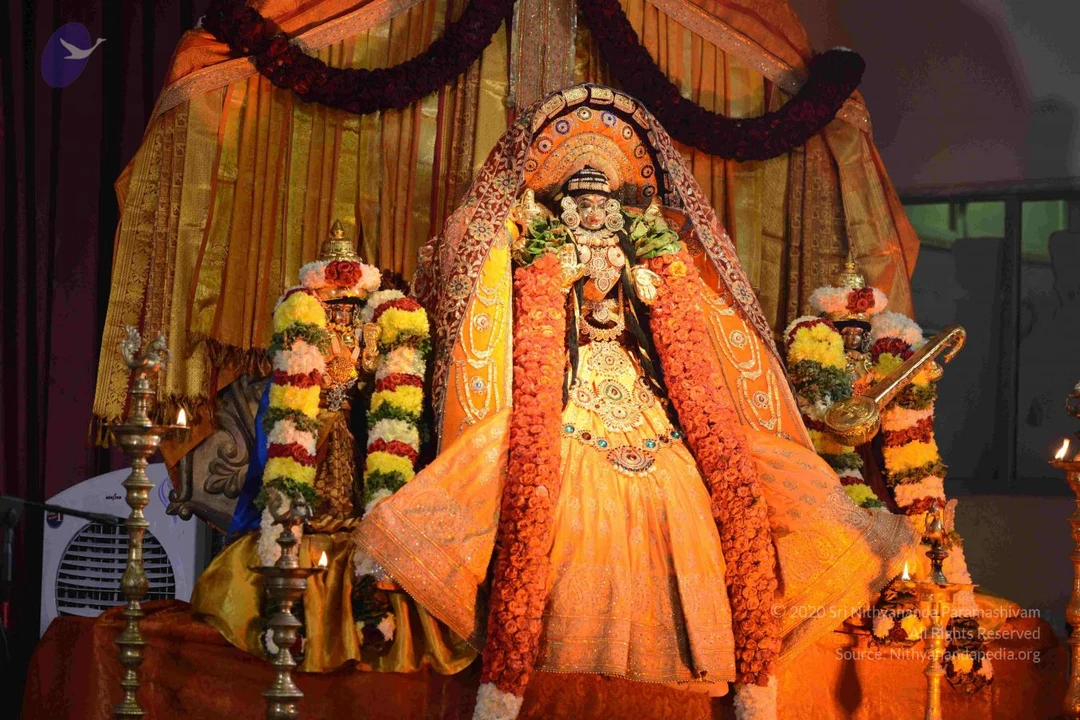
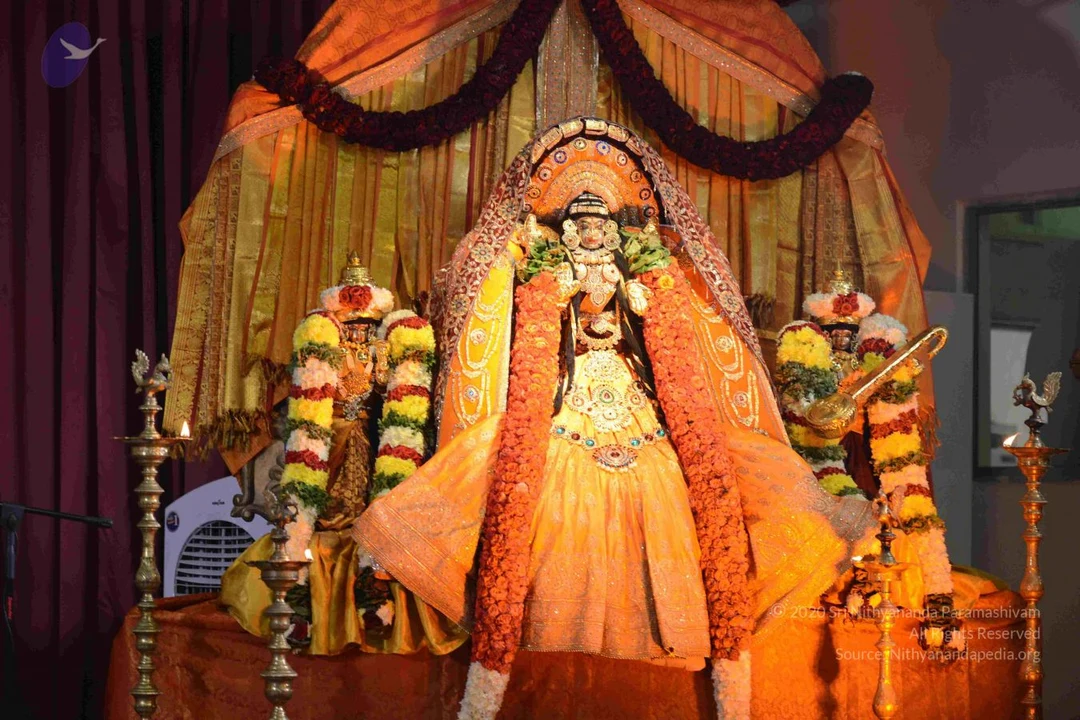
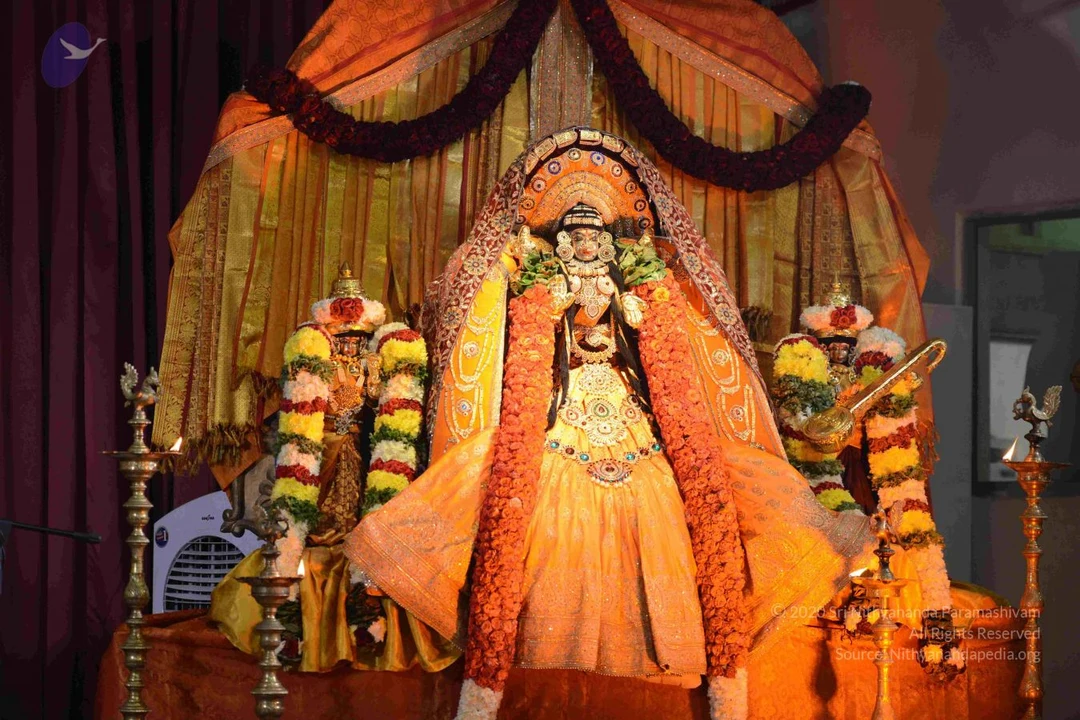
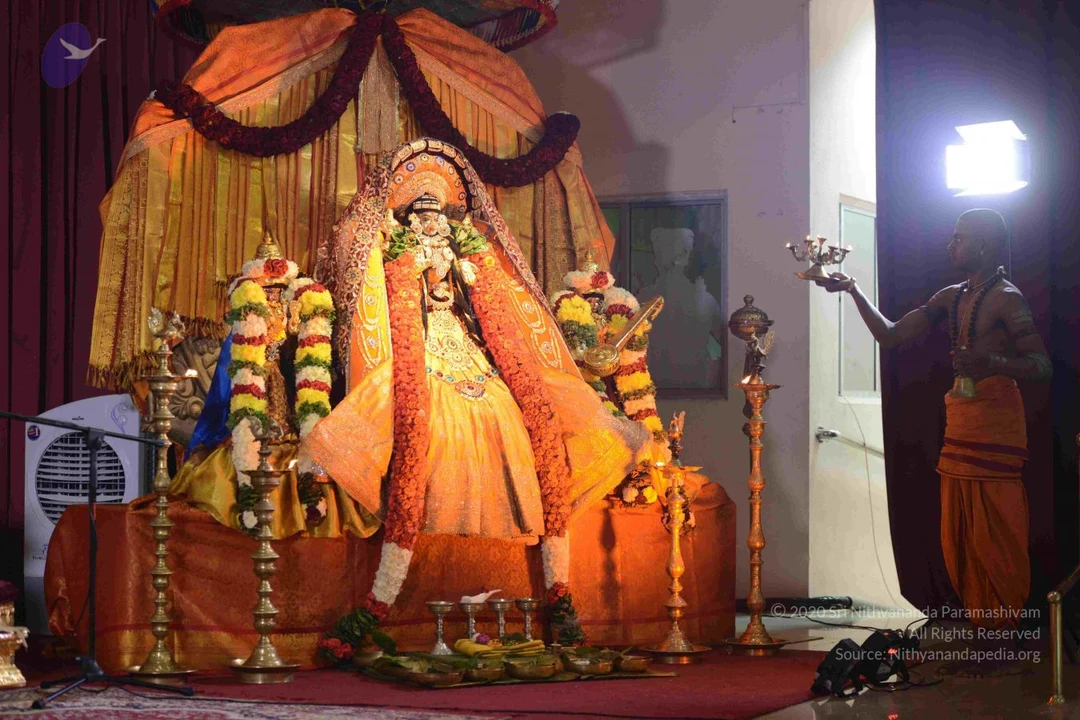
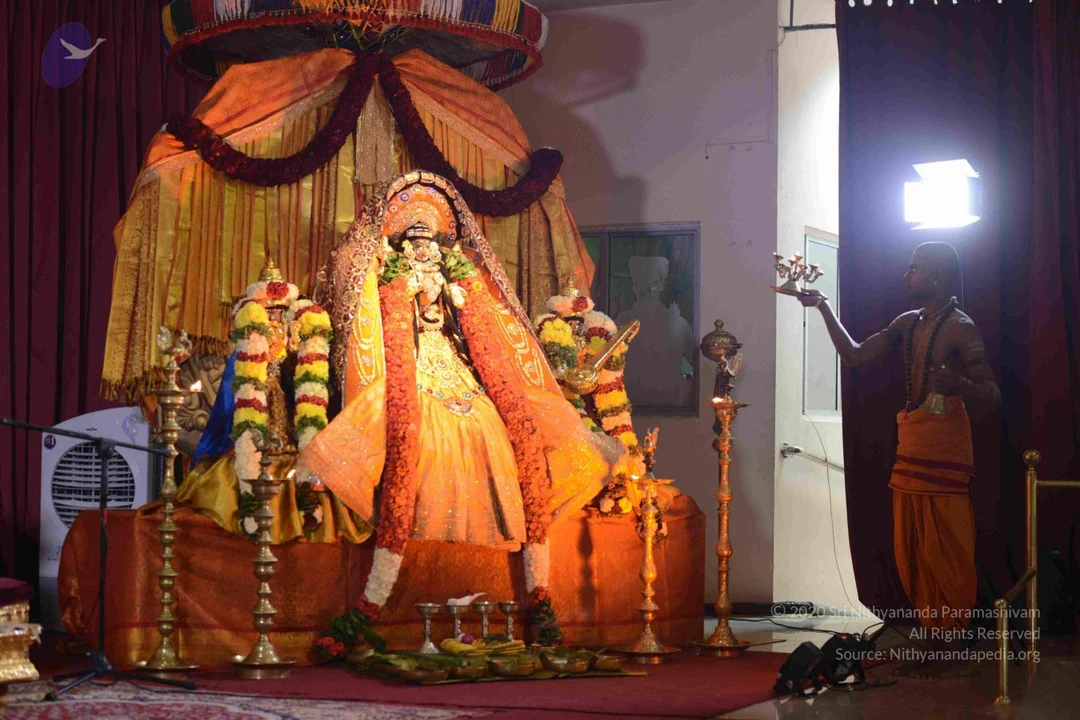
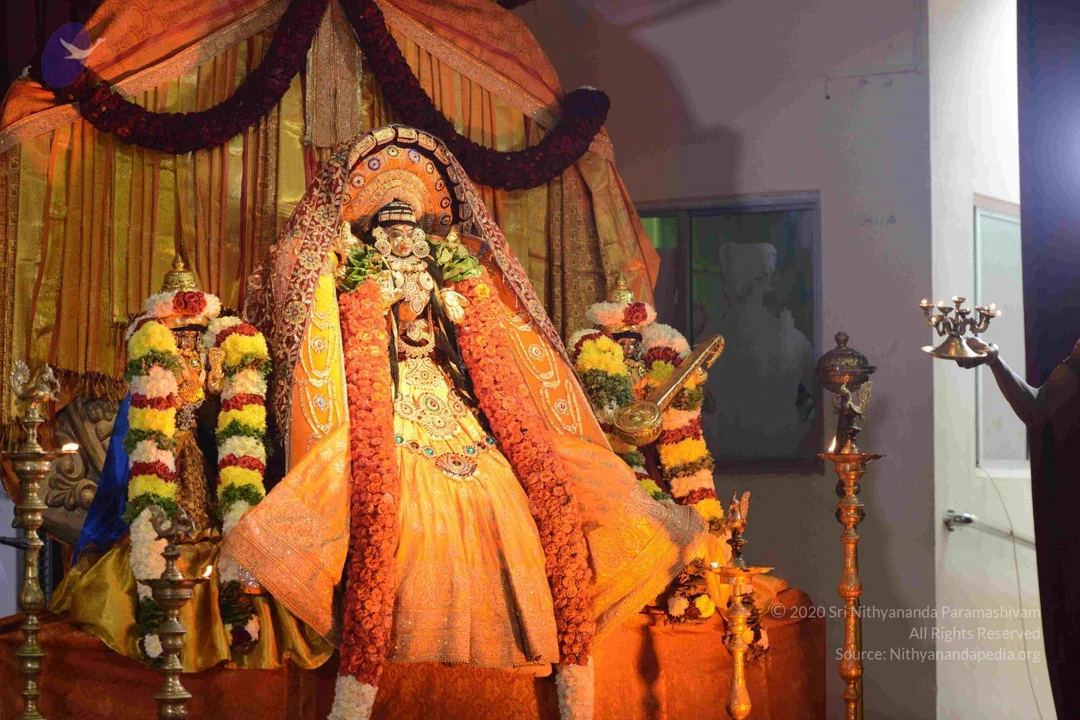
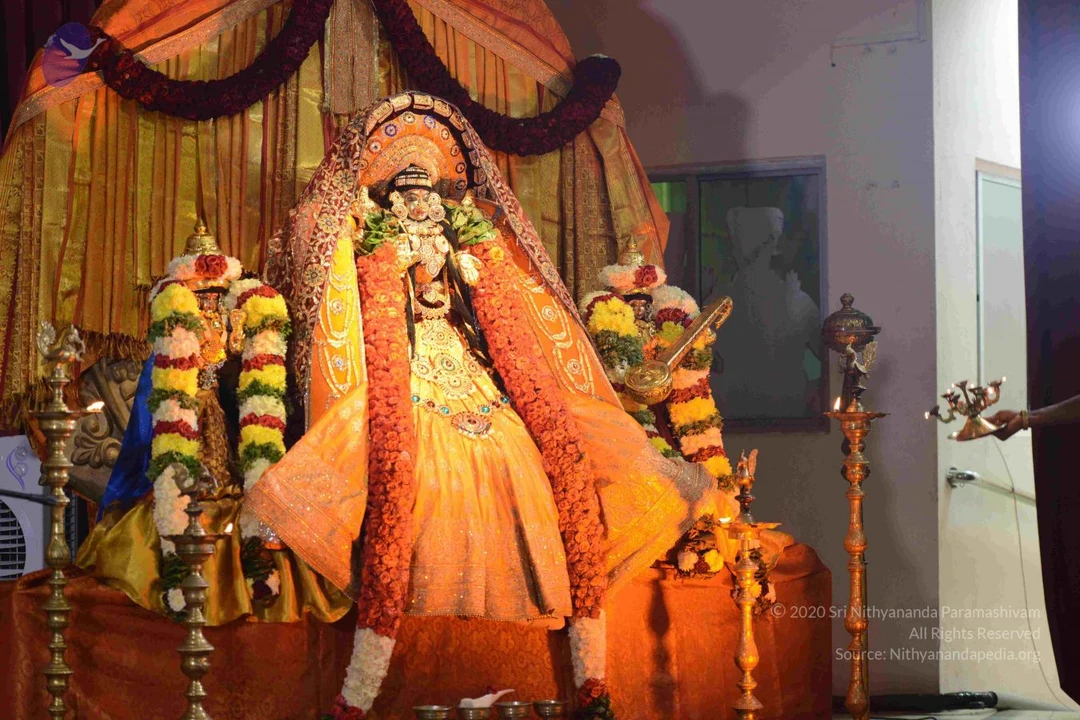
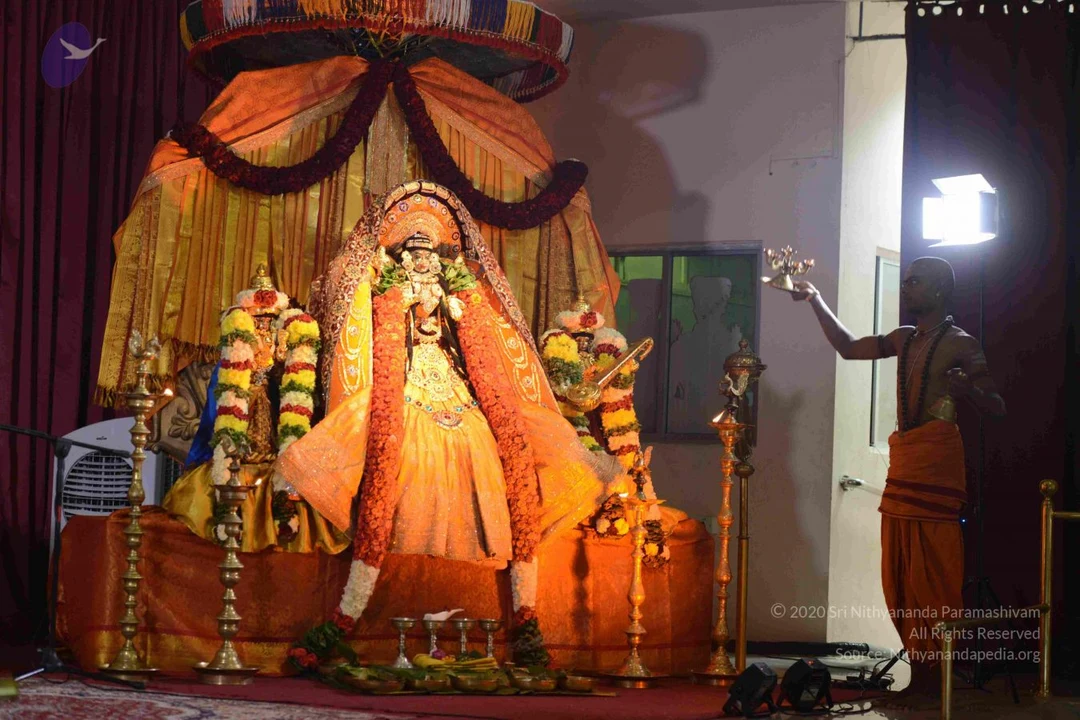
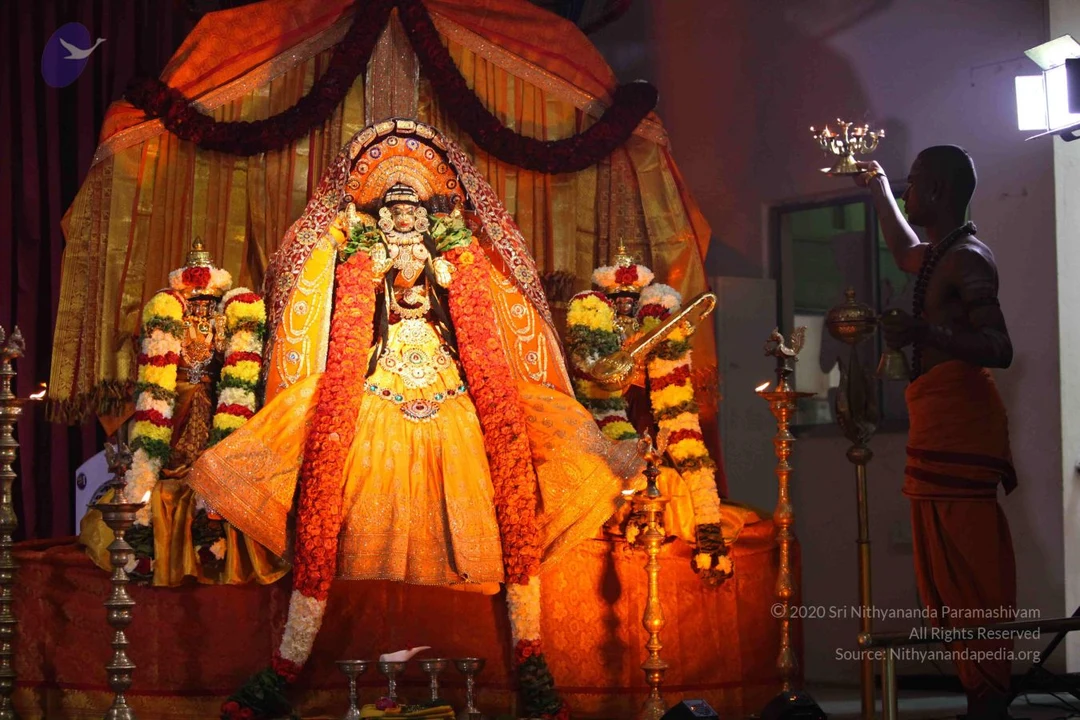
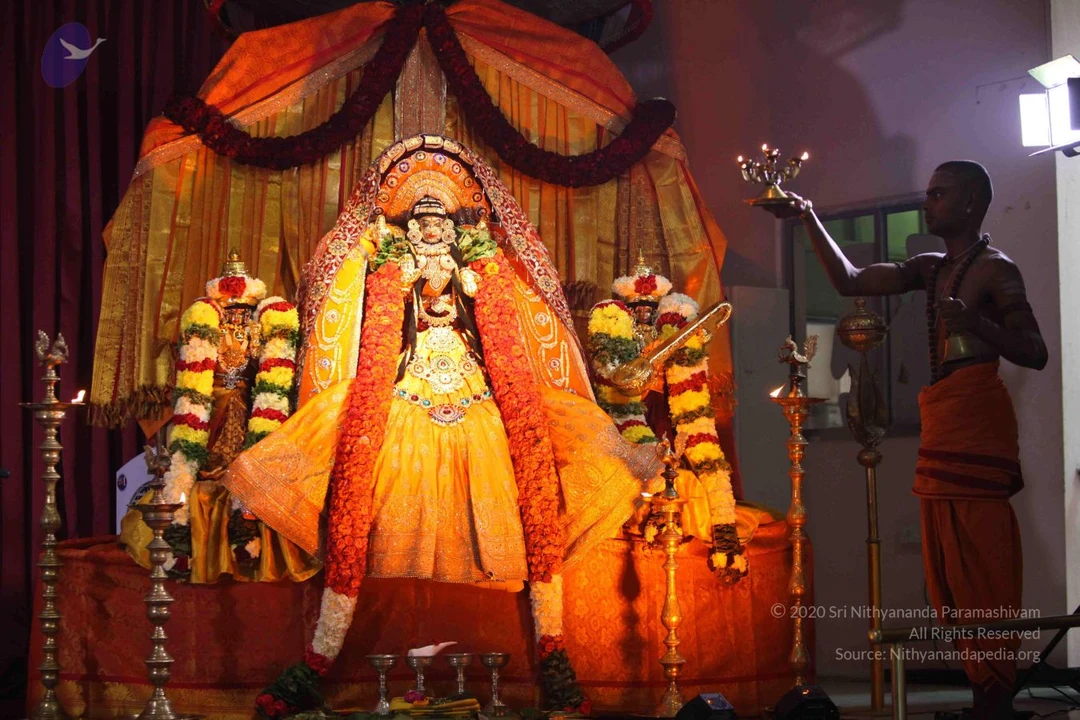
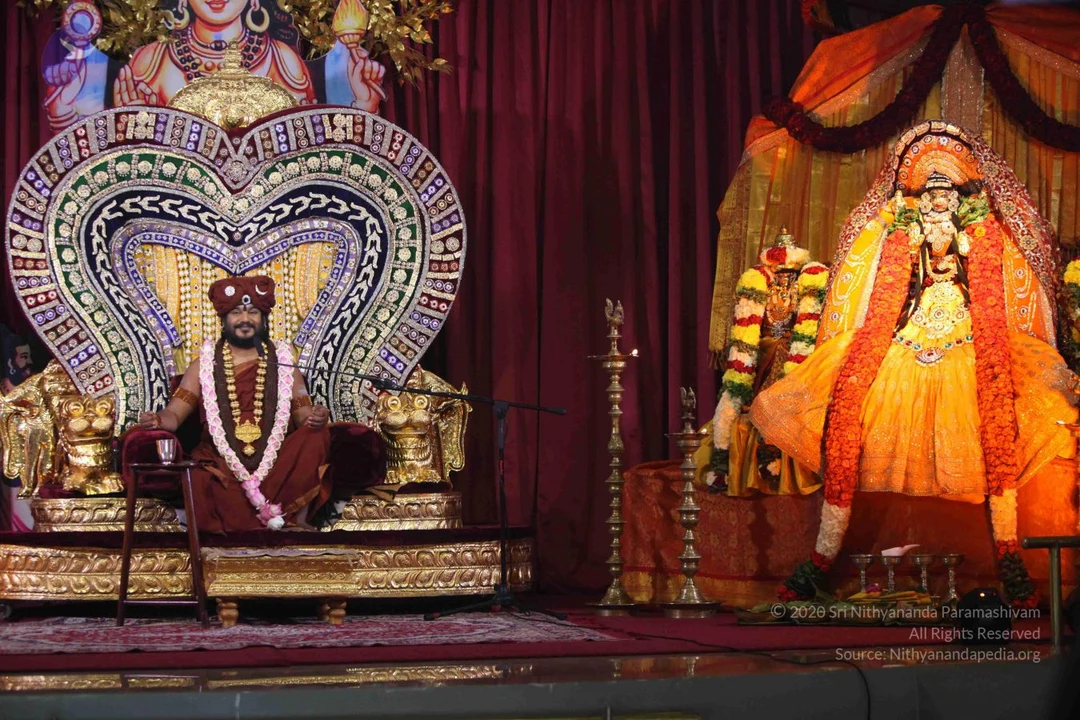
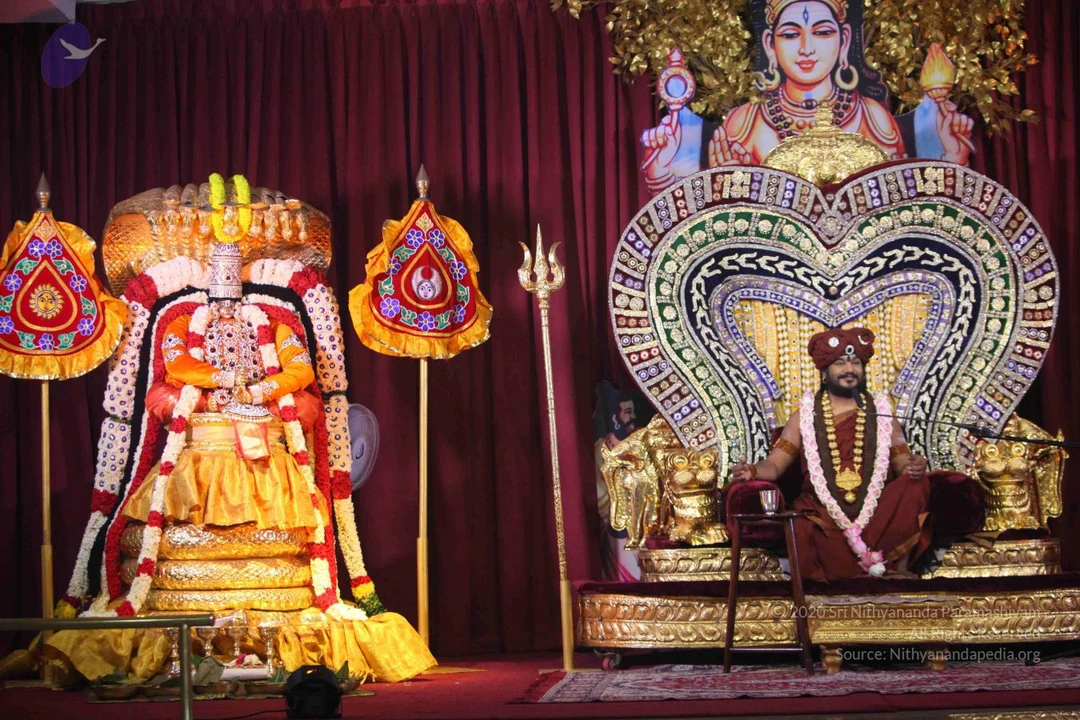
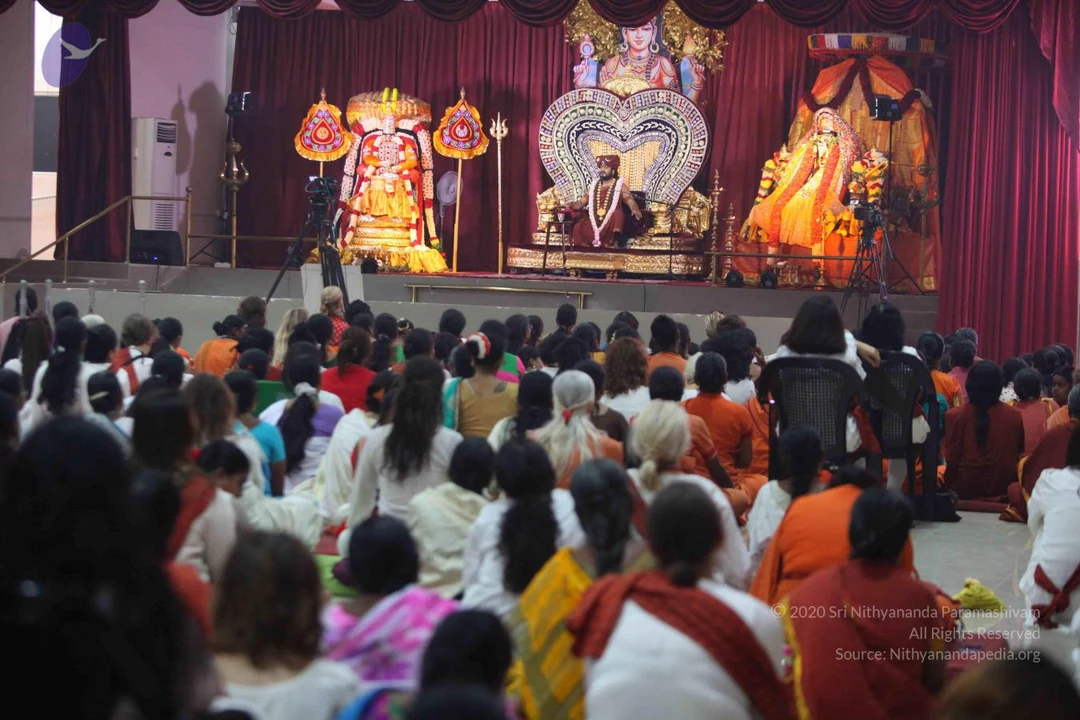
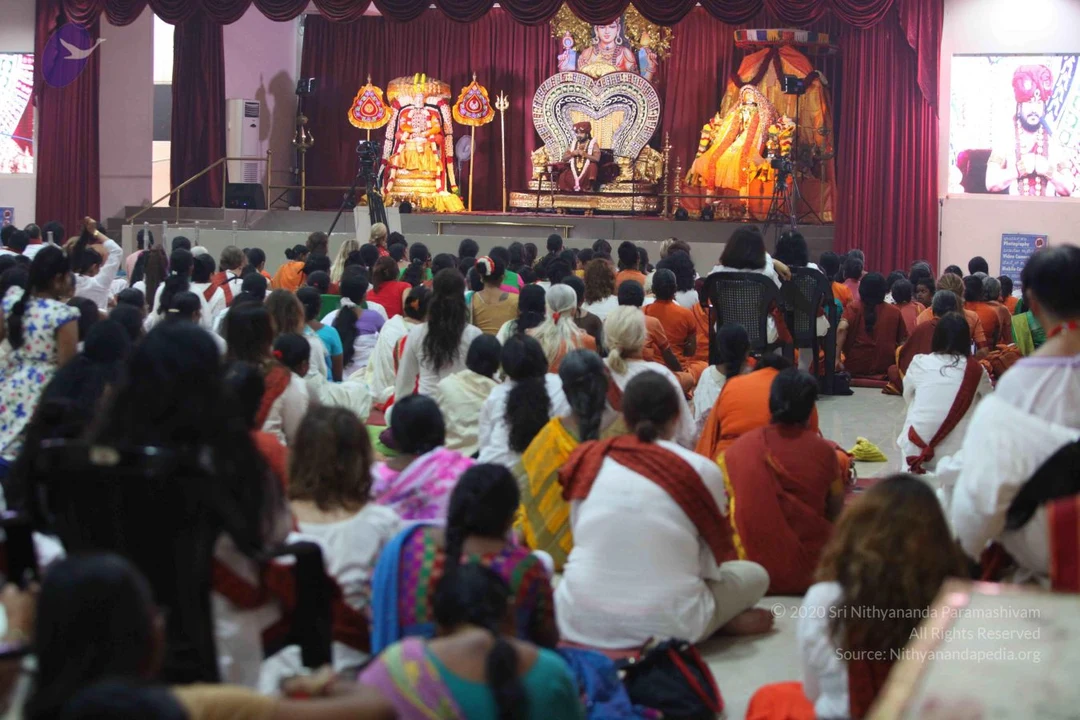
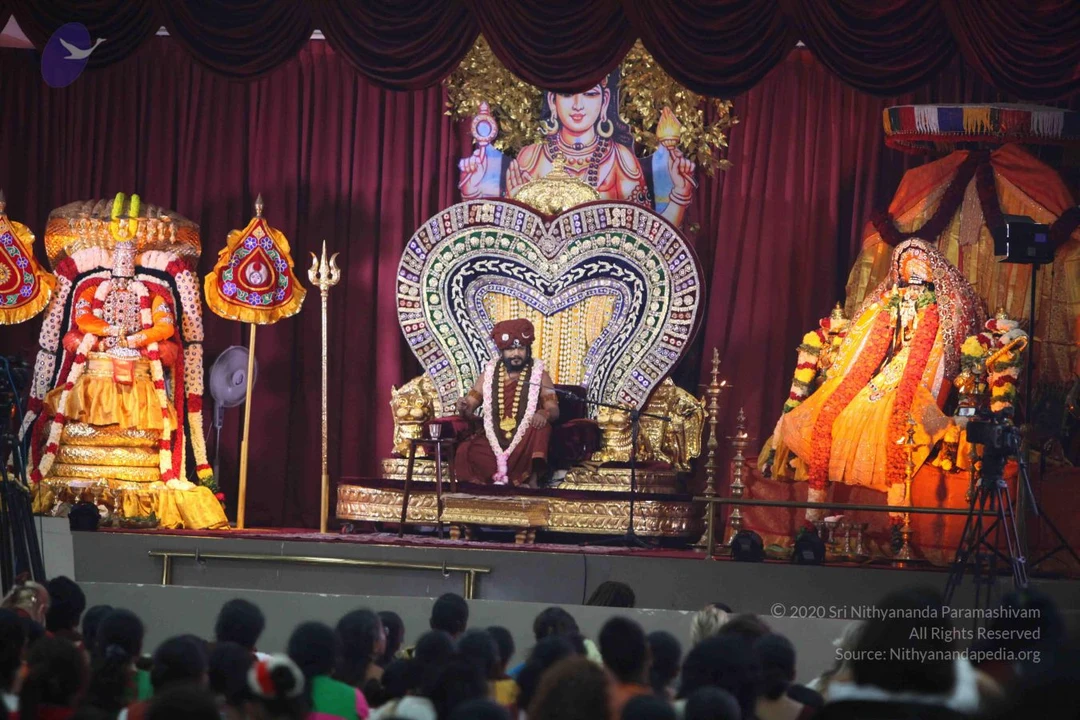
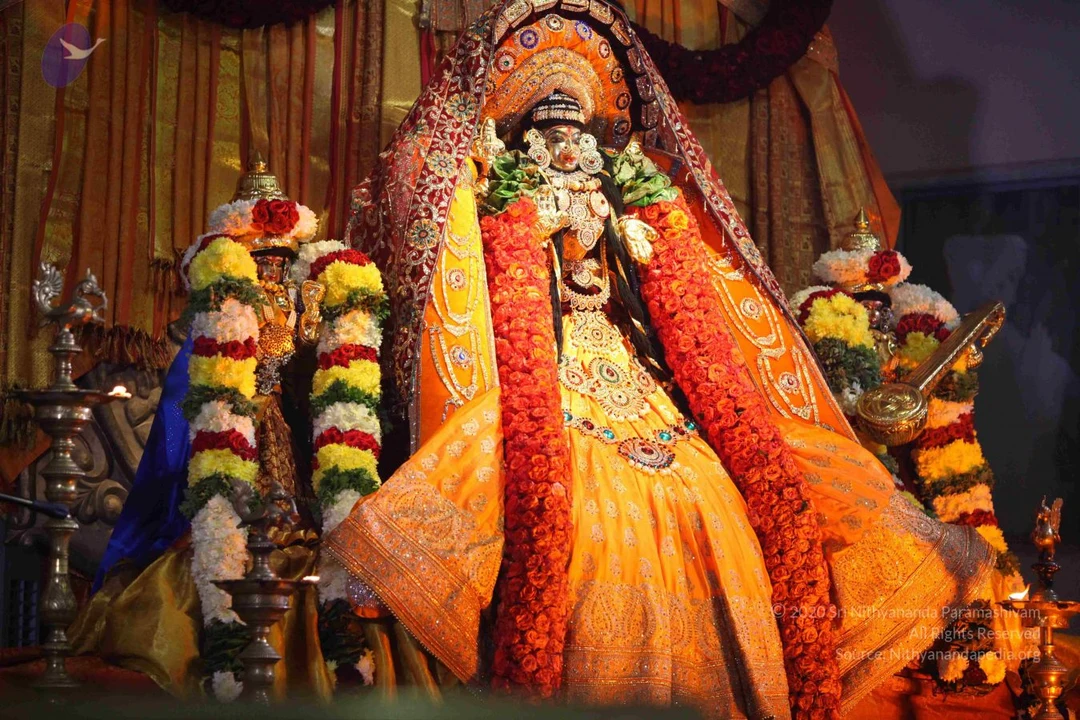
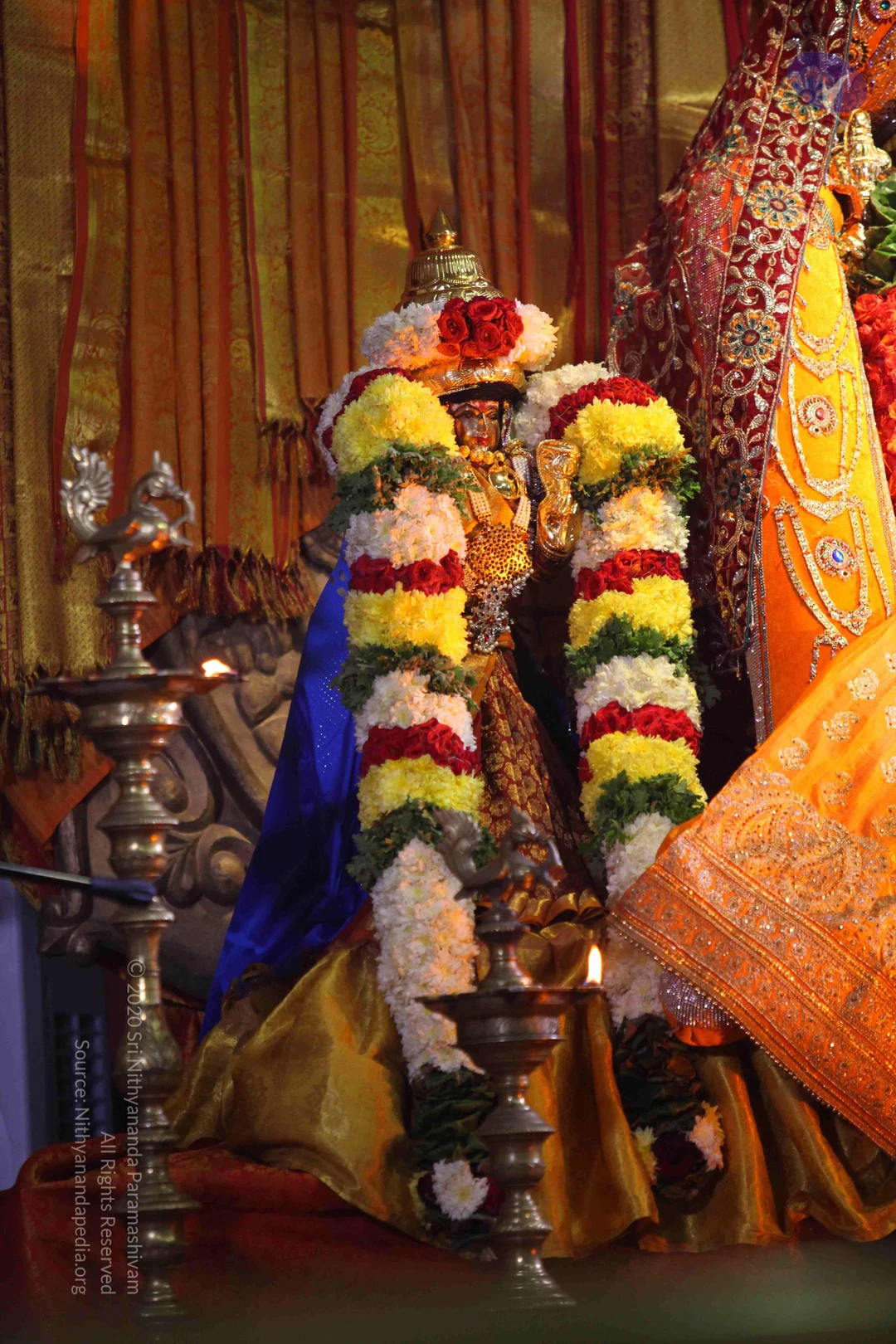
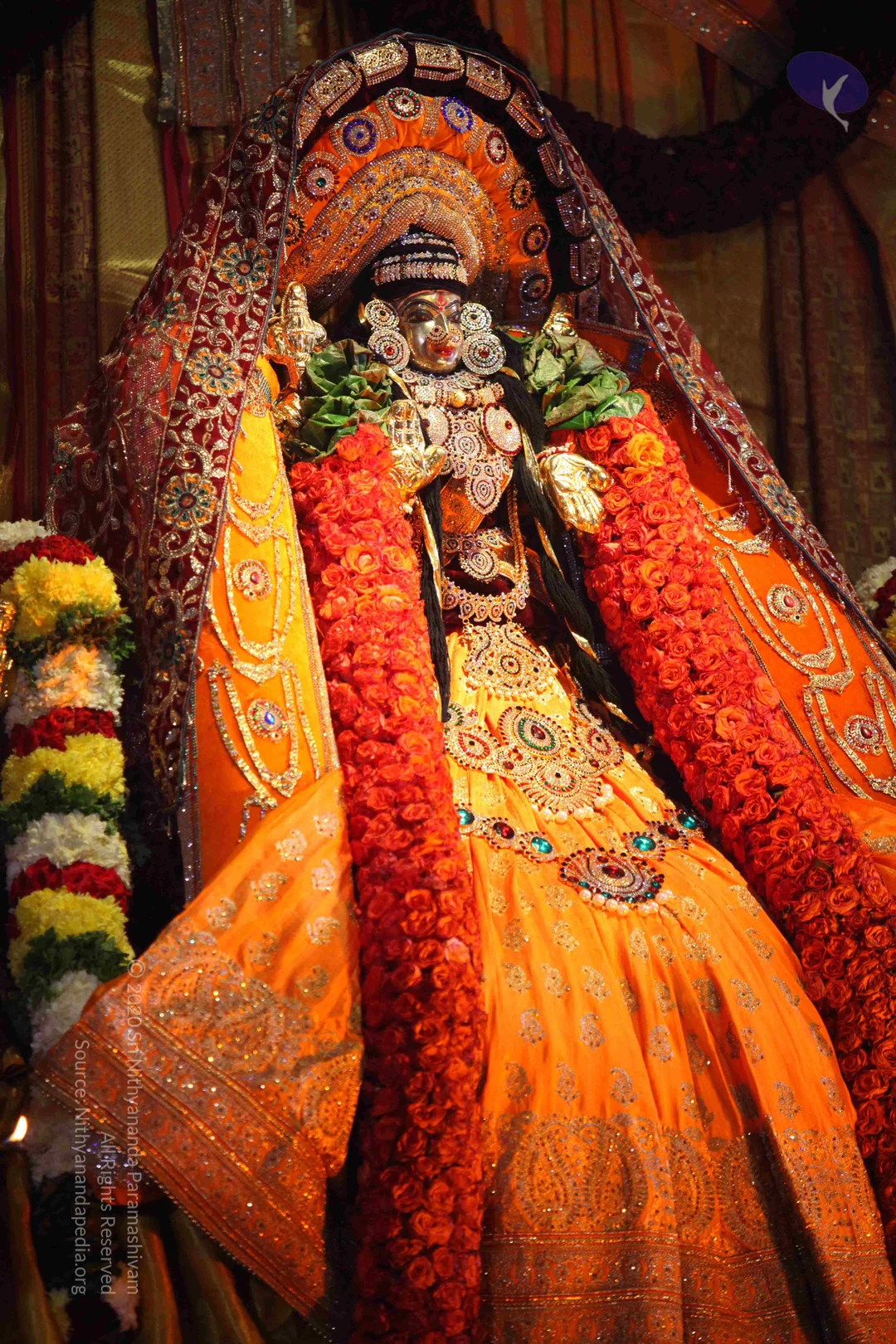
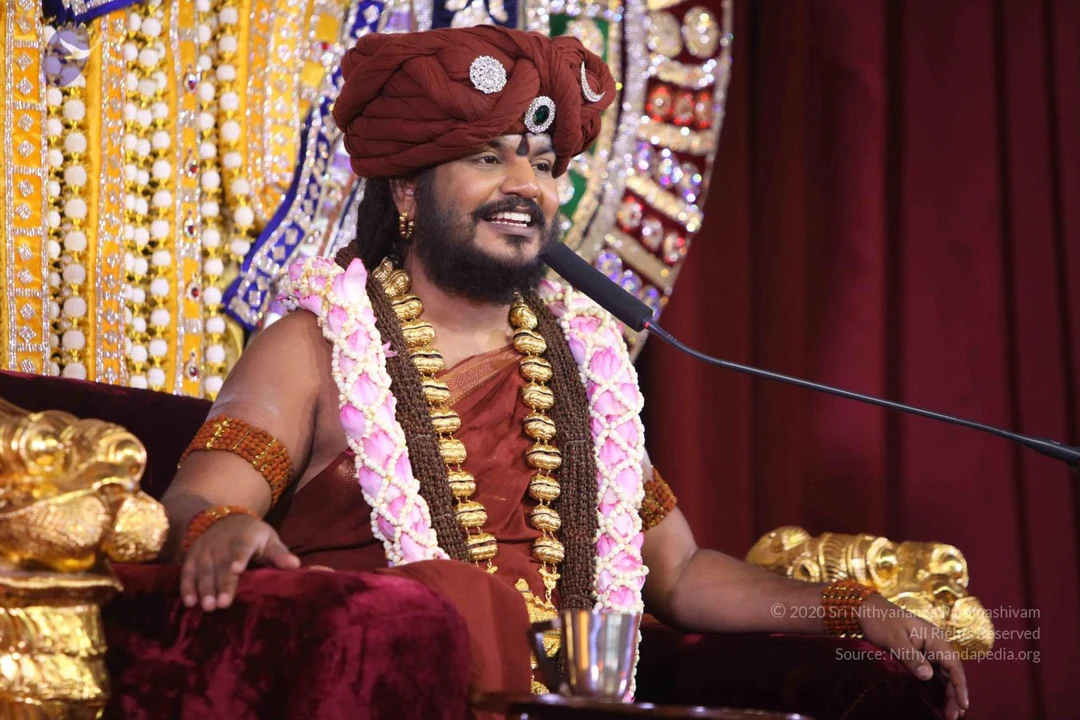
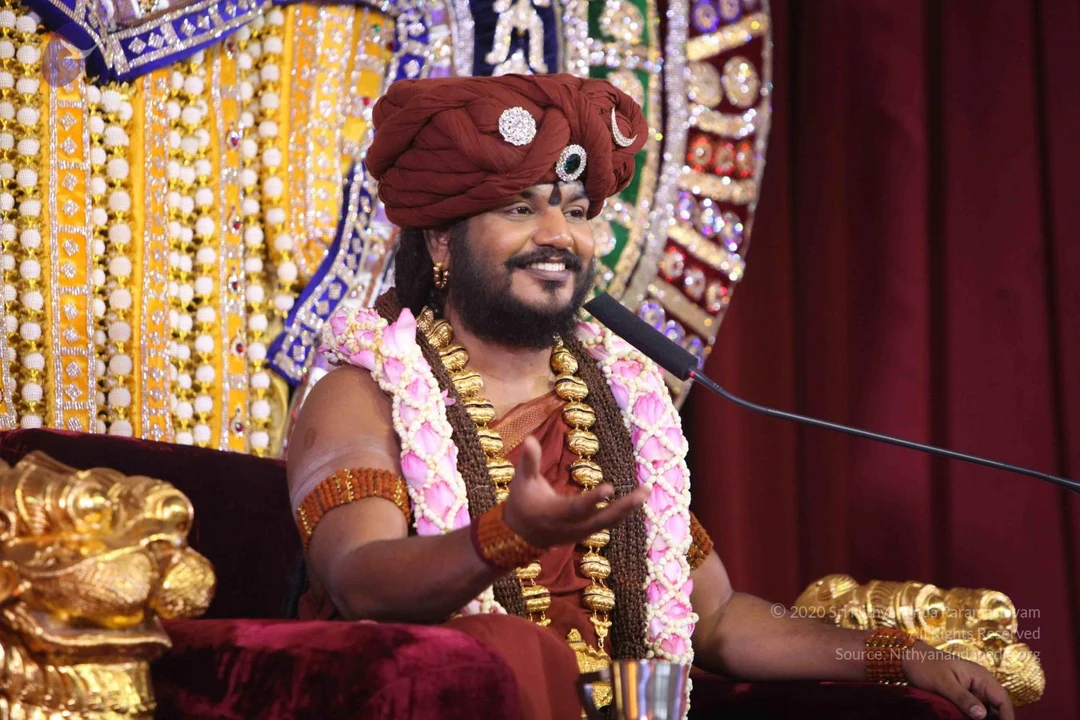
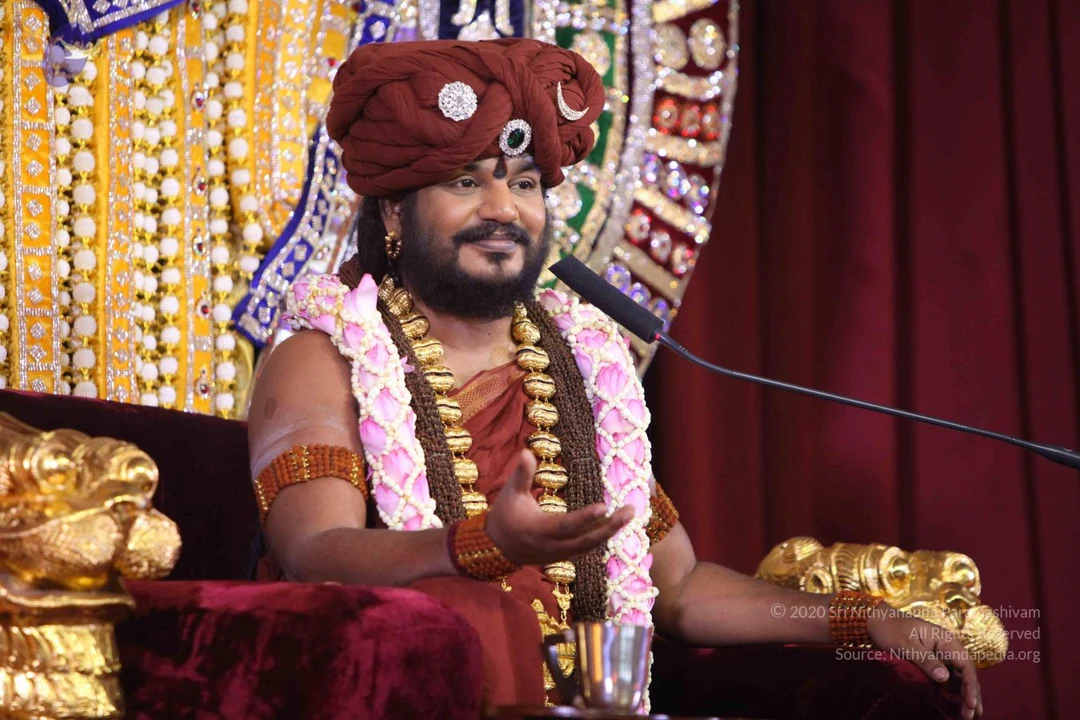
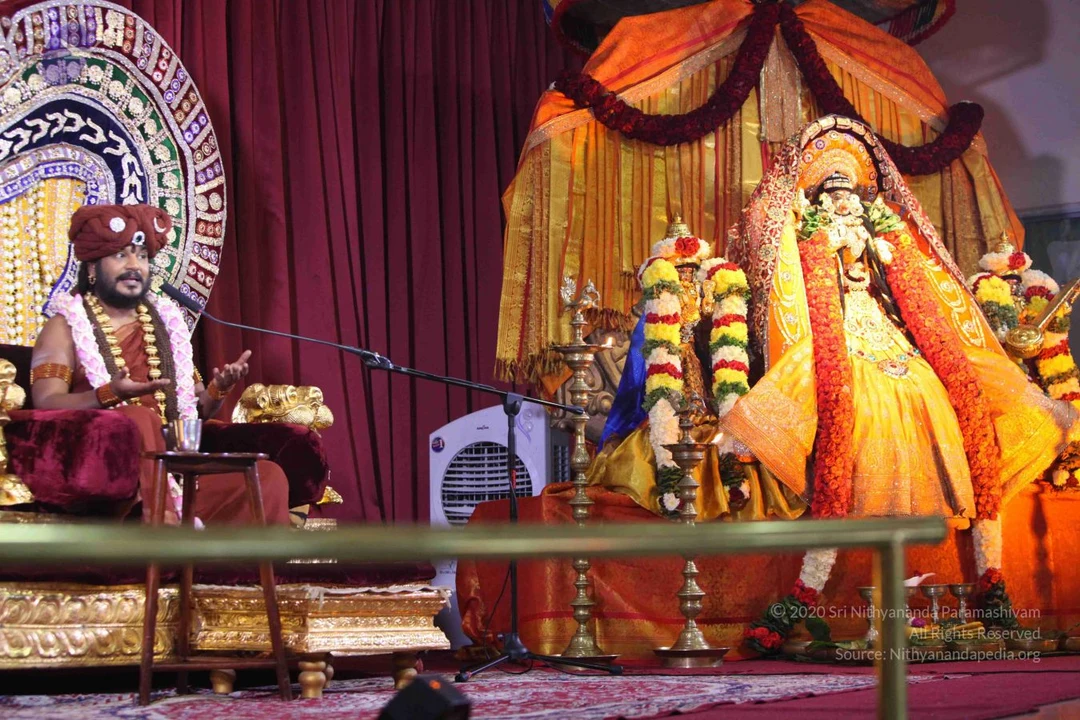
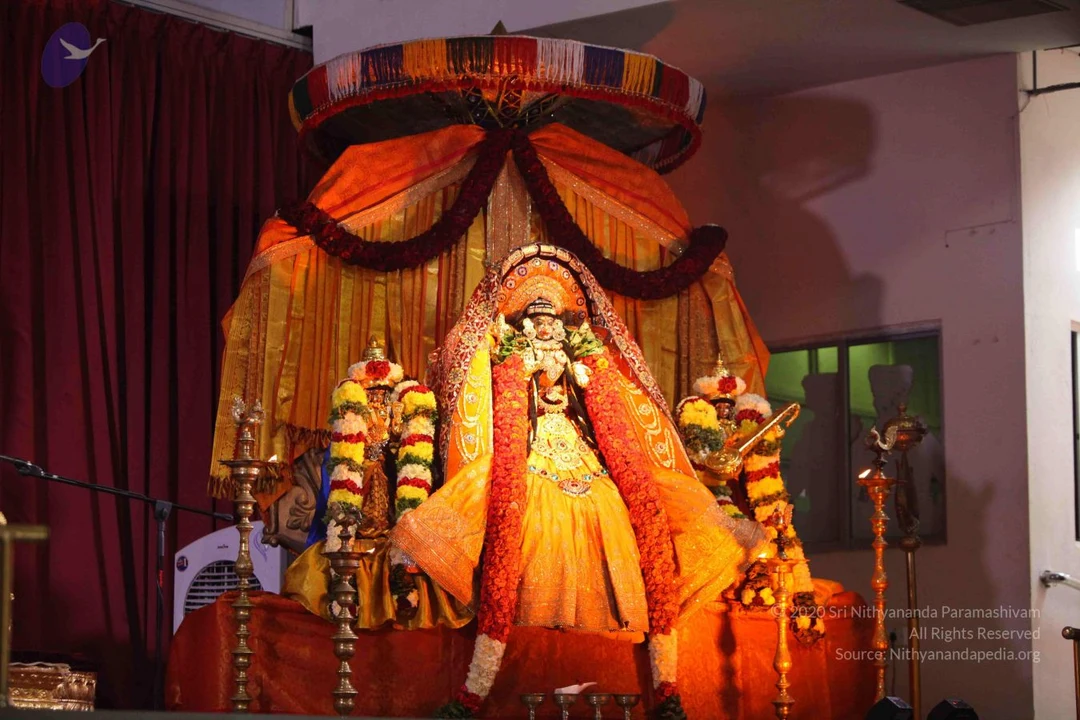
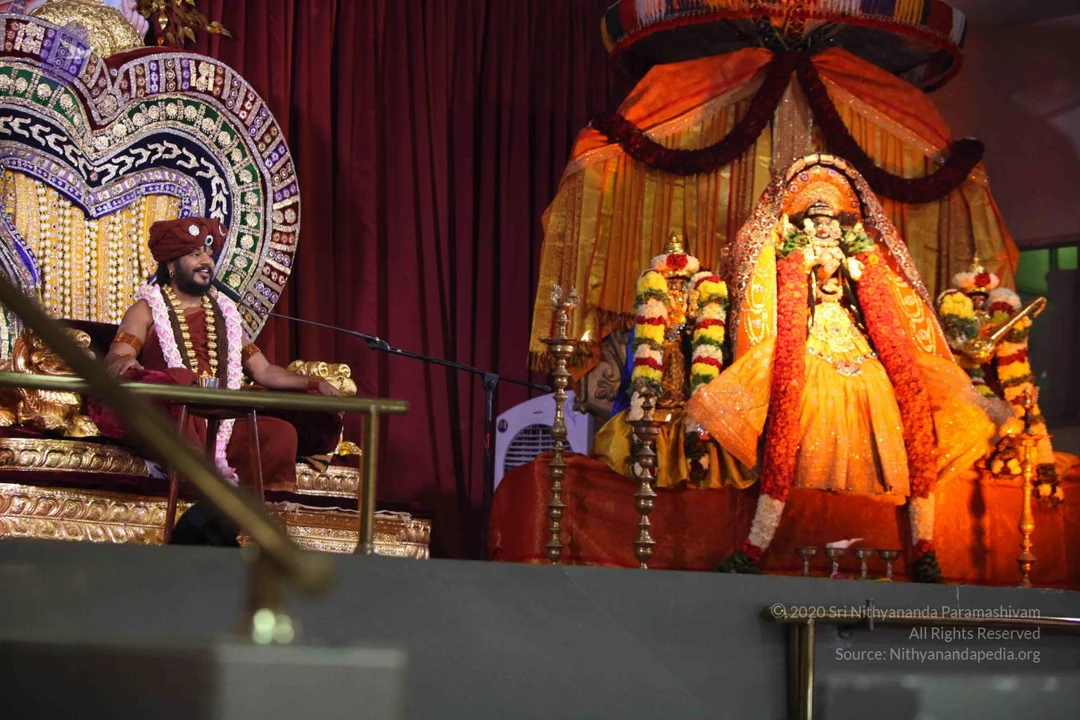
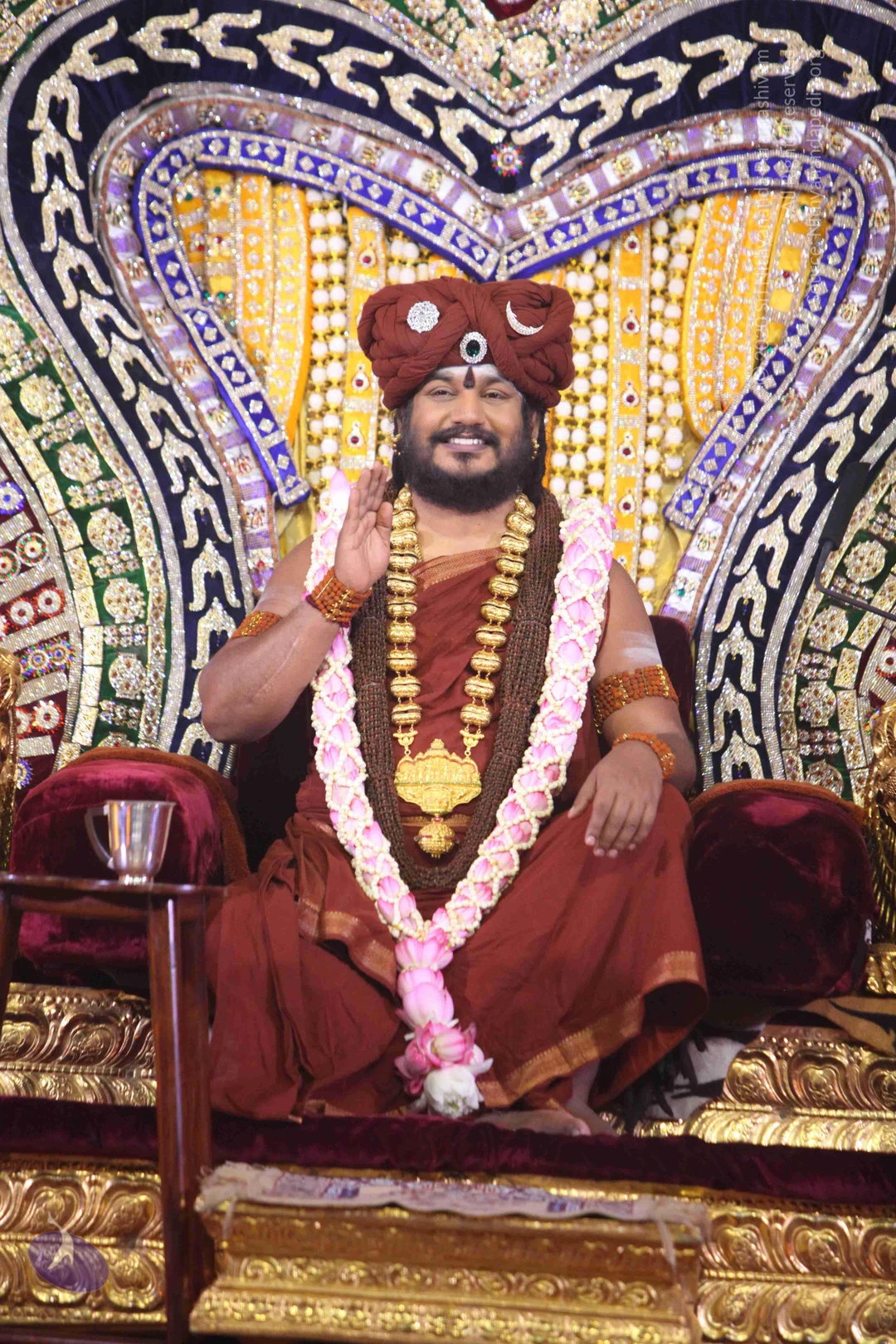
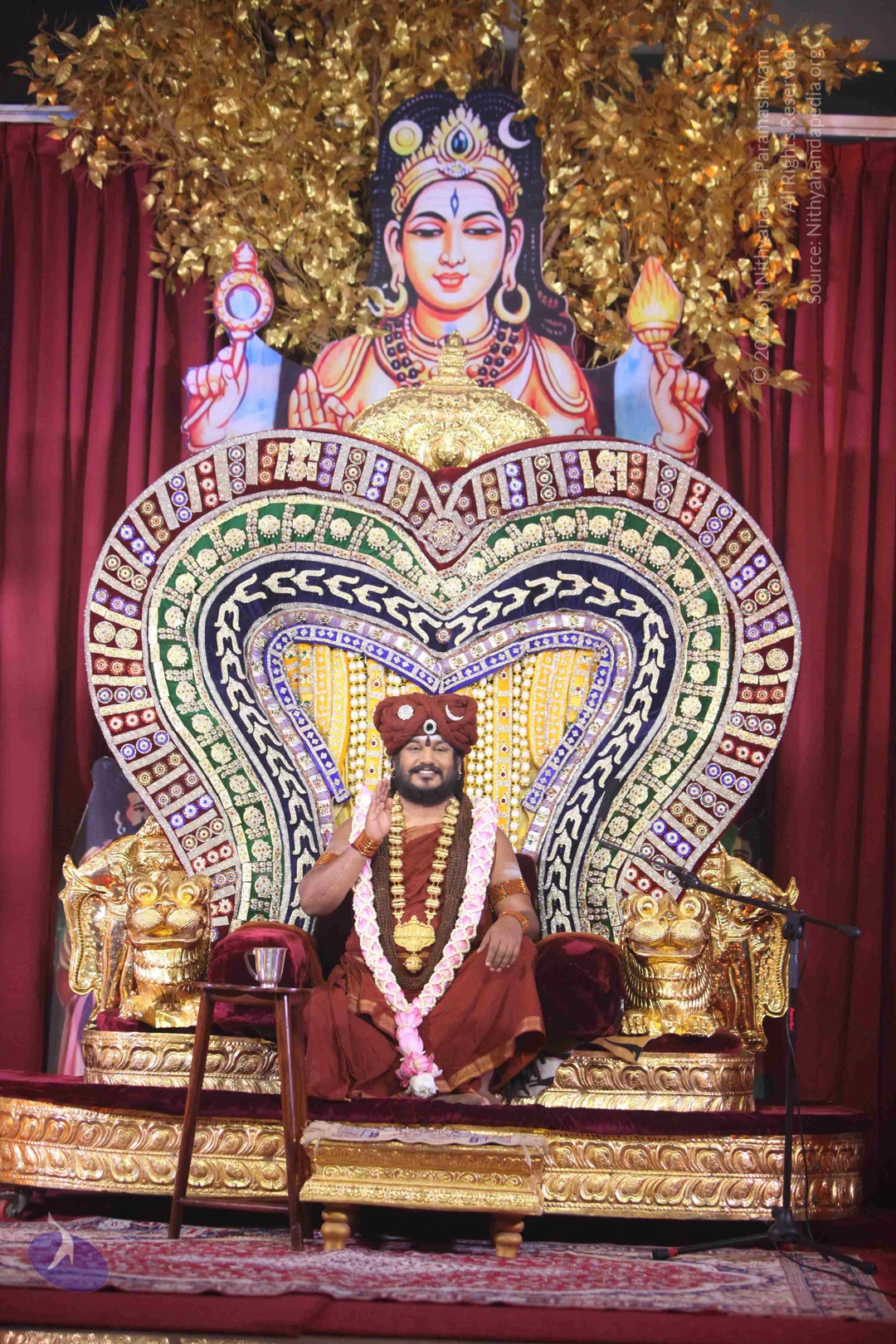
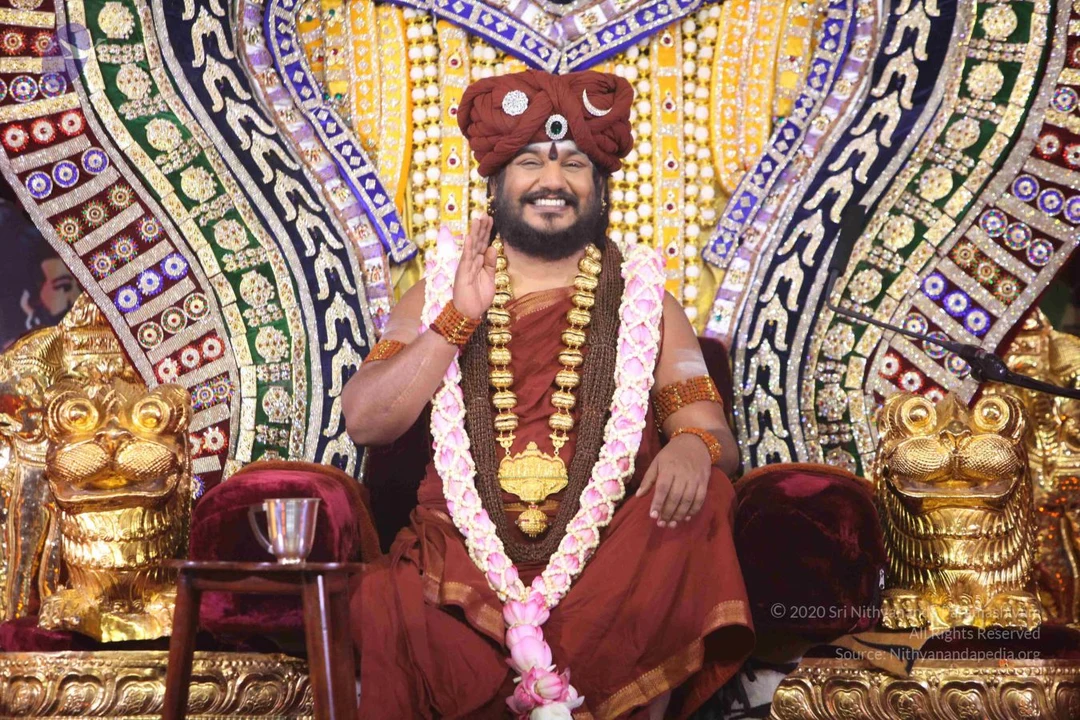
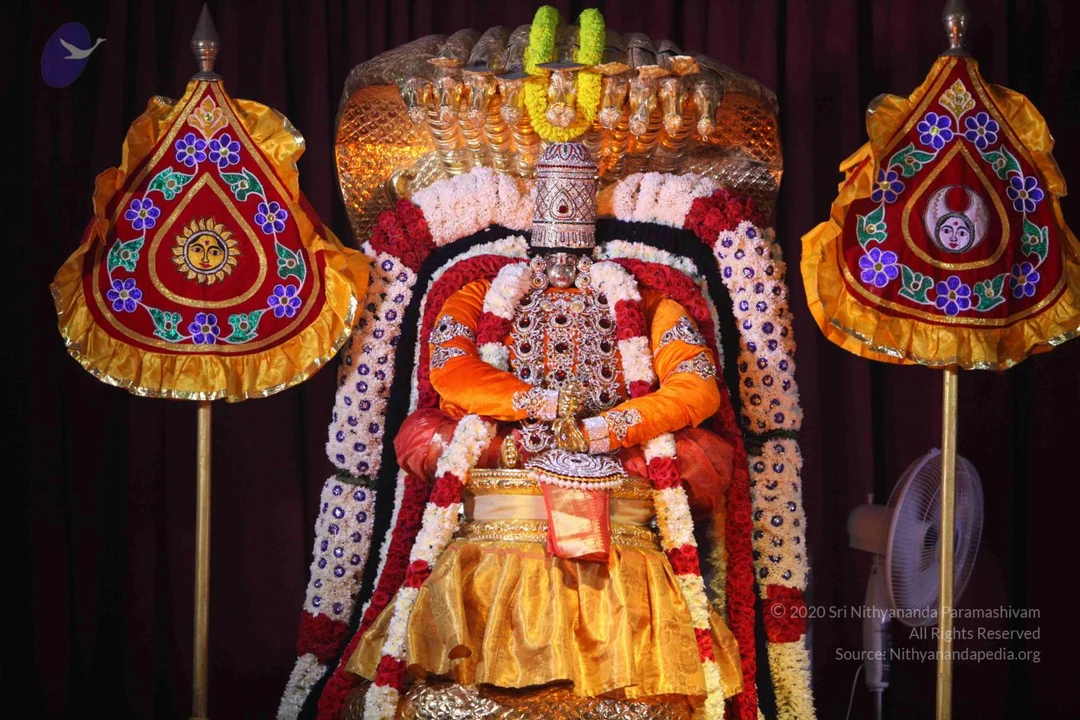
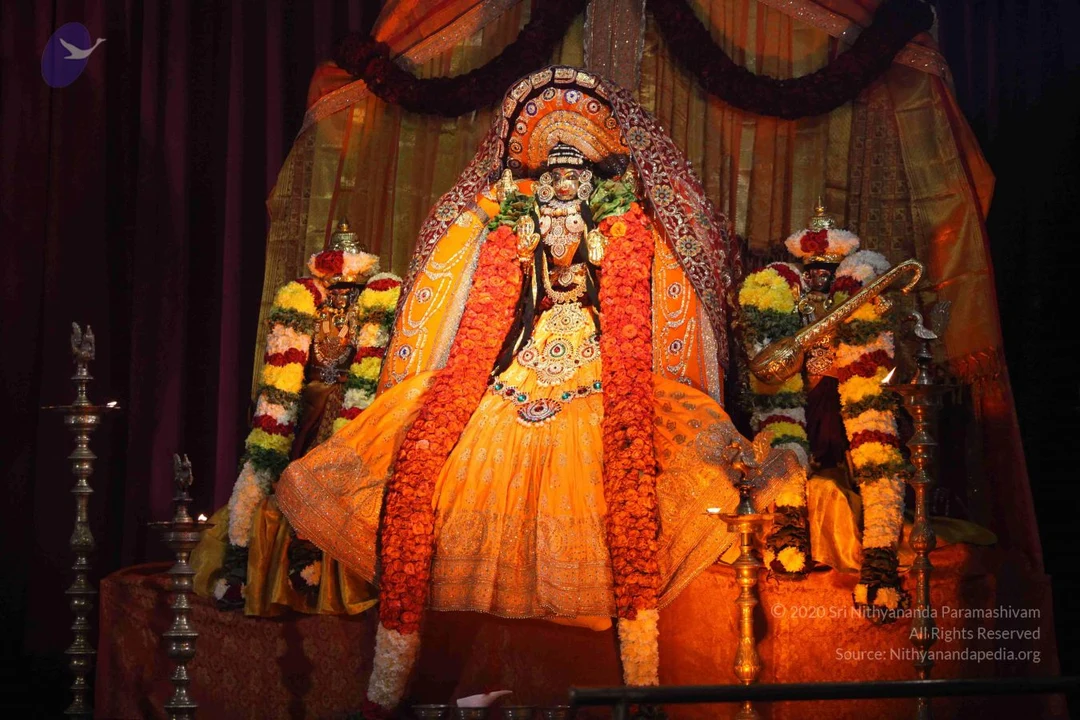
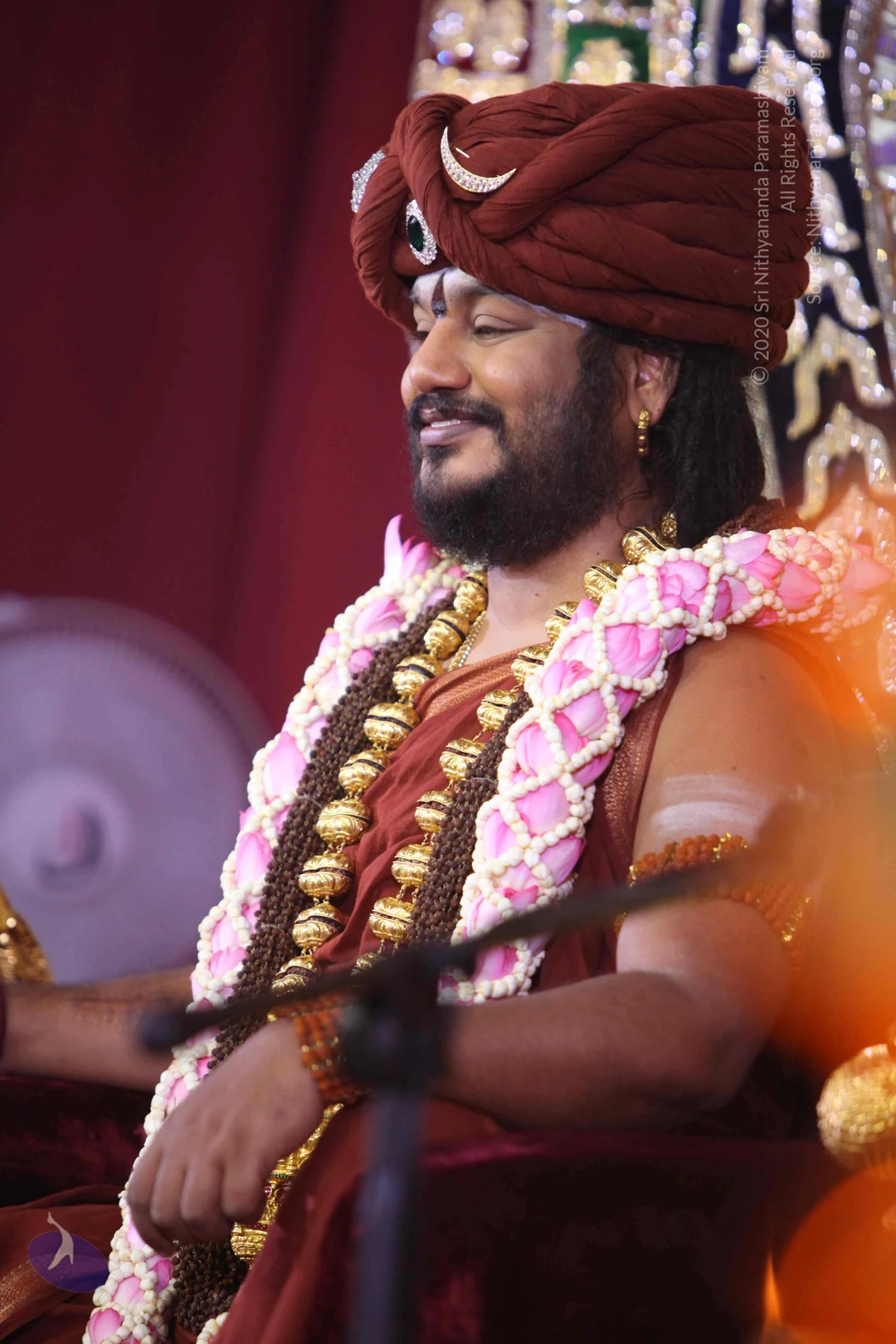
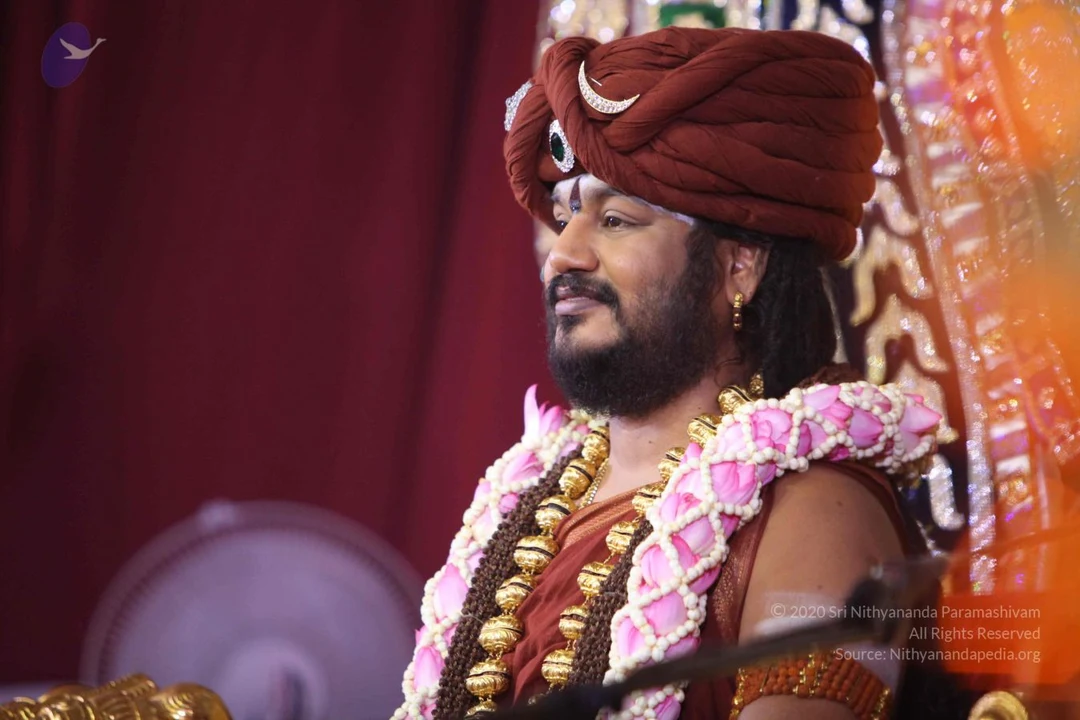
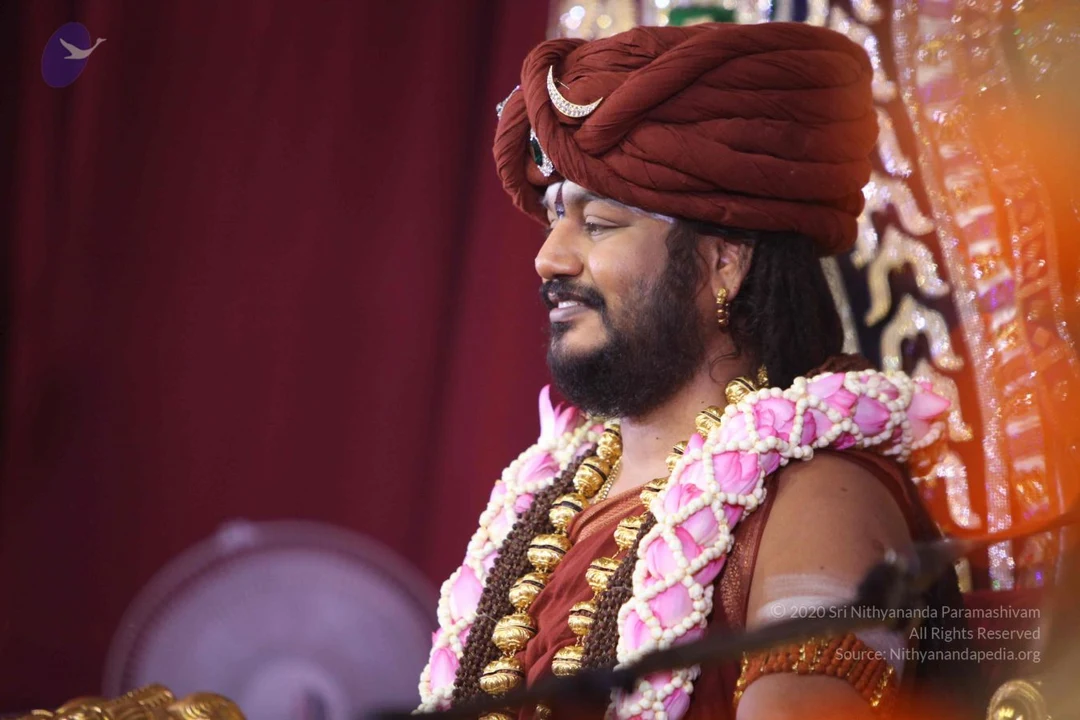
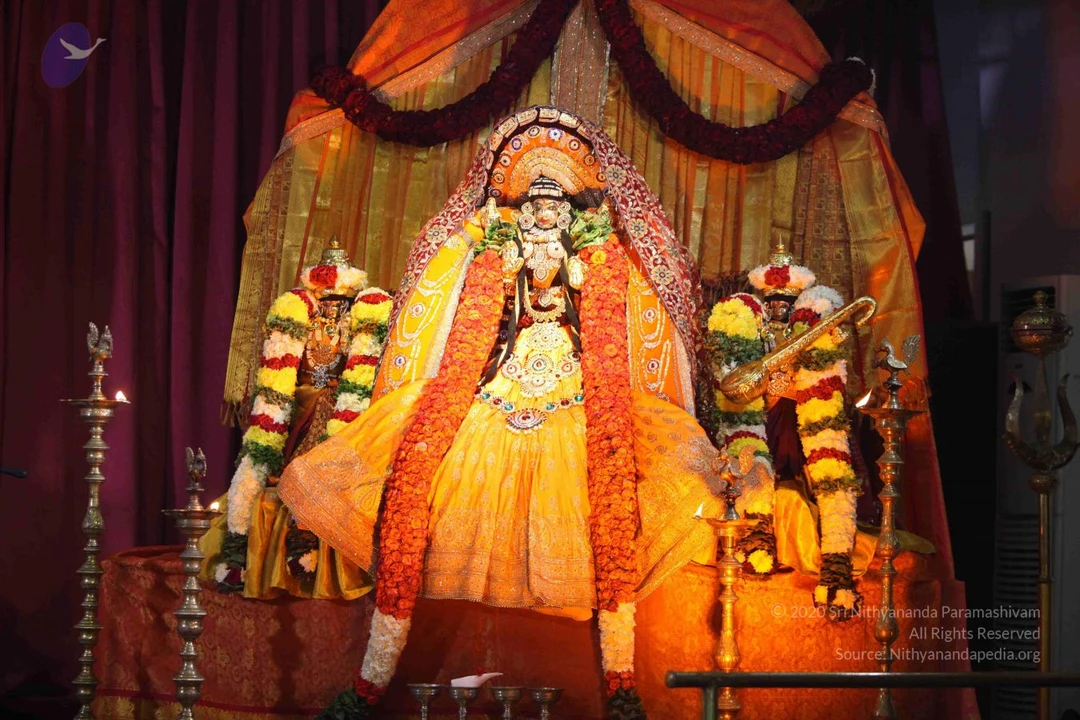
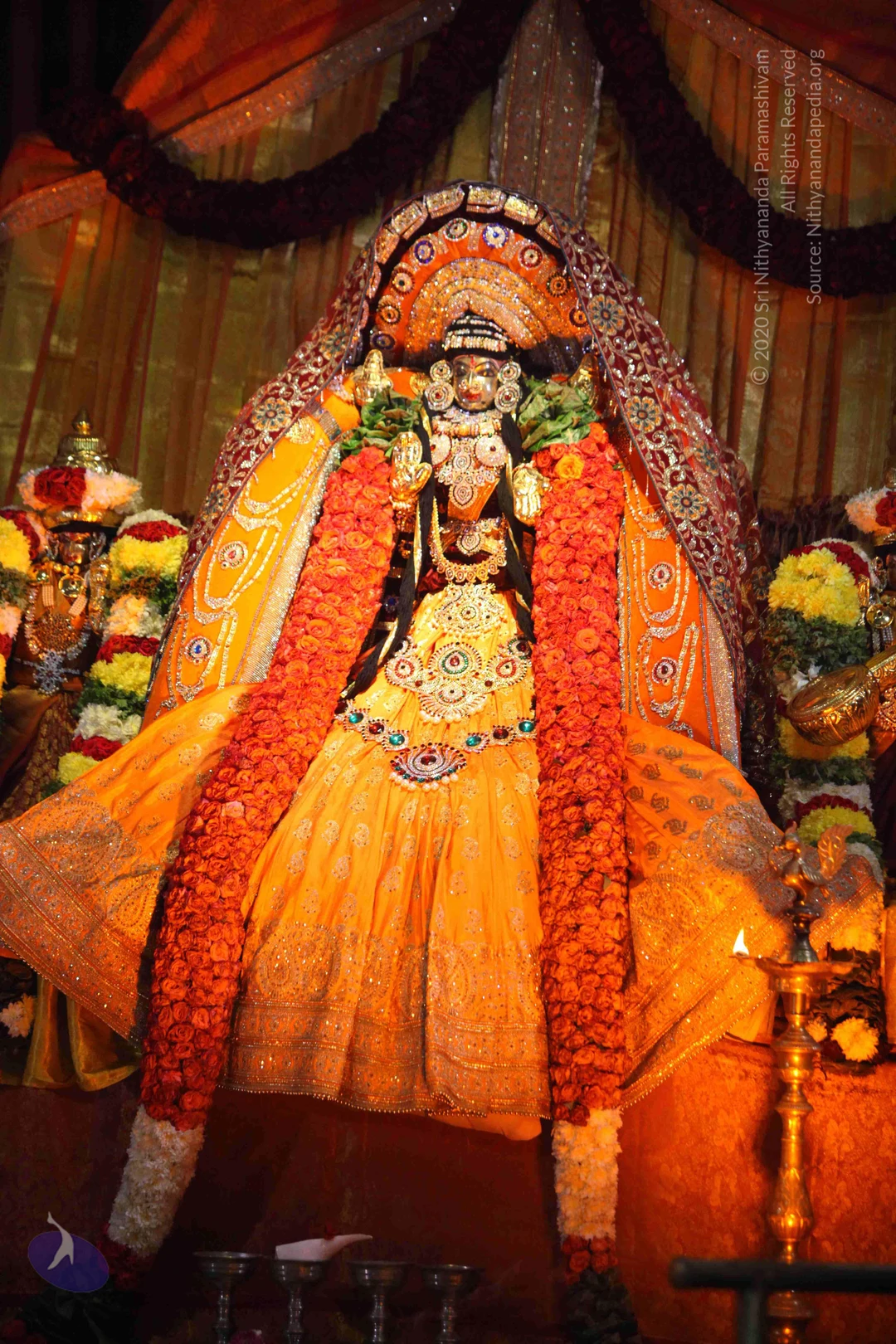
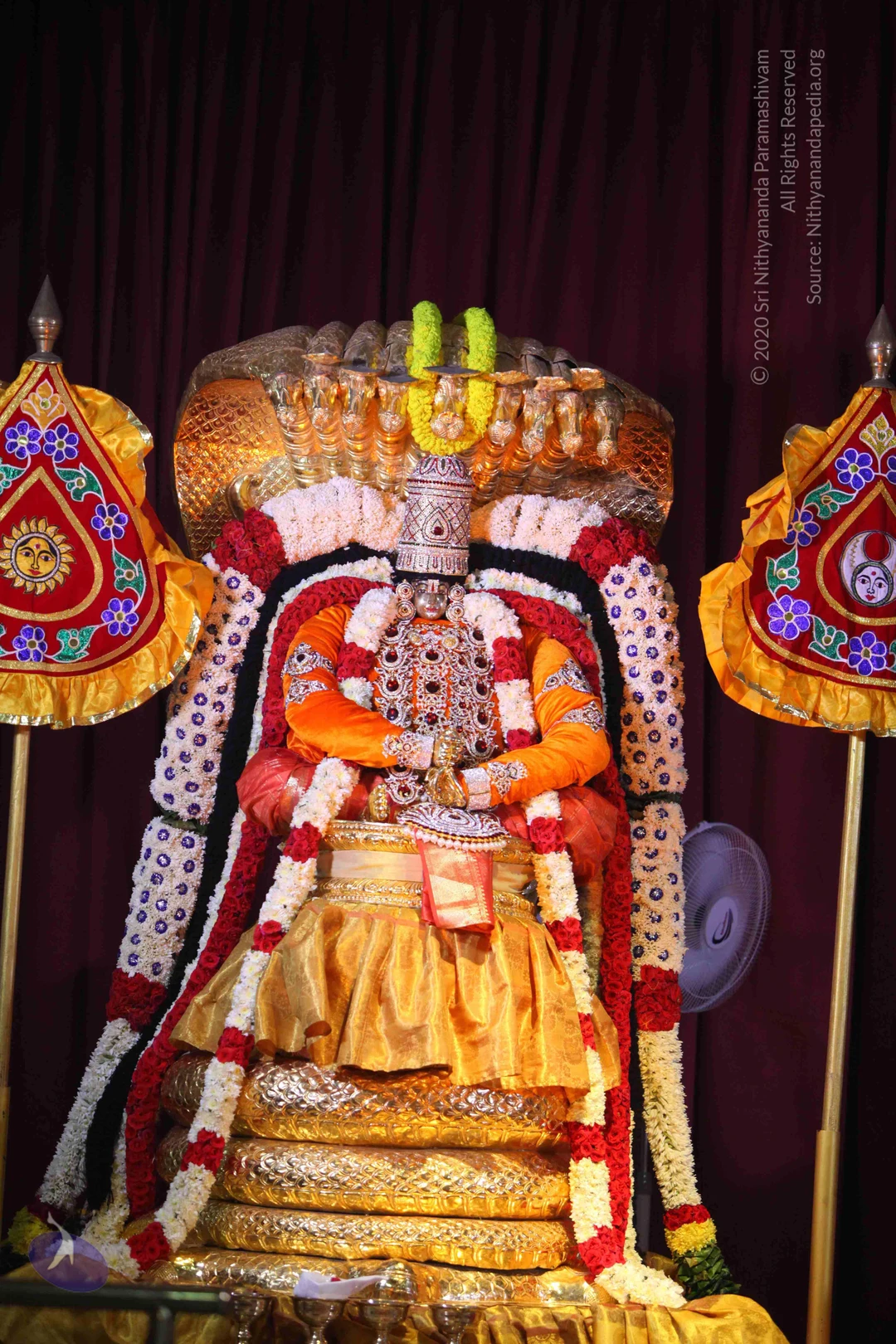
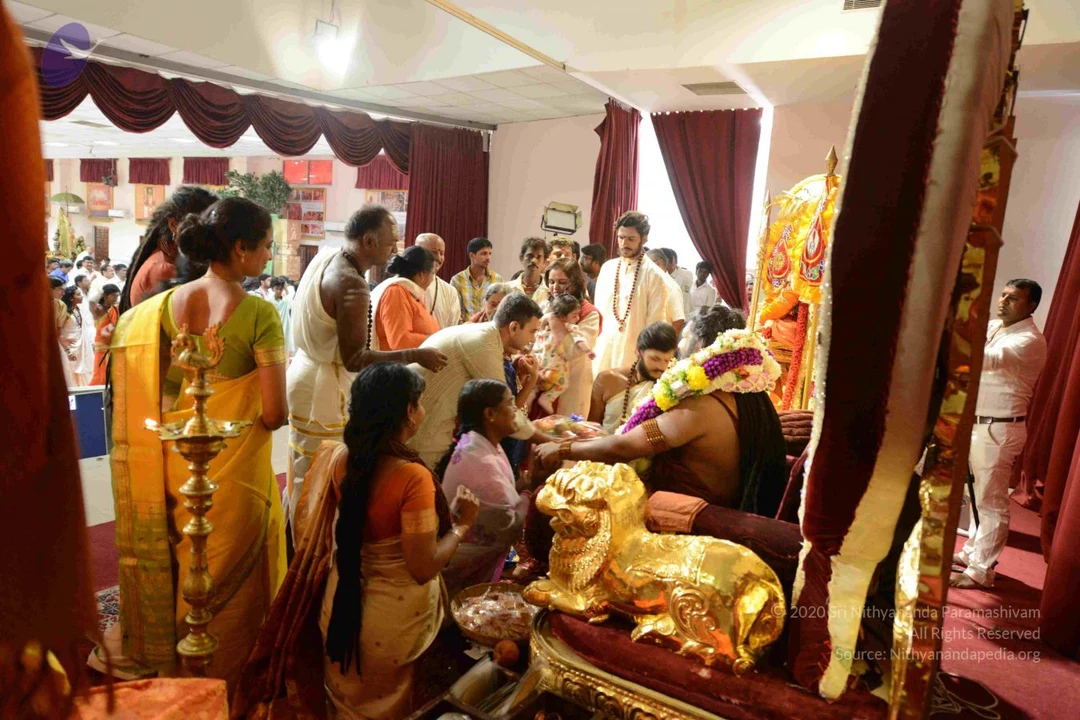
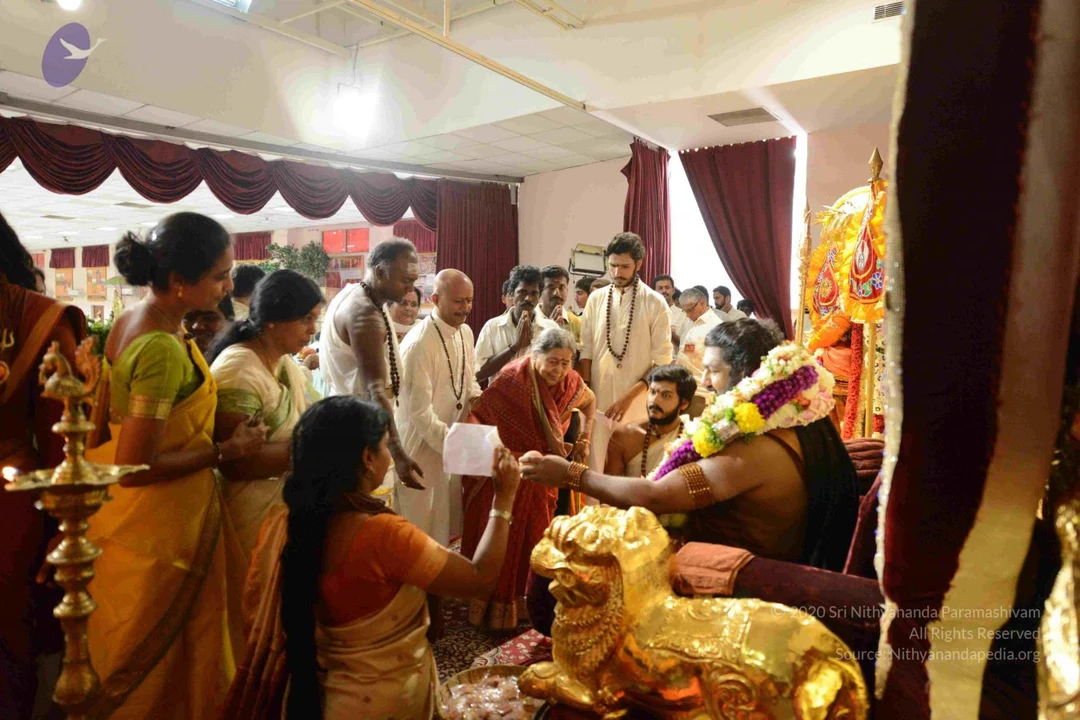
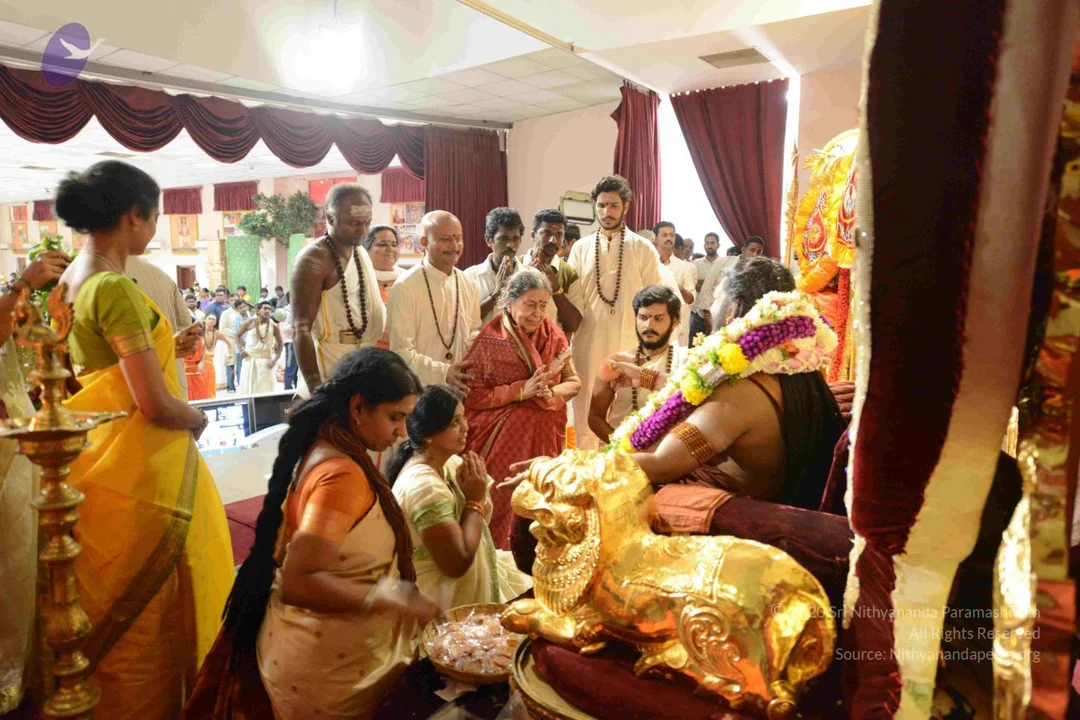
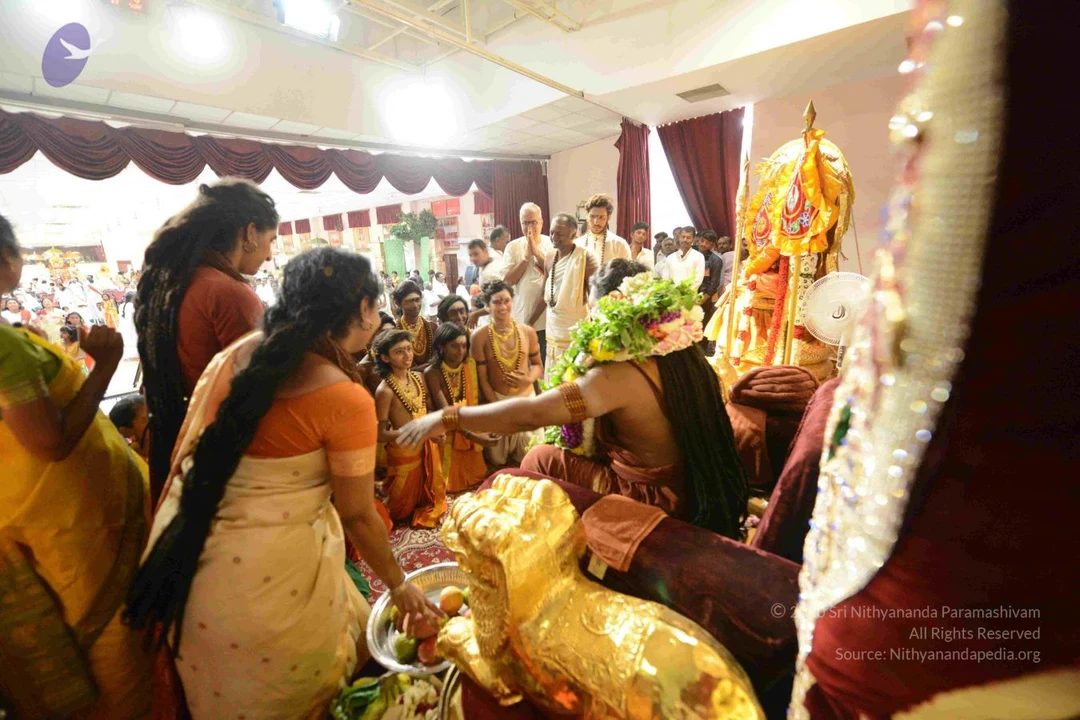
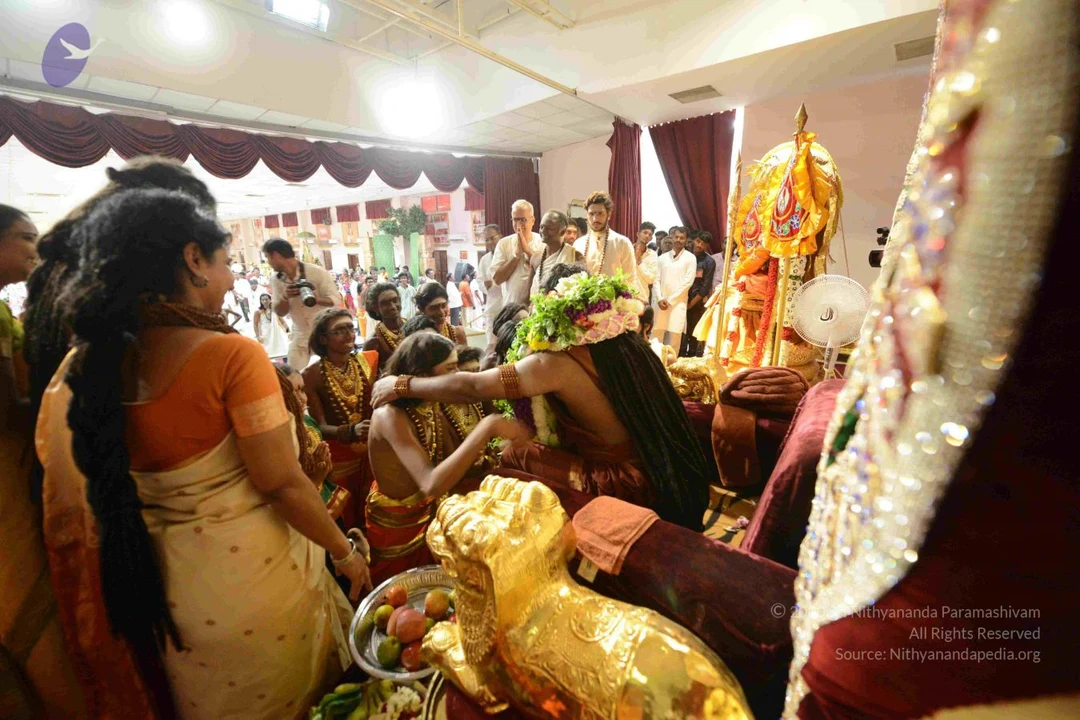
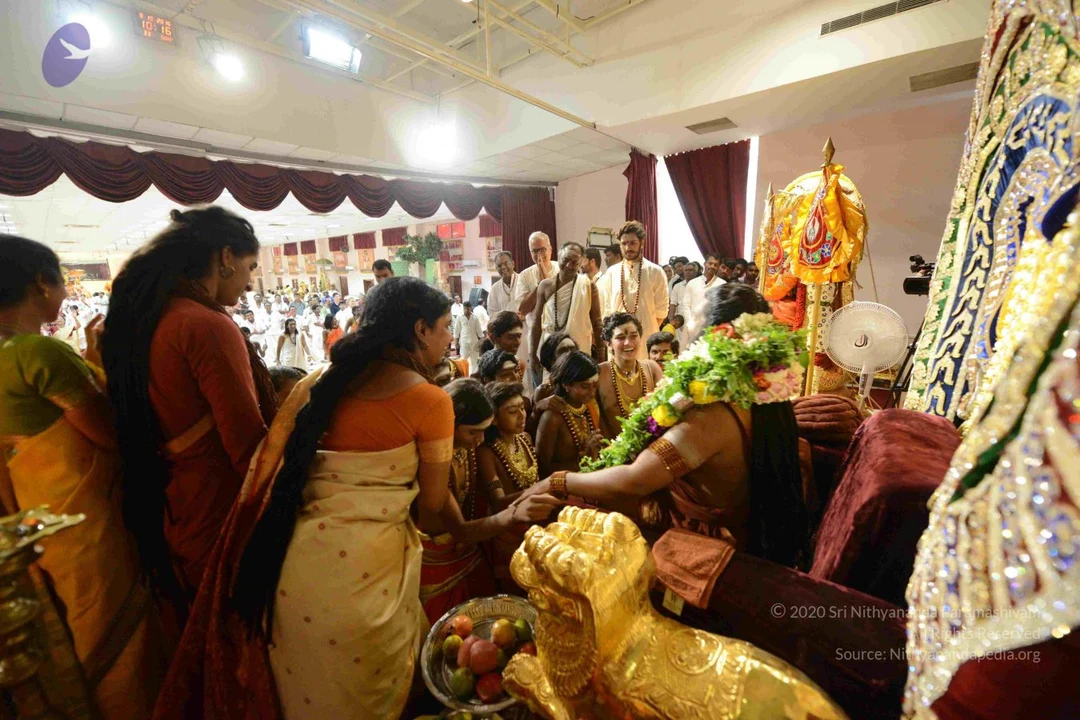
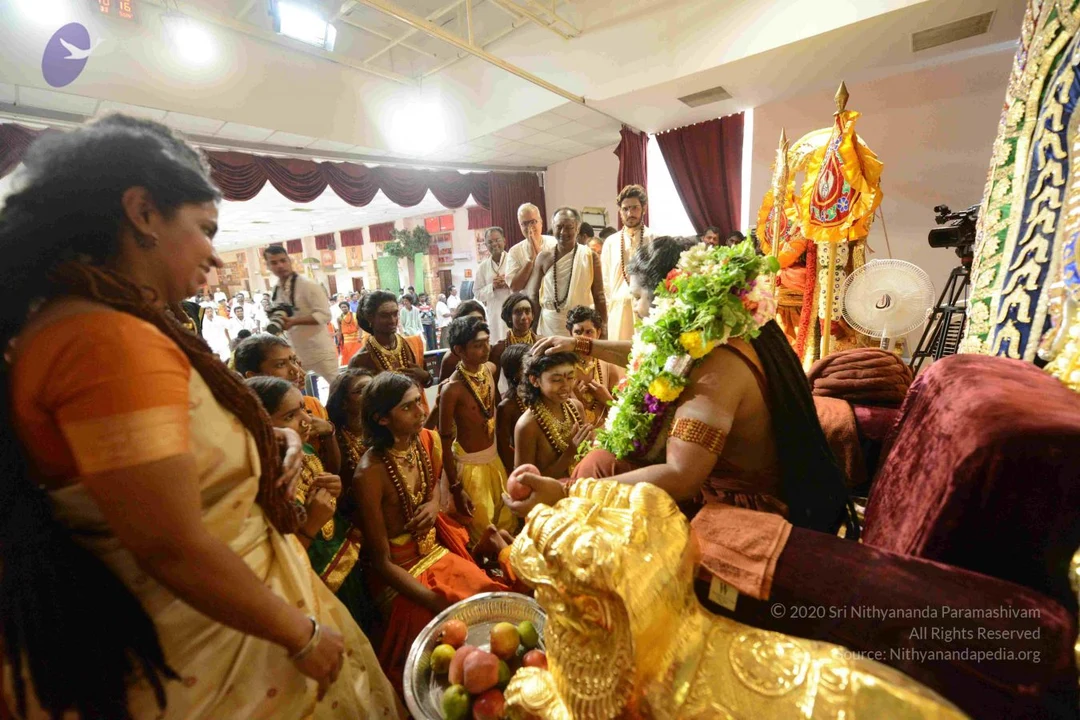
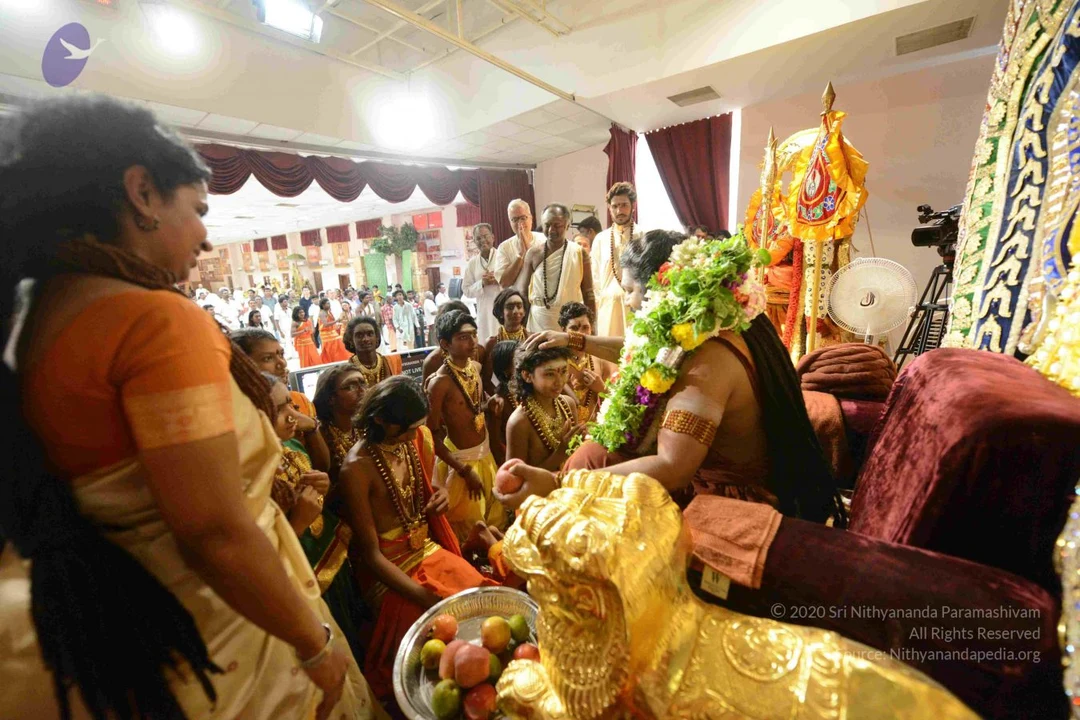
Today Navaratri 8th day. Devi is gracing as AdiShakti in Sarvālankāra with Lakshmi and Sarasvati serving her, and Venketeshwara Brahmotsava 7th day. Srinavasa is in Padmasana in the form of, the form in which he graces in Badri. In Badrinath Temple he's in Samadhi in Sadashiva. Badrinath is near Kailash. So that’s the place where Vishnu did and does Shiva puja, and he's in Samadhi with Sadashiva in Badri. So today he's gracing us in the Yoga Badri in the form of yoga, being in the state of Samadhi with Sadashiva on Svarnashesha vahana. Even in Turmala, he assumes this form one day. Here, Venkateshwara is gracing us today in Svarnashesha vahana, golden snake vehicle in Yoga Samadhi, in the space of Sadashivoham, in the space of Sadashiva. Lets receive both their blessings and then enter into satsang.
Let’s enter into today’s Living Shuddadvaita process. Listen. Just three words. The essence of Shuddhādvaitam and essence of Sadashivoham. Whole Sadashivoham in three words: understanding the maya matrix, ferociously breaking from it, using the same ferociousness inside the Maya Matrix to break its rules and bondages on you.
Understand. Understanding the Maya Matrix, ferociously breaking from it. Using all your ferociousness to make one hole into the Maya Matrix and getting out, reaching the spaceship—then using the same ferociousness to break the Maya Matrix being inside. That is what is manifesting powers.
Listen carefully. When you manifest powers you are not letting any of the rules, regulations, bondages, powerlessness of the Matrix, come to any agreement with you. Matrix tries its best, “Let’s have a contract. You don’t expose me,” but you are very clear, I am not going to have anything extraordinary by you giving me like a Bhiksha. I’ll break you only then I’ll have powers. Not by having understanding with you, but by making you shiver. Listen. That is the attitude of a Shaivite.
(7:20 Tamil)
Don’t be immortal by worshipping Yama. No. Become immortal by destroying Yama. Understand. That is Shaivite way.
Listen carefully. You can have wealth by having a contract with Matrix, but that will only be a bondage. With Matrix the only relationship should be ferociousness, nothing else. Don’t settle down with Matrix, even if she does everything you wanted. No. No. Always be ferocious with her. Be like Kalabhairava and Sadashiva when it comes to dealing in the Matrix, the Maya Matrix.
Listen. I’ll explain these three steps.
One: understanding the Maya Matrix. Please listen. Whatever does not have existence, but has common understandings as the source of its prevalence. Understand. Prevalence is different, existence is different.
(9:20)
I was studying Agama to find out what all the services Sadashiva is allowing money transaction, gold those days, currency. What all the services He's allowing bartering transaction, like you give some grain and take some other grain. What all the services He does not allow any transaction, should be given only as a service. I was studying. I was shocked, what an economist Sadashiva. Listen. Whatever does not reduce when you share, you are forced to give it free. Education, power manifestation, whatever does not reduce in you when you share, you can’t charge—and Vijayadasami day I’m officially declaring, the whole Gurukul is completely free. Anybody who has a legal right to stay in India, if you have a valid legal visa and valid legal right to stay in India for education. Whoever comes, for all of them without reducing the quality and the science of Sadashivoham, whole thing is free from Vijayadasami day. If somebody wants to donate you can donate separately but for Gurukul we do not accept any money. For Gurukul we do not charge any money. Economically it is 100 percent free, because Sadashiva I have studied almost 6 Agamas to get a Vākya (word). Sadashiva is very clear in all 6 Agamas He denies charging for education. He does not allow. Even if the father of the child is a king you cannot charge. He says very clearly in one vakyā, even if the child’s father is a king you can’t charge. So I’ve decided, we’re celebrating 10th year of our Gurukul and it will become completely free from Vijayadasami day, day after tomorrow. I’m officially declaring it.
(12:13)
When I was studying. Listen. This is what I wanted to mainly convey; His economics— what an amazing economist Sadashiva. Wherever things do not reduce by sharing, He says it has to be free, because it is doing good for both, the person who receives, person who shares. Like education, and He goes to one extreme of saying if the disciples don't have food who are studying— Master has to go around and beg and bring and feed the disciples, but you cannot charge. Of course He has not kept me in the level where I have to go round and beg. In sitting in one place I can beg. So I’ve decided from this Vijayadasami day we’ll open it. Even if you’re from outside India, any one parent stays here, you can have any number of your kids studying in Gurukul. I’m opening it.
We are also strengthening the Aparāvidya side. Aparāvidya is like a … the education of the Matrix, chemistry. We’ll teach them chemistry and then prove through alchemistry it is wrong. We’ll teach them psychology then prove through the 25 states of Consciousness it is not complete. We will teach them physics and then give them the powers of the 11 dimensions of the Universe and make them understand it is too low.
The education within the Matrix is Aparāvidya. Education beyond Matrix is Parāvidya. We will provide both Parāvidya and Aparāvidya, in the highest possible way completely free of cost. Sadashiva very clearly says even for Aparāvidya you can’t charge. Charging is denied in all the major 6 Agamas which talk. See there are 28 Agamas and 64 chapters. Tantra means; the technically assembled chapters. For example; Agama is like a ocean, Tantra is like a one Tantra everywhere Sadashiva talks about death it gets organized and becomes one Tantra. Everywhere He talks about sex that gets organized and becomes one Tantra. Everywhere He talks about medicine that gets organized becomes one Tantra. So 64 chapter Tantra and 28 Agama, at least 6 Agama I verified Sadashiva denies charging in any form for education. So, all our Gurukuls and Gurukul services, including 2 way video conferencing Vidyalaya services, will be free of cost. We will not be charging for any of the educational services of the Gurukul as per Sadashiva’s Vākya as per His word.
(16:12)
I was seeing, where He's allowing the bartering— means like you give something and take something. The services, which need to be every day, like a food, constantly which need to be done for keeping yourself alive— all the survival things; like a food, clothes, chapel.
Those things only He allows bartering. Only the services, which are permanent long term, like a construction of the house— only in those places He allows any currency circulation. I was studying maybe I have to separately speak at least for one month on economics of Sadashiva, Sadāshiva’s economic policies where the society’s most healthy.
See. There are some places you can’t afford money to be the decision maker. If the money is allowed to exist as decision maker that whole department will not be service oriented, it will become exploitation oriented— like a modern day medicine, where it landed on the psychiatry. Psychiatric doctors are in so much of hurry. Their whole energy, intelligence, passion, everything is all about how to make more and more people as your patient. So every human emotion, every single human emotion is classified as a psychiatric disorder. If you google you will understand. Eating healthy is psychiatric disorder, and I don’t understand, for the sake of Sadashiva. No really, eating healthy is a psychiatric disorder. Hmmm? If you allow money to become a decision maker in some places, humanity enters into a worst crisis.
(19:14)
Listen. Listen. The principle on which Sadashiva makes the decision where you can charge means the currency is allowed, where only bartering is allowed, where it has to be only free— when I started studying I realized one important factor; the whole society was standing, the whole society was built, on this one principle of ‘for life.’
Listen. For life. It is not… the building structure itself was such, no few families can own the largest wealth or power or land or… no one, no single group can overpower.
Understand. You need to listen to this very carefully. Billionaires, constantly living with billions and trillions and creating a community, which talks only about billions and trillions, they actually become altogether a different space. They forget they belong to human beings, human beings belong to them. Listen. Constantly what you think, the way you live, all that after a certain number of years or generations, it effects your very cognition so strongly you start thinking— the rest don't matter. Rest does not matter. The whole world, 7 billion or 8 billion population does not matter. If you can add a few more 0’s in your billion and brag about it in your night party with other billionaires. Understand. It is all about, in the night party when you drink, the fellow who is standing opposite to you, the way you need to look at him. ‘Oh, you’re just 20, I am 23 billion.’ For that any million billion people can be sacrificed. It doesn’t matter because the solidification of the identity based on the currency has become so strong, they become all together a different space.
Listen. The structure of the society should be developed by such visionary, this different species does not become the master of the Matrix.
The whole structure of Agama, His economics, no one can imagine Sadashiva as economist. I’ll show you. I’ll take few weeks and speak about economics of Sadashiva. How compassionate He is. Where He's allowing money and where He's not allowing money. If He allows money in the area of knowledge transmission, the number of years of education will be expanded. The quality of education will be drastically reduced because the more number of years you keep them under your control more money you can suck out of them. One of the worst things I can even imagine, you writing a contract to take away his future of the life and then giving education now. The so-called education loans, where he sells his future get to study. Sadashiva thank you for making Me take birth in your village.
(24:53)
When I study the Sadāshiva’s economics from Agama I can understand one thing— the whole spindle is on Oneness, and even your day-to-day life constantly reminds you about the Oneness. Where you need to pay. Where you don’t need to pay. Where things are given as free to you. Even these things does not lead you to frustration. Understand. The amount of depression and frustration this generation human beings are facing, one of the major reasons is they’re all realizing their being exploited. The prevalent things, not by the existential things, are exploiting them. Understand. Prevalent is different, existence is different. Planet earth is existence, ownership is prevalent. Love is existence, ownership is prevalent.
When the prevalence, takes over your inner space and controls your decision-making. Understand. You are a agent of the Matrix. You’re agent of the Matrix. One of the worst thing is this Matrix is so stupid, when you become part of it you don’t keep quiet. You become representative of it. It is so intoxicating.
(27:12)
You can get a child to school by keeping that child joyful, blissful, happy and creative, and by allowing the drug dealers to supply drugs. Both reasons you can get the child to school. Some of the schools are full, not because of their education. But because they do not give too much of emphasis on what should be, should not be. Understand.
Maya is addictive. She keeps you under her by addicting. Maya Matrix is addictive.
You need to again and again and again drill the way you think, the way you cognize, the way you decide the whole of your life. Is it prevalence-based items or existence-based reality? Understand. Whatever is prevalent but not existence is Artificial Ignorance. Artificial Intelligence, which has taken over the humanity. Which has taken over the humanity. The concept of currency, concept of ownership— I am not saying, concept of currency should not be there or concept of ownership should not be there. I’m only saying that should not be the goal of your purpose. That should not be the goal of your purpose.
First point: understand the Matrix. Actually when I studied Sadashiva’s economics, I only realized that even in His economic policies and decisions He's very clear. People should not get caught inside the Matrix. He reminds people, prevalent things are different and Existential Reality is different.
You see when you need to pay for something, when you don't need to pay for something you will start questioning. Why for this only bartering is allowed, for this only free sharing is allowed, for this money need to be paid, why? Even when you start drilling you will understand the prevalence is kept in its border, boundary. It doesn’t… it is not allowed to take over the existence. So human beings are kept in every possible comfort, sharing, love, life, joy, without being brought under the Maya Matrix. Understand.
(31:23)
Now, it is like a if you want to have the pleasures within the Maya Matrix, you have to sign up to become a agent. The lifestyle of Agama—the only thing you need to commit is, understanding of what is Matrix and what is beyond Matrix and you are given all the best things even within the Matrix.
The whole focus of the civilization— listen. But in the economics of Sadashiva, the whole struggle of the human being is driven in such a way, are you able too get into the club of the beyond Matrix. See when somebody by the time somebody gets into the 300 crore or 500 crore club, he's forcibly made to confirm and sign and he already becomes agent of the Matrix, in the modern day society. But in Agamic lifestyle, by the time you are successful even within the Matrix, you’re an ideal figure even for people within the Matrix. You are forcibly made to sign and you realize the futility of the Matrix and you go beyond Maya Matrix.
Understand. Who occupies the throne of the hero is not agent of Maya Matrix in Agamic lifestyle, they are an Enlightened Being who is beyond Matrix, who understands prevalence, things which are prevalent are not relevant for the Reality.
With Sadashiva’s grace let this … (33:45 Tamil)
With Sadashiva’s grace we will have a place where this Saivanīti, the economics of Sadashiva – where the seat of the hero is occupied, whether socially or culturally or spiritually or in every level, by the Being who is beyond Maya Matrix and understands the futility of the prevalence and the utility of the reality and how much the prevalence is relevant to reality.
(34:41)
See now, it’s almost like all the comforts of the world is taken over by the people who are Maya Matrix agents and they release little by little. Like water in your drinking water tap, based on how much you sign up, you are willing, your time and life and energy is put inside Maya Matrix and how much you signup to be the agent of the Maya Matrix.
Understand. Just because things are prevalent, do not believe it is Reality. Believing the prevalence as Reality is immaturity. Understanding what is Reality and what is prevalent is maturity. Aligning yourself to the reality is renunciation, vairagya.
Understanding the Maya Matrix. Sadashiva makes another one statement; do not eat in a house where people have not understood this Maya Matrix. He says even if you eat from that house, you will get that karma. No really. No it’s true. Bhishma, Bhishma Pitāmaka, whose blood is the Ganga water, embodiment of purity, Gangaputra, son of Ganga. In the death bed, he teaches the dharma to Dharmaraaja. Draupadi laughs with the tears in her eyes. Bhishma asks; ‘why are you laughing my daughter and having tears both.’ She says; ‘where was all this dharma when I was physically getting raped, my sari is being pulled, physically I’m getting abused?’ If Krishna’s not intervened, rape would have happened because this Duryodhana fellow wanted Draupadi to be made to sit on his lap. Where was all your dharma?
Bhishma, who's eyes never saw tears, started pouring saying that Duryodhana’s food has taken away my intelligence and it was covering me. Now your husband’s arrows removed all that blood from me, I have only the bone marrow given by Ganga. And that’s why my dharma is back. Don’t eat, don't work for the fellows who are under the Maya Matrix. Don't eat their food. Even Bhishma is not able to protect himself.
(38:47)
Listen. Understanding the Maya Matrix you need to spend a little time and intranalyze. How much of you is centered on running towards the prevalent things. How much the prevalent is relevant to you. How much the reality is relevant to you. I tell you the Bhava Samadhi is reality. Imaginary joy of procuring things is Maya Matrix. Prevalent.
Because everybody says you have to be joyful when you accumulate certain item or when you possess certain things. Everybody says you have to be joyful and you also behave and act like a joyful and then start believing you’re joyful even for certain hours. Why you are joyful? Because everybody told if I get a new Benz car I have to be joyful. So I am joyful. Bhava Samadhi is the joy of reality. Paava samadhi is joy of prevalence.
No you need to spend little time. How much of prevalent joys are prevalent in you and reality joys are reality to you. How much of your time, energy, intelligence, all that is spent on the reality joy and reality goal and prevalent goals and prevalent joys. If the reality is goal and prevalent is supporting mechanism, great. But if the prevalent becomes goal, you are… you’ve already signed to be the Matrix, the Maya Matrix agents— and you don’t even know you are working for the Matrix. That’s the worst thing.
Ferociousness with which you needed to handle yourself. Unfortunately you always hold yourself with the dirty broken hand of enjoying victimized pornography. That’s the right word I’ll use. All the time visualizing you as a collapsed victim is what I call victim pornography.
This poverty pornography— how the some of the missionaries project India to all over the world. In many countries the missionaries project India in such abusive way. India means the kid who has literally no flesh, lean thin about to die holding the aluminum plate, which is not reality. Understand. If there is a poverty it is by them. It is because of British. Till British occupied us, we were the richest economy of the world. Stealing everything from us and then making us believe we are poor because of our tradition. Creating atrocity material, loads and loads of atrocity material. Writing volumes and volumes, thousands and thousands of atrocity material. Making us believe we are poor because we are Hindus. I don’t know how many of you know they’ve even coined the ugly word; Hindu rate of growth.
(43:59)
The ferociousness with which you need to handle the Maya Matrix. It should only be ferociousness, never victim pornography visualization. Victim pornography visualization is the way Maya Matrix sucks the energy from you. Understand. If you’re enjoying the victim pornography visualization, you are in the tub where you are just grown and the energy is constantly sucked from you. Victim pornography visualization is the worst thing can happen to human being. A Shaivite cannot entertain any victim pornography visualization.
(45:25)
Even the reality – Grahas cannot touch, disturb a man who is beyond the Maya Matrix. Accident cannot happen to a being beyond Maya Matrix. If you read the ‘Kolaru Pathigam’ of Jnanasambandar. How beautifully he describes. He does not stop with just 9 Grahas, he says the wild animals, other Devatas, thieves, forest fire, nothing can touch you. Nothing can touch you.
The whole ‘Kolaru Pathigam’ of Jnanasamandar, the thought current he's conveying to us is –
Have the ferociousness towards the Maya Matrix. It cannot touch you. It cannot touch you. Prevalent things, which makes you powerless, or reality, nothing, nothing, can touch you.
avainalla nalla atiyaaravarkku mikave |
That’s the beautiful word he uses ending the every stanza. He describes detailed way how the Grahas and then all the other Gods, Goddesses and other, the gods of the directions, Nakshatras, Rāshis and wild animals, nothing can touch you.
Understand. The ferociousness with which you need to handle Maya Matrix you can learn from this one ‘Kolaru Pathigam’ of Jnanasambandar Murti.
Tirunavukkarasar (Appar) another Saint says, tells Jnanasambandar Murti, “Don't go to Madurai now, neither the Grahas are right nor the situation there is right.”
Jnanasamandar Murti never listens to anybody other than Sadashiva. He does not care about anything, which is under the maya matrix.
Veyuru tholi pangan vitamunta kantan Mikanalla veenai thatavi Maasaru thingal kangai mutimel anindhu en Ulame pukundha adhanaal Gnaayiru thingal sevvaai pudhan viyaazhan velli Sanipaam pirantum utane Aasaru nalla nalla avainalla nalla Atiyaaravarkku mikave
See the thought current — when I know reality is my purpose, I cannot entertain the powerlessness victim pornography and I cannot be affected. I will not be affected by any of this powerlessness. The child, see the ferociousness. One more thing, it is not the arrogance of ignorance. No. The way he describes all the possible obstacles which can come shows very clearly he's aware of all that. See out of ignorance, ‘eh – what can happen?’ That is different. Here he's not out of ignorance, he is describing everything. He’s describing everything.
(50:16)
enpotu kompotaamai ivai maarpilanga Erudheri yezhai yutane Ponpodhi maththamaalai punalsooti vandhen Ulame pukundha adhanaal Onpadho tondrotezhu papadhinetto taarum Utanaaya naalka lalavaidhaam Anpotu nallanalla avainalla nalla Atiyaararavarkku mikave.
He’s describing every possible danger and then he says; ‘all that will be only good for the person who is carrying Sadashiva within him who is beyond Matrix.’ His purpose because his purpose is beyond Matrix, he does not bother about anything which is under the Maya Matrix. The ferociousness you need to have to handle the Maya Matrix.
Understand. Here, see the way structure— first he defines the Sadashiva how He's in his heart. Then only he describes even this poverty pornography items. He's not describing them first, he's not describing –
Gnaayiru thingal sevvaai pudhan viyaazhan velli Sanipaam pirantum utane Veyuru tholi pangan vitamunta kantan
No, he's not describing the problem first.
Please understand, the fellow who does not know the problem is also not complete, the fellow who thinks about the problem first is also not complete. Neither the ignorance of the problem will solve the issue, nor putting it as the first will solve the issue.
A proper, right solution.
First, be very clear, the Matrix has no place in you – beyond Maya Matrix only sits in you heart. He says – Veyuru tholi pangan vitamunta kantan. Even the description of Sadāshiva see – veyuru tholi pangan vitamunta kantan – the worst Matrix, hāla hāla (deadly poison) that itself is swallowed and kept in His throat. Even the description of Sadāshiva who is beyond Matrix is sitting inside me.
That’s a beautiful story, actually, after having the whole hāla hāla in His throat He is playing veena, Rudra veena and enjoying the taste. You need to know Rudra Veena can be played when you are in high awareness. It means even the hāla hāla cannot make Him miss even awareness. After drinking hāla hāla, He proves He's in the highest awareness by playing Rudra Veena. I used to tell when our kids and boys have a levitation, during the levitation you have to put the thread in the needle. It means only you are in high awareness. That is a way to scale you are not in some hypnotized state. SO He drinks the hāla hāla and plays Rudra Veena.
Maasaru thingal kangai mutimel anindhu en Ulame pukundha adhanaal
Because He became the resident of my heart, my purpose, heart means purpose. ‘Ulame’ the word does not mean just heart. ‘Ulame’ the word means the purpose, Reality. Because He's my reality, nothing else can touch. Nothing else can bind me under the Maya Matrix.
The ferociousness with which you need to handle maya matrix and not allow the victim pornography visualization in your heart, you should learn from Jnanasambandar Murti, from Jnanasamandar and this whole Kolaru Pathigam. I’ll speak in Tamil on this Kolaru Pathigam with this understanding. From the understanding of the original truth from which Jnanasamandar Murti sang these verses understanding of the Maya Matrix and how beyond the Maya Matrix. The whole science from which Jnanasambandar Murti revealed this Kolaru Pathigam. I’ll speak in Tamil because to denote the inner space Tamil has multiple words – agam, manam, ulam, agam, manam, ulam. There are multiple words I need to give you exact meaning of each words and why he's using the word ‘ulam’ in all the 10 verses.
( 56:26 *Tamil*)
The informations comes to you and what you grasp is Mind. What do you believe as you is Inner Space. What you feel is going to be you, your Reality is Ulam. If you know your purpose is Sadāshiva, no Maya Matrix can touch you.
Venjina avunarotum urumitiyum minnum Mikaiyaana poodhamamavaiyum Anjitum nallanalla avai nallanalla Atiyaararavarkku mikave.
A vivid description of all the possible problems without having even an iota of the fear. That is actually what the definition of courage is: not absence of fear, powerfulness where fear cannot make you powerless is courage. Absence of fear can be sometimes absence of information, ignorance. No.
Courage means not absence of information, inability of the information to make you powerless is courage.
Jnanasamandar Murti has a complete information what dangers can come, but nothing makes him powerless. The ferociousness you need to use to break from the Maya Matrix. Understand. Once you break from the Maya Matrix with the ferociousness, the same ferociousness becomes a weapon where you break the rules of the Maya Matrix even in the Maya Matrix. That is what I call manifestation of powers. That is what I call manifestation of powers.
Understand. To describe the valor of the Cholas, one poet sings in the whole Chola kingdom there was no sharpening stone for the sword. They asked, why? “Because just by cutting the enemies head we sharpen the sword, we don't use any separate stone for sharpening the sword.”
Understand. Sharpen your sword by cutting the Maya Matrix so that it will be useful to cut the Maya Matrix within the Maya Matrix also.
To go beyond the Maya Matrix use Sadāshivoham, to play within the Maya Matrix use Sadāshivoham.
Both same methodology of sharpening the sword. We sharpen the sword by cutting the enemies head and we use the same sword to cut the enemies head. Whether cutting or sharpening both only by cutting the enemies head; no separate sharpening stone. The valor of Cholas is described in one of the Bharani by a poet. Use ferociousness to cut across the Maya Matrix, that ferociousness will be useful, that will only express as powers within the Maya Matrix.
(1: 01:10)
Understand, these 3 word again I’ll remind.
First; understanding the Matrix. What is your inner space holding as purpose. Is it prevalent ideas or Existential Reality that decides if you're under maya matrix or moving out from Maya Matrix. Understanding Maya Matrix.
Second; being ferocious with Maya Matrix. If you are already bitten by Maya Matrix even with you be ferocious. With that part of you be ferocious and break from the Maya Matrix.
(Third) And same ferociousness will manifest as powers within the Maya Matrix when you play.
These 3 words are the essence of Sadāshivoham. Understand. The whole Sadāshivoham I’m making these 3 as your Existential Reality. I’m going to drill you on literally make you vomit all the Maya Matrix or I’ll do the surgery and pull it out.
Pulling Maya Matrix out of you and pulling you out of the Maya Matrix, and bringing that ferociousness in you, getting you out of the Maya Matrix and making you manifest the same ferociousness as powers within the Maya Matrix – all these experientially is the job I am going to do in Sadashivoham.
Understanding this and trying to think and move in this line is the best way you will prepare yourself to be here for Sadashivoham. Start the preparation from now. Start the preparation from now.
( 1:04: 5)
Essences of today’s satsang and Facebook status for all of you and subject of todays Vaakyartha Sadas— this 3 words;
understanding Maya Matrix, being ferocious with Maya Matrix, manifesting powers with same ferociousness within the Maya Matrix too. Understanding Maya Matrix, being ferocious and going beyond Maya Matrix with the same ferociousness manifesting powers within the Maya Matrix. These 3 statement is the essence of today’s satsang. This is going to be the essence of Sadashivoham 2016 and this is going to be the Vaakyartha Sadas and Facebook status for all of you.
With this I bless you all. Let you all radiate with integrity, authenticity, responsibility, enriching, causing Living Shuddhadvaita Saivam, the eternal bliss Nithyananda. Thank you. Be blissful.
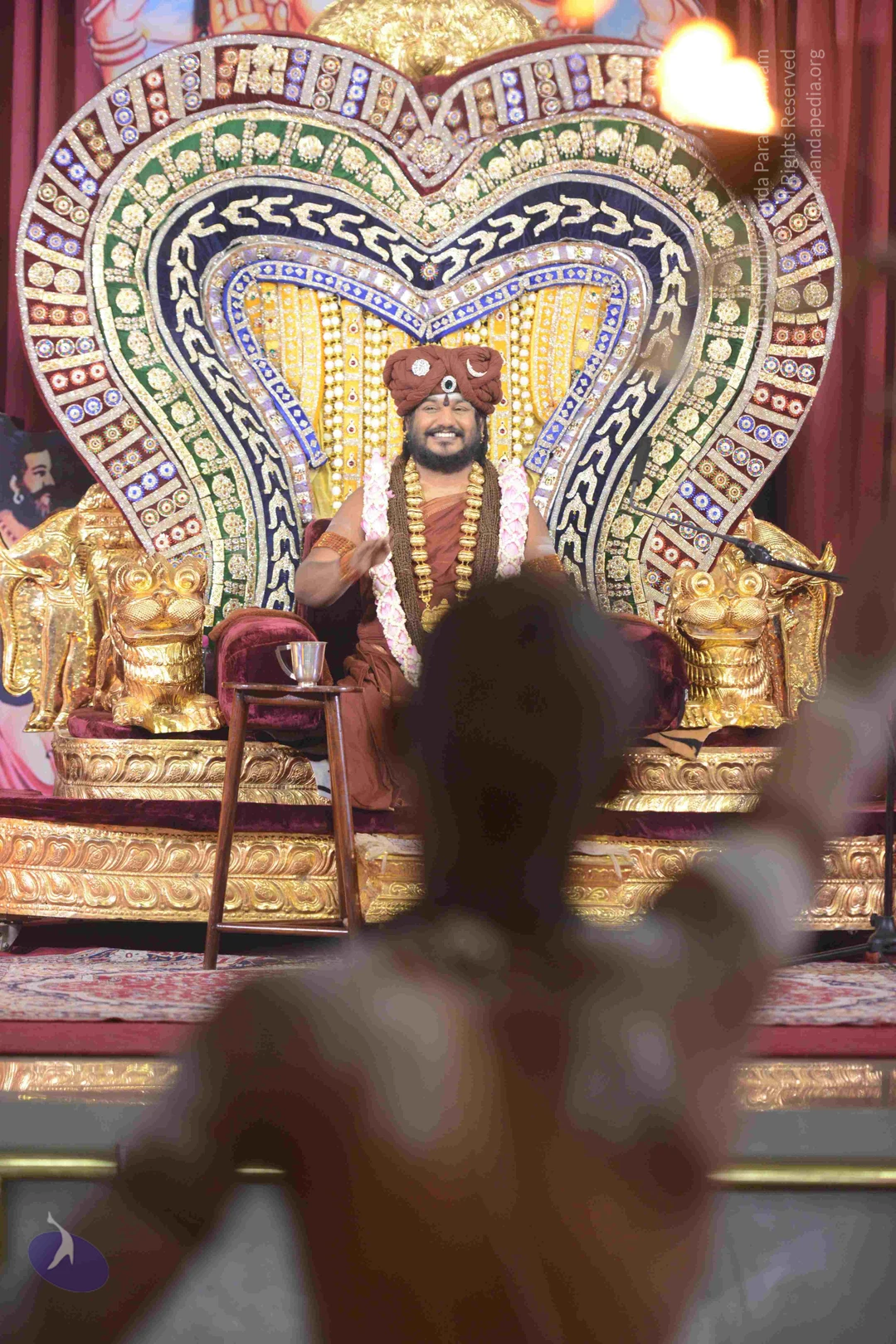
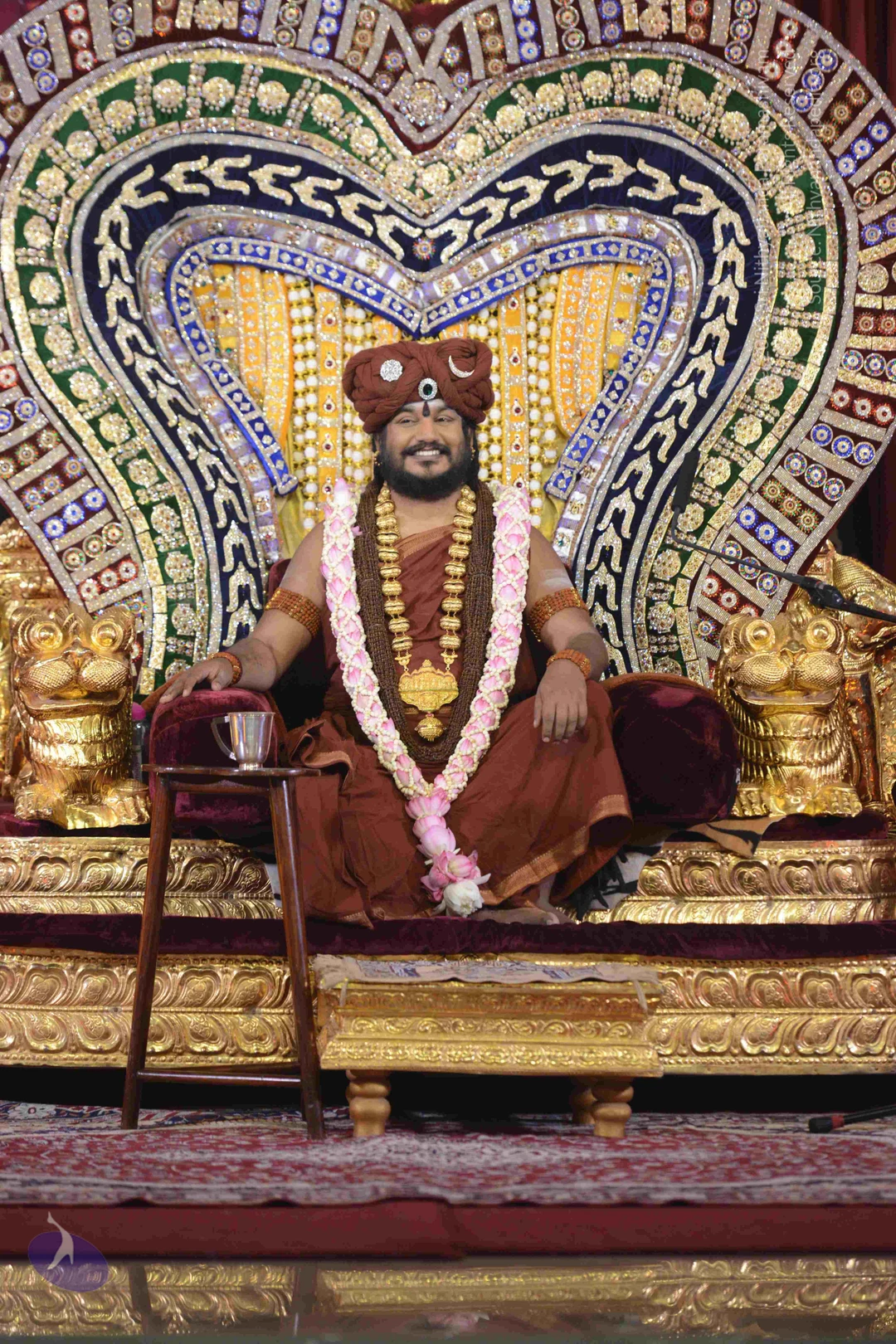
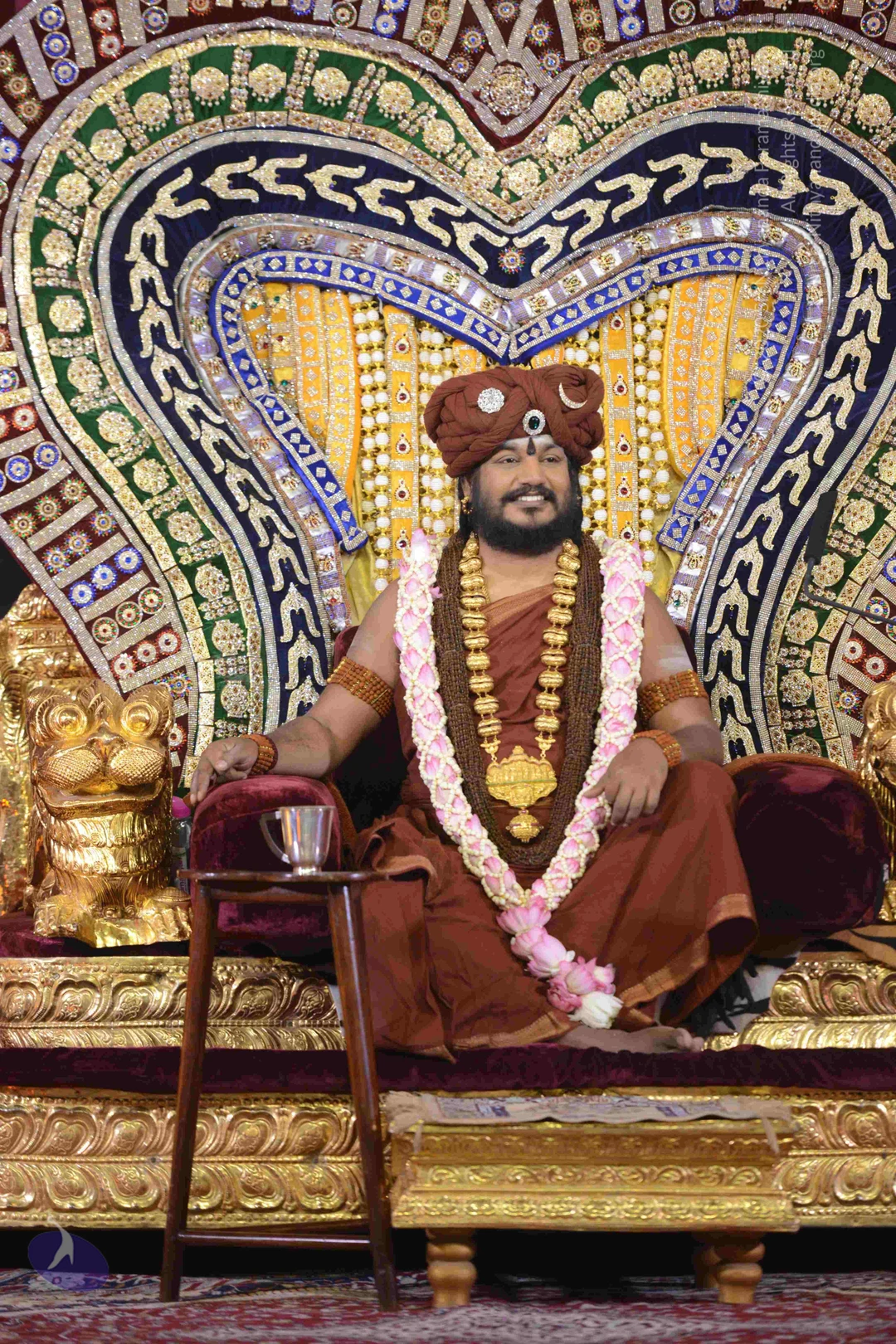
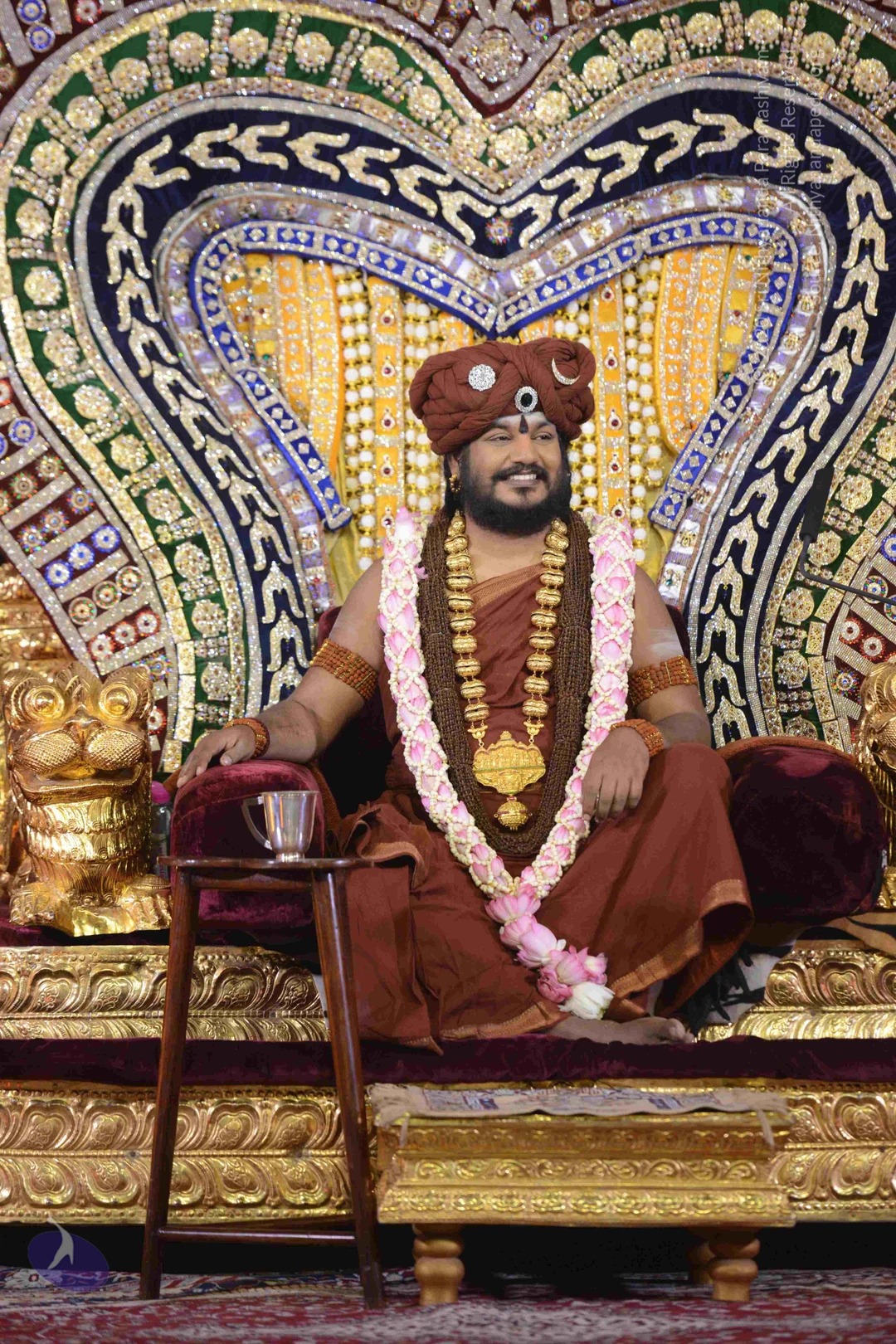
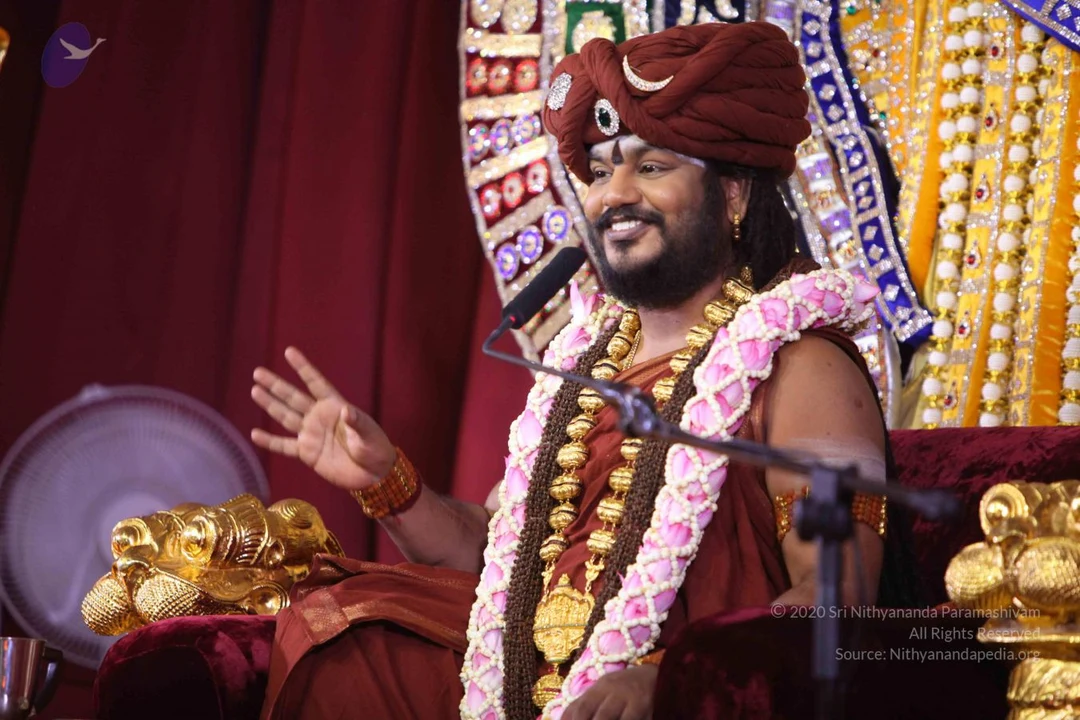
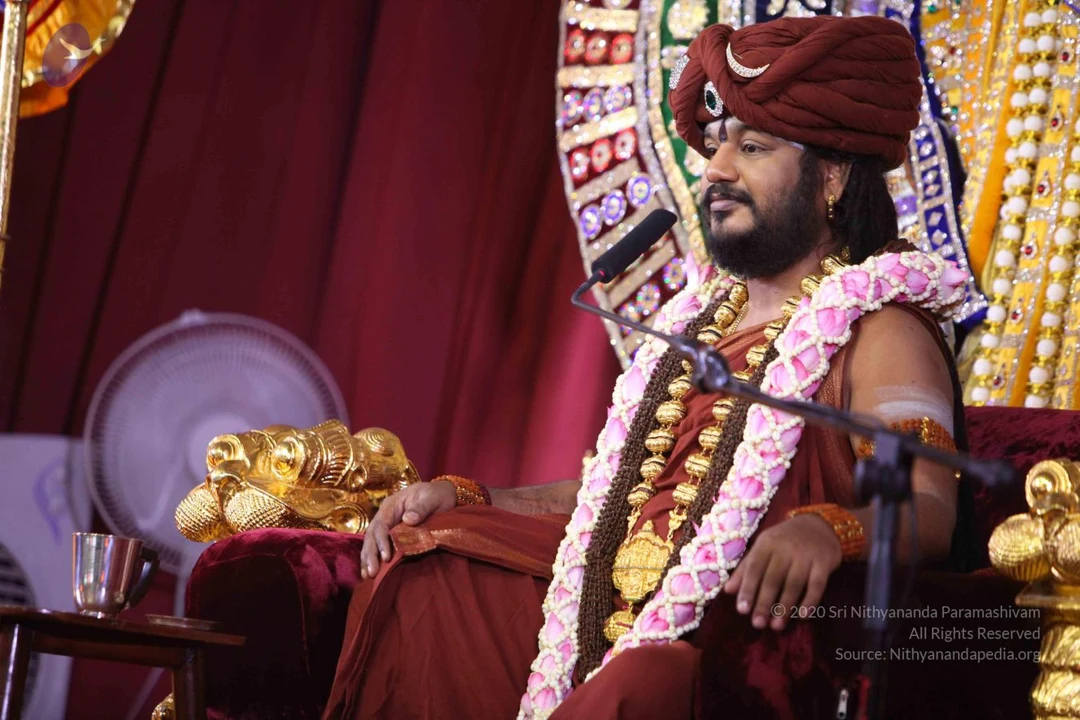
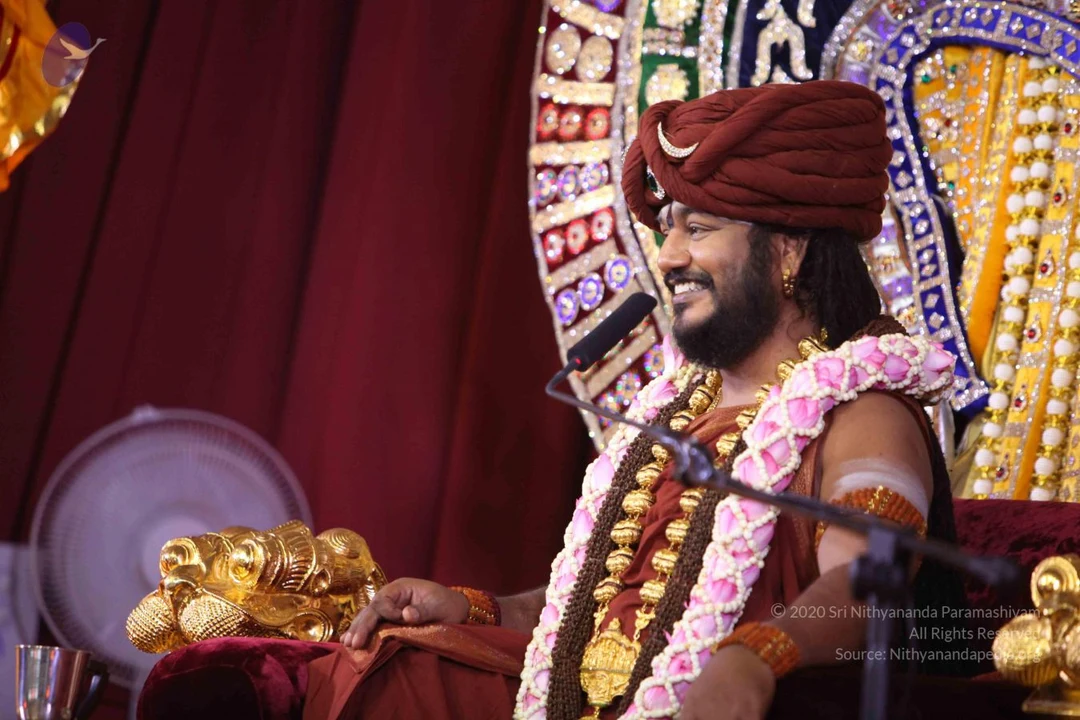
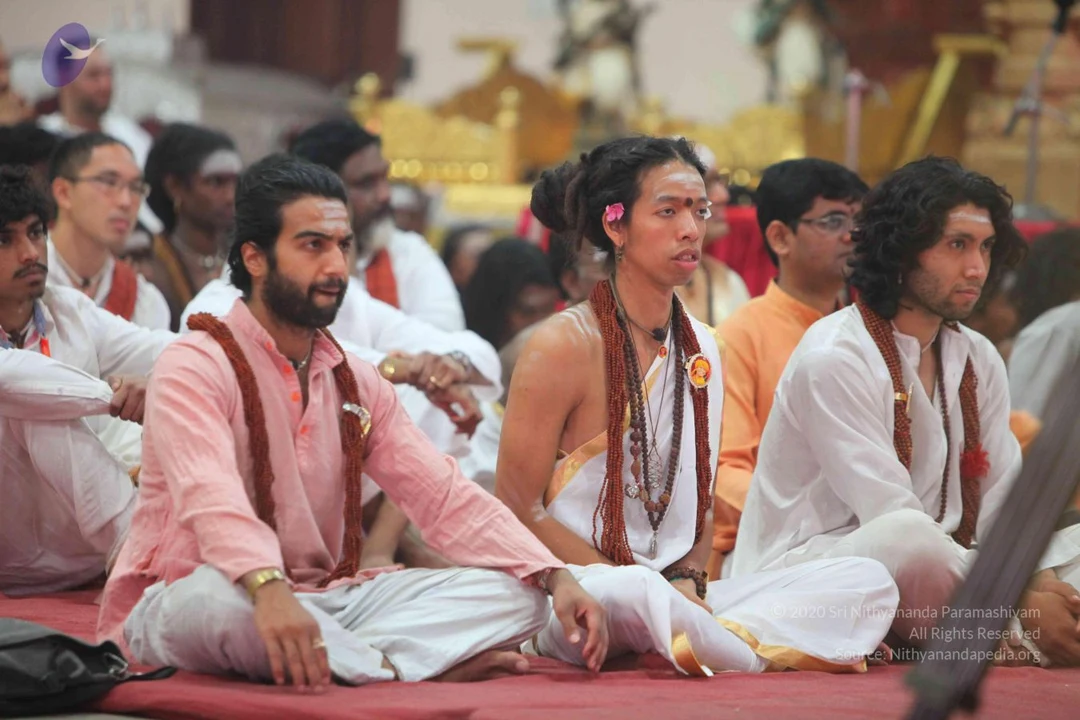
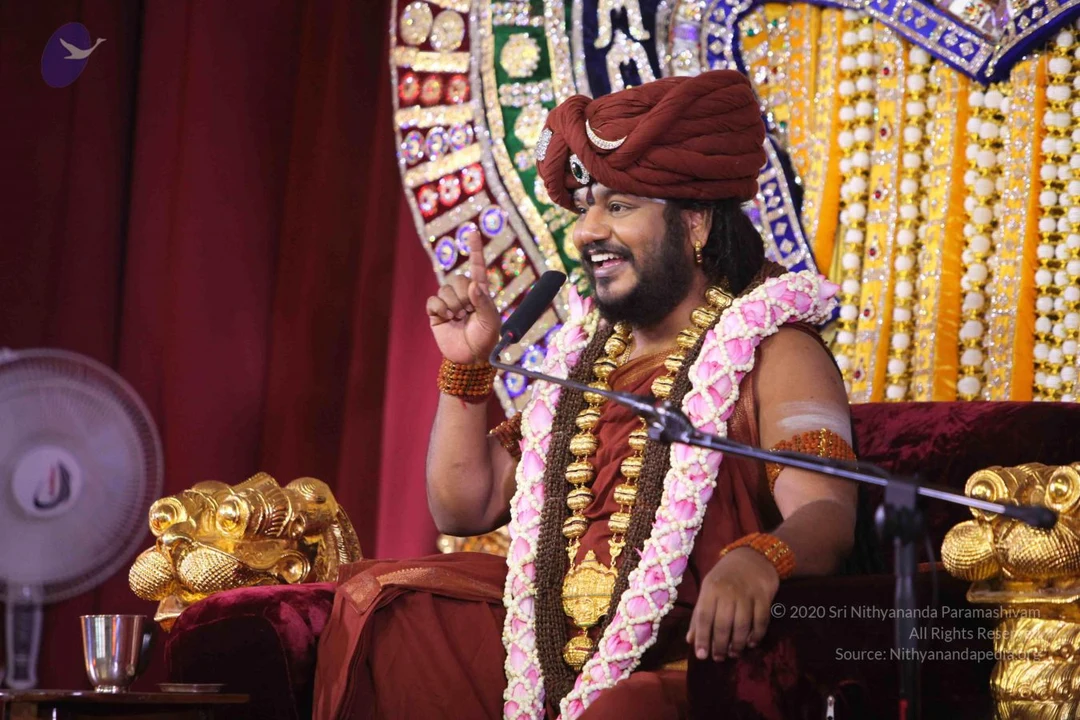
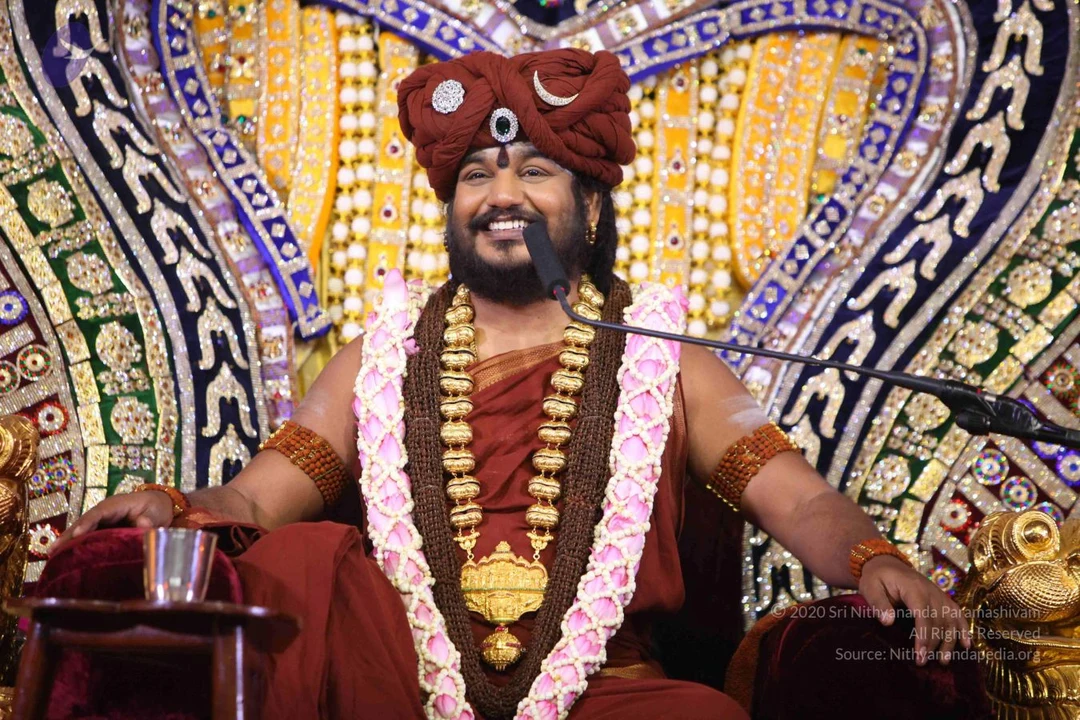
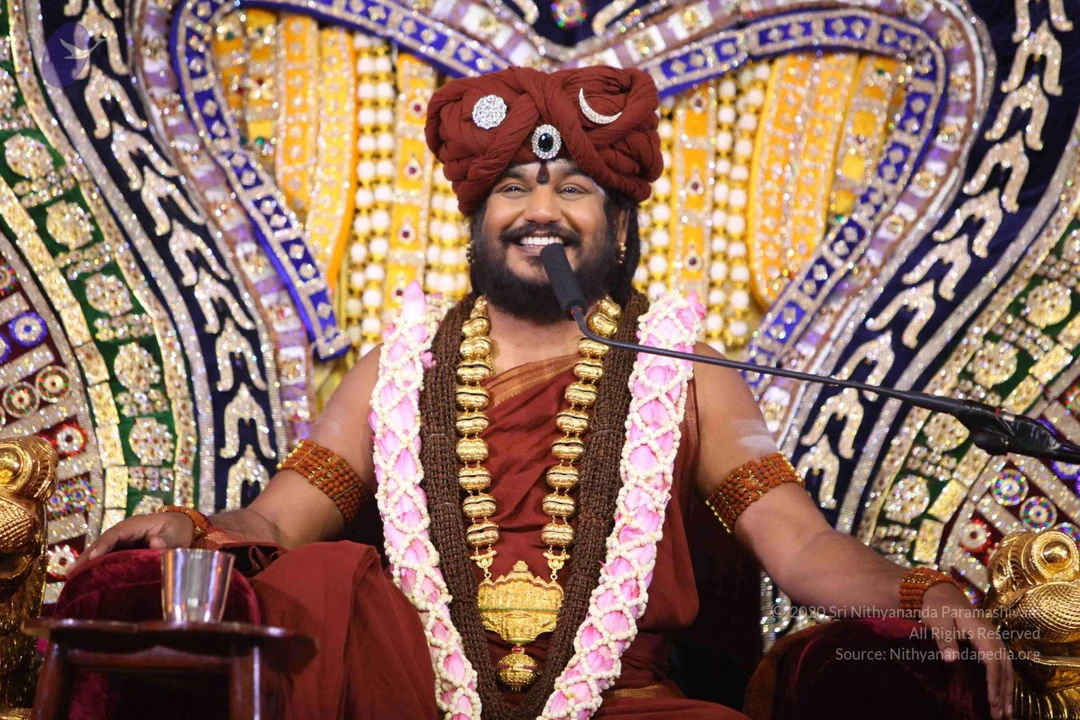
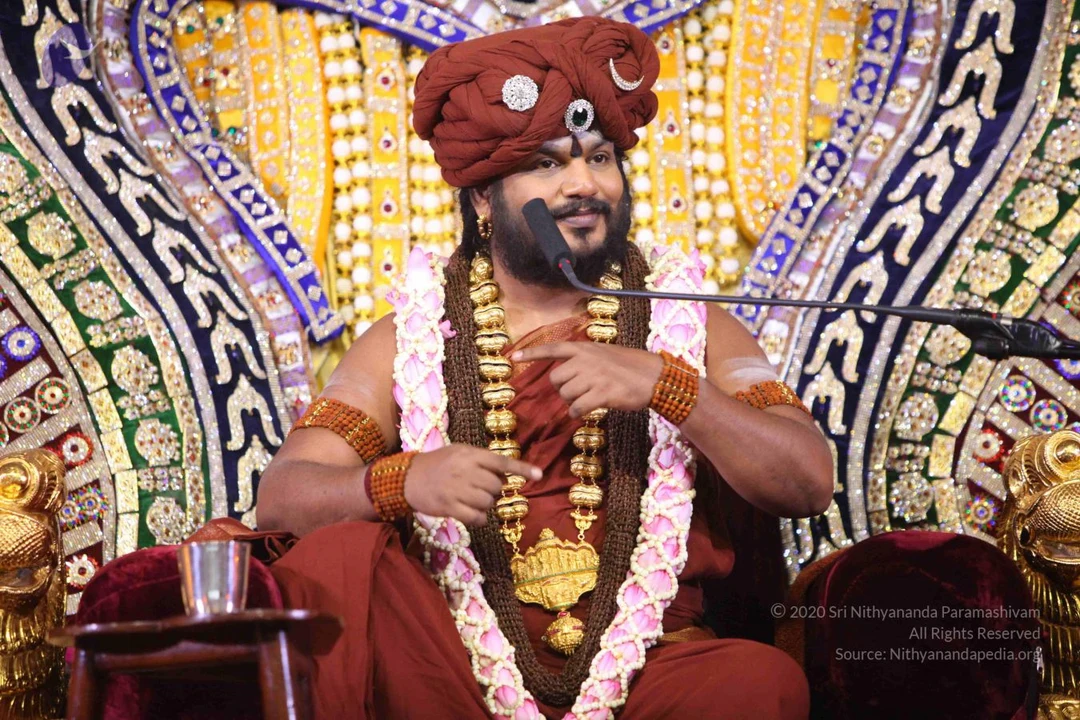
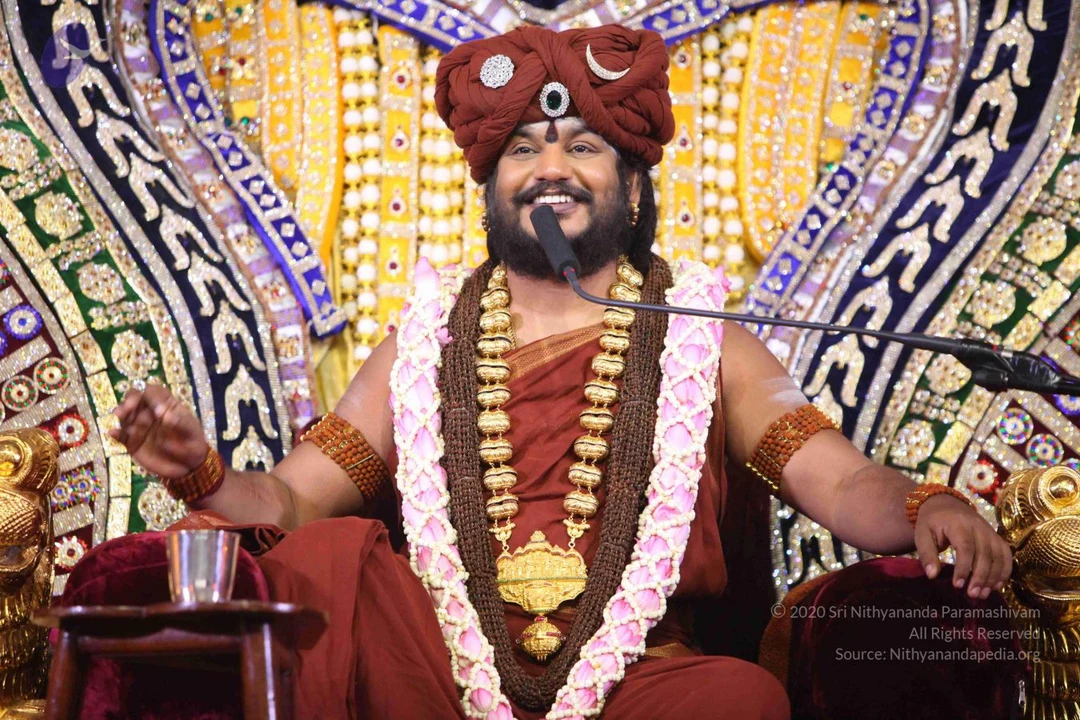
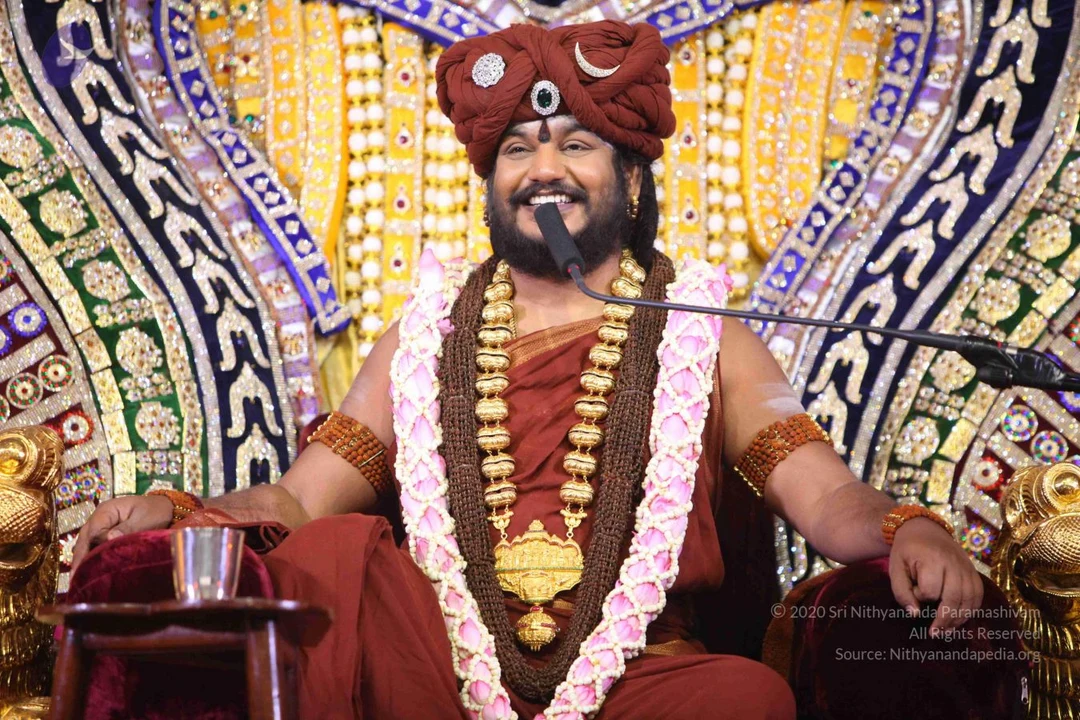
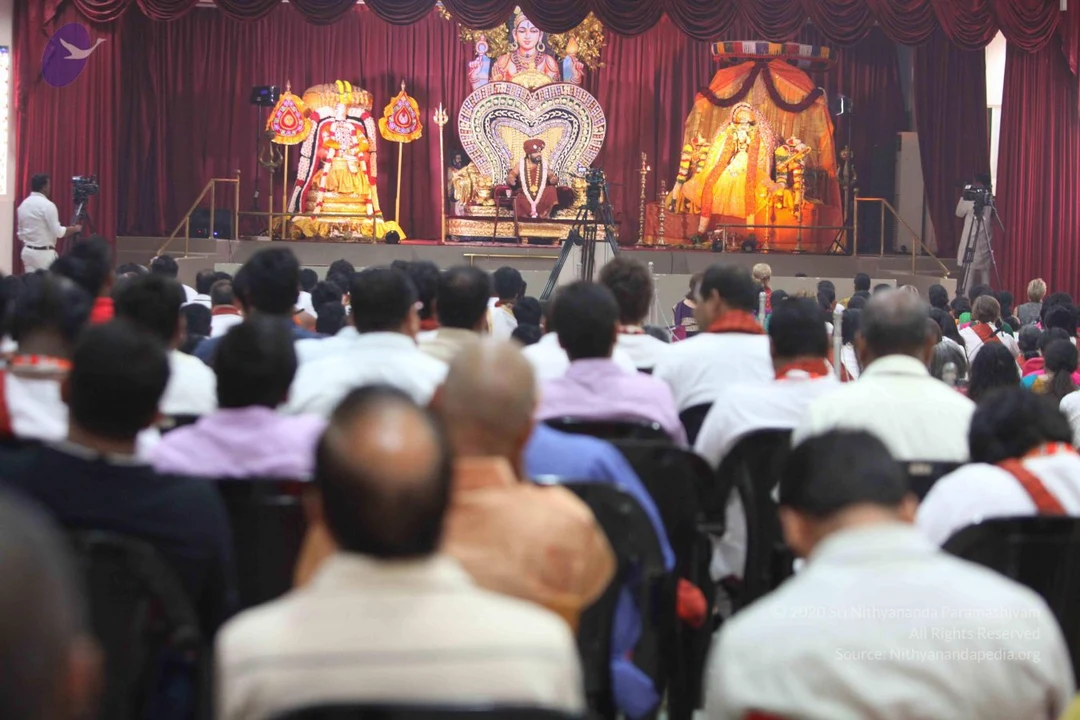
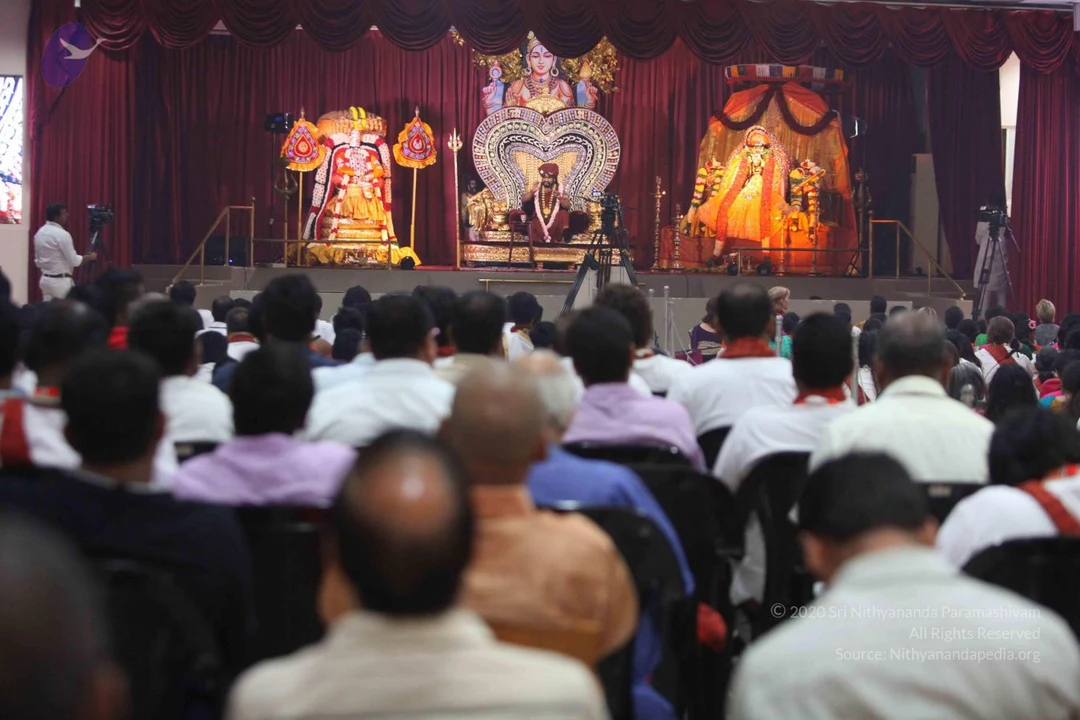
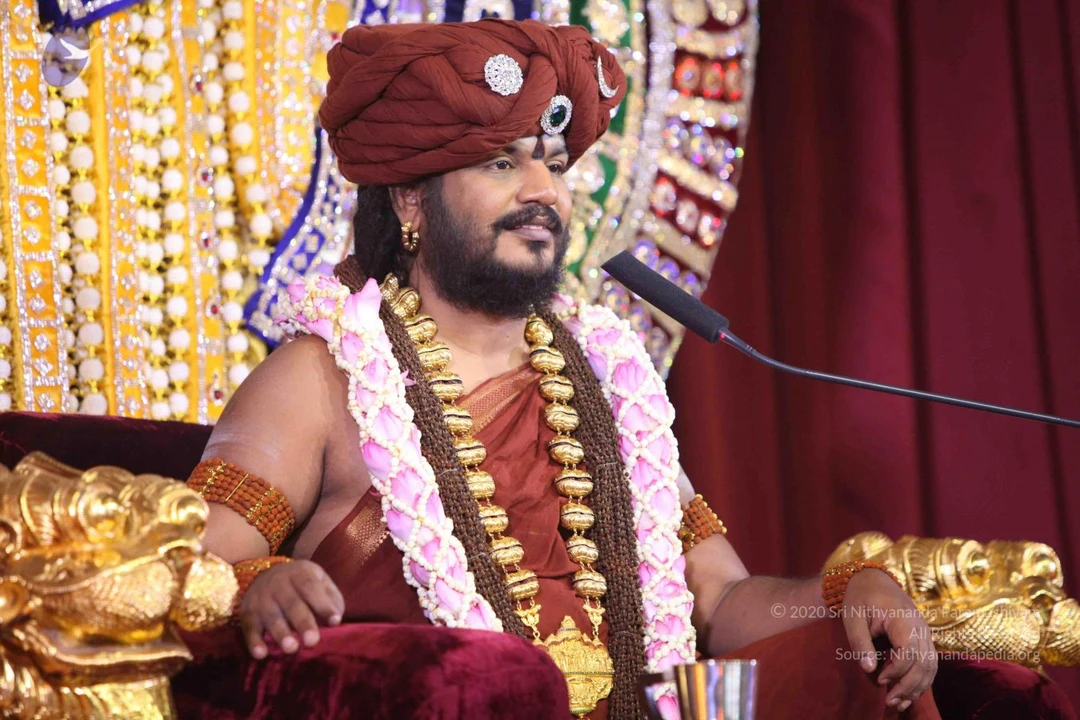
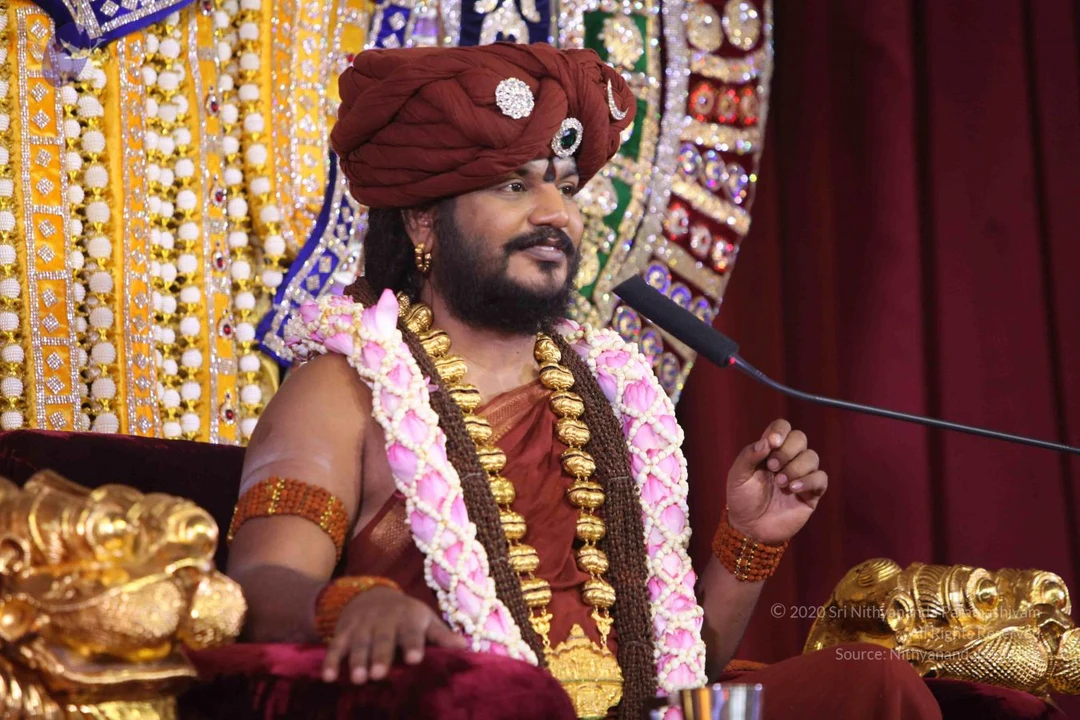
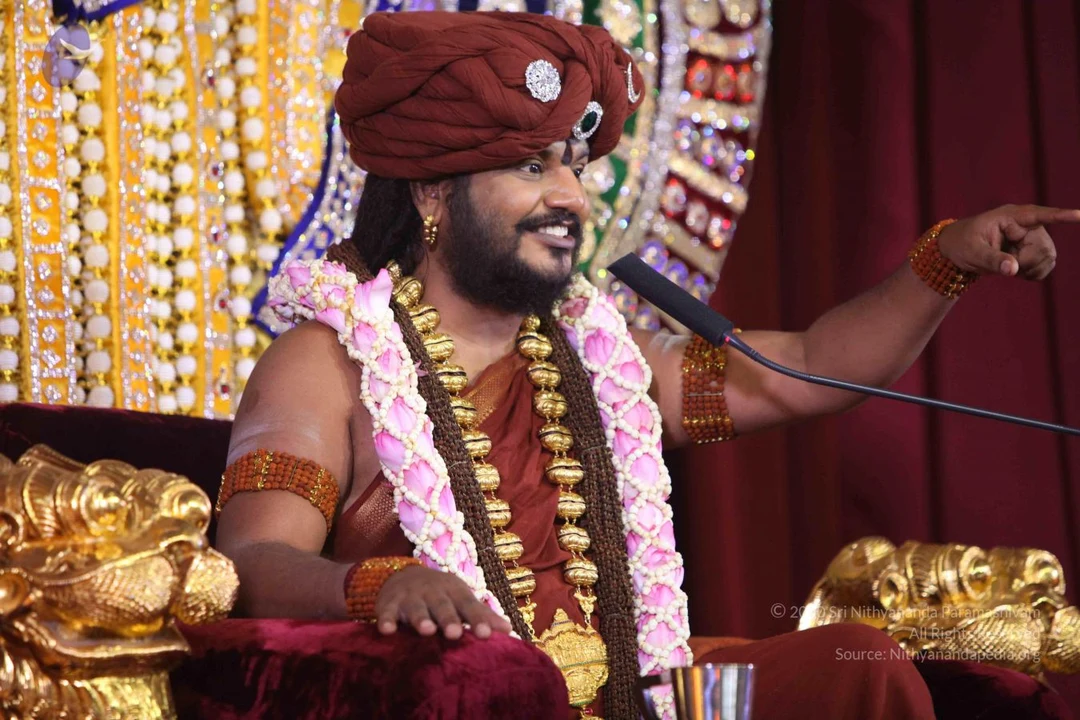
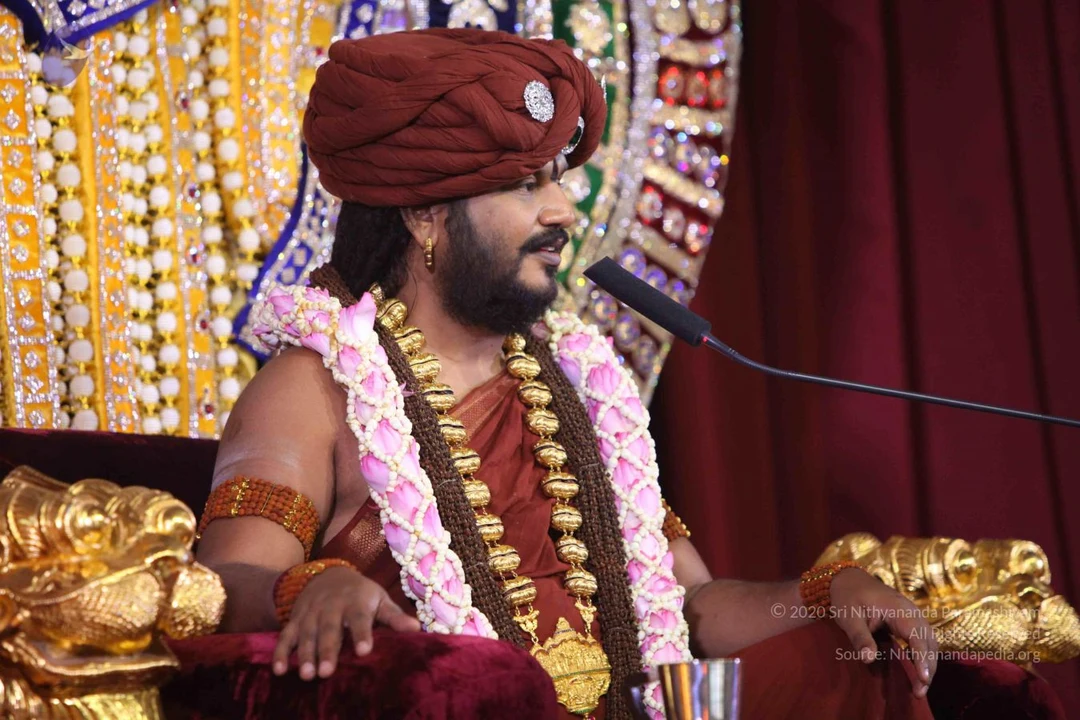
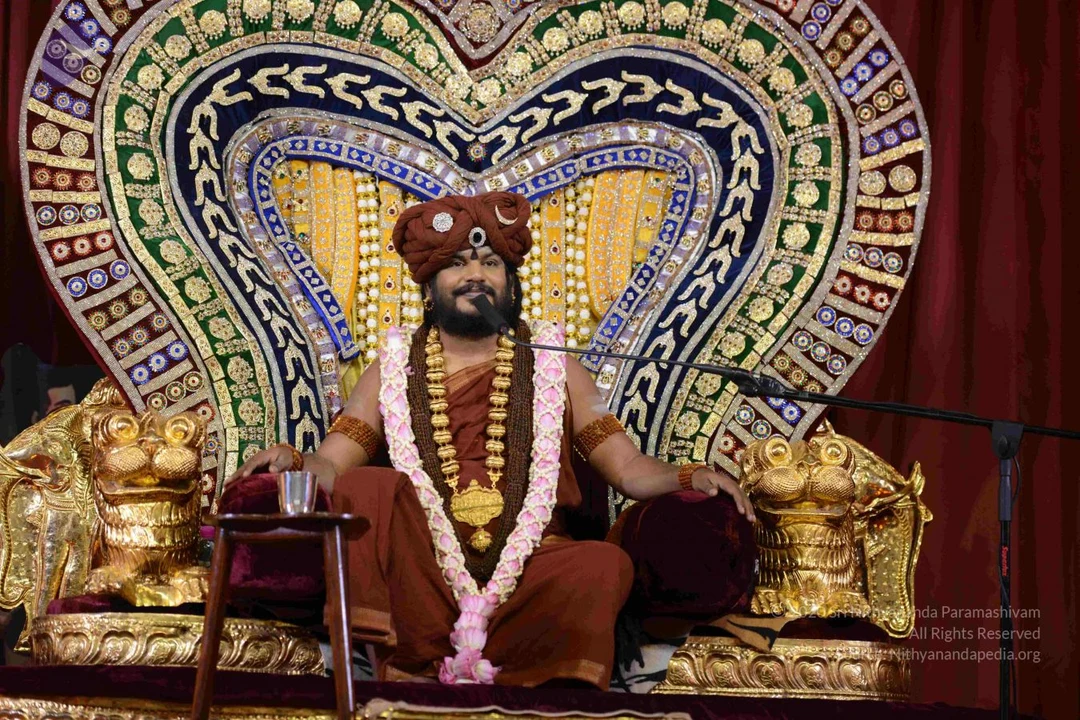
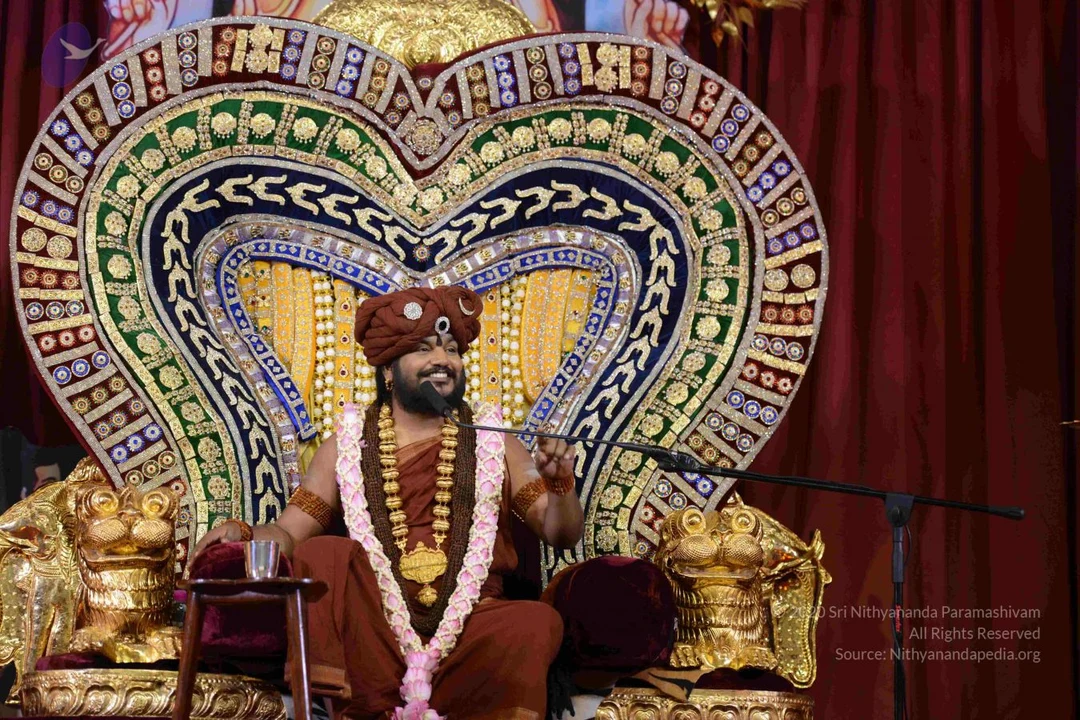
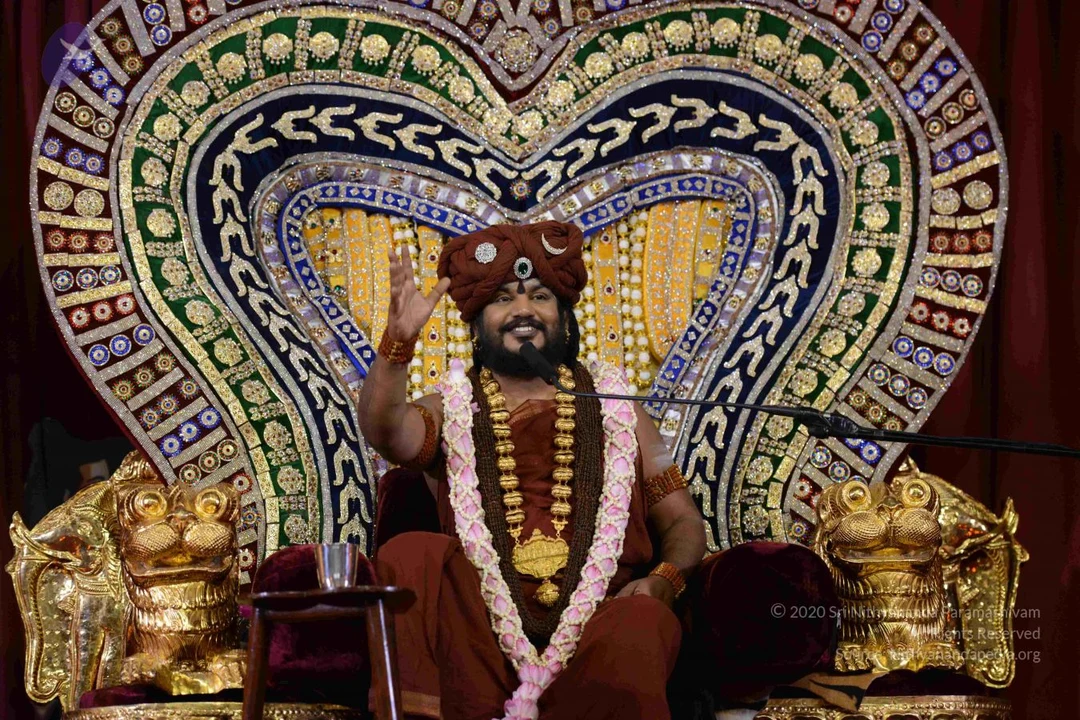
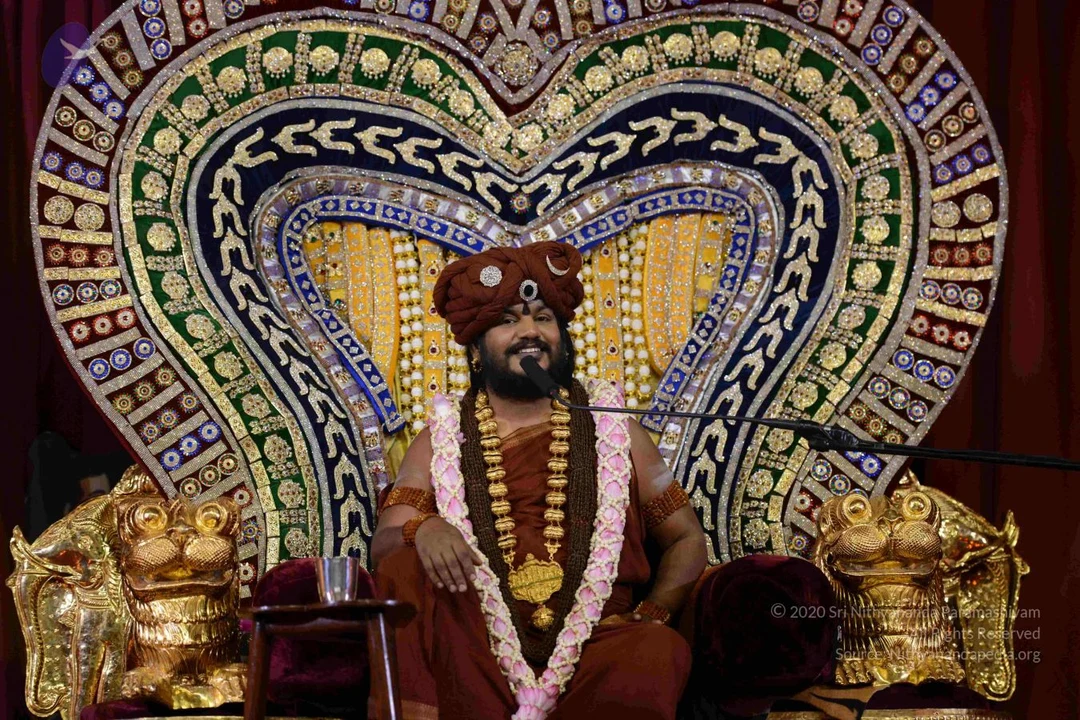
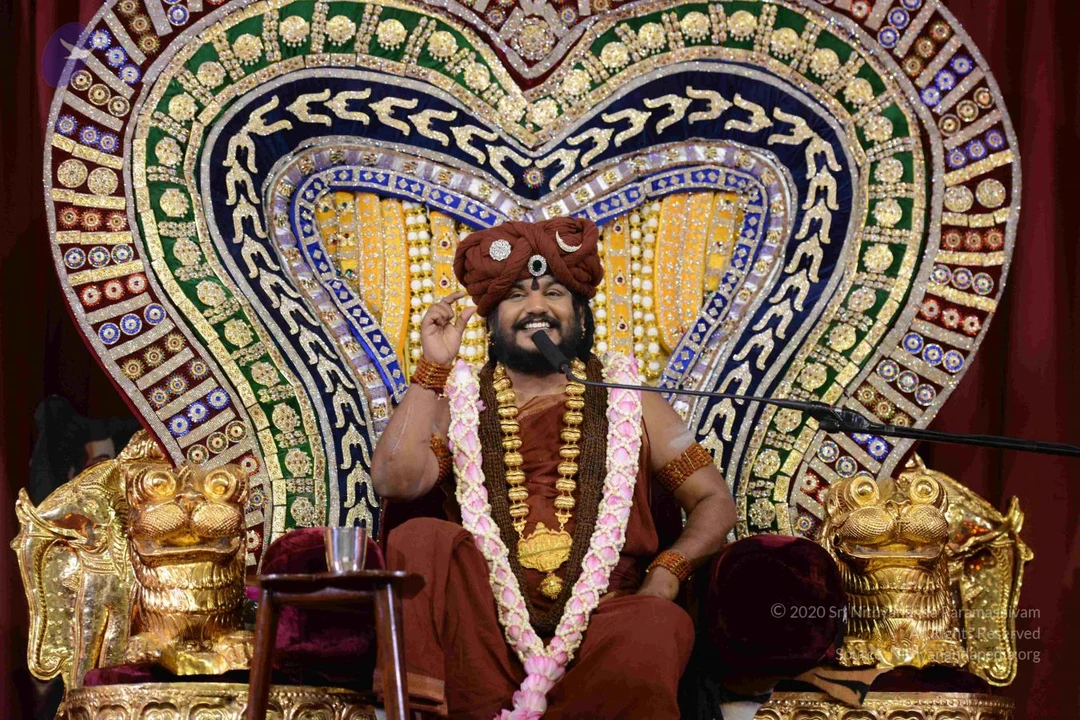
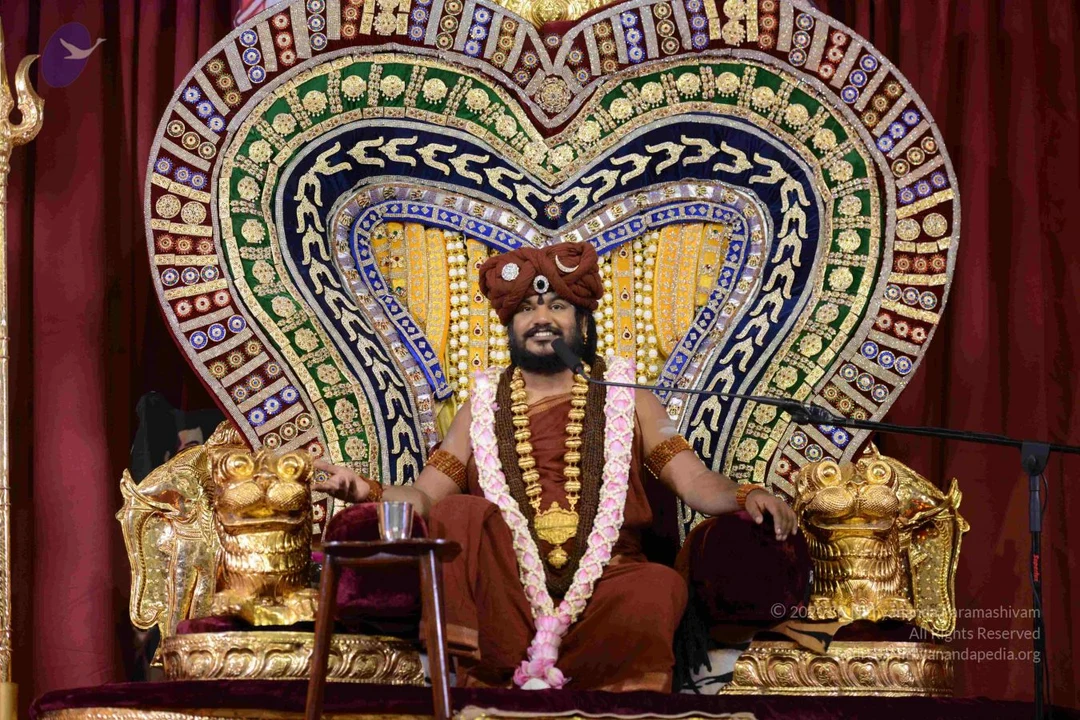
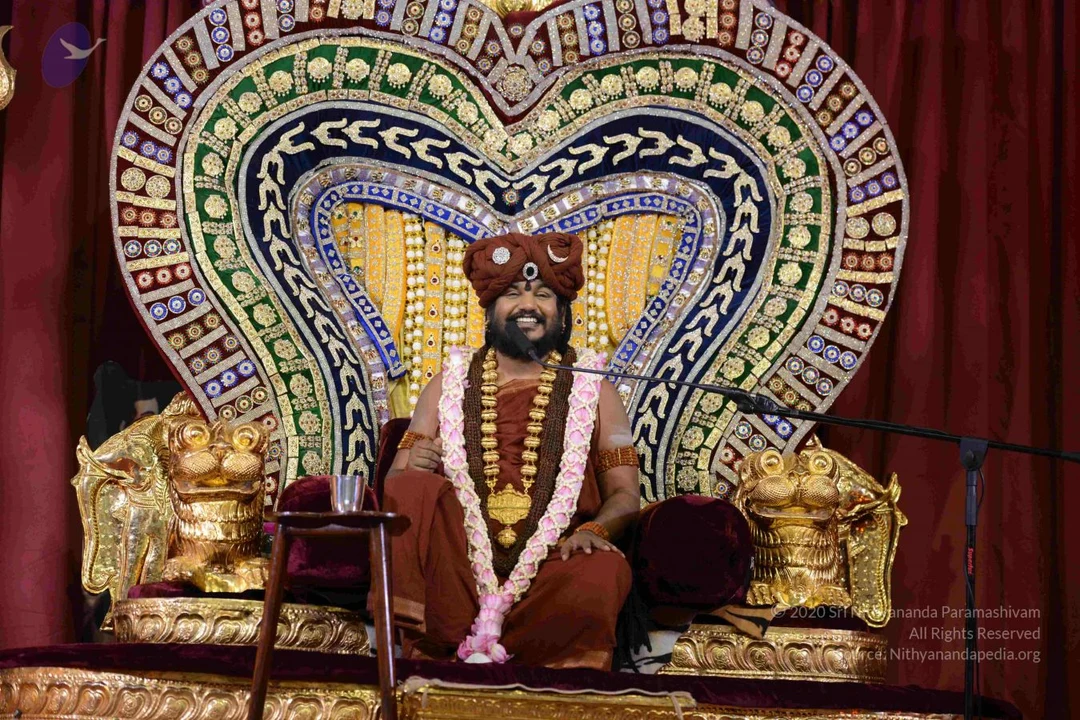
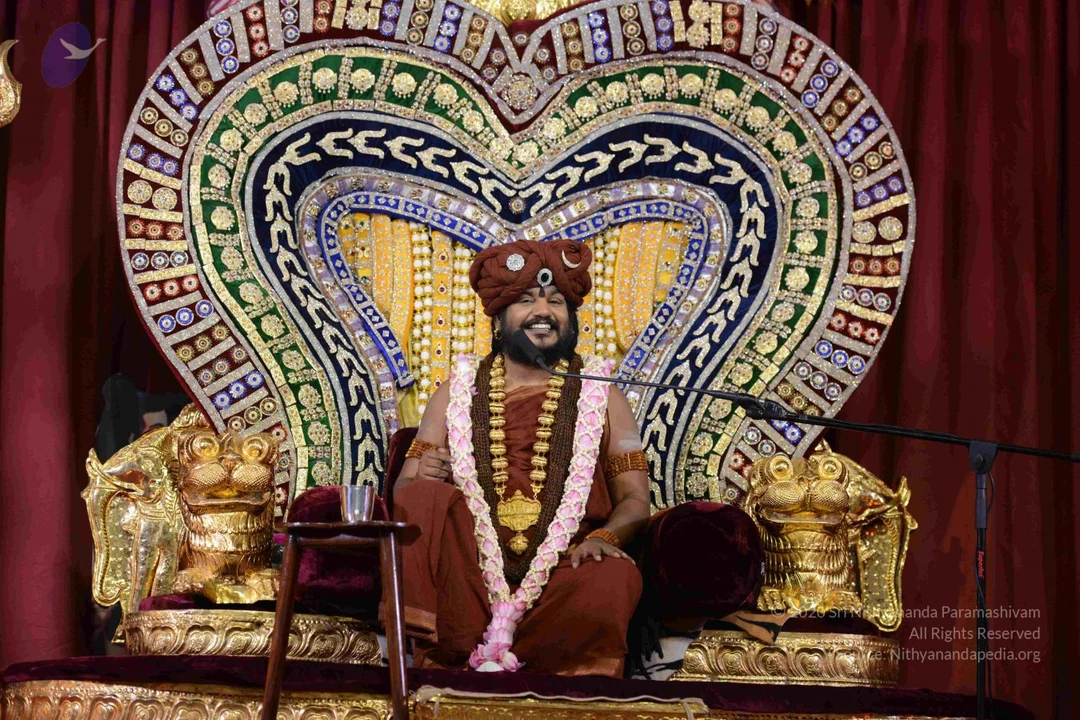
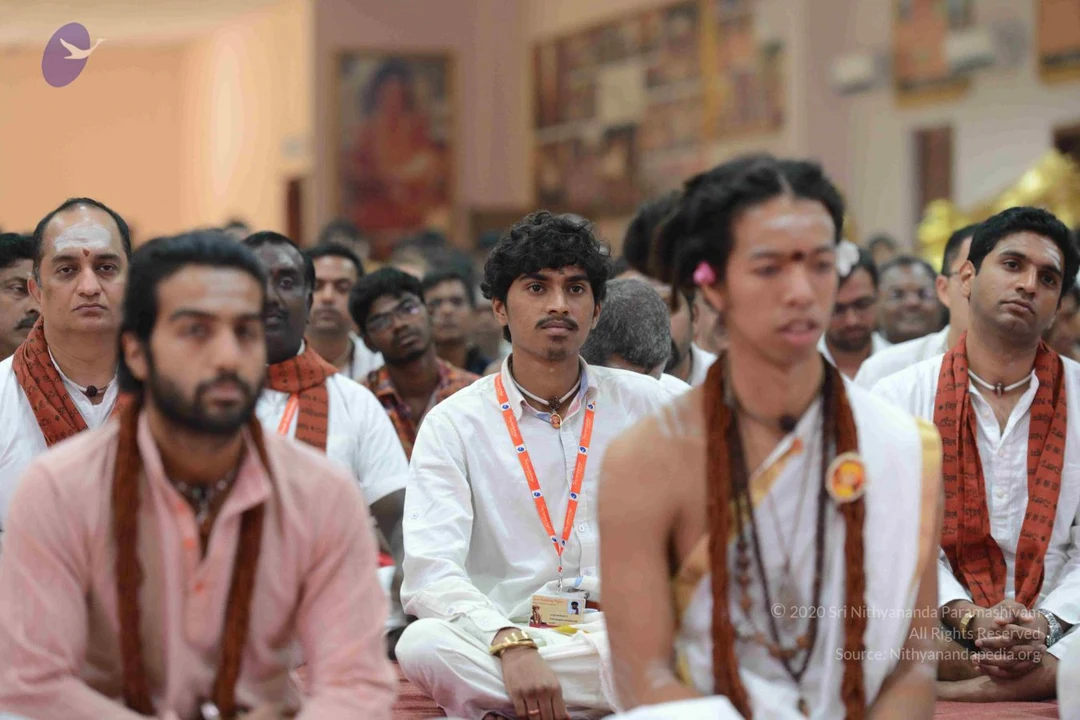
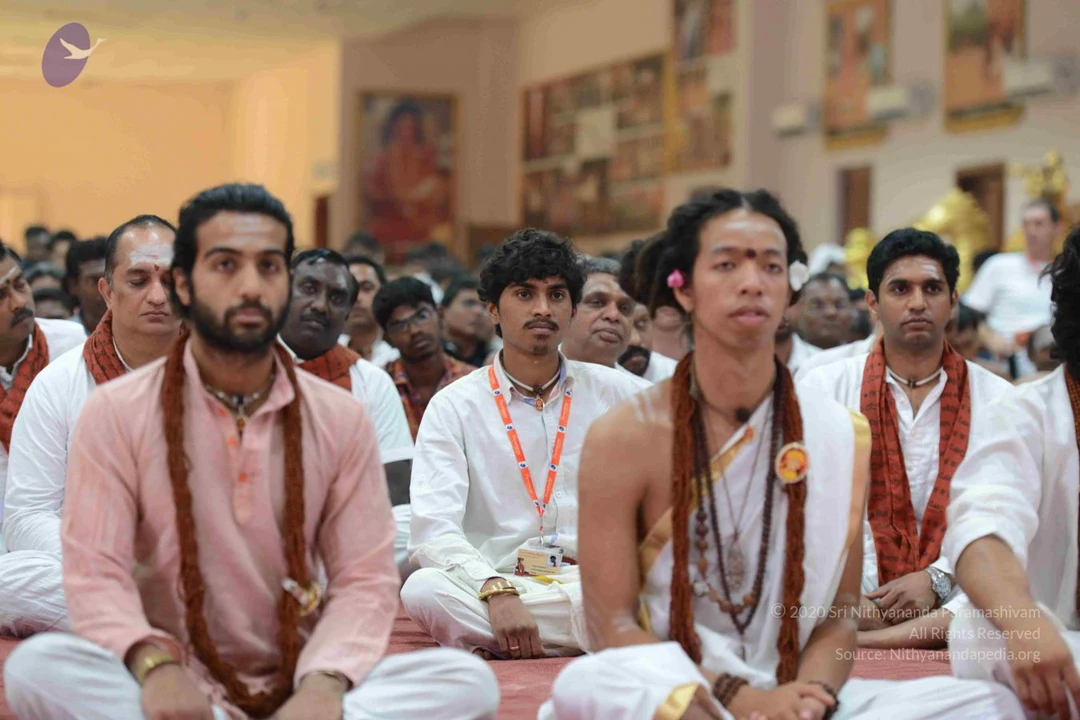
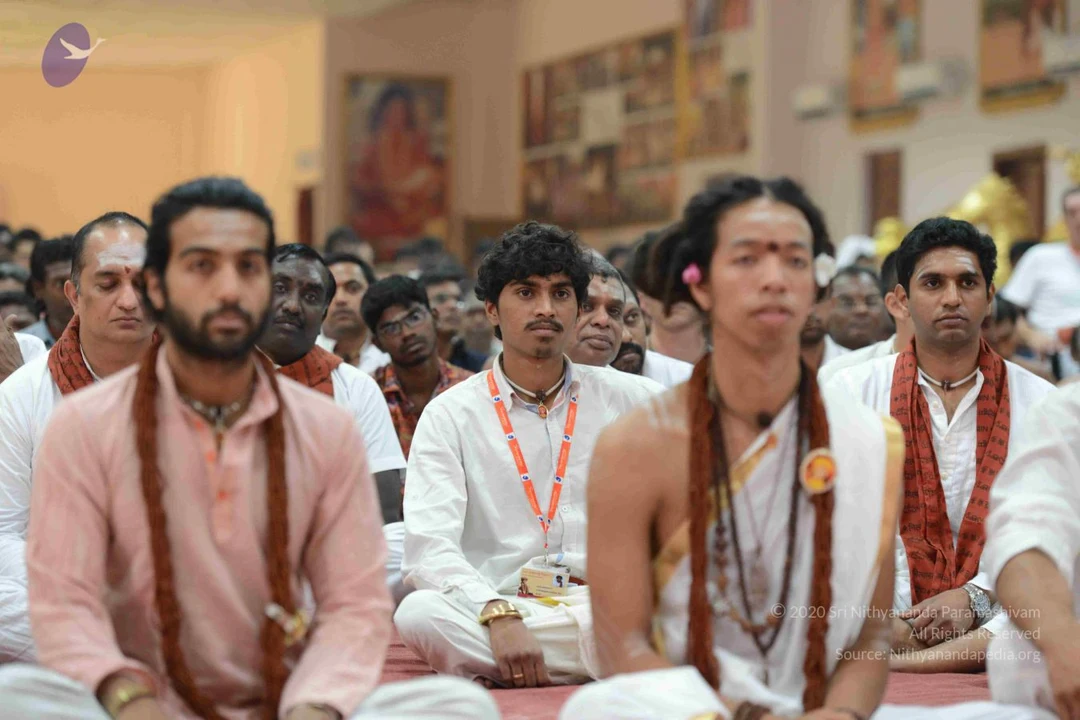
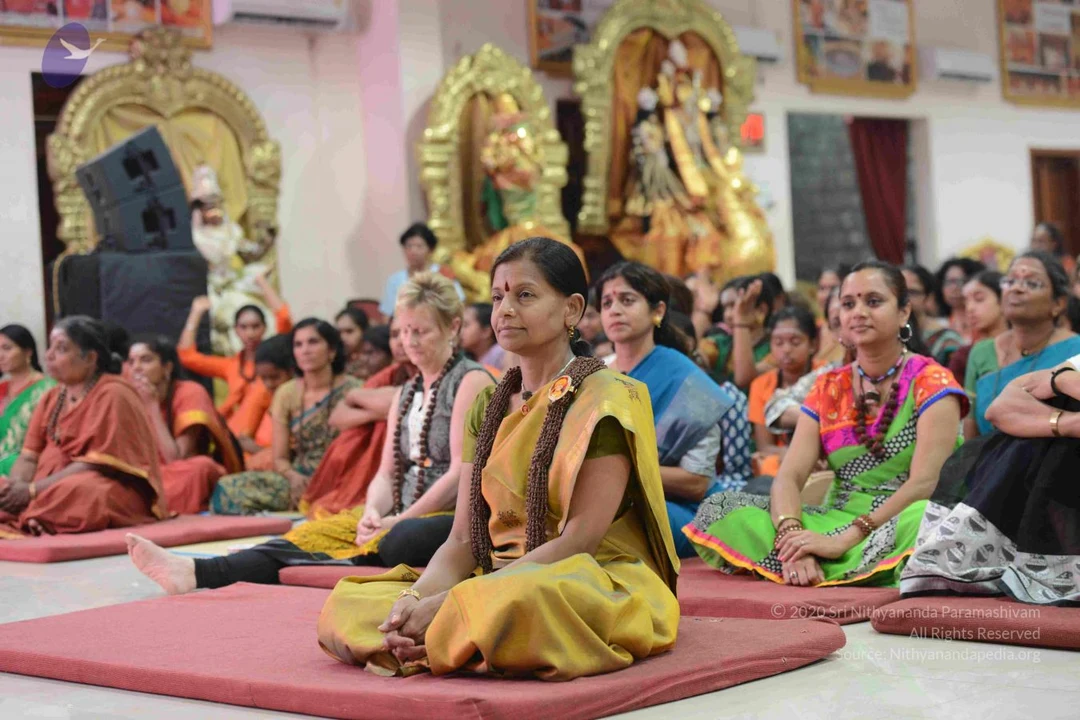
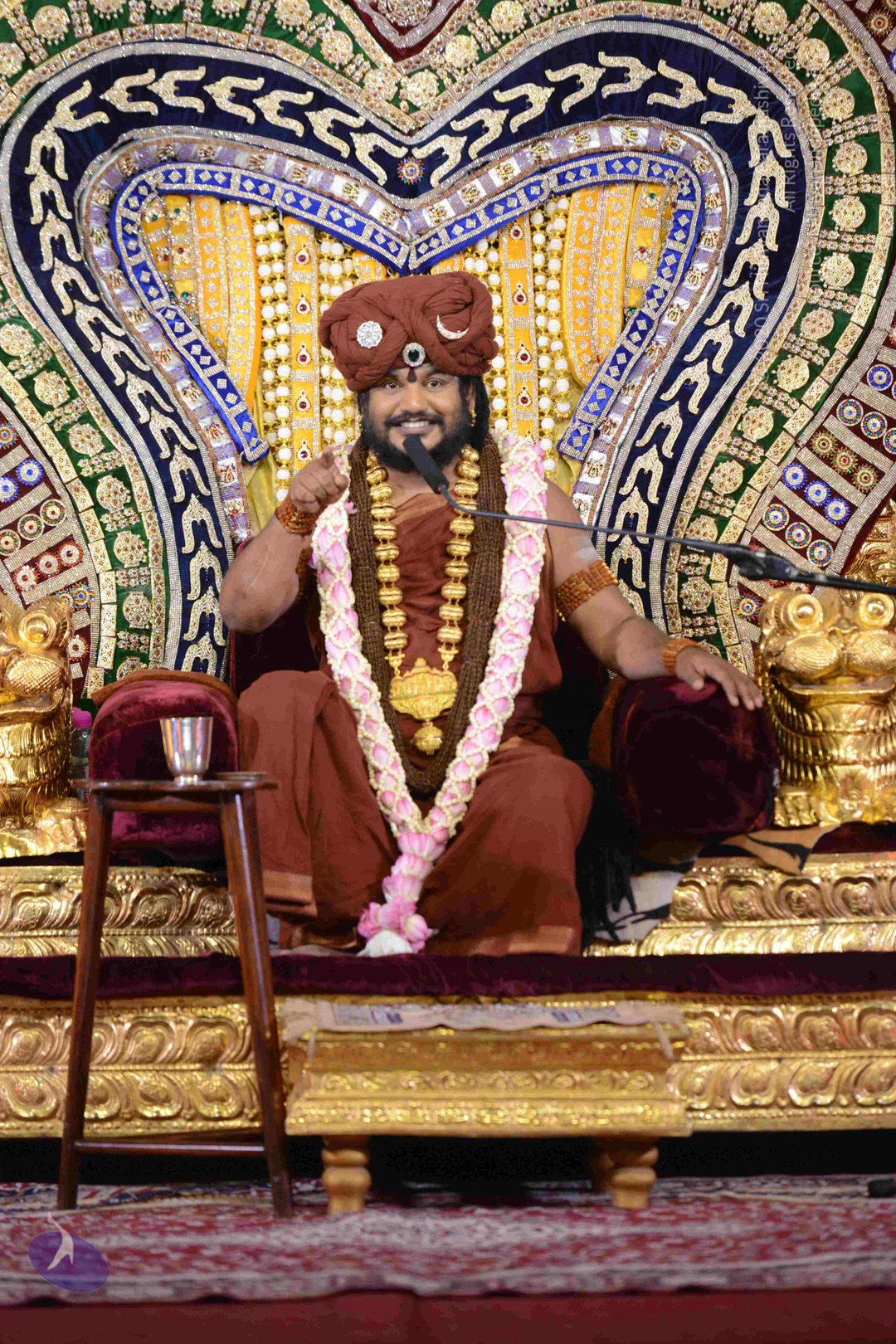
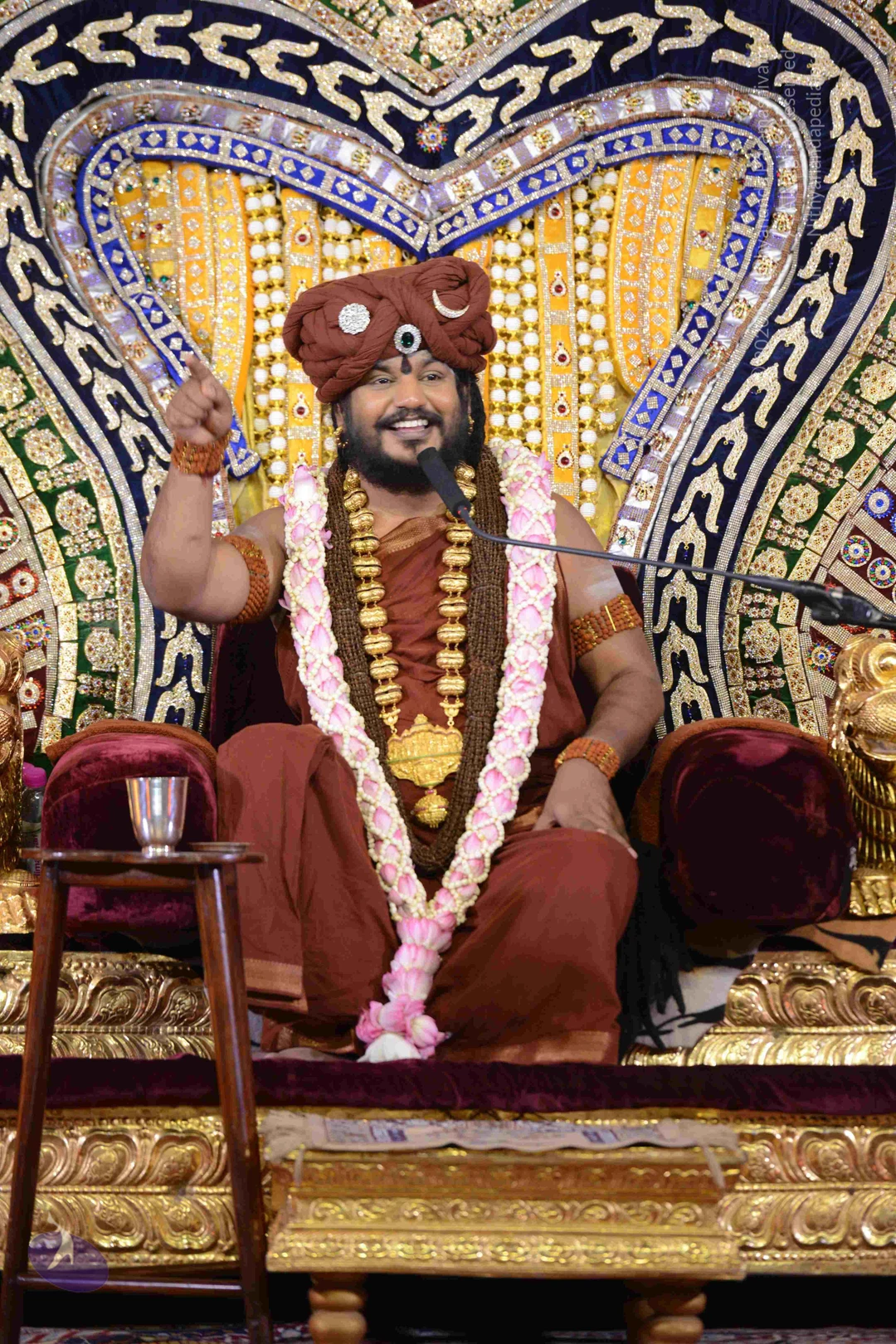
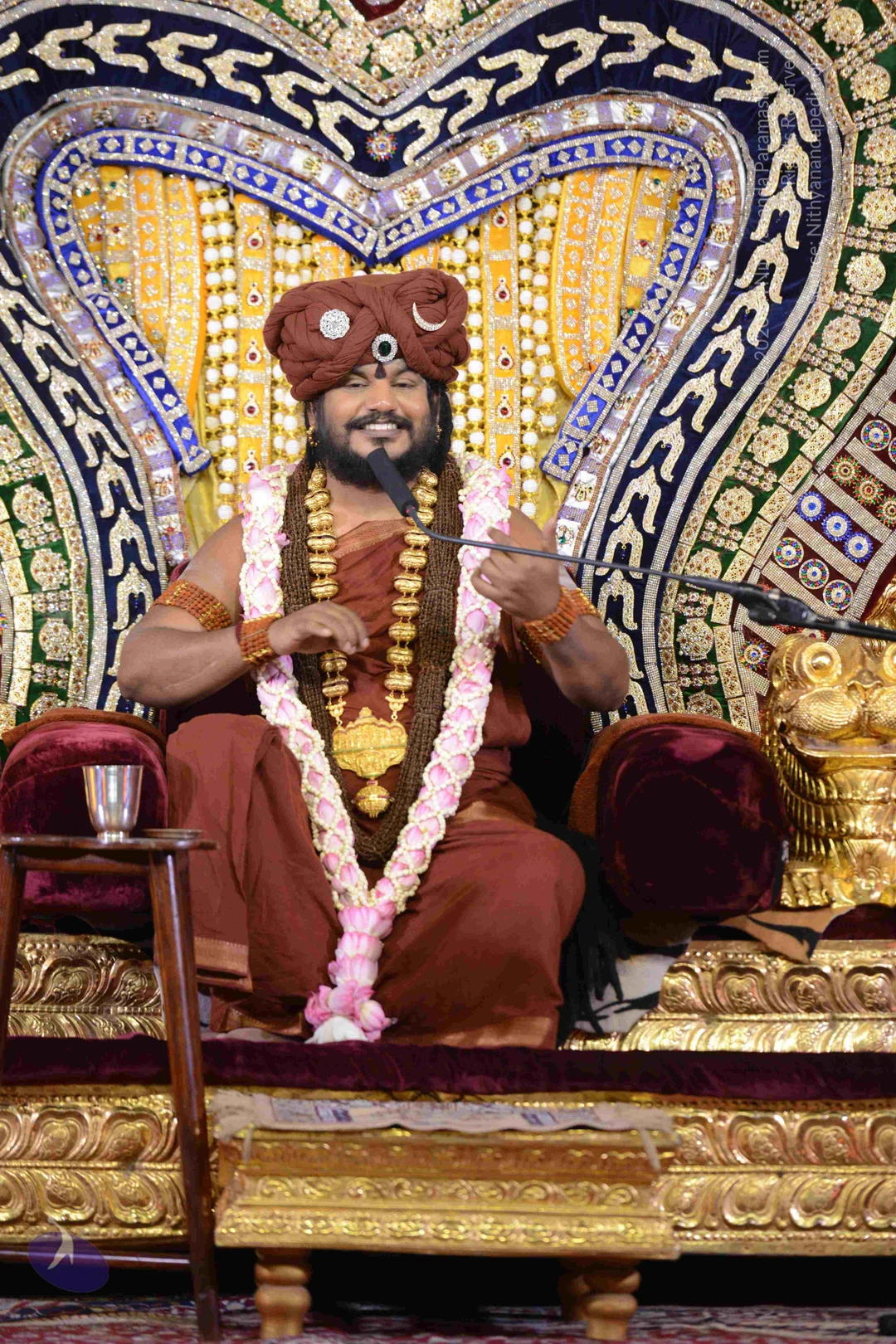
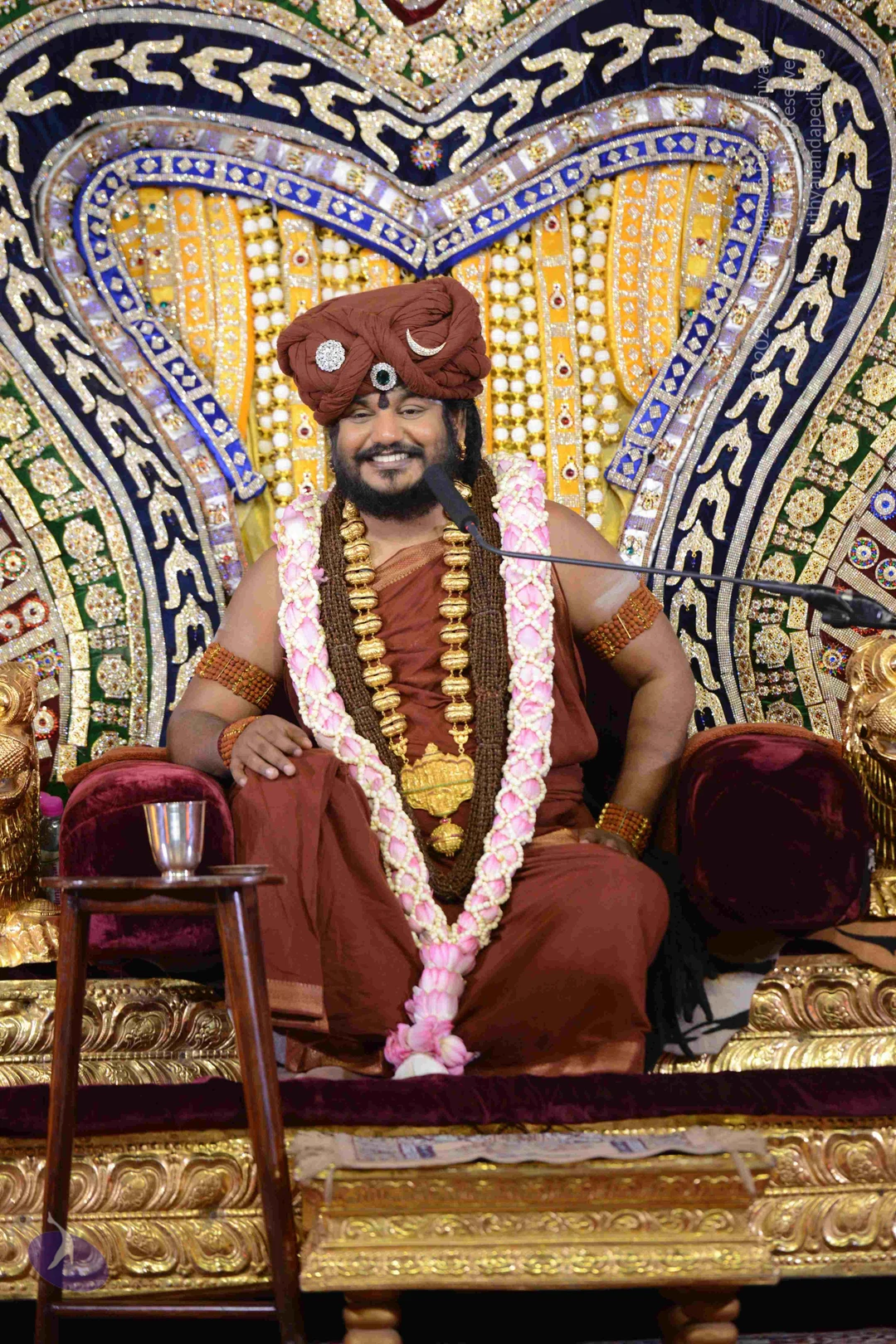
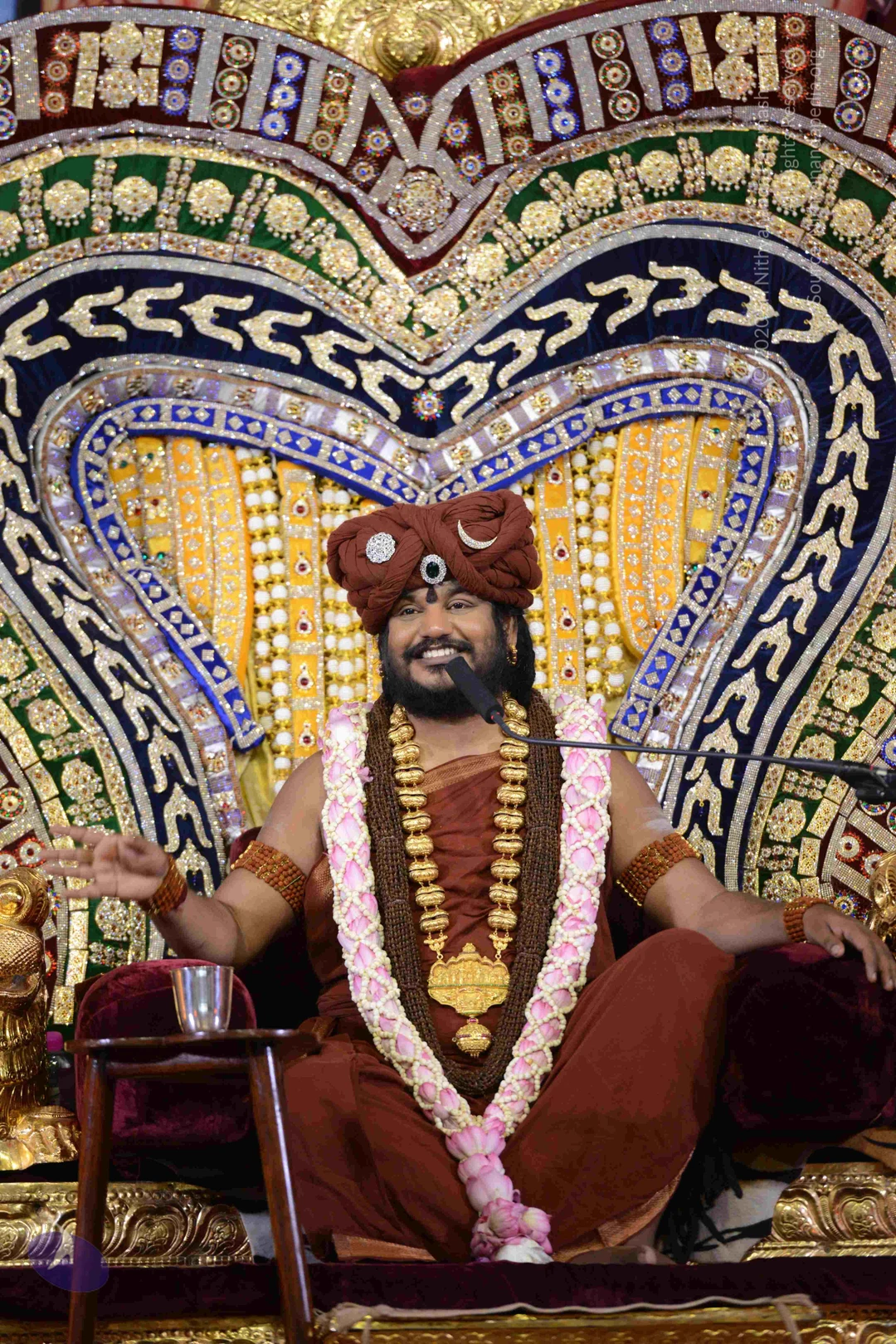
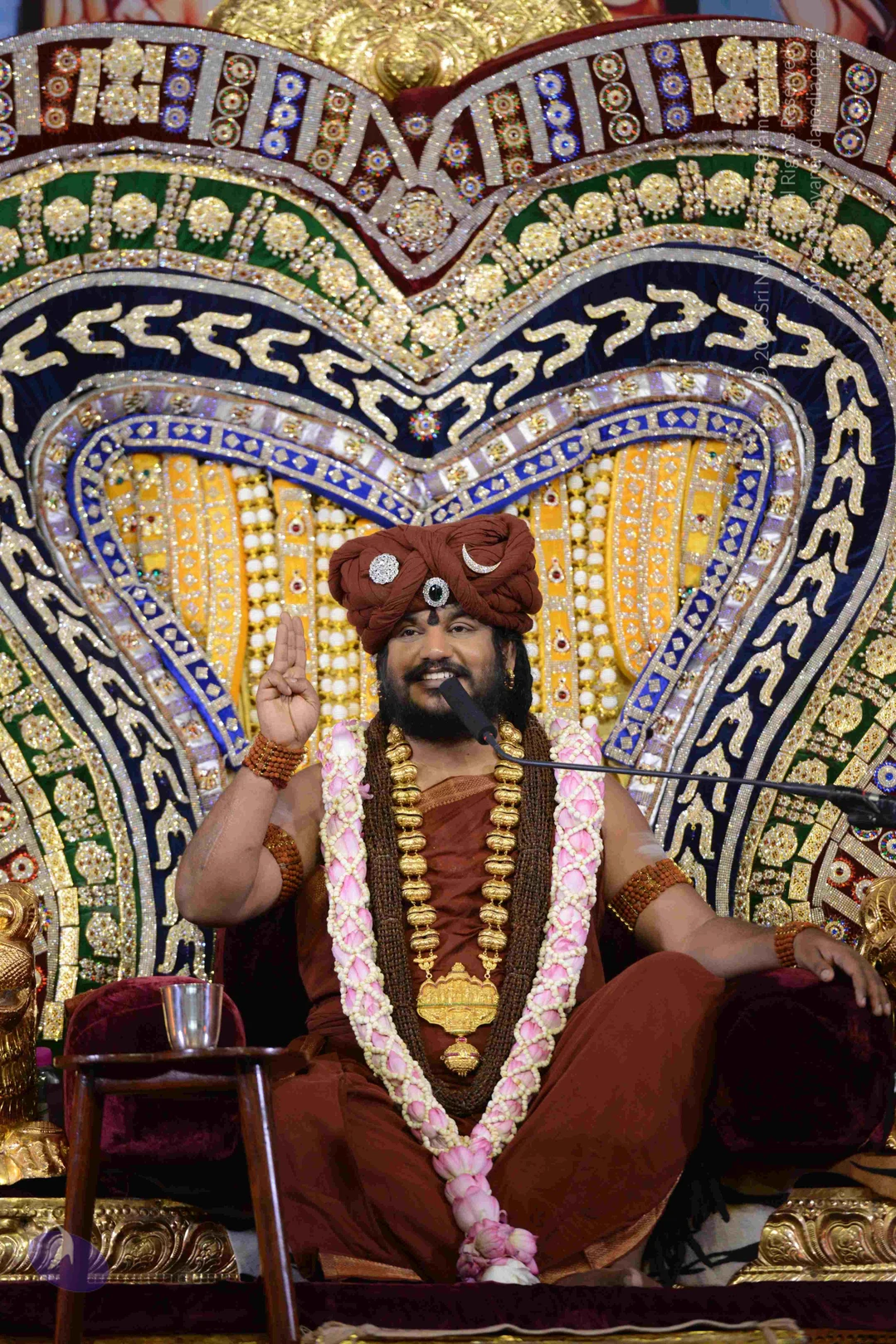
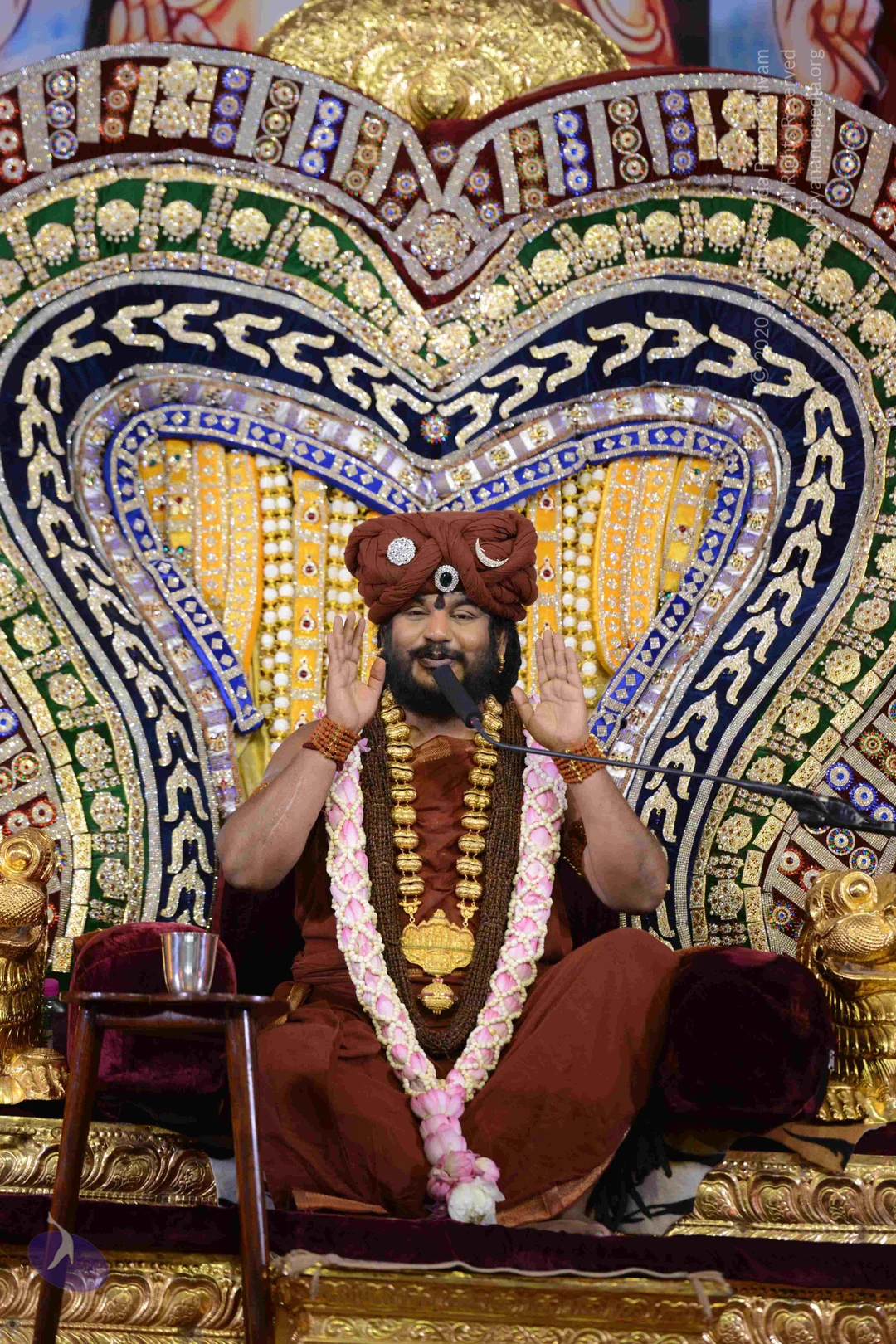
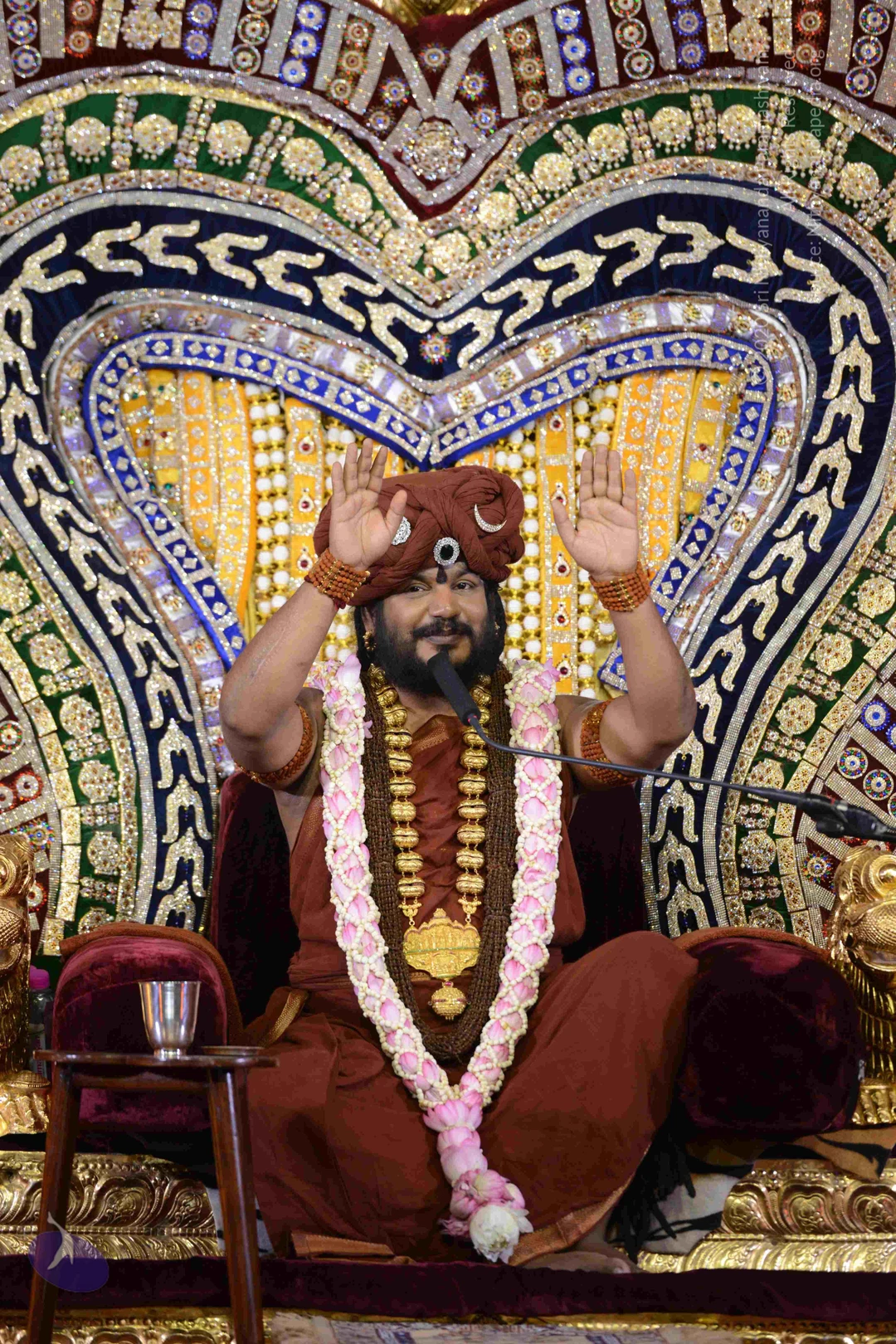
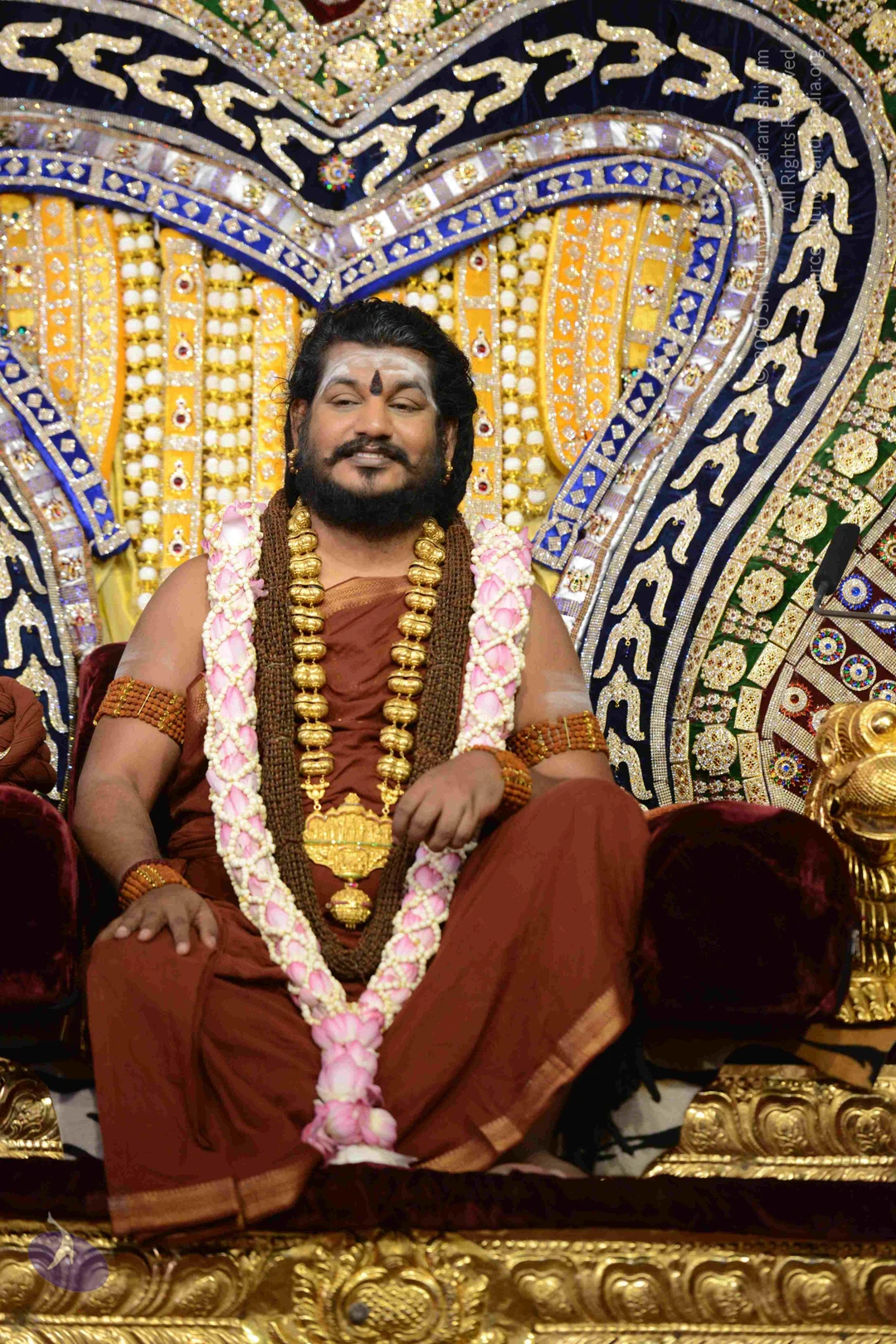
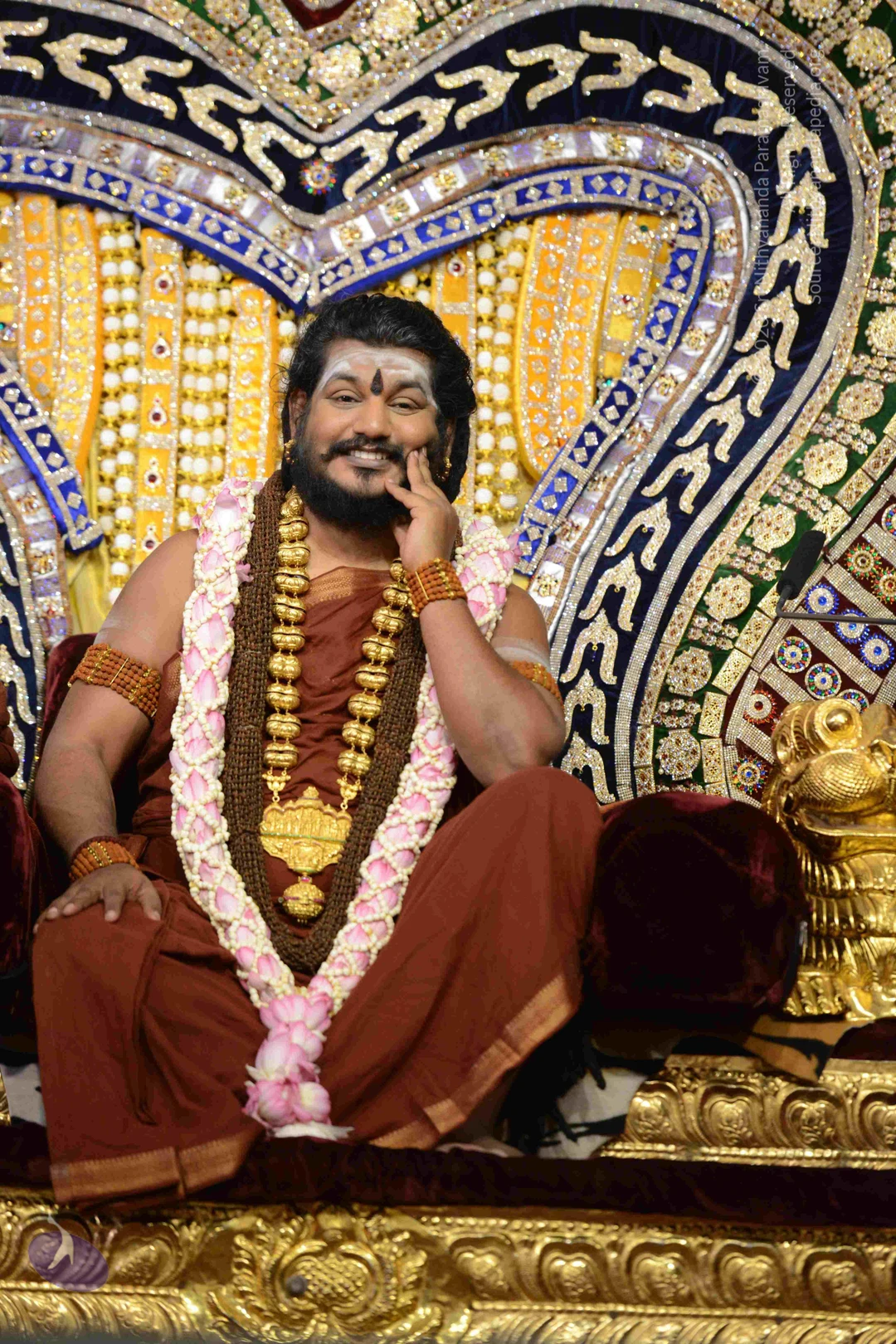
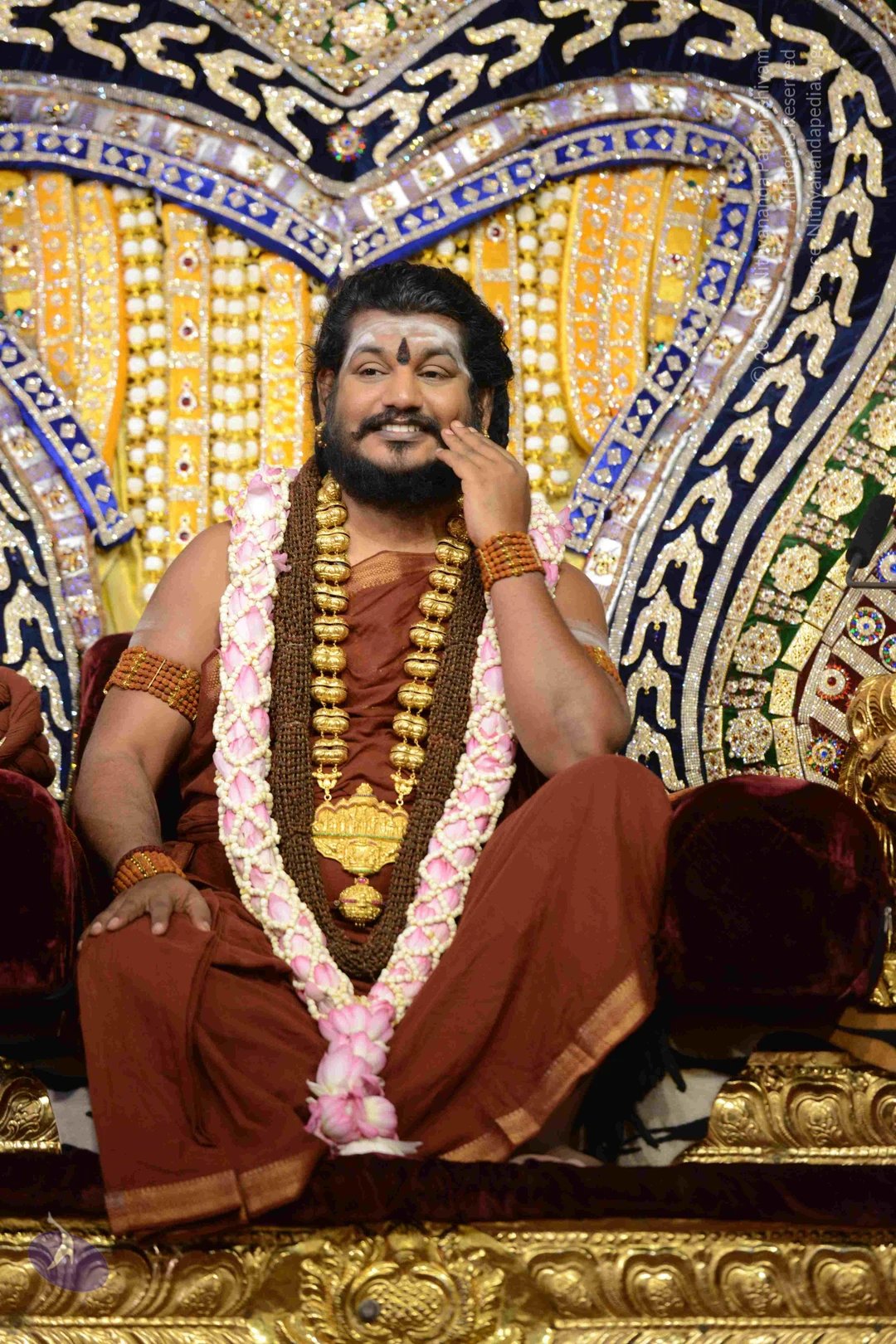
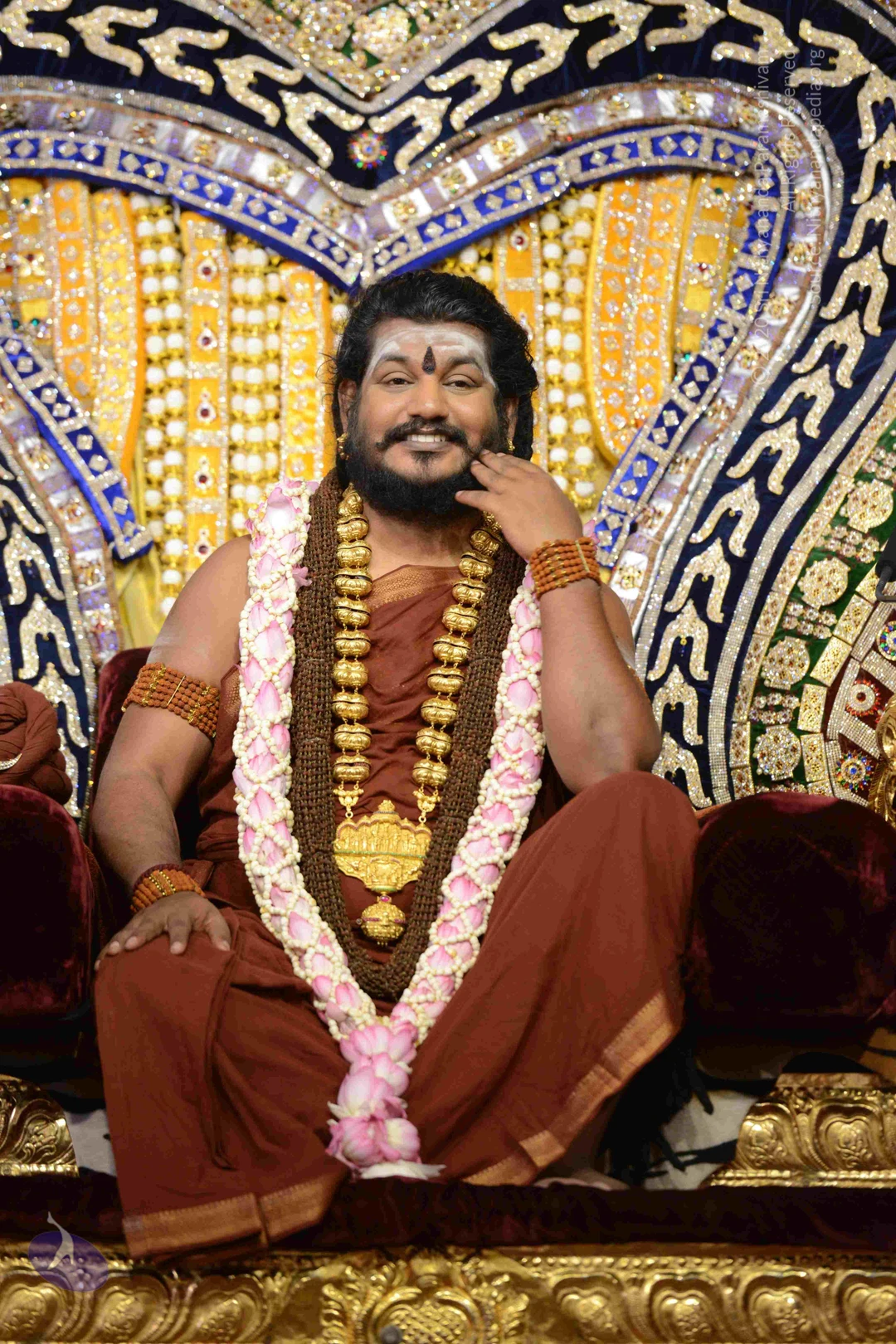
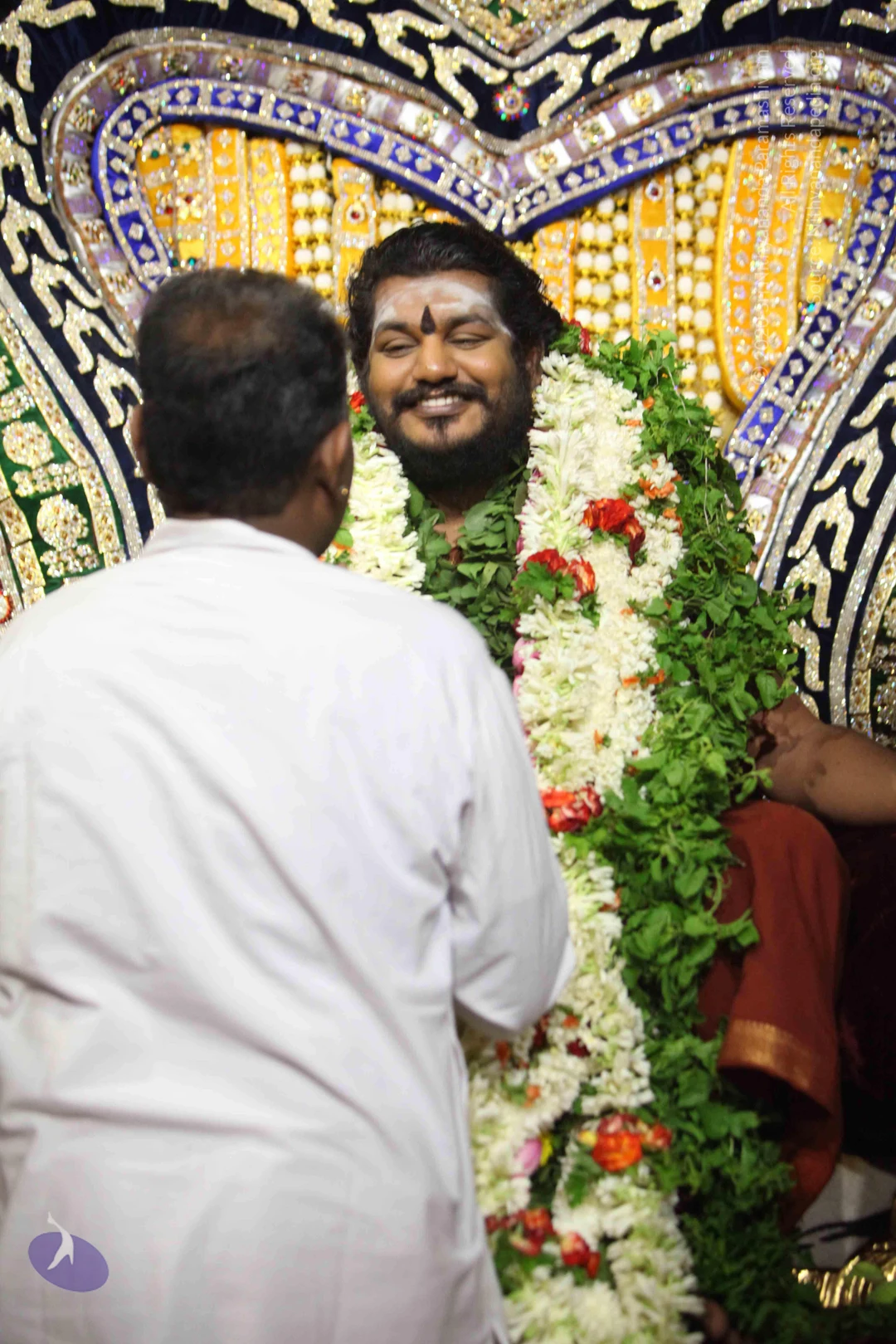
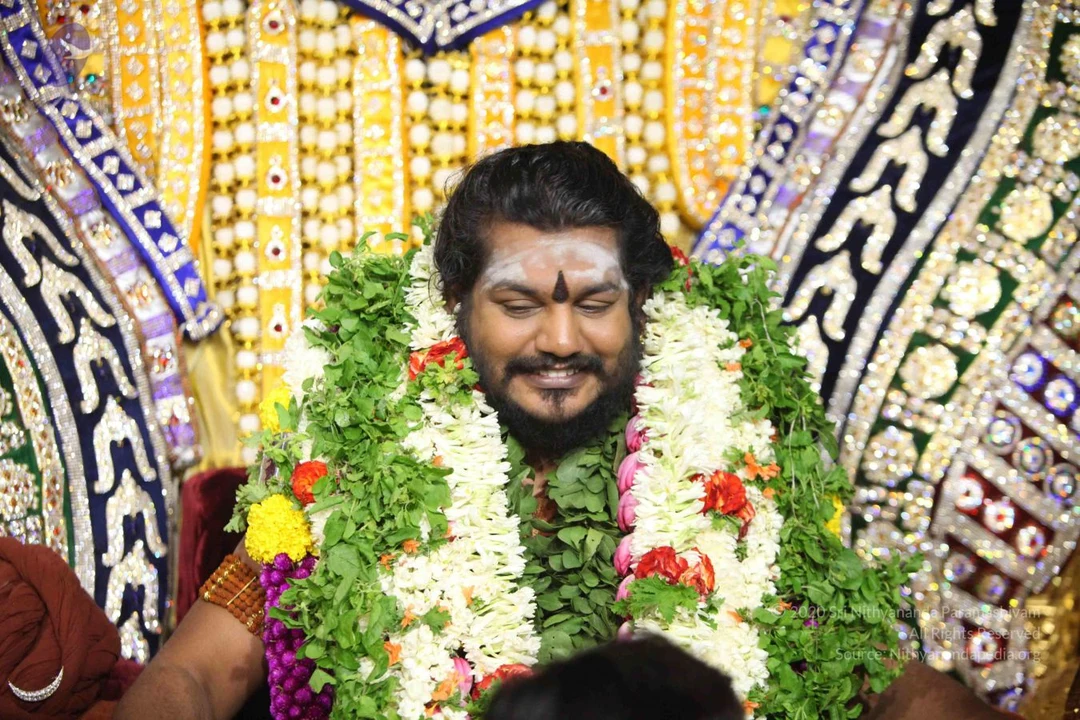
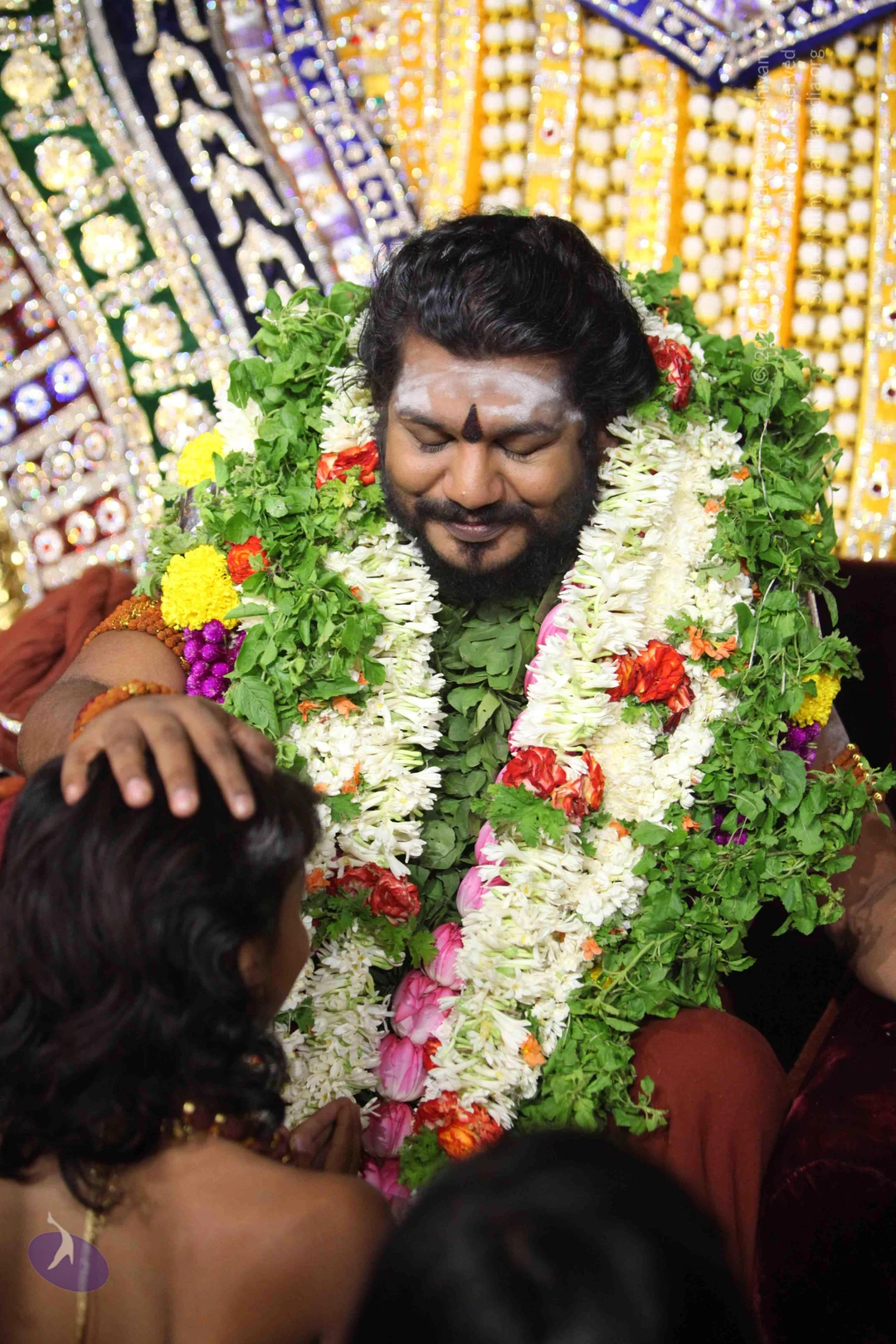
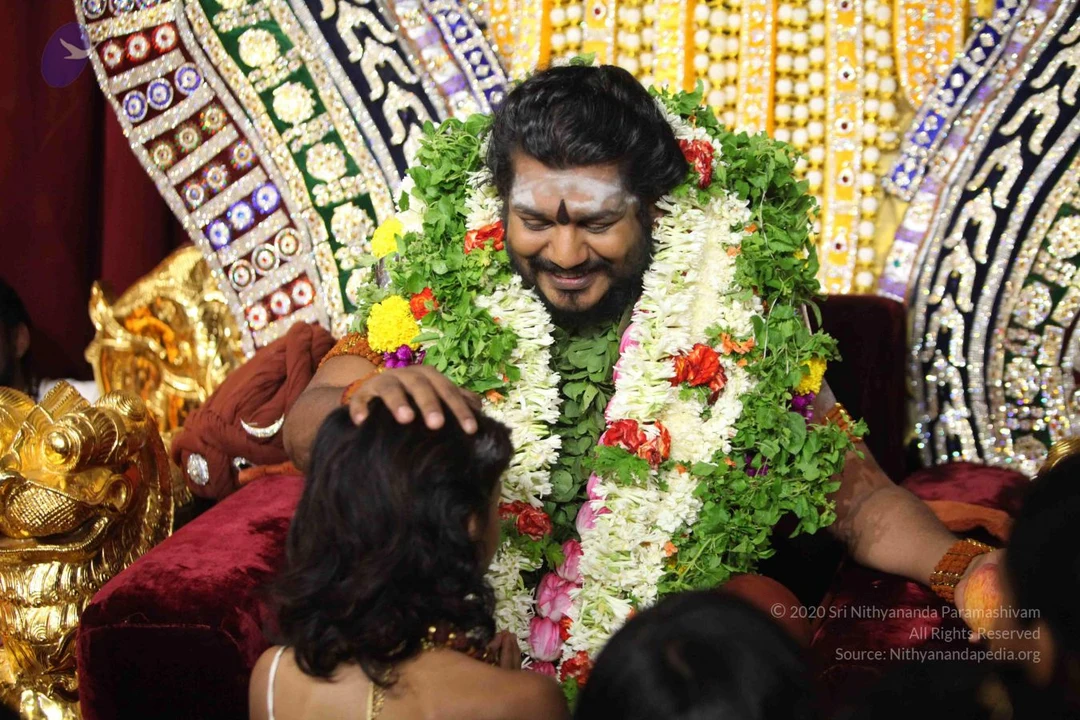
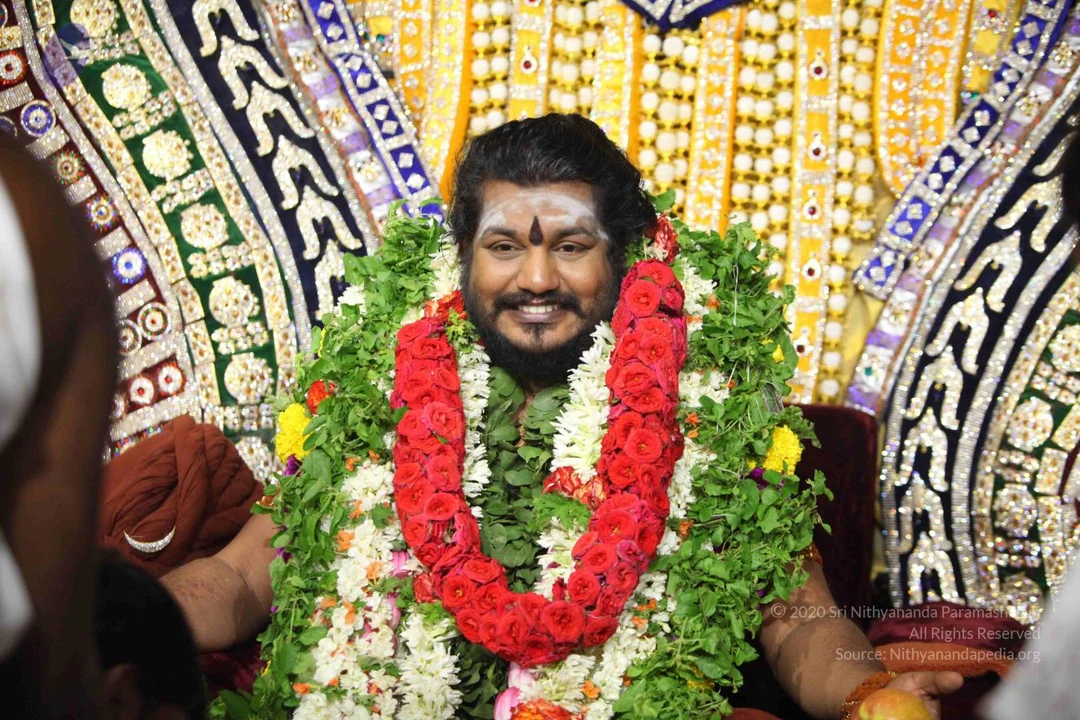
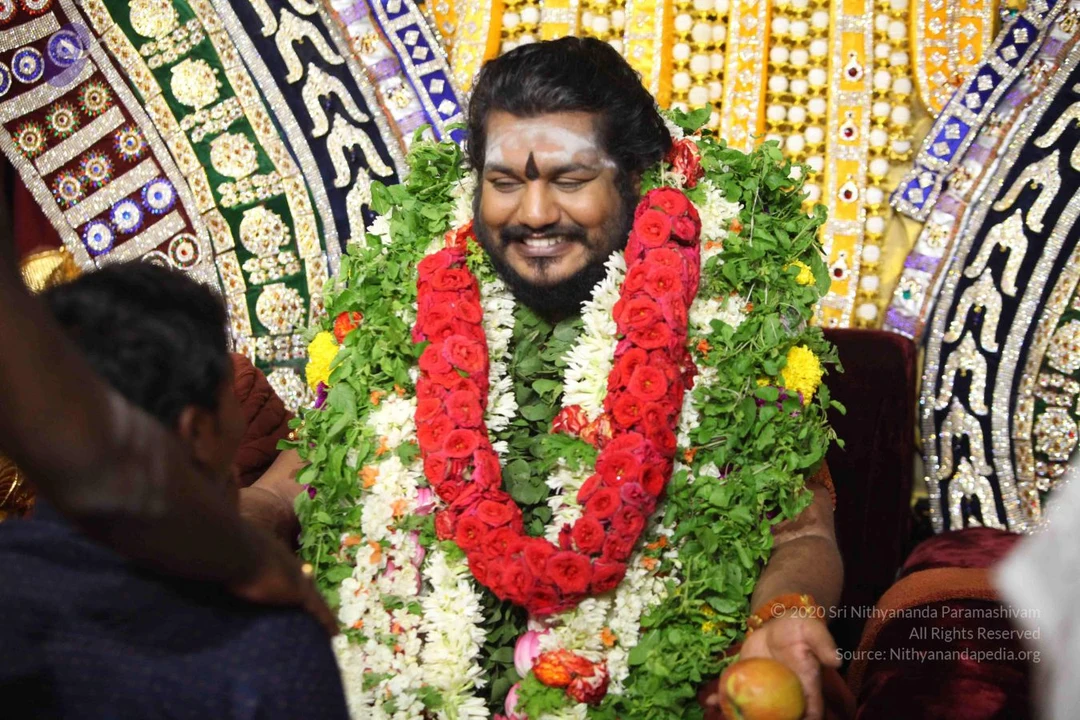
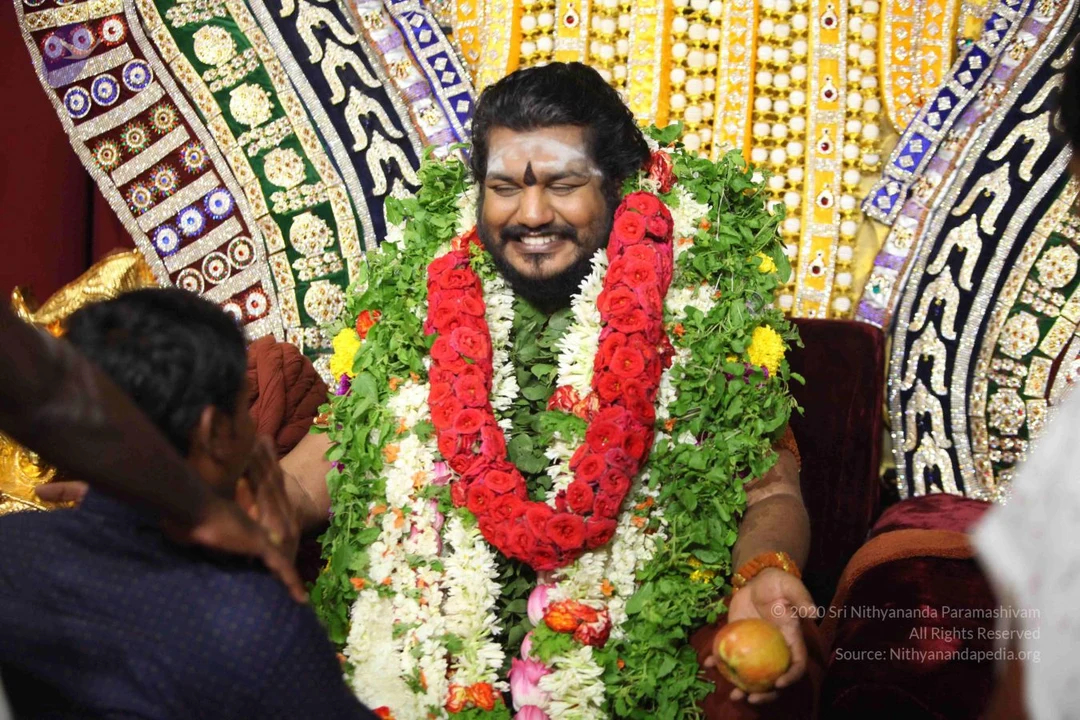
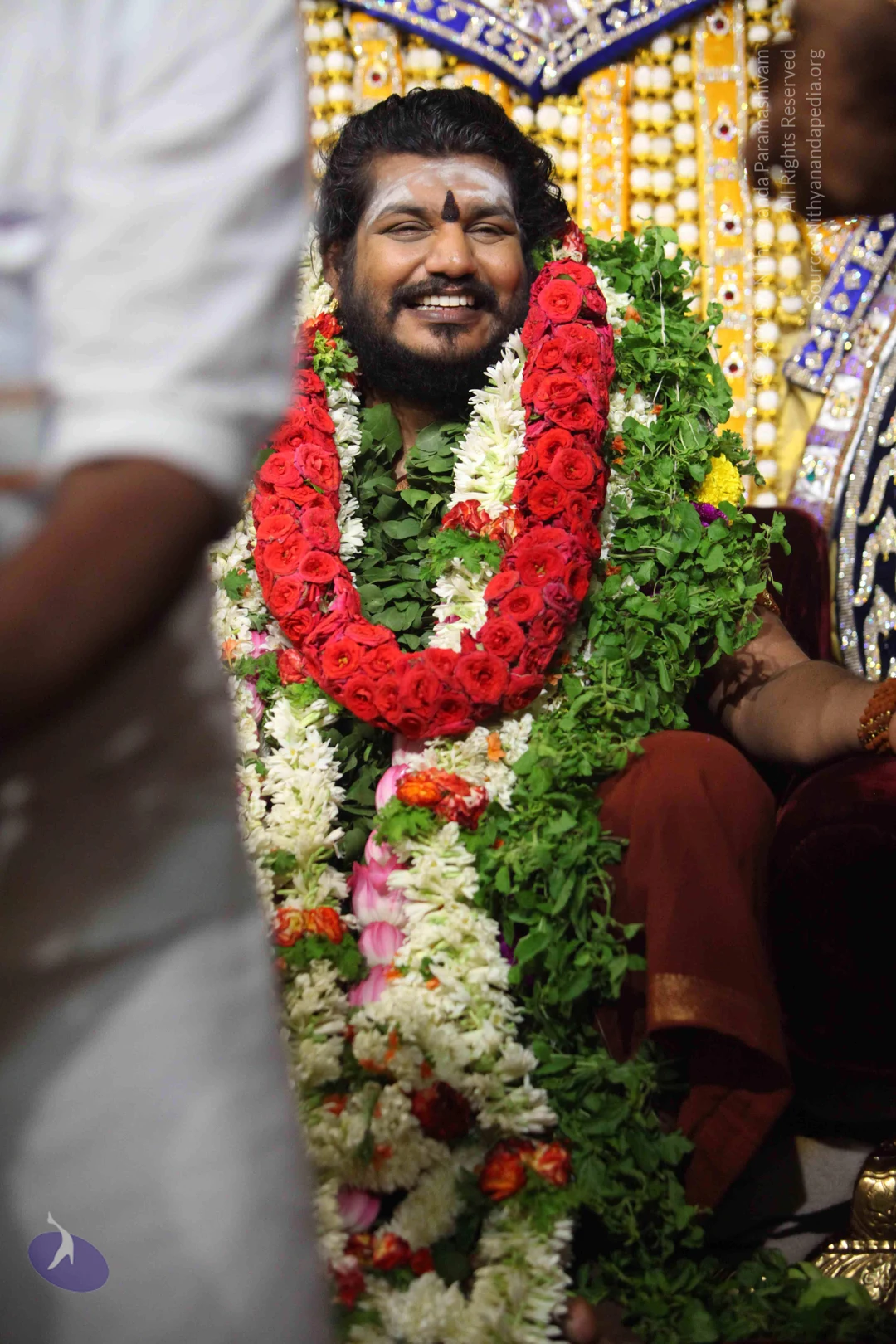
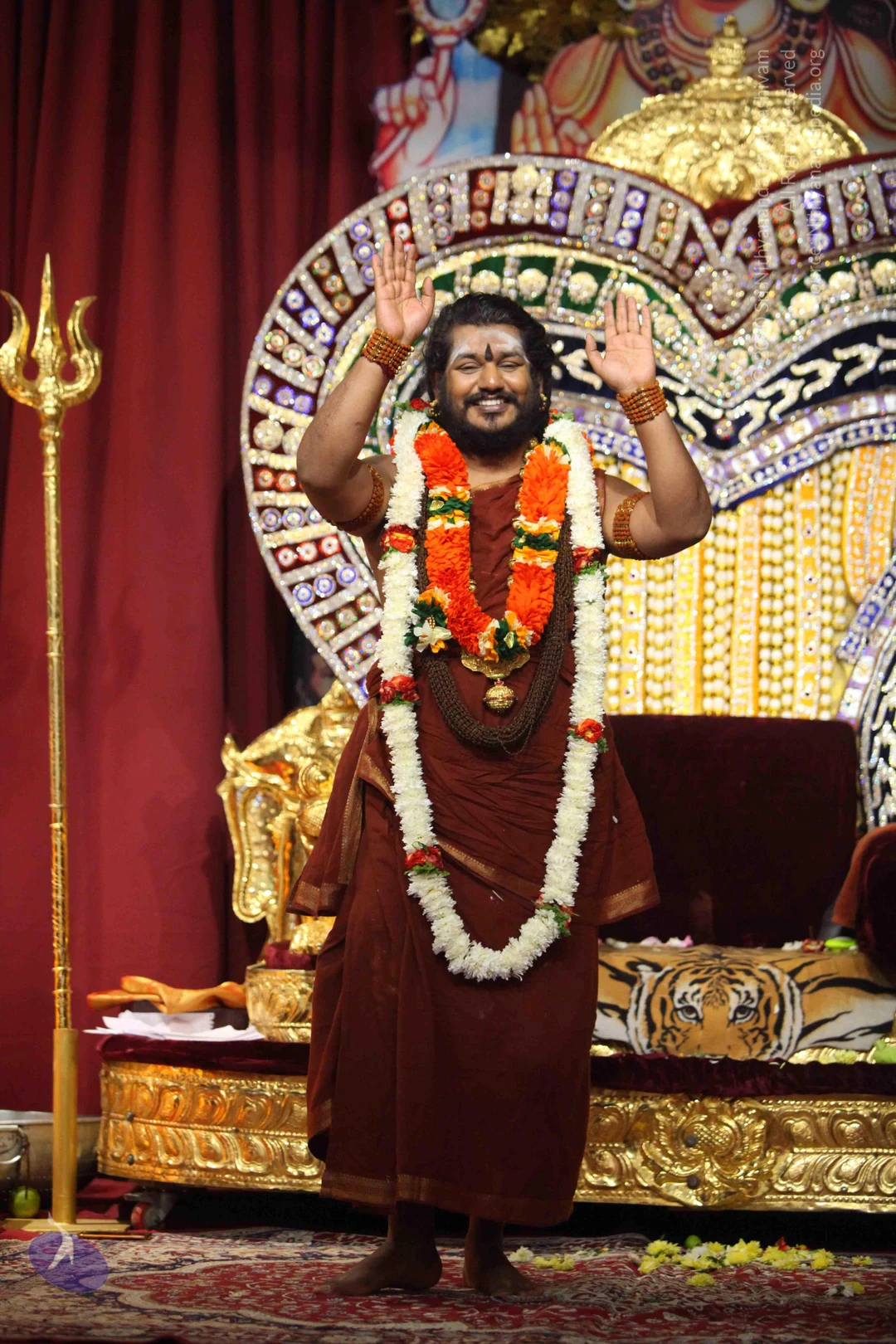
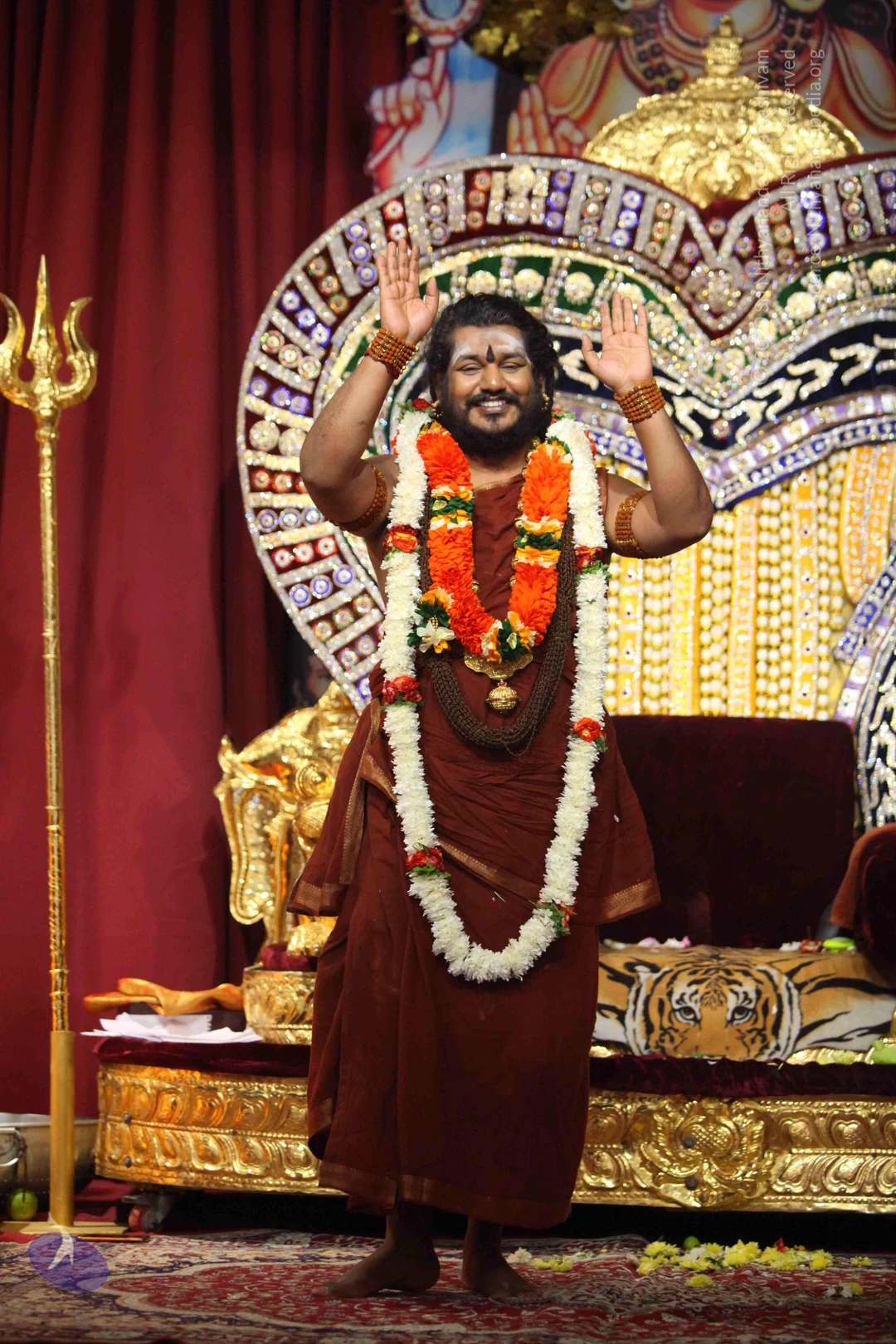
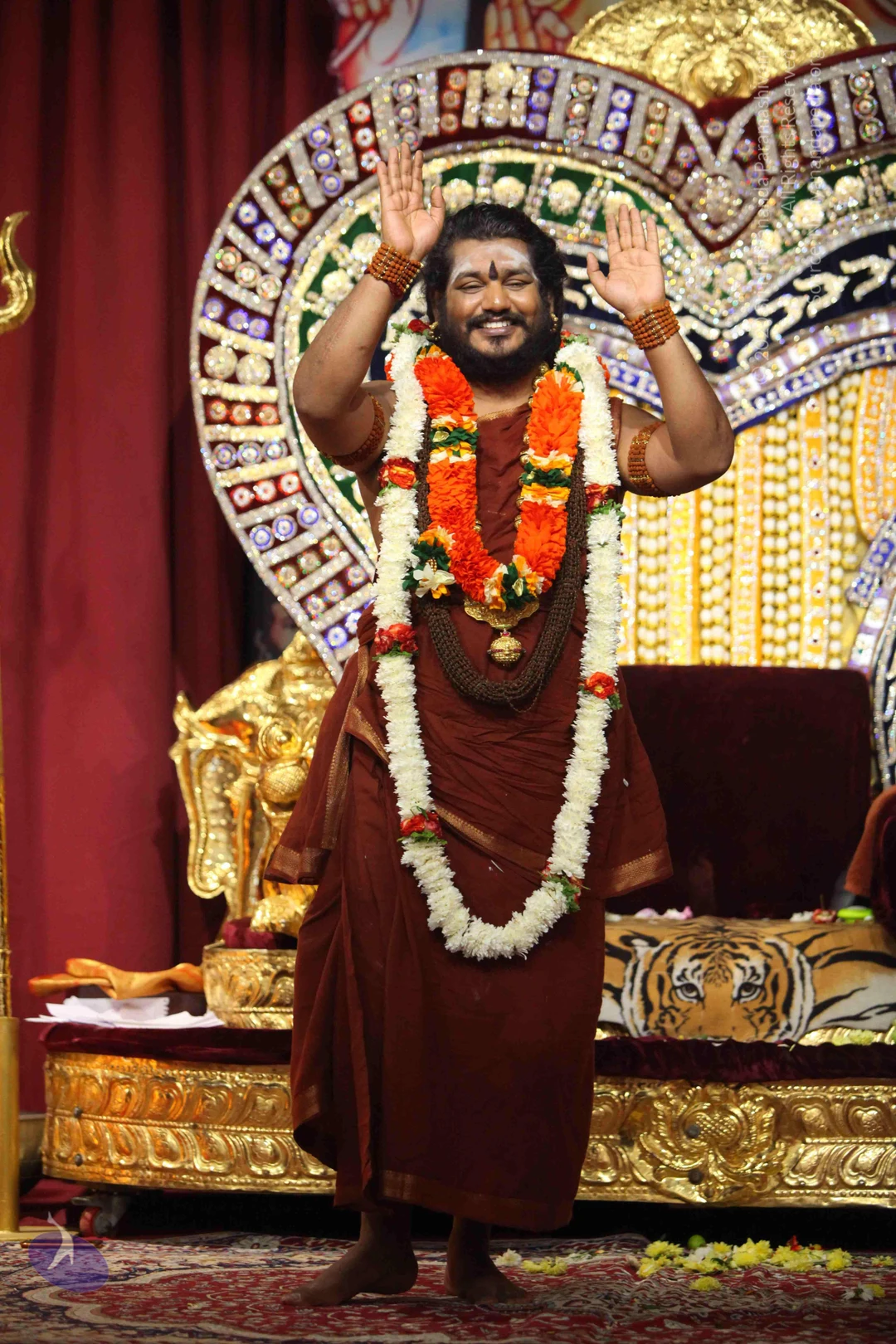
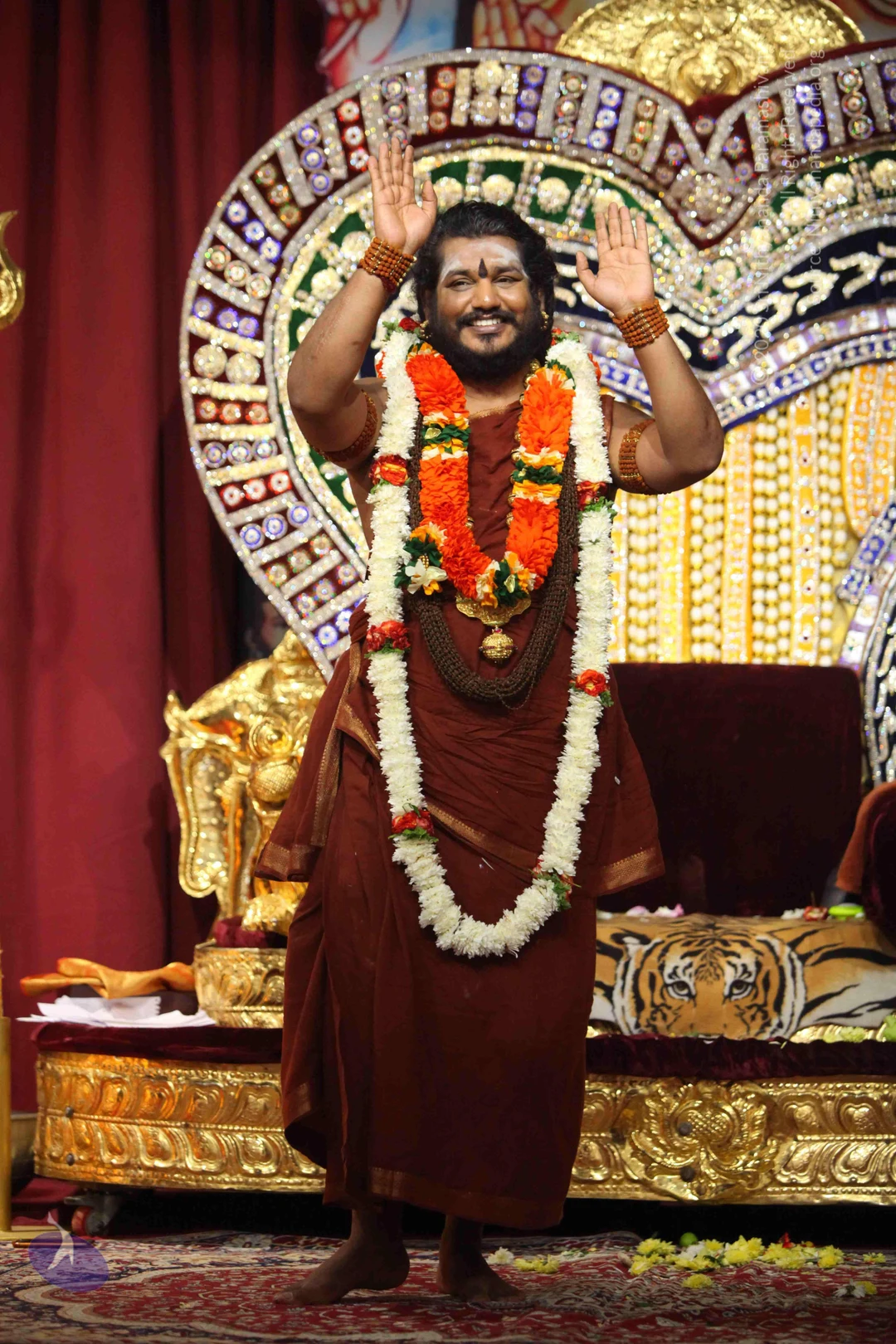
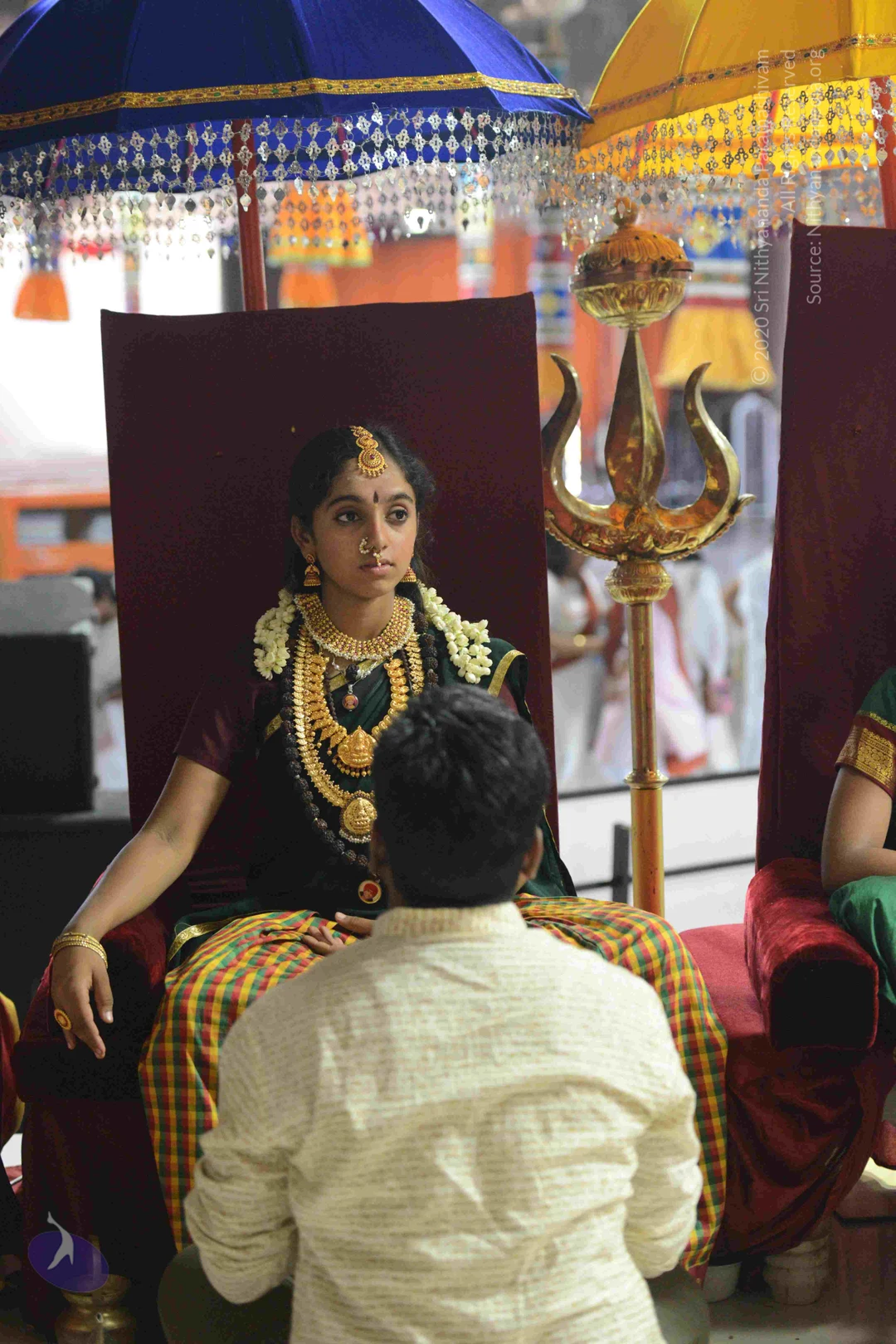
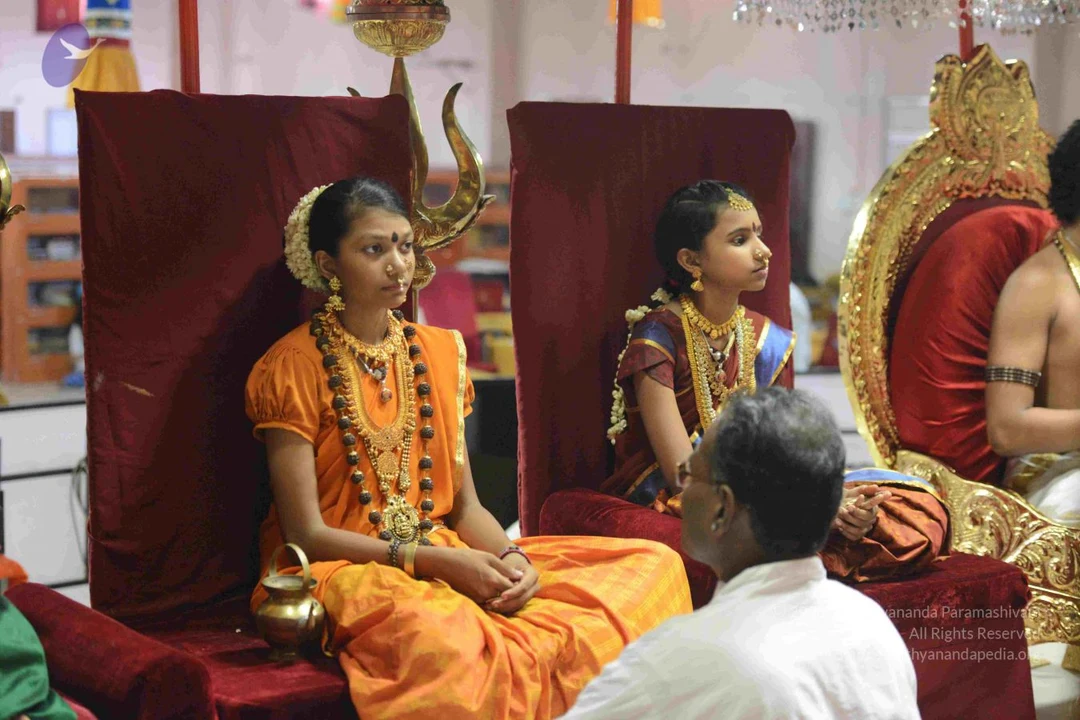
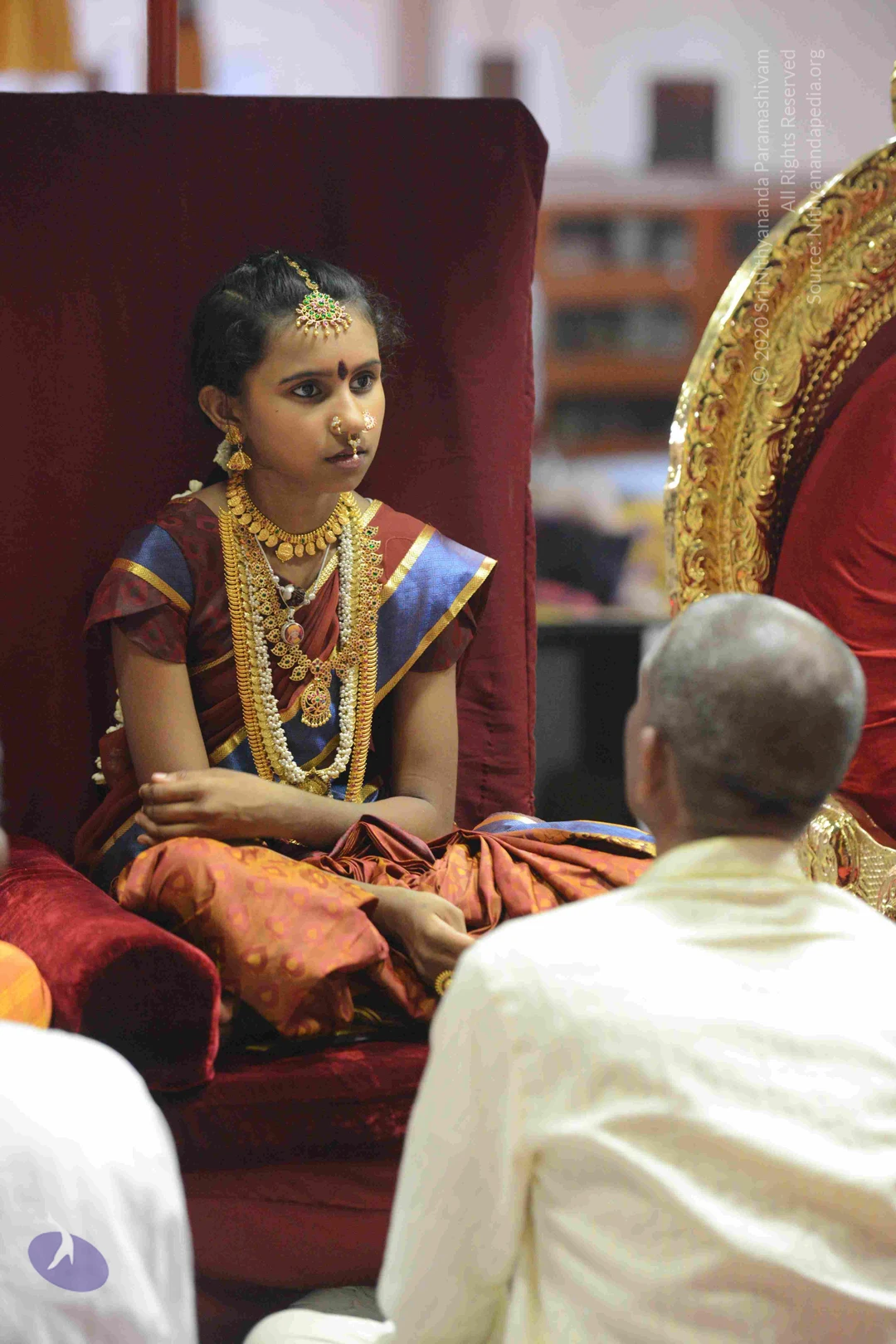
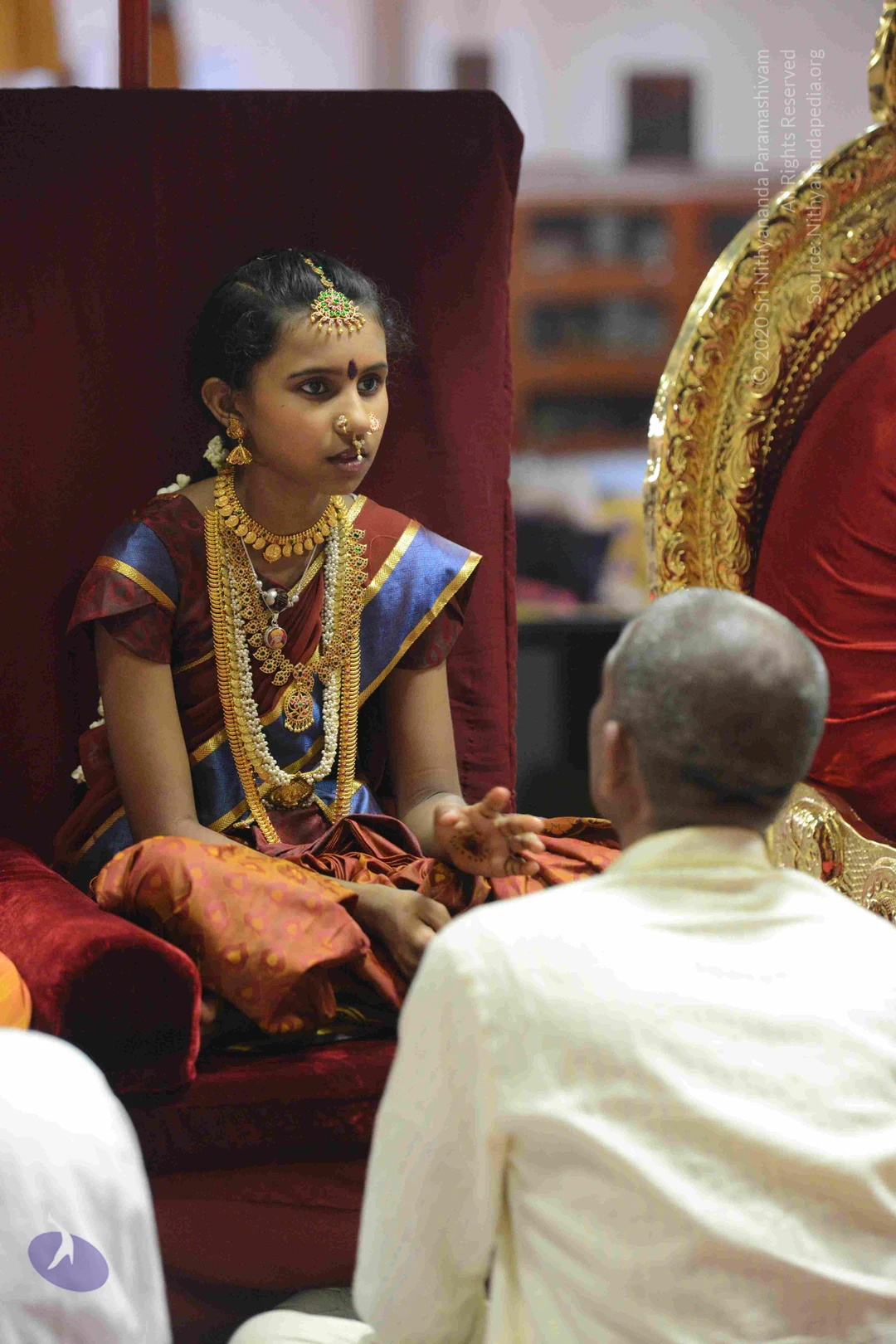
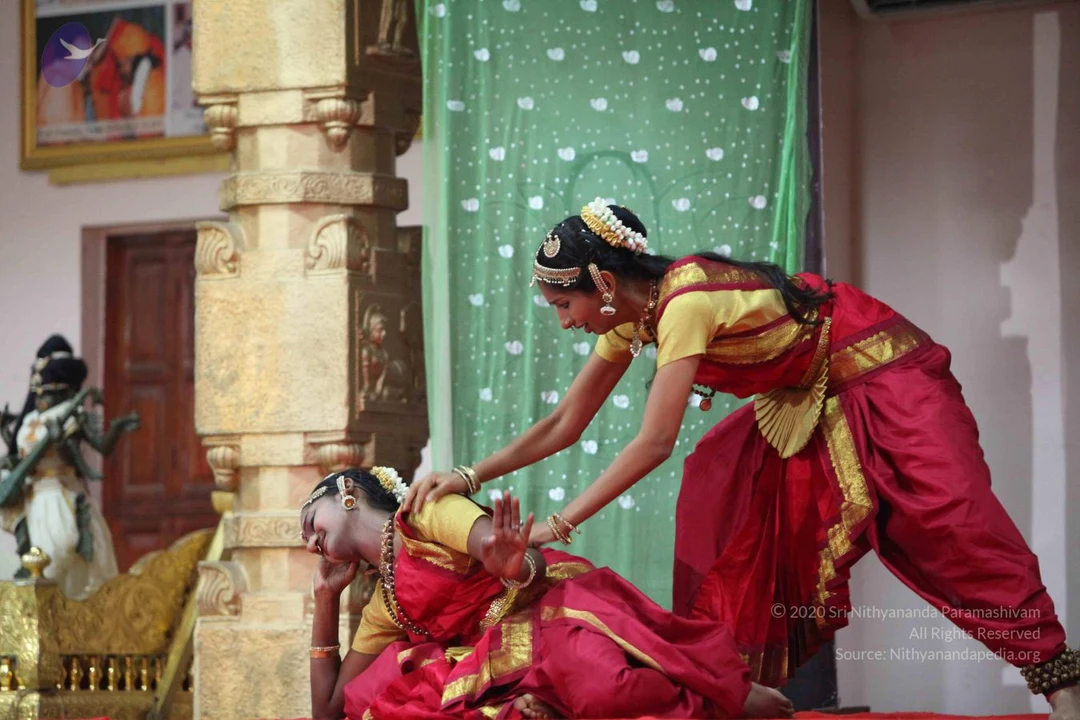
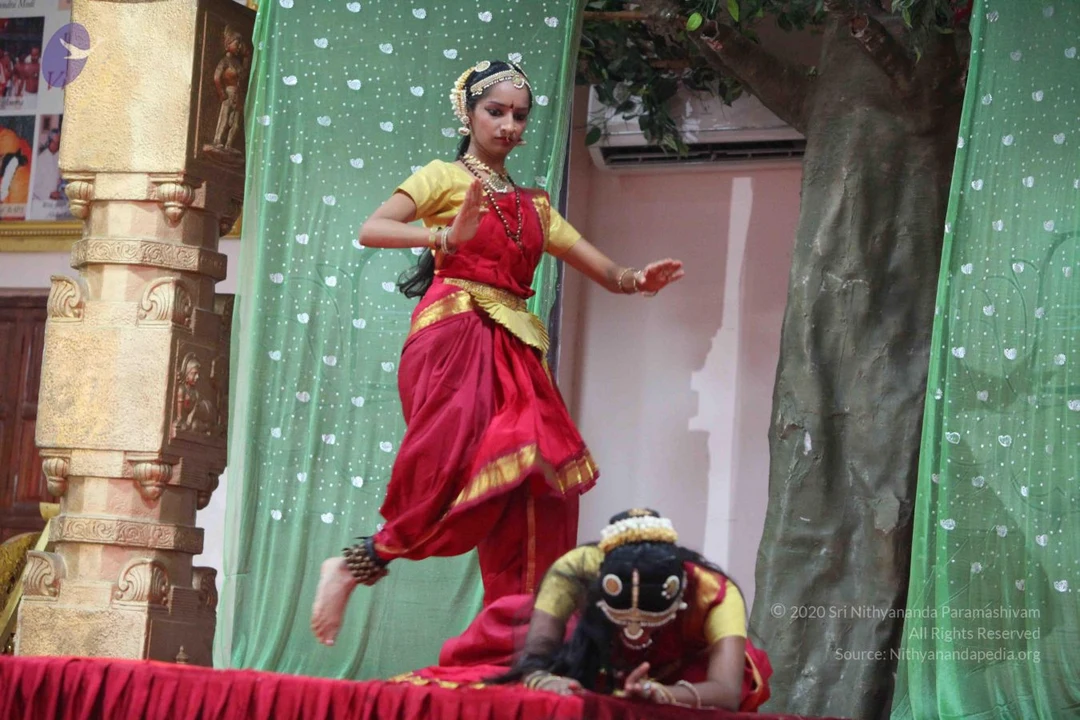
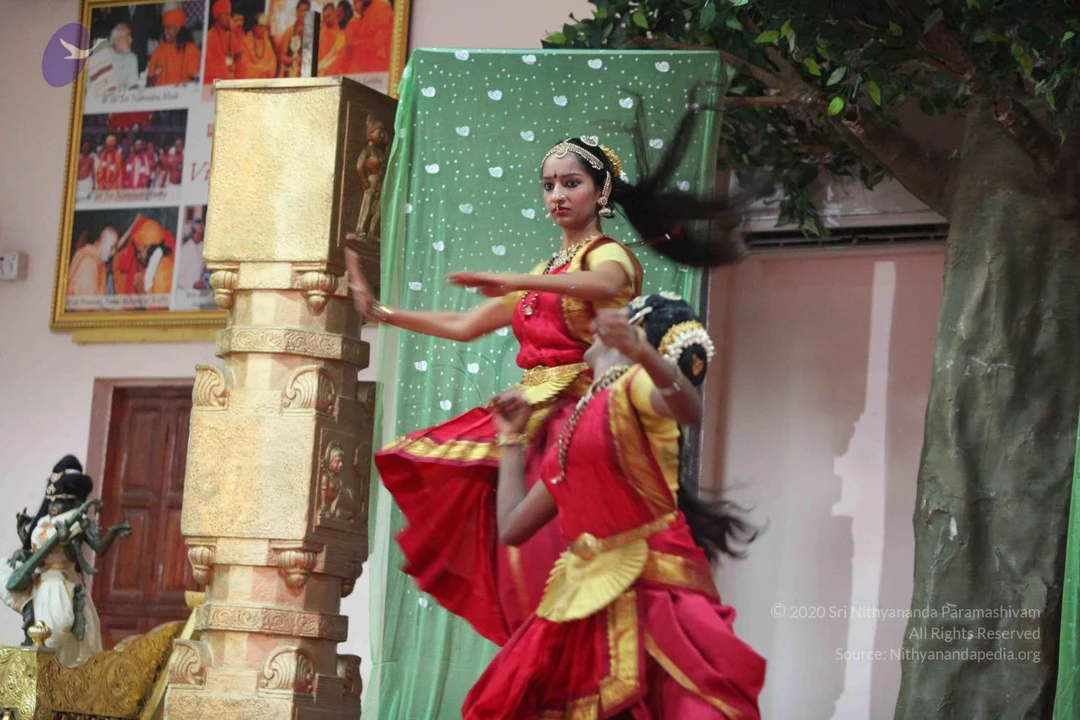
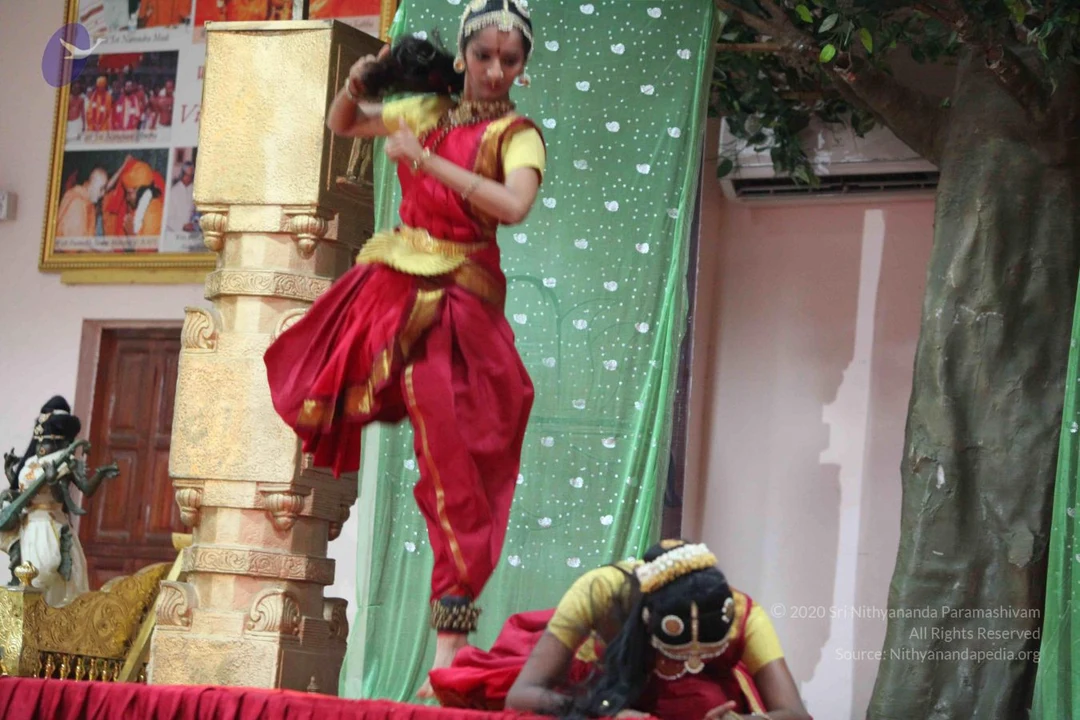
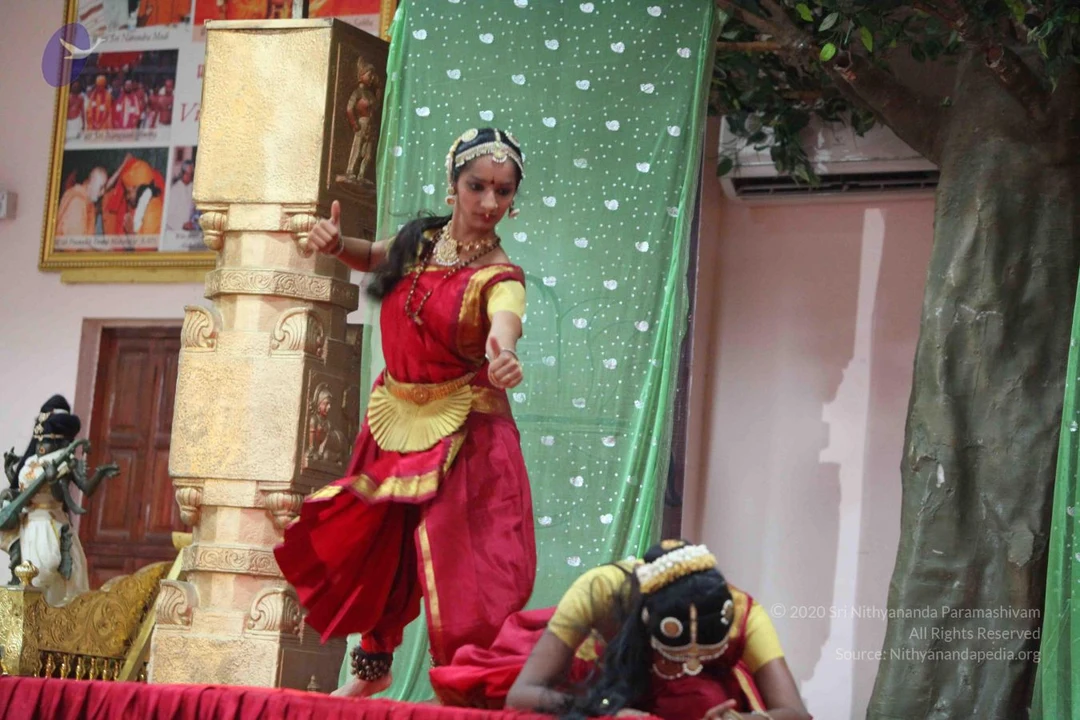
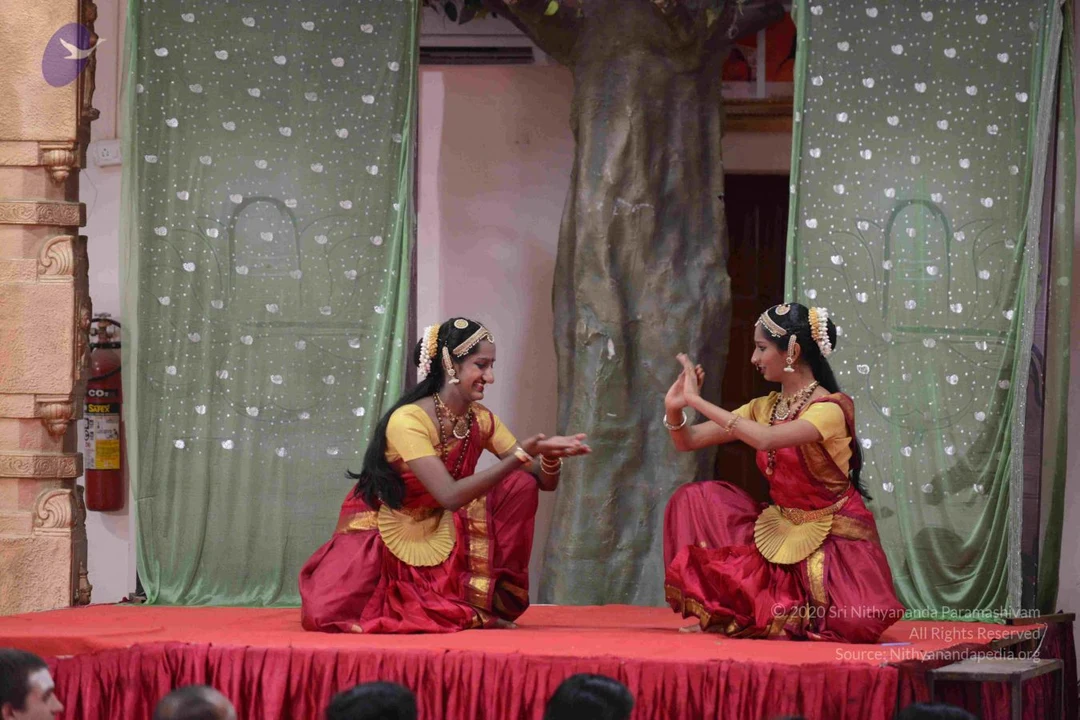
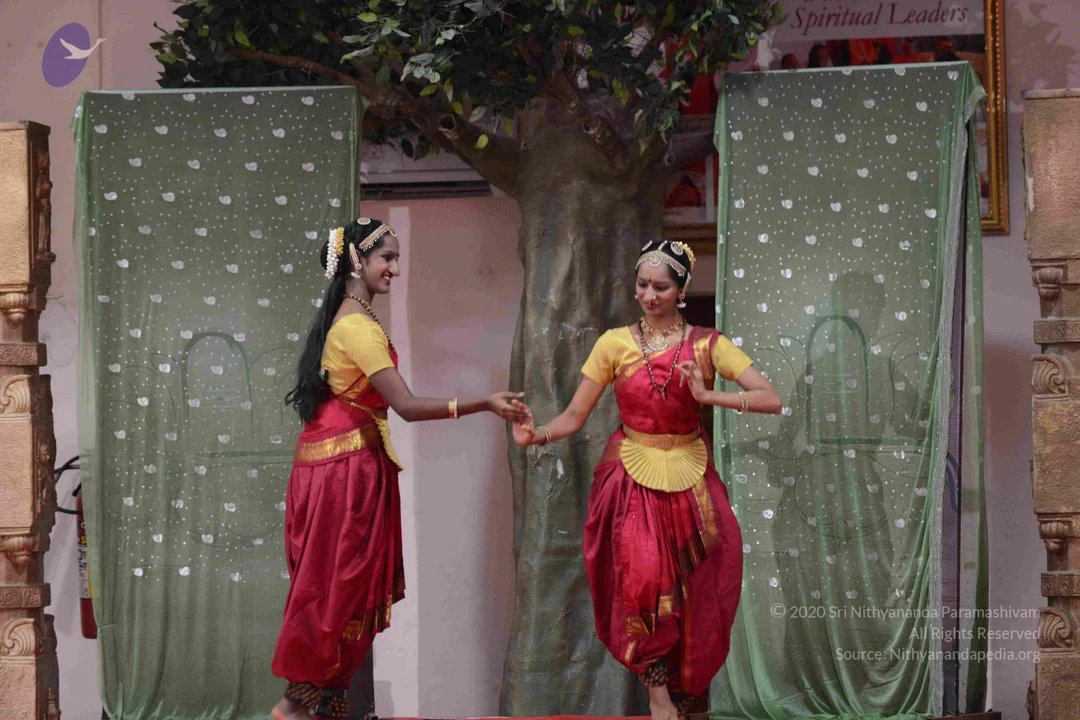
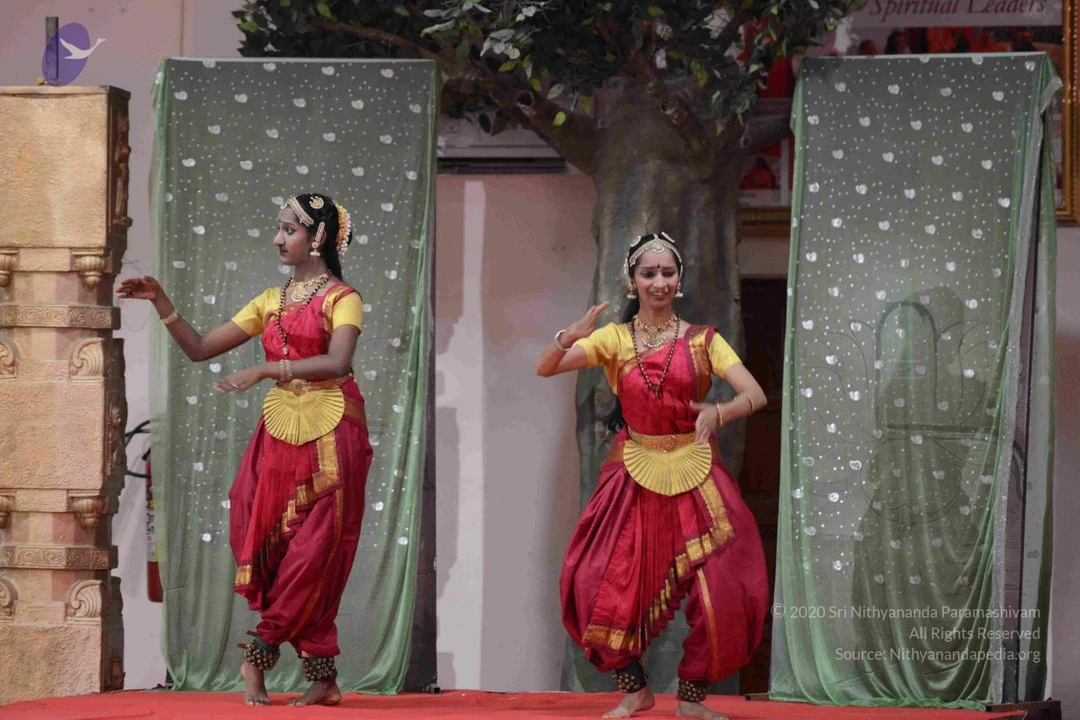
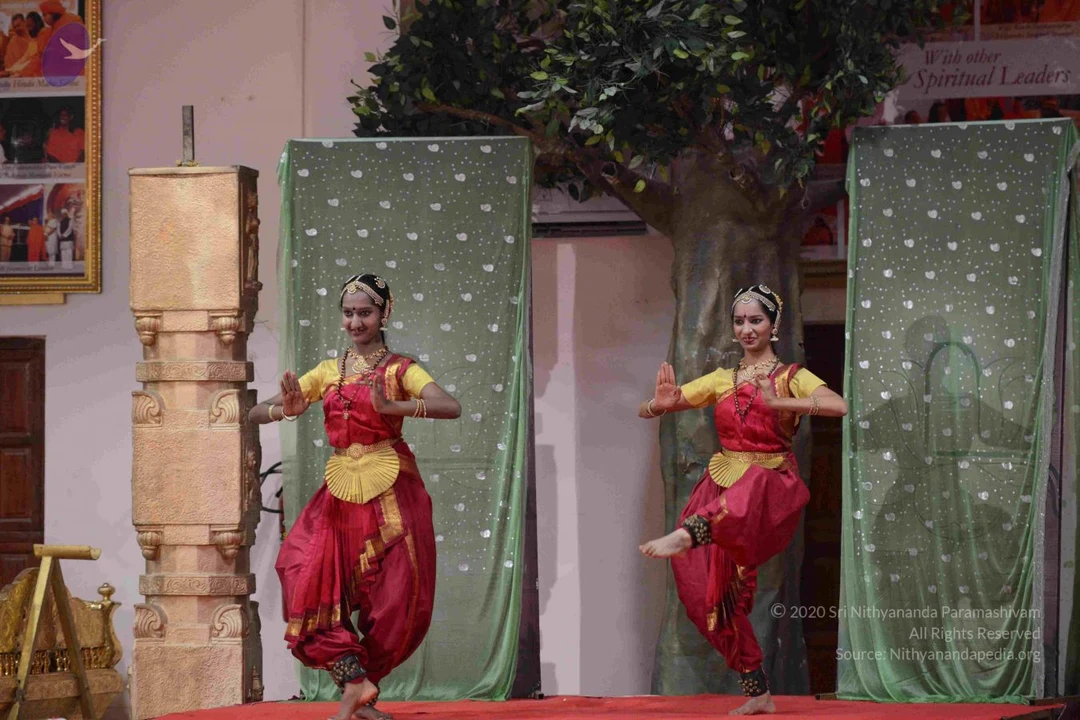
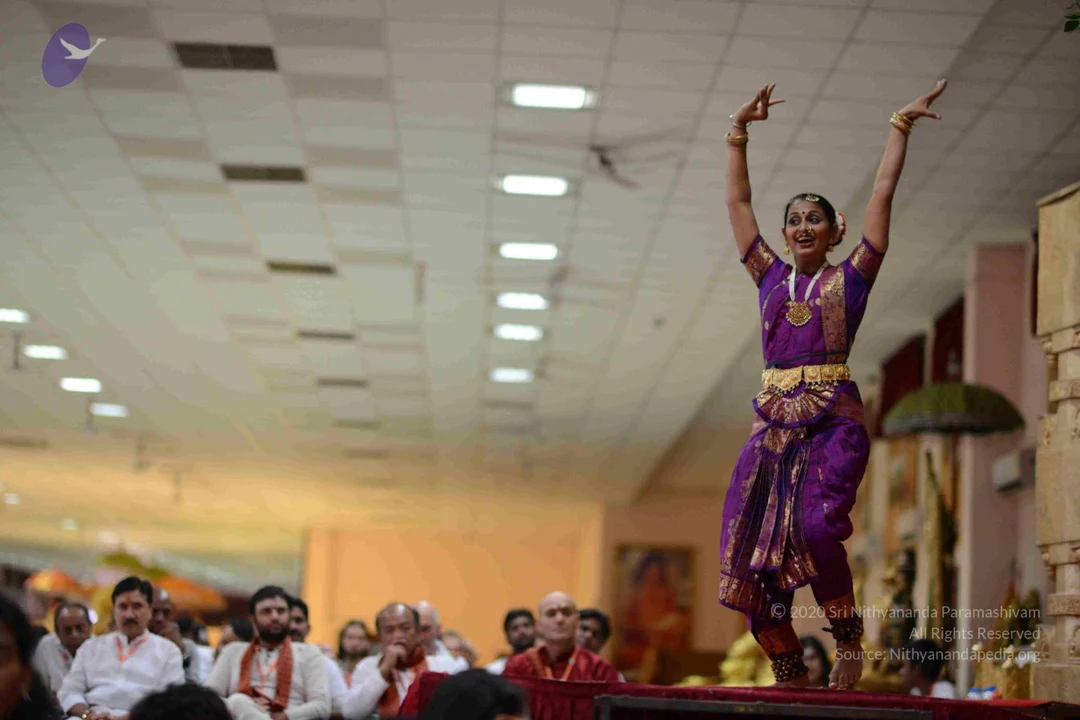
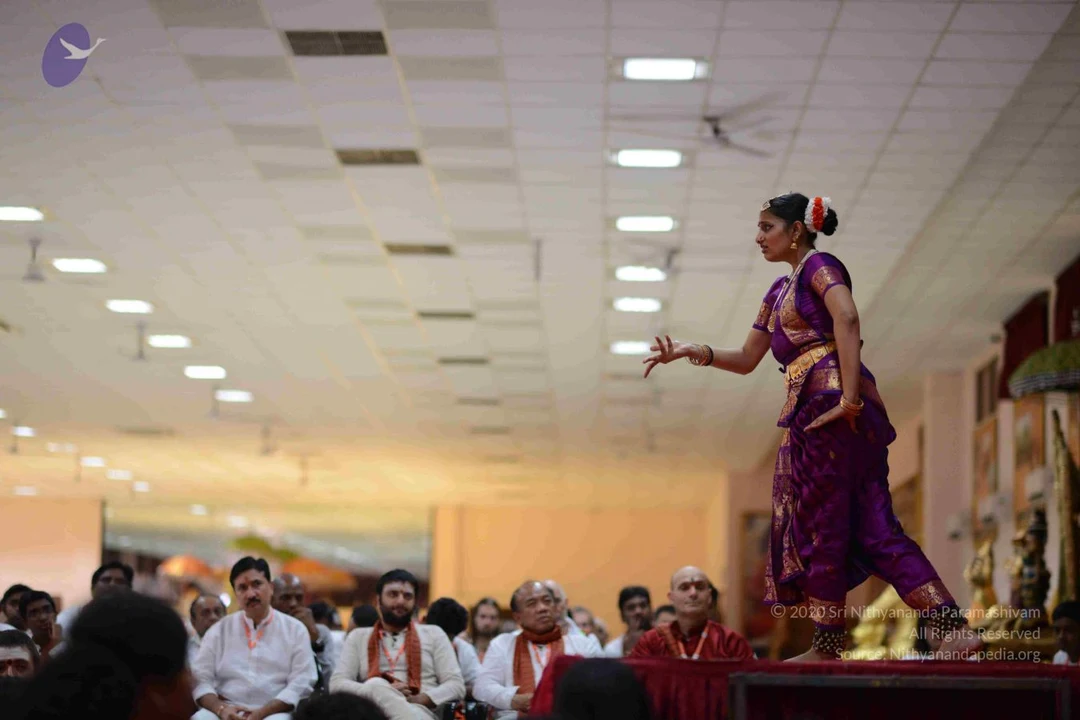
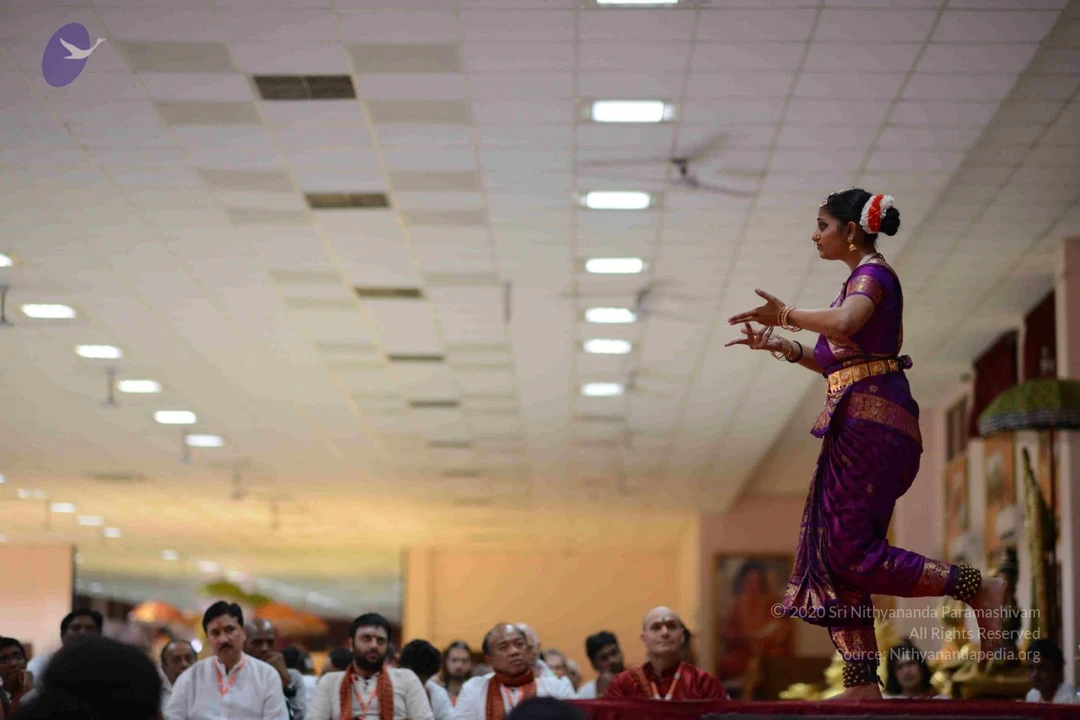
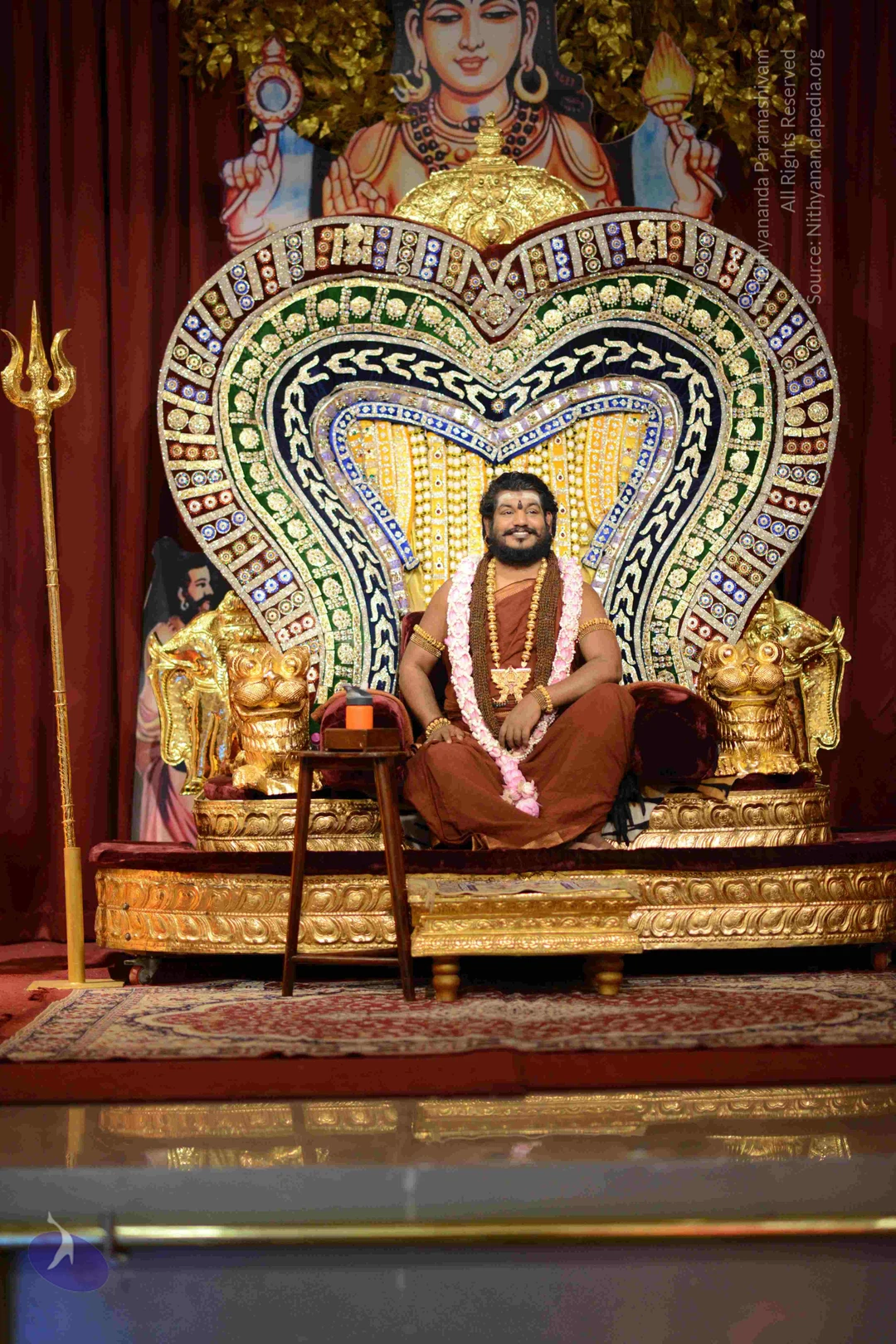
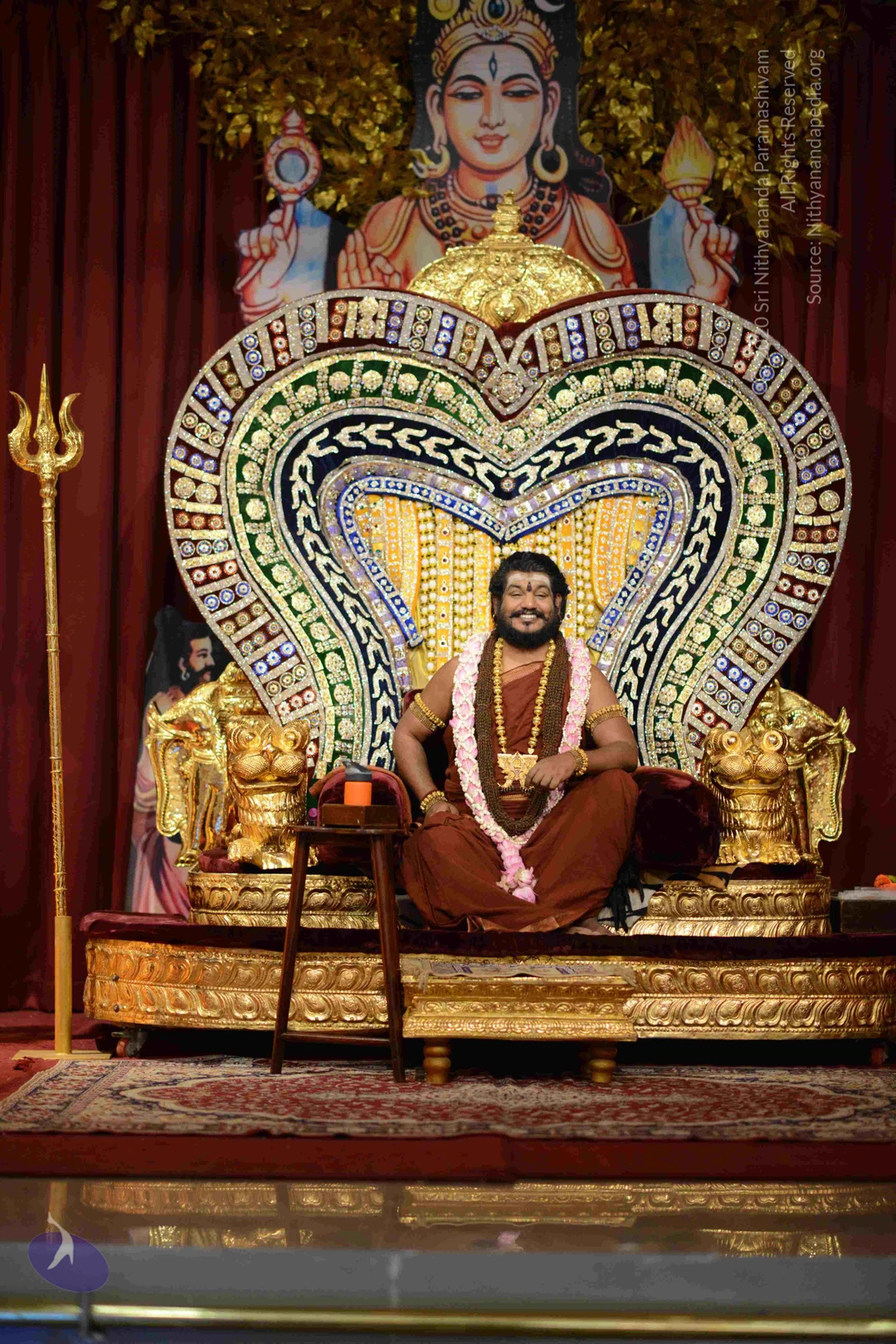
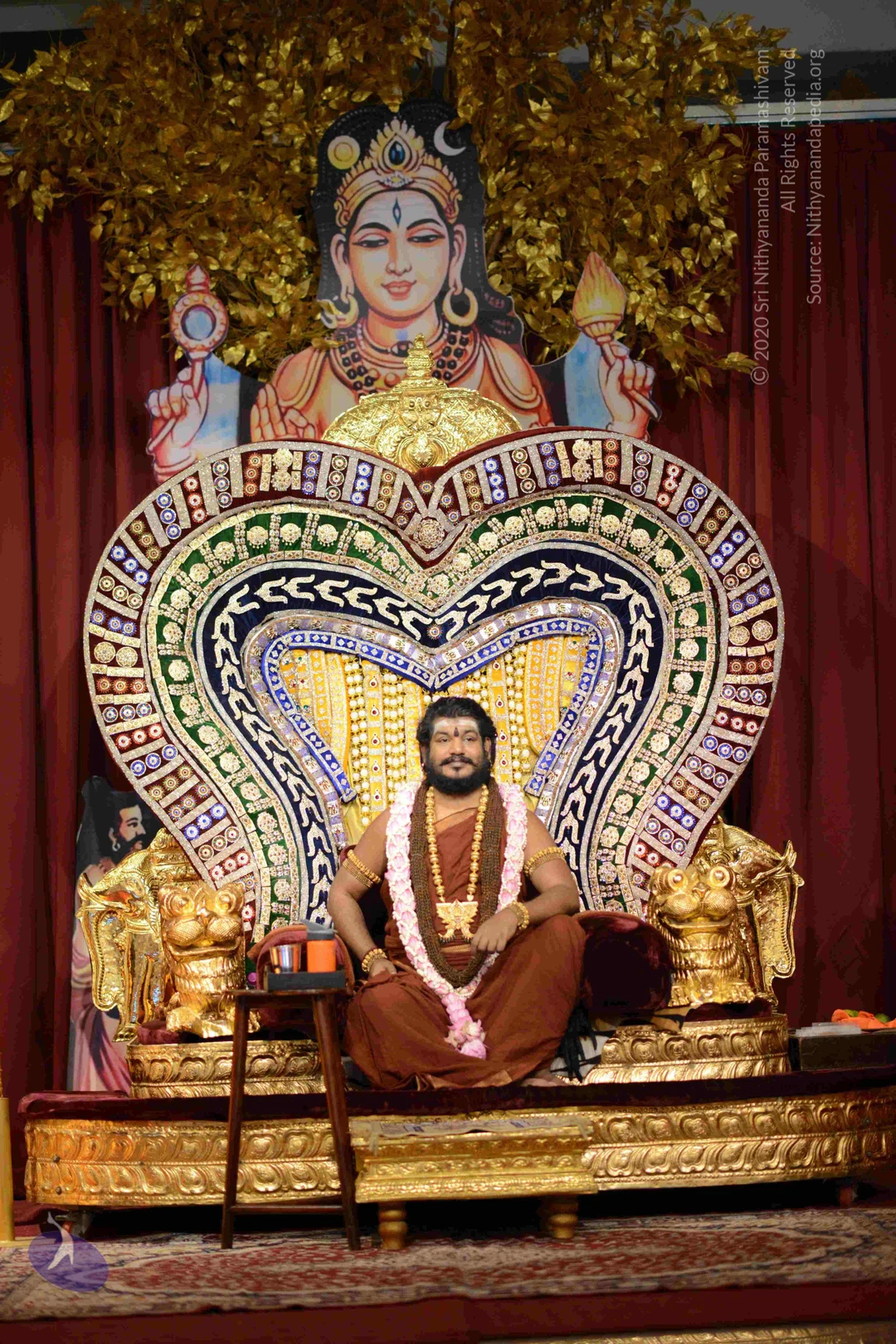
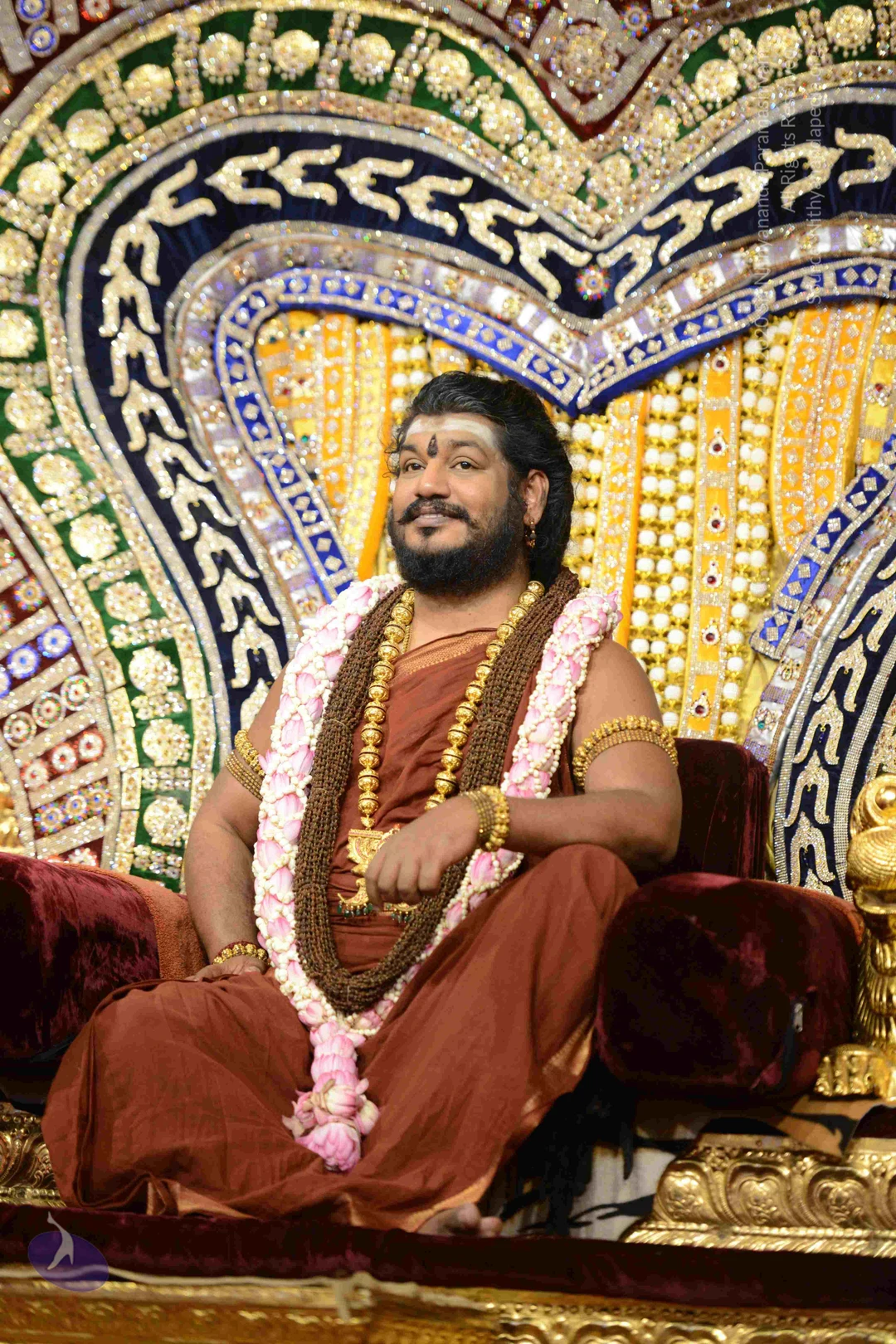
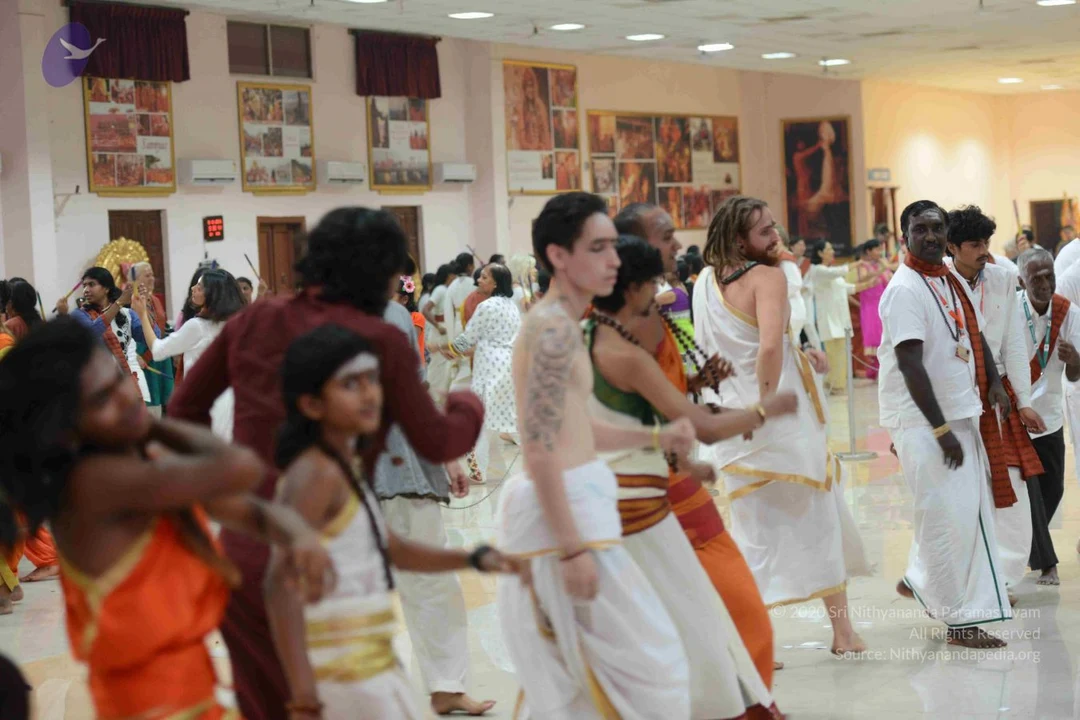
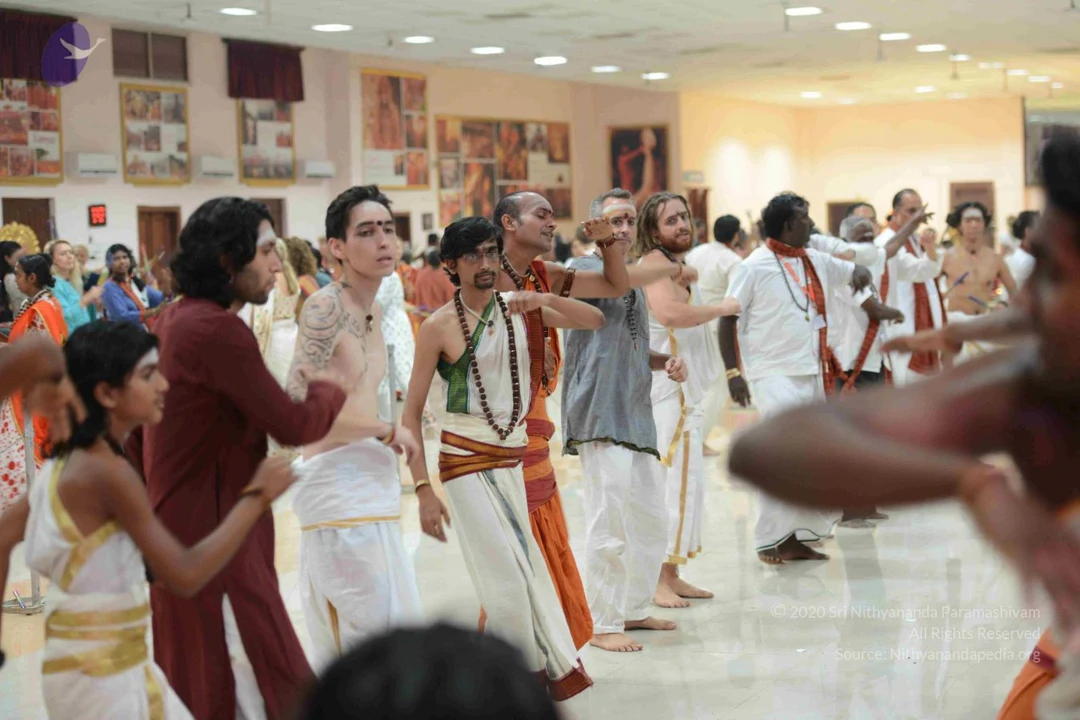
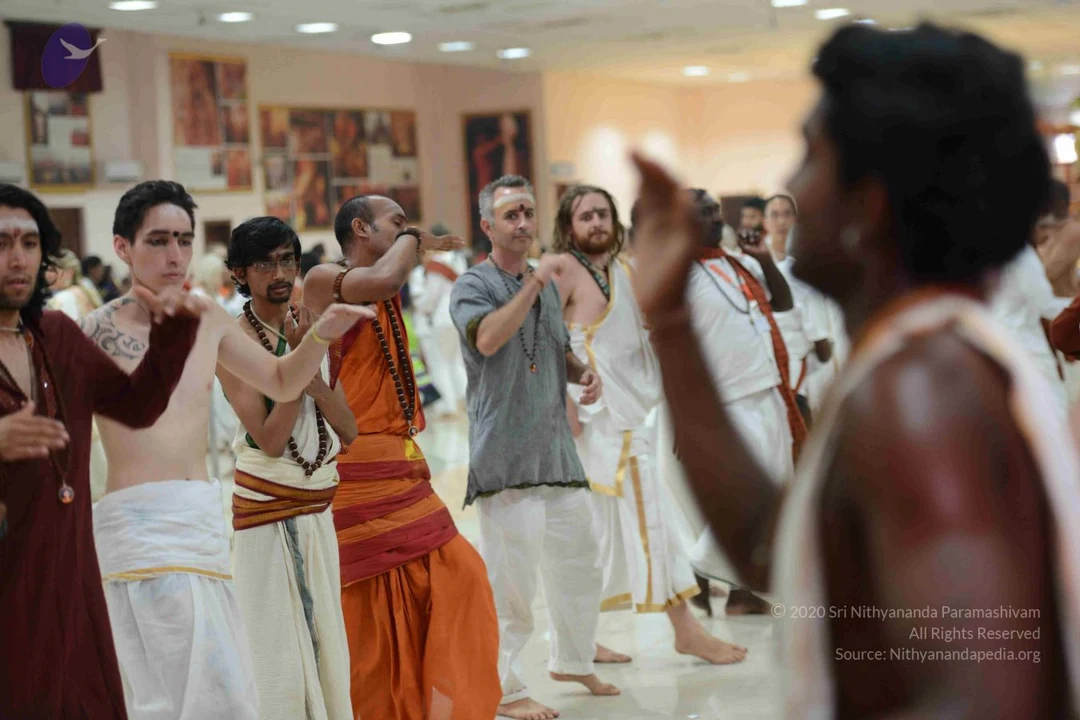
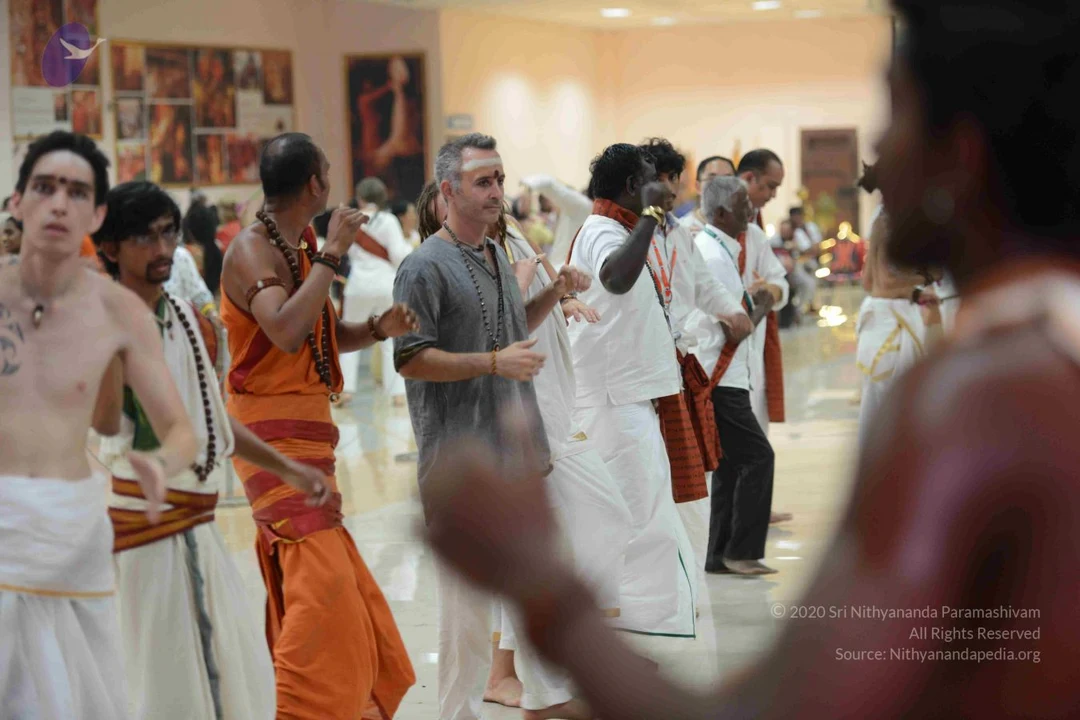
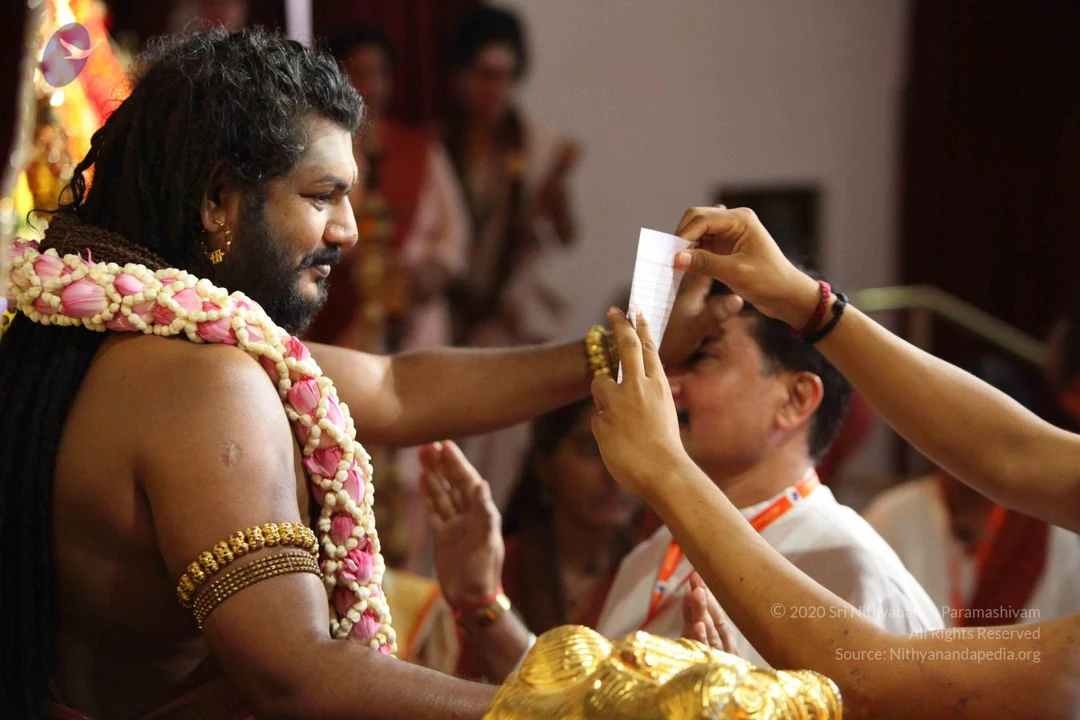
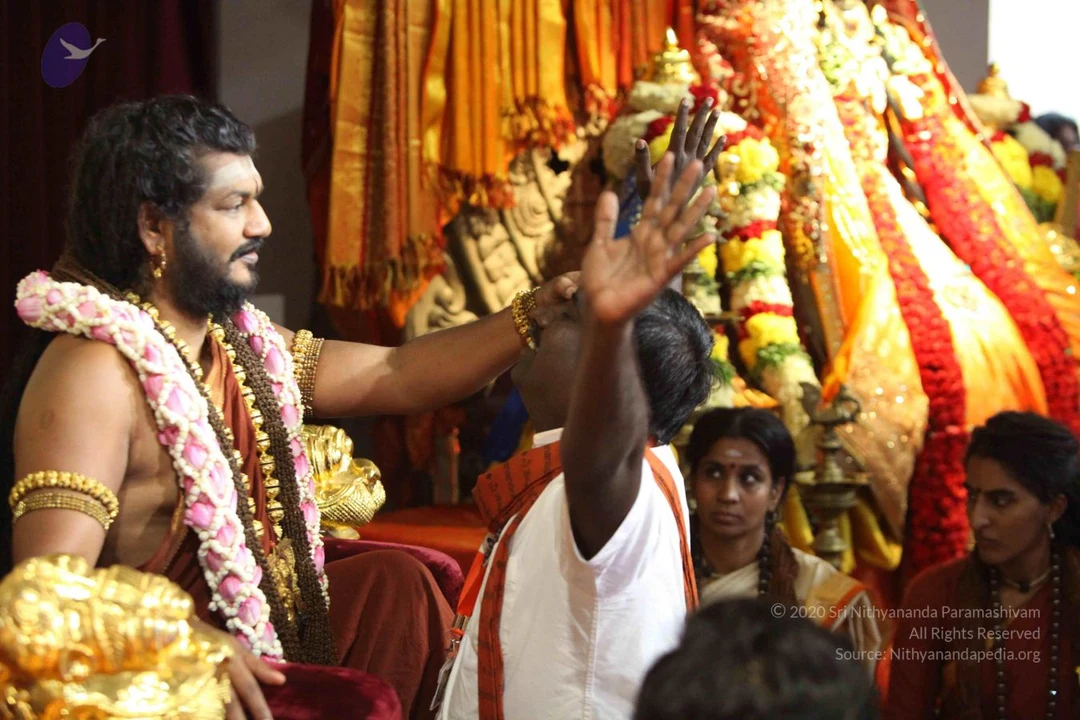
Photos Of The Day:




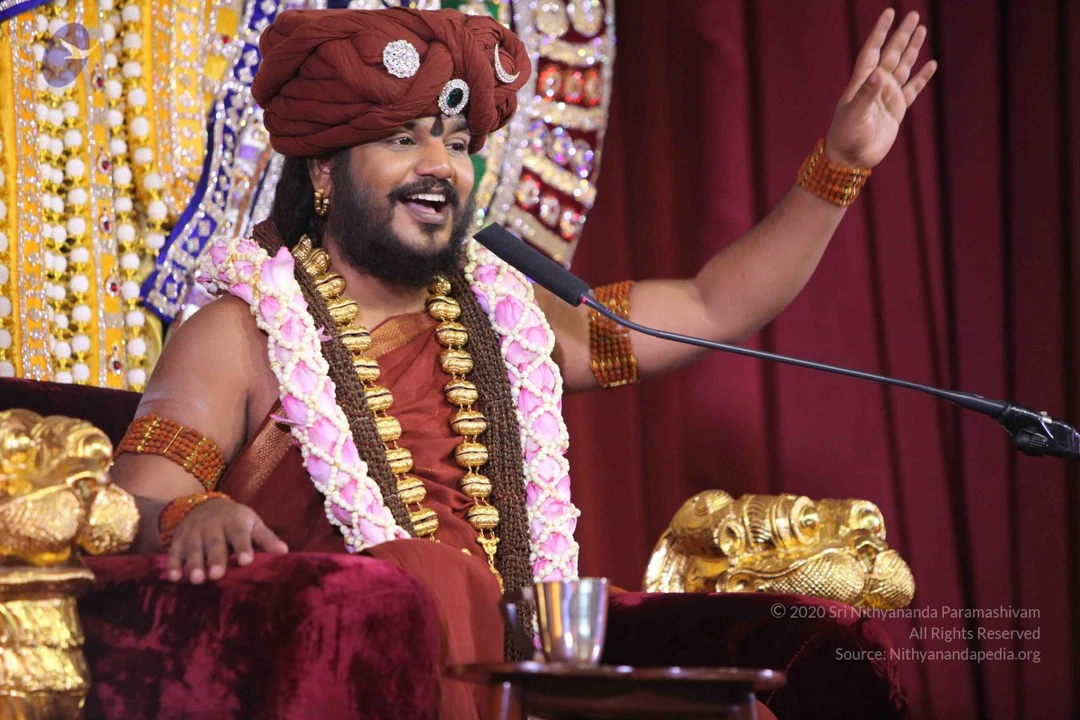
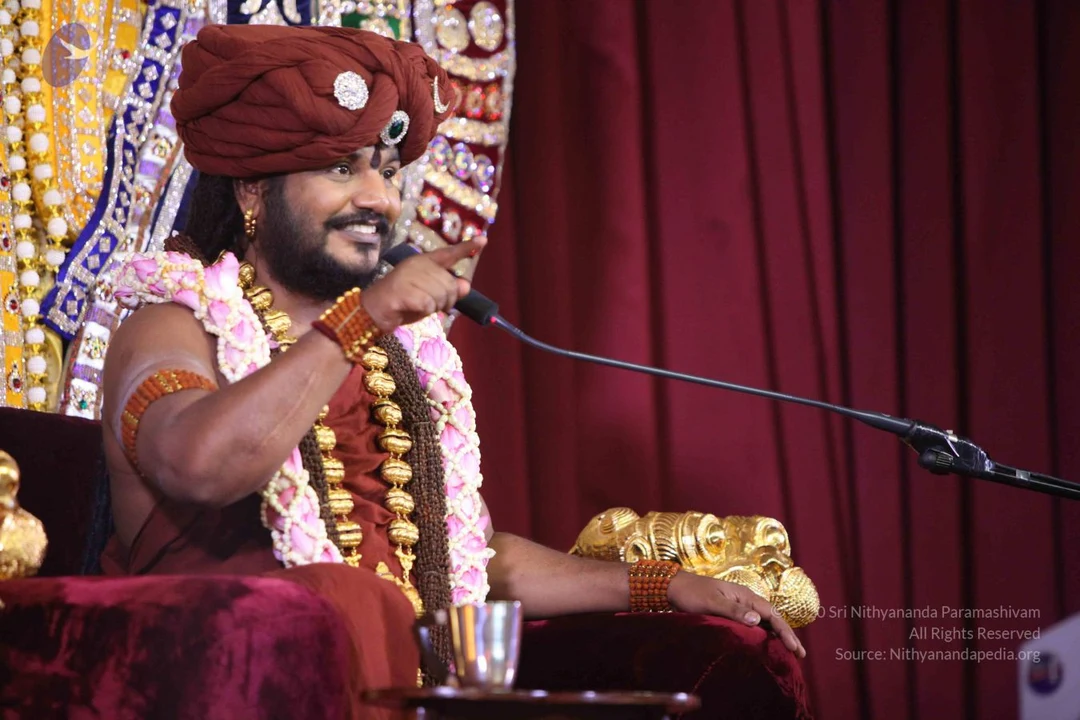
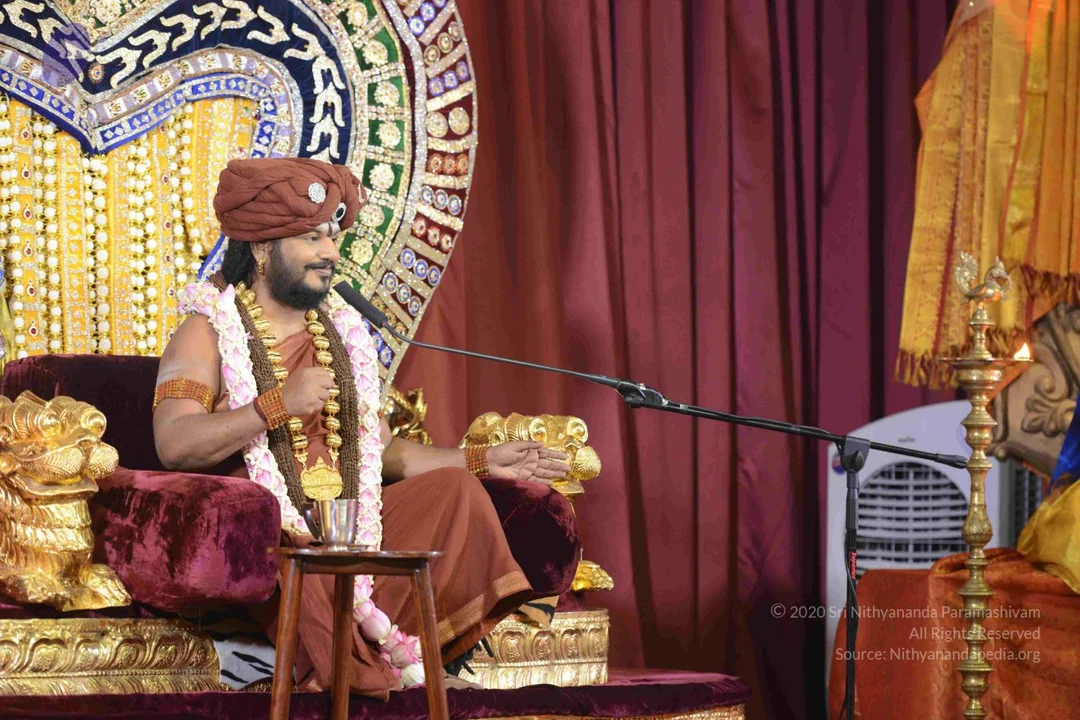
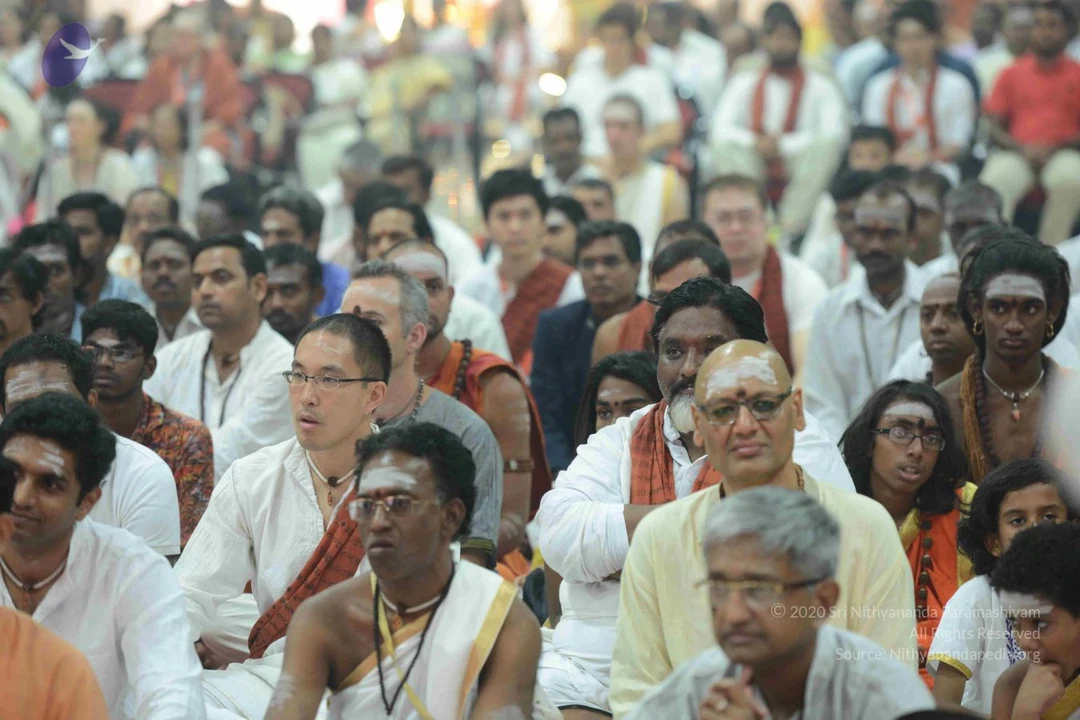
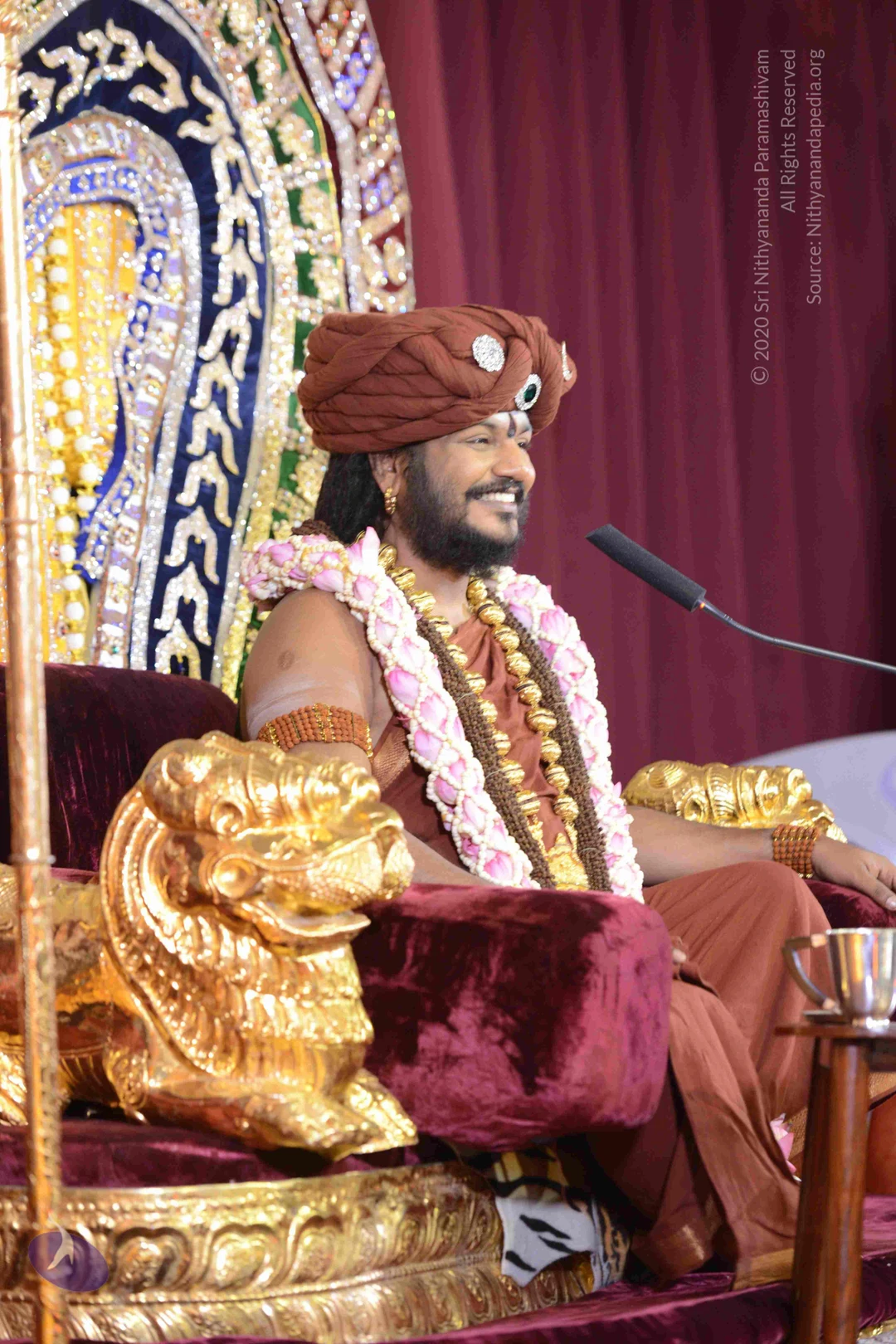
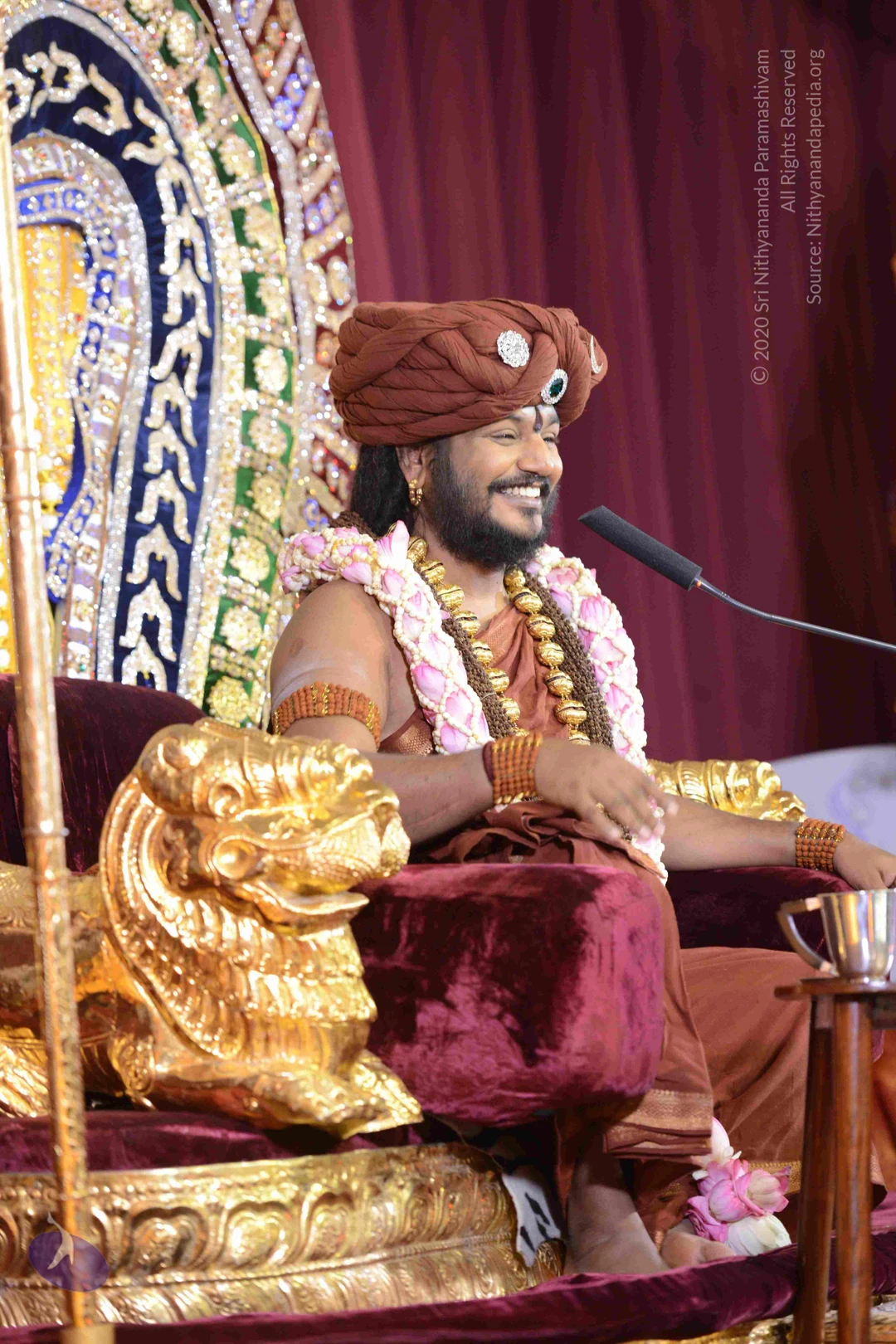
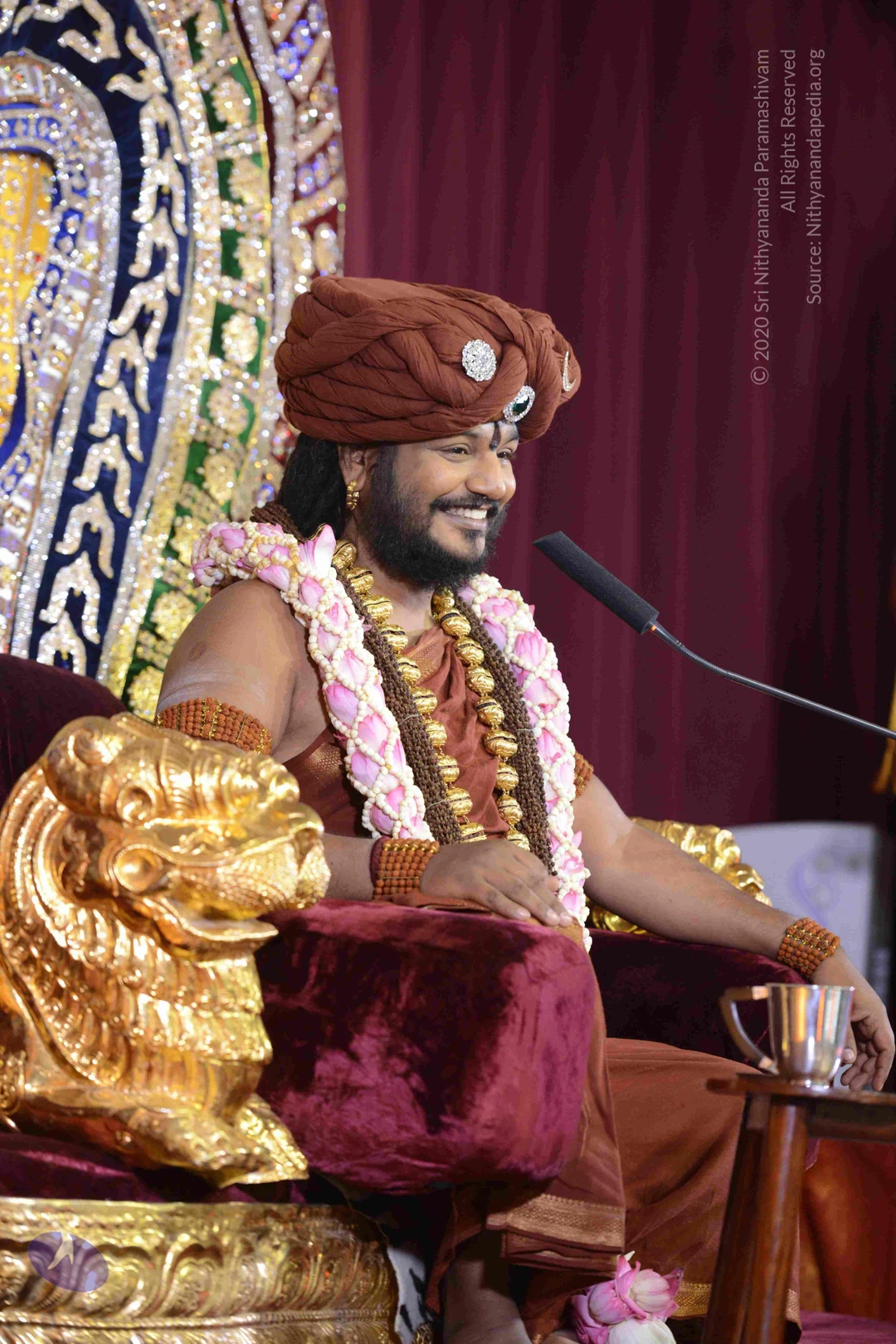
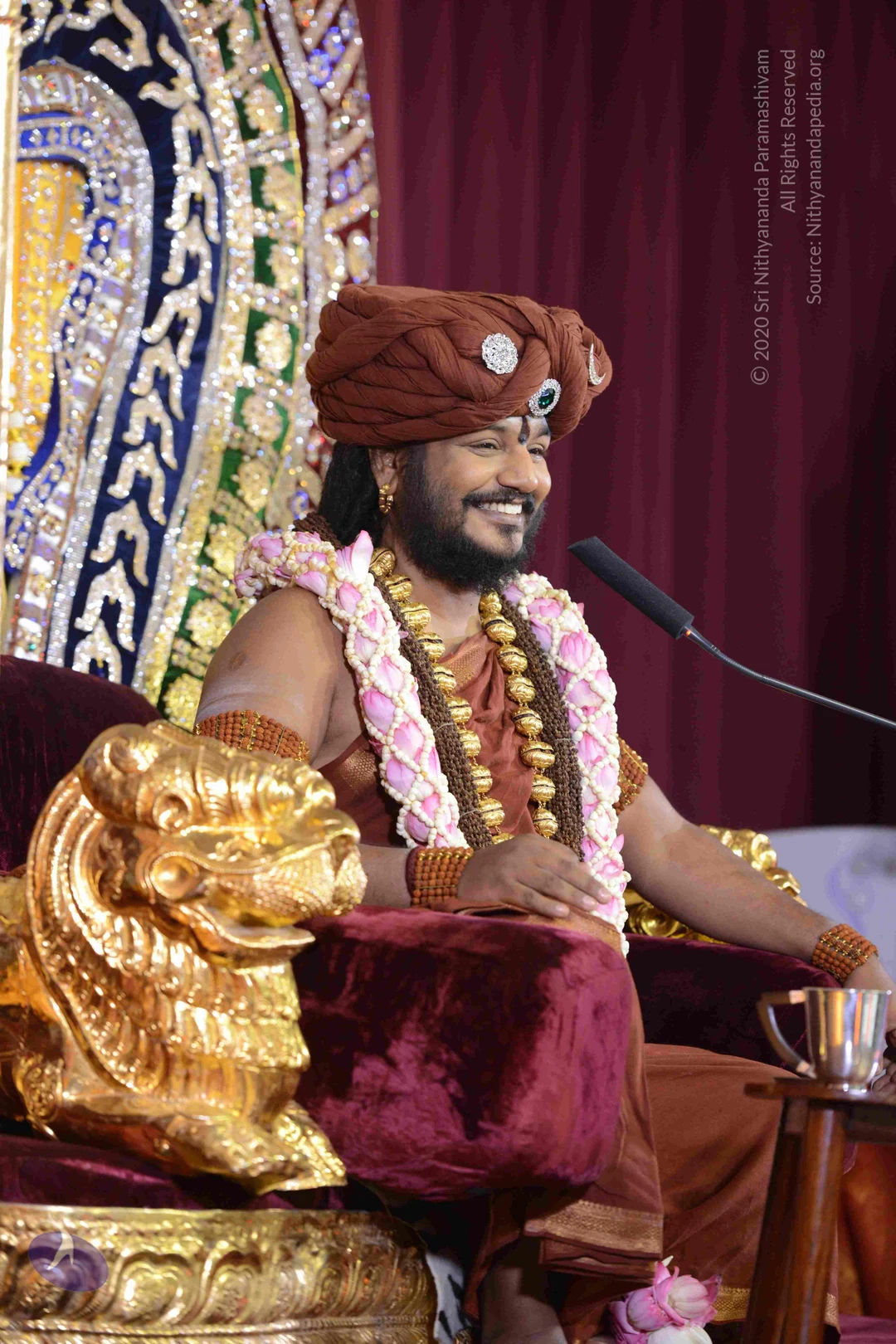
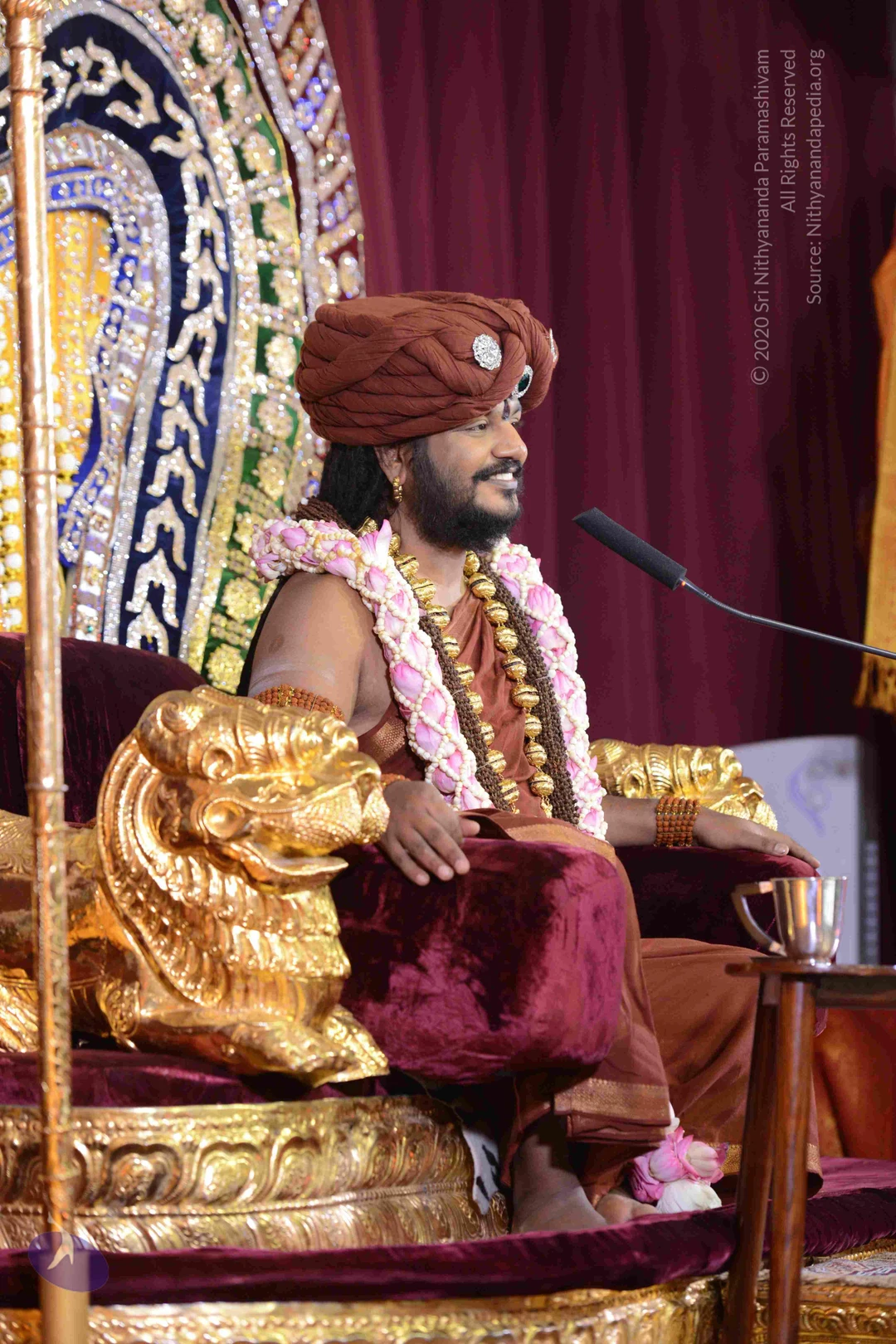
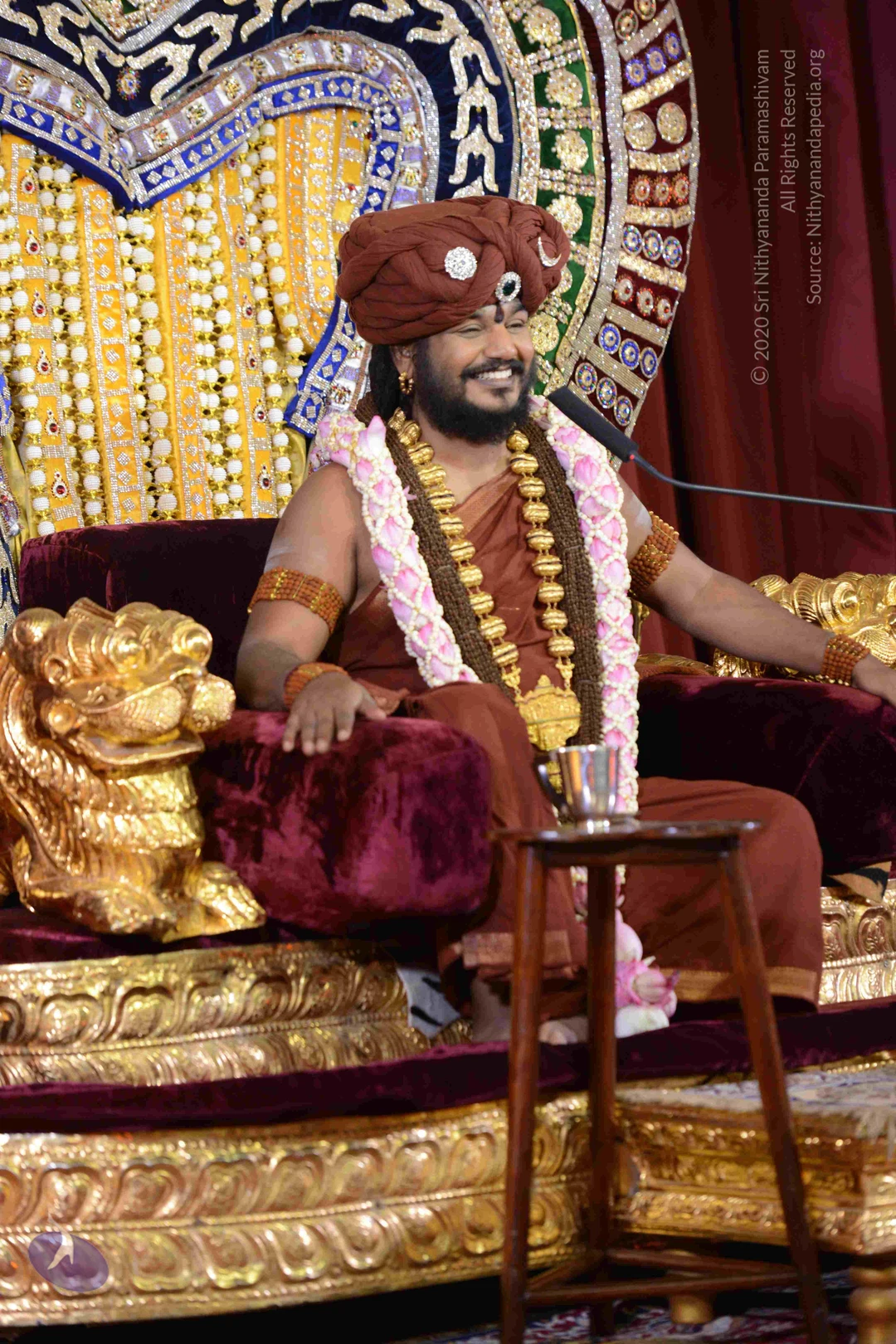
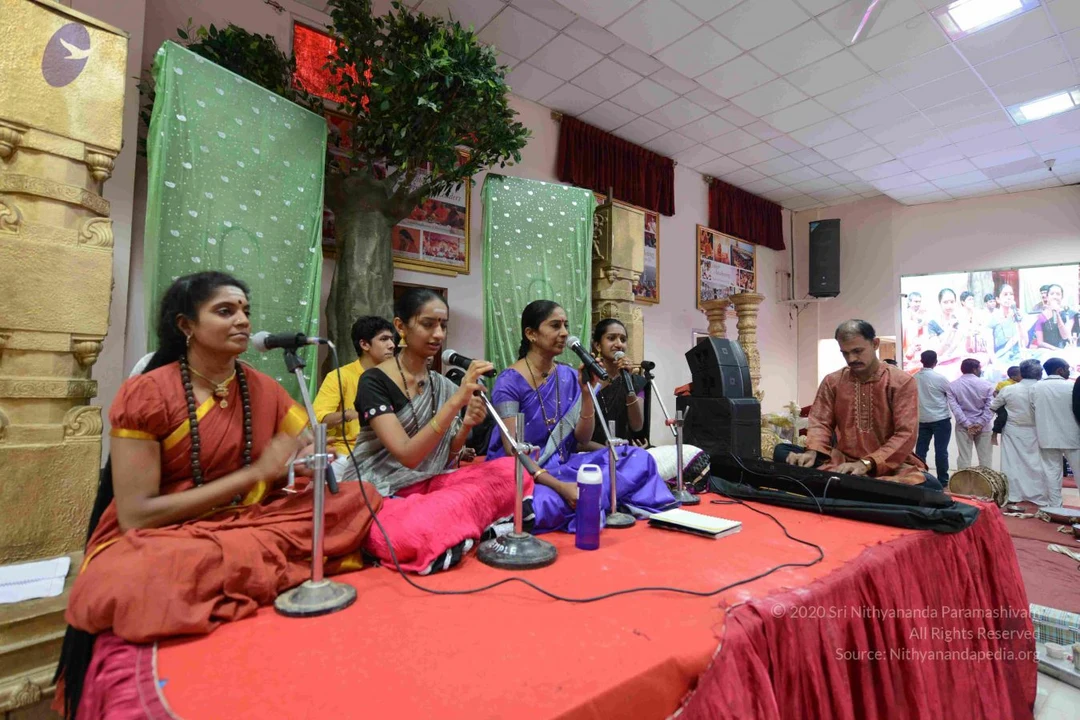
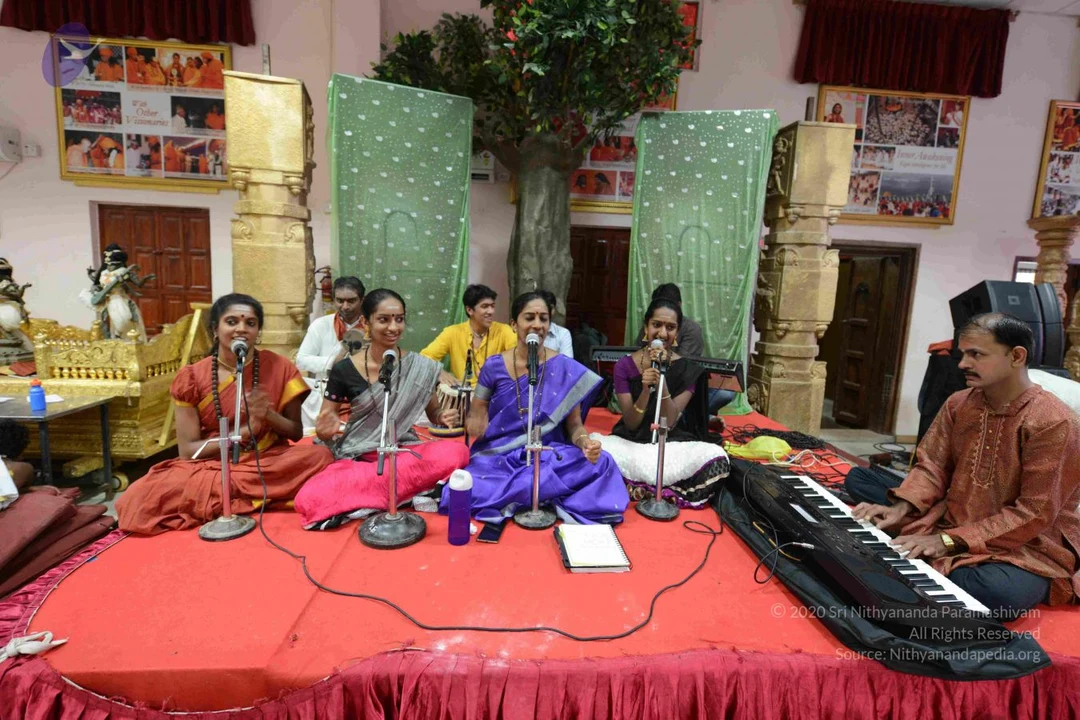
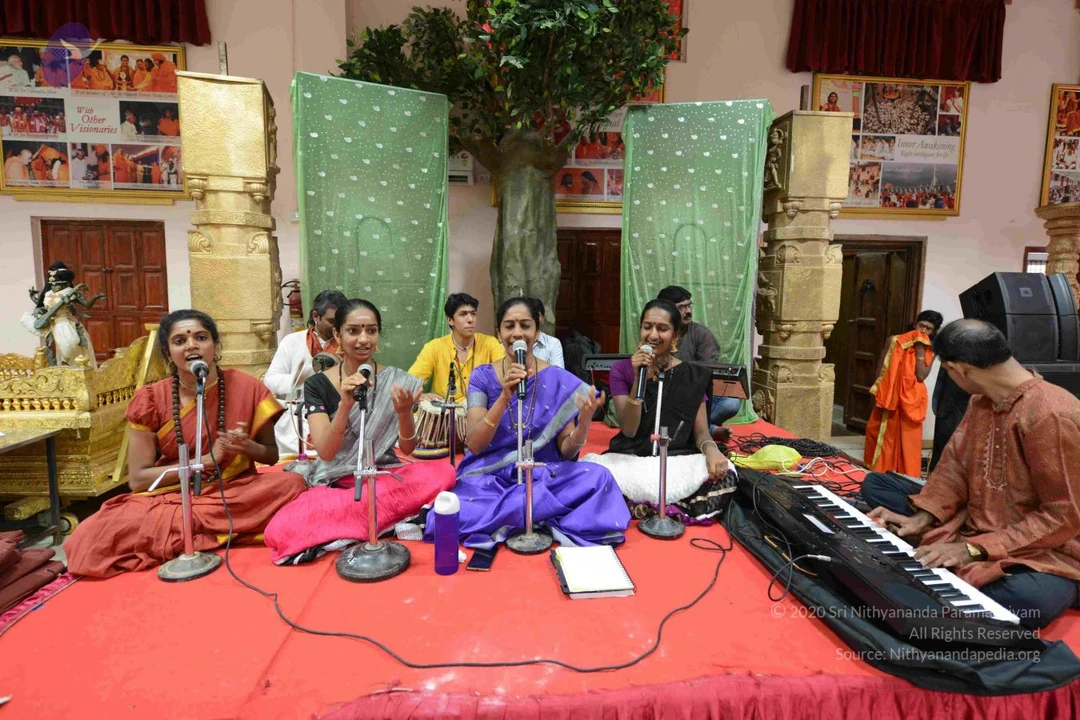
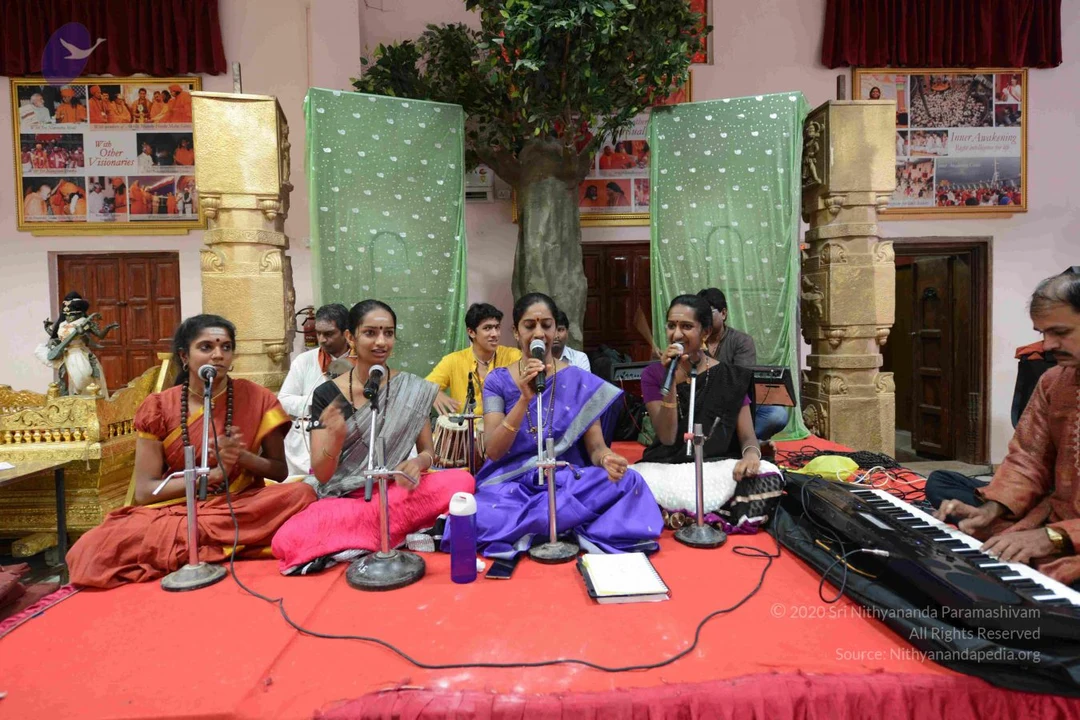

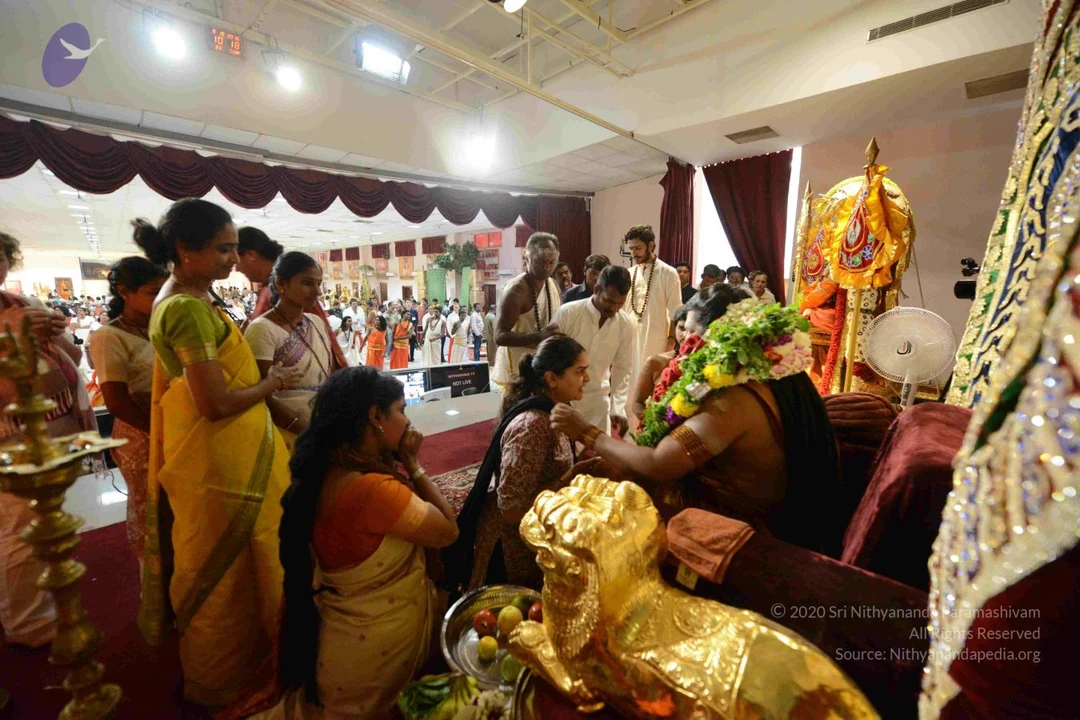
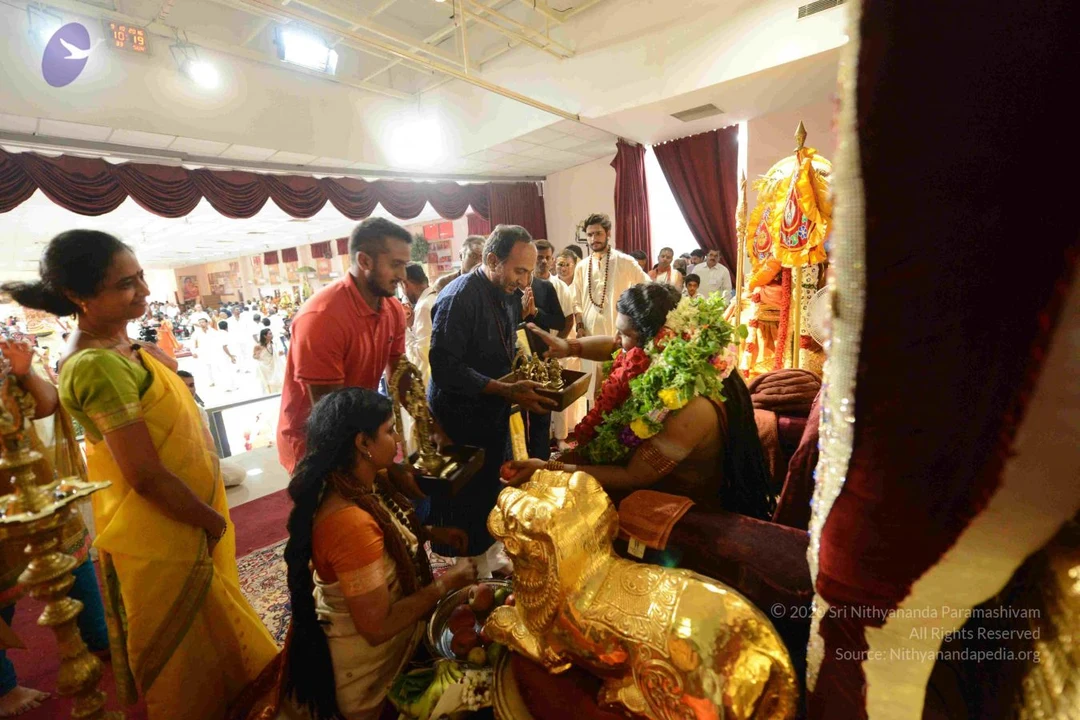
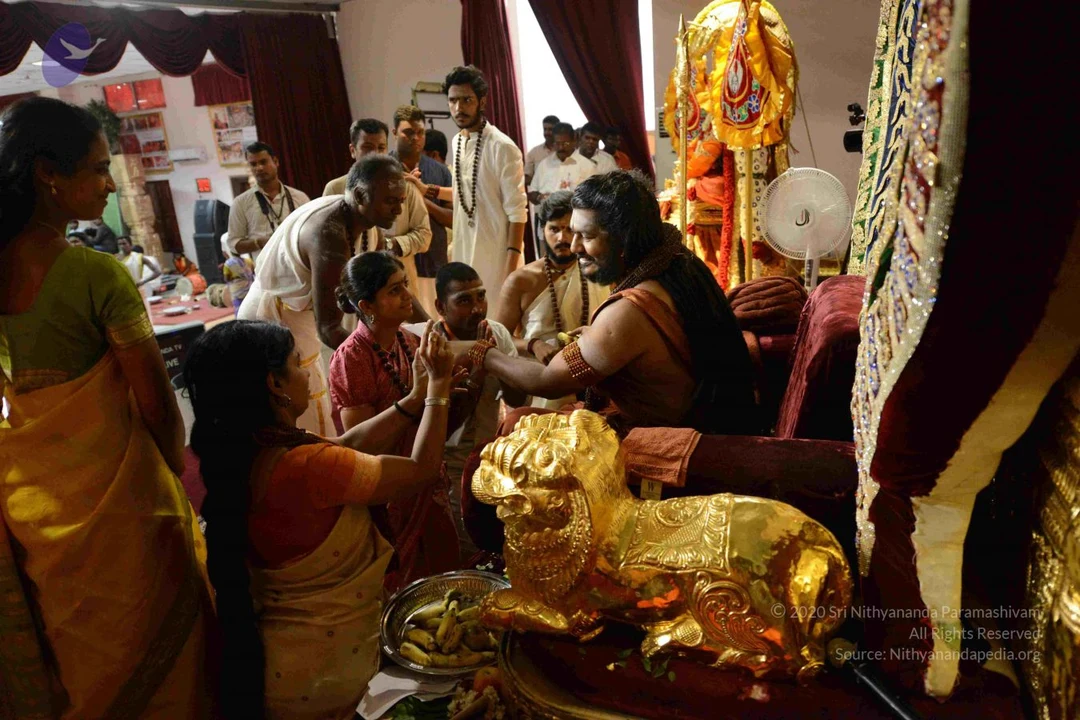
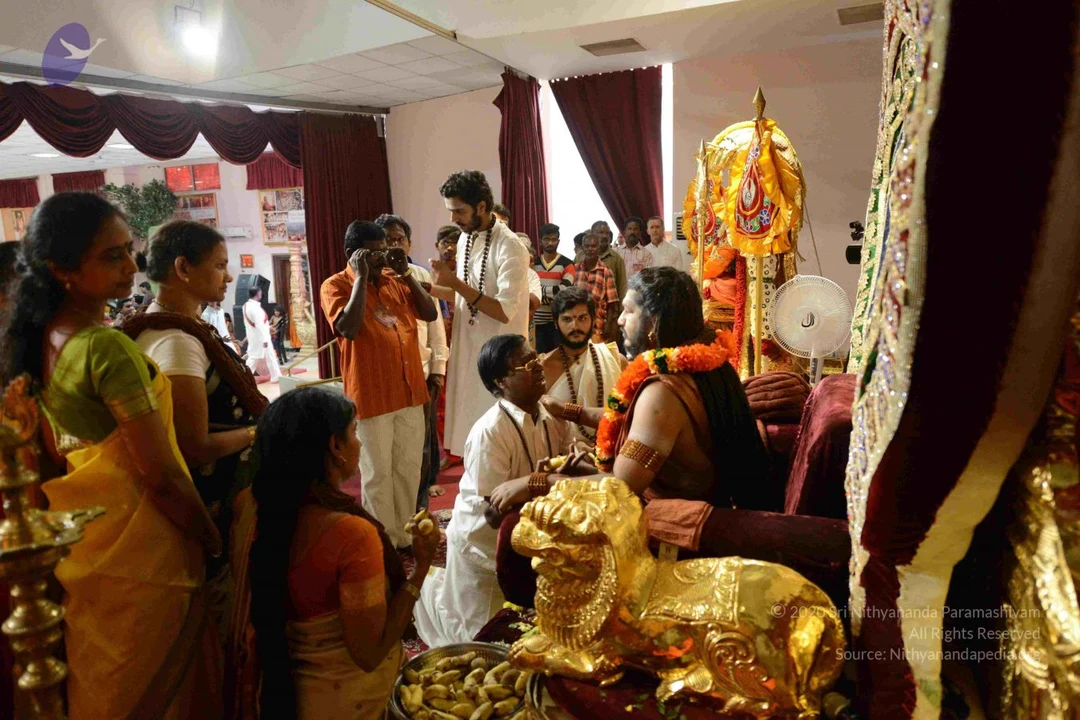



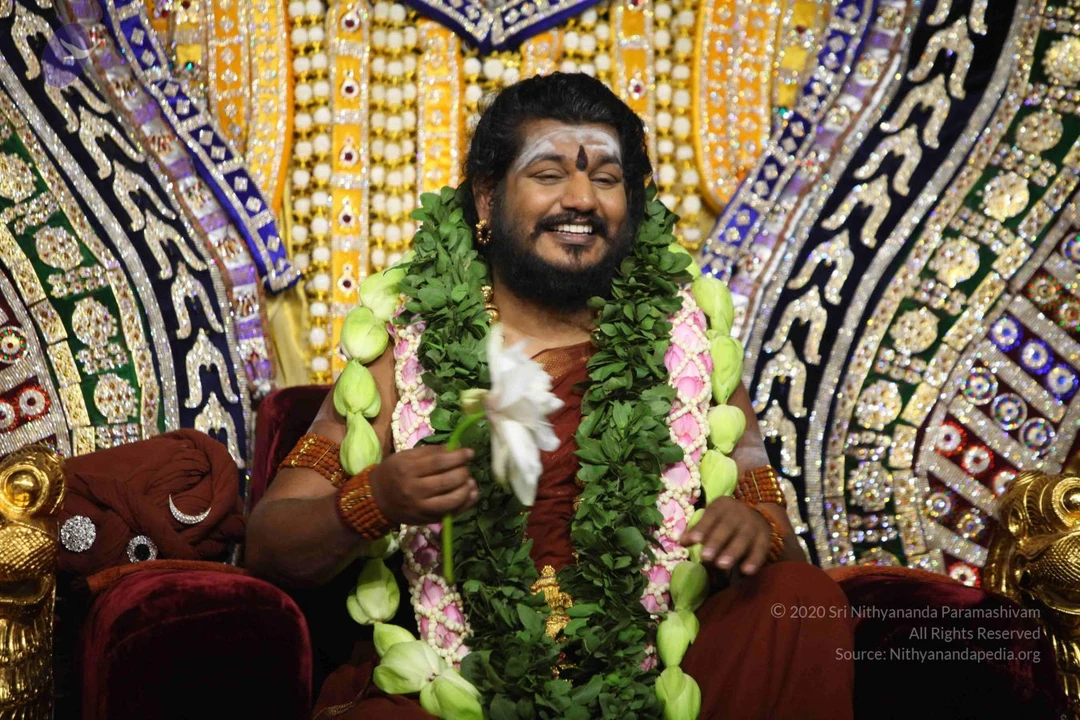
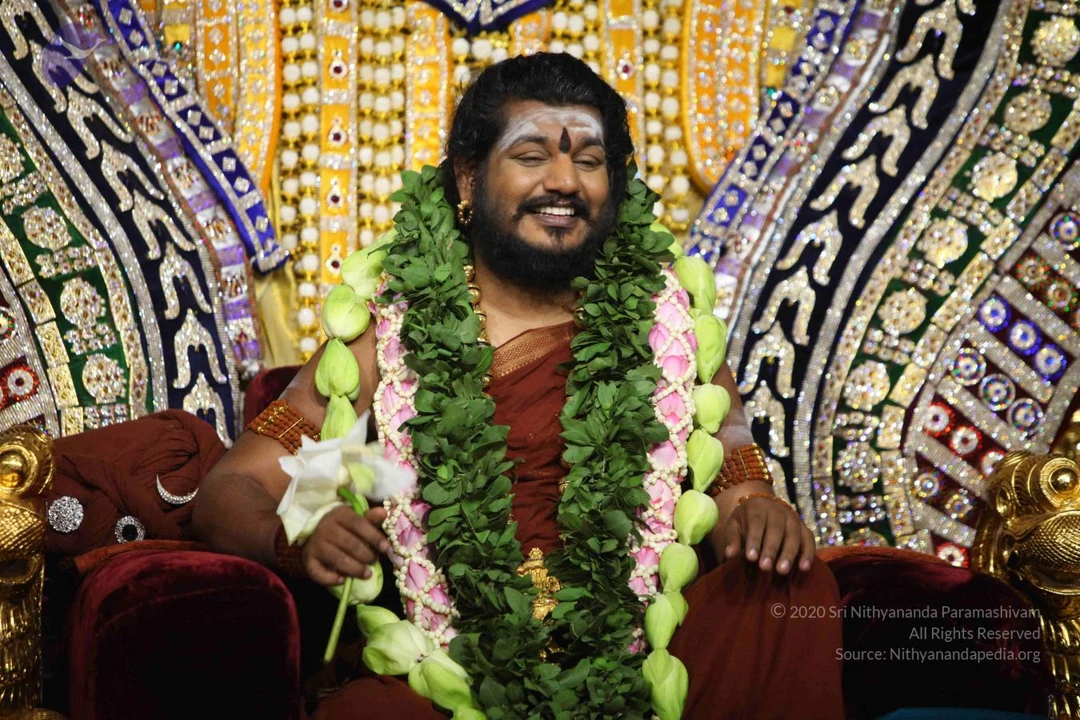
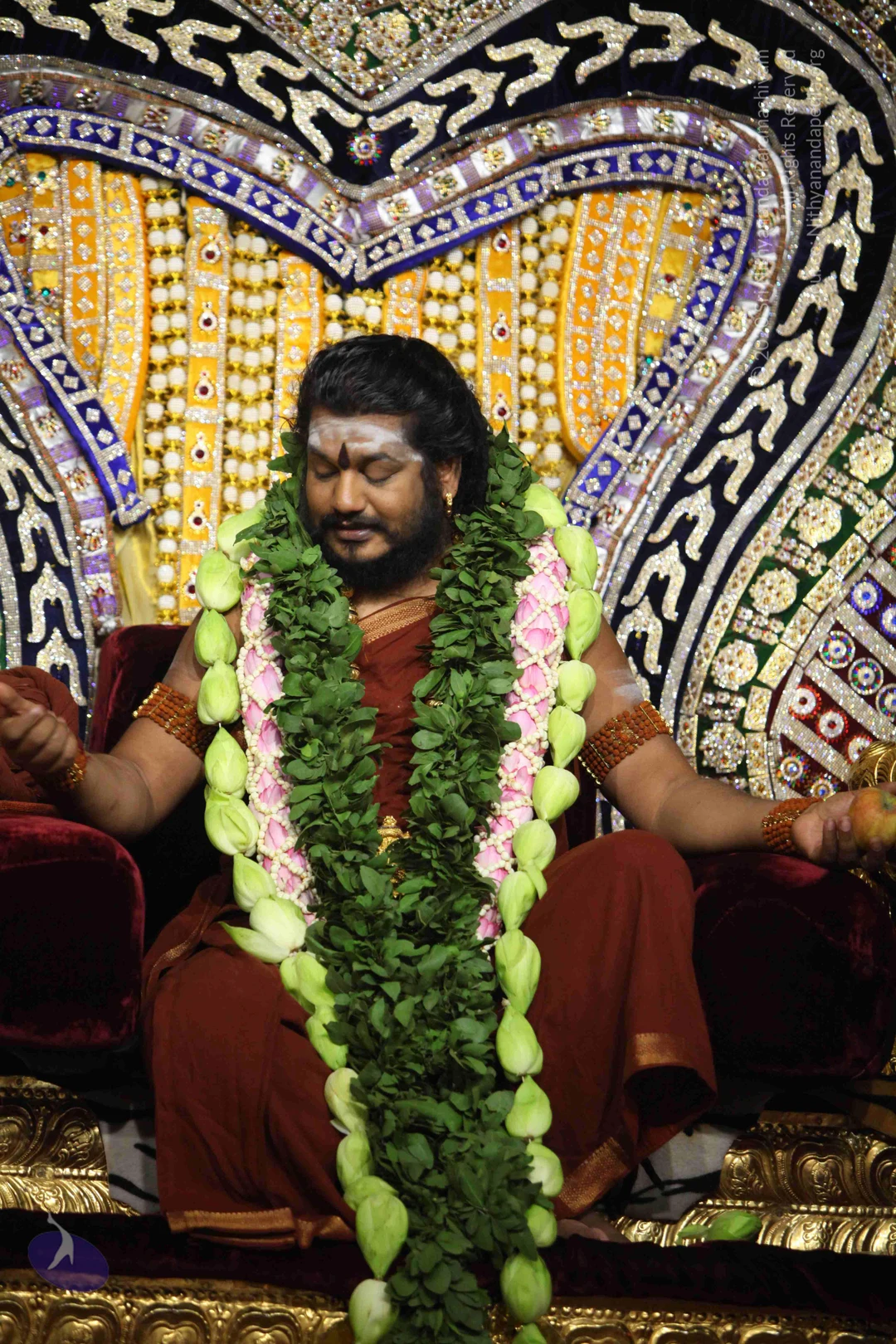
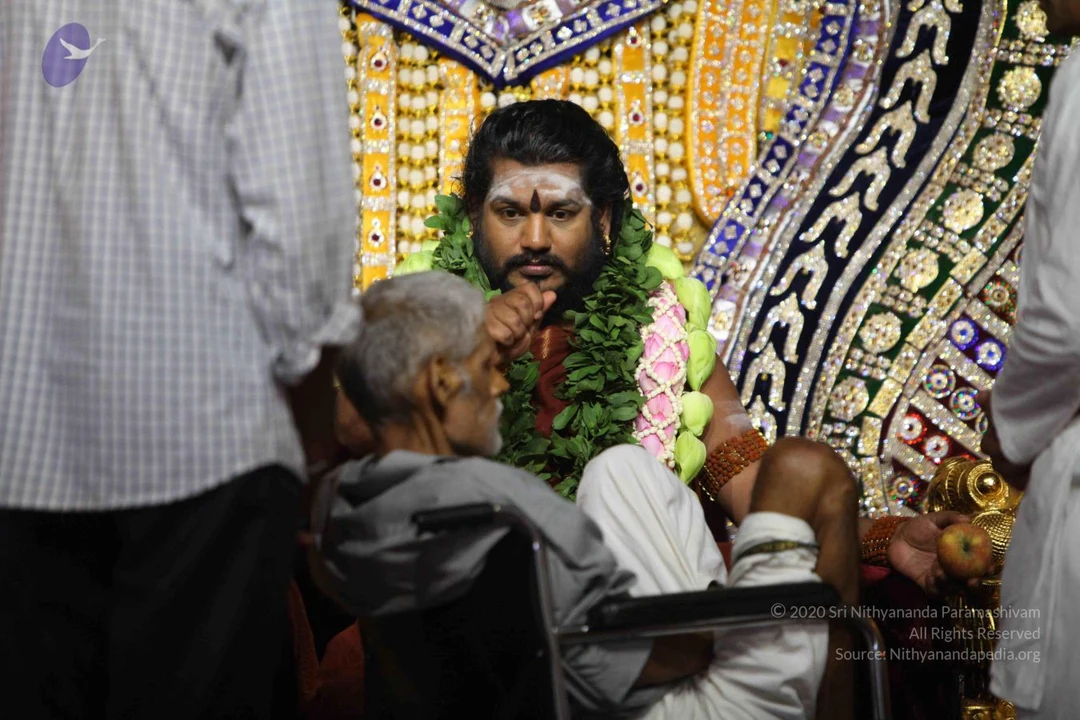
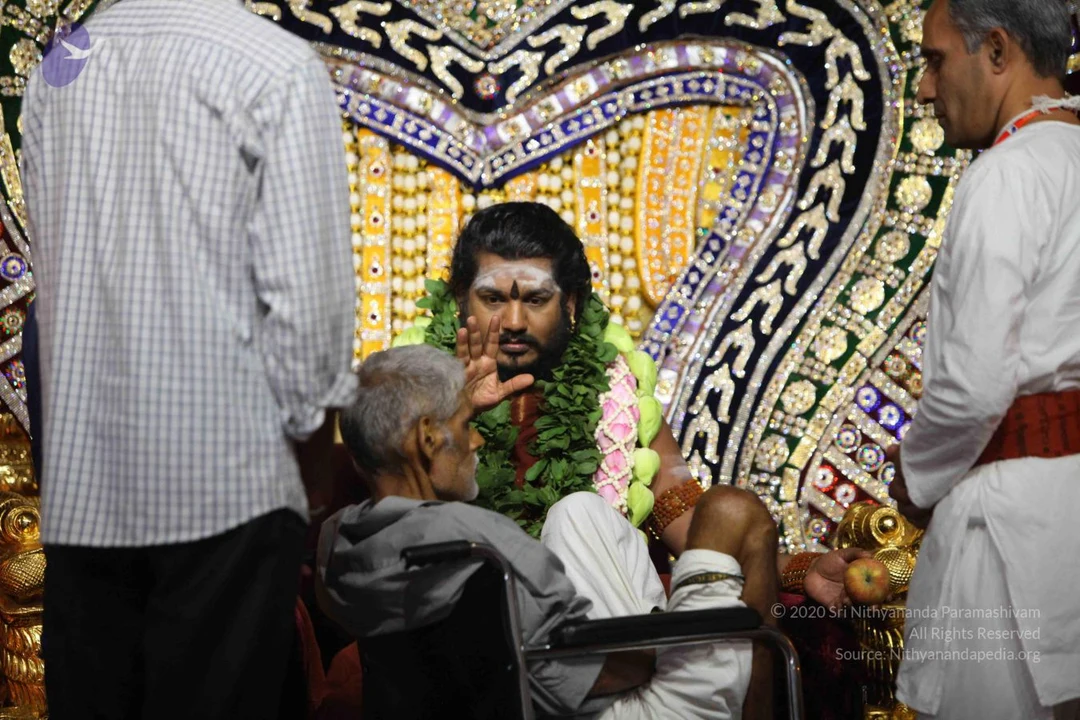
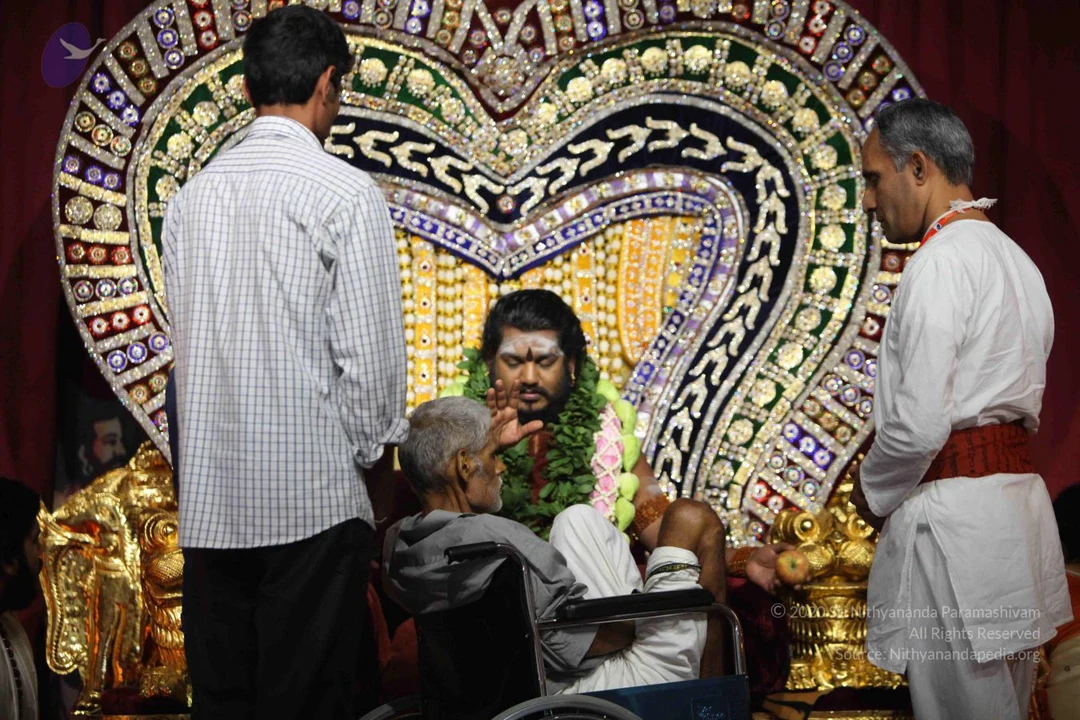
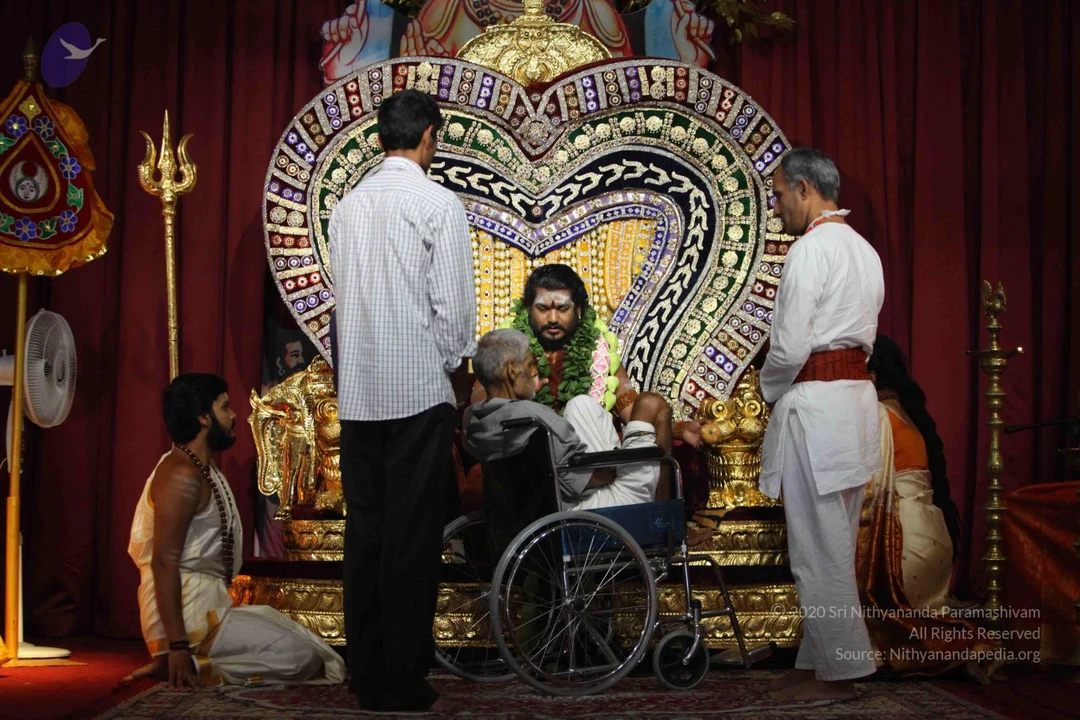
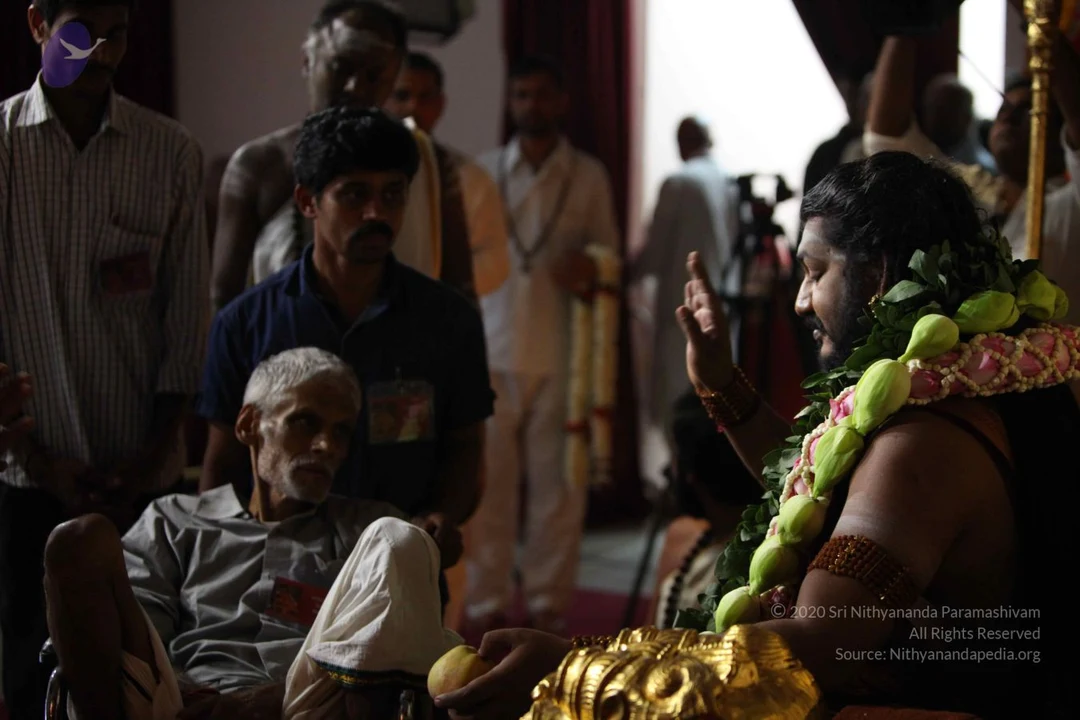
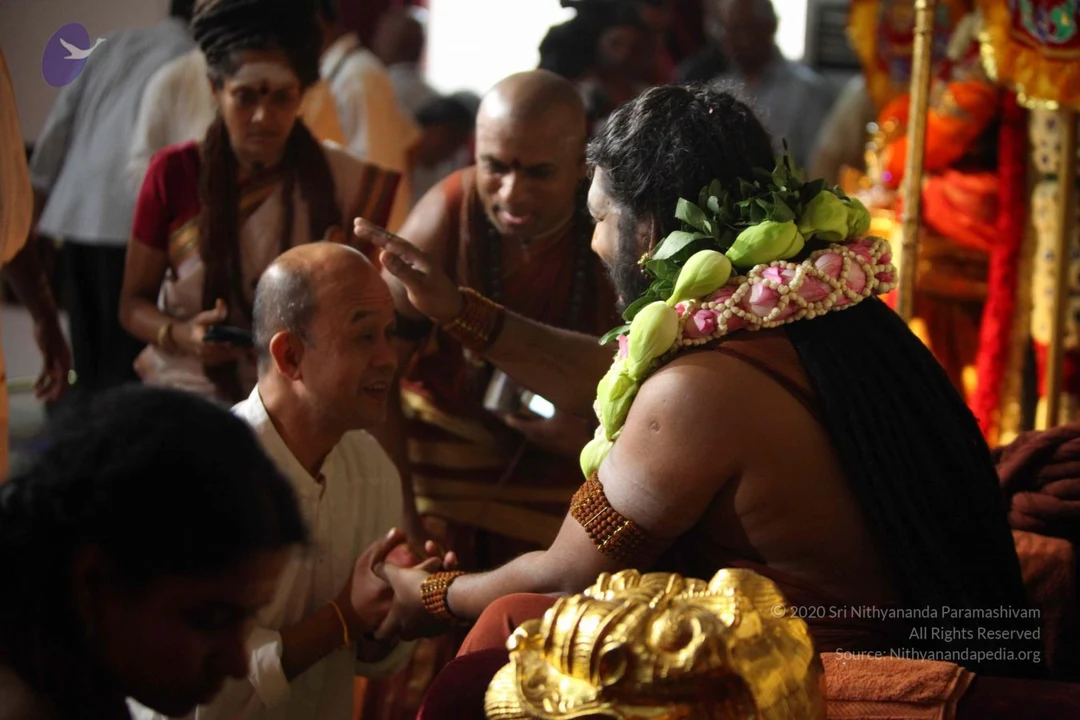
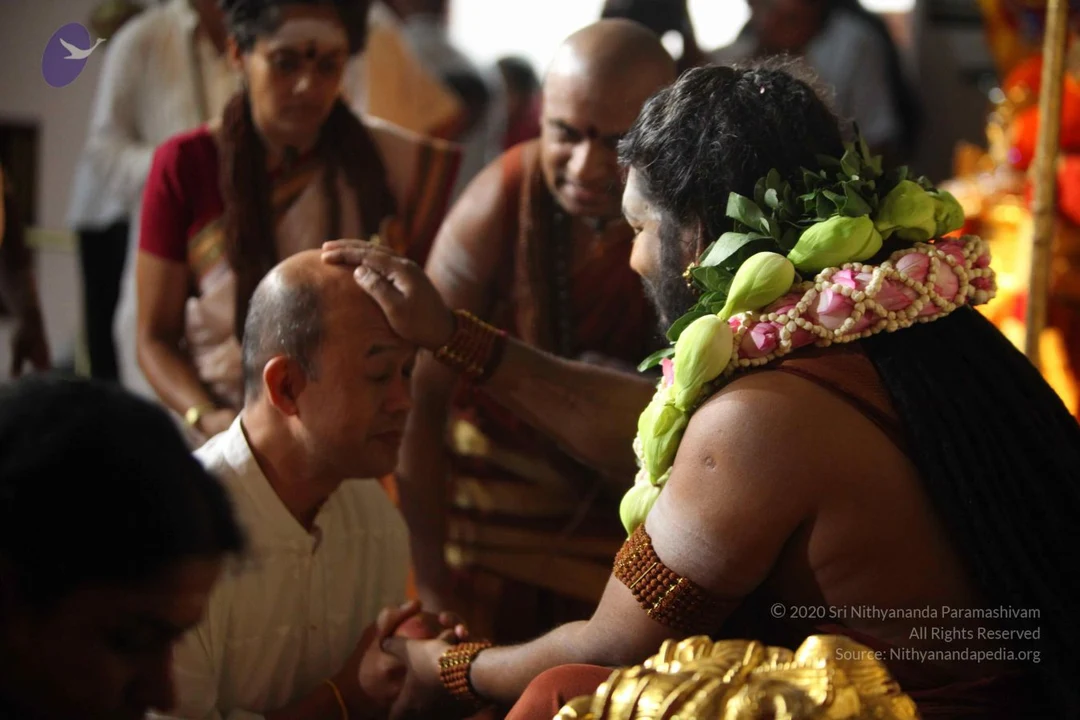
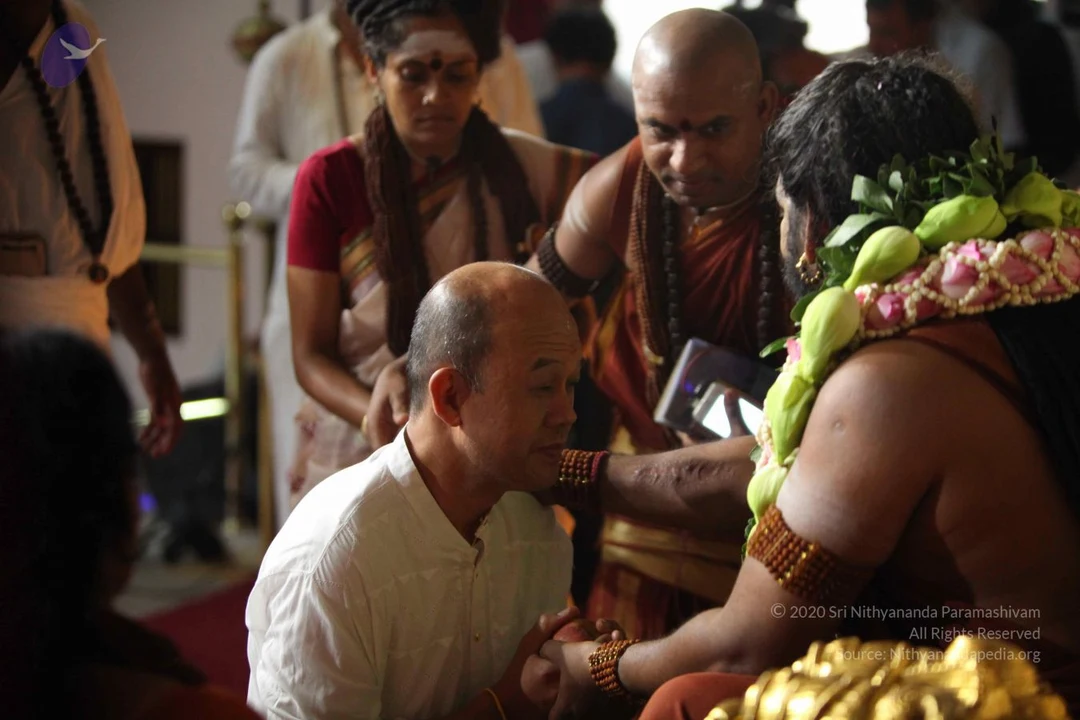
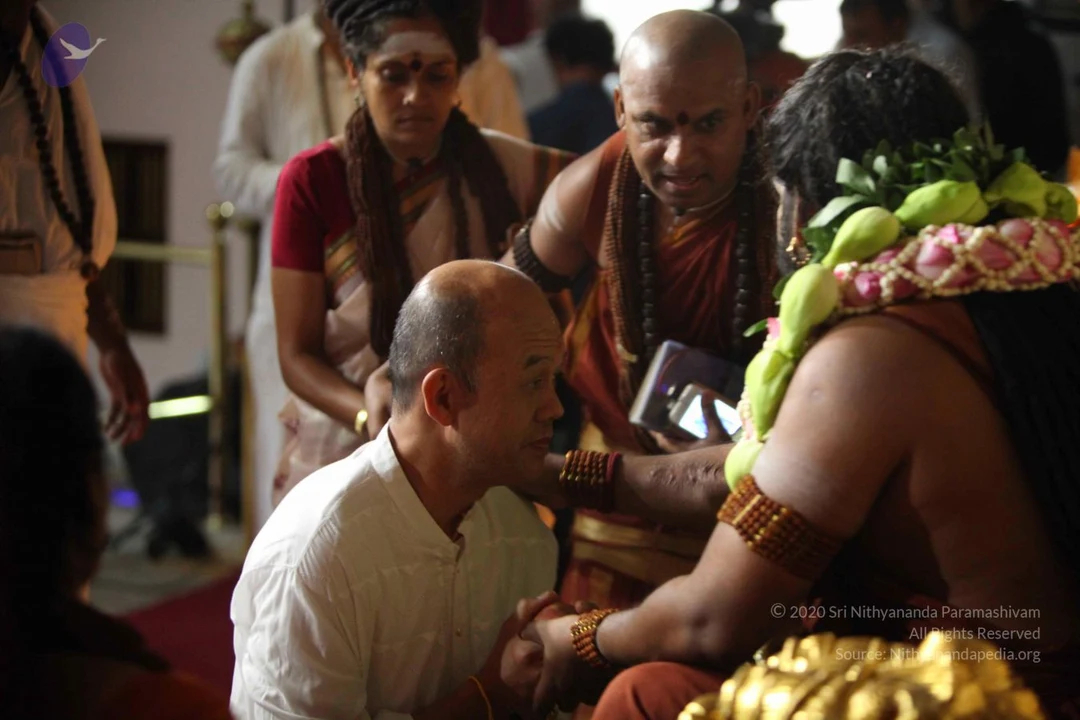

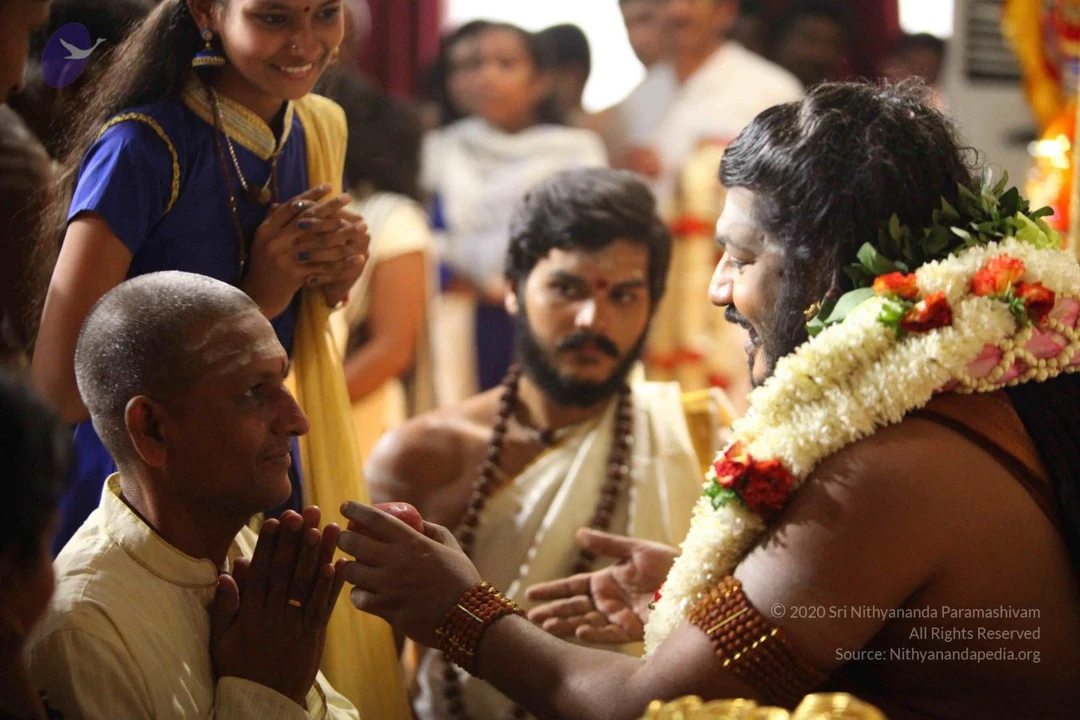
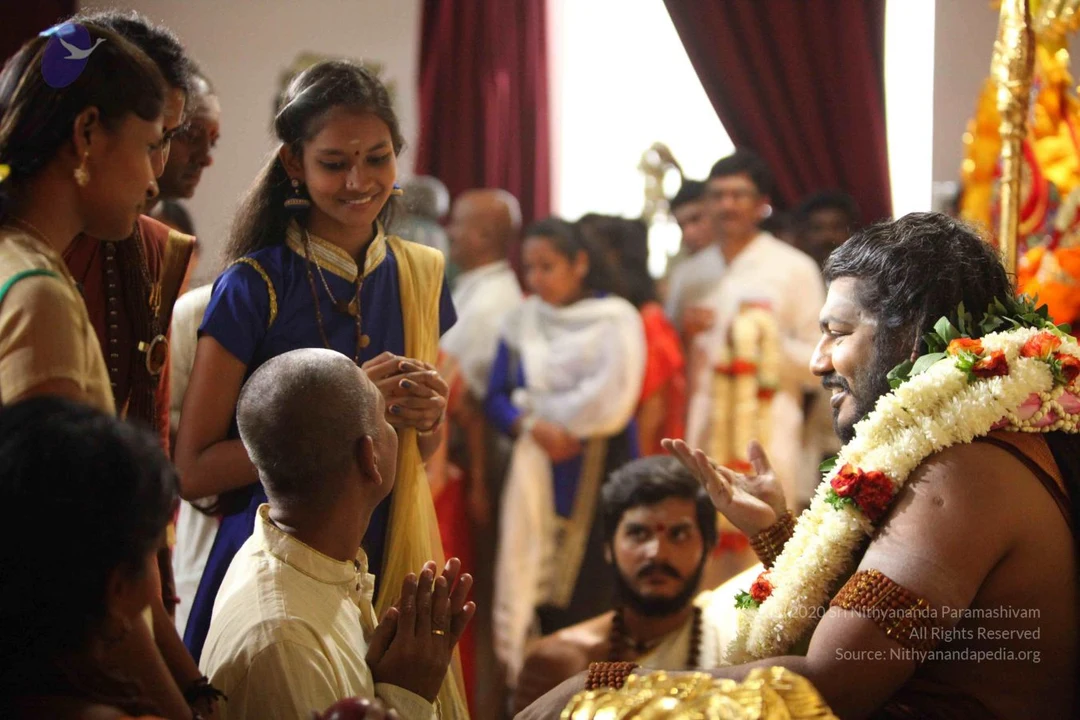
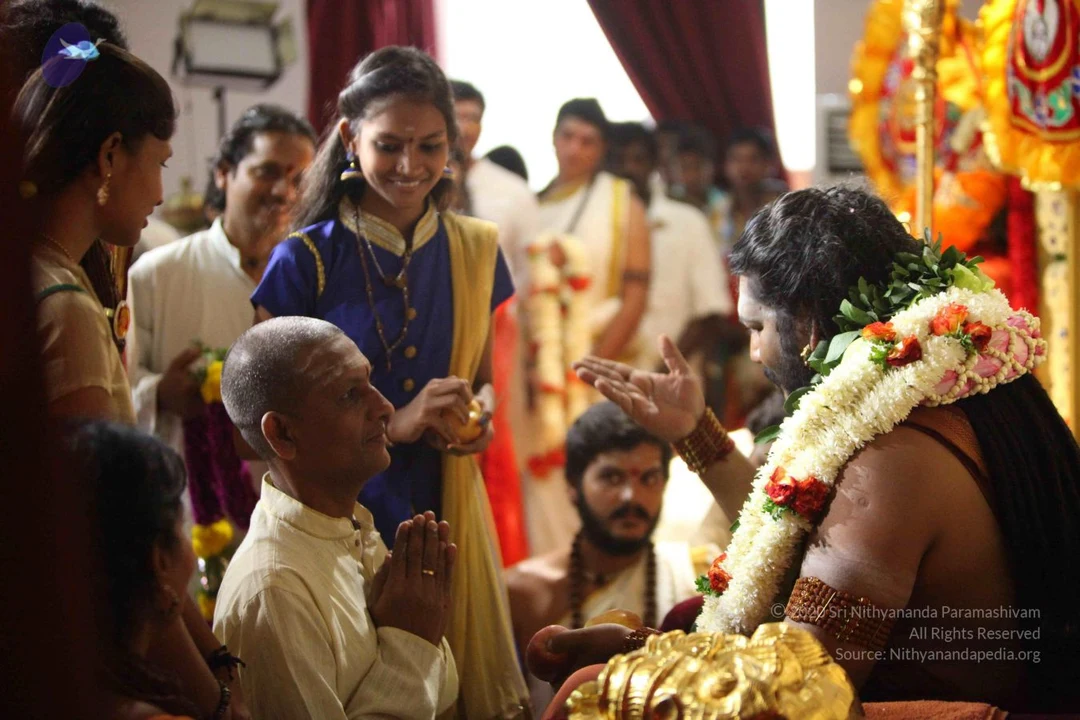
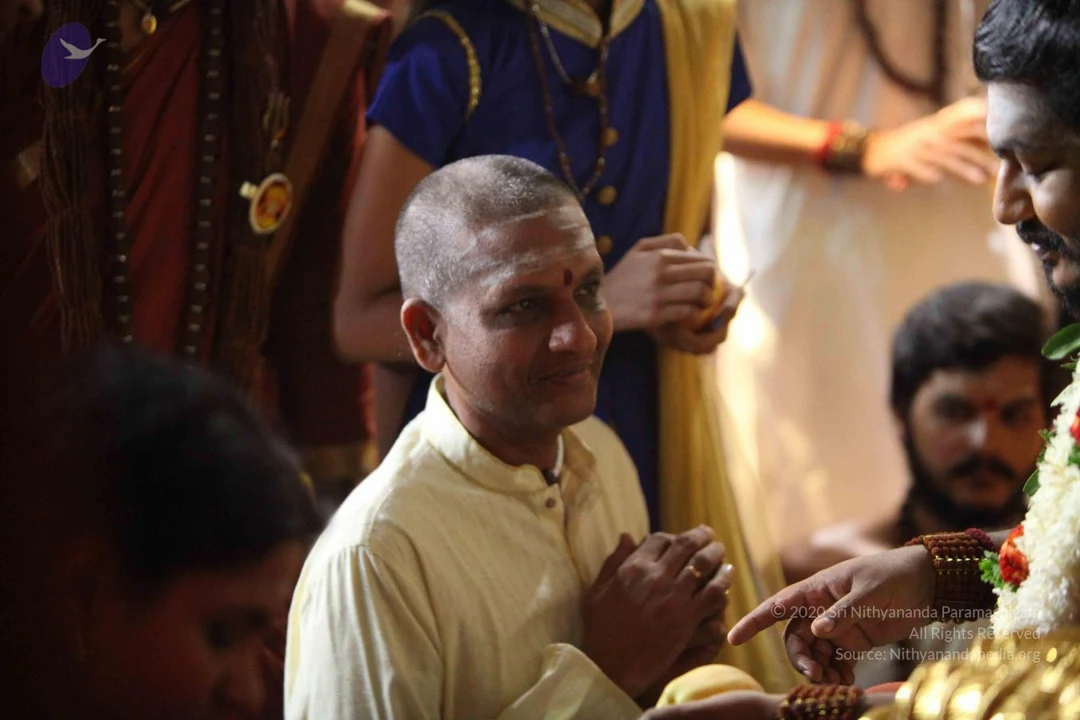

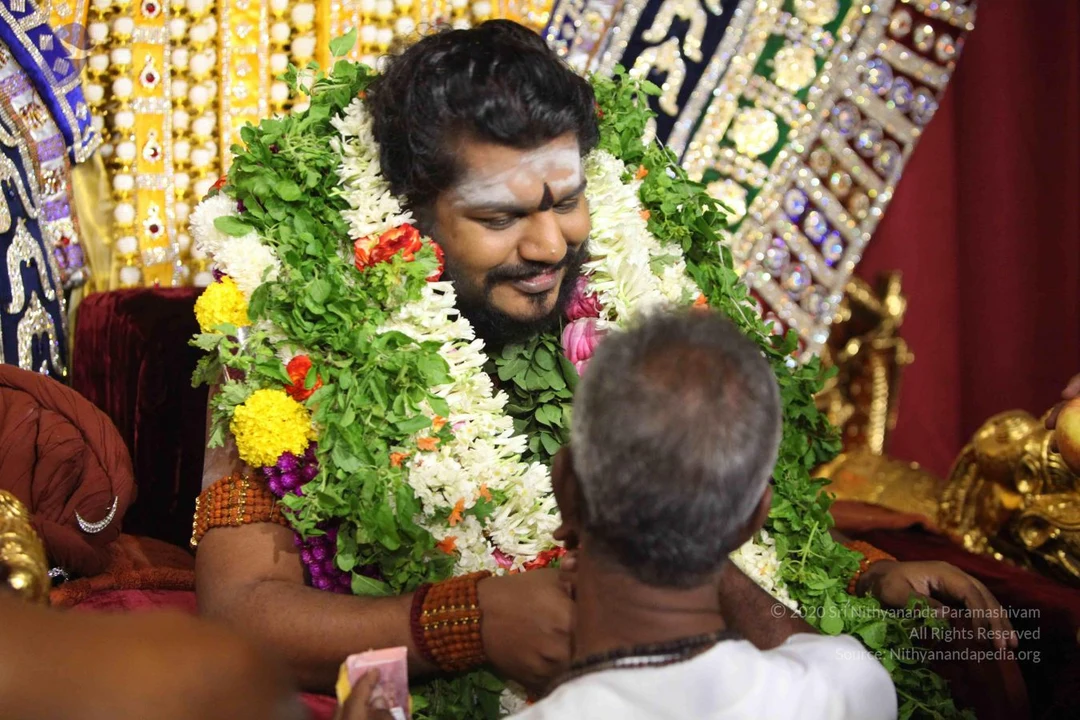
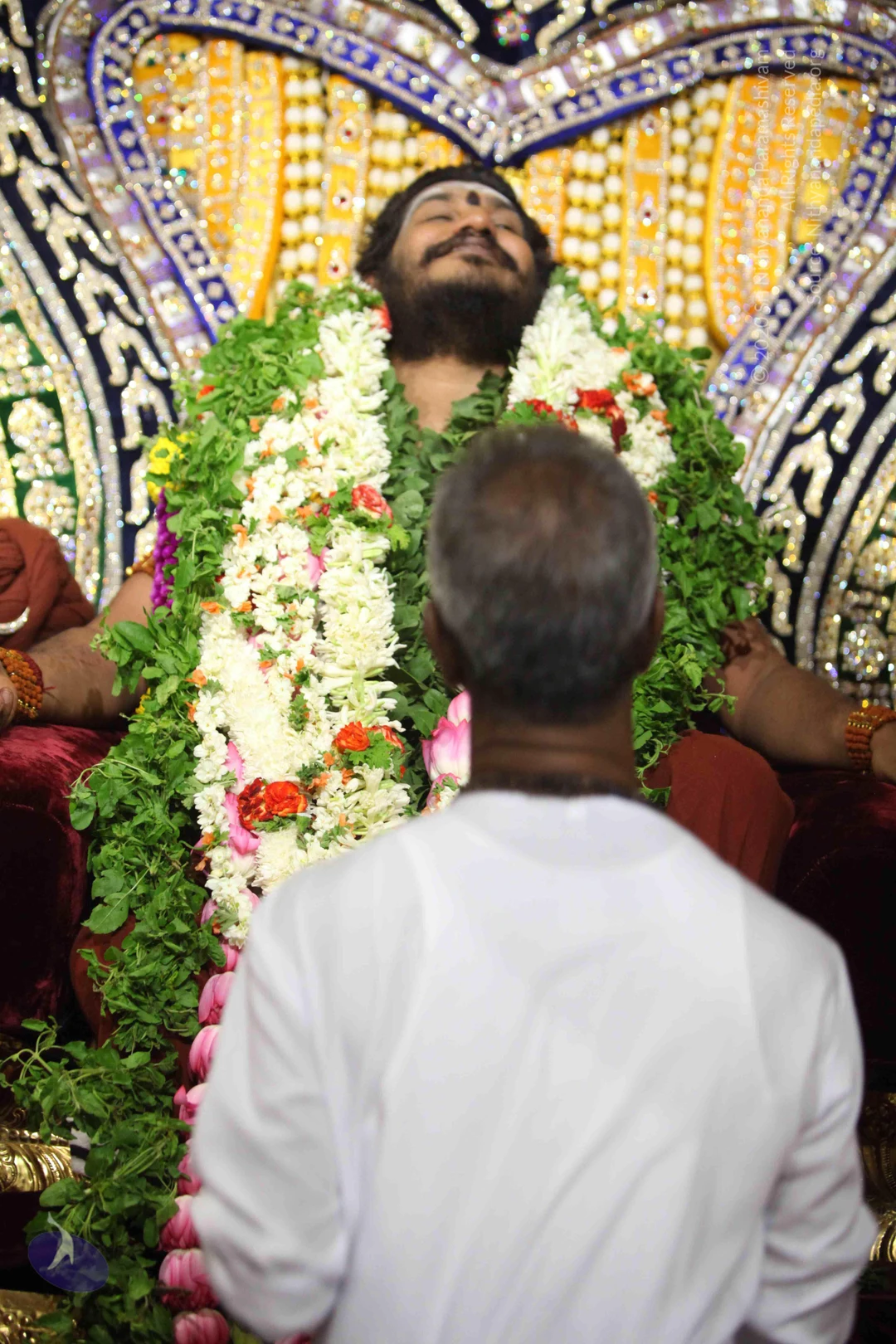
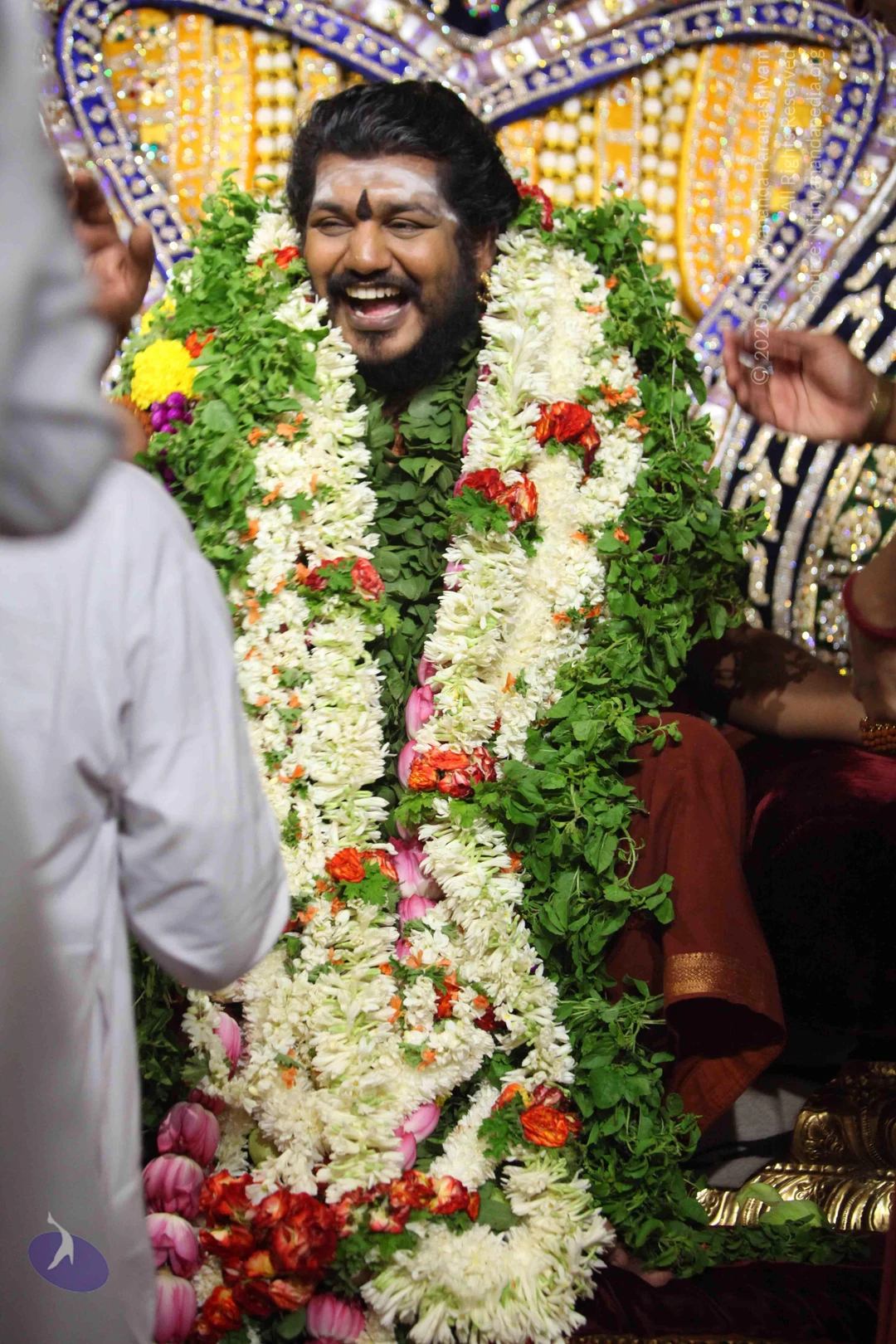
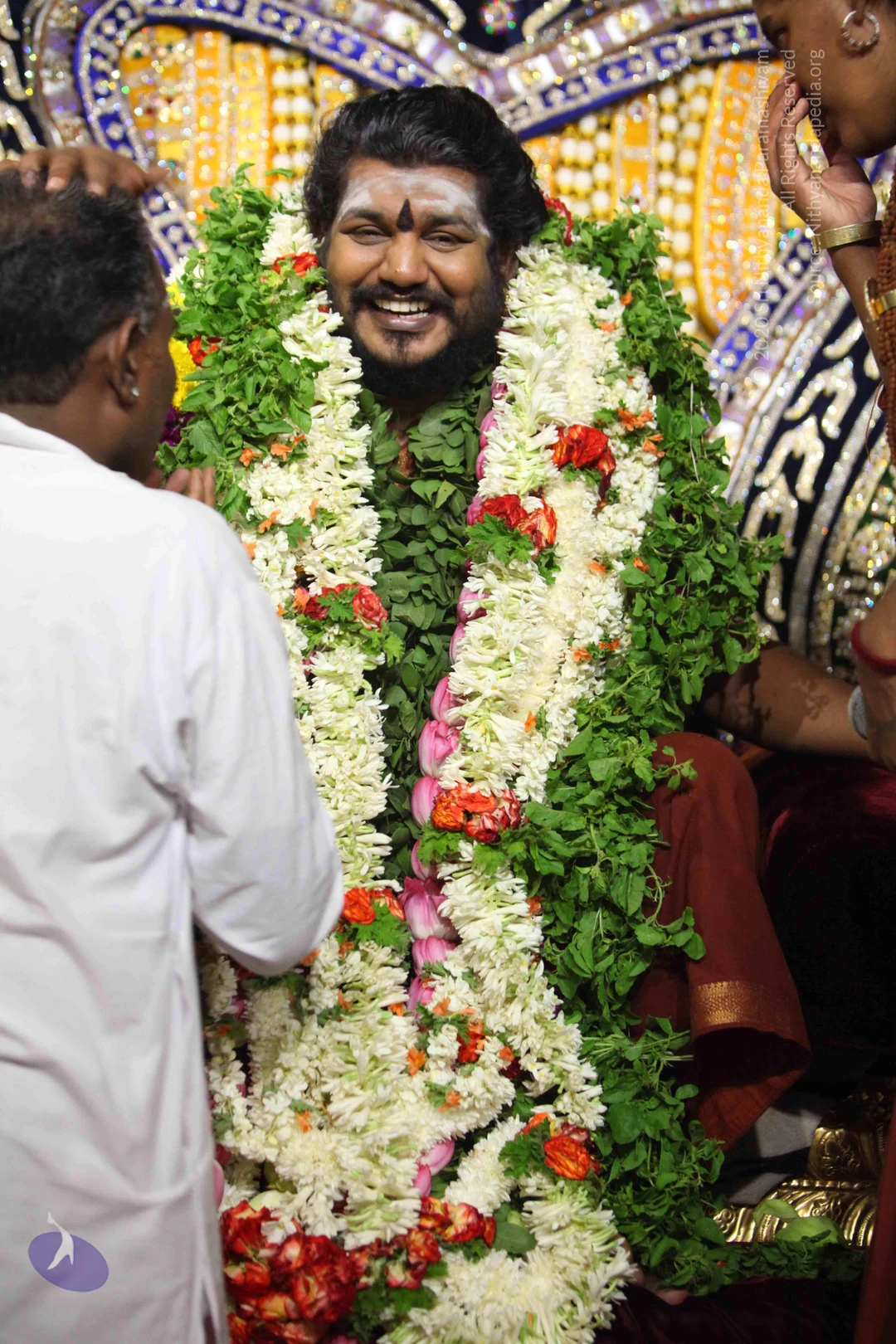
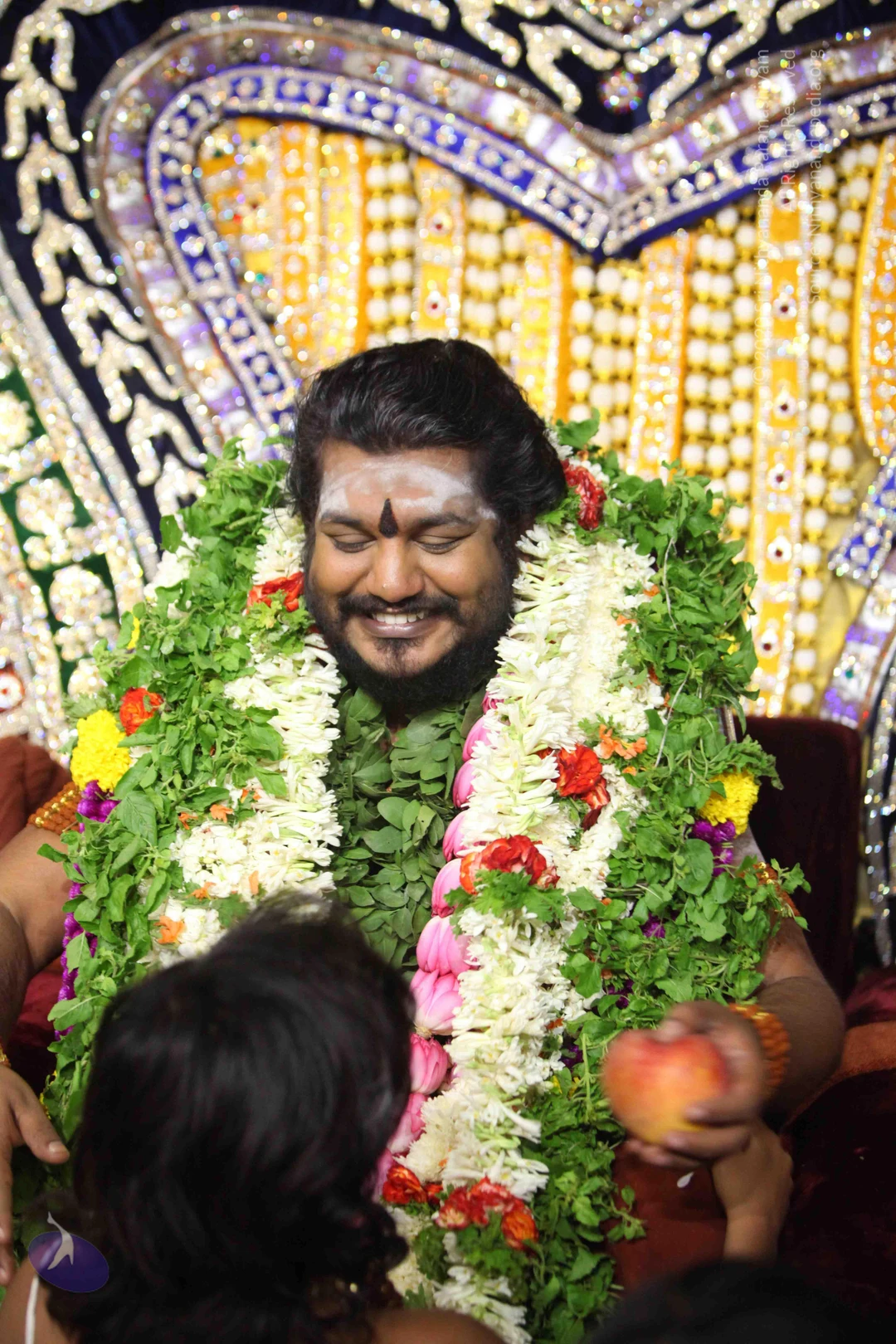
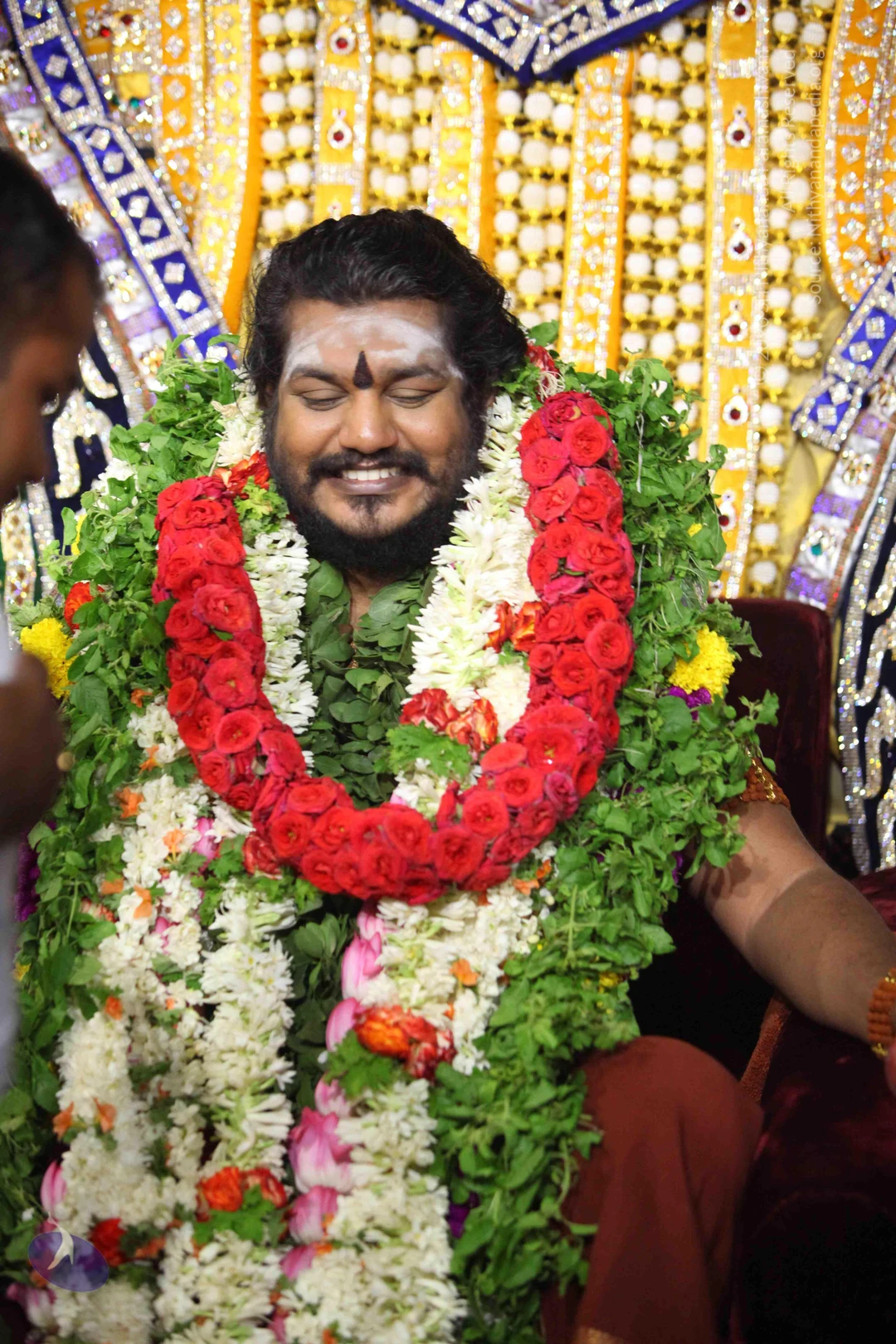
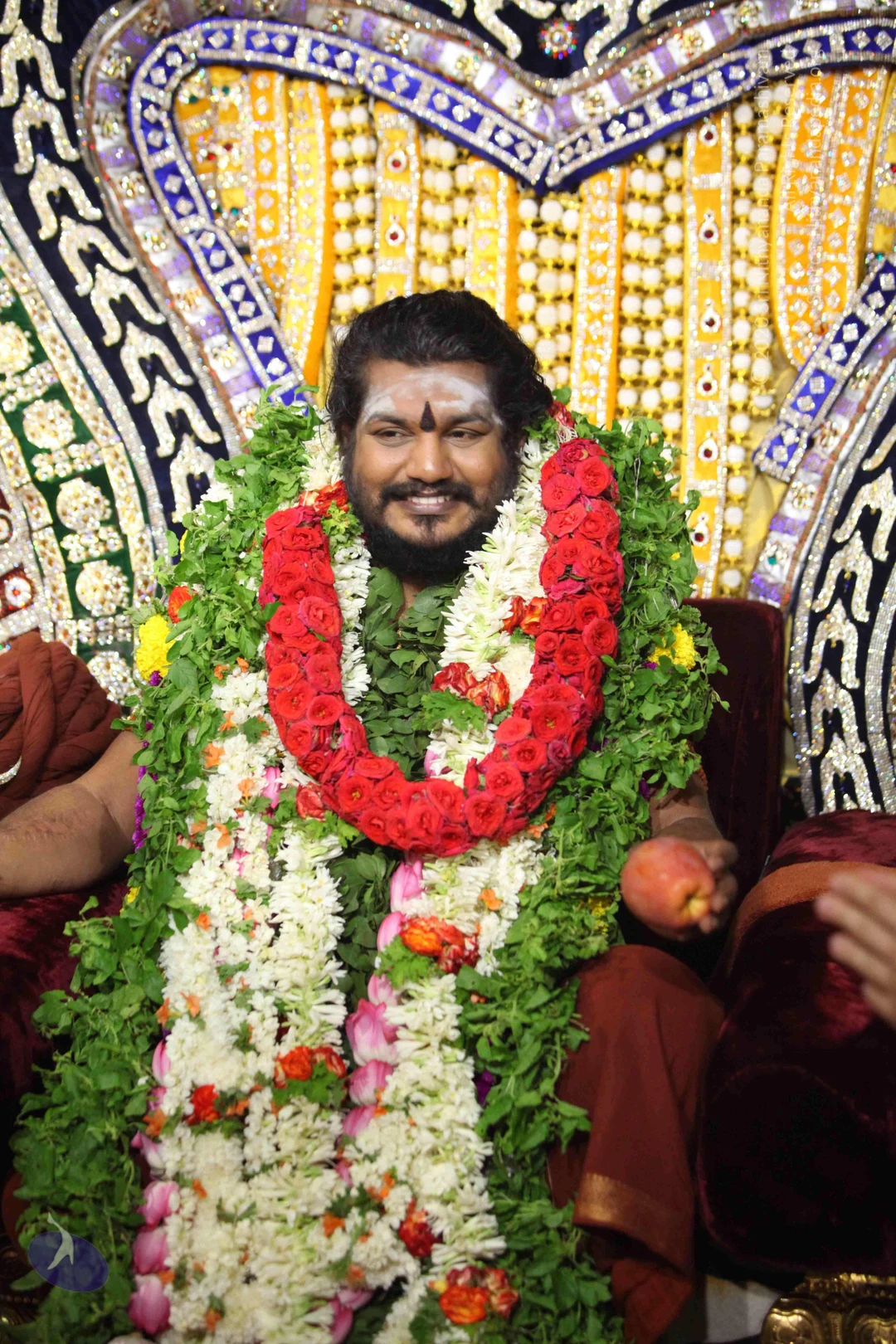
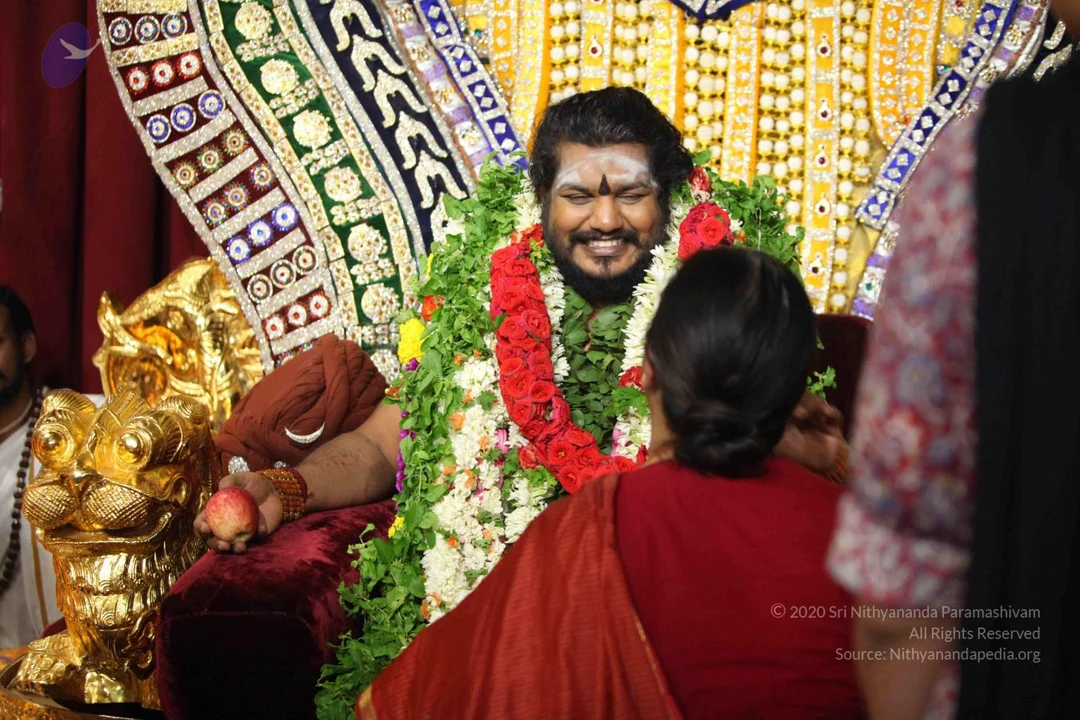

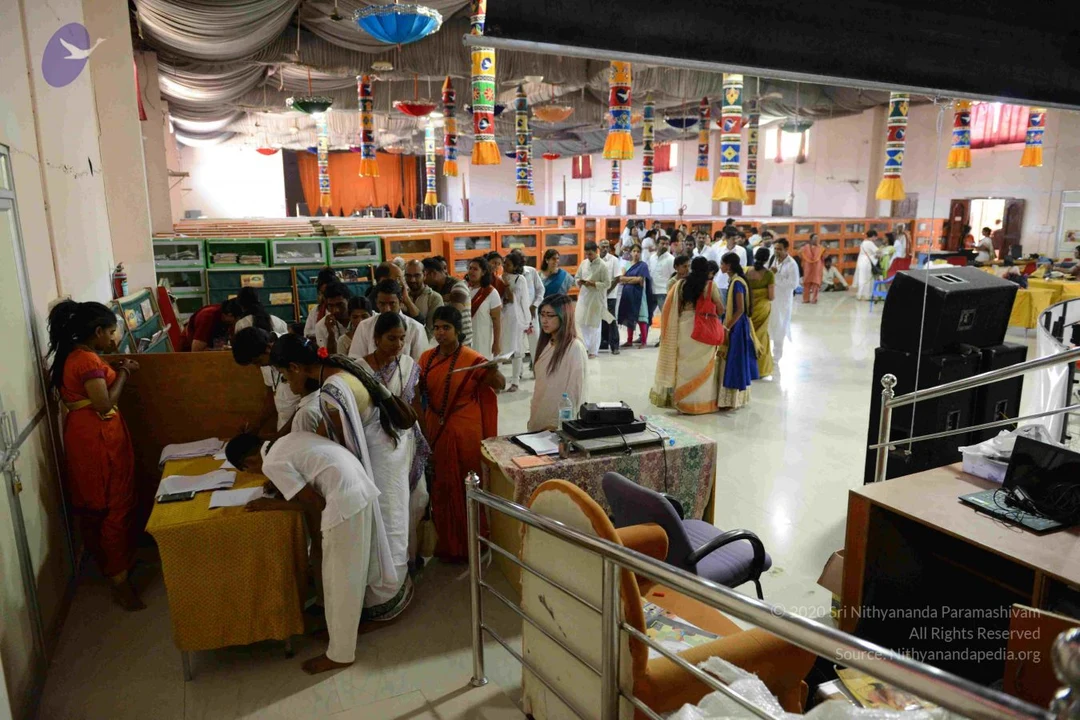
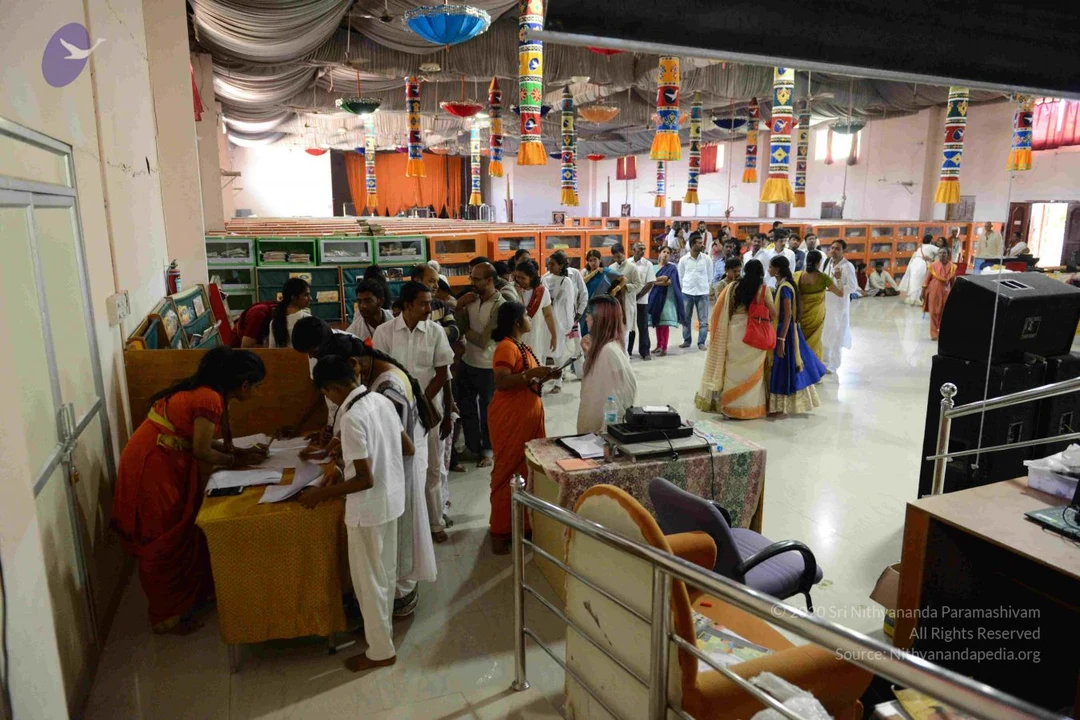
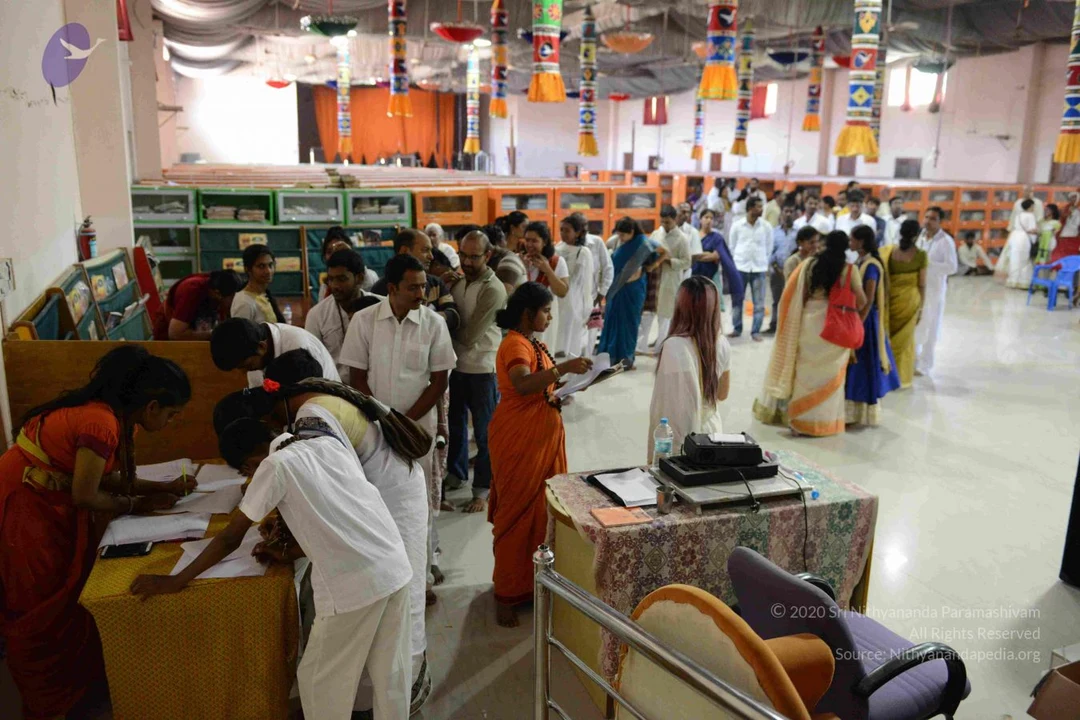
Akashic Readings



















































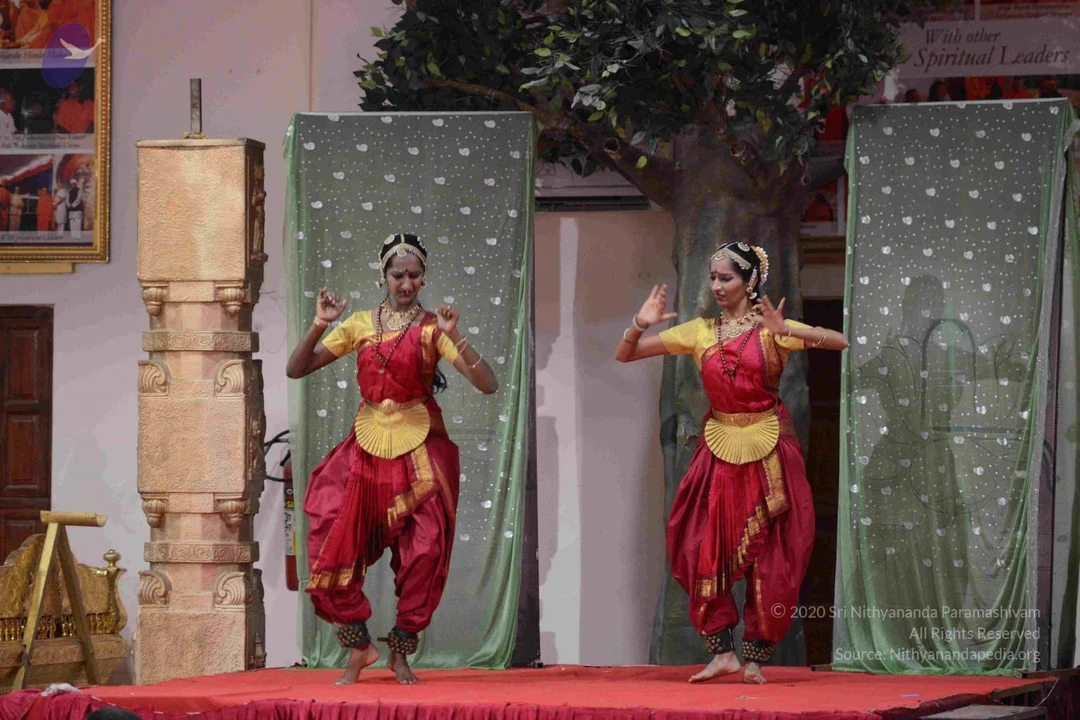
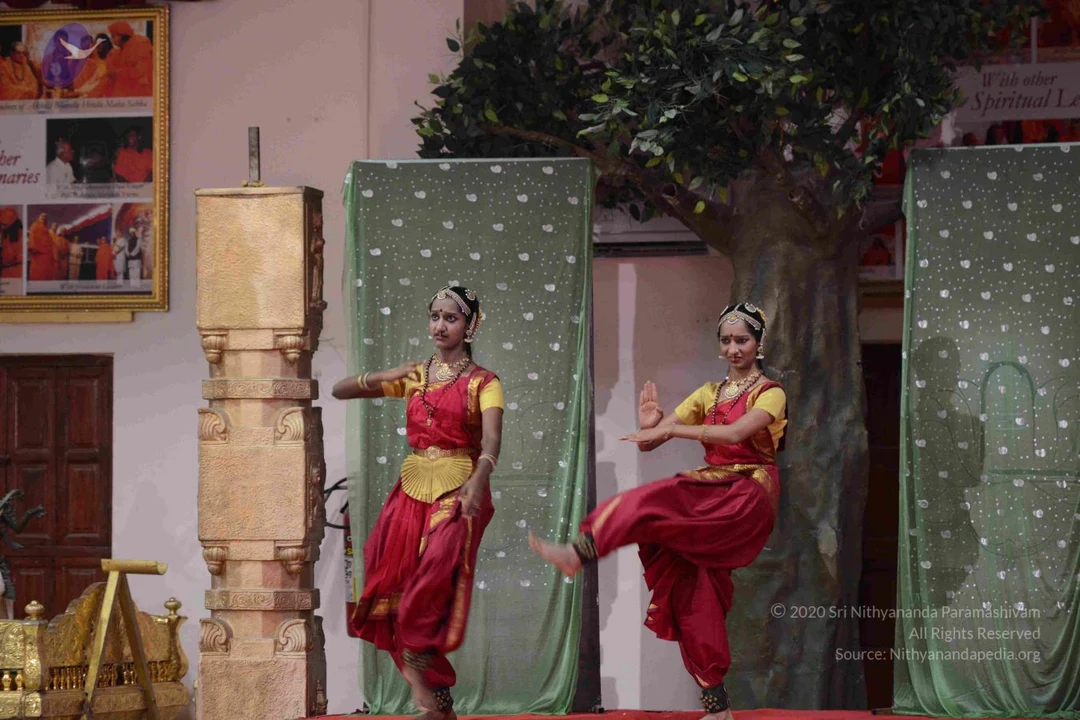

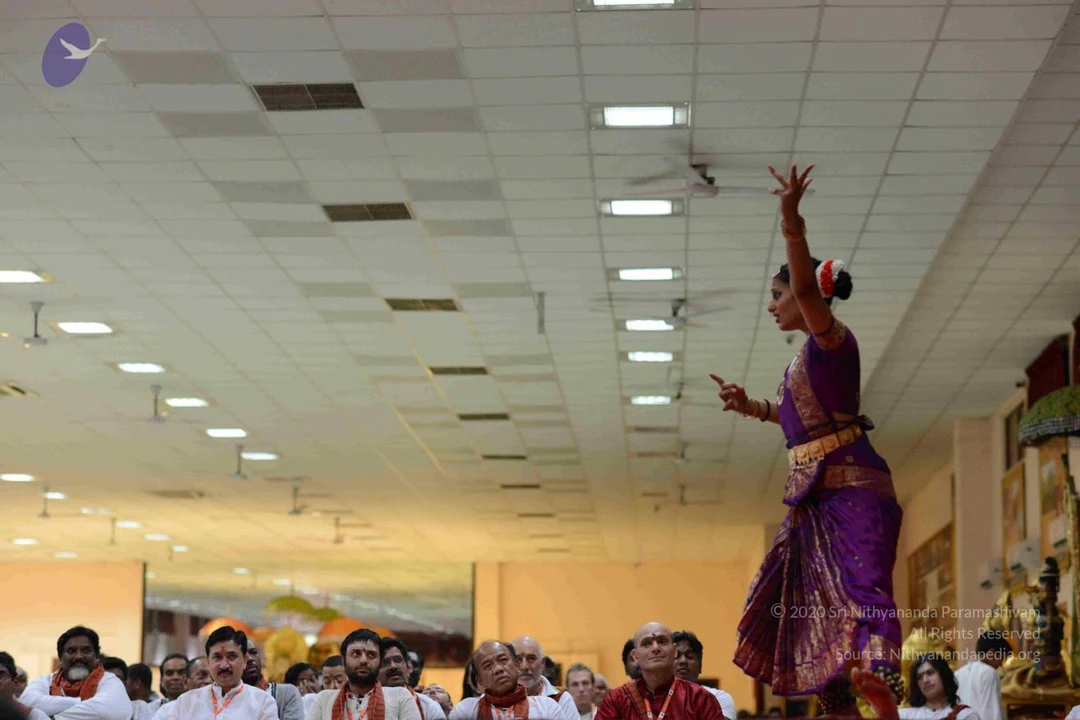

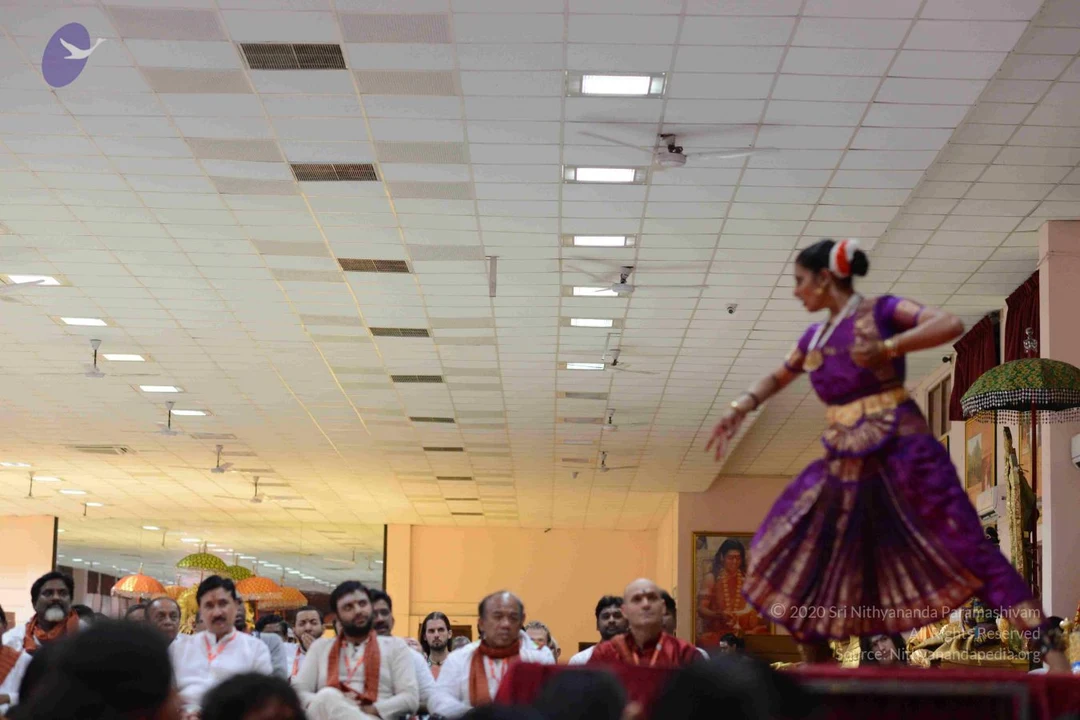






















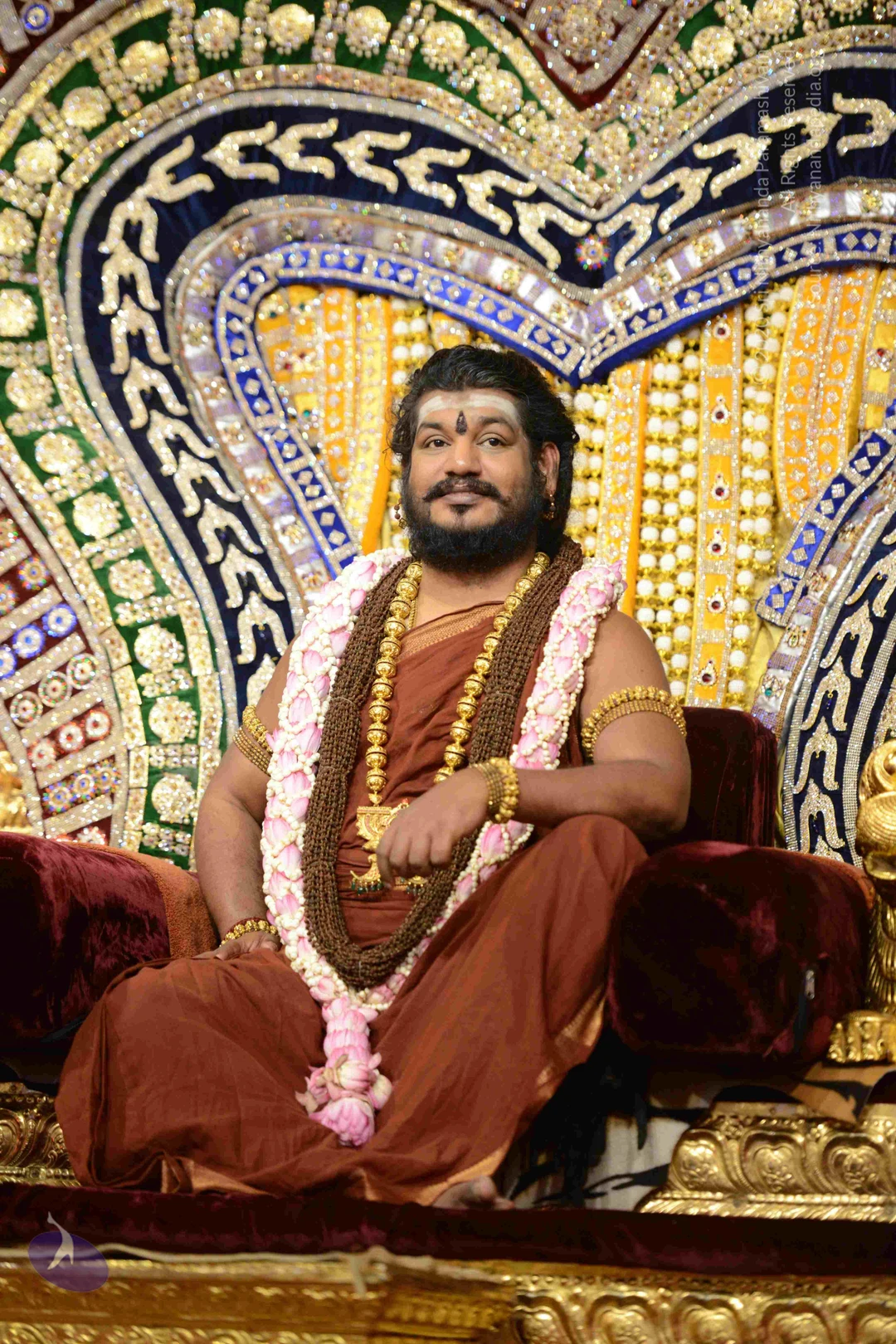
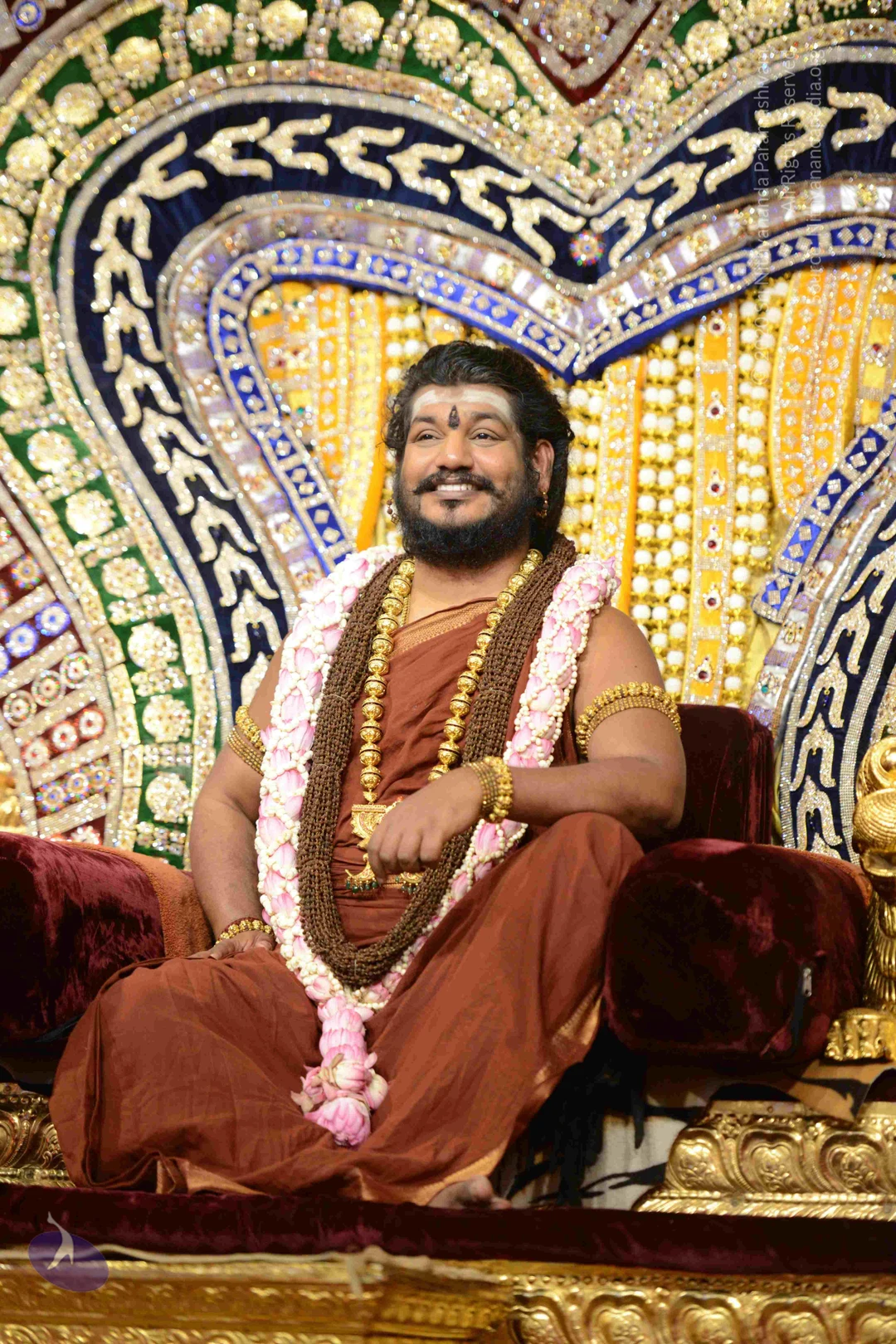
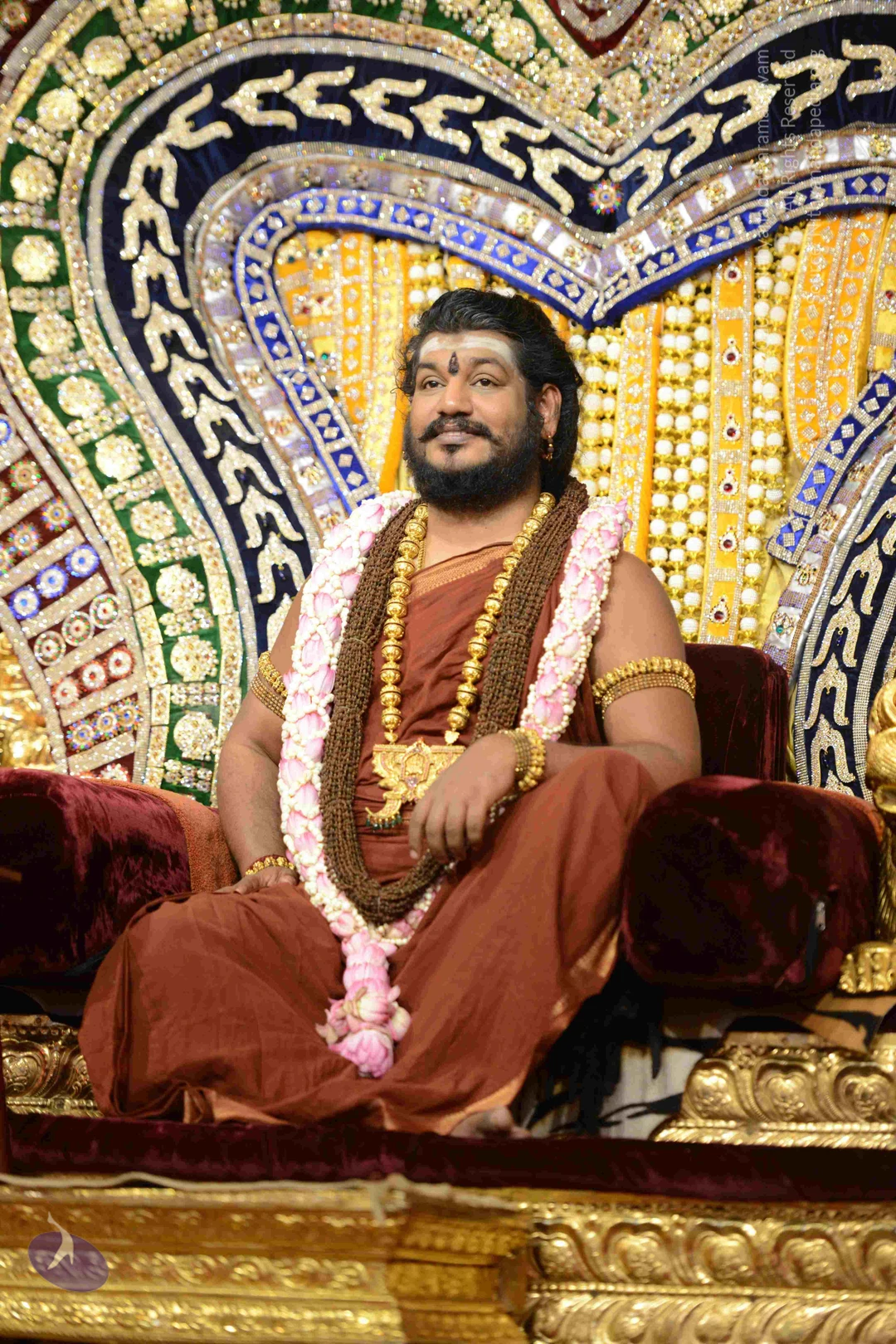

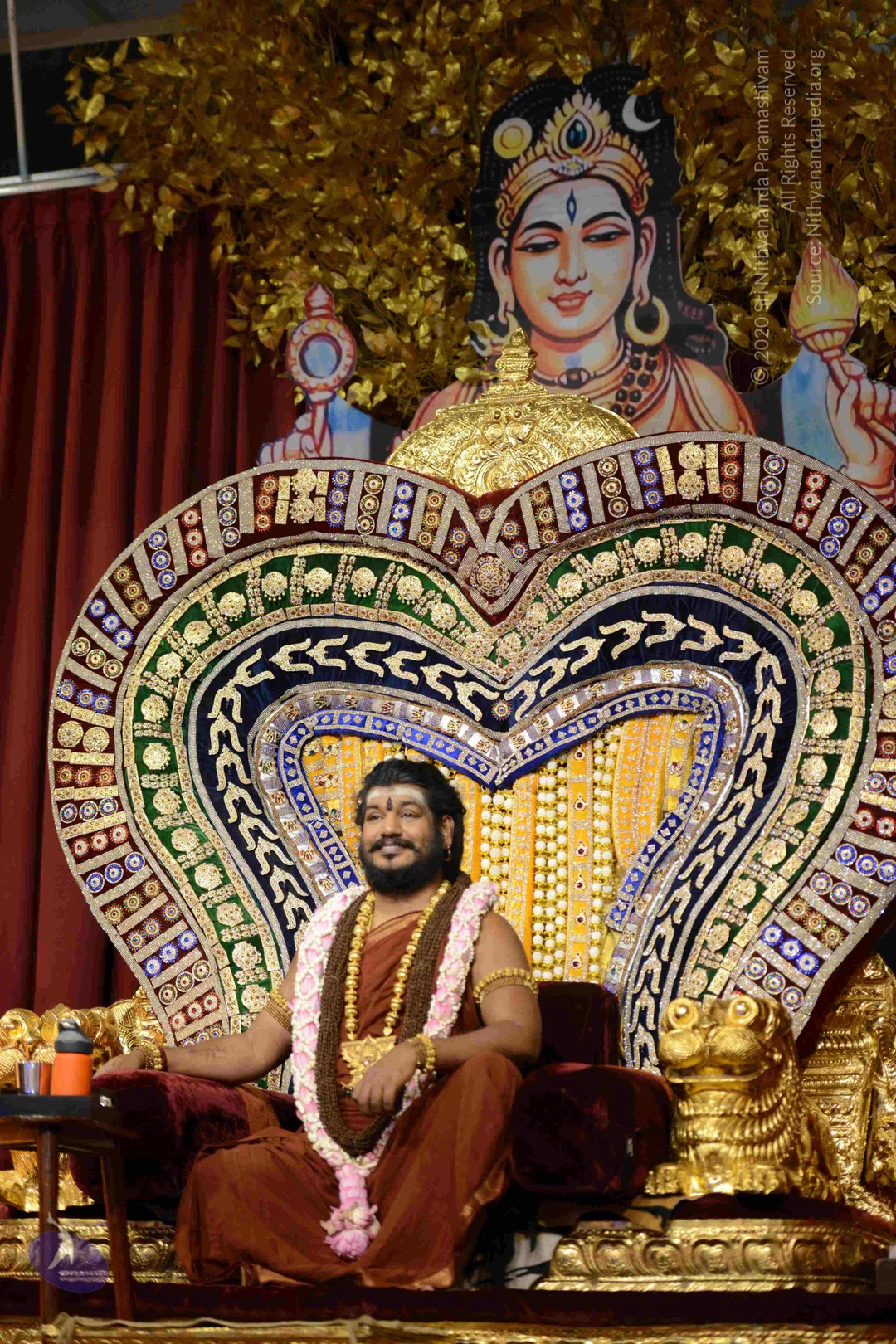
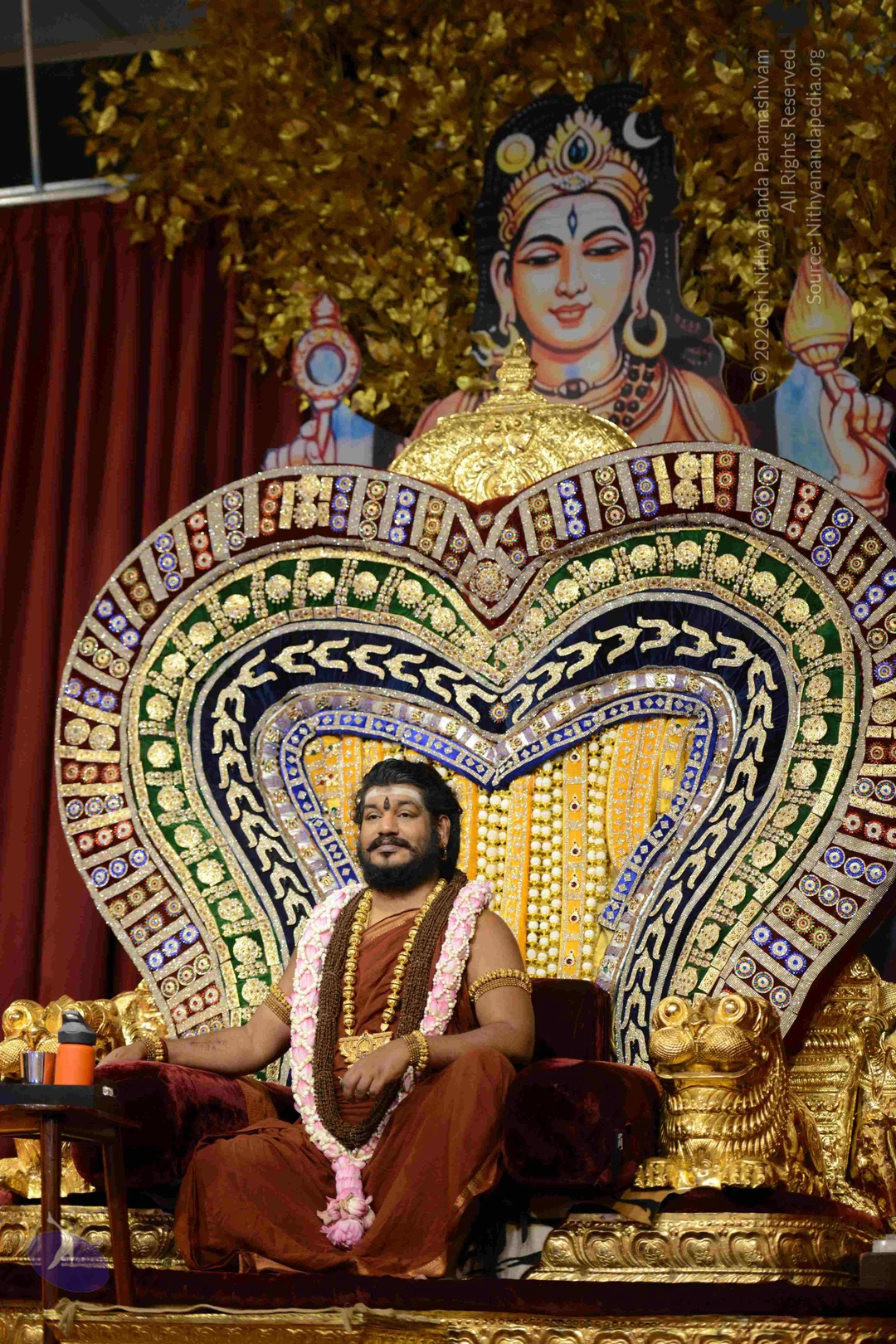
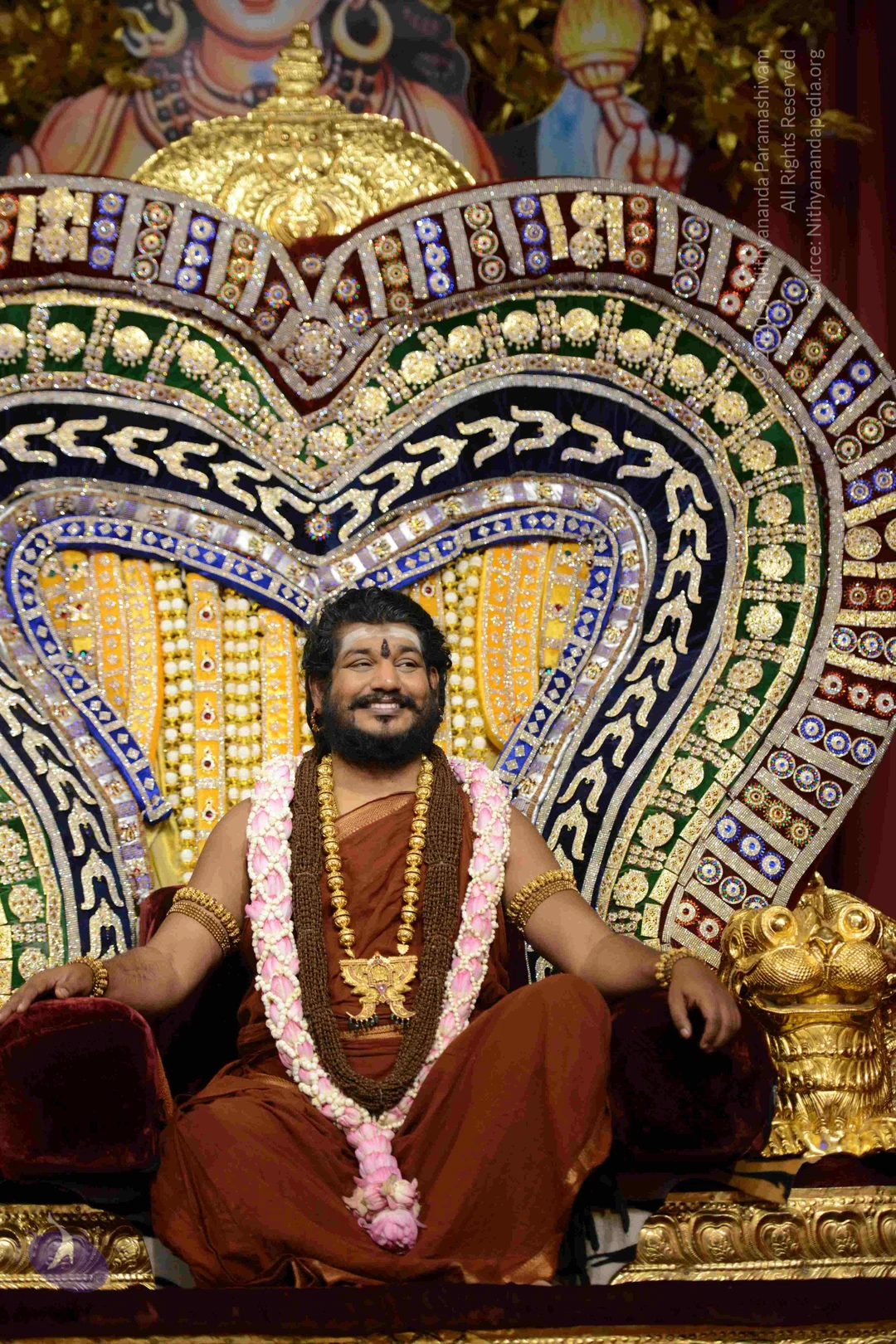
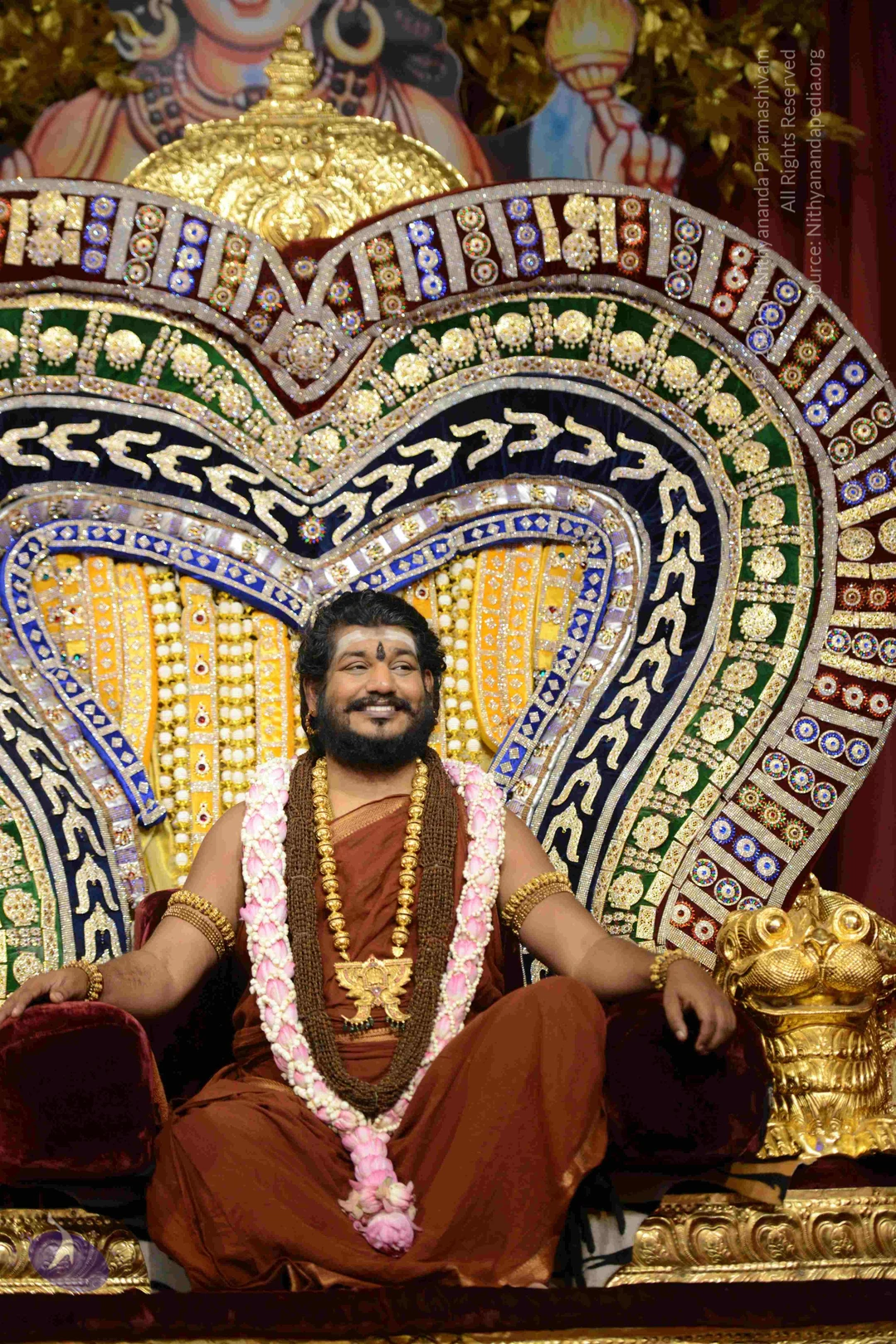
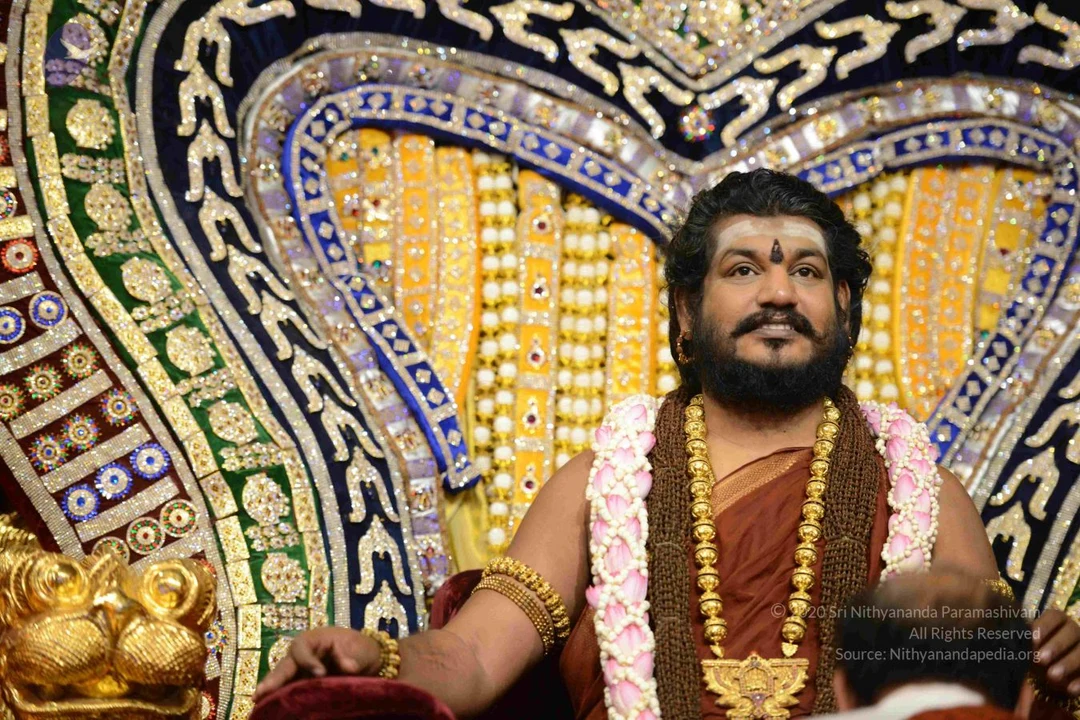



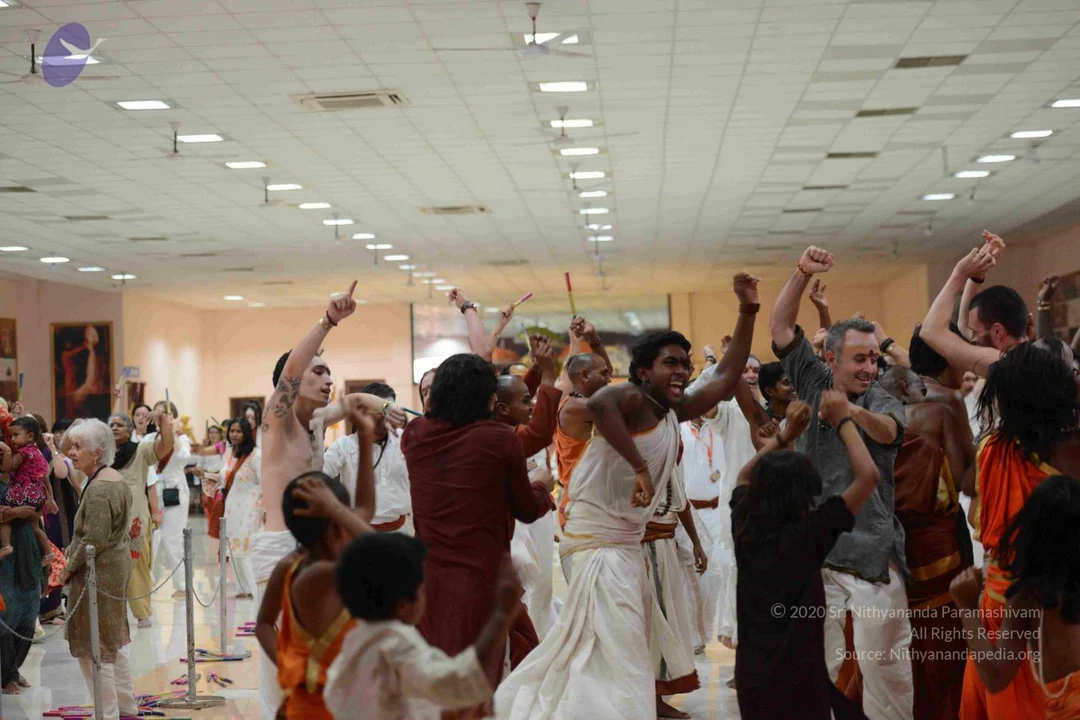
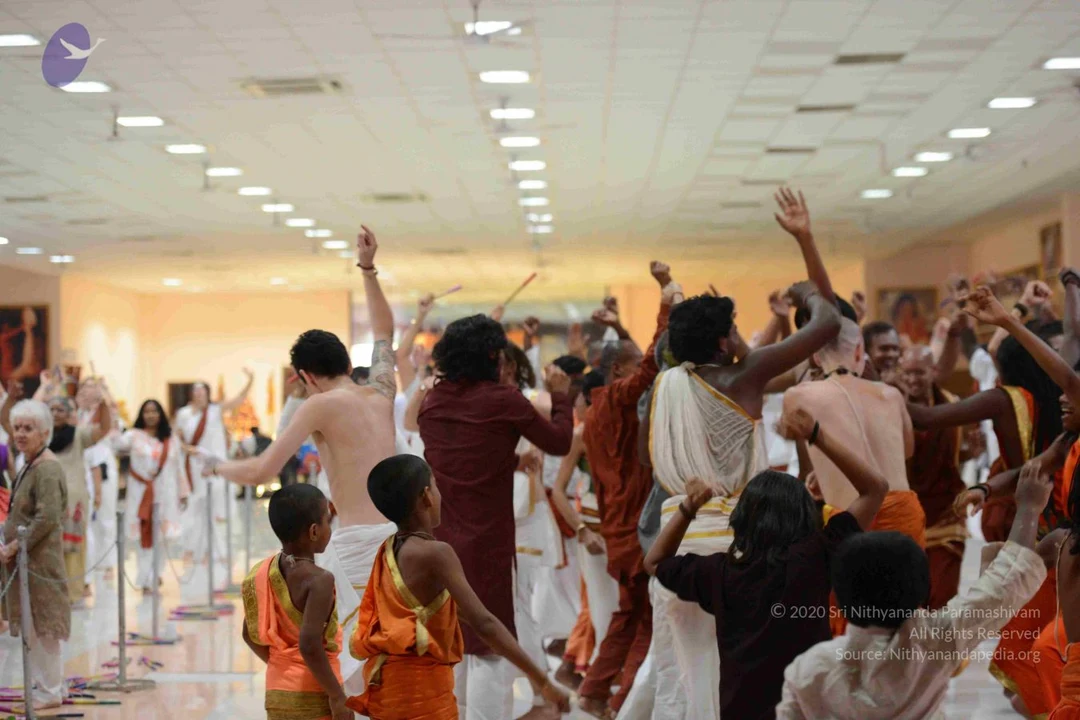
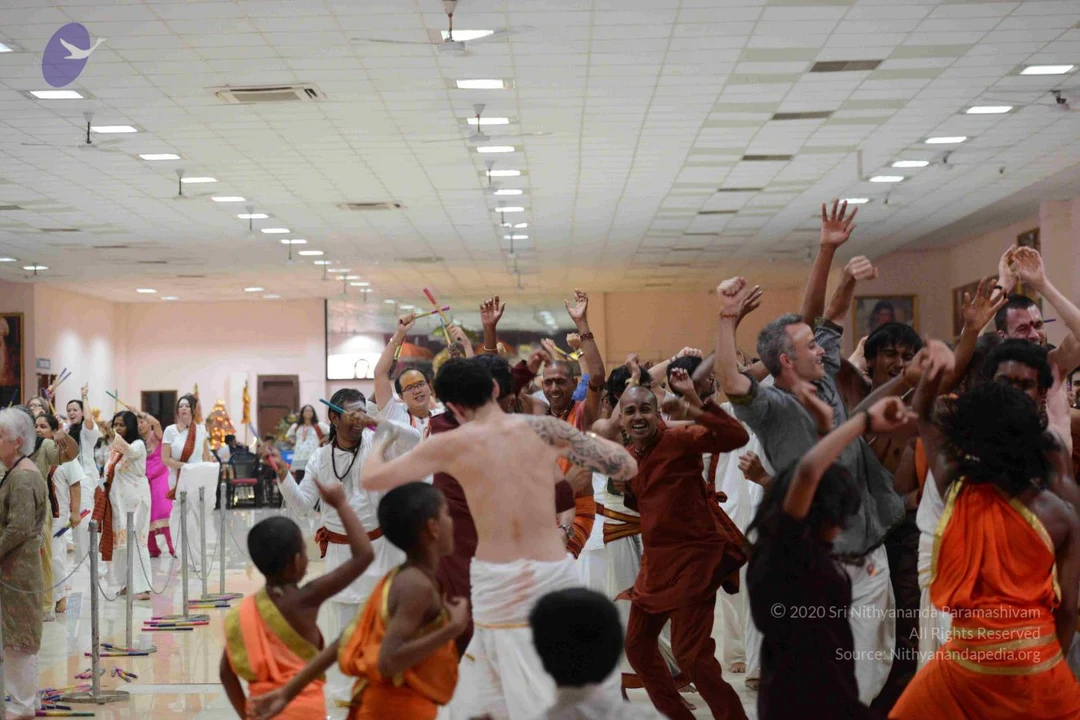
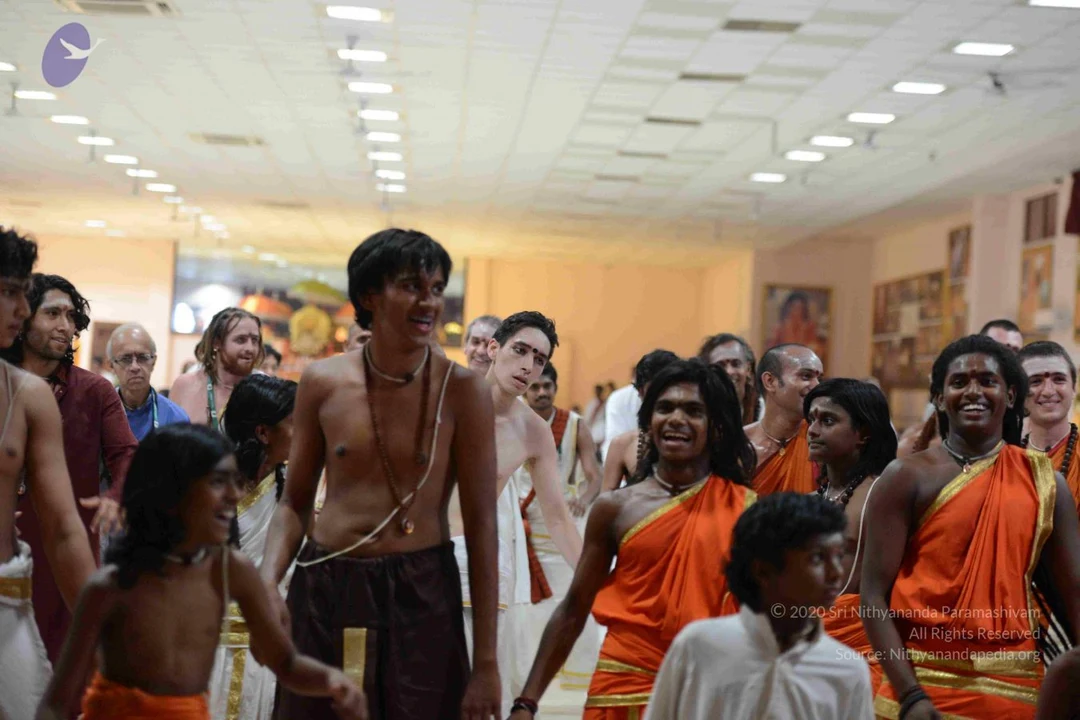
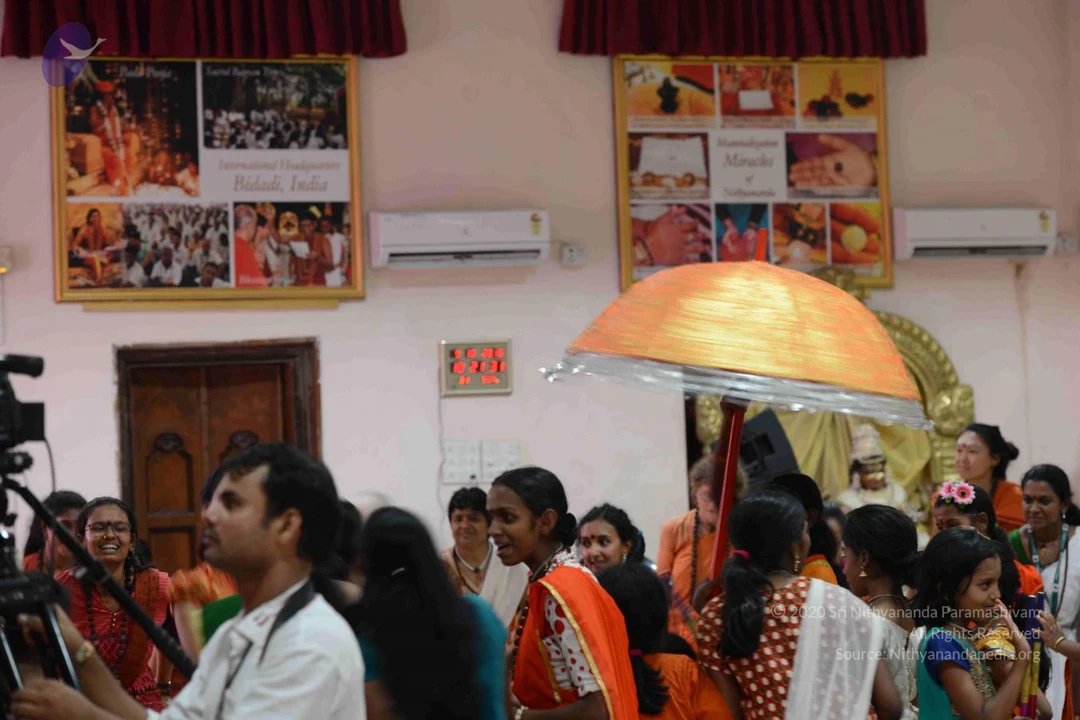
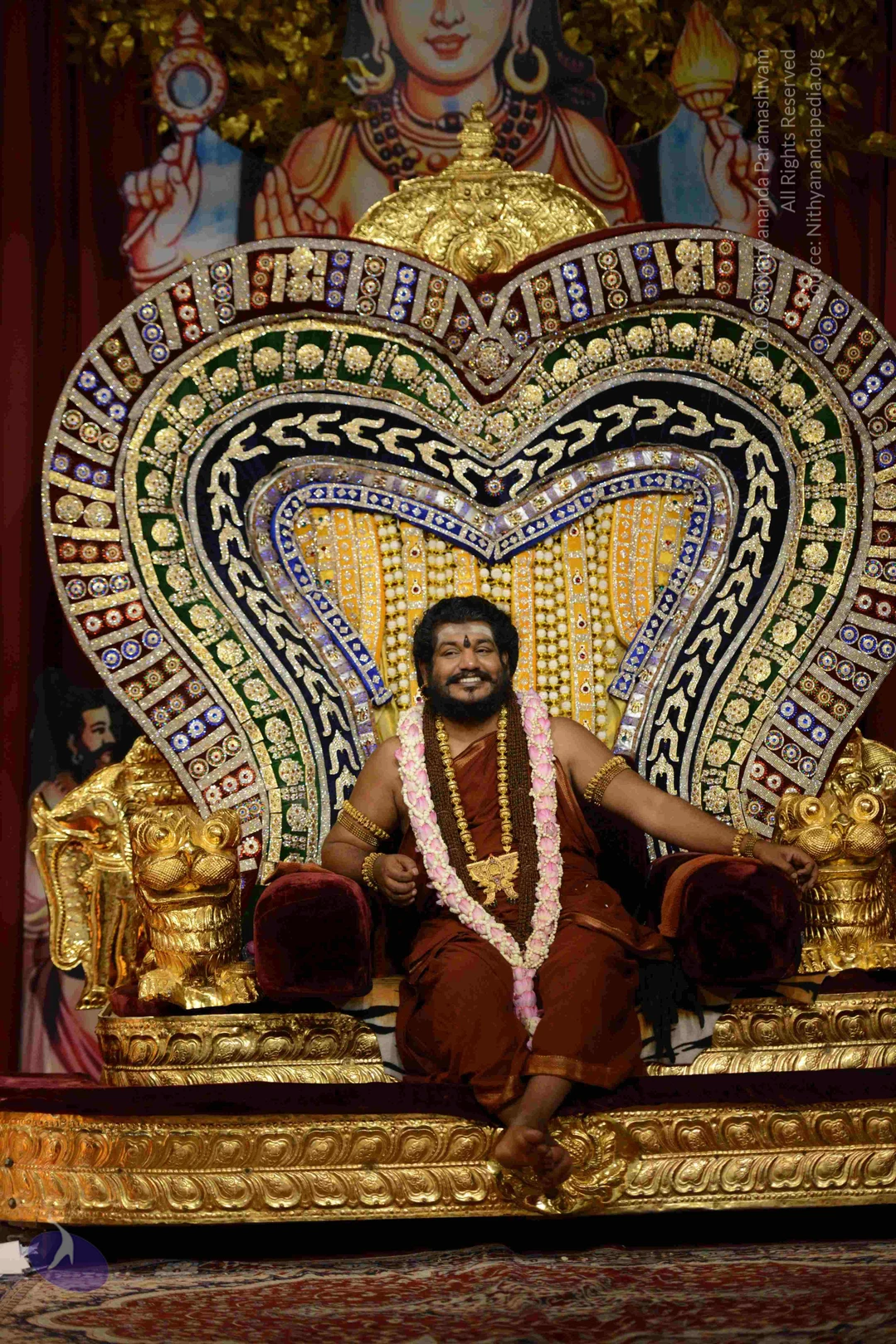
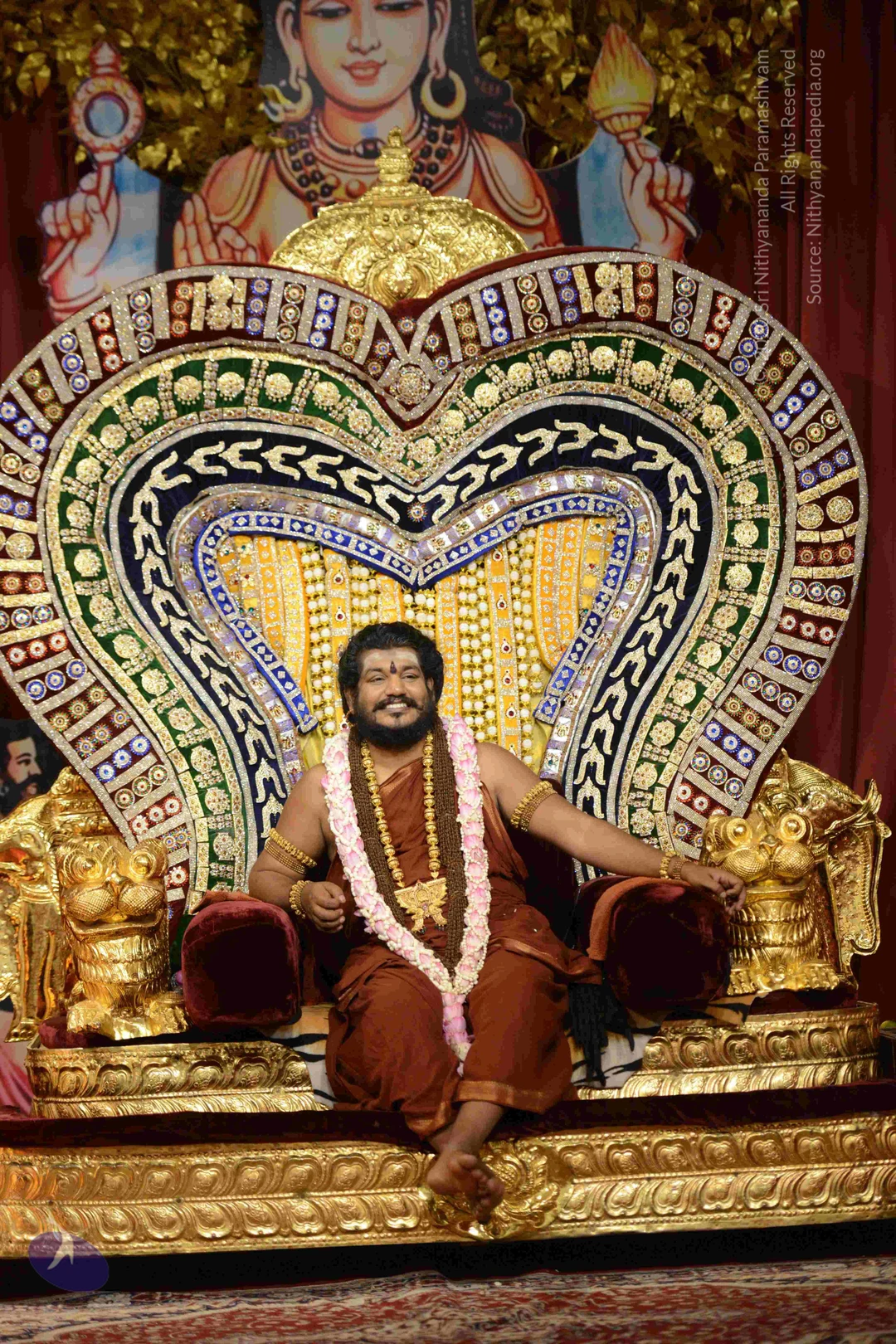
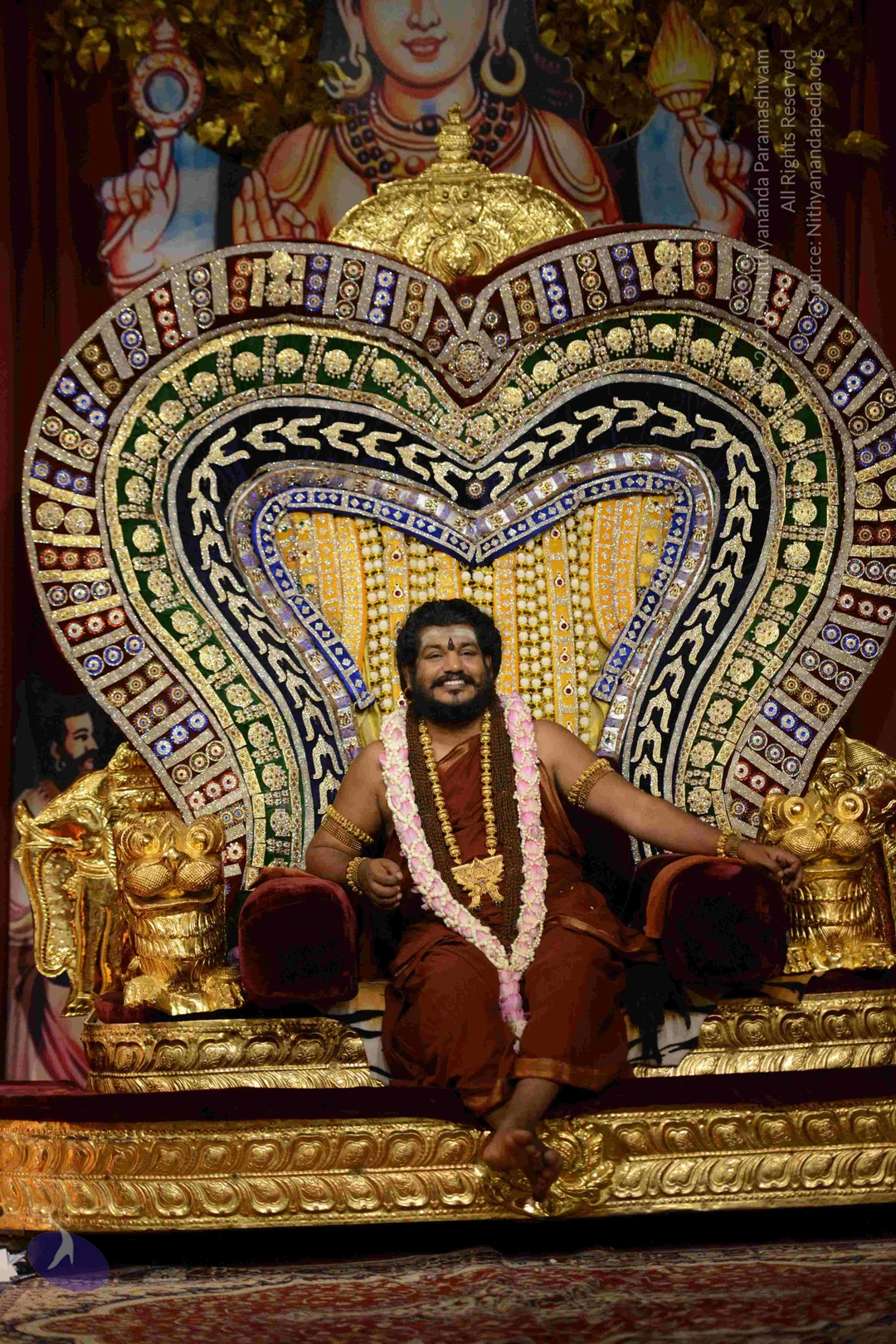
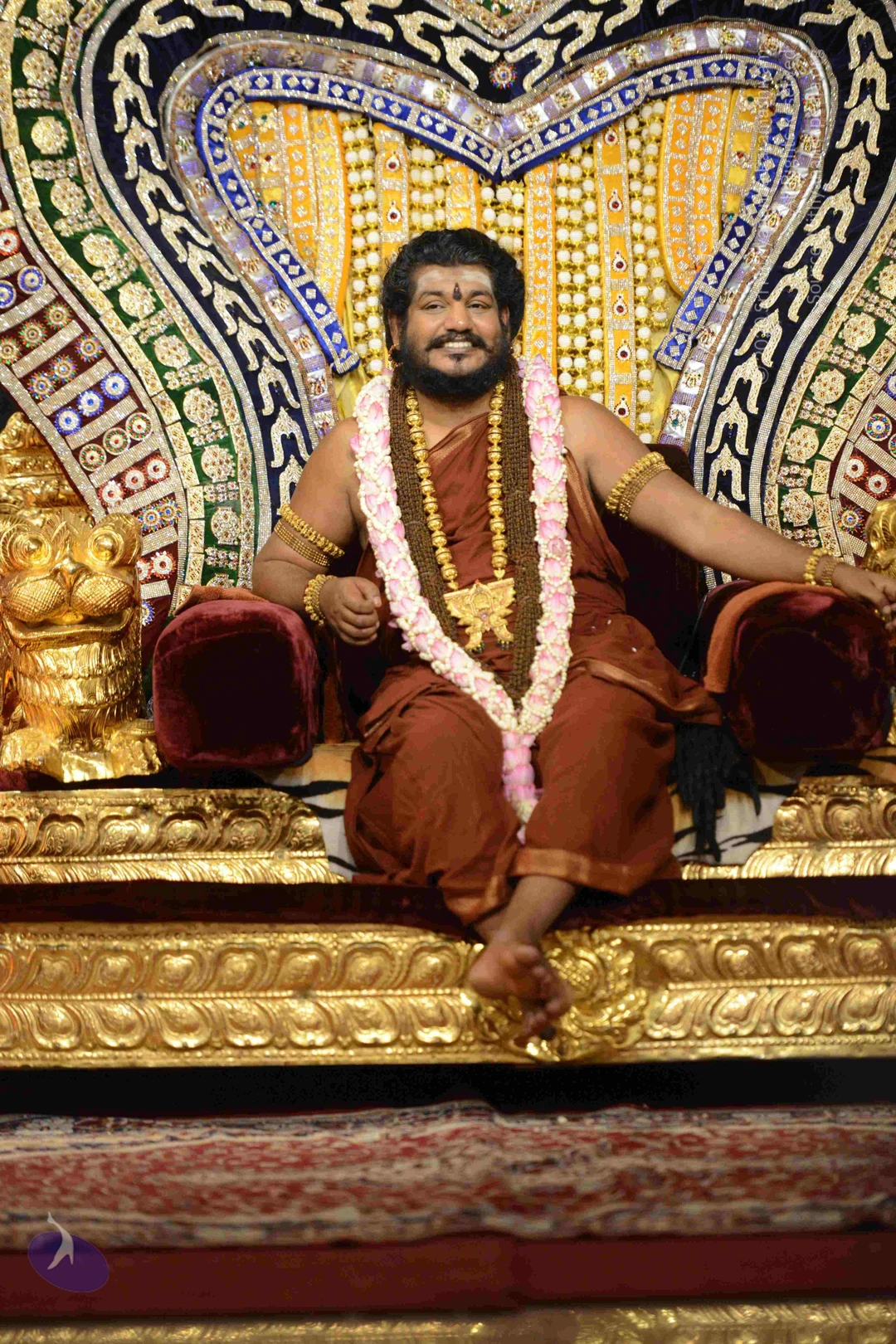
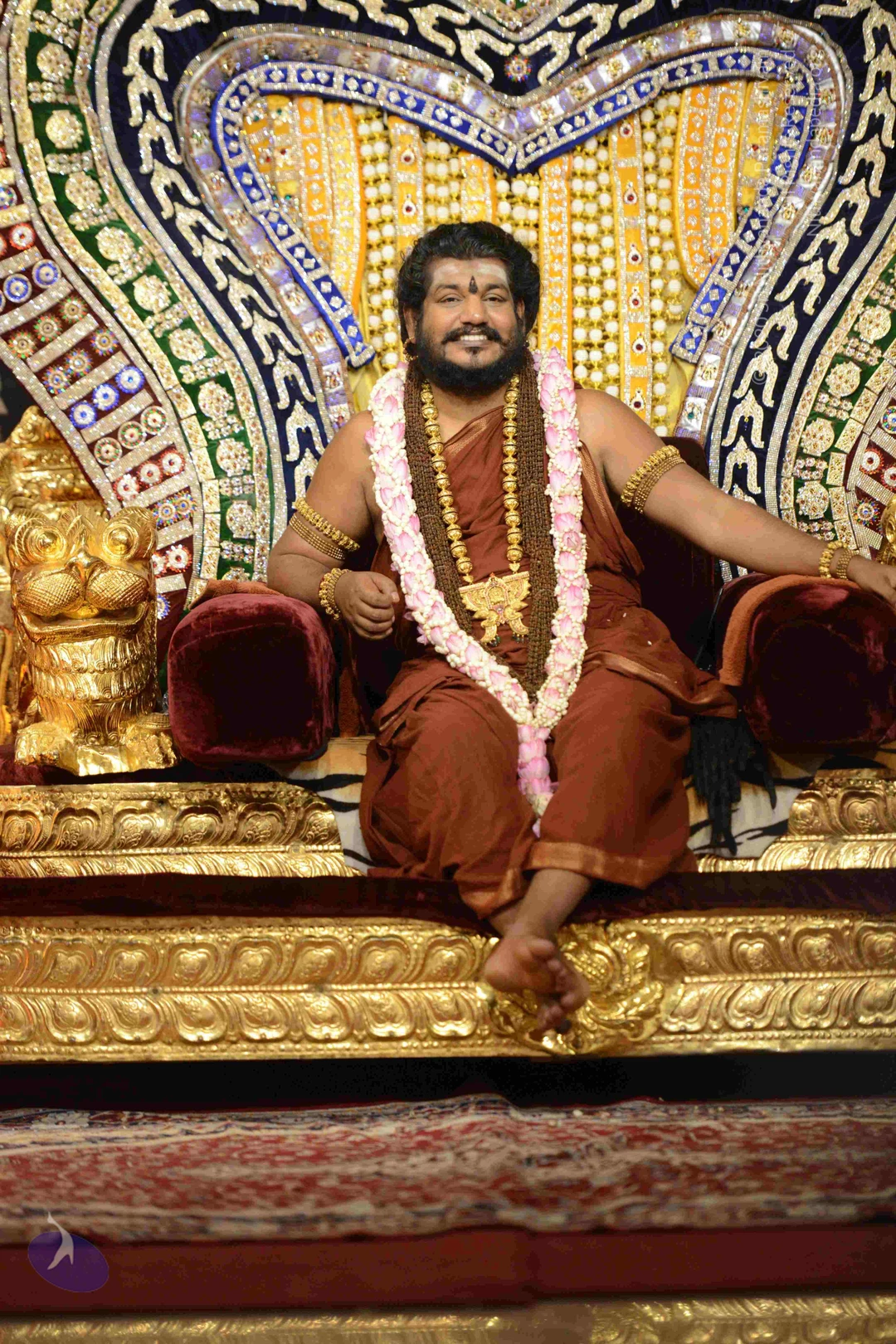
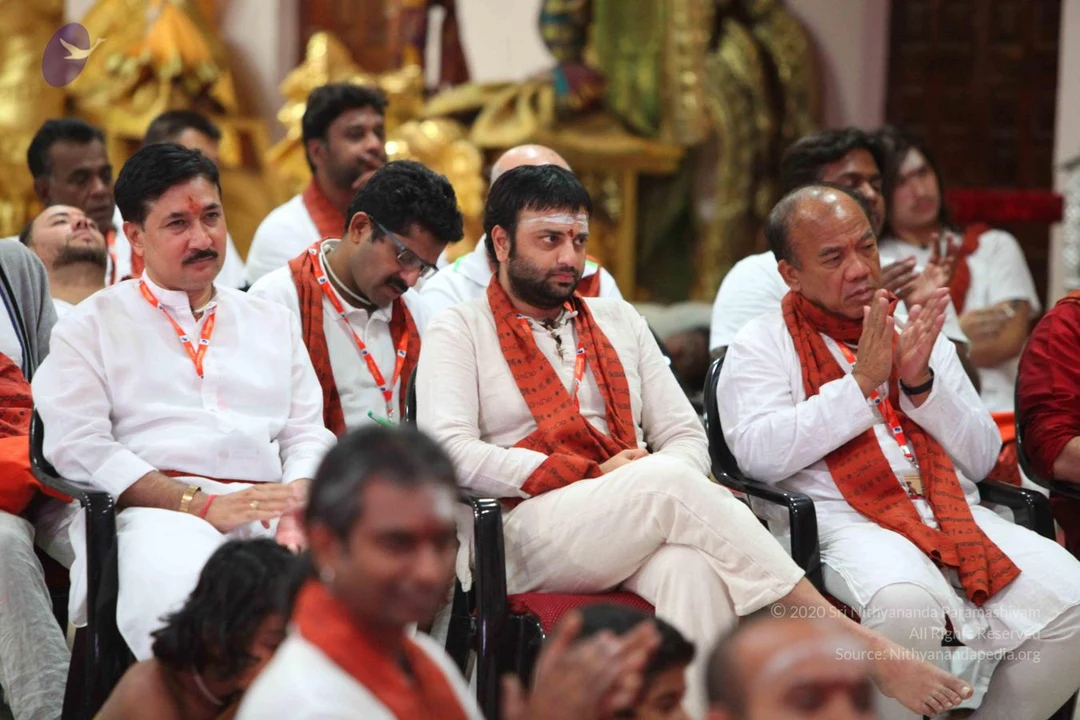
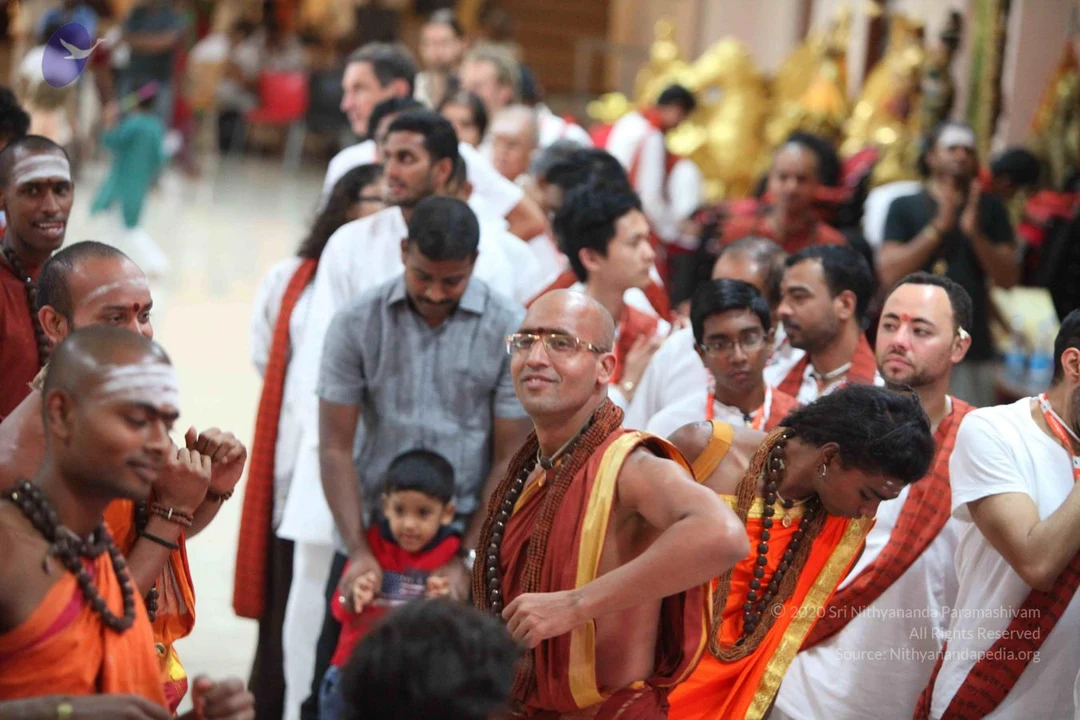


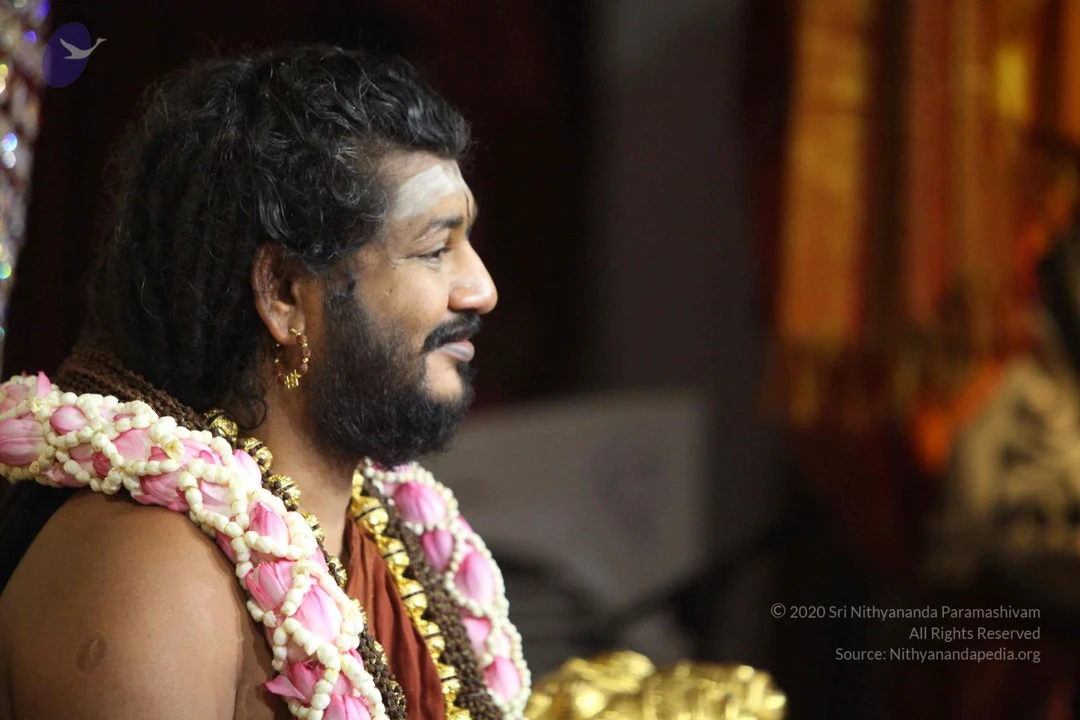
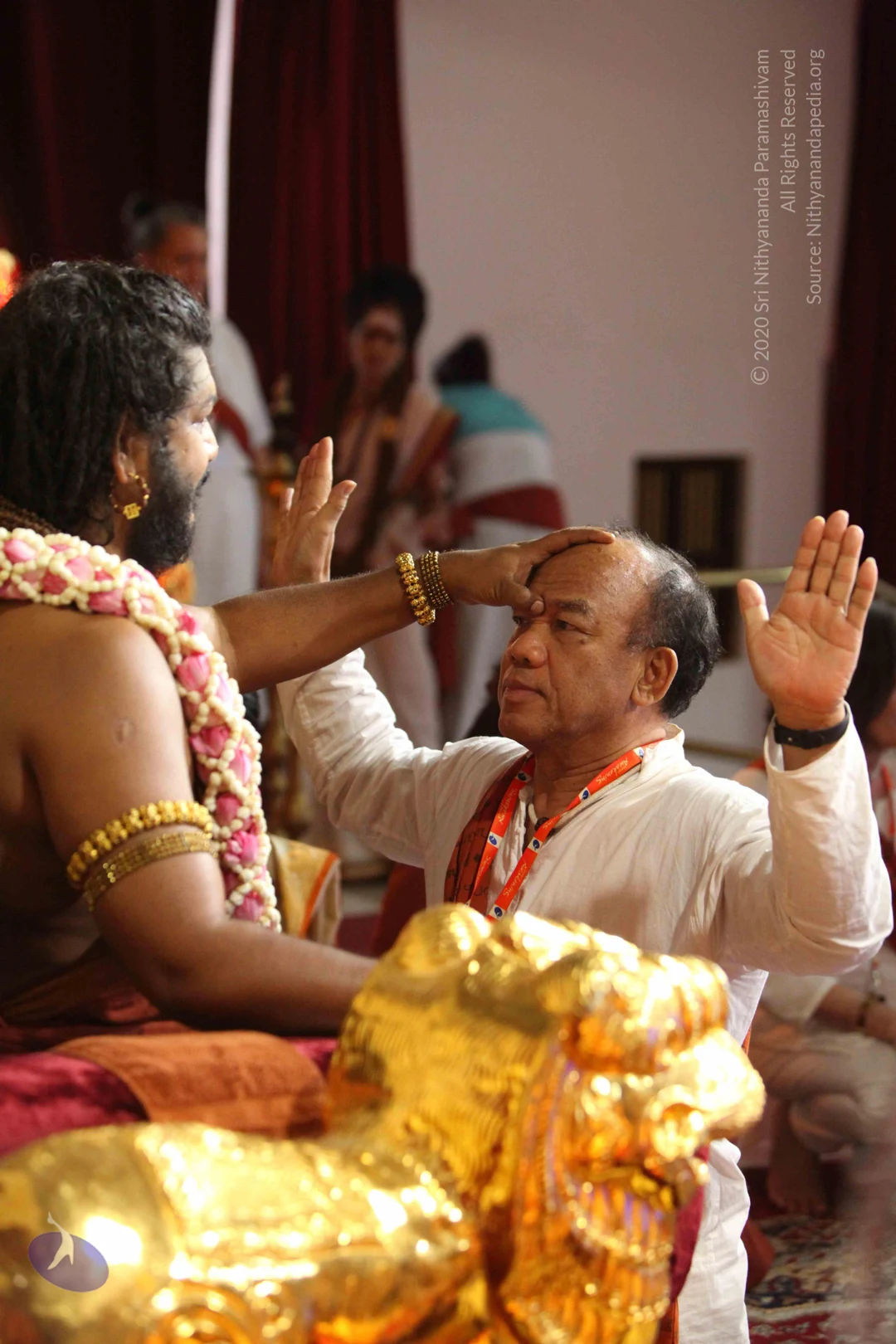
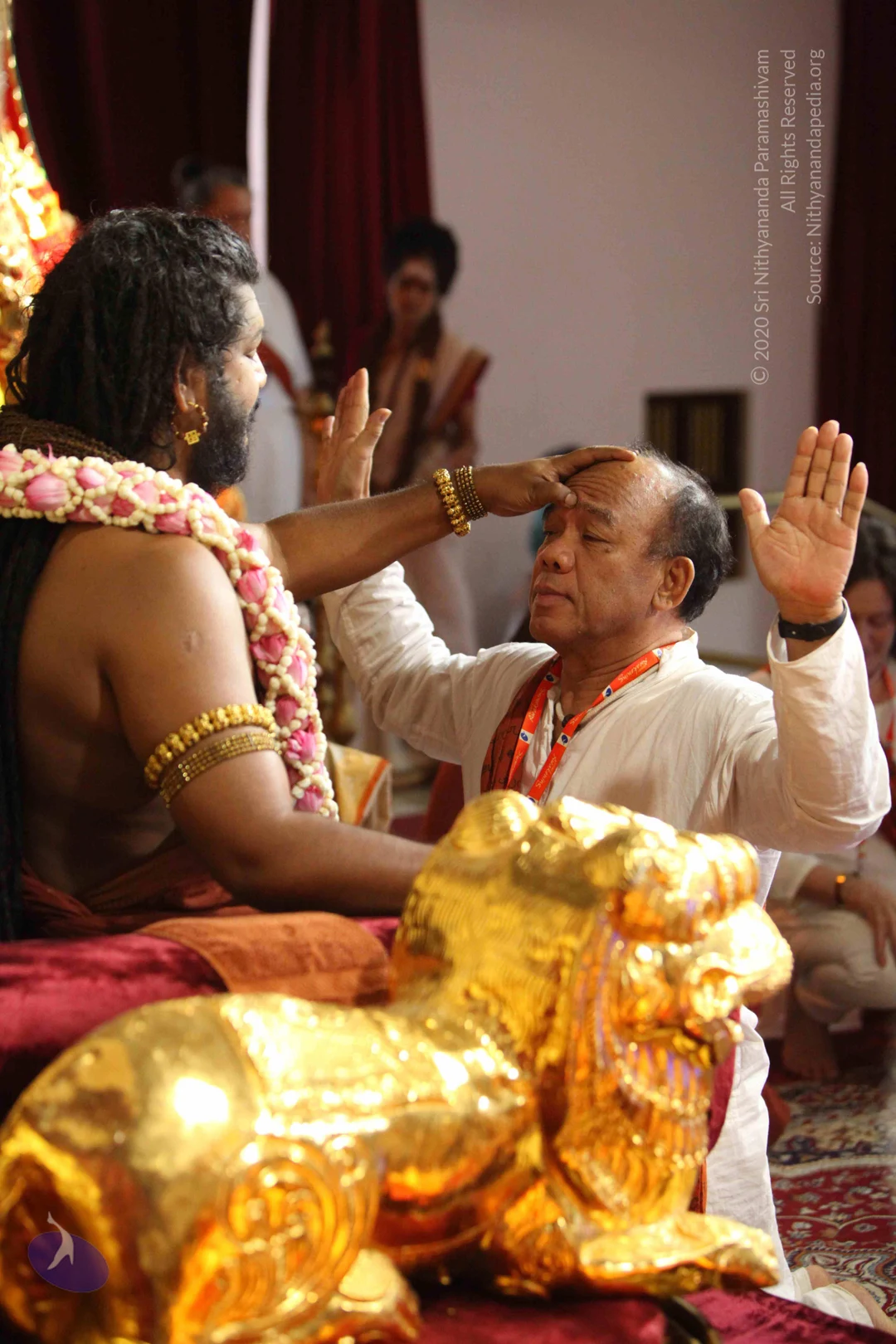
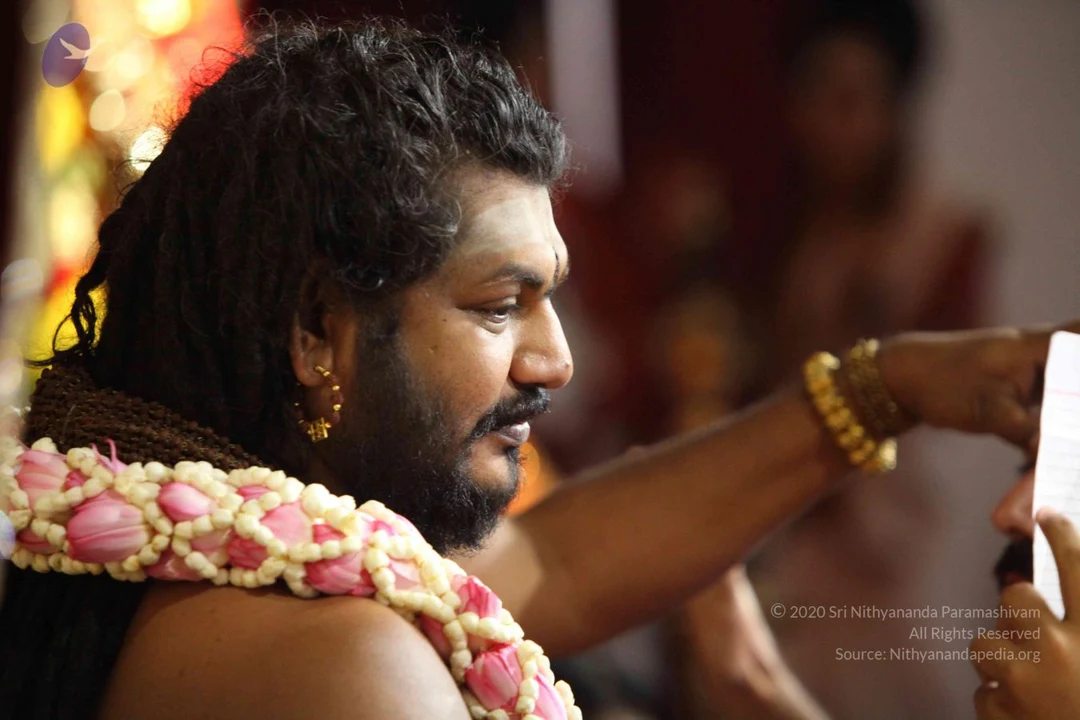











Photos from this day
View all 478 photosLSP and Navaratri
158 photosSource gallery
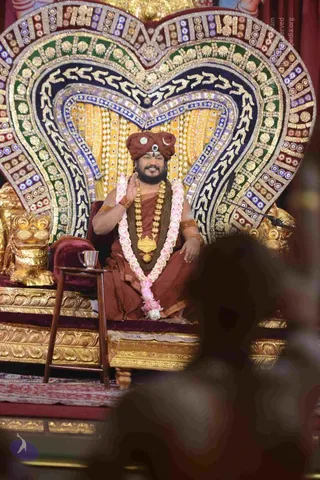
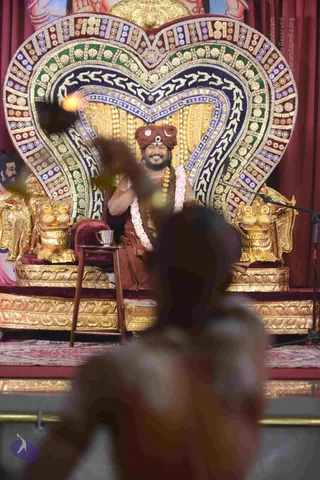
Navaratri-darbar-and-Inner Awakening darshan
99 photosSource gallery
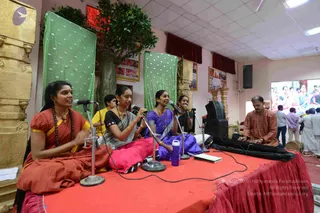

Akashic Readings
13 photosSource gallery




Navarati Darbar and Energy Darshan
208 photosSource gallery