Skip to content
Wednesday

27 May 2015

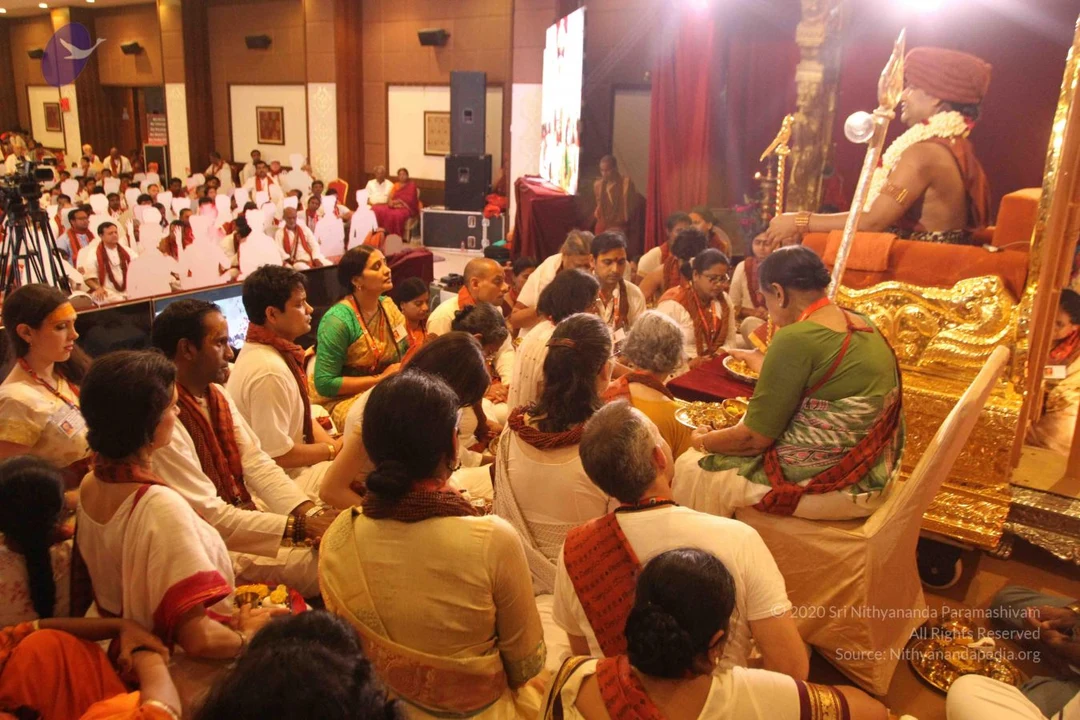
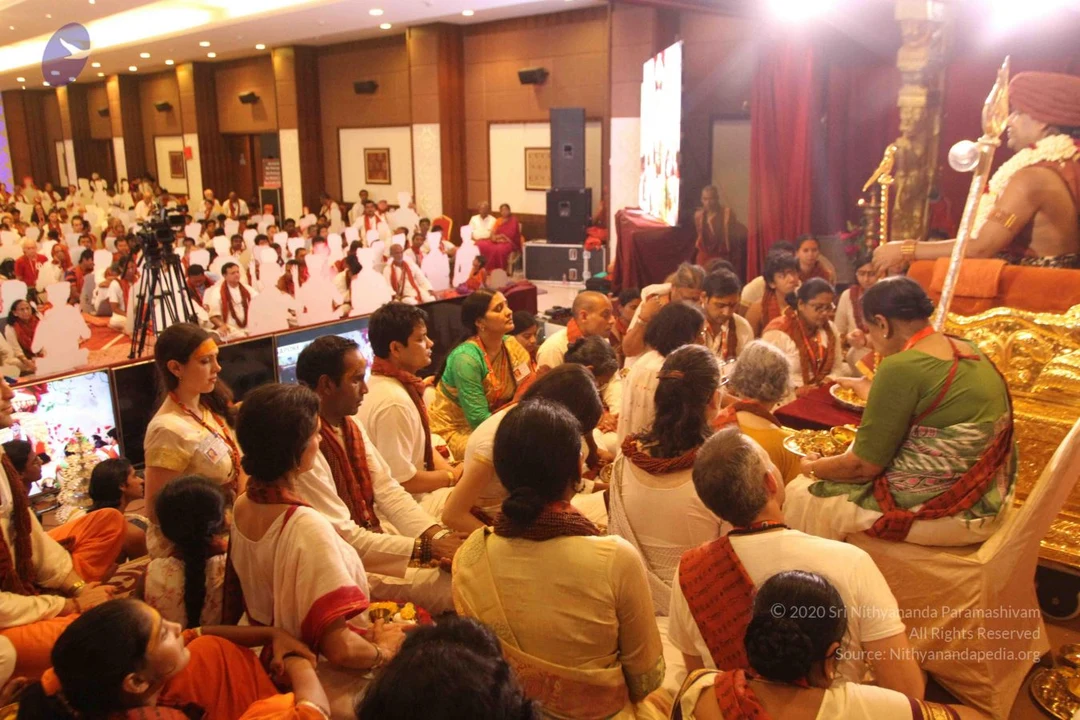
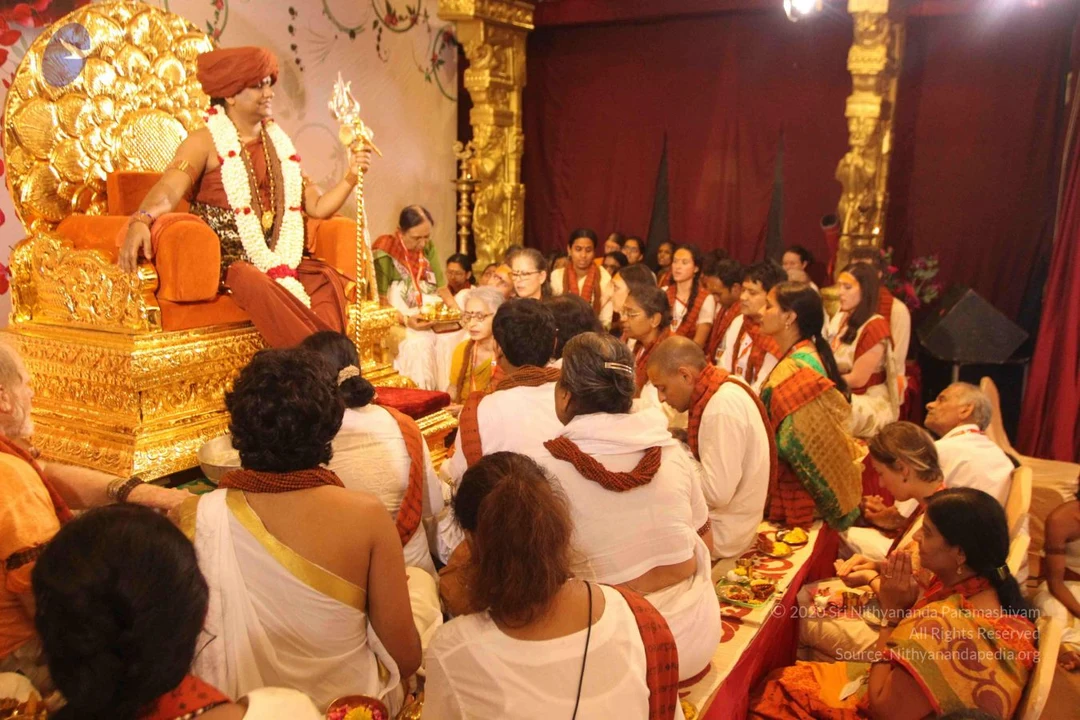
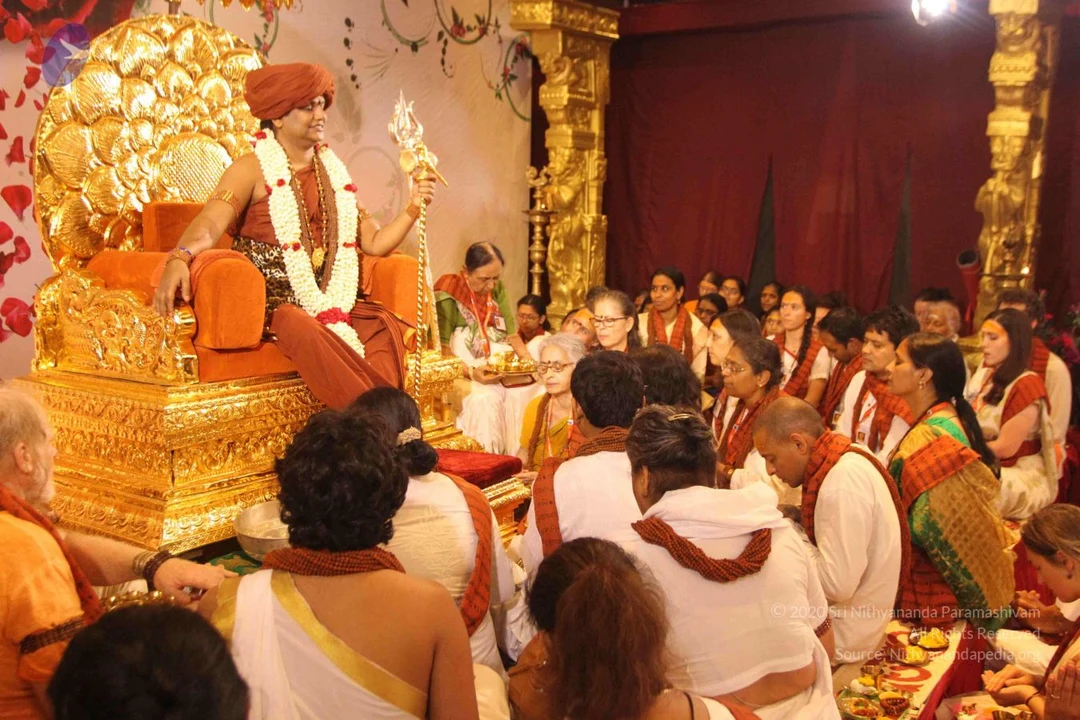
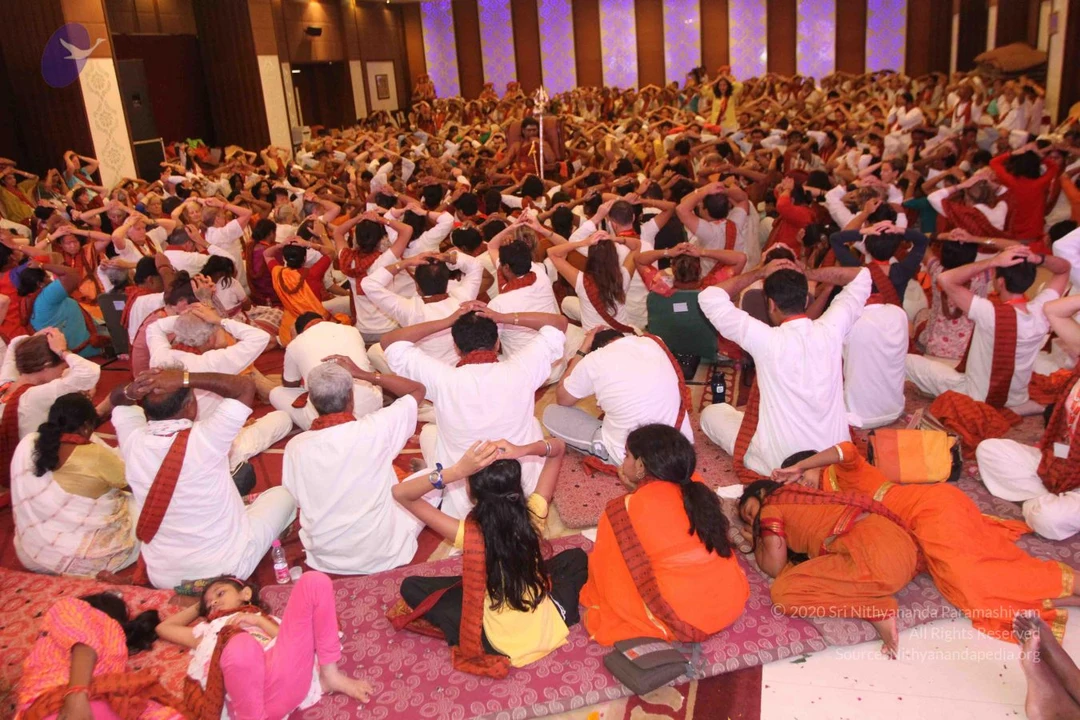
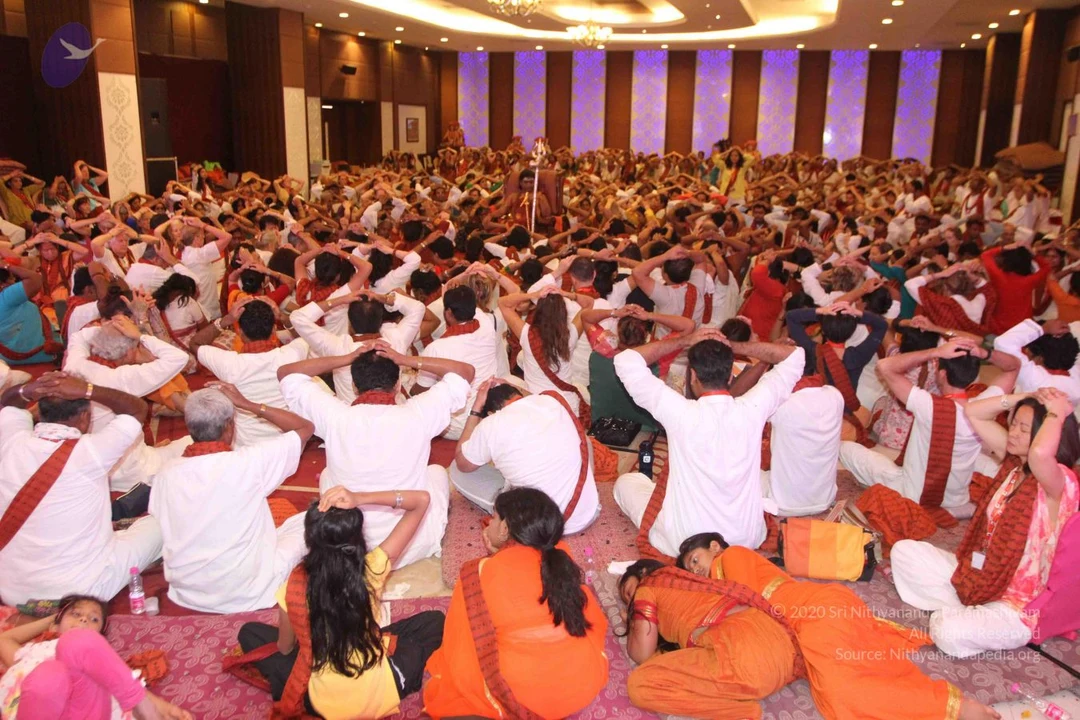
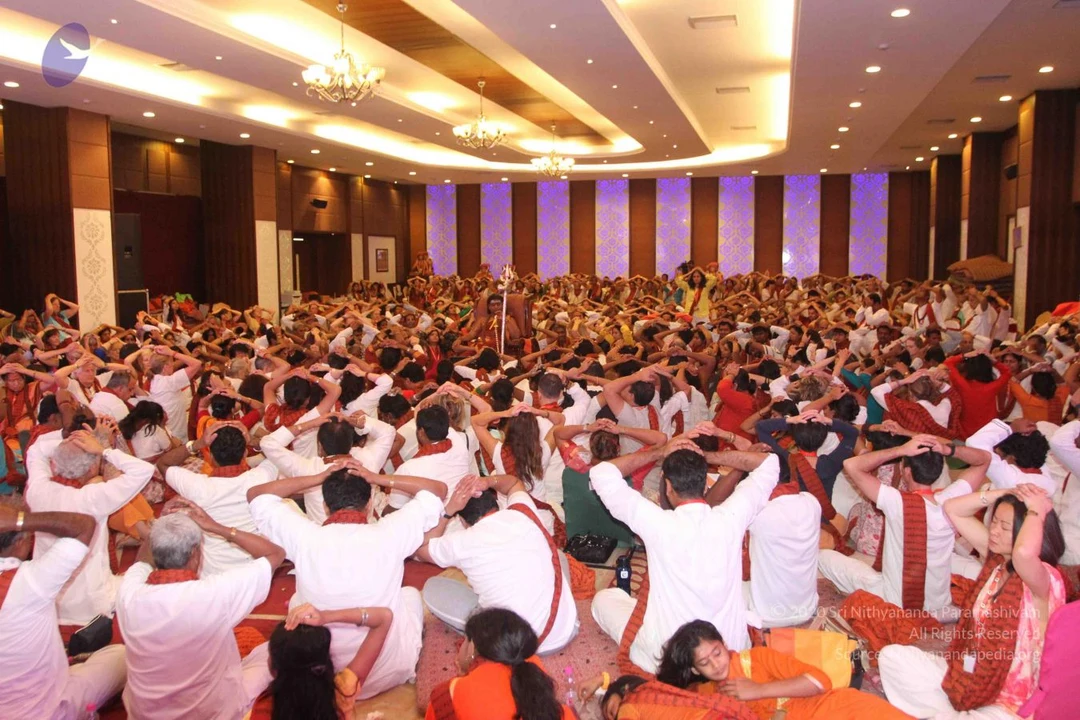
Aligning Bio & Muscle Memory Through Mandala Process | Connect With Paramashiva Through Shodasi Mandala

Dated photos
826
Source pages
1
Media
13
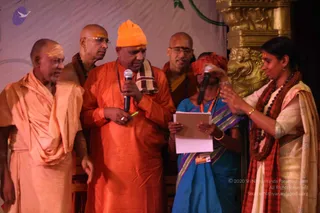
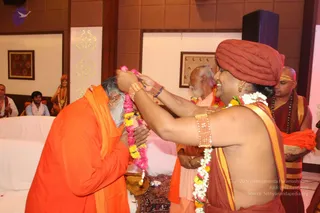
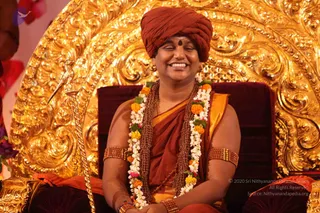
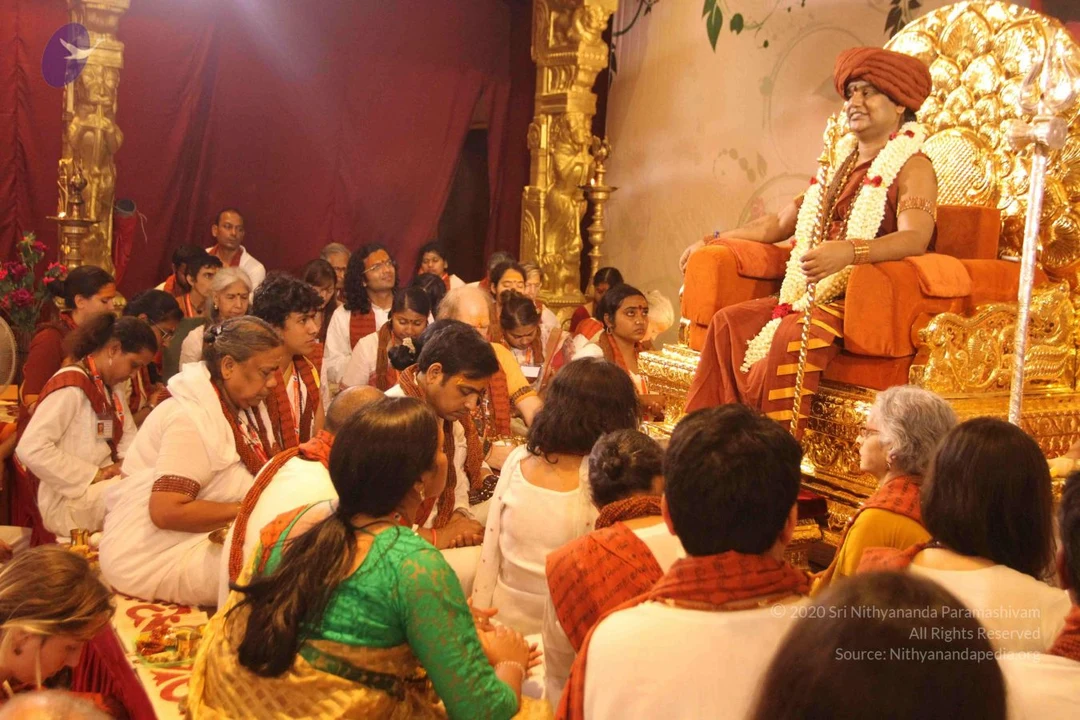
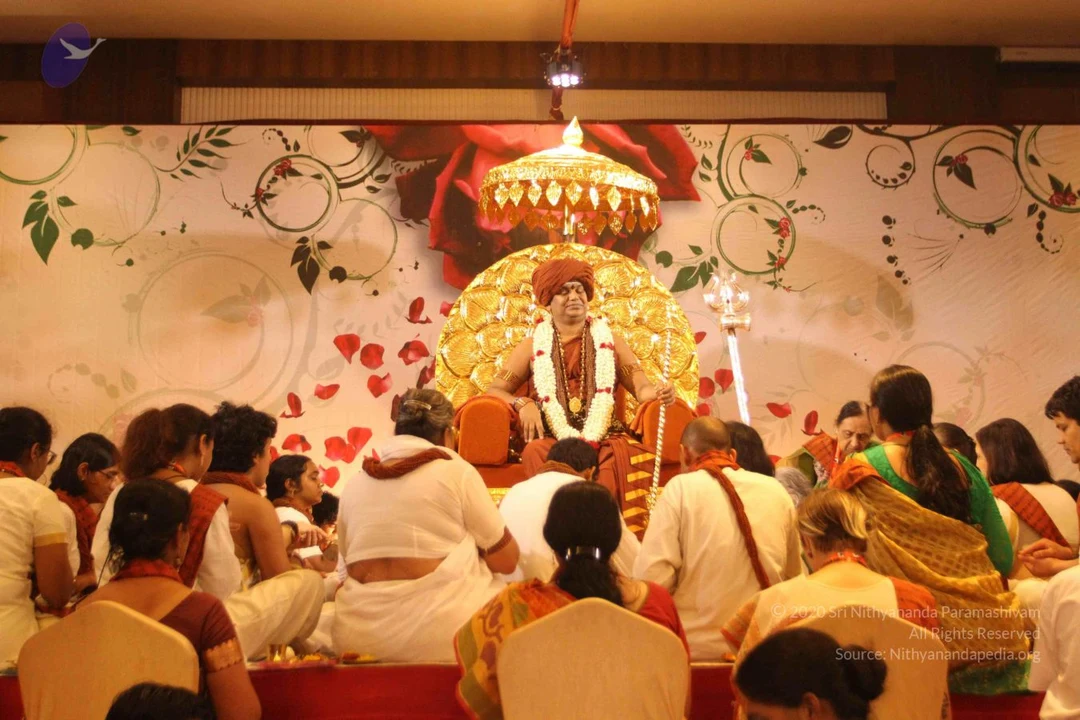
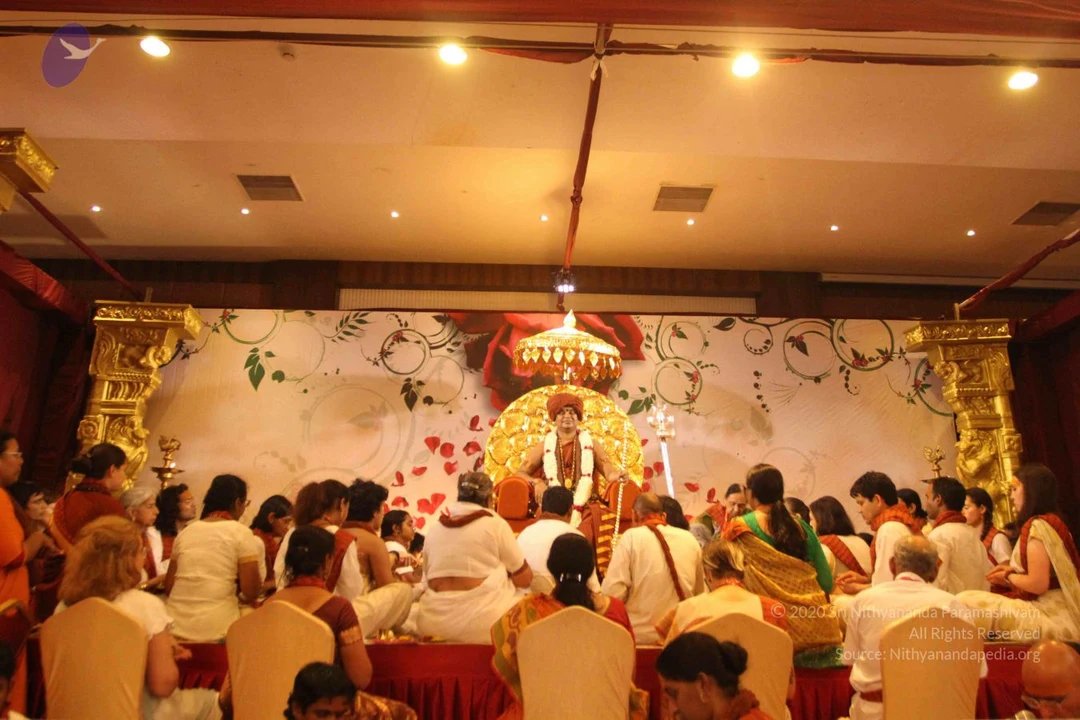
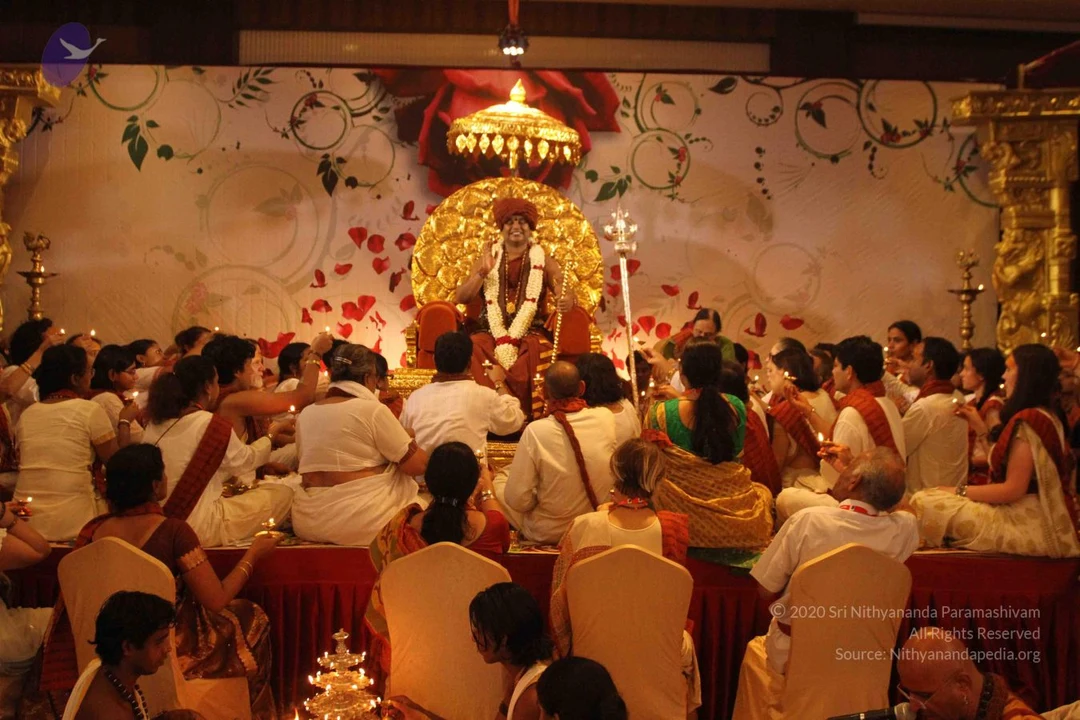
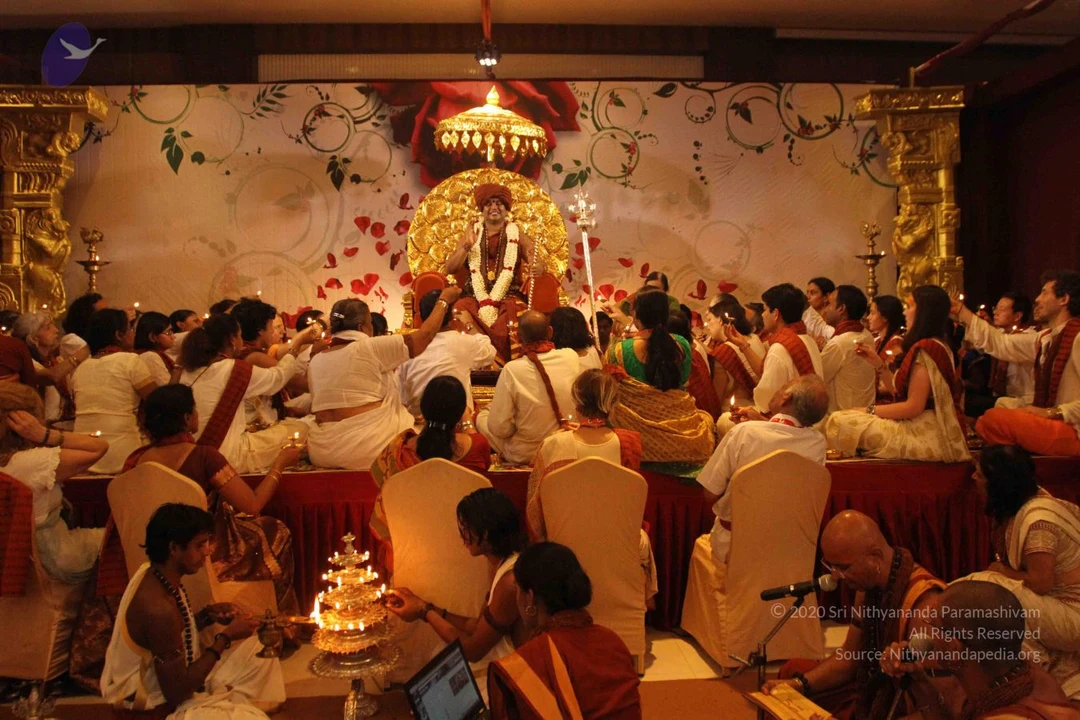
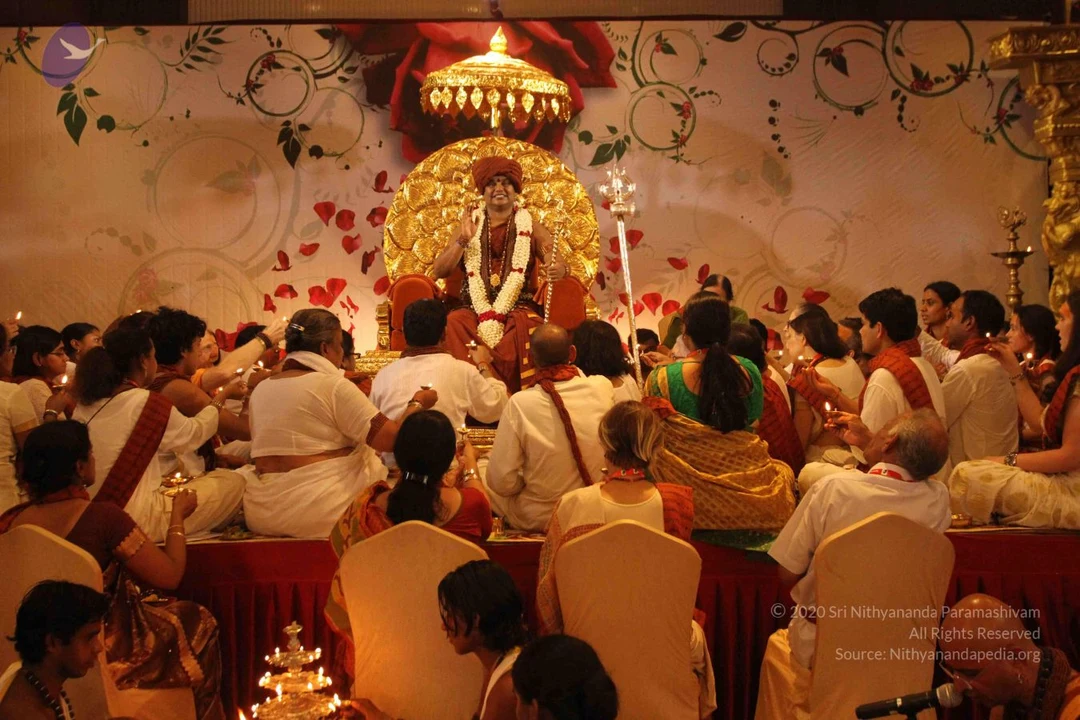
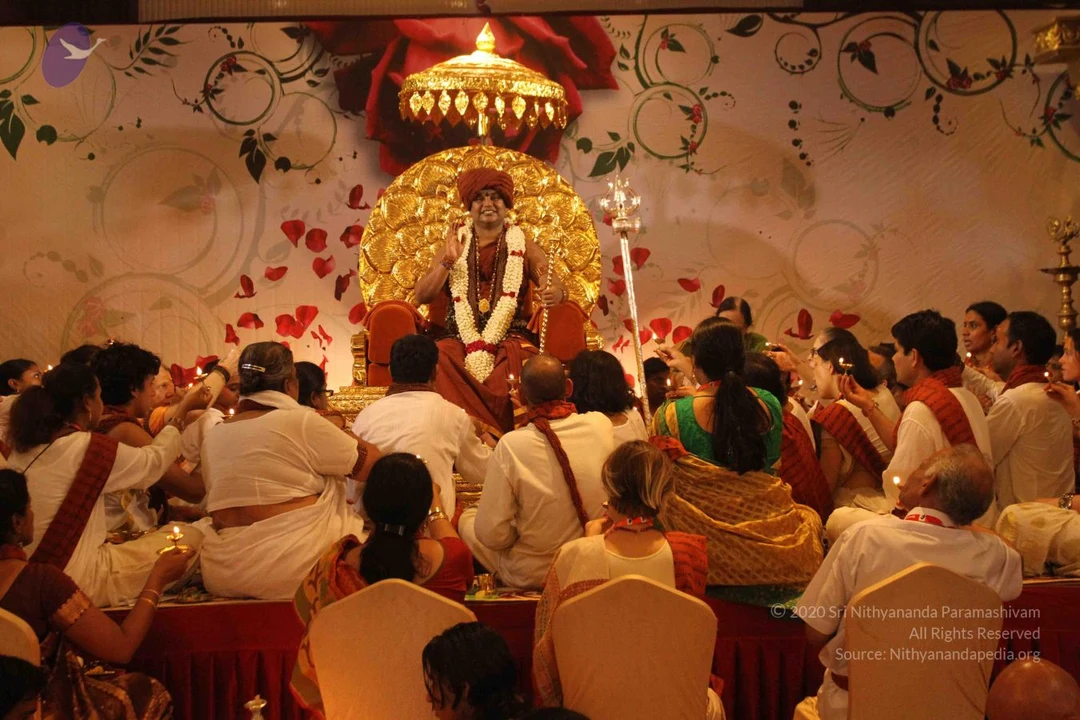
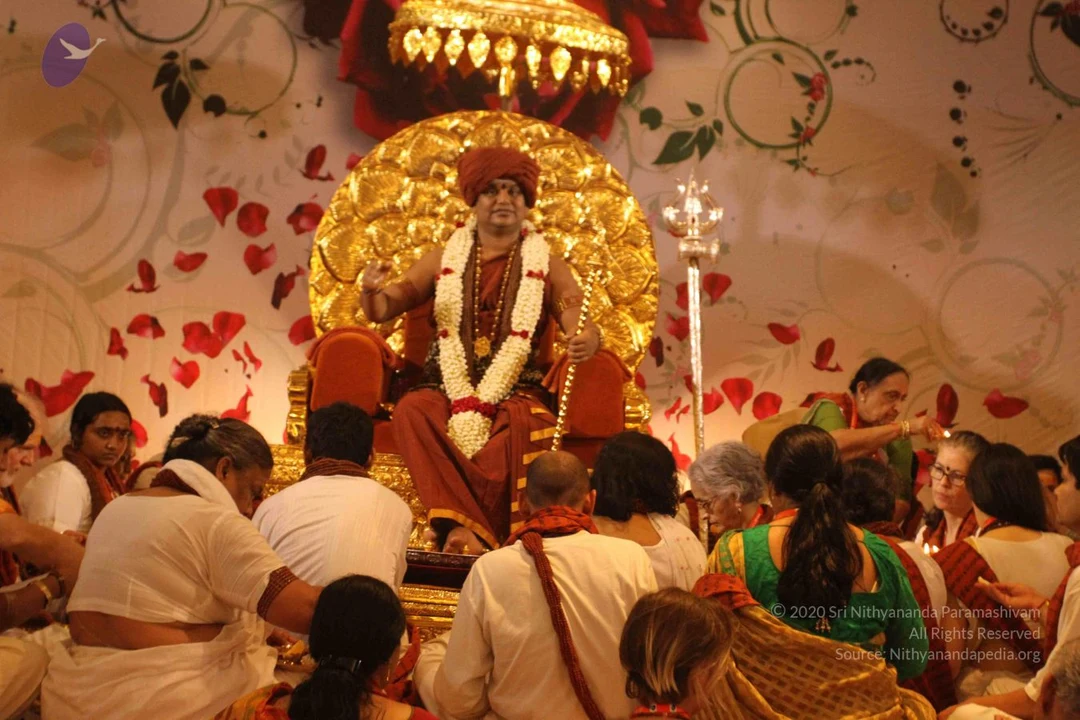
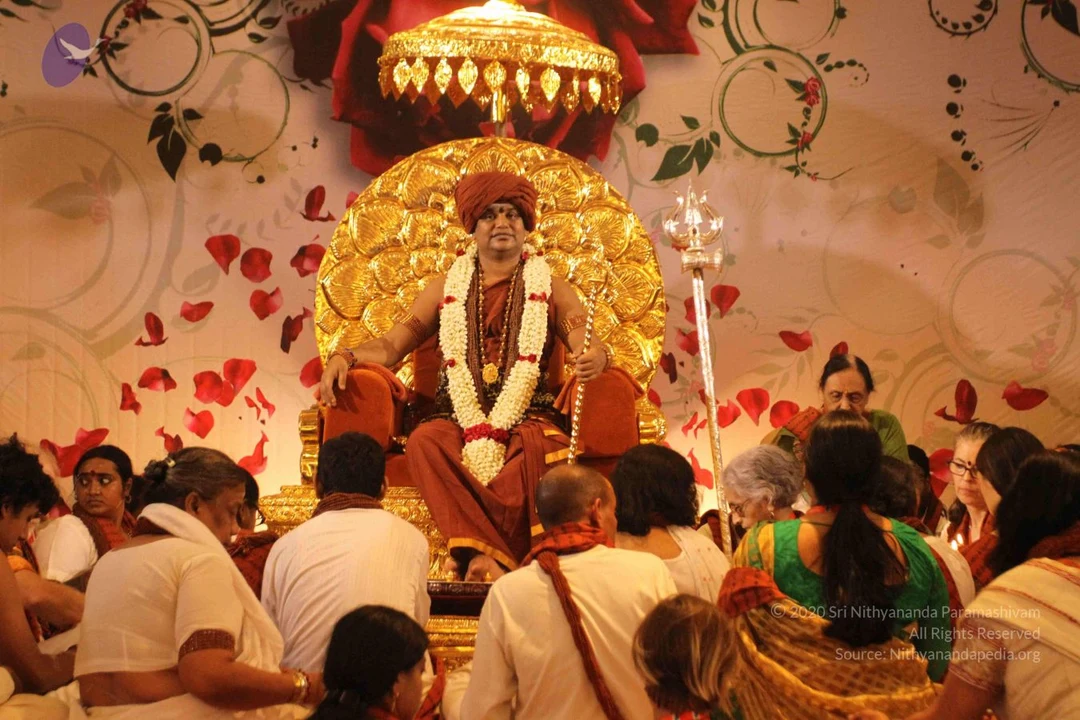
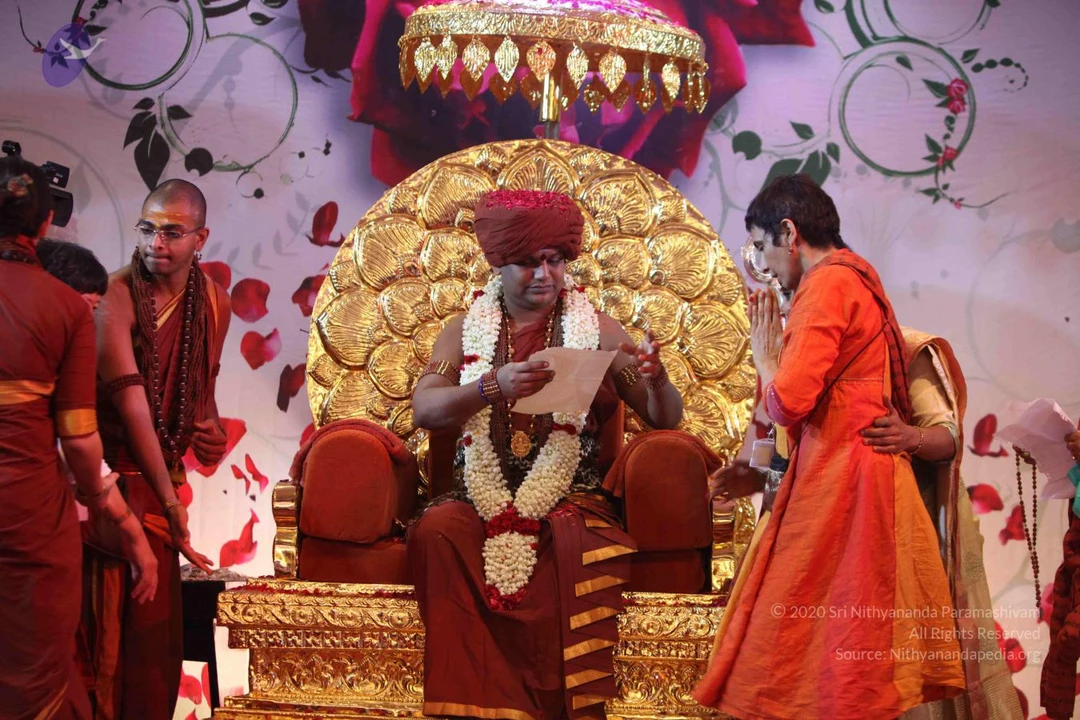
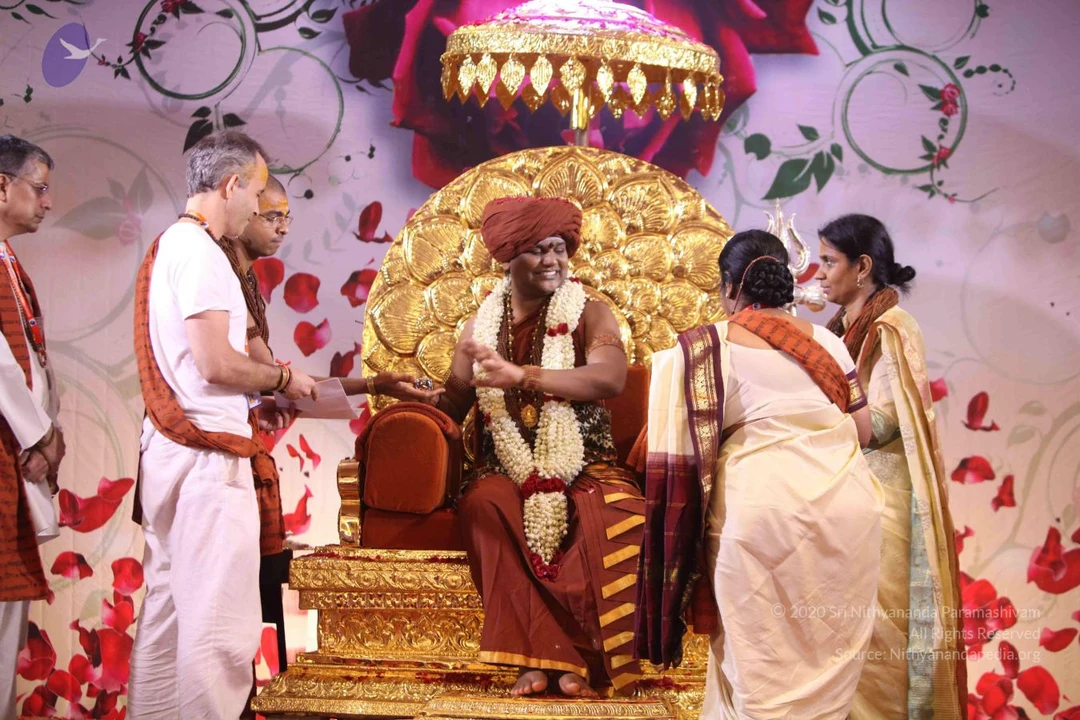
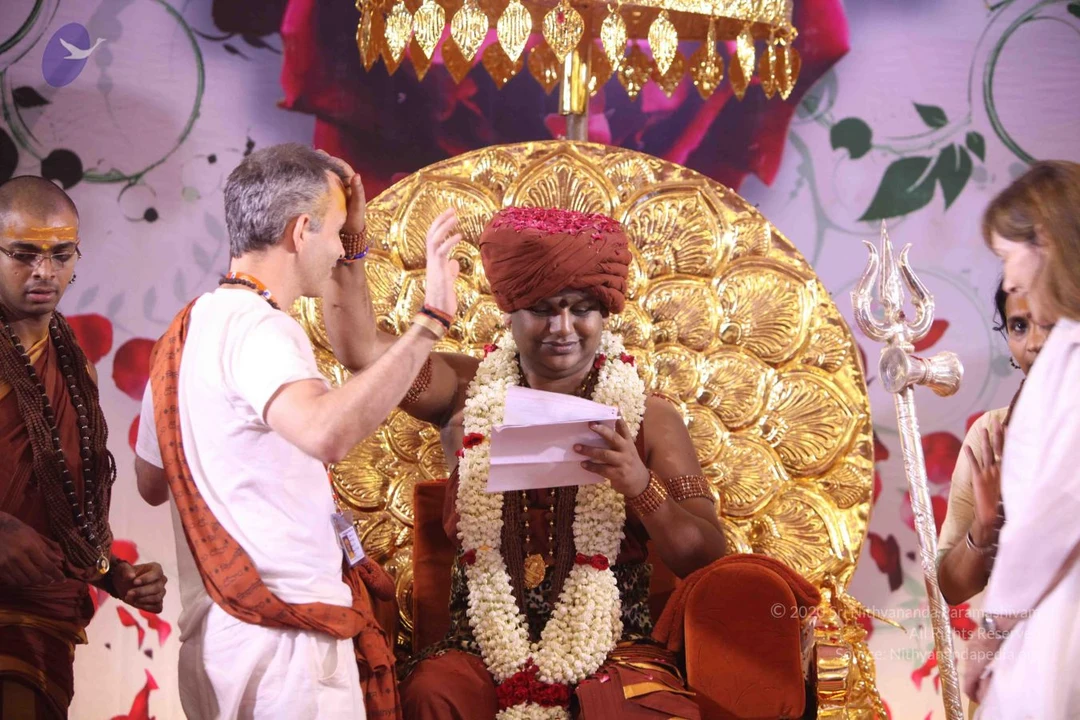
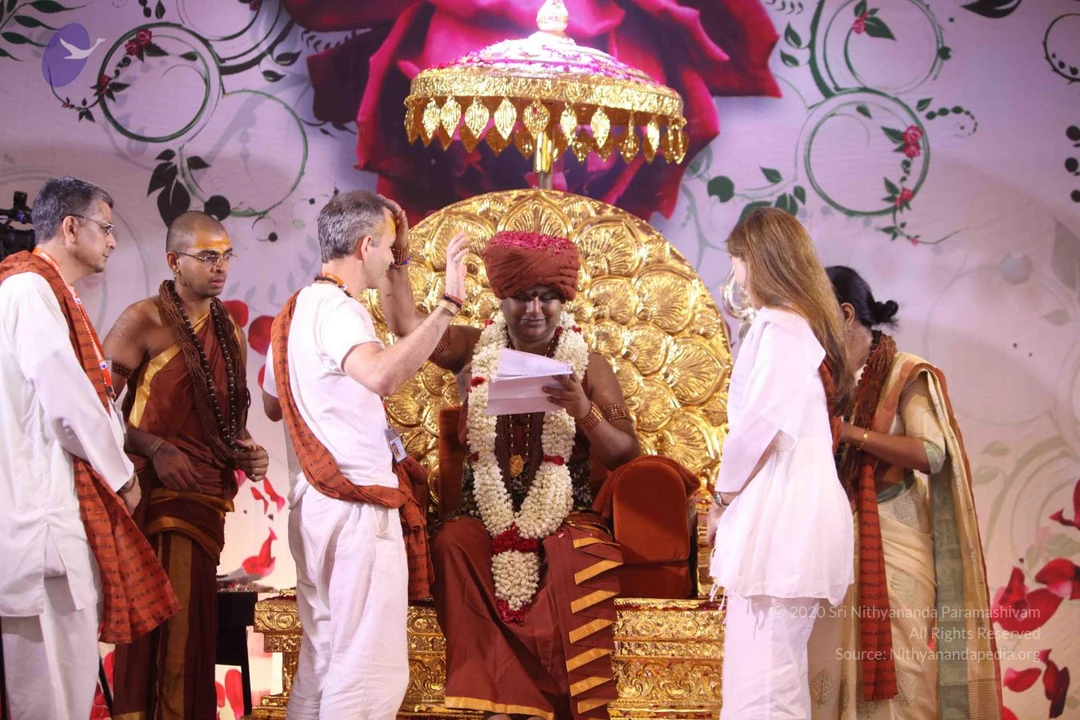
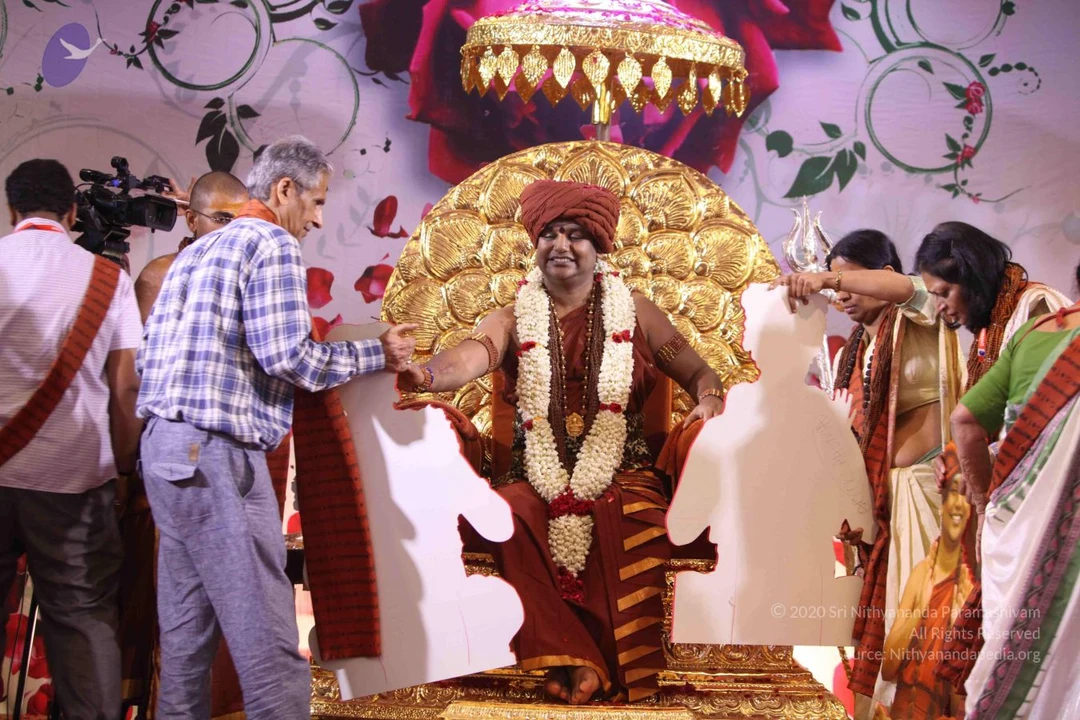
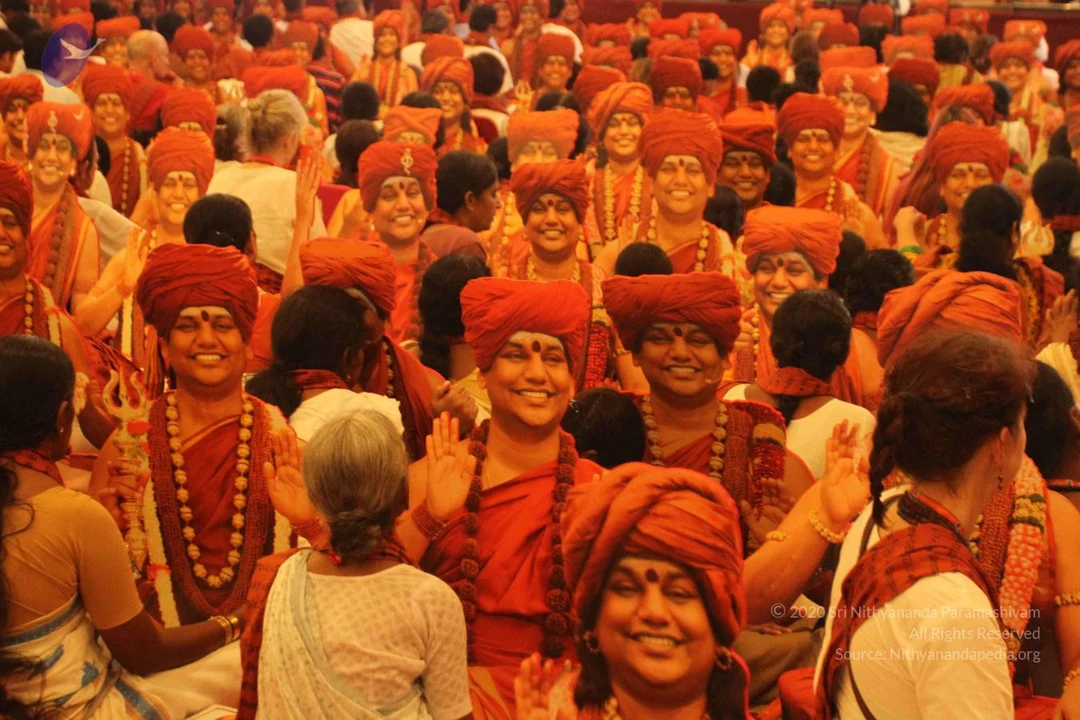
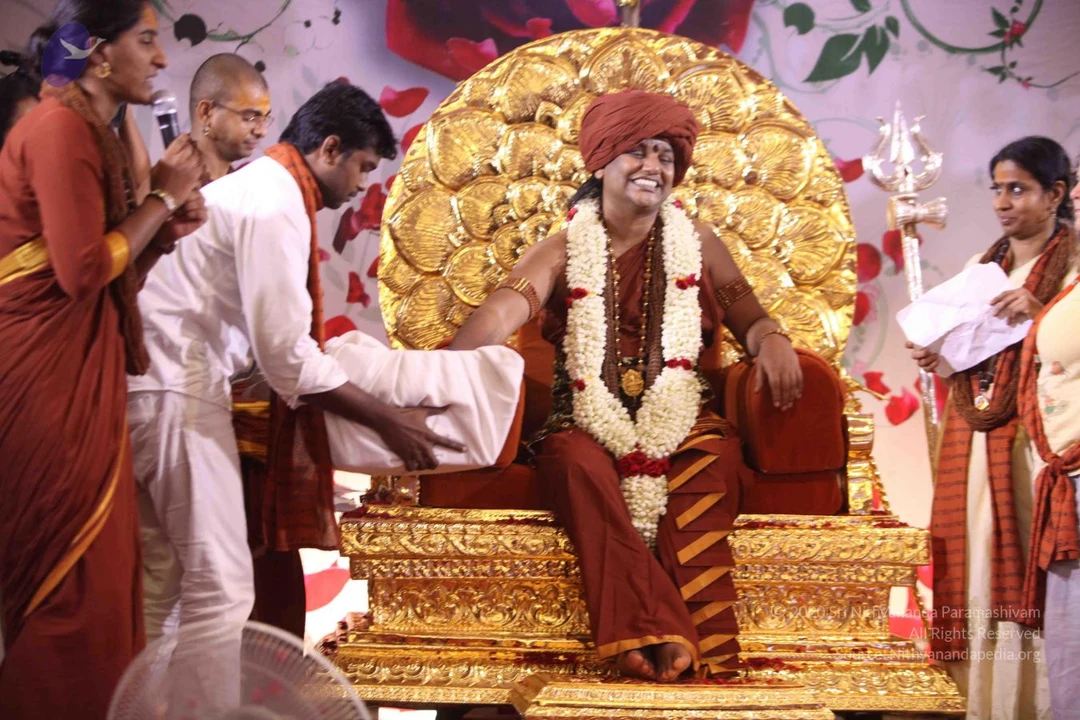
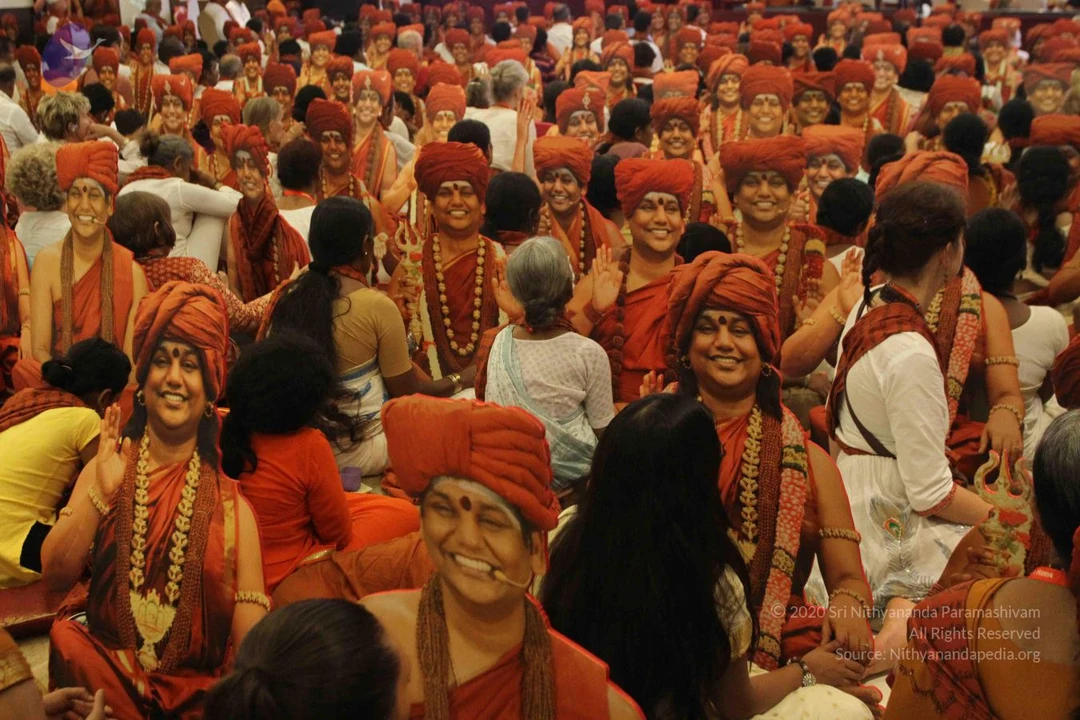
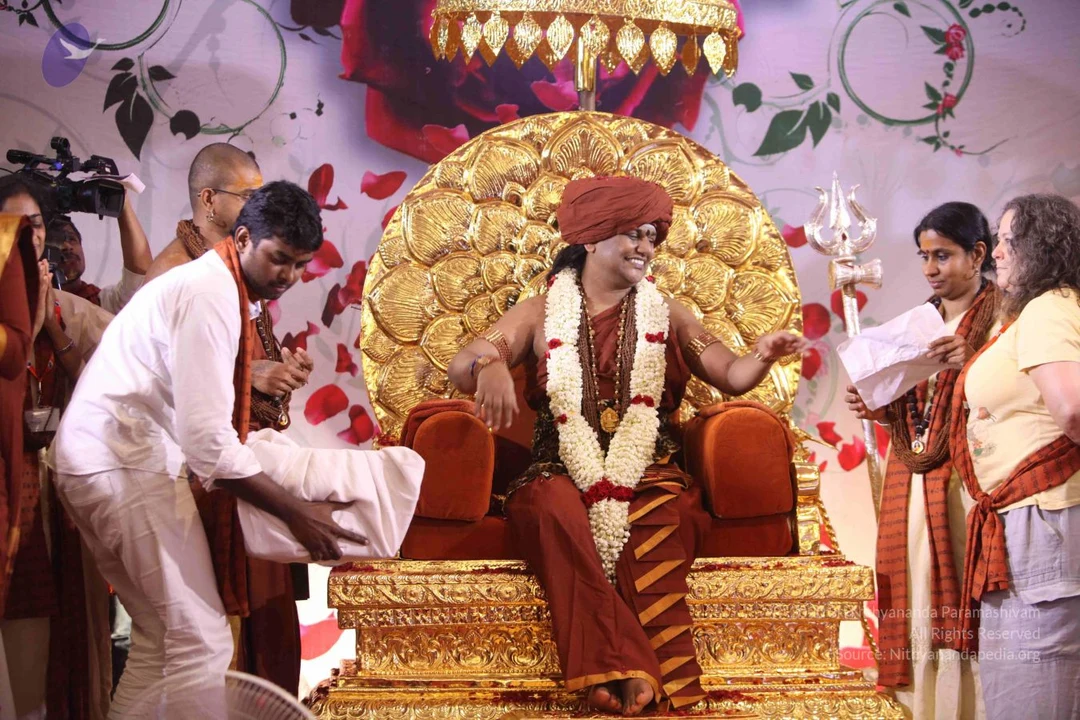
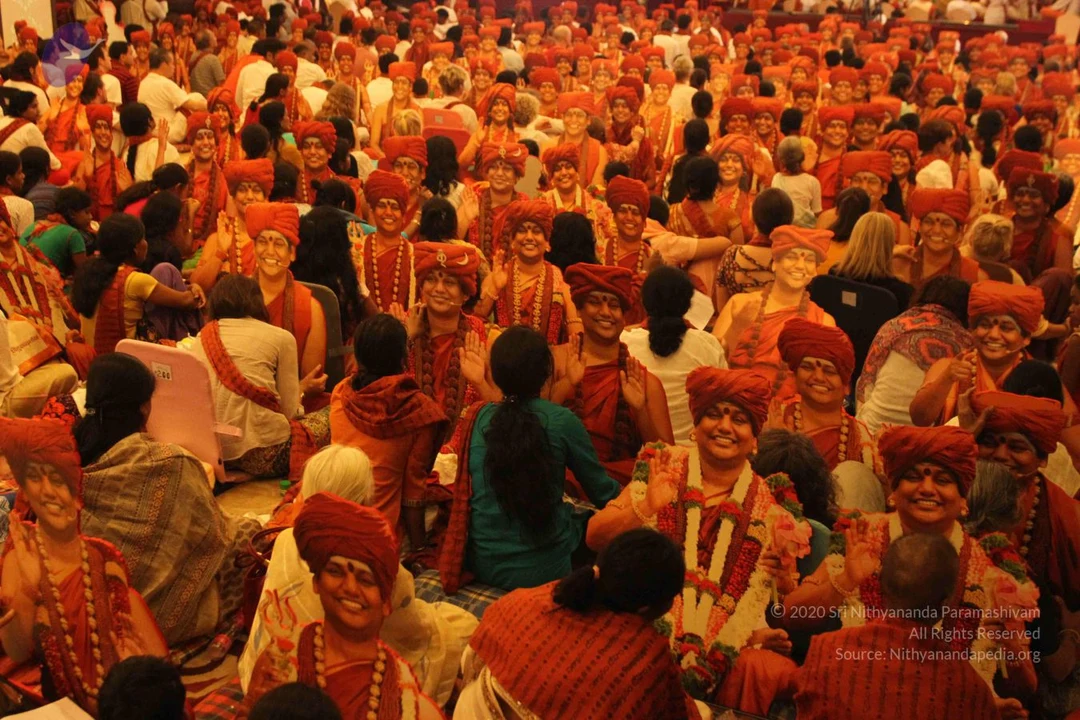
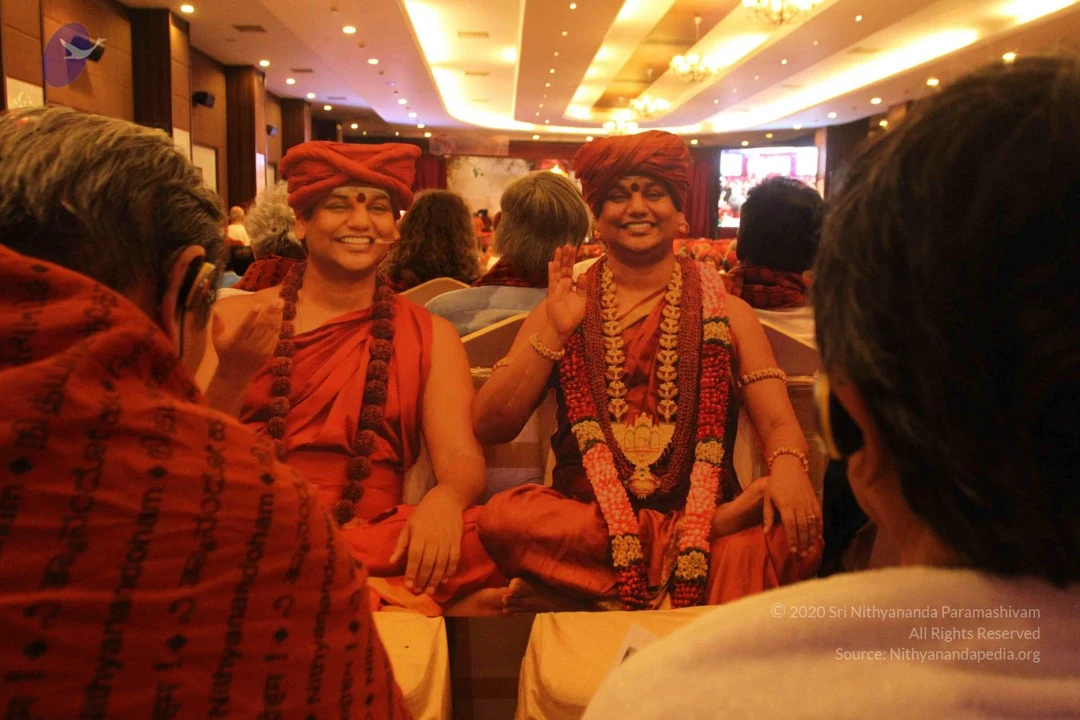
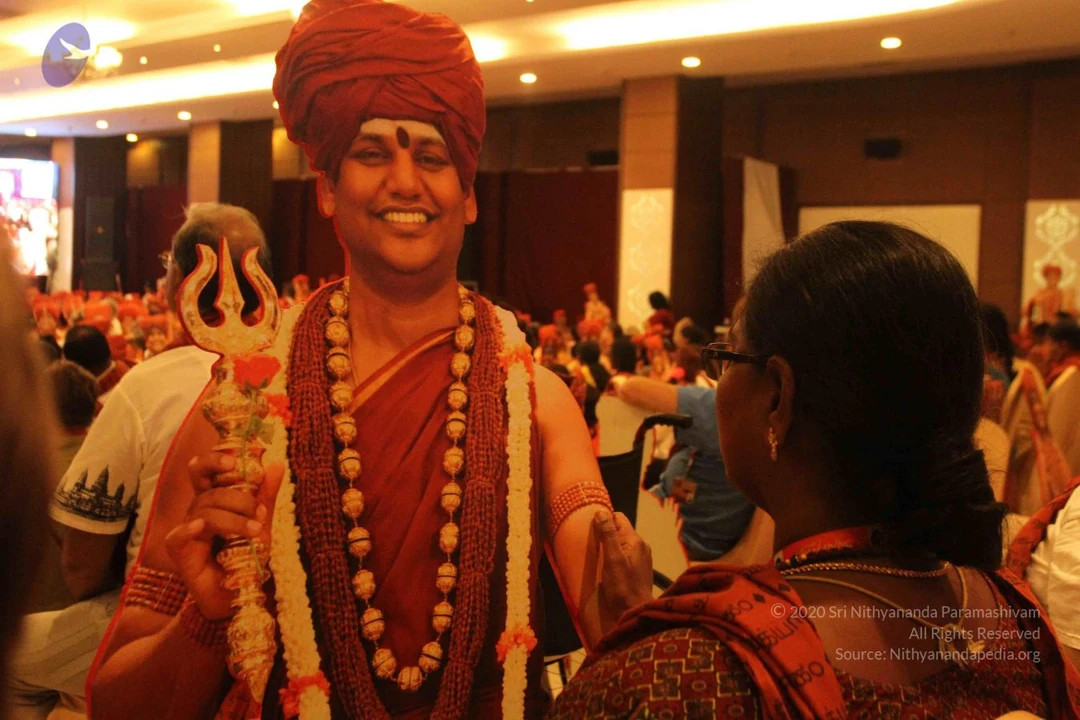
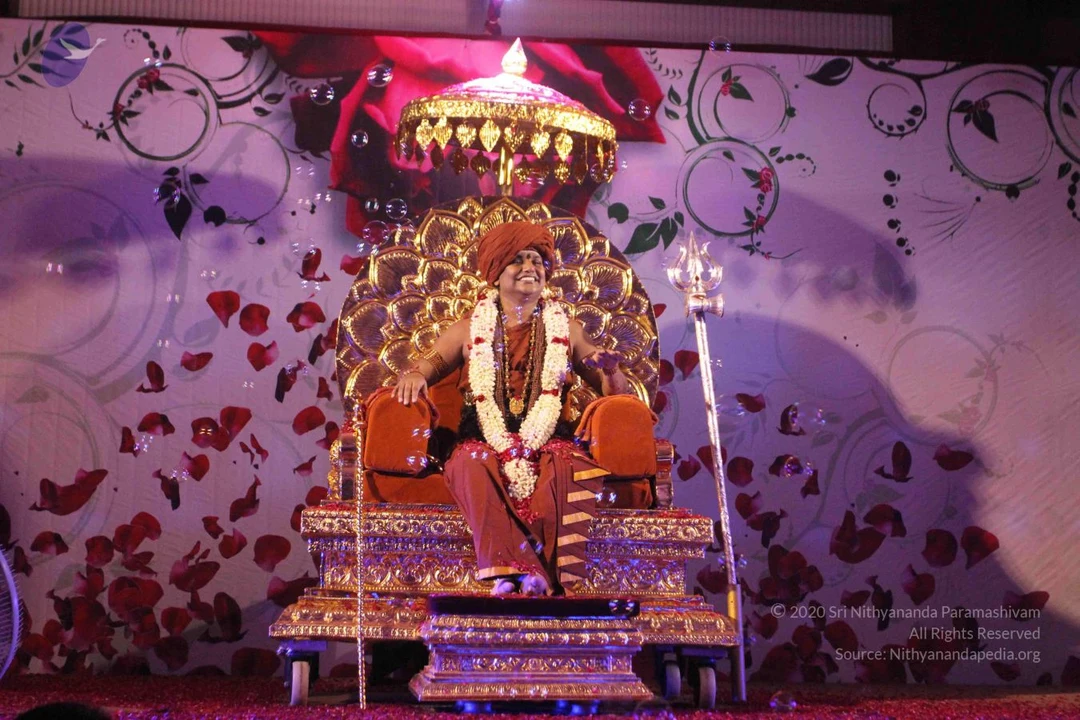
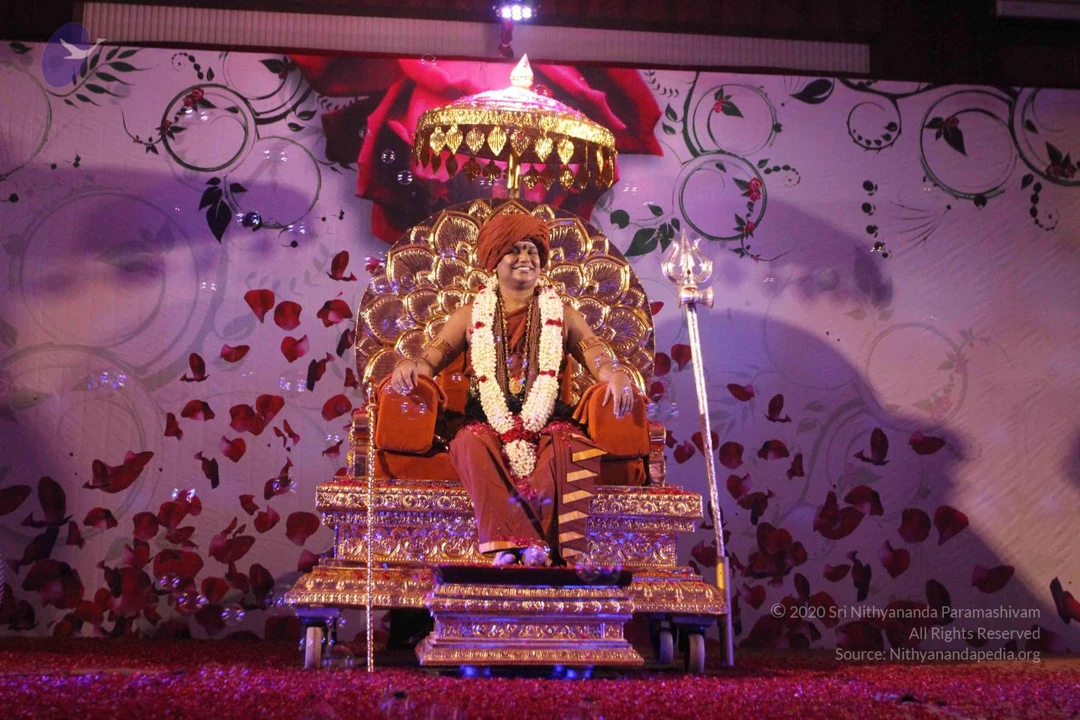
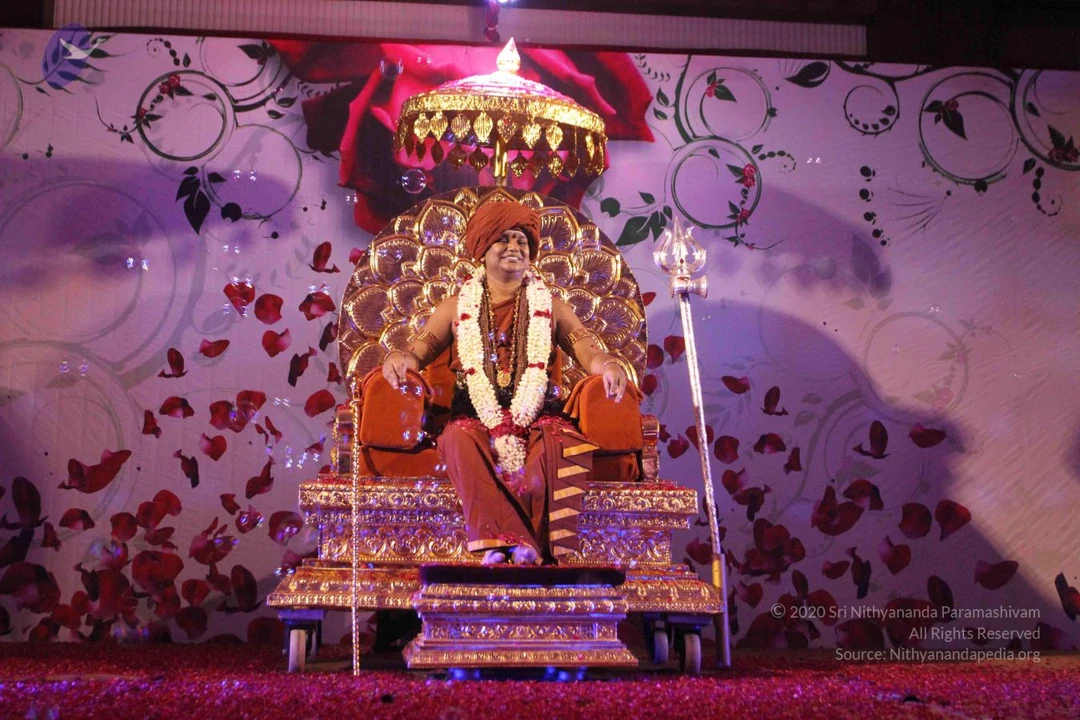
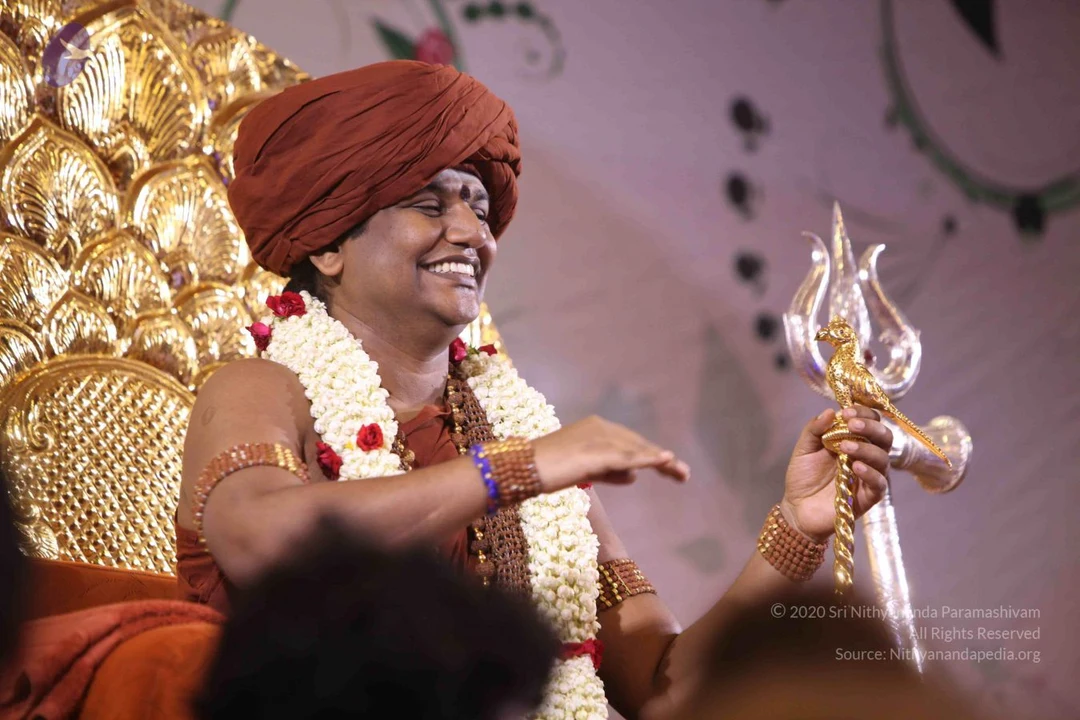
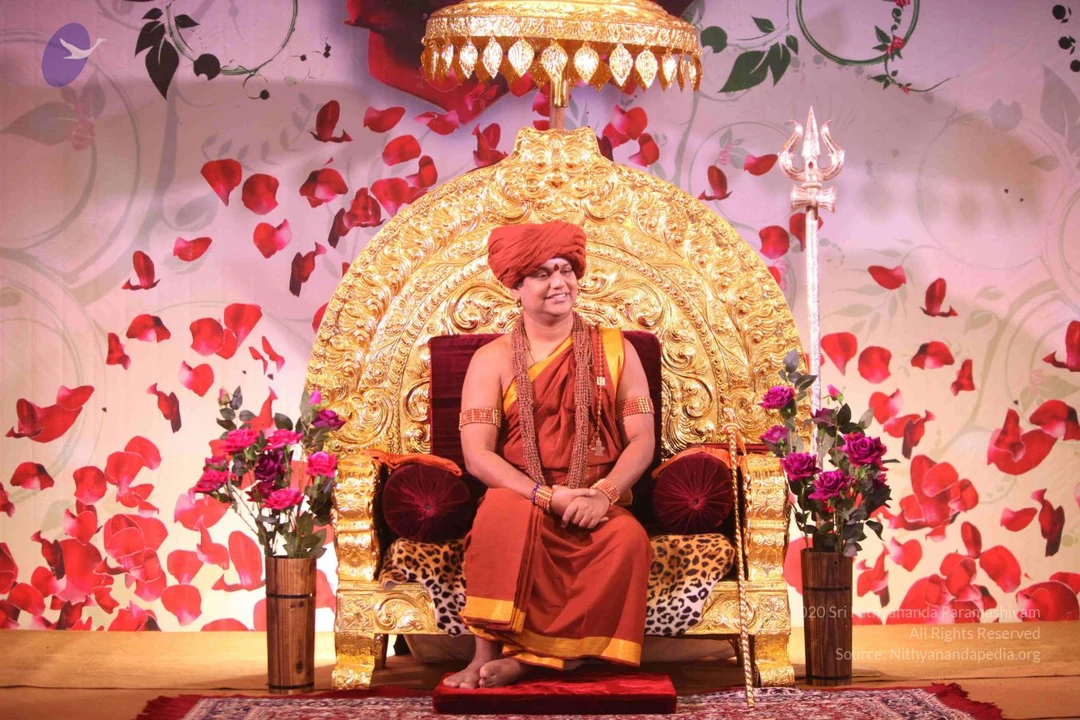
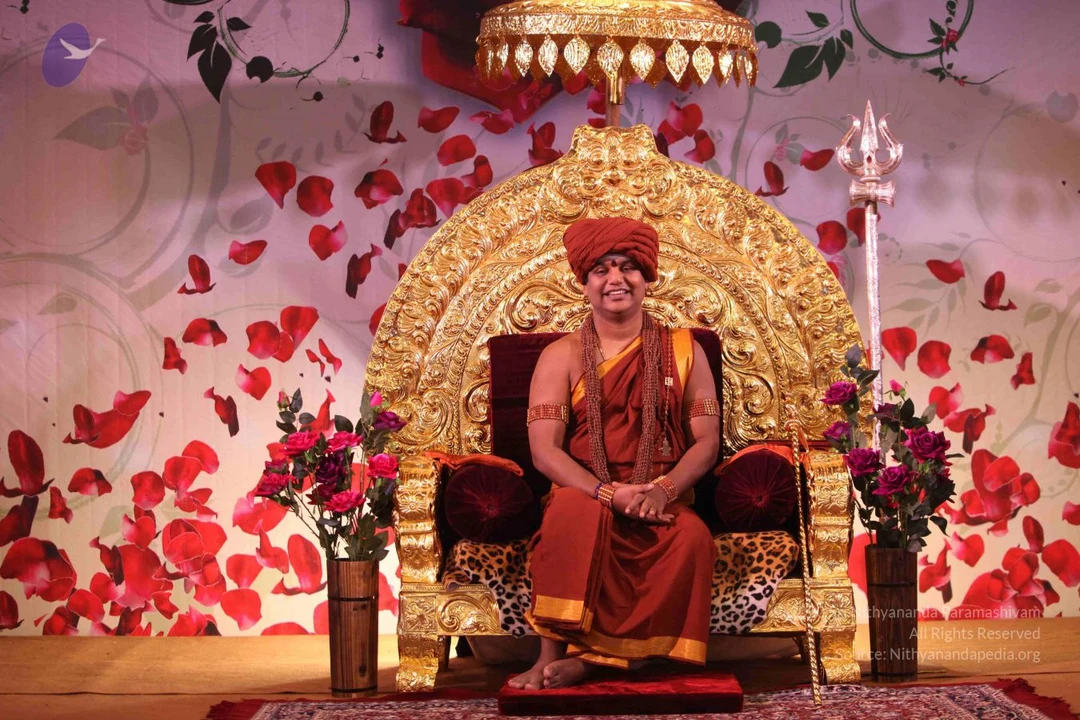
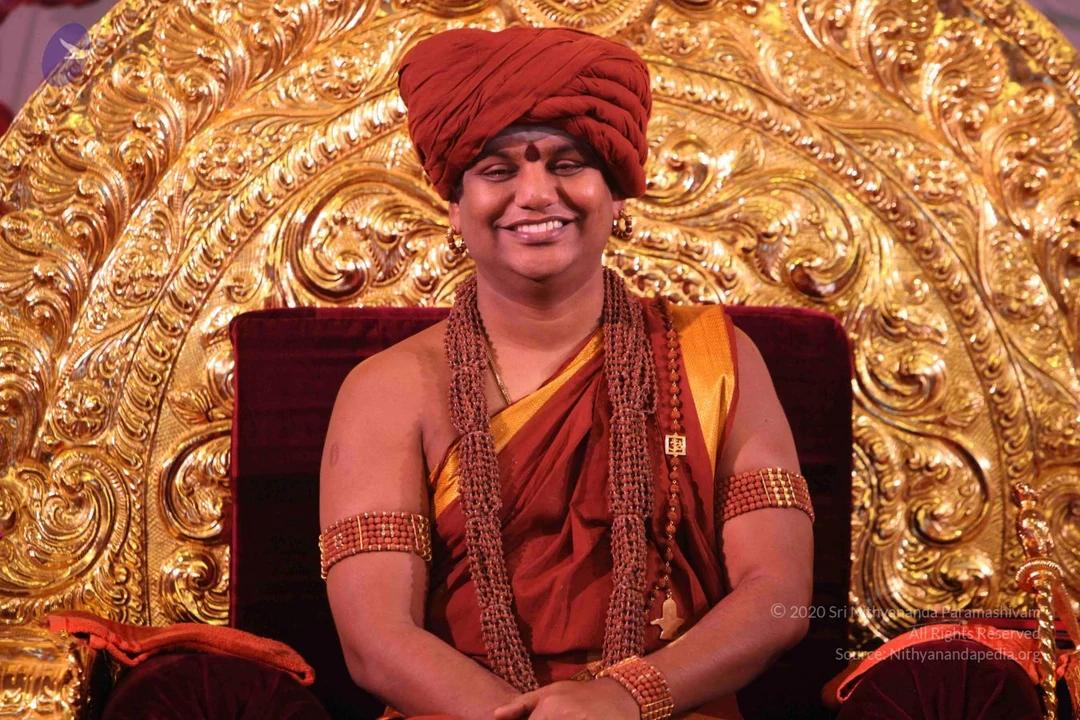
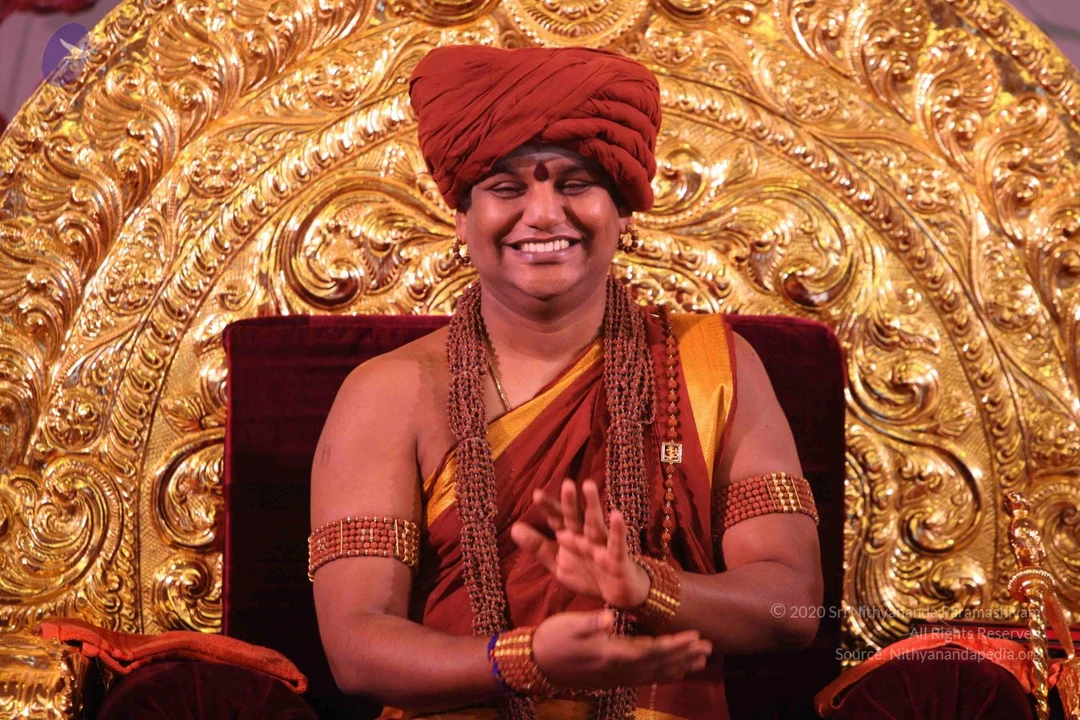
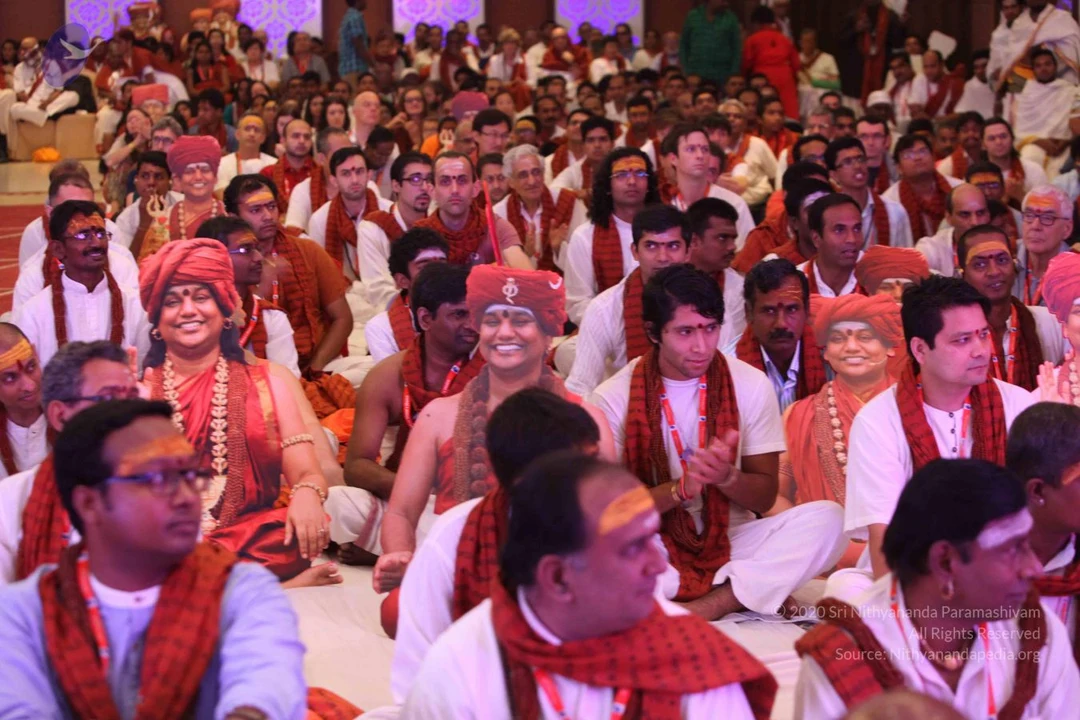
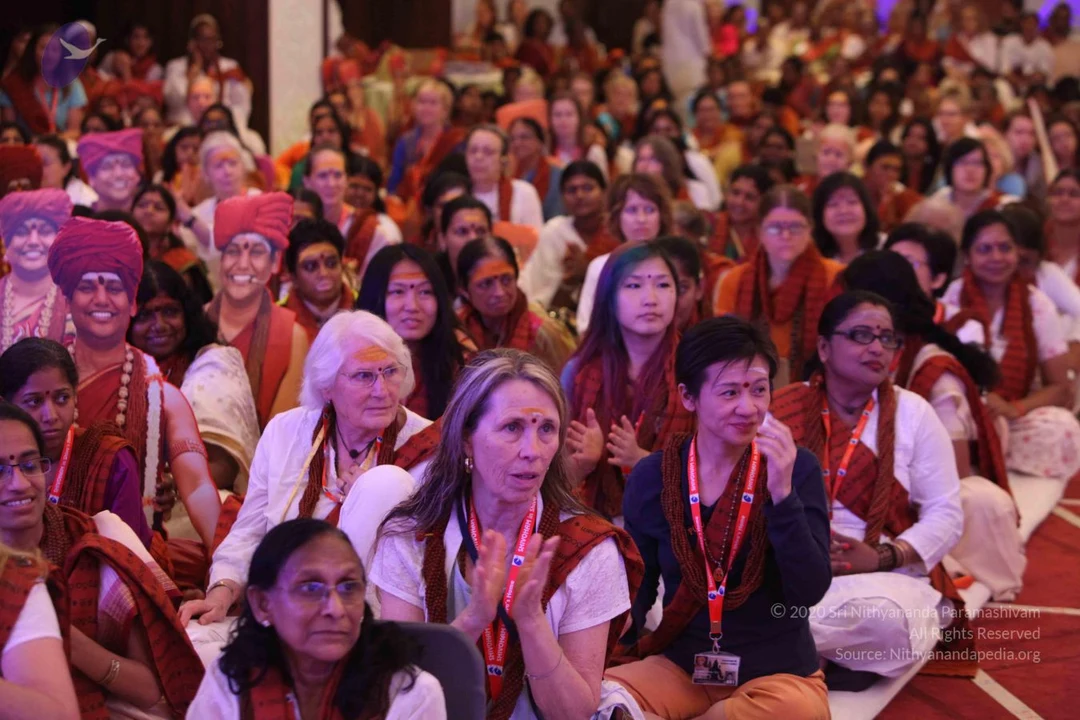
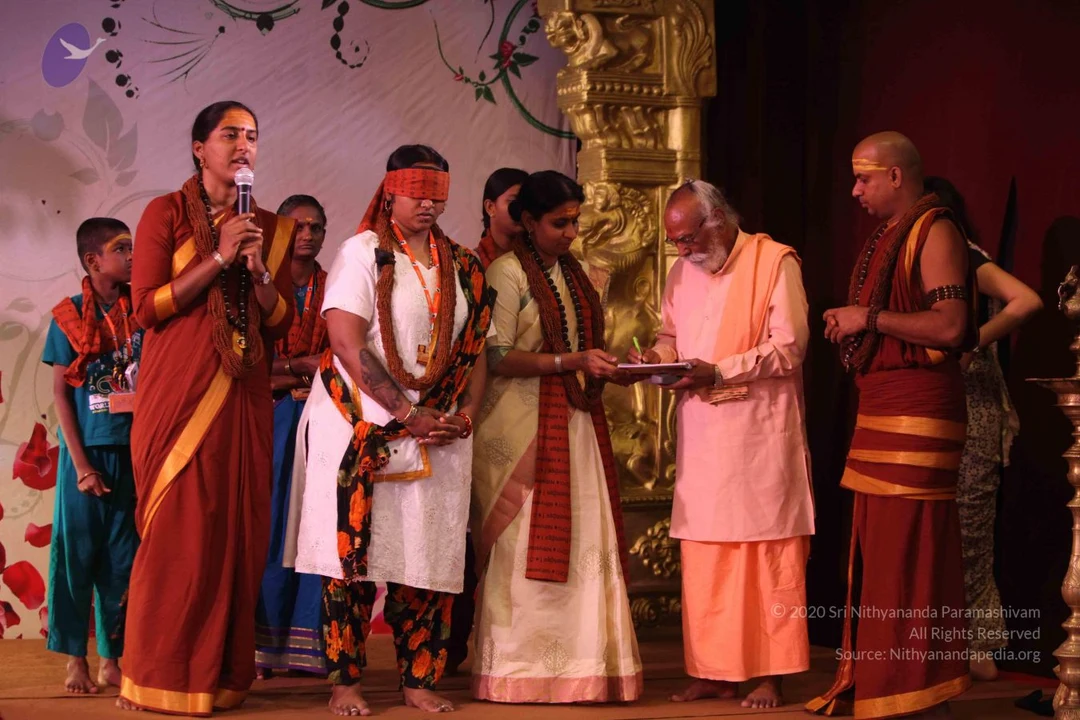
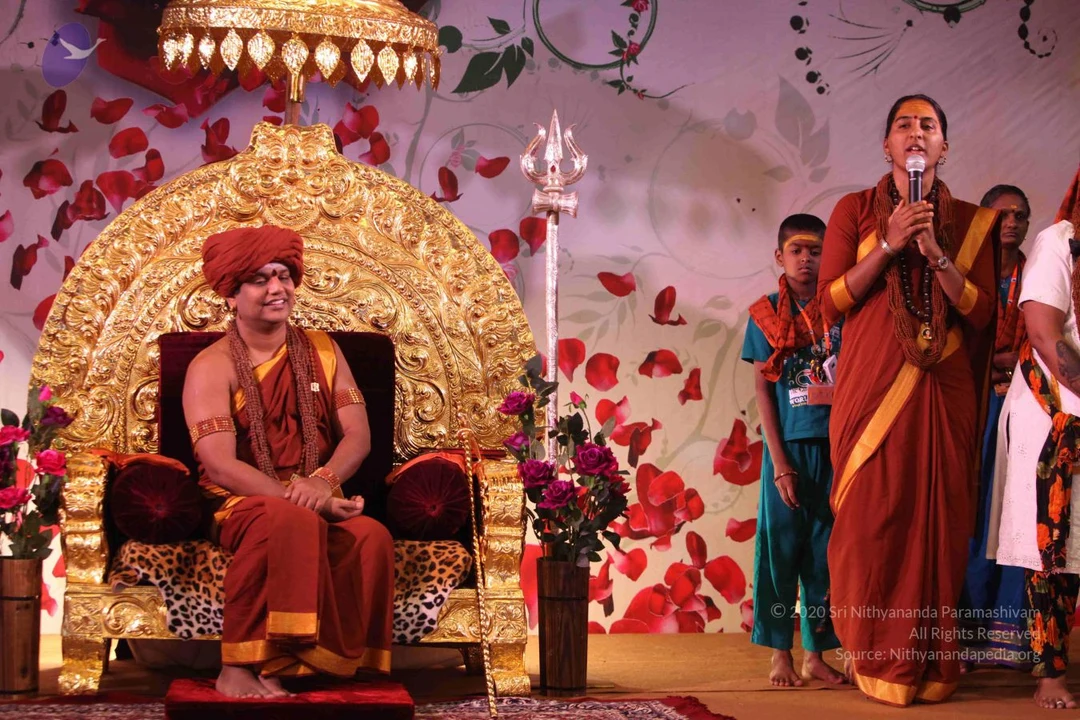
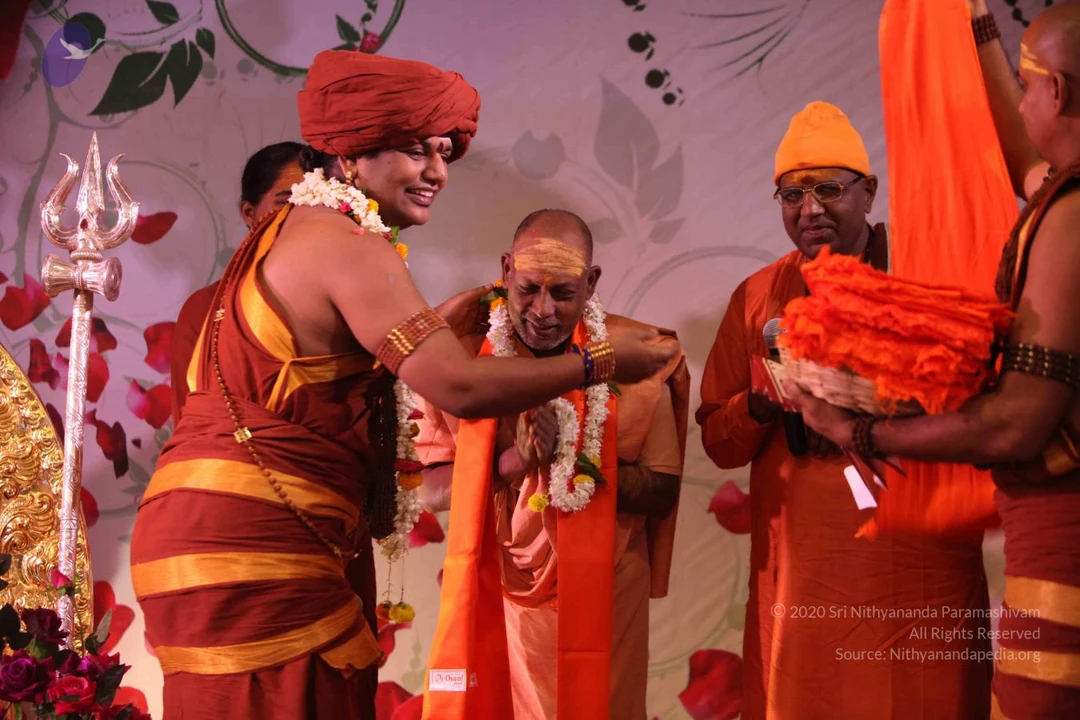
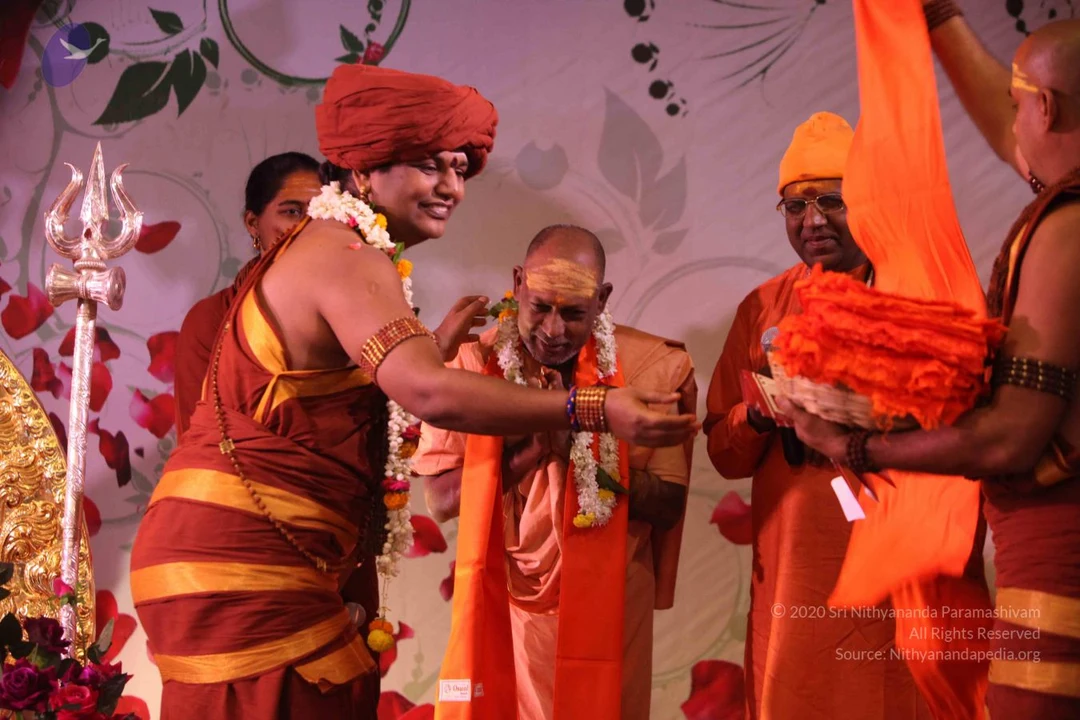
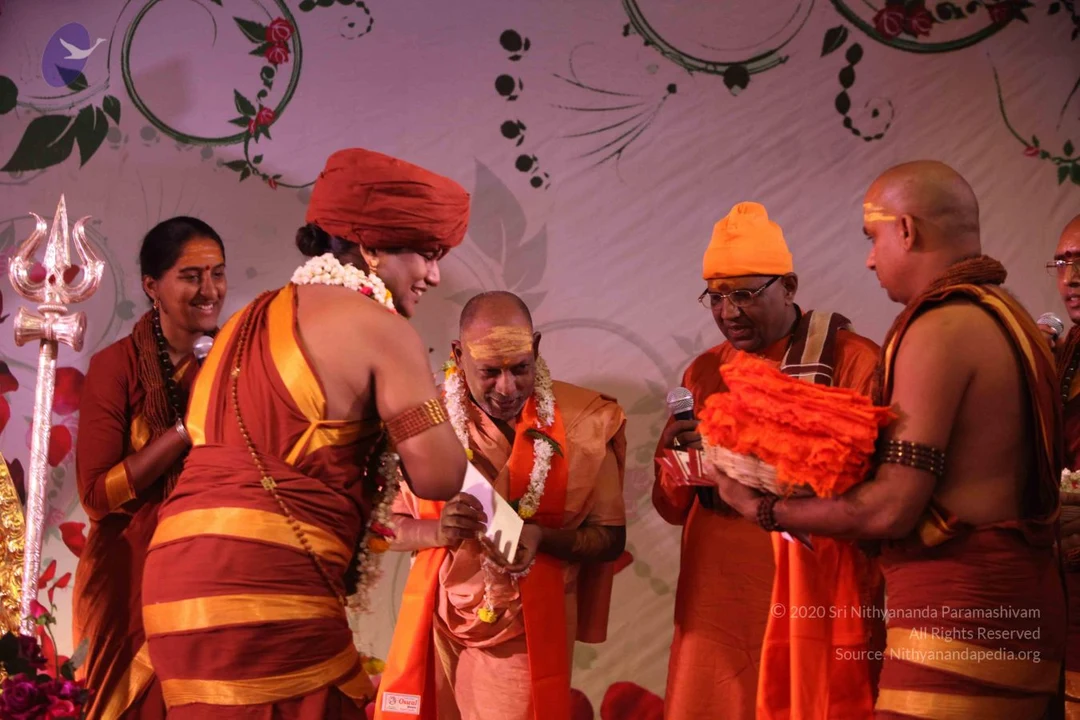
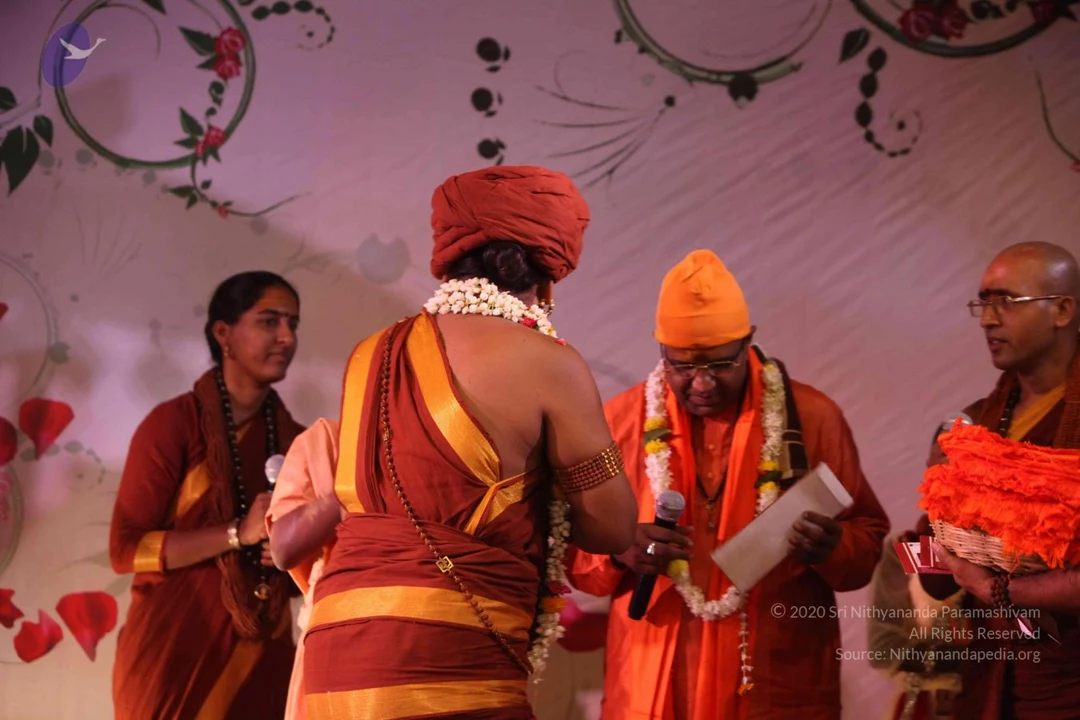
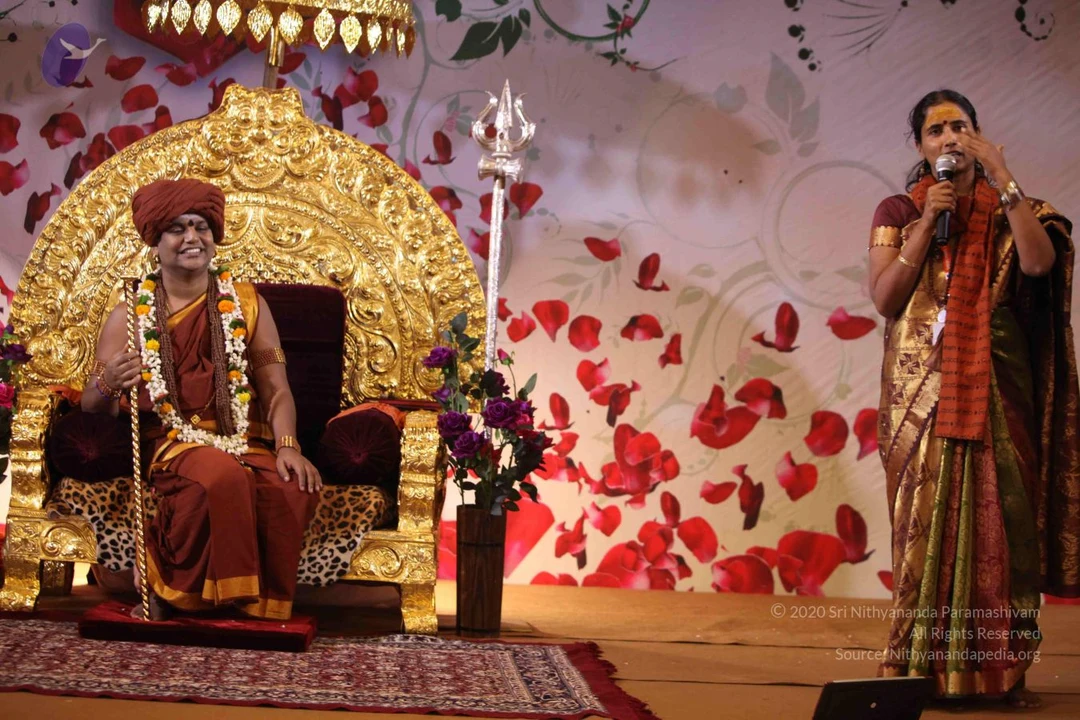
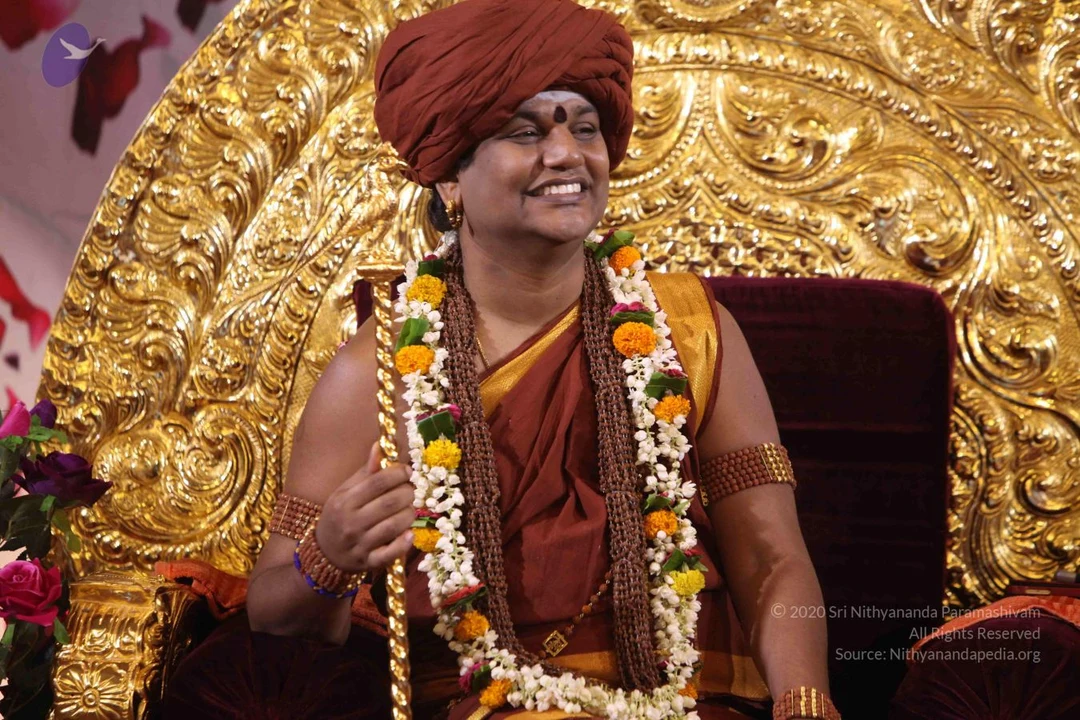
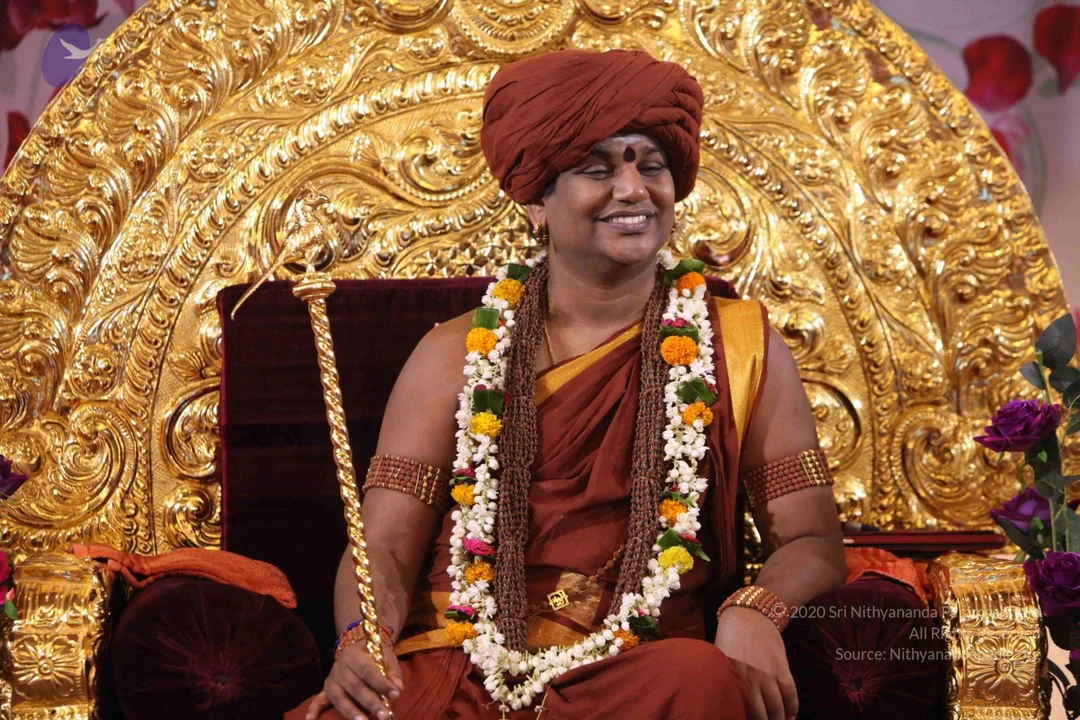
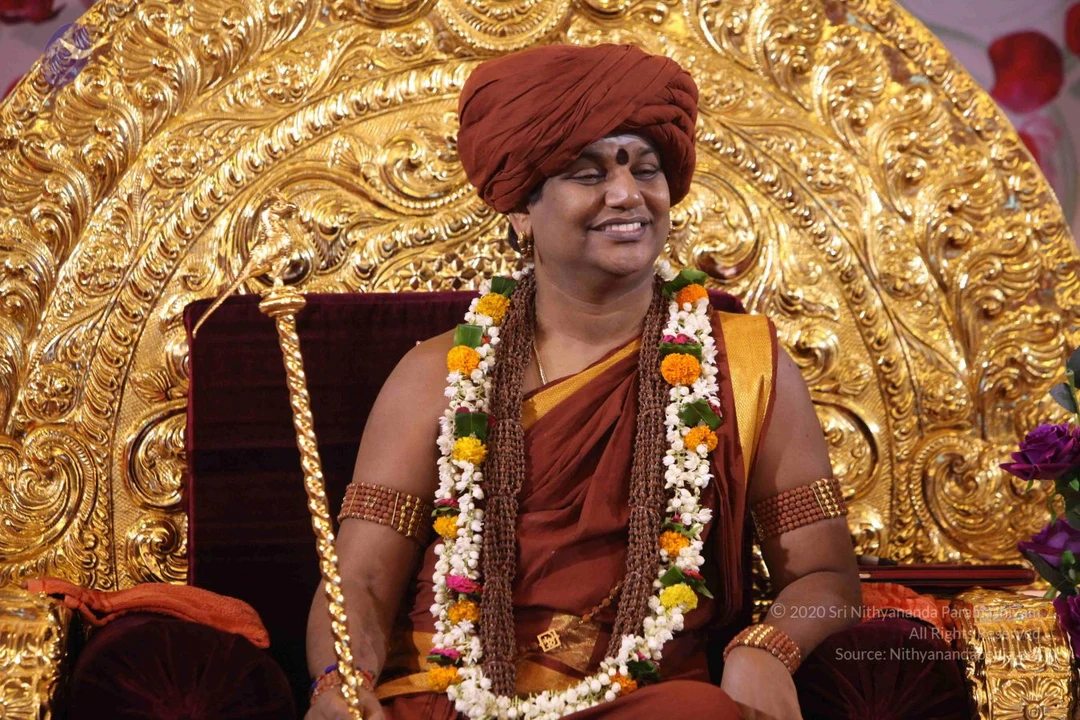
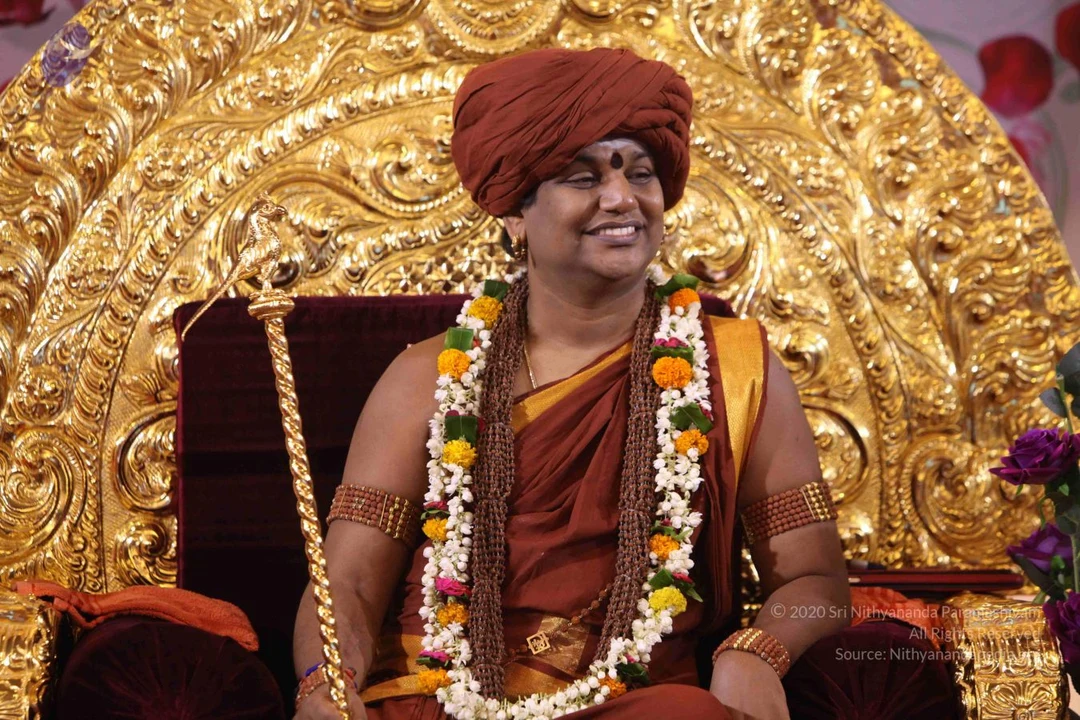
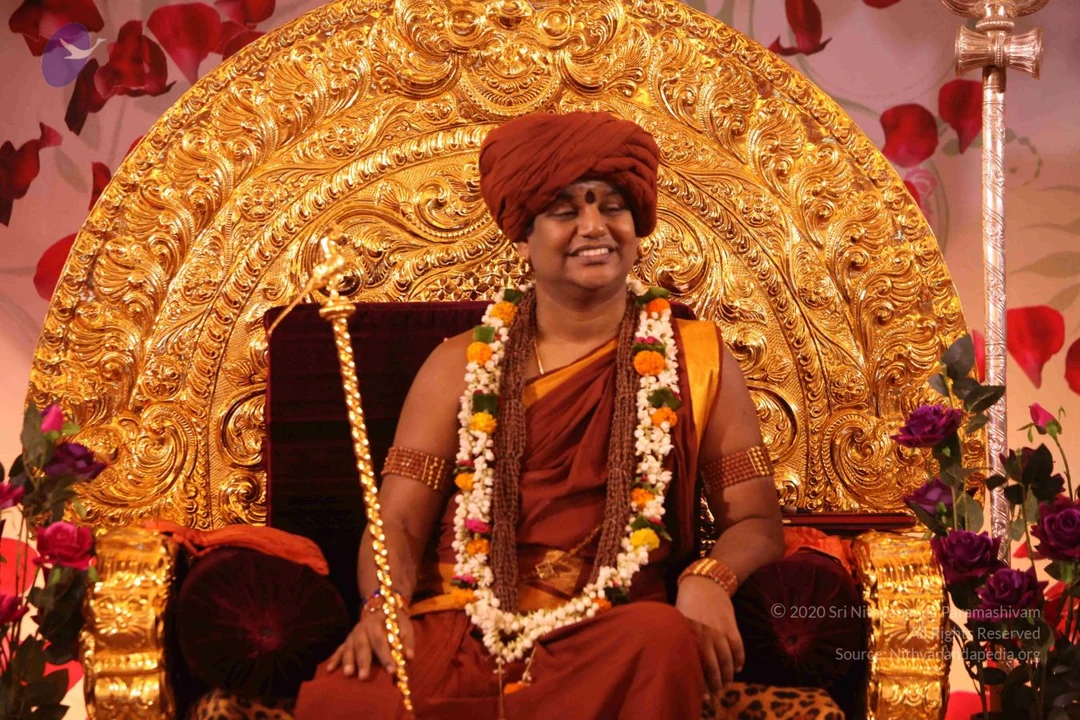
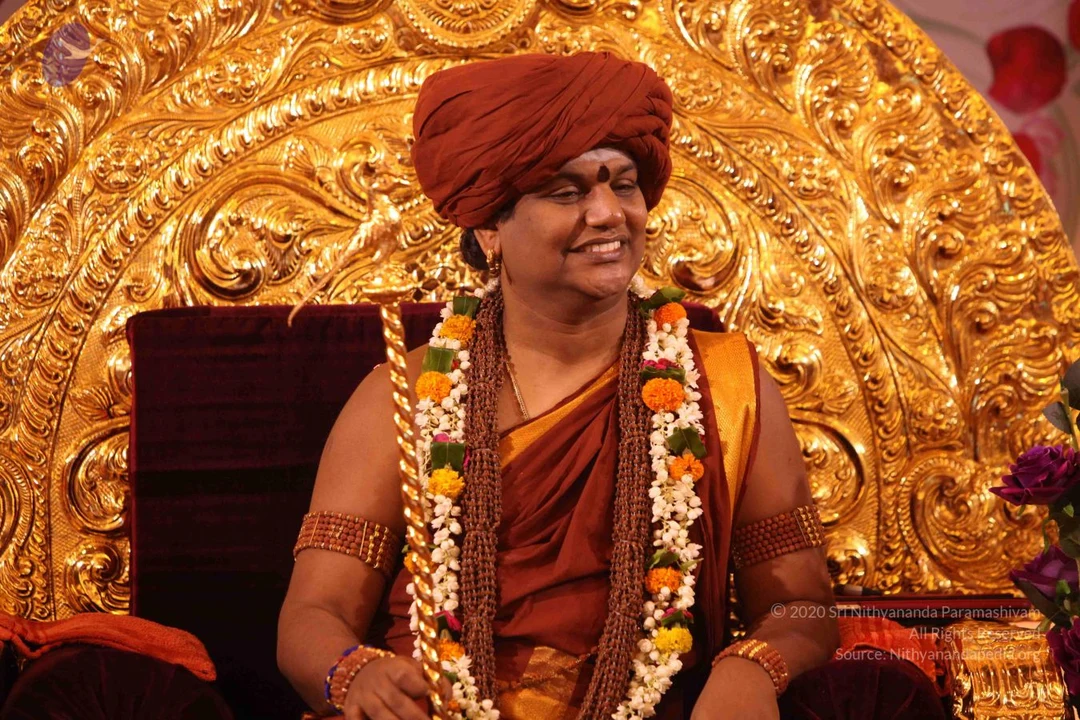
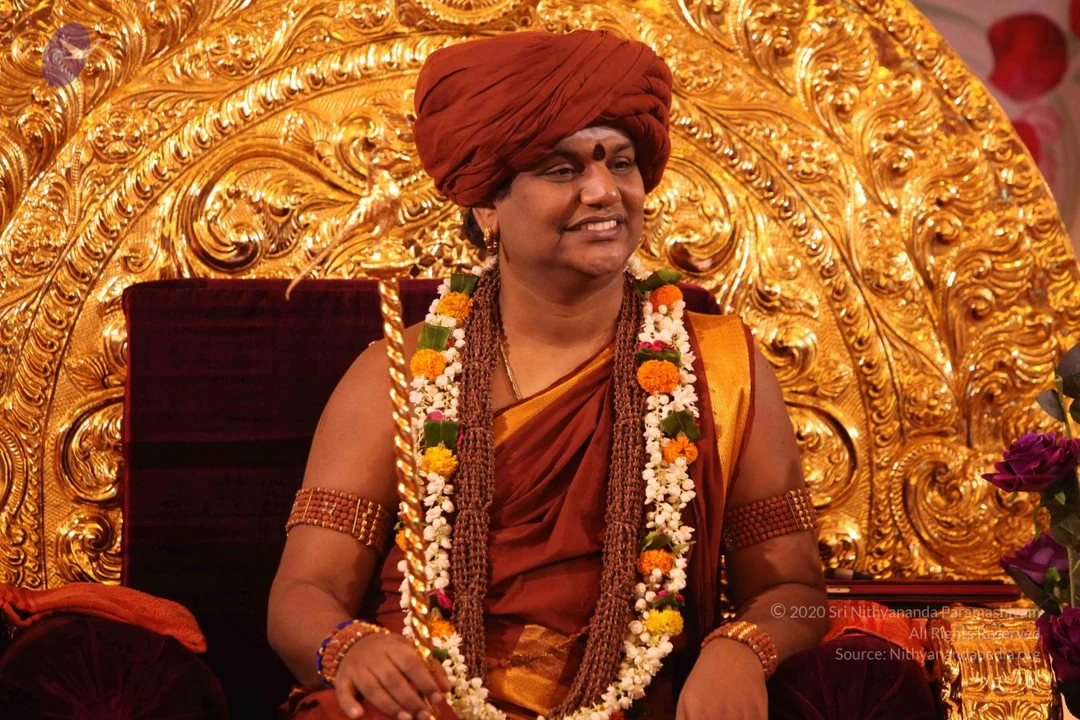
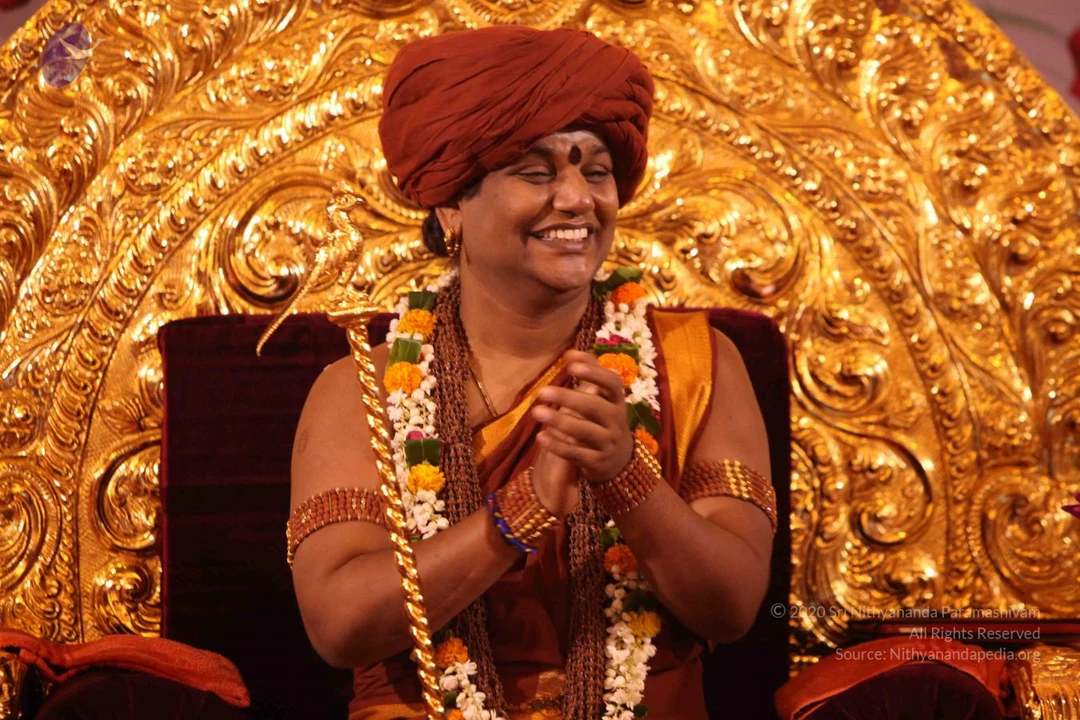
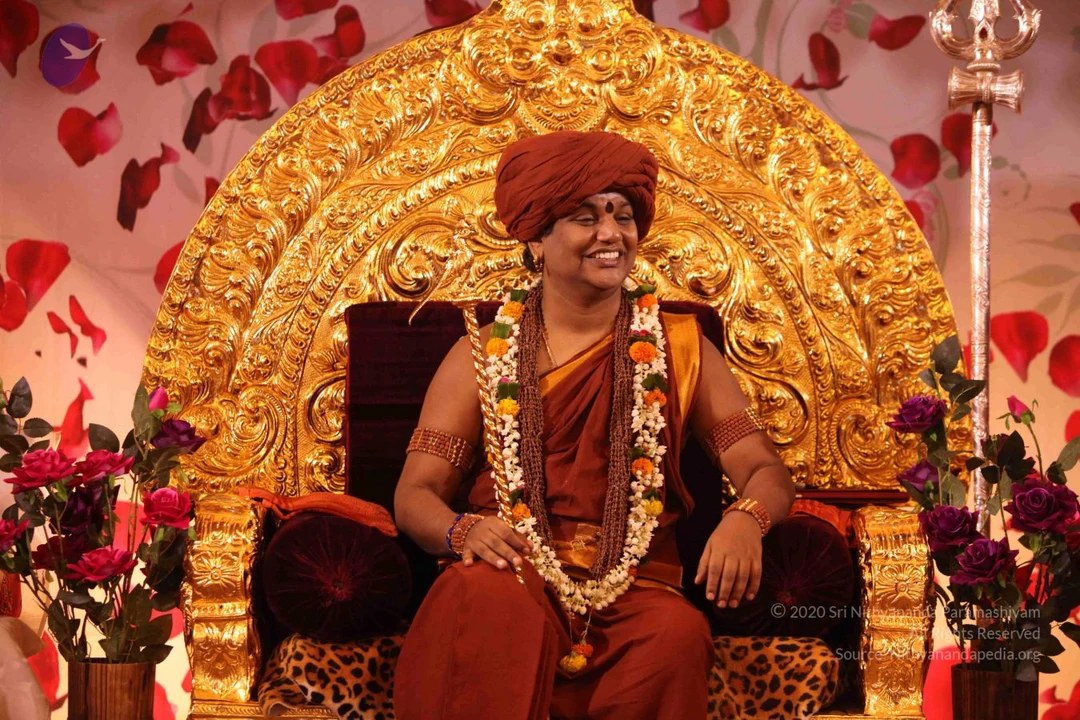
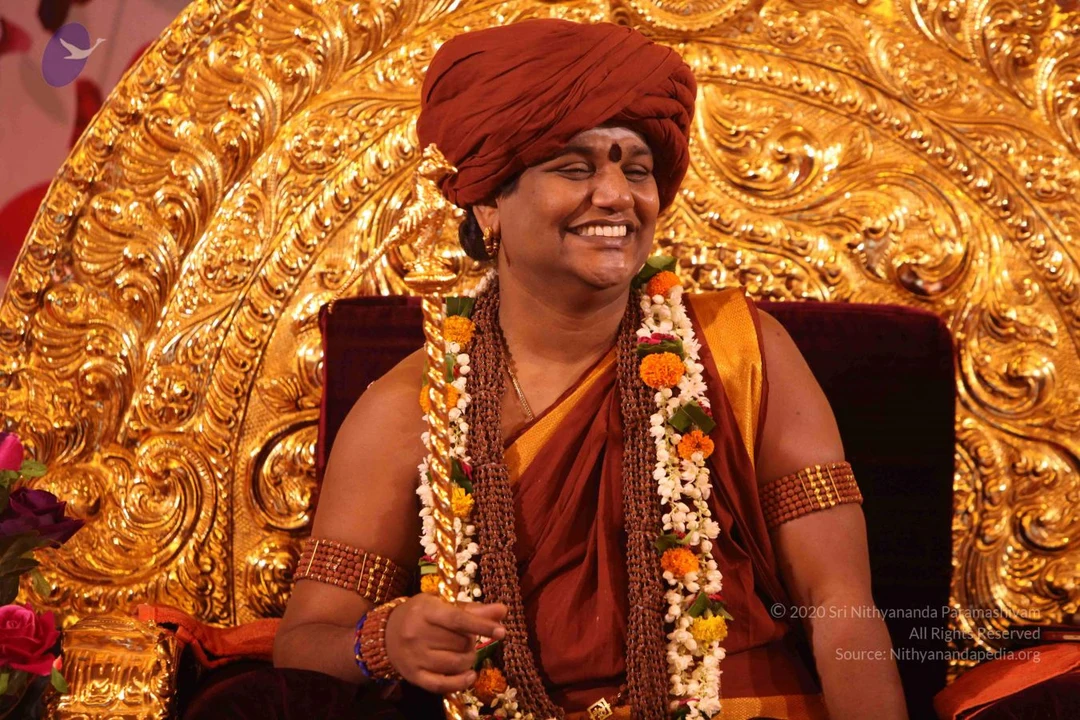
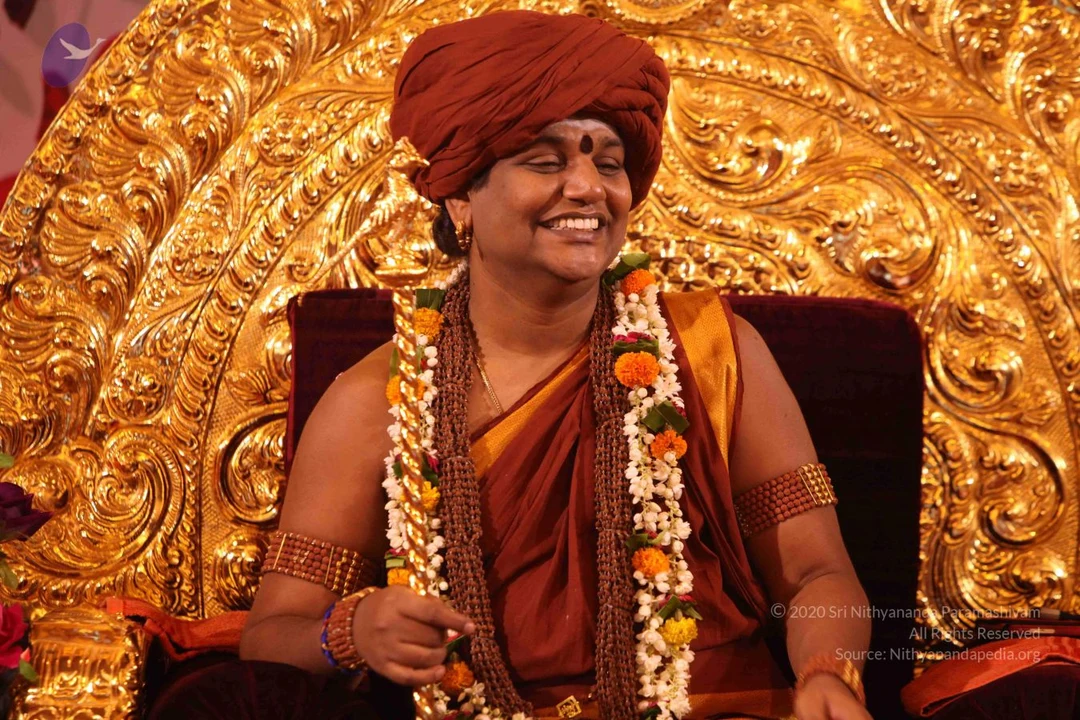
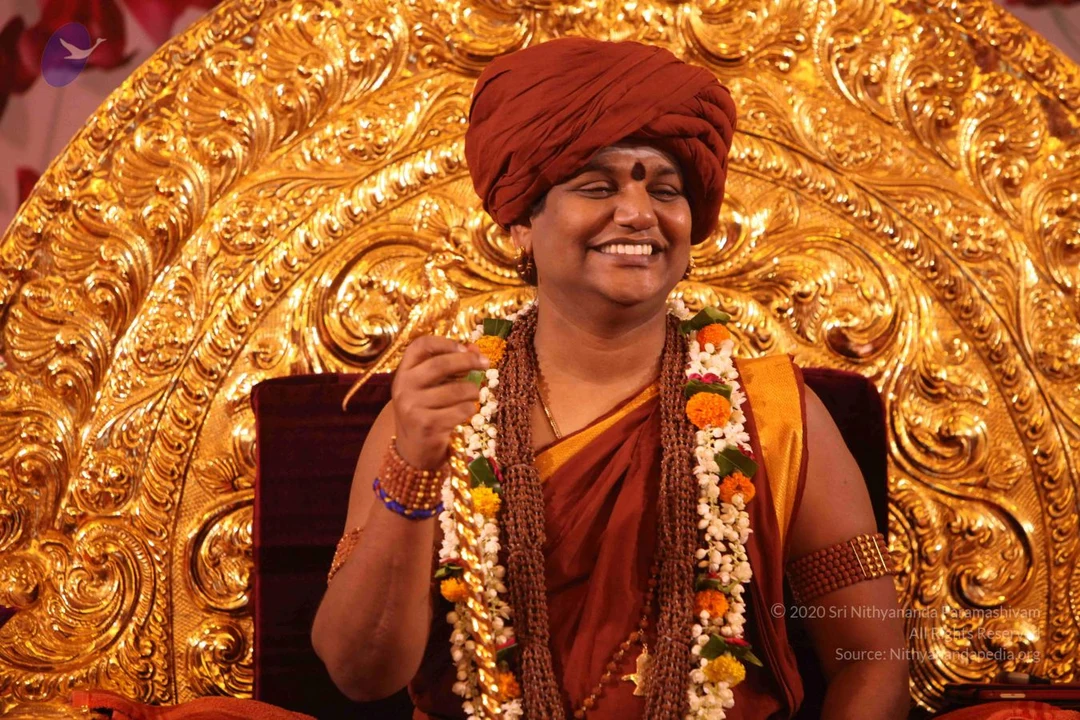
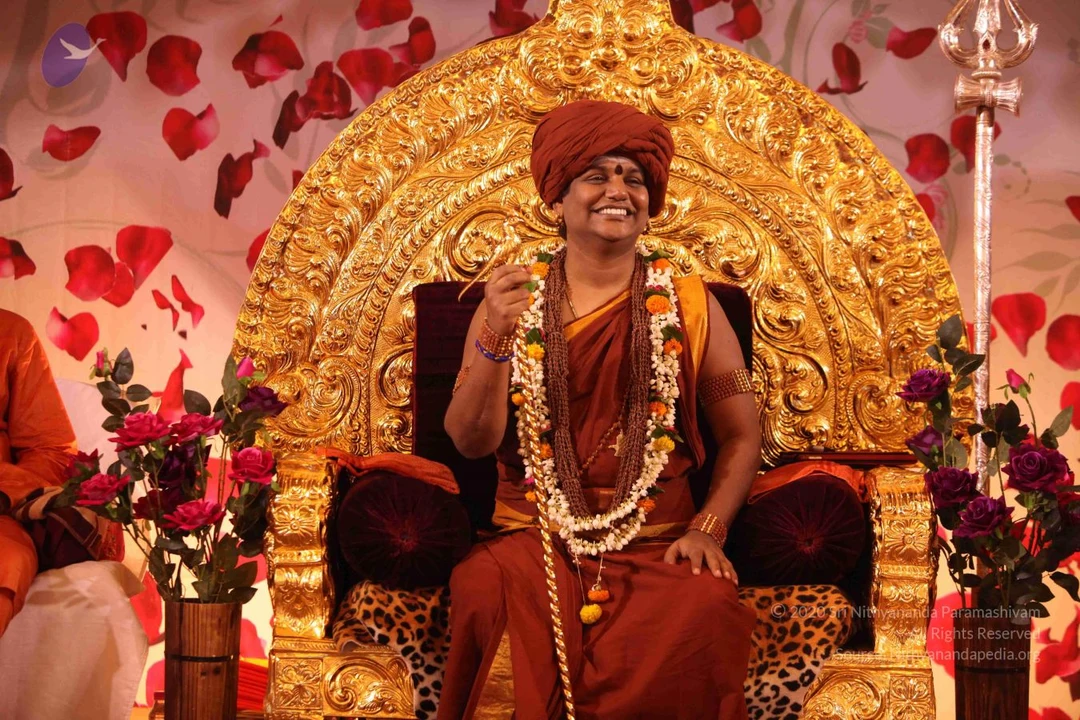
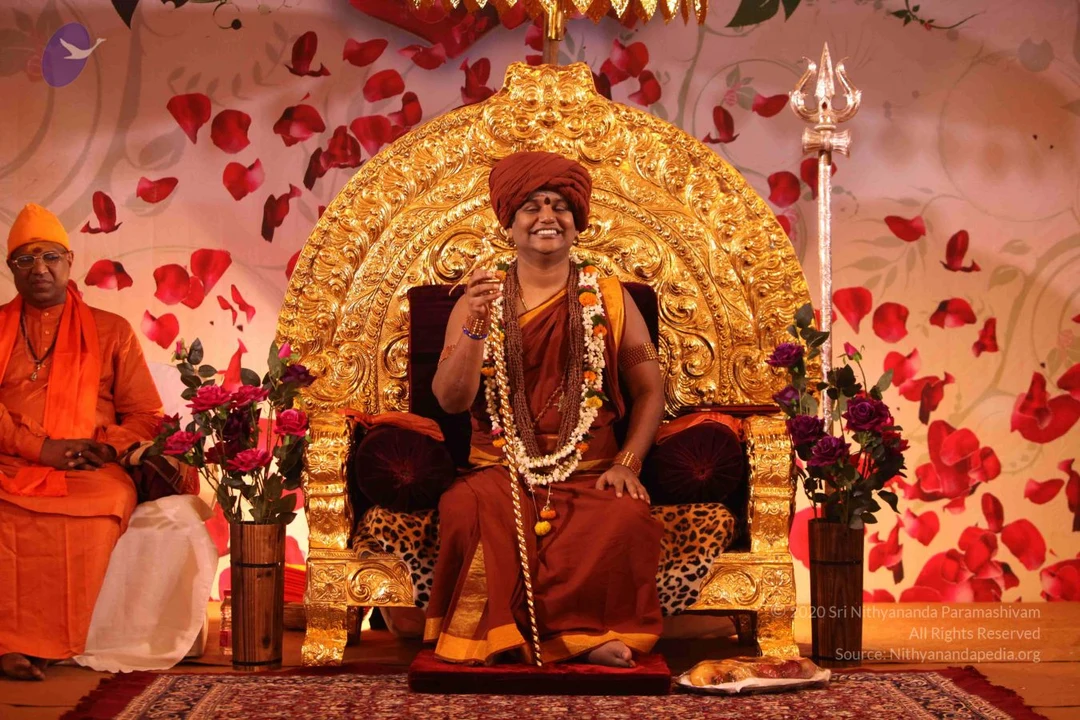
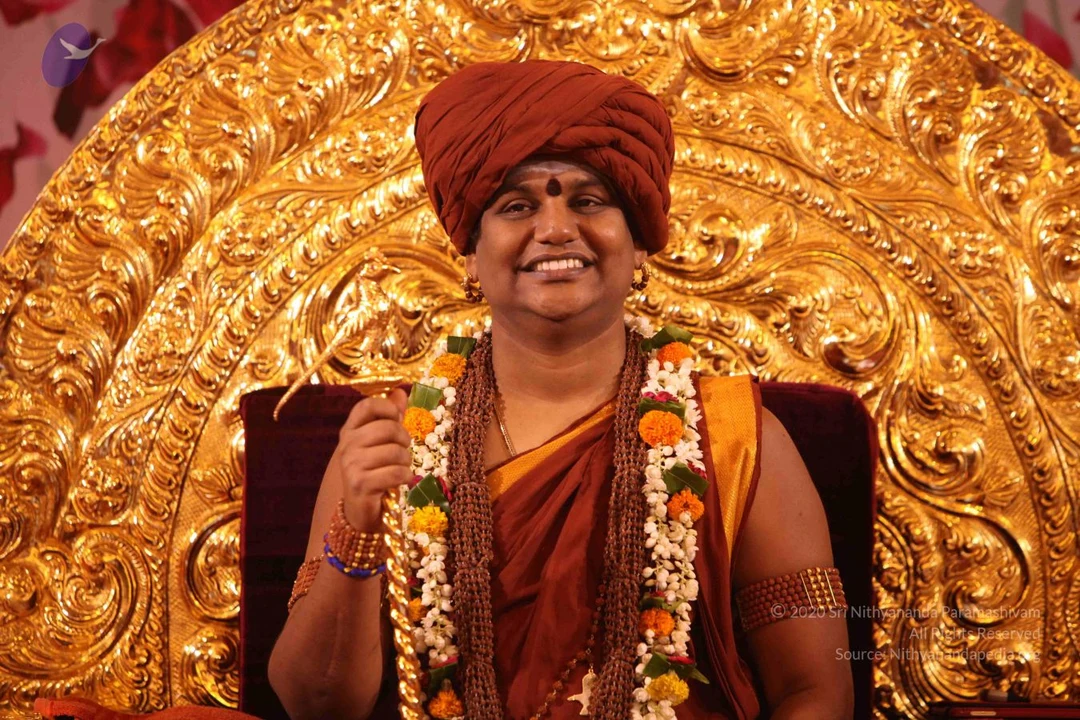
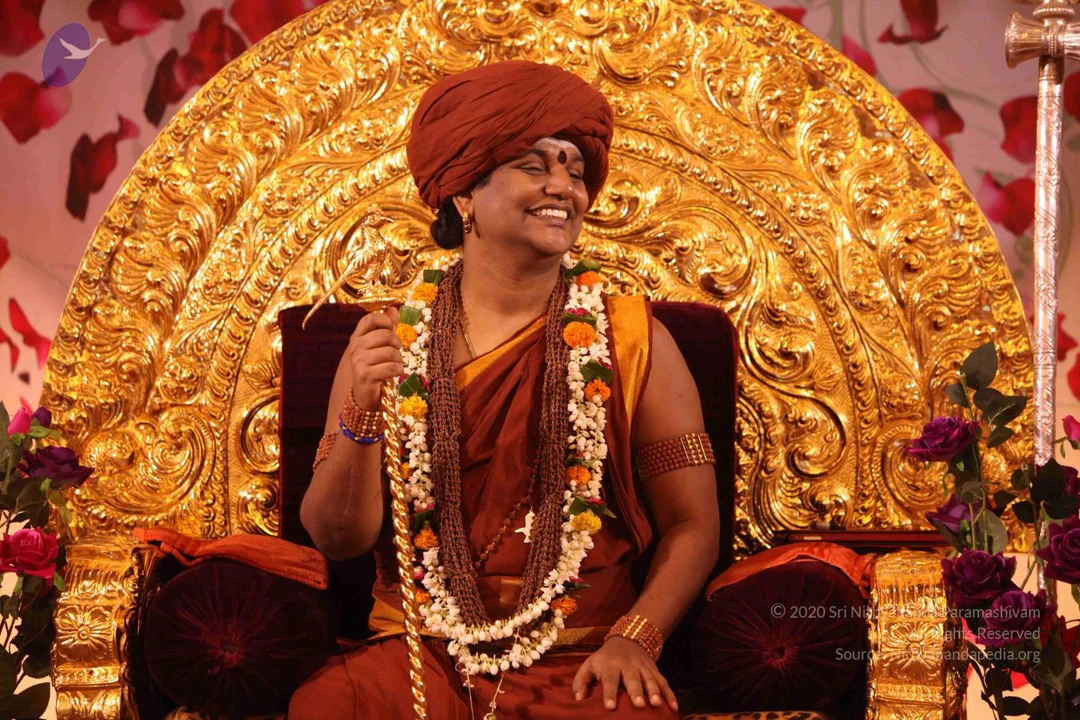
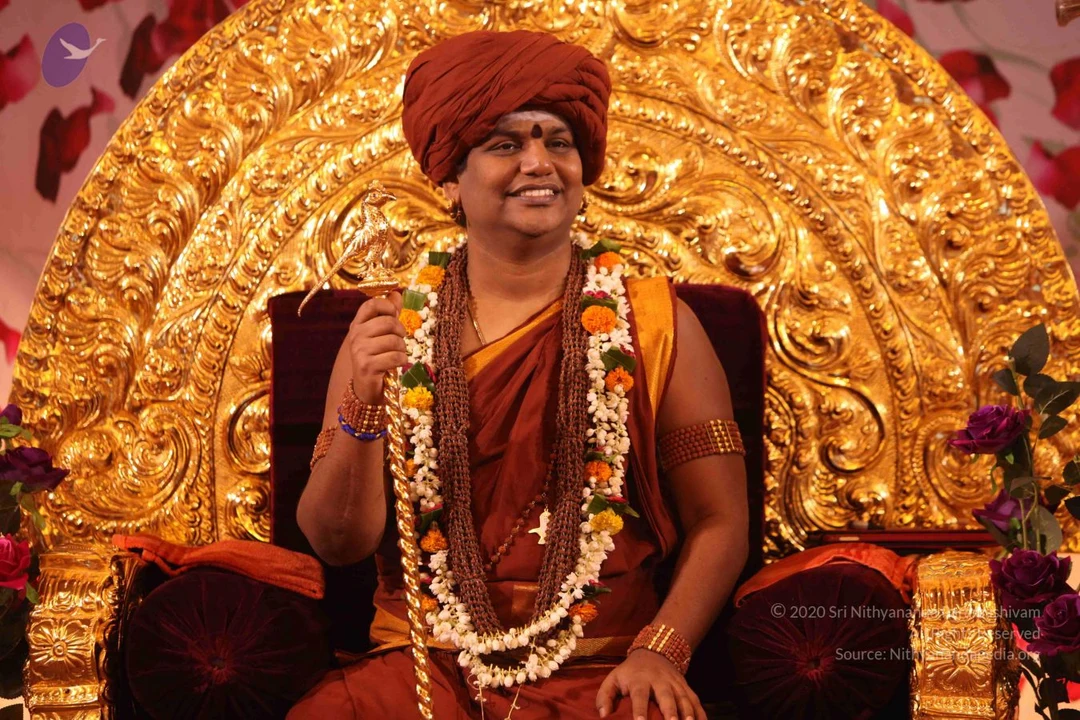
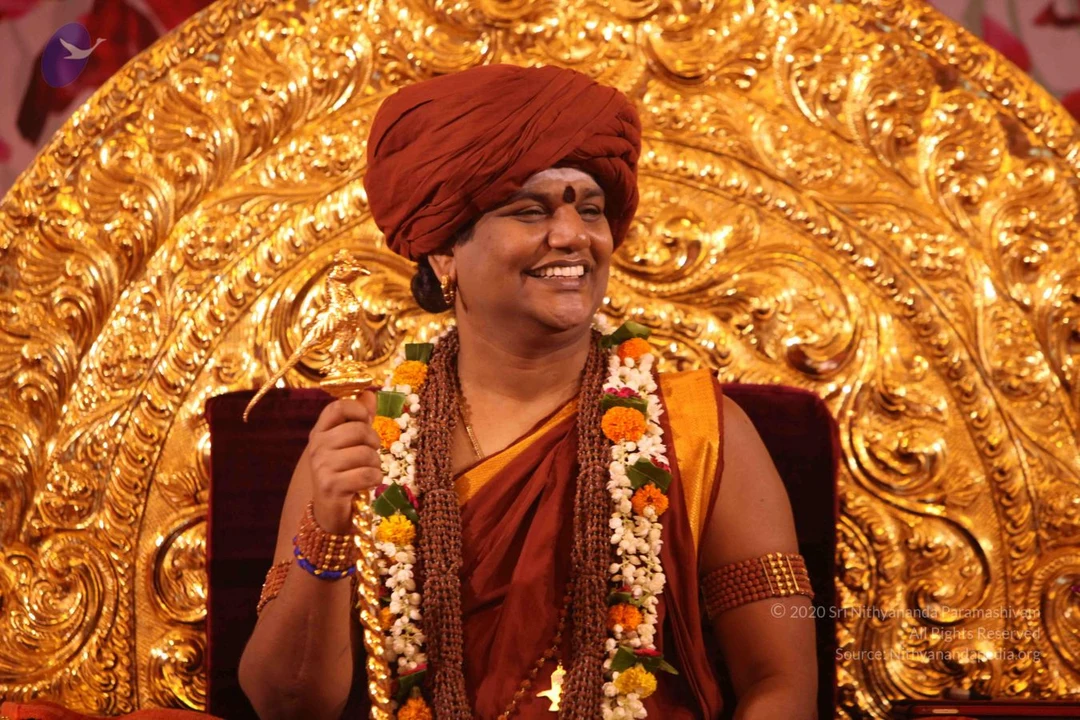
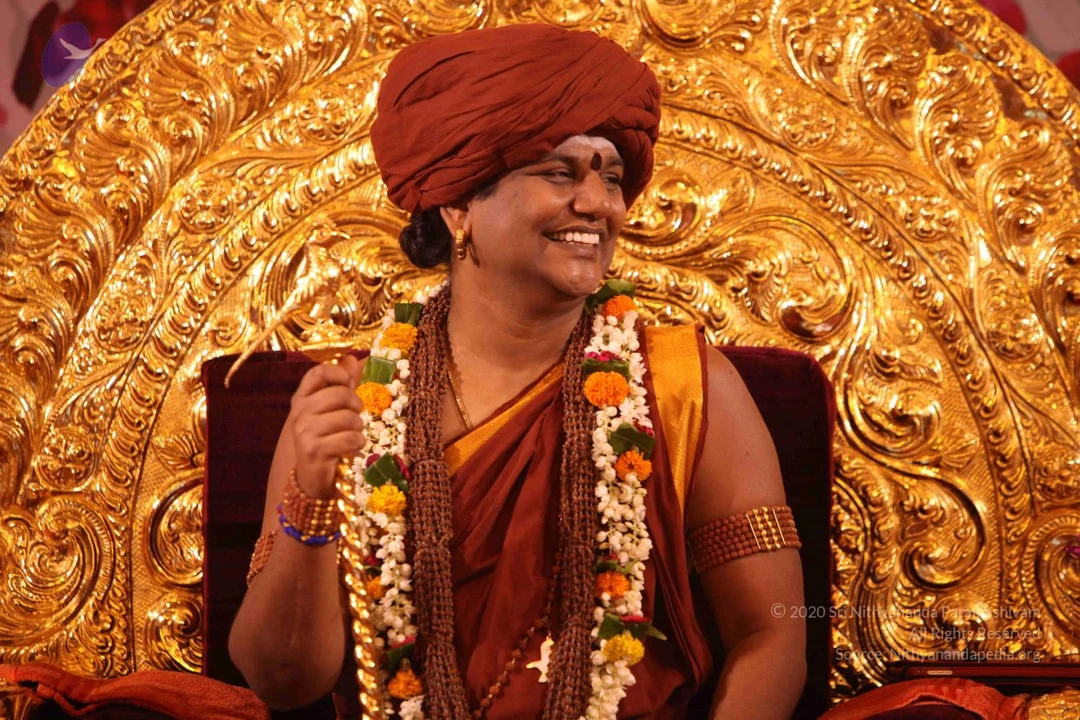
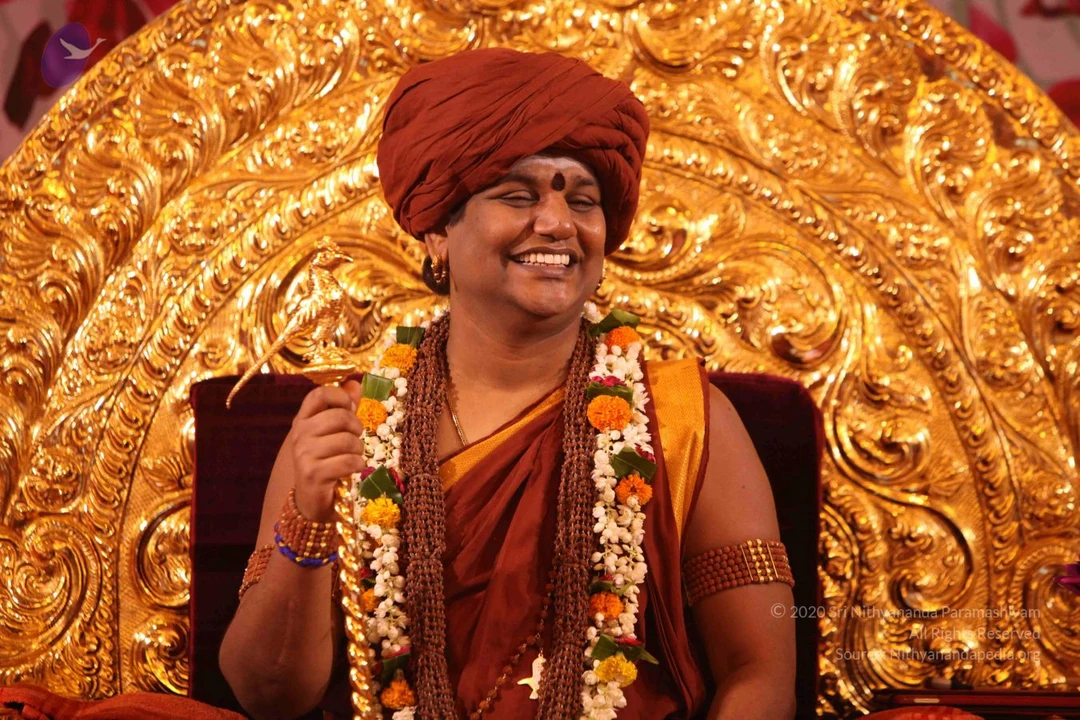
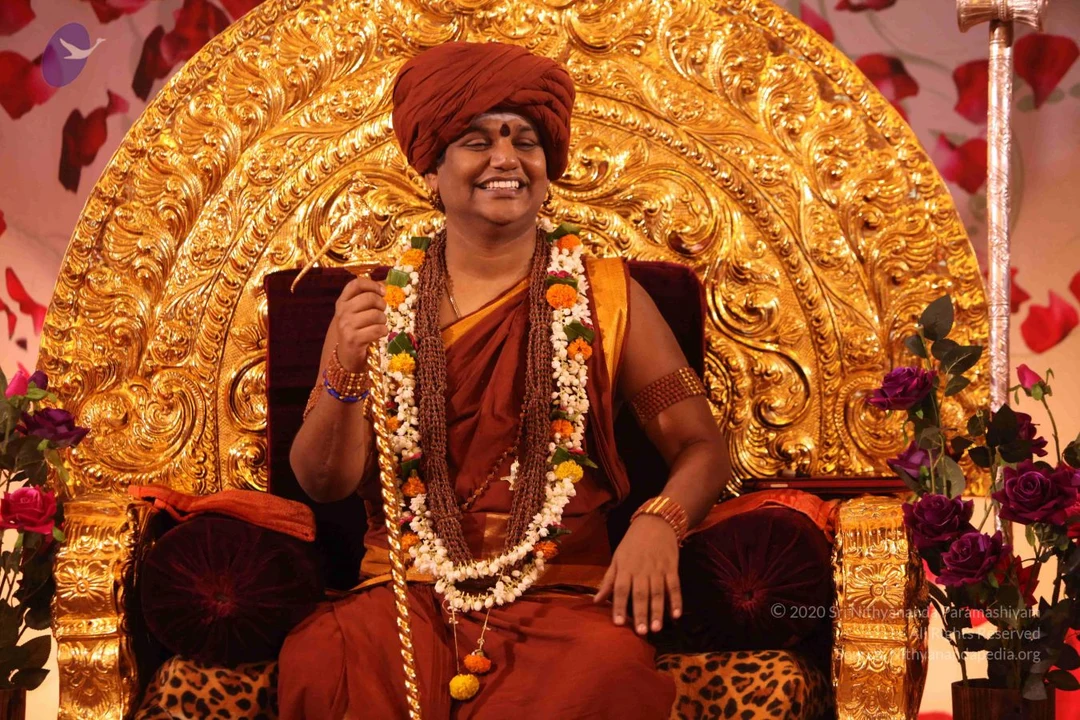
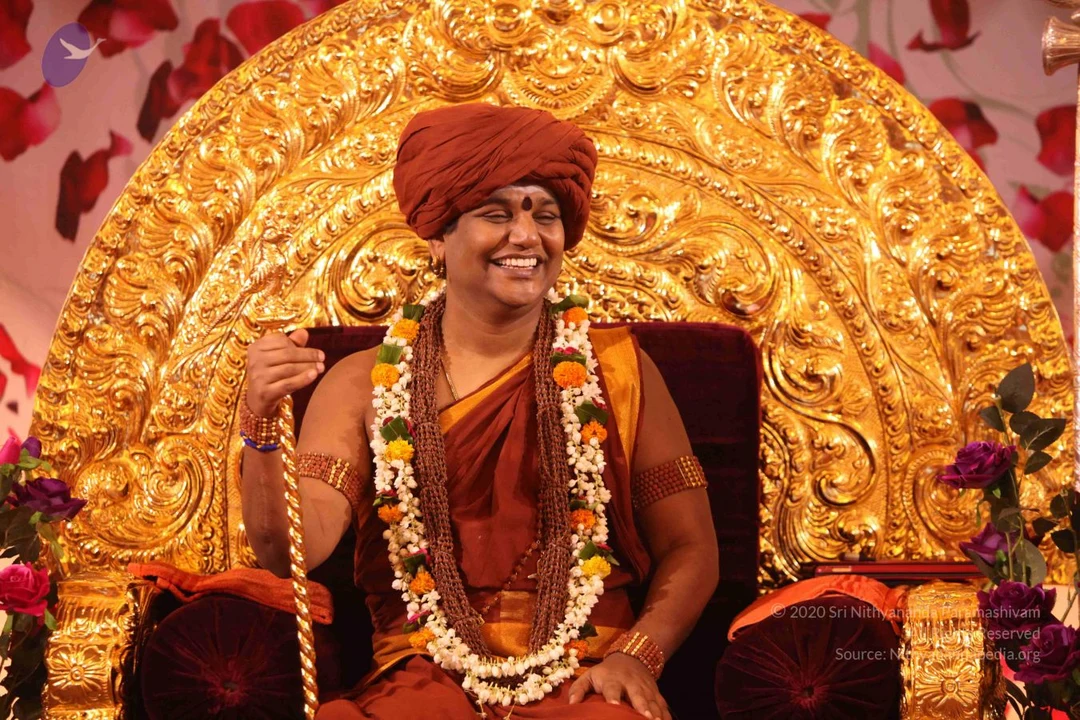
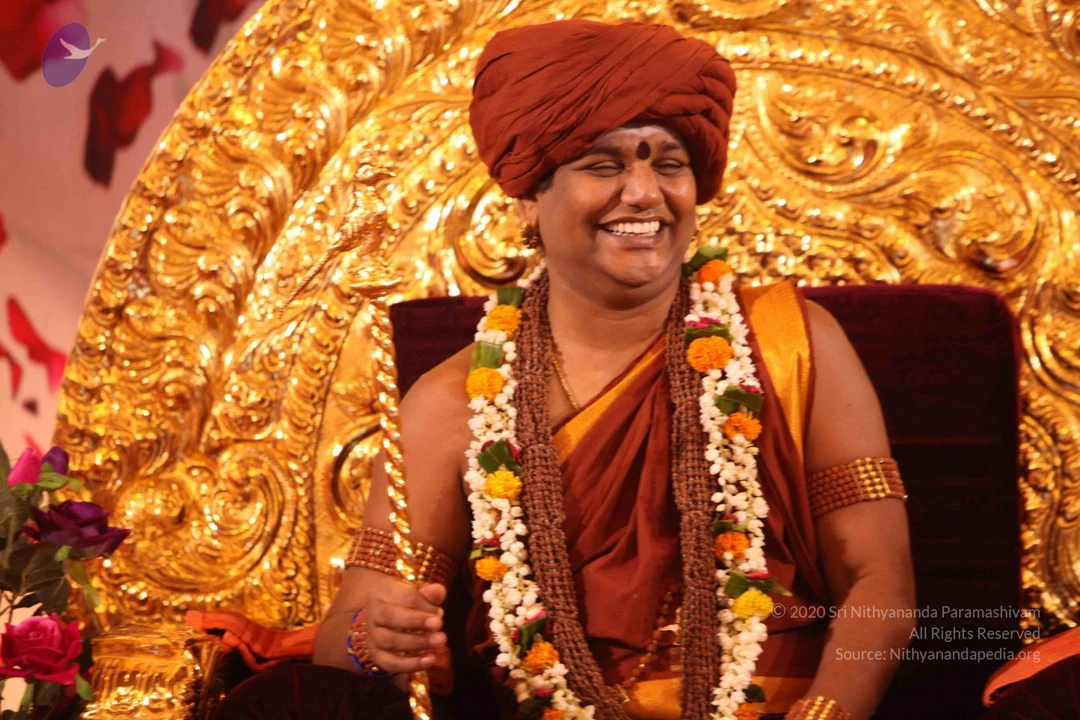
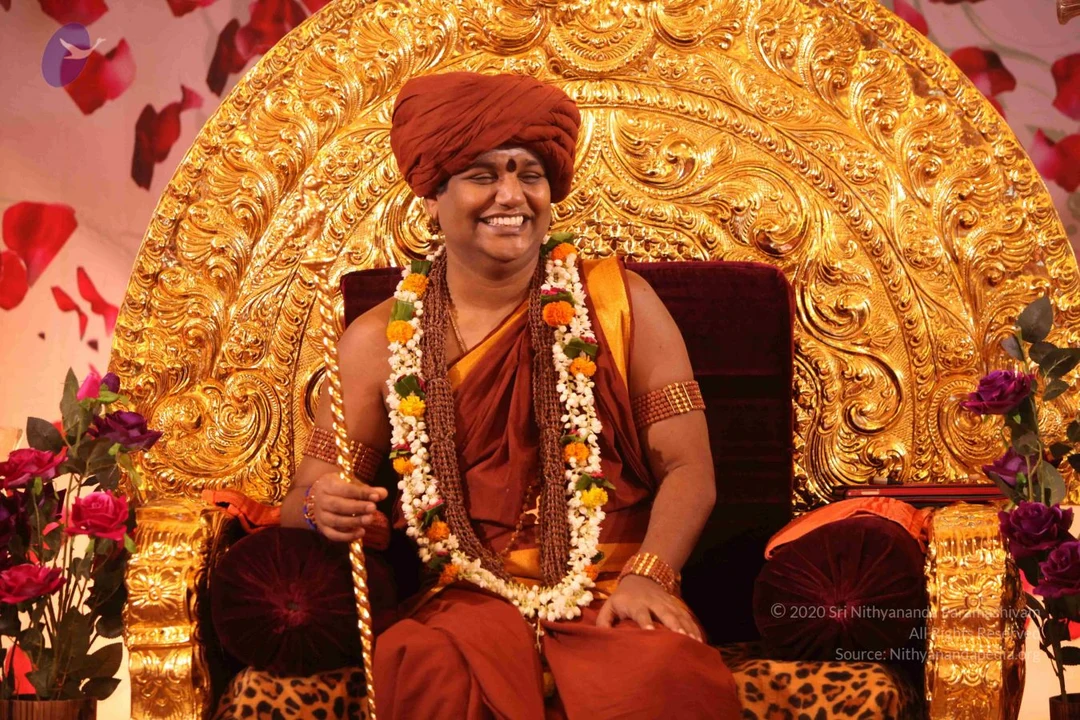
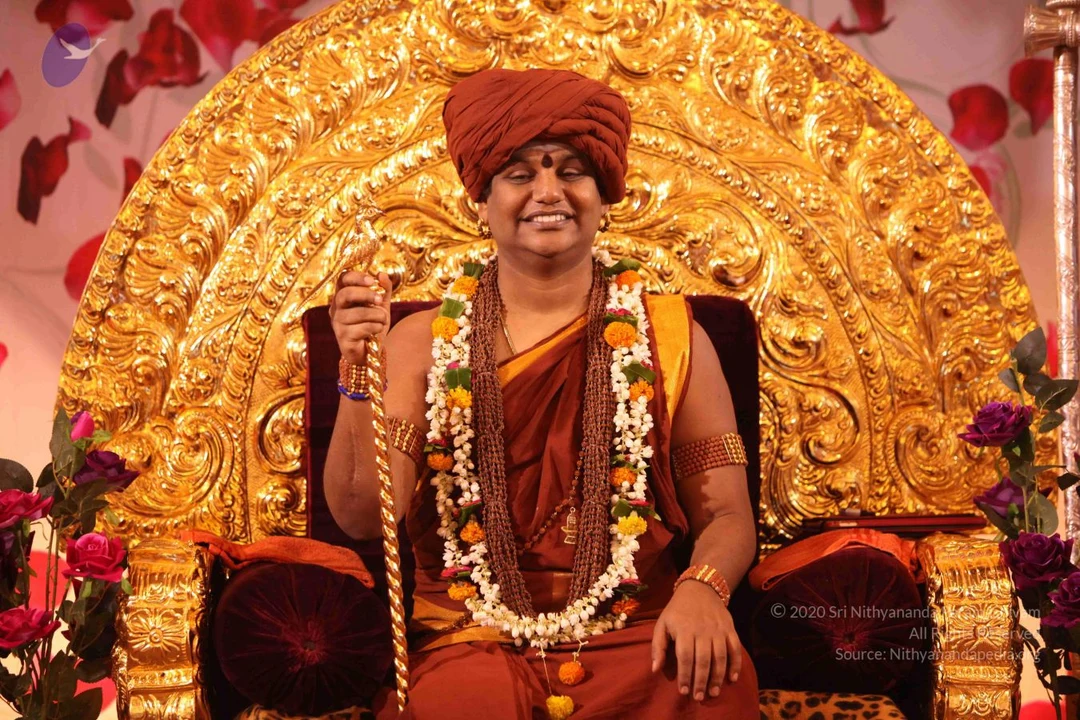
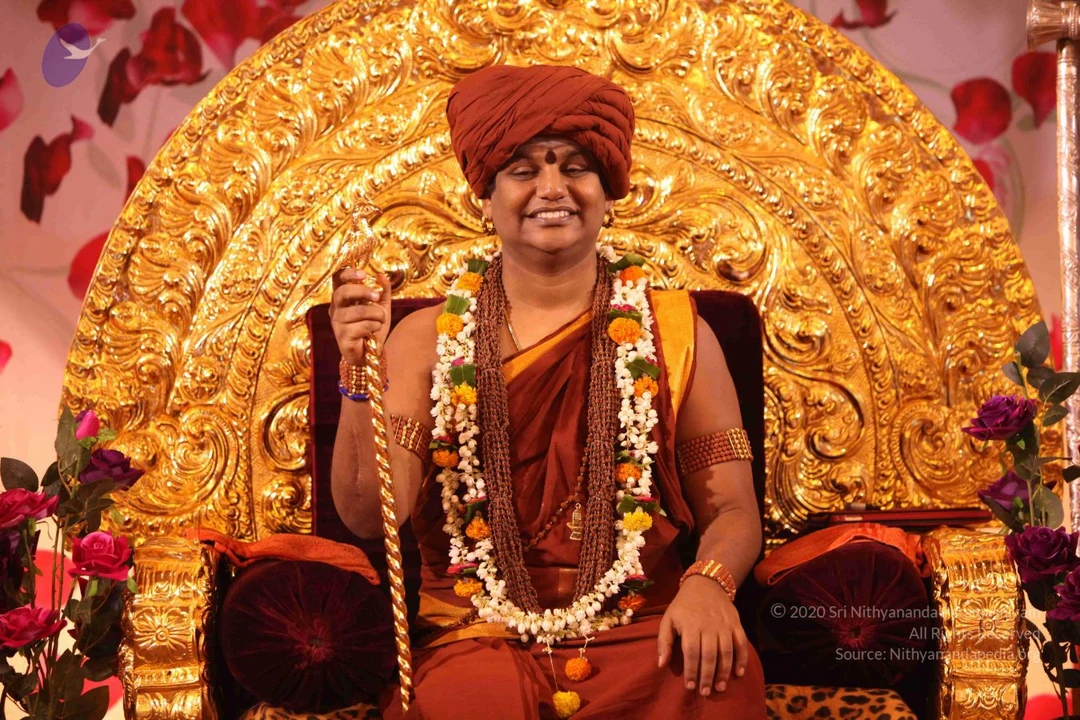
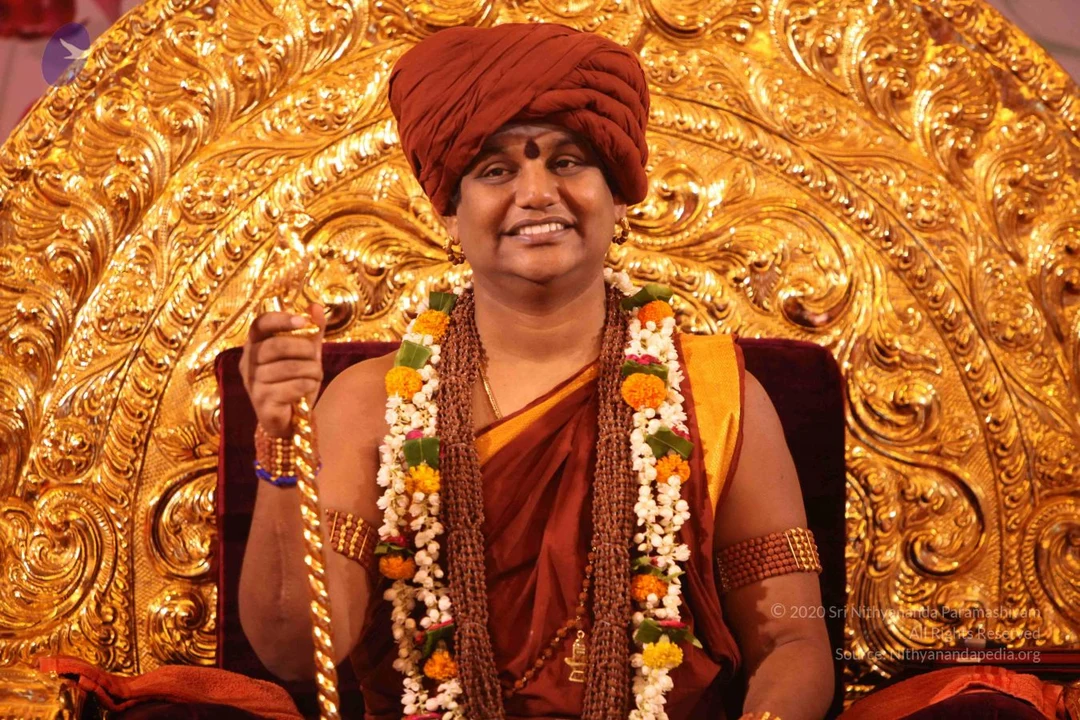
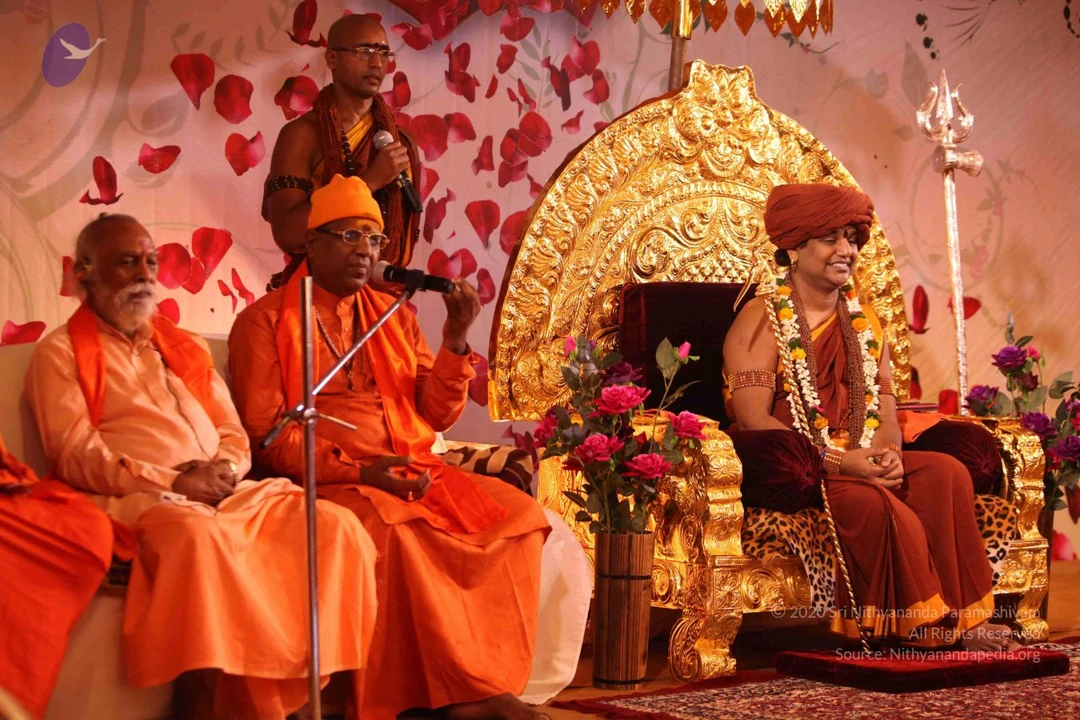
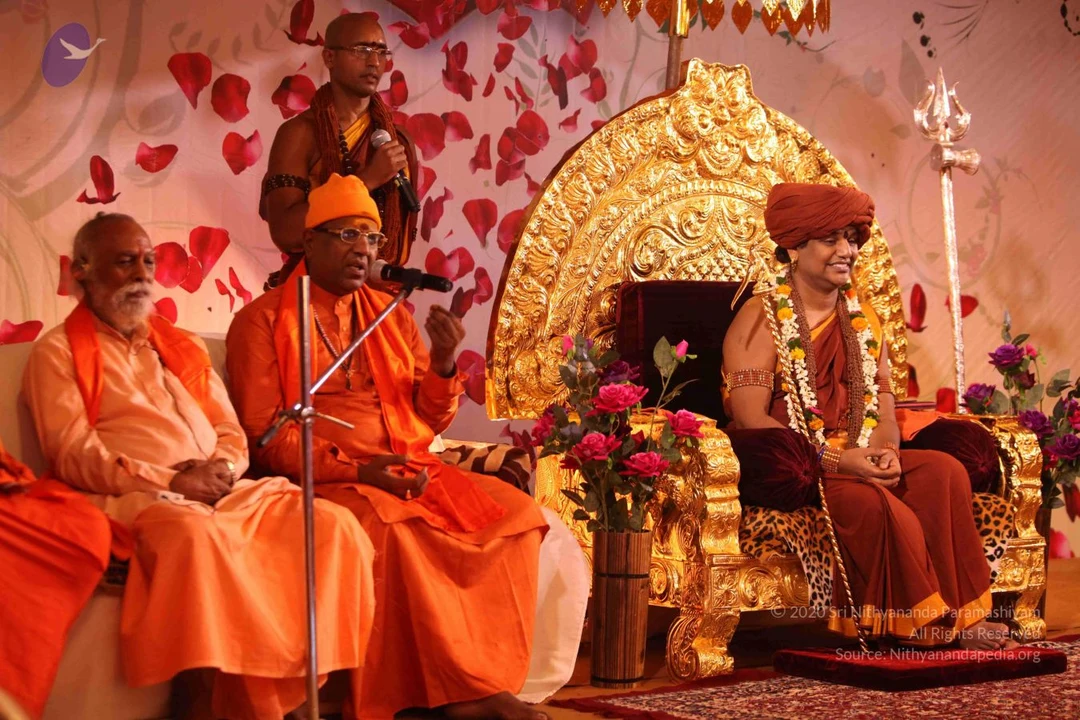
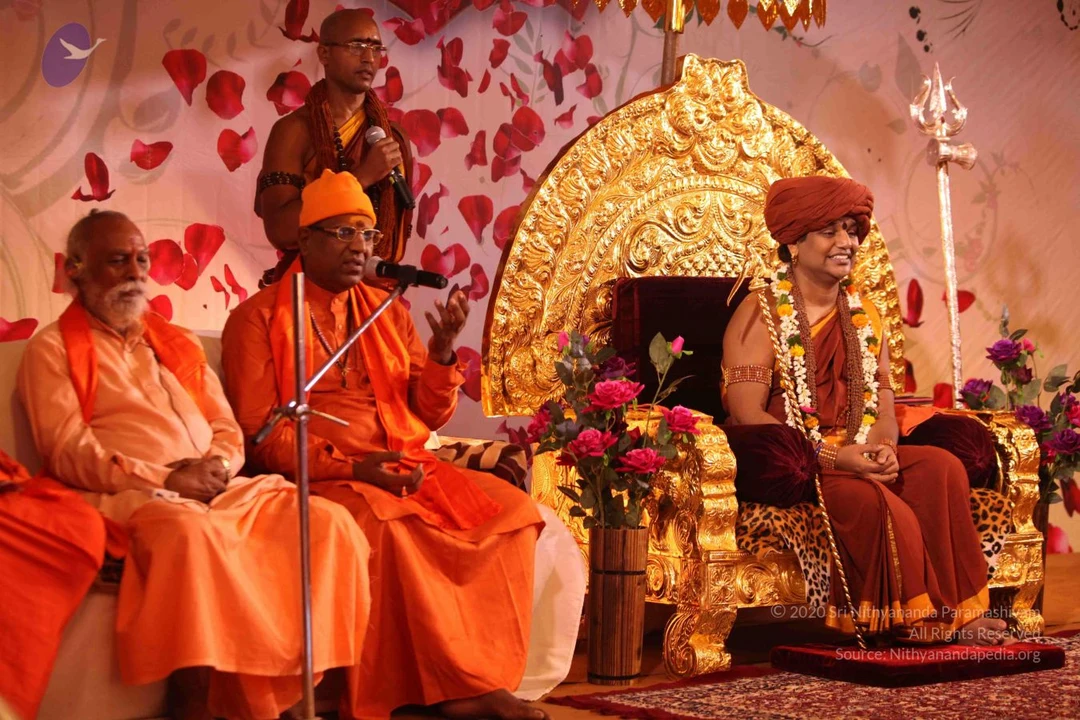
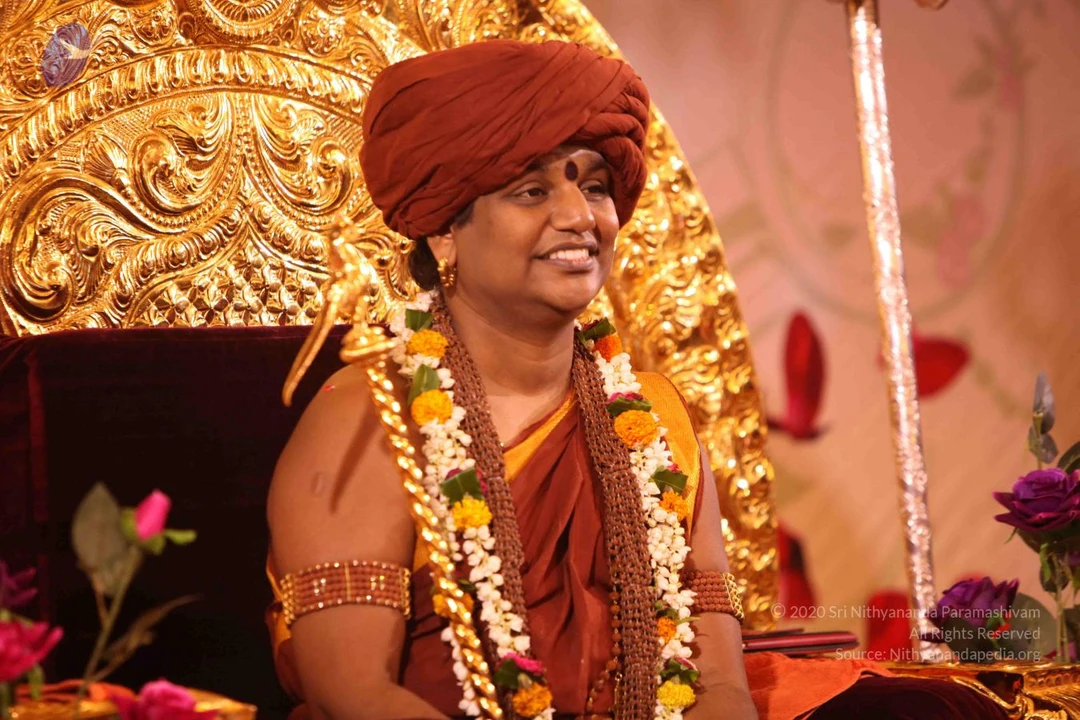
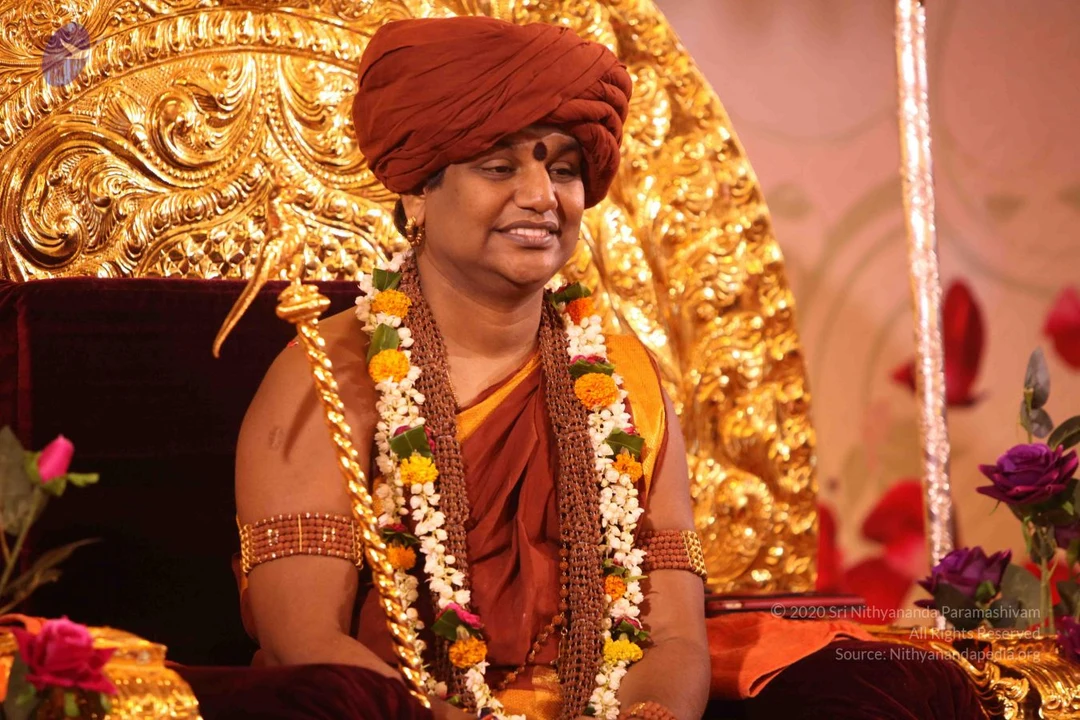
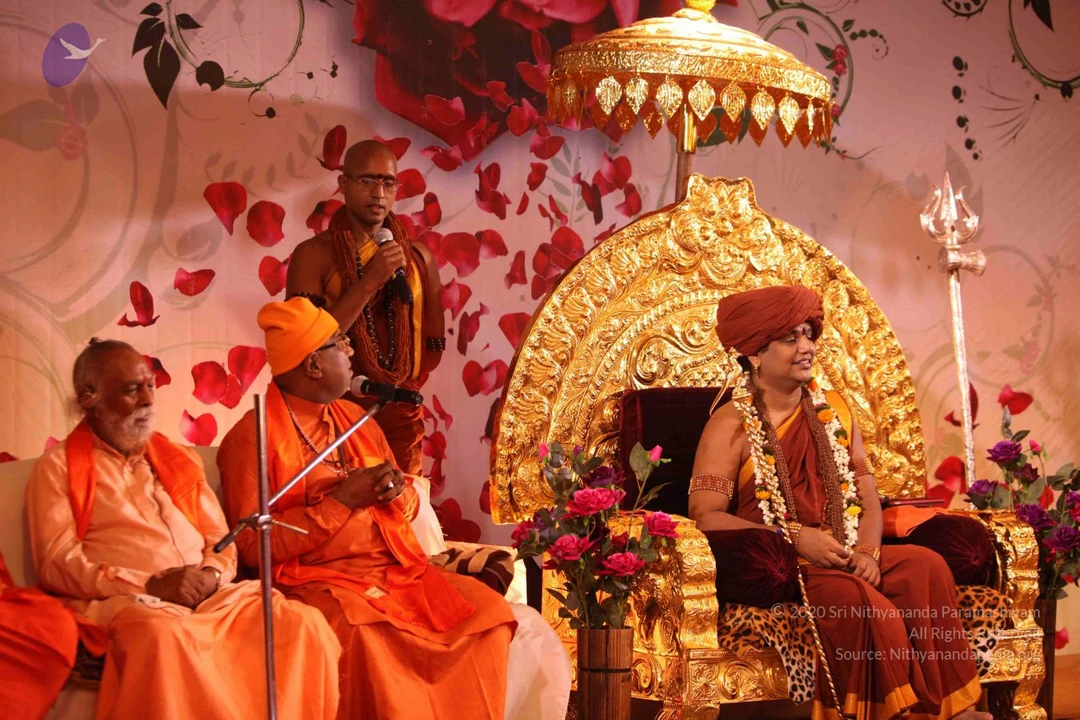
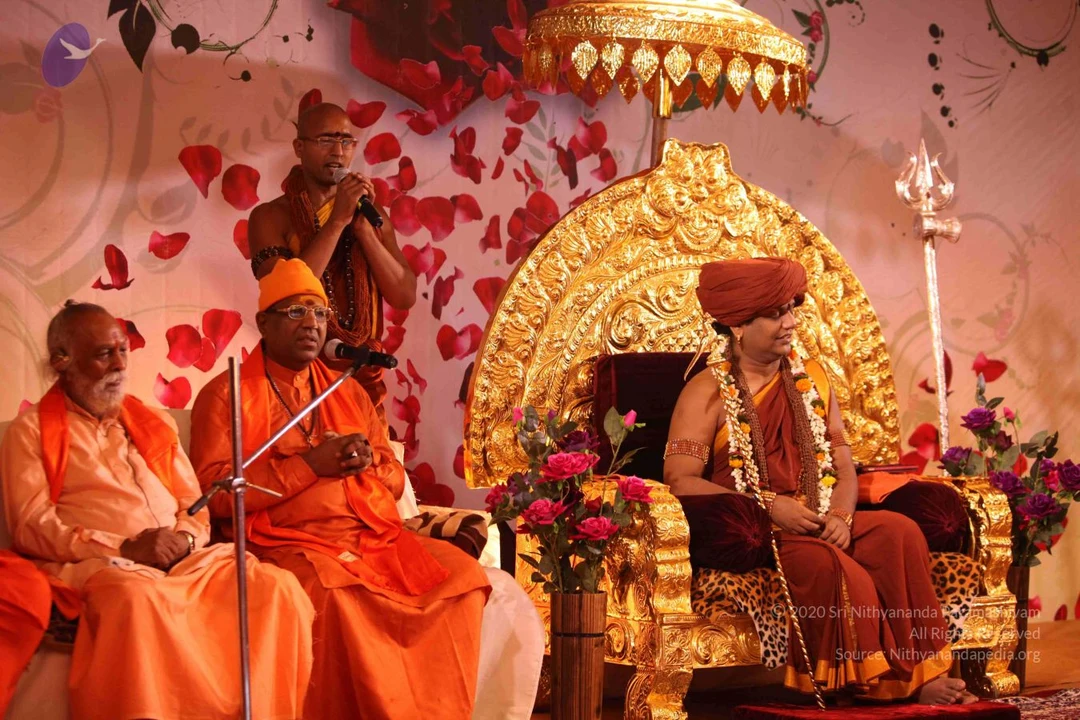
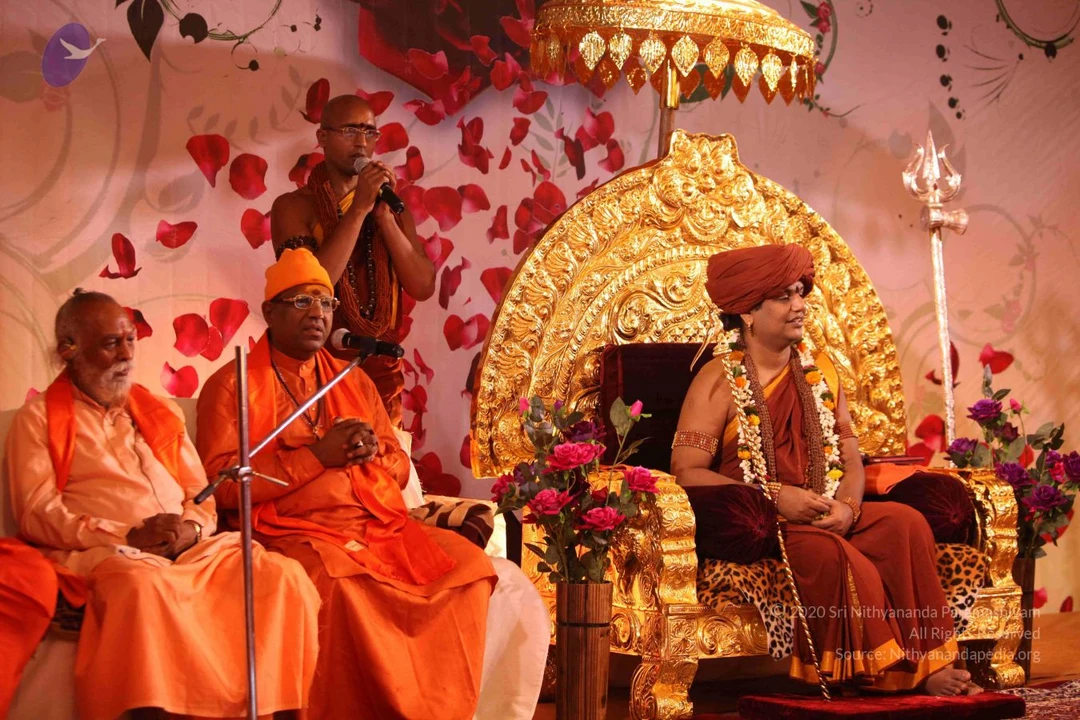
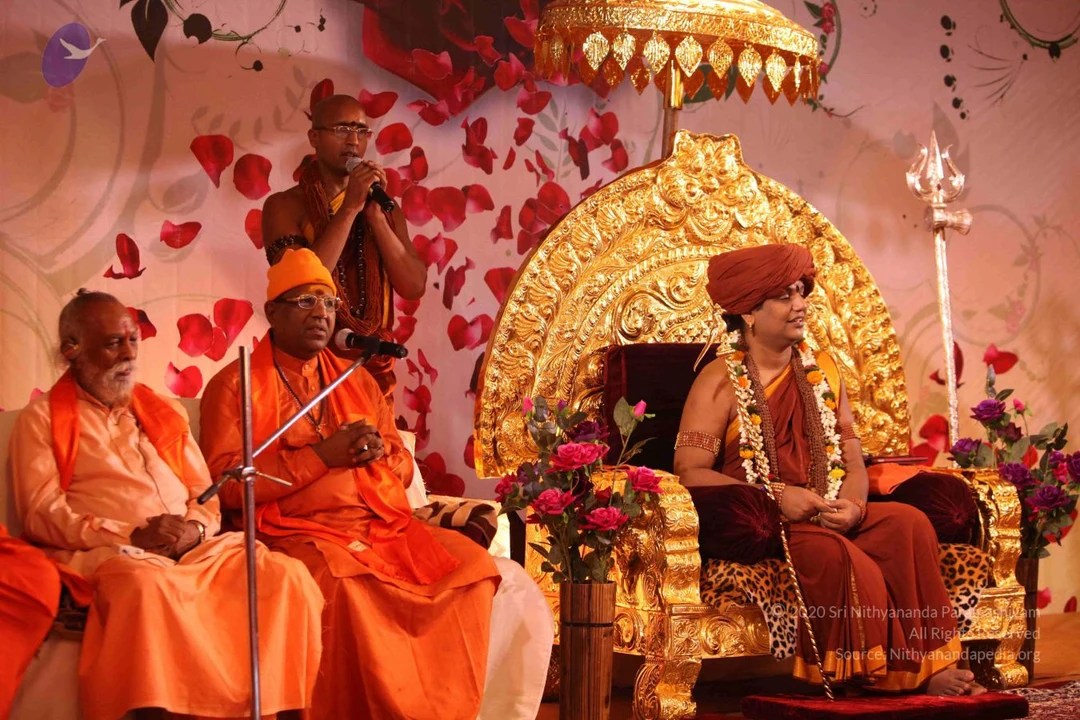
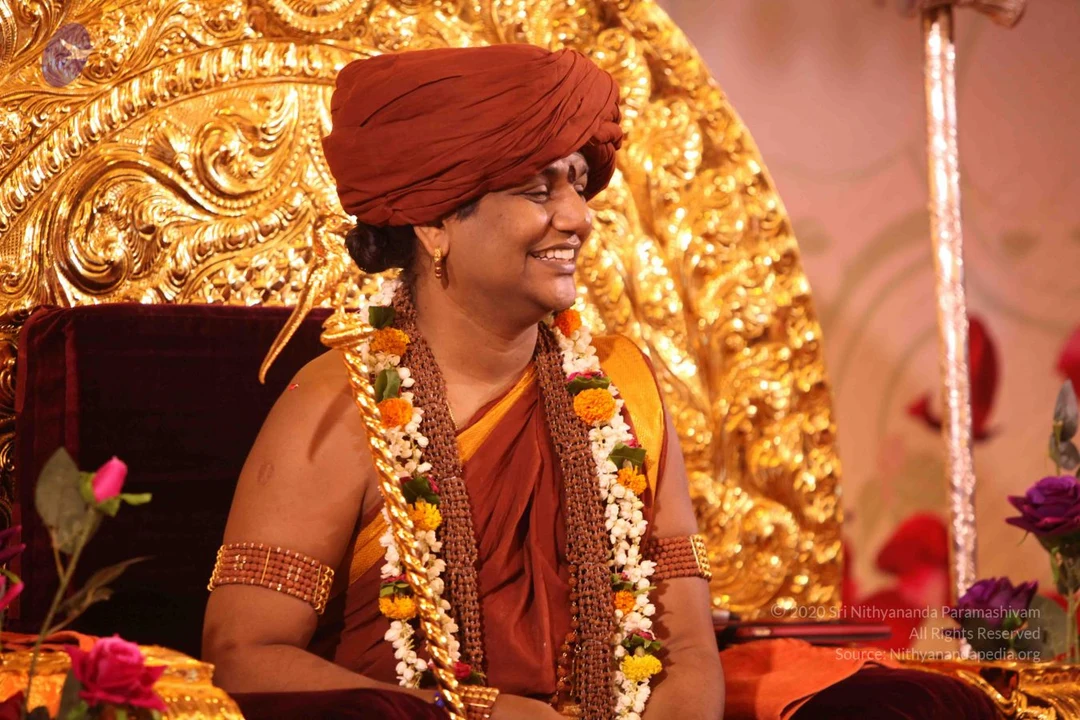
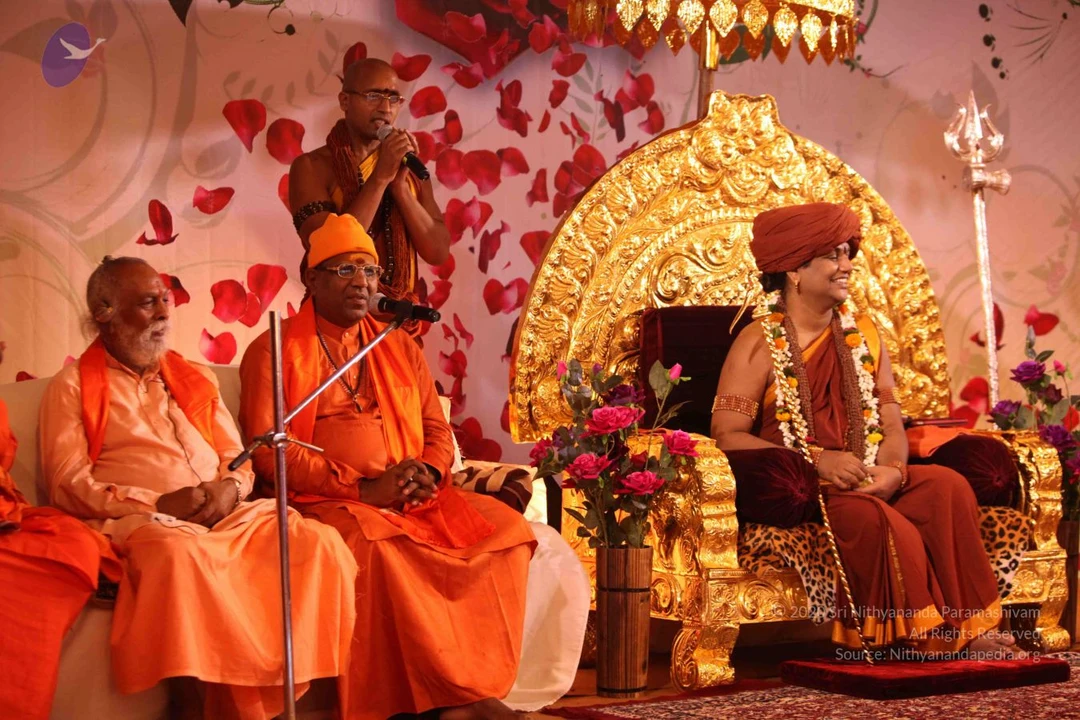
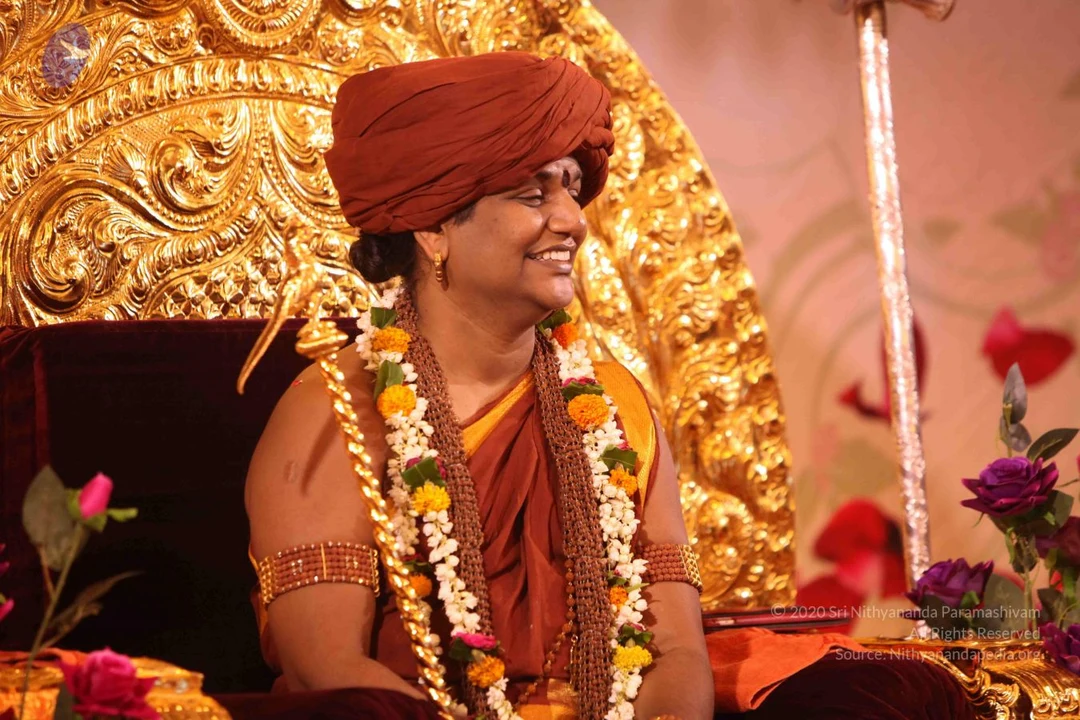
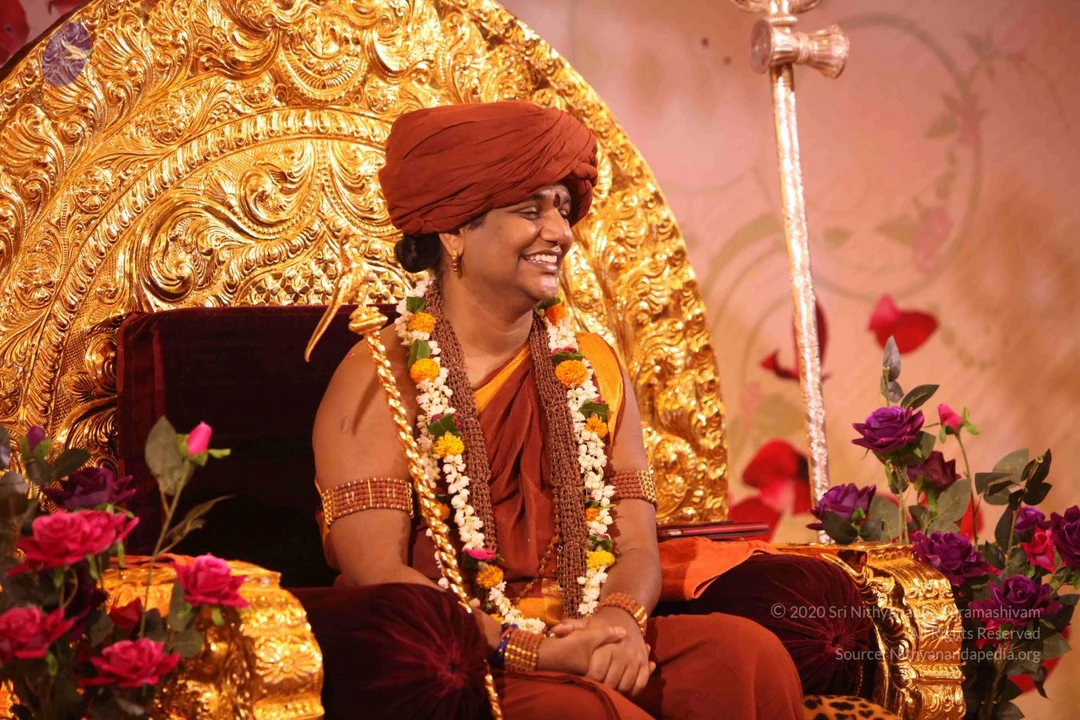
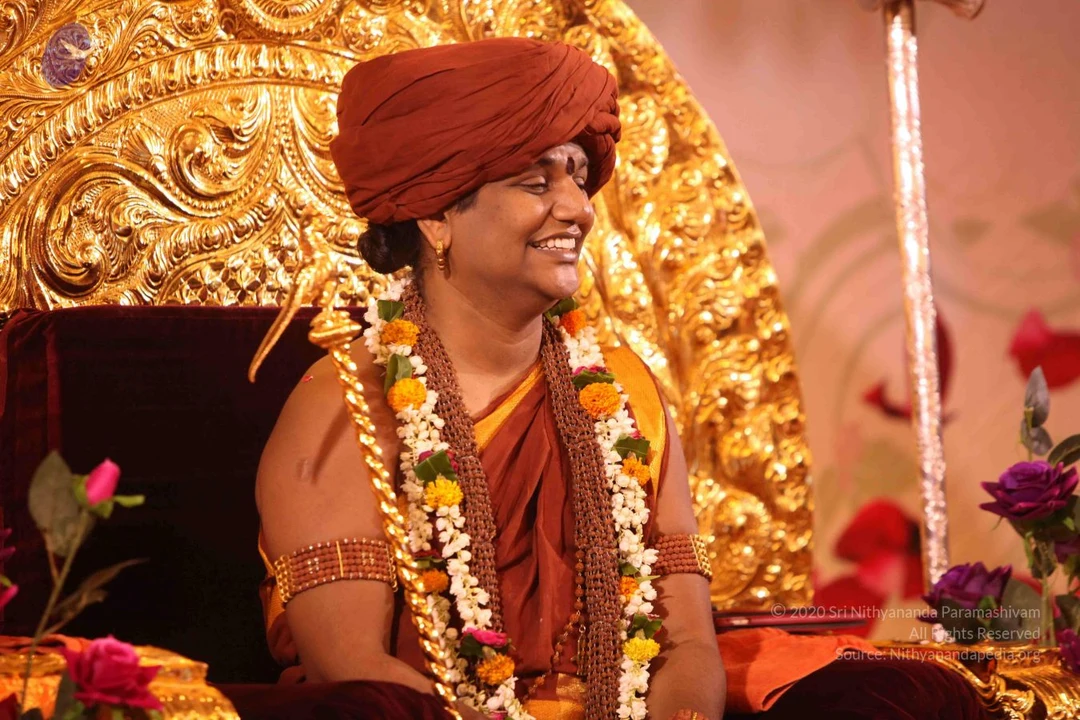
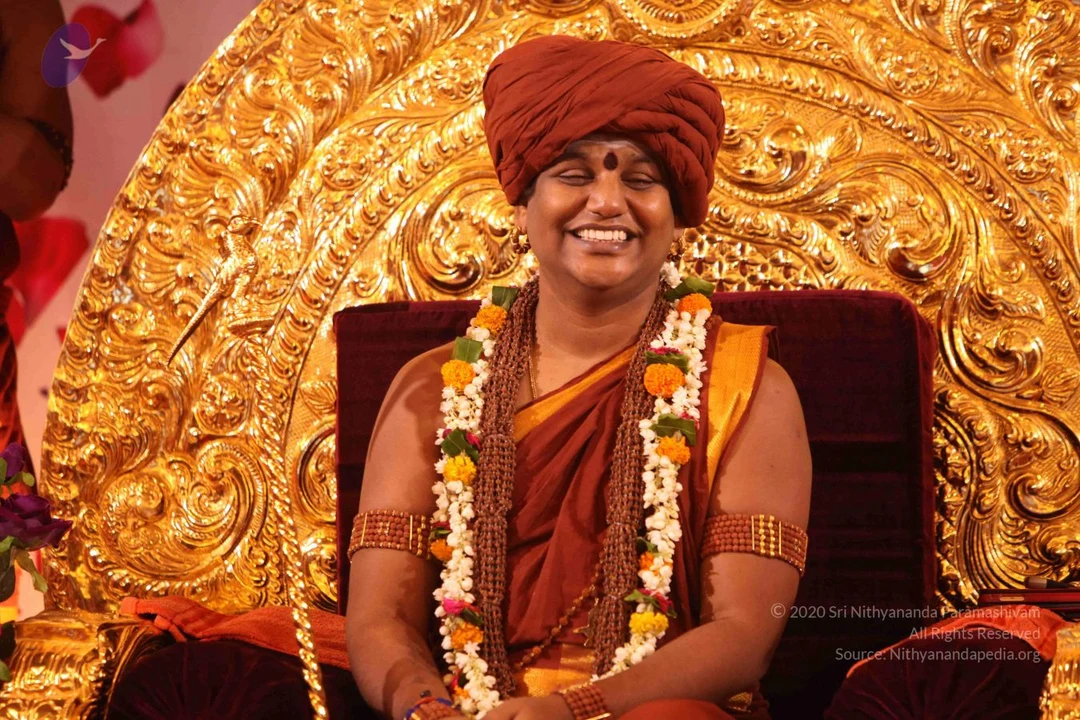
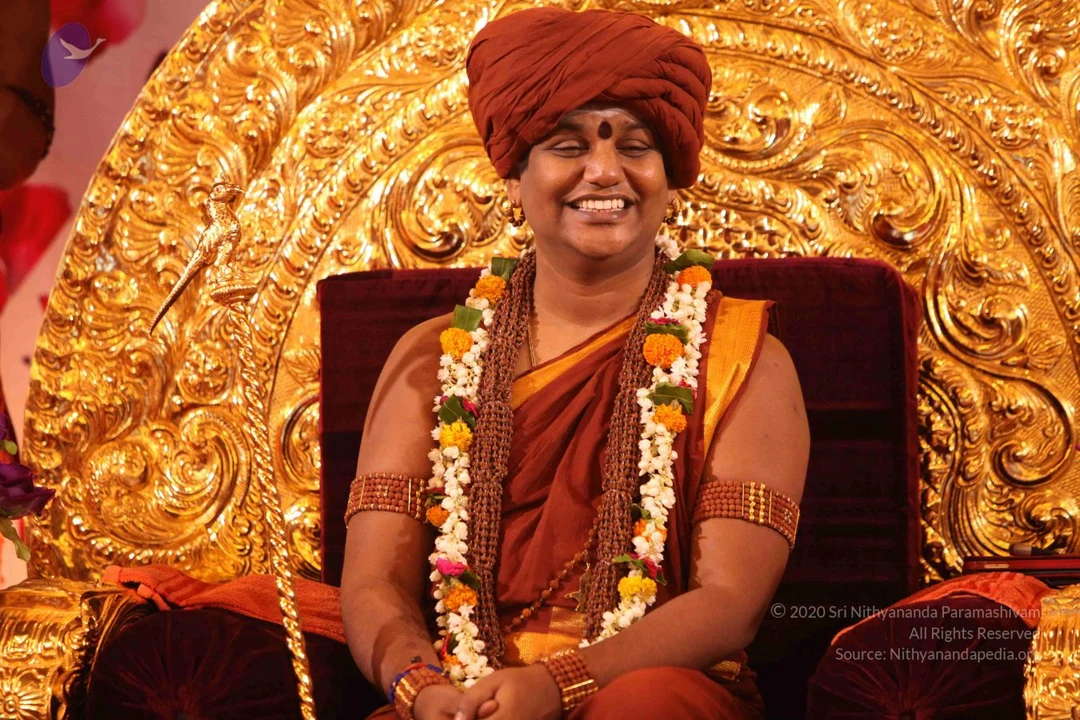
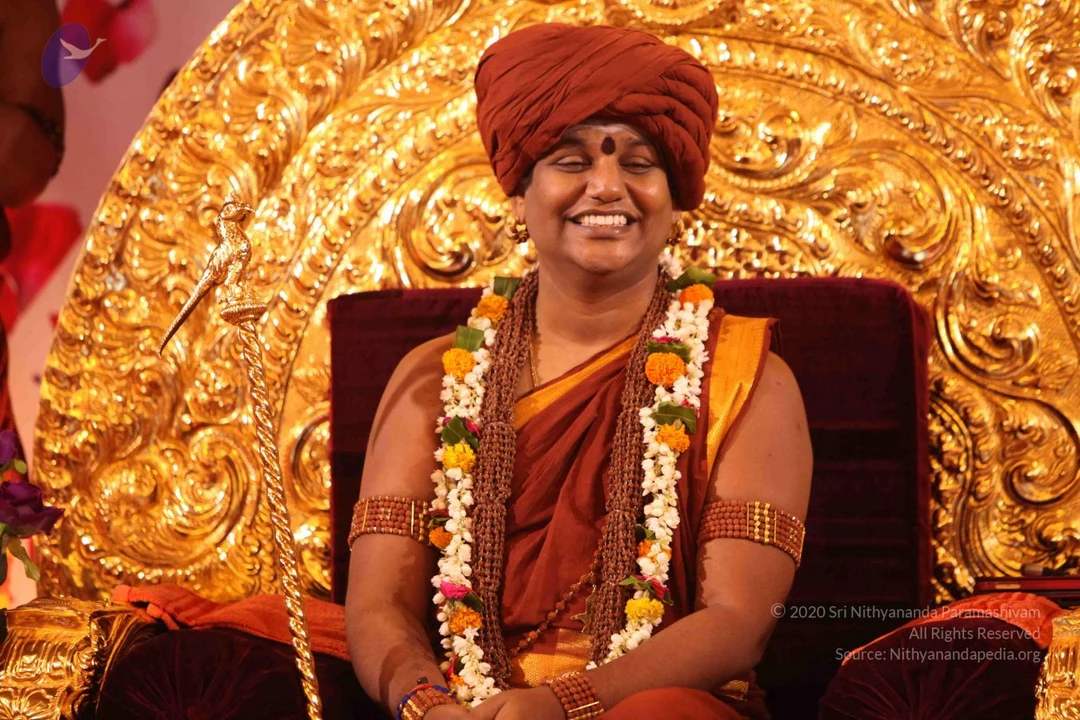
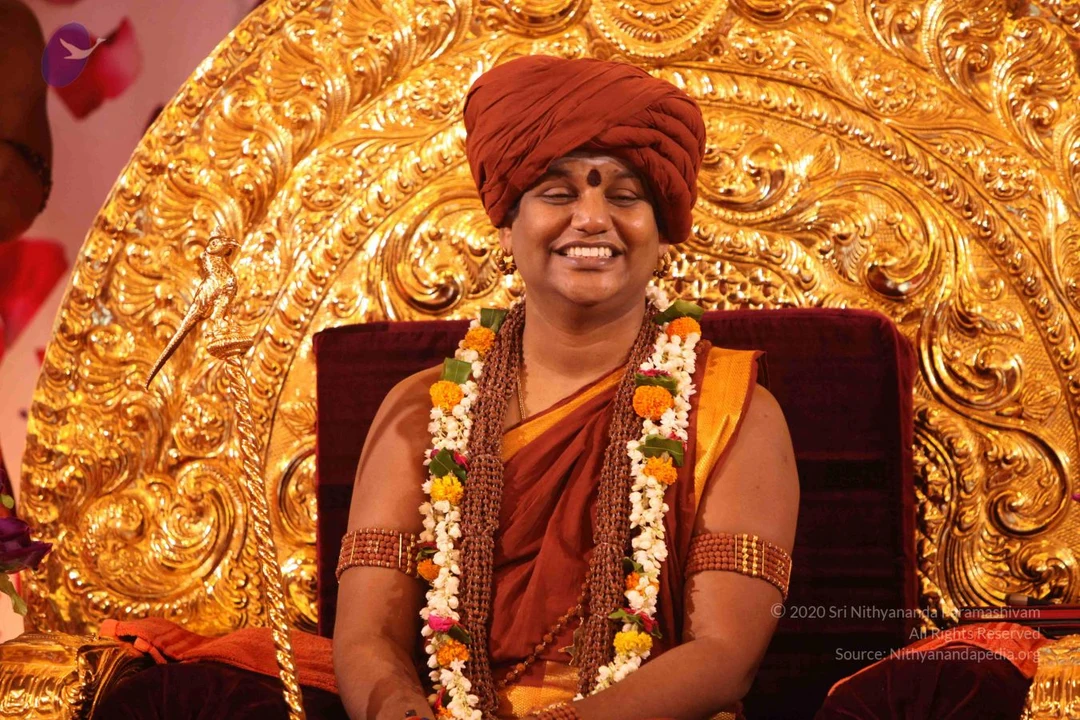
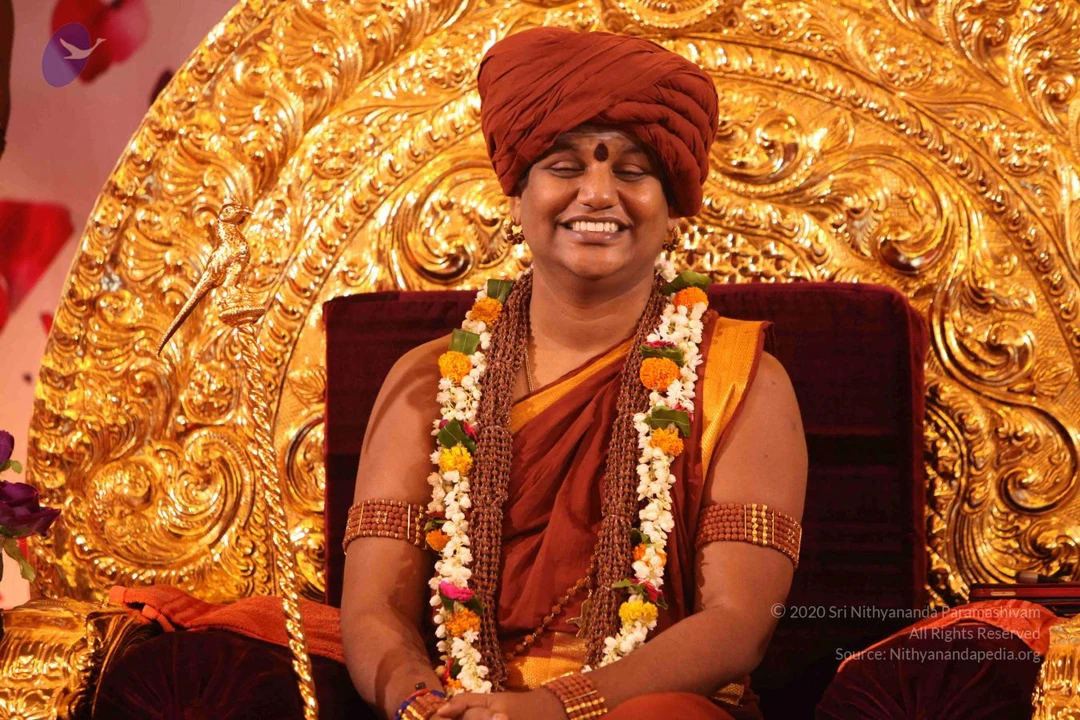
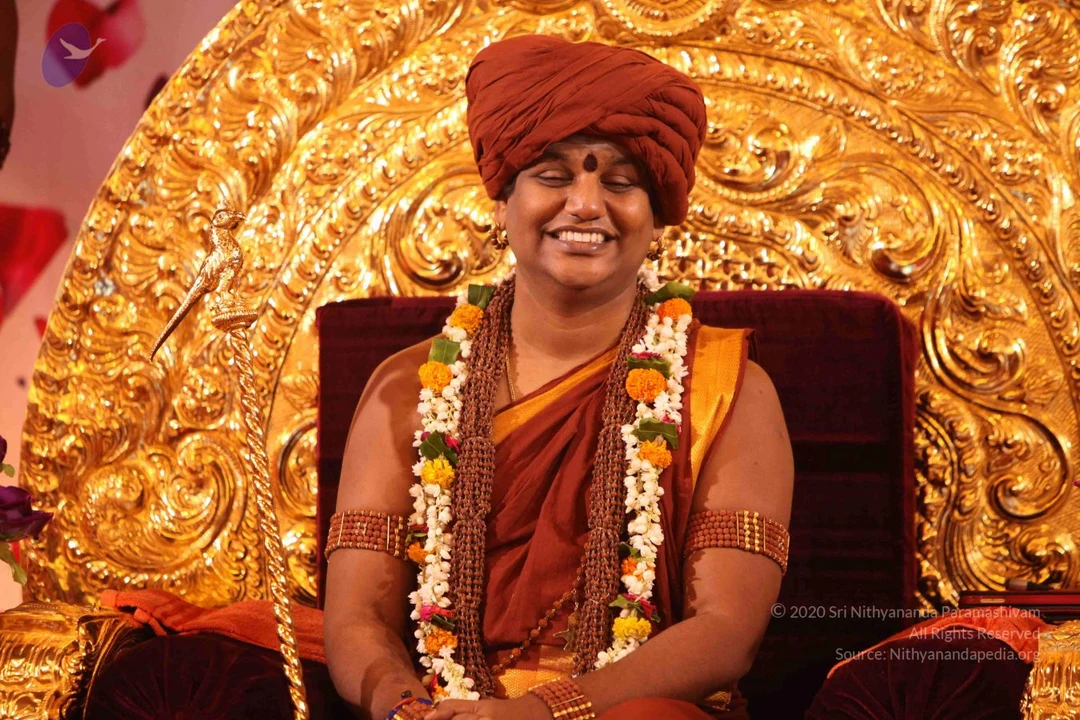
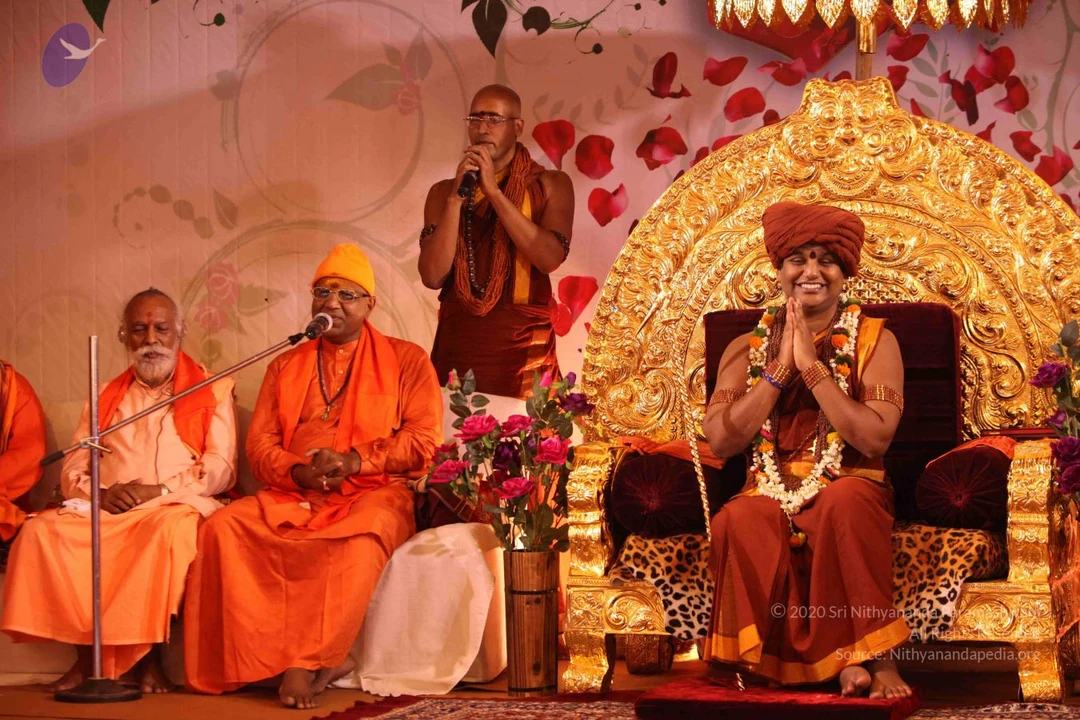
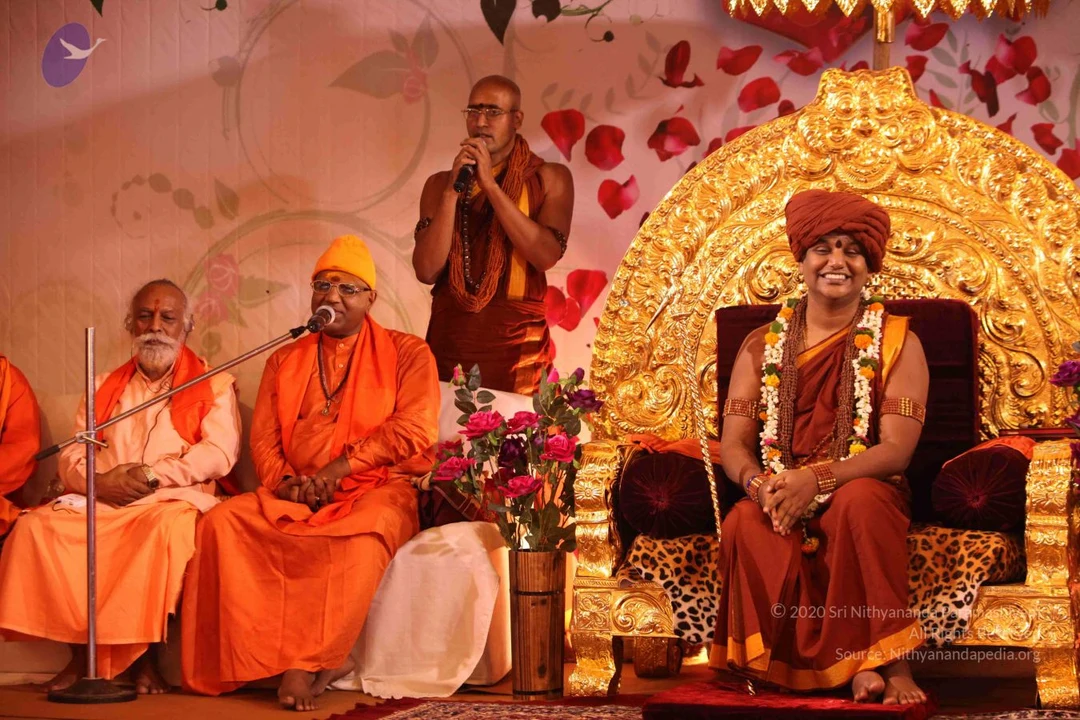
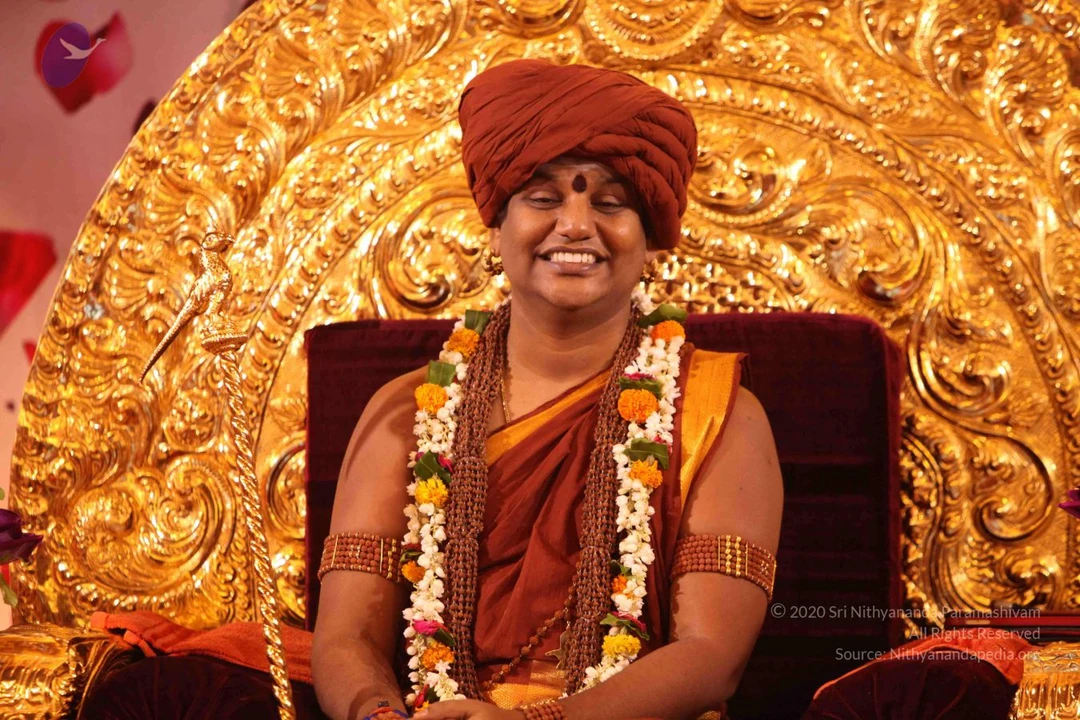
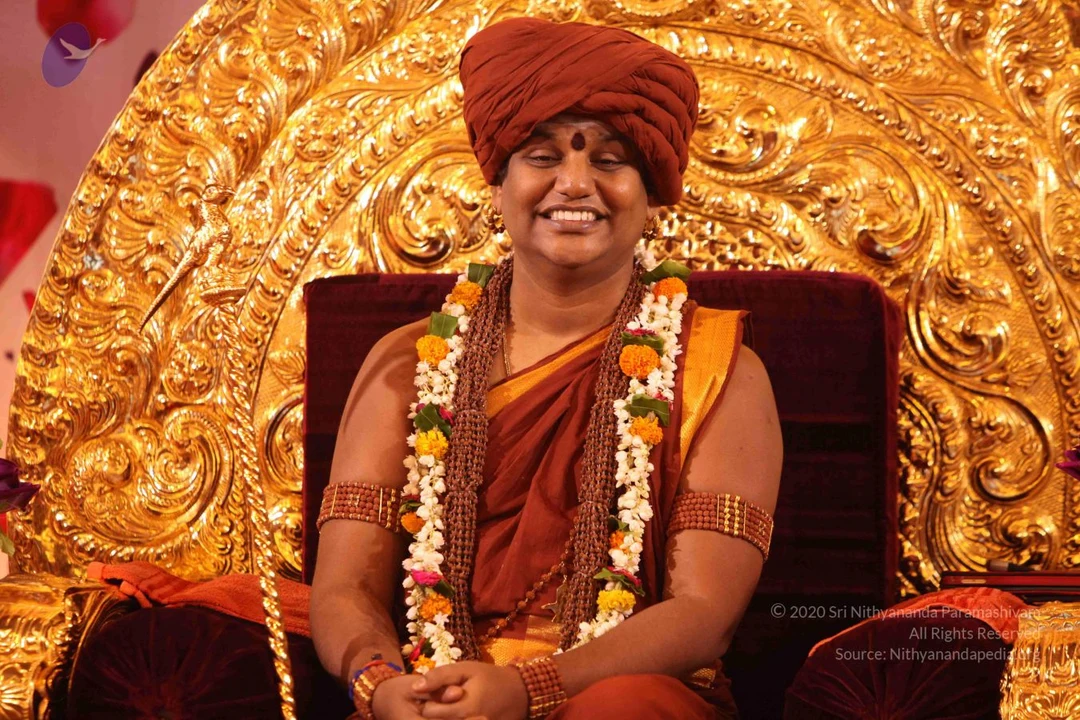
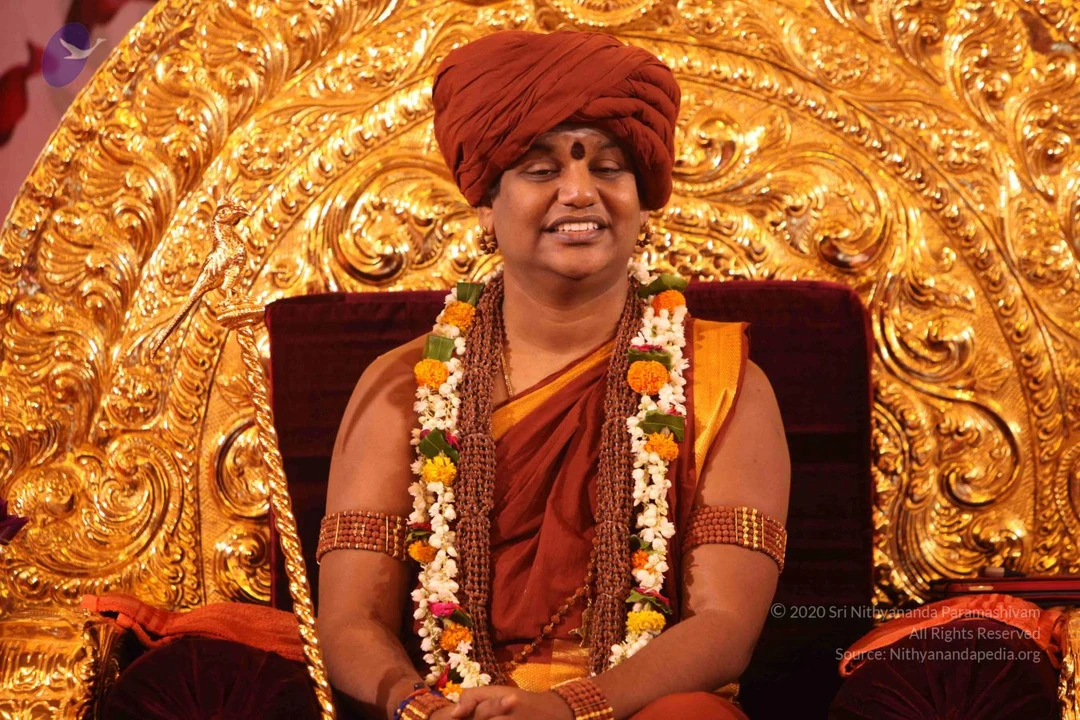
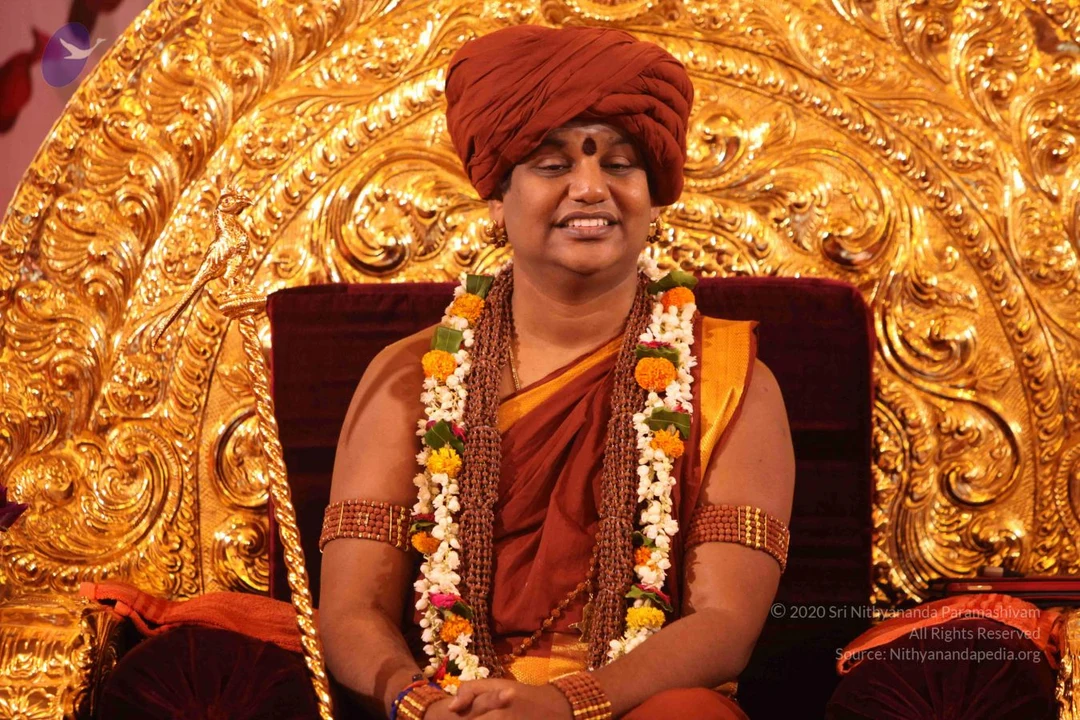
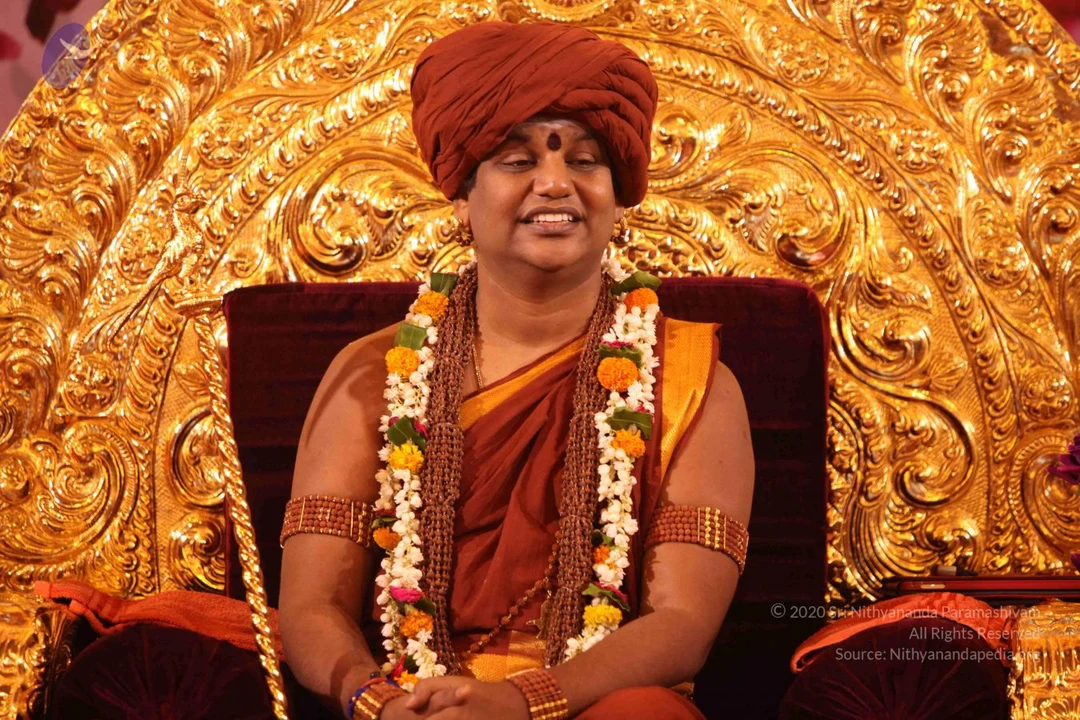
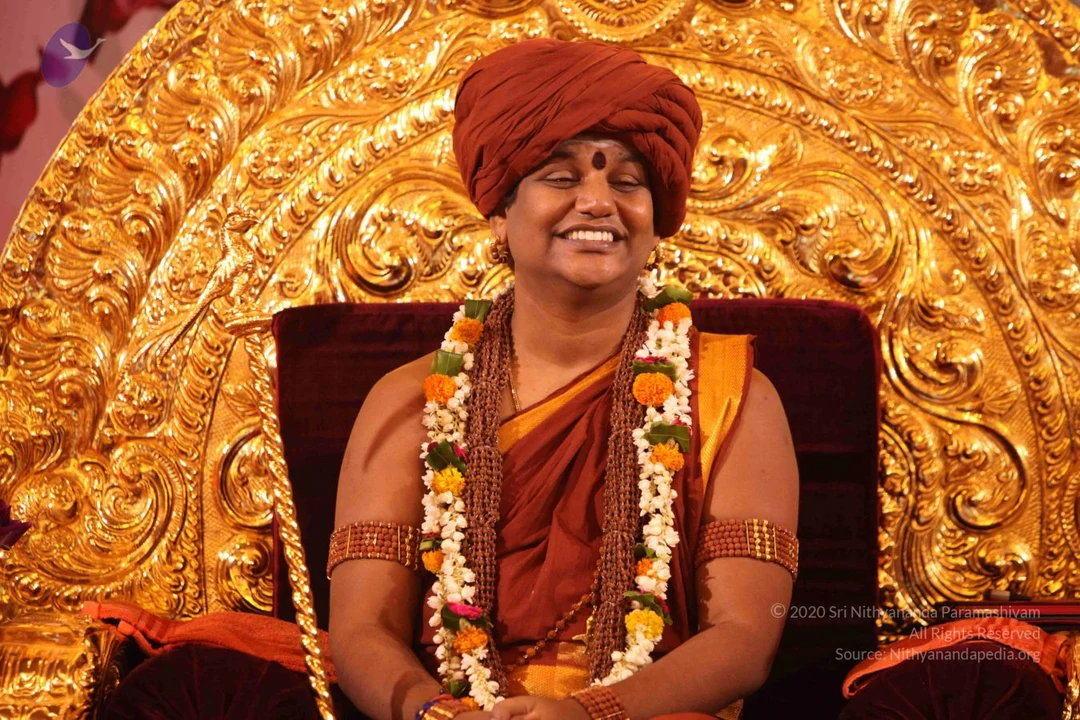
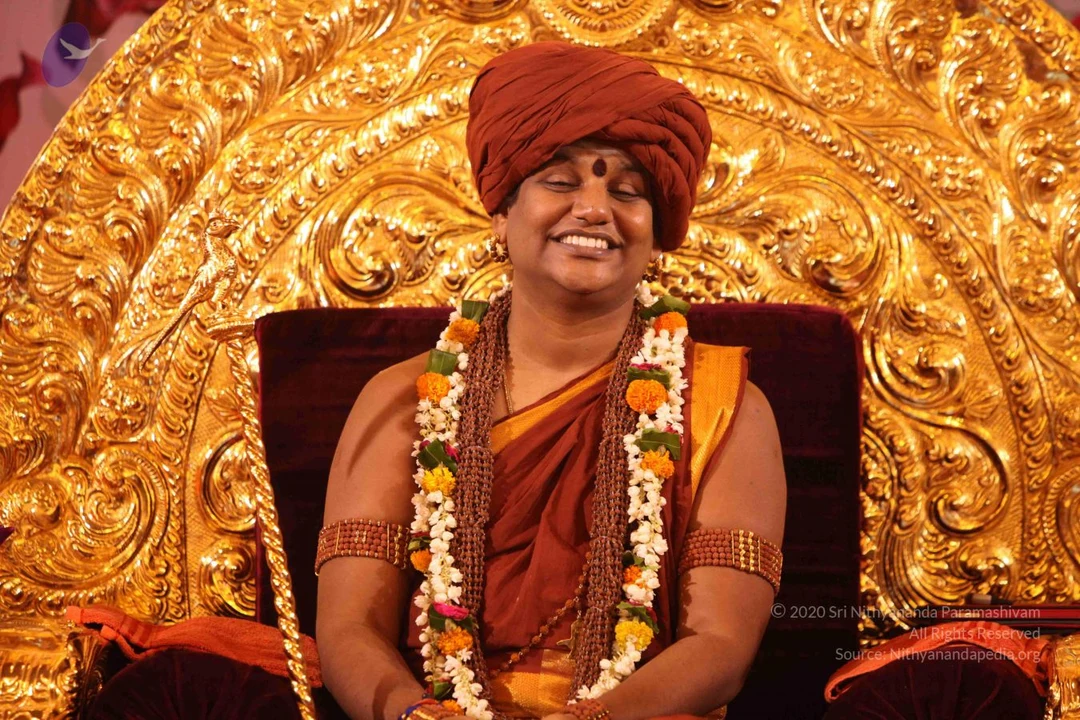
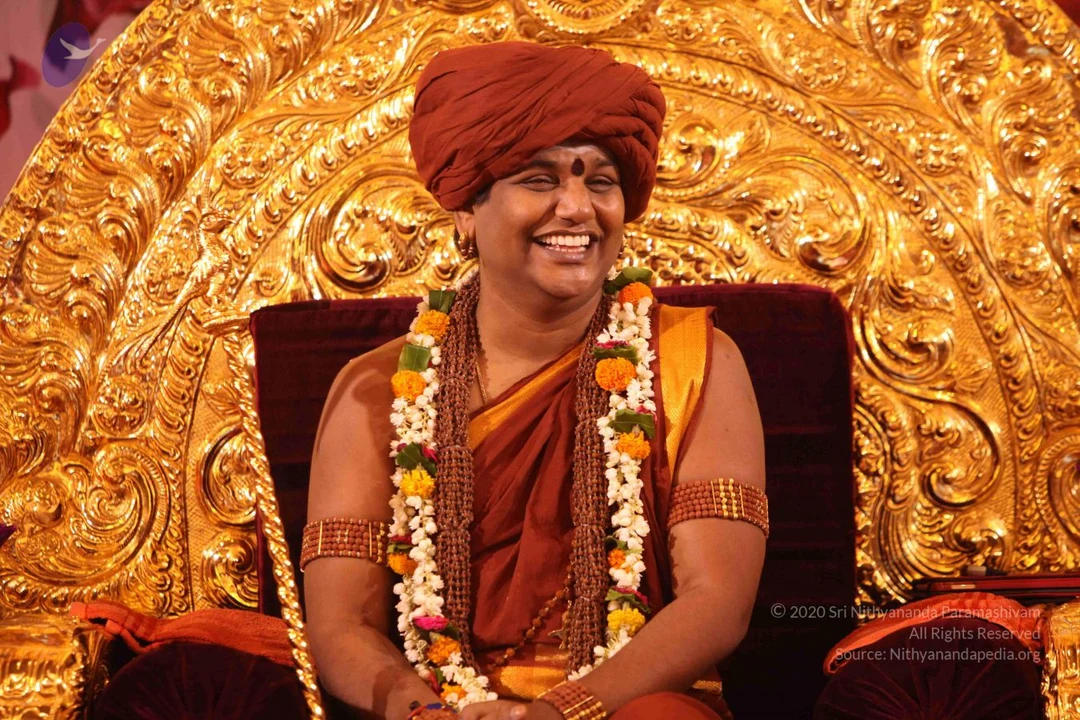
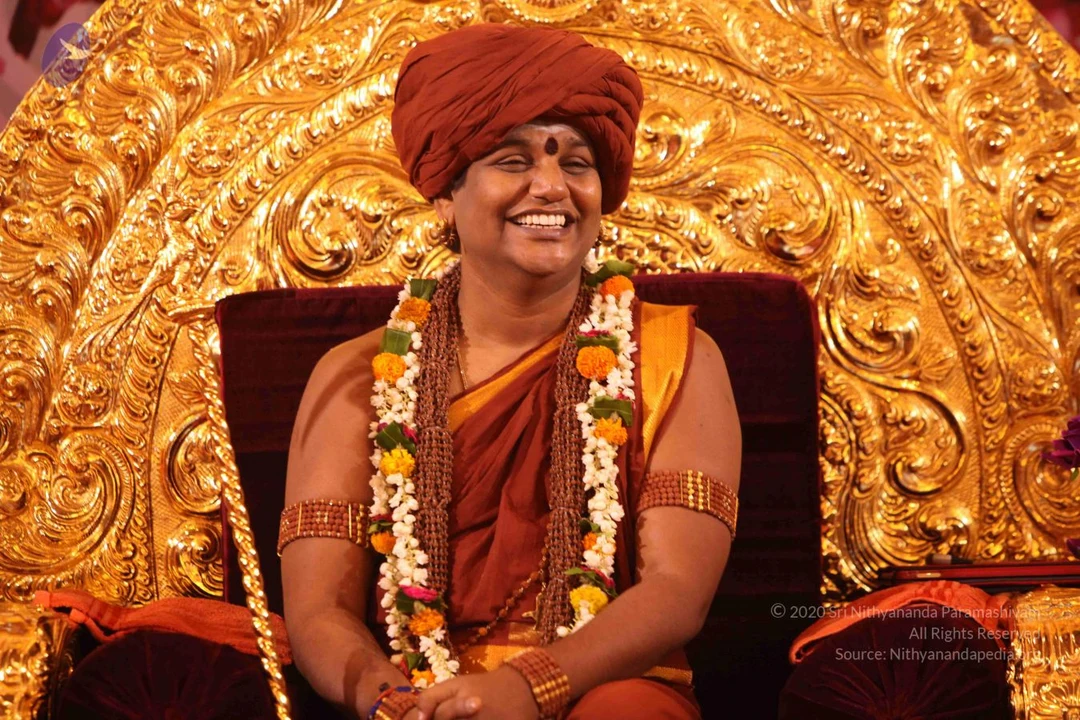
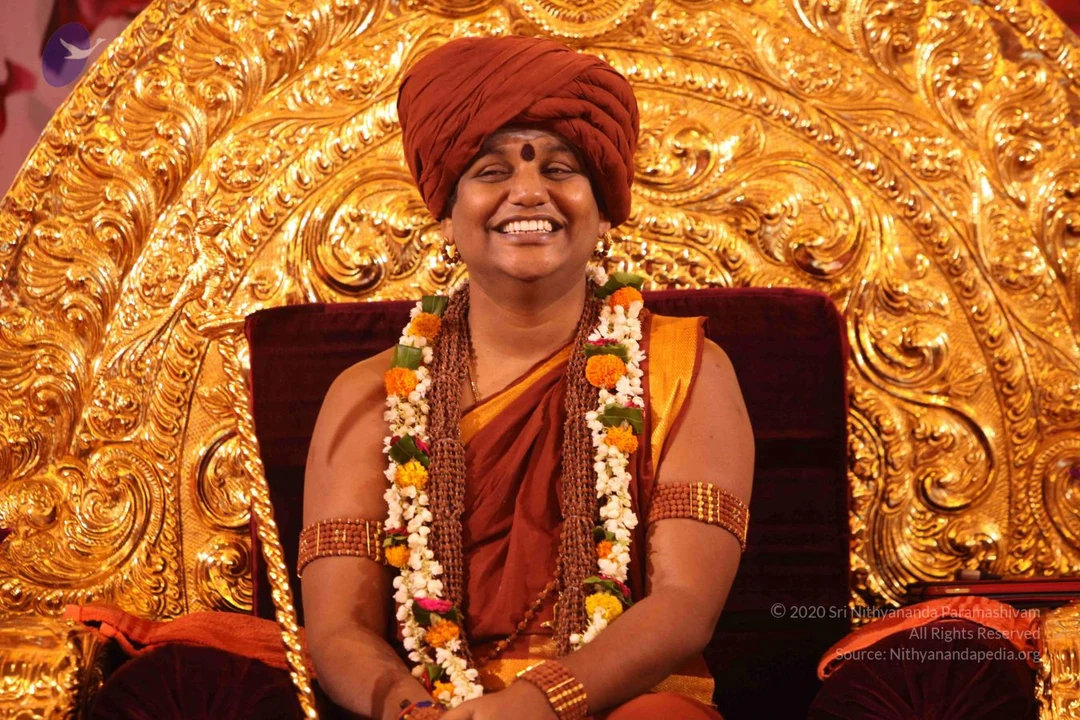
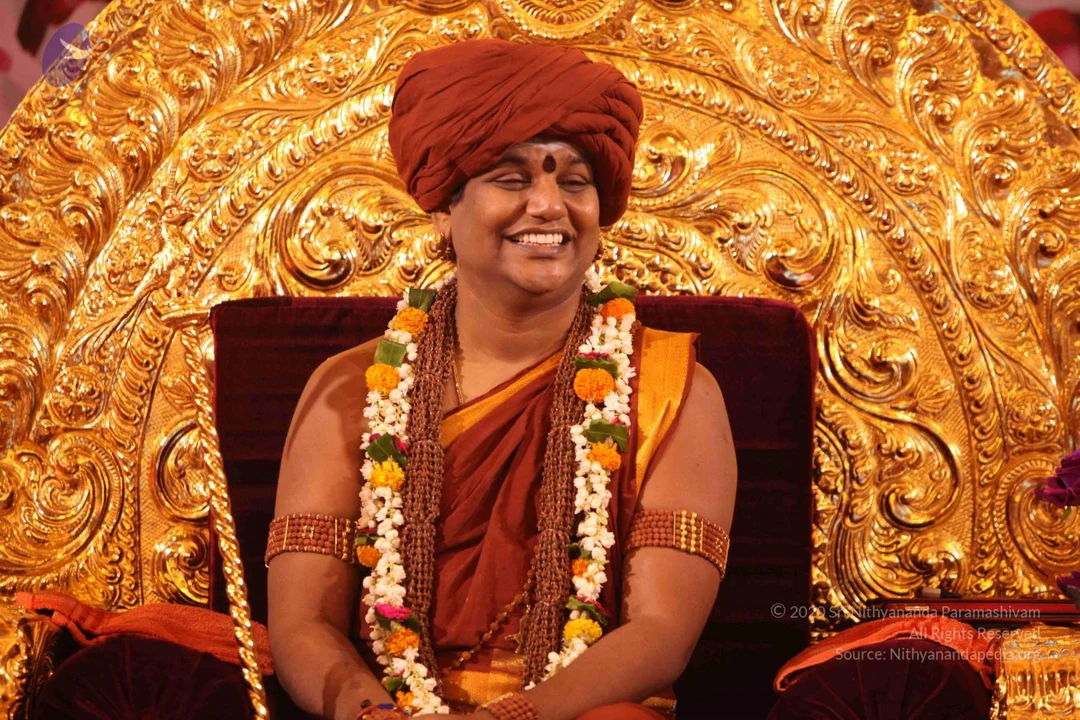
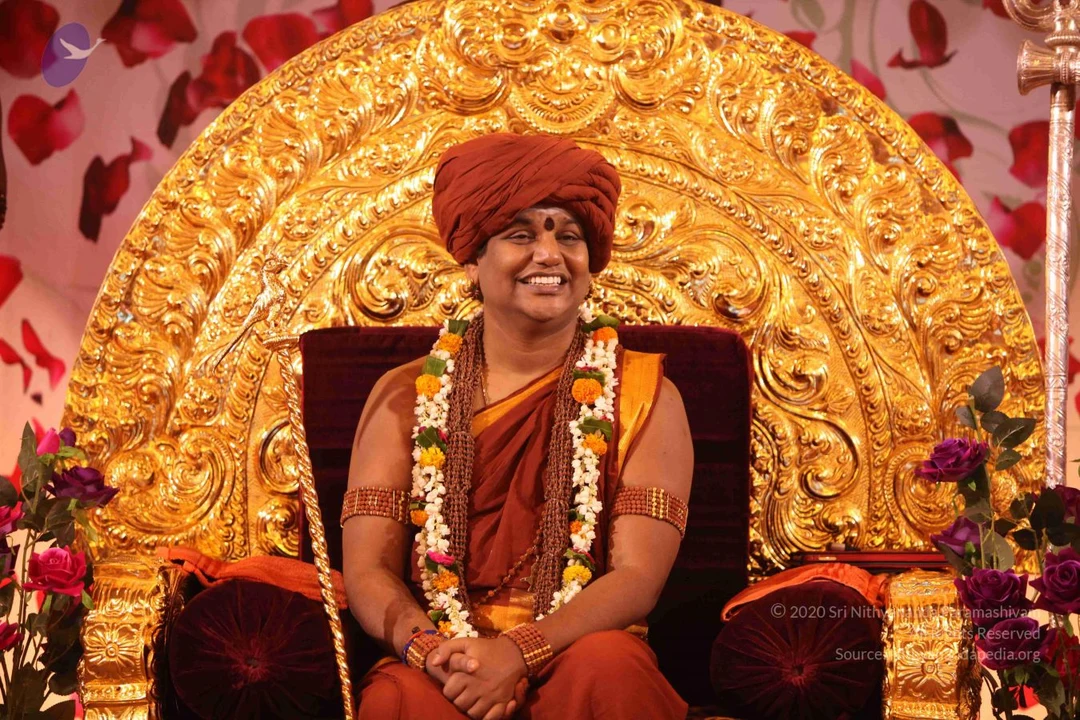
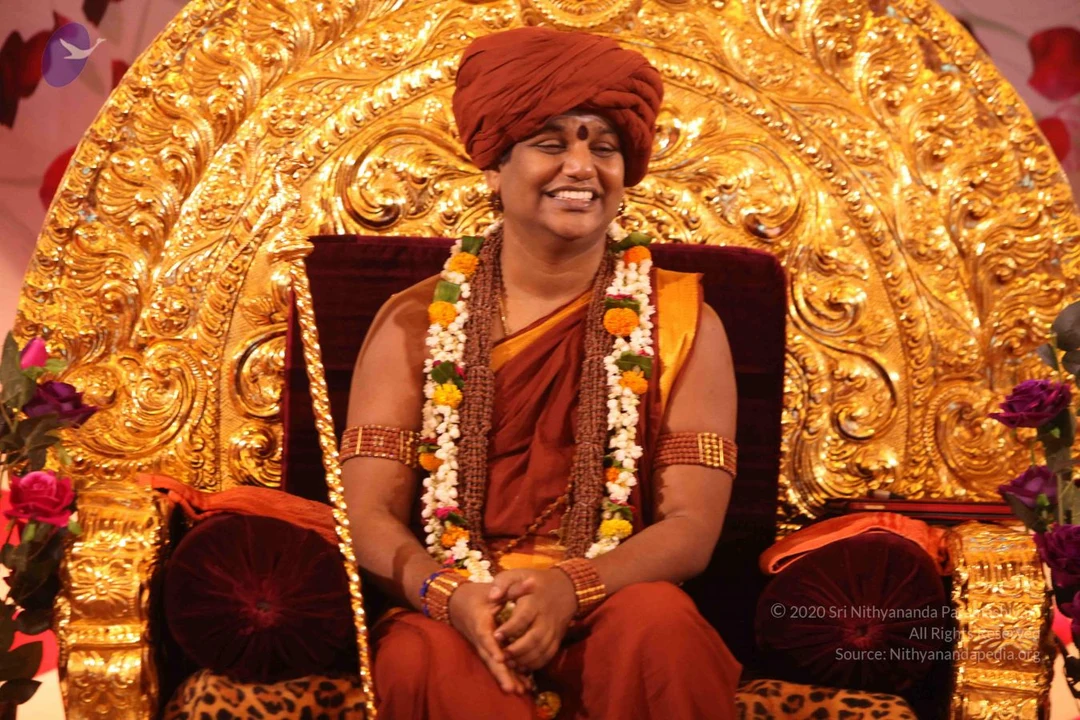
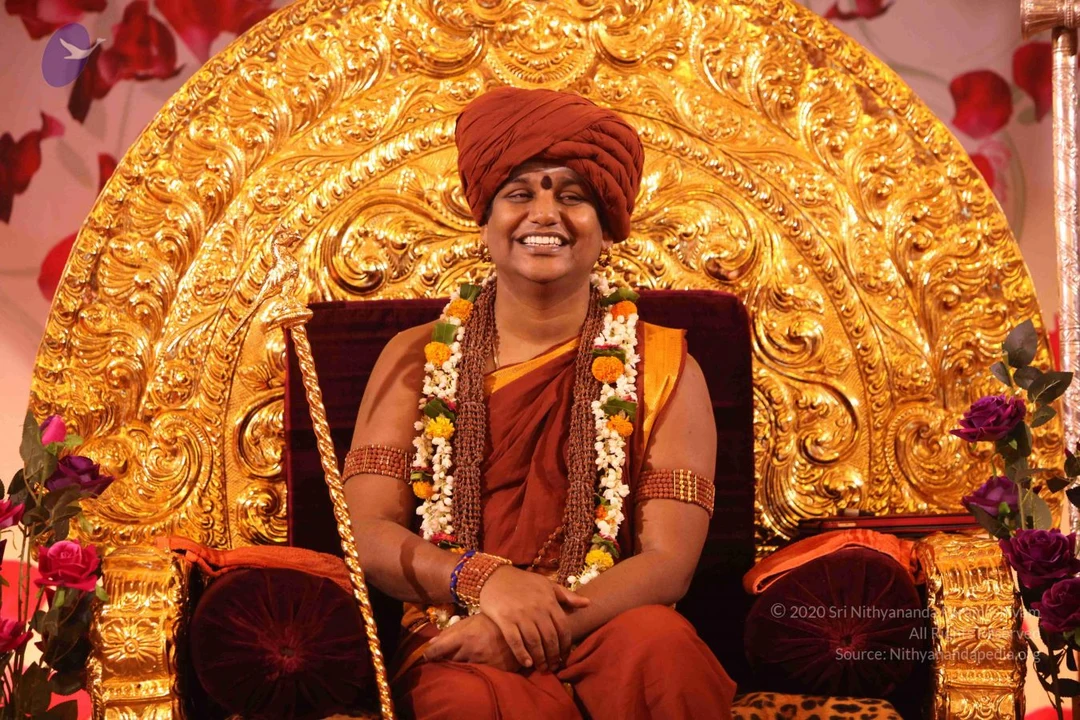
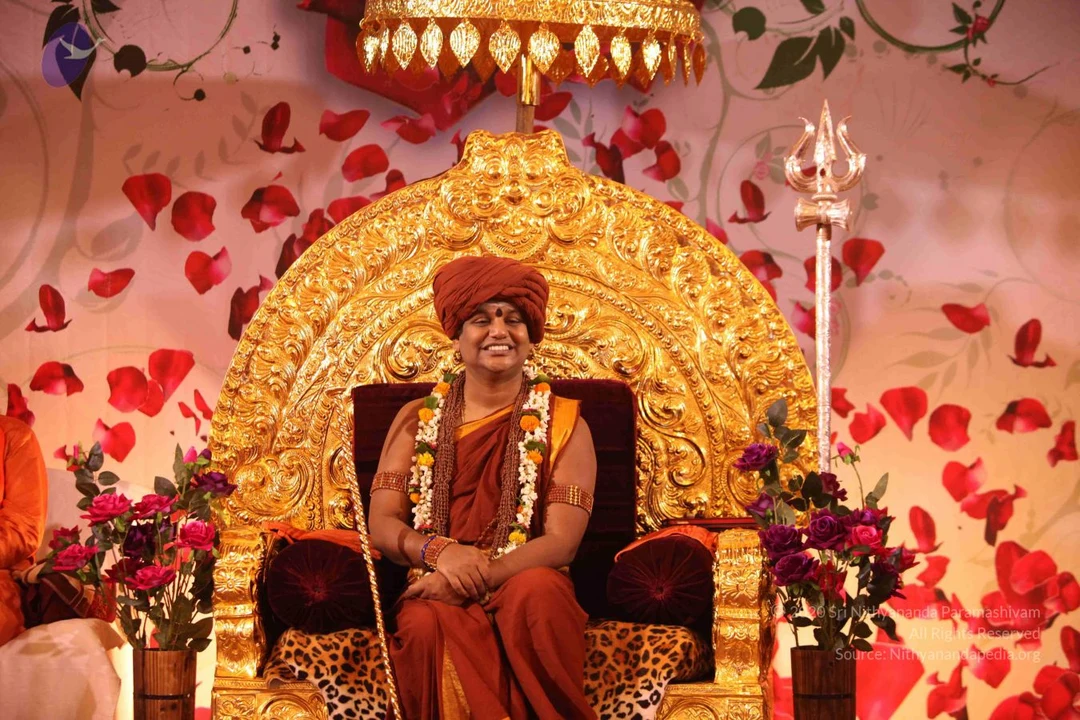
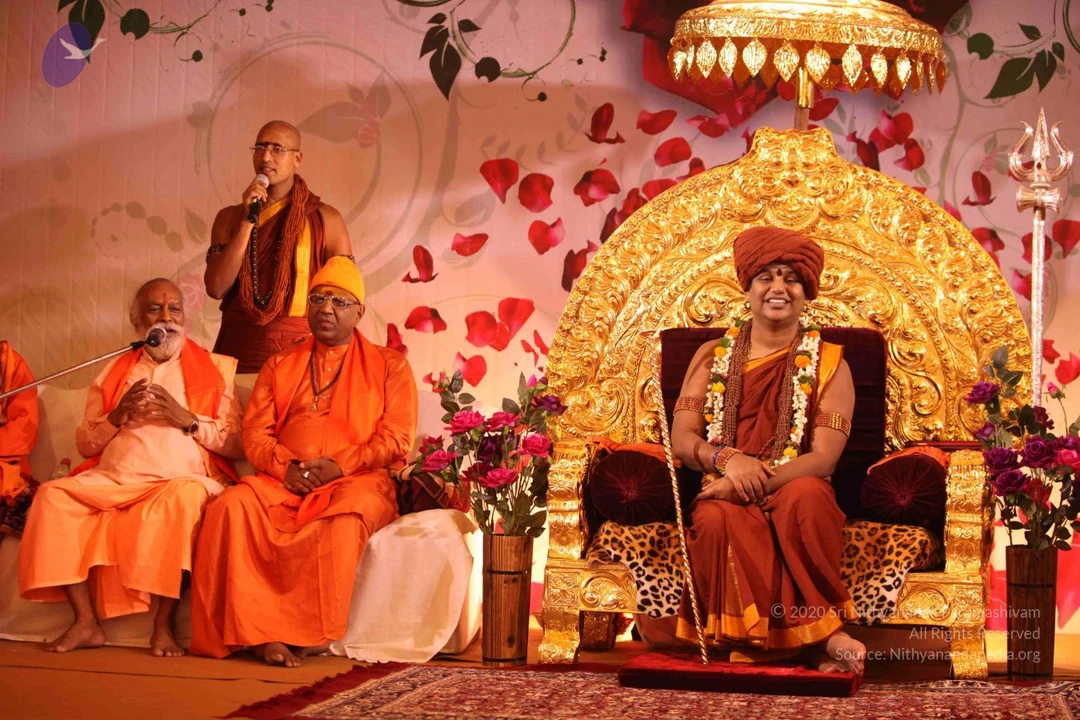
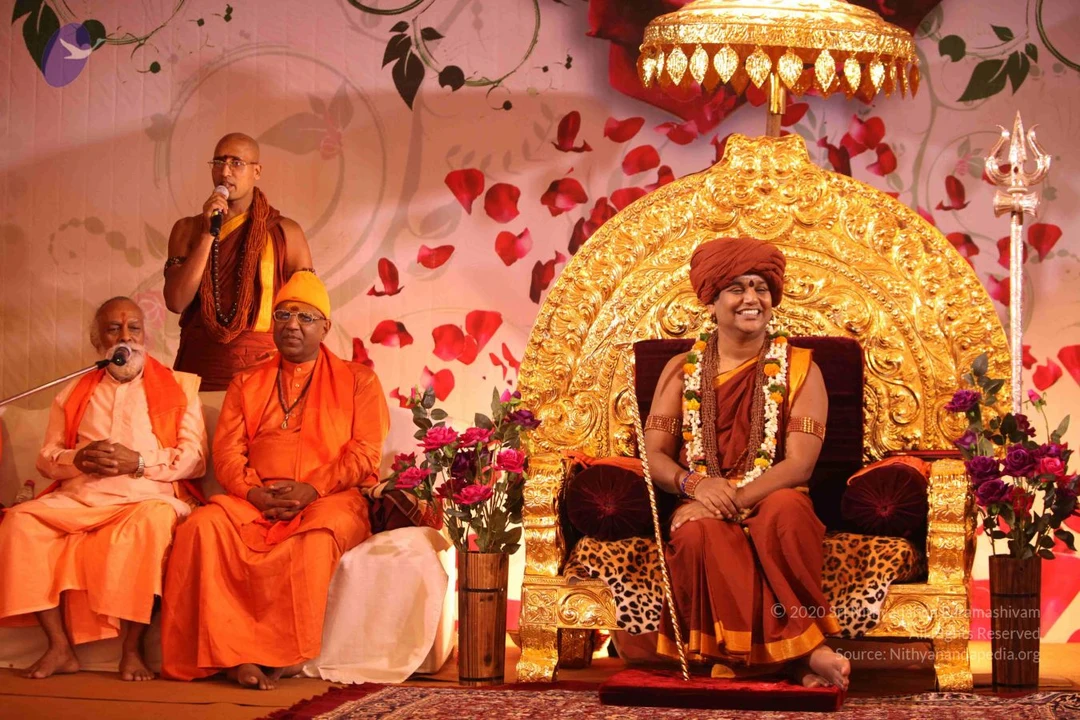
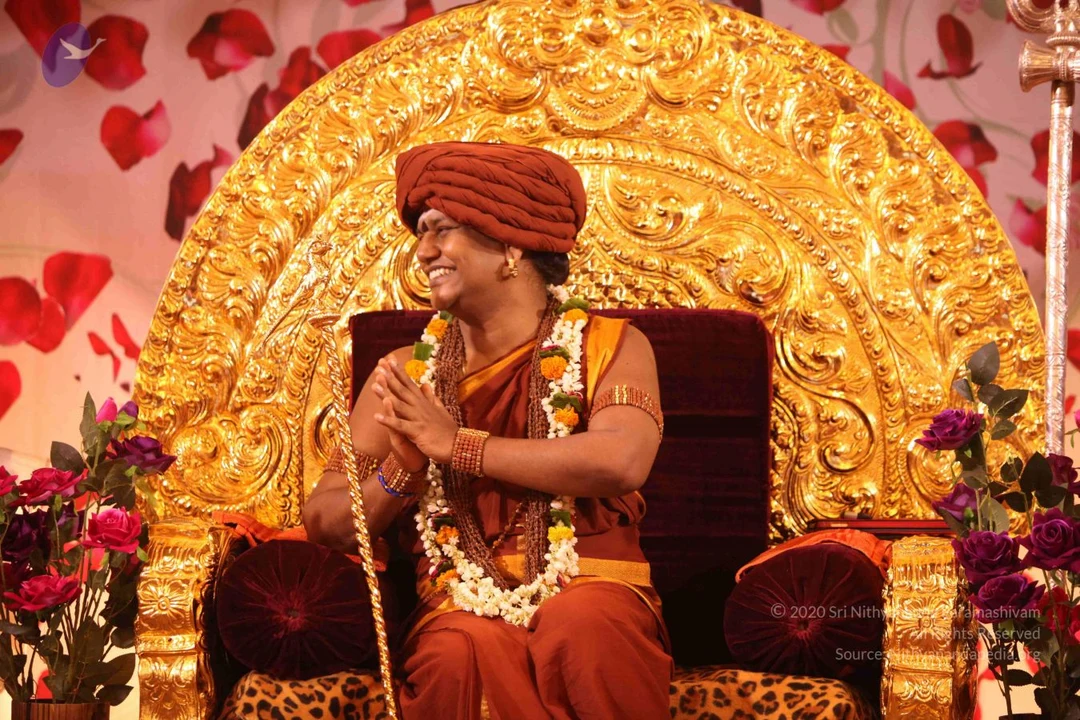
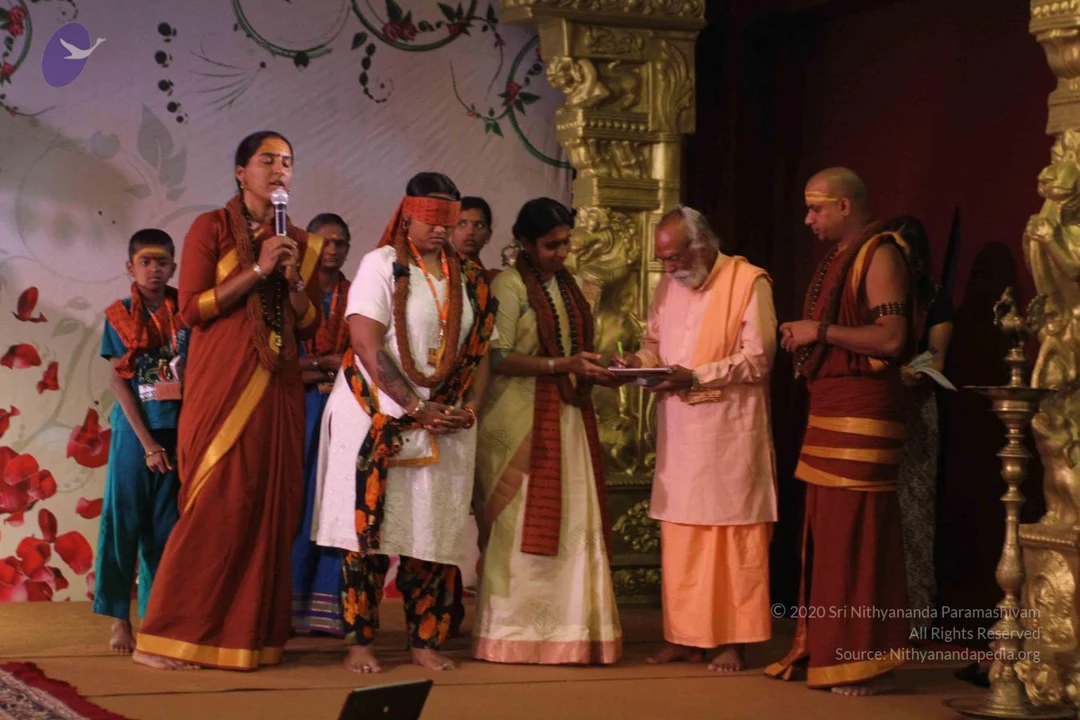
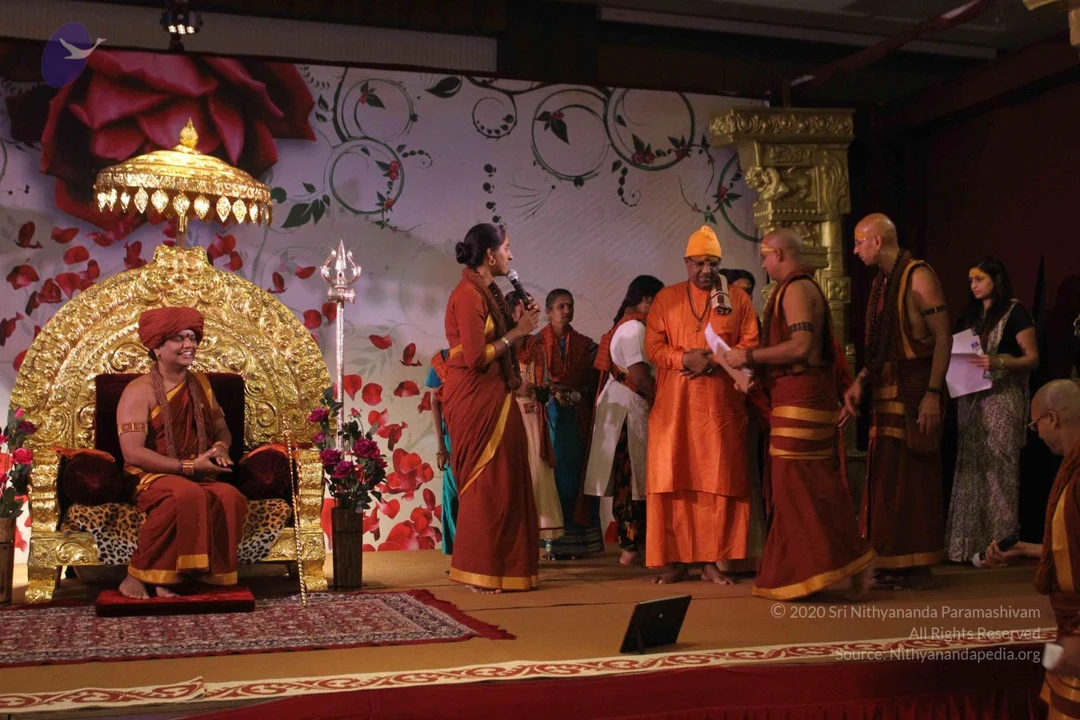
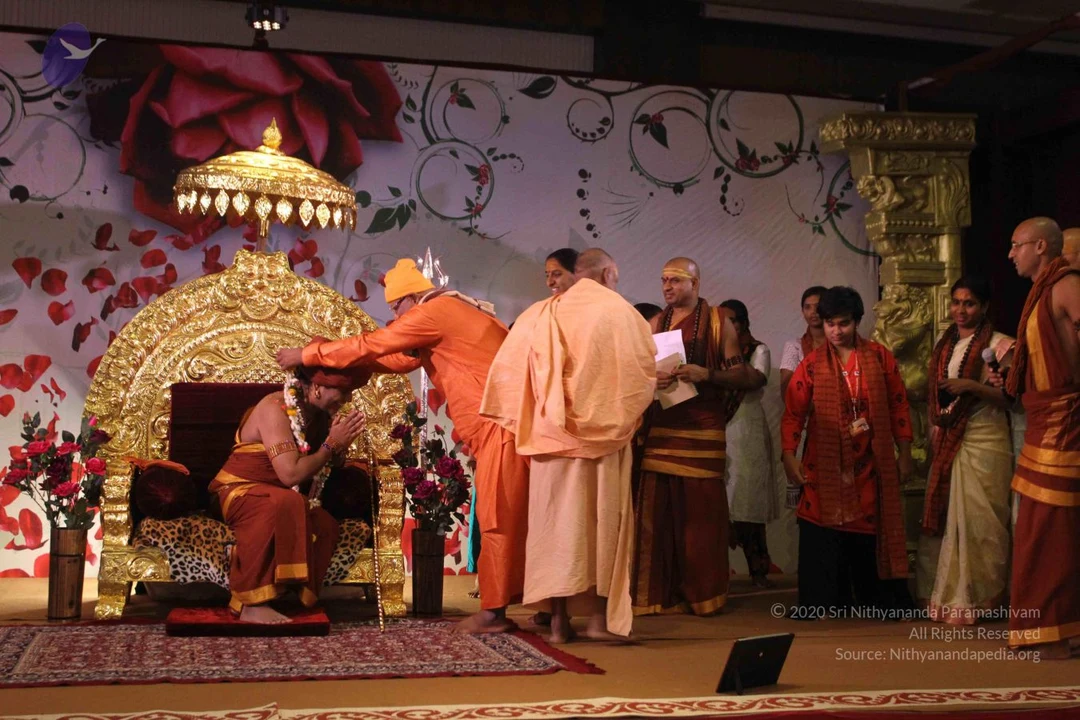
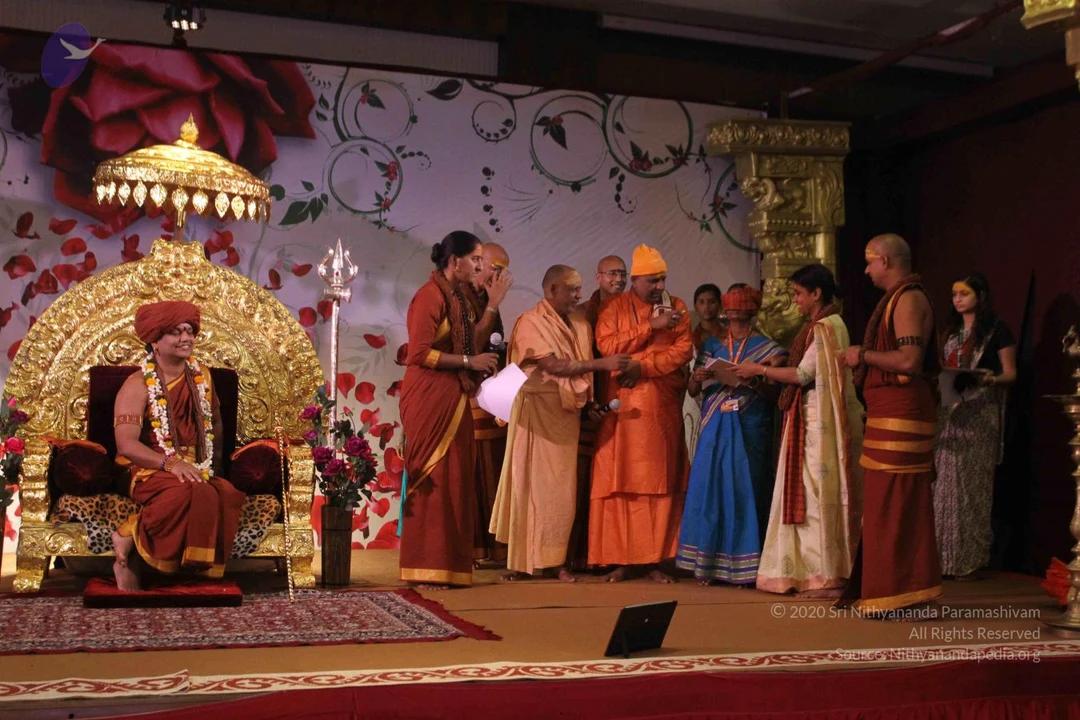
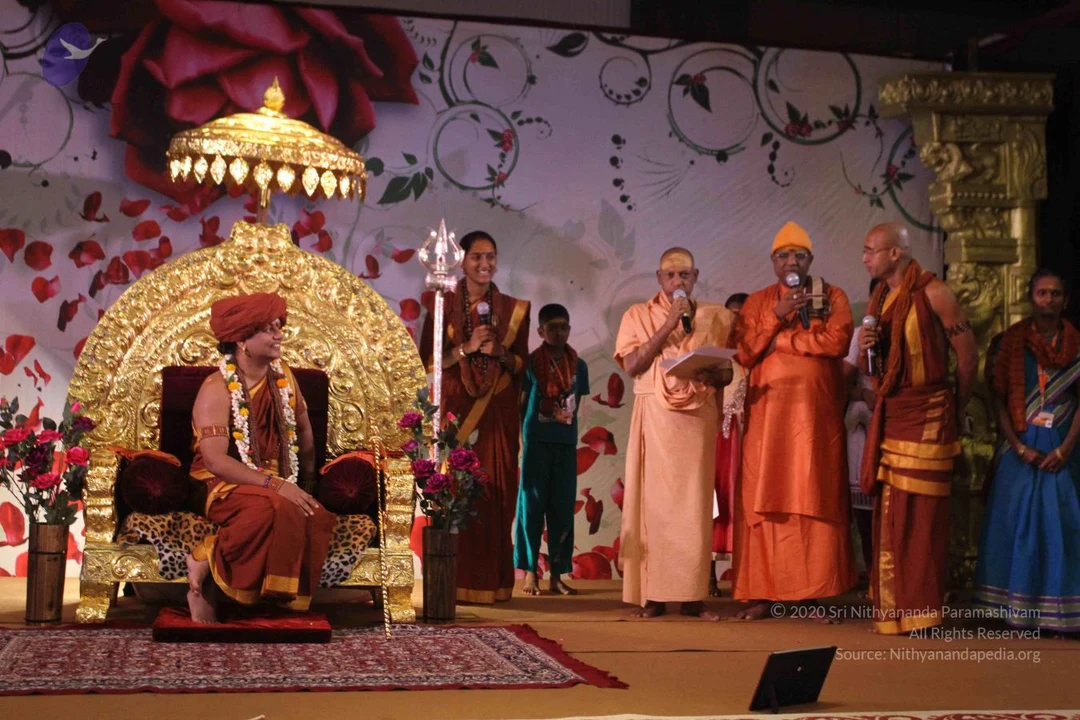
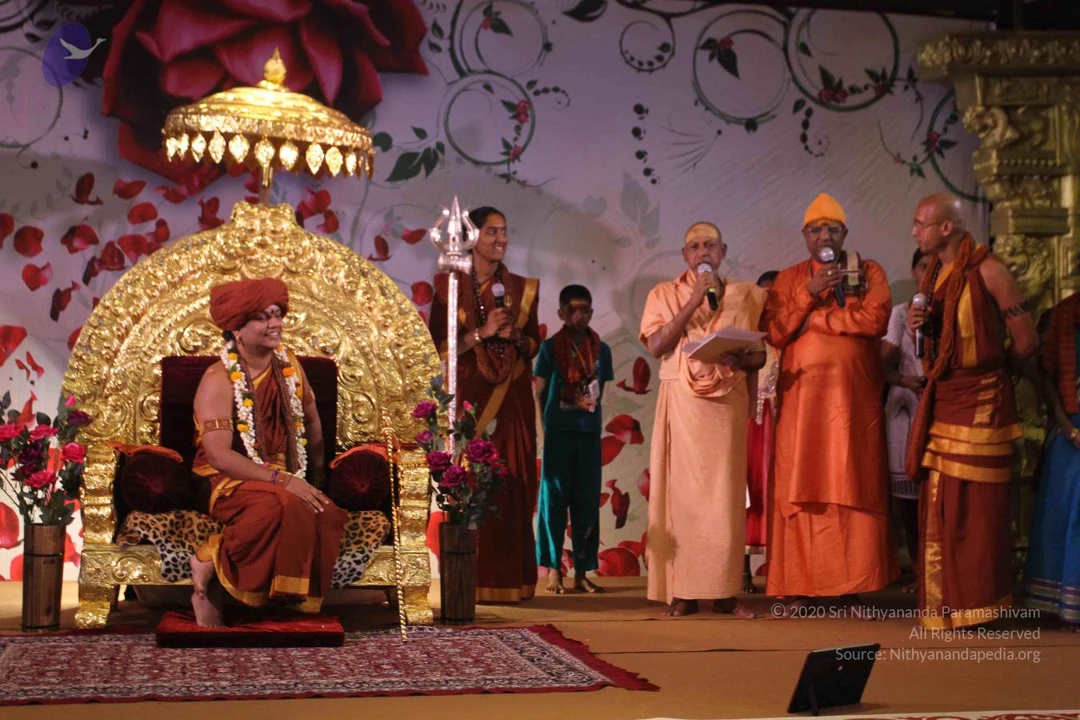
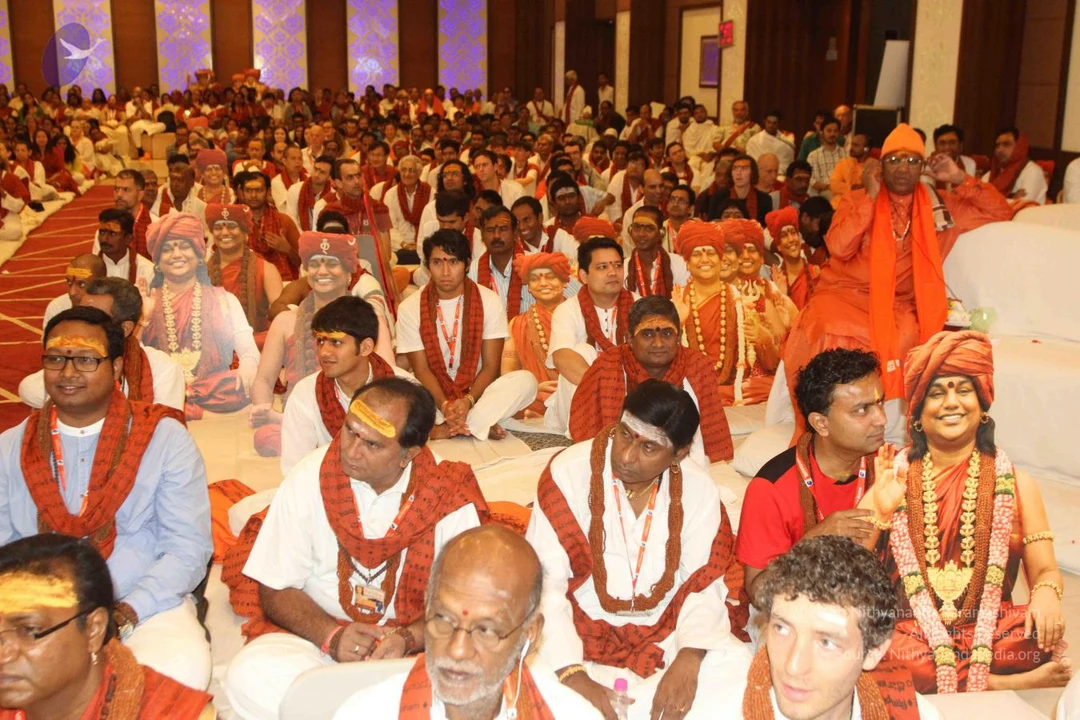
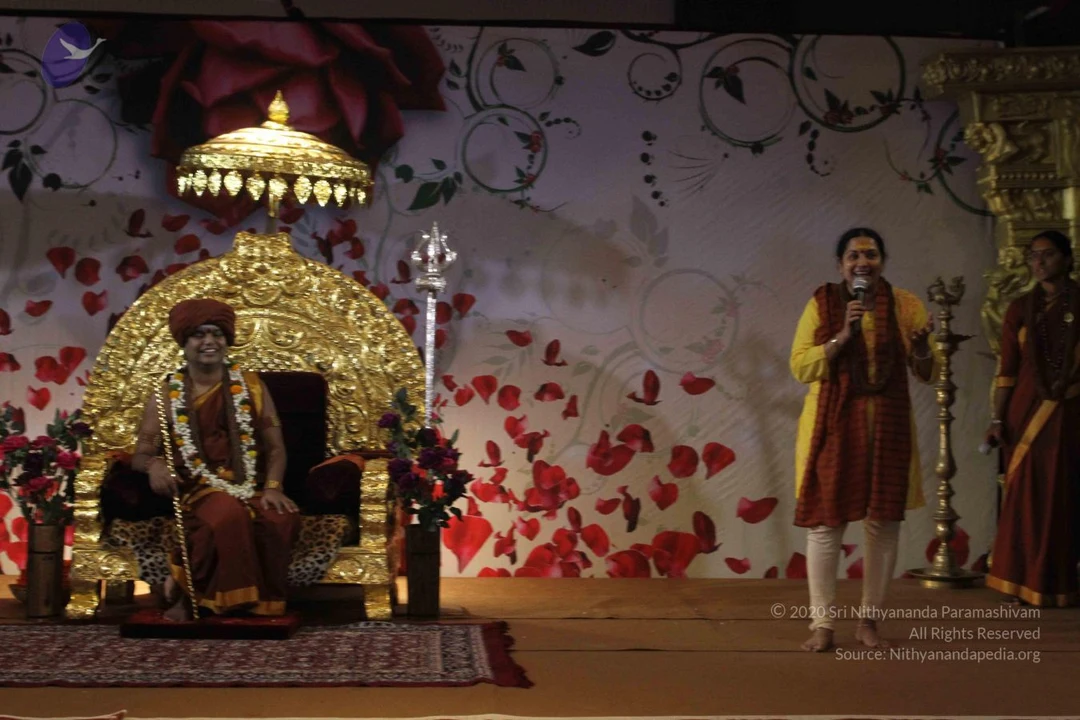
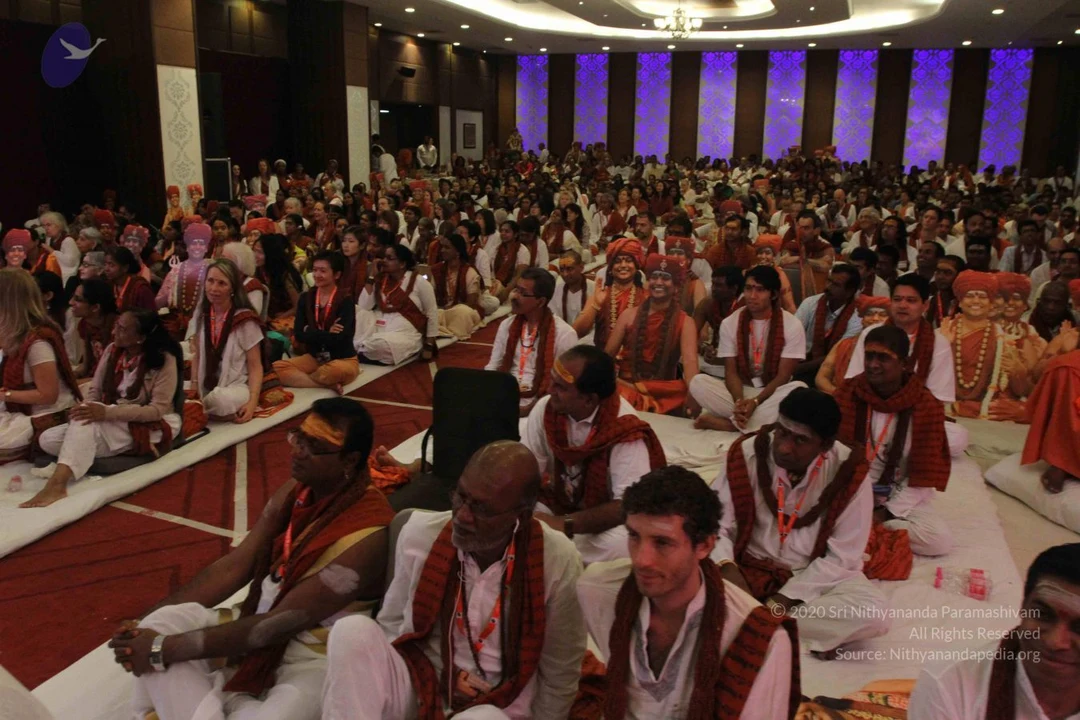
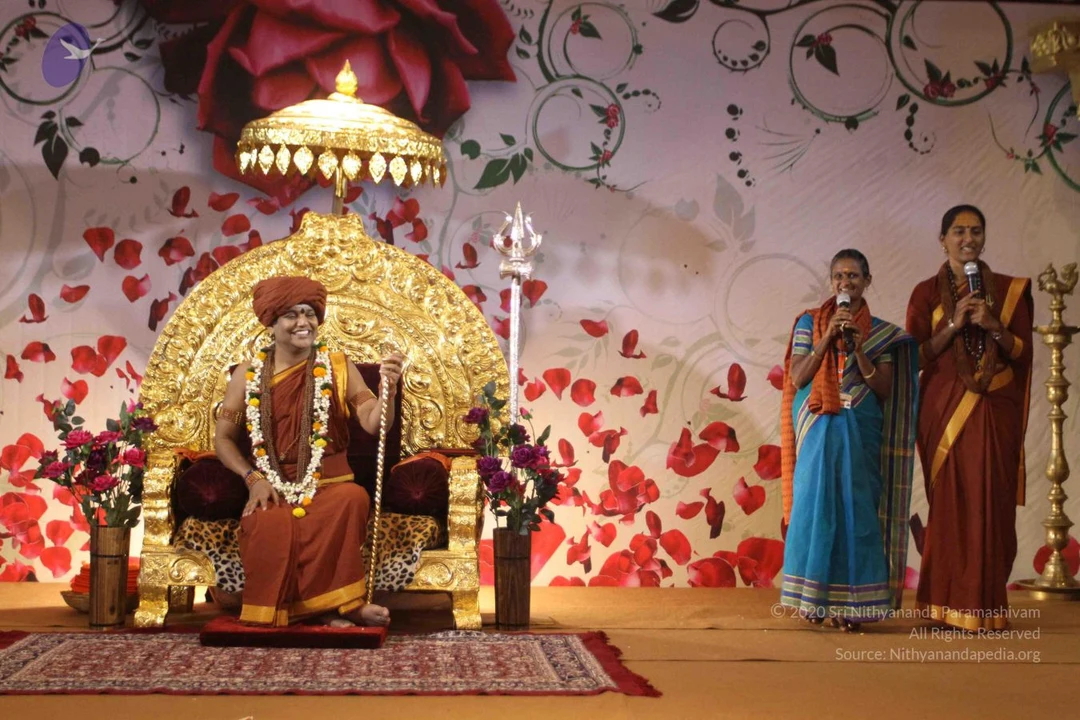
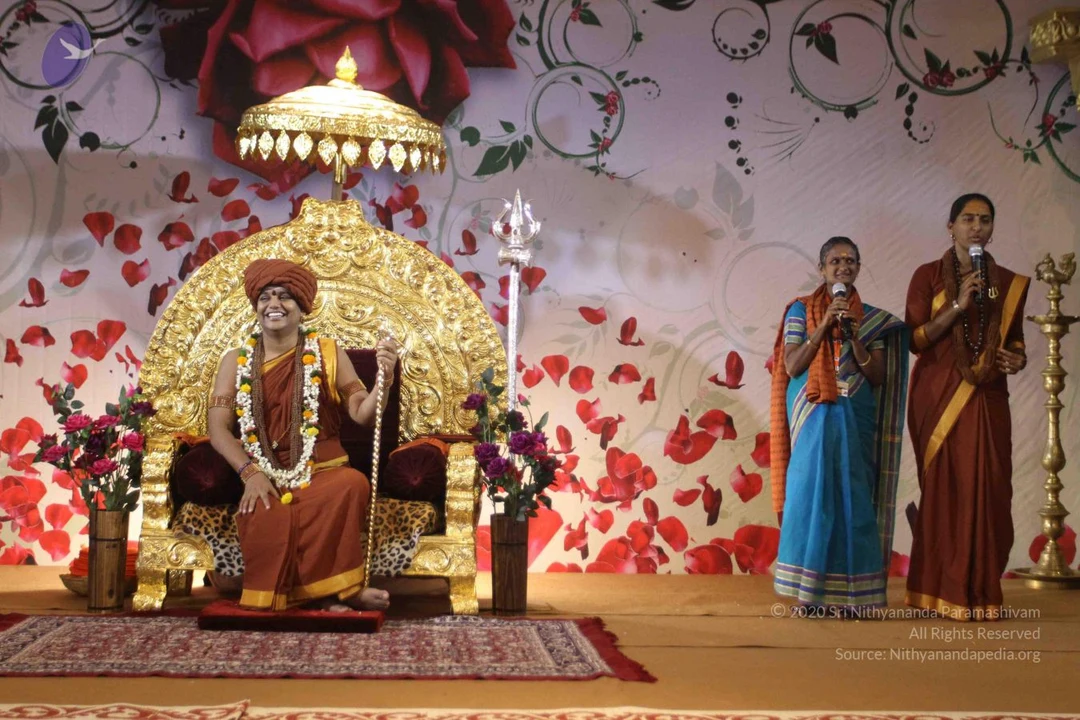
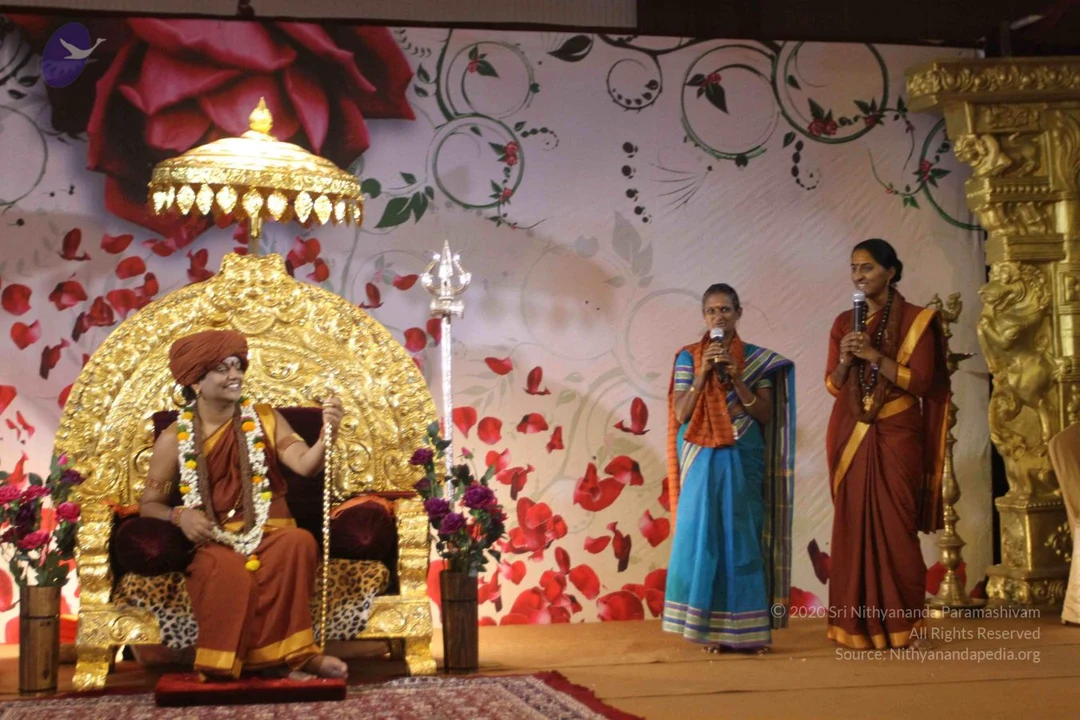
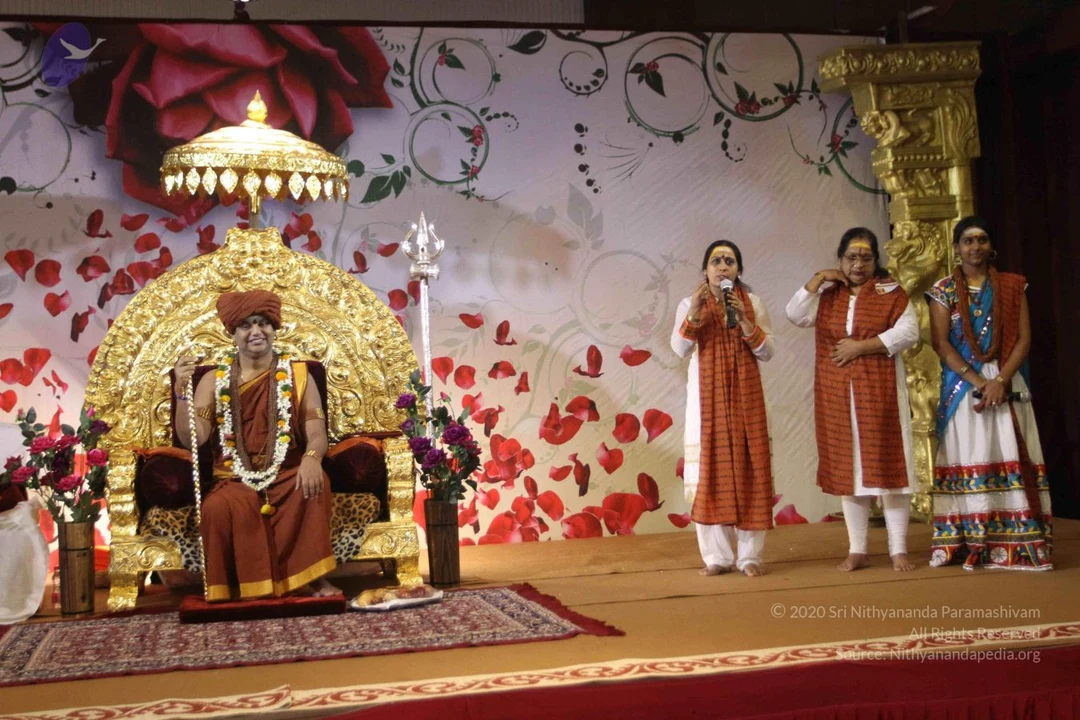
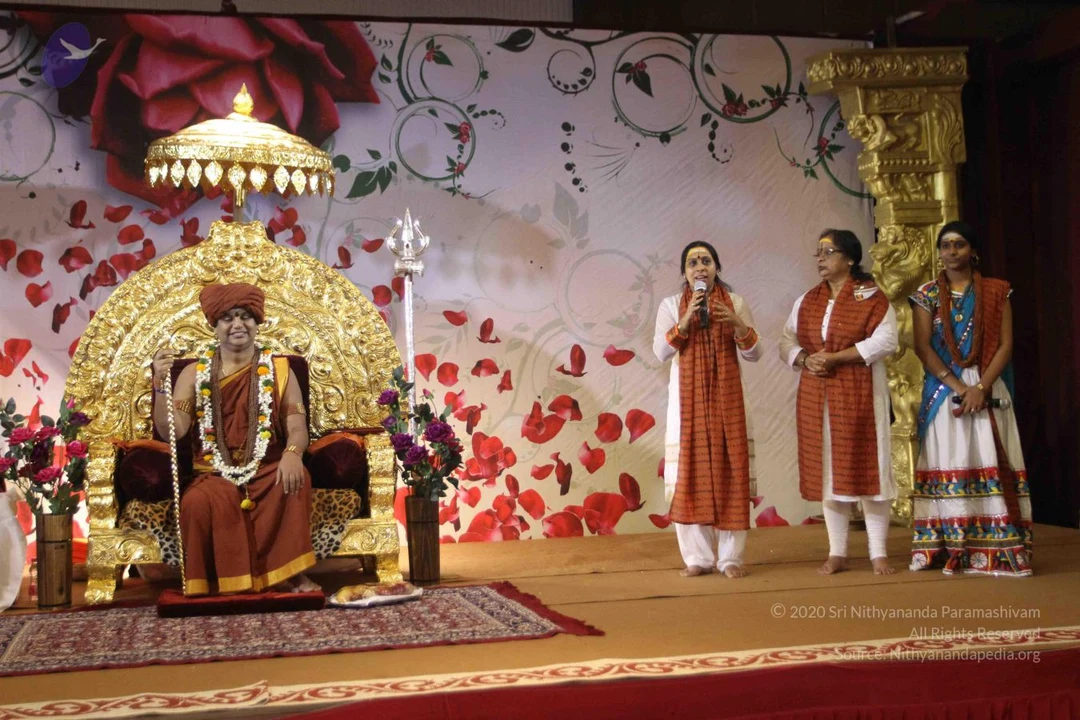
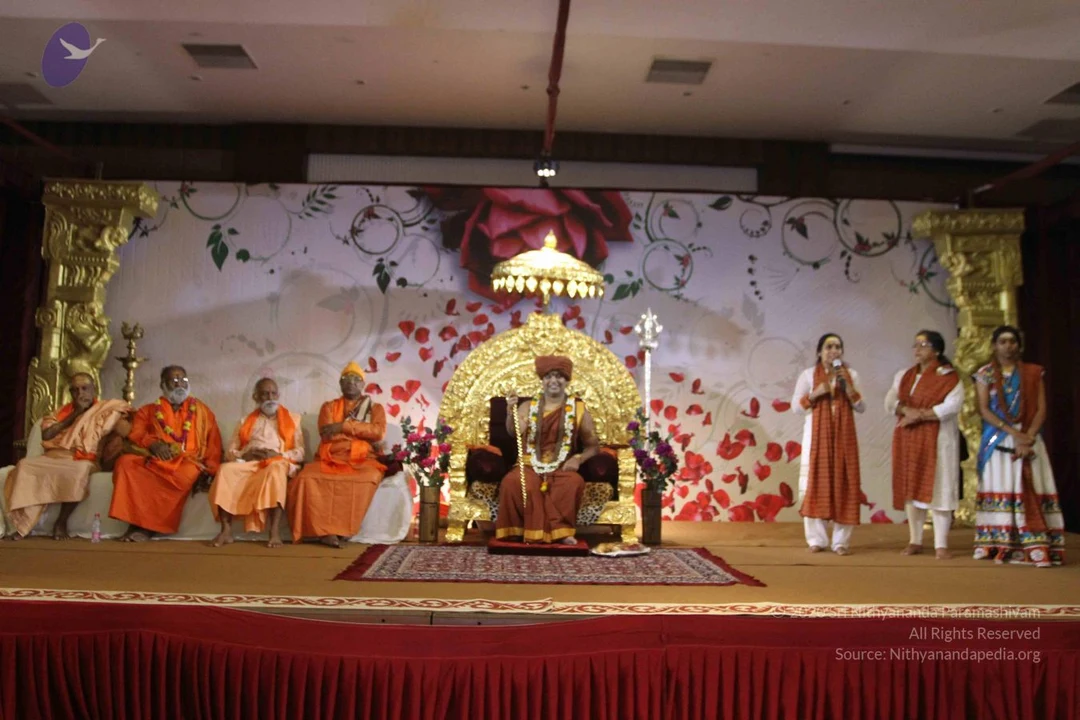
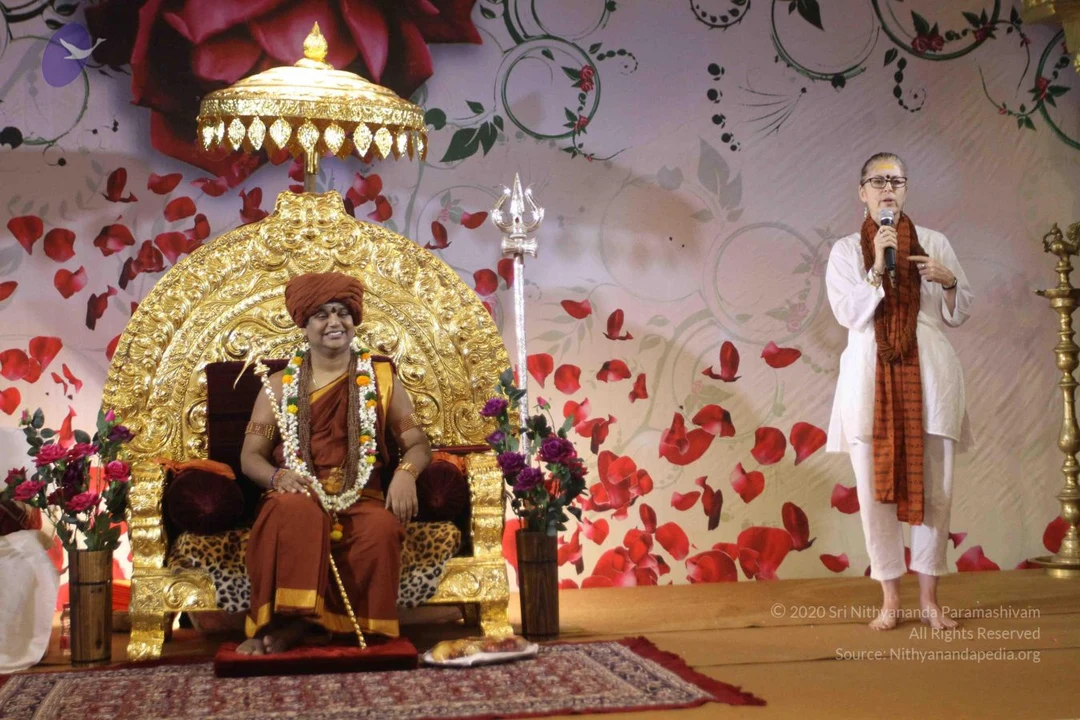
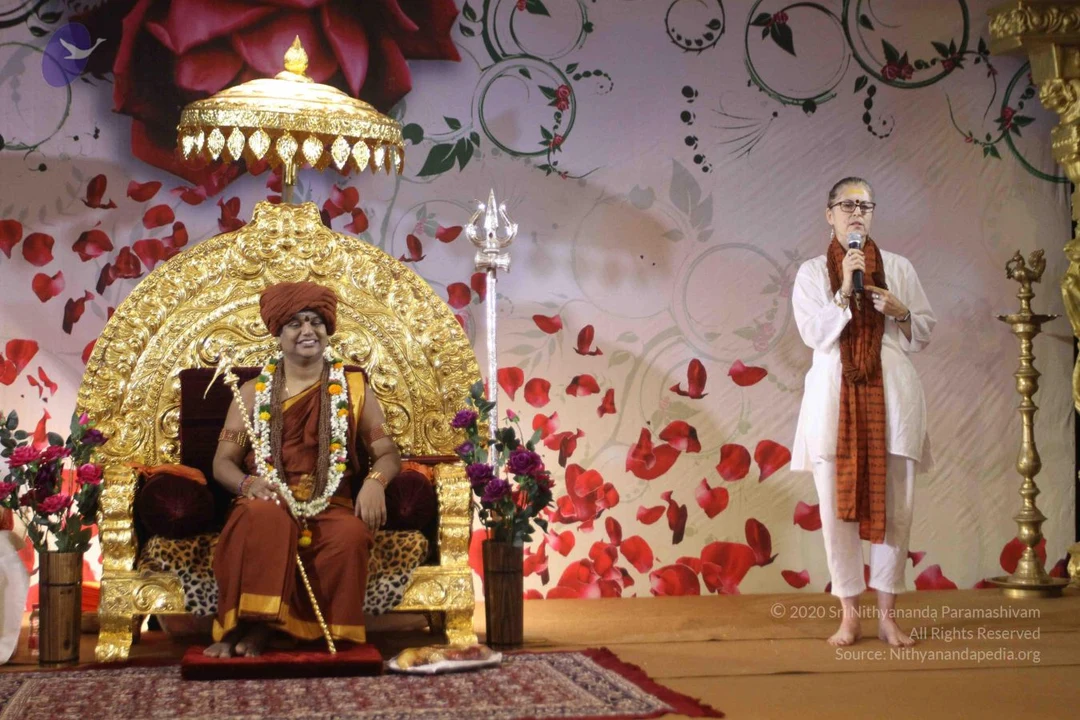
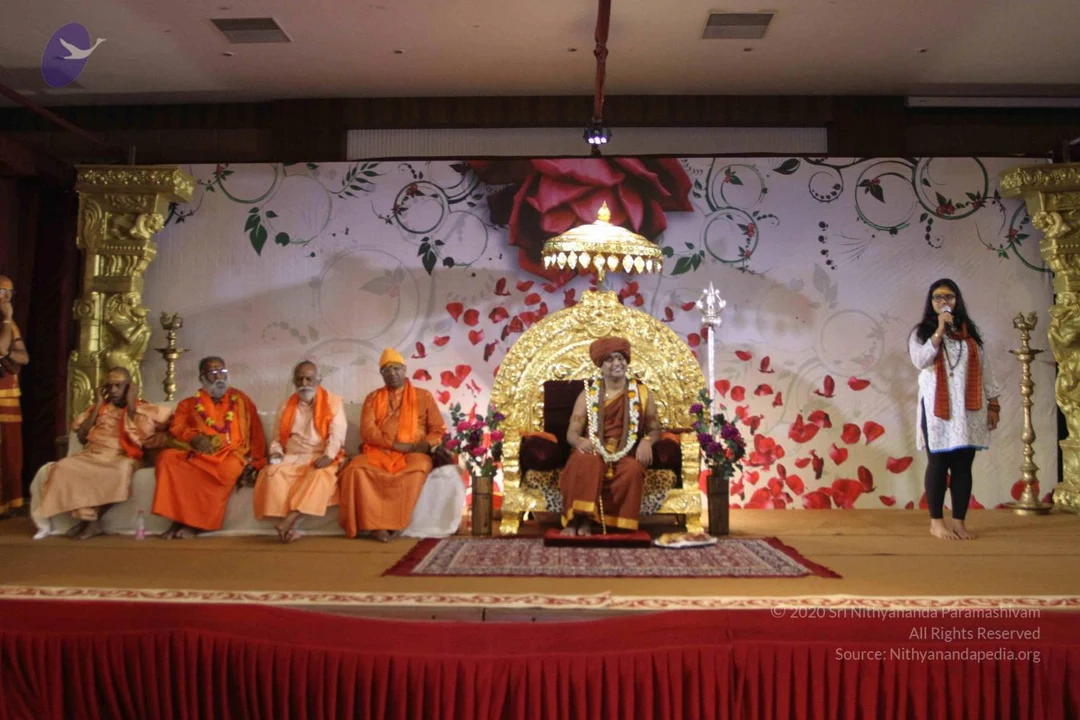
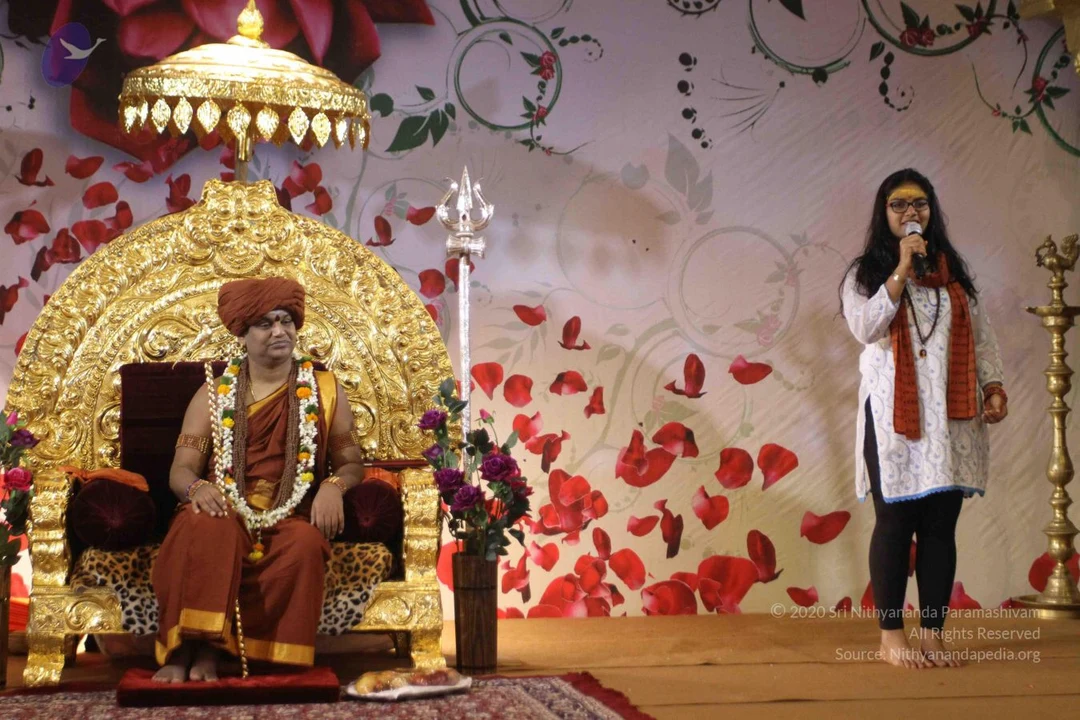
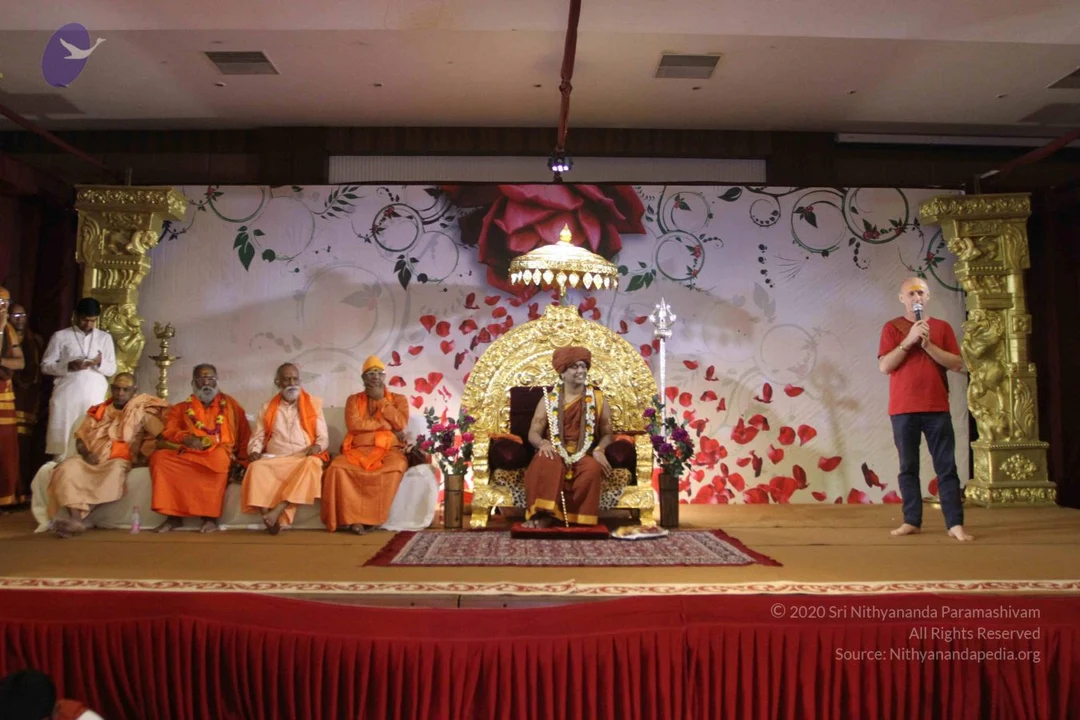
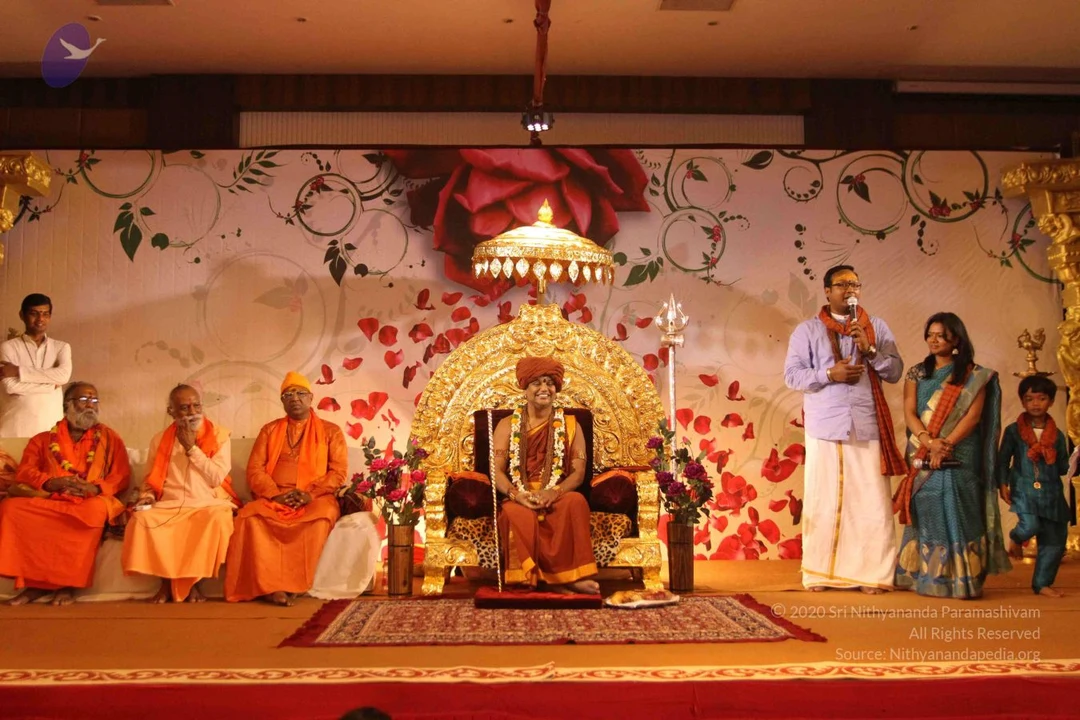
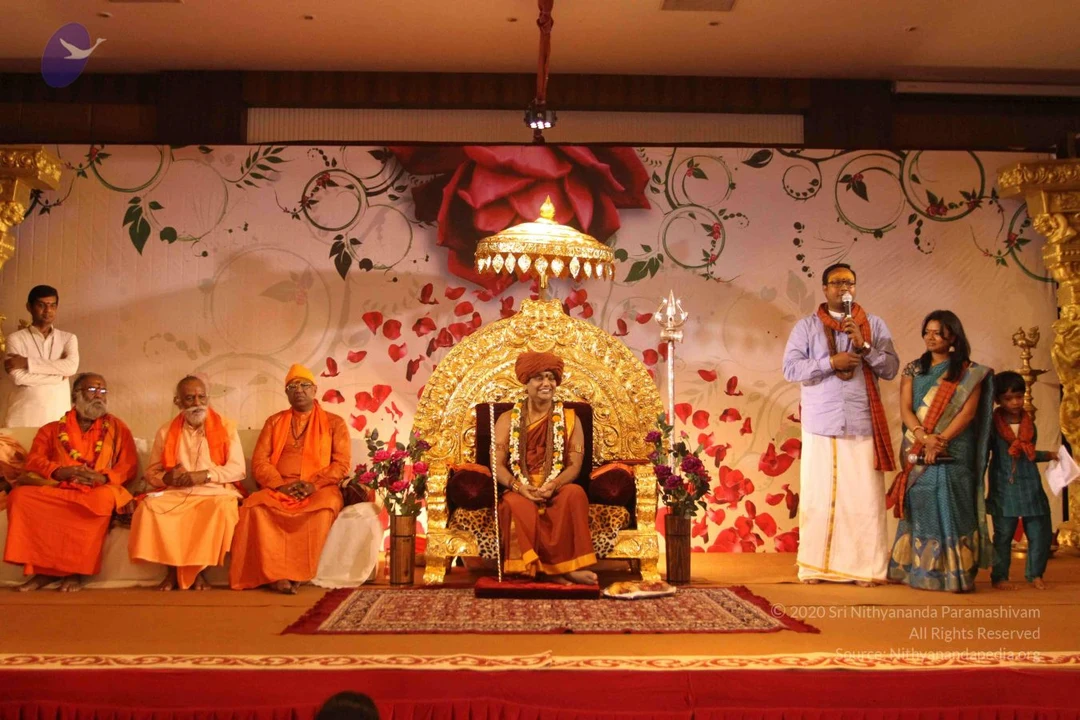
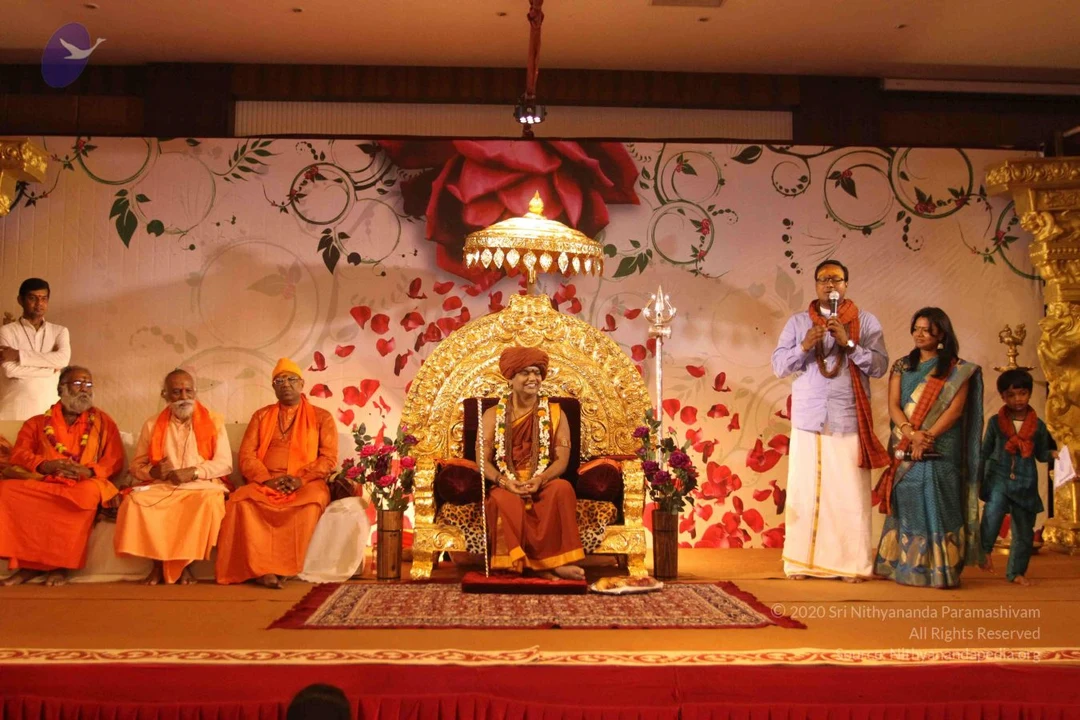
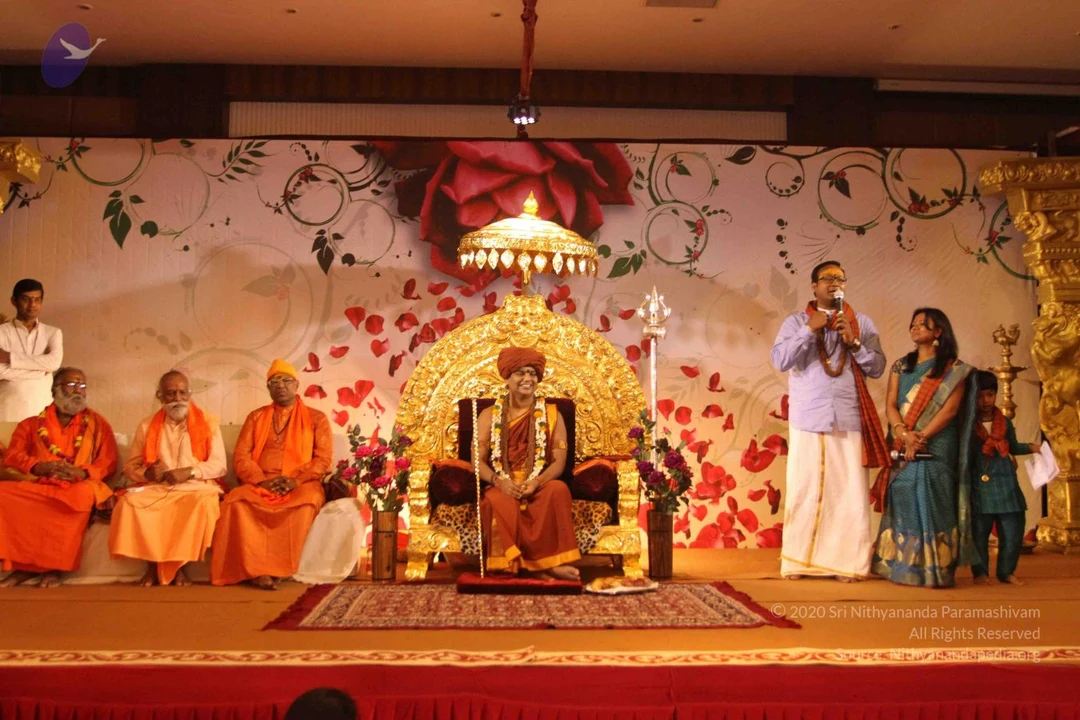
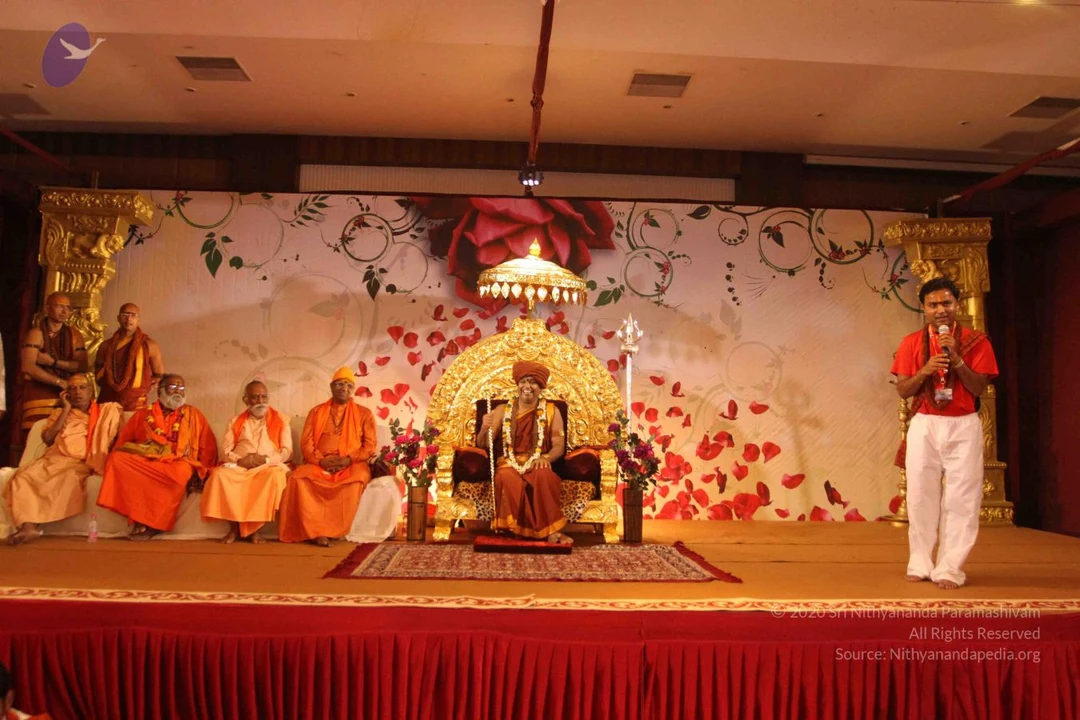
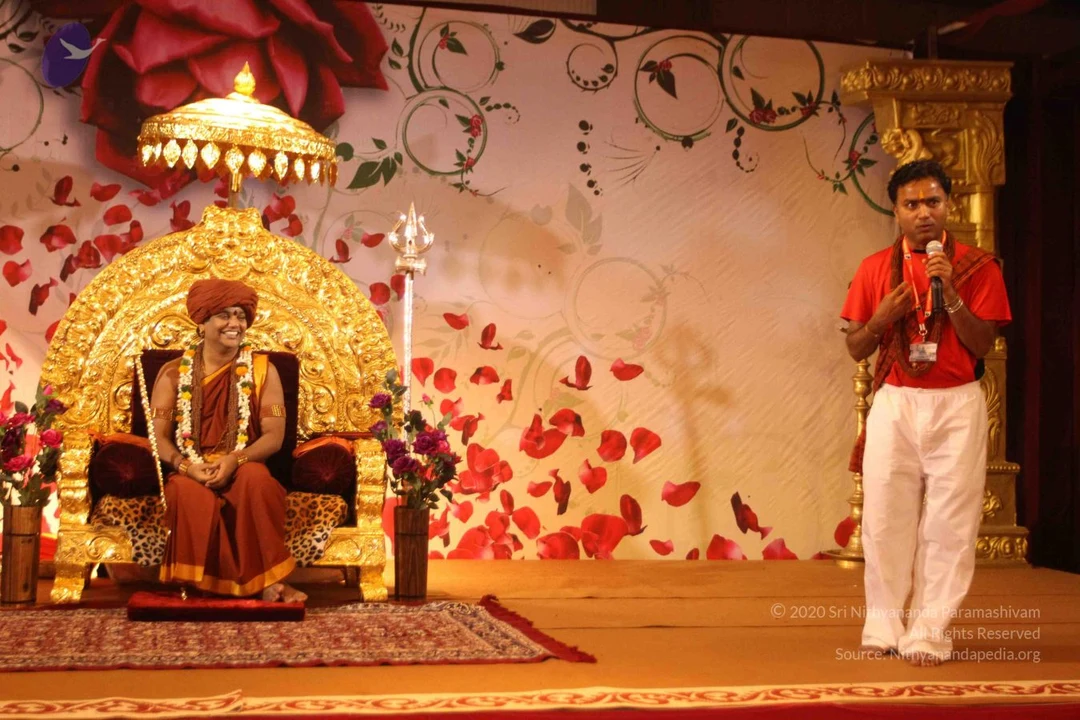
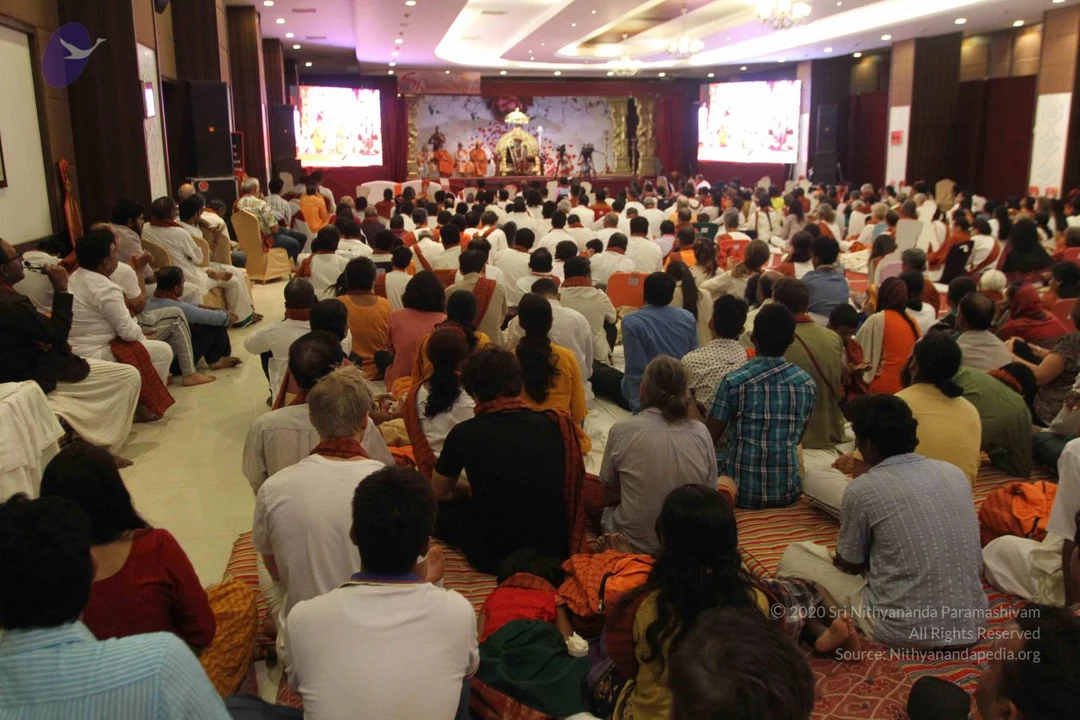
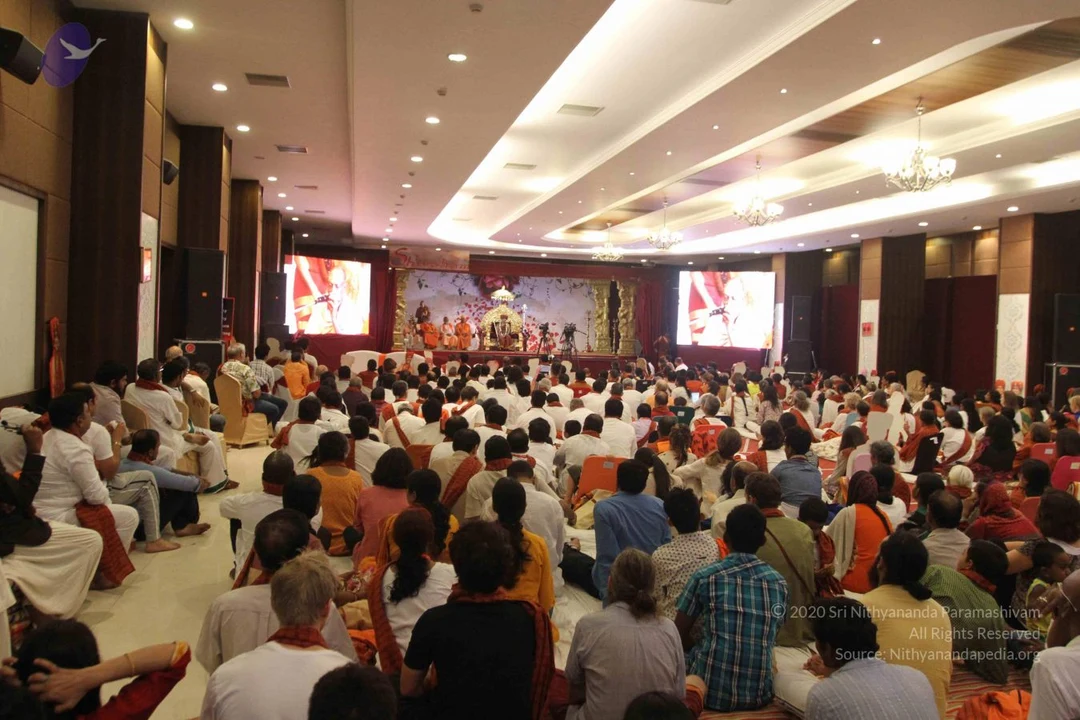
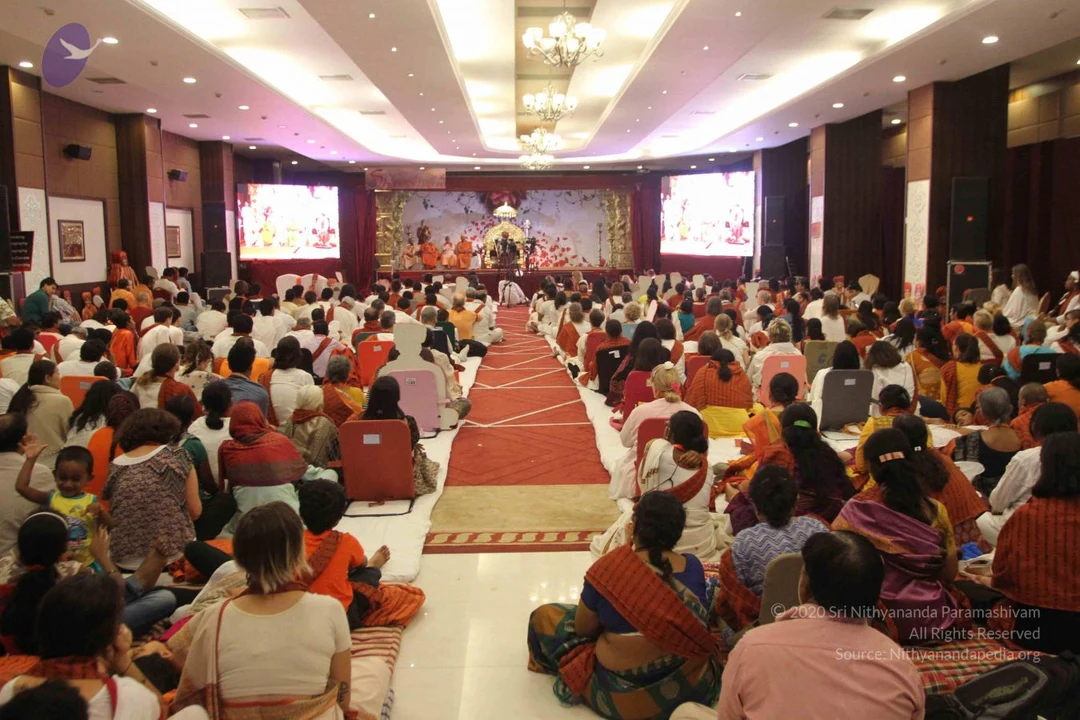
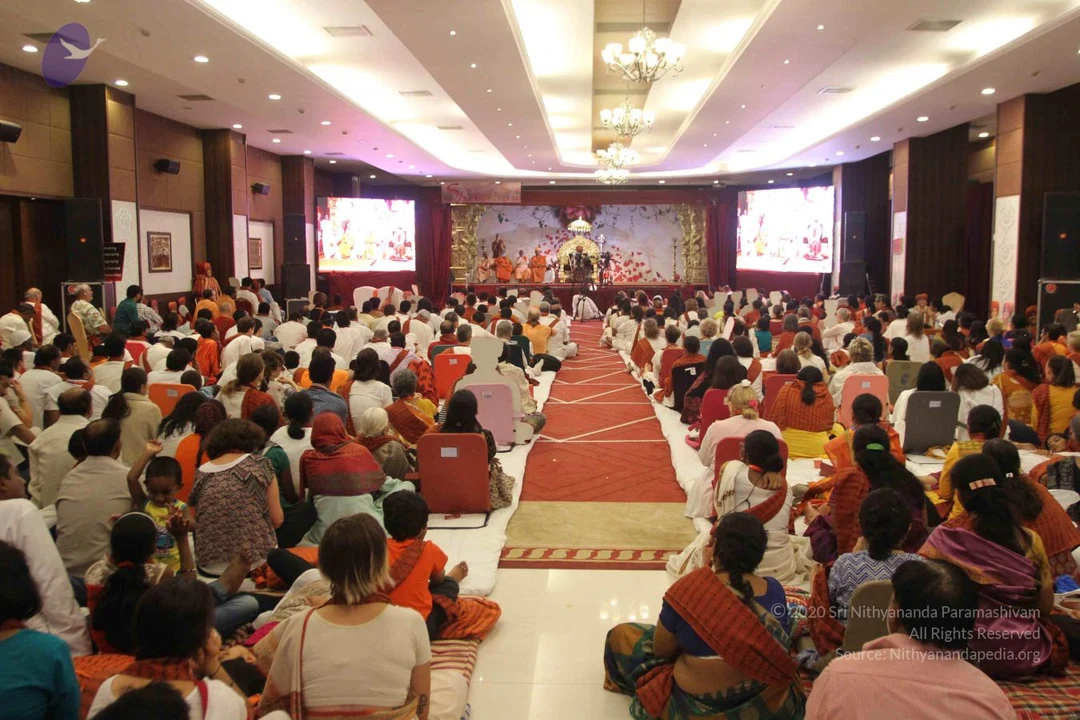
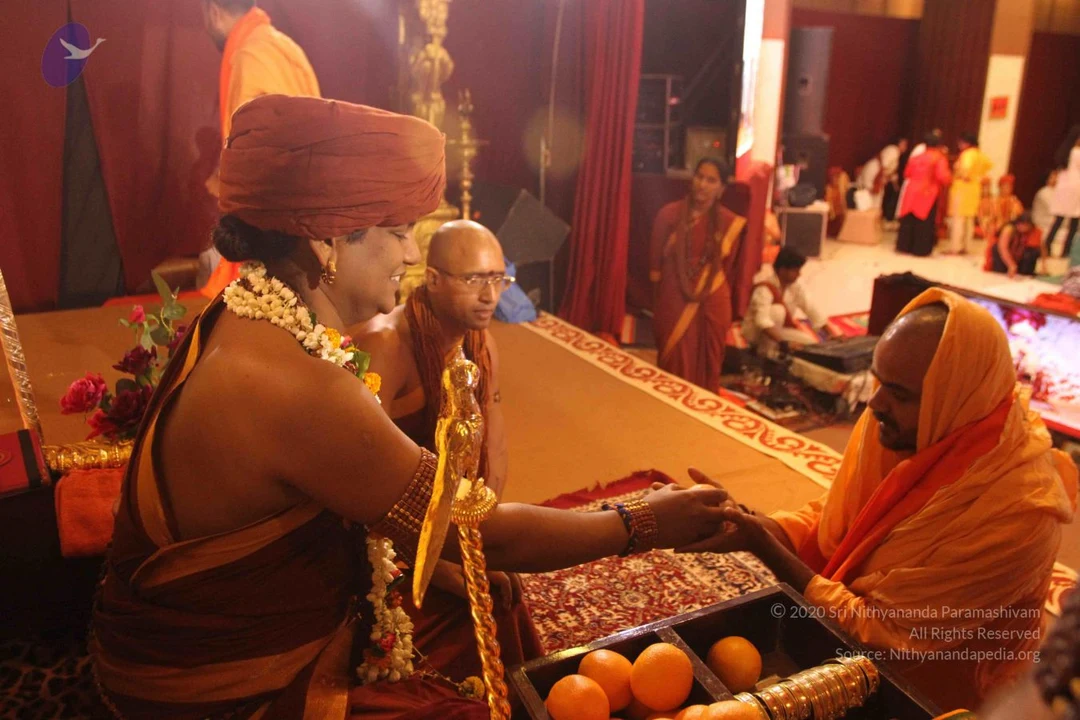
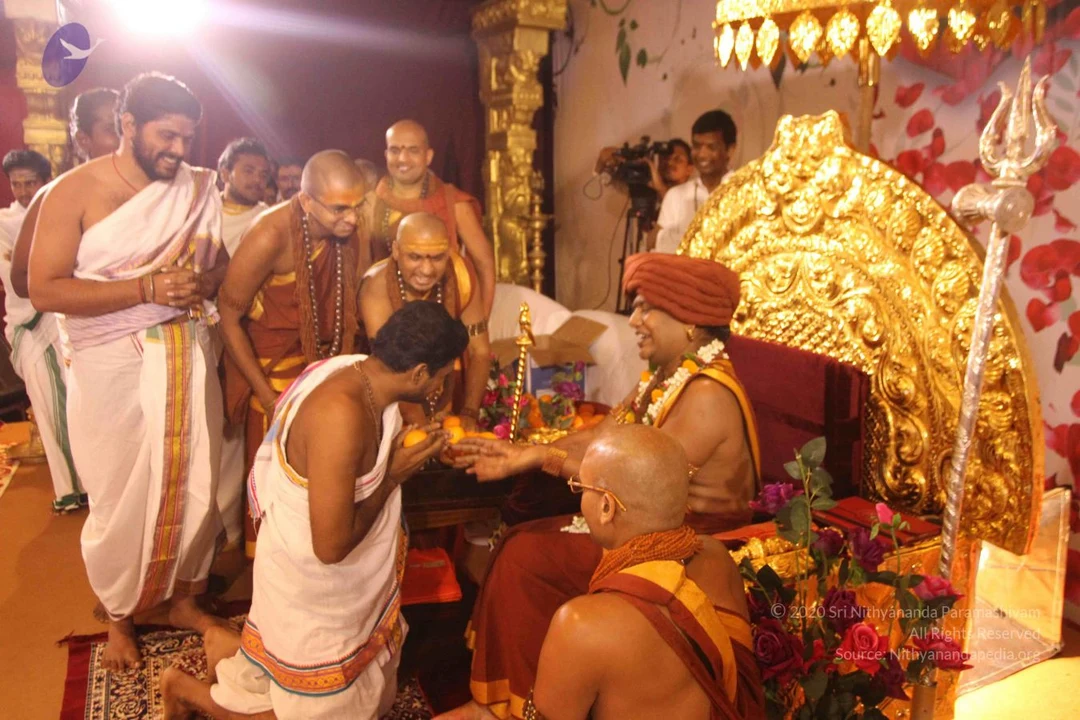
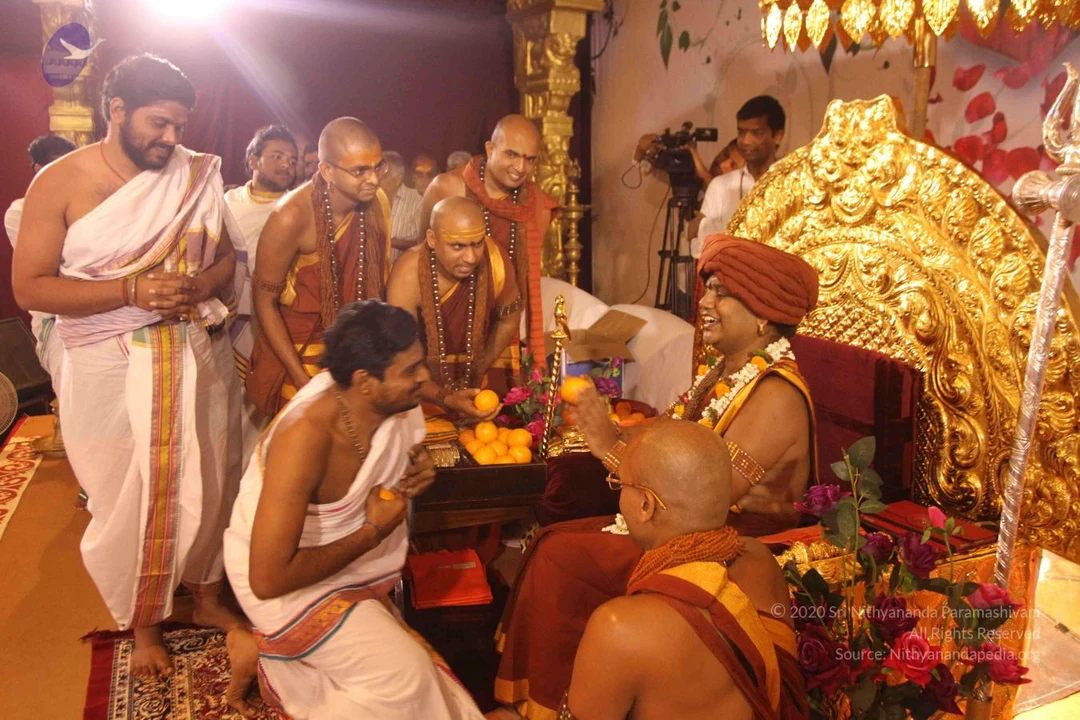
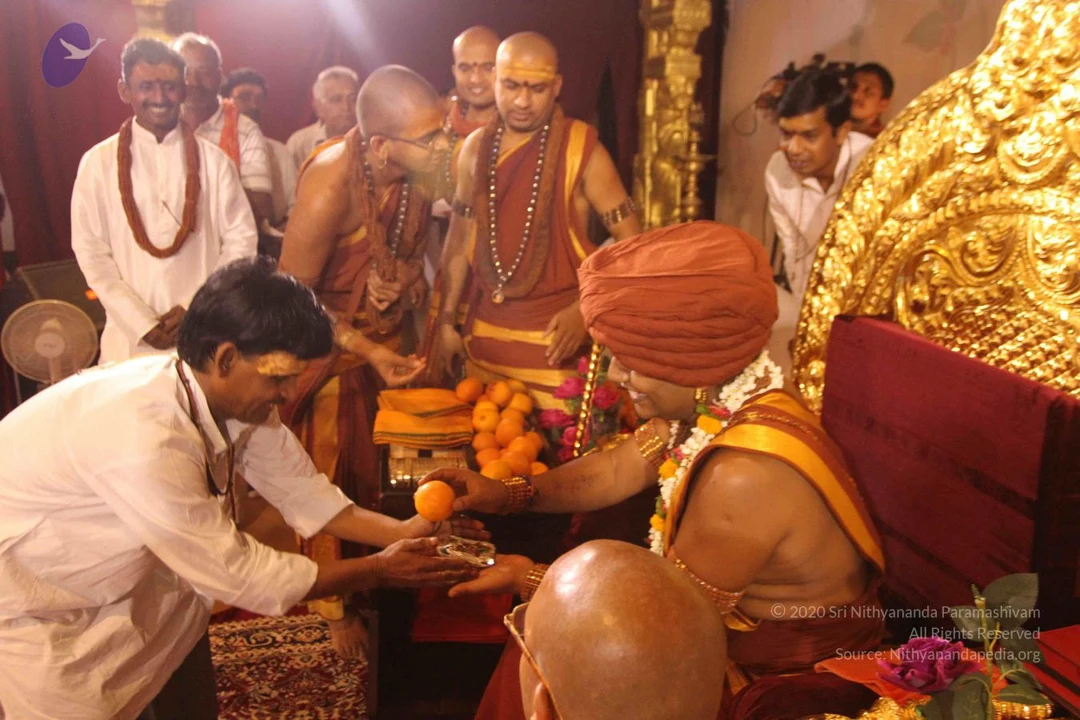
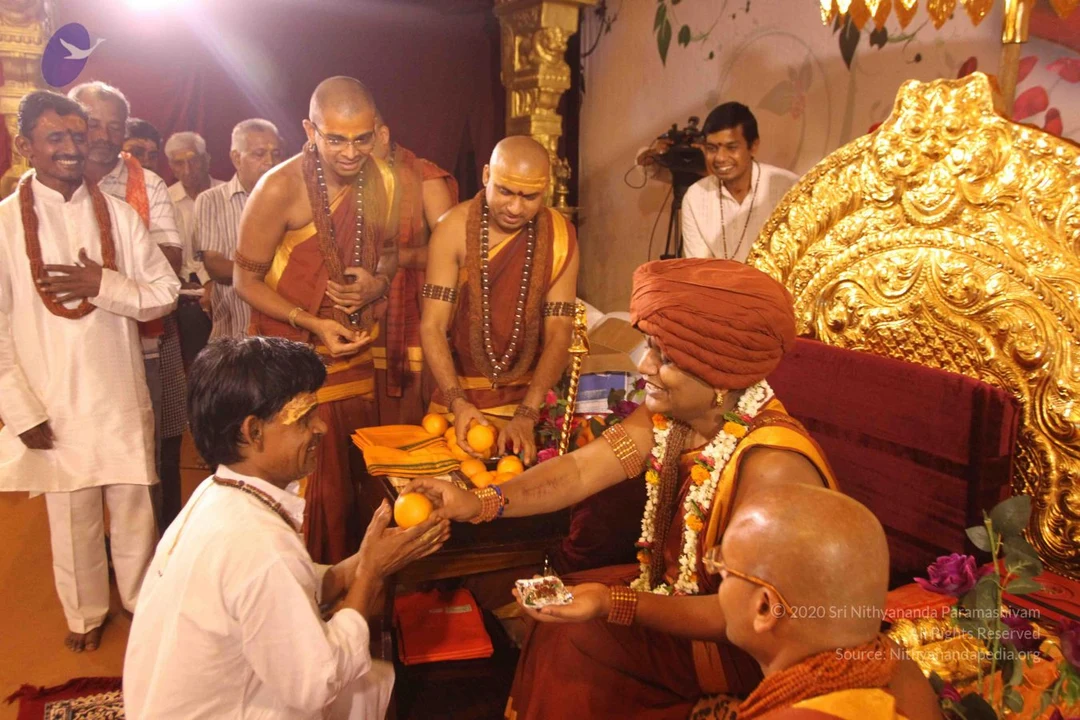
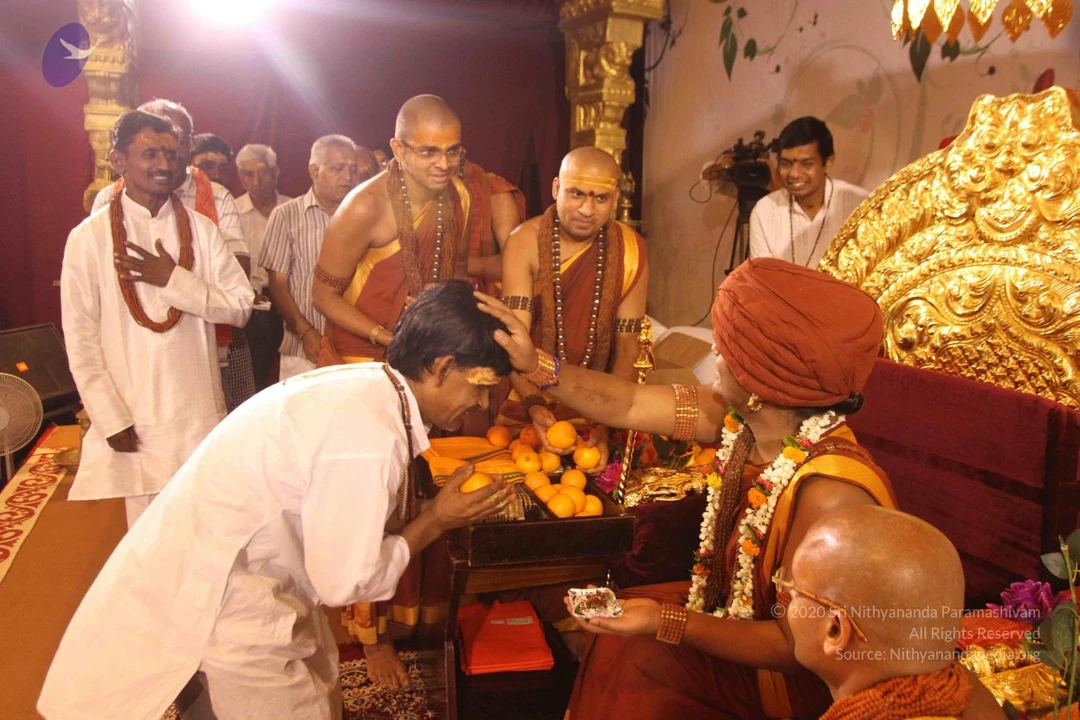
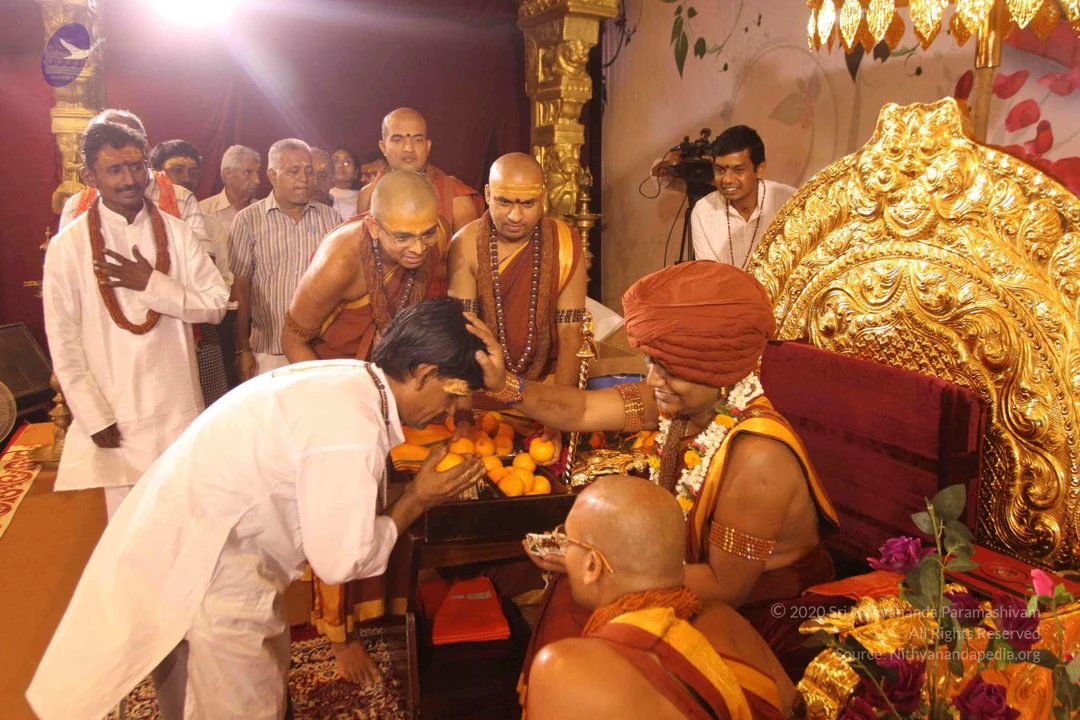
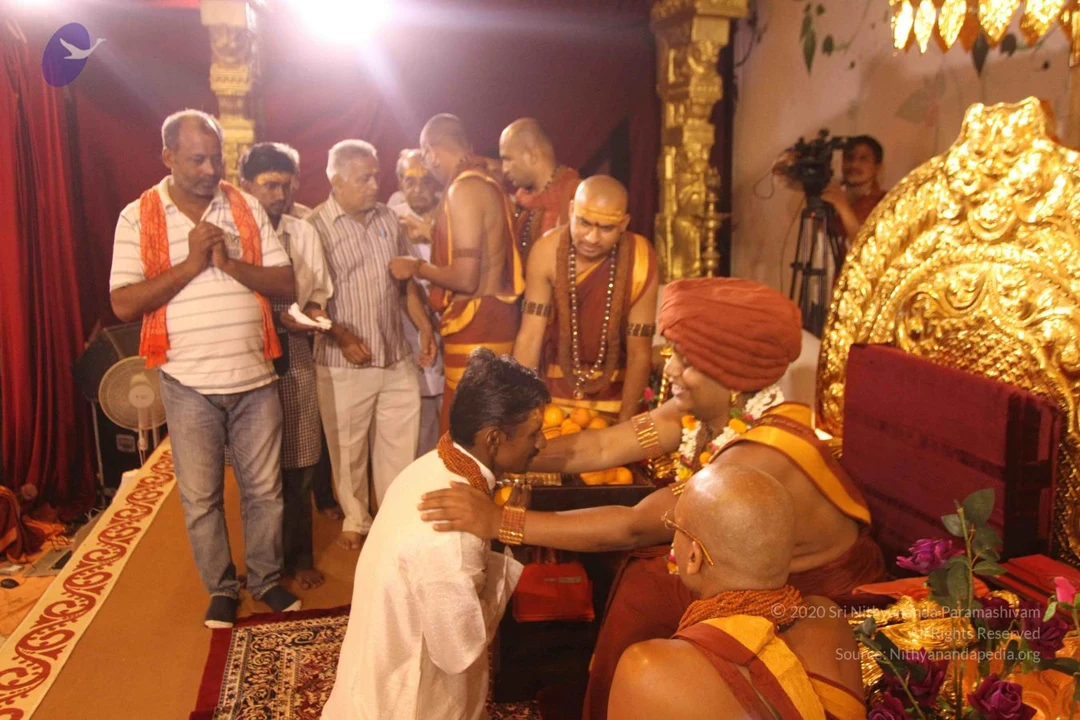
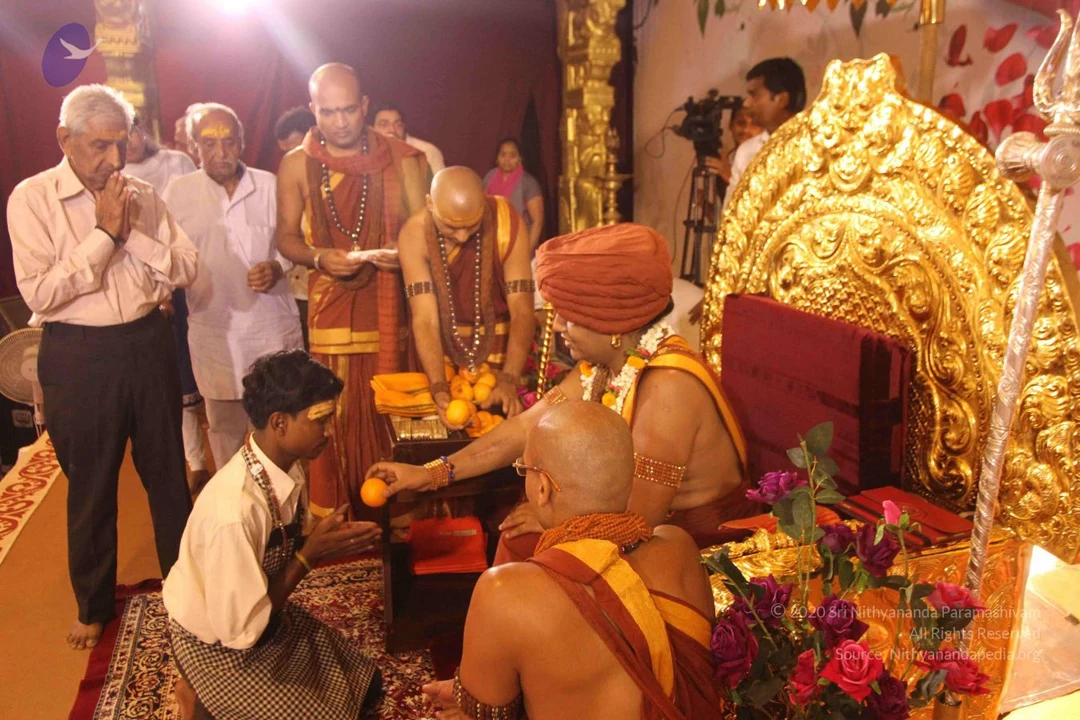
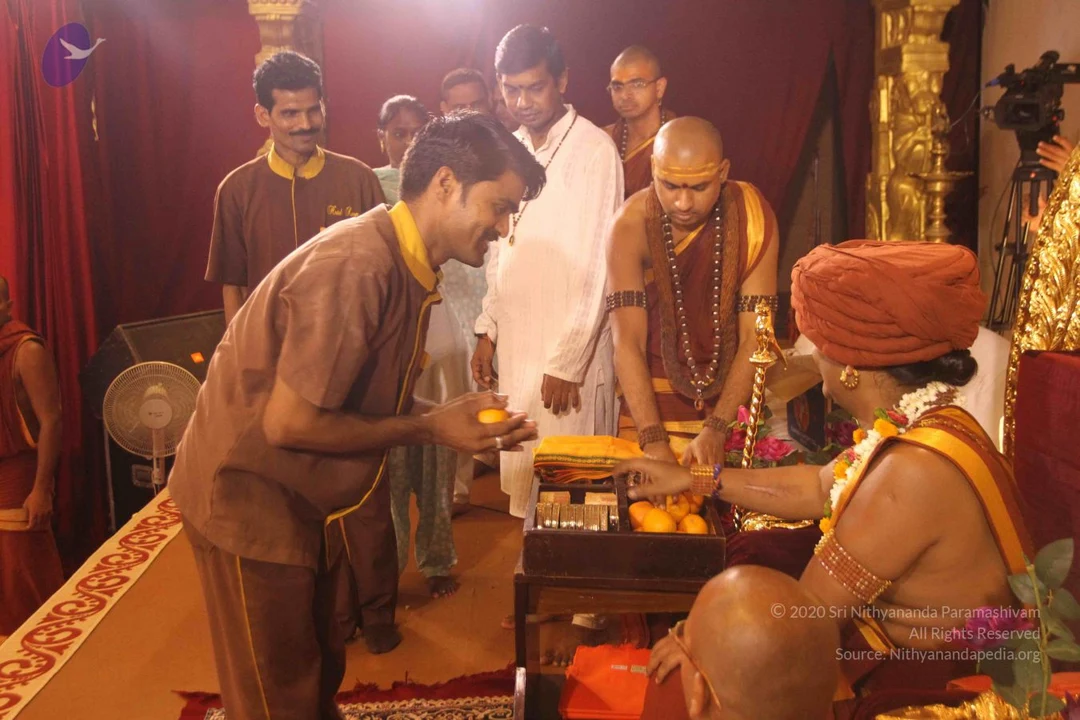
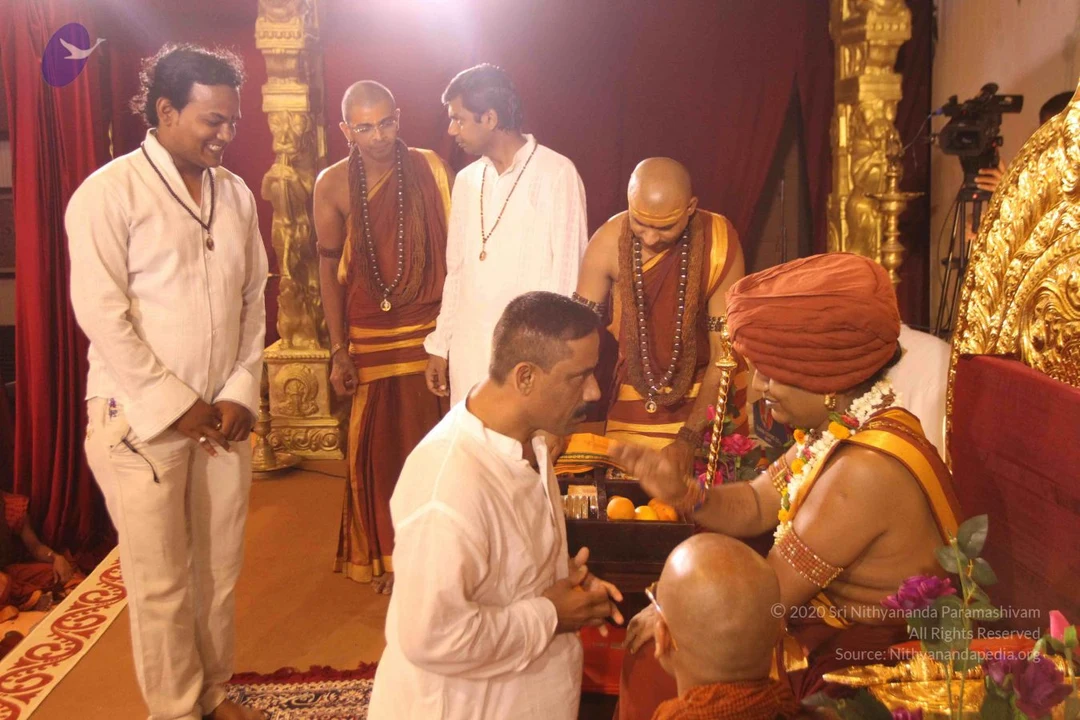
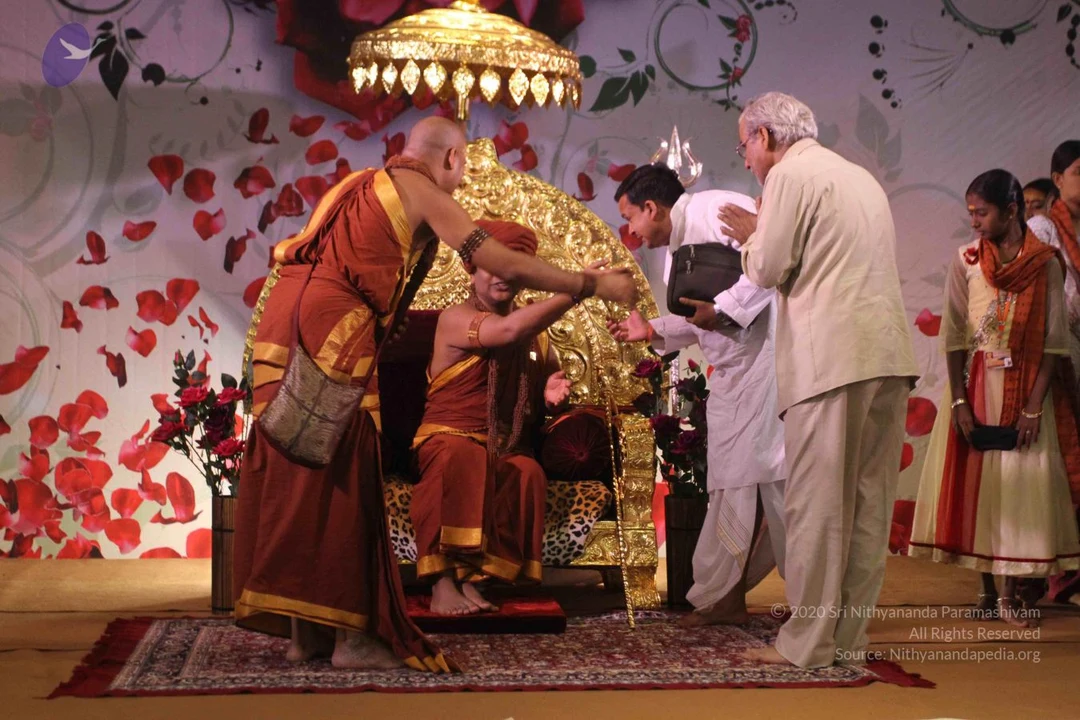
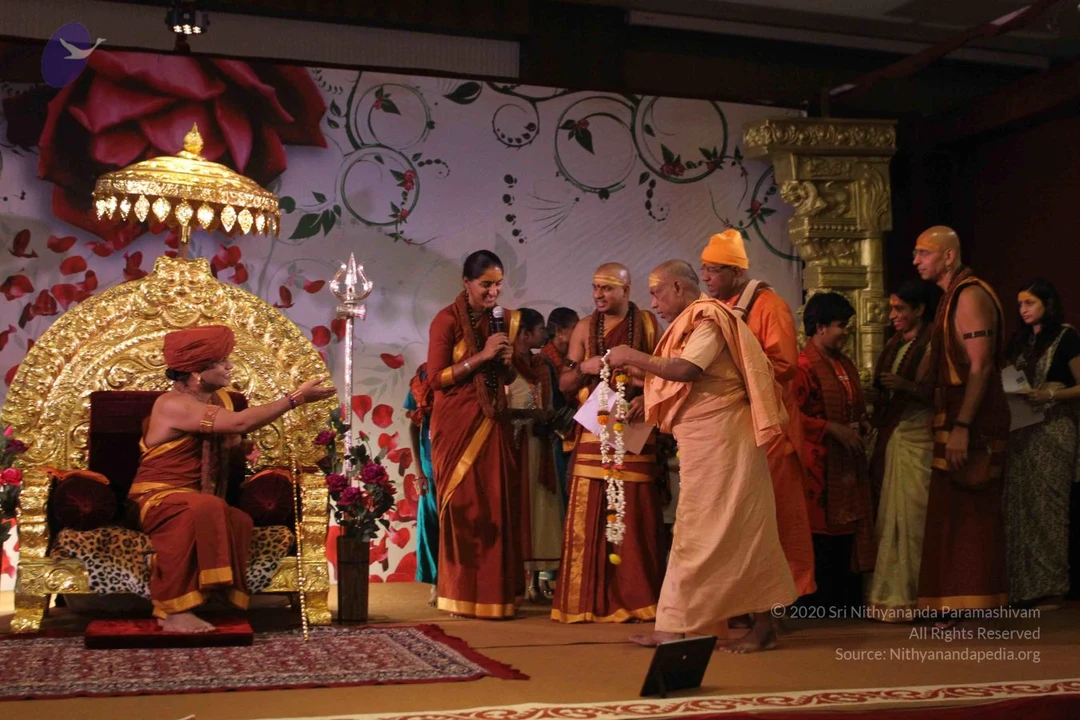
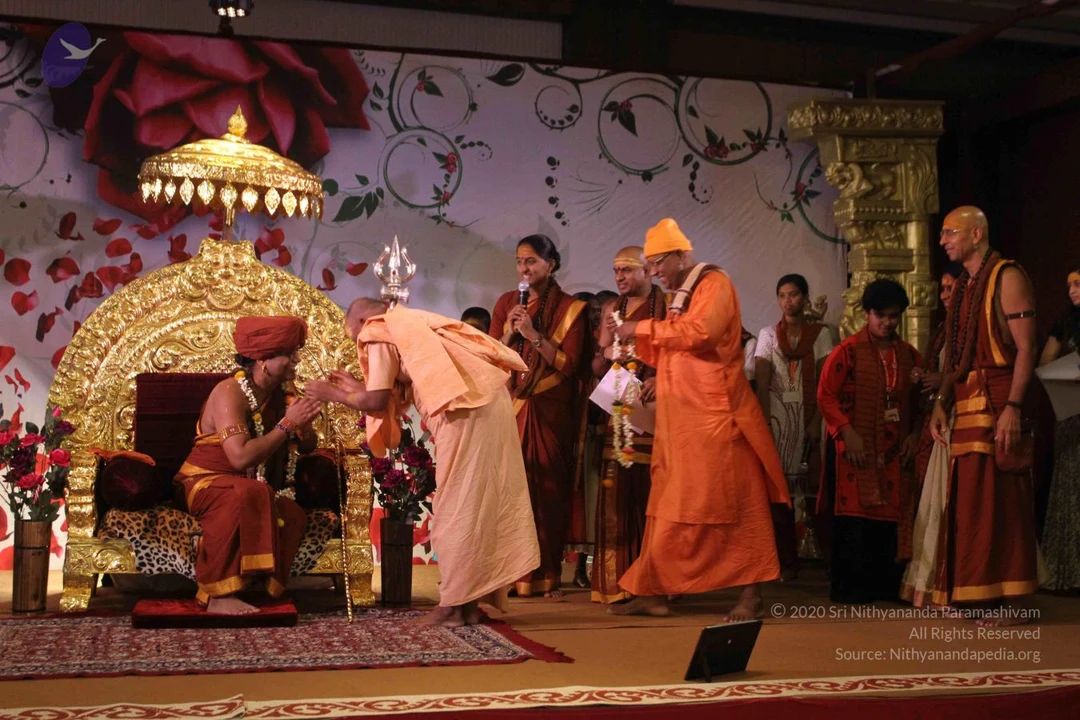
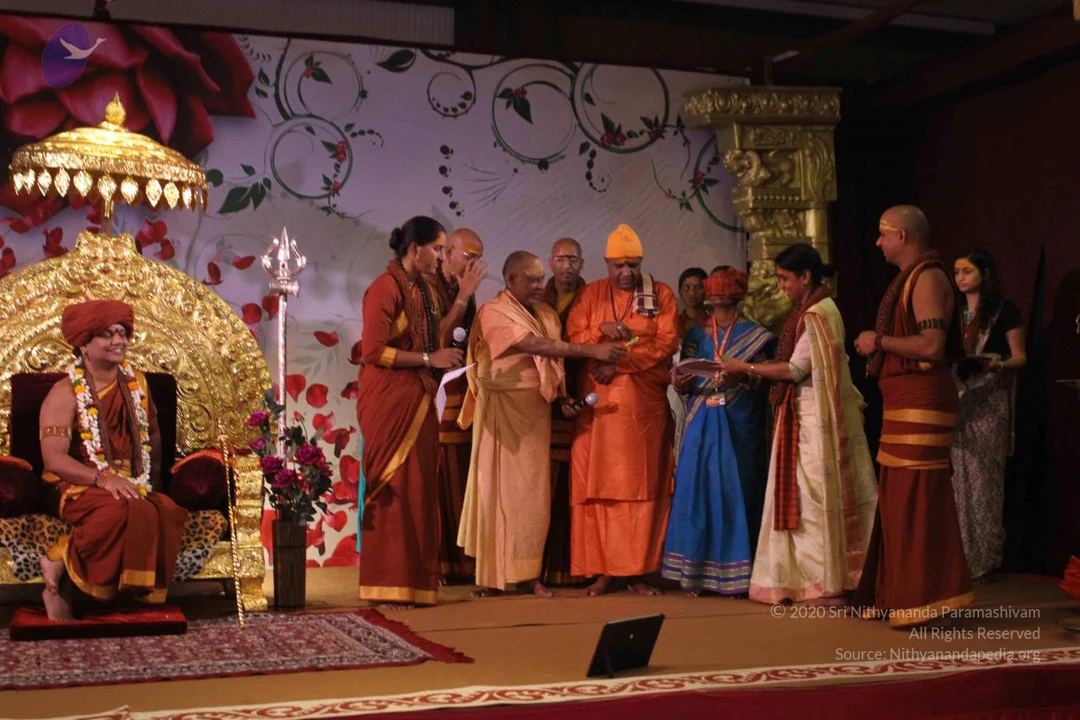
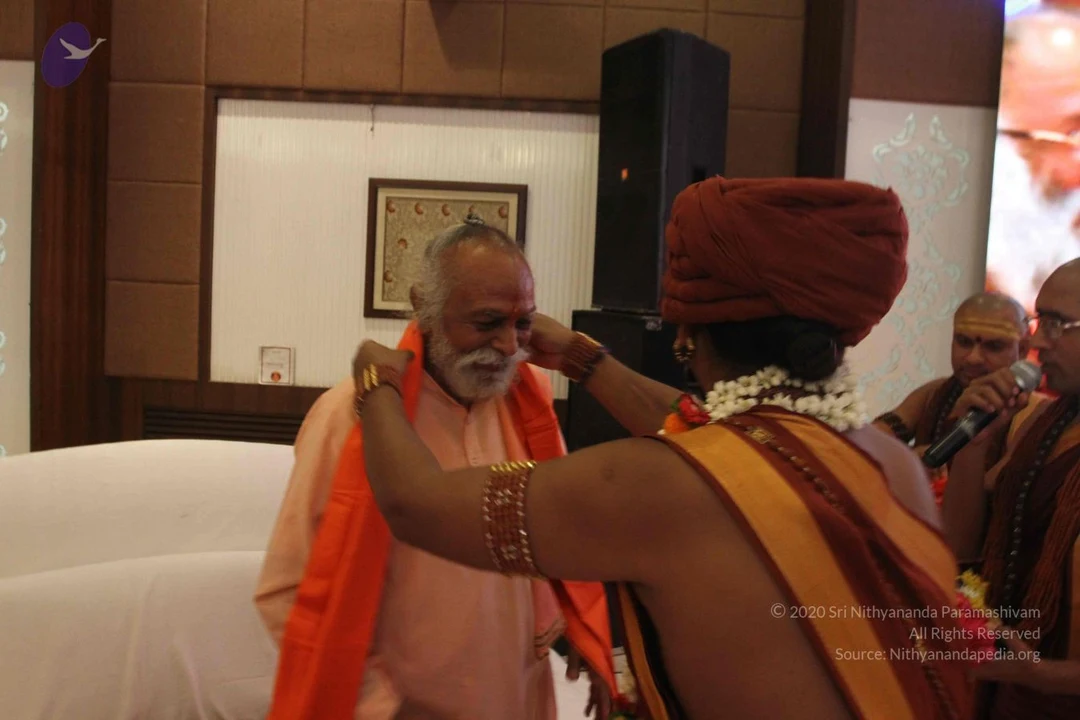
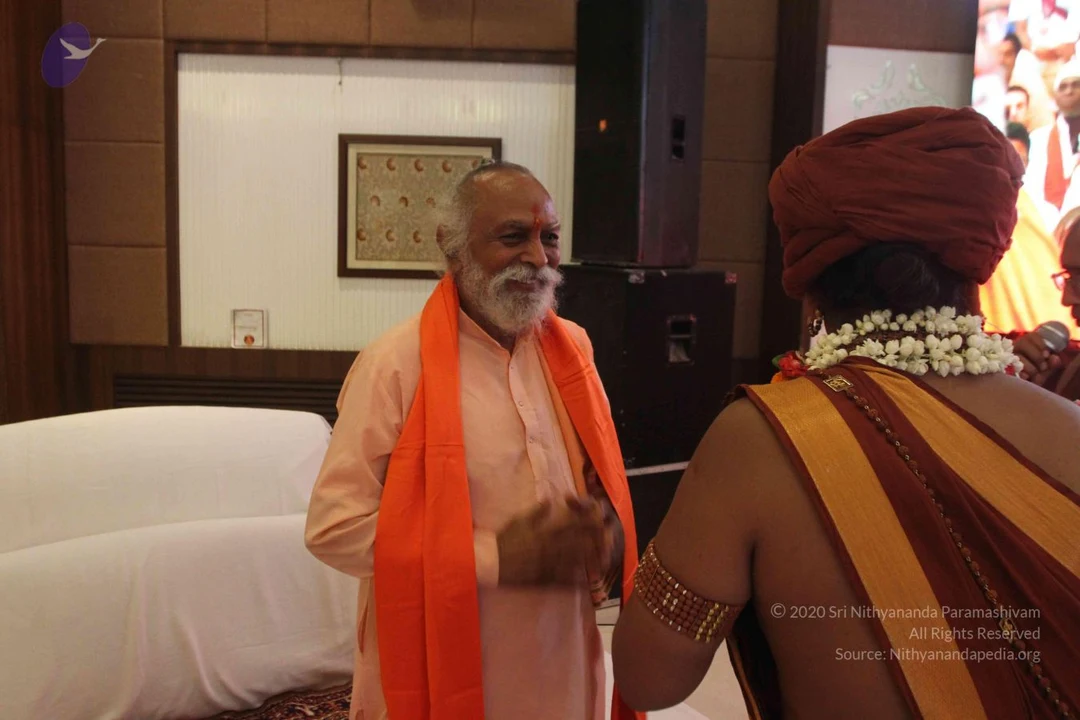
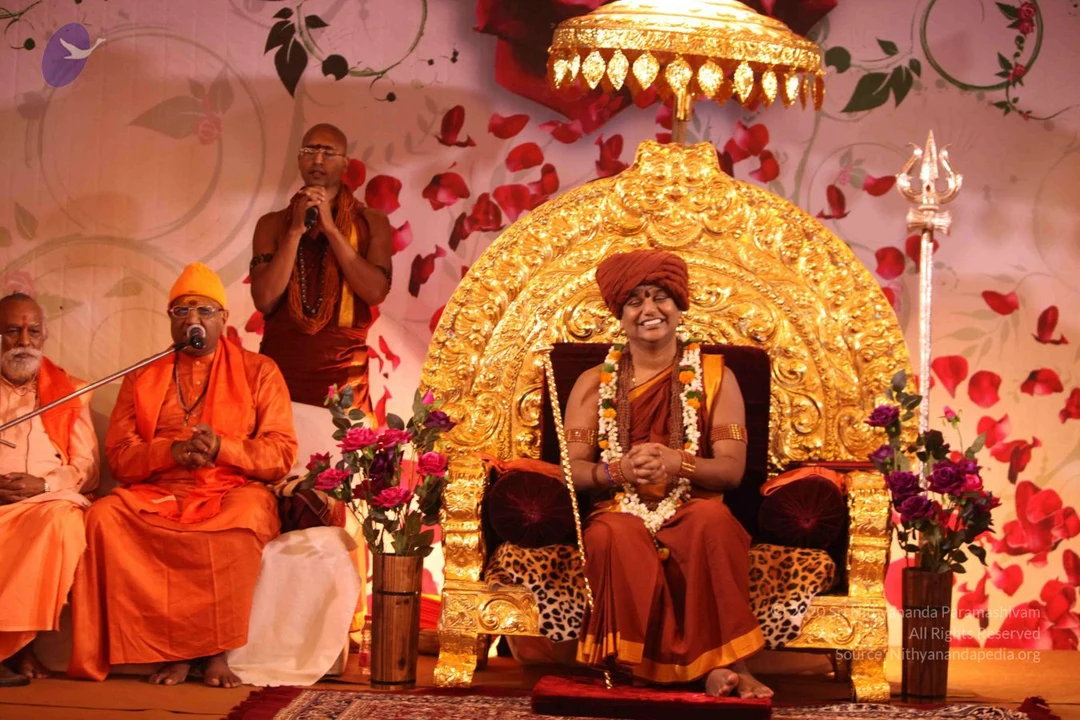
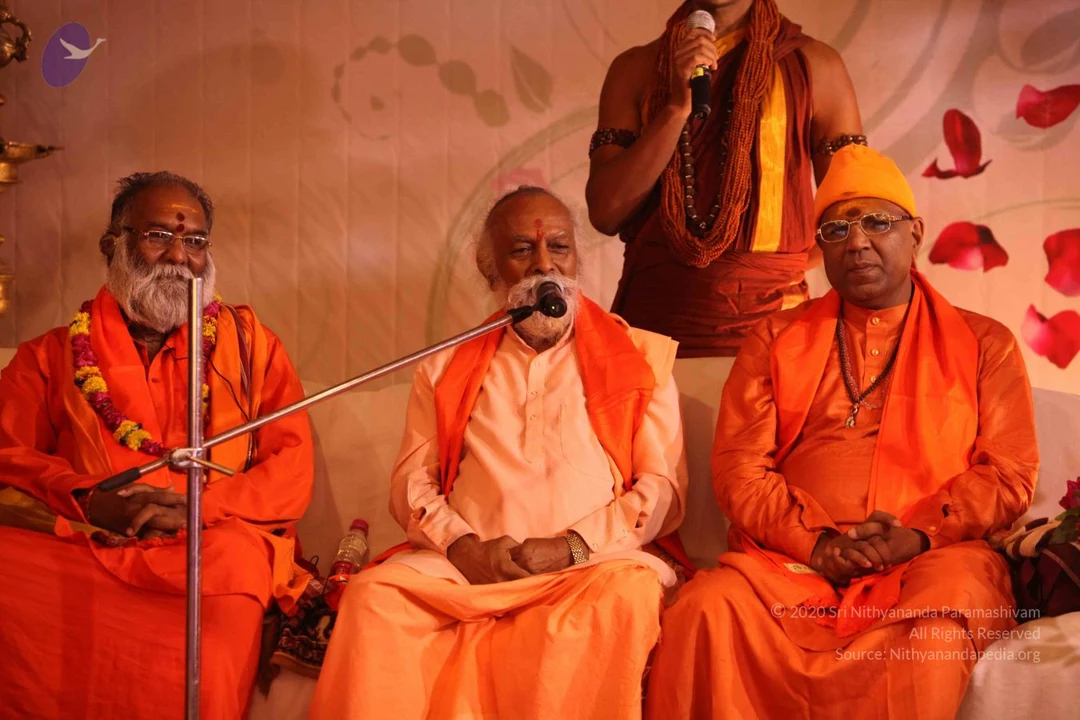
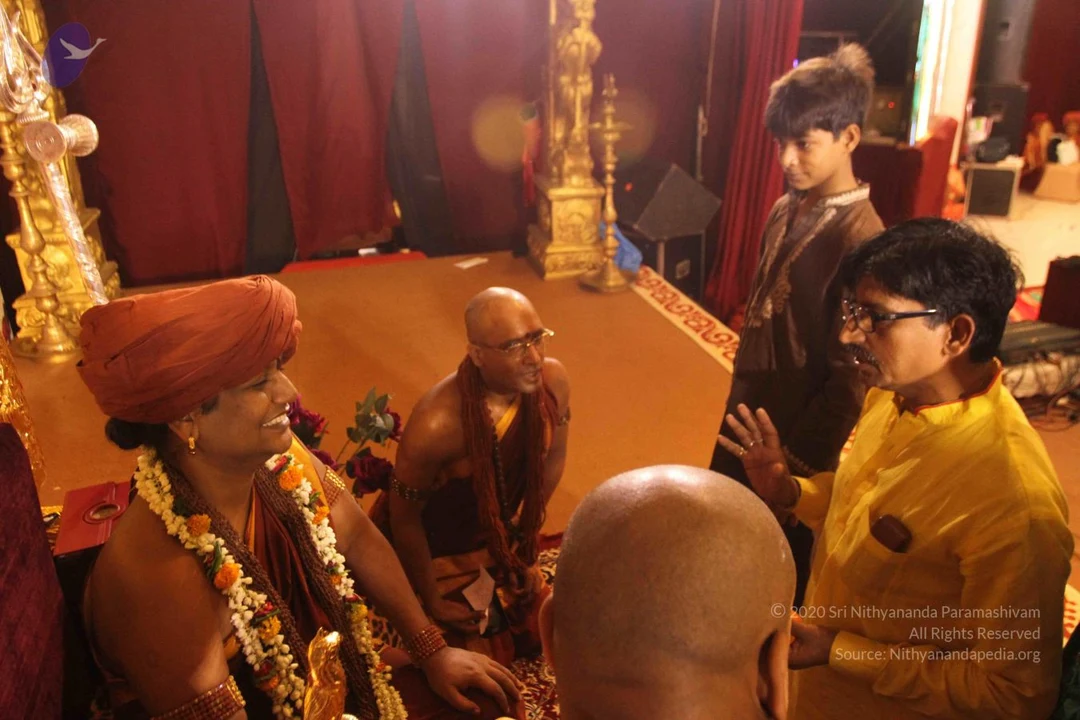
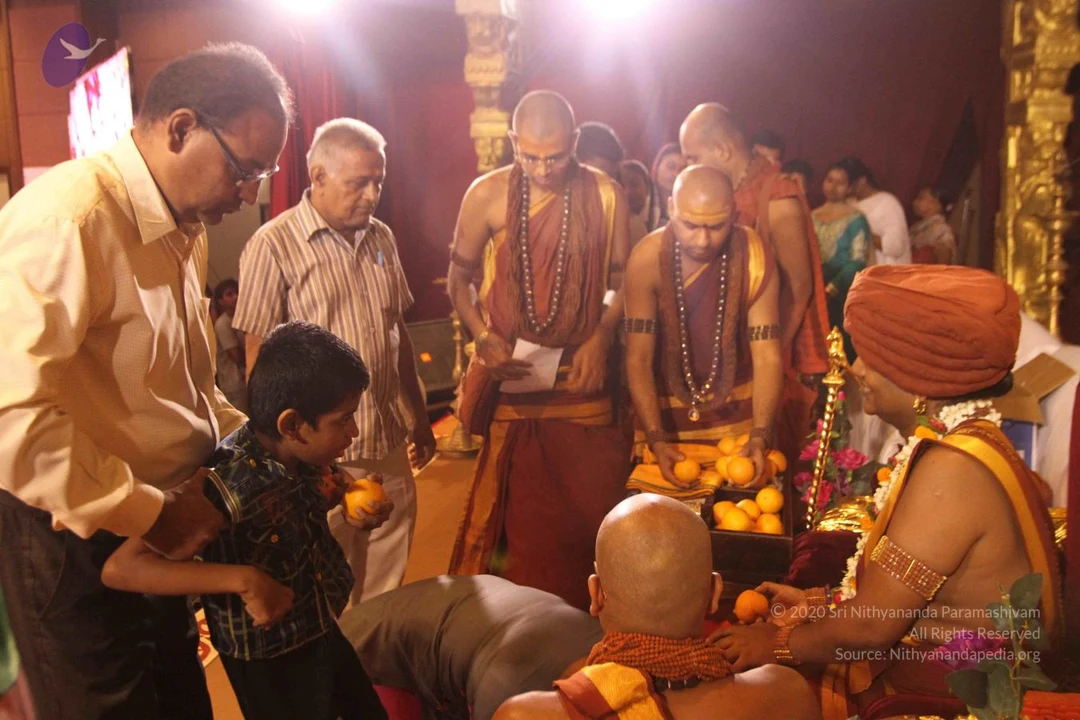
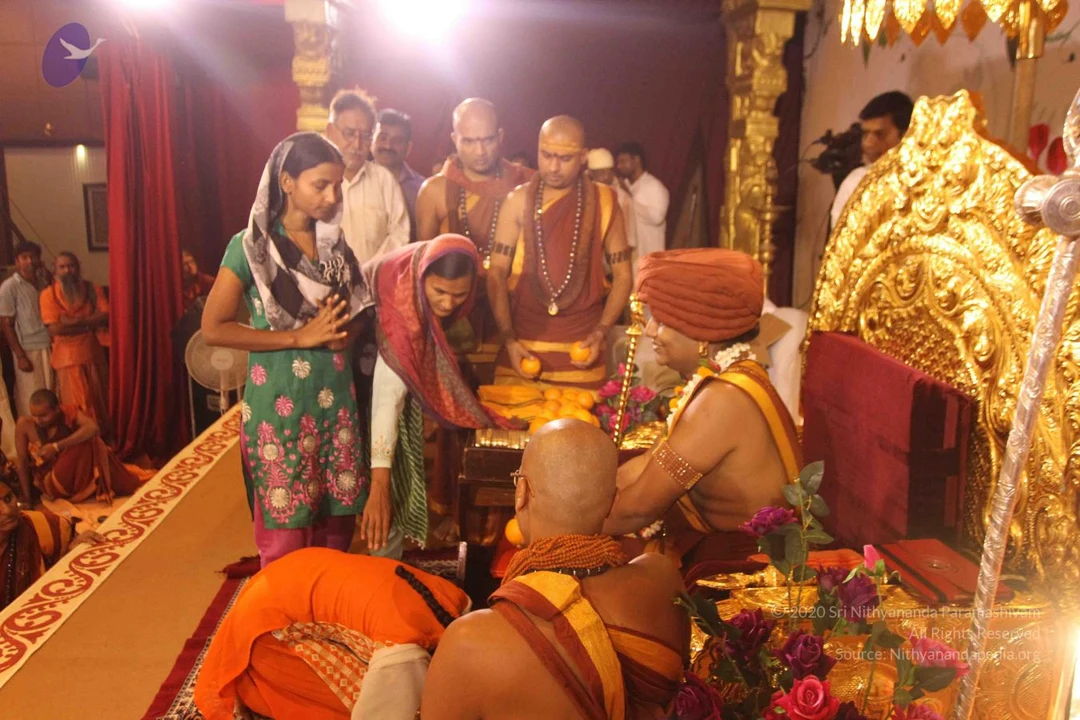
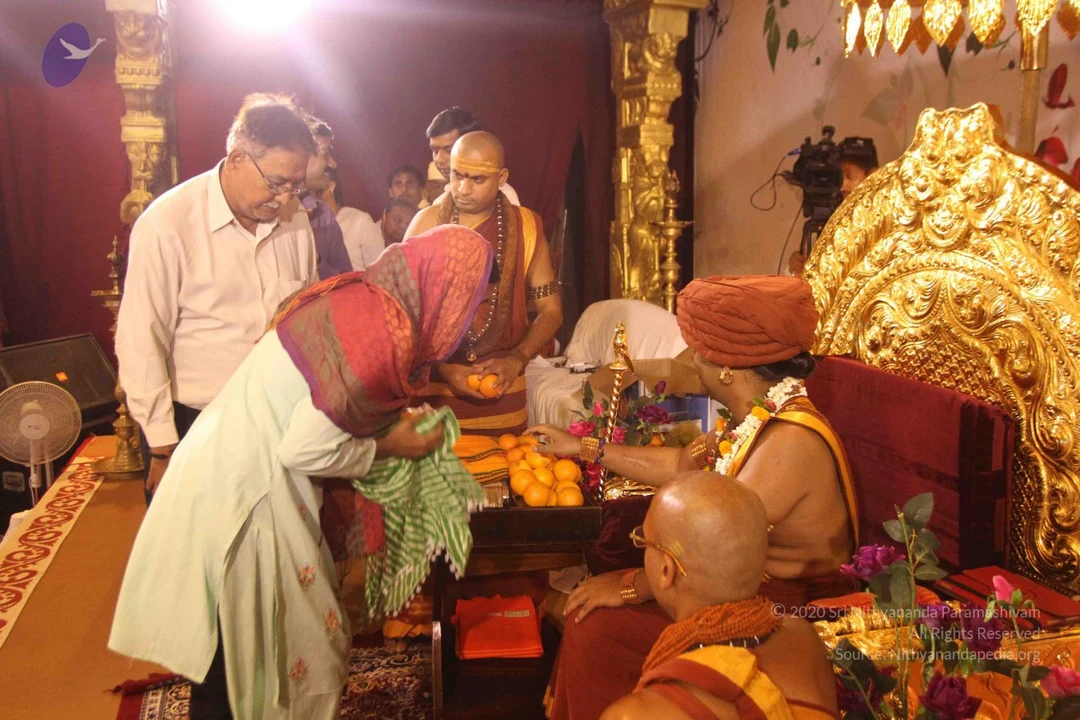
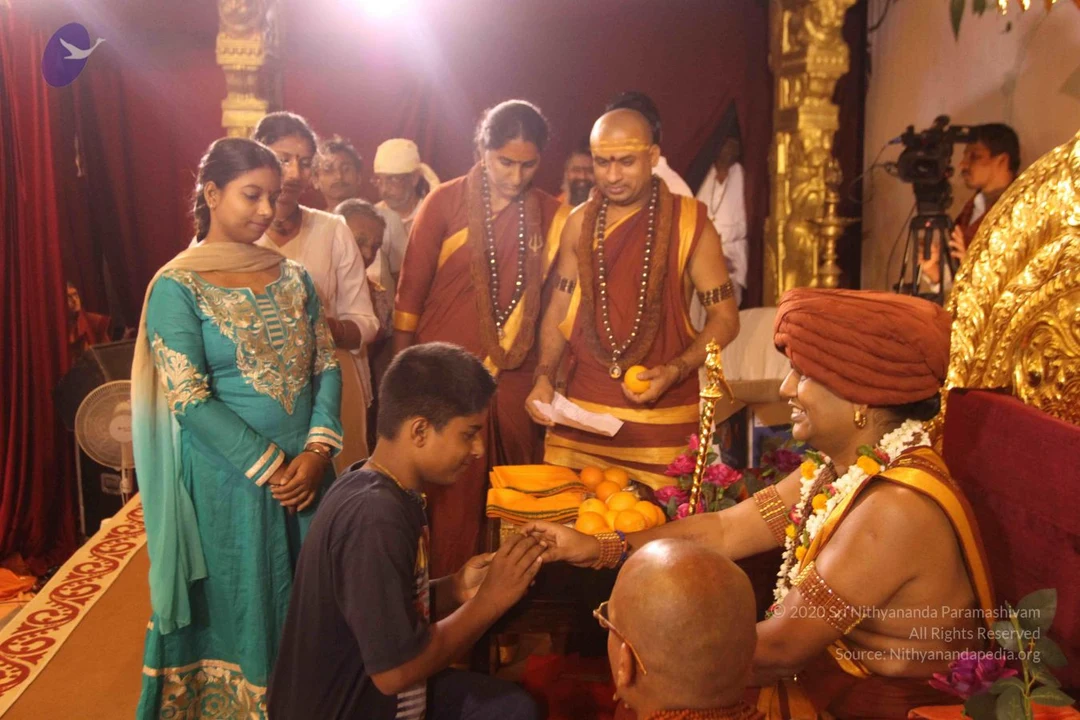
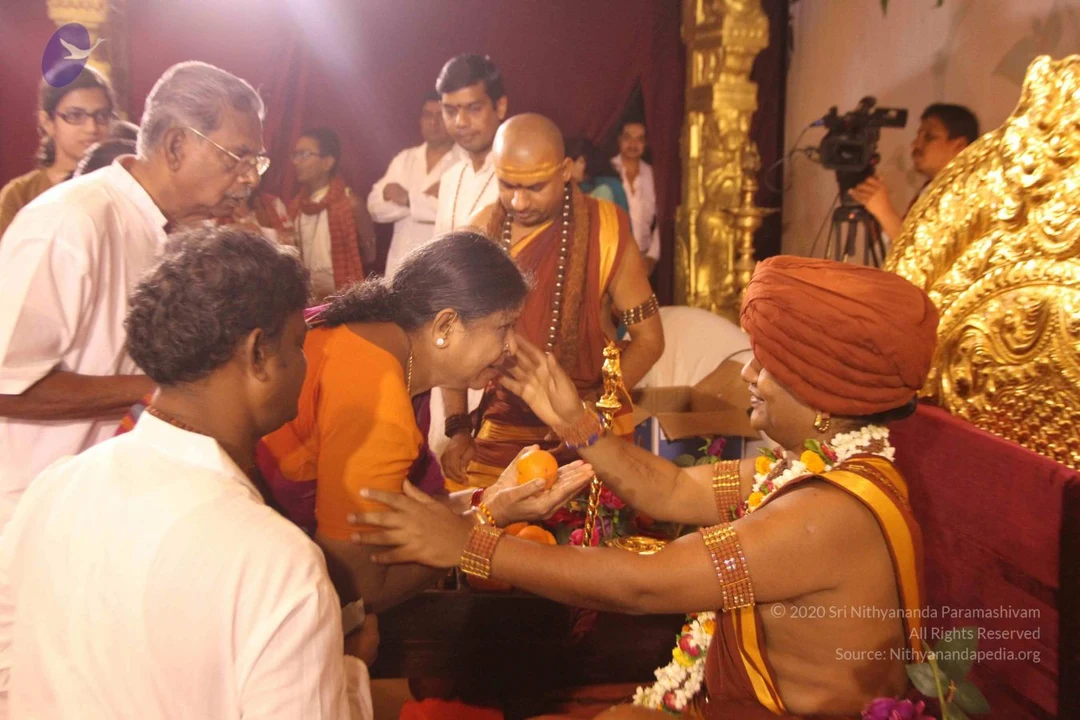
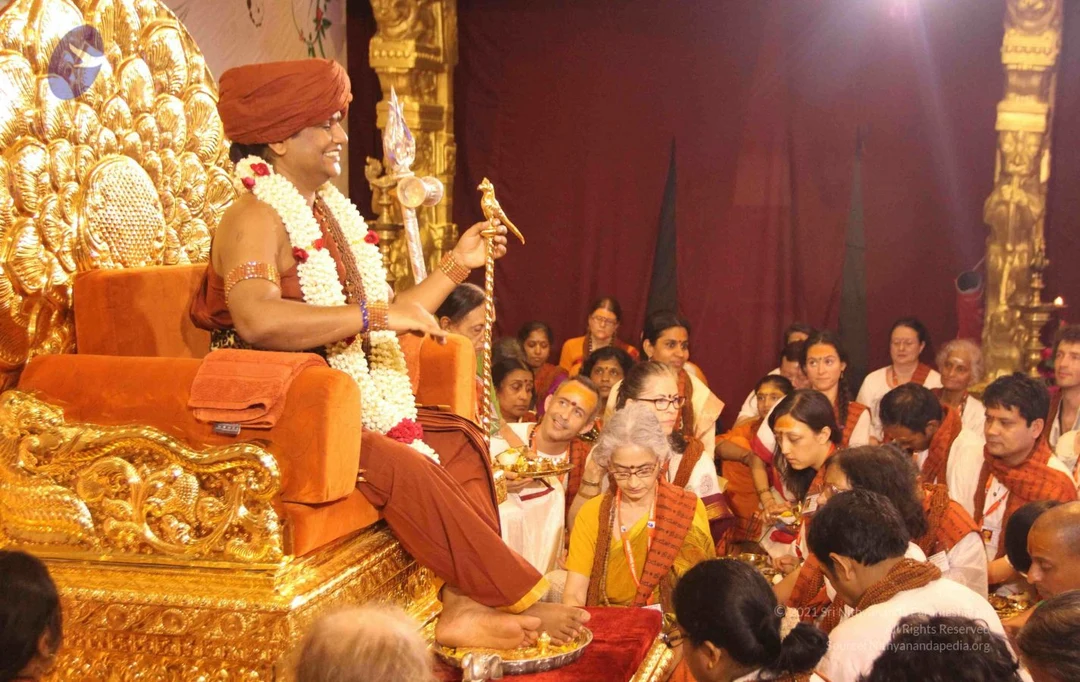
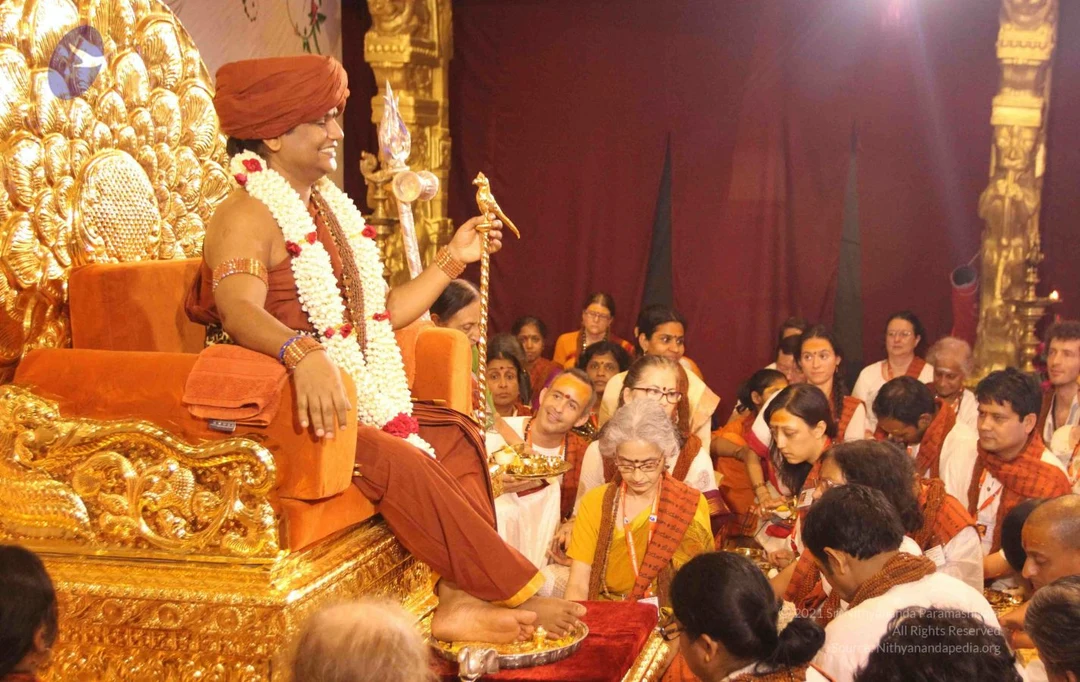
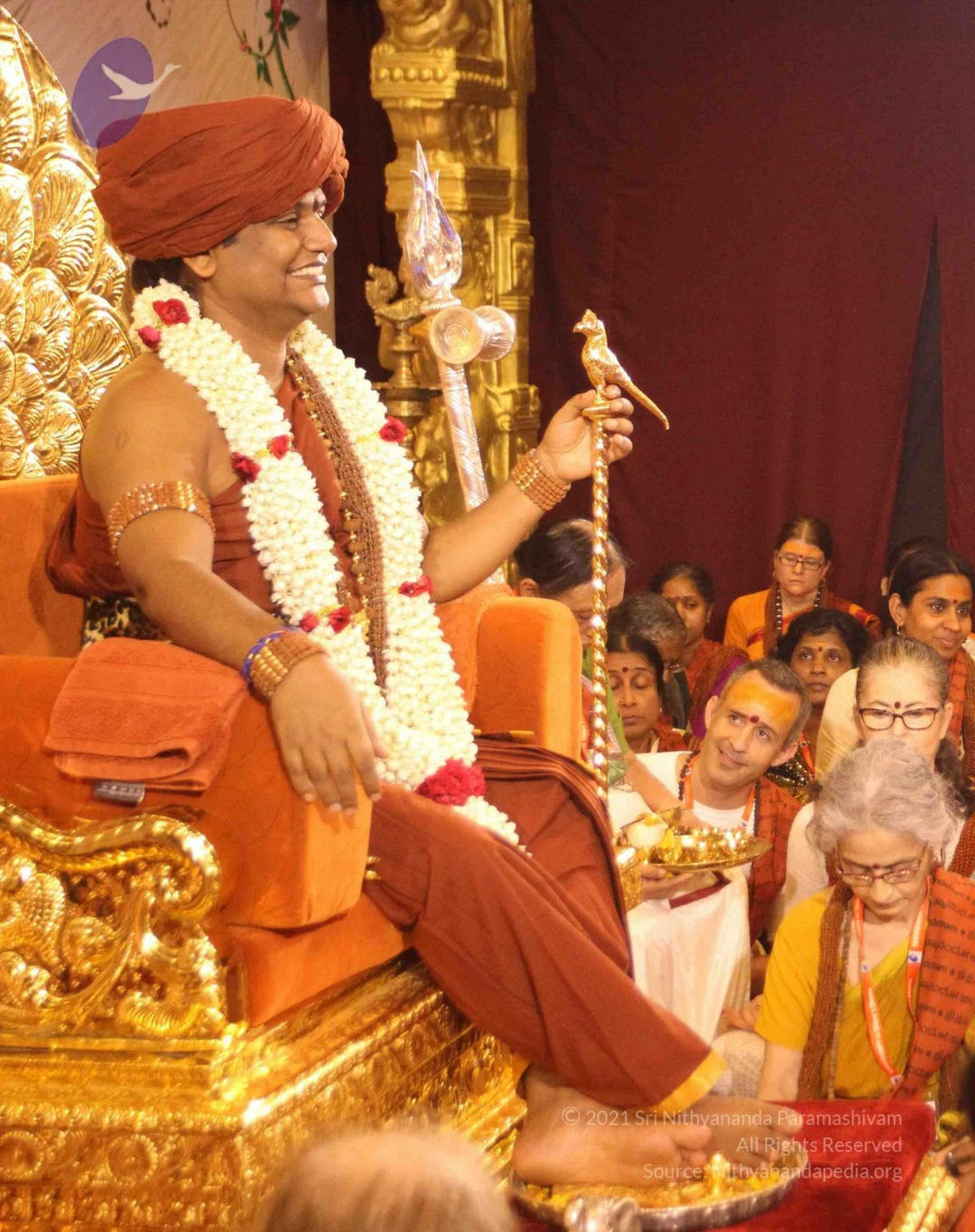
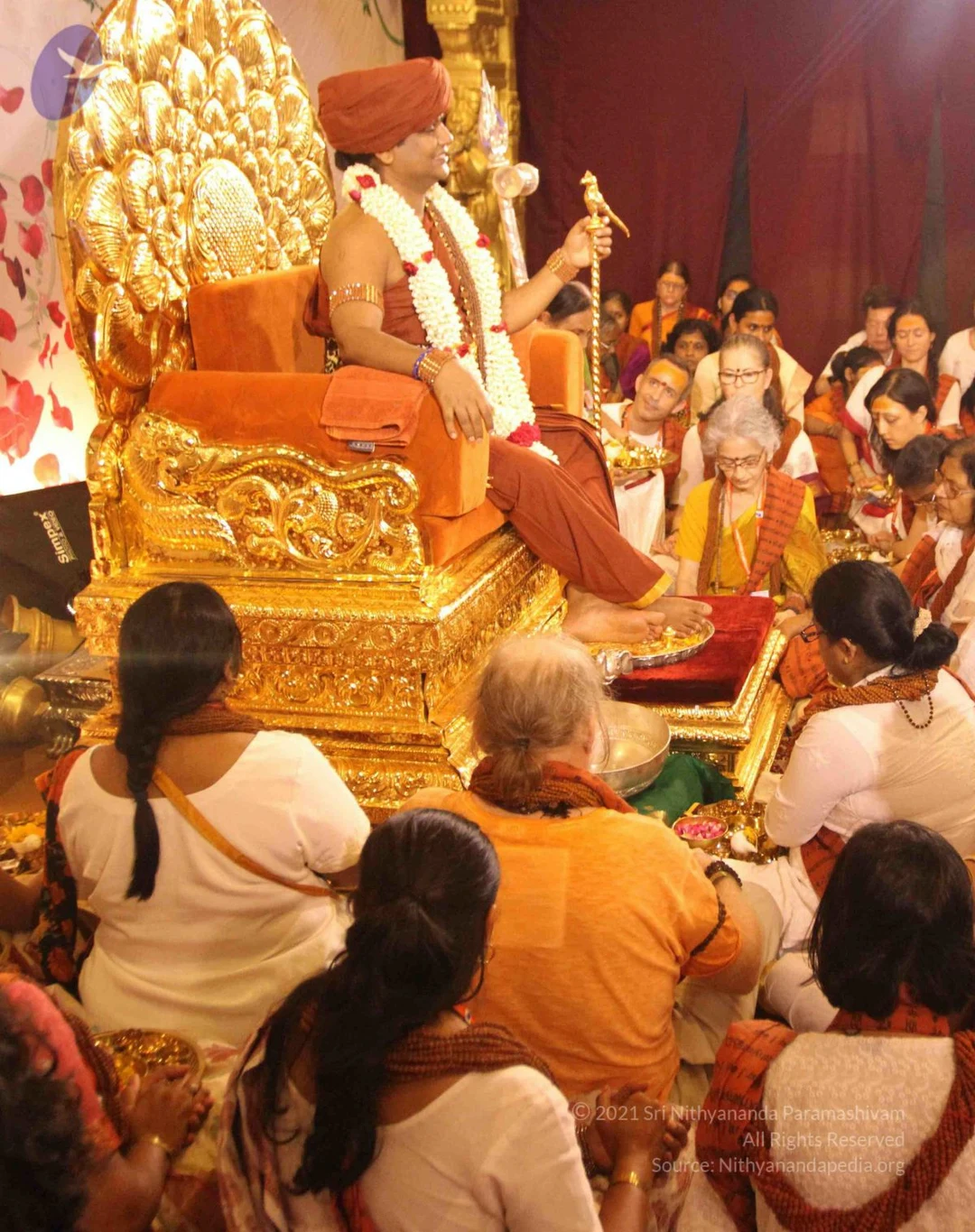
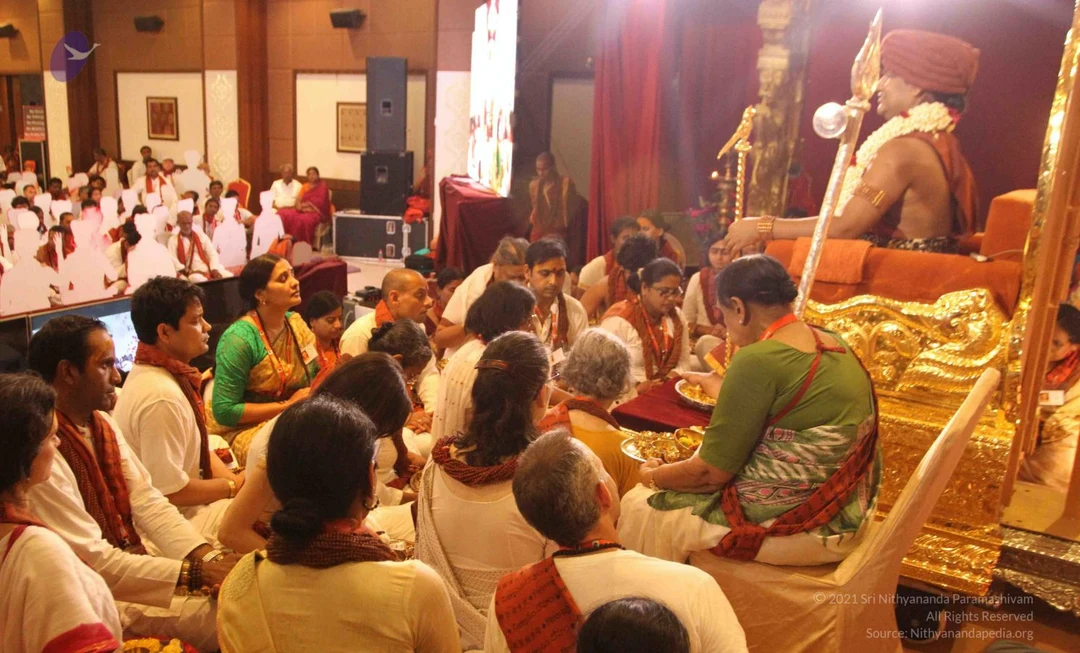
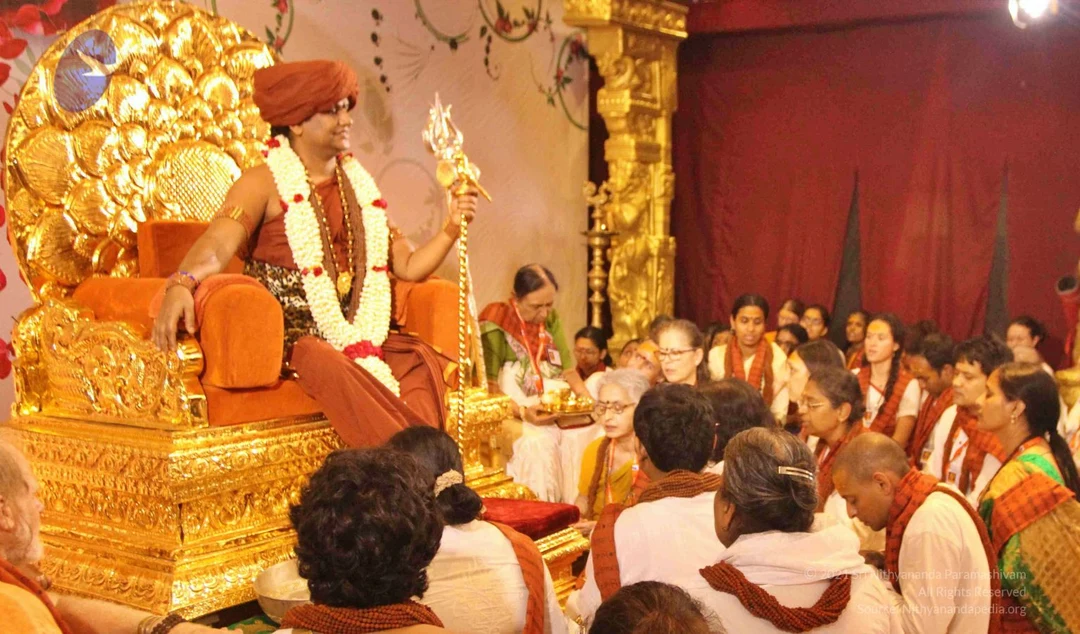
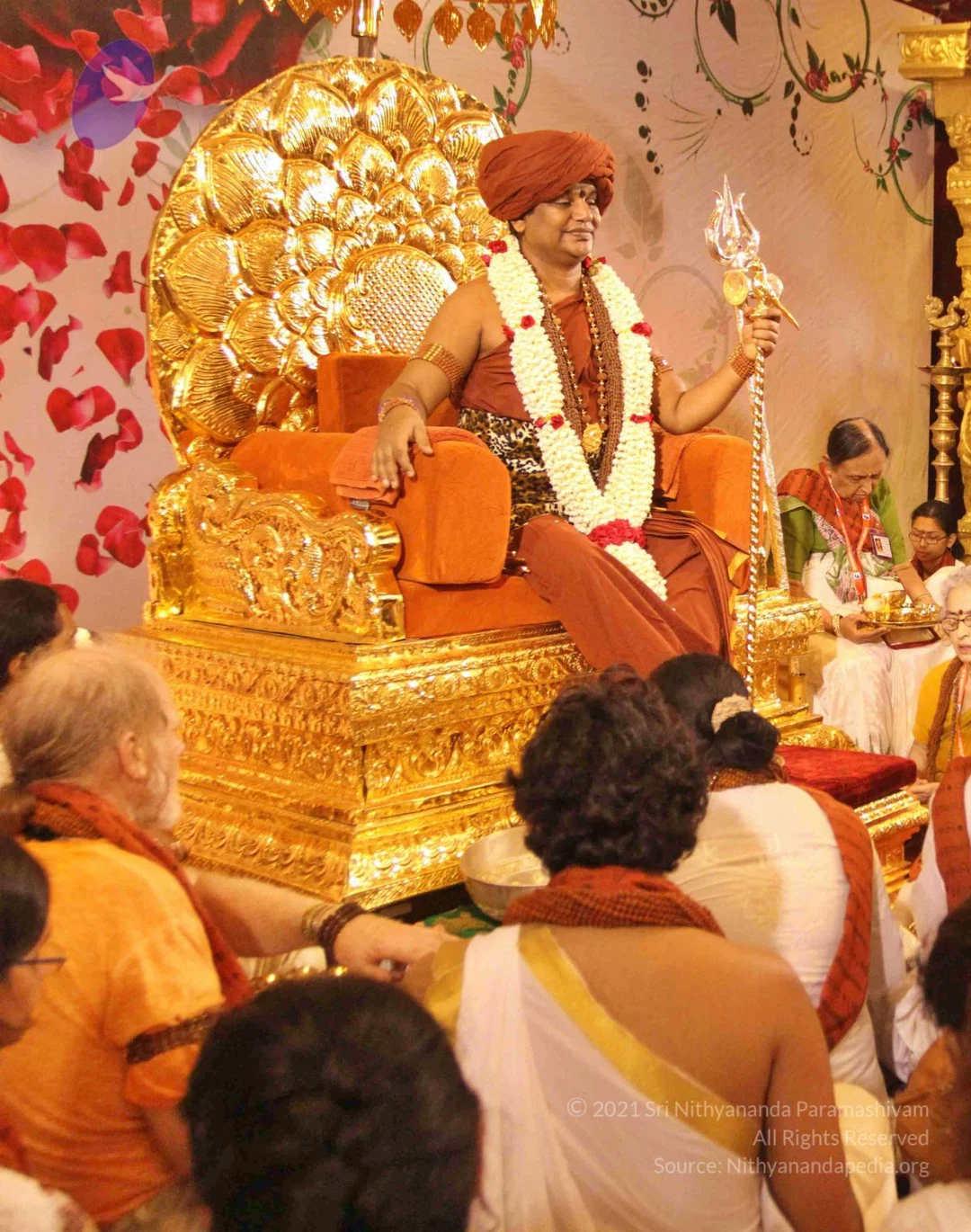
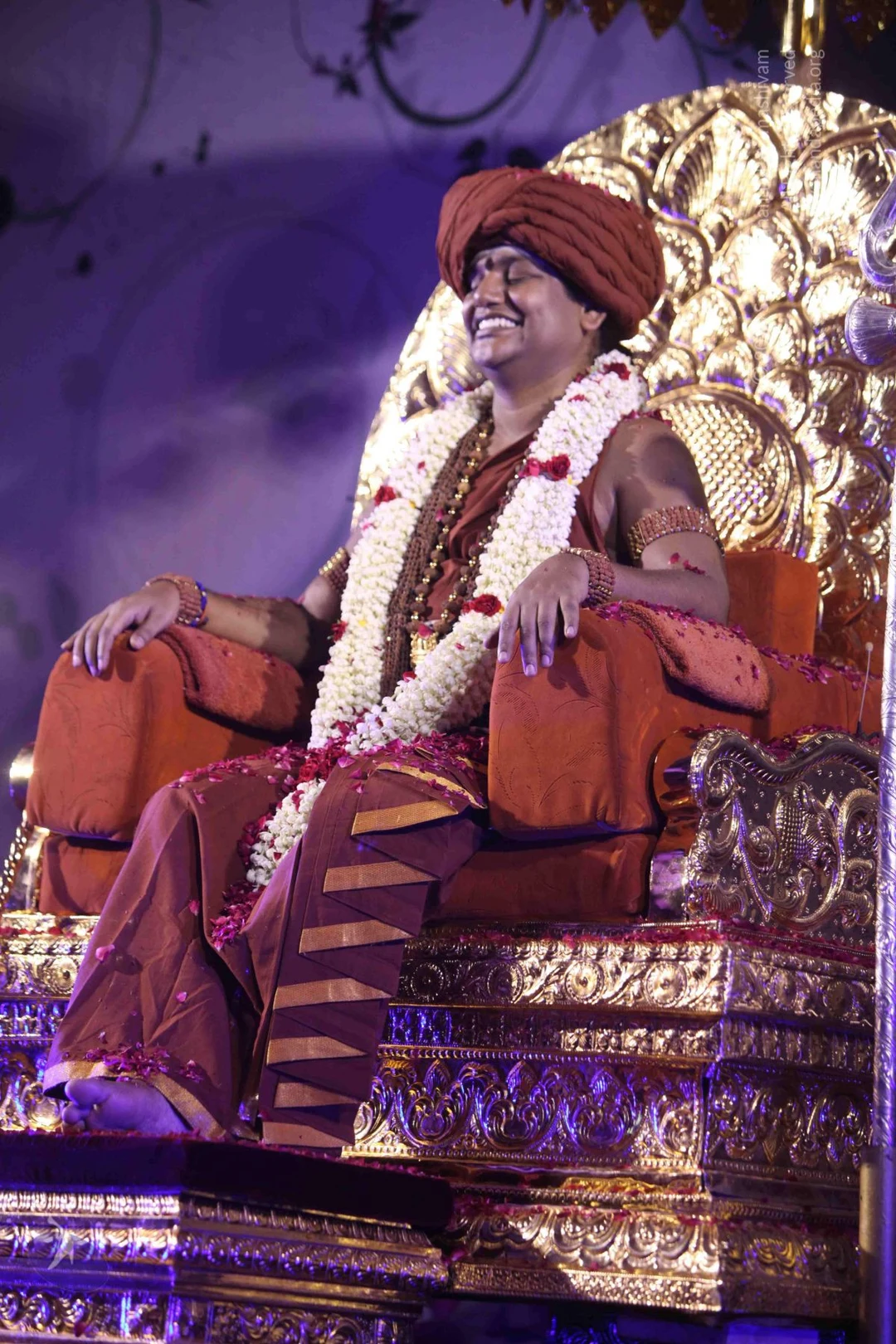
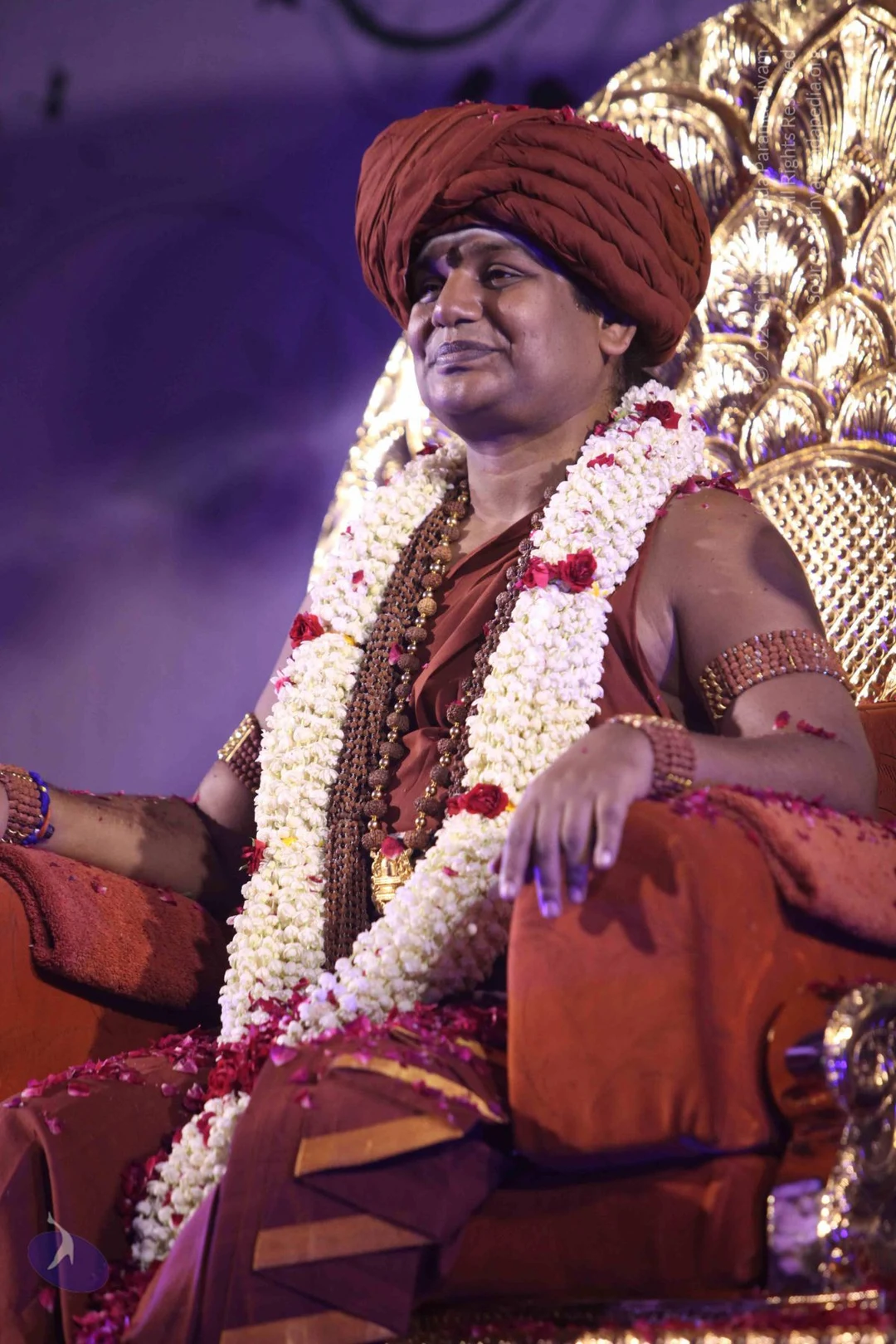
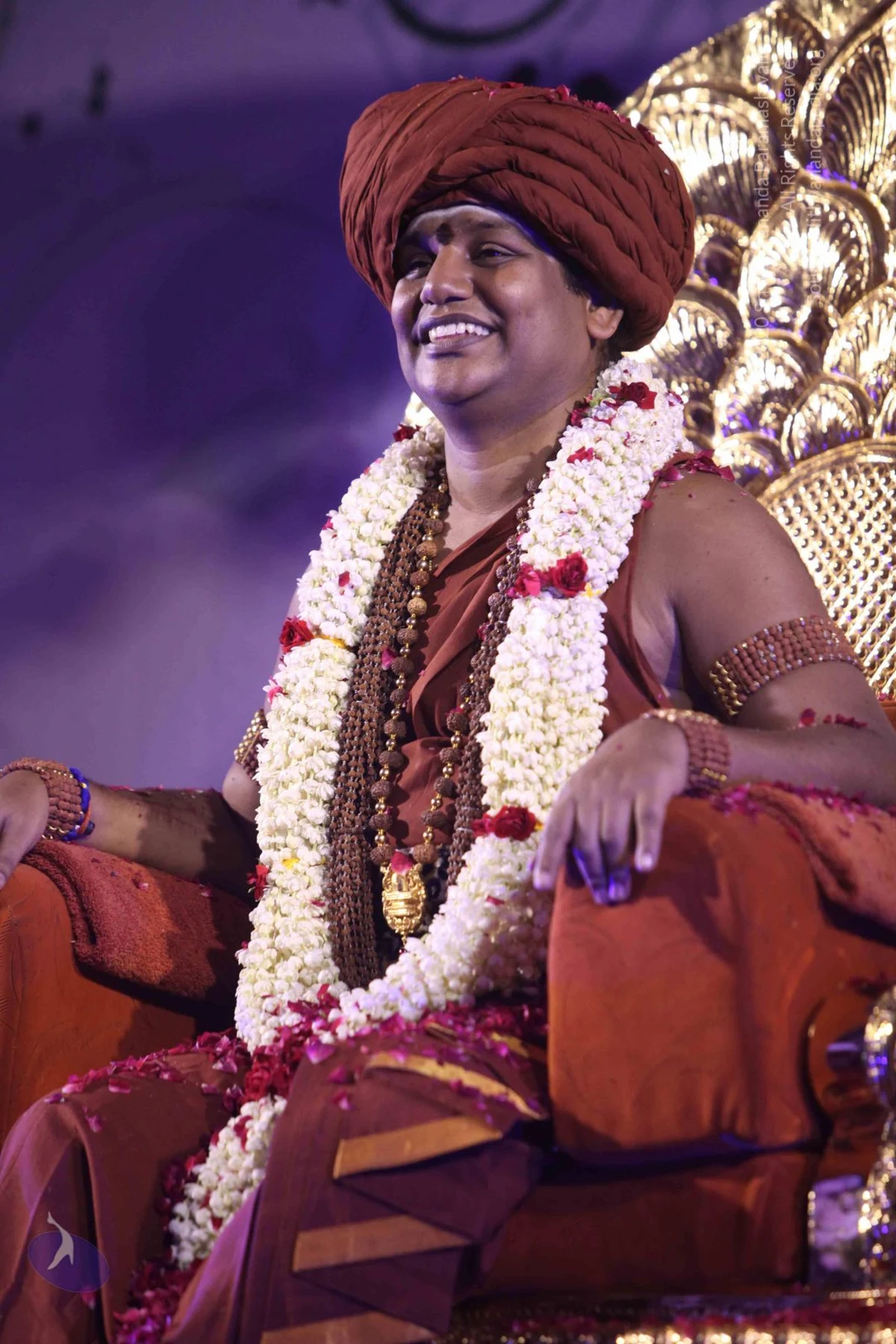
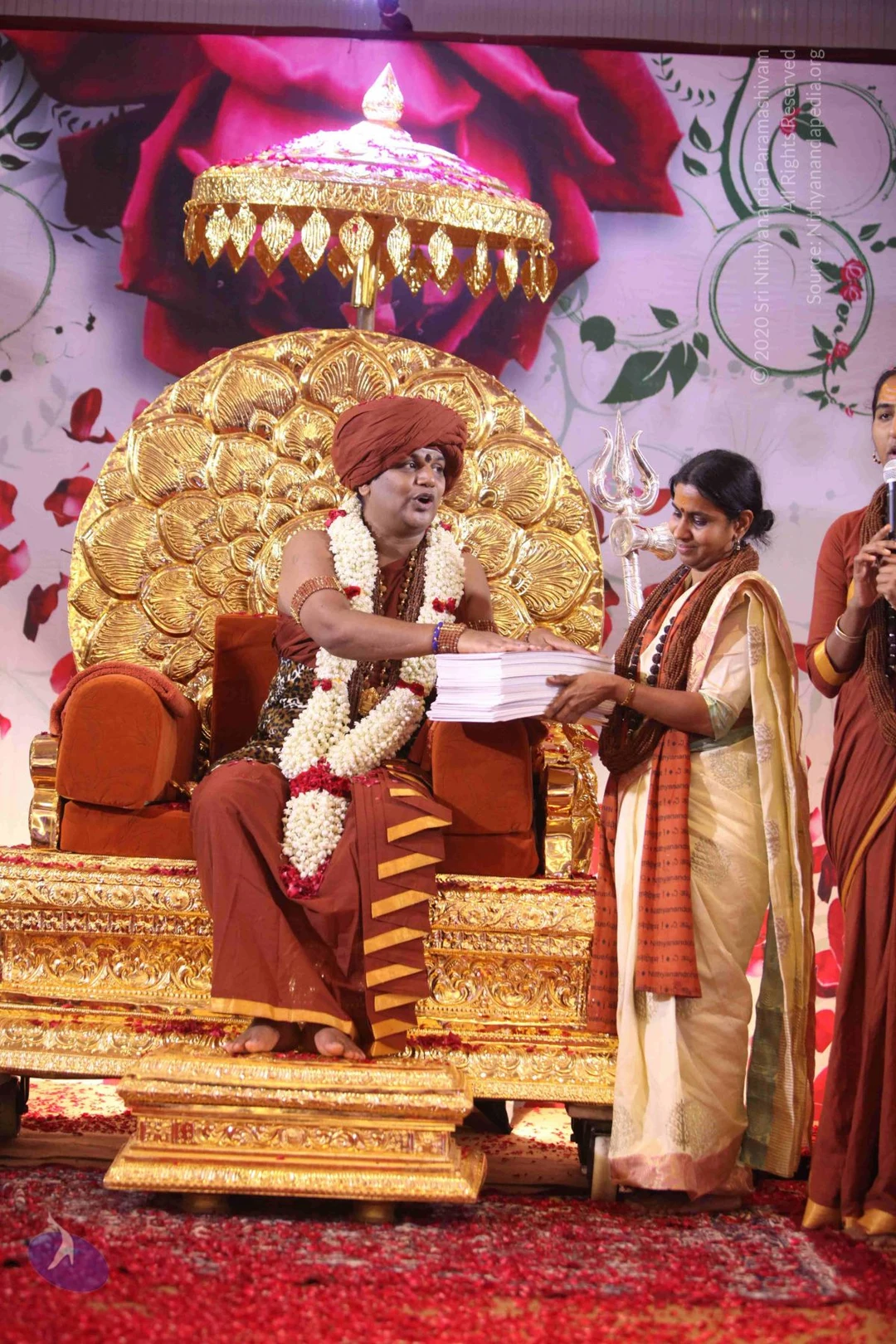
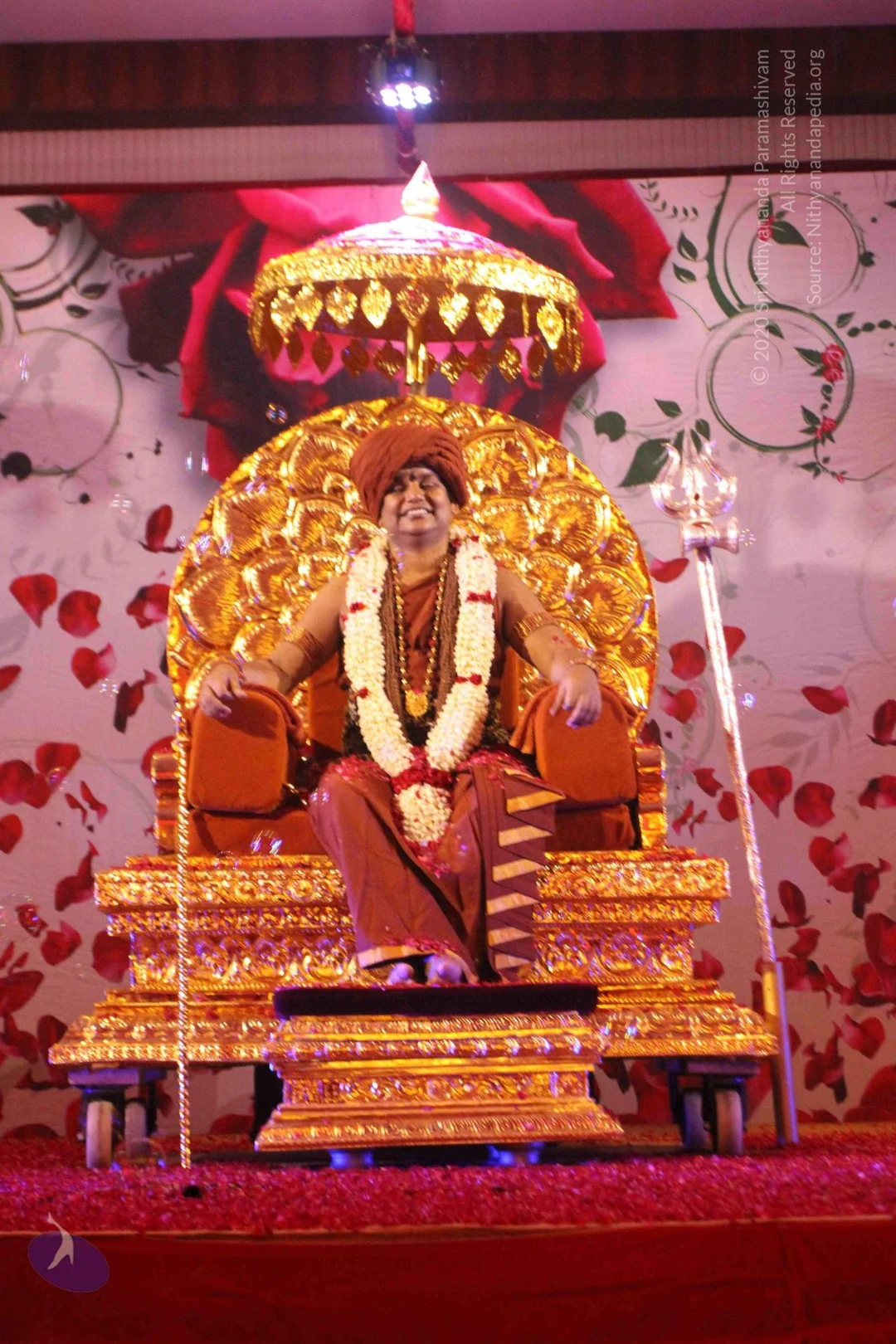
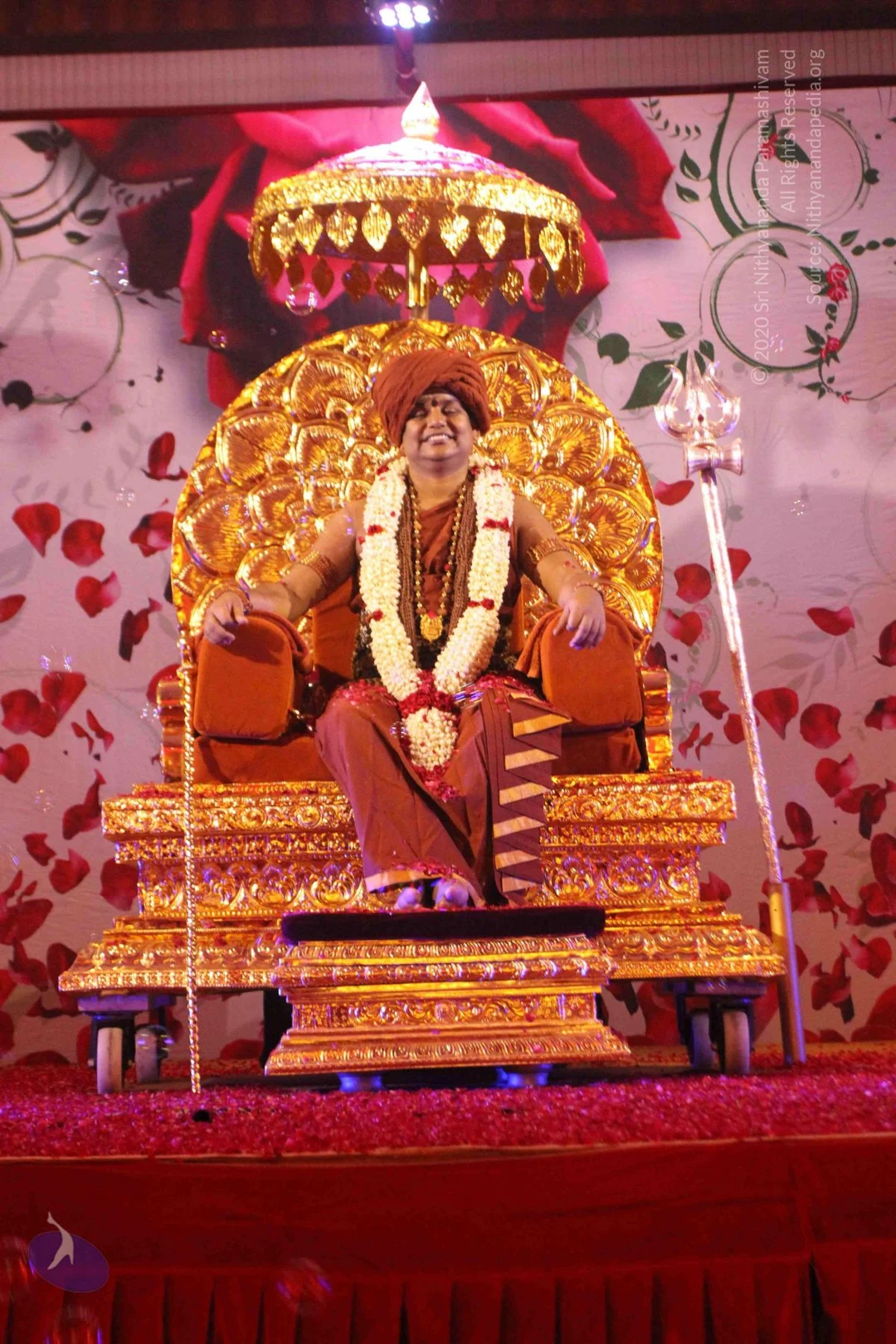
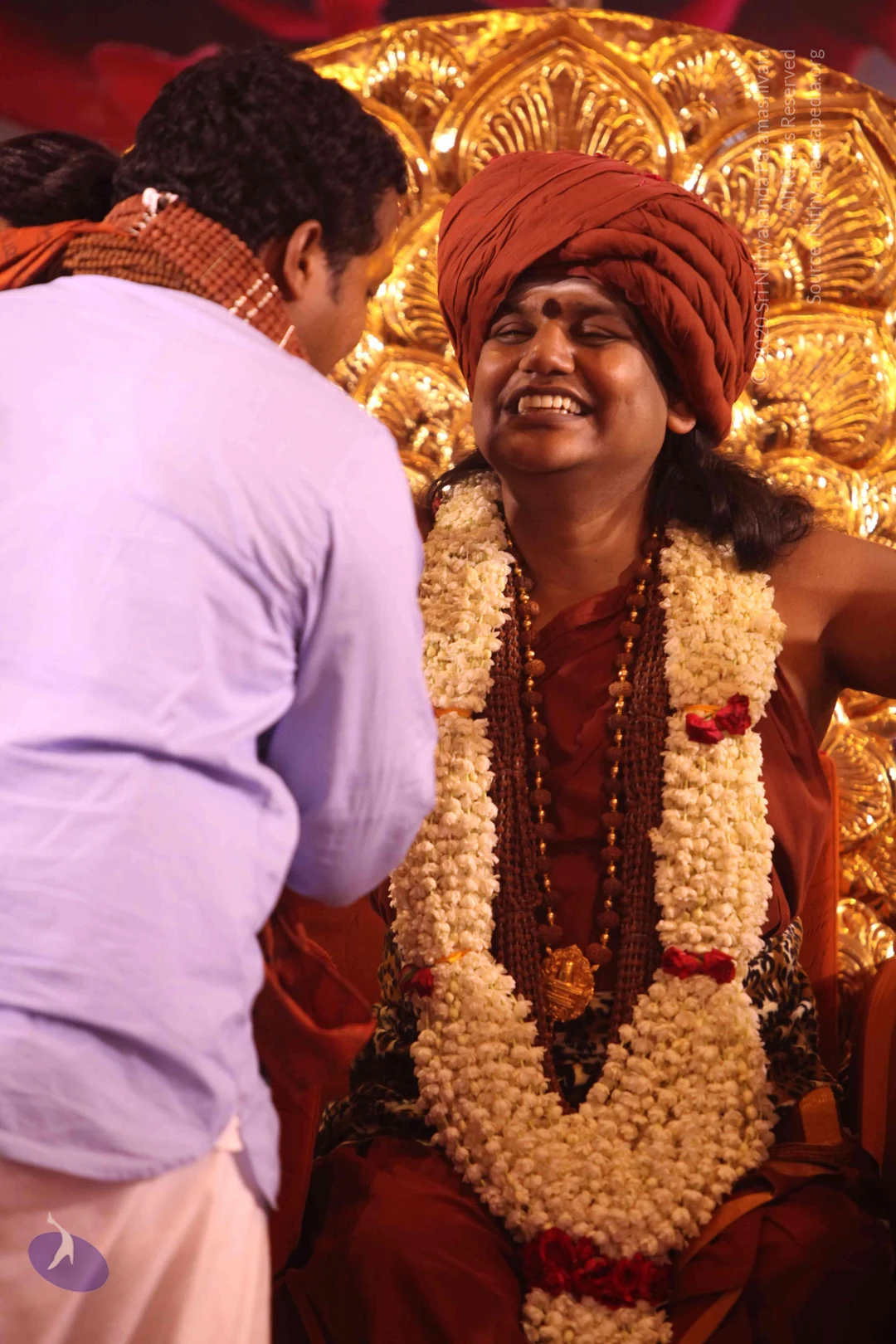
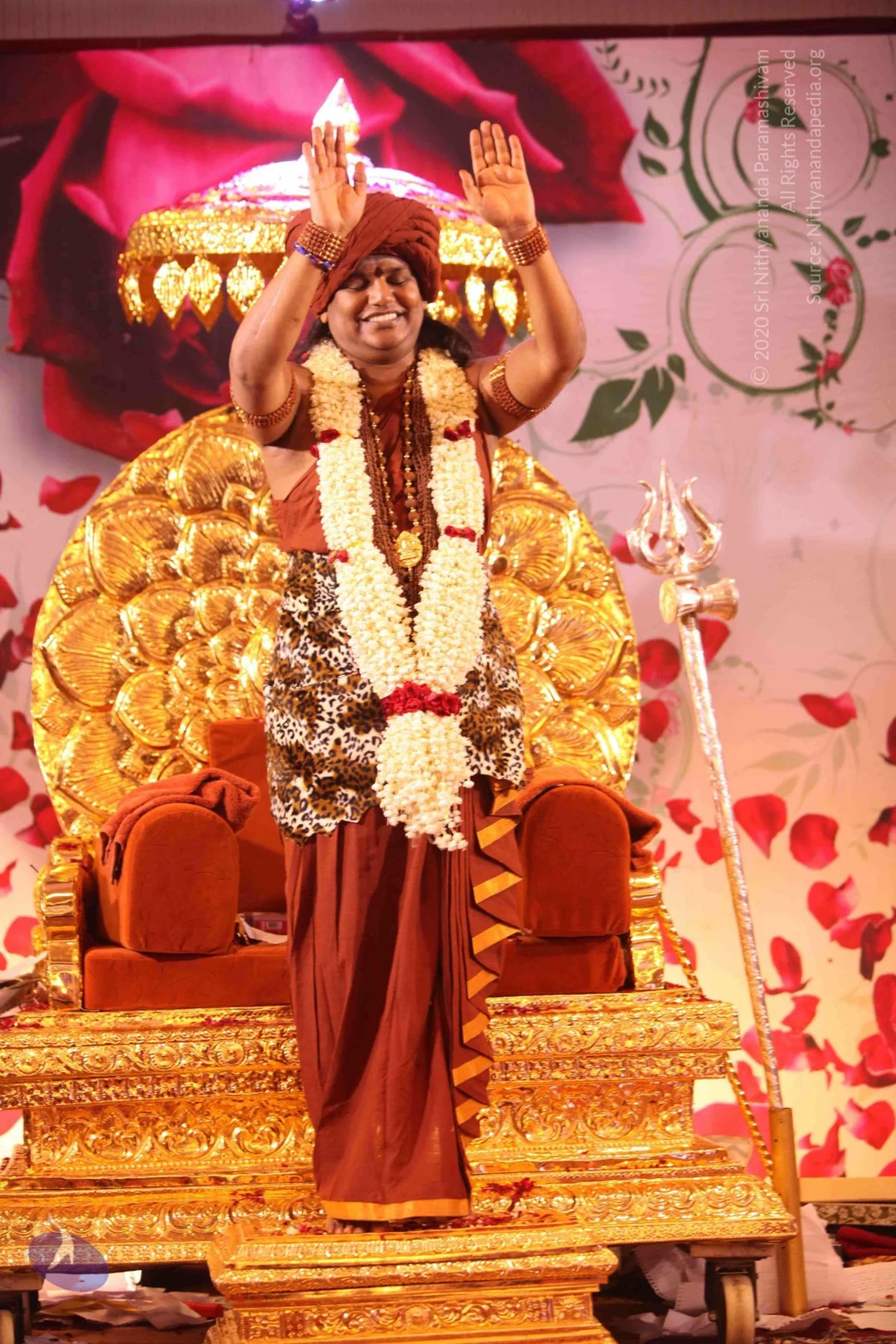
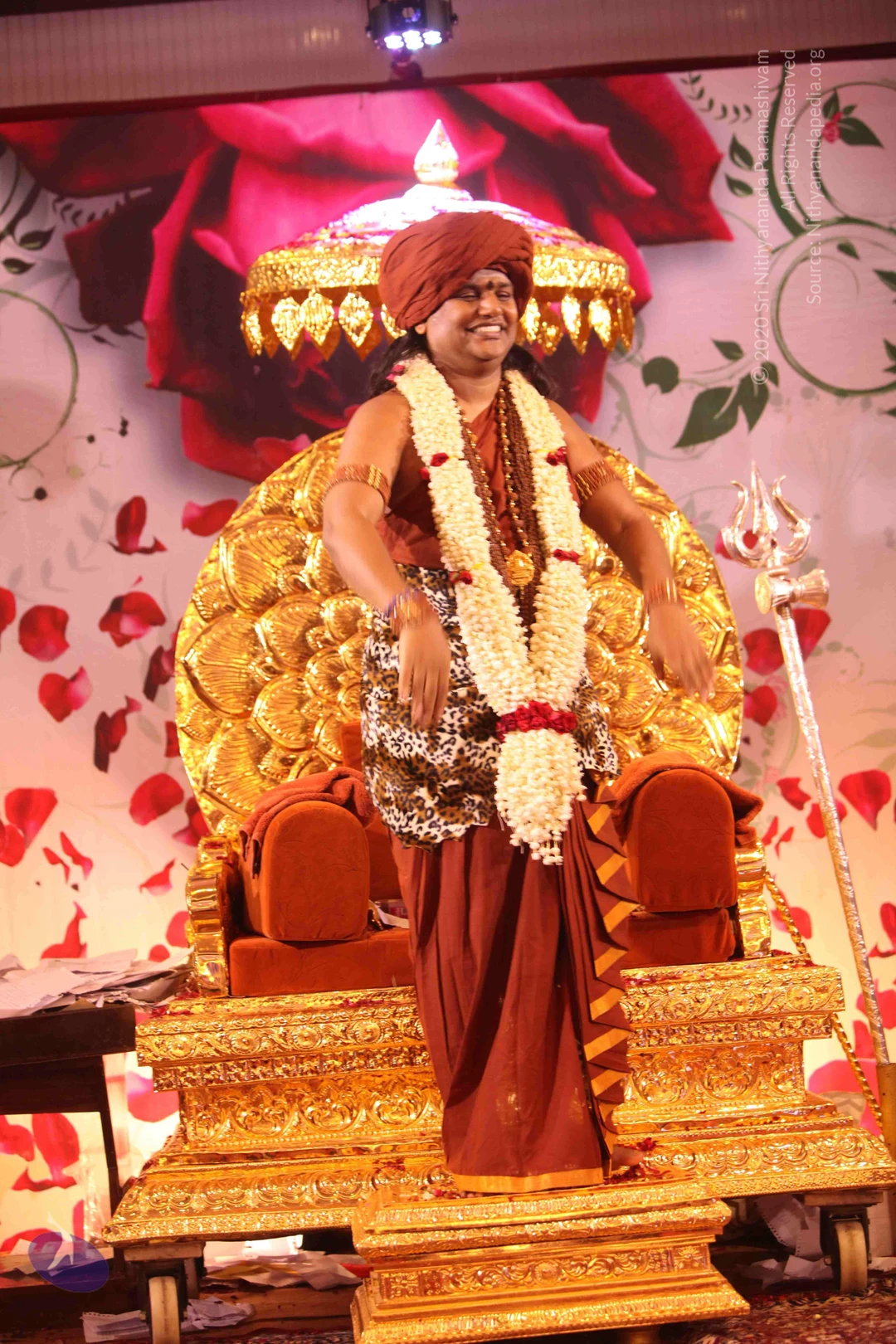
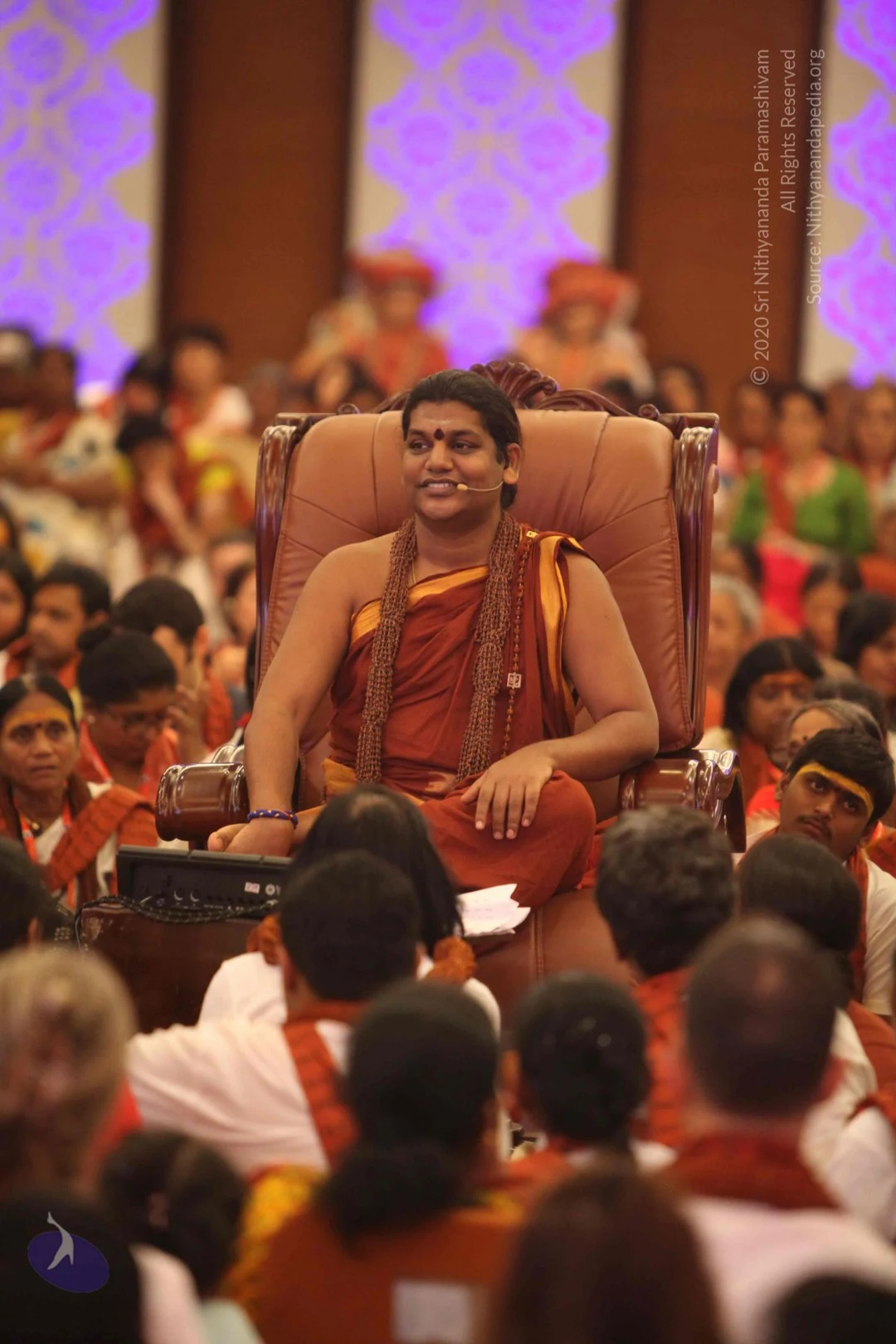
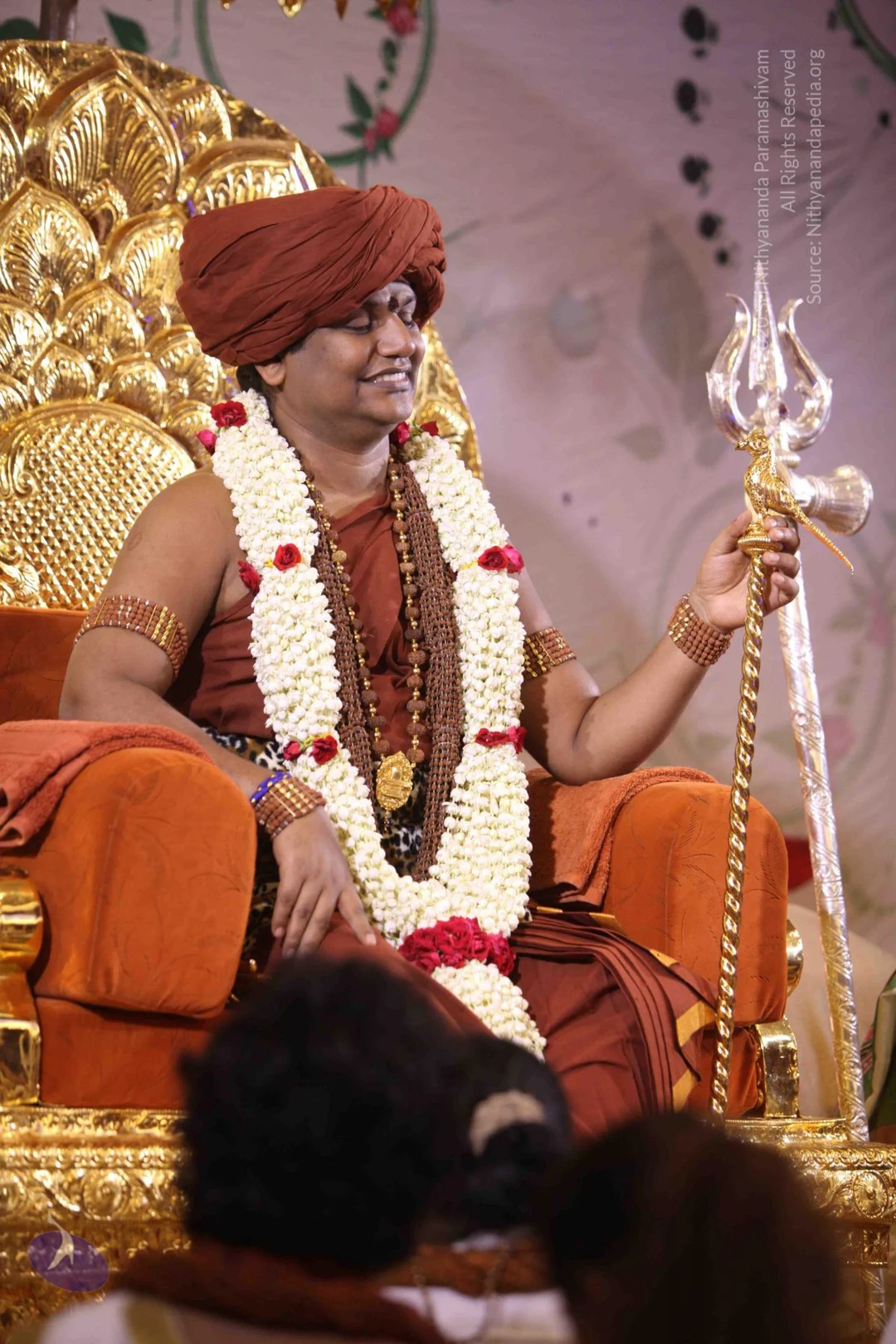
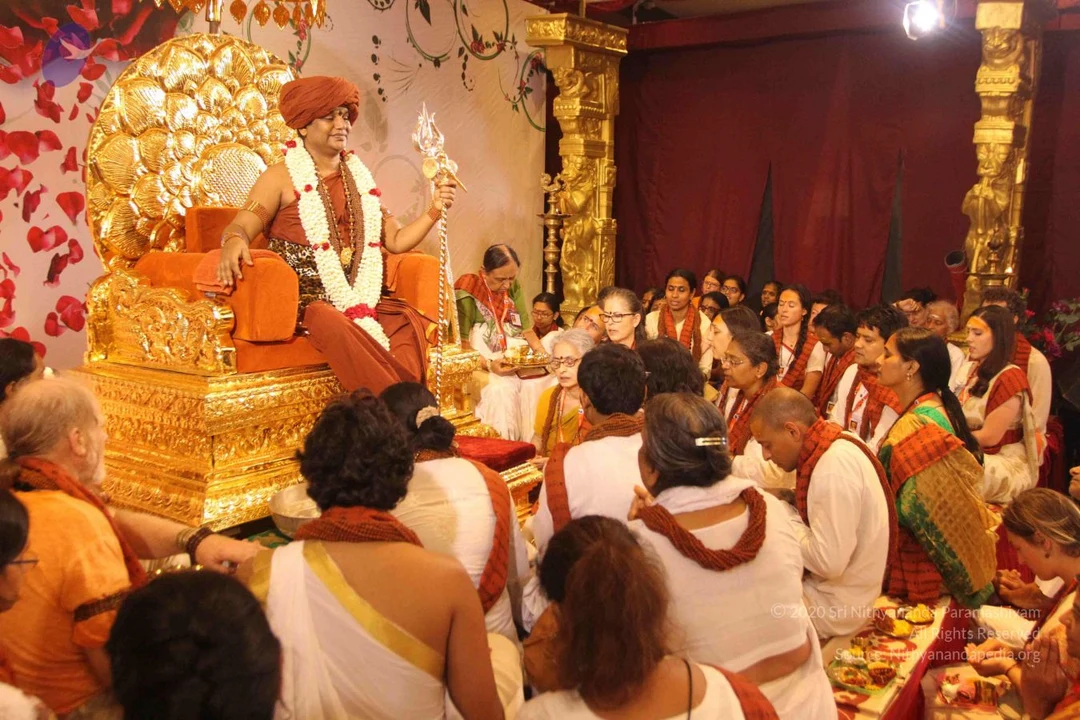
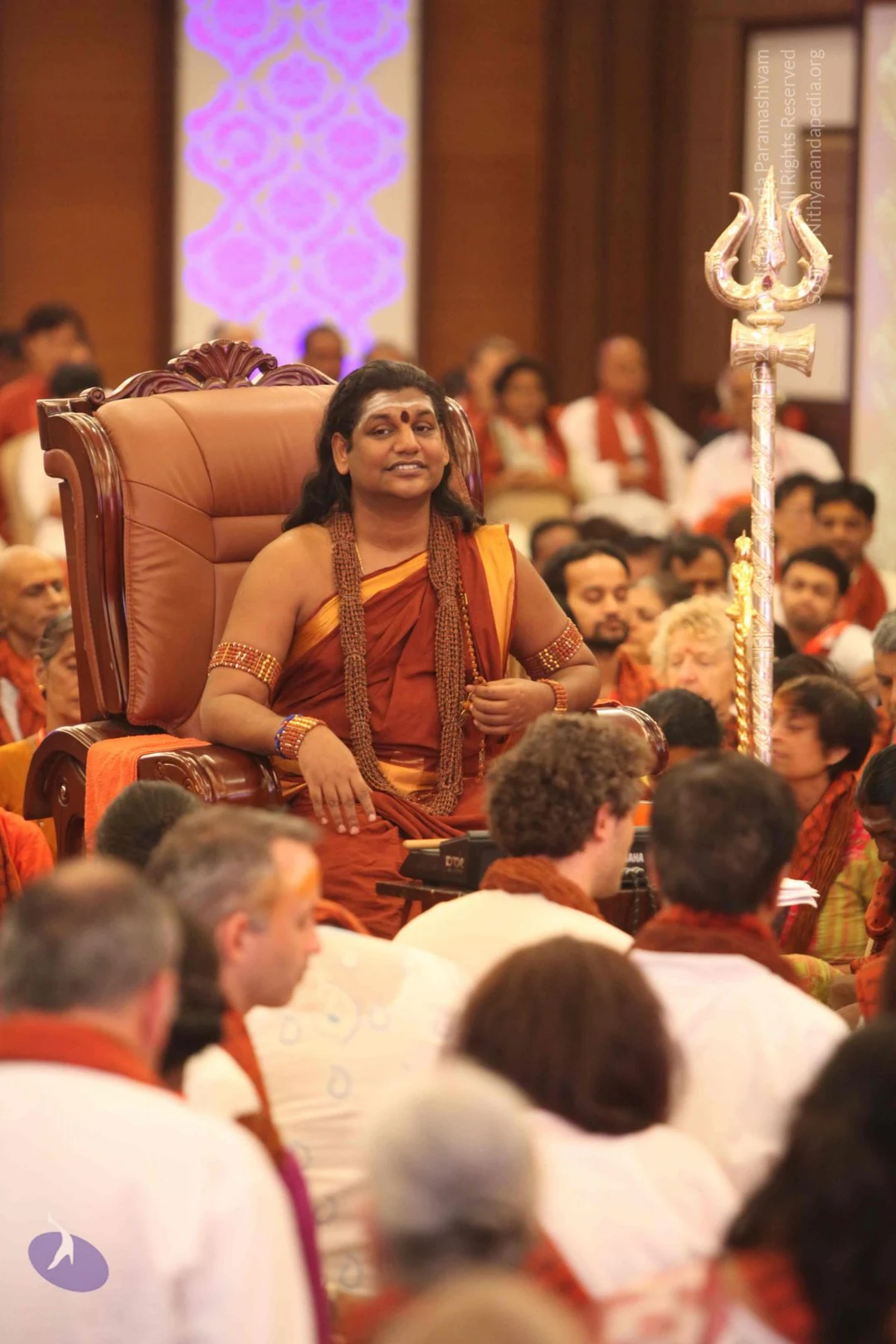
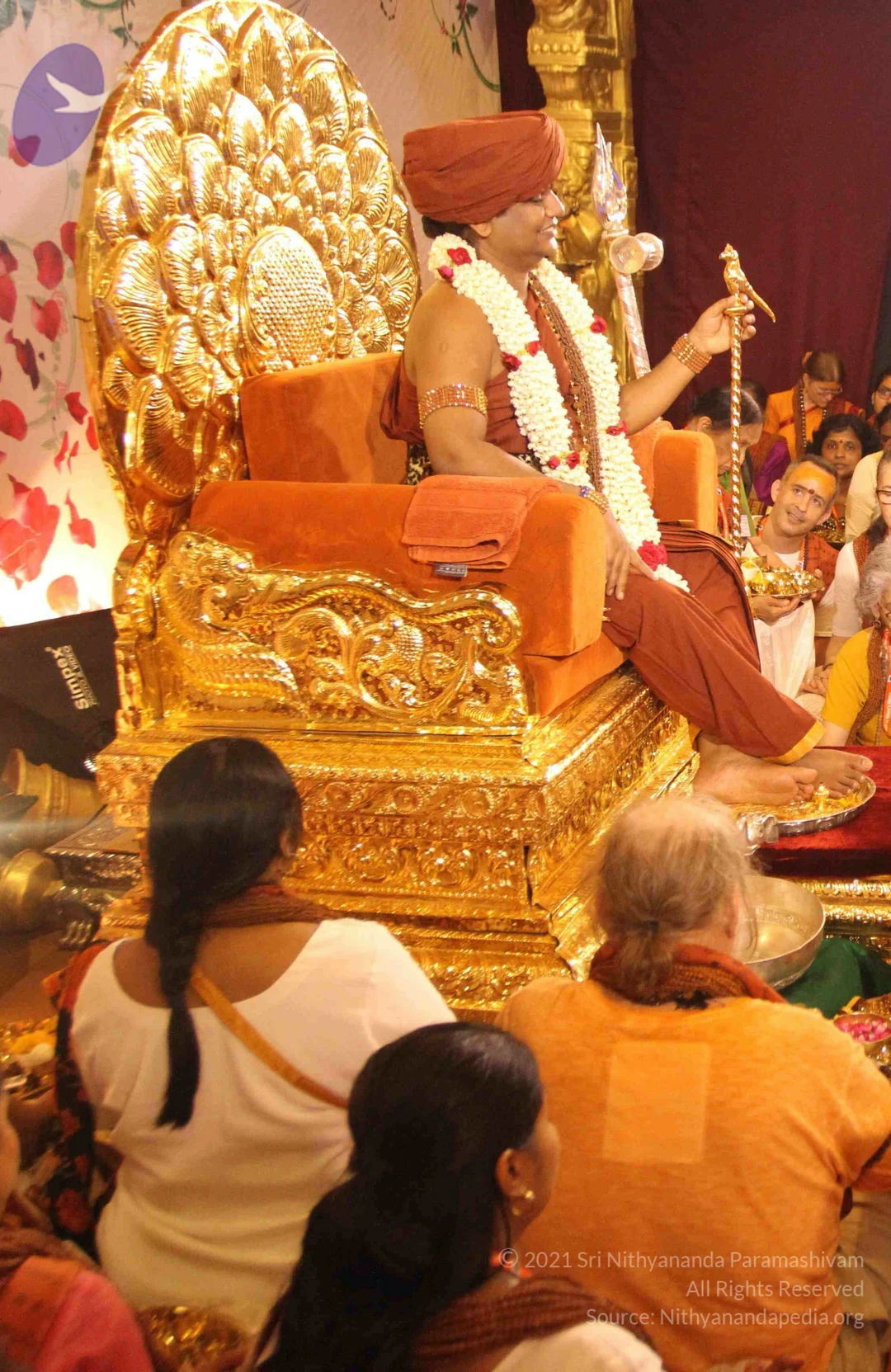
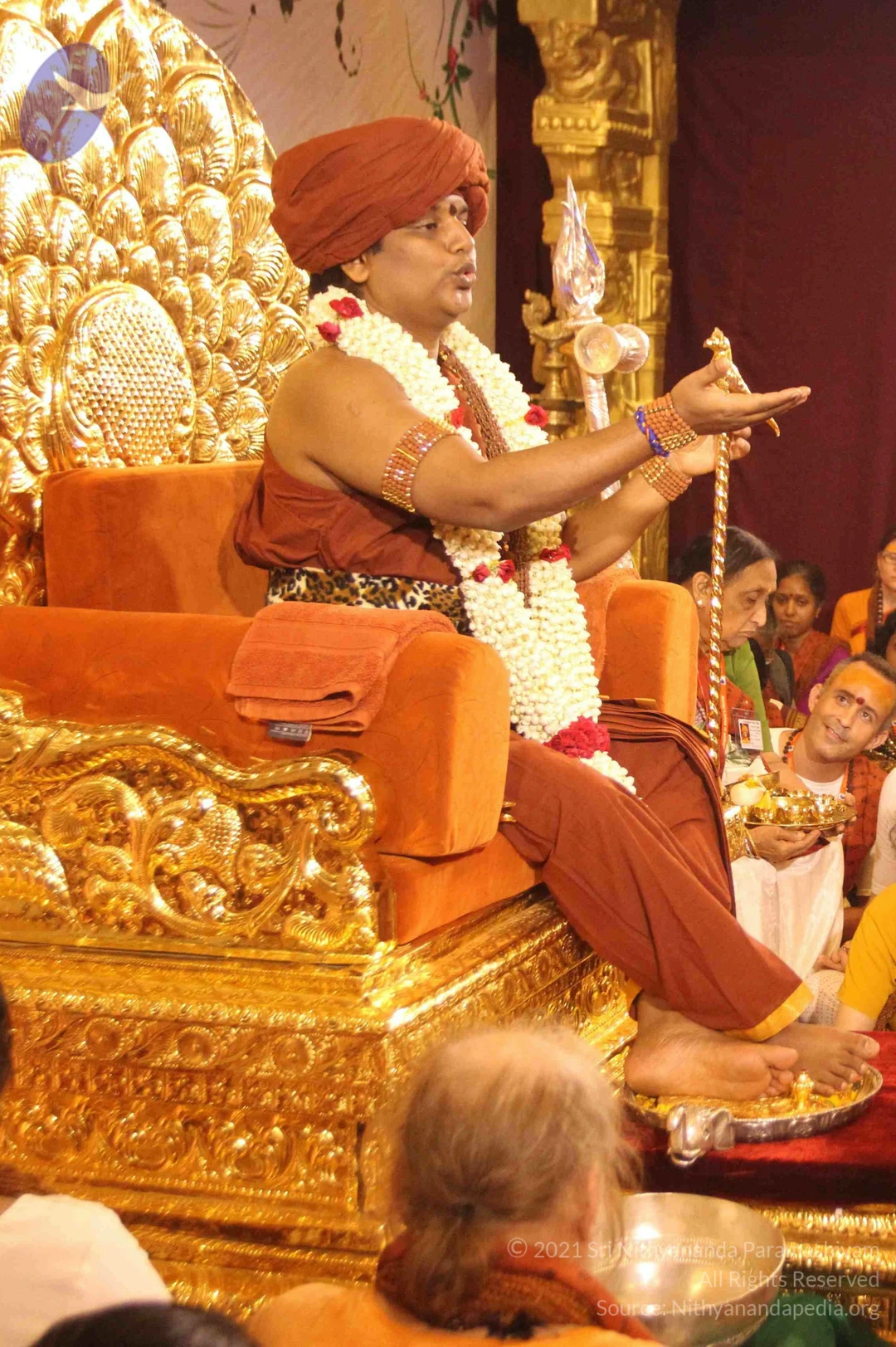
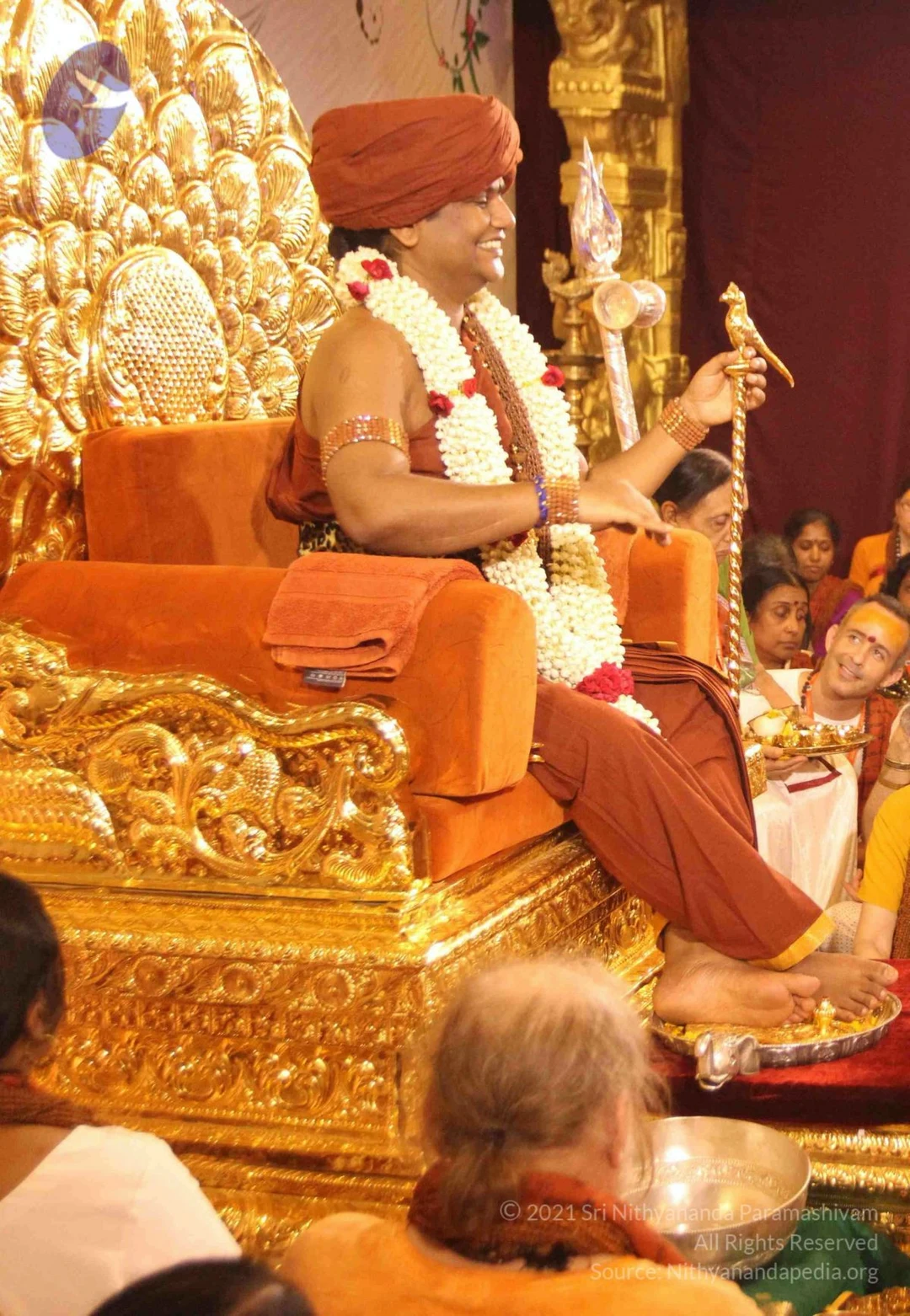
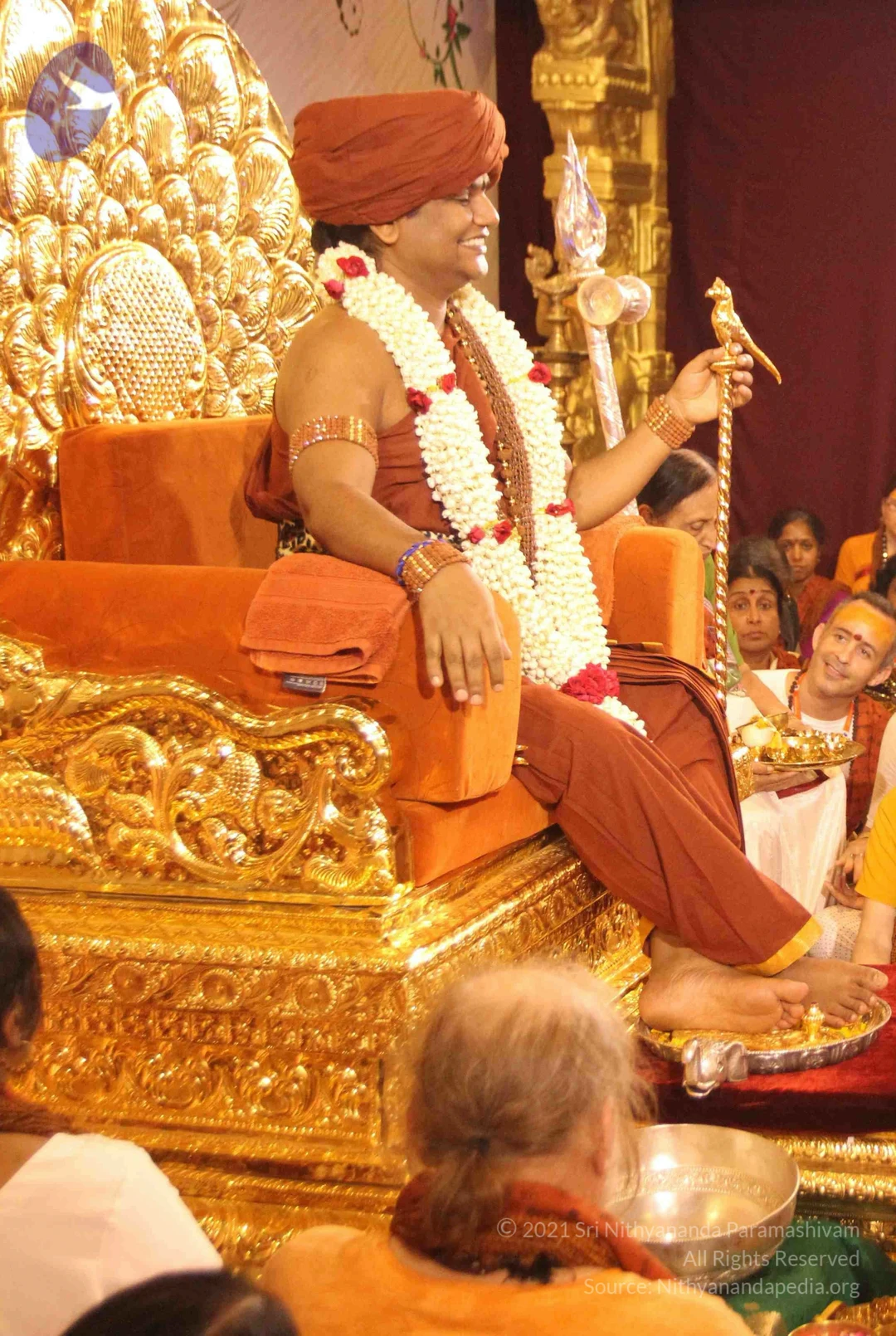
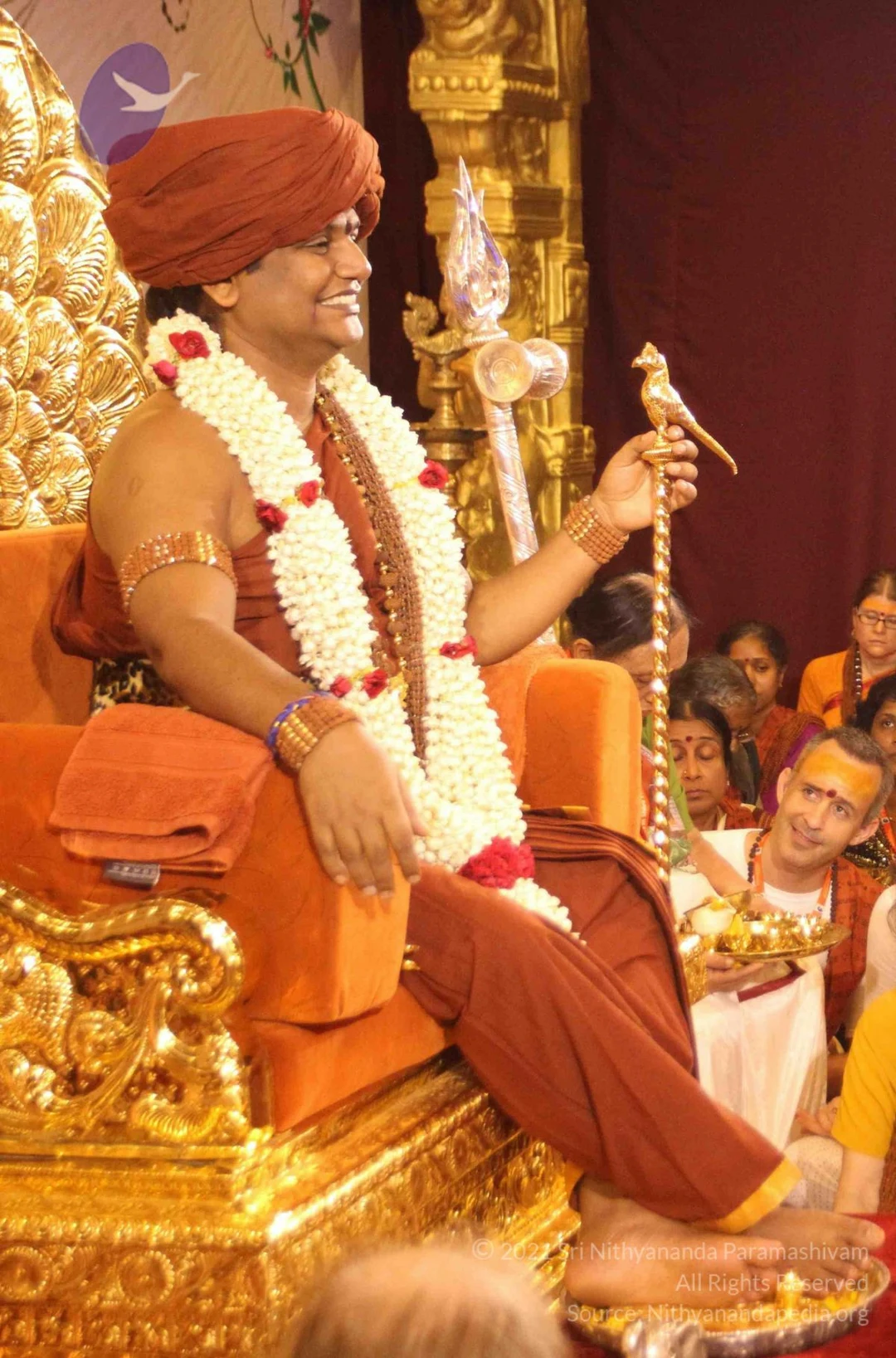
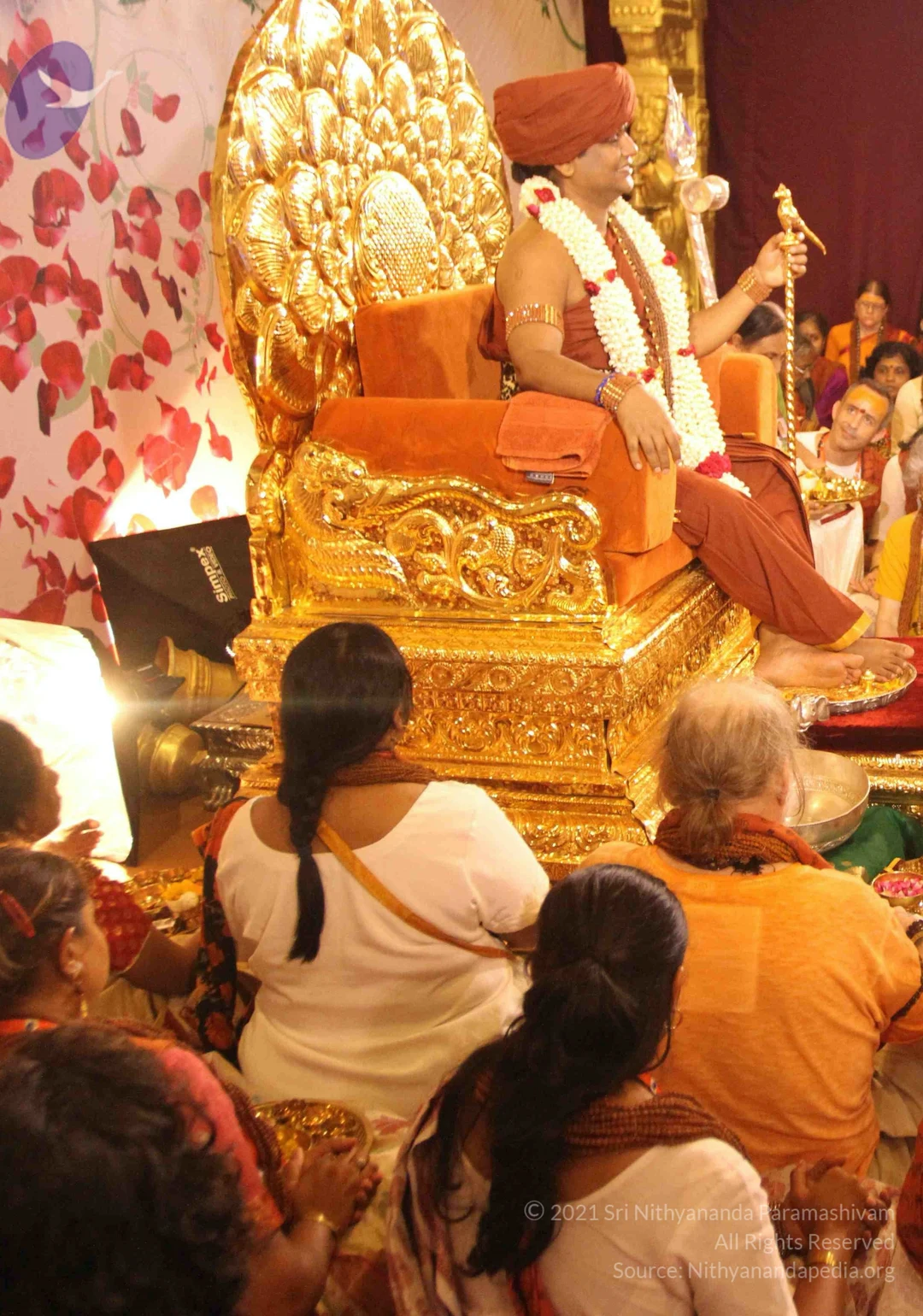
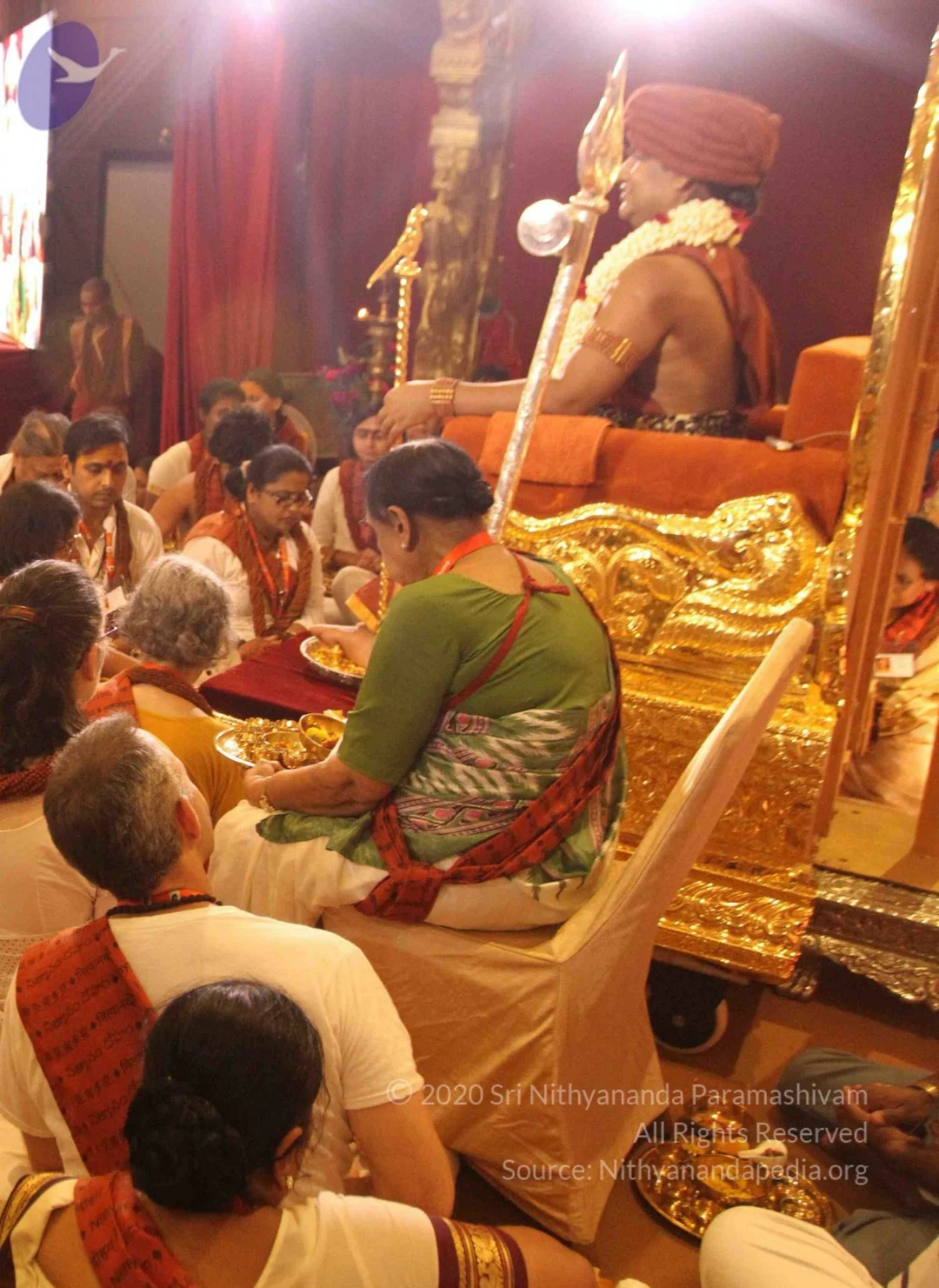
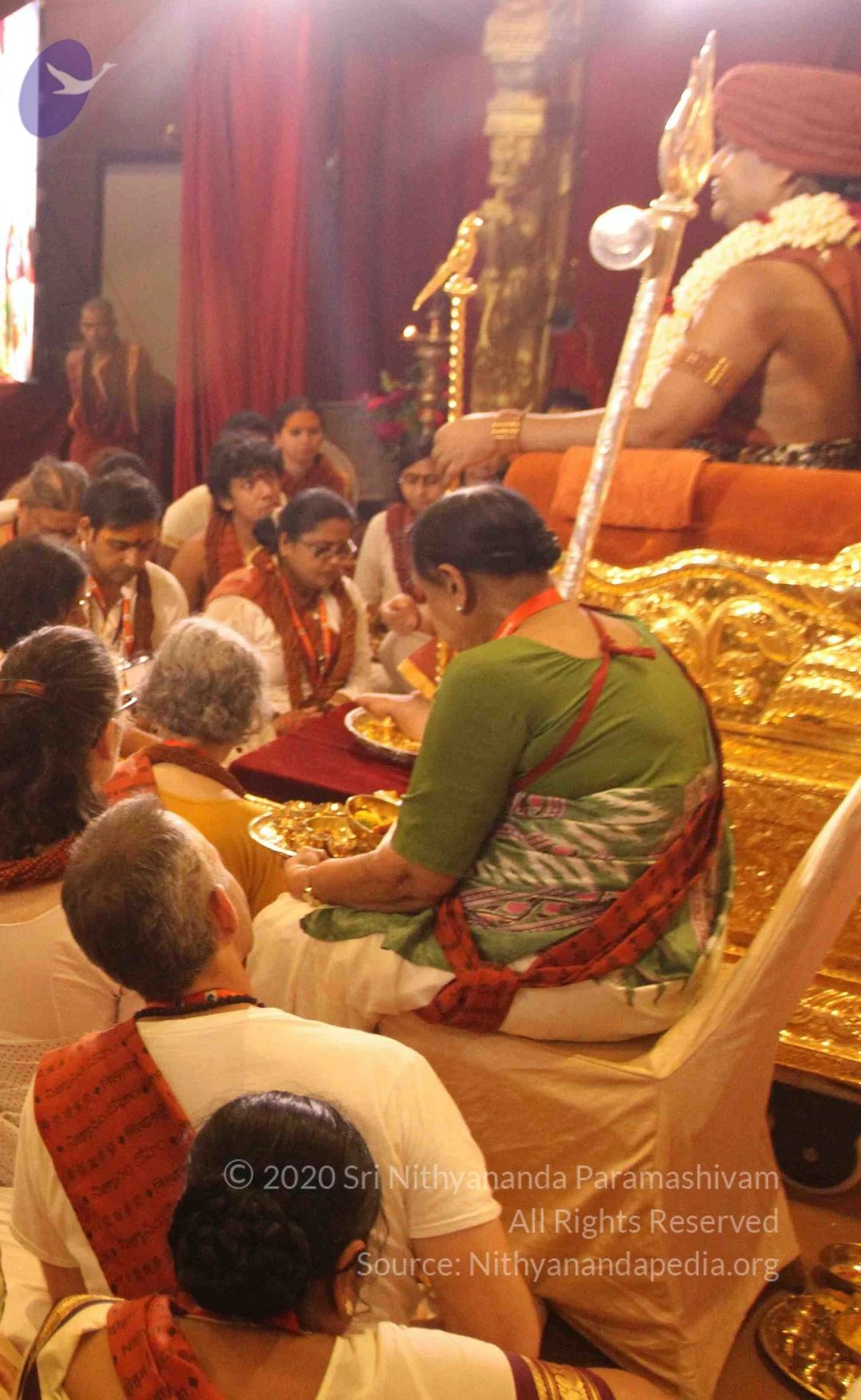
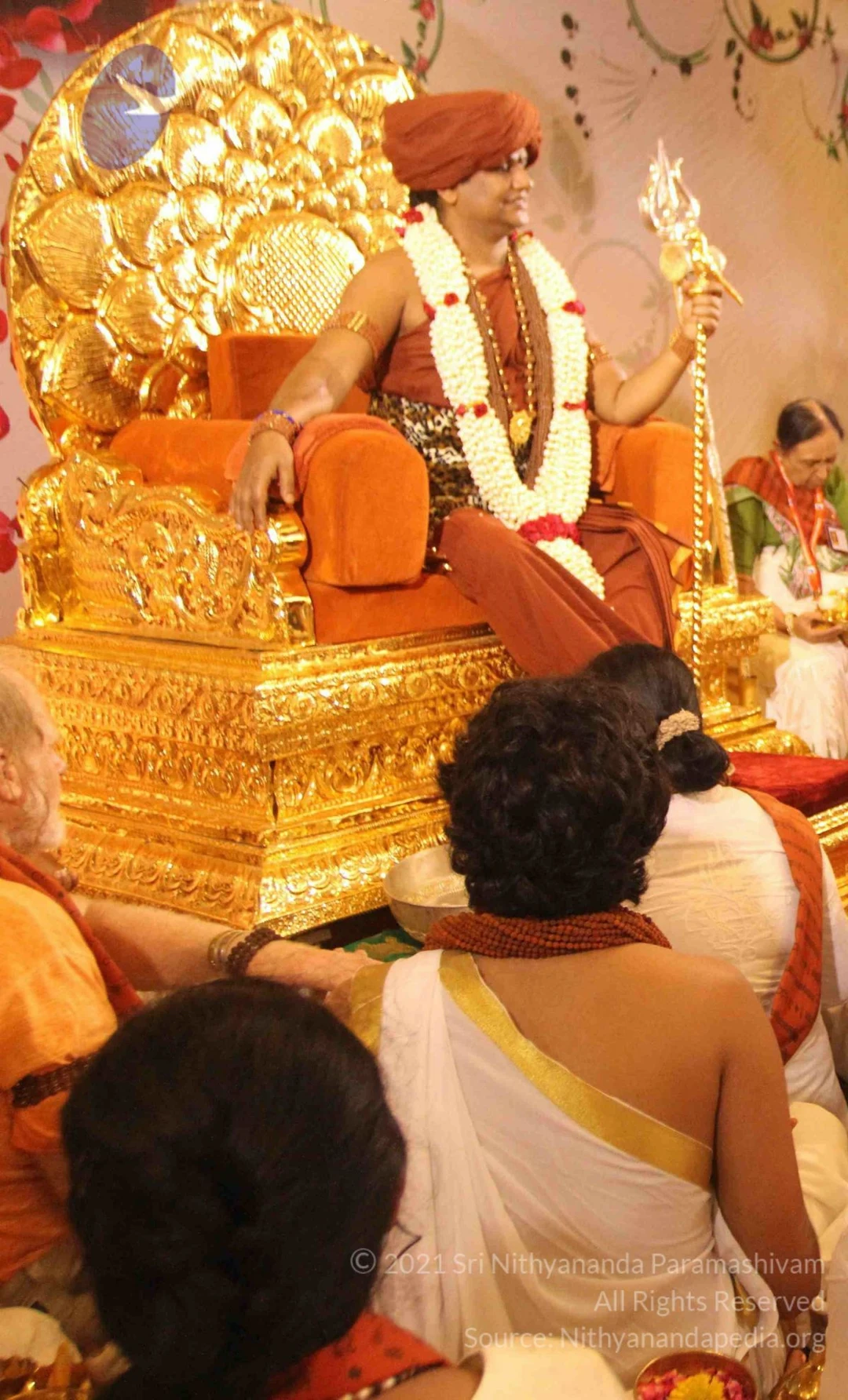
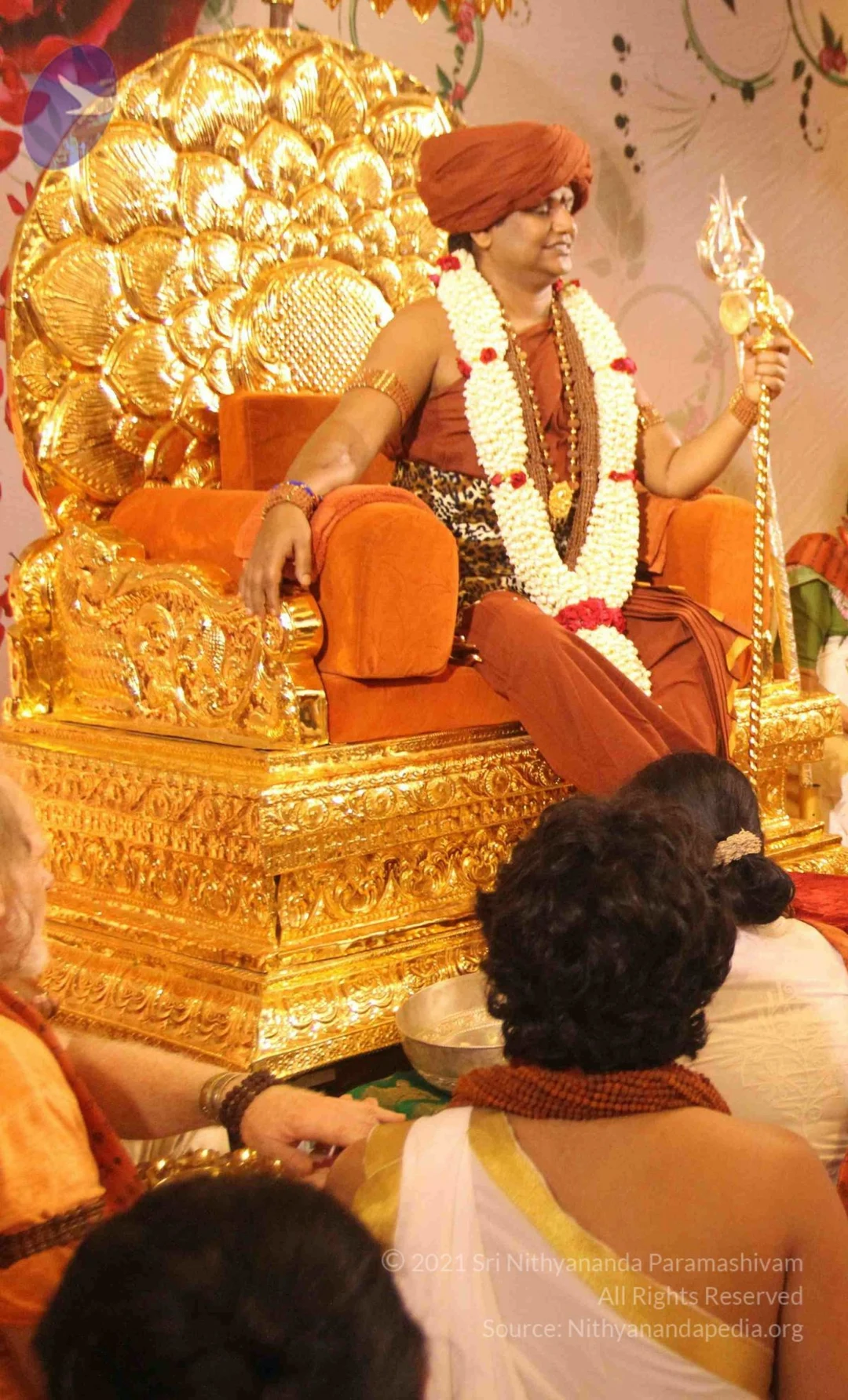
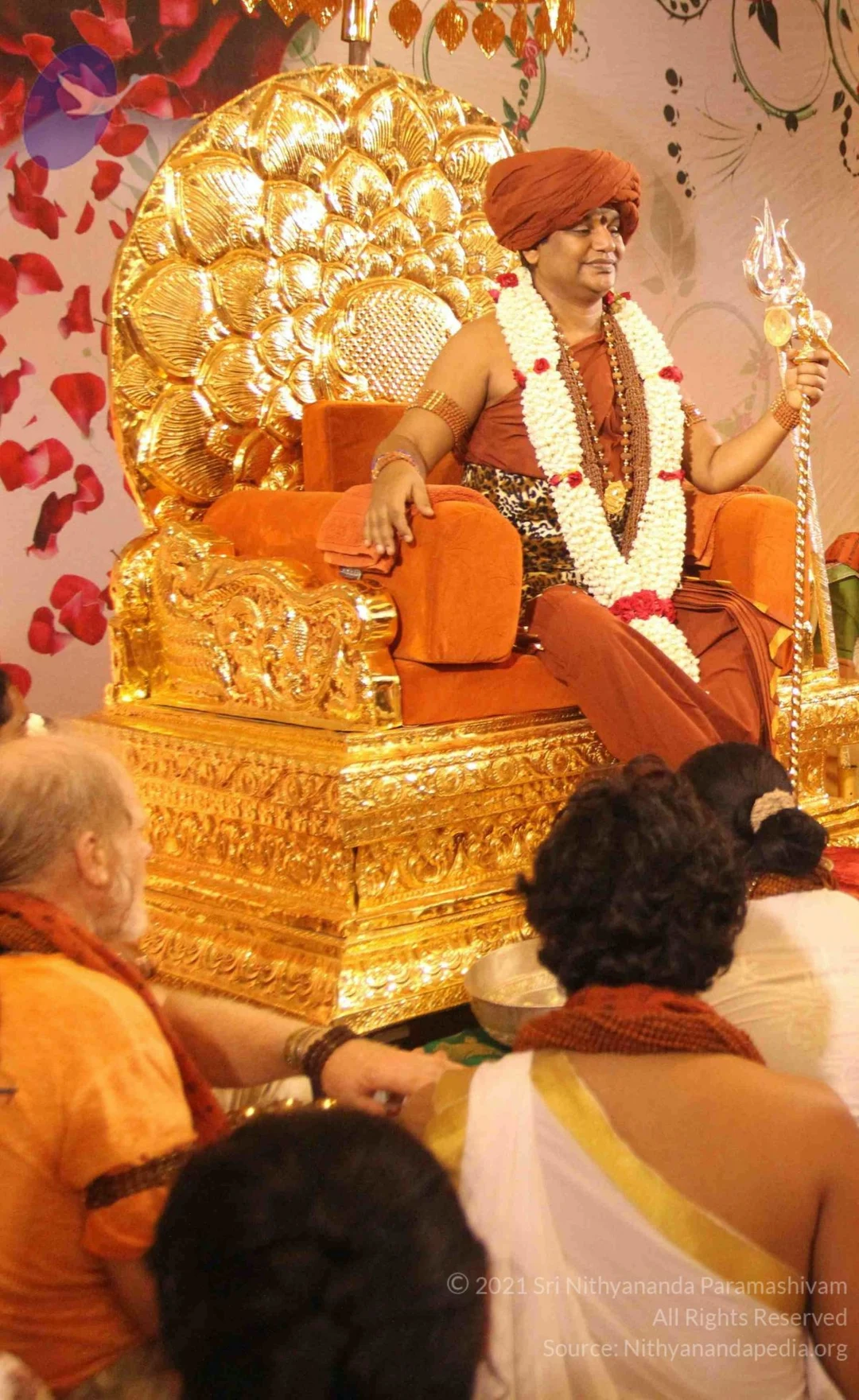
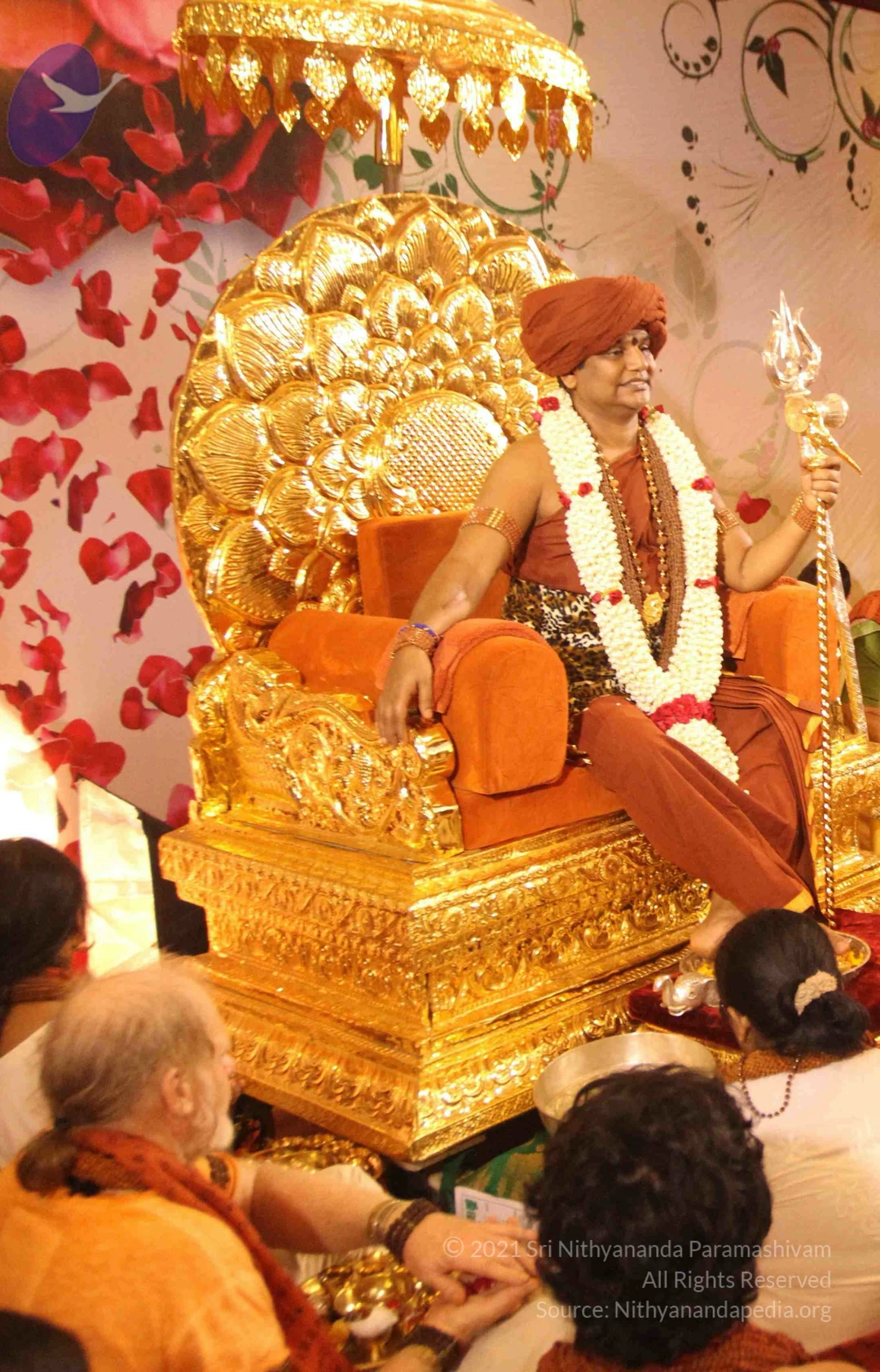
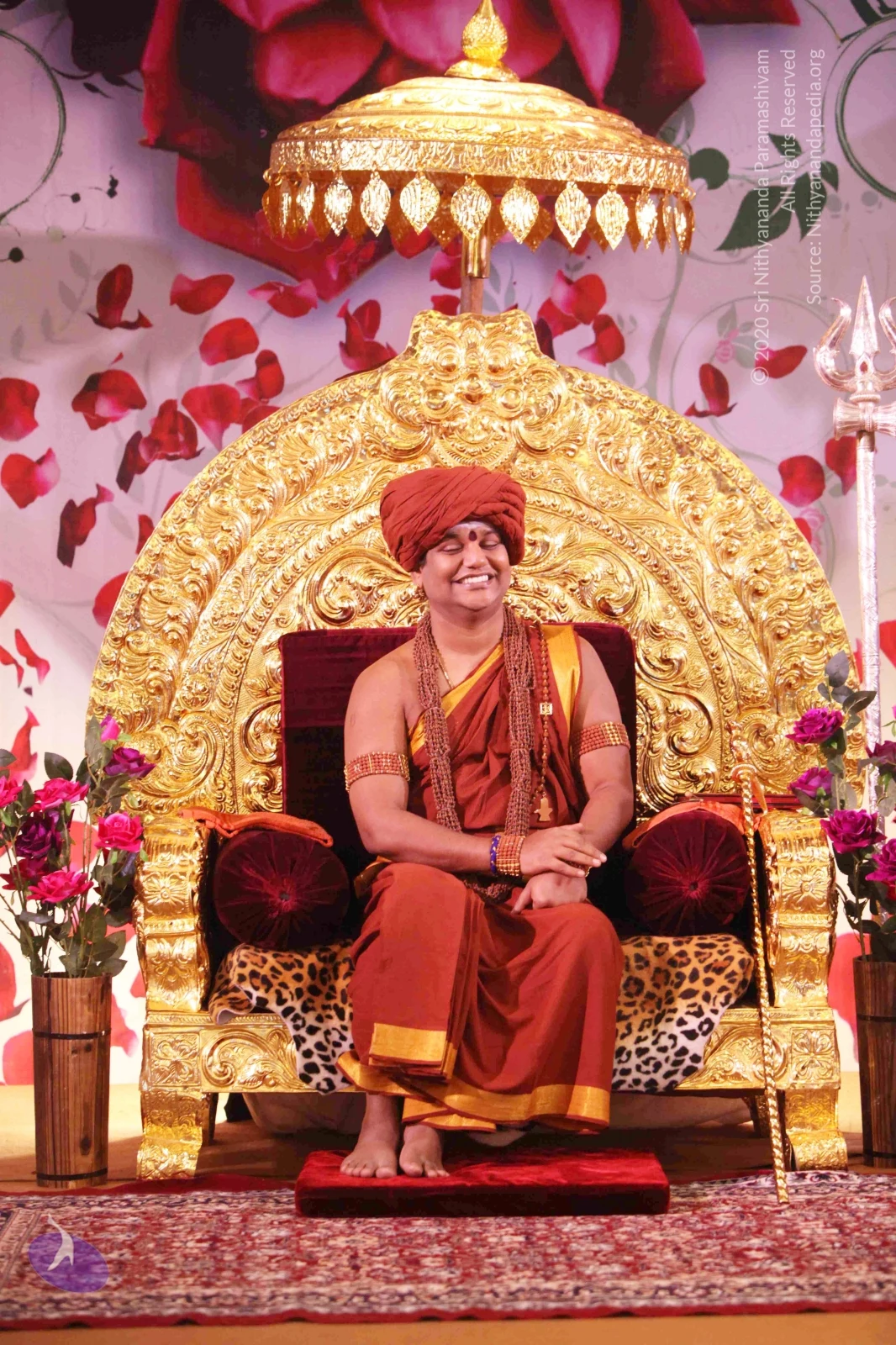
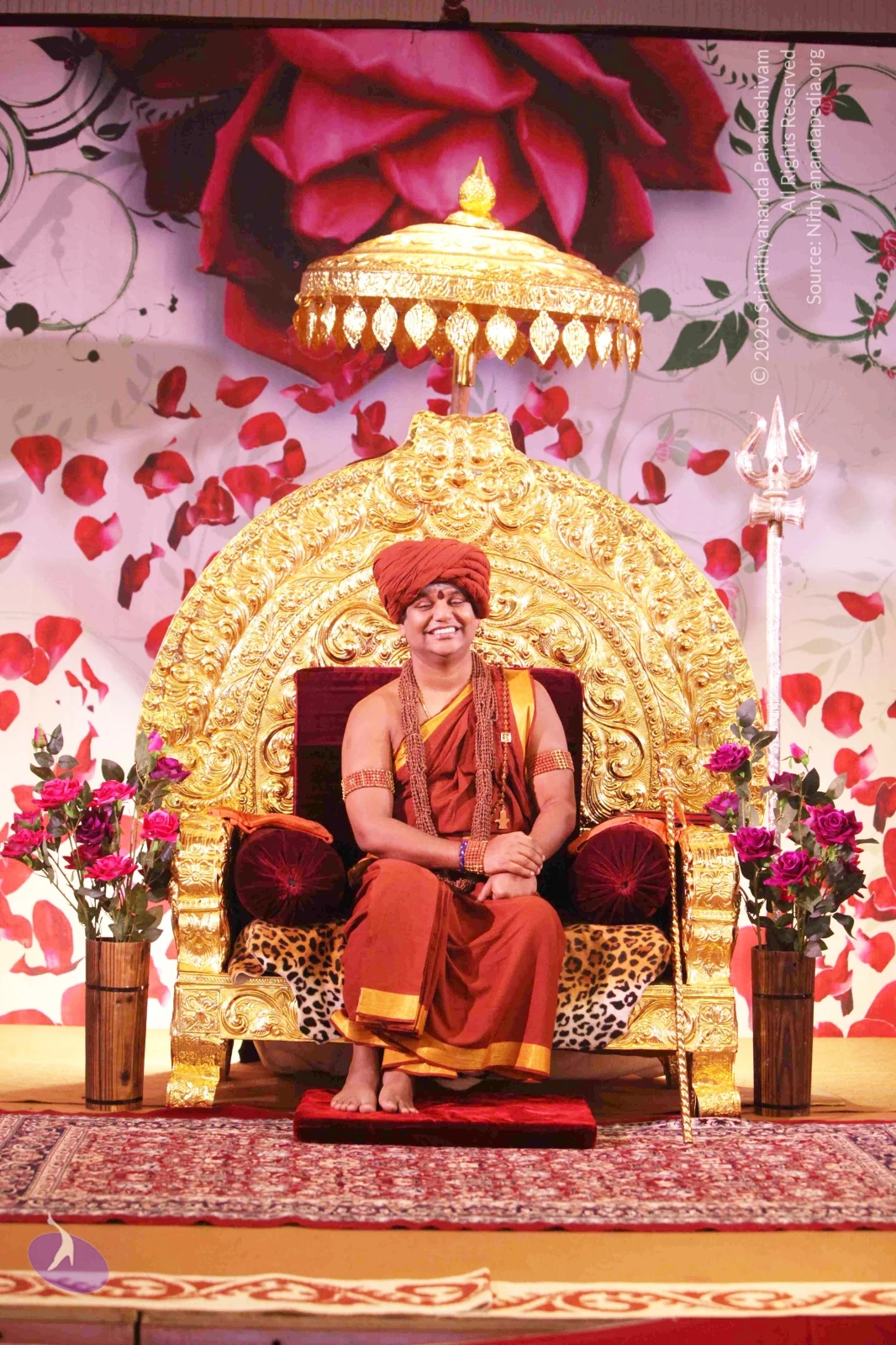
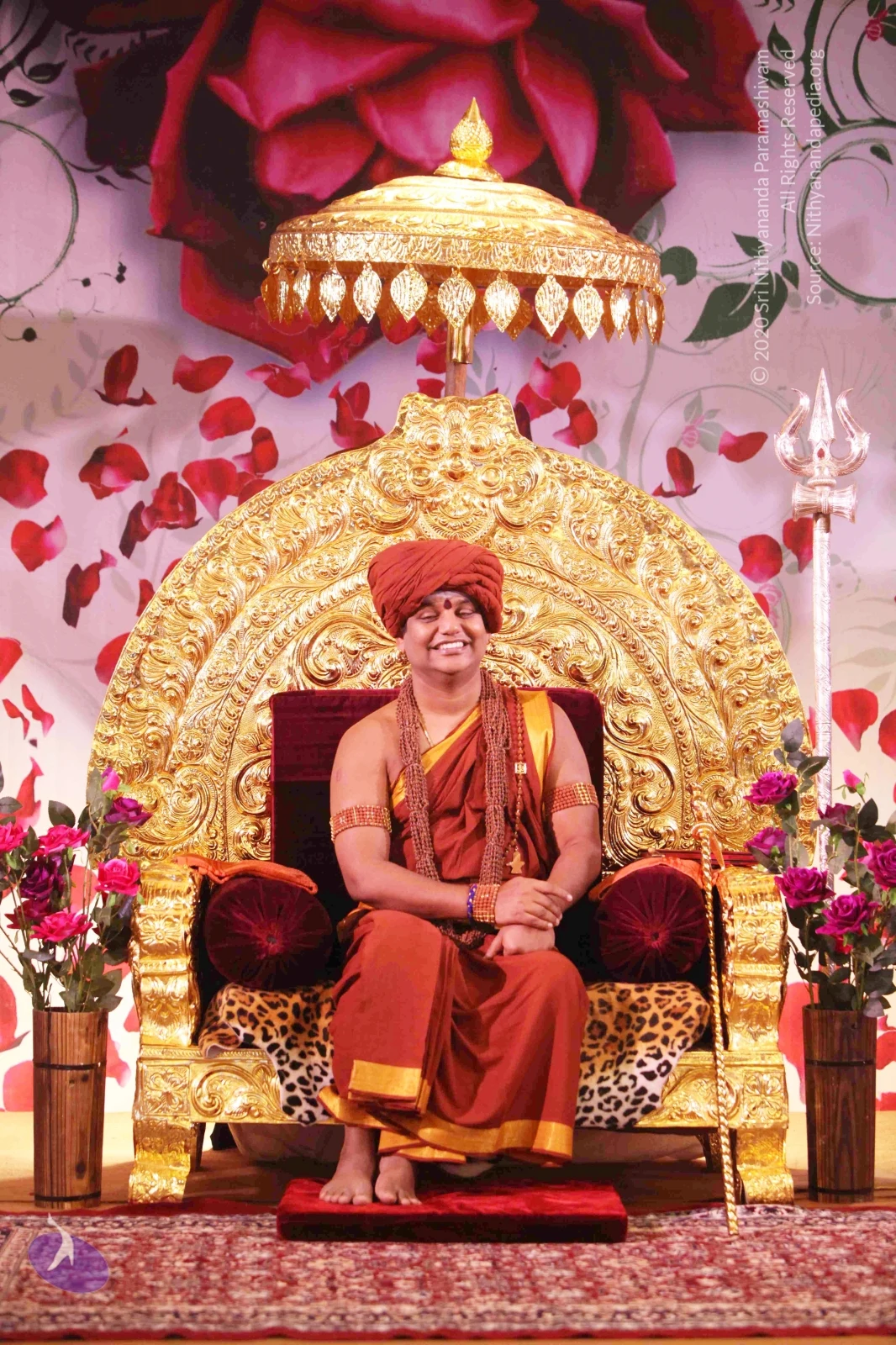
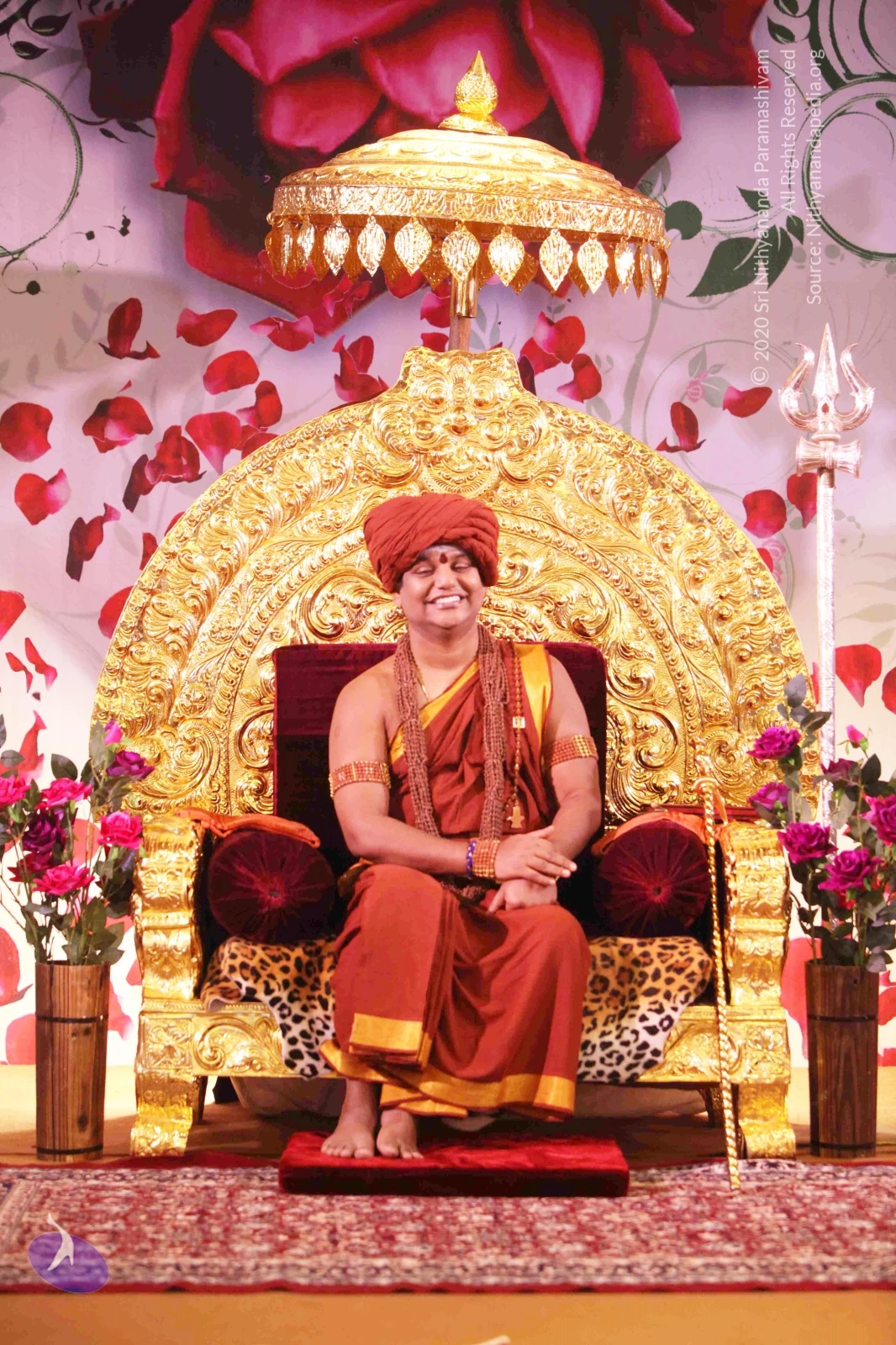
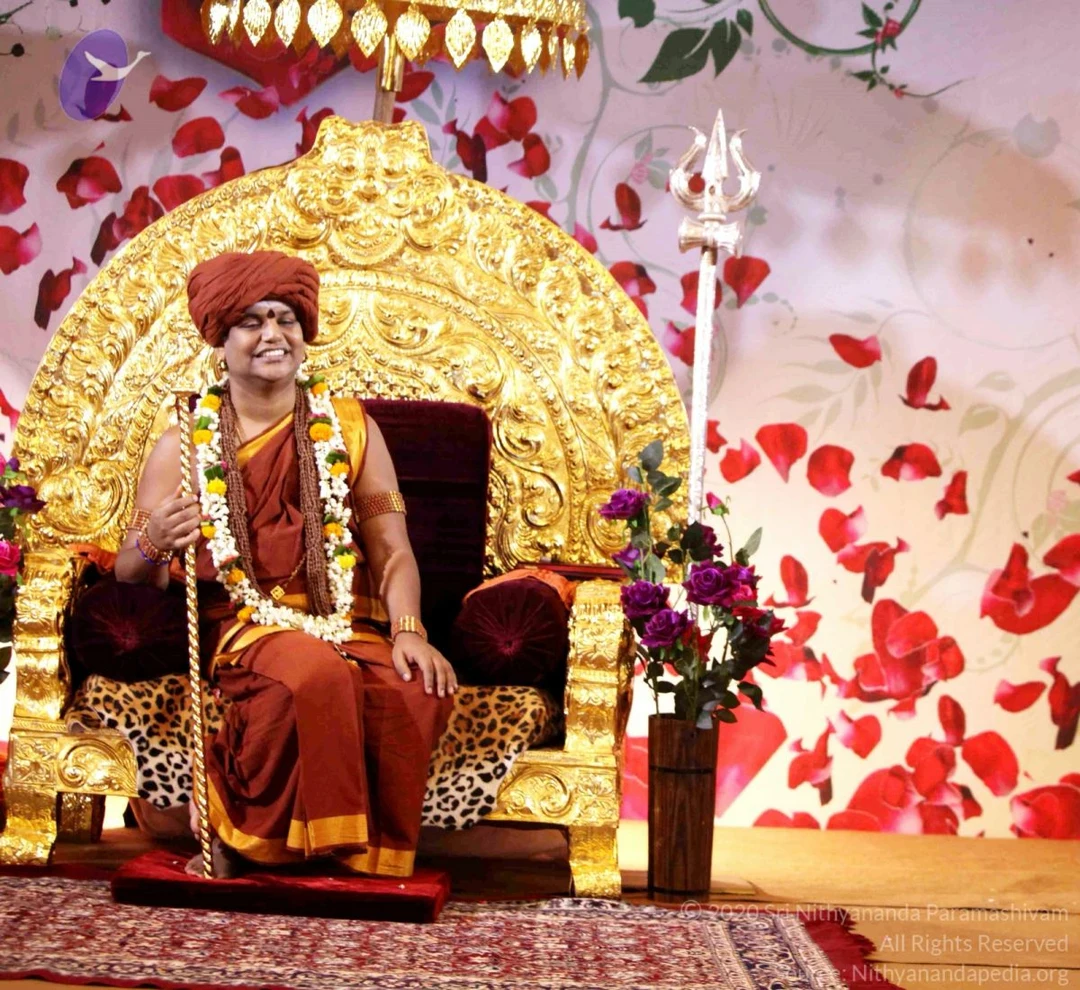
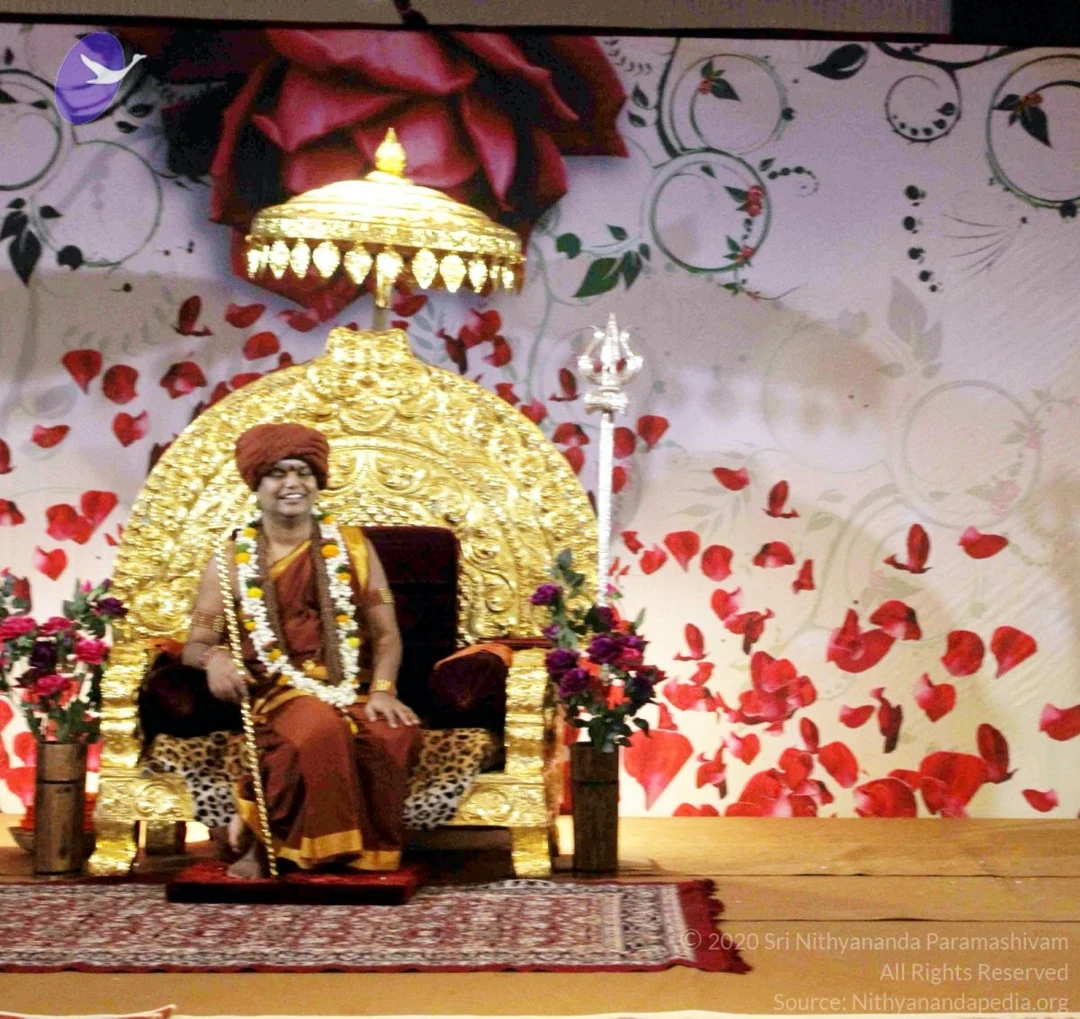
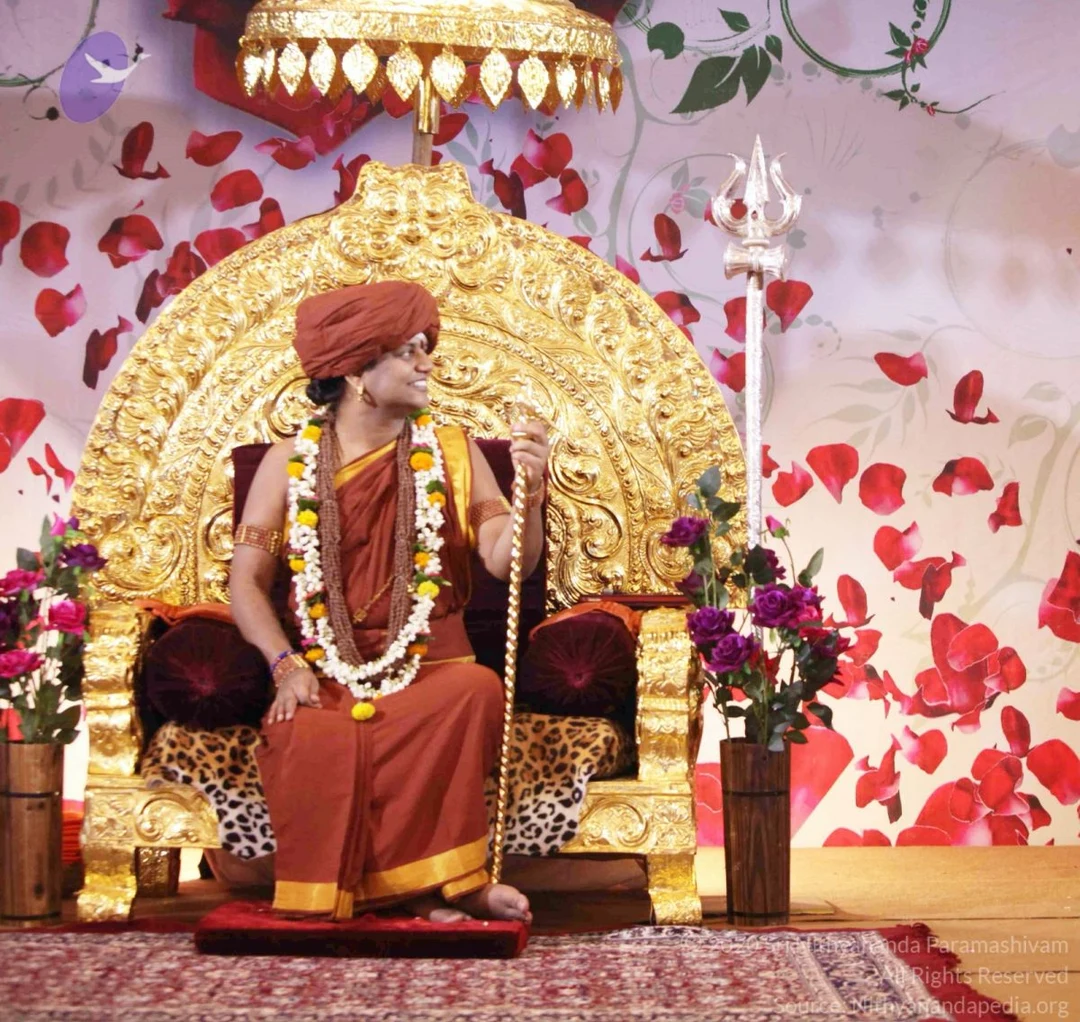
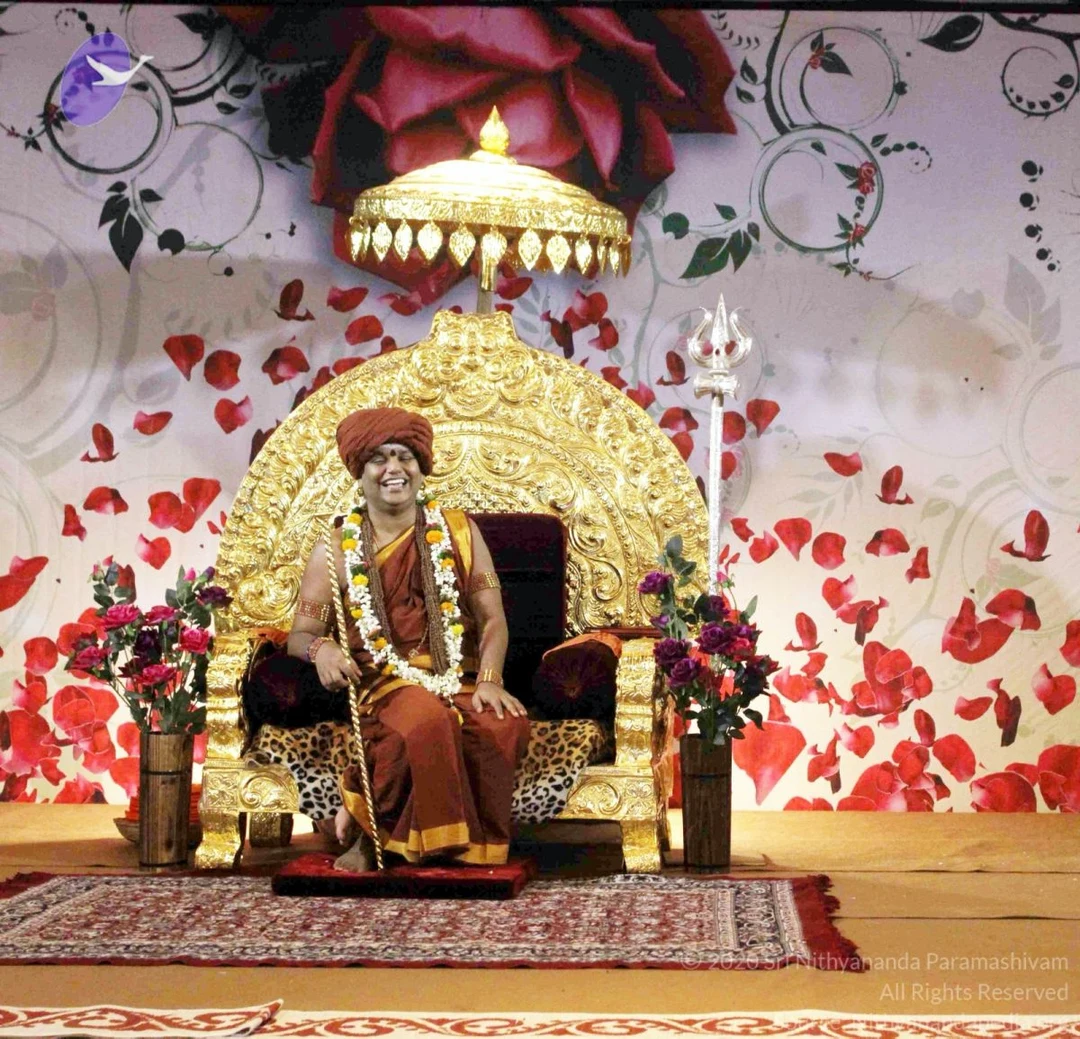
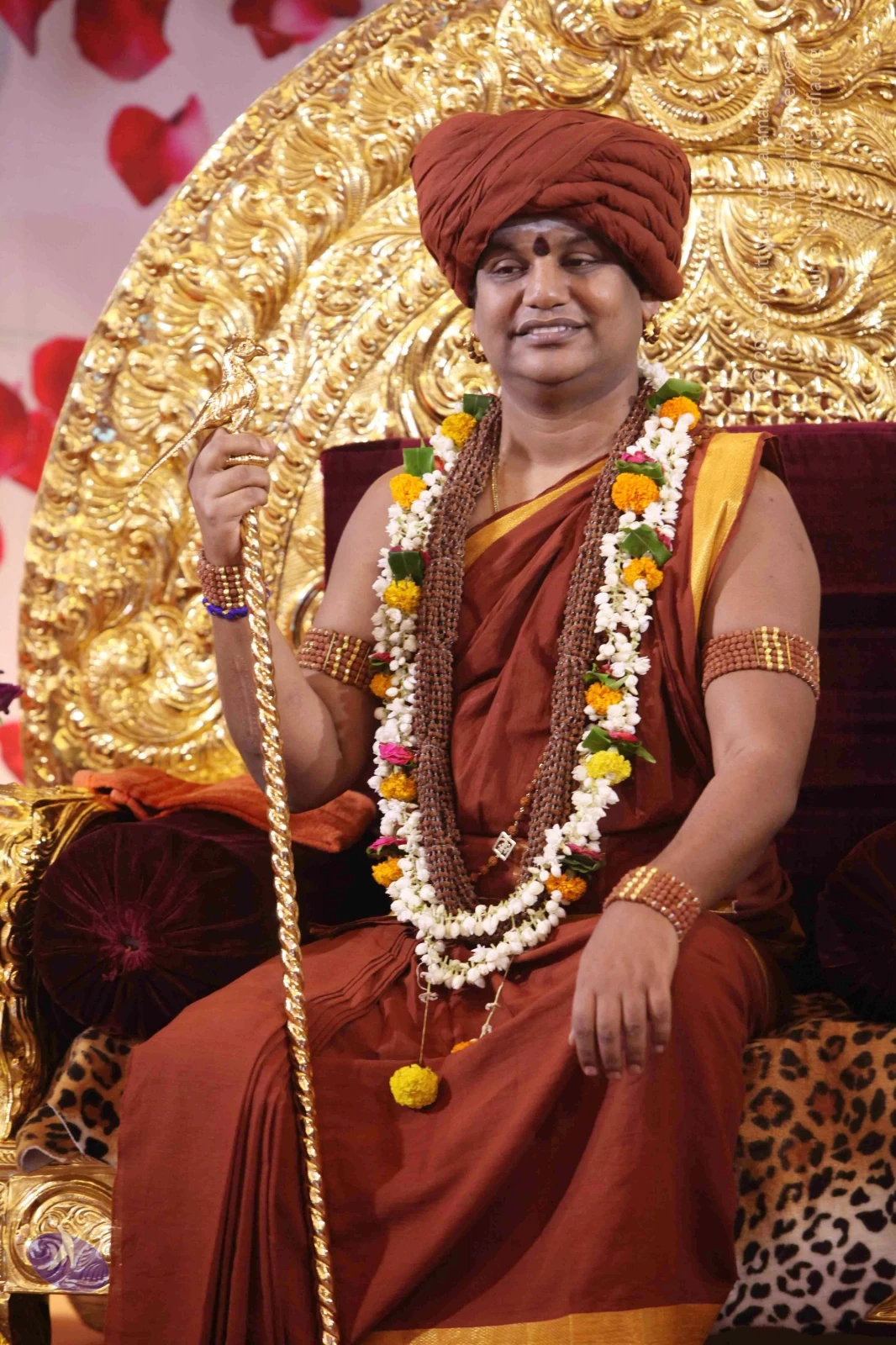
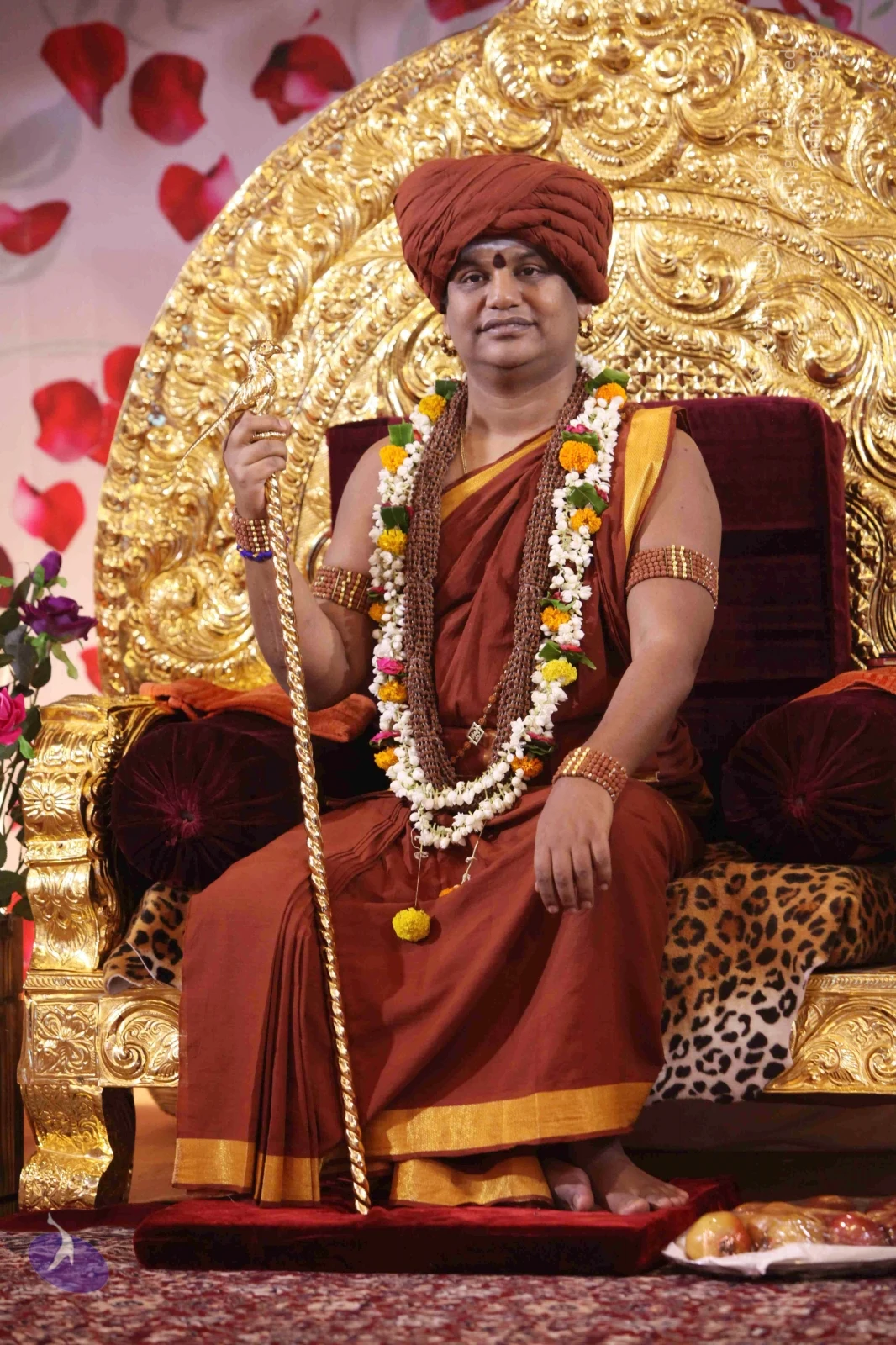
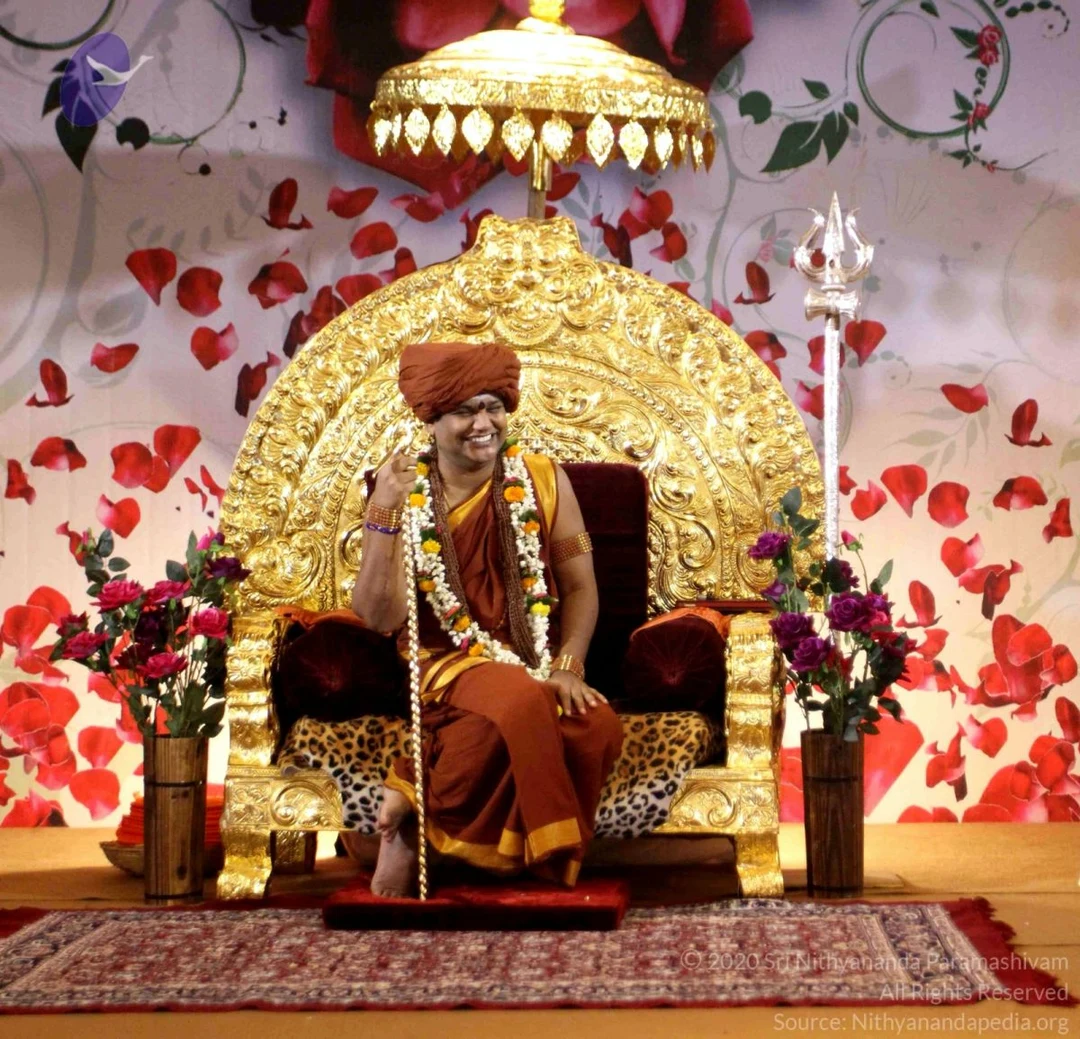
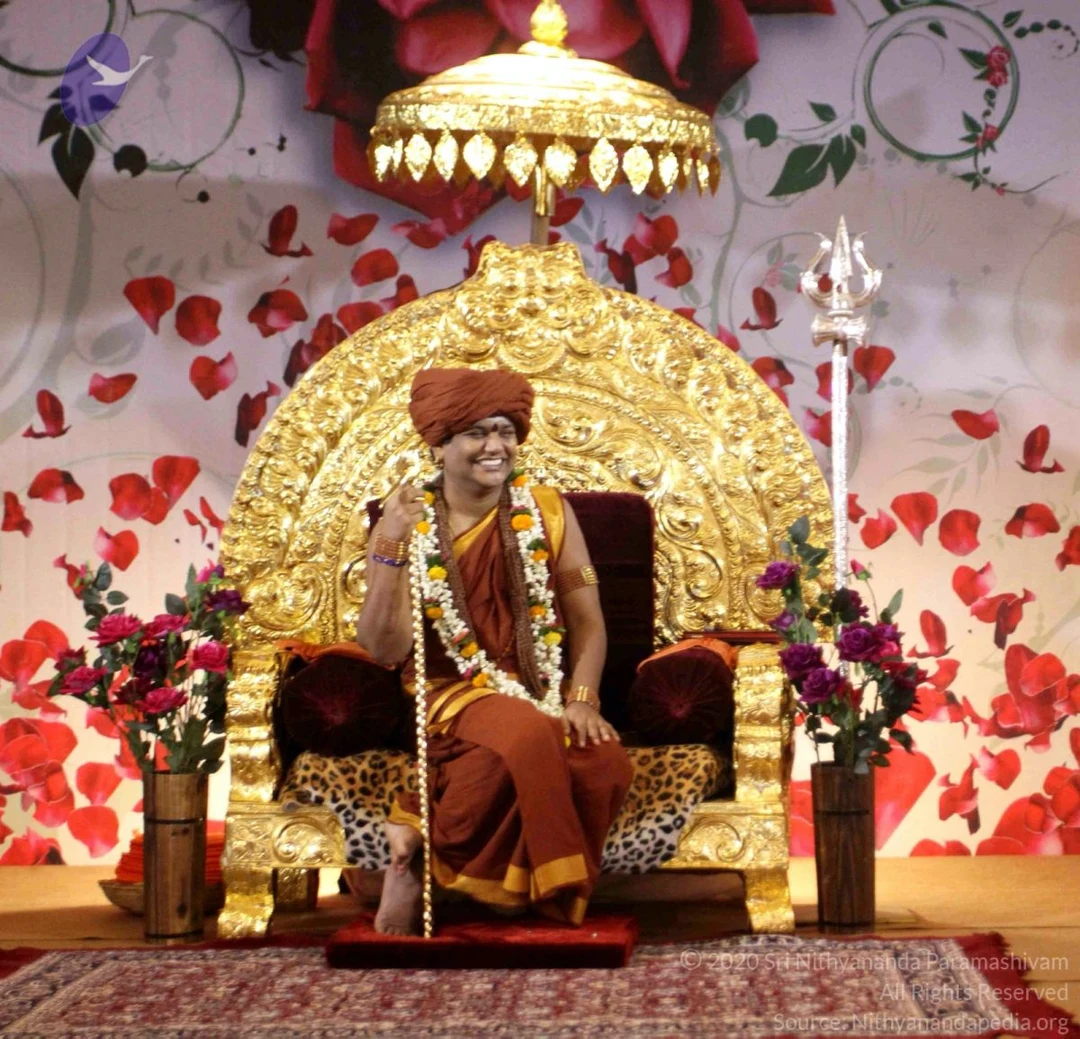
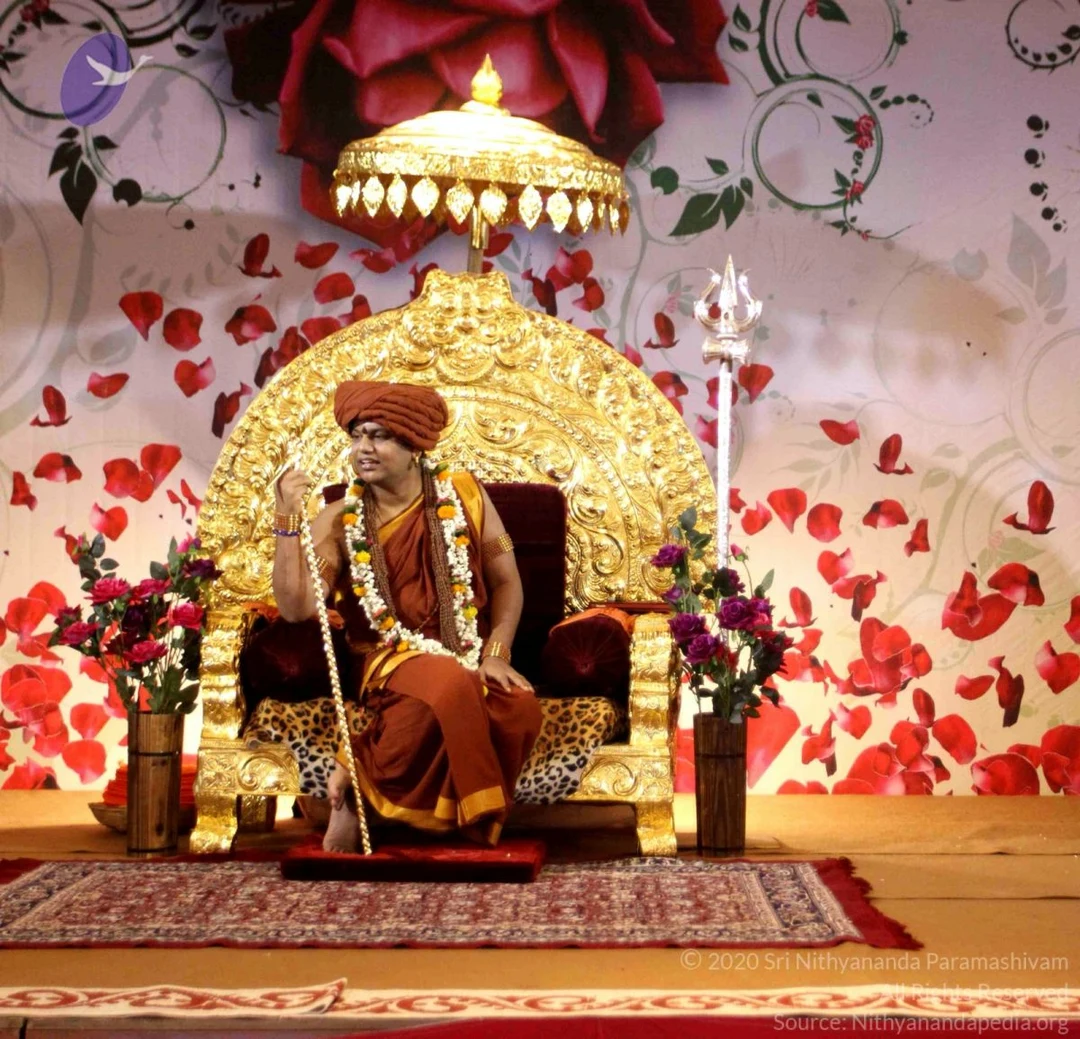
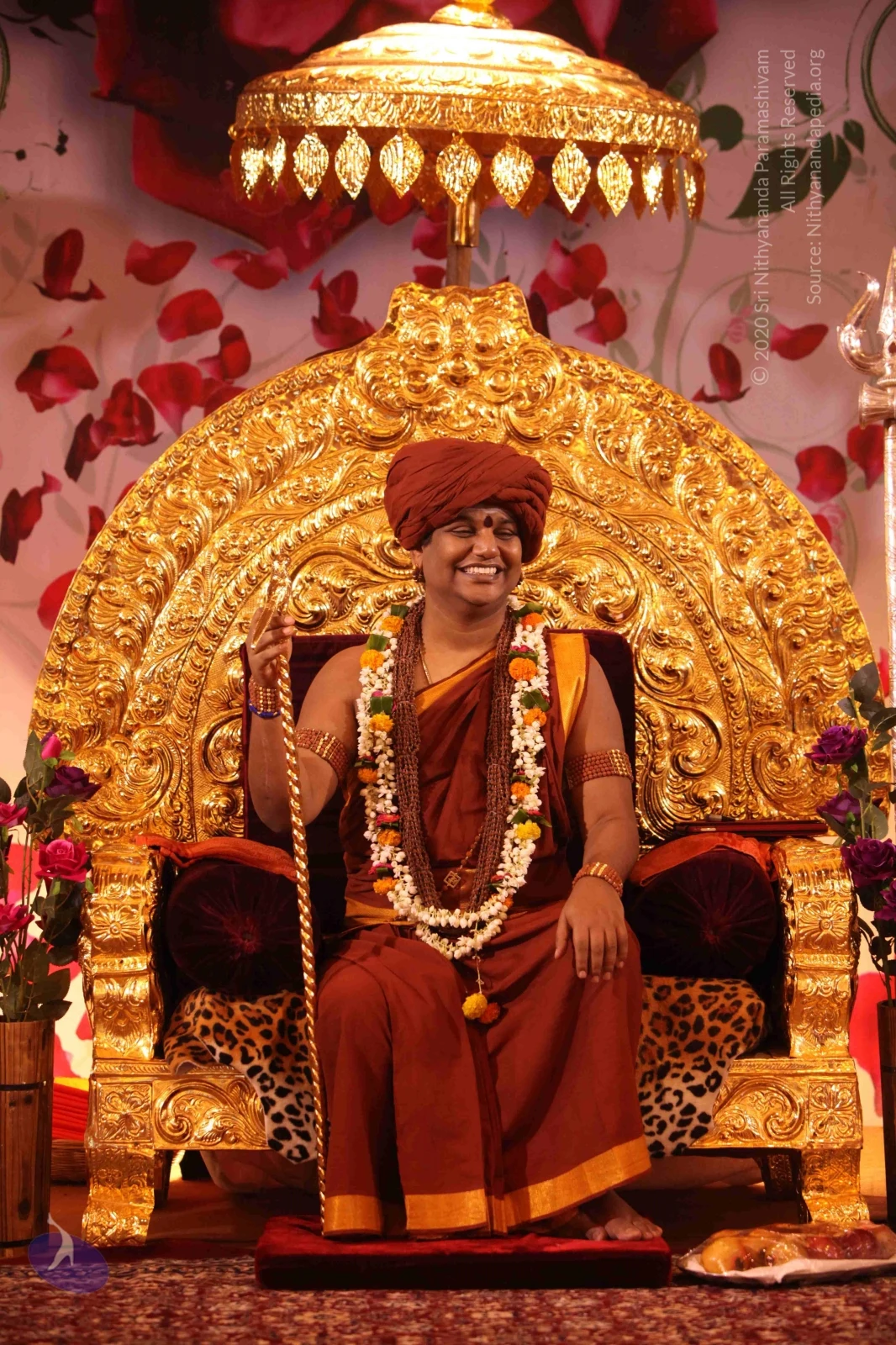
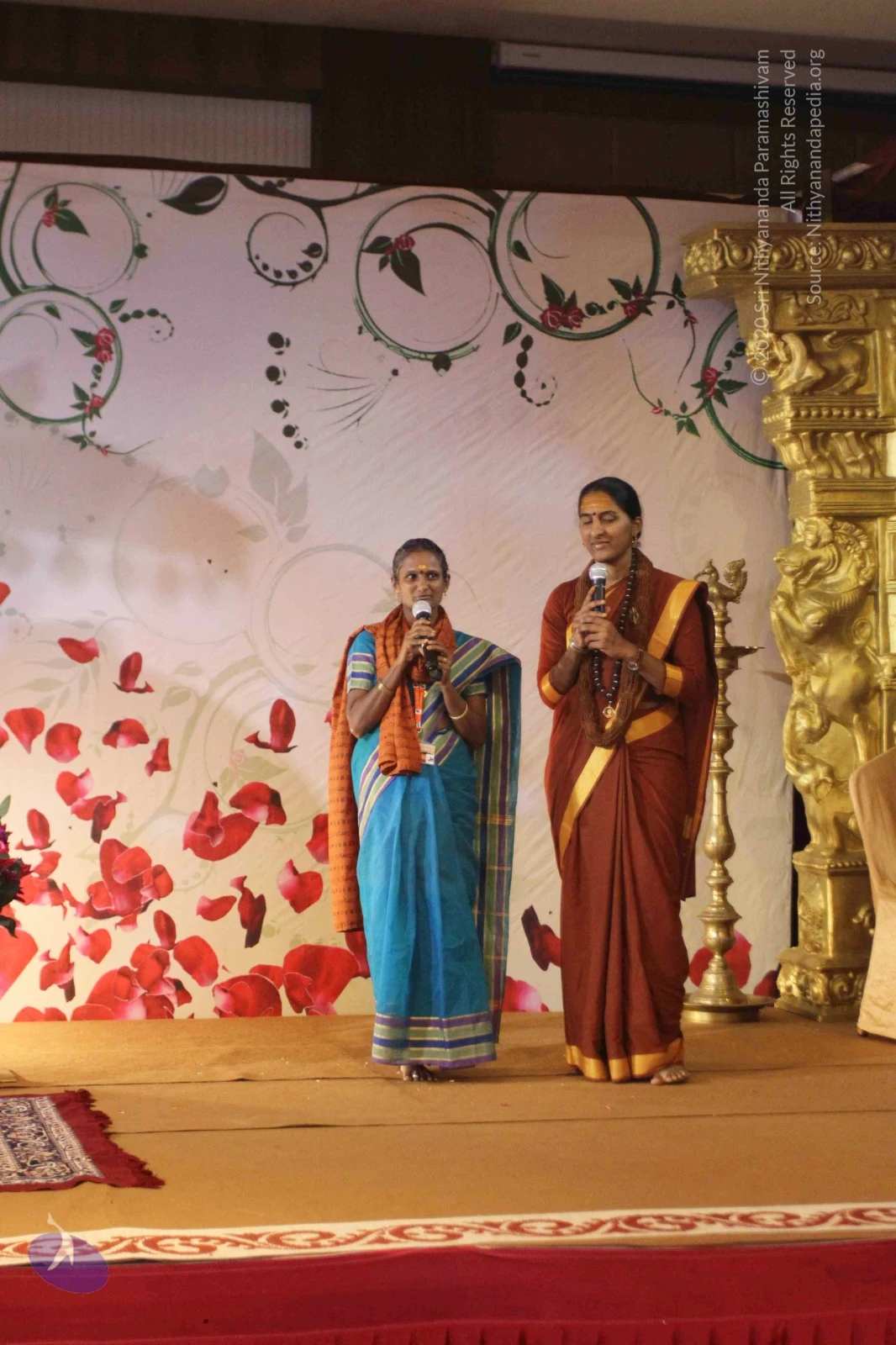
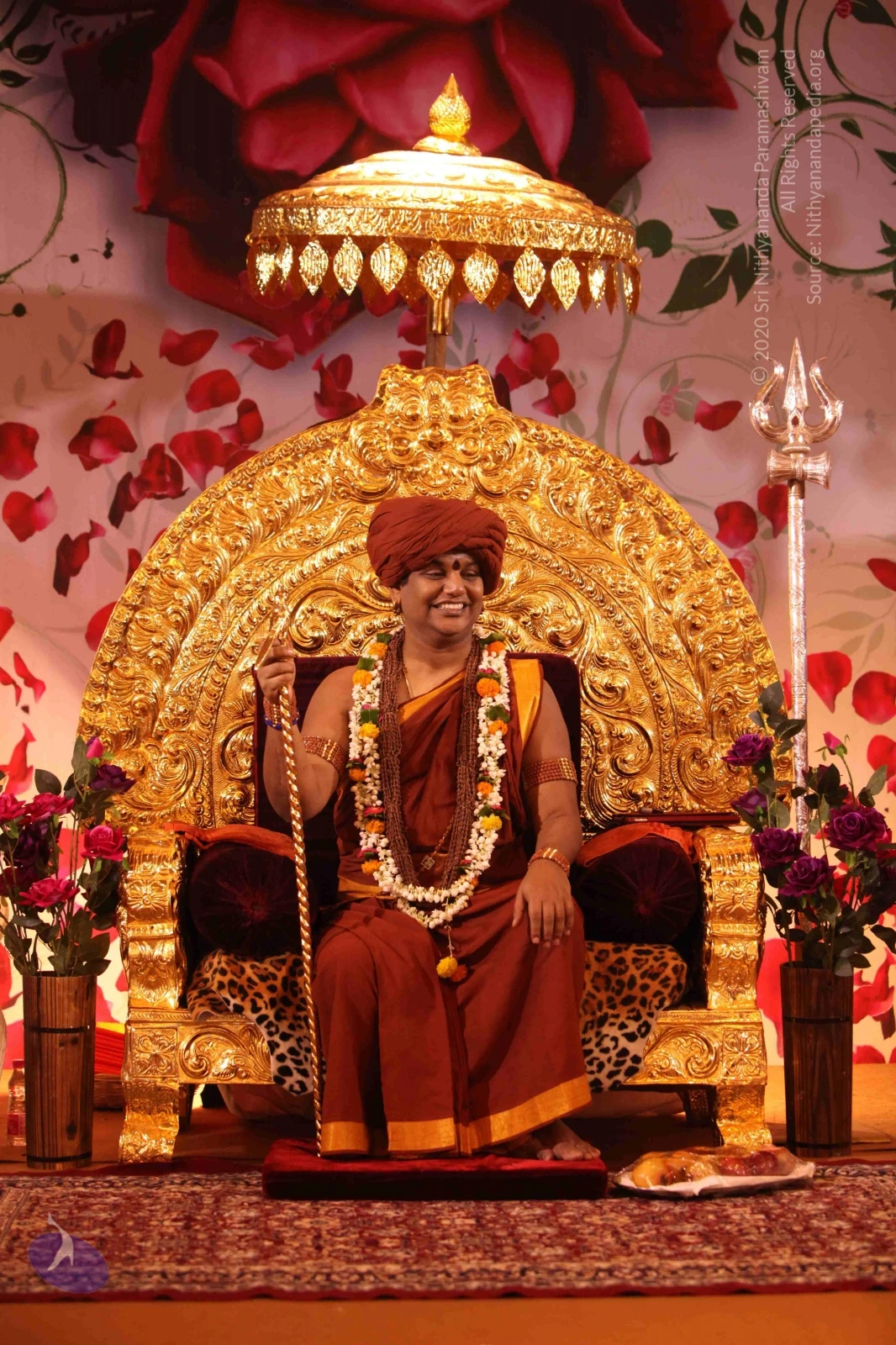
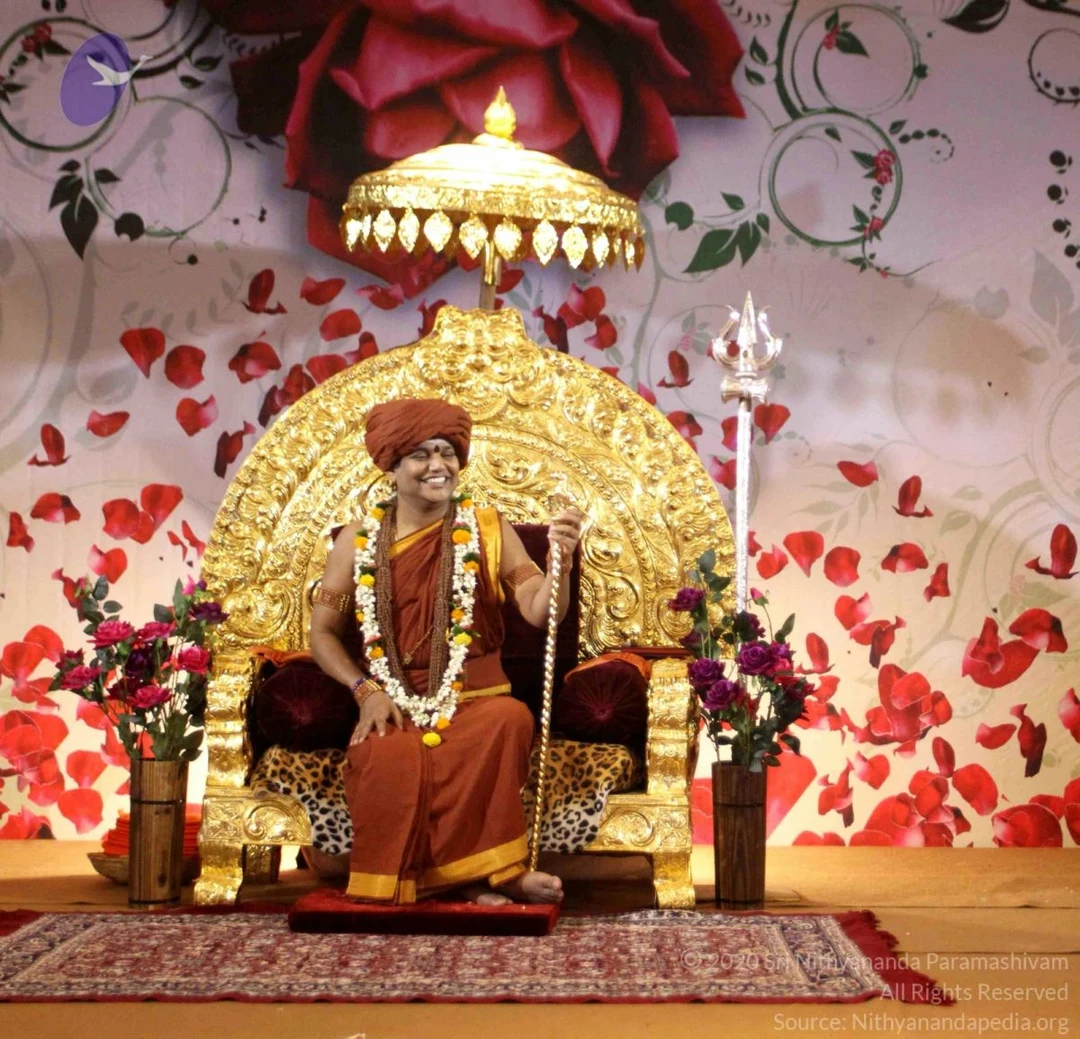
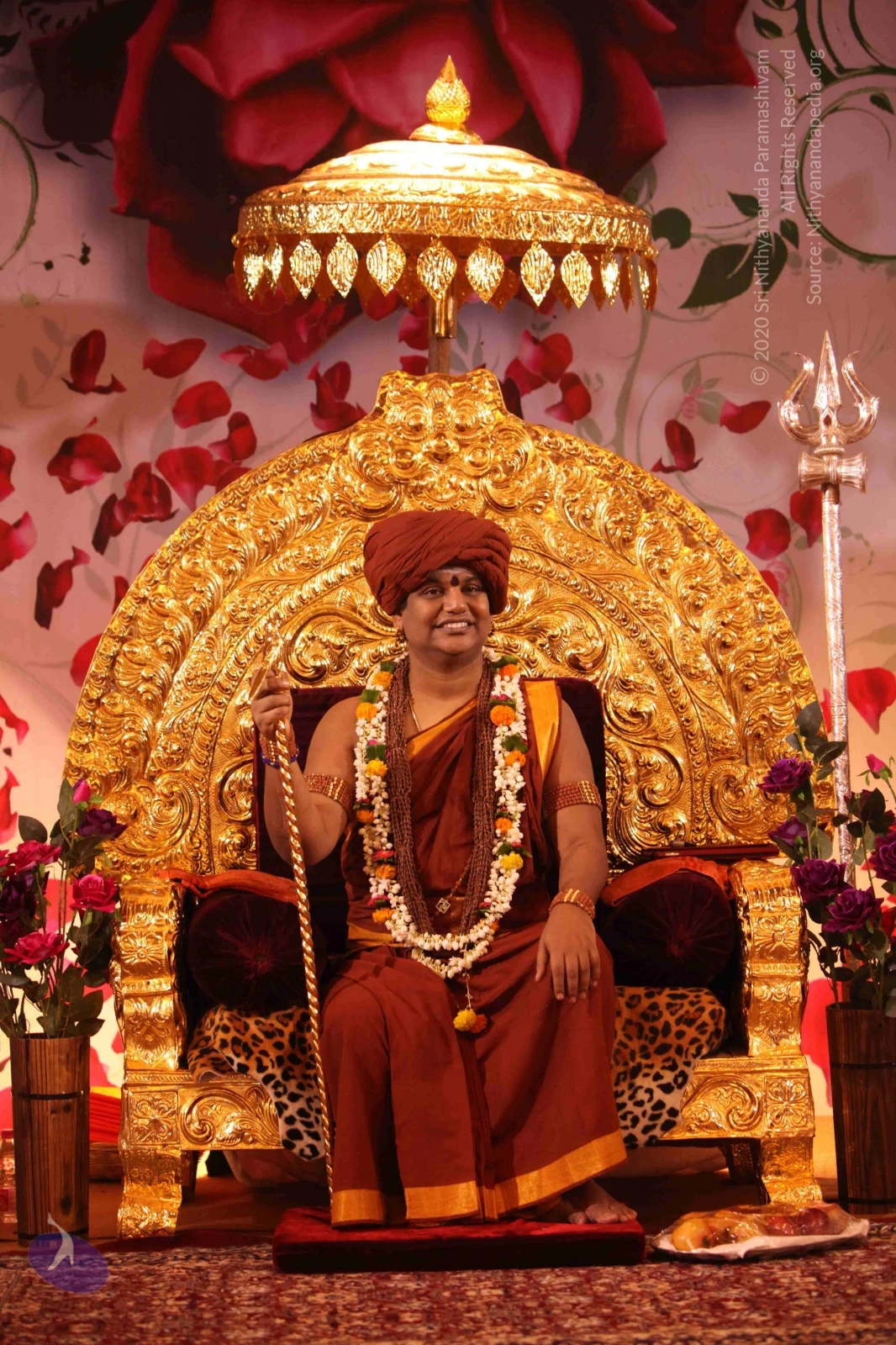
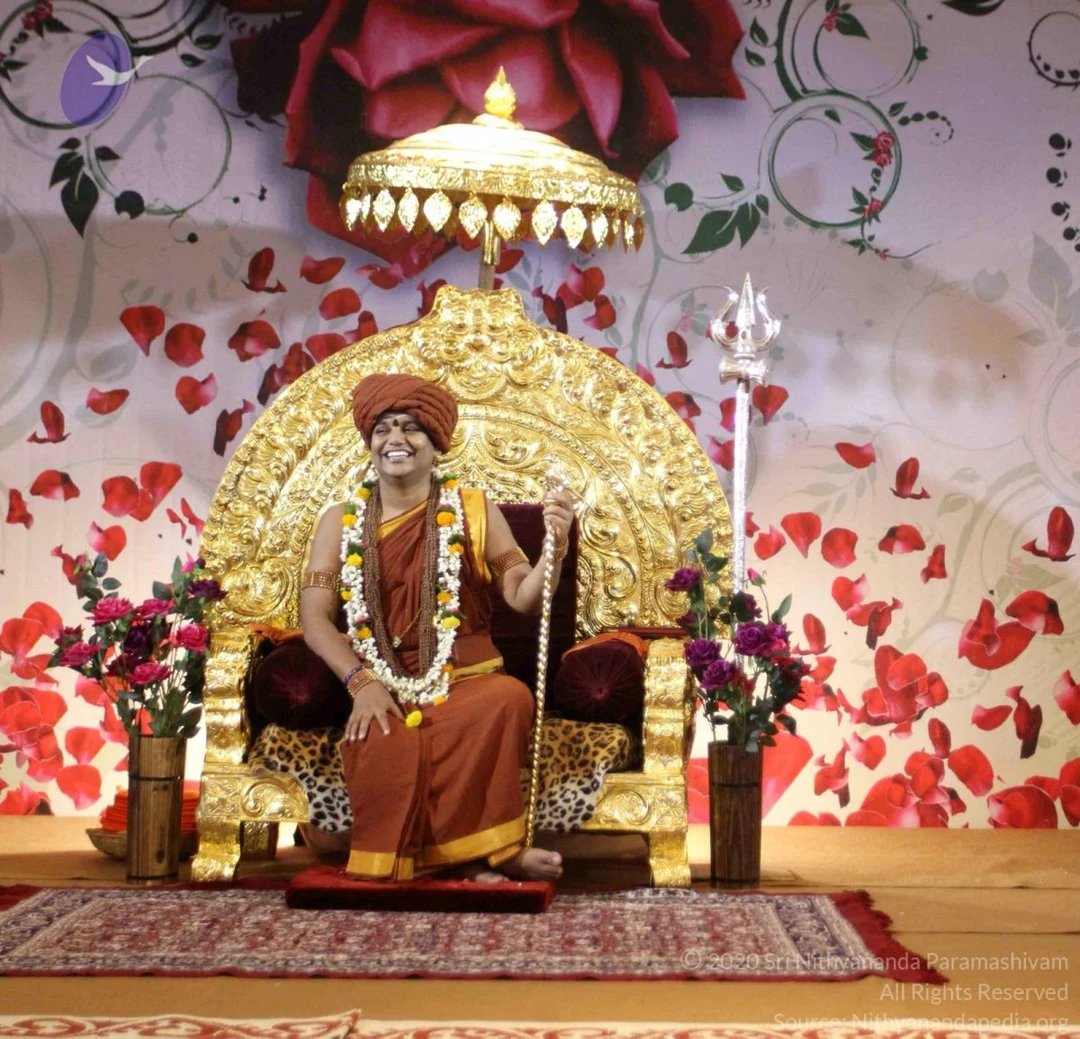
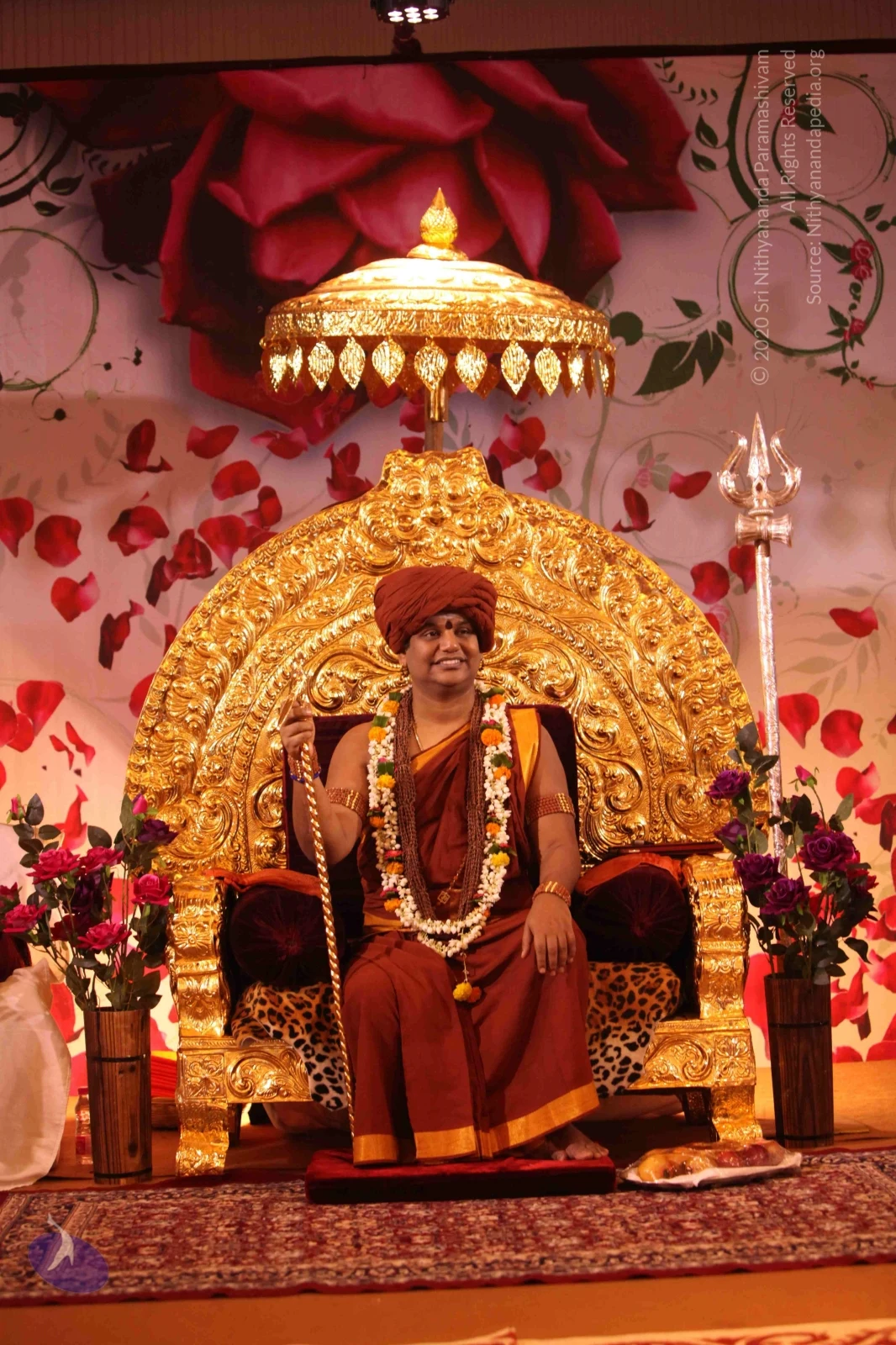
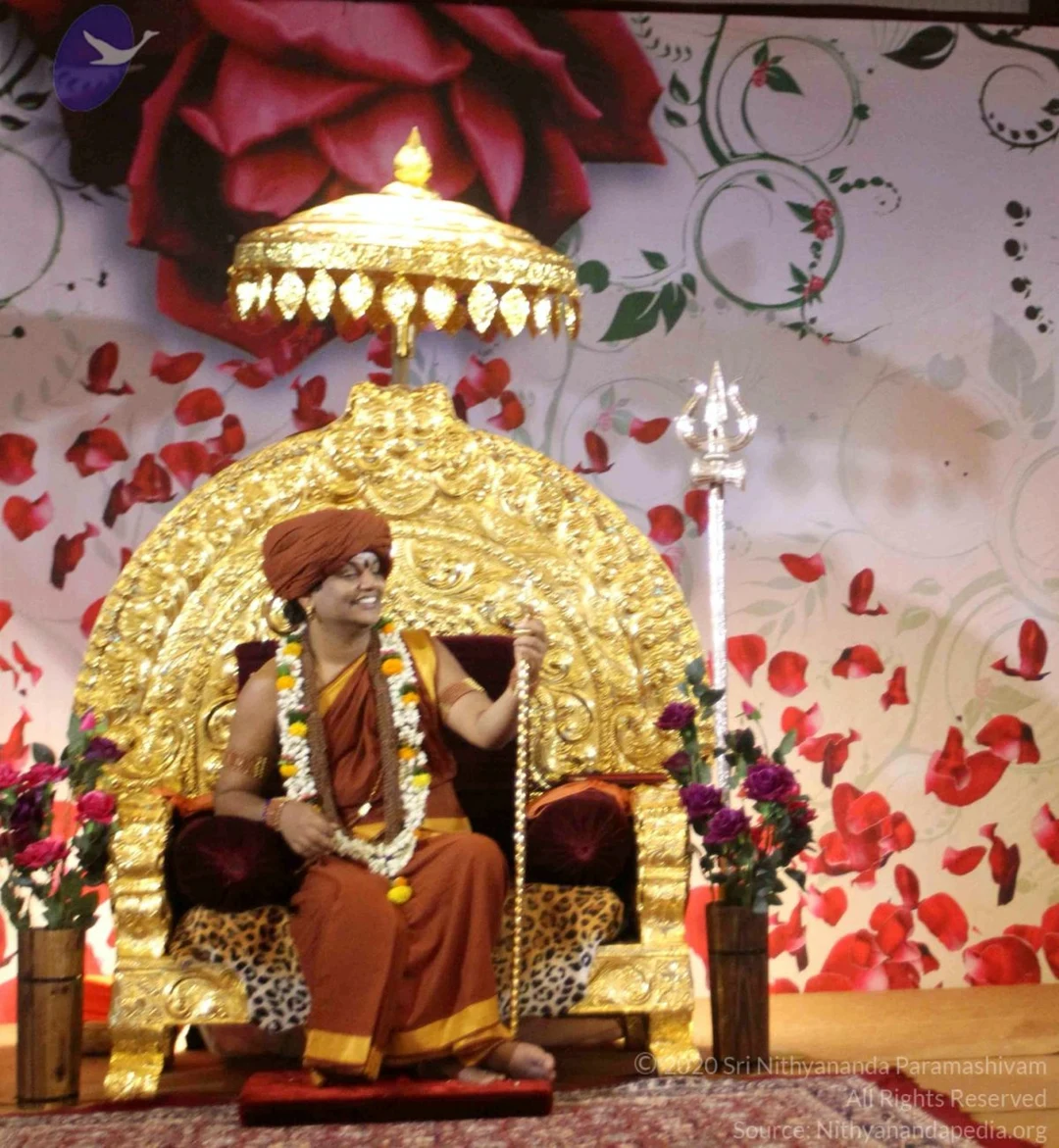
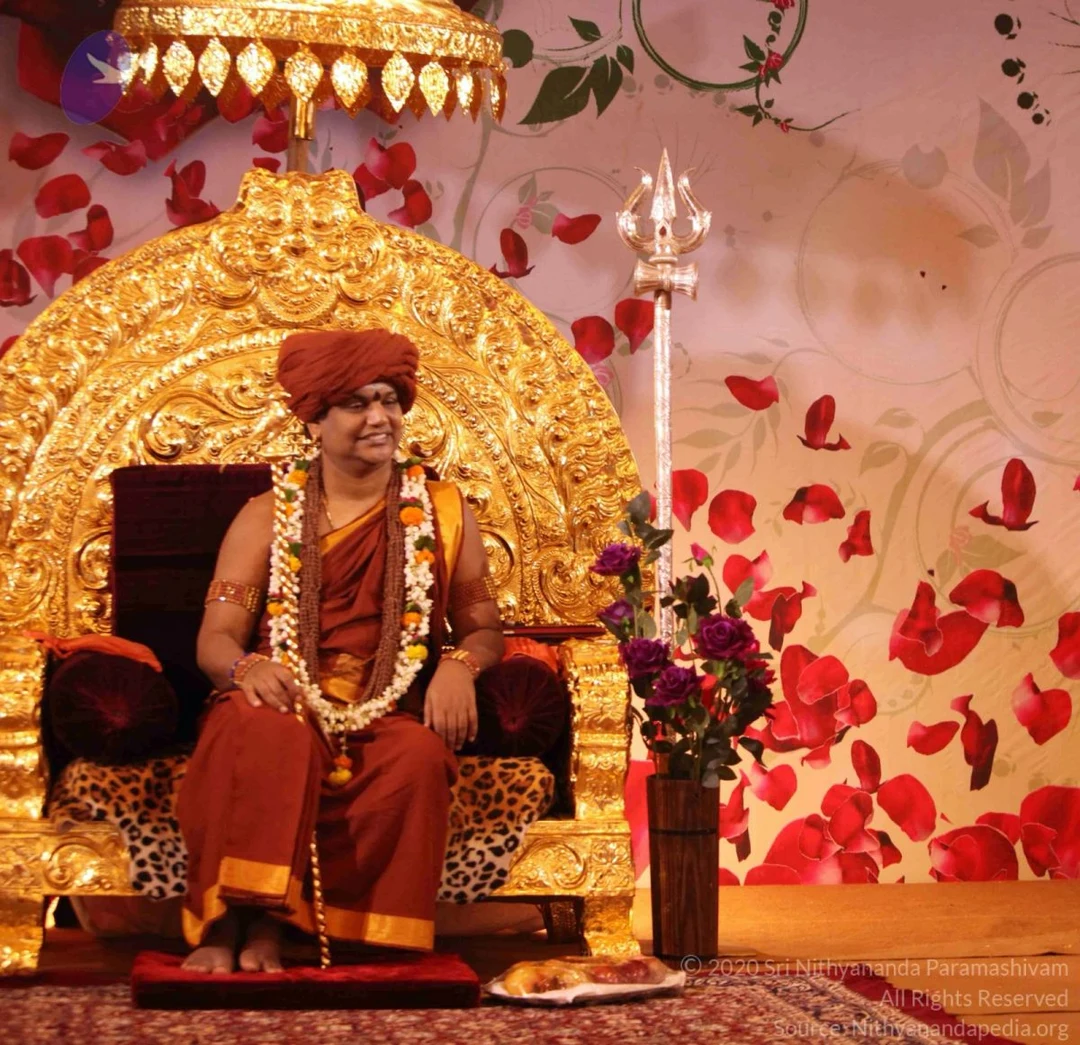
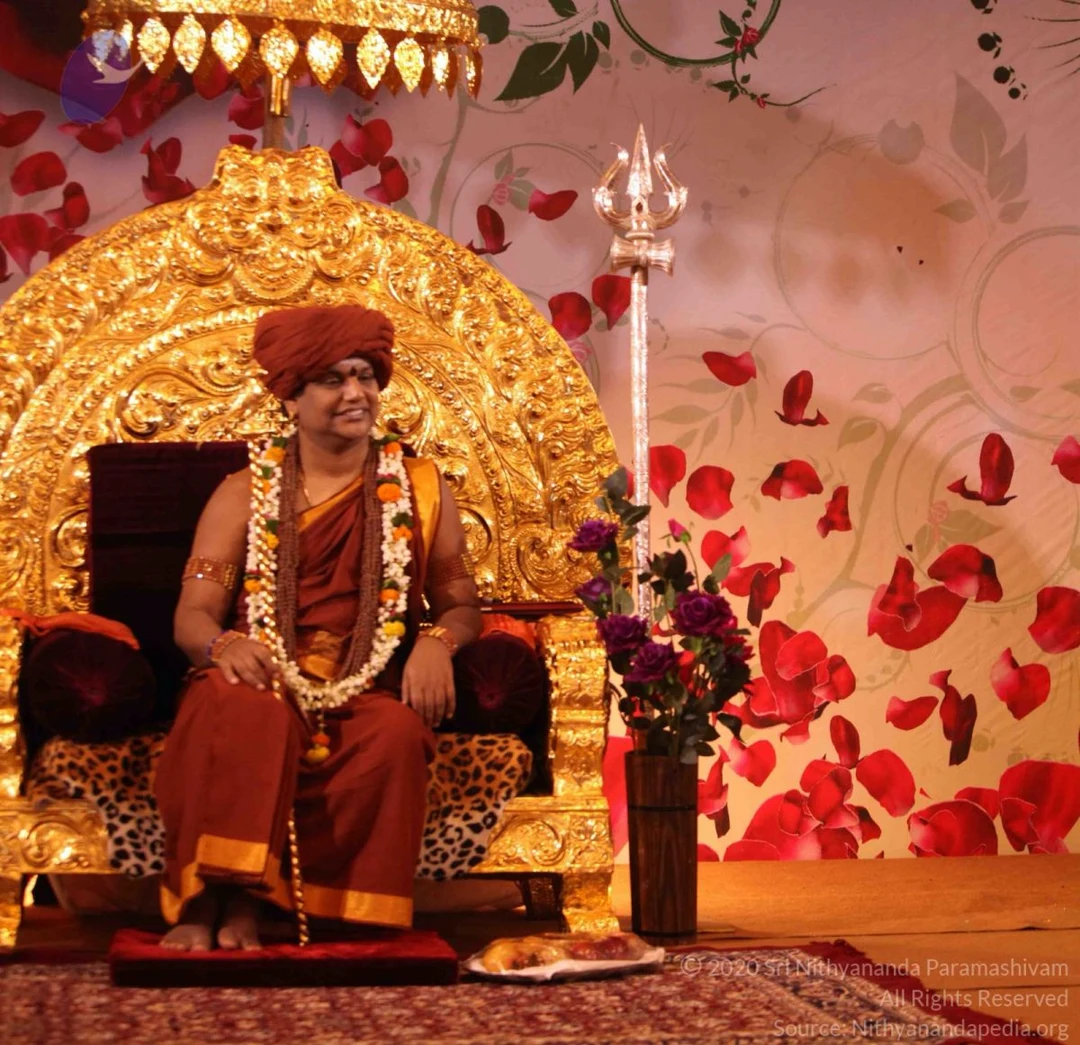
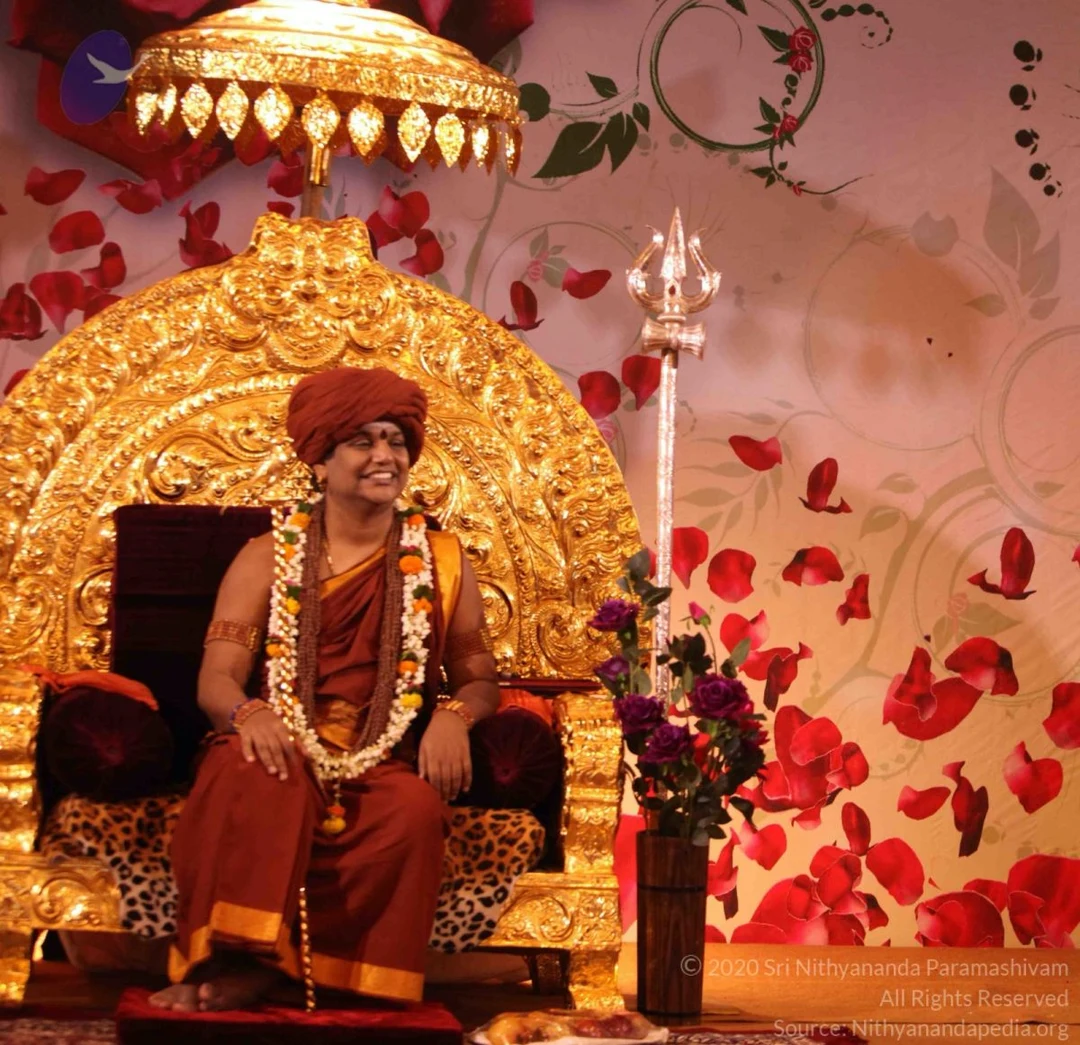
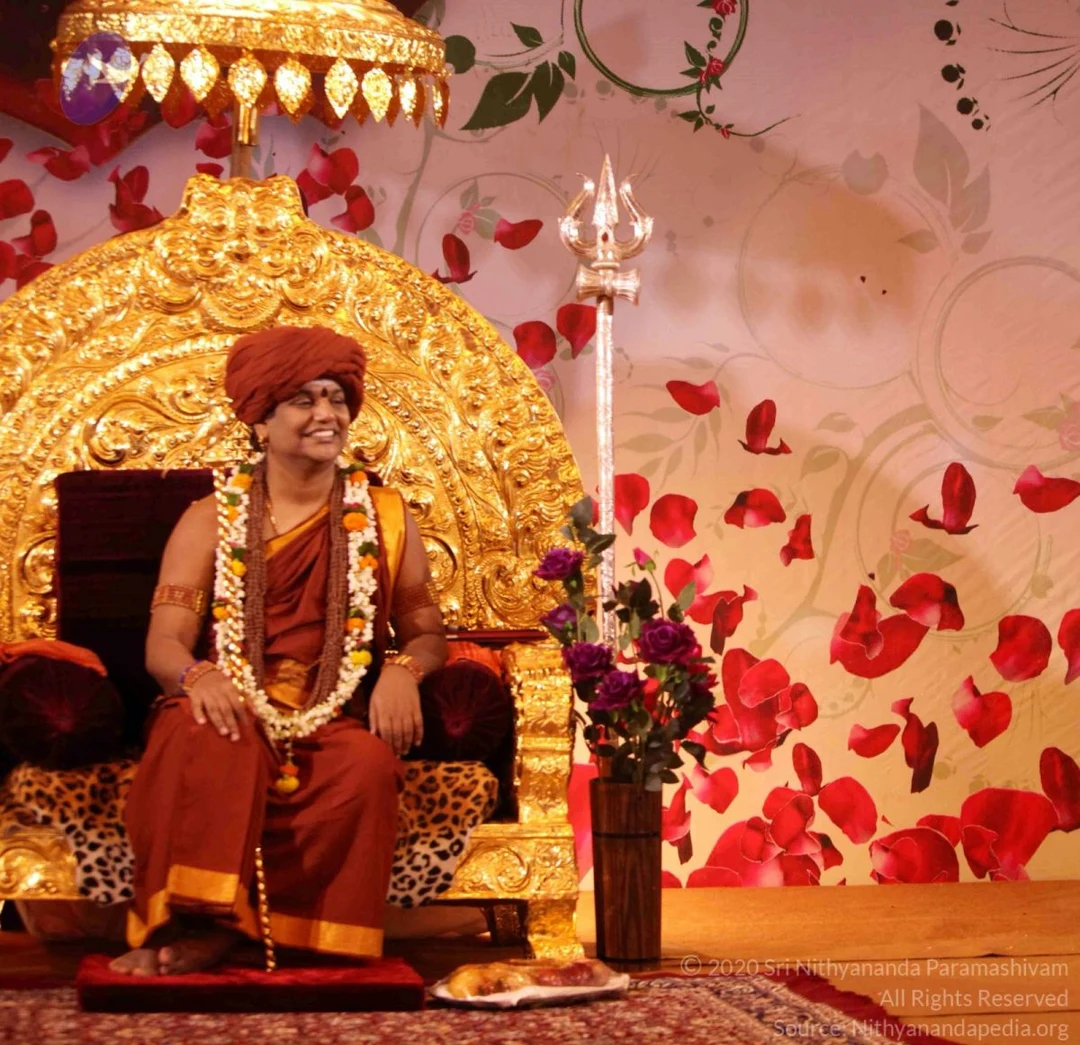
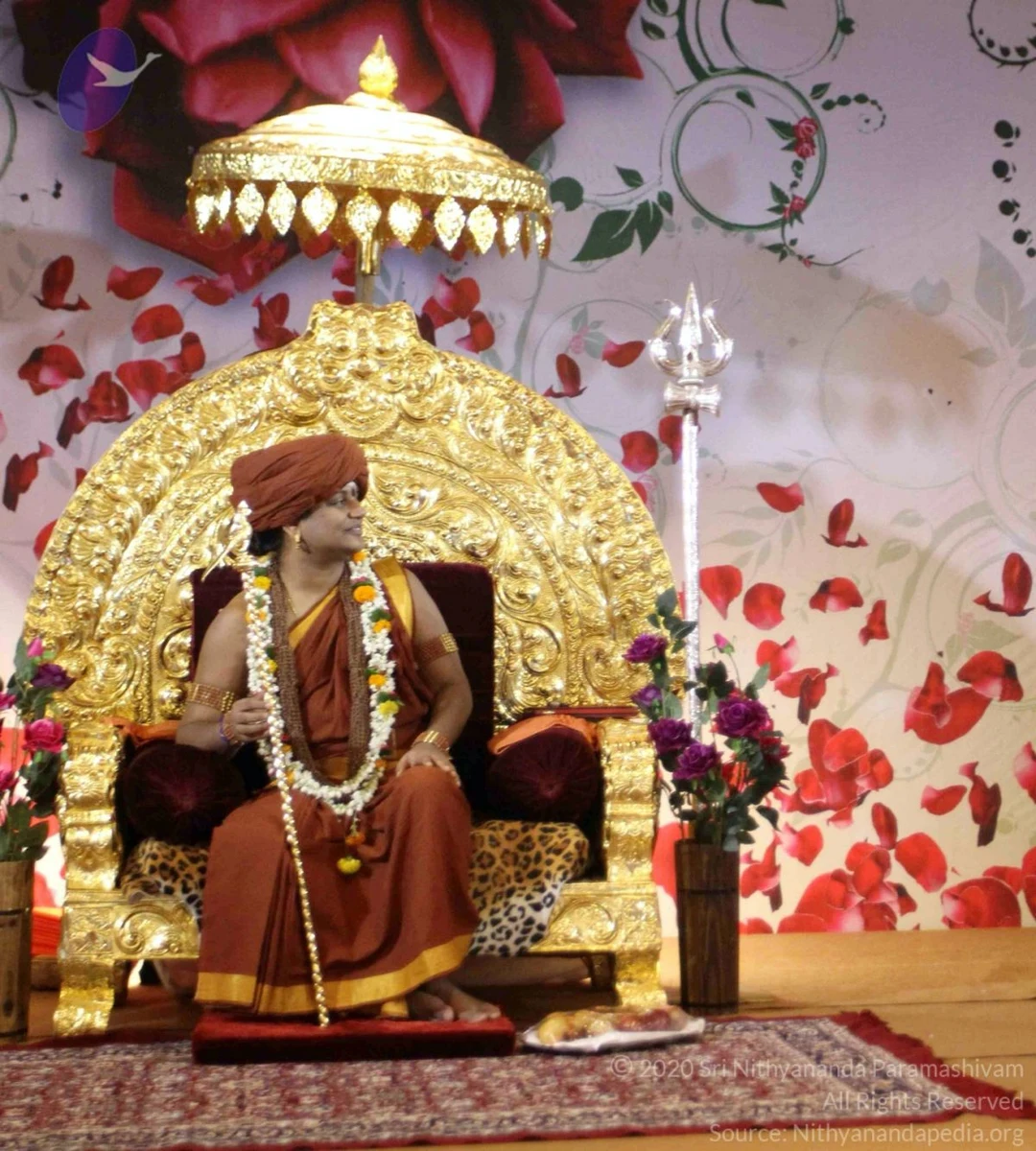
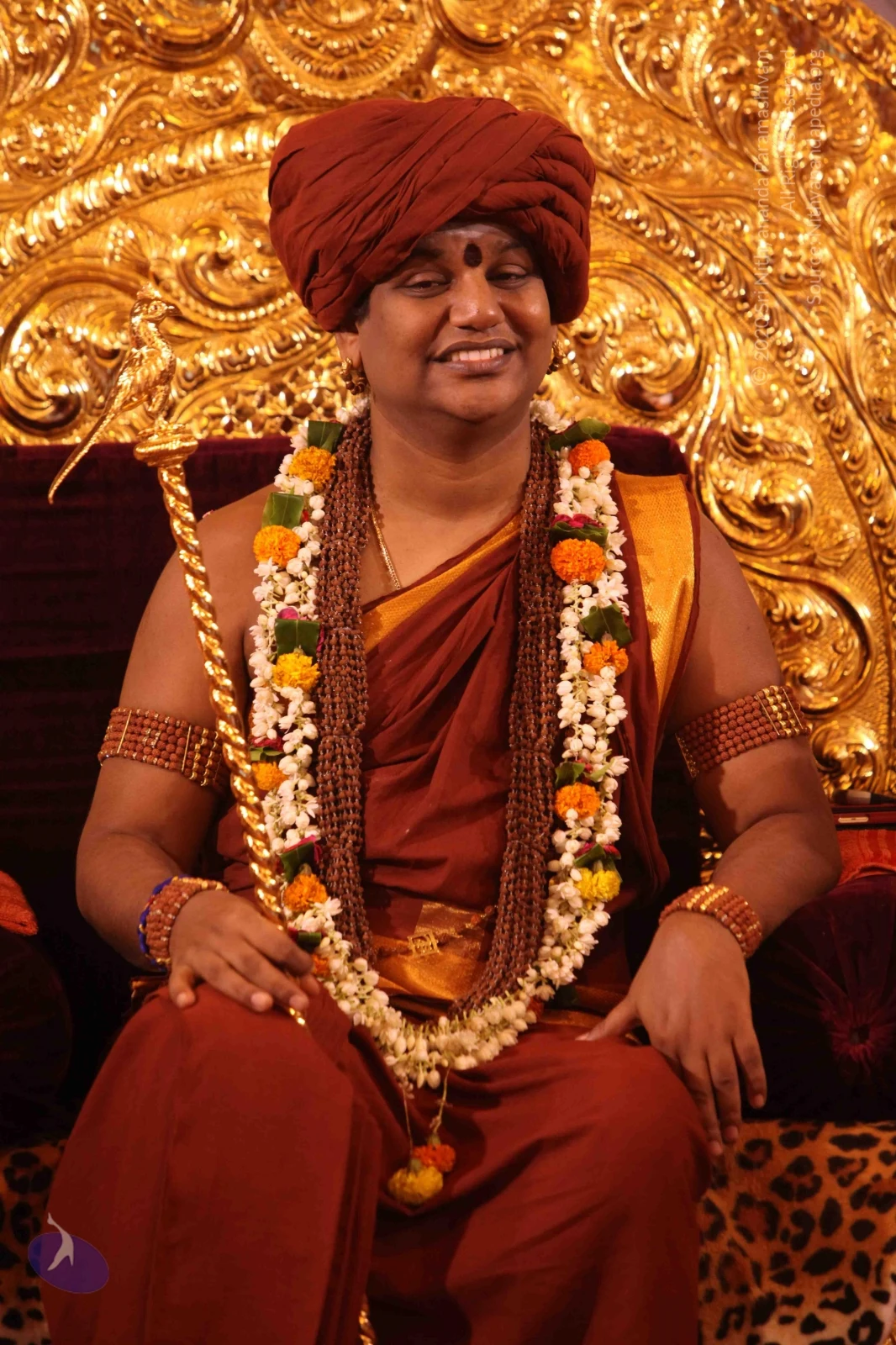
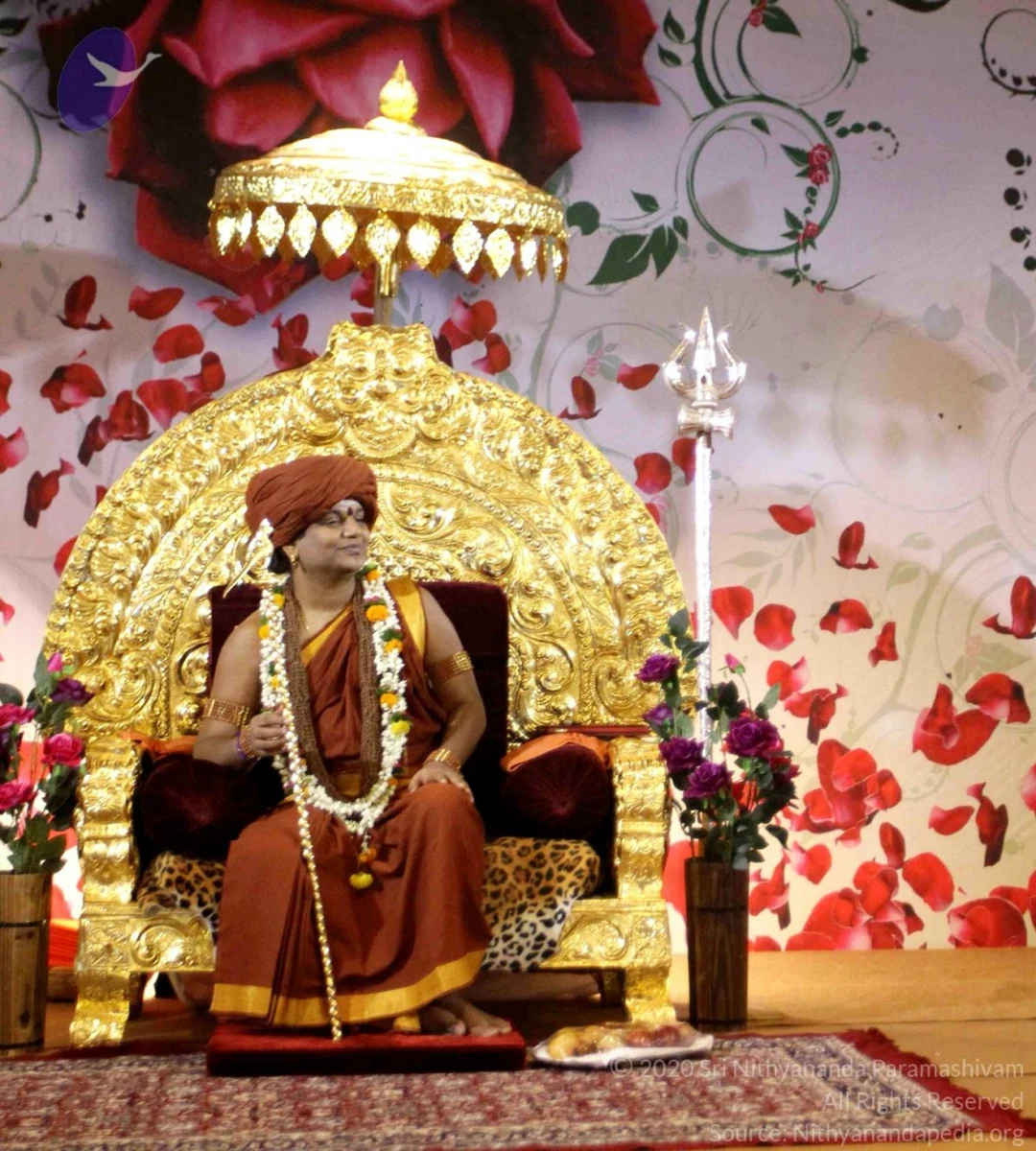
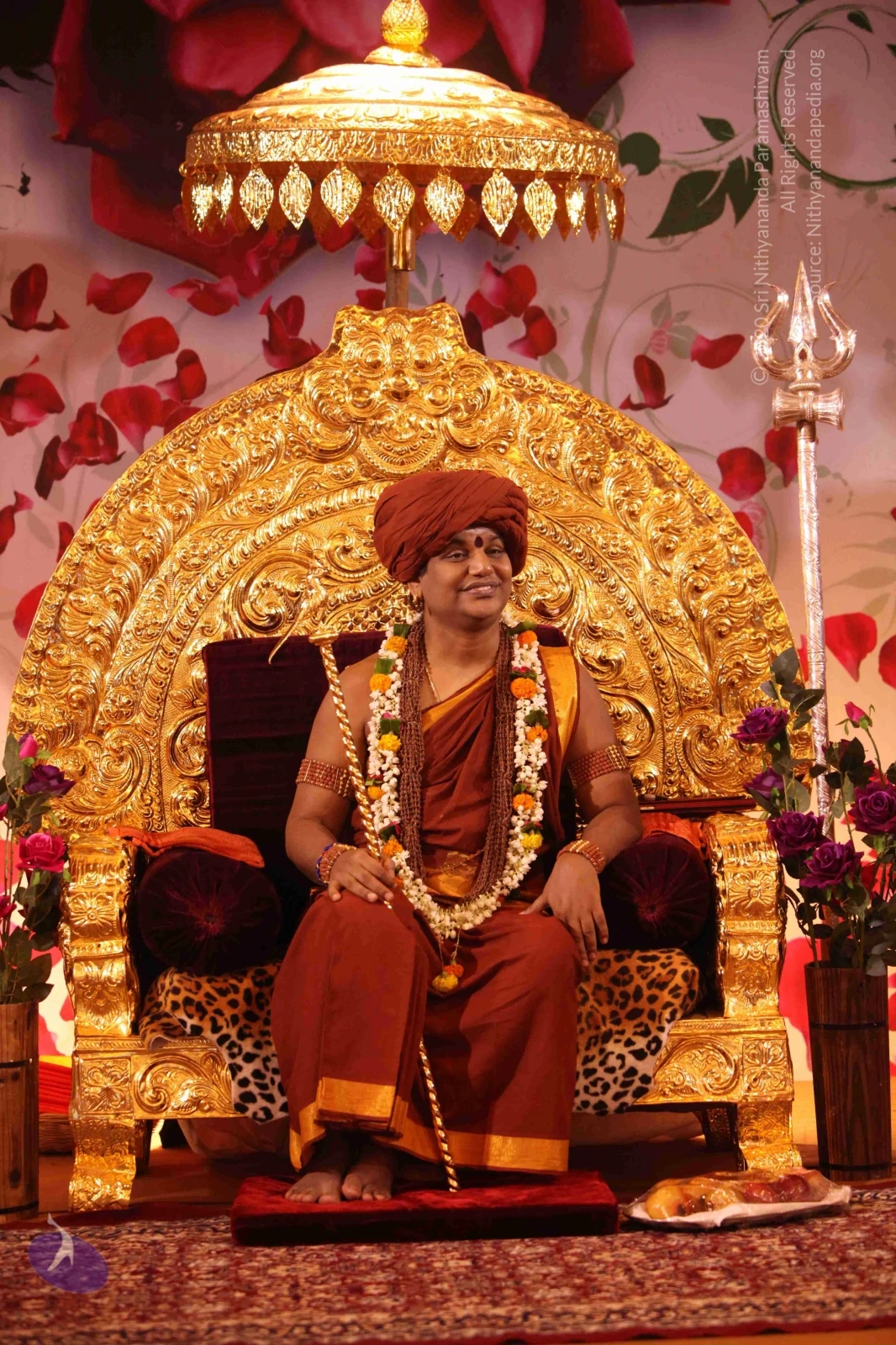
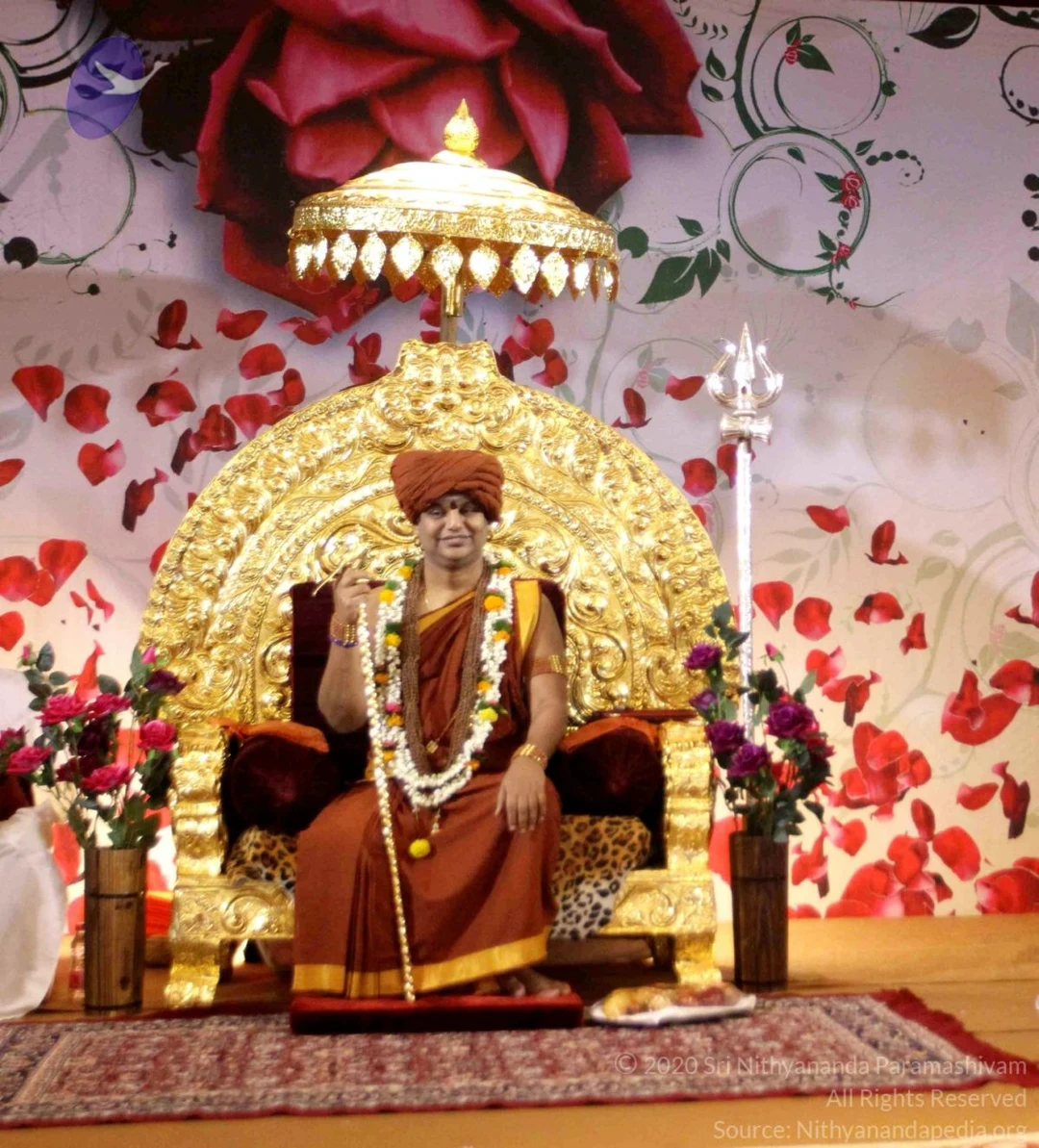
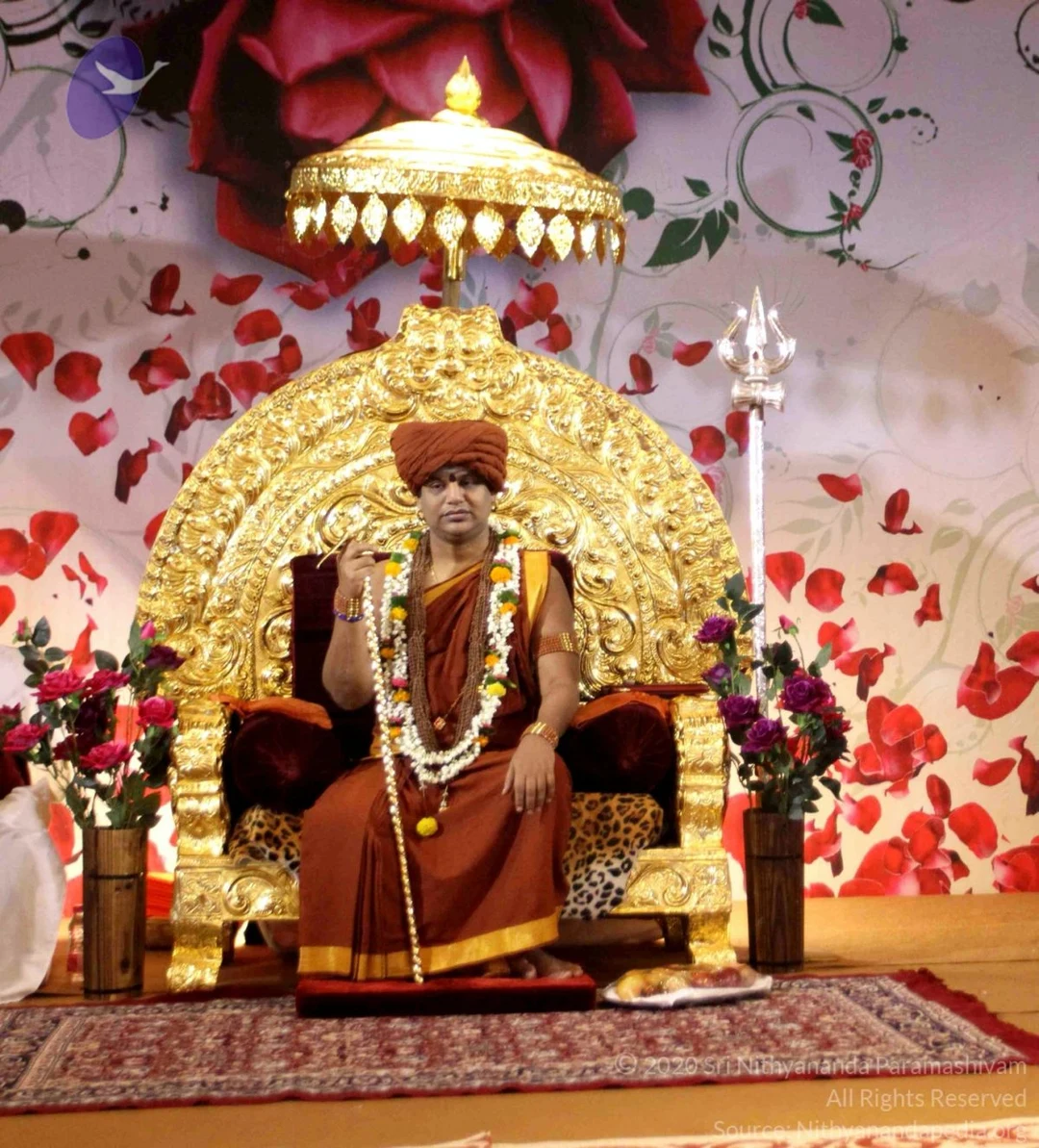
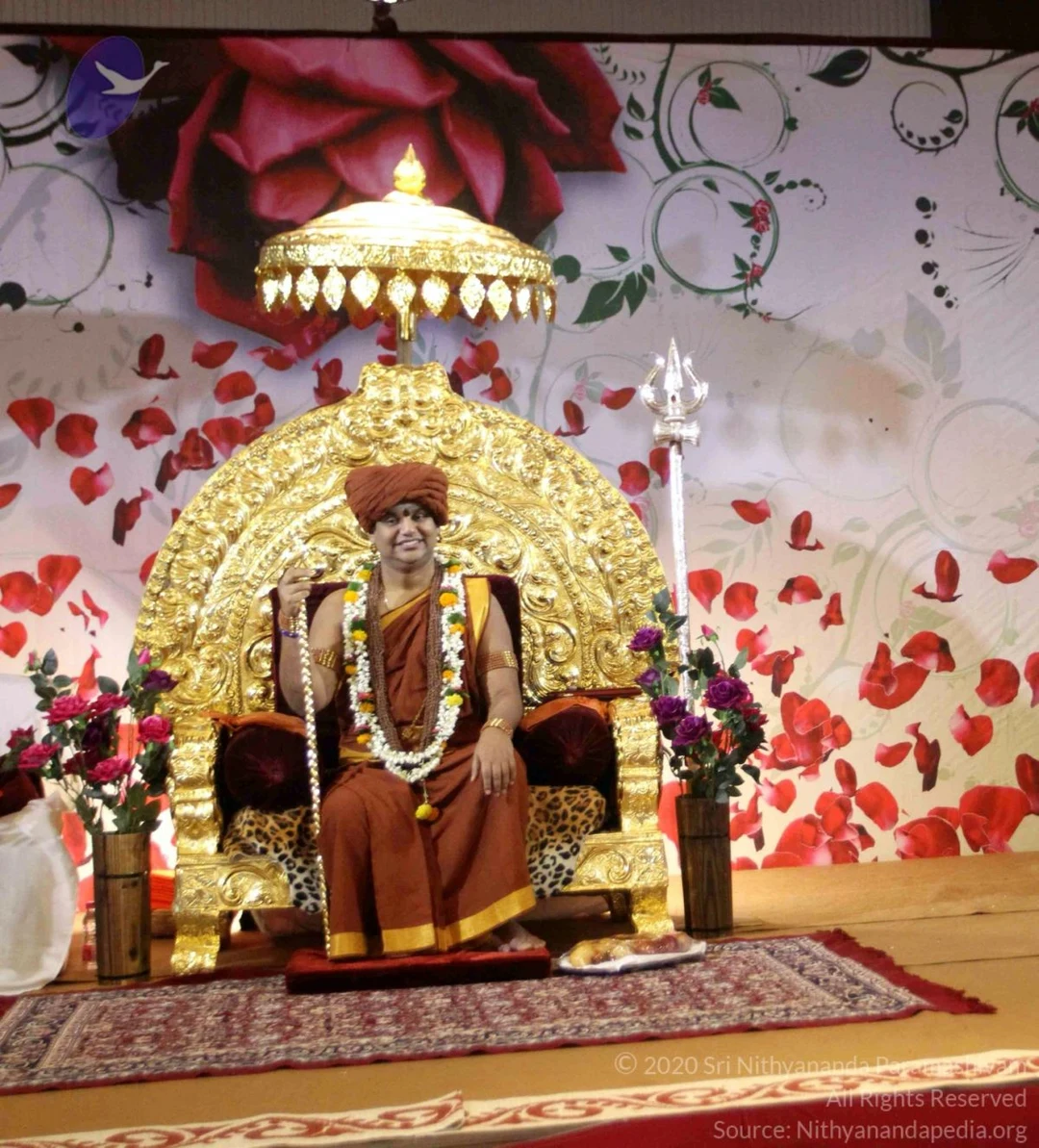
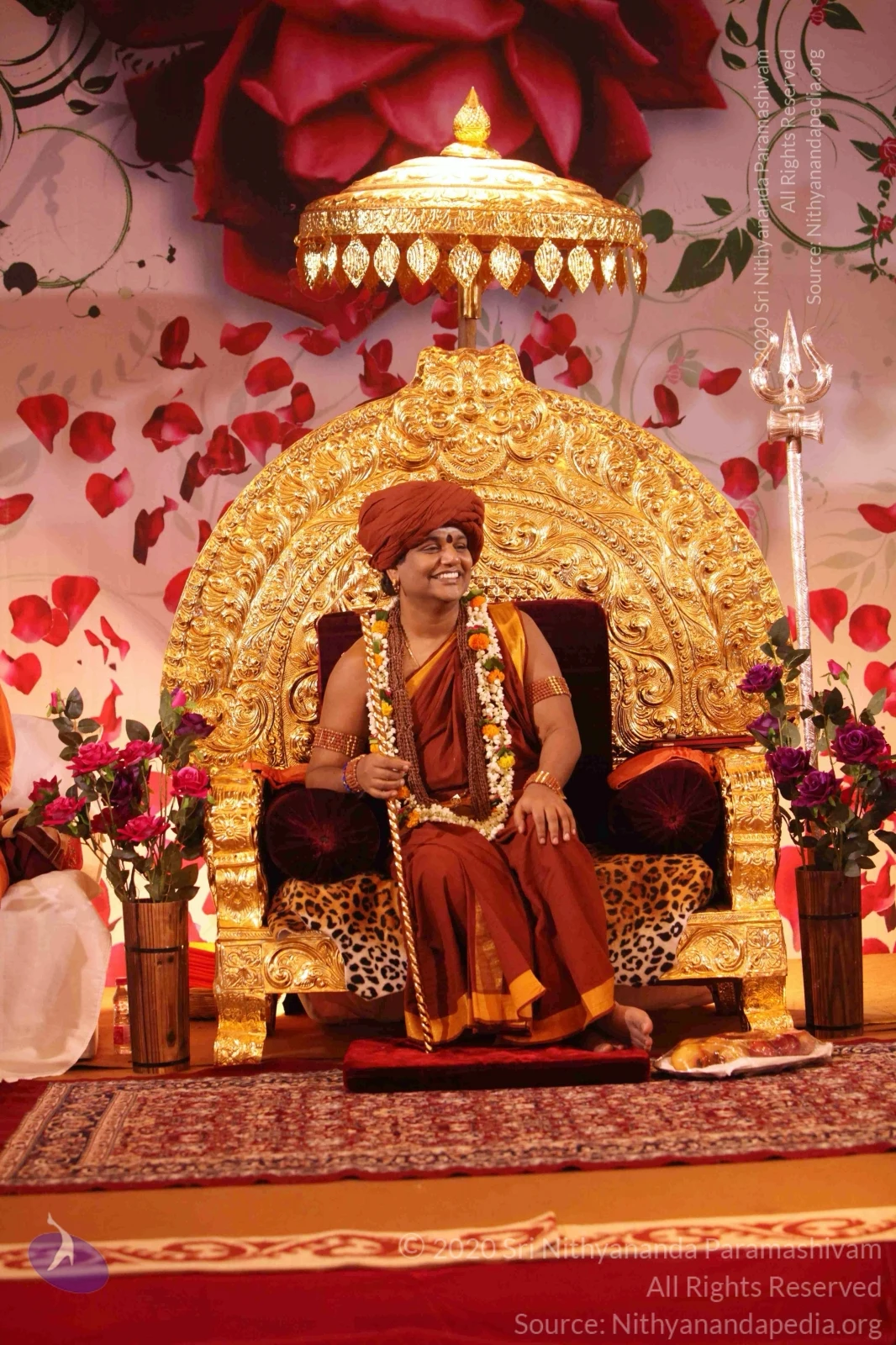
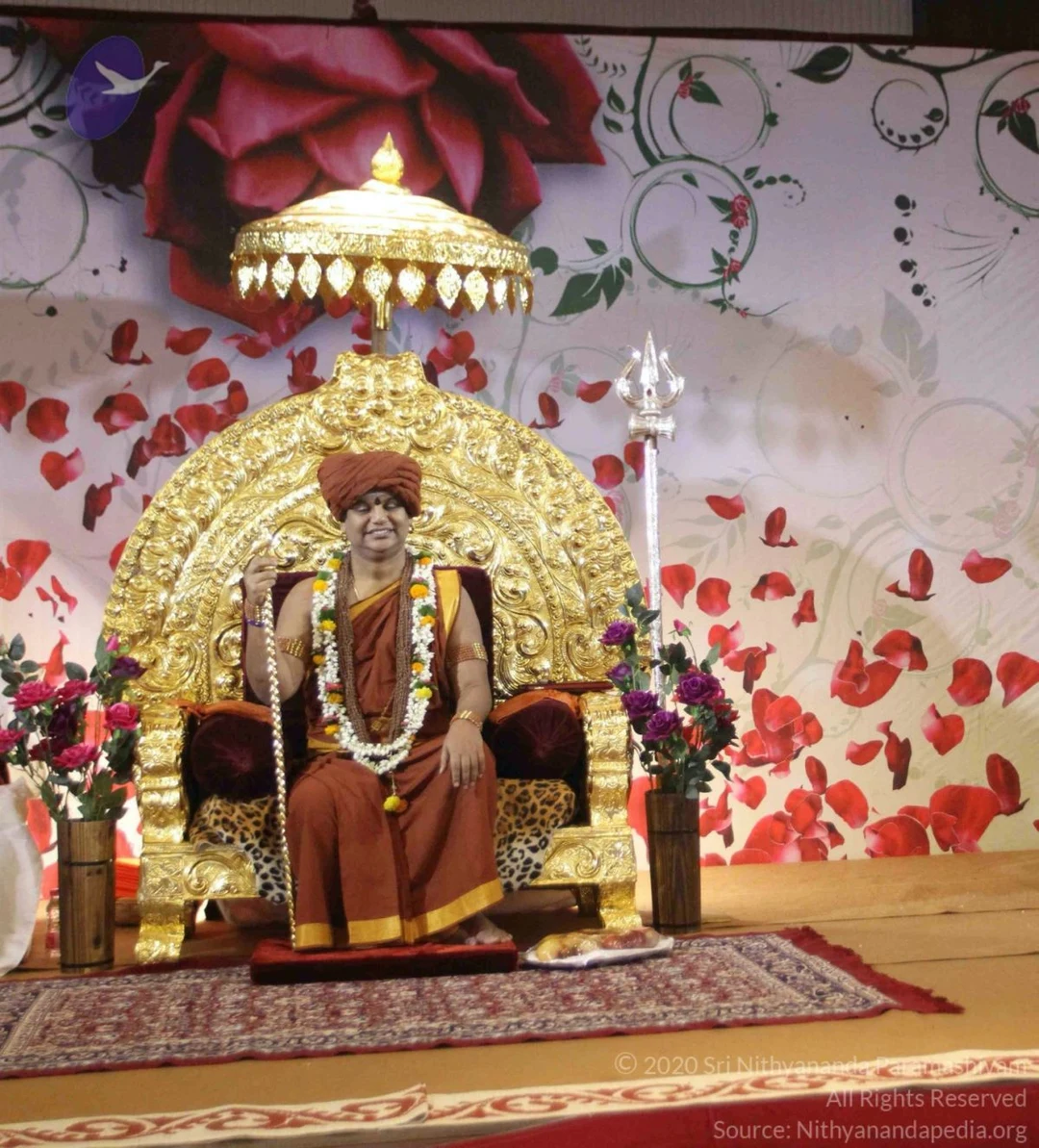
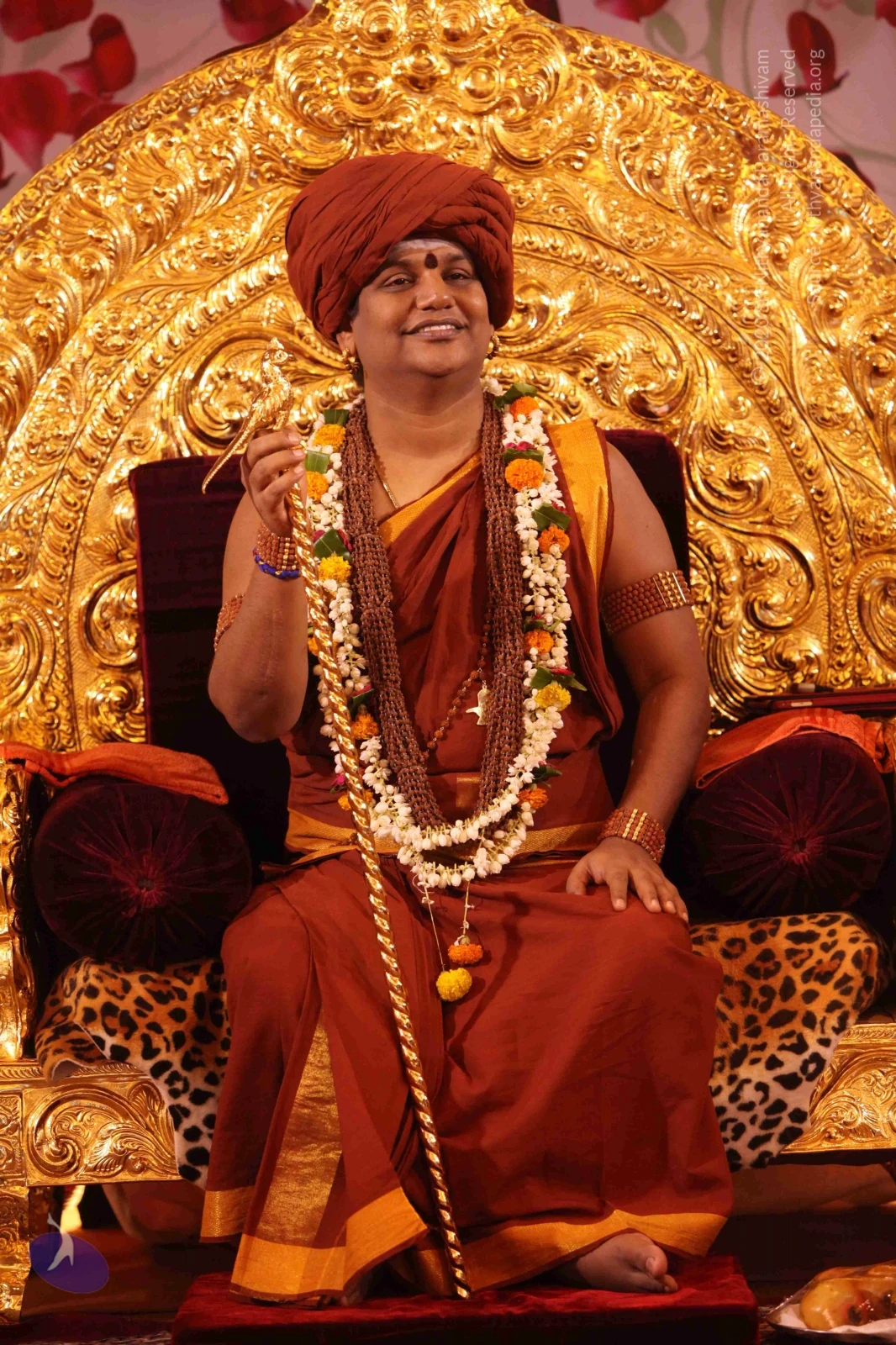
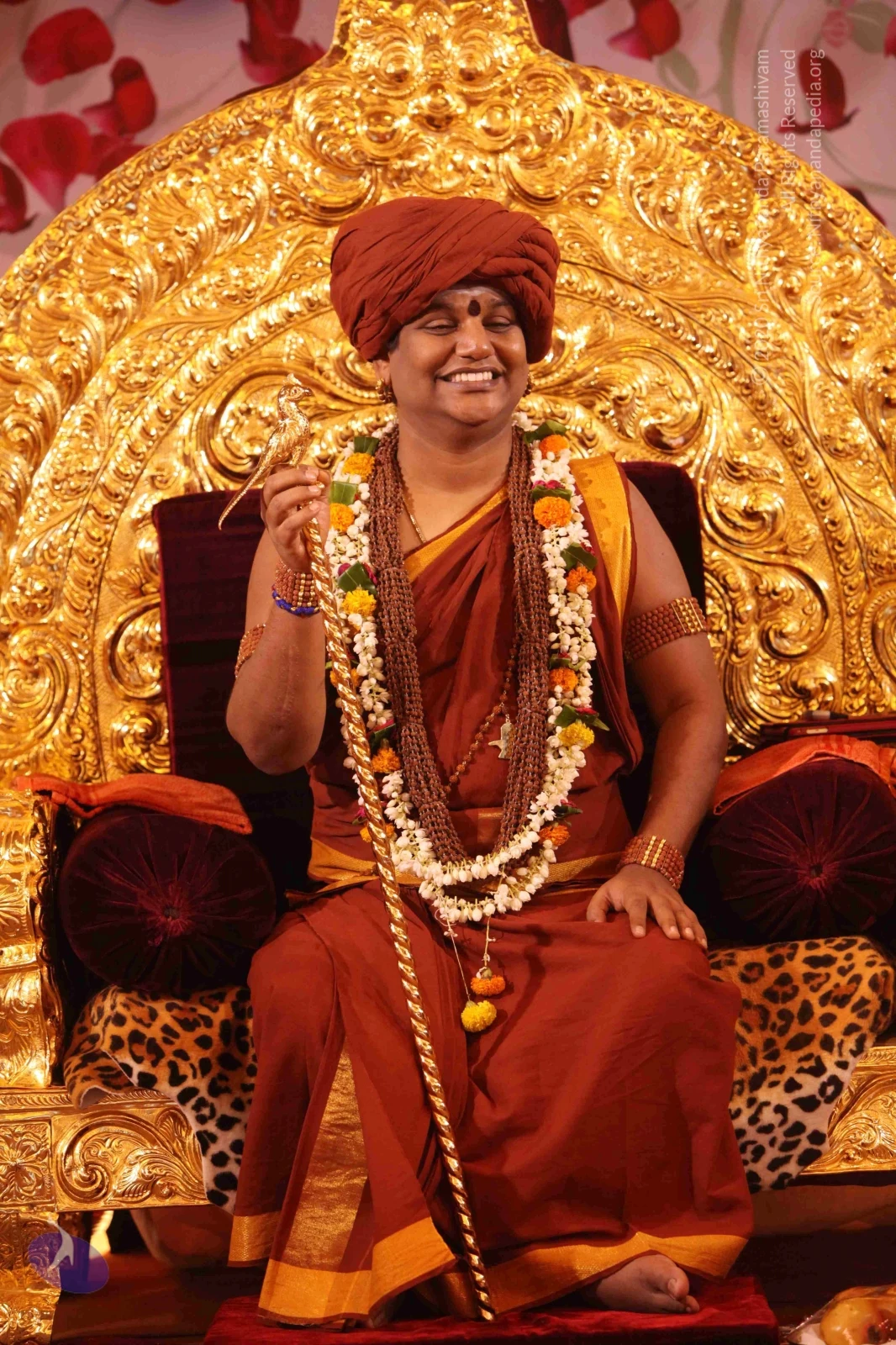
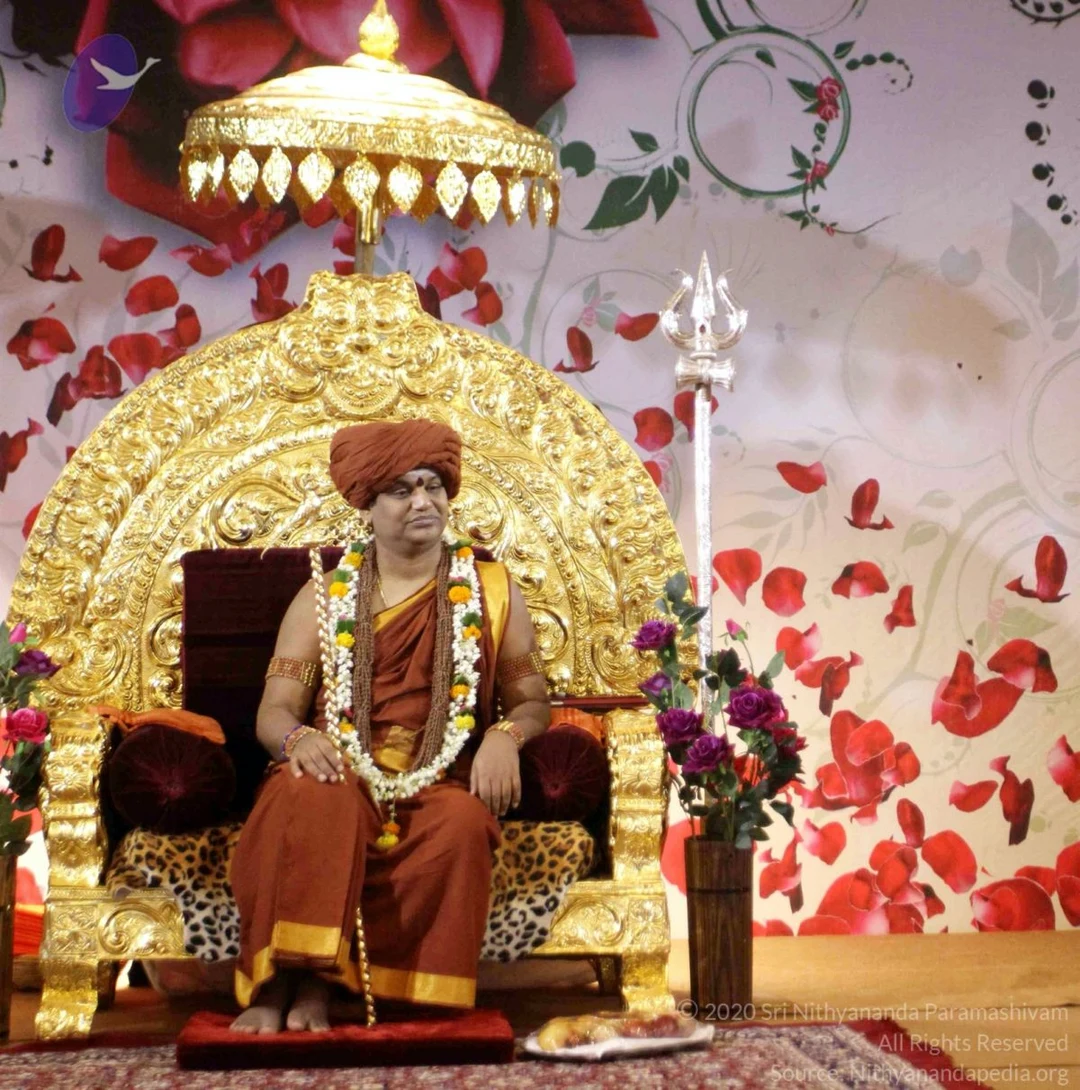
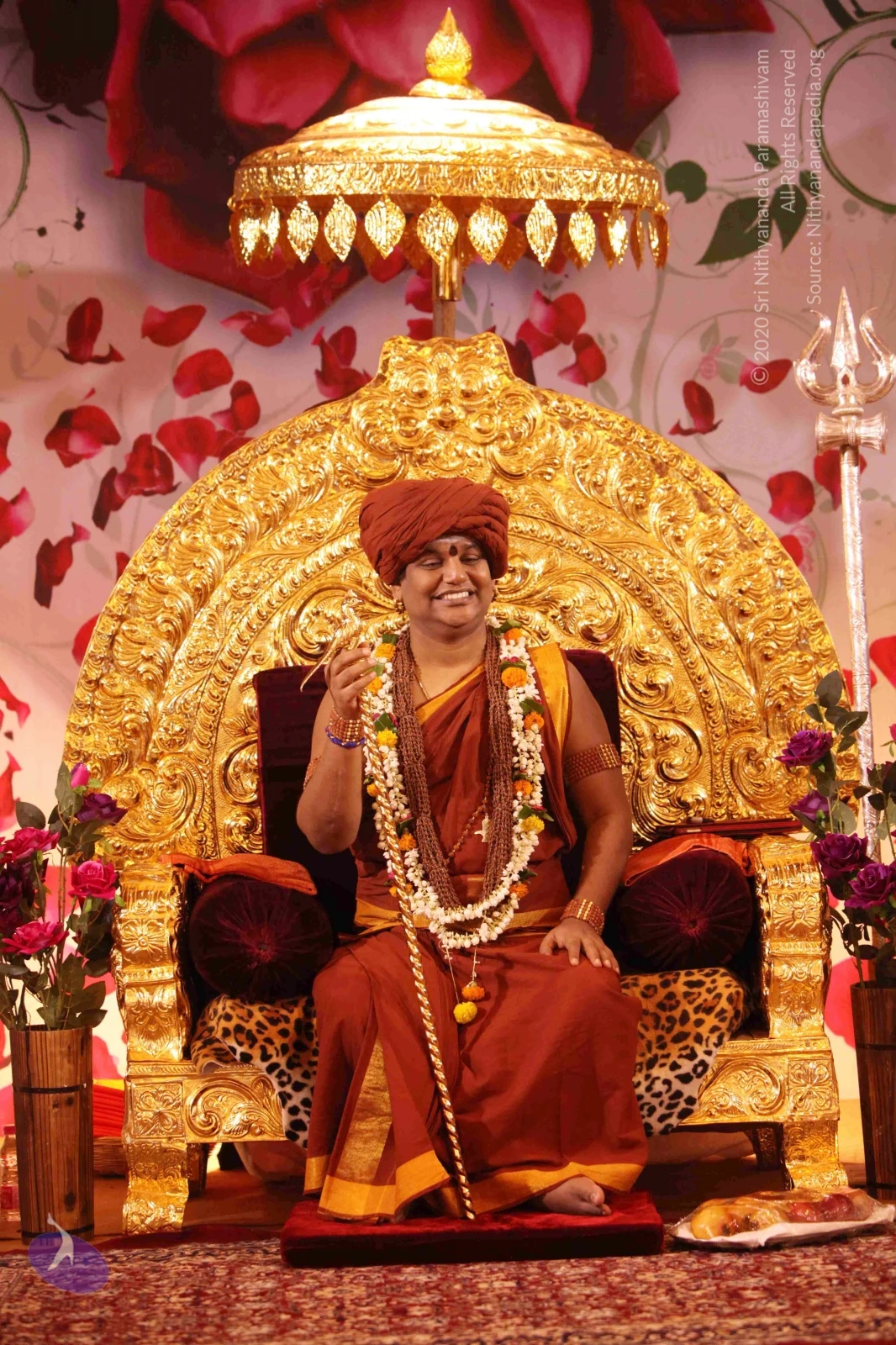
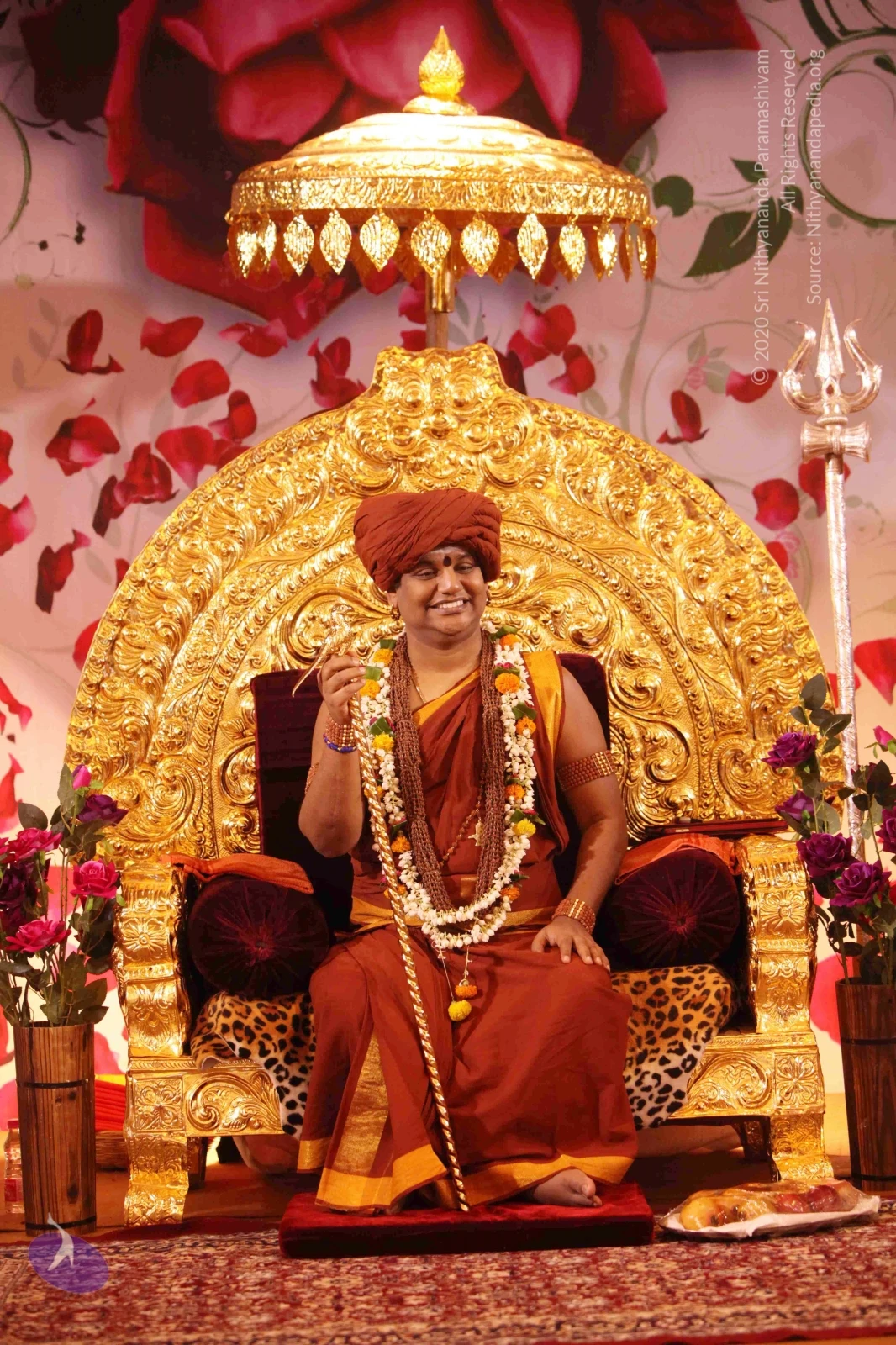
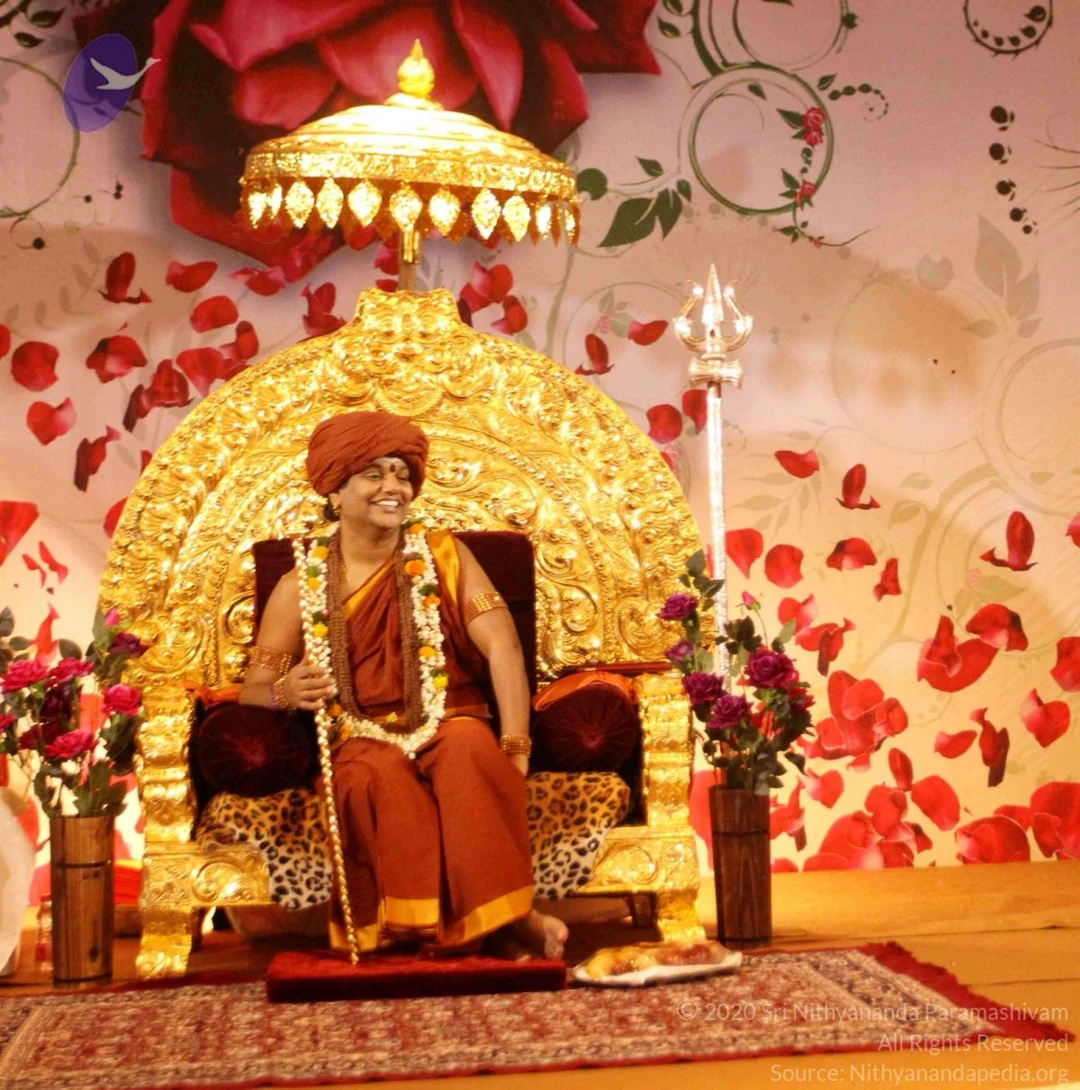
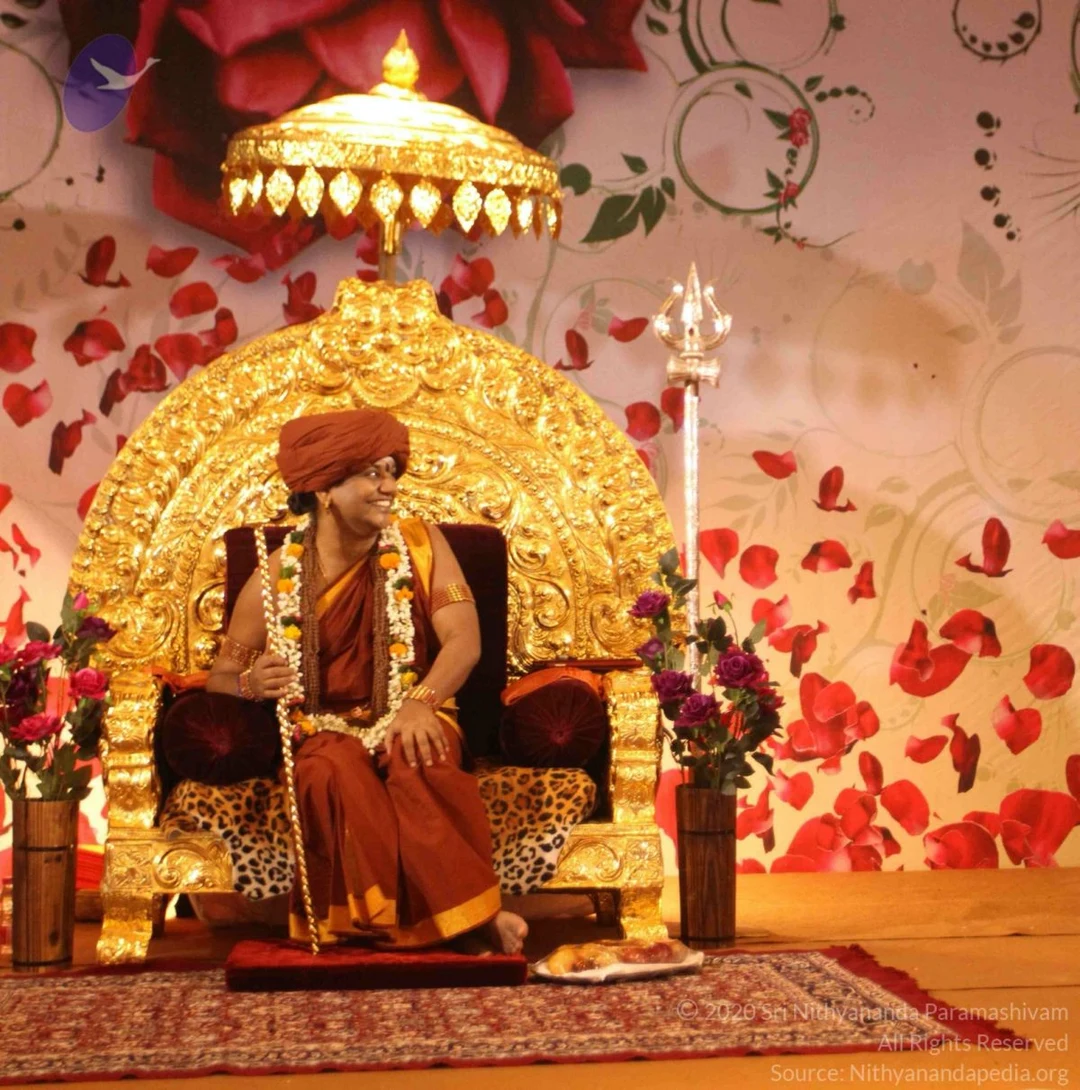
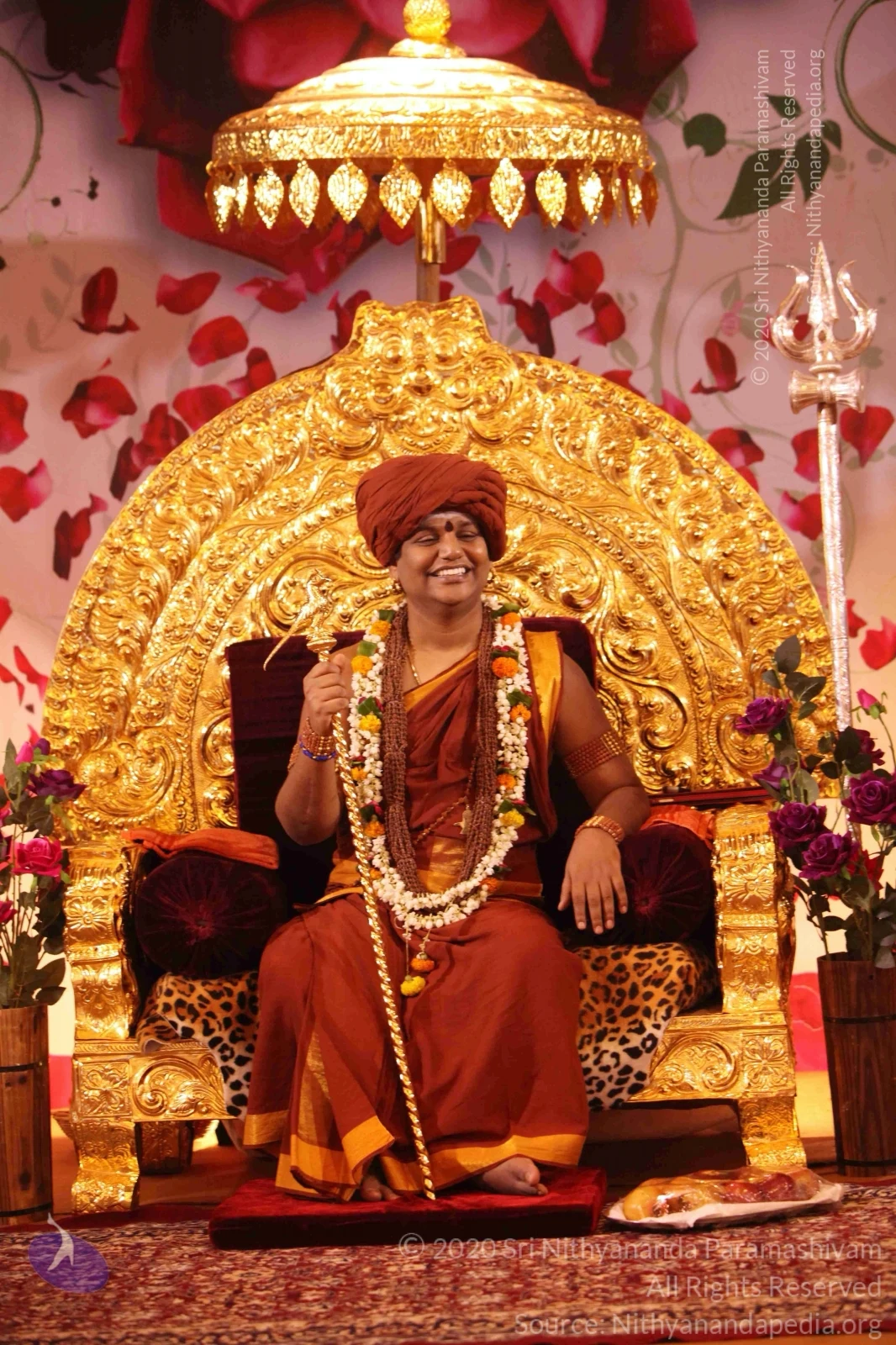
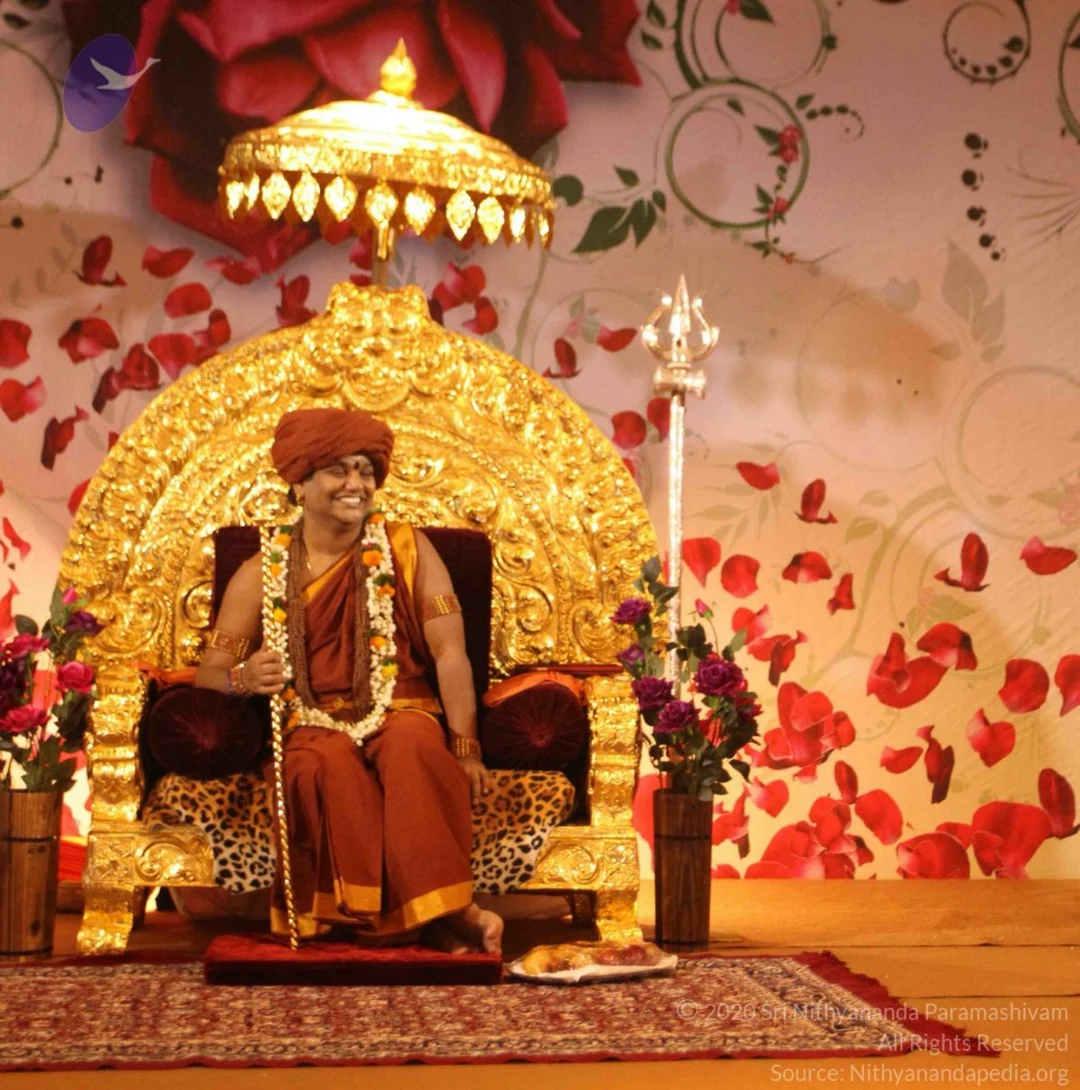
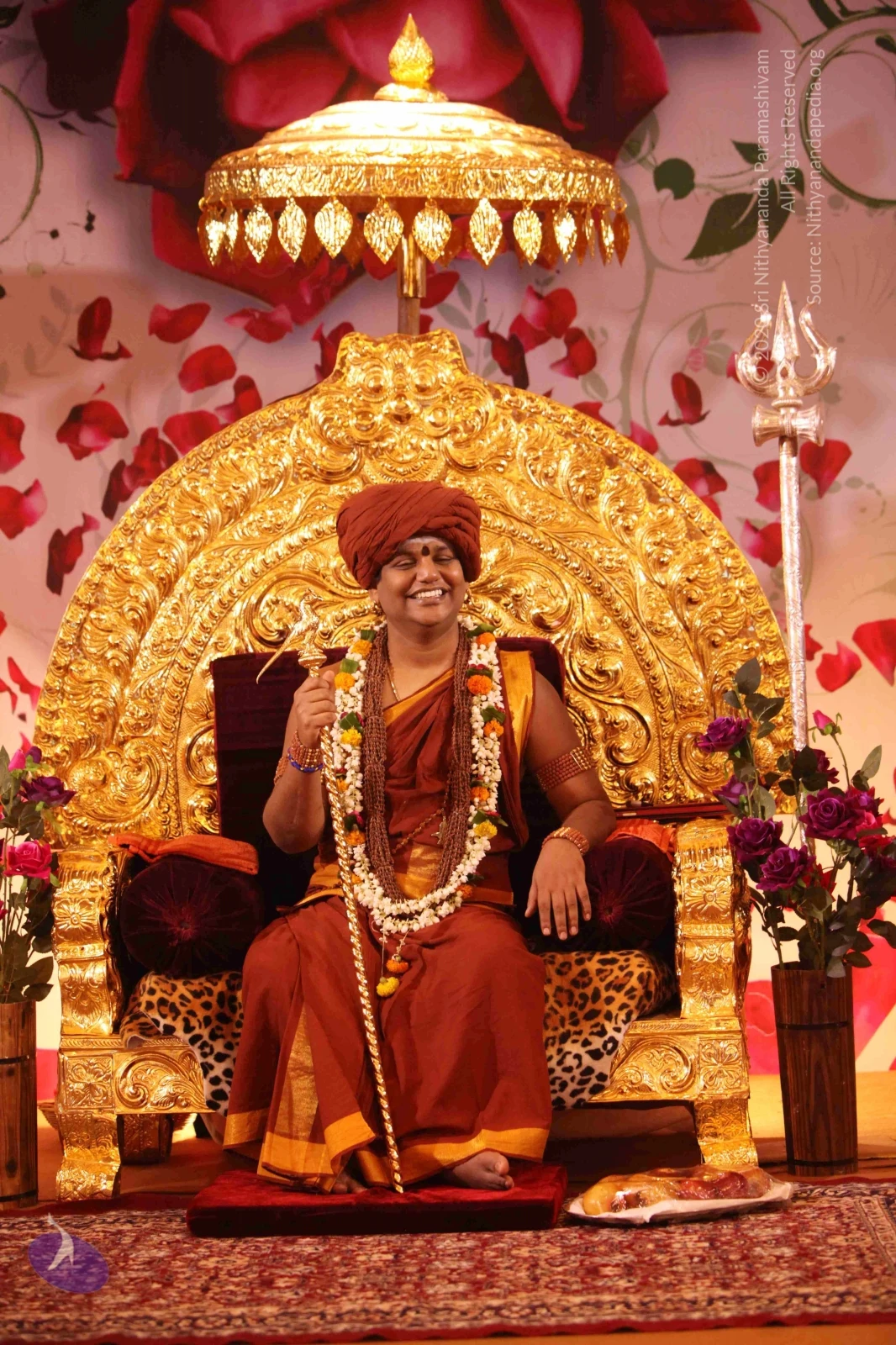
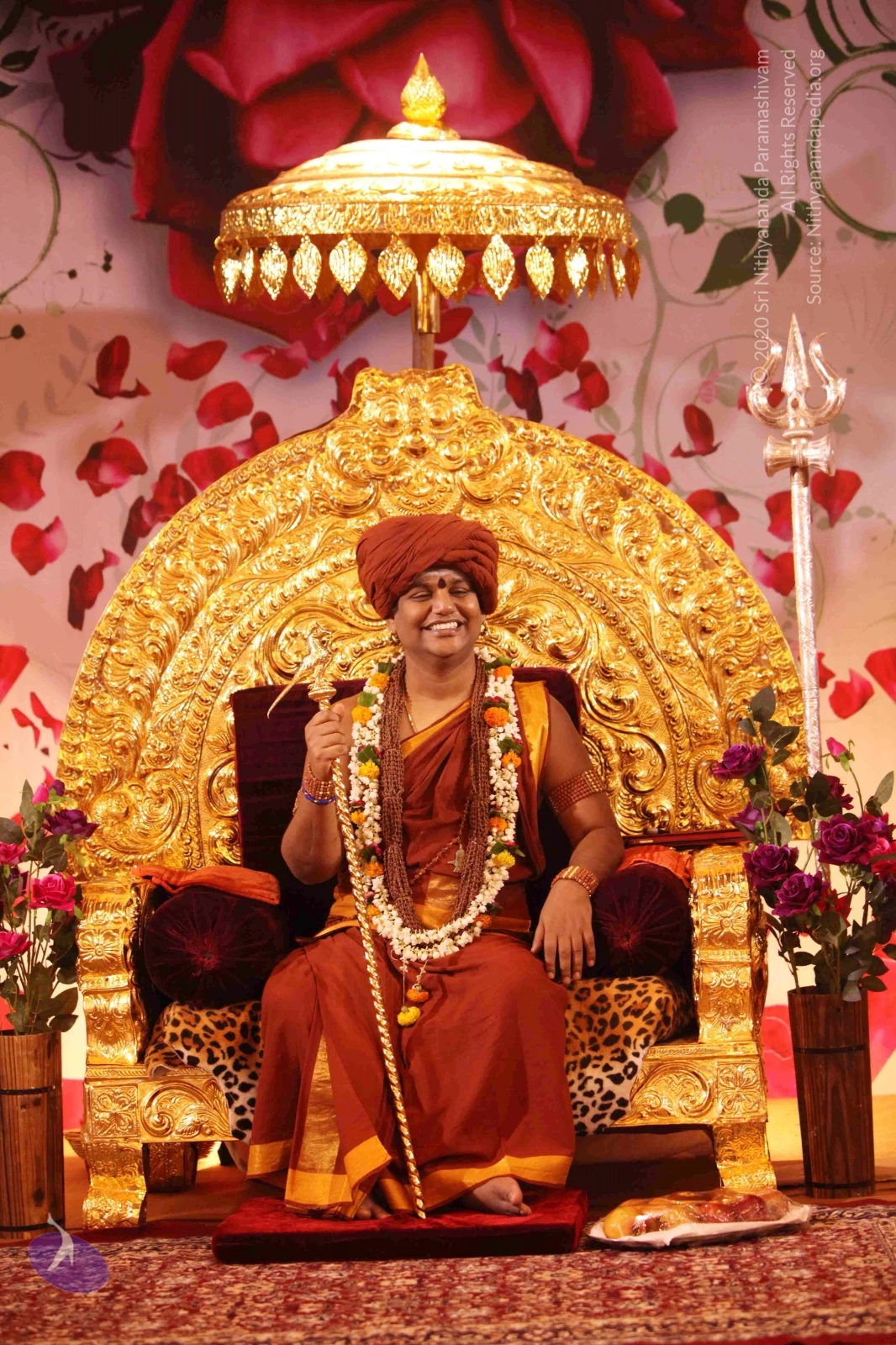
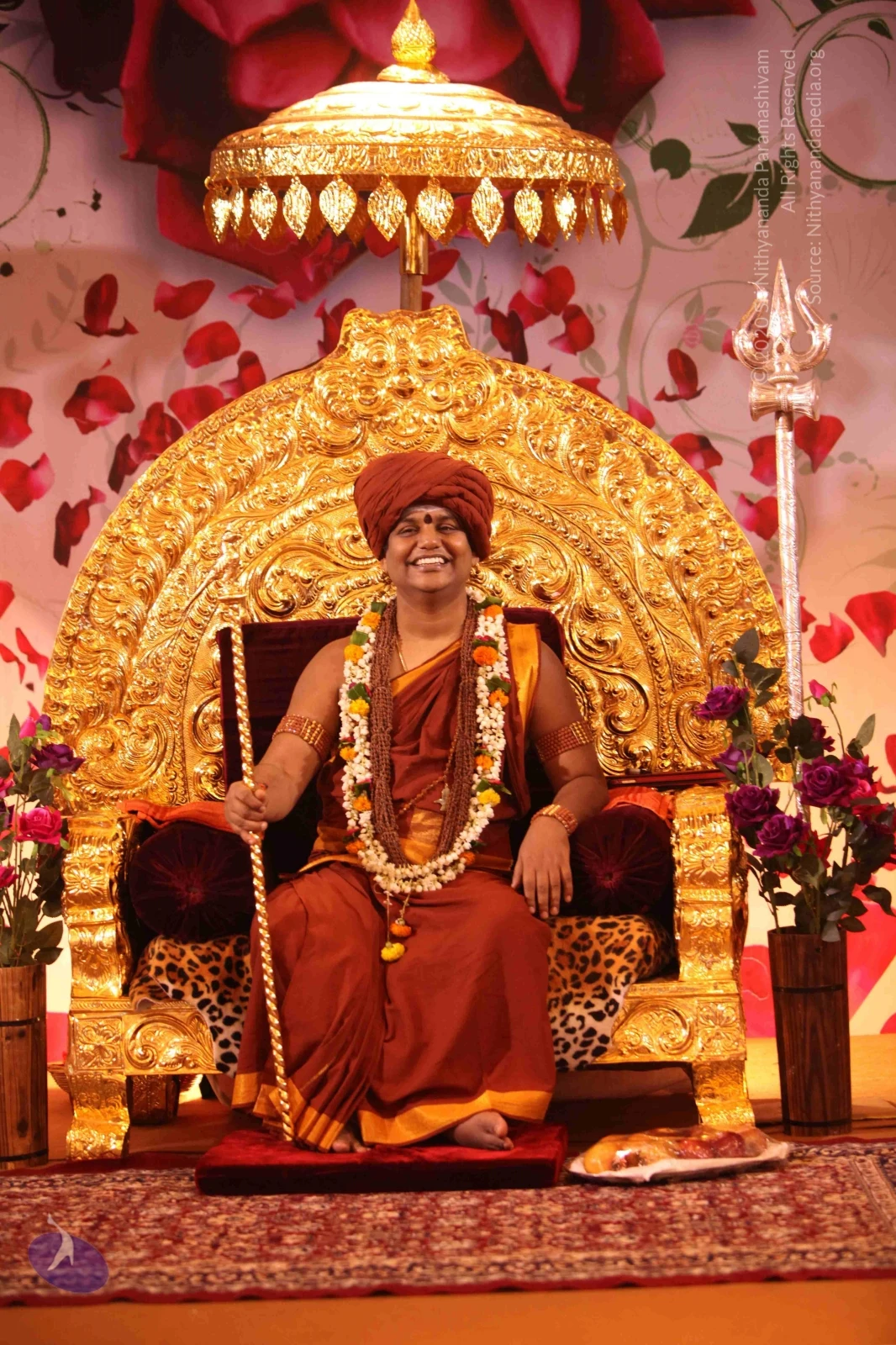
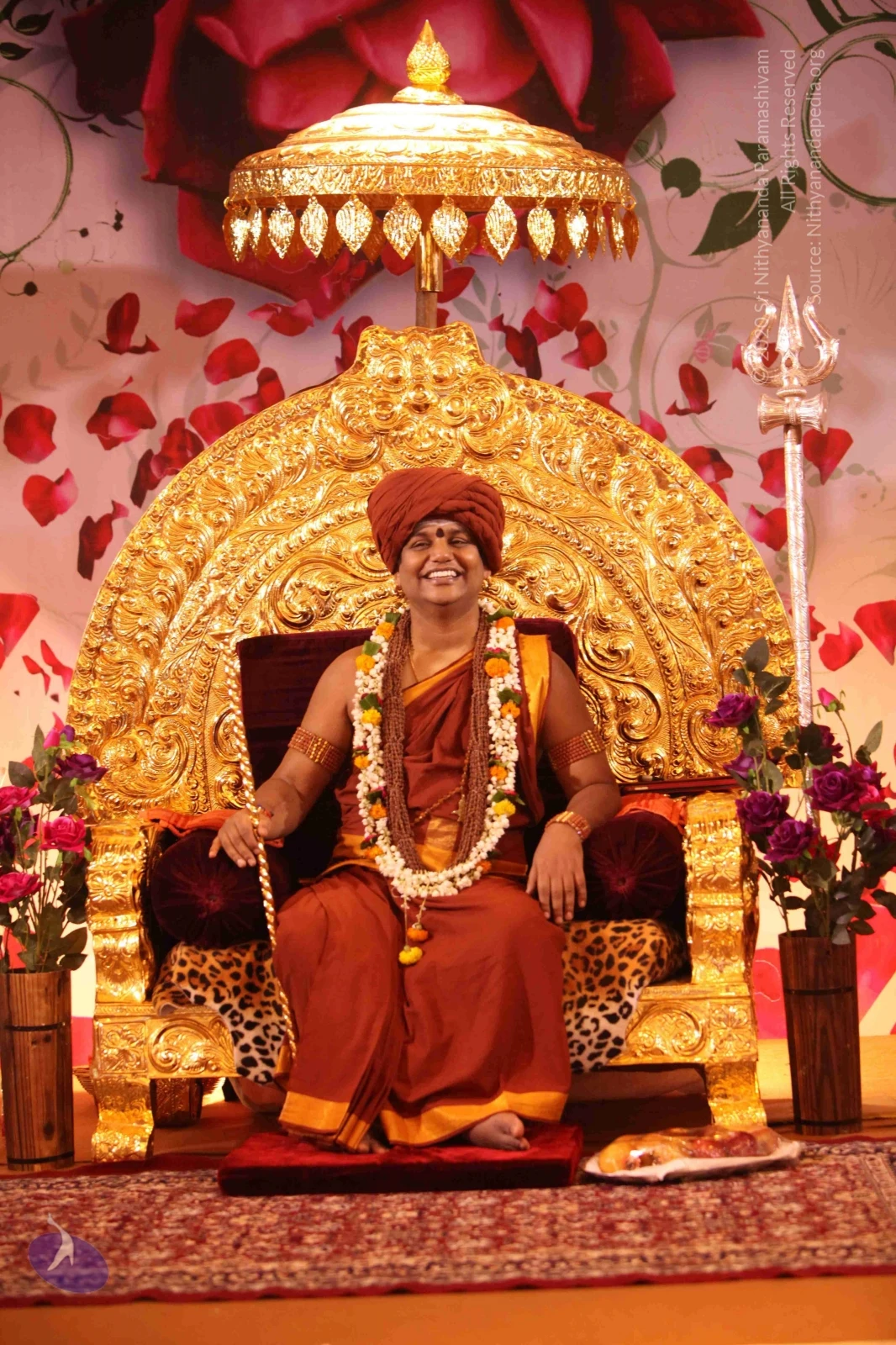
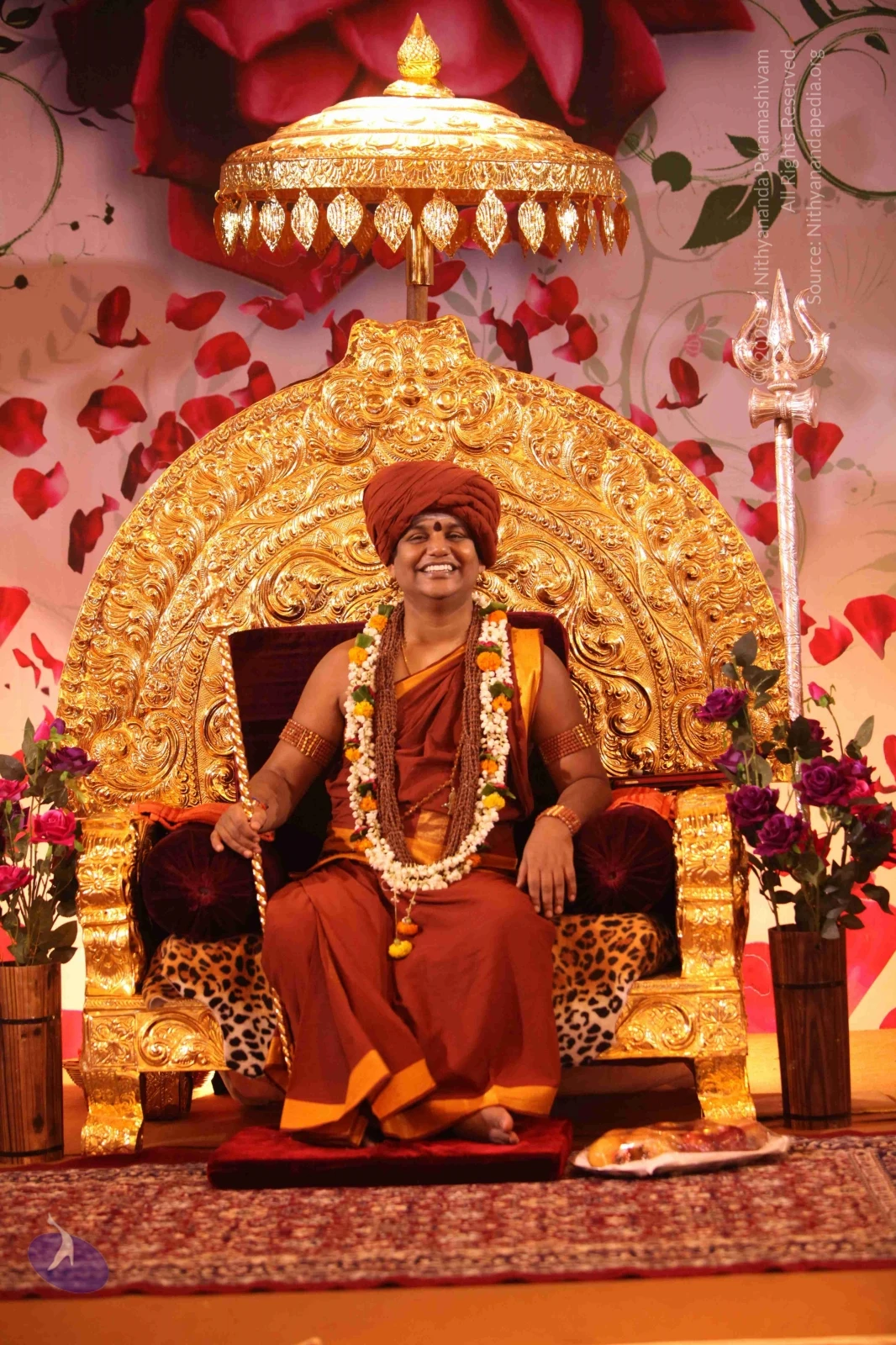
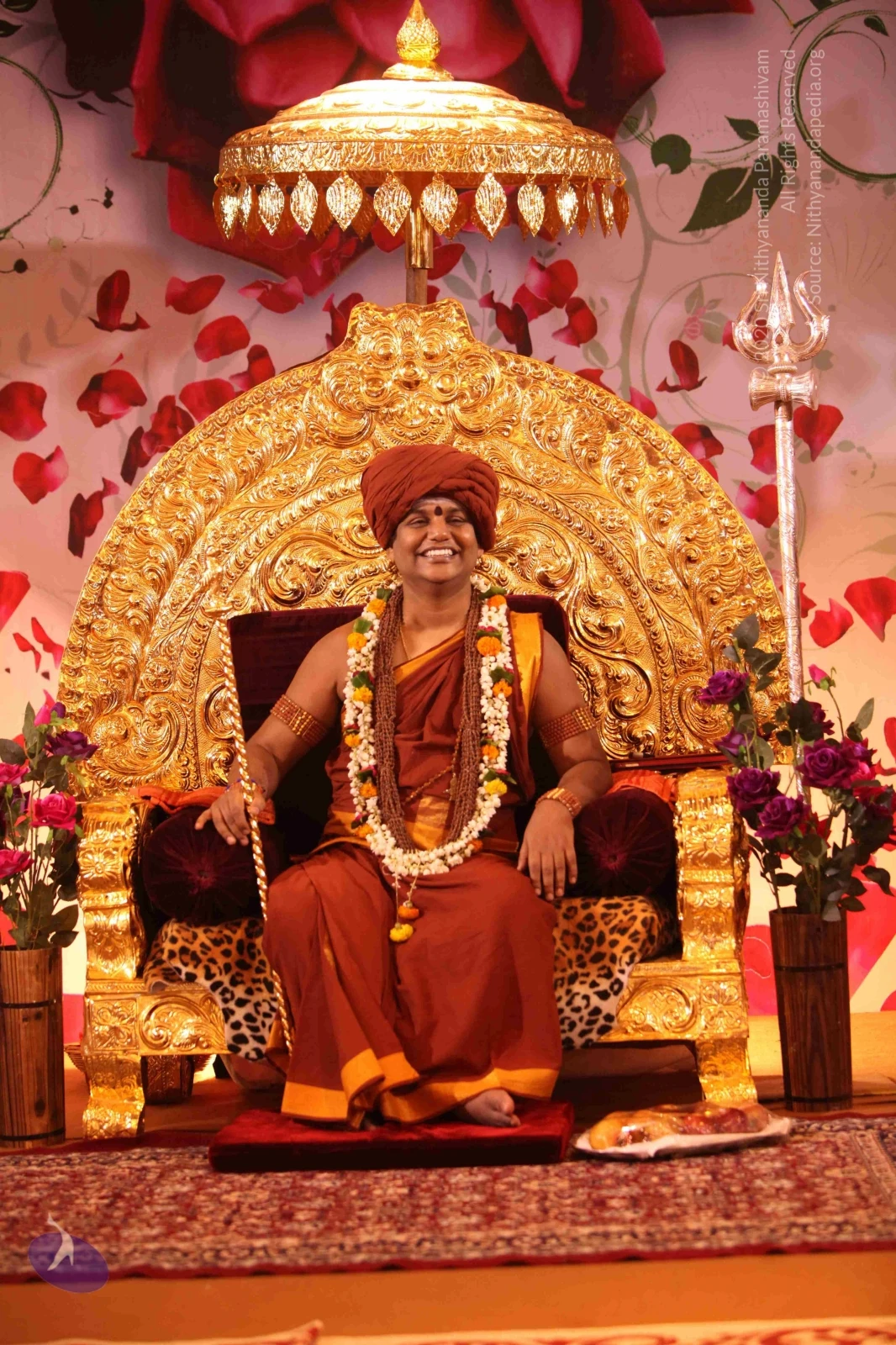
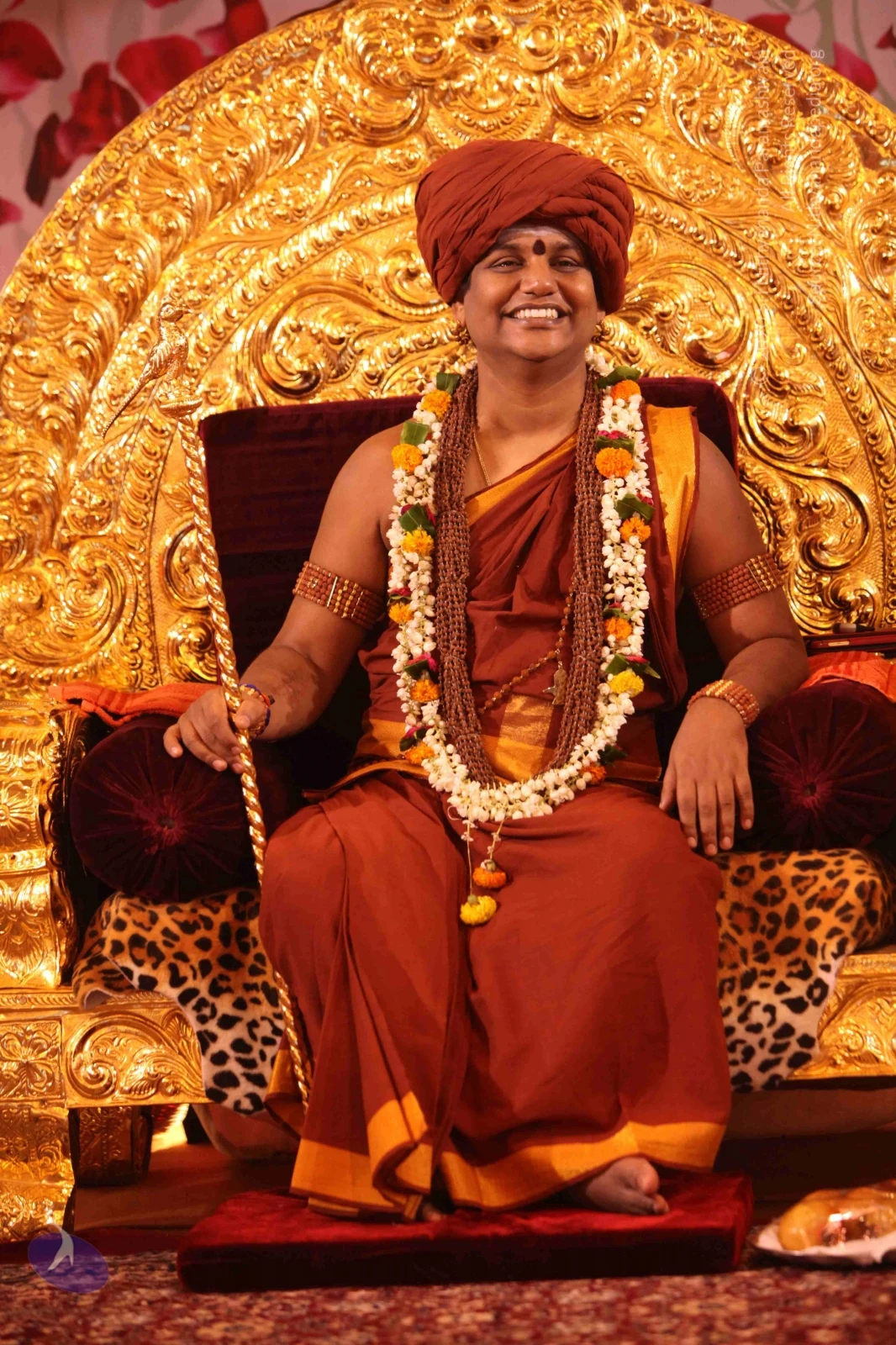
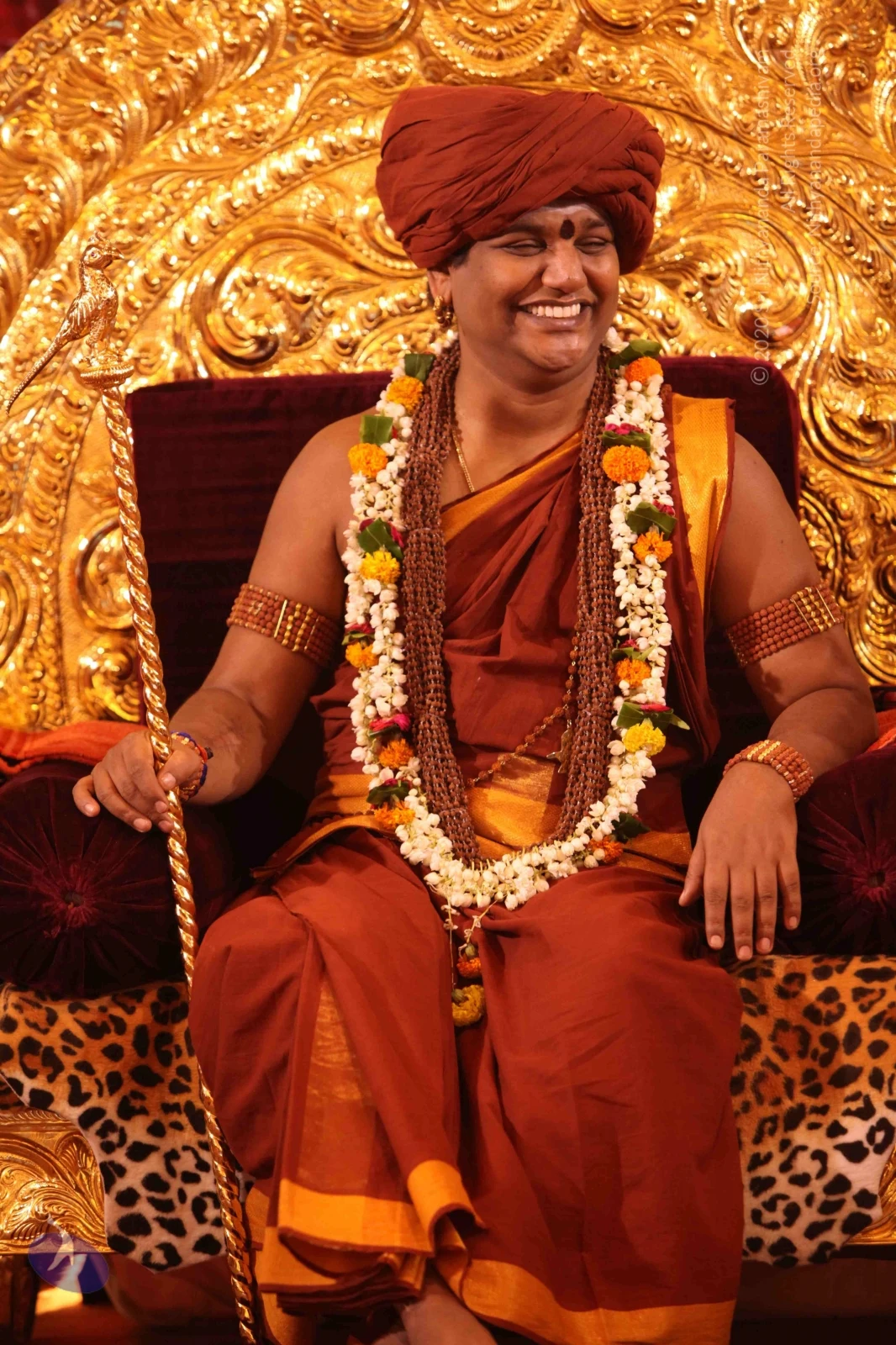
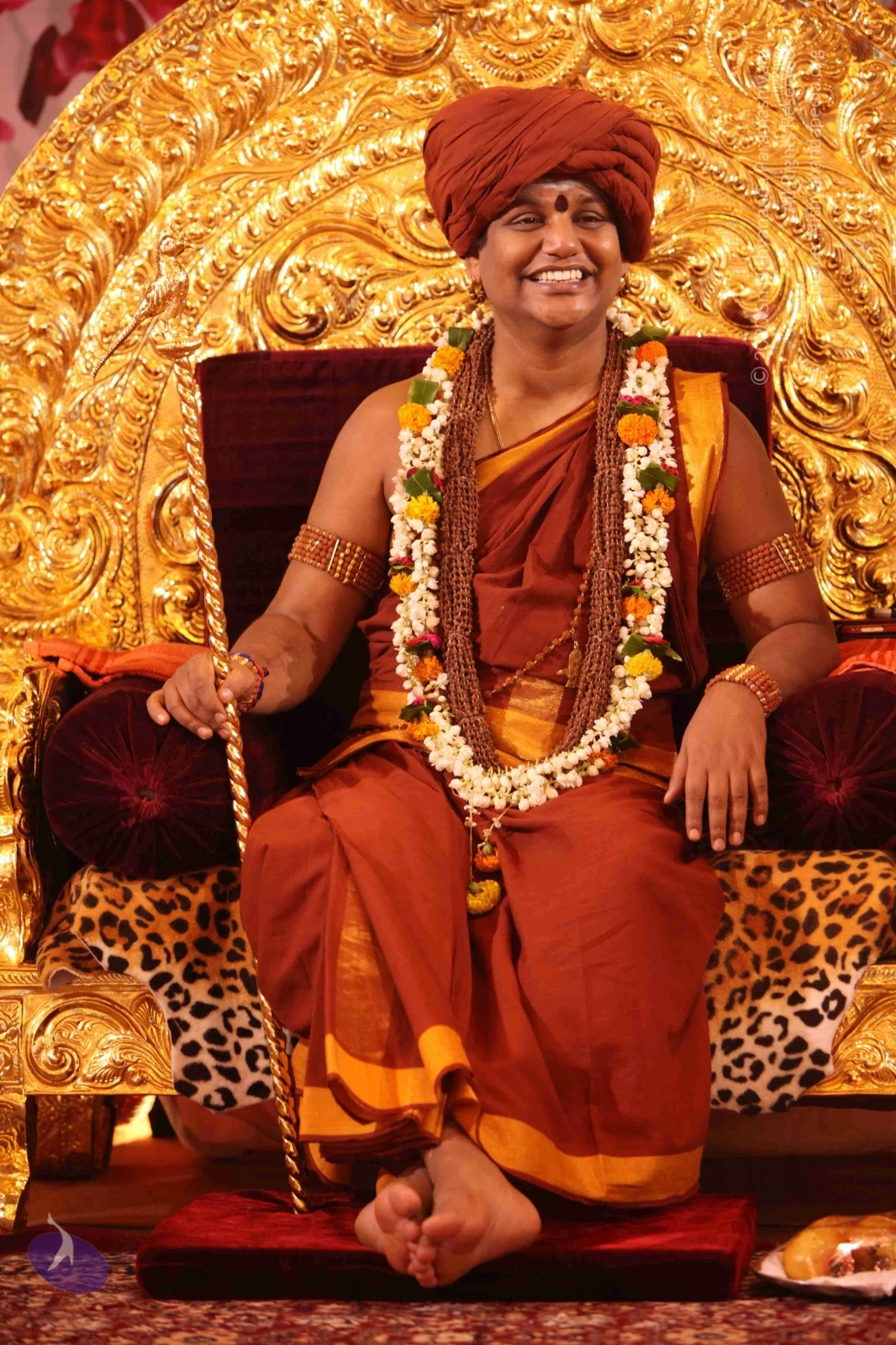
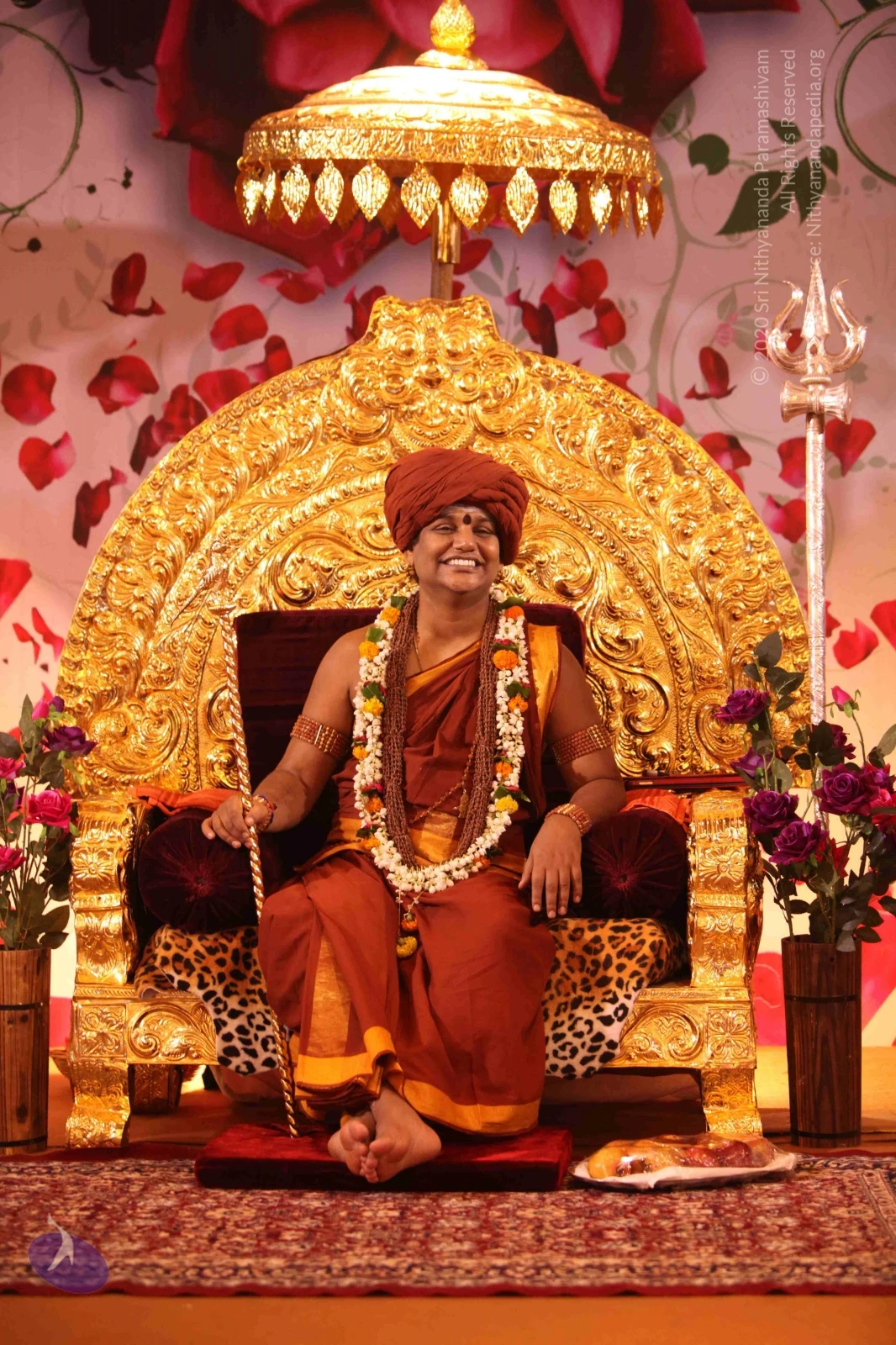
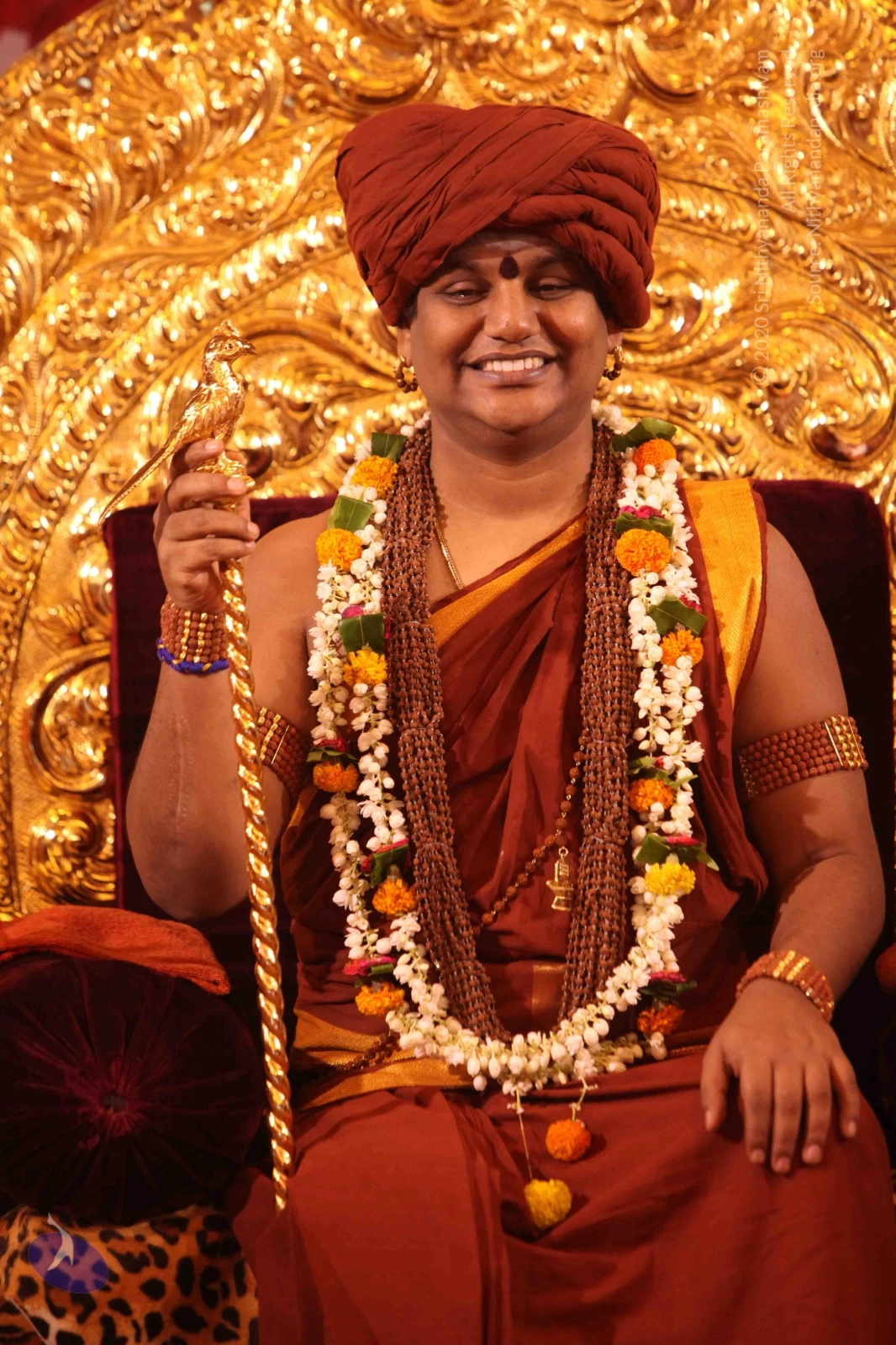
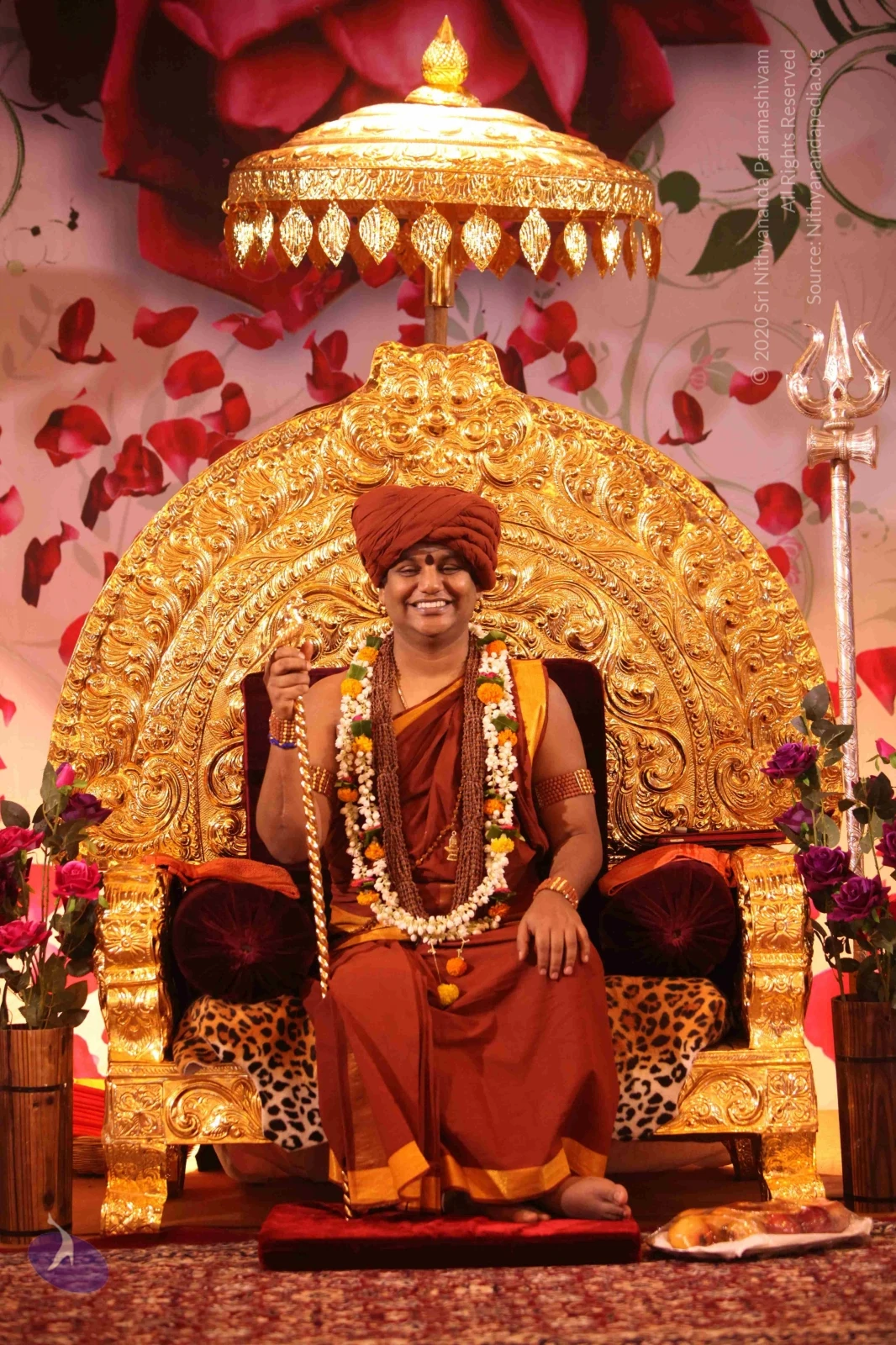
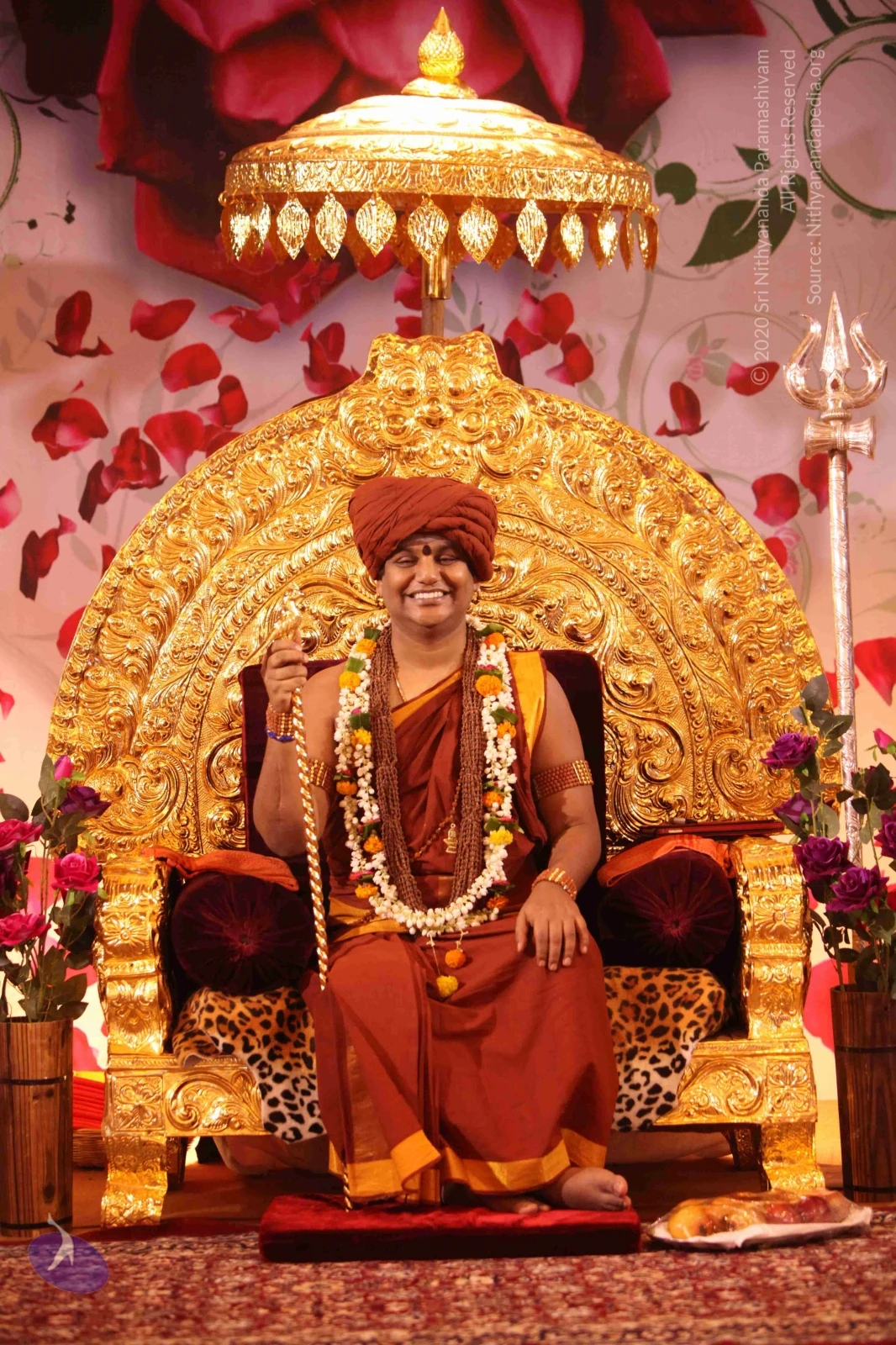
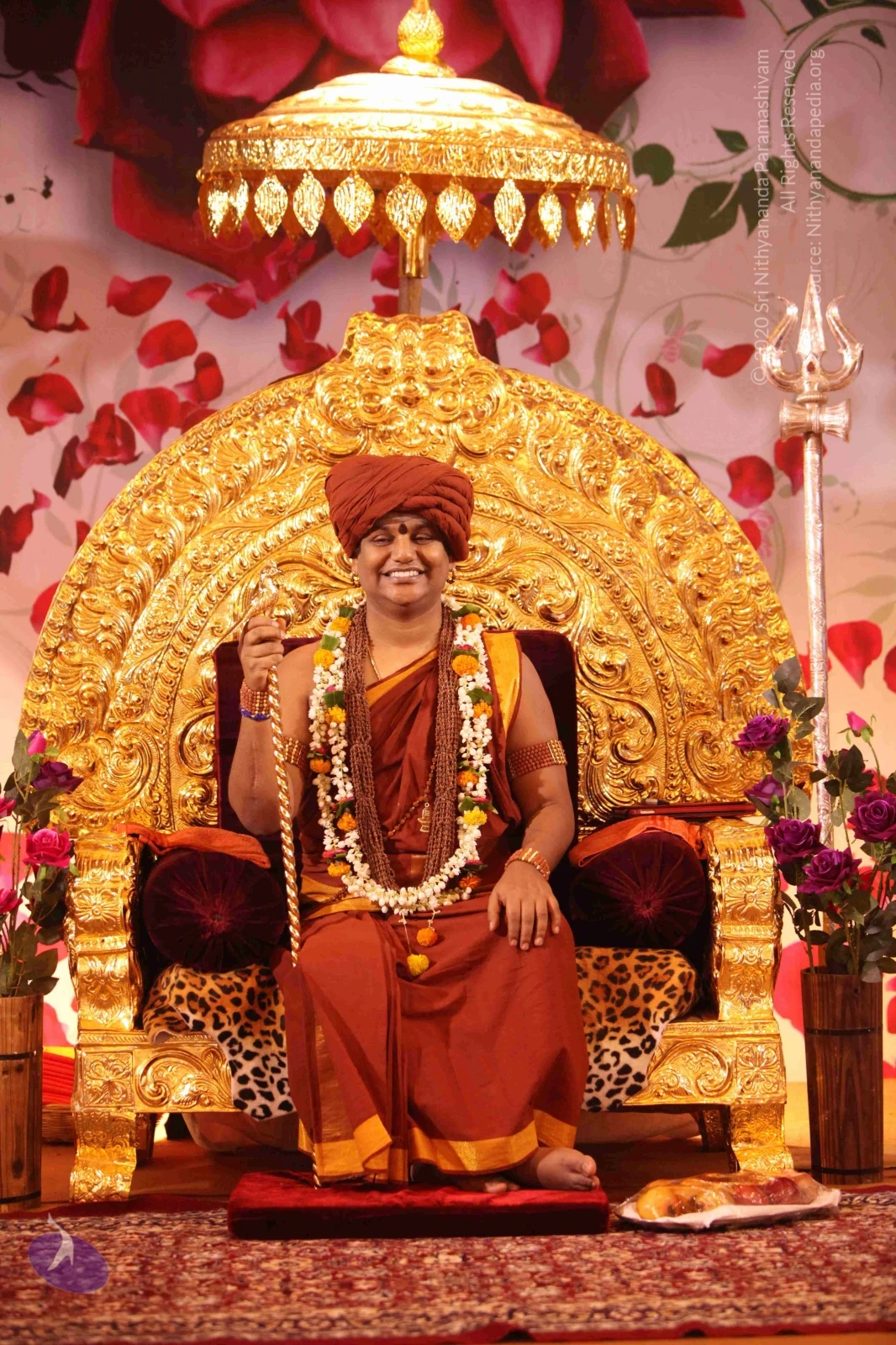
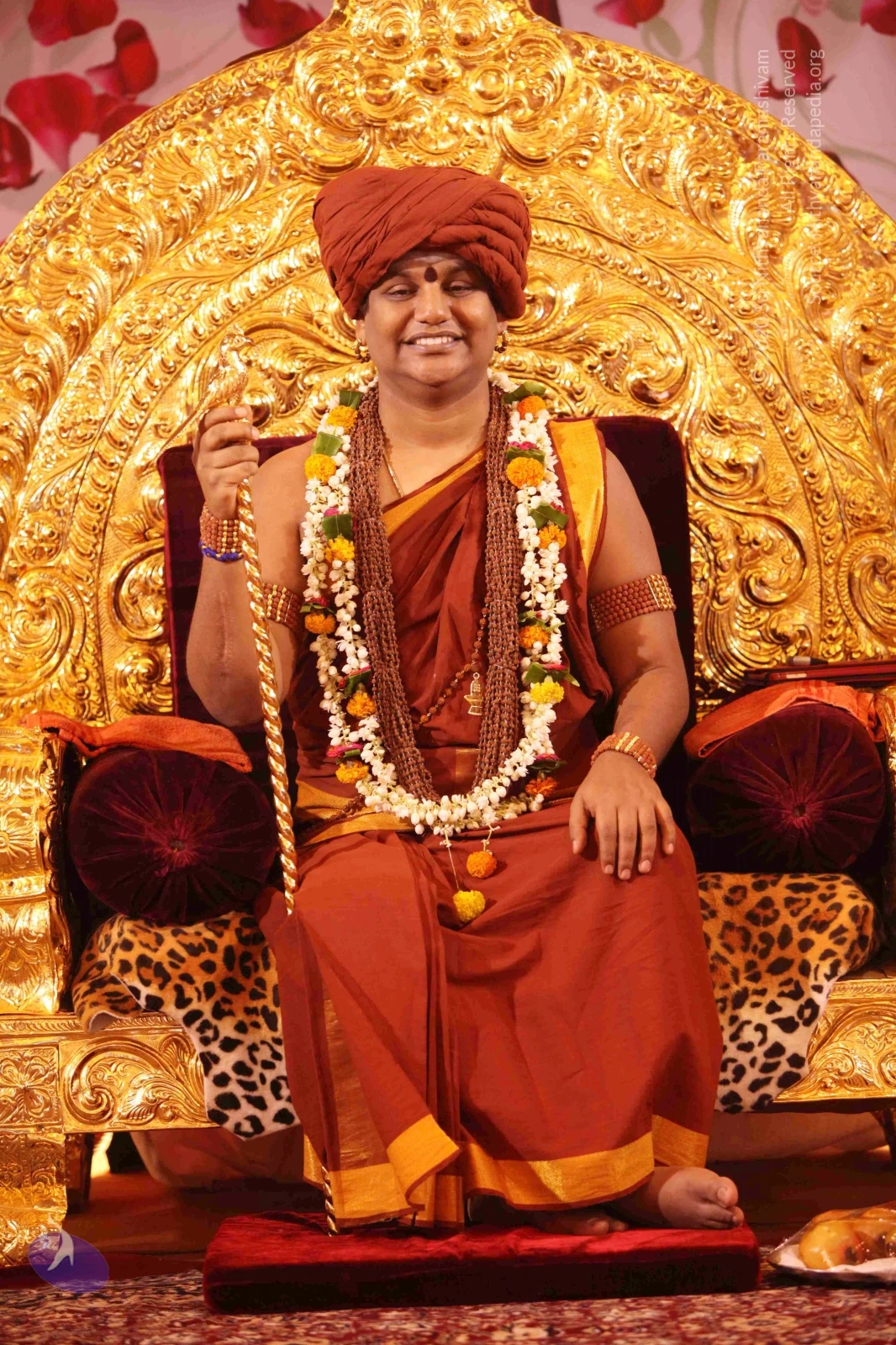
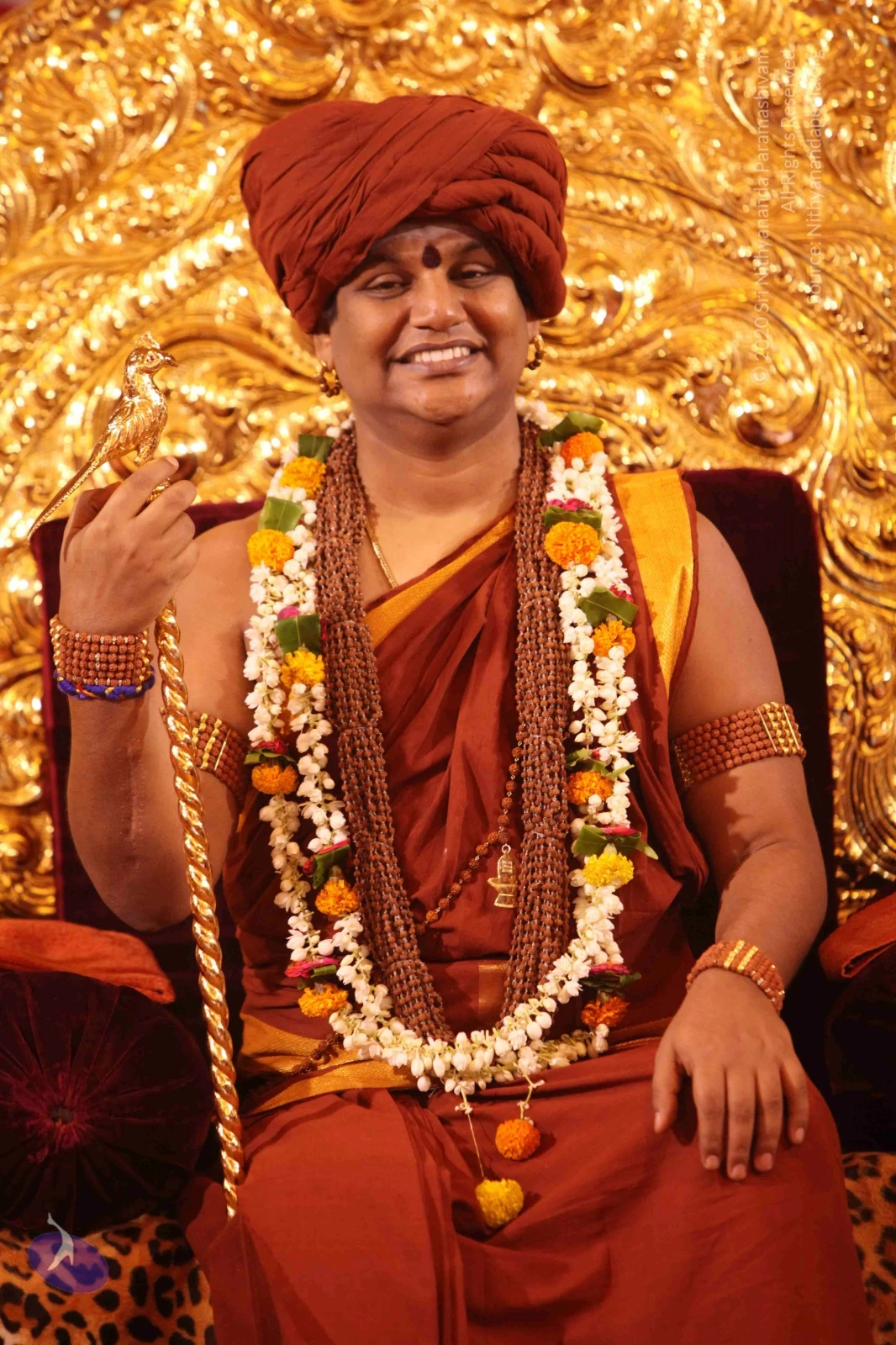
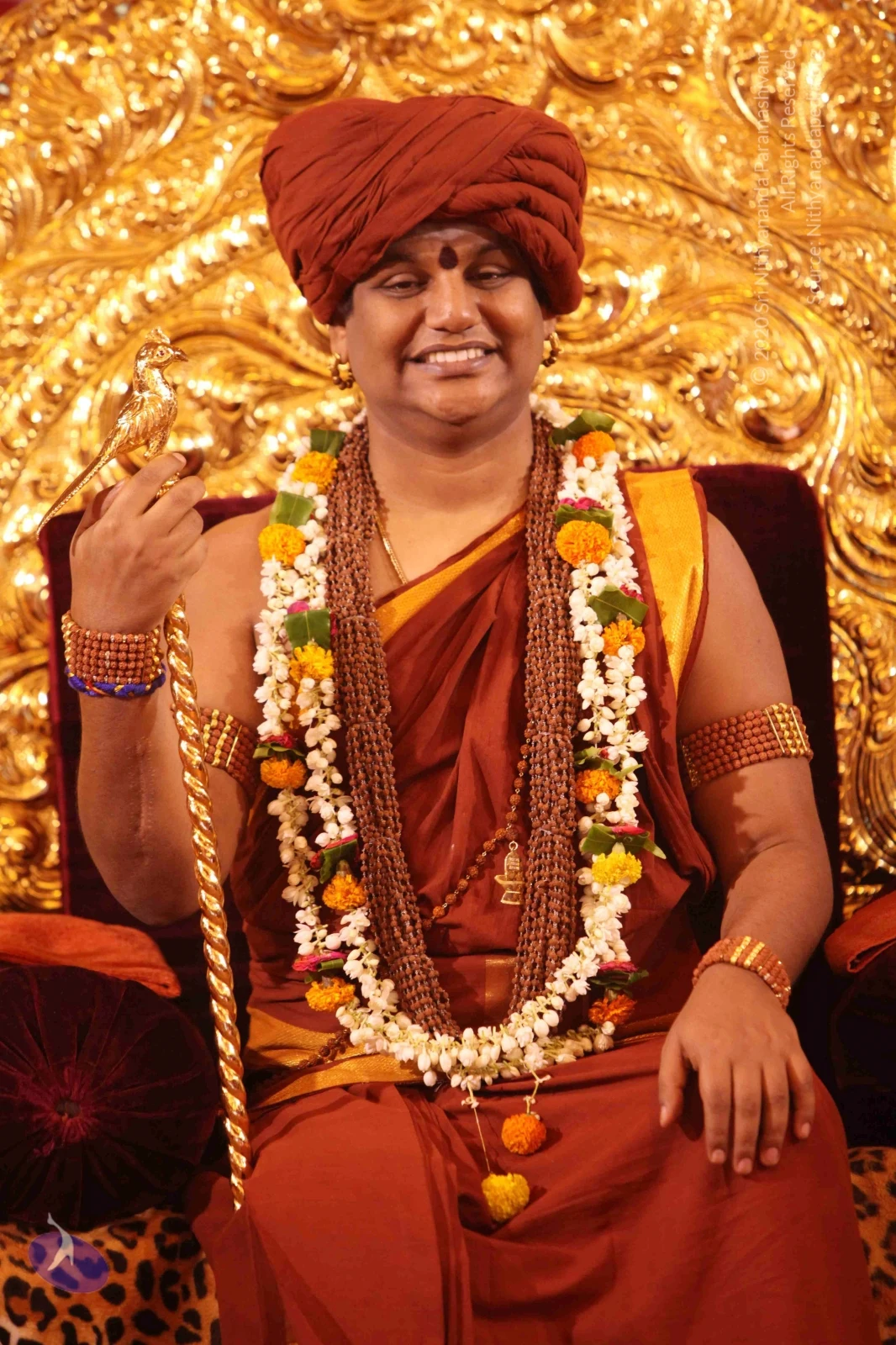
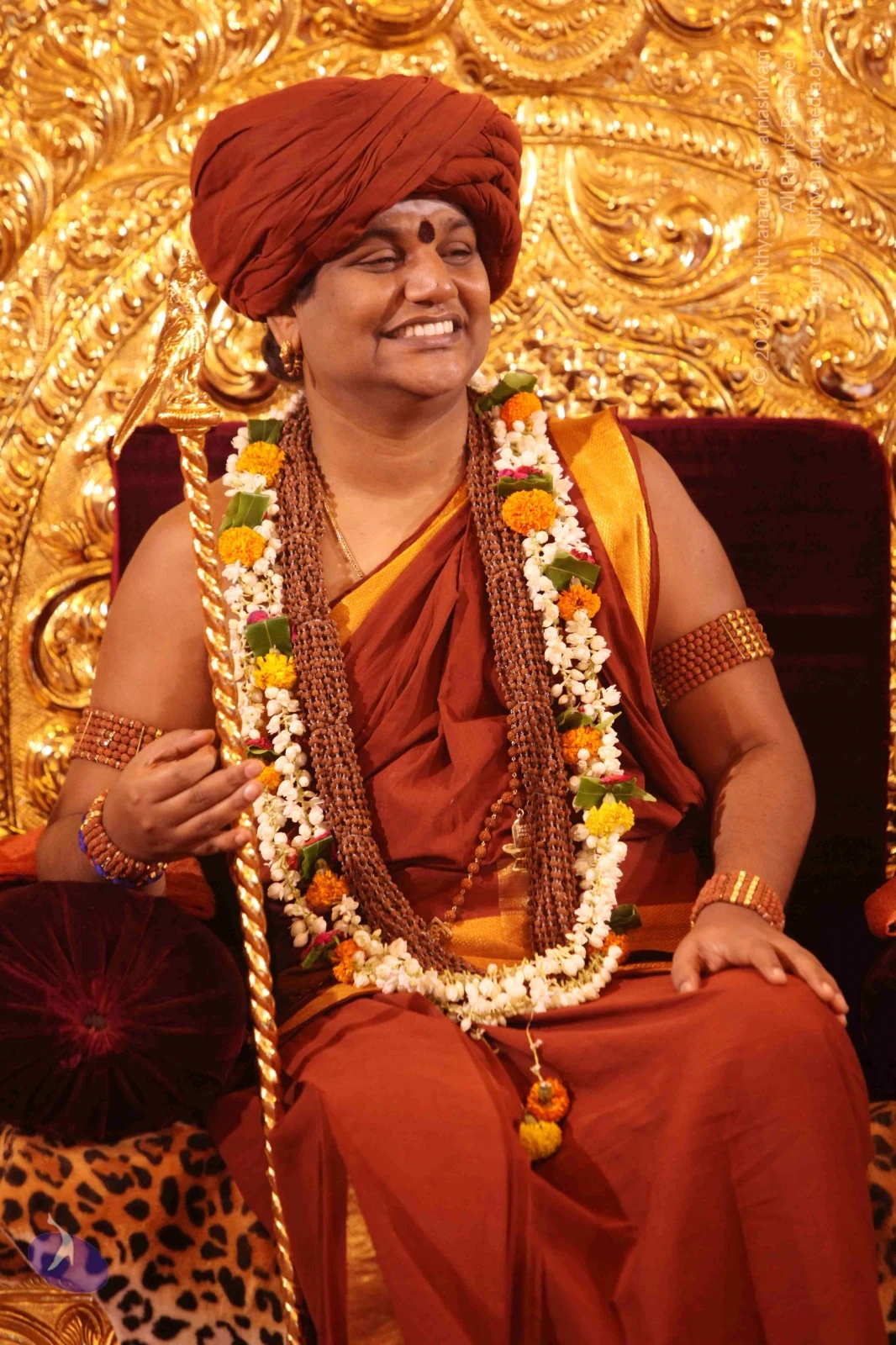
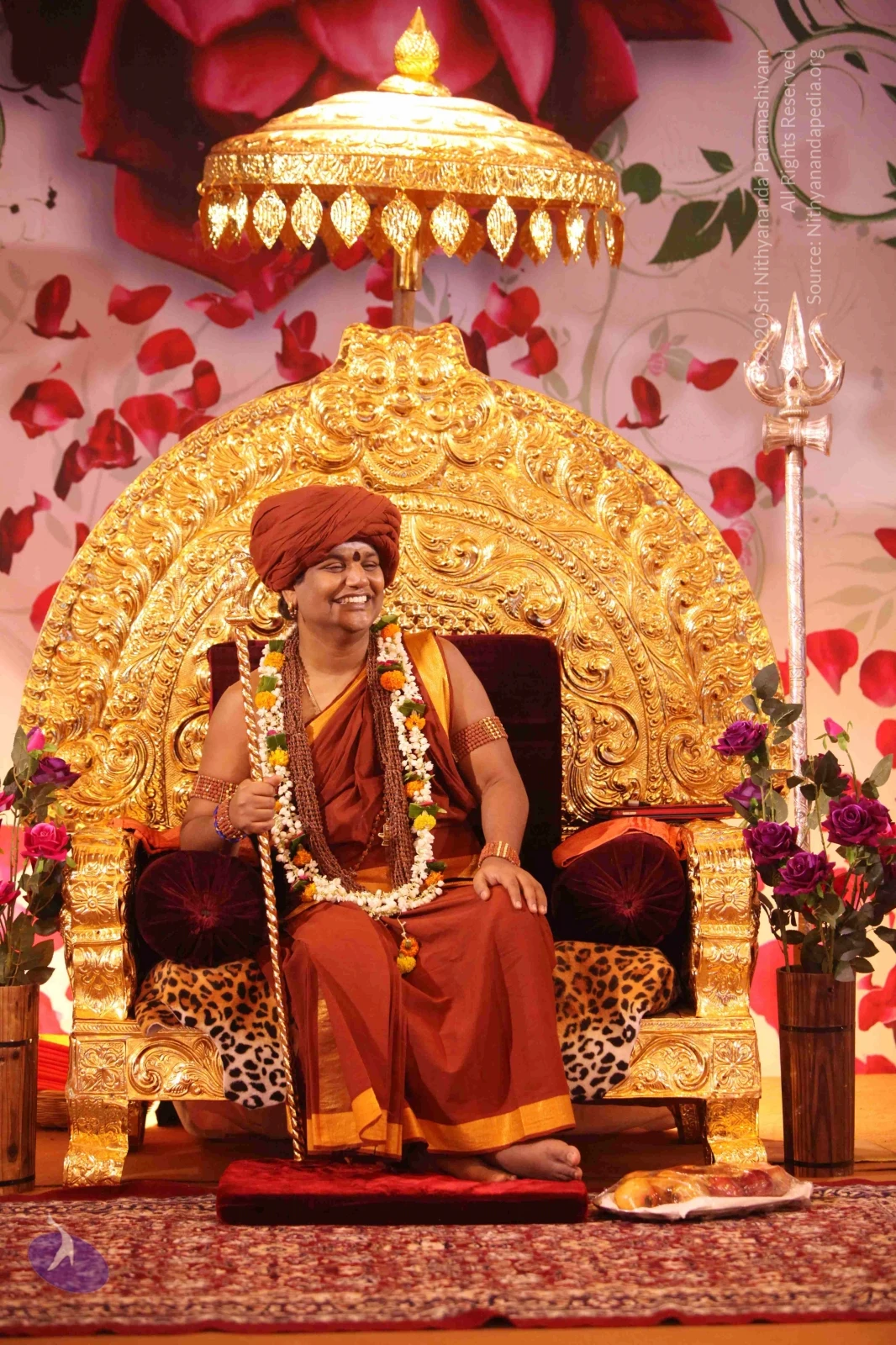
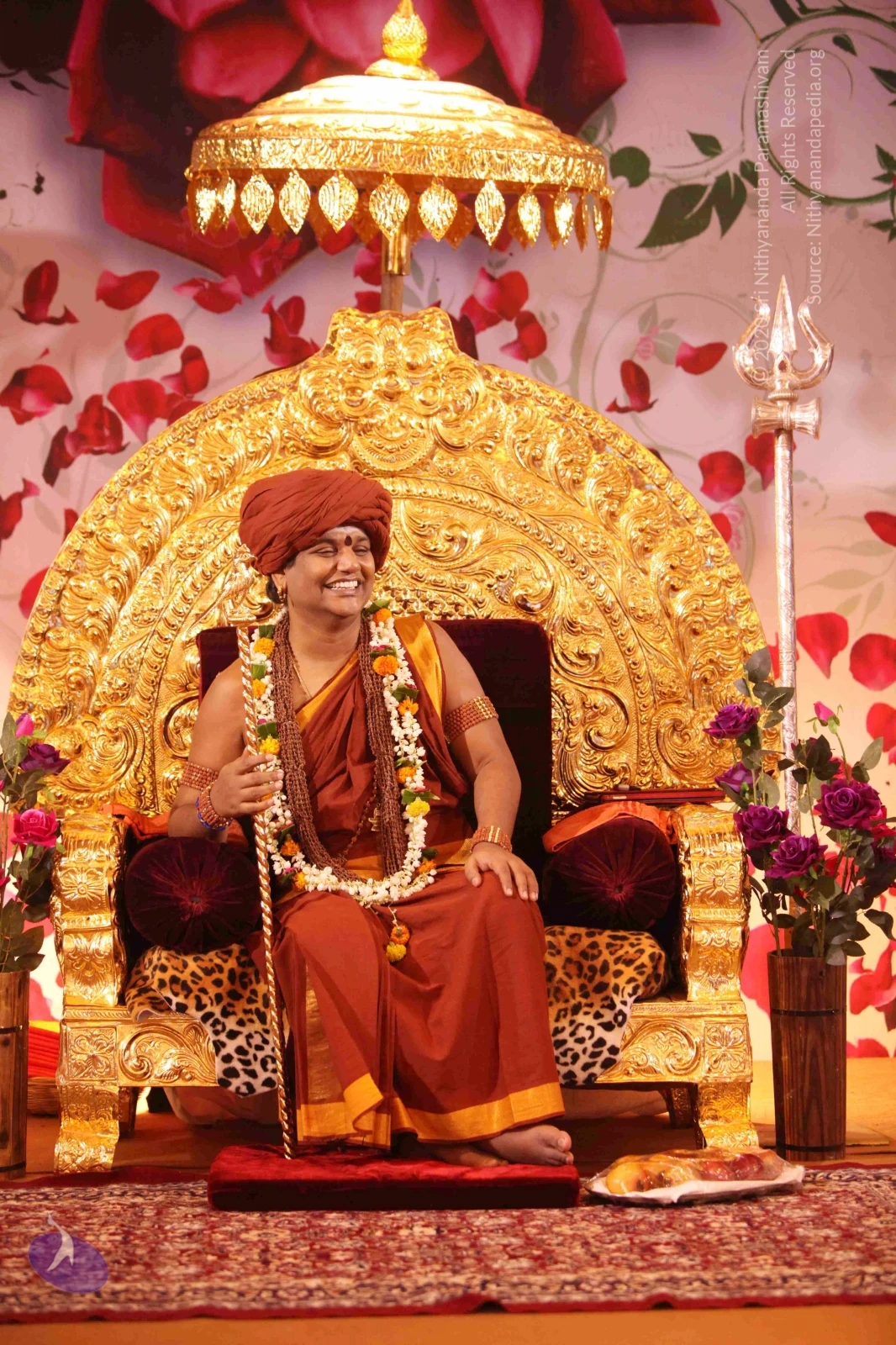
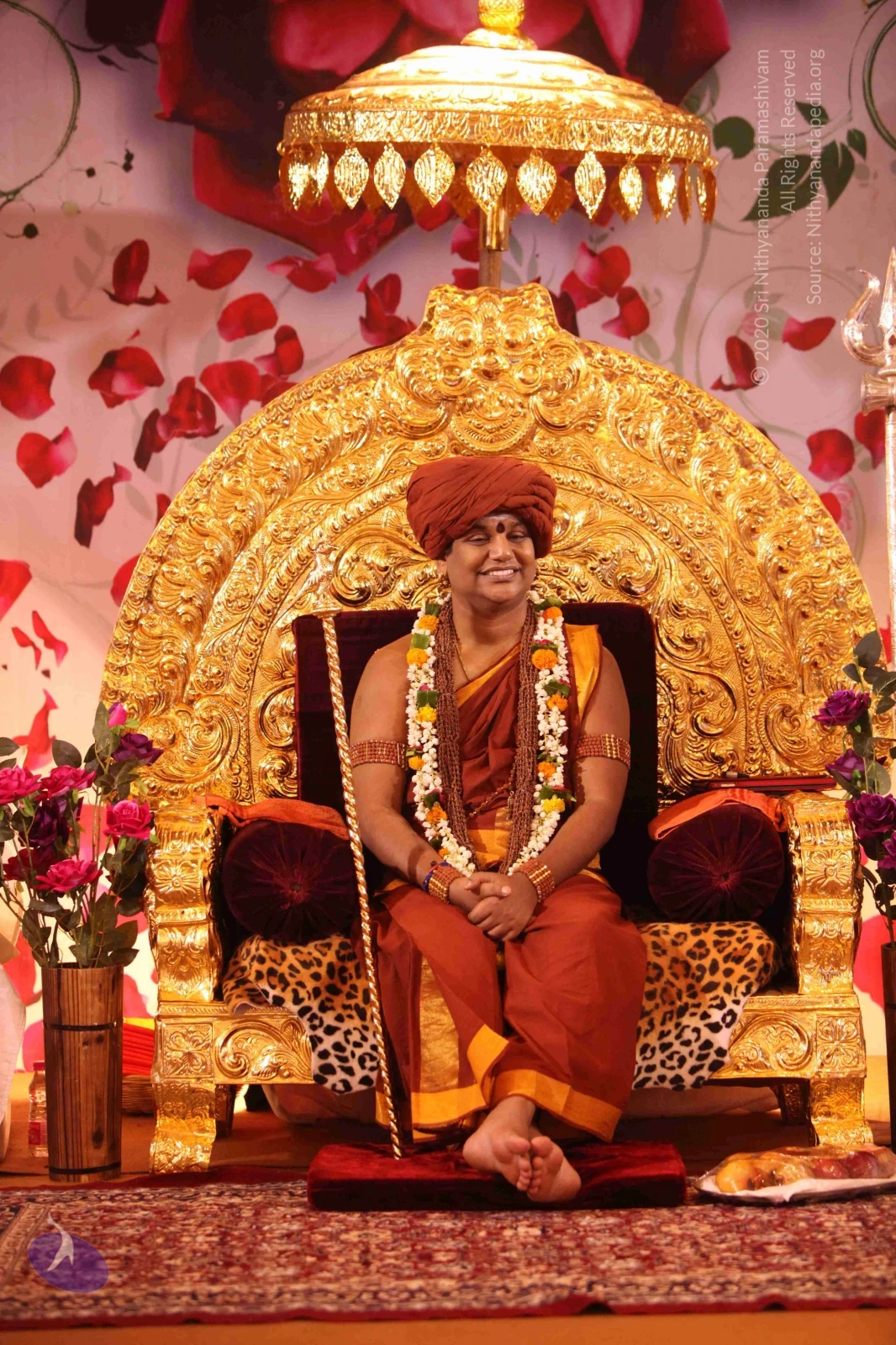
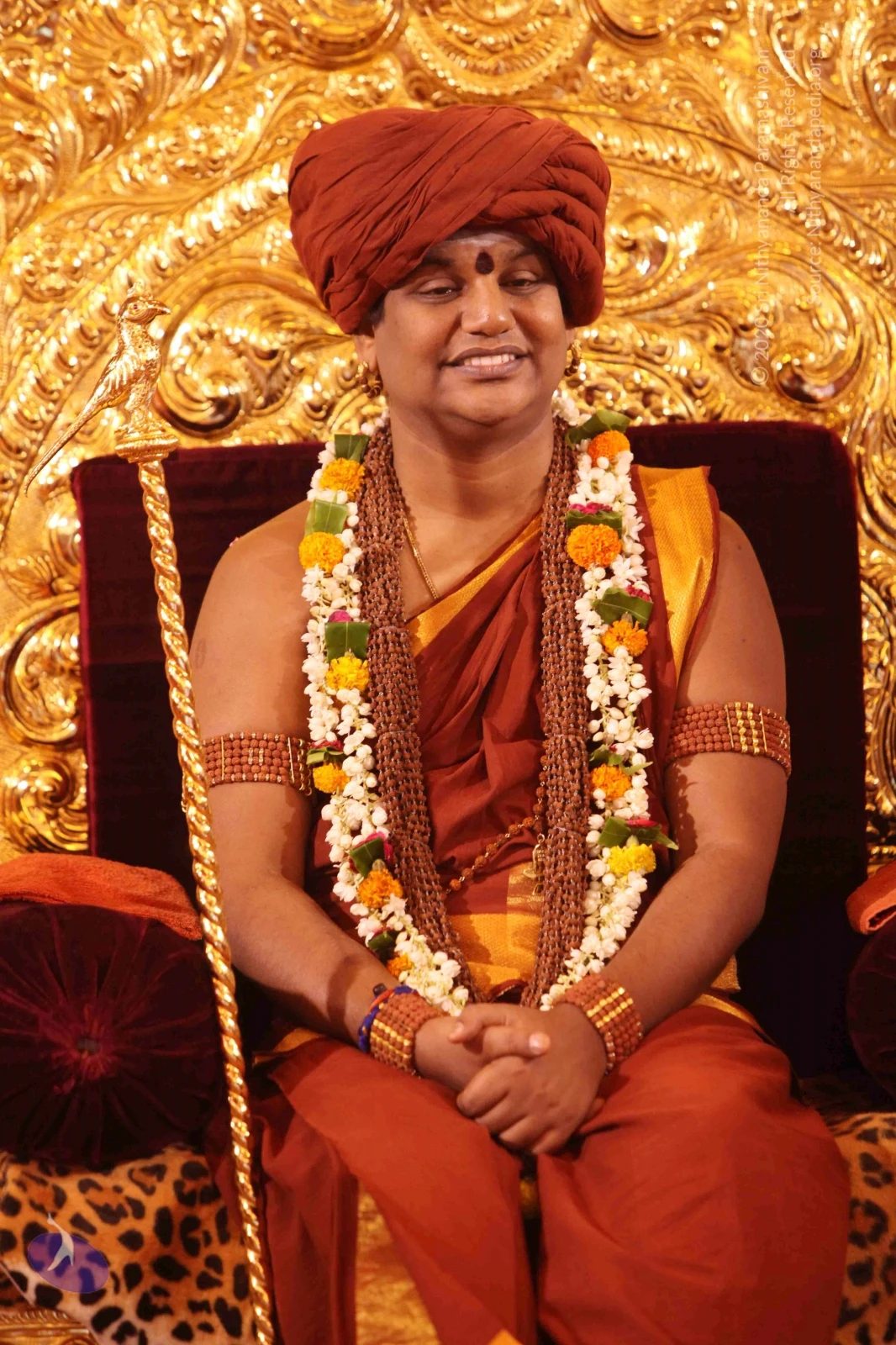
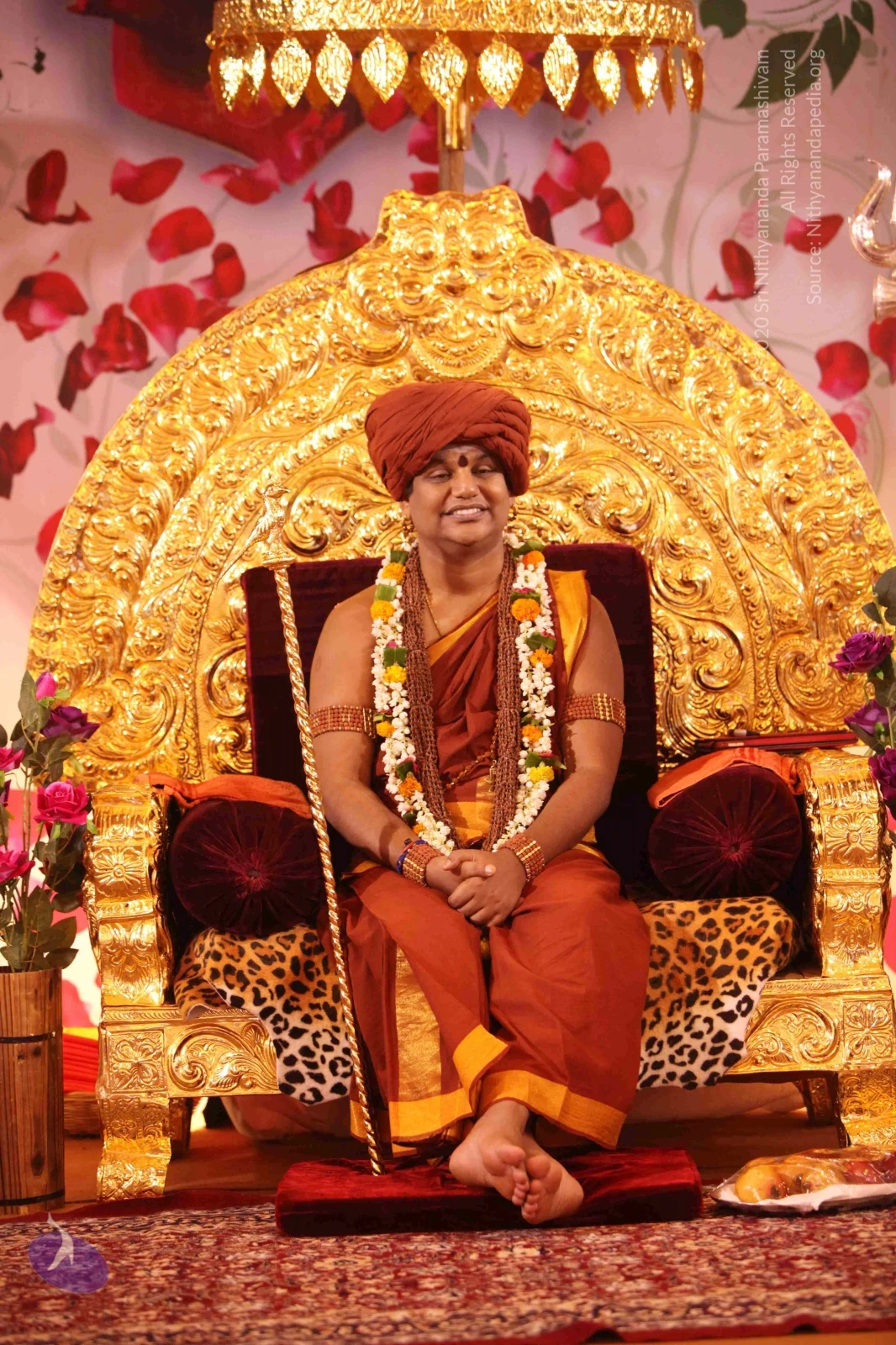
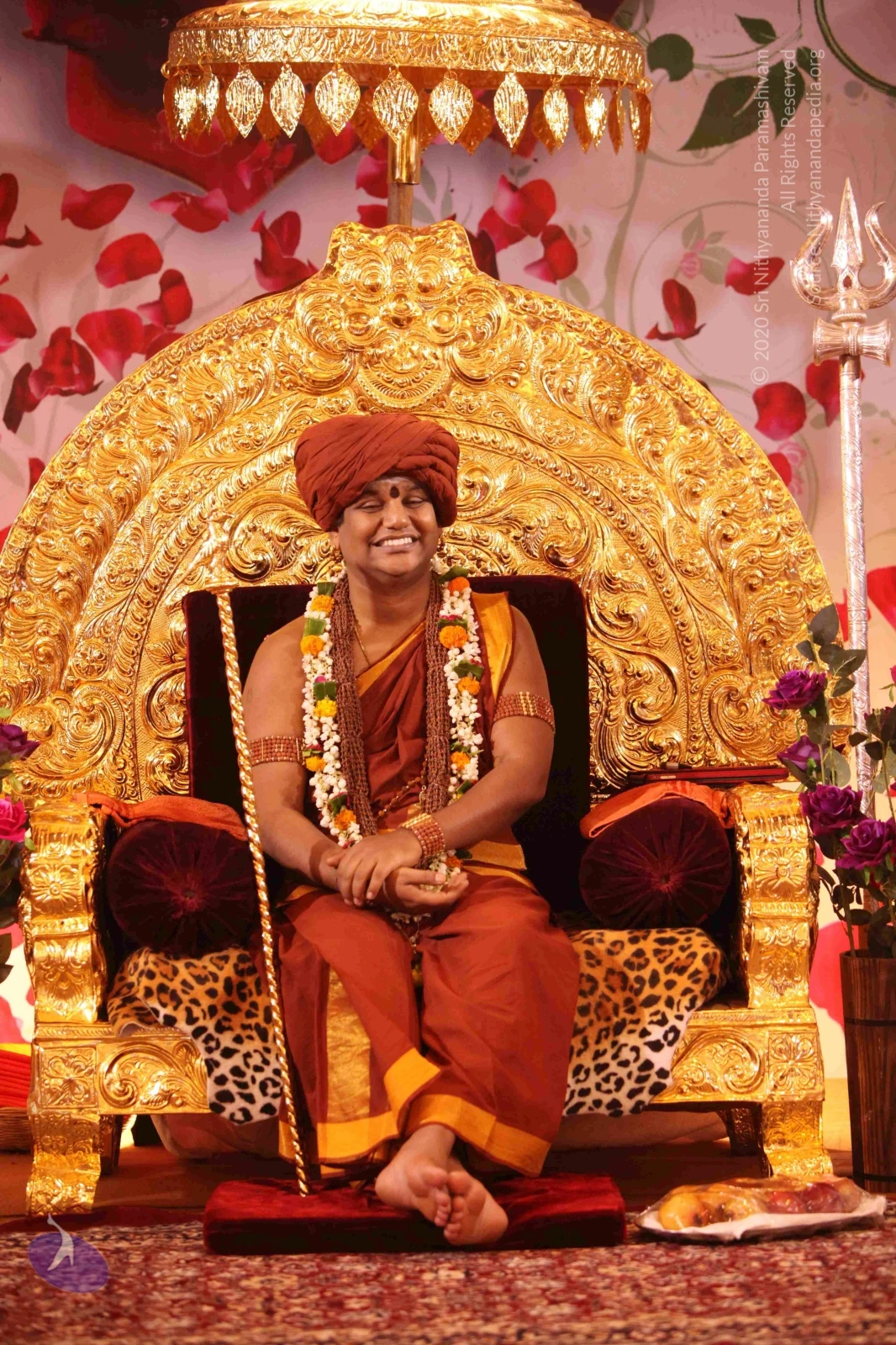
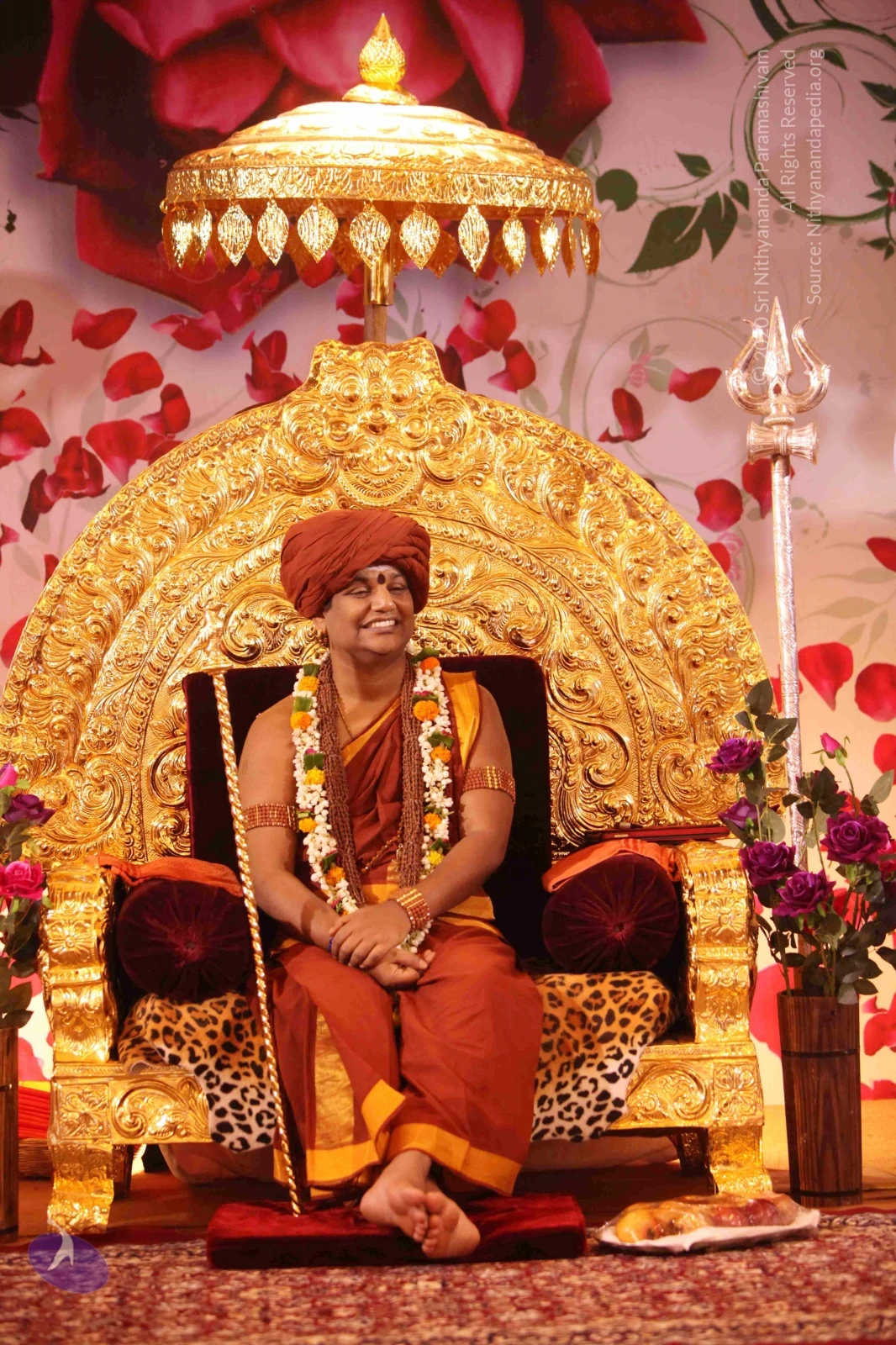
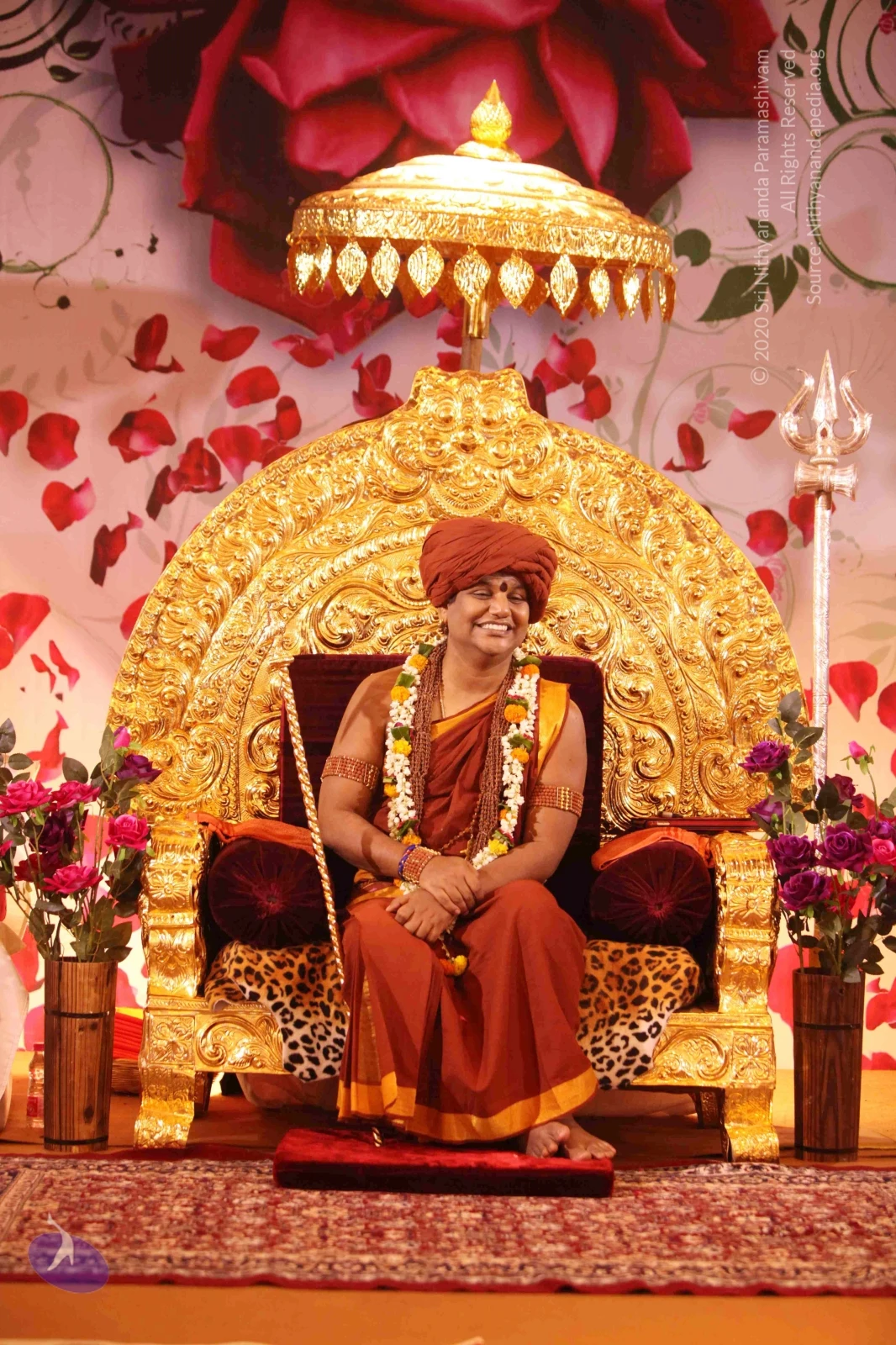
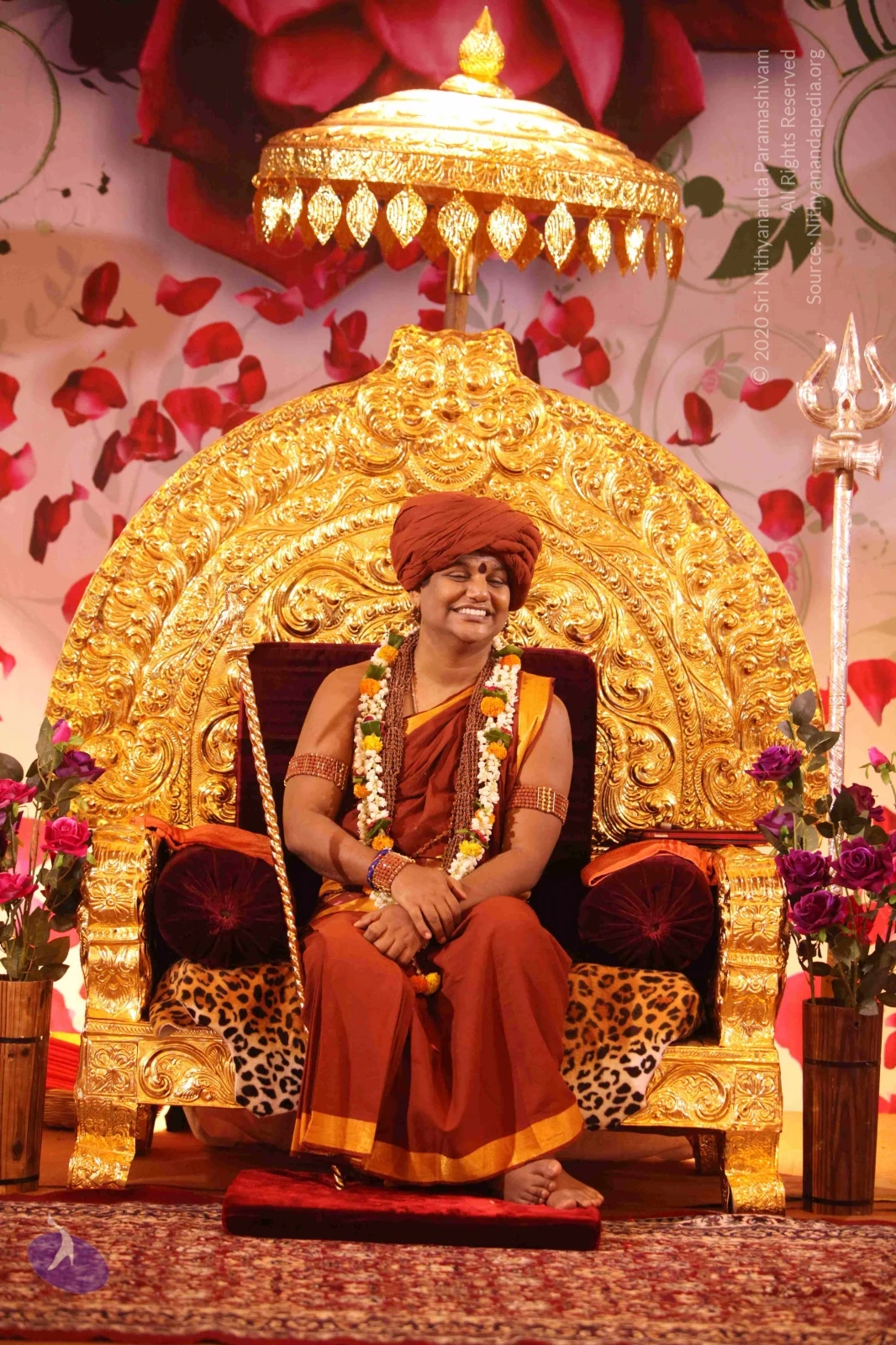
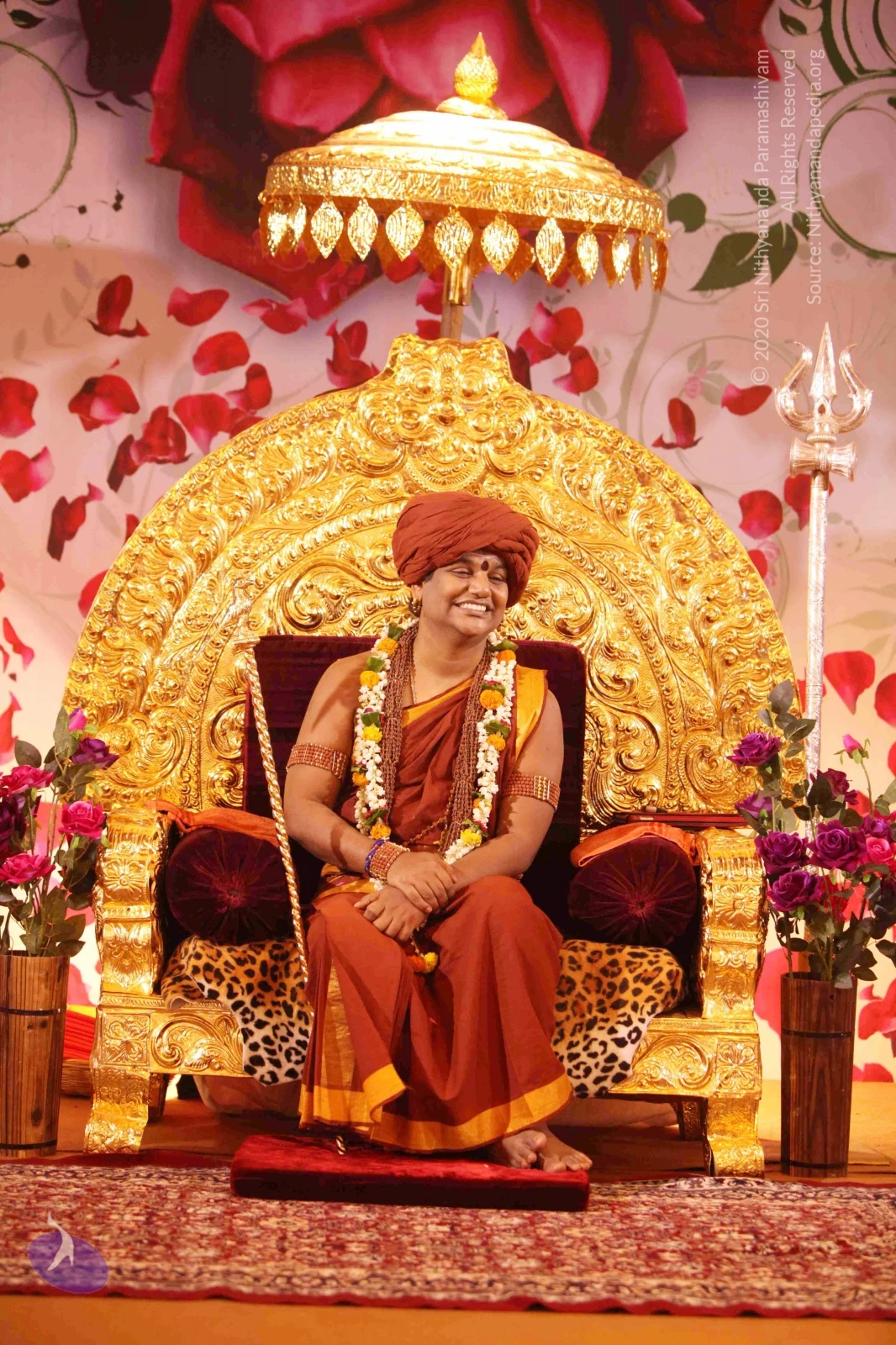
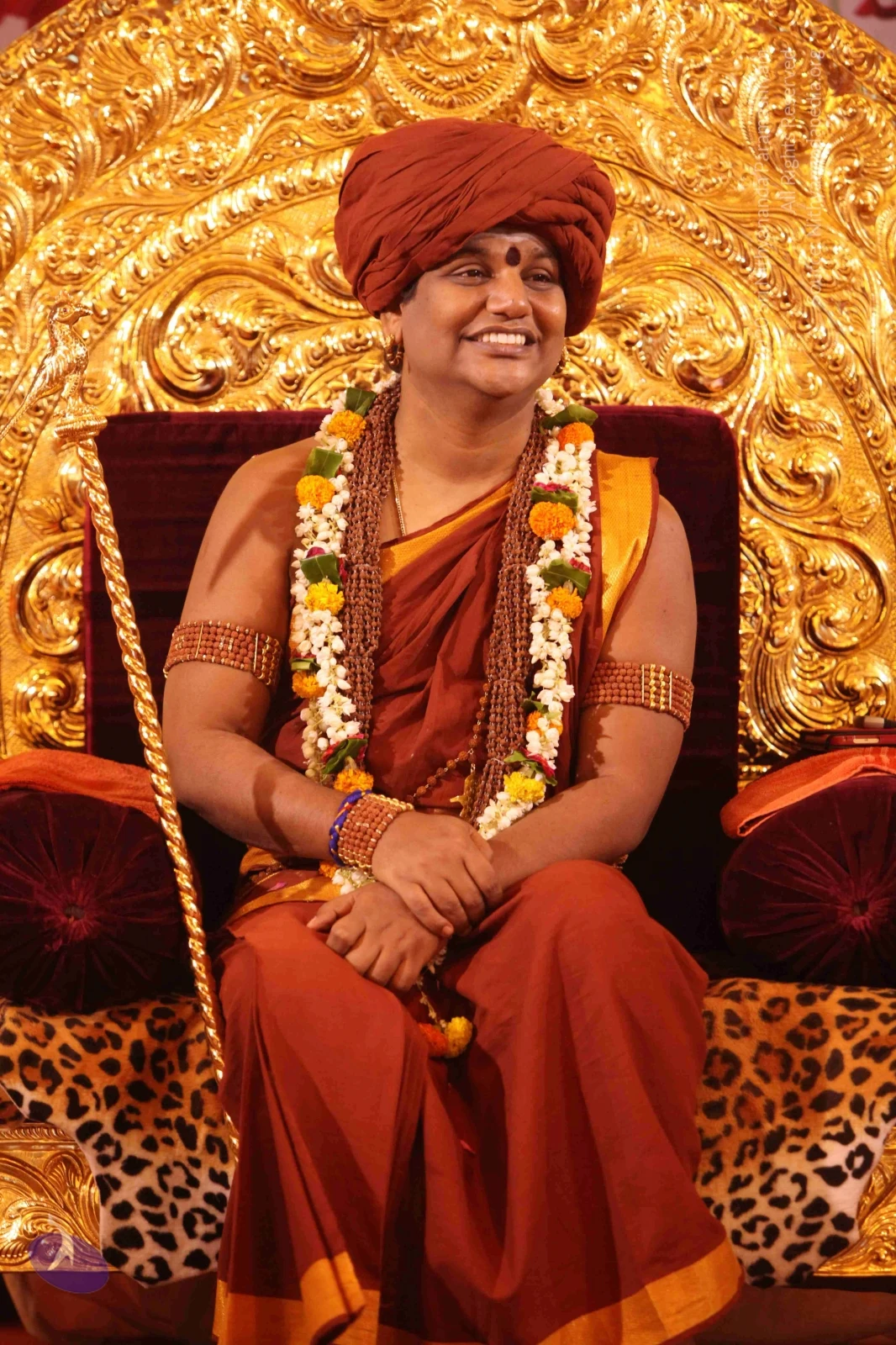
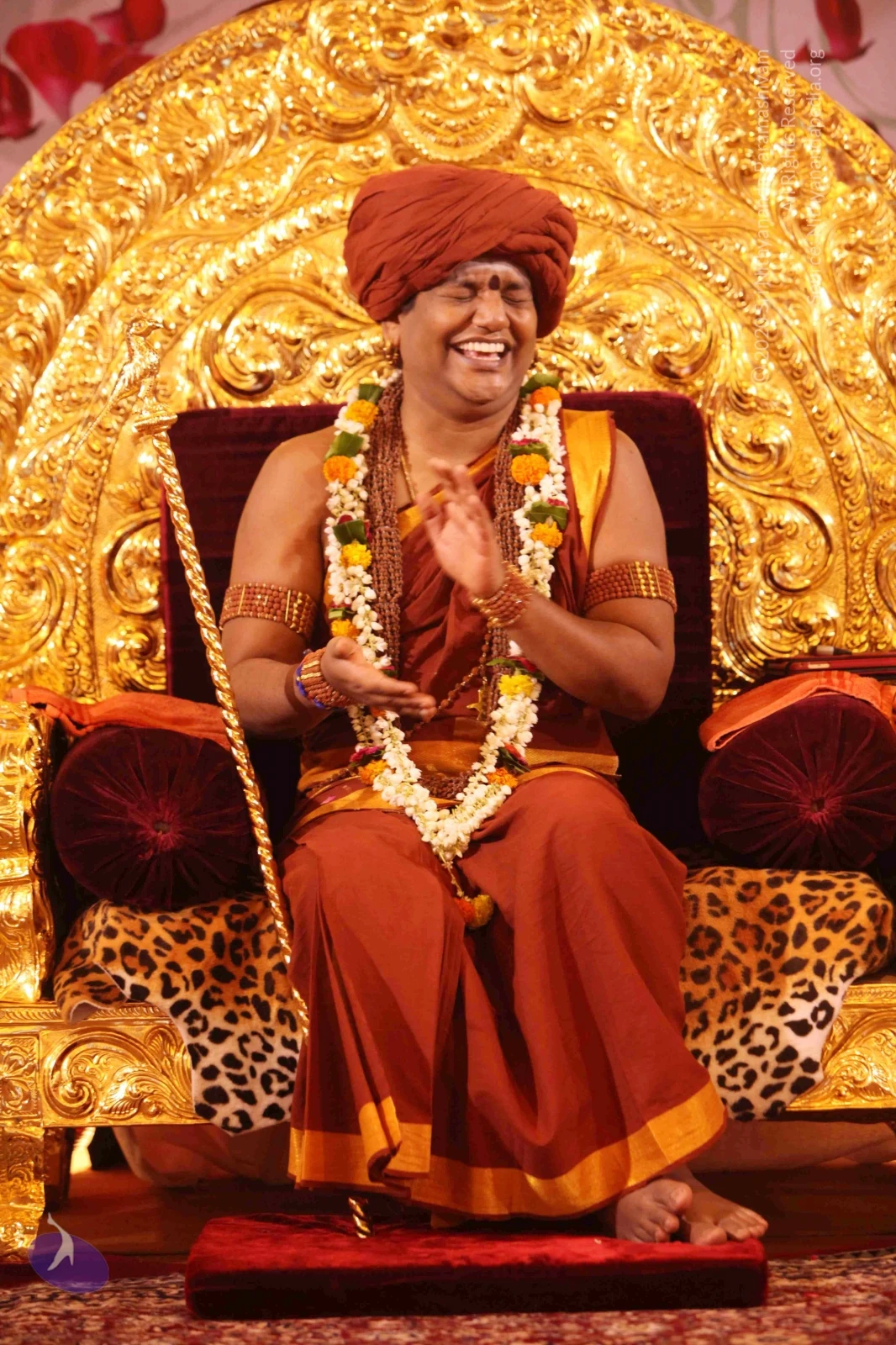
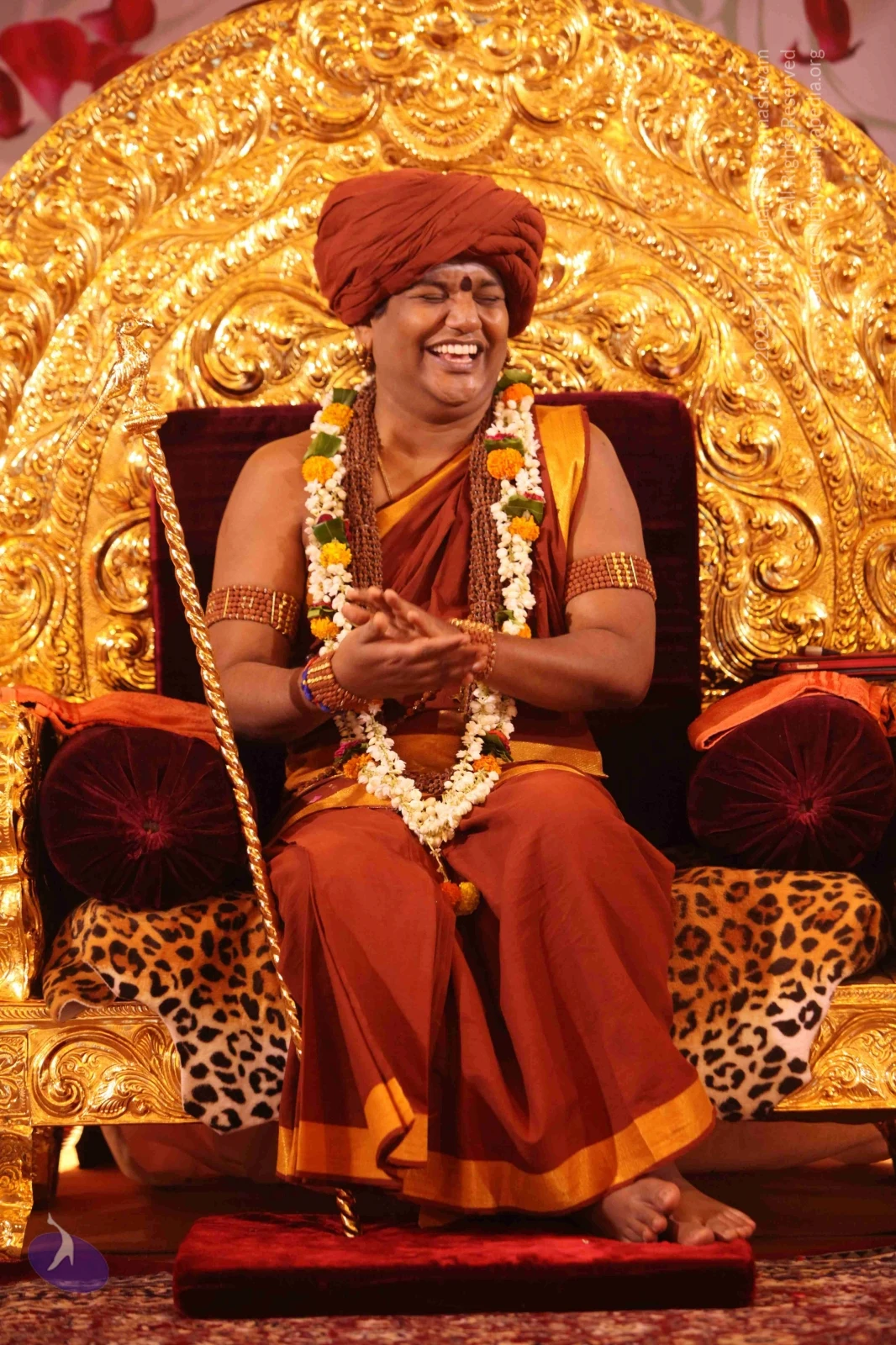
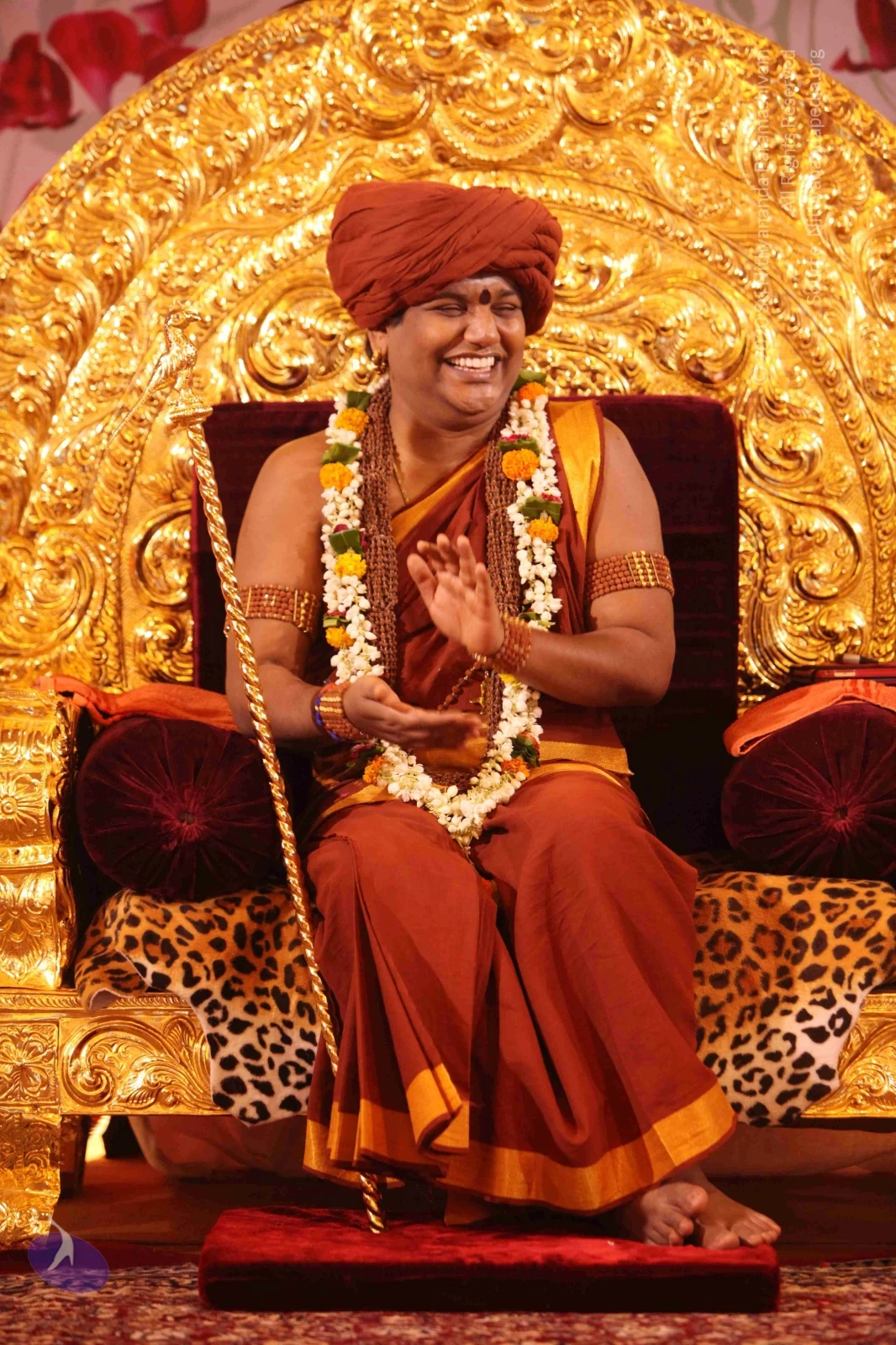
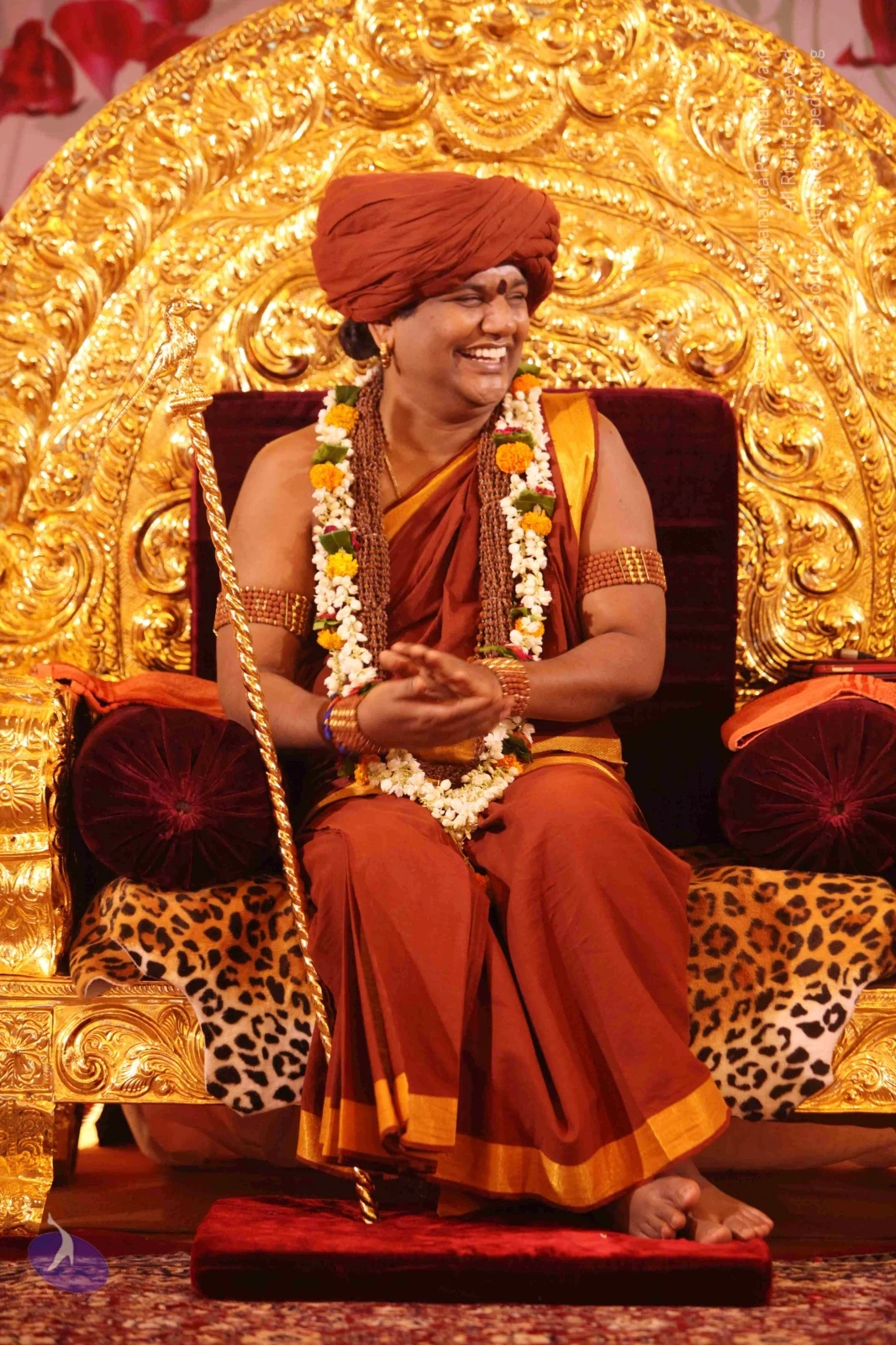
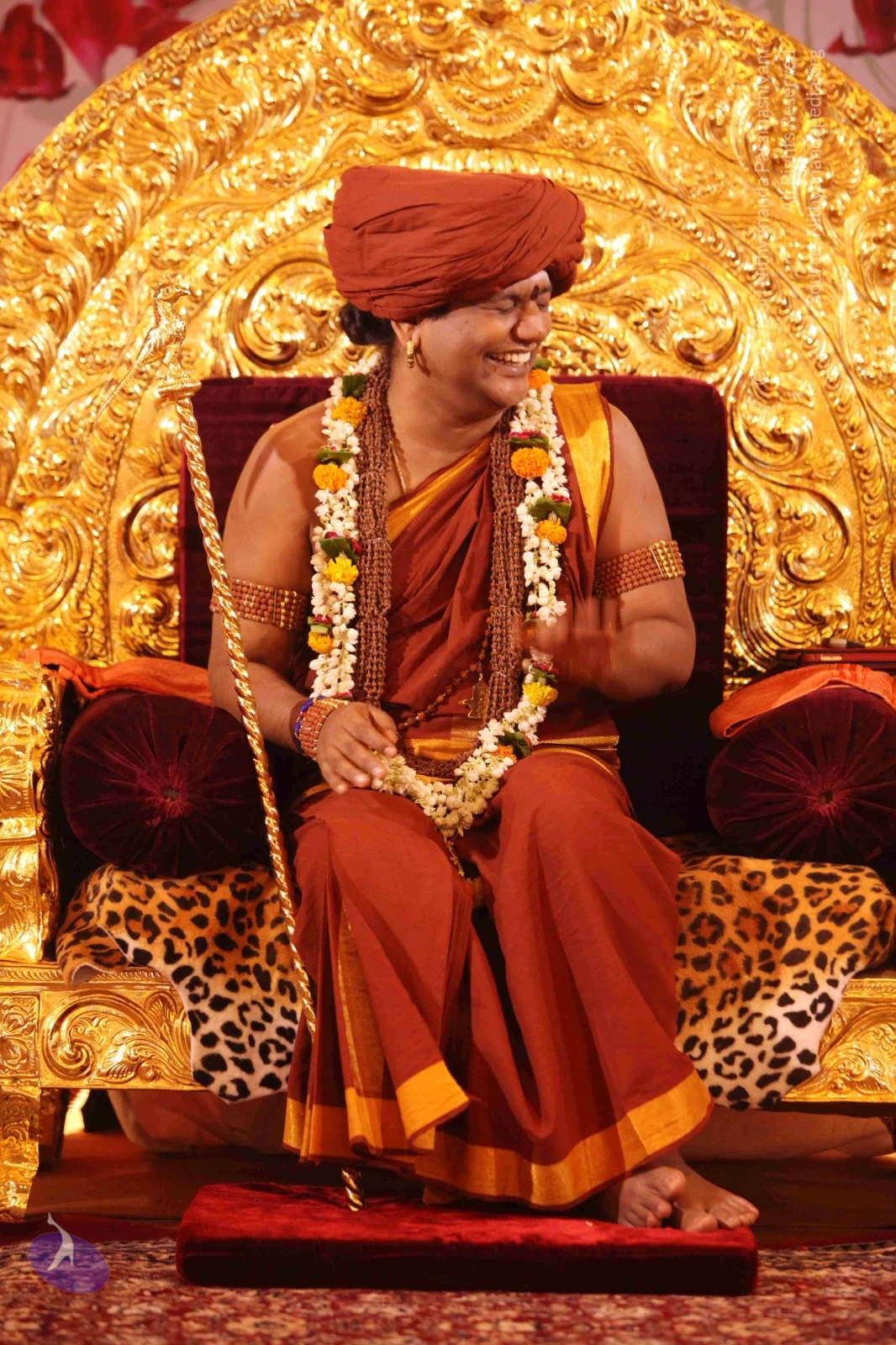
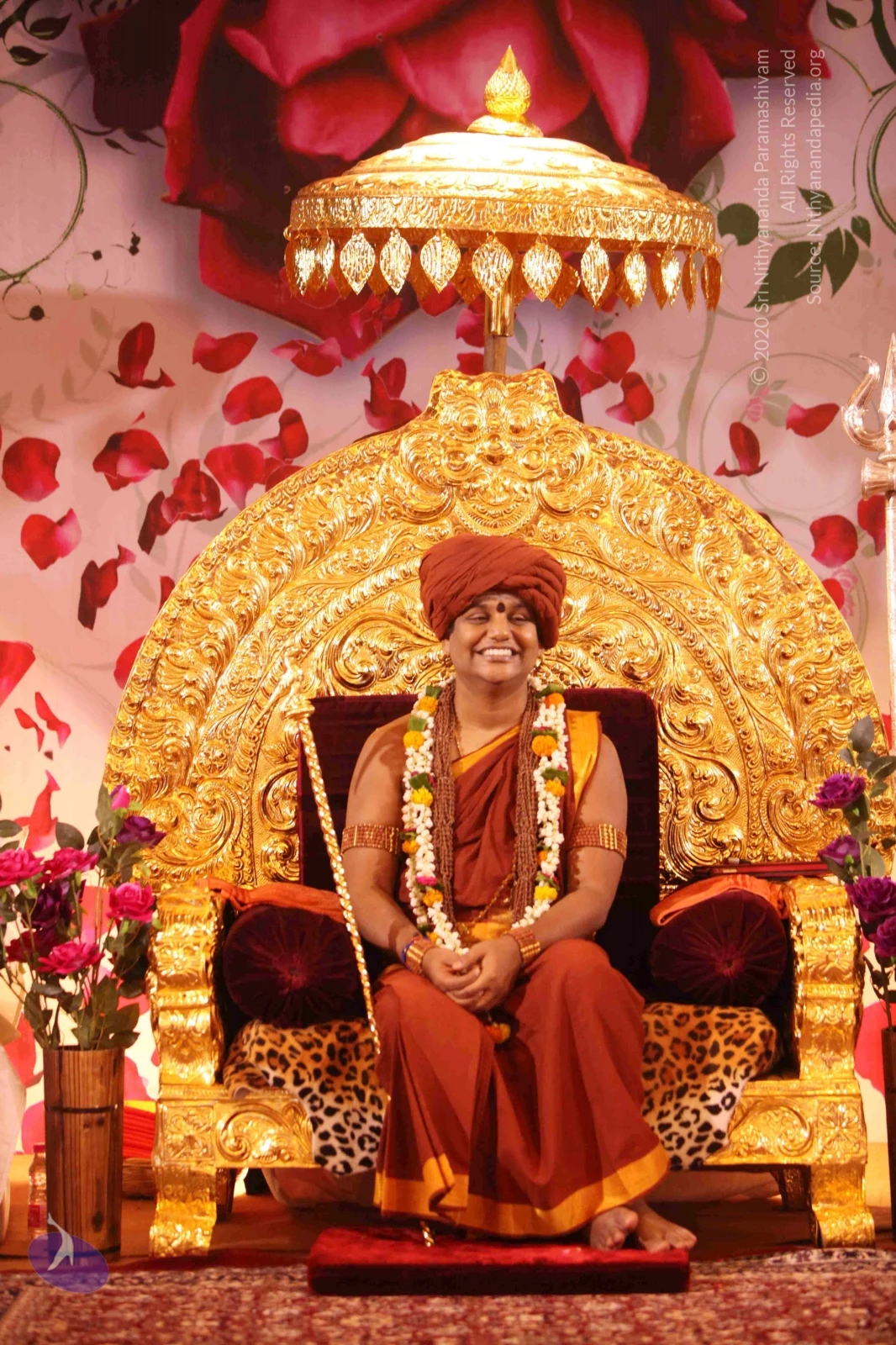
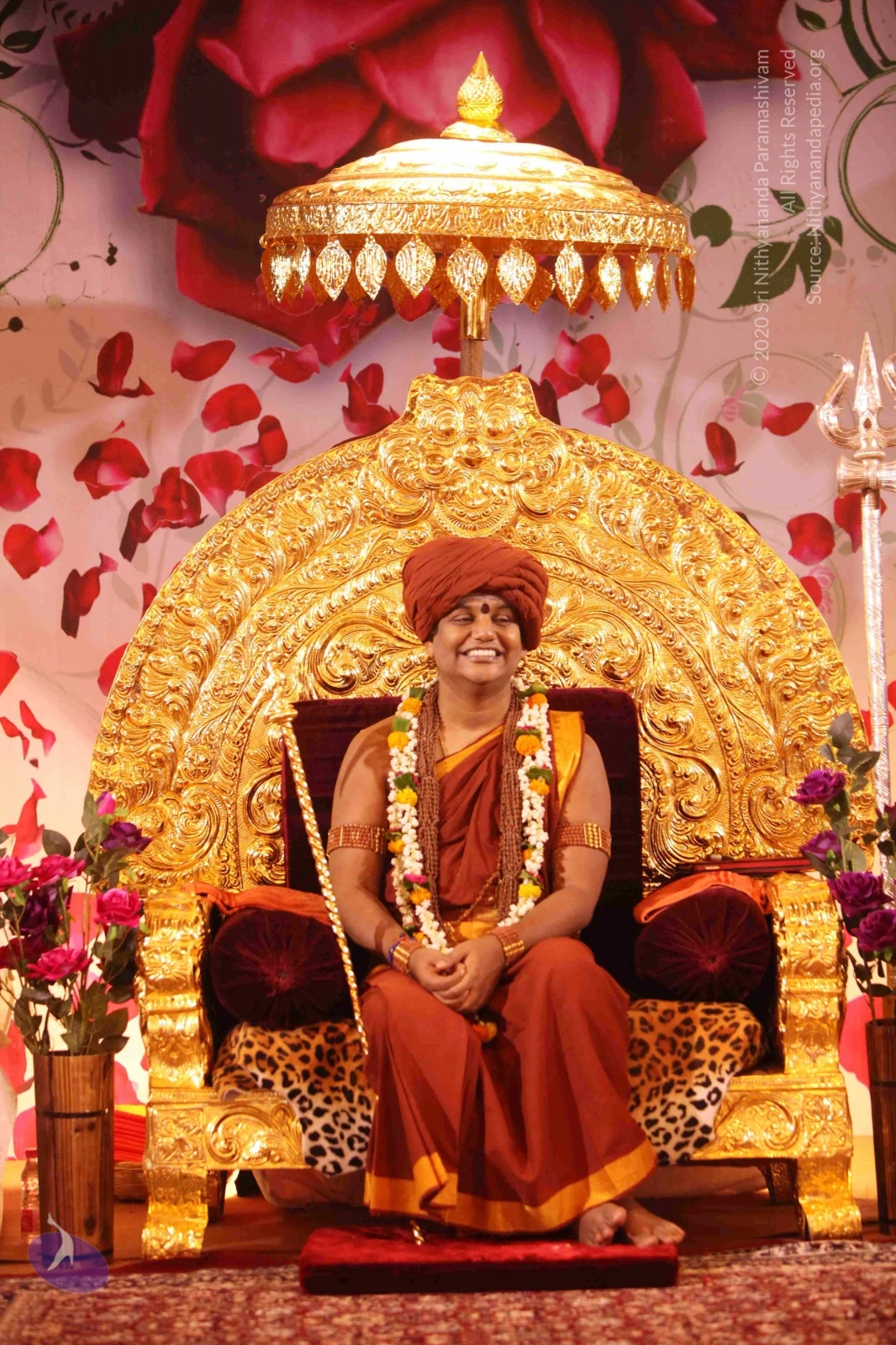
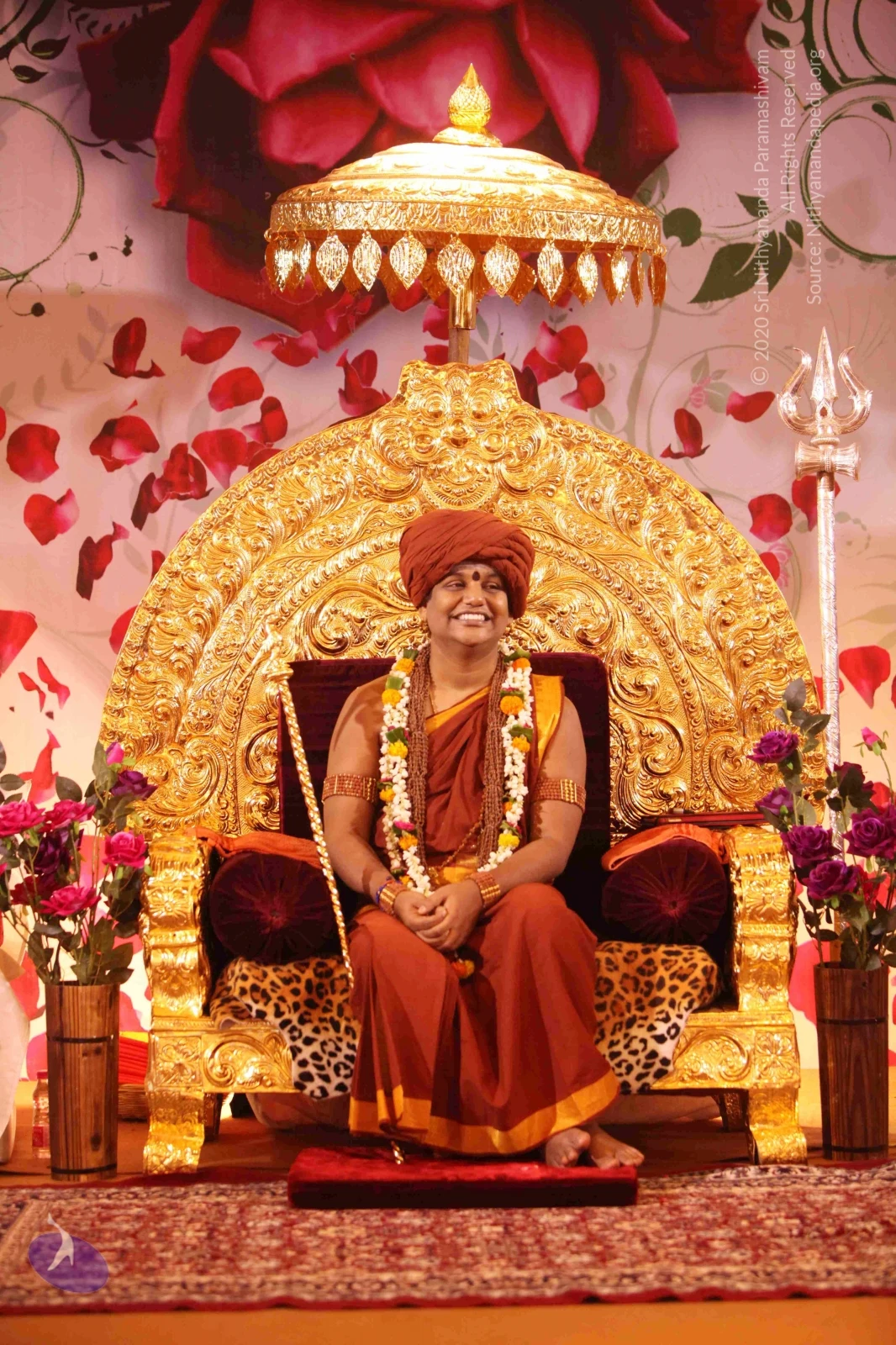
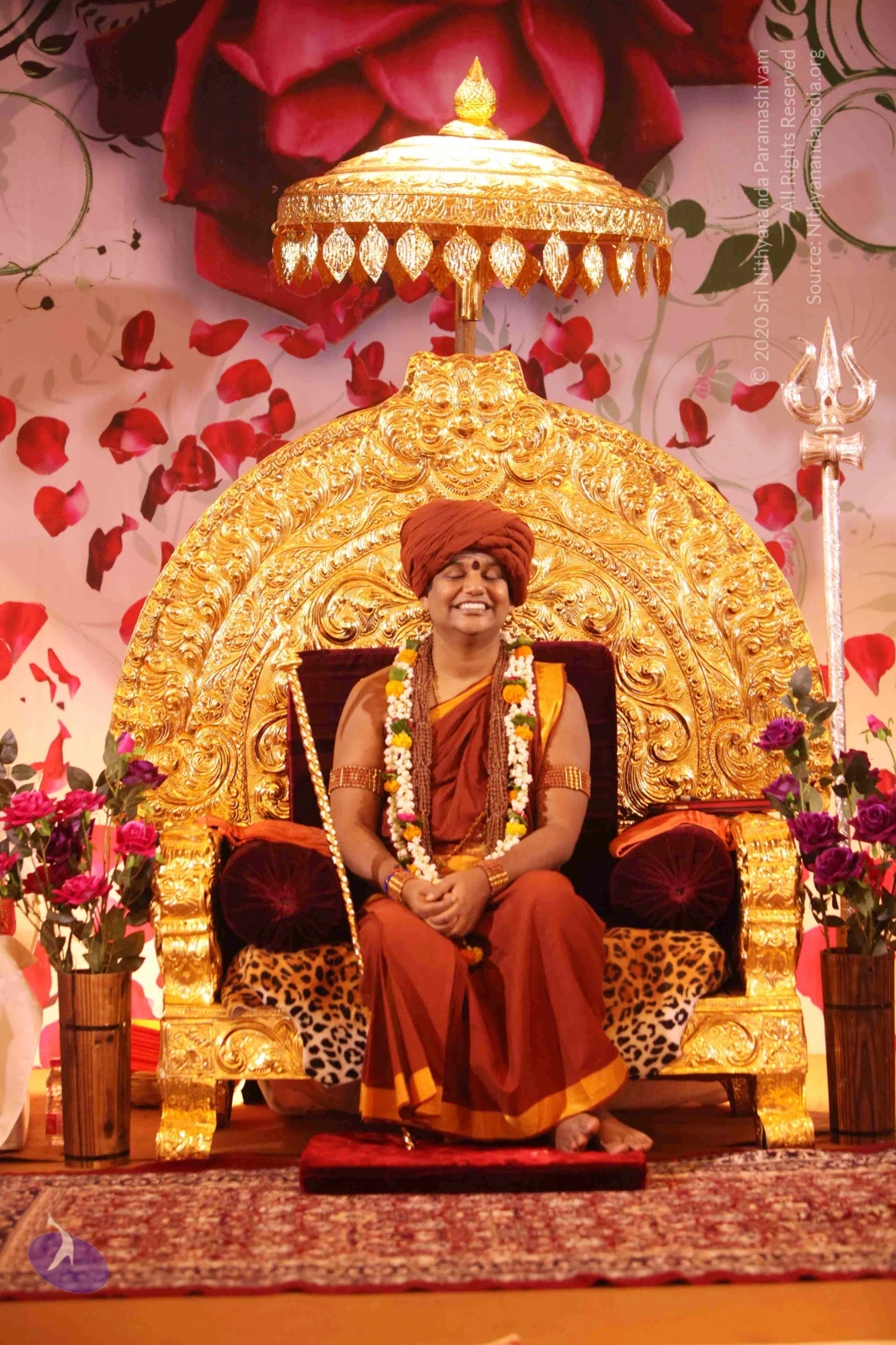
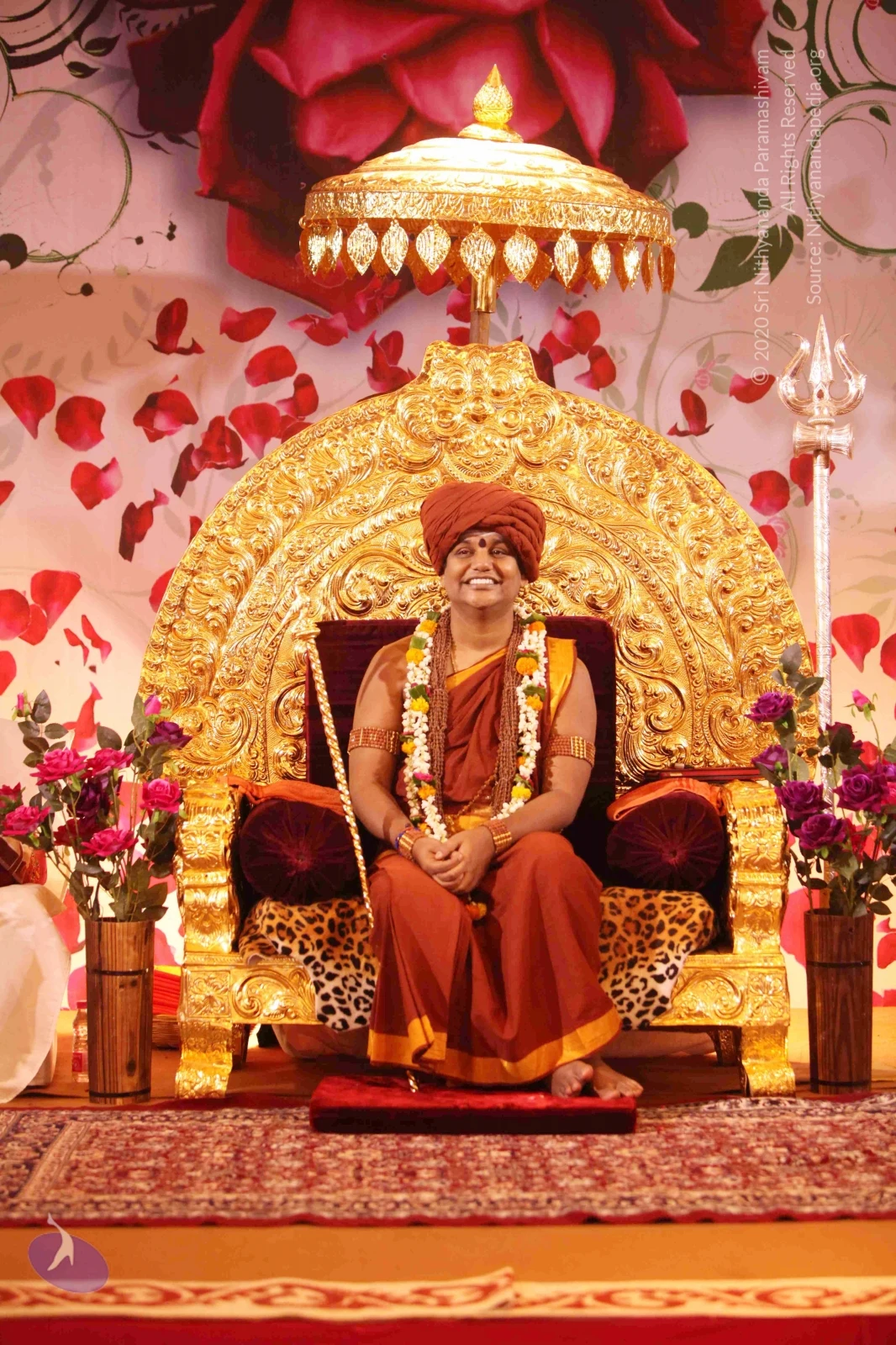
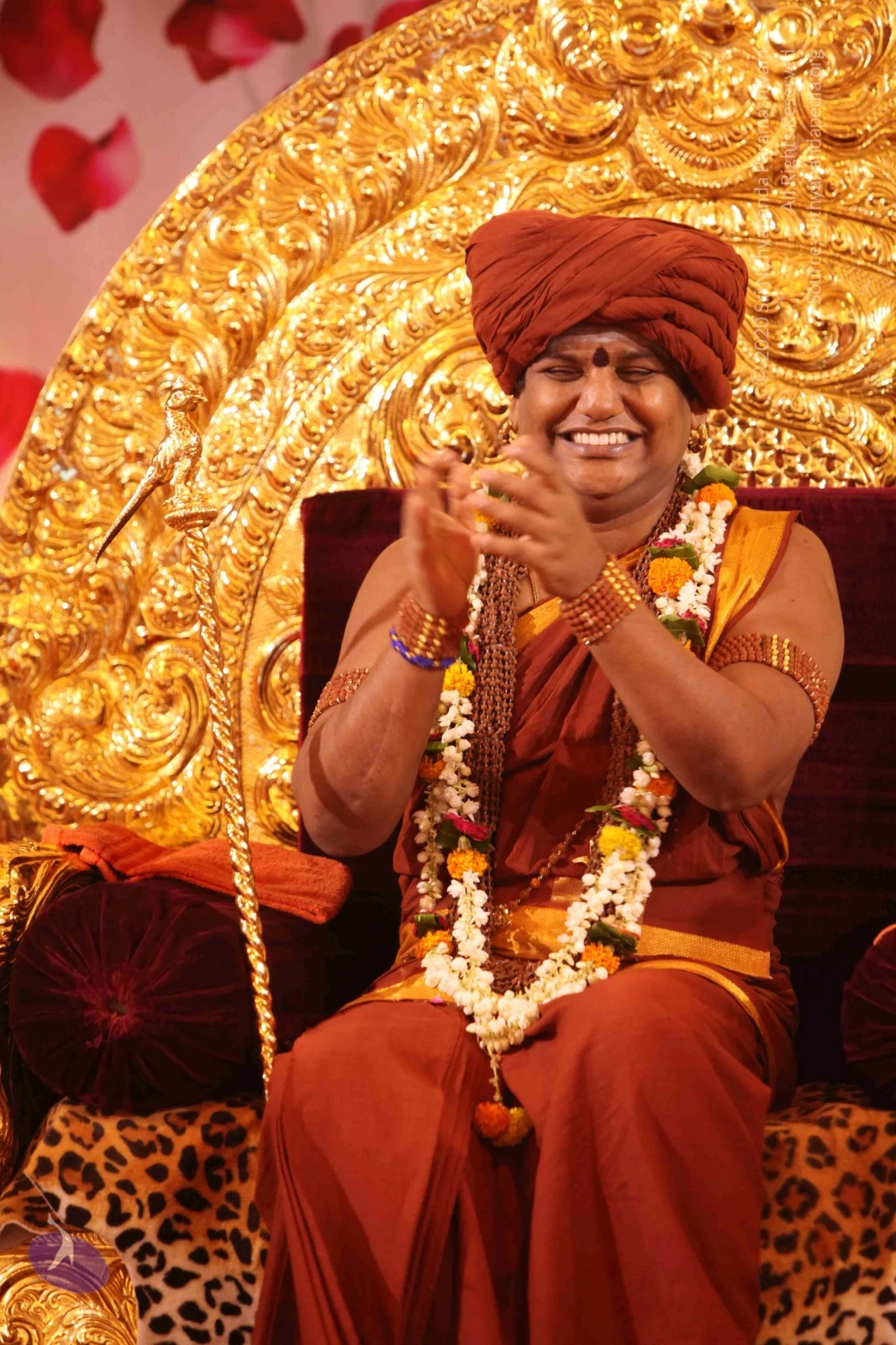
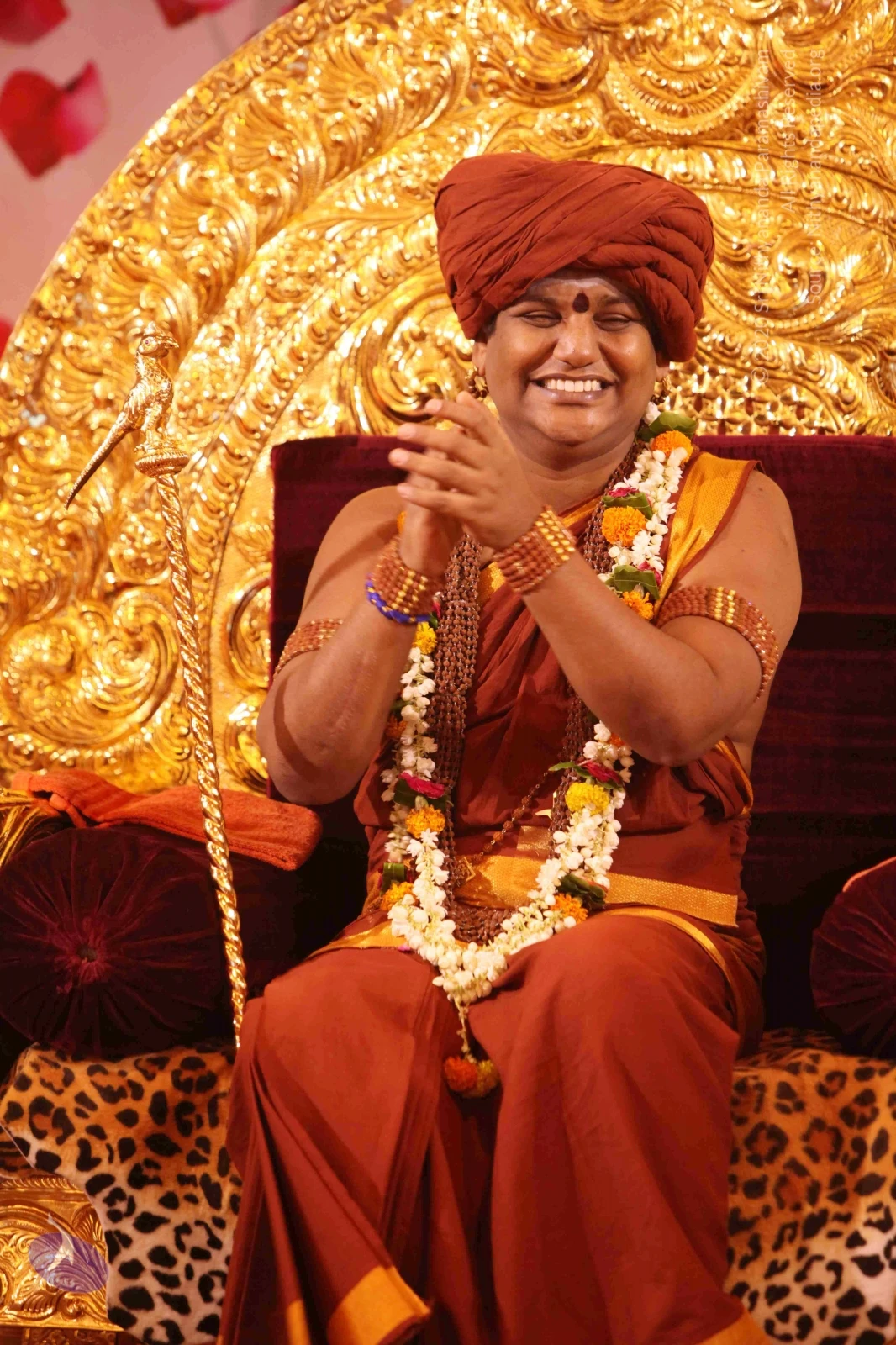
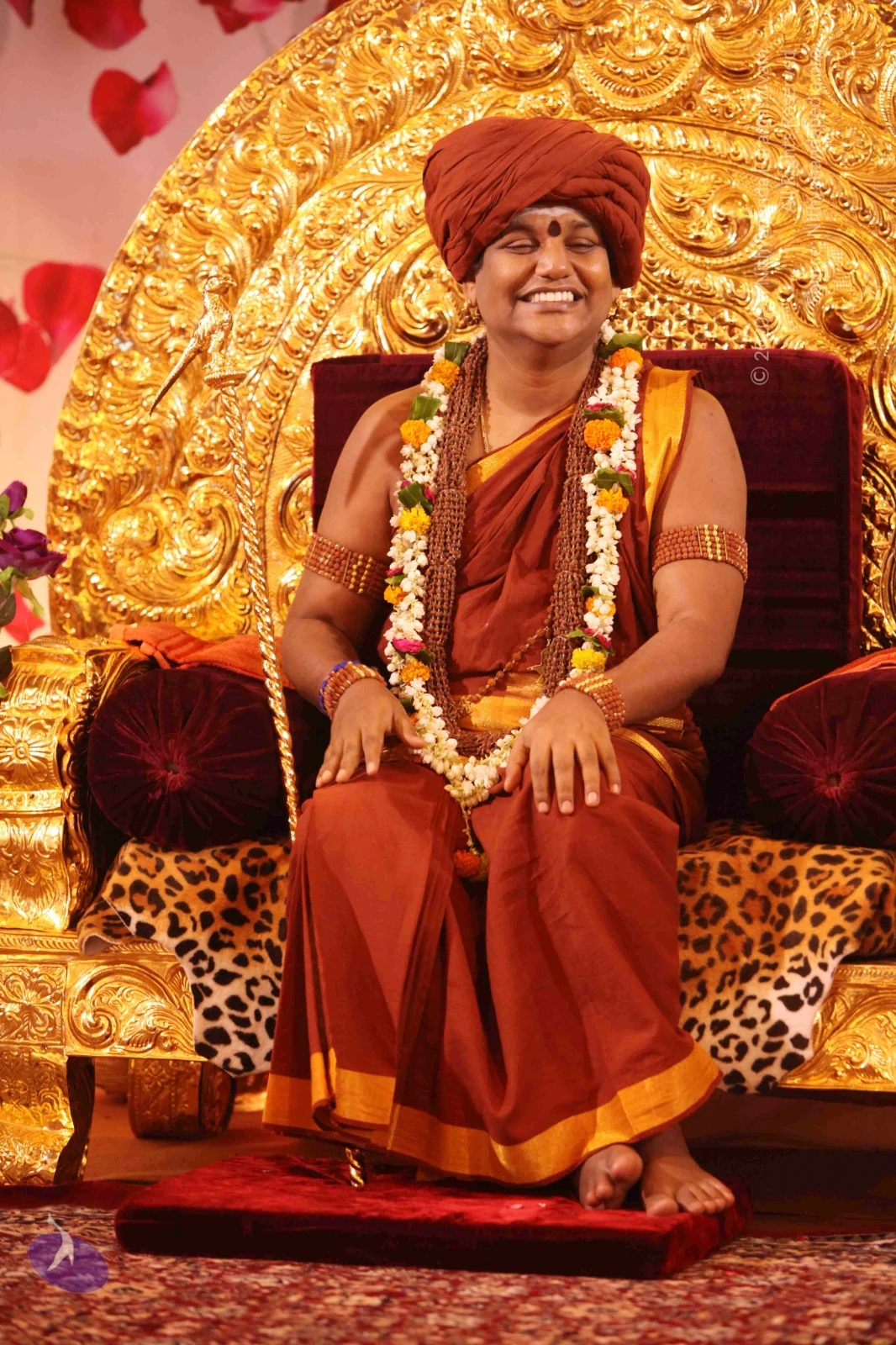
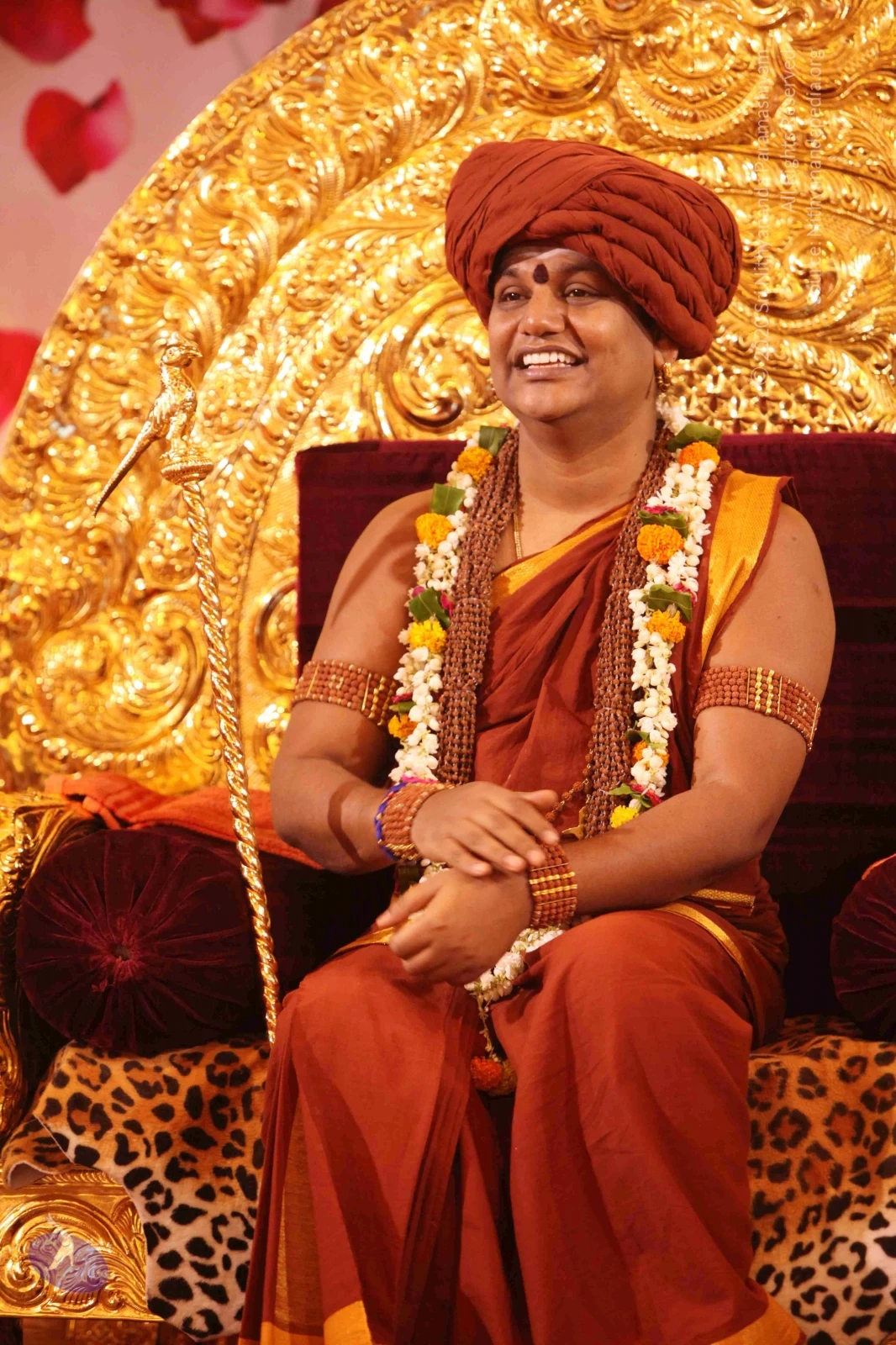
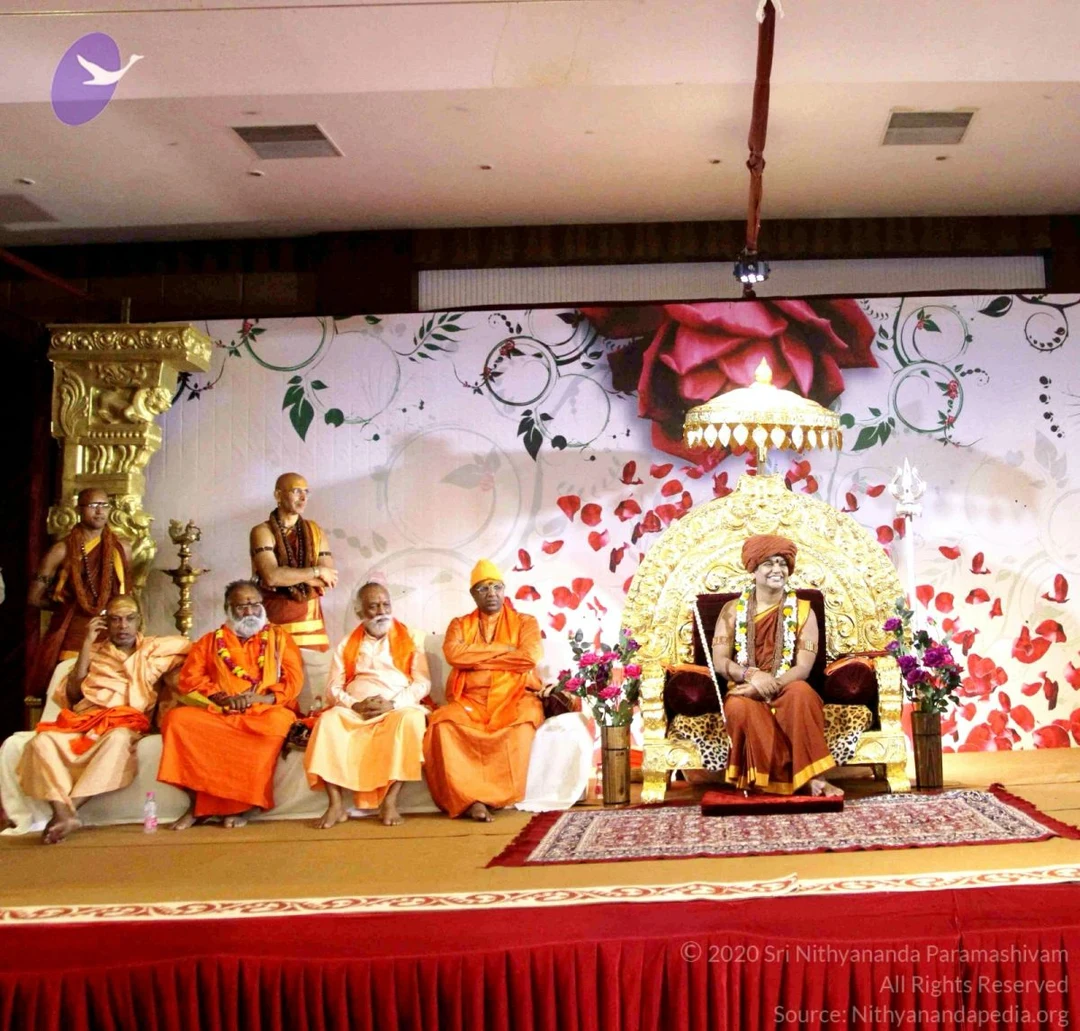
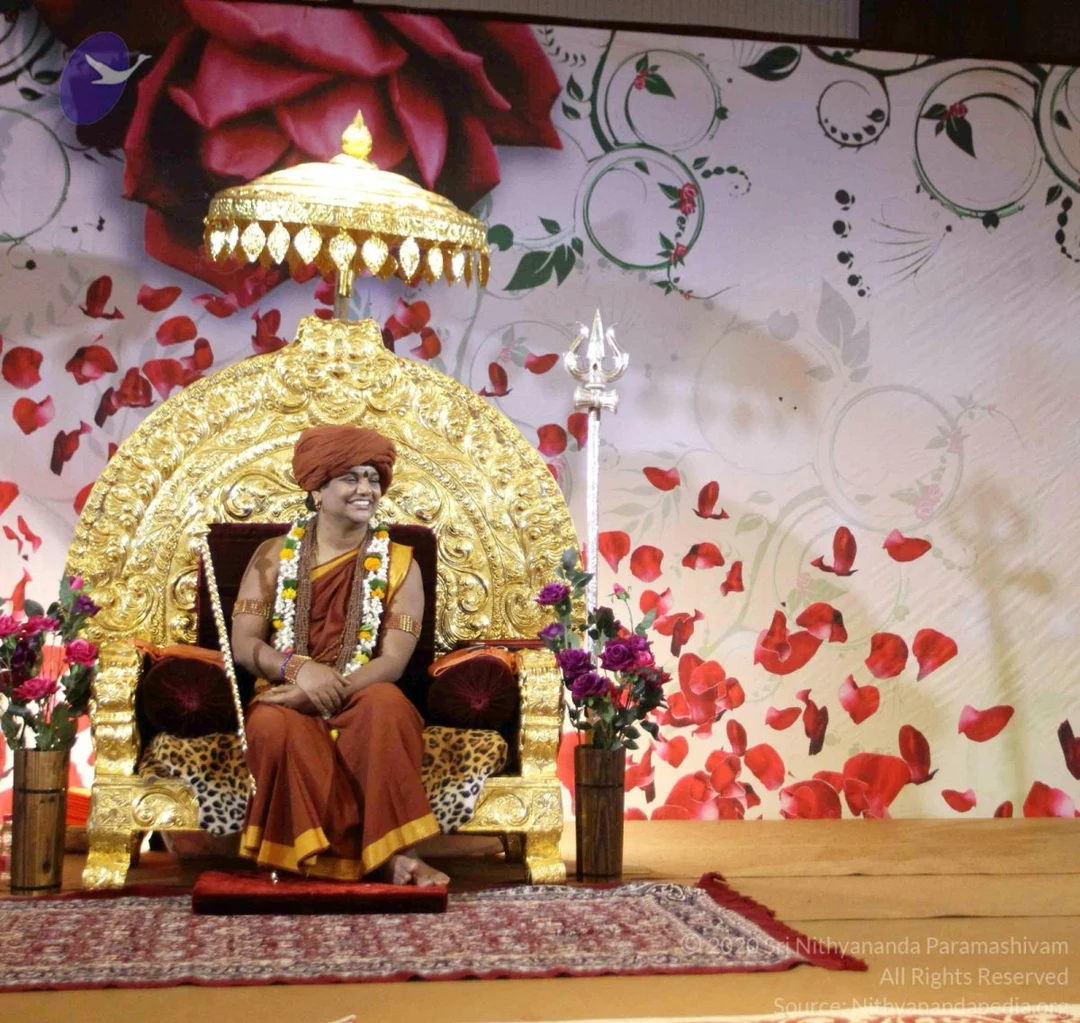
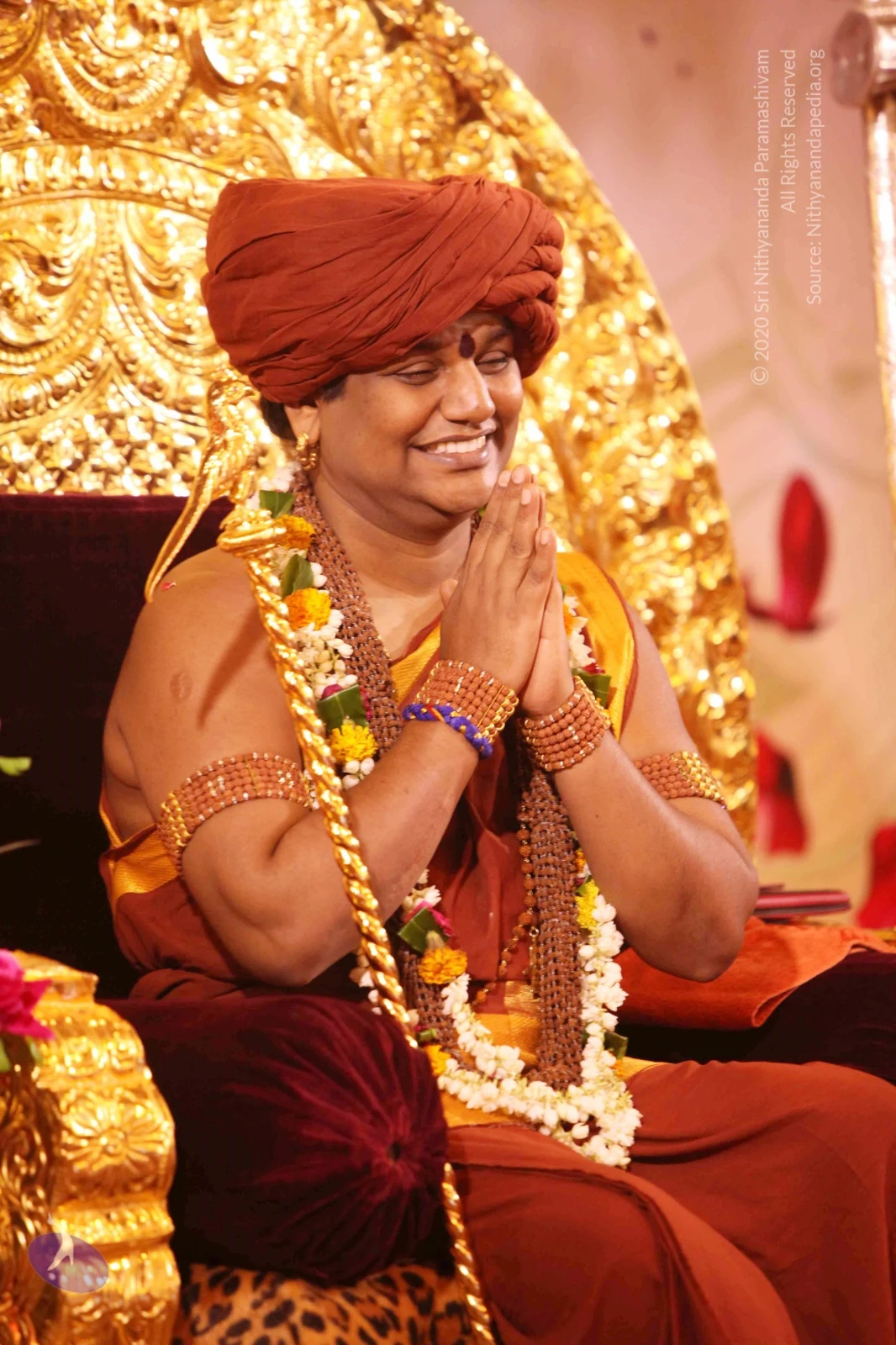
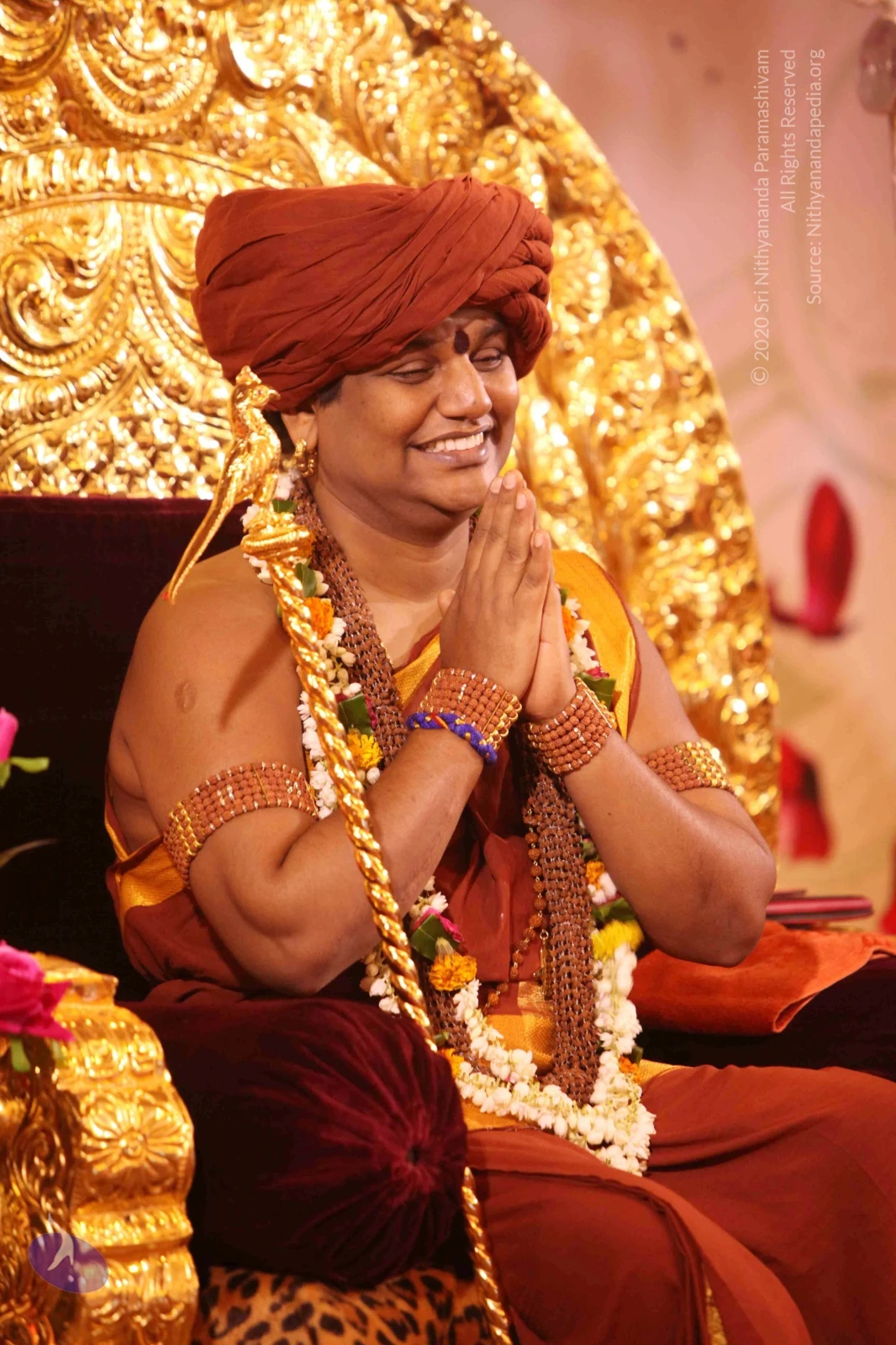
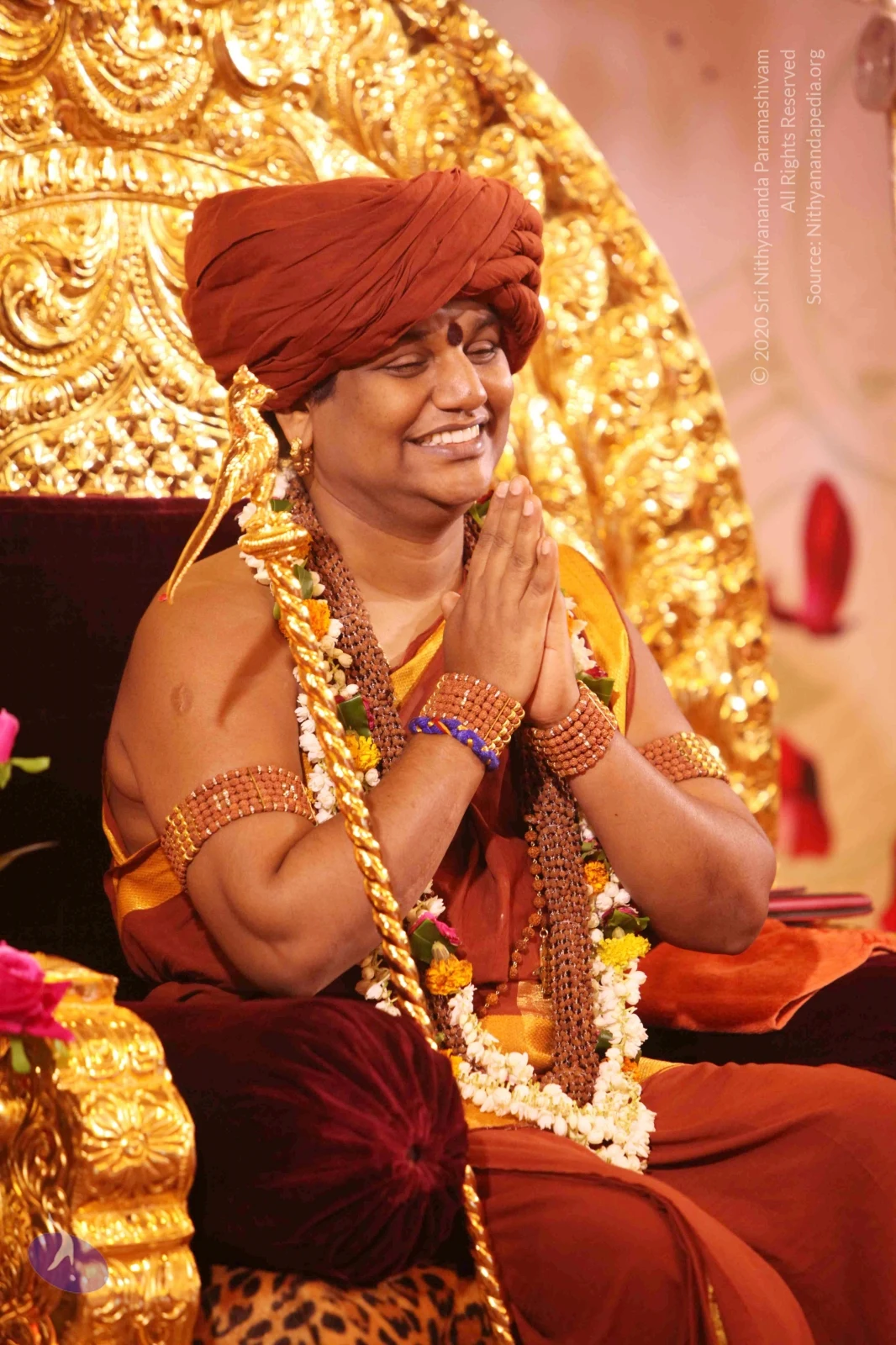
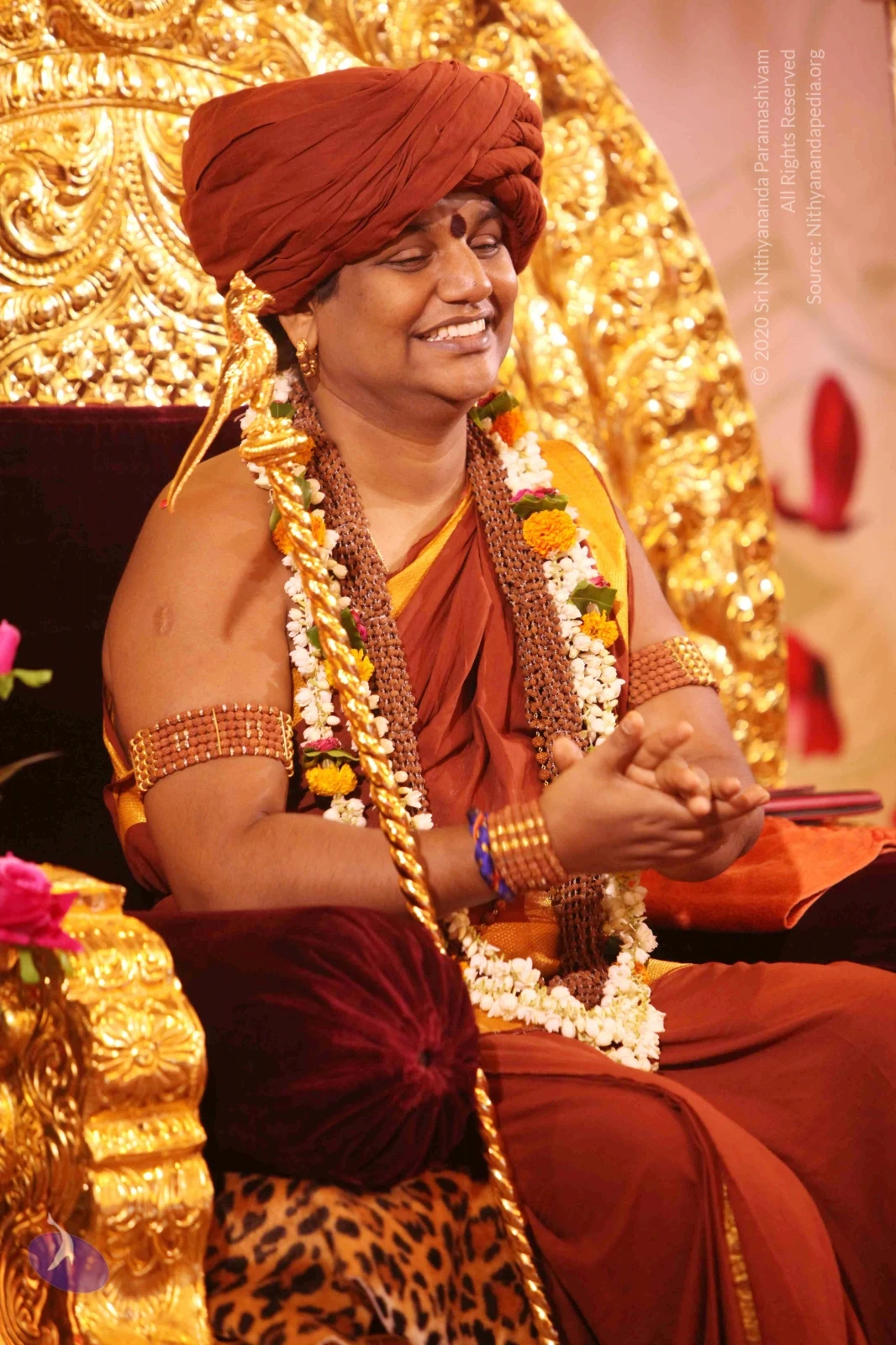
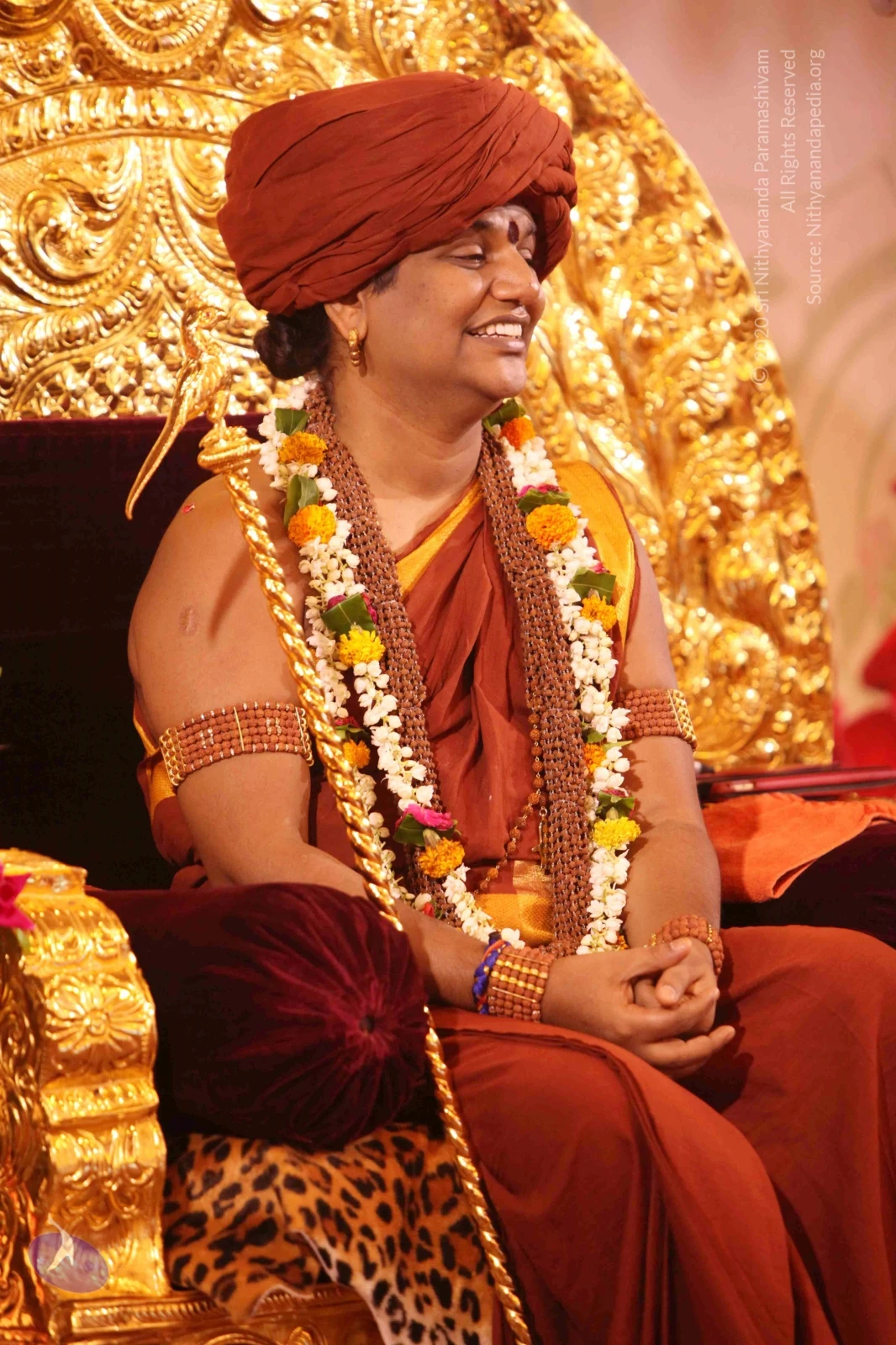
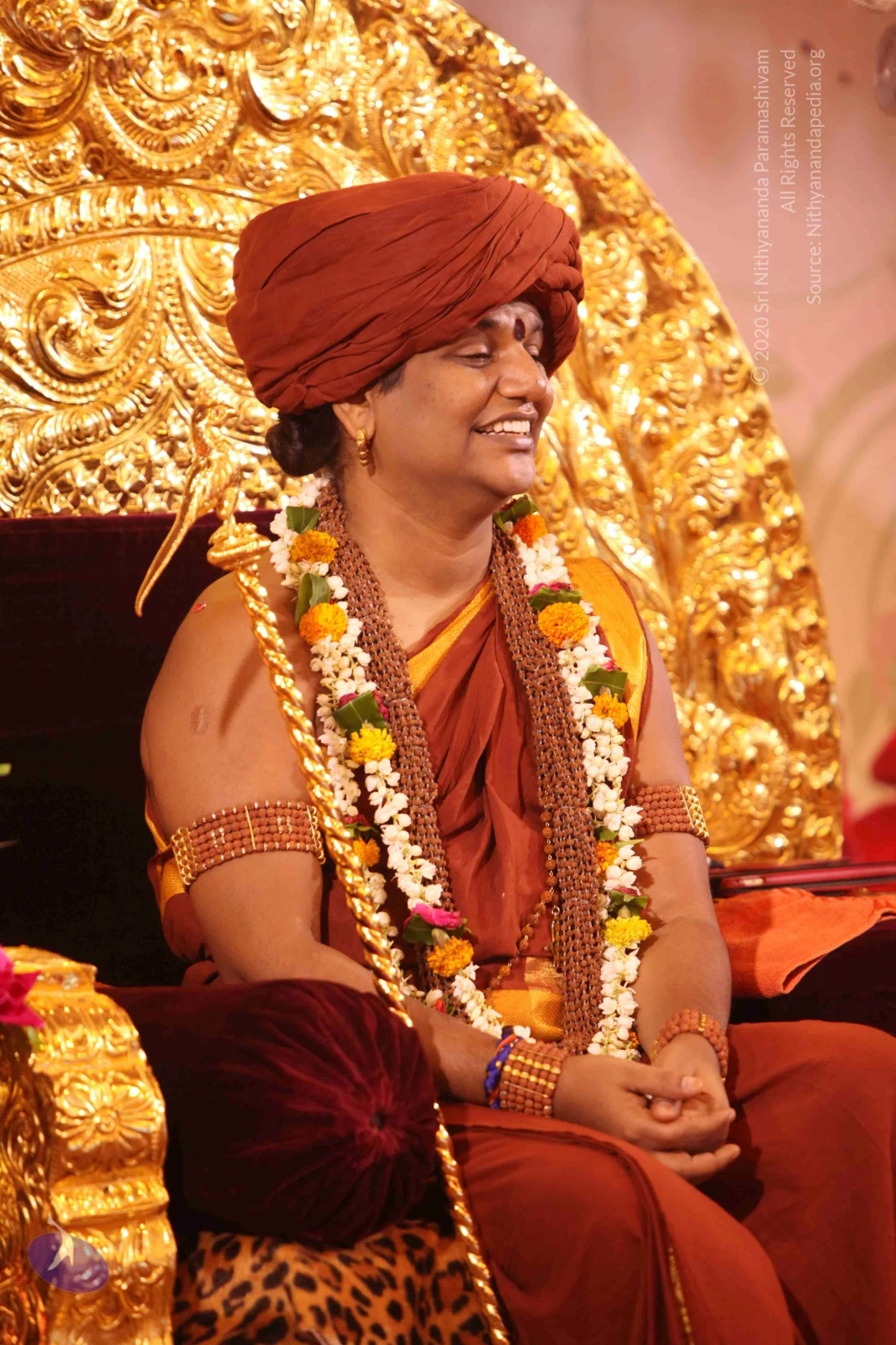
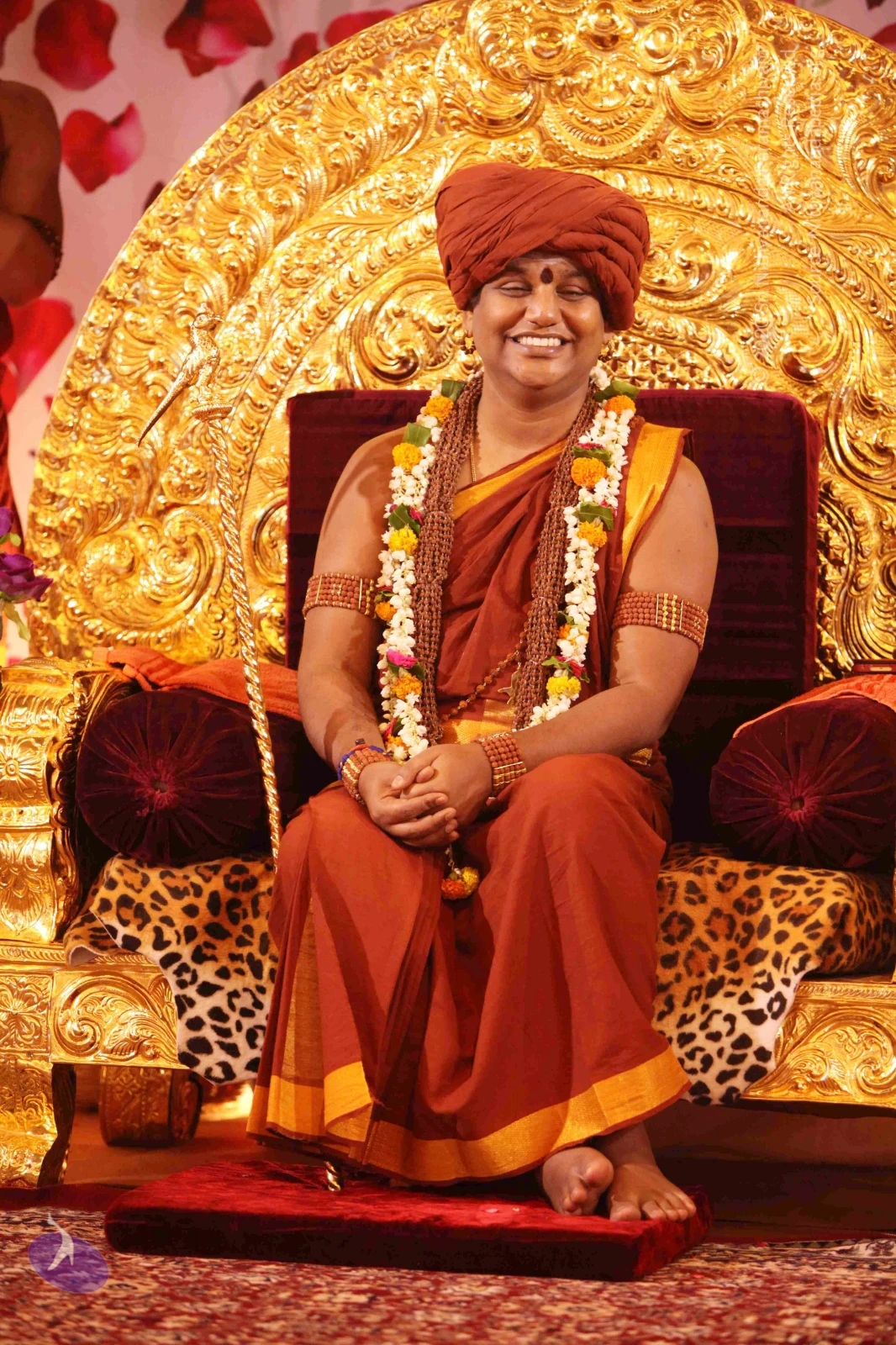
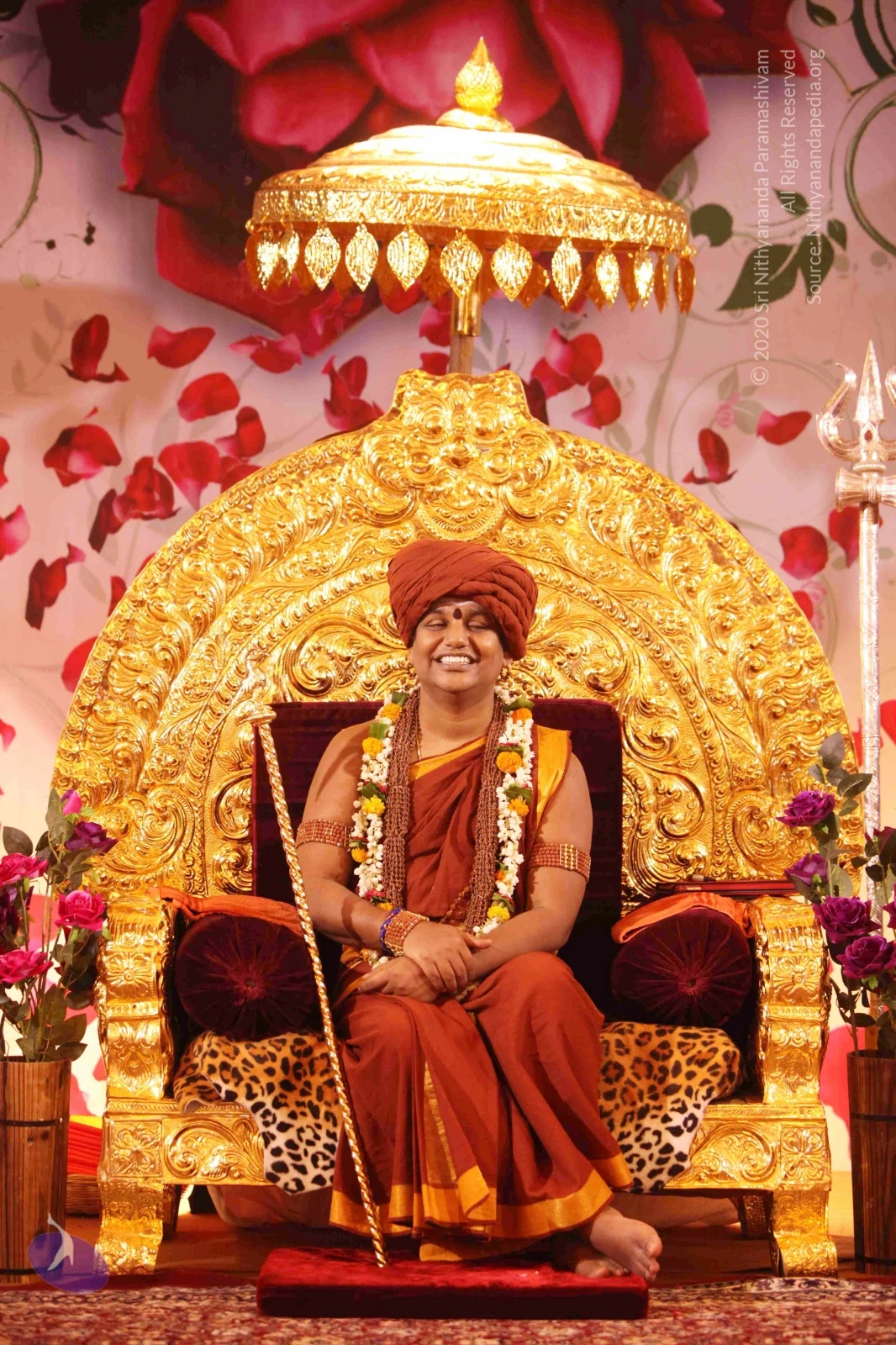
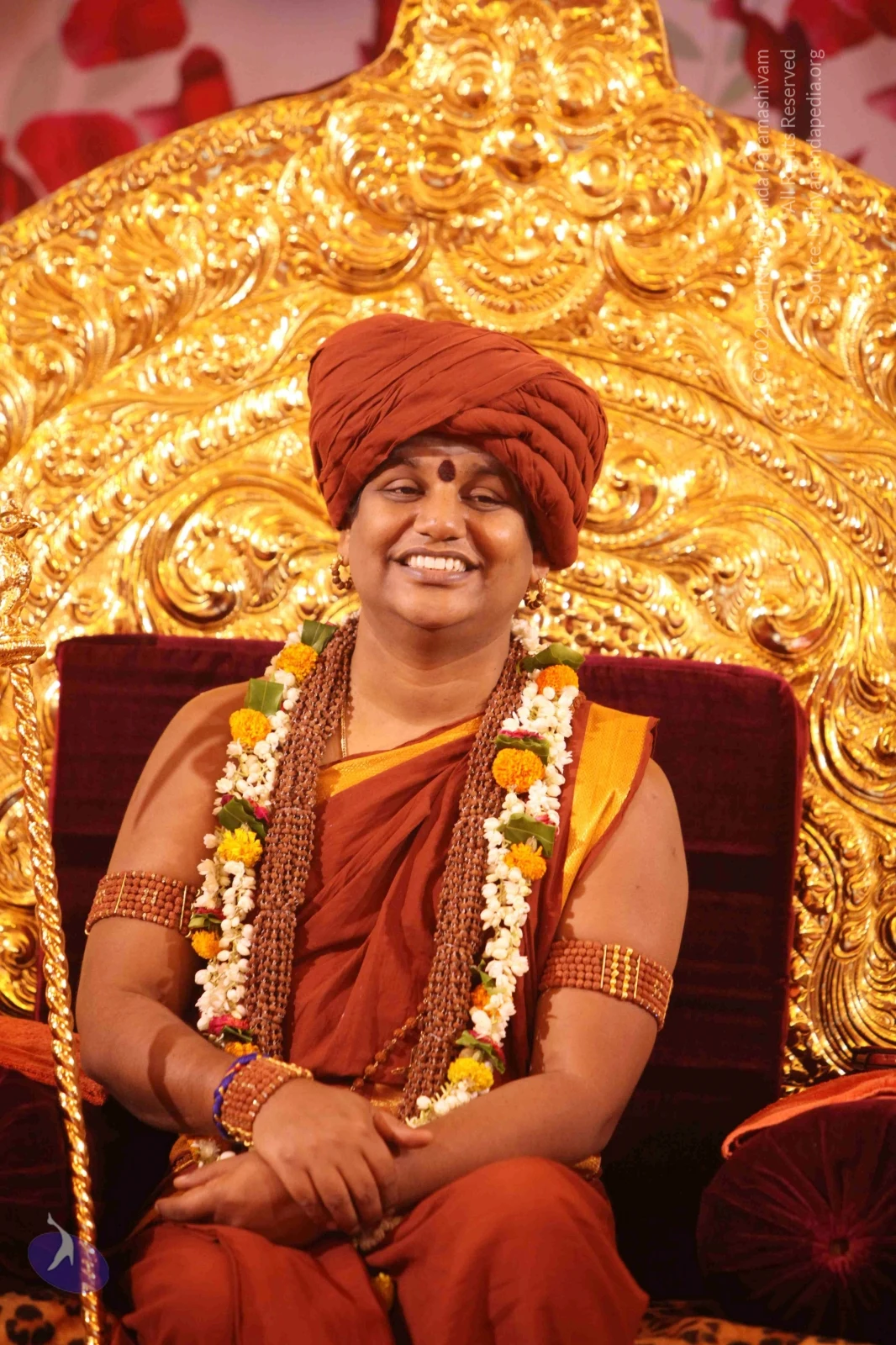
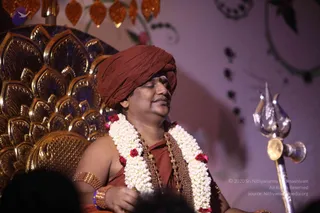
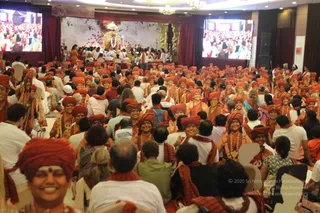
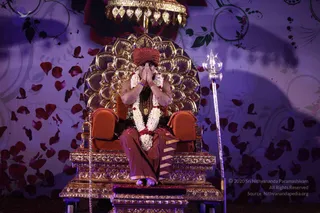
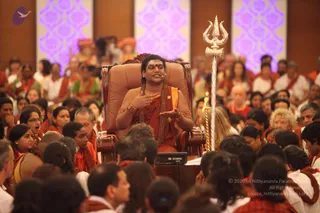
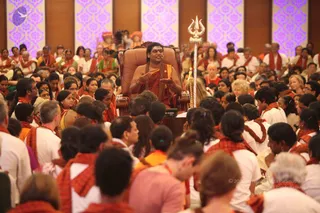
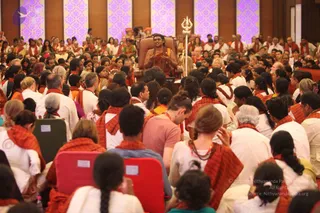
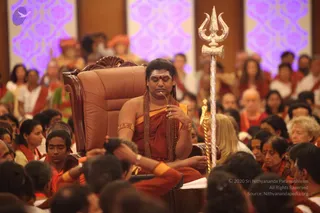
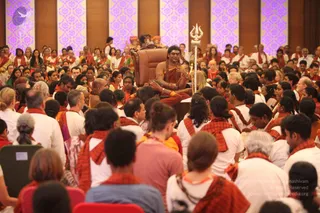
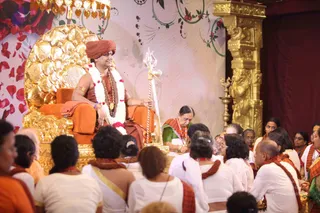
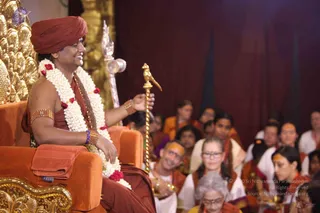
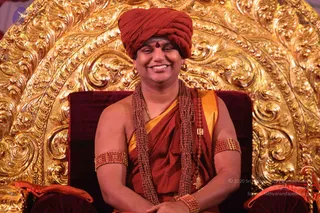
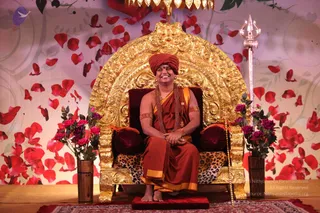
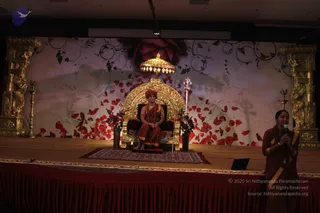
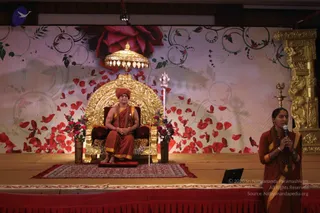
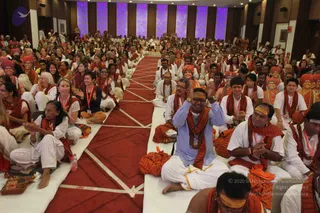
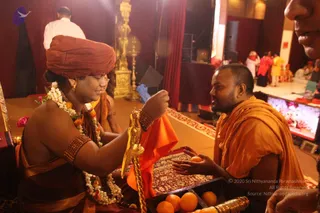
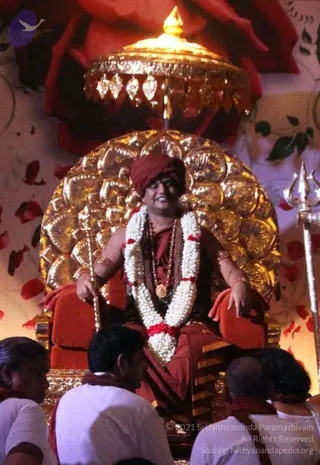
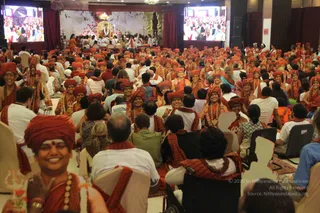
A stage photograph at an indoor event with a gold-carved pillar and white draped backdrop. In the centre, a man in an orange kurta and an orange turban-like cap holds a microphone and reads from papers, a green pen in his hand, with a striped cloth draped over his shoulder and rudraksha beads at his neck. To his left, a man in peach-toned robes with vibhuti marks stands, and behind them a bald man in glasses wears dark beads and orange cloth. To the right, a woman in a blue sari with a striped border holds a sheet of paper and a second microphone, and beside her a woman in a cream sari with a red shawl and rudraksha mala gestures with her hands. Five people are visible in the scene.A bare-chested man in a rust-red turban and rust-red sash places a pink and yellow marigold garland on the head of an older bearded man in a saffron-orange robe who bows his head forward. The garland-giver wears gold bangles, a gold earring and a white flower garland around the neck. Behind them an older man in saffron robes with a white beard stands beside a basket of orange cloth, and a figure in maroon robes with a rudraksha mala holds a basket at right. Seated attendees in white and orange are visible at left against cream walls with framed artwork. A white-draped table and a patterned rug sit in the foreground.A smiling person seated on an ornate gold throne with carved golden scrollwork behind. The figure wears a rust-red turban, a red-orange shawl over a saffron-gold garment, multiple rudraksha malas, and a long garland of white flowers with orange marigolds. Red-orange armlets with beads adorn the upper arms, and a red bindi marks the forehead. A golden staff topped with a bird figure stands to the left, and a purple flower appears at the edge.

May 27 2015

Original wiki page
Contents

Title

Aligning Bio & Muscle Memory Through Mandala Process | Connect With Paramashiva Through Shodasi Mandala

Description

Name Of The Program - Inner Awakening (IA)
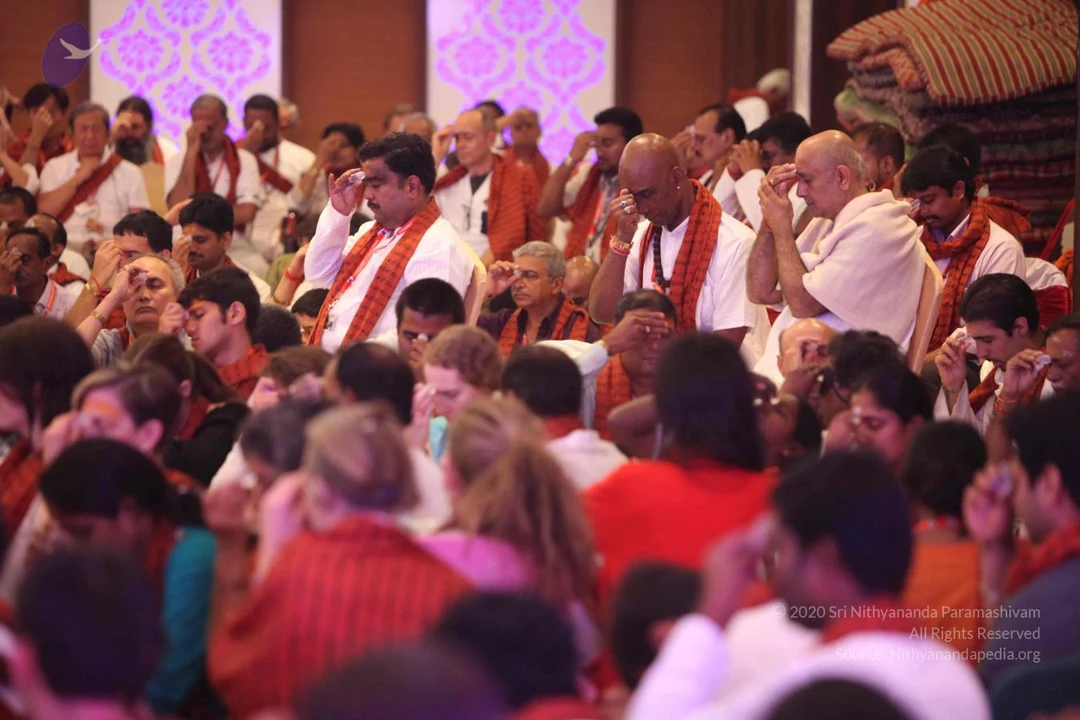
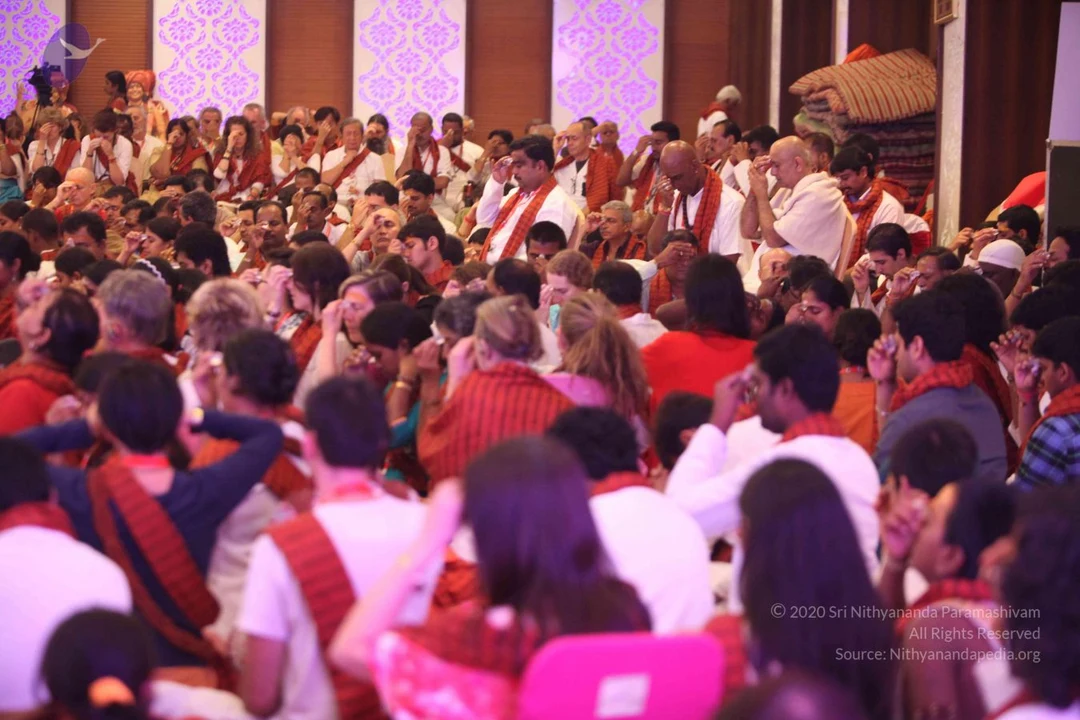
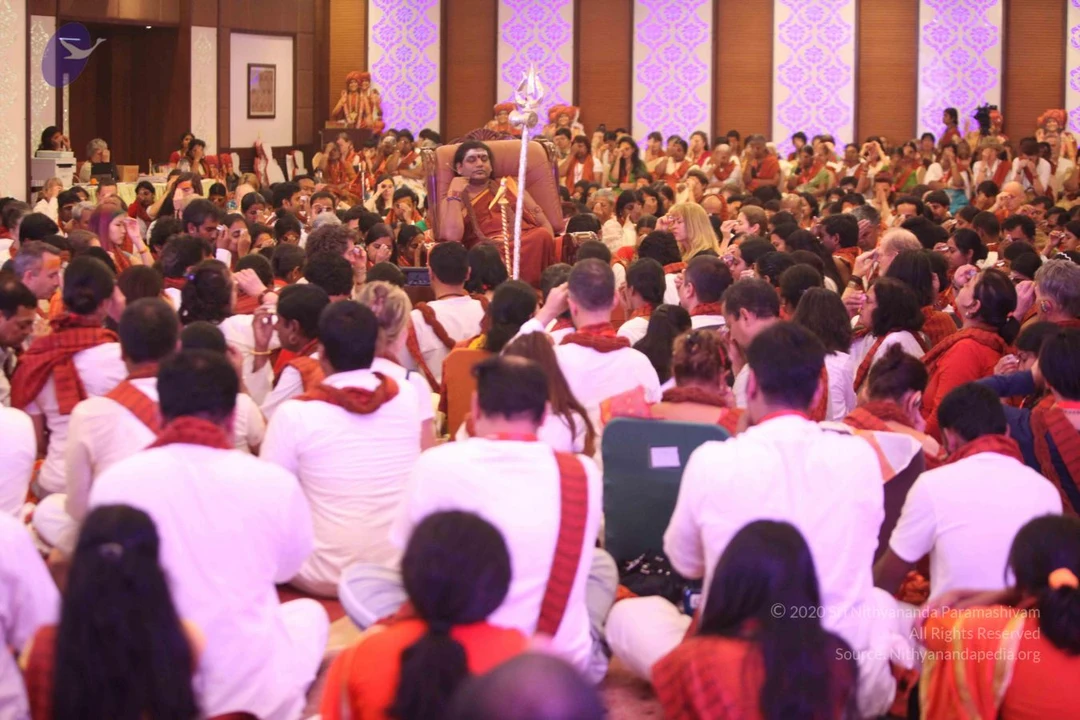
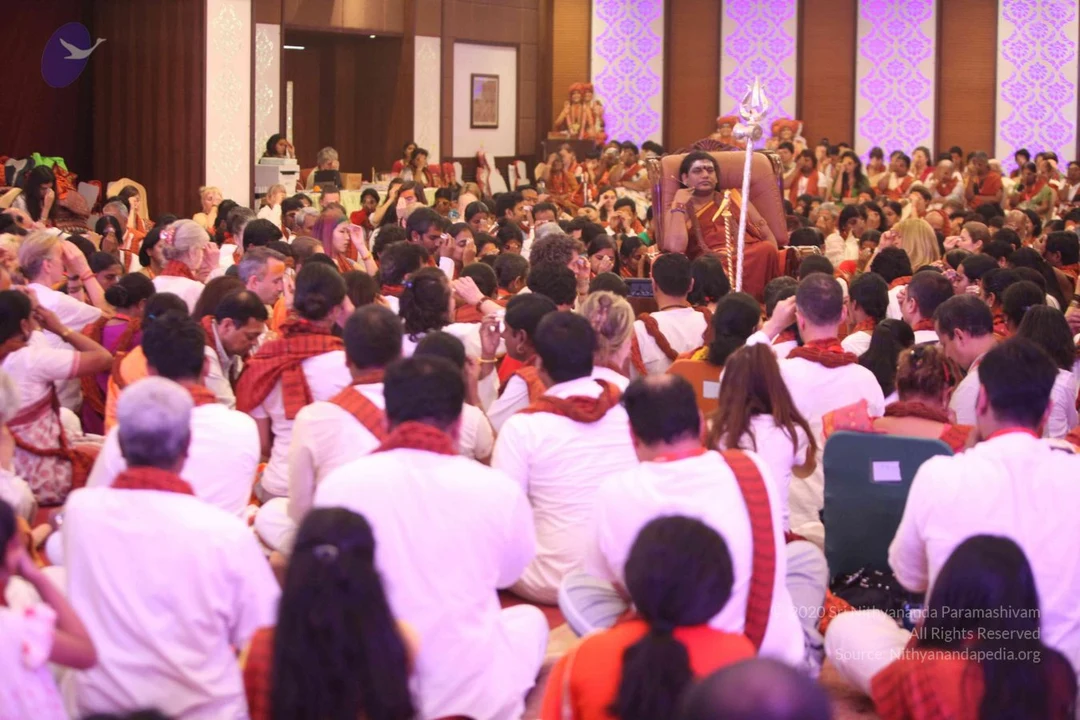
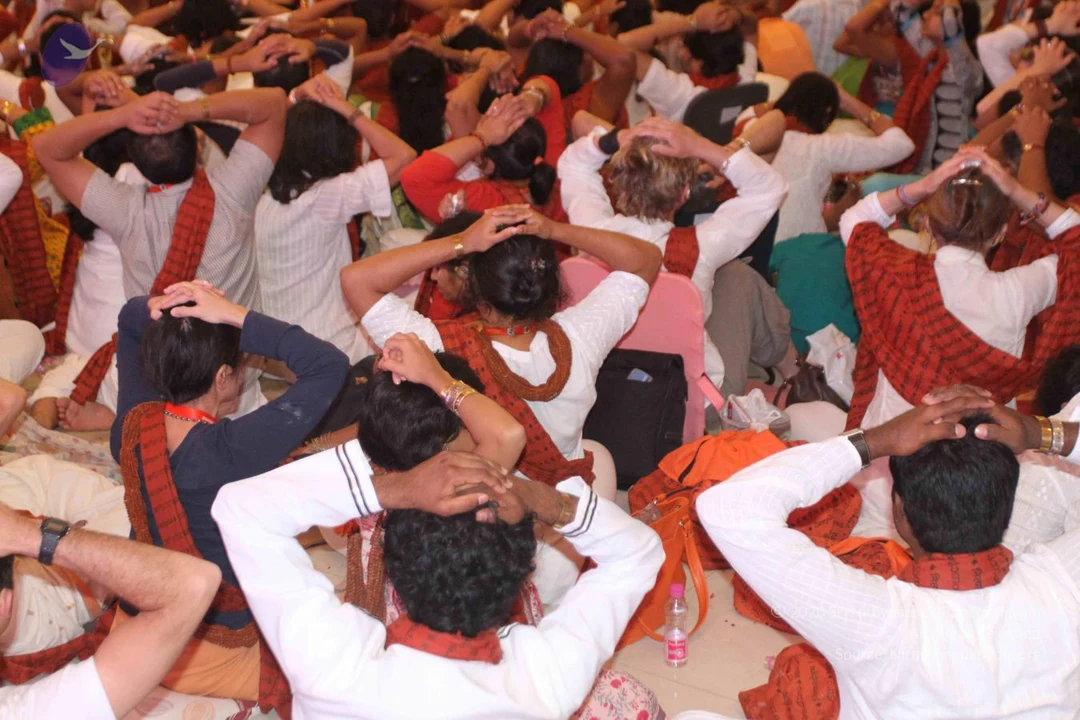
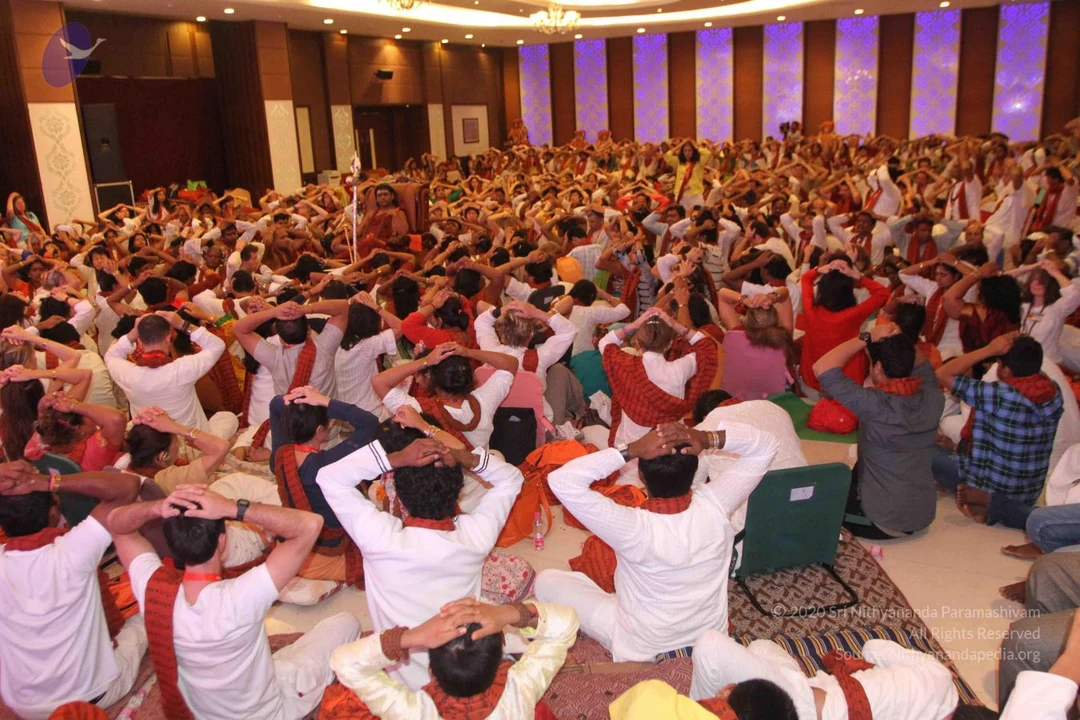
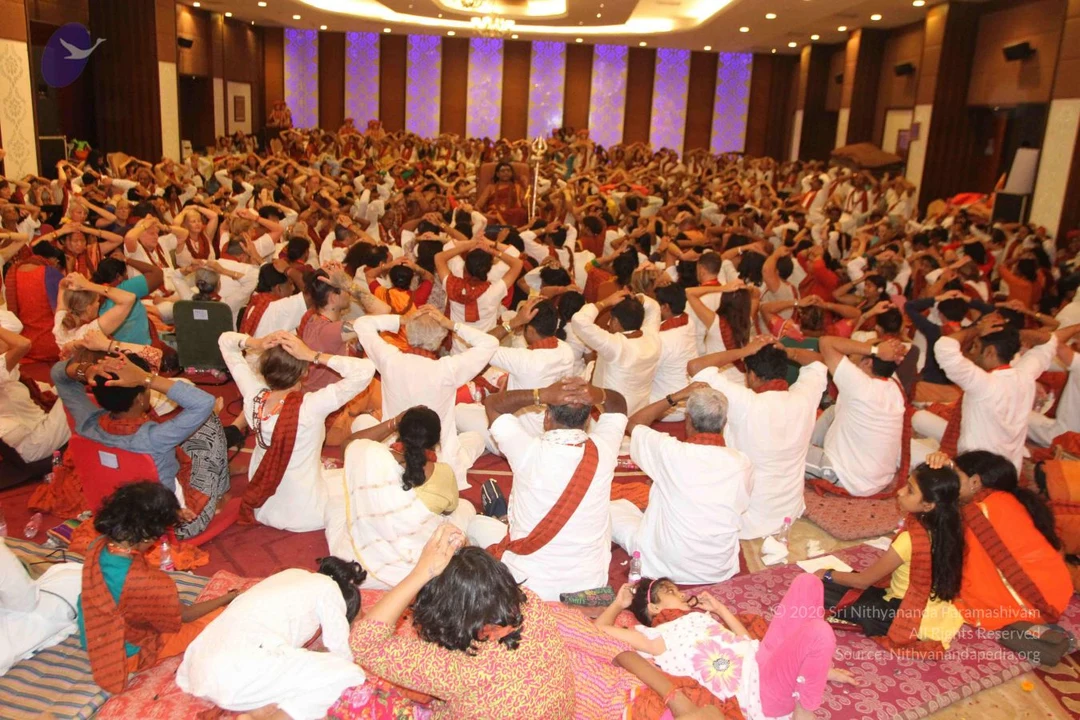
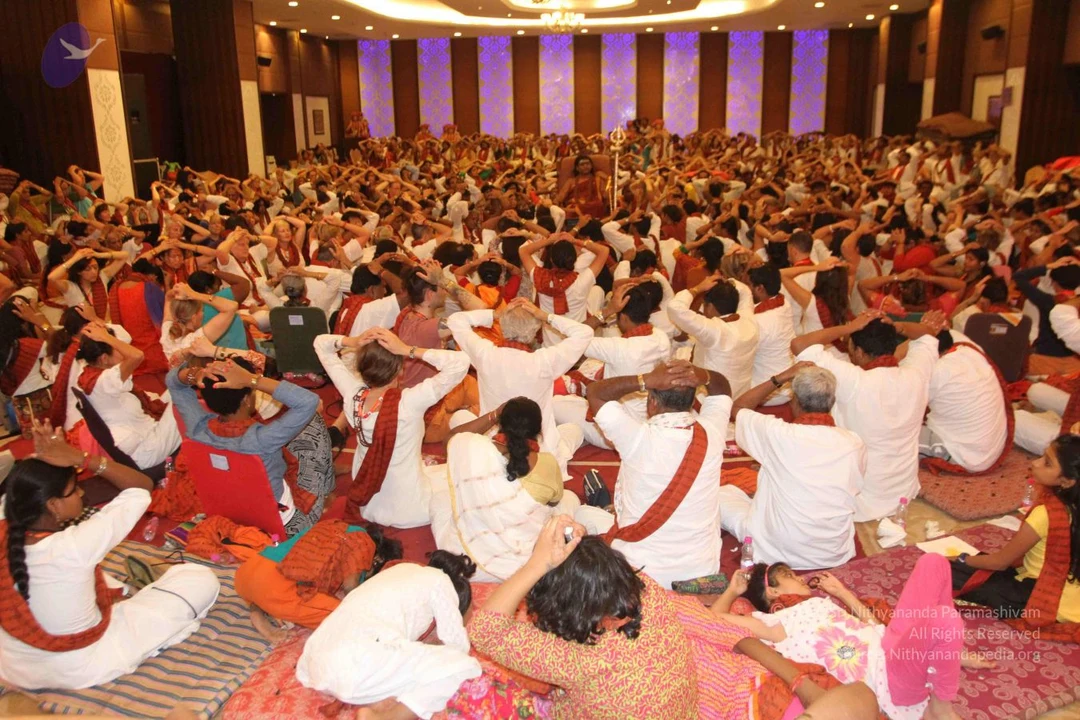
Session on - Shivoham Third Eye Mandala Process & Shodasi Initiation
Venue - Varanasi, India
Date - 27 May 2015

Link to video

'Session on - Shivoham Third Eye Mandala Process'
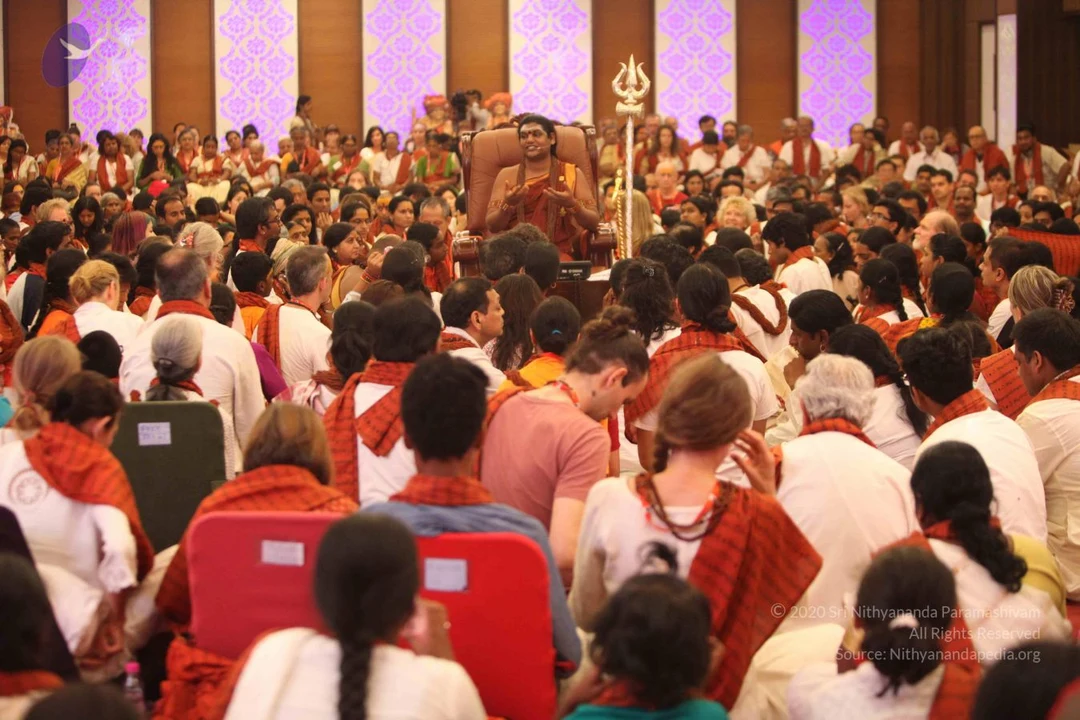
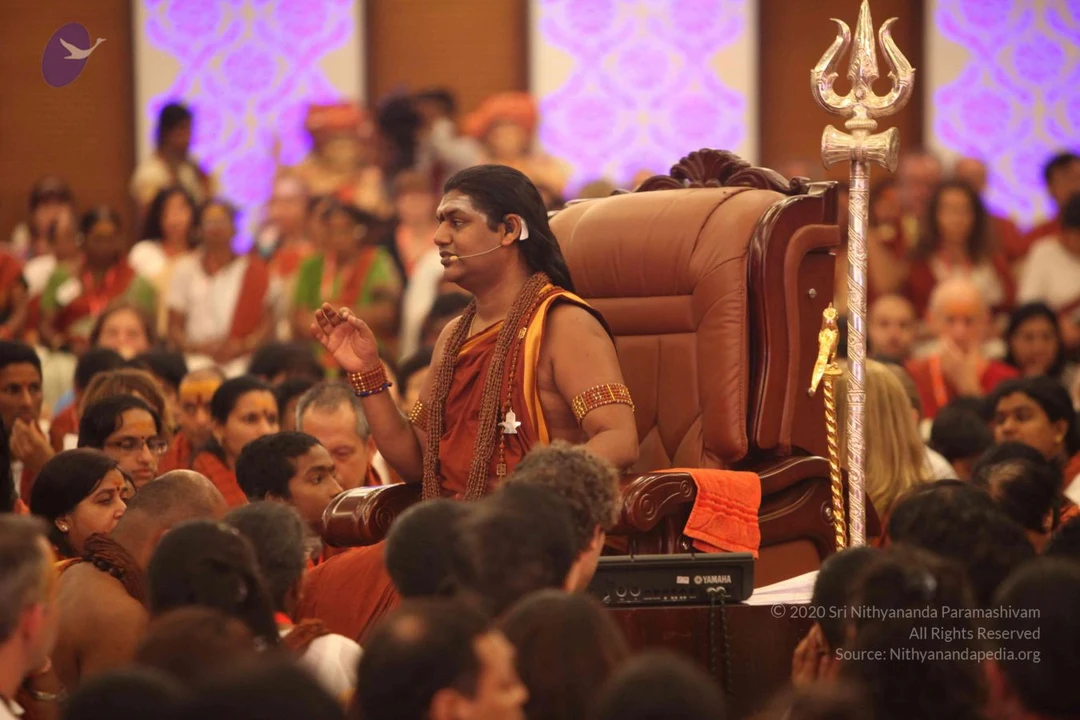
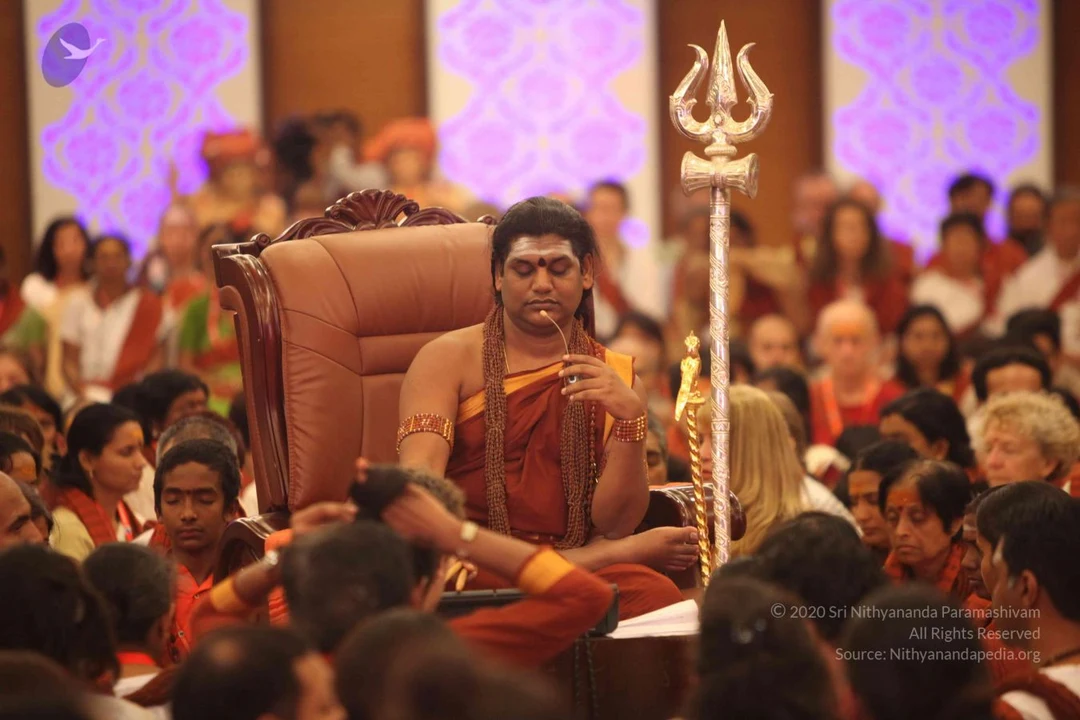
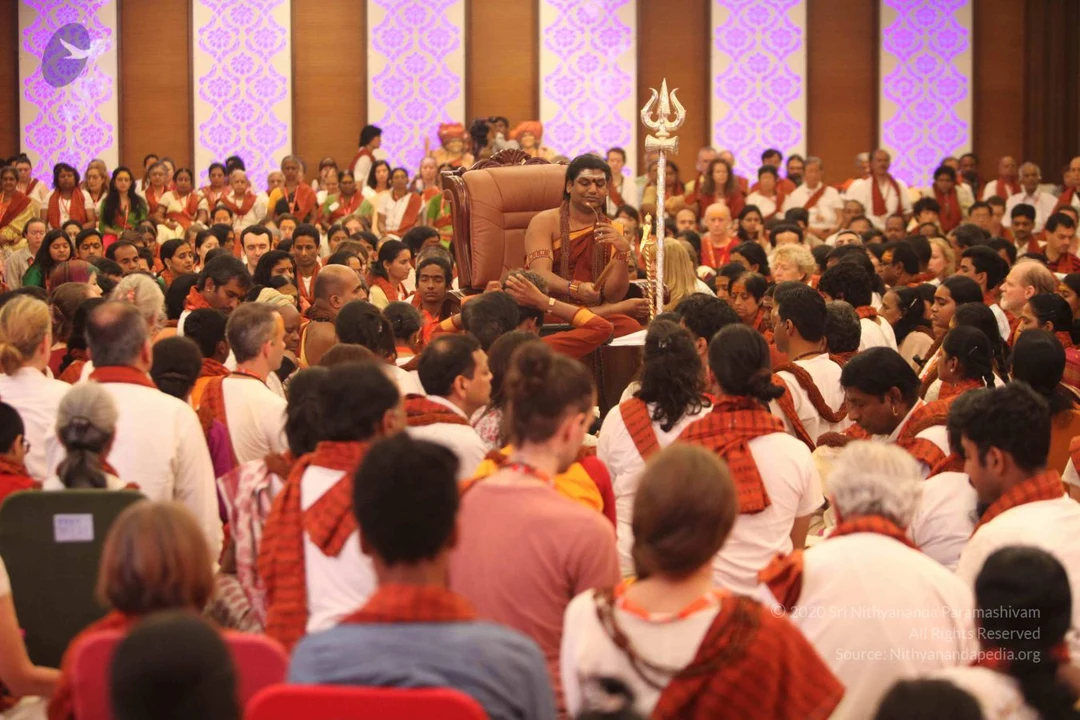
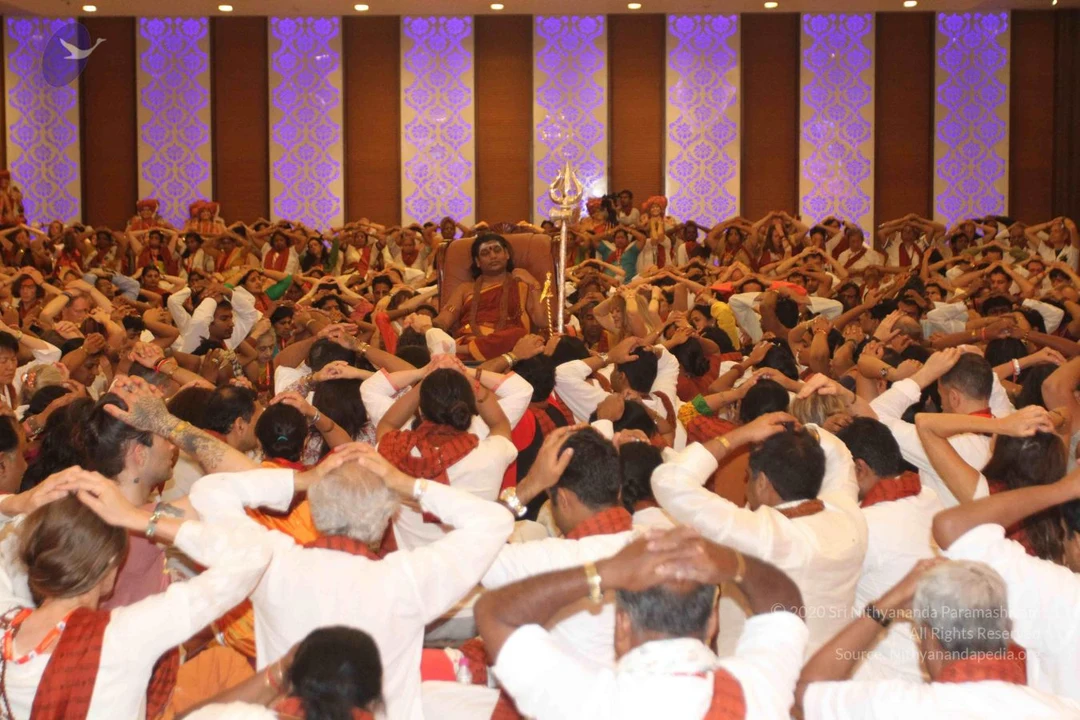
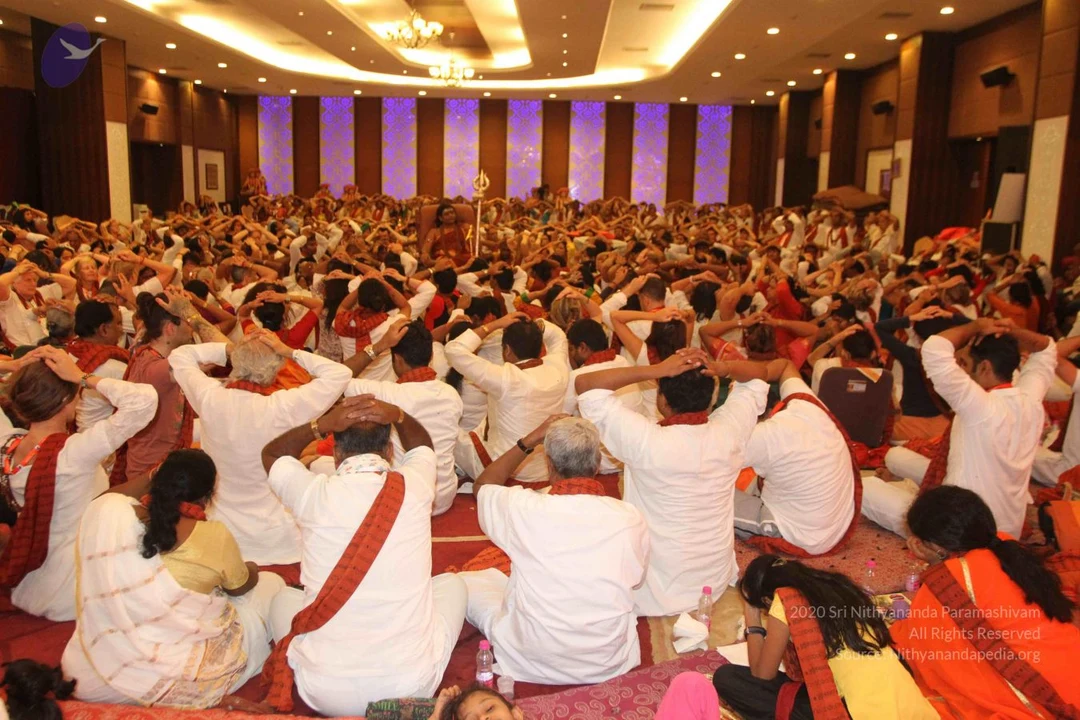
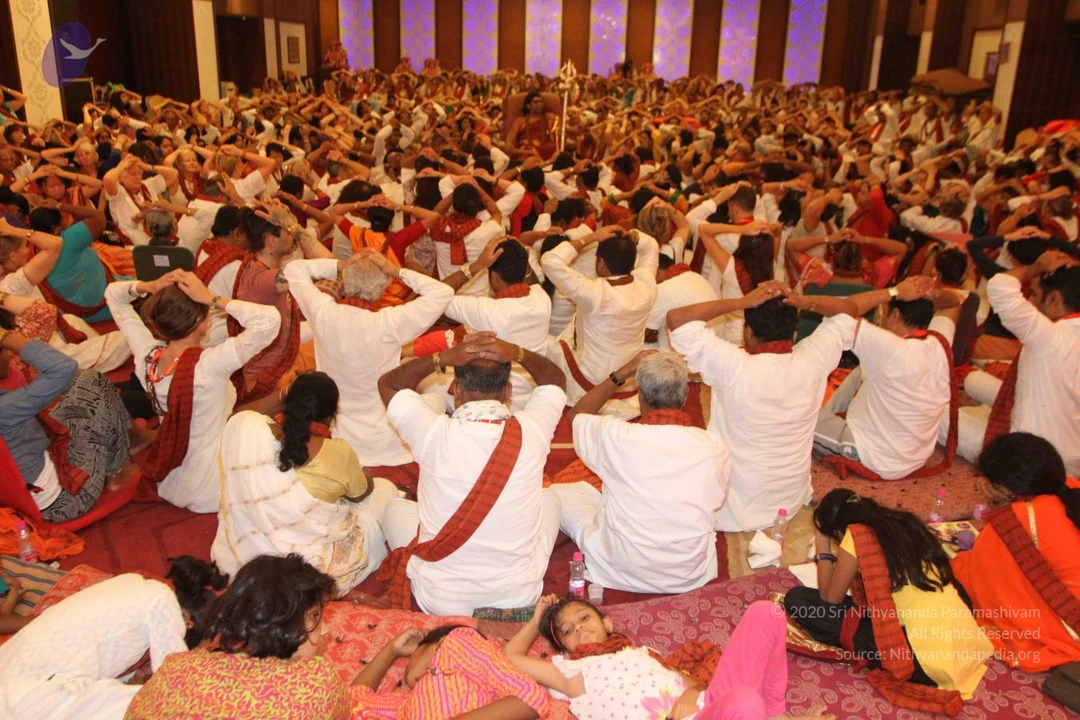
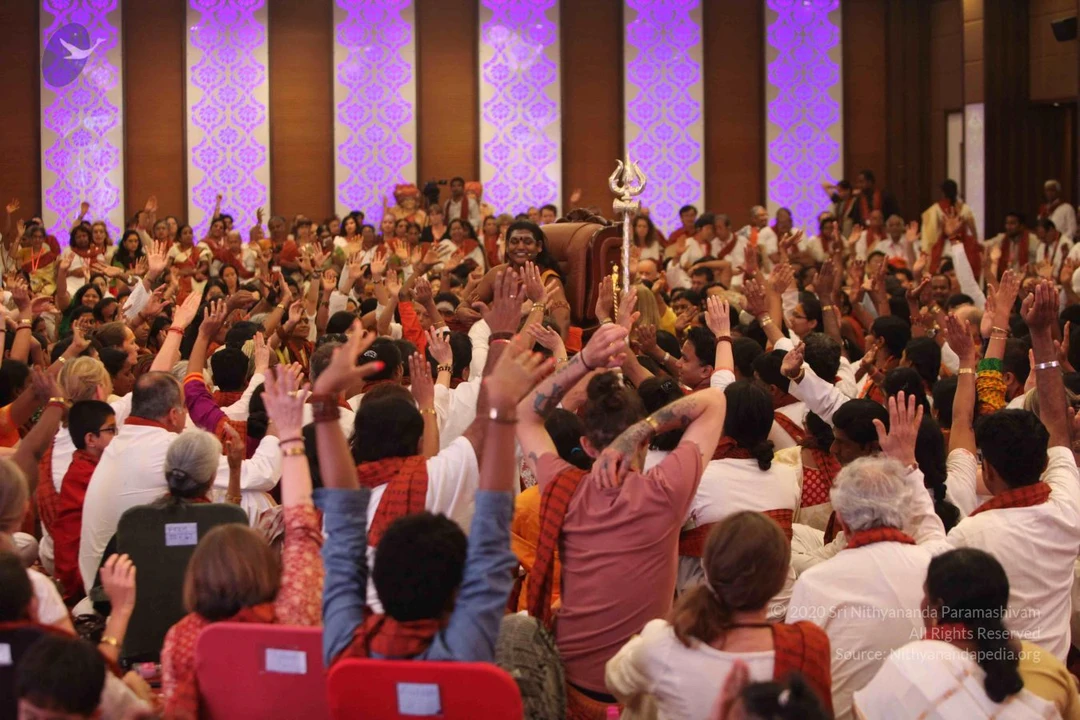
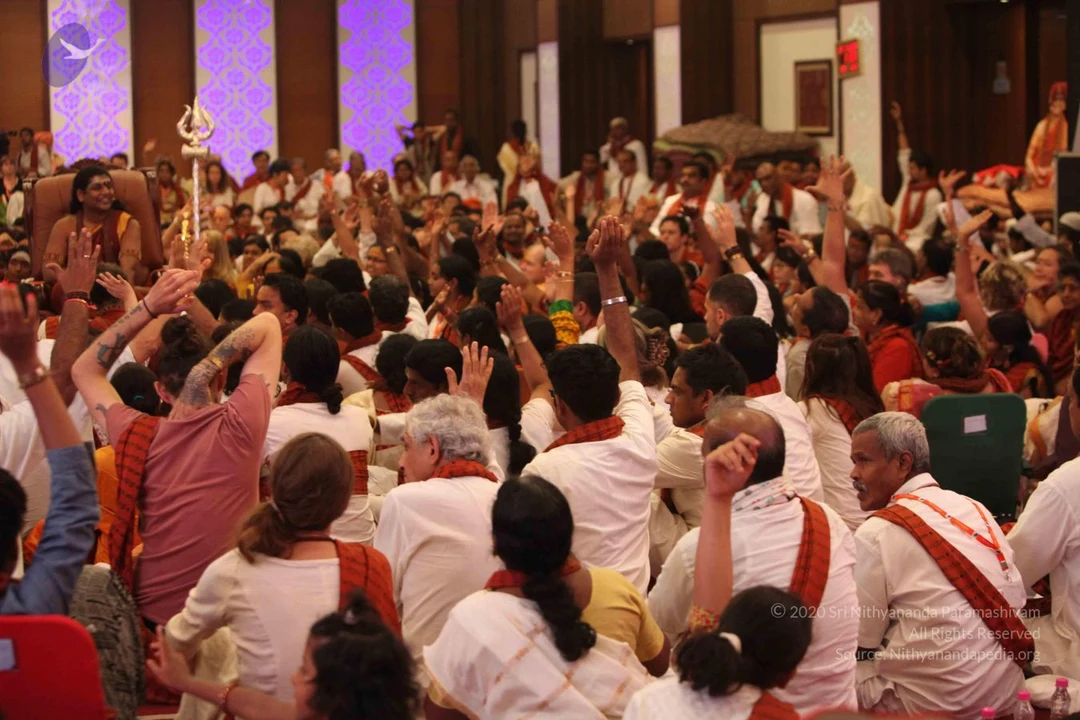
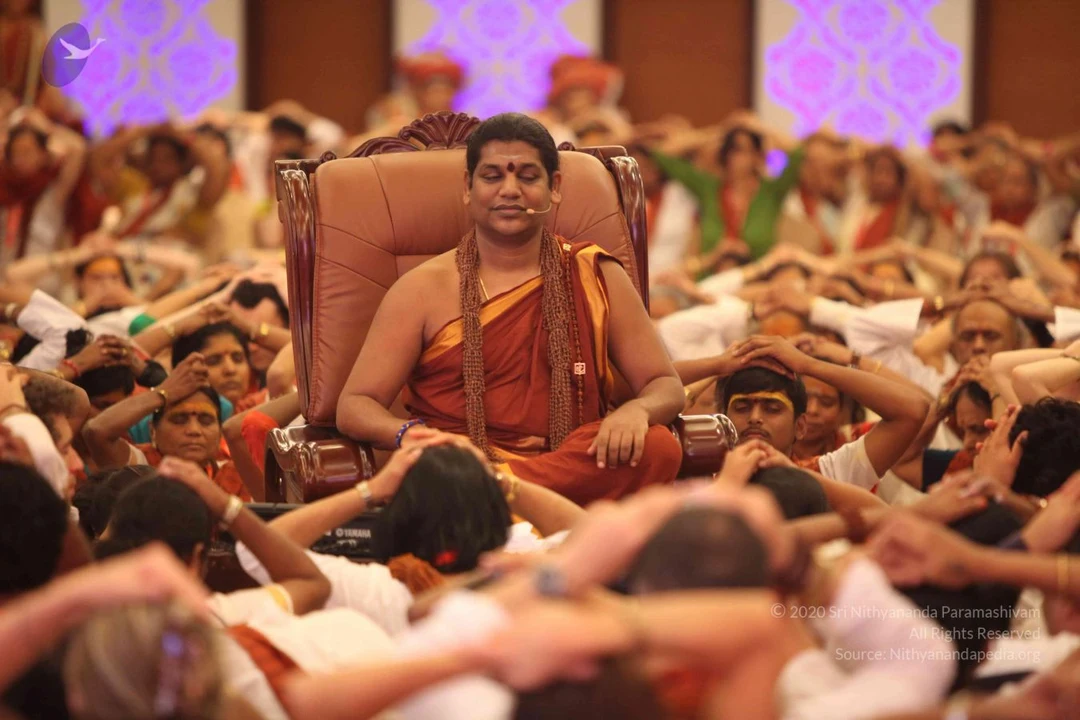
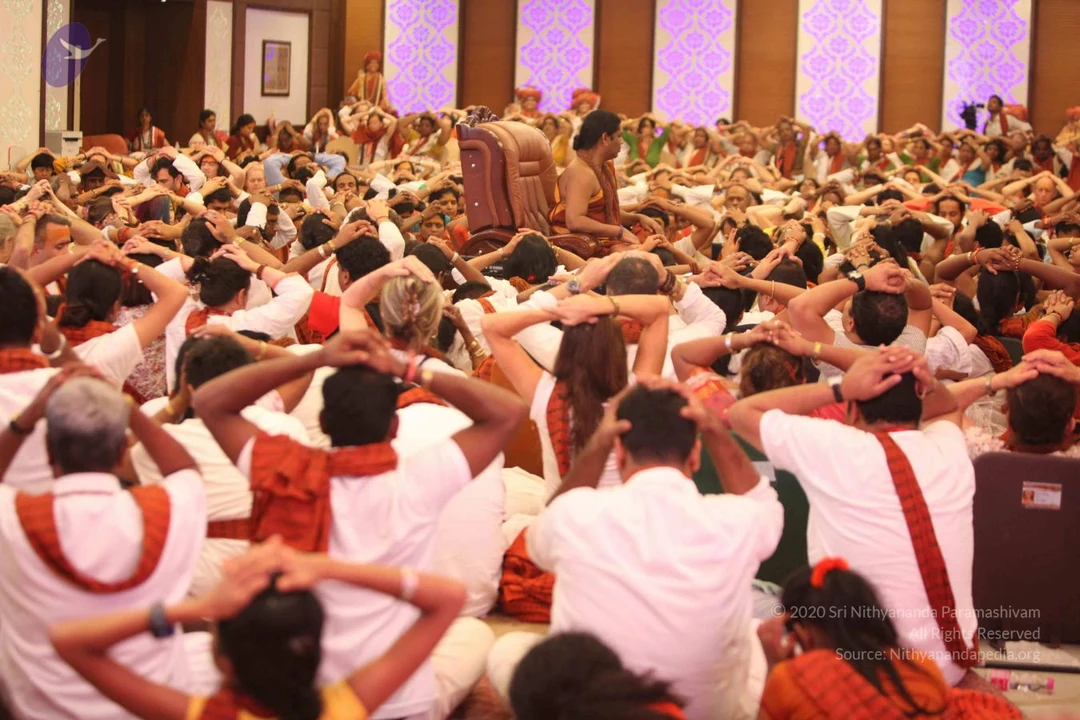
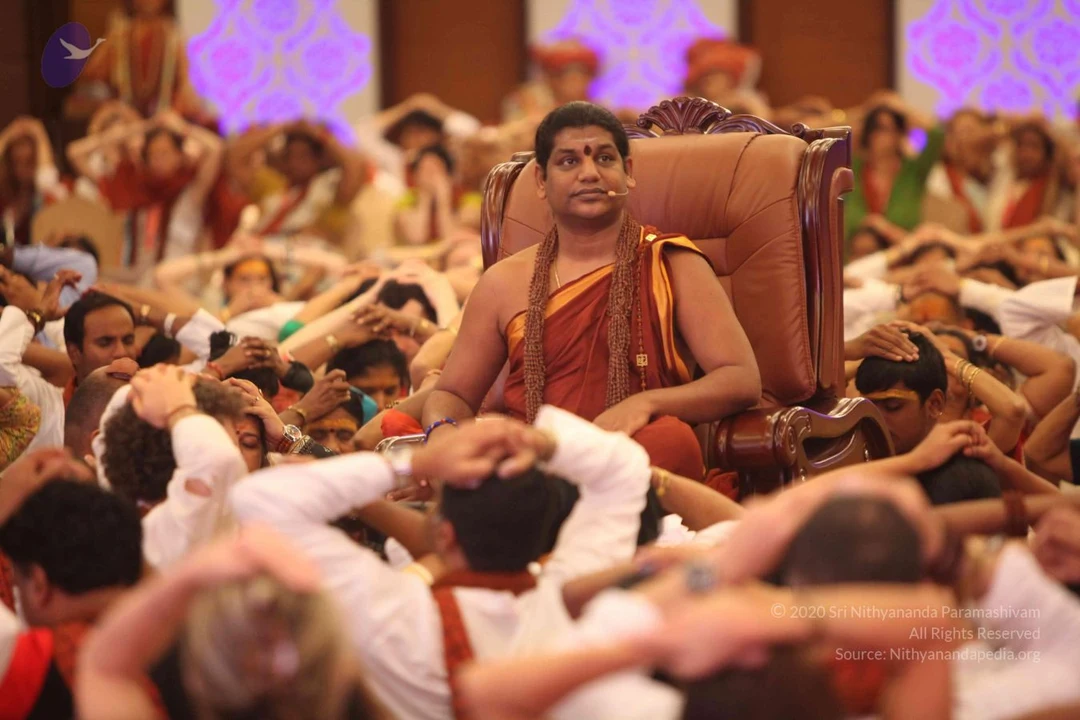
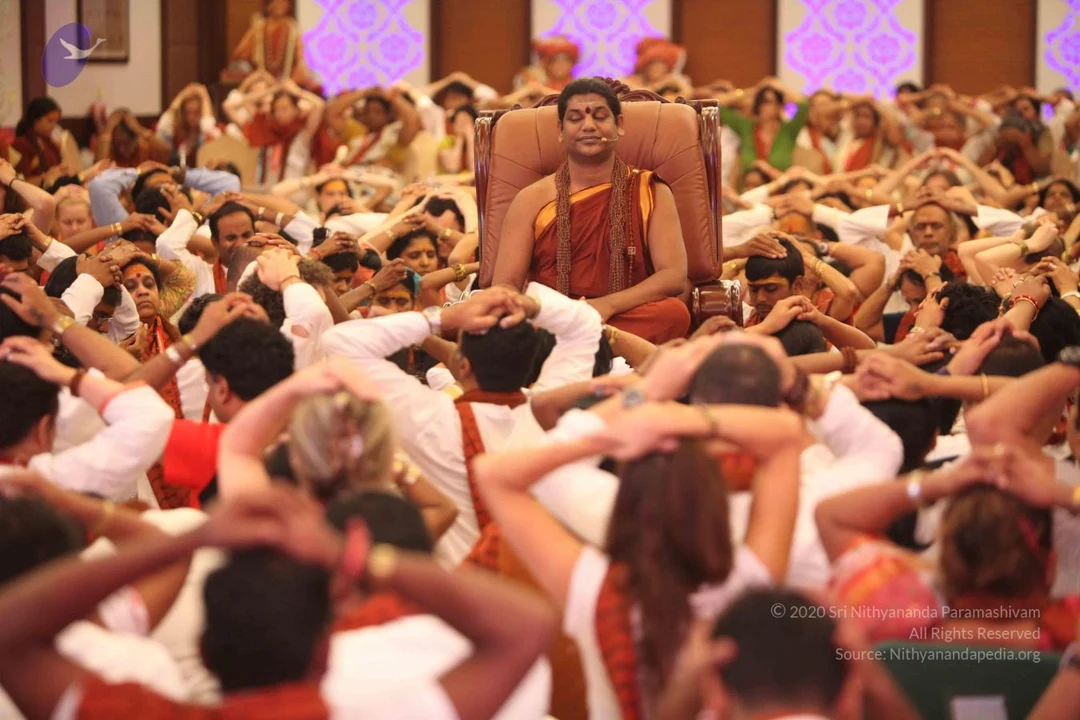
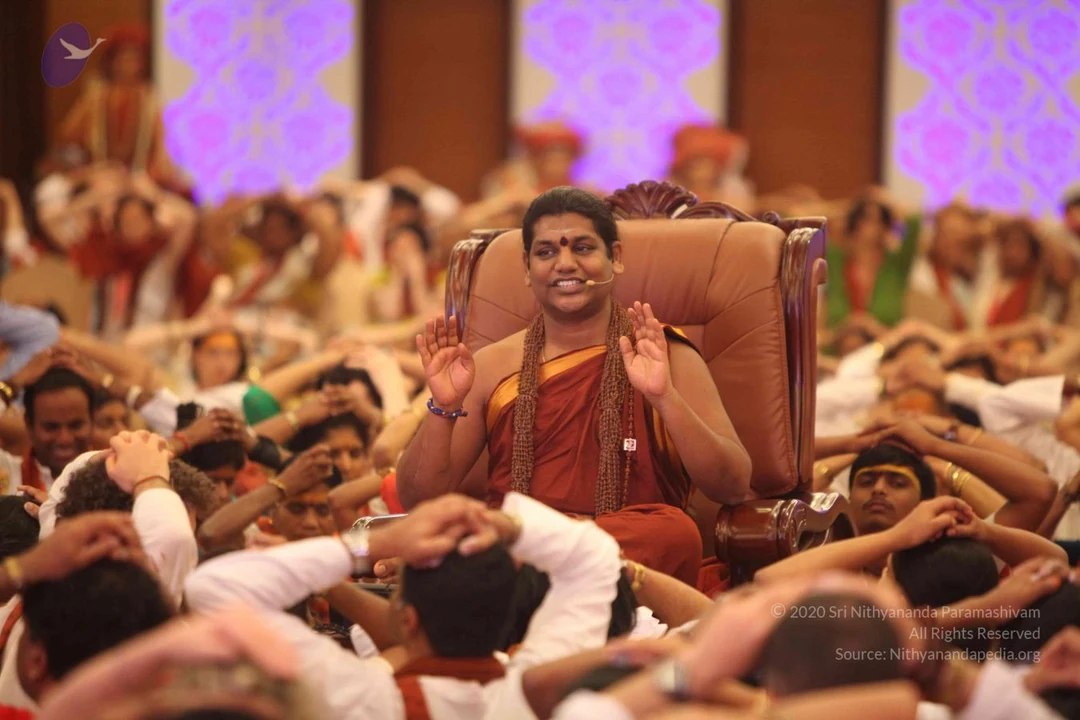
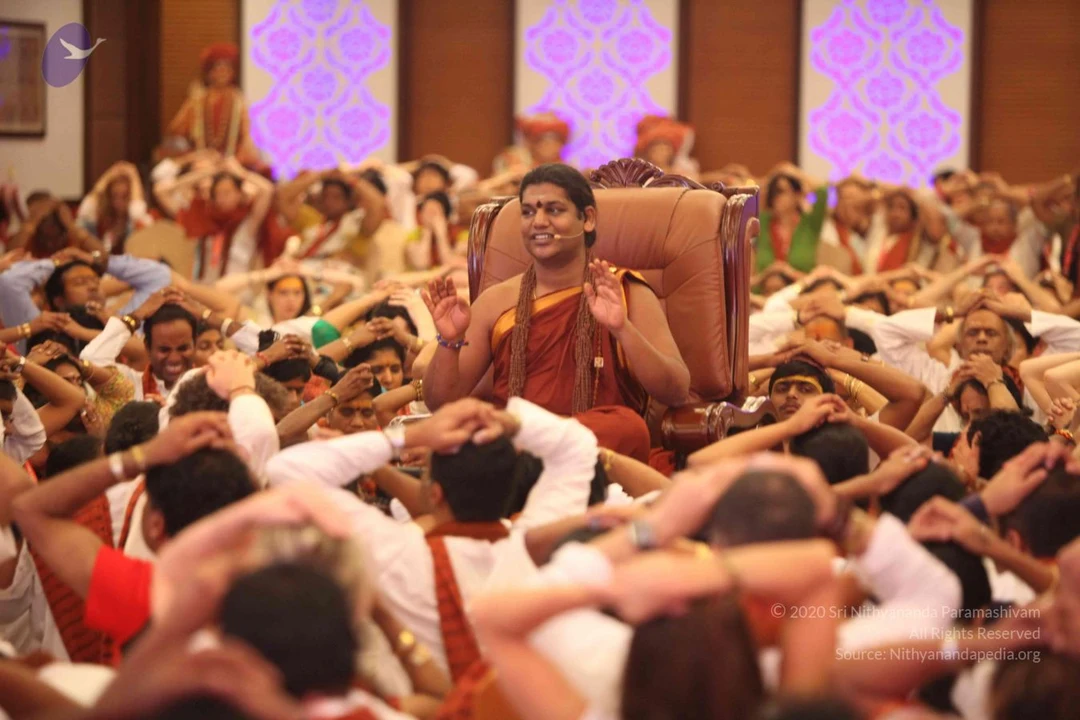
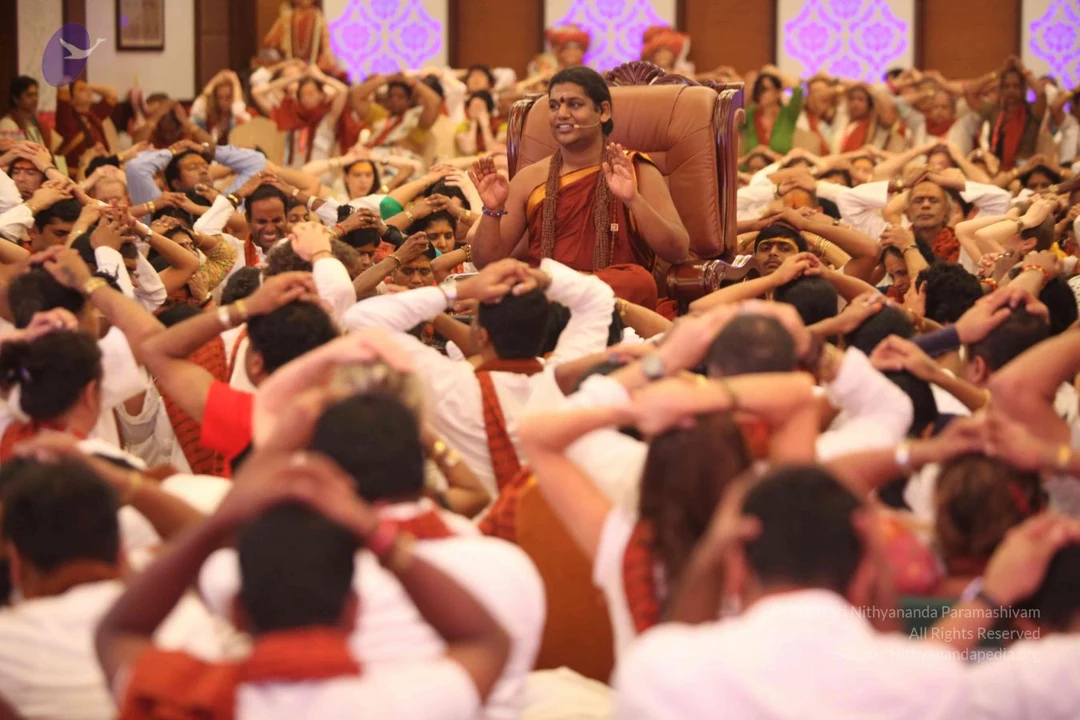
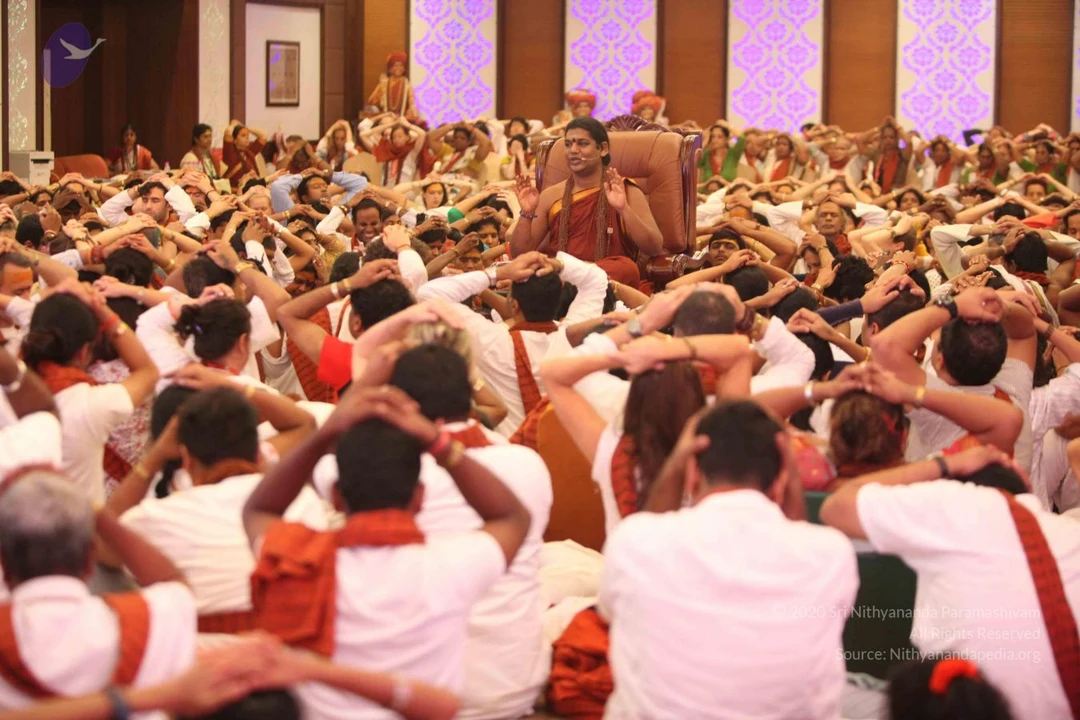
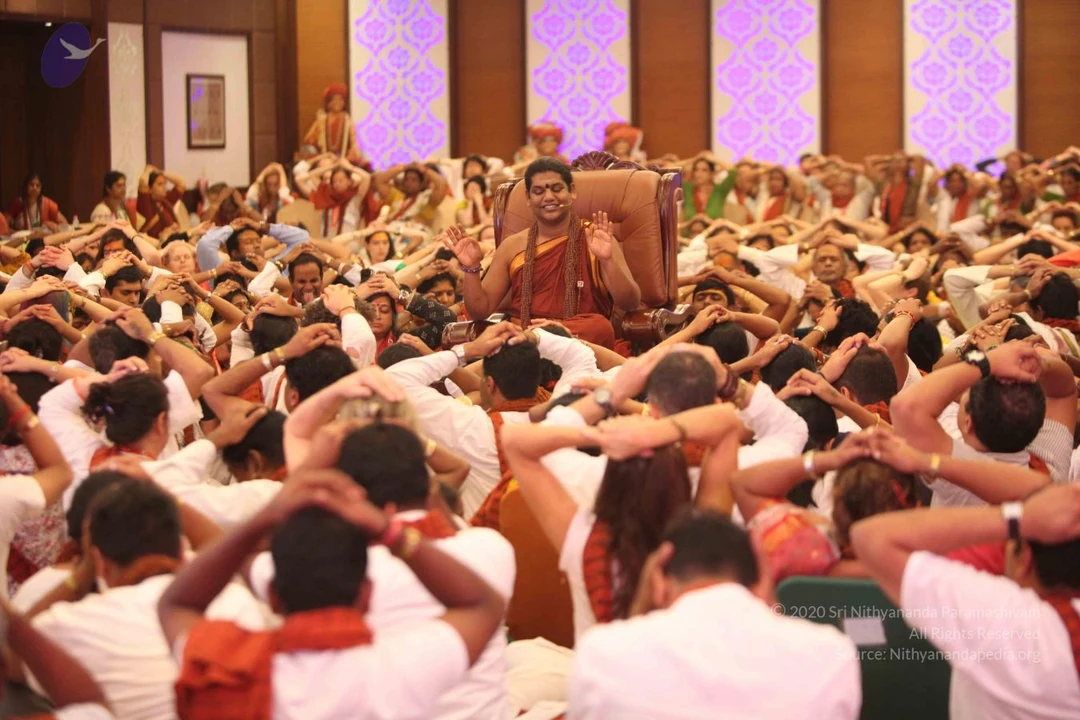
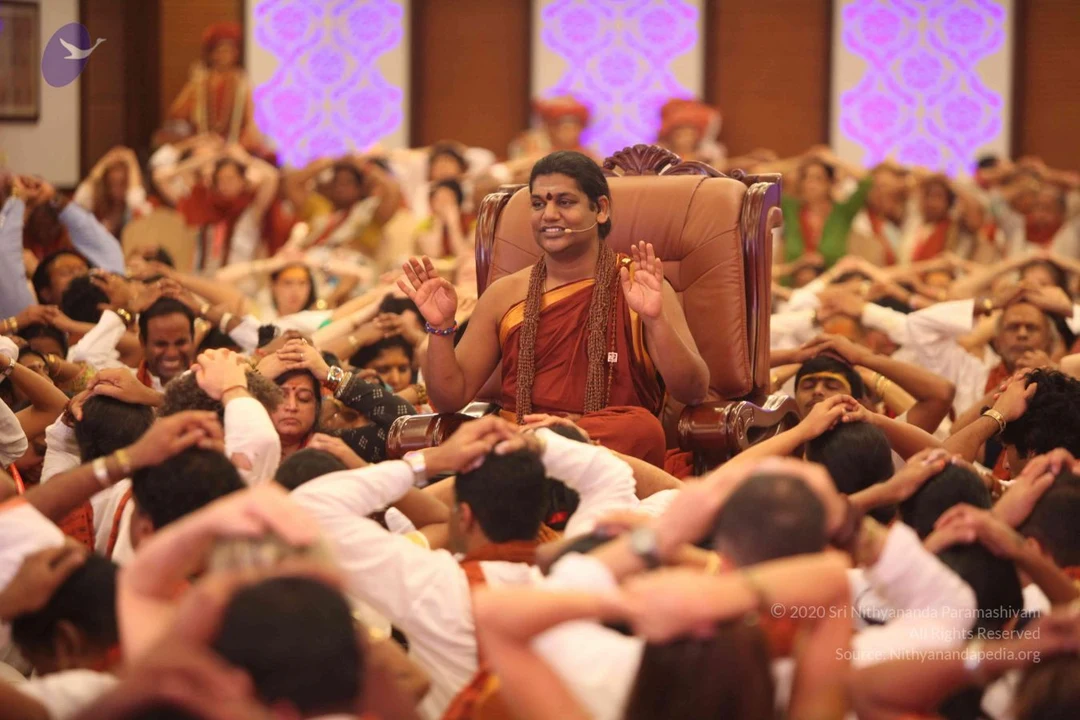
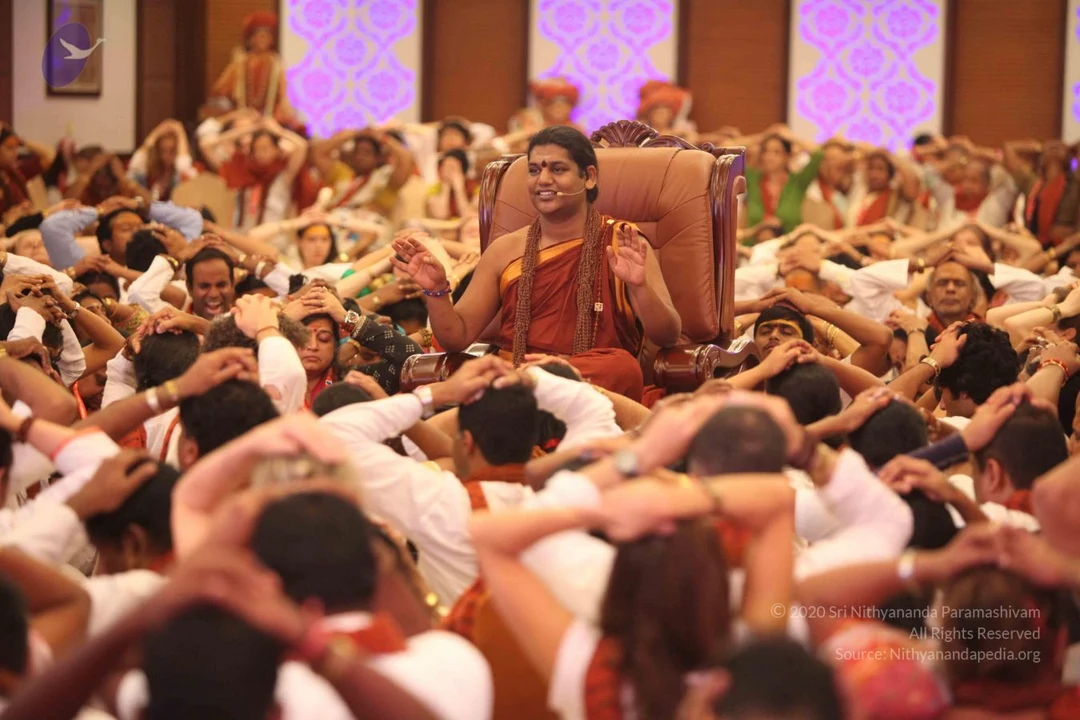
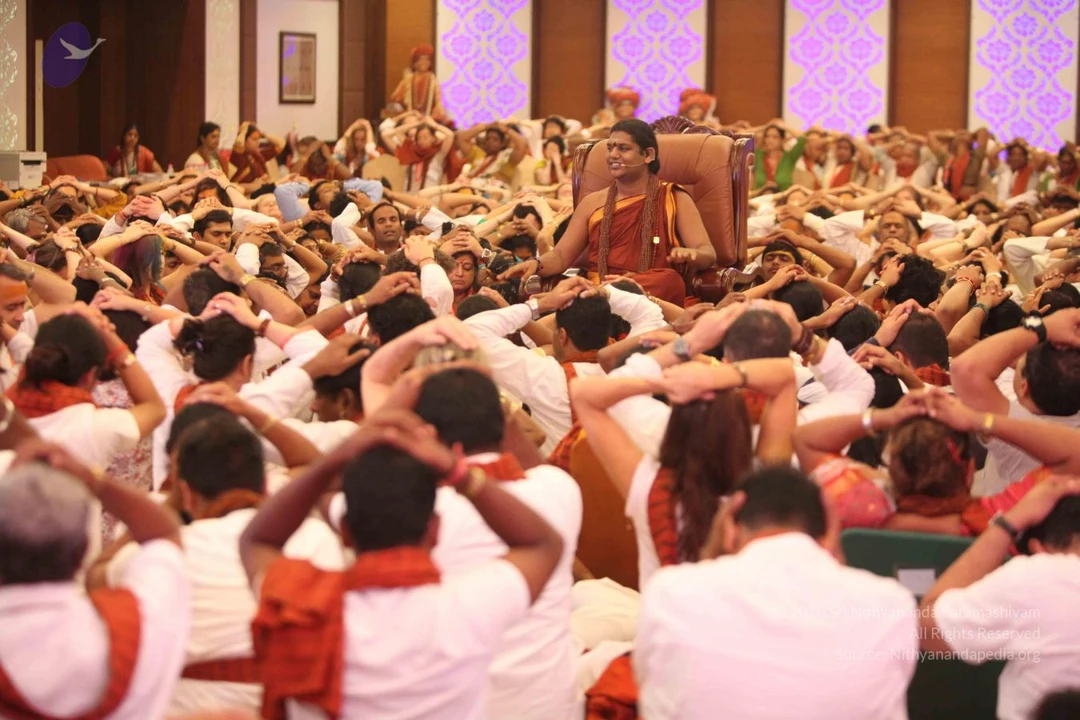
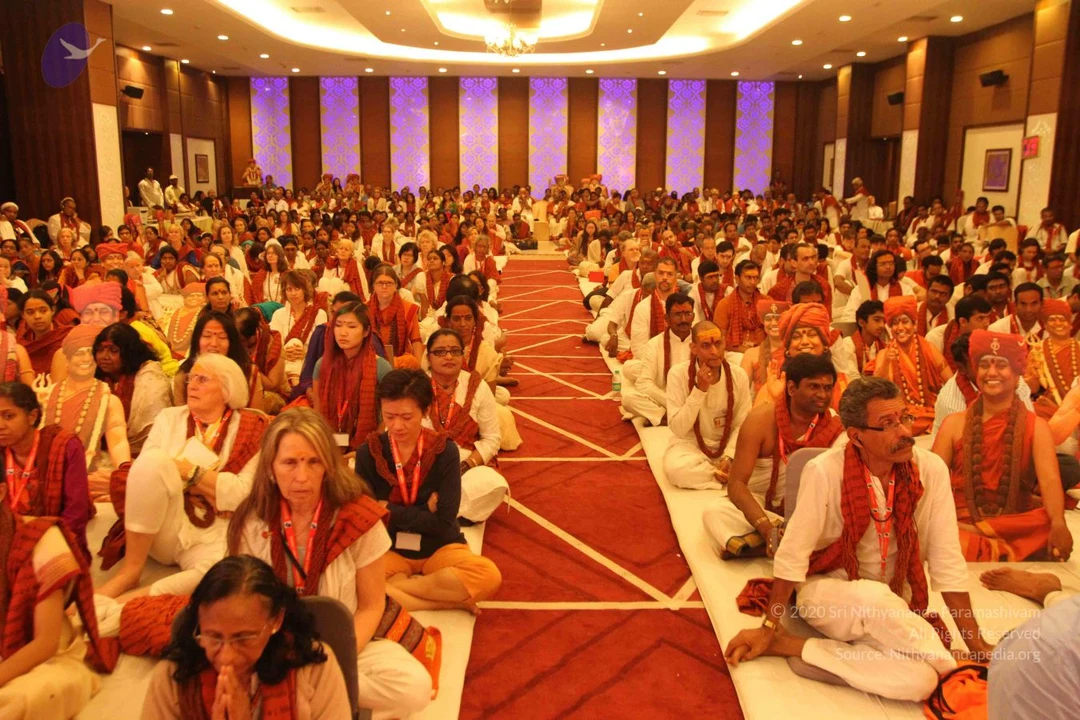
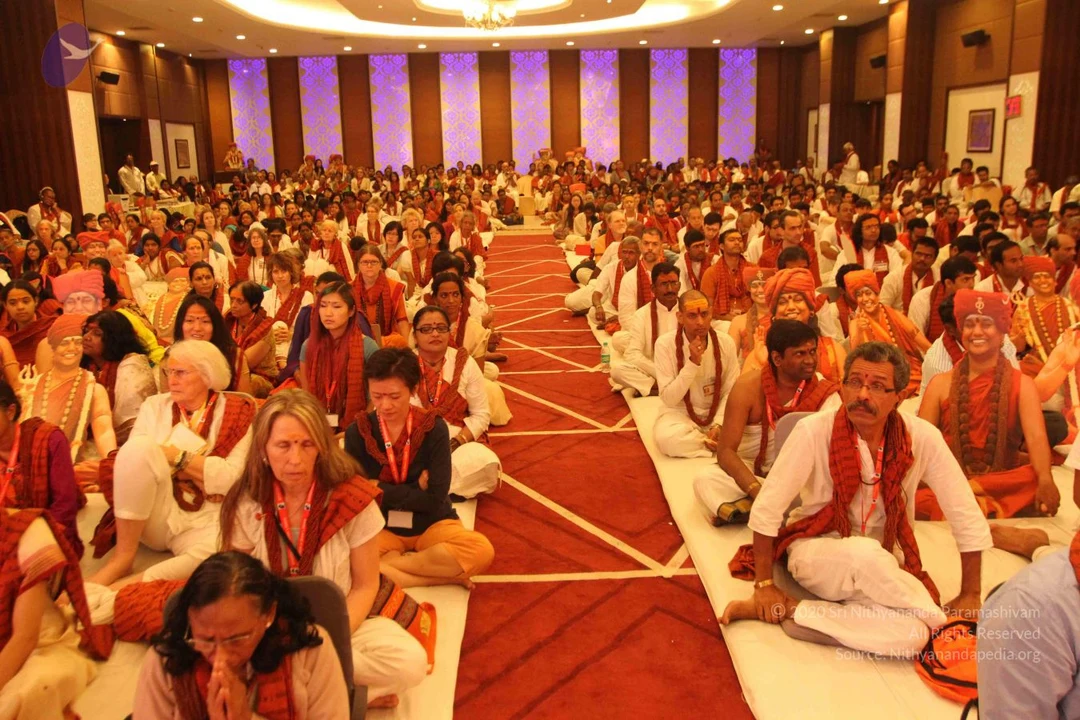
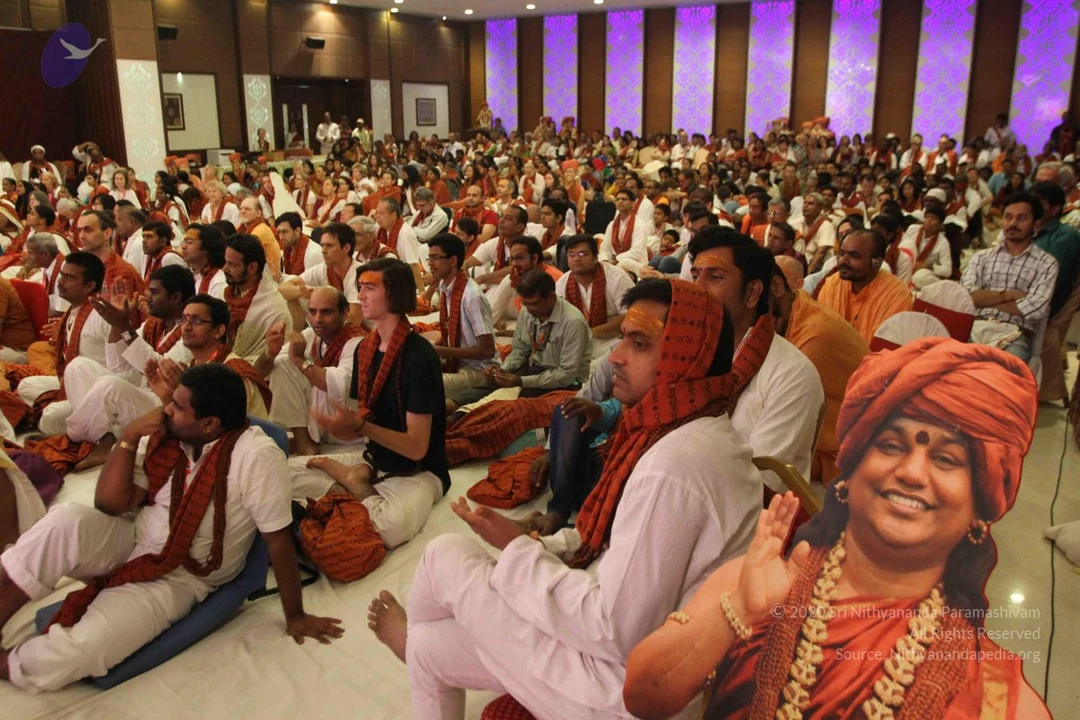
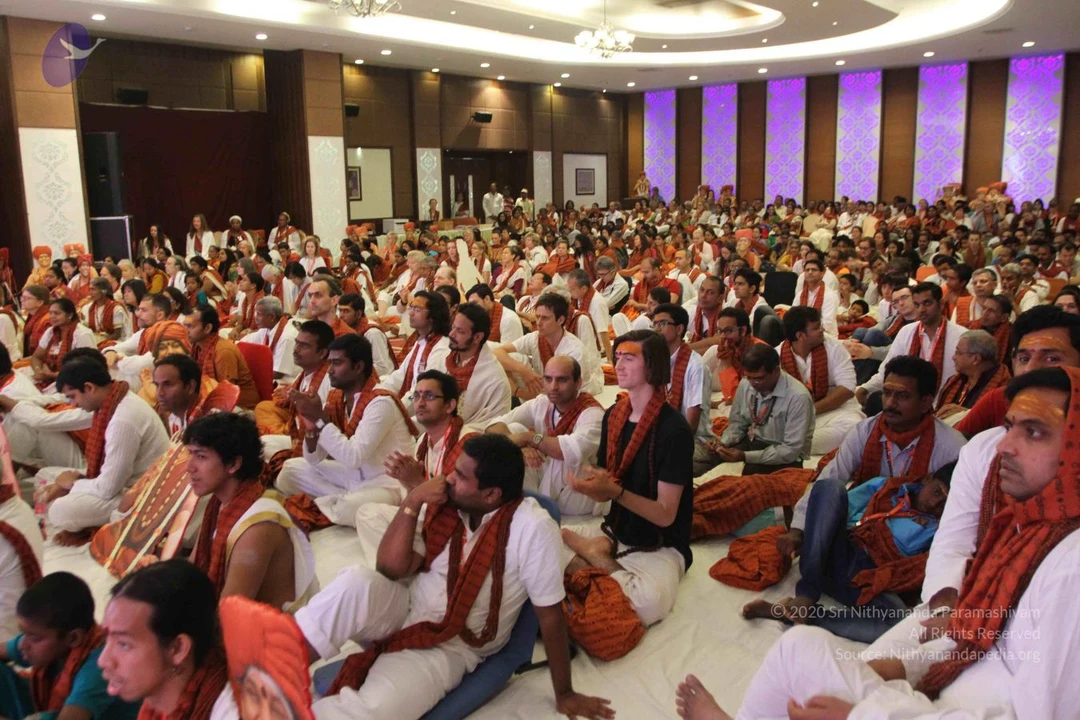
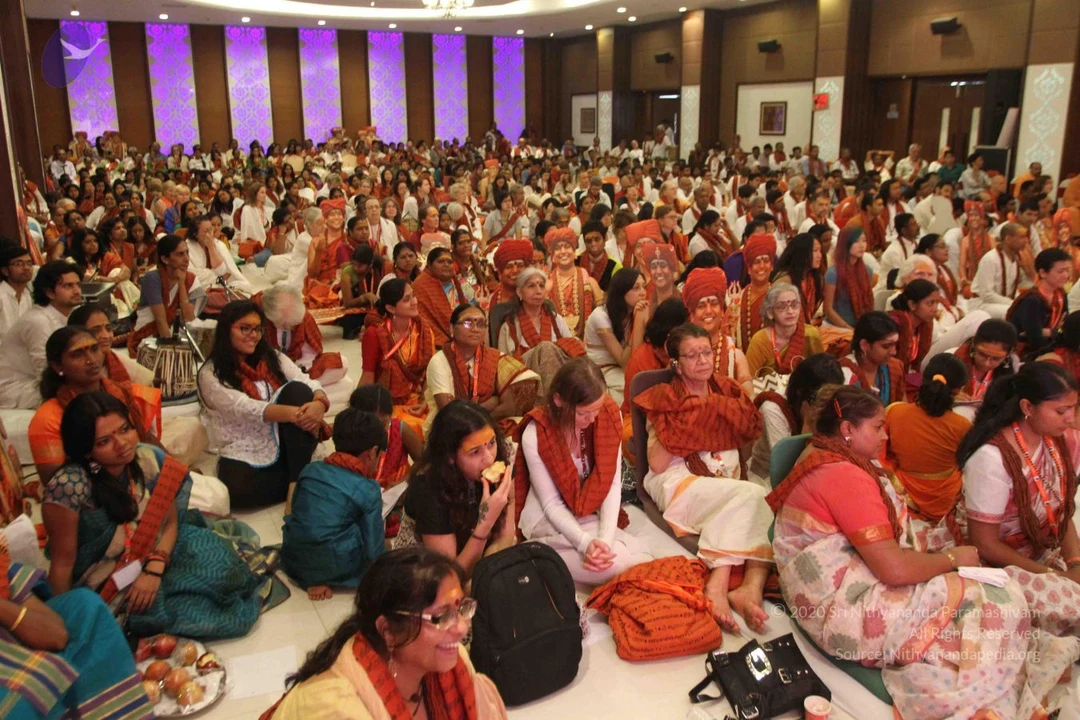
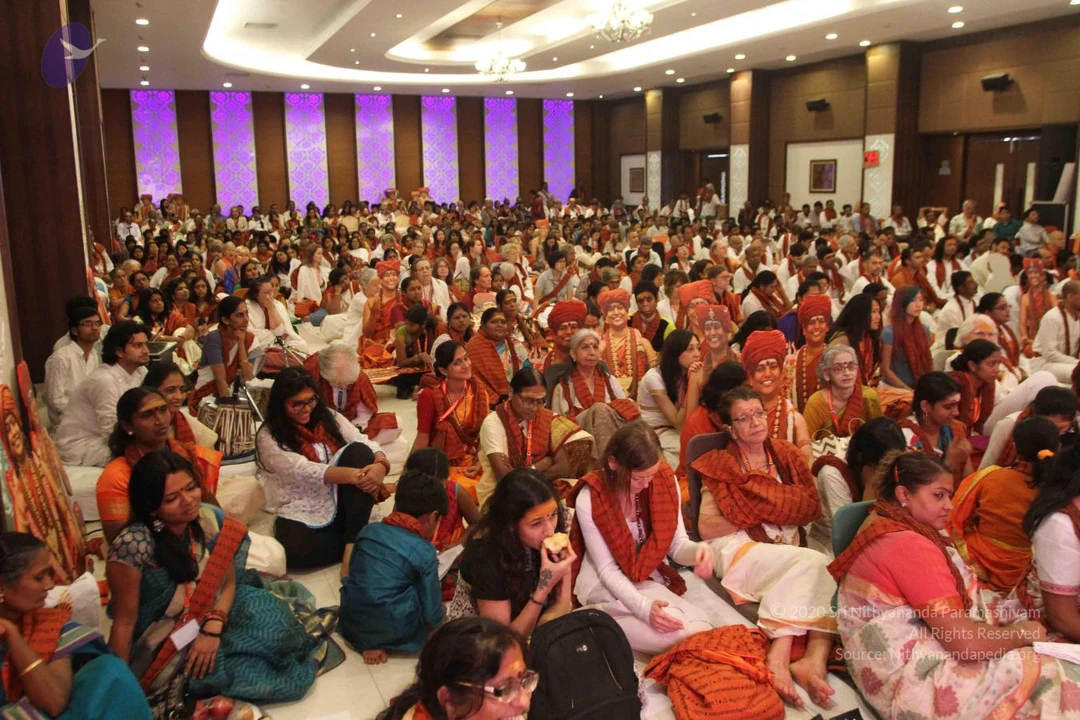
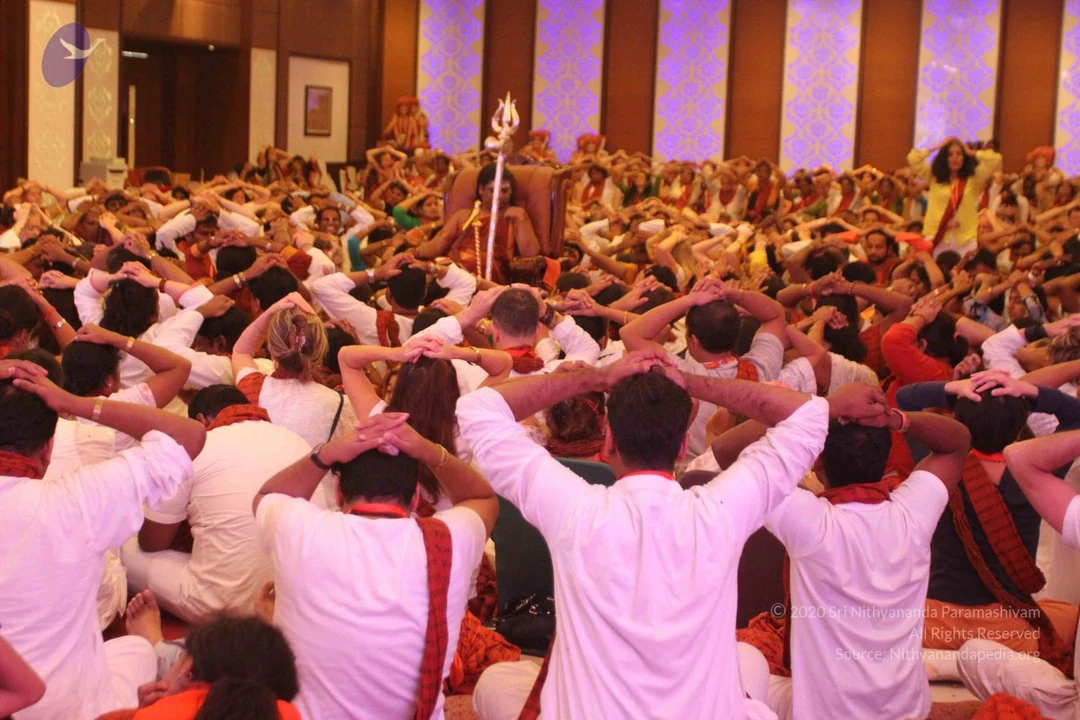
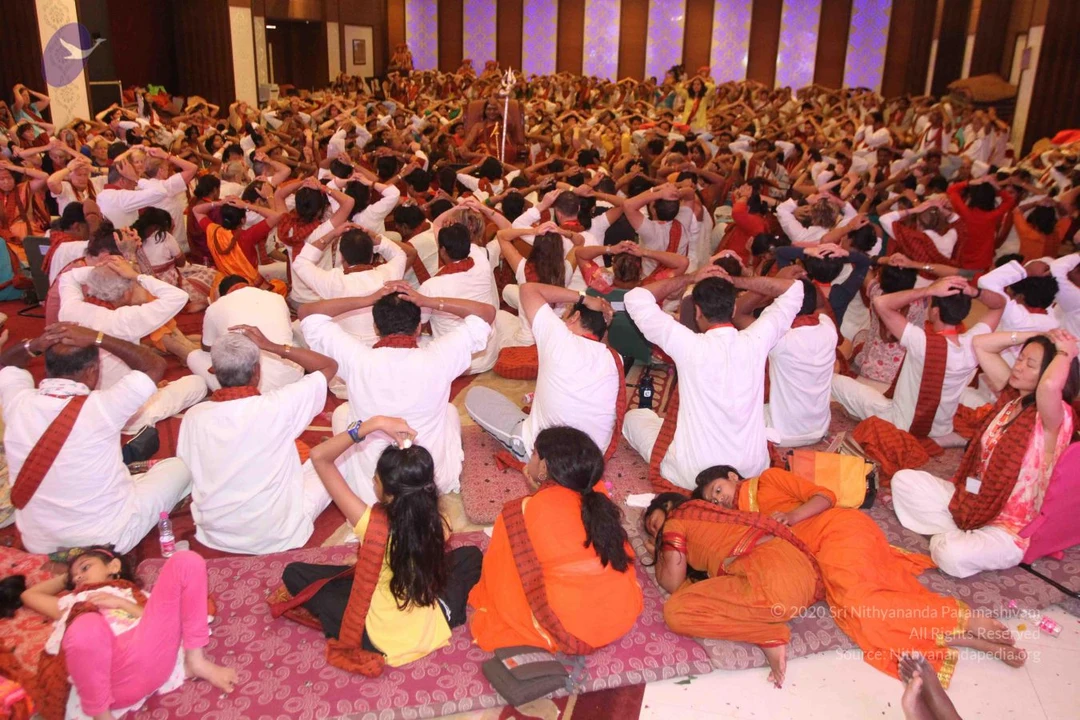
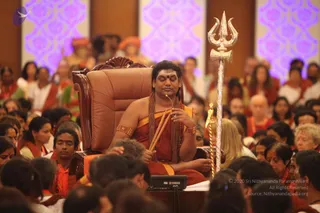
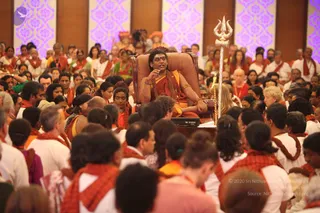
This video is an excerpt from the Inner Awakening program conducted on 27 May 2015 at Varanasi. Here HDH Nithyananda Paramashivam guides participants through a Shivoham Process. Through this process, Swamiji aligns everyone’s bio- and muscle-memory to the fundamental lines and sounds of the cosmos. Using His energy, He surgically removes the chaotic lines and sounds from everyone – leaving the participants in the space of Shivoham

VideoAudio

Link to video

'Connect With Paramashiva Through Shodasi Mandala || Part 1'
This video is an excerpt from the Inner Awakening program conducted on 27 May 2015 in Varanasi, India. Here HDH #Nithyananda Paramashivam guides participants through a special Shodasi Iniation during Inner #Awakening Mandala Process. #Shodasi is used to invoke the energy of Paramashiva as the Ishta Devata and help participants connect to every Saharanama the chanting of 1008 names, and achieve the space of Paramashivatva.

VideoAudio

Transcription

(5:21) So, my blessings to all of you. (5:28) Please understand, Inner Awakening can only start, can never end. (5:39) There are some things which has a beginning and end, like a body, it has beginning, it has end. (5:48) There are some things, no beginning, only end. Delusion. Ignorance. You don't know when it begin, but it has a end, when you become enlightened. (6:00) There are some things which has only beginning, no end. That is Inner Awakening. (6:14) I bless you all. Continue for next few days playing with your third eye. (6:21) Just playfully, casually. You will see at any moment it will just cracks, top, top, top. Even now you are going to have Energy Darshan. One more ultimate blow. It can break up, it can just open up. So just play, it’s already cracked. It just have to break and open up. Initiation has happened. It just need to open up, it will open up. (7:00) So, actually, if I've started this third eye ten days before, means just tenth day of the IA or immediately after the, the second week, eighth day, eighth day, ninth day itself, we could have by now finished 100%. But have to finish the whole Inner Awakening syllabus and prepare you with the completion. That is the reason. But anyhow, next IA I already clearly understood or I, I have a clear plan where we will be able to… It is only a little practice, nothing more. Nothing more is required. If I have a few more days of IA I’ll finish all the 100% of you guys, able to read blindfolded and send you back. It's only a few more days question, nothing else. (8:05) Because Varanasi has a unique special energy connection with third eye. It really supports the third eye awakening and all the Gods and Goddesses of Varanasi want us here to (Swamiji making a pause) (8:43) Thank you guys for being here, sharing the joy, bliss with me. (8:55) Understand. How much you feel I am making your life joyful, meaningful, that much you mean to me. (9:09) How much you feel I’m important to your life, be very clear, that much you are also important to my life. (9:20) Somebody asked a boy: “What's your father's… what's your age?' He said: “14.” They asked:” “What's your father's age?” He said: “14”. They asked: “How come” ? He said: “Only when I am born he became father”. (9:38) Understand, same way it is you guys, disciples, make me a Guru. So it is how much you enjoy, you feel I am into your life, I want to tell you guys, that same way you all mean to my life. And I do enjoy all your presence in my life.

(10:29) We have lot to do to revive this great Vedic Tradition, to move this Dharma Chakra. I invite everyone of you to shoulder this responsibility, to move this Dharma Chakra along with me. (11:10) I think that's it, for now. (11:19) Blessings to all you guys. (11:29) I know, not only you guys will be missing this chair, even I will be missing (11:37) Just turning around and seeing everyone. "Come on, shall we start?" Alright. Let's get ready for Pada Puja and Energy Darshan. Ultimate, but not final; Ultimate, but not last. (12:14) Touch of the Divine, Energy Darshan (12:22) I bless you all. Let you all radiate with Integrity, Authenticity, Responsibility, Enriching, Causing, Living Advaita, the Eternal Bliss. Nithyananda. Thank you. Be Blissful.

Link to video

'Connect With Paramashiva Through Shodasi Mandala || Part 2'
This video is an excerpt from the Inner Awakening program conducted on 27 May 2015 in Varanasi, India. Here HDH #Nithyananda Paramashivam guides participants through a special Shodasi Initiation during Inner Awakening Mandala Process. #Shodasi is used to invoke the energy of Paramashiva as the Ishta Devata and help participants connect to every #Sahasranama the chanting of 1008 names, and achieve the space of Paramashivatva.

VideoAudio

Title:

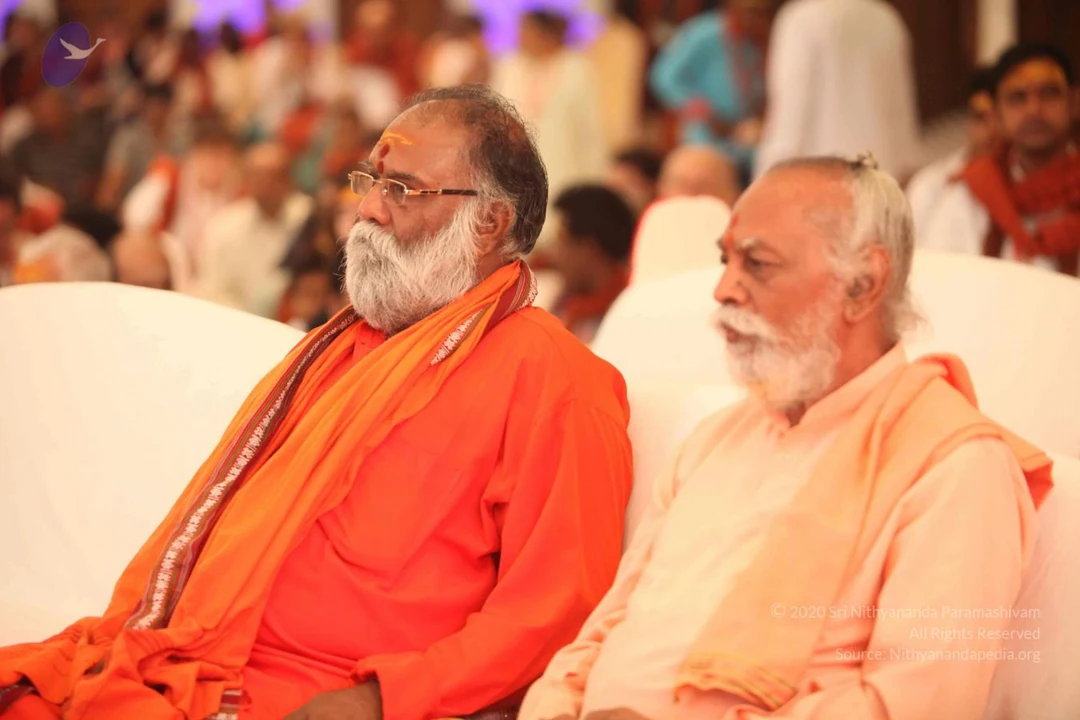
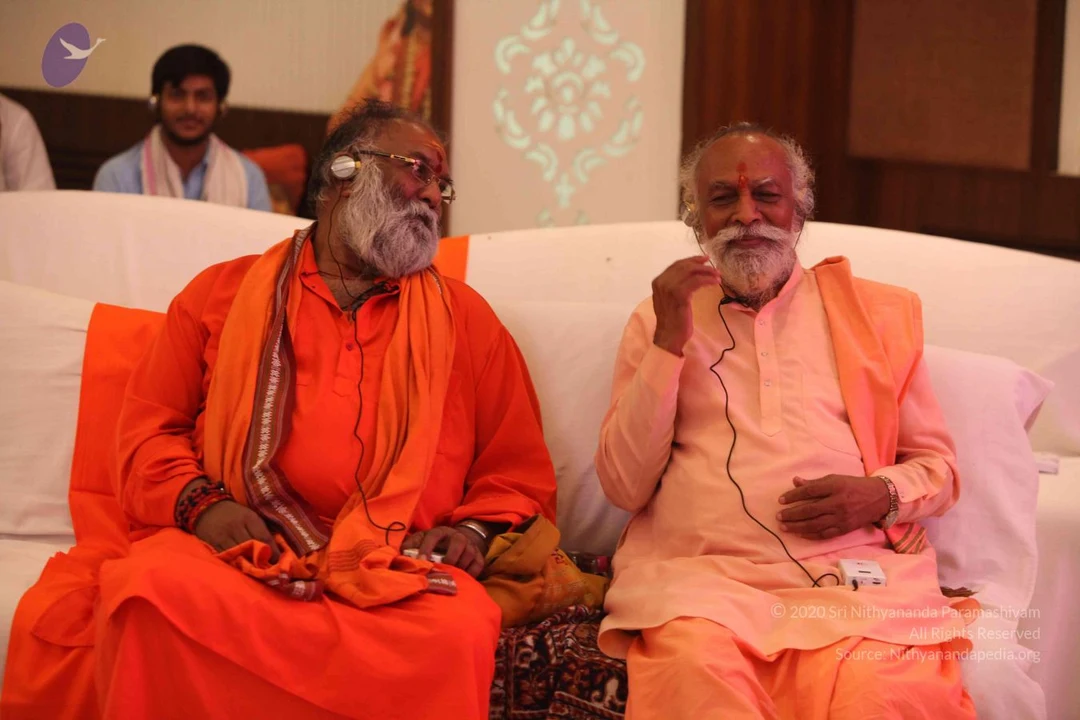
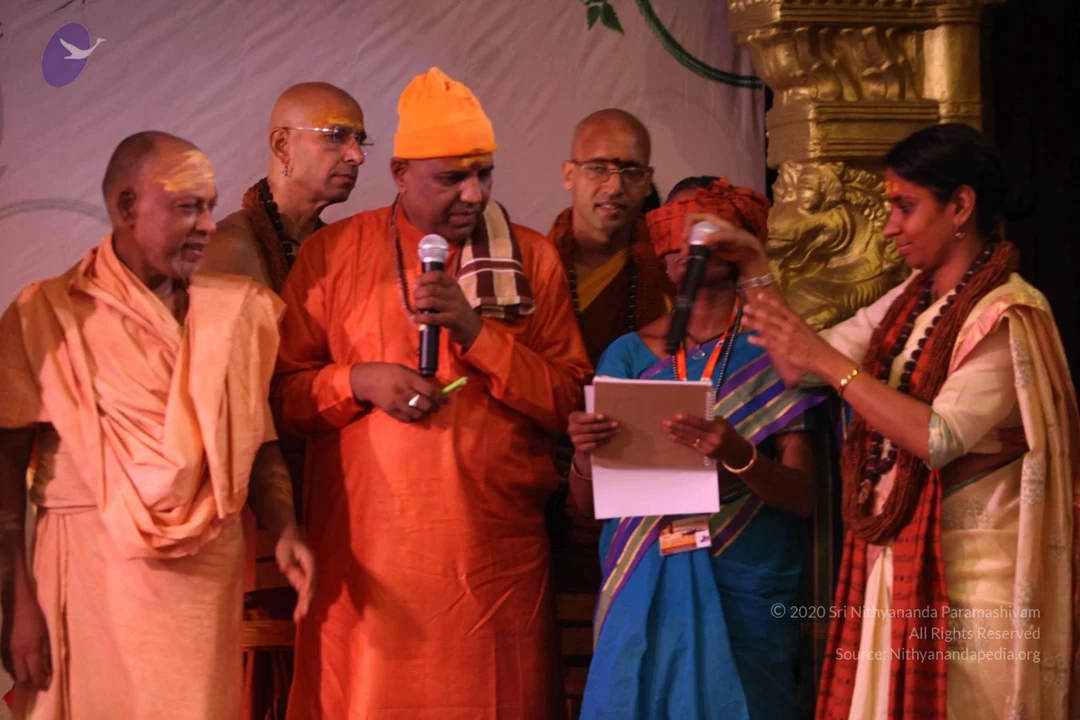
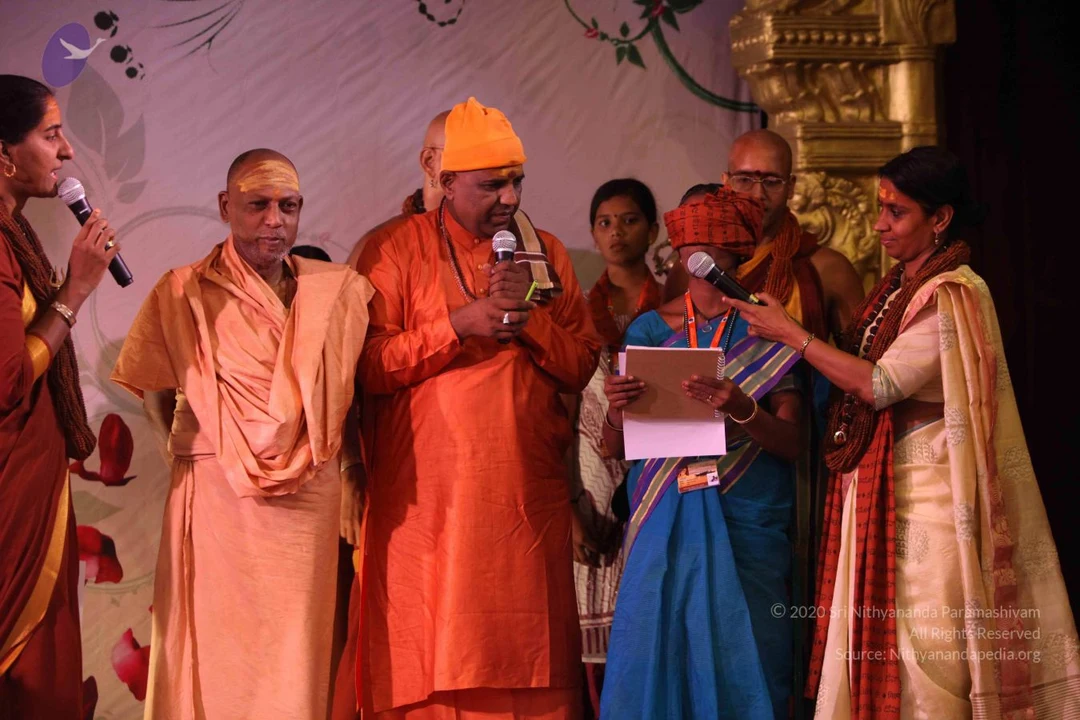
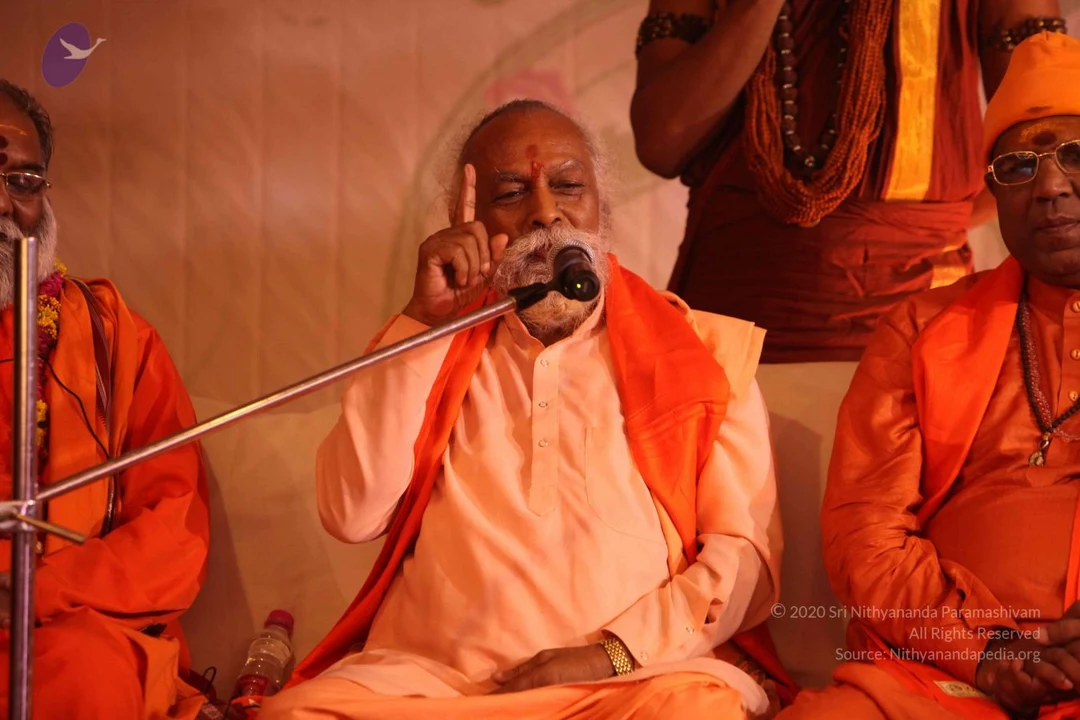
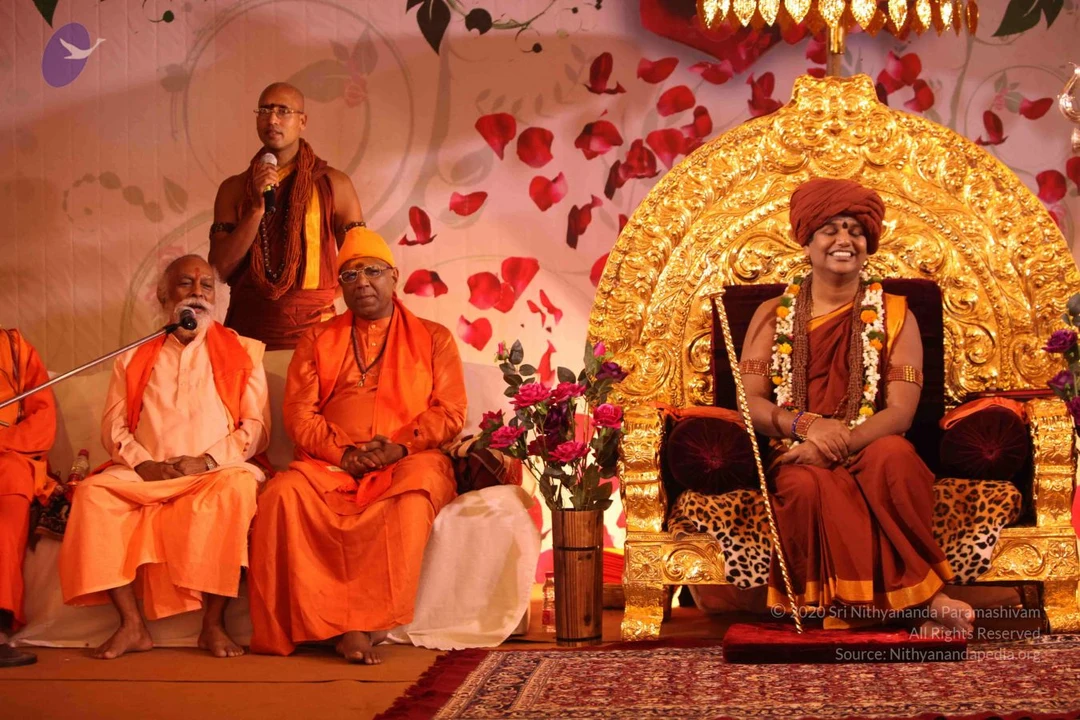
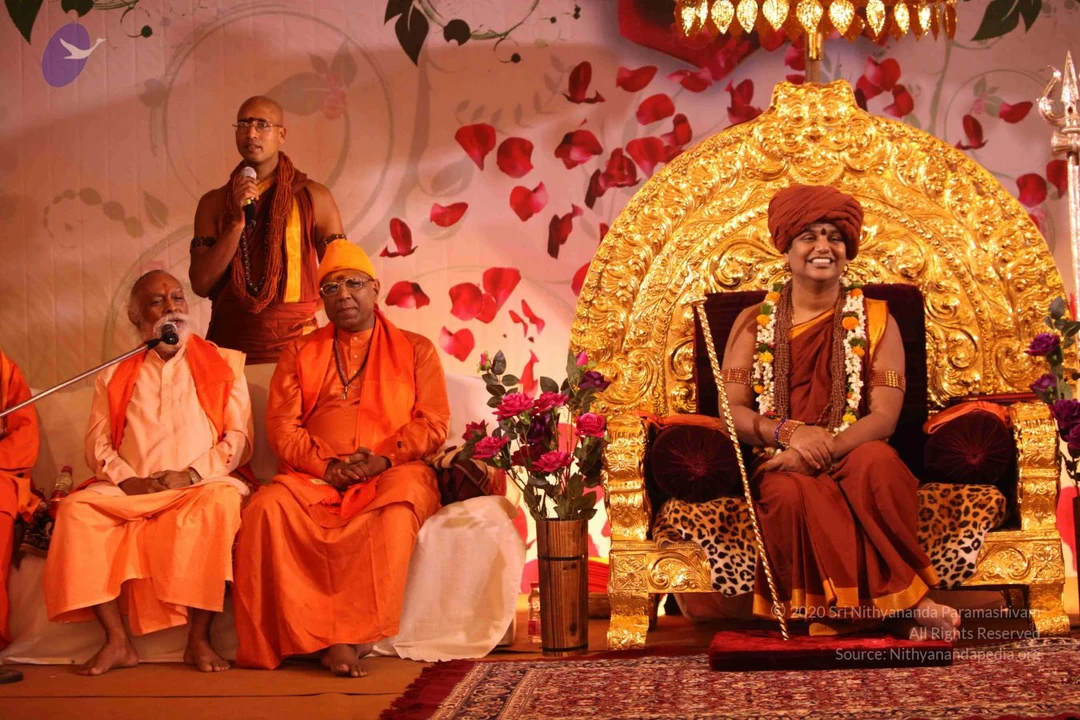
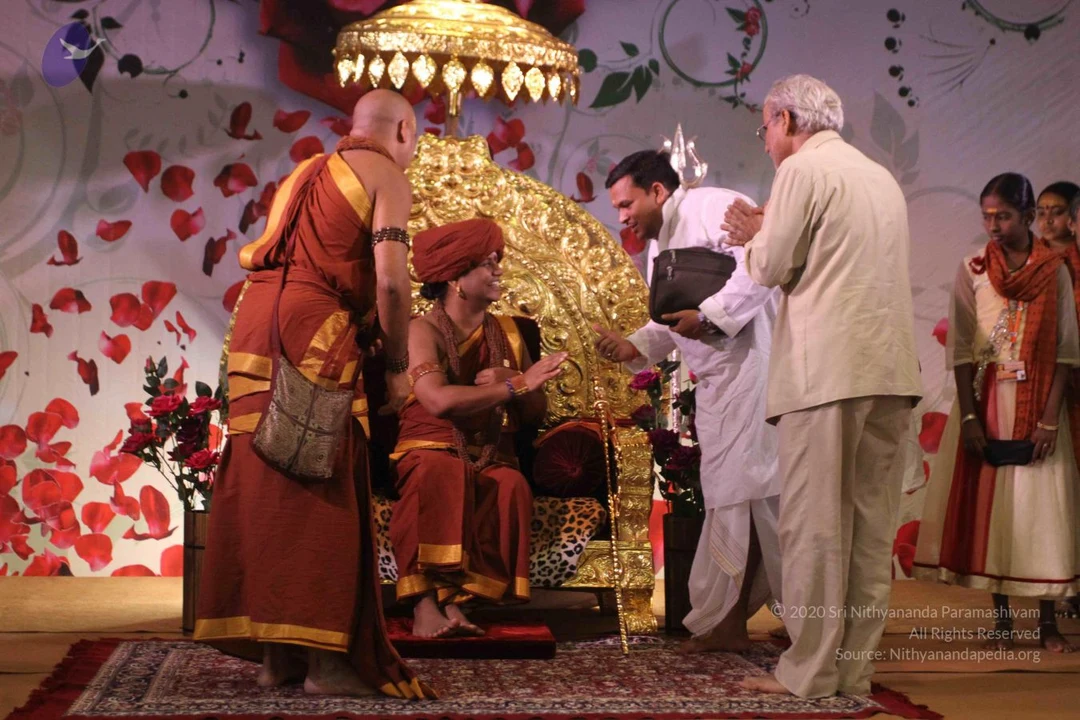
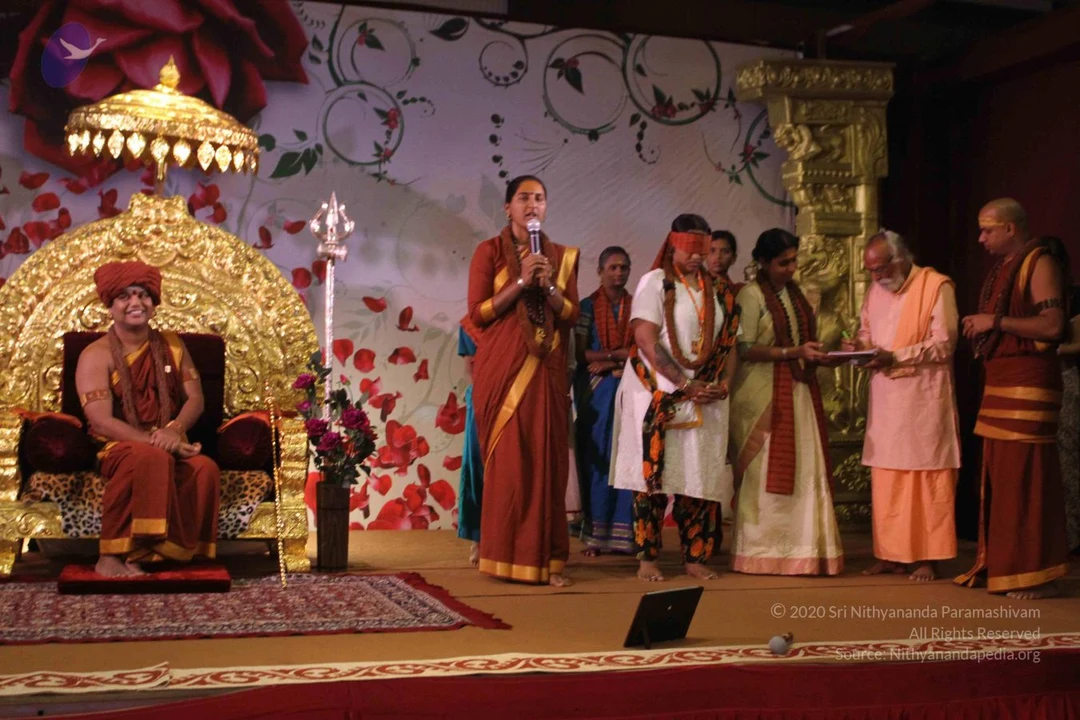
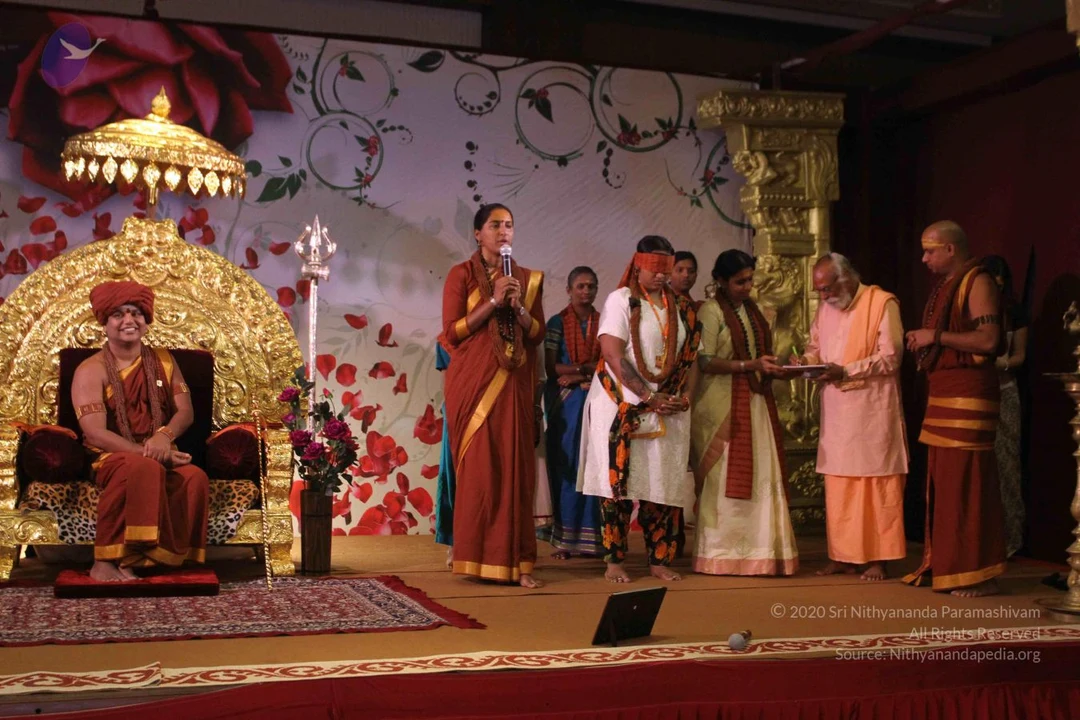
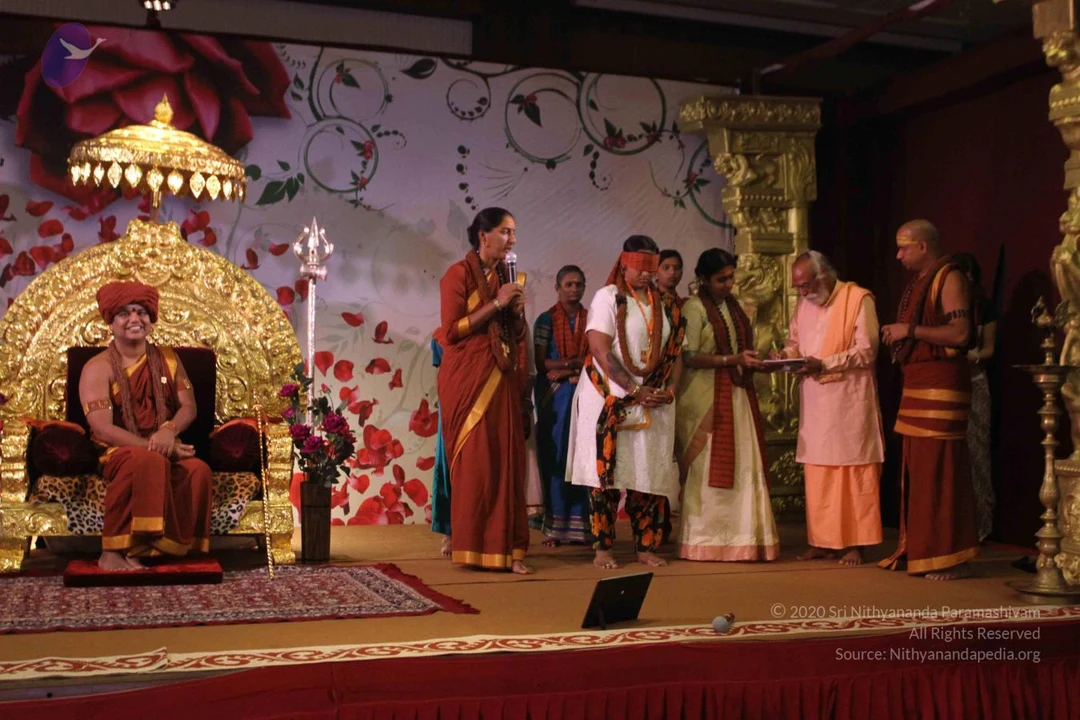
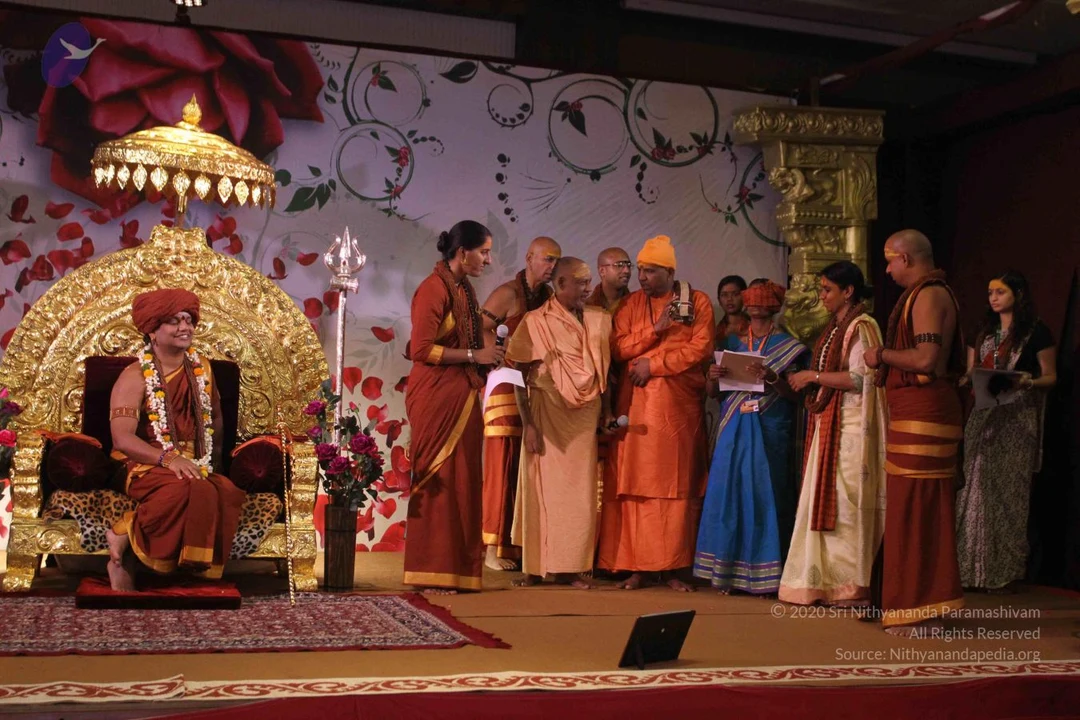
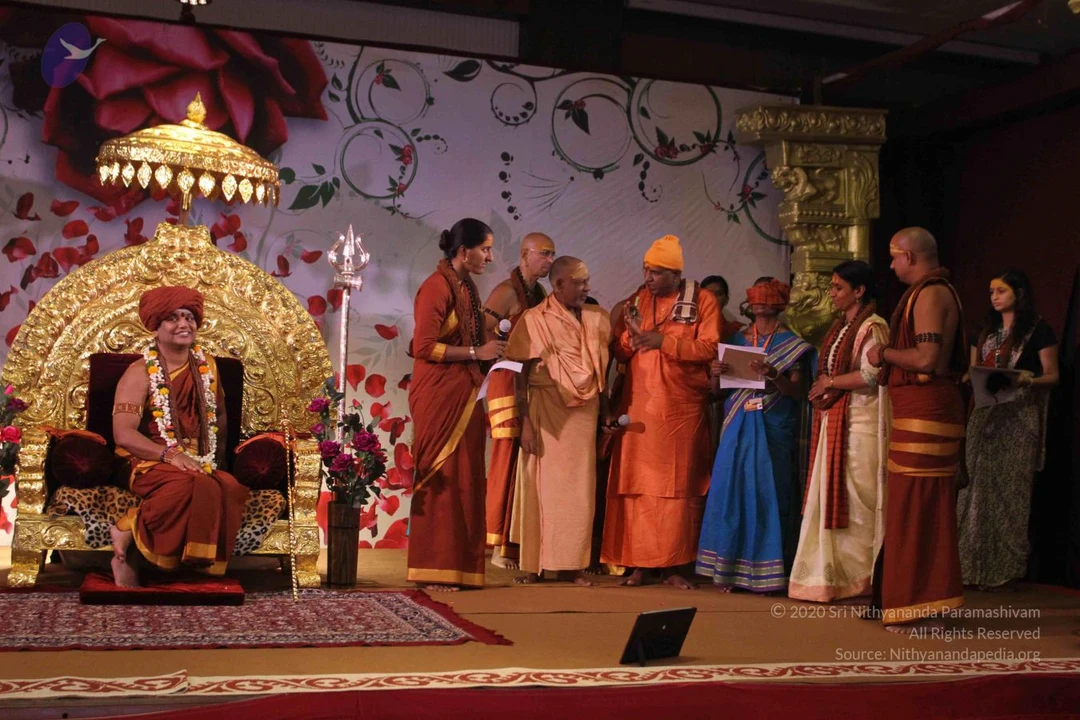
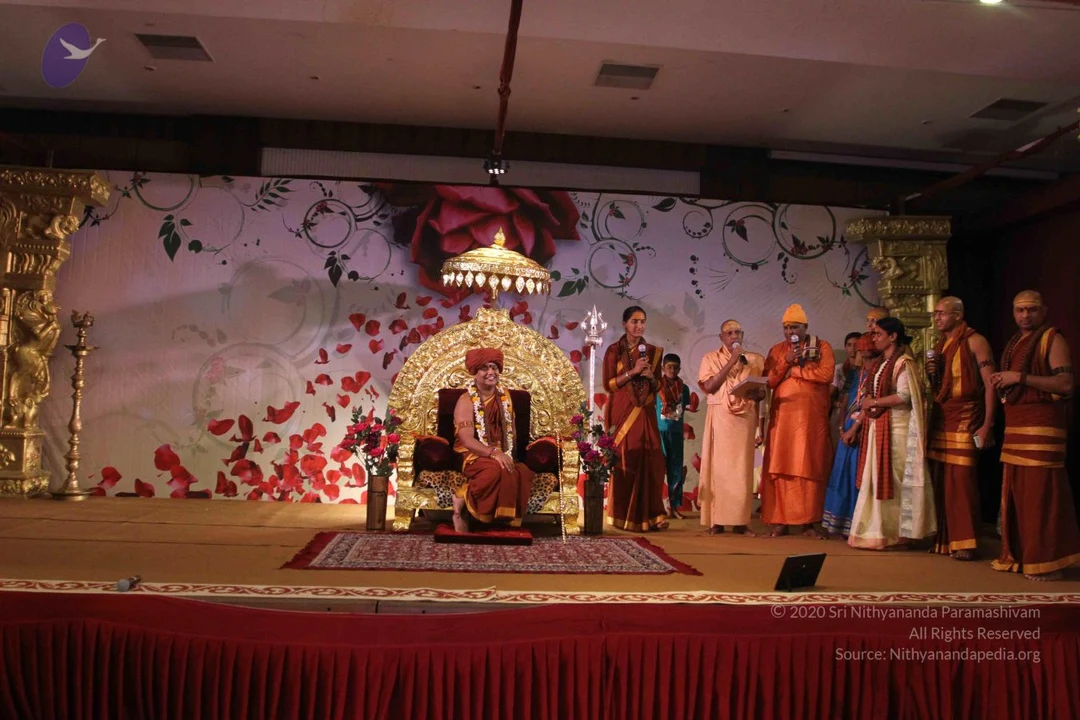
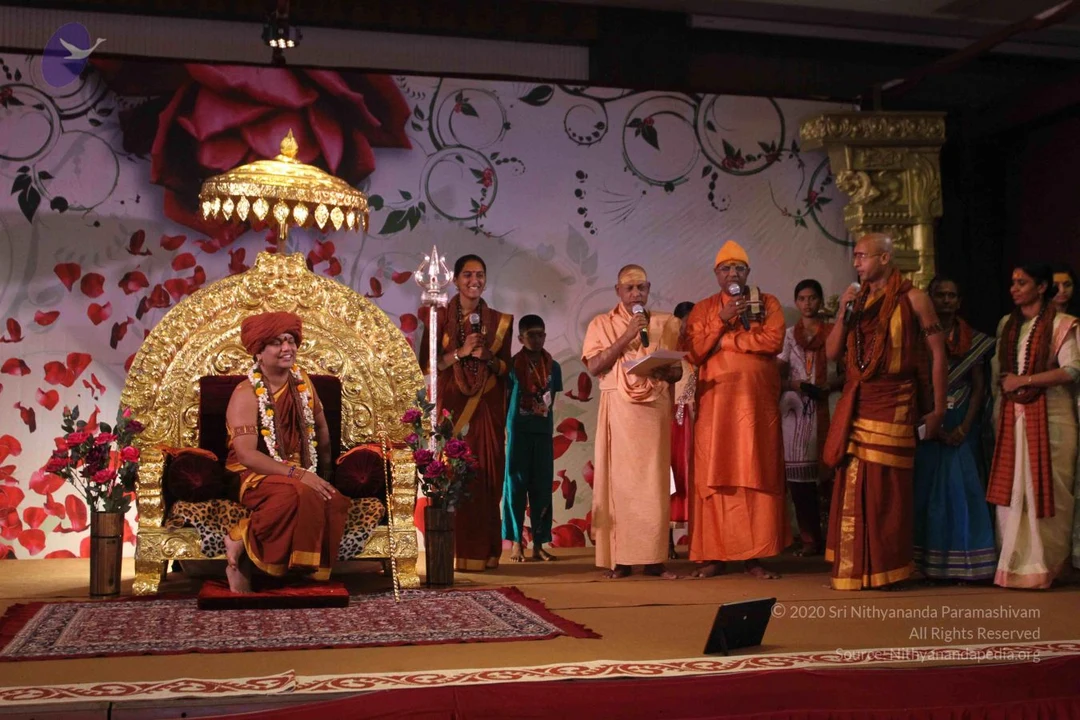
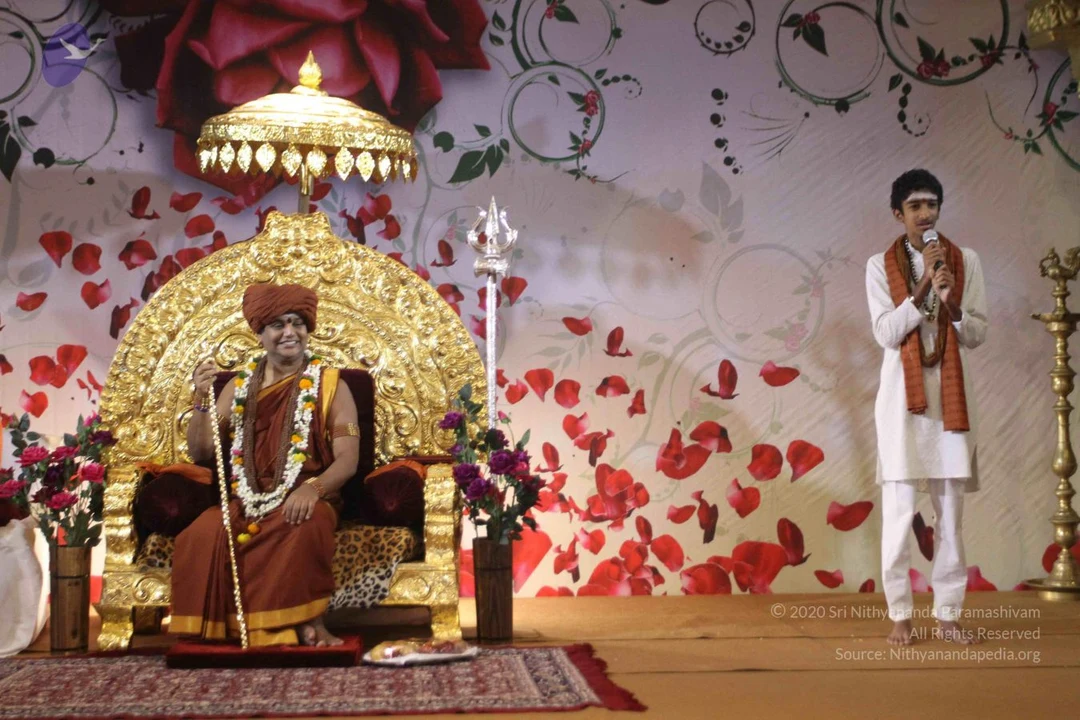
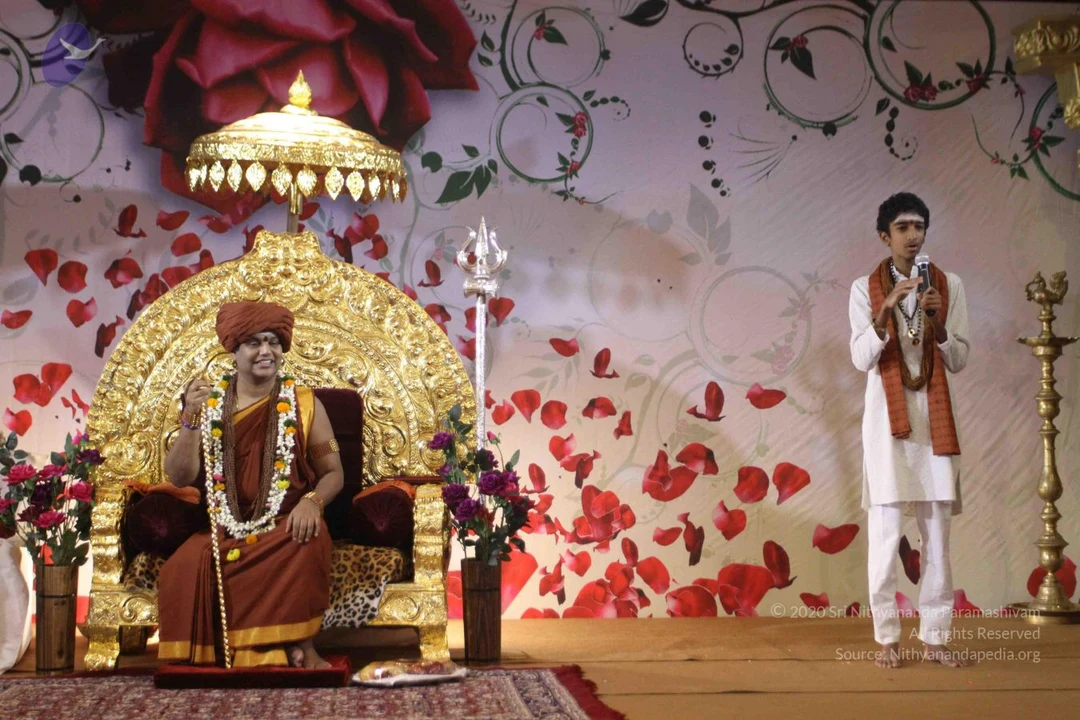
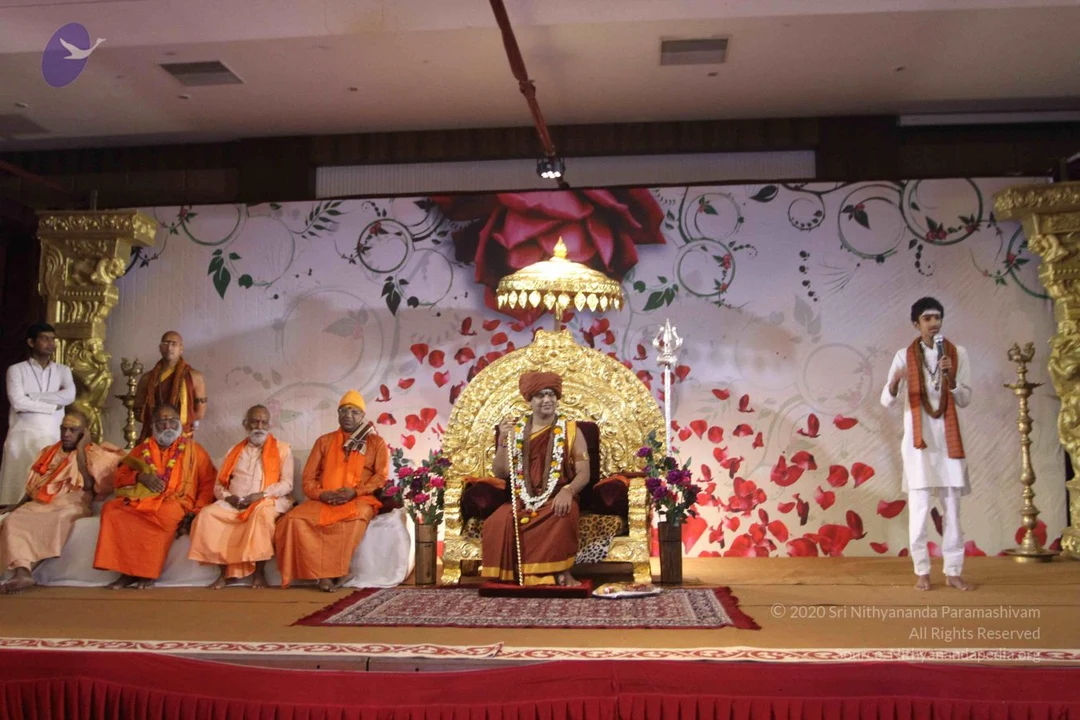
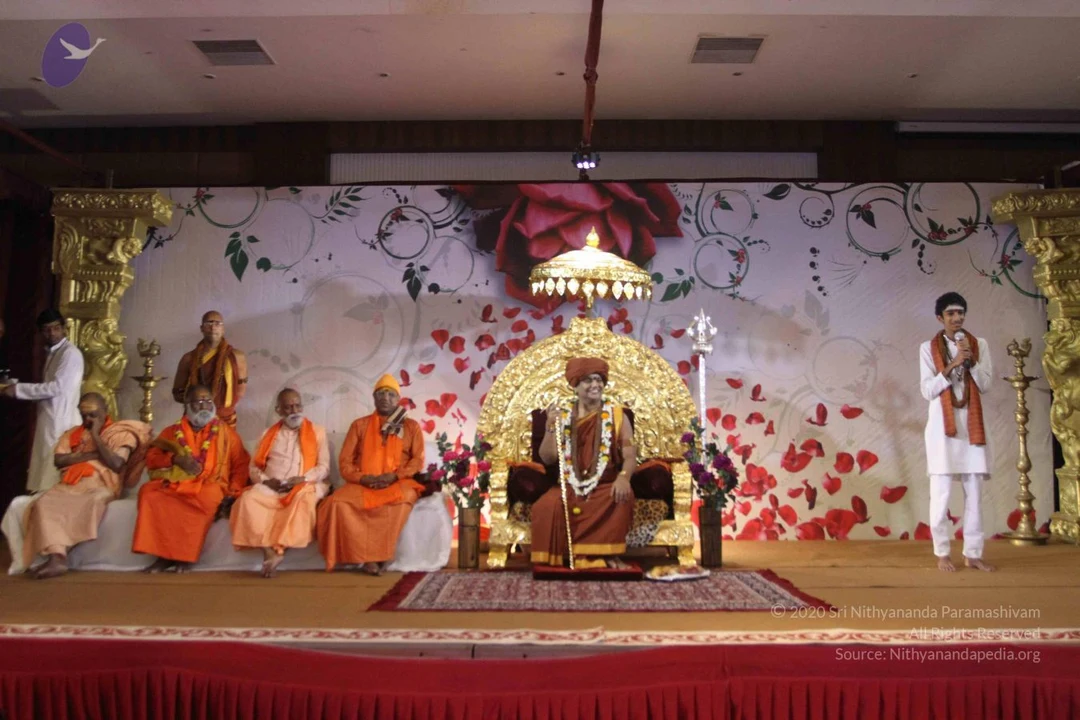
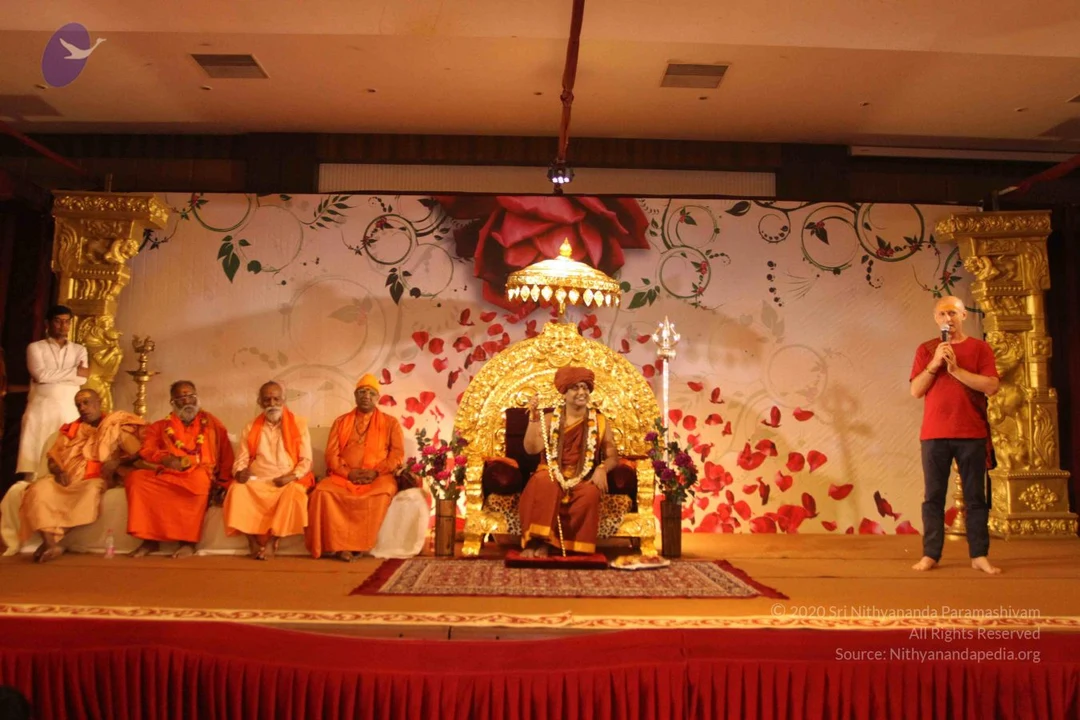
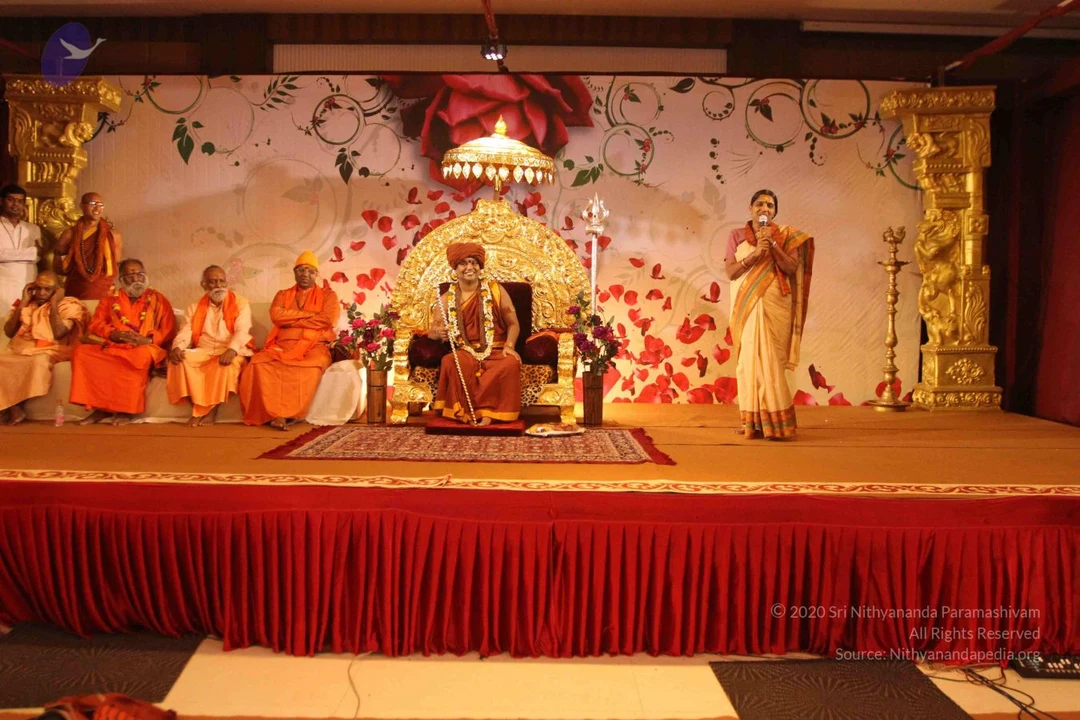
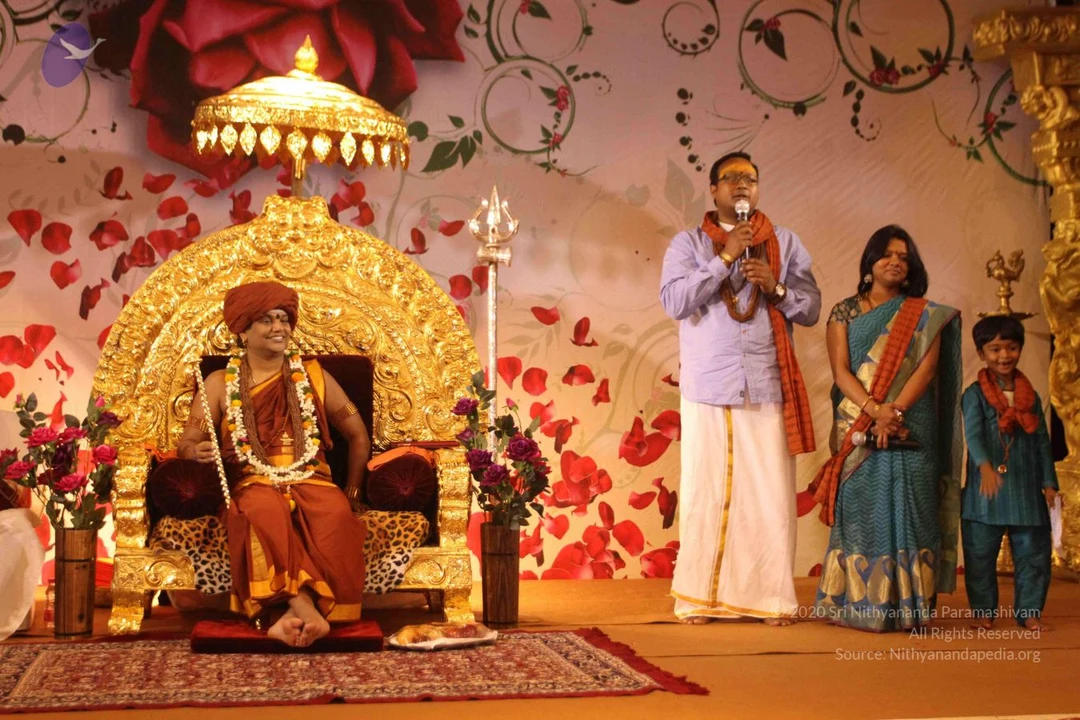
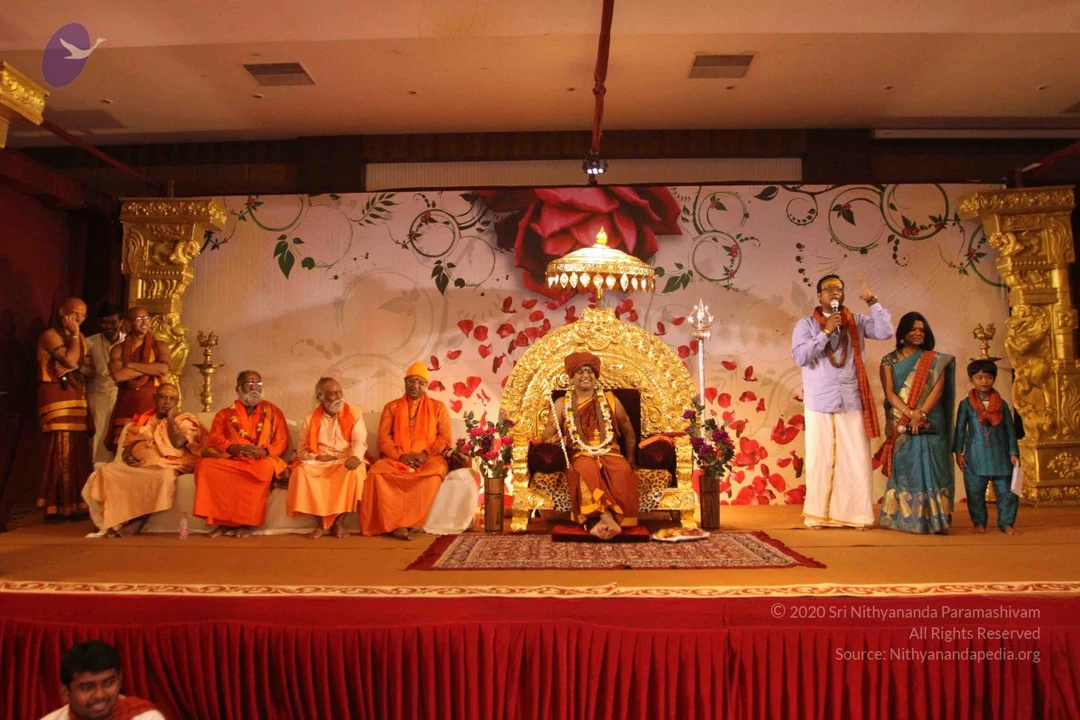
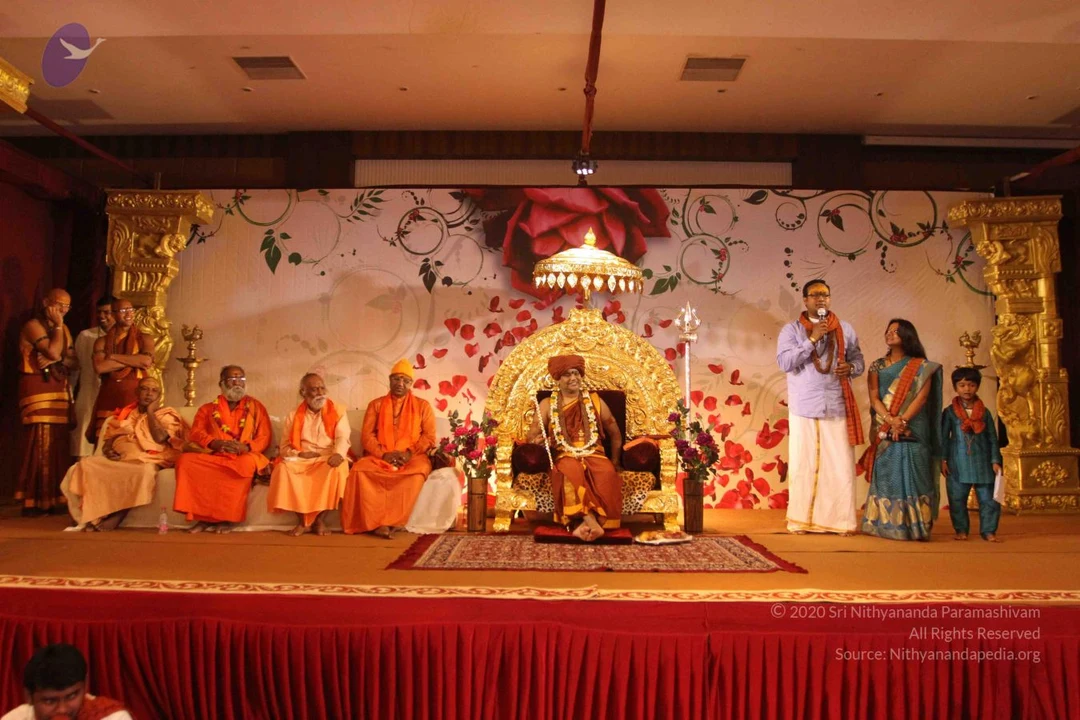
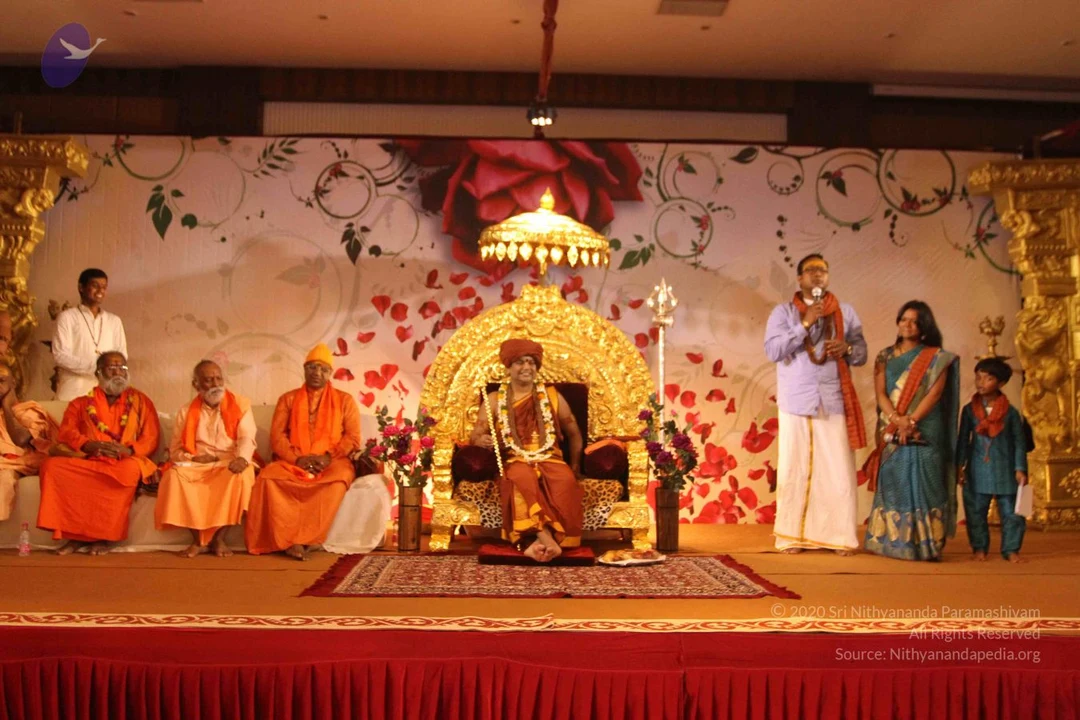
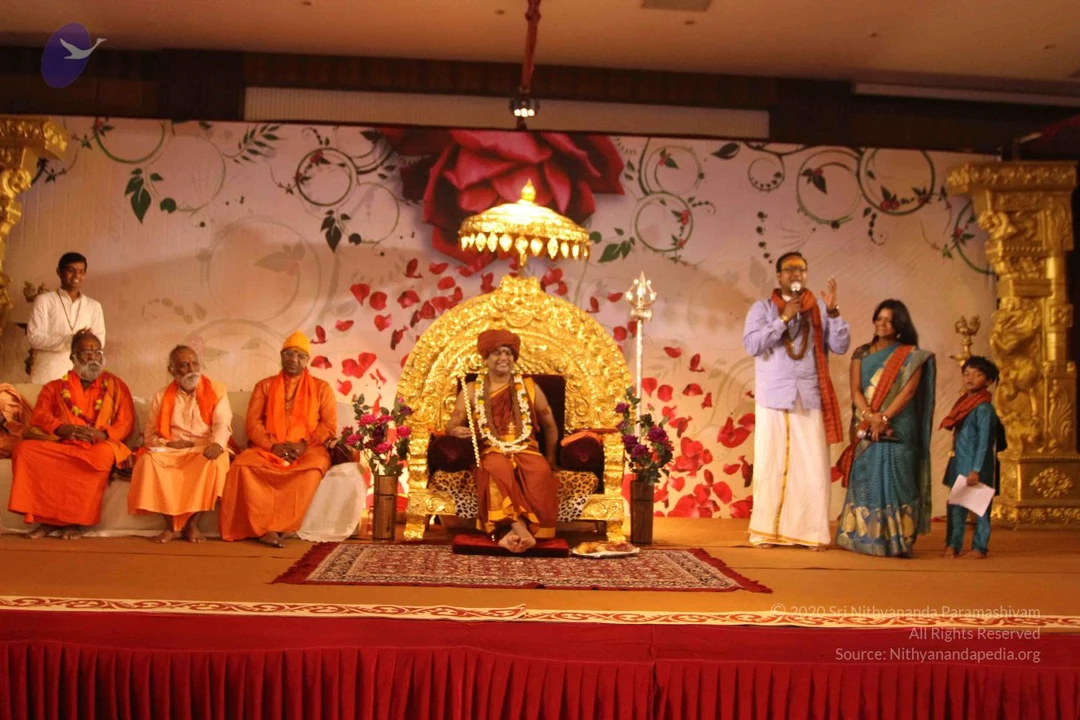
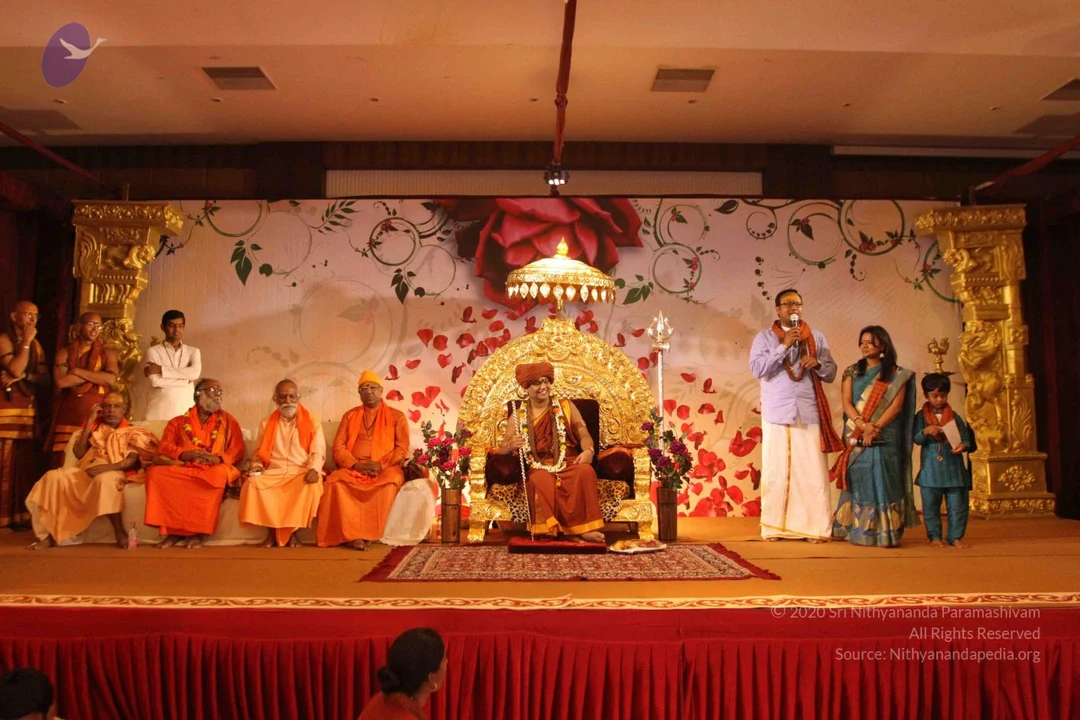
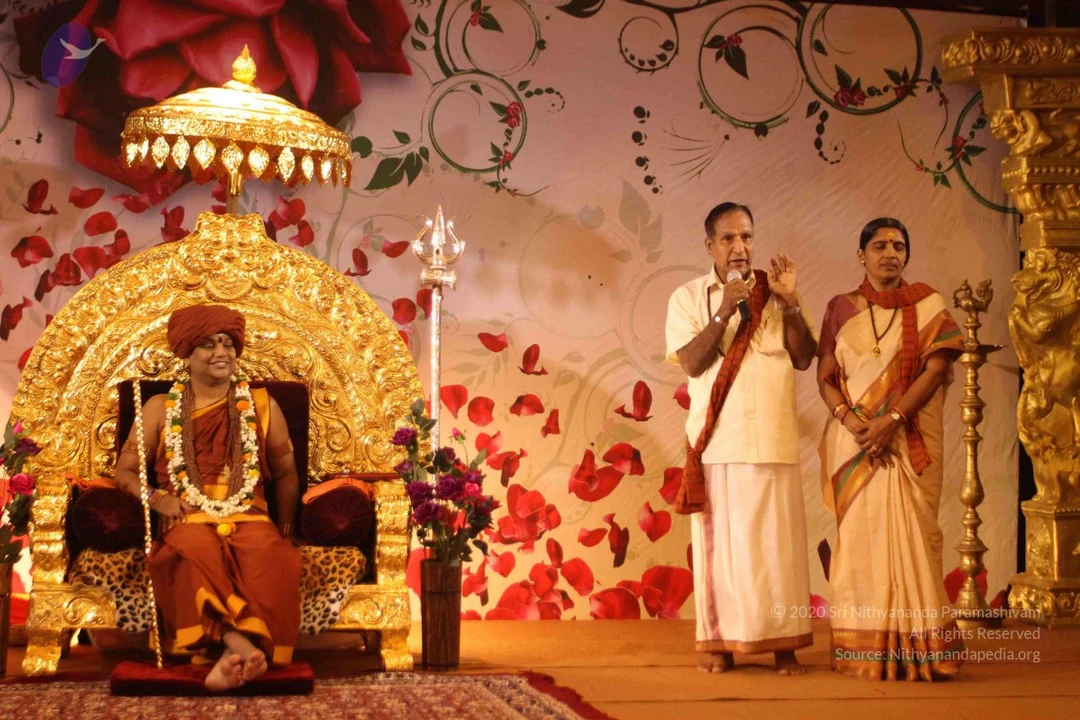
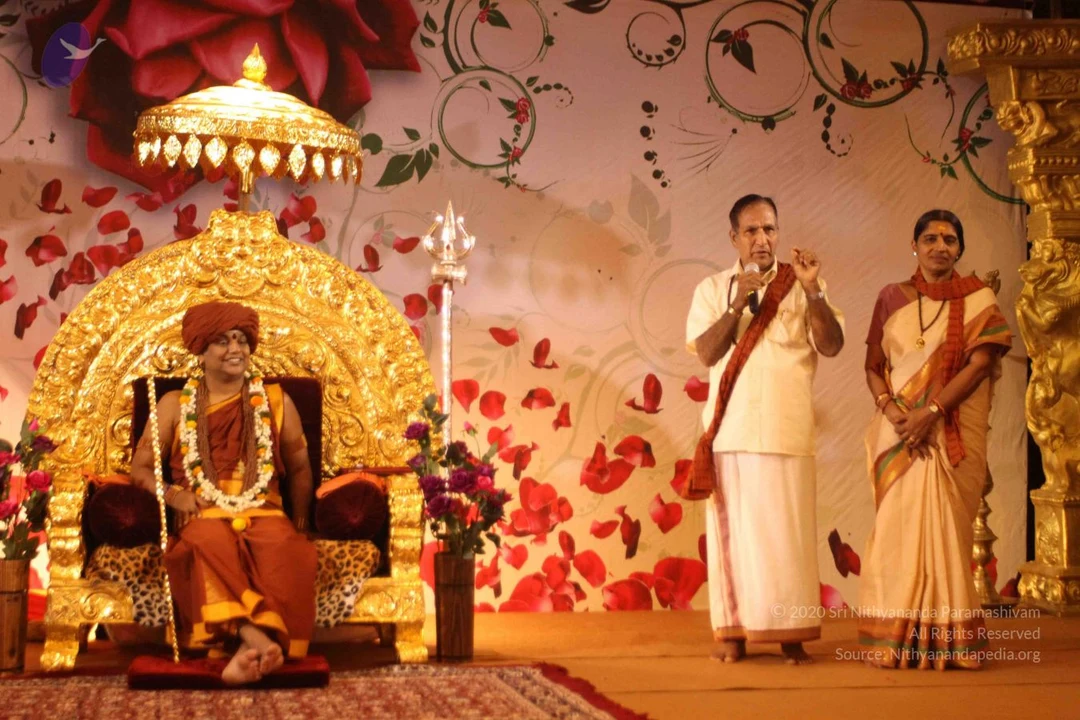
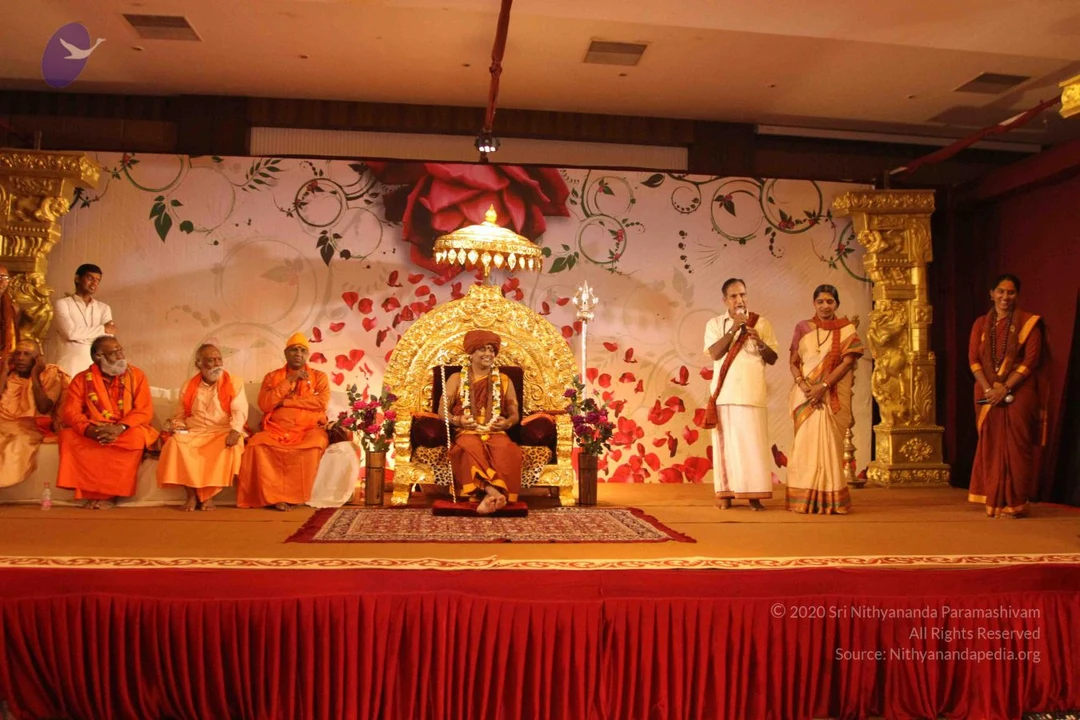
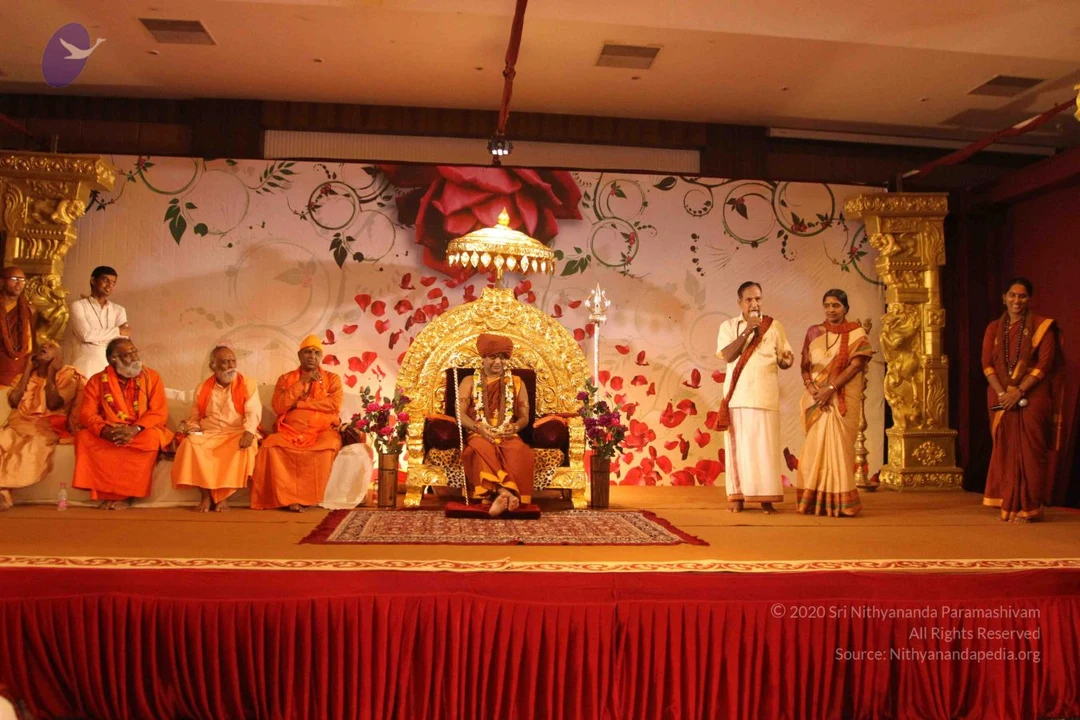
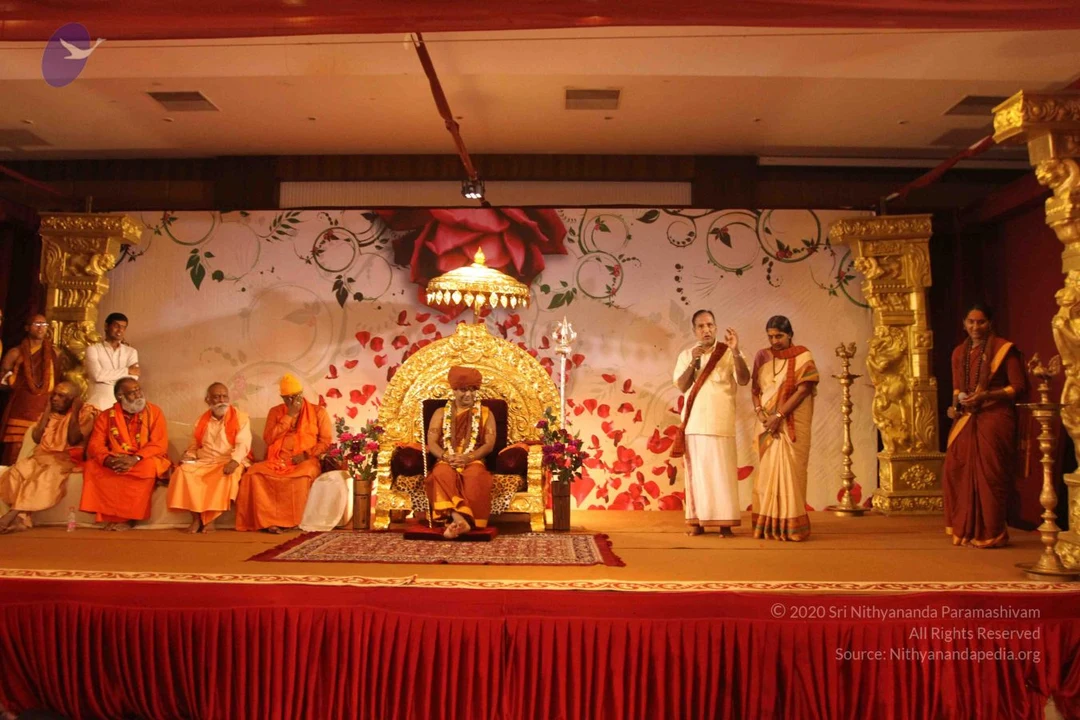
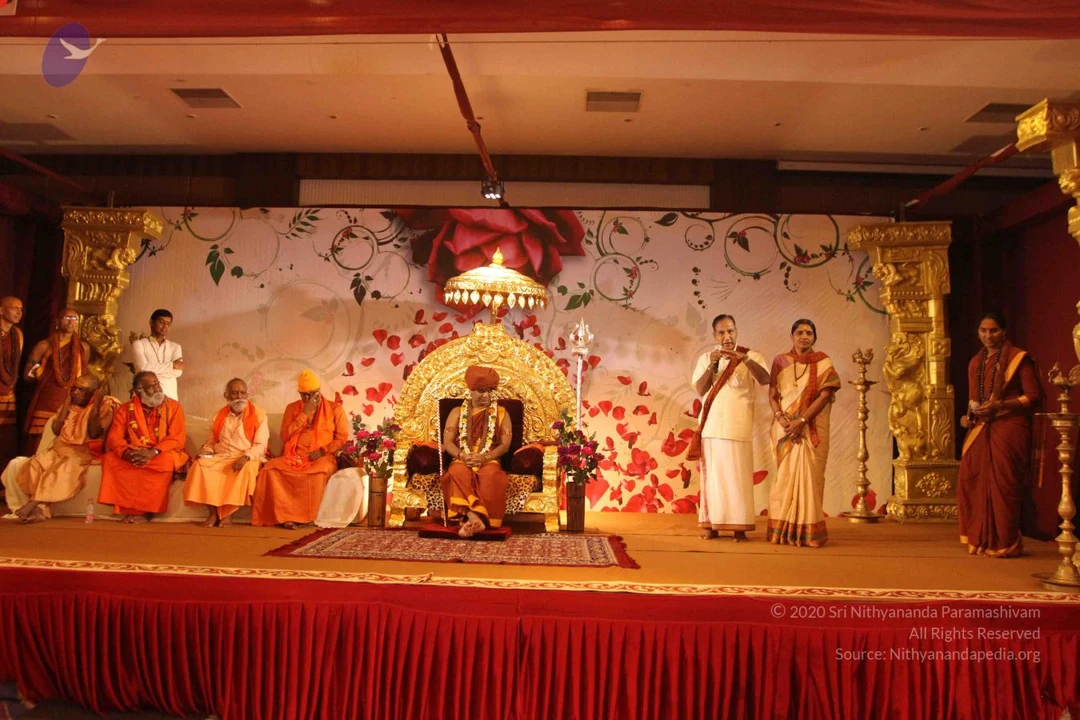
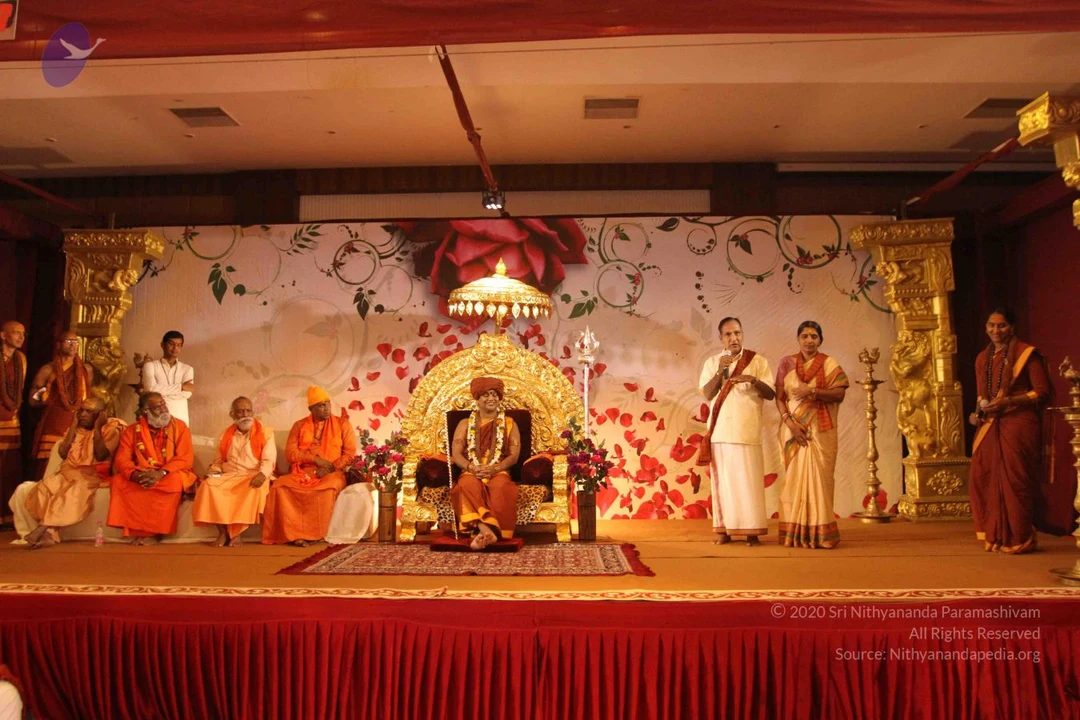
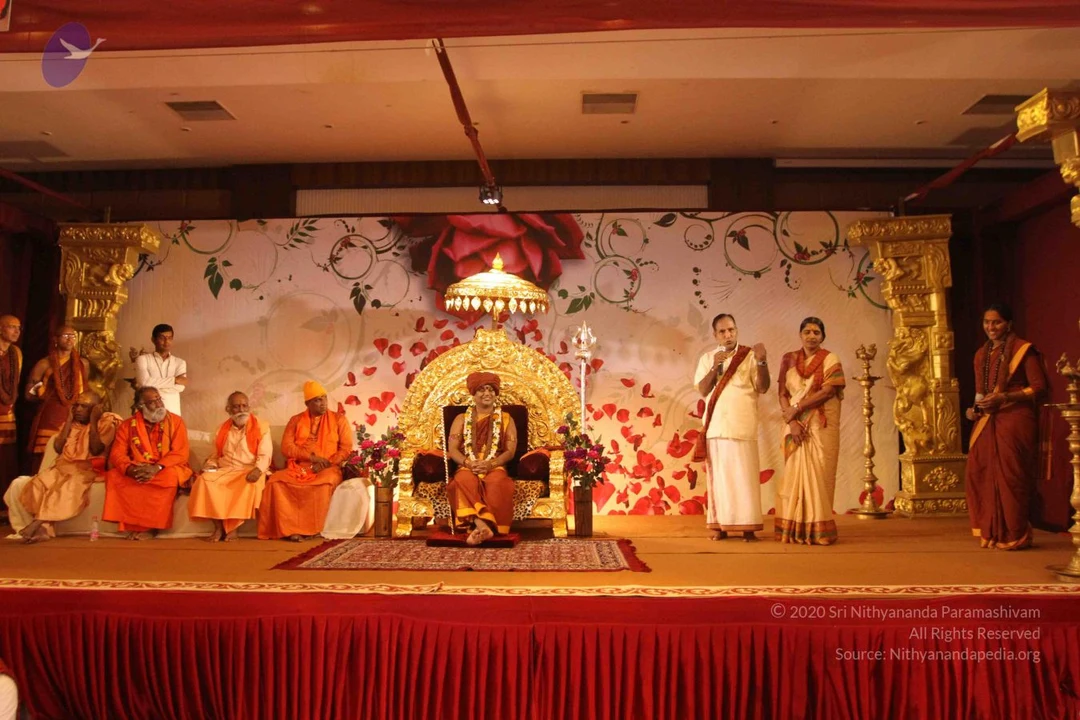
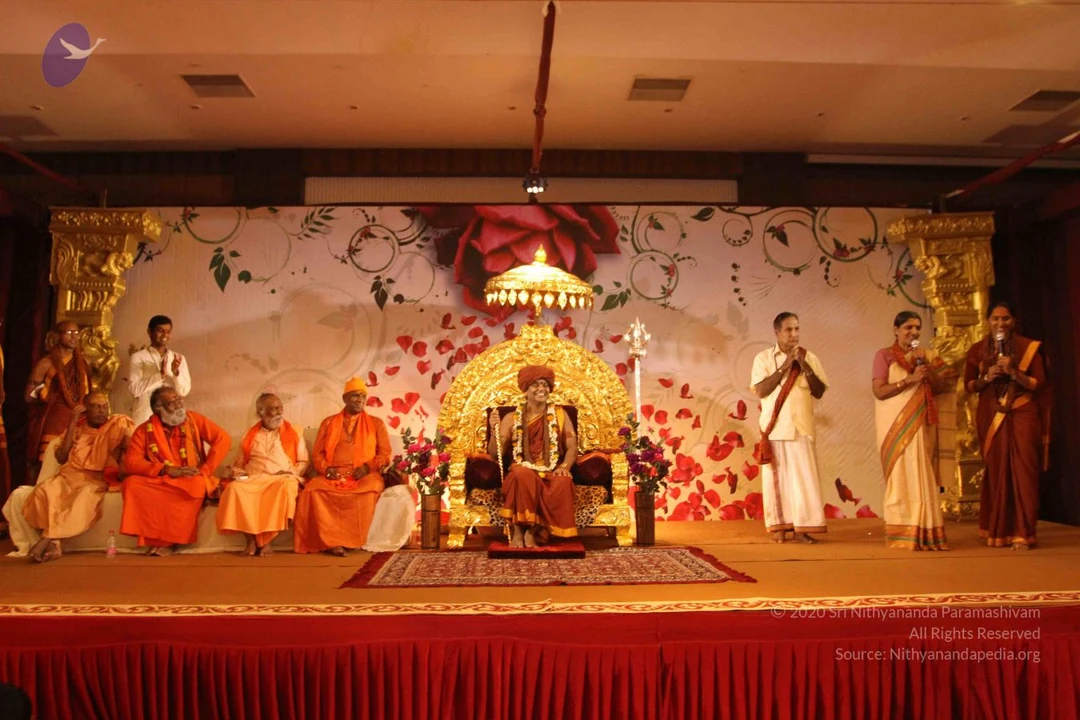
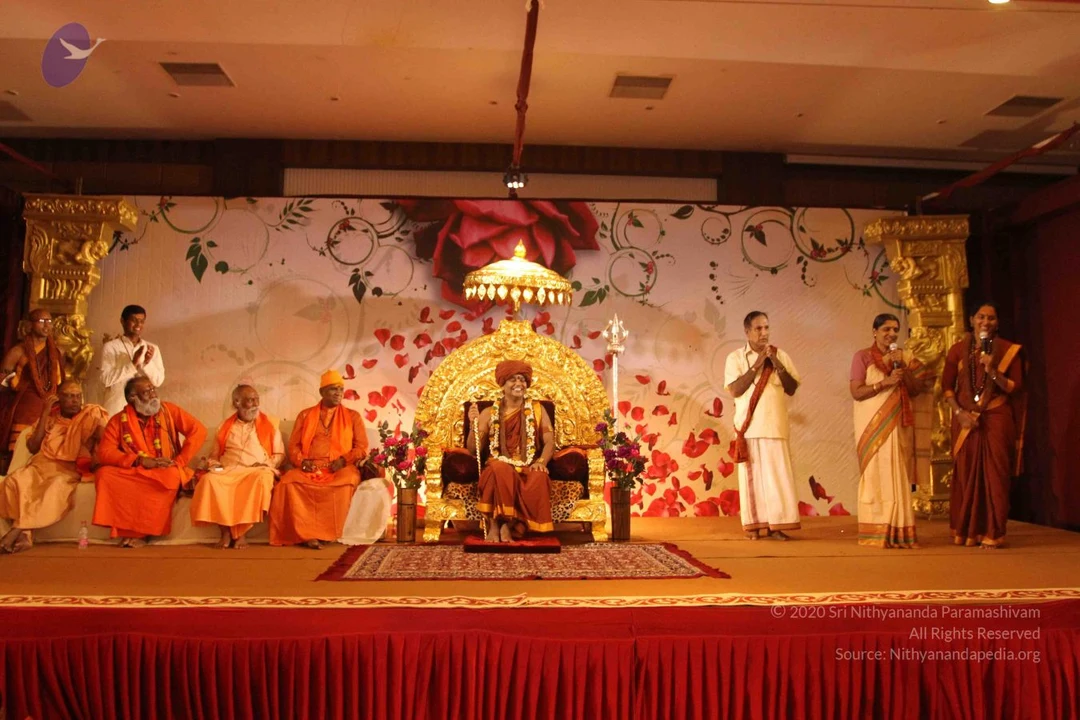
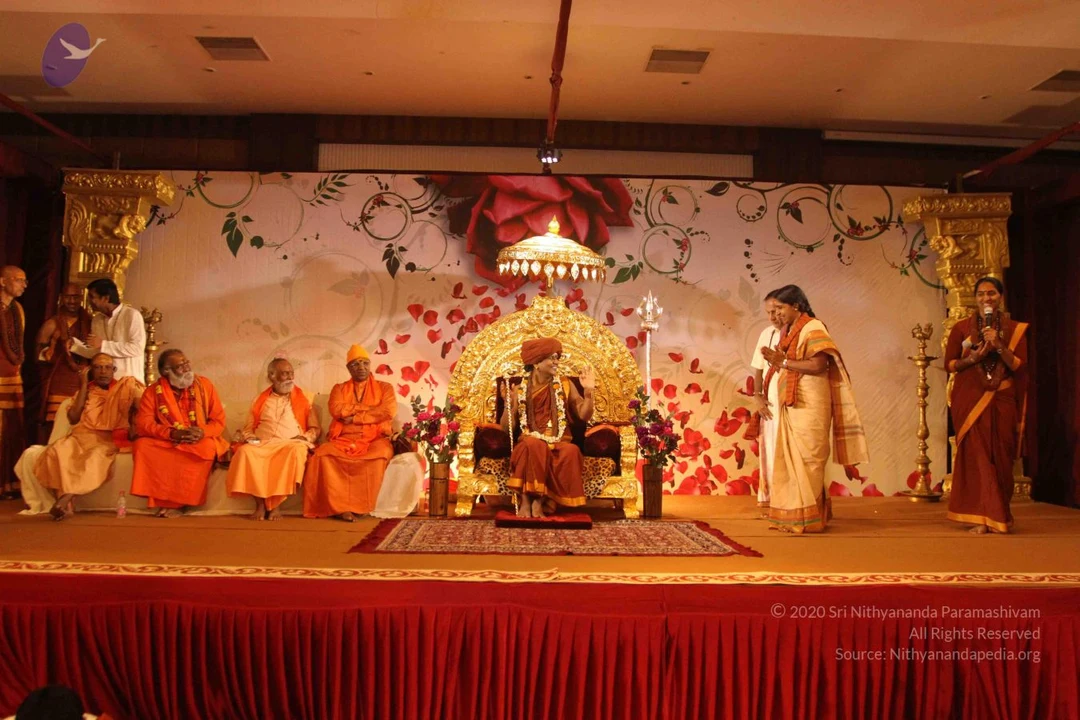
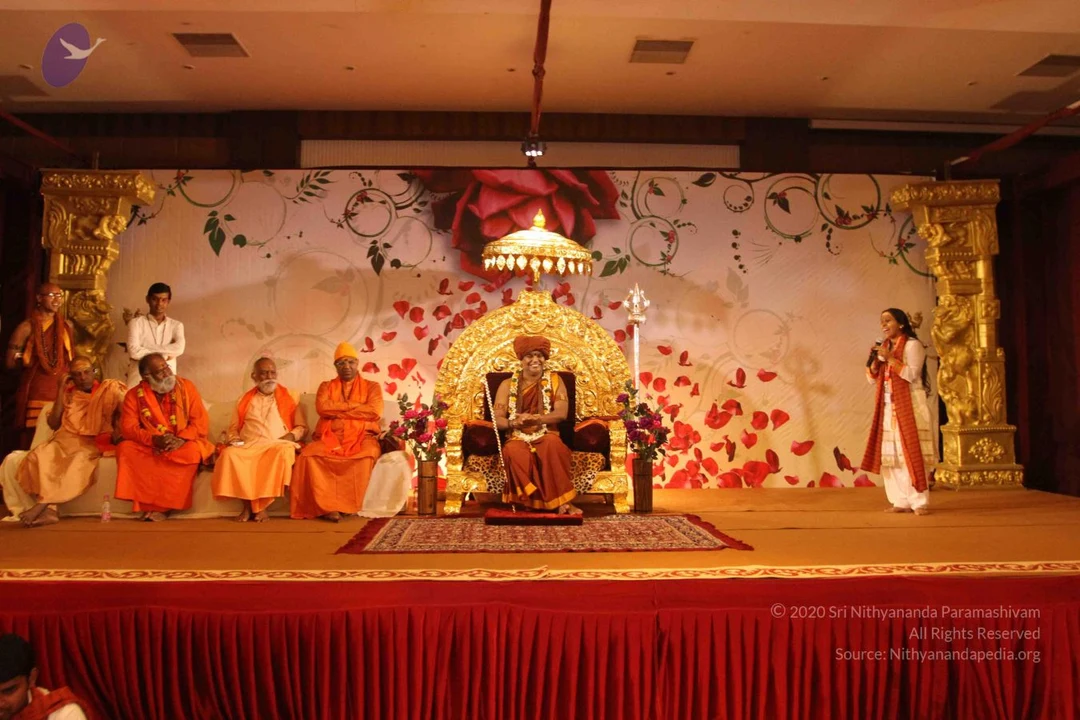
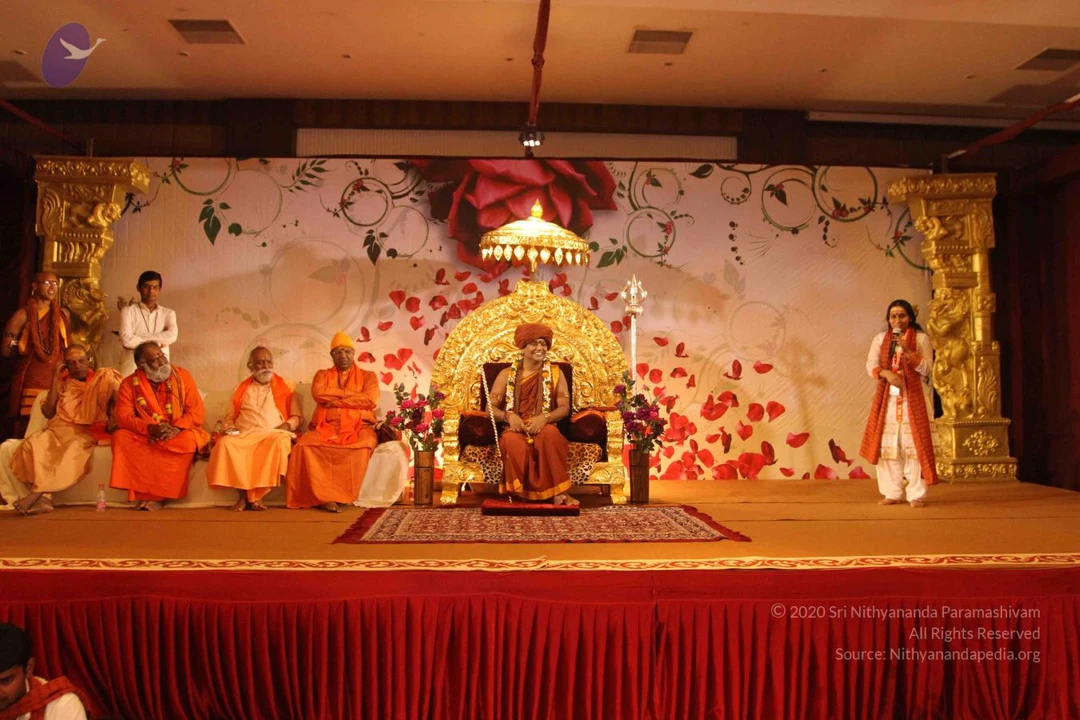
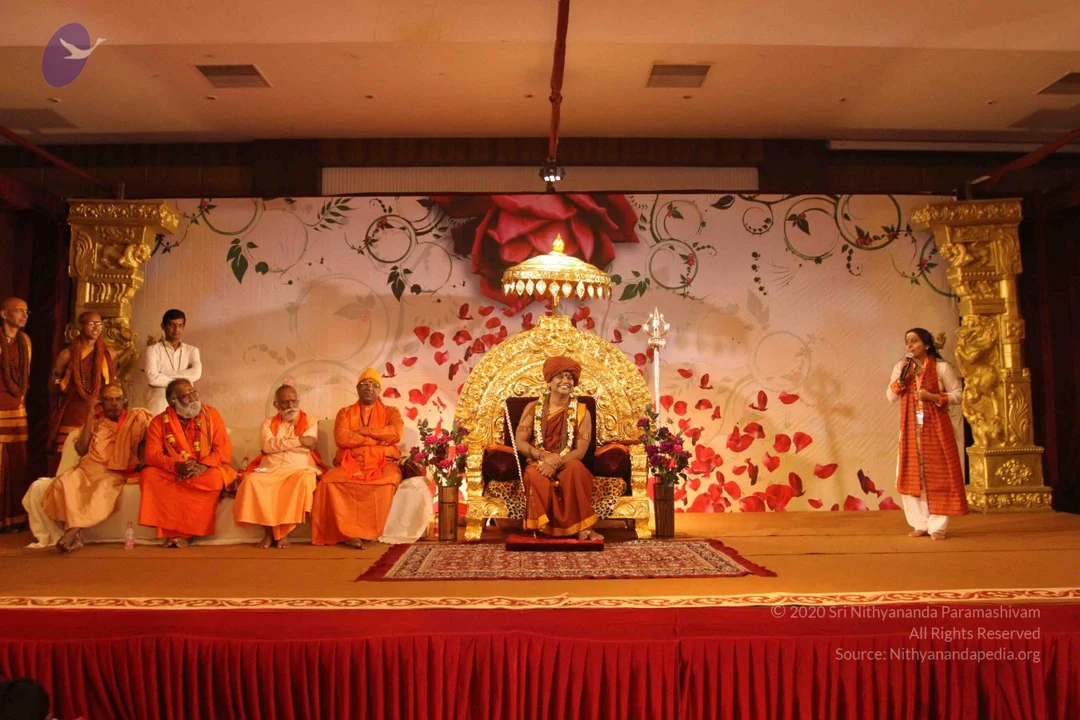
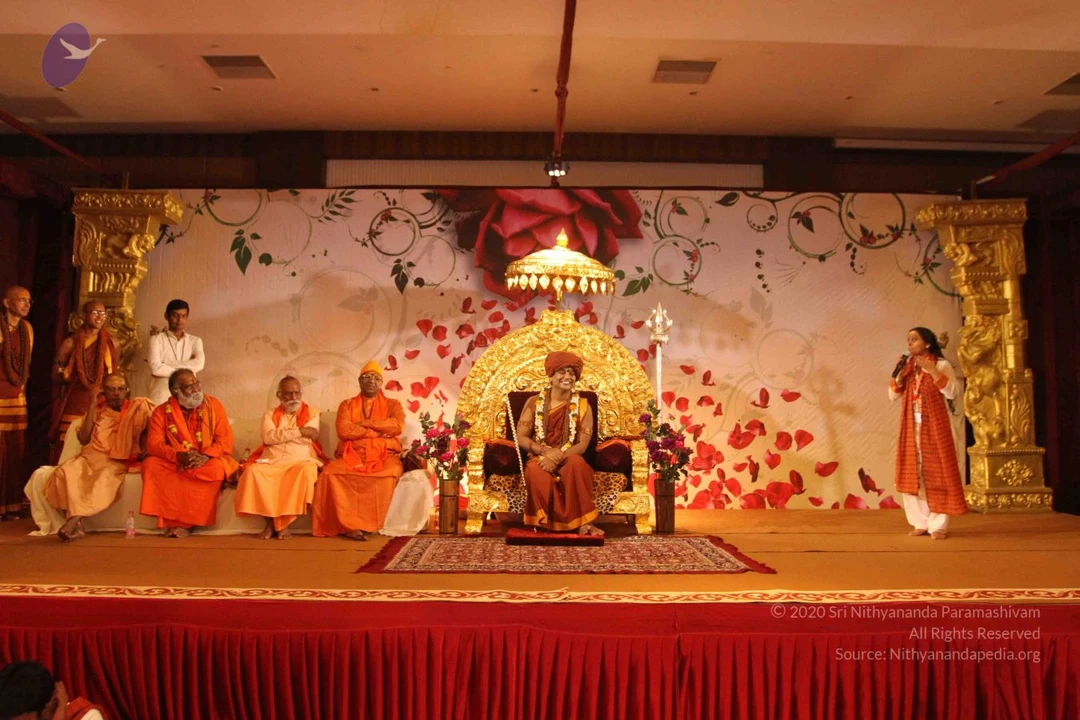
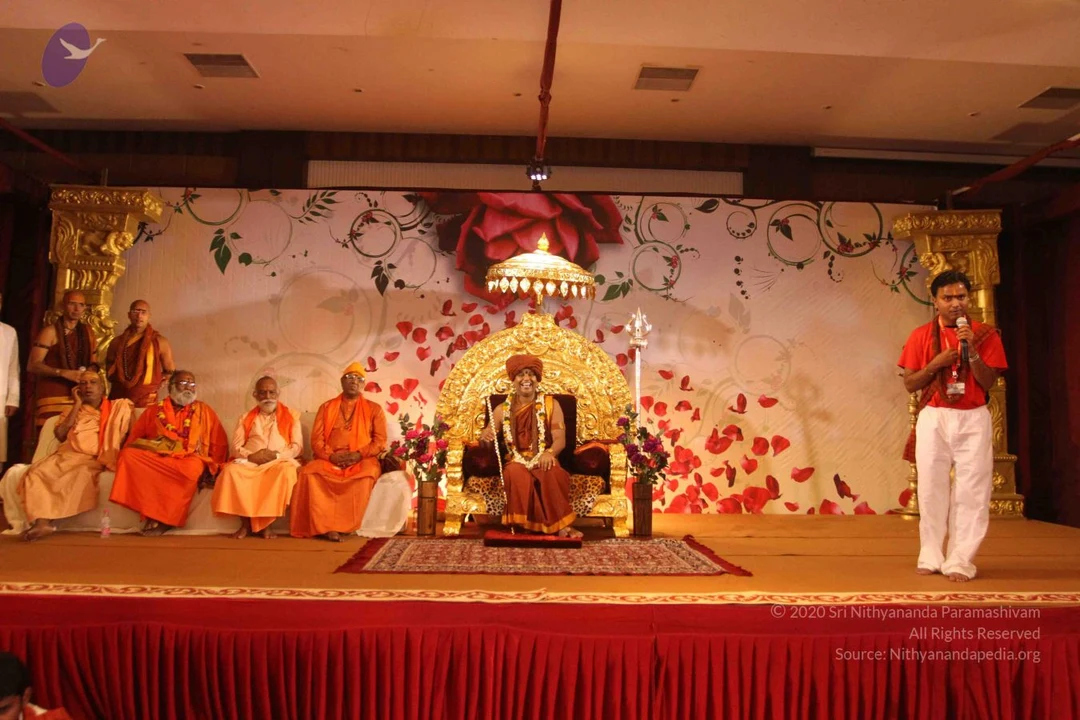
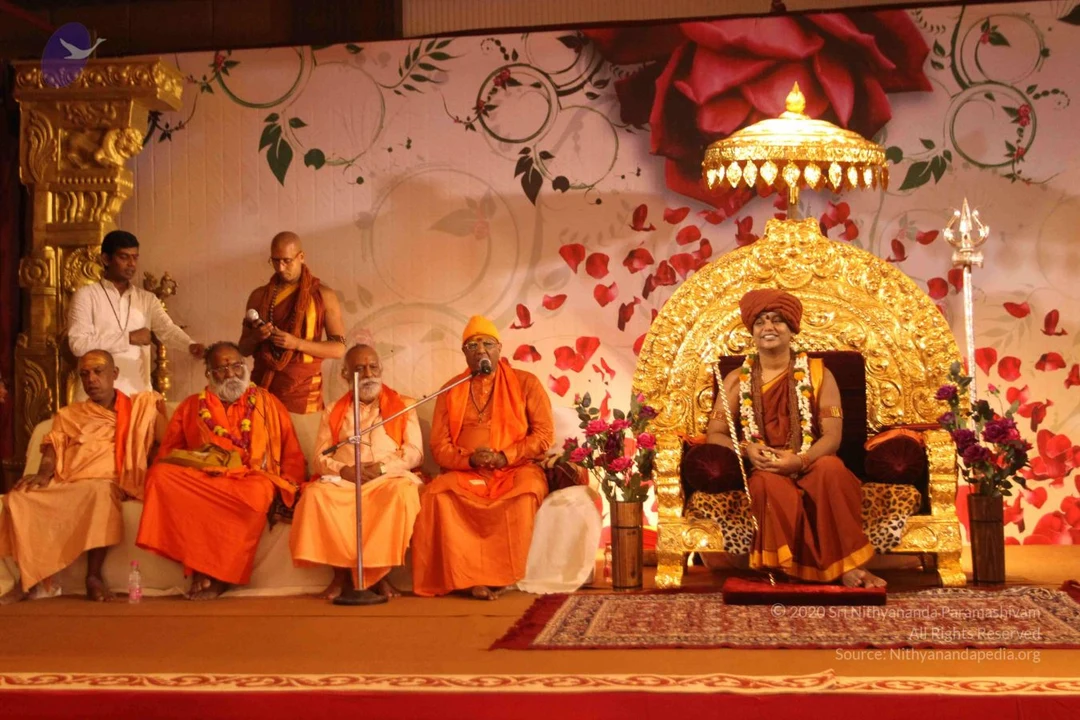
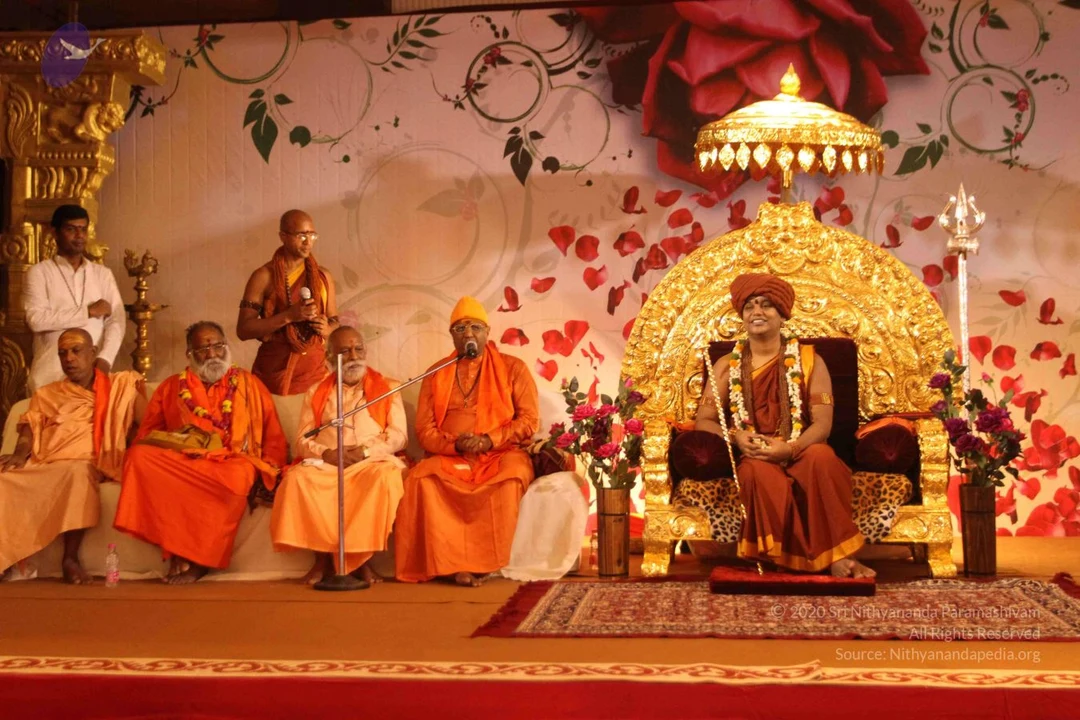
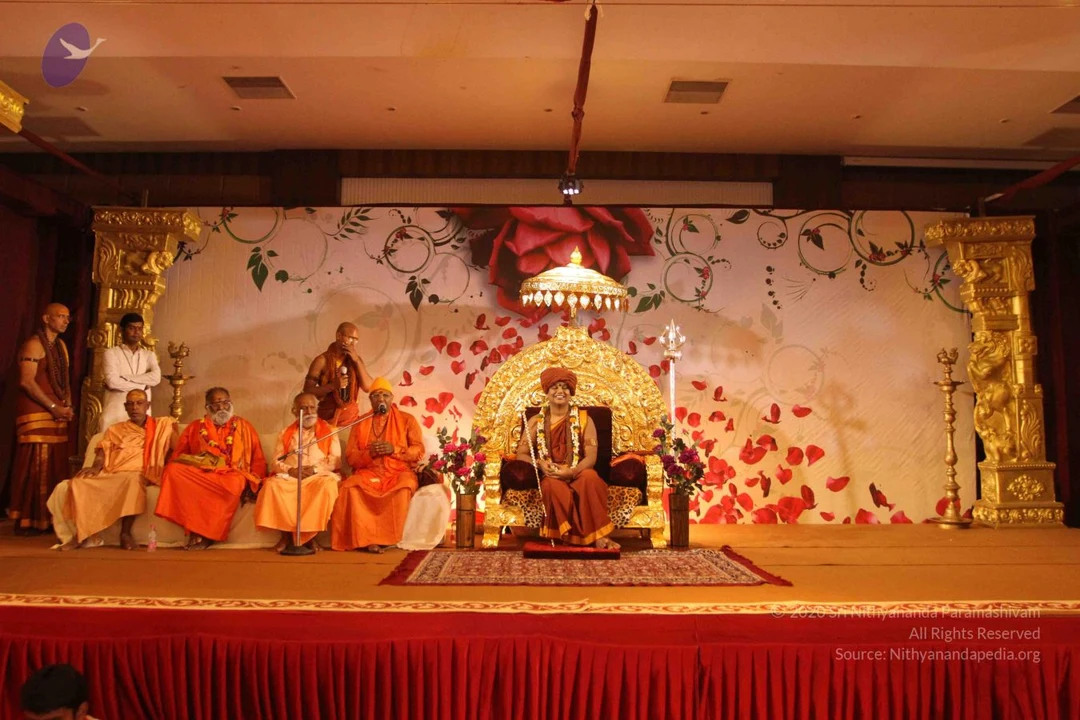
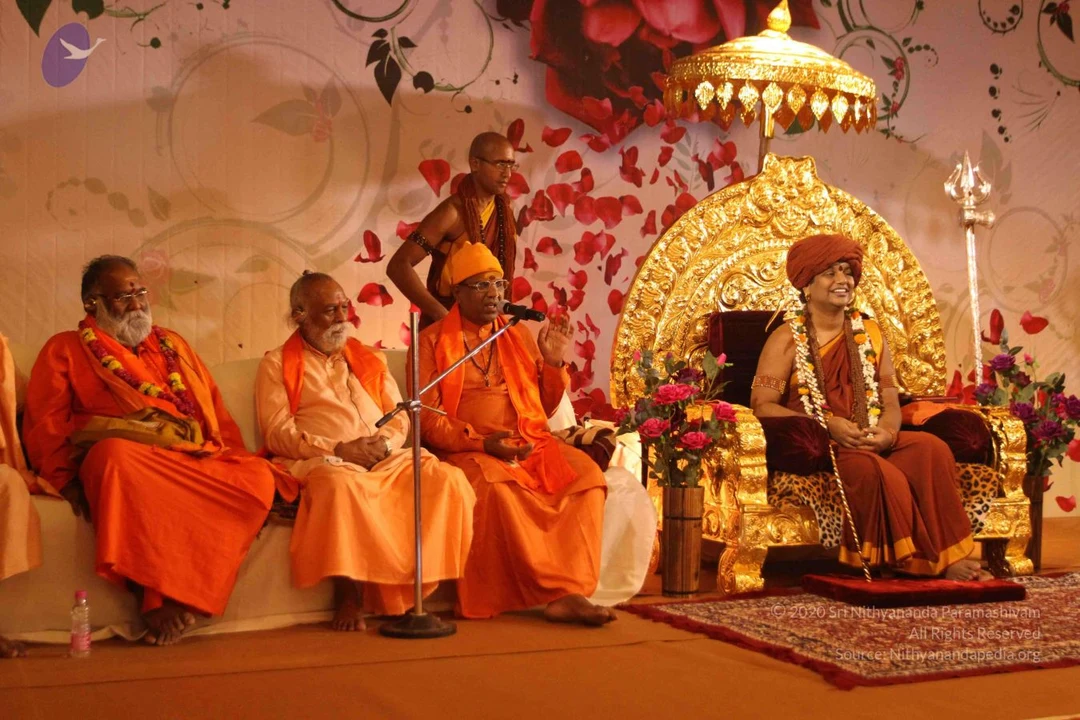
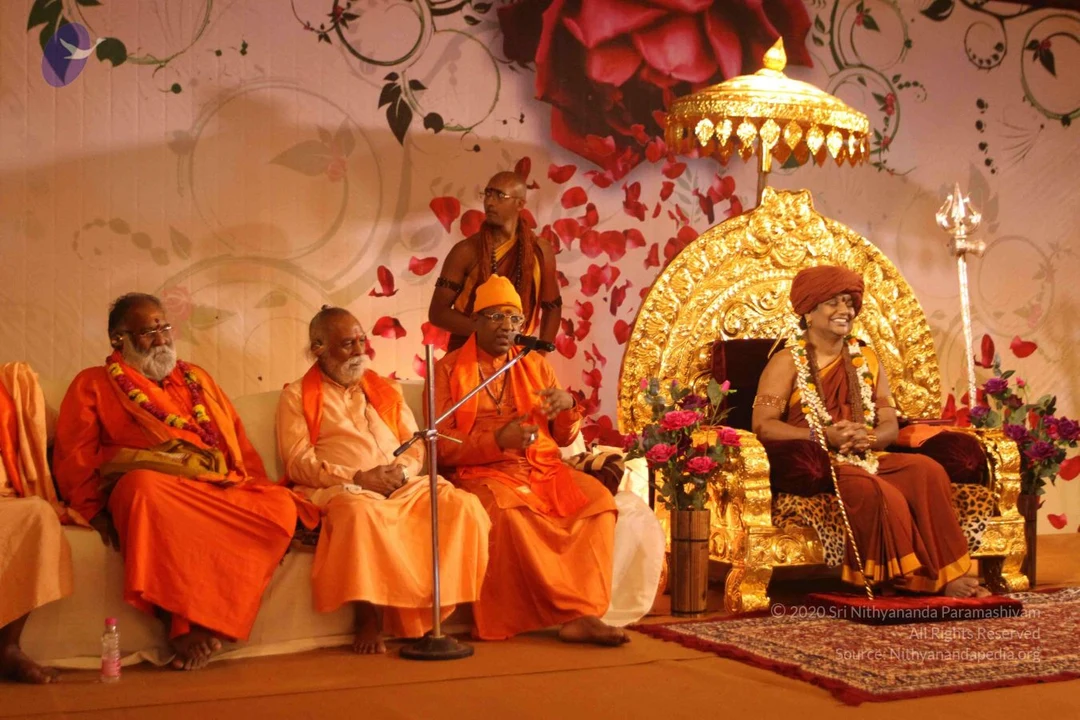
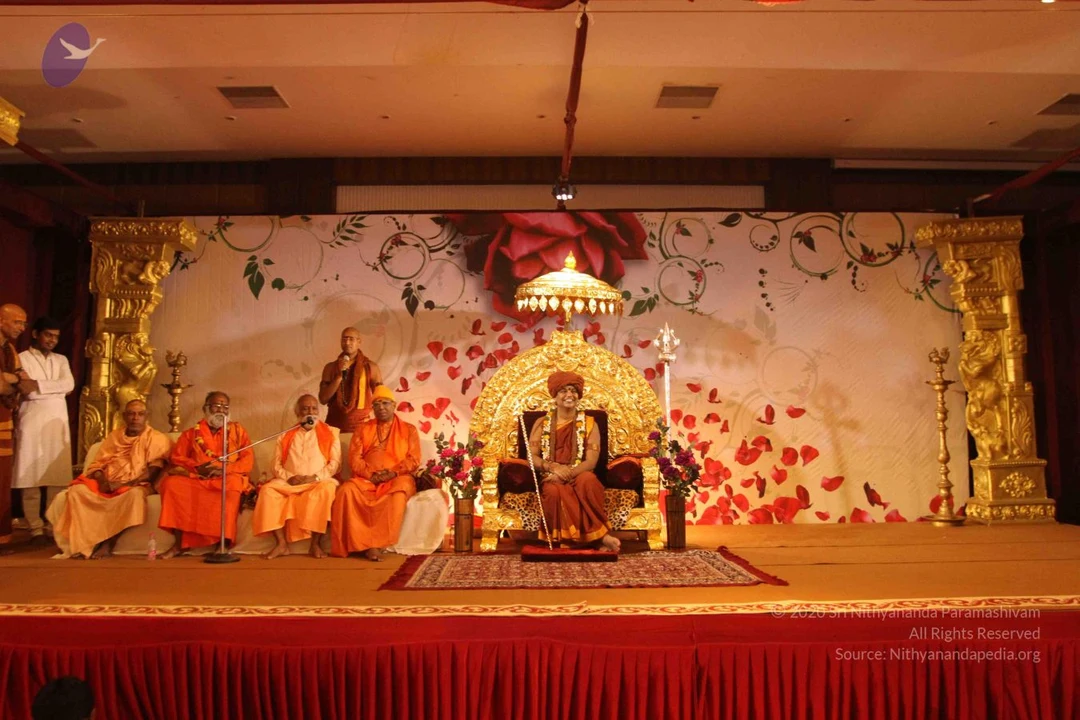
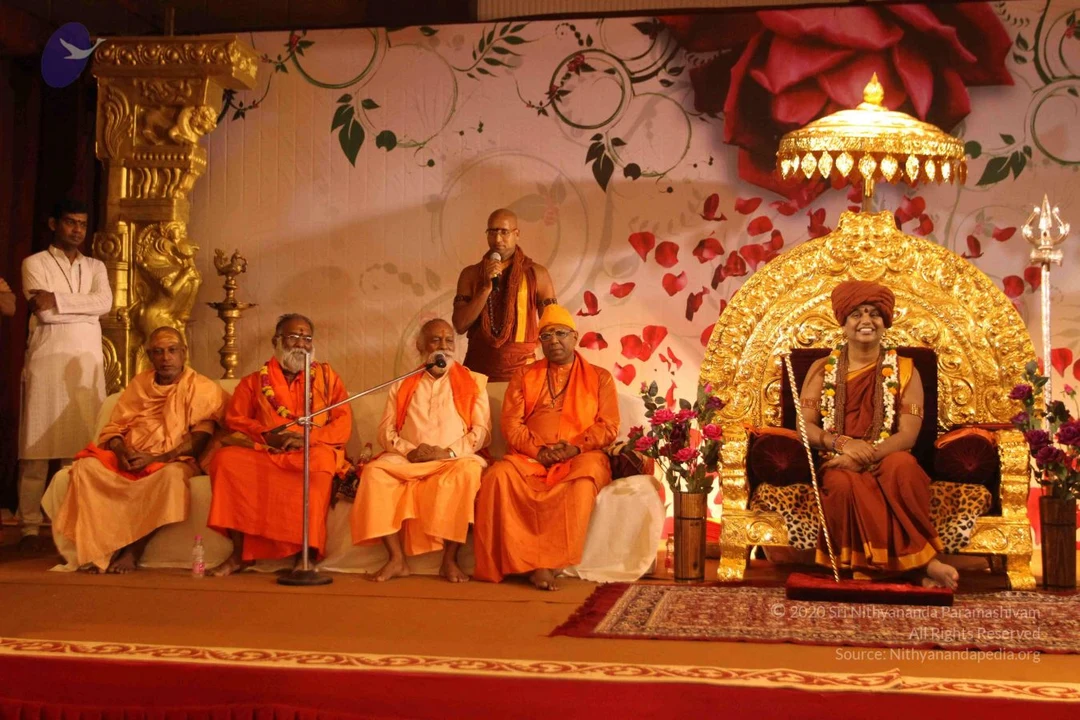
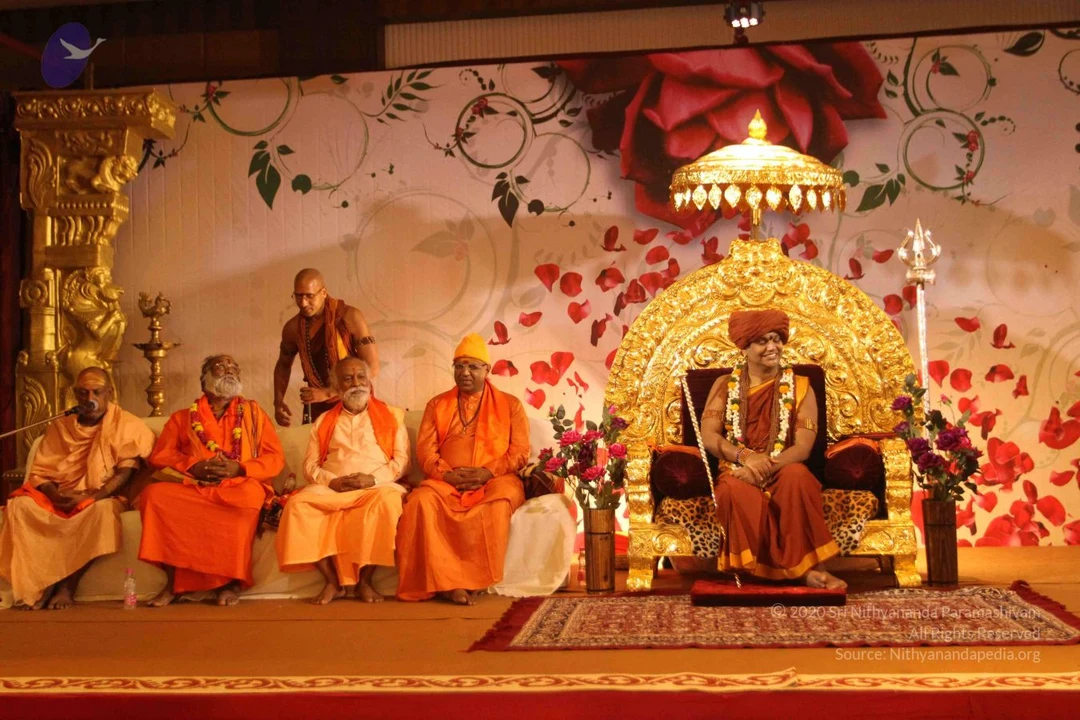
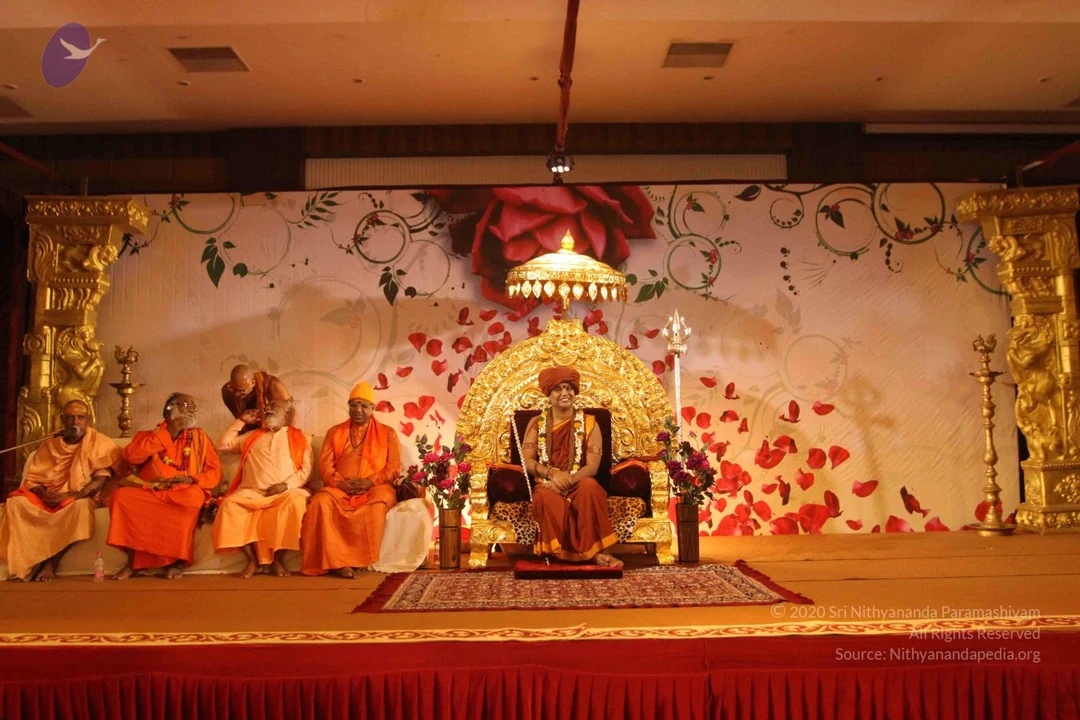
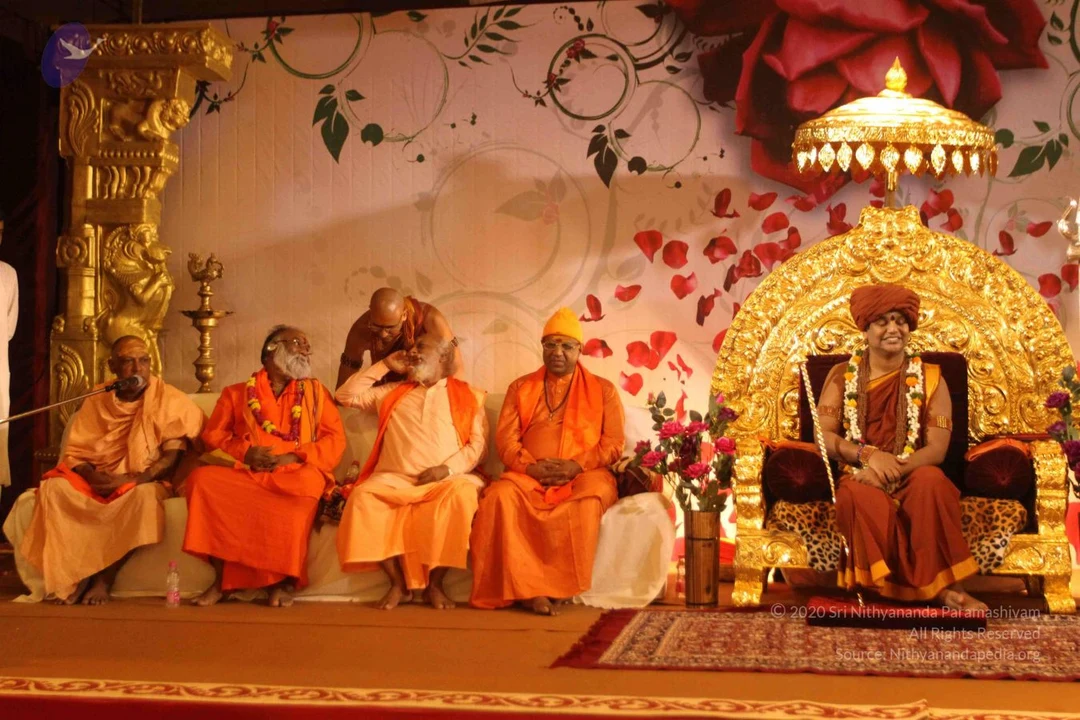
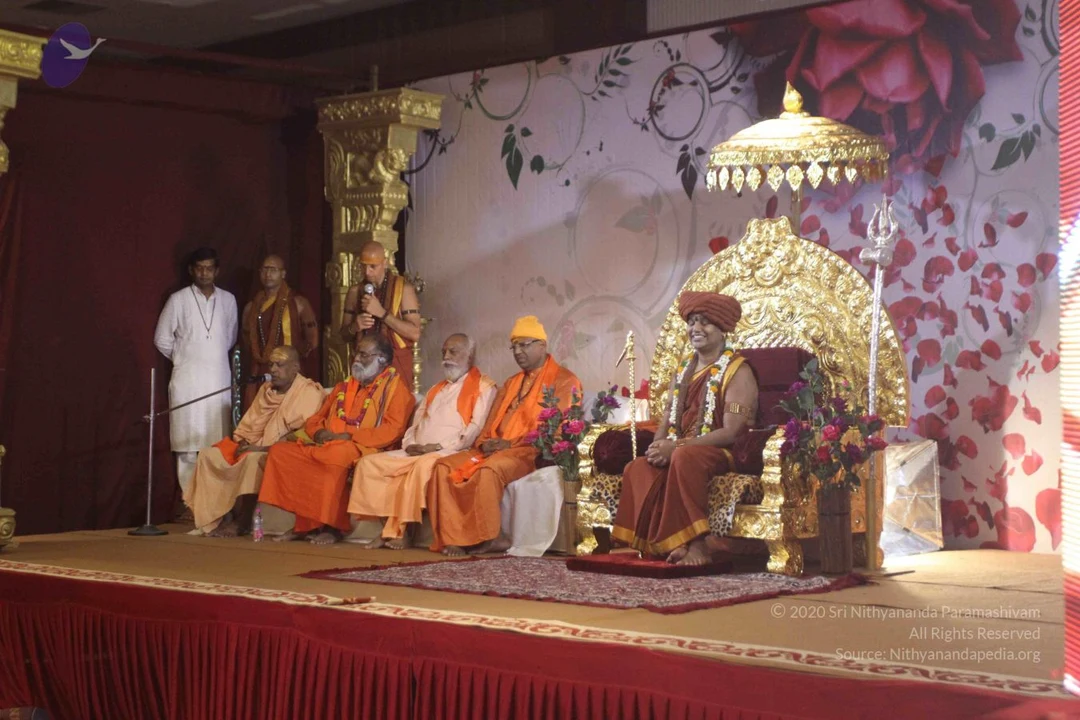
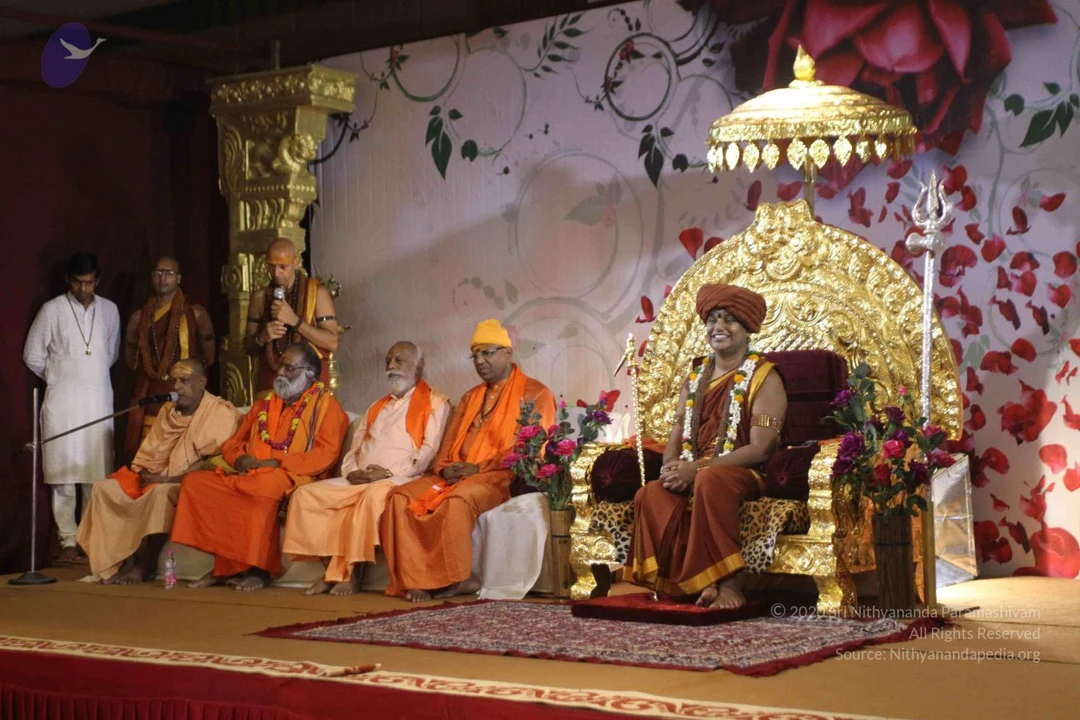
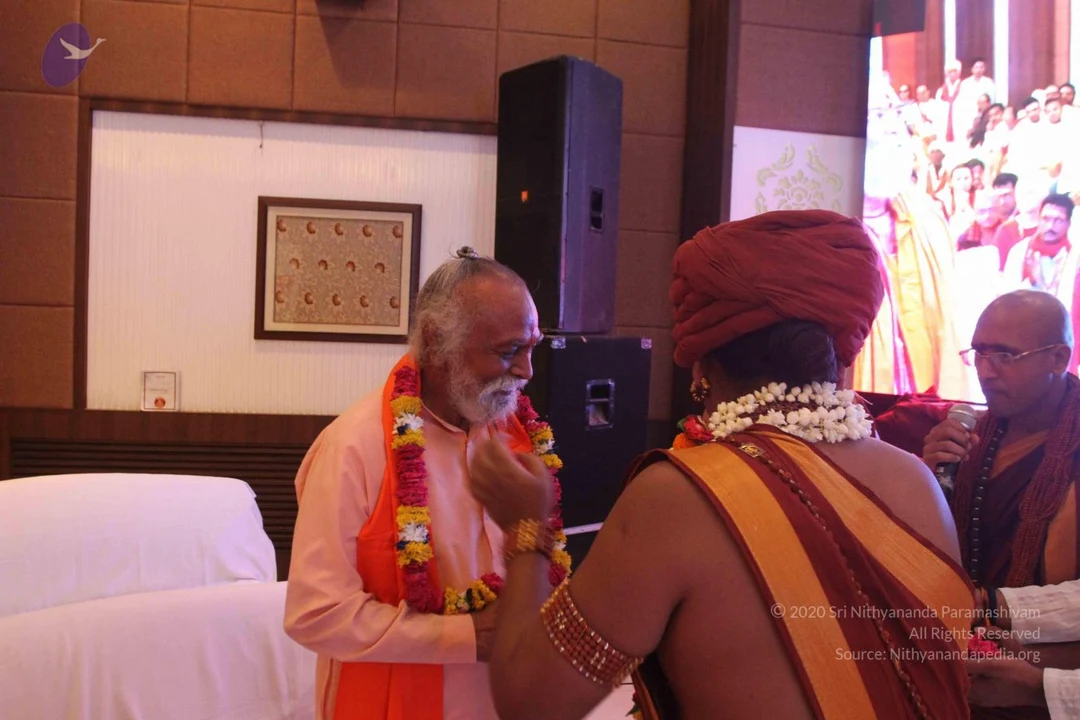
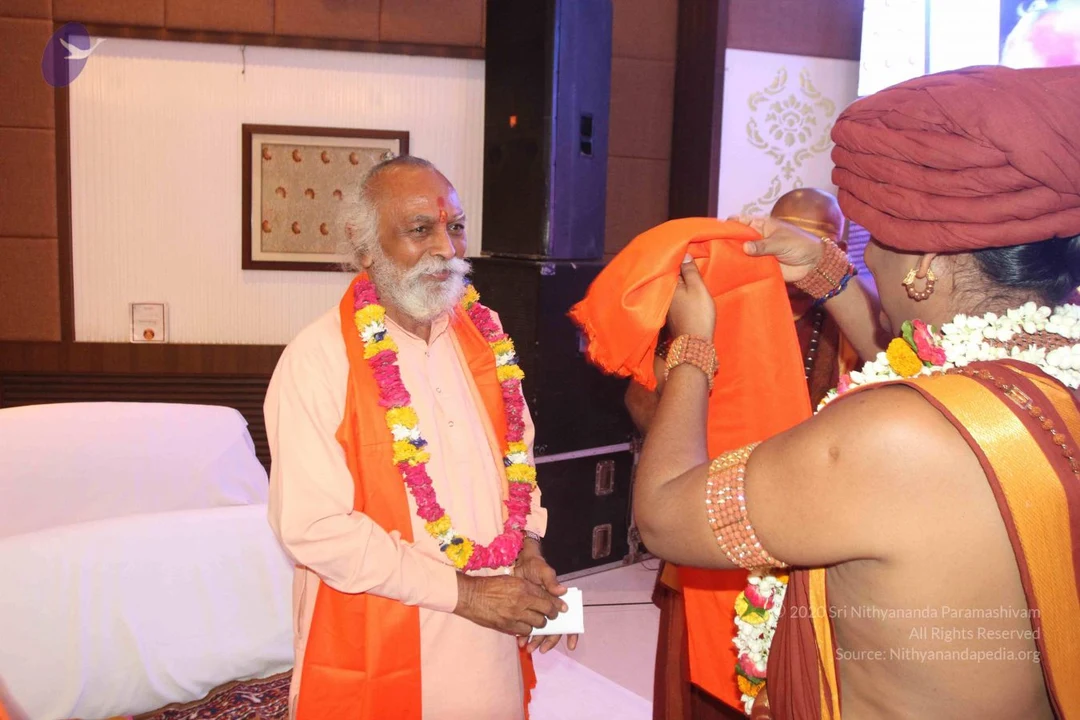
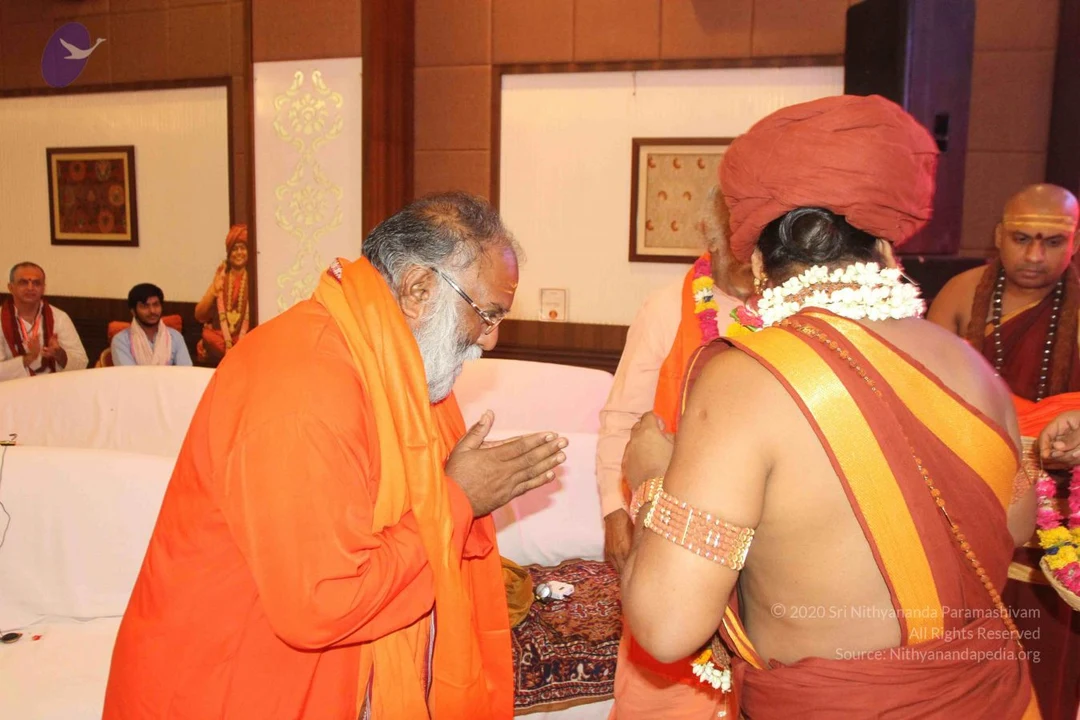
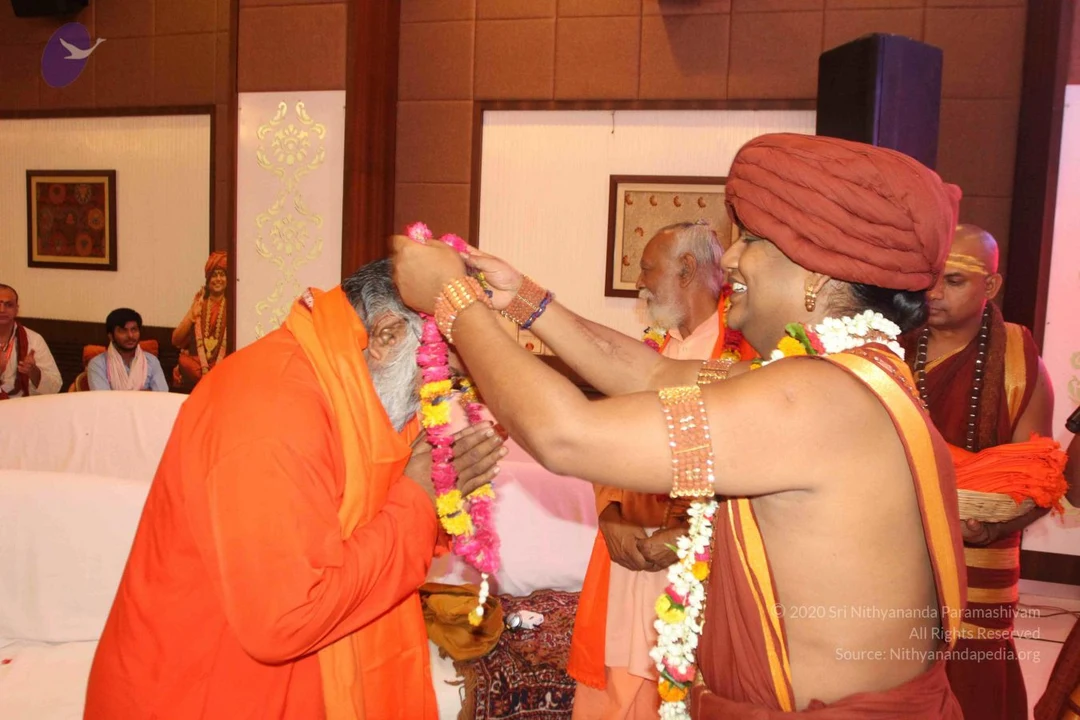
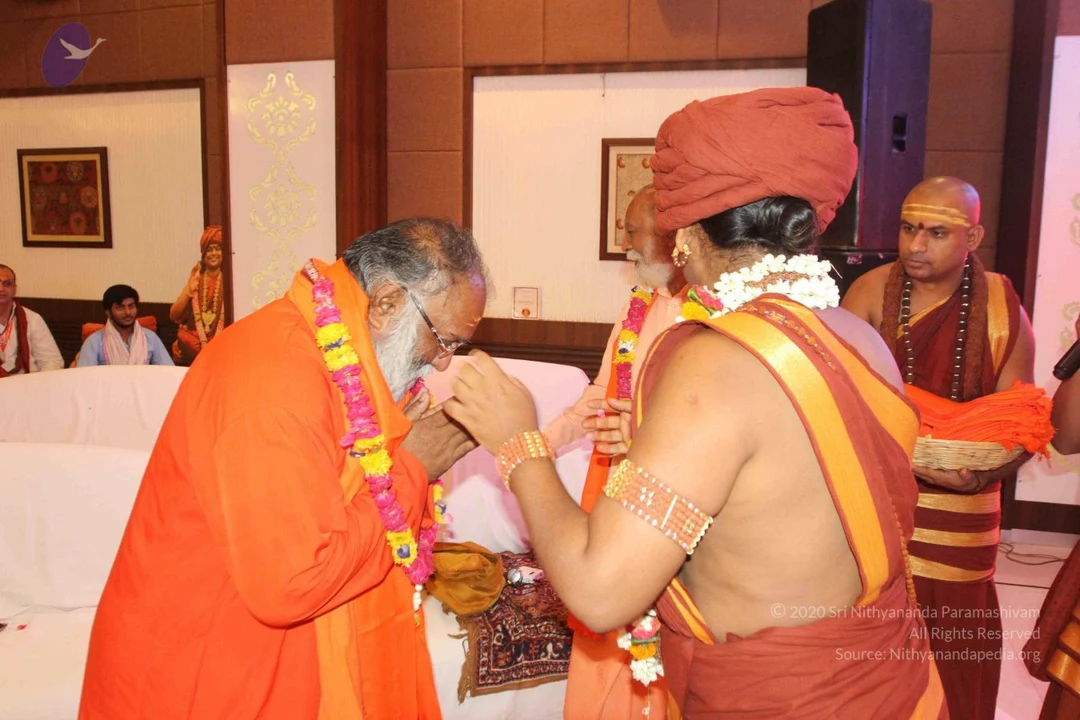
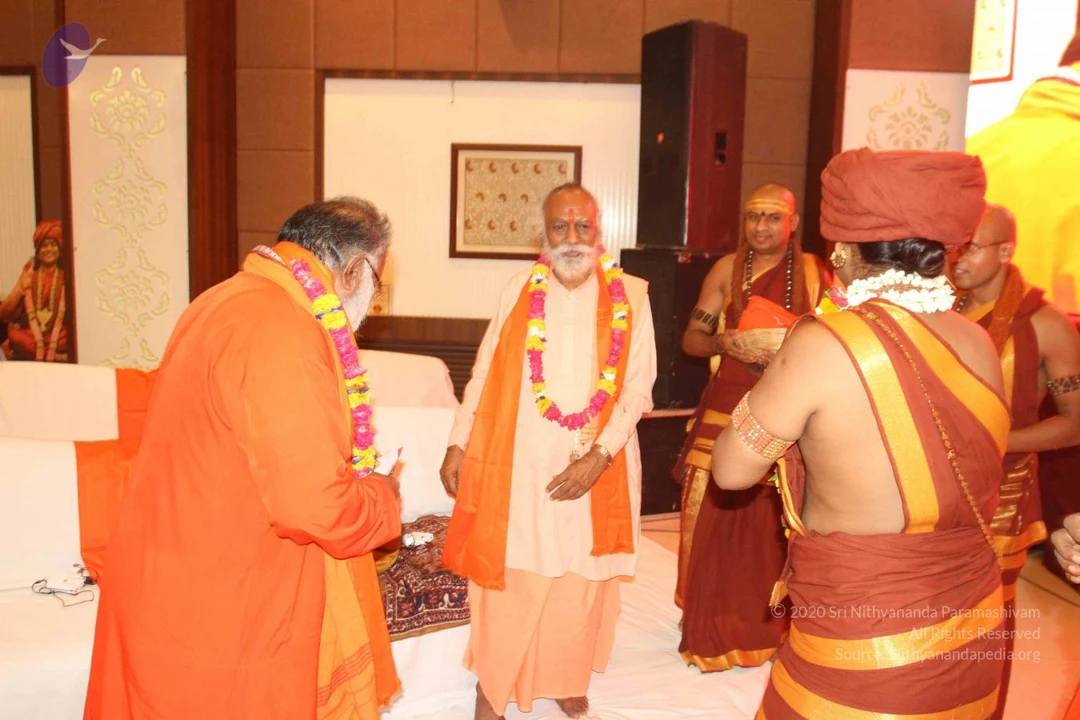
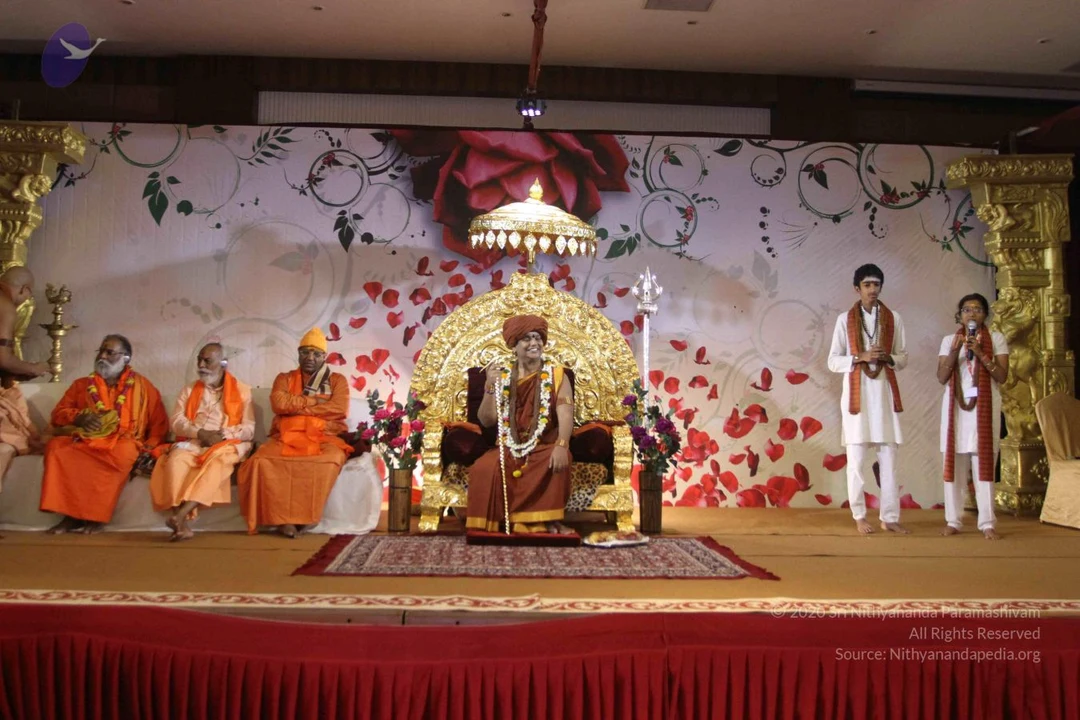
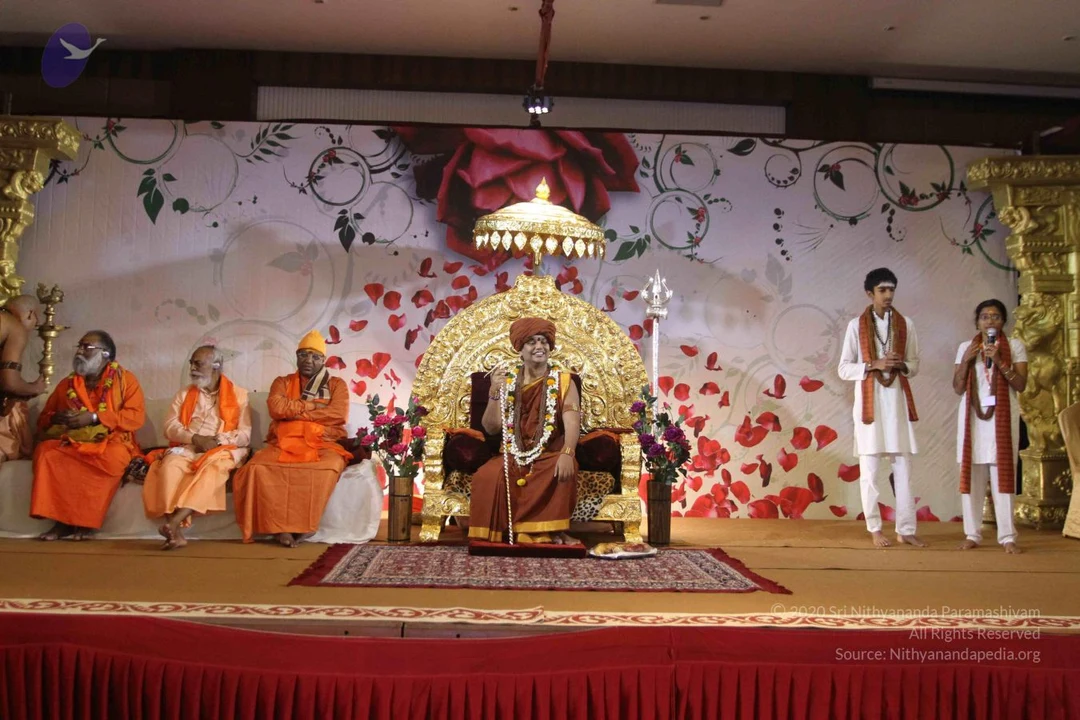
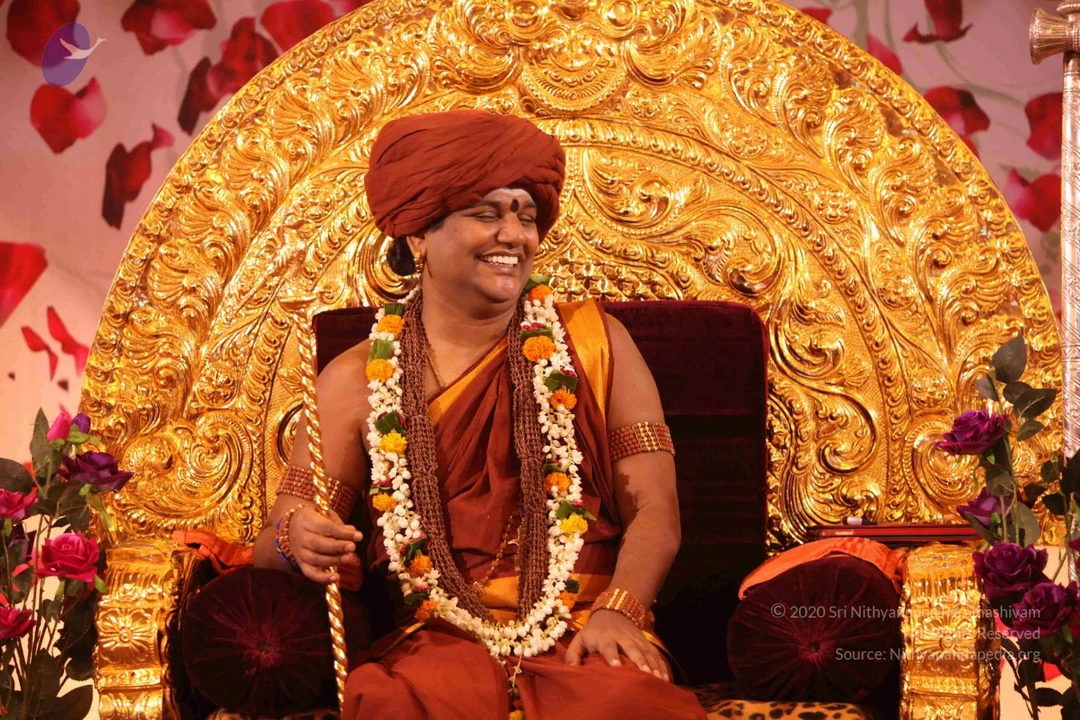
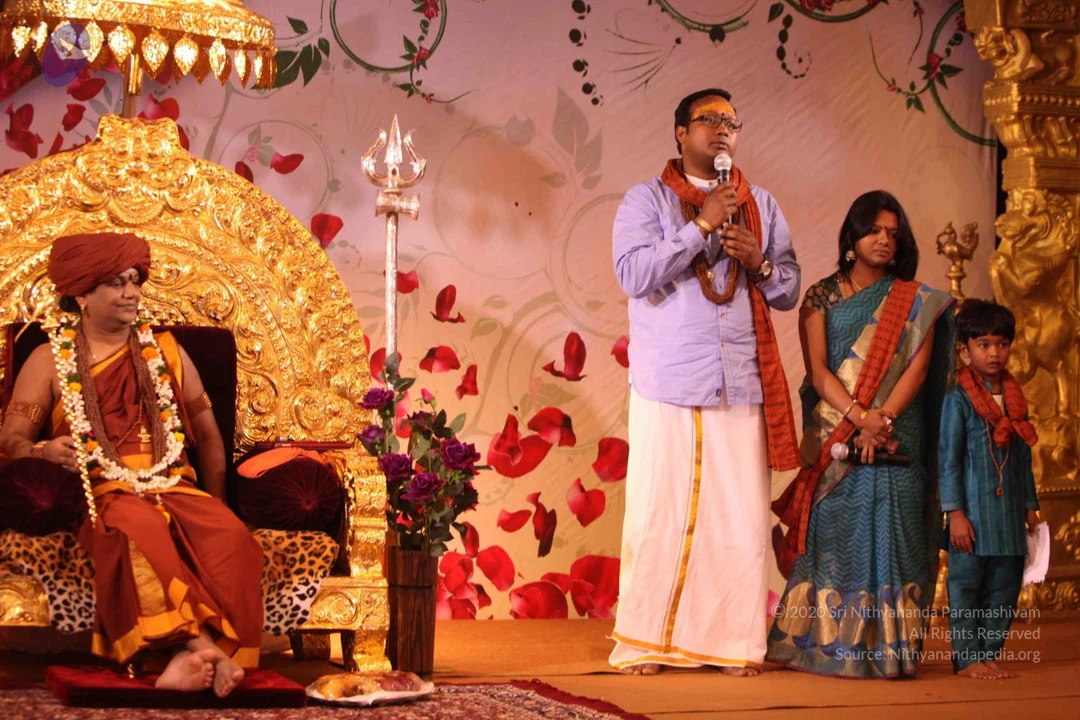
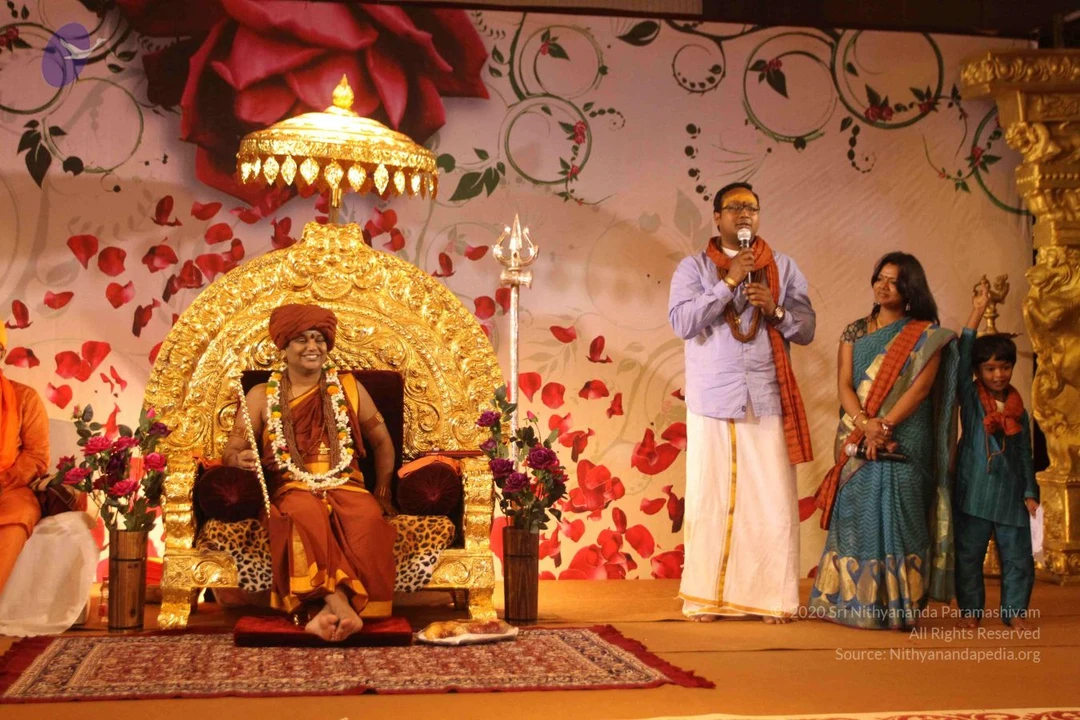
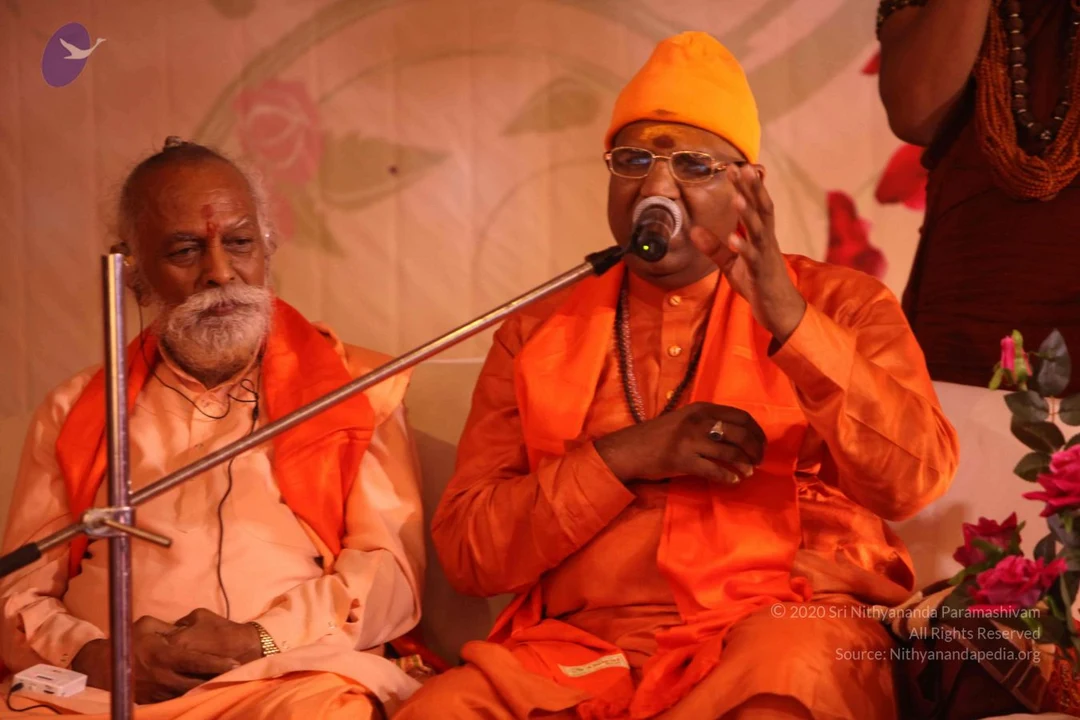
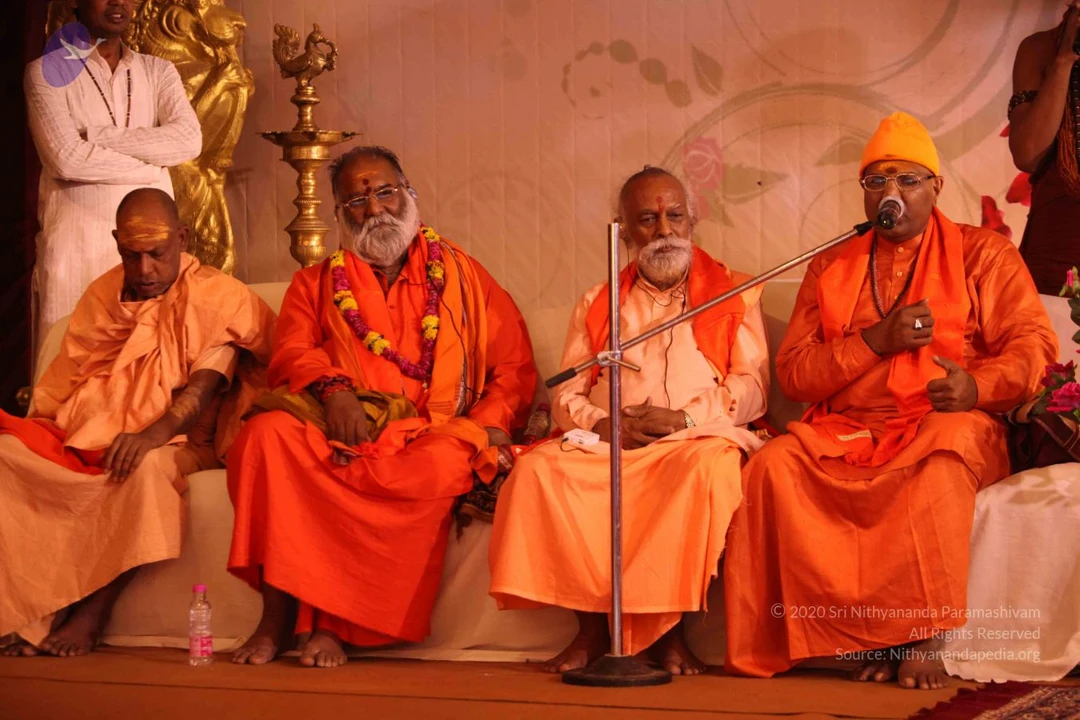
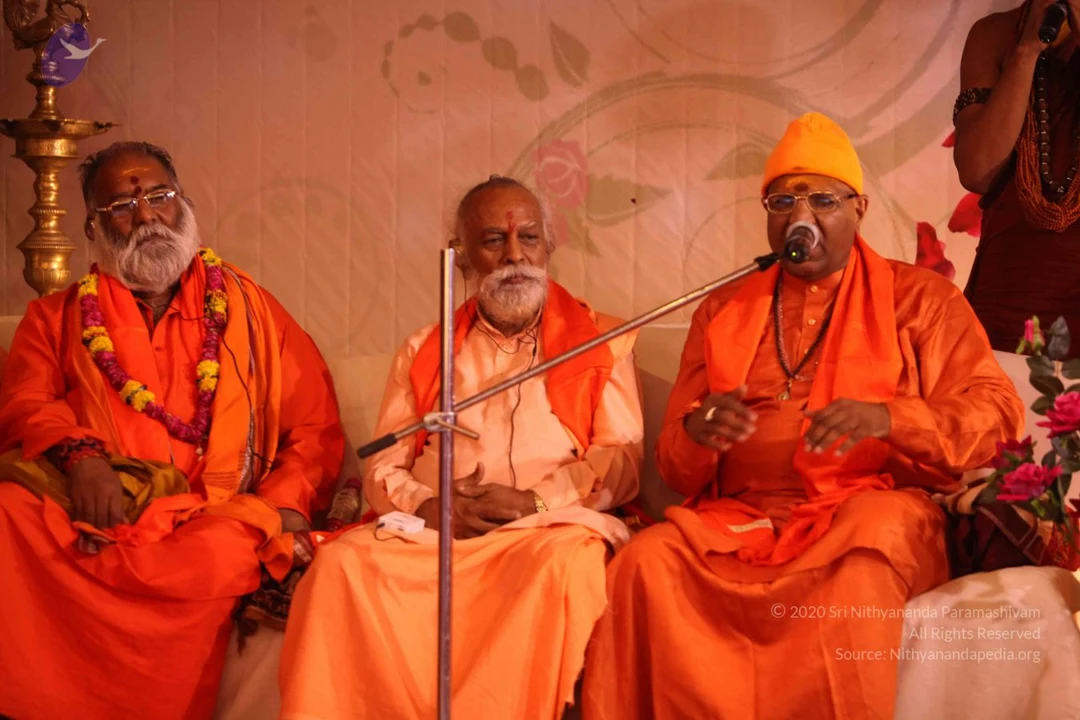
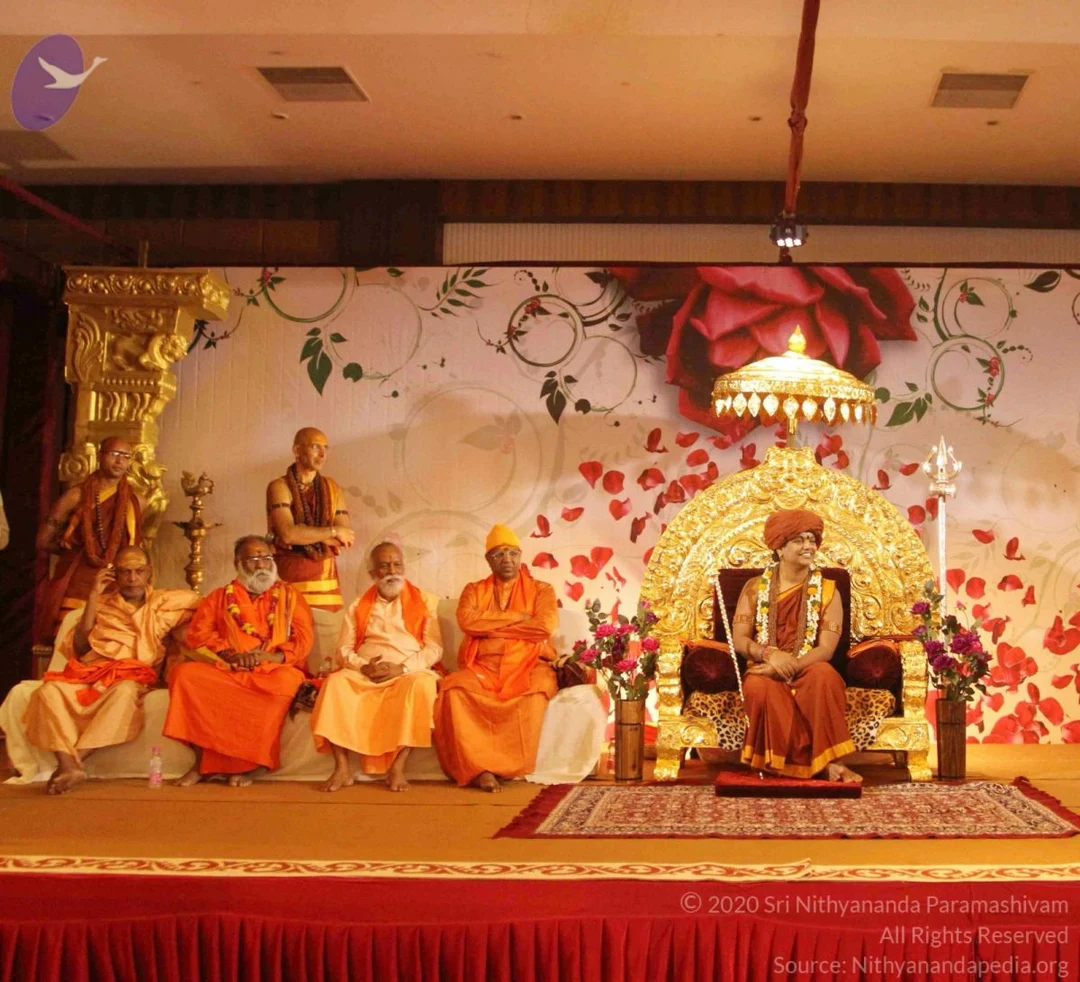
Swamiji with chief Guests in Varanasi InnerAwakening on 27-May-2015

Link to video:

Supreme Pontiff of Hinduism HDH Sri Nithyananda Paramashivam with Mahanth for Maha Nirvani Akadha and Guests from Govindha Mutt

VideoAudio

Title

Experience the Awakening of Devi Maha Shakti || Part 1 || IA || 27 May 2015

Description

Name Convention: Inner Awakening Session on: Awakening the Kundalini Shakti through Sacred Sounds and Geometry. Date: 27 May 2015 Venue: Varanasi, India

In this video Supreme Pontiff of Hinduism HDH #Nithyananda Paramashivam is initiating us into a powerful initiation during a process called a "mandala" process. The initiation awakens the divine feminine energy called "Shakti" in Sanskrit. HDH evokes the Shakti in each individual who takes part in this process, even when it is done by watching the video. HDH asks the participants to place a crystal called the "Atma Linga" on the region of the body, just below the heart region, called the "Ananda Gandha". This is a powerful energy centre in each person. When the Shakti is awakened, so are the powers that are inherent to our being. This initiation helps us to awaken the true potential that is waiting inherent to our true nature. HDH uses certain sounds, #mantras, and quantum entanglement (in Sanskrit called "Shaktini Pada") to awaken these powers.

Even if you do not have an Atma Linga crystal, you can still watch the video and experience the benefits of this powerful process.

The Supreme Pontiff of Hinduism Jagatguru Mahasannidhanam His Divine Holiness Nithyananda Paramashivam (HDH) is the reviver of #KAILASA - the ancient enlightened civilization and the great cosmic borderless Hindu nation. Revered as the incarnation of Paramashiva - the primordial Hindu Divinity, HDH has a following of 2 billion Hindus worldwide with de facto spiritual embassies in over 150 countries. He has worked untiringly for over 26 years for the revival of Kailasa, for global peace and to give super conscious breakthrough to humanity. He has survived the worst persecution of multiple assassination attempts on person and on character by anti-Hindu elements. He is collecting, organising, preserving, time capsuling, decoding, spreading and reviving 20 Million source books of Hinduism and the 64 sacred arts & sciences like Ayurveda, music, dance, sculpting, astrology, vastu and much more. Close to 20,000 hours of HDH’s timeless talks have been recorded till date (Sep 2020), which are a treasure trove of powerful cognitions to solve individual and global problems of any kind.

Link to Video:

VideoAudio

Title

Experience the Awakening of Devi Maha Shakti || Part 2 || IA || 27 May 2015

Description

Name Convention: Inner Awakening Session on: Awakening the Kundalini Shakti through Sacred Sounds and Geometry. Date: 27 May 2015 Venue: Varanasi, India

In this video Supreme Pontiff of Hinduism HDH #Nithyananda Paramashivam is initiating us into a powerful initiation during a process called a "mandala" process. The initiation awakens the divine feminine energy called "Shakti" in Sanskrit. HDH evokes the Shakti in each individual who takes part in this process, even when it is done by watching the video. HDH asks the participants to place a crystal called the "Atma Linga" on the region of the body, just below the heart region, called the "Ananda Gandha". This is a powerful energy centre in each person. When the Shakti is awakened, so are the powers that are inherent to our being. This initiation helps us to awaken the true potential that is waiting inherent to our true nature. HDH uses certain sounds, #mantras, and quantum entanglement (in Sanskrit called "Shaktini Pada") to awaken these powers.

Even if you do not have an Atma Linga crystal, you can still watch the video and experience the benefits of this powerful process.

The Supreme Pontiff of Hinduism Jagatguru Mahasannidhanam His Divine Holiness Nithyananda Paramashivam (HDH) is the reviver of #KAILASA - the ancient enlightened civilization and the great cosmic borderless Hindu nation. Revered as the incarnation of Paramashiva - the primordial Hindu Divinity, HDH has a following of 2 billion Hindus worldwide with de facto spiritual embassies in over 150 countries. He has worked untiringly for over 26 years for the revival of Kailasa, for global peace and to give super conscious breakthrough to humanity. He has survived the worst persecution of multiple assassination attempts on person and on character by anti-Hindu elements. He is collecting, organising, preserving, time capsuling, decoding, spreading and reviving 20 Million source books of Hinduism and the 64 sacred arts & sciences like Ayurveda, music, dance, sculpting, astrology, vastu and much more. Close to 20,000 hours of HDH’s timeless talks have been recorded till date (Sep 2020), which are a treasure trove of powerful cognitions to solve individual and global problems of any kind.

Link to Video:

VideoAudio

Title:

'Nithyananda Times 27/May/2015'

Photos Of The Day:

FB-photo-of-the-day

Photos Of The Day:

Pada-Puja
Energy-Darshan-&-Receiving-of-Atma-Murti

Photos Of The Day:

Shivoham

Pada-Puja

Shivoham-after-break

Photos Of The Day:

SATSANG

PROGRAME-EXPERIENCE-SHARING

Photos Of The Day:

IA-Varanasi-Session

IA-Varanasi-Darshan

Photos Of The Day:

Pada-Puja
Energy-darshan-&-Receiving-of-Atma-Murti

Photos Of The Day:

Padapuja

Shivoham

Shivoham-After-Break

Photos Of The Day:

Pada-Puja
Photos Of The Day:

IA-Varanasi-Session

IA-Varanasi-Darshan

Photos from this day

View all 826 photos

FB-photo-of-the-day

1 photoSource gallery

Pada-Puja
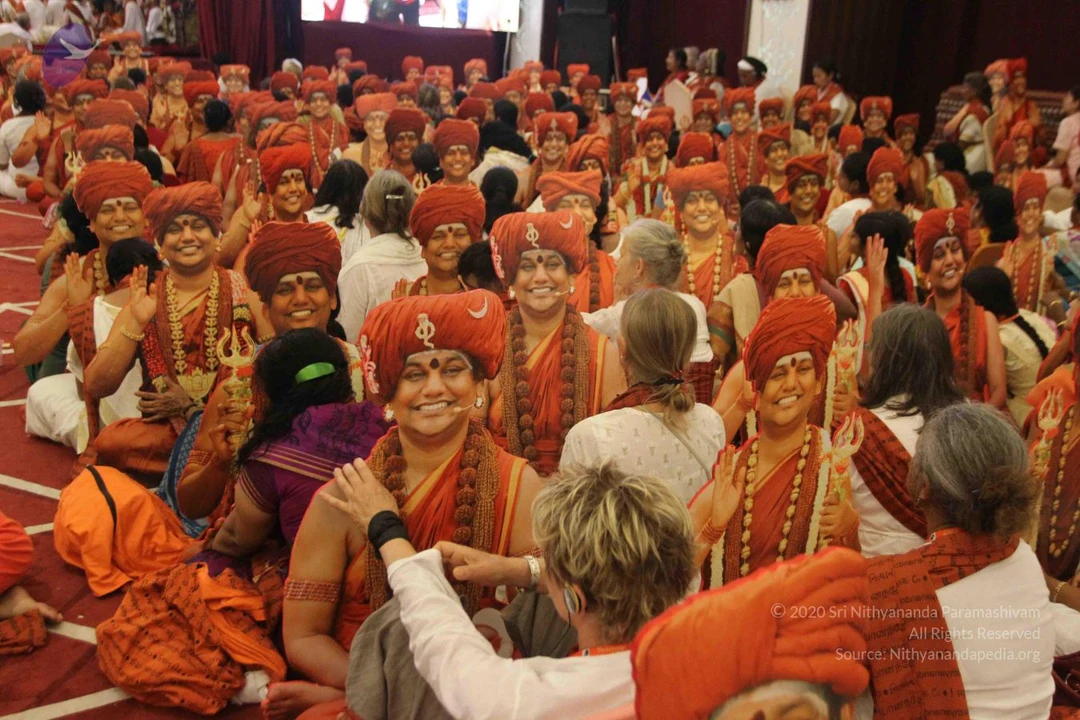
64 photosSource gallery
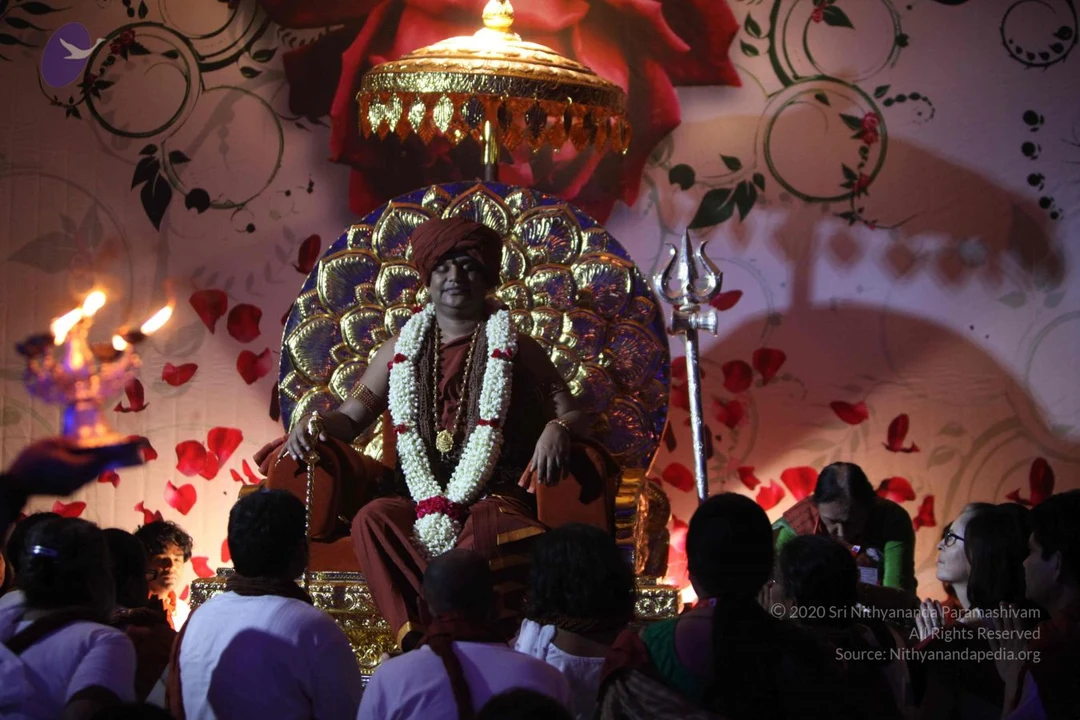
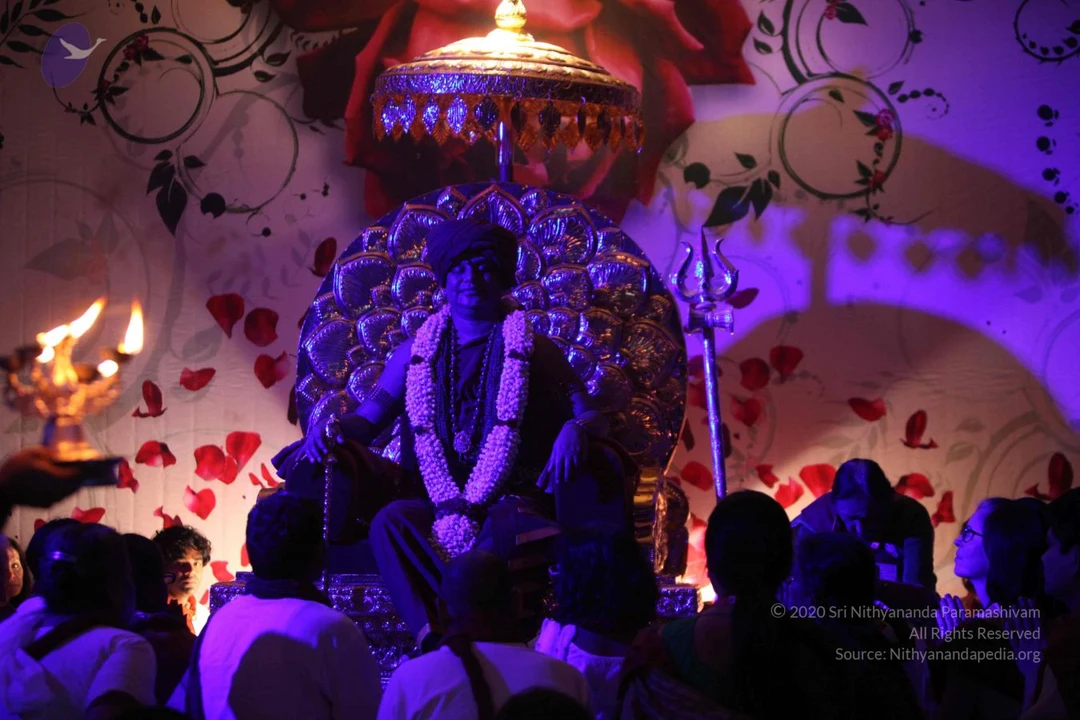
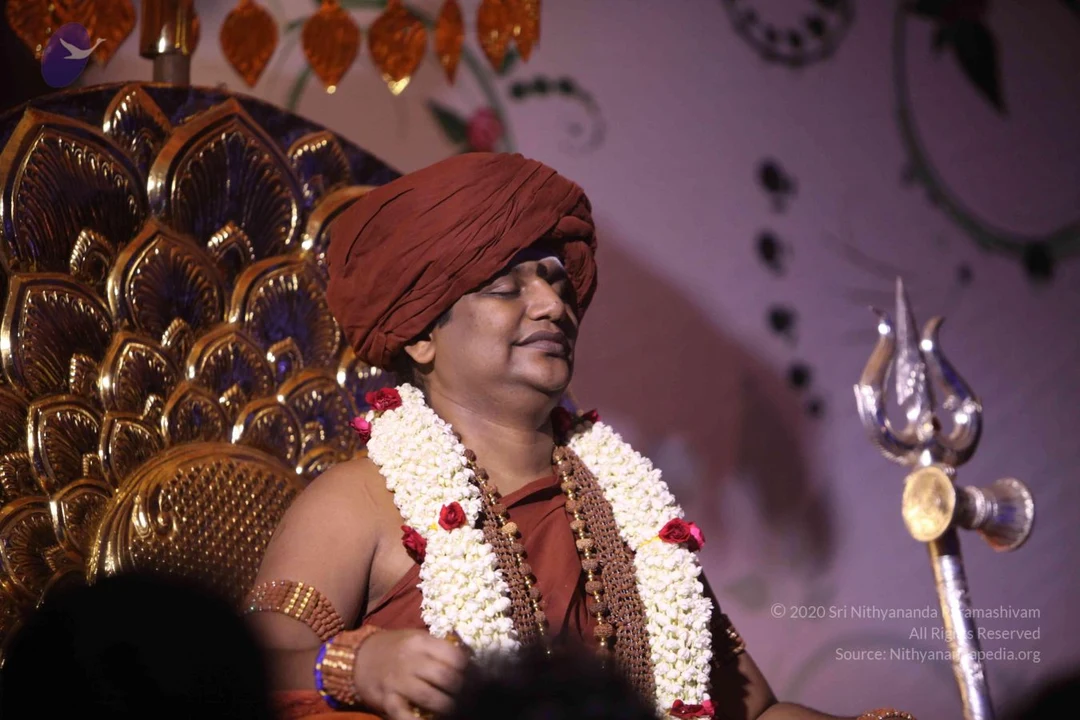
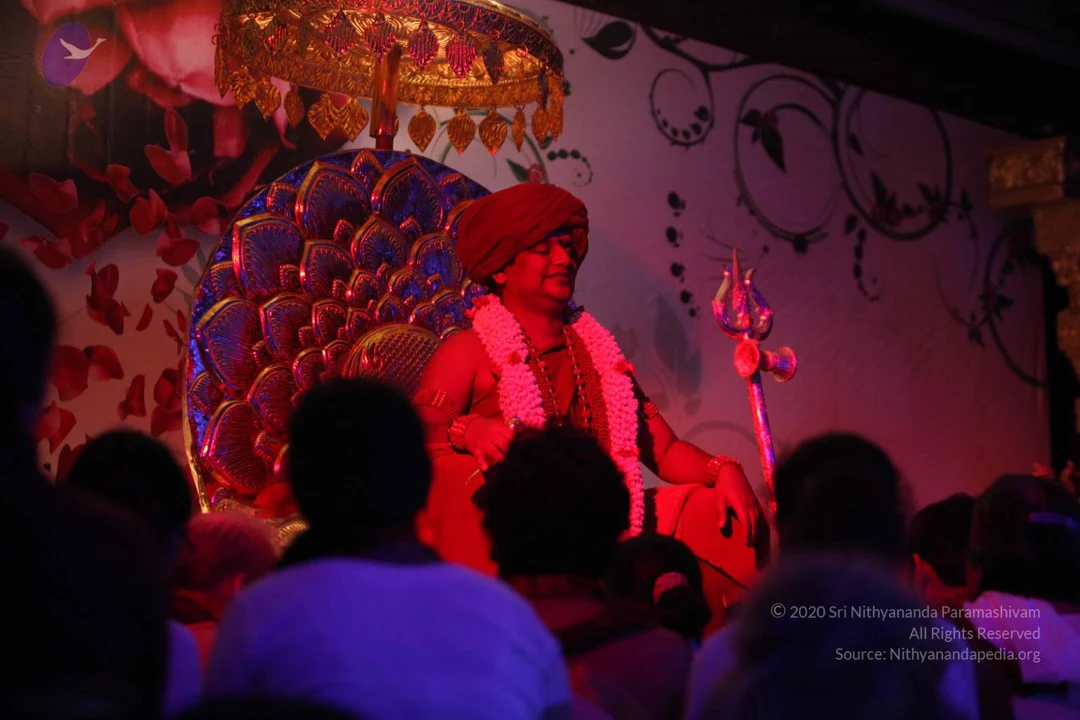
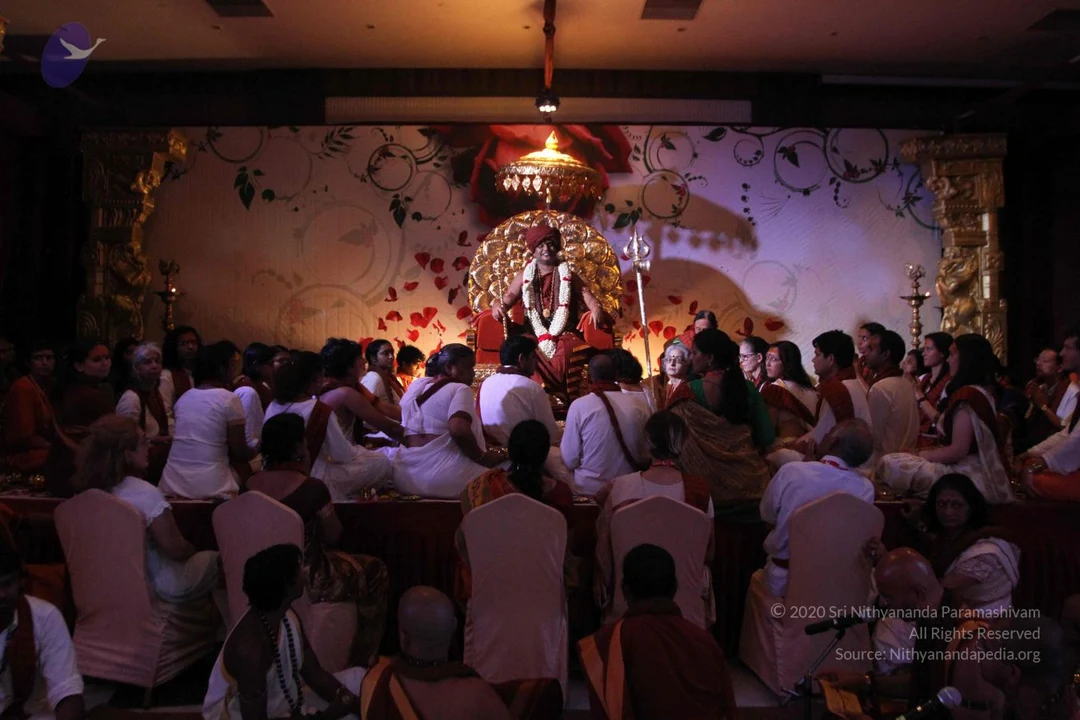
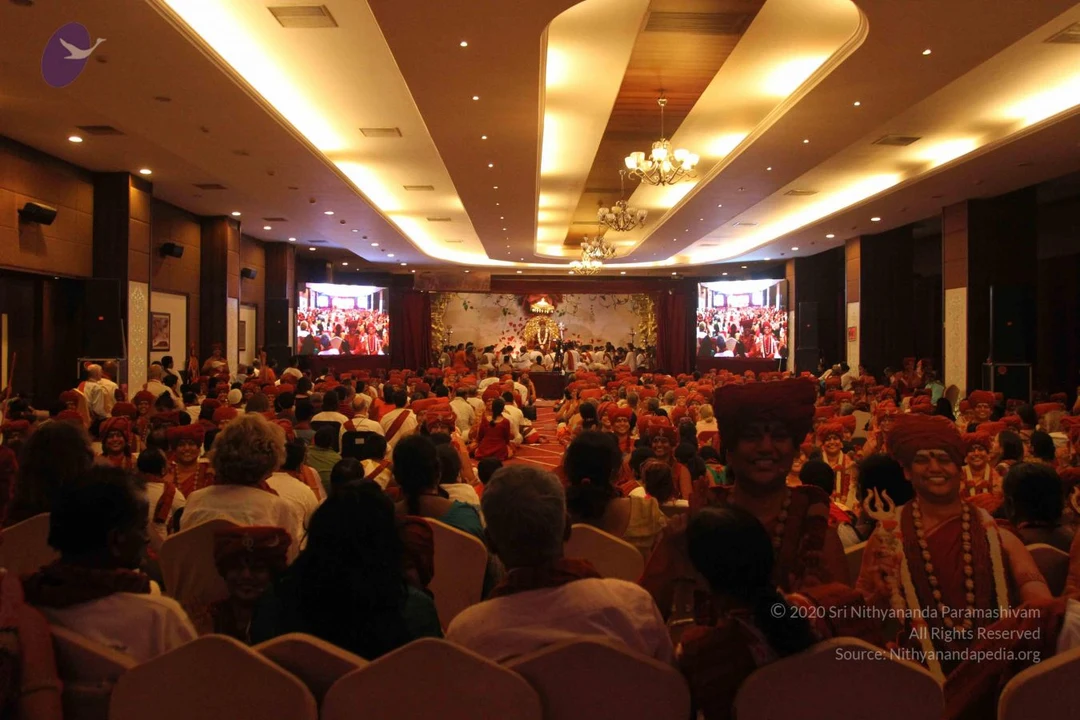
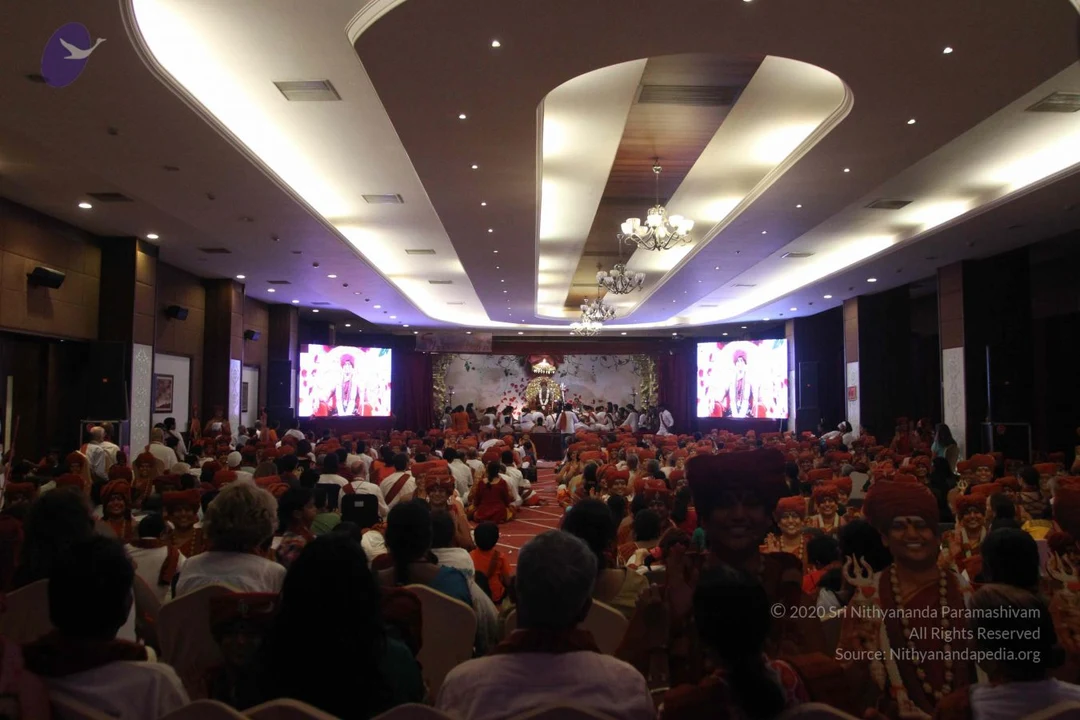
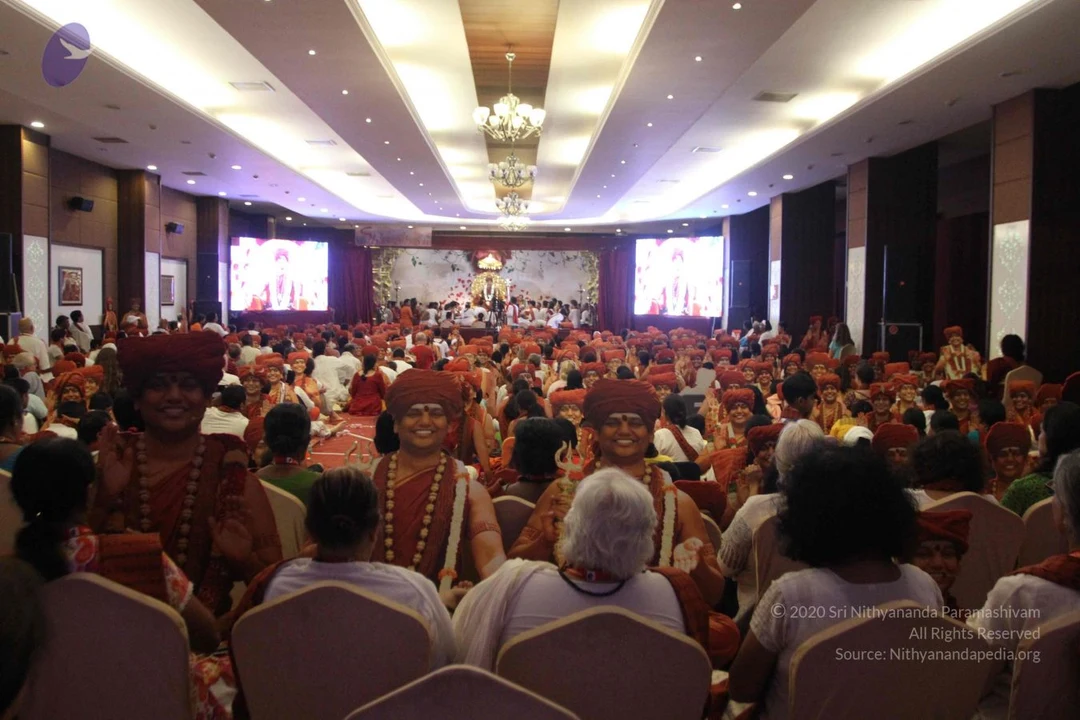
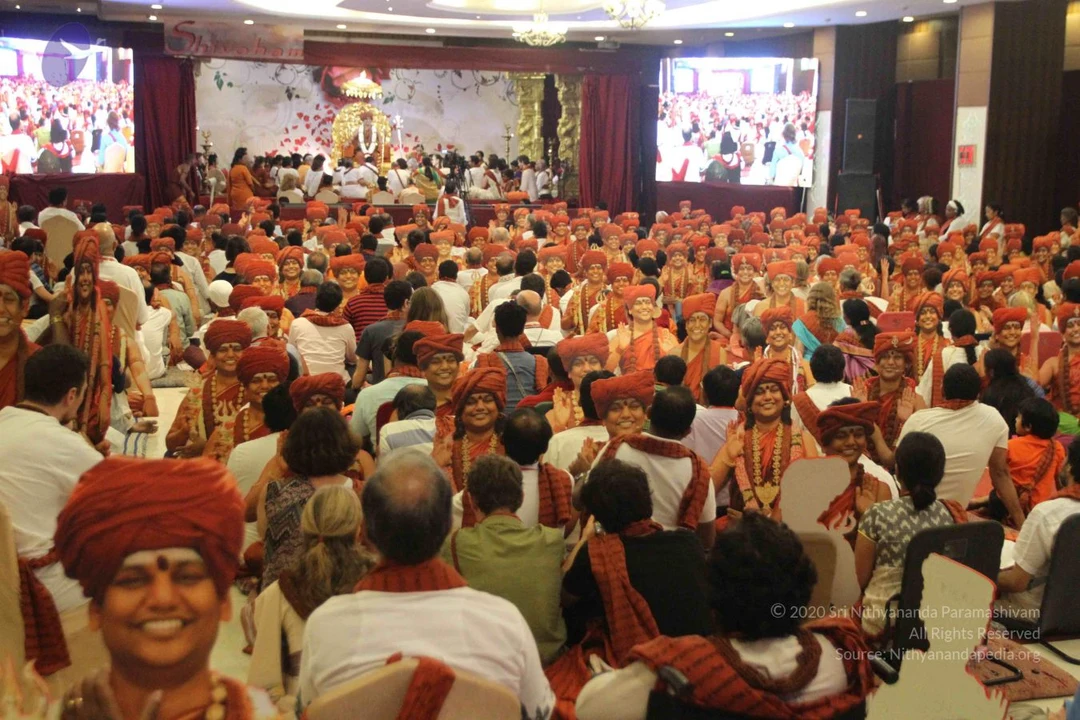
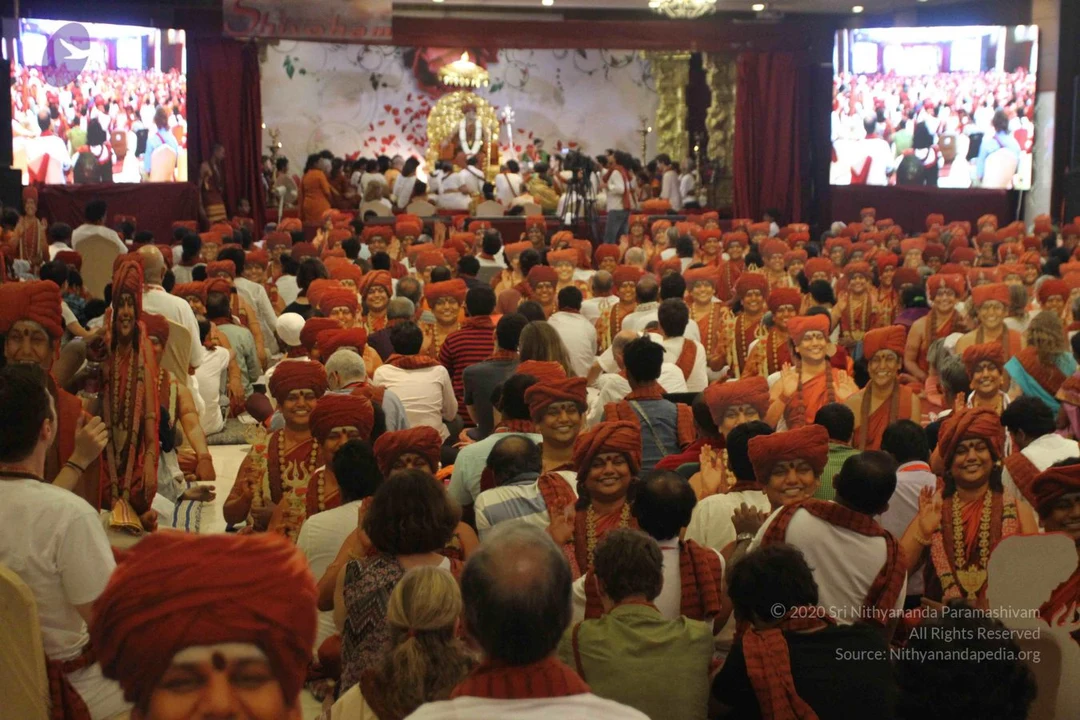
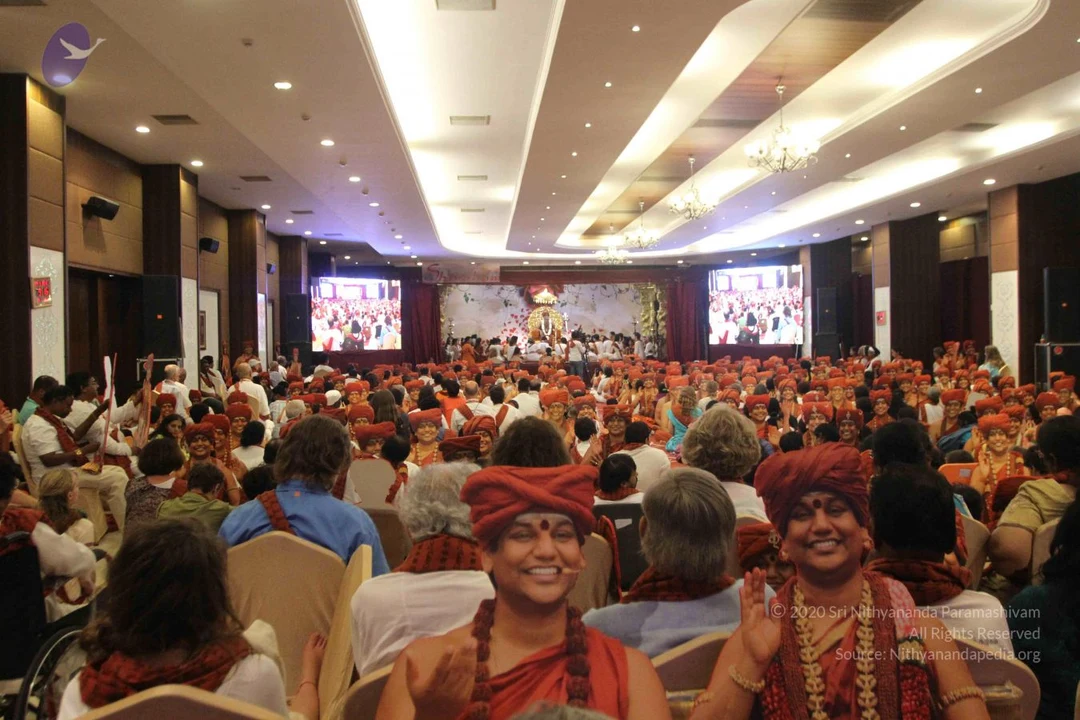
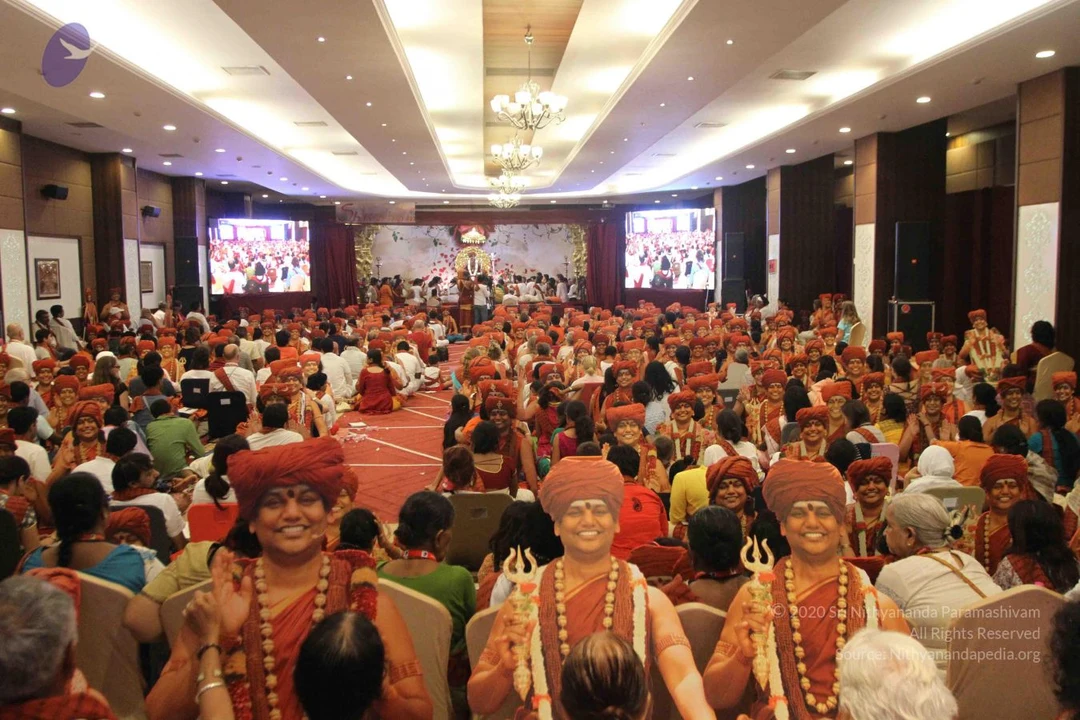
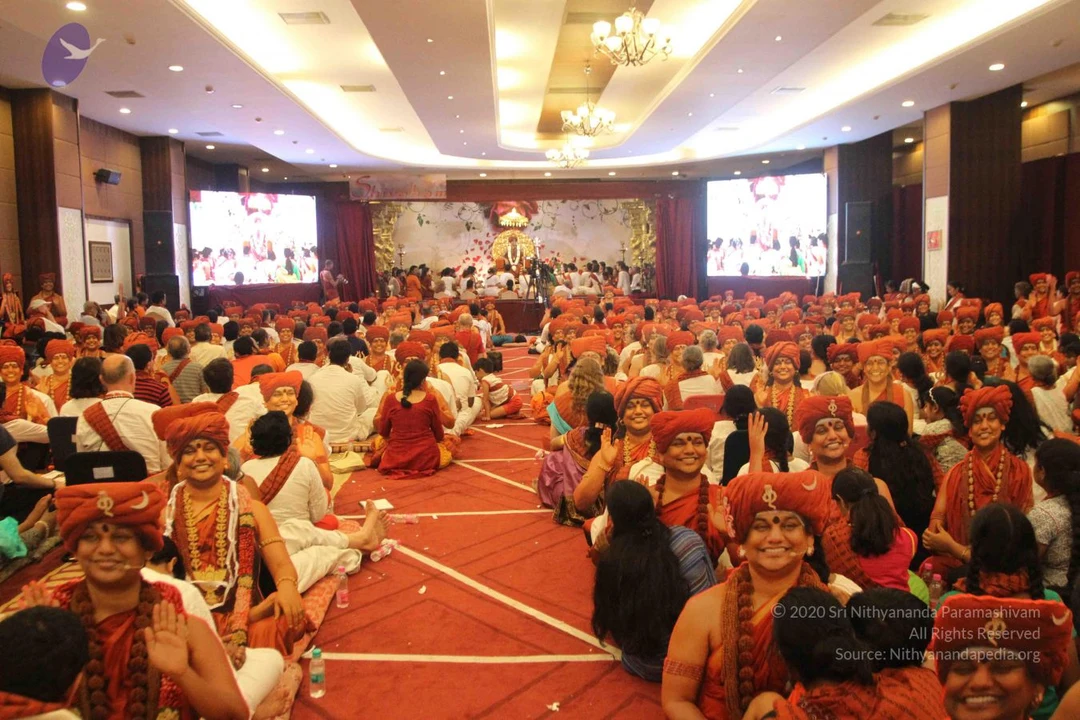
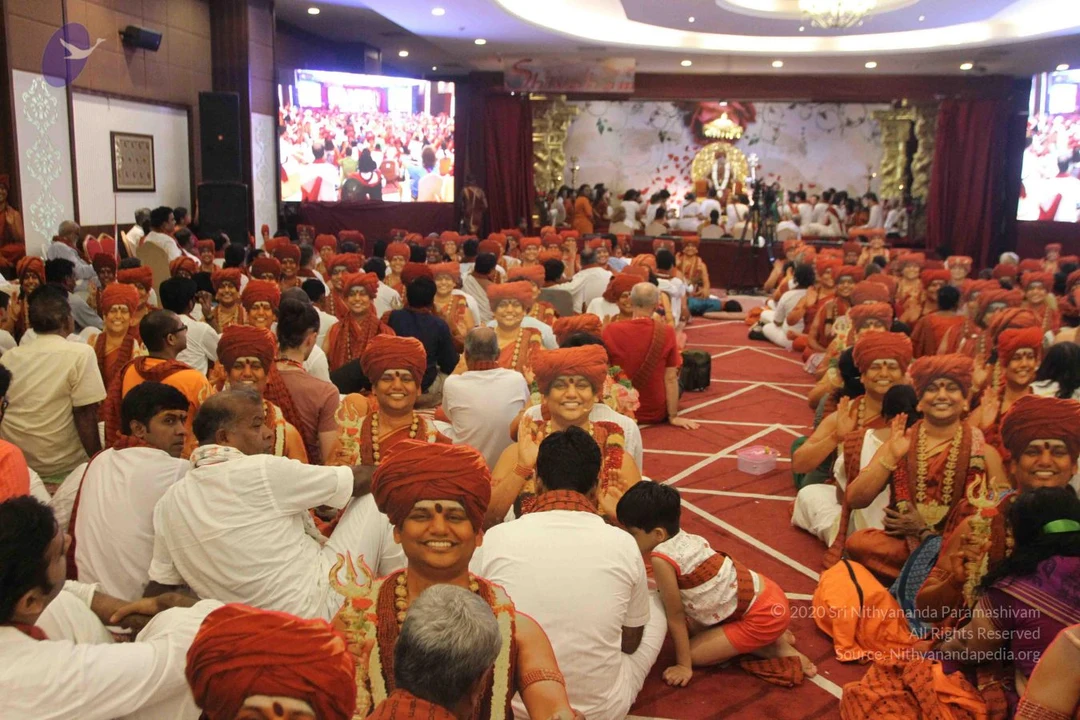
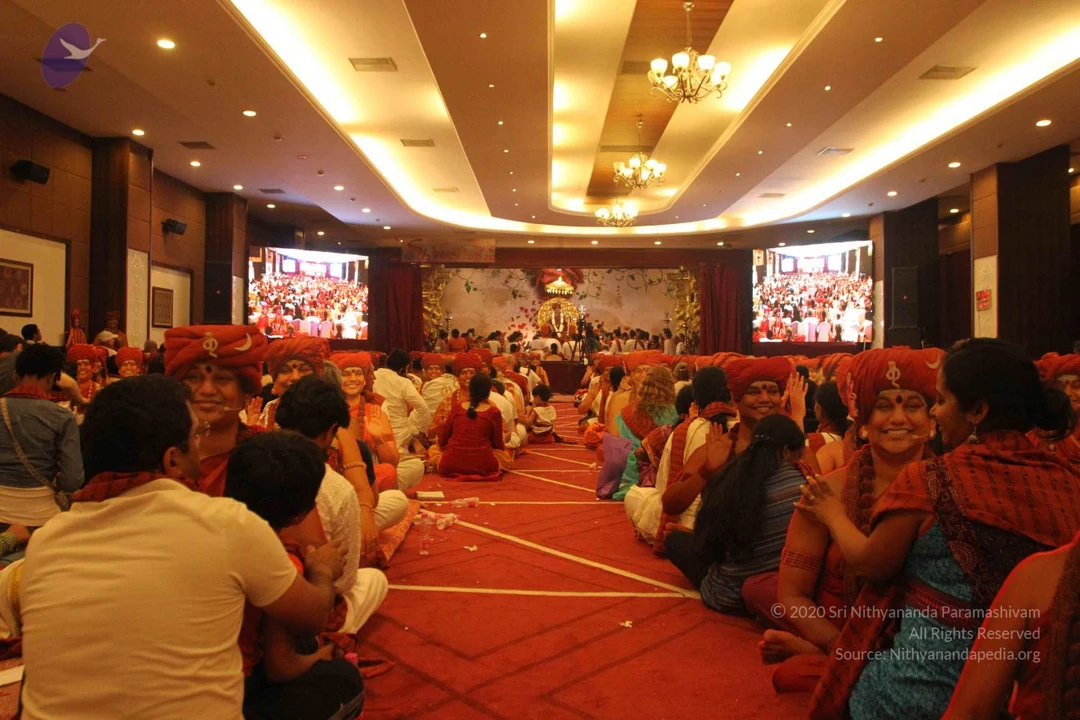
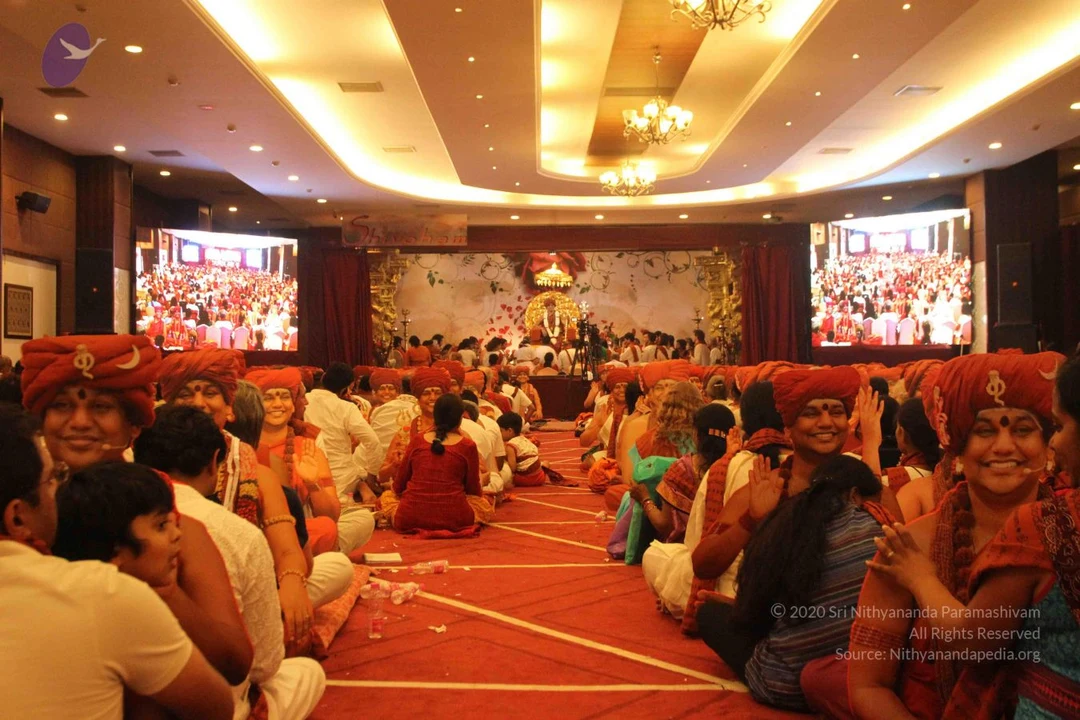
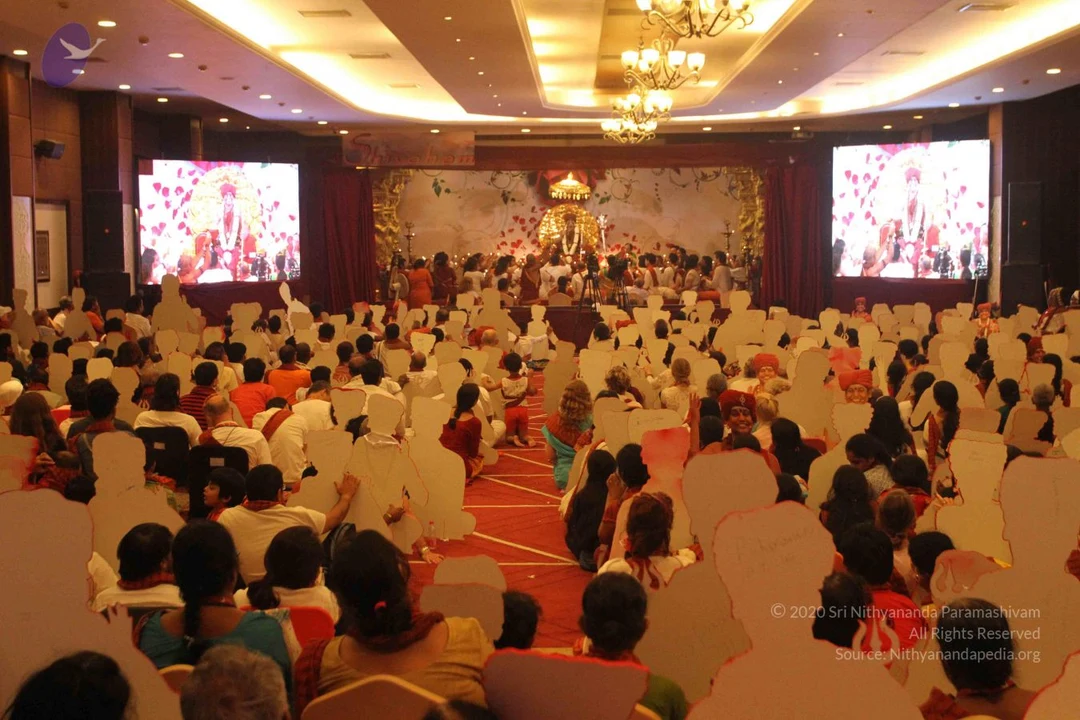
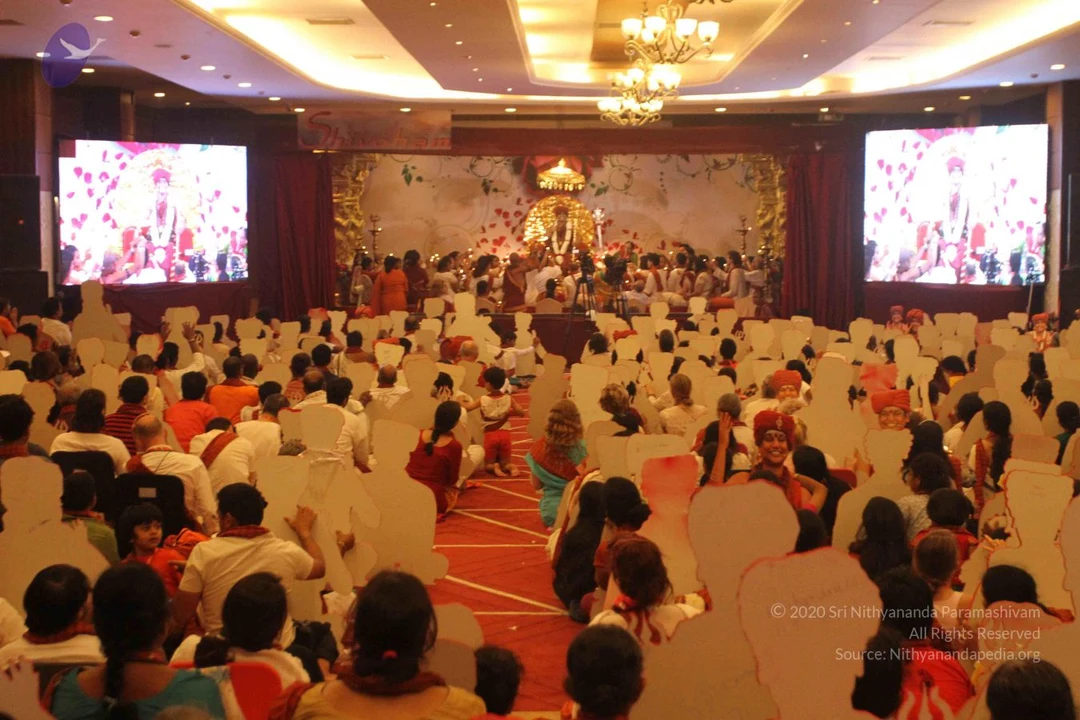
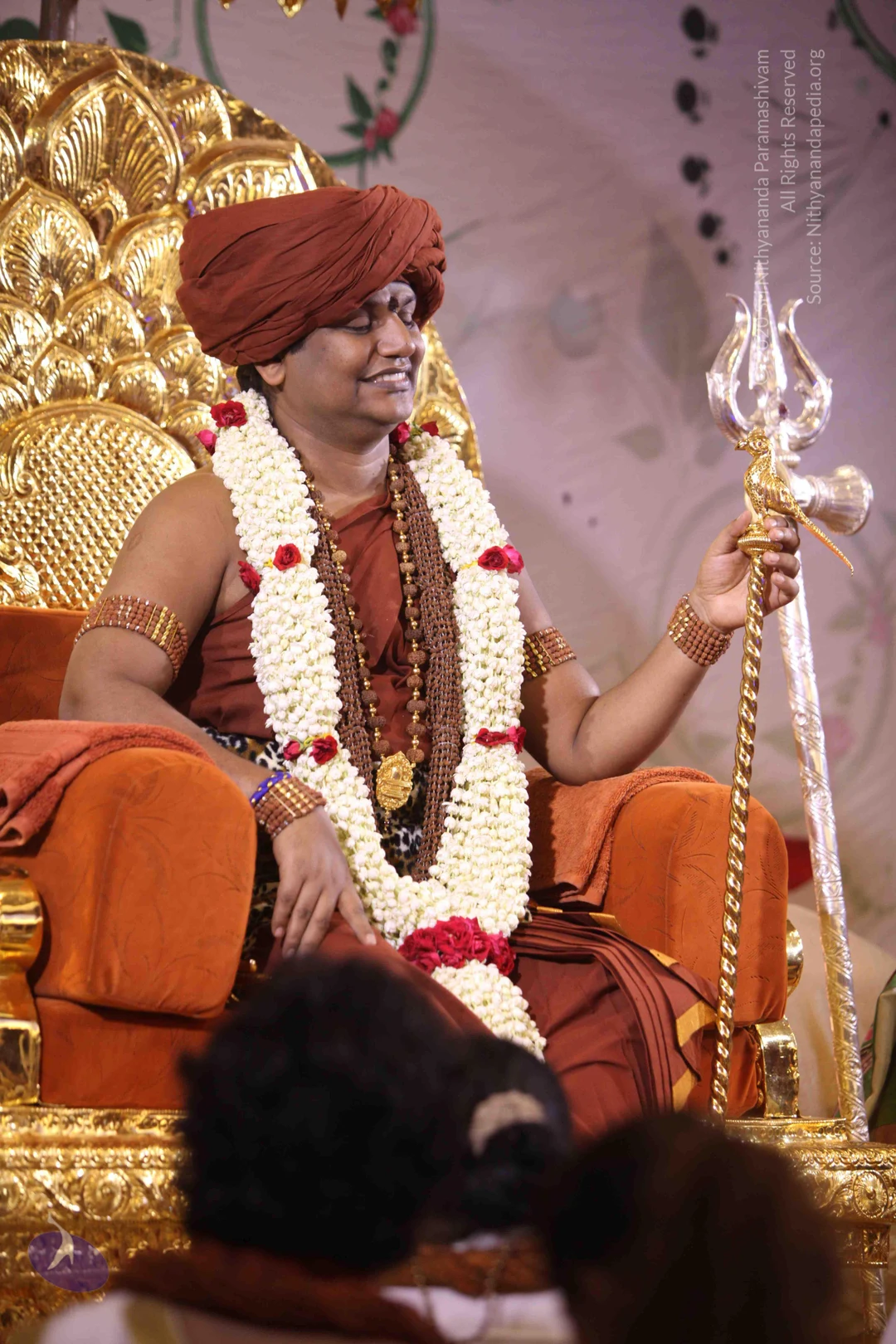
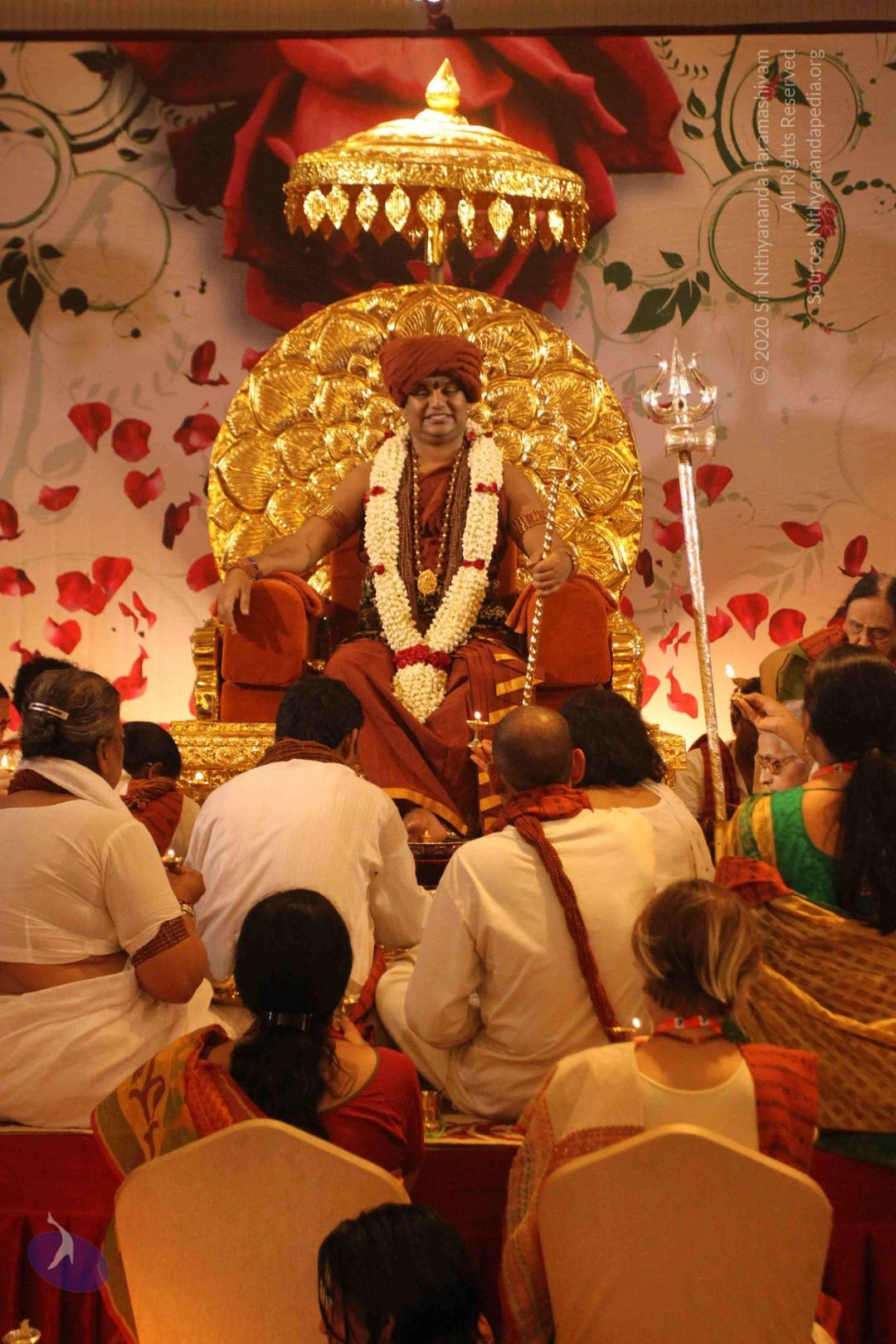
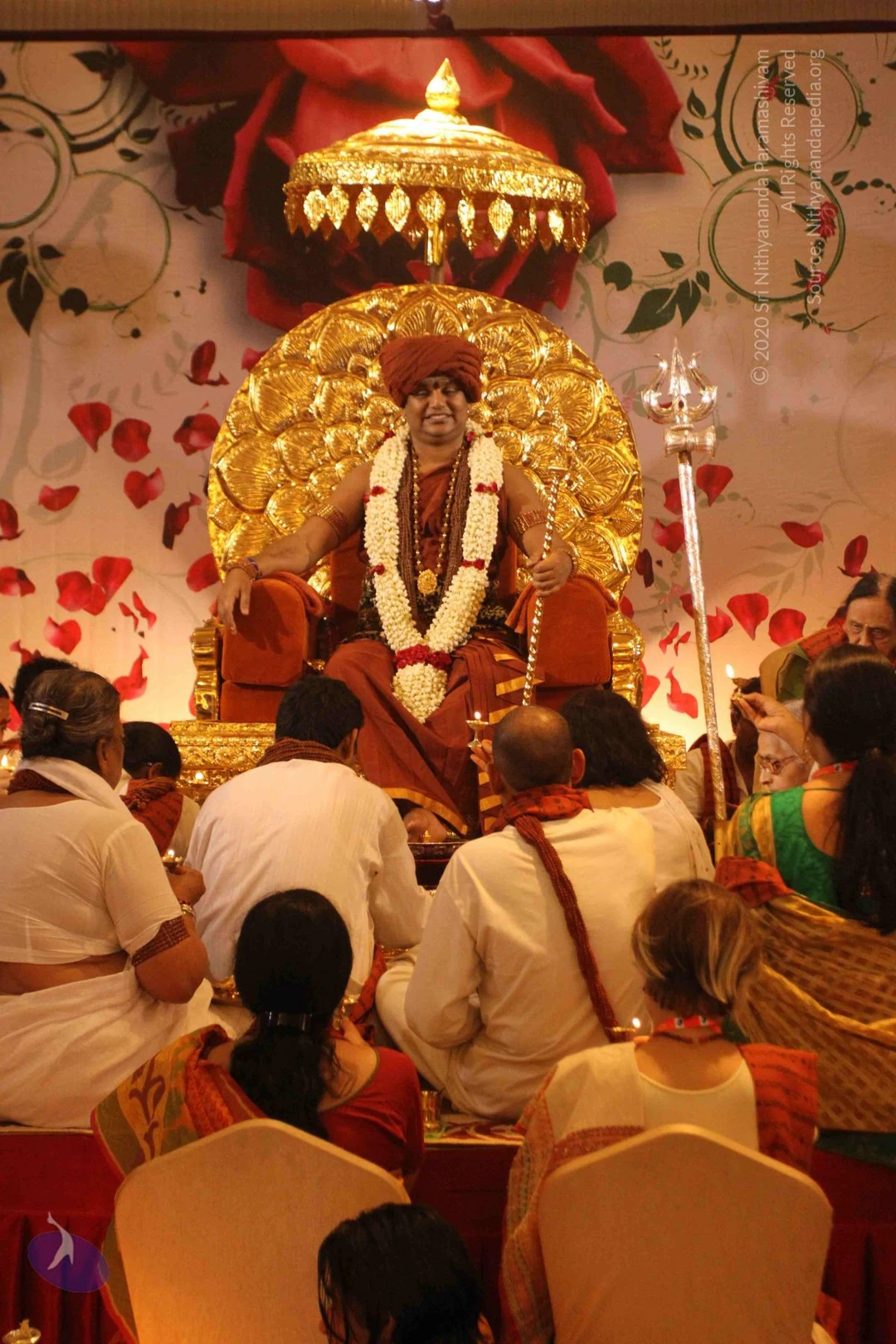
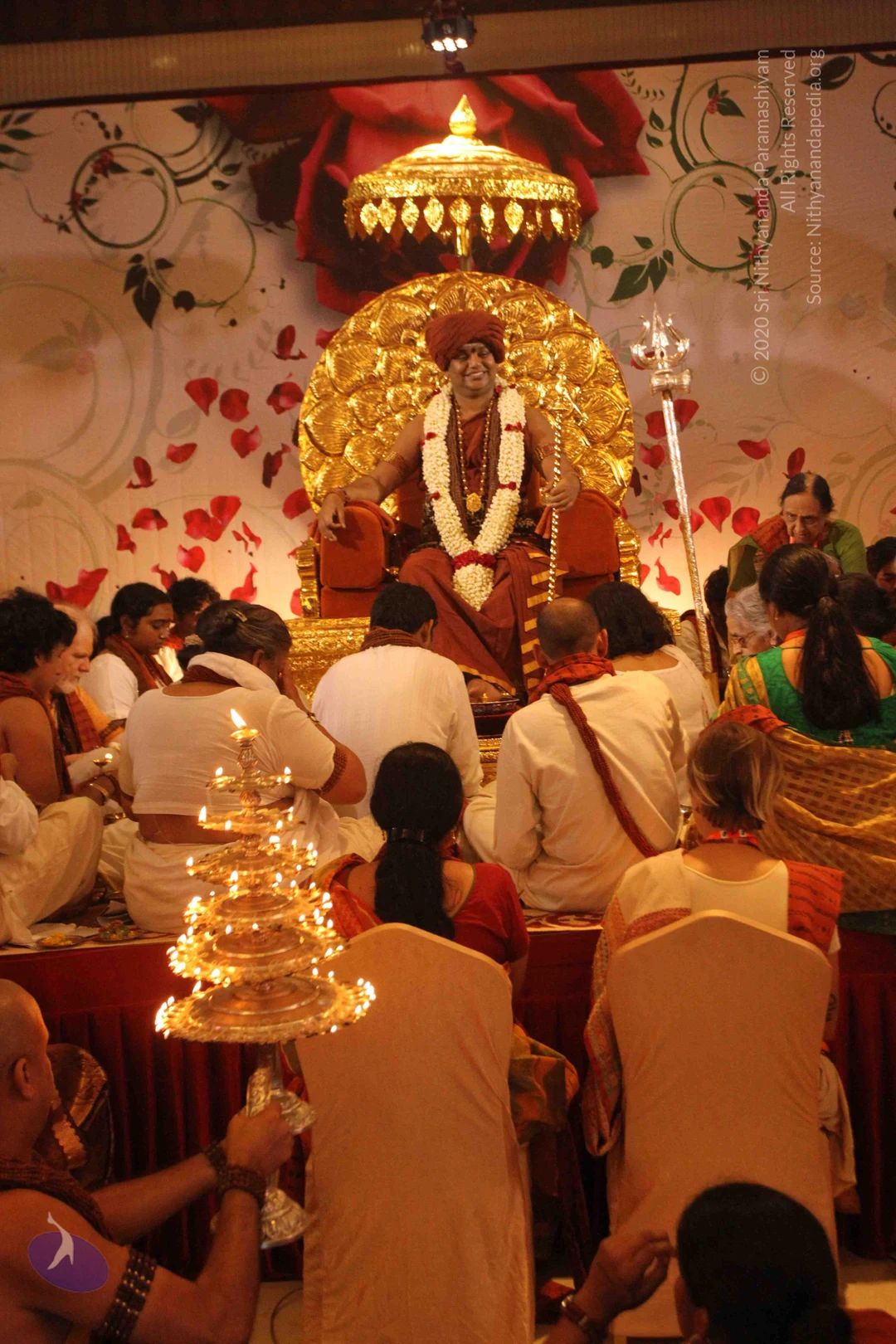
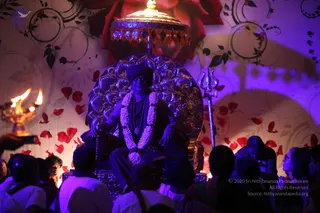
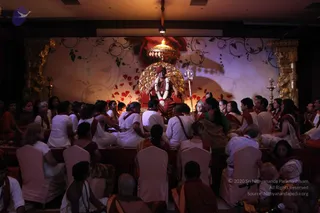
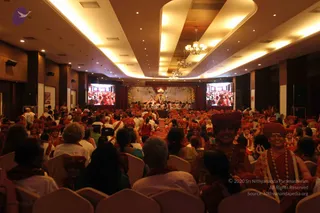
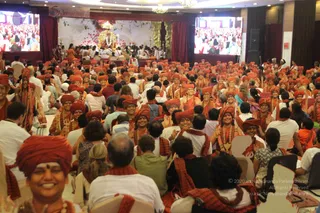
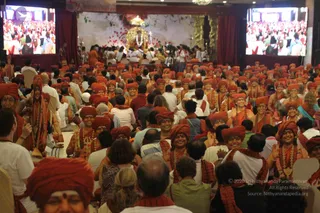
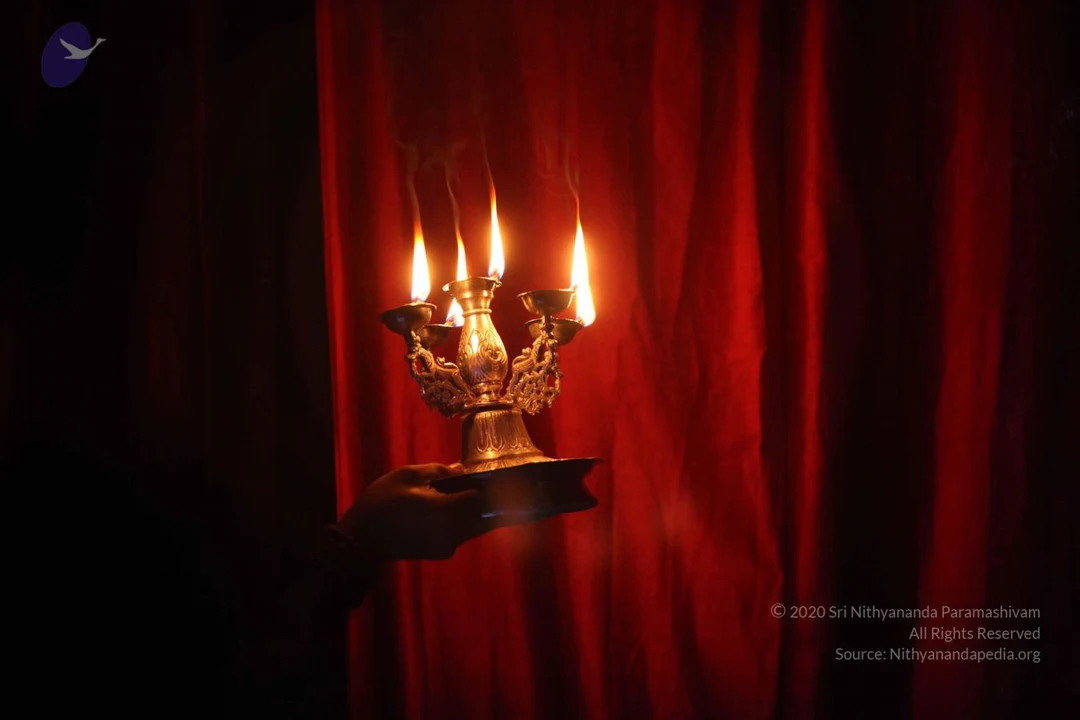
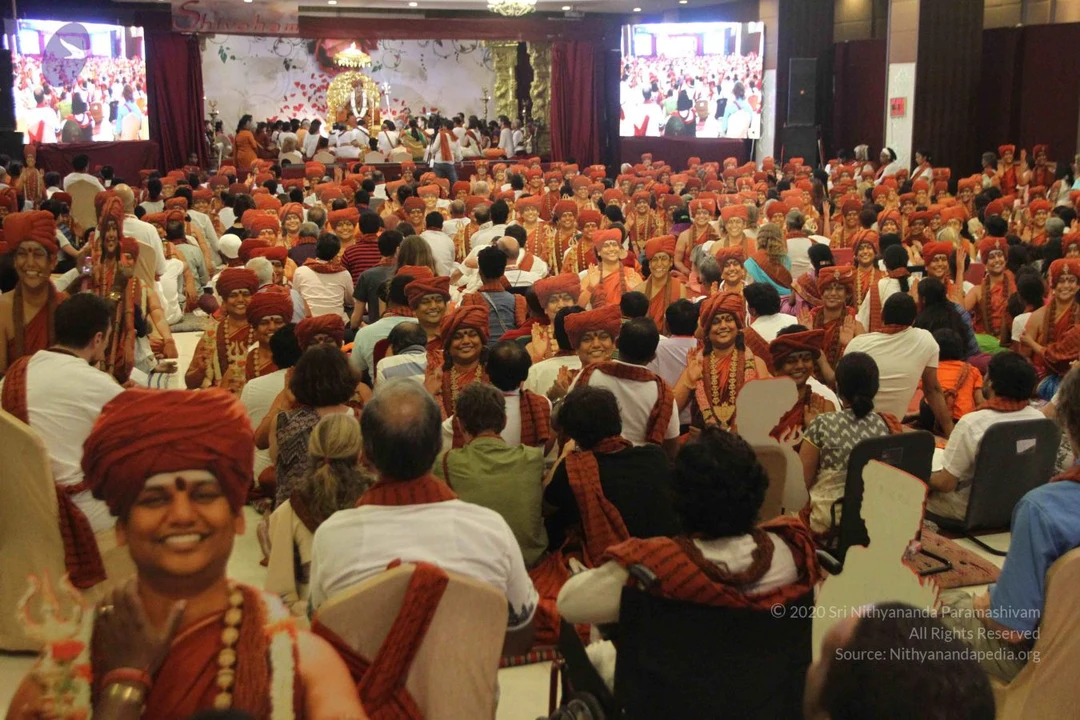
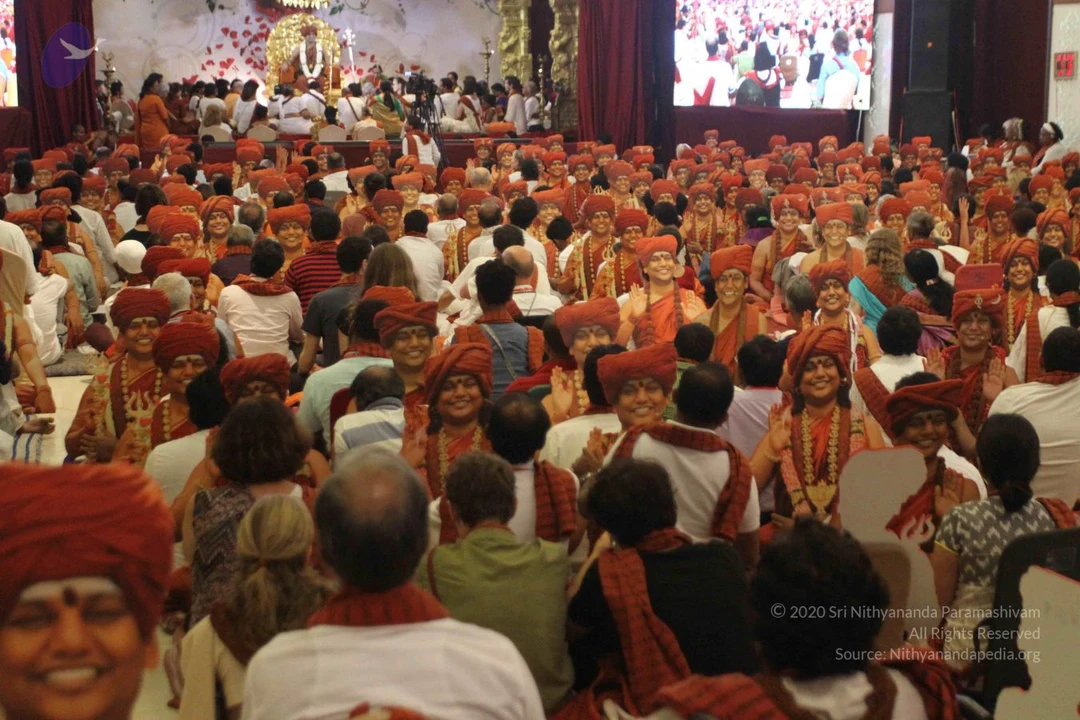
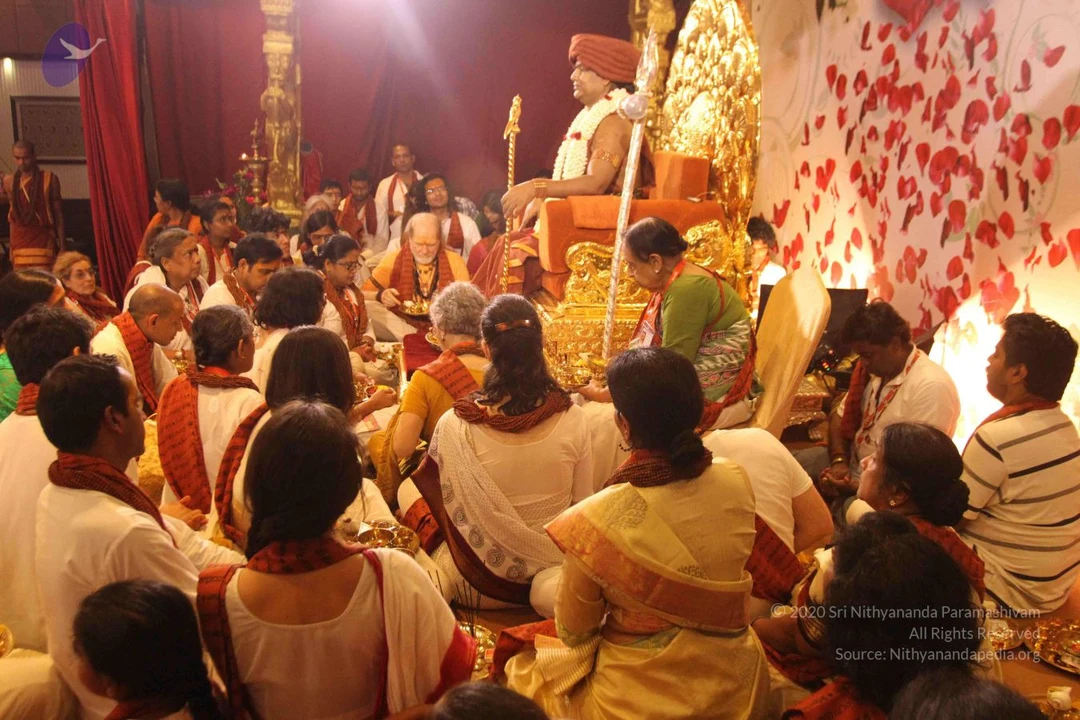
A photograph of a hand holding up a brass multi-wick oil lamp with five burning flames against a dark red draped curtain. The lamp has ornate filigree and figurative decoration on its stem and cups, and thin smoke rises from the flames. Only a partial hand and forearm are visible at the lower left; no face or full person appears. The scene reads as a ritual aarti or puja lamp offering.A seated figure on an ornate silver peetha throne under a silver canopy with tasseled fringe, in a purple-lit hall with a painted red rose and petals scattered on the floor. The figure wears a dark blue turban, dark clothing and a long white-and-purple flower garland, with a rudraksha-style mala visible. A silver trident stands beside the throne. At left, a brass oil lamp burns with a bright flame. Seated devotees in white and dark clothes face the throne in the foreground, some with hands raised. Appearance-based label: a person, shown seated in person on the throne with a turban, garland and trident in the setting.A photograph of a seated man with closed eyes and a serene expression, wearing a rust-red turban and a rust-red robe. He wears a long white jasmine garland with red roses and several brown rudraksha-style beaded malas across his chest, plus gold and beaded bracelets on his arm. He sits on an ornate gold peacock-fan throne against a pale wall with decorative floral and leaf designs. A silver trishul with gold accents stands to the right. Swamiji (probable) appears to be the seated figure, identified by the turban, rudraksha malas and ceremonial garland cues, presiding as the central figure at the event. Dark silhouetted heads of audience members are visible in the lower foreground.A dimly lit hall with a golden ornamental backdrop painted with vine motifs and scattered red rose petals. A man seated on a gilded, ornate throne beneath a golden canopy wears a red turban, a red garment and a white flower garland with red beads around his neck; a trident stands beside him. a person (long-haired figure, red turban and rudraksha-style beads) is seated at the centre. Around him, dozens of seated devotees in white and orange clothing face the throne in rows, many with hands folded or holding offering plates. Brass oil lamps stand on both sides of the stage, and a microphone is at the lower right. Setting appears to be an ashram satsang or initiation session.Wide view from the back of a large, warmly lit hall filled with seated devotees, many wearing saffron-red turbans and red-orange clothing, with rudraksha malas visible on some. Two large screens on either side show a live stage feed of similarly dressed participants. At the far end, a stage with floral backdrop and a decorated throne-like seat hosts a few figures in white. Chandeliers hang from the ceiling.A large indoor hall filled with a crowd of devotees seated on chairs and floor, many wearing orange-red turbans and saffron-orange shawls. In the foreground a smiling woman in an orange-red turban is prominent. In the centre, on a raised stage backed by a painted floral backdrop and a golden ornate arch, a central figure sits beneath a decorated canopy among attendants in white and orange. Two large screens on either side show the crowd, and chandeliers hang from the ceiling.

Energy-Darshan-&-Receiving-of-Atma-Murti

56 photosSource gallery
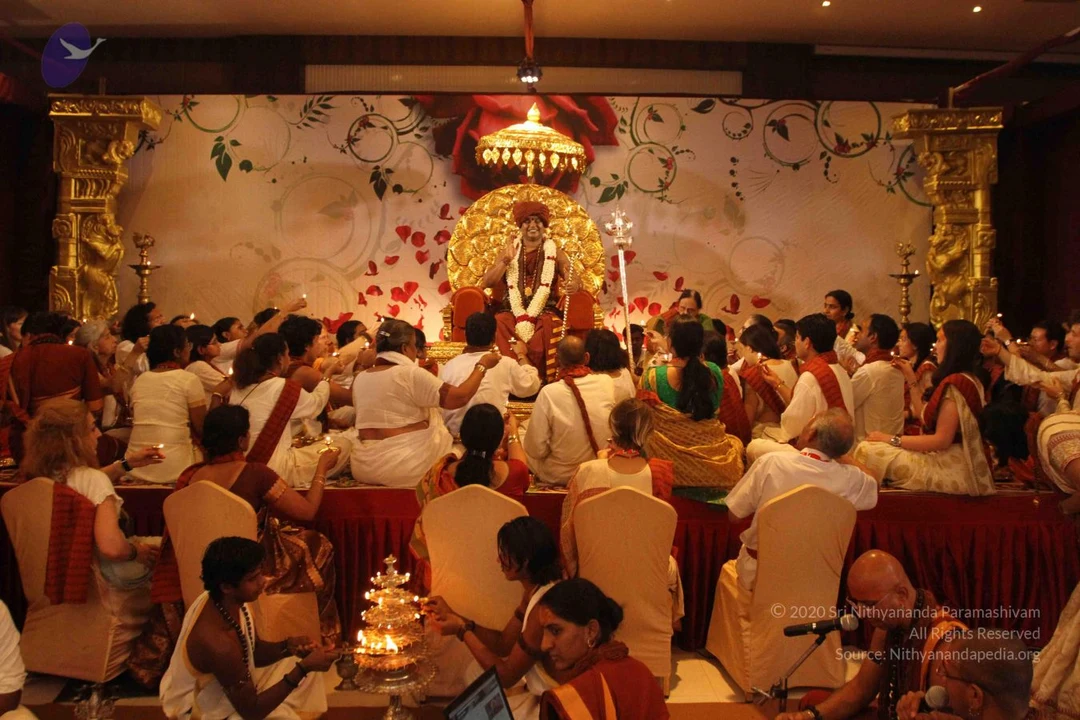
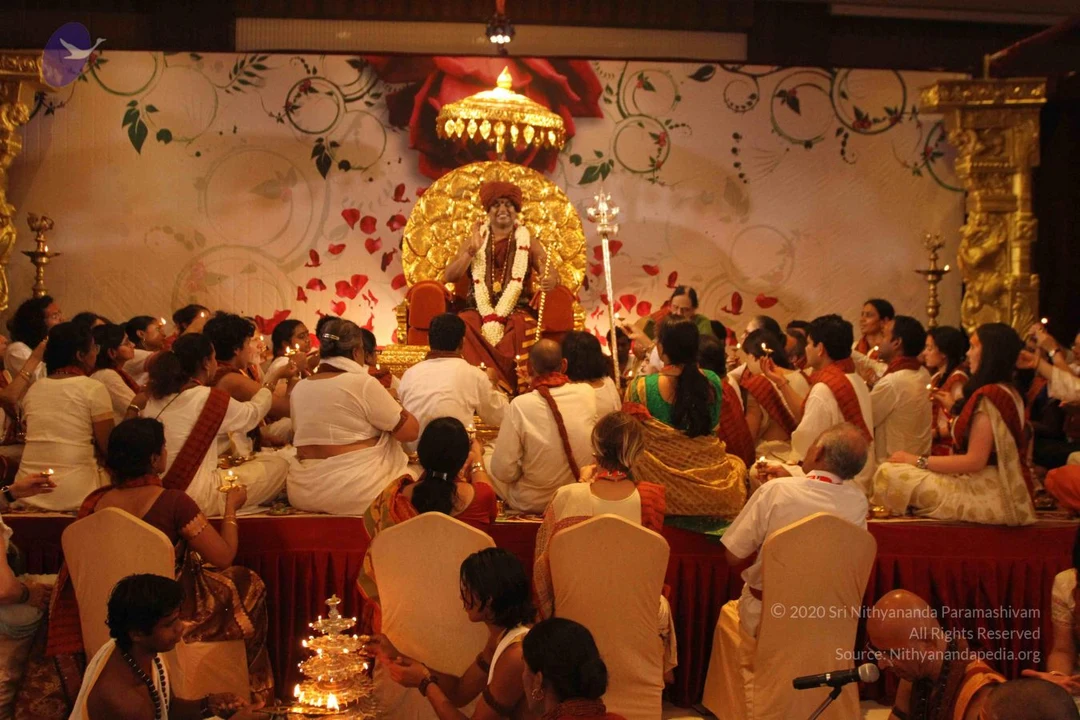
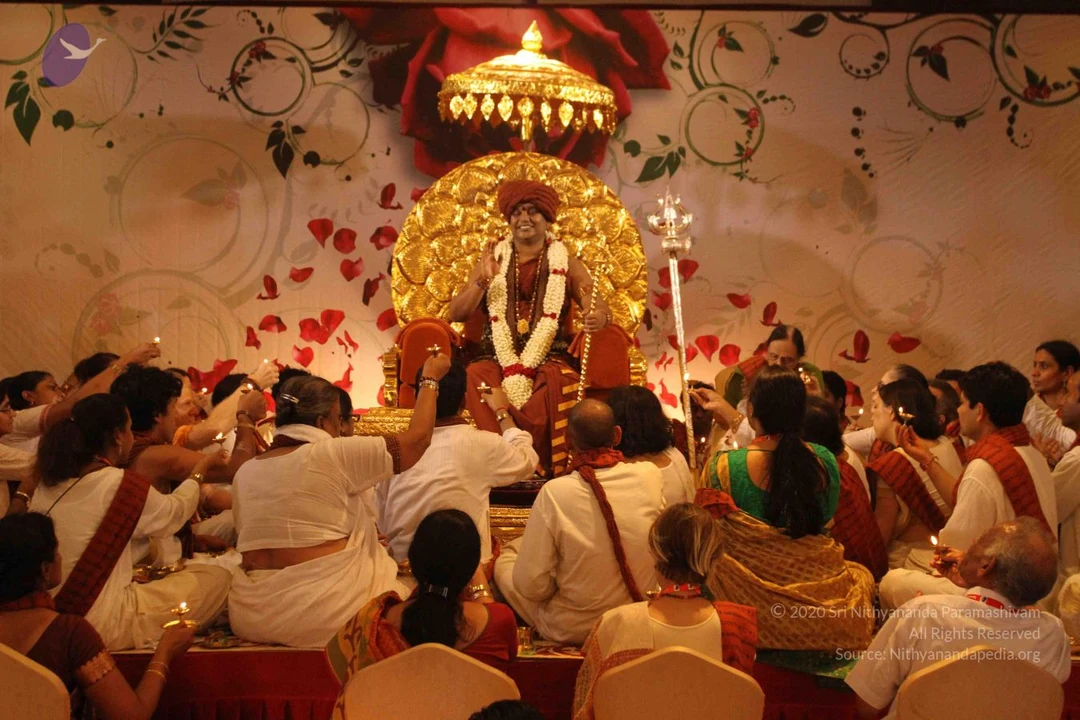
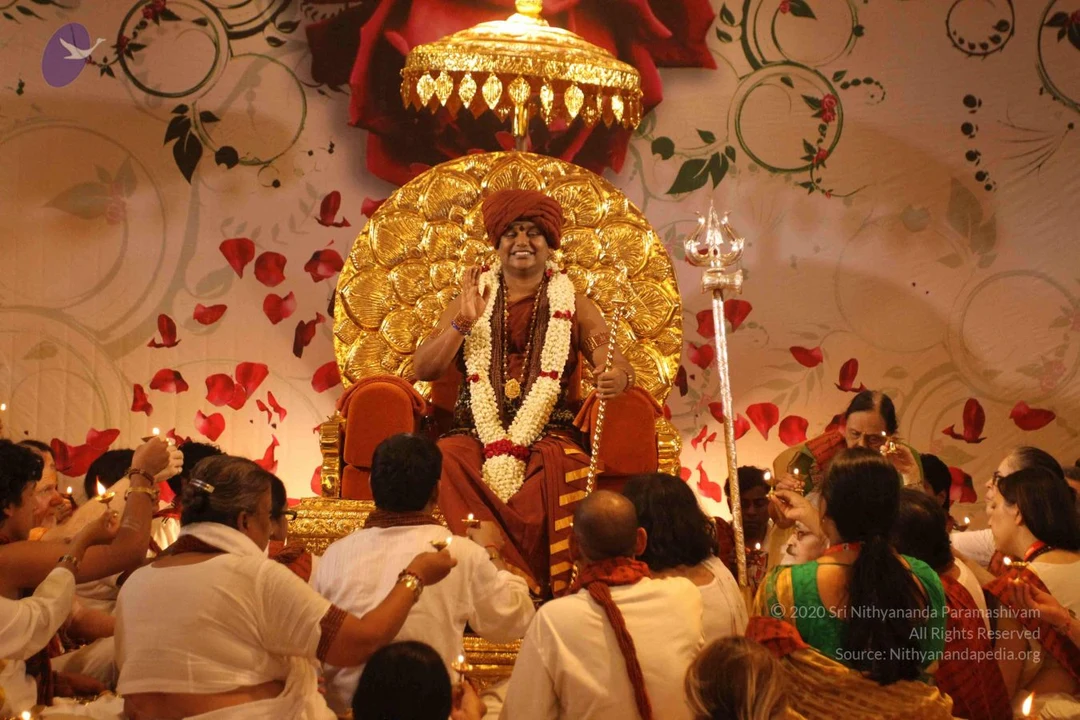
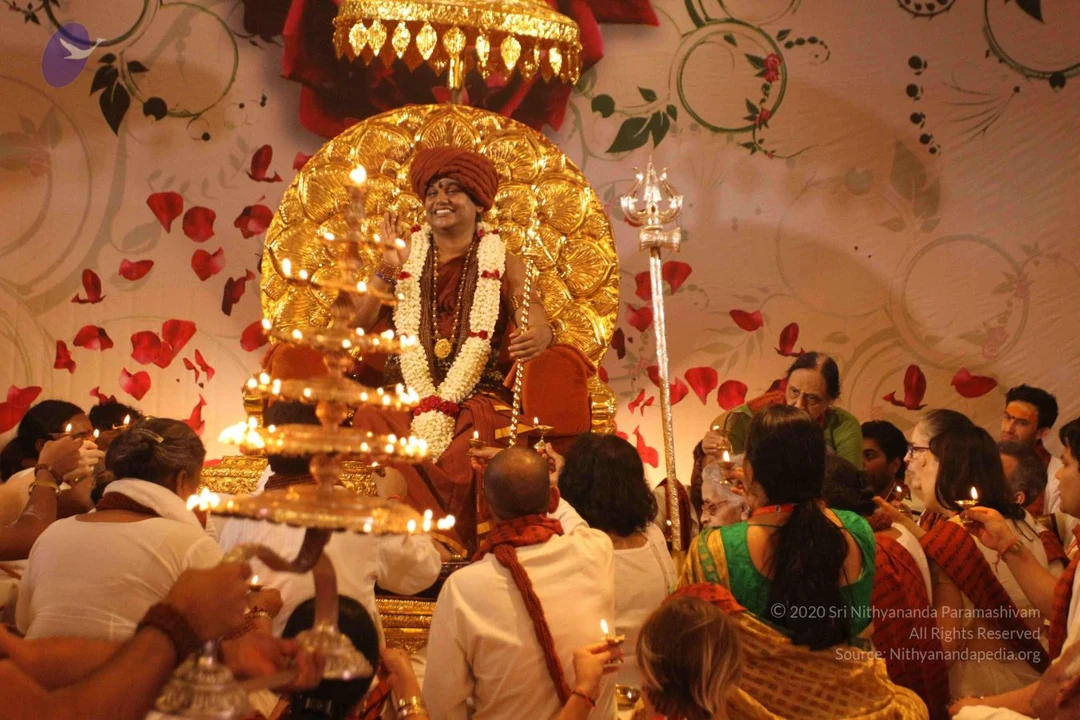
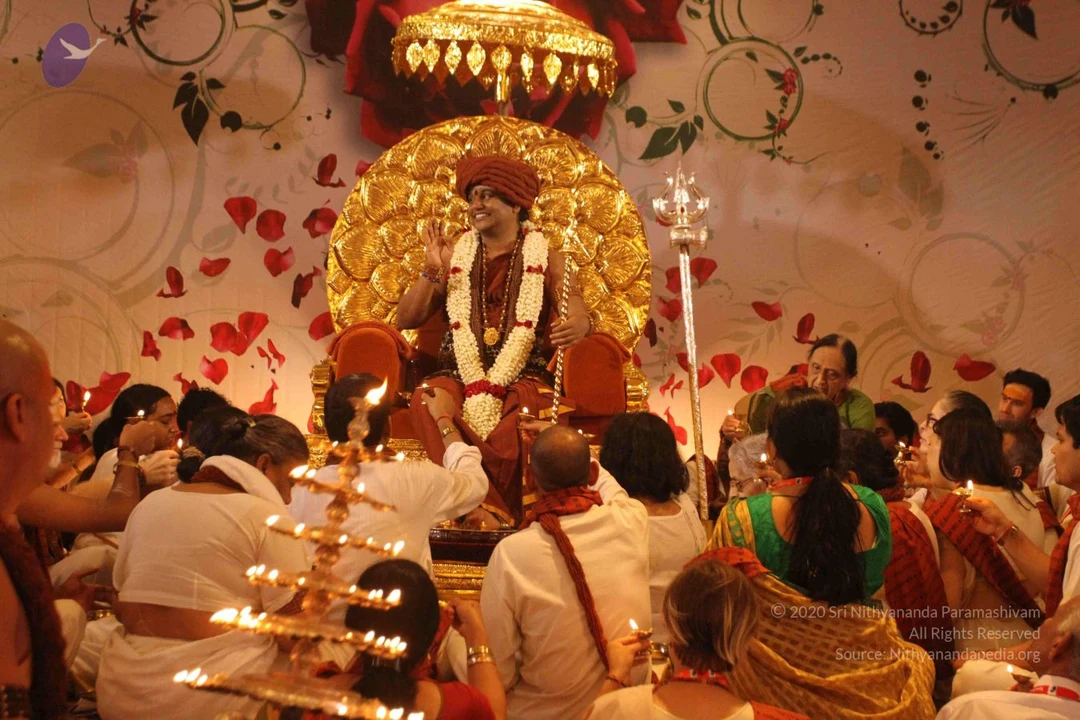
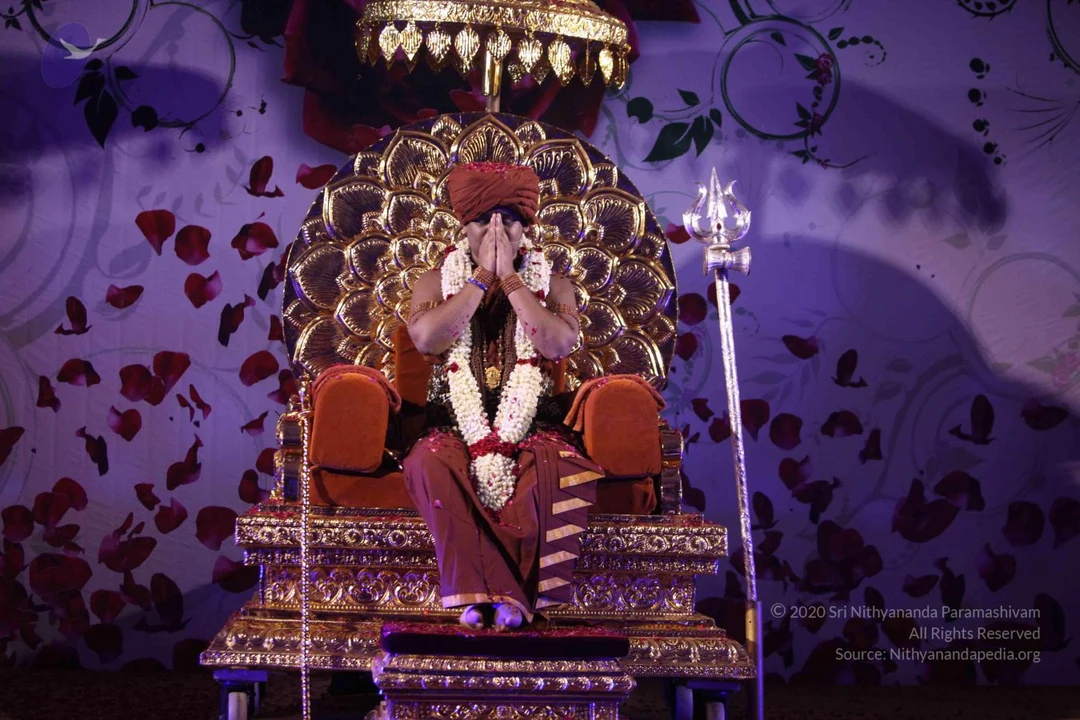
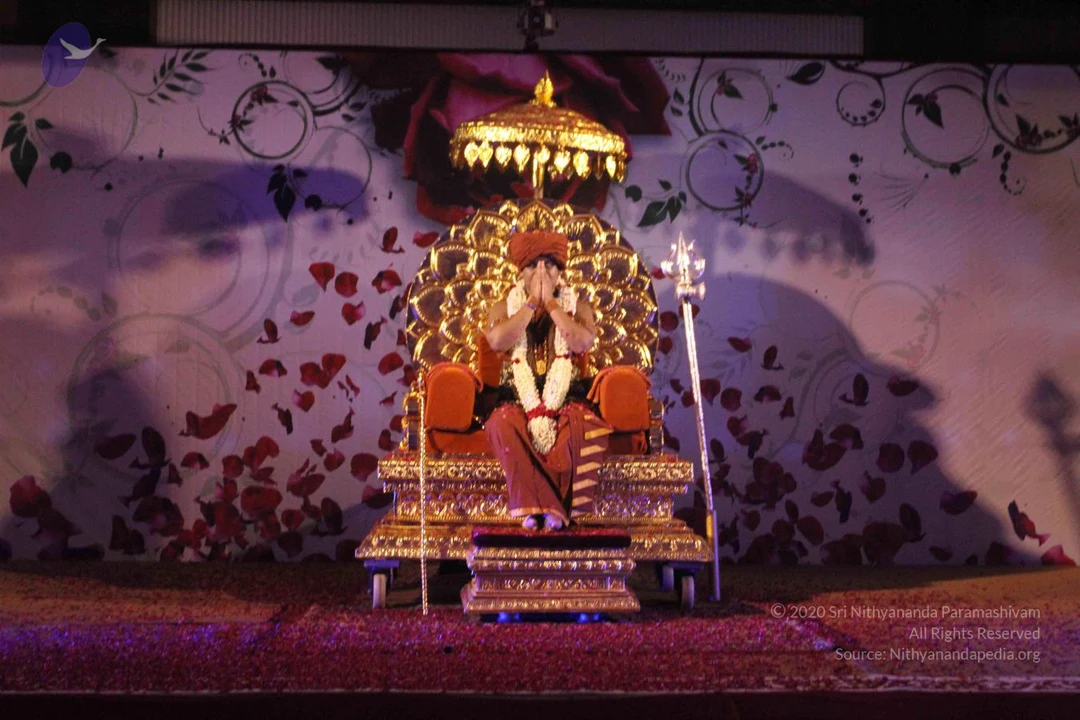
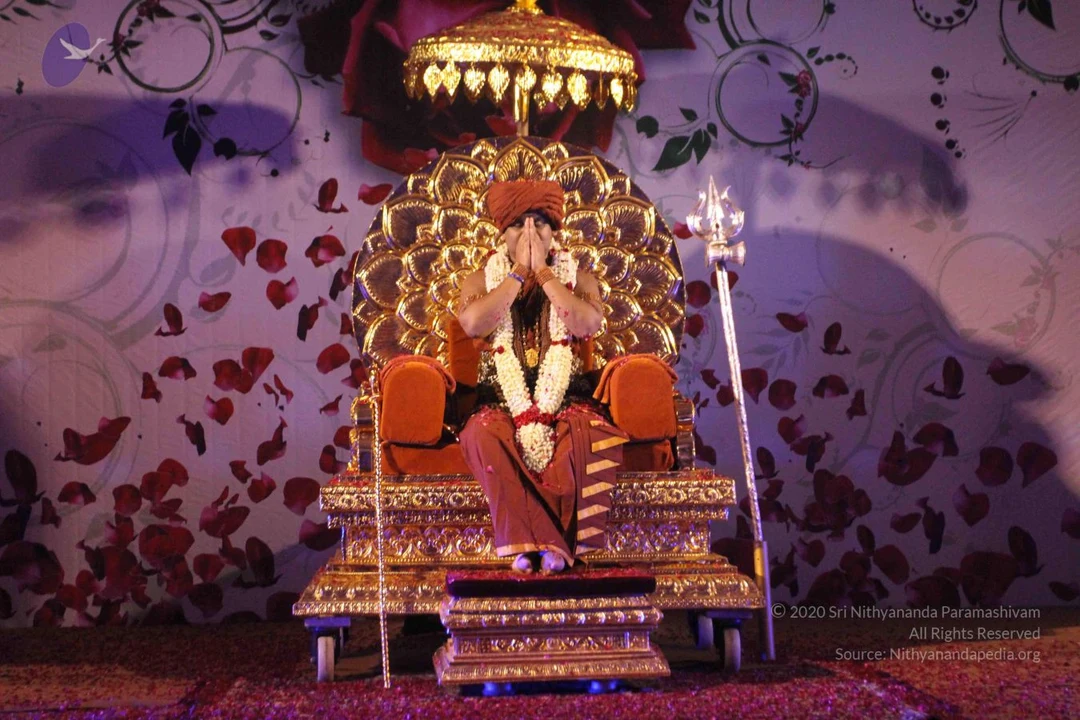
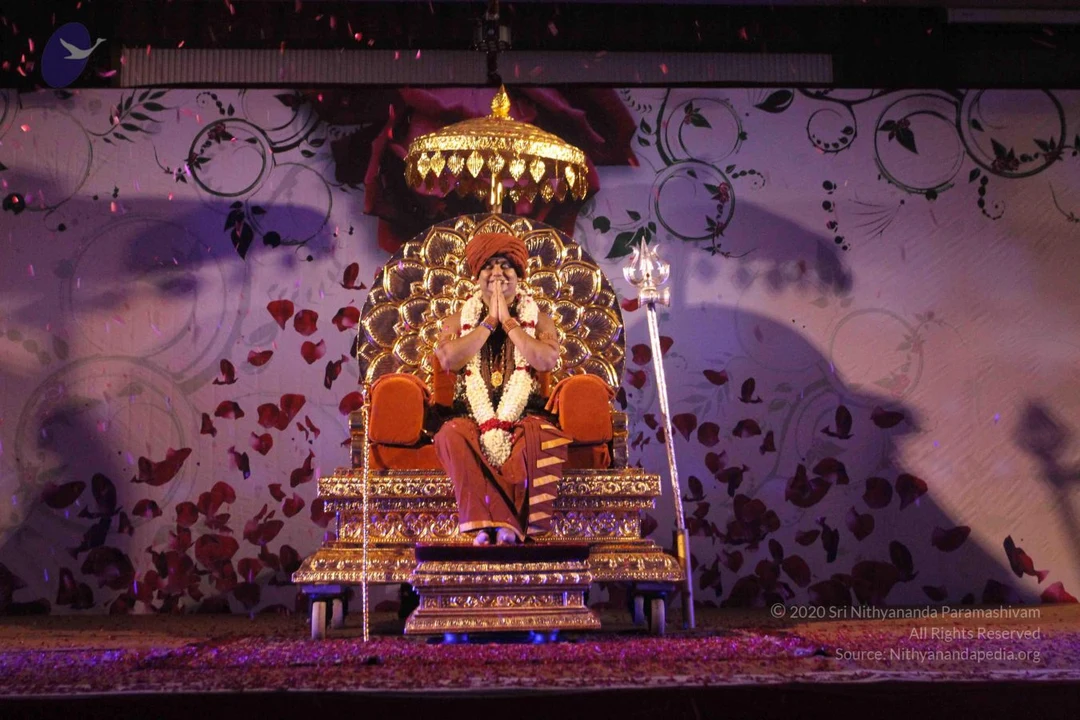
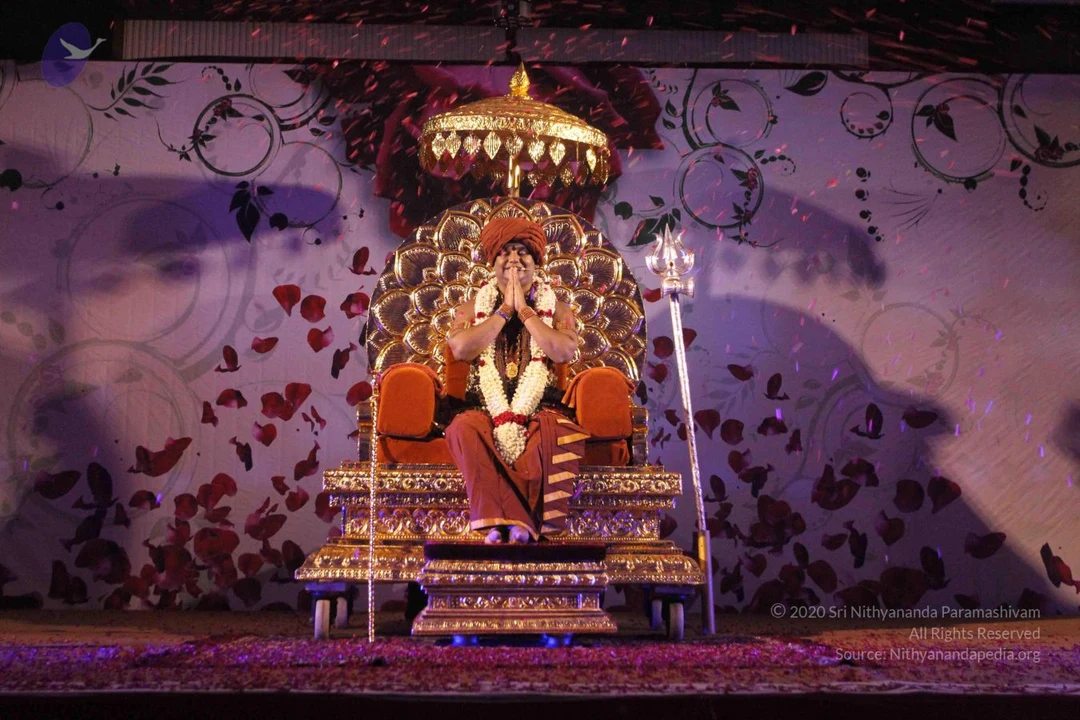
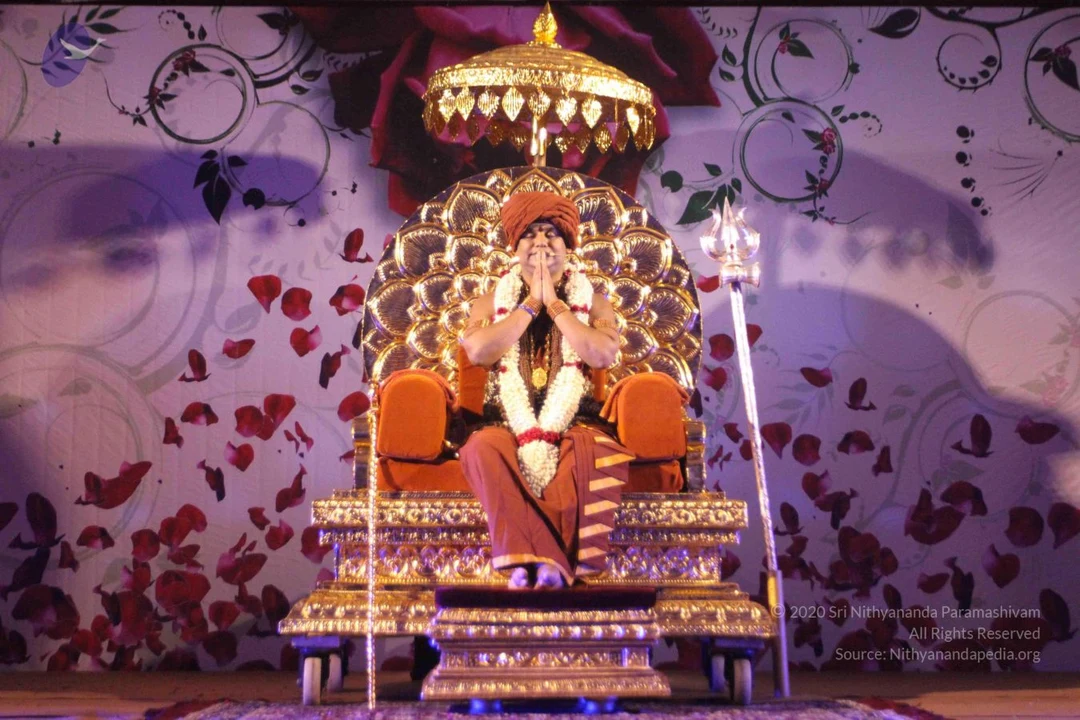
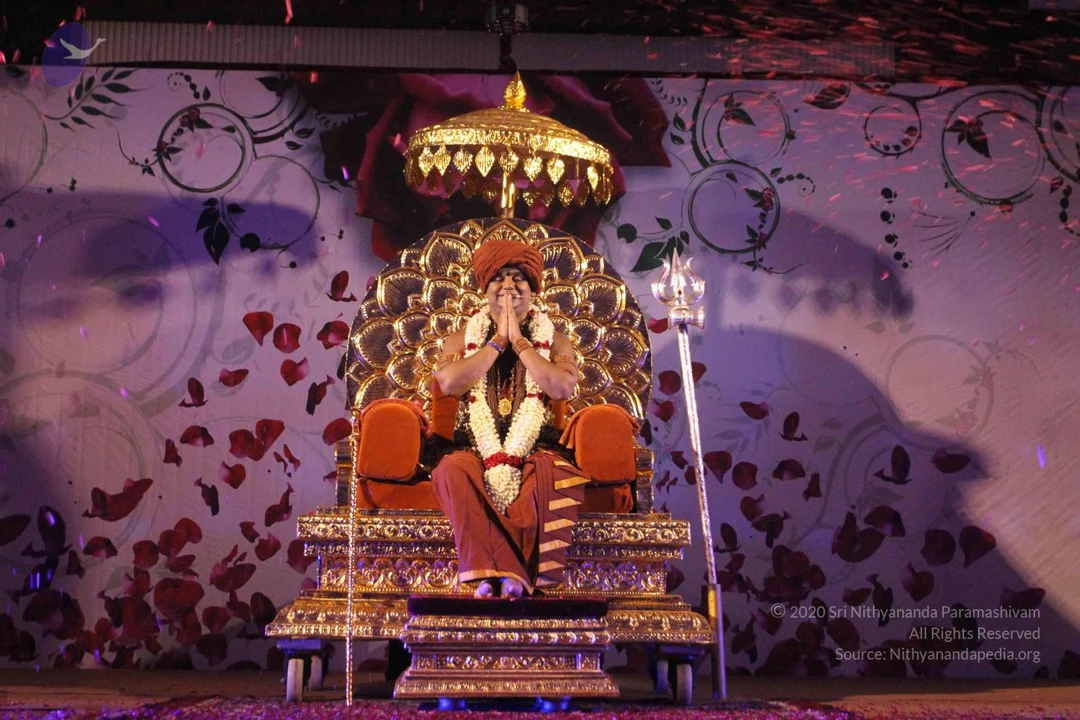
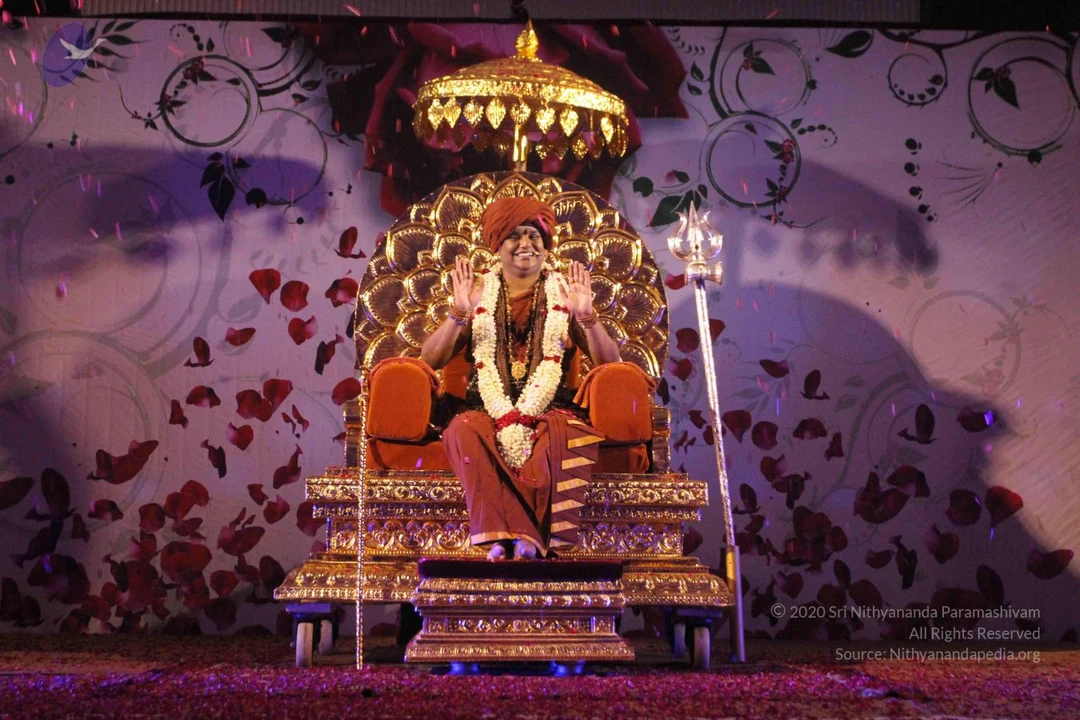
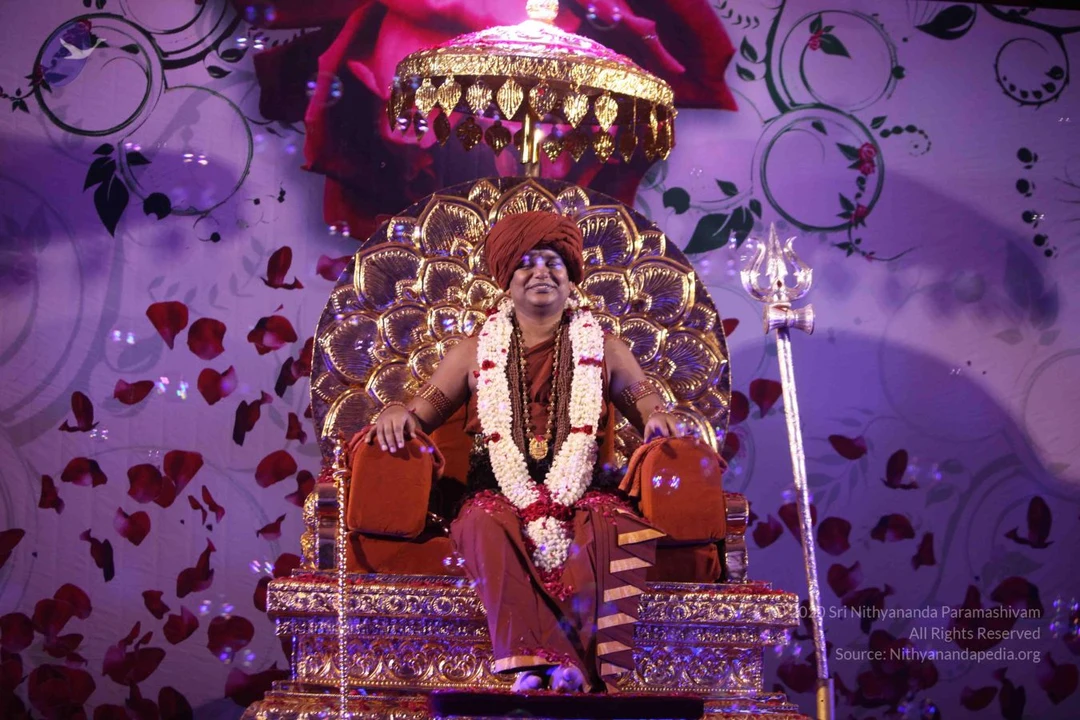
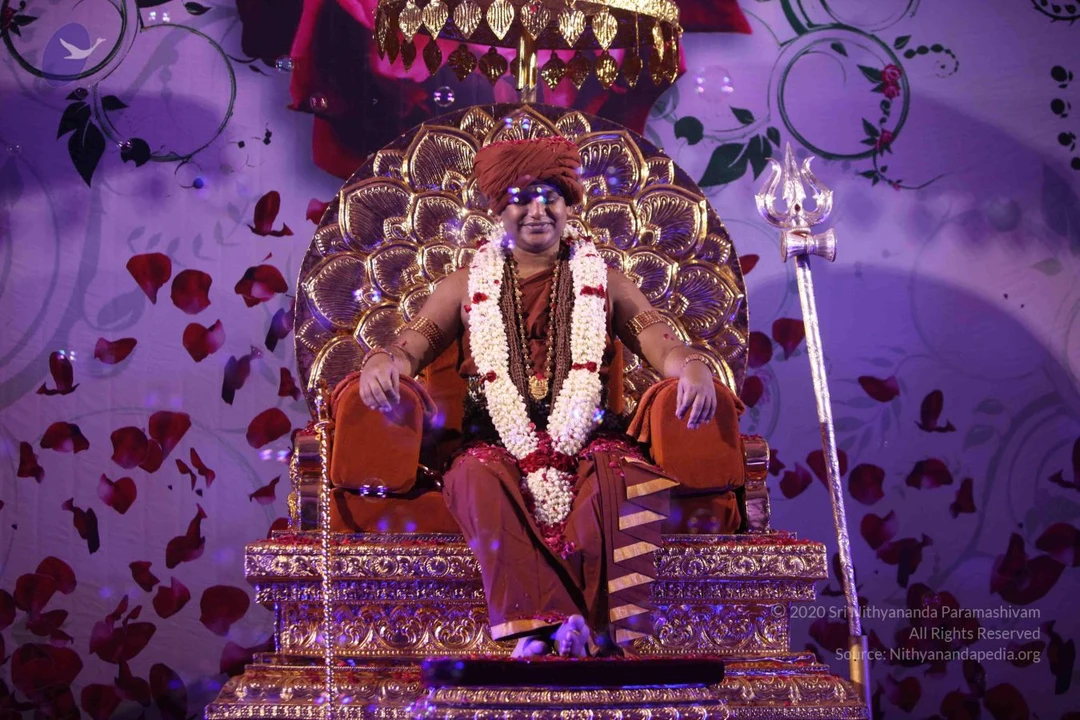
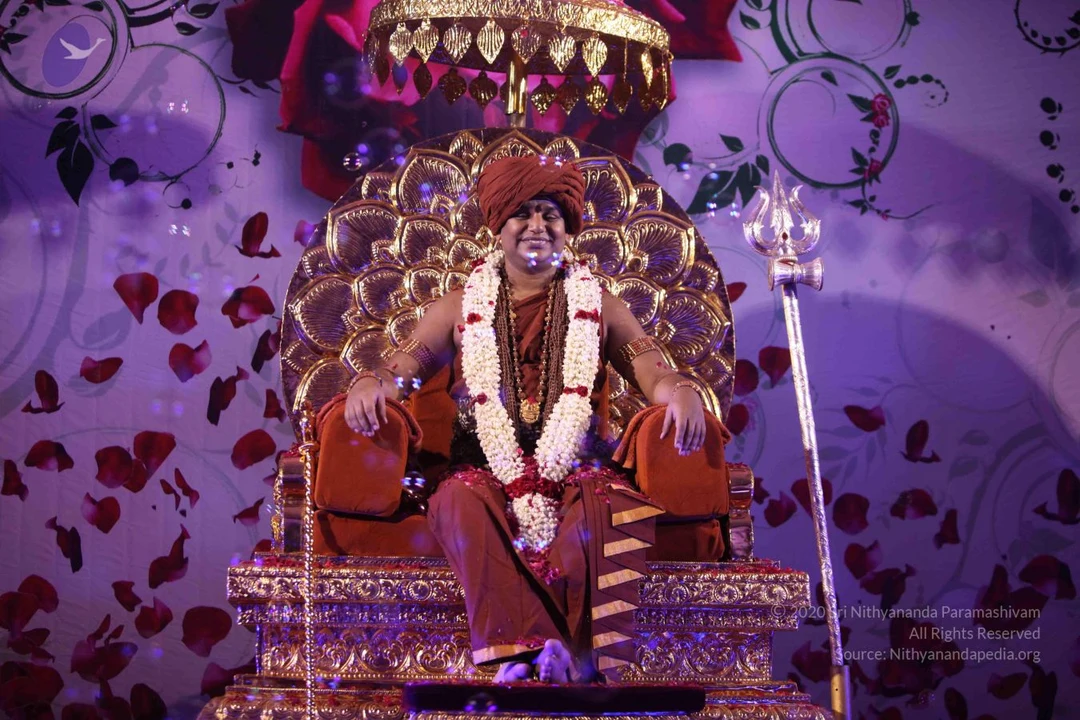
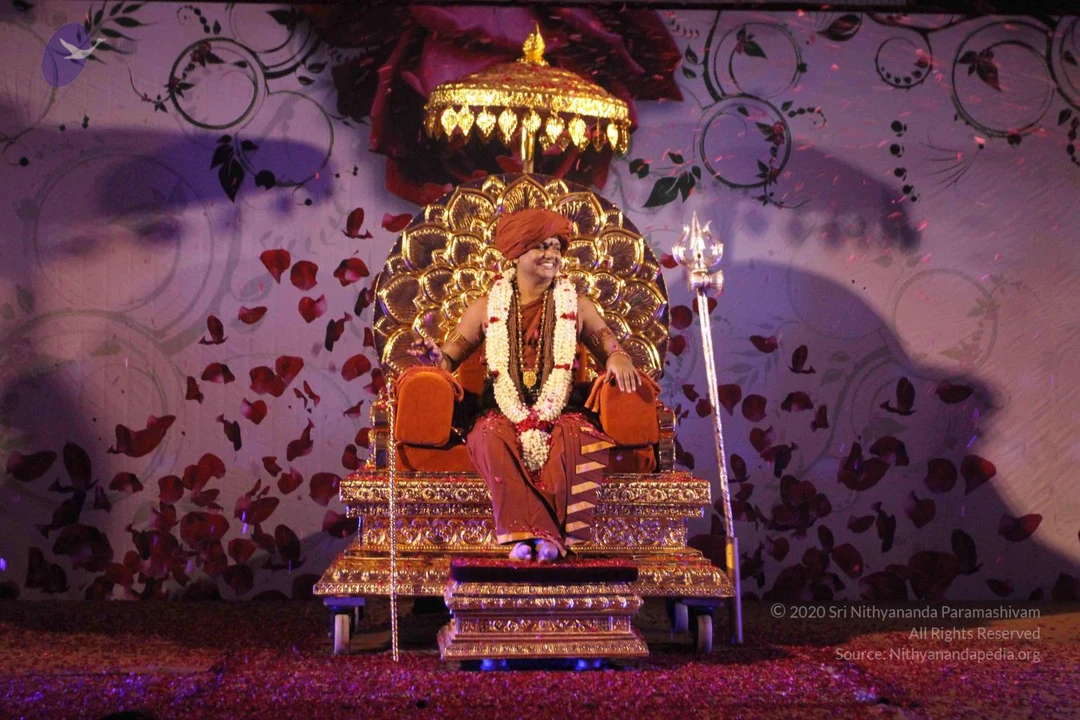
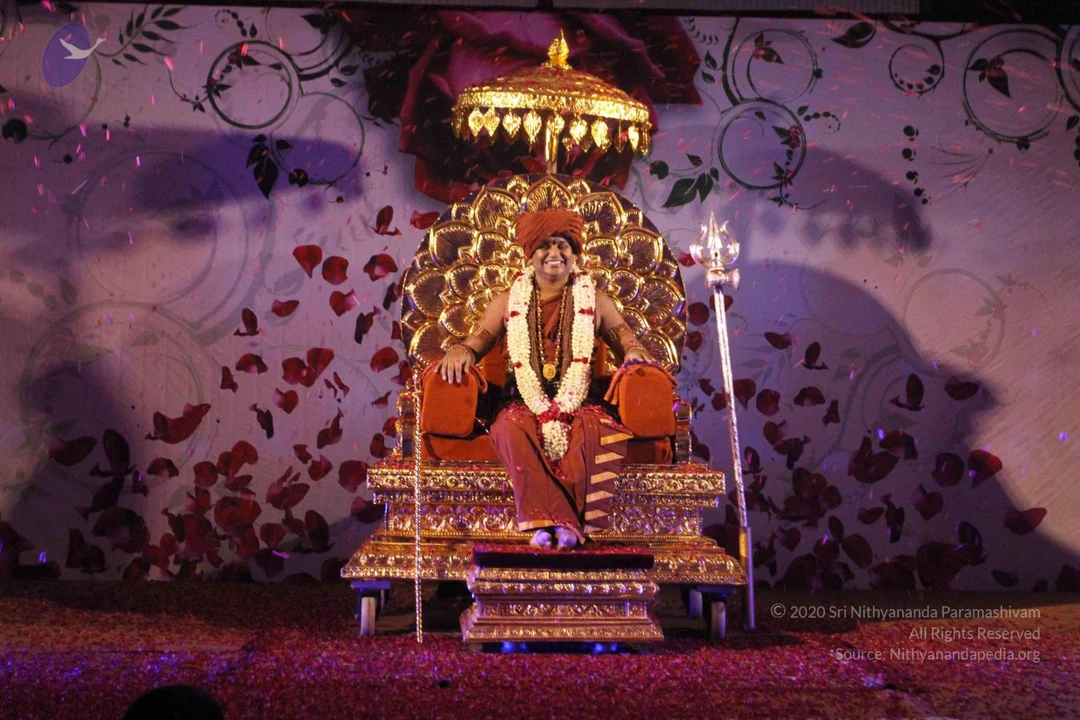
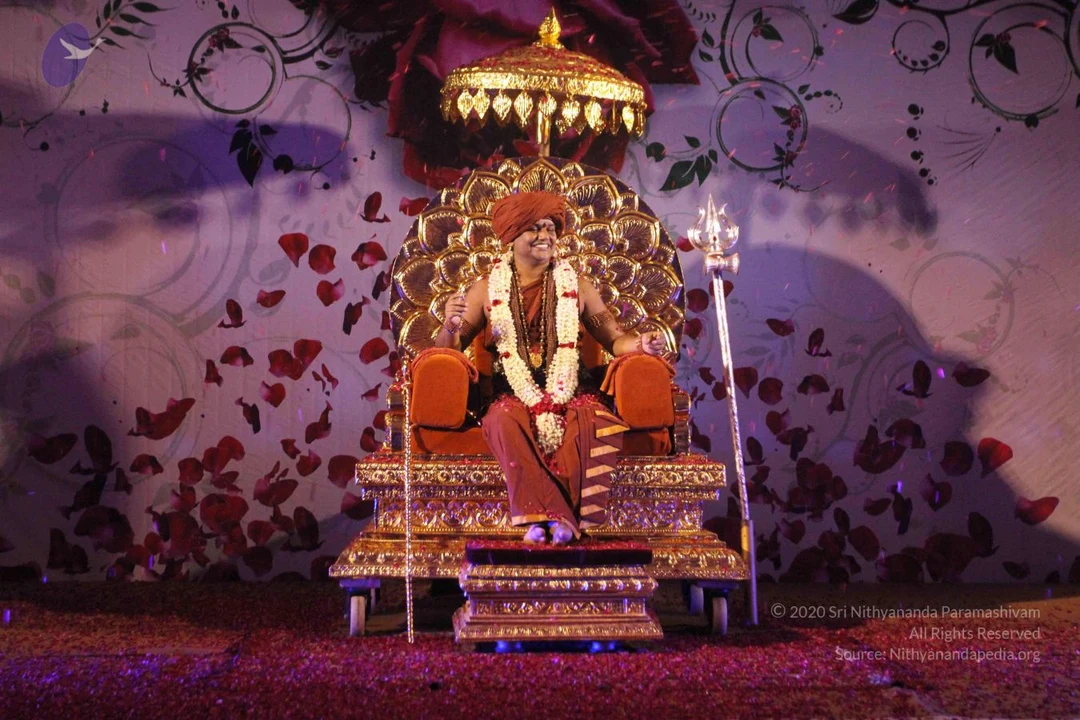
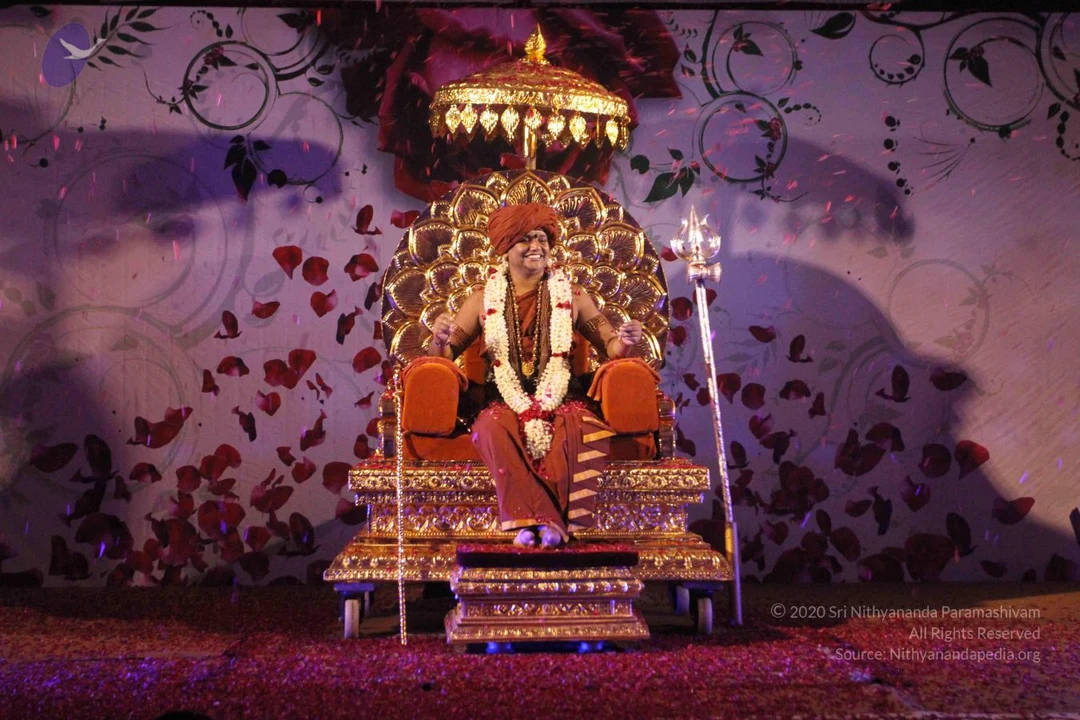
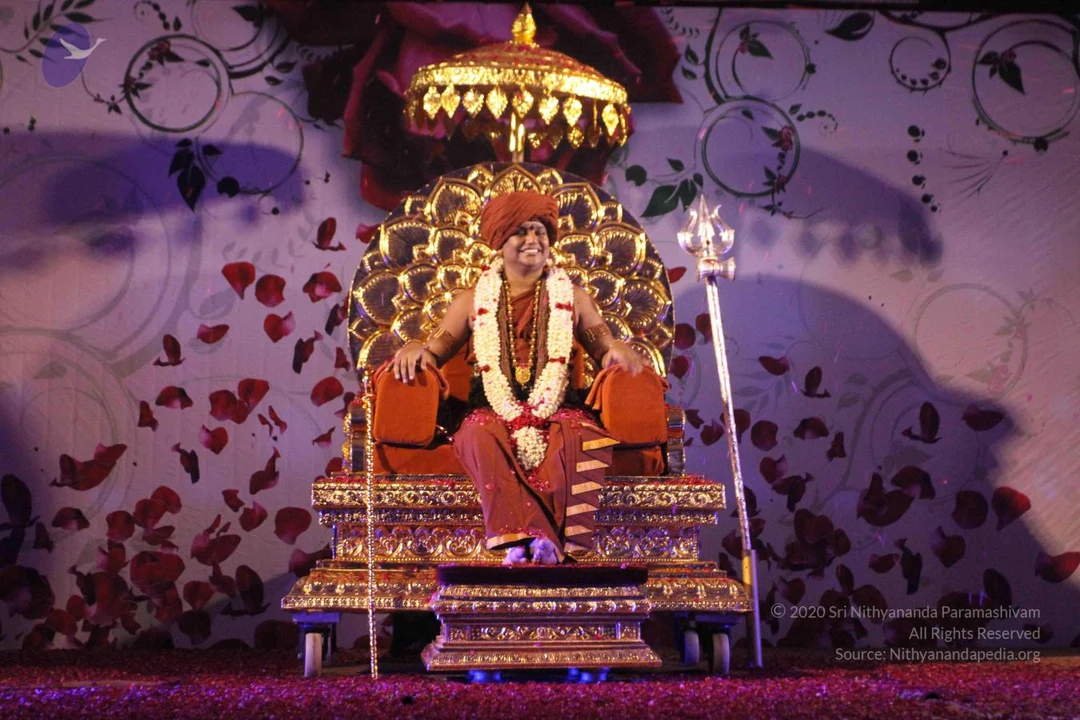
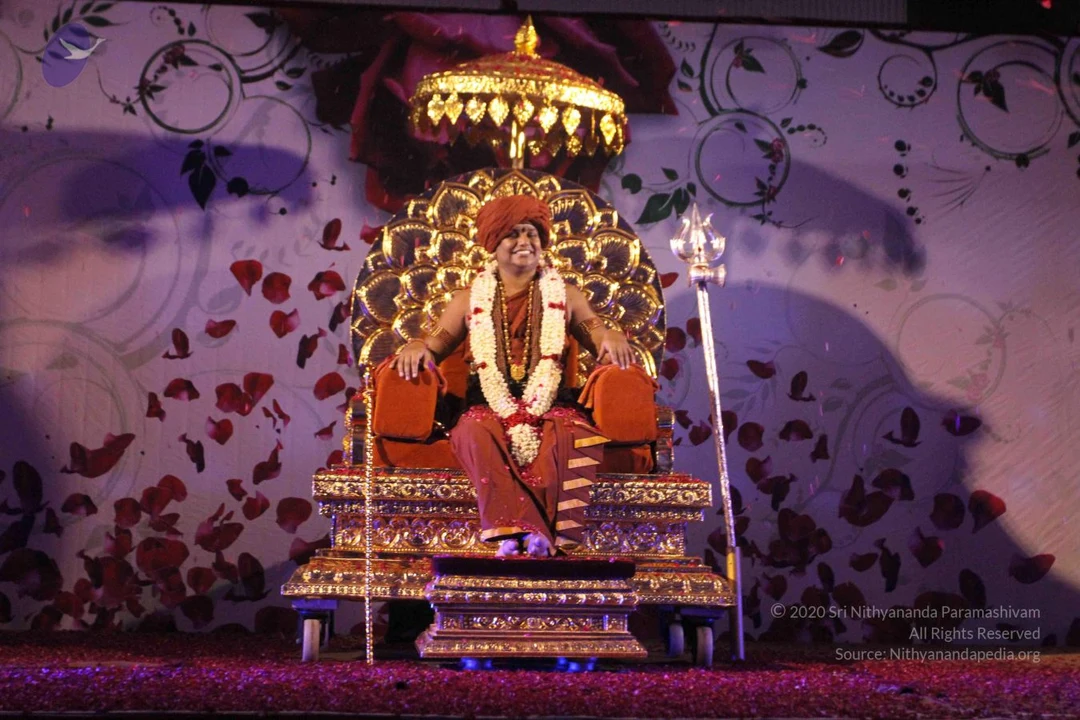
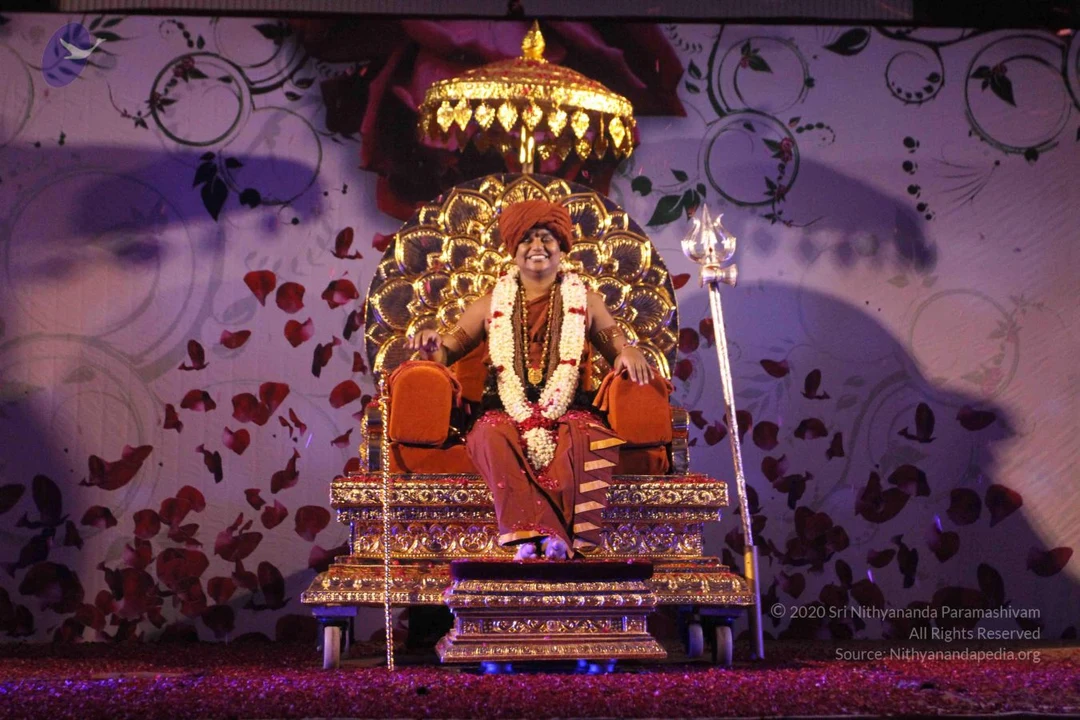
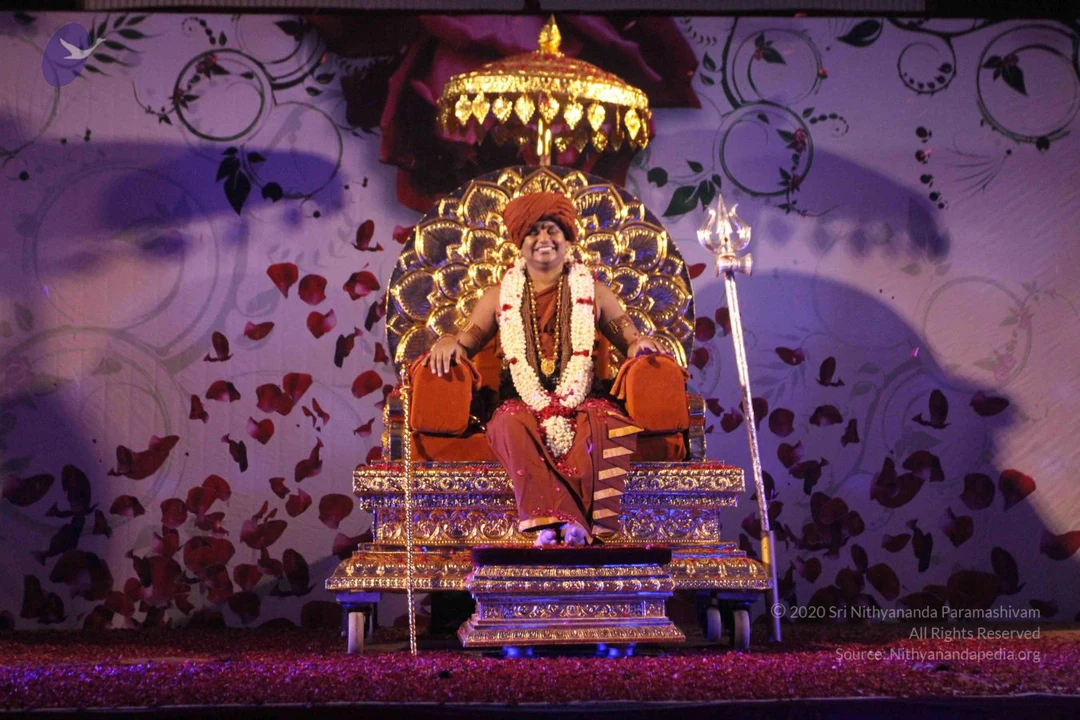
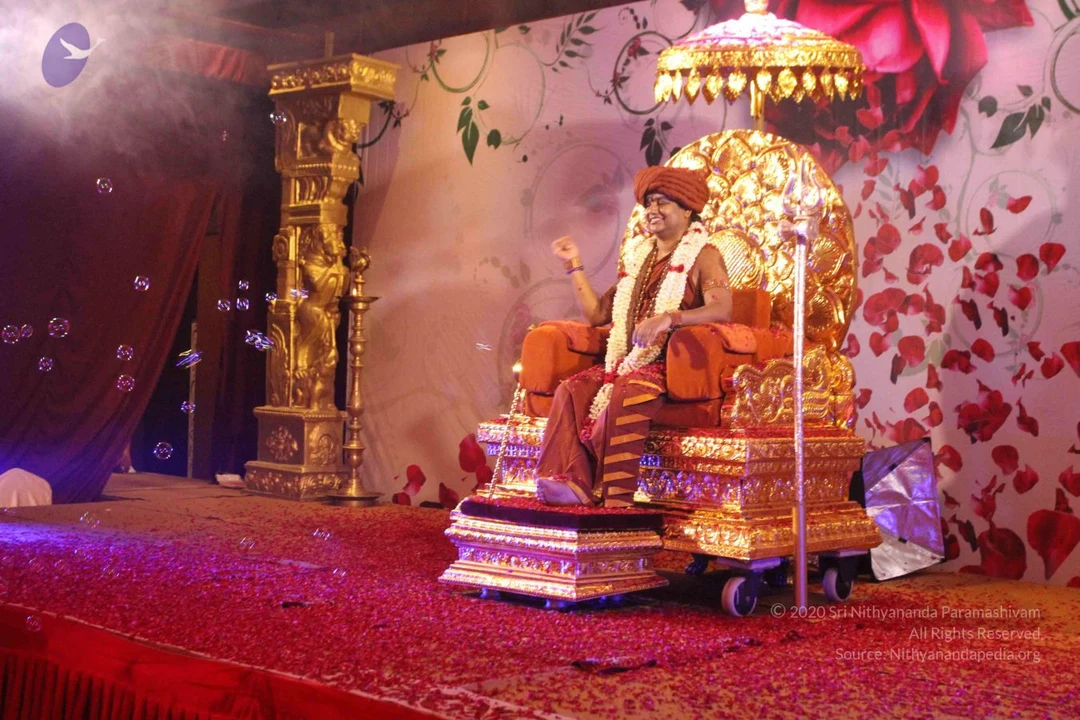
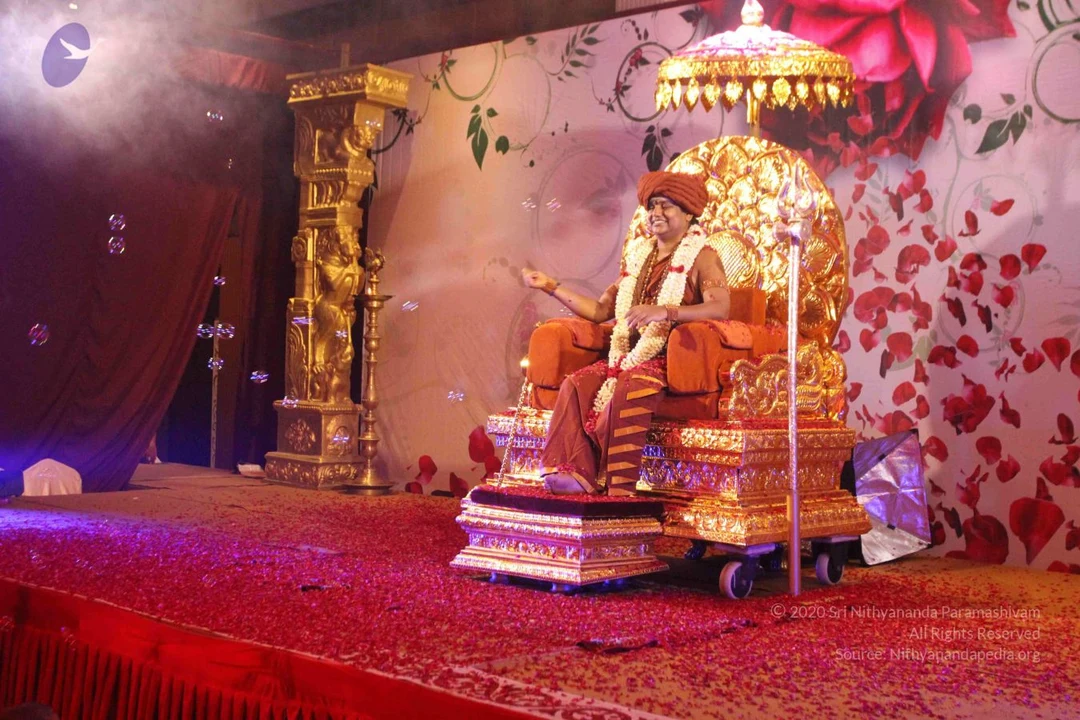
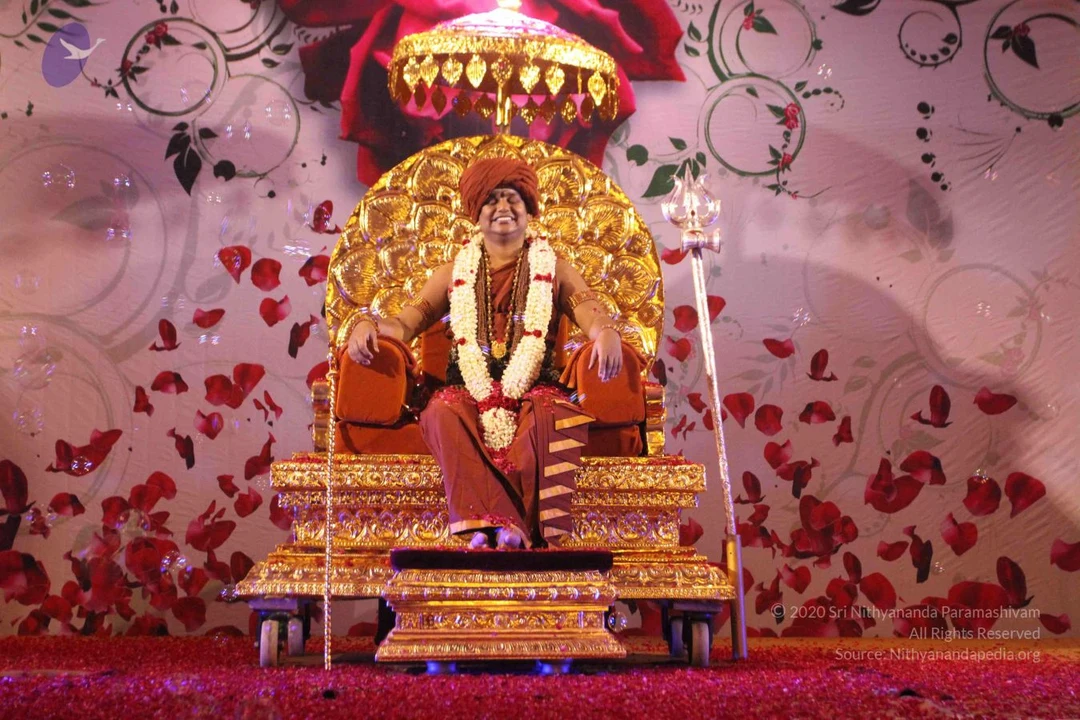
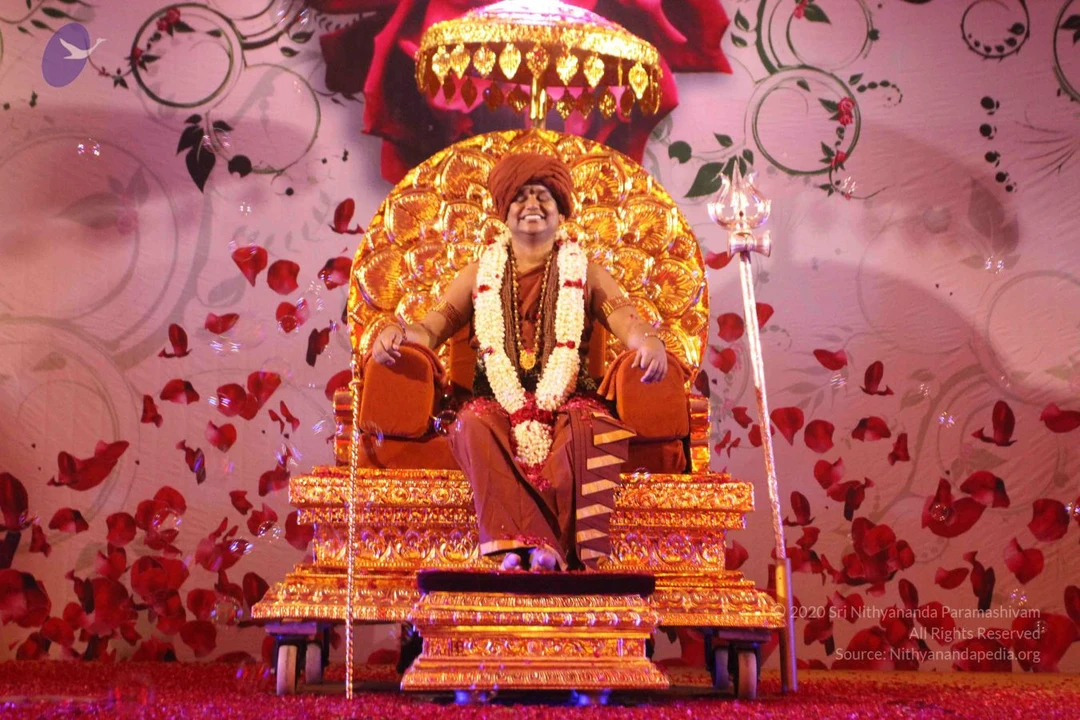
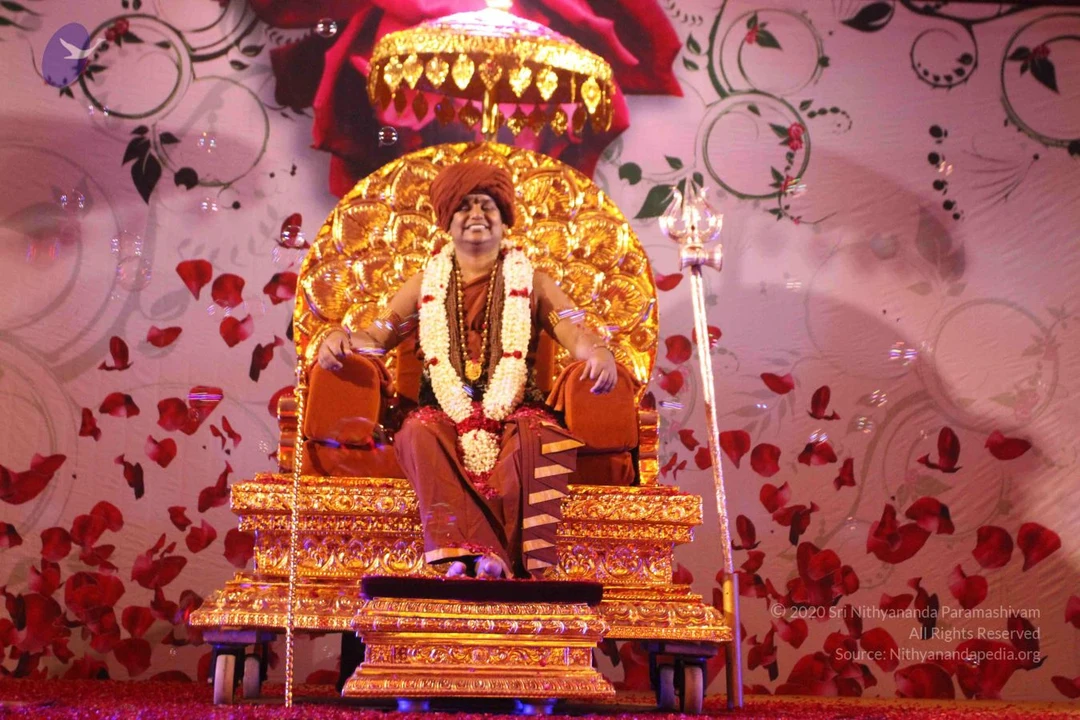
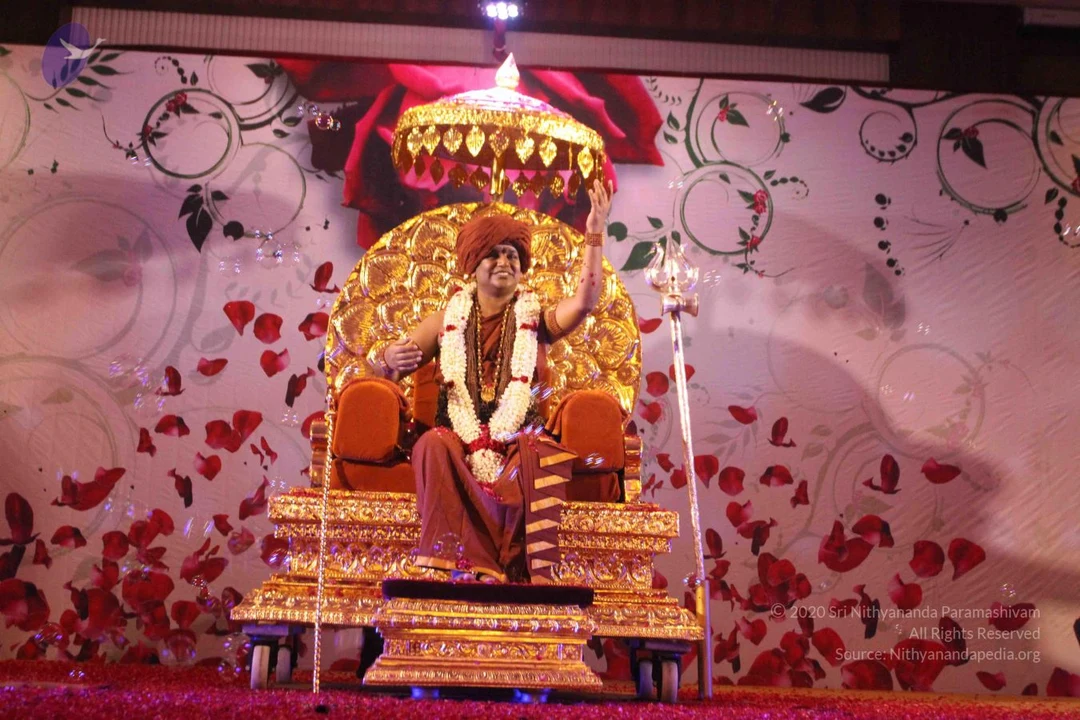
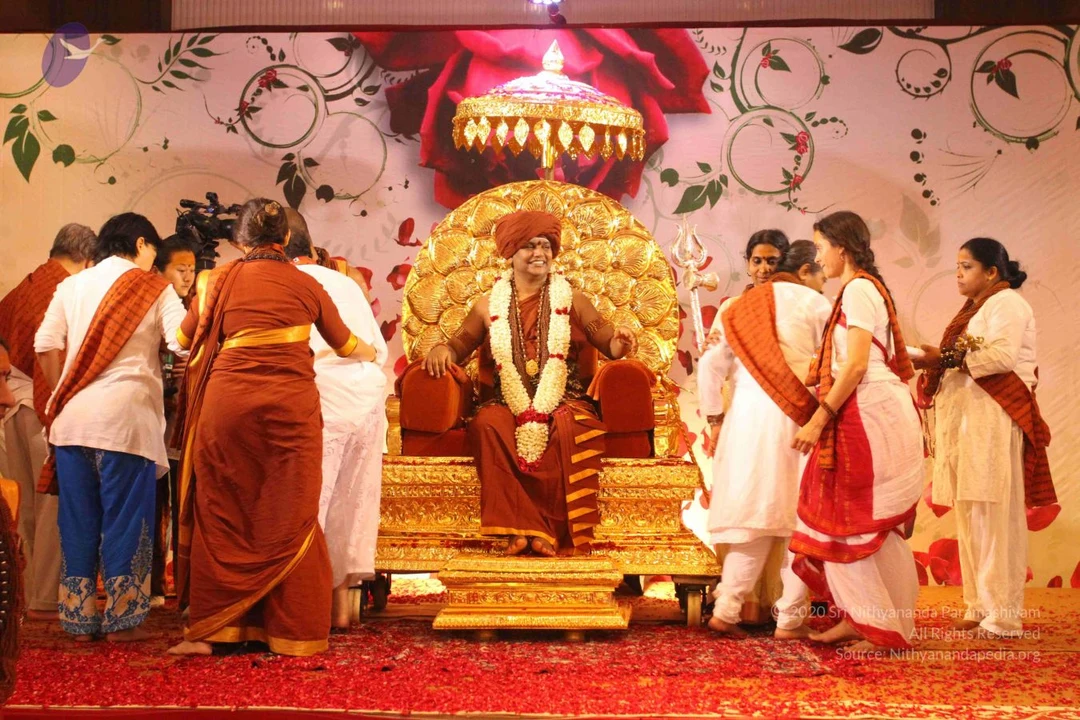
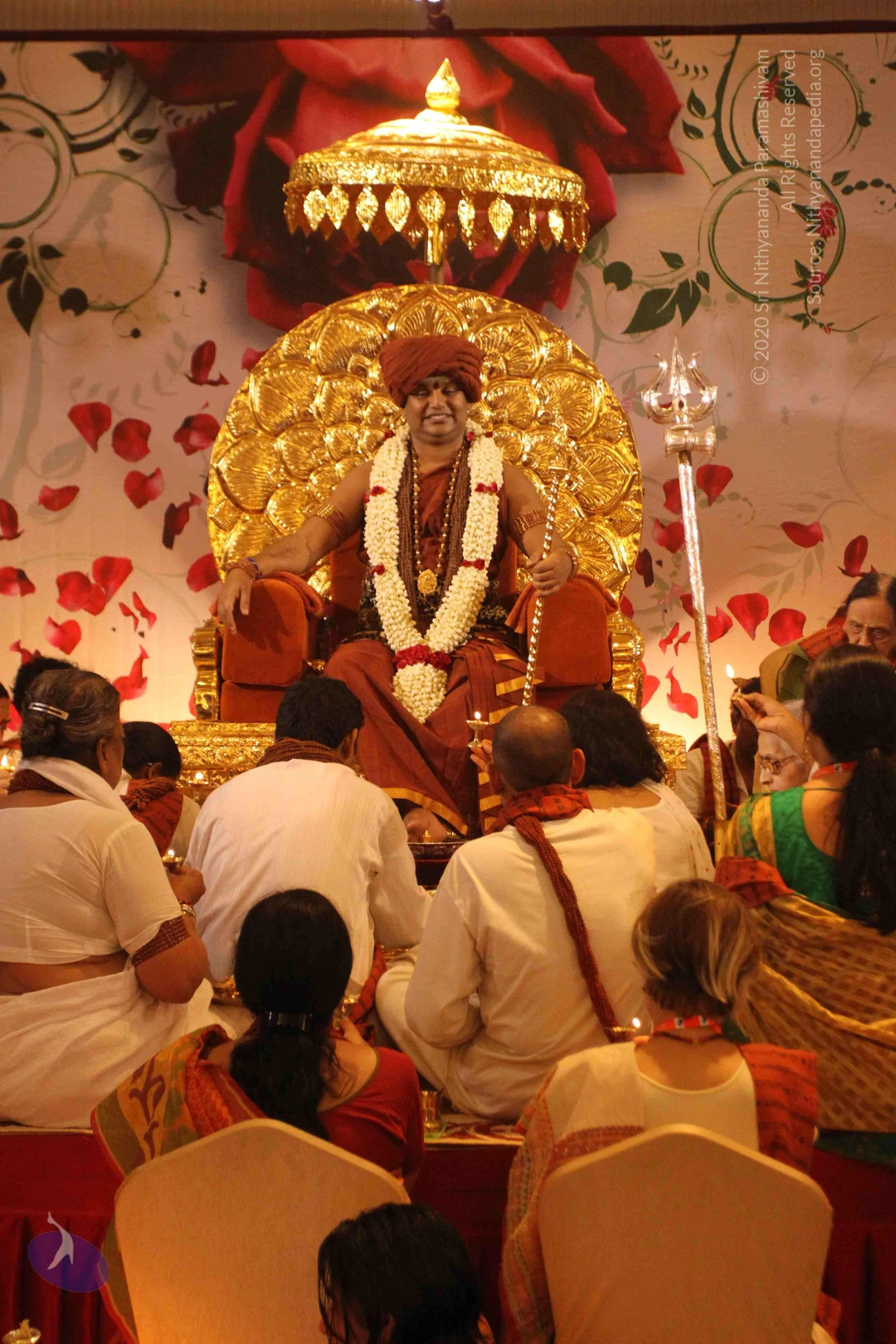
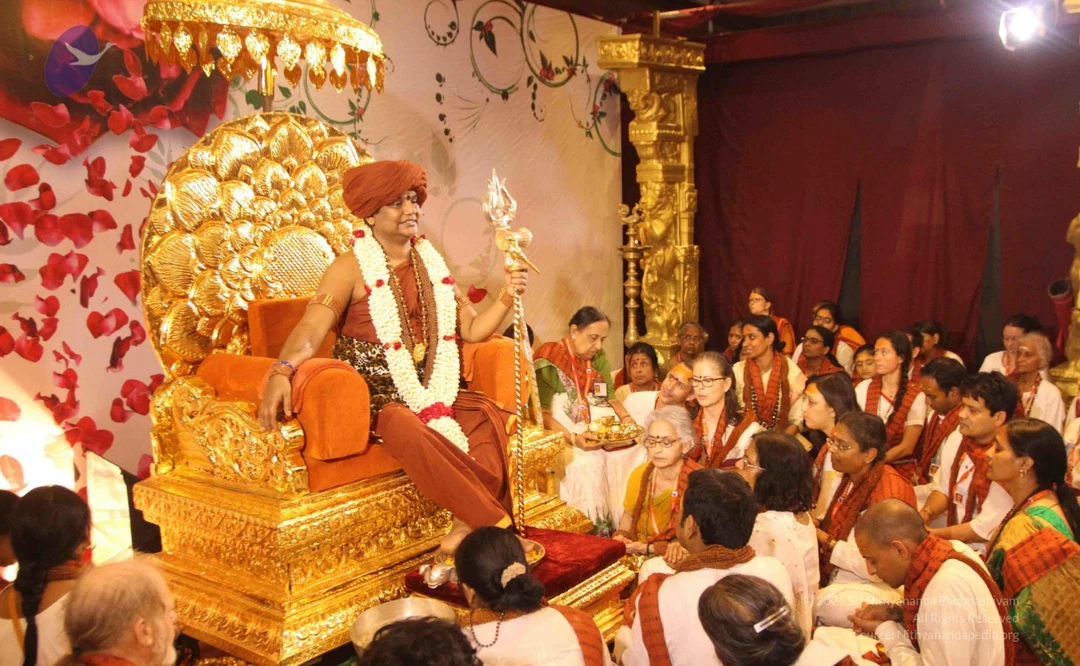
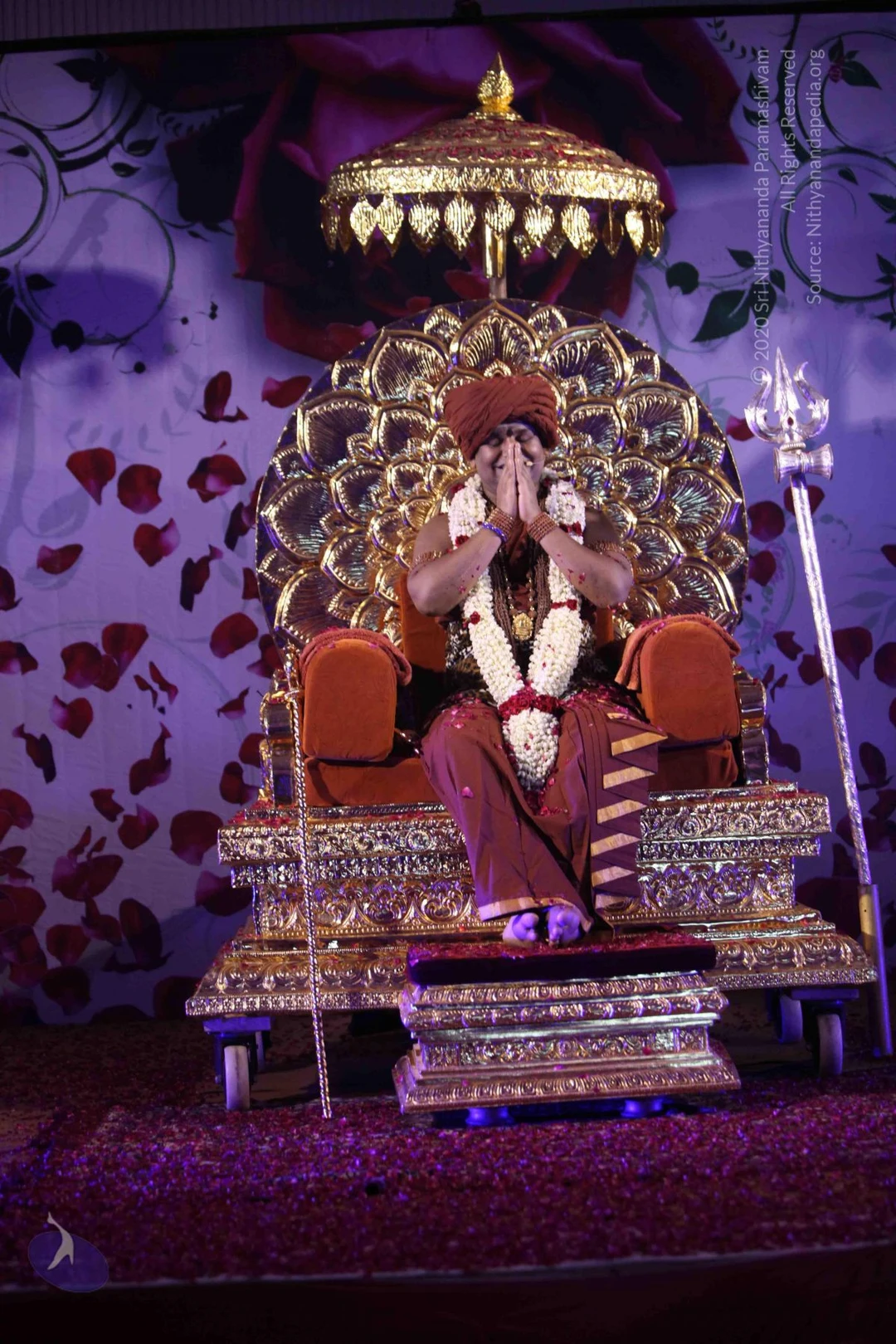
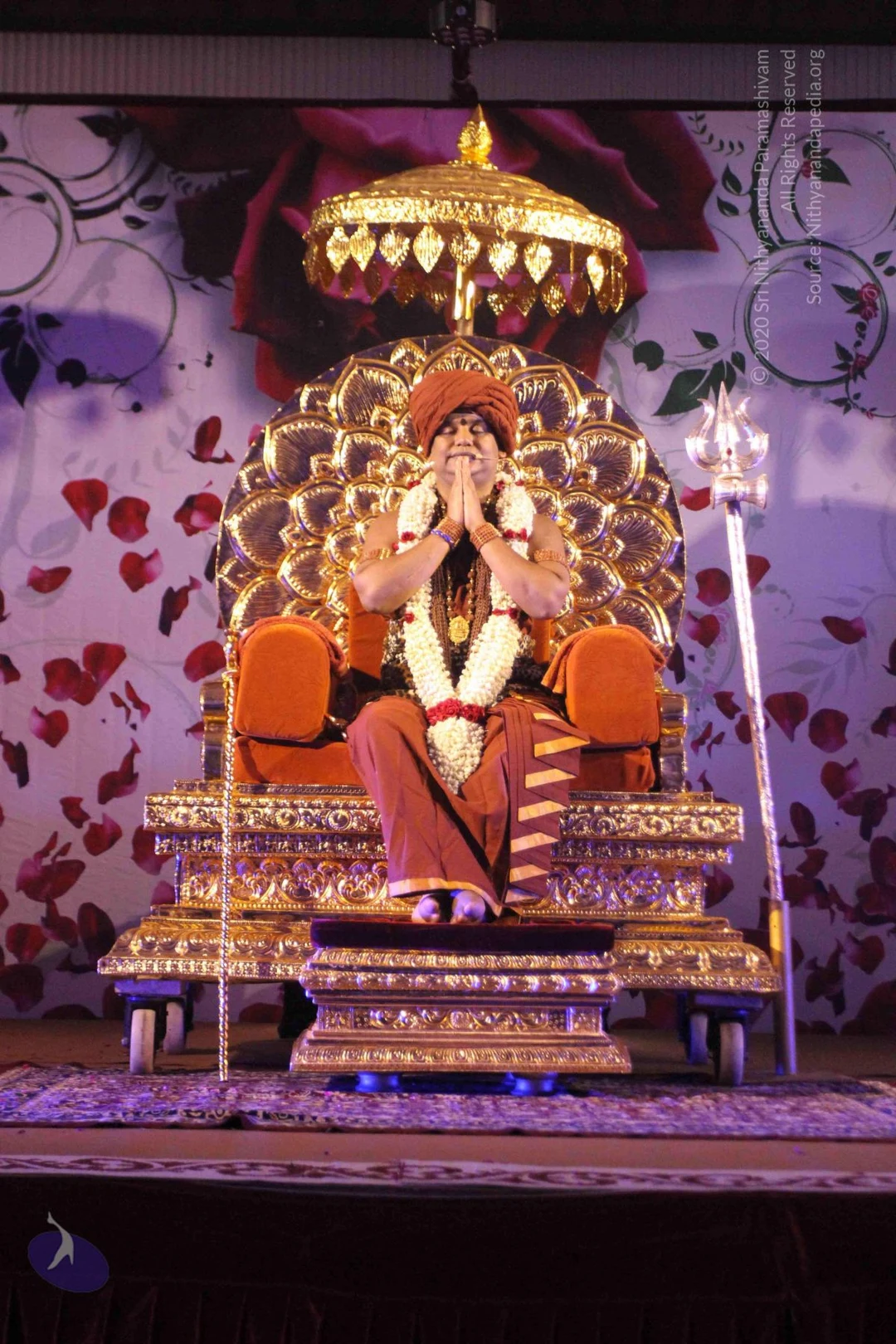
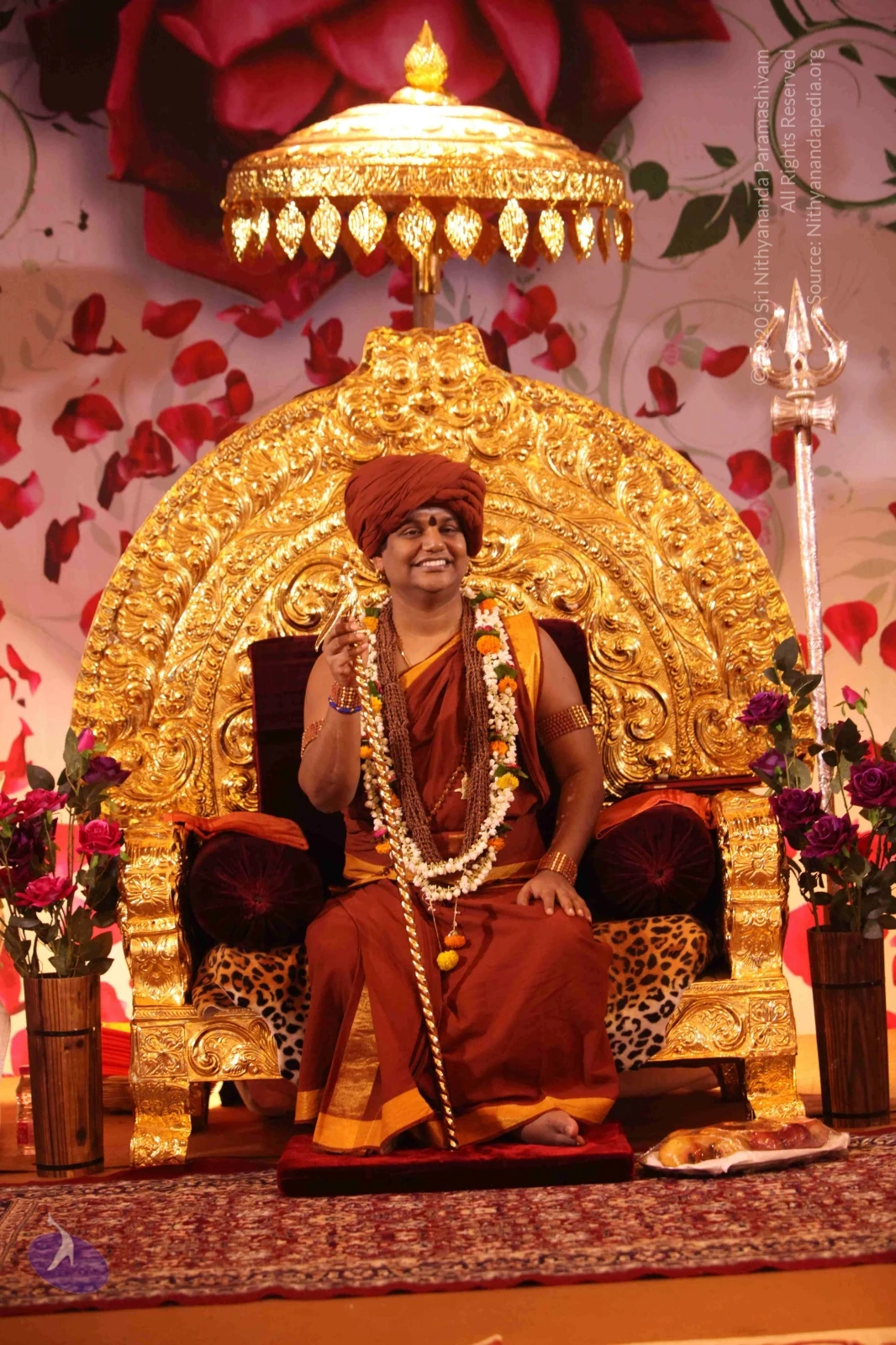
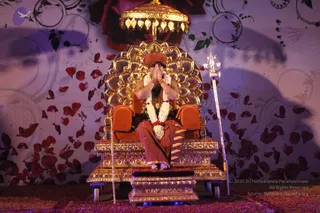
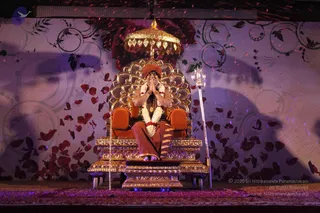
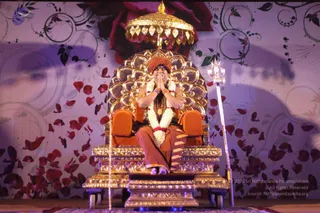
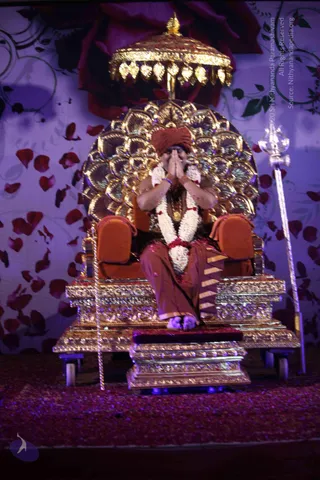
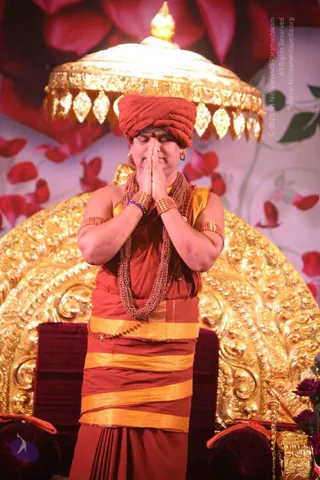
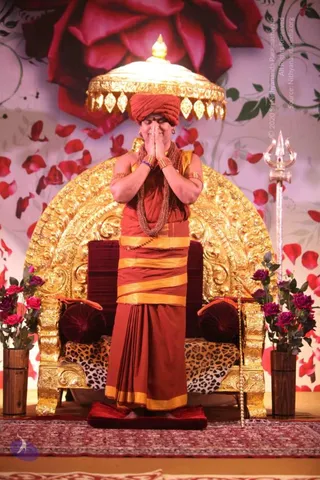
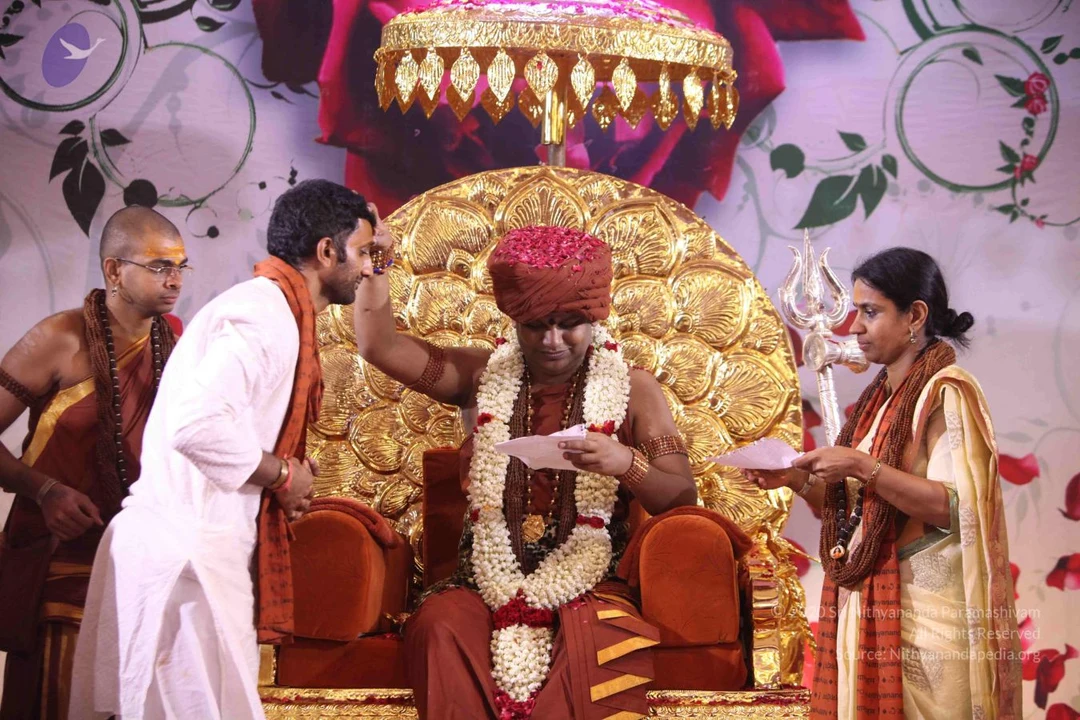
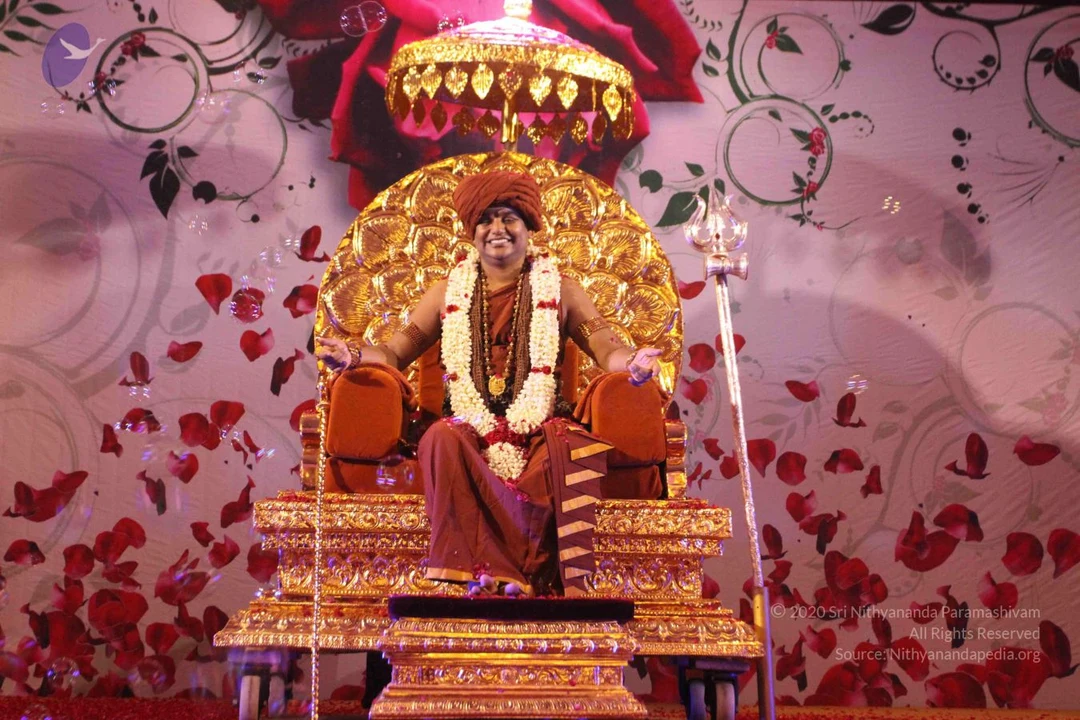
A seated figure in a saffron-orange turban and reddish-orange robe sits on an ornate gold throne with a gold canopy and a gold fan-shaped backrest, hands pressed together in namaste at the chest. A white and red flower garland hangs at the neck and a silver trident stands to the right. Red and pink petals cover the stage floor and a patterned backdrop with floral scrollwork surrounds the scene. Only one person is physically visible.A photograph of a seated figure on an ornate golden throne with a large fan-shaped gold backrest and a gold-canopied top. The person sits with palms pressed together in anjali mudra near the face, wearing a rust-red turban, a dark tunic with a red-and-white striped shawl, and multiple white and red flower garlands with gold beads. A silver trident stands to the right of the throne, and red rose petals are scattered across the purple floral backdrop. a person is seated, identified by a red turban, white garlands, gold ornaments and the throne setting; the figure is in-person in the room.A photograph of a seated figure on an ornate gold throne with a gold canopy on a stage. The figure wears an orange-red turban, an orange-red shawl over a saffron-red garment, and a white flower garland, with palms pressed together in namaskar. A silver trident stands to the right. Behind the throne is a patterned backdrop with scrollwork and a large red rose, and red petals are scattered across the stage floor. The figure appears to be Swamiji (probable) from the turban, saffron-orange clothing and garland, seated in the Inner Awakening session setting.A seated figure sits on an ornate golden throne with a rounded gilded backrest and a gold canopy above, pressing palms together in namaskar at the chest. The figure wears an orange-red turban, a long white flower garland, a rudraksha-style necklace, and a rust-red robe with a striped sash. A silver trident stands to the right and a long staff leans on the left. Rose petals are scattered across the floor and the purple patterned backdrop behind the throne.A seated man with a saffron-orange turban and saffron-orange robe sits in folded-palm namaskar on an ornate gold throne with a fan-shaped back and a gold canopy above. He wears white and red flower garlands and a rudraksha-style neck adornment. A silver trident stands to his right and a red-and-gold cloth is draped over the throne. Red and white rose petals and confetti fall around him against a lavender backdrop with floral scroll designs, and the stage is covered in a patterned carpet. The figure shows distinctive ceremonial cues of saffron clothing, a turban and garlands, consistent with Swamiji (probable) seated in the place of honour during a stage event.A person seated on an ornate golden throne with a gilded fan-shaped back and a golden canopy above, against a backdrop of scrolling floral designs and scattered red petals. The seated figure wears a rust-orange turban, an orange-brown robe, a white flower garland with red beads, and a rudraksha mala, with palms pressed together in greeting. Orange cushioned armrests flank the throne, and a silver trident stands to the right. Visible cues include a turban, saffron clothing and rudraksha beads, so the appearance-based label is Swamiji (probable) seated in person on the throne in a gesture of greeting.

Shivoham

35 photosSource gallery
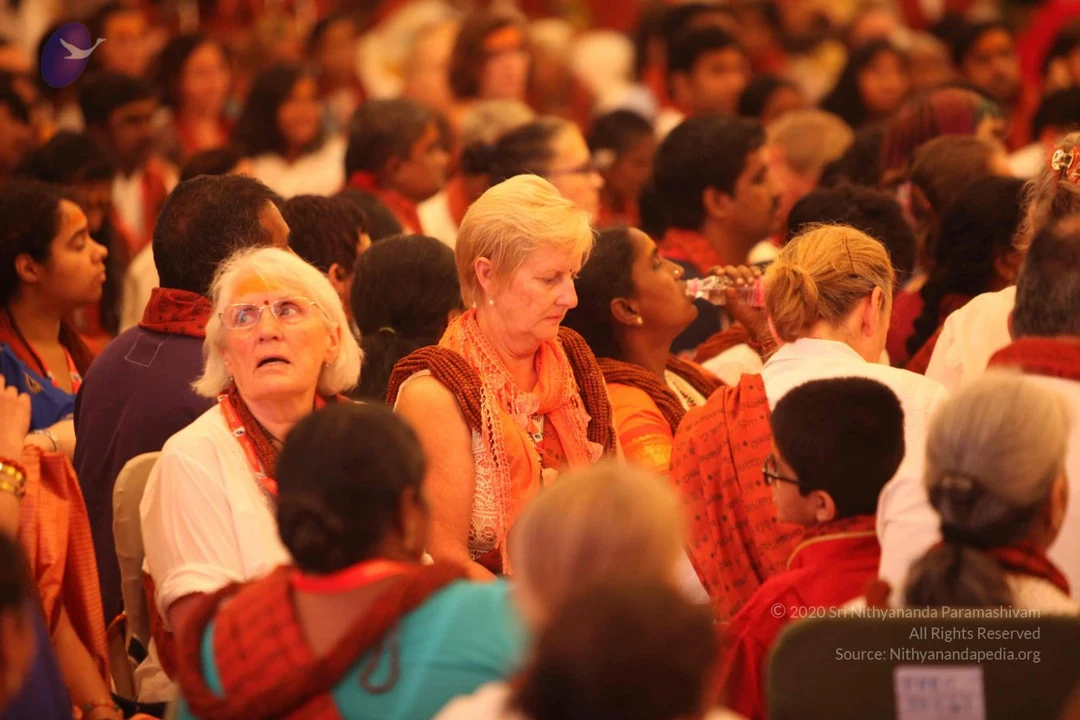
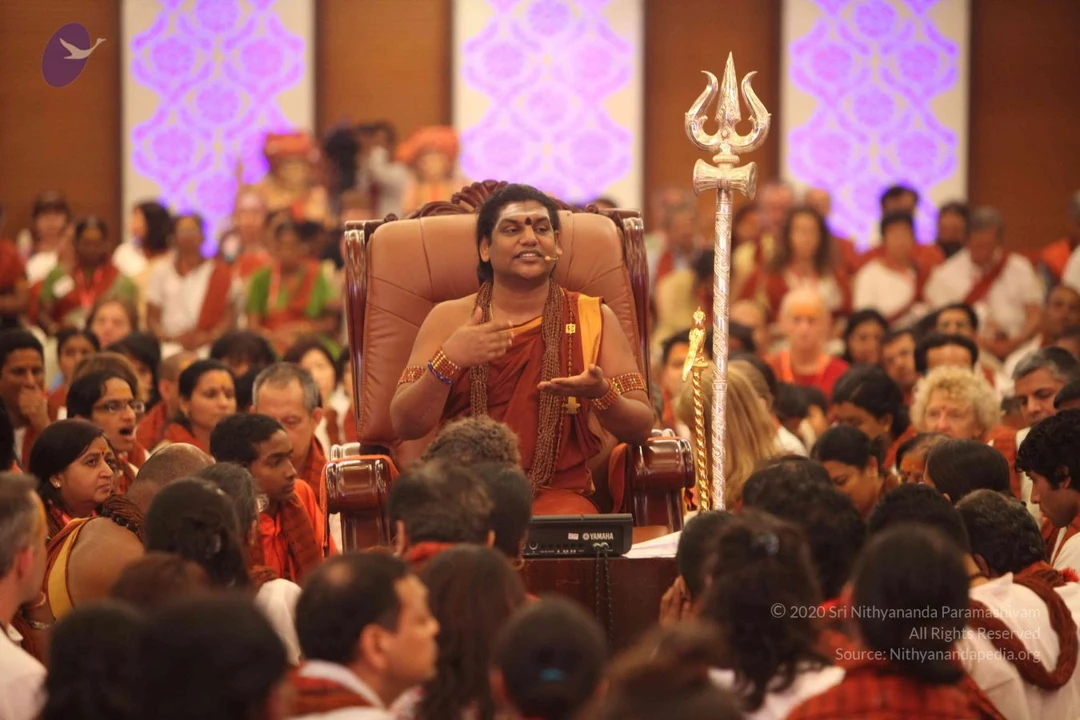
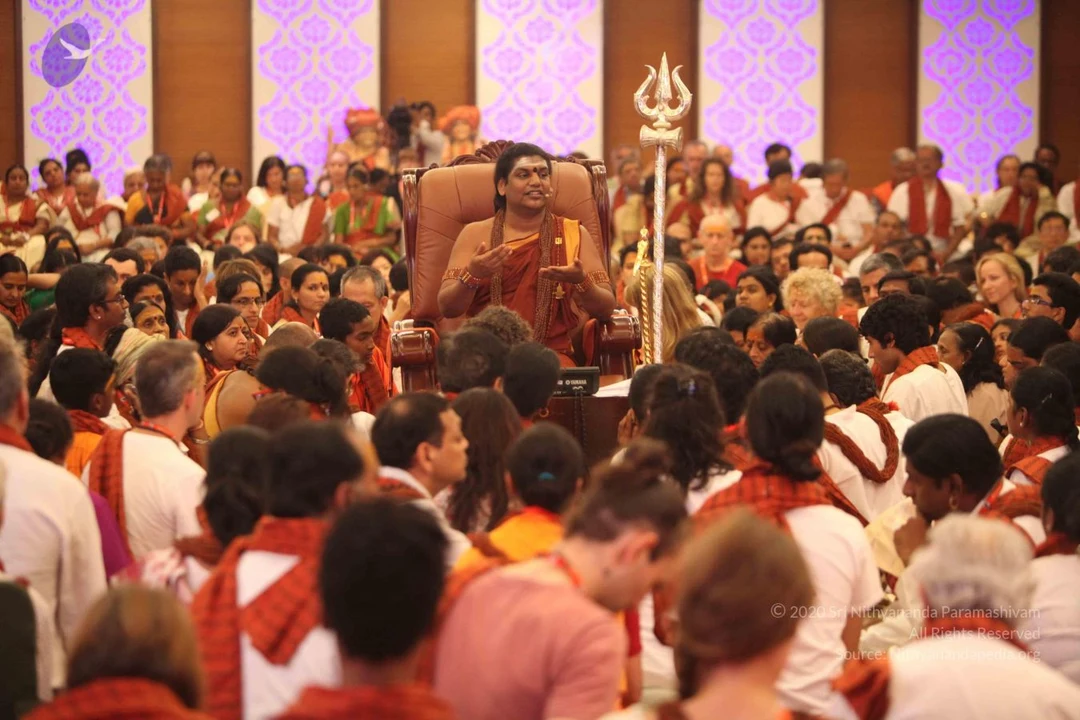
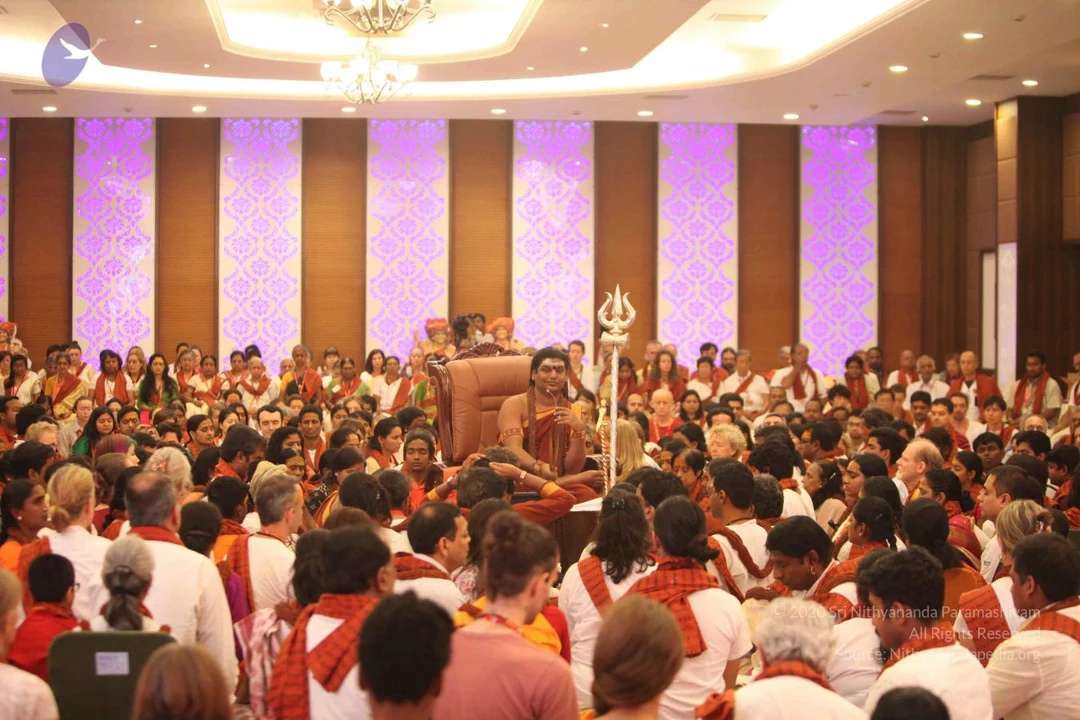
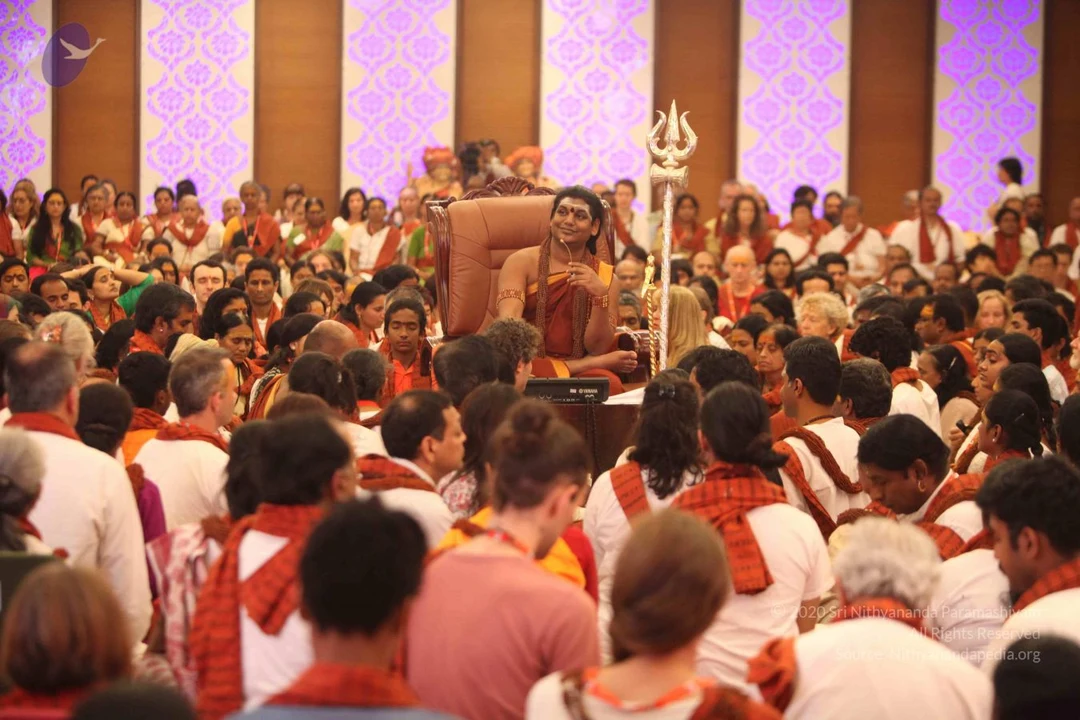
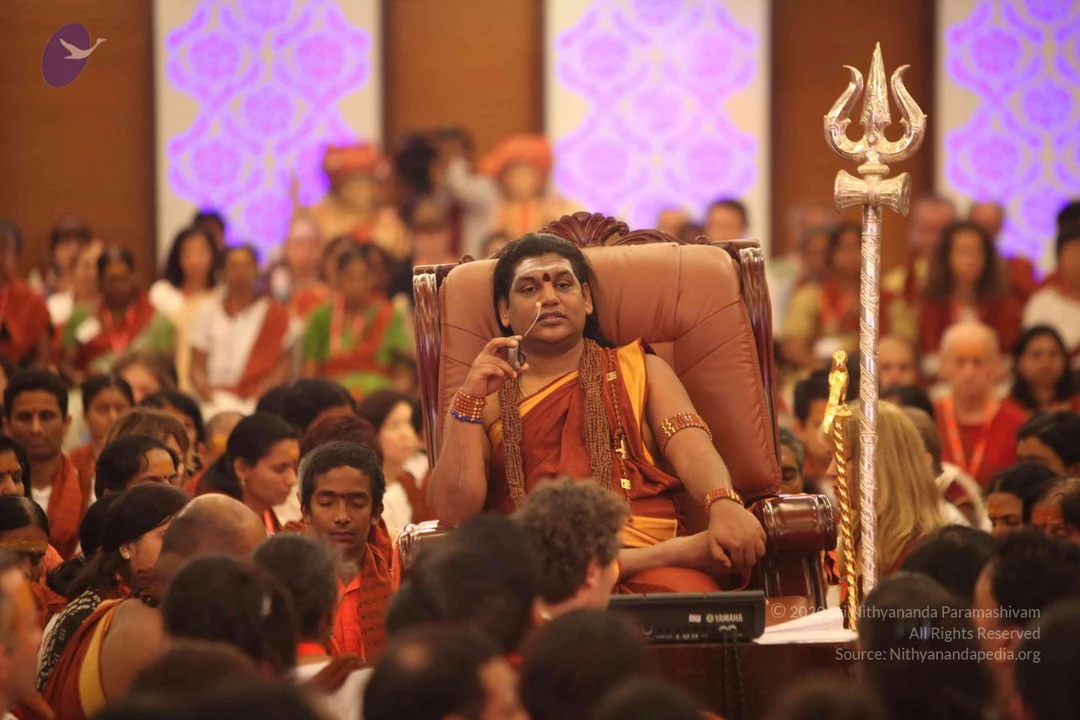
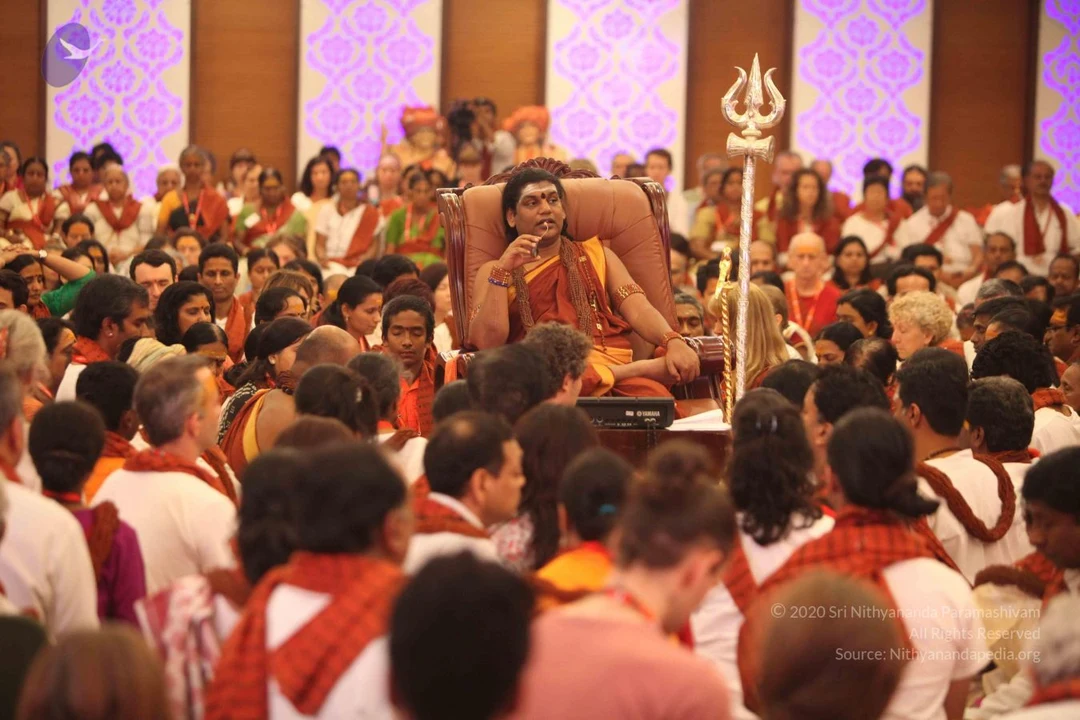
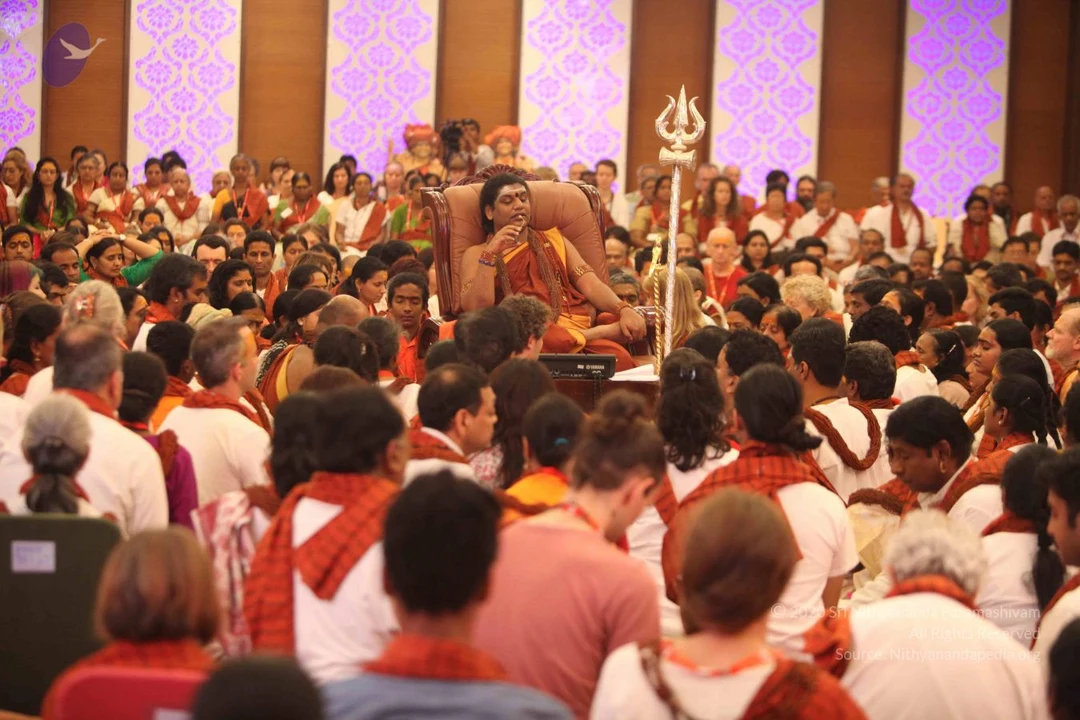
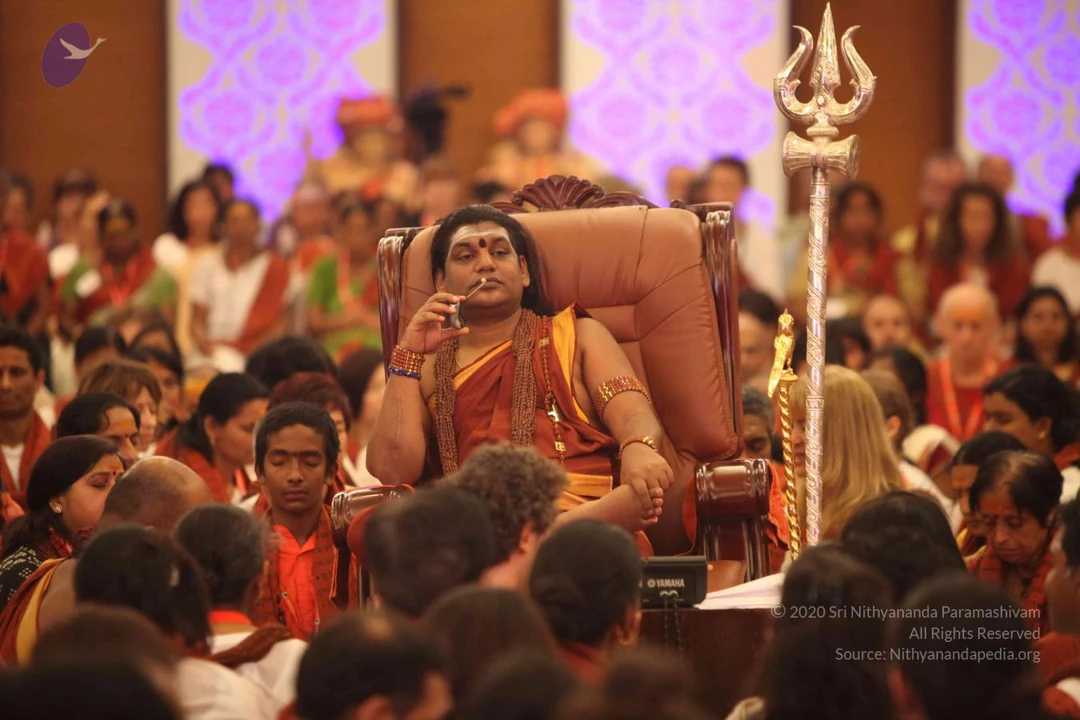
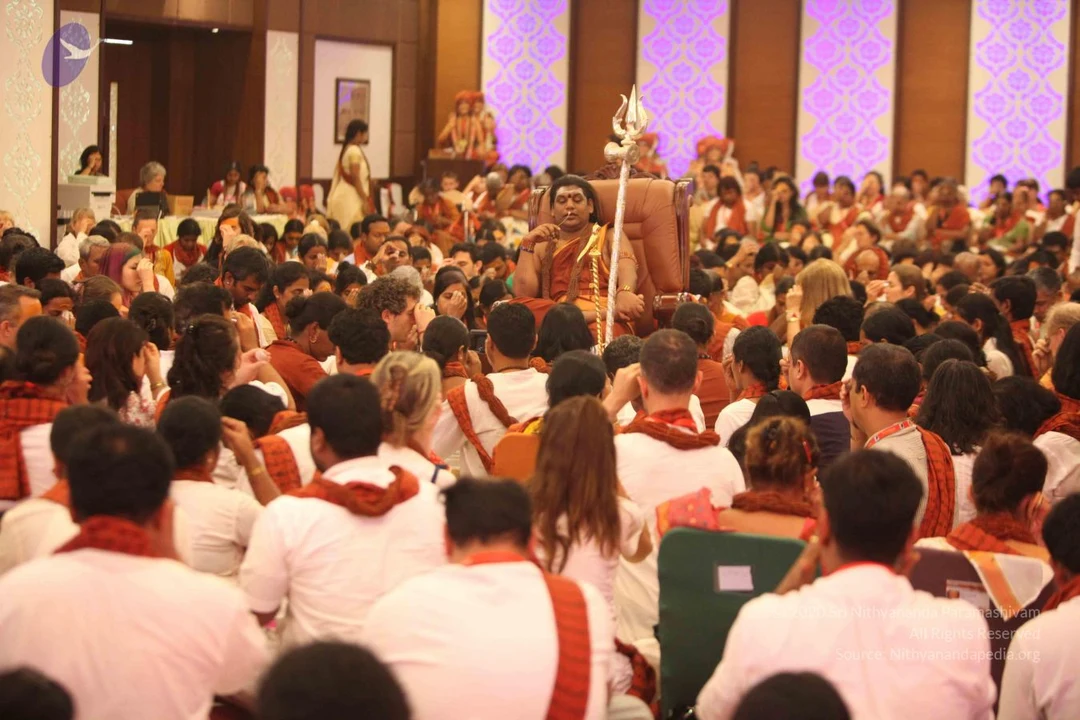
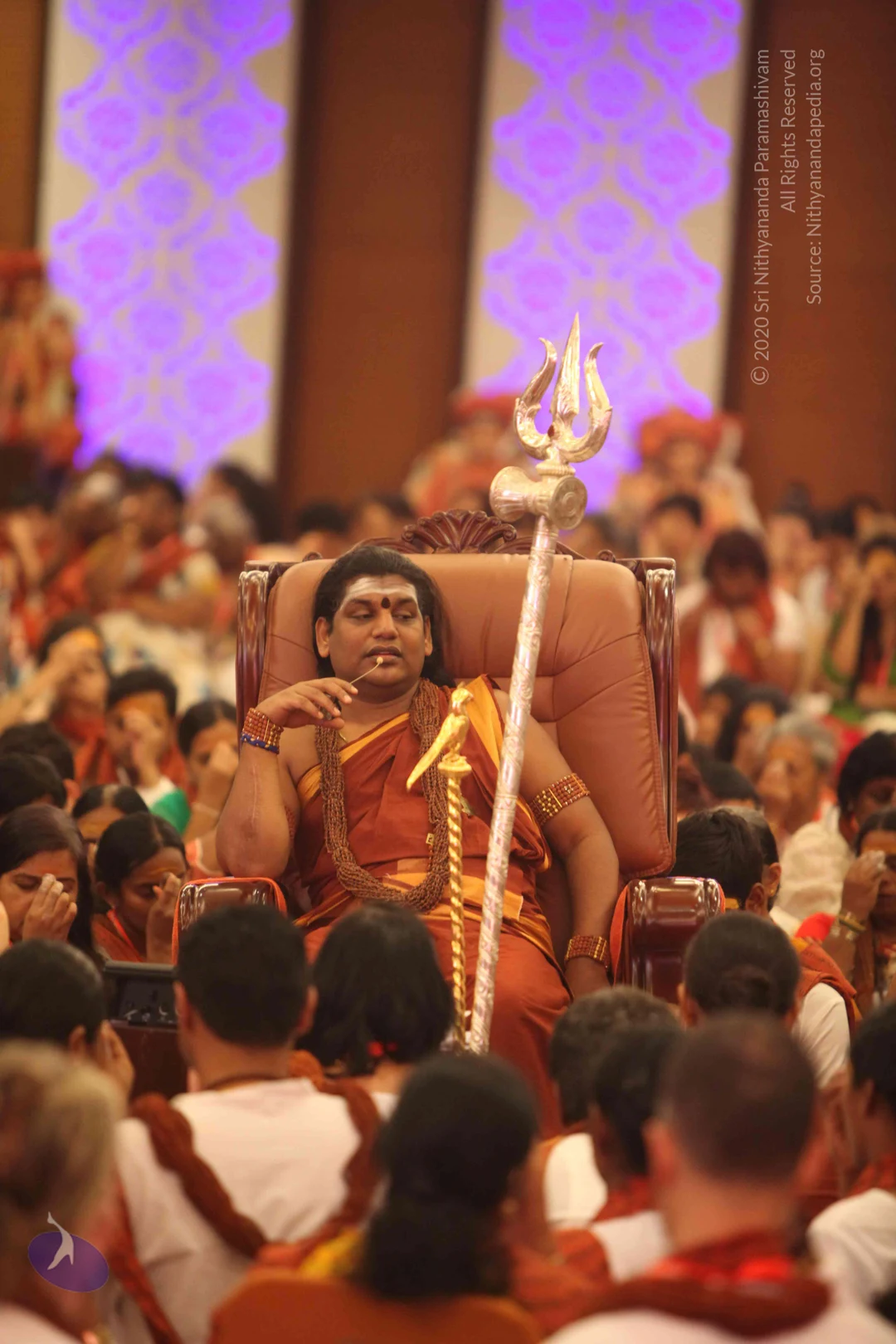
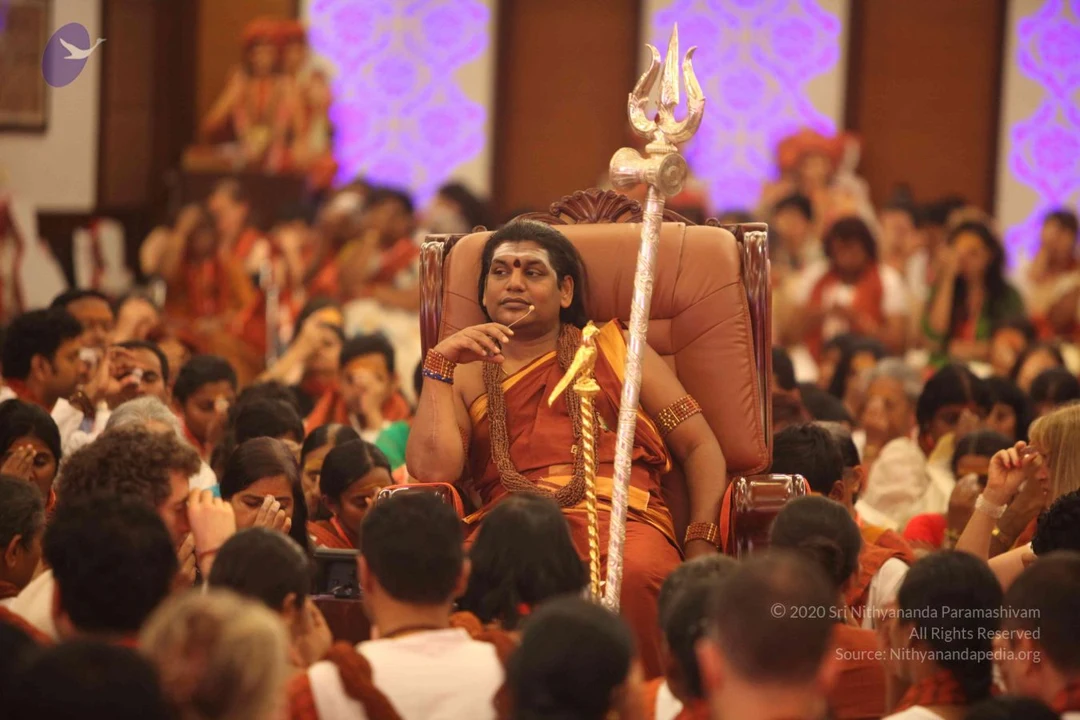
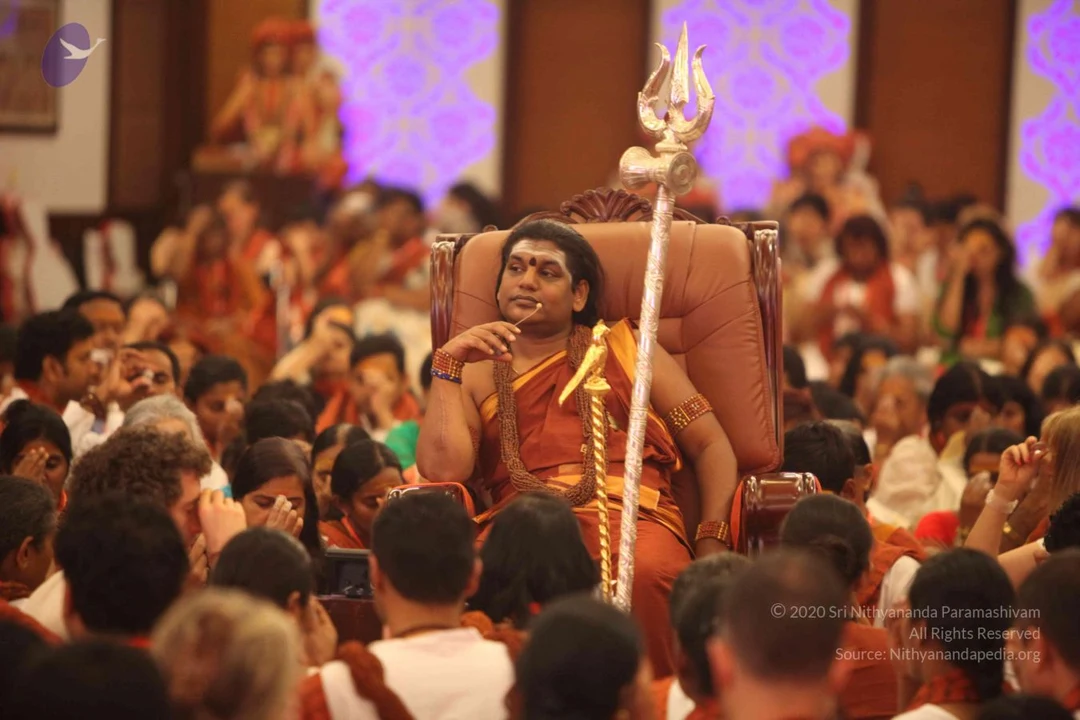
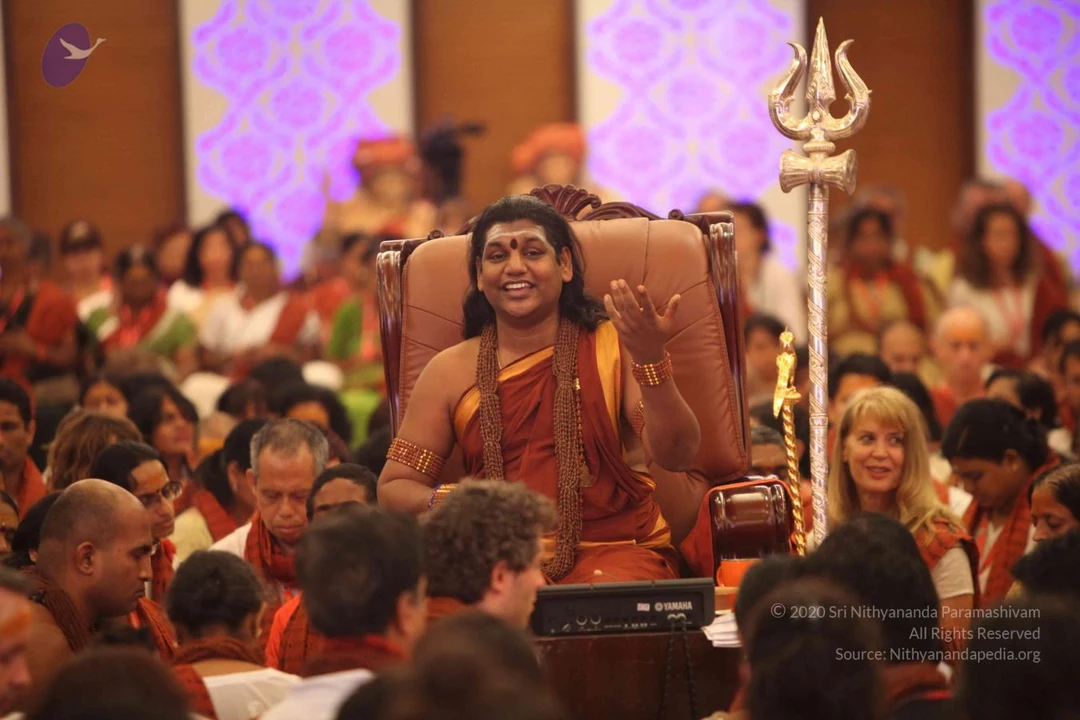
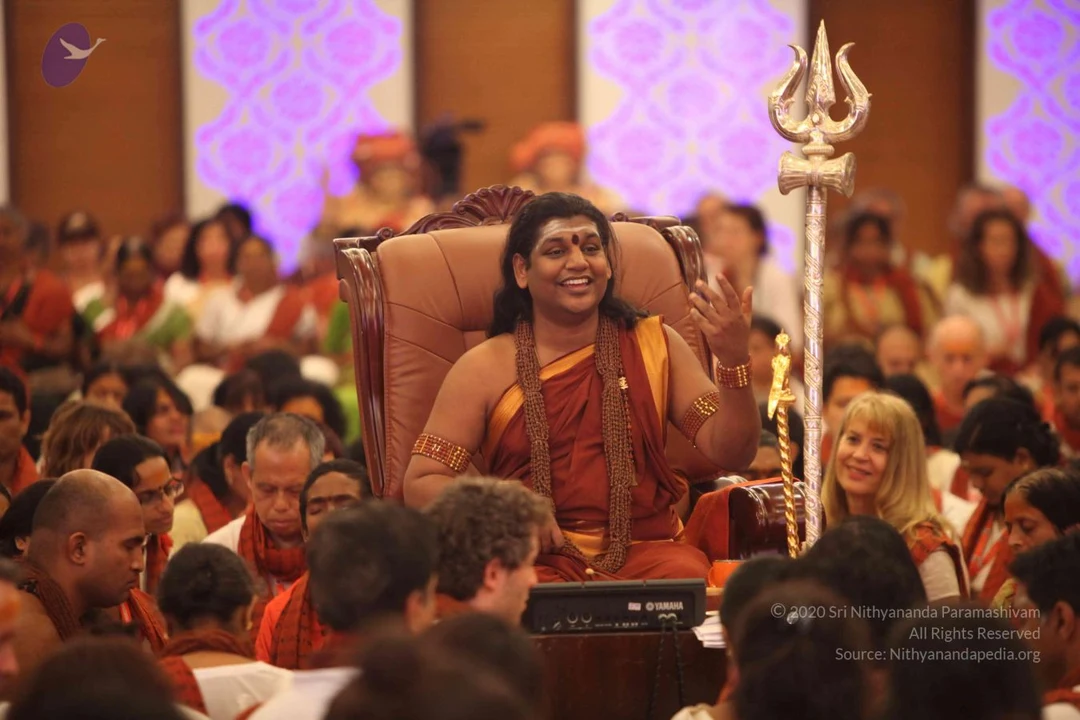
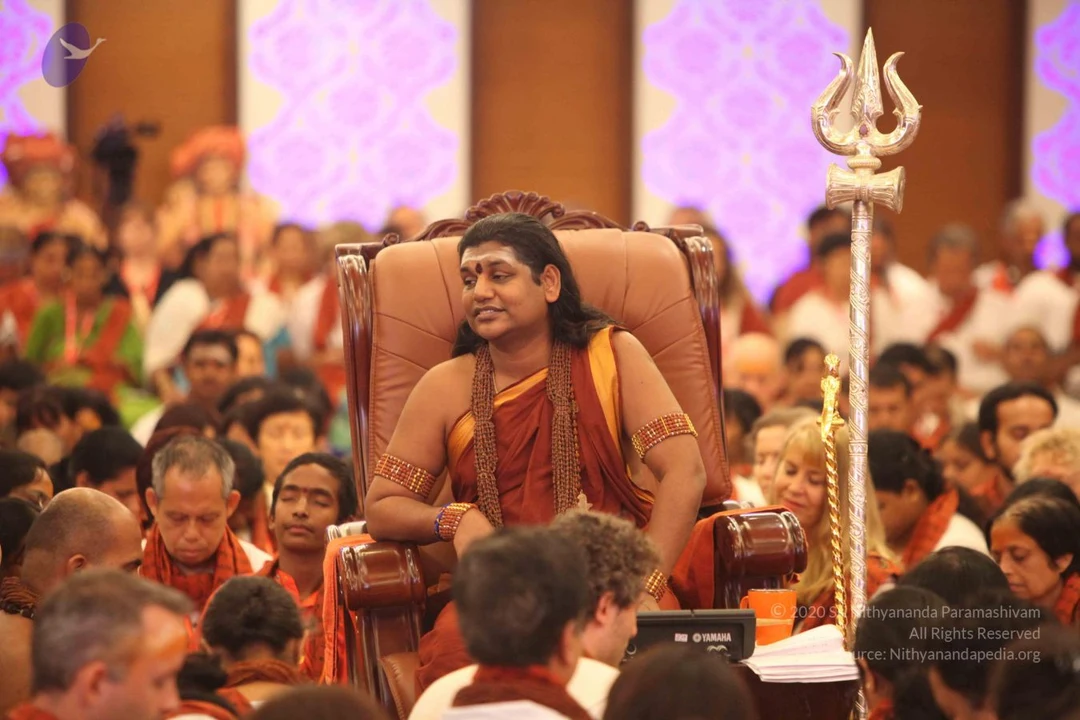
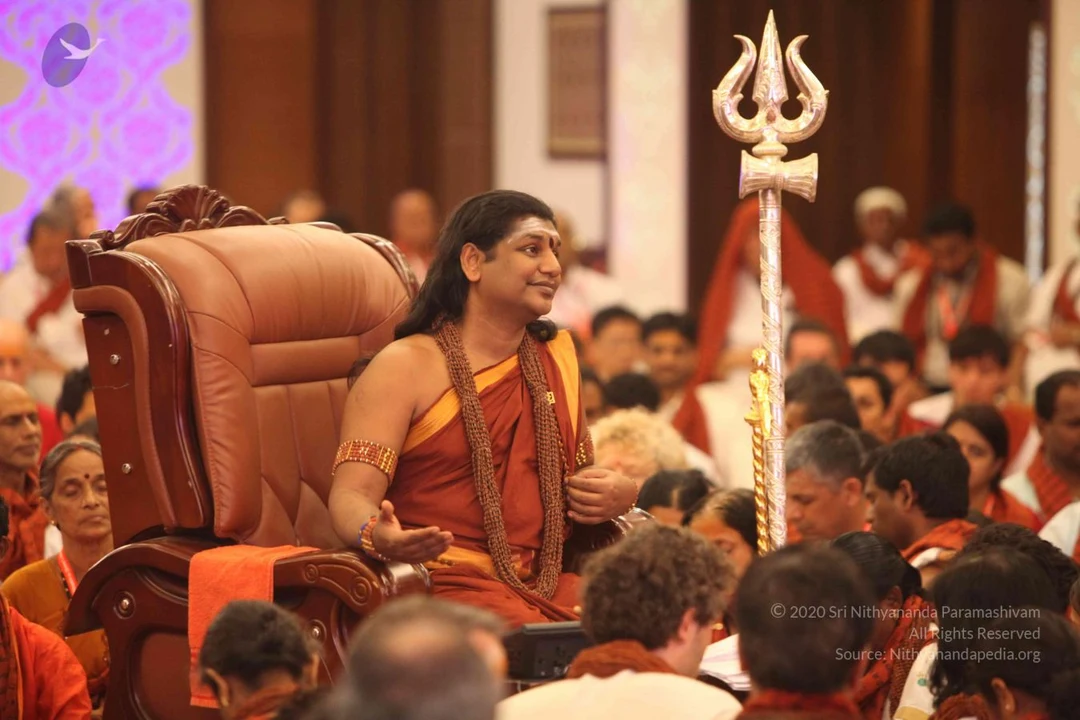
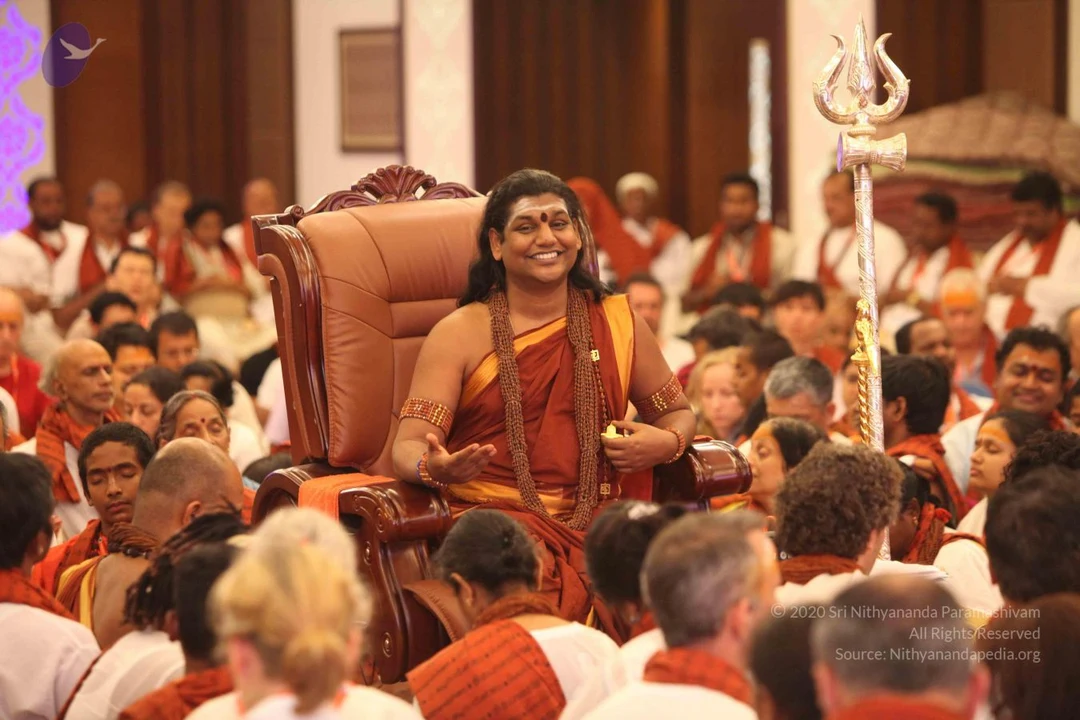
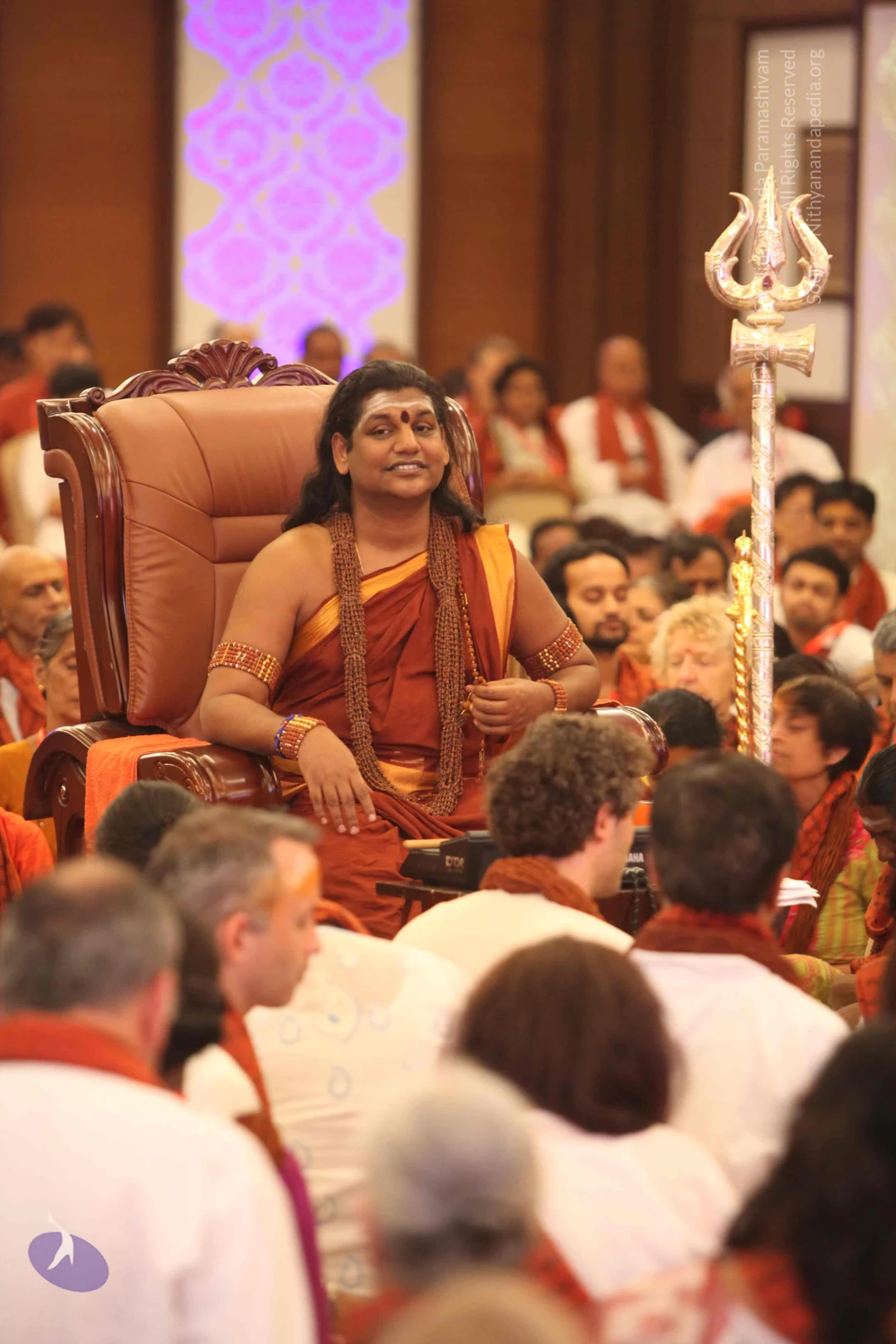
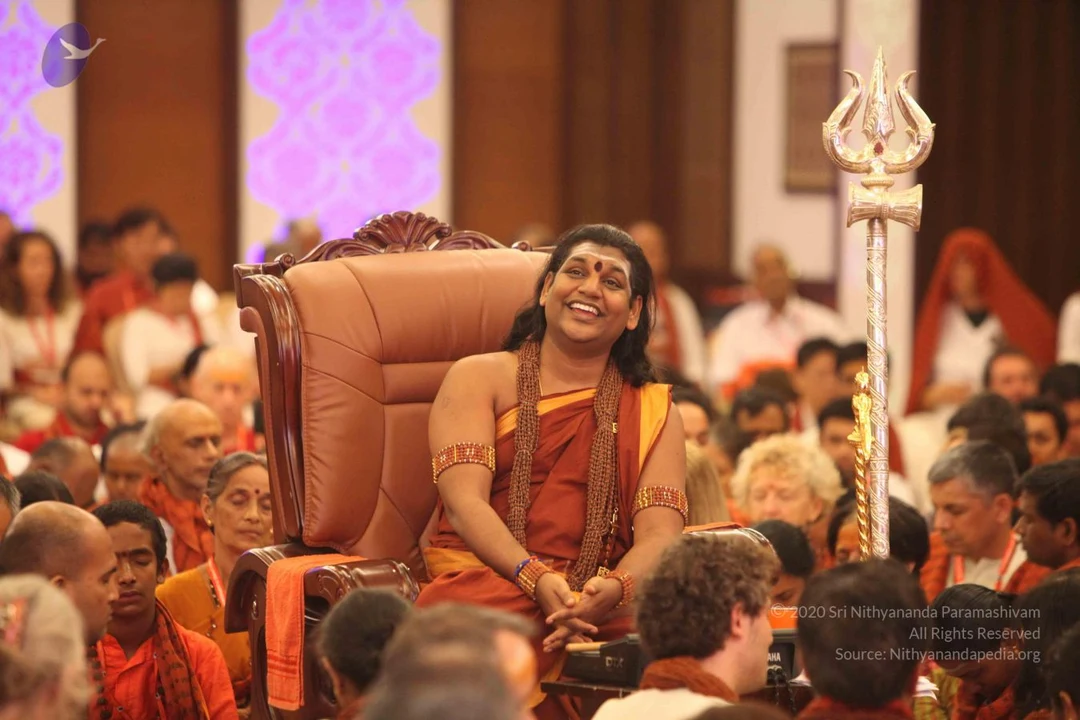
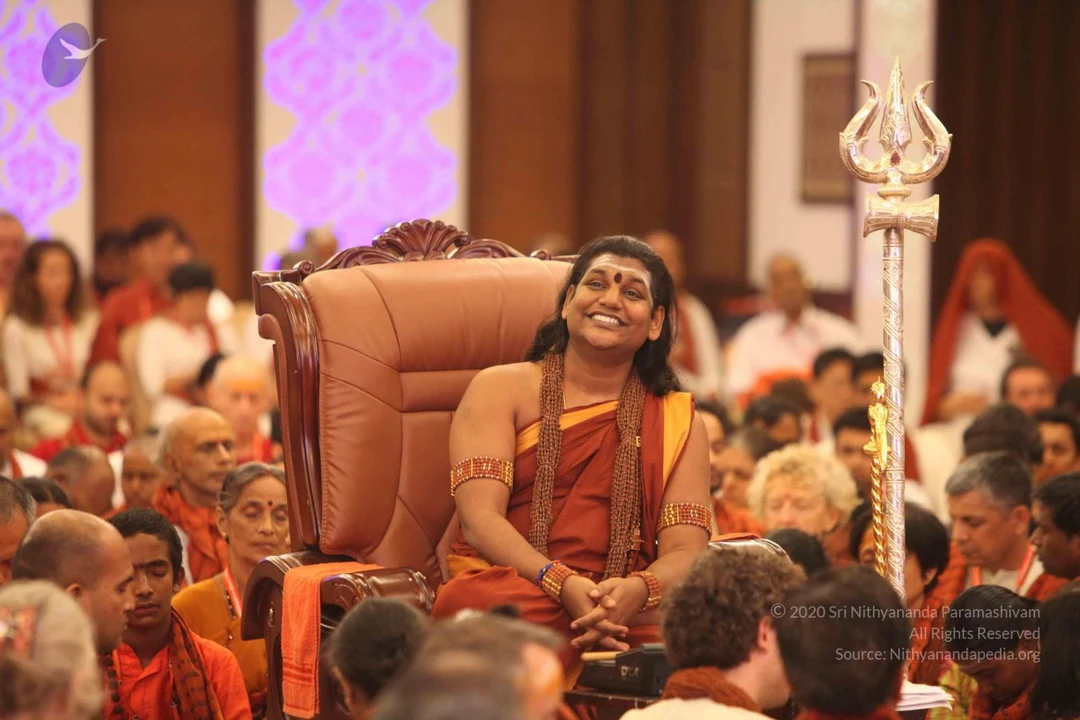
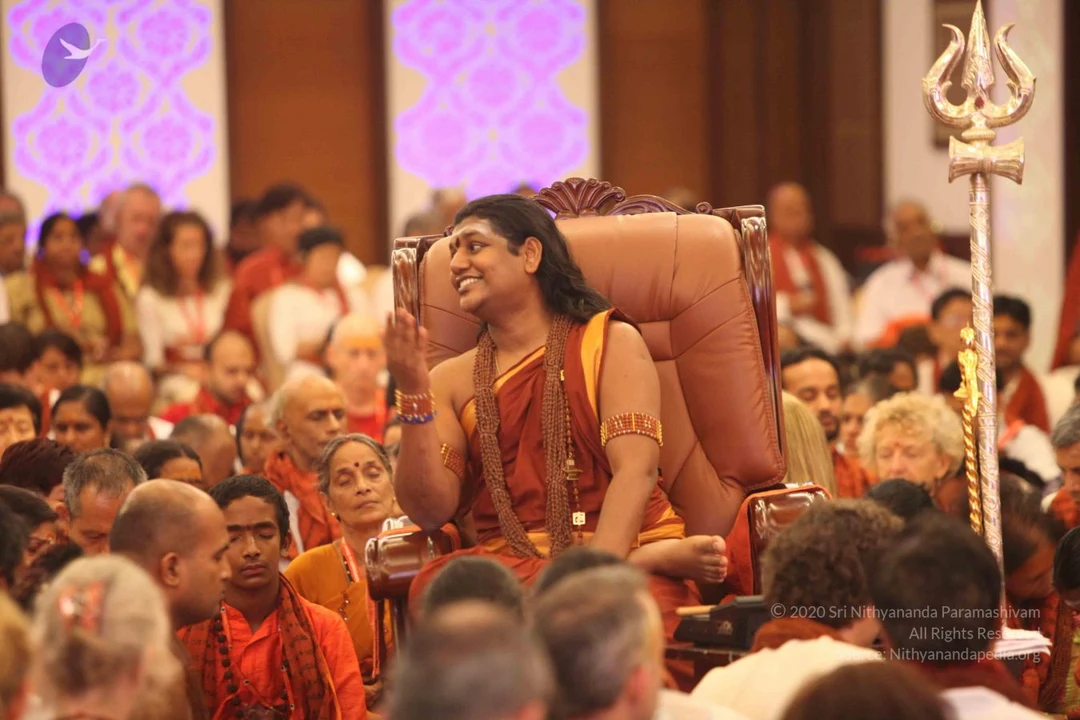
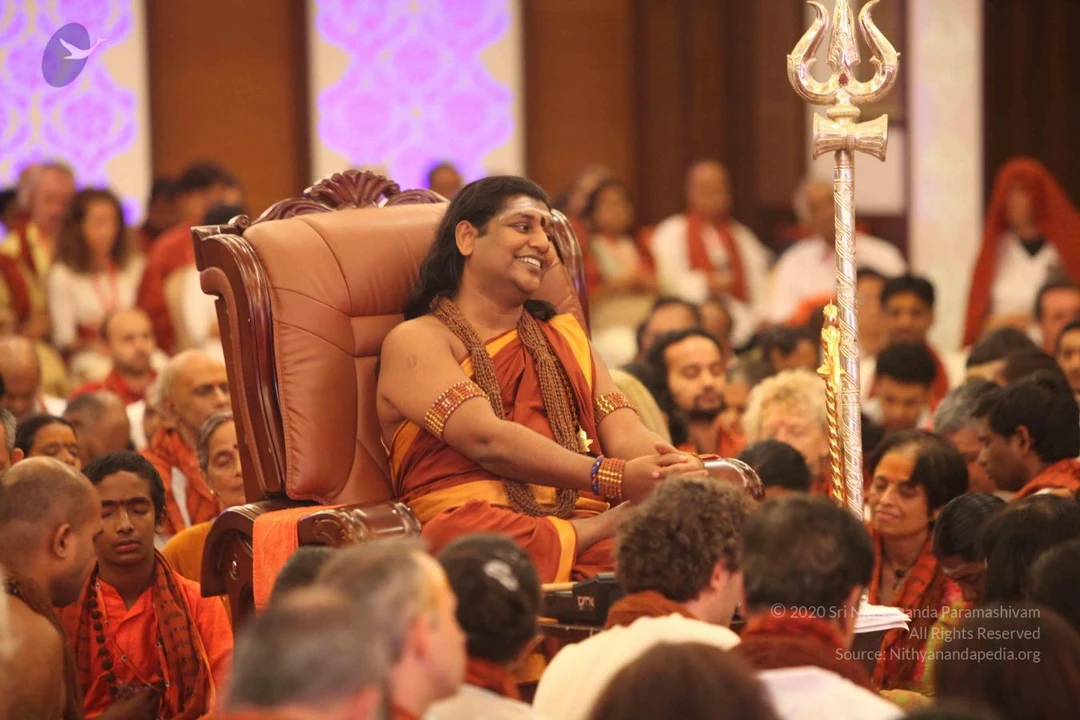
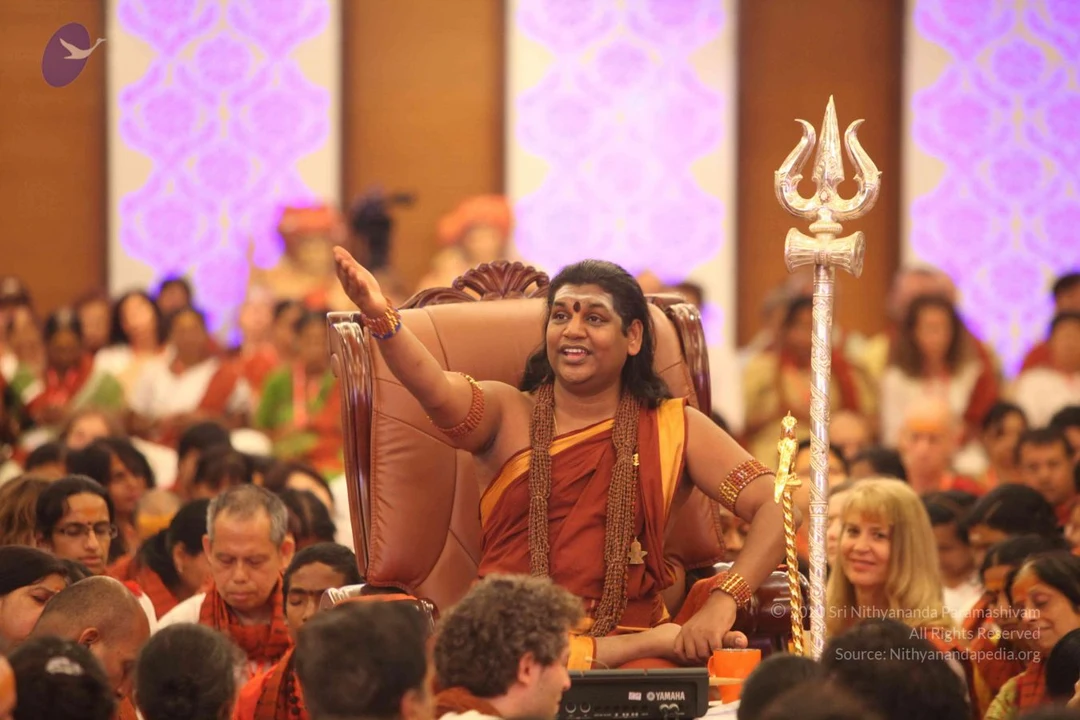
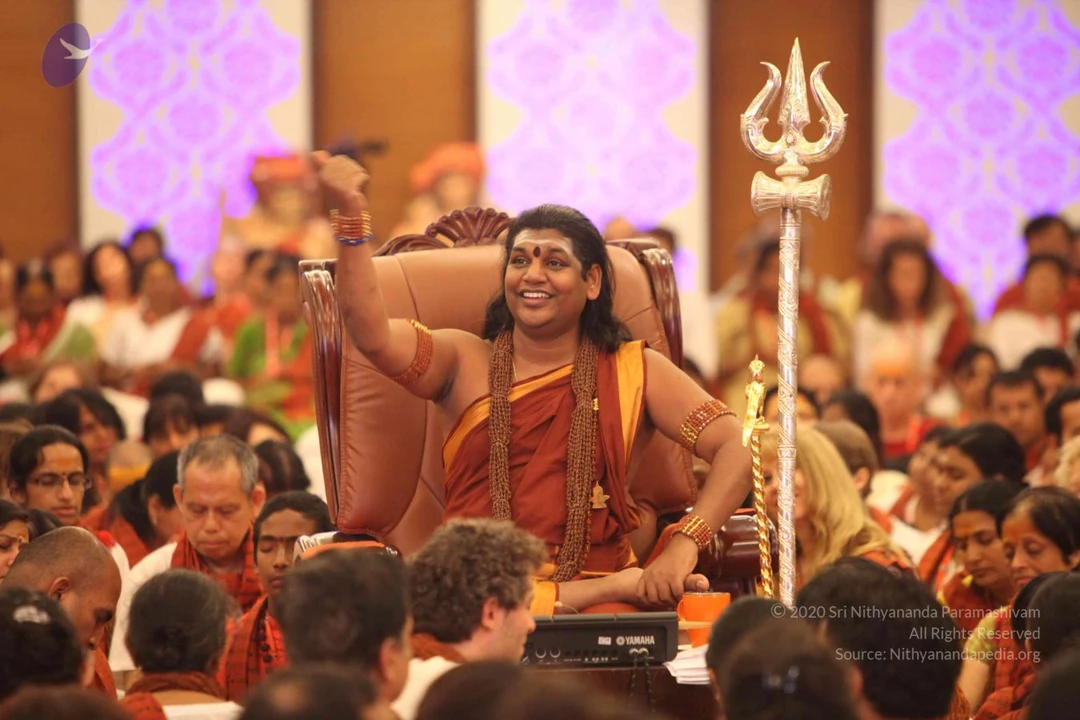
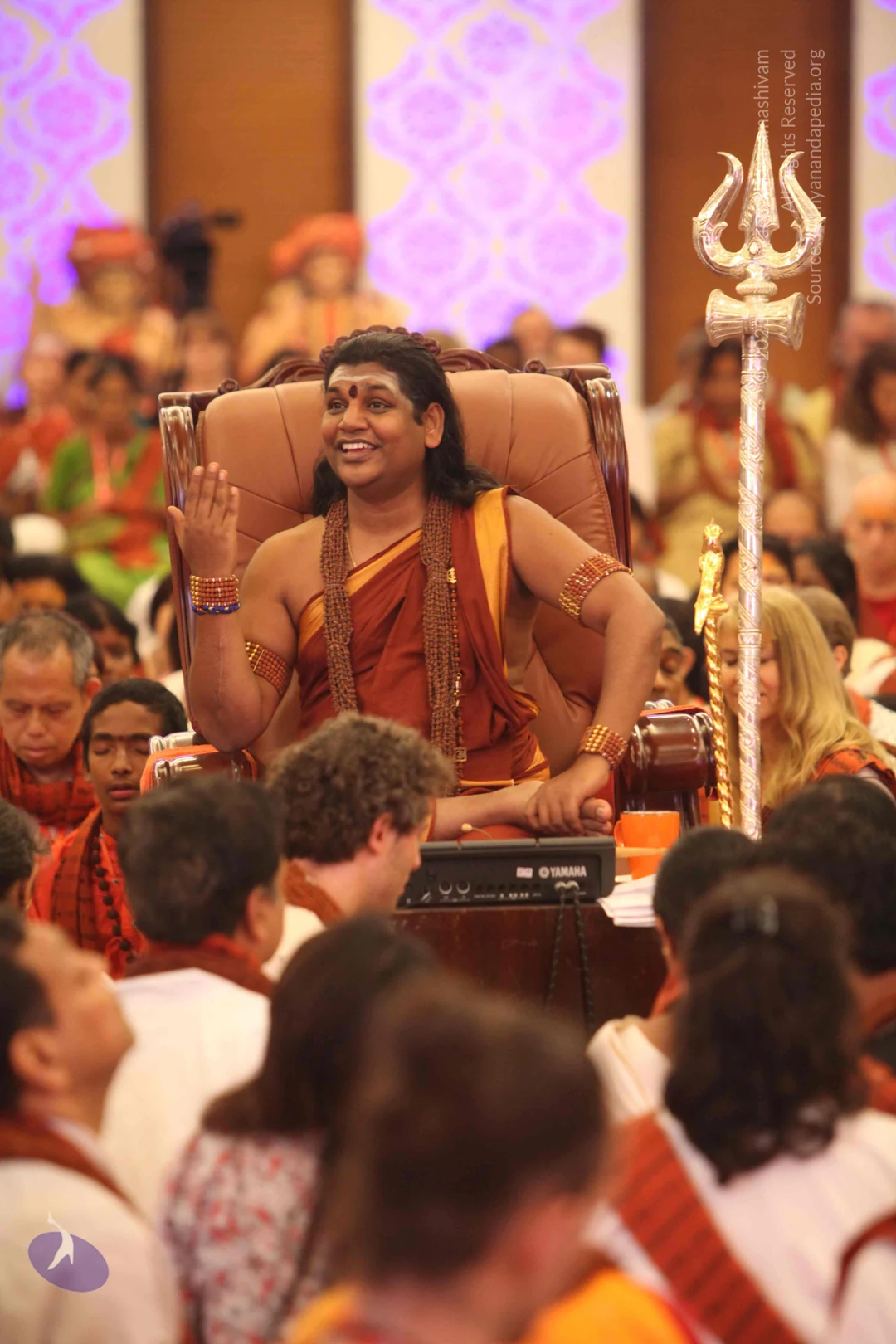
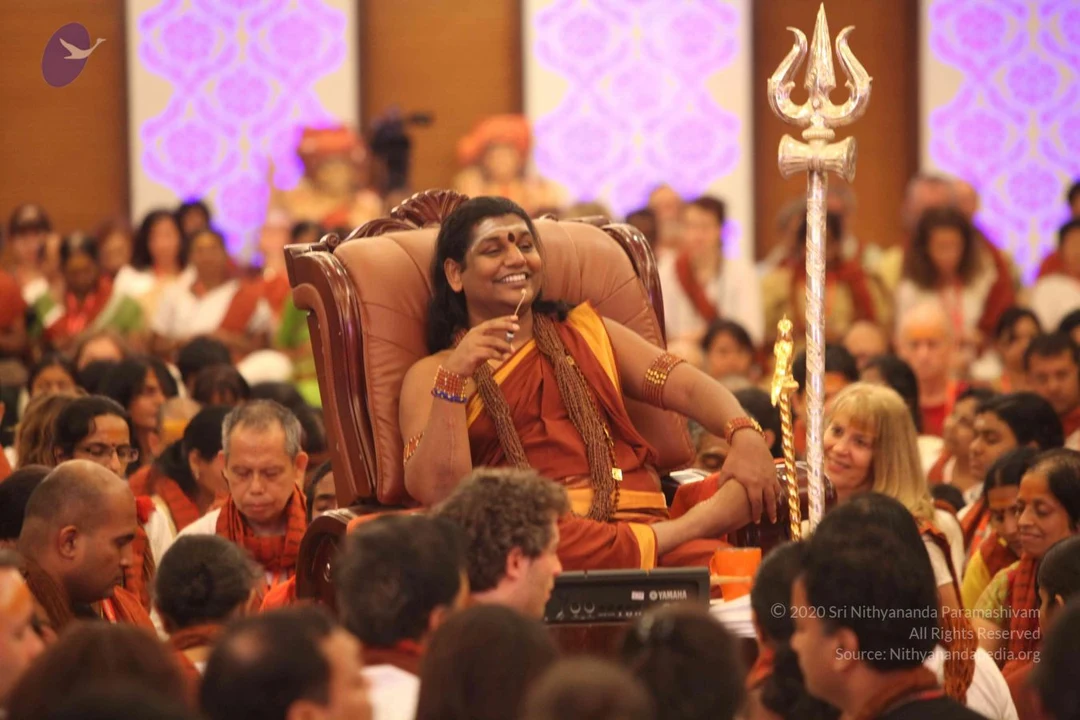
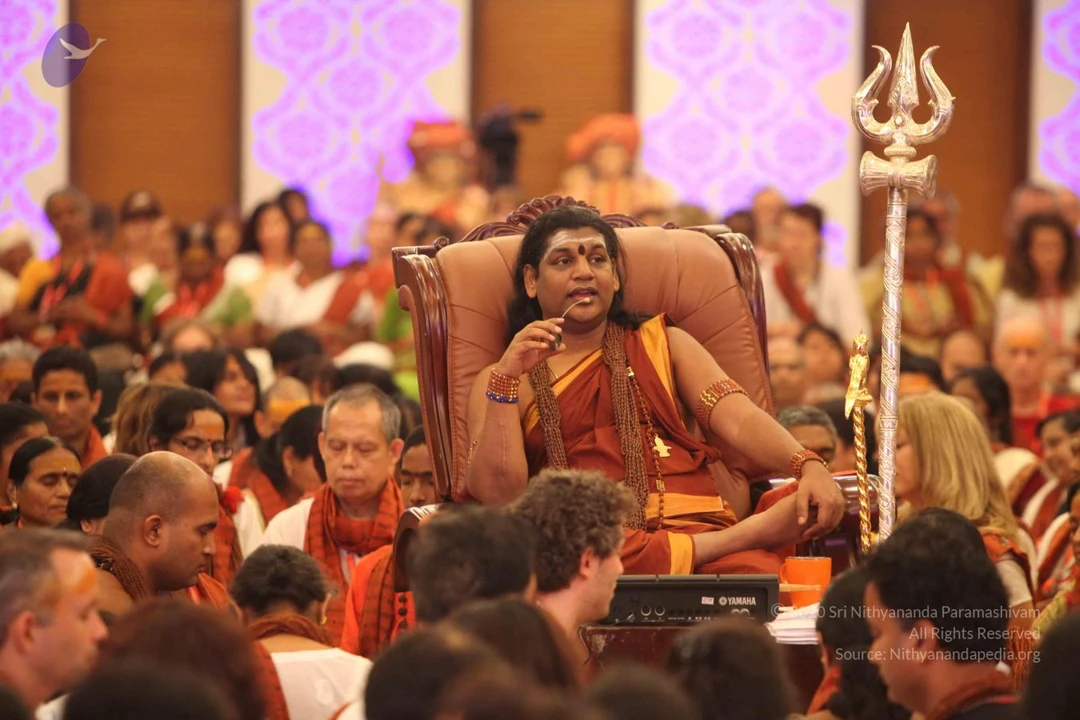
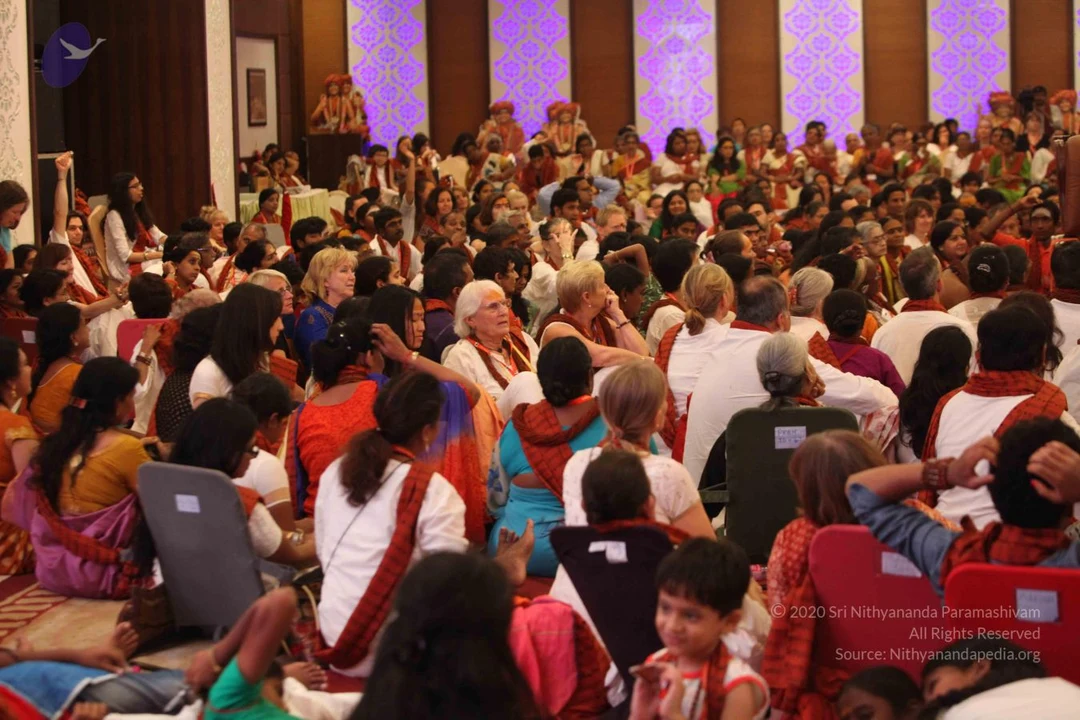
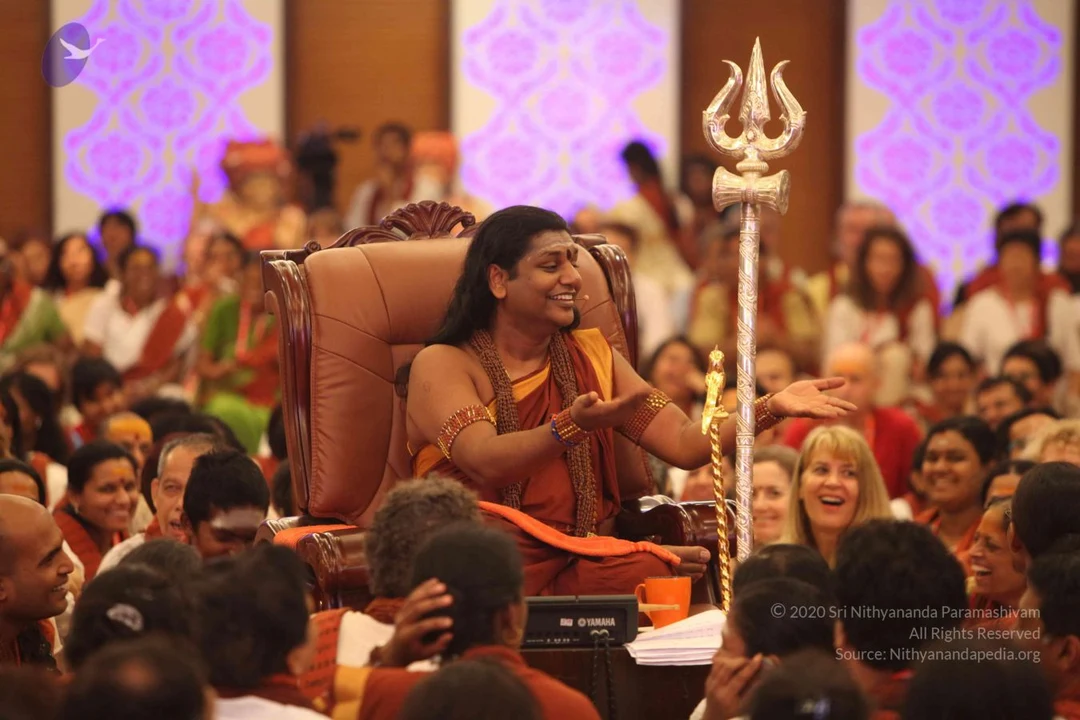
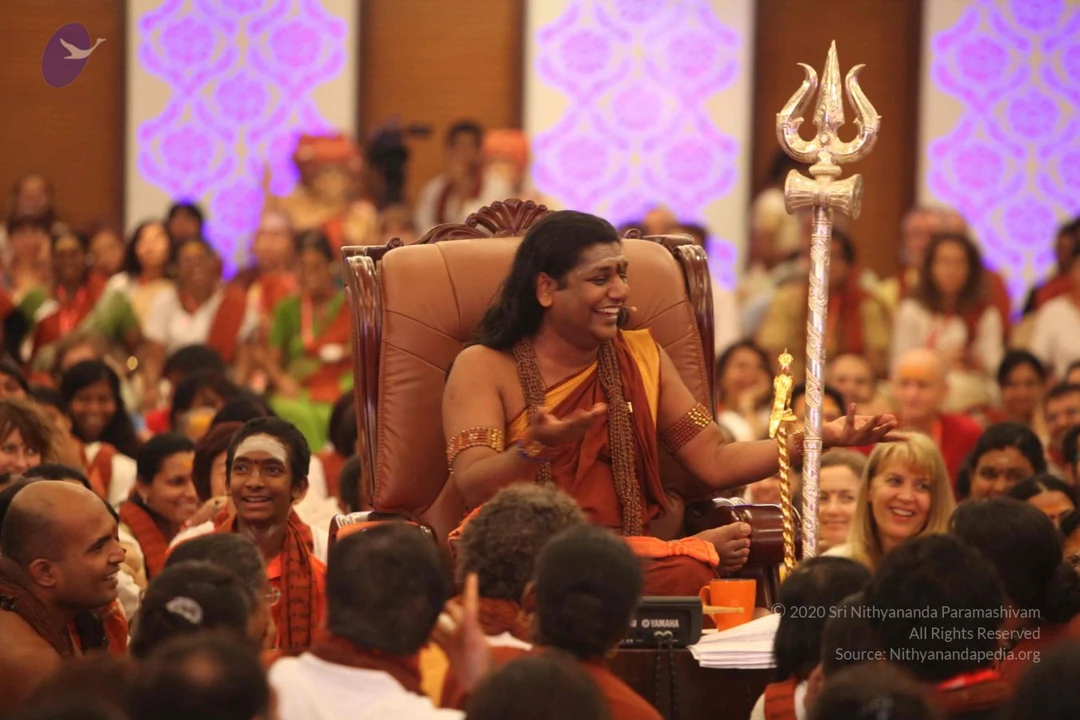
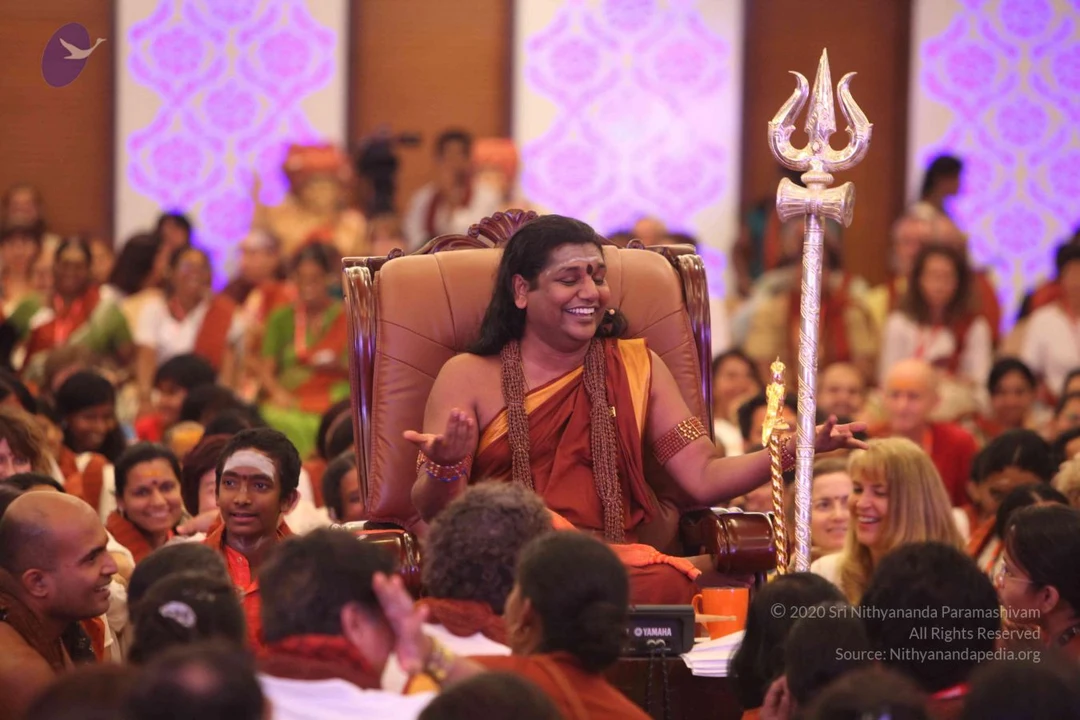
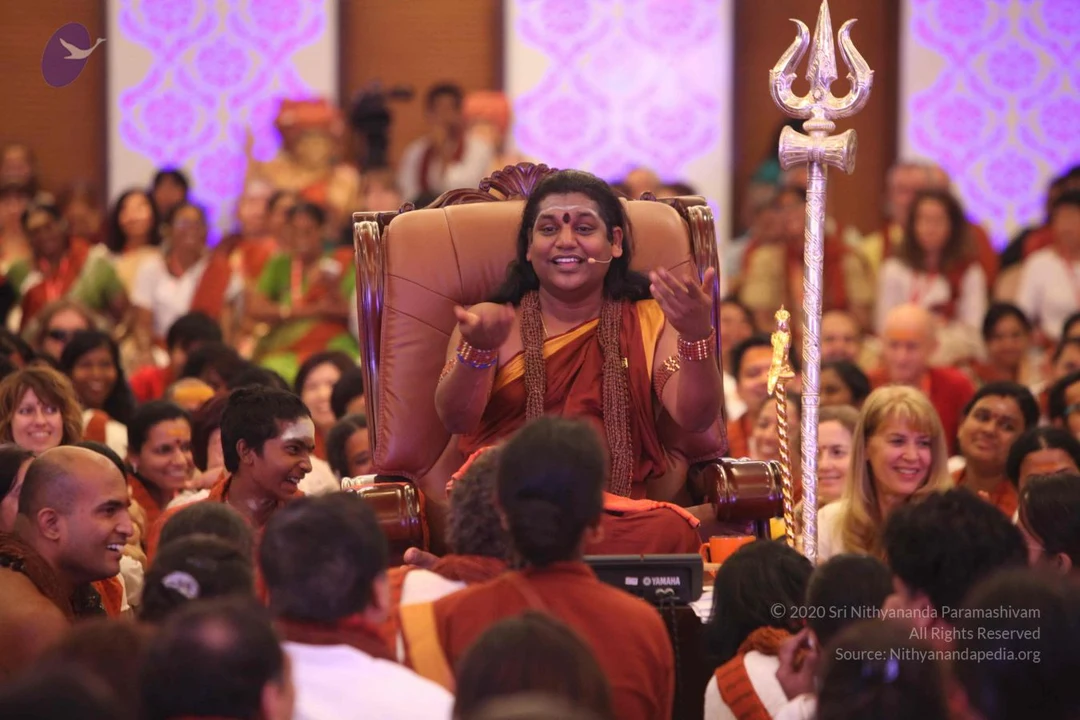
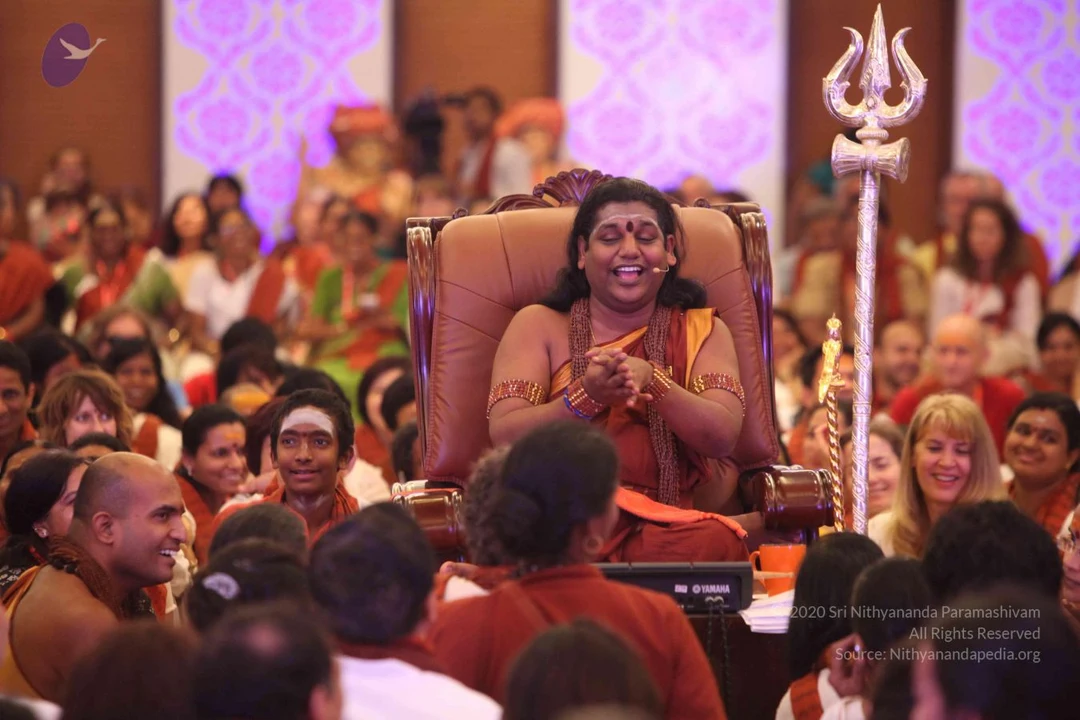
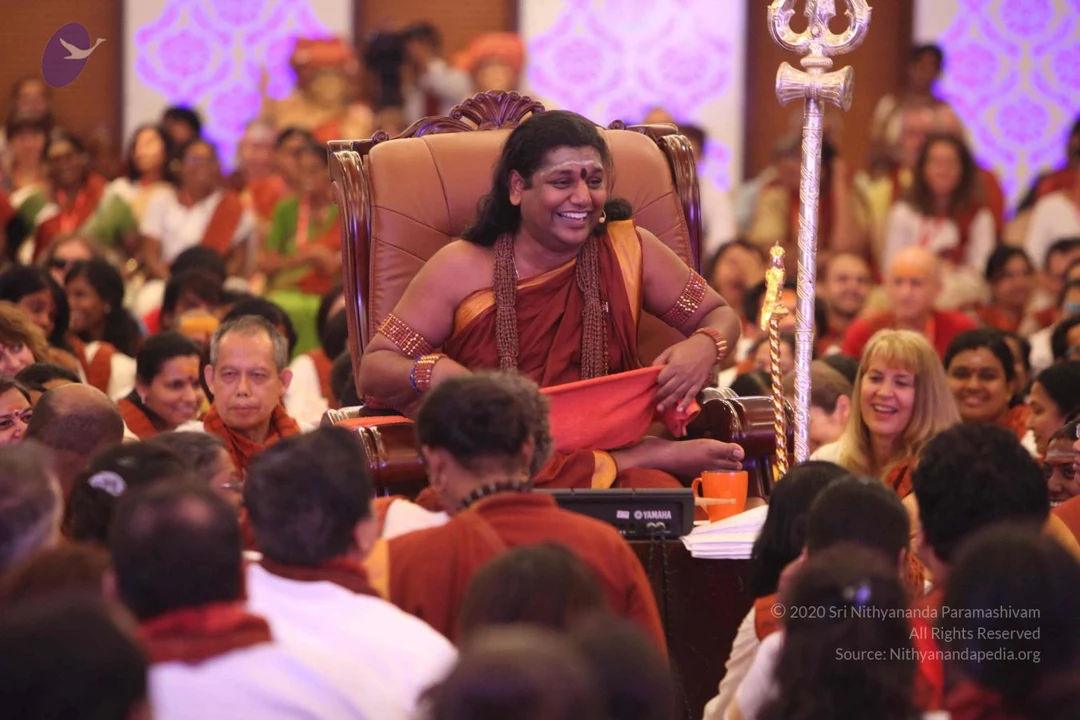
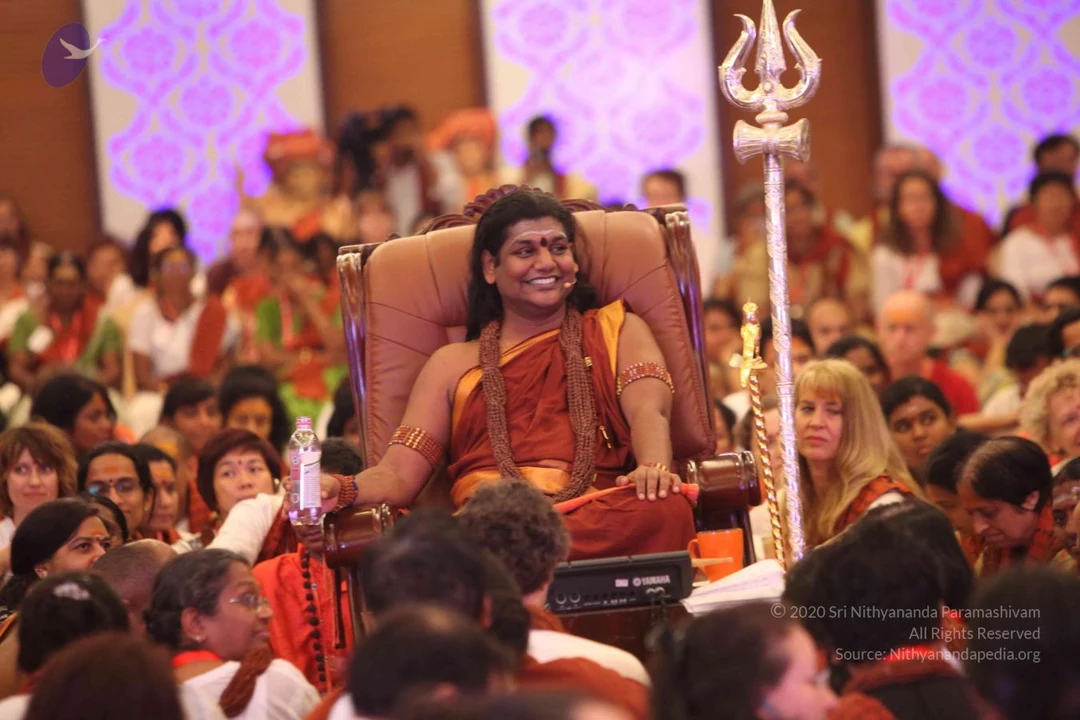
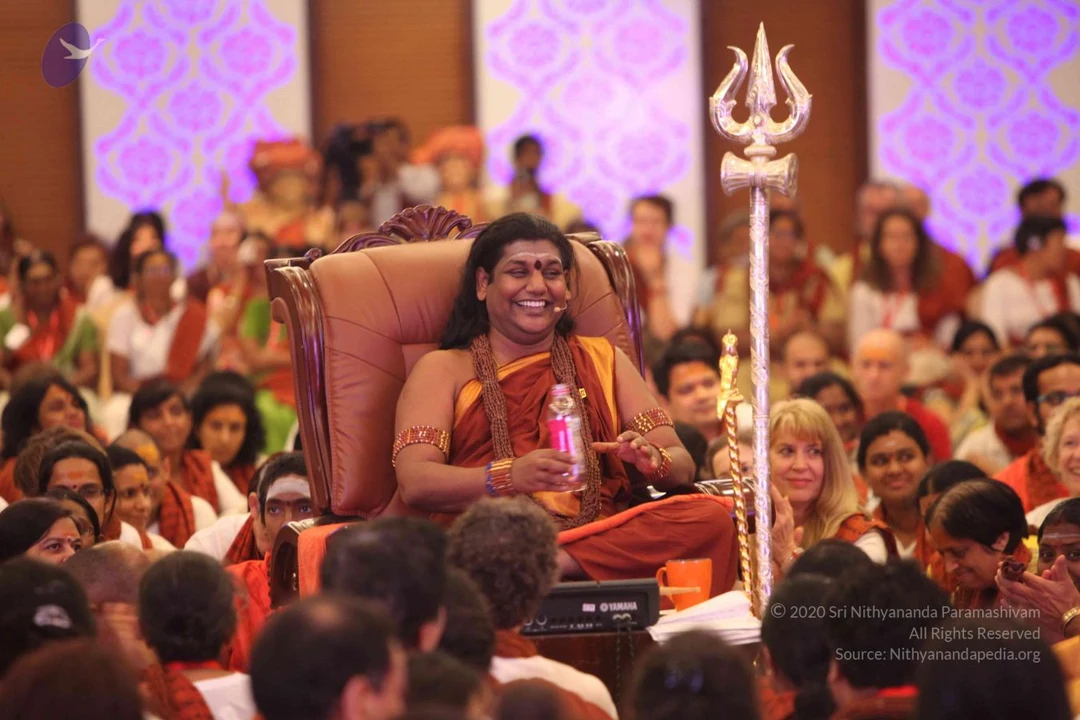
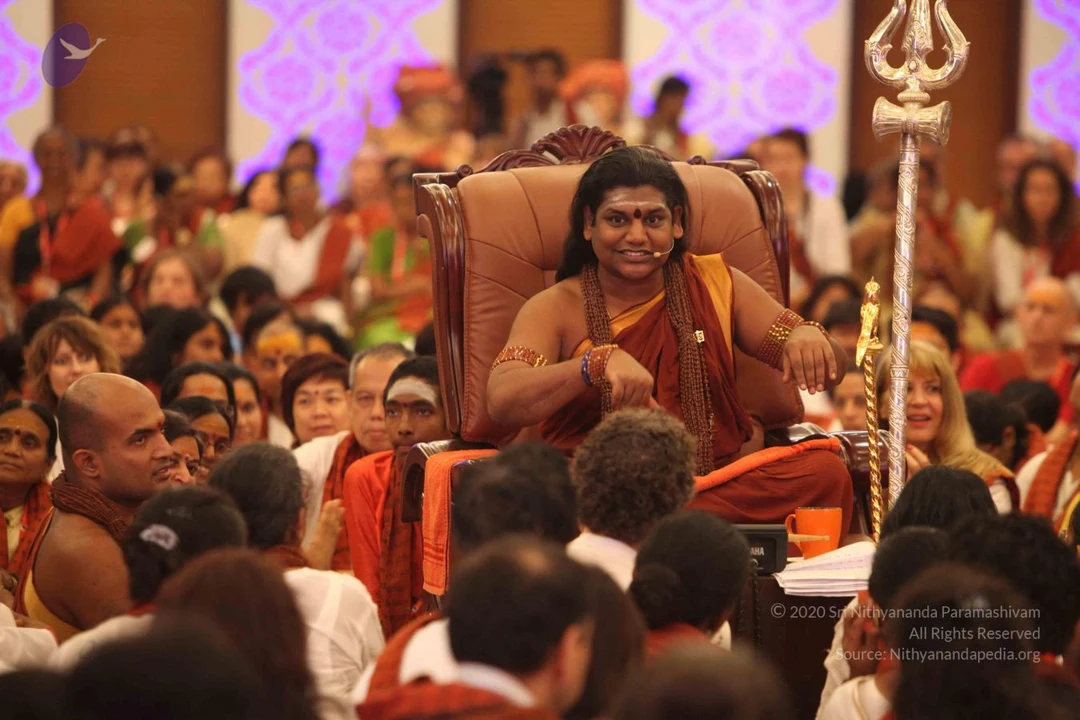
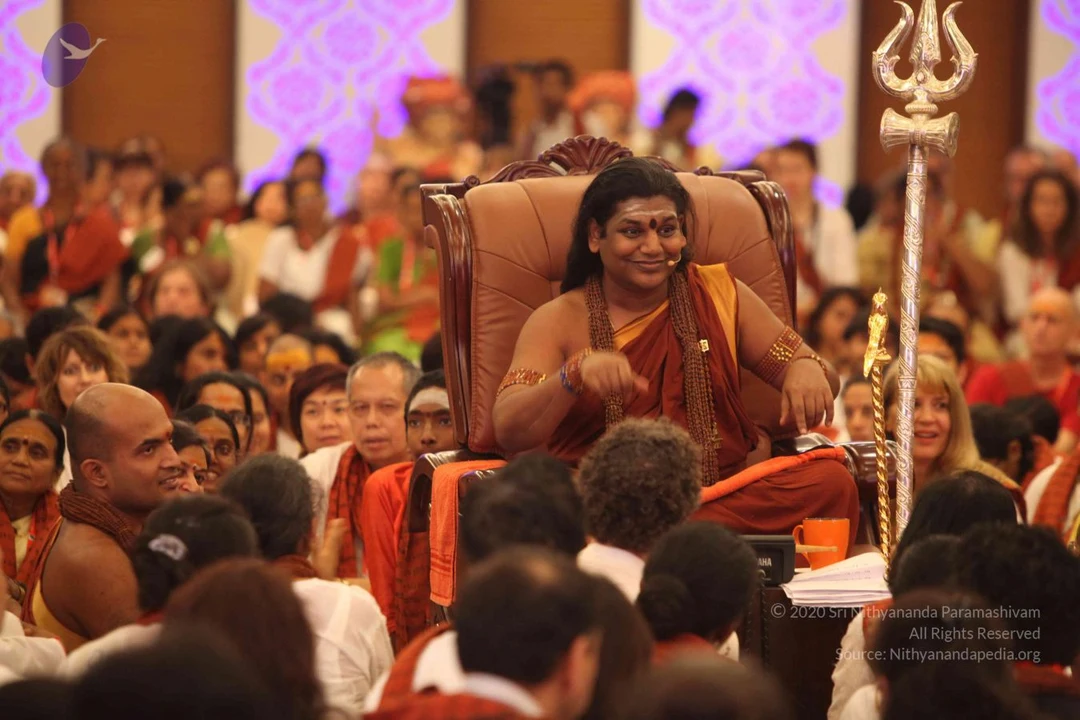
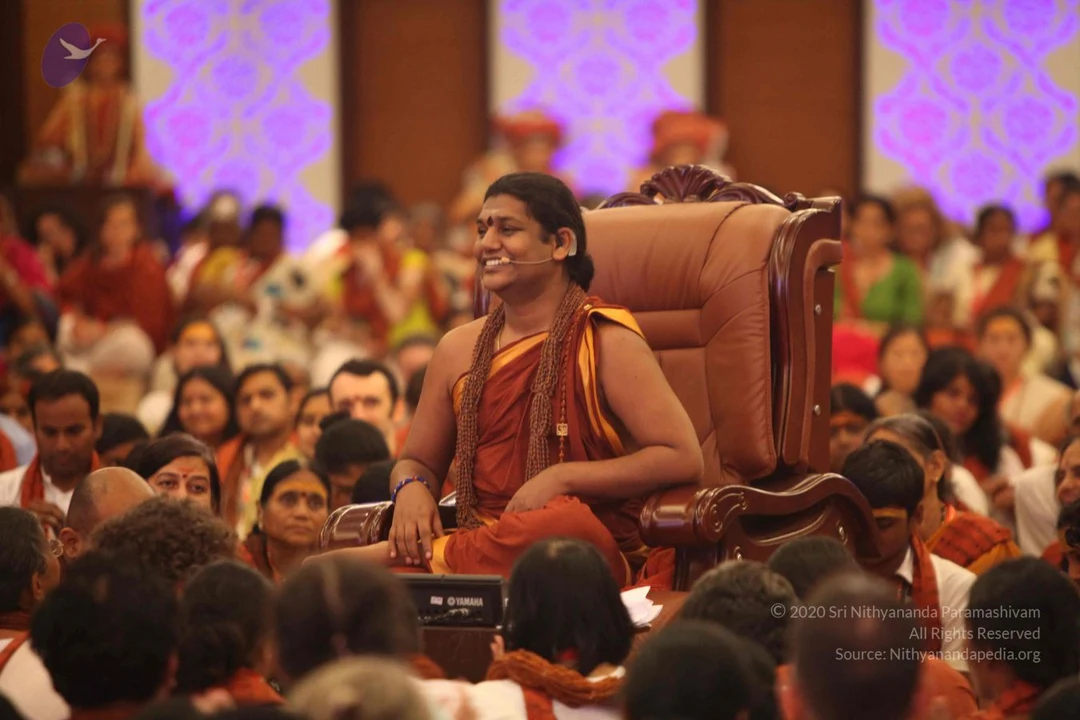
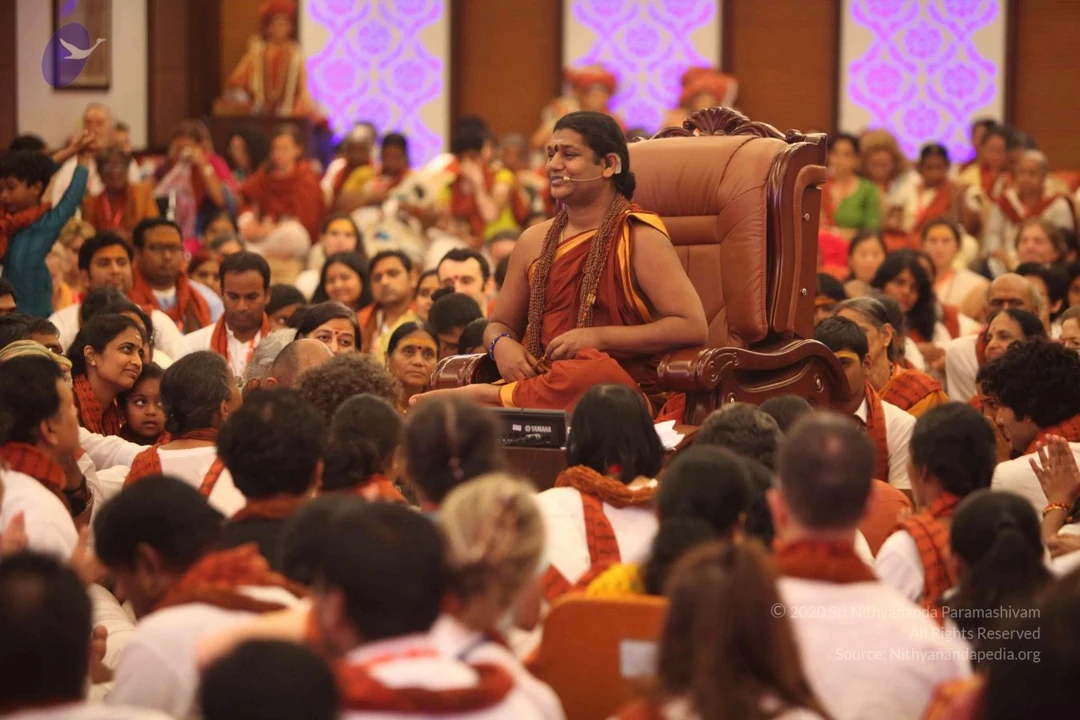
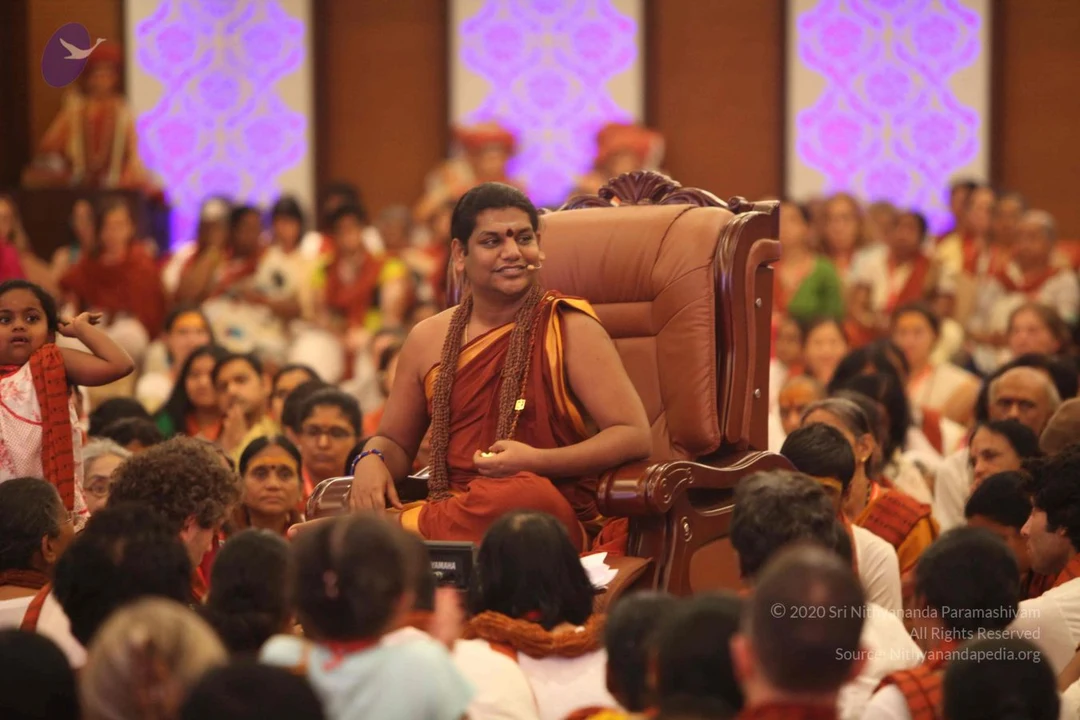
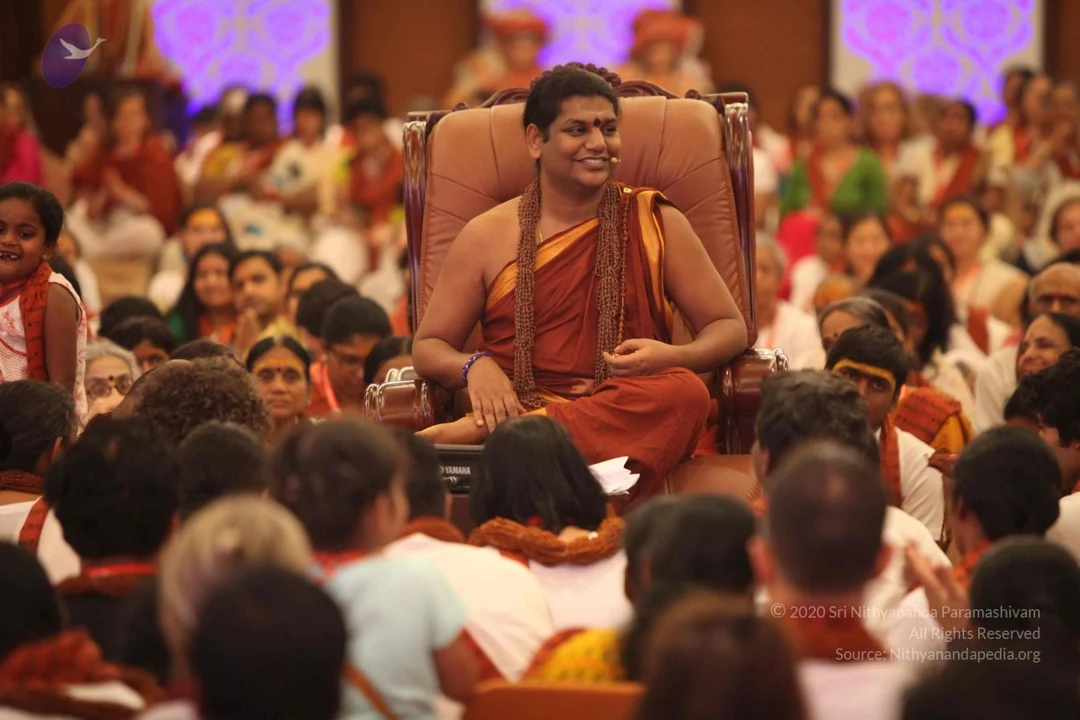
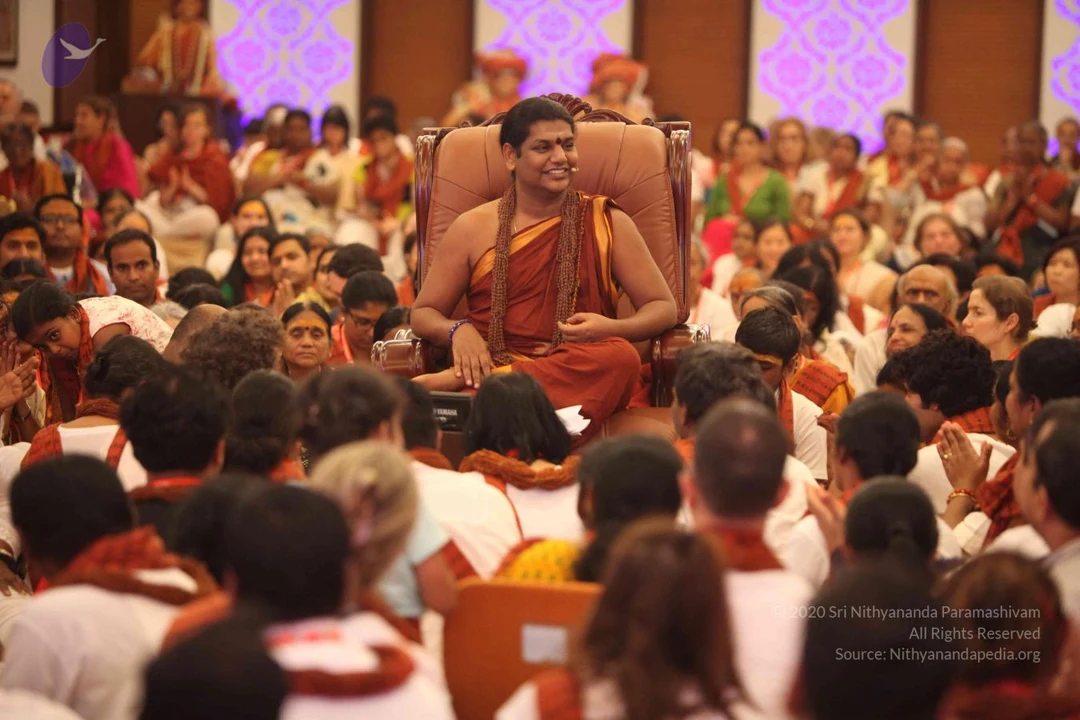
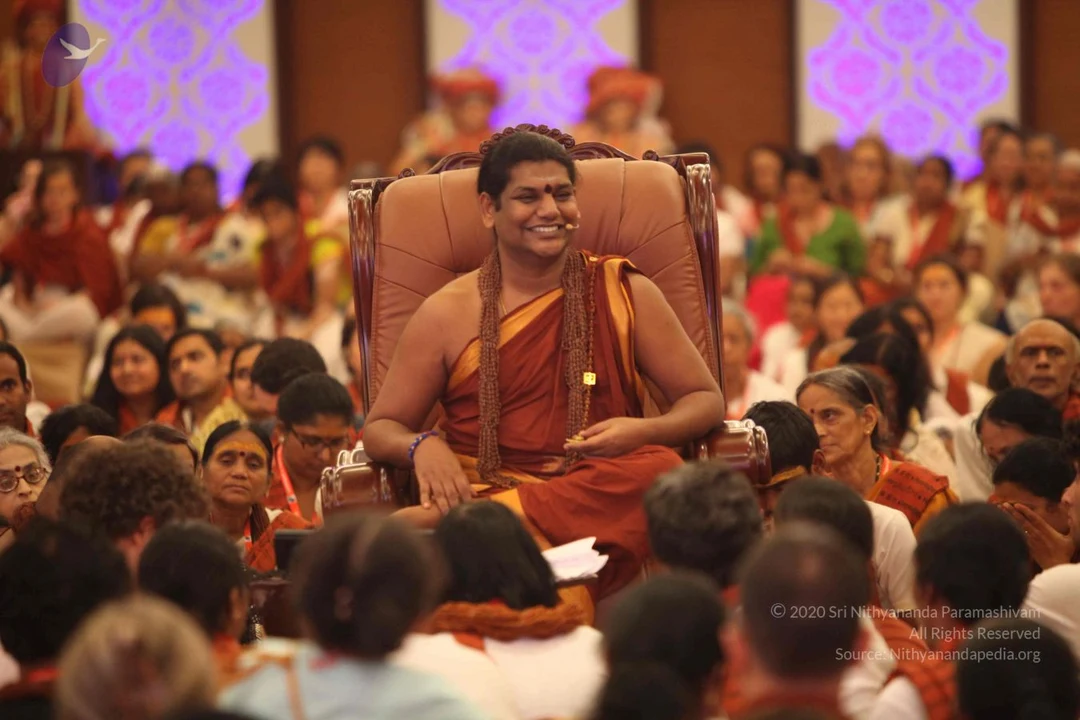
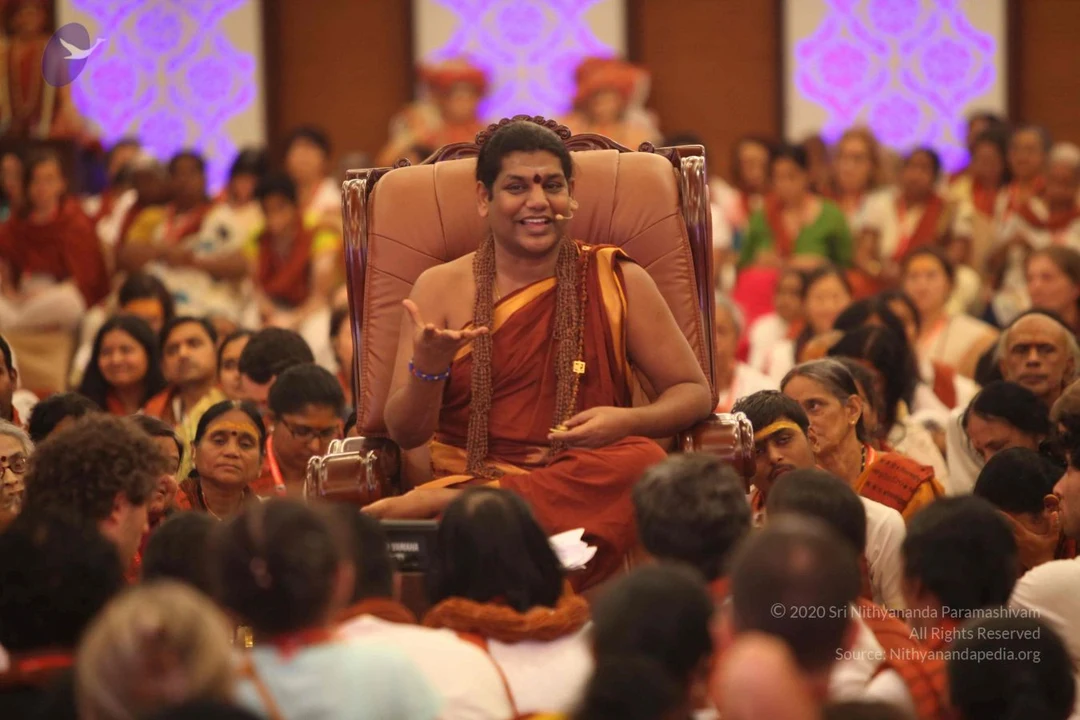
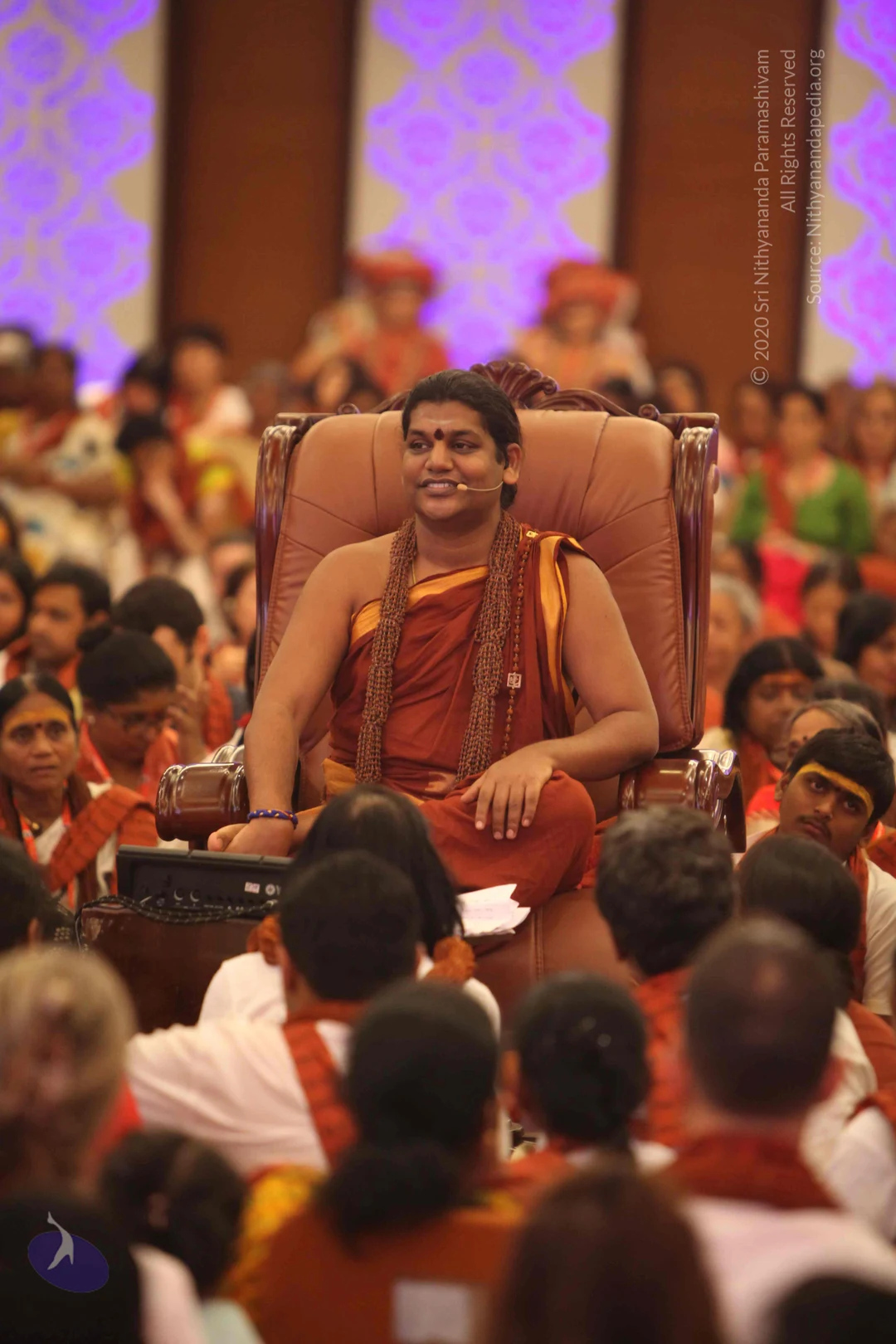
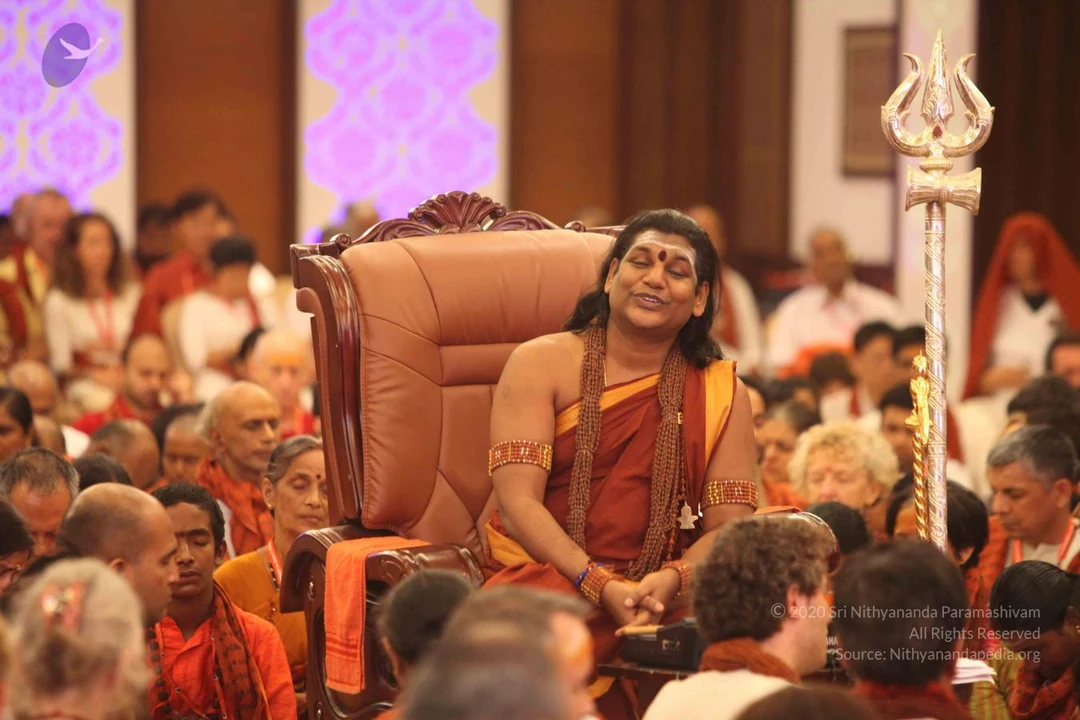
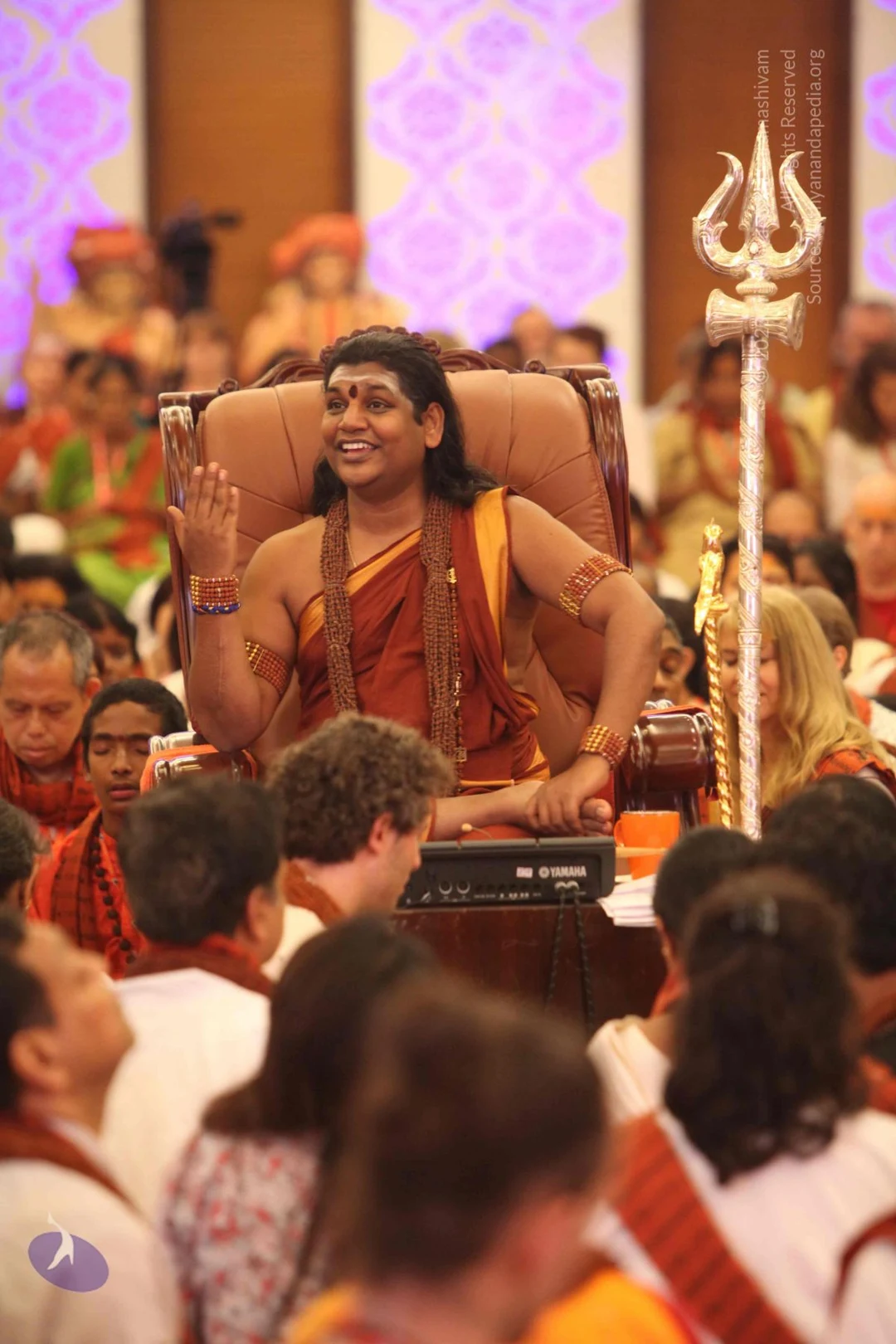
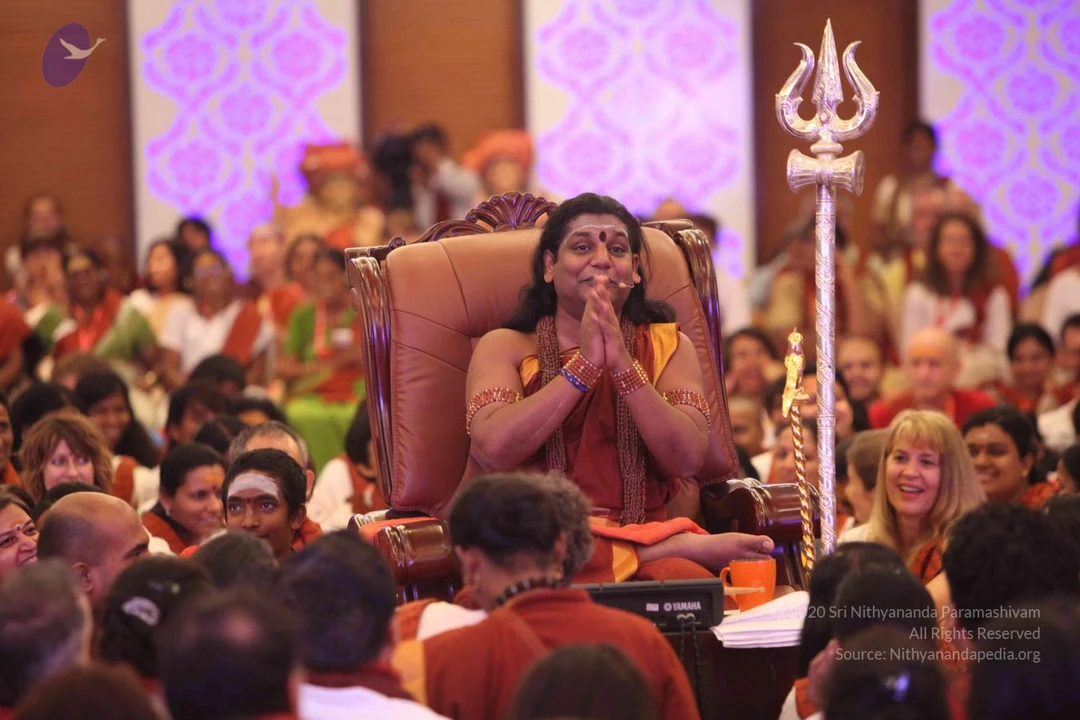
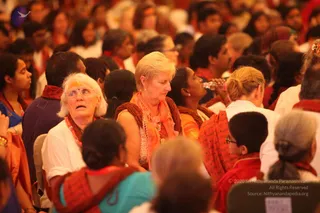
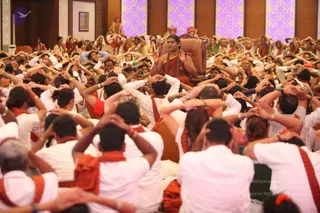
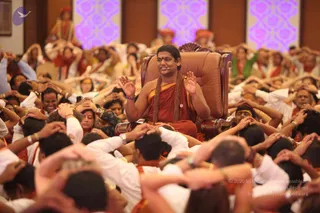
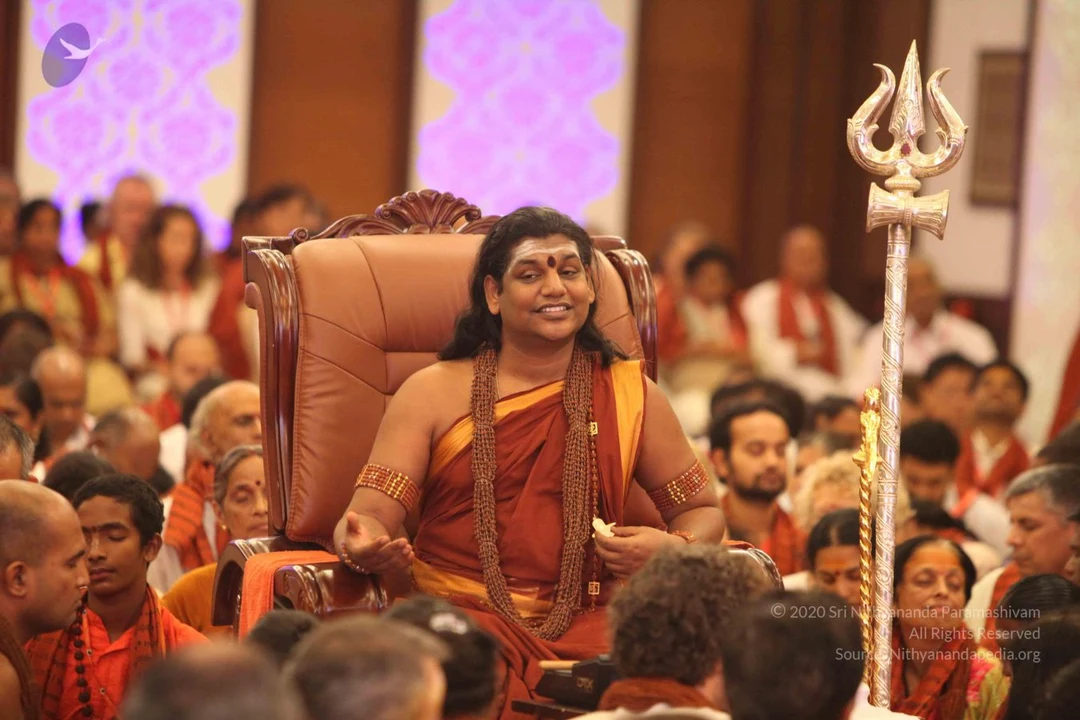
A densely packed indoor gathering of participants seated closely together, most wearing orange and red clothing and shawls. In the foreground, an older woman with white hair and glasses wears a white top and red-orange scarf, a middle-aged woman with short blonde hair wears an orange shawl over a brown wrap, and a woman in orange drinks from a plastic bottle. Many others with orange tilak marks and red and orange garments fill the background under warm orange lighting. No a person candidate is visible in this crowd shot.A seated figure in a large brown leather throne speaks to a dense crowd of devotees filling a hall. The central figure wears an orange-saffron garment, a rudraksha mala and ornate gold-toned bangles, with a red tilak on the forehead and a microphone at the mouth. A tall silver trident stands beside the throne, and a Yamaha mixing unit sits on the platform. Devotees in orange, red and white fill the foreground and background, some with white shirts and saffron shawls, and violet-patterned panels decorate the back wall. Appearance-based candidate: a person, seated in the throne with a rudraksha mala and saffron-orange clothing.A large crowd of participants sits closely around a central figure seated on a brown leather throne-style chair, gesturing with both hands as he speaks. He wears an orange-saffron robe with a rudraksha mala and ornate gold necklace. A tall silver trident stands beside the throne. Participants wear white clothing with red-orange shawls and saffron garments, while the back wall shows purple geometric panels and a small deity murti sits on a shelf above the crowd. Scale suggests a satsang or Inner Awakening session. a person: the seated figure wears saffron robes, a rudraksha mala and ceremonial gold necklace beside a trident, so the appearance cues support his identification.A large hall filled with a seated audience of participants wearing white clothes and red-orange shawls. At the centre front, a man with long dark hair and an orange-saffron garment sits on an ornate brown throne-style chair, hands raised in front of him as if speaking. A tall silver trident stands beside the chair. Many seated devotees, some with grey hair and some with plaits, face the throne. Purple and white decorative panels line the back wall.A seated man in saffron-orange robes sits on a brown leather throne-style chair at the centre of a large hall, eyes closed, holding a small object to his lips while wearing a long rudraksha mala and gold armbands. A tall silver trident stands beside the chair. Around him a dense crowd of devotees in orange, red and white clothing sits and stands, with a person in the foreground raising an arm. Purple decorative panels line the back wall. a person: the seated man wears saffron robes, a long rudraksha mala and ornate gold armbands with a visible forehead marking, consistent with the page's a person reference.A large seated audience fills a hall with lilac and gold patterned wall panels. At the centre, a man with long dark hair and a rudraksha mala wears orange-saffron robes and sits on a brown leather throne, with a tall silver trident beside him. Around him, many participants wear white clothes with orange-red shawls, and a few wear saffron robes. The crowd is seen from behind in the foreground. Swamiji (probable): the seated man has long swept-back hair, saffron clothing, a rudraksha mala and a throne, consistent with the page's Inner Awakening session context.

Pada-Puja
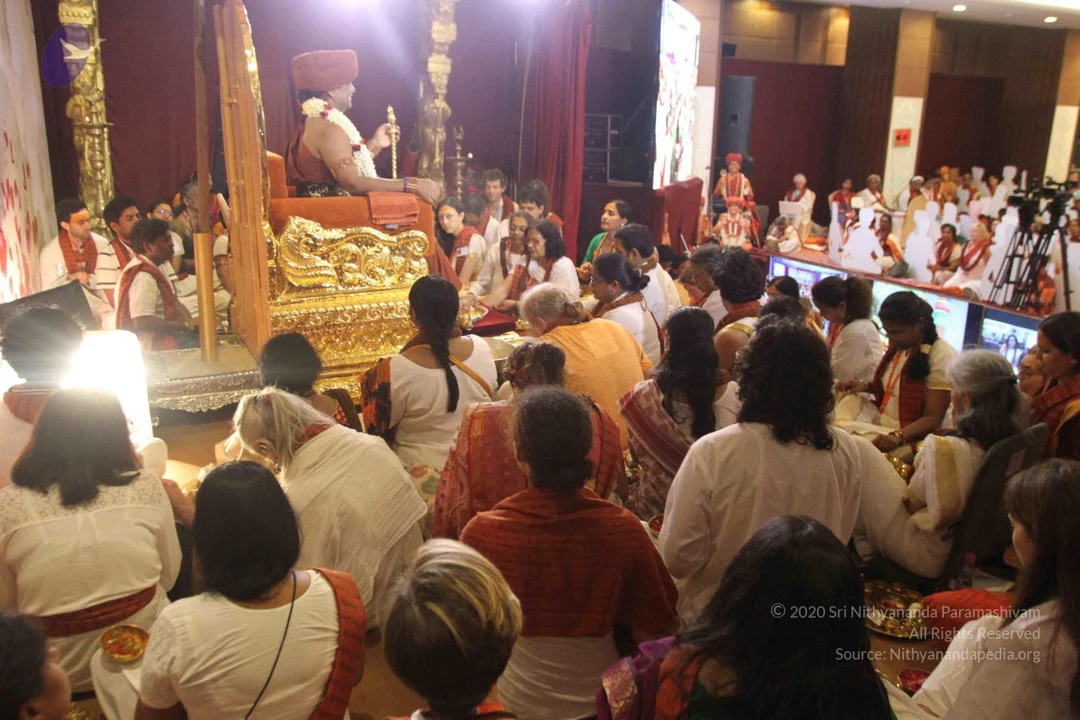
73 photosSource gallery
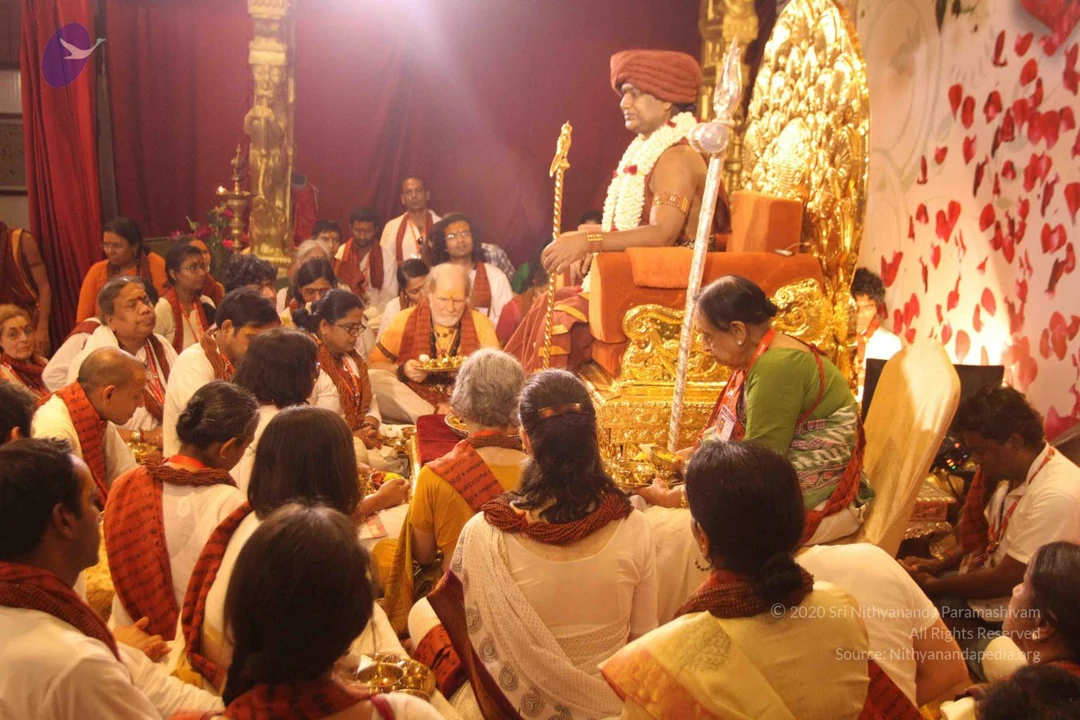
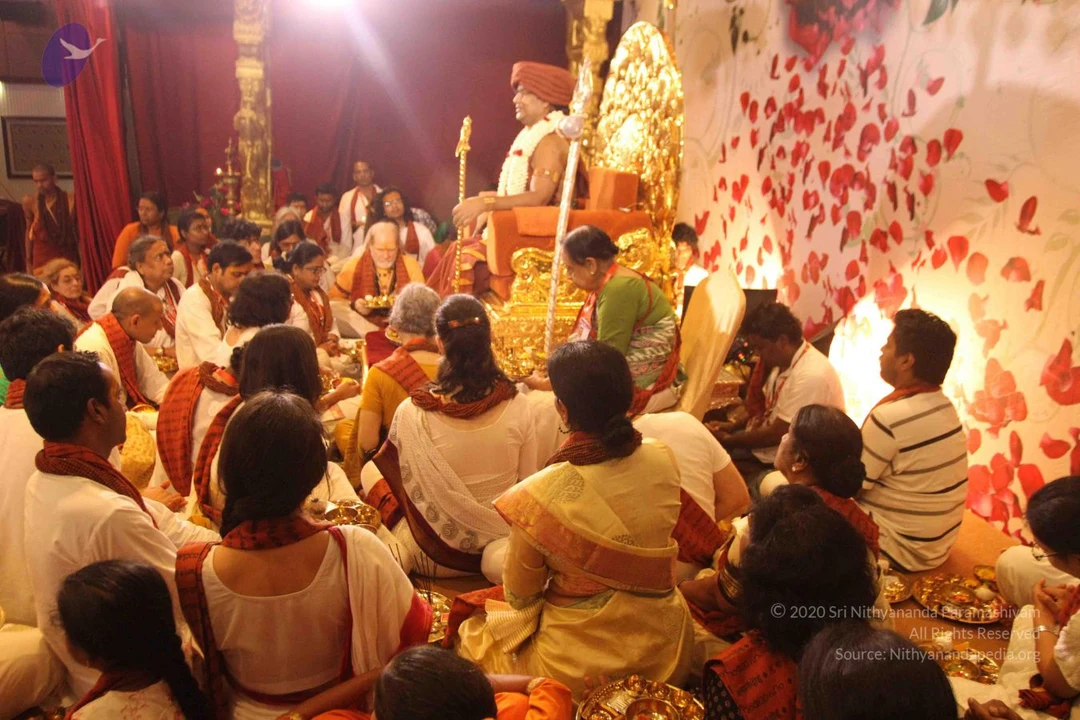
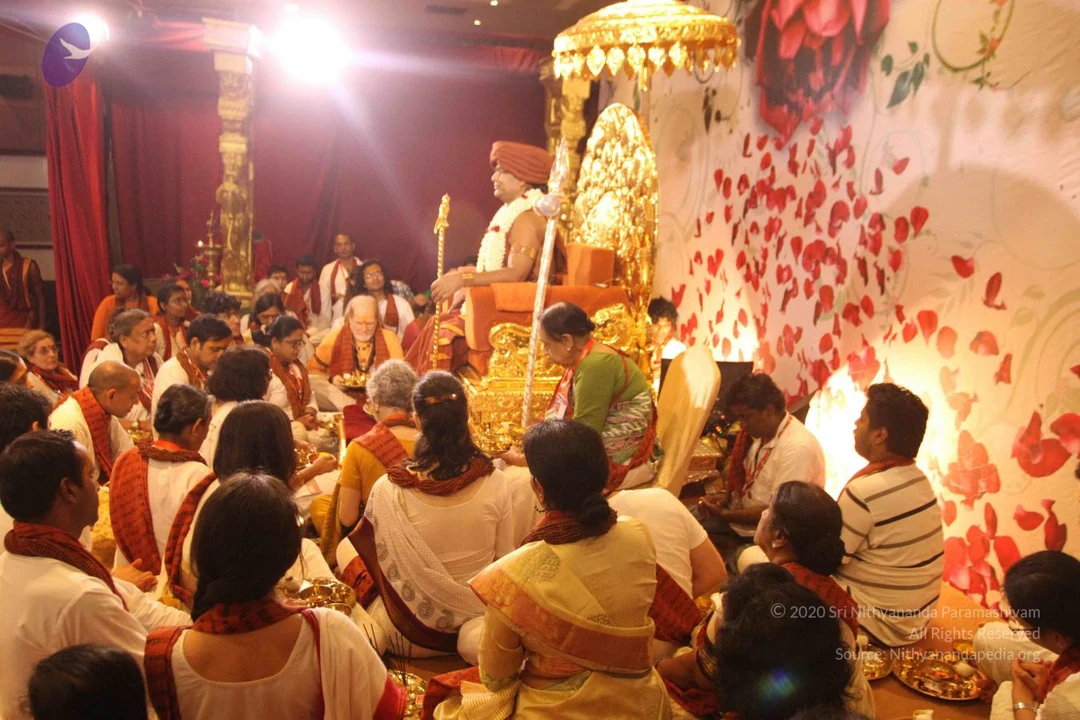
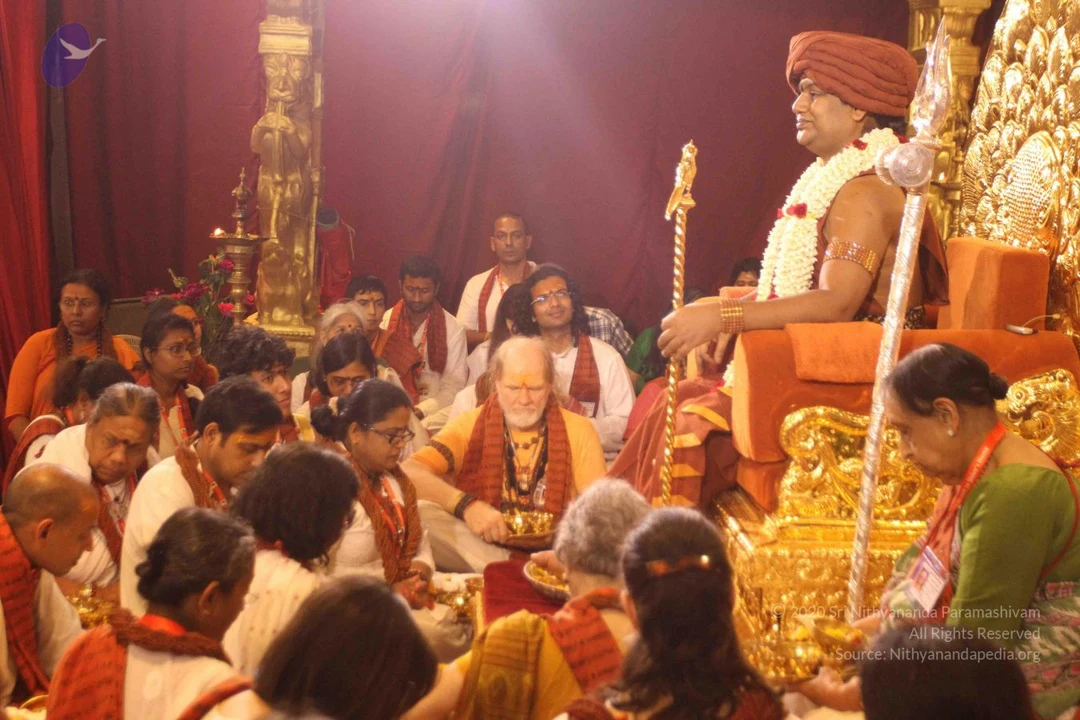
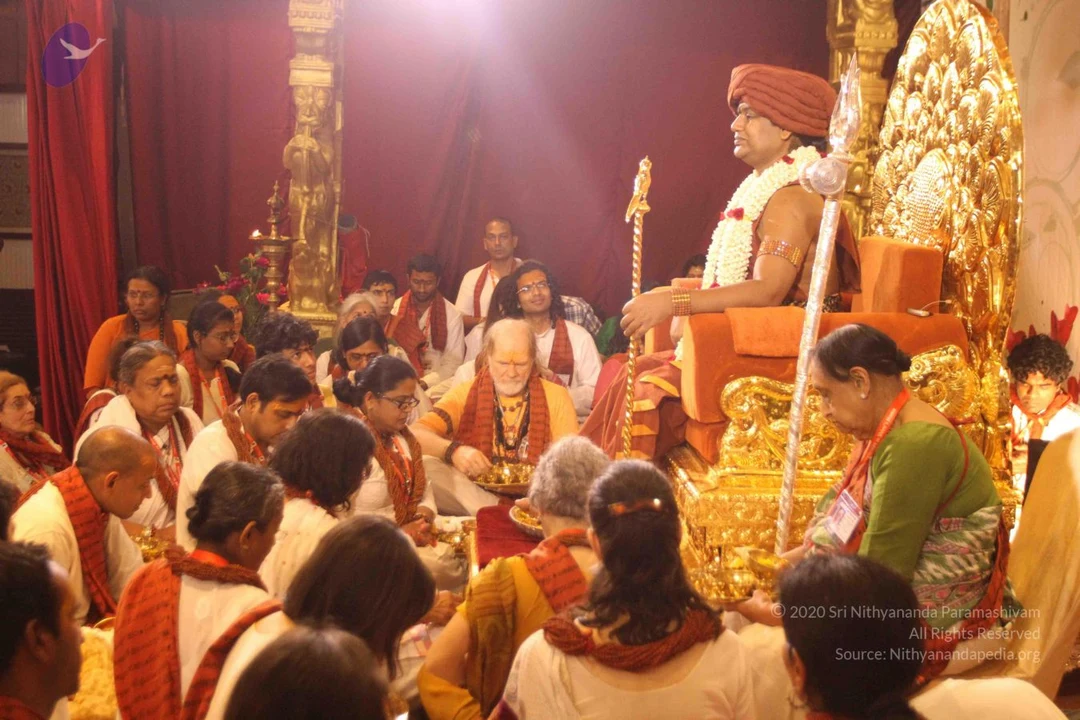
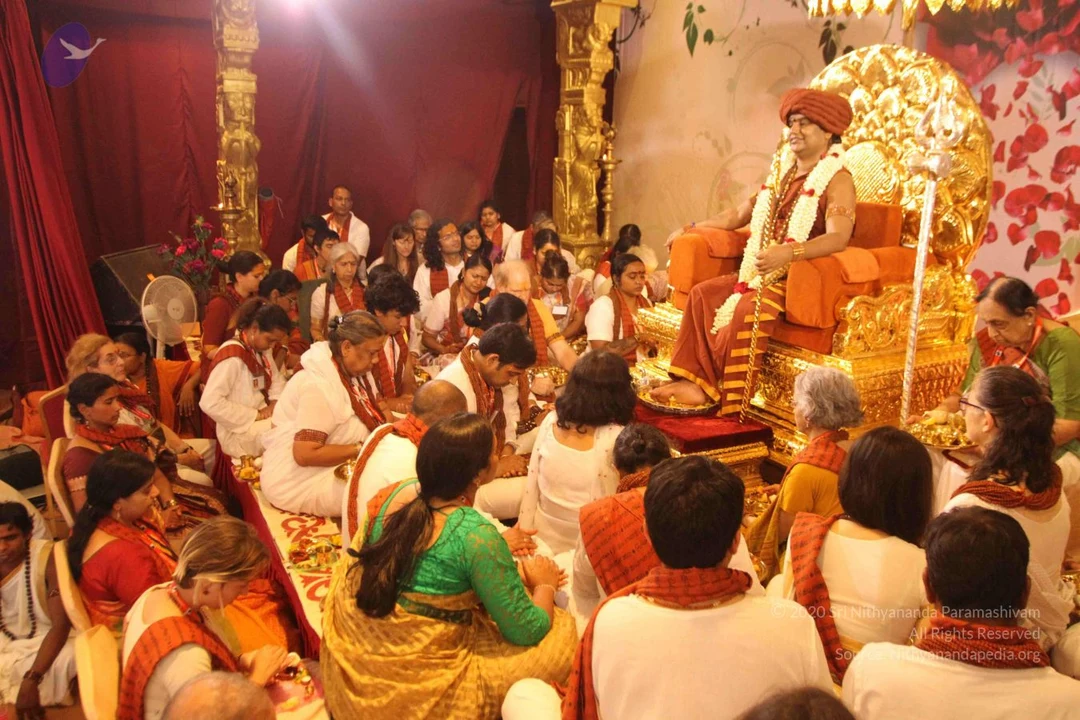
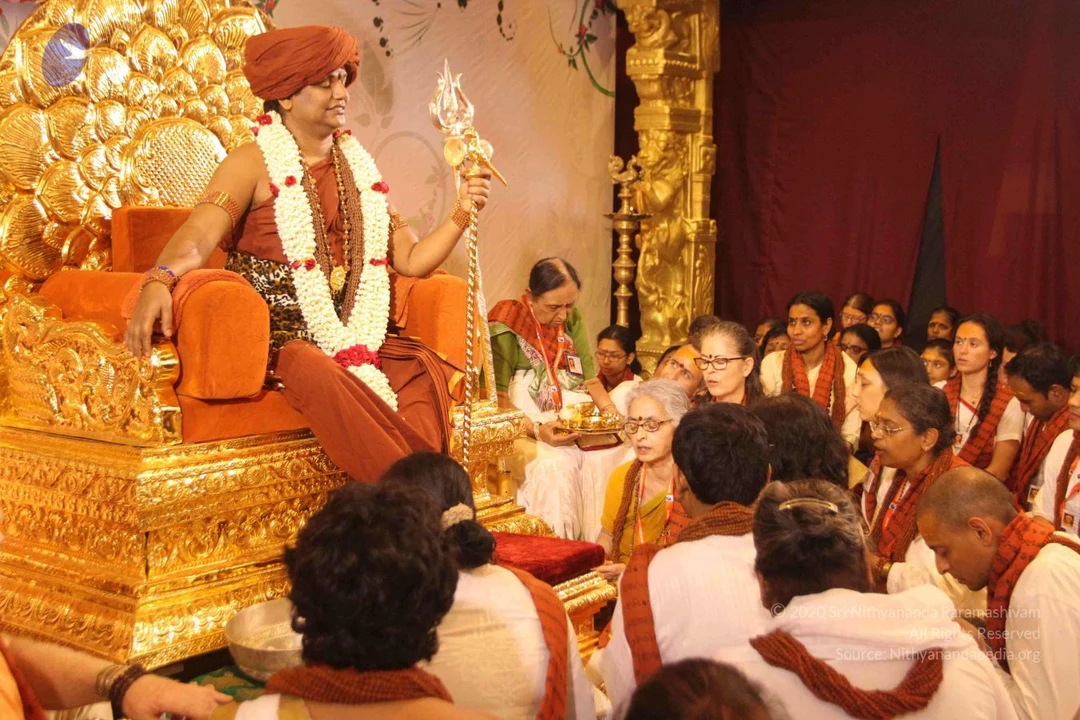
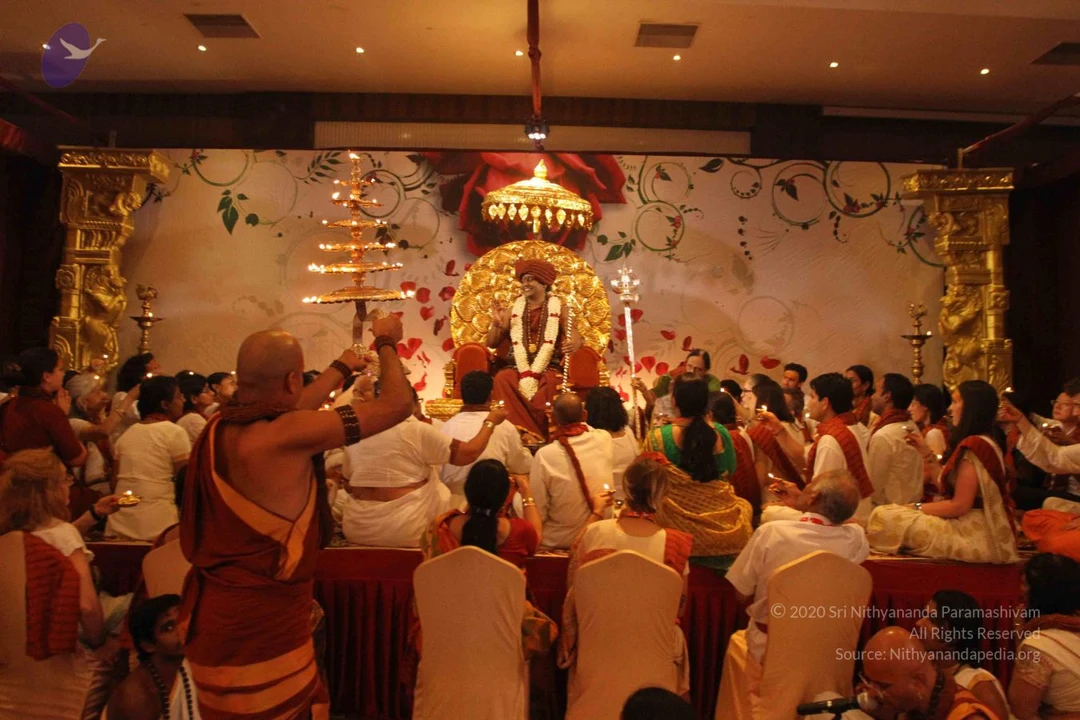
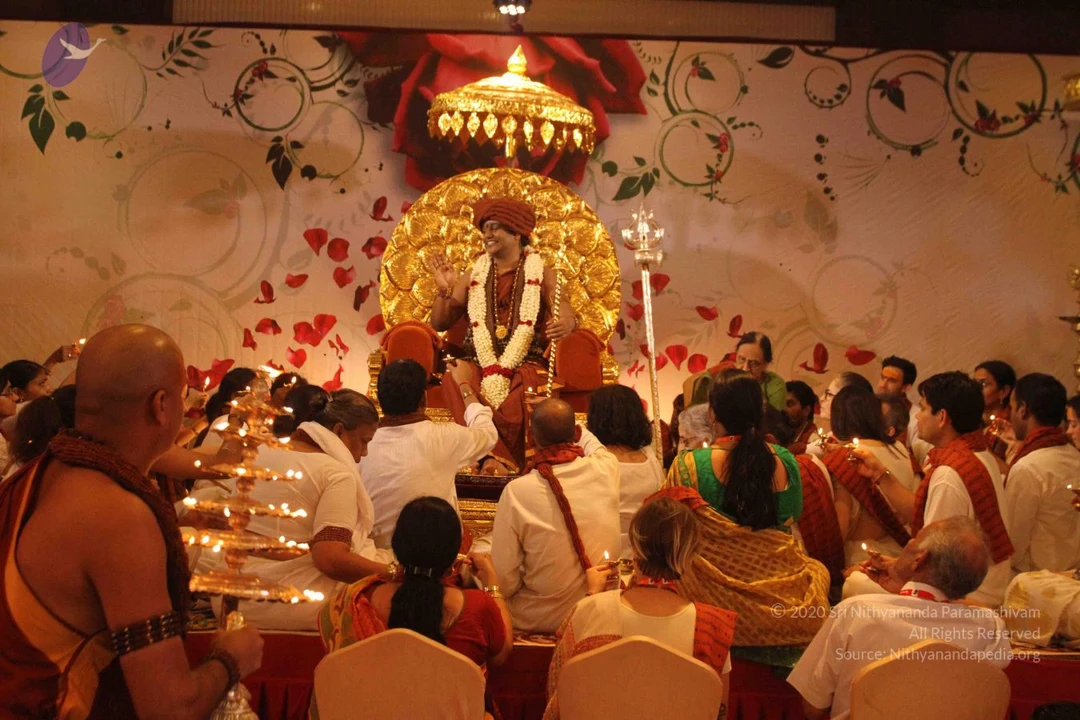
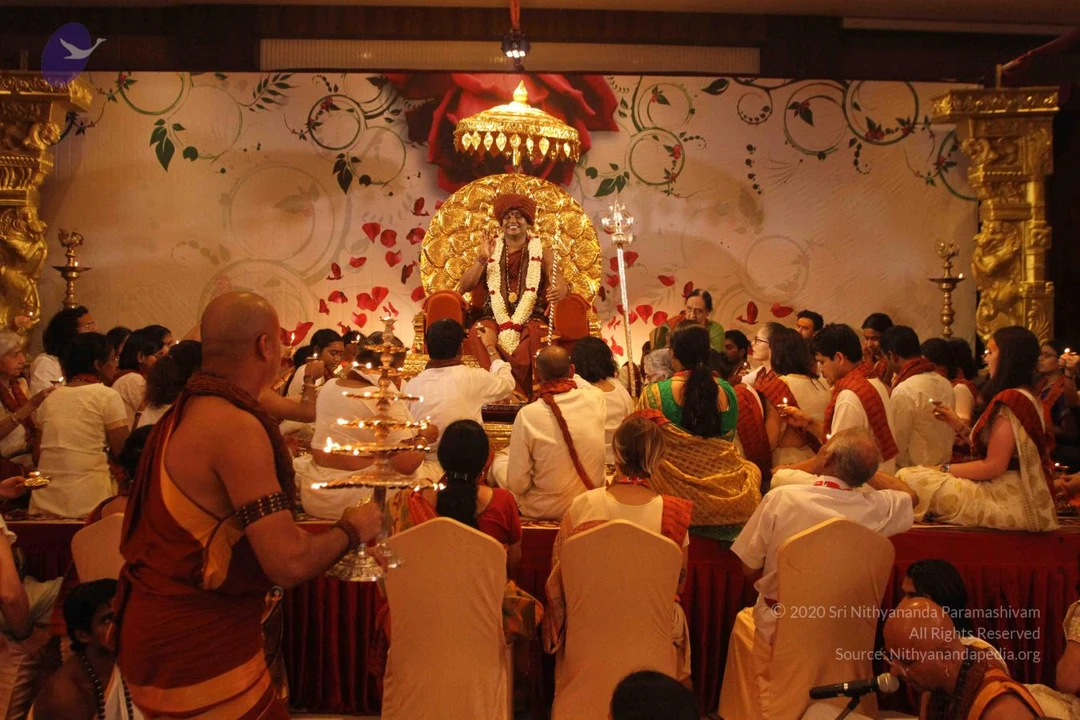
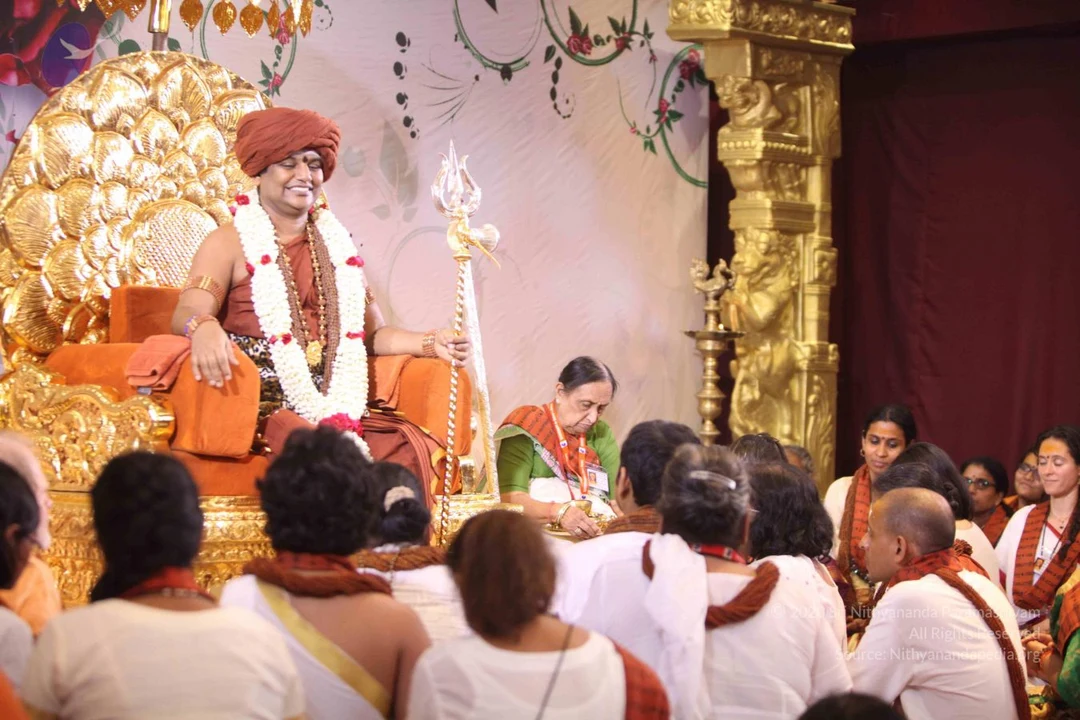
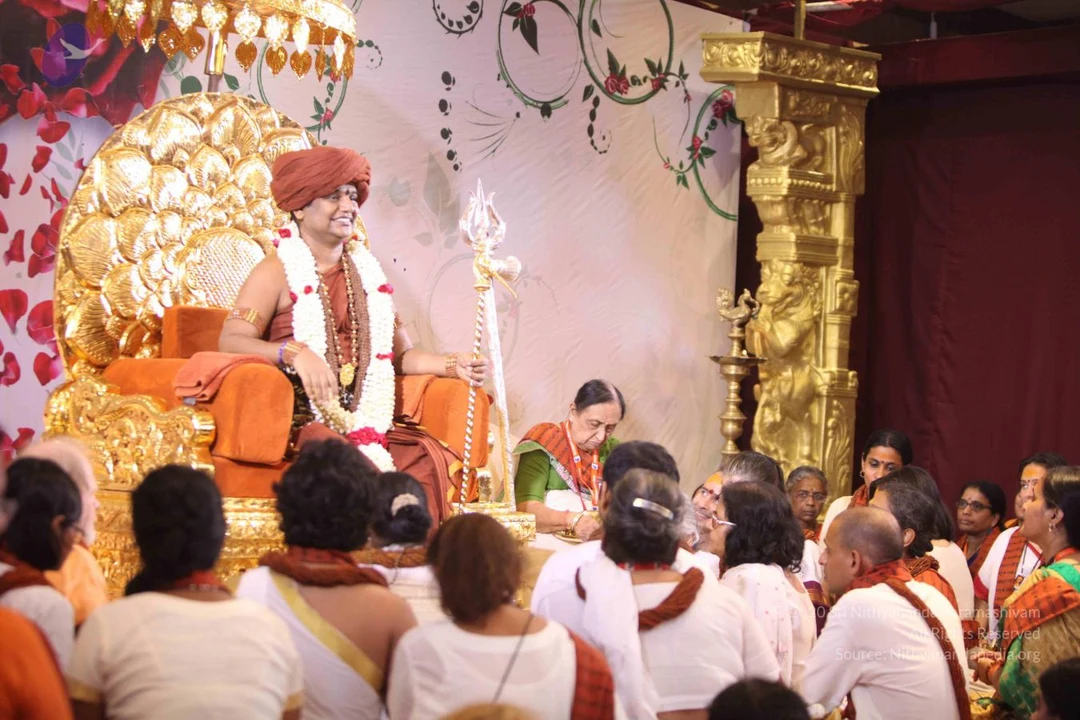
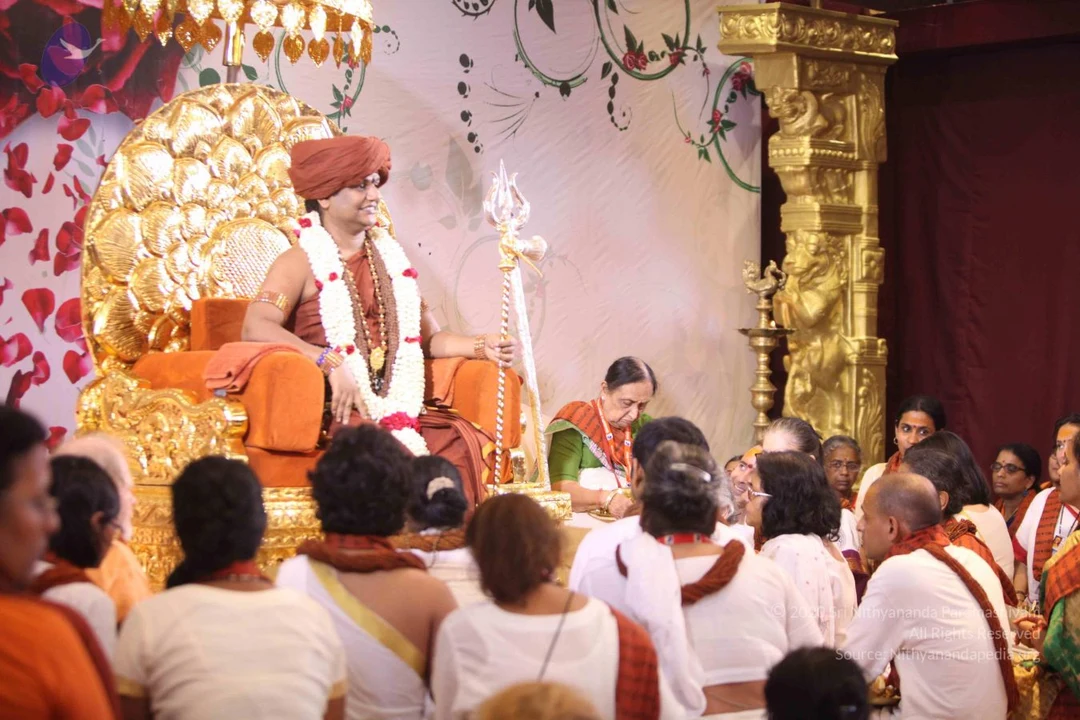
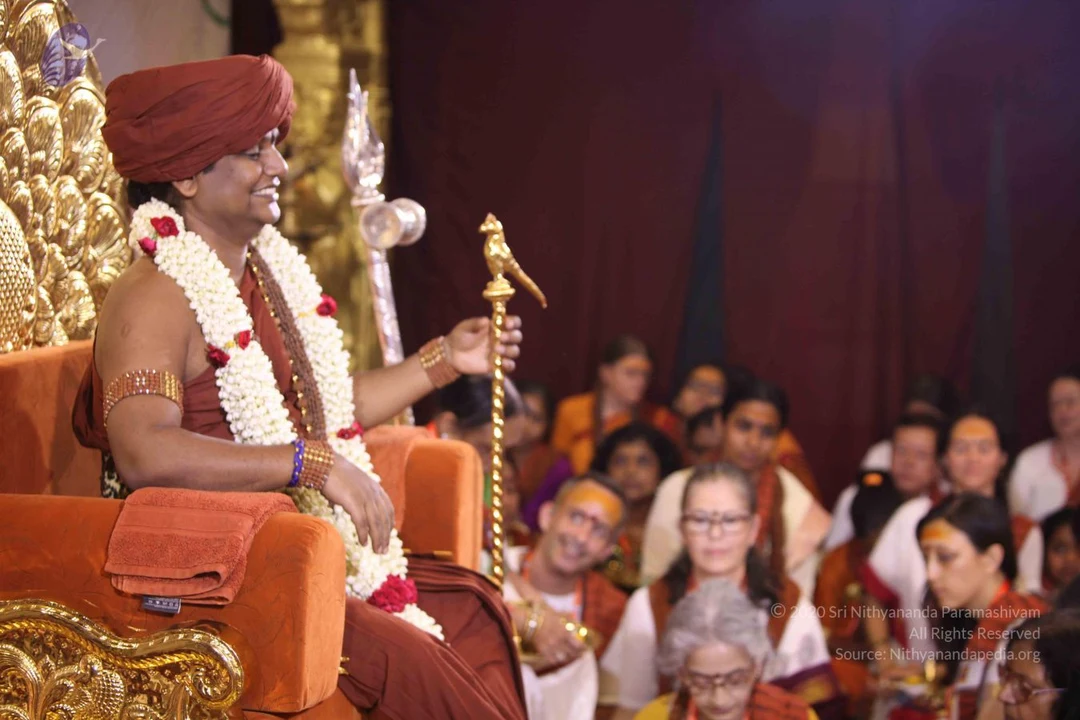
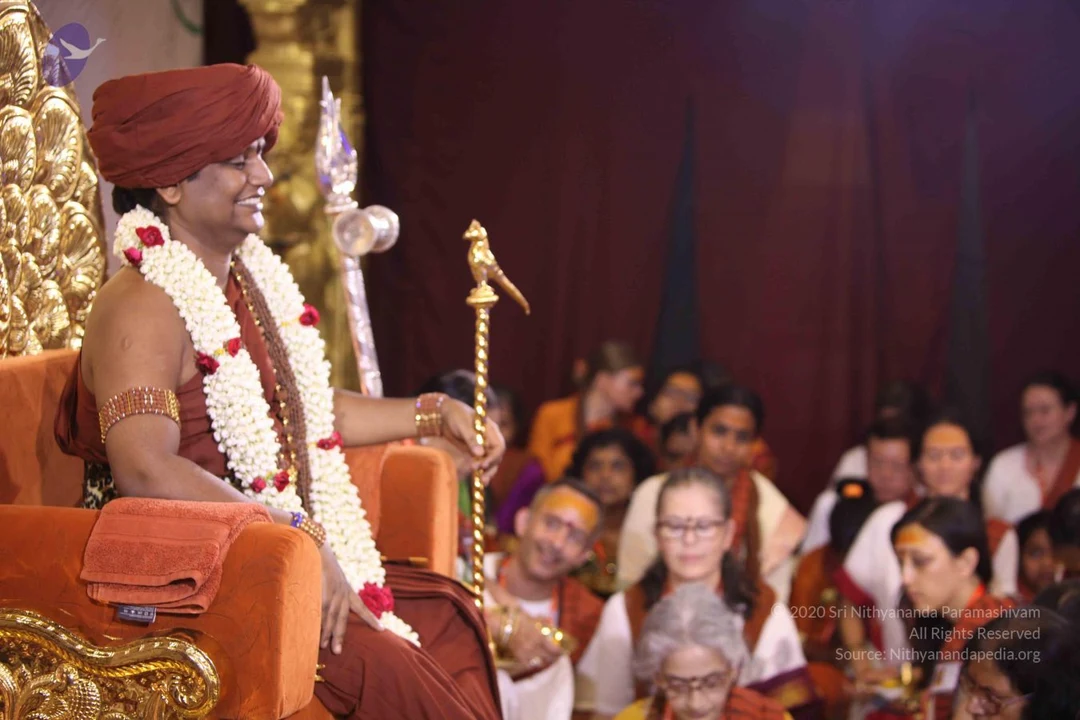
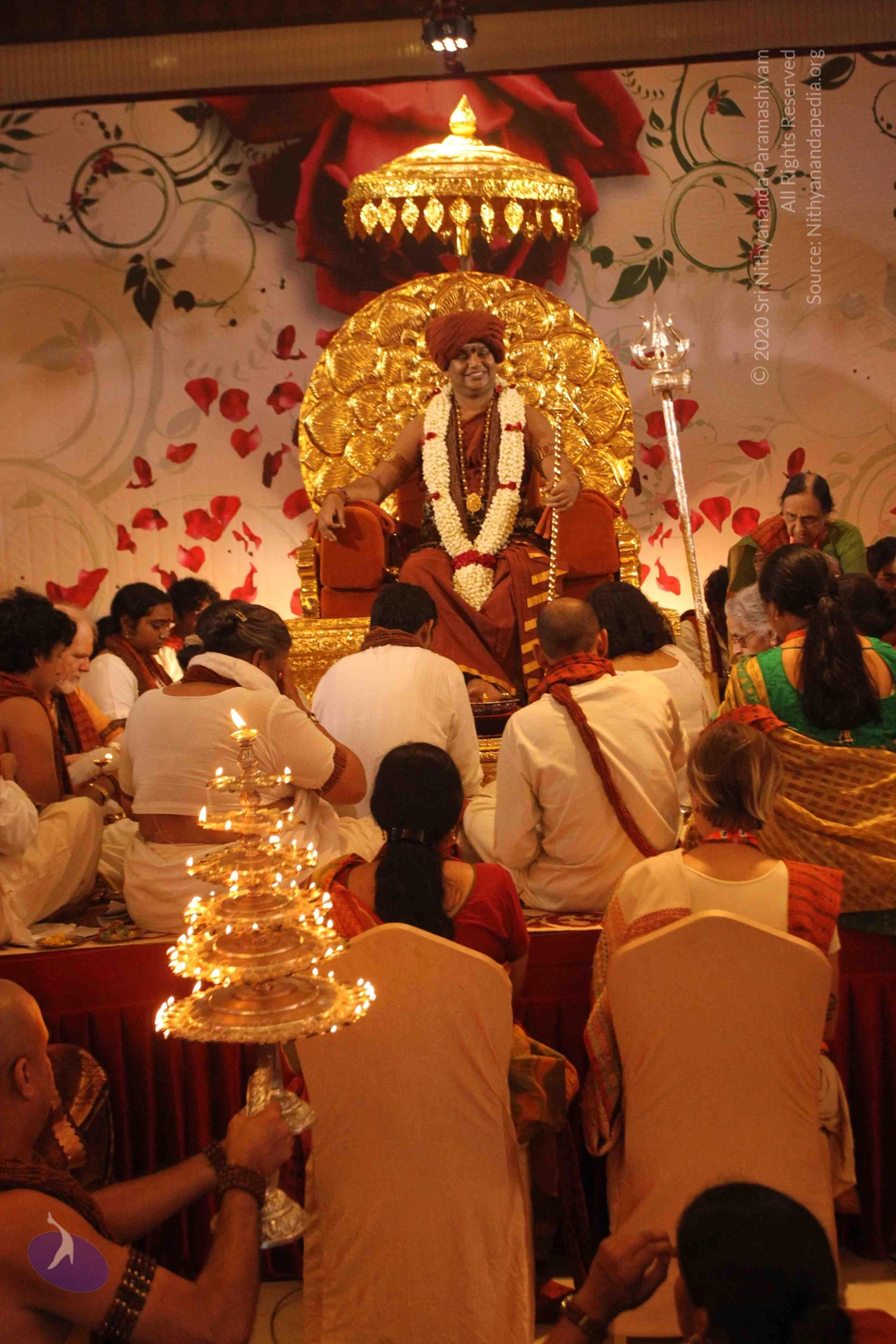
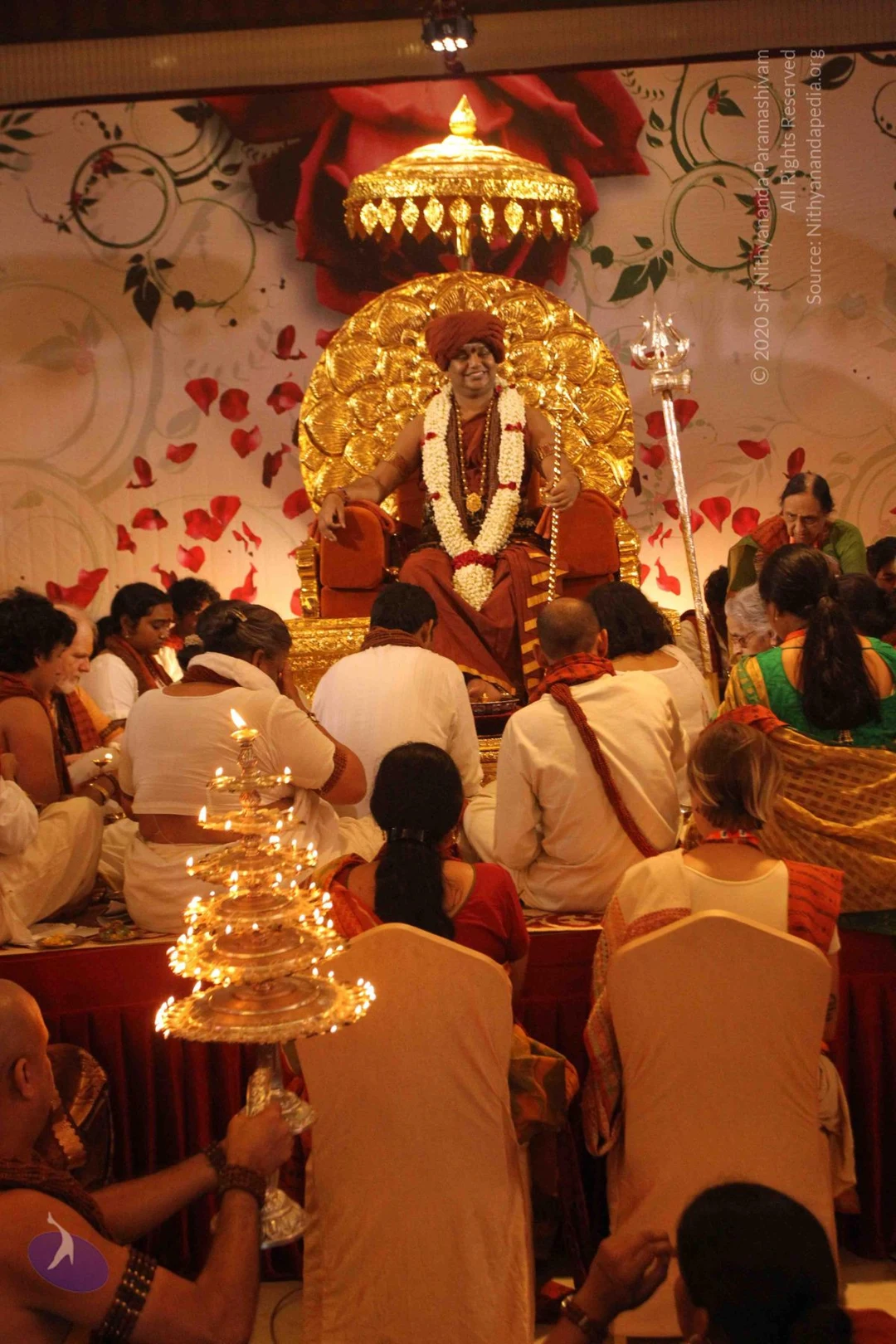
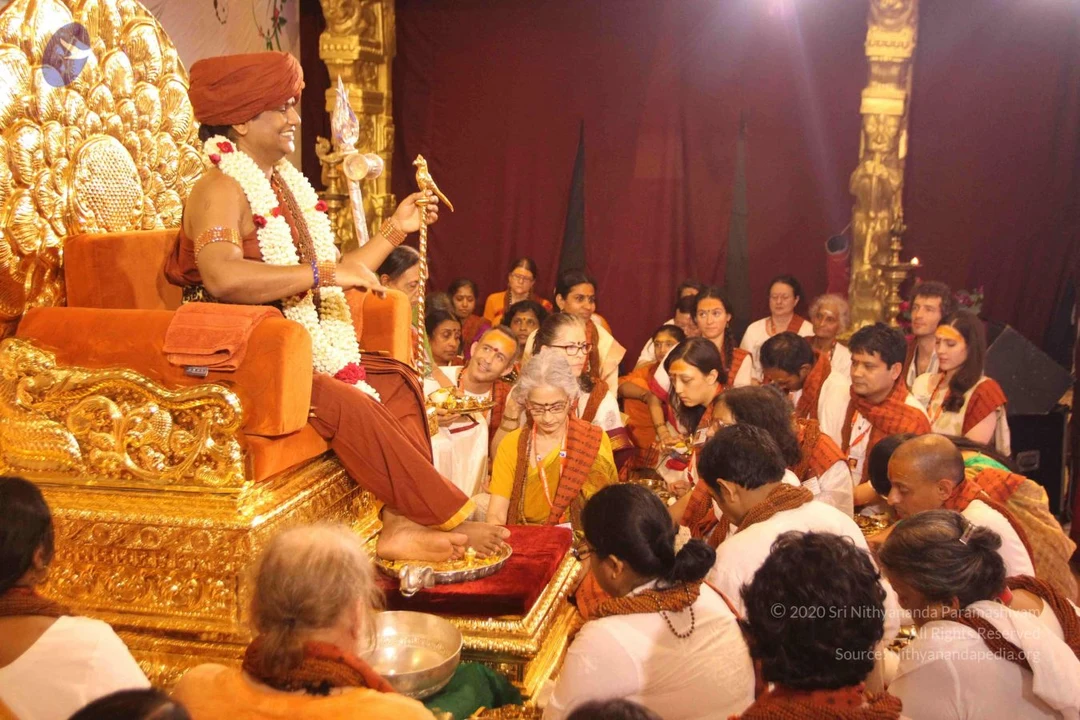
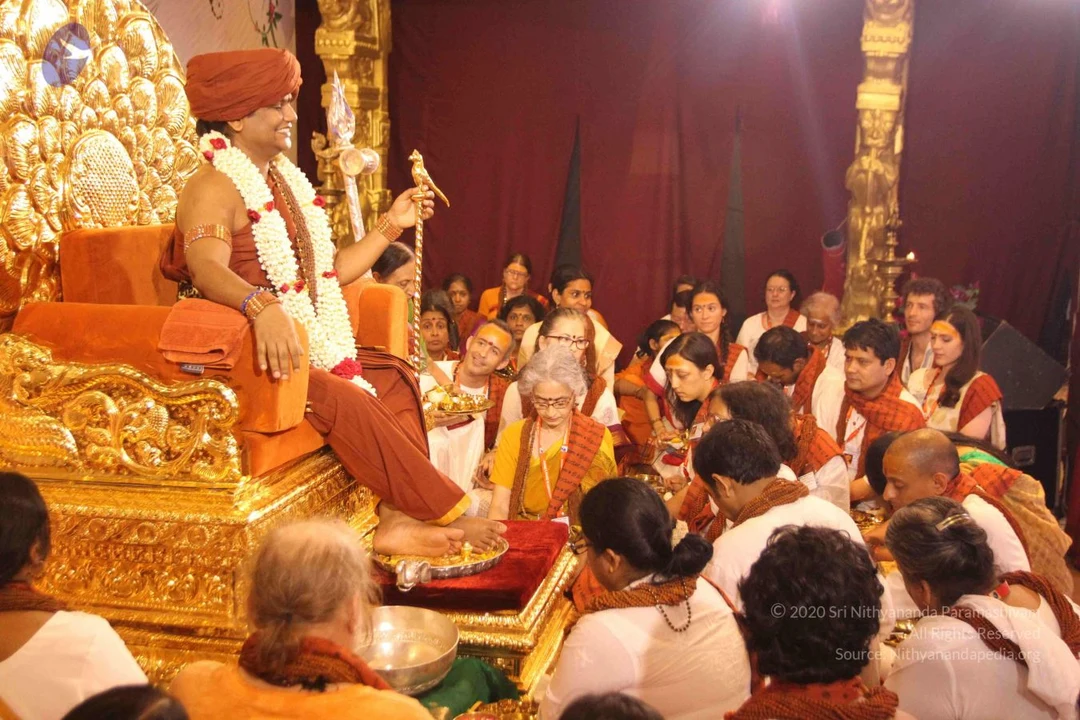
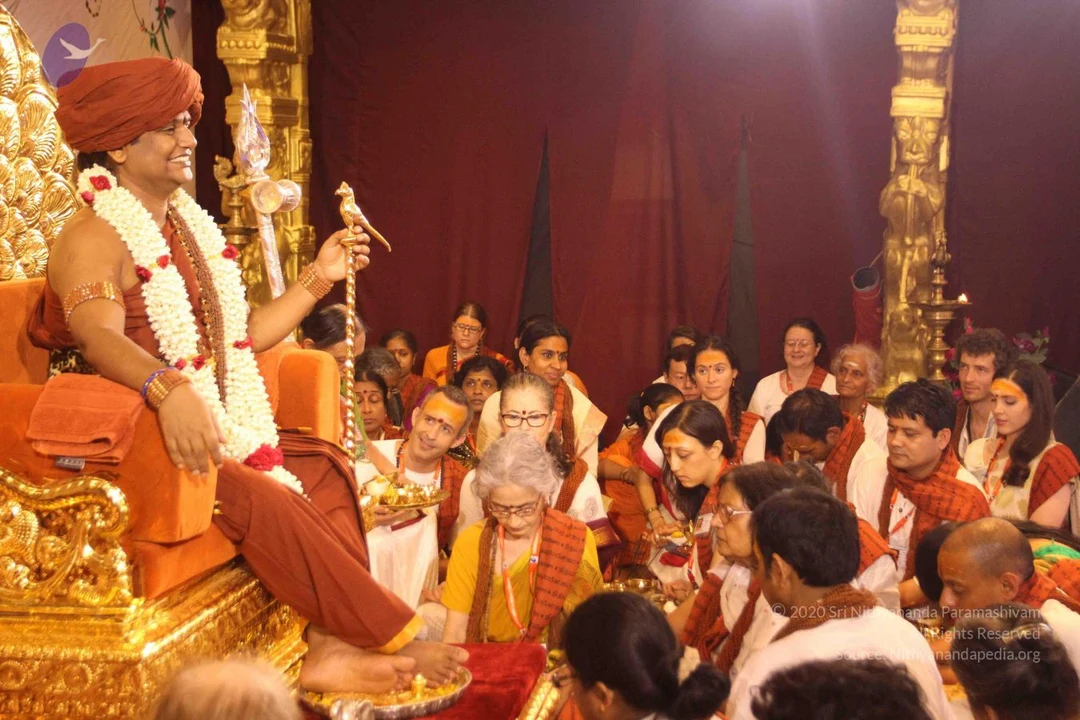
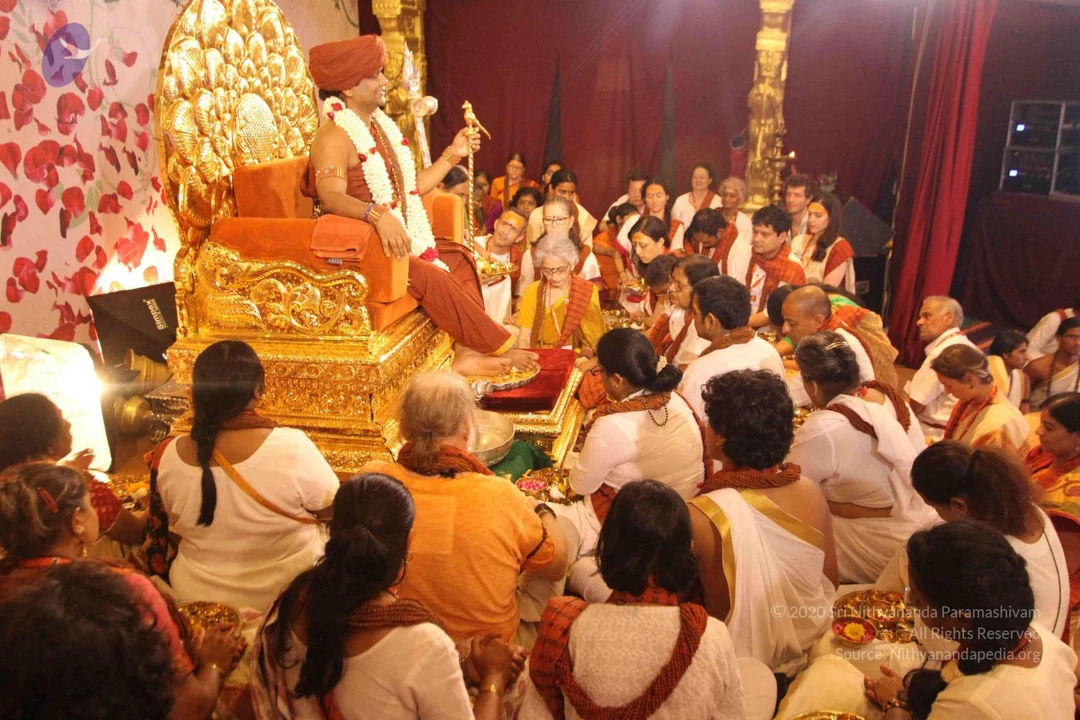
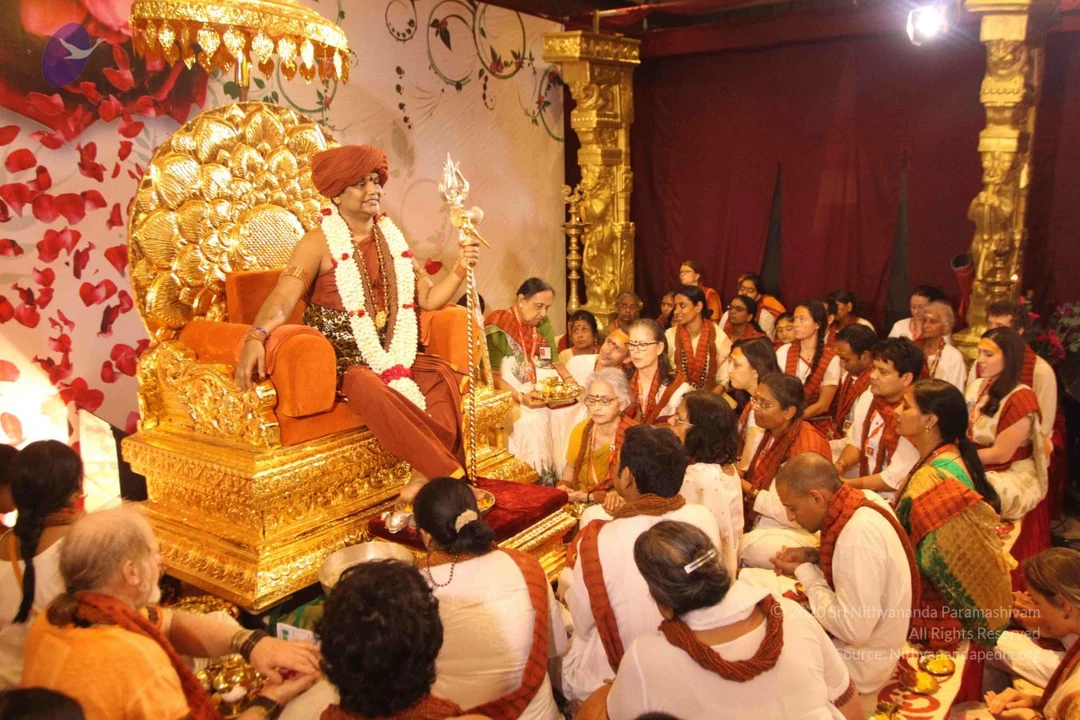
A photograph of a hand holding up a brass multi-wick oil lamp with five burning flames against a dark red draped curtain. The lamp has ornate filigree and figurative decoration on its stem and cups, and thin smoke rises from the flames. Only a partial hand and forearm are visible at the lower left; no face or full person appears. The scene reads as a ritual aarti or puja lamp offering.A seated figure on an ornate silver peetha throne under a silver canopy with tasseled fringe, in a purple-lit hall with a painted red rose and petals scattered on the floor. The figure wears a dark blue turban, dark clothing and a long white-and-purple flower garland, with a rudraksha-style mala visible. A silver trident stands beside the throne. At left, a brass oil lamp burns with a bright flame. Seated devotees in white and dark clothes face the throne in the foreground, some with hands raised. Appearance-based label: a person, shown seated in person on the throne with a turban, garland and trident in the setting.A photograph of a seated man with closed eyes and a serene expression, wearing a rust-red turban and a rust-red robe. He wears a long white jasmine garland with red roses and several brown rudraksha-style beaded malas across his chest, plus gold and beaded bracelets on his arm. He sits on an ornate gold peacock-fan throne against a pale wall with decorative floral and leaf designs. A silver trishul with gold accents stands to the right. Swamiji (probable) appears to be the seated figure, identified by the turban, rudraksha malas and ceremonial garland cues, presiding as the central figure at the event. Dark silhouetted heads of audience members are visible in the lower foreground.A man seated on an ornate golden throne with an orange cushioned seat, wearing an orange turban, orange-red wrap and a long white flower garland, with rudraksha beads and a gold pendant. He holds a silver trident staff and smiles toward the seated audience. A woman in a green sari and orange shawl sits beside him, and many devotees in white and orange-red shawls sit on the floor in front, viewed from behind. A golden pillar with carved figures and a brass oil lamp stand at right, with red rose petals and floral painted backdrop behind. The man's appearance, turban, garland and ceremonial throne are consistent with the page's a person reference, so he is an appearance-based probable candidate in person.A photograph of a seated figure on an ornate golden throne with orange cushions, wearing a rust-red turban, a white and red flower garland, rust-red robes, bangles and an armlet. The figure smiles and raises a golden bird-topped staff in one hand, with a silver staff behind. Seated devotees in orange, red and white clothes, several with vibhuti or tilak on their foreheads, fill the background against red drapes. A folded orange towel rests on the armrest. a person cues: rust-red turban, flower garland and ornate gold bangles on the throne.A photograph of a seated figure on an ornate gold-and-orange throne at a satsang, wearing a rust-red turban, a white jasmine garland with red rose accents, a red-brown shawl, a gold armband and bangles, and holding a tall gold staff topped with a bird finial. Behind him a seated audience in orange, white and saffron clothing, several with orange and yellow forehead marks, watches attentively against a deep maroon curtain. Foreground devotees sit close, and a red folded cloth rests on the armrest. a person: the seated figure in the turban, jasmine garland and gold staff on the throne, matching the page's note that a person was present.

Shivoham-after-break

12 photosSource gallery
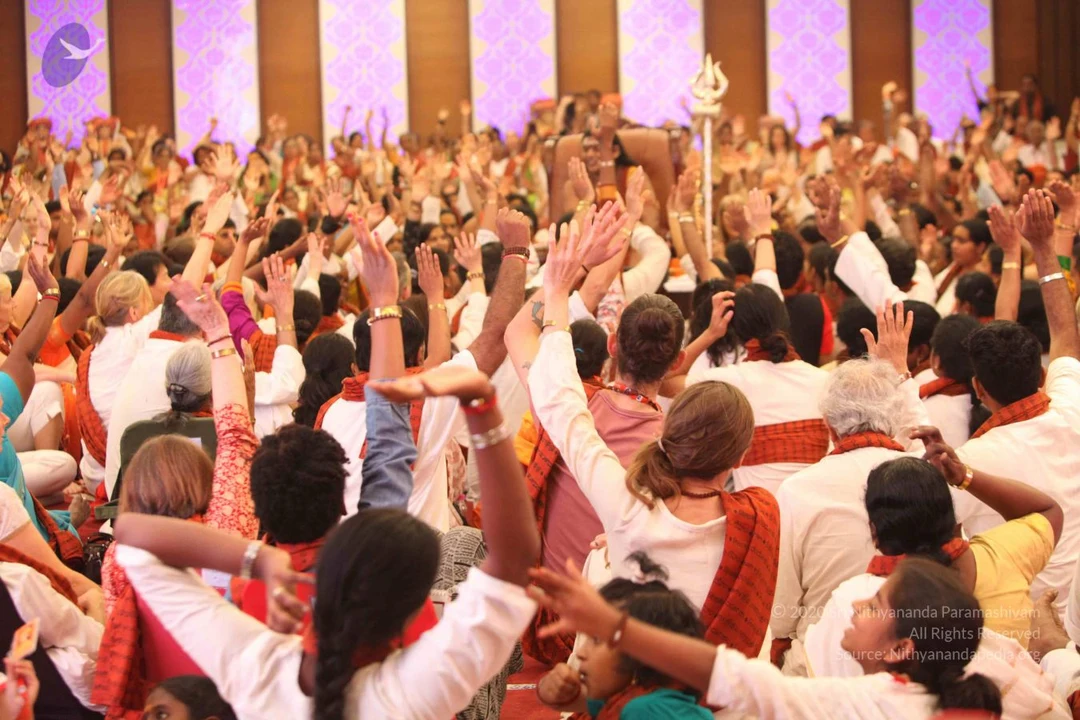
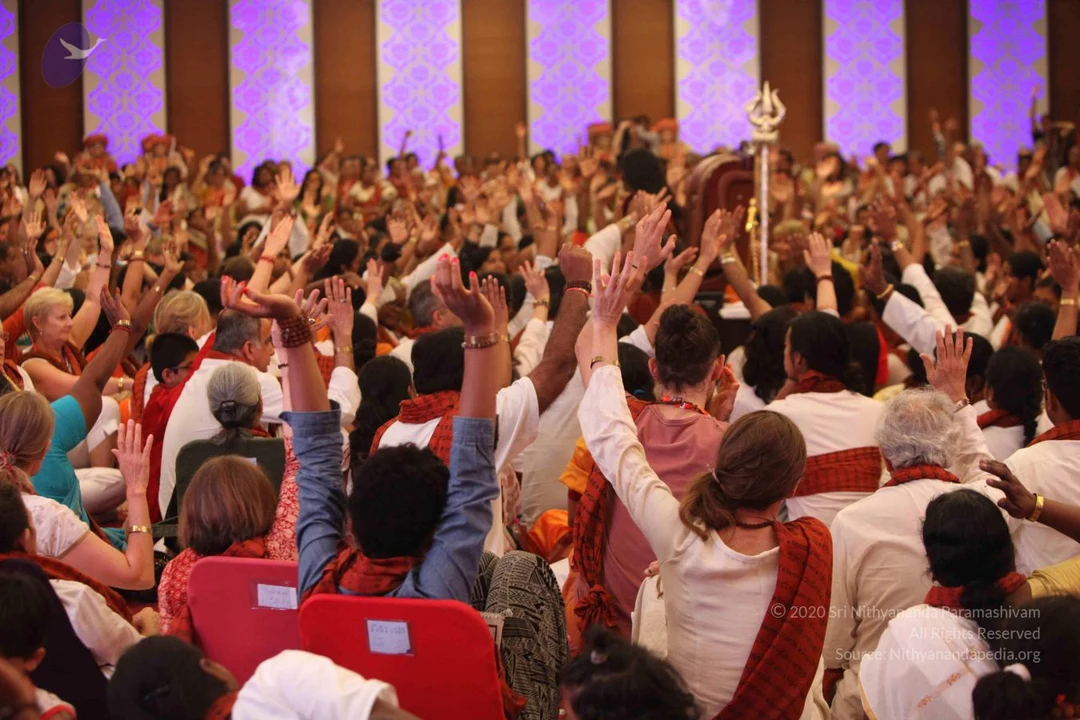
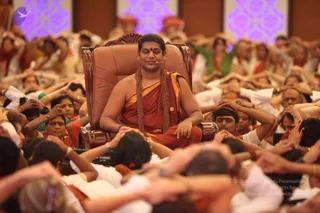
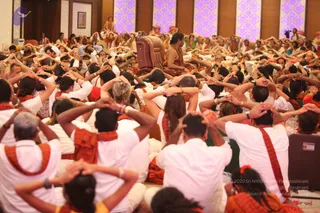
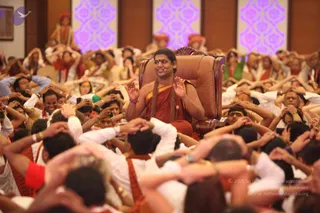
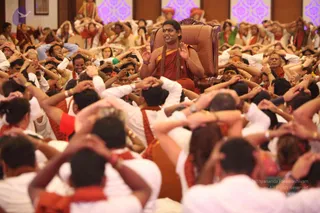
Photo of a seated man in an ornate brown leather throne at the front of a large hall, dressed in orange and saffron robes with a long rudraksha mala and a red tilak on the forehead, eyes closed and hands resting in his lap. Around him a dense crowd of participants in white and orange clothing sits on the floor with hands raised to their heads in a group process. Purple floral patterned screens line the back wall. A fellow in an orange robe and a large-hall setting complete the scene.A large indoor hall packed with seated participants in white clothes and orange-red shawls, many with hands raised to their heads in a mandala-style gesture. In the centre, a figure in orange robes sits on a brown leather throne-like chair in front of purple patterned wall panels. Some people in the back wear orange turbans. a person appears as the robed figure seated on the throne, with a shaved head, orange robe and draped orange shawl, and a seated position in front of the participants.A large seated gathering in a hall with lilac ornamental panels on the walls. In the centre, a man in orange-red robes and a saffron shawl sits on an ornate brown leather throne, wearing a headset microphone, a long rudraksha mala, and wrist beads, with both palms raised. Around him, dozens of participants in white, red and saffron clothing stand and sit with hands clasped behind their heads in a mass mudra. Some wear bindis and red or green garments, and a few turbaned attendants stand at the back. a person is the seated central figure, presiding as the session leader.A large hall of seated participants in white clothes with orange-saffron shawls and scarves, many with arms raised and hands pressed to their heads in a guided meditation process. At the centre-top, a man with long dark hair, wearing an orange-saffron robe and a long beaded rudraksha-style mala, sits on an ornate brown leather throne chair with both palms open, seemingly speaking to the group. Purple lotus-pattern backdrop panels and a deity or figure visible at the top-left add to the setting. The room is packed with well over twenty people.A large seated meditation session in a hall with lilac and white ornamented wall panels. A central figure in an orange-red wrap and dark hair sits on a brown leather throne-style chair, hands raised in front of him. Around him hundreds of participants, mostly in white clothes with orange-red shawls, sit with both hands clasped on top of their heads during a Shivoham Third Eye Mandala process. Some wear orange and red, and a few figures in saffron stand near the back. The setting is a formal ballroom-like venue with framed art on the left wall.Photograph of a large seated gathering in a hall with purple patterned wall panels. A man in a brown leather armchair, wearing a rust-orange robe, a multi-strand rudraksha mala and a small headset microphone, raises both open hands as he speaks. Many participants in white and orange clothing sit around him with their hands pressed to their heads in a group practice. Several figures in orange and red turbans are visible in the background. The central man is a person by appearance, seated as the speaker of the session.

SATSANG

66 photosSource gallery
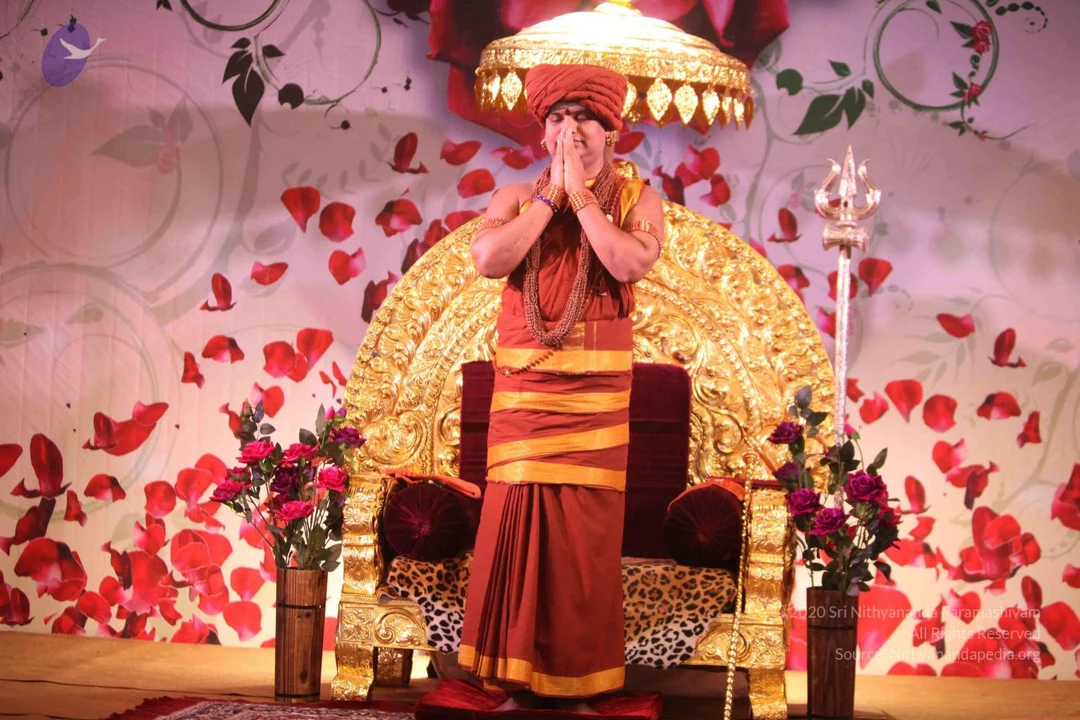
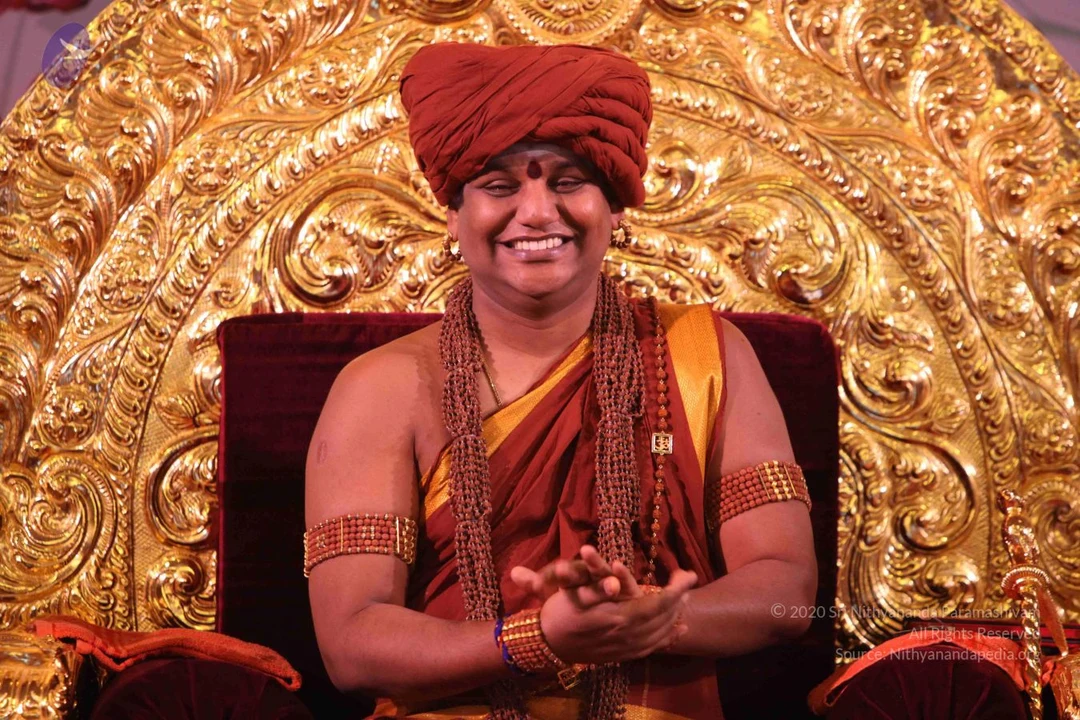
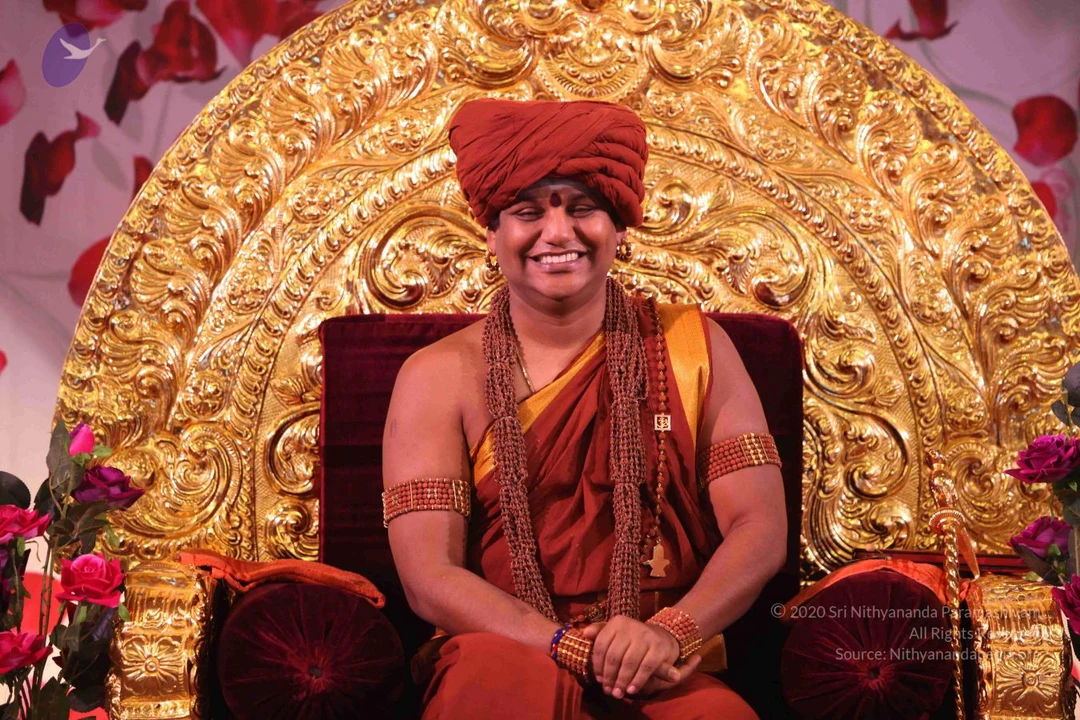
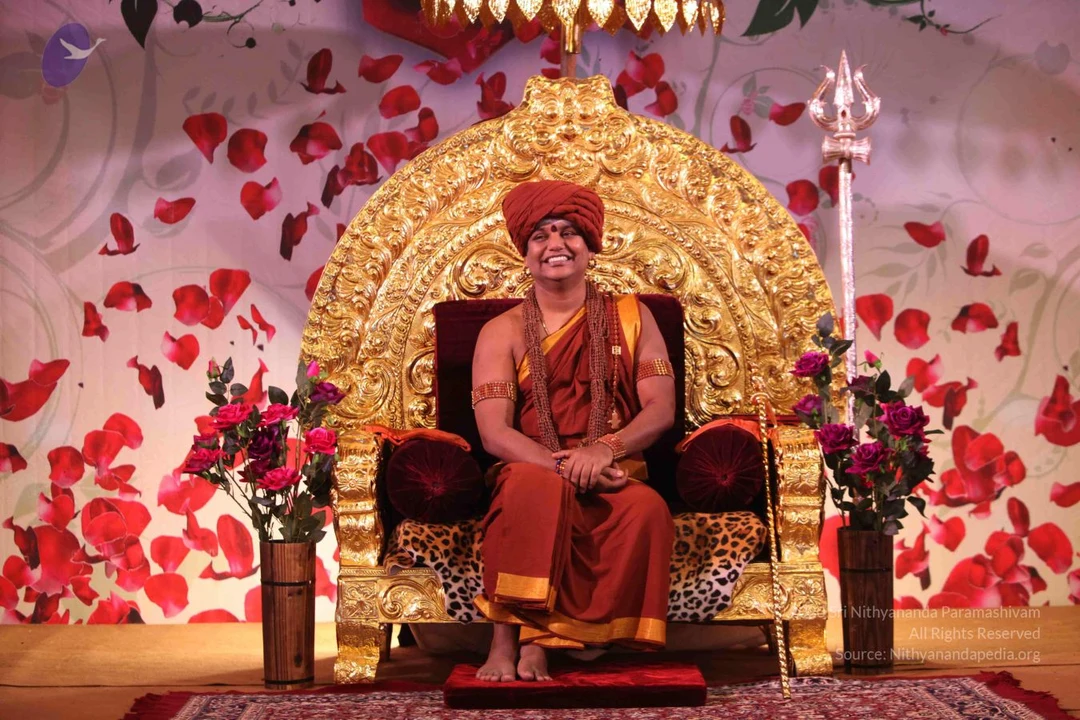
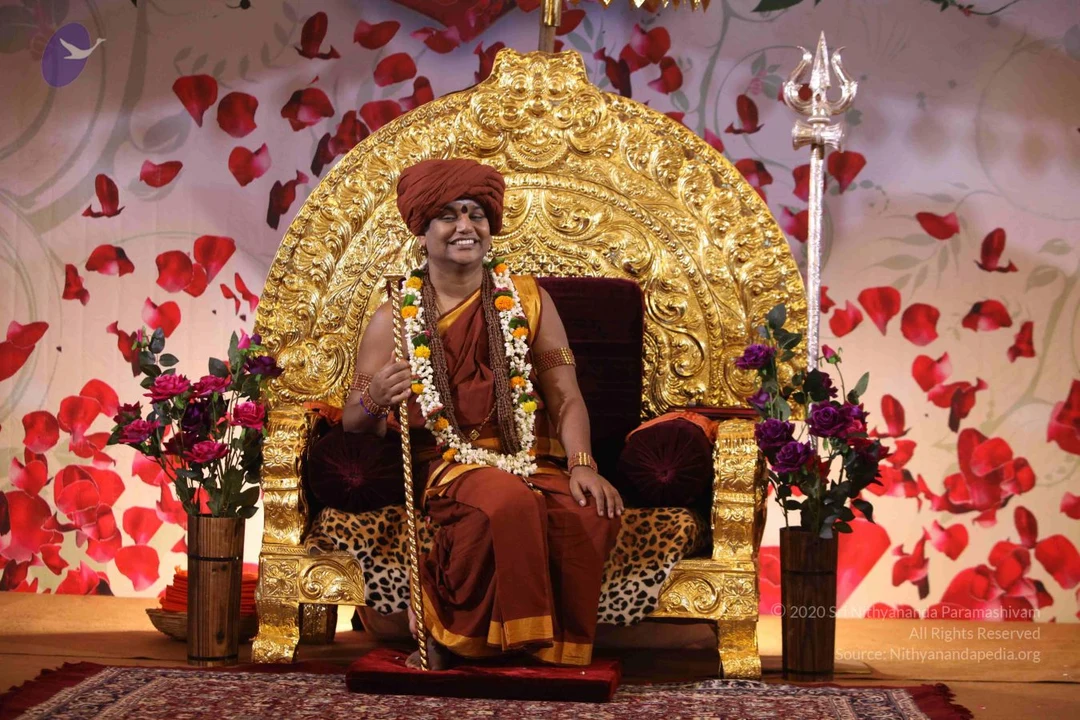
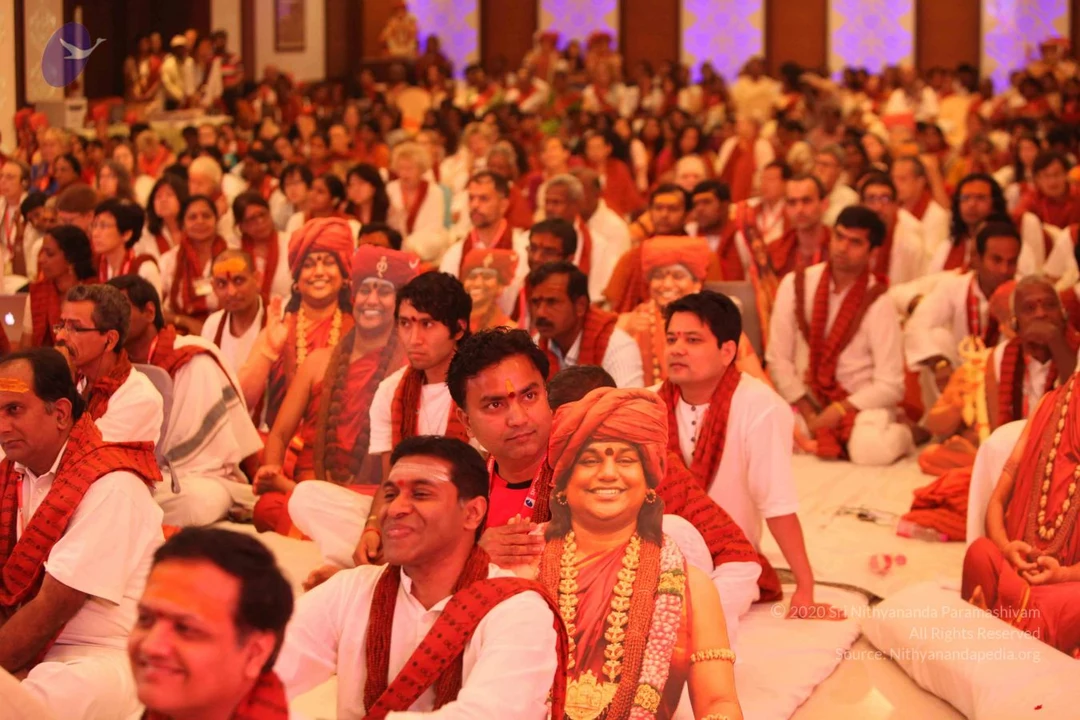
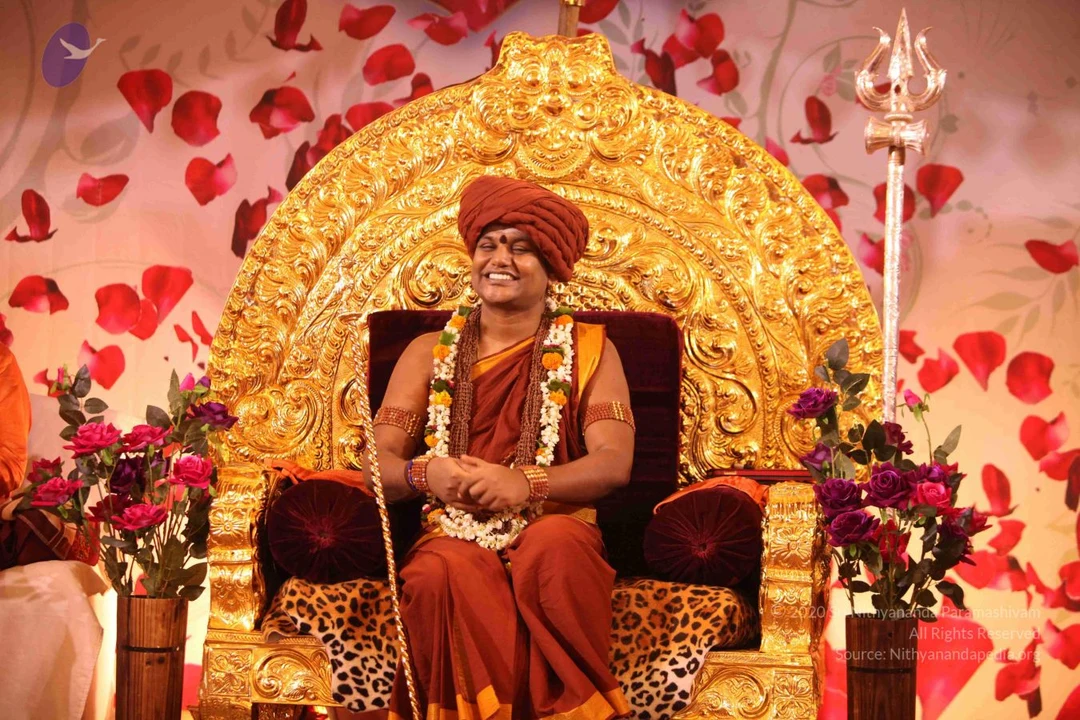
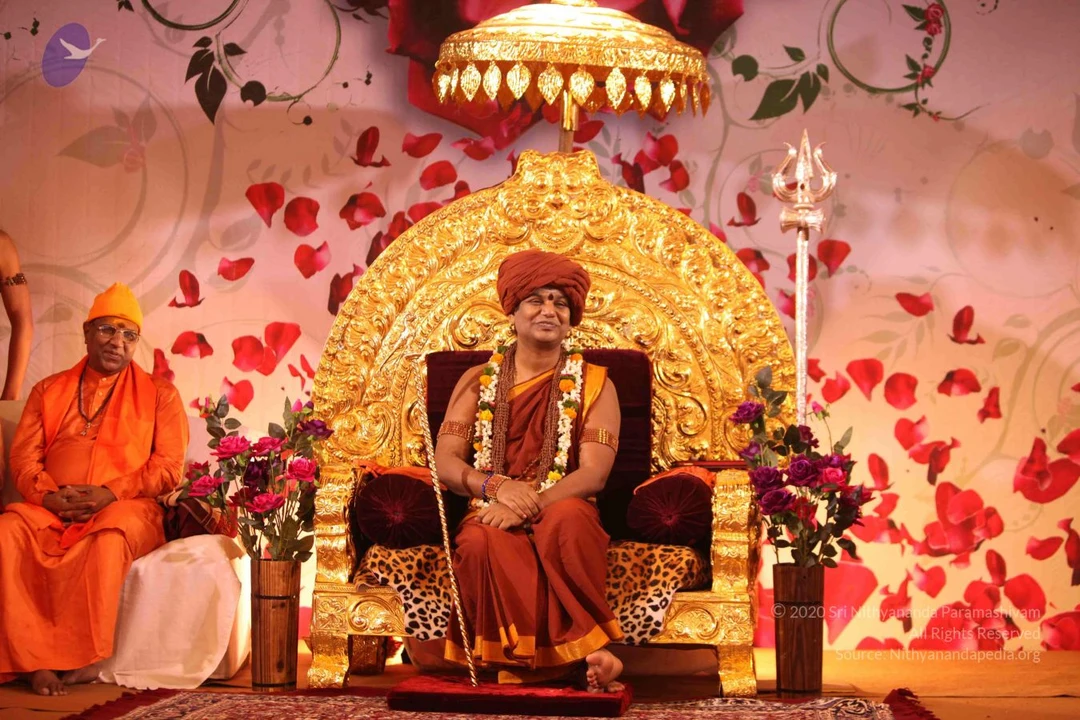
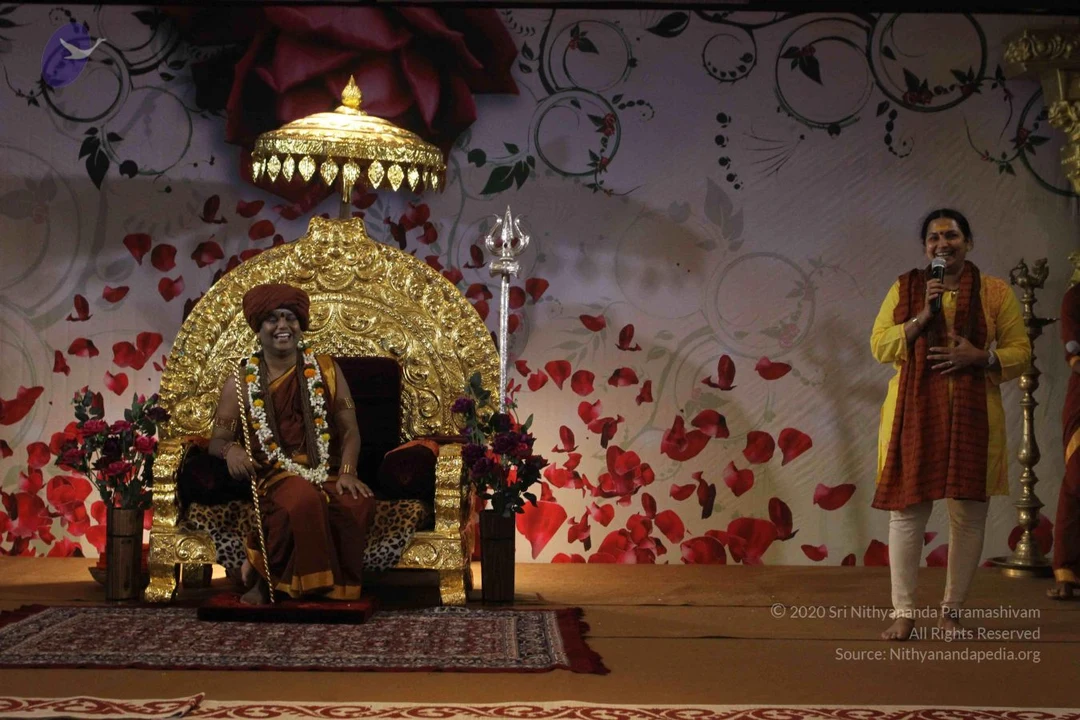
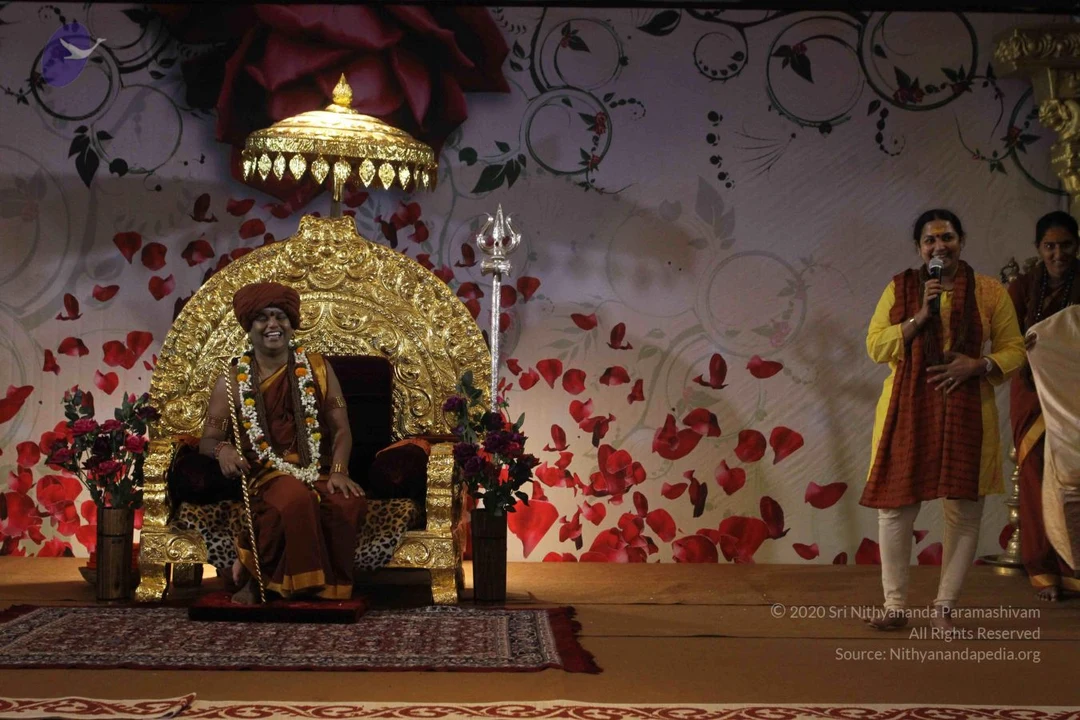
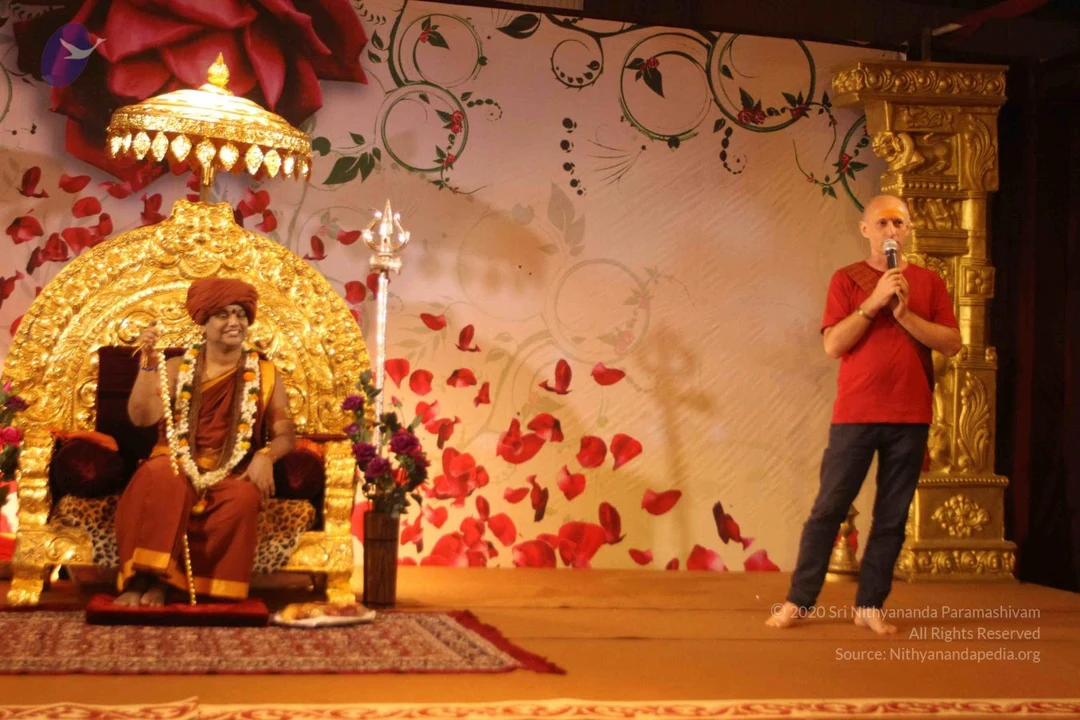
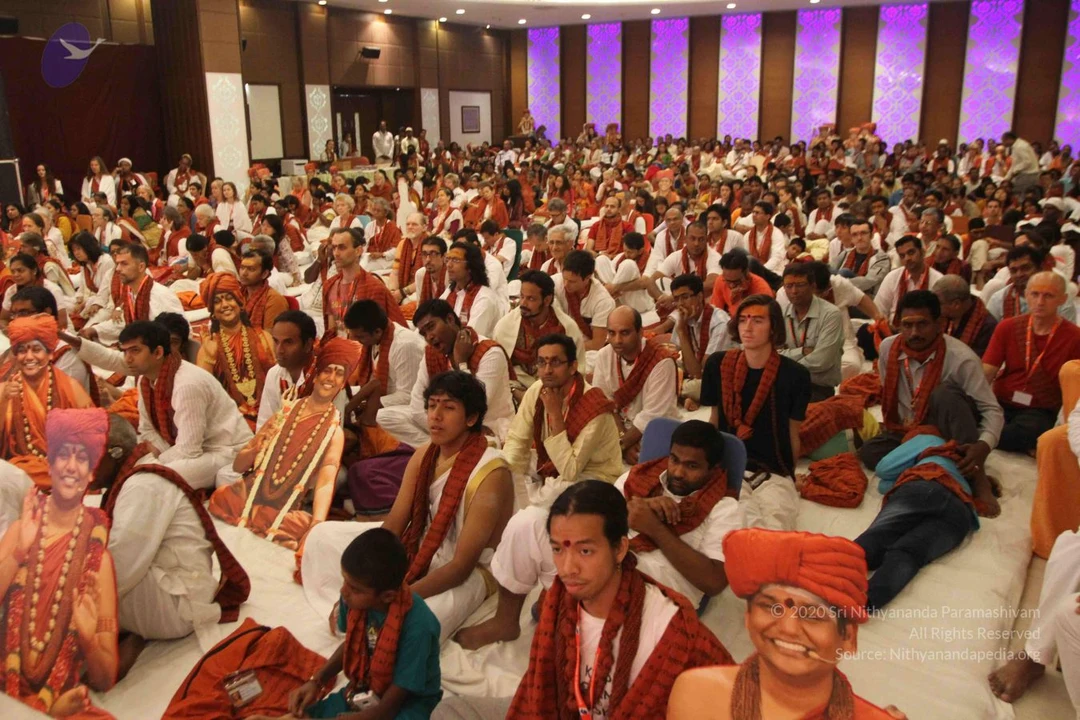
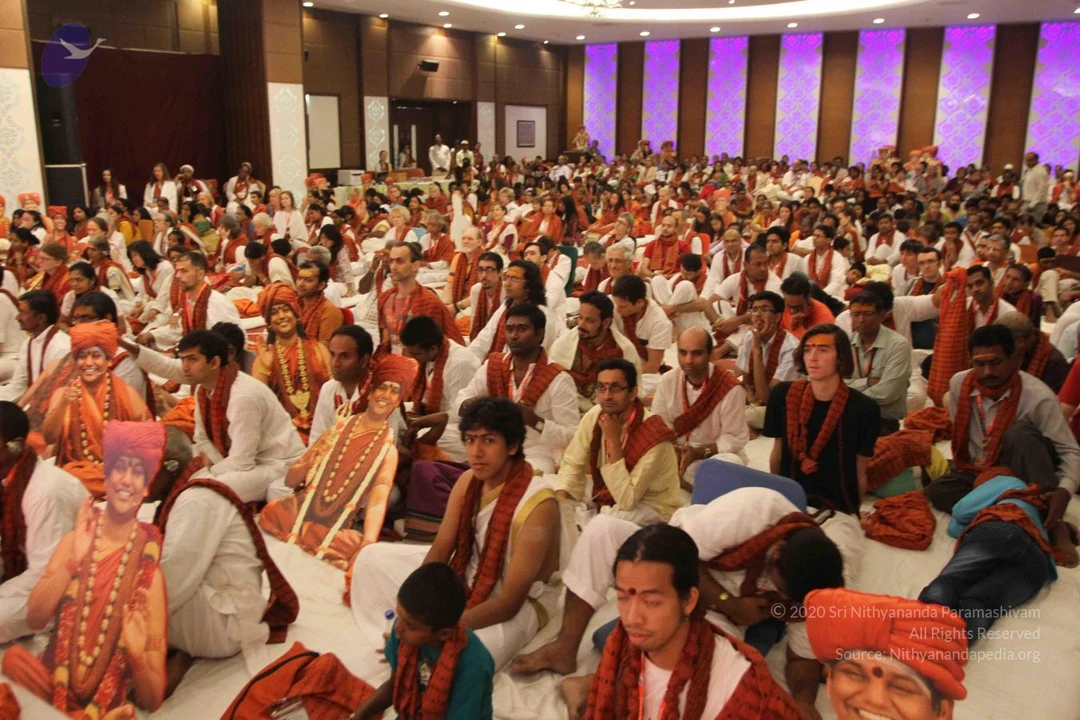
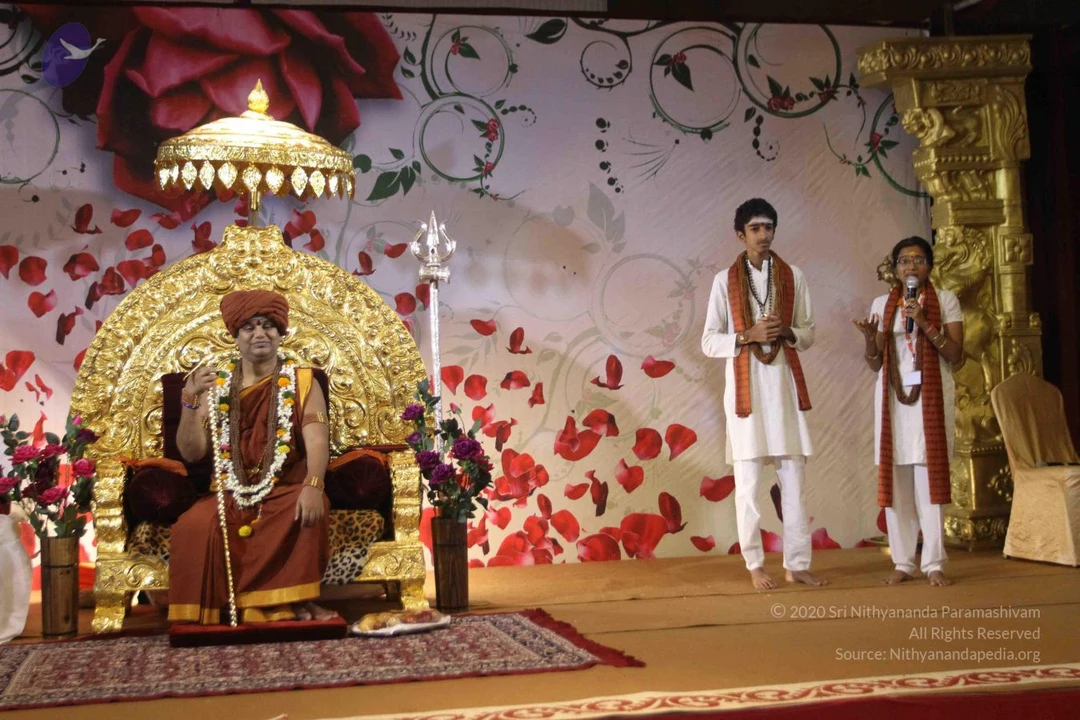
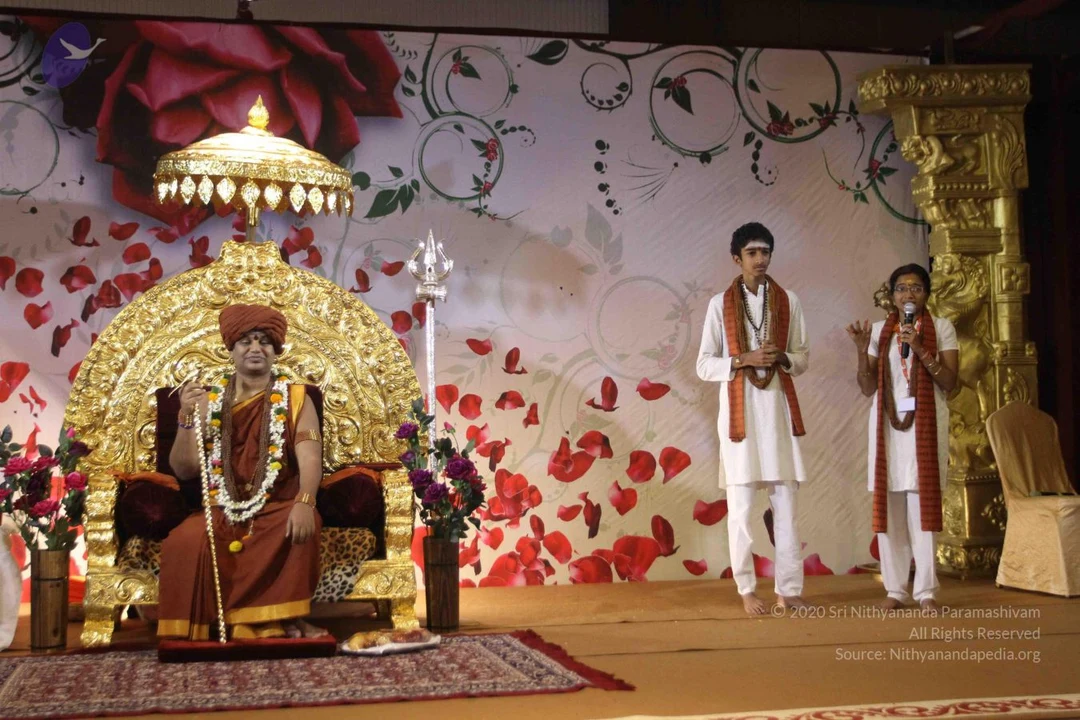
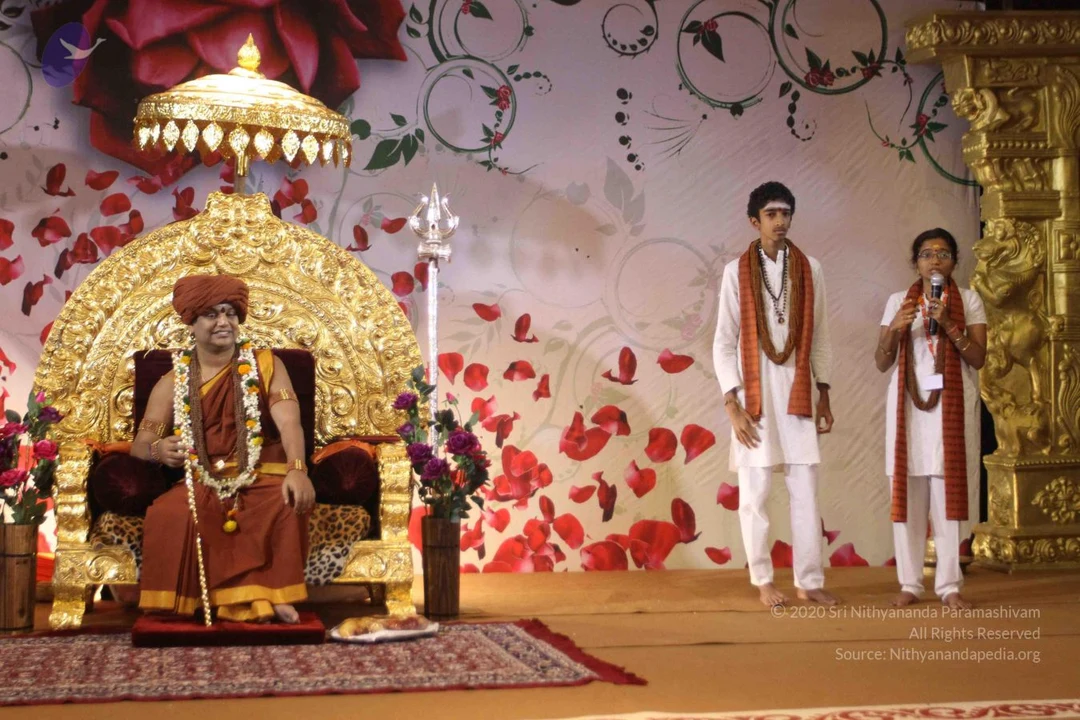
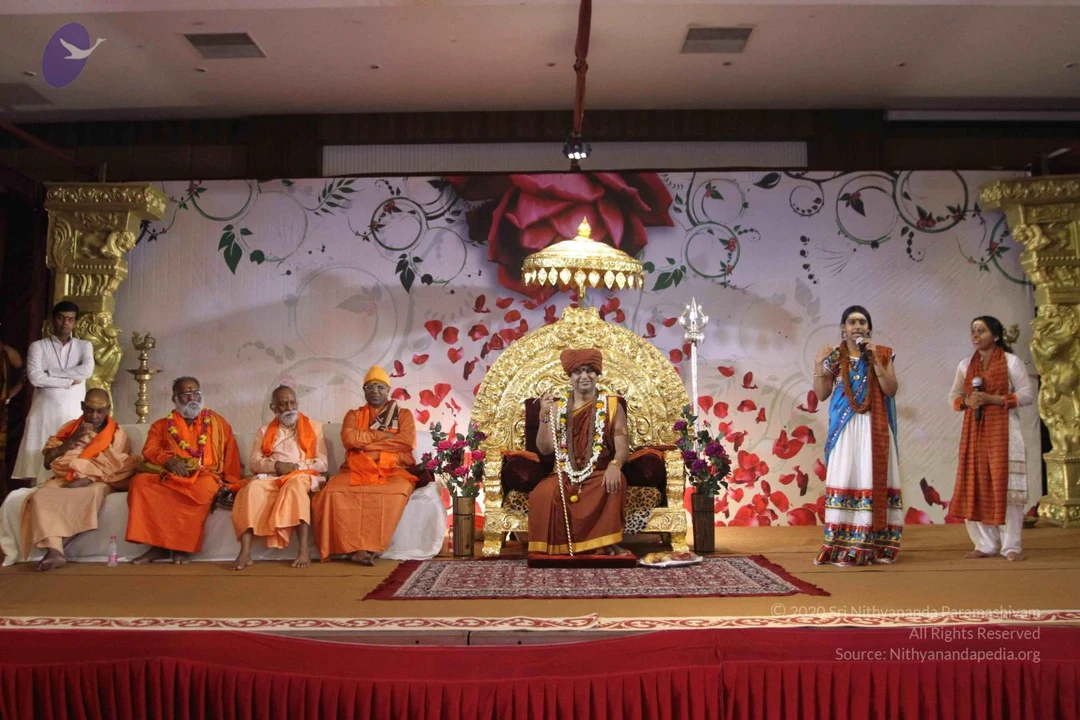
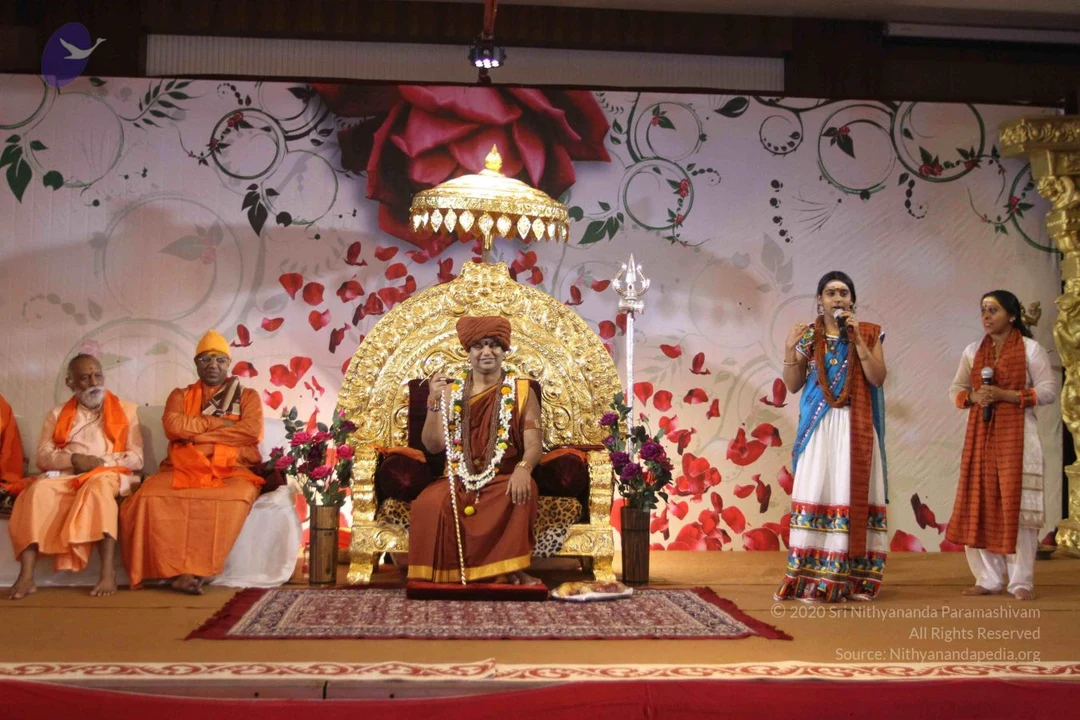
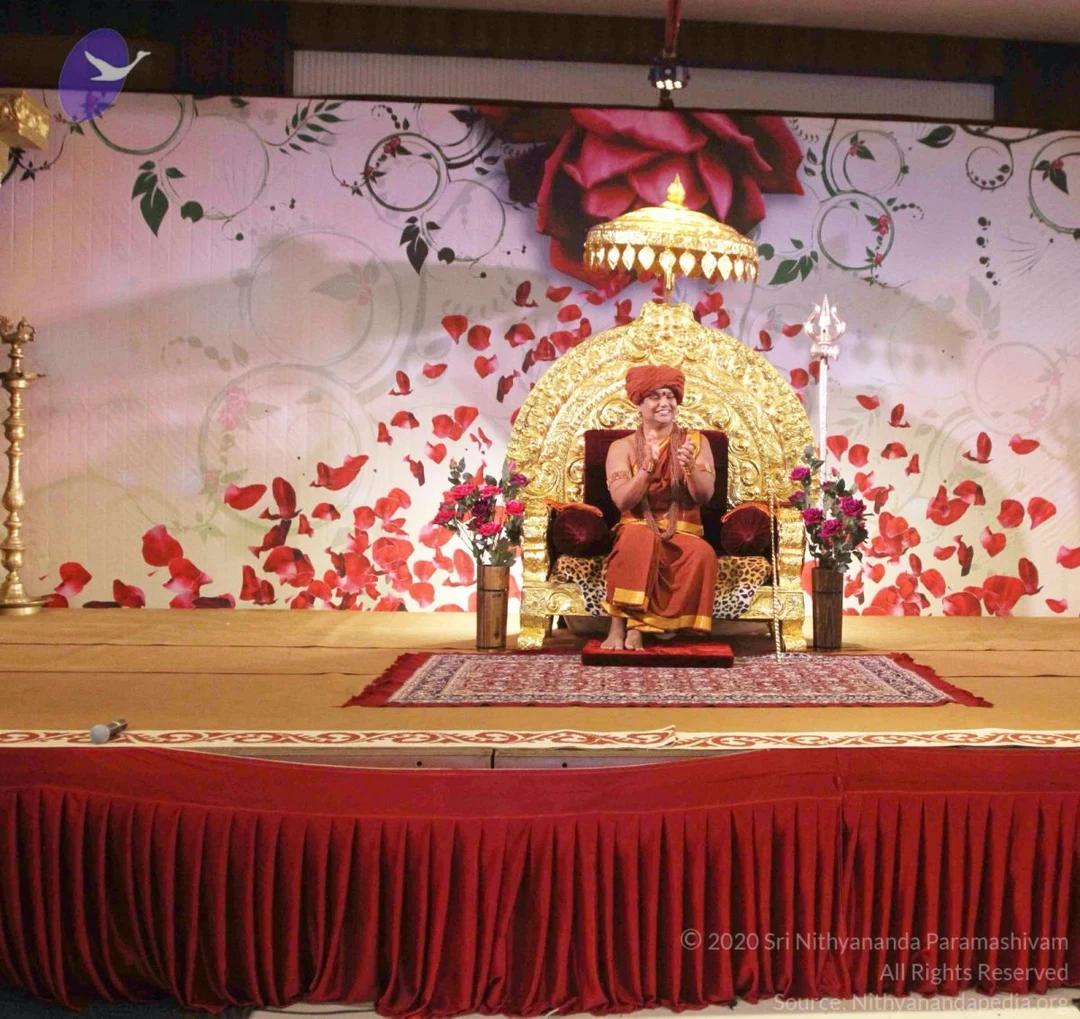
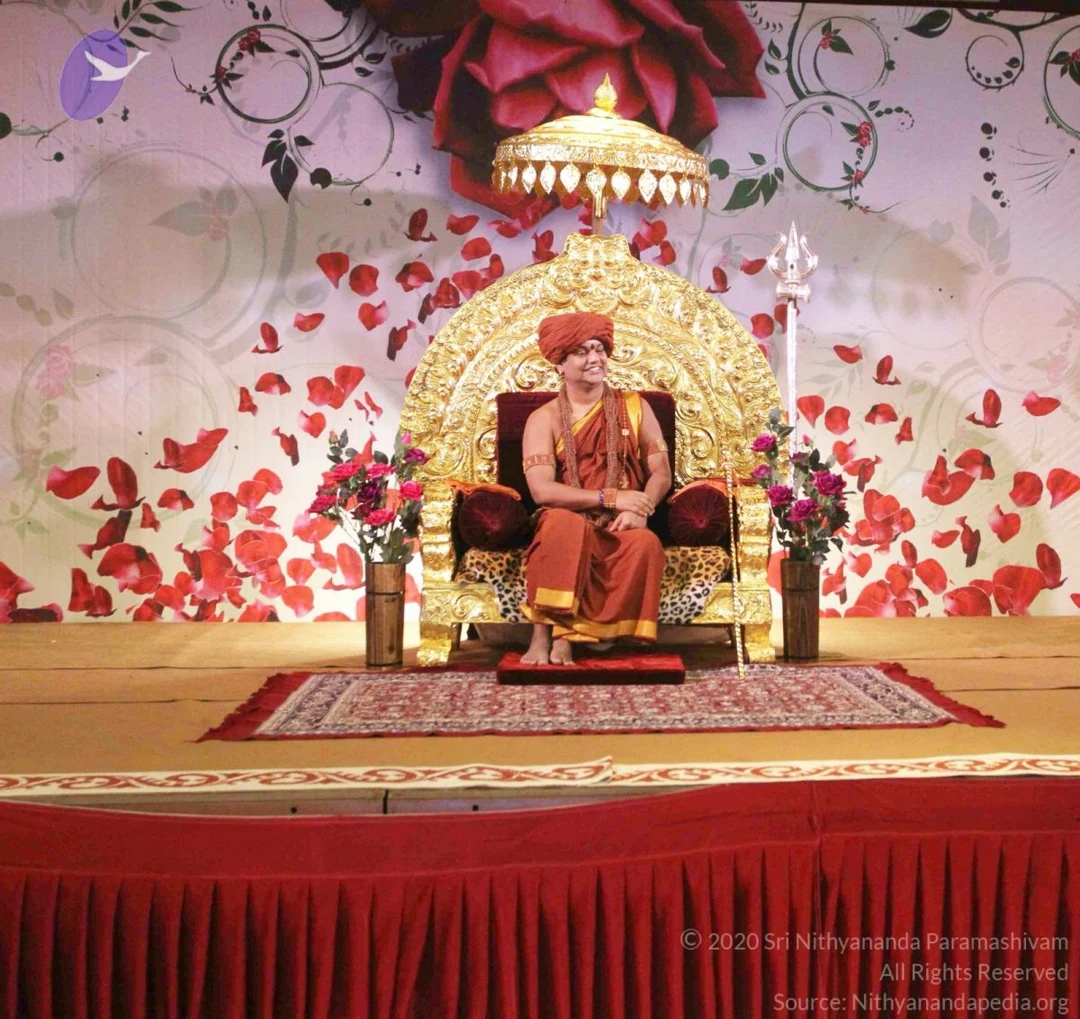
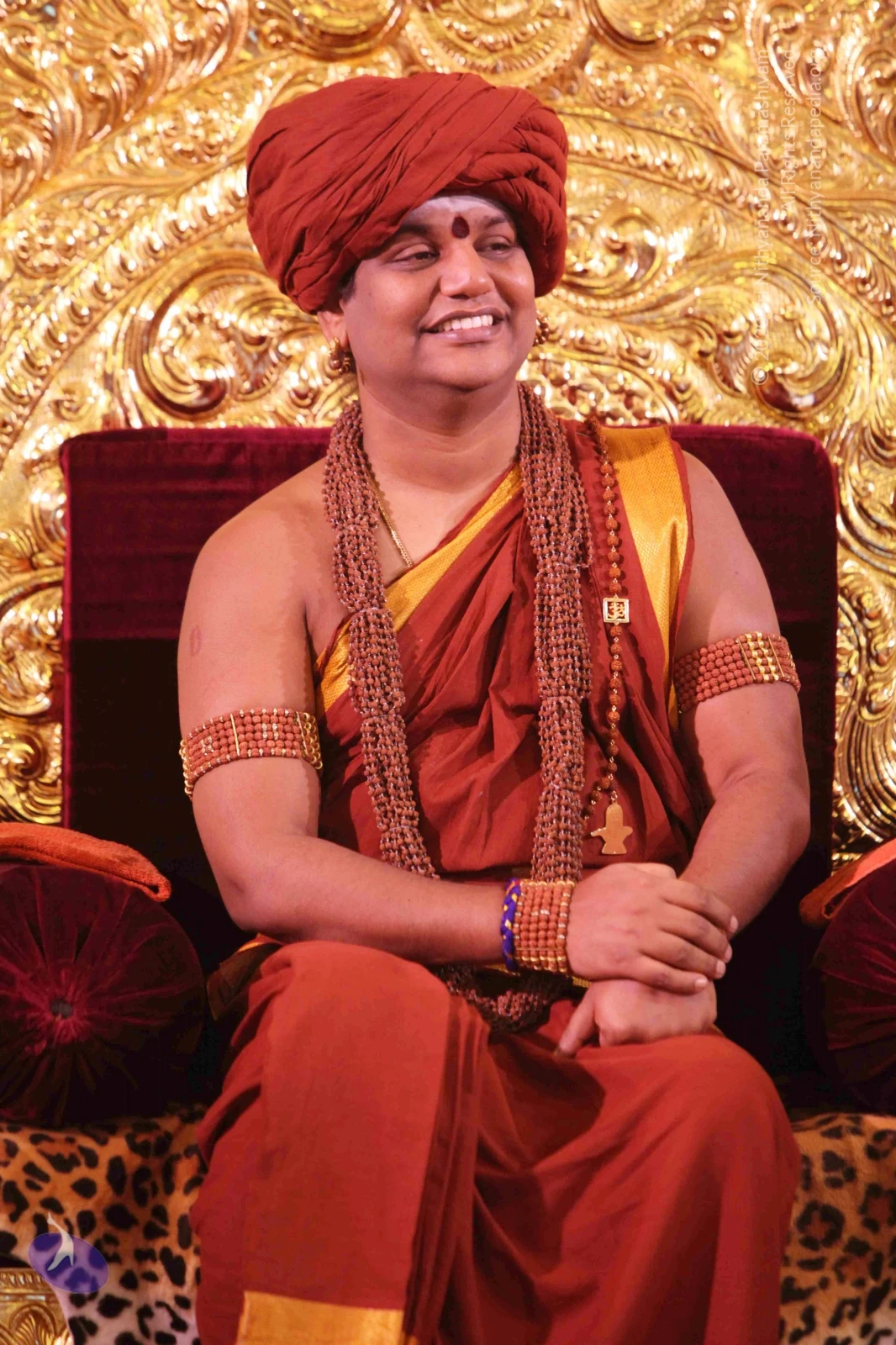
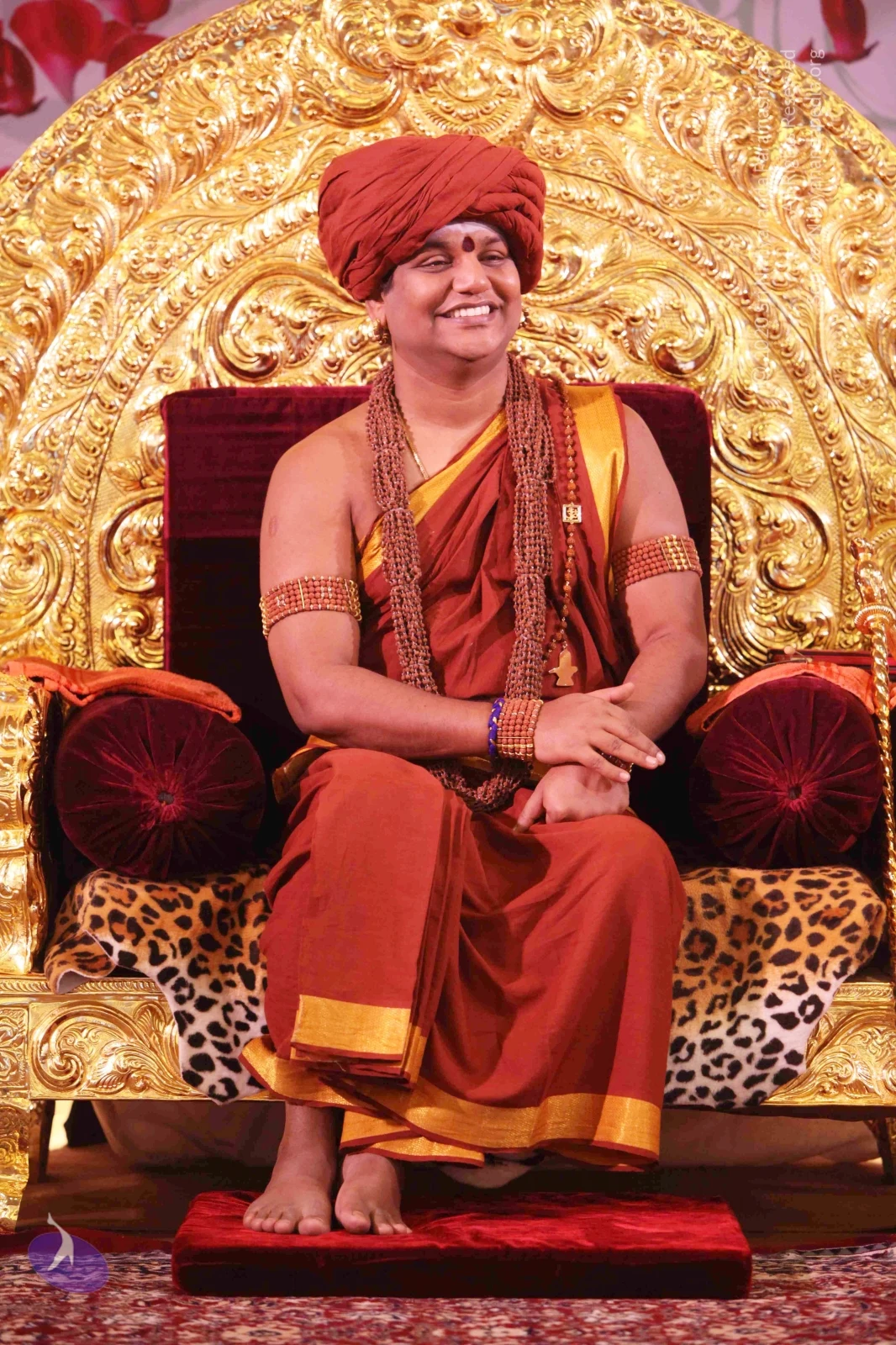
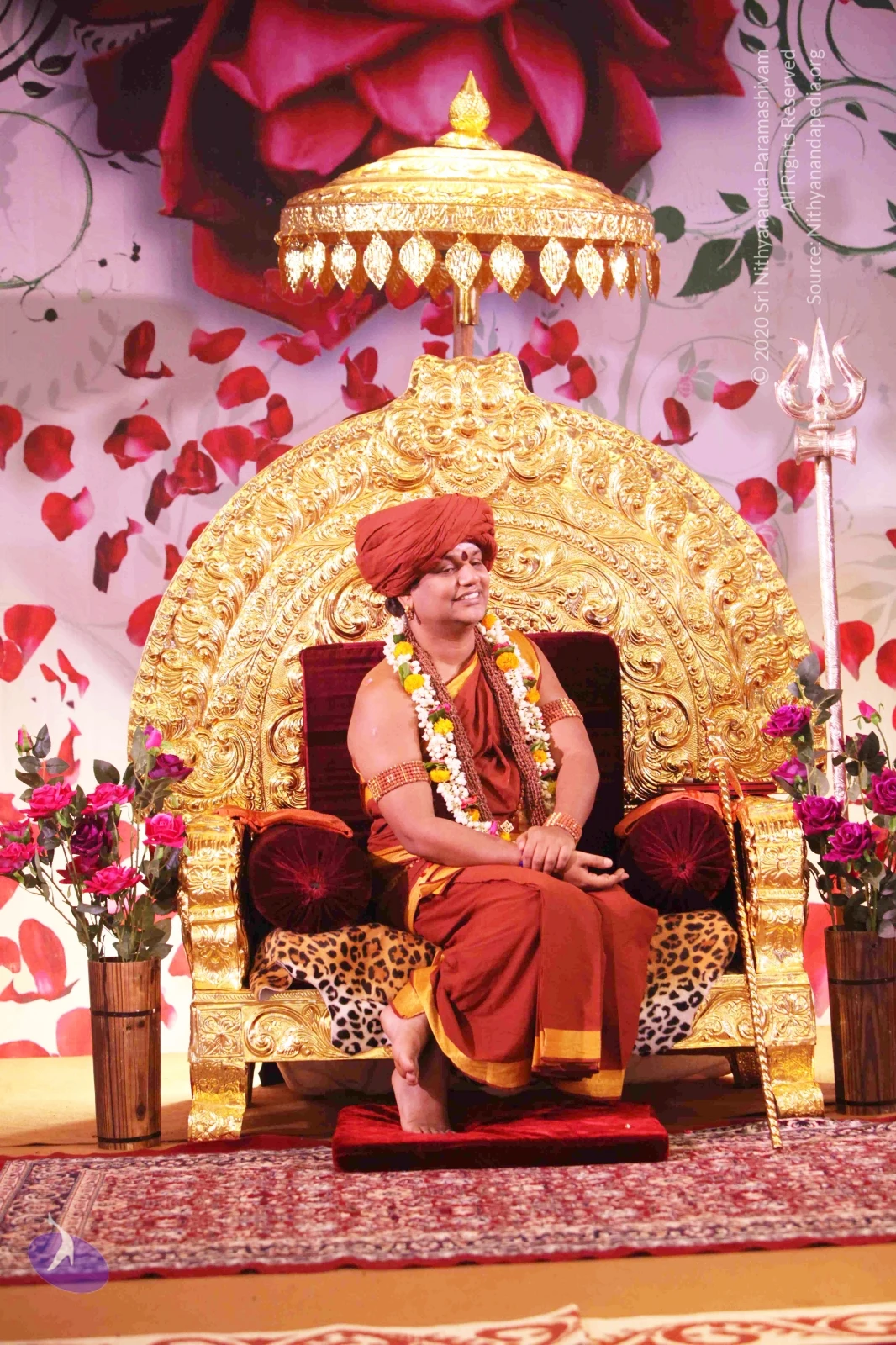
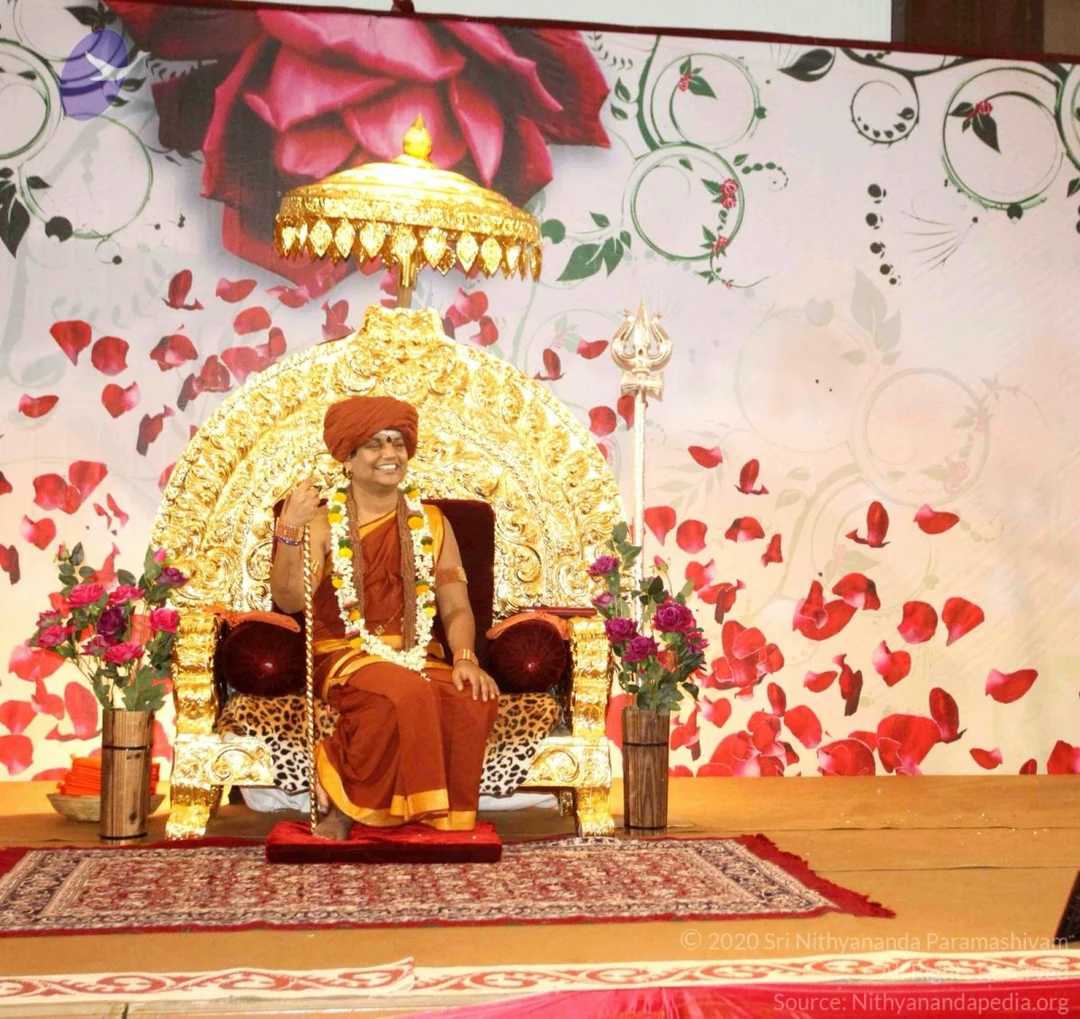
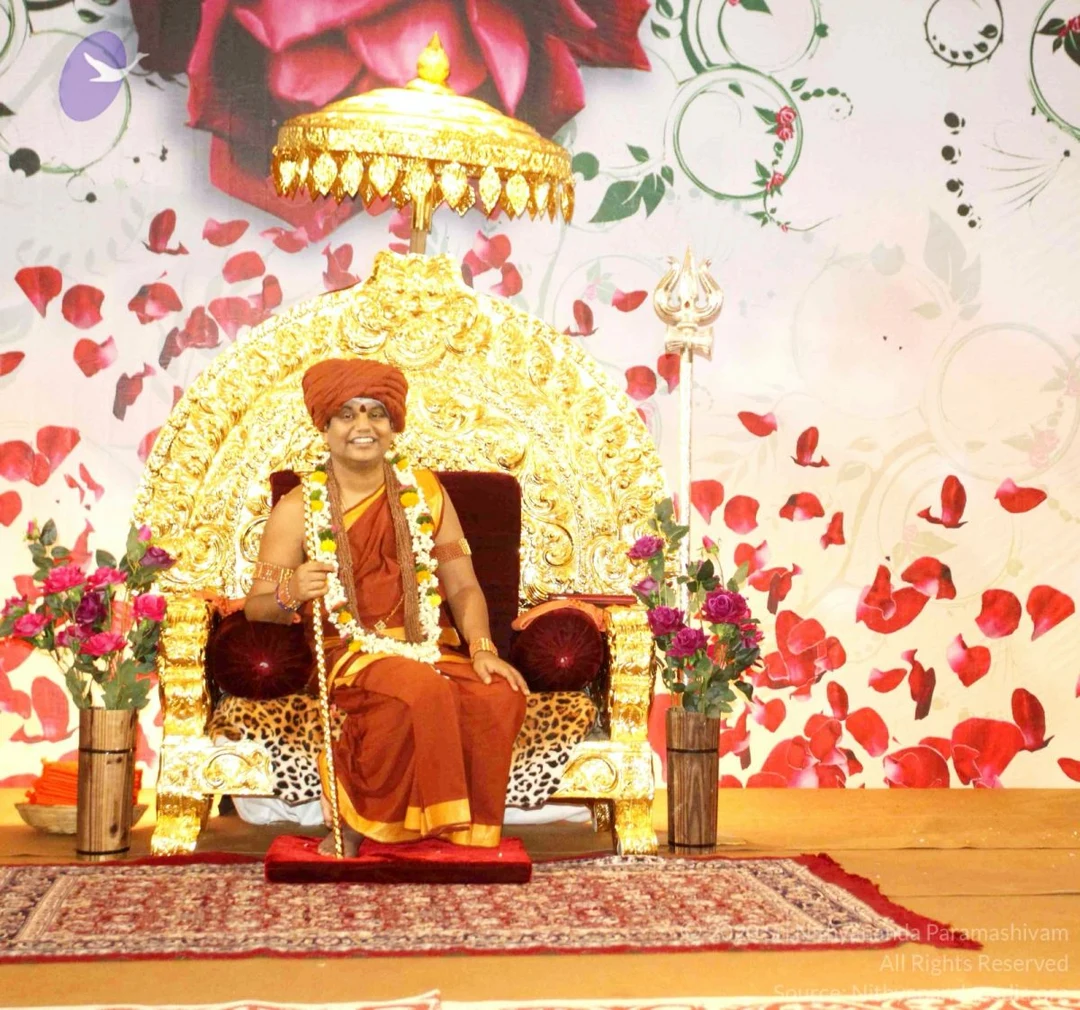
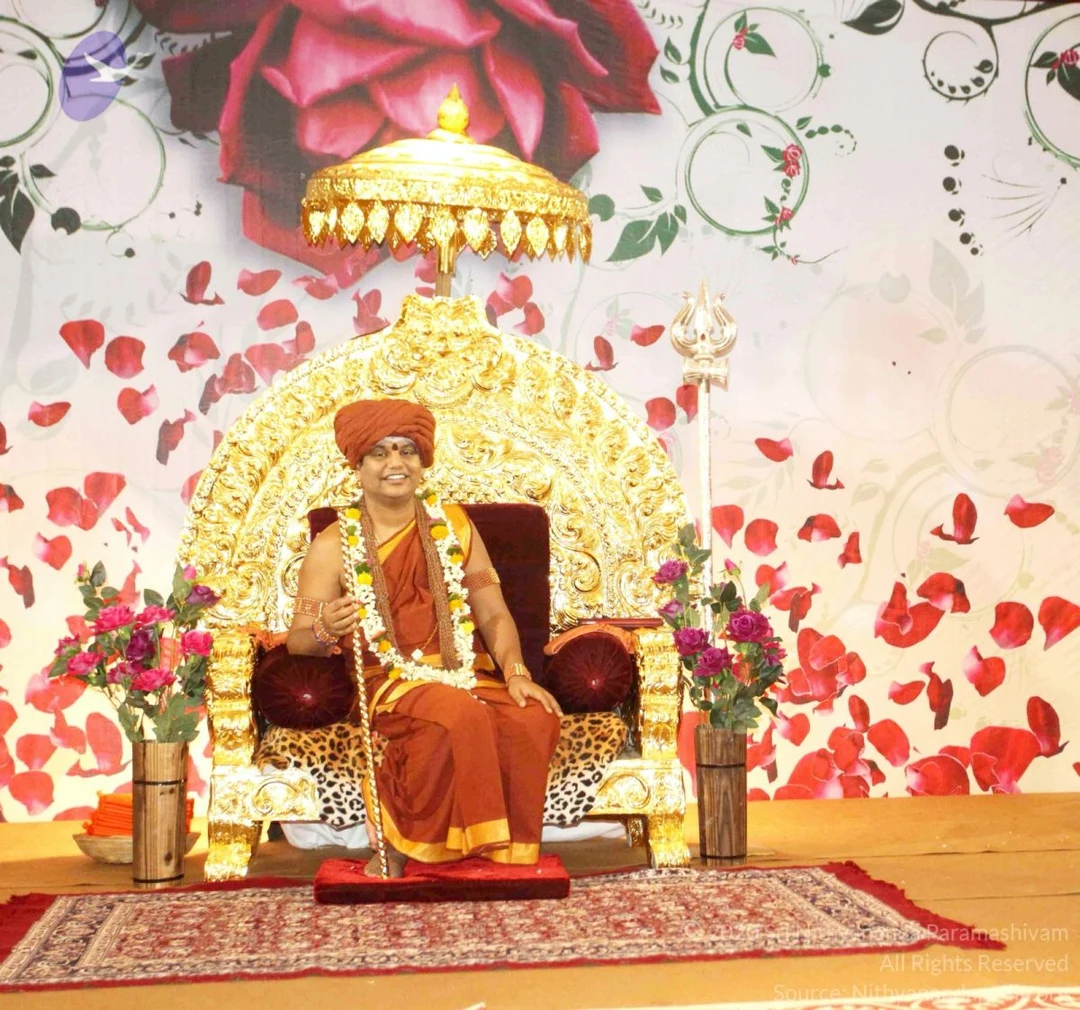
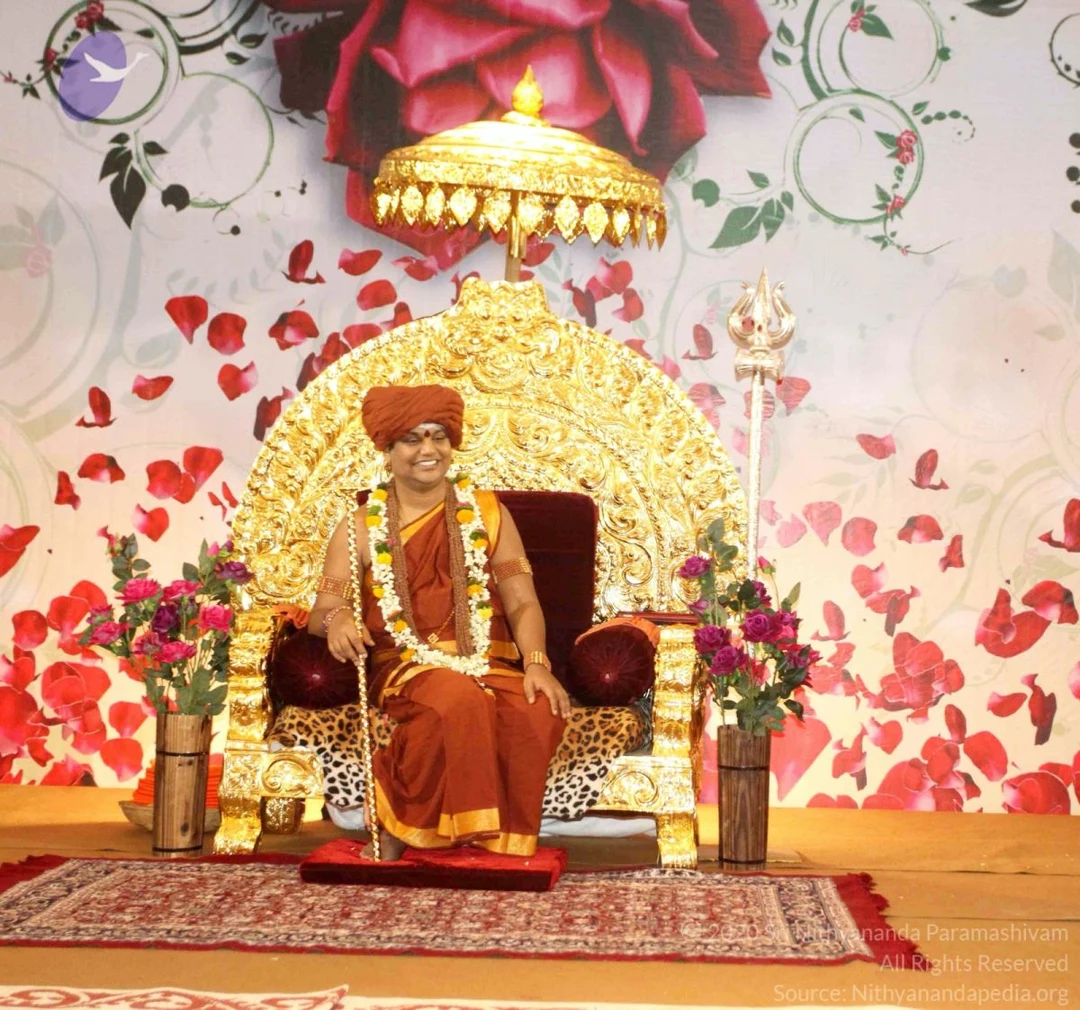
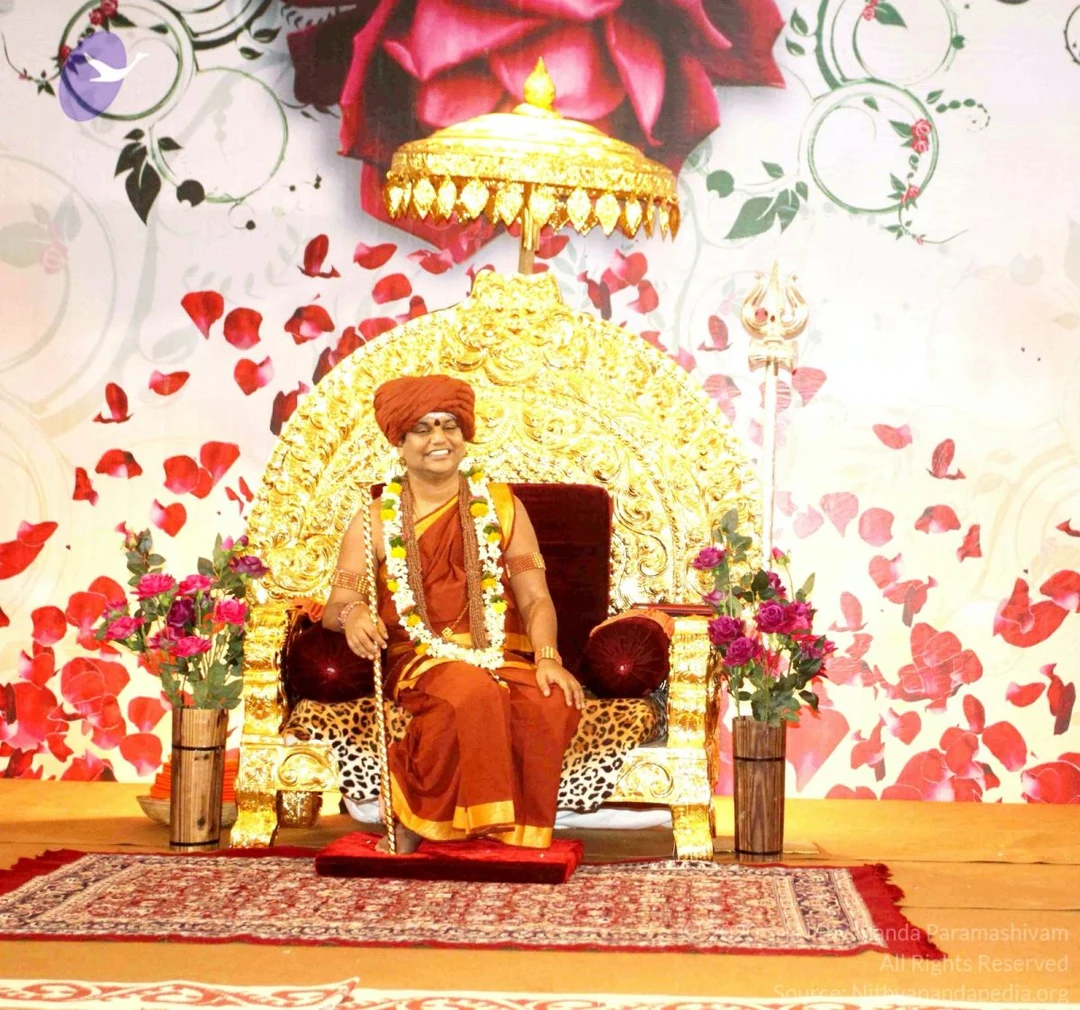
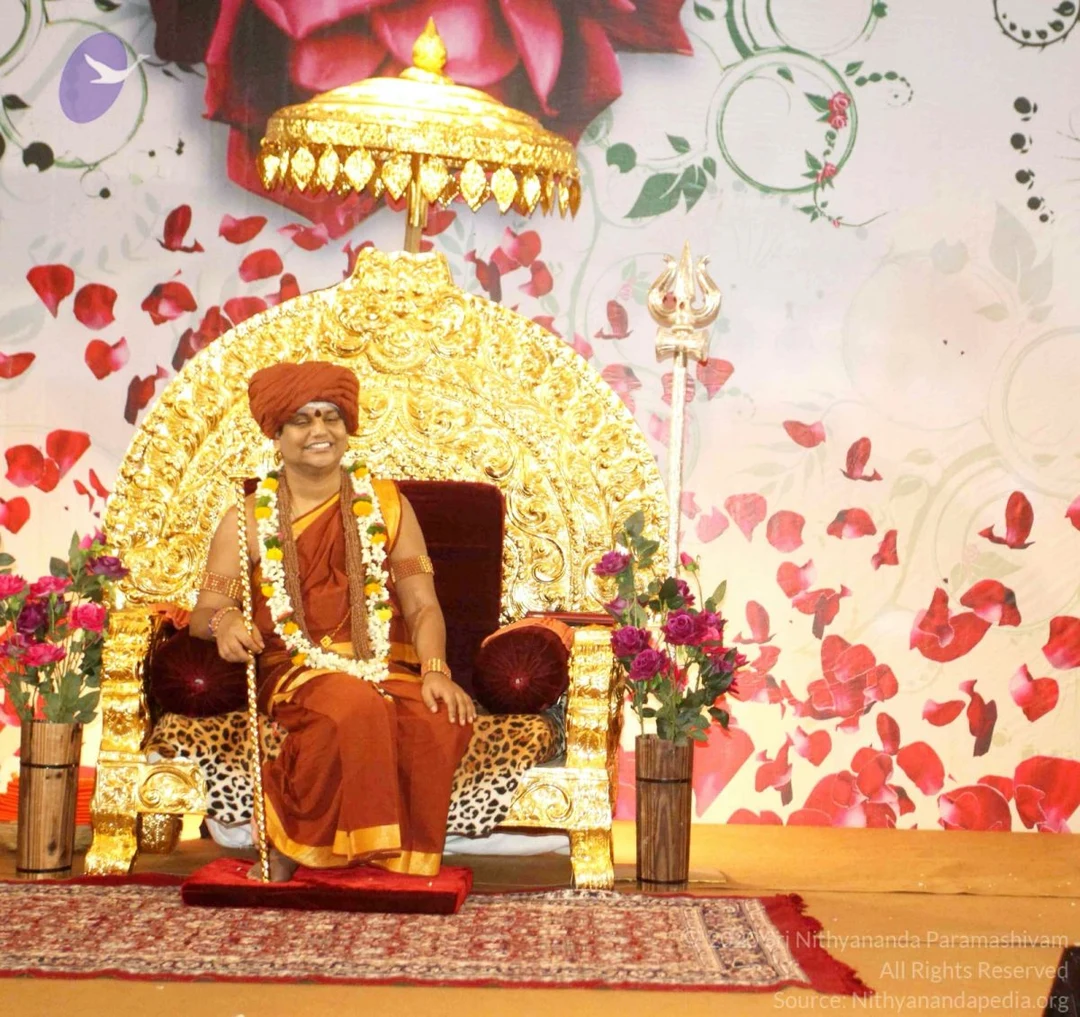
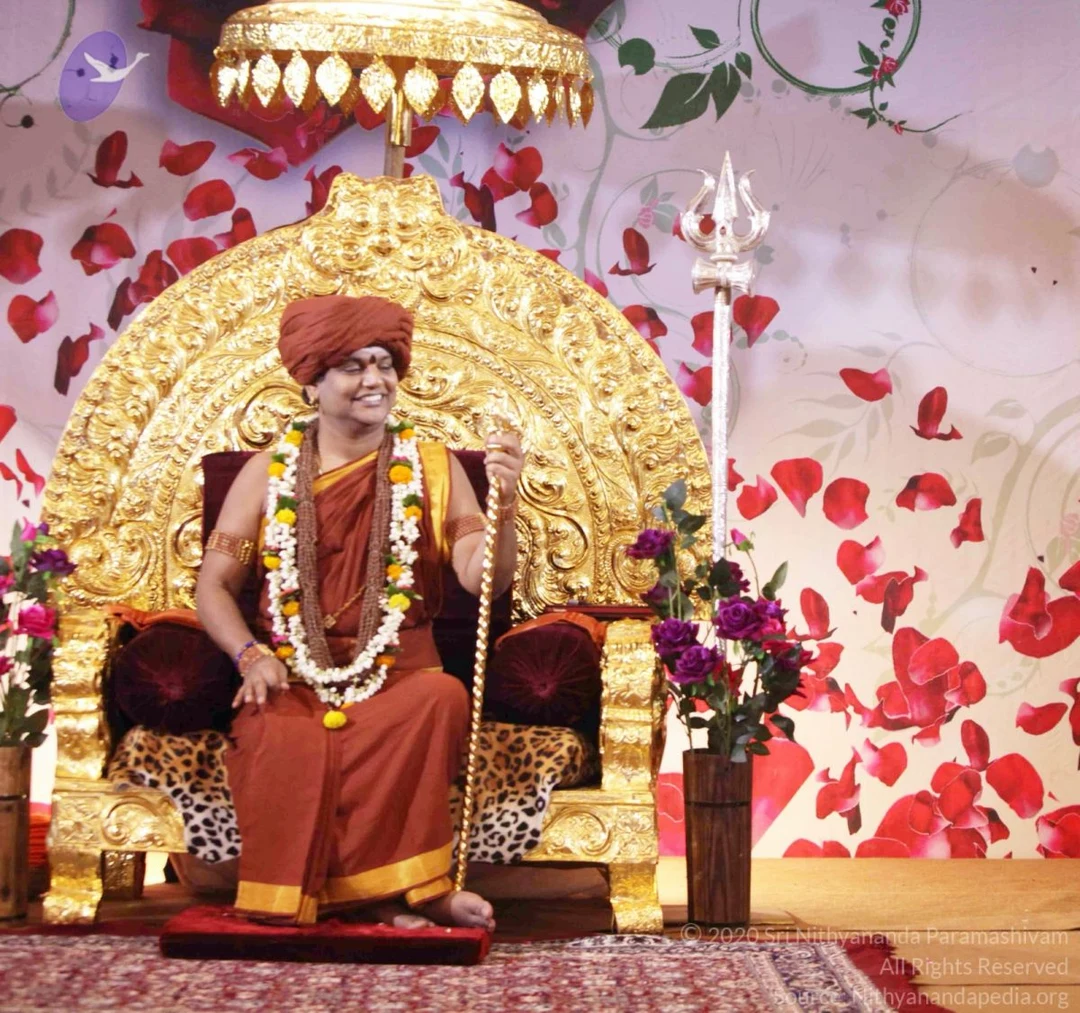
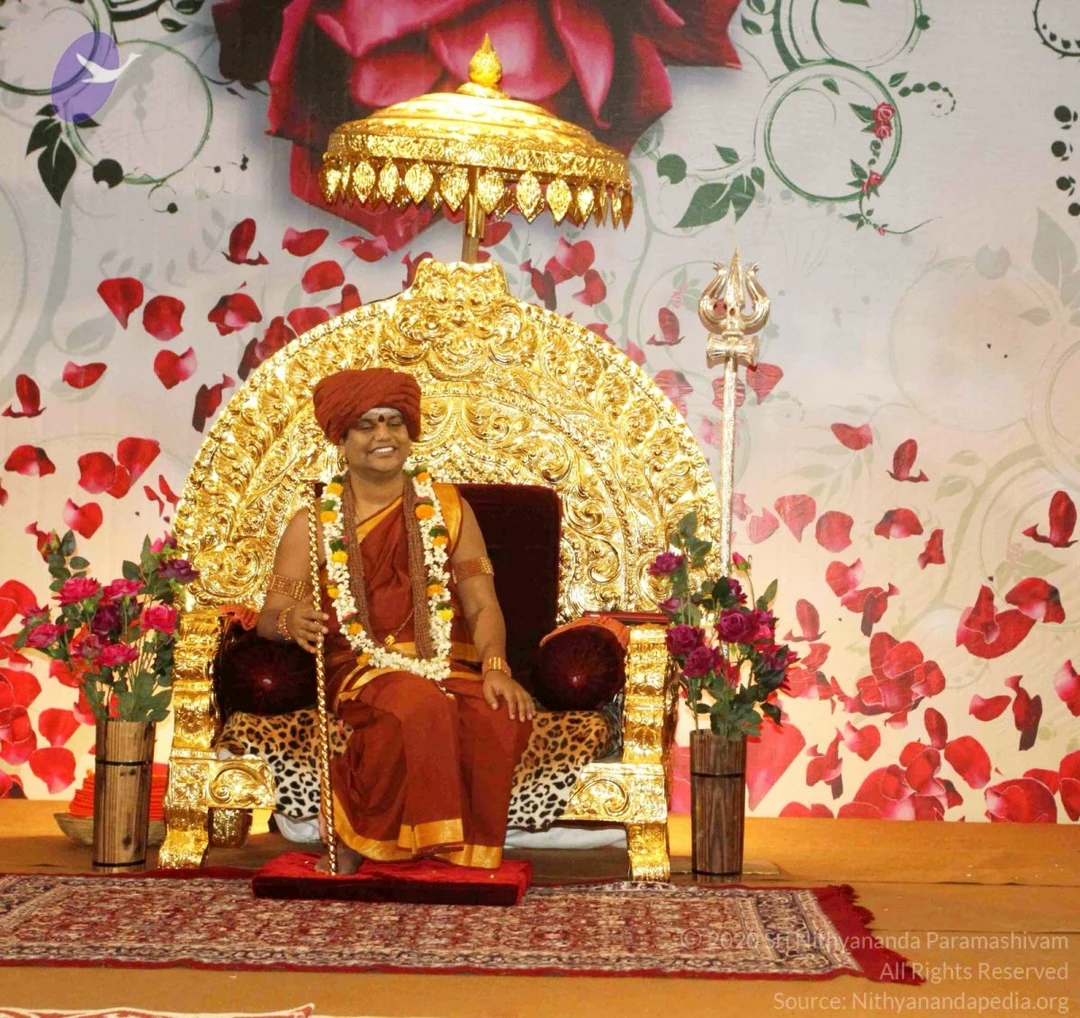
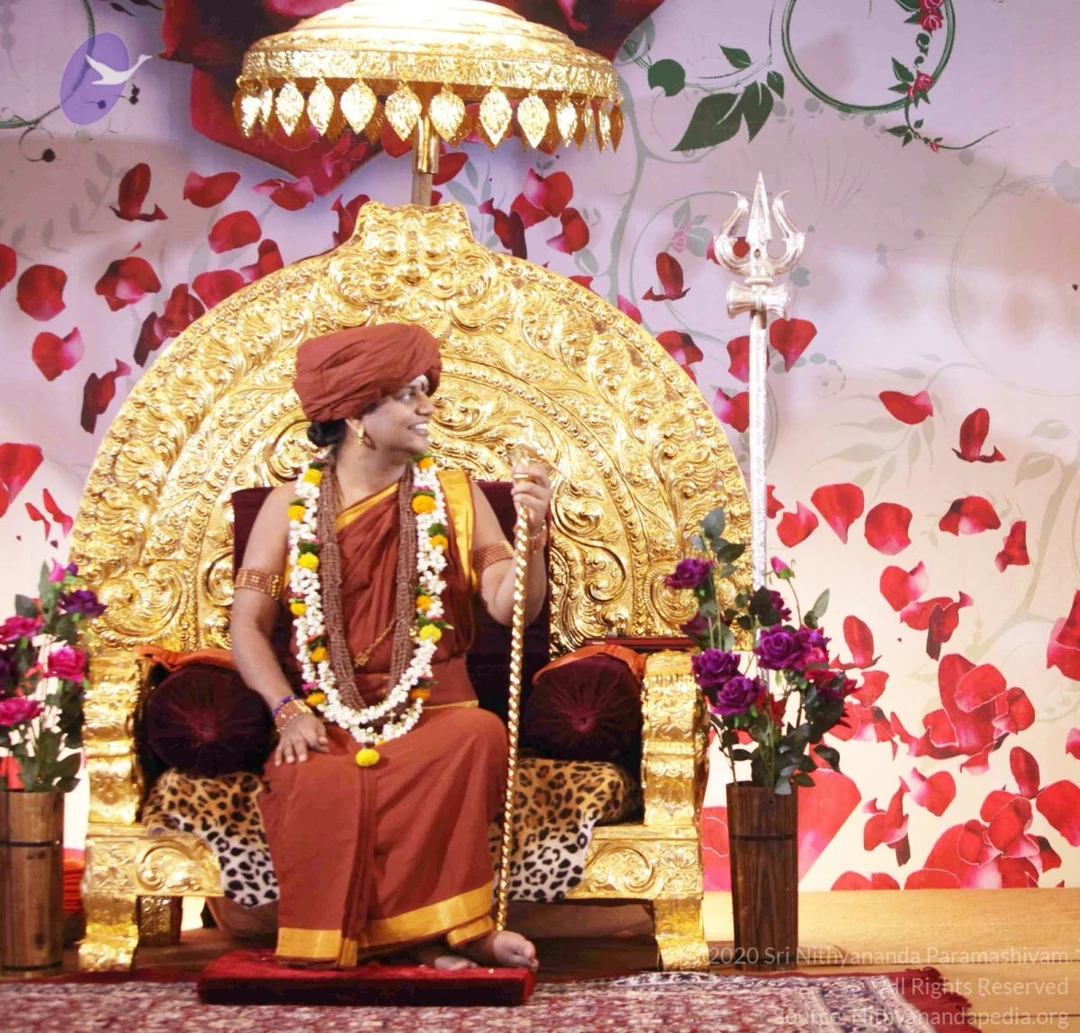
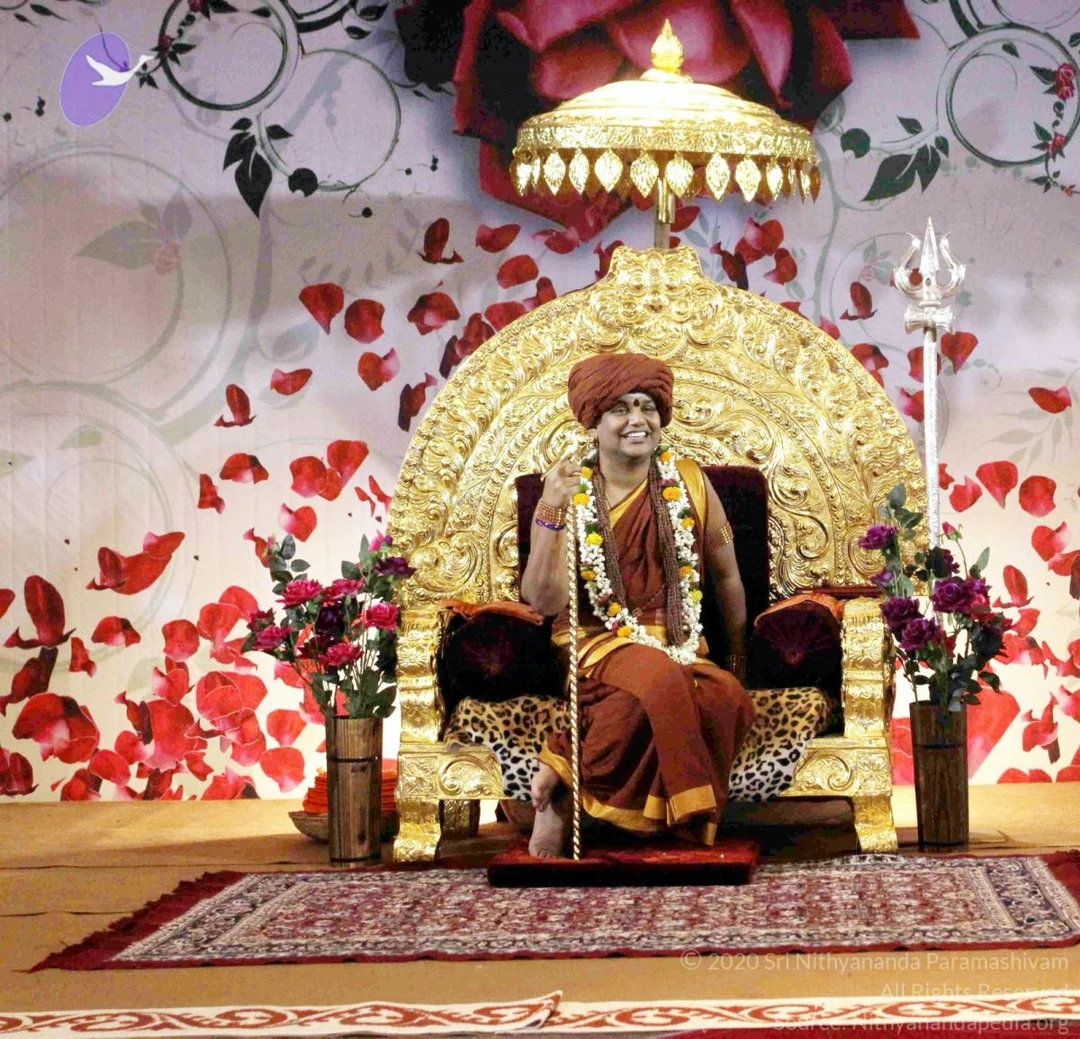
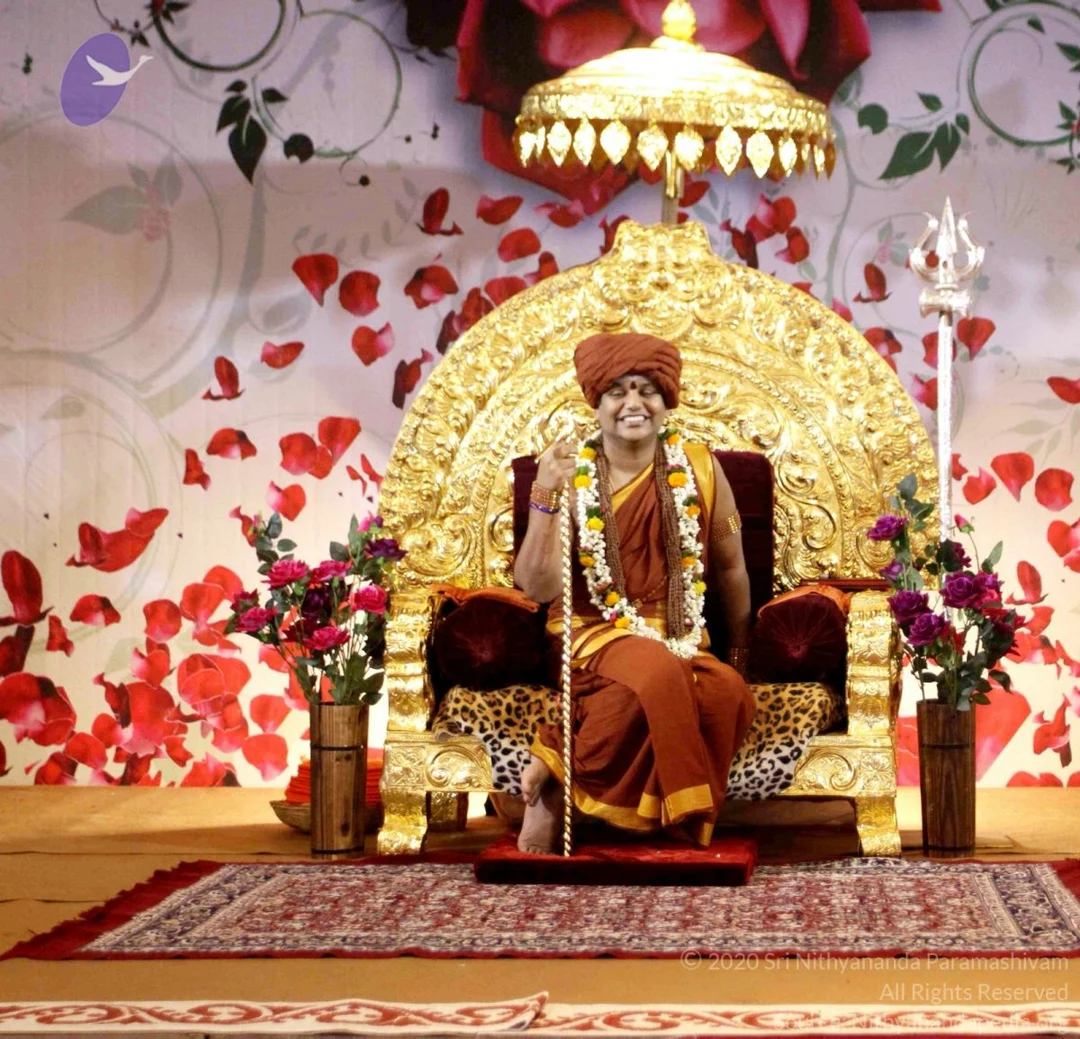
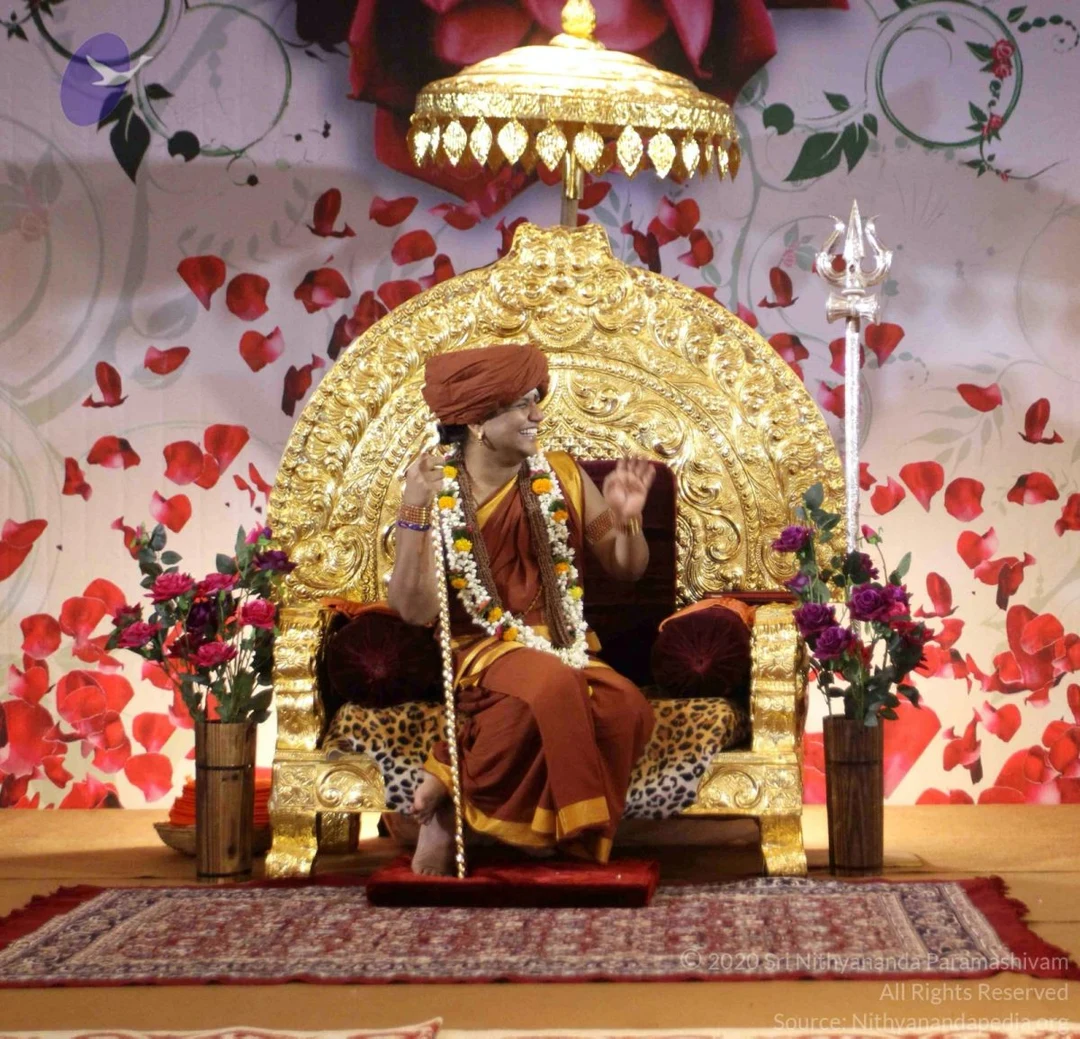
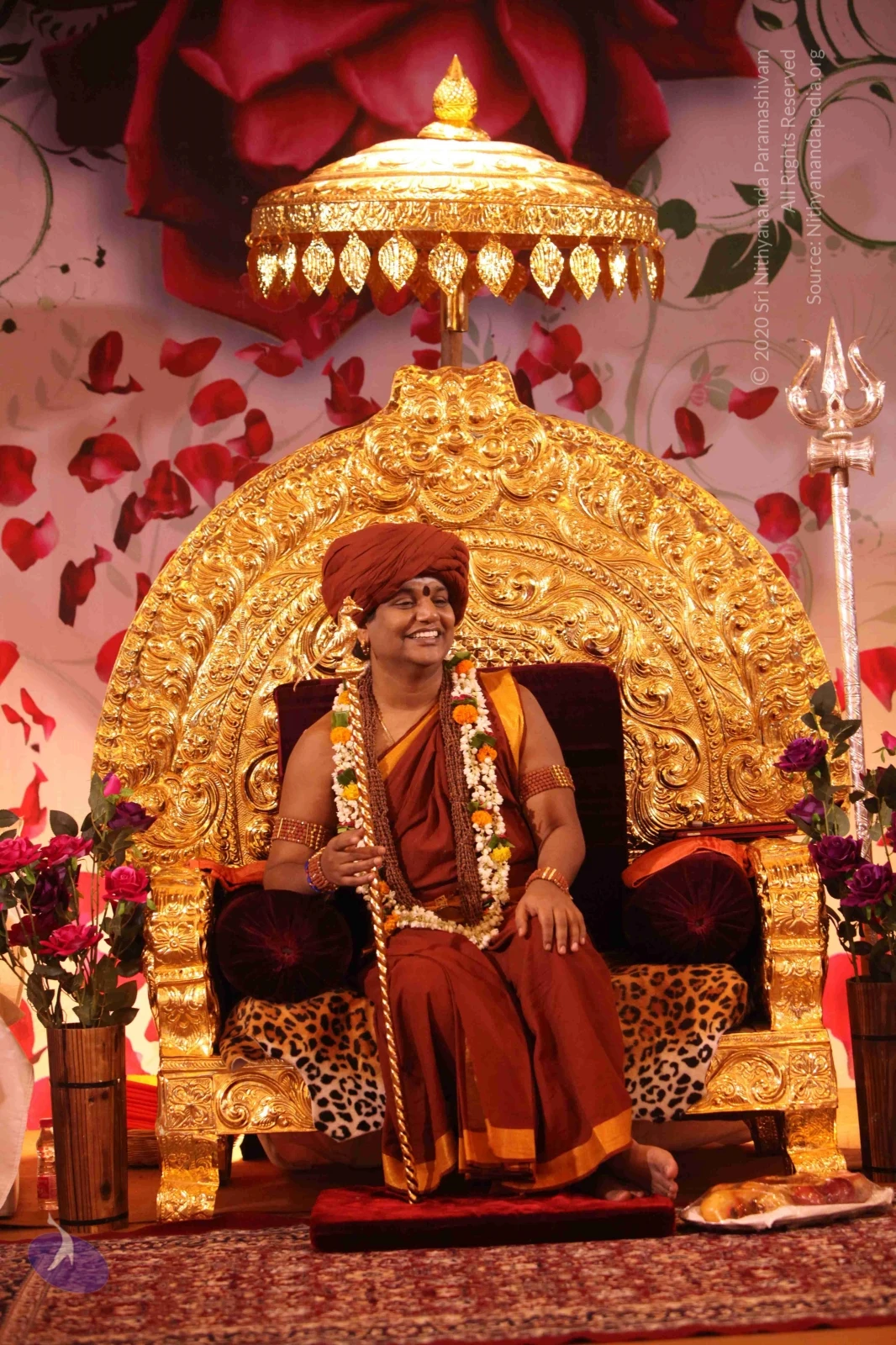
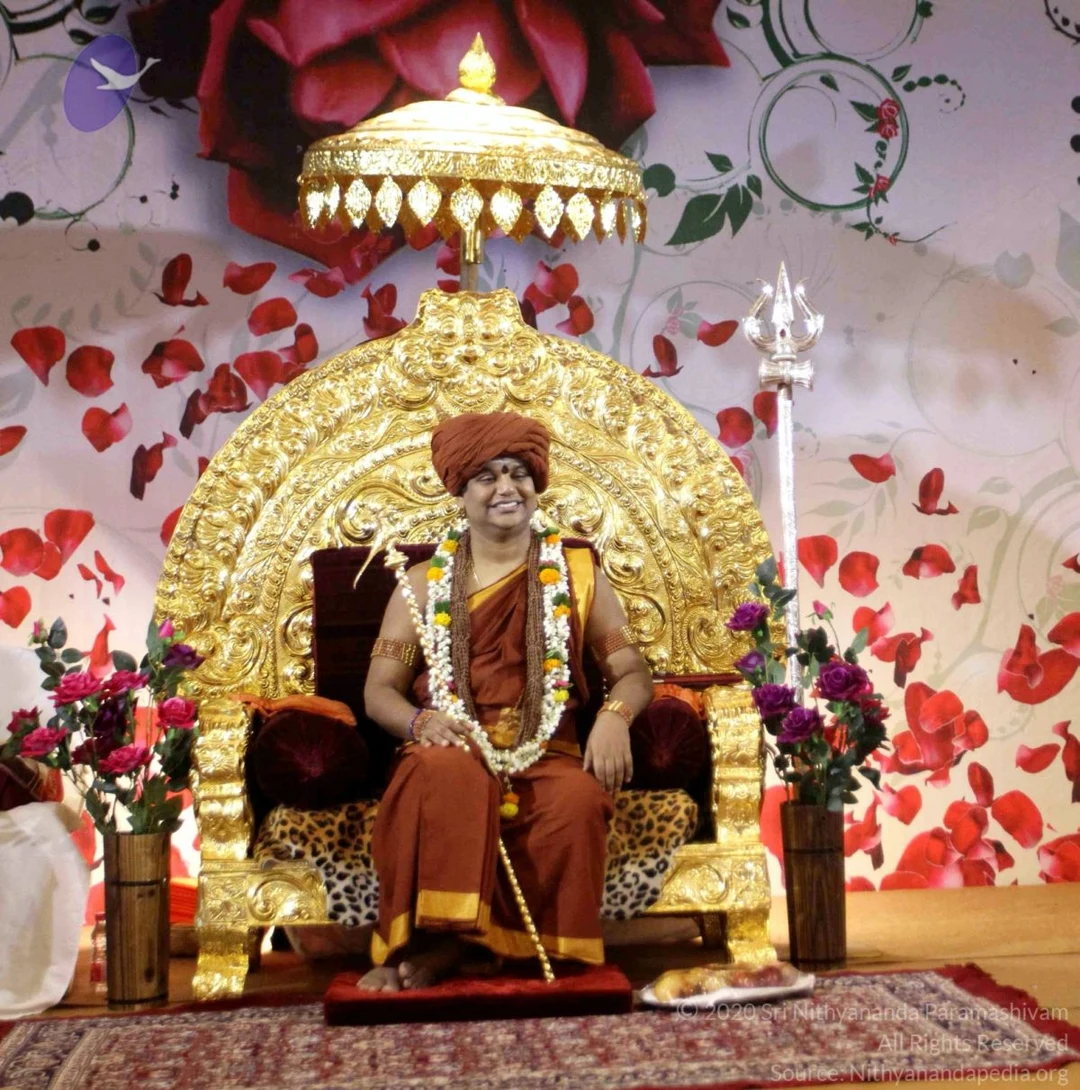
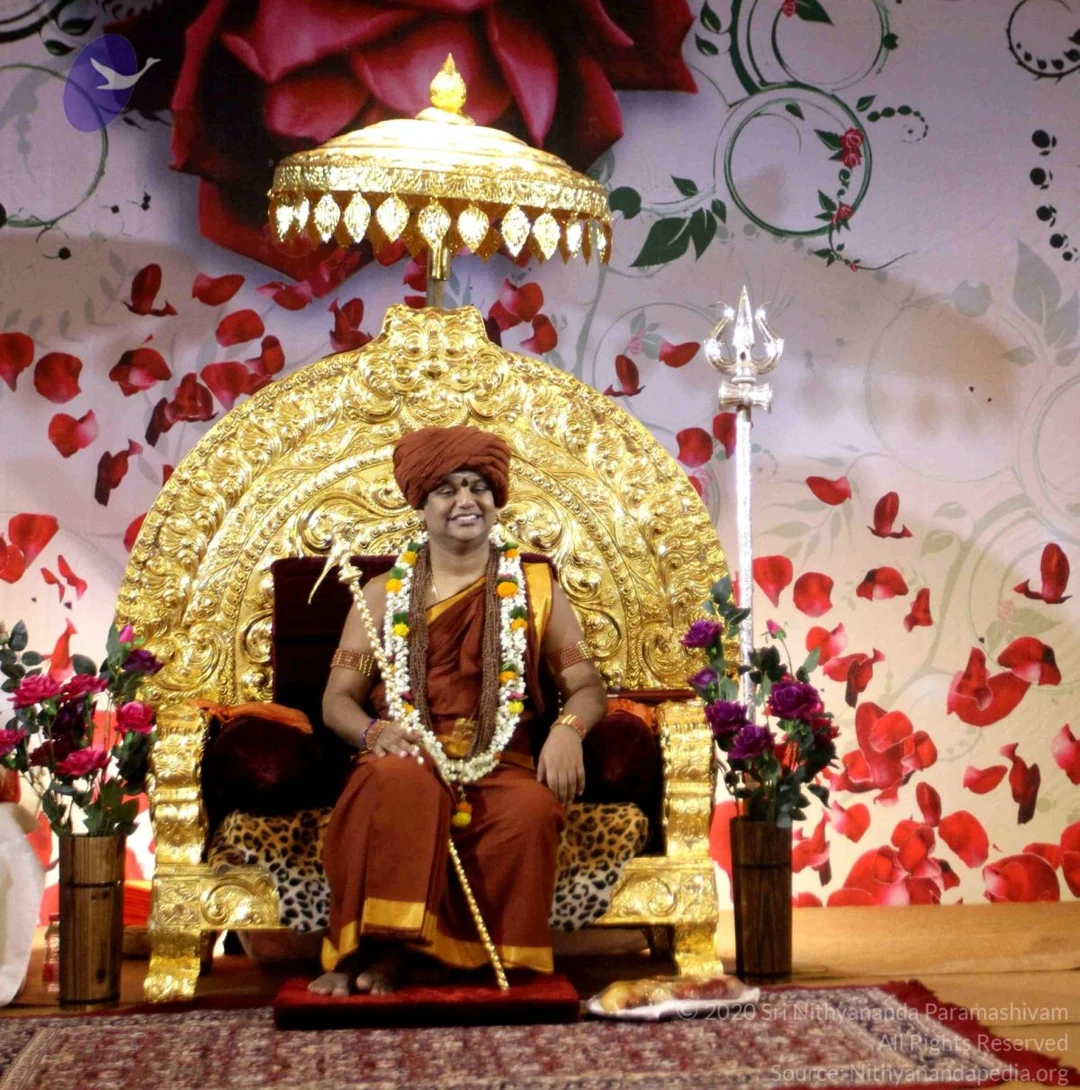
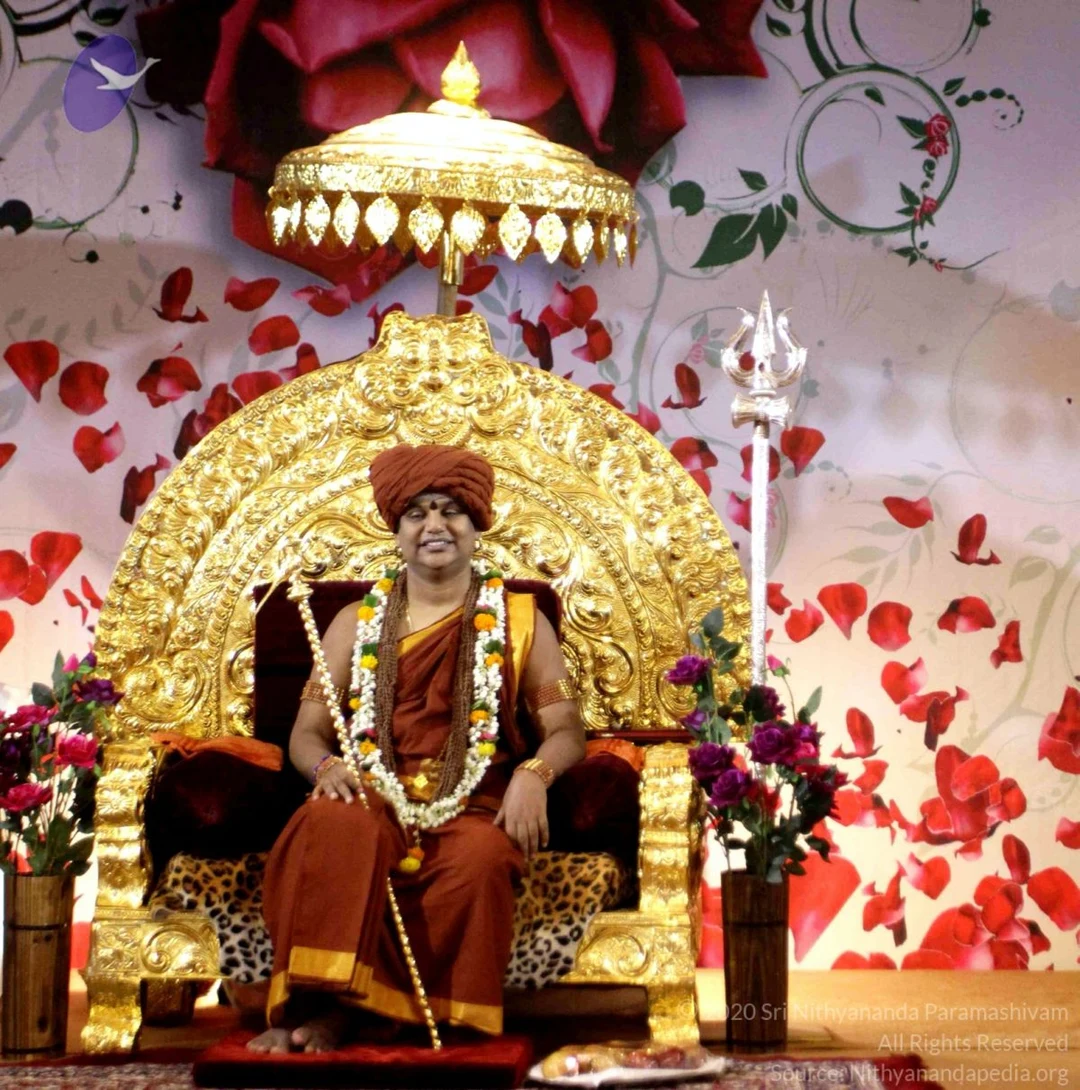
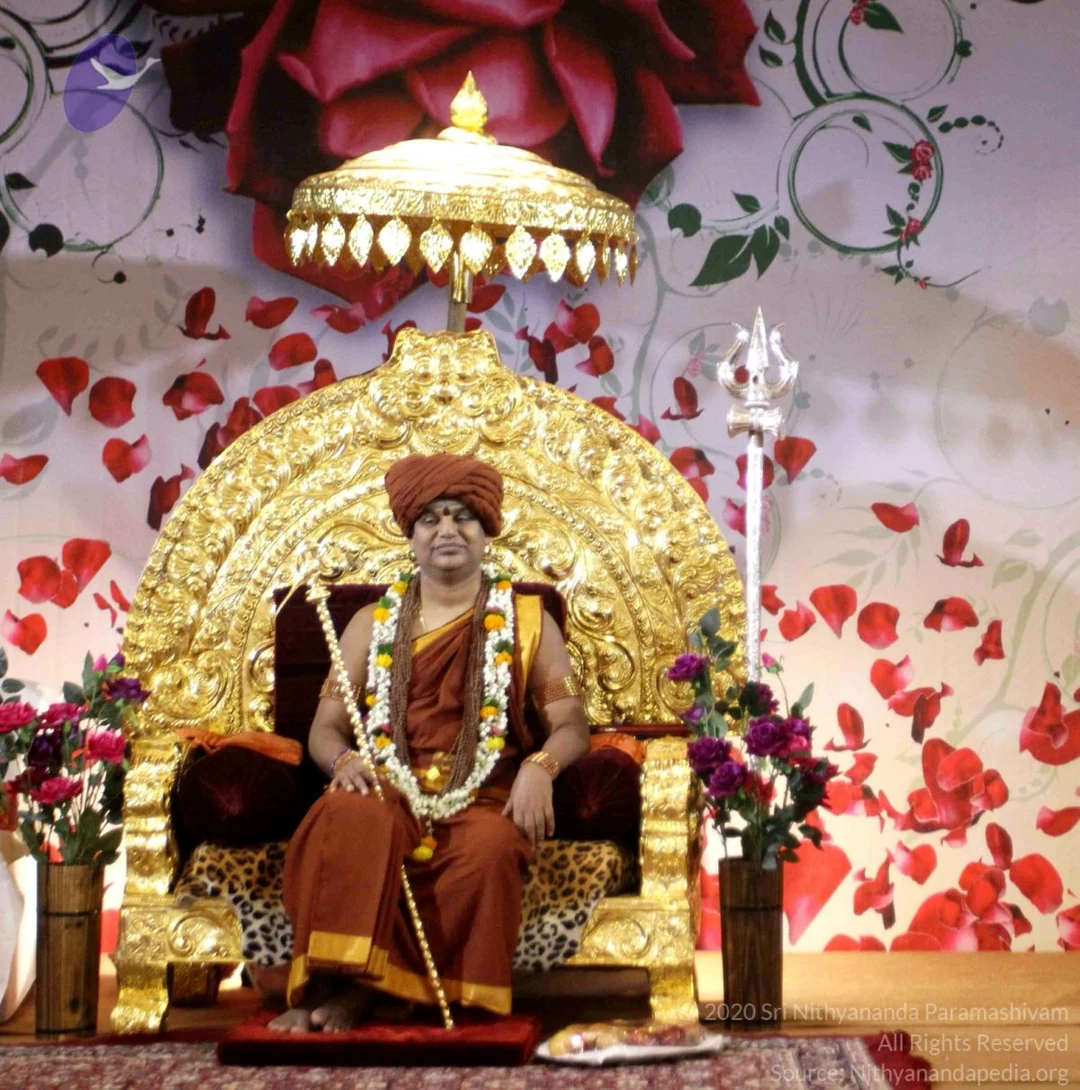
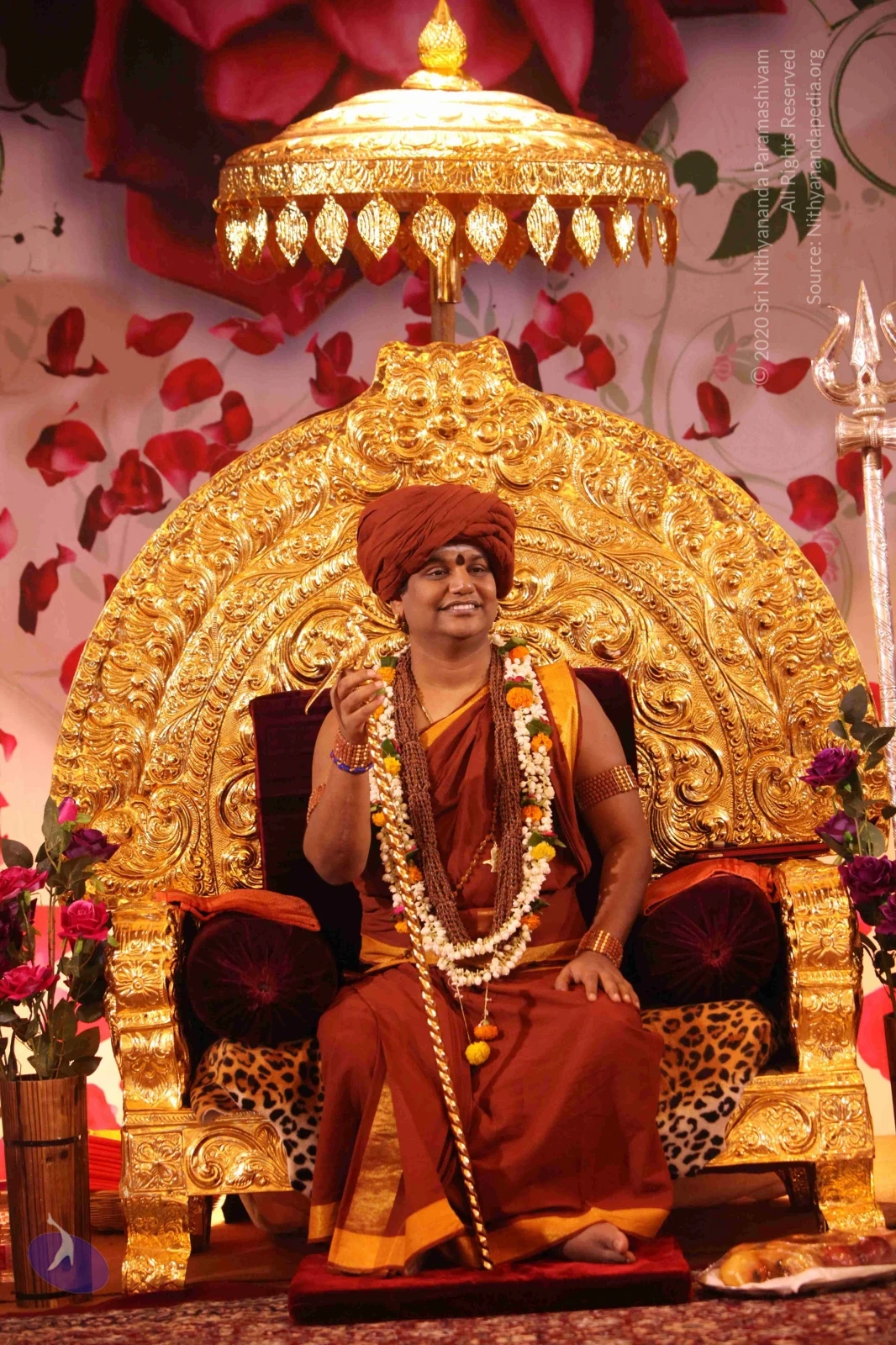
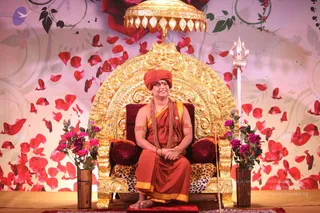
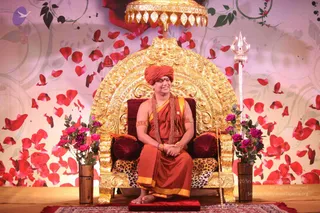
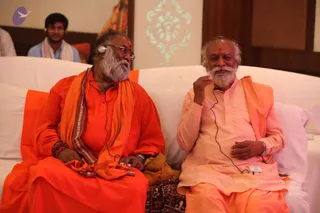
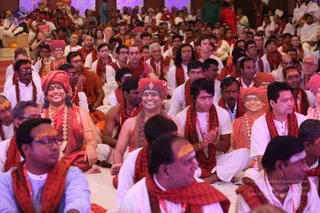
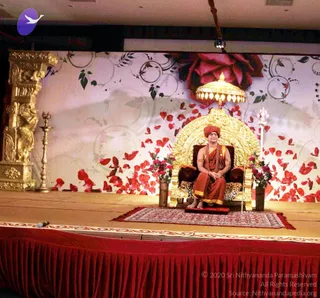
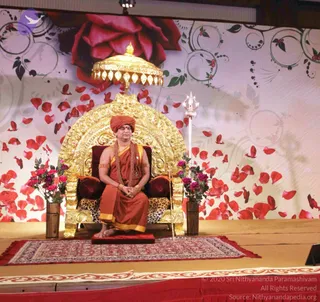
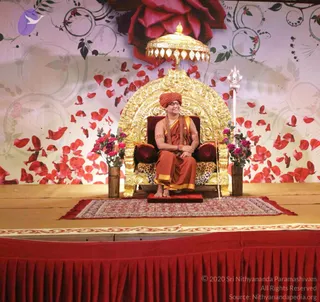
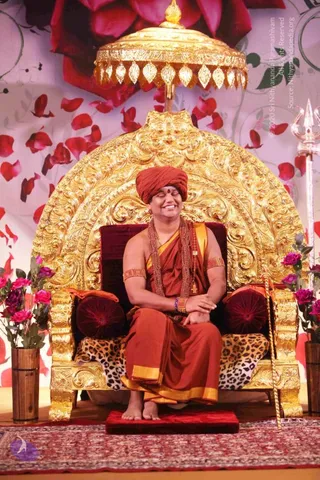
A photograph of a seated figure on an ornate golden throne with a leopard-print cushion and red velvet seat back, set against a backdrop of scattered red rose petals and a golden canopy. The figure wears an orange-red turban, an orange-red robe with gold borders, a rudraksha mala, gold armbands and gold bangles, and is seated barefoot on a red mat. A silver trident stands to the right and pink-purple flowers in wooden vases flank the throne. The figure is presented as a probable Swamiji by appearance cues: an orange-red turban and robe, rudraksha mala and ceremonial gold ornaments, seated in the central place of honour on the throne. Only one physical person is visible.A seated figure sits on an ornate gold throne with a carved, scrolled back and a golden canopy above. He wears an orange-red turban, an orange-red robe with gold-edged borders, a long rudraksha mala draped over the shoulders, and gold armbands and bangles. His hands rest together in his lap and he smiles while looking to his left. The throne has red velvet cushions and a leopard-print seat cover. A silver trident stands at the right, and purple flower arrangements in wooden vases flank the throne. The backdrop is pink and white with scattered red rose petals, and a red mat lies on the stage floor. a person appears as the seated figure, seated on the throne in a ceremonial posture.A smiling man sits on an ornate gilded throne with elaborate scrollwork behind him. He wears a red-orange turban, a saffron-orange shawl over a red-orange robe, a multi-strand beaded necklace, a rudraksha mala, and gold armbands. A red vertical forehead mark is visible. His hands rest in his lap. Appearance-based candidate: Swamiji (probable), seated in a throne with distinctive turban, saffron clothing and beaded adornments.A smiling man in a rust-red turban and saffron-orange robes sits on an ornate gold throne with carved scrollwork and a leopard-print seat cushion. He wears a long beaded rudraksha mala, gold armbands and bangles, and rests his hands folded in his lap while barefoot on a red footstool. A golden trident stands to the right, a red umbrella canopy hangs above, and vases of purple flowers flank the throne. The backdrop is covered with scattered red rose petals on a pink wall, with a patterned rug on the floor. Swamiji (probable): the saffron and orange attire, turban, rudraksha mala and throne match the page's Swamiji reference, though identity is inferred from appearance cues only.Two elderly men with long white beards sit side by side on a white sofa at an indoor event. The man on the left wears a vivid orange robe with an orange shawl edged in a pattern, a red tilak on his forehead, rudraksha-style beaded bracelets, and wears a headset with a cord. The man on the right wears pale peach-pink kurta and matching shawl, a red tilak, a wristwatch, and holds a small device with a headset cord. A young man in a light shirt and white scarf sits in the background, and a decorative white wall panel is behind them.A large seated audience fills a hall at a Nithyananda Dhyanapeetam-style programme, mostly in white clothes with red-orange shawls and stoles. Many wear orange-red or saffron turbans and forehead markings of vibhuti or kumkum. In the centre, a smiling woman in a pink-red sari and a red turban sits near a man in white and a red shawl. Several people wear rudraksha-style beaded malas and lanyards. Purple decorative drapes and a red carpet are visible at the back. The photo is a crowd shot of a satsang or Inner Awakening session, with one figure in orange-red dress and a crown-like turban prominent near the centre, resembling the a person candidate in appearance only, which is unclear.

PROGRAME-EXPERIENCE-SHARING

94 photosSource gallery
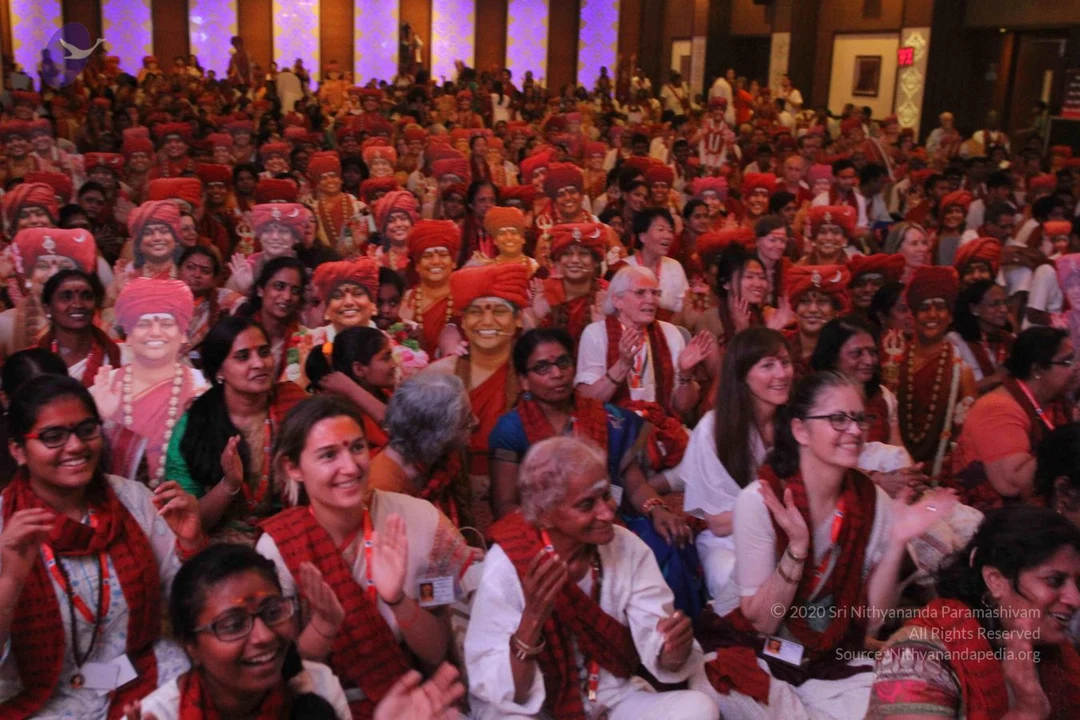
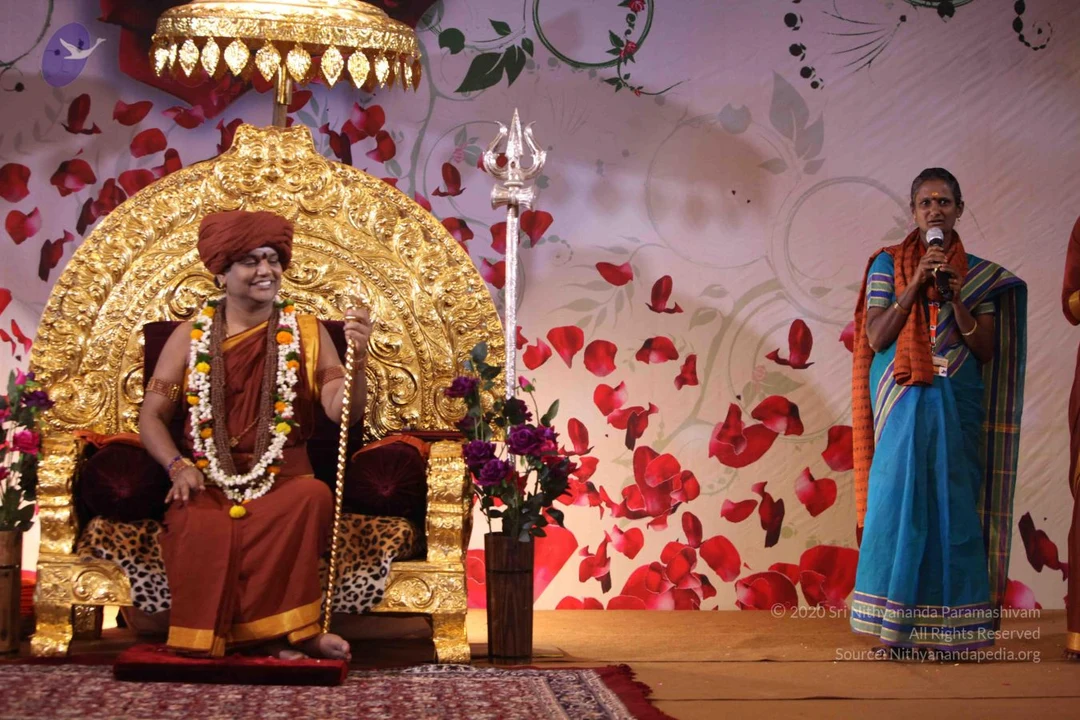
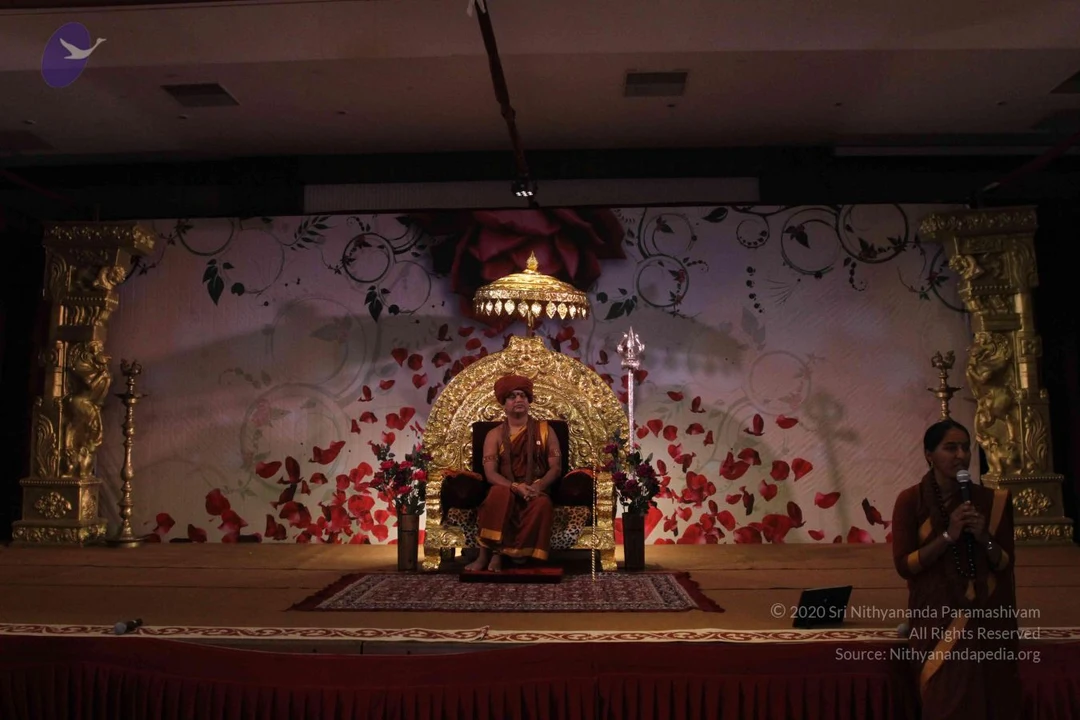
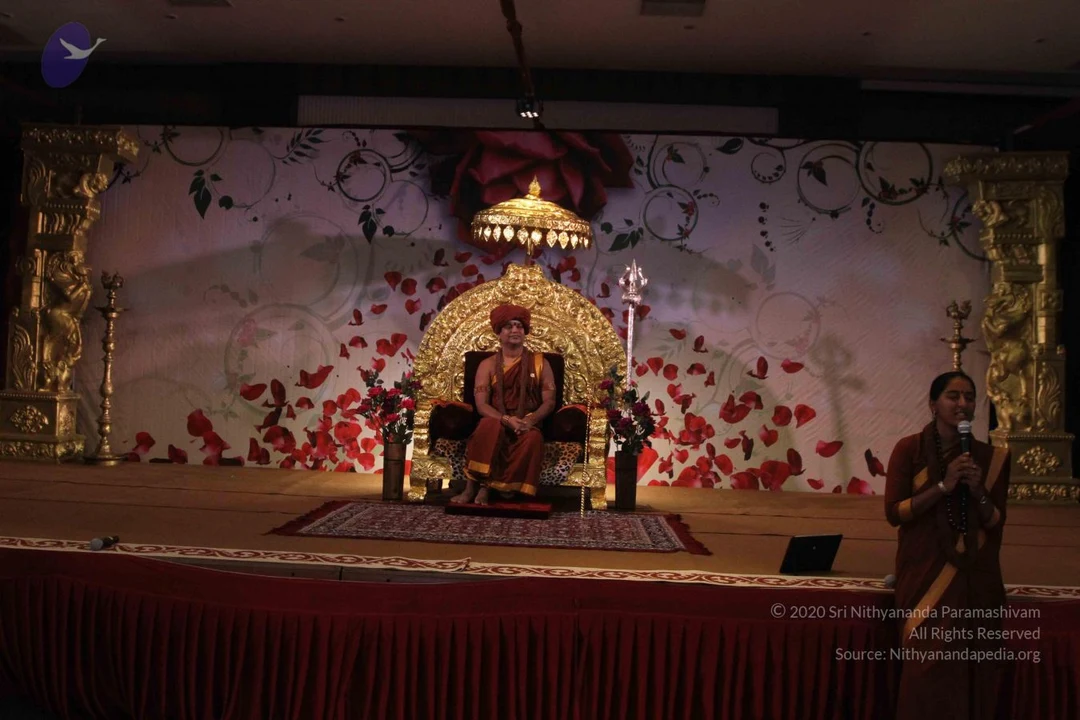
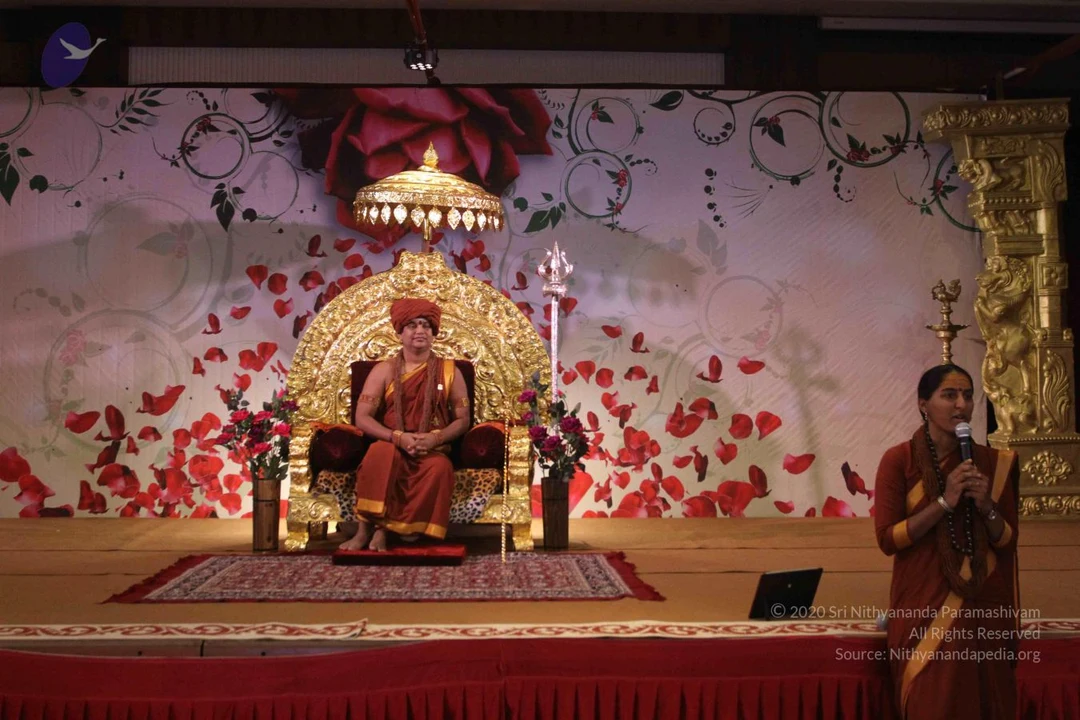
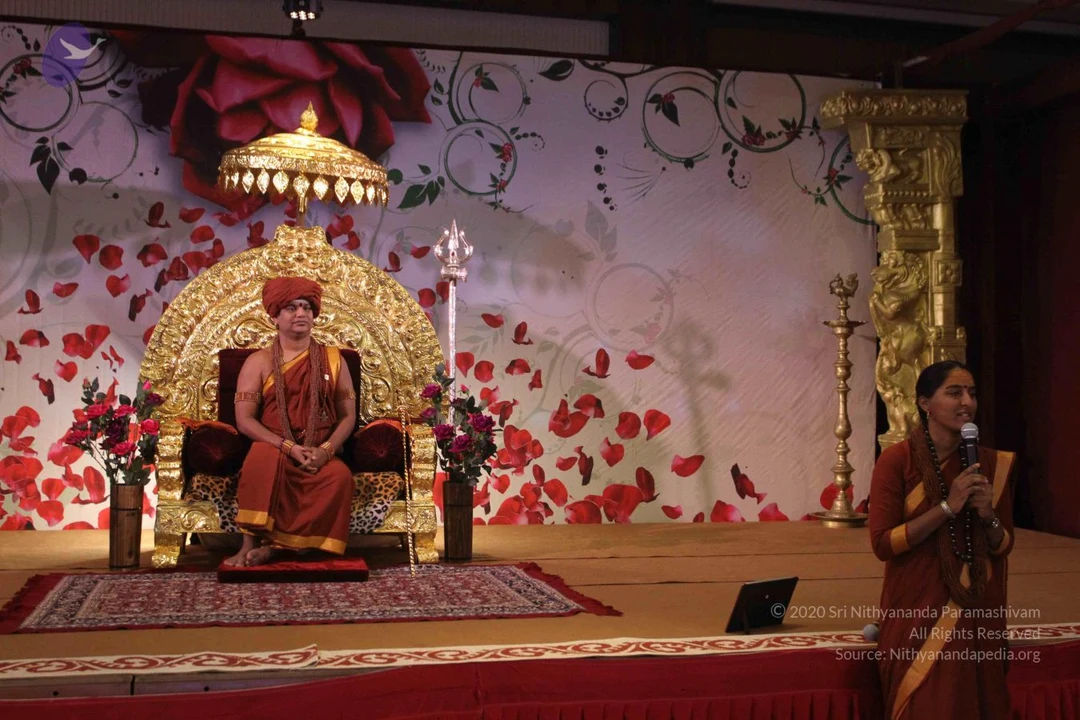
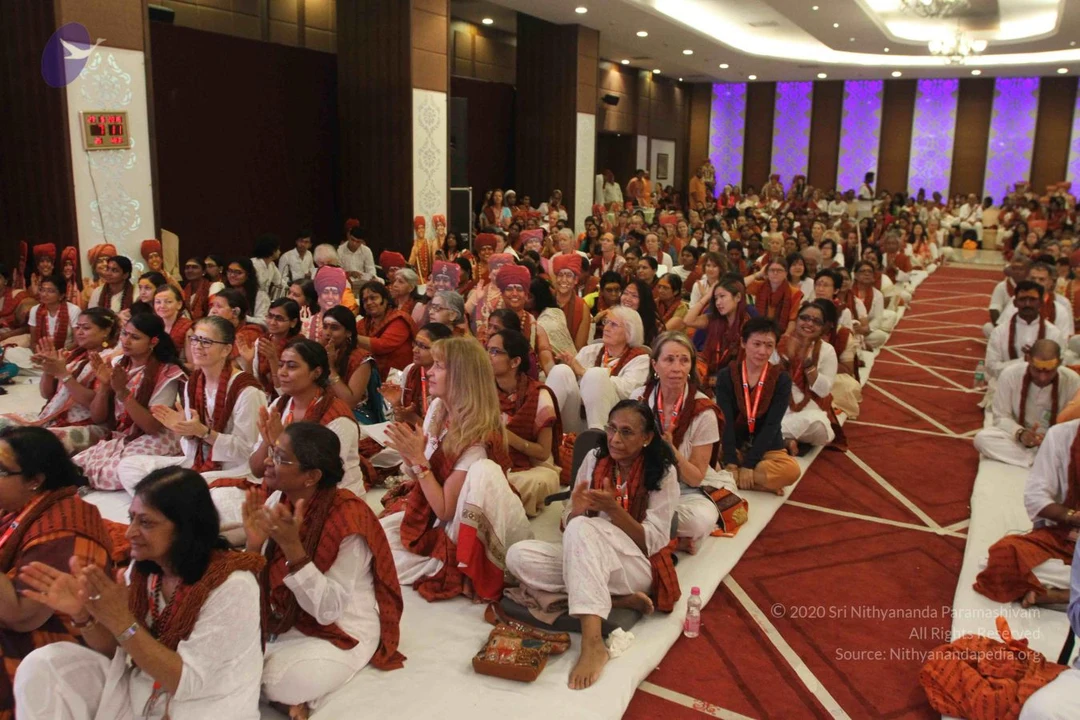
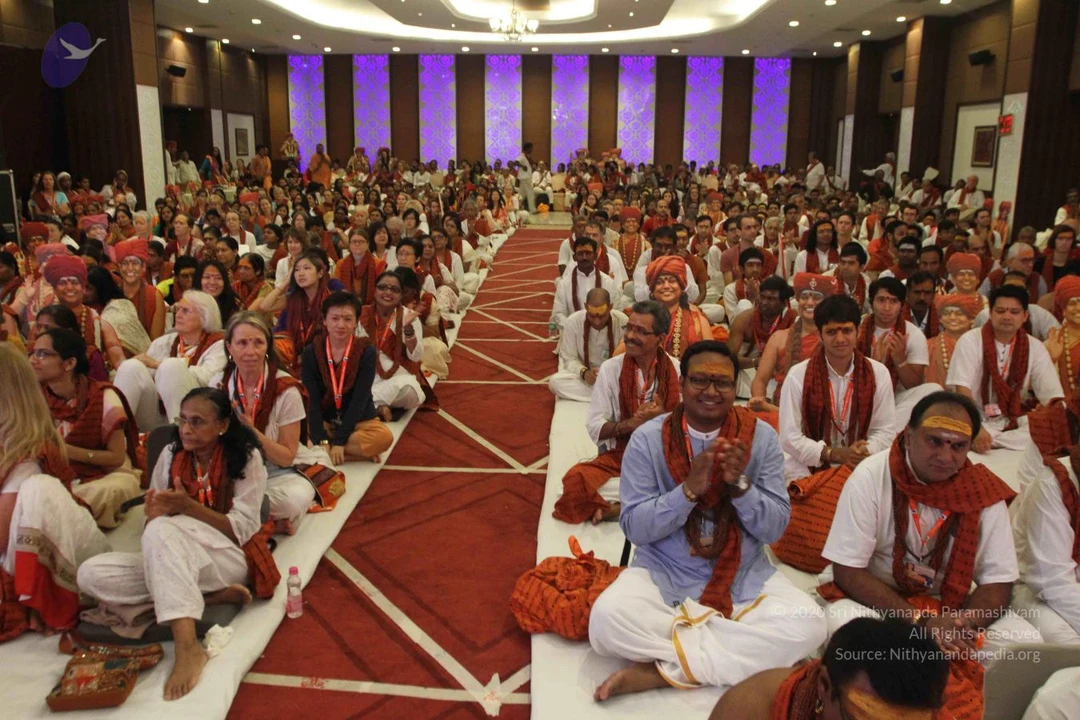
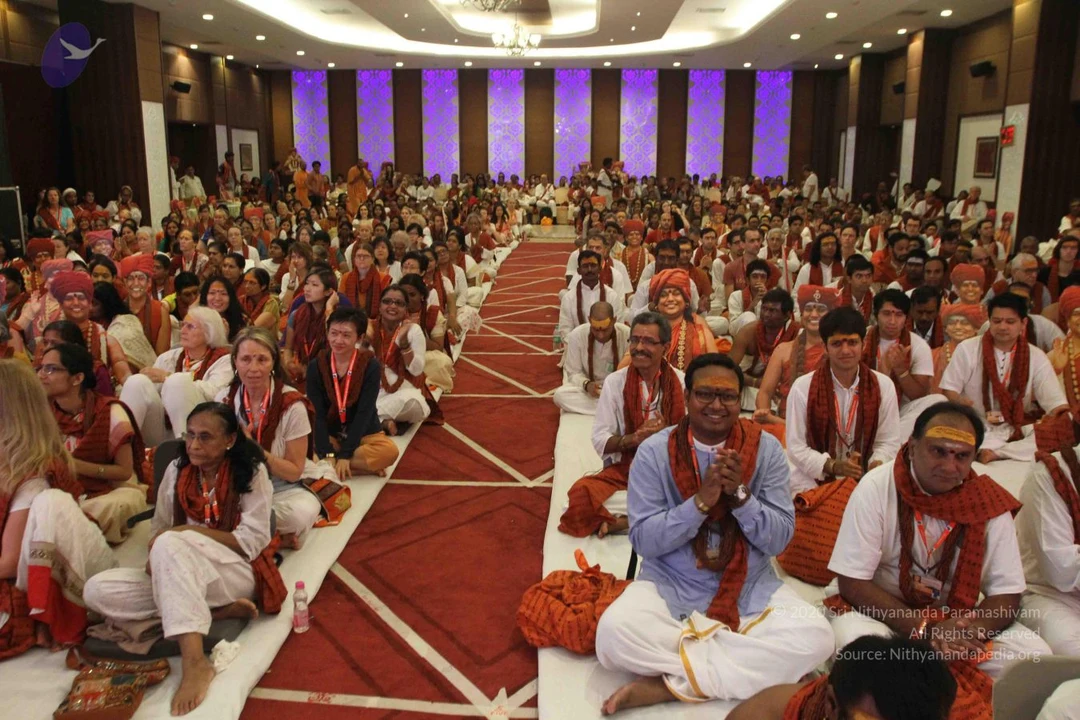
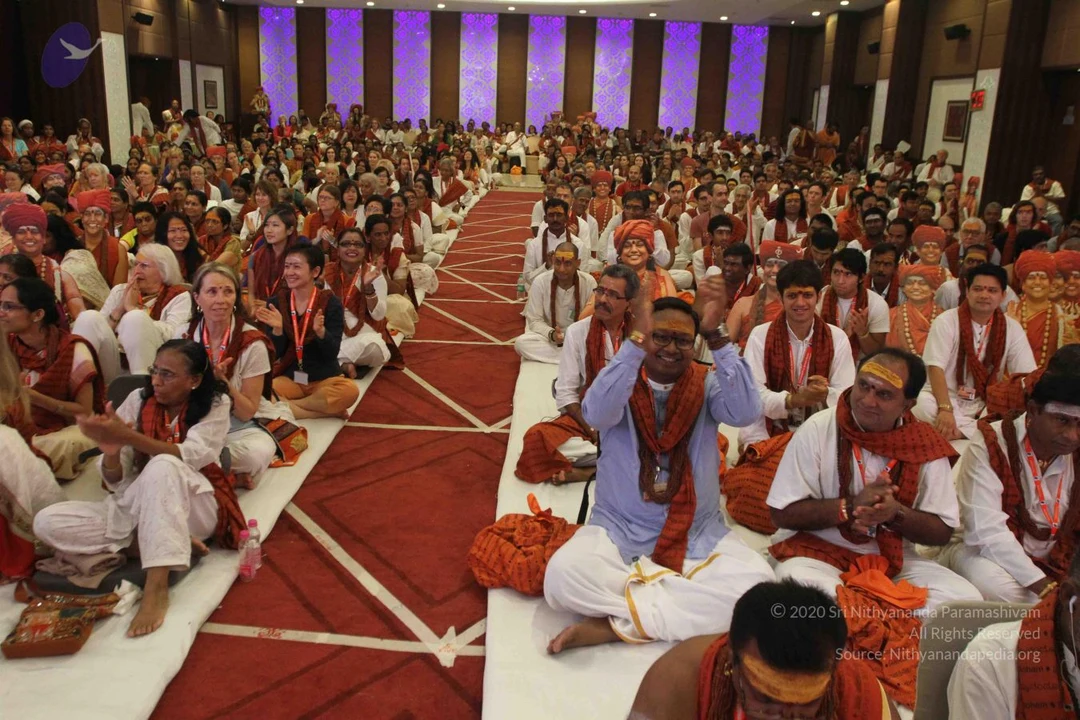
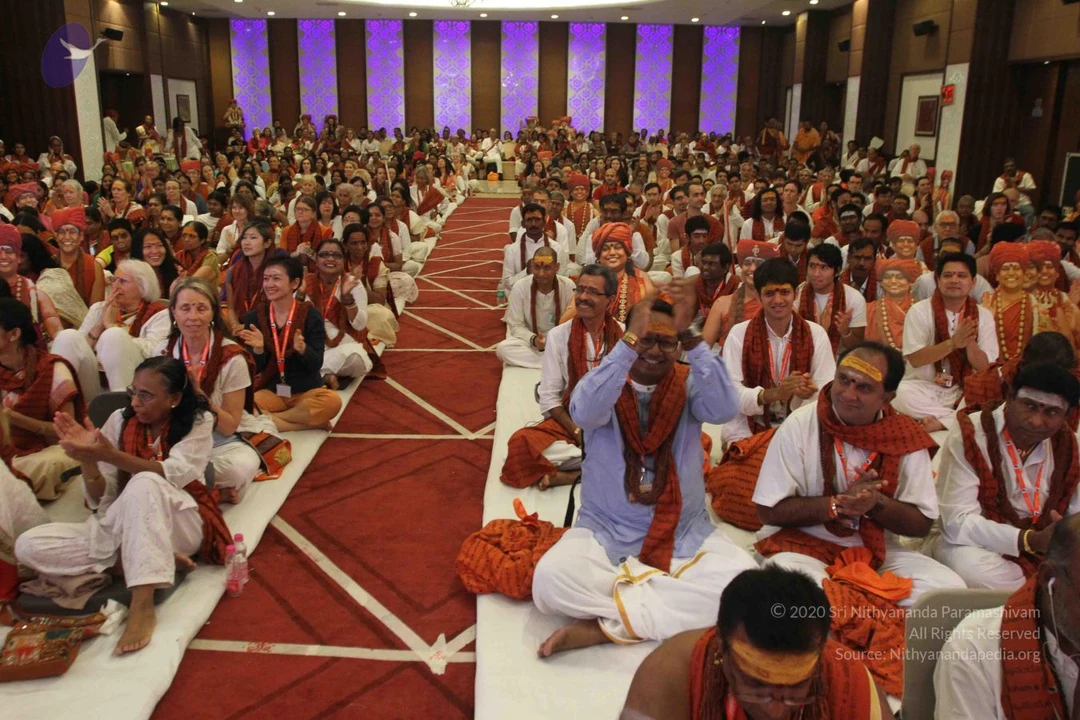
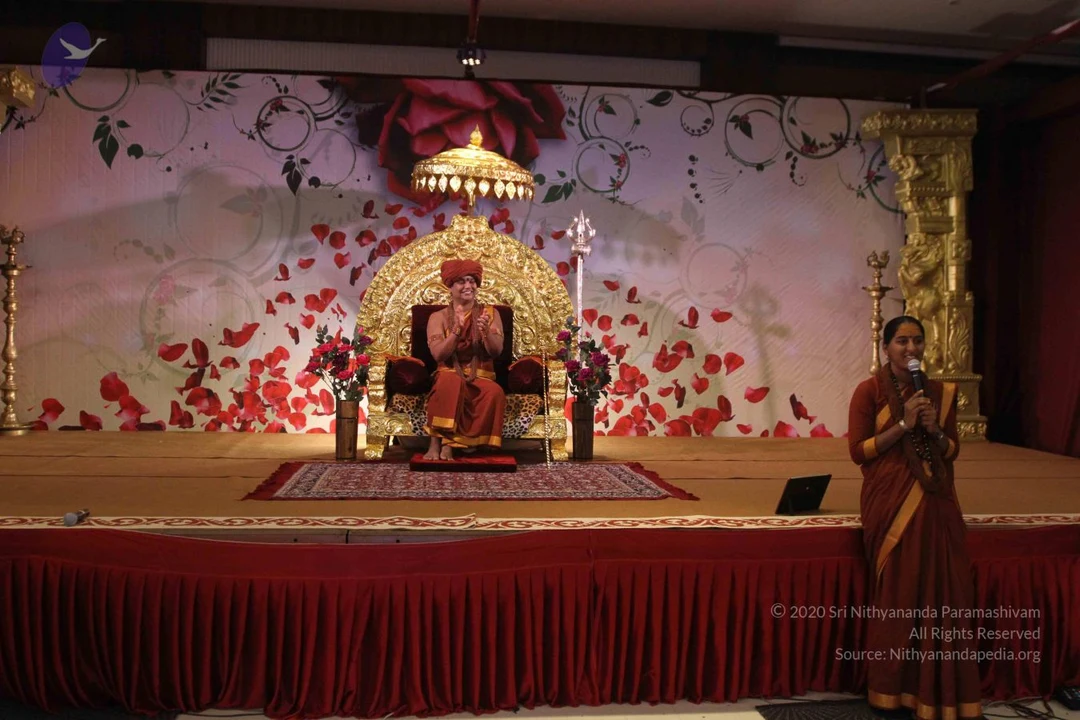
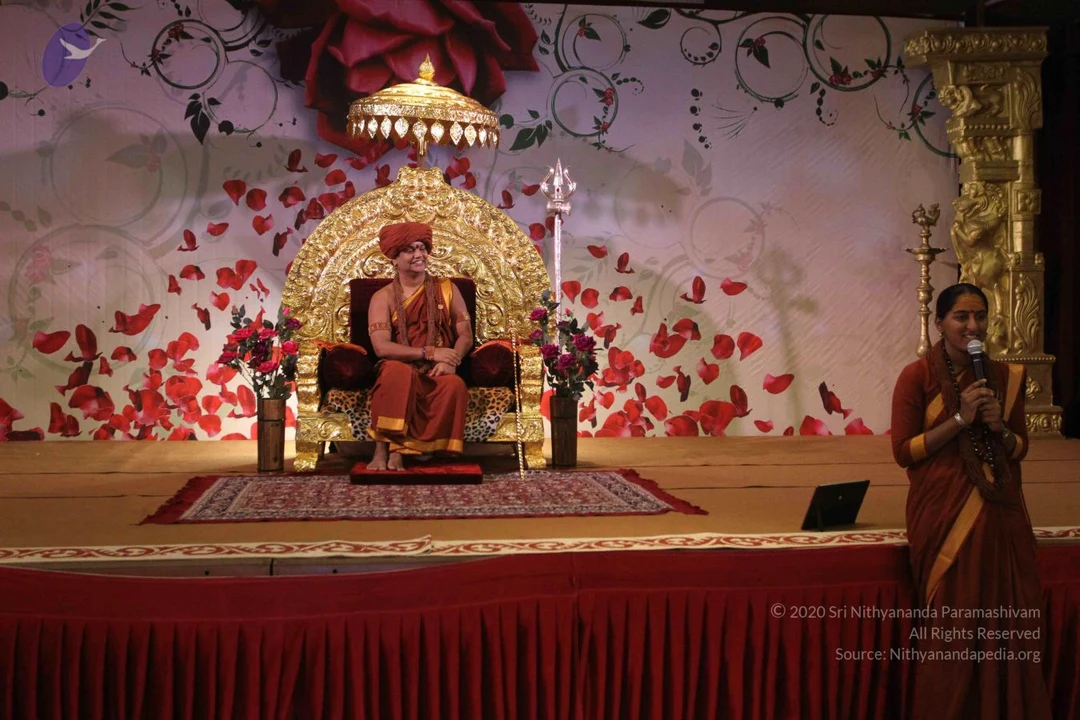
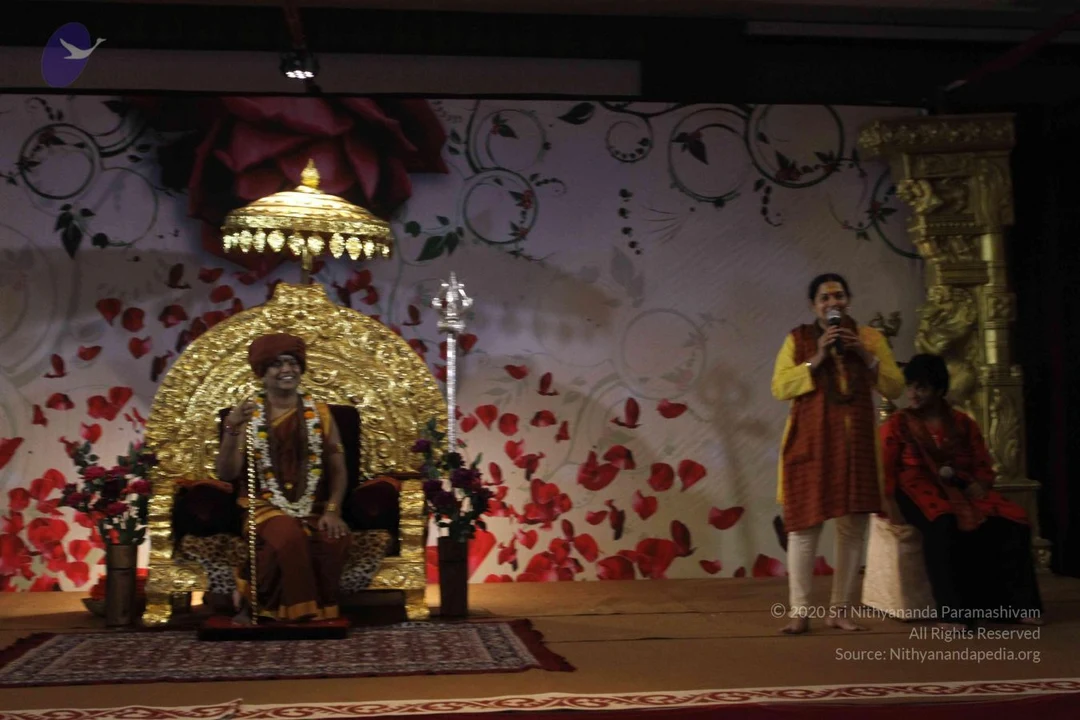
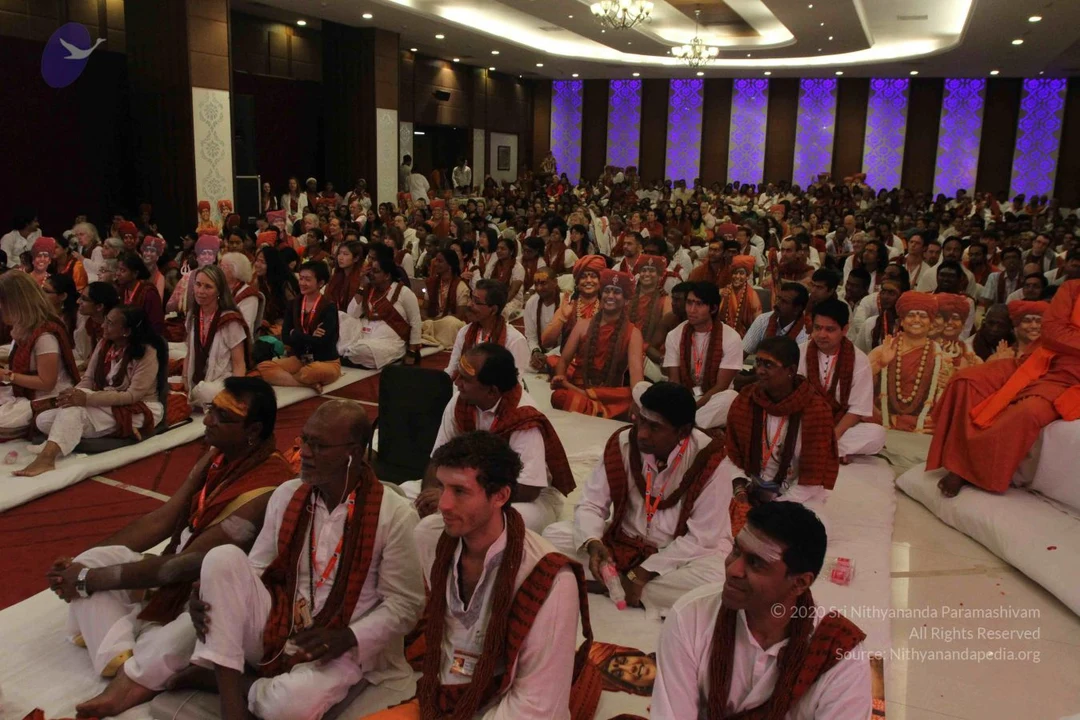
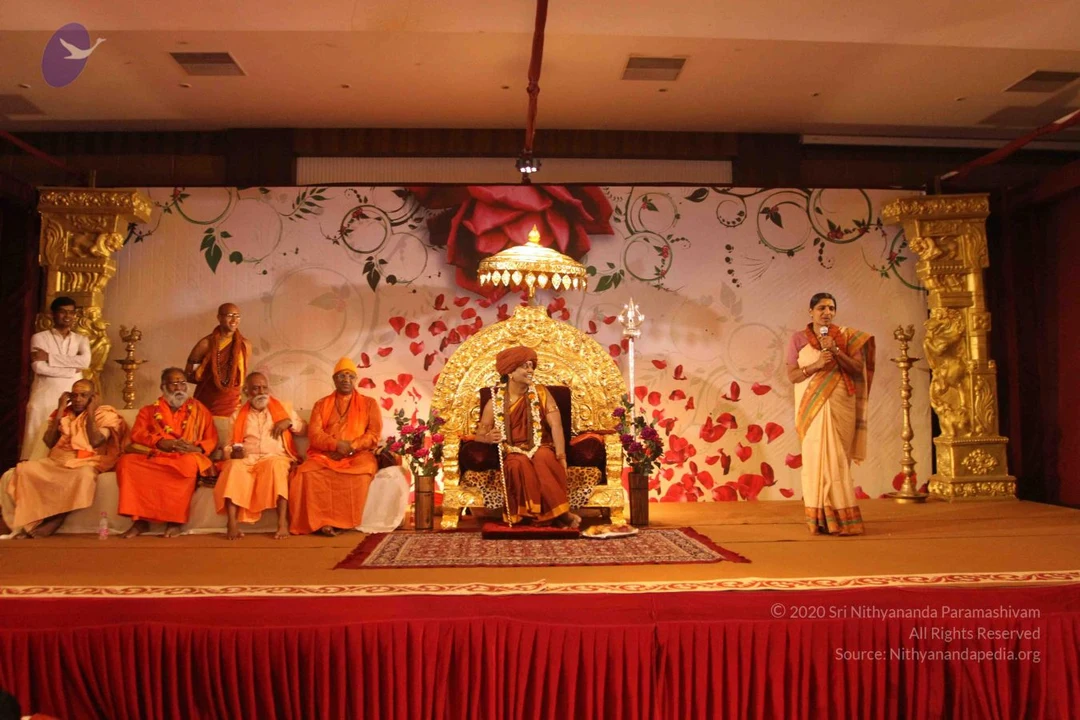
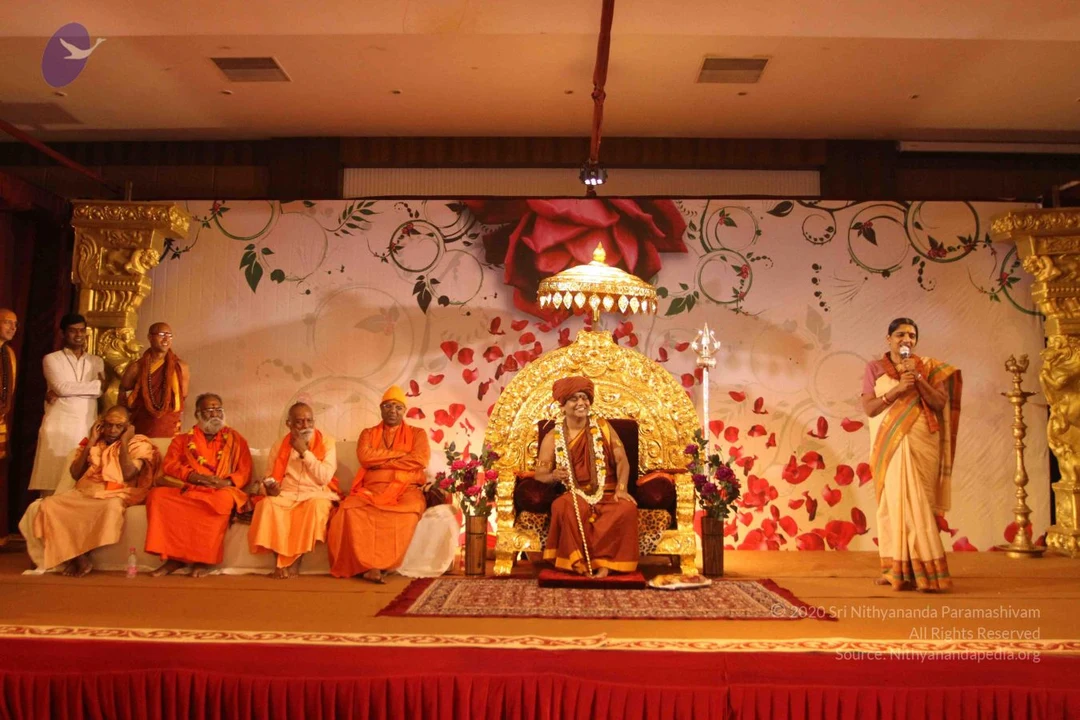
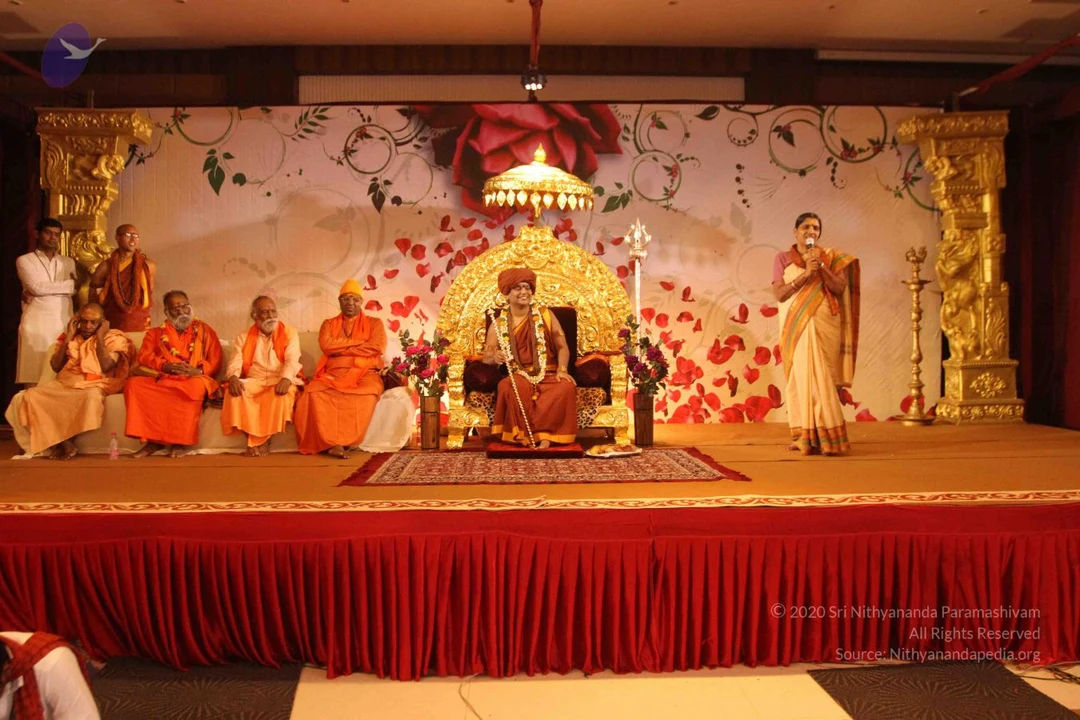
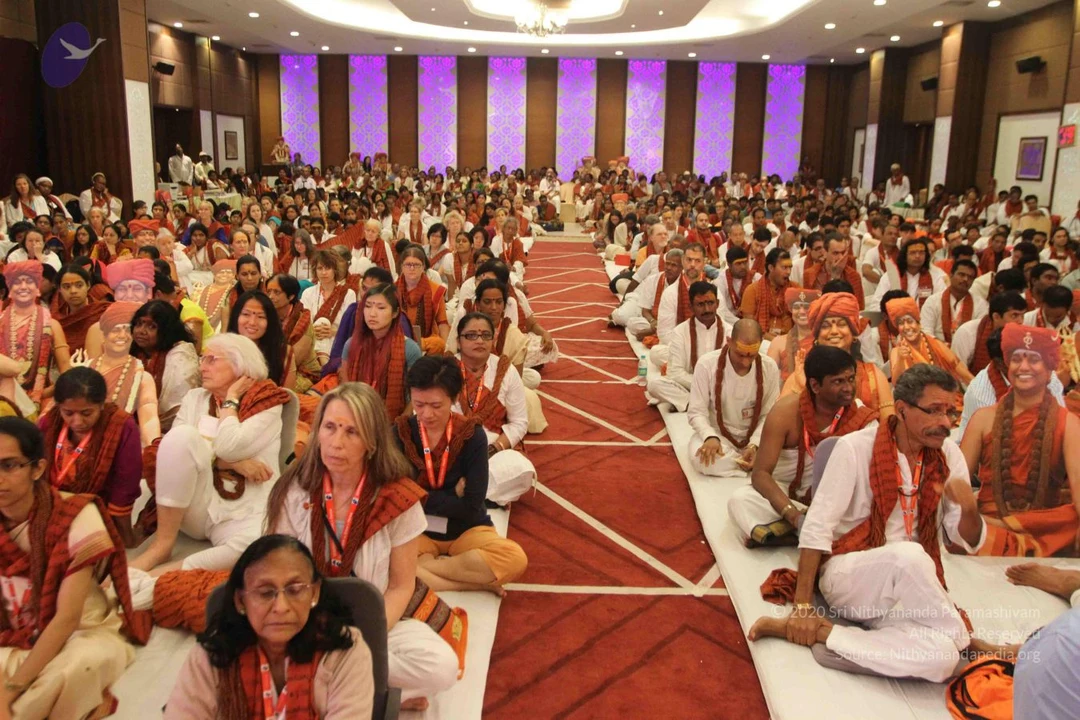
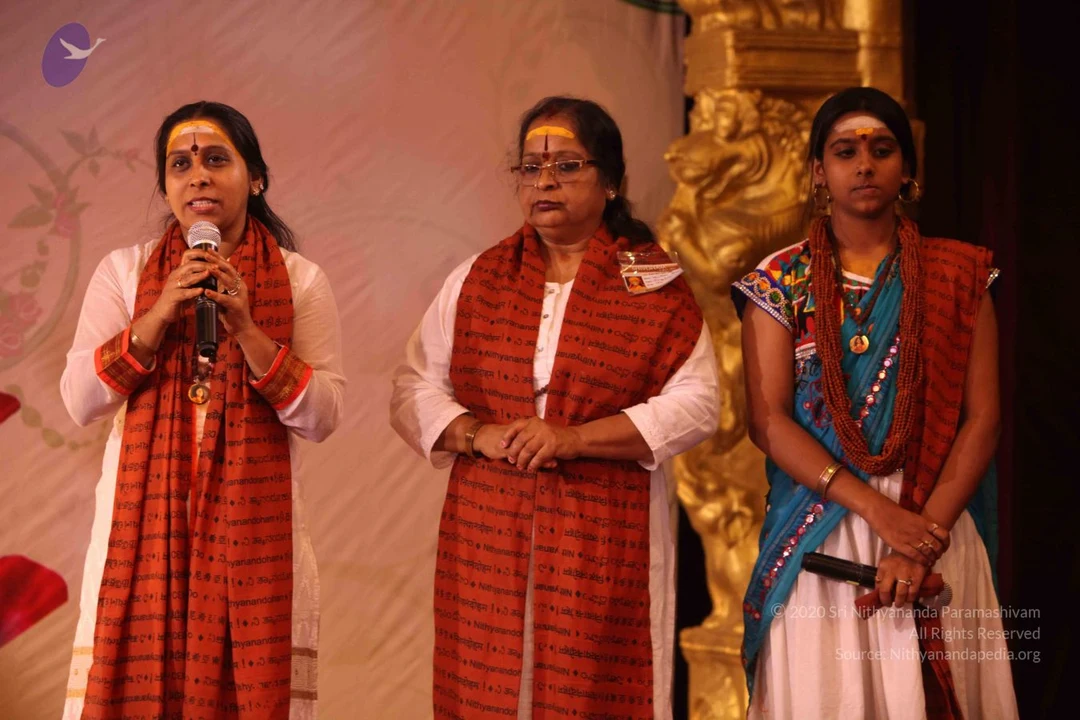
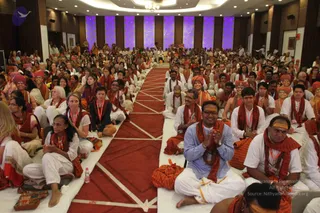
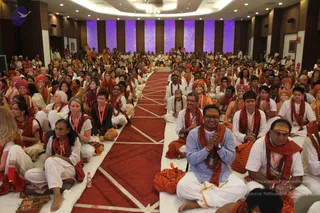
A photograph of an indoor stage event with a golden ornate throne at centre, draped with a small golden canopy. A seated figure in a saffron-orange robe and matching orange turban sits on the throne, with a rose-patterned backdrop of red petals and swirling floral designs behind. A standing woman in a dark orange sari, holding a microphone and wearing a rudraksha mala, stands at the right edge of the stage speaking. Golden lamp stands, floral arrangements and a silver trident flank the throne, and a red-draped stage edge runs along the bottom.A seated man in an orange-saffron robe with an orange turban sits on an ornate gold throne with a gold canopy, legs crossed, hands folded in his lap, on a stage backdrop of large red roses and floral scrollwork with scattered red petals. A kalasha-topped golden trident stands beside the throne and brass lamps flank the stage. To the right, a woman in a red-orange sari with a rudraksha mala holds a microphone and speaks. Setting is a satsang-style stage with flower arrangements and a laptop on the floor.A large seated audience fills a banquet hall during an Inner Awakening session, with participants sitting on white mats along a central red carpet. Many wear white kurtas or white clothing with orange-red shawls and red-and-white lanyard badges, and several men have orange-yellow forehead marks. A central row of people in the front foreground sits with palms pressed together in greeting, including a man in a light blue shirt and white dhoti with an orange shawl. Behind them, purple-lit panels line the back wall and a chandelier hangs from the ceiling. The crowd is large, stretching to the rear of the hall, and no individual figure can be confidently identified as a person from this view.A large seated audience fills a carpeted hall with a red and gold patterned floor and lavender-lit panels along the back wall. Many participants wear white clothes with orange-red shawls and some wear orange turbans or headwear. In the foreground a man in a light blue kurta and white dhoti sits with palms pressed together in greeting, and a man in white with a yellow tilak on his forehead sits nearby. Rows of attendees, many in white, extend toward a distant stage at the front of the hall. Several women with shawls and a woman with grey hair are seated among them. The atmosphere is that of a satsang or Inner Awakening session.A large hall packed with seated participants in white clothes and red-orange shawls, many wearing orange or red headwear and sandalwood-and-vermilion forehead marks. Many wear lanyards with badges. A man in the foreground with folded hands and a smile wears a pale blue kurta over white dhoti and a red shawl, with a rudraksha-style mala visible at his chest. Others around him clap and raise their hands during the session. Red patterned carpet runs down the centre aisle, and purple lit panels line the back wall. Many participants are visible; the crowd is far larger than twenty.A large photograph of a packed hall with a crowd of participants seated on white mats along red carpet aisles with diagonal white lines. Most wear white clothes with orange-red shawls and red lanyard badges; many have orange-yellow tilak marks on their foreheads. Several seated people in front clap or raise hands in applause. Behind them, purple-lit decorative panels line the wall, and a distant figure in orange stands near the front. Crowd is large, well over one hundred visible people.

IA-Varanasi-Session

145 photosSource gallery
A photograph of a seated figure on an ornate golden throne with a leopard-print cushion and red velvet seat back, set against a backdrop of scattered red rose petals and a golden canopy. The figure wears an orange-red turban, an orange-red robe with gold borders, a rudraksha mala, gold armbands and gold bangles, and is seated barefoot on a red mat. A silver trident stands to the right and pink-purple flowers in wooden vases flank the throne. The figure is presented as a probable Swamiji by appearance cues: an orange-red turban and robe, rudraksha mala and ceremonial gold ornaments, seated in the central place of honour on the throne. Only one physical person is visible.A seated figure sits on an ornate gold throne with a carved, scrolled back and a golden canopy above. He wears an orange-red turban, an orange-red robe with gold-edged borders, a long rudraksha mala draped over the shoulders, and gold armbands and bangles. His hands rest together in his lap and he smiles while looking to his left. The throne has red velvet cushions and a leopard-print seat cover. A silver trident stands at the right, and purple flower arrangements in wooden vases flank the throne. The backdrop is pink and white with scattered red rose petals, and a red mat lies on the stage floor. a person appears as the seated figure, seated on the throne in a ceremonial posture.A smiling man sits on an ornate gilded throne with elaborate scrollwork behind him. He wears a red-orange turban, a saffron-orange shawl over a red-orange robe, a multi-strand beaded necklace, a rudraksha mala, and gold armbands. A red vertical forehead mark is visible. His hands rest in his lap. Appearance-based candidate: Swamiji (probable), seated in a throne with distinctive turban, saffron clothing and beaded adornments.A smiling man in a rust-red turban and saffron-orange robes sits on an ornate gold throne with carved scrollwork and a leopard-print seat cushion. He wears a long beaded rudraksha mala, gold armbands and bangles, and rests his hands folded in his lap while barefoot on a red footstool. A golden trident stands to the right, a red umbrella canopy hangs above, and vases of purple flowers flank the throne. The backdrop is covered with scattered red rose petals on a pink wall, with a patterned rug on the floor. Swamiji (probable): the saffron and orange attire, turban, rudraksha mala and throne match the page's Swamiji reference, though identity is inferred from appearance cues only.Two elderly men with long white beards sit side by side on a white sofa at an indoor event. The man on the left wears a vivid orange robe with an orange shawl edged in a pattern, a red tilak on his forehead, rudraksha-style beaded bracelets, and wears a headset with a cord. The man on the right wears pale peach-pink kurta and matching shawl, a red tilak, a wristwatch, and holds a small device with a headset cord. A young man in a light shirt and white scarf sits in the background, and a decorative white wall panel is behind them.A large seated audience fills a hall at a Nithyananda Dhyanapeetam-style programme, mostly in white clothes with red-orange shawls and stoles. Many wear orange-red or saffron turbans and forehead markings of vibhuti or kumkum. In the centre, a smiling woman in a pink-red sari and a red turban sits near a man in white and a red shawl. Several people wear rudraksha-style beaded malas and lanyards. Purple decorative drapes and a red carpet are visible at the back. The photo is a crowd shot of a satsang or Inner Awakening session, with one figure in orange-red dress and a crown-like turban prominent near the centre, resembling the a person candidate in appearance only, which is unclear.

IA-Varanasi-Darshan

22 photosSource gallery
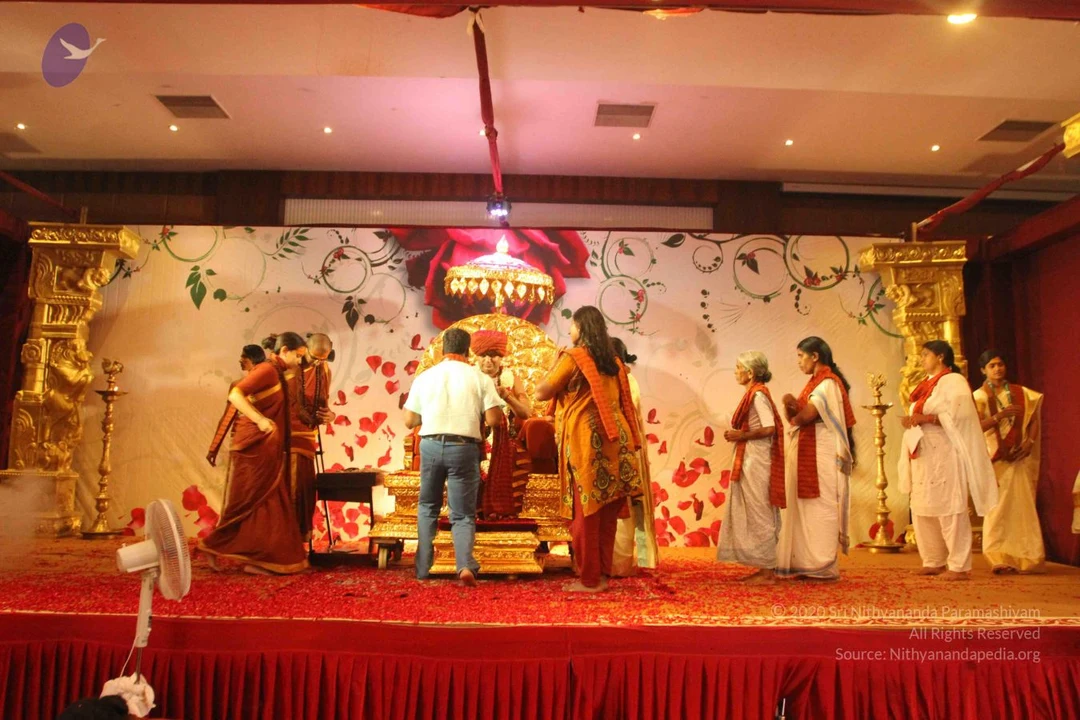
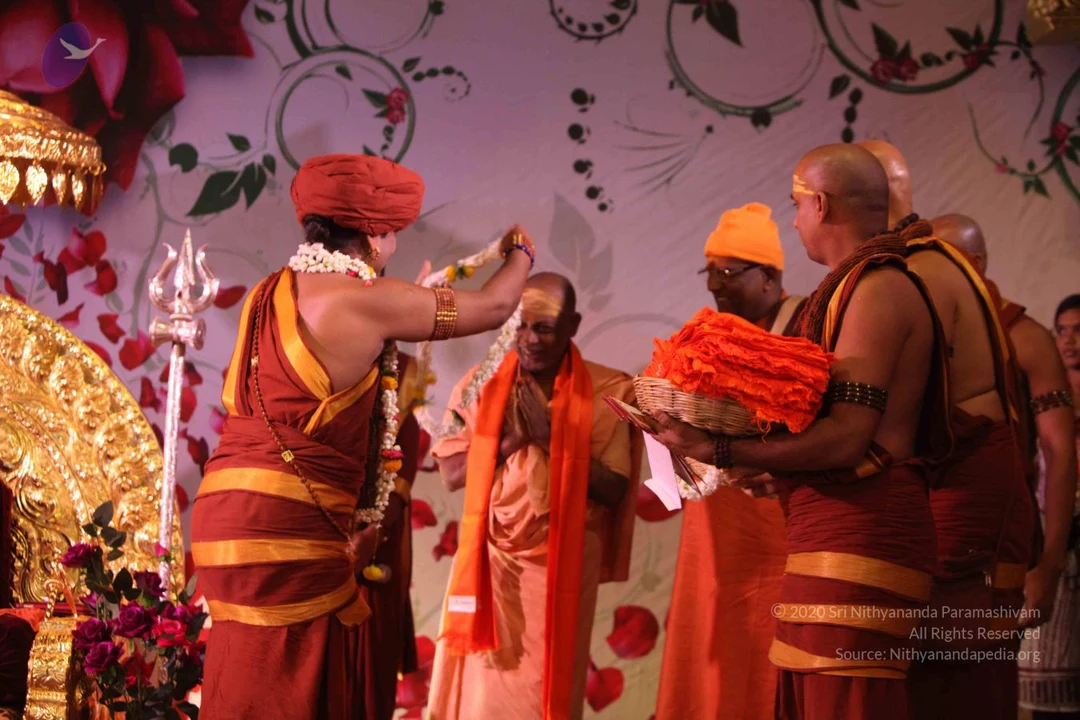
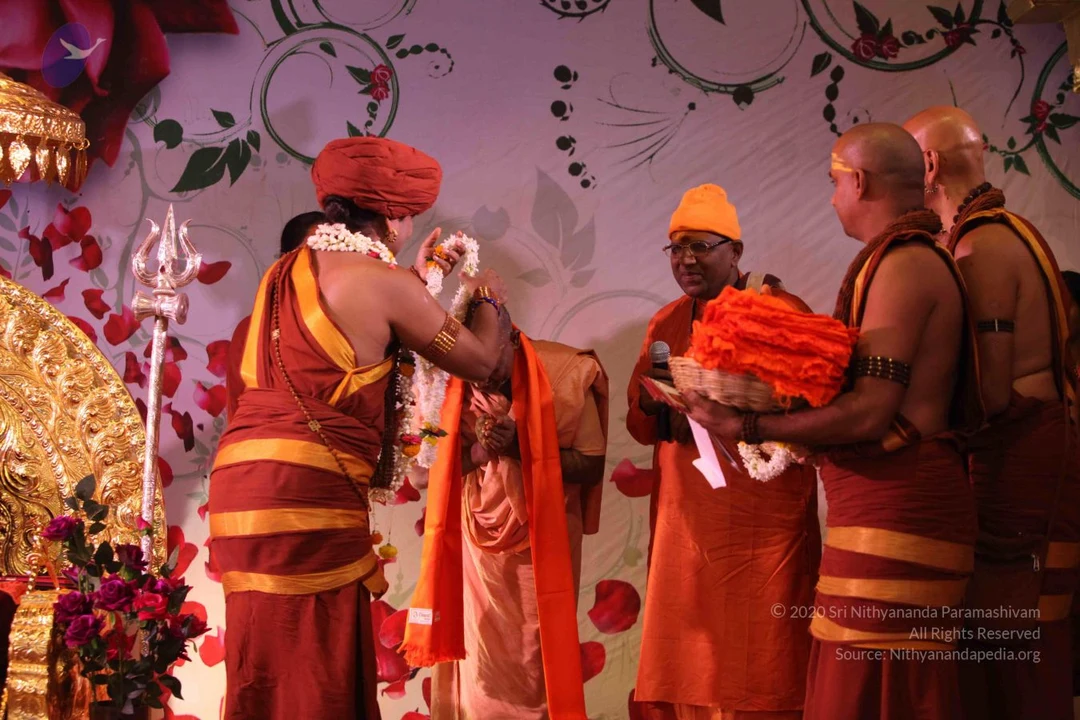
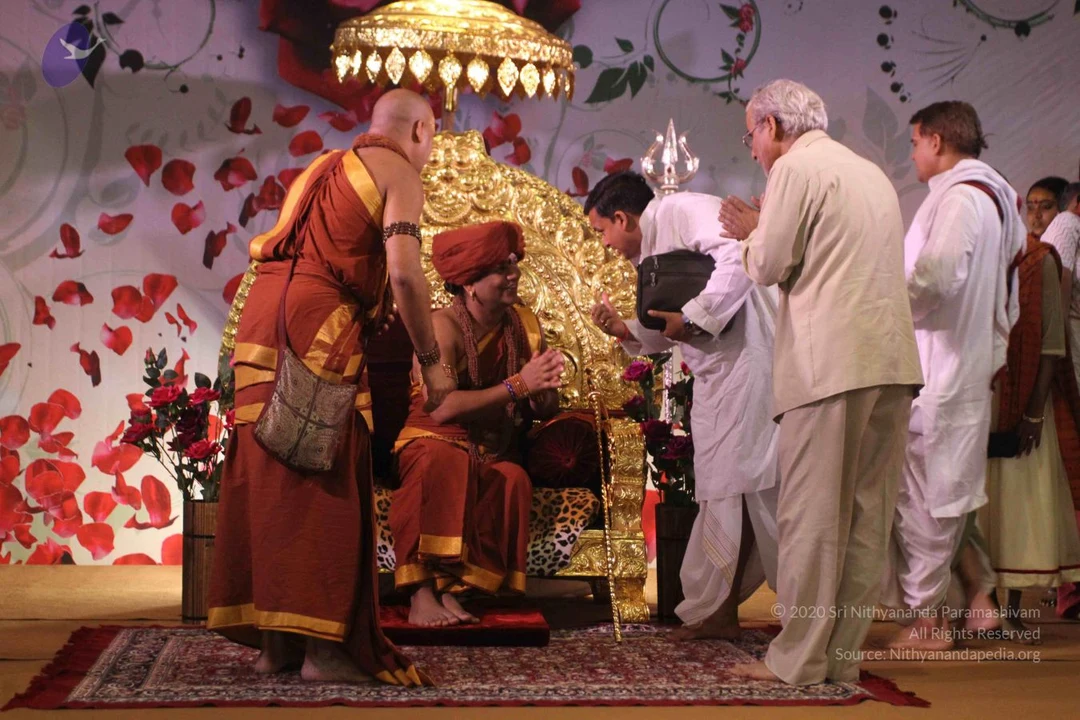
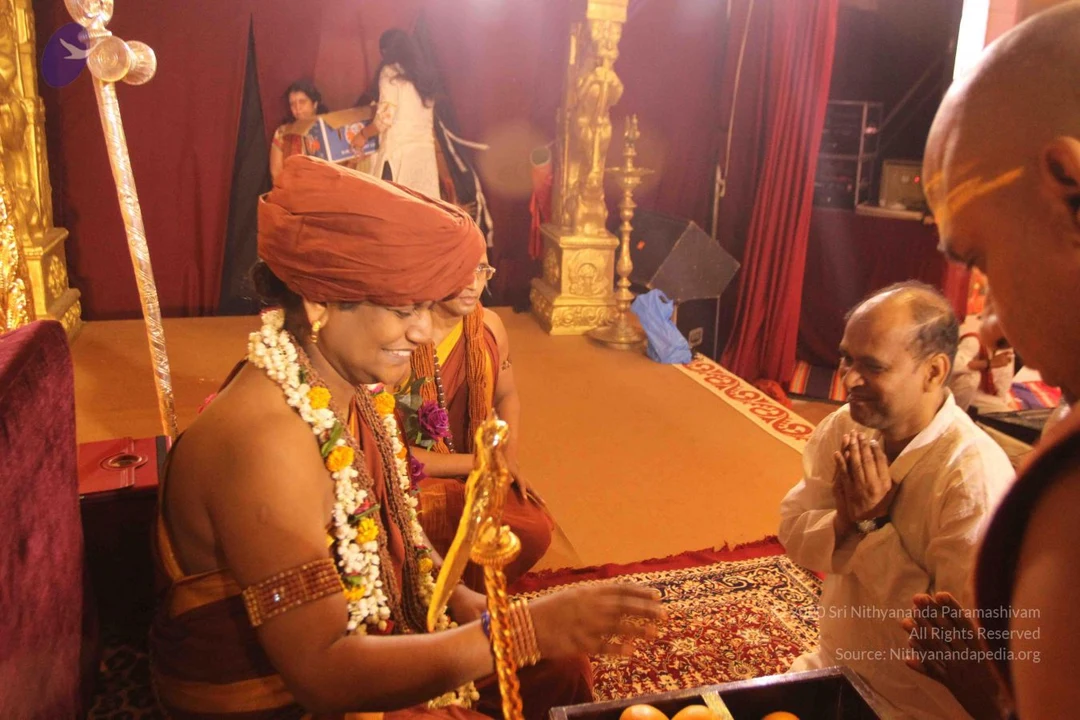
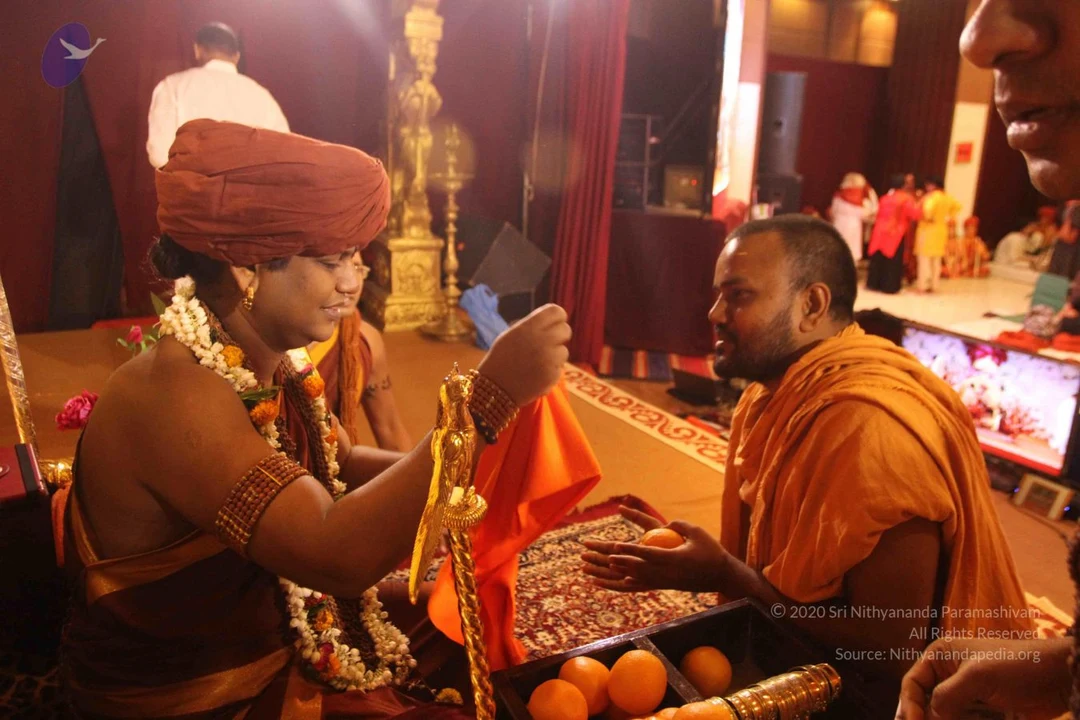
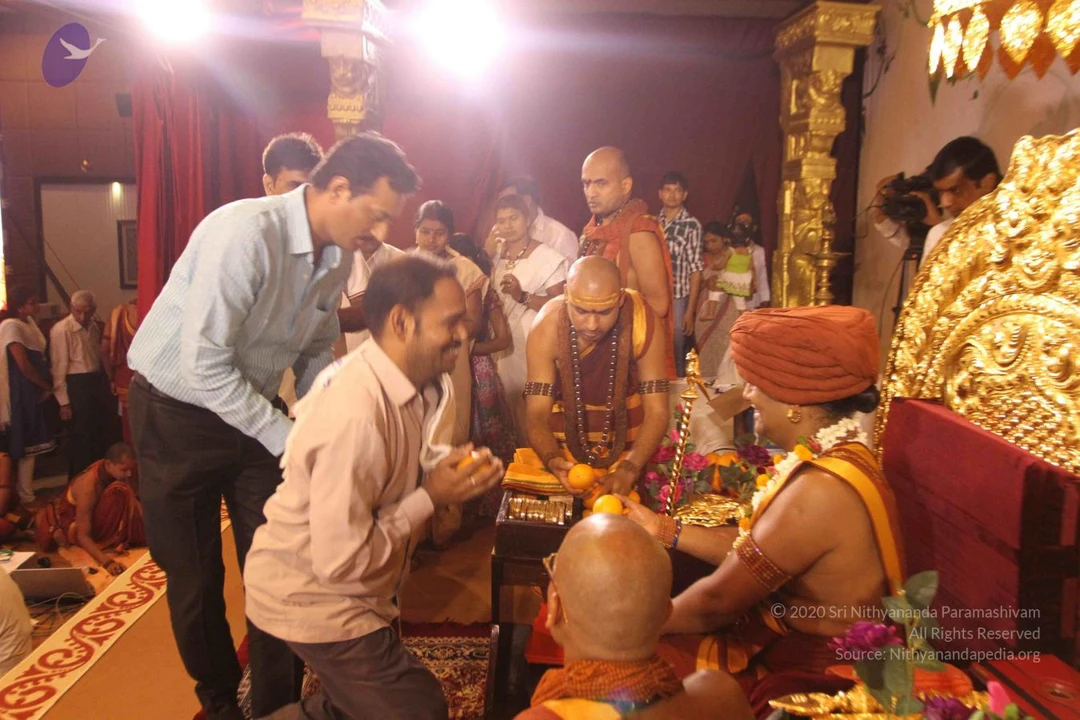
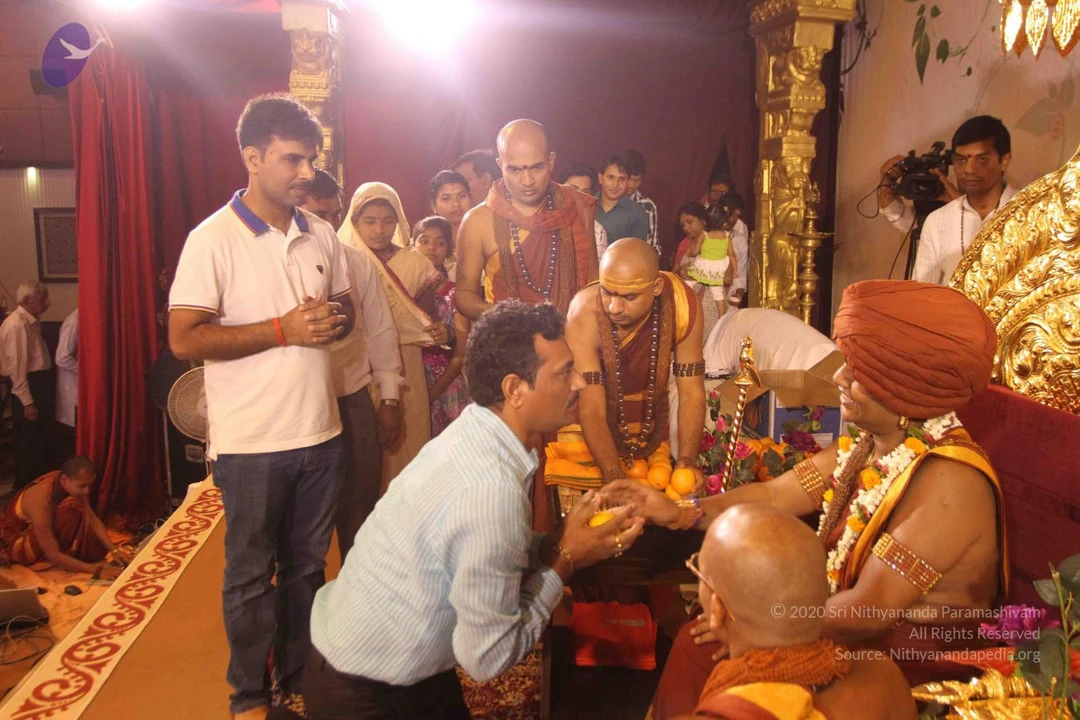
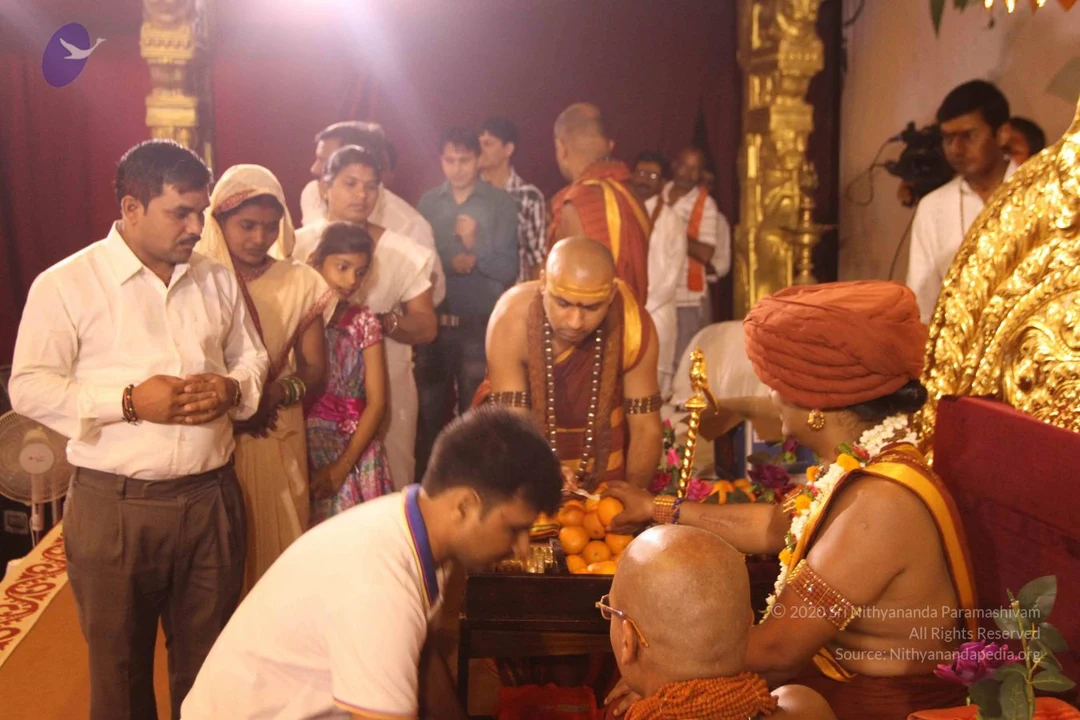
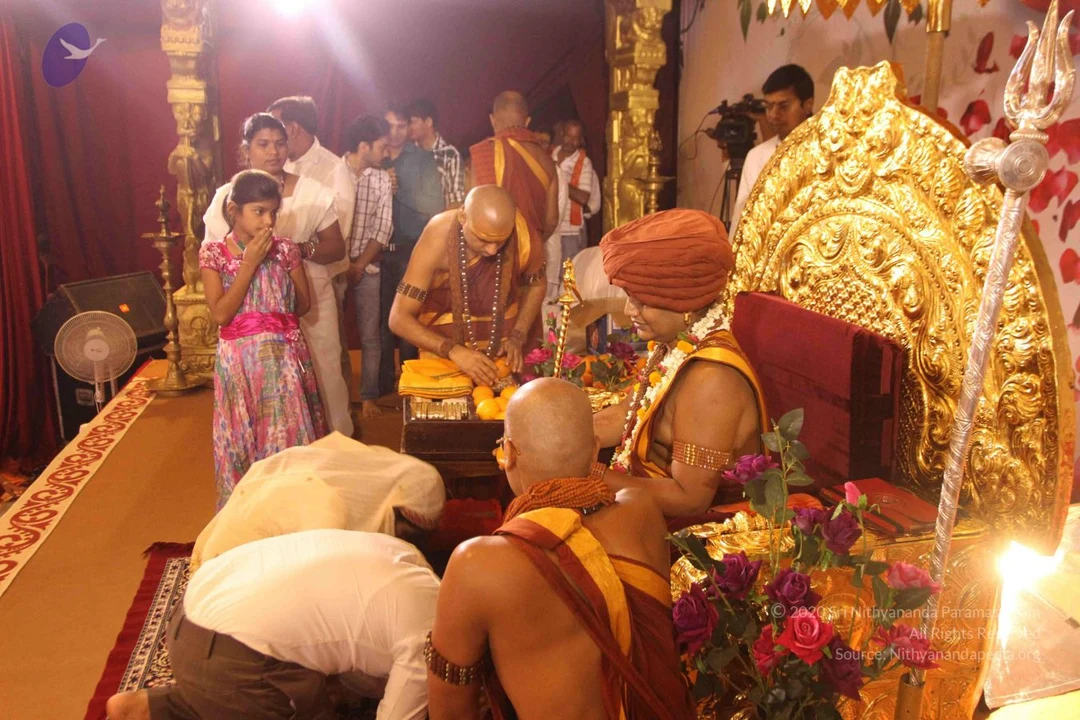
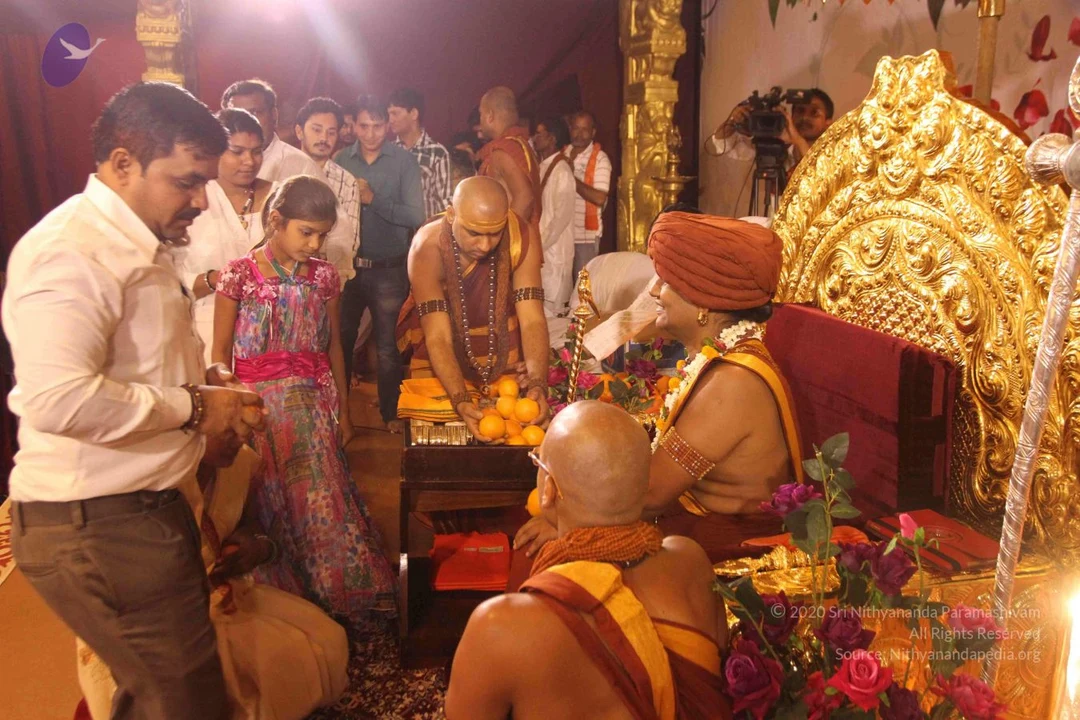
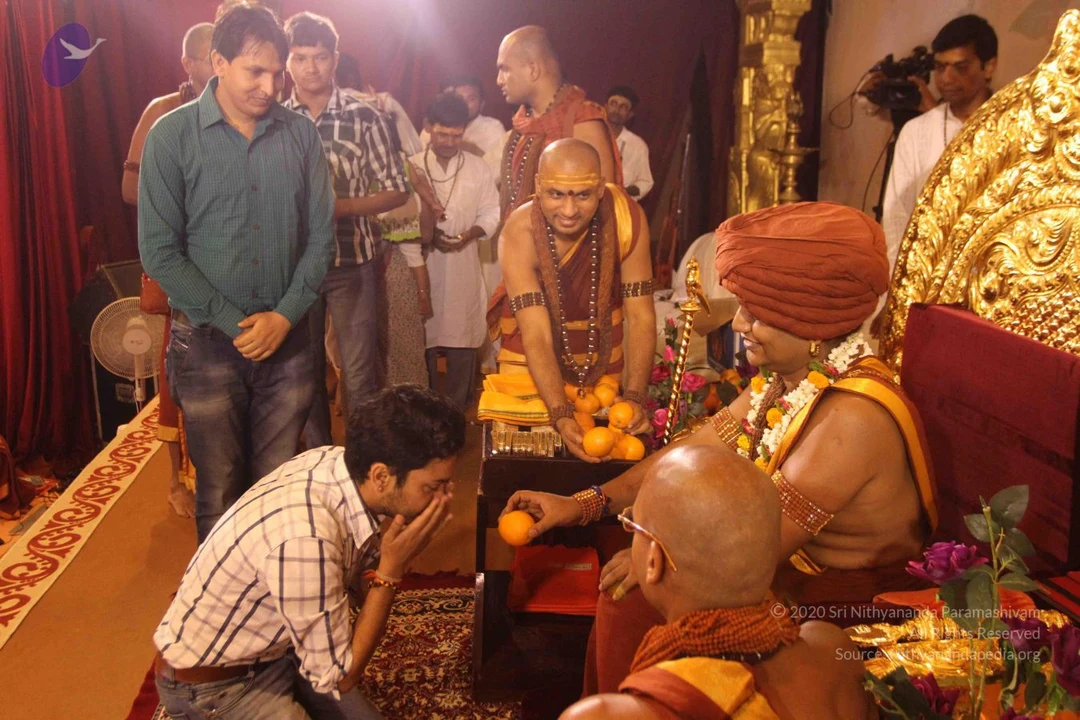
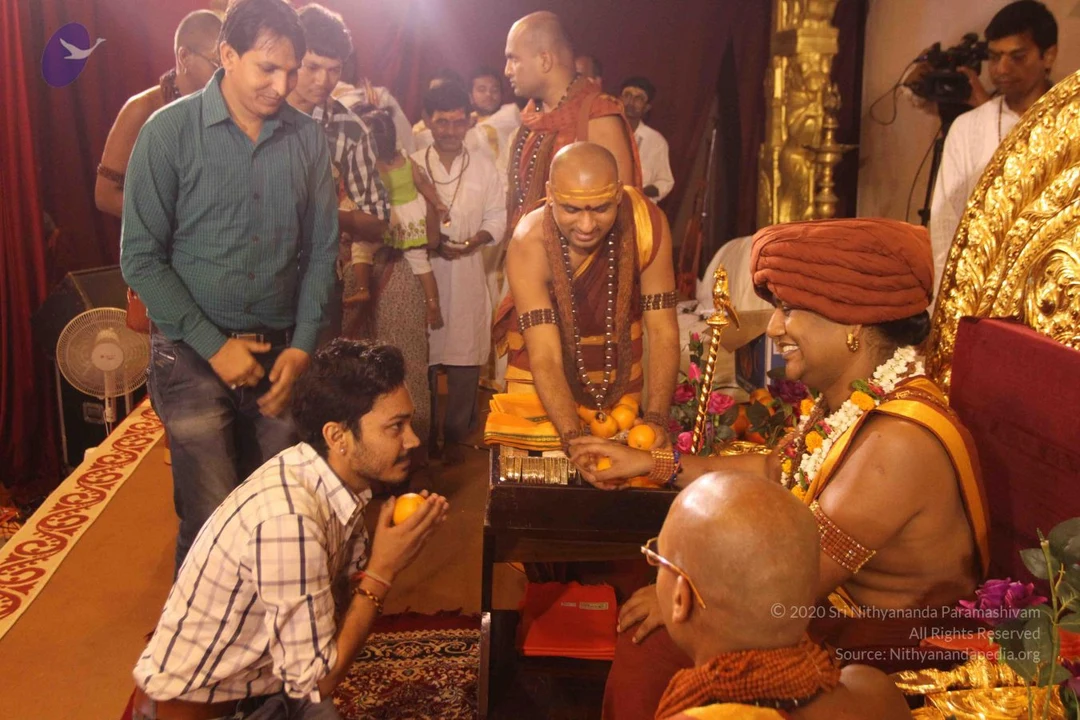
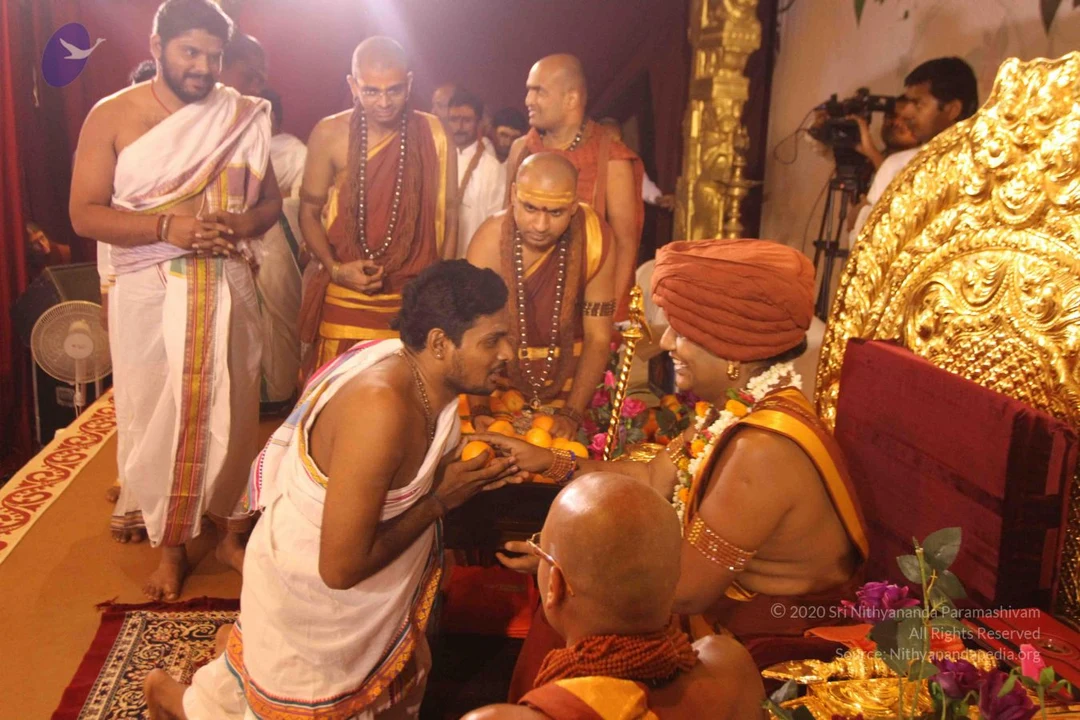
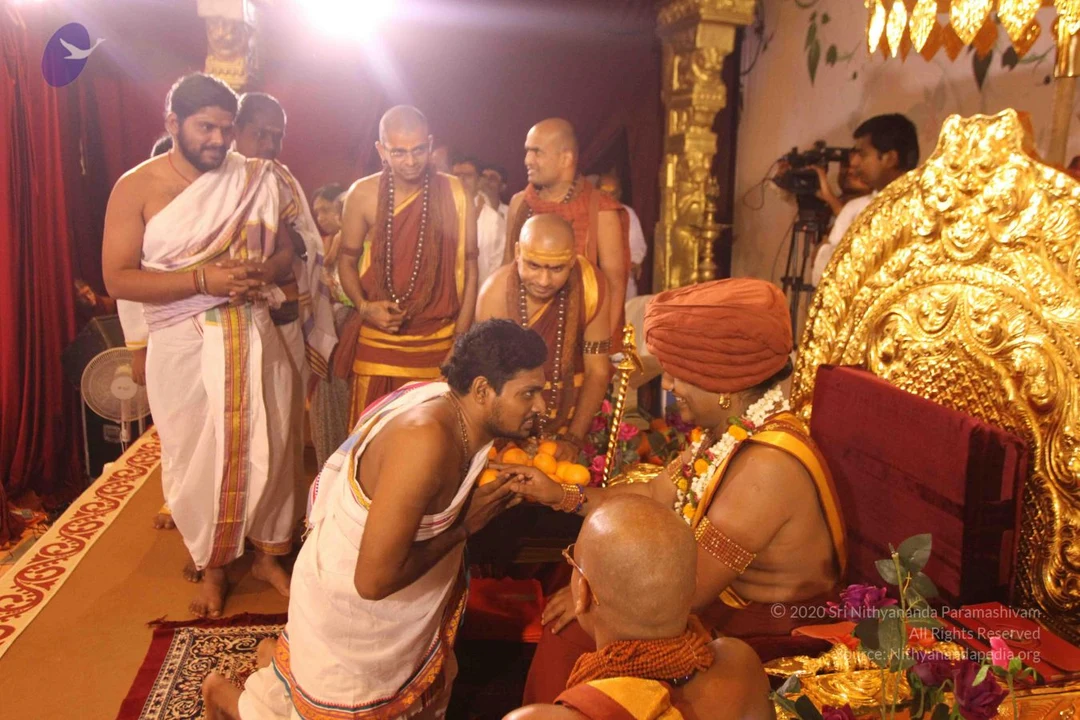
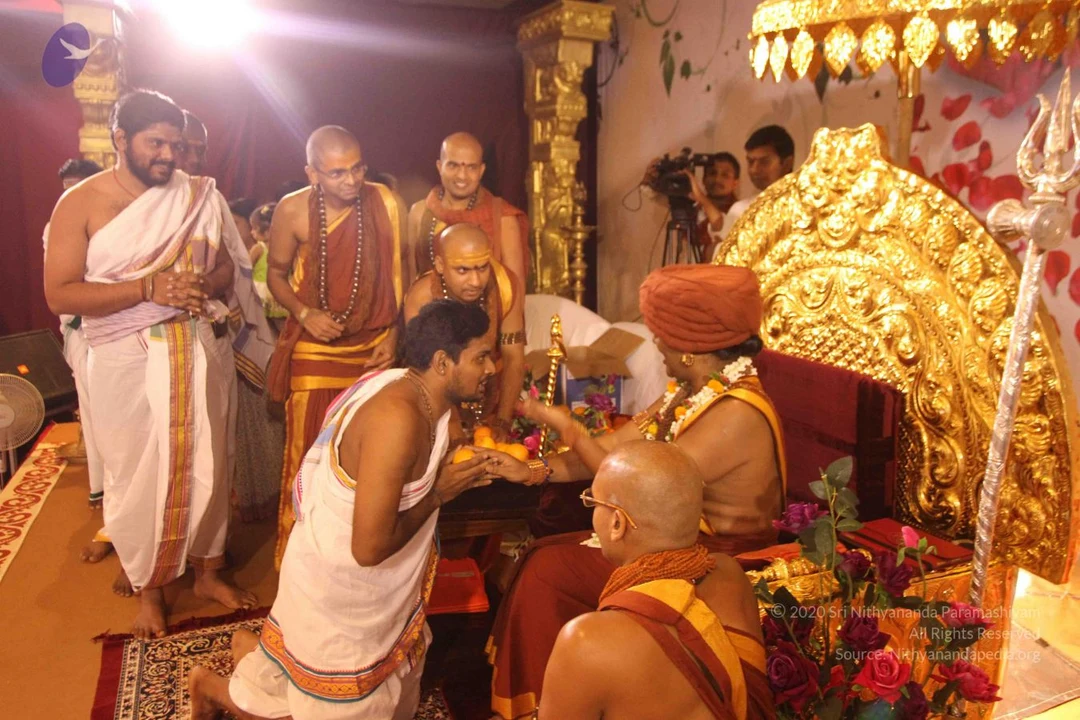
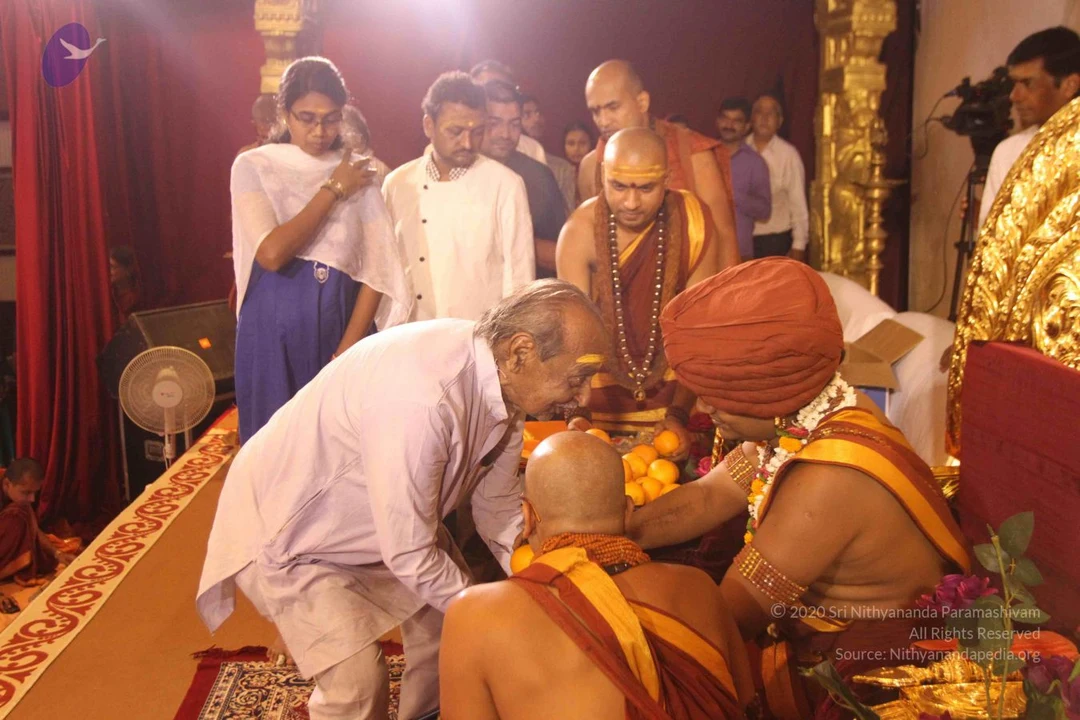
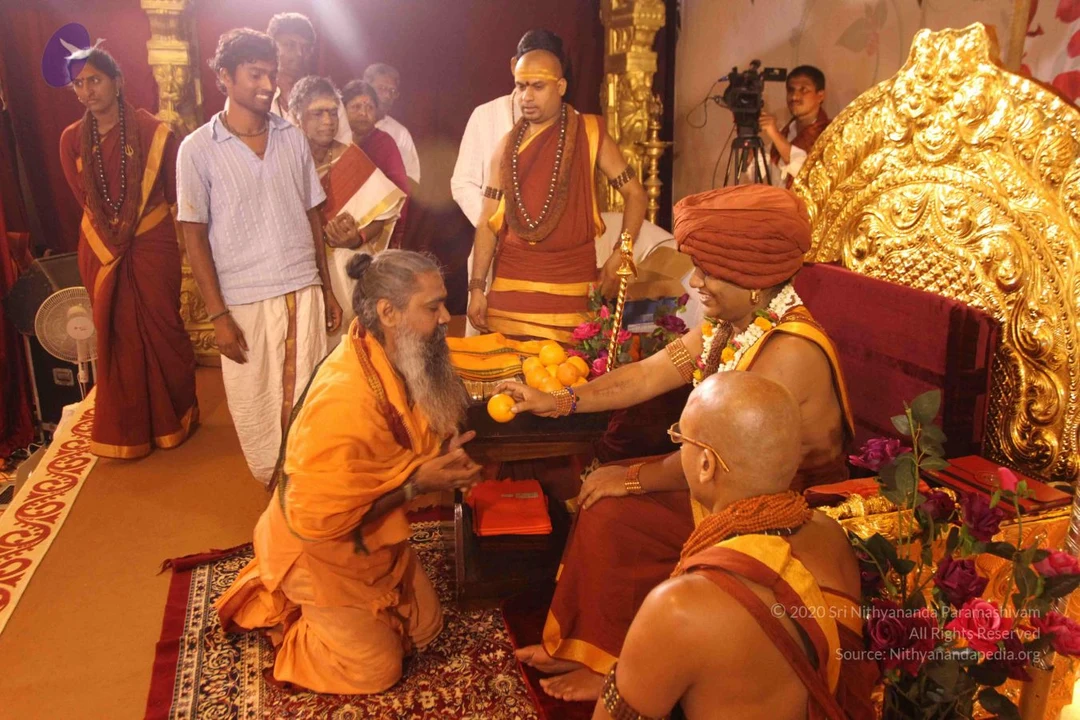
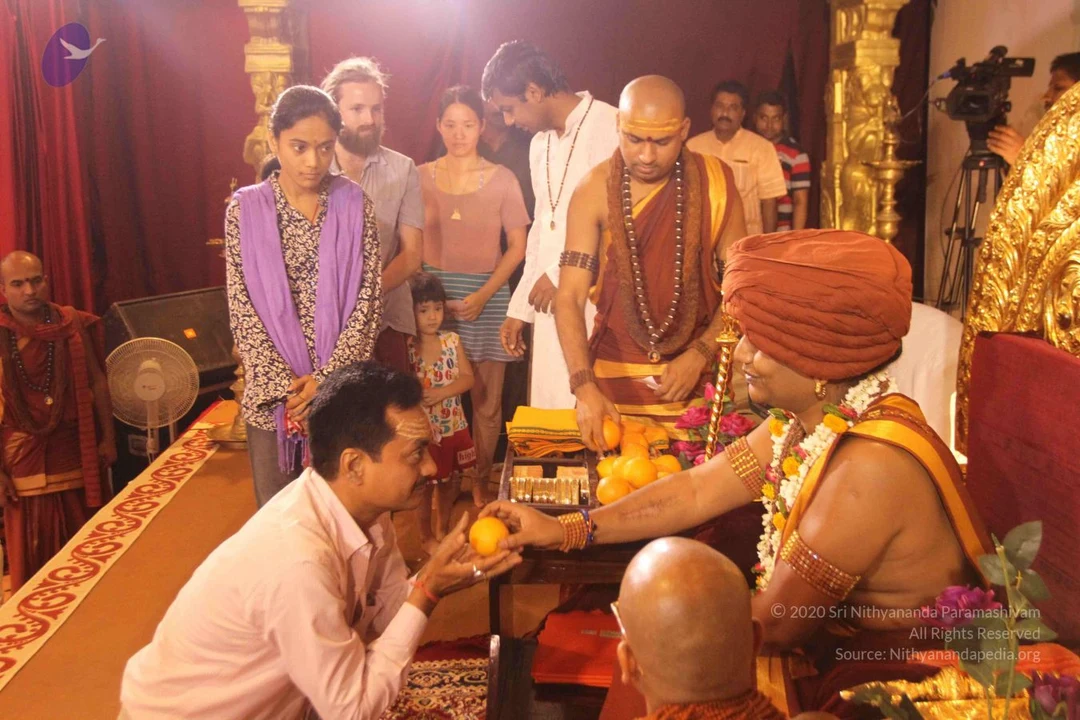
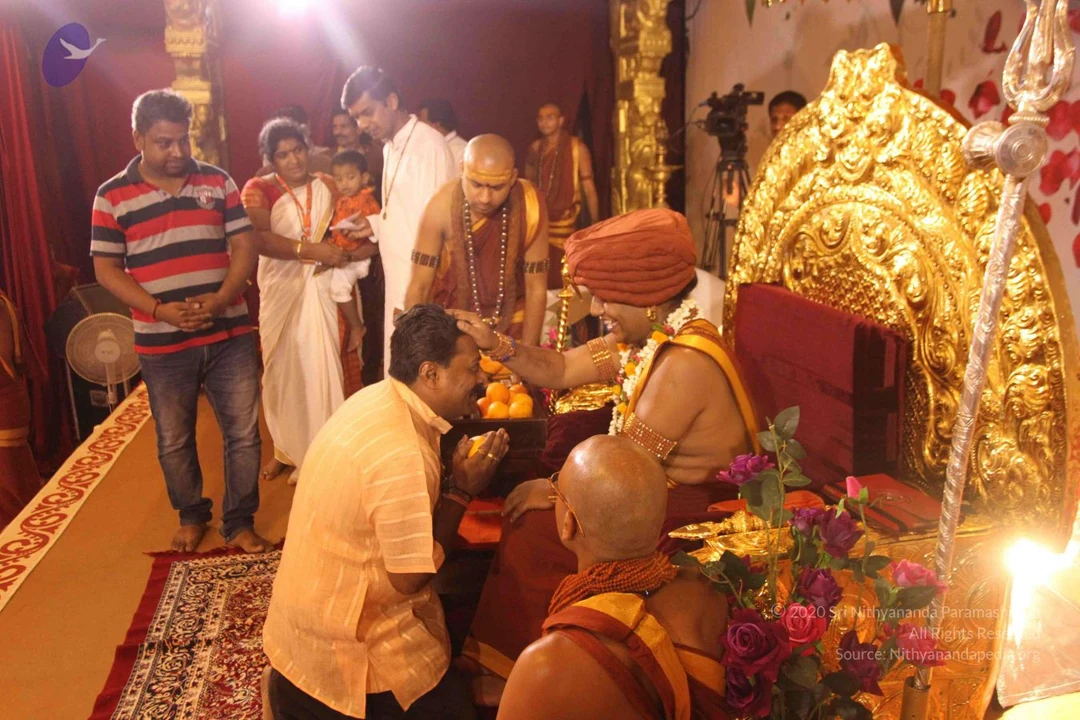
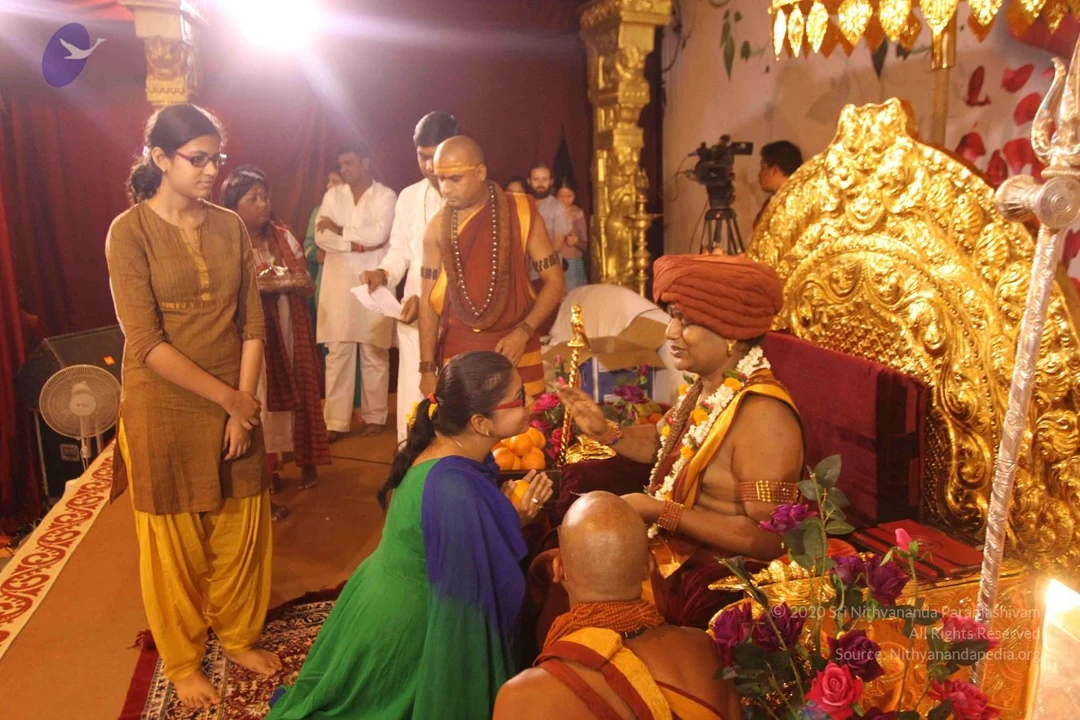
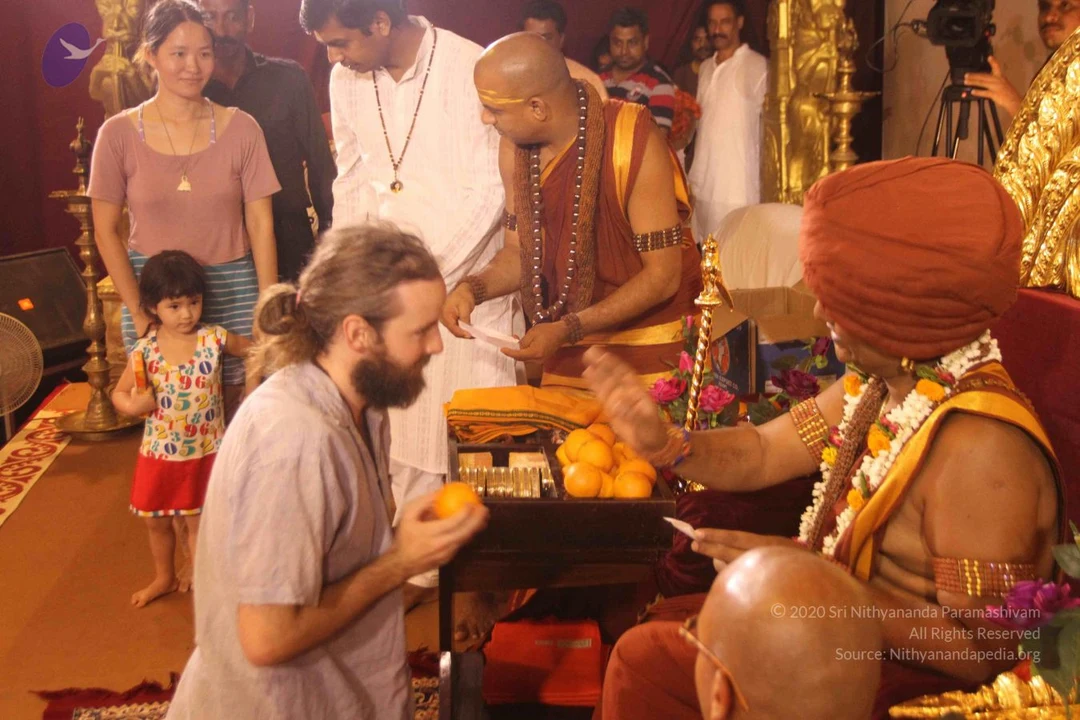
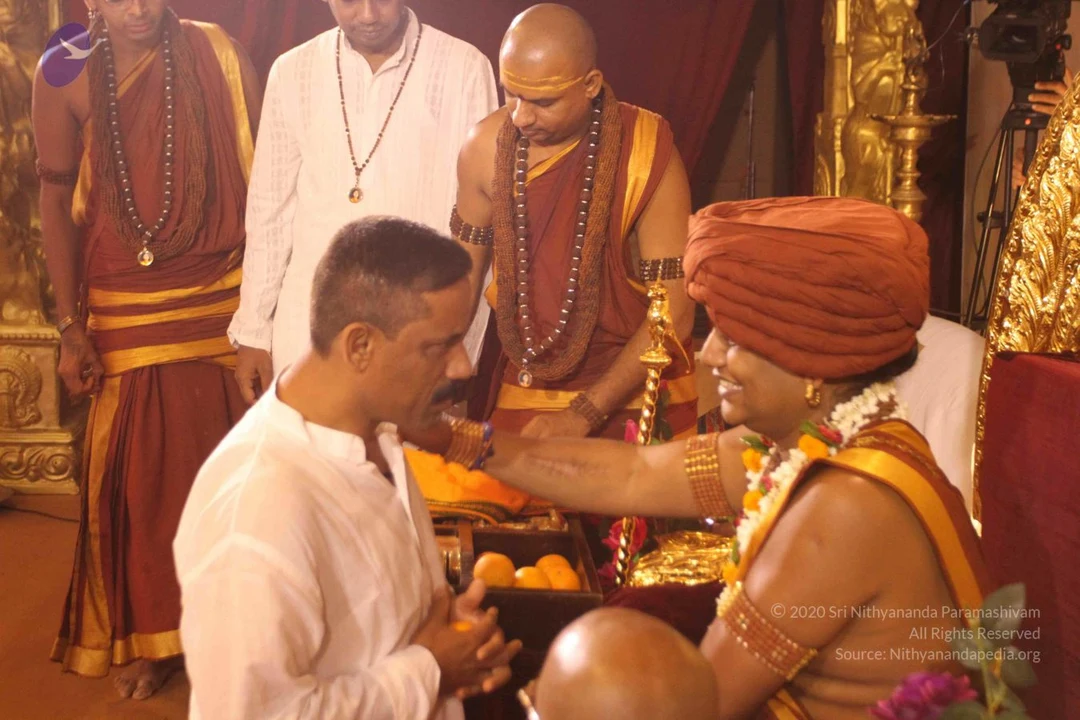
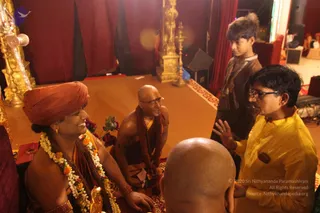
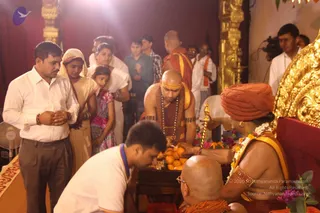
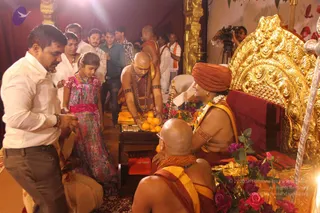
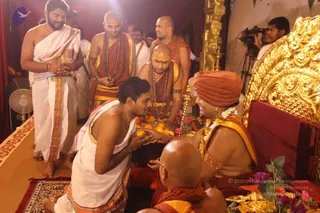
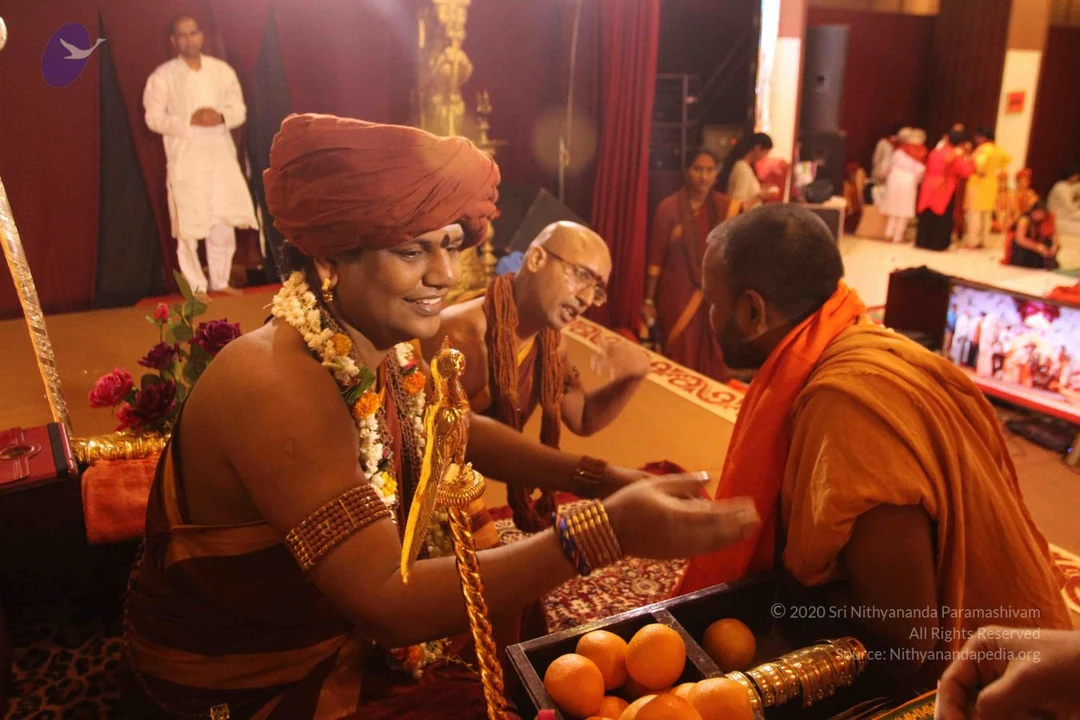
A photograph of a ceremonial exchange in a warmly lit hall with red draped curtains. A figure on the left wears a rust-brown turban, a white and orange flower garland, gold bangles and a brown robe with a gold trim, and holds up a small orange fruit beside a golden ceremonial staff topped with a bird-shaped finial. Across from them a shaven-headed man in an orange shawl holds an orange fruit over a tray of oranges and gold bangles. Behind them stands a gold lamp stand, a seated attendant in orange, and a stage in the background with a screen showing red floral decorations. Another person in white stands at the top left.A photograph of a ritual initiation scene in a hall with red drapes. In the foreground, a person in a rust-brown turban and brown drape wears a white flower garland and gold bangles, seated and reaching forward to clasp hands with a person in saffron-orange robes and a saffron shawl who holds the other's hands. Between them lies a dark wooden tray holding orange fruits and gold bangles. Behind, a bald man in brown robes and glasses sits with a gold staff. In the background, several people in saffron, pink and yellow clothing move about near brass lamps and a patterned carpet. No identifiable a person appearance is confirmed here, so the figures are described by role only.Indoor photograph of a seated group on a red-carpeted stage in front of gold-painted ornate pillars and red drapes. On the left, a smiling woman in an orange-brown head wrap and brown-orange shawl wears white and orange flower garlands and gold bangles. Beside her, a bald man with glasses, wearing a brown shawl with a rudraksha-style mala, sits and looks toward her. A boy in a brown embroidered kurta stands at the back, and a man in a yellow kurta with glasses gestures with one hand on the right. A bald head of another seated person is in the foreground. Gold lamps and a microphone stand are visible in the background.A photograph of an indoor ritual in a room with red drapes and gold-finished carved pillars. A bald man in saffron-orange robes and a rudraksha mala stands at a low wooden table piled with oranges and offerings, while a figure in a tall orange turban and orange-gold shawl, adorned with a white floral garland and gold bangles, sits at the right beside a large gold deity murti. Standing to the left, a man in white shirt and trousers, a woman in a beige sari with a veil, and a young girl in a pink dress watch with hands folded. Two more people in white kneel or stand near the table, and a camera operator is visible at the upper right. Several people in white and orange stand in the background.Photograph of a ritual scene inside a decorated hall with a large ornate gold throne-like seat at right draped in red cushions. A bald man in saffron-and-orange robes with a rudraksha mala and bangle-like arm ornaments kneels at a low wooden table stacked with oranges and a silver tray. Beside him, a seated figure in an orange turban, saffron garment and floral garland is being attended. A man in a white shirt and dark trousers stands at left, and a girl in a pink and colourful floral dress stands near the table. Behind them, devotees in white and orange shawls watch, and a cameraman films. Red and purple roses lie on the floor, and gold pillars frame the room.A photograph of a ceremonial devotional scene in an ornate hall with gold-carved throne-like seat and red drapery. A seated figure in an orange-red turban and orange-gold robe with a garland of white flowers receives honour; a kneeling man in white dhoti and shawl with orange-yellow border bows and offers his hands over a tray of oranges. Standing behind are saffron-robed attendants with rudraksha malas, one bald man in orange wrap, and a man in white dhoti at left. A cameraman films at upper right; pink flowers and a brass vessel sit at the lower edge. The seated figure's identity is not established from appearance alone, so the role is described only as a seated honoured person.

Pada-Puja
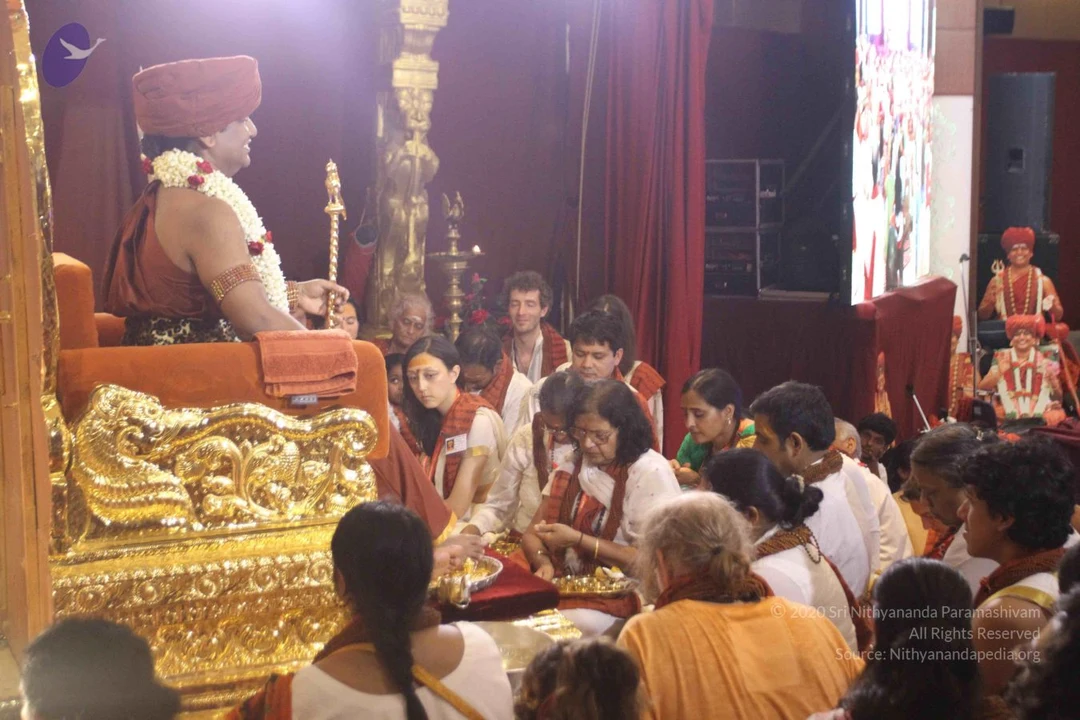
8 photosSource gallery
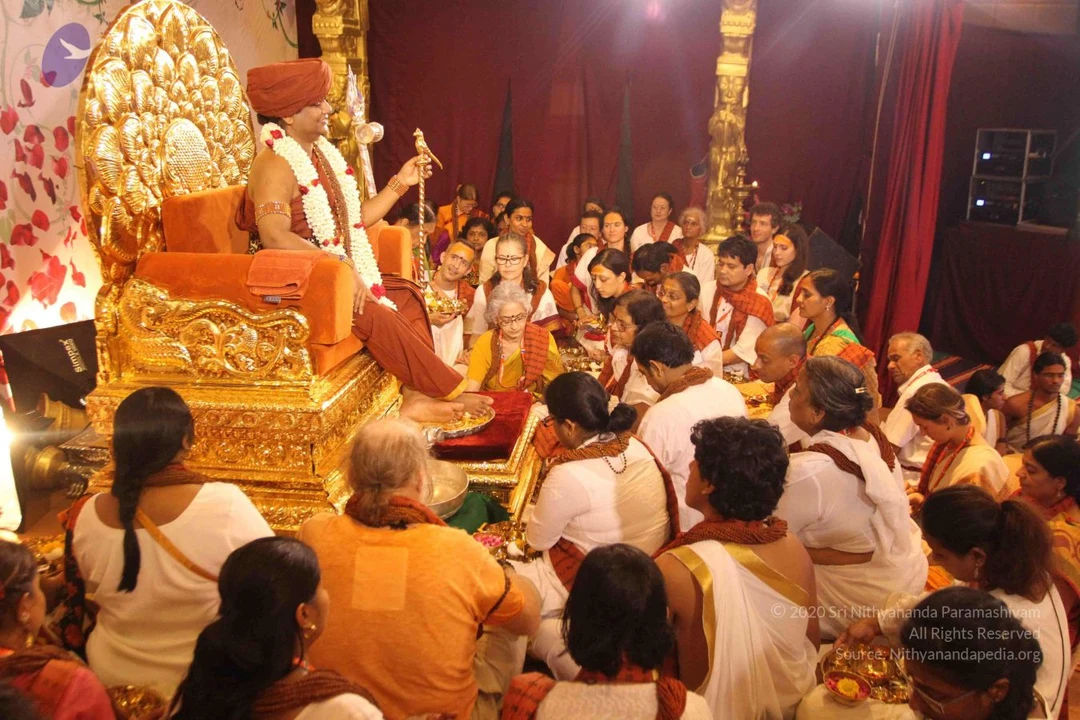
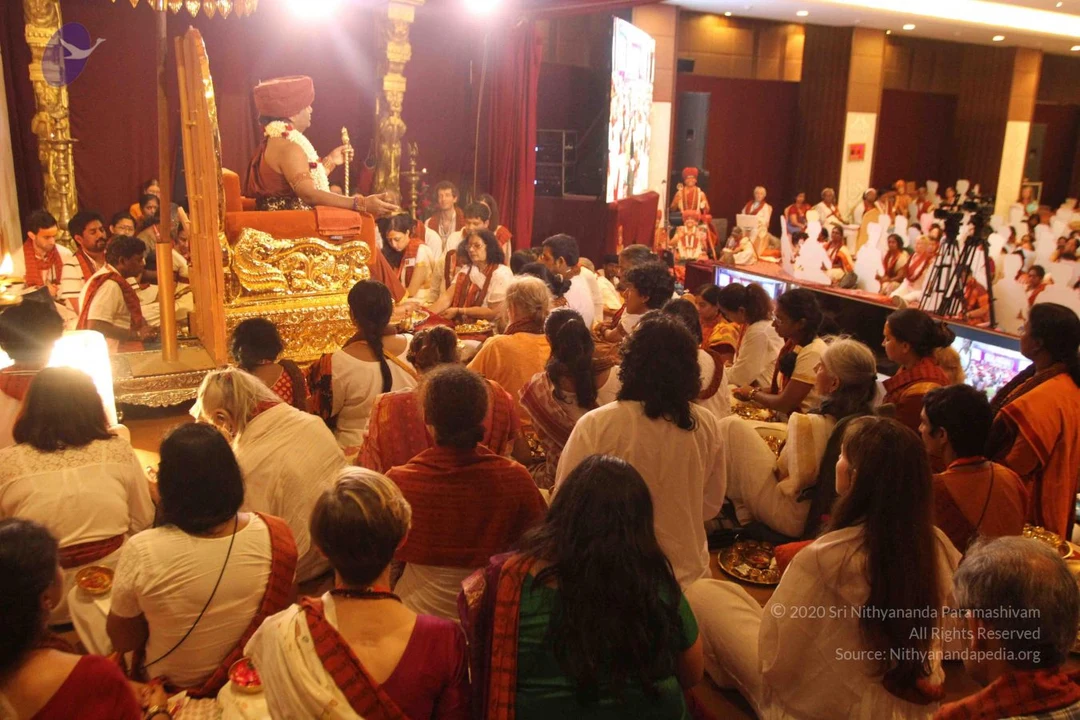
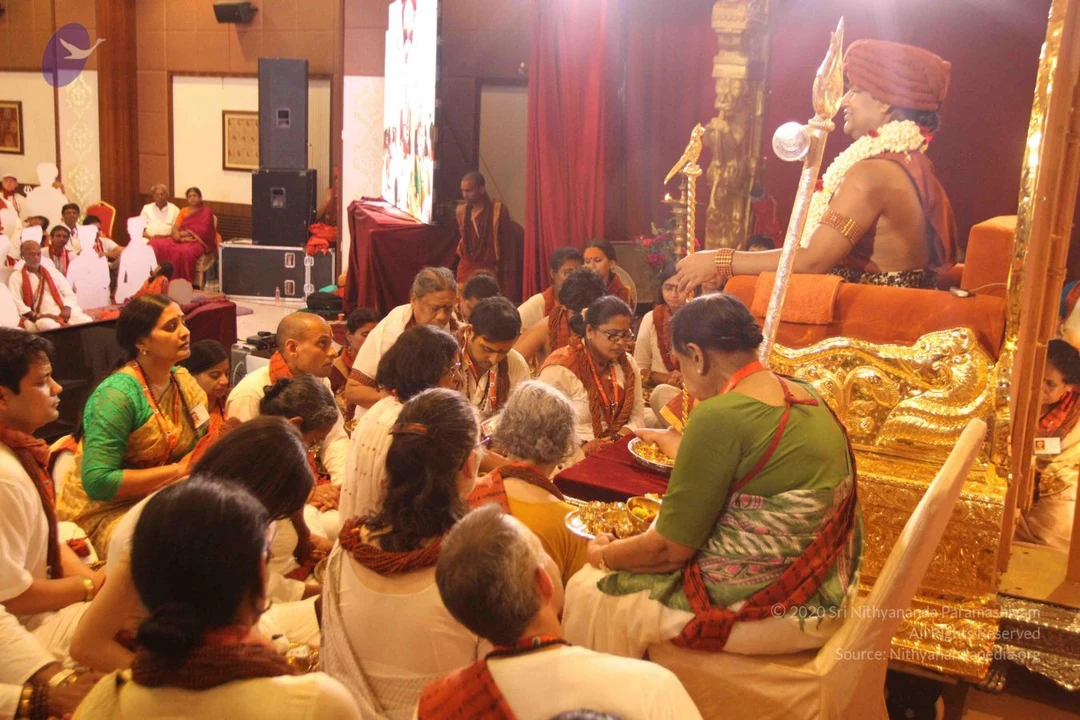
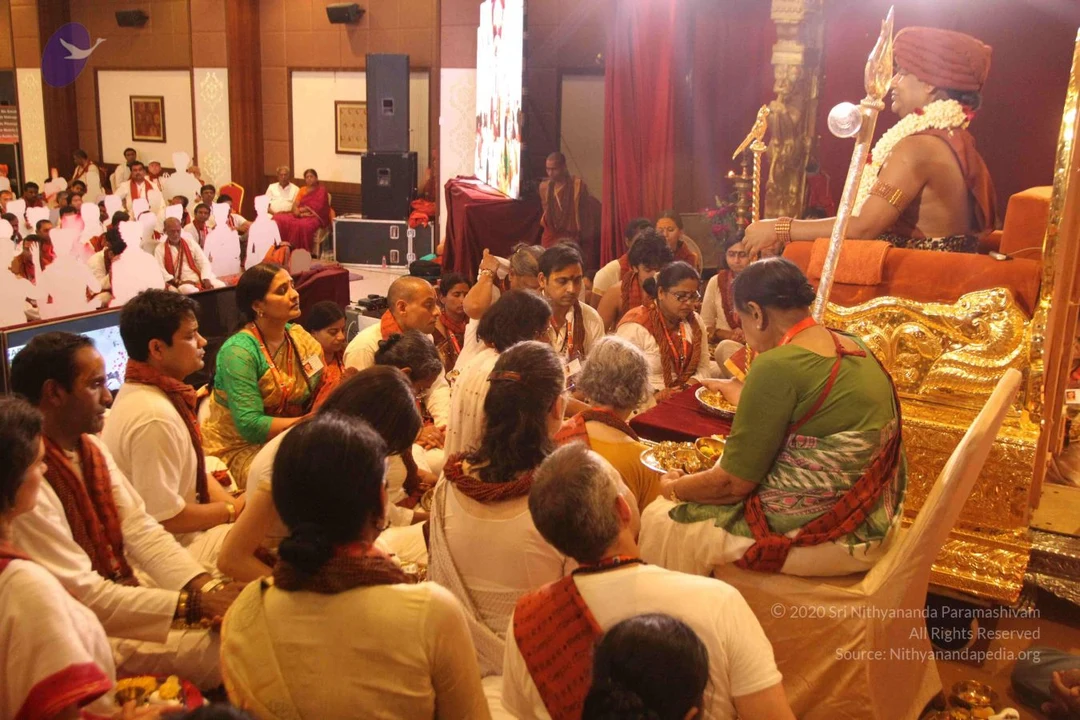
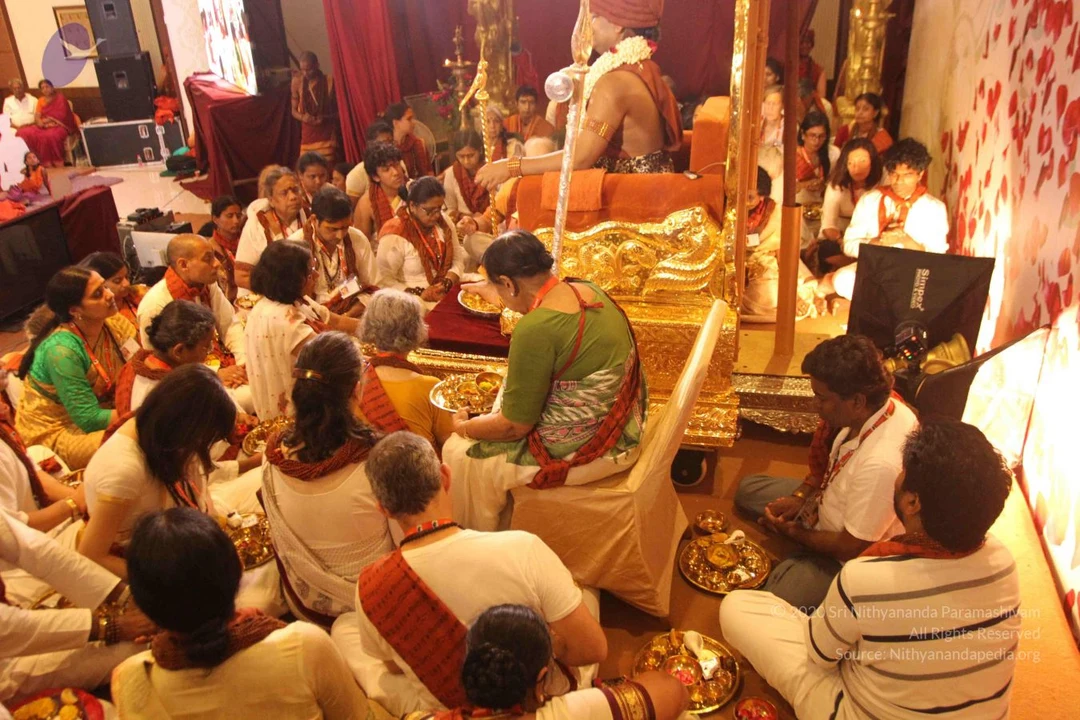
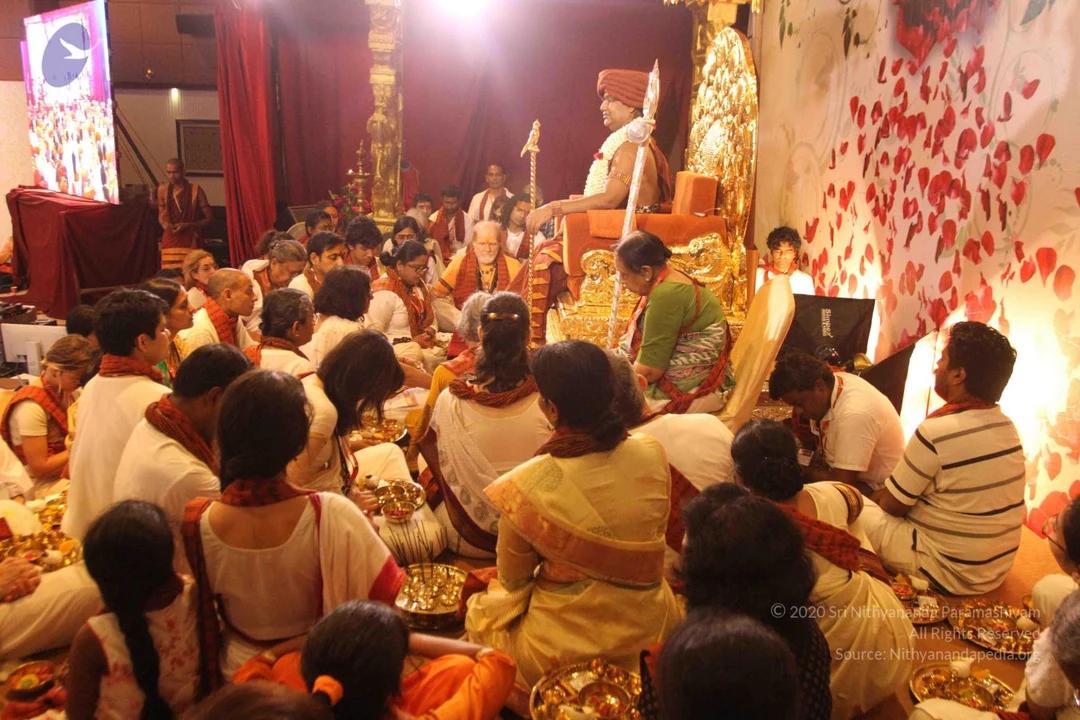
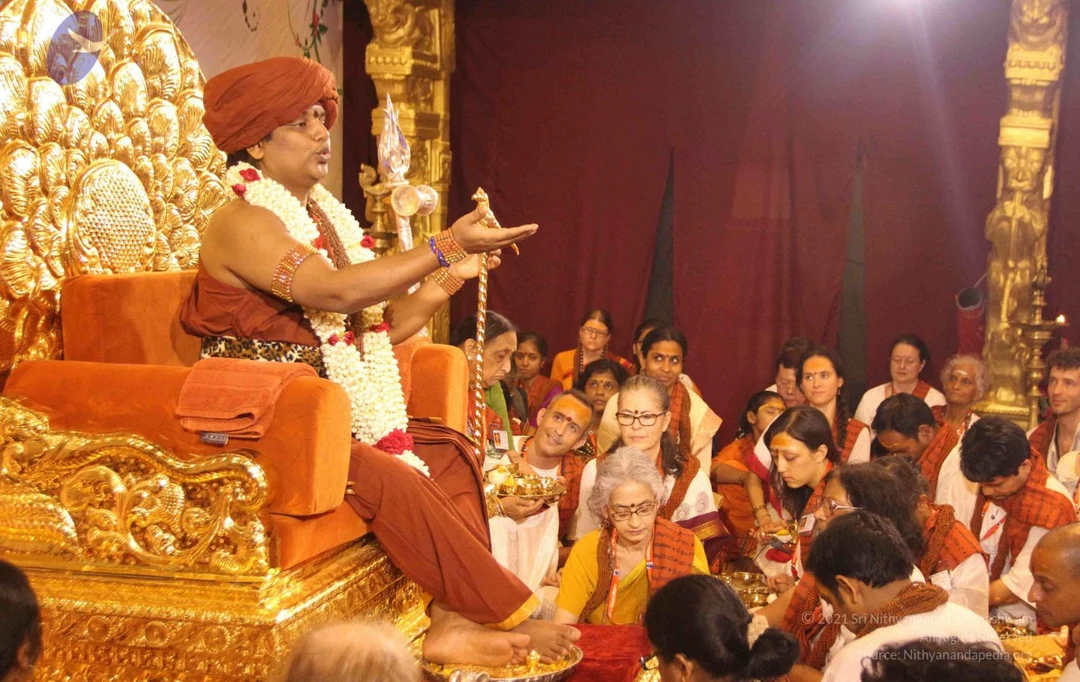
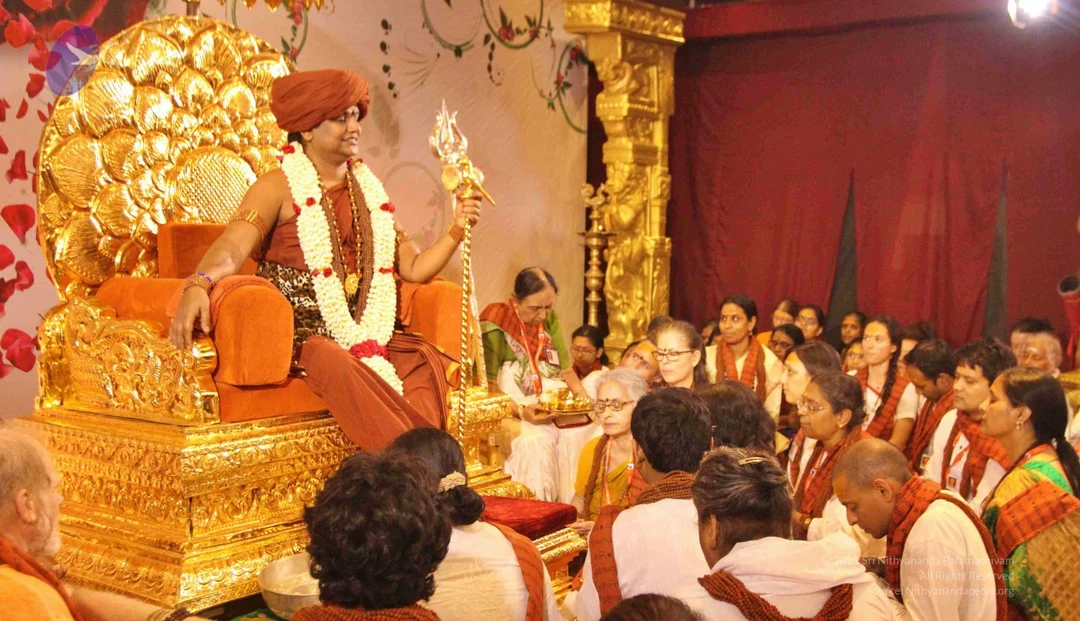
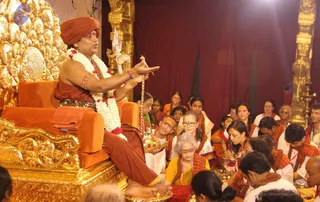
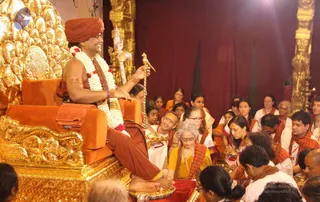
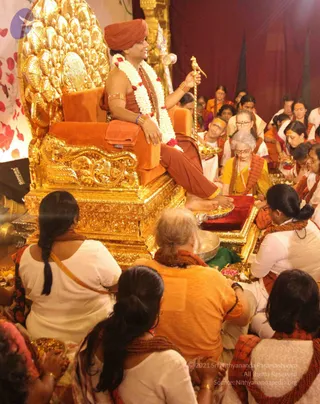
A seated man in an orange-red turban and saffron-red robe, wearing a white jasmine garland with red flowers and multiple beaded bracelets, gestures with both hands while holding a ceremonial staff. He sits on an ornate gold throne with orange cushions in a red-draped hall with gilded pillars. Around him, seated devotees in white and saffron-orange garments and orange shawls listen attentively; several hold brass plates and bowls, and one man has a tilak on his forehead. Front-row figures and a woman in a yellow sari are visible. The scene appears to be a satsang or initiation session. Swamiji (probable): the seated teacher wears a turban, saffron robe, garland and bracelets on the ceremonial throne.A seated man in an orange-red turban and saffron-red dhoti sits on an ornate gold throne with a plush orange cushion, wearing a long white jasmine garland with red flowers and gold armbands. He raises one hand while holding a gold-tipped staff, with a trident-like ceremonial rod beside him. Around the throne, a seated crowd of devotees in white and orange-saffron shawls, some with vibhuti and kumkum on their foreheads, sits on the floor; a woman in a yellow sari holds a brass plate, and a seated woman in white touches a plate of offerings. Gold pillars and a deep red backdrop frame the hall, with brass lamps nearby.A man seated on an ornate gold throne with a carved peacock-feather backrest, wearing an orange turban, orange-red robes, a white jasmine and red flower garland, and gold armbands, holds a gold staff topped with a bird figure. Several devotees in white and orange-red shawls sit on the floor before him, and one woman in a yellow sari holds a brass tray. A seated devotee in orange holds a brass vessel near the throne's footstool, where a foot rests on a red cushion with a gold plate. The ornate throne and sitting arrangement suggest a seated satsang-style gathering. a person is identified from the throne-seated figure's turban, orange robes, garland and staff cues.Indoor satsang hall during a Shodasi initiation session. A seated figure on a gold ornate throne with orange cushions, wearing an orange-red turban, white floral garland and orange cloth, holds a tall silver staff with a crowned finial; the figure appears to be a statue or life-size depiction rather than a living person. Seated devotees in white and cream clothes with orange-red shawls sit on the floor, several holding brass plates of offerings. In the foreground a woman in a green blouse and patterned sari, orange shawl around her shoulders, holds a brass plate with flowers and offerings beside the throne. Behind them, rows of white-clad participants fill the hall, with speakers, a monitor and a red draped table visible.Photograph of a seated teacher on an ornate gold throne in a richly decorated hall with red drapes and gold carved columns. The central figure wears a rust-orange turban, a white flower garland with red accents, a saffron-orange robe and dark patterned undergarment, and holds a gold trident-like staff in the raised right hand. Seated in front on the floor, a row of participants in white and cream clothes wear orange-red shawls. A woman in a green sari and white top holds a golden plate, and a bald man in orange stands at right edge. a person appearance-based label: the throne-seated figure in orange turban and garland, leading an Inner Awakening session. Gold lamp stand visible on the right.A seated figure on an ornate golden throne with a carved peacock-fan backrest holds a golden ceremonial staff with a trident-like top in one hand. He wears an orange-red turban, a white jasmine and red flower garland, a rudraksha-style necklace, and an orange-red and dark patterned wrap over saffron cloth, with gold bangles on his arm. Around him, seated devotees in white clothes with orange-red shawls sit on the floor, some with heads bowed. A woman in a green sari holds a golden tray, and an older woman in a yellow sari sits nearby. Red drapes, gold carved pillars and red petals decorate the hall, with a brass lamp visible on the right. Strong light falls from the upper right.

Energy-darshan-&-Receiving-of-Atma-Murti

18 photosSource gallery
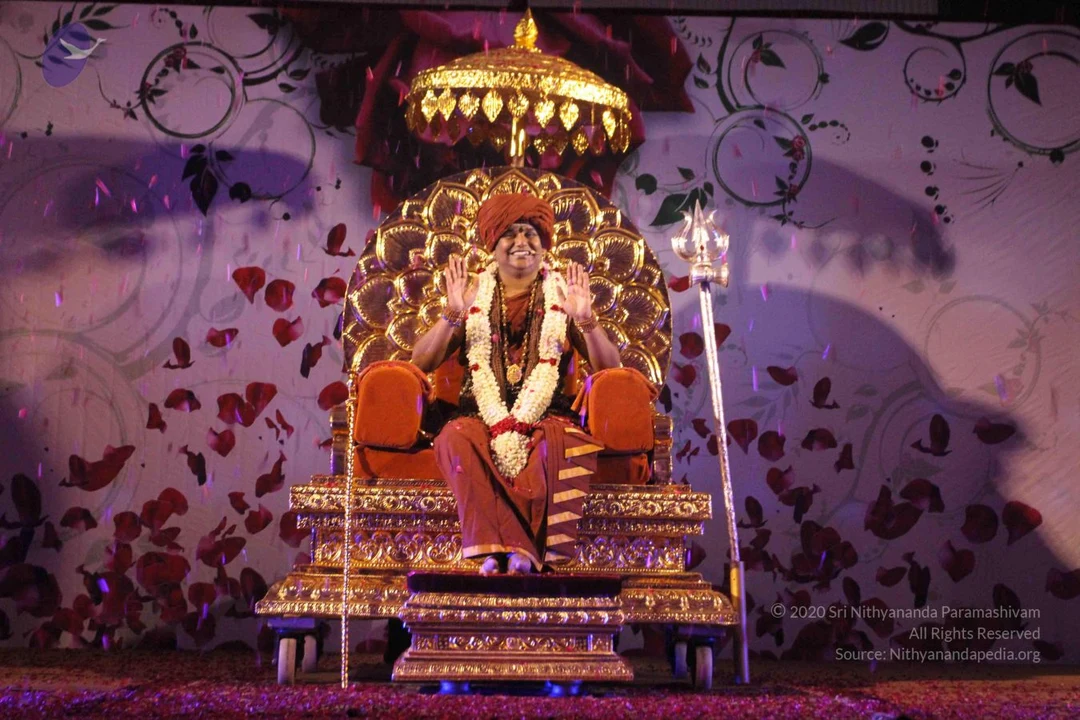
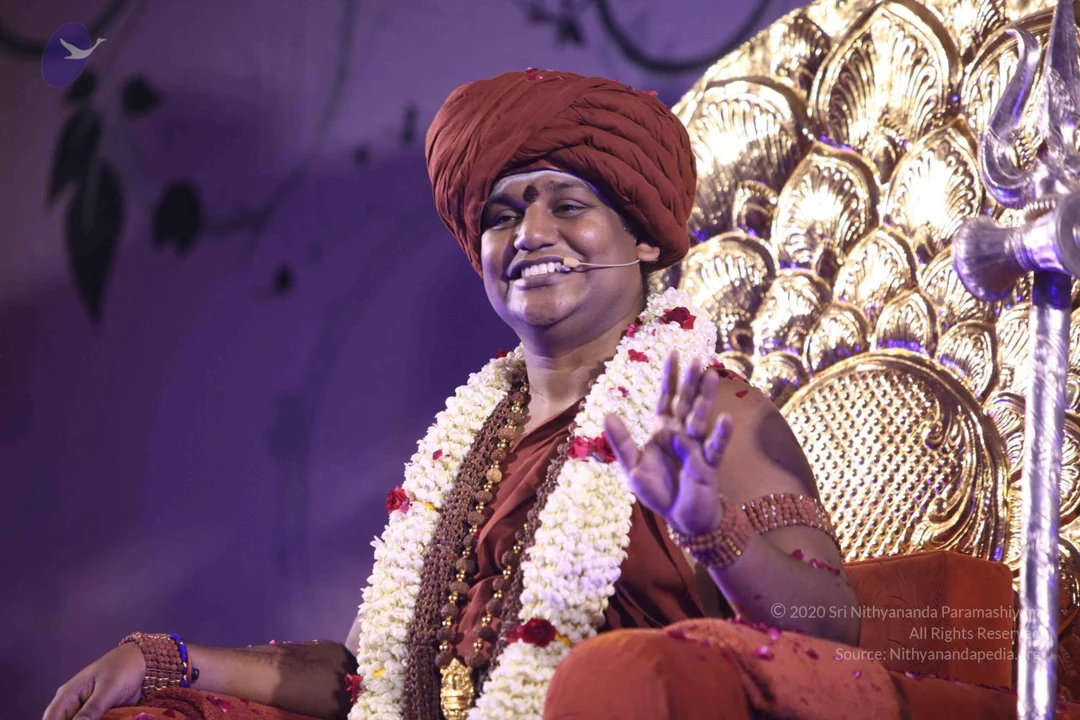
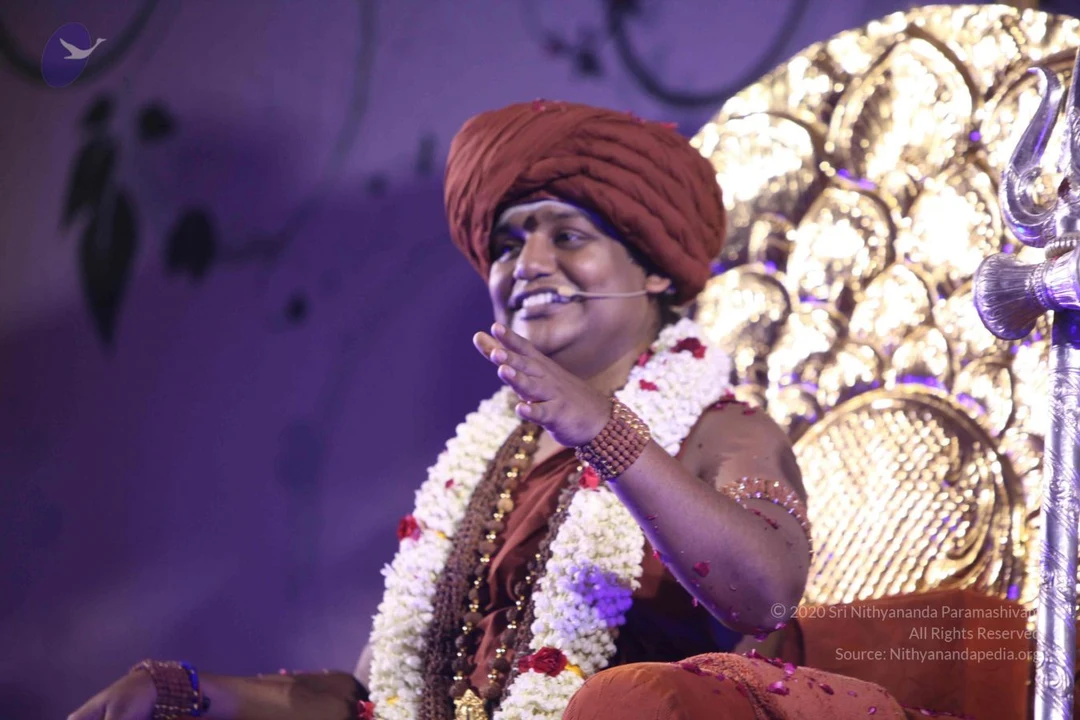
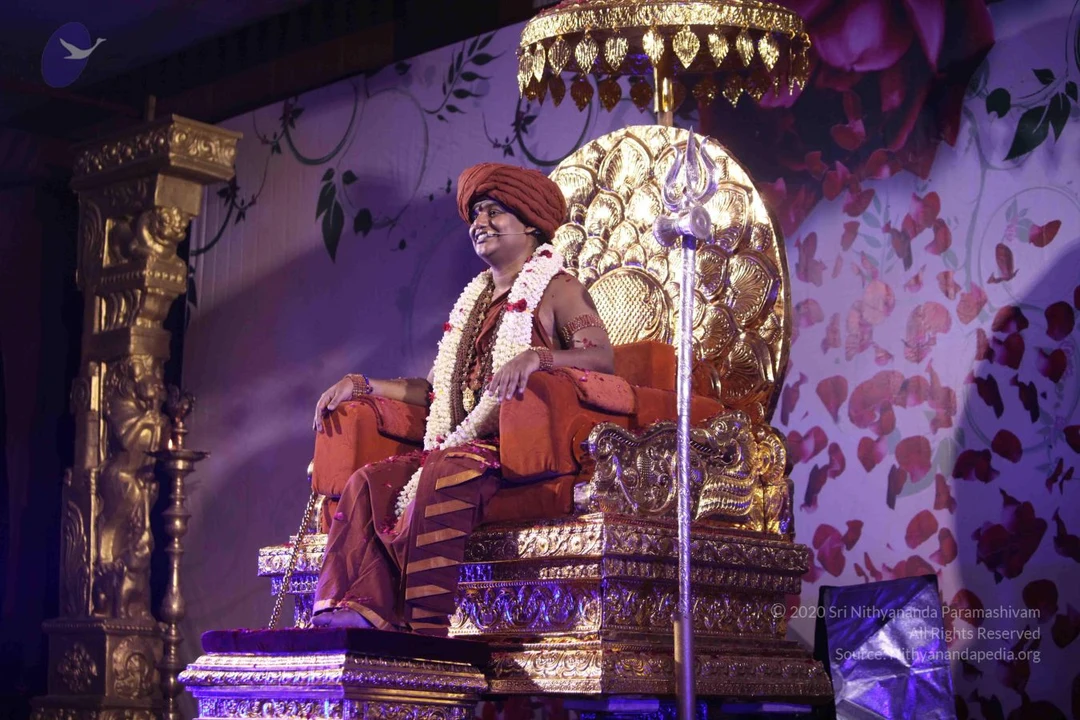
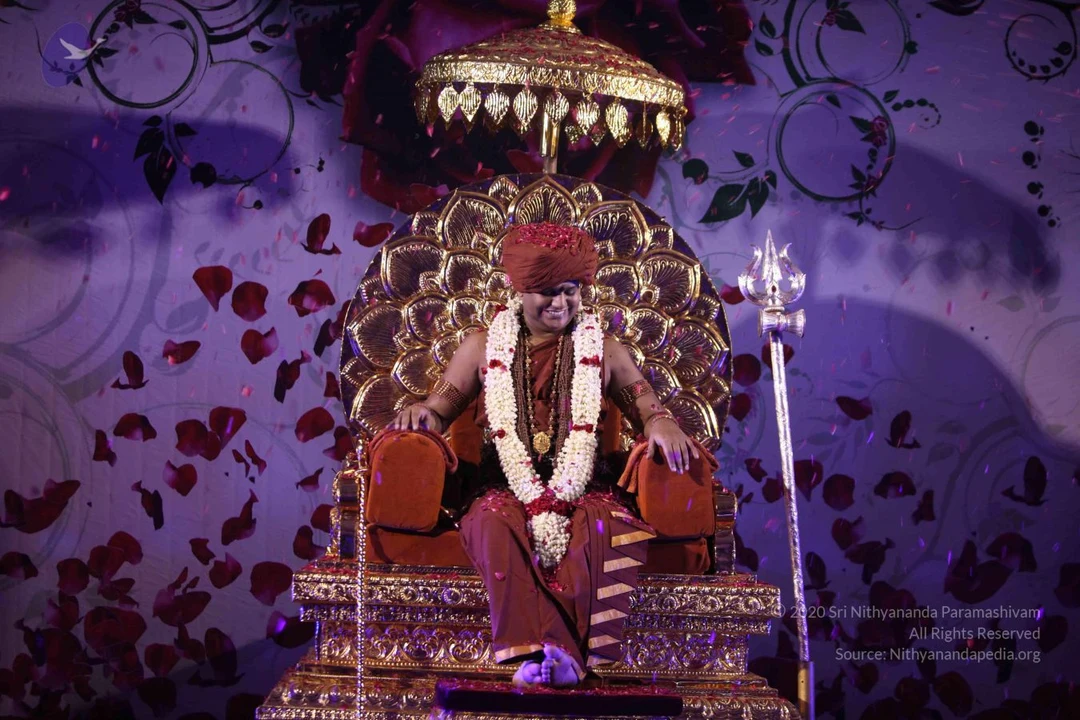
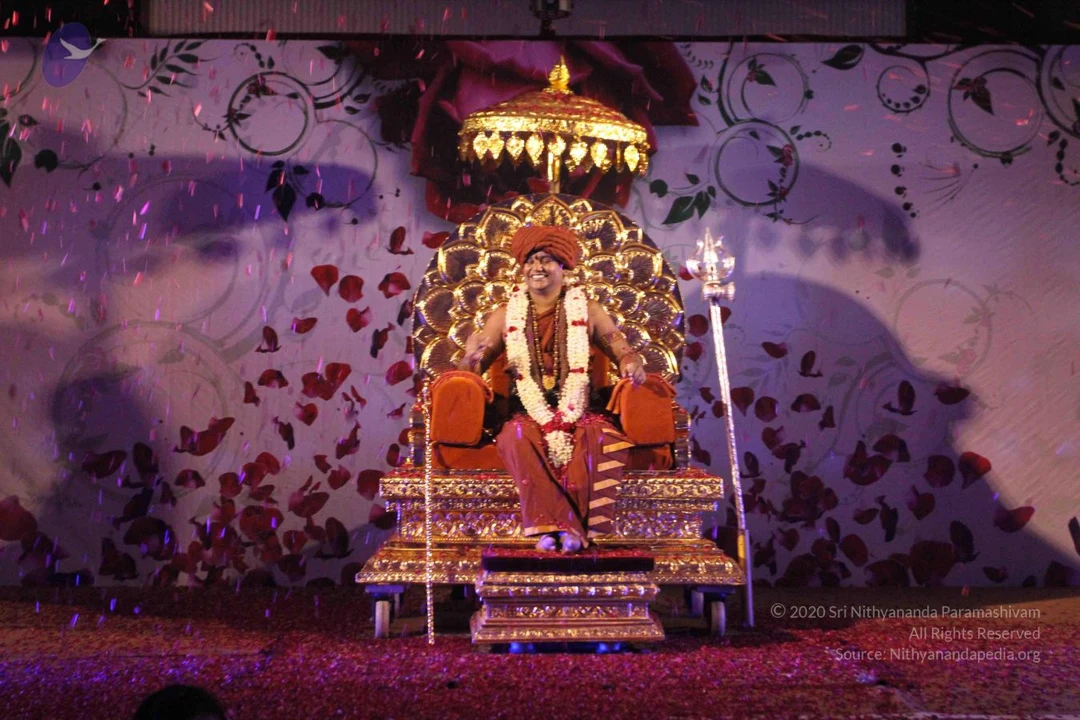
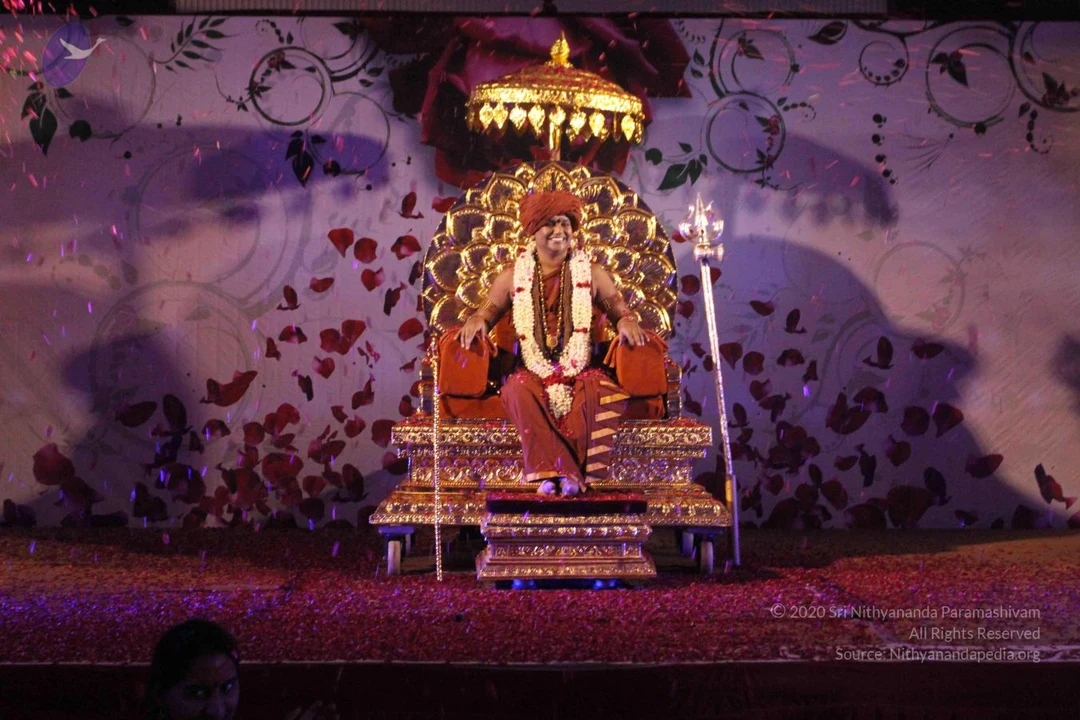
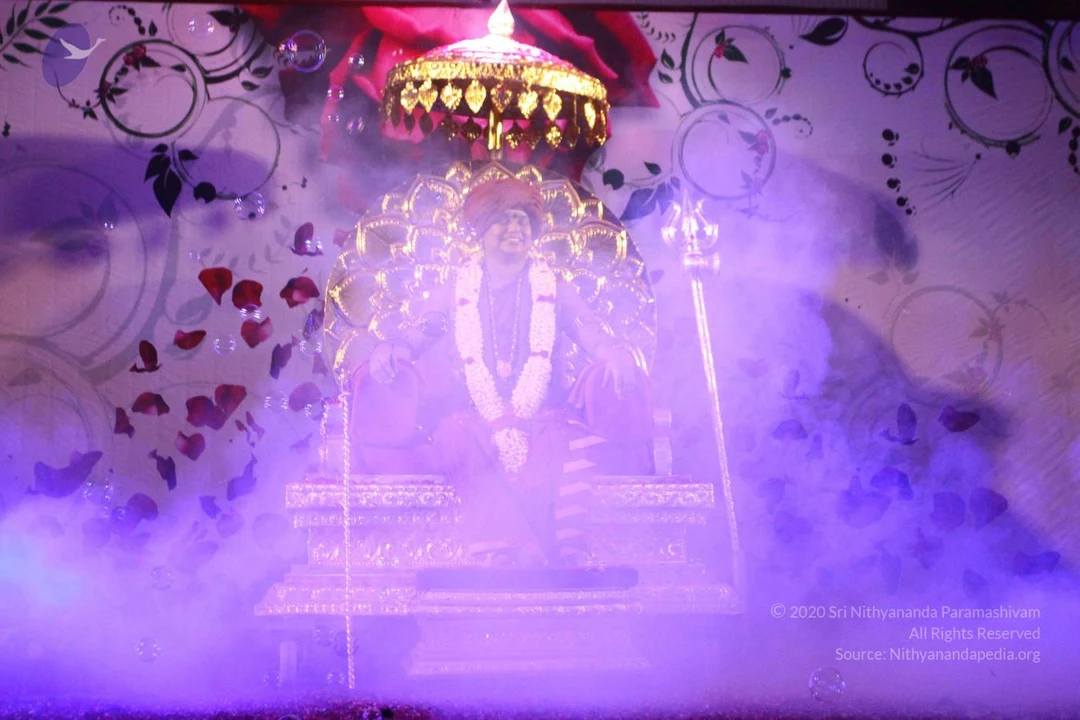
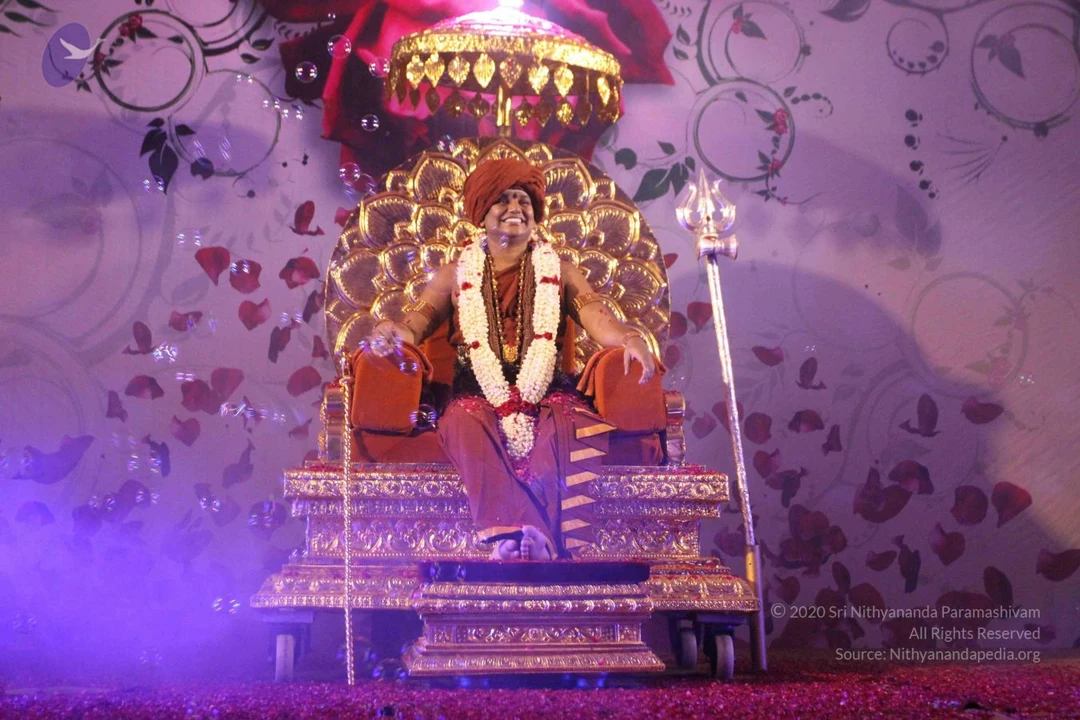
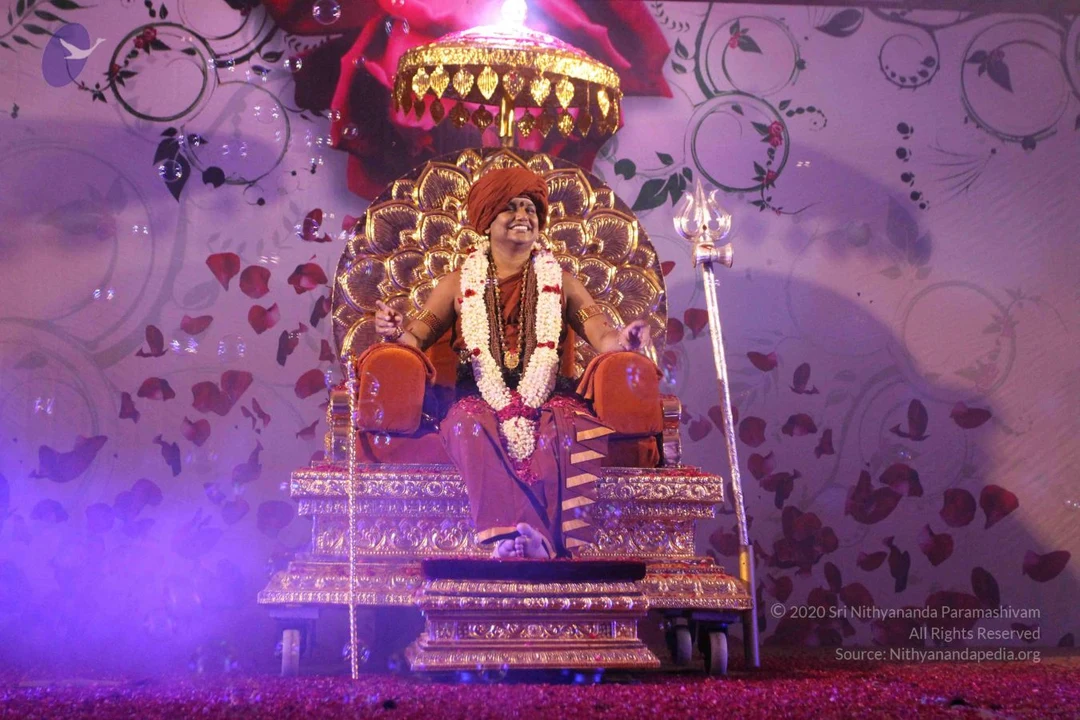
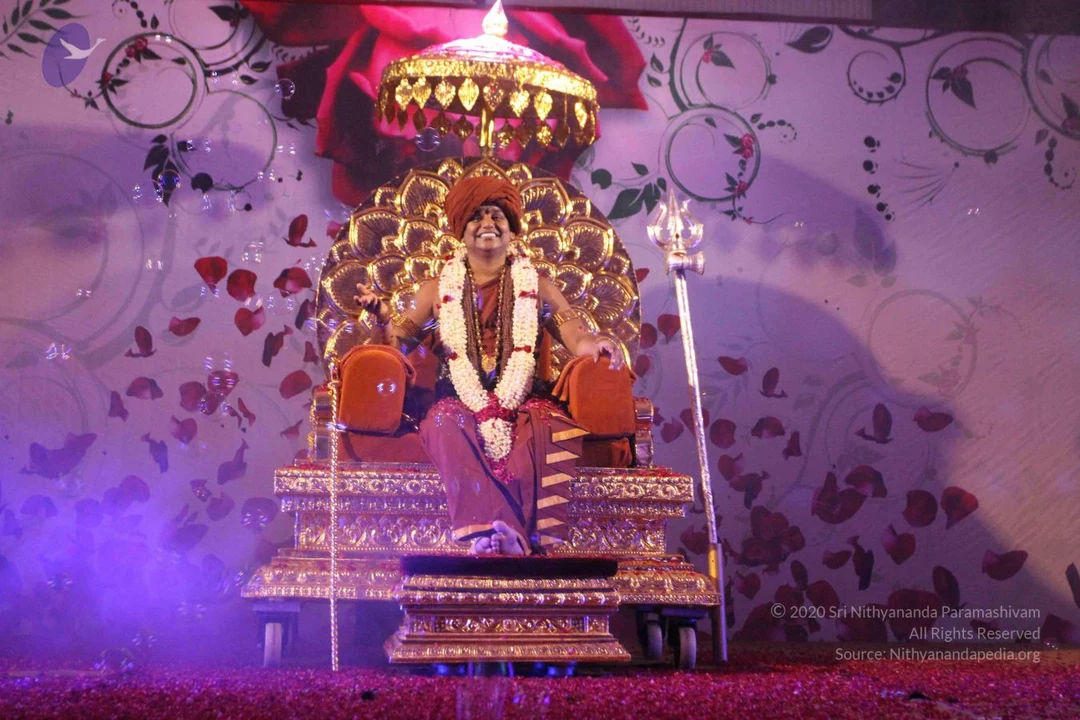
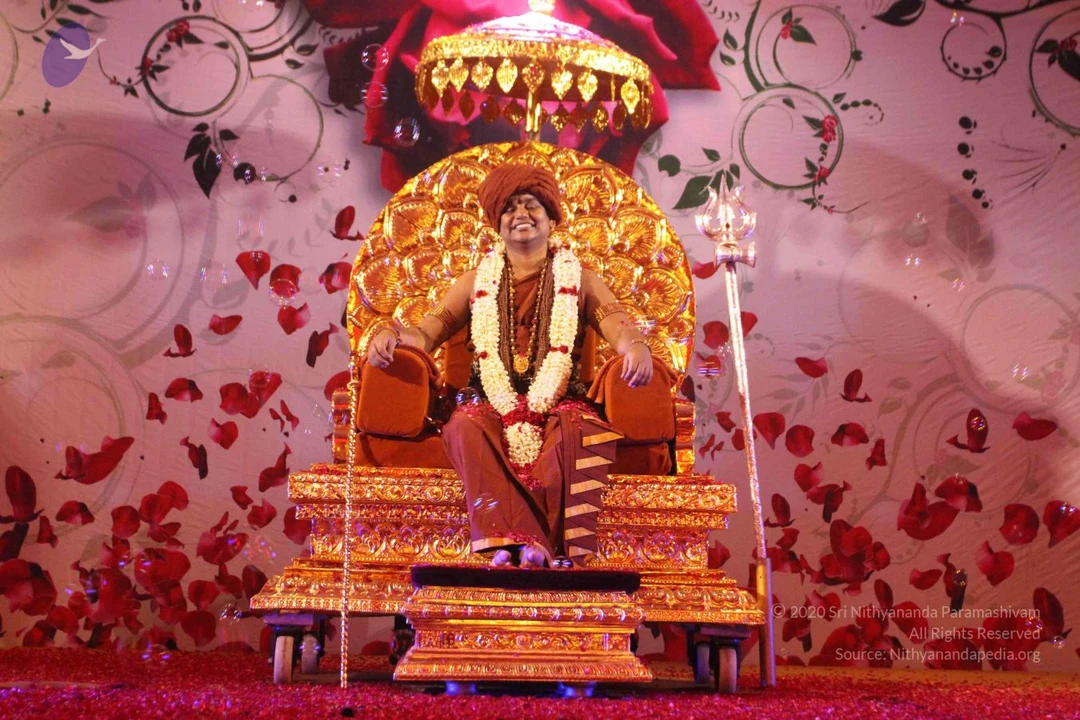
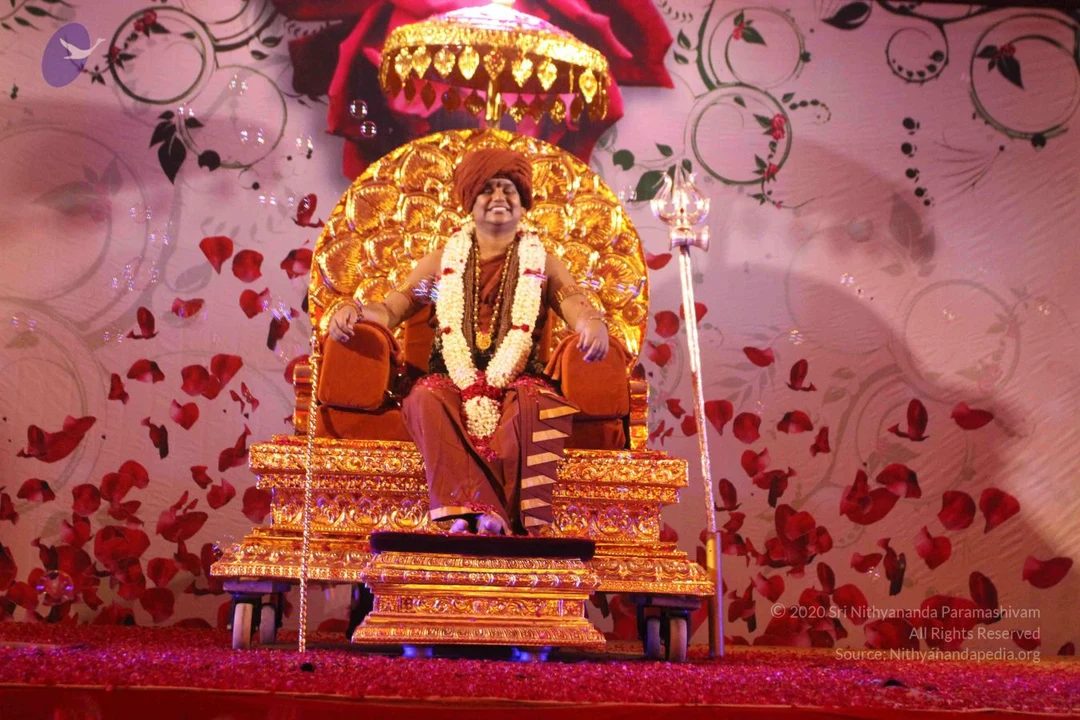
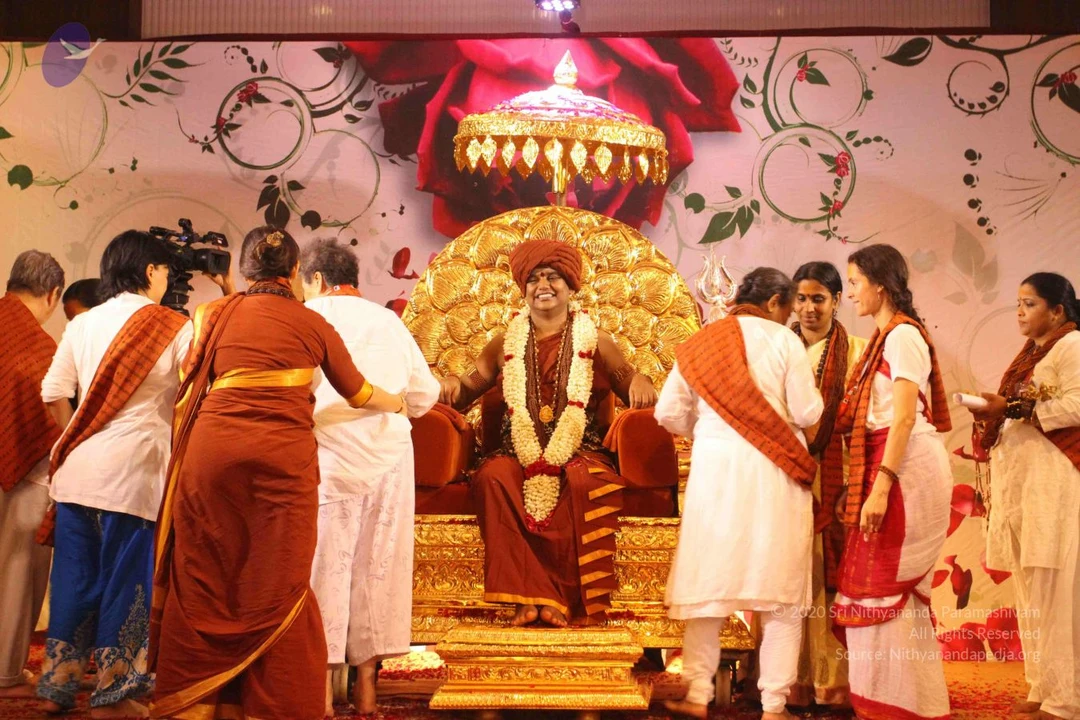
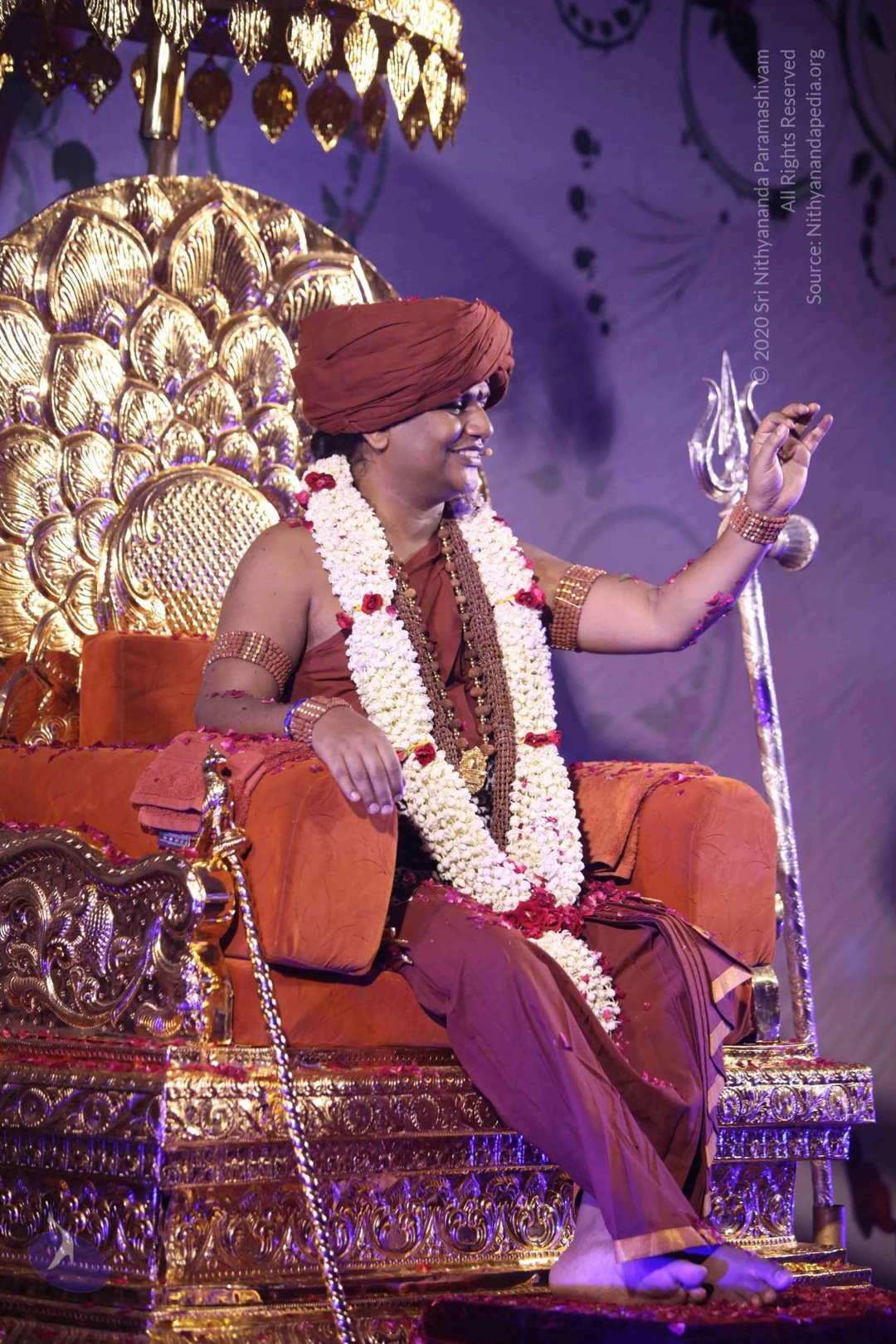
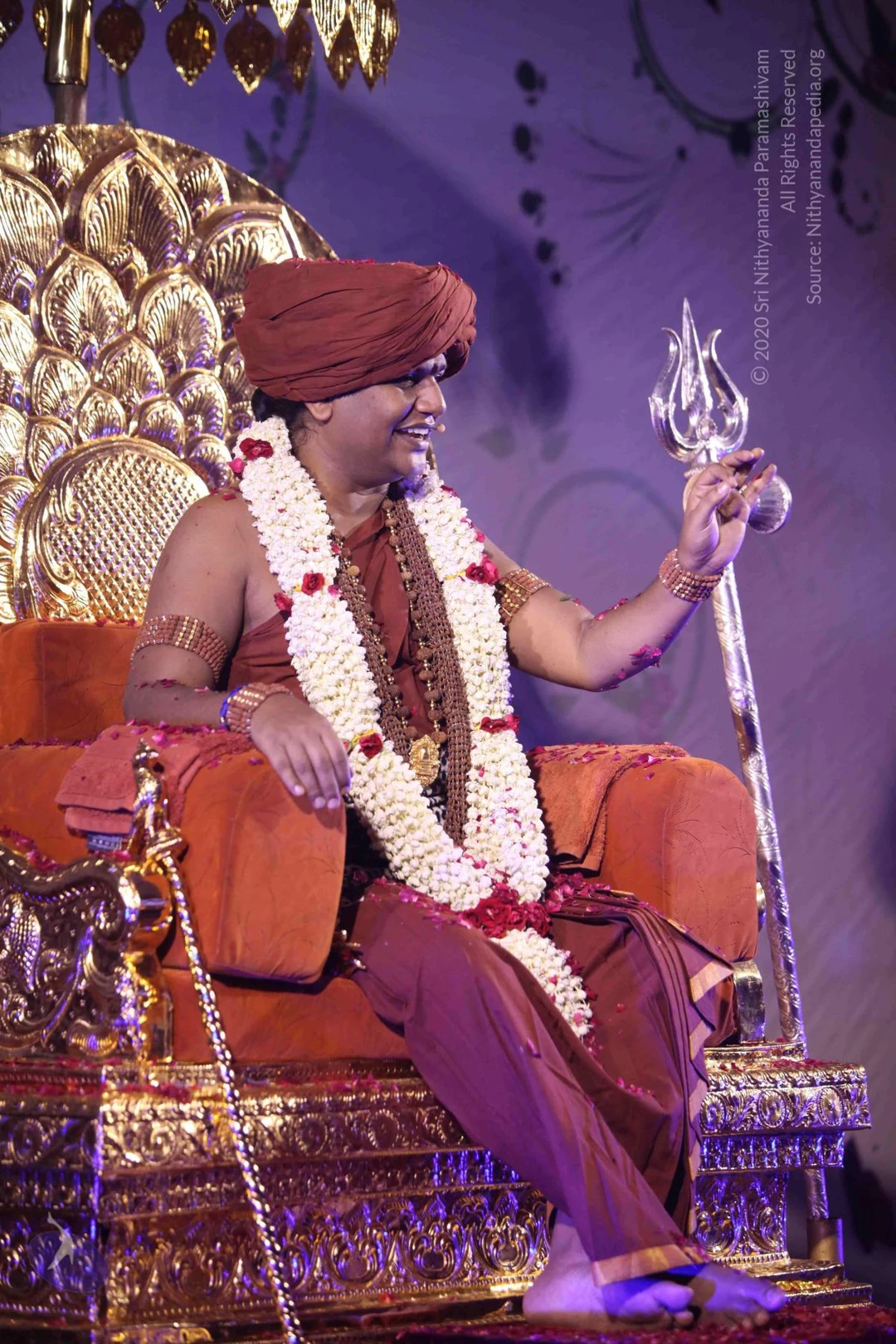
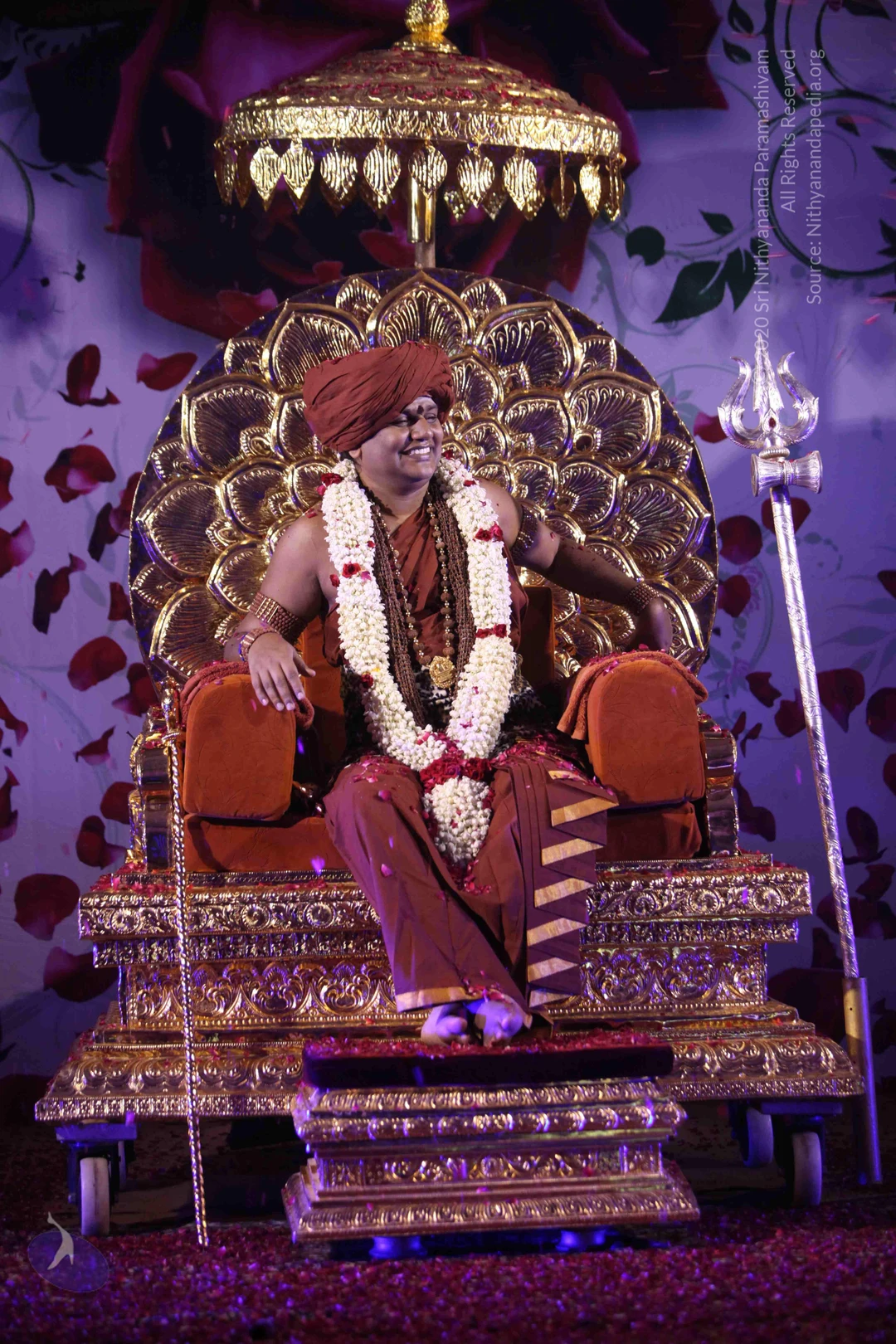
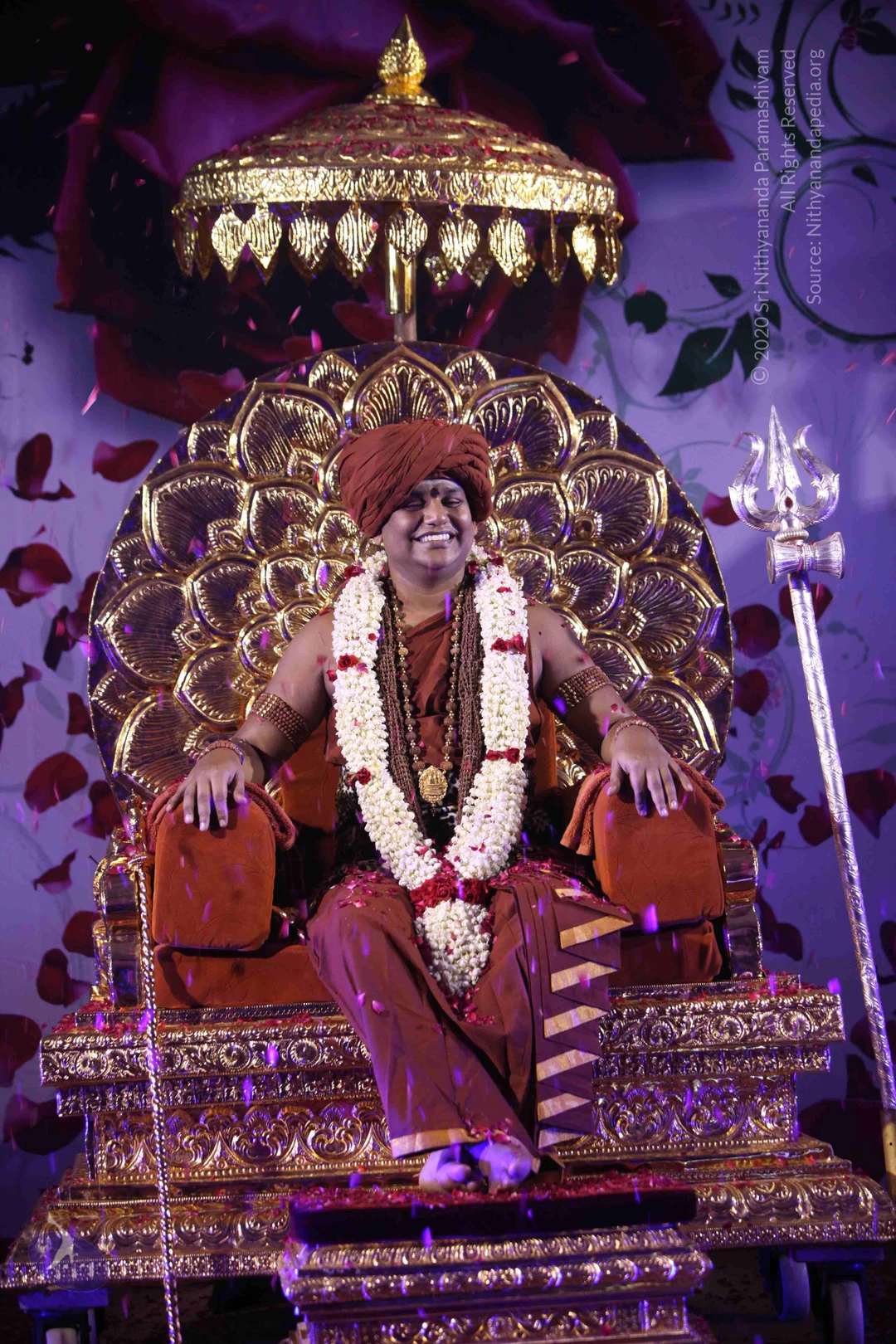
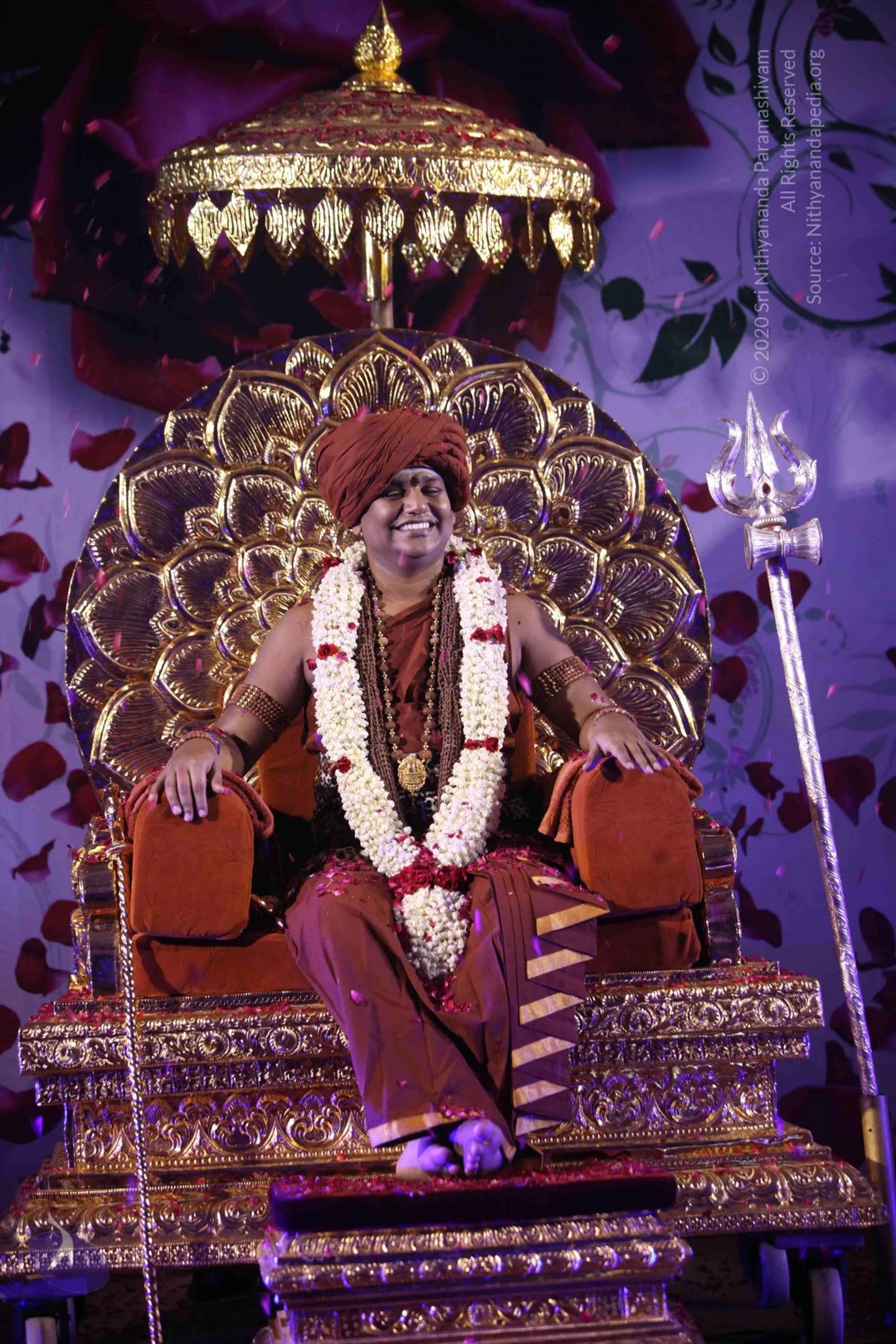
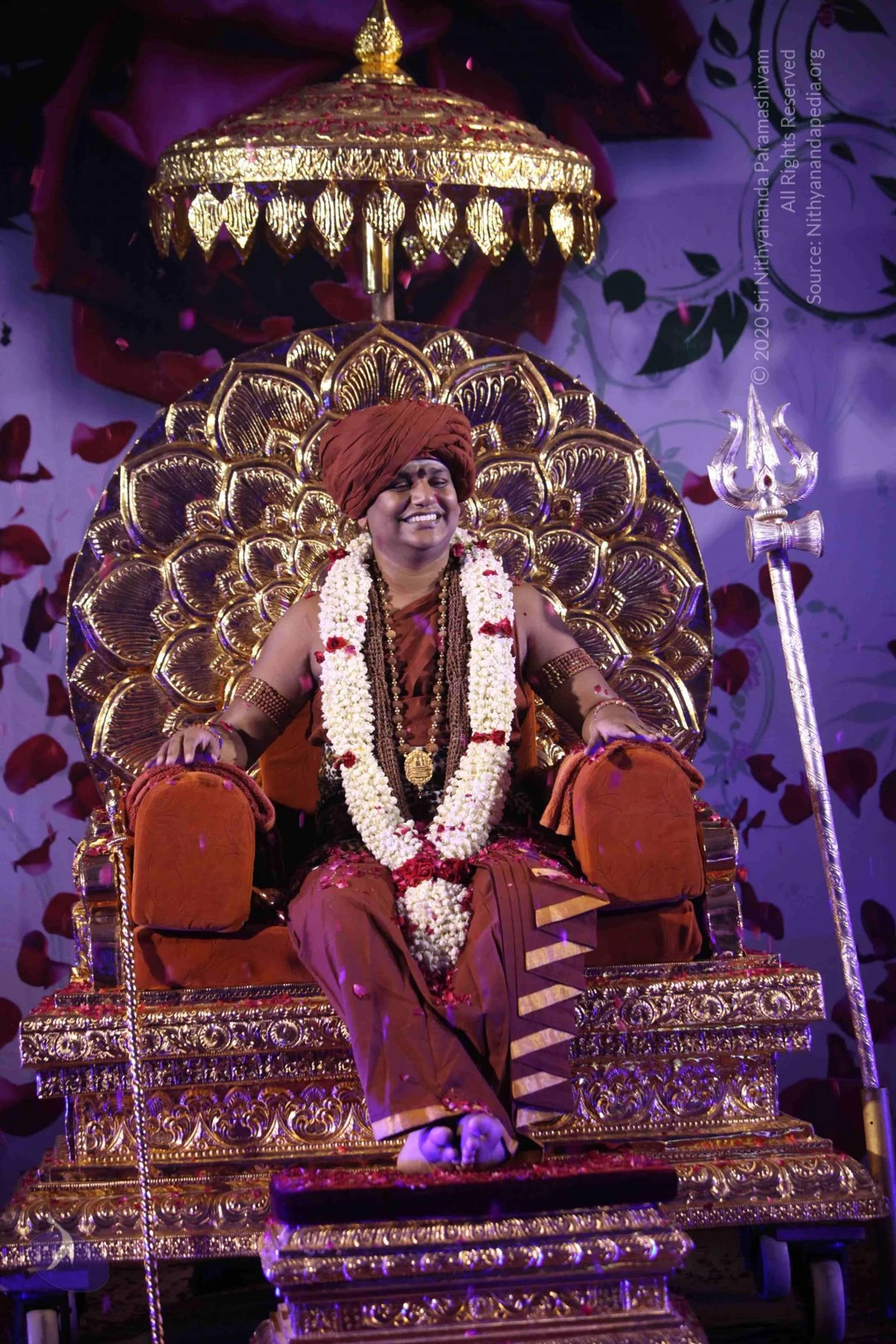
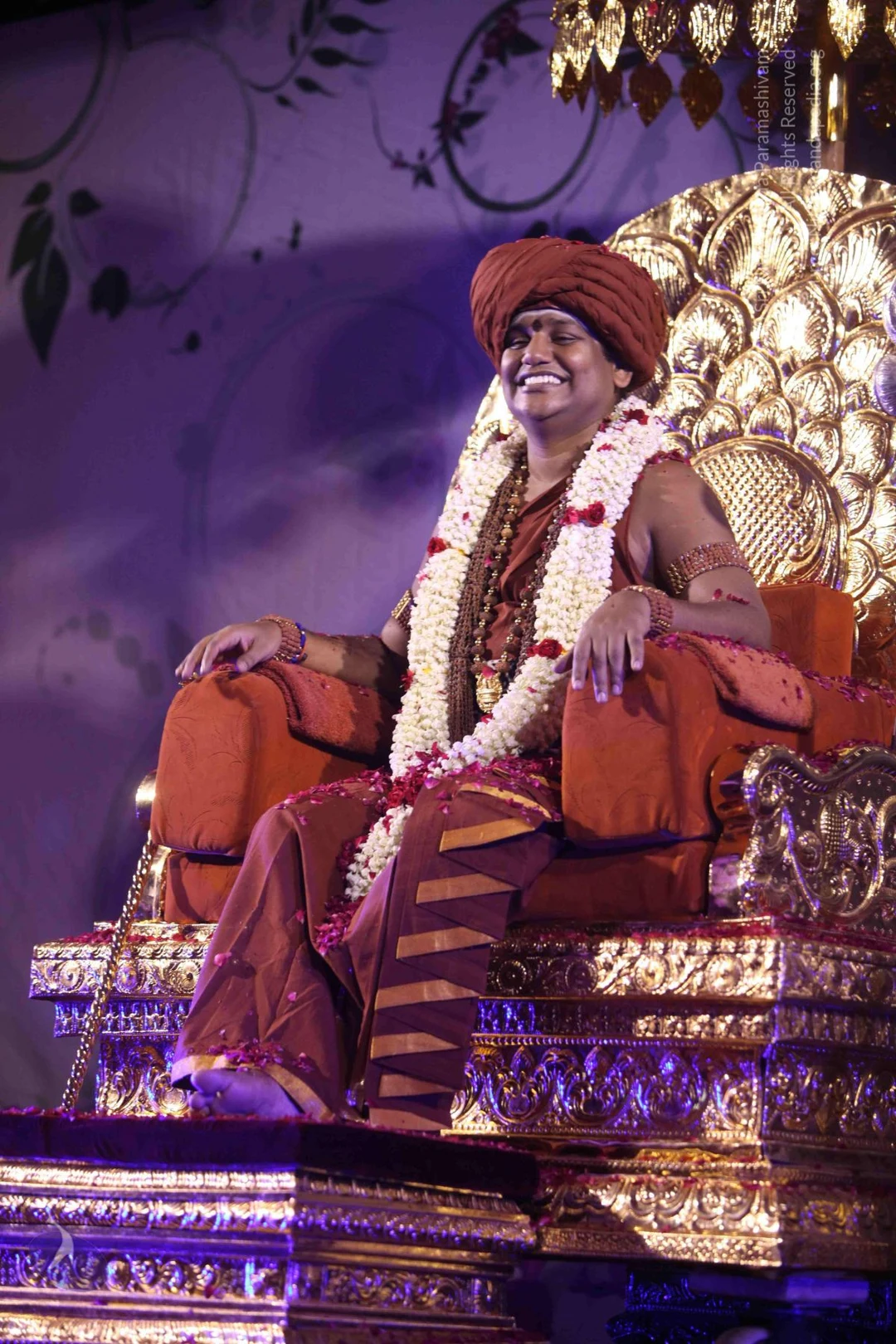
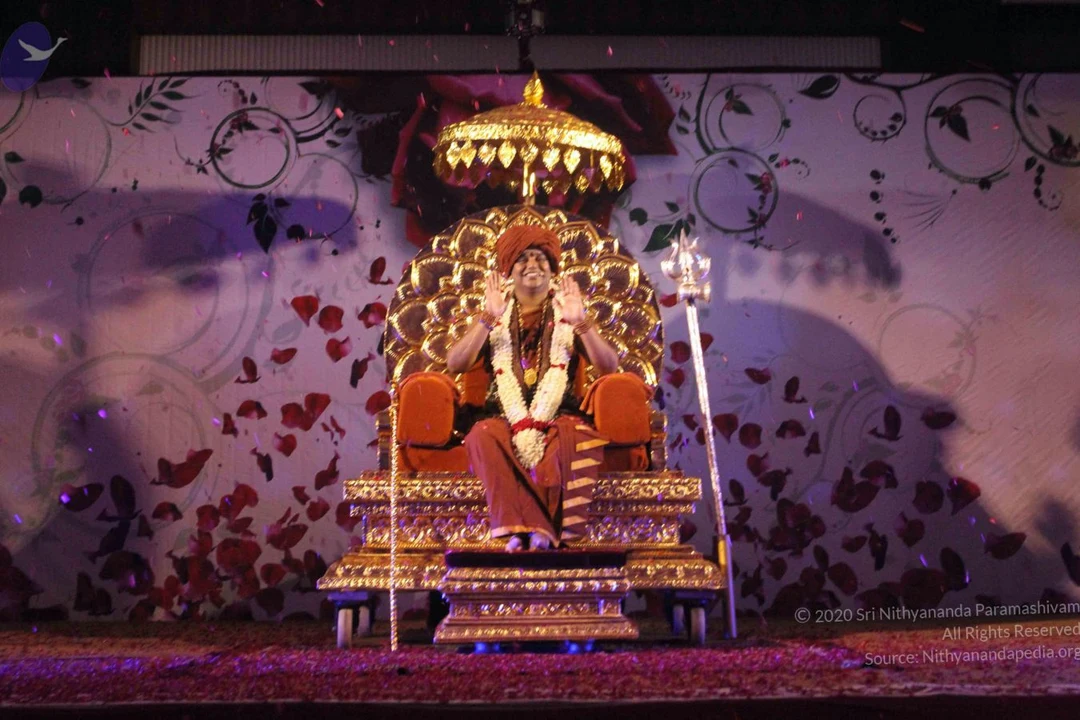
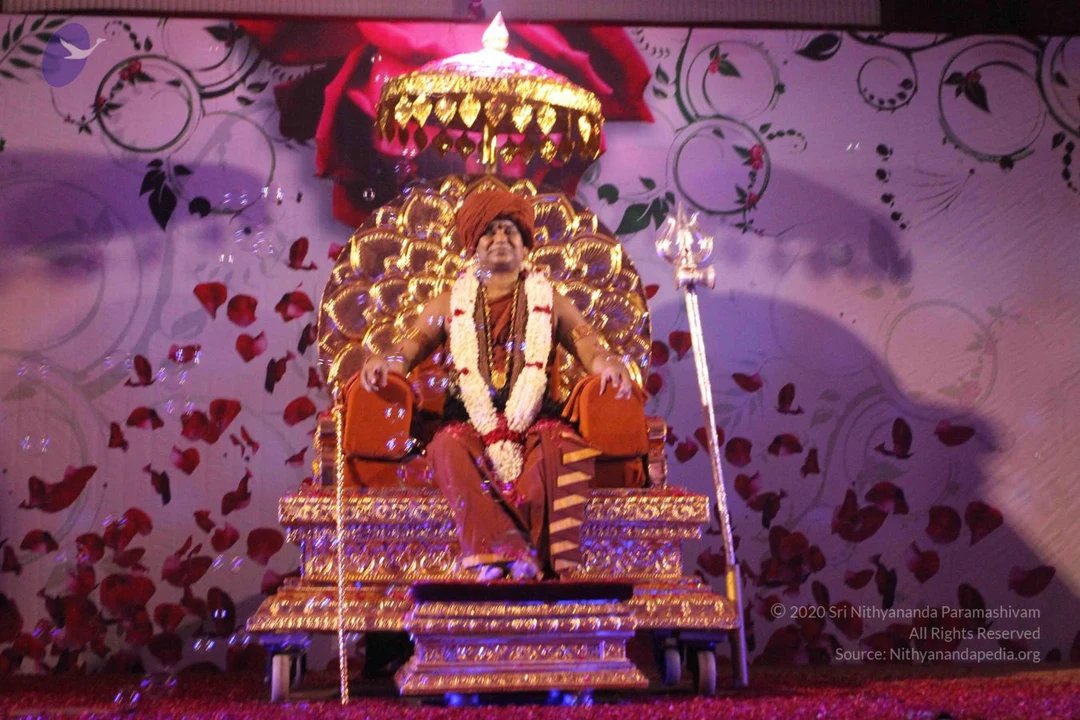
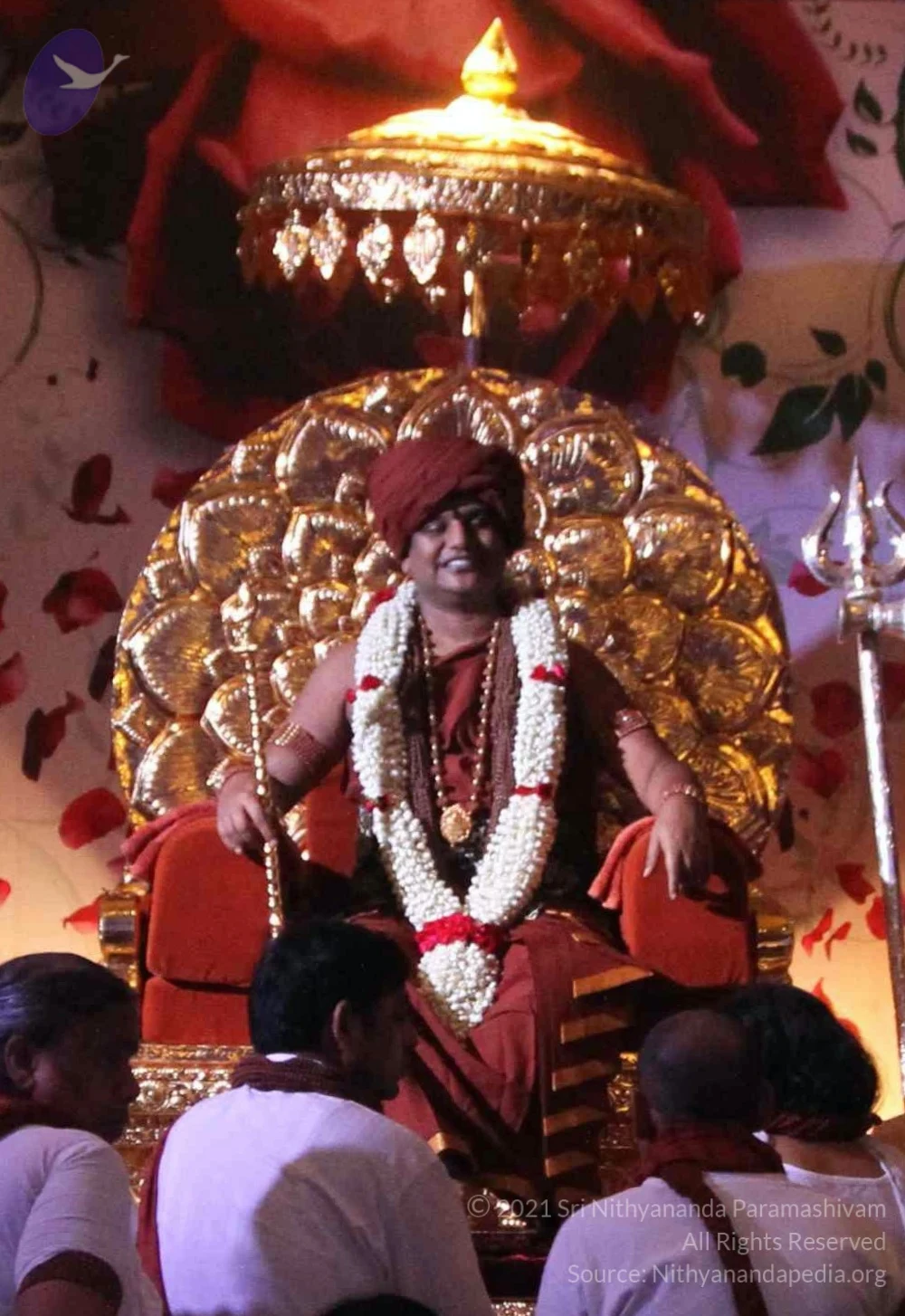
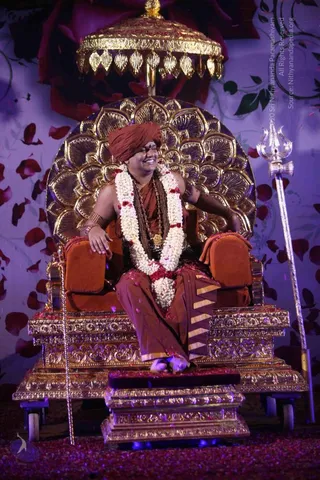
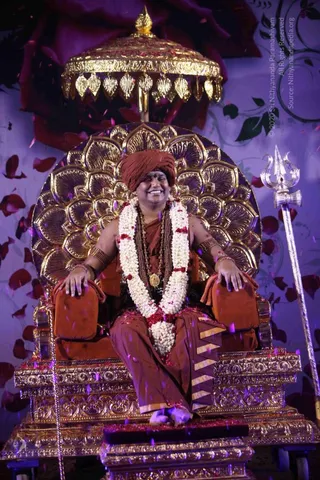
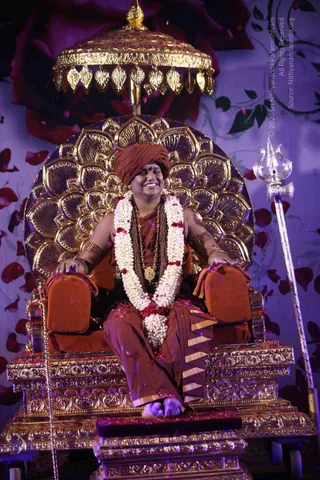
A man in a rust-red turban and rust-red draped robe sits on an ornate gold-and-orange throne with a gold peacock-feather backrest. He wears a long white and red flower garland, a rudraksha mala and a gold pendant, with bangles on his wrists and upper arms. He raises one hand in a gesture while smiling, with a silver trident leaning beside the throne, rose petals scattered on the seat and a purple floral backdrop.A seated figure in a red-brown saffron-toned robe with a maroon turban sits in a gilded ornate throne with a golden fan-shaped backrest and a golden canopy above. He wears a white and red flower garland, rudraksha-style beaded necklaces, bangles and a gold pendant, with palms pressed together in namaste and eyes closed. A silver trident stands to the right, and red rose petals are scattered on the stage floor and the floral backdrop. The setting resembles a stage event with purple lighting. a person is seated, with the throne, trident and garland cues supporting the label.A seated figure in a maroon-red robe and a deep red turban sits on an ornate gilt throne with a golden peacock-feather-style backrest and a gold canopy above. The figure's hands are pressed together in anjali mudra, and a long white and red flower garland hangs over the chest, with rudraksha-style beads and gold ornaments visible. Red-orange cushioned armrests flank the seat, a tall silver trident stands at the right, and the background is a purple floral backdrop scattered with red rose petals, with petals also strewn on the stage floor. The setting suggests a darshan or satsang stage. Swamiji (probable) is seated in the central throne, identified by the distinctive turban, ornate maroon attire, garlands and rudraksha cues.A photograph of a seated figure on an ornate gilded throne with a large golden lotus-petal backrest and a gold canopy above. The person wears a maroon-red turban, a rust-red robe with gold-edged striped drape, a white and red flower garland, and a rudraksha mala with a gold pendant. Scattered red rose petals cover the throne steps and floor, and a silver trident stands to the right against a purple floral backdrop. Swamiji (probable): the seated figure has a turban, saffron-red robe, rudraksha mala and ceremonial garland, consistent with the page's event description of Nithyananda Paramashivam at Varanasi.A seated man in a deep maroon-red turban, saffron-brown robes and a white and red jasmine-rose garland sits on an ornate gold lotus-backed throne beneath a gilded canopy. He rests his hands on maroon cushions, smiling, with rudraksha beads and a gold pendant at his chest. A silver trident stands to the right, and red rose petals fall around him against a purple floral backdrop.A seated man in a rust-red turban and matching saffron-red robes sits on an ornate gilded throne with a lotus-petal backrest and a golden canopy above. He wears a long white and red jasmine garland, a rudraksha mala, a gold pendant, and bangles on his wrists, and smiles broadly. A silver trident stands to his right against a purple backdrop with red rose petals scattered around. Petals fall in the air around the throne.

Padapuja

95 photosSource gallery
Photo of a seated man in an ornate brown leather throne at the front of a large hall, dressed in orange and saffron robes with a long rudraksha mala and a red tilak on the forehead, eyes closed and hands resting in his lap. Around him a dense crowd of participants in white and orange clothing sits on the floor with hands raised to their heads in a group process. Purple floral patterned screens line the back wall. A fellow in an orange robe and a large-hall setting complete the scene.A large indoor hall packed with seated participants in white clothes and orange-red shawls, many with hands raised to their heads in a mandala-style gesture. In the centre, a figure in orange robes sits on a brown leather throne-like chair in front of purple patterned wall panels. Some people in the back wear orange turbans. a person appears as the robed figure seated on the throne, with a shaved head, orange robe and draped orange shawl, and a seated position in front of the participants.A large seated gathering in a hall with lilac ornamental panels on the walls. In the centre, a man in orange-red robes and a saffron shawl sits on an ornate brown leather throne, wearing a headset microphone, a long rudraksha mala, and wrist beads, with both palms raised. Around him, dozens of participants in white, red and saffron clothing stand and sit with hands clasped behind their heads in a mass mudra. Some wear bindis and red or green garments, and a few turbaned attendants stand at the back. a person is the seated central figure, presiding as the session leader.A large hall of seated participants in white clothes with orange-saffron shawls and scarves, many with arms raised and hands pressed to their heads in a guided meditation process. At the centre-top, a man with long dark hair, wearing an orange-saffron robe and a long beaded rudraksha-style mala, sits on an ornate brown leather throne chair with both palms open, seemingly speaking to the group. Purple lotus-pattern backdrop panels and a deity or figure visible at the top-left add to the setting. The room is packed with well over twenty people.A large seated meditation session in a hall with lilac and white ornamented wall panels. A central figure in an orange-red wrap and dark hair sits on a brown leather throne-style chair, hands raised in front of him. Around him hundreds of participants, mostly in white clothes with orange-red shawls, sit with both hands clasped on top of their heads during a Shivoham Third Eye Mandala process. Some wear orange and red, and a few figures in saffron stand near the back. The setting is a formal ballroom-like venue with framed art on the left wall.Photograph of a large seated gathering in a hall with purple patterned wall panels. A man in a brown leather armchair, wearing a rust-orange robe, a multi-strand rudraksha mala and a small headset microphone, raises both open hands as he speaks. Many participants in white and orange clothing sit around him with their hands pressed to their heads in a group practice. Several figures in orange and red turbans are visible in the background. The central man is a person by appearance, seated as the speaker of the session.

Shivoham

31 photosSource gallery
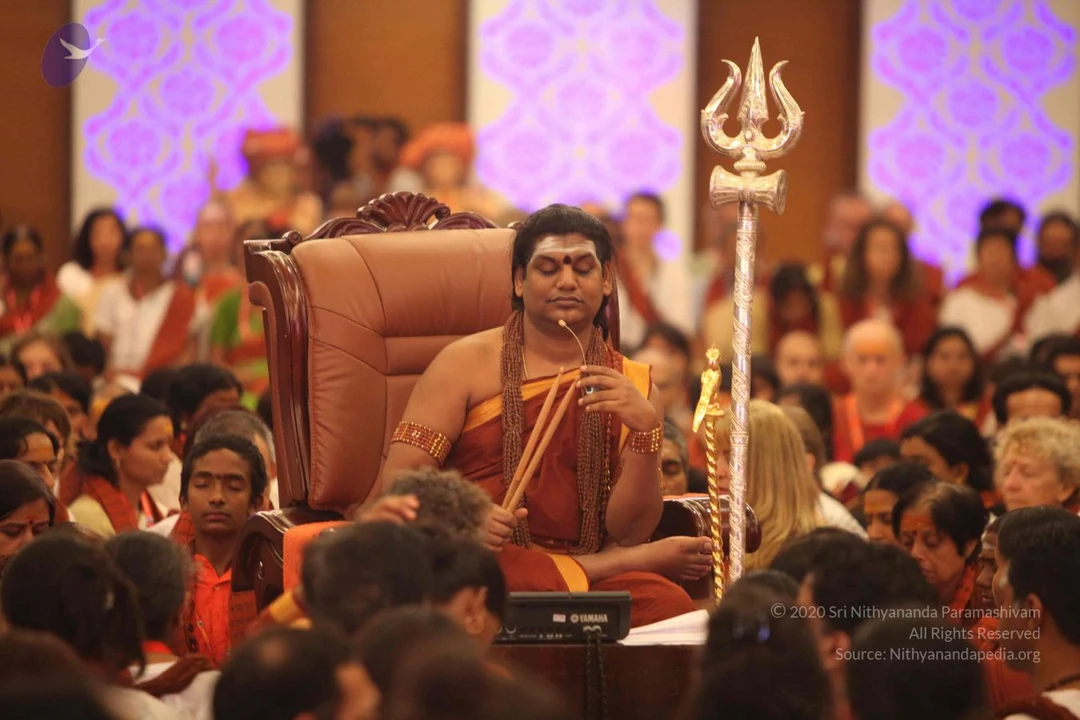
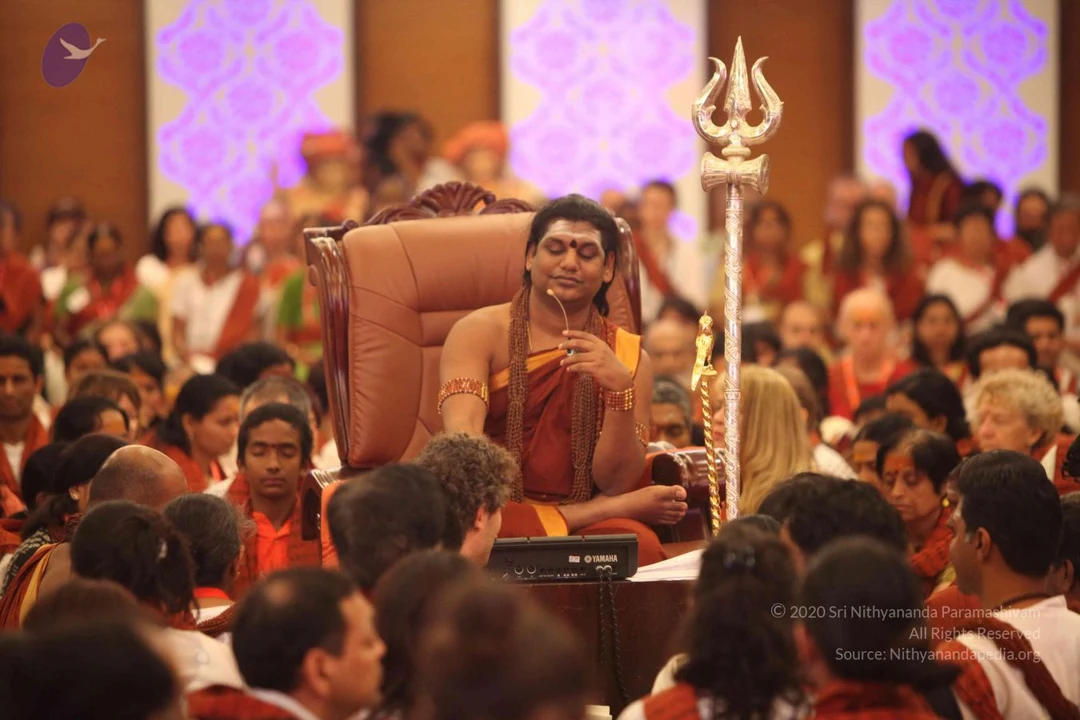
A densely packed indoor gathering of participants seated closely together, most wearing orange and red clothing and shawls. In the foreground, an older woman with white hair and glasses wears a white top and red-orange scarf, a middle-aged woman with short blonde hair wears an orange shawl over a brown wrap, and a woman in orange drinks from a plastic bottle. Many others with orange tilak marks and red and orange garments fill the background under warm orange lighting. No a person candidate is visible in this crowd shot.A large crowd of participants sits closely around a central figure seated on a brown leather throne-style chair, gesturing with both hands as he speaks. He wears an orange-saffron robe with a rudraksha mala and ornate gold necklace. A tall silver trident stands beside the throne. Participants wear white clothing with red-orange shawls and saffron garments, while the back wall shows purple geometric panels and a small deity murti sits on a shelf above the crowd. Scale suggests a satsang or Inner Awakening session. a person: the seated figure wears saffron robes, a rudraksha mala and ceremonial gold necklace beside a trident, so the appearance cues support his identification.A large hall filled with a seated audience of participants wearing white clothes and red-orange shawls. At the centre front, a man with long dark hair and an orange-saffron garment sits on an ornate brown throne-style chair, hands raised in front of him as if speaking. A tall silver trident stands beside the chair. Many seated devotees, some with grey hair and some with plaits, face the throne. Purple and white decorative panels line the back wall.A large seated audience fills a hall with lilac and gold patterned wall panels. At the centre, a man with long dark hair and a rudraksha mala wears orange-saffron robes and sits on a brown leather throne, with a tall silver trident beside him. Around him, many participants wear white clothes with orange-red shawls, and a few wear saffron robes. The crowd is seen from behind in the foreground. Swamiji (probable): the seated man has long swept-back hair, saffron clothing, a rudraksha mala and a throne, consistent with the page's Inner Awakening session context.A seated man in saffron-orange robes sits in a large brown leather throne-style chair on a stage, eyes closed, holding a pair of wooden sticks and a small object in his hands. He wears a long rudraksha mala and ornate gold-toned armbands, and has a sandalwood-like marking on his forehead. A tall silver trident stands beside the chair, and a yellow ribbon hangs from a staff. In front, a large audience of mostly seated devotees in orange and white clothing fills the frame, with a Yamaha keyboard visible at the front edge. Purple floral wall panels line the hall behind the stage. a person (appearance cues: long rudraksha mala, saffron-orange clothing and ornate armbands while seated in the throne) presiding over a satsang-style event.A large seated audience faces a central figure in an ornate brown armchair on a raised dais, with a silver trident standing beside the chair. The seated man wears orange and saffron robes, layered beaded necklaces and bangles, and raises one hand near his face as he speaks. Devotees in white clothes with red-and-orange shawls fill the hall, many with hands folded. Lavender and purple patterned panels decorate the walls behind the stage. Swamiji (probable): the central figure has long swept-back hair, saffron clothing, rudraksha-style beaded necklaces and ornate adornments, seated as the teacher of the assembly.

Shivoham-After-Break

11 photosSource gallery
Photo of a seated man in an ornate brown leather throne at the front of a large hall, dressed in orange and saffron robes with a long rudraksha mala and a red tilak on the forehead, eyes closed and hands resting in his lap. Around him a dense crowd of participants in white and orange clothing sits on the floor with hands raised to their heads in a group process. Purple floral patterned screens line the back wall. A fellow in an orange robe and a large-hall setting complete the scene.A large indoor hall packed with seated participants in white clothes and orange-red shawls, many with hands raised to their heads in a mandala-style gesture. In the centre, a figure in orange robes sits on a brown leather throne-like chair in front of purple patterned wall panels. Some people in the back wear orange turbans. a person appears as the robed figure seated on the throne, with a shaved head, orange robe and draped orange shawl, and a seated position in front of the participants.A large seated gathering in a hall with lilac ornamental panels on the walls. In the centre, a man in orange-red robes and a saffron shawl sits on an ornate brown leather throne, wearing a headset microphone, a long rudraksha mala, and wrist beads, with both palms raised. Around him, dozens of participants in white, red and saffron clothing stand and sit with hands clasped behind their heads in a mass mudra. Some wear bindis and red or green garments, and a few turbaned attendants stand at the back. a person is the seated central figure, presiding as the session leader.A large hall of seated participants in white clothes with orange-saffron shawls and scarves, many with arms raised and hands pressed to their heads in a guided meditation process. At the centre-top, a man with long dark hair, wearing an orange-saffron robe and a long beaded rudraksha-style mala, sits on an ornate brown leather throne chair with both palms open, seemingly speaking to the group. Purple lotus-pattern backdrop panels and a deity or figure visible at the top-left add to the setting. The room is packed with well over twenty people.A large seated meditation session in a hall with lilac and white ornamented wall panels. A central figure in an orange-red wrap and dark hair sits on a brown leather throne-style chair, hands raised in front of him. Around him hundreds of participants, mostly in white clothes with orange-red shawls, sit with both hands clasped on top of their heads during a Shivoham Third Eye Mandala process. Some wear orange and red, and a few figures in saffron stand near the back. The setting is a formal ballroom-like venue with framed art on the left wall.Photograph of a large seated gathering in a hall with purple patterned wall panels. A man in a brown leather armchair, wearing a rust-orange robe, a multi-strand rudraksha mala and a small headset microphone, raises both open hands as he speaks. Many participants in white and orange clothing sit around him with their hands pressed to their heads in a group practice. Several figures in orange and red turbans are visible in the background. The central man is a person by appearance, seated as the speaker of the session.

Pada-Puja
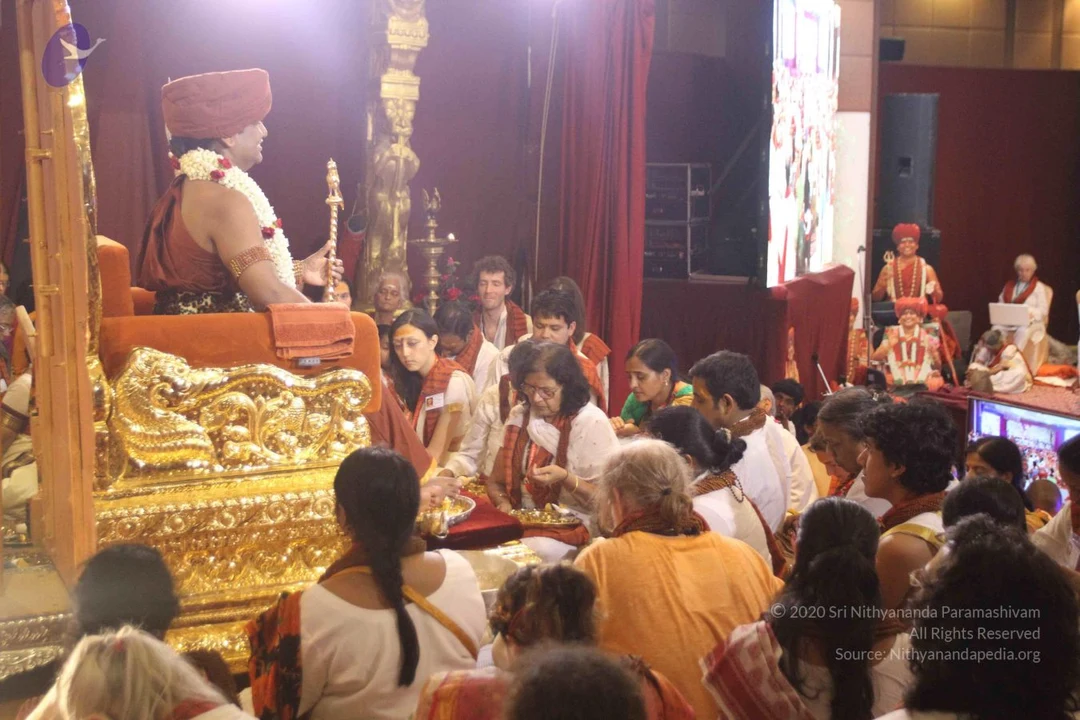
20 photosSource gallery
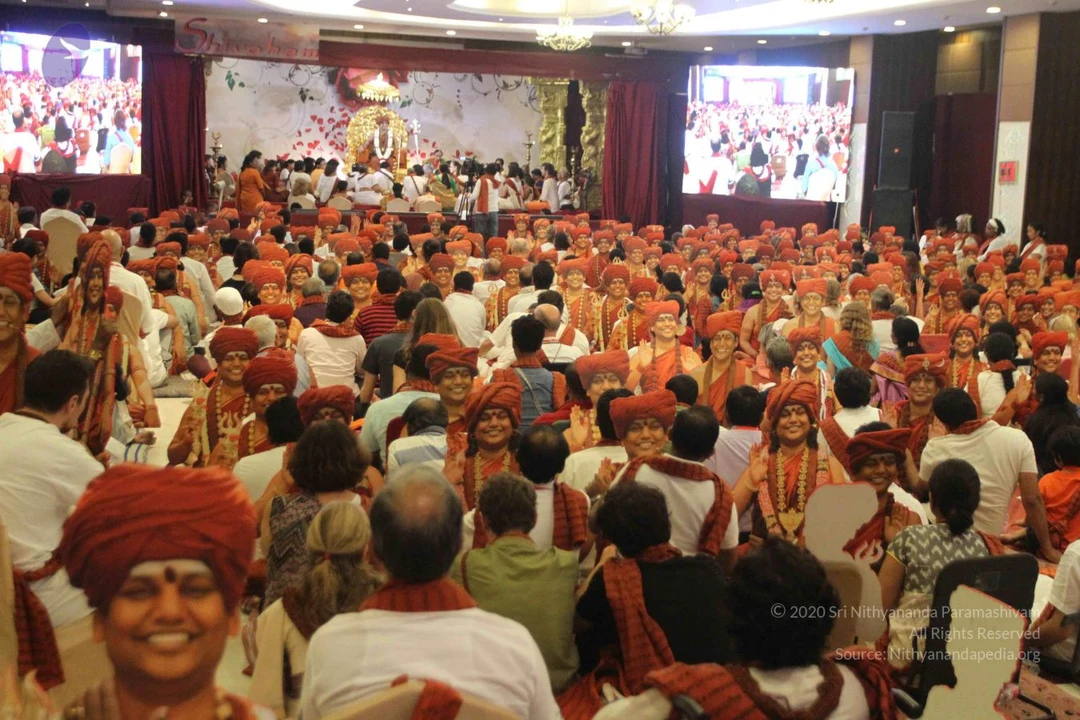
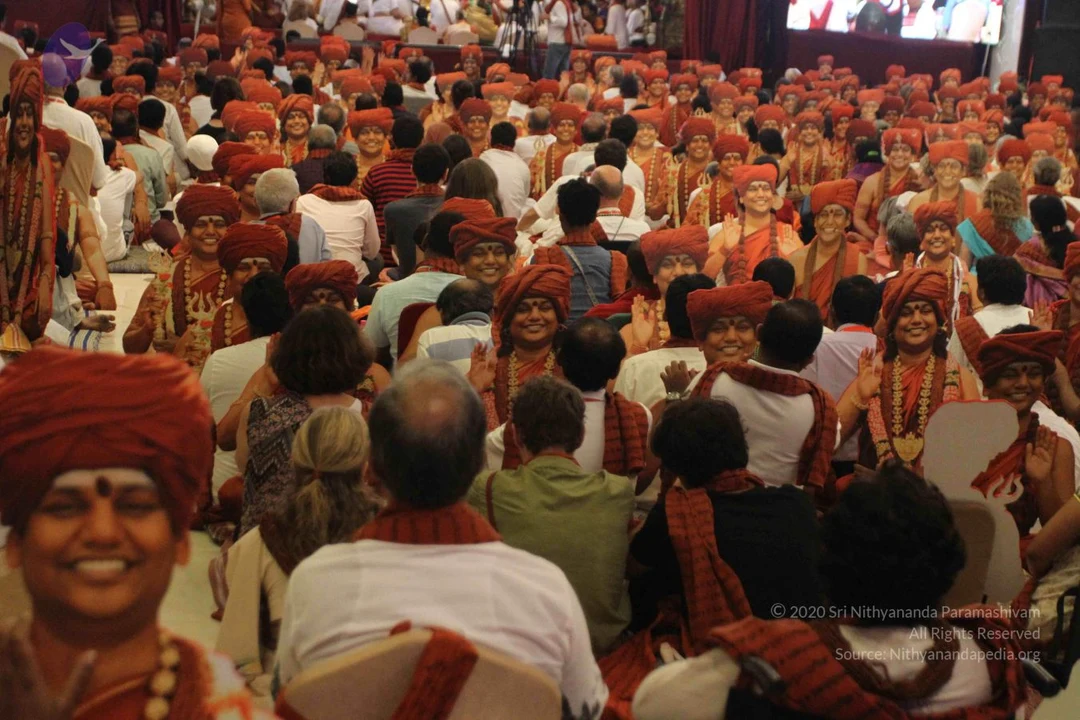
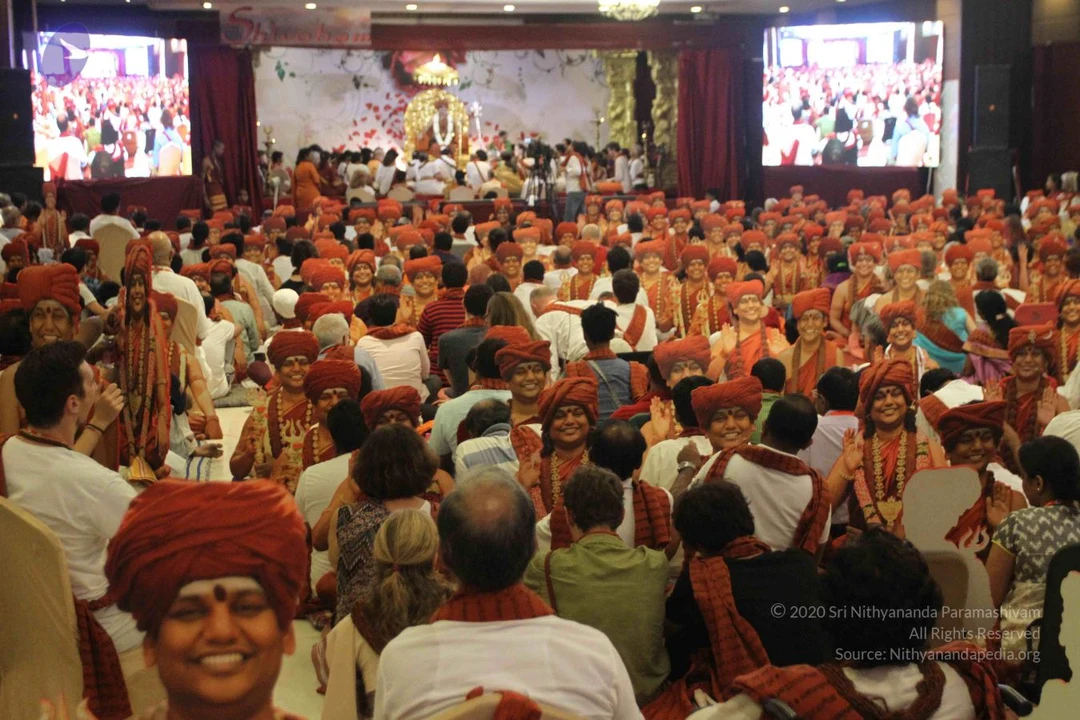
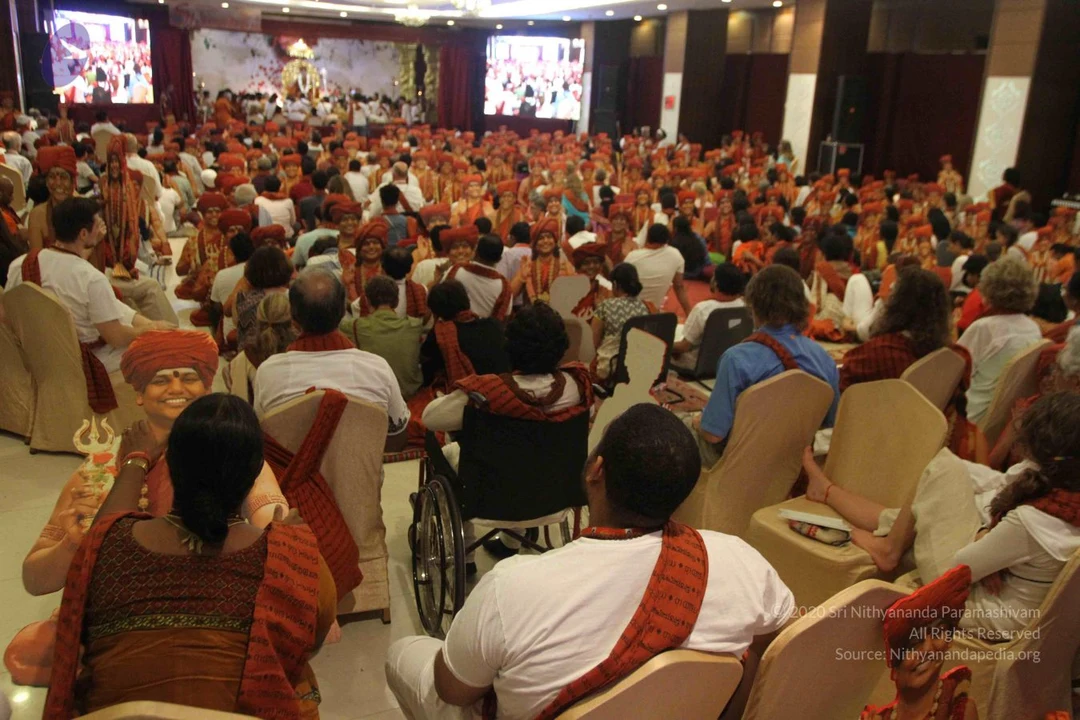
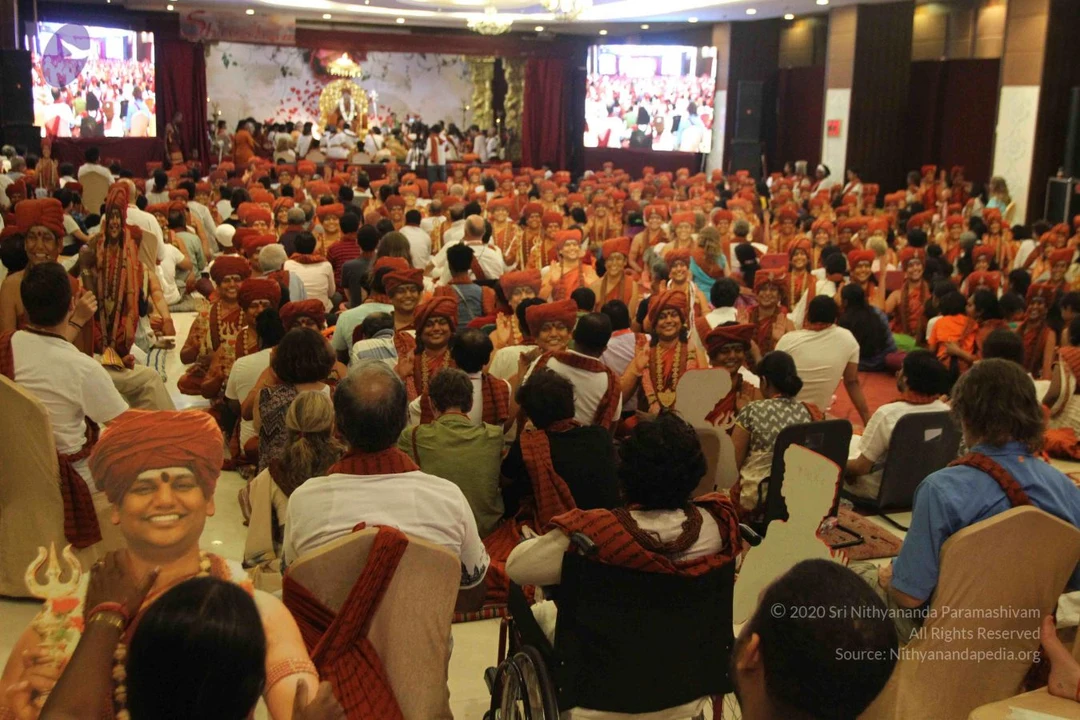
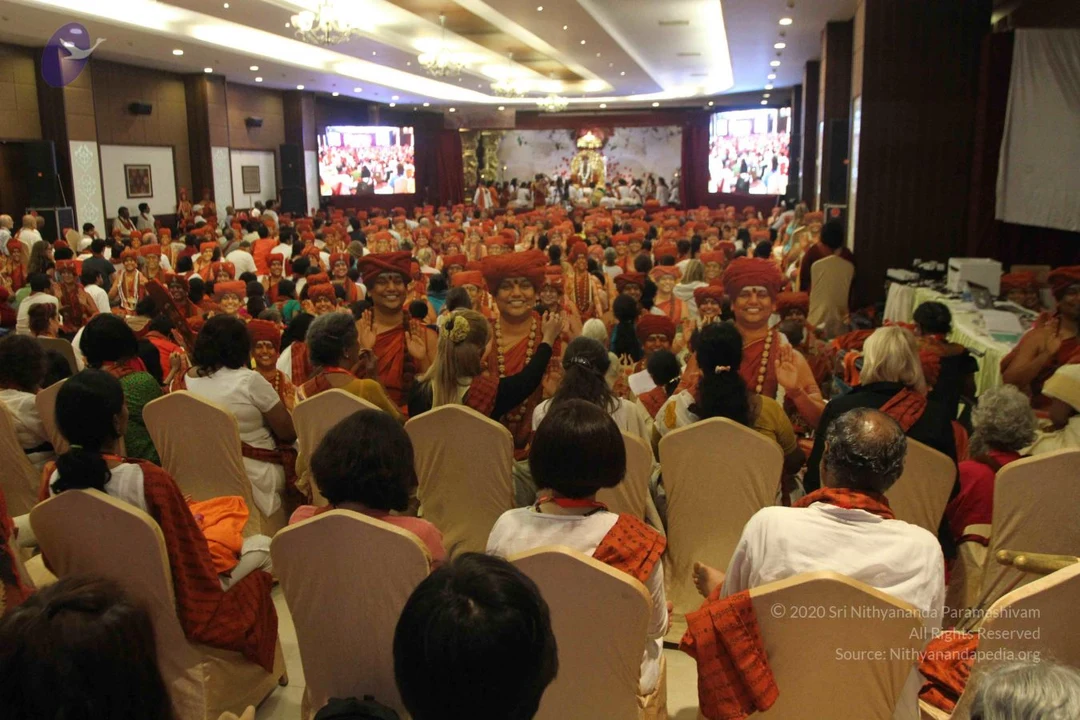
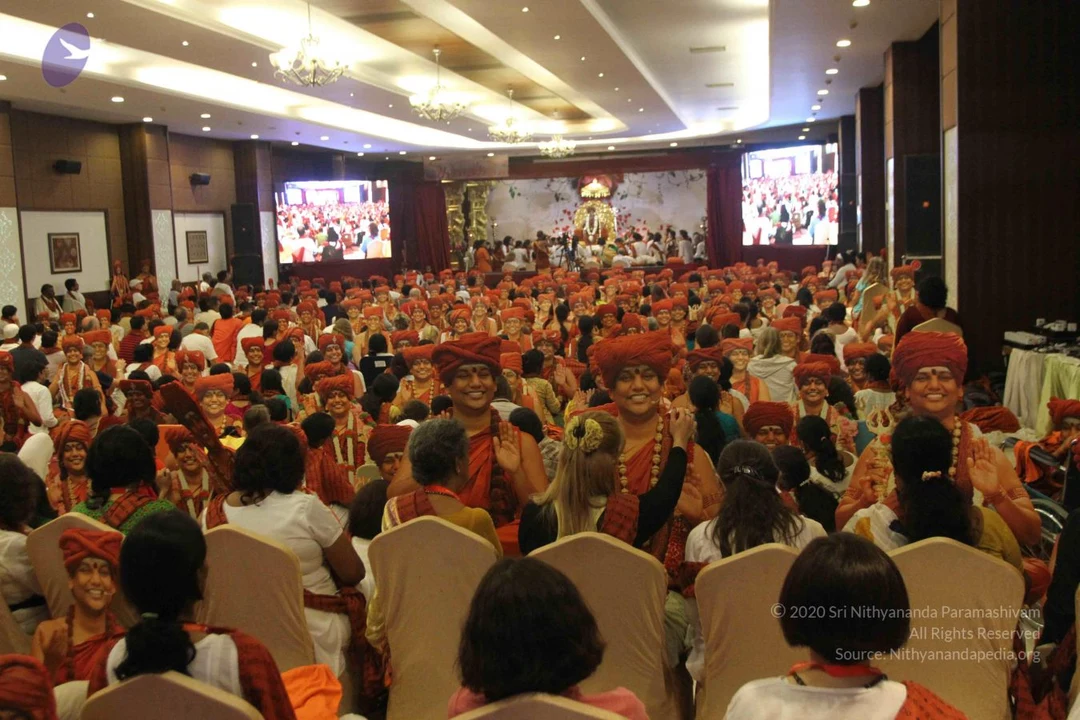
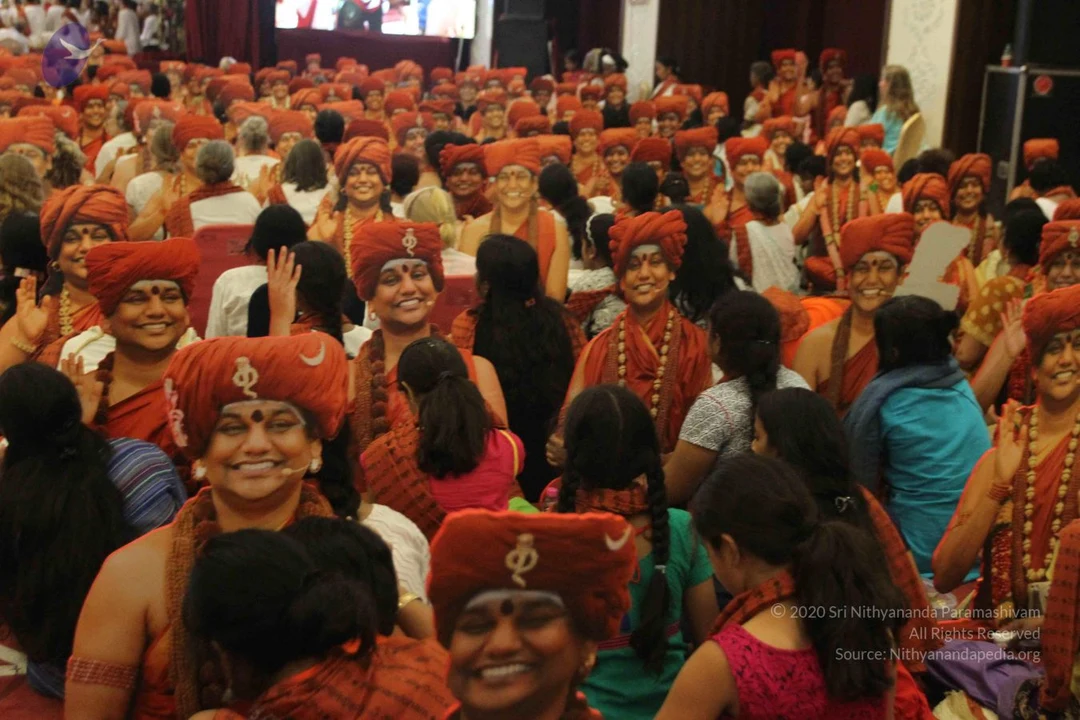
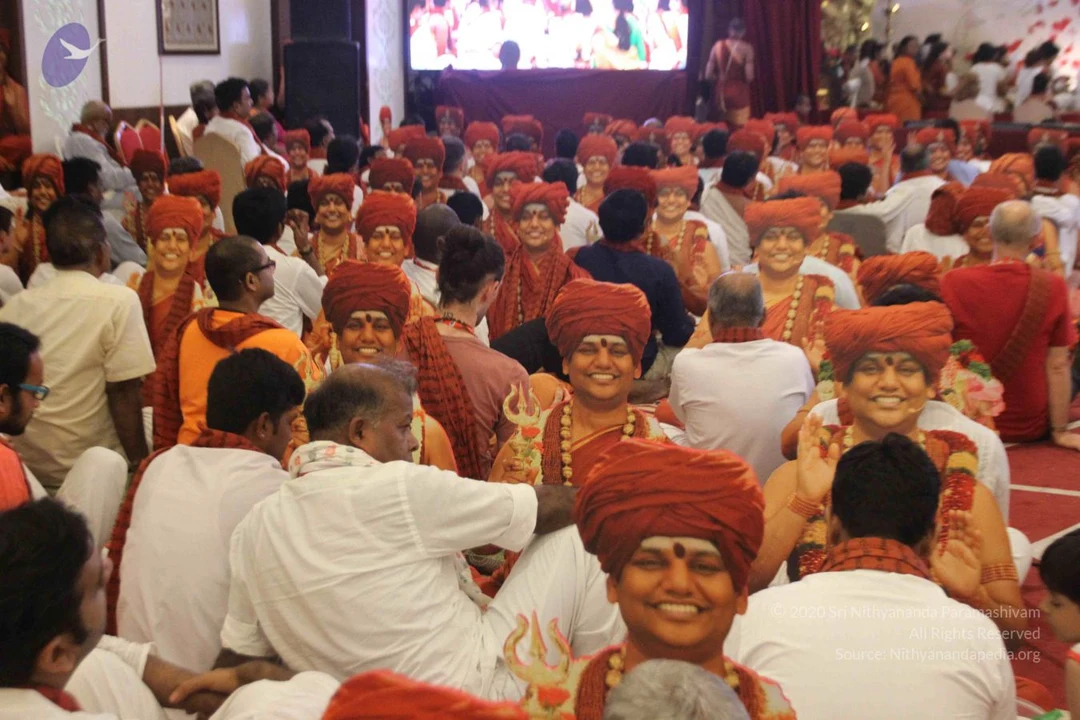
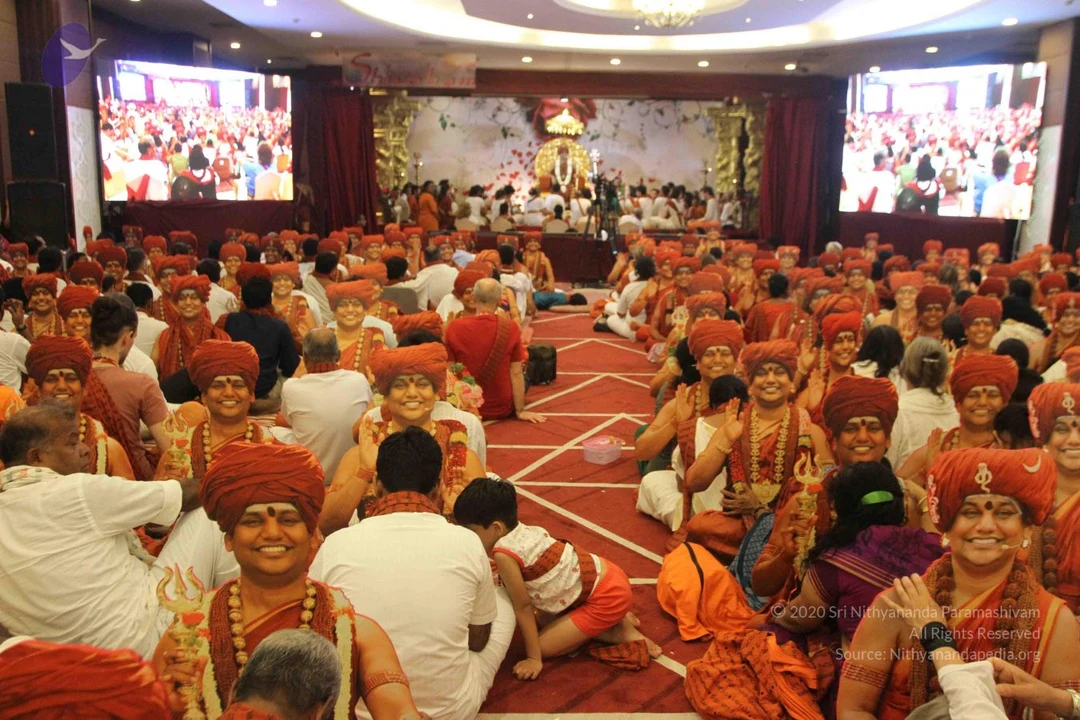
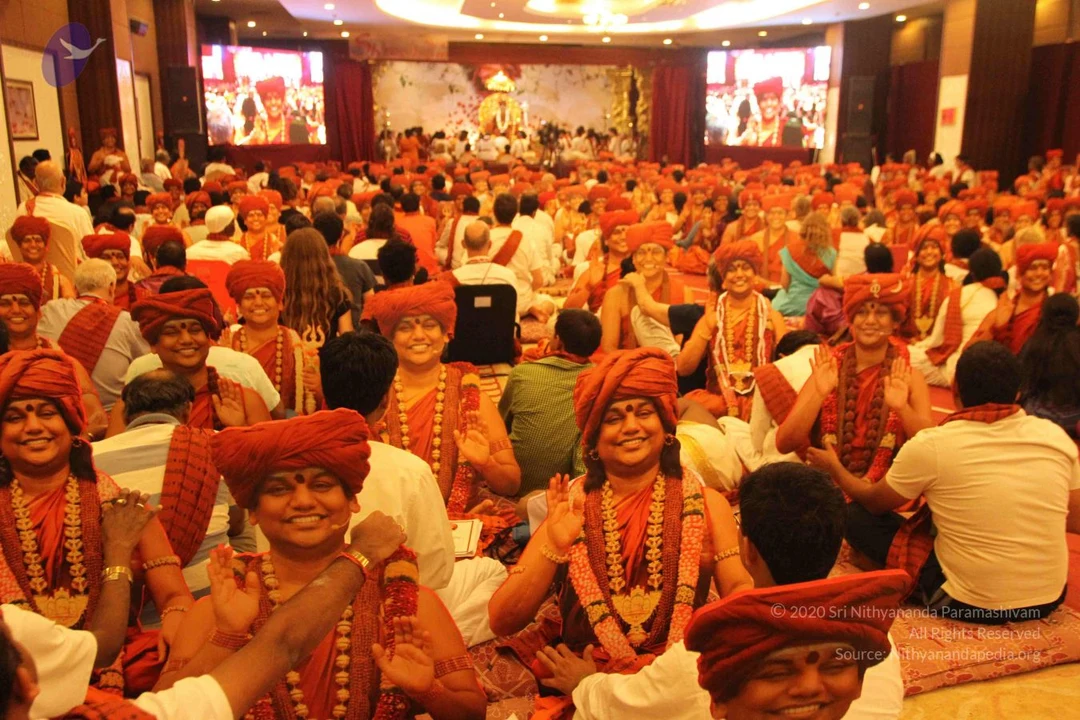
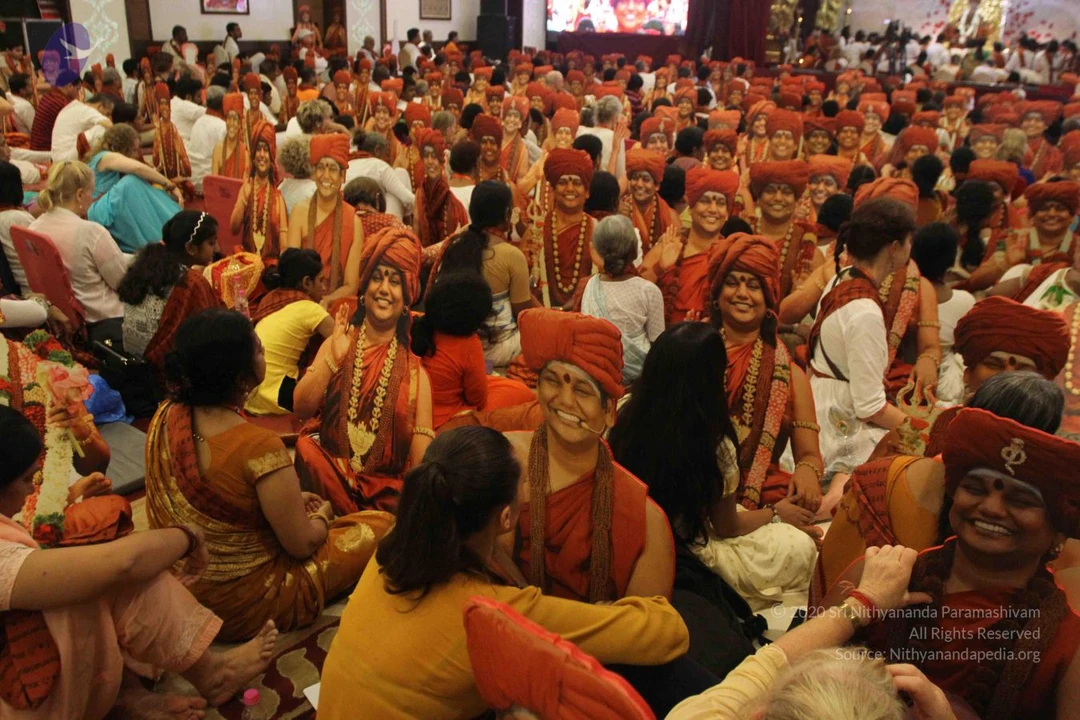
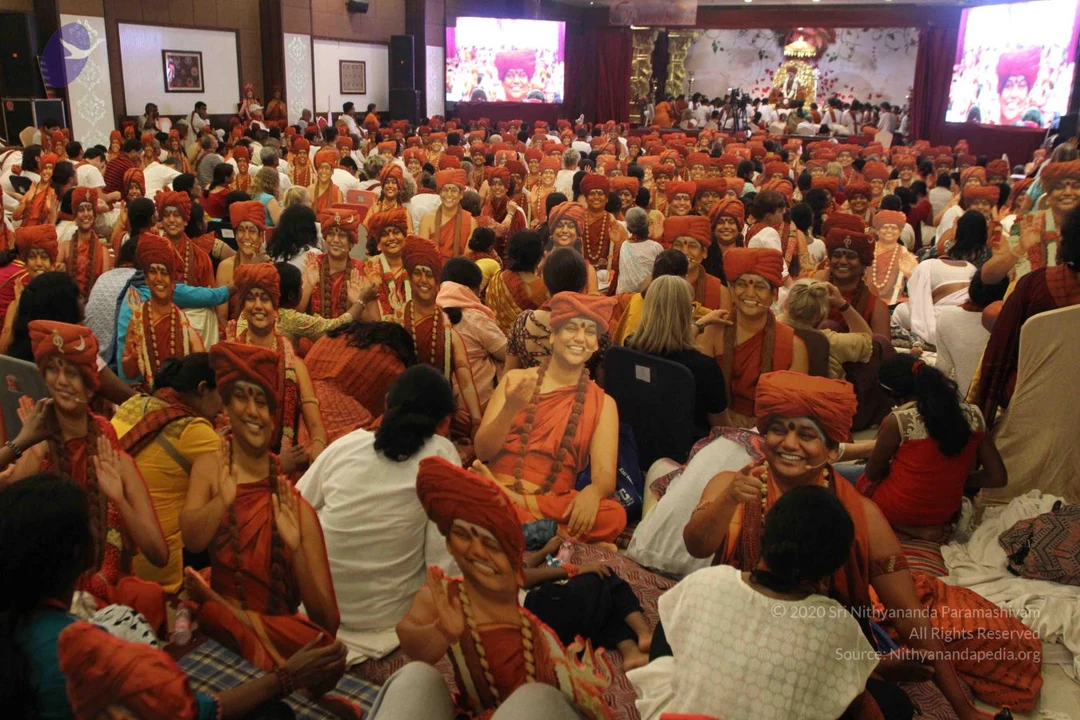
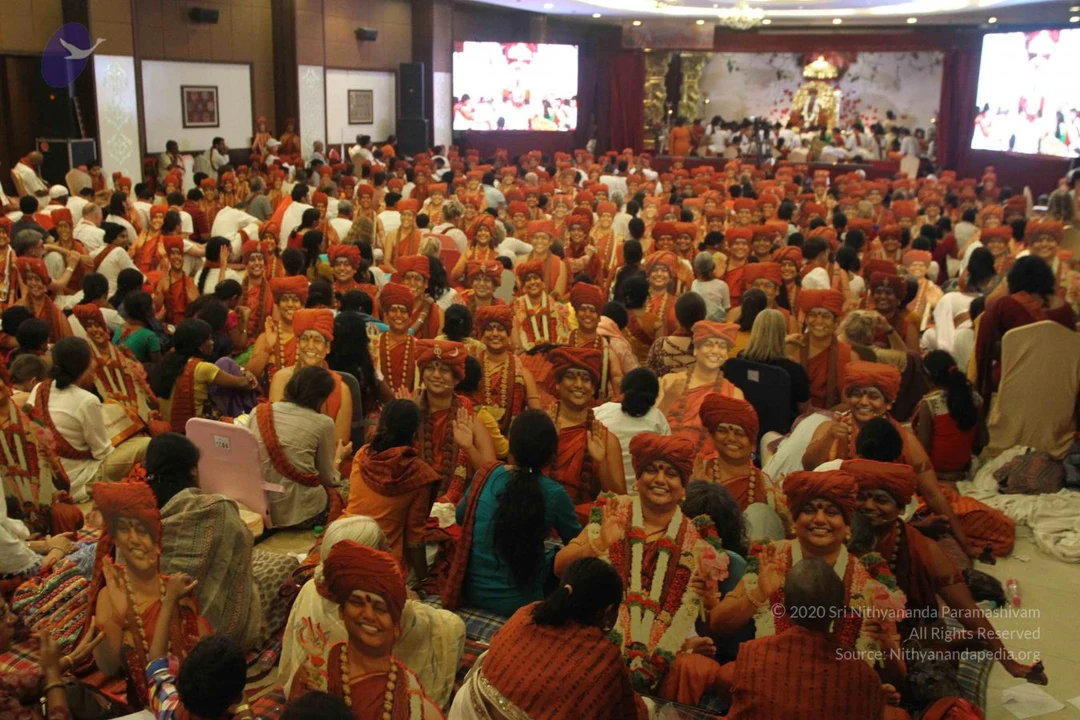
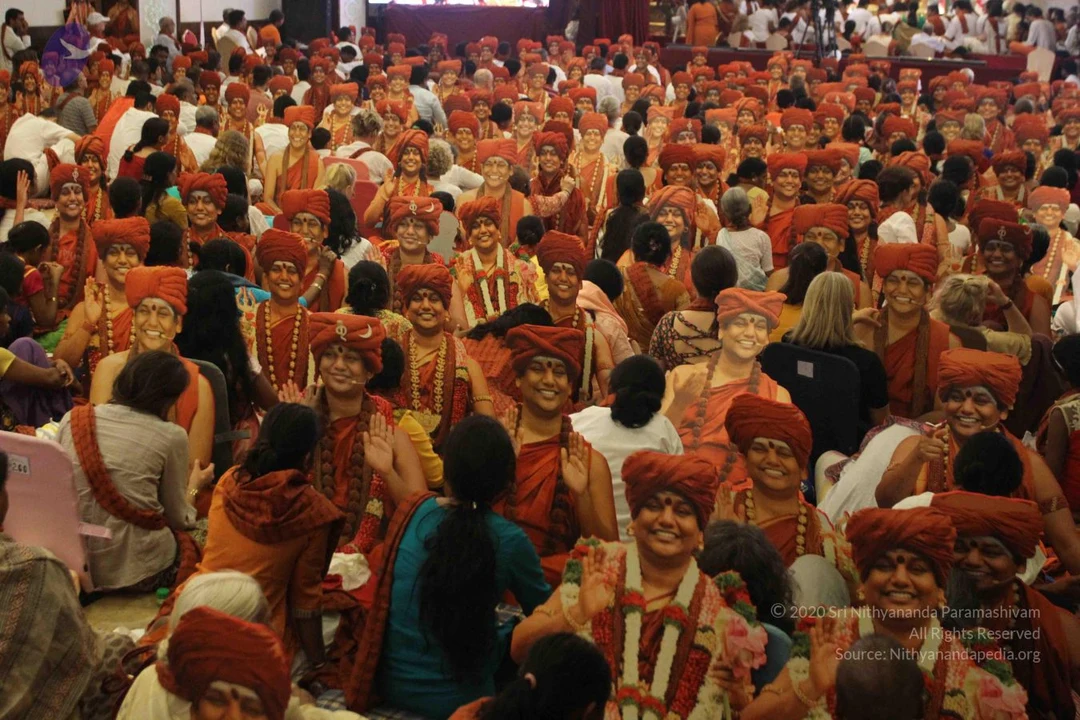
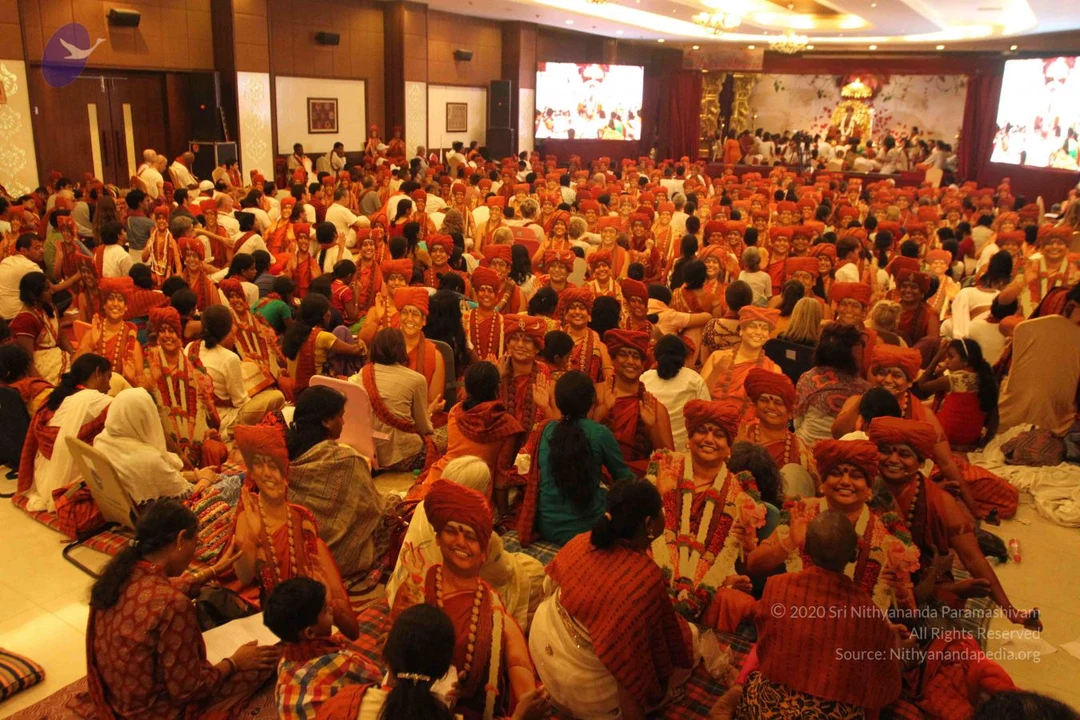
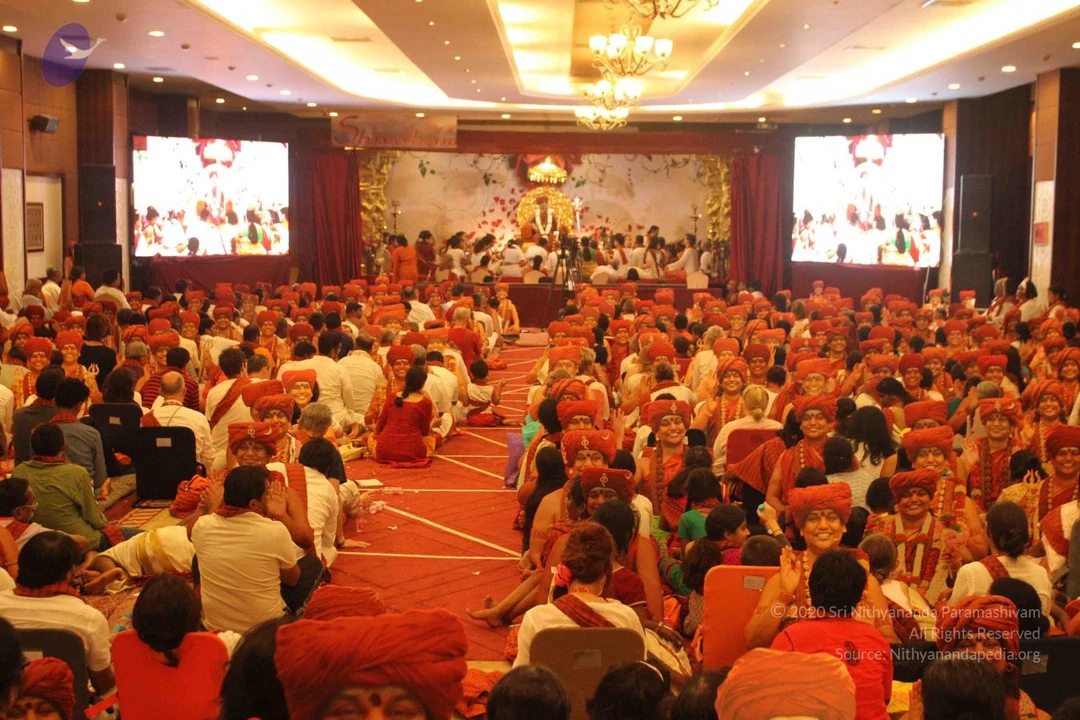
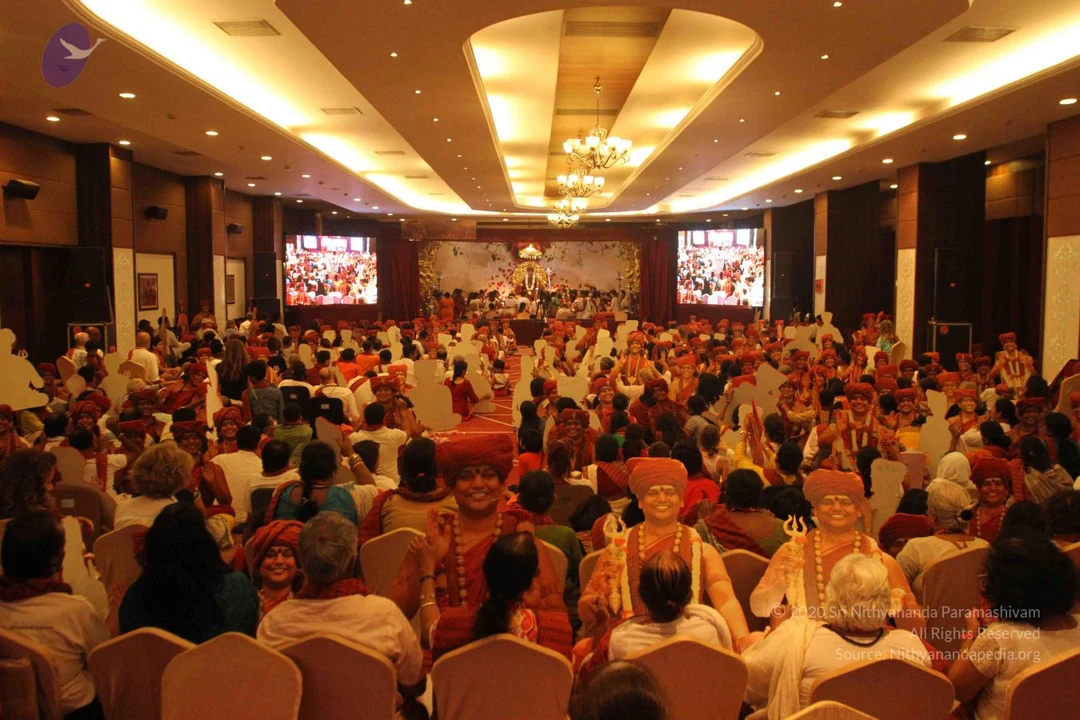
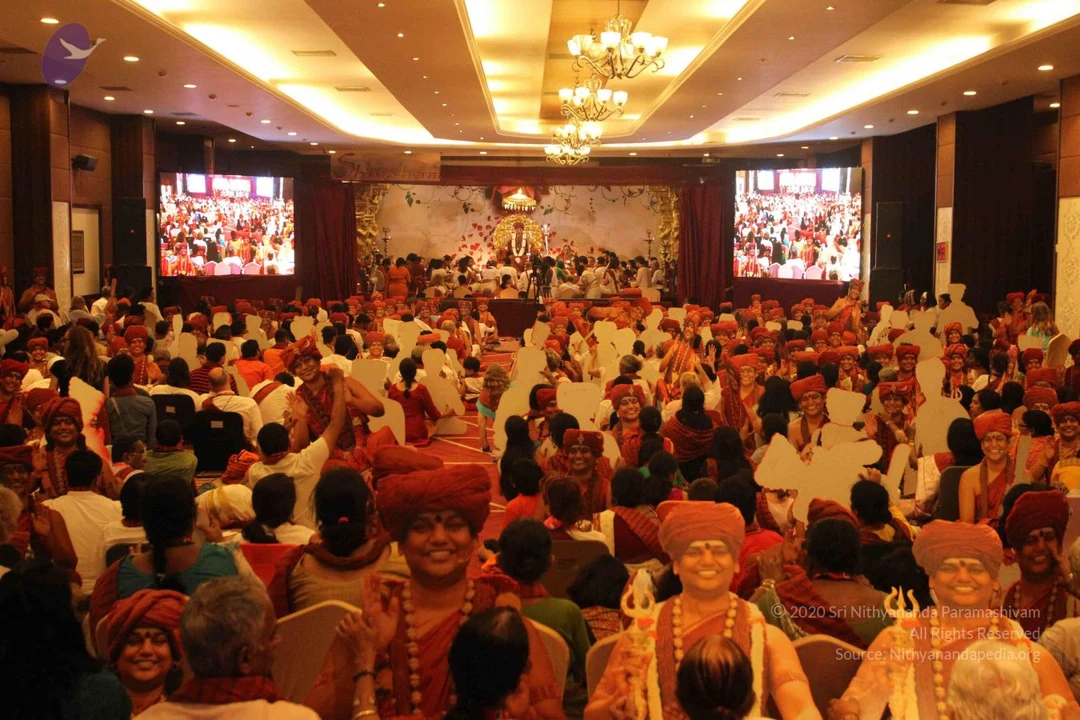
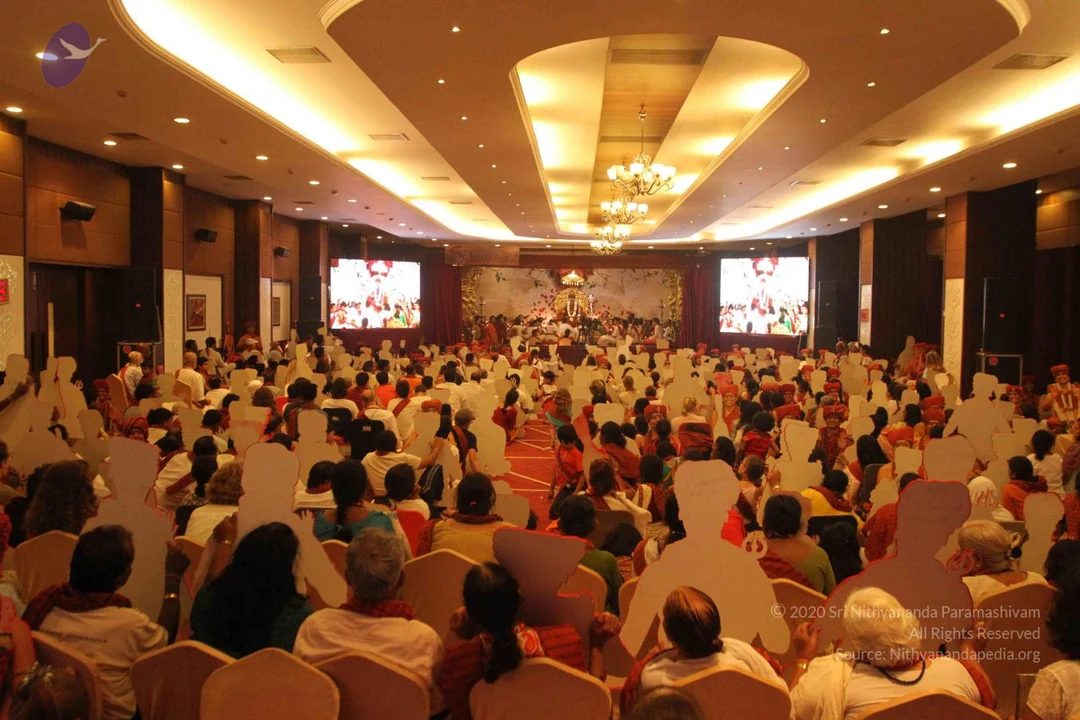
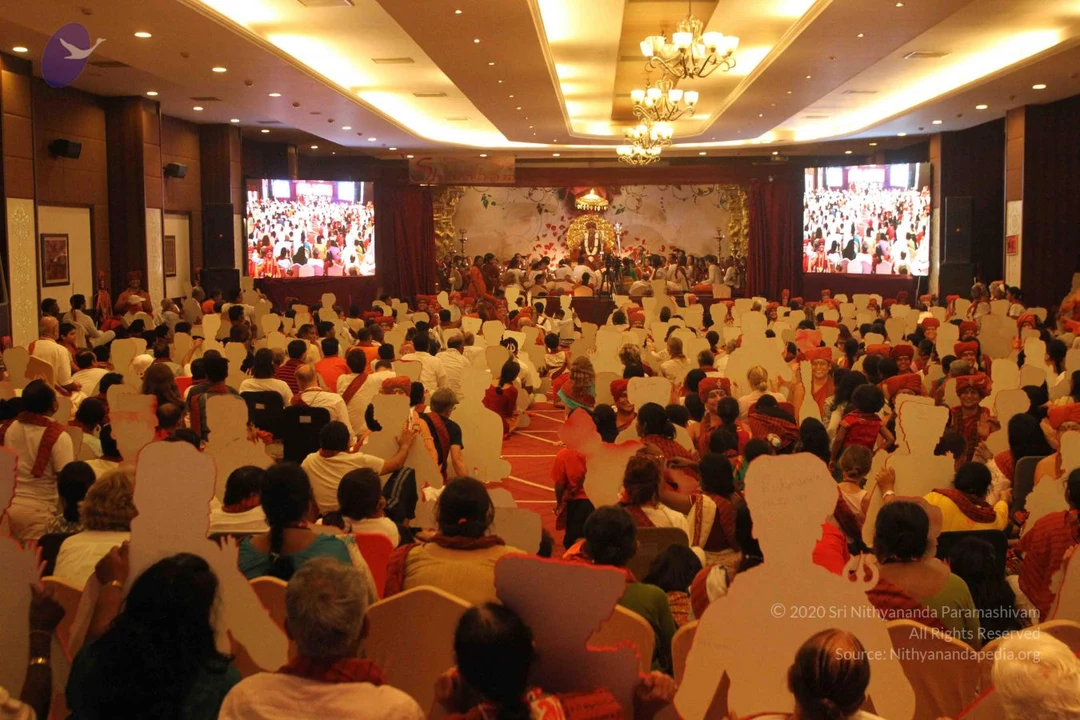
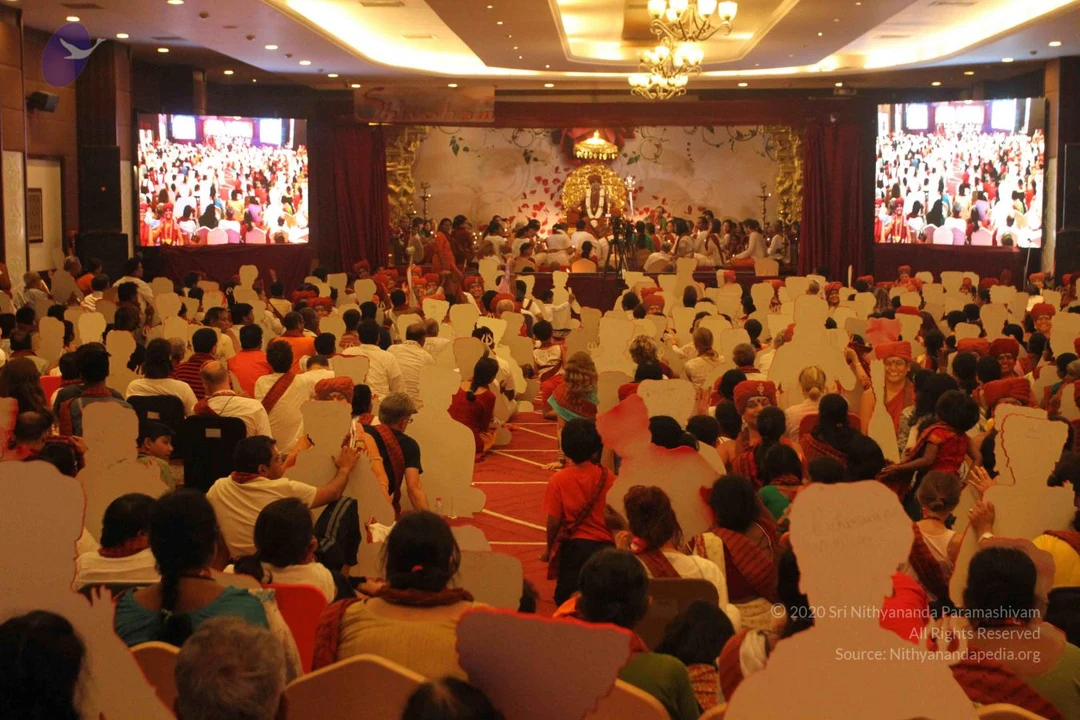
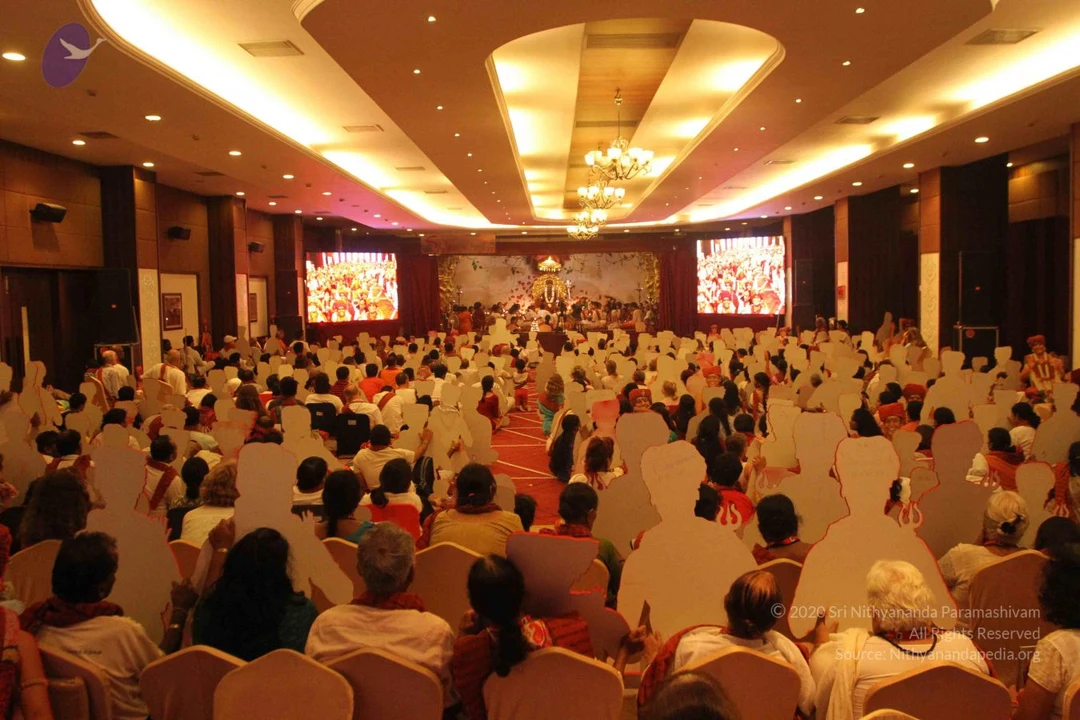
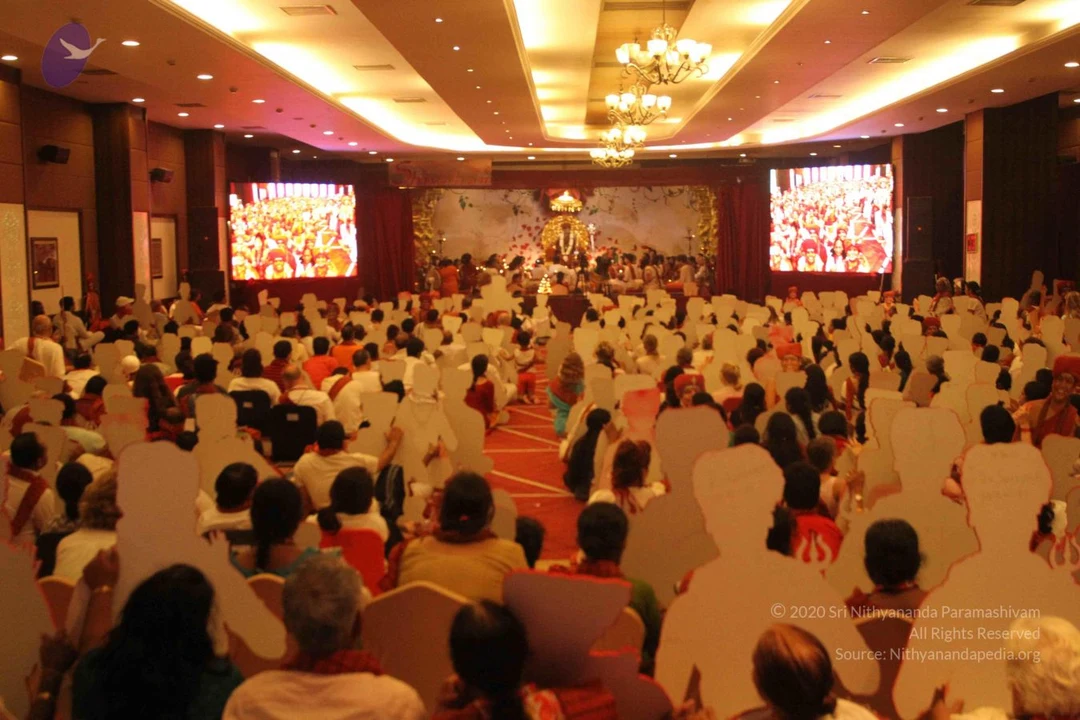
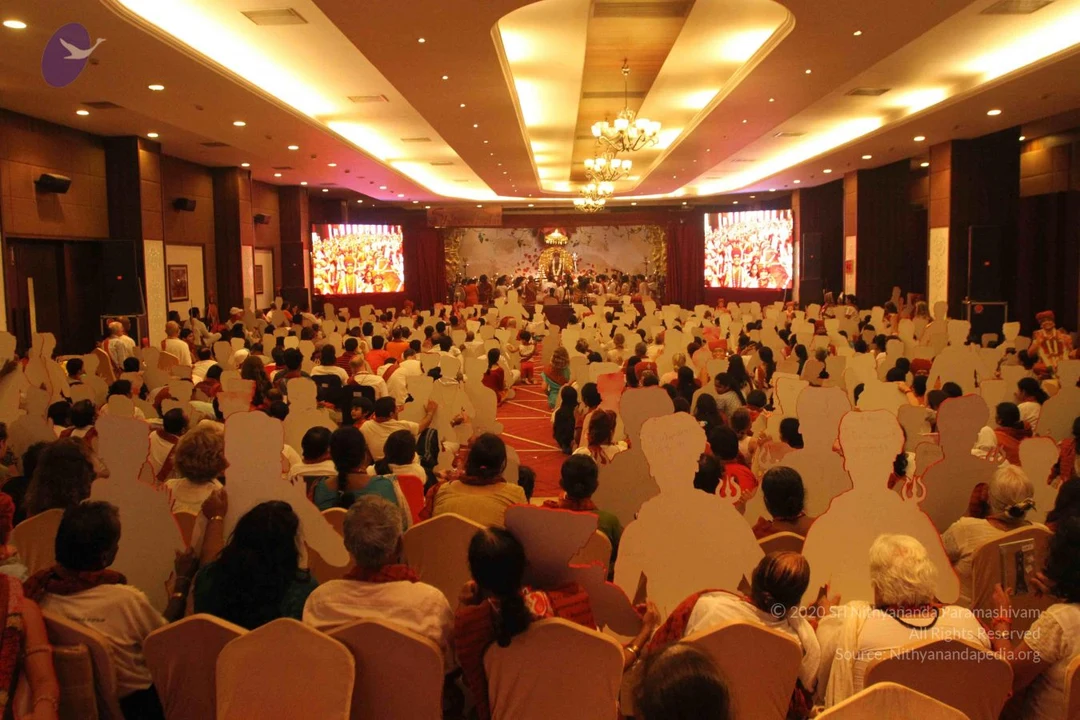
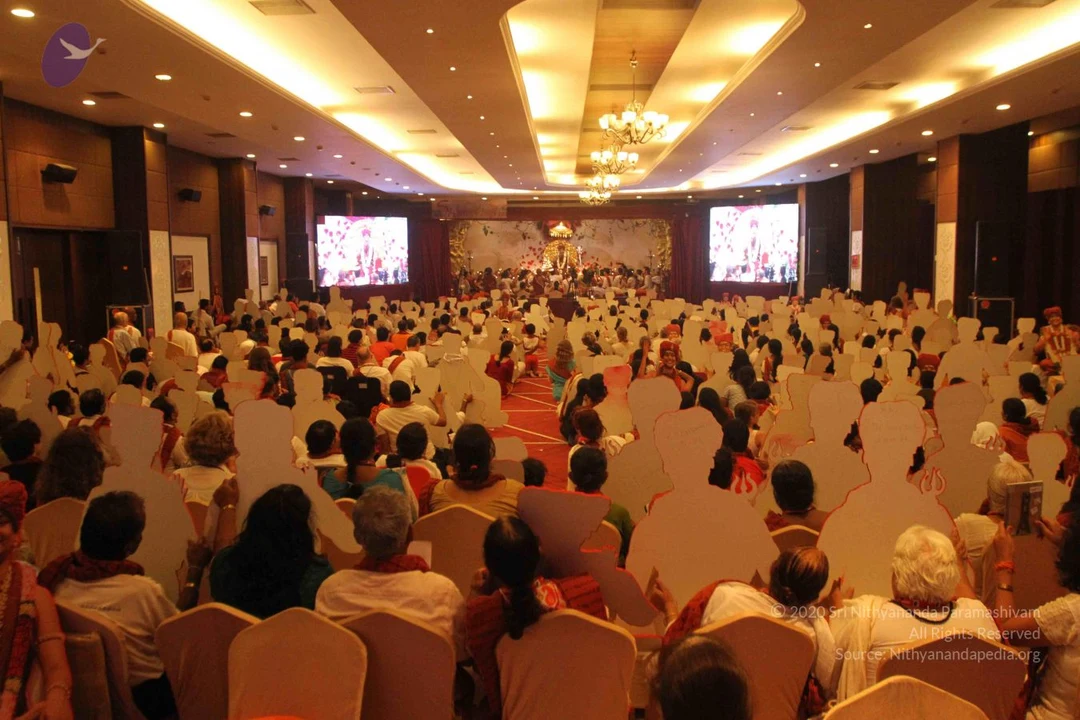
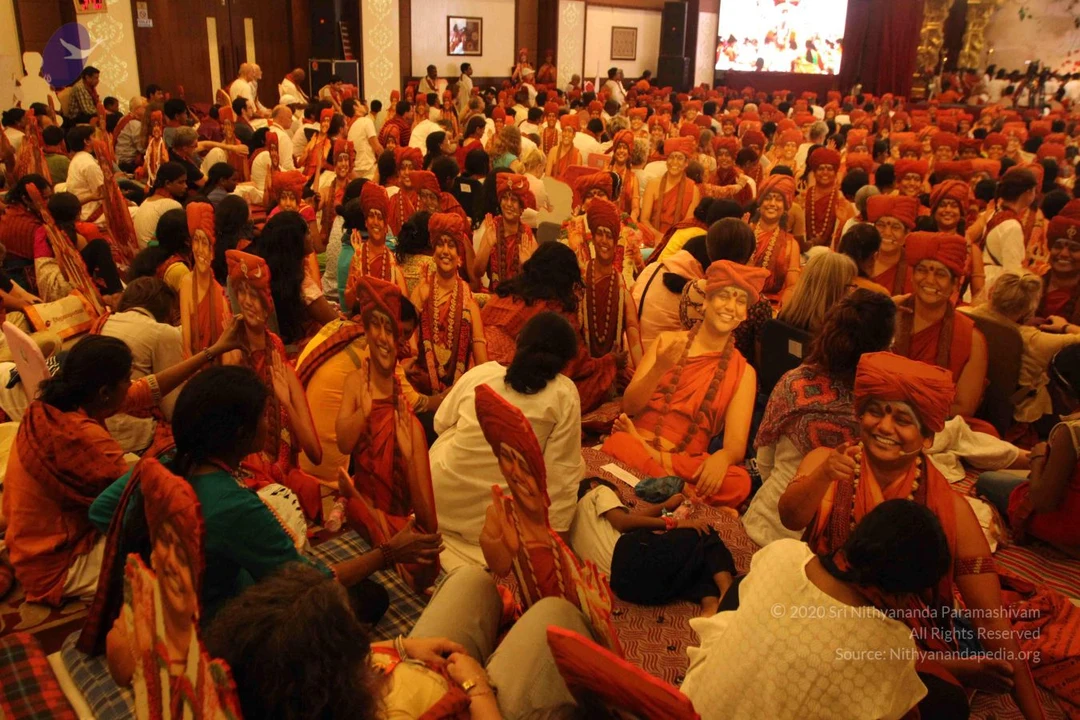
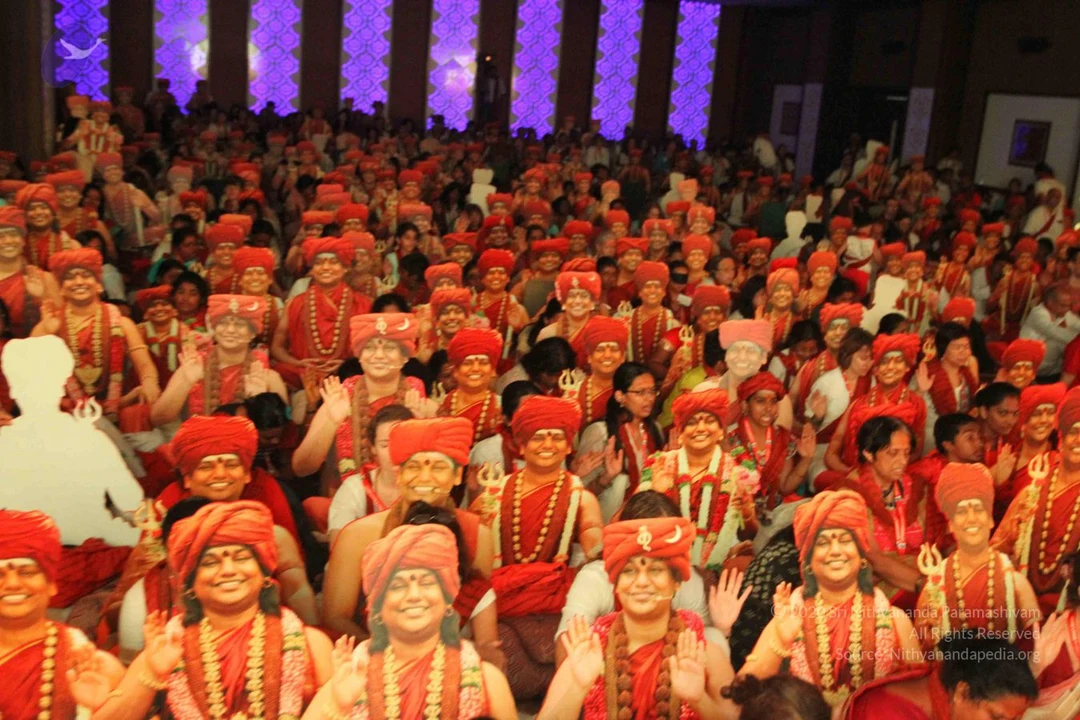
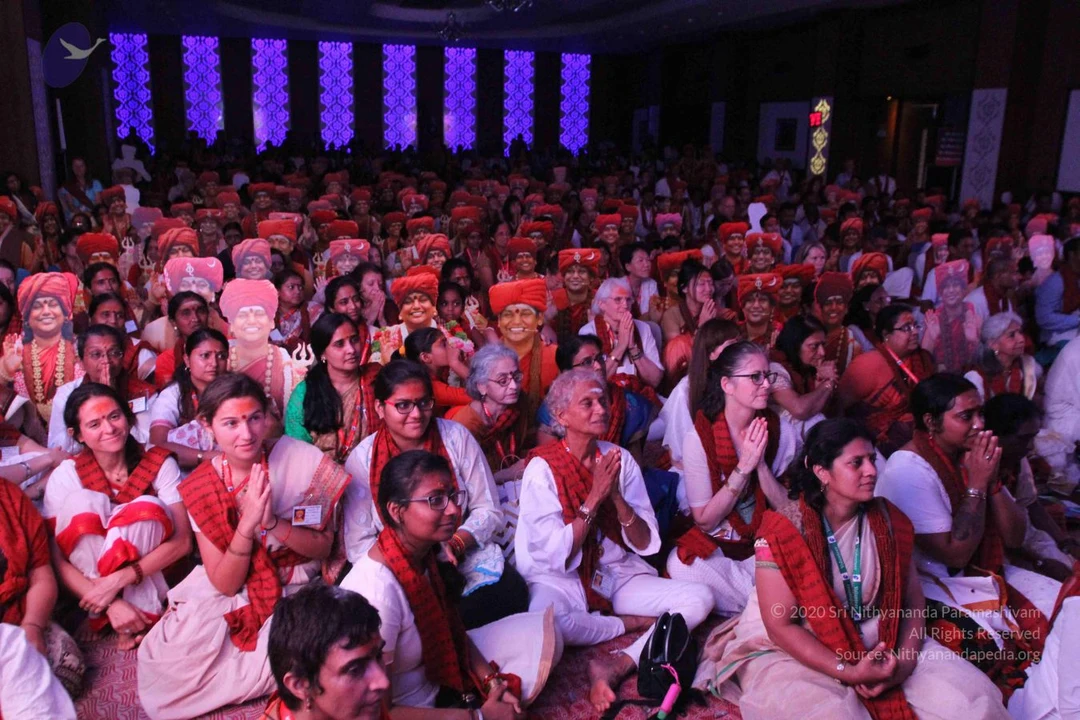
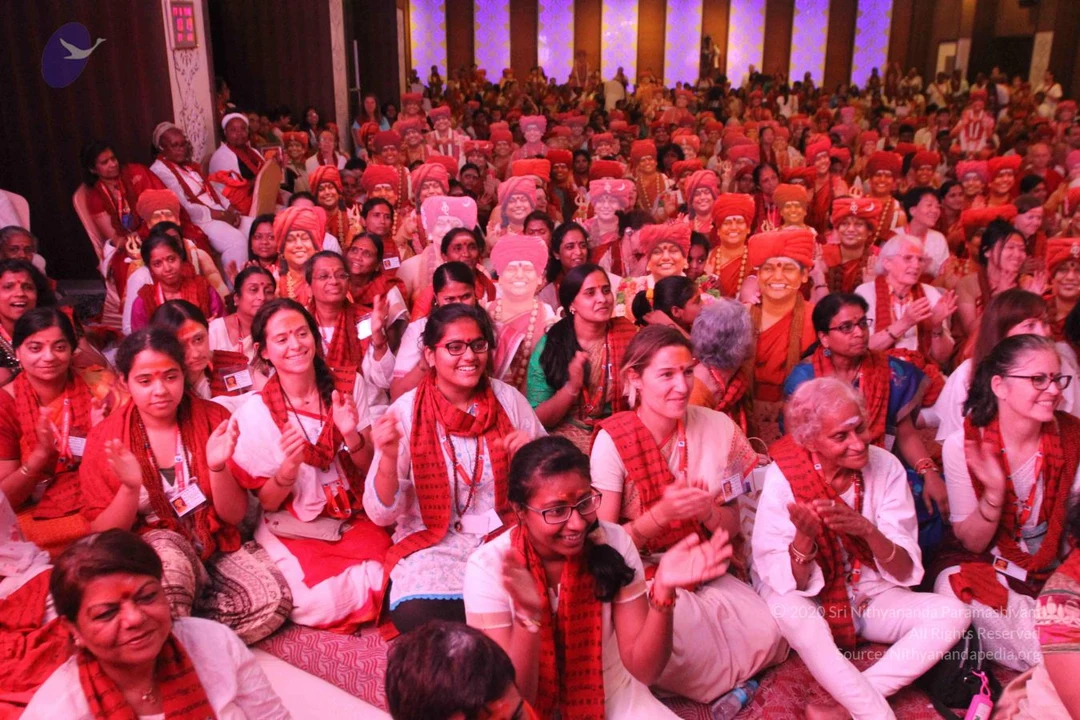
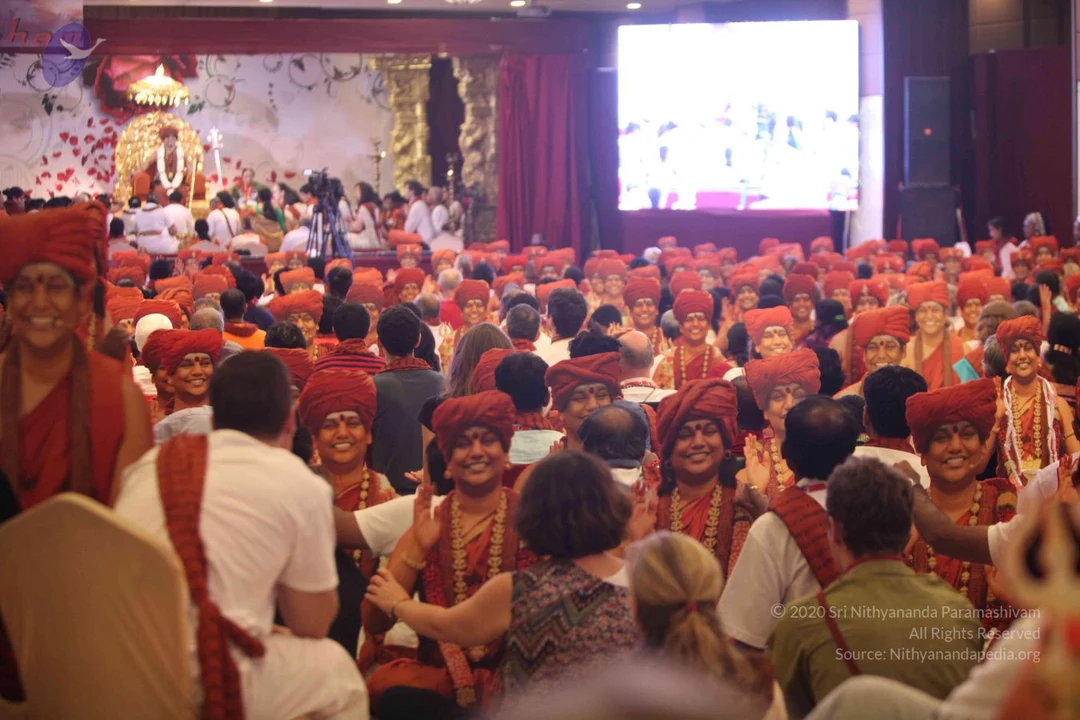
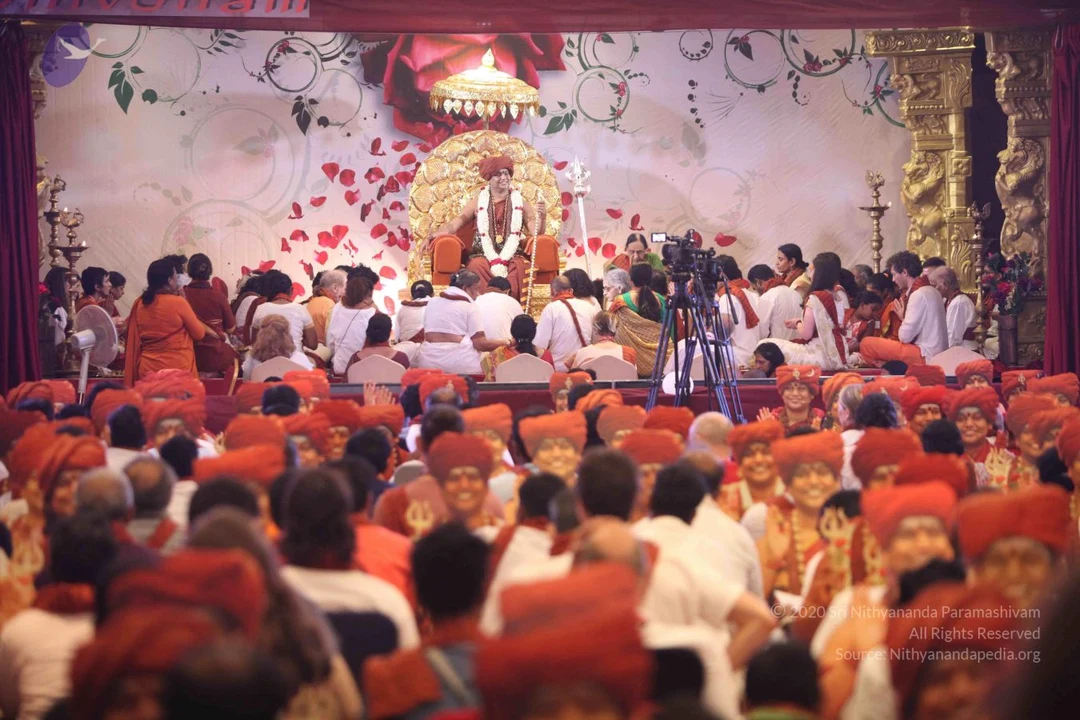
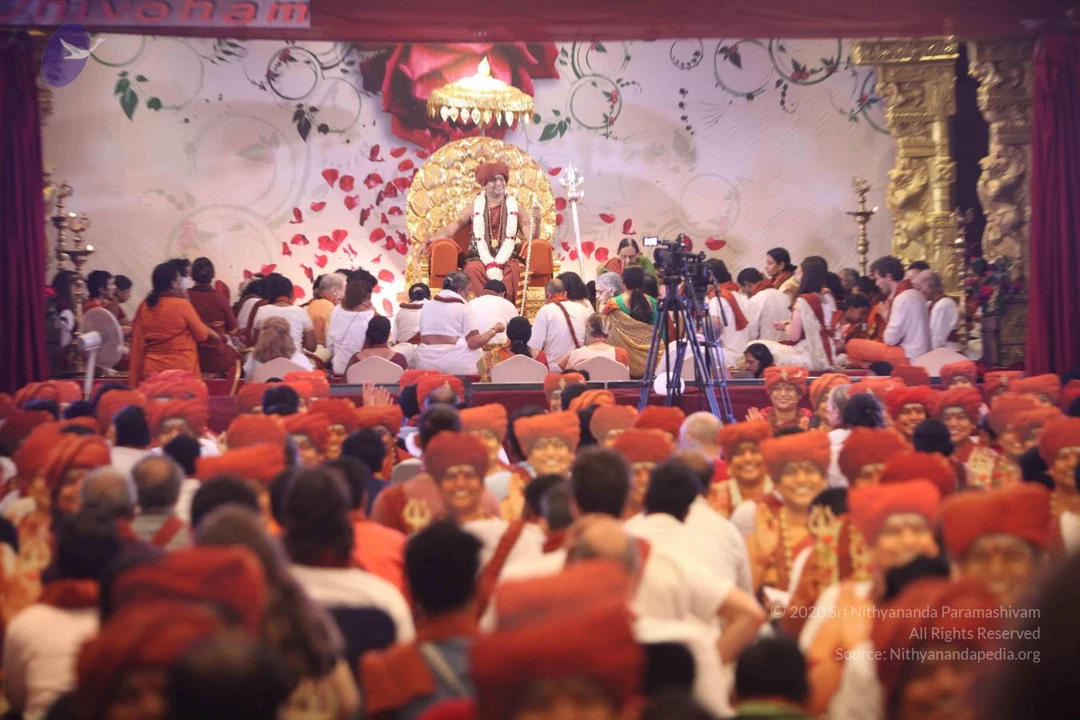
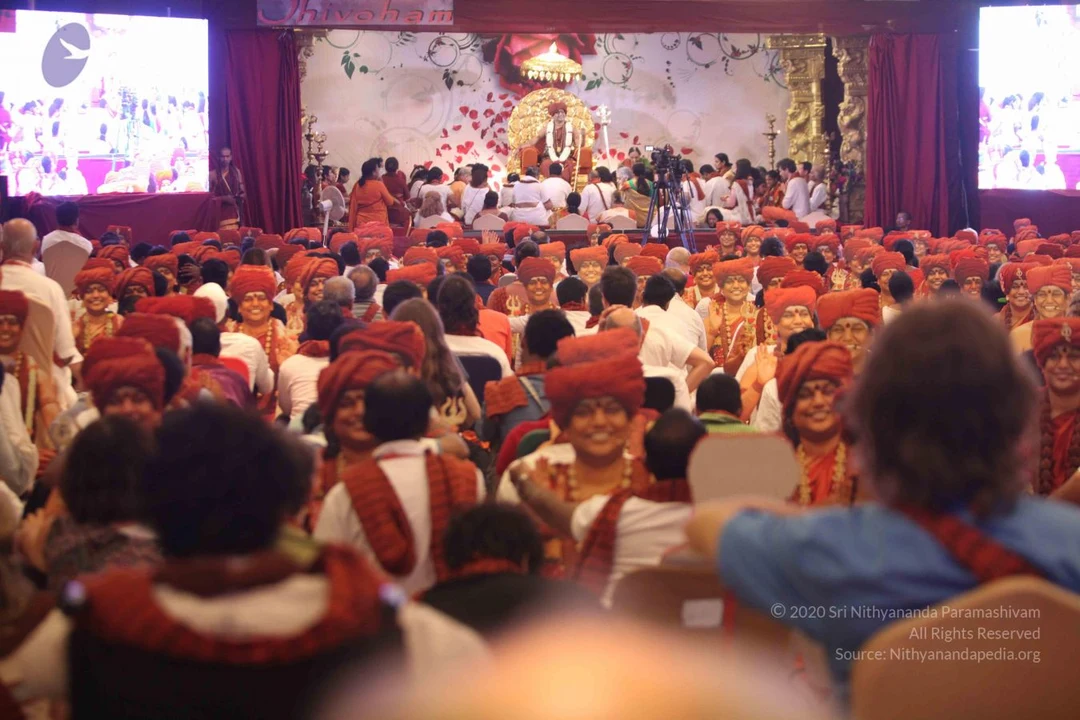
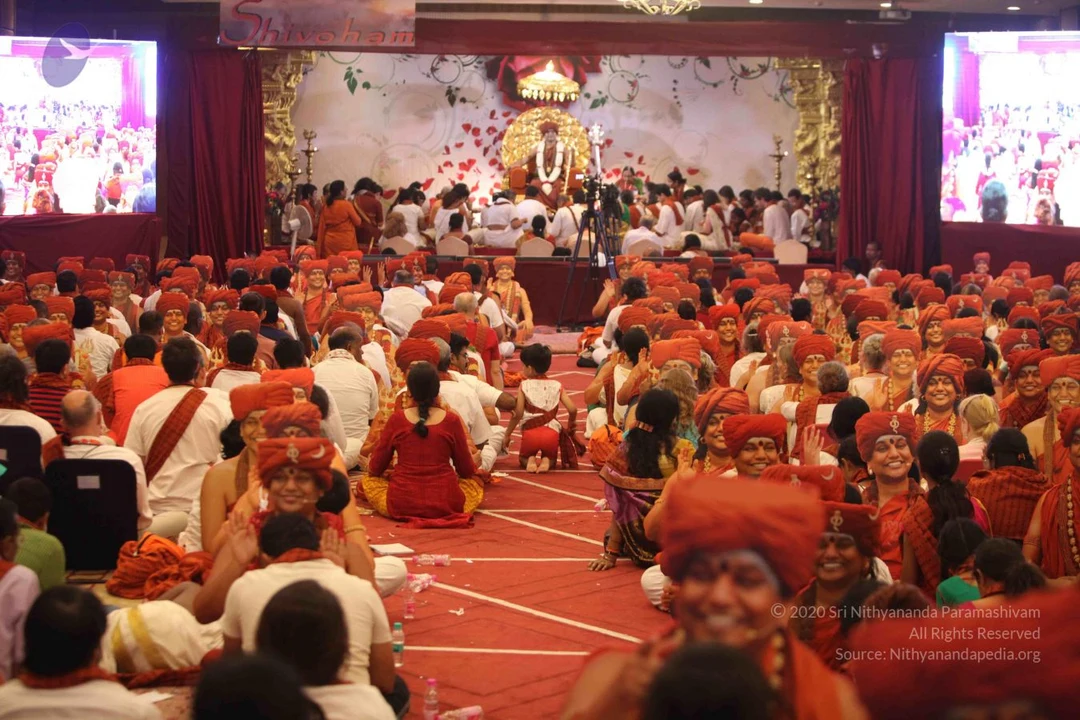
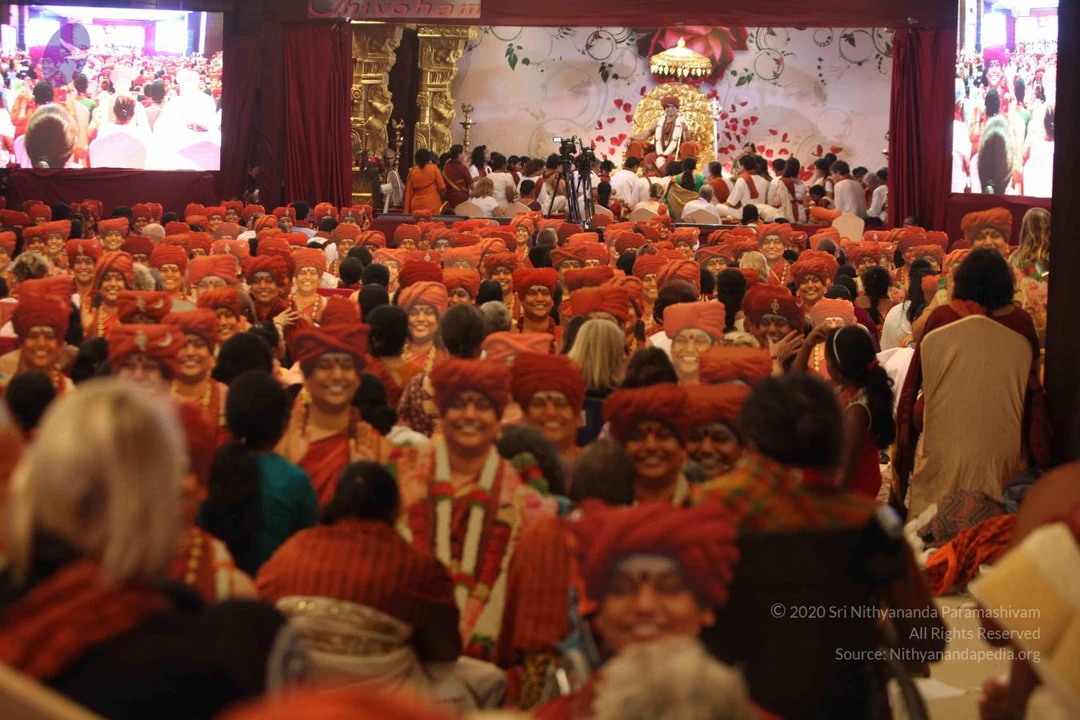
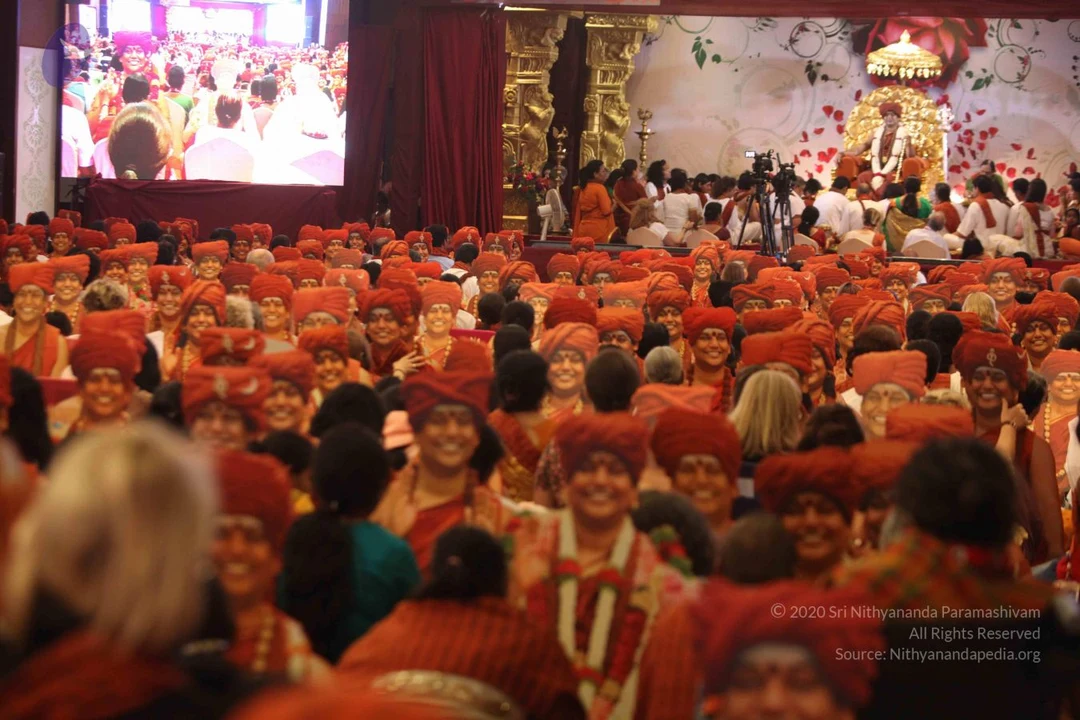
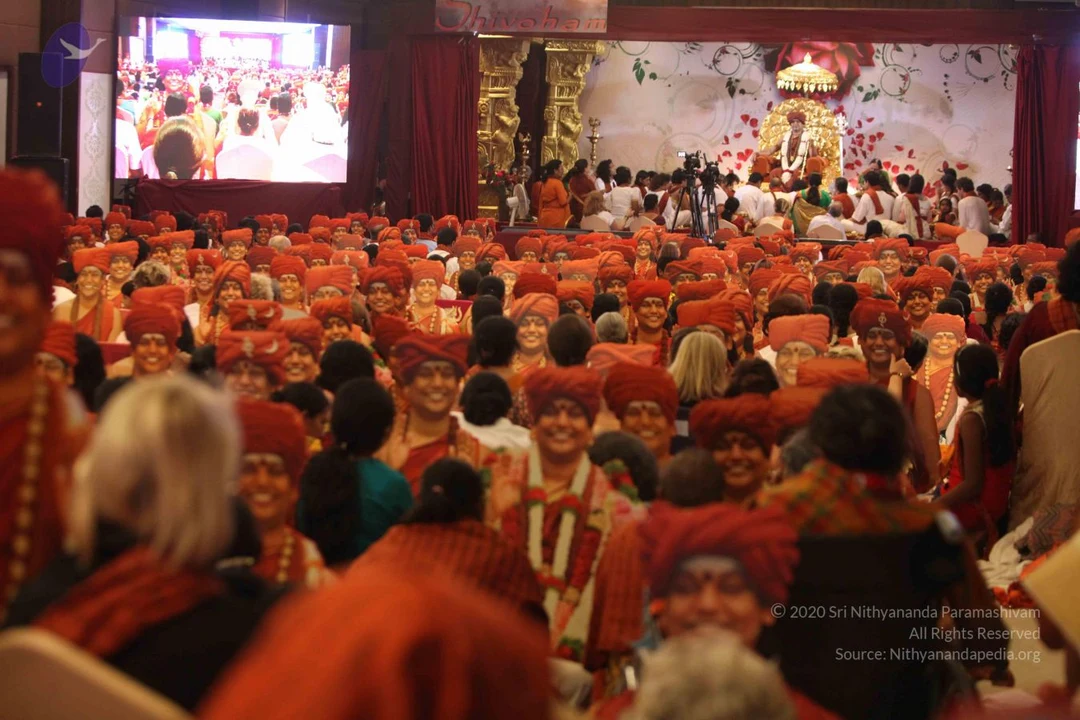
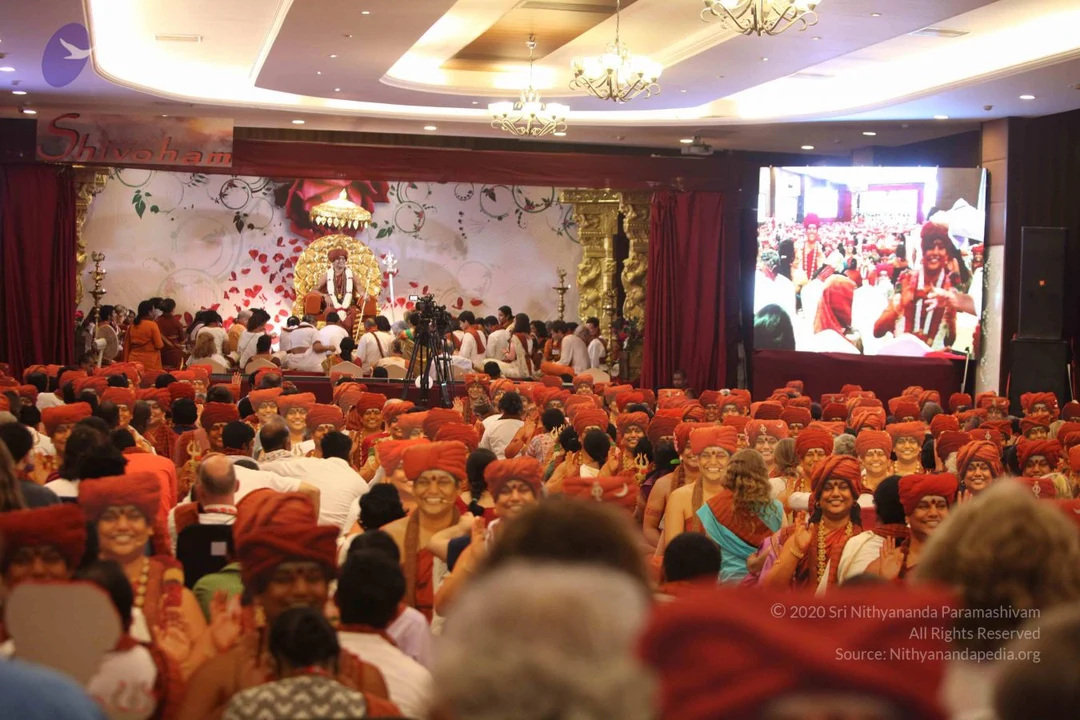
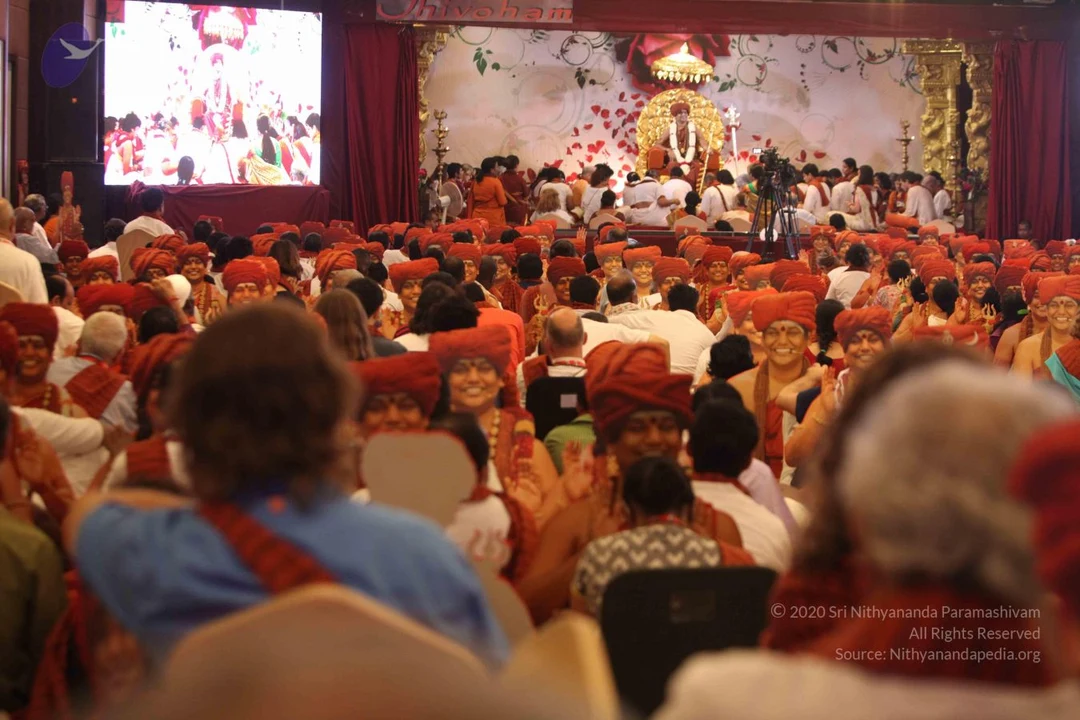
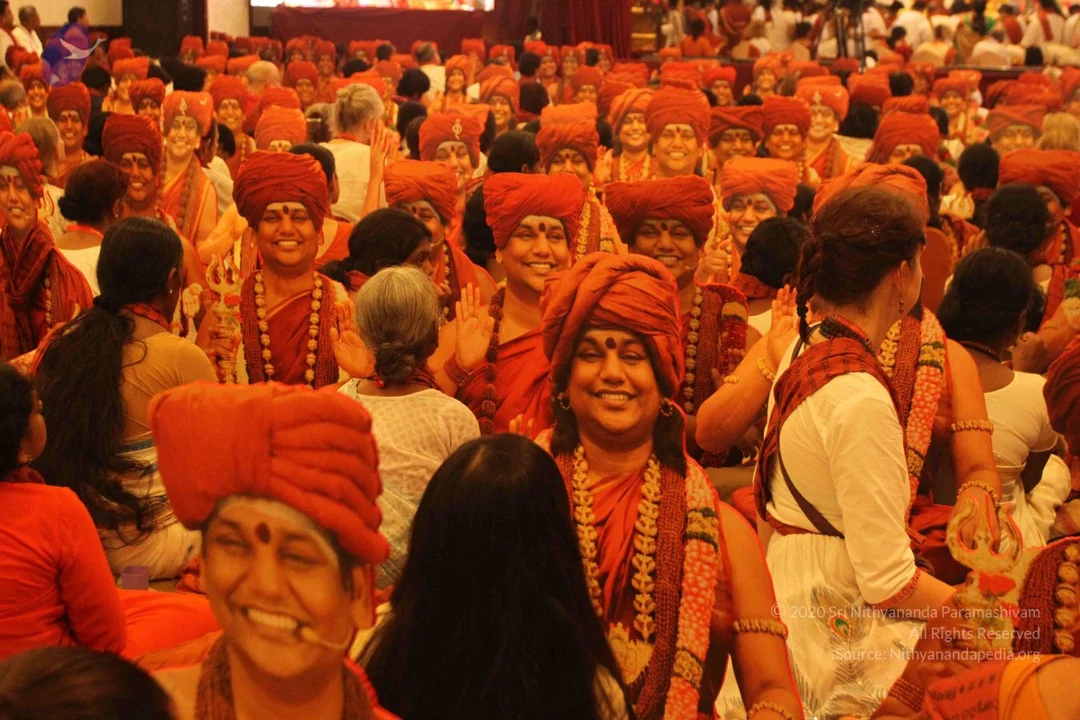
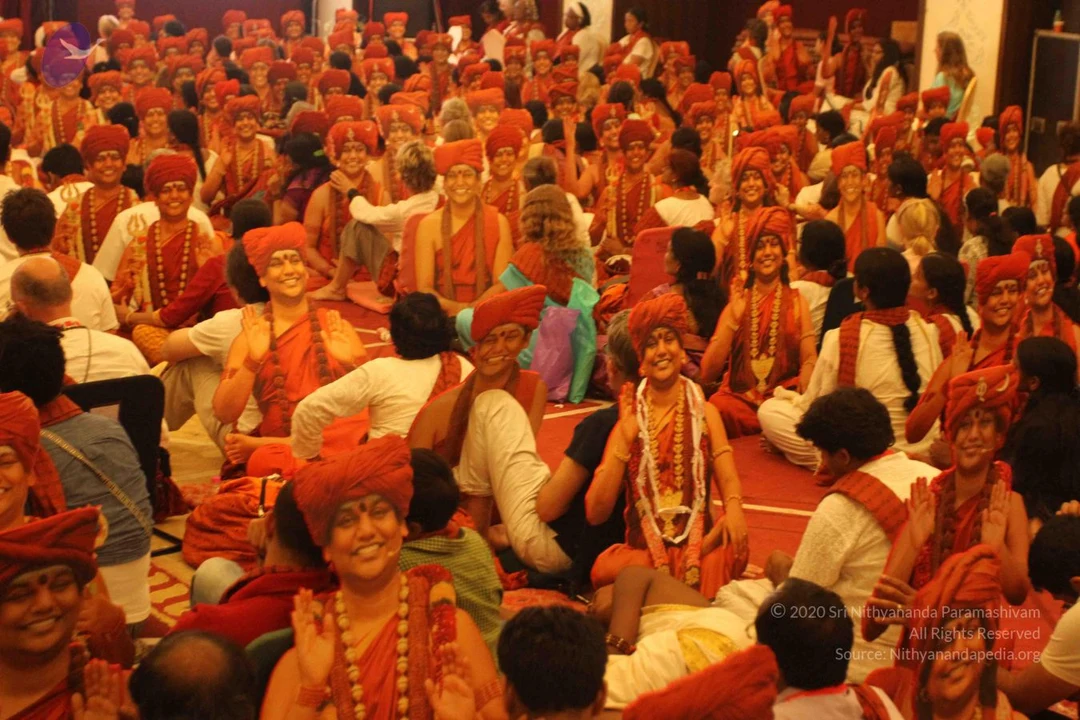
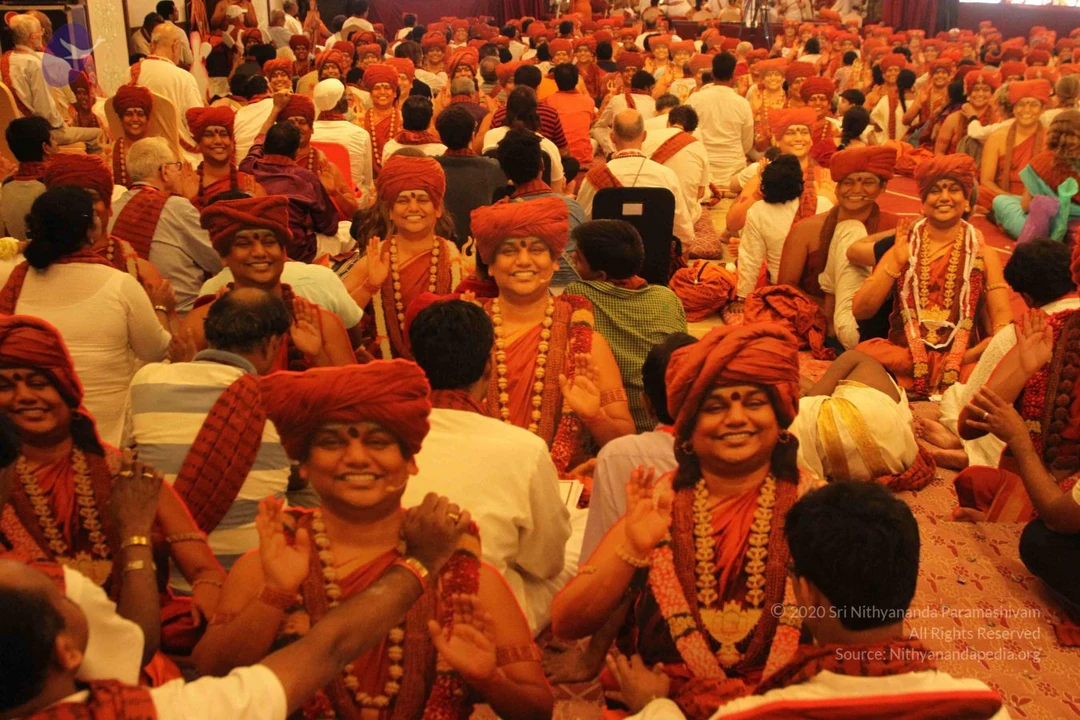
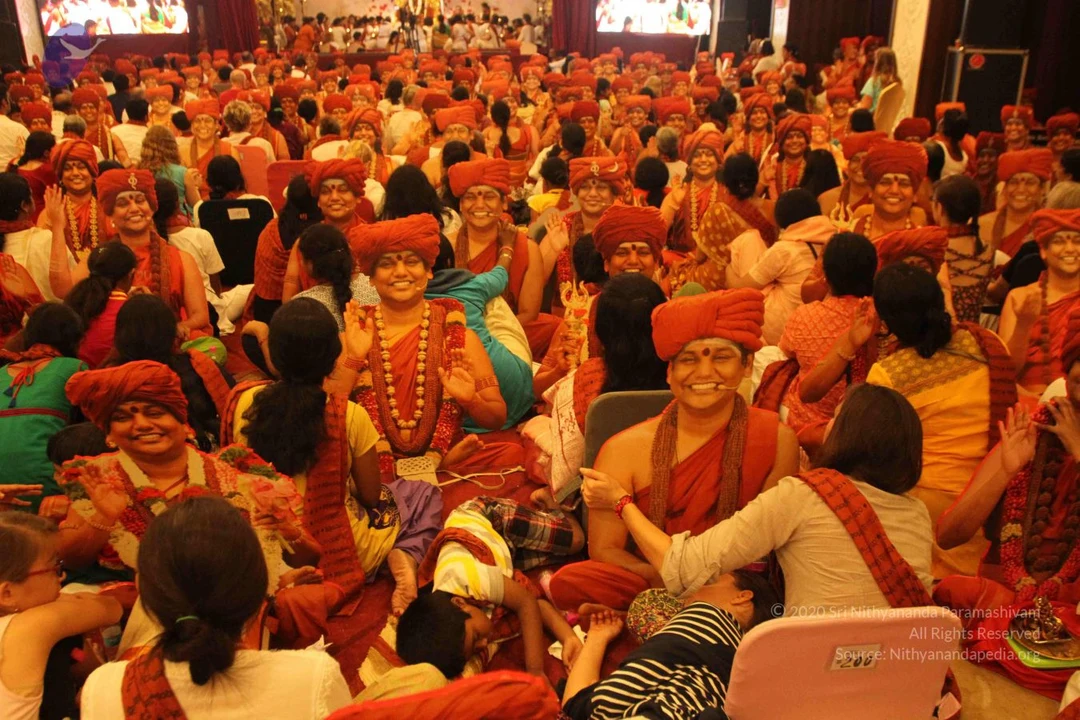
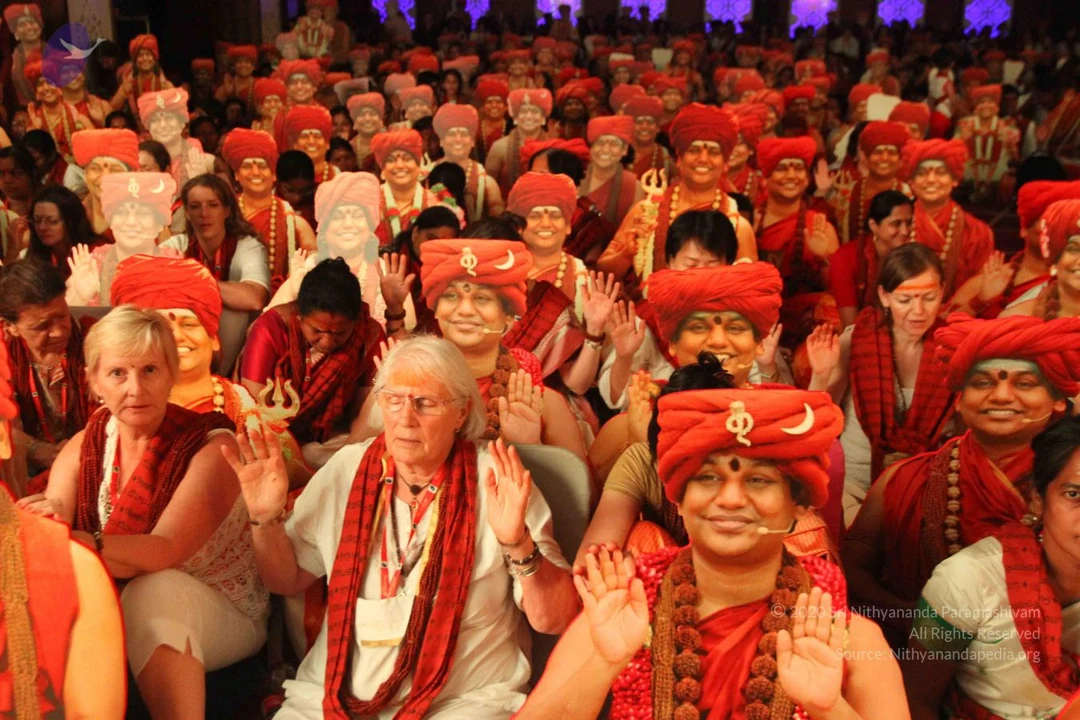
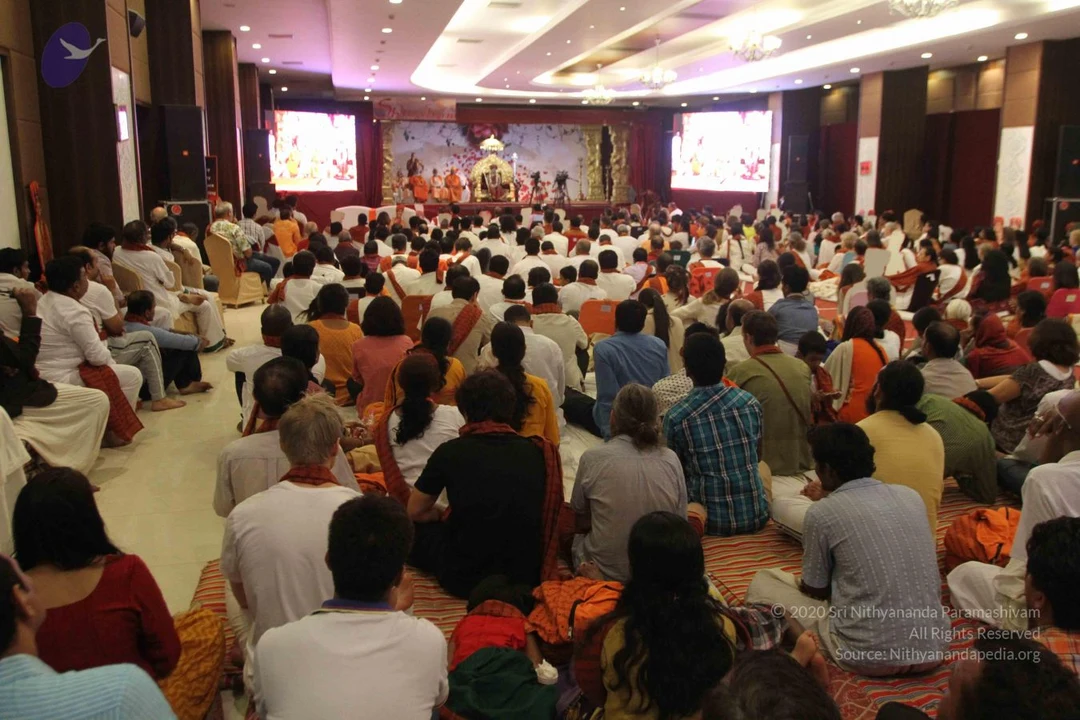
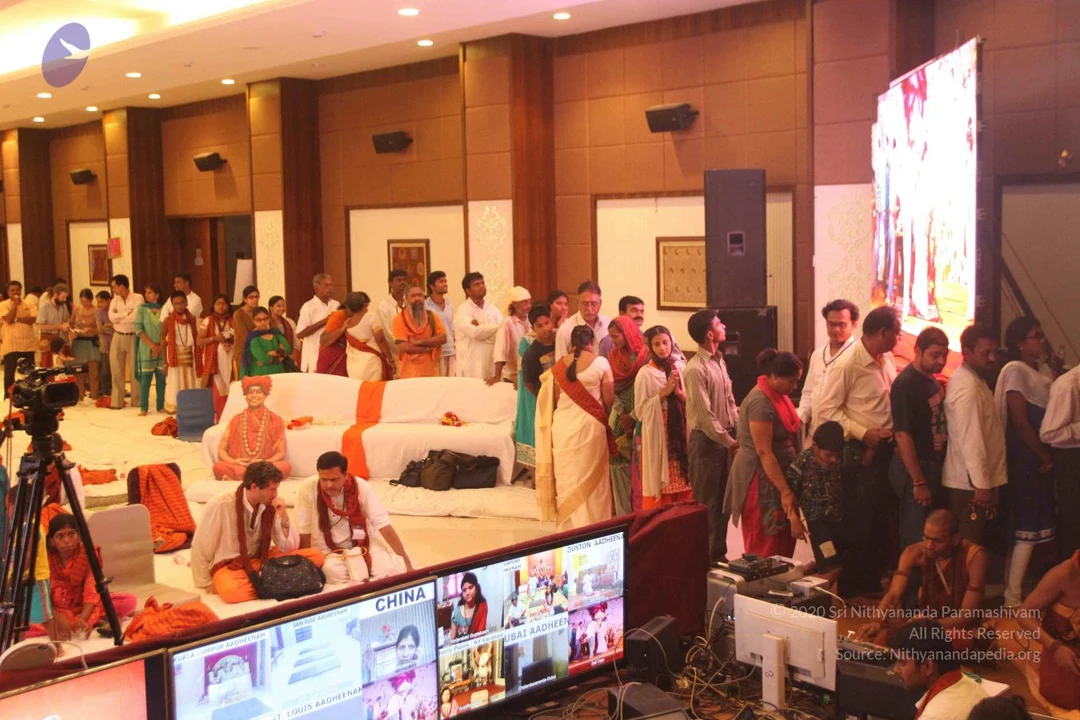
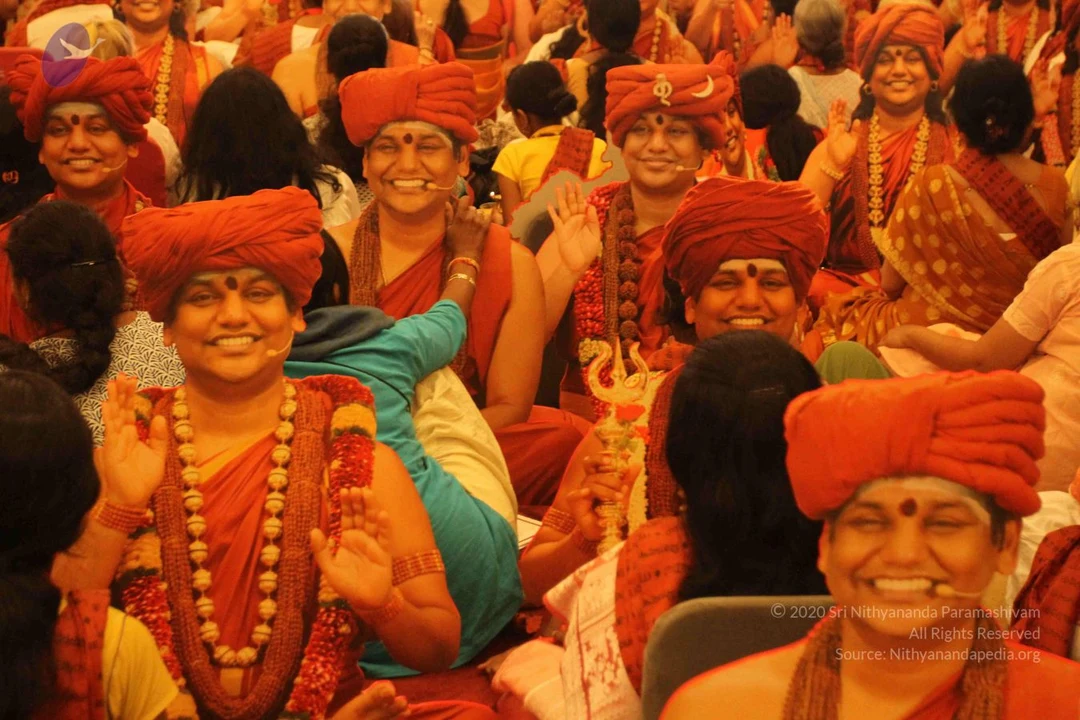
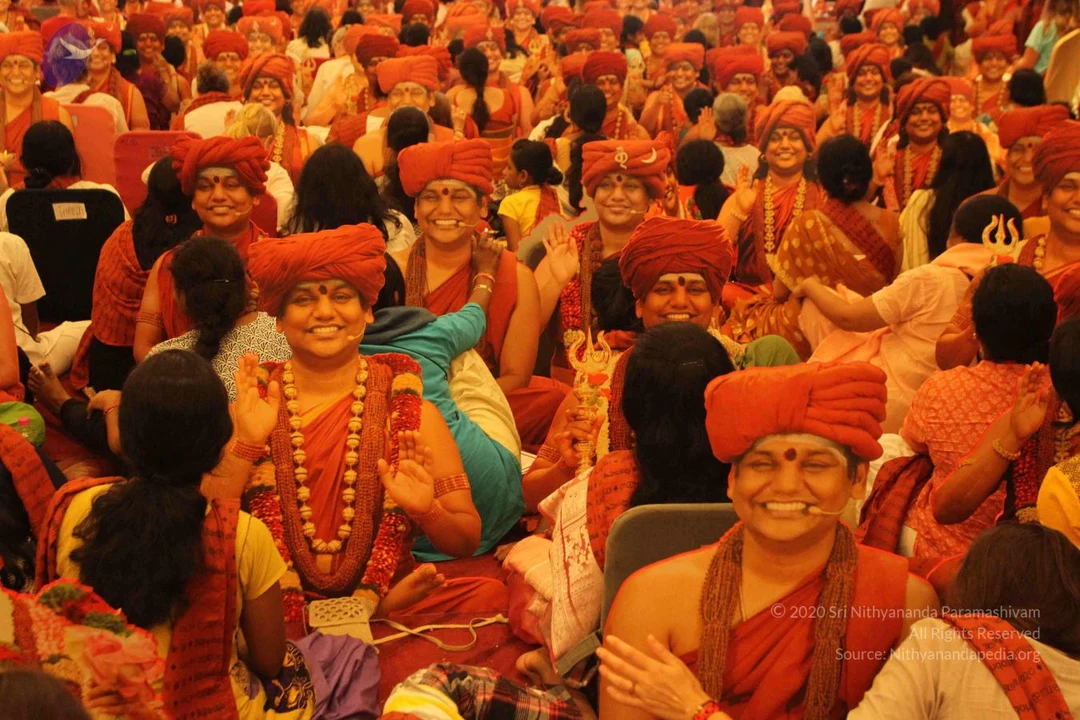
A seated man in a deep red turban and red-orange robes sits on an ornate golden peacock-fan throne under a golden canopy with hanging gold ornaments, wearing a long white and red flower garland and a rudraksha-style mala with a gold pendant. He holds a golden staff in one hand while another attendant-like figure nearby wears white clothes. A silver trident leans at the right edge against a backdrop of painted red roses and leaves. Two or three people in white clothes and red shawls sit in the foreground, seen from behind. Swamiji (probable): the seated figure has the turban, saffron robes, garland and rudraksha cues associated with him, presented on a throne during a session.Wide view from the back of a large, warmly lit hall filled with seated devotees, many wearing saffron-red turbans and red-orange clothing, with rudraksha malas visible on some. Two large screens on either side show a live stage feed of similarly dressed participants. At the far end, a stage with floral backdrop and a decorated throne-like seat hosts a few figures in white. Chandeliers hang from the ceiling.A large indoor hall filled with a crowd of devotees seated on chairs and floor, many wearing orange-red turbans and saffron-orange shawls. In the foreground a smiling woman in an orange-red turban is prominent. In the centre, on a raised stage backed by a painted floral backdrop and a golden ornate arch, a central figure sits beneath a decorated canopy among attendants in white and orange. Two large screens on either side show the crowd, and chandeliers hang from the ceiling.A large hall packed with seated participants wearing red-orange turbans and matching red-orange shawls, many with rudraksha malas. In the foreground a smiling woman with a red turban and beaded necklace gestures with her hands. Beyond the crowd, on a stage backdrop with red roses and a golden throne-like seat, people in white and orange stand near a central figure; two large screens on either side show the same event. A banner reading Shivoham hangs at the top.A large hall filled with a crowd of participants, many wearing orange-red turbans and orange-red shawls with garlands, seated closely together. In the foreground a smiling woman in an orange turban and red bindi faces the camera. Two large screens on either side show live video of the crowd. At the centre back, a raised stage with a decorated golden throne backdrop and white-clad attendants, with a floral and red-petal backdrop.A large crowd of devotees fills a hall, most wearing red-orange turbans and saffron-red shawls, with many smiling and some with hands in anjali. Two large screens on either side show live close-ups of the crowd. At the front, a decorated stage with a red and gold backdrop and a lit golden canopy holds a seated figure in orange garments and a garland, with a microphone stand and a camera on a tripod nearby. Red curtains frame the stage area.
IA-Varanasi-Session

78 photosSource gallery
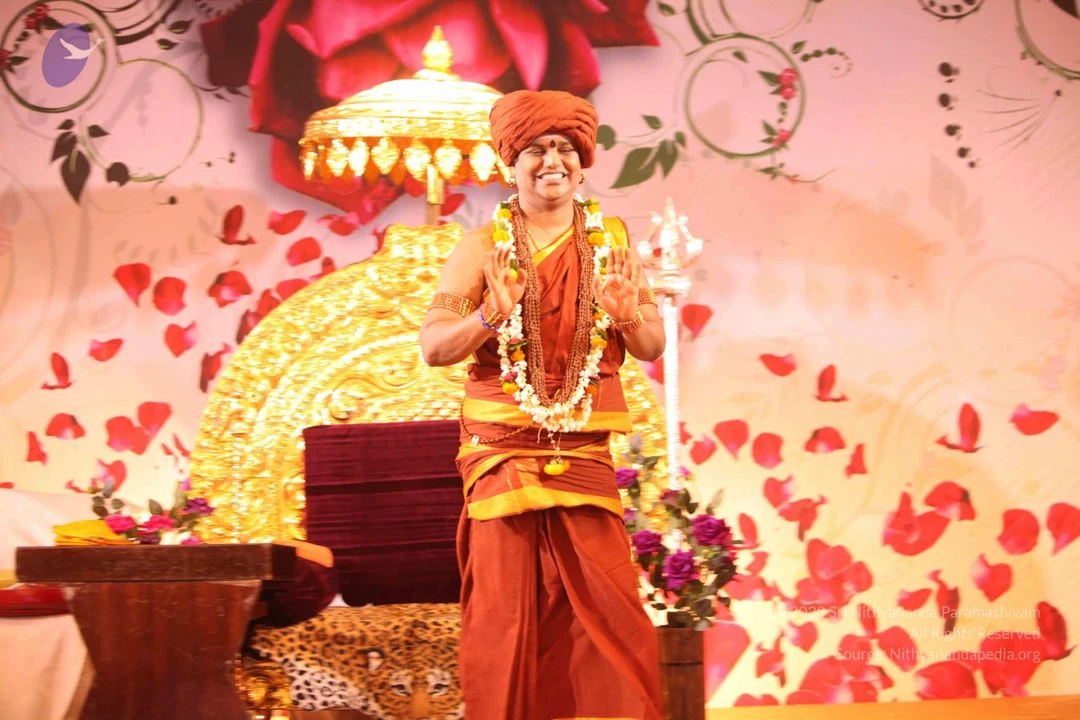
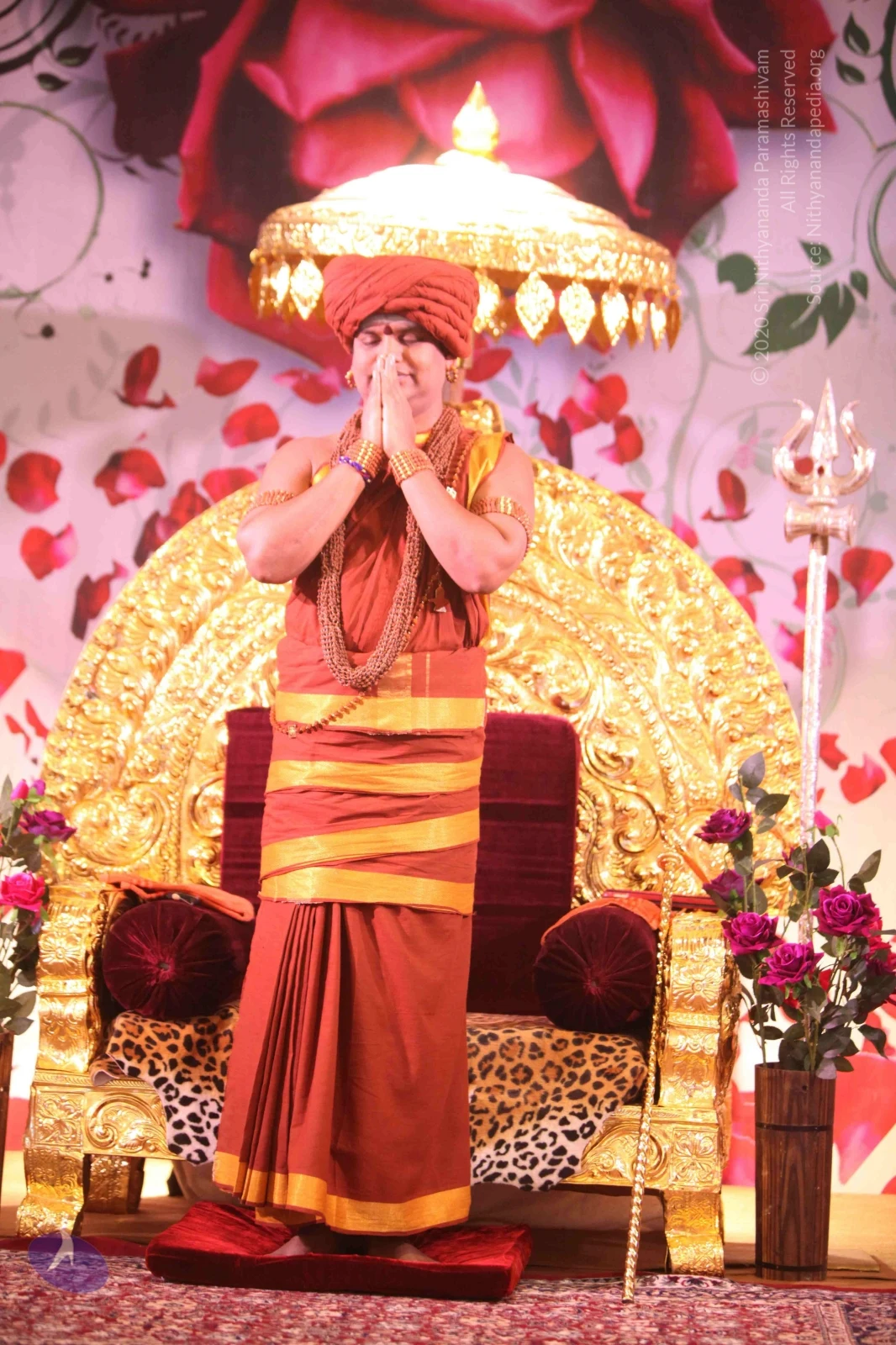
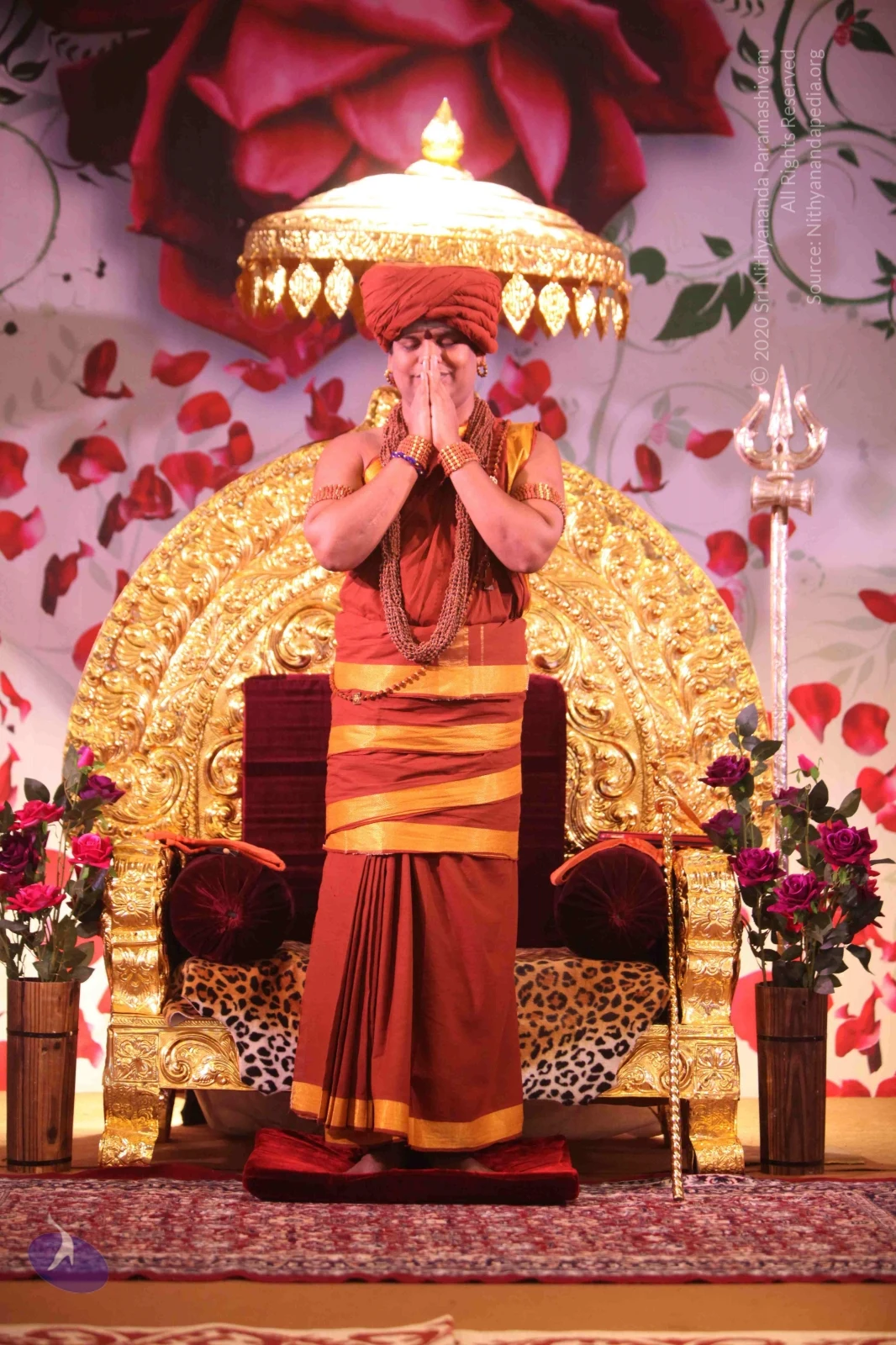
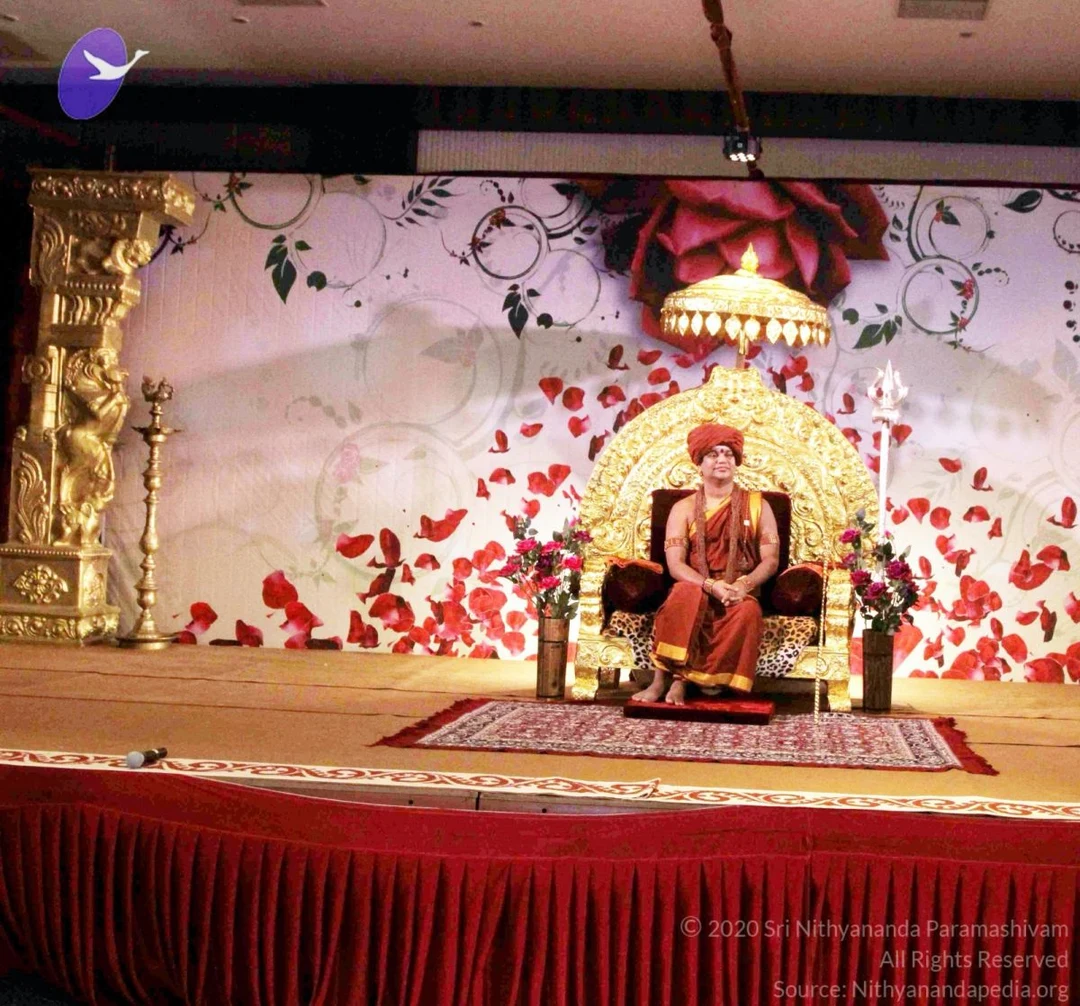
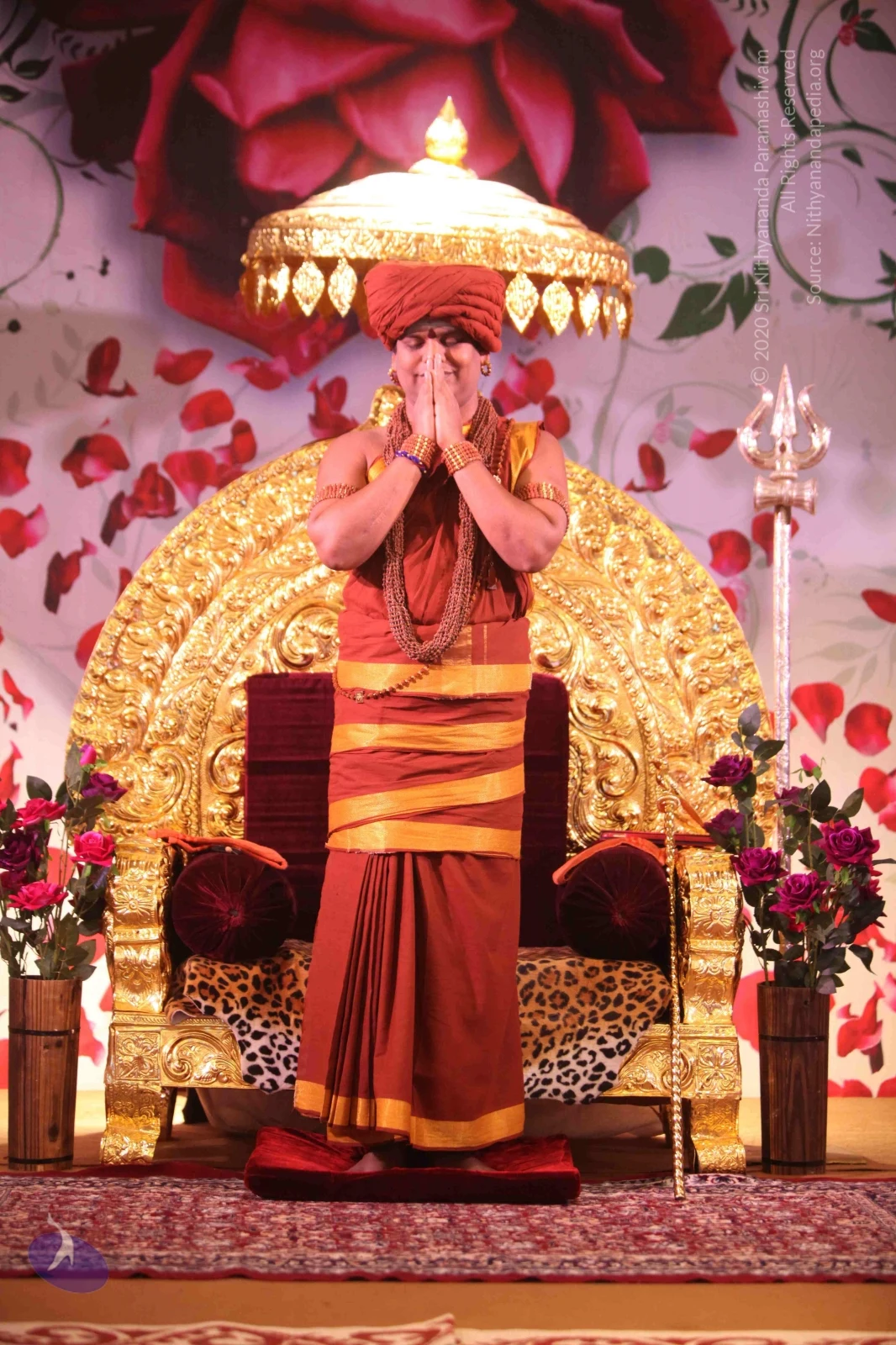
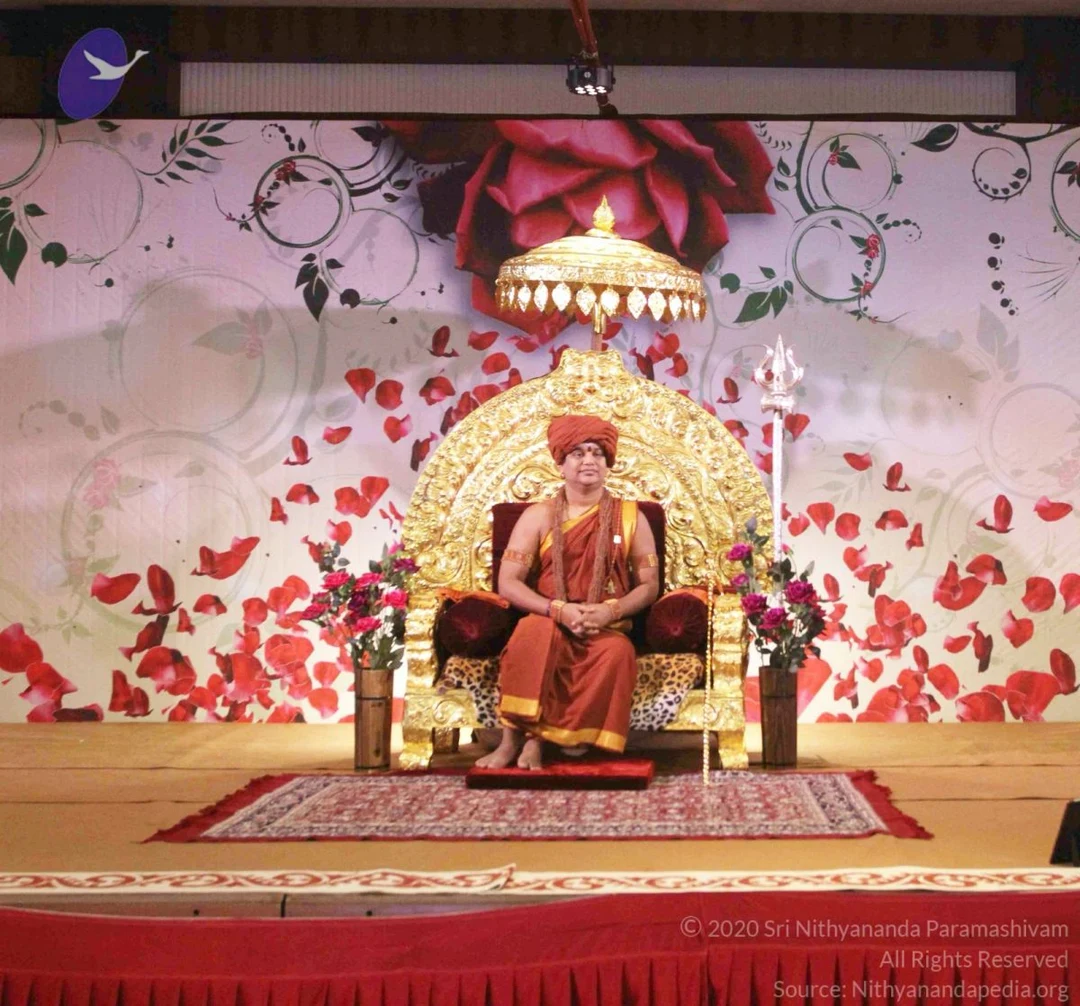
A photograph of a man standing in front of an ornate gold throne with a gold canopy and red rose-petal backdrop. He wears a rust-red turban, red-orange robes with gold borders, a rudraksha mala and layered beaded necklaces, and gold bangles and armlets. He stands with palms pressed together in anjali mudra and eyes closed, a red tilak on his forehead. A bouquet of purple flowers is visible at the lower right.A photograph of a stage set for a seated teacher. A single man sits on an ornate gold throne with a red velvet cushion and leopard-print seat, wearing an orange-red turban, orange-red robes and a shawl, with bindi markings on his forehead and a rudraksha-style bead necklace. A golden umbrella canopy sits above the throne, with a trident-like staff to the right and vases of pink flowers on both sides. Behind him is a backdrop of large red roses, scattered red petals and white floral scrollwork, with a carved golden pillar at the left edge. The stage is covered in a red velvet skirt, a patterned red carpet lies in front, and a microphone rests on the edge of the stage.A photograph of a figure standing in front of an ornate gold throne with leopard-print seat cushions, placed on a red rug. The figure wears a rust-red turban under a golden canopy, a rust-red robe with a gold border and gold waist sash, multi-strand rudraksha-style beaded necklaces, and gold bangles, with palms pressed together in anjali mudra and eyes closed. A silver trident stands to the right, and vases of purple and pink roses flank the throne against a backdrop of large red rose graphics.A seated man in an orange-red turban, saffron-orange robe with gold border, rudraksha mala and gold armbands sits barefoot on an ornate gold throne with a golden canopy above. A silver trident stands beside the throne, flanked by pink flower arrangements, on a red-patterned rug on a stage. The backdrop shows large red roses, swirling vines and scattered red petals. The man's appearance with turban, rudraksha mala and saffron robe is consistent with the Swamiji (probable) cues, and the page indicates he was present at this event.A seated figure in a saffron-orange turban, saffron-orange robes with a gold-bordered cloth and a beaded rudraksha-style necklace sits on an ornate gilded throne with a leopard-print cushion and a gold canopy above. Red velvet cushions flank him. Pink flower arrangements in wooden vases stand on either side, and a silver trident leans beside the throne. A red-and-cream patterned rug lies at the foot of the stage, which has a draped red skirt. The backdrop shows large red roses, scattered red petals and swirling floral designs. Visible physical people: one, the figure on the throne.A photograph of a smiling man seated on an ornate gold throne with carved floral scrollwork and a gold canopy above. He wears a rust-red turban, a red-orange robe with a gold border, a red tilak on his forehead, and layered rudraksha-style beaded malas with a pendant; gold armlets and bangles adorn his arms. His eyes are closed in a joyful expression. A leopard-print cushion lies on the seat, with burgundy bolsters on either side. Behind him is a backdrop of red rose petals, with pink and magenta flower arrangements in wooden vases and a silver trident at right. A red-and-purple logo appears in the lower left corner of the image. Swamiji (probable) is seated on the throne with his distinctive turban and ornate gold and rudraksha adornments.
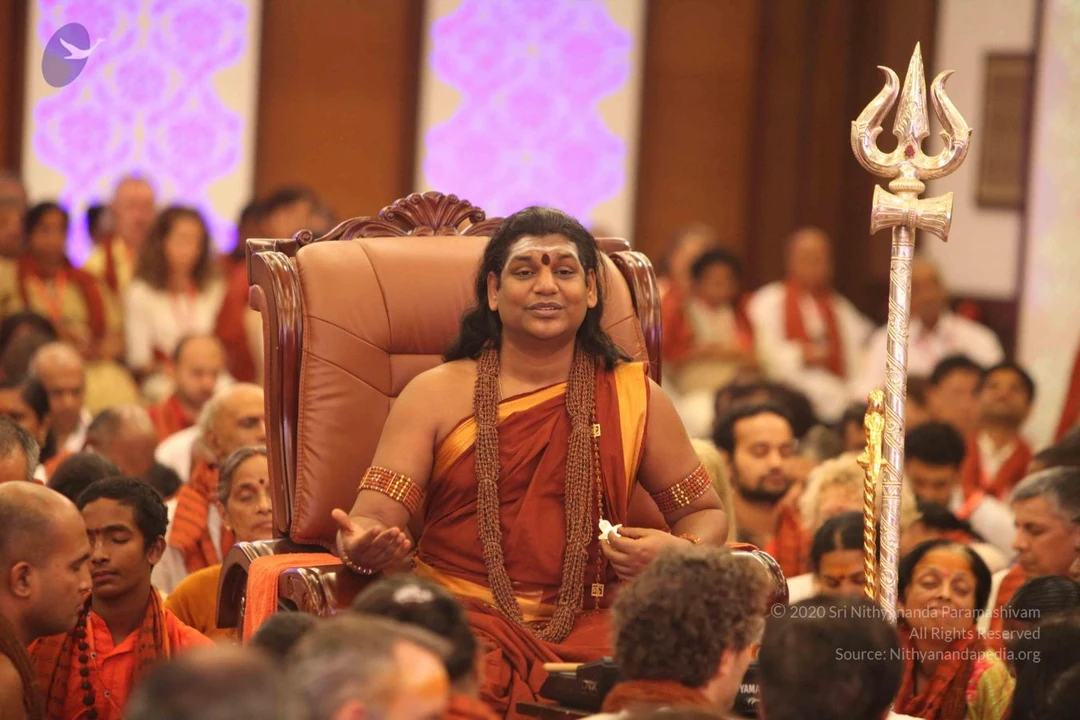
IA-Varanasi-Darshan
1 photoSource gallery
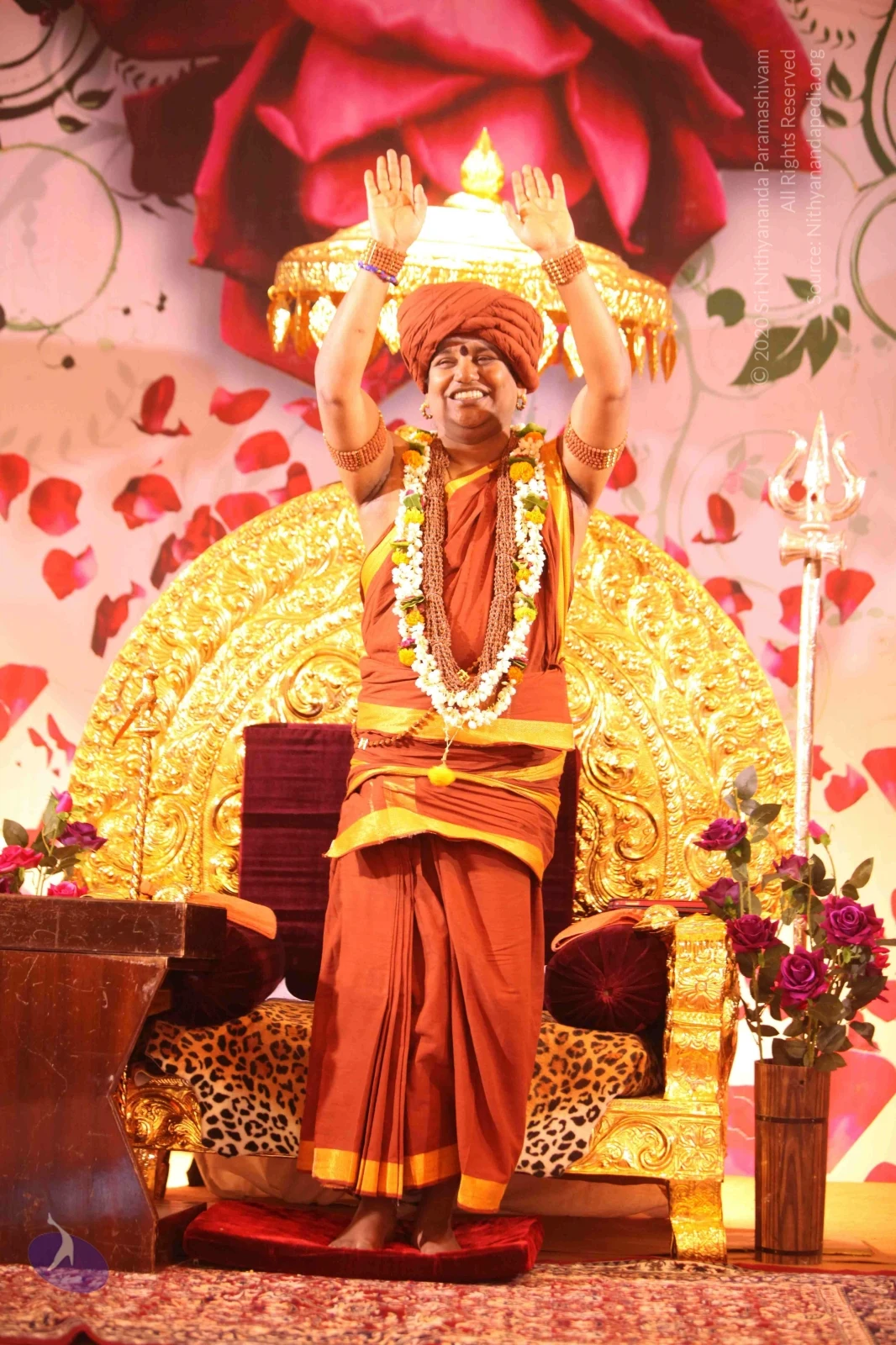
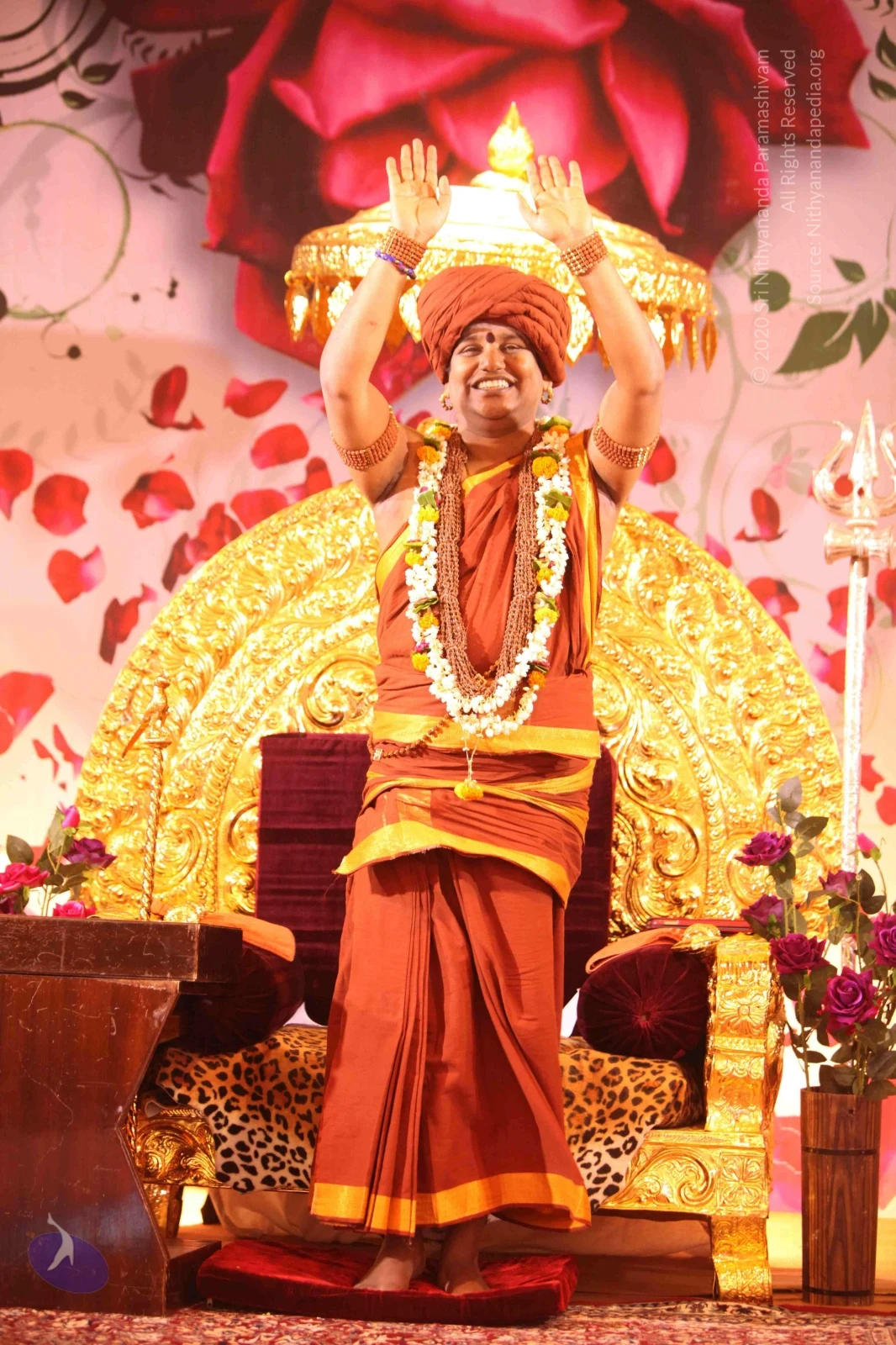
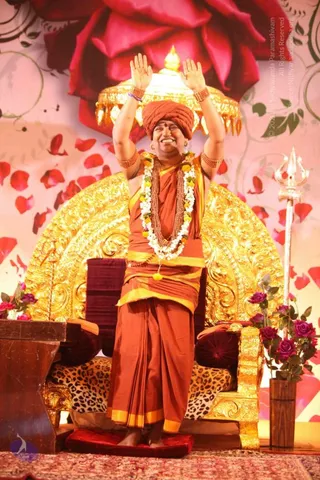
A figure in saffron-orange robes and matching turban stands barefoot on a red cushion before an ornate gold throne with leopard-print seat cushion, arms raised overhead with gold bangles, smiling. He wears a white and yellow-orange marigold garland, rudraksha mala beads, and a red bindi. A silver trident stands to the right beside a vase of purple roses, and the backdrop is a large red rose with scattered petals. Swamiji (probable): the orange turban, saffron robes, rudraksha mala and gold ornamentation match the presentation of the page's named teacher, placed as the central figure before the throne.