Sunday
5 February 2012
THE SUPREME PONTIFF OF HINDUISM HDH BHAGAVAN NITHYANANDA PARAMASHIVAM
- Dated photos
- 23
- Source pages
- 1
February 05 2012
Original wiki pageTitle:
THE SUPREME PONTIFF OF HINDUISM HDH BHAGAVAN NITHYANANDA PARAMASHIVAM
Description
Date: Sun, 2012-02-05 07:00
Description in English: Bhagavad Gita (Song of God) is a timeless treatise on the essence of living enlightenment. The Gita was imparted by the enlightened Hindu incarnation Sri Krishna to the warrior-prince Arjuna over 5000 years ago. Amazingly, the spiritual wisdom and life solutions offered in the Gita are so universal and current that it is even today used as a personal transformation guide. In today’s talk on Bhagavad Gita, Chapter 4, Verse 7, Paramahamsa Nithyananda supplies multiple interpretations of this verse. Each describes a different perspective of the divine descent into human body. Each presents a different scenario for how spiritual wisdom is lost and the strength of tradition becomes diluted: then God returns to infuse fresh inspiration into us. As Paramahamsa says, human beings suffer from the syndrome of Out-of-Sight, Out-of-Mind. To remember our devotion over long generations, when the source is not before our eyes, is difficult. So God comes back, again and again. Tags in English: Bhagavad Gita, Paramahamsa Nithyananda, interpretation, perspective, divine, human, body, spiritual, wisdom, lost, strength, tradition, God, inspiration, suffer, syndrome, devotion, generation, source, eyes.
Transcript
Rough transcript Transcript in English:
Truths of Reincarnation
Bhagavad Gita
Chapter 4, Verse 7
Today we will enter into the Satsang, in Bhagavad Gita, 4th Chapter, Jnana Karma Sanyasa Yoga, 7th Verse.
yadaa yadaa hi dharmasya glaanir-bhavathi bhaaratha |
abhyut-taanam-adharmasya tadaat-maanam srujaam-yaham ||
Yesterday I was contemplating on this verse. One week I have decided I am going to speak on this verse, what I am going to say. Like a flash I had 108 translation of this verse, which I am going to repeat now. Just like I have given the 108 definitions of living enlightenment! In one flash I could see the 108 different ways, meanings, the deeper meanings, I can say that 108 reasons, why incarnations happen. Because this verse is all about incarnations happening, Krishna is explaining, why he comes down, when he comes down, how he comes down. Last verse is also a very powerful verse where he is clarifying many doubts. Very clearly he says, although I am unborn, imperishable and lord of all living entities, by ruling my nature I appear in my own Maya. He says, though eternal with the character of immutability and though the master of all life forms, taking control of my inherent source with the peculiar power of illusion, I come into existence with form.
Bhagavan is explaining the philosophy of incarnation. When you don’t know the root cause or the first time you started responding the way you are responding now, you are called ignorant. If you know when you started the responses you are having now and the root cause of those responses, you are called Enlightened. When you can live beyond all the beginnings of all your responses, you are called Incarnation. Understand, when you don’t know the responses you did and patterns you created for situations, you are called ignorant. I wanted to make it very clear, my devotee means person who is going to the source of root causes of all patterns. People have weird ideas about being my devotee. They claim their depression as my devotion. No really, sometimes to escape from their family responsibility, social reality, they get into some fantasy and live lala lala land. Understand, if I am your hero , if you are devoted to me then all the auspicious qualities will come into your system. You will radiate joy, spiritual strength. Many time this fellows to excape from their responsibilities and social realities and life, use me. They will be sitting with their fantasies and they claim that is the devotion.
I am defining devotion to me:
Person who is going to the source of all the patterns and responses, and clearing them off, relieving them off and becoming more and more purer and purer, day by day , moment by moment, are my devotees. If you do not know the sources of your patterns, you are ignorant. If you know sources of all your patterns , when you started responding the way you are responding to situations, why you are responding the way you are responding, then you are Enlightened. I tell you, for desire you don’t need to respond in the way to assume a new body. That itself is a pattern. The moment a desire comes, you assume a new body. It is like a moment you feel like ‘wow’ how pig eats all the dirt and enjoys the spices cooked inside the stomach! Then immediately you assume a pig body, to go and eat all these. How foolish it is! But the same thing you have done assuming the human body. You had some foolish thoughts crossing your inner space, immediately you did the response, come on, let me assume the human body - Dhum !! You land here, get beaten by the nurse the moment you take birth and start kiyamya, kiyamya, kiyamya. First nurse beats you, then finally, the caretaker in the cremation ground beats you. Life is nothing , from beating to beating. Beating of the nurse, one thing, nurse beats you behind, care taker in the cremation beats you on the top. That’s all!
I tell you, poorest response for your desire is assuming the body. When you know the source of that pattern, you are Enlightened. If you just know the source, which pattern made you take this worst third rate decision of assuming the body, you are Enlightened. No it’s literally like this only. Somebody takes the visually enriched larger than life size movie of food cooked inside the stomach and presents to a pig or to a human being. How the pig is enjoying this great with all the joy! While pig eats, it not only uses the mouth it uses the whole body, now it will shake the whole body and go all round and the tongue will wipe the whole face. I don’t want to describe more visually. You may get a desire to assume a pig body . No like this, some pattern, some inspiration, immediately you feel like, come on, let me assume the pig body and enjoy all these things. What a third rate foolish decision it will be! It will be such worst foolish decision!
Same way only, somebody has put some fantasy, some situation, some idea, for that pattern, for that situation, you assumed the response of taking up the body, you took the decision of taking up a body. This is what I call the original pattern, the first pattern. Bhagavan is explaining how the first pattern is assumed, how the first response to the first pattern created bondage in you. I tell you, really I tell you, there is no other tradition which can liberate you from the source pattern of assuming the body other than Aghori tradition. The first teaching of the Aghori tradition is going to the source of your body assuming pattern. Why you assume the body, each one of you have answer to this question. When you dig out and find that answer, you are enlightened, you are liberated. Person who is beyond that original pattern, who is librated from that pattern and placed with the body and mind, is Incarnation. In the last verse Bhagavan explained about the secret of assuming the body, theory of rebirth. Now he is explaining the secret of Incarnation. When positive collectiveness declines, when collective negativity rises again and again, at these times I am reborn.
Oh Bharatha, as and when righteousness starts decaying and injustice is elevated, in all such situations, I will create myself. I will start translating :
Oh Bharatha, as and when enlightenment in visual form is forgotten and visually you are impacted more by the imbalance way of living, in all such situations I create myself in form to demonstrate the Enlightenment in form.
Oh Bharatha, as and when the body language of bodiless consciousness is forgotten and the body language of patterns has become the ideal heroism in planet earth, in all such situations I create myself in body to teach the body language of patternlessness.
Oh Bharatha, as and when the sacred secrets of life starts decaying and ordinary , confused, fact based life becomes a popular fashion, life style, in all such situations I create myself to reveal the sacred secrets of living consciousness. Actually downloading was easy for me. Whatever was downloaded, translating that into the language you understand, is a big job. Because when the downloading happens, it happens like the flash of revelation and now putting it in the language you understand, that is where the whole job is!
Whenever the patternless living is lost and the life of pattern becomes most popular lifestyle, fashionable lifestyle, in all such situations I create myself with form!
Oh Bharatha, whenever the ultimate happening is not becoming part of the happening of the common man’s life, I happen!
Oh Bharatha, whenever life is out of inertia and restlessness, and the restful awareness lifestyle decays, I happen to demonstrate the intense action in restful awareness!
Whenever these great truths of karma yoga disappears and the wrong models are projected as a ultimate lifestyle, I happen!
Whenever positive consciousness declines and collective negativity rises, I happen! And the word yadaa yadaa has the one more meaning - again and again. Please understand, so Bhagavan is very clear, he says, again and again he takes birth. There is no number. Not only he does not say, I am the last prophet, he does not even close the door after me, there will be only one prophet. No! There are some people said, after me, there will be only one guru, one more incarnation. Here he says, no, “yadaa yadaa hi dharmasya!” he says, again and again he assumes the body, he takes body.
yadaa yadaa hi dharmasya glaanir-bhavathi bhaaratha |
abhyut-taanam-adharmasya tadaat-maanam srujaam-yaham ||
I can say this one verse , it’s a declaration , Possibility of updation, unique contribution of Vedic tradition to the world. The unique contribution of Vedic tradition is divine descending on the human body again and again. As I said yesterday, converting mud into grain is agriculture, converting grain into body is digestion, converting body into mud is cremation, converting a statue into a possibility of divine is prana pratistha, converting a man into the possibility of divine is initiation.
The possibility of initiation itself, happens with the principle of incarnation. See, the divine cannot assume the human body, then nobody can initiate. If the divine is not going to land into me, then why initiation? Neither disciple needs initiation nor there will be somebody called Guru to give initiation if this great truth of reincarnation is not understood.
Very beautifully he uses the word ‘tadaat-maanam srujaam-yaham’. Exact meaning of this word is - I bring forth myself! Sometimes he lands as a medical revolution. Please understand, it is not necessary, he need to assume just only a human body. He can just assume a medicine for HIV and land on the planet Earth, that is Incarnation. He can assume the form of democracy and land on the planet Earth, that is the solution for social injustice. He can assume huge natural calamity and land on the planet Earth, it is the Incarnation, that is the form of Incarnation to destroy collective negativity. He can assume human body and land on the Earth as a Enlightened being, it’s a Incarnation to elevate human consciousness.
I tell you, he is not even saying I assume only human body, no! I bring forth myself – ‘srujaam-yaham!’ The word ‘ srujaami’ means bring forth, I bring forth myself. The possibilities of saving the planet earth, Bhagavan is describing so beautifully, whatever form he takes, one thing is sure, he cares, he nourishes, he takes care humanity does not get destroyed. Keeps this possibility of the highest conscious elevation alive, because it’s in human body, the realization of the ultimate is possible. Human brain only can grasp the experience of the ultimate. Only the human spleen can bear the landing of the incarnation. Please understand, spleen is responsible for the amount of energy your body can bear, the amount of consciousness your body can handle. No other animal spleen other than the human spleen can hold the landing of highest consciousness. All incarnations will have powerful spleen. To find out whether somebody is a incarnation or not, just a spleen checkup is enough! there will be a the spleen will have some extraordinary qualities. Not brain, understand, to be an incarnation, you may not need a strong brain but you need a strong spleen. Because the shock which lands on the human body, even the shock is a poor word, because no other word, I am using that word. The intense vibration lands on the human body. Spleen has to stand in the front to get that shock. Spleen acts as the shock absorber. So all incarnations will have powerful spleen. Please understand, the human organs, the spleen which is in the front, when the energy processes happens in you, when the energy attacks, when the energy shocks land on you. Whenever the emotional shocks are landing on you, heart is the organ, stands in the front. Whenever the logical attack happens on you, intellectual brain is the organ stands in front of you and holds. Whenever the energy shocks, energy attacks happen on you, spleen is the organ. So it is the strength of the spleen only will decide, whether you are incarnation or not. That is why in emotional attacks if it is too much, heart failure will happen. In logical attack when it is too much, the headache will happen. The energy attacks if your body is not ready, the spleen will fail. You may say ,no, no, there are people without spleen. What to do about it? In that case there are so many people without brain, what to do about it? If you check the spleen of a incarnation there will be something unique! We have not done any research. Let’s do it, we will do! In future there will be some, because I saw very clearly, whenever , whenever I assume body, it’s the spleen which feels my presence first, may be because it is near Anandagandha, I don’t know what is the reason. That is what first feels, I am! Yes, I! Same way, last I relax from Me, the last organ goes off is spleen, when I relax into the cosmos, the last organ which gets switched off is spleen, first which gets awakened is spleen!
Of course I am giving you some of the intimate experiences of assuming the body!
tadaat-maanam srujaam-yaham - The sacred secrets of how body is assumed.
Dharmasya glaanir - Whenever Dharma gets decayed, whenever the highest consciousness in human body, highest consciousness in human body is forgotten, see human beings are such, literally out of sight ,out of mind! Out of sight means out of mind! They can hold the inspiration of an incarnation as long as they see him, not more than that, then immediately starts the day - yogo nasta parantapaha. Count down Ten ten, nine nine nine, eight eight eight, seven seven seven, some times in few years, sometimes in few months, sometimes even in few days. Zero beep beep beep beep beep lands in zero. yogo nastha parantapaha. The intense honesty and the truth is lost, then again the wakeup call goes there from the snake bite you wakes up, oh what happened, hey just now I came to rest, no no, alarm is going on, you are called down, then he says alright ,come-on, let’s pack up, the next assuming the body starts. That is why he says again and again without tiredness, I create myself. tadaat-maanam srujaam-yaham. I will expand on this continuously in next satsangs also. Understand, the truths about the Reincarnation when you understand, you can also become a Reincarnation, because you can reincarnate yourself. When the great truths are understood, you can also reincarnate yourself. You can also get into that stage Krishna says, by knowing the truth of who am I, how I am. Let you reach my state. That’s the truth! If you want to consciously evolve, learn about the inner space of a person who has consciously evolved, when you learn about the inner space of a person who has consciously evolved, you also will consciously evolve yourself. We will continue to know, explore the sacred secrets of the truths of Reincarnation in the next ,next, next verses.
Bhagavad Gita Morning Rough transcript English
Photos From The Day:
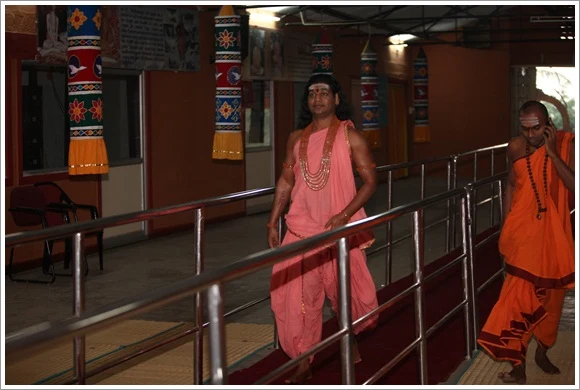
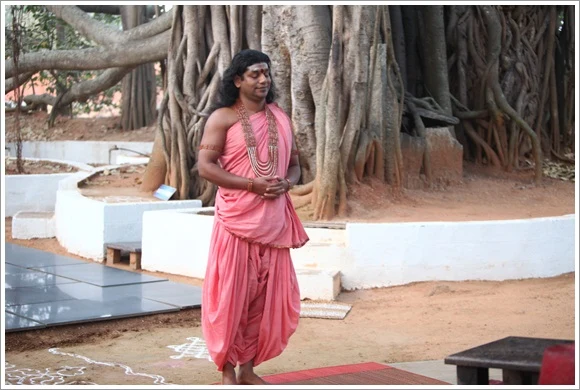
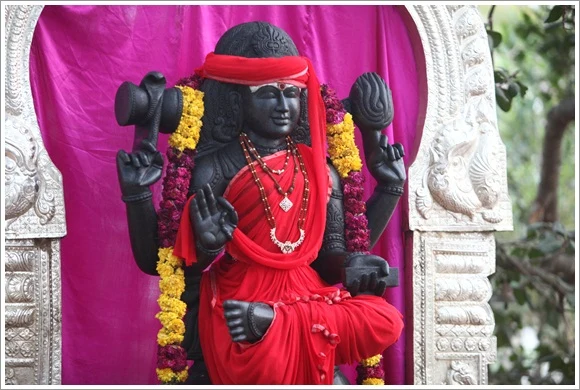
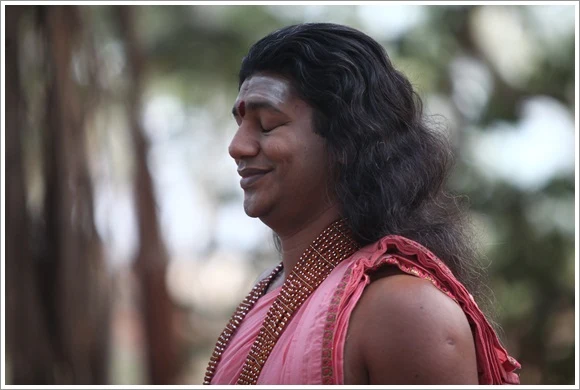
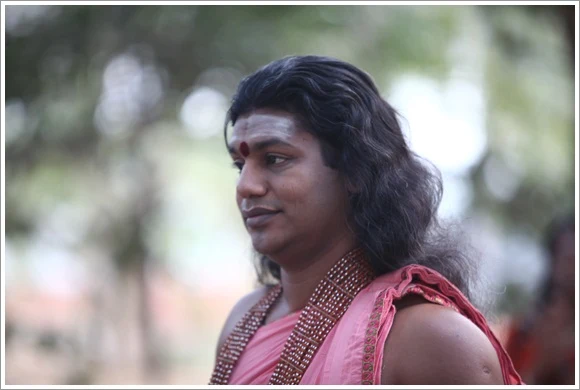
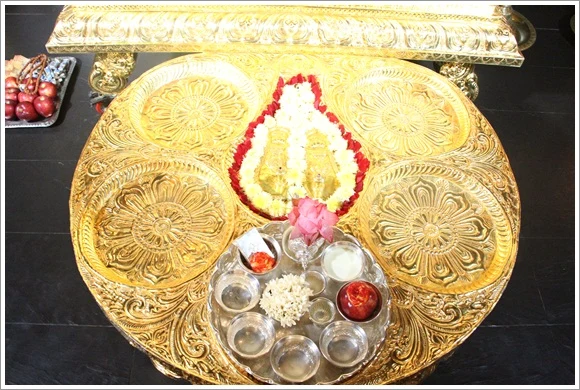
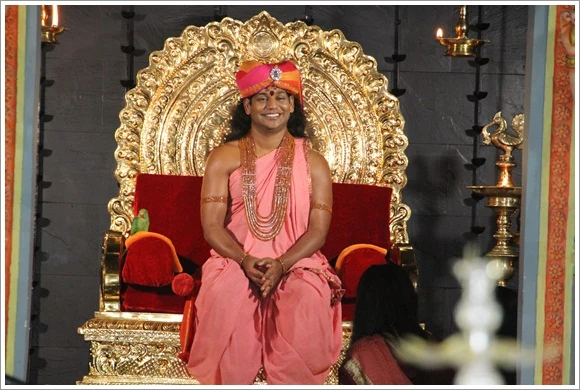
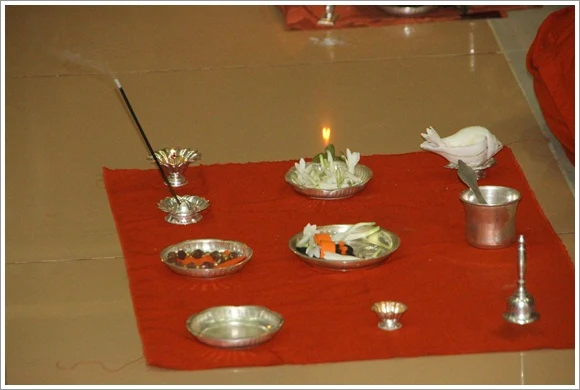
Photos from this day
View all 23 photos