Skip to content
Friday

13 January 2012

THE SUPREME PONTIFF OF HINDUISM HDH BHAGAVAN NITHYANANDA PARAMASHIVAM

Dated photos
24
Source pages
1
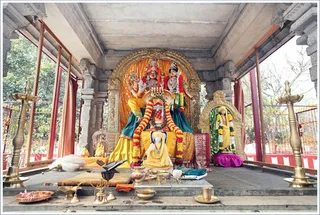
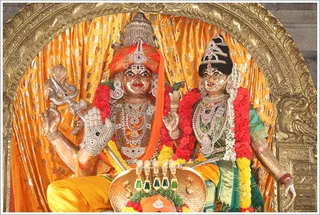
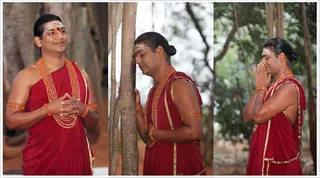
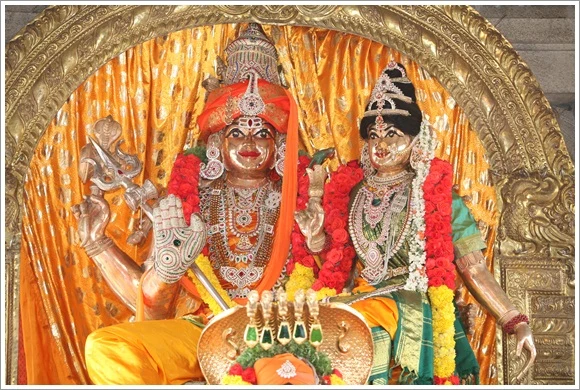
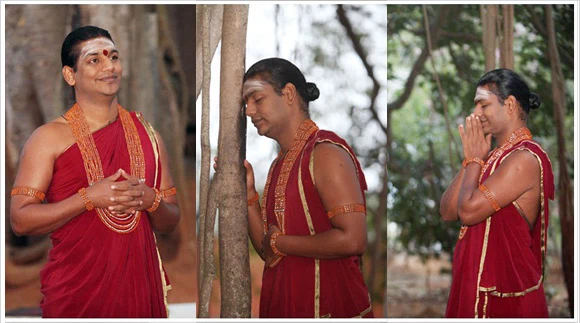
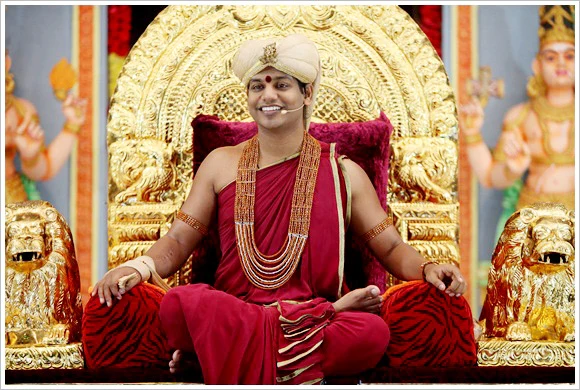
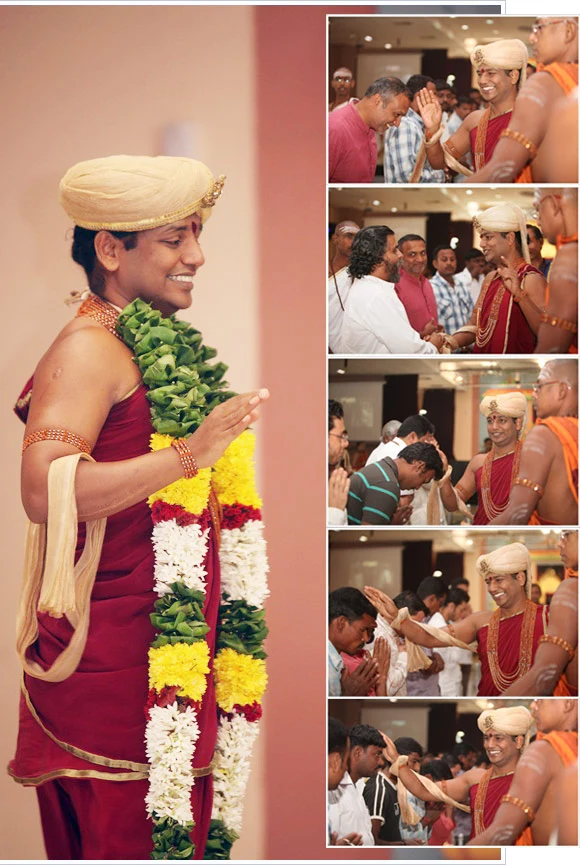
A photograph of a temple shrine interior with open sides and red railings. At the centre stands a deity murti pair with a large gold-framed arch behind; the figures wear red and green garments and garlands, and a central form is adorned with a bright orange-and-white flower garland. Brass oil lamps stand on either side, and in front a low stone platform holds brass puja vessels, bells, a small kalasha-style pot, a plate of kumkum and offerings, and a yellow cloth. No people are visible in the scene.A decorated deity murti pair seated on a ornate throne-like base before a golden arch and gold-orange draped cloth. The male figure, painted reddish-gold, wears an orange-saffron cloth, a tall crown, a heavy silver necklace and a trident in one hand. The female figure wears a green and gold sari, a jewelled headdress, layered necklaces, and holds a lotus-like object. Both are garlanded with red and yellow flower garlands, and a kalasha-like offering sits at the base. The figures are statues, not living people.A three-panel collage of photographs showing a shaved-headed man in red and gold ceremonial robes with layered gold necklaces and gold armbands, set against trees and greenery. In the left panel he stands with palms pressed together and a smile, with a red tilak on his forehead. In the centre panel he leans his forehead against a tree trunk. In the right panel he stands with hands folded in namaskar and eyes lowered. The person is shown in these panels with ceremonial clothing and adornments, but the appearance does not establish a distinctive a person identification, so the identity is treated as uncertain.

January 13 2012

Original wiki page
Contents

Title

THE SUPREME PONTIFF OF HINDUISM HDH BHAGAVAN NITHYANANDA PARAMASHIVAM

Photos
Photos from this day

View all 24 photos
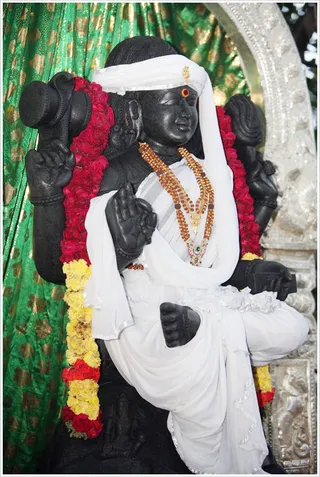
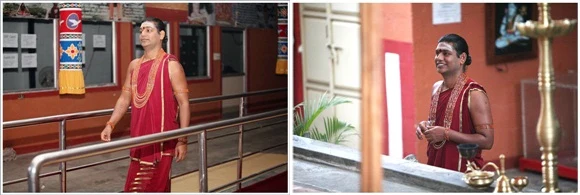
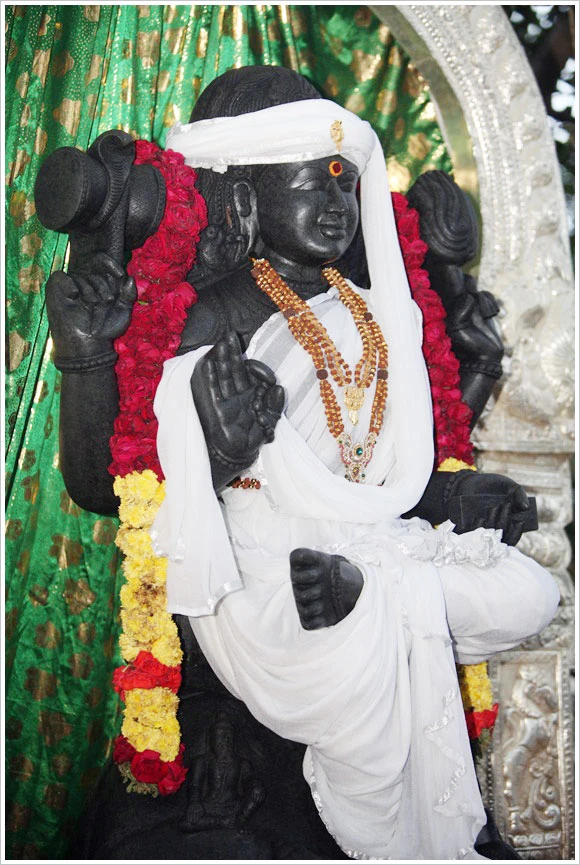
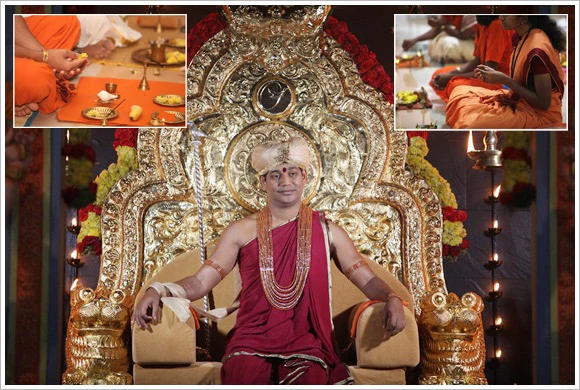
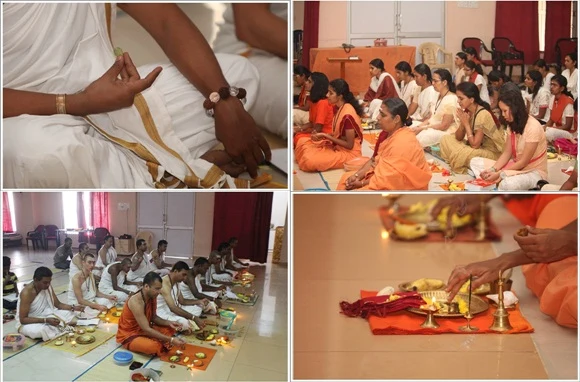
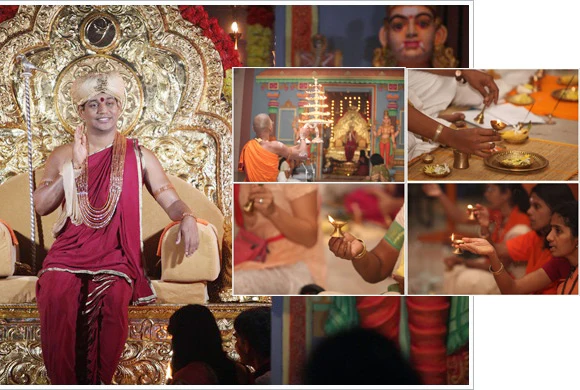
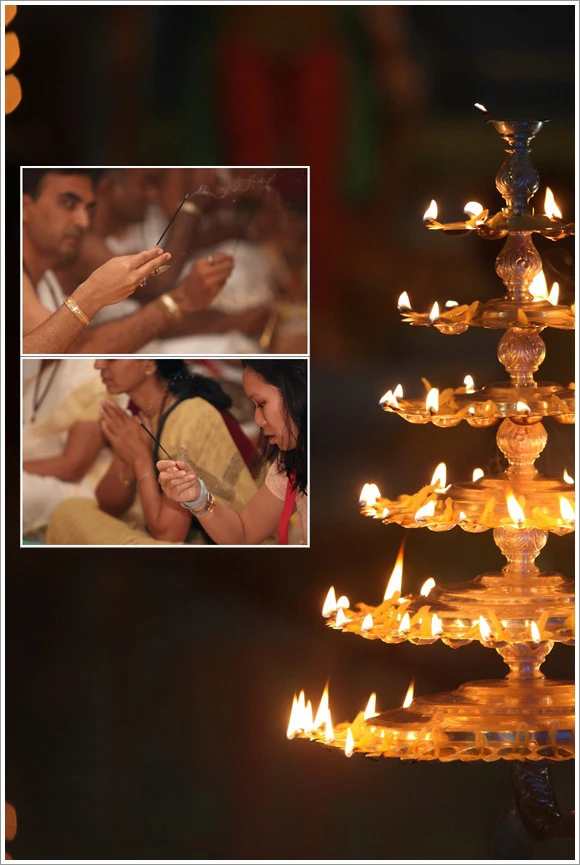
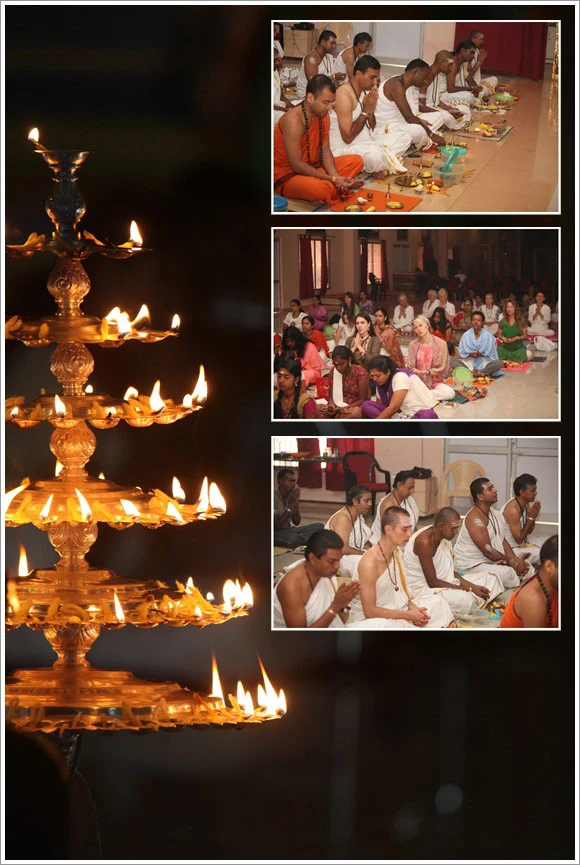
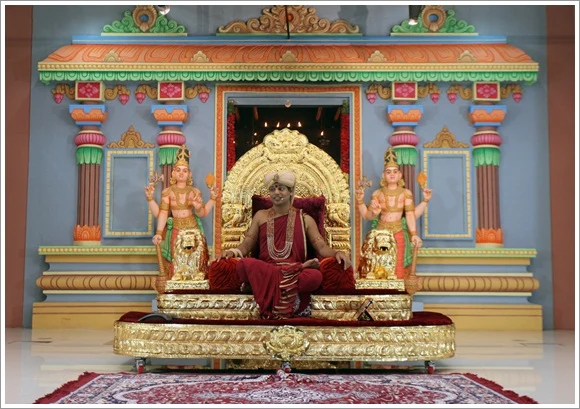
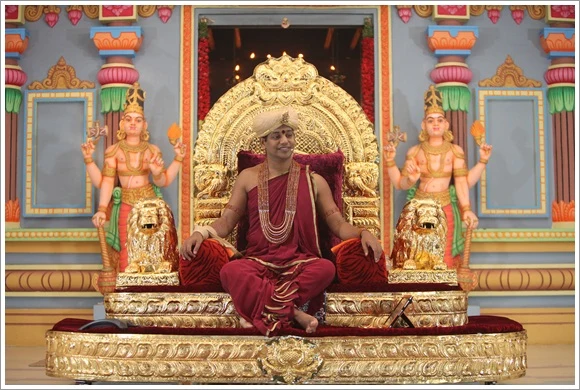
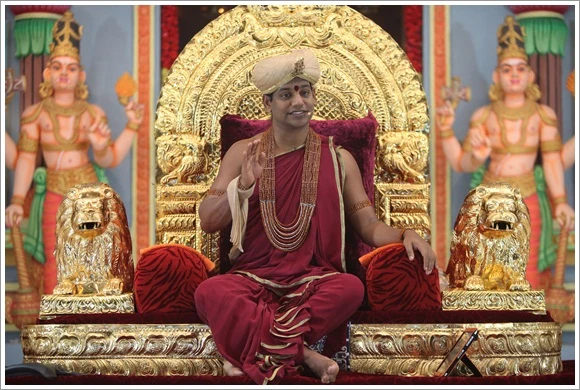
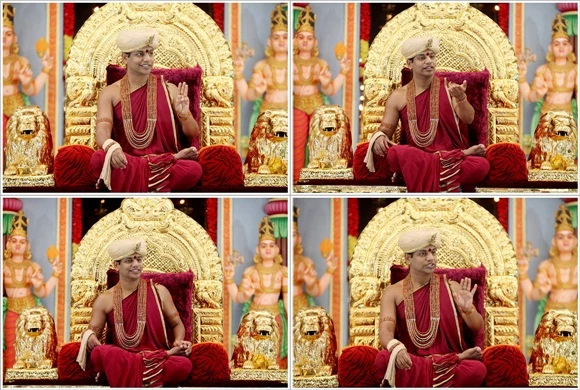
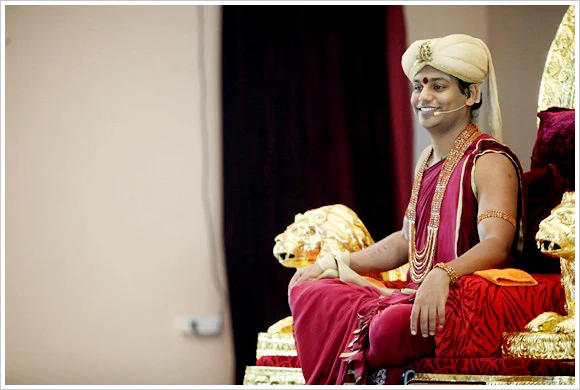
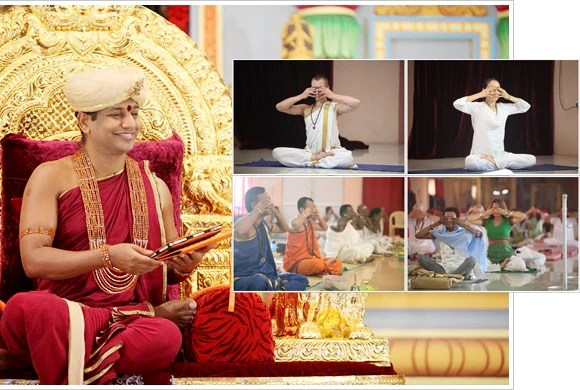
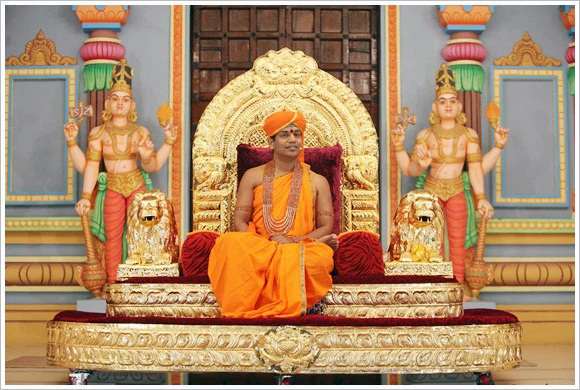
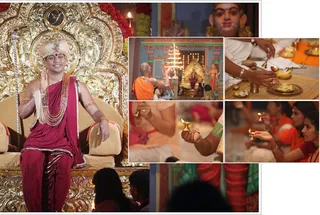
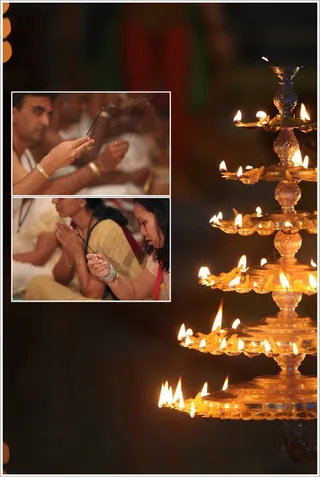
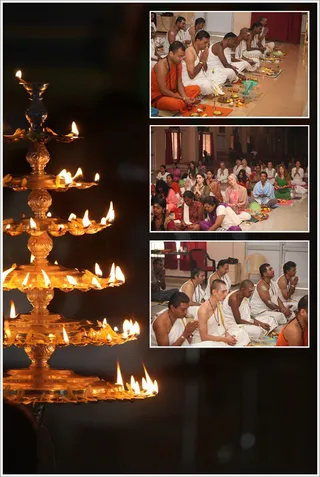
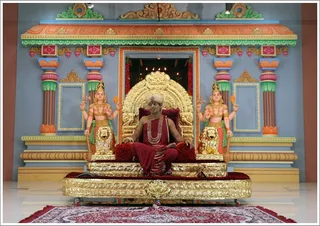
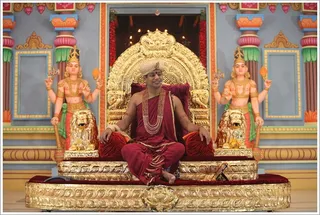
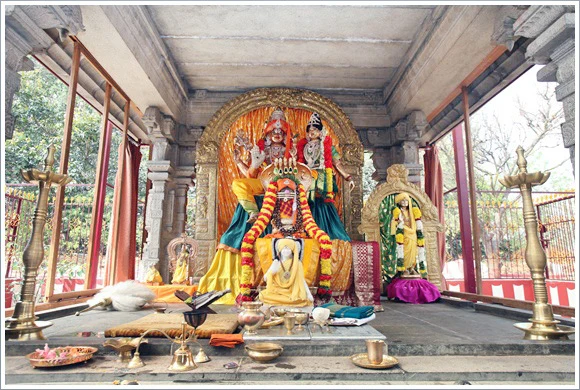
A photograph of a temple shrine interior with open sides and red railings. At the centre stands a deity murti pair with a large gold-framed arch behind; the figures wear red and green garments and garlands, and a central form is adorned with a bright orange-and-white flower garland. Brass oil lamps stand on either side, and in front a low stone platform holds brass puja vessels, bells, a small kalasha-style pot, a plate of kumkum and offerings, and a yellow cloth. No people are visible in the scene.A decorated deity murti pair seated on a ornate throne-like base before a golden arch and gold-orange draped cloth. The male figure, painted reddish-gold, wears an orange-saffron cloth, a tall crown, a heavy silver necklace and a trident in one hand. The female figure wears a green and gold sari, a jewelled headdress, layered necklaces, and holds a lotus-like object. Both are garlanded with red and yellow flower garlands, and a kalasha-like offering sits at the base. The figures are statues, not living people.A two-panel collage of photographs showing a man in red-orange robes walking along an indoor corridor with a metal handrail, and a man in red-orange robes with a gold necklace smiling beside a brass oil lamp near a wall. A printed banner with red and blue patterns hangs on the left. The collage displays a person in saffron-red ceremonial clothing with gold ornaments and a brass lamp in the foreground.A three-panel collage of photographs showing a shaved-headed man in red and gold ceremonial robes with layered gold necklaces and gold armbands, set against trees and greenery. In the left panel he stands with palms pressed together and a smile, with a red tilak on his forehead. In the centre panel he leans his forehead against a tree trunk. In the right panel he stands with hands folded in namaskar and eyes lowered. The person is shown in these panels with ceremonial clothing and adornments, but the appearance does not establish a distinctive a person identification, so the identity is treated as uncertain.A black stone murti of a deity is seated and draped in a white cloth, with a white head covering and a red tilak mark on the forehead. It wears multiple strands of rudraksha-style beads and a gold pendant with green and red stones at the chest. Red and yellow marigold garlands drape over the shoulders and arms, and the figure holds a trident-like staff and a small drum-like object. Behind it hangs green fabric with gold patterns, framed by an ornate silver arch. No living people are visible.A collage of three panels showing ritual scenes. The large central panel shows a man seated on an ornate gold throne carved with lion-head armrests and decorated with red and yellow flowers. He wears a red-maroon dhoti-style garment, a tall gold-and-white headpiece, a long multi-strand red rudraksha-style necklace, and multiple bangles, with sandalwood marks on his forehead and arms. Oil lamps flank the throne. Two smaller inset photos show hands performing a puja with brass plates, a small oil lamp, and offerings, and a person in orange robes pouring or offering items near a brass vessel. The collage itself contains no physical people beyond the pictured scenes.A four-panel collage of ashram ritual photographs. Top left: close-up of a seated person's hands in a mudra on white dhoti-style cloth with a gold border and a wristwatch. Top right: a row of seated women in saffron, orange and yellow sarees and white clothing before a wooden lectern, with a woman in orange at front. Bottom left: rows of seated men in white dhotis, with a man in saffron at front before brass plates and small lamps on a tiled floor. Bottom right: a person in saffron robes offering items from a brass plate beside brass lamps on a red cloth. The collage shows puja and meditation activity; the people are in the panels, not in the collage itself.A multi-panel collage graphic of temple and ritual scenes. The large left panel shows a man with long dark hair, a white and gold turban-style headwear with a red bindi, wearing a red and orange draped garment, a multi-strand beaded necklace and bangles, seated on an ornate gold throne with carved armrests. Smaller panels show a priest in orange robes lighting a multi-tiered lamp before a deity shrine, a person holding a brass puja plate with oil lamps and flowers, a woman in a red sari lighting a small oil lamp, and a row of women in saffron and red saris holding lit lamps. A bottom-left panel shows silhouetted onlookers. Top-right panel shows a deity murti with a painted face and red flowers.A multi-panel collage photograph. The main image shows a tall tiered brass lamp stand, its many tiers holding lit oil lamps with flames against a dark background. Two inset photographs show devotees at a ritual: in the upper inset, a man in white clothing with gold bracelets holds up an incense stick with smoke rising; in the lower inset, a woman in a yellow-and-green sari with a red-trimmed shawl sits with palms pressed together, while a woman in a dark top beside her holds an incense stick.A multi-panel collage of ritual scenes. The large left panel shows a tall brass multi-tiered oil lamp with many lit flames against a dark background. The top-right panel shows men in white dhotis seated on the floor with hands folded in prayer, one in orange robe and rudraksha beads at front, with trays and offerings before them. The middle-right panel shows a seated gathering of women and men in colourful saris and kurtas, some in pink, purple, green and blue, with a cloth-covered area near them. The bottom-right panel shows men in white clothes with sacred threads, seated in meditative prayer, one in orange. The collage depicts an ashram puja gathering.A photograph of a seated man on an ornate gold throne (peetha) in a richly decorated hall. He wears a red-maroon robe, a gold-coloured turban, and layered red and gold beaded necklaces, with his hands resting in a meditative pose. Flanking him are two painted standing figures with multiple arms holding objects, and gold lion sculptures sit at the base of the throne. The backdrop has colourful painted columns in orange, green and blue, and a red carpet lies in the foreground. No physical audience is visible; the only other figures are painted statues.A man seated cross-legged on an ornate gold throne (peetha) with a deep red velvet cushion, centred in front of a painted temple-style backdrop with pillars. He wears a maroon-red ceremonial shawl and dhoti, a tall white-and-gold turban, a multi-strand rudraksha mala and a ceremonial gold necklace, and his bare hands rest on his knees. Flanking him are two painted deity statues with gold lion-supported pedestals, each holding a lotus and a staff.