Tuesday
19 April 2011
Mind Over Matter Part 2 Patanjali Yoga Sutra 151
- Dated photos
- 13
- Source pages
- 1
- Media
- 2


April 19 2011
Original wiki pageTitle:
Mind Over Matter Part 2 Patanjali Yoga Sutra 151
Link to Video:
| Video | Audio |
Transcript:
[00:32]
Let’s enter into today’s subject. As you all may be aware I am continuing the yesterday’s sutra. As I said yesterday I will give you today some of the deeper understandings on this mind over matter Sthula-svarupa-sukshmanvayarthavattva-samyamad-bhuta-jayah Basic sacred secret in this sutra is how to feel connected, conquer, go beyond the five elements. Feeling connection, falling in tune... five elements makes the world…. feeling connection with these elements.
[02:23]
Let me clearly describe. There is a very beautiful story in the Indian mythology. Once Ganesha and Subrahmanya both of them have decided to have a challenge that who will quickly go round the world three times. Subrahmanya as you all are aware has his own flight - peacock. He just sat on his peacock started flying, crossing the continents, crossing the oceans, hills, once, twice, thrice. He completed and came back. He saw this Ganesha, heavy guy, his vehicle is a rat 😀 but this fellow claims he won the game by going round Shiva and Parvathi three times. He says ‘I won the game. I went round Shiva and Parvathi three times.’ With this rat what else can be done yaanayai eli izhuthu kondu pogum adisayam.... Tamil I described the rat is dragging the elephant! What will happen? That much is the capacity. But finally Ganesha declares I won the game. I went round the Shiva and Parvati three times. Subrahmanya ask ‘How can that be?’
[04:21]
Very beautifully Ganesha says ‘You went round your world, I went round my world.’ Understand ‘You went around your world, I went around my world.’ You went around your world I went around my world - You need to catch this truth. ‘The world’ ‘my world’ this is the sacred secret. ‘The world’ is binary, logical, arithmetic, scientific, universal. ‘My world’ is emotional, based on faith, beliefs, experiences of individual perceptions, realization of individual identity’s expression in its fullest form. ‘My world’ is totally different from ‘the world’. When ‘my world’ is completely in tune with ‘the world’ you are a jeevan mukta. When there is no conflict between ‘my world’ and ‘the world’ please understand, people who are always going around ‘the world’ are caught in agitation, anger, stress, rajas. People who are completely caught in ‘my world’ sometime can miss ‘the world’.
[07:02]
Here Ganesha is successful not just because he was centered on ‘my world’, he was centered on ‘my world’ which was in tune with ‘the world’. He was completely experiencing ‘my world’. The Ganesha’s ‘my world’ and ‘the world’ is one and the same. Ganesha’s ‘my world’ and ‘the world’ has become a solid experience for Ganesha. Understand Ganesha’s ‘my world’ and ‘the world’ has become a solid experience for Ganesha.
[08:04]
I will give you a clear picture how ordinarily people are caught between ‘my world’ and ‘the world’ and start preferring between these two some one. When you start preferring ‘the world’ your whole life ends in depression. You are drained in ‘my world’. When you start preferring ‘my world’ sometime you can lose your balance and get into some fantasies and whims and fancies. ‘My world’ should expand and grow and completely should be in tune with ‘the world’. Ganesha - his ‘my world’ and ‘the world’ both are in tune, because Mahadeva - Shiva and Devi… Please understand Shiva and Devi are really ‘the world’ and Ganesha also experienced Shiva and Devi as ‘my world’. Please understand they were really cosmos and he is also experienced them as cosmos. So the ‘my world’ and ‘the world’ has fallen in tune as the experience of Ganesha. So he going around Shiva and Devi is literally going around ‘the world’. Even though he said he went around my world, in his case the ‘my world’ is ‘the world’.
[10:33]
Usually human beings who give preference only for ‘the world’ become extraordinary materialist, but end up in spiritual poverty, spiritual poverty, depression - utter depression. Same way people who prefer only ‘my world’ sometime end up in hallucinations without falling in tune with ‘the world’. Understand ‘the world’ can’t be rejected as you think. Misunderstandings about ‘the world’ should be rejected. For example fire is ‘the world’. Your fears and misunderstandings about fire should be rejected, not fire itself. You can’t reject it. Its existence cannot be denied. Maya is - the ideas which are not in tune with ‘the world’ but you are carrying about ‘the world’ are Maya. Maya is the illusory ideas you carry about ‘the world’ not ‘the world’ itself. When you carry the right ideas, when you understand the right ideas about ‘the world’, you will realize ‘the world’ is made of the same stuff in which ‘my world’ is made.
[12:36]
Understand I am giving a new twist. First statement I am making - the fire, earth, water, air, space itself cannot be denied. Your wrong concept about it is Maya. But when your wrong concepts about it is removed, it loses the identity which you are thinking it is having. One example, the fire…. you have fear about fire. That fear is called Maya but fire itself is not Maya. When the fear is completely lost in you, when you are in tune, suddenly you realize what stuff is a base material for you, same stuff is base material for that. You are in tune already. You can play with it, conquer it, go beyond it. Catch it if you can. It’s one of the very, very, very subtlest truths.
[14:31]
The discrepancy between ‘my world’ and ‘the world’ in ideological level is conflict. Discrepancy between ‘my world’ and ‘the world’ in practical level is poverty and failure. The discrepancy between the ‘my world’ and ‘the world’ in the emotional level is depression. The discrepancy between ‘my world’ and ‘the world’ in the conscious level is illusion.
[15:19]
Next Subrahmanyas - Muruga. First he goes round ‘the world’. As usual when you go round the world you will get into an intense ‘rajas’. In that extraordinary rajas when you claim the victory, he comes back to see already somebody has won the game. It is like we have a very beautiful story about Bharata in whose name the whole Bharat is named. He suddenly felt he should conquer the whole world and conquers, reaches the peak of the Meru hills - which is mythological basically in Hindu tradition, to establish his flag. When goes there suddenly he finds ten million flags are there. Means before him 10 million people have conquered the world. All their flags are there. He felt ‘oh god where did I land’. Then Brahma appears and says “Oh my son do not think you are the first one to conquer the world. Before you millions of Bharatas have come, millions of conquerors have come. All of them have conquered this world and claimed it is theirs, it is theirs, it is theirs. For this period you are claiming it is yours; that’s all”. Then Bharata realizes “wow”. That realization, click, makes him go for doing tapasya. And in that tapas he becomes enlightened how to be in tune with ‘the world’ and ‘my world’, the balancing of ‘the world’ and ‘my world’ happens.
[17:40]
Please understand if you don’t balance ‘the world’ and ‘my world’, even if you conquer it will be suppression of ‘the world’. It will get back to you as tsunami. The materialistic civilization is - conquering ‘the world’ without balancing ‘my world’, which is leading to all ecological imbalances, all natural calamities. Here just like Bharata, Muruga, comes back after going around three times the world, sees Ganesha sitting contently radiating and that gives Muruga initiation - click. So he goes to a private place Palani, stays there and does tapas by becoming a sadhu. He becomes a sadhu, leaves everything goes there and establishes himself in ‘my world’. When he is in tune with ‘the world’ and ‘my world’, in that tapas in Palani he becomes enlightened and starts radiating enlightenment to the world.
[19:17]
Understand, ‘the world’ and ‘my world’ you need to understand the whole story in right angle. Don’t think he went and stood there in anger and Avvai came and sang some songs and then he went away back to Shiva… 😀 It’s a cinematic version. Exactly this is what has happened. Subrahmanya, when he sees just the success in ‘the world’ is not the ultimate, you need to balance, understand, tune, with ‘my world’ and ‘the world’, then conquer, then go beyond. Without in tune any effort to conquer ‘the world’ leads to great chaos in ‘the world’ and ‘my world’. The restlessness in ‘my world’, natural calamities in ‘the world’ - Extraordinary restlessness in ‘my world’ reflects as natural calamities in ‘the world’. Understand all the civilizations which is suffering with extraordinary attention to the ‘the world’ without balancing ‘my world’ are suffering with too much of natural calamities. If you study you will understand this truth. Natural calamity means the whole civilization is too much about ‘the world’. The balancing of ‘my world’ is not happening.
[21:14]
History should be in tune with mythology. Logic should be in tune with emotion. Facts should be in tune with truth. Binary should be in tune with Zero. Understand the binary logic, linear movement, should be in tune with circular movement, logic based on zero. The Indian rishis were able to discover zero just because they were able to understand the secret connection between ‘the world’ and ‘my world’. Only a person who can comprehend the deepest secrets of ‘the world’ and ‘my world’ can comprehend the power of Zero. Zero cannot be mathematically understood. It is just a theory. If you want to experience Zero you need to make ‘the world’ and ‘my world’ in tune. Tuning ‘my world’ into ‘the world’ is the samyama you are expected to do to fall in tune with the elements, fall in tune with the nature by Patanjali.
[23:04]
I think this is a very sharp truth, very sharp concept. If you just understand this one story, Ganesha going around and Subrahmanya going around, you will see ‘are you going around ‘the world’ or ‘my world’? Are you too much centered on ‘my world’ or ‘the world’?’ Second, ‘is your ‘my world’ is really in tune with ‘the world’, is your ‘my world’ is complete right experience of ‘the world’ and the concept you carry about ‘the world’ in ‘my world’, are they your beliefs or experiences?’ If Ganesha was just believing Shiva and Devi is his world he wouldn’t have won the game. Not only Shiva and Devi should be ‘the world’, Ganesha should be experiencing it. Not only the Guru should be ‘the world’ you should be experiencing Guru as ‘the world’, only then going around the Guru or falling at the feet of the Guru again and again works on you. You win the game only if the Guru is ‘the world’ and you experience him as ‘the world’ in your world. Sometime Guru does some miracles to remind your logic he is ‘the world’. But it should become experience in your world. Like Ganesha if you have experienced he is your world, just by going around him you will have all the benefits of going around the world. You don’t need to fall in tune with fire, if you just fall in tune with his firing, enough! You won the game. You will have the fruit of knowledge - enlightenment. If you have fallen in tune, means experience your world is ‘the world’ which is Master, then instead of going through any of these great samyamas, sadhanas, you directly receive those benefits. That is why the kundalini awakening which happens for people who meditate for 12-13 years just like that happens in you.
[26:33]
If you fall in tune with air element, prana, by meditating for years, the prana of ‘the world’, you start levitating. But when your trust, that feeling connection with the Master happens, when he becomes ‘the world’ of ‘your world’ you don’t need to fall in tune with the prana of the whole cosmos; his prana is enough. You experience levitation. Understand… how to harvest all the seeds sown, grown, the crops created, not the crap 😀 crops created by an incarnation? When you are around an incarnation the only job in which you need to concentrate, aim, is realize ‘the world’ and ‘your world’. I will continue some of the deeper secrets in this sutra in the next satsangs.
[28:16]
I bless you all. Let you all achieve, experience, live, express, radiate and share the eternal bliss, Nithyananda. Thank you.
[28:32]
Photos Of The Day:
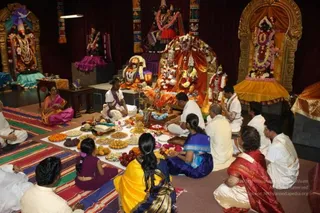
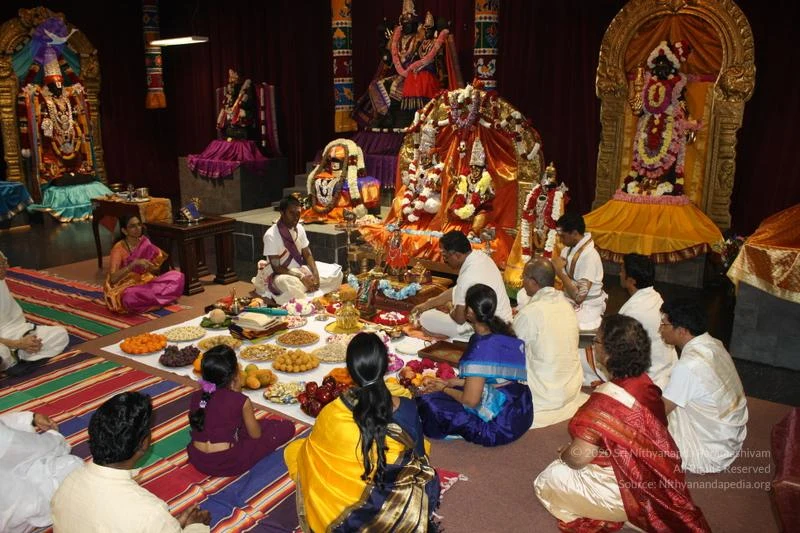
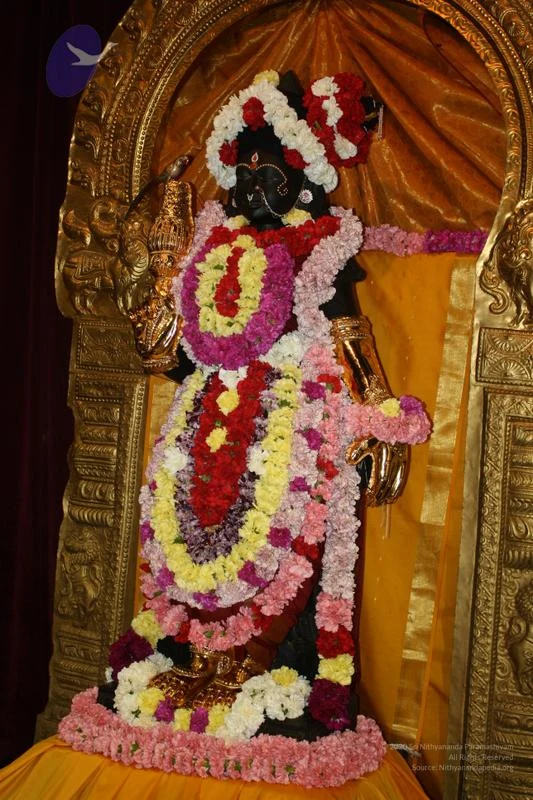
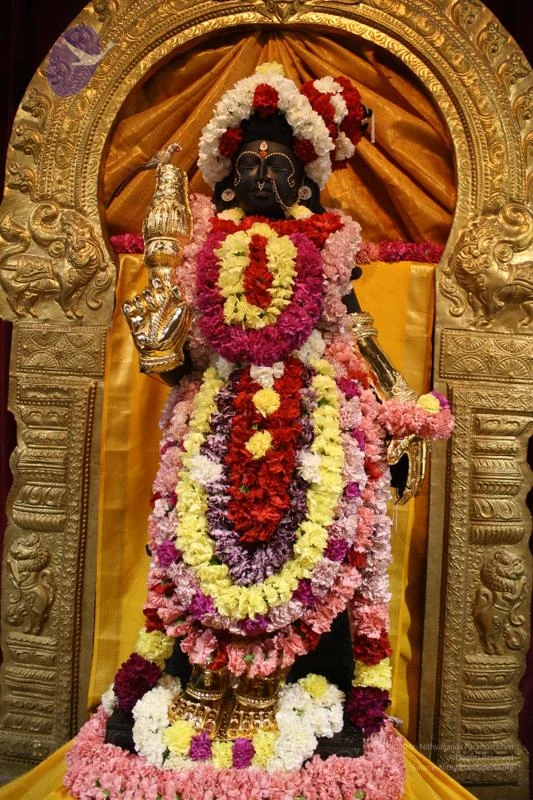
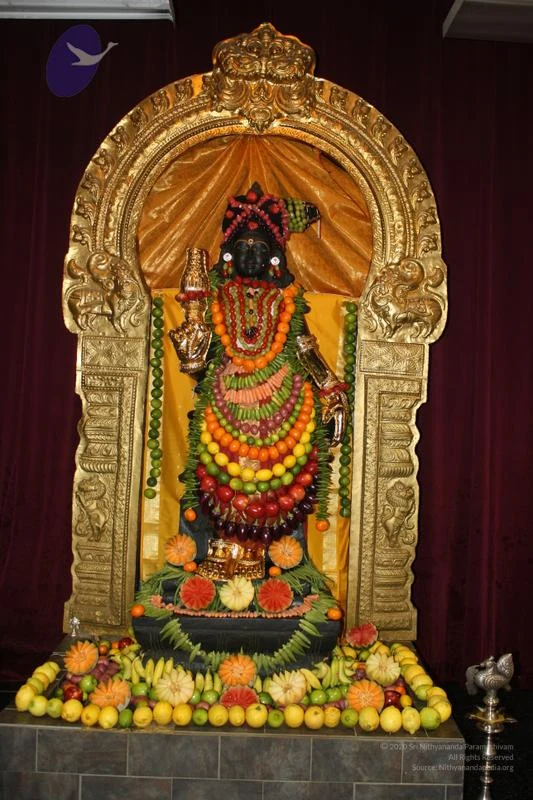
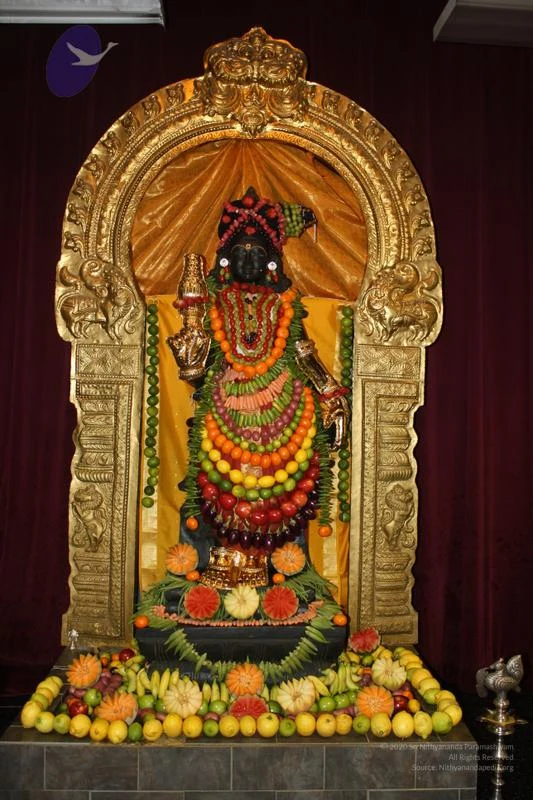
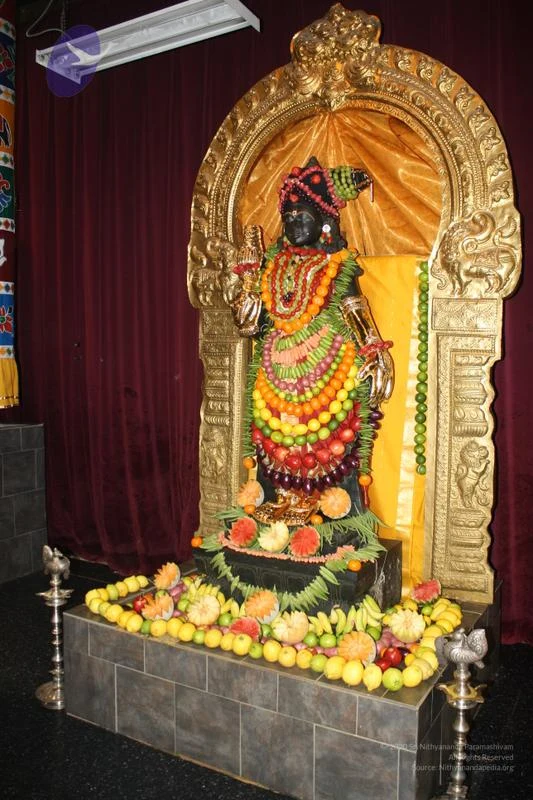
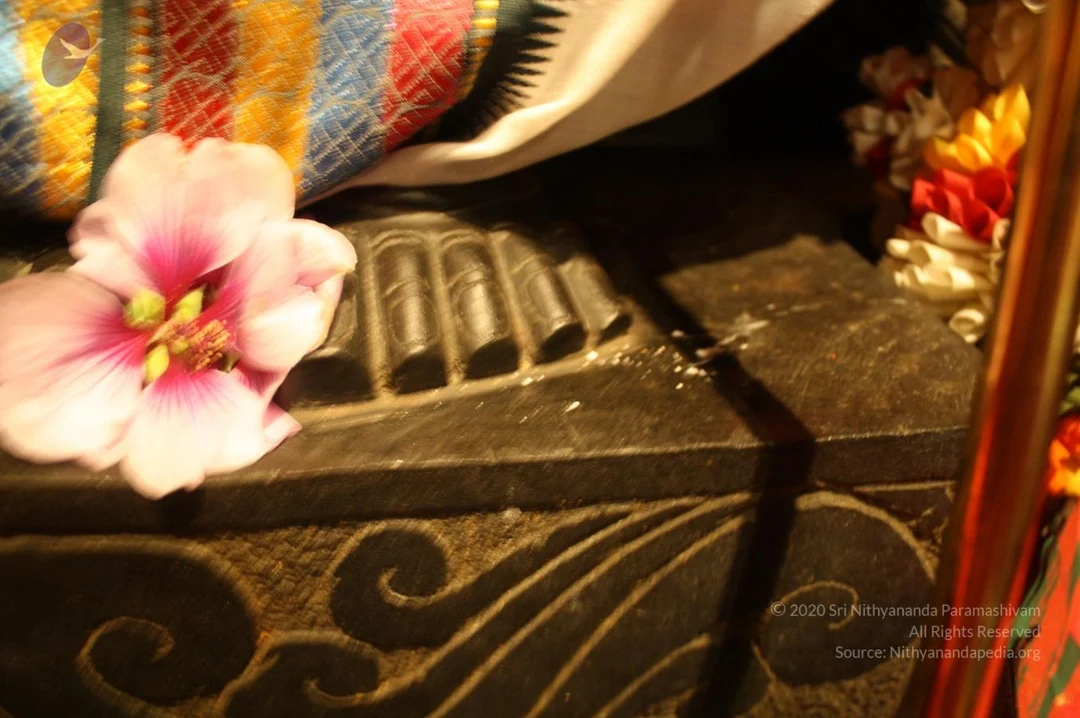
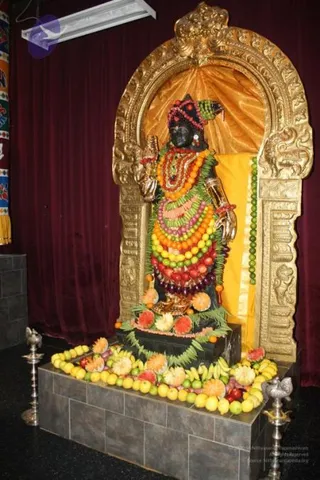
chitiraibrahmotsav

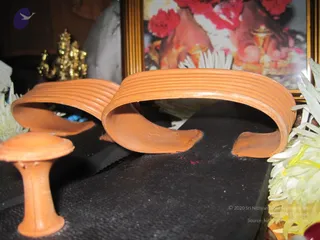
materialisation

Photos Of The Day:
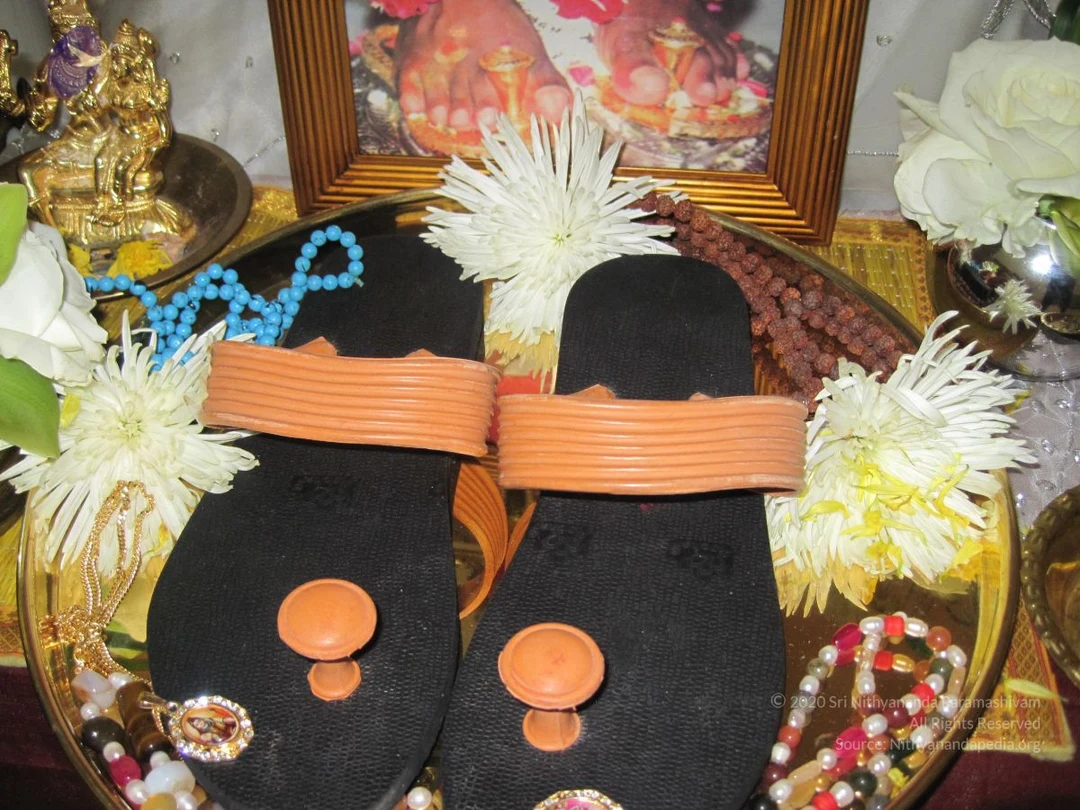
eN-Miracles-Calgary


Photos Of The Day:
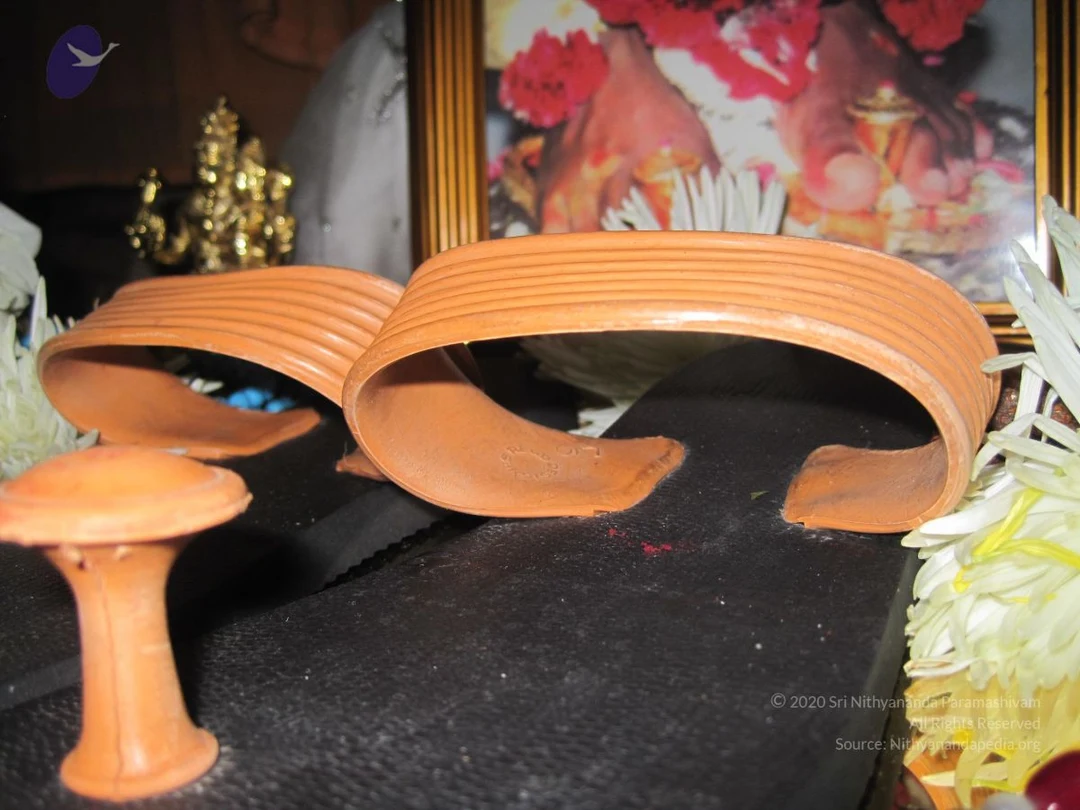
eN-miracles

Photos from this day
View all 13 photoschitiraibrahmotsav
6 photosSource gallery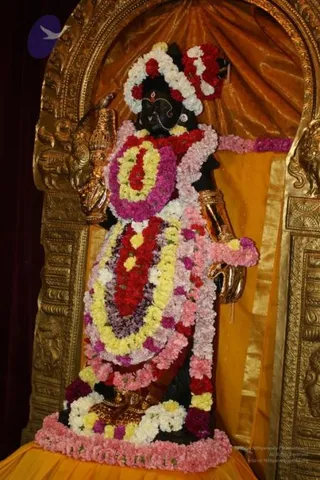
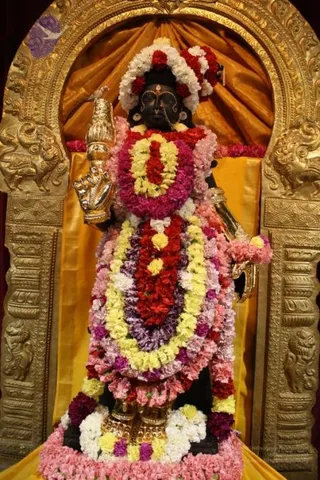
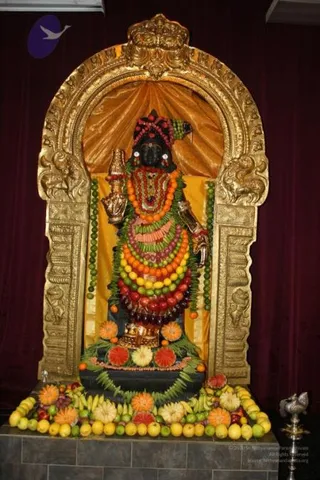
materialisation
1 photoSource gallery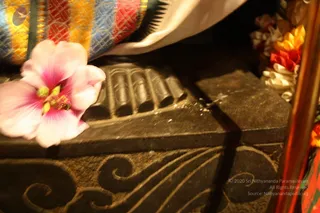
eN-Miracles-Calgary
2 photosSource gallery
eN-miracles
4 photosSource gallery