Friday
4 March 2011
Easiest Path To Enlightenment || Part 1 || Brahma Sutras || 04 March 2011
- Dated photos
- 80
- Source pages
- 1
- Media
- 15
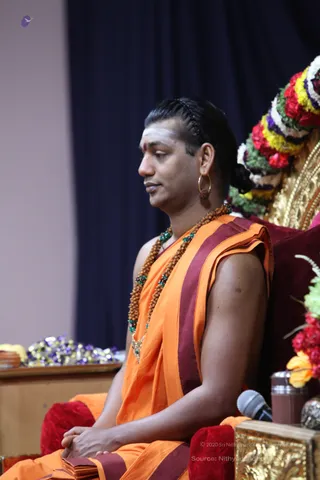
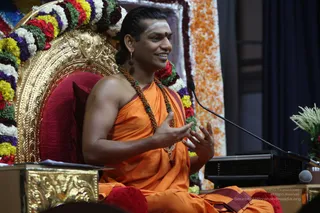
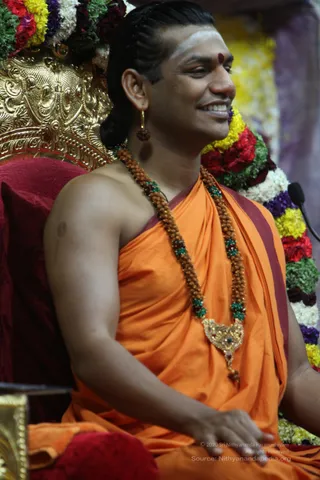
March 04 2011
Original wiki pageTitle
Easiest Path To Enlightenment || Part 1 || Brahma Sutras || 04 March 2011
Description
Title: Easiest Path to Enlightenment Part 1
Name Of The Convention: Brahma Sutras Convention
Session on: Brahma Vidya Sampradaya
Date : 04 March 2011
Venue: Adi Kailasa, Bengaluru, Karnataka, India
In this video Supreme Pontiff of Hinduism HDH #Nithyananda Paramashivam talks about the importance of an Awakened Guru in the Brahma Vidya Sampradaya, the tradition of #Vedanta Vidya. The Guru is needed to fulfil the awakening of a disciple's complete existence so that the deepest possibility of a disciple's inner space is brought to life.
The Supreme Pontiff of Hinduism Jagatguru Mahasannidhanam His Divine Holiness Nithyananda Paramashivam (HDH) is the reviver of #KAILASA - the ancient enlightened civilization and the great cosmic borderless Hindu nation. Revered as the incarnation of Paramashiva - the primordial Hindu Divinity, HDH has a following of 2 billion Hindus worldwide with de facto spiritual embassies in over 150 countries. He has worked untiringly for over 26 years for the revival of Kailasa, for global peace and to give super conscious breakthrough to humanity. He has survived the worst persecution of multiple assassination attempts on person and on character by anti-Hindu elements. He is collecting, organising, preserving, time capsuling, decoding, spreading and reviving 20 Million source books of Hinduism and the 64 sacred arts & sciences like Ayurveda, music, dance, sculpting, astrology, vastu and much more. Close to 20,000 hours of HDH’s timeless talks have been recorded till date (Sep 2020), which are a treasure trove of powerful cognitions to solve individual and global problems of any kind.
Link to Video
| Video | Audio |
Transcript:
[00:14]
I welcome you all with My love and respects. Before entering into the today’s sutras, I wanted to remember with deep respect the whole tradition of Brahmavidya. Om Brahmadibhyo Brahmavidya Sampradaya Kartribhyo Vamsarishibhyo namo Mahadbhyo, Gurubhyah In the Brahmavidya sampradaya, guru, who transmits the understanding which is irrevocable, irretrievable, plays a major role. In the path of devotion, God – your chosen deity - plays a major role. In the path of yoga, the technique plays a major role. In the path of meditation, the technology plays a major role. When I say the word, when I use the word technology, I mean all the things around meditation, around the technique. With yoga you may not need a music. In the path of yoga, you may not need other accessories for the technique. But in the path of meditation, it is not just technique. Technology. You need some more accessories. In each path you need some things for the ultimate to happen in you. But in Brahmavidya sampradaya, the one and only requirement you need is guru. That’s all. If you and guru – both of them are lost in some forest where nothing else is available, that’s enough for you to get enlightened. Naturally both of you are lost in some forest where nothing else is available, the enlightenment will be very easy and quick because you will not have anything to do. No other entertainment is possible. That is the reason always the Brahmavidya sampradaya, the guru and disciples get lost in forest.
[03:42]
Before entering into today’s sutras I wanted to share some more truths related to Brahmavidya sampradaya. As I was expanding yesterday, awakening your complete understanding, awakening your complete life, awakening your complete existence, fulfilment in awakening. This fulfilment happens through so many ways. I was describing only few examples yesterday - like yoga, meditation, dhyana, tantra, or karma. Some are examples. But the uniqueness of this Brahmavidya sampradaya, means the tradition of Vedanta vidya, tradition of sitting and listening to these great truths is some way unique, because just by the proper understanding, the deepest possibilities of your inner space is awakened. Deepest possibilities of your inner space is brought to life. And you guys are fortunate you have somebody or some energy (that is the right word I’ll choose) which chooses perfect words, which is master in choosing words; because in Brahmavidya sampradaya, the words play major role. It can bring tremendous understanding. It can move literally mountains. It can move mountains literally. It can put you in the restful awareness very casually. Nothing is required. Nothing at all.
[07:05]
That is why the Brahmavidya sampradaya is always misunderstood, and many time lost; because in this sampradaya the one and only thing you need is an awakened guru. When awakened guru is there, no tool is required. Because no tools are used, nothing is left. Birds do not leave footprint in the air. But buffalos always leave a deep footprint in the sludge. If you are travelling in the path of buffalo, very easy because there will be a deep footprint in the sludge. Techniques, methods, methodology, path – the path travelled will be there. You can easily catch it. Live it. Again and again you can travel. But the unique thing in the Brahmavidya sampradaya, in Vedanta sampradaya is - no footprints left, no techniques are left, no methodology. If you analyse, analyse, analyse exhaustively all the Vedanta literatures, you will see only three advice – Shravana, manana, nididhyasana – means listen, imbibe, express. Come on! What to listen? There is no answer. Whom to listen? There is no answer. What to imbibe? There is no answer. What to express? There is no answer.
[09:41]
Brahmavidya sampradaaya. Brahmavidya sampradaya does not leave footprints. It’s an ecstasy. Birds do not leave footprint in the sky. Paramahamsas do not leave technique trails in the conscious inner space. This is one of the great advantage in the brahma sutra in the Vedic tradition, Brahmavidya sampradaya. Same way, great disadvantage. It is completely master-centric. That is why all Vedanta sampradayas are… of course the truth is guru cultures. Because in Vedanta sampradaya there is nothing else left. No technique. No chosen deity. No karma. Nothing needs to be done. All you need is a master in front who goes on giving understanding. Deeper and deeper and deeper layers of understanding, who goes on peels you. So in this whole Vedanta sampradaya, the only requirement is a proper guru.
[11:39]
Understand, unless you are ready to jump out of the junk logic, stupid logic, and have certain maturity, you are not for Brahmavidya. In Brahmavidya, you are not even asked to surrender. Understand, in Brahmavidya, there is no sharanagati. No. There is no surrender. No. Funny thing in the Brahmavidya sampradaya is, once you are initiated, the guru has to do pooja to you. He has to worship you. If you see in all the Brahmavidya sampradayas, once a disciple is initiated, he will be made to sit in that seat, and guru will do aarti. Because here the knowledge, the vidya holds the center. Nothing else matters. Brahma sutra does not start with yama, niyama, asana, pranayama. No. But there are some interpolations in course of time. In the name of sadhana chatushtaya, they try to bring the yogas rules and regulations in the Brahmavidya sampradaya also but the original sampradayas of Vedanta tradition does not talk about any prerequisites. The one and one pre, post, all requisite is an enlightened master, you able to sit and understand his words. That’s all. Nothing else. Very beautifully Shankara puts it – Manushyatva Mumukshutvam Mahapurusha Samshrayah Manushyatva – human body. Mumukshutva – seeking, and the nearness of mahapurusha – enlightened being. That’s it. Nothing else is needed.
[14:31]
Title
Easiest Path To Enlightenment || Part 2 || Brahma Sutras || 04 March 2011
Description
Title: Easiest Path to Enlightenment Part 2
Name Of The Convention: Brahma Sutras Convention
Session on: Brahma Vidya Sampradaya
Date : 04 March 2011
Venue: Adi Kailasa, Bengaluru, Karnataka, India
In this video Supreme Pontiff of Hinduism HDH #Nithyananda Paramashivam talks about the importance of an Awakened Guru in the Brahma Vidya Sampradaya, the tradition of #Vedanta Vidya. The Guru is needed to fulfil the awakening of a disciple's complete existence so that the deepest possibility of a disciple's inner space is brought to life.
The Supreme Pontiff of Hinduism Jagatguru Mahasannidhanam His Divine Holiness Nithyananda Paramashivam (HDH) is the reviver of #KAILASA - the ancient enlightened civilization and the great cosmic borderless Hindu nation. Revered as the incarnation of Paramashiva - the primordial Hindu Divinity, HDH has a following of 2 billion Hindus worldwide with de facto spiritual embassies in over 150 countries. He has worked untiringly for over 26 years for the revival of Kailasa, for global peace and to give super conscious breakthrough to humanity. He has survived the worst persecution of multiple assassination attempts on person and on character by anti-Hindu elements. He is collecting, organising, preserving, time capsuling, decoding, spreading and reviving 20 Million source books of Hinduism and the 64 sacred arts & sciences like Ayurveda, music, dance, sculpting, astrology, vastu and much more. Close to 20,000 hours of HDH’s timeless talks have been recorded till date (Sep 2020), which are a treasure trove of powerful cognitions to solve individual and global problems of any kind.
Link to Video
| Video | Audio |
Transcript:
[00:17]
In the Brahmavidya Sampradaya, in Vedanta Sampradaya, I can say most easiest path, because you don’t need to do anything except listening. In all other traditions you need to do something after listening. For example, in Bhakti Tradition you need to listen about the bhakti and then you need to practice it. In the Yoga Tradition, you need to listen about yoga, then you need to practice it. But in Vedanta Sampradaya just listen, that’s all. No need for any practicing. That’s why I said I will not give you any homework. No, homework.
[01:19]
The listening has become so powerful, the listening is so intense, when a incarnation expresses these great truths, it is said even Devas come and listen; and not only that, even the deities shake their head and listen. There are thousands and thousands of stories, how when a Master expresses the great truths, the Gods and Goddesses come and sit and listen and deities will stay there with their intense presence. All you need is listen, listen, listen. Listening is God. Listening is God. Listening is God because nothing else is required for you to experience God. Nothing else is required. And I tell you even Gods listen. As I said yesterday, when a Master expands on truth, it is not just words.
[03:00]
See in the cosmos there are so many great happenings floating like a bubble, balloon. They’re all floating. So, all these things have become an independence intelligence and they are floating around in the cosmos, in the space. To whatever bubble you tune yourself, that opens in your life and happens in your life. You become part of that happening, that happening becomes part of your life. So, Bhagwan Veda Vyasa sitting and transmitting that extraordinary understanding of cosmos and Brahman and reality and enlightening disciples - it has become such a successful experiment that has already become independent intelligence. It is floating around. When somebody raises themself to that frequency and hits them without any gap between the time and space, that again opens up and expresses. It just opens up and expresses.
[04:48]
Today morning I was trying a powerful samyama. Technique of becoming invisible. Suddenly I said, “I’ll disappear in front of your eyes in this seat before the satsang.” Any logical man will have little fear to utter these words. Even I thought, “Arey, Oh God, what am I saying?’ I should do it and it’s not that I have ten year time; then people will forget. It’s only half an hour and I can’t even make them forget but it is not the word from Me. That very happening is expressing. I can say very clearly at least few people have experienced it. And not only that with this strength when the samyamas are happening next, next, next sessions, I can see very clearly those samyamas will bring that tremendous experience. Maybe it is preparing people for the next samyamas. It is not just satsang, it is a happening. It is just opening.
[06:24]
Title
How to Catch a Guru? Brahma Sutra 2 short clips Nithyananda
Description
In this short clip taken from Brahma Sutra 2, Paramahamsa Nithyananda elaborates on how to catch the right guru - enlightened master. How do you know if you have found your Guru? If you peel away the things you and he have in common, and if you feel there is still something more about him which you yourself do not have - then you have found your Guru. If not, he is not worthy of being your Guru, and you are not worthy of being his disciple. The Guru disciple relationship is sacred, should be started after thorough research and should never be ended. Change of Guru is perfectly alright. After some time you might become more mature and you want to connect to another Master. But, dropping from the Guru and not having another Guru is a crime - it means you didn't drop from the earlier Guru because you have matured, but because you have fallen.
The full Brahma Sutra 2 discourse is available at www.nithyananda.org/brahma-sutra-discourses-nithyananda.
Link to Video
| Video | Audio |
Title
How Do I Know If I Have Found My Guru? || Brahma Sutras || 04 March 2011
Description
Title: How Do I Know If I Have Found My Guru?
Name Of The Convention: Brahma Sutras Convention
Session on: Brahma Vidya Sampradaya
Date : 04 March 2011
Venue: Adi Kailasa, Bengaluru, Karnataka, India
In this video Supreme Pontiff of Hinduism HDH #Nithyananda Paramashivam talks about the importance of an Awakened Guru in the Brahma Vidya Sampradaya, the tradition of #Vedanta Vidya. The Guru is needed to fulfil the awakening of a disciple's complete existence so that the deepest possibility of a disciple's inner space is brought to life.
The Supreme Pontiff of Hinduism Jagatguru Mahasannidhanam His Divine Holiness Nithyananda Paramashivam (HDH) is the reviver of #KAILASA - the ancient enlightened civilization and the great cosmic borderless Hindu nation. Revered as the incarnation of Paramashiva - the primordial Hindu Divinity, HDH has a following of 2 billion Hindus worldwide with de facto spiritual embassies in over 150 countries. He has worked untiringly for over 26 years for the revival of Kailasa, for global peace and to give super conscious breakthrough to humanity. He has survived the worst persecution of multiple assassination attempts on person and on character by anti-Hindu elements. He is collecting, organising, preserving, time capsuling, decoding, spreading and reviving 20 Million source books of Hinduism and the 64 sacred arts & sciences like Ayurveda, music, dance, sculpting, astrology, vastu and much more. Close to 20,000 hours of HDH’s timeless talks have been recorded till date (Sep 2020), which are a treasure trove of powerful cognitions to solve individual and global problems of any kind.
Link to Video
| Video | Audio |
Title:
Enter The Real Heaven Patanjali Yoga Sutra 158 May 04 2011
Link to Video:
| Video | Audio |
Title:
Revival of Vedic temple culture
Link to Video
| Video | Audio |
Title:
Purpose of Invisibility Samyama & Technique
Link to Video
| Video | Audio |
Title
Putting On Invisibility Cloak - the Yoga Way Patanjali Yoga Sutra 127 Nithyananda Satsang March 2011
Link to Video:
Transcript
Sadāshiva samārambām shankarācharya madhyamām Asmadācharya paryanthām vande guru paramparām.
[01:29]
I welcome you all with my love and respects. See basically I am a village boy who is born and brought up in a temple based village; means the whole village functions based on the temple. They wake up morning listening to the temple bell, and when I was living in that village, now only it has become little small town or town. In those days it was a village only. When I was living we will know that it has become evening by listening to the Devaram songs from the temple. If we know the songs, they will have that old traditional type loud speaker. Almost to the whole village it will scream. And that evening that old man will come and sit. One brass taalam it is called in Tamil taalam; a small two brass plates with which they will hit and make a sound, and he will start singing. Neither swara nor raga nor taala, nothing will be there and he is the only guy; poor guy no other work. He will come and sit and start பித்தா பிறை சூடியபெருமானே. If I remember even now I can remember the whole tone, tune, everything. தலைமாலை தலைக் கணிந்து தலையாலே ஒளி தேடும்… Then we know it has become evening six O' clock. Now it is evening 6 O' clock. 😃 And we wake up listening to the temple bell. We retire from the day listening to the temple songs. We go to bed after the deity leaves our house. Almost every night the deity will come in procession.
[04:01]
The whole village functions on temple. So in 365 days at least 300 days the deity will come out in procession for some festival. So when the deity leaves our house we will close the door and go to bed. So after all I am a village boy. So still that feeling - seeing a deity is sacred, seeing a temple is sacred; that is there in the being. Actually I myself loved that and left it without erasing even after enlightenment. After enlightenment I myself left few things. Ehh let it be there, it is so sweet. After enlightenment you are given the freedom to erase anything you want, add anything you want, alter anything as you want. So there are some things I myself left it. Even now I have the freedom to remove but I myself left it. The few things I left it is, the feeling sacred when you see a temple or a deity.
[05:15]
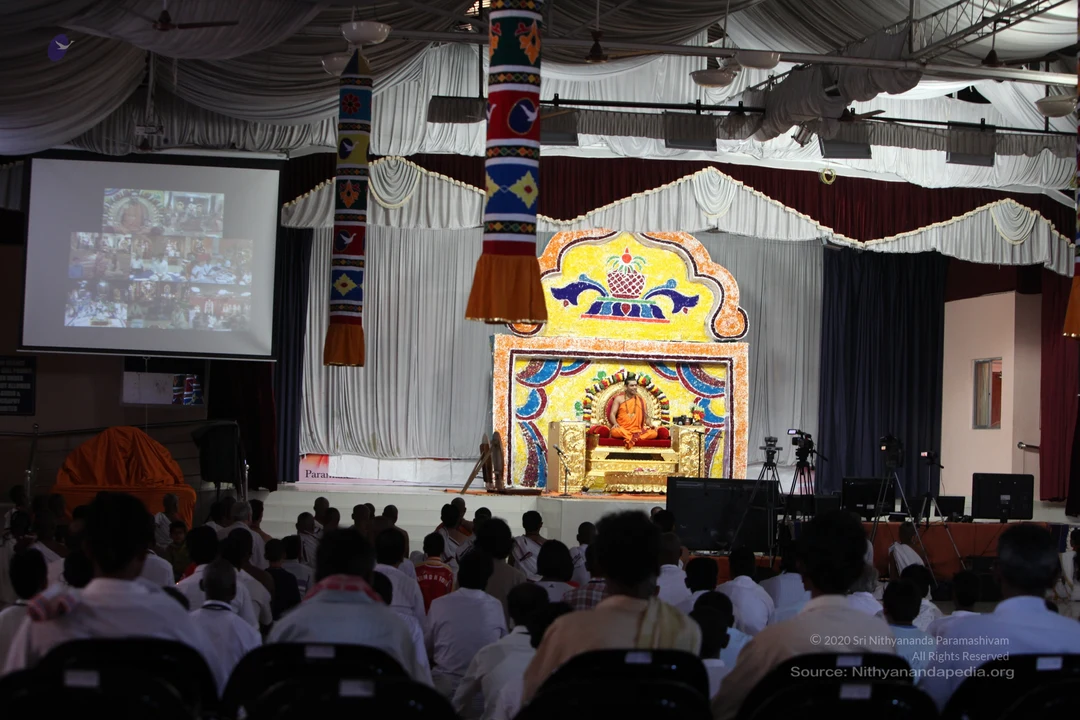
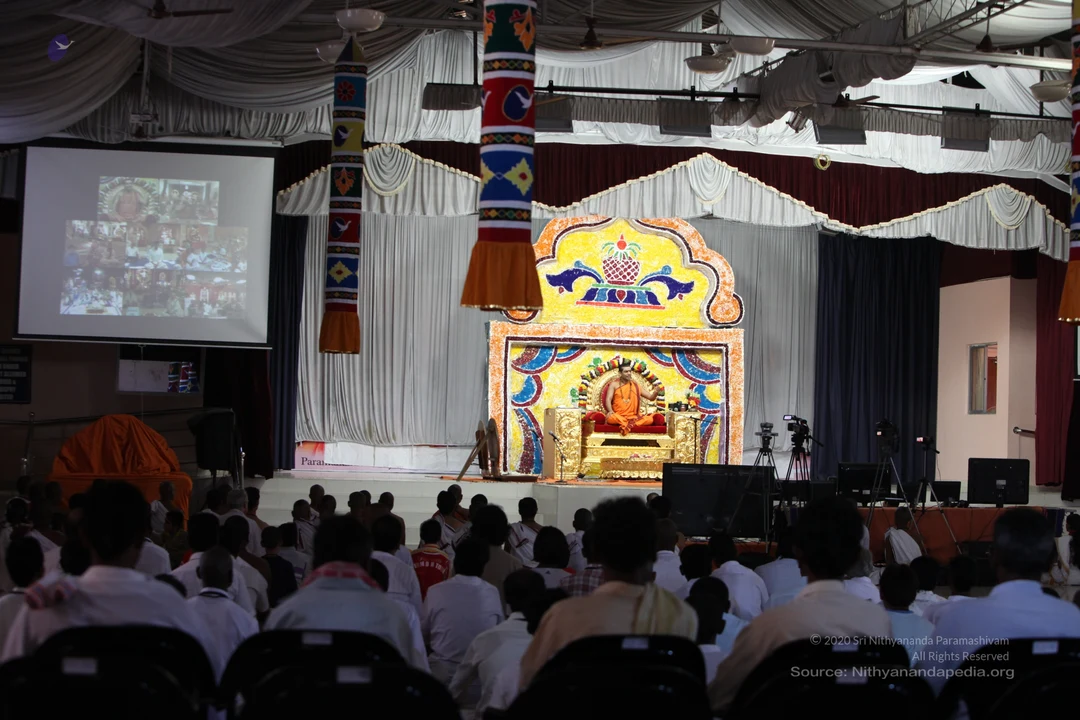
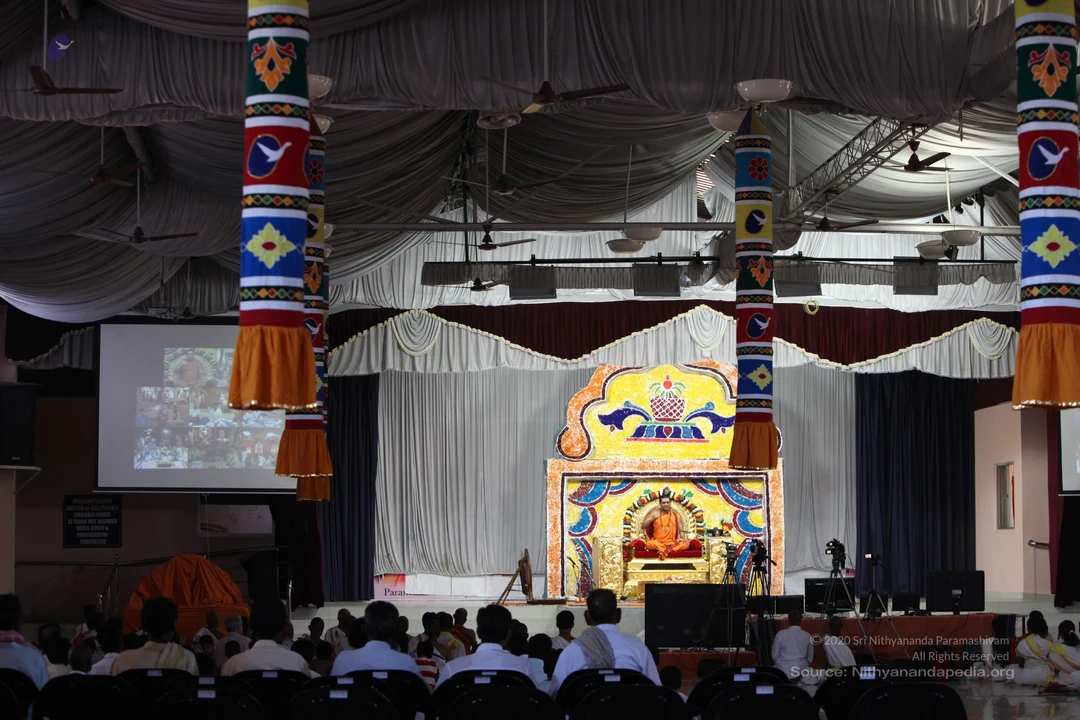
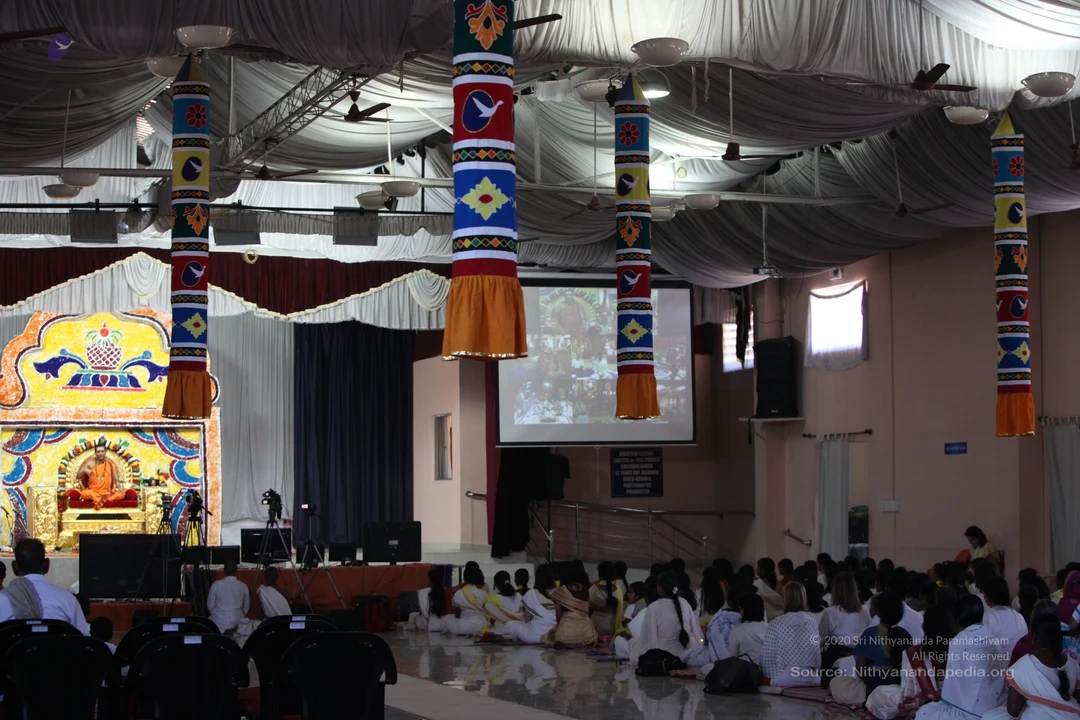
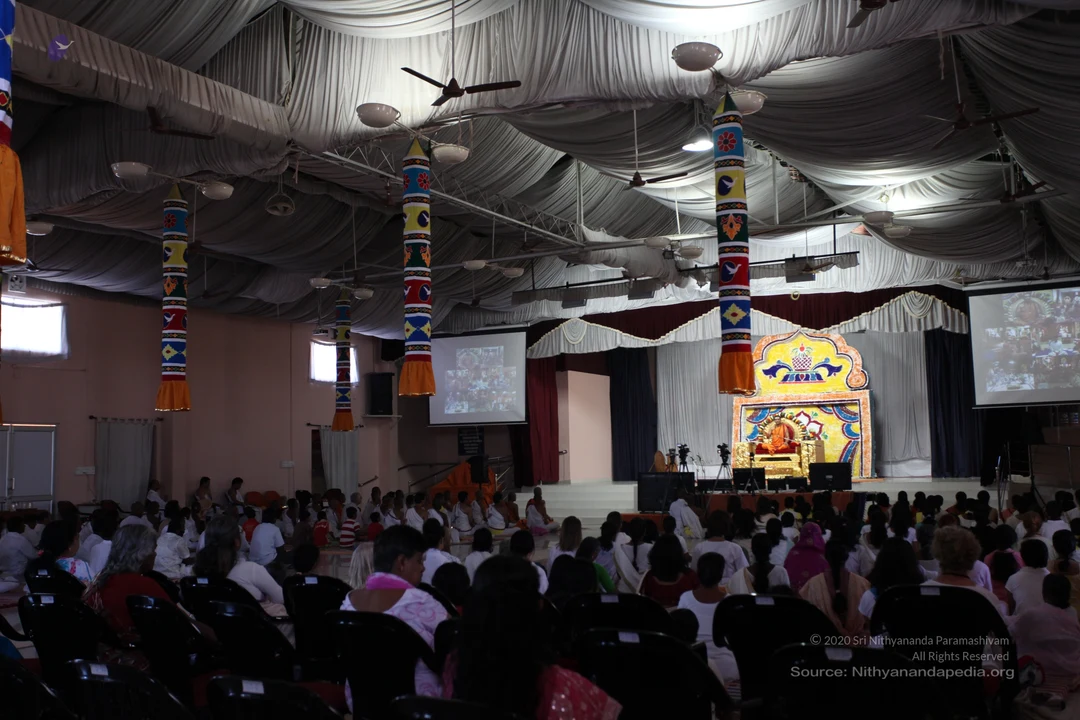
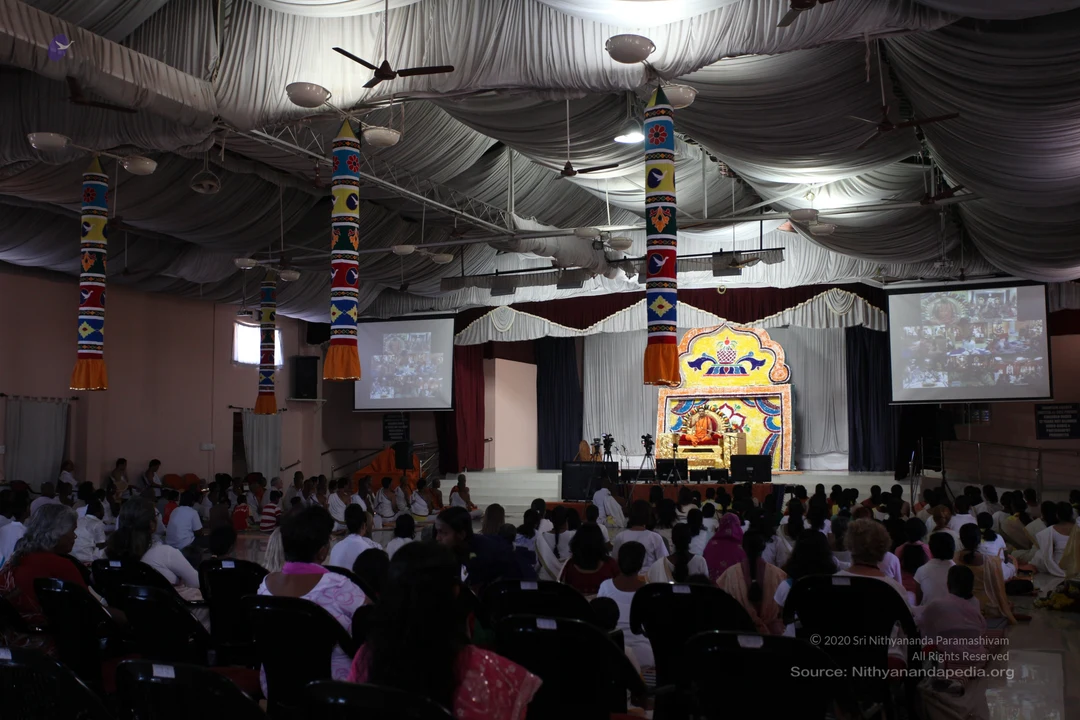
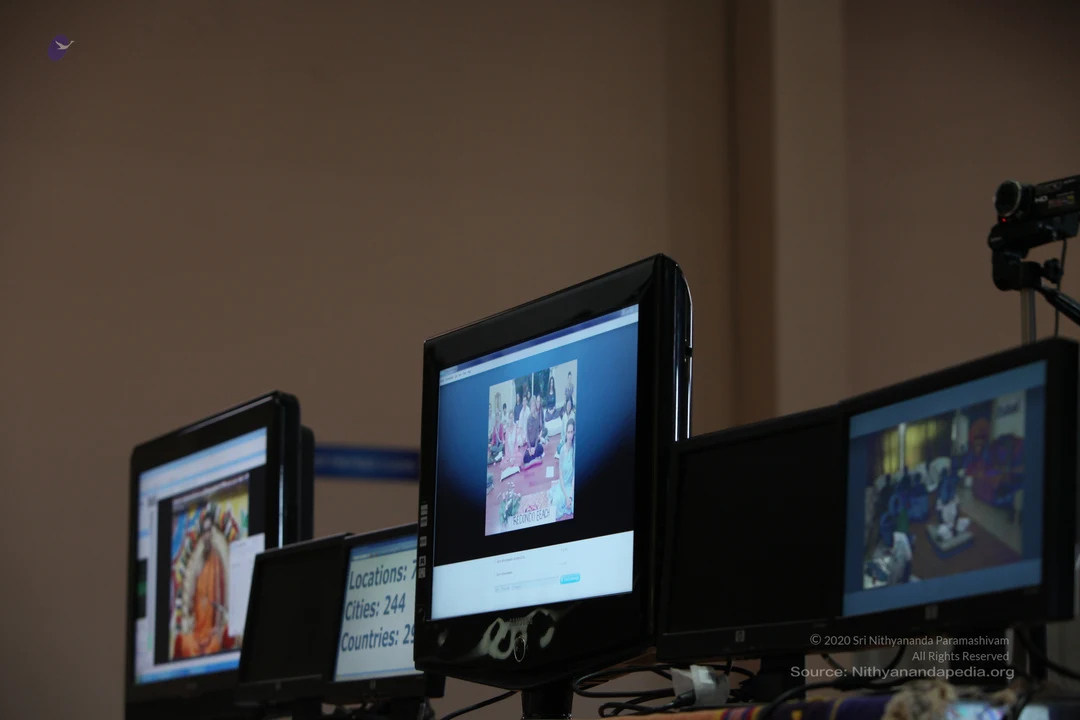
So actually when a screen opens how much you are excited to see Me, I am also excited to see ten temples at a time. I feel oh I have darshan of ten temples. And everybody knows it is Me who put the energy into the deities. I created the deity, transported it, put the energy, installed it and created devotees to worship it. Every inch of it is My life. Whether the carpet on the ground or the ceiling on the roof or the deities between the carpet and the ceiling or the people who are sitting and worshipping between the carpet and ceiling or the vessels; I know everything is directly My work. But that feeling sacred, "Wow! I am having darshan of so many temples”. It is there still. And it is so sweet I can say, I wait to come and sit here and start the satsang. Wow, I am going to see so many temples. So it is so nice to see the whole screen filled with so many temples. I feel at least for this joy I will go on be creating temples.
[06:57]
I tell all our devotees, disciples, samajis, satsangis; don’t live in a village where there is no temple. No! By law make it as your lifestyle. Don’t live in a temple where there is....don’t live in a village where there is no temple. If you don’t have temple in your village, at least create one in your house. So don’t… it is something too sacred. I can say if you just allow this temple in your life, the whole thing, all spiritual dimensions will start opening up.
[07:53]
Now, last four years Dhyanapeetam has set a trend and I tell you I am very happy that we are setting a trend. People are still interested in Hinduism. People are interested in the temple tradition. We can inspire them using the sacred arts. I really feel we should have a big warehouse in US, have enough deities and distribute free of cost to anybody who wants to start a temple. I will make this into reality within two years you will see. Do you want to start a Hindu temple? Deities are free; take it. Two years is too much time. I will see that within a year it is done.
[08:49]
So in as many places as possible the Vedic tradition becomes alive; so that I can sit and see 200 temples every day, 😃 Kshetras, 5 temples in US, then I added 12 jyothirlingas. Then I thought 54 shakti peethas. Now I decided 100 and vaishnava sthalas also we will add; hundred and eight. Let’s go on. Actually everyday I wait and see whether these guys changed the clothes of the deity, whether they have done some new decoration, whether they are doing anything new; I everyday see.
[10:07]
So all the other cities, work quick and create the temple. Start the work for temple. Houston is still waiting and Redondo Beach is waiting. Of course, good news we have is Toronto got the place just yesterday. Yesterday they confirmed the place and deities are moving from LA to Toronto and already we have so many deities in US and still New York has to go for temple. New York has to start.
[10:52]
Lets enter into today’s satsang. As you all may be aware in the morning I am working on Yoga sutras. In the evenings, satsangs are happening on Brahma sutras. For a long time I wanted to speak on Brahma Sutras because no modern day Master has spoken on Brahma Sutras. So first time in English, I can say, first time ever in English a modern day Master is expanding and expressing on Brahma sutras. It is not only expanding, it is a great happening.
[11:50]
Yesterday when I gave the introduction to Brahma sutra, almost all literatures, I shook everybody else. I was about to shake completely Patanjali yoga sutra. Then I remembered no! Tomorrow morning I have to speak on him. 😃 So I just spared Patanjali. At least if there is one week gap, one week on Brahma sutra and then one week on yoga sutra then I would have shaked at Patanjali. I thought no, no, no too close! Within 12 hours I have to start! So I cannot patch up with Patanjali within 12 hours. I need to spare Patanjali. So I spared him! 😃
[12:38]
But I can say these 21 days is going to be something unique because you are listening Yoga and Vedanta from a guy whose very life is yoga and vedanta. You are listening to yoga vedanta from the very source. My bone marrows and blood will sing yoga vedanta. Yoga and vedanta is just My very juice. So I really feel you guys are so fortunate. Not only that, I feel I am also fortunate because I am also sitting and enjoying. As I said yesterday, let’s see how Saraswati translates. I can see very clearly that extraordinary intelligence expressing.
[14:09]
Let’s enter into today's satsang Patanjali's yoga sutras 127th sutra in the 3rd chapter 21st verse ‘The Art of Becoming Invisible’ subject is ‘Art of Becoming Invisible’. Patanjali speaks on one of the great siddhis, extraordinary power expressed through the super consciousness.
[15:04]
Kaya rupa samyamat tadgrahyasakti stambhe caksuh prakasa asamprayoge antardhanam Swami Vivekananda translates this sutra as: through the practice of samyama on the form of the body, the power of perceiving forms being obstructed and the power of manifestation in the eye being separated from the form, the yogi’s body becomes unseen. Swami Prabhavananda translates as: if one makes samyama on the form of one’s body, obstructing its perceptibility and separating its power of manifestation from the eyes of the beholder, then one’s body becomes invisible. Bhagwan Osho translates as: through samyama the image occupying another’s mind can be known. But perception through samyama does not bring knowledge of the mental factors that support the image in another’s mind. By performing samyama on the form of the body and suspend receptive power, the contact between the eye of an observer and the light from the body is broken and the body becomes invisible. Swami Sachidananda translates as: by samyama on the form of one's body checking the power of perception by intercepting light from the eyes of the observer the body becomes invisible.
[17:02]
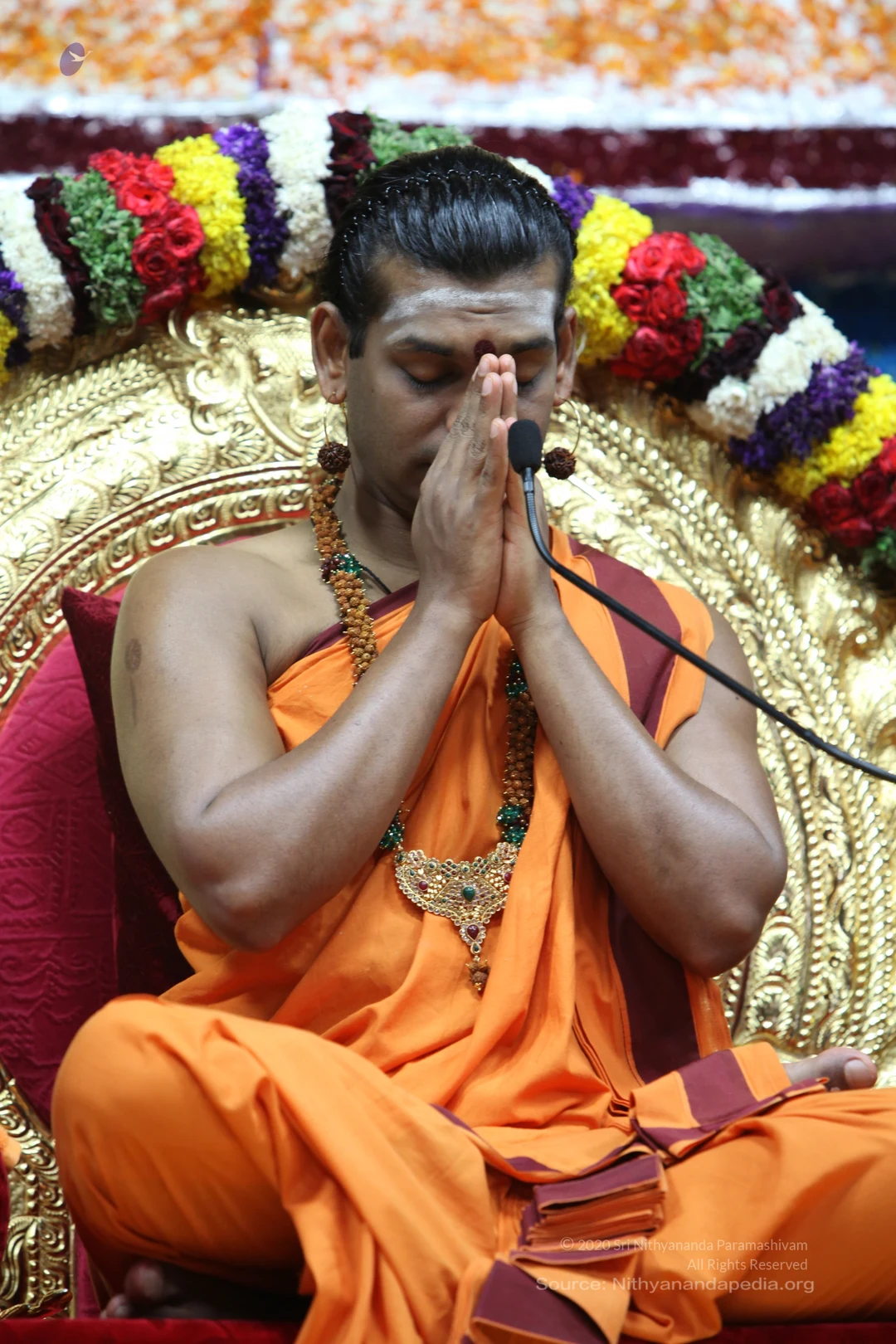
This sutra is the technique for one of the great siddhi – disappearing, becoming invisible. Disappearing is not the exact translation I can say. The right translation is becoming invisible. All right before logically I analyse, think or feel how I am going to prove, I am making a word now; commitment. End of this session at least few hundred of you will see that I have become invisible. Come on now I am going to play the game. 😃 Let Me teach the samyama. I have decided I will make it as a practical session. At least the ones who are experiencing kundalini awakening, will suddenly feel that empty throne is talking. Come on let Me see. It’s time to show the yoga siddhis.
[18:34]
Sit in padmasana; see through the third eye. Bring your awareness to third eye. See through the third eye. 😃 Let Me expand on the sutra. The sutra says very beautifully - doing samyama on one’s own body, do samyama on your body. Stop the vibrations your body is creating in the space which reaches the other persons eyes, which perceives this form as a form so that your form becomes invisible to the person who is seeing. Understand it is not that you disappear. For example if you put your hand here, it will hit. It will feel the body but your eyes cannot see it.
[20:04]
See with wide open eyes, really wide open and see through the third eye. Because now I am stopping; I am stopping the signals My body creates in the space and your eyes - instrument which perceives signals, I am separating the perception and the eyes in your eyes. So it’s actually two process. One stopping the vibes created in the space by My body, separating the power of perception from your eyes.
[21:26]
This becoming invisible is one of the oldest fantasy. I can say the yogis and siddhas were trying for ages and successfully achieved fulfillment in the experiment and created a technology for everybody to experiment and experience. It takes time when you practice on your own. But now I am initiating you; not only that, I am doing this to inspire you to have more shraddha, trust on the yogic tradition. And I wanted all of you to understand how this happens. Just bring your awareness to the third eye so that the perception and the tool which perceives, these two is slowly separated. And another one thing, this samyama not only brings the extraordinary power of becoming invisible, this samyama teaches you a great truth - what you see is not reality.
[23:36]
I can see very clearly the vibrations which are being sent in the space because of My body’s existence is settling, slowing down and in the many eyes that perception and the perceiver is getting separated. Let time pass, you will see one by one, one by one, slowly people will start feeling wow! Empty throne is talking.
[24:20]
Let’s continue. You having the extraordinary power of how to become invisible to ordinary eyes; second you understanding, realising whatever is seen or shown are not reality. If you are seeing something or you are seen by somebody, both are not reality. These two understanding is the sacred secrets you need to know from this sutra.
[25:13]
The technique you need to know from this sutra is bring your awareness to the eyes. With a deep restful awareness see how the scenes are perceived by the seer; how your eyes perceive the scenes. Just bring your awareness to your eyes. See how the ‘seen’ is perceived by your eyes - ‘seer’.
[26:04]
I can see already few people that perception and the eyes are broken. Anybody who sees, the moment you see the empty throne talking, raise your hand. Because I can see, especially in the people who are sitting outside, around the world, the moment you see empty throne, the person is not there, no body is there on the throne, raise your hand. Then I can know how many coconuts are breaking. 😃
[26:48]
See when you do it on your own it is a very difficult process. You need to practice for at least 2-3 years and the commentators on sutras, Patanjali sutras, say each samyama has to be practiced for 12 years. But now because I am initiating, you don’t need to do for so many days. And I have taken a big risk today of promising you instant result. All right it’s ok. I can do it, we can do it, you can do it!
[27:29]
I wanted all of you to know these samyamas are not jokes or some old mythological fantasy theories. No. They are very solid truths. Just yesterday I was doing some research in the net. I saw already few American Universities have proved the light created by the object can be obstructed before it reaches the perceivers eyes, without any object between the perceiver and the object. By some unique deflection methods they intervene and without any object between the person and the perceiver it can be deflected. So the perceiver will not be seeing the person.
[28:43]
Many people used to tell me in the Ajna meditation. Since those days ajna sessions I Myself used to sit and asking people to stare through their third eye to My third eye. Many people will report ‘Swamiji I am seeing empty throne. You are not there. I am afraid, where are you?’ I tell them, ‘No, My body is there. But when you move your energy and attention to the third eye, you start seeing the real Me which does not create any vibrations or signals in the space.’ Only this body creates vibrations and signals in the space. I don’t create any vibration or signal in the space which can reach your eyes. I am Me. When you don’t have any samskara inside you you will become so subtle, you will not create any vibration even in the space in the air.
[30:14]
God! Just feel in the third eye how whatever is seen is experienced in third eye, how scenes are reaching you, signals are reaching you and how it is being perceived; just see that, feel that. Try, today whole day try this samyama; just feeling in your third eye how the scenes are perceived by you, seen and the perception; separate this two action.
[31:53]
I bless you all. You will be successful. Don't be pessimistic or feeling sad that you cannot be or it won’t work with you. No. It works. Try, it really works. I am not lying; it works. It worked in My life. I have seen it. I have seen that invisibility happens and this is the process. Try, it will surely work. It will give you confidence on yoga sutras and the great realization - what is being seen is not reality. Perception is not reality.
[32:44]
So I bless all of you. Let you all achieve, experience, live, express, radiate and share the eternal bliss, Nithyananda. Thank you.
[33:06]
Photos
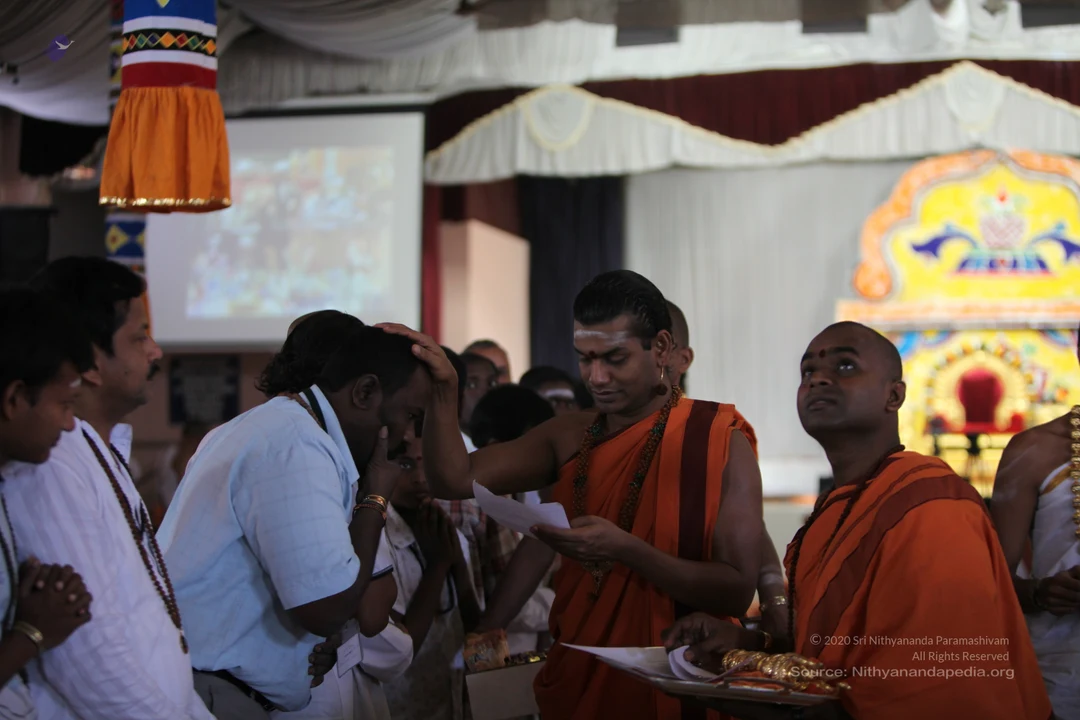
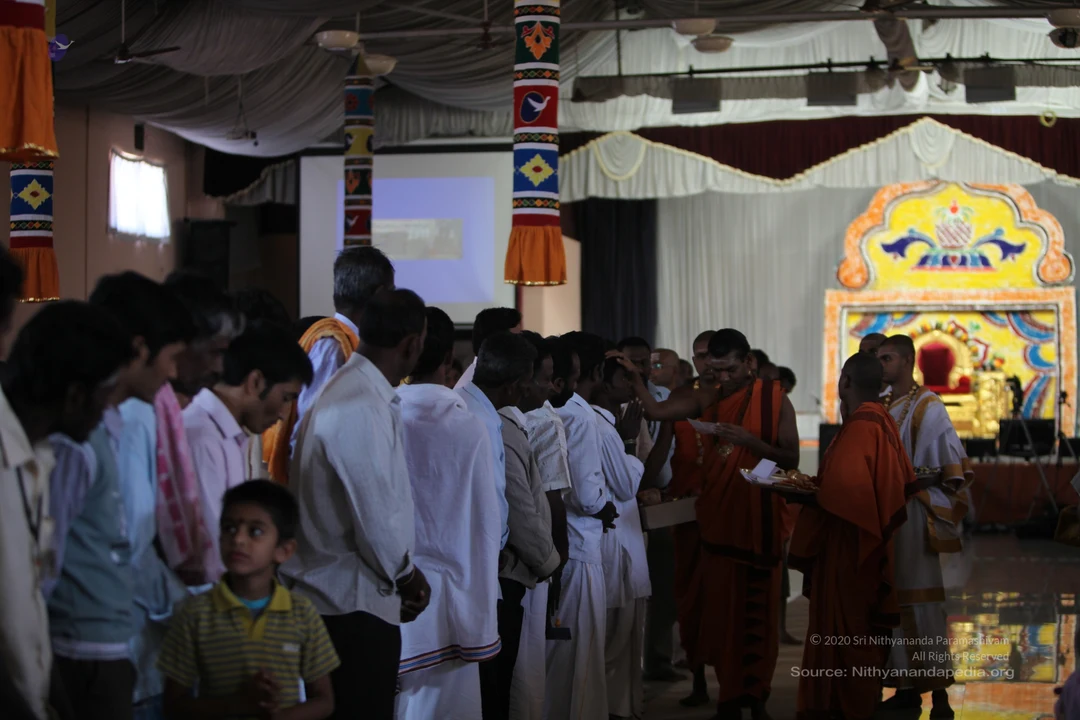
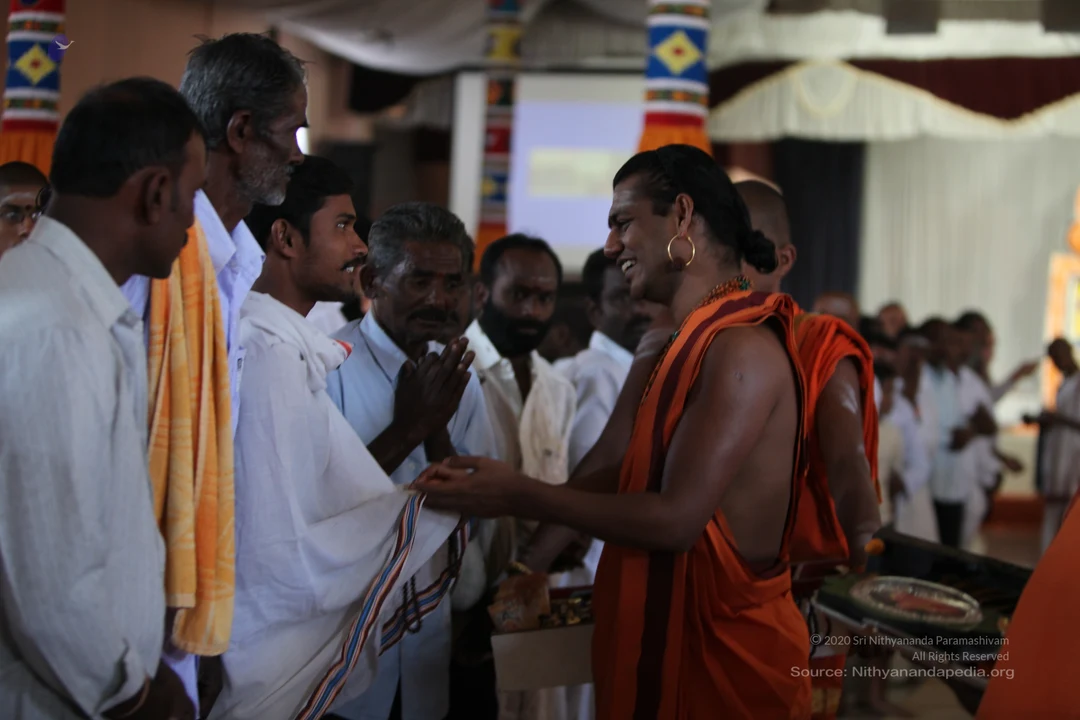
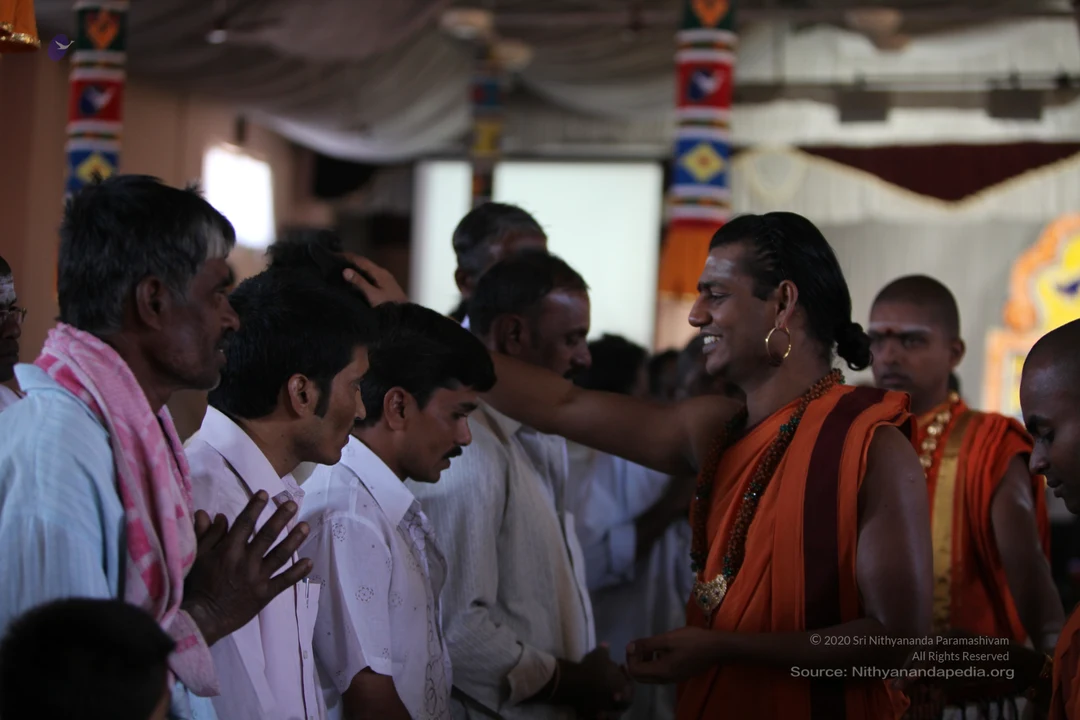
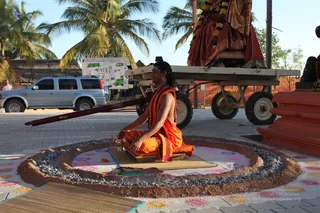
Panchatapas
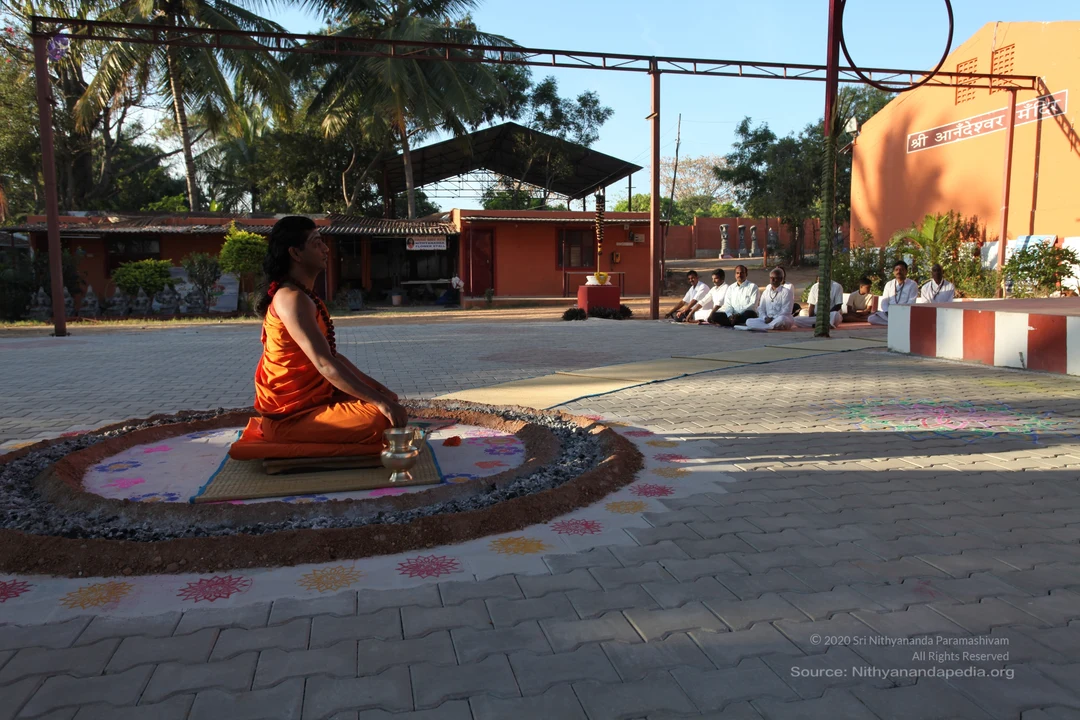
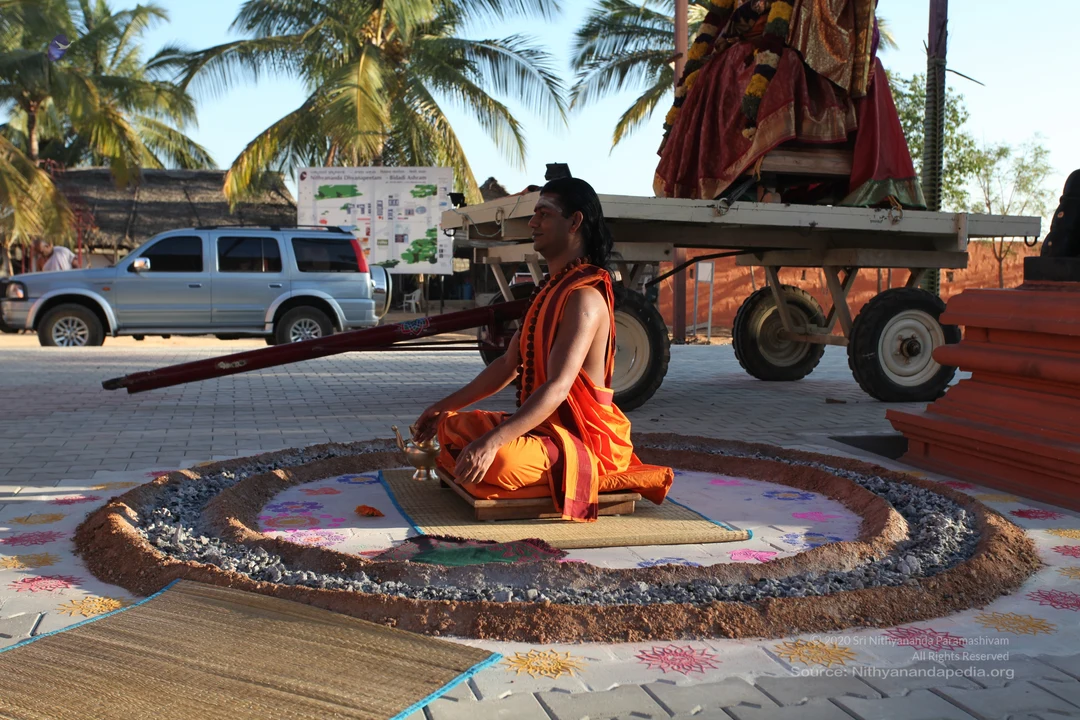
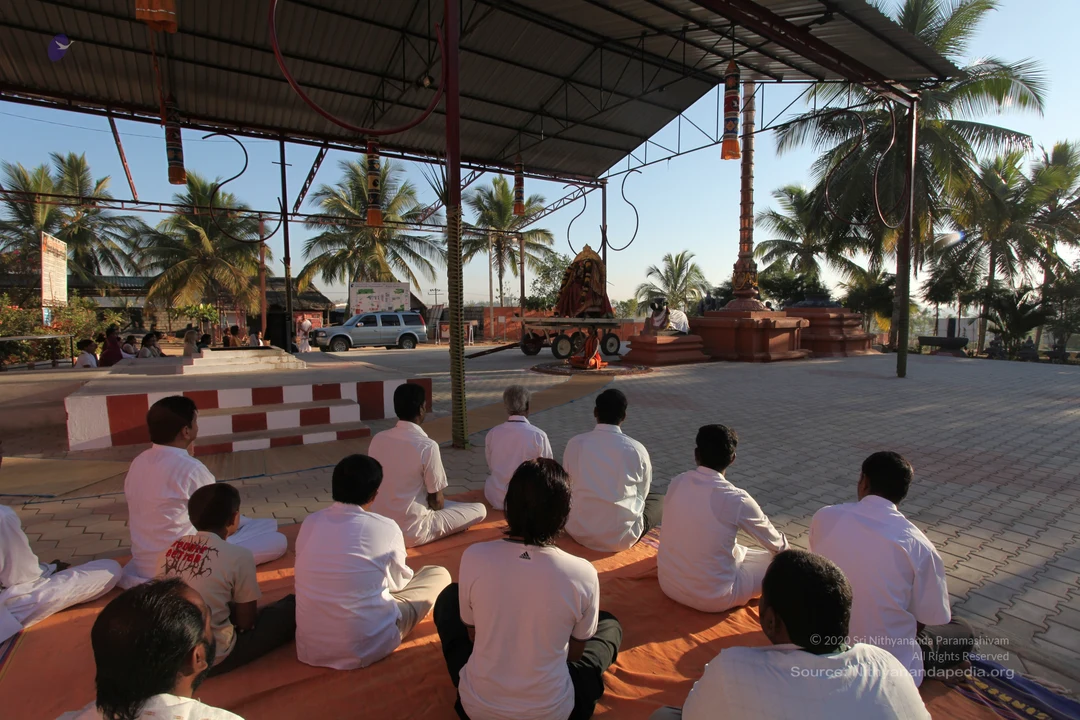
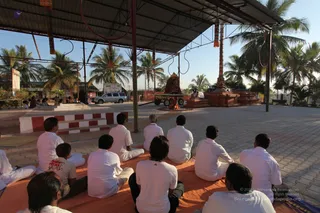
Pratyaksha-Paadapooja
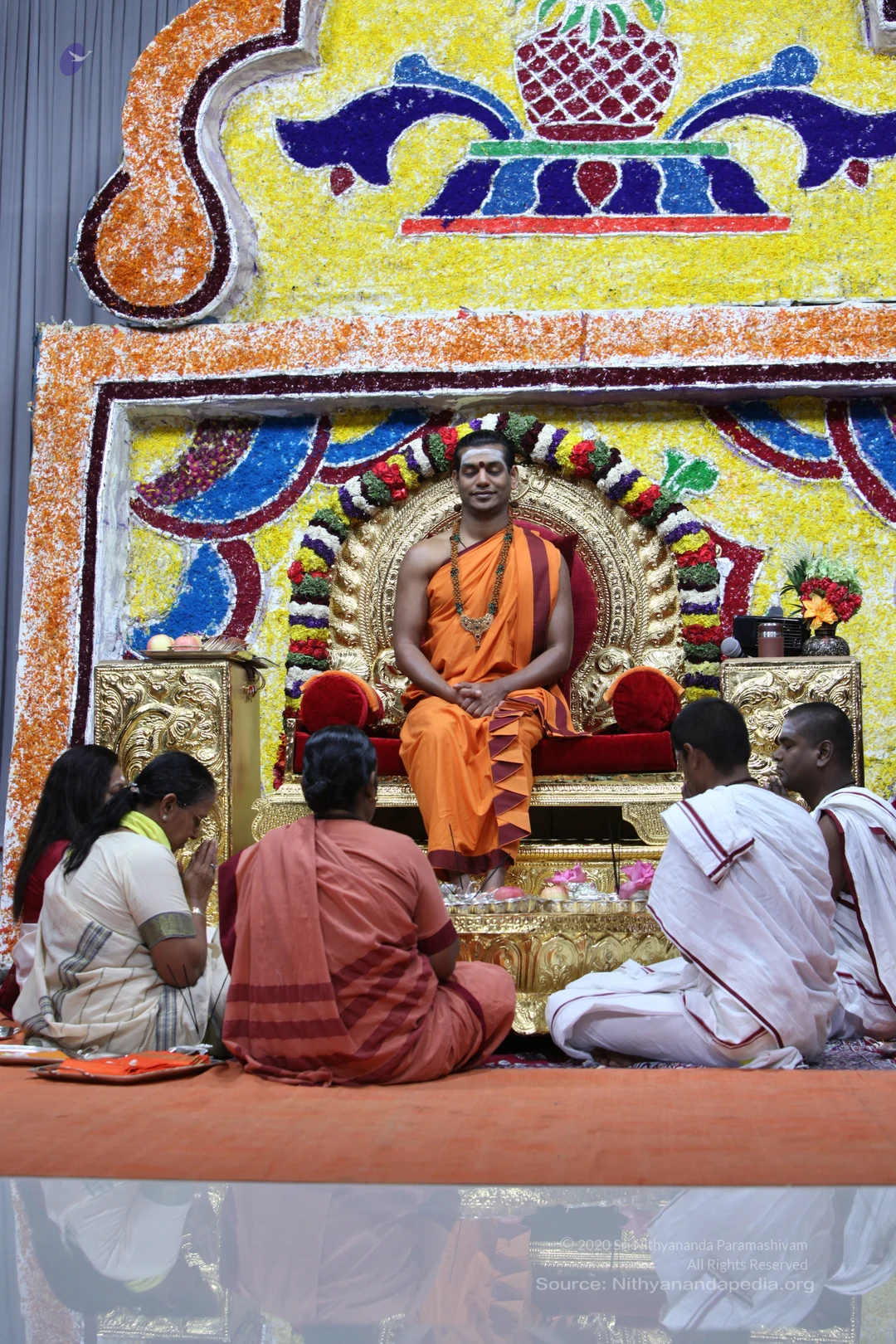
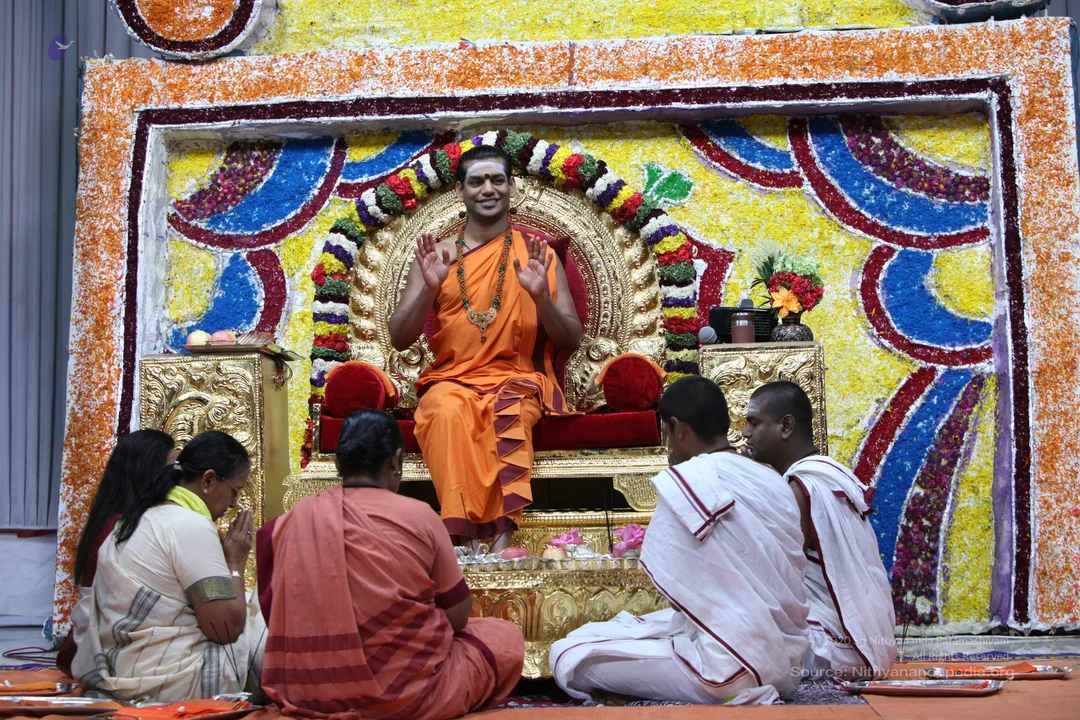
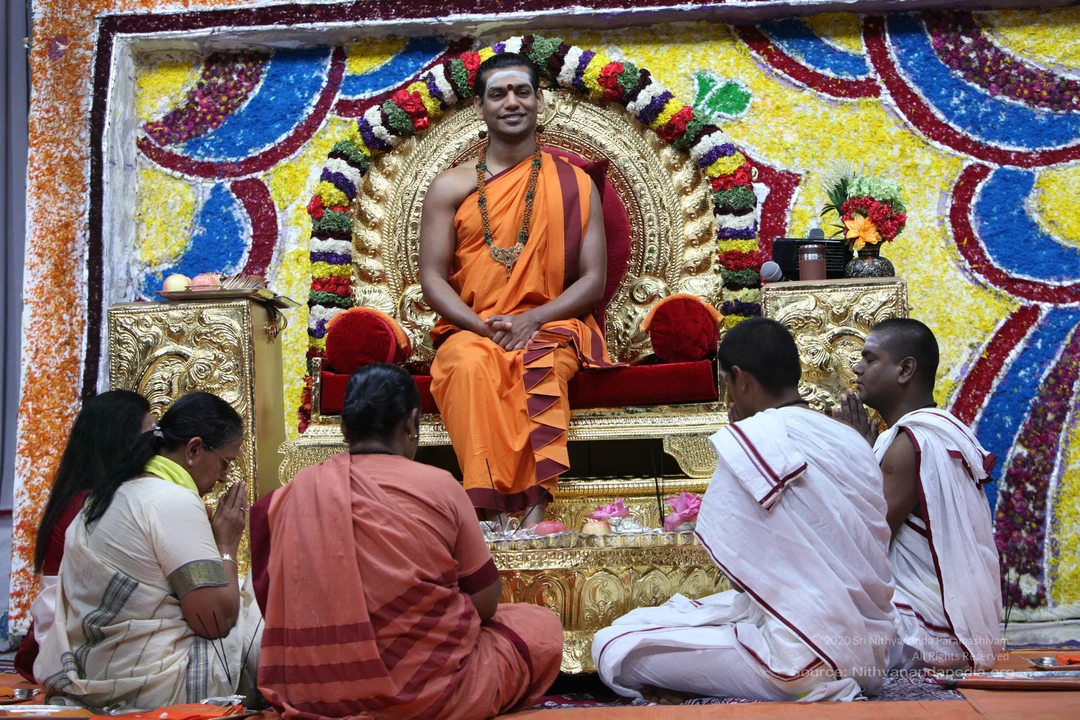
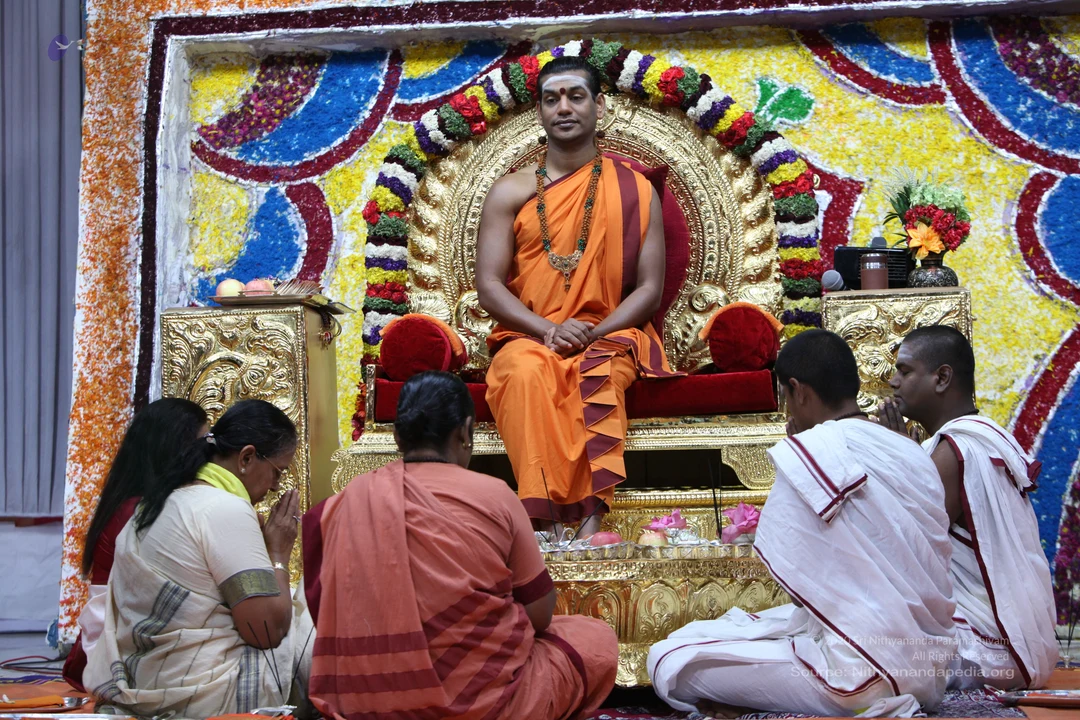
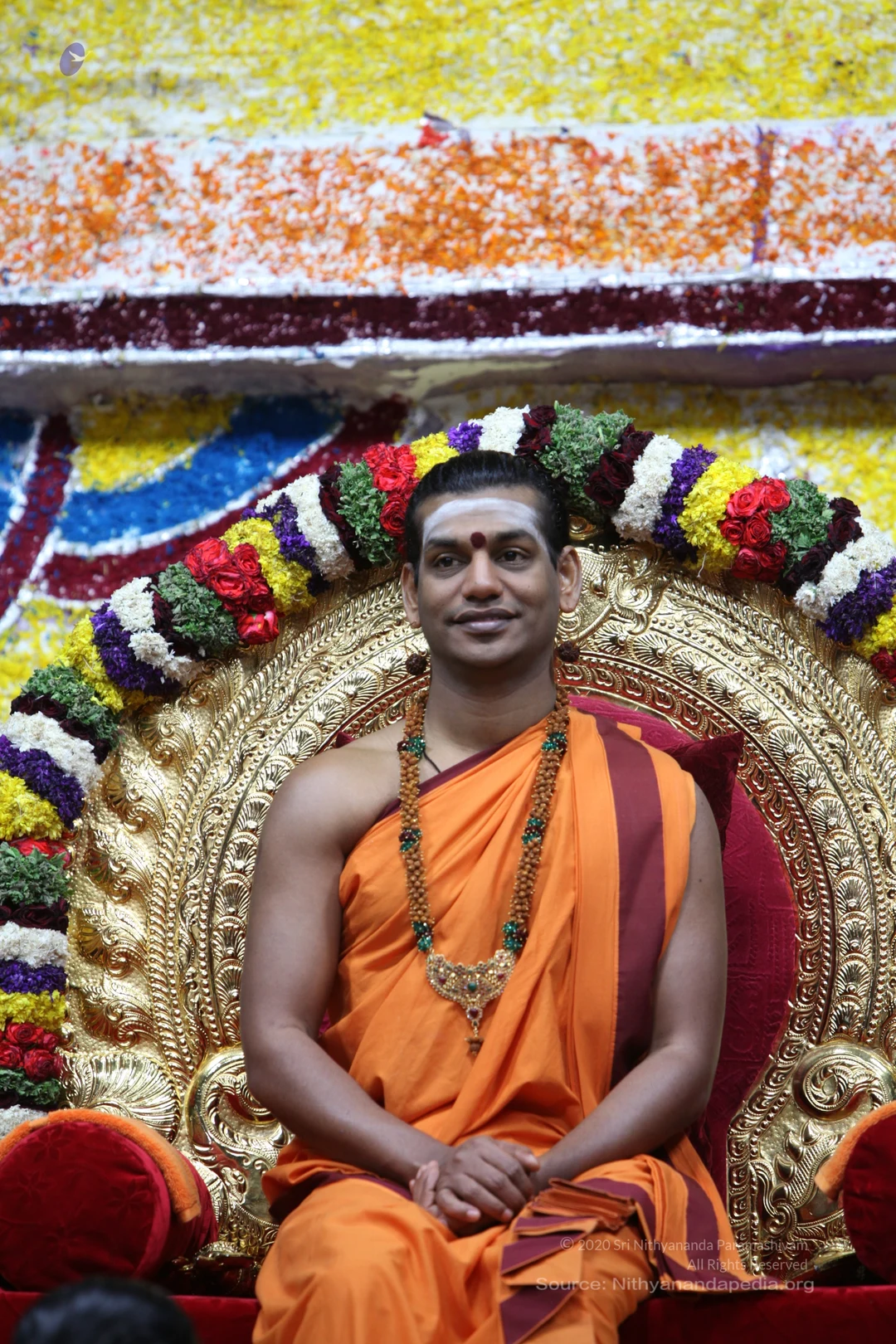
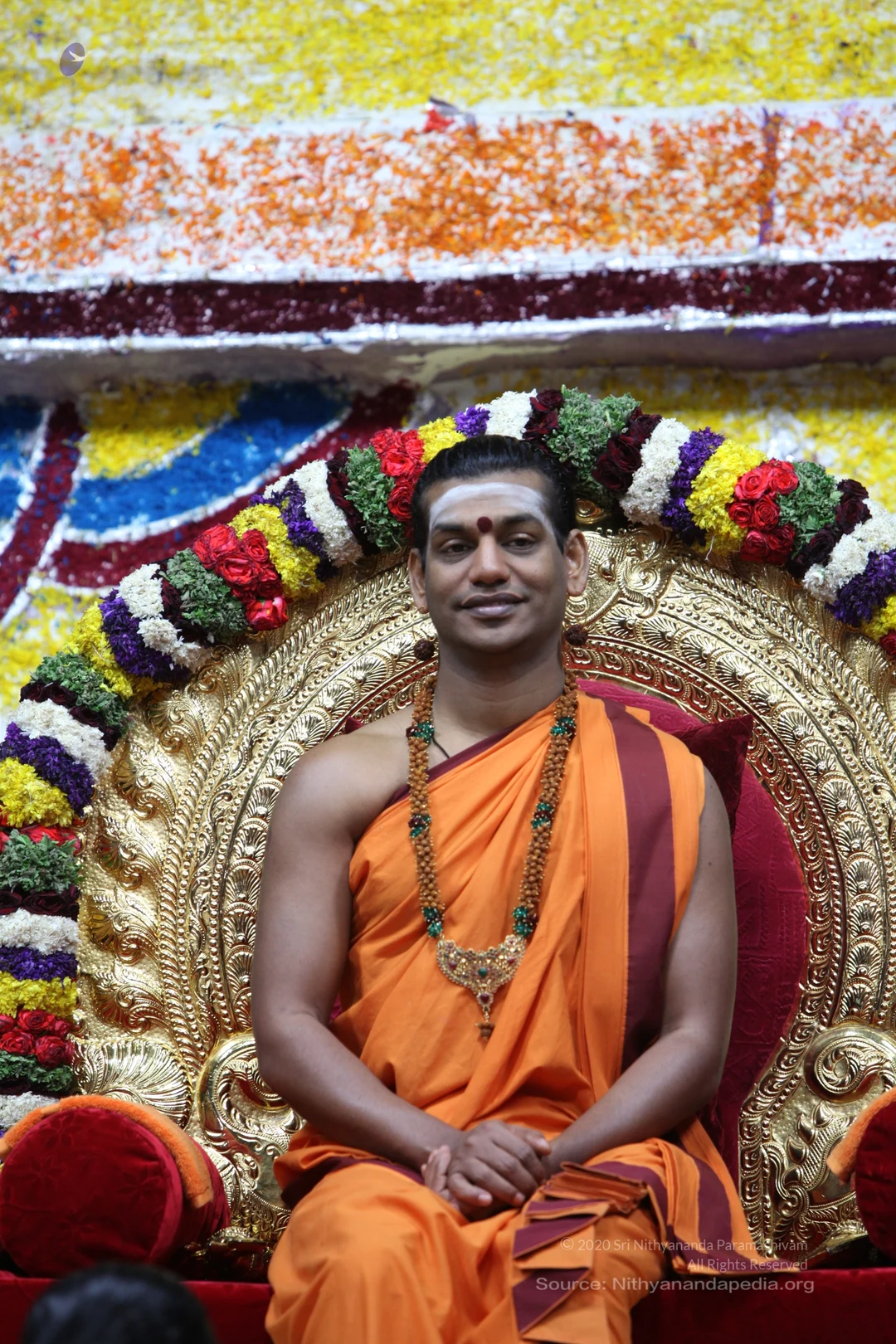
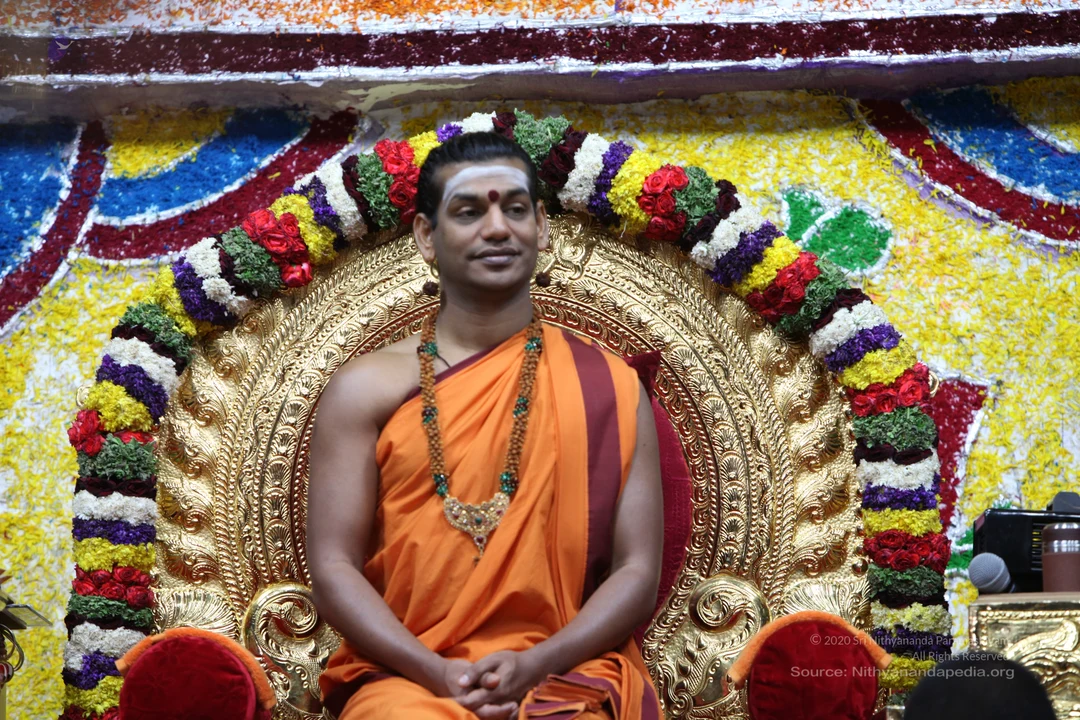
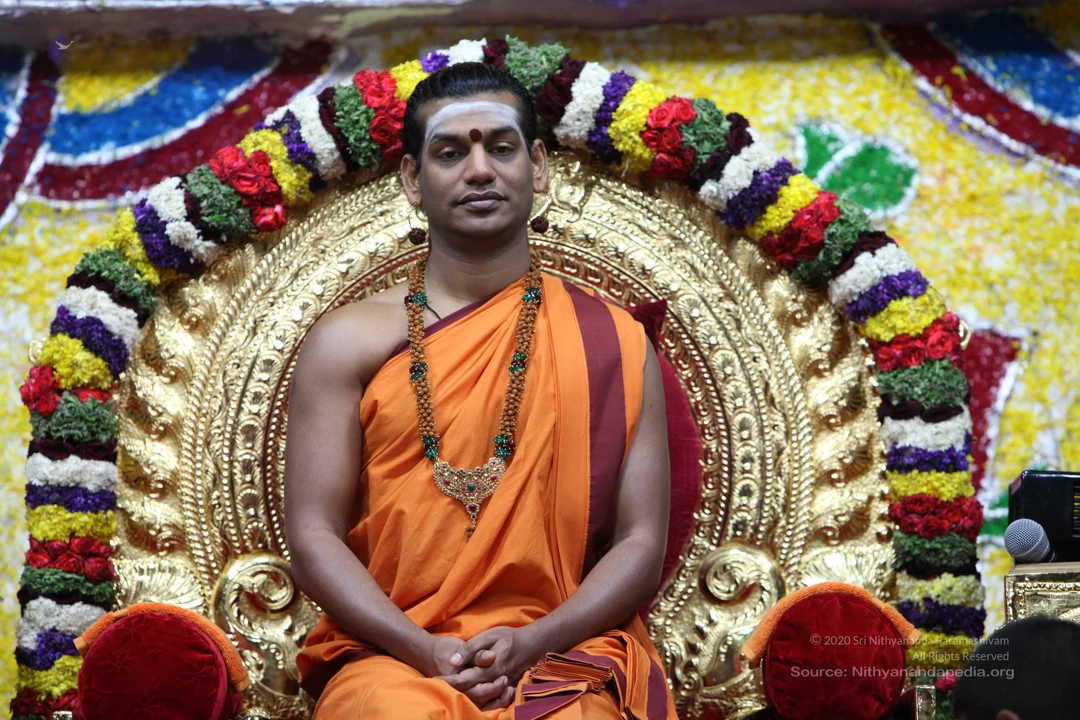
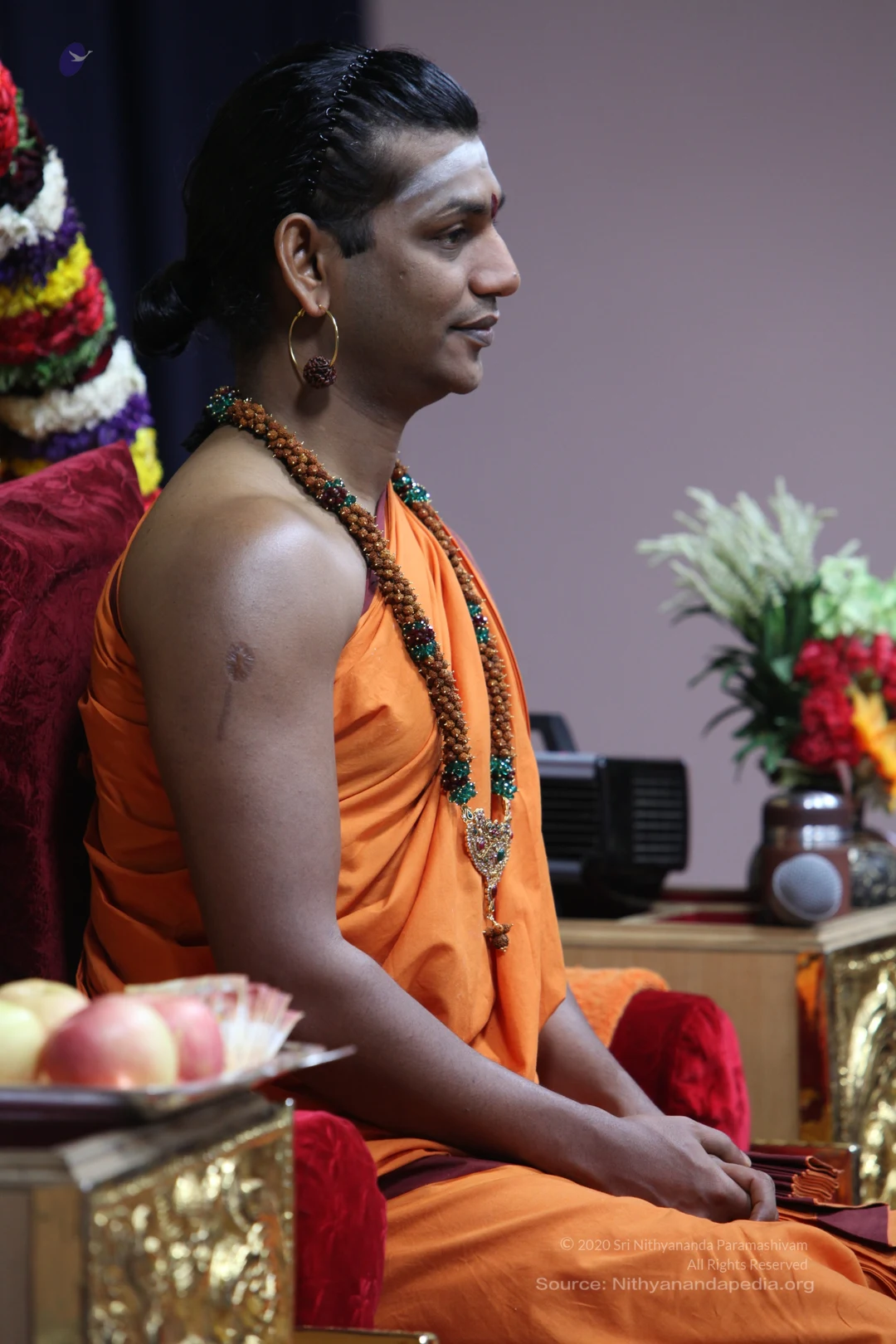
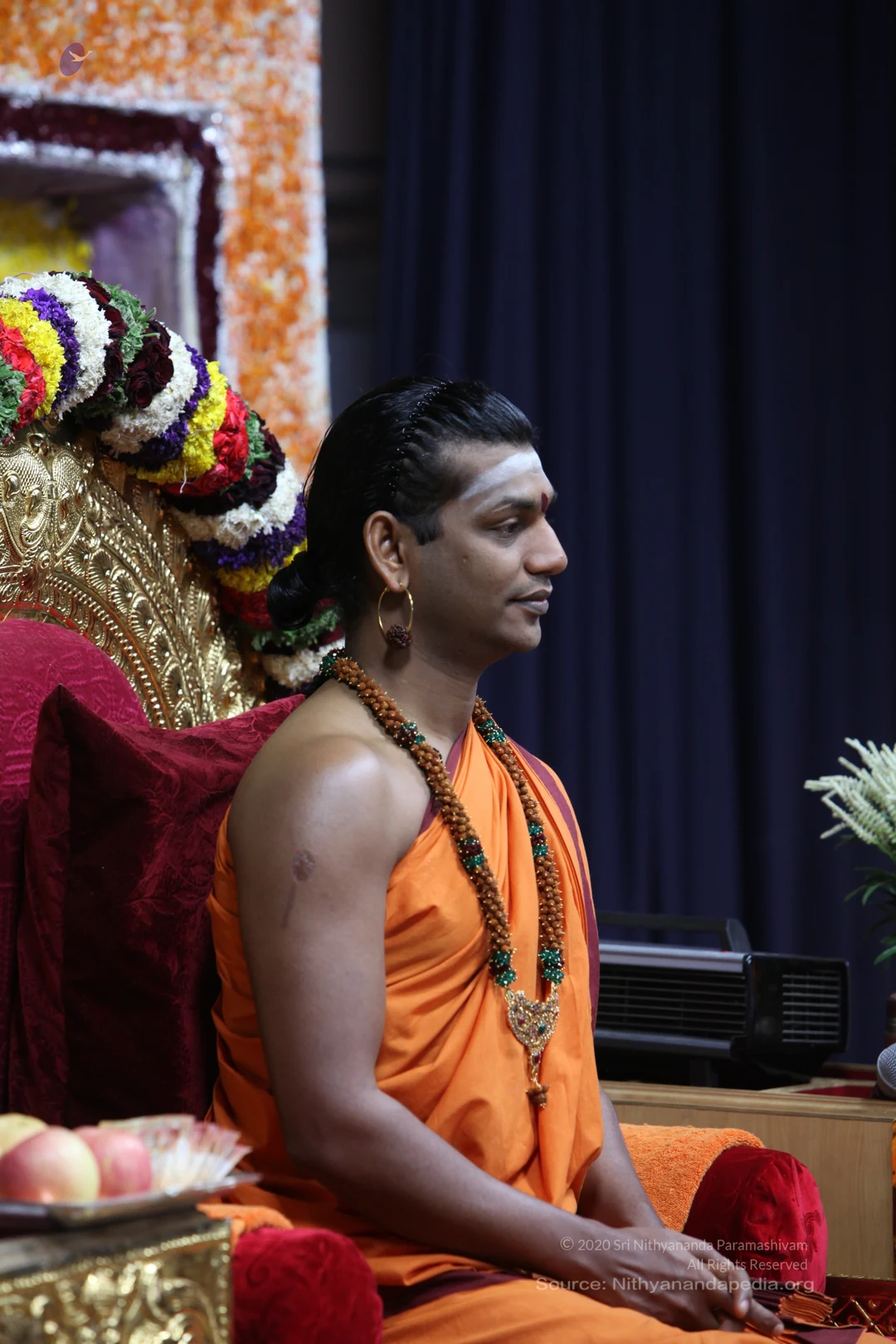
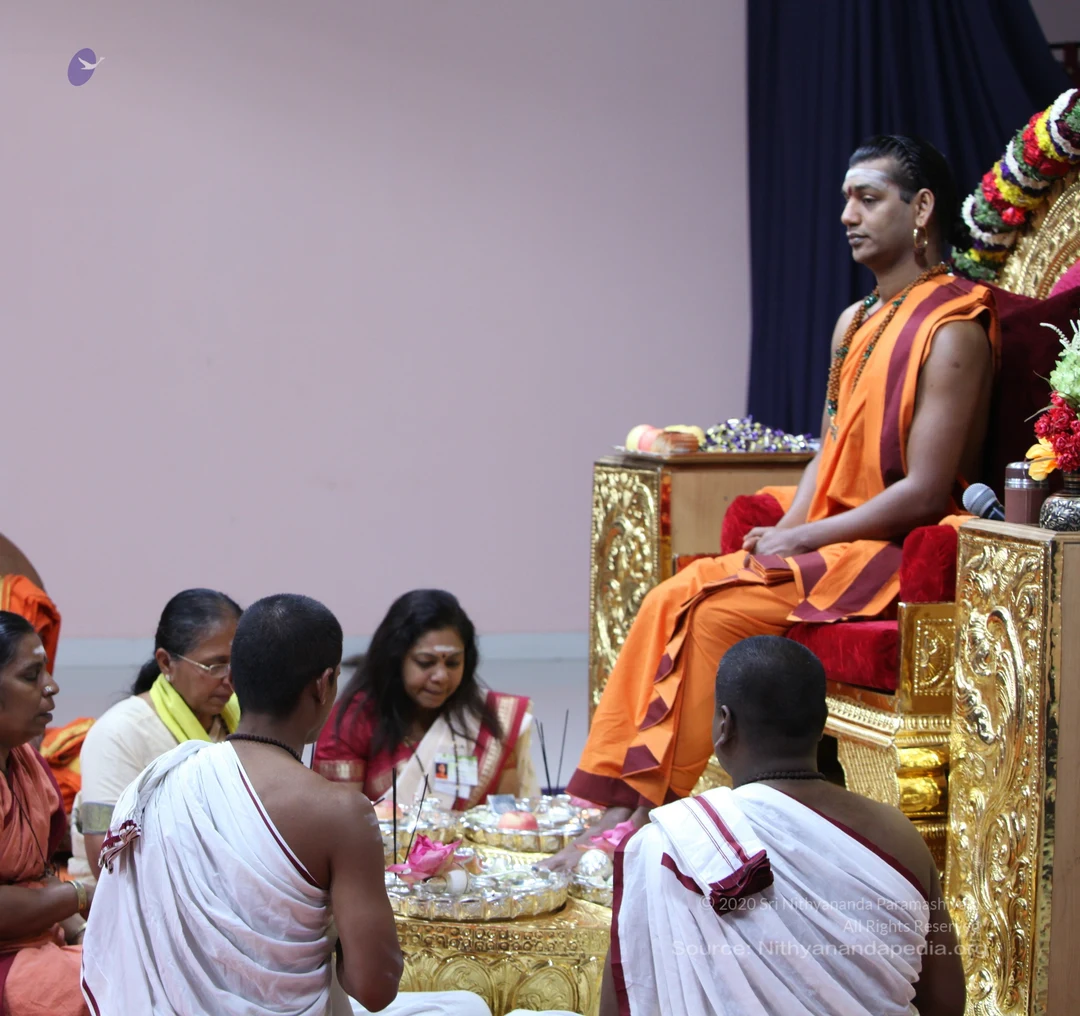
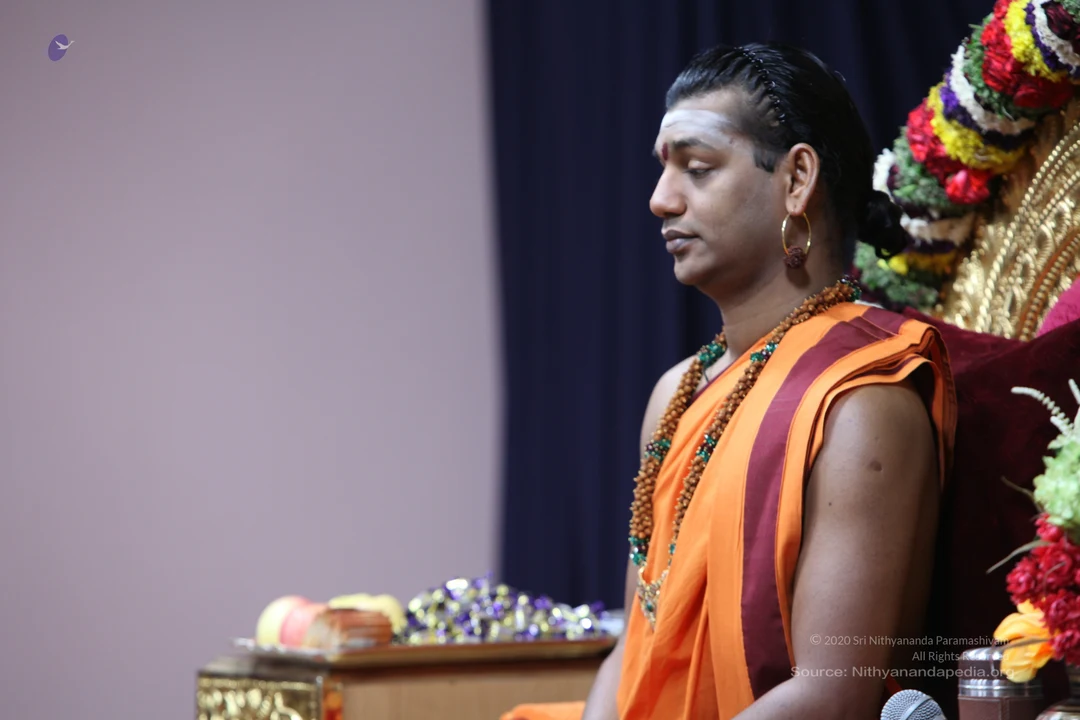
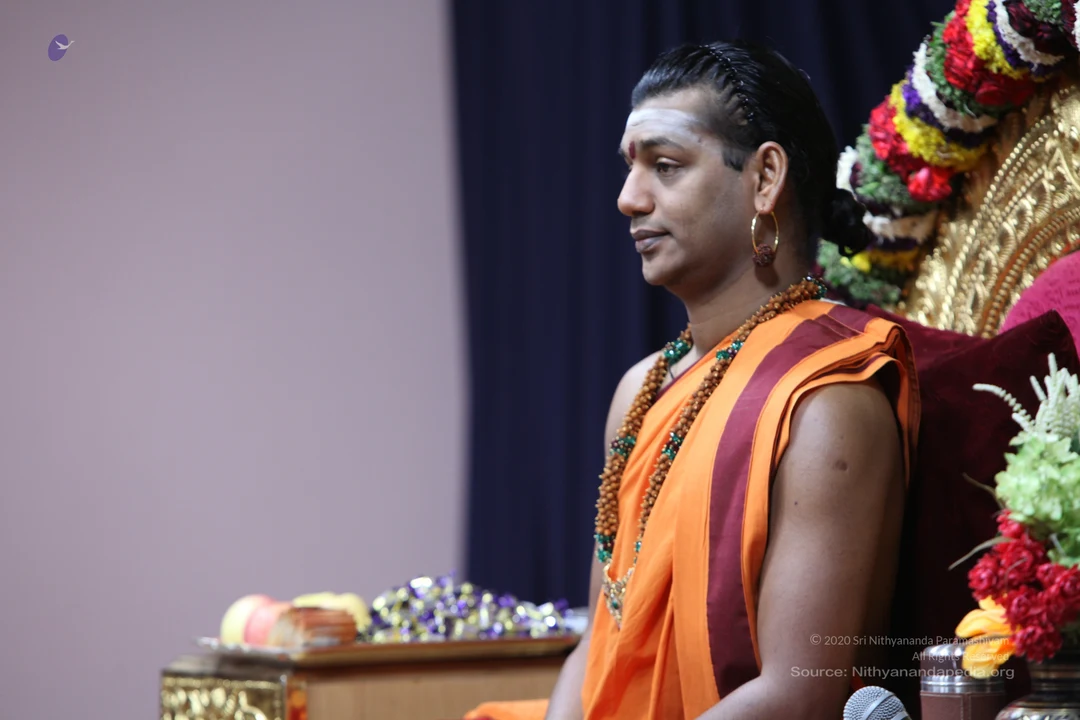
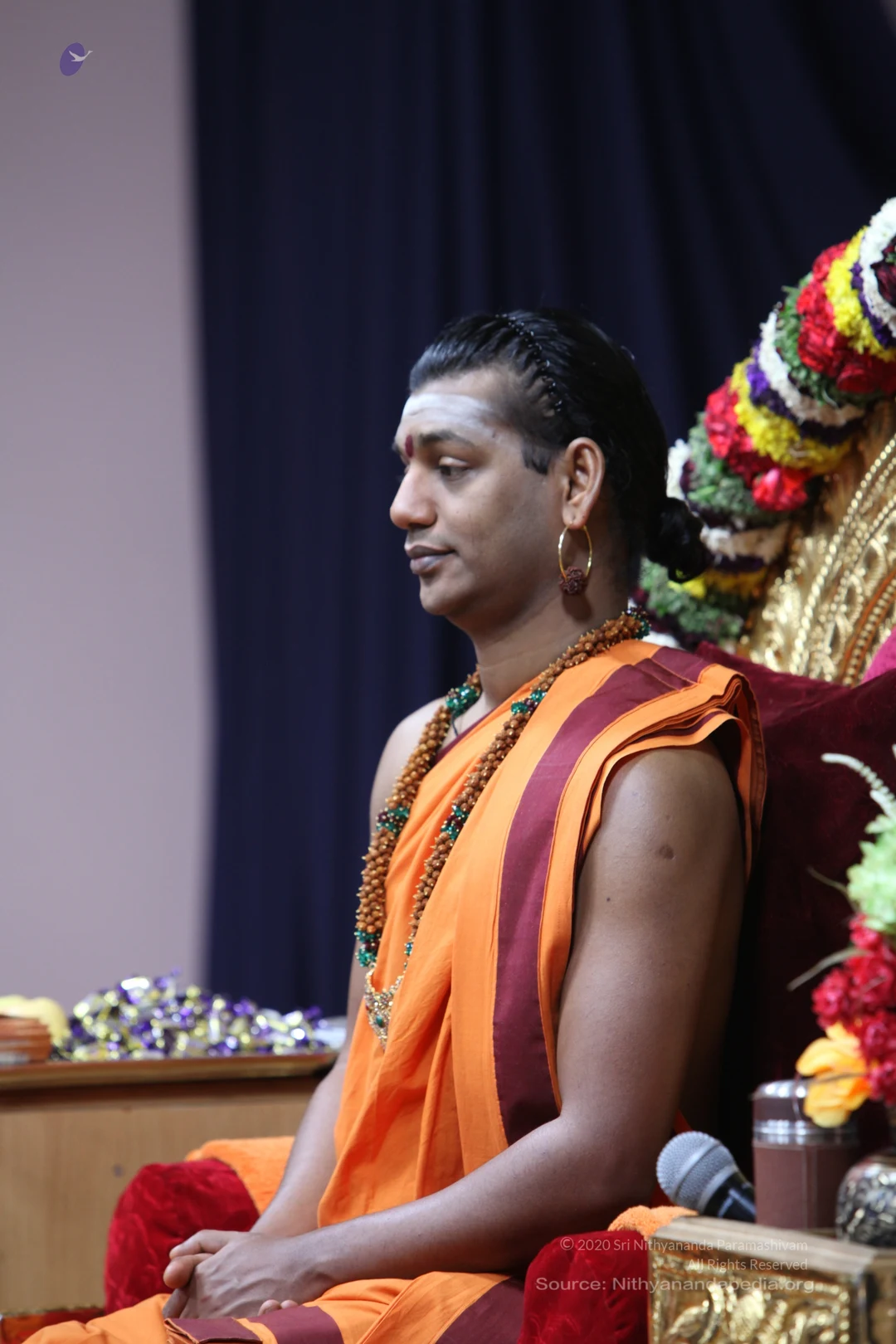
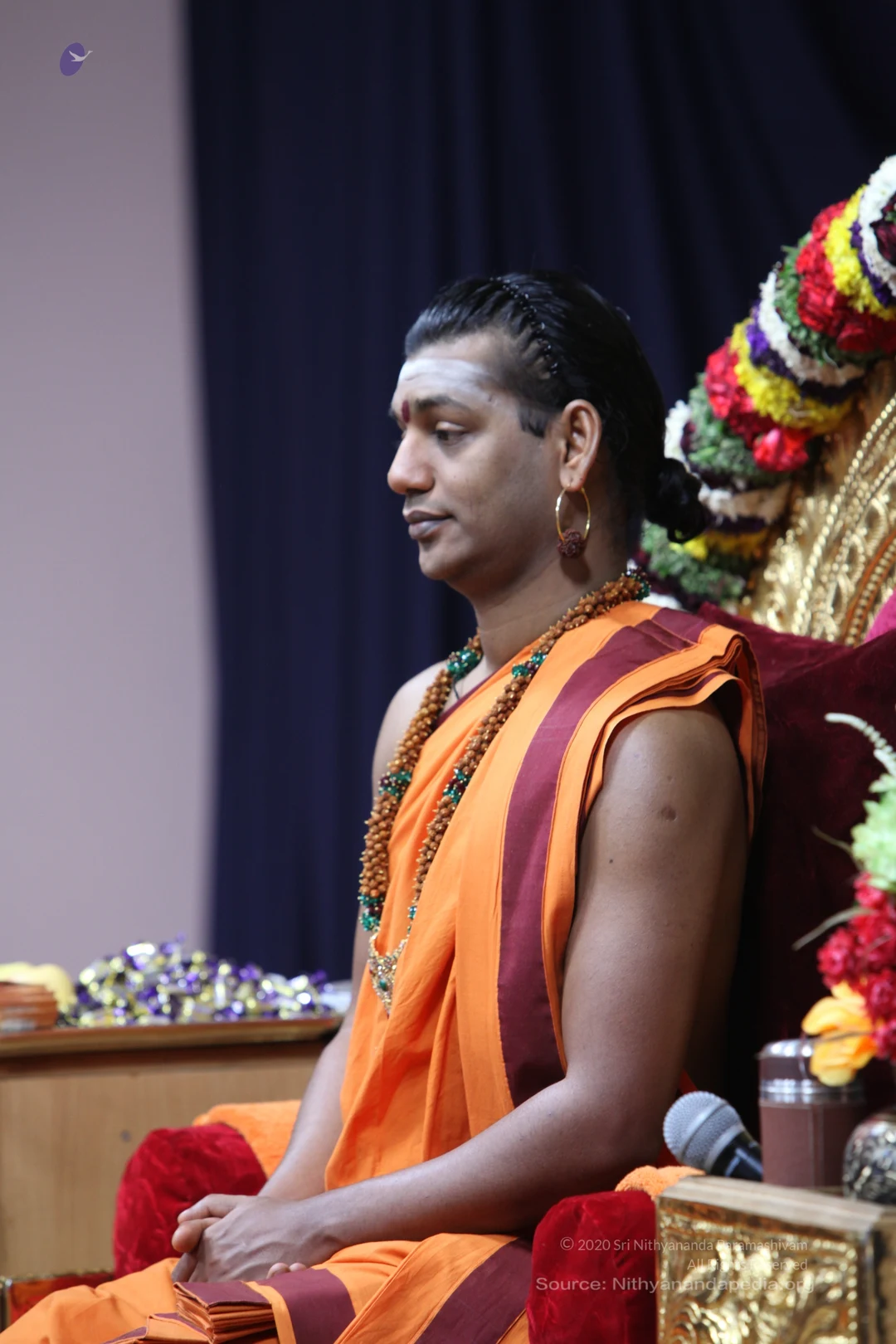
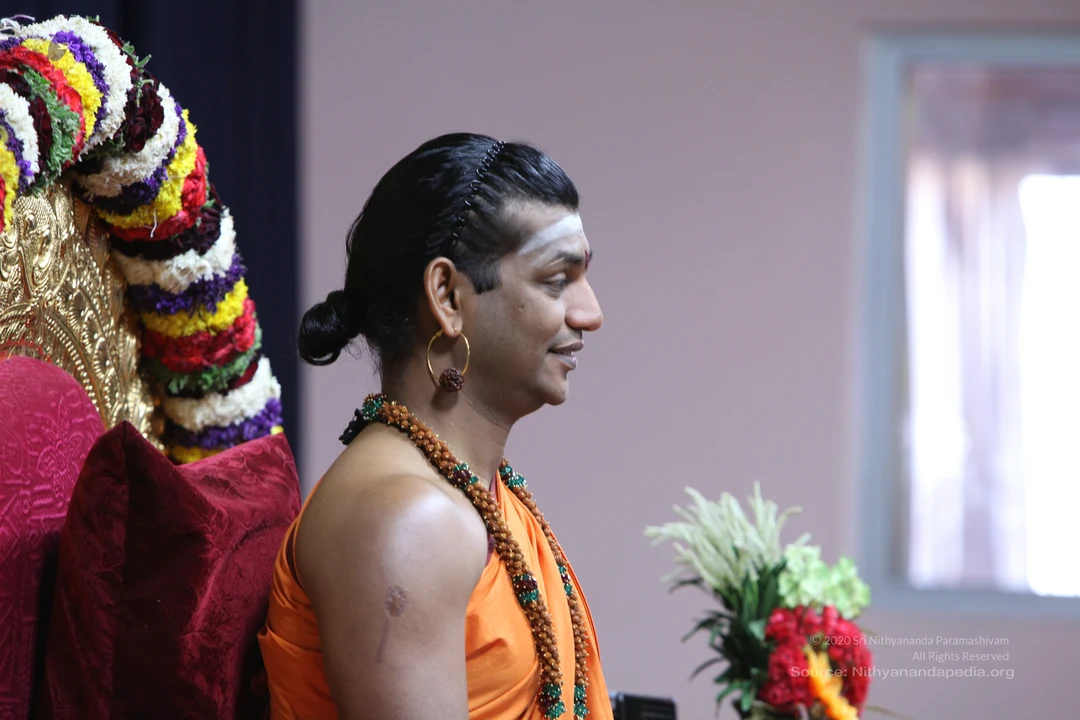
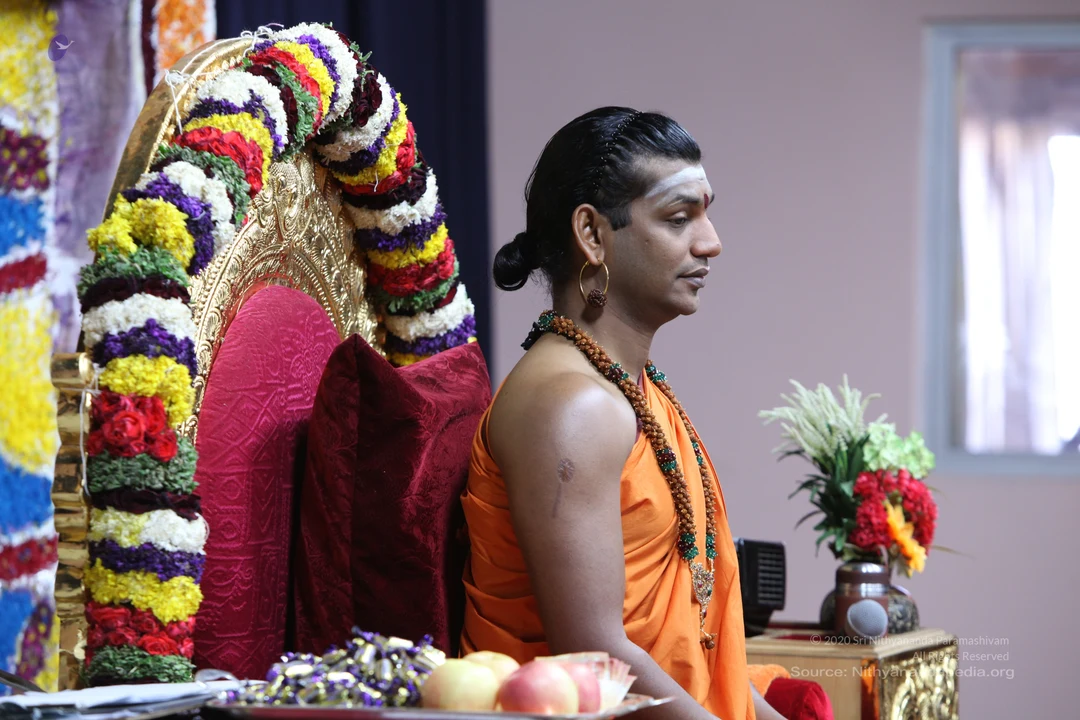
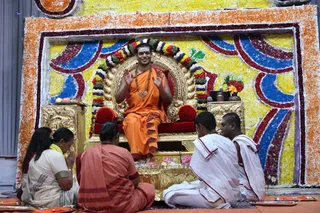
Nithyananda-Satsang
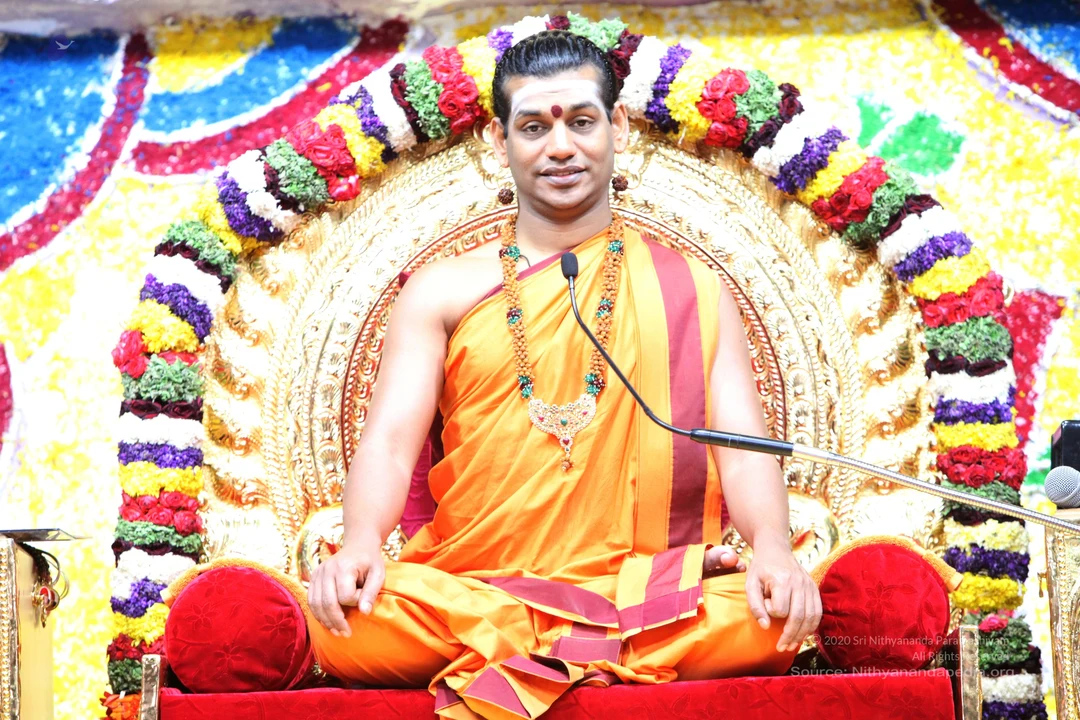
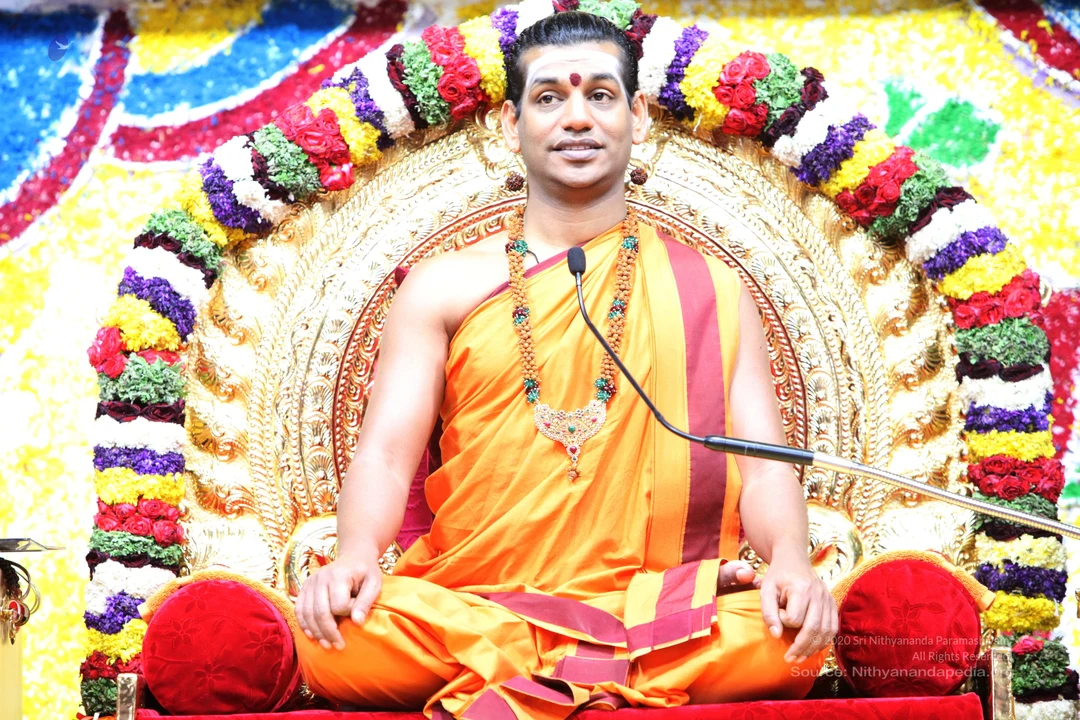
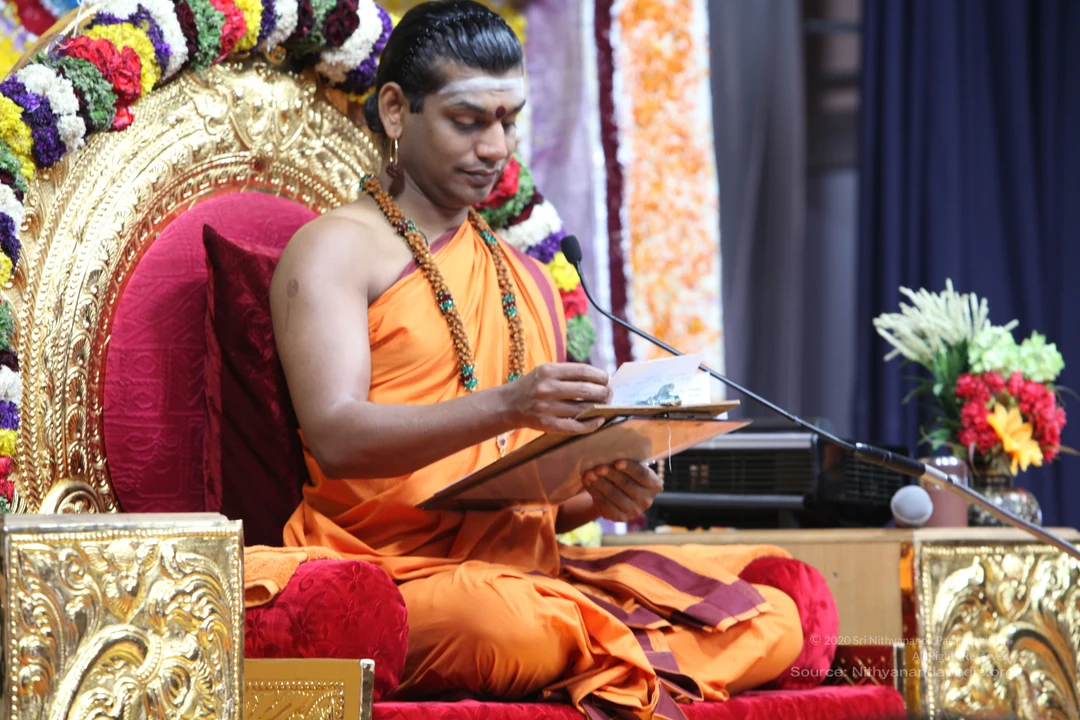
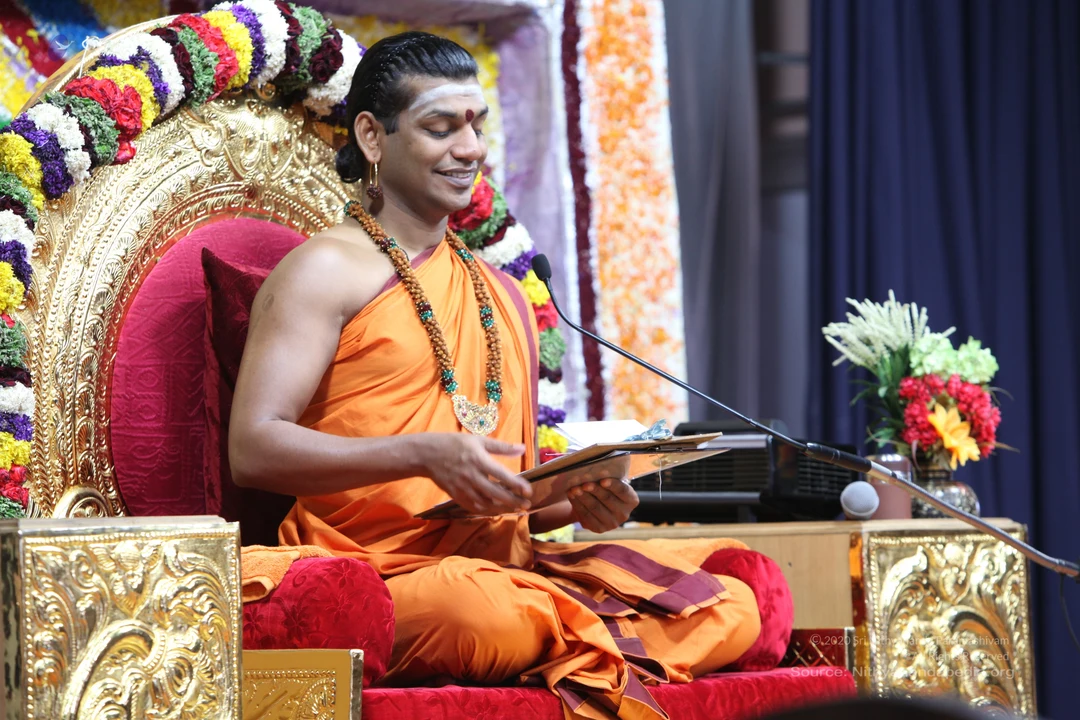
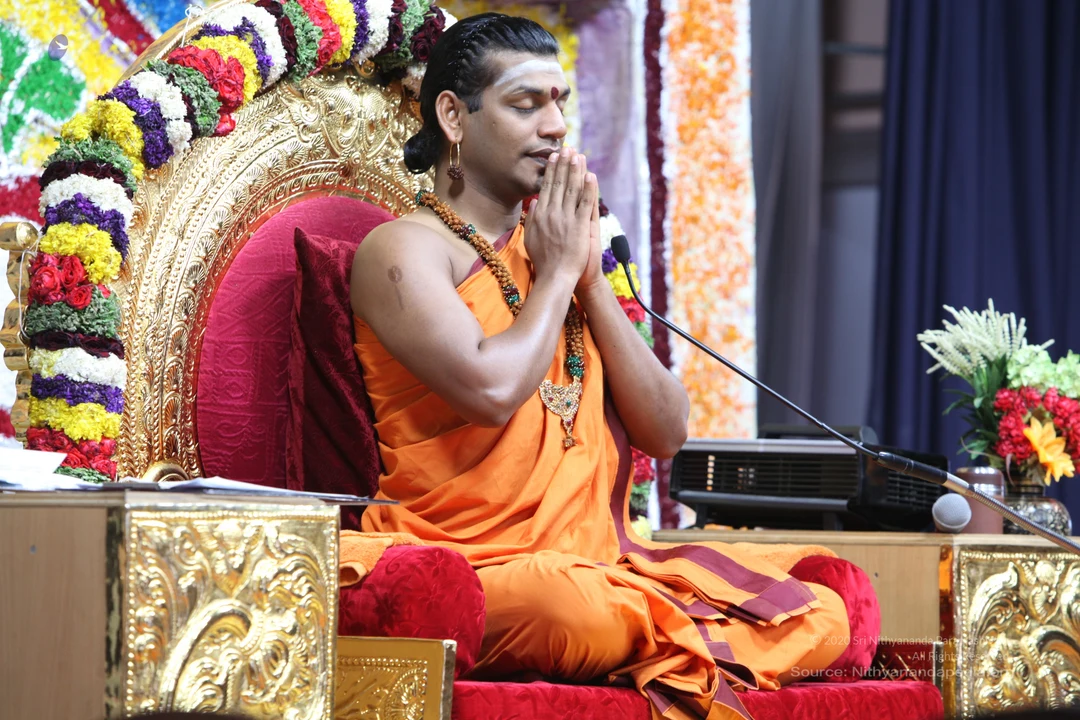
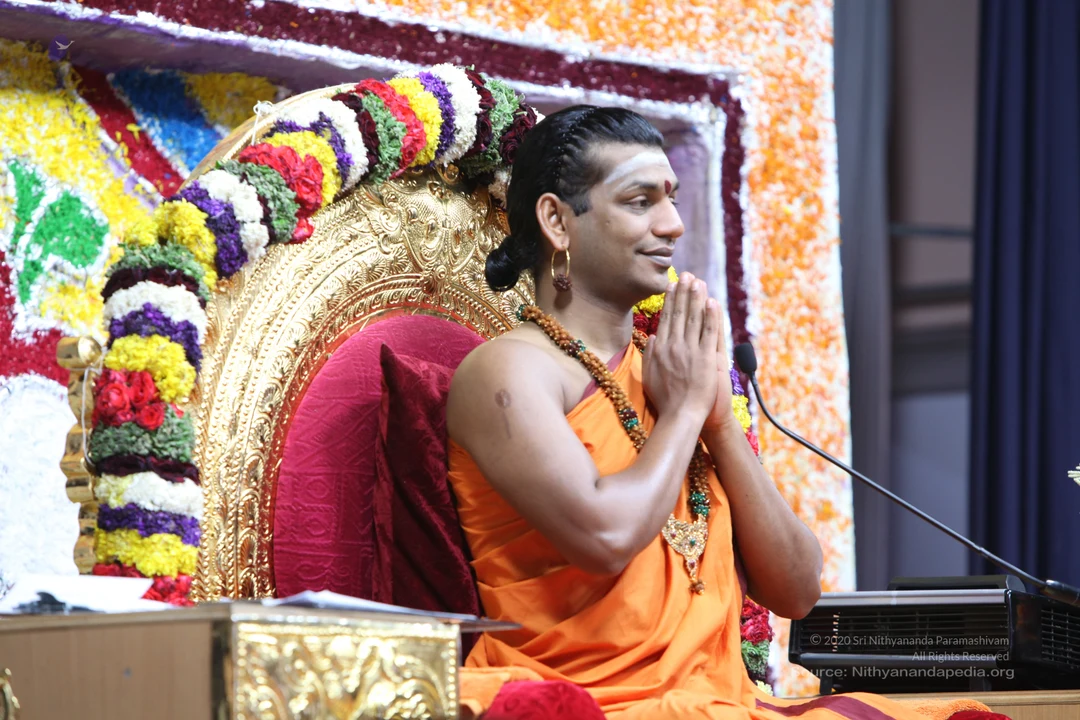
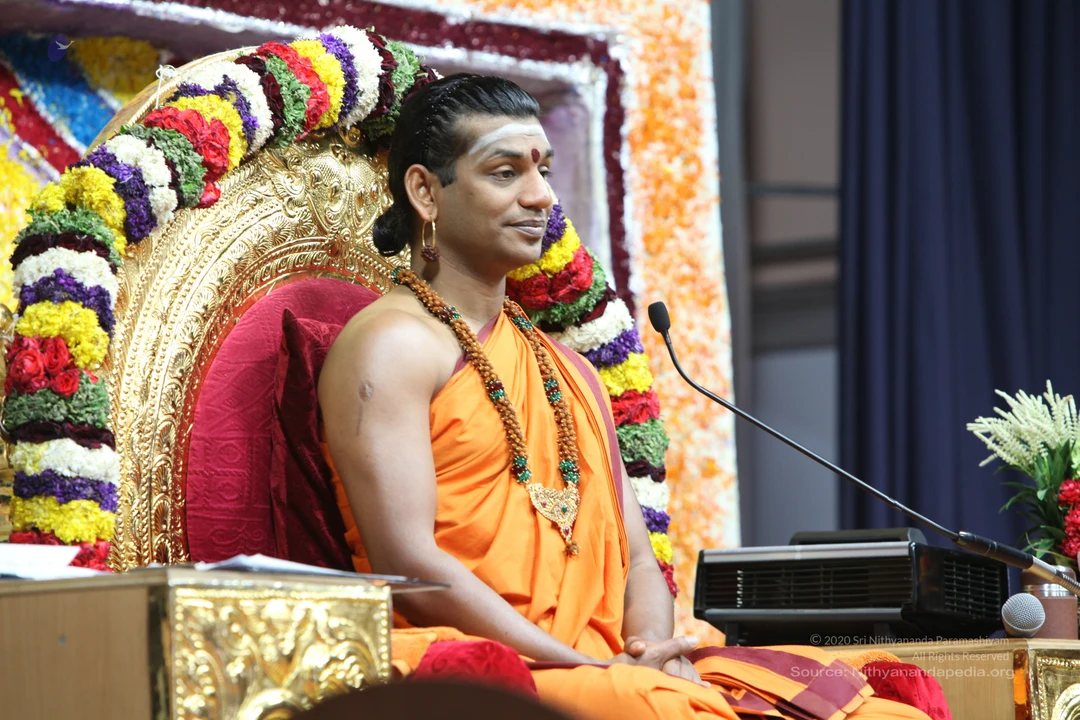
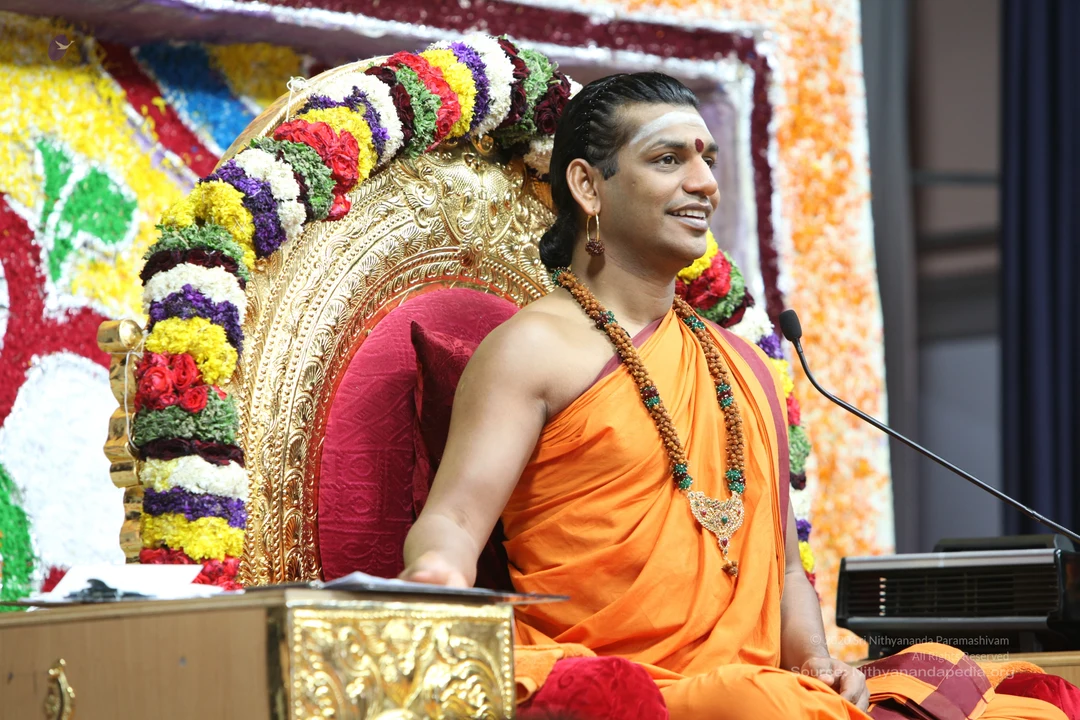
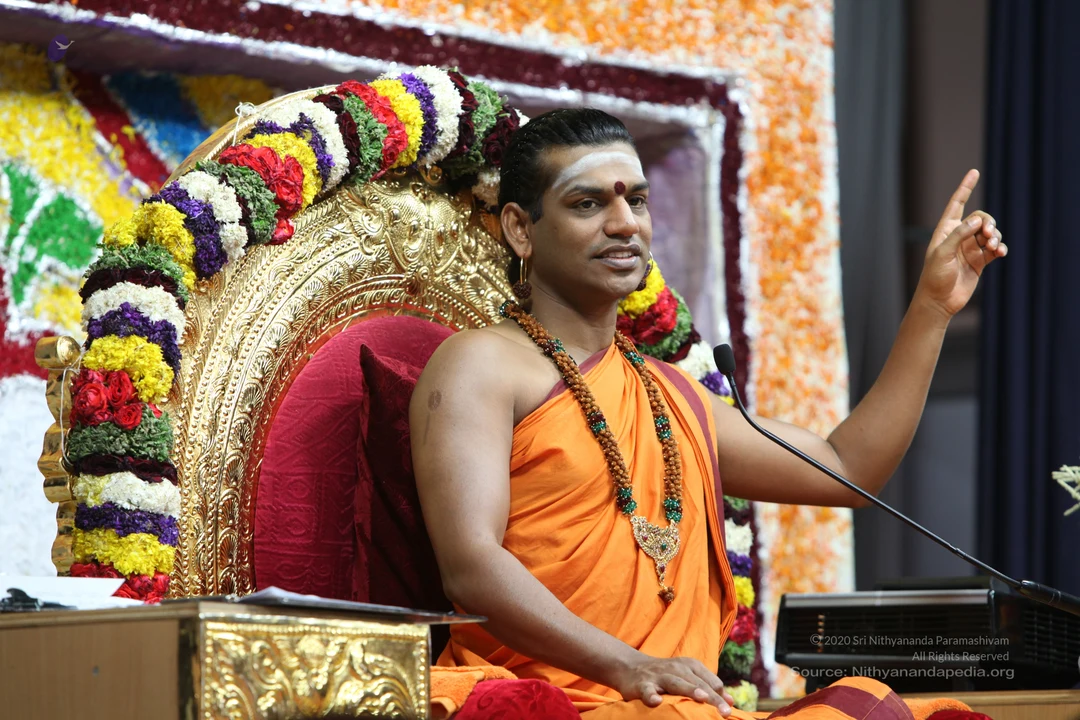
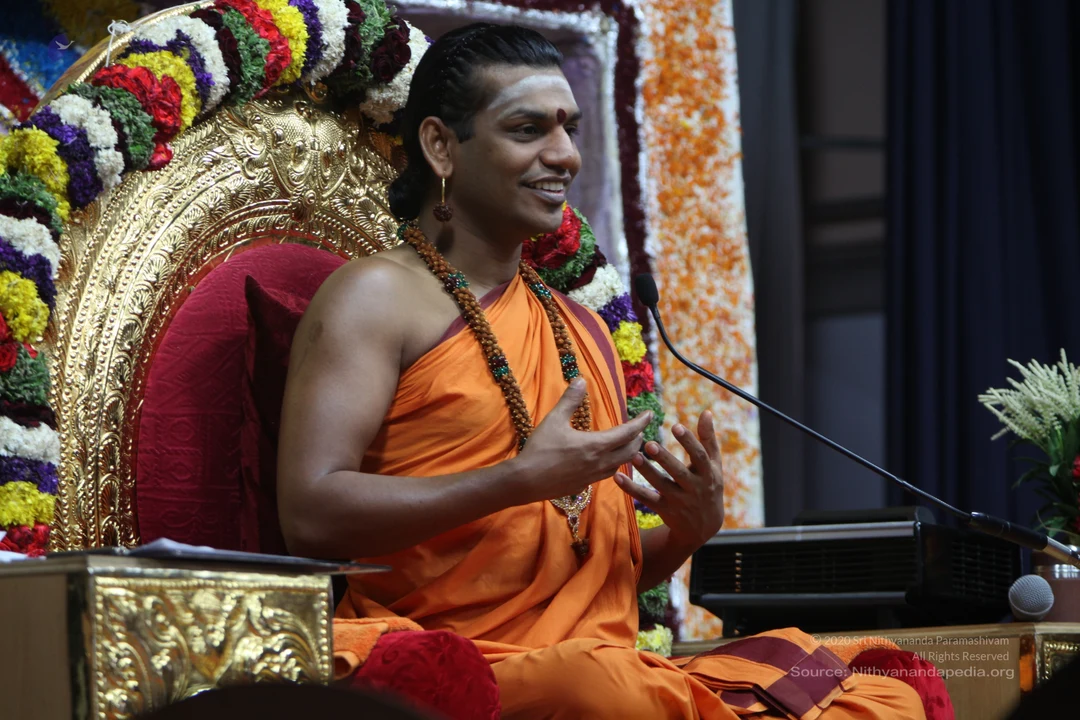
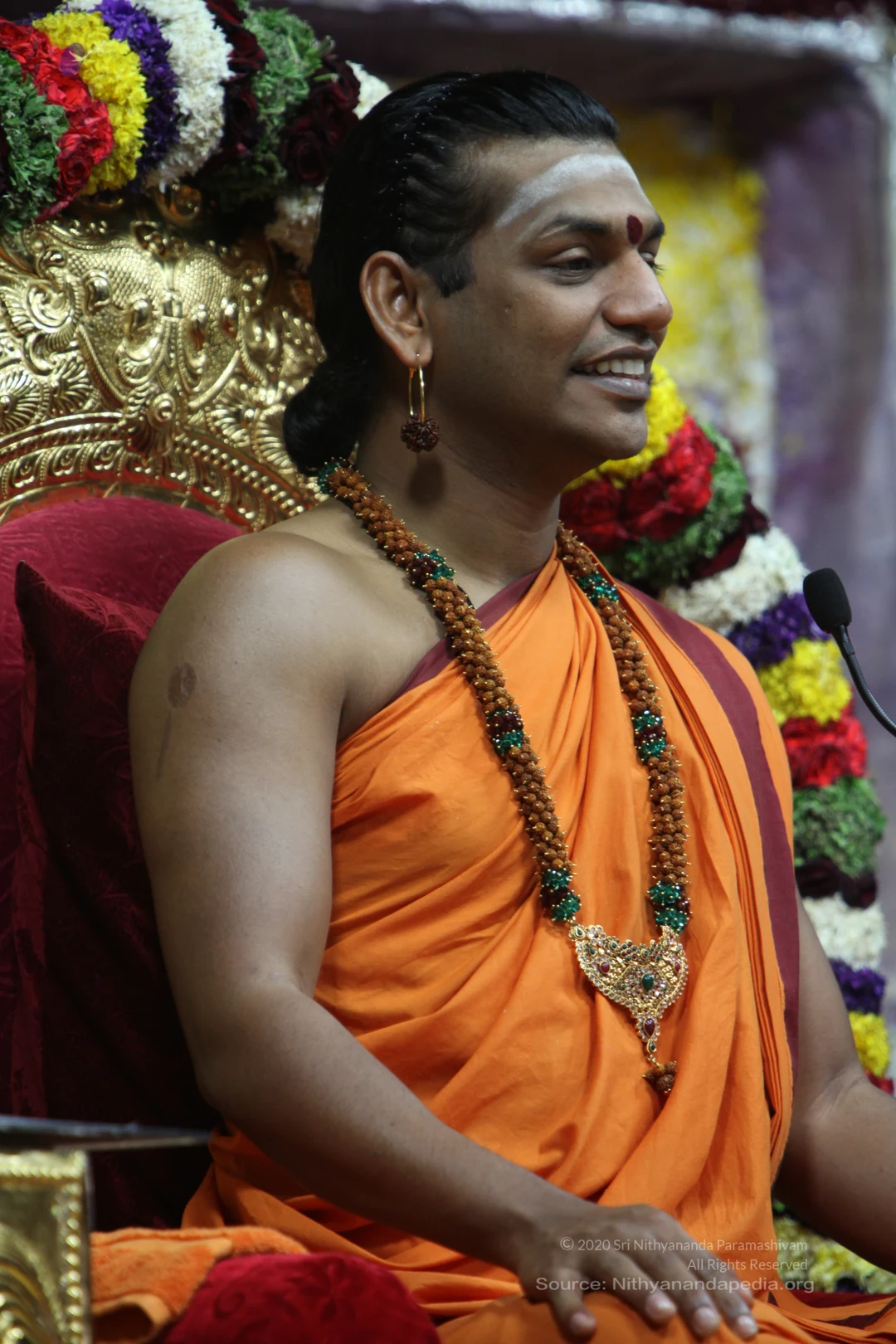
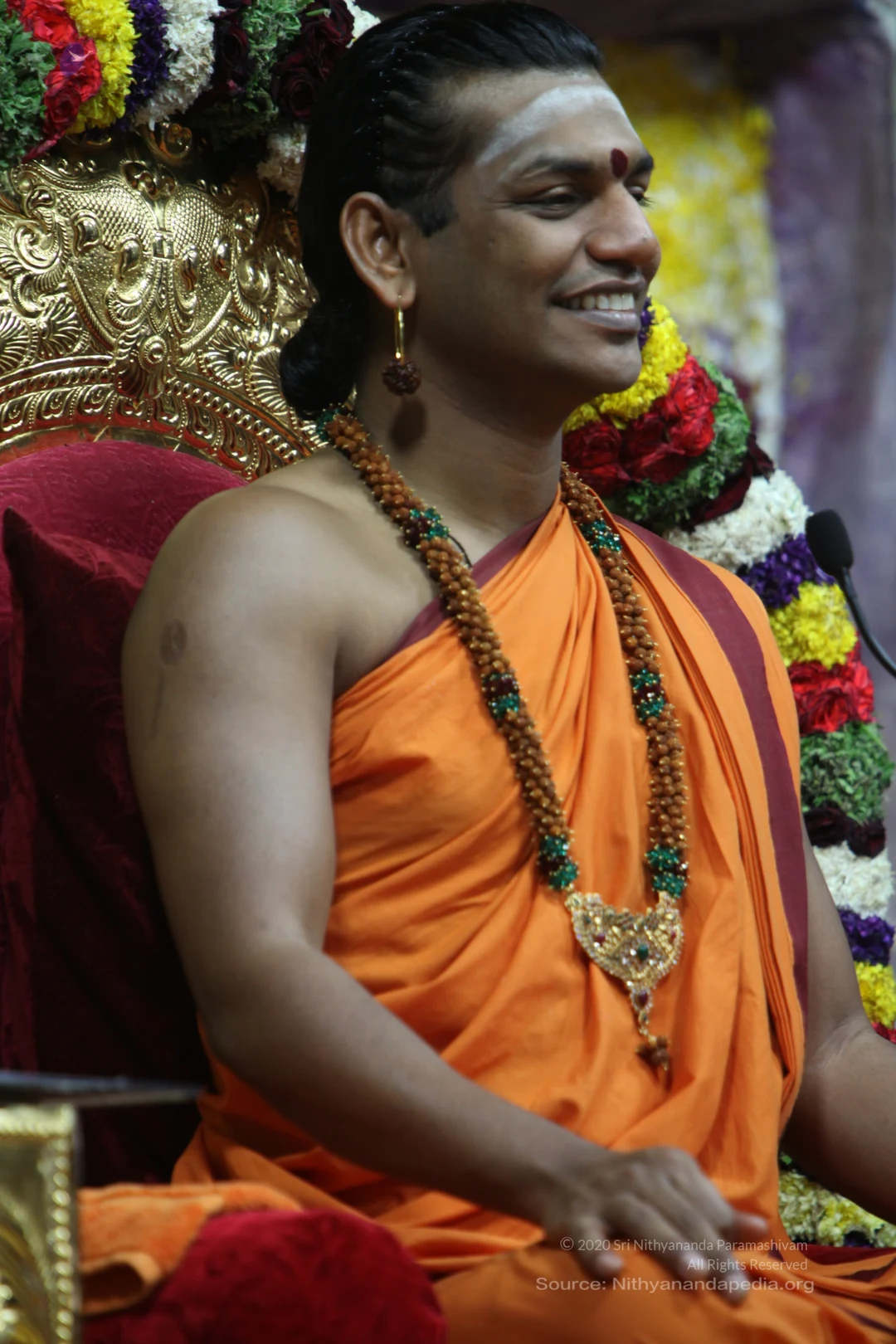
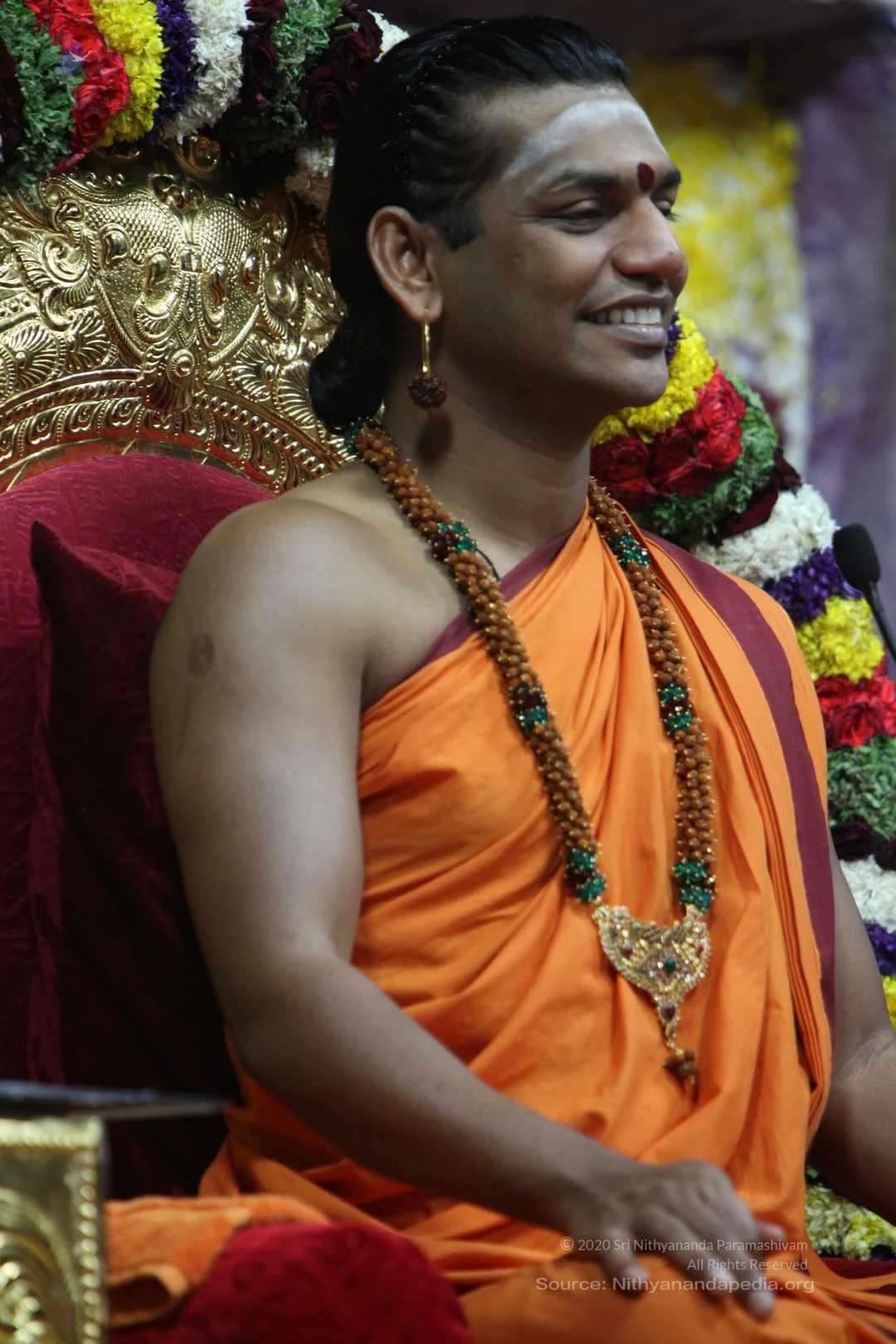
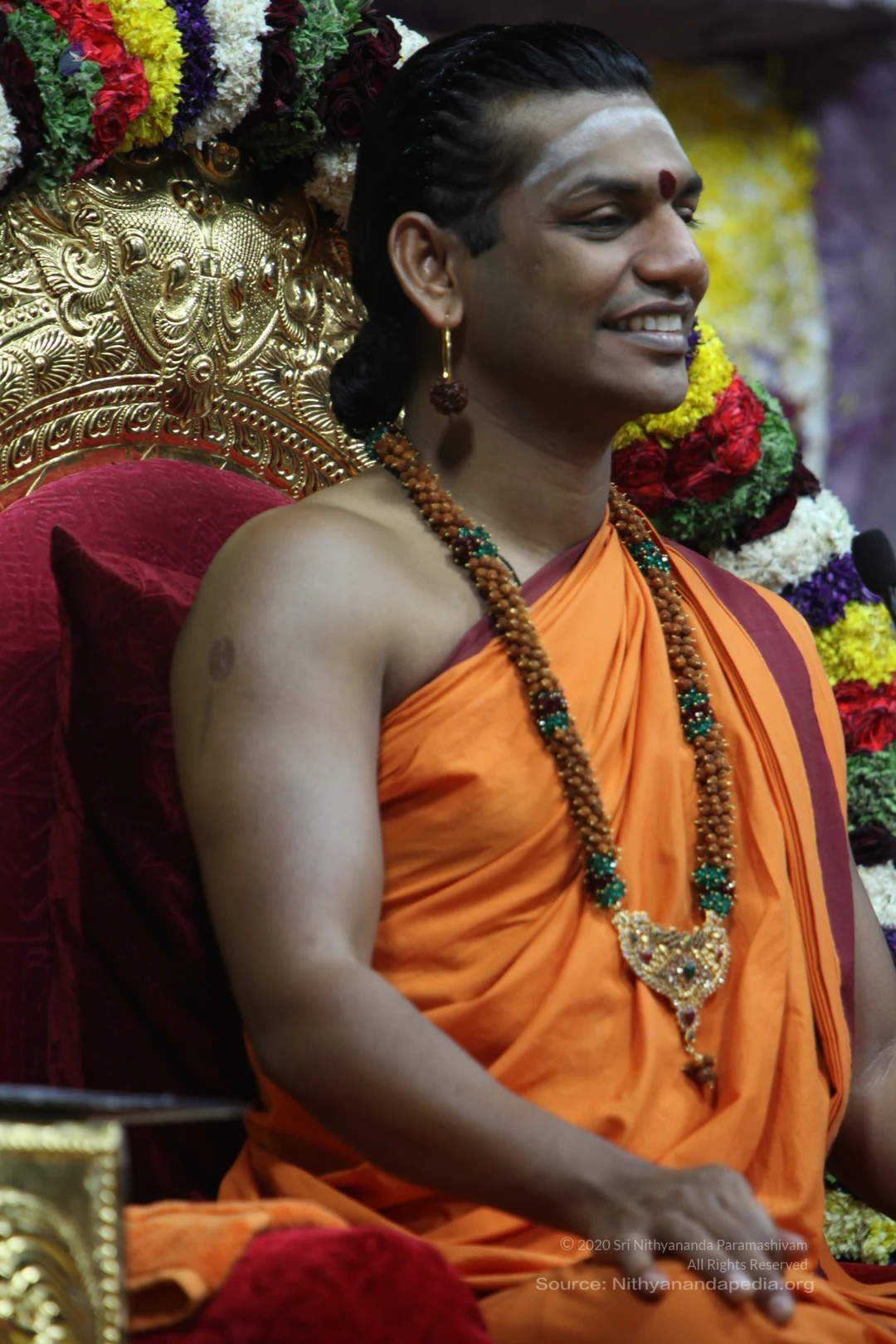
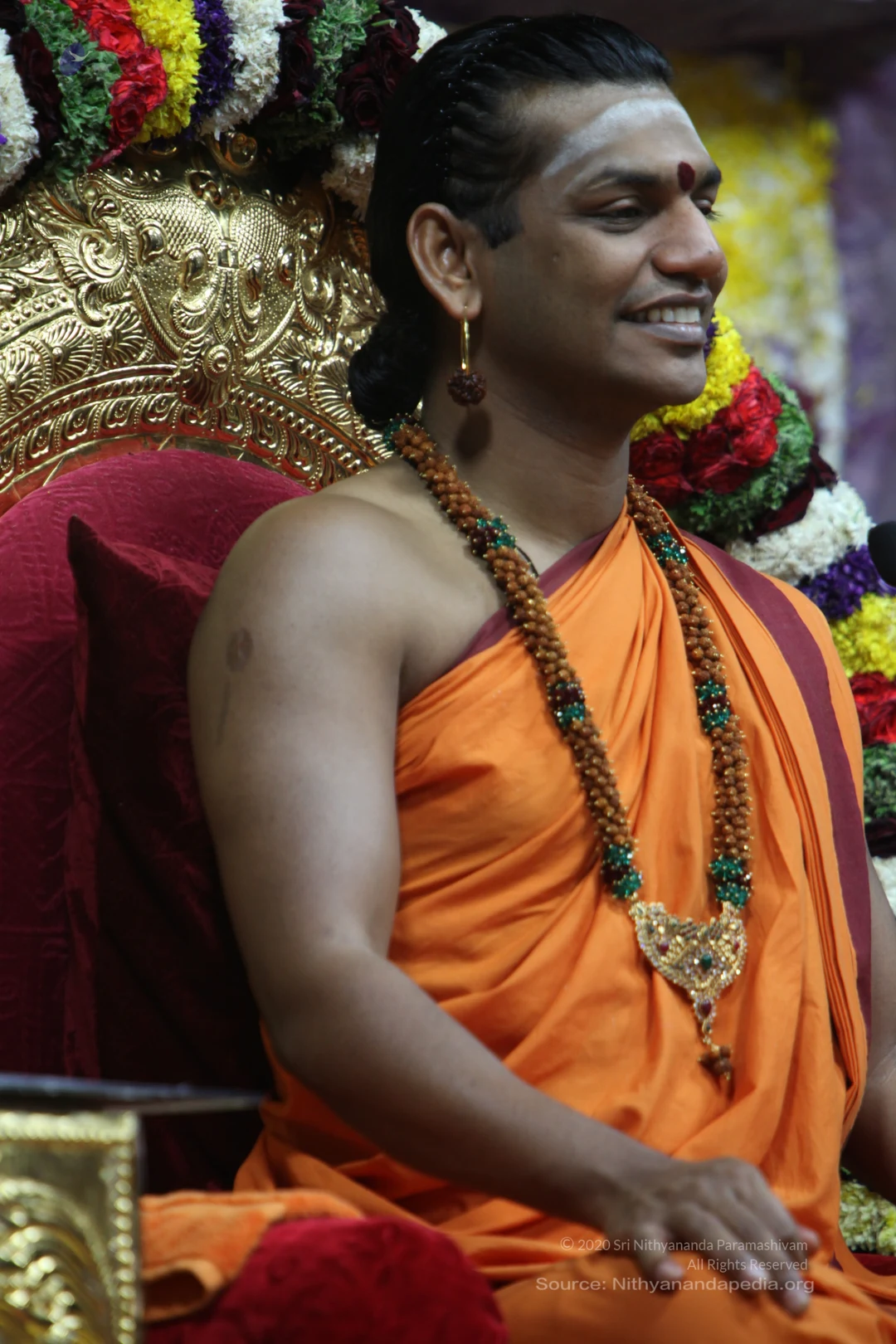
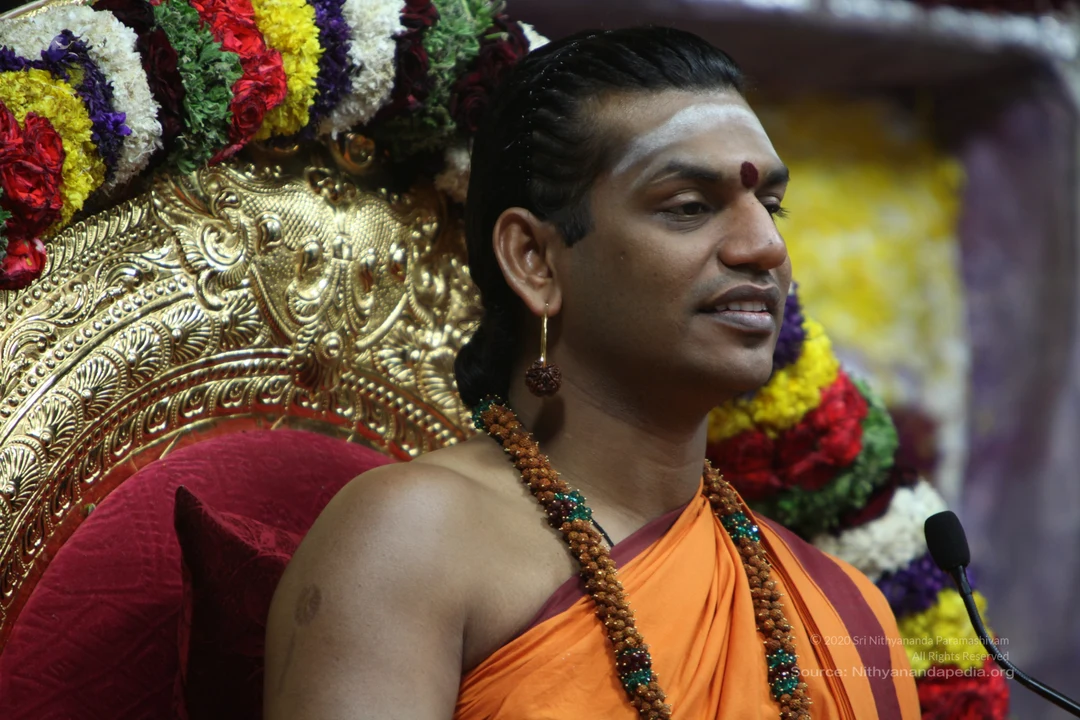
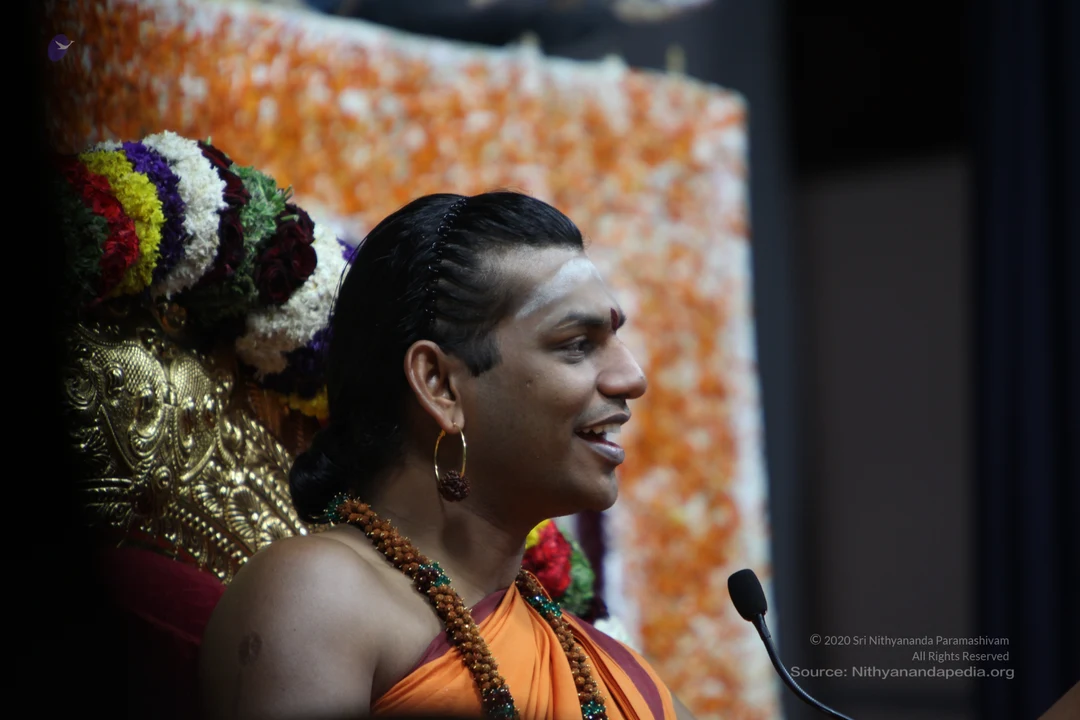
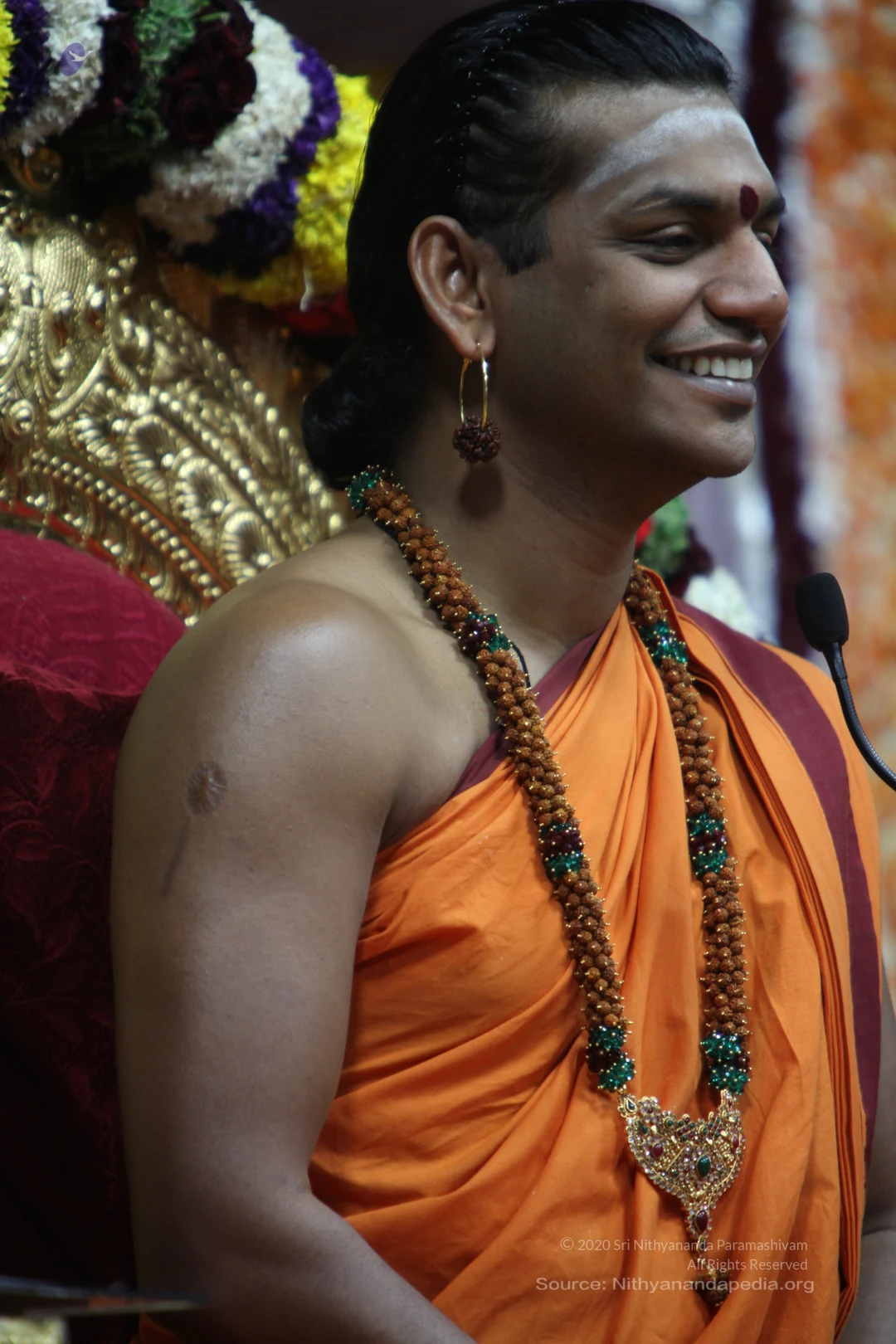
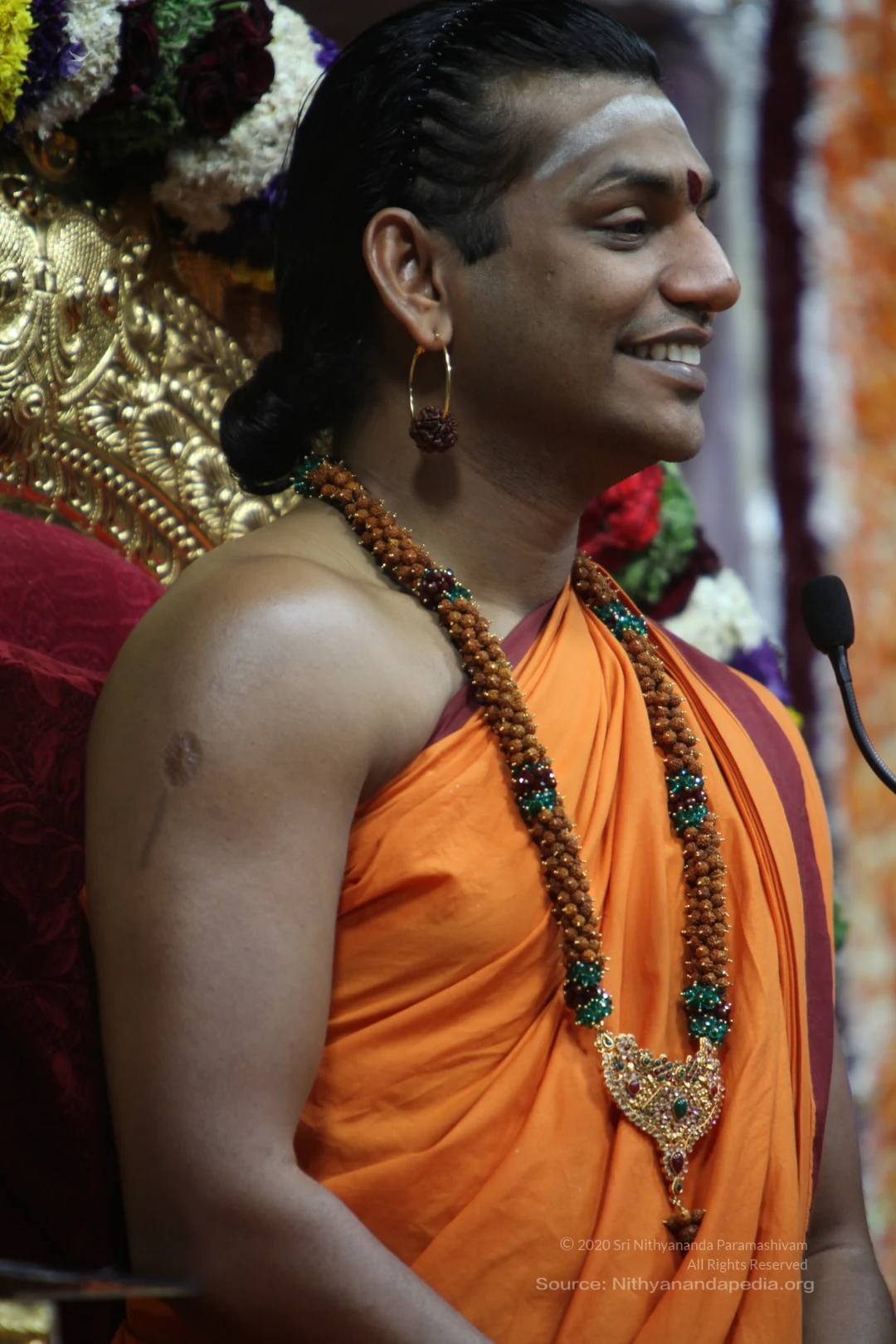
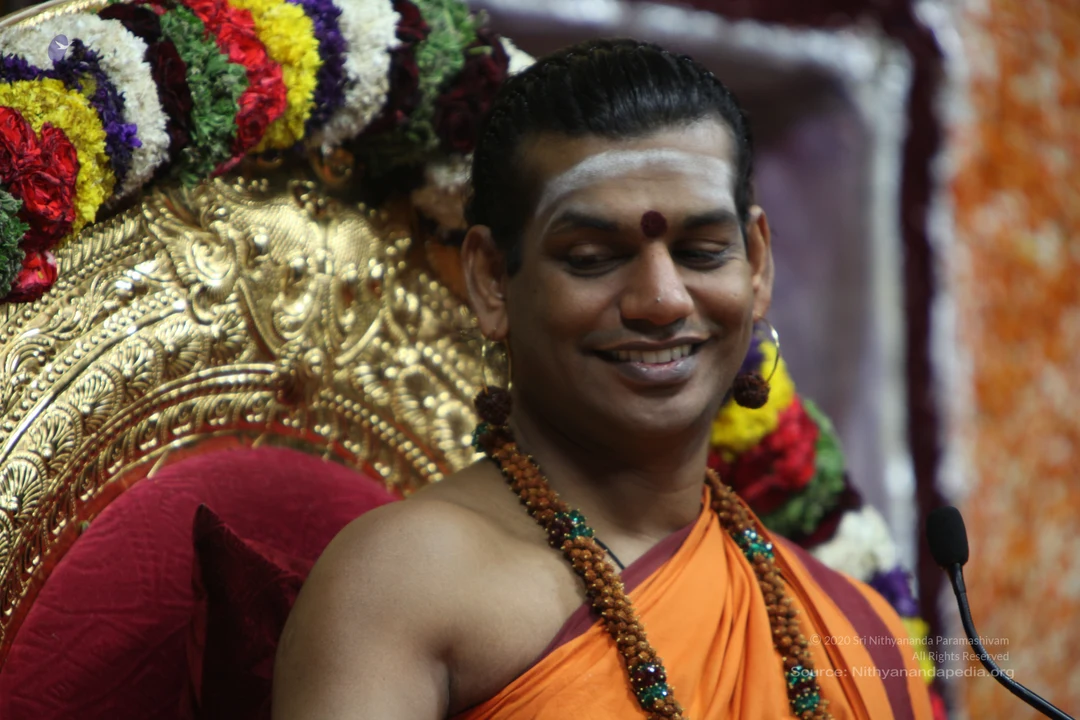
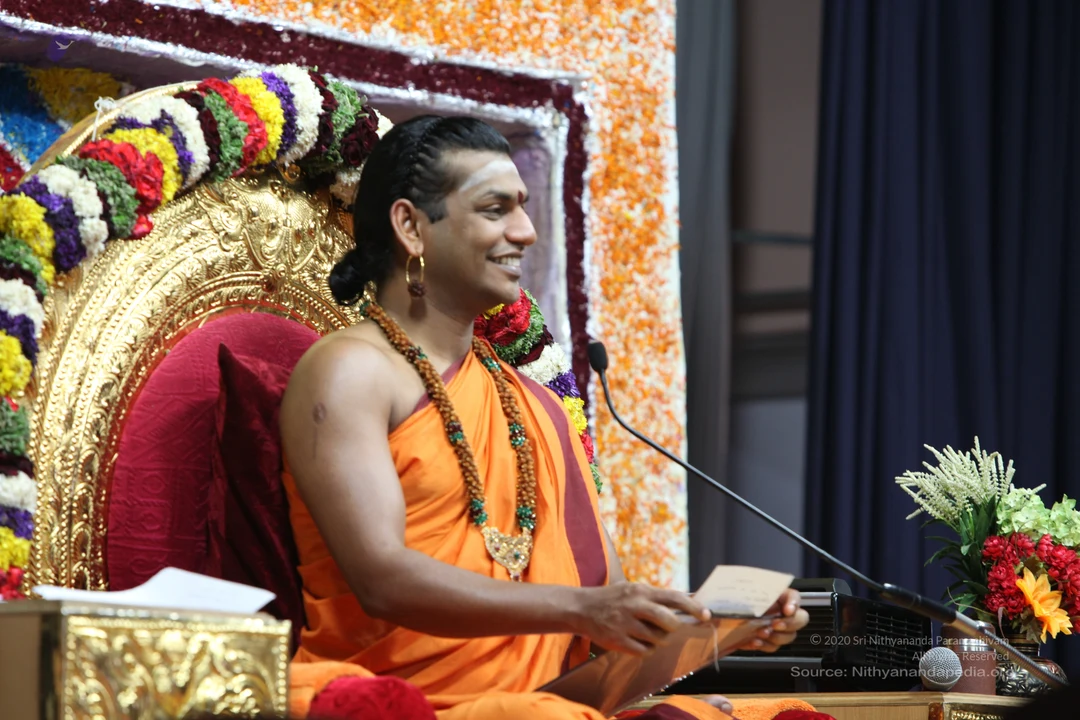
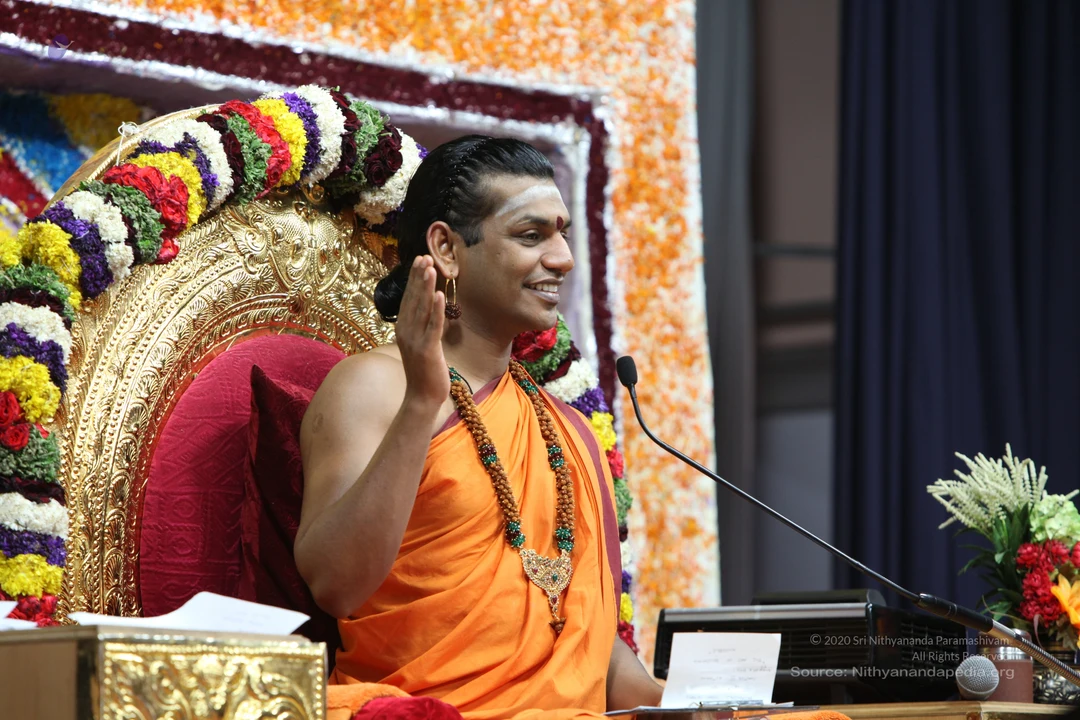
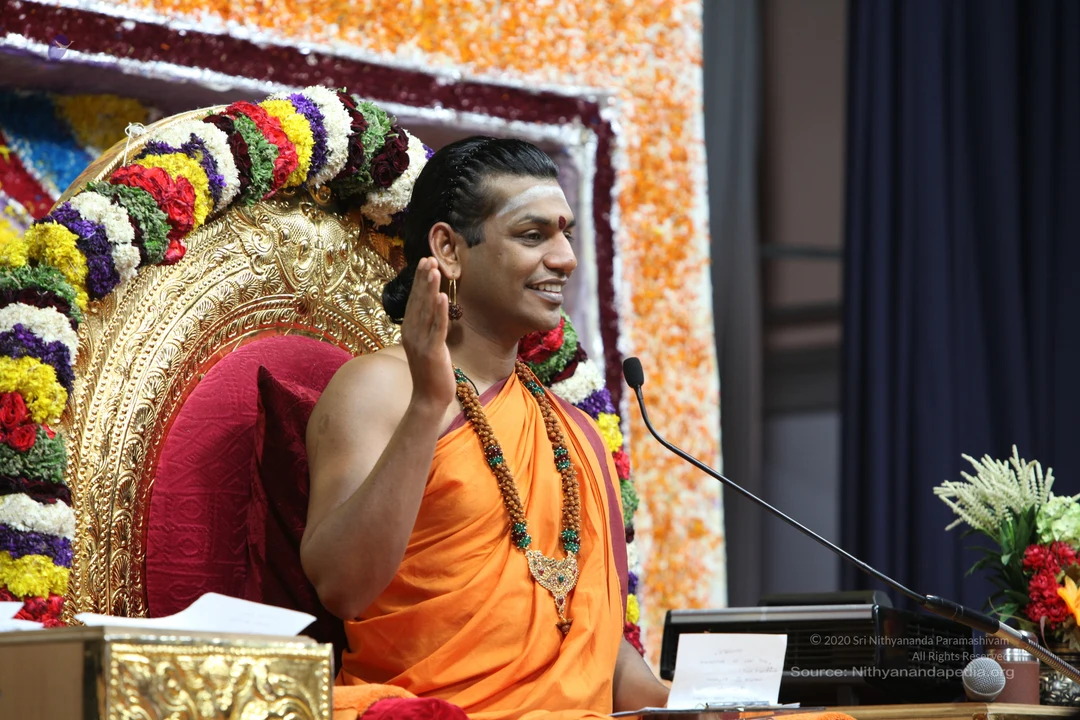
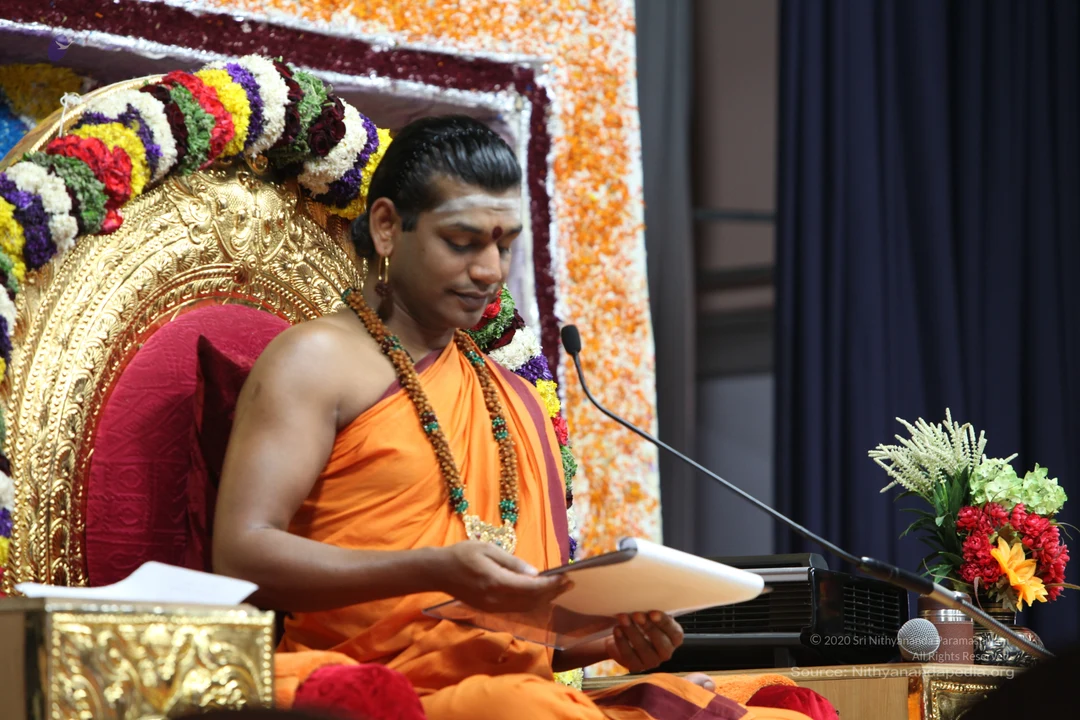
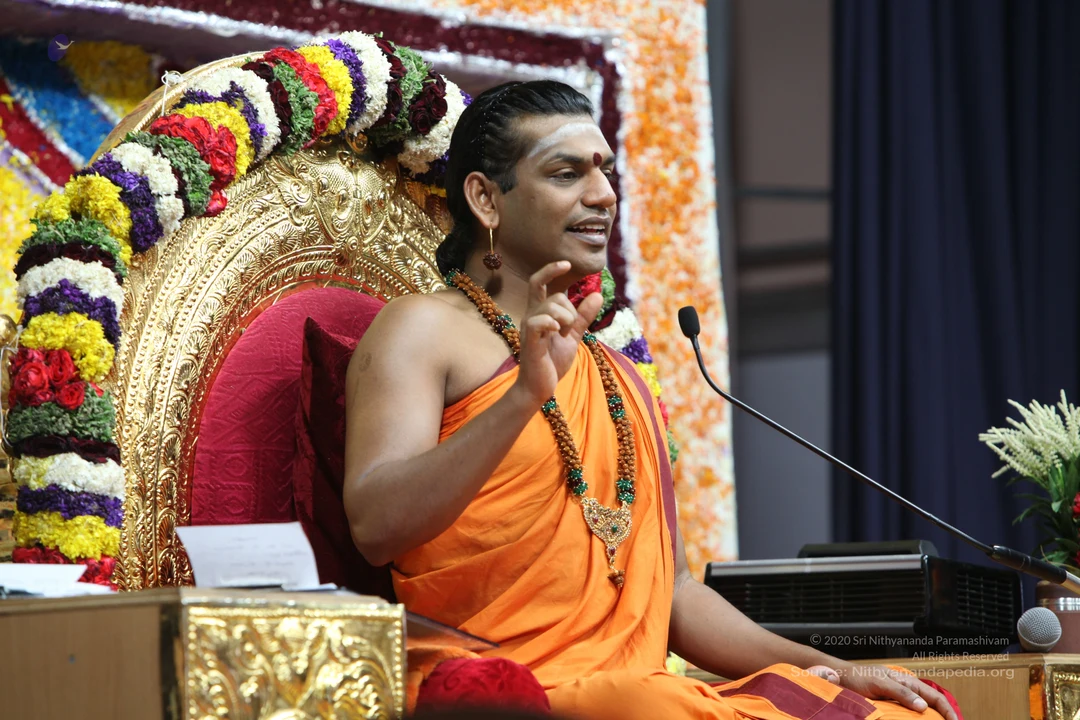
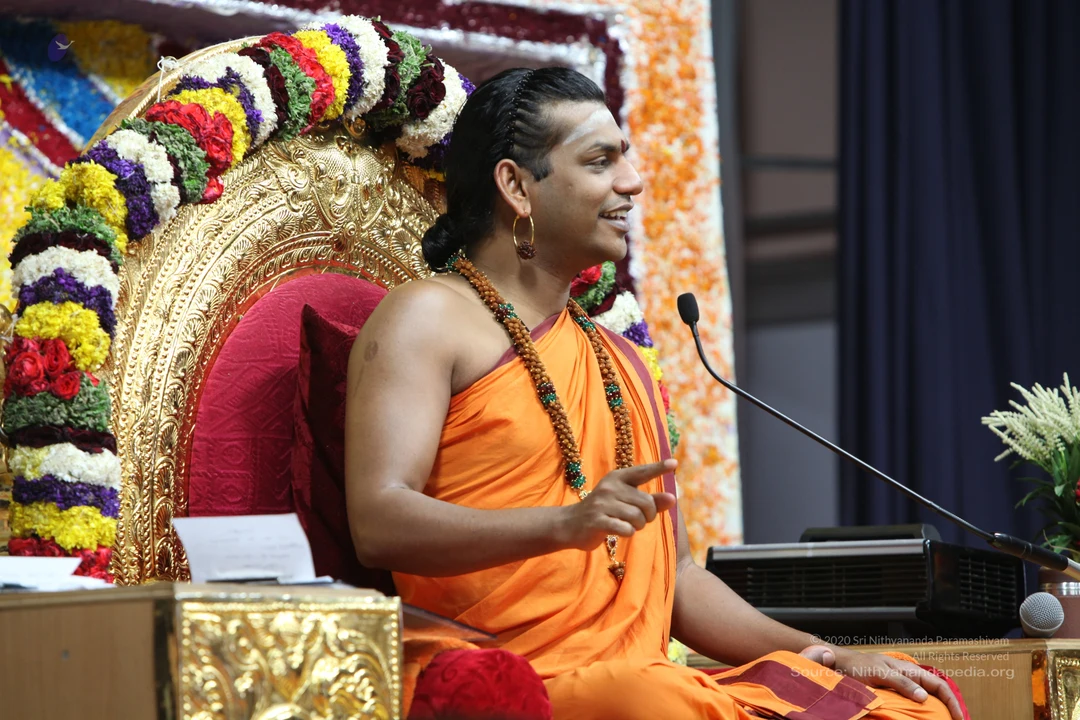
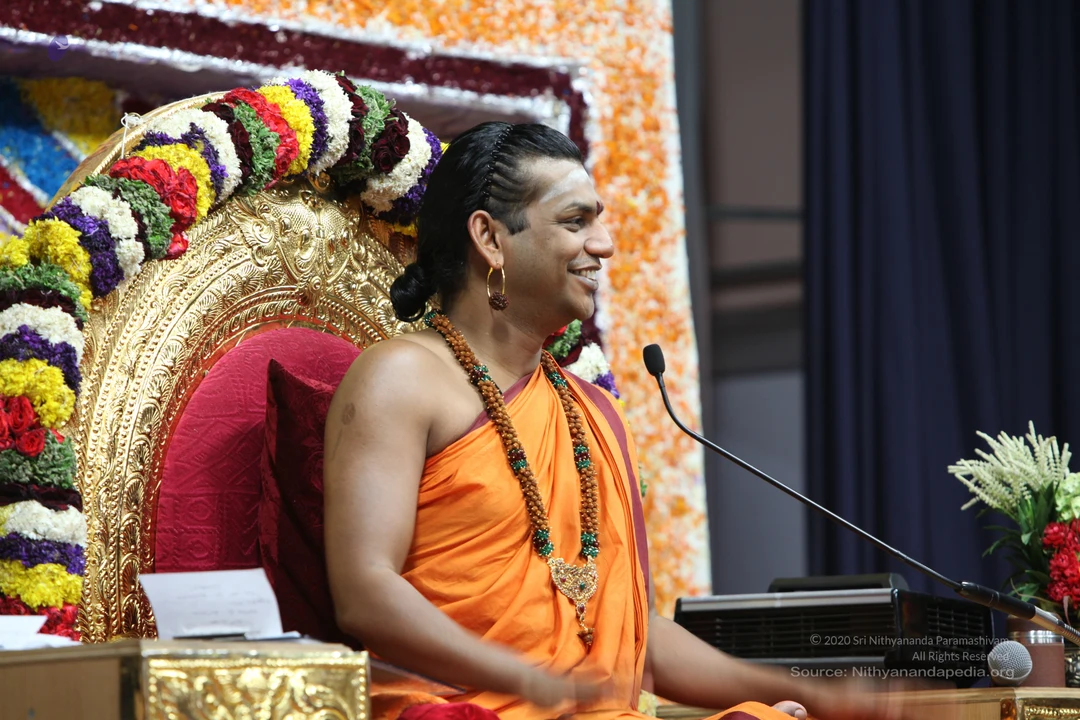
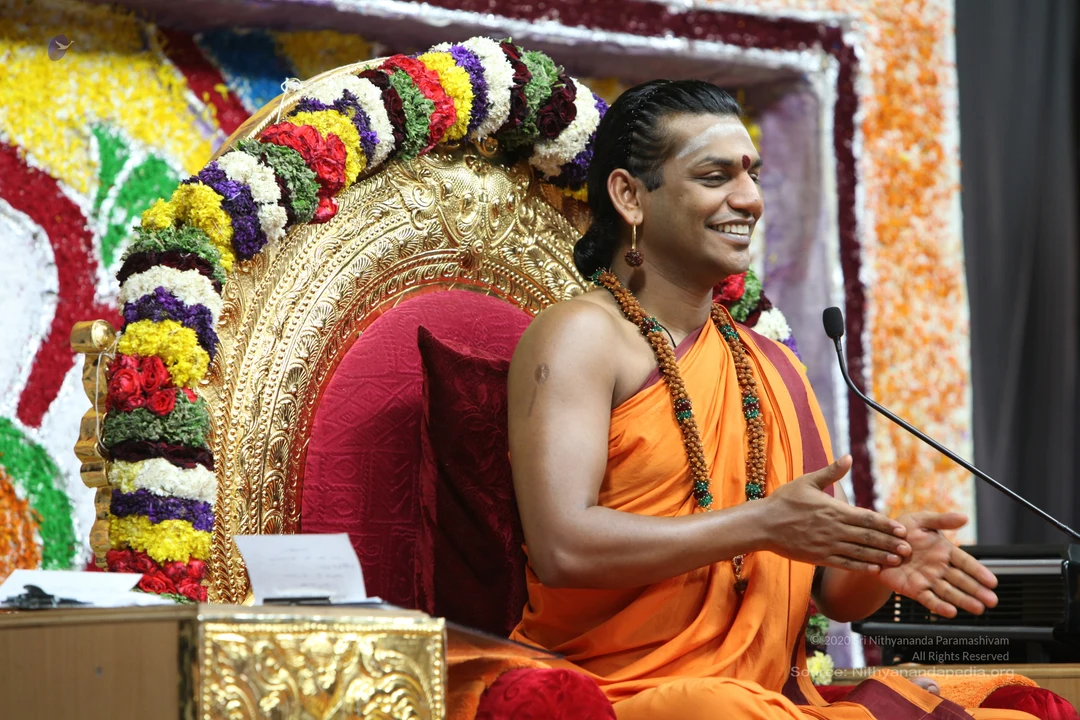
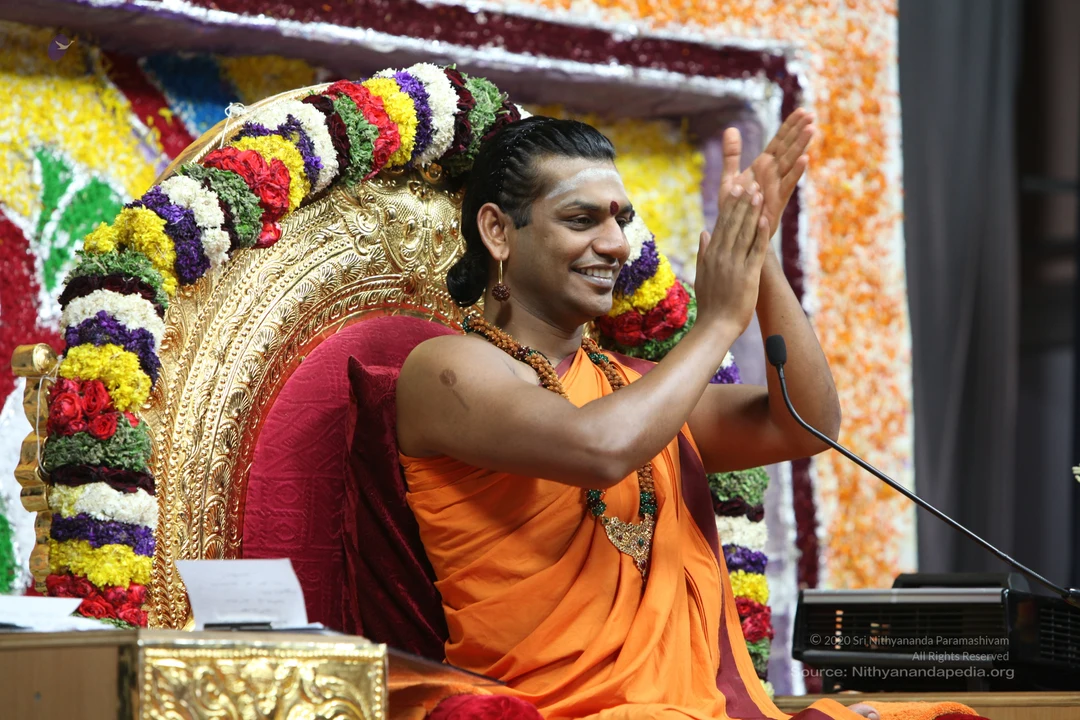
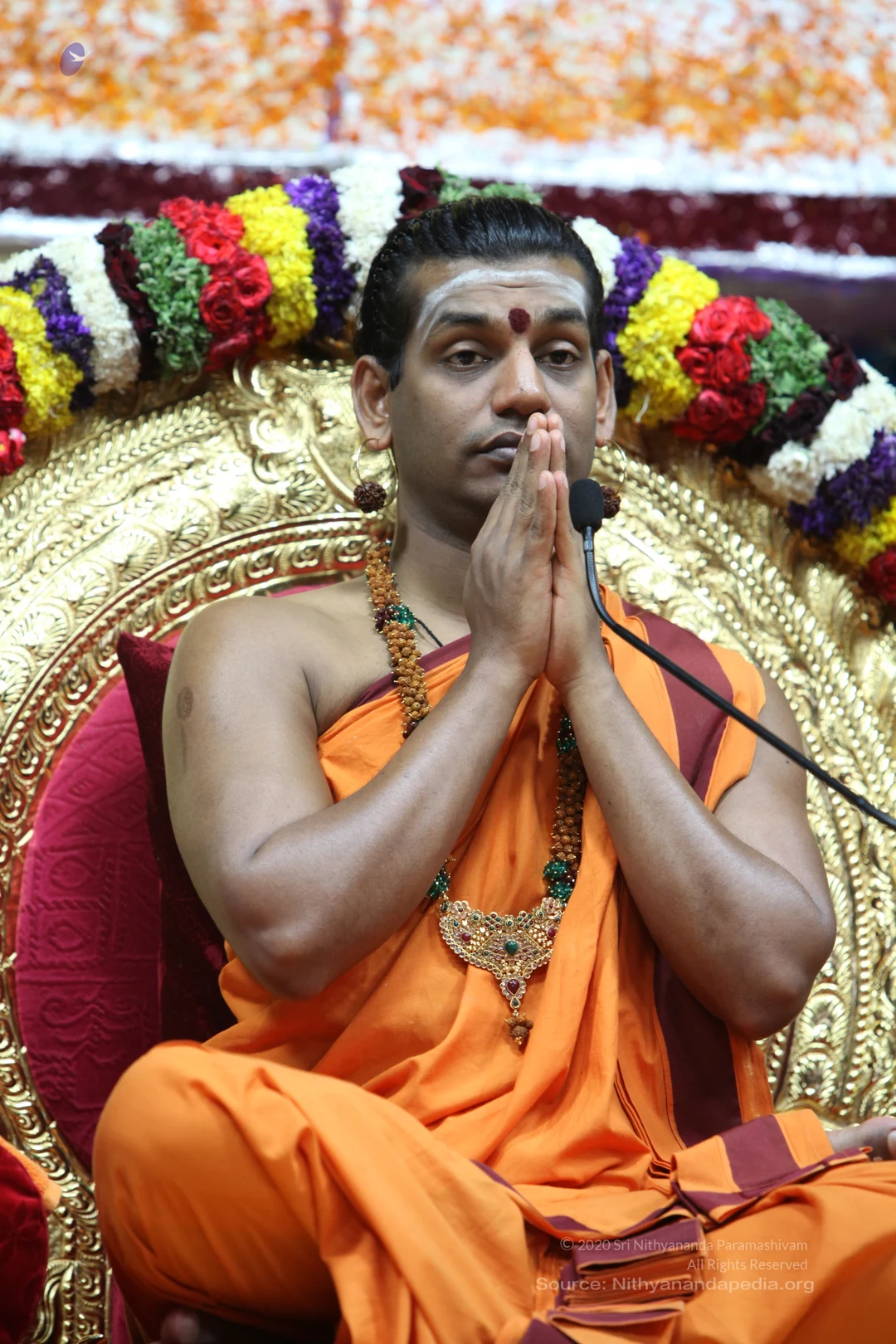
Sarvadarshan
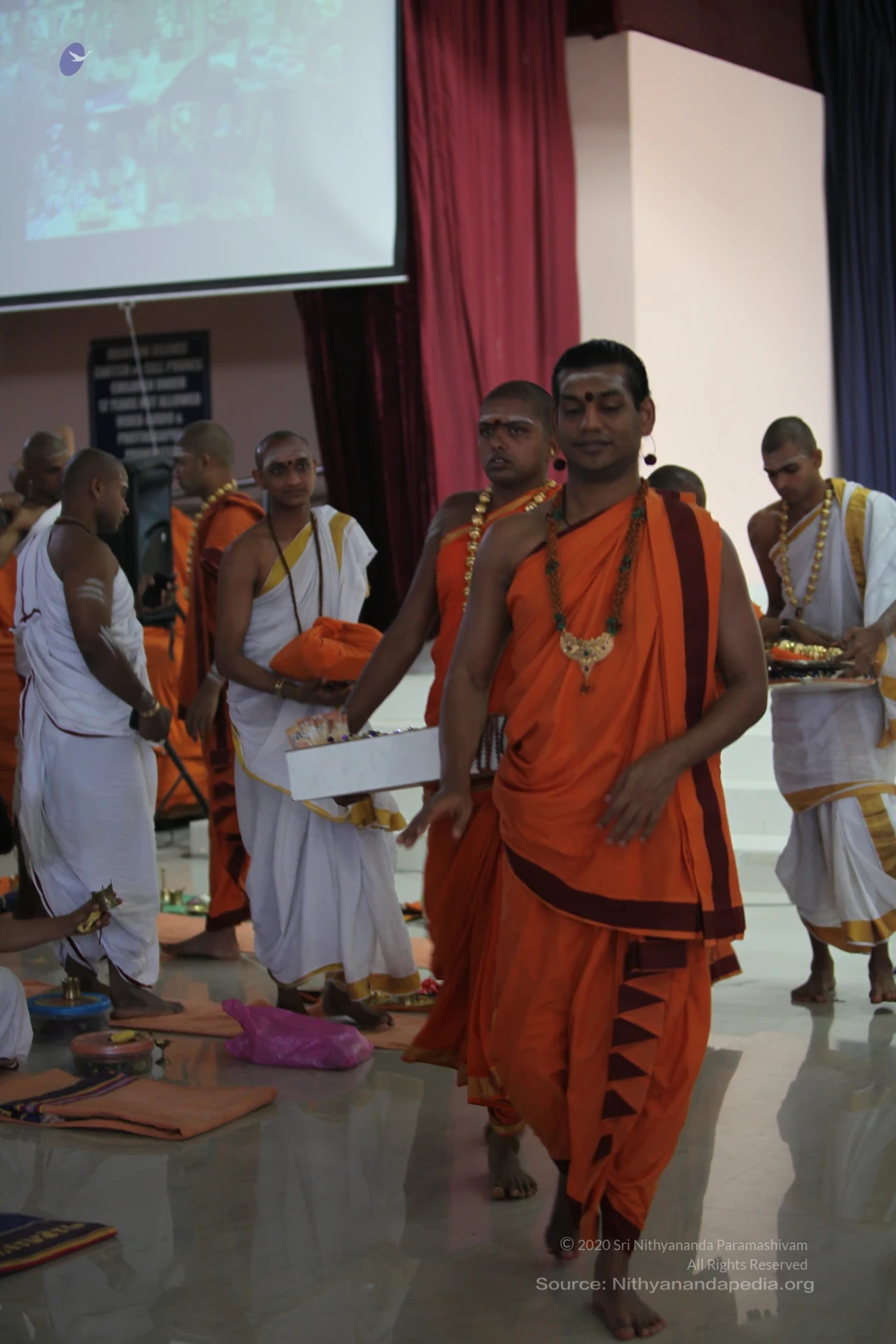
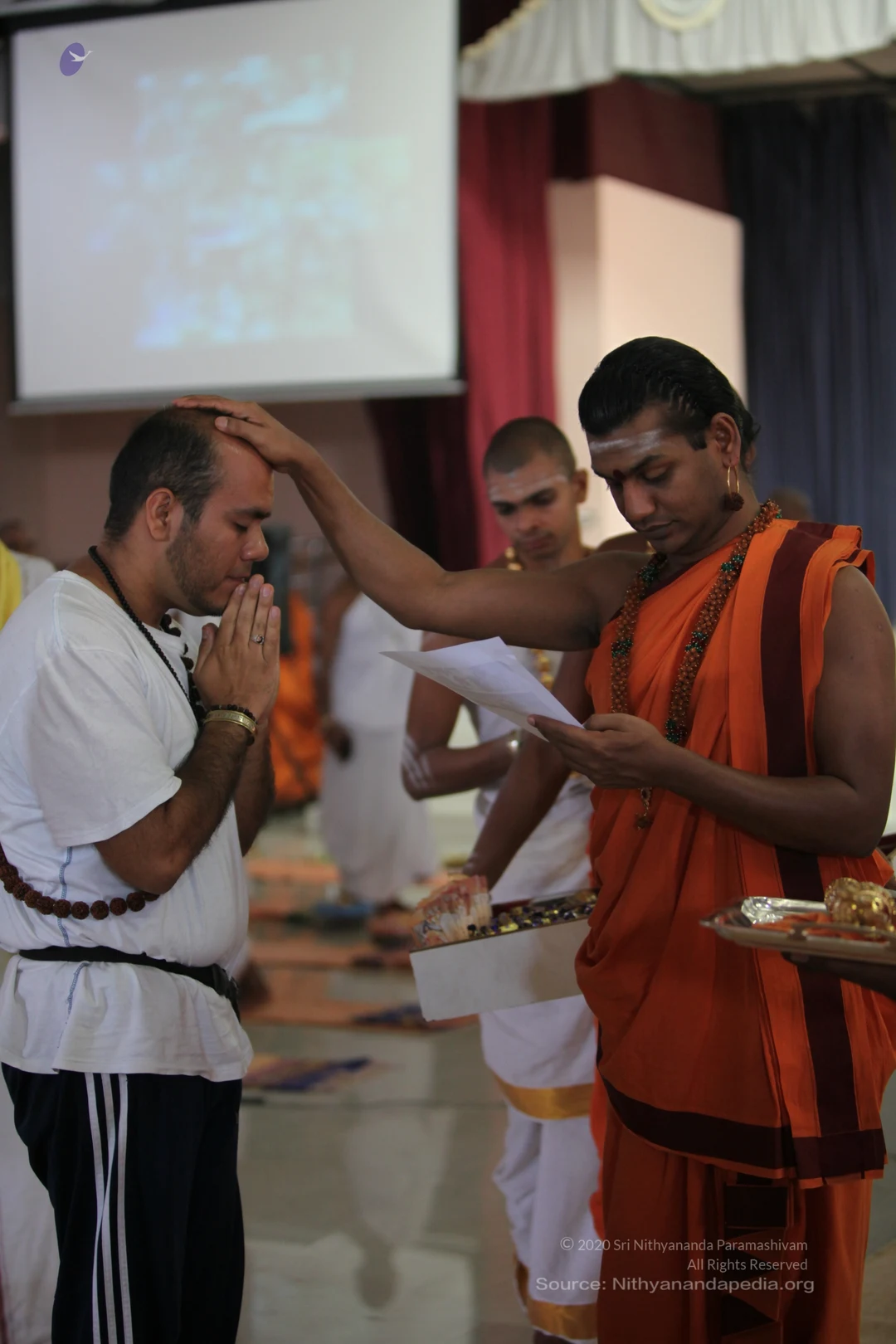
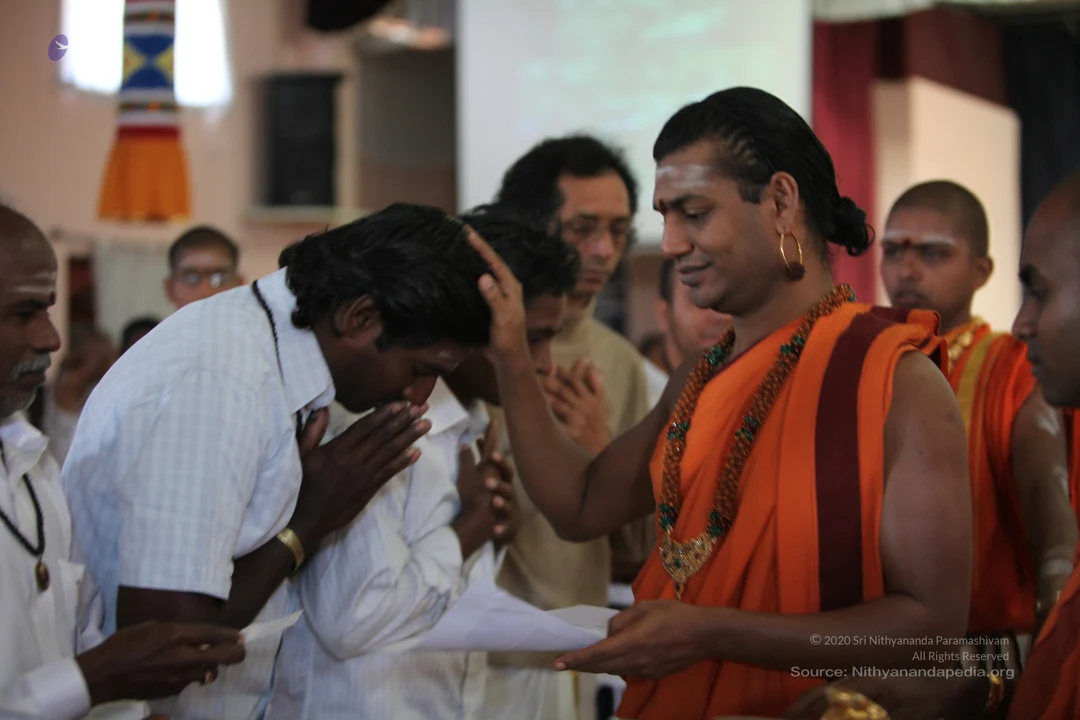
Photos Of The Day:
Germany-CMP-WM
Photos Of The Day:
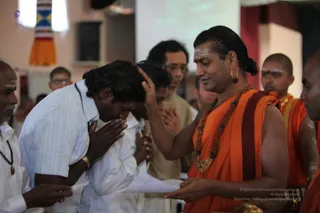
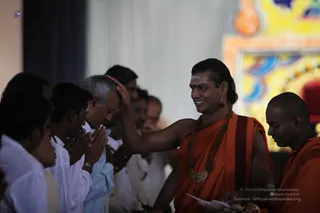
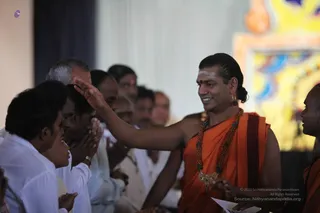
darshan
Photos from this day
View all 80 photosPanchatapas
4 photosSource gallery
Pratyaksha-Paadapooja
17 photosSource gallery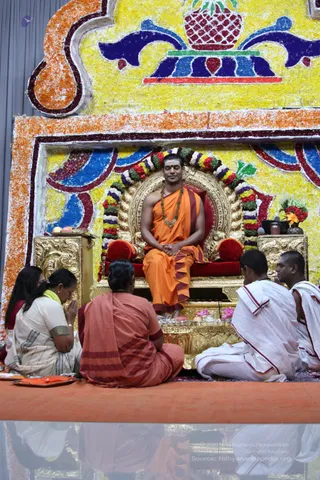
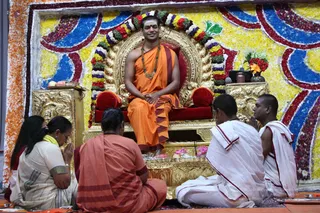
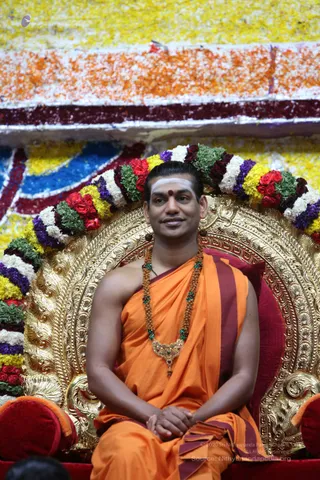
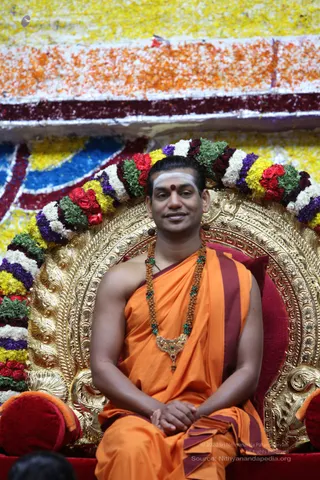
Nithyananda-Satsang
43 photosSource gallery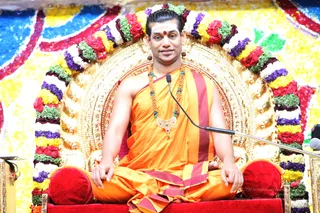
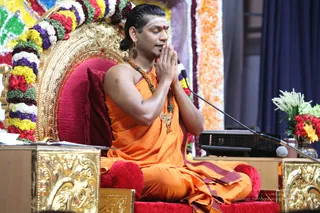
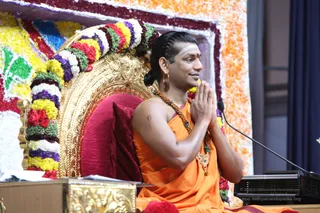
Sarvadarshan
11 photosSource gallery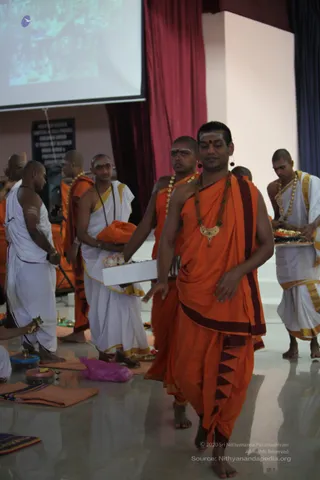
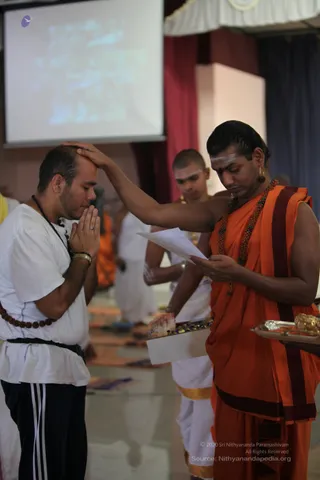
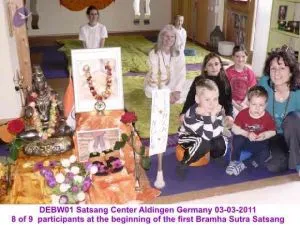
Germany-CMP-WM
3 photosSource gallery
darshan
2 photosSource gallery