Tuesday
14 December 2010
Ashtanga Yoga - Yama 3 - Patanjali Yoga Sutras 82
- Dated photos
- 256
- Source pages
- 1
- Media
- 2

December 14 2010
Original wiki pageTitle:
Ashtanga Yoga - Yama 3 - Patanjali Yoga Sutras 82
Narration:
The Supreme Pontiff of Hinduism, Jagatguru Mahasannidhanam, His Divine Holiness, Bhagavan Nithyananda Paramashivam, expounded on the Cosmic Principles of Patanjali Yoga Sutras during the live public talk - Nithyananda Satsang. In this talk entitled Ashtanga Yoga - Yama 3 - Patanjali Yoga Sutras 82, The Supreme Pontiff of Hinduism explained how Patanjali is trying to reveal one of the greatest secrets of how the laws are created, evolved and reach the fulfillment of its purpose. He shared that Patanjali was a spiritual figure giving us more than just how to bend the body, breathe and have Enlightenment, by bringing also the spiritual understanding into social life. He explained that this one sutra is enough to give the base for all the country’s legal systems and if any country's law makers understand this one sutra and create their laws, align their laws based on these sutras, the whole country will be an enlightened civilization.
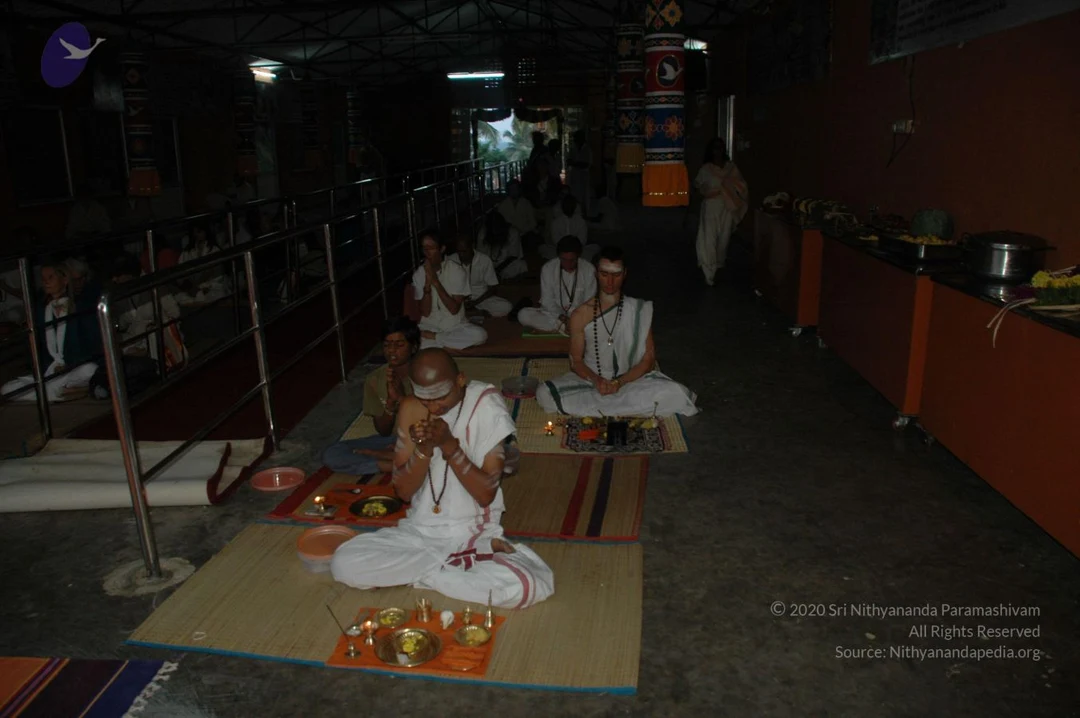
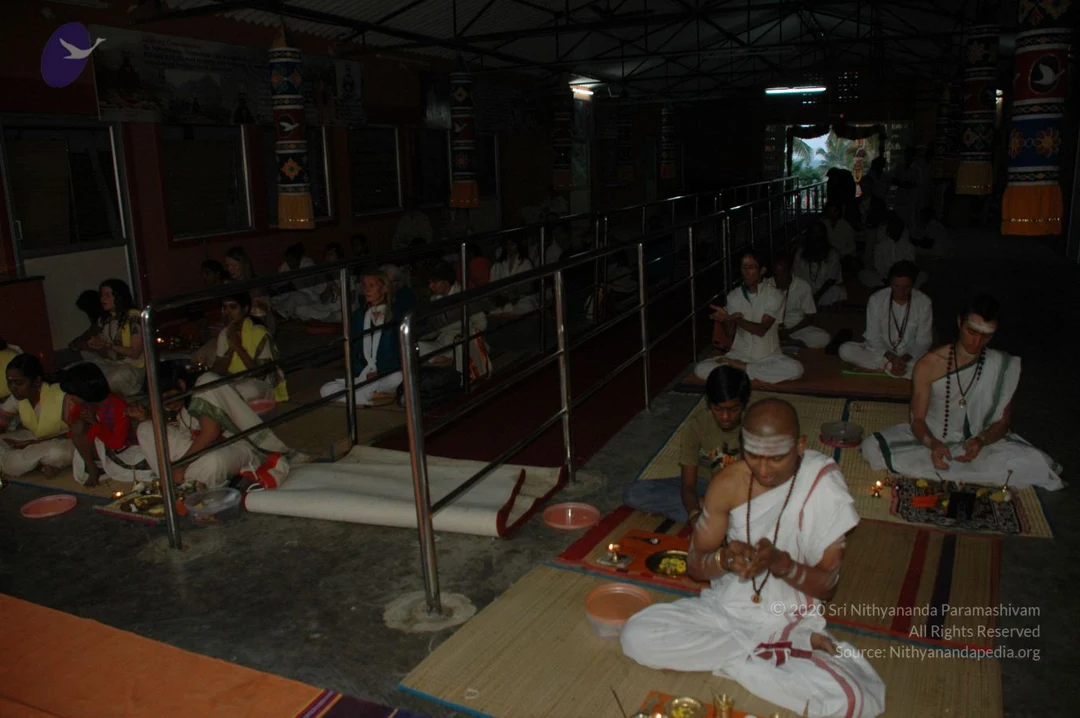
Today during Day 14 of the Inner Awakening Program, delegates experienced the presence and Truths of His Divine Holiness.
Video and Audio:
Ashtanga Yoga - Yama 3 - Patanjali Yoga Sutras 82
| Video | Audio |
Transcript:
0:54 I welcome you all with my love and respects. Today’s subject for the morning satsang is ‘The law of making laws’. Let’s understand why laws are made. When more than one persons have started living together in the planet earth and the logic of what you can have why not me have has started happening in human body, the system of law got created.
2:02 Please understand more than one human being has started living together; even if two people have started living together and started thinking what you have why not me also, first thing when human beings have started living together they understood the comfort and the positive points that living together brings; protection from other animals, other tribes, natural calamities, thousands of things and even the life becomes more sophisticated, luxurious, wealthy, rich, less hard. The human beings have realized, yes, living together brings lot of good things. Then the problem came why not me also. To come to an understanding, the system of law is created. This is the basic root why laws are required. Then so many things started evolving around it. Responsibility of a person, duty of a person and freedom given to a person, powers given to a person and restrictions on that person, punishment for breaking the responsibility or restrictions or misusing the powers; all that started evolving.
4:04 Basically human beings when they started living together the understanding they created amongst each other to live happily safely has evolved as laws. You will not kill me so that I will not kill you; let both of us live. This is the law. First it is an understanding then it is evolved as a law. In this sutra Patanjali is trying to reveal one of the greatest secret how the laws are created, evolved and reached its purpose or reaches the fulfillment of its purpose. Let’s enter into the sutra. Ete jaati desha kaala samaya anavaschinnaha saarvabhouma maha vratam. This is the 82nd sutra in Patanjali yoga sutras and in second chapter 31st verse.
6:00 This one sutra puts my understanding about Patanjali beyond comprehension. Because Patanjali is represented always as a person who taught you how to stretch your body or blow your nose do some kriya and have enlightenment. No... He is something far beyond. He is not just a spiritual figure. He has brought that spiritual understanding into the social life. This one sutra is enough to give the base for the all the country’s legal systems. If any country law makers understand this one sutra and create their laws, align their laws based on these sutras, whole country will be an enlightened civilization. They may not even need to use the law. Please understand I am not giving you some fantasy or fairy tale. No. I am not giving you a hope of some Utopia and all that. No. I am telling you the practical root understanding about law. Human beings need to be handled with lot of love, care and compassion when you create a law and when you execute a law. Basically you need to know the need of the law.
8:11 Very beautifully Patanjali describes in this one sutra how, why, when, what for laws are. Swami Vivekananda translates this sutra as: these unbroken by time, place, purpose and caste rules are universal great vows. Swami Prabhavananda translates as: these forms of abstention are basic rules of conduct. They must be practiced without any reservations as to time, place, purpose or caste rules. Swami Sachidananda translates as: these great vows are universal not limited by class, place, time or circumstances. Before giving my own translation I wanted to dive deep into the every part of the sutra. A simple literal translation is these great vows, the vows which he explained in last sutras; ahimsa satya astheya aparigraha brahmacharya five, he says they are universal, not conditioned, restricted, limited, irrespective of birth or station of life or desha locus place or kaala time or samaya condition situation circumstance; all these things does not matter. Beyond all these things of desha, kala, samaya, jaati, desha, kala, samaya, means the birth of the species the station of your life, the place of your life, the time and the condition situations of your life circumstances; beyond all these things this five vows are universal. It’s a simple basic translation.
10:46 In this one sutra Patanjali reveals some of the major conditionings of human beings. See all your conditionings can be reduced just to this four; jaati desha kala samaya. Jaati means birth; in which family you are born. More than in which family you are born, in which family you are brought up. The number of DNA strands awakened during your birth depends on the parents you choose. Please understand the whole vedic civilization was an experiment done with a great understanding providing a space for the souls to land again and again consciously till enlightenment. We had an experiential understanding, human souls come down, evolve, then come down to evolve more, then get enlightened. So we made our civilizations itself like a beautiful cosmic airport. For the lowest level soul we provided opportunity to evolve. Once he evolves and leaves the body, we provide an opportunity and right families where he can land and evolve more. Then we provide opportunity for a place, ambience where he can again land and evolve more.
12:46 Understand when he is in the level of fifth state of consciousness, for example he is supposed to reach the seventh state, fifth state of consciousness he is in. When he takes birth in a particular family somehow gets confused and starts relating with the people who are in the first state of consciousness. His whole life’s purpose will be wasted. His whole life will be wasted. Our masters are so intelligent they segregated properly. They created a separate place, way of life, for people who are in every state of consciousness. And they created a separate place even for those who have fallen. If you have taken birth in the fourth state of consciousness atmosphere but somehow by the accumulation of the unnecessary new desires you have fallen to the third level or second level or first level, lowest level of people, even for you there was separate place. They tell them at least you be separate so that you don’t spoil others. They know desire and lifestyle is more contagious disease than chicken pox or any STDs. For any disease to be transmitted, if it is an STD you need a touch; the body fluid transmission. If it is if it can be spread through air and all that you need to at least be in the breathing space. But this desire and lifestyle is so contagious, you don’t need to be in the breathing space; just hearing, thinking, visualizing, is enough; the disease has caught you.
14:51 But our Masters does not want souls to suffer the worst contagious disease of the planet earth; desire based on lifestyle. They do not want you to suffer with that. That is the reason they created a beautiful separation for a different group and mental setup of people to exist in a different way. I tell you, surely jaati the birth the place where you are born, place where you are brought up, plays a major role in your life; the flow of your life. Modern day psychologists are saying you finish learning 90% of the things which you learn in your life by the age of seven. After seven, everything is only addition or little deletion nothing else. But the core is already formed. I can say from my own experience whatever is said and done the parental conditioning does not leave the bio memory till the body is burnt and reduced to ashes. It’s very difficult.
16:25 Like Bheeshma in Mahabharata war does not die till the coronation; only after the Dharmaraja’s coronation, paatabhisheka, Bheeshma dies. Bheeshma represents parental conditioning. In the Mahabharata war Dharmaraja represents the expression of enlightenment in the body as the beautiful cosmic understanding. When you achieve enlightenment, how that beautiful extraordinary cosmic understanding radiates through your body, breeze through your body, that is represented by Yudhistra; Dharma raja. So only after the enlightenment, parental conditioning dies not before that. Jaati is one reason of conditioning. So there are some laws which need to be created based on your birth and the place where you are brought up; the ideas with which you are brought up. Because I tell you there are hundreds of things I can’t even understand.
17:25 One example when my father passed away, after that I went to US for a trip. One of our western devotee with lot of concern and love asked ‘Swamiji when will your mother remarry?’ I was shocked because in India we don’t even the very idea does not exist. I can see my mother laughing. No really. But that person is not able to understand……..she is after all less than fifty. Actually when my father died she is below fifty. Ehhh she is only not even fifty, half of the life is there why will she not remarry? Just this is what is, the jaati; the place where you are born and brought up. Forget about considering, nobody will even think; at least from the place where I was born and brought up. And I know hundreds of widows even at the age of 30, if her husband dies after thirty they don’t remarry. I know from the family where I was born and brought up. There are. Even if the woman is thirty, whole life she will live alone.
19:25 Ramakrishna says, if he is given a one more opportunity to take one more birth, he says I should be born and get married in a very young age, before even I see my husband he should die. I should live as a young widow; because in the Hindu tradition, in the Indian community, the young widow is protected and kept as, kept respected and nobody tries to intrude in her life. He says I should have a small place where I am growing my own food and whole day I should be thinking, remembering, living with Krishna; Krishna as my husband and I should live in that ecstasy. That is my fantasy; Ramakrishna says. No…..this idea says very clearly if you are a young widow, the very idea of getting remarried does not exist; even if you are young widow. He says very beautifully……….and not only that even the village zamindars or the womanizers don’t put their eyes on the young widows. They put their eyes on the prostitutes, dancers and other people. Young widows they keep distance. No…..because that becomes a lifestyle.
20:44 The place where you are born and brought up plays a major role in the laws created around you, for you, necessary for you; Laws created around you, laws created for you, laws which are necessary for you. That plays a major role. Patanjali has done an amazing research to write his Mahabashya. He has written a world’s best grammar book. I can say not only best, largest grammar book. He has written a book on grammar; how to create grammar for all languages. Please understand the Patanjalis Mahabashya on Panini sutras is not just grammar on Sanskrit. No…….If you study that book you will know how to create grammar for any language. You can just create a language. If you study Patanjali’s Yoga Sutras you can create a religion. If you study Patanjali’s Mahabashya you can create a language. If you study Patanjali’s works on Ayurveda you can just create a health order in the world. For body he created Ayurveda, for vaak words he created Mahabashya, for mind he created Yoga Sutra.
22:31 That Mahabashya I wanted you to understand so that you will understand the depth of this sutra. In that time, when there was no transportation facilities or communication facilities he studies 300 different dialect of Sanskrit. Sanskrit was spoken in 300 different way all over the India when Patanjali was writing Sanskrit grammar; when he was defining and creating grammar book for Sanskrit. Still I am not able to comprehend how he did it. For each word there are 300 different understanding. Patanjali…..I don’t know how he managed. Studies all 300 communities and how that word is used in all 300 communities, compiles, unites, connects, bring them all to a common acceptable understanding and presents it. If any of you have read Mahabashya only then you will appreciate his grandeur and understanding. Unimaginable!!
24:02 I can say if all non mechanical parts of his brain, which science says hundred trillion that’s what science is saying; 100 trillion alive, independent, intelligent parts which can perceive, process, deliver informations, are there in your brain; hundred trillion. I was studying some researches of brain, I am saying hundred trillion, I think they are saying hundred trillions, not even hundred trillion, hundreds of trillions; that’s what I mean I think they said. Anyhow even if Patanjali’s all that parts of the non mechanical parts of that brain is awakened, even then I can’t comprehend how he was able to manage to travel all 300 communities. And another one thing if you want to study in one community how the Sanskrit is used you need to stay with that community at least ten years. And I don’t know how he was able to manage staying in all 300 communities or whether he called one, one person from all 300 communities and studied together. Even then he need to grasp from each person about each idea and word; impossible forget about it. How he grasped……..and another one funny thing, not only grasped, he brought them all to a common consensus, a common acceptable understanding; then he delivers his Mahabashya.
25:57 I tell you I personally feel after reading this sutra he did not gather people from all 300 communities. He personally went. That is the reason he is able to understand how the laws are created. Because this one sutra describes clearly how, why, when, what for laws needs to be evolved. The jaati, birth is one of the important conditioning for the laws to be evolved, then comes desha means the place locus place where you live. In some country not taking bath should be a crime, in some country taking bath too many times should be crime. In some countries doing the same in different time is crime. When there is a water shortage you can’t water the lawn. When there is enough water if you don’t maintain the lawn it is crime. Just desha the place is another one important conditioning. Understand. If you understand these basic things you will be liberated by the laws, from the laws.
27:30 Liberated from the laws is one thing, liberated by the laws is another one thing. If you are liberated by the very law you are free forever. If you are liberated from the law, please understand if you are just liberated from the law you are free for ever from the law. But if you are liberated by the law not only you are free from the law you will be able to use the law positively as you want like air bender law bender. You should not only be liberated from the law, you should be liberated by the law itself. Law says I liberate you, please do it. Do what you want; then you can play with the law. Then you will have the intelligence and energy and capacity to create law. Here, understanding about the deeper secrets of law, law of the cosmos, which naturally leads to understanding of the law of the country; Desha based on the place the conditionings which you accumulate is one more reason for the laws.
28:59 I can give you hundreds of examples. In some countries driving in the right is right, some countries driving in the left is right; based on the desha. Then comes kaala; even in the same desha based on the time laws differ. Understandings differ. Time is another one important conditioning. Samaya; condition situation occasion is another one important conditioning. Circumstance; this conditionings, condition kaala desha samaya jaati kaala desha samaya; these four are the major conditionings with which you suffer. Understand each law which tortures you take that and analyze with this four; jaati desha kaala samaya. You will be liberated by that law, from that law. For your own life, your own life, whichever community you are in, you are in a spiritual community or outside world or anywhere, analyzing based on jaati desha kaala samaya you will at least know, oh in these areas there is no law; it is just bullying, in these areas there is law you need to abide. So liberation from law and liberated by the law both happens when you understand these four conditionings and how the law applies to these four conditionings.
31:06 Patanjali says these five vratas; ahimsa satya astheya aparigraha brahmacharya means the non violence, truth, non greed and non stealing and living like god; these five great truths great vows are beyond all these four conditionings. See each layer of your conditioning need to add more laws to you. But Patanjali says even if you don’t have any of these conditioning, you are beyond all these conditioning, these five vratas apply for you; universal. Then you should understand how can any vrata apply for even people who are beyond these four conditionings. That is why I say it is not vrata; it is a wealth. The ability to live with minimal things is a freedom. Ability to live independently joyfully is a freedom. Ability to live in the complete truth, understand the complete truth about life brings you such a settled feeling inside, you will not have any inner conflict or suffering. That was my strength to handle this whole scandal; a complete, complete fulfilled integrity on truth; no suffering. How much ever they tried to dump suffering on me no suffering.
33:22 And non stealing, means non desirous to others wealth; not trying to take over some temple or ashrams of some Swami when he is in trouble or trying to create trouble so that he can grab. Never had the problem of trying to grab others property; it’s a big wealth; it’s a big freedom. You don’t need to sneak in secretly into their ashrams or temples and brain wash their devotees. Non-stealing is a wealth. Living like God, independently ecstatic, is a wealth.
34:16 So understand that is why Patanjali says saarvabhouma maha vratam. Universally these principles exists beyond the four conditionings; which jaati you are born, what is your parental conditioning, what is your country, what is the time, what is the situation; no problem. This five has to be lived means not as a law. This will be lived only if you understand this five are wealth to you, not as just law forced on you. To realize this five is wealth to you, you need to be awakened consciously. You need to be enlightened; that is what Patanjali means. All this five Yama is not a law; if you have this one understanding this whole thing will tumble down. No. Then you are in the same rut; not a law. It is the law and energy which enforces the law; both are called yama.
35:57 So go to the source of law from where it comes, you will experience the energy which enforces the law. Whenever you go to the source of law you are liberated from the law by the law. All these five wealths which are there in your consciousness, beyond all this four conditionings, if these four conditionings is removed from you jaati kaala desha samaya, means the birth, place, time and situation, only pure consciousness remains in you. So these five things of truth, non-stealing, non greed, non violence and living like god are the wealth kept in your consciousness. So break these four conditionings and get into your conscious wealth. Live that. That is what is yama. Then you don’t have yama. When you live in yama you don’t have yama; death.
37:23 I bless you all to achieve, experience, live and express and radiate the eternal bliss Nithyananda. Thank you. 37:37
Photos Of The Day:
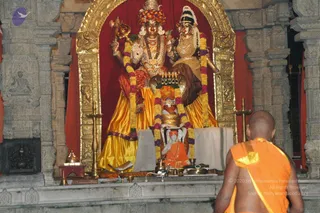
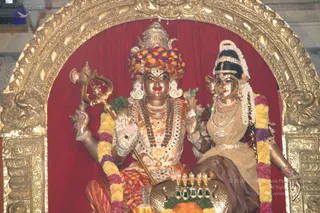
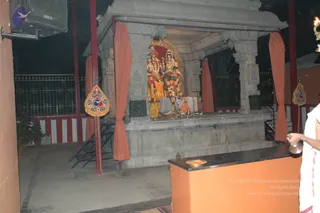
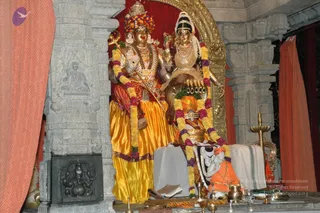
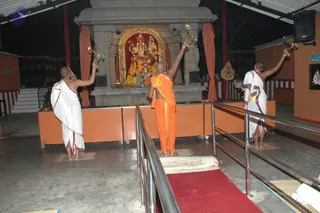
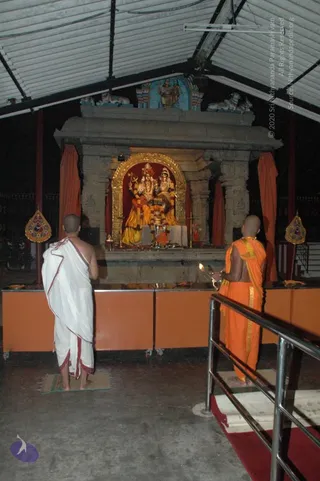
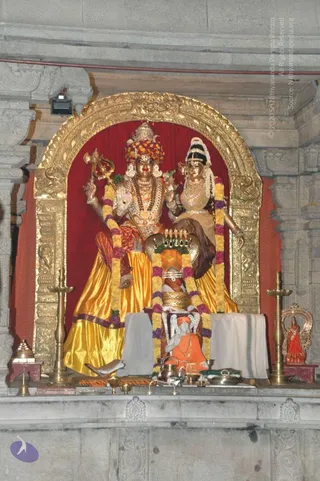
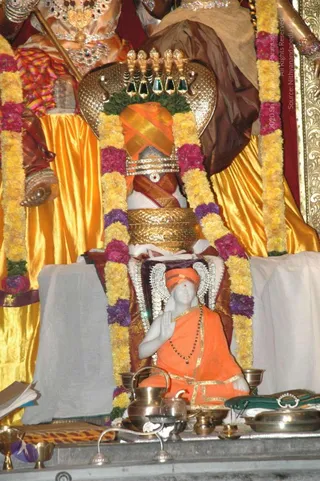
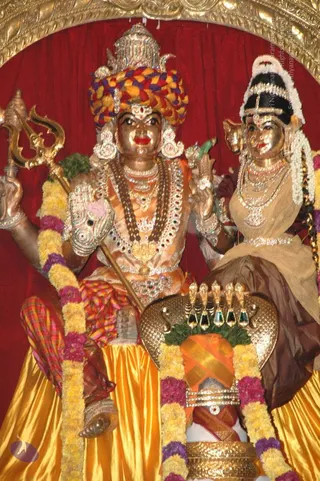
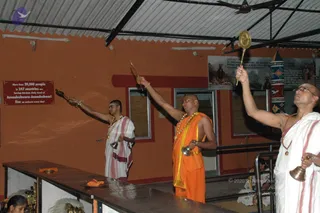
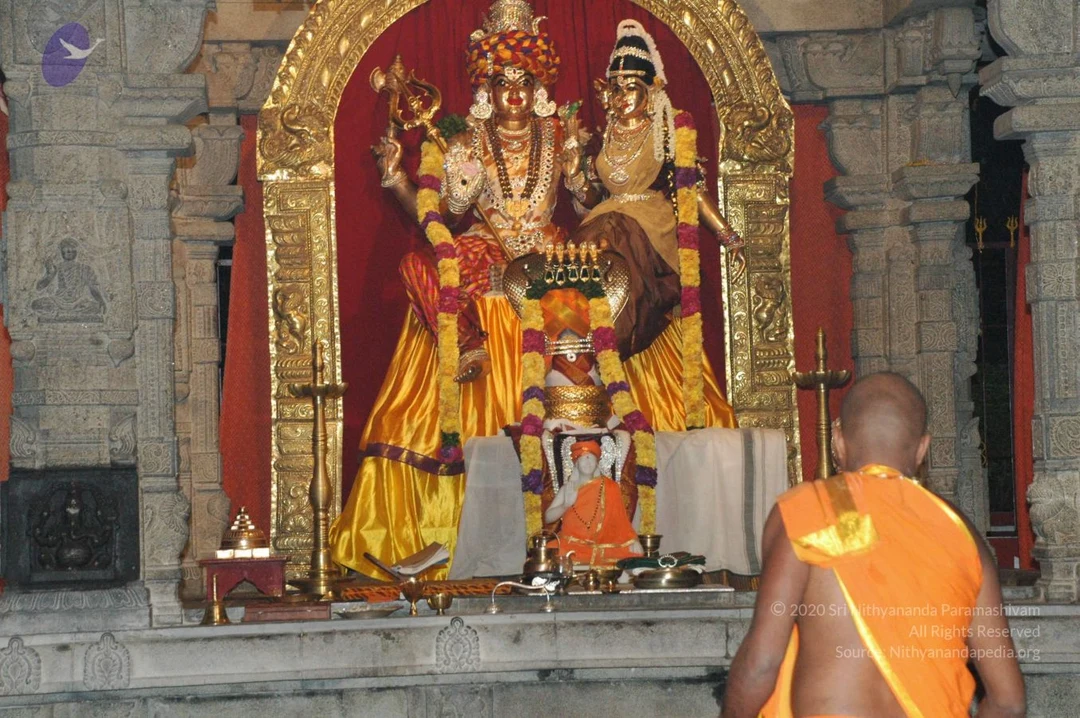
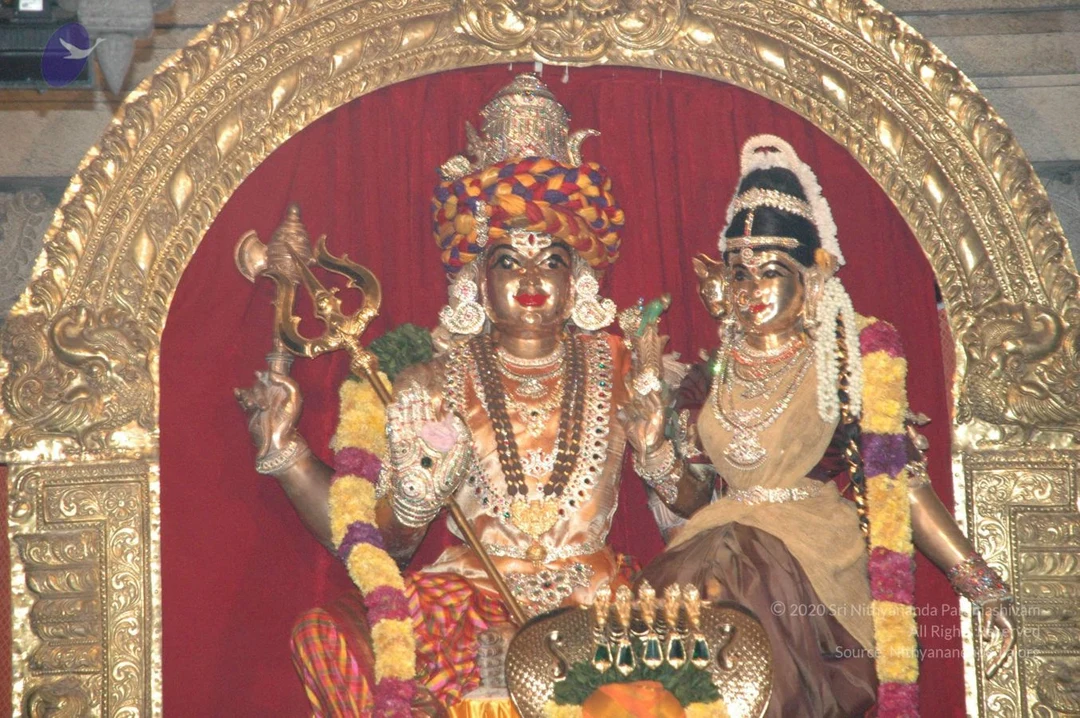
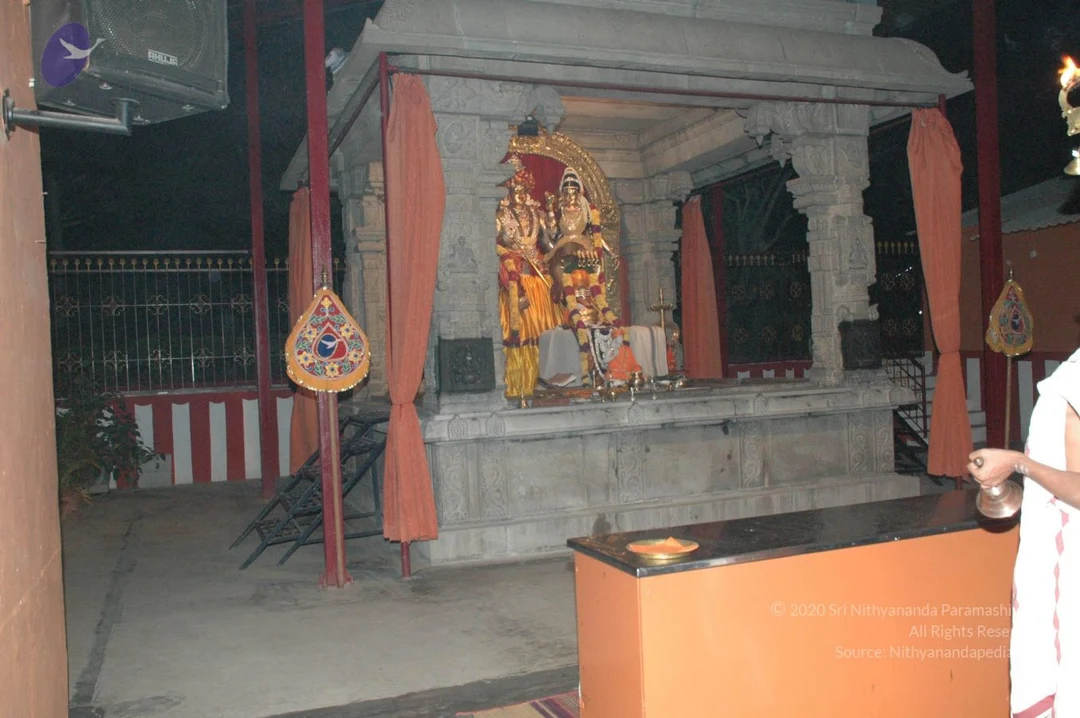
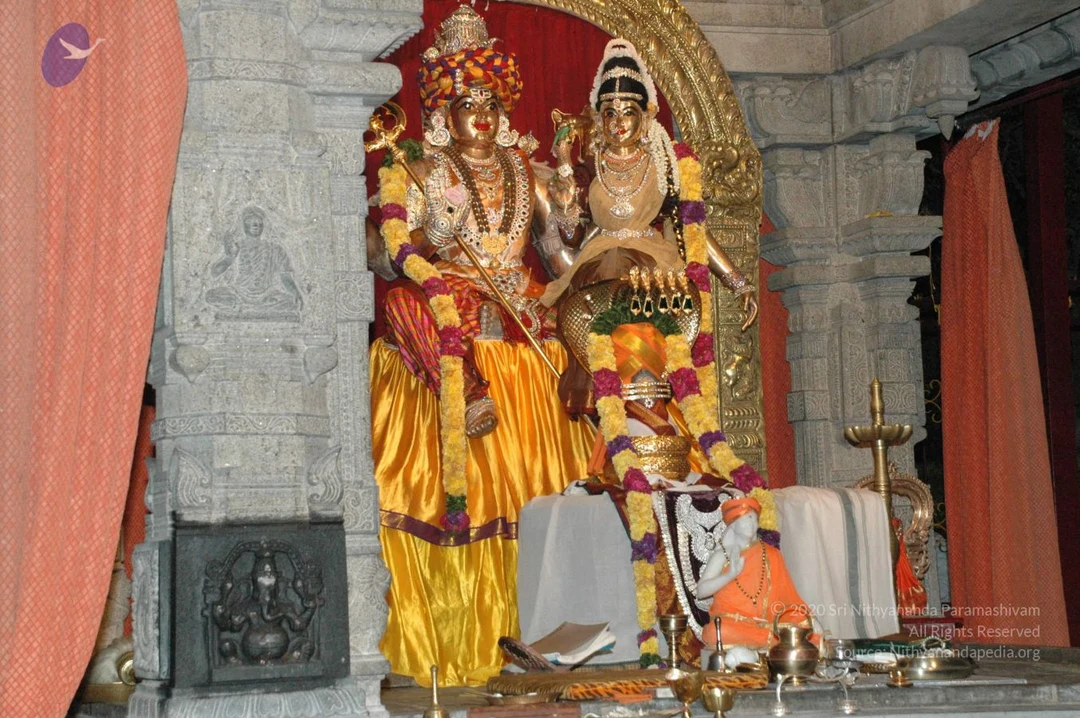
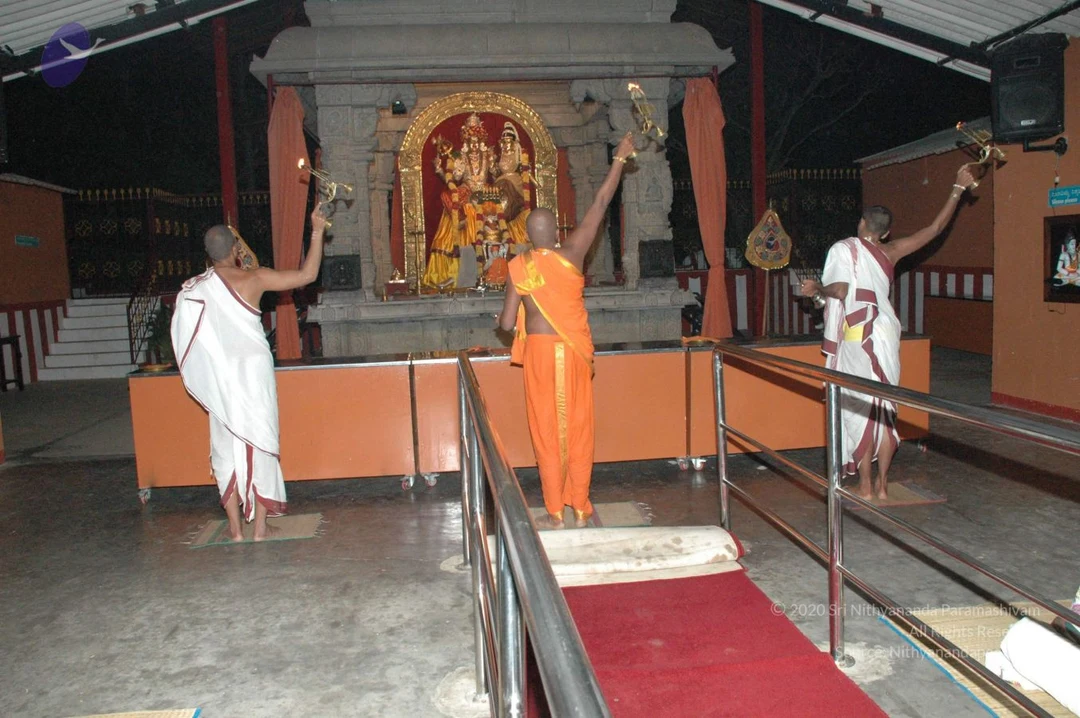
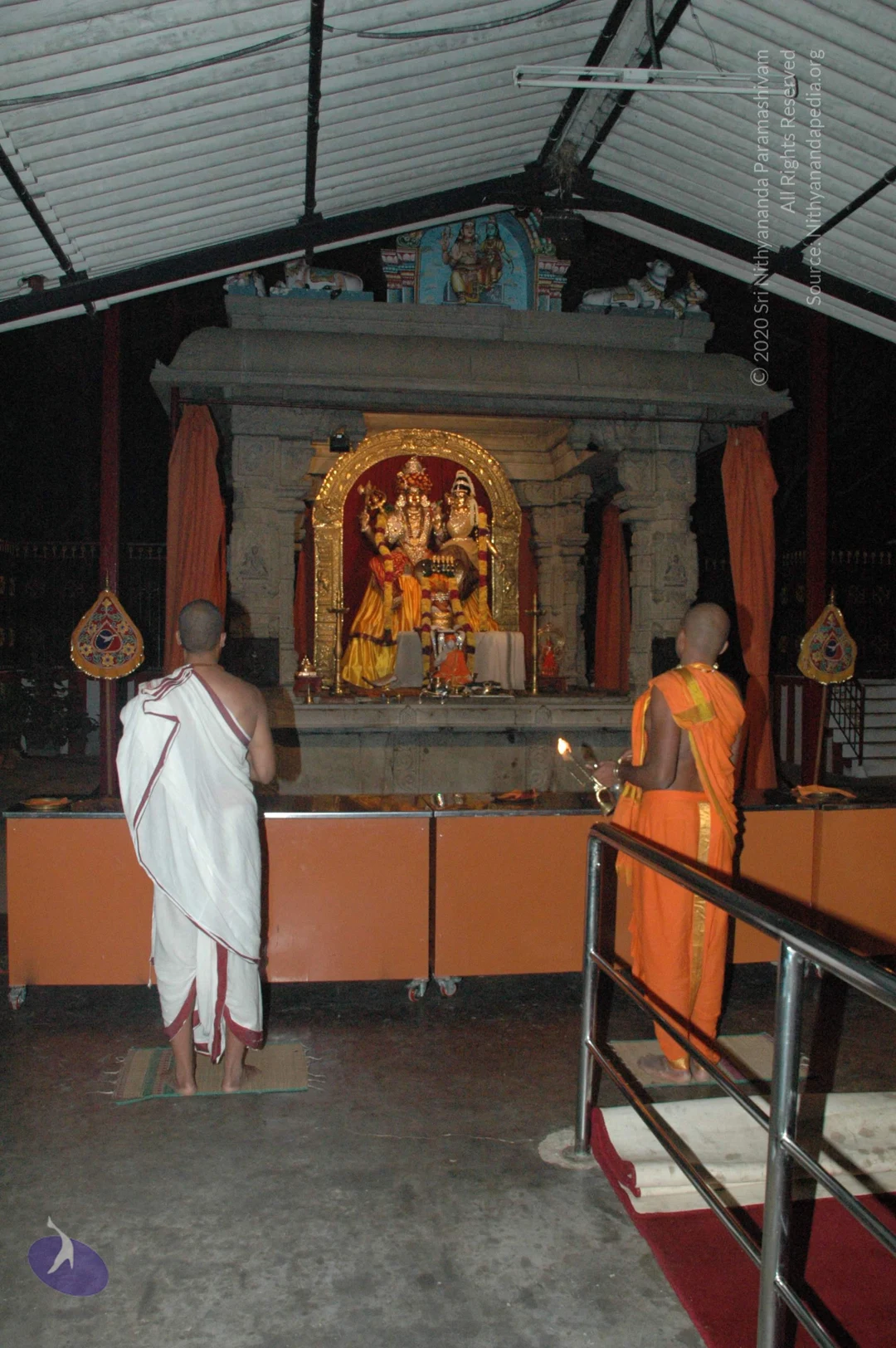
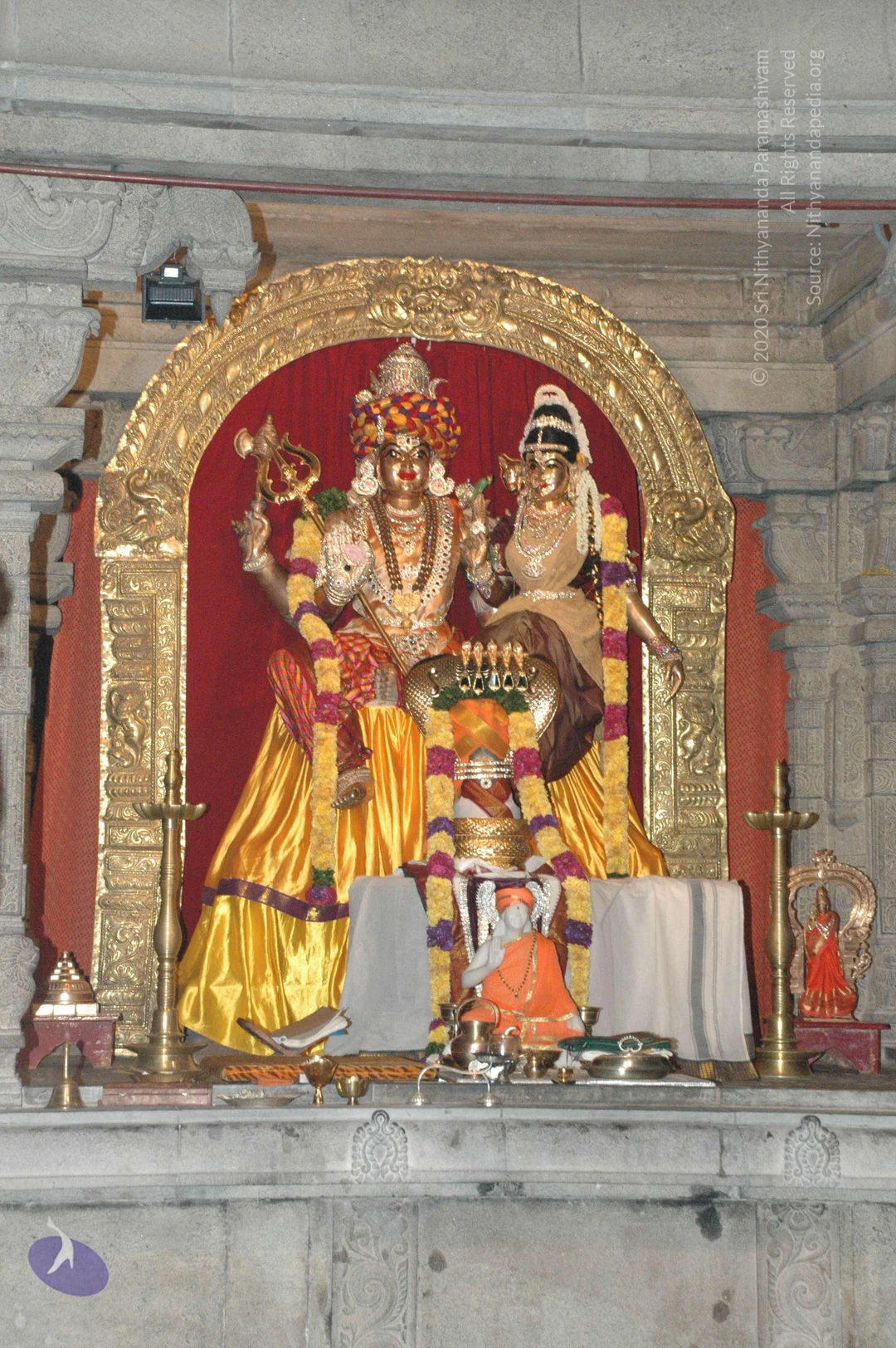
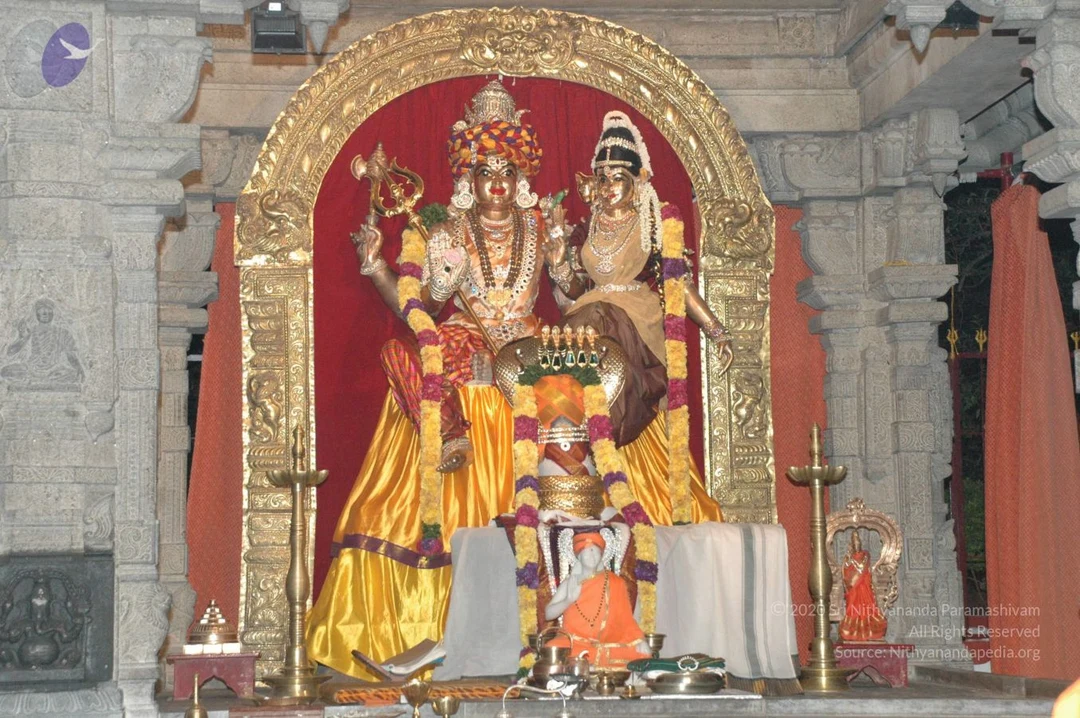
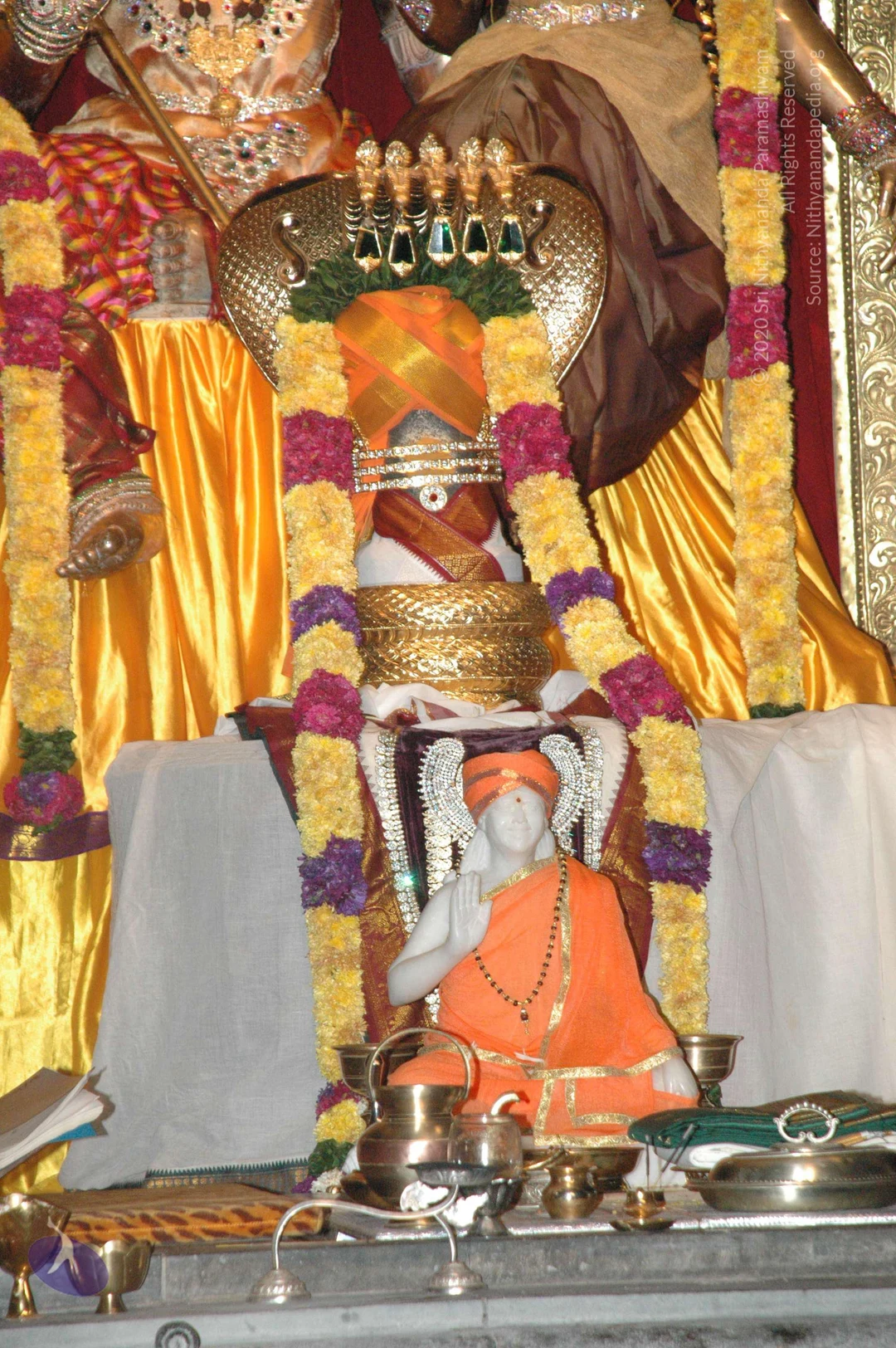
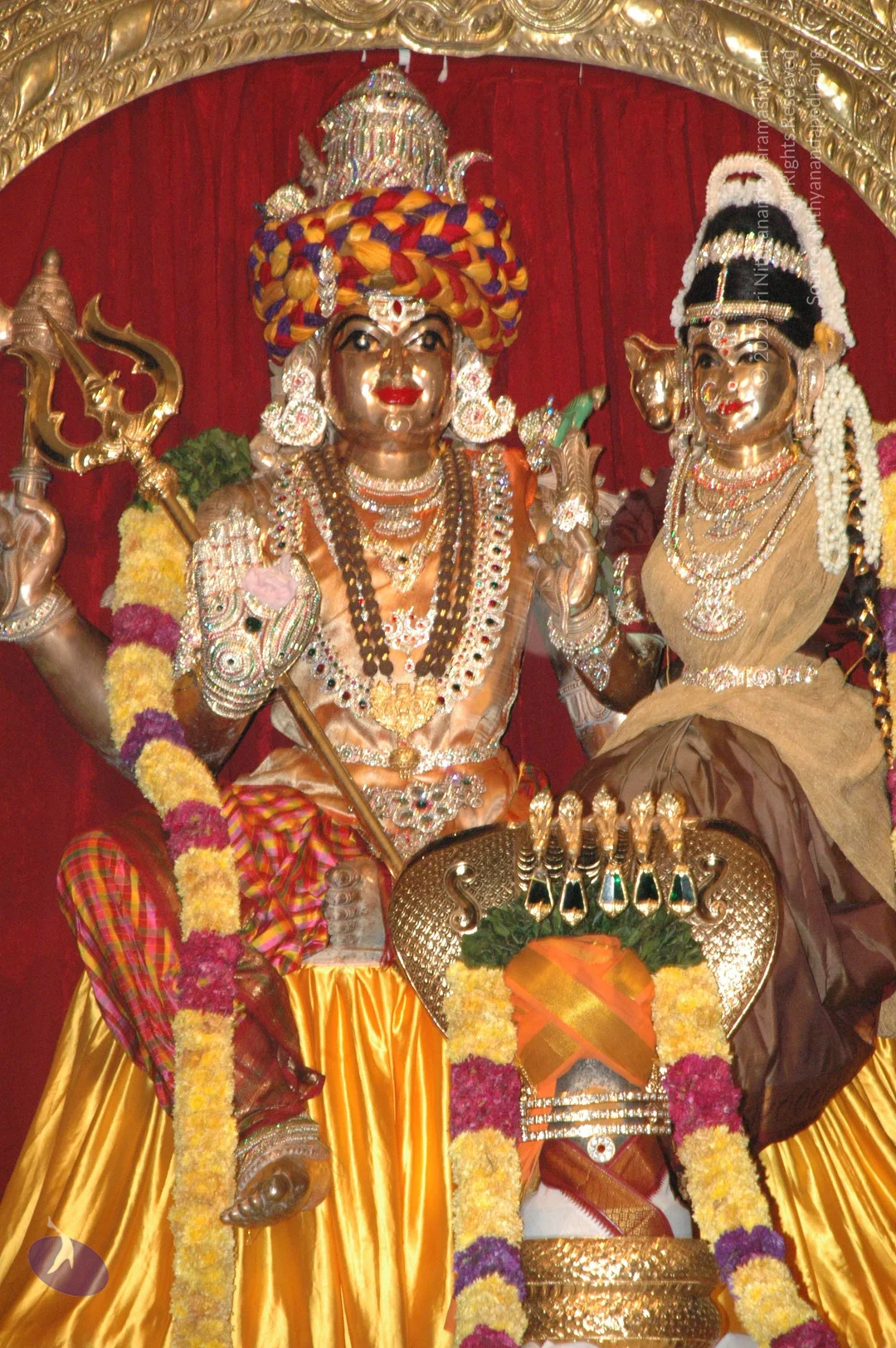
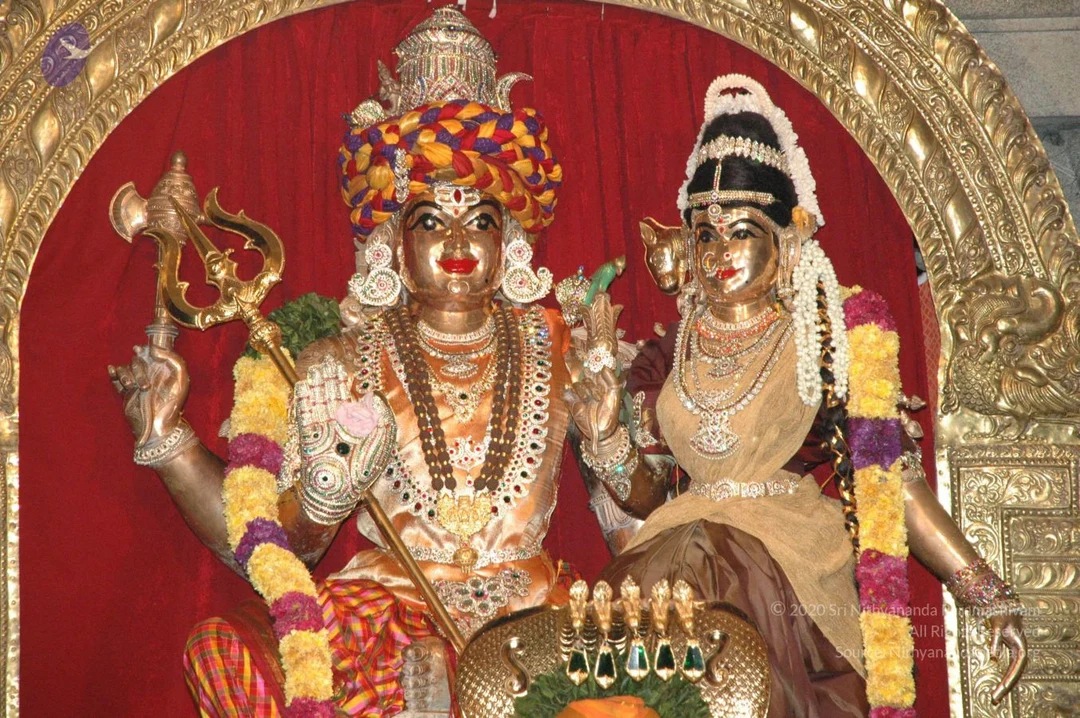
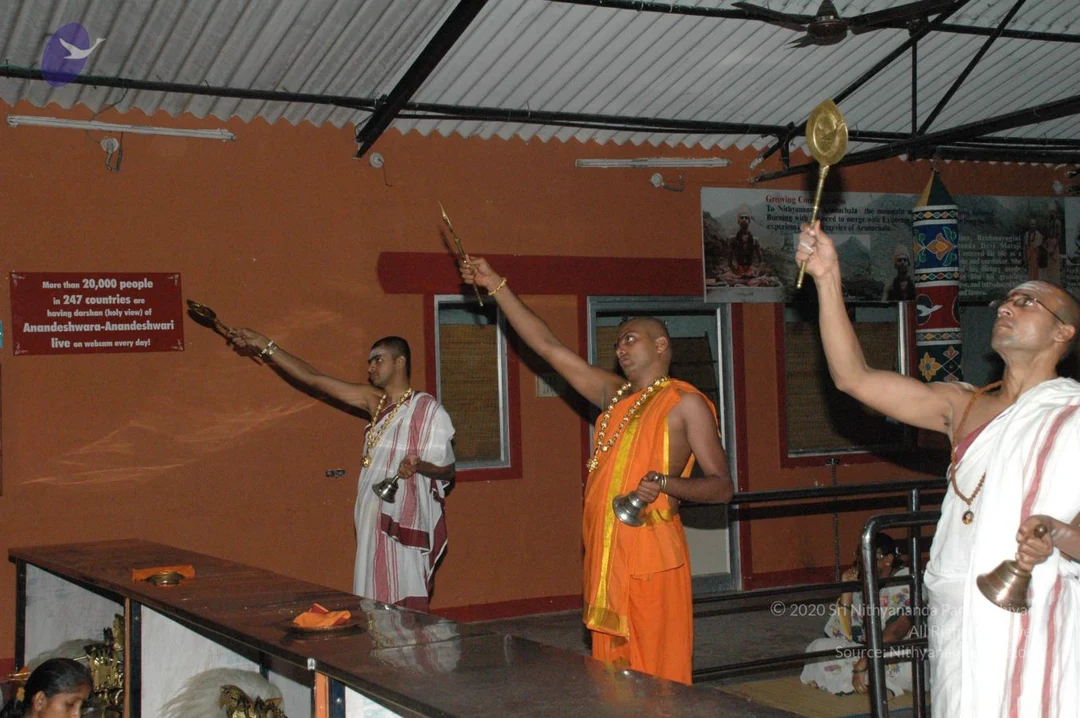
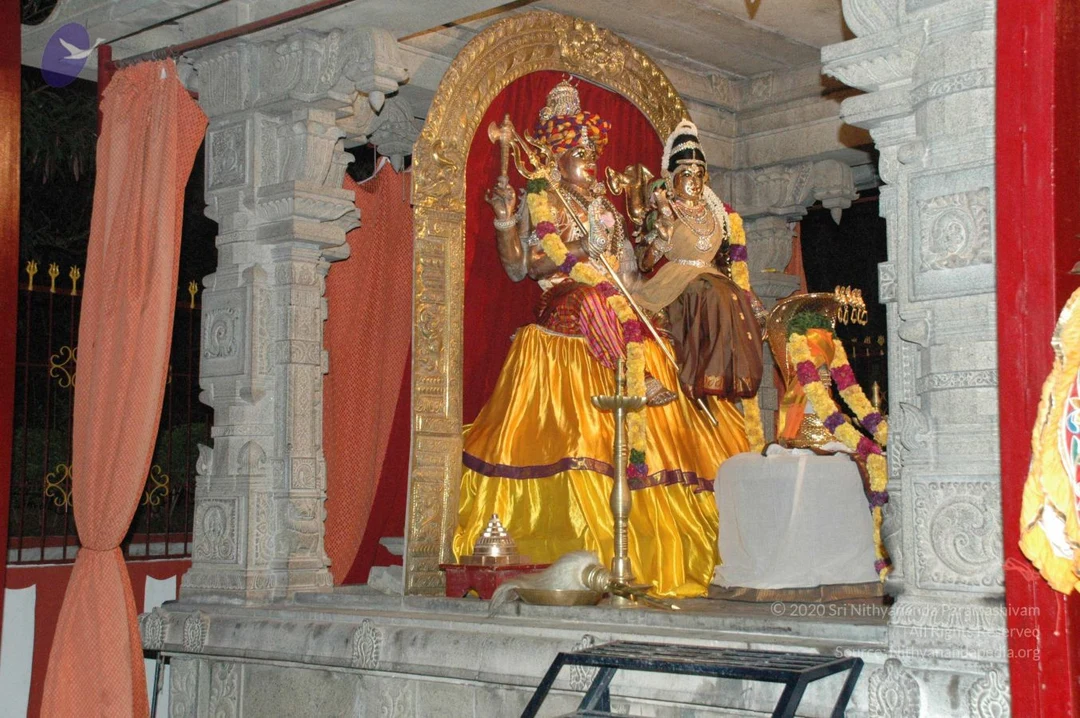
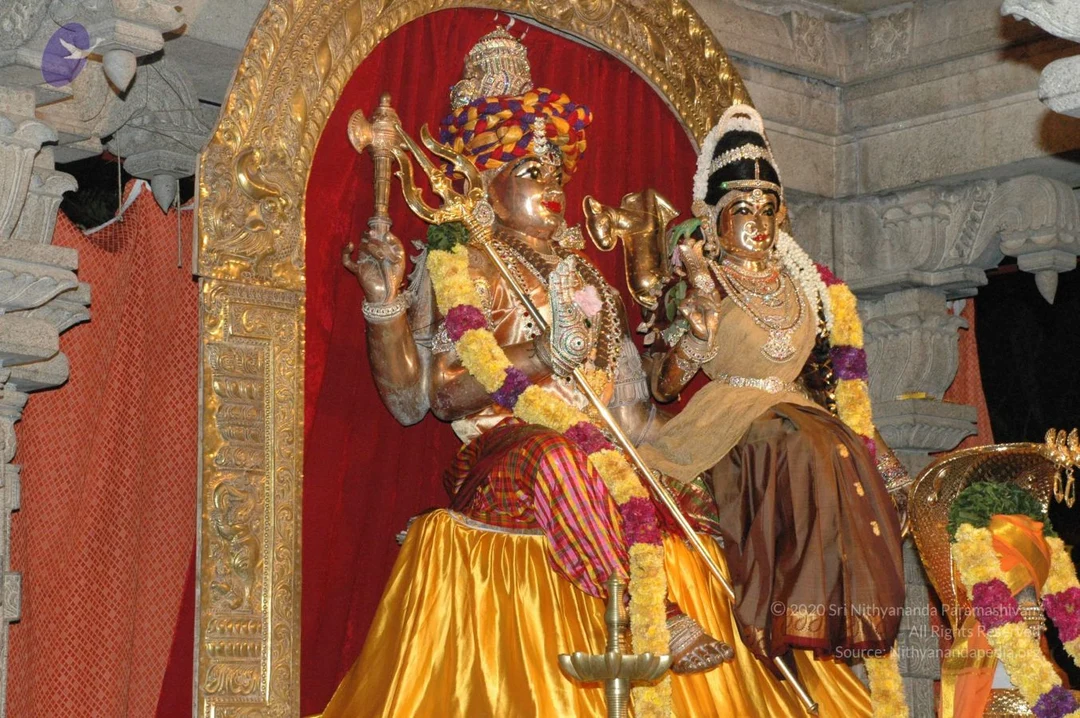
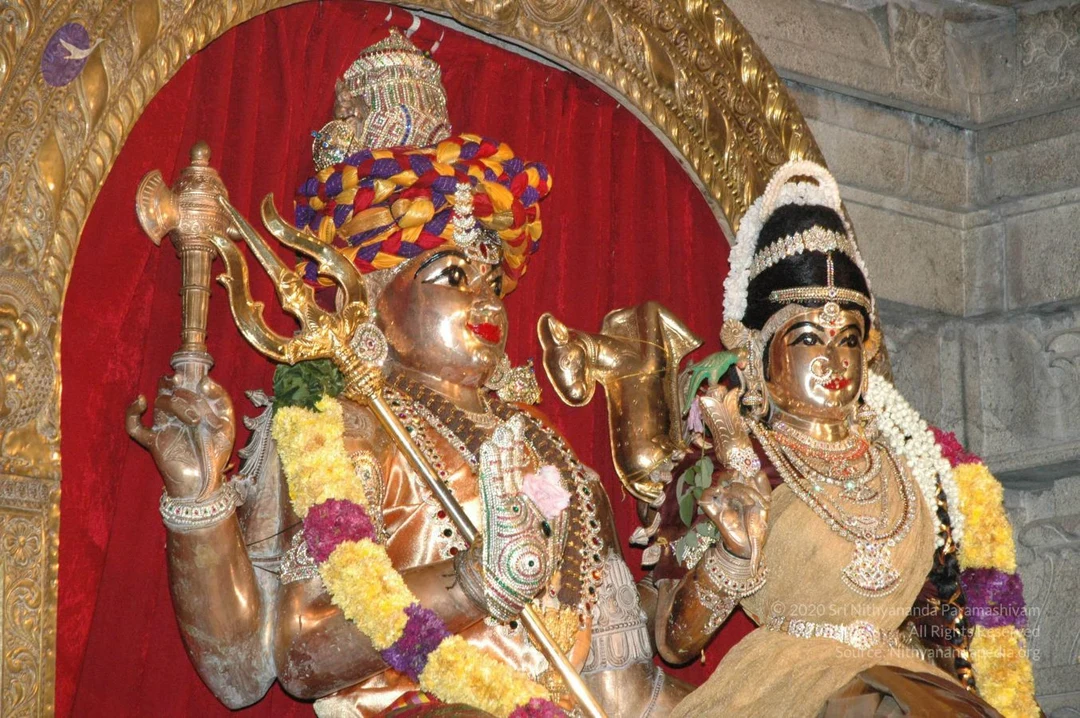
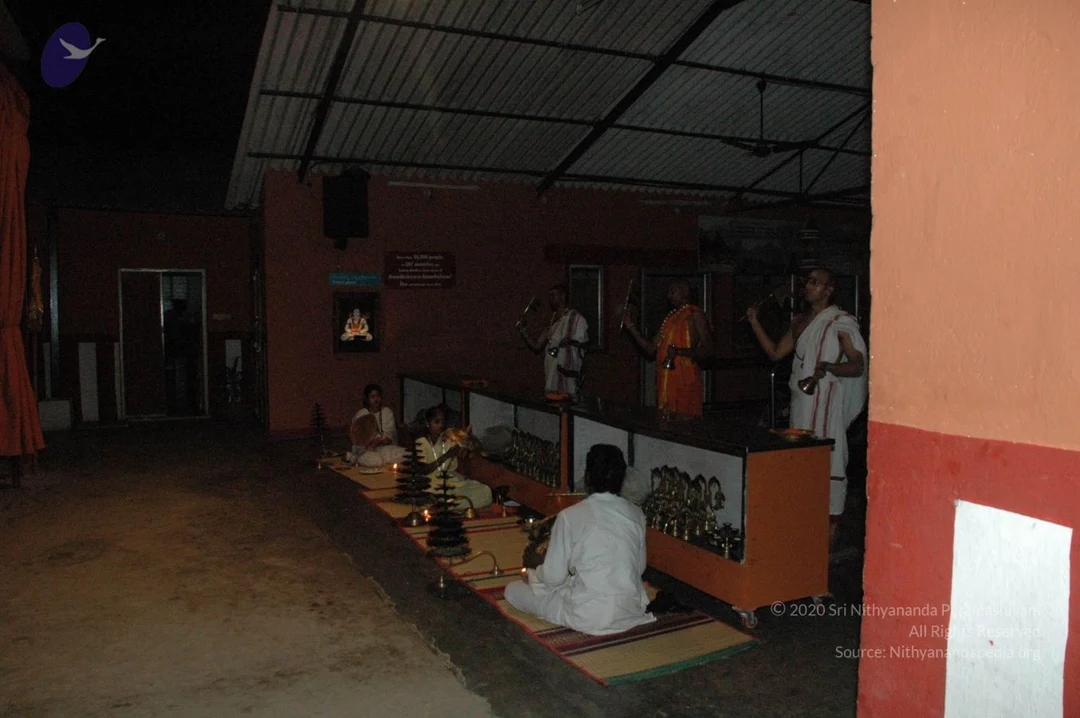
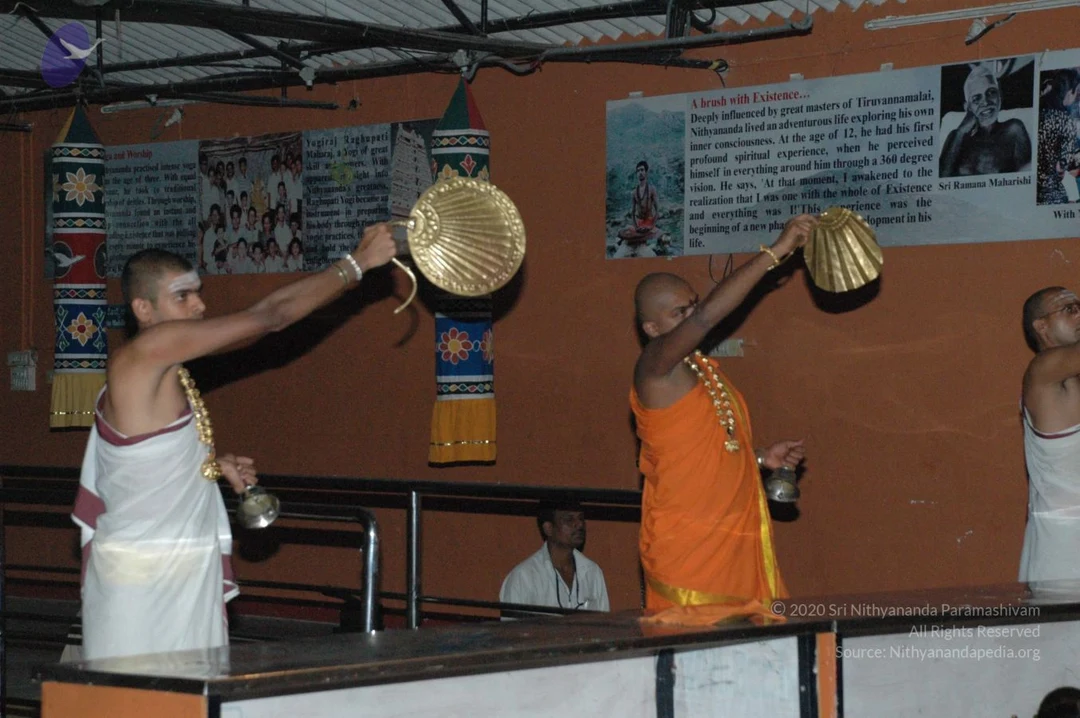
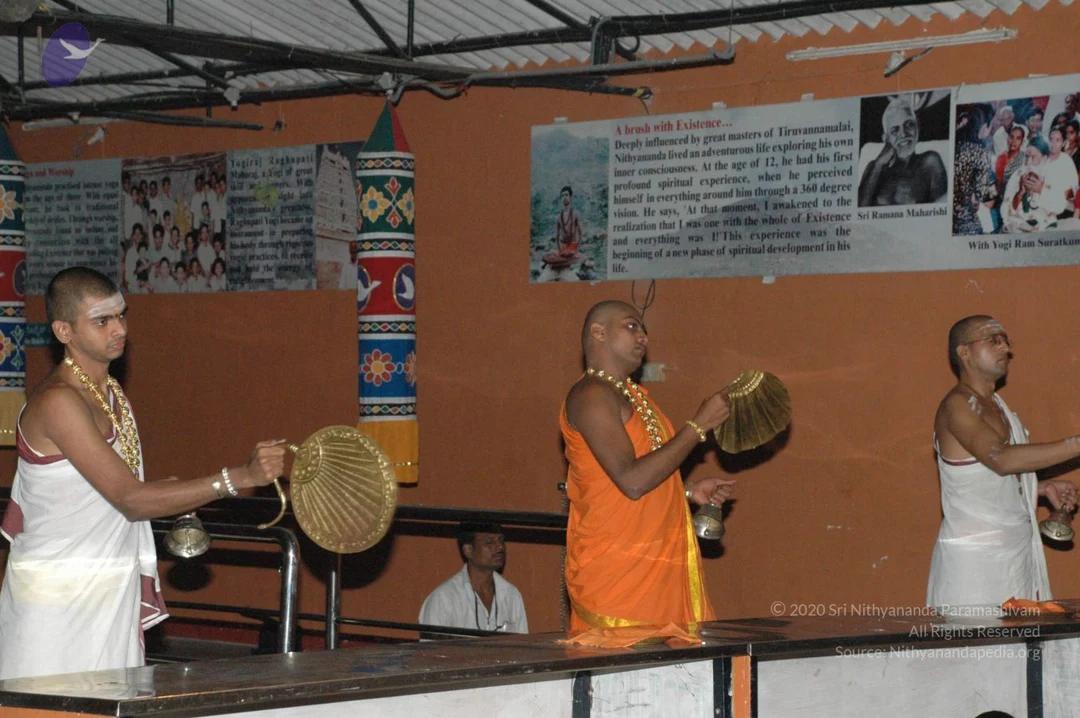
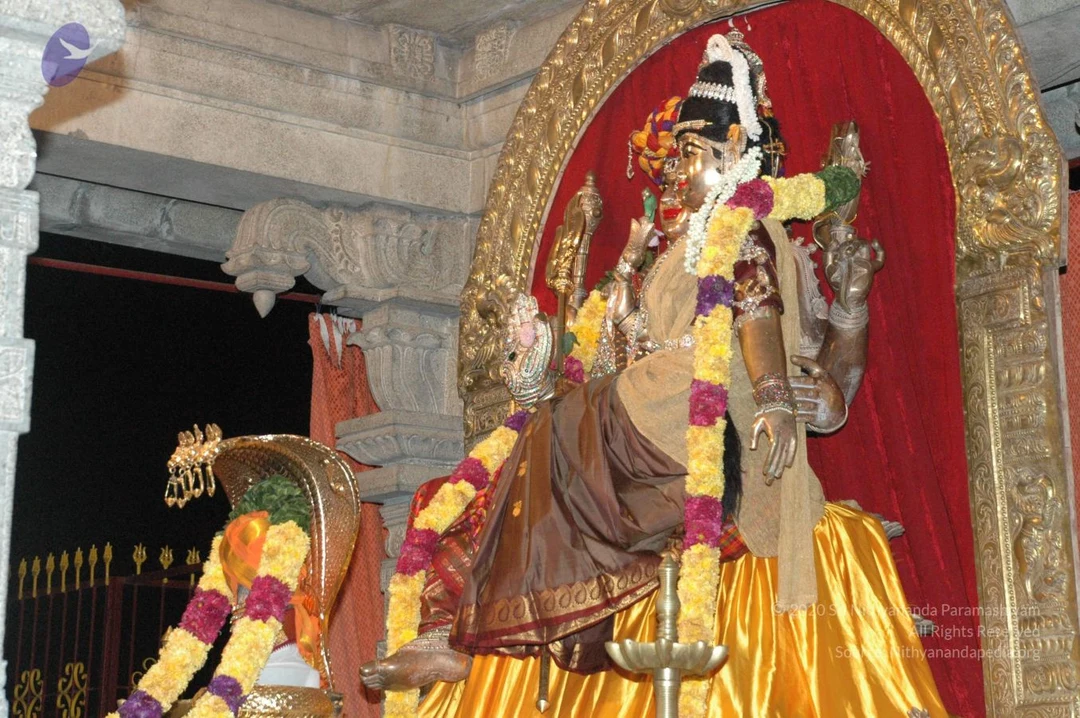
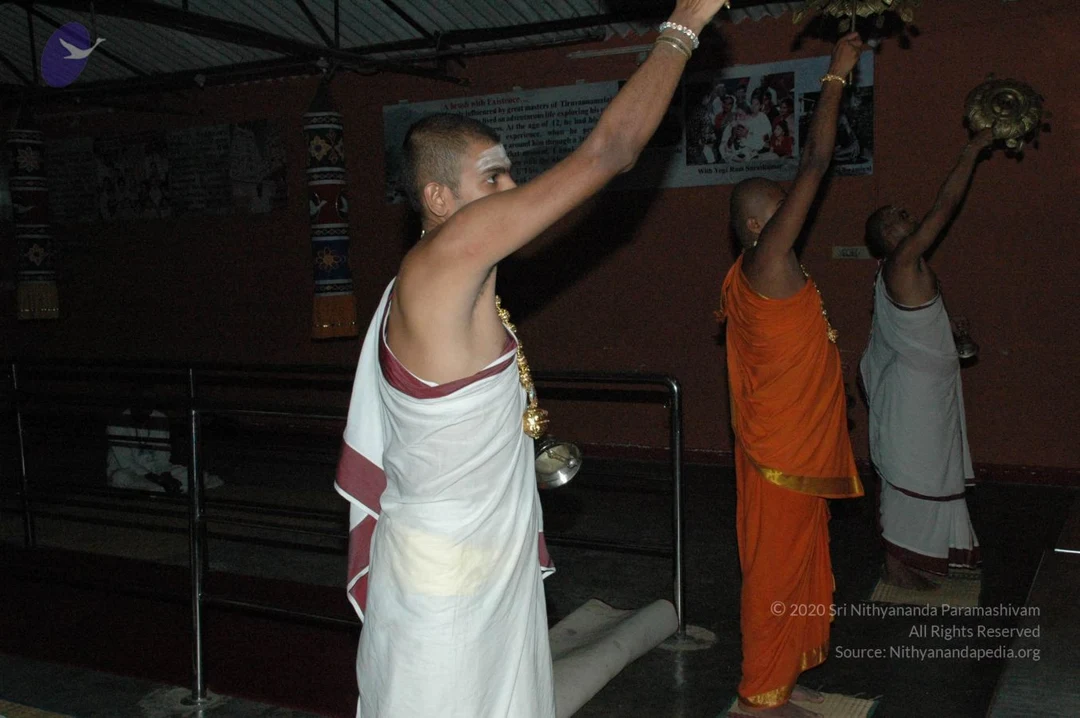
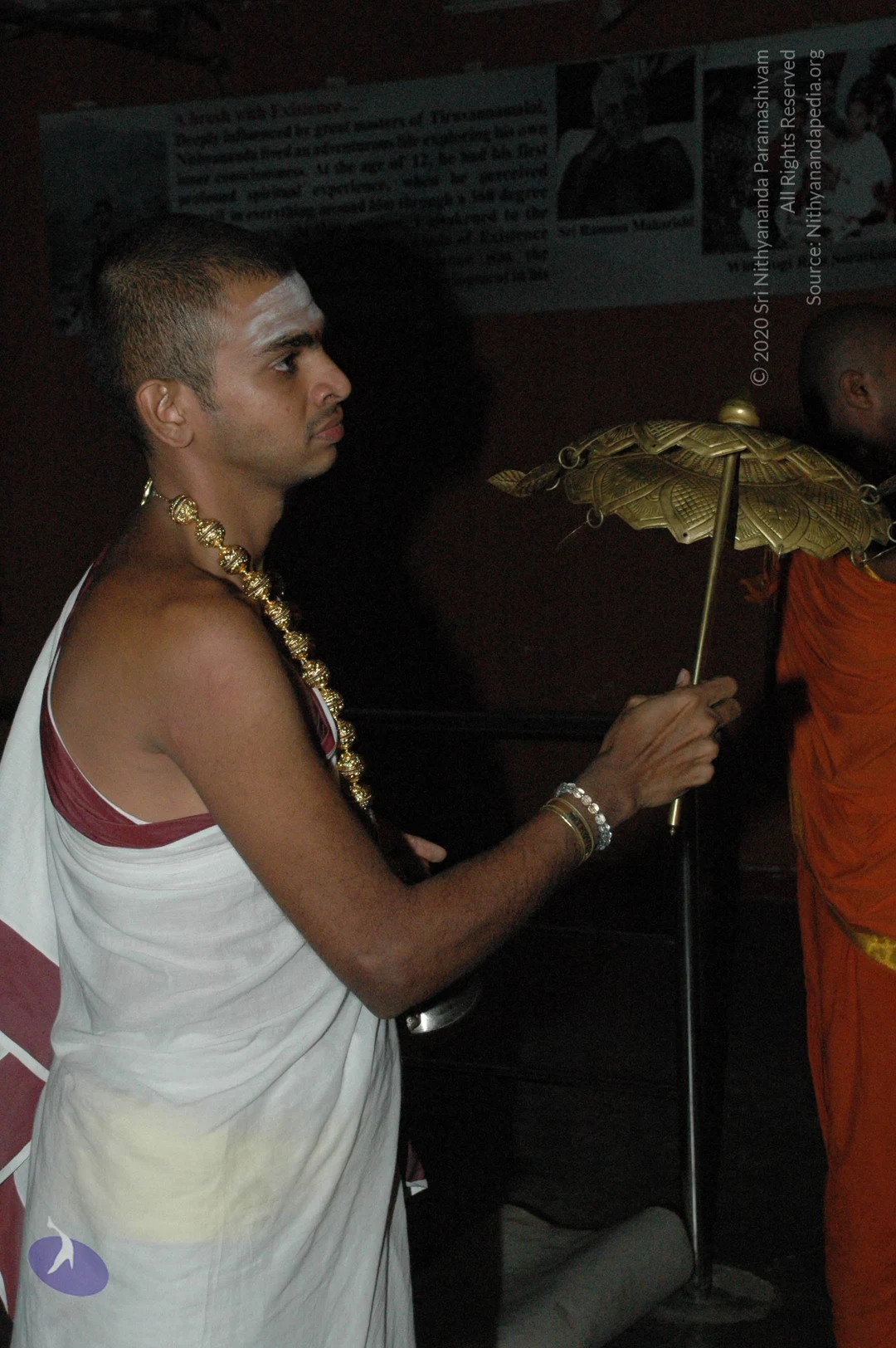
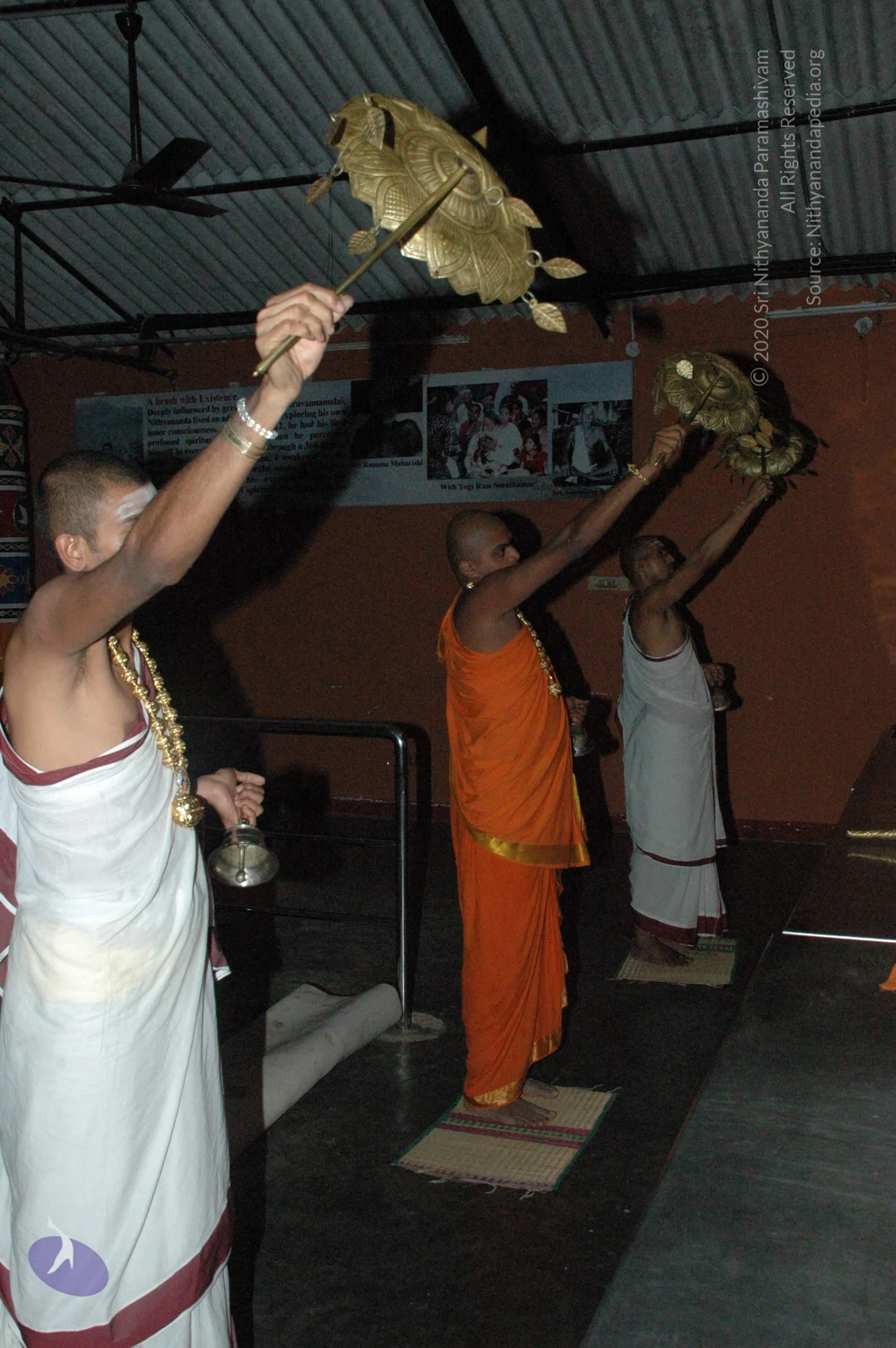
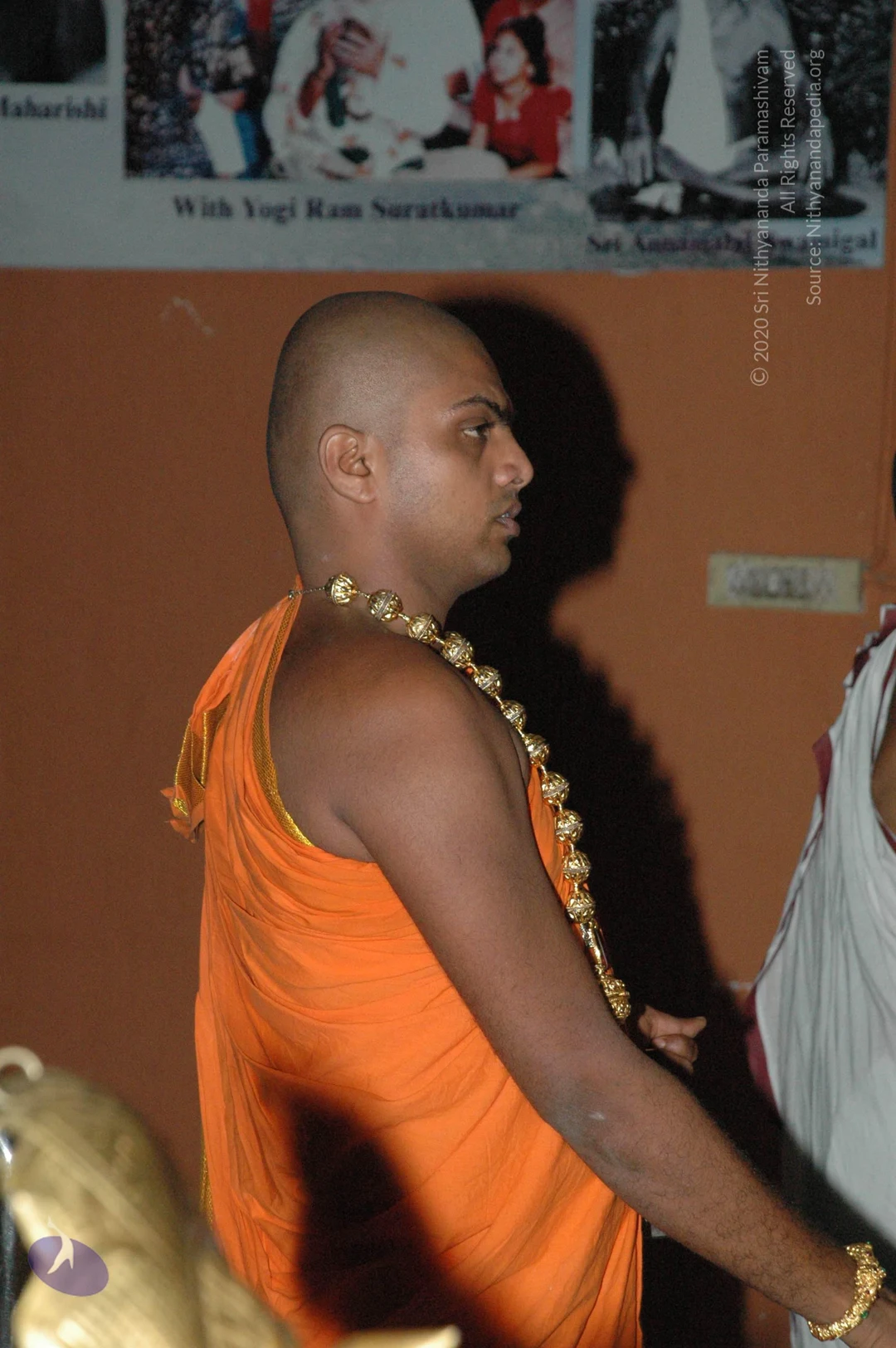
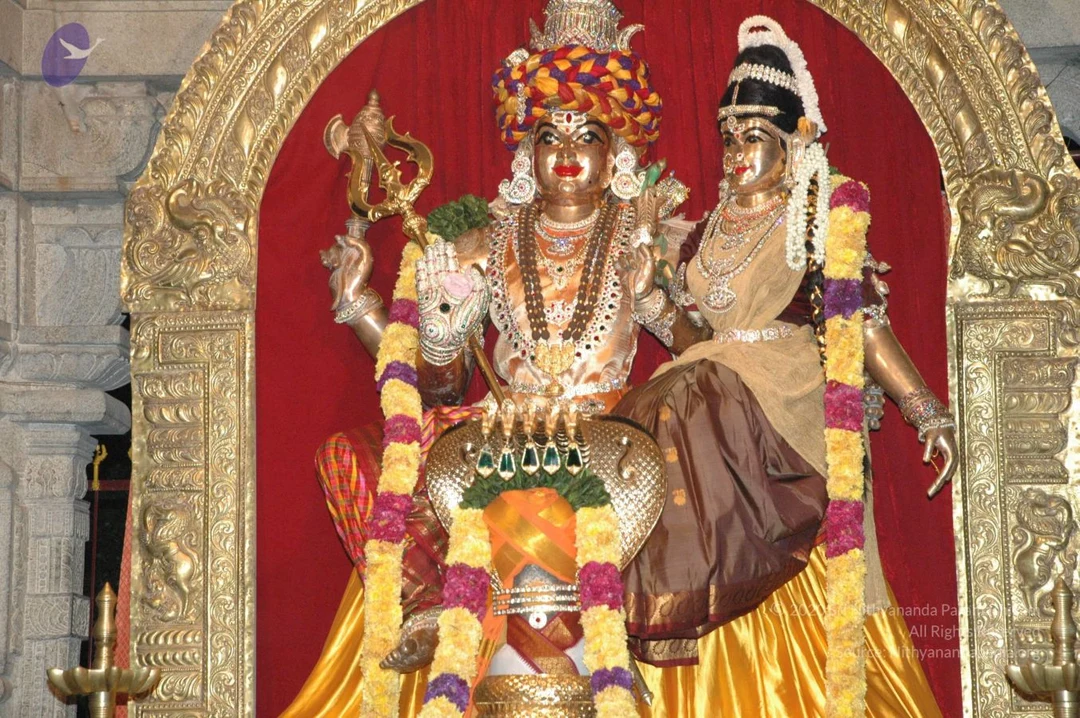
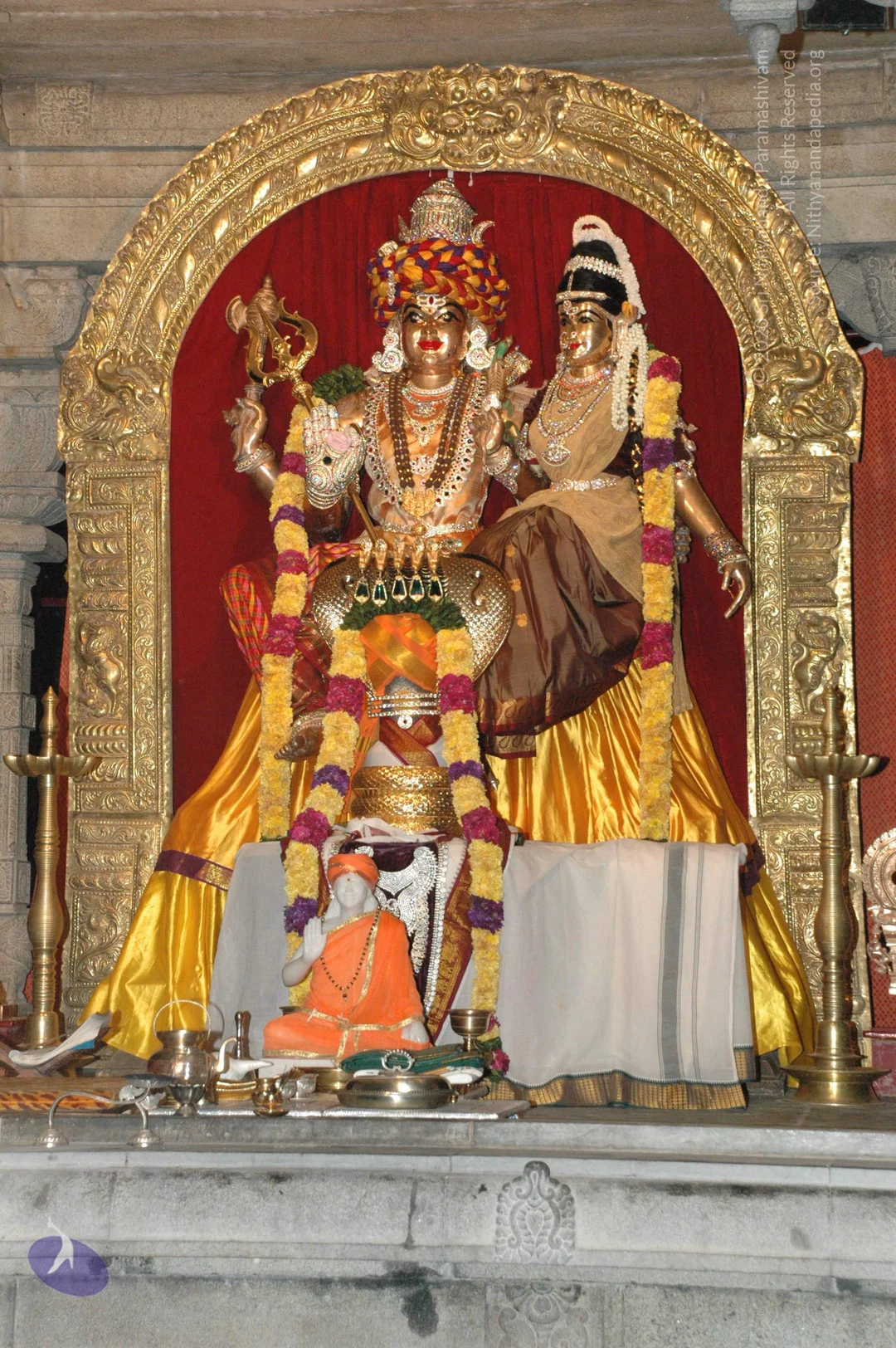
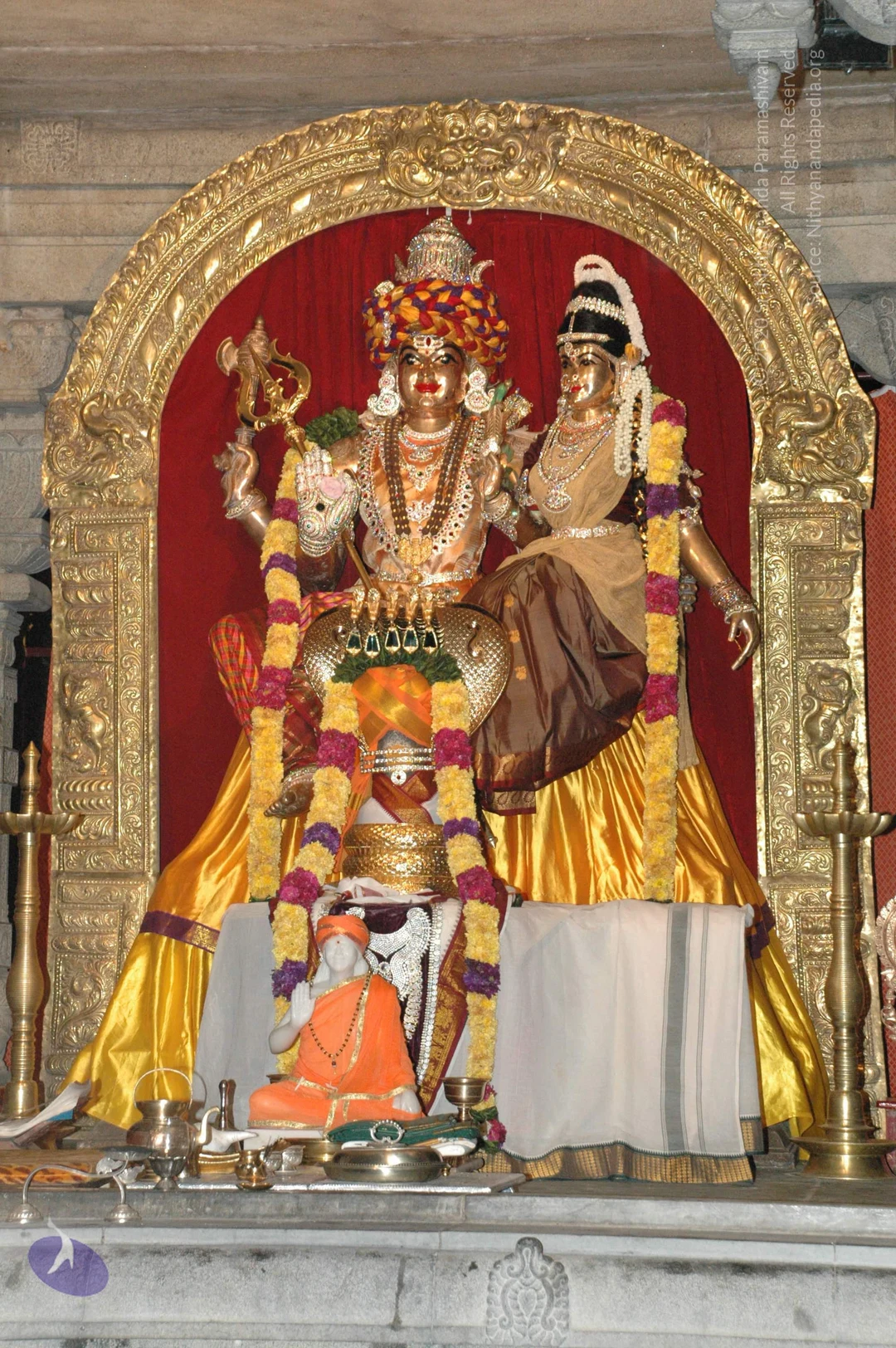
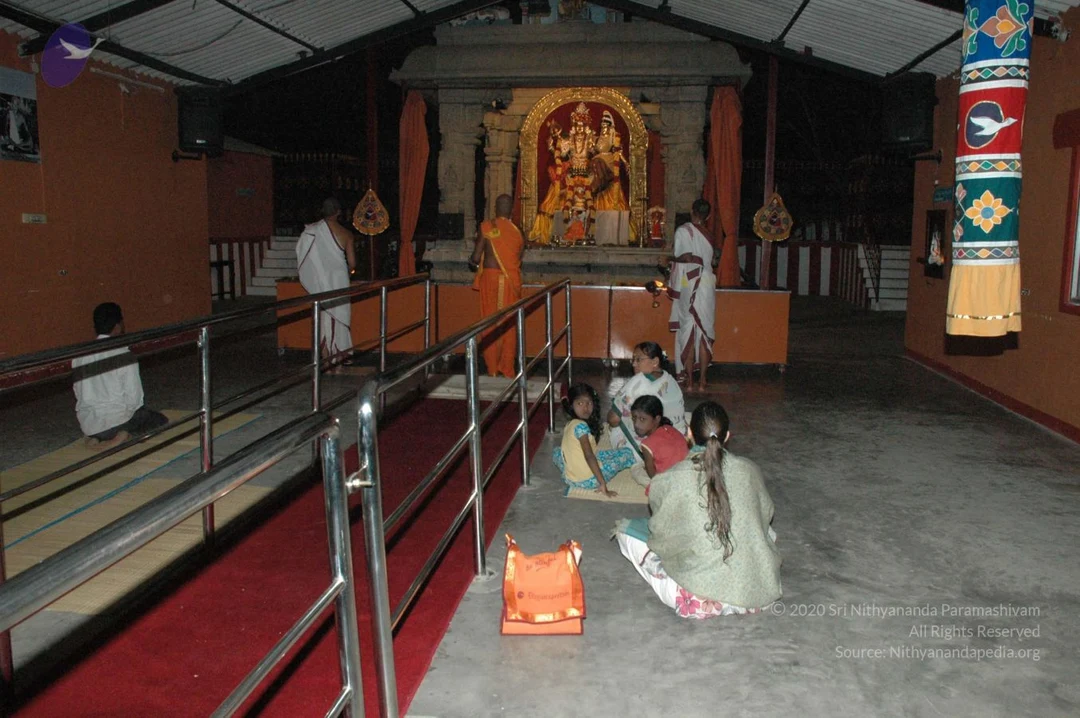
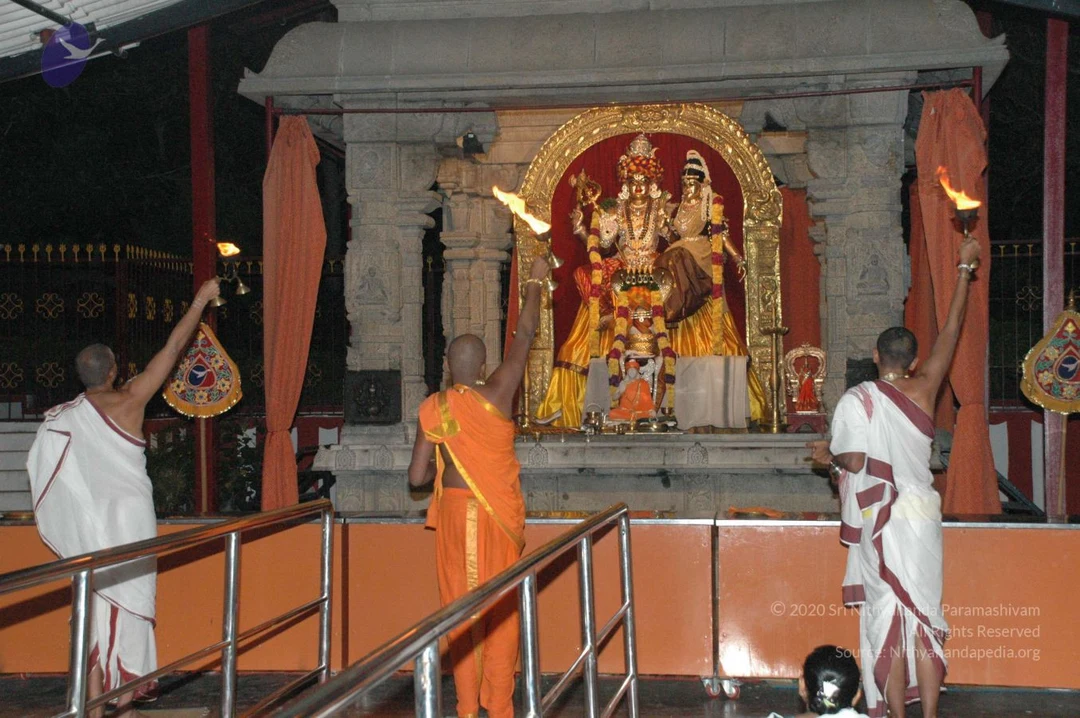
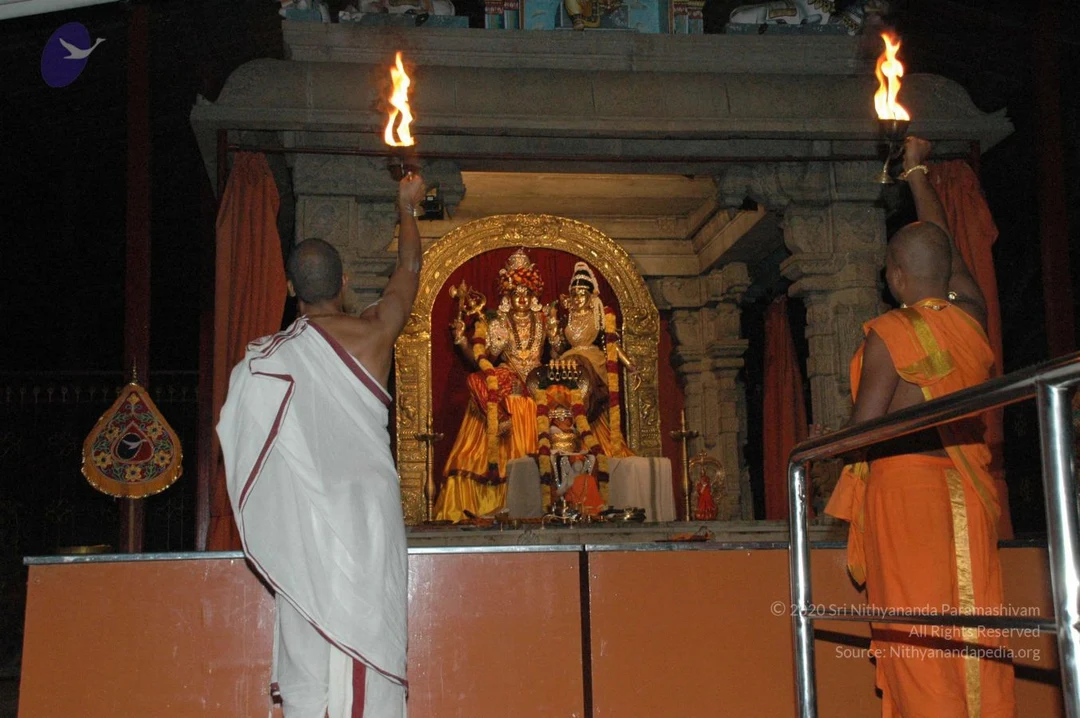
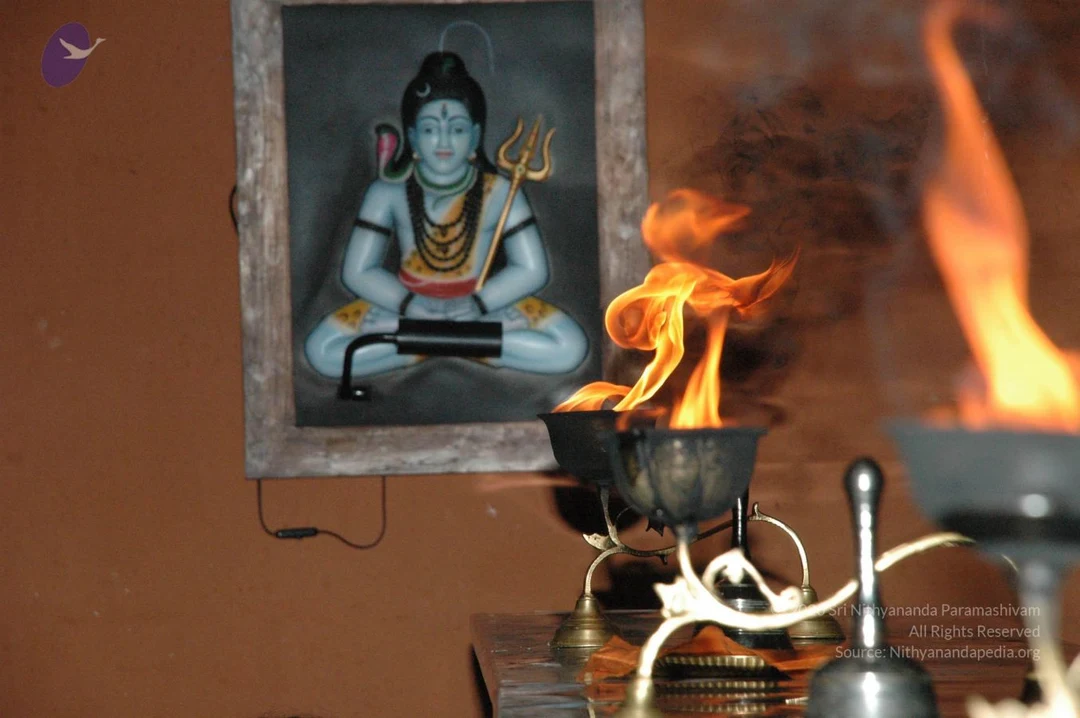
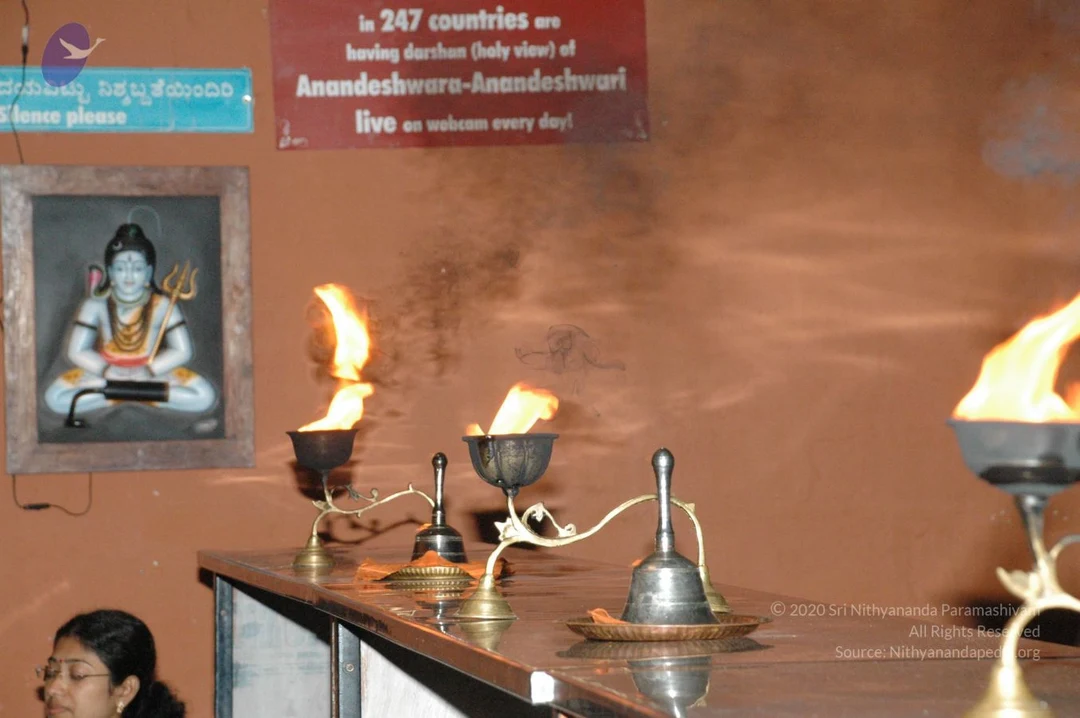
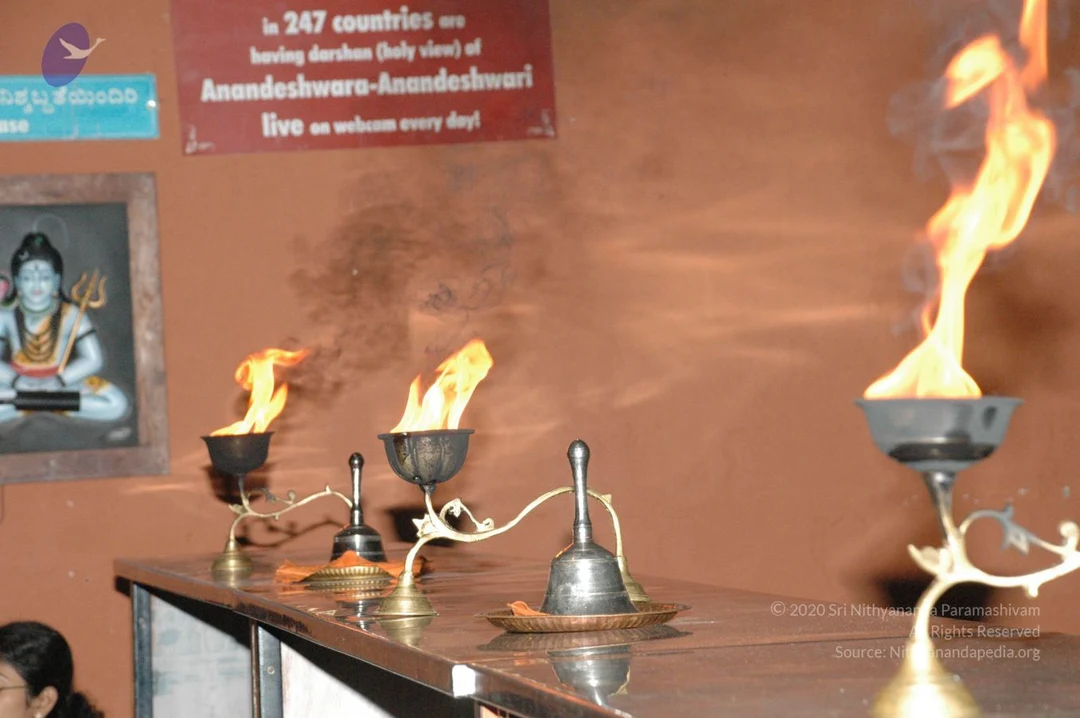
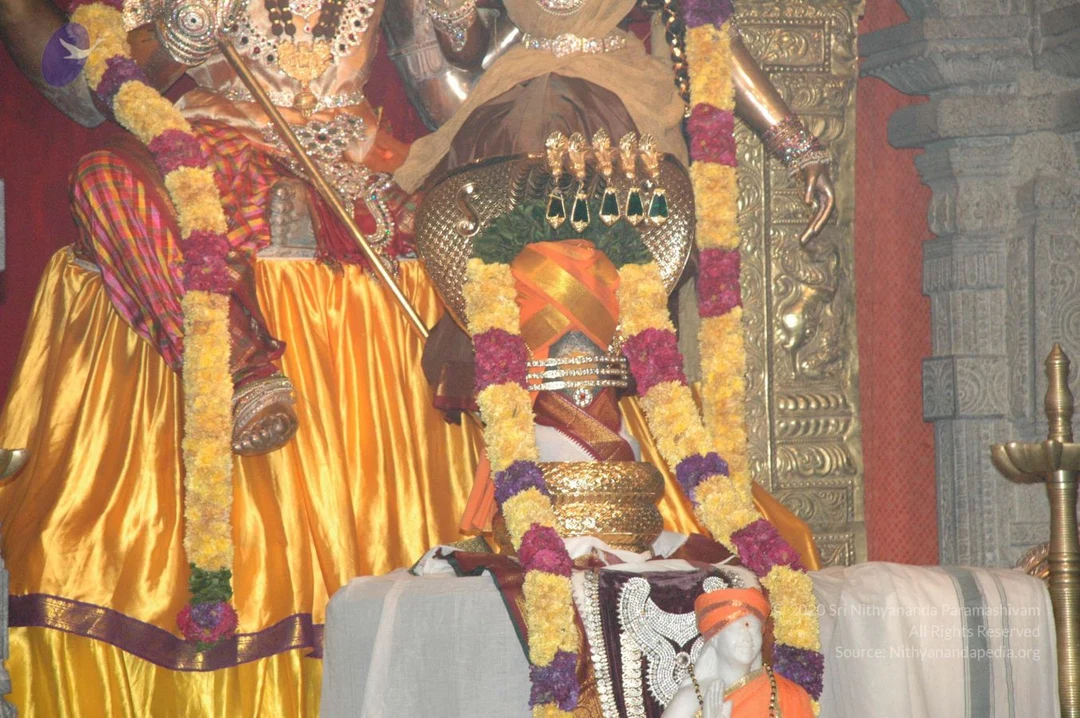
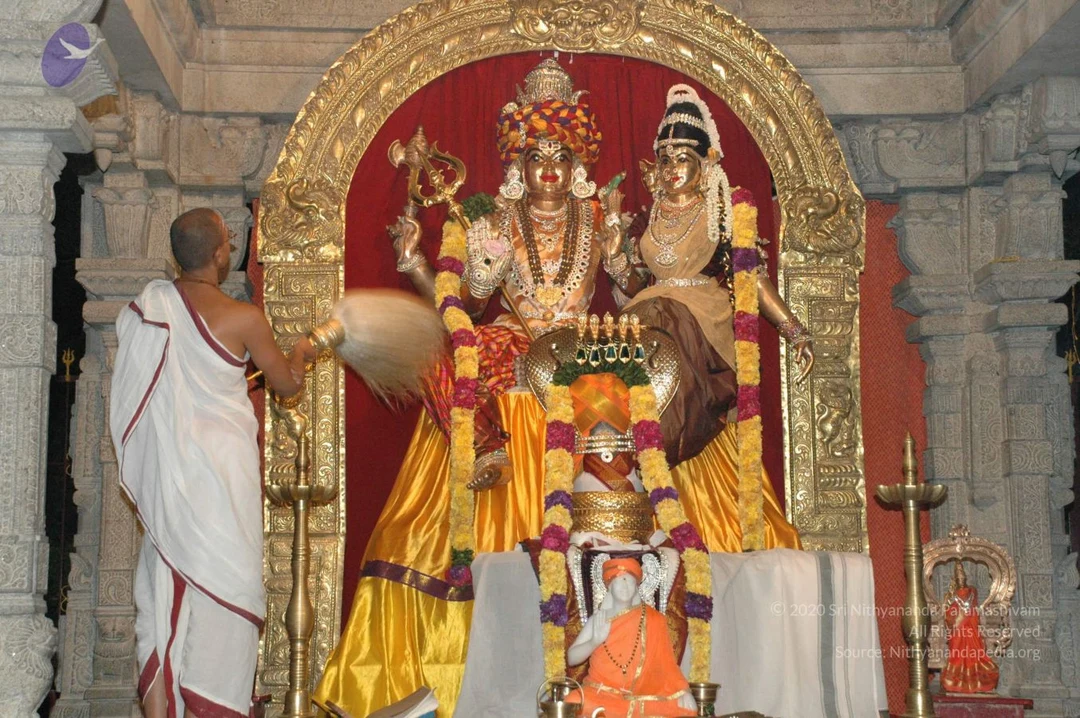
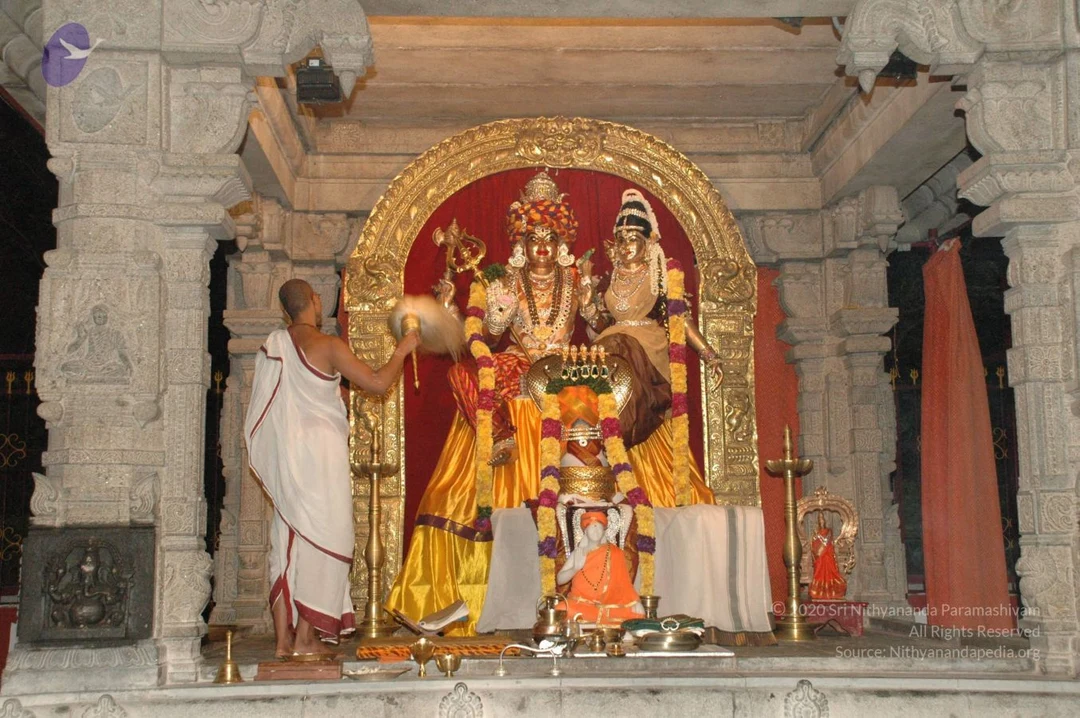
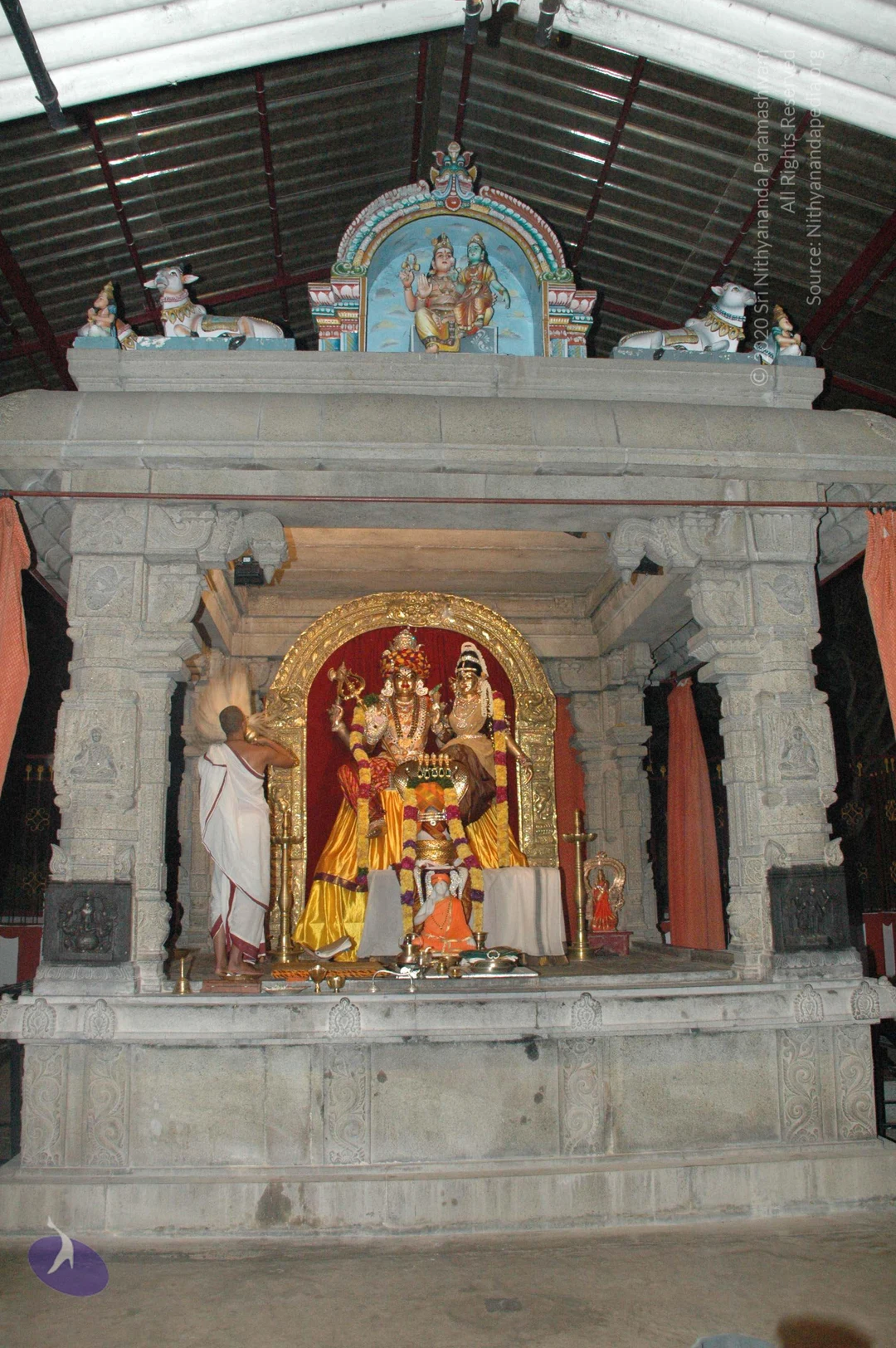
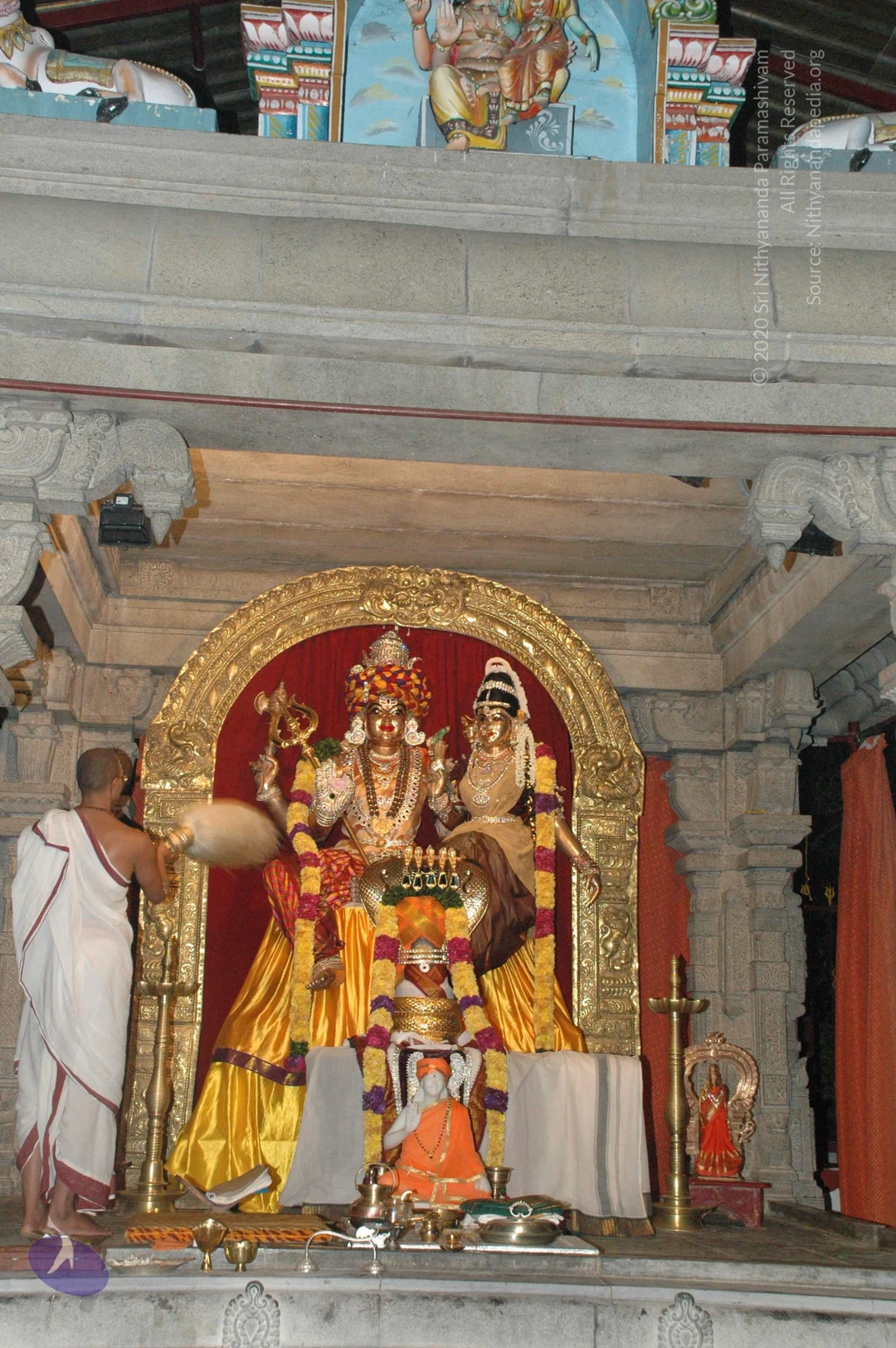
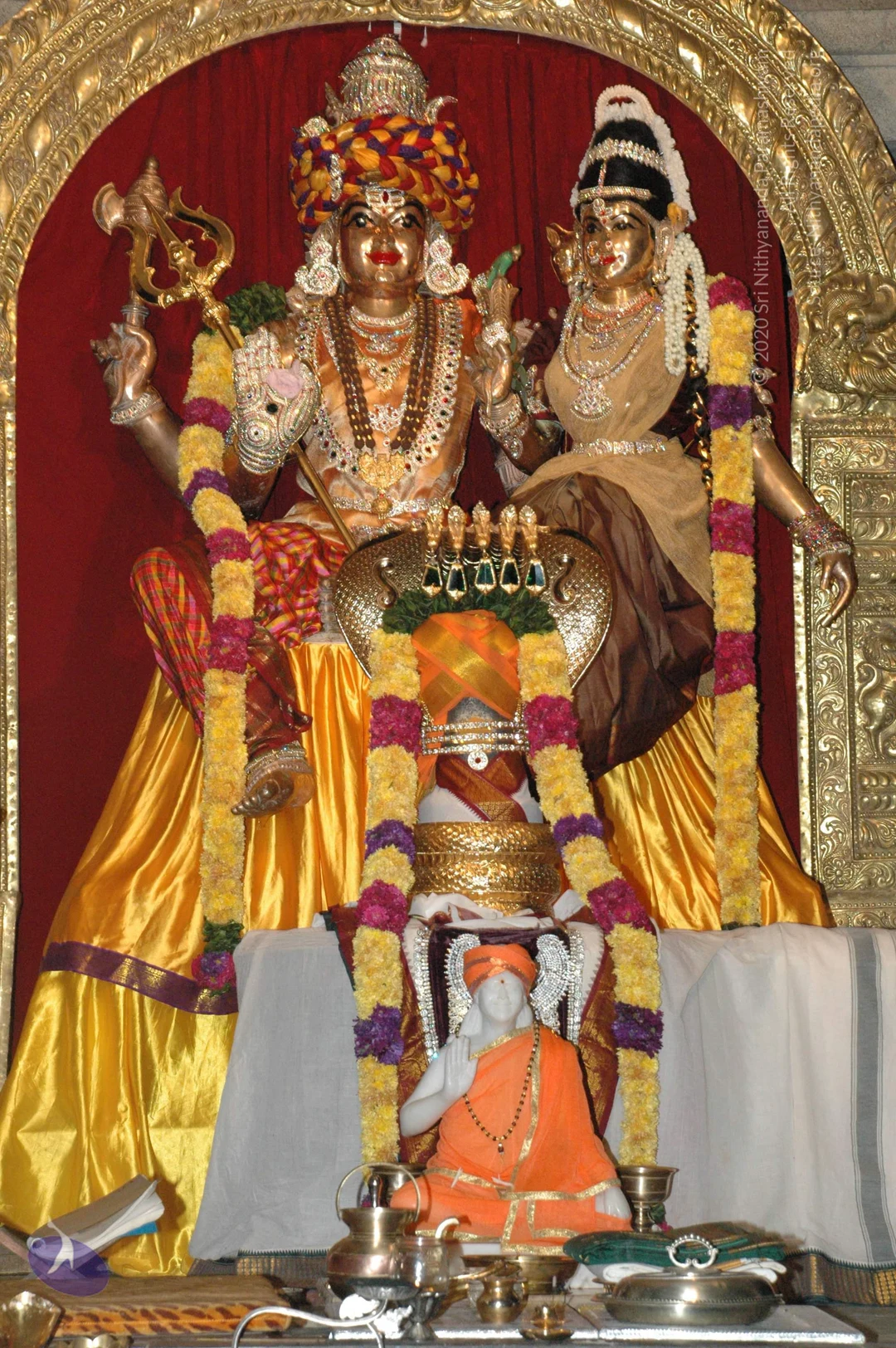
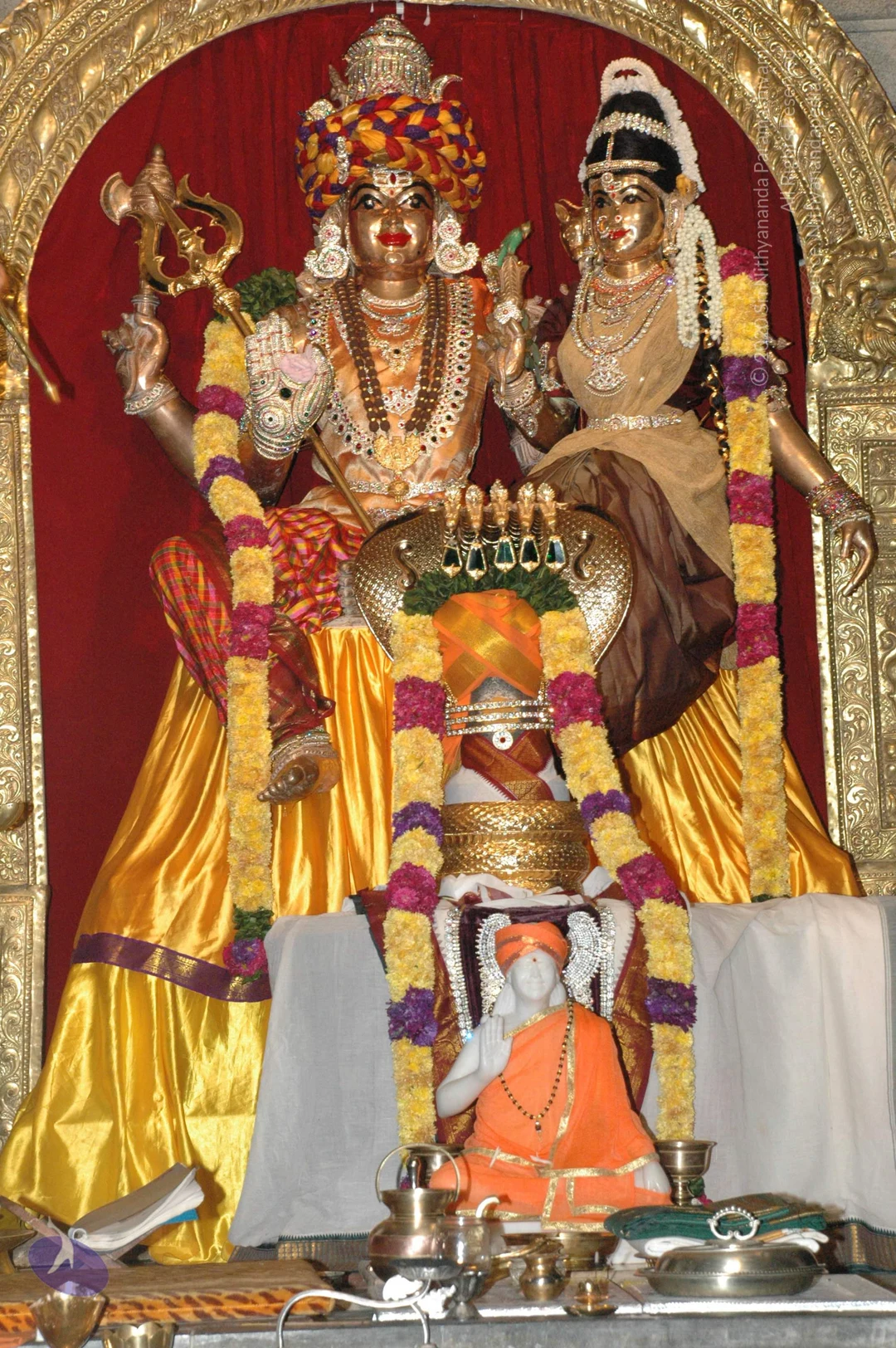
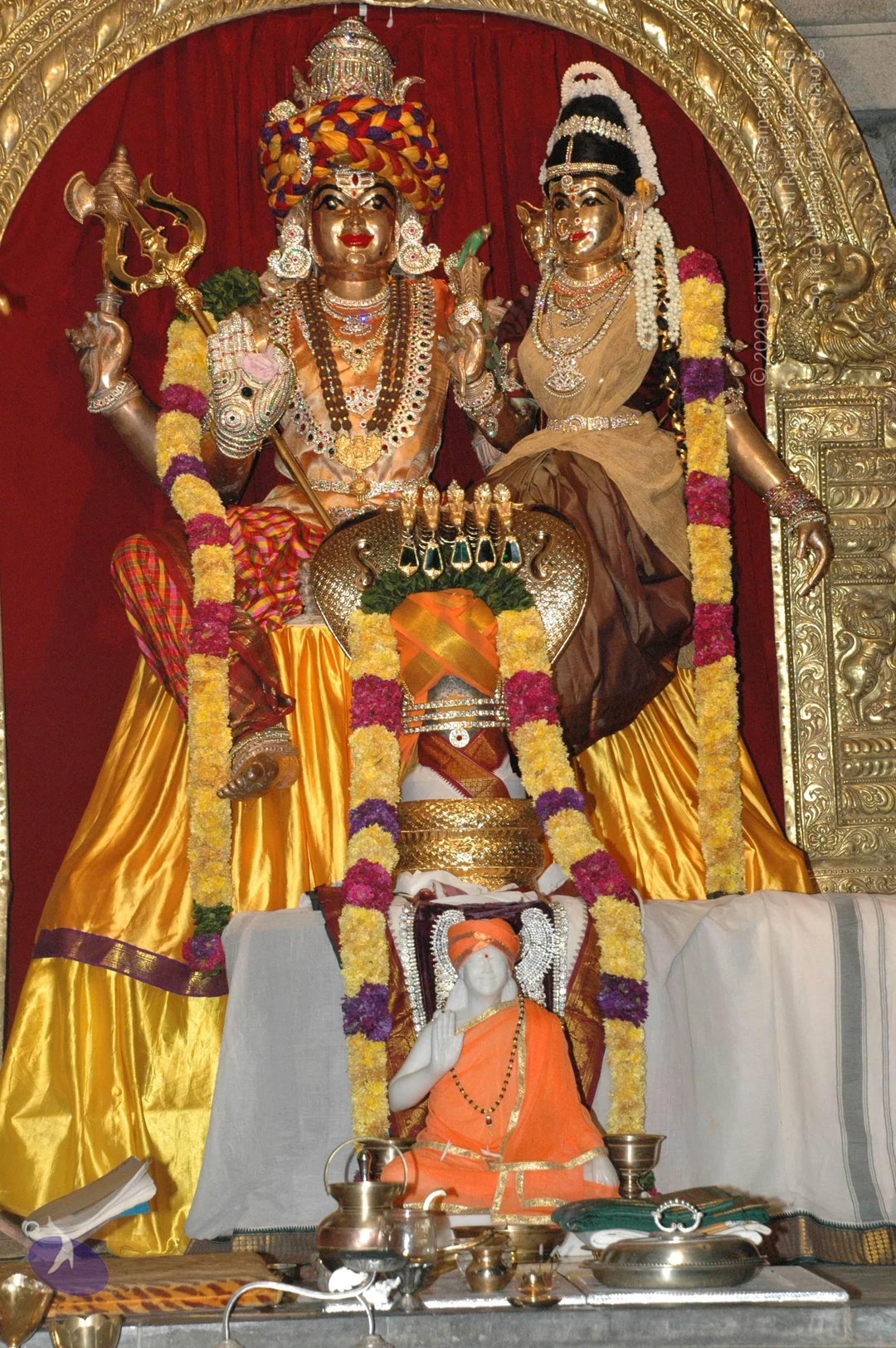
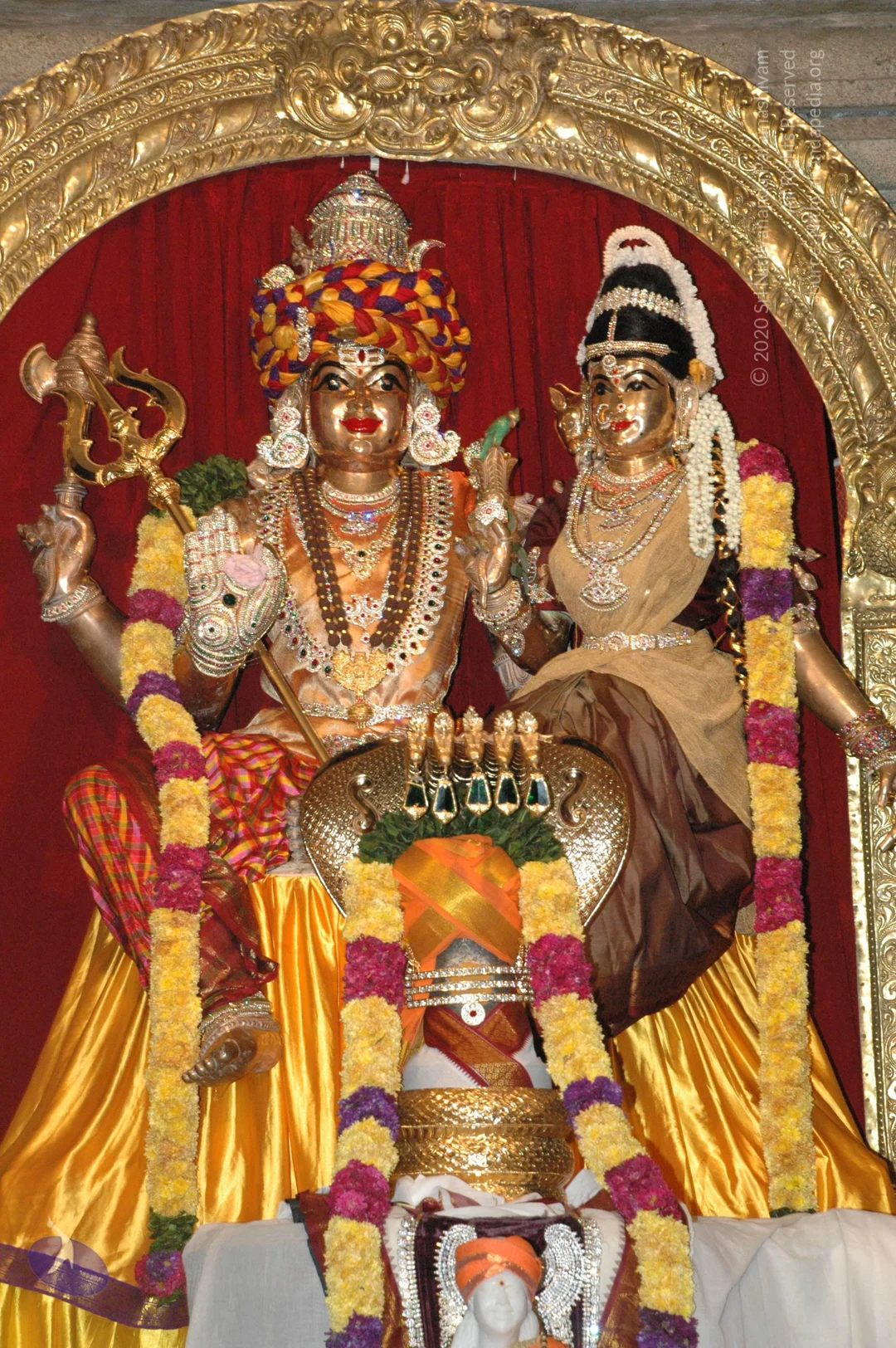
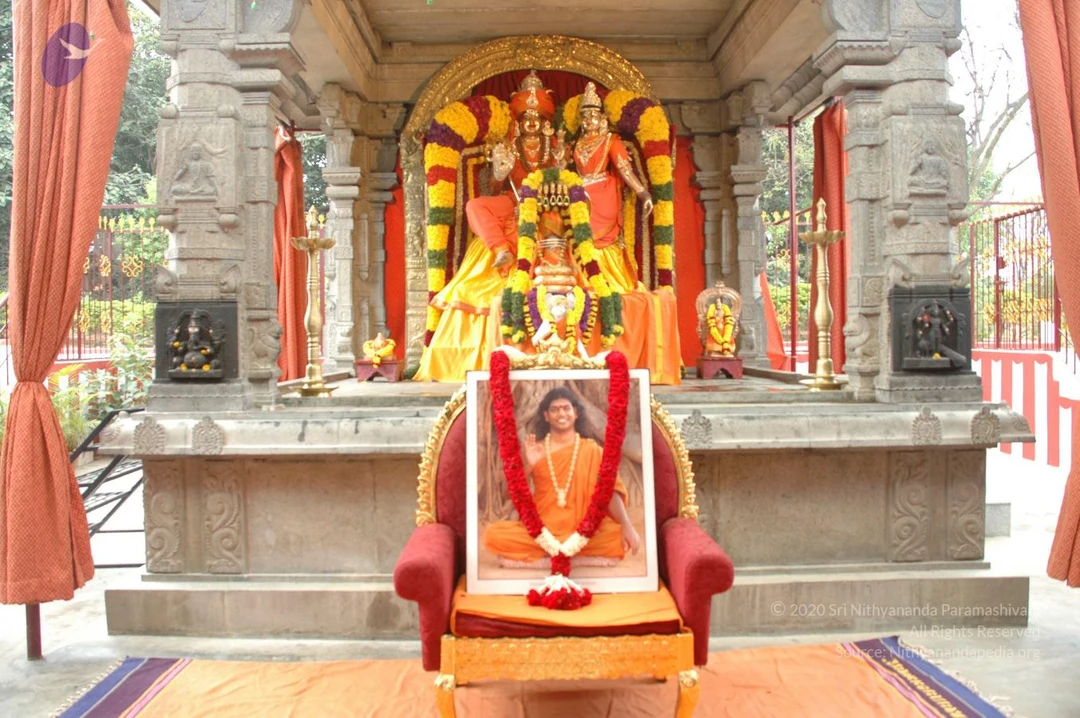
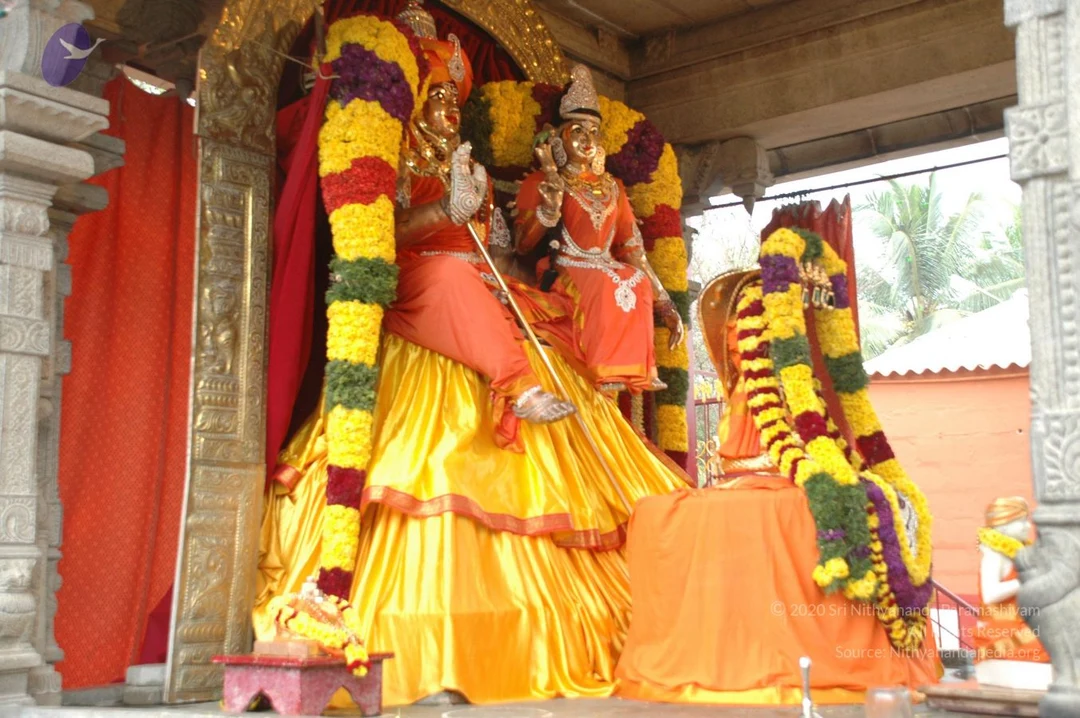
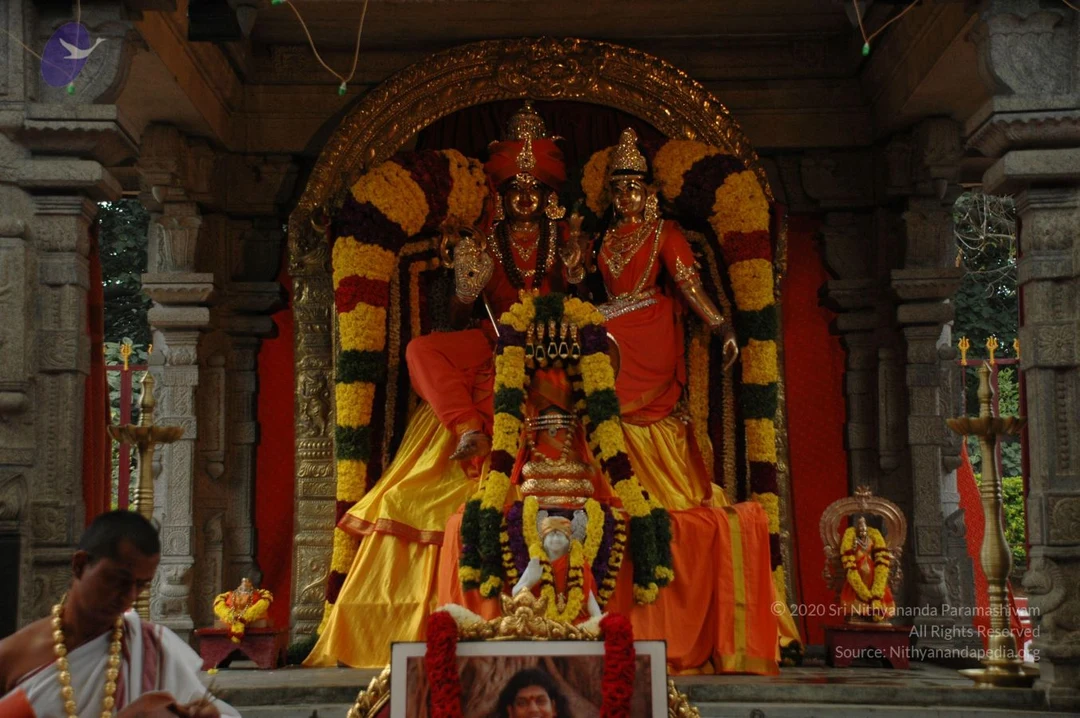
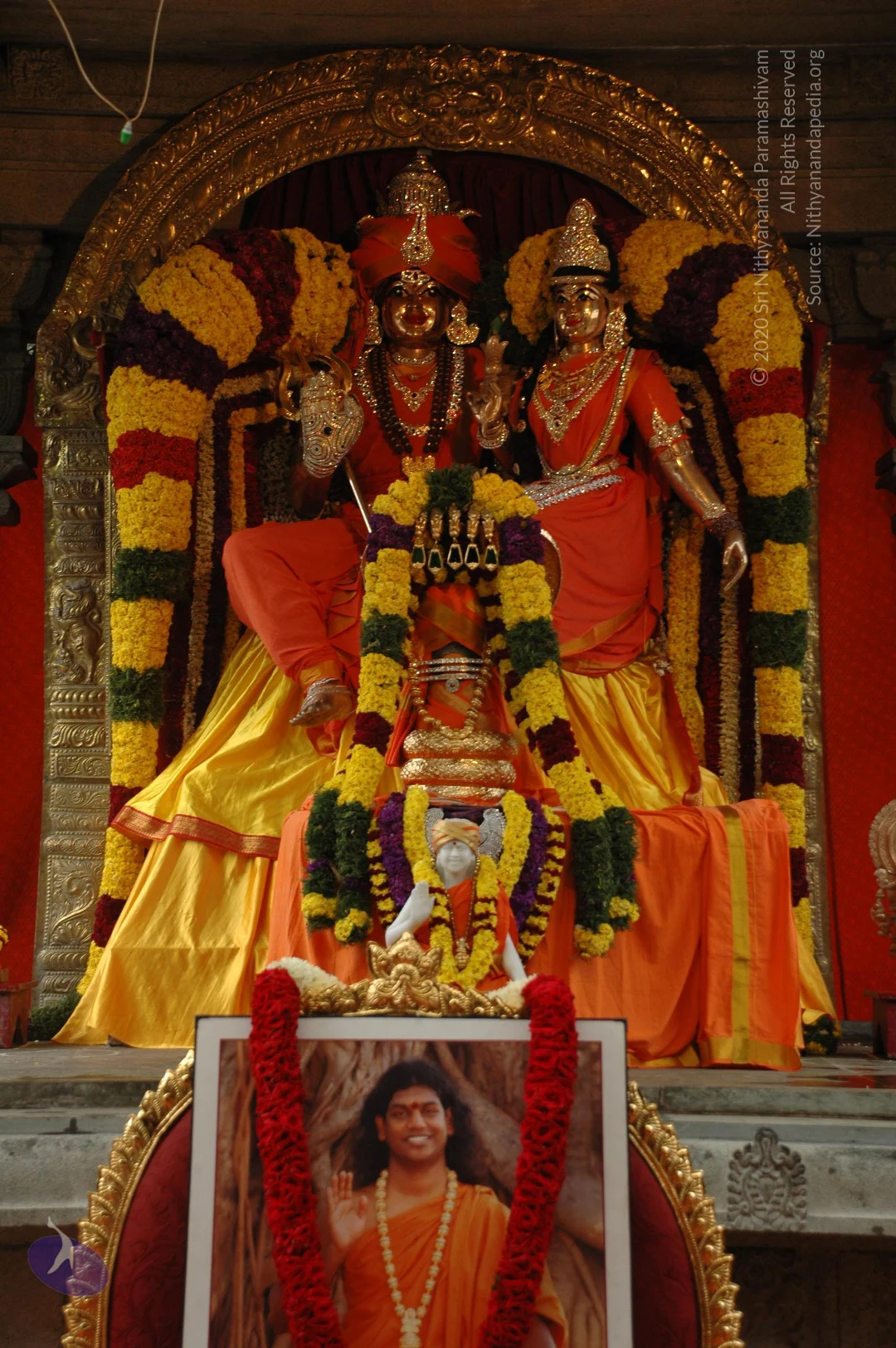
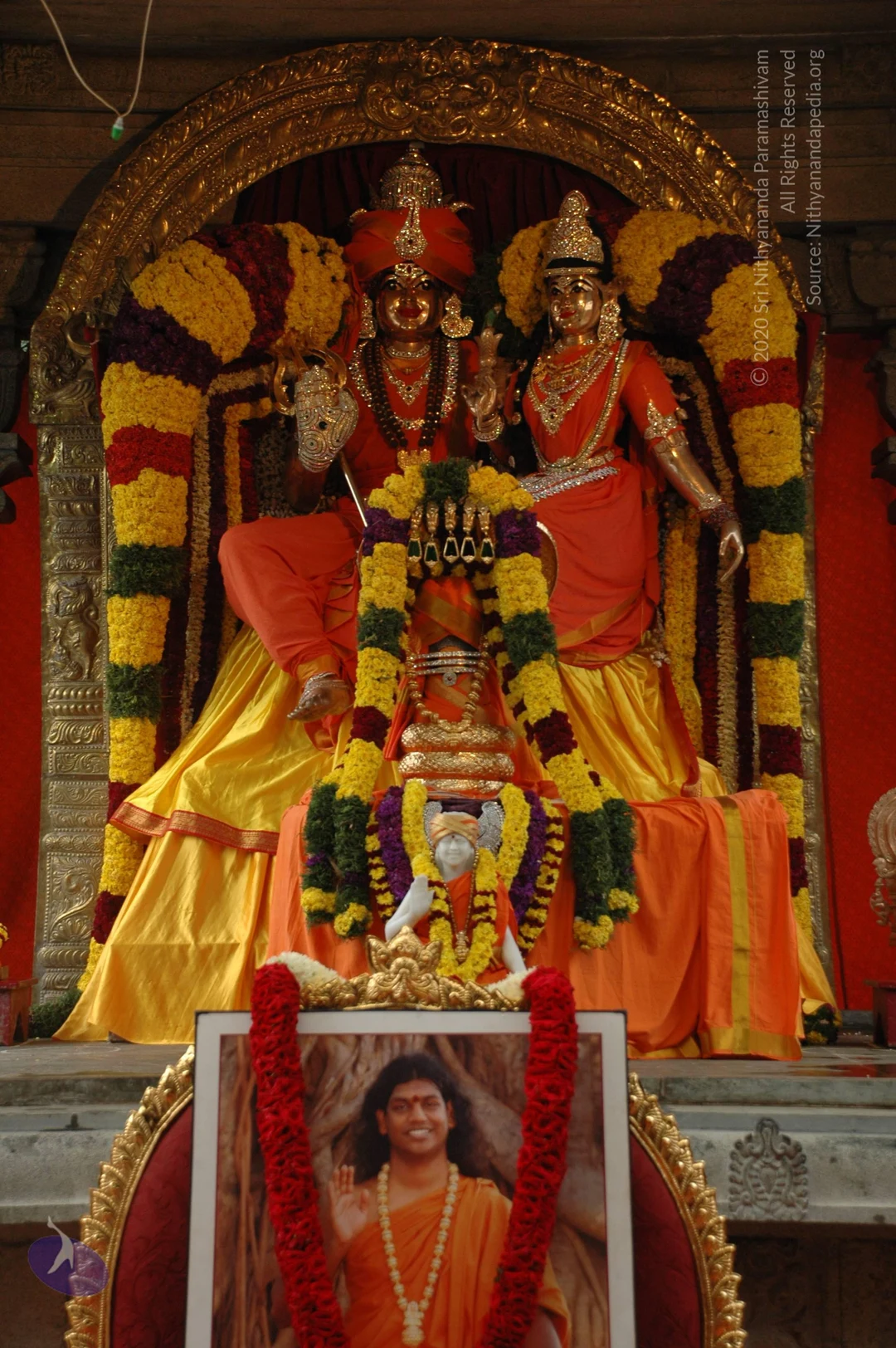
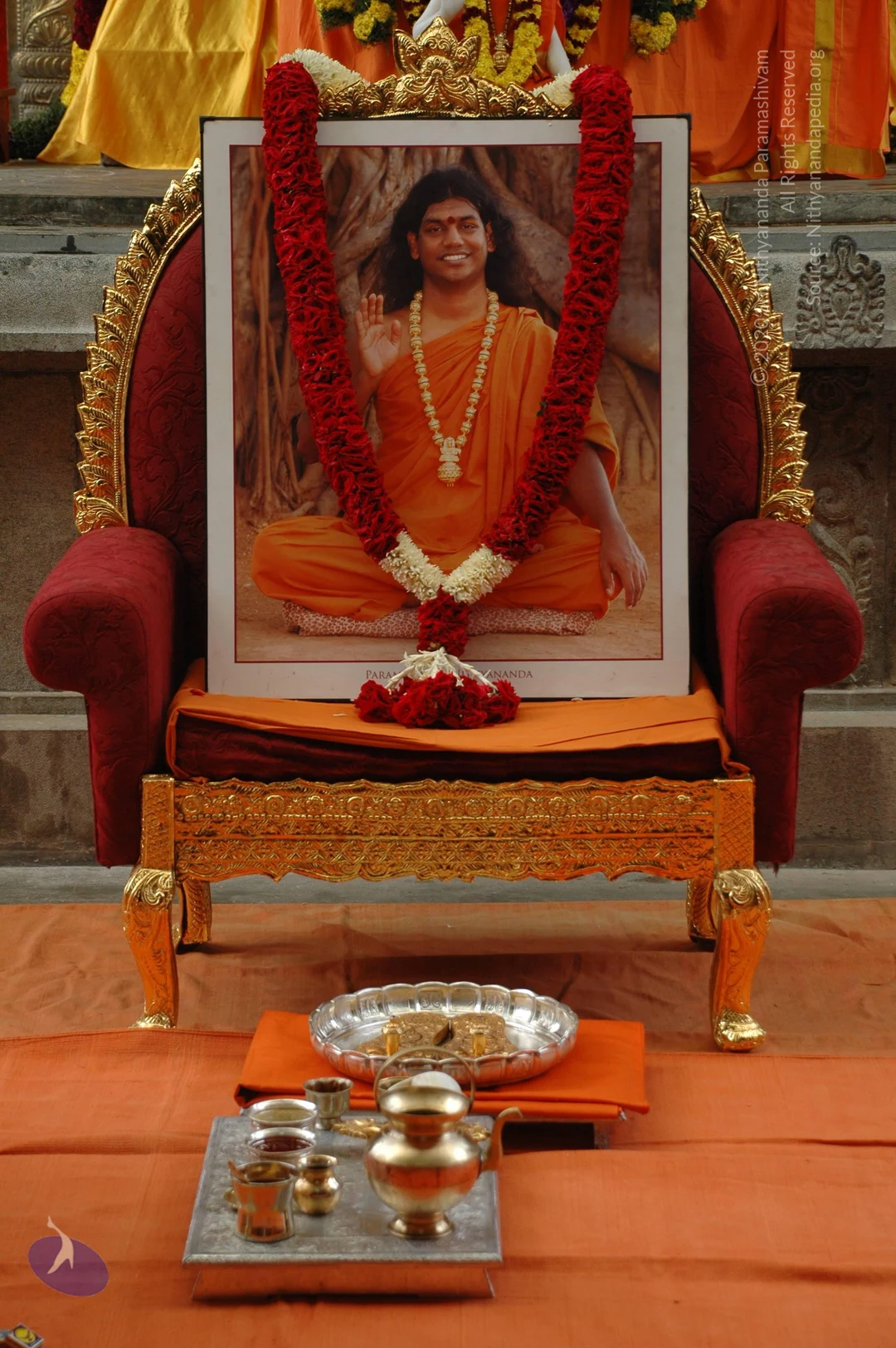
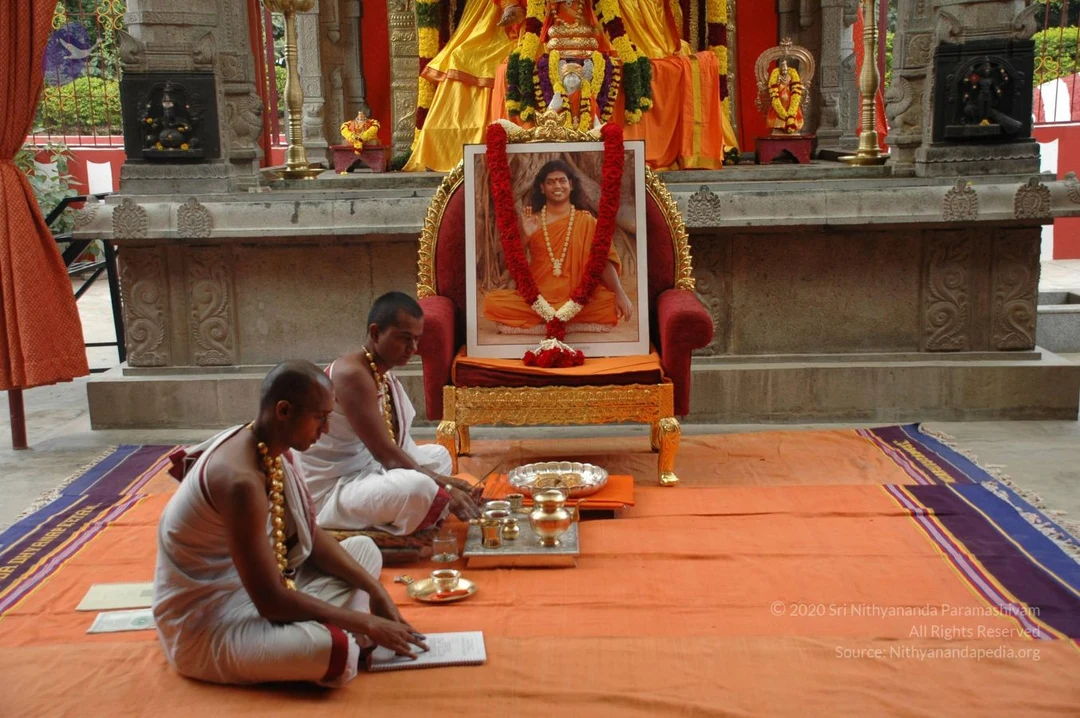
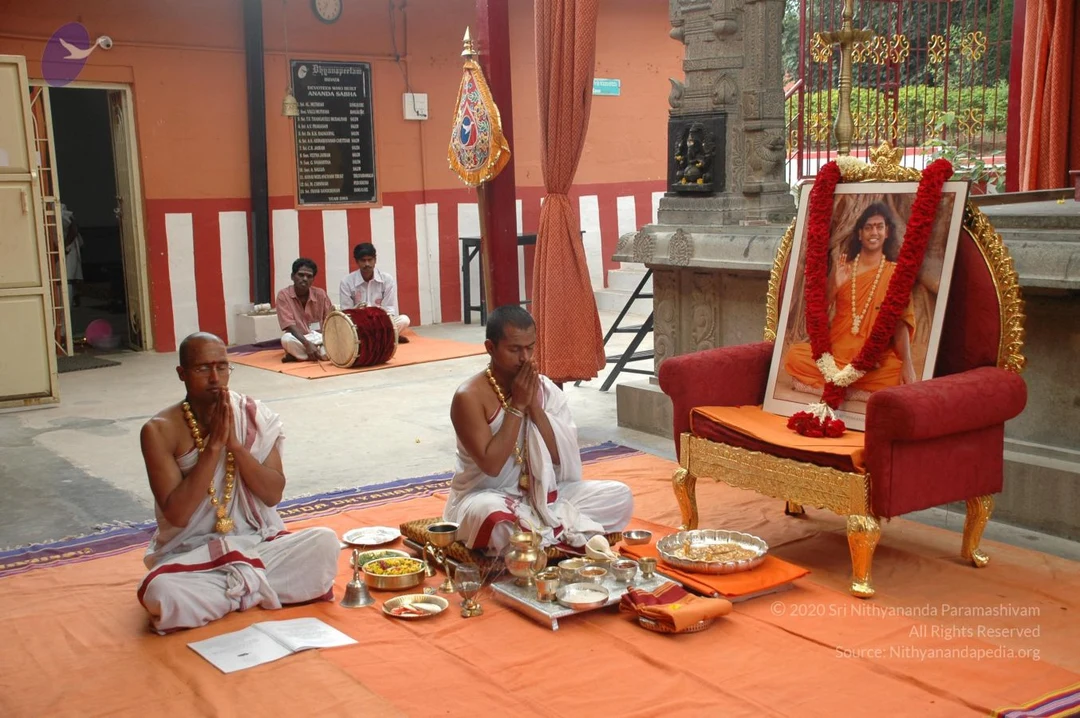
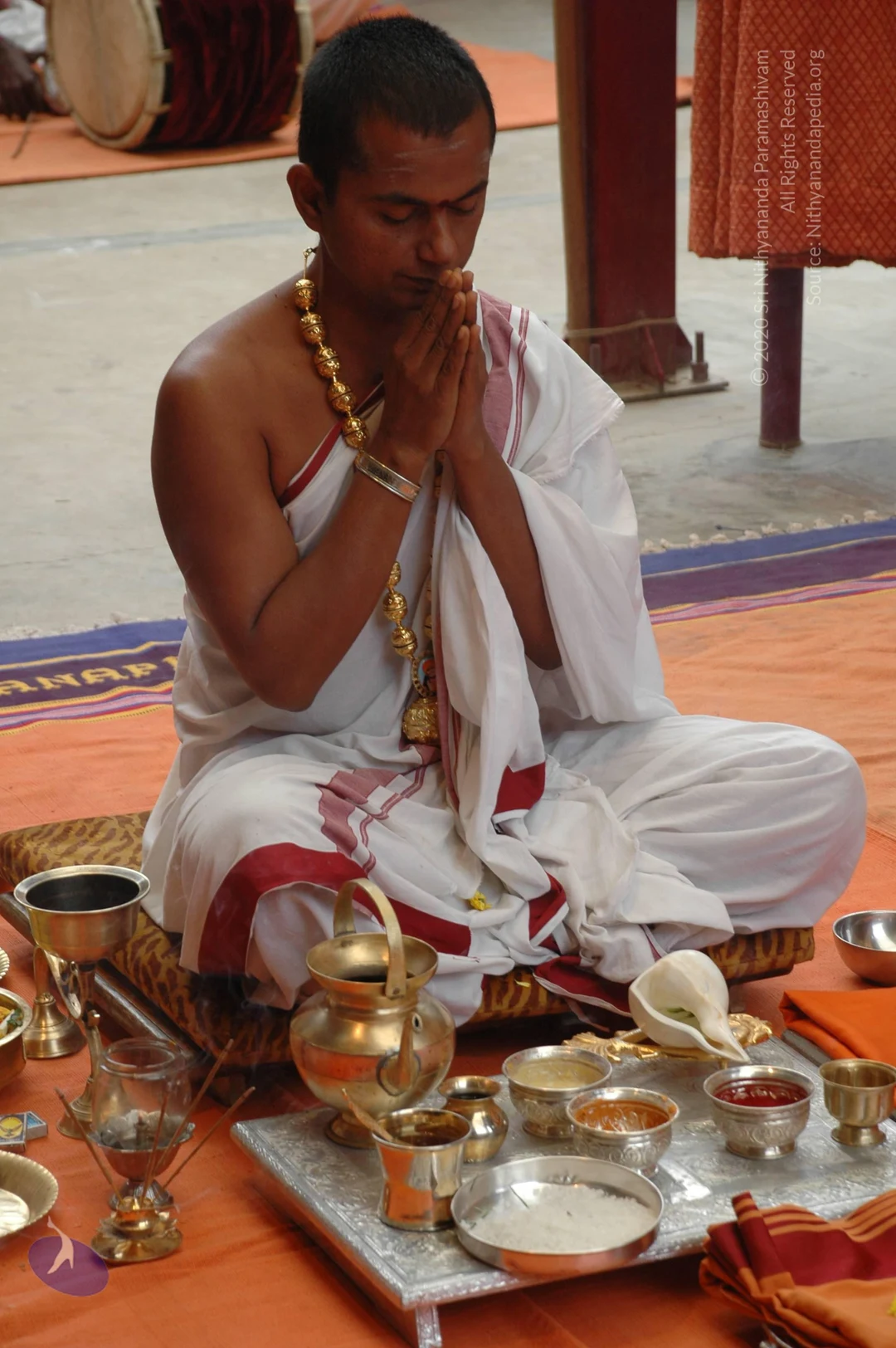
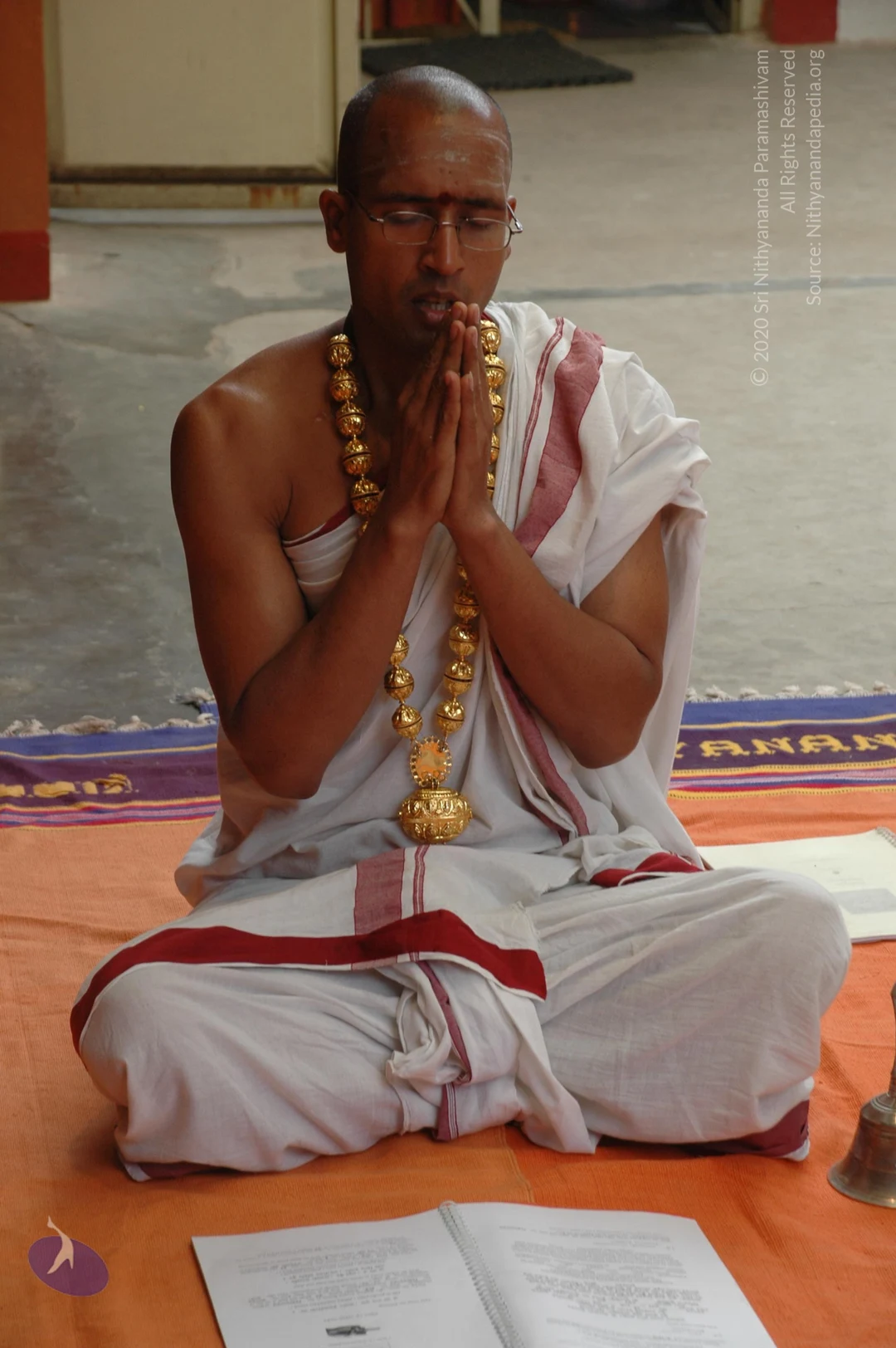
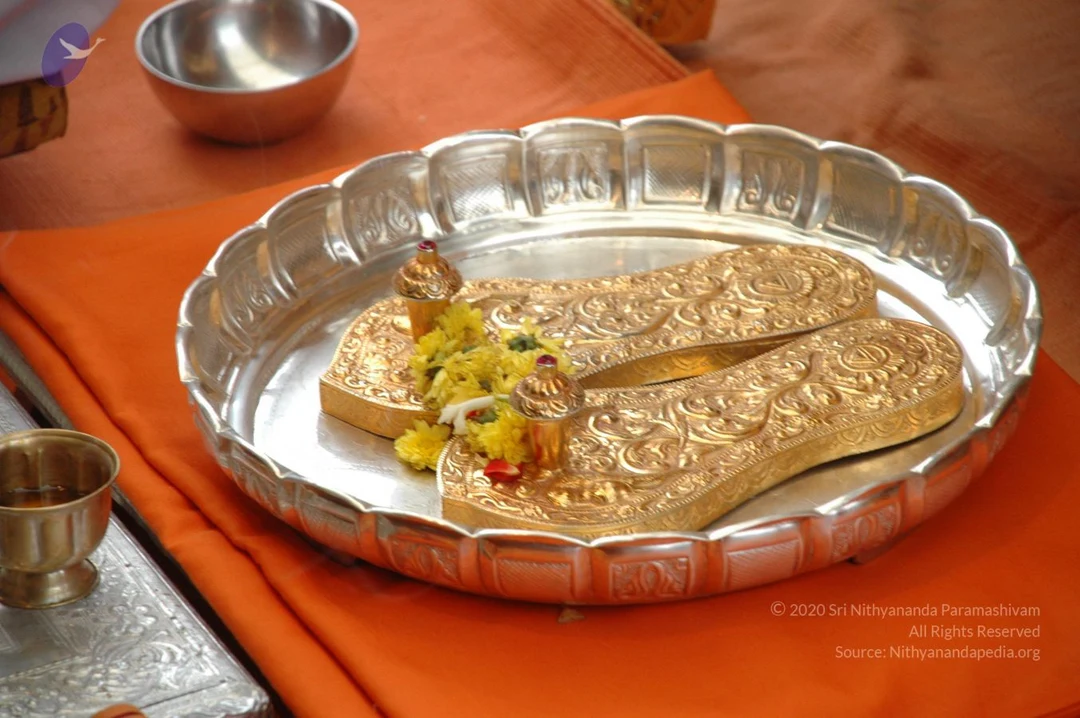
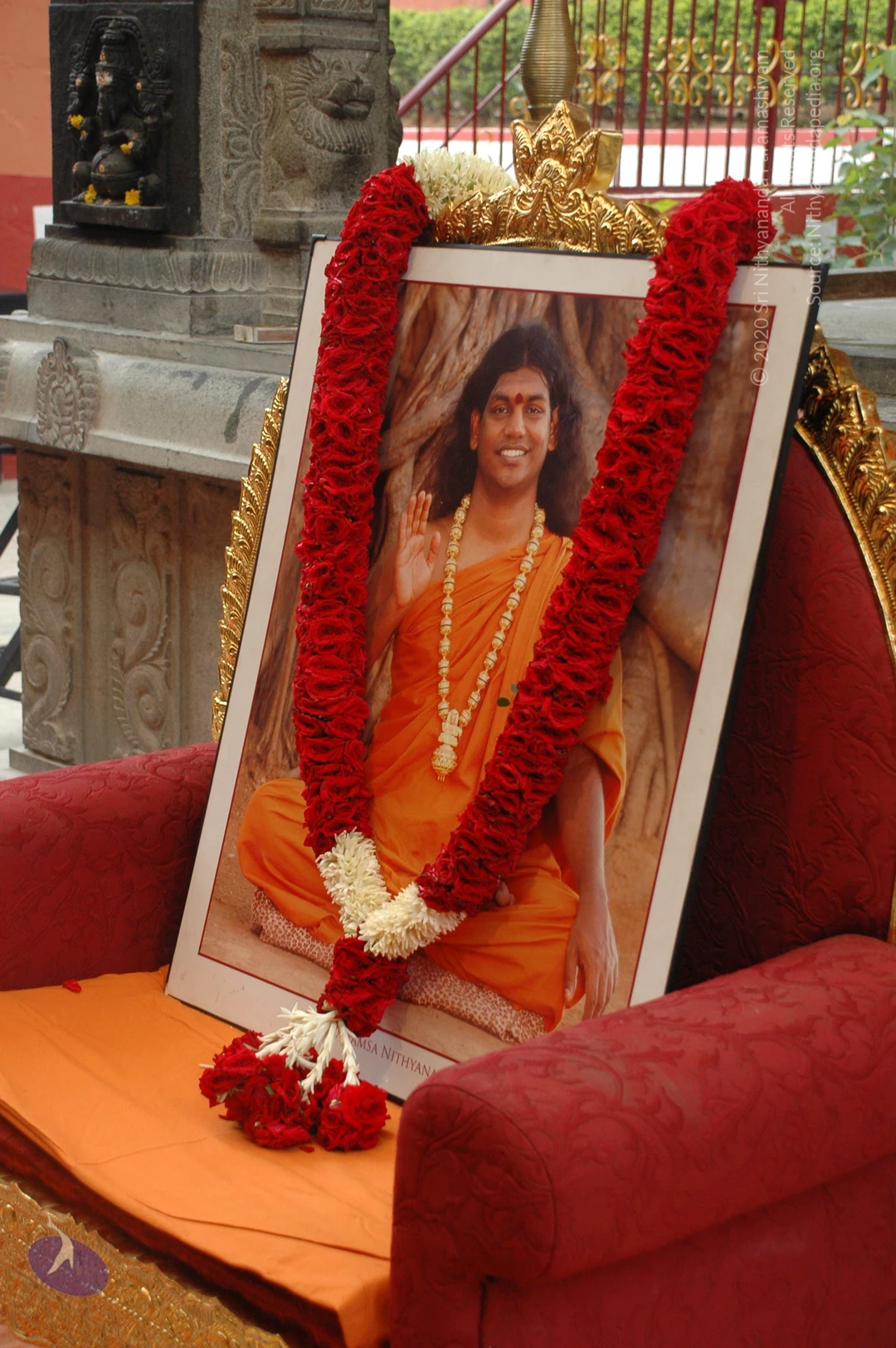
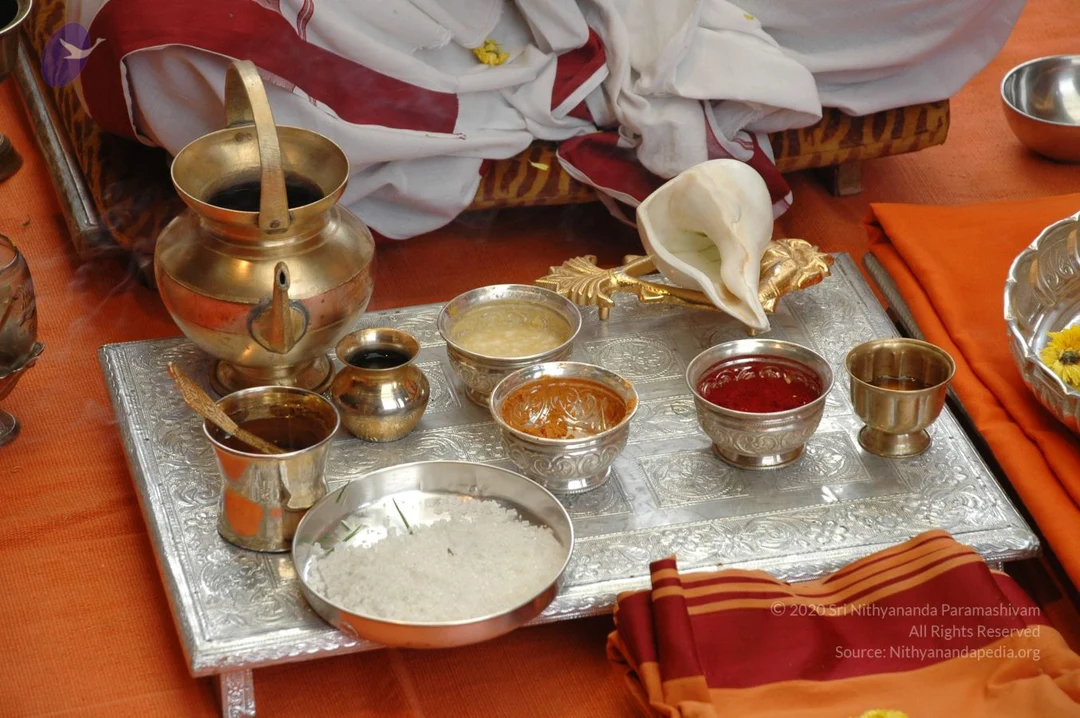
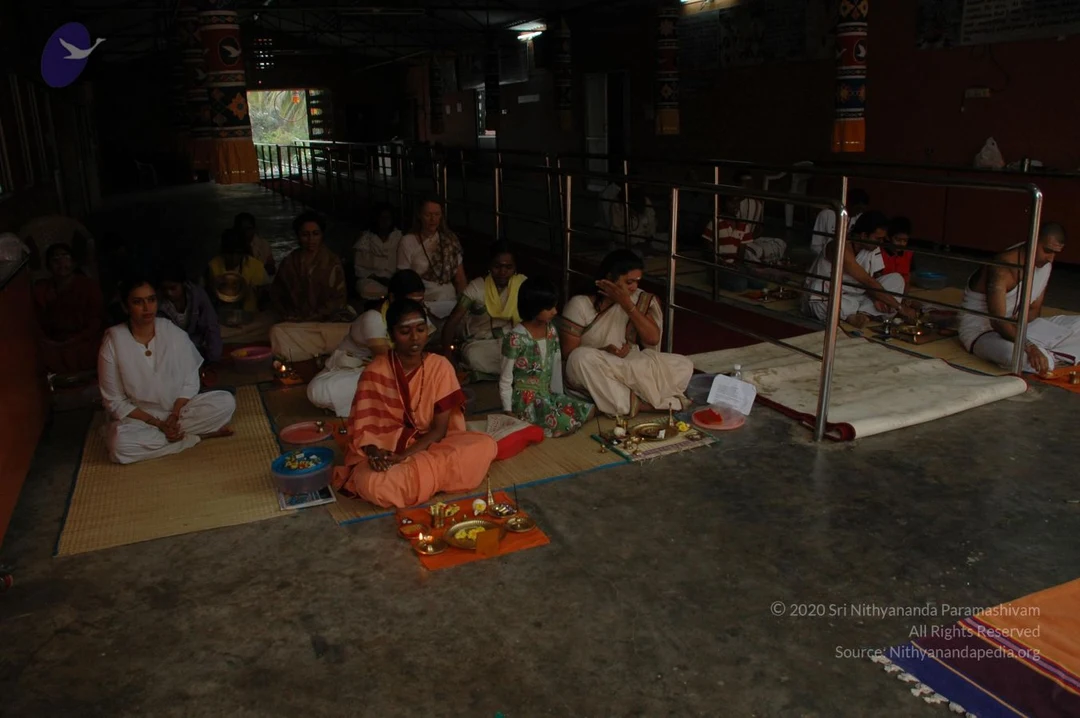
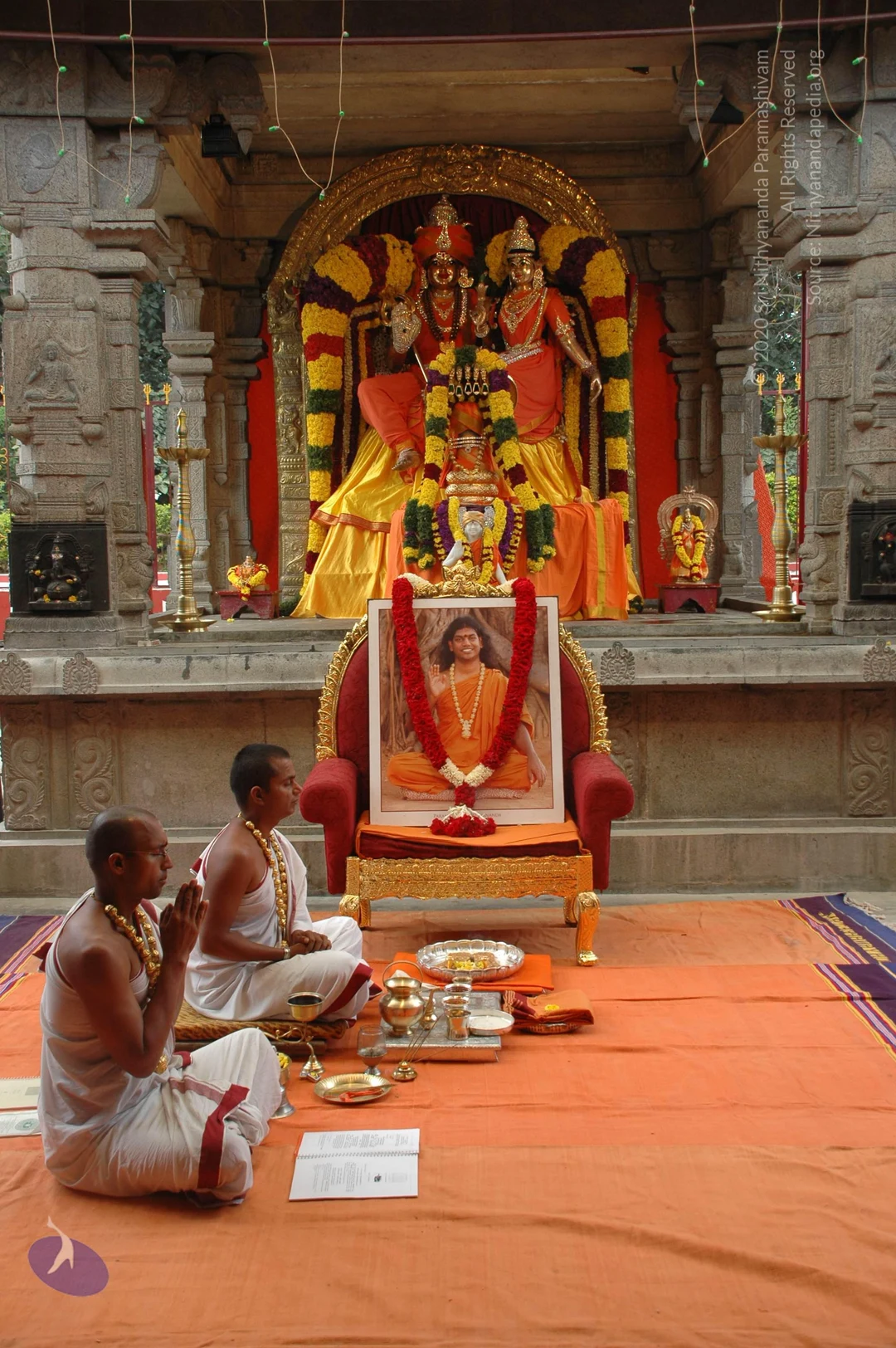
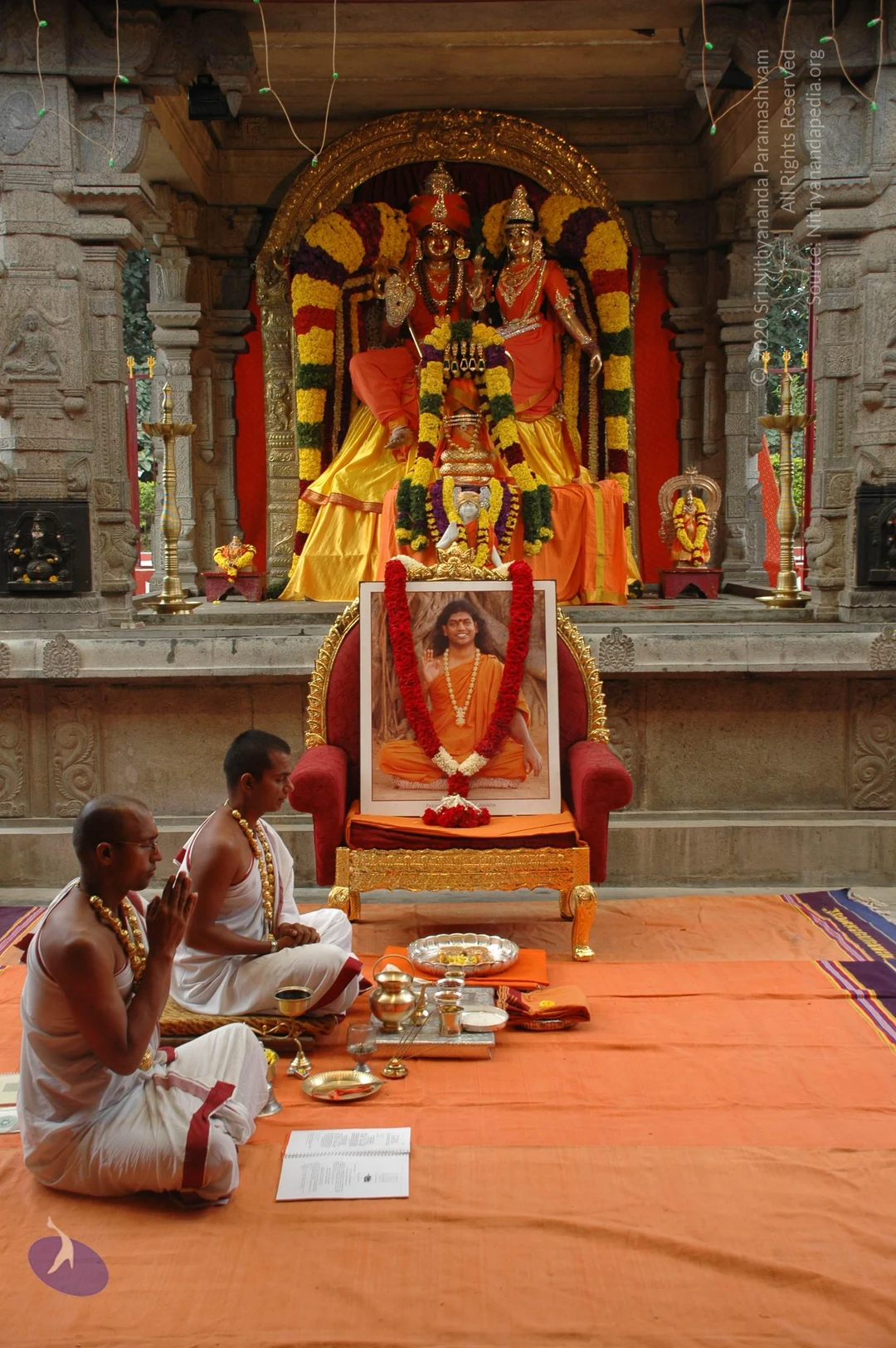
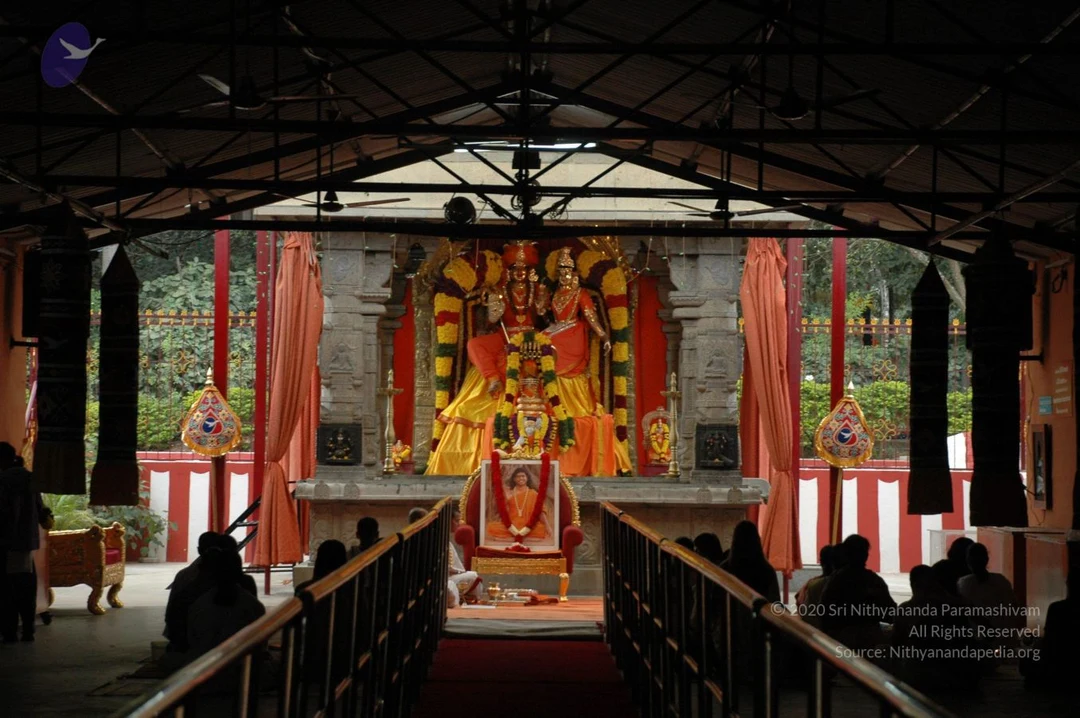
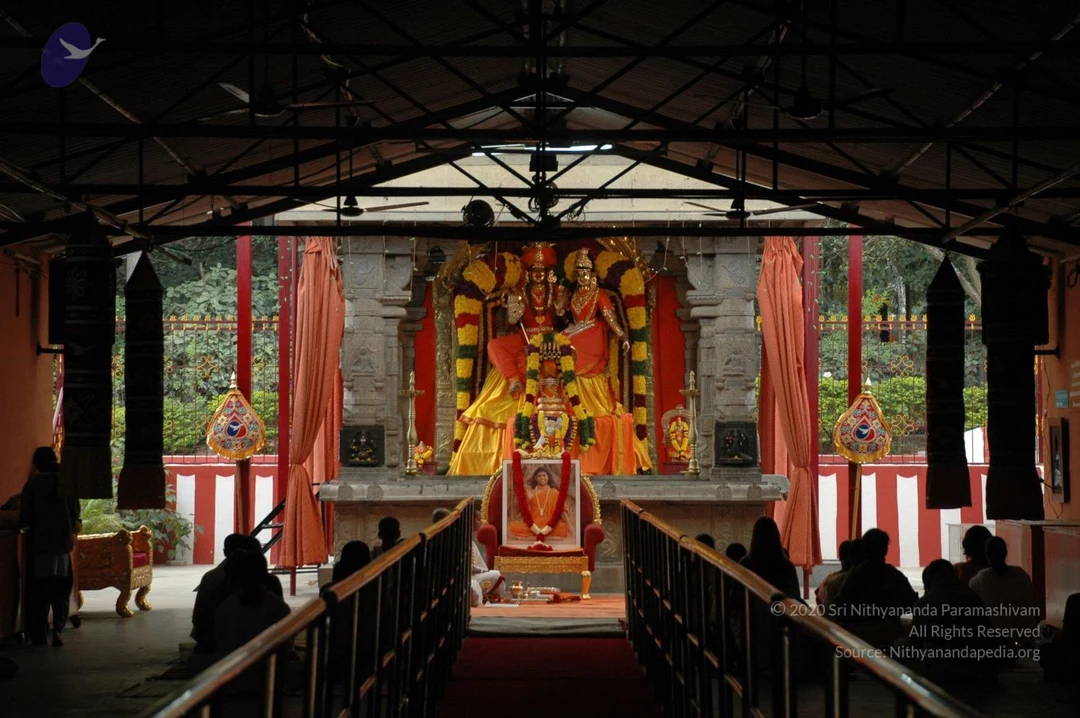
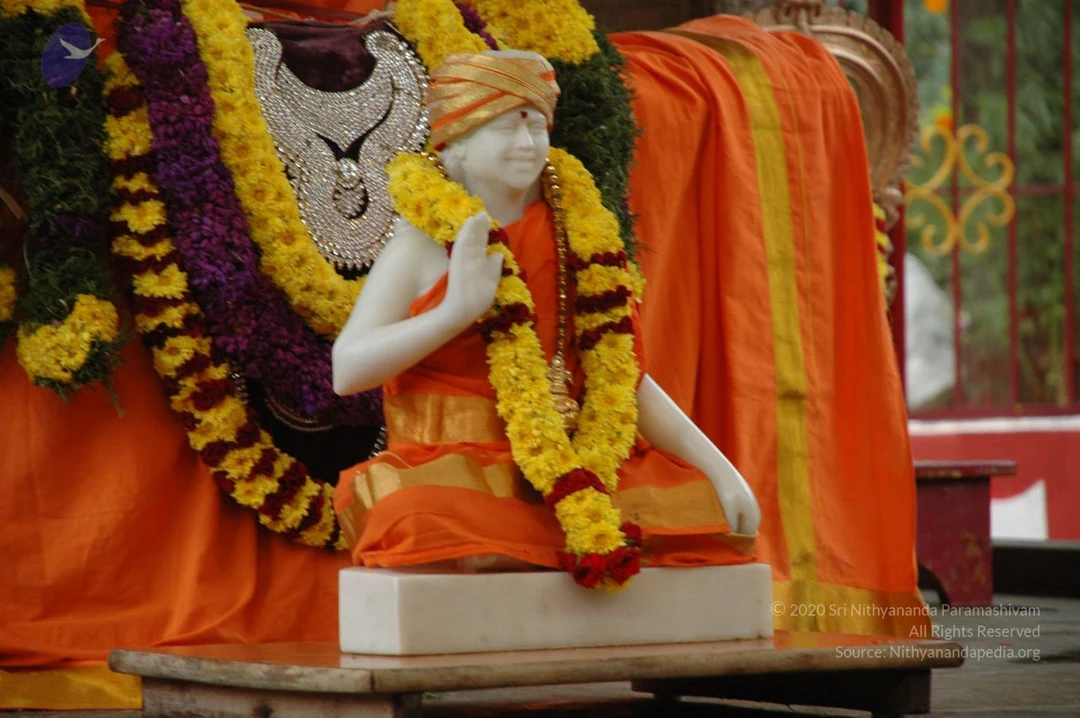
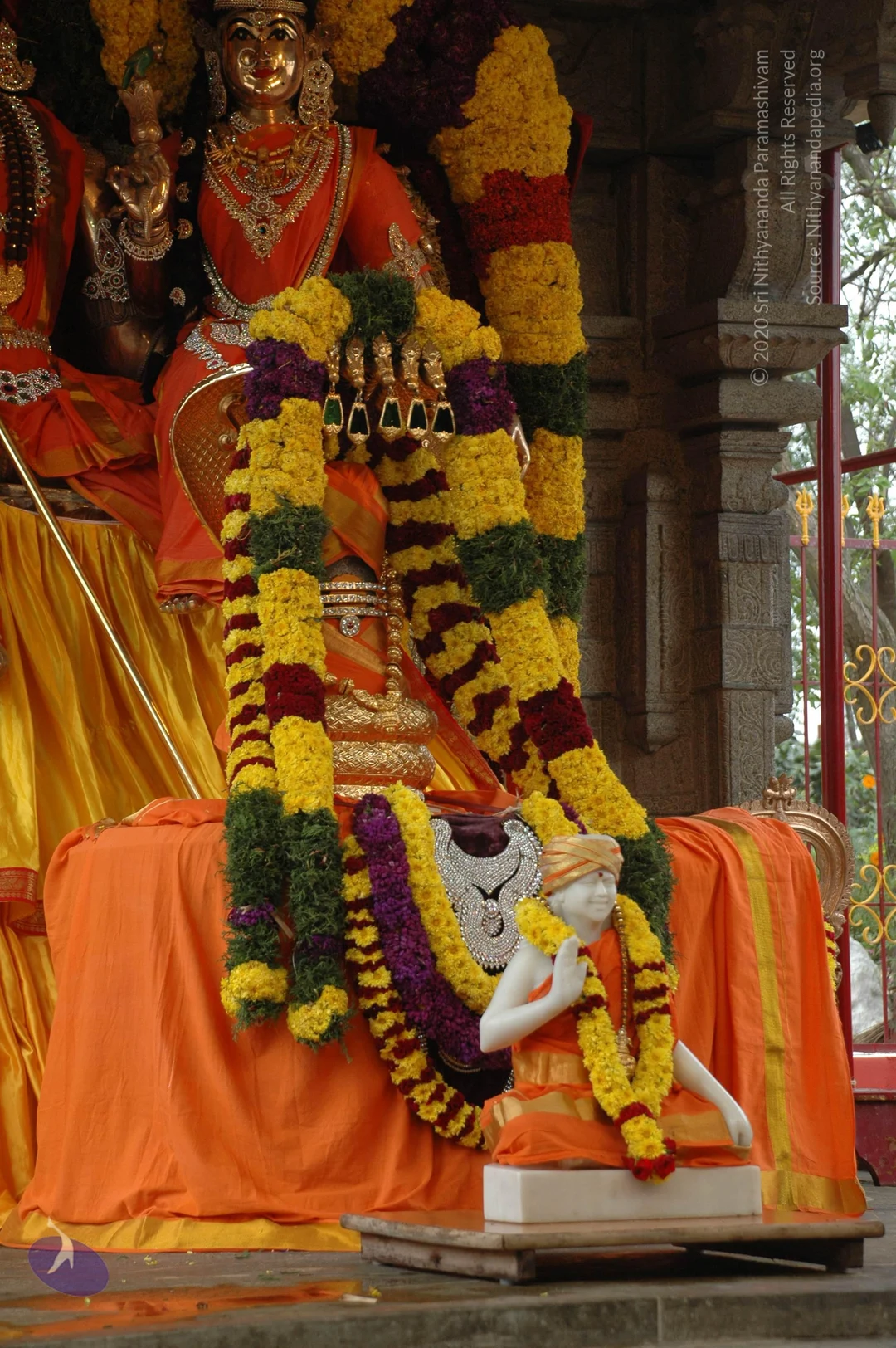
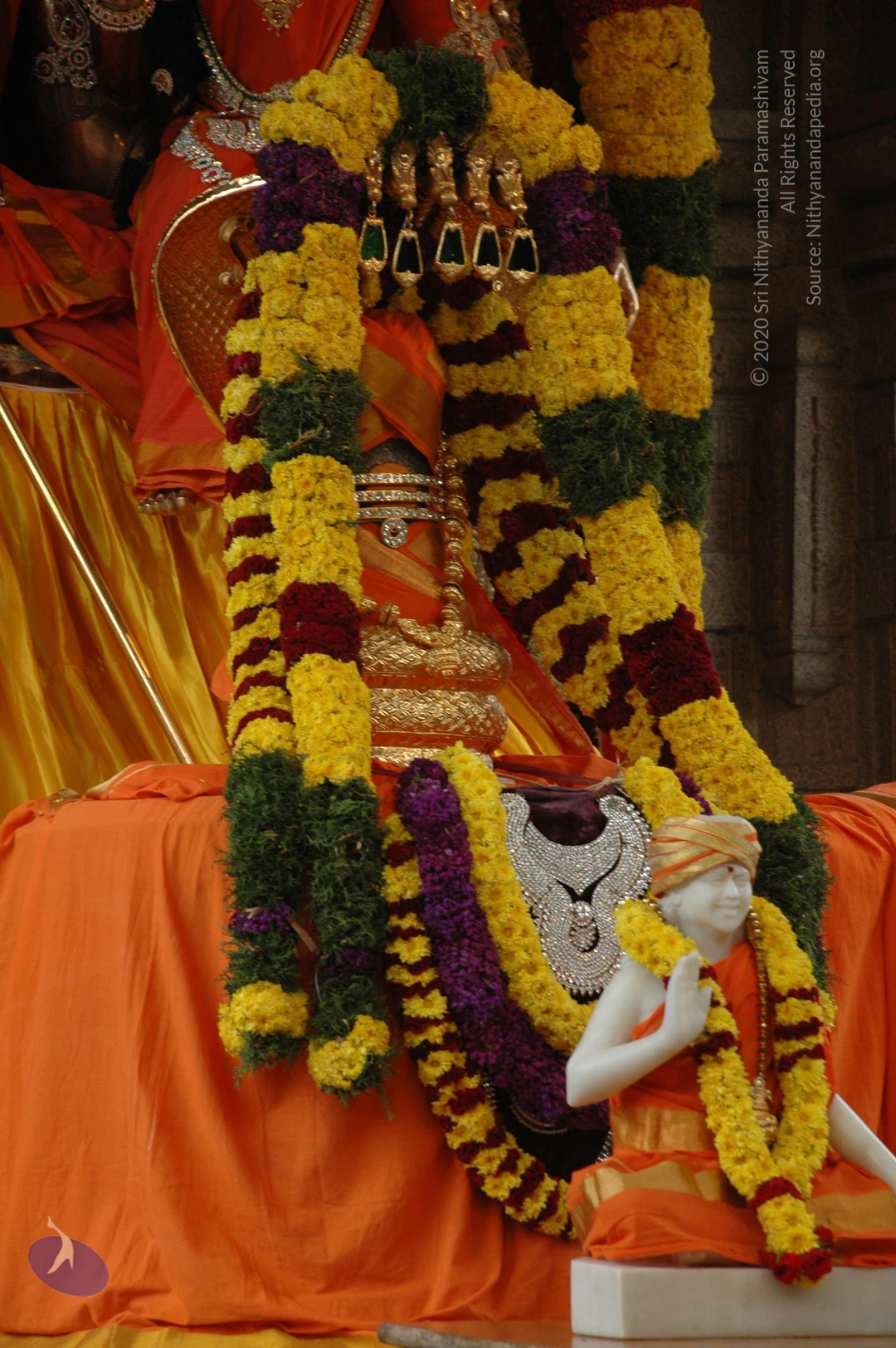
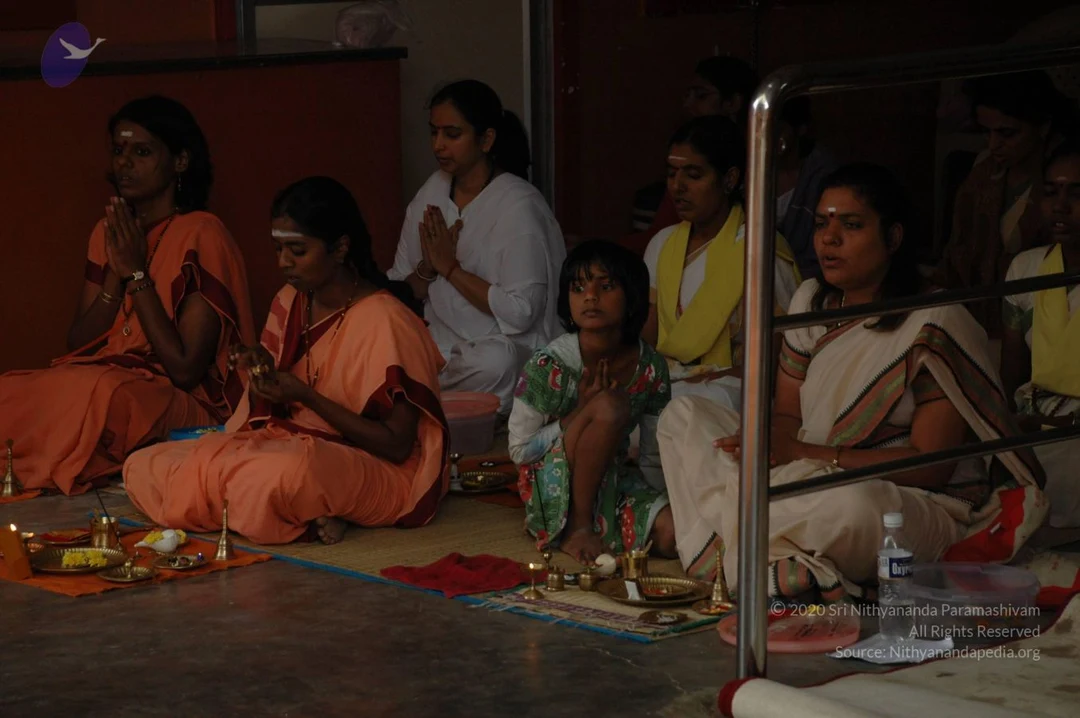
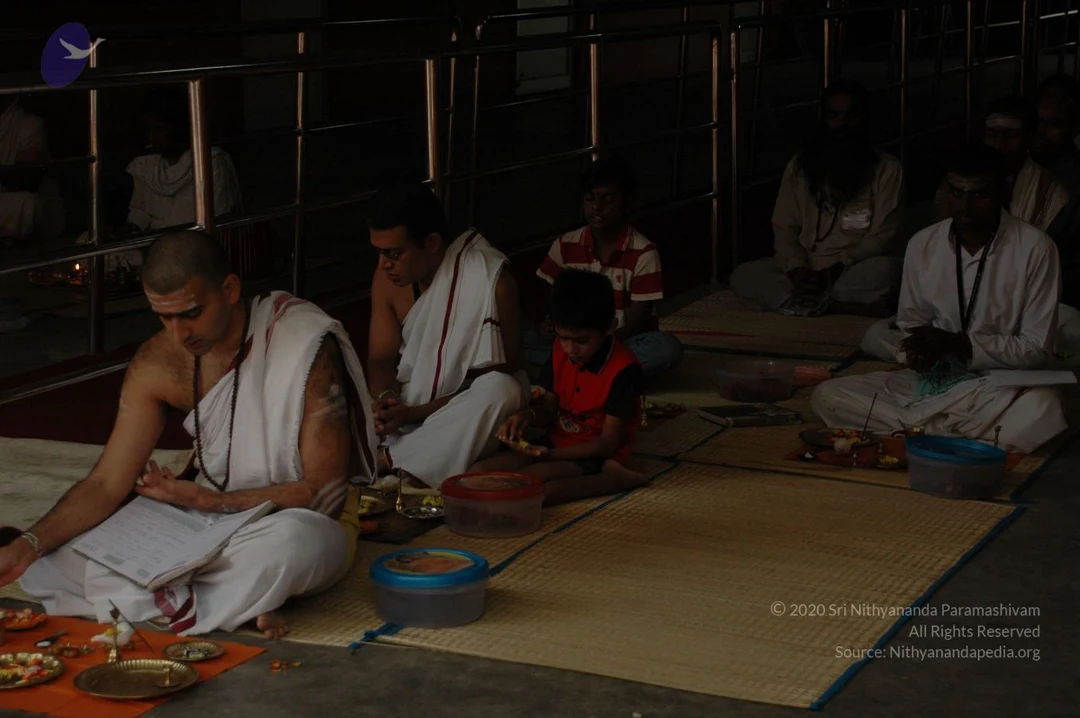
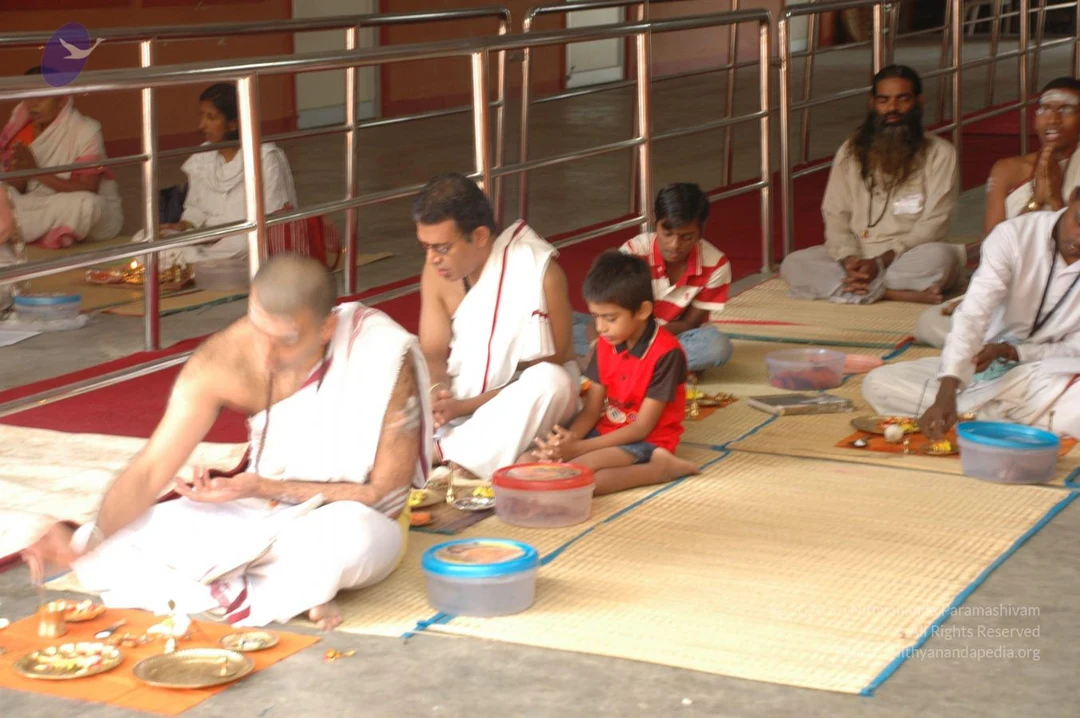
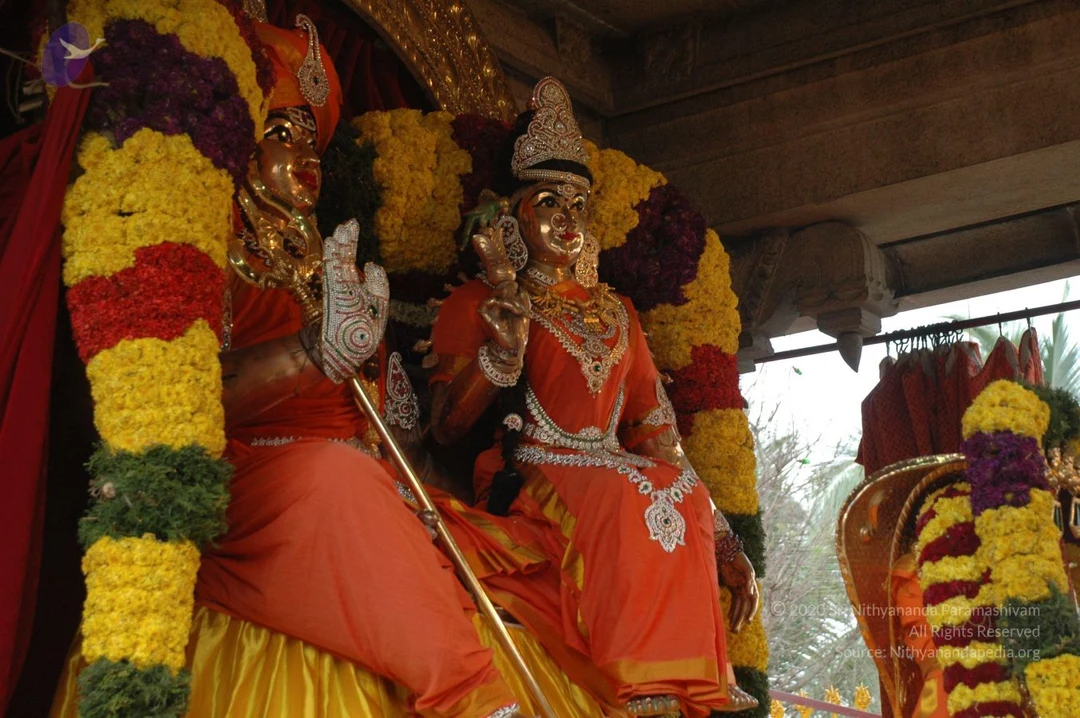
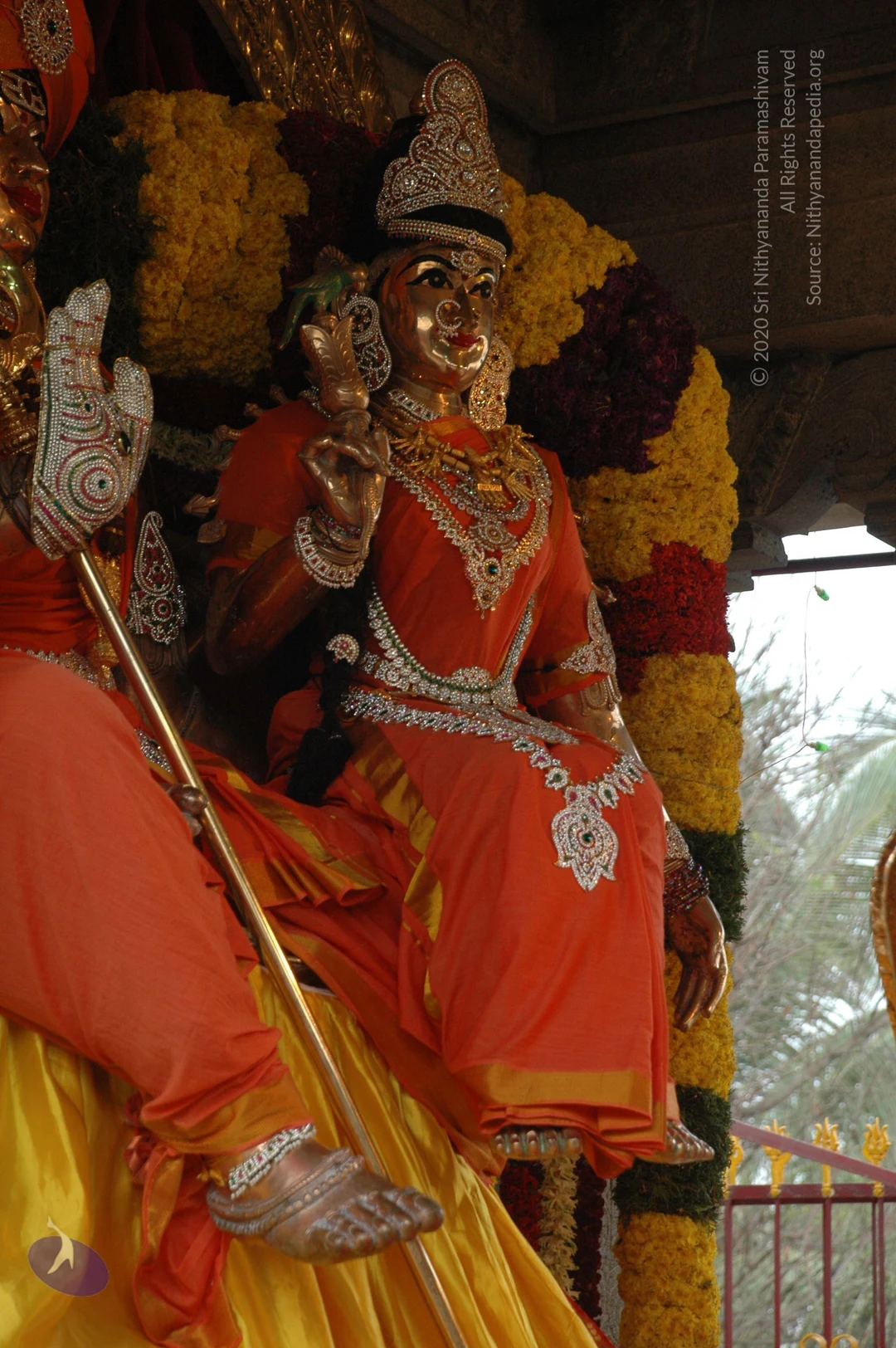
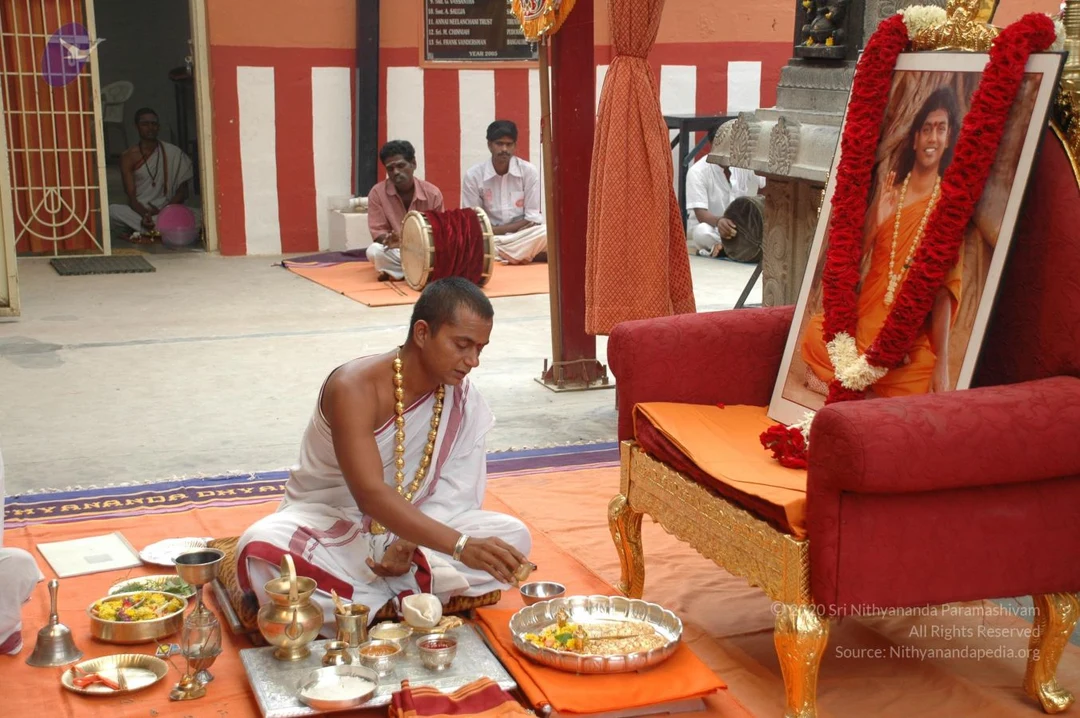
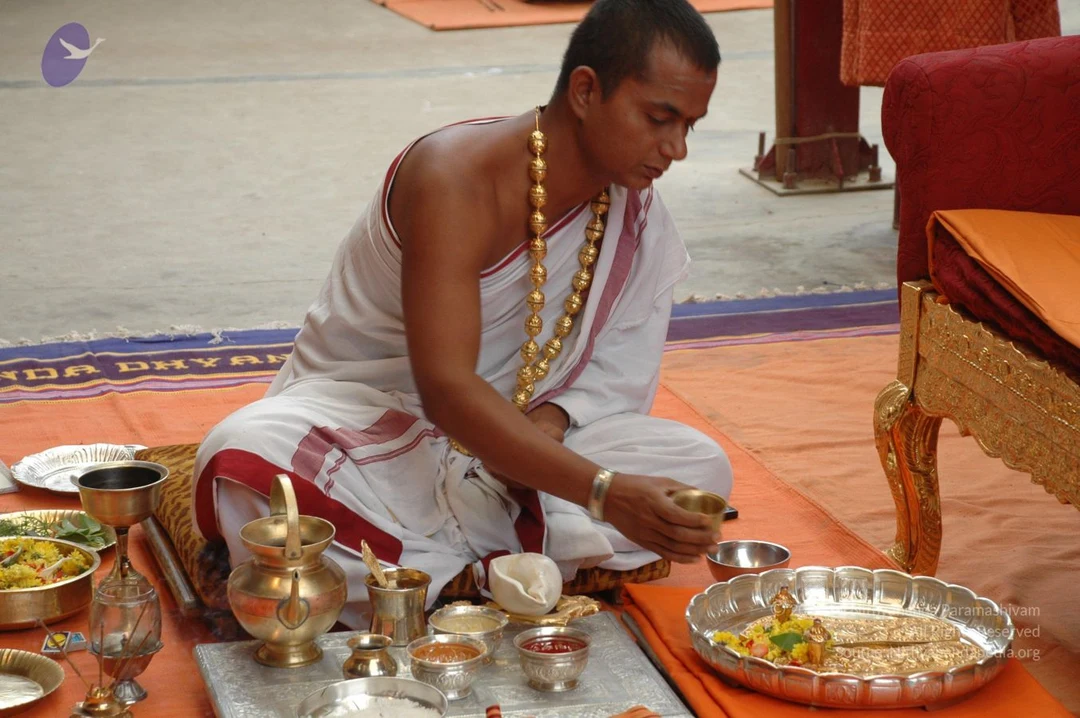
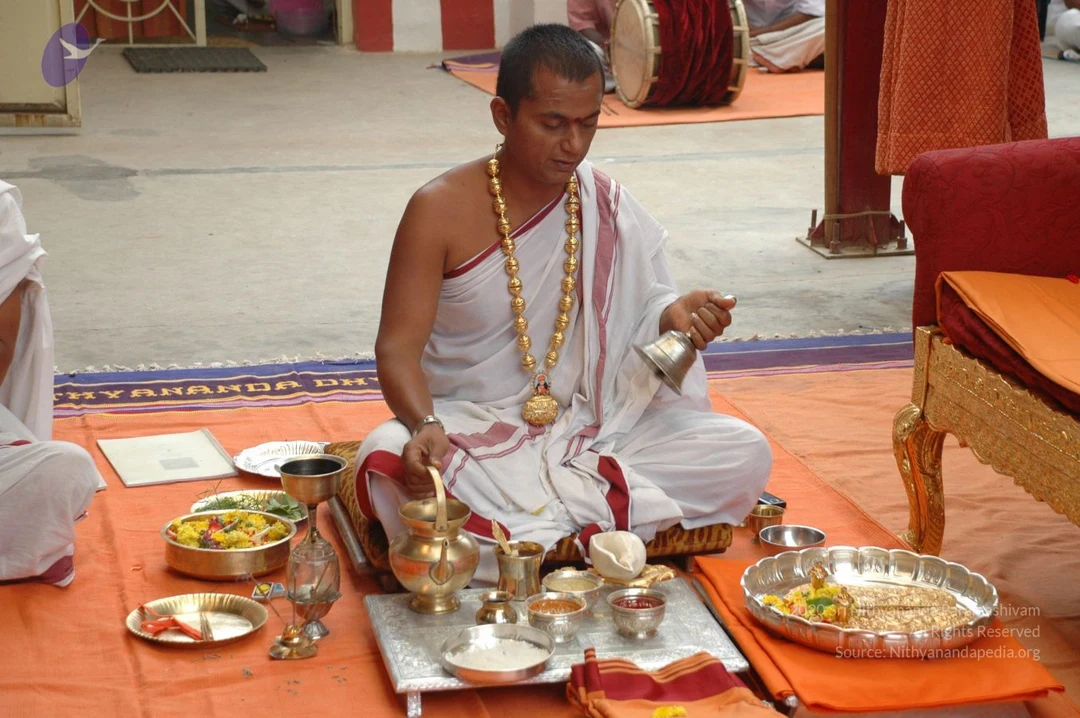
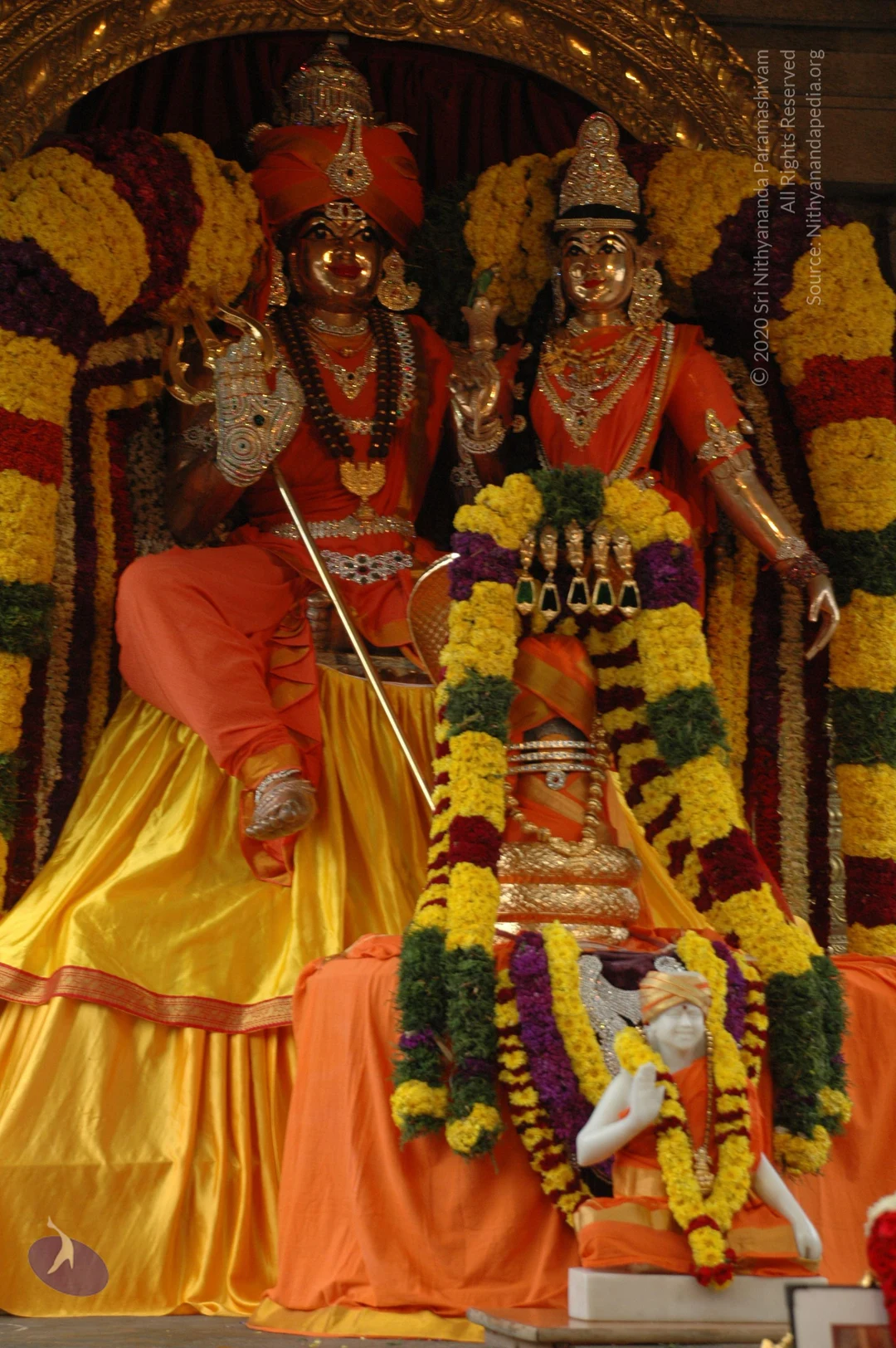
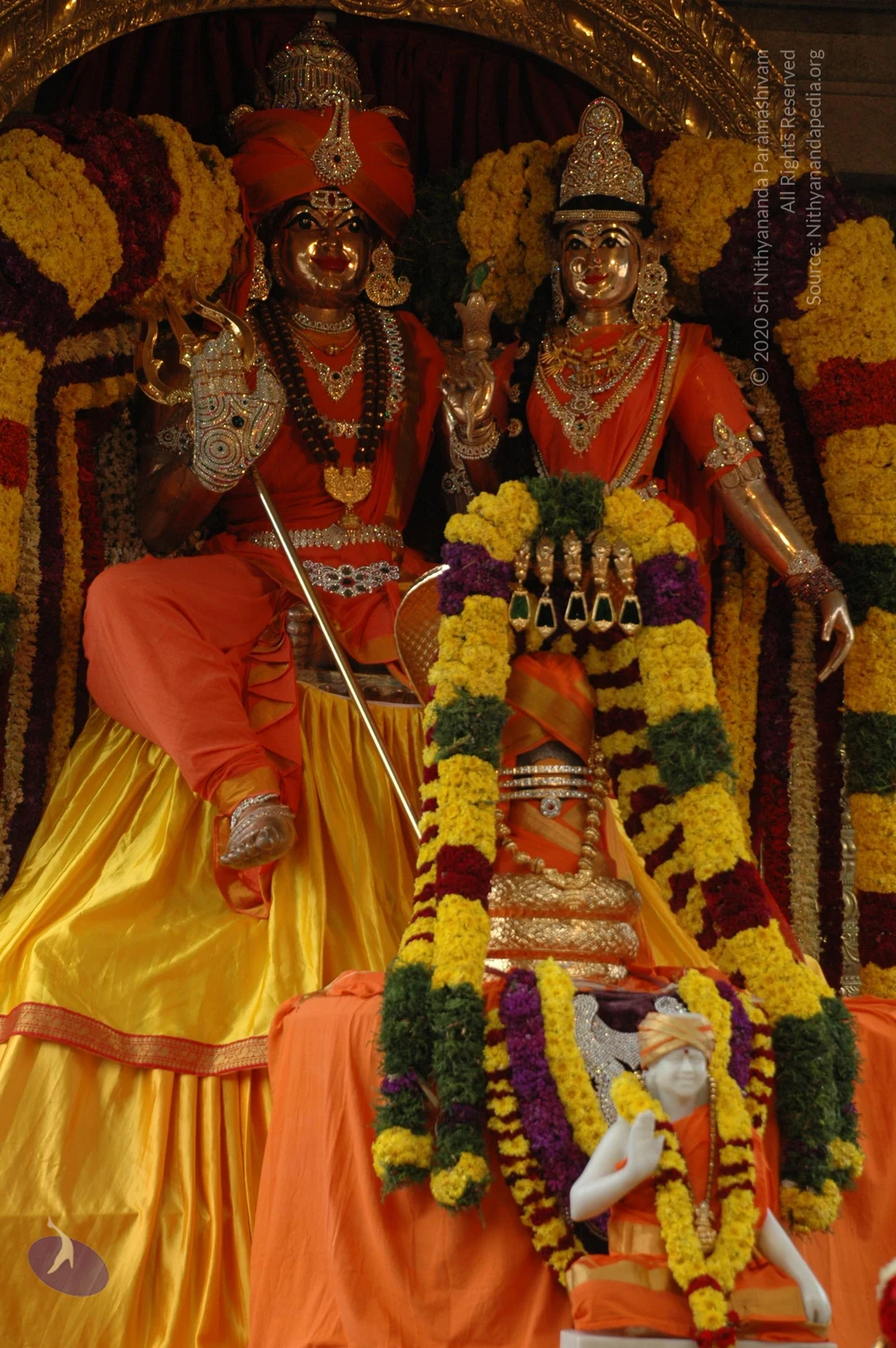
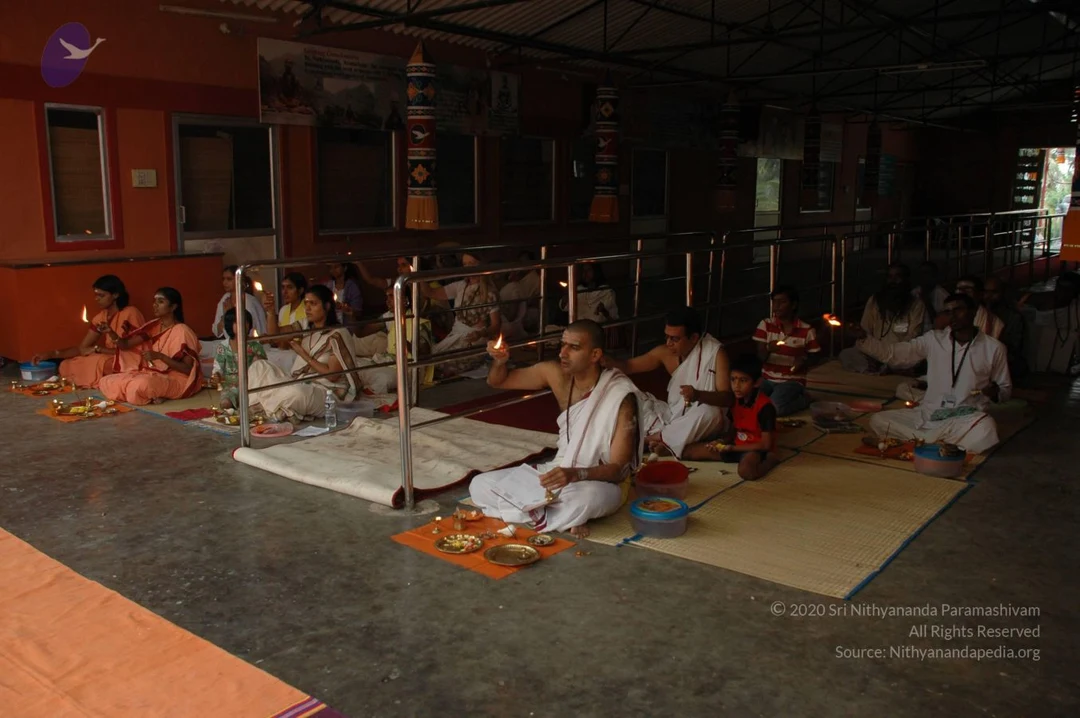
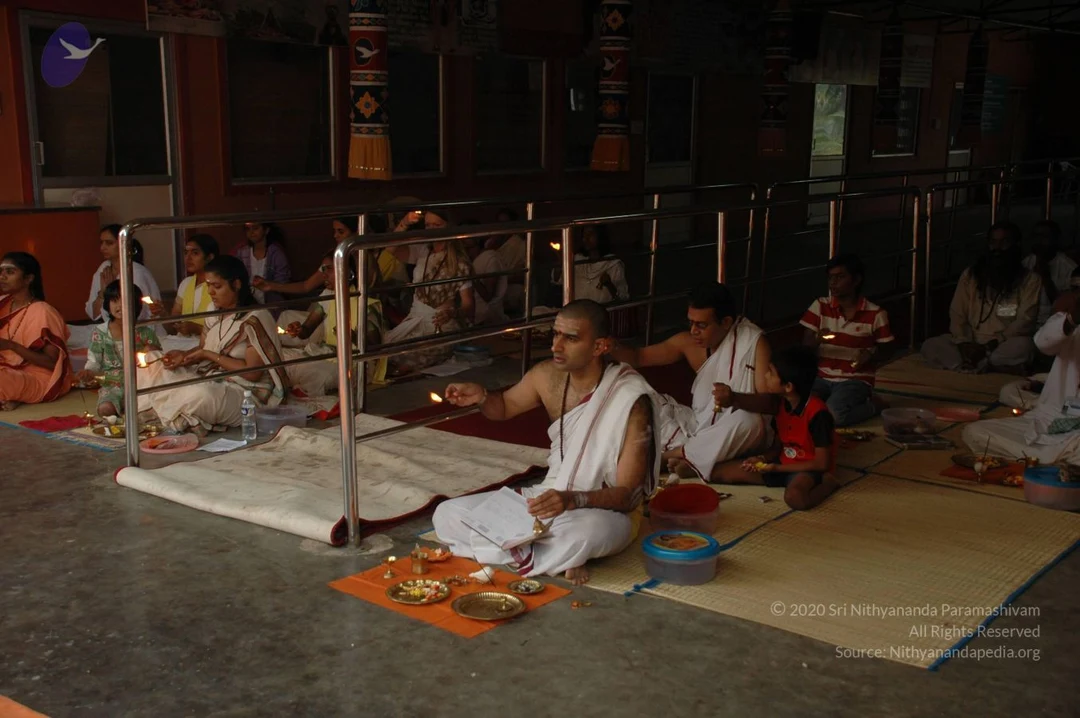
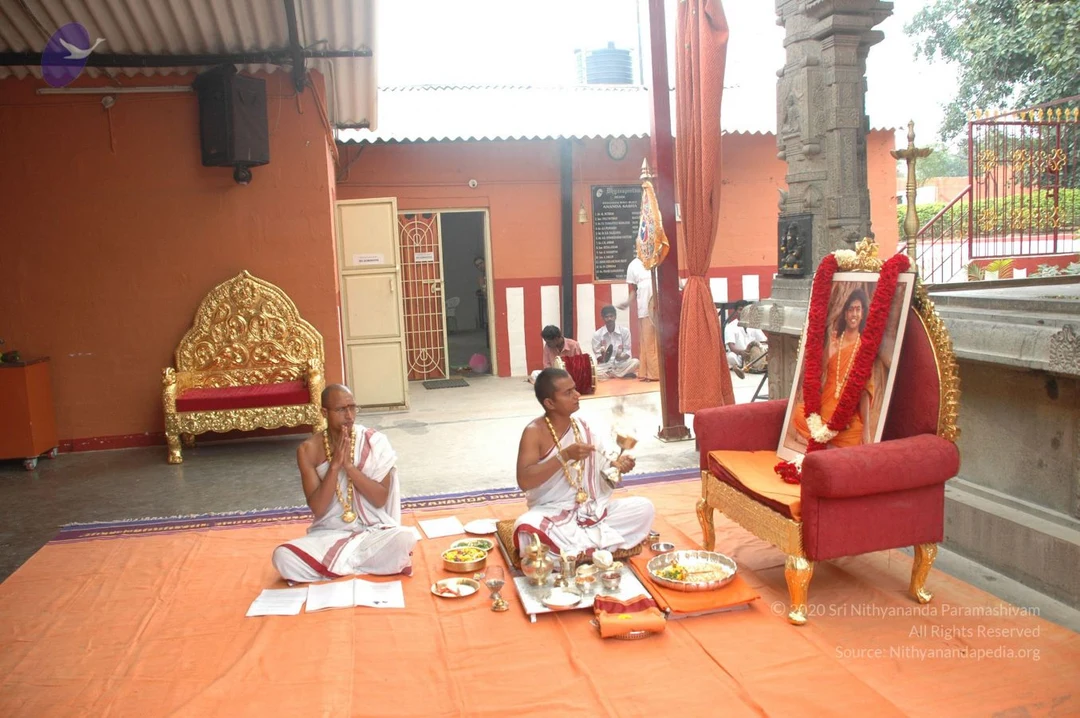
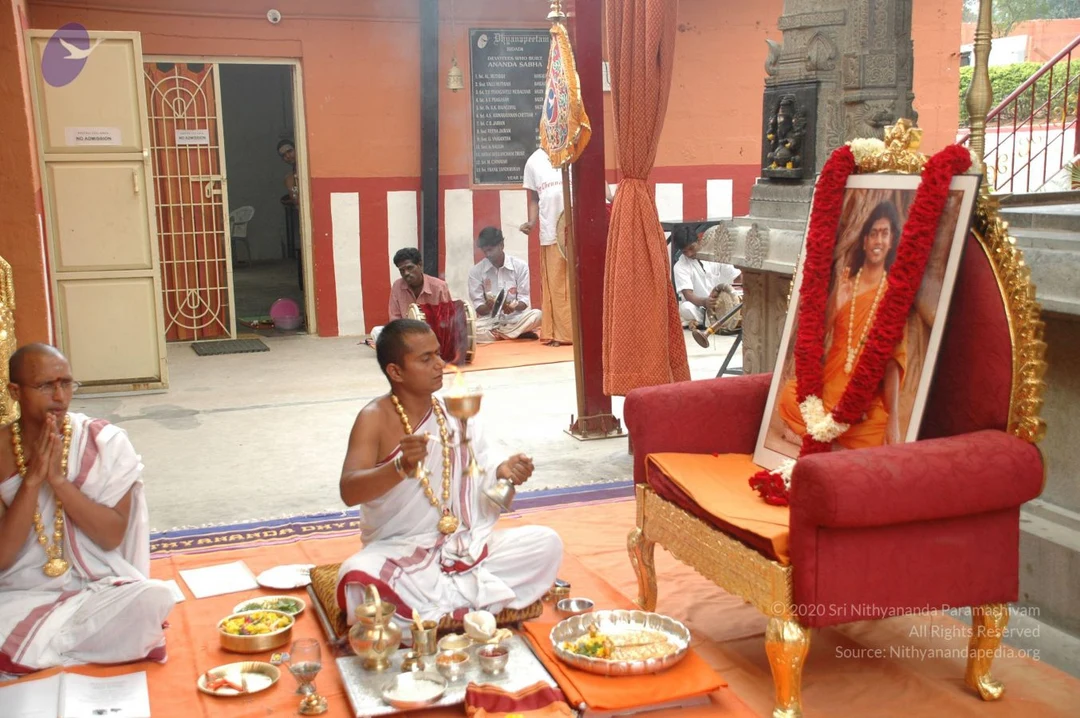
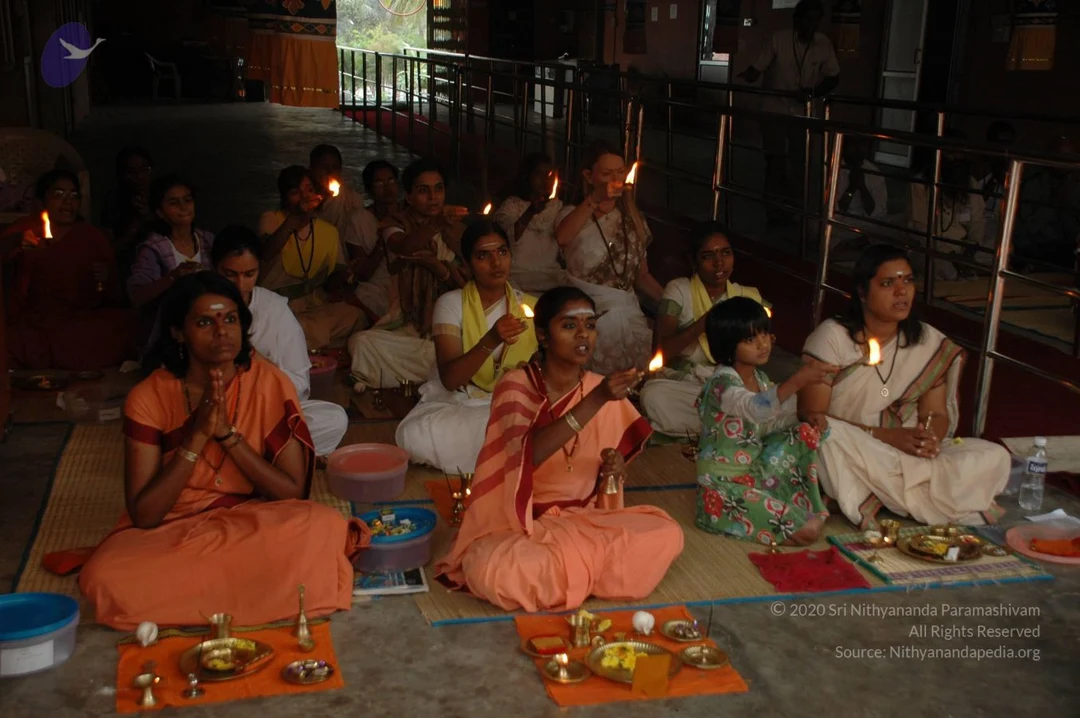
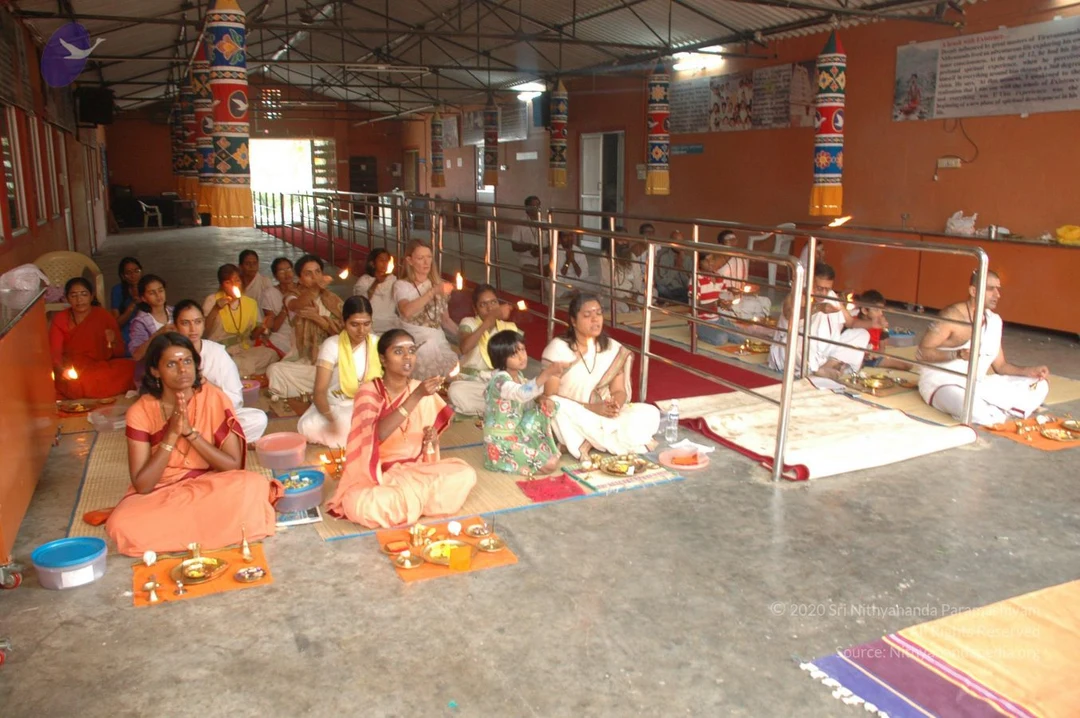
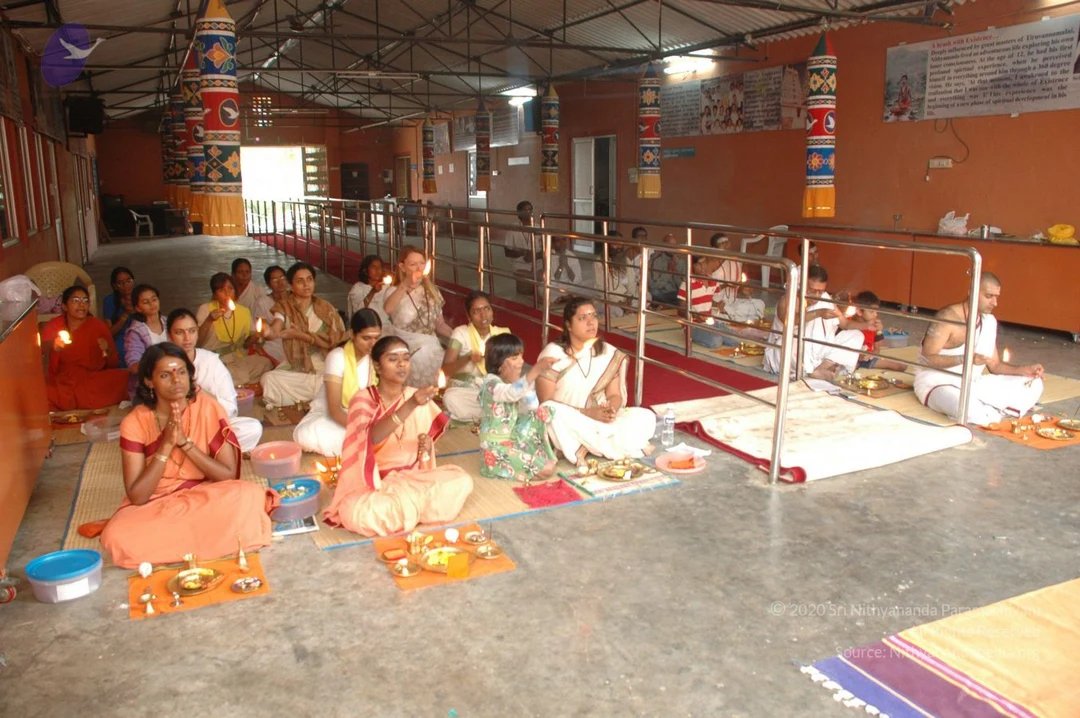
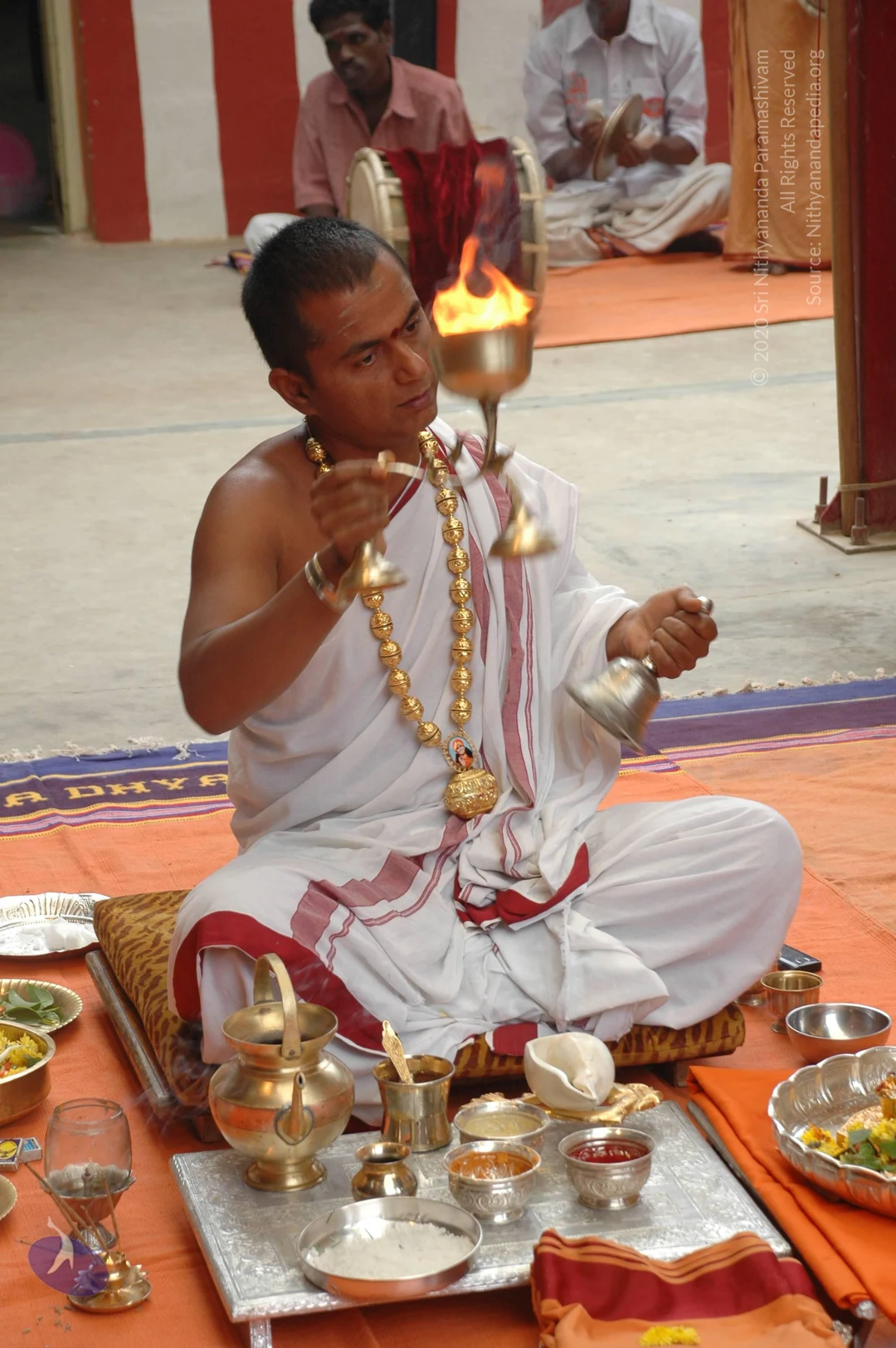
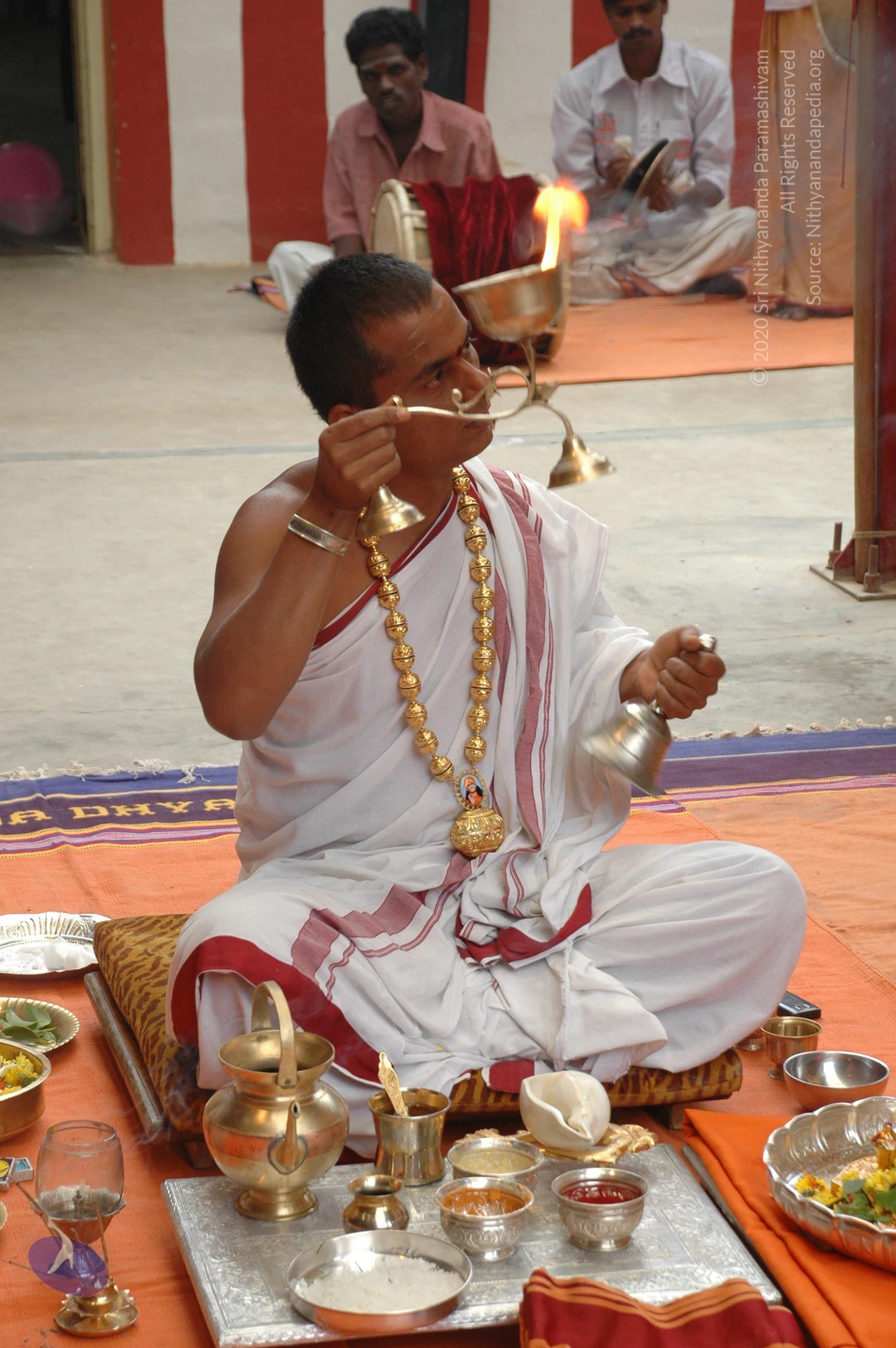
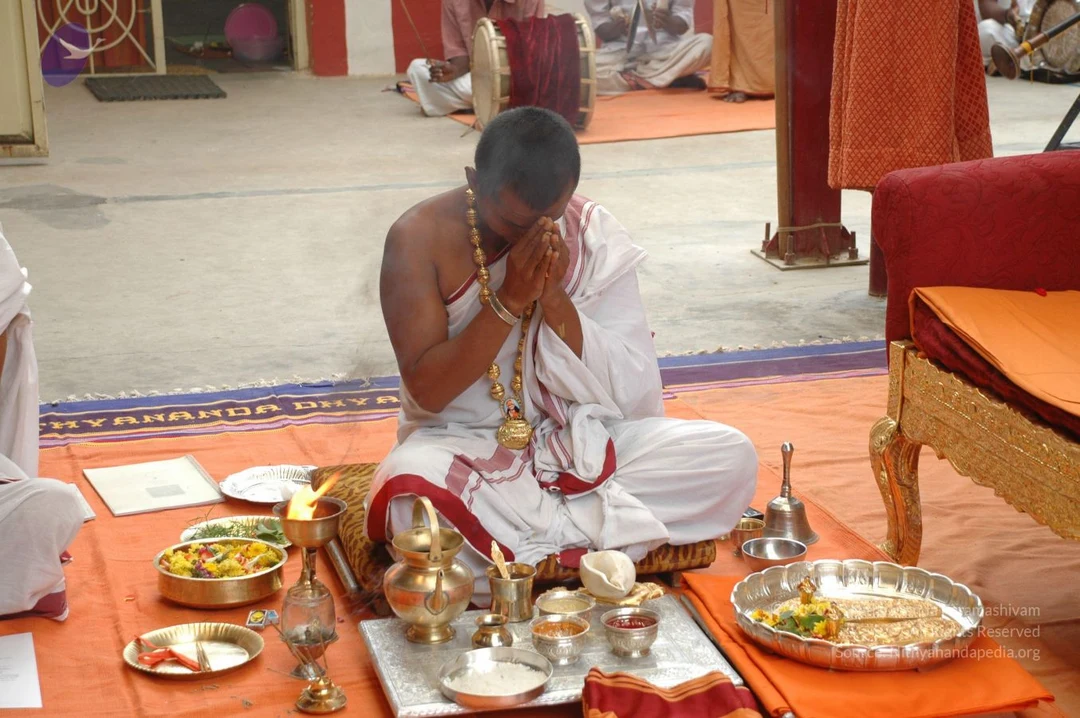
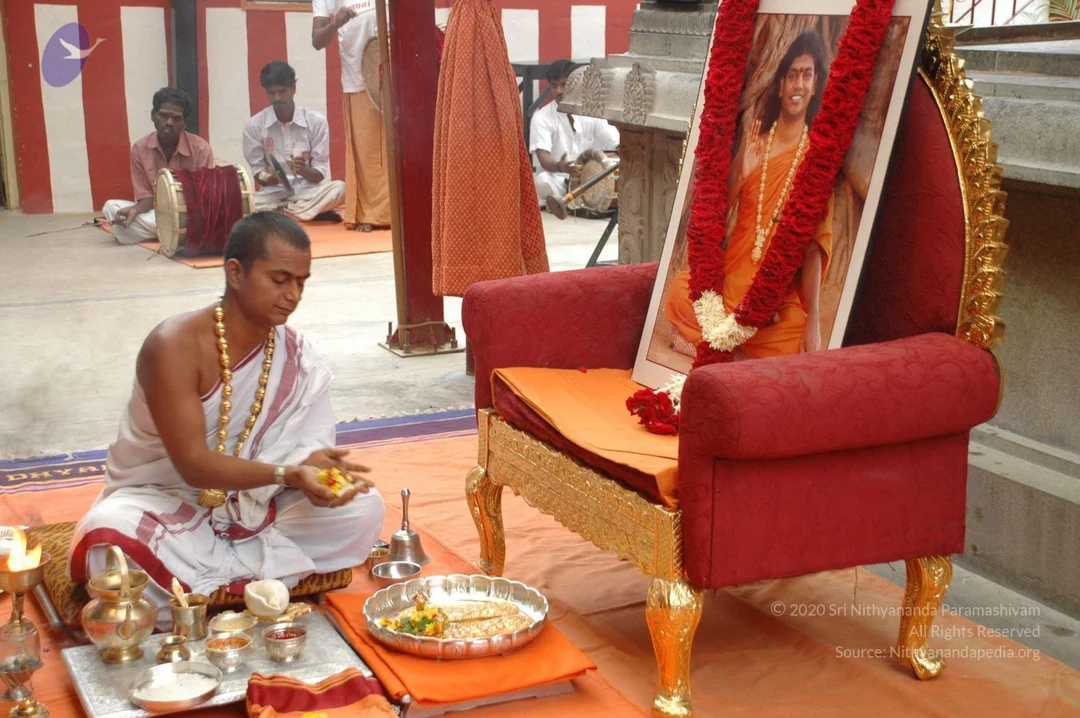
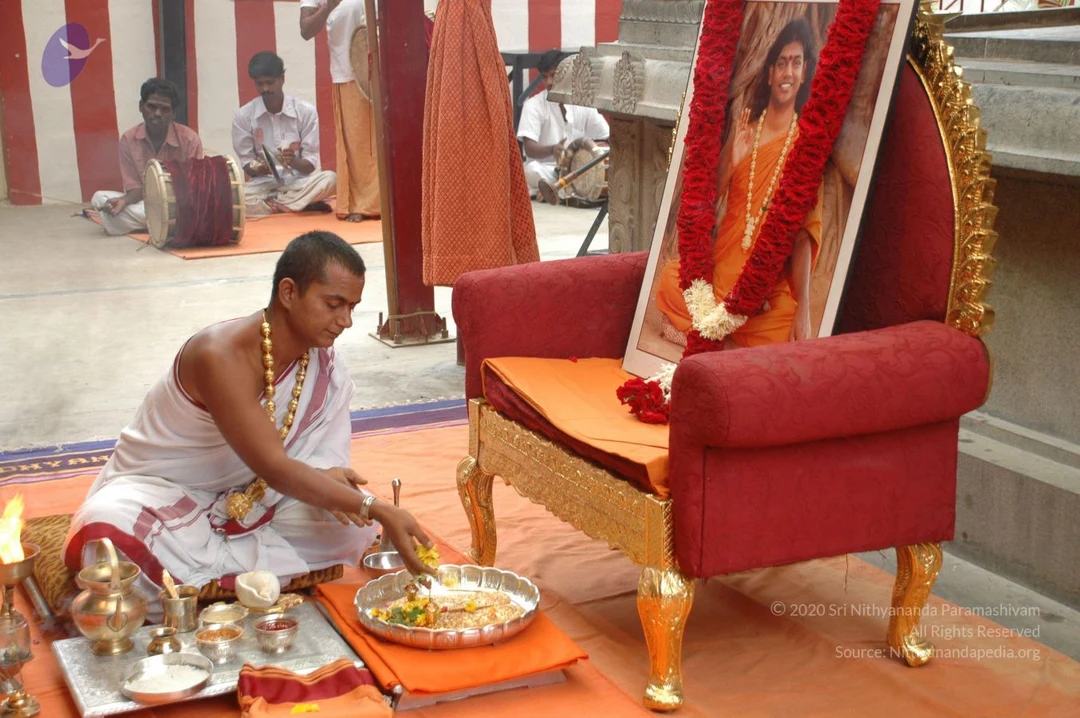
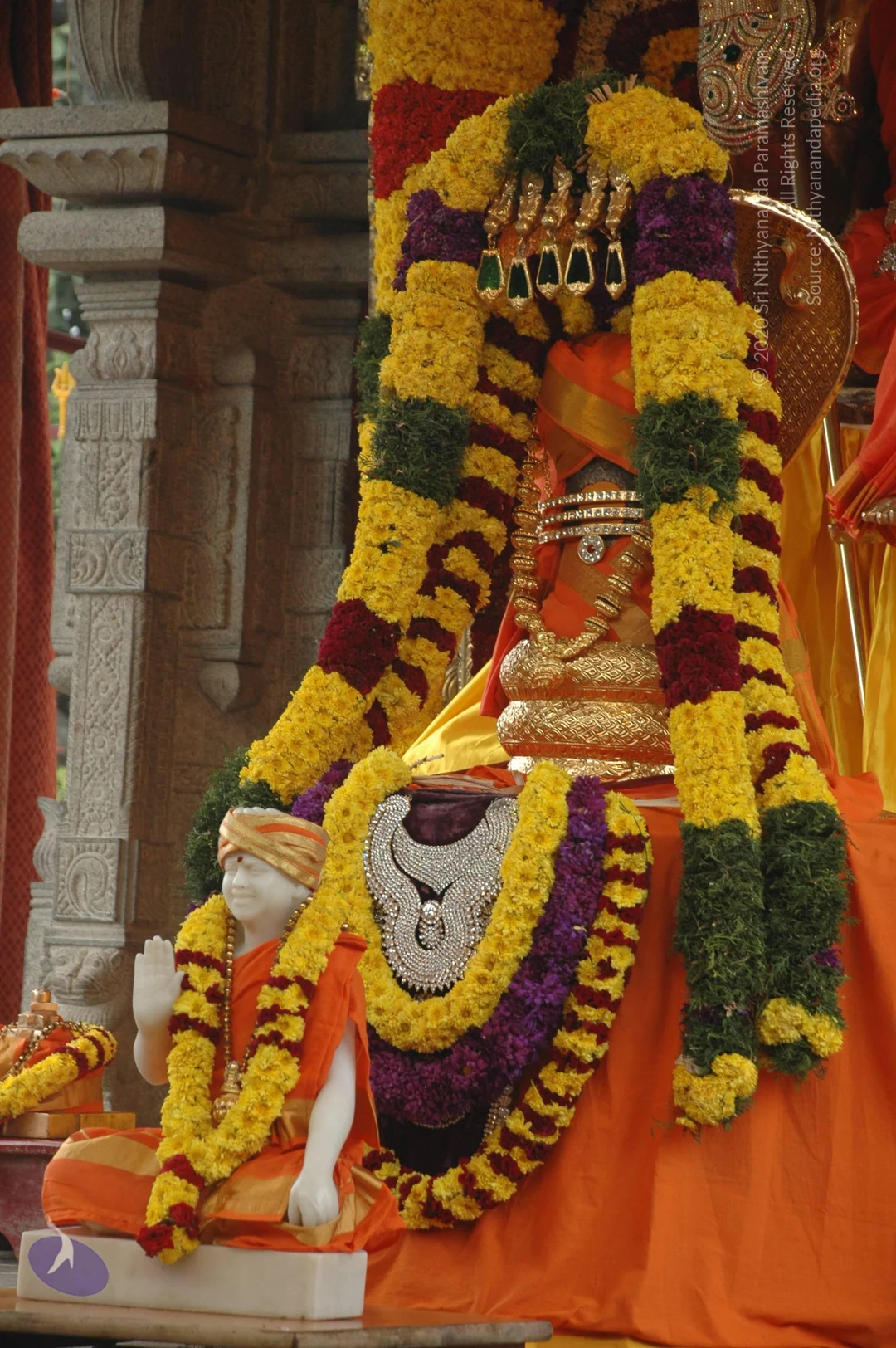
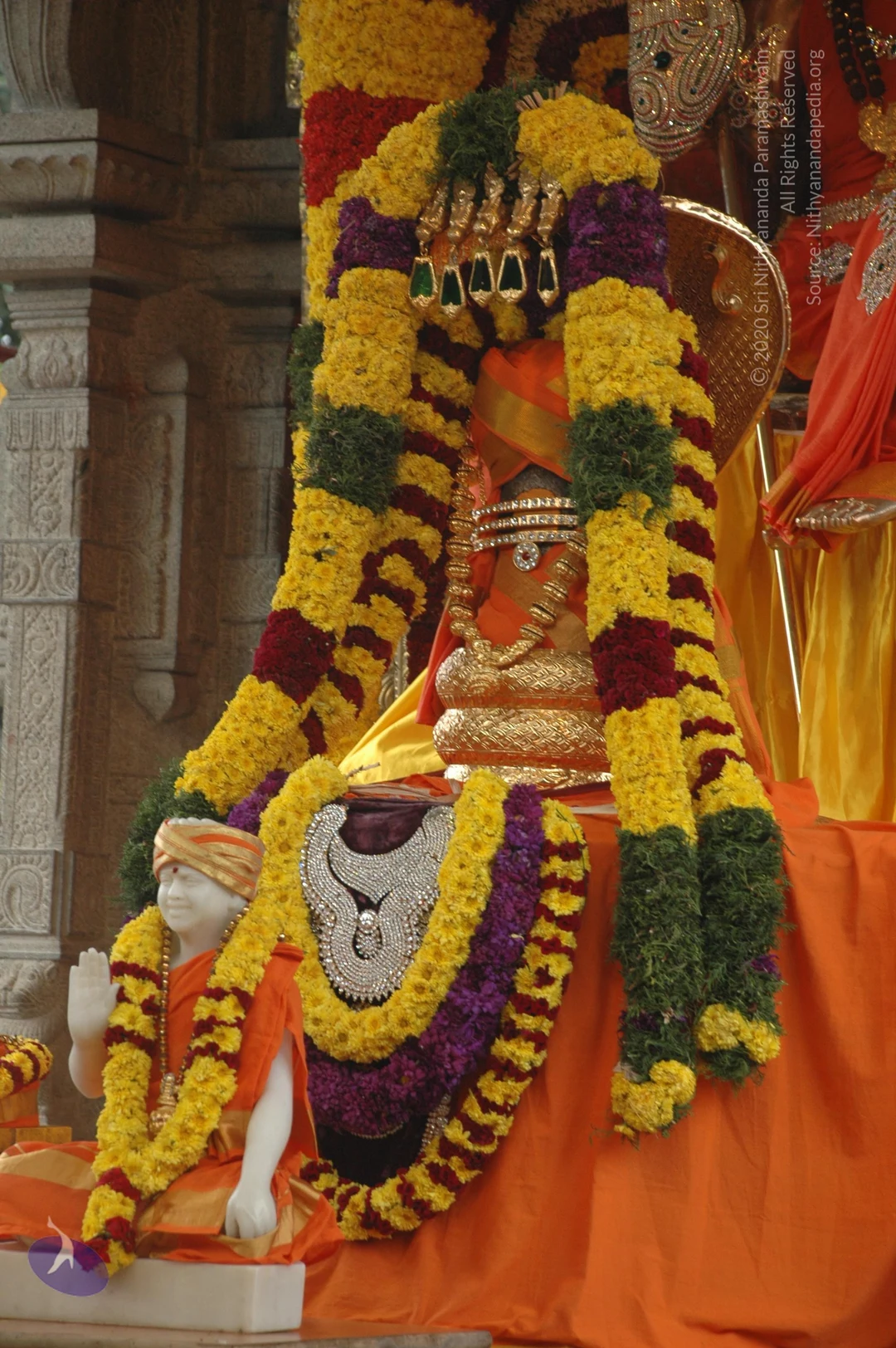
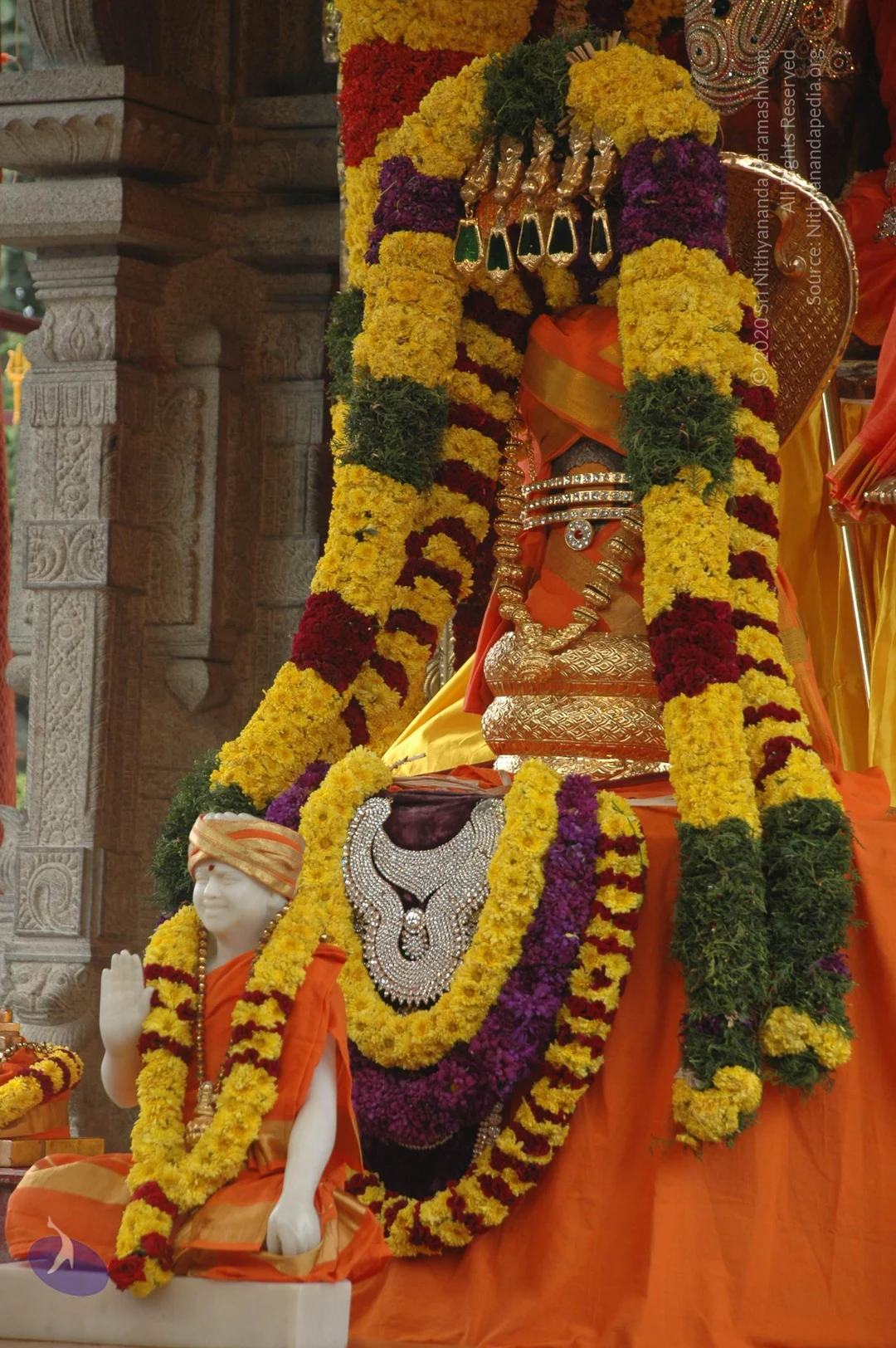
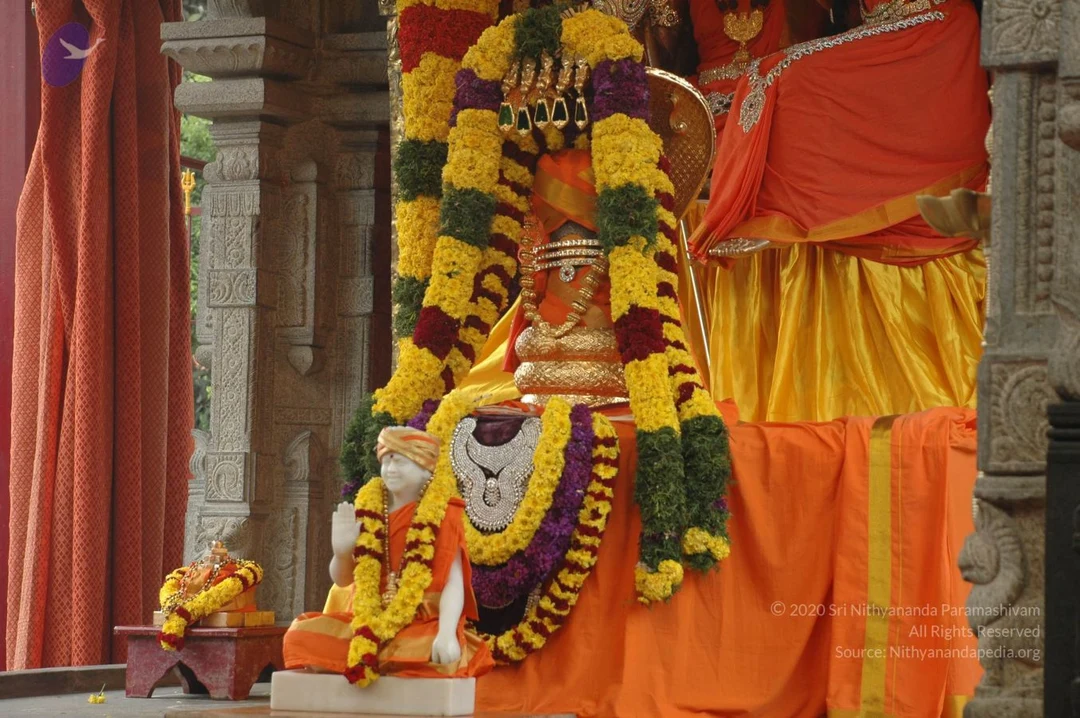
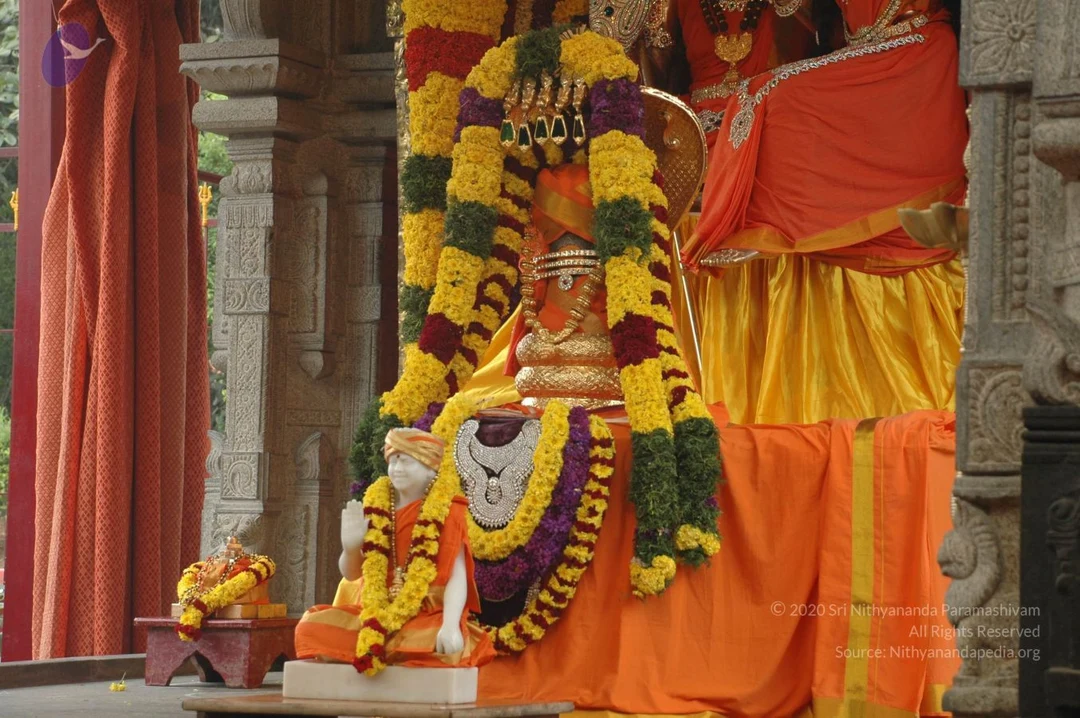
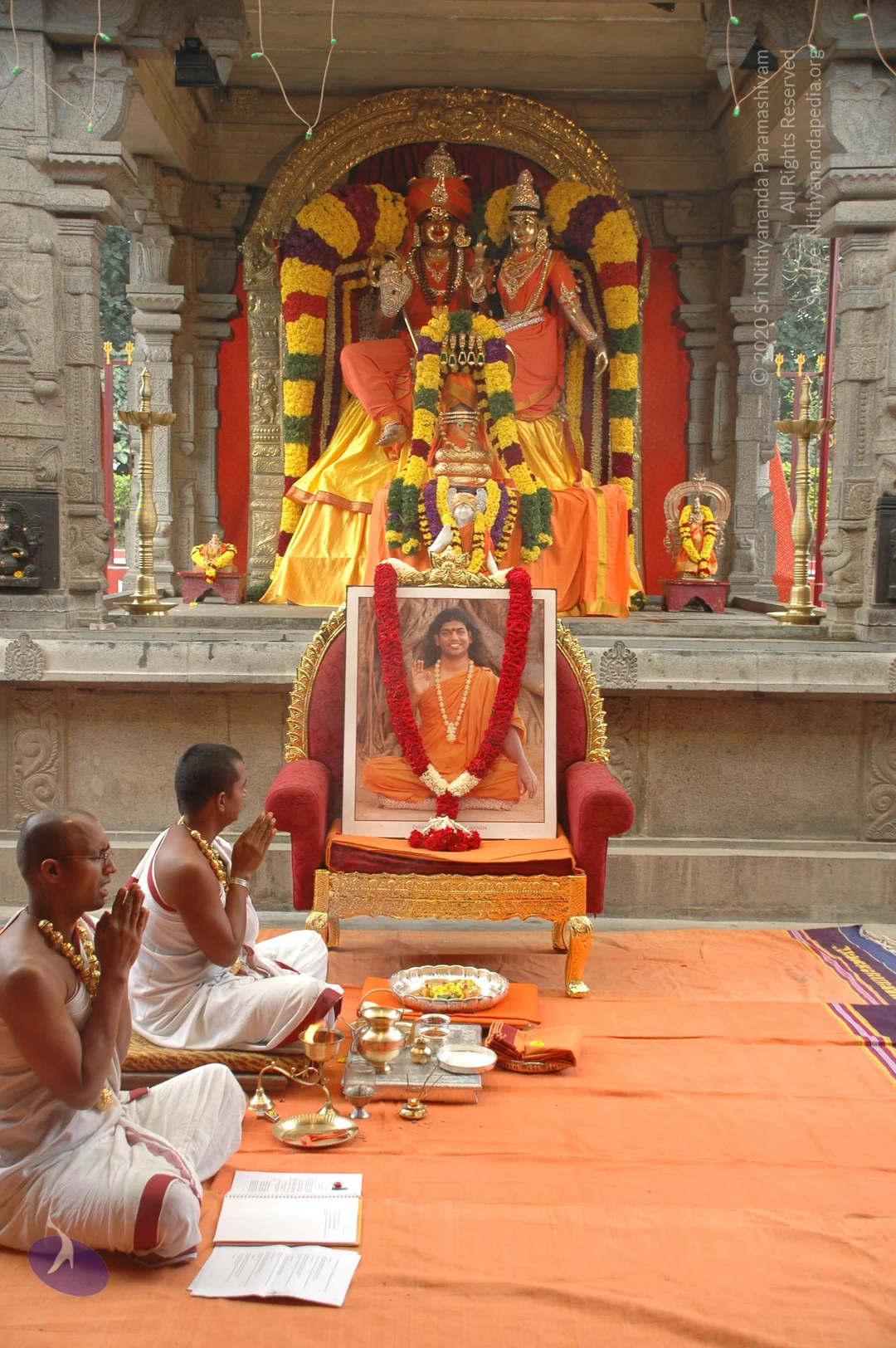
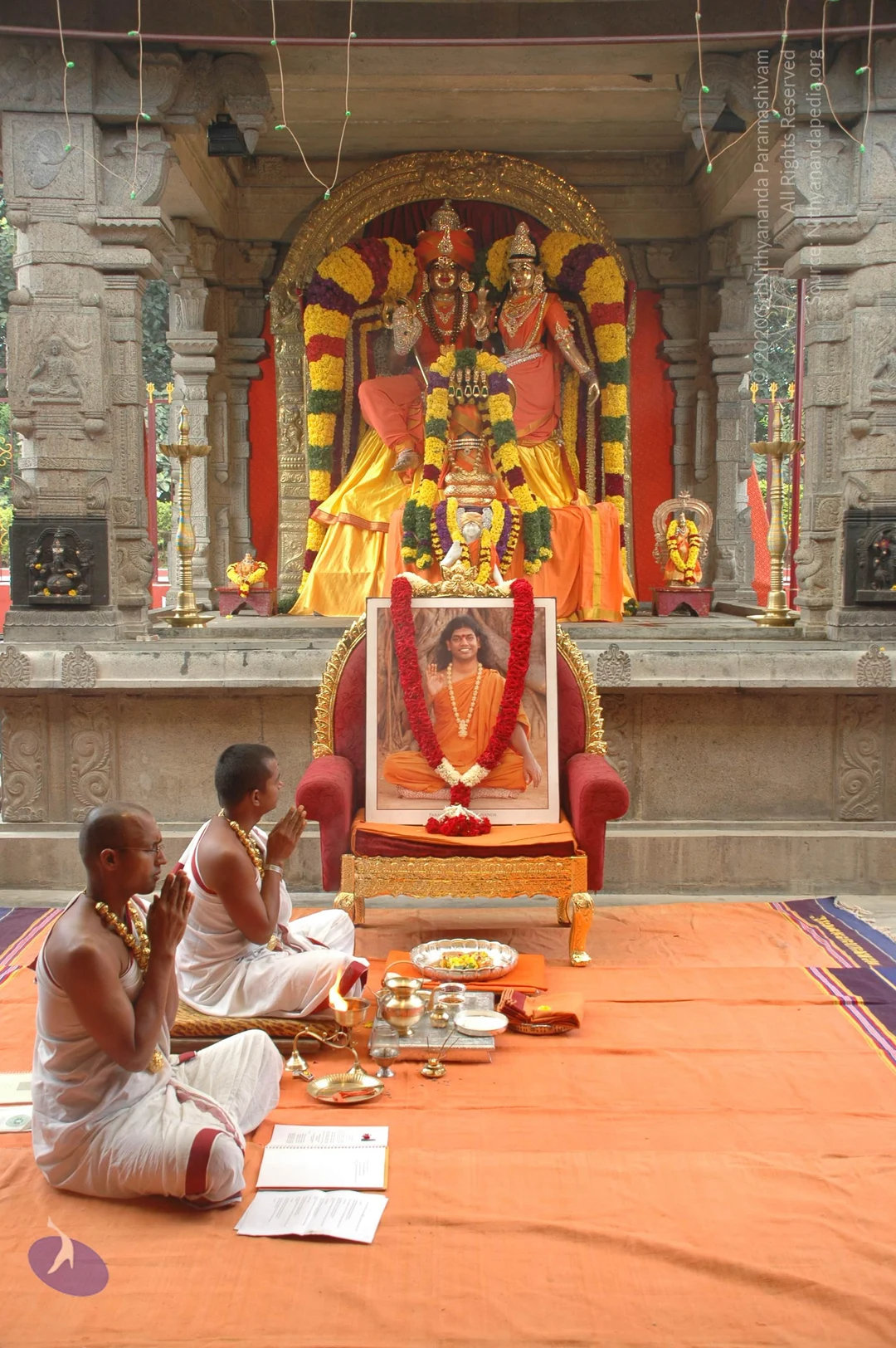
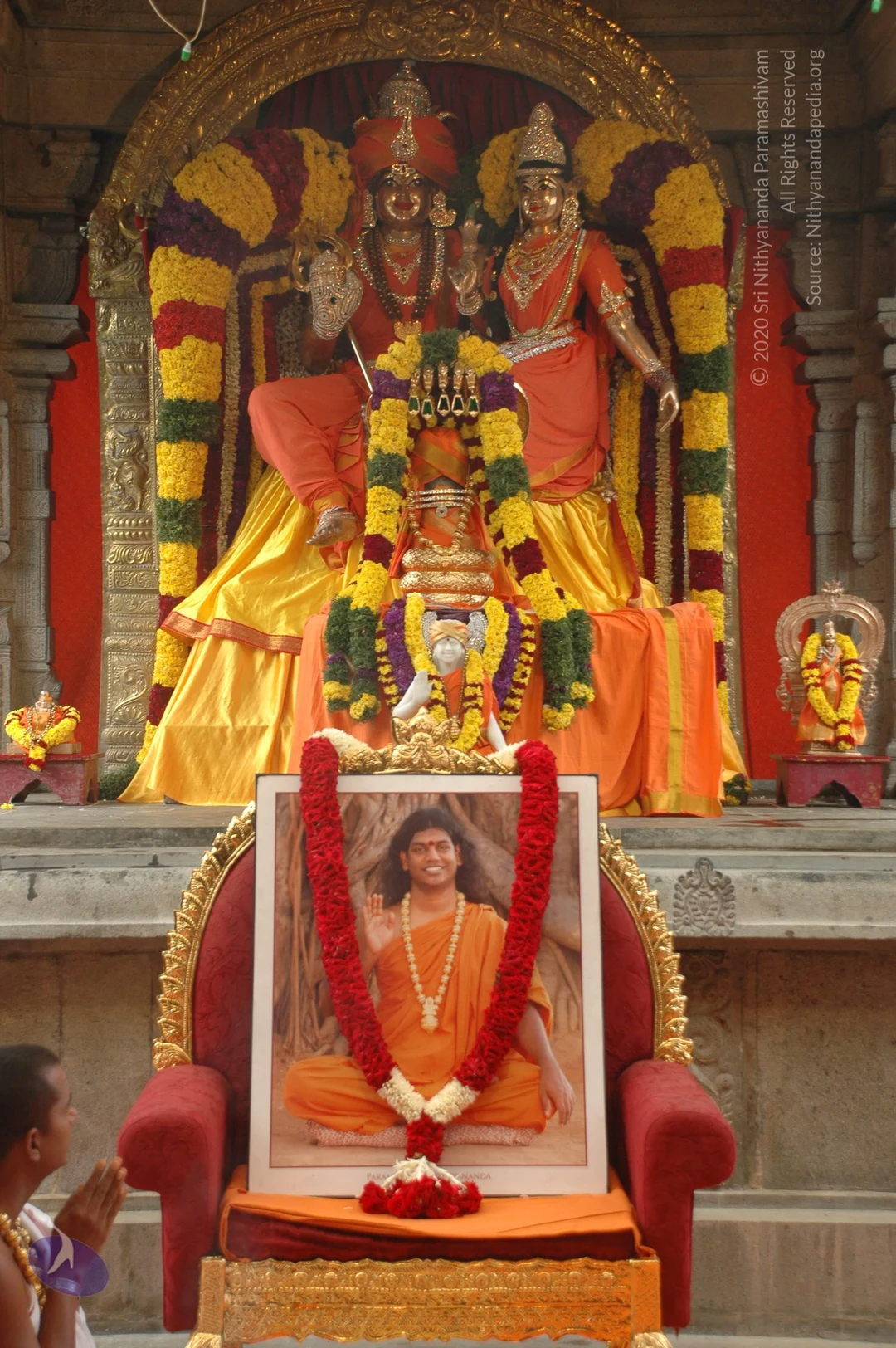
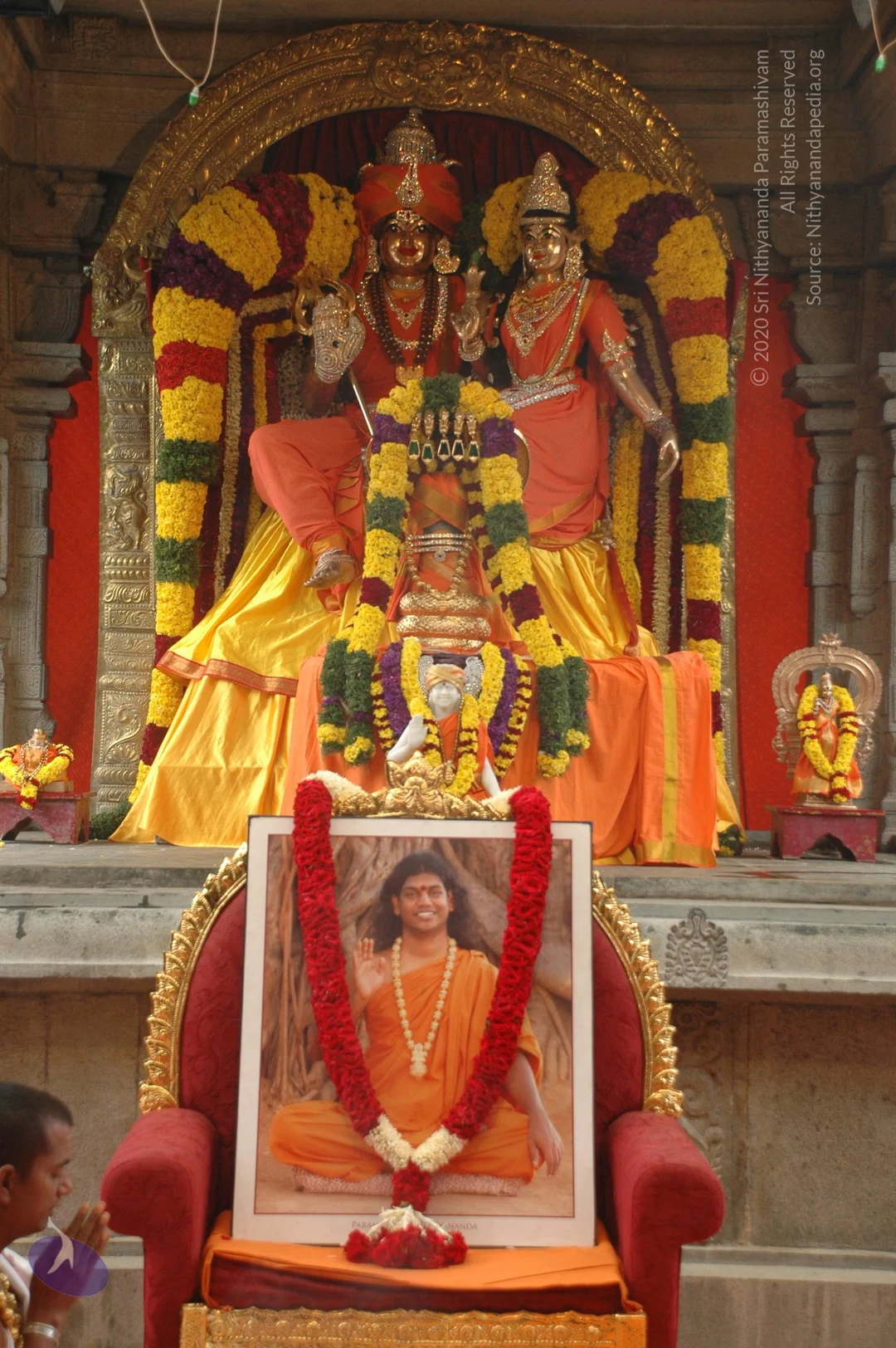
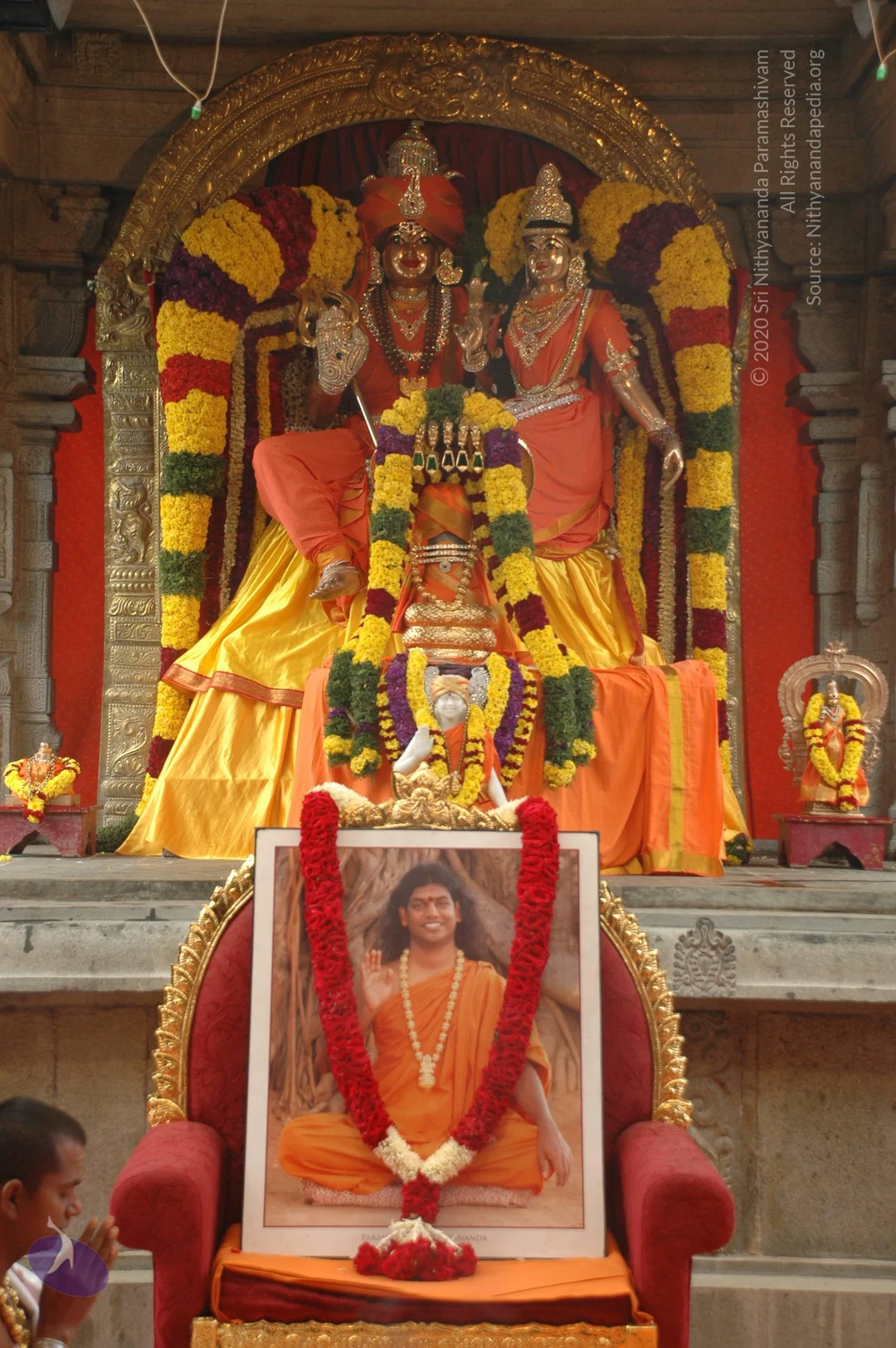
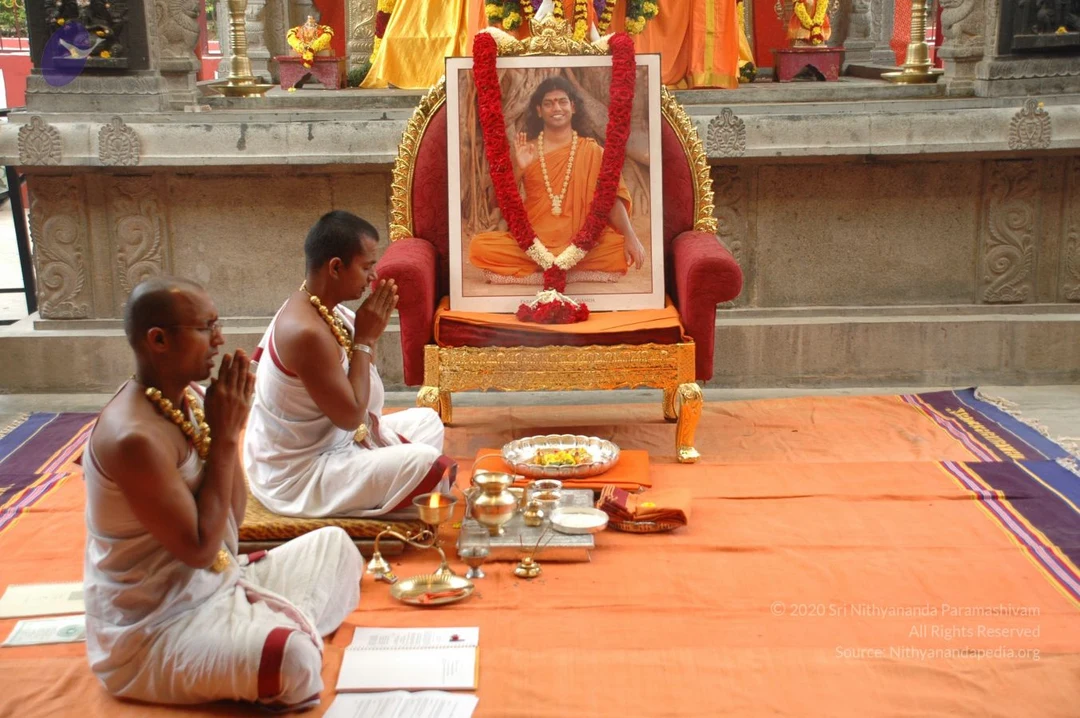
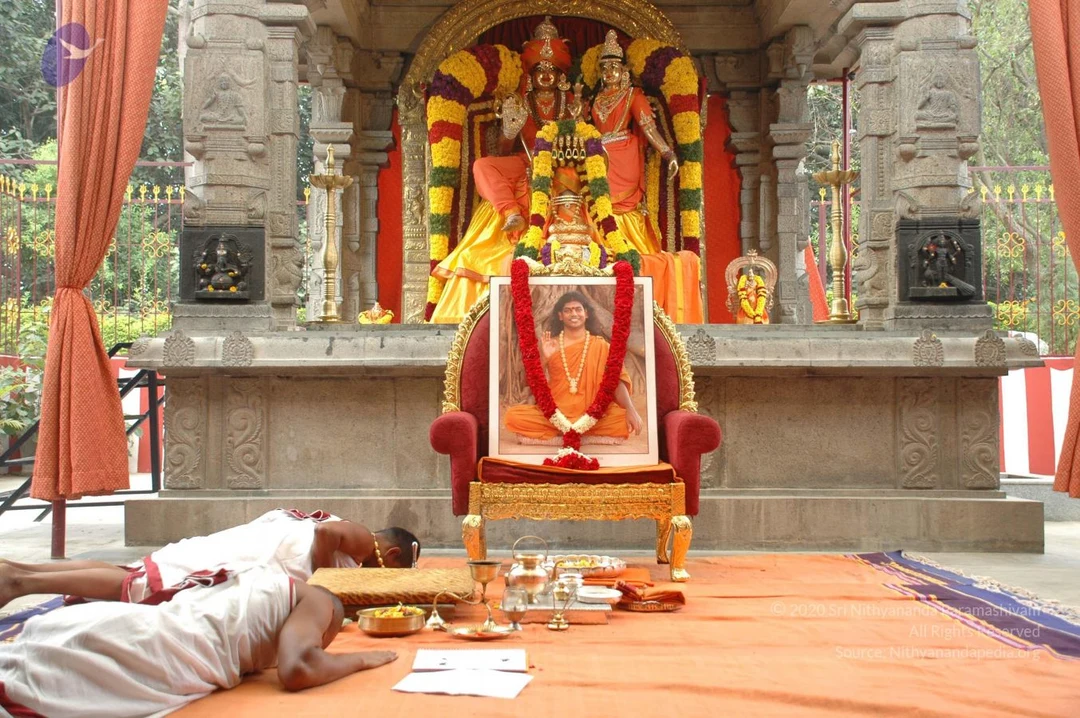
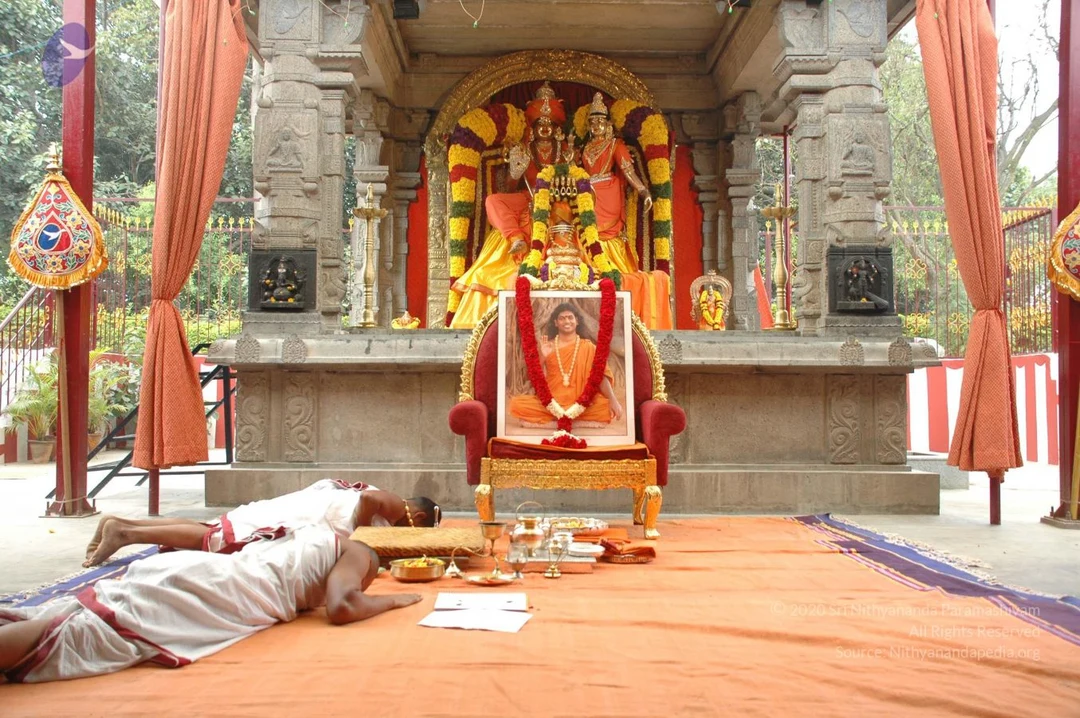
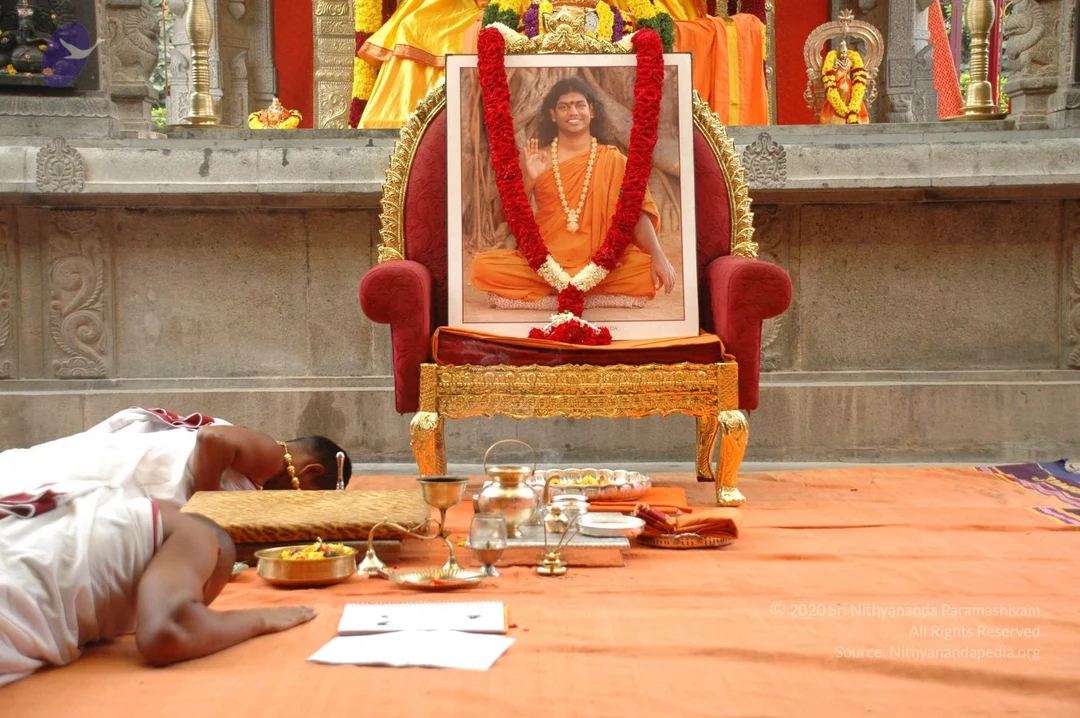
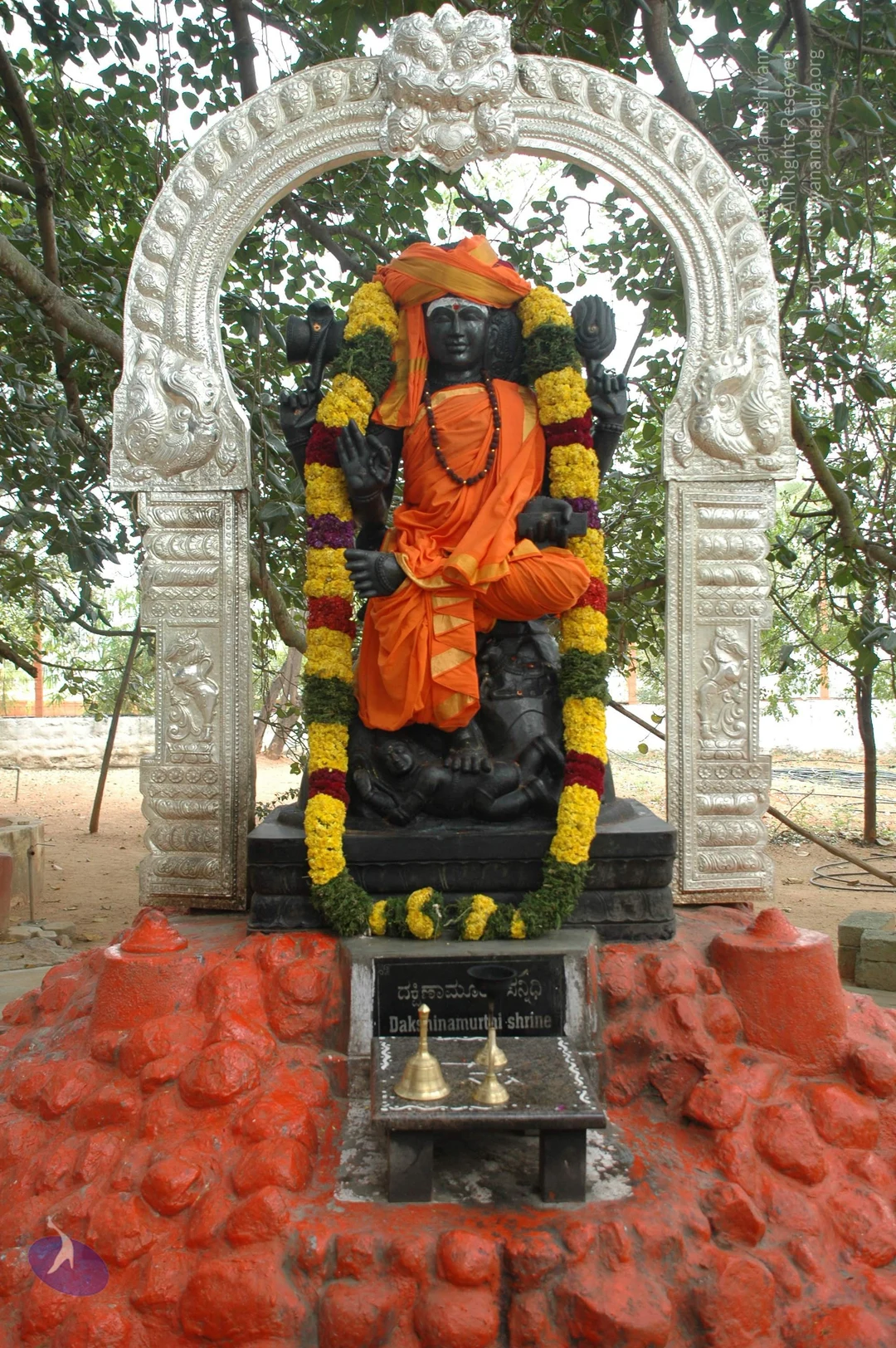
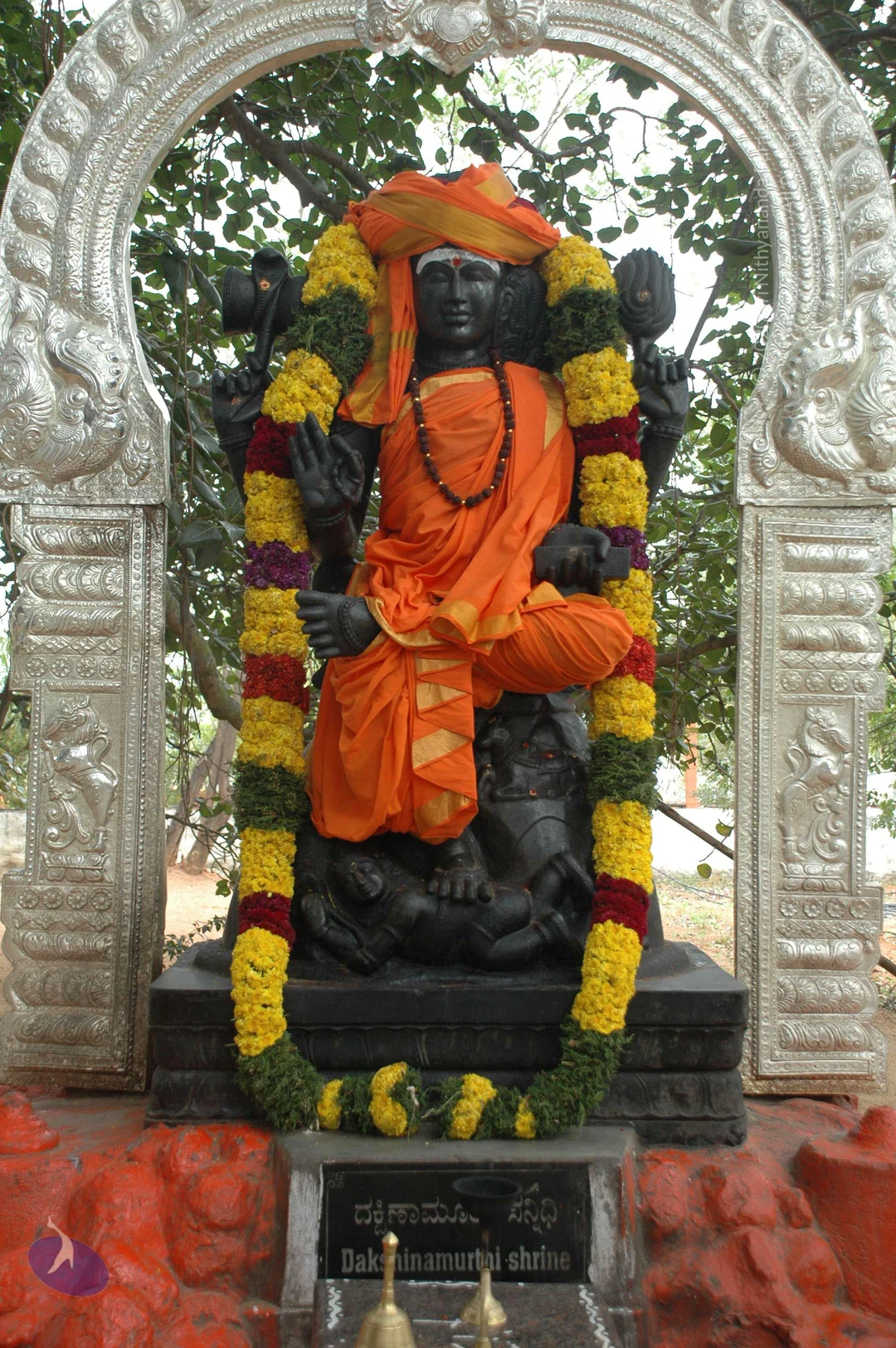
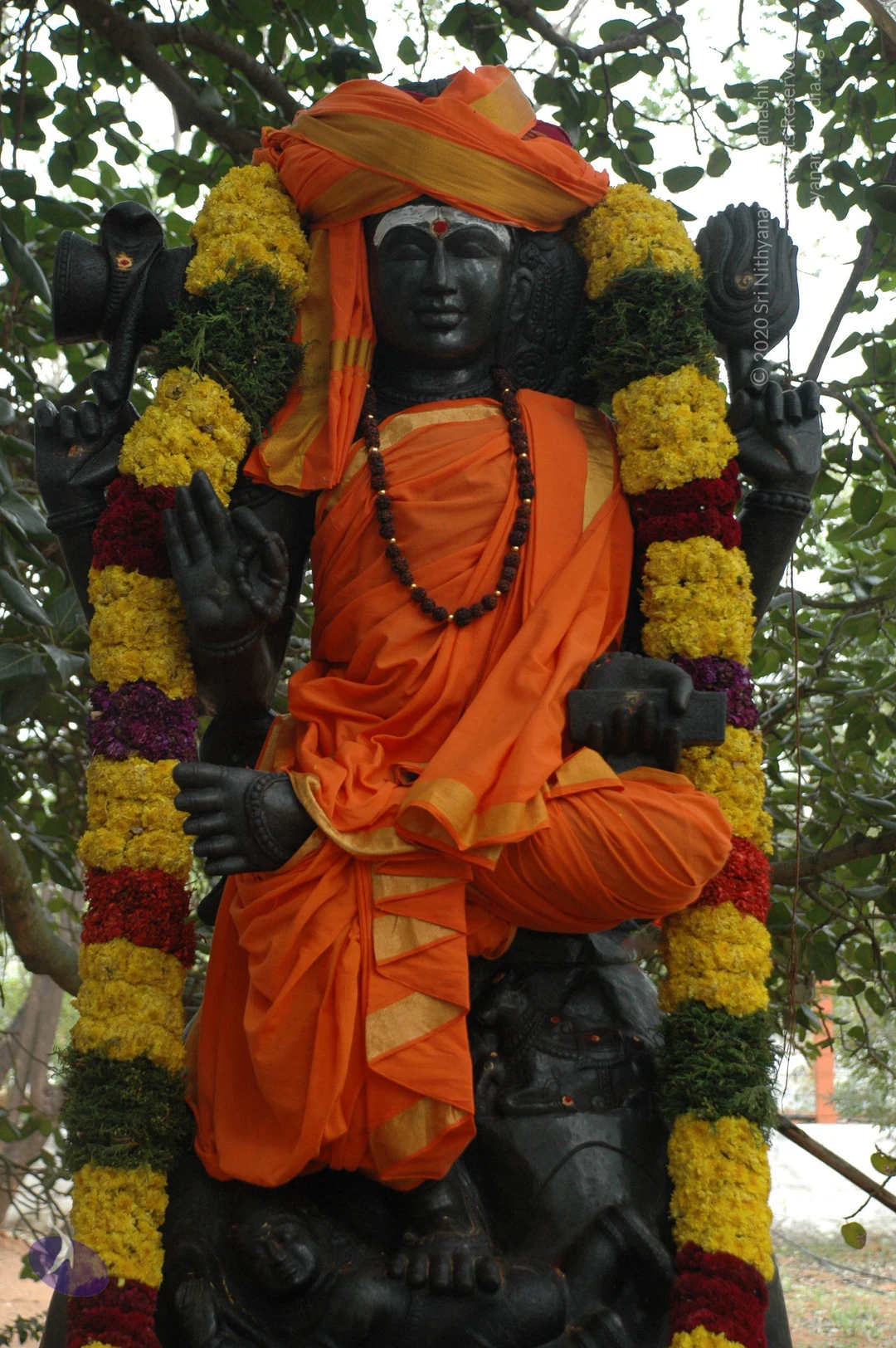
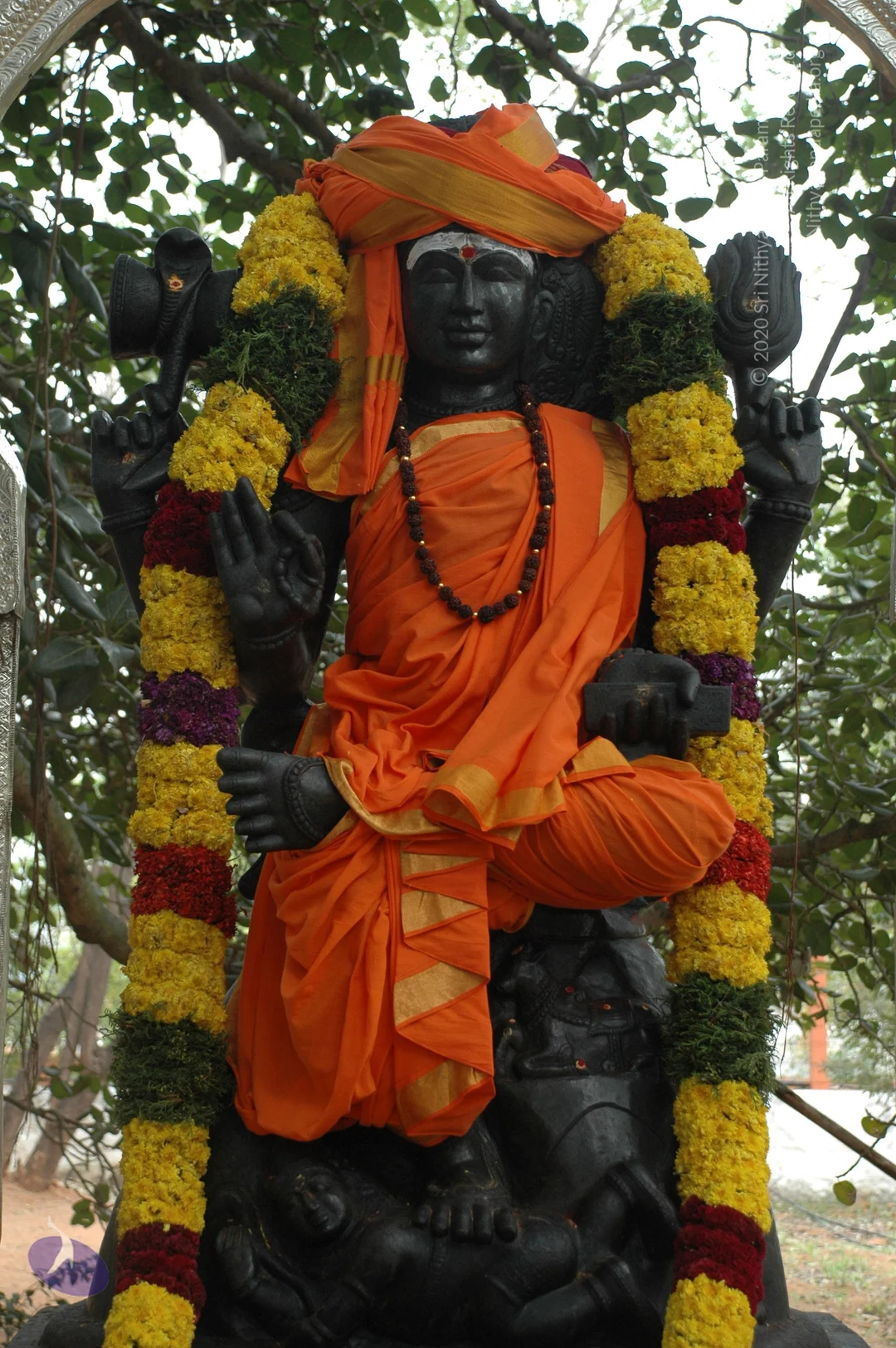
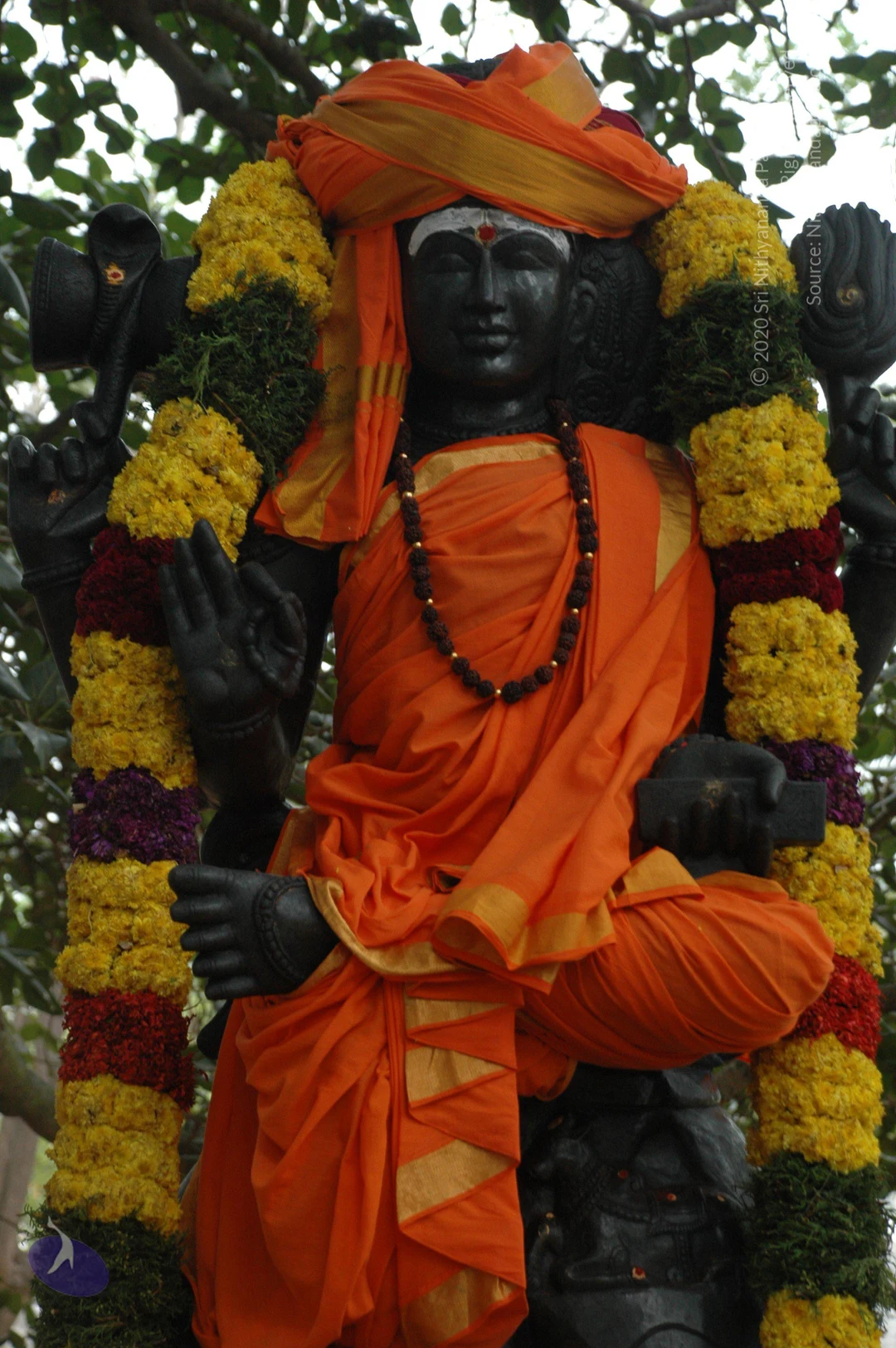
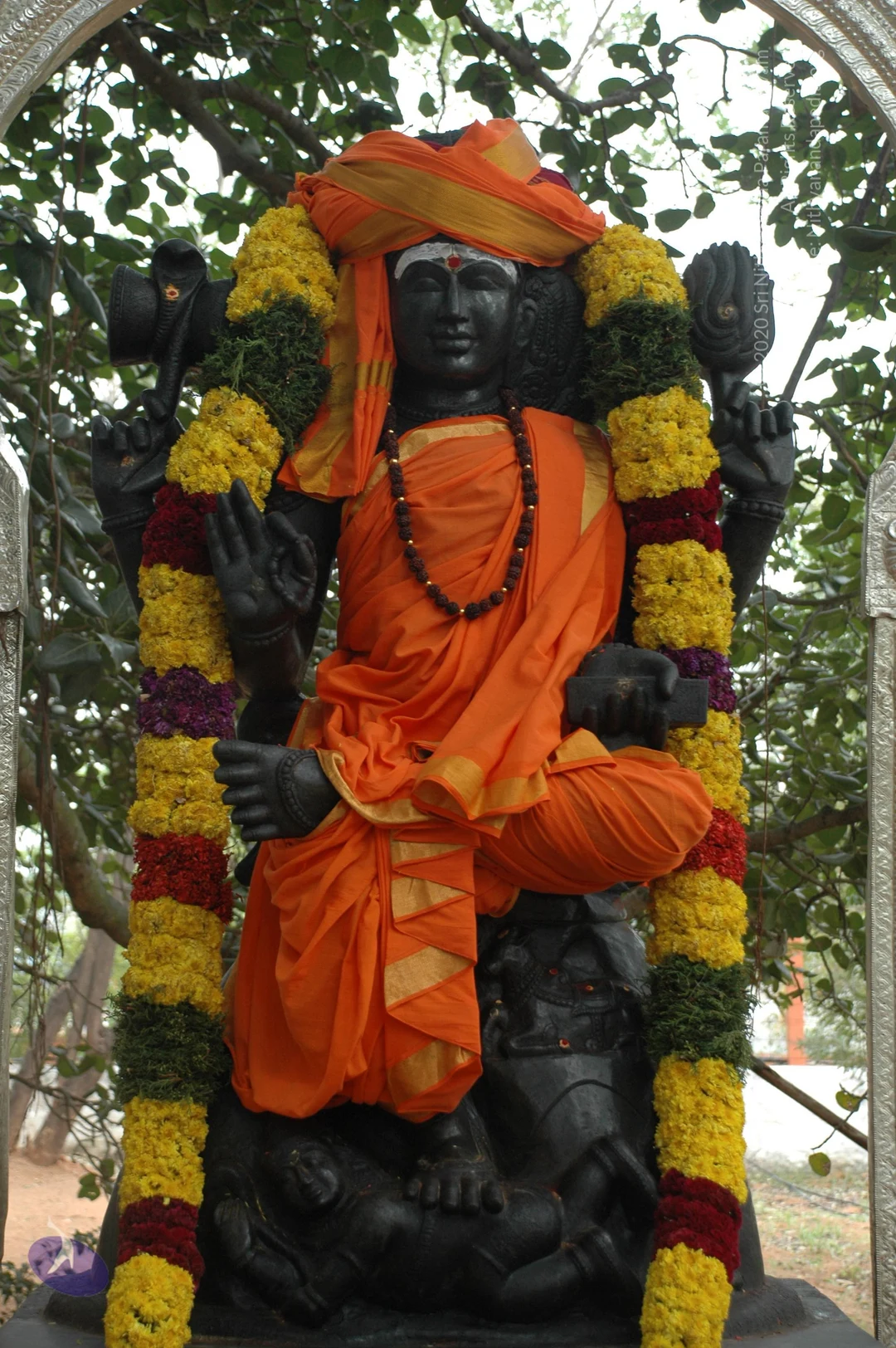
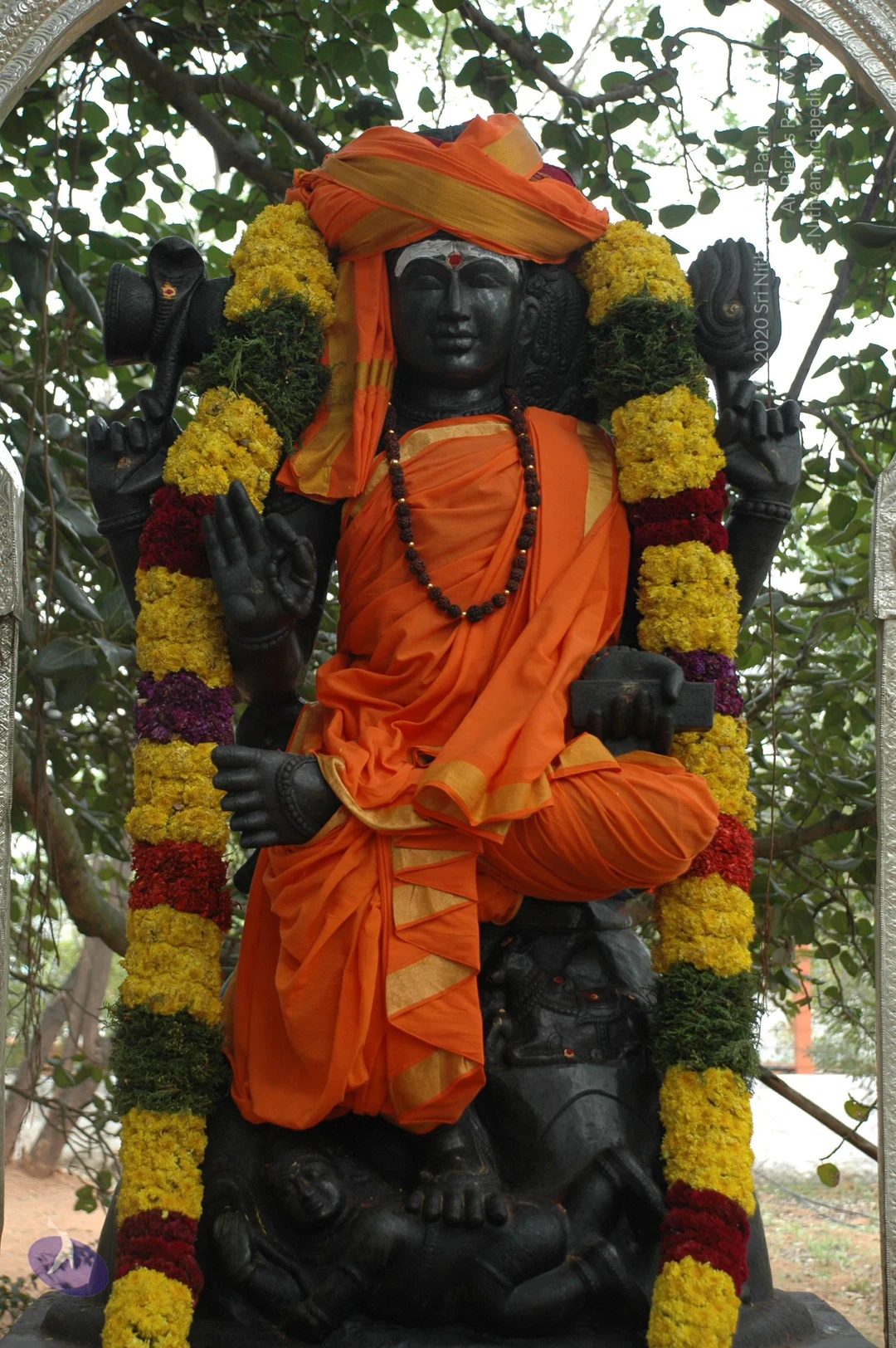
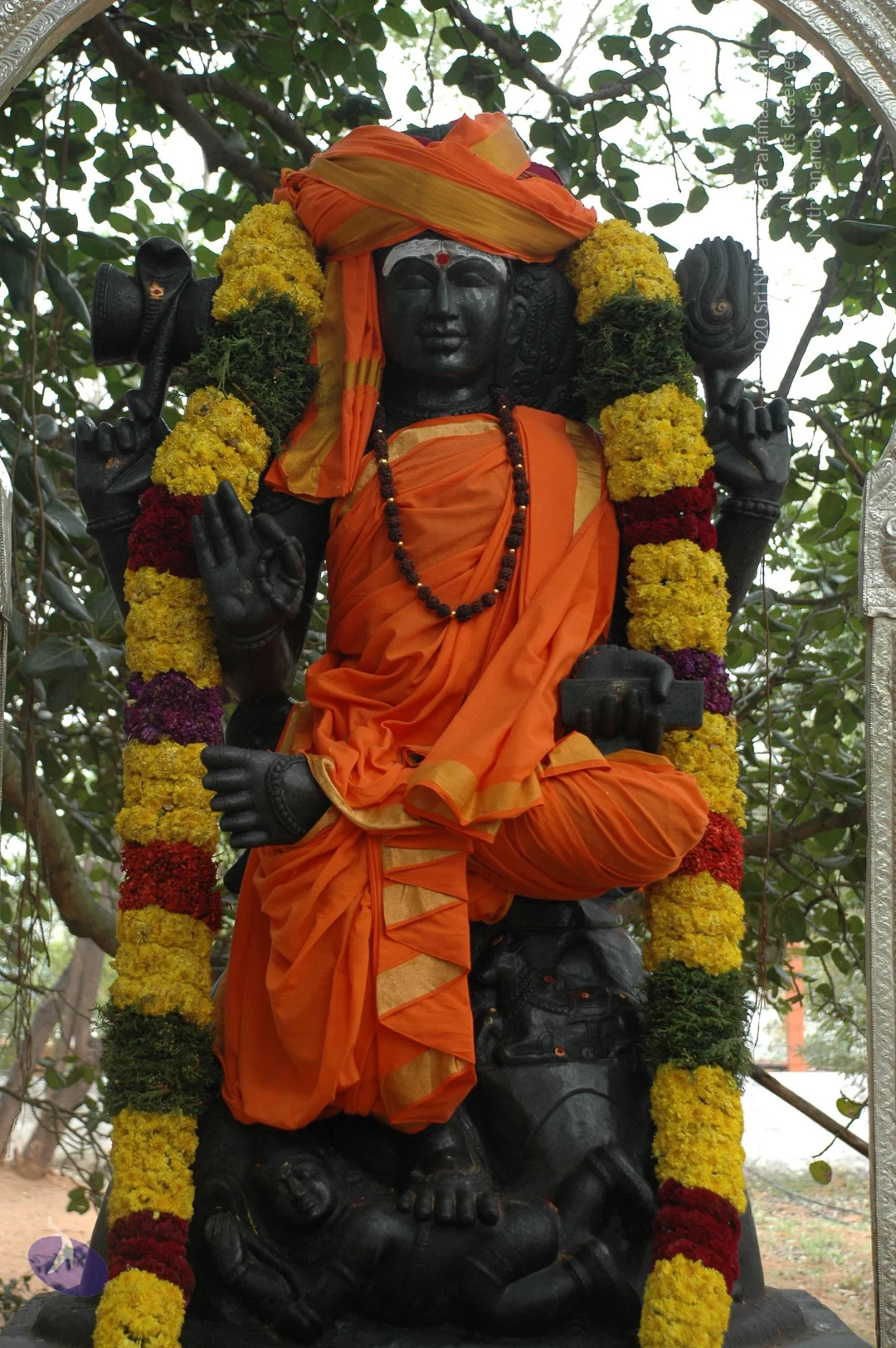
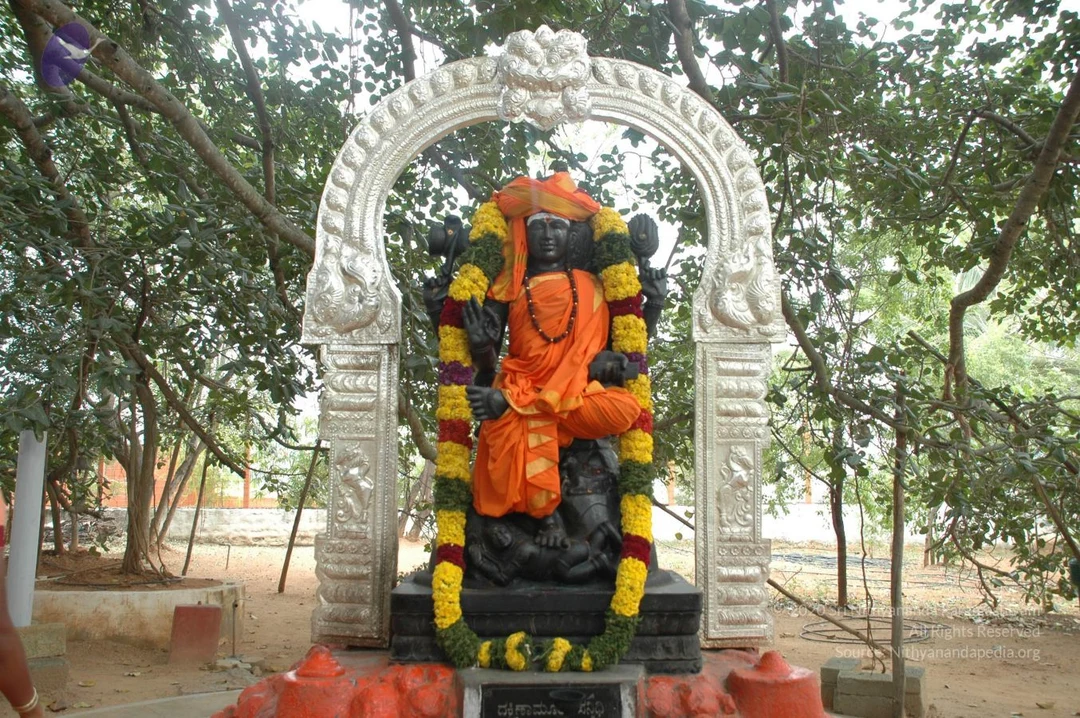
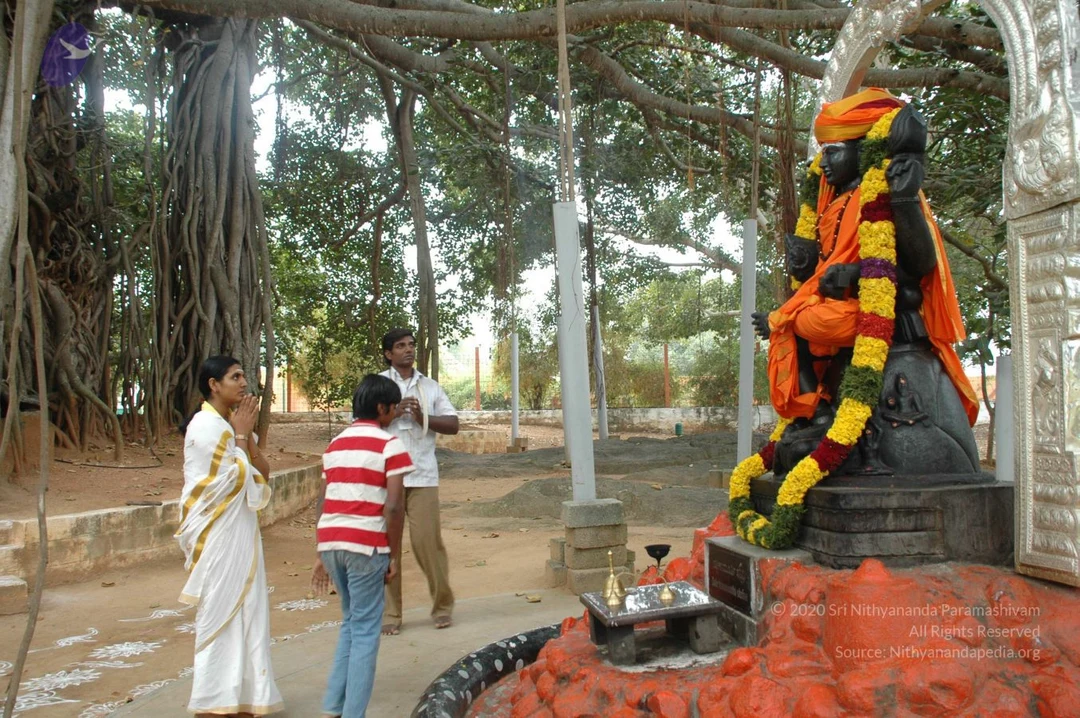
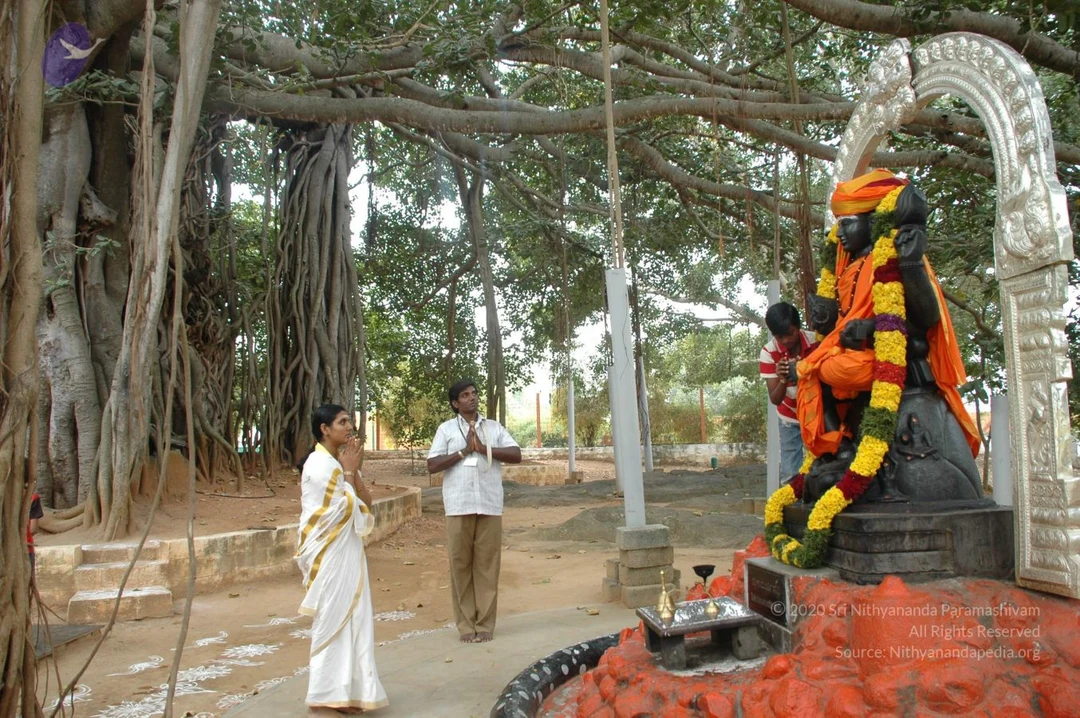
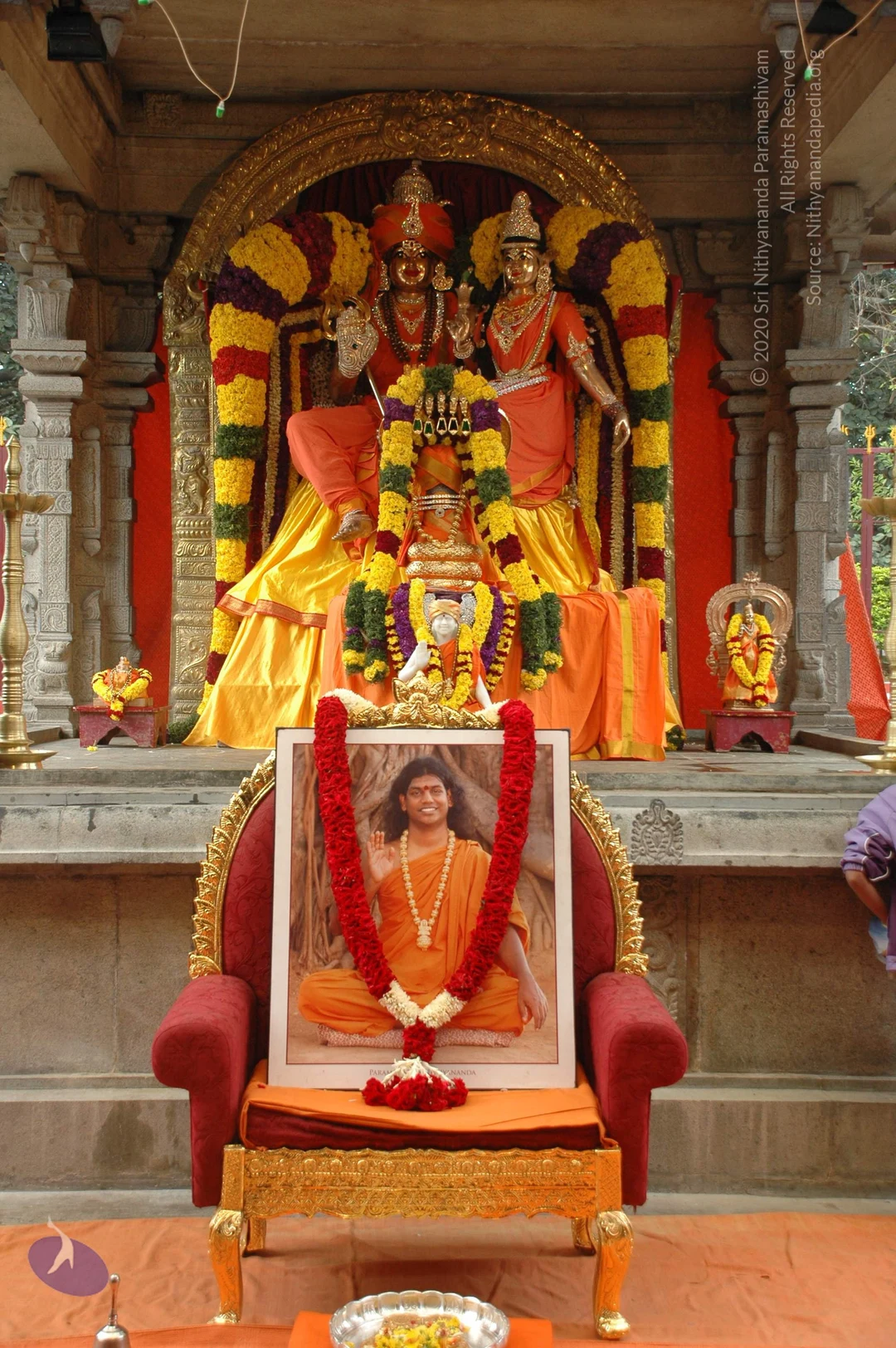
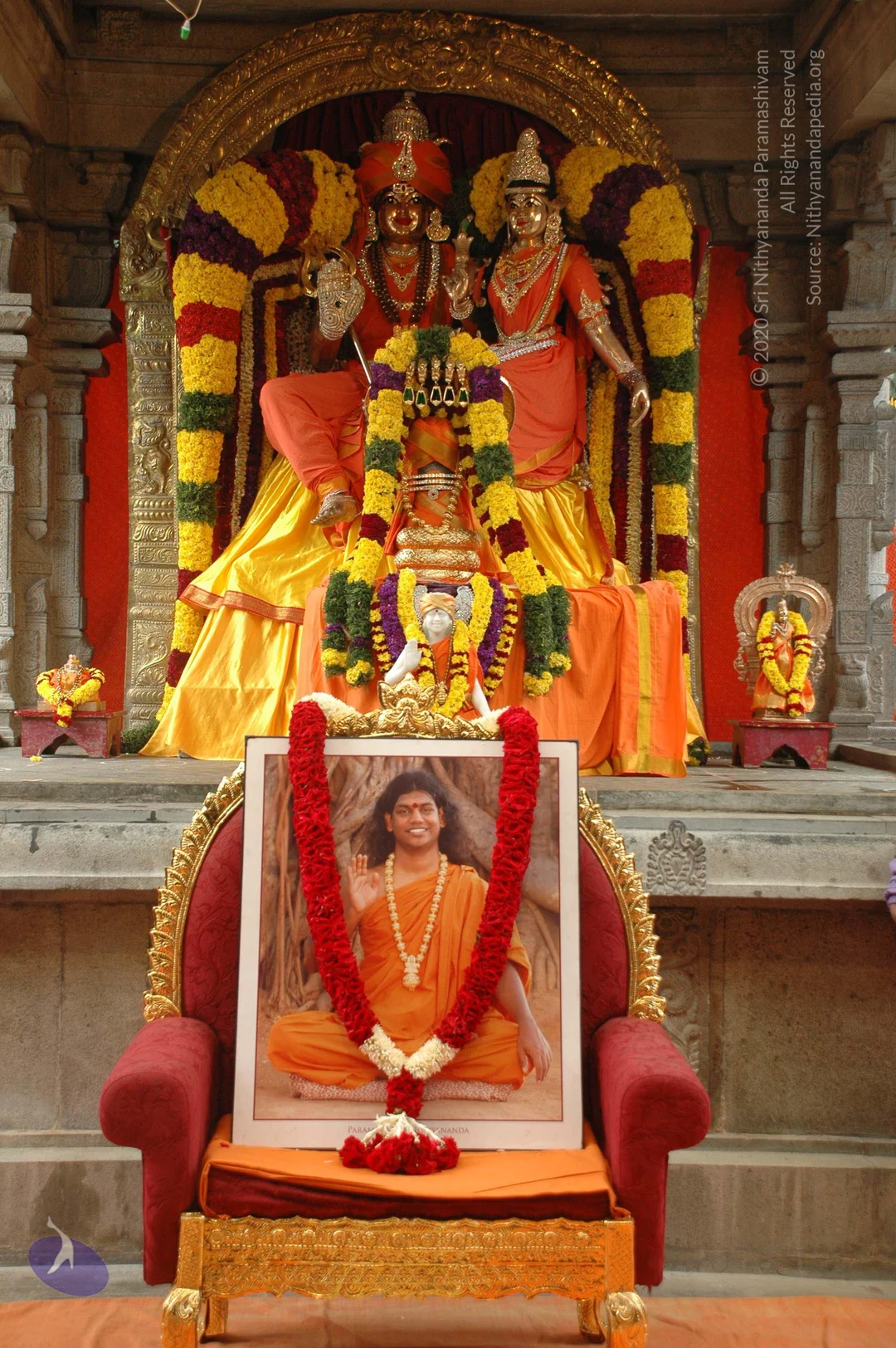
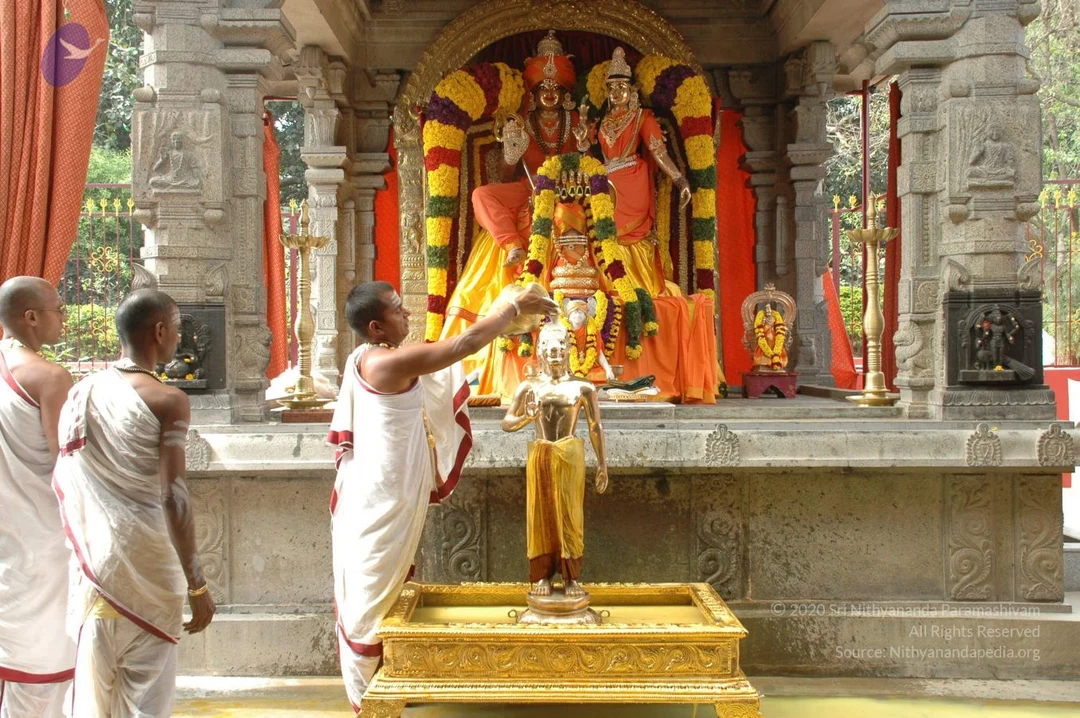
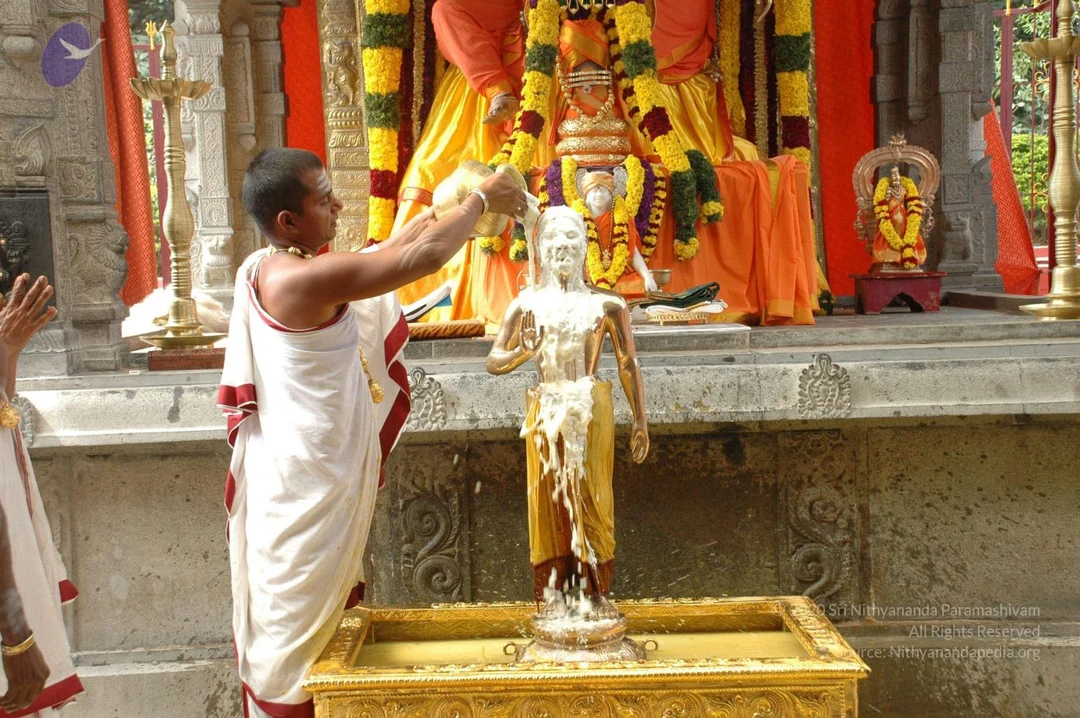
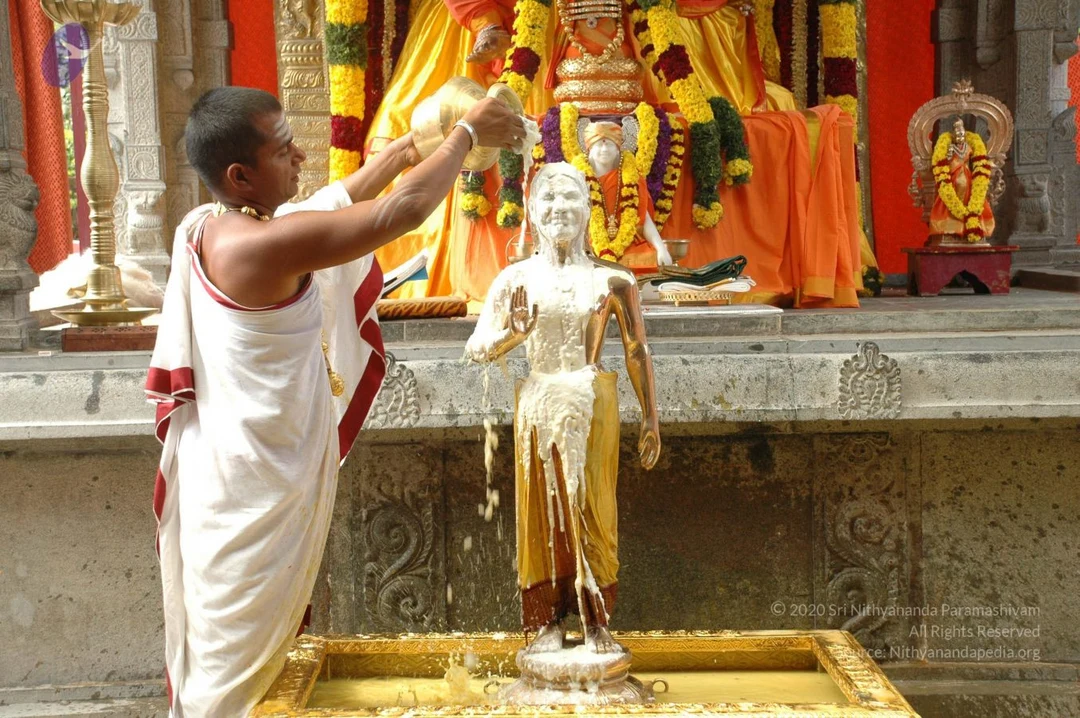
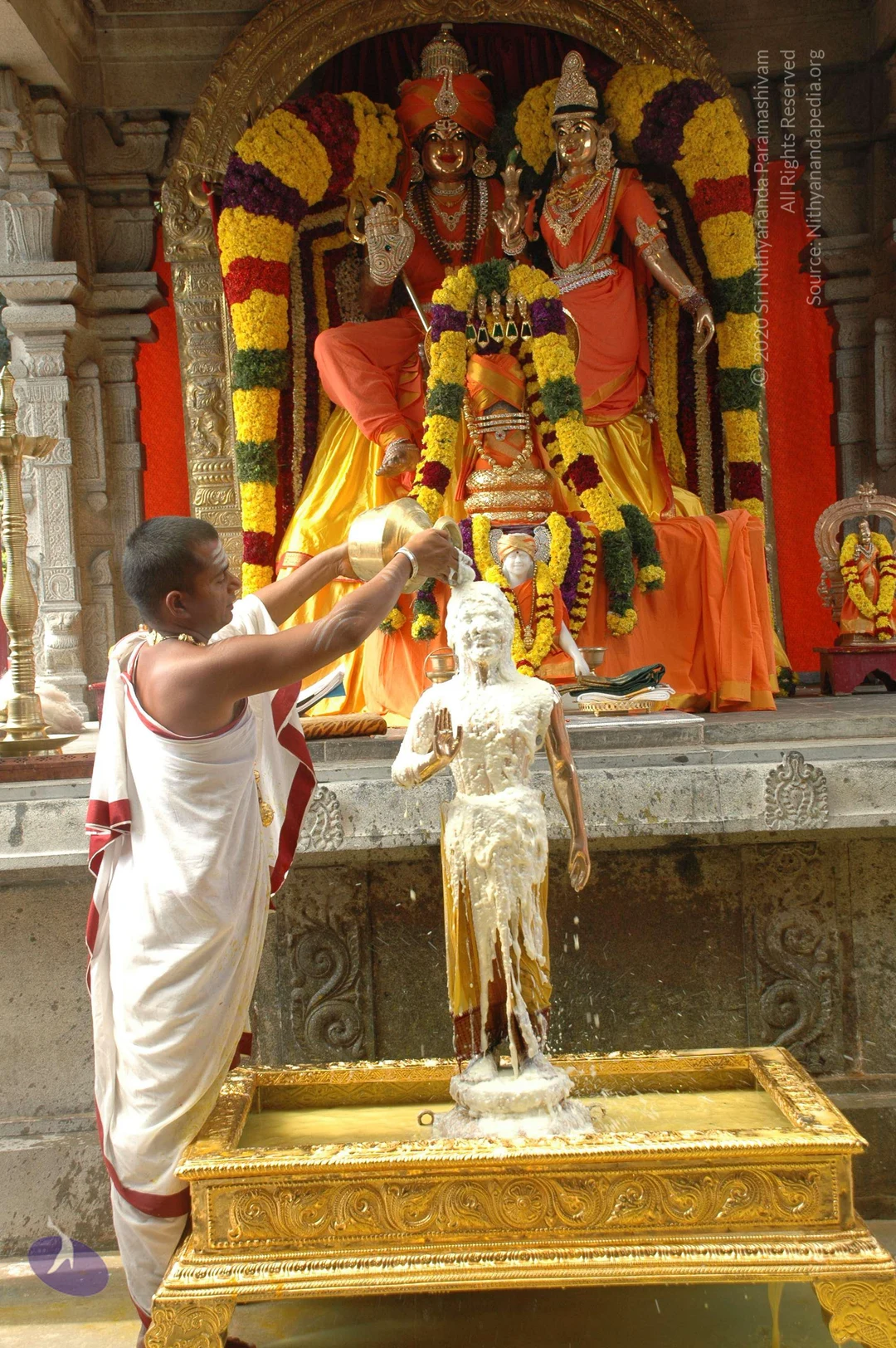
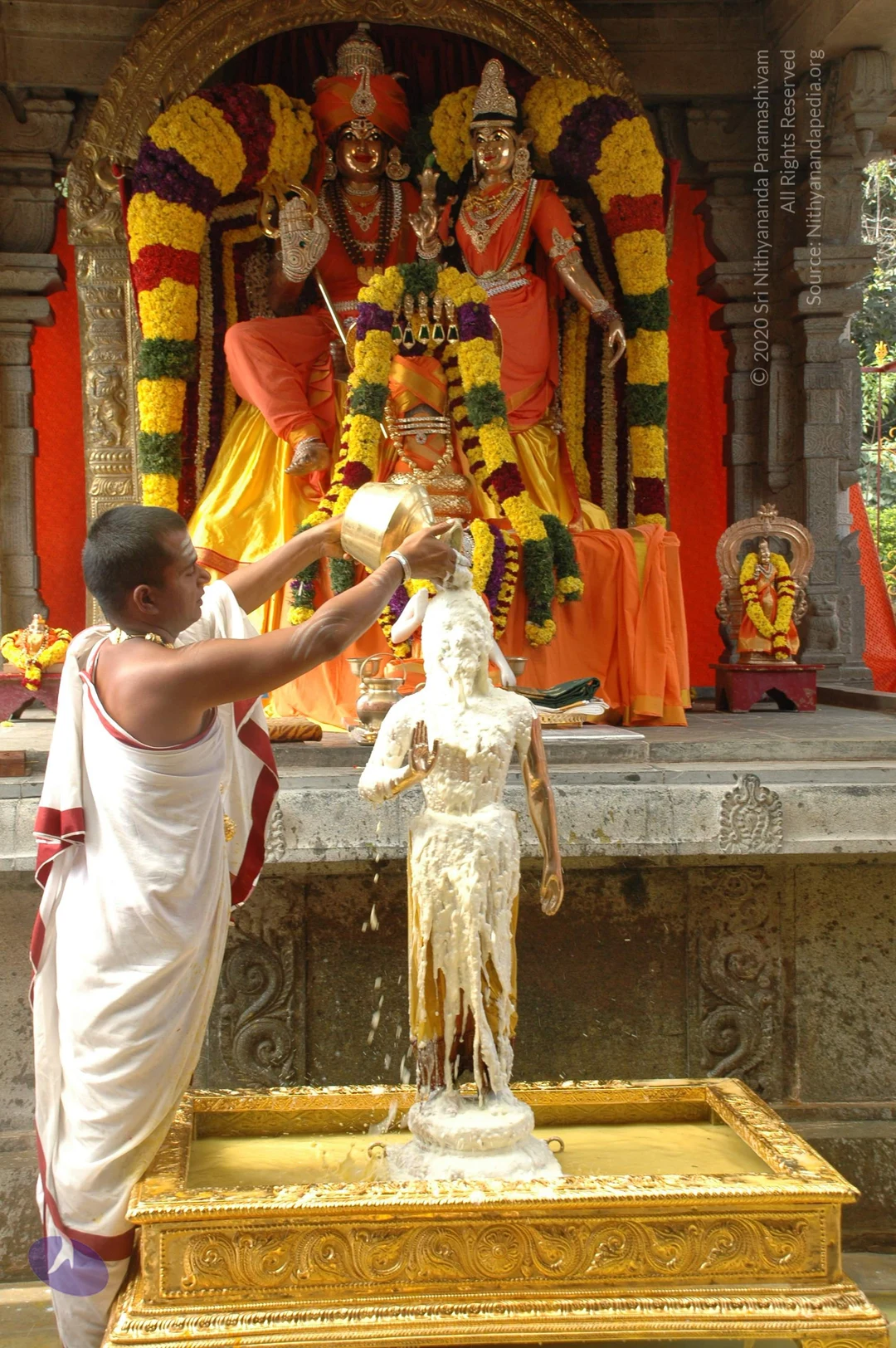
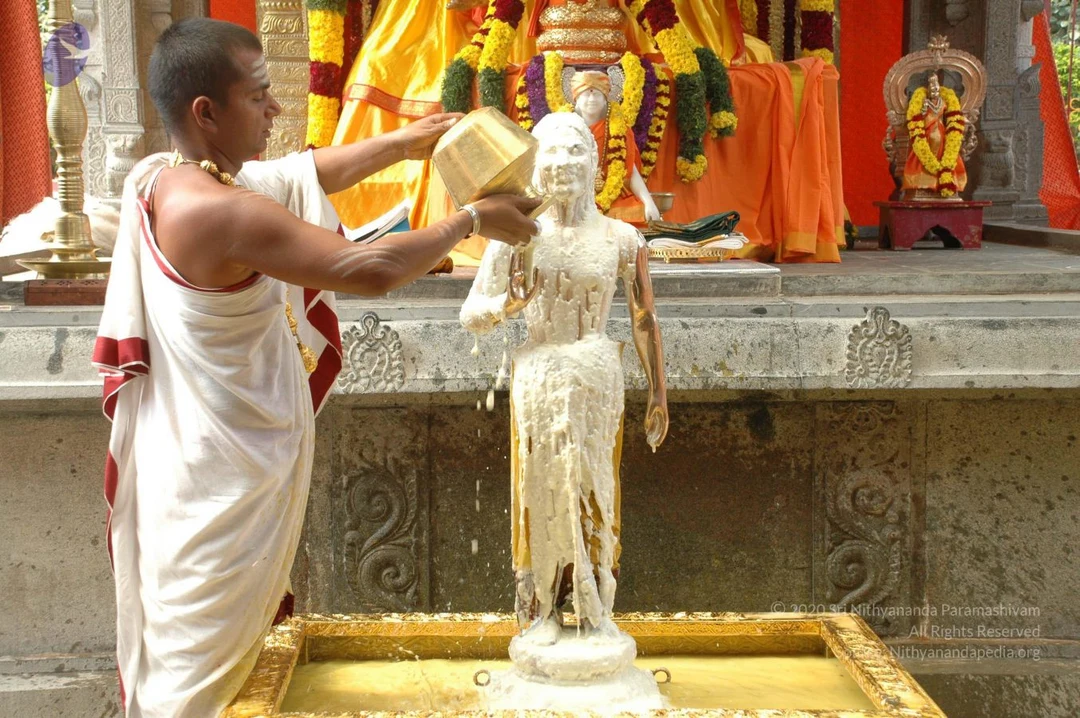
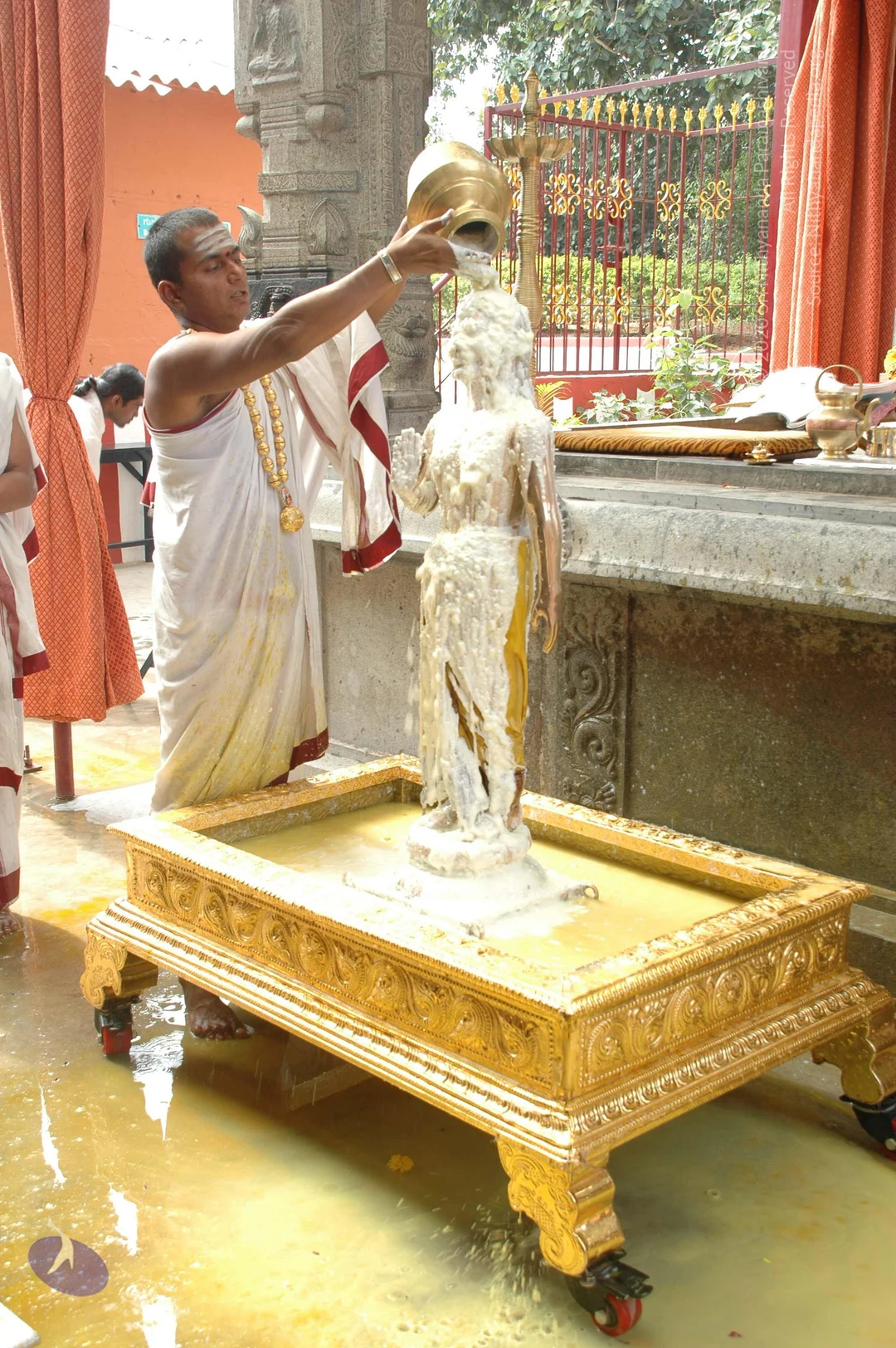
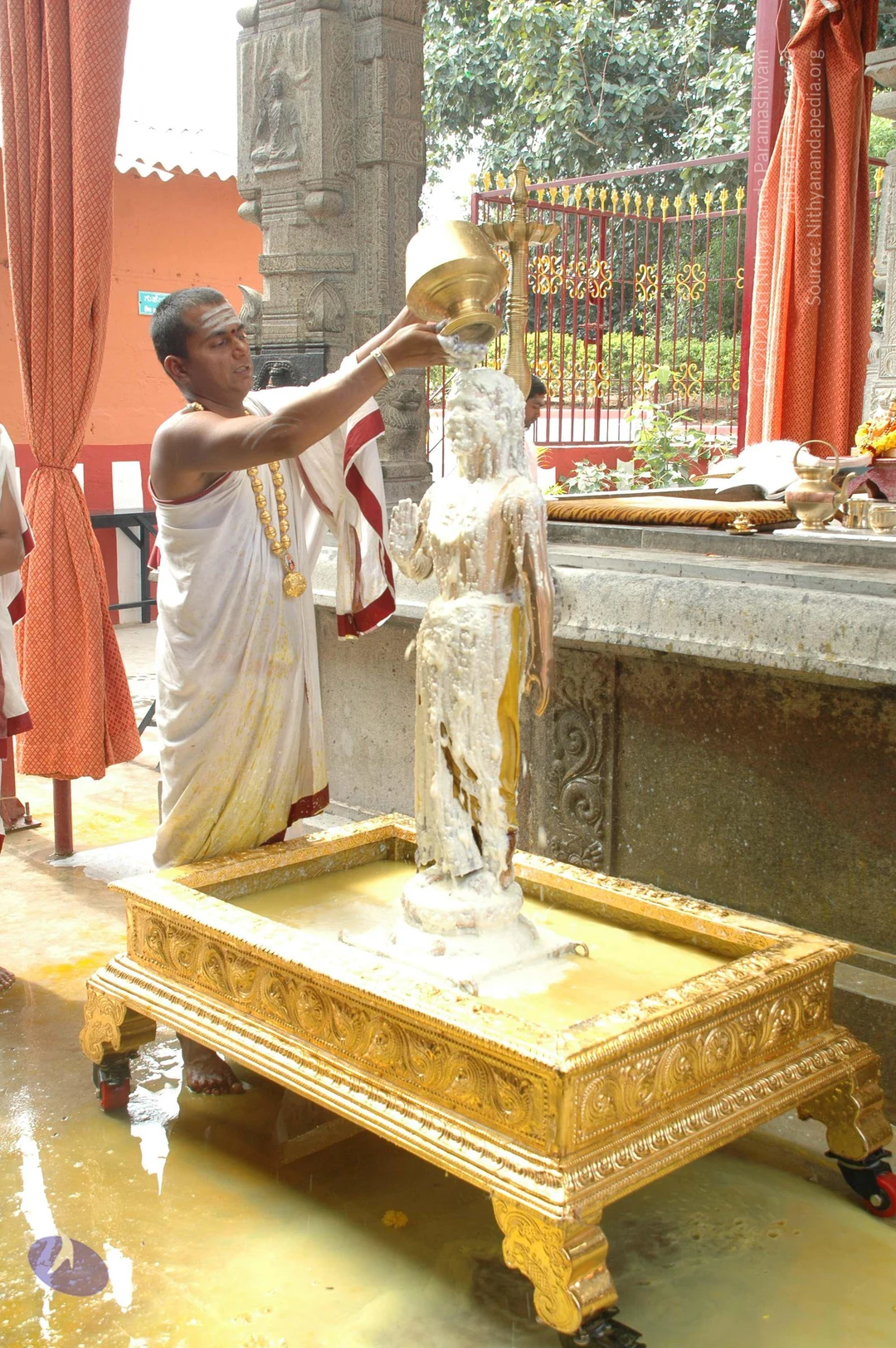
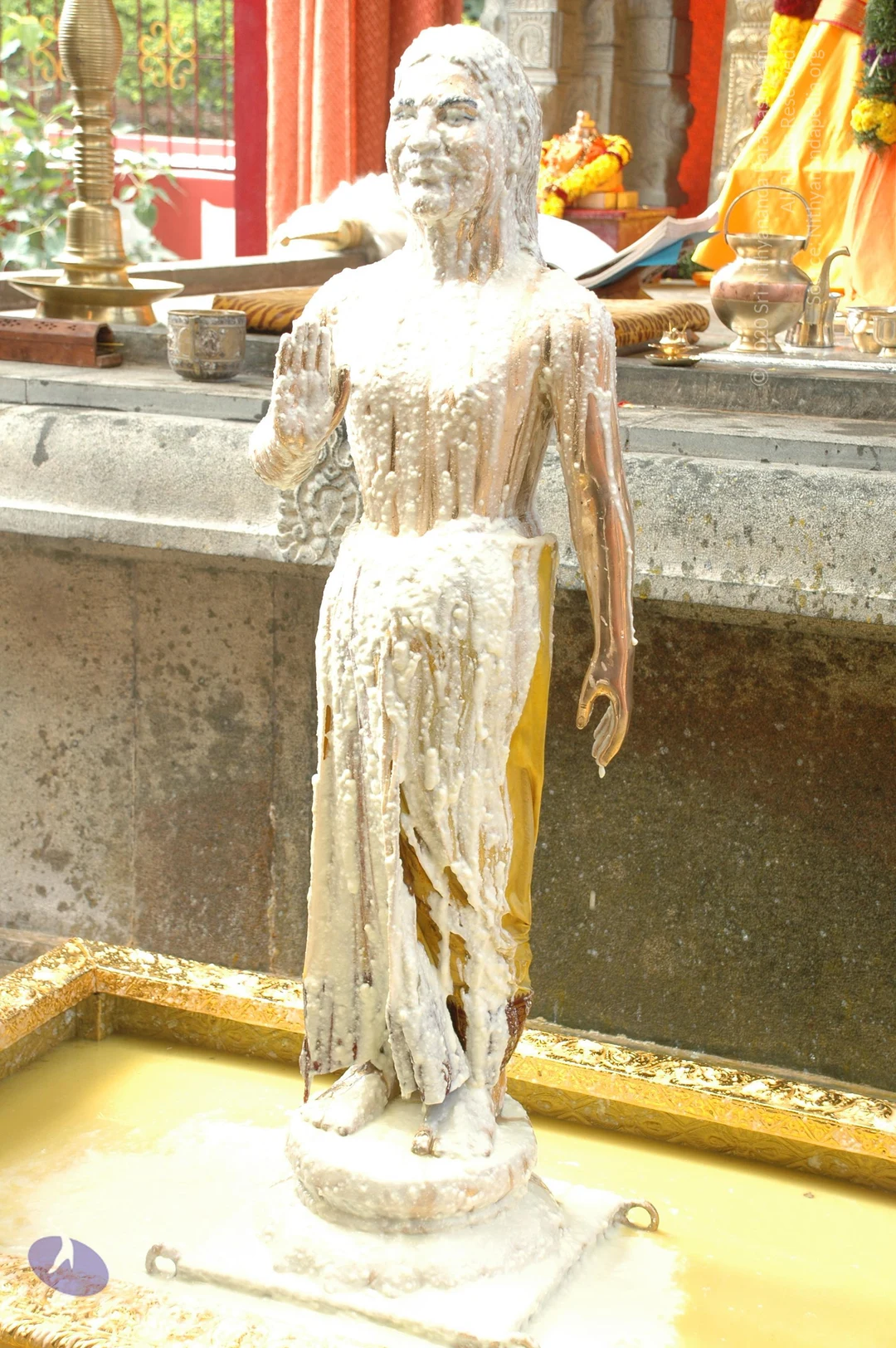
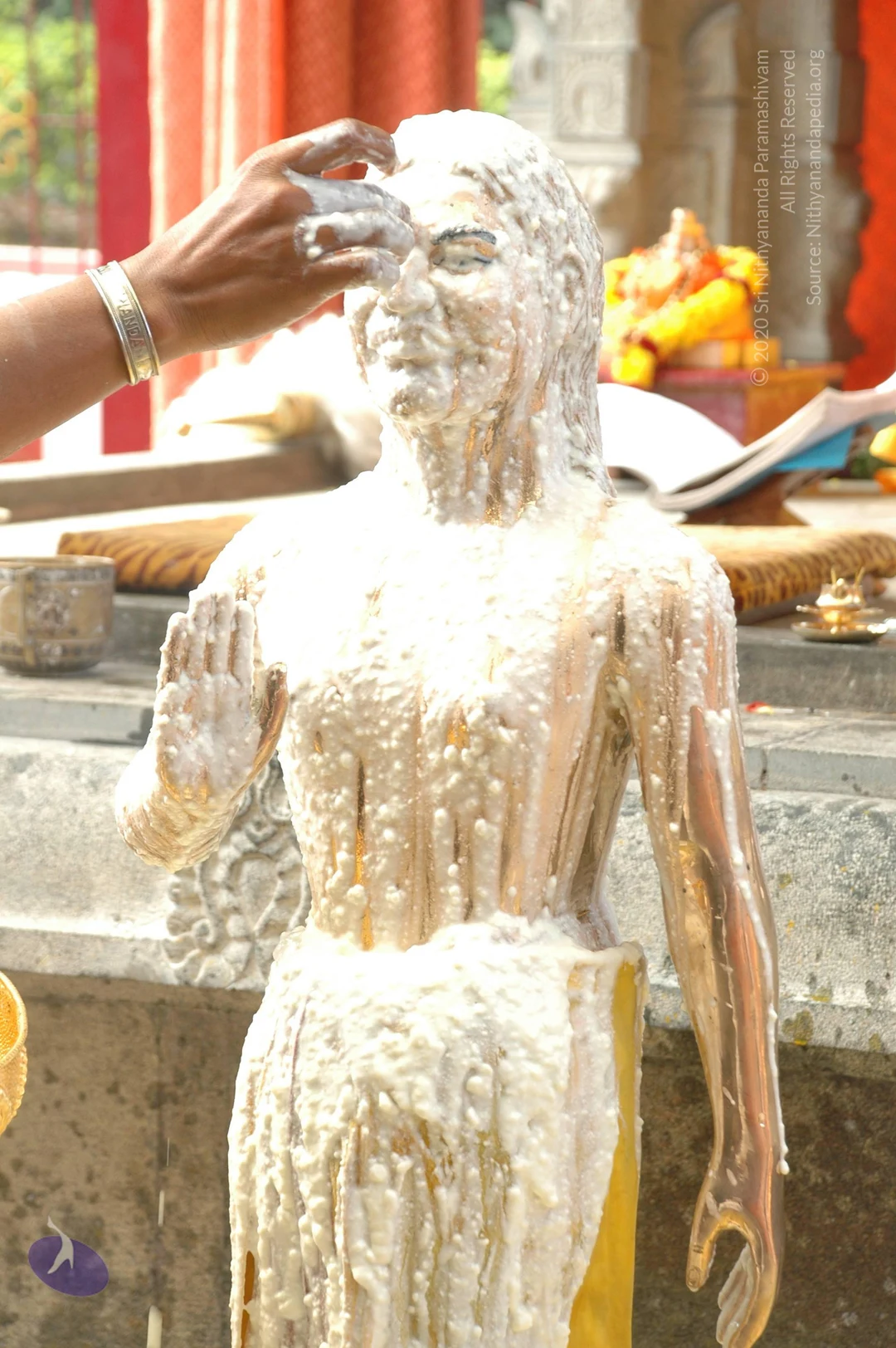
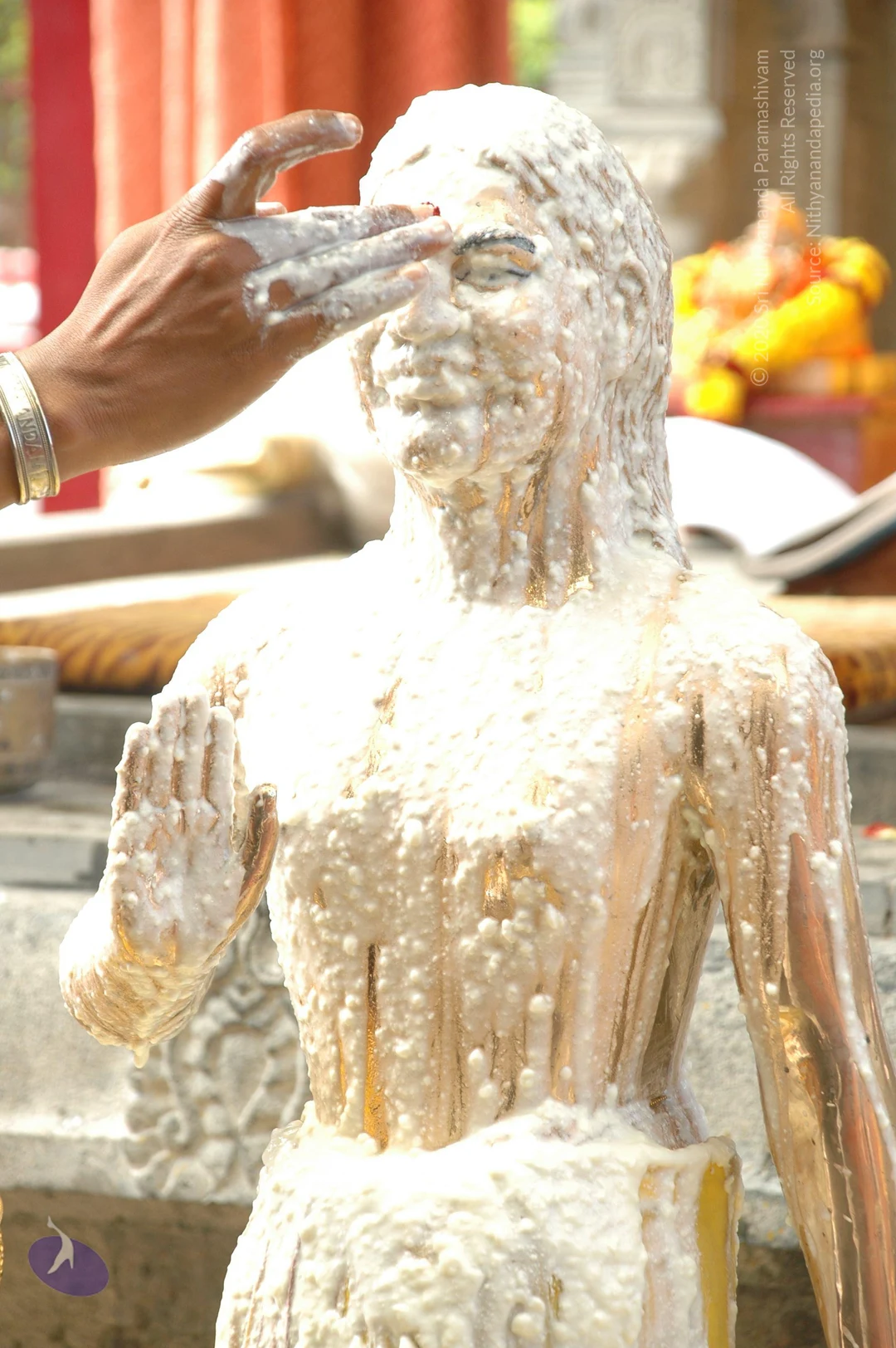
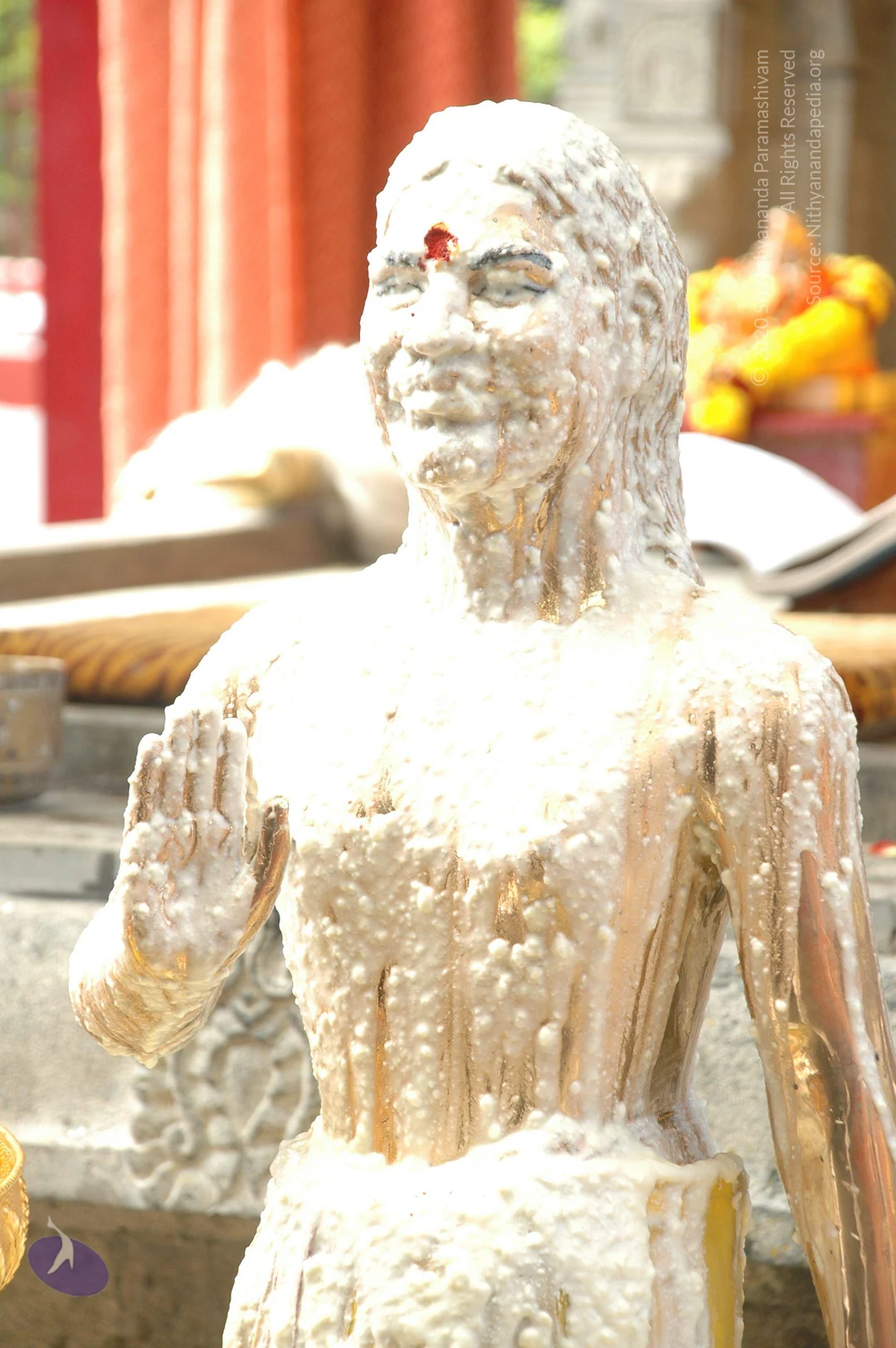
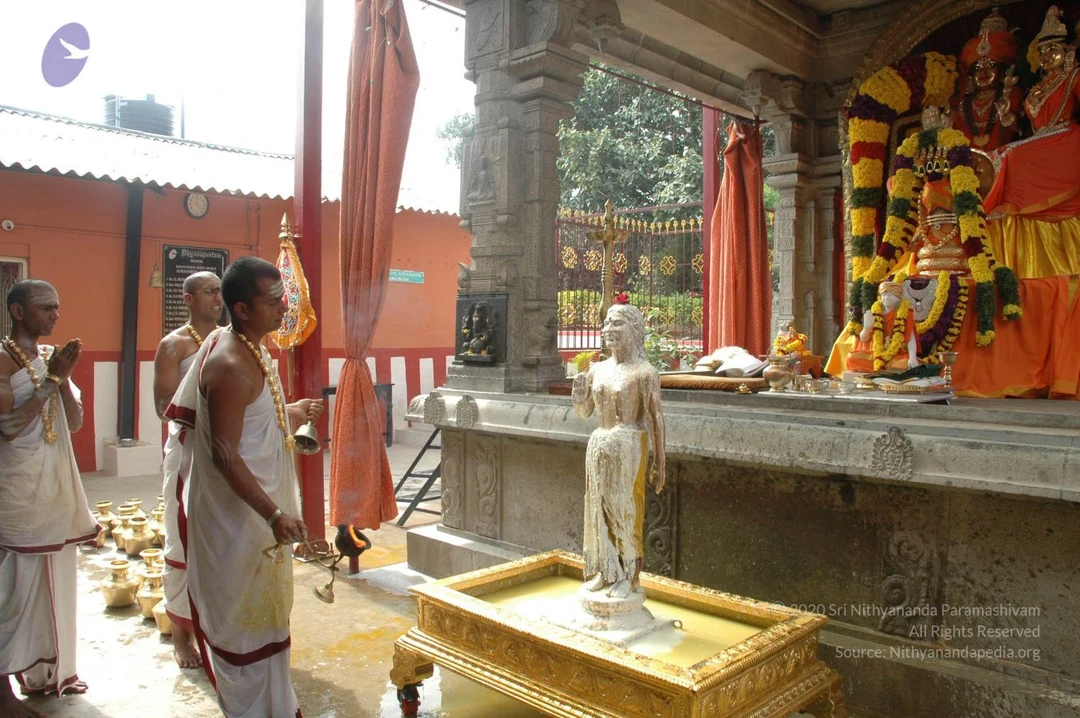
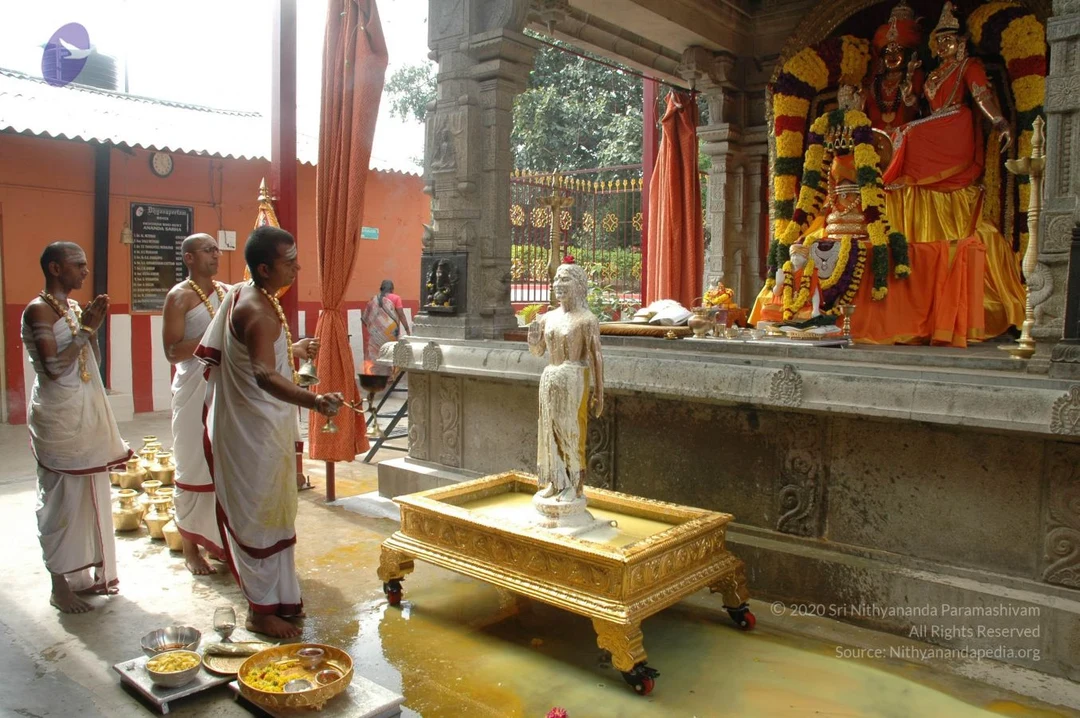
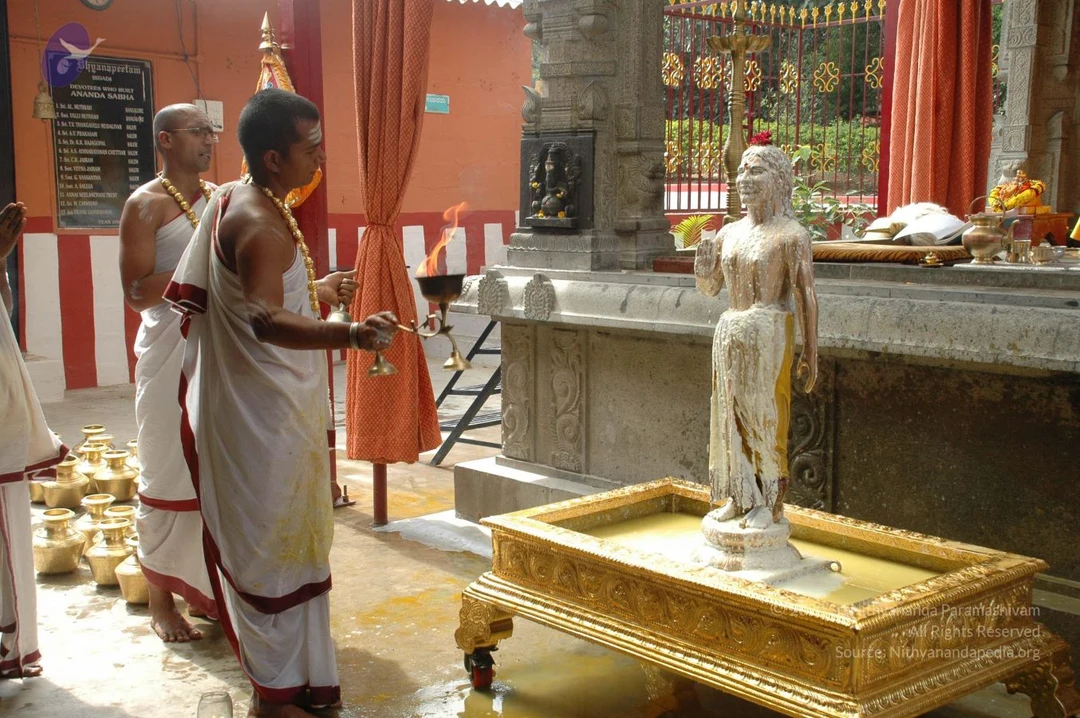
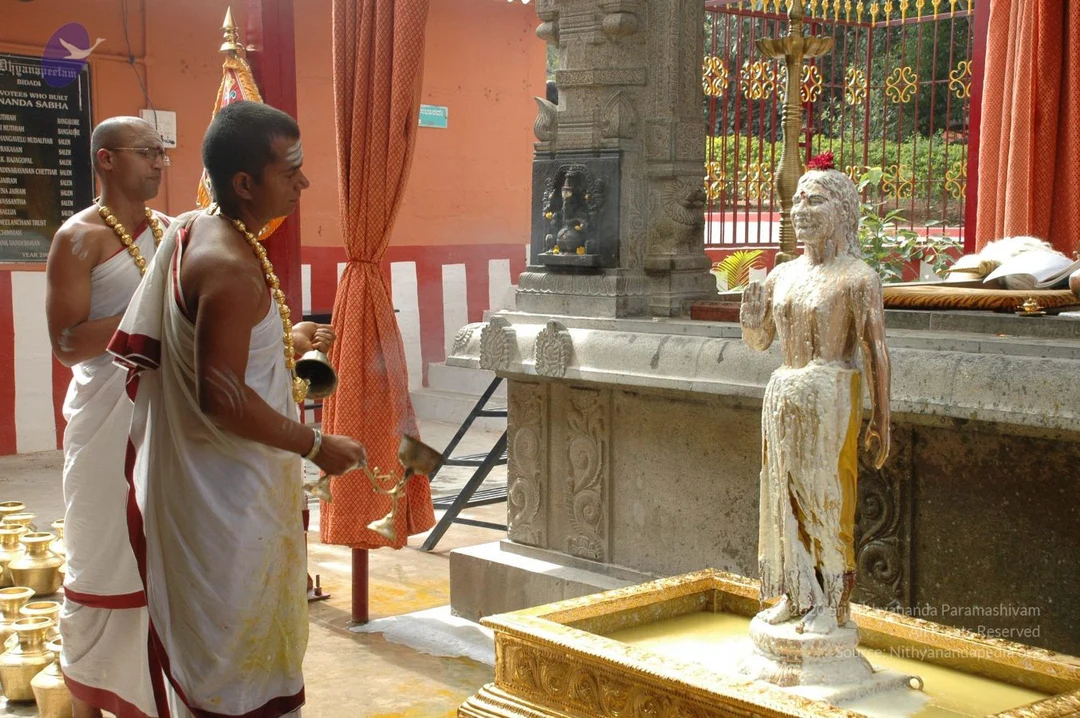
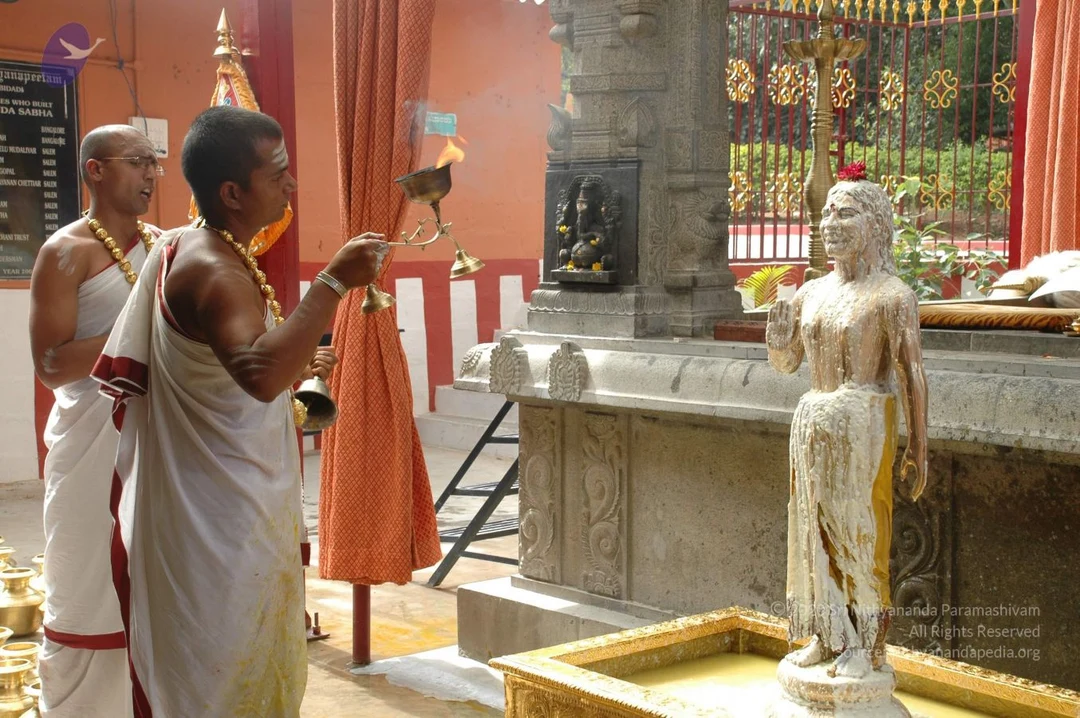
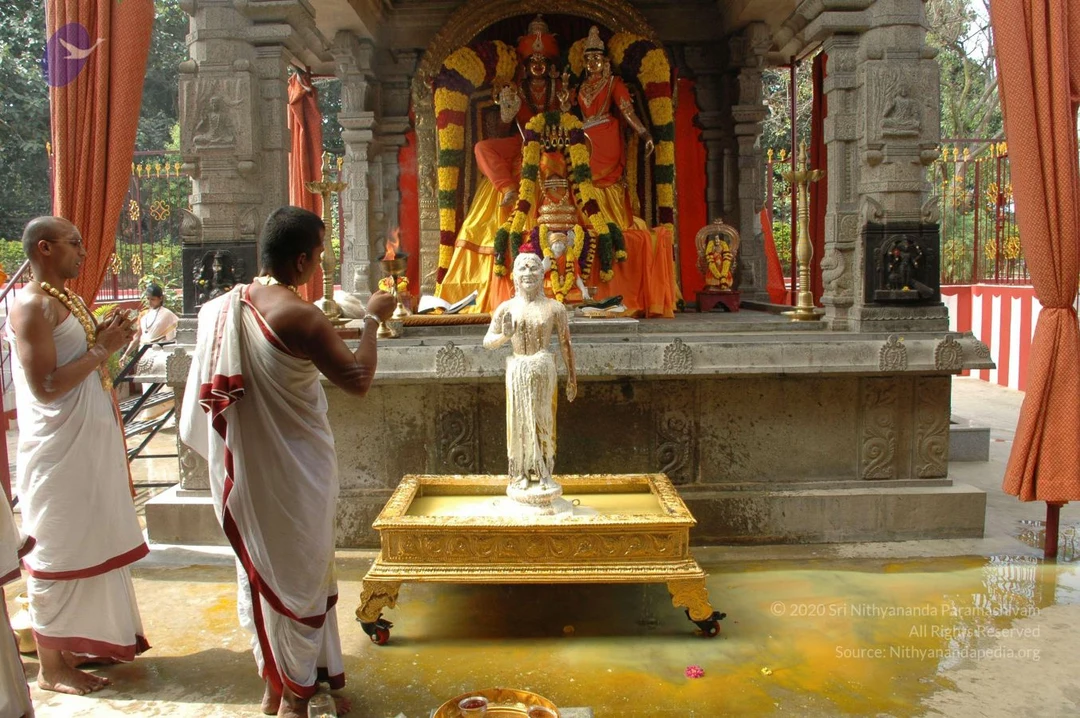
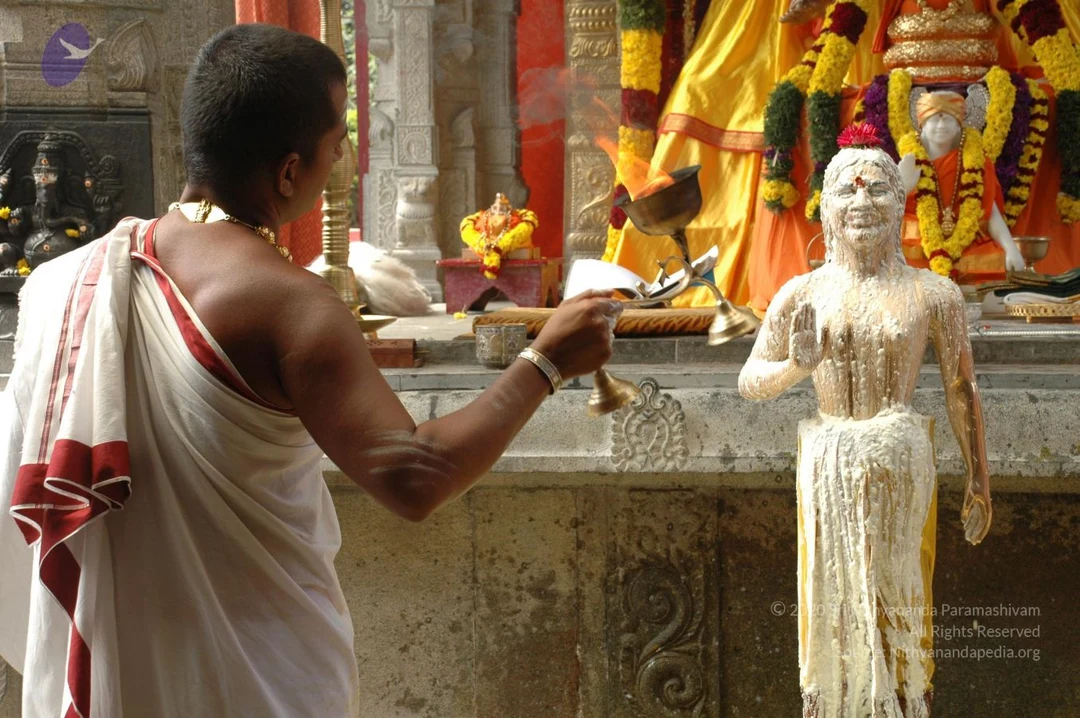
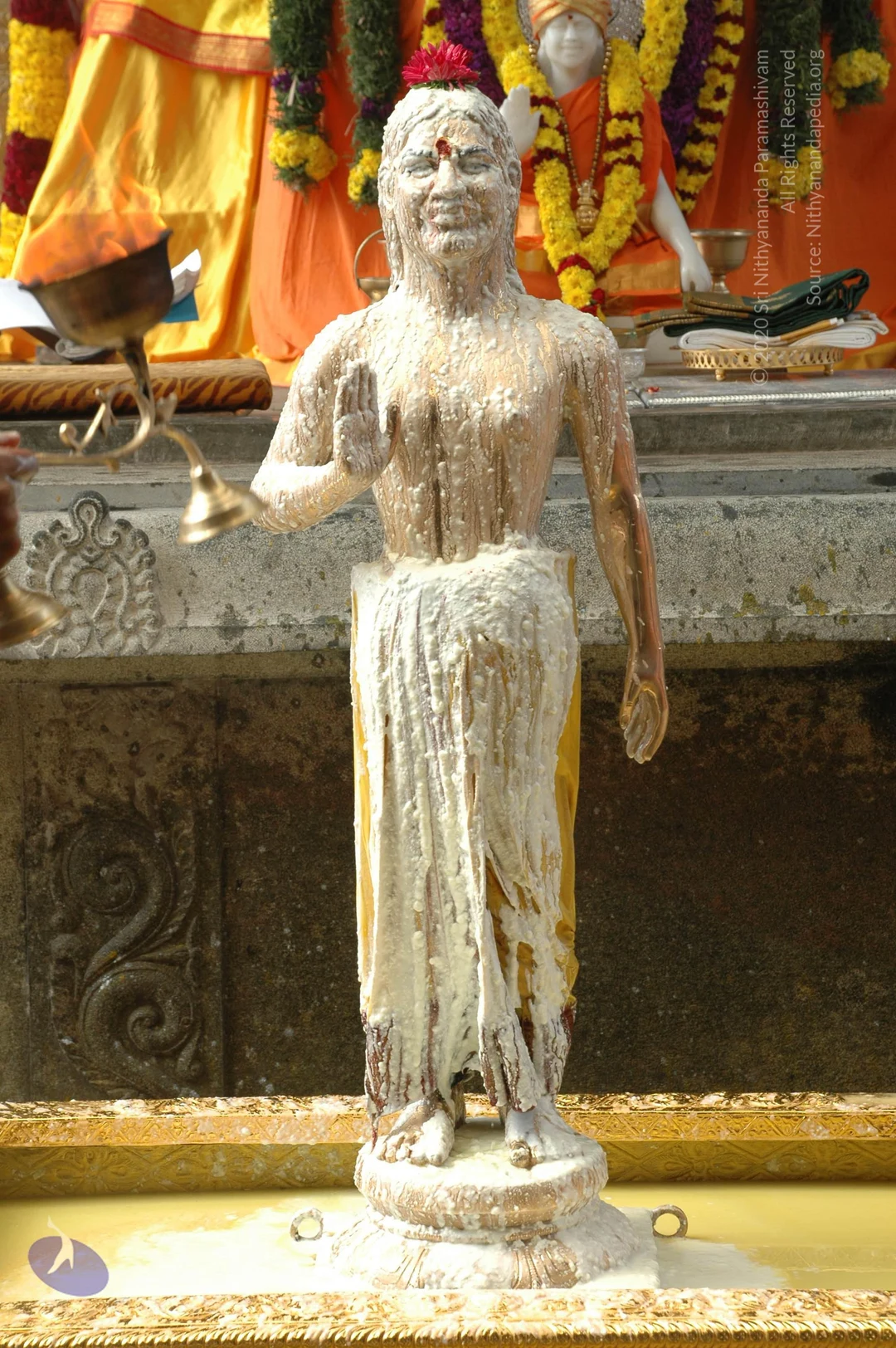
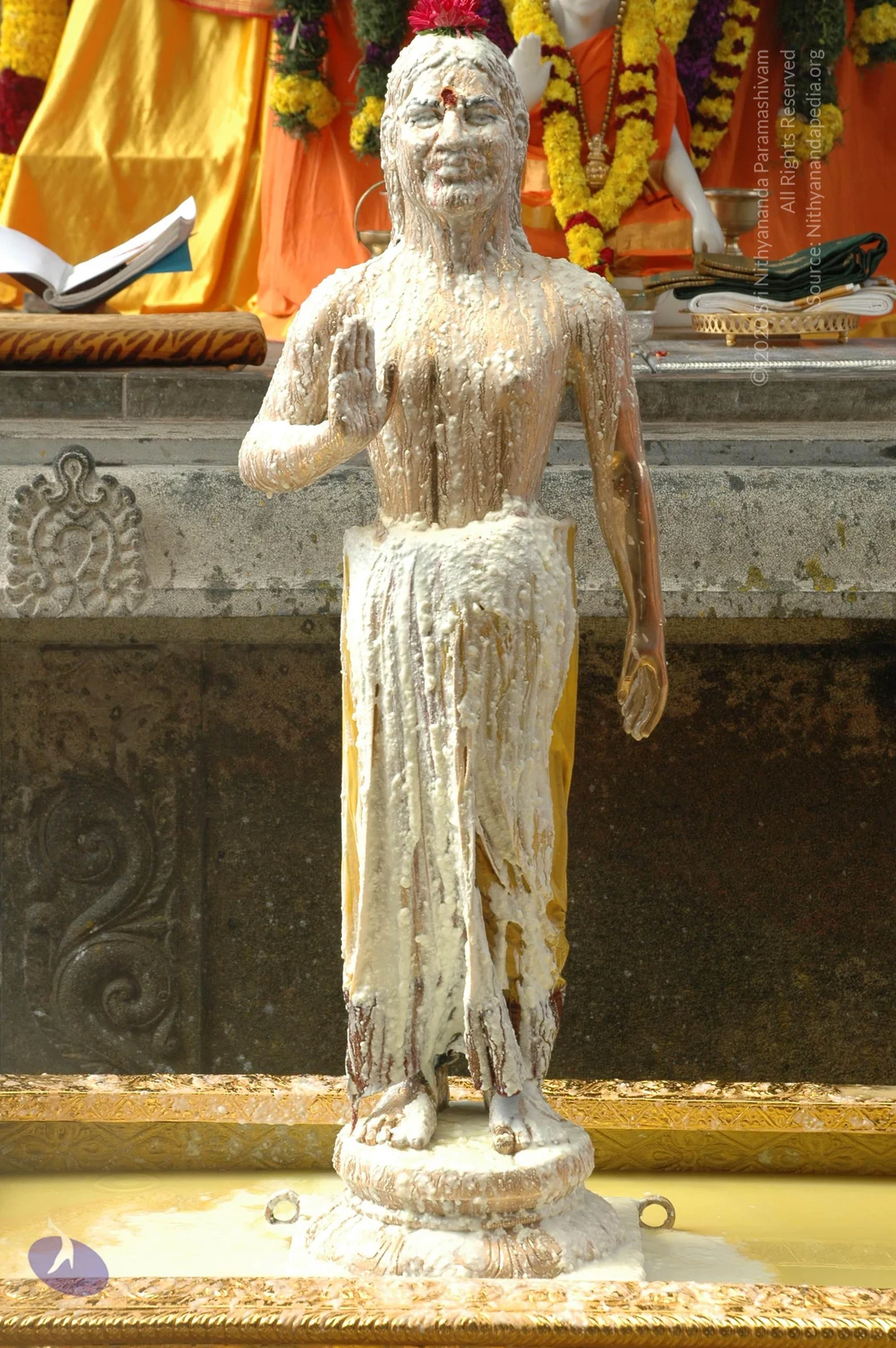
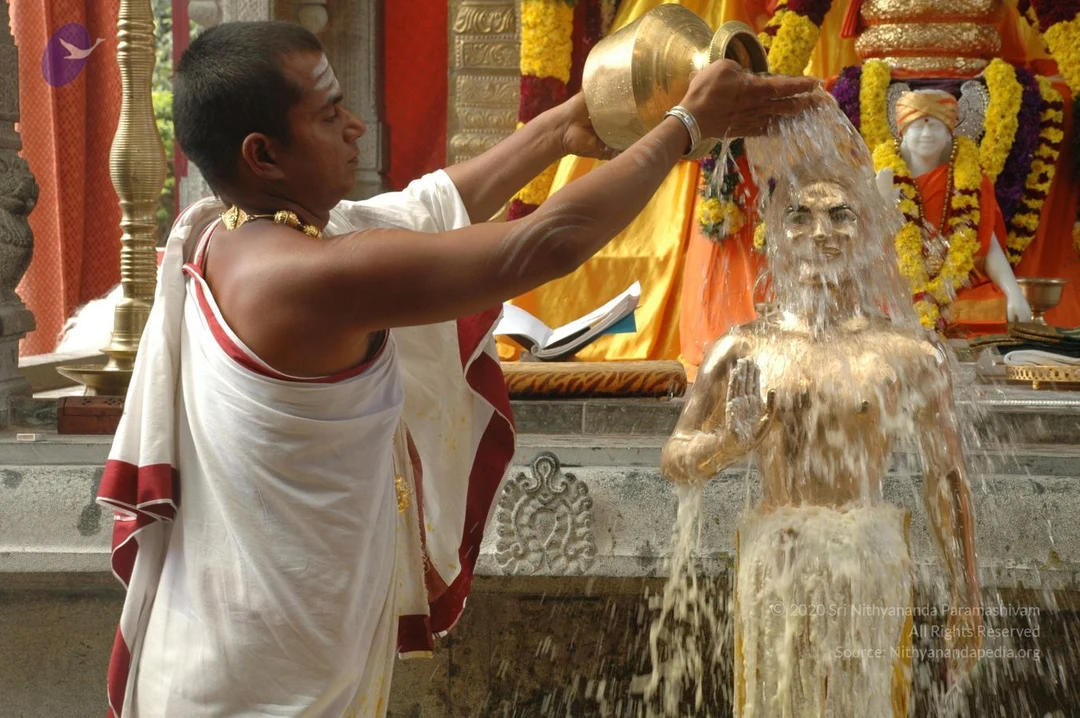
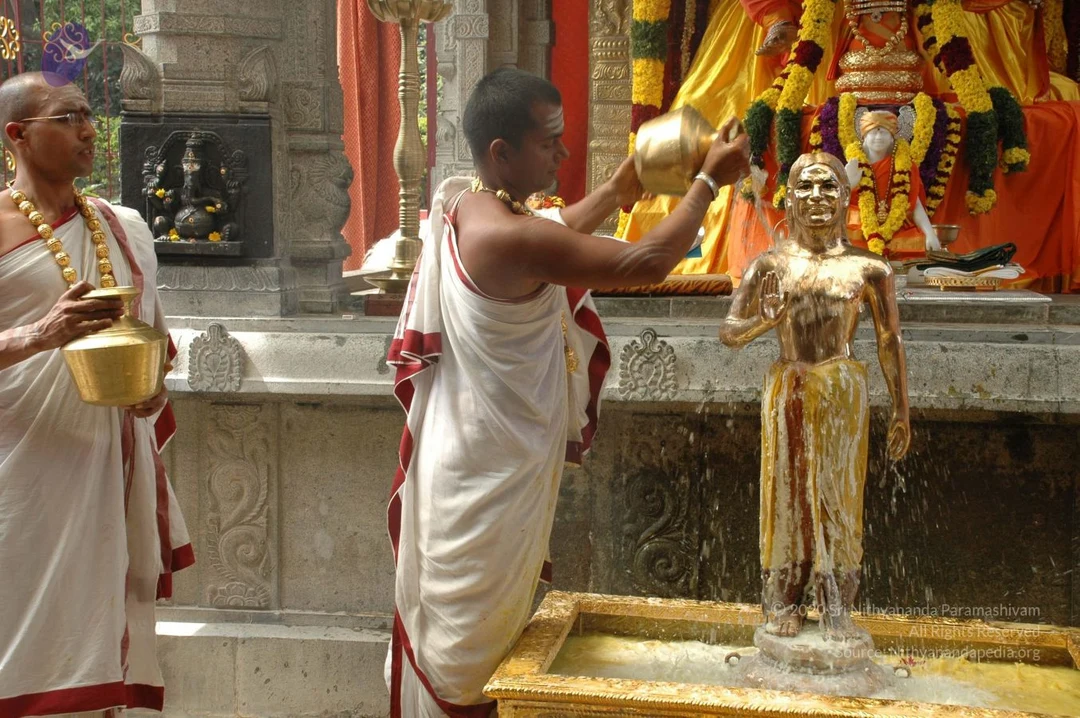
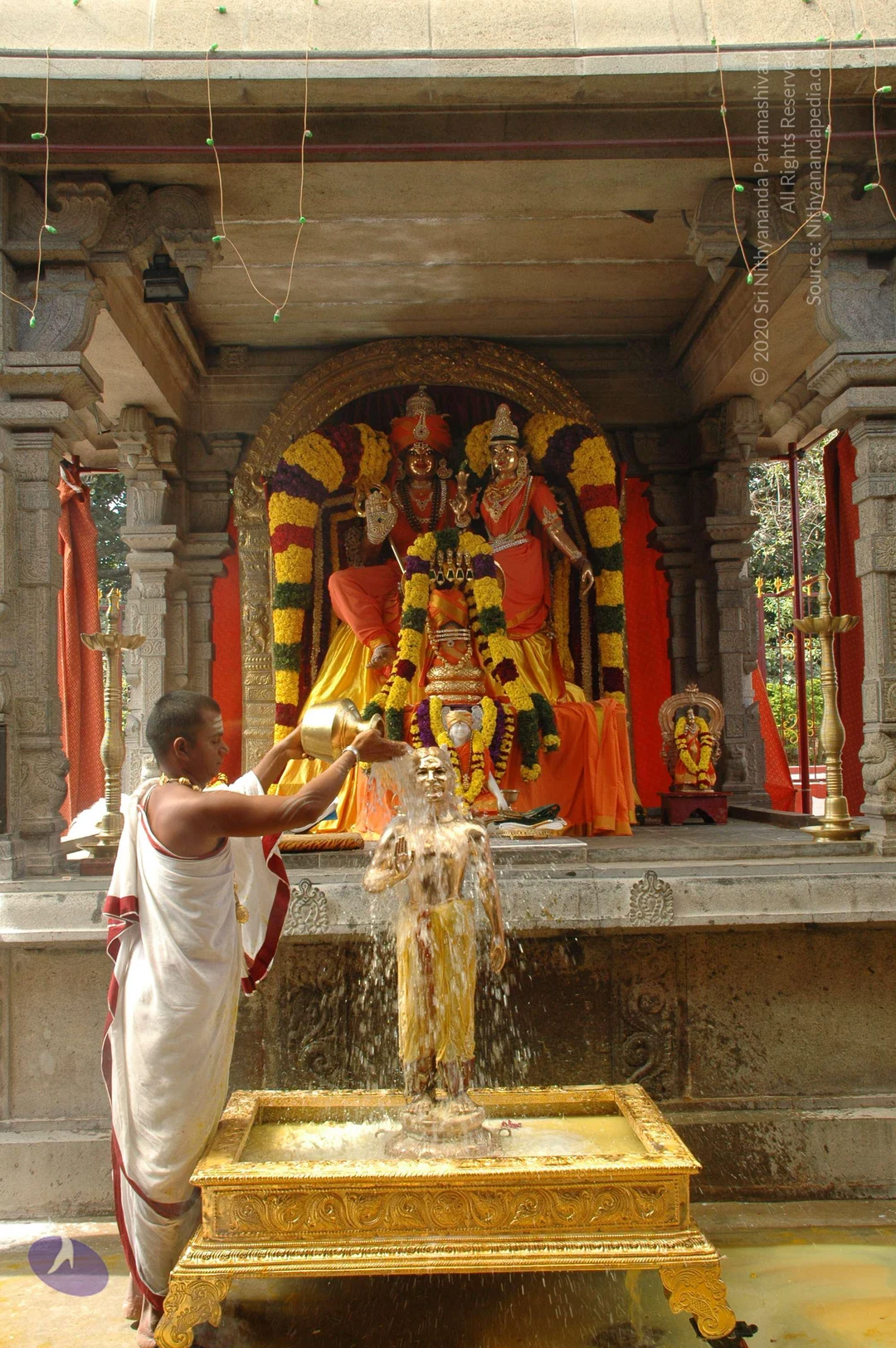
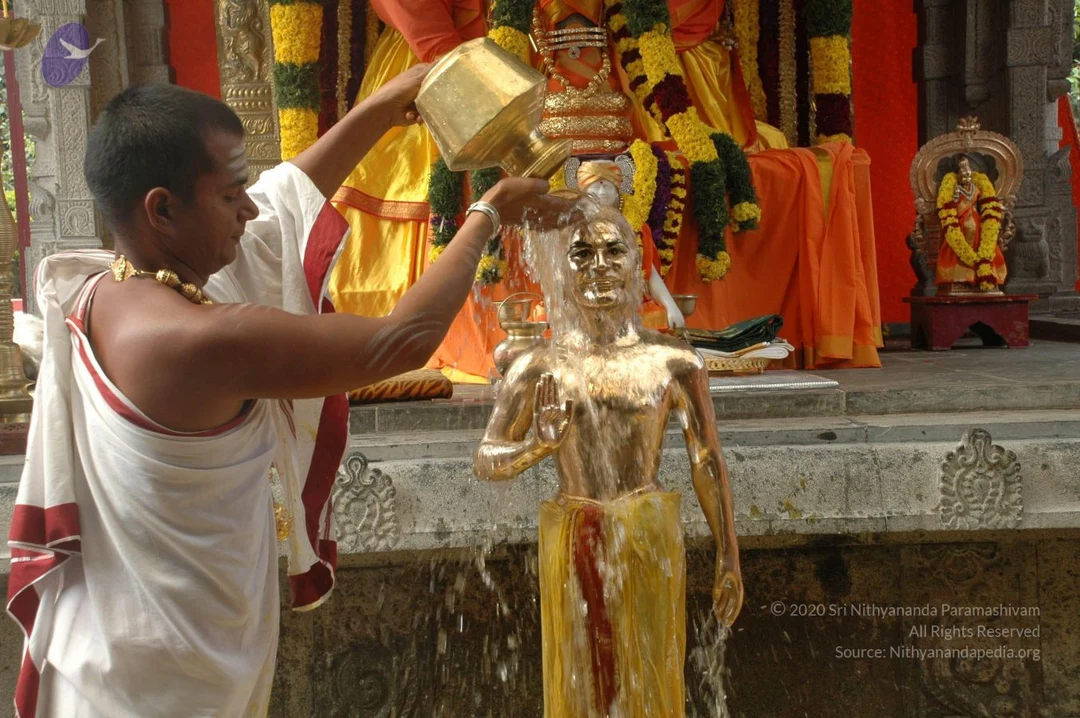
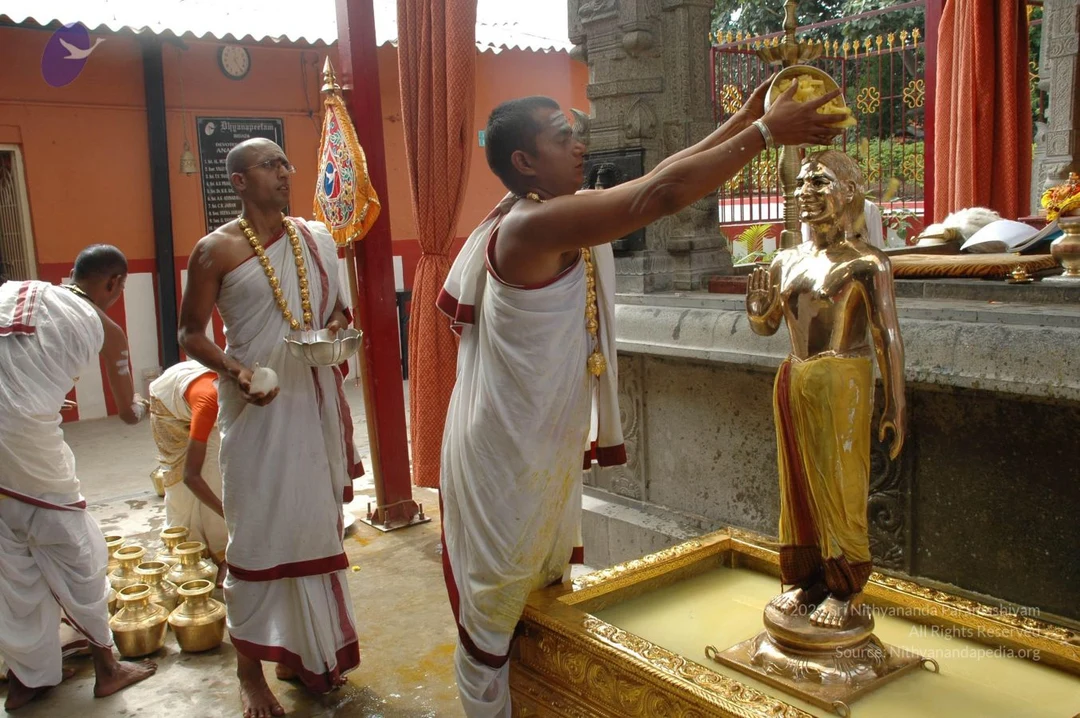
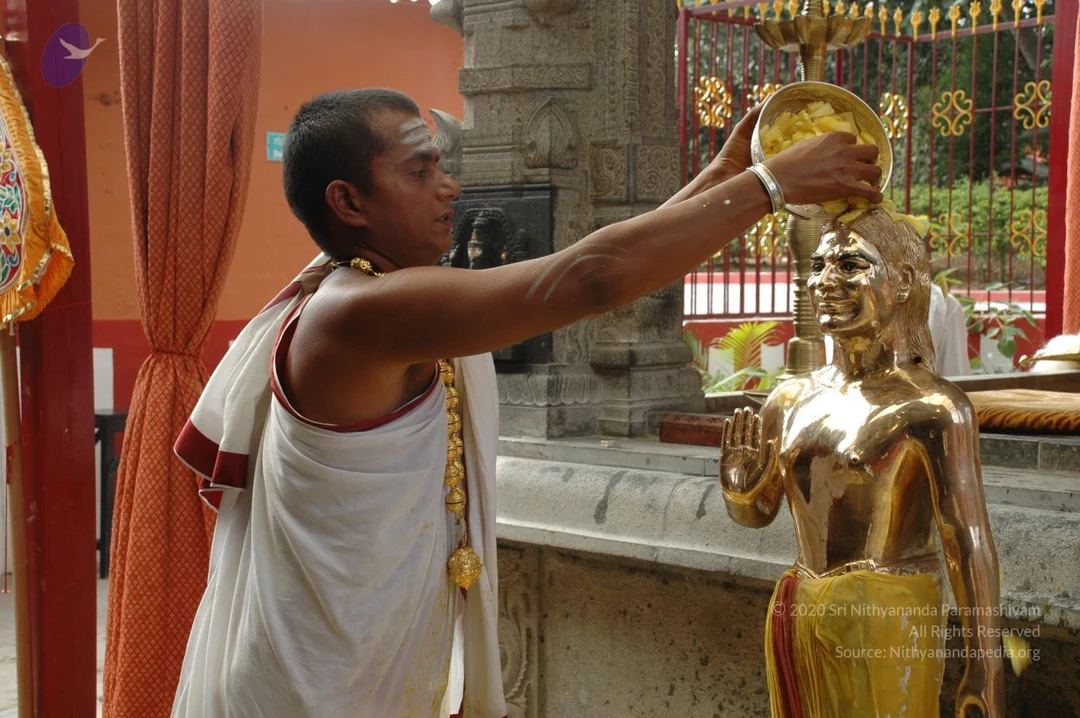
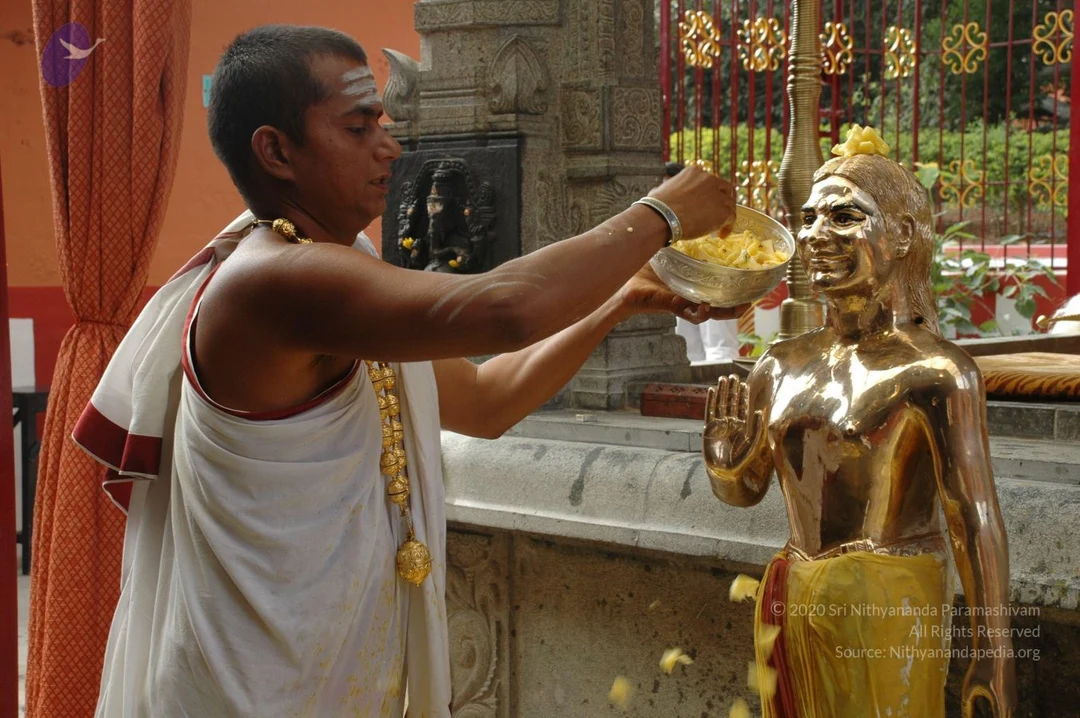
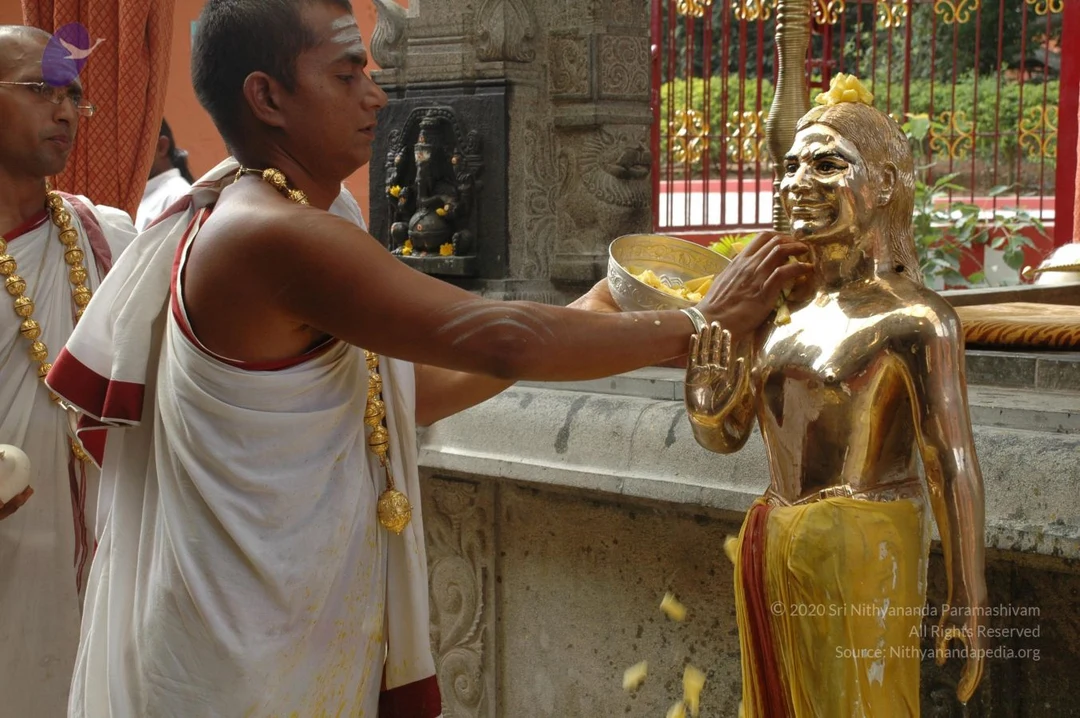
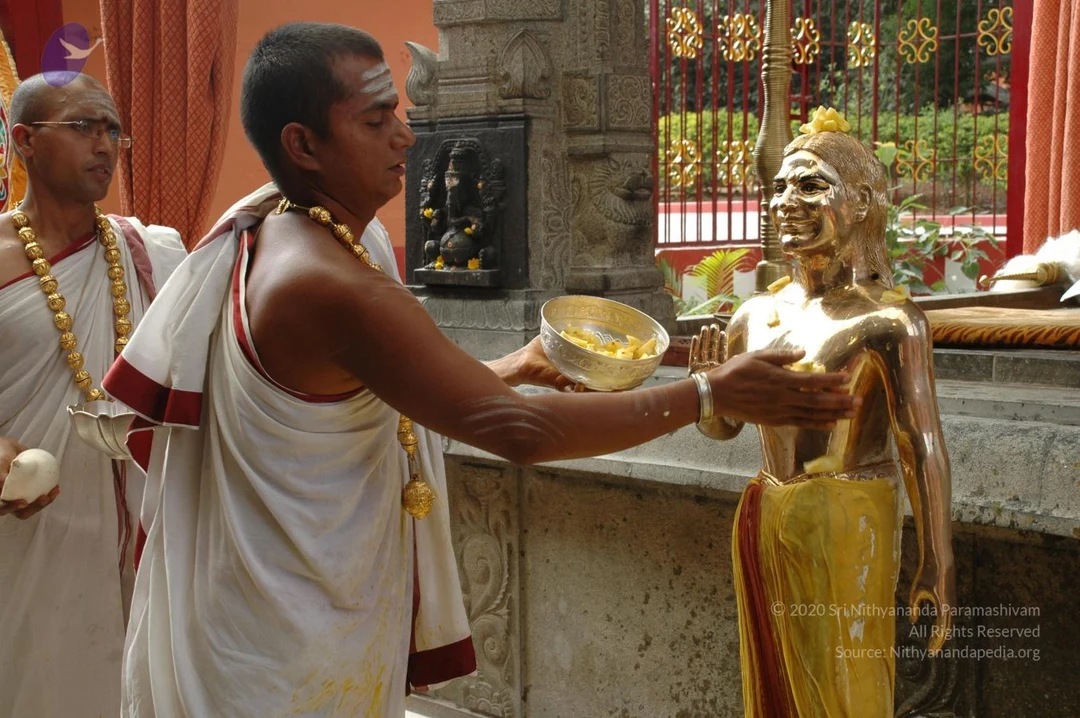
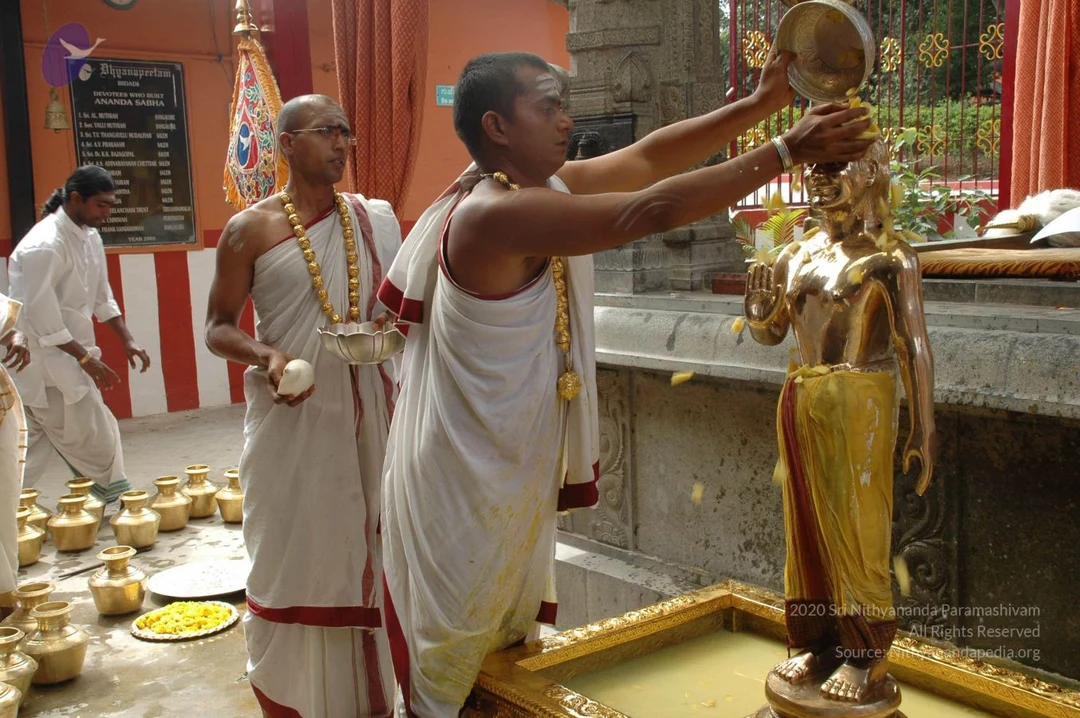
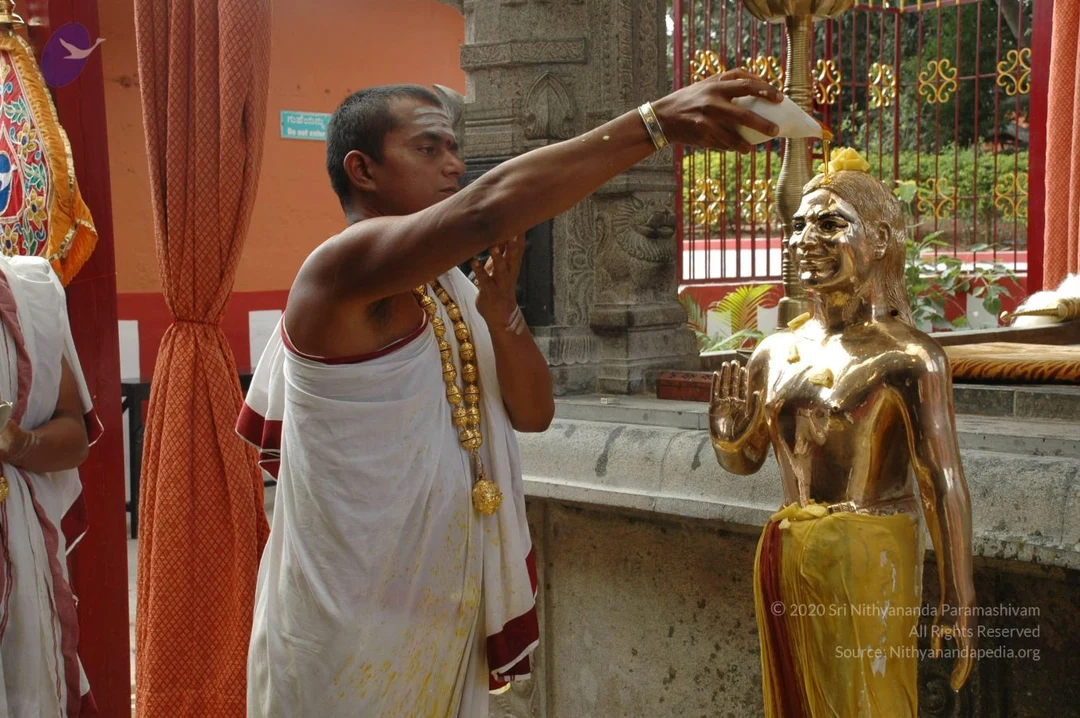
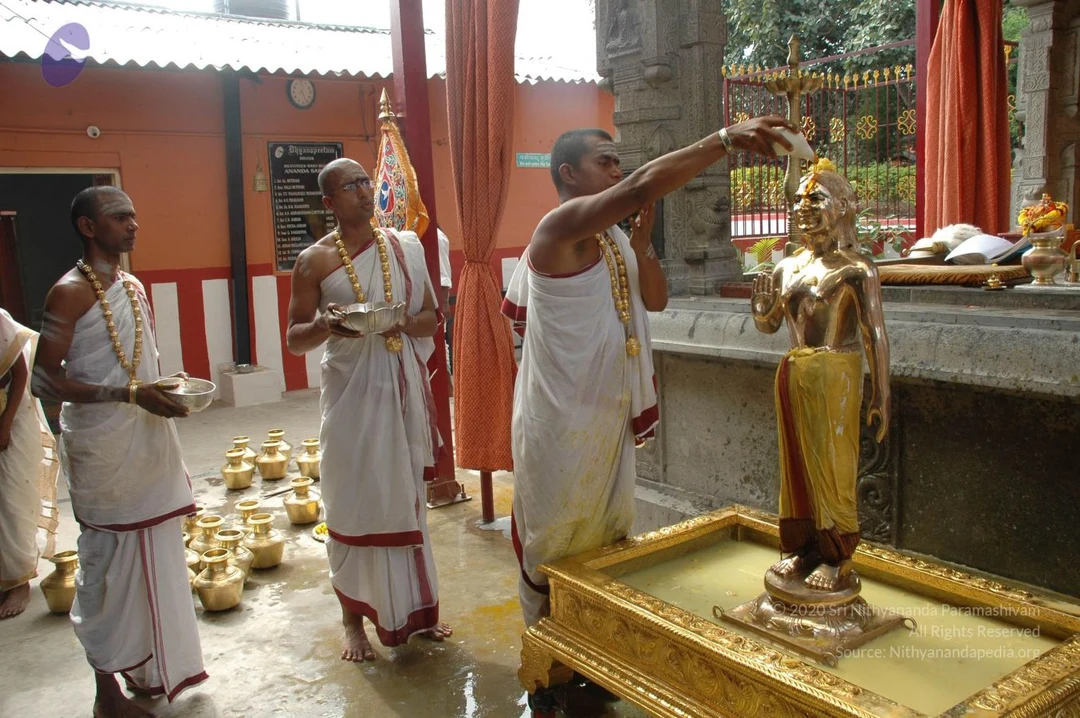
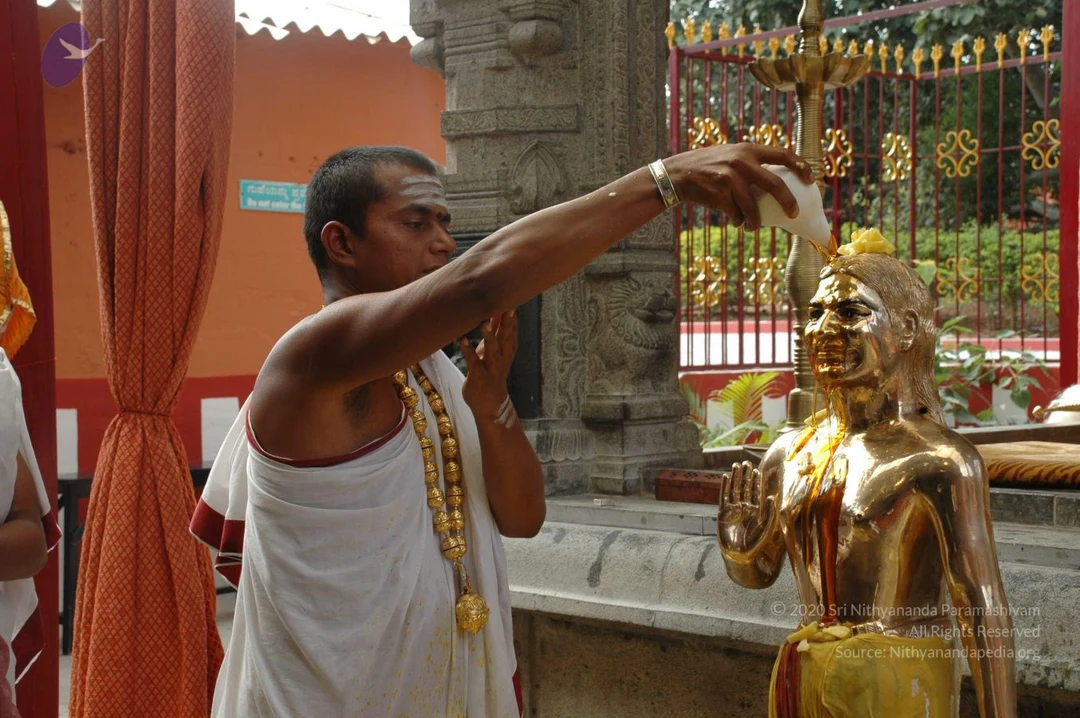
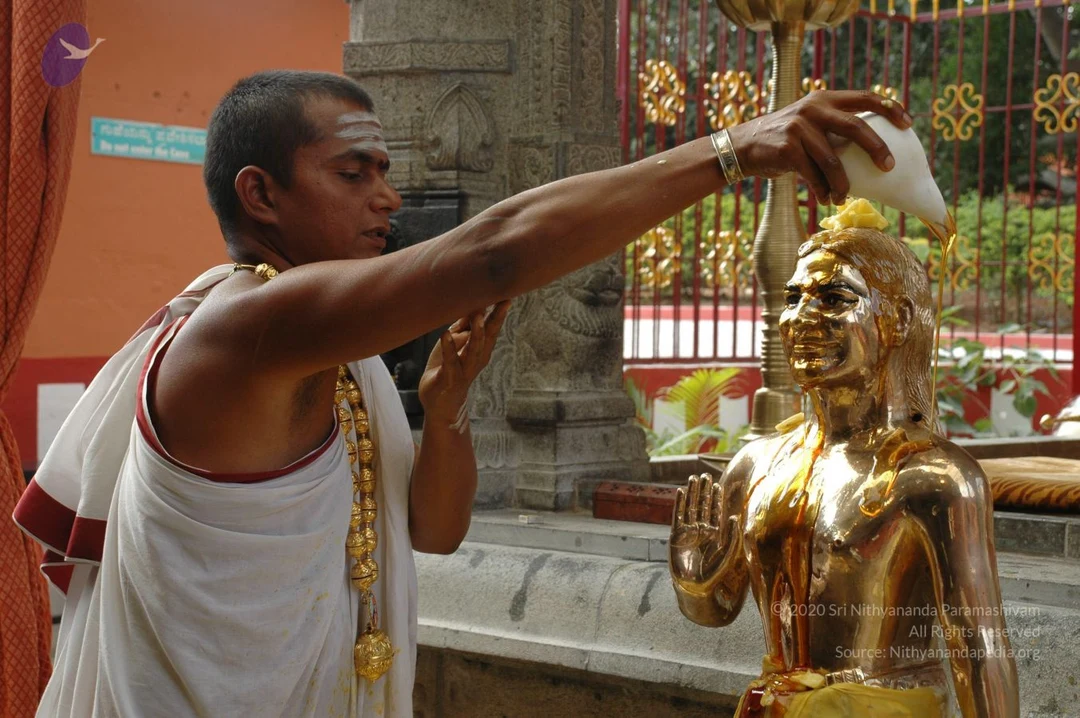
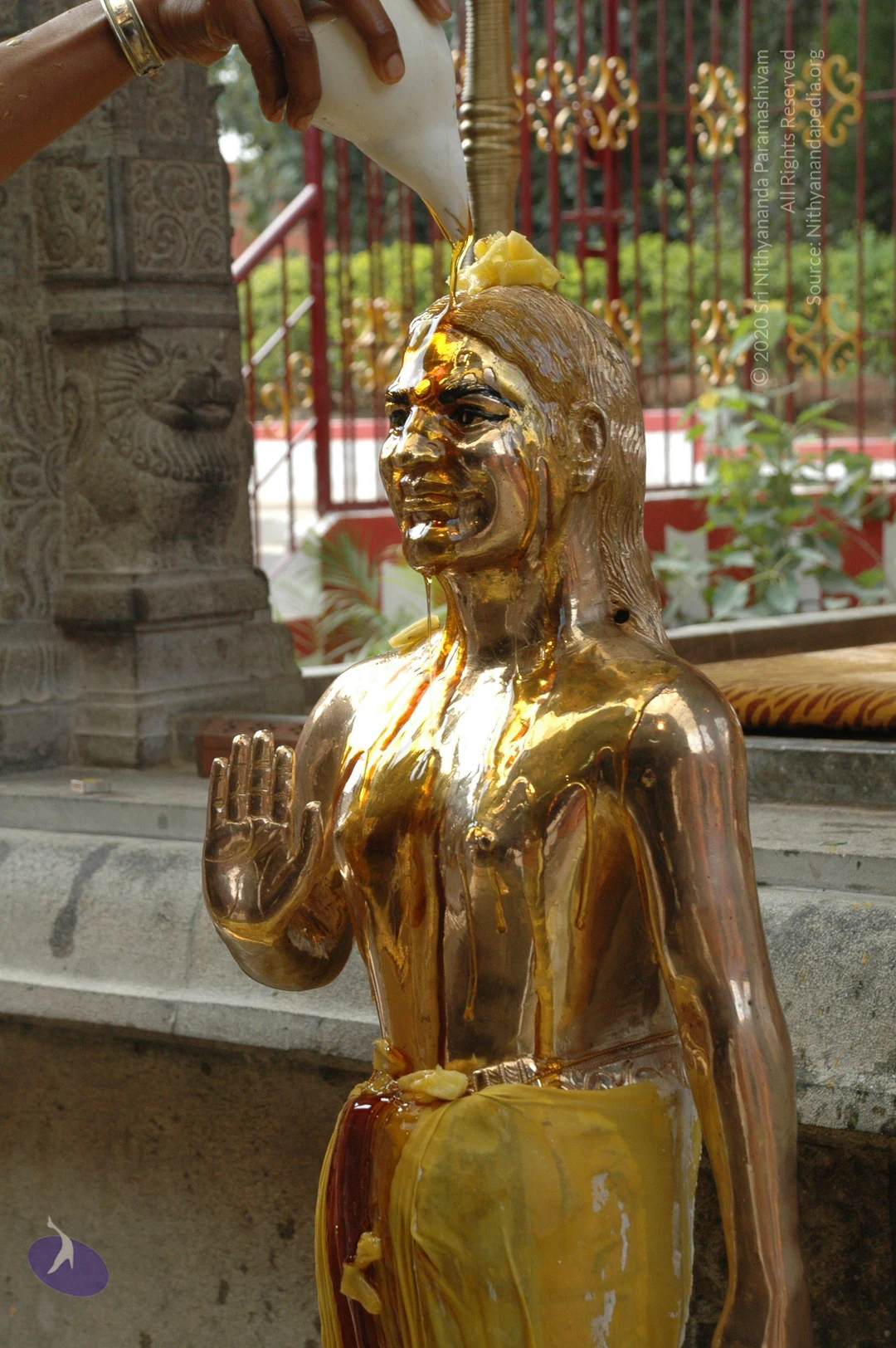
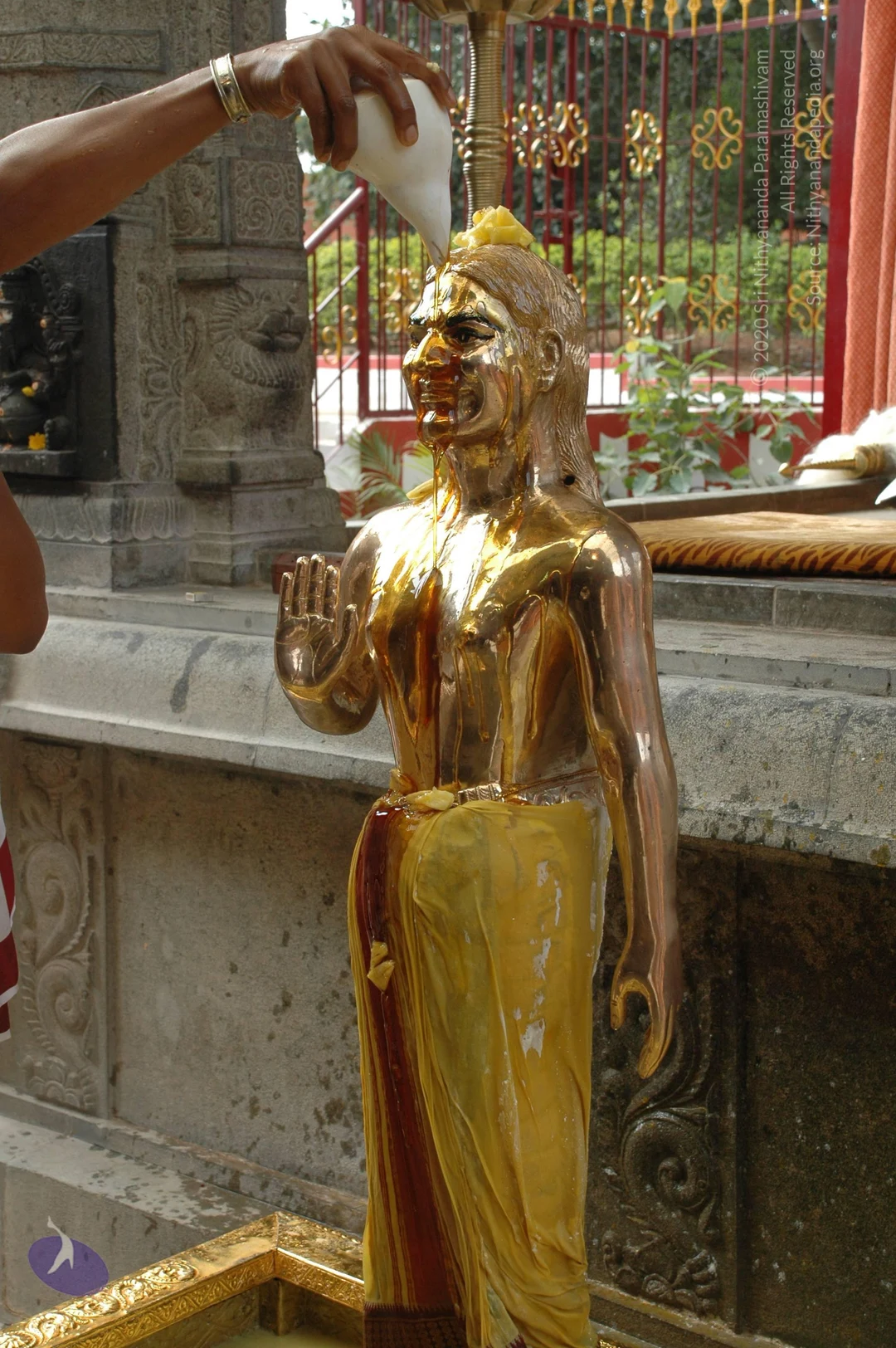
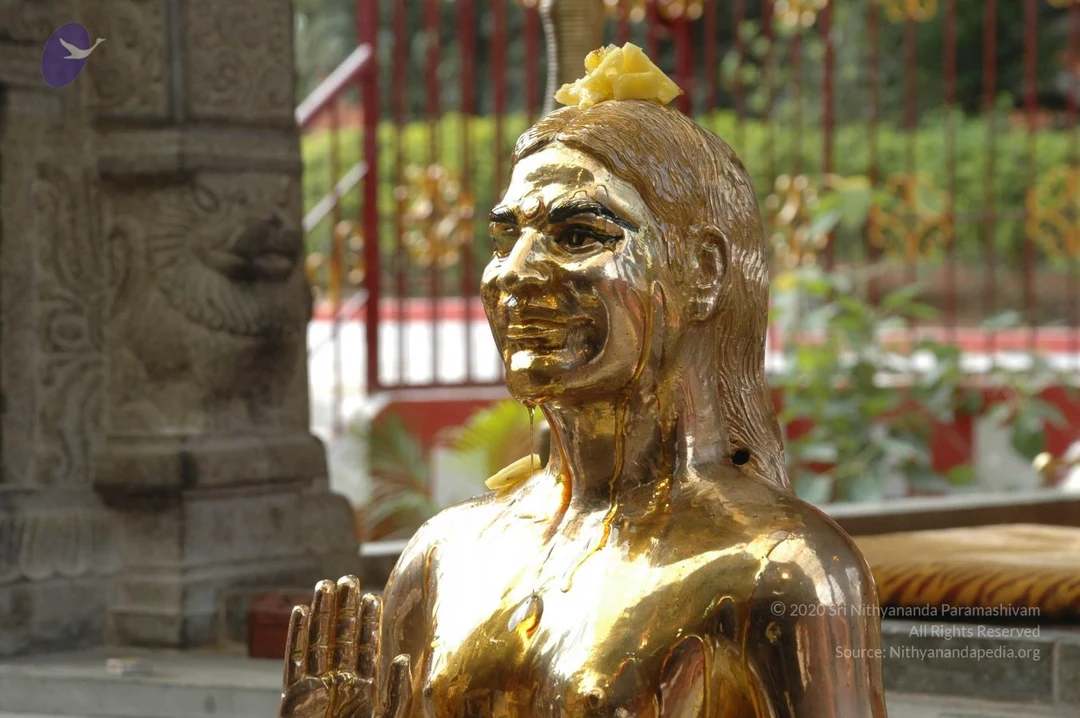
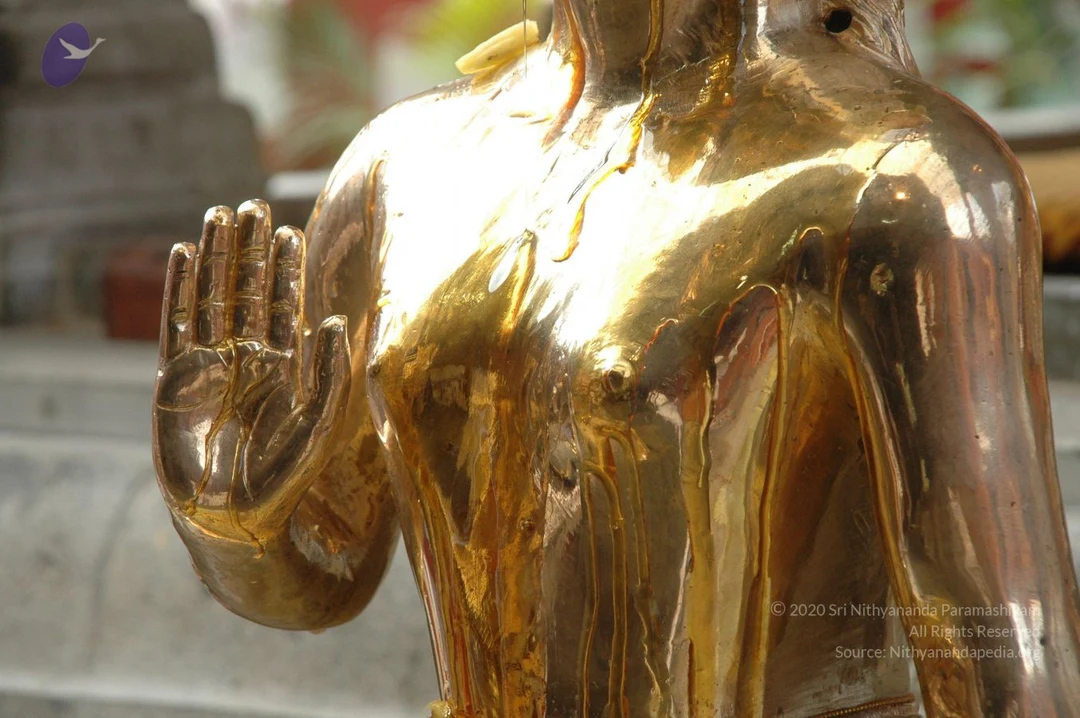
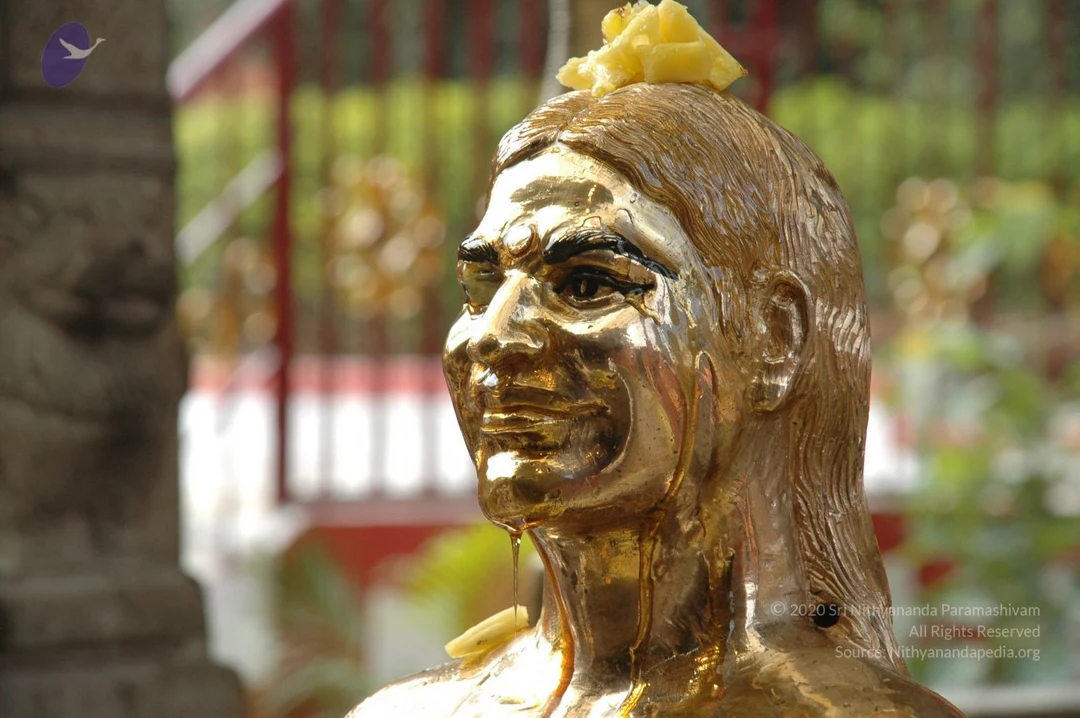
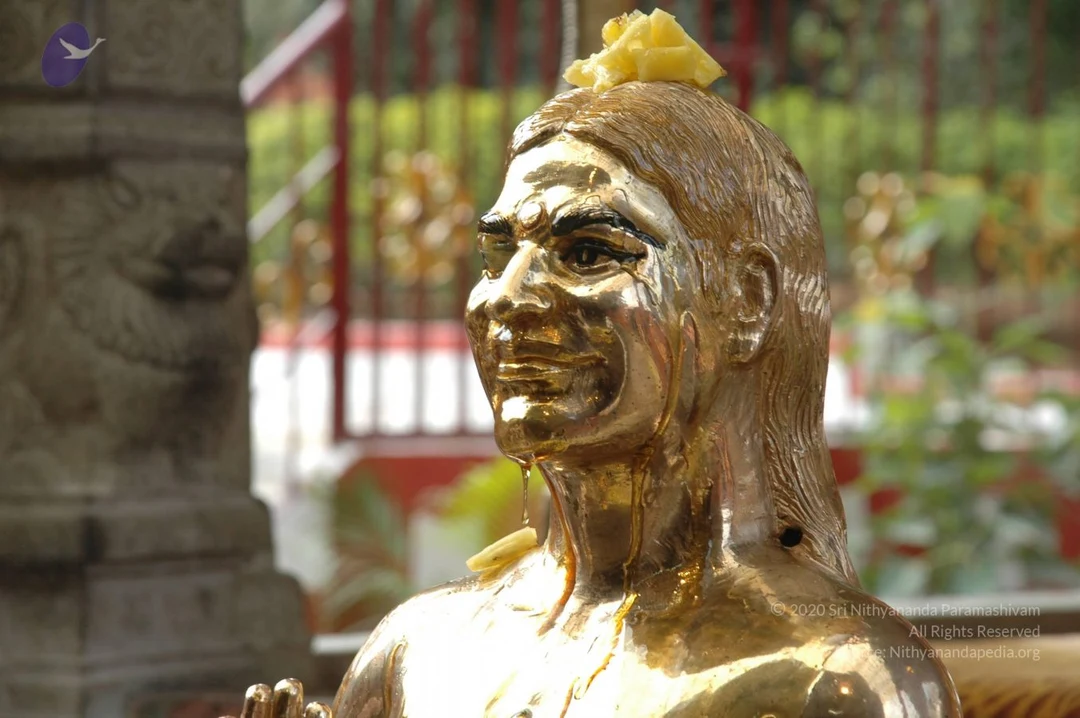
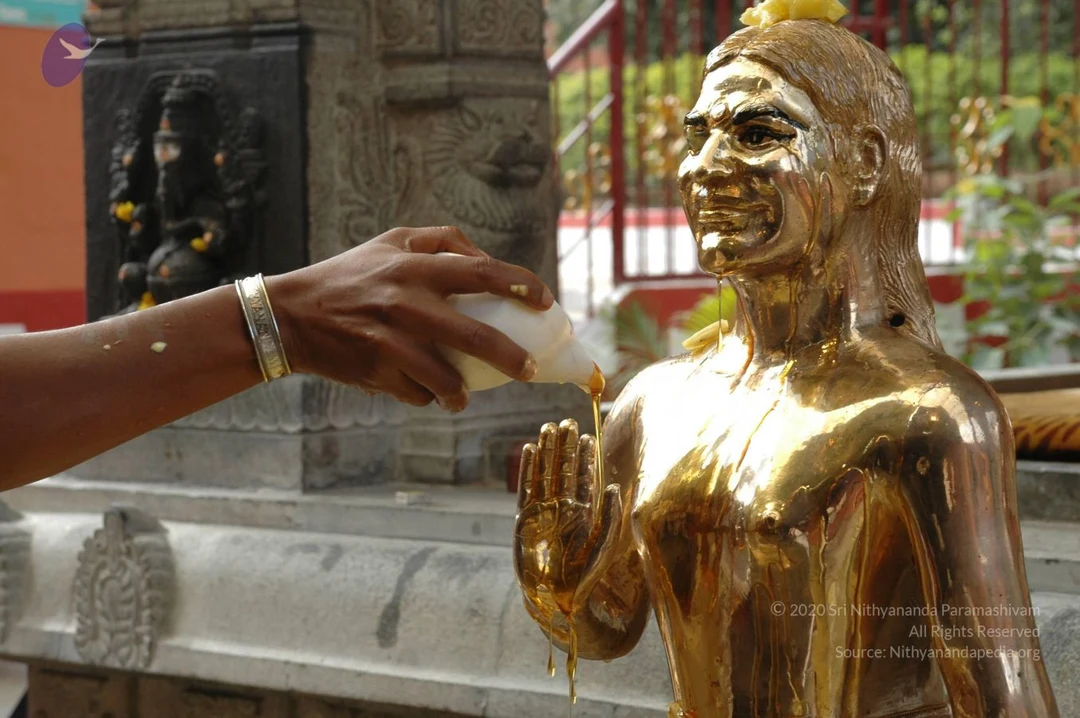
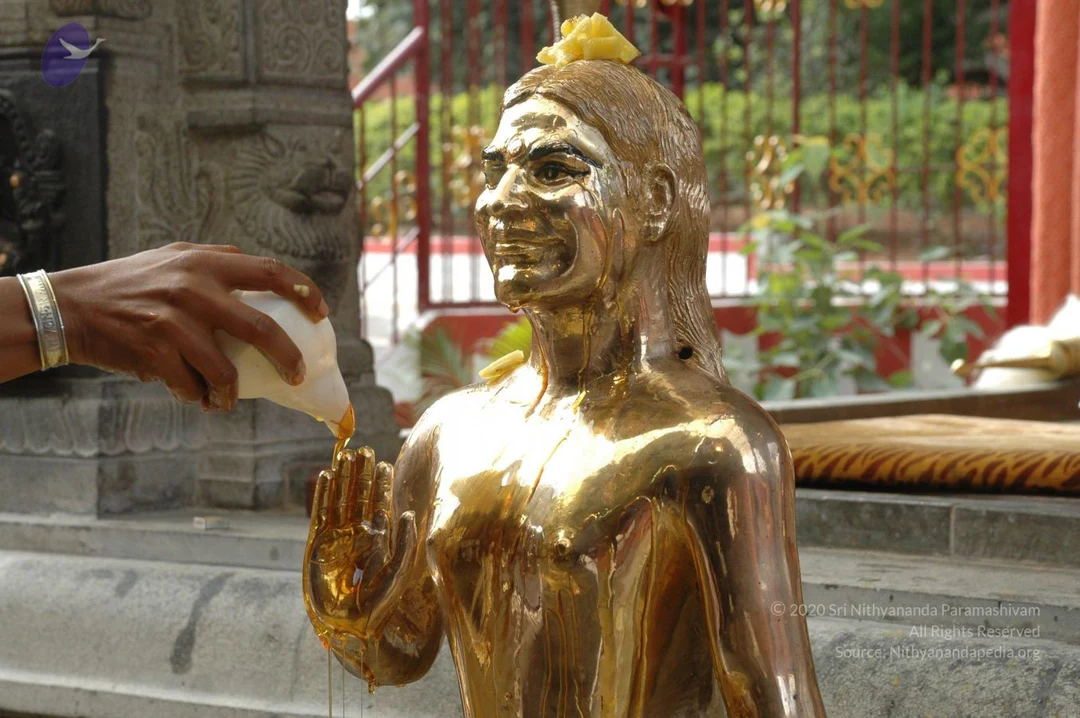
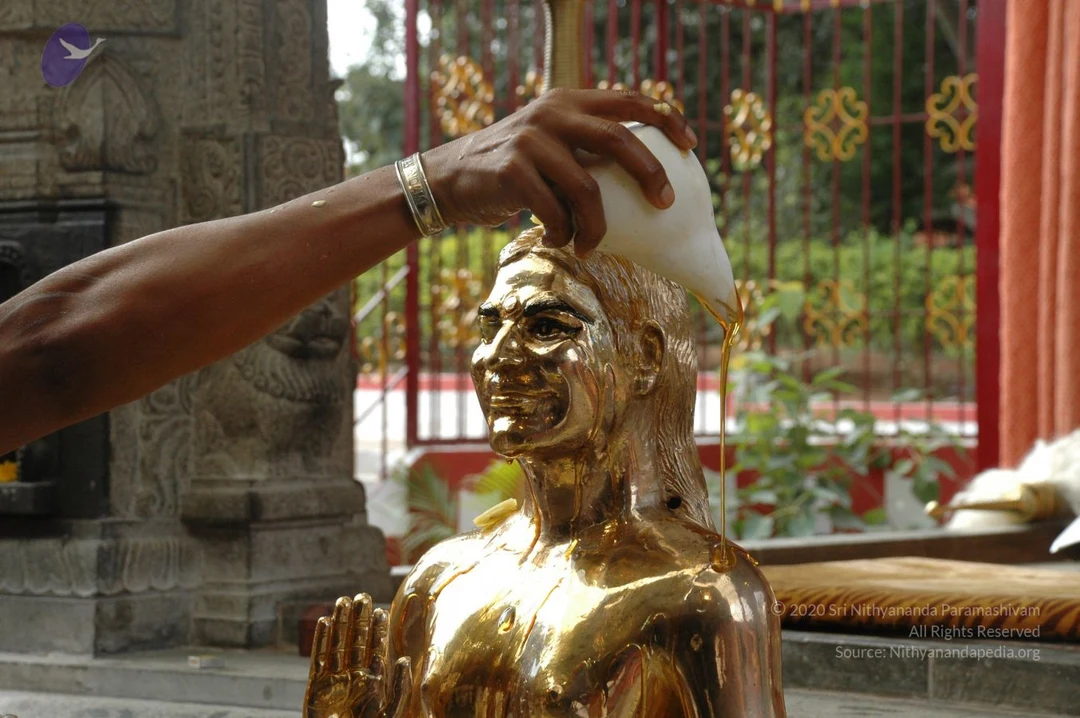
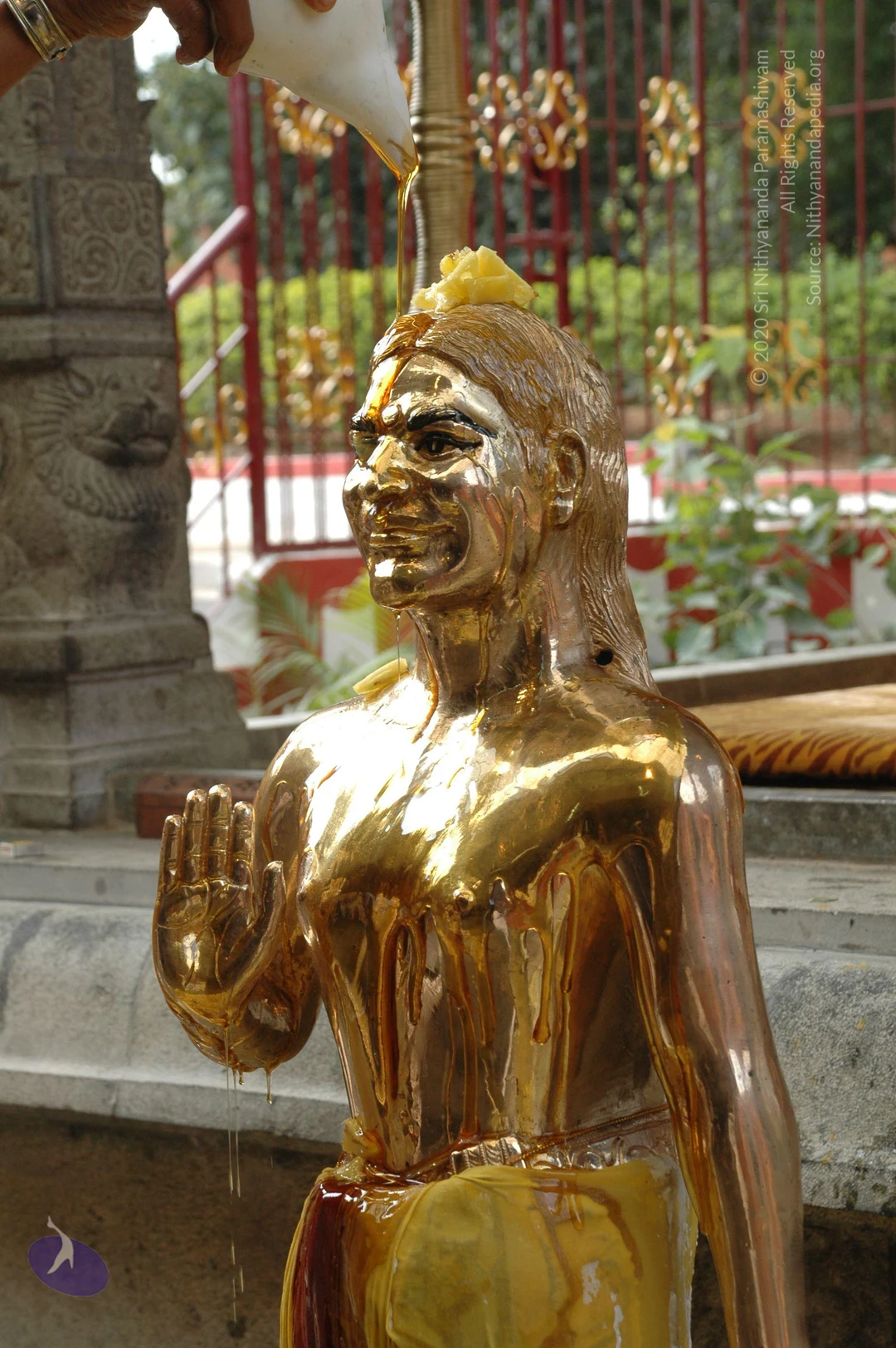
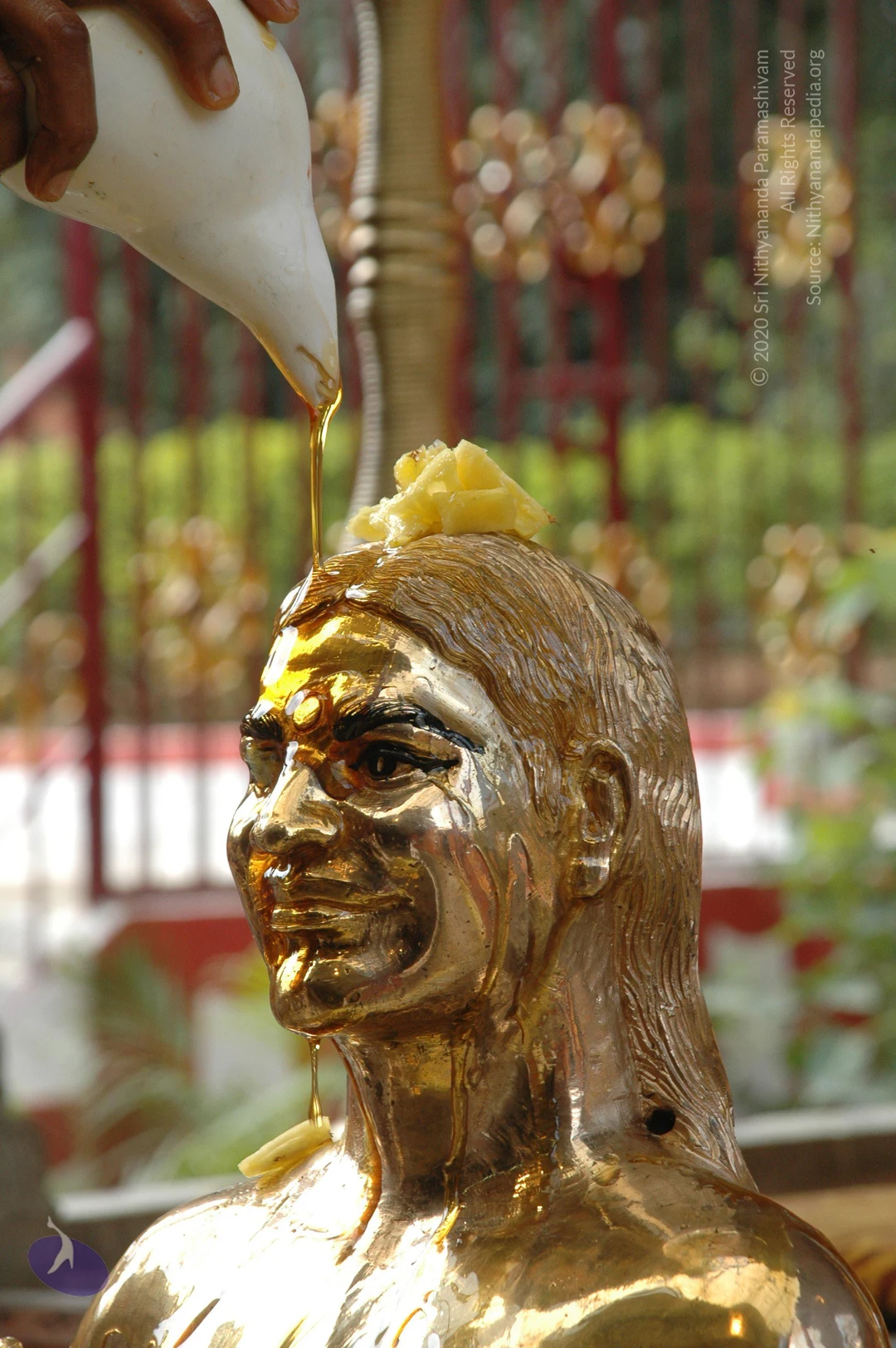
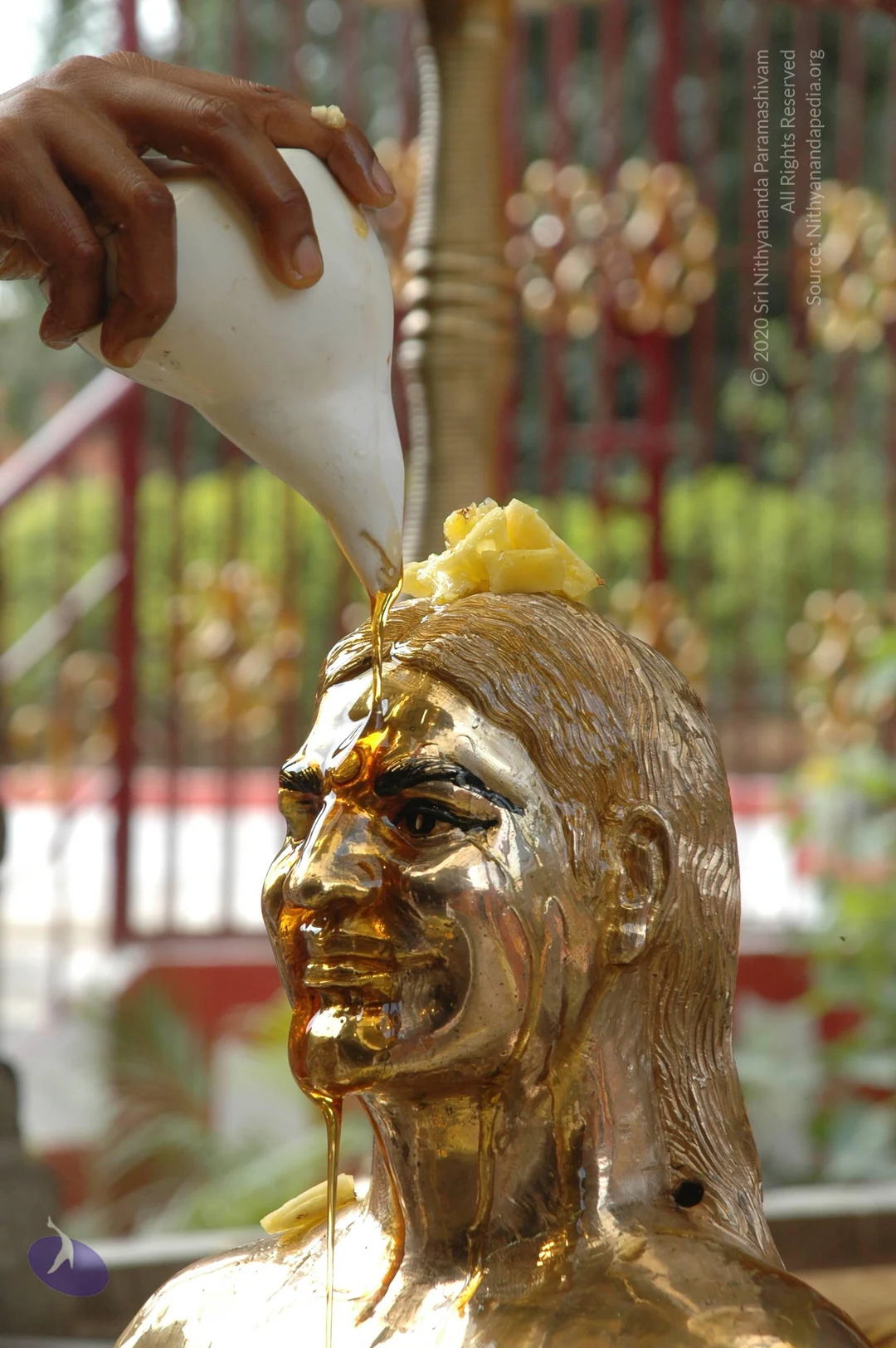
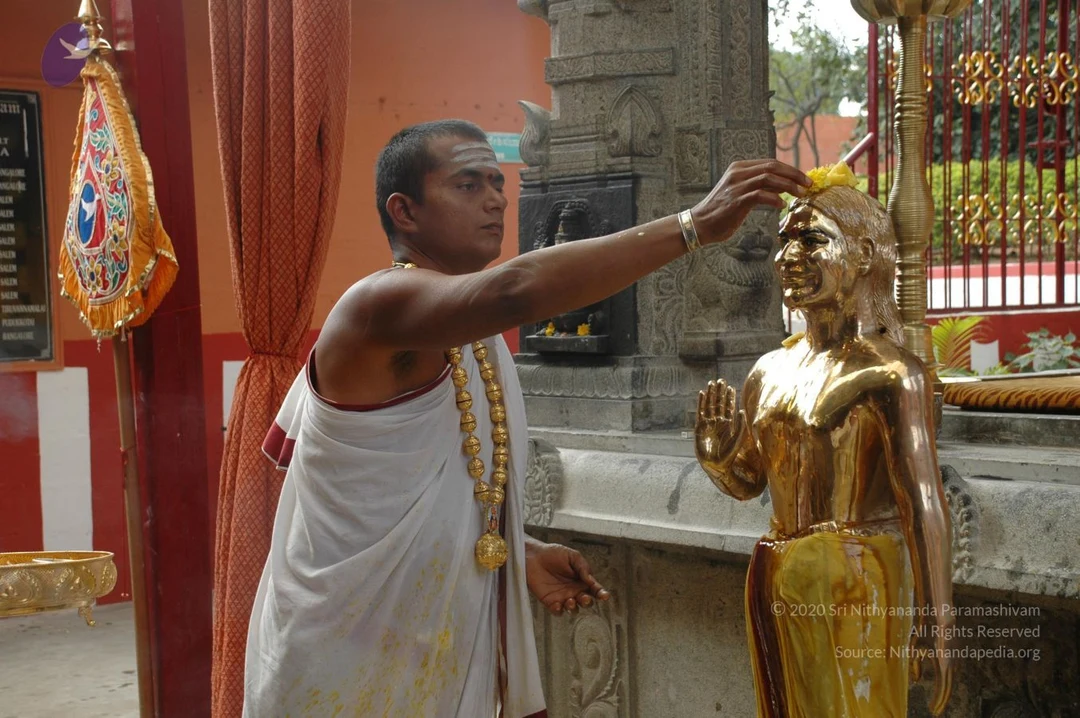
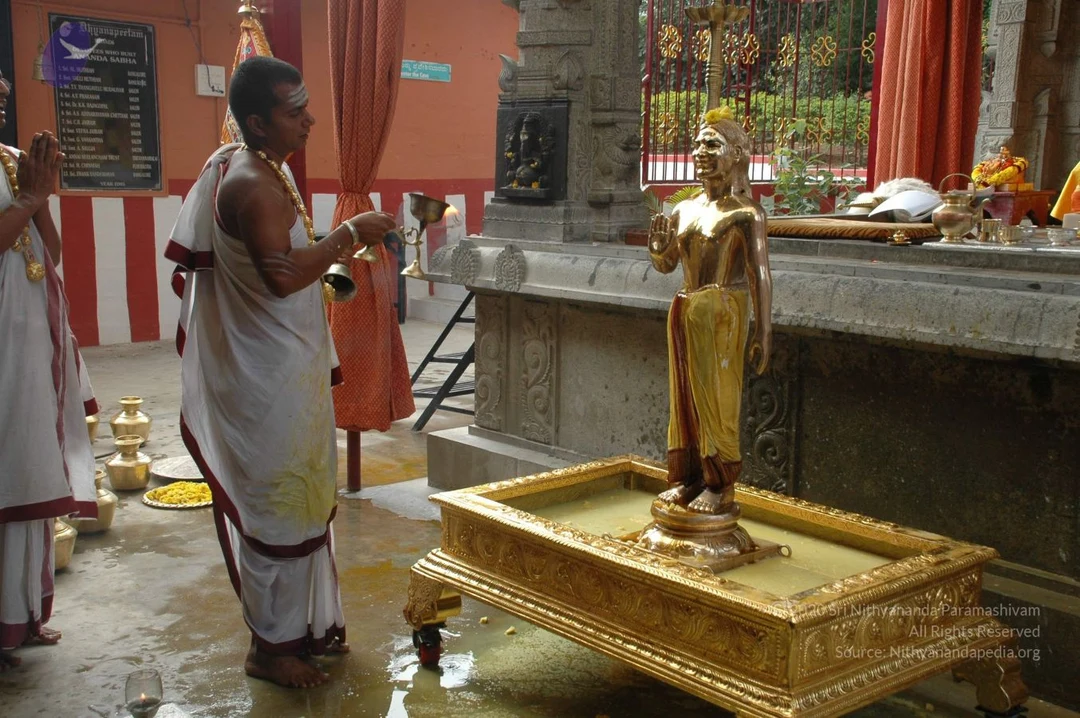
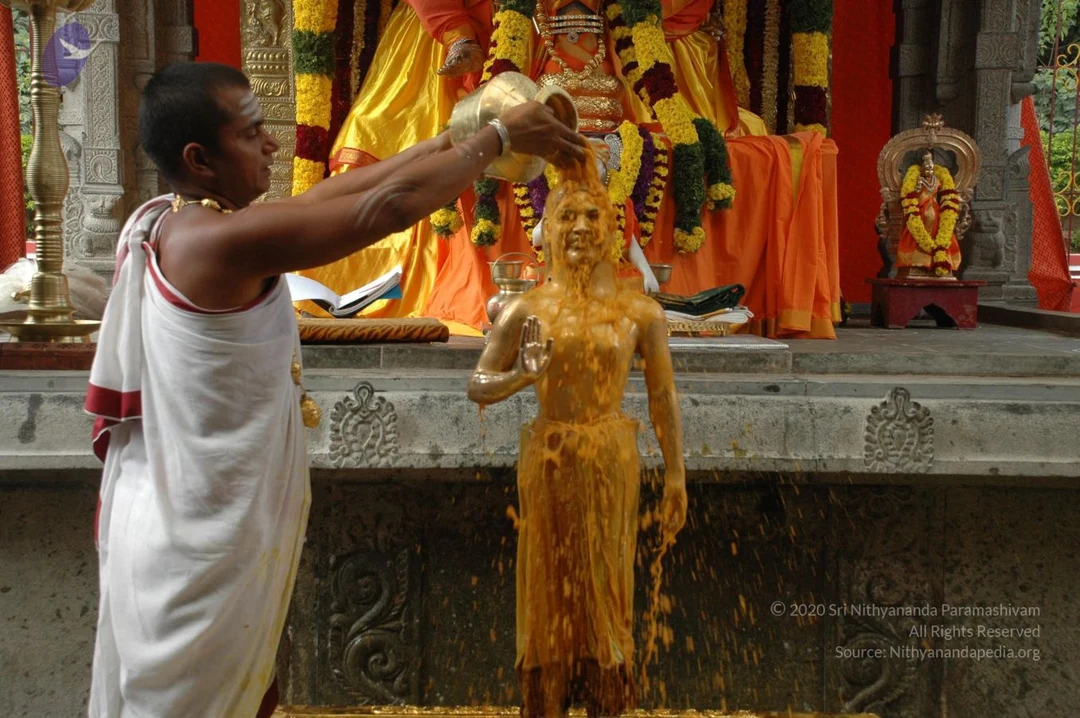
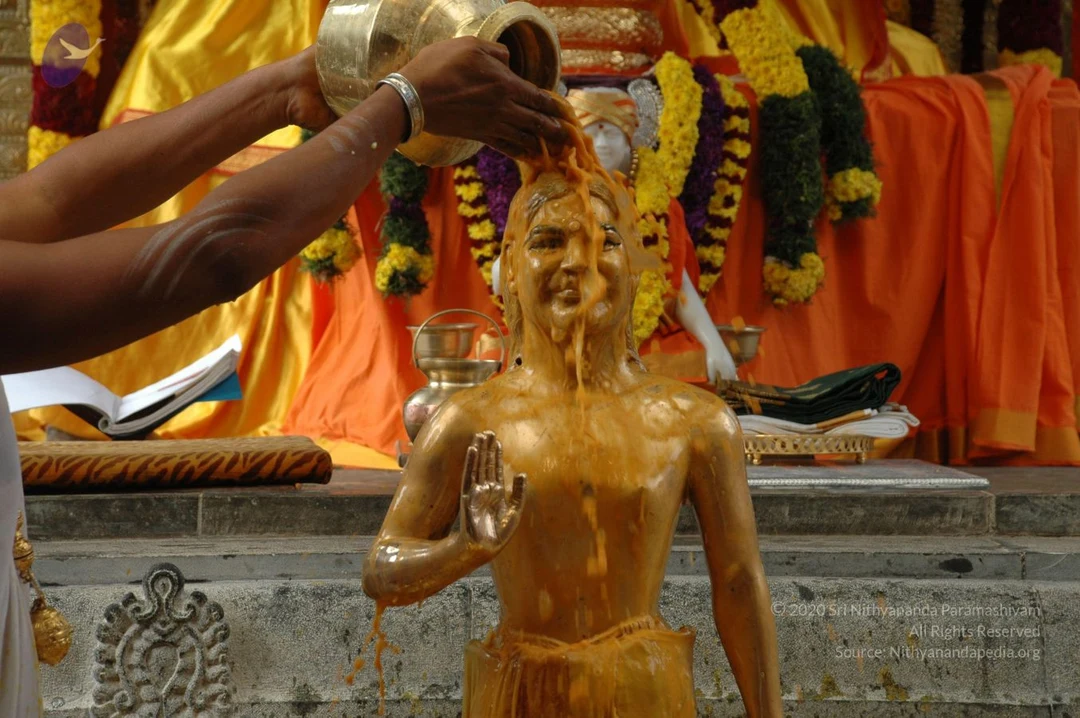
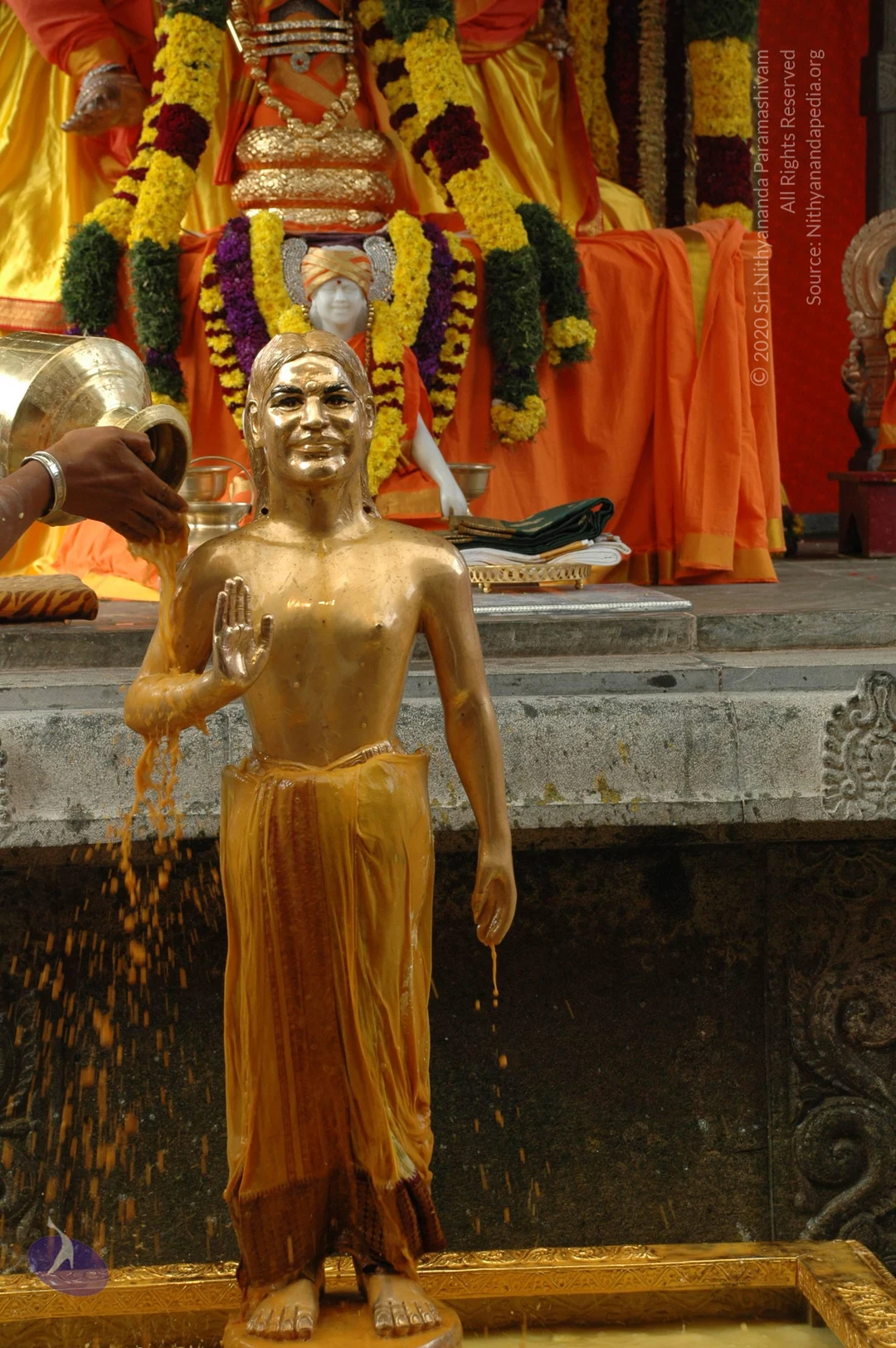
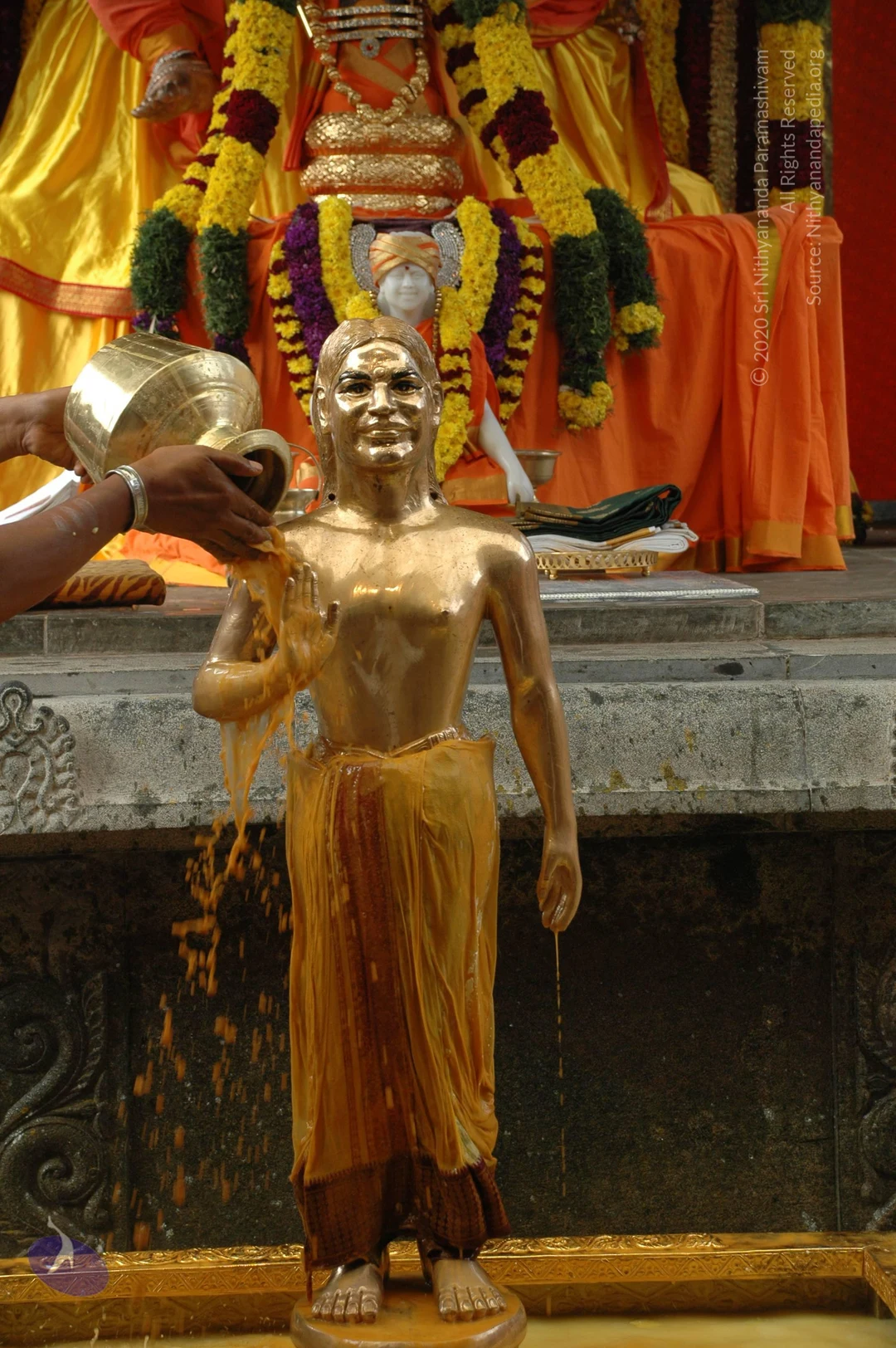
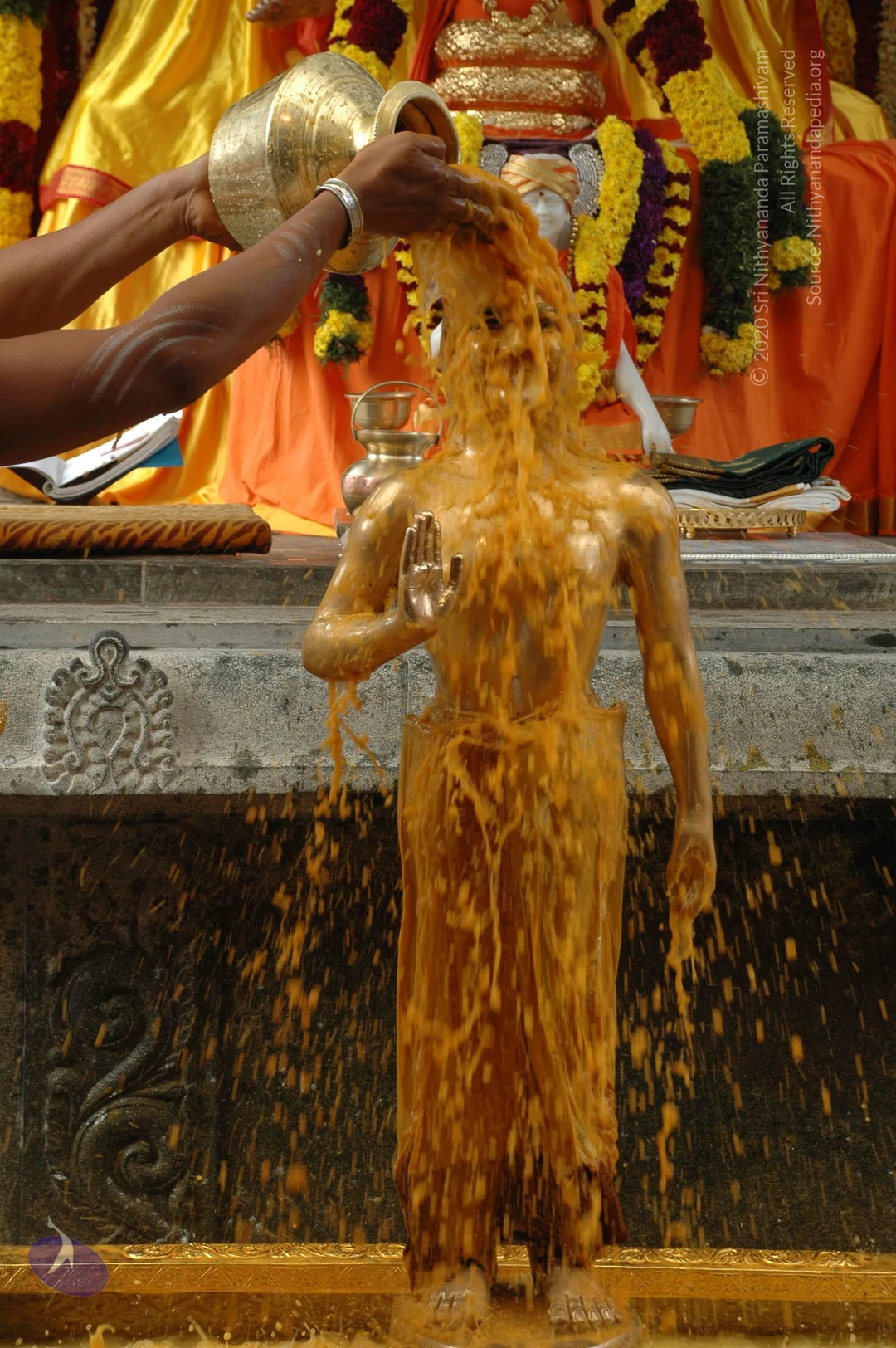
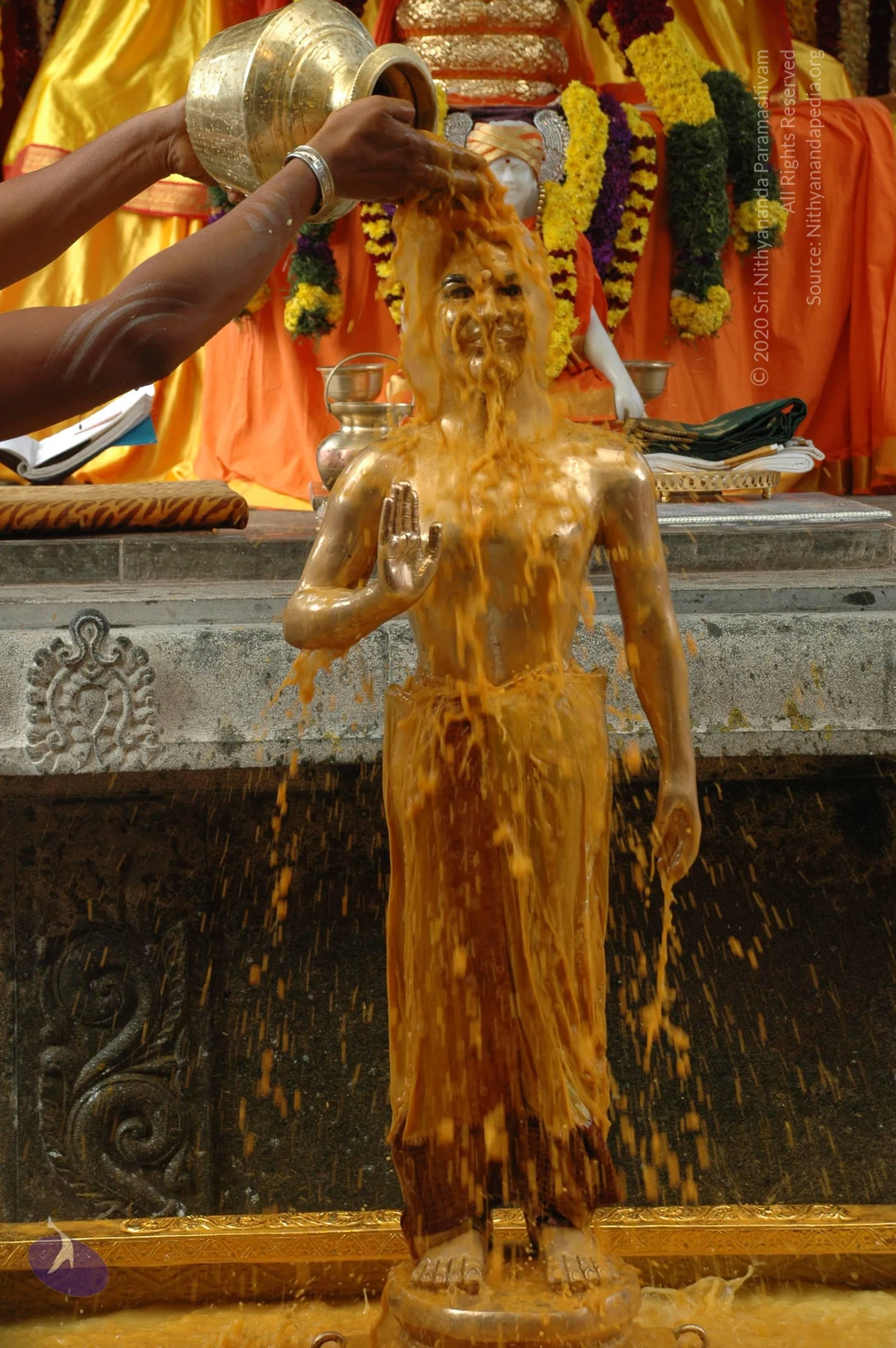
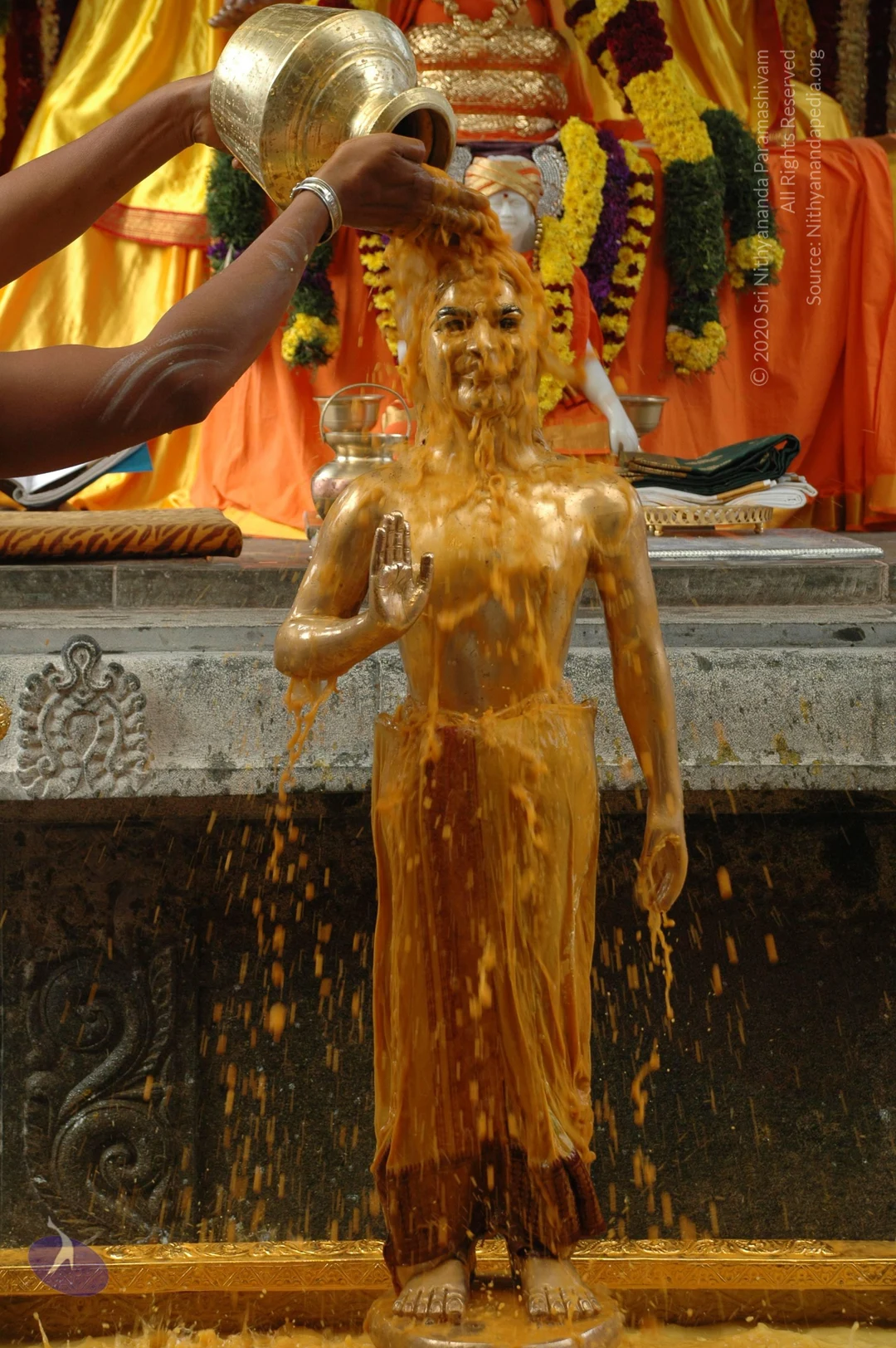
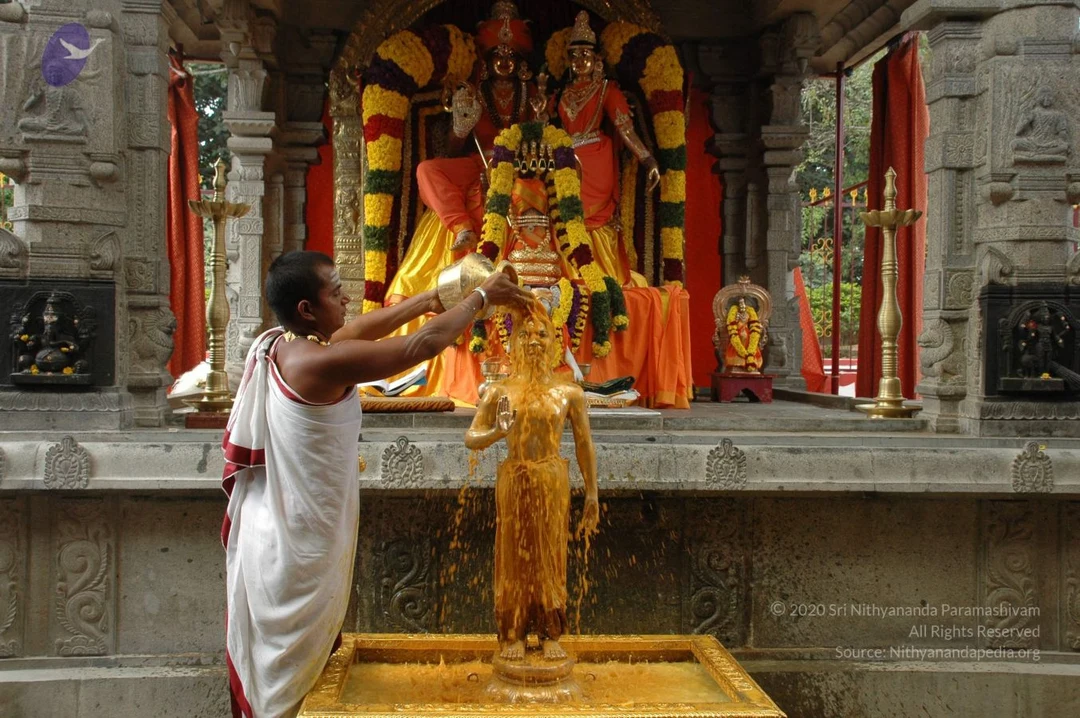
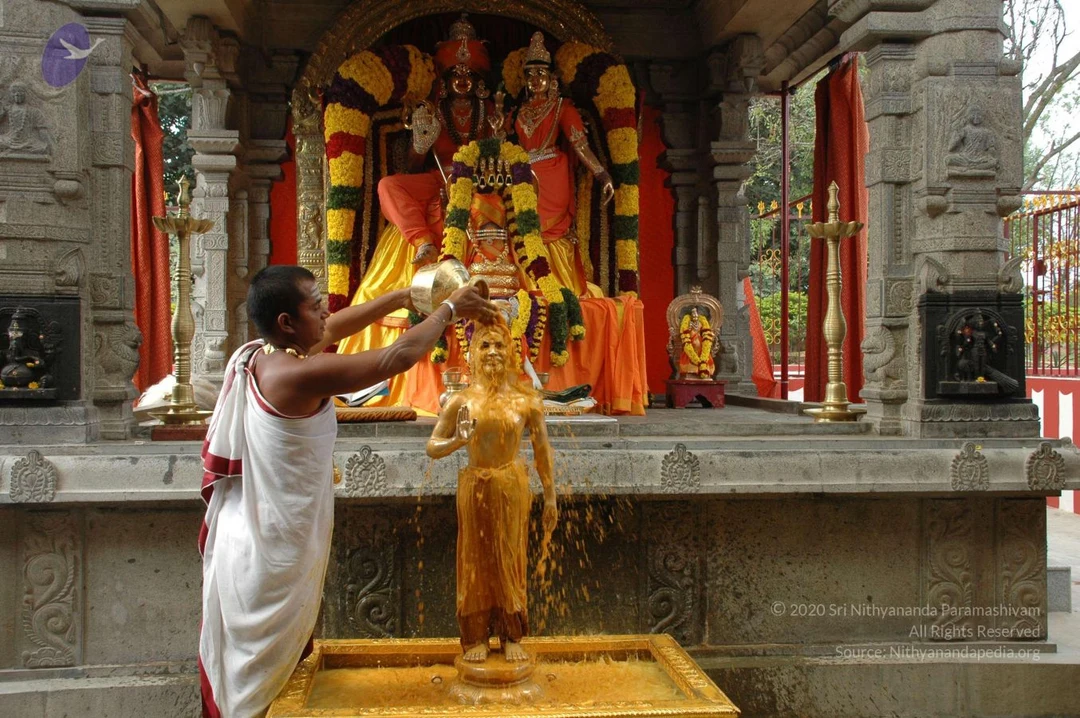
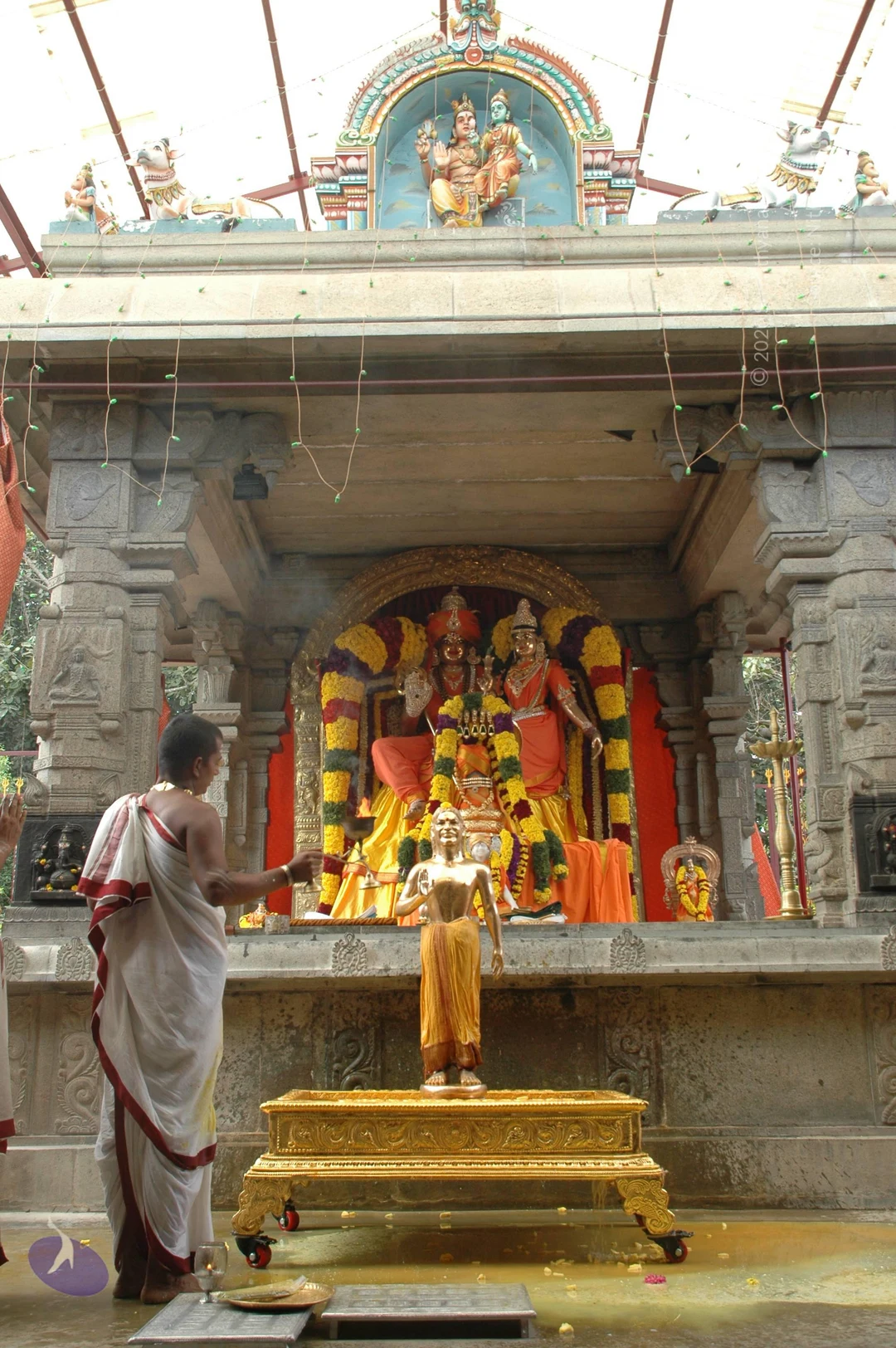
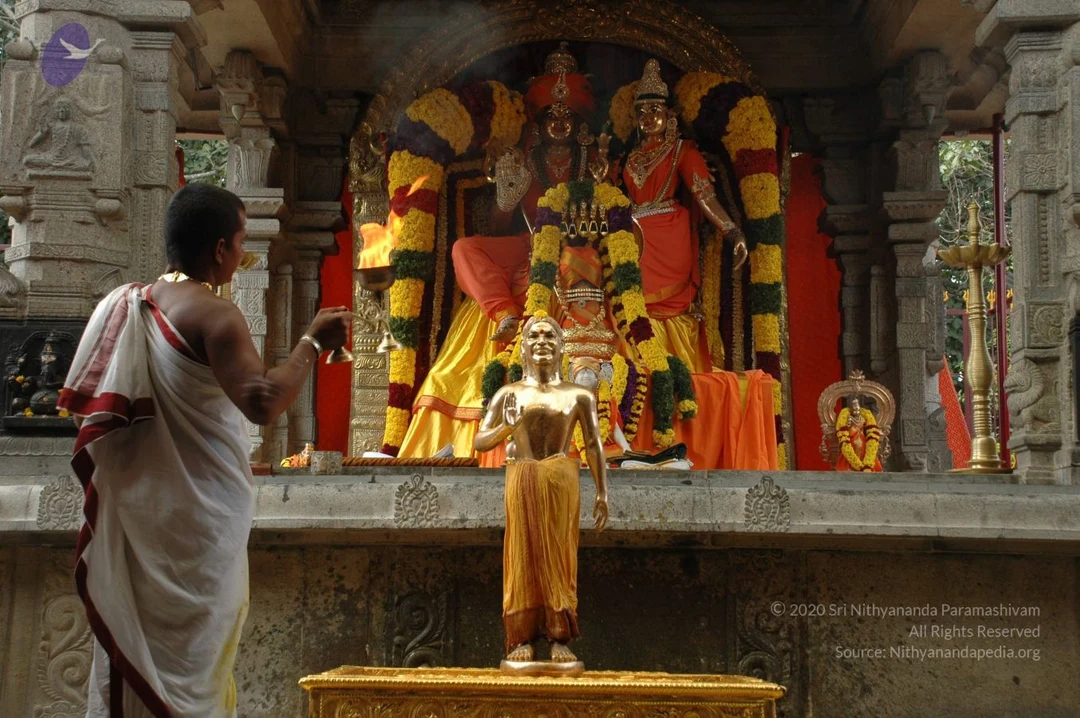
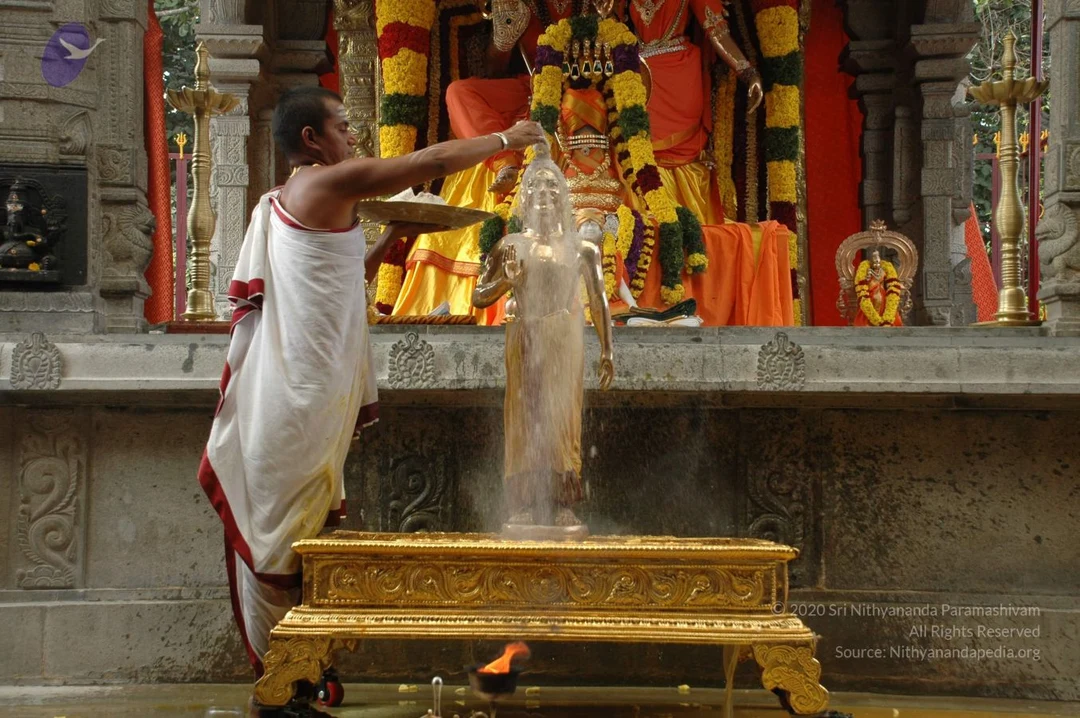
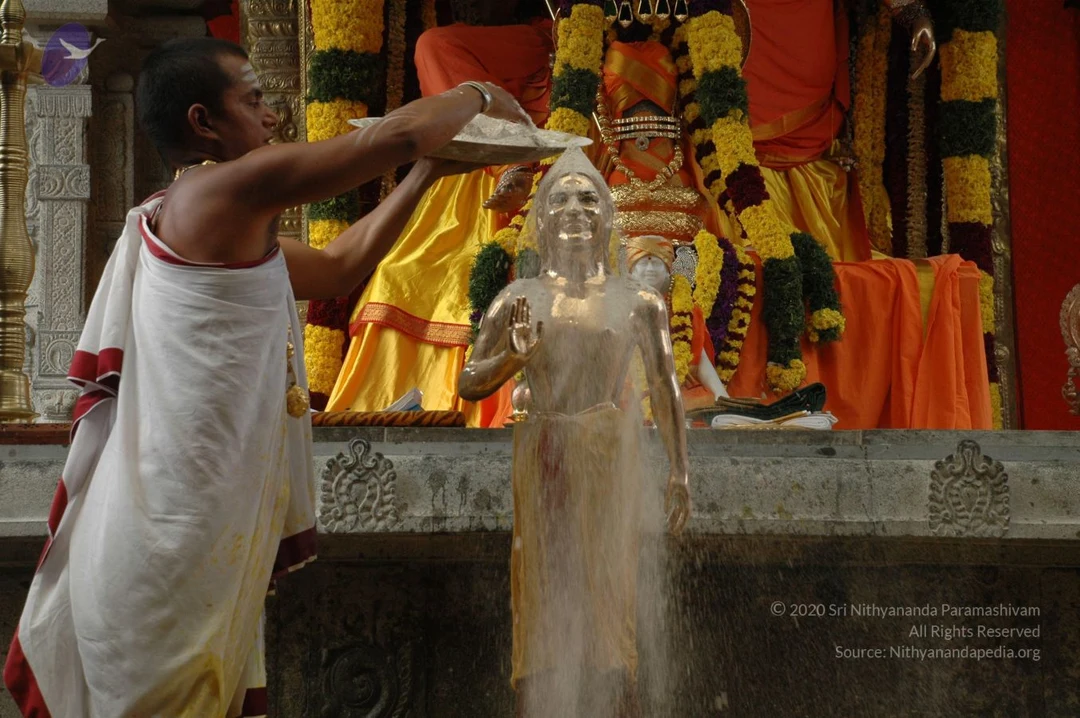
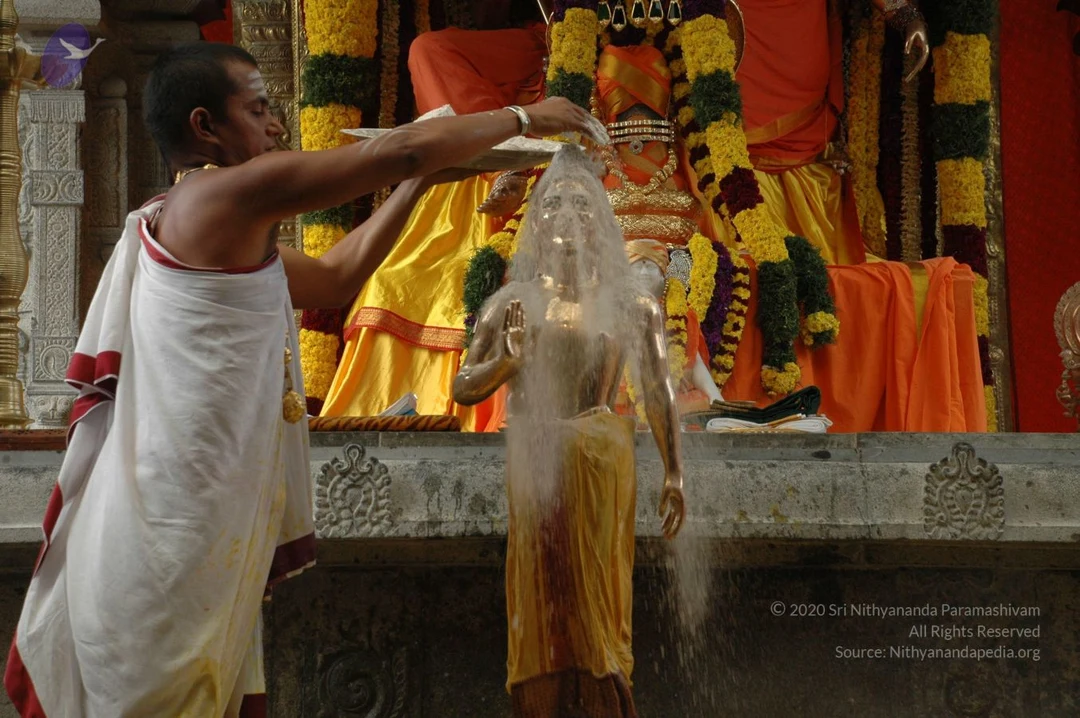
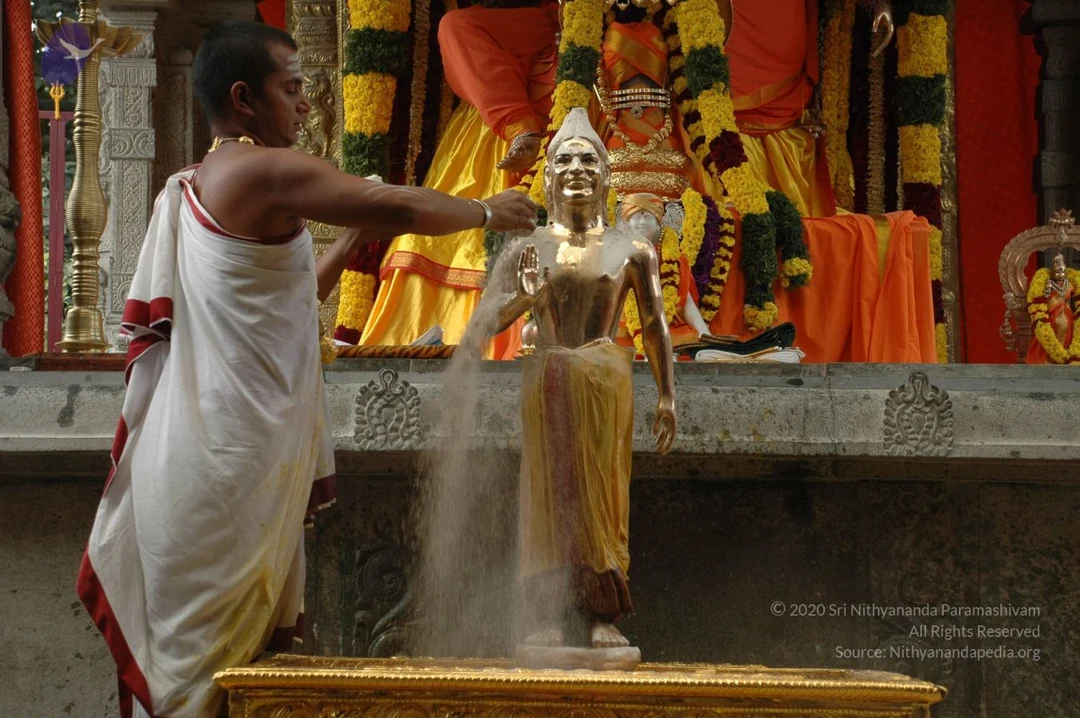
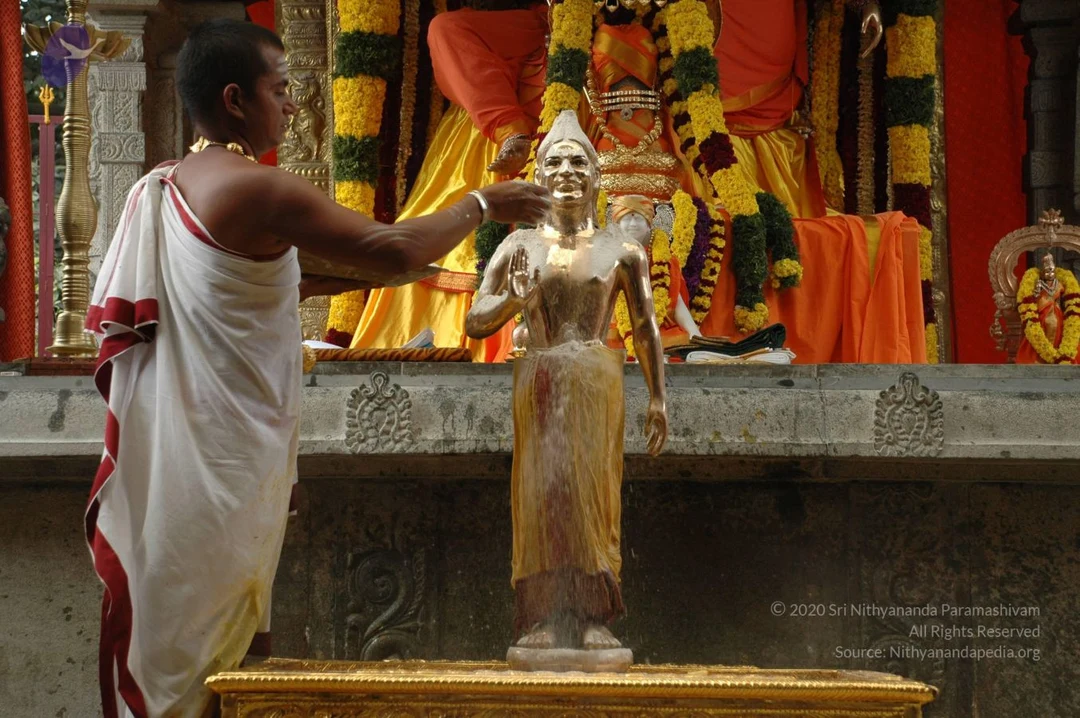
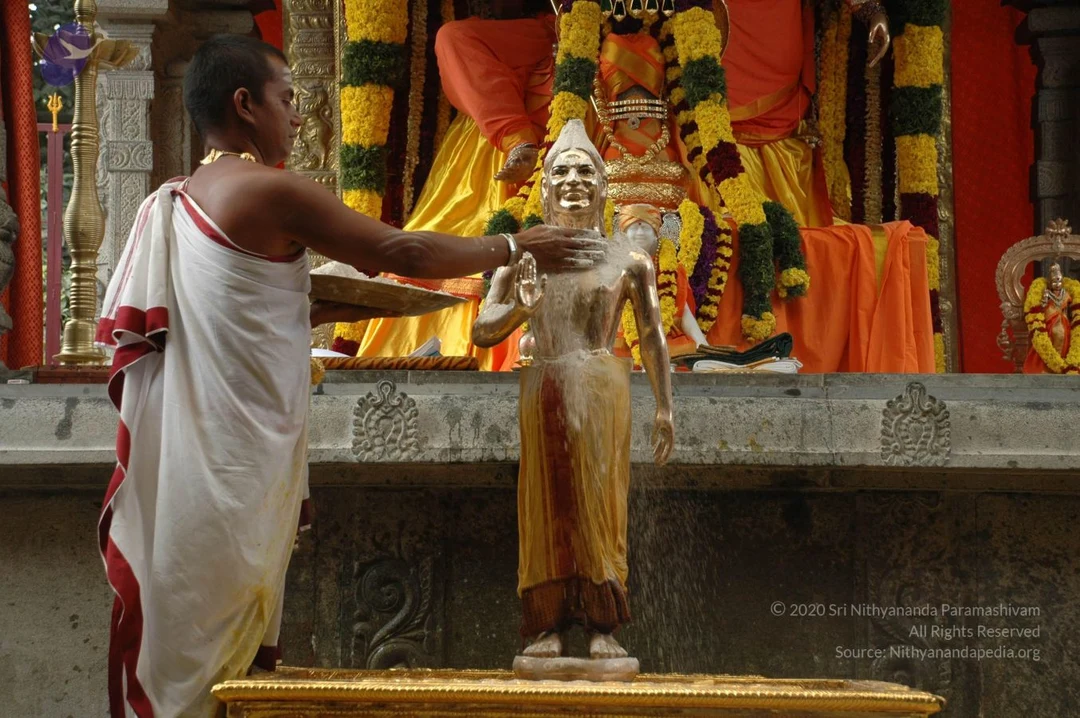
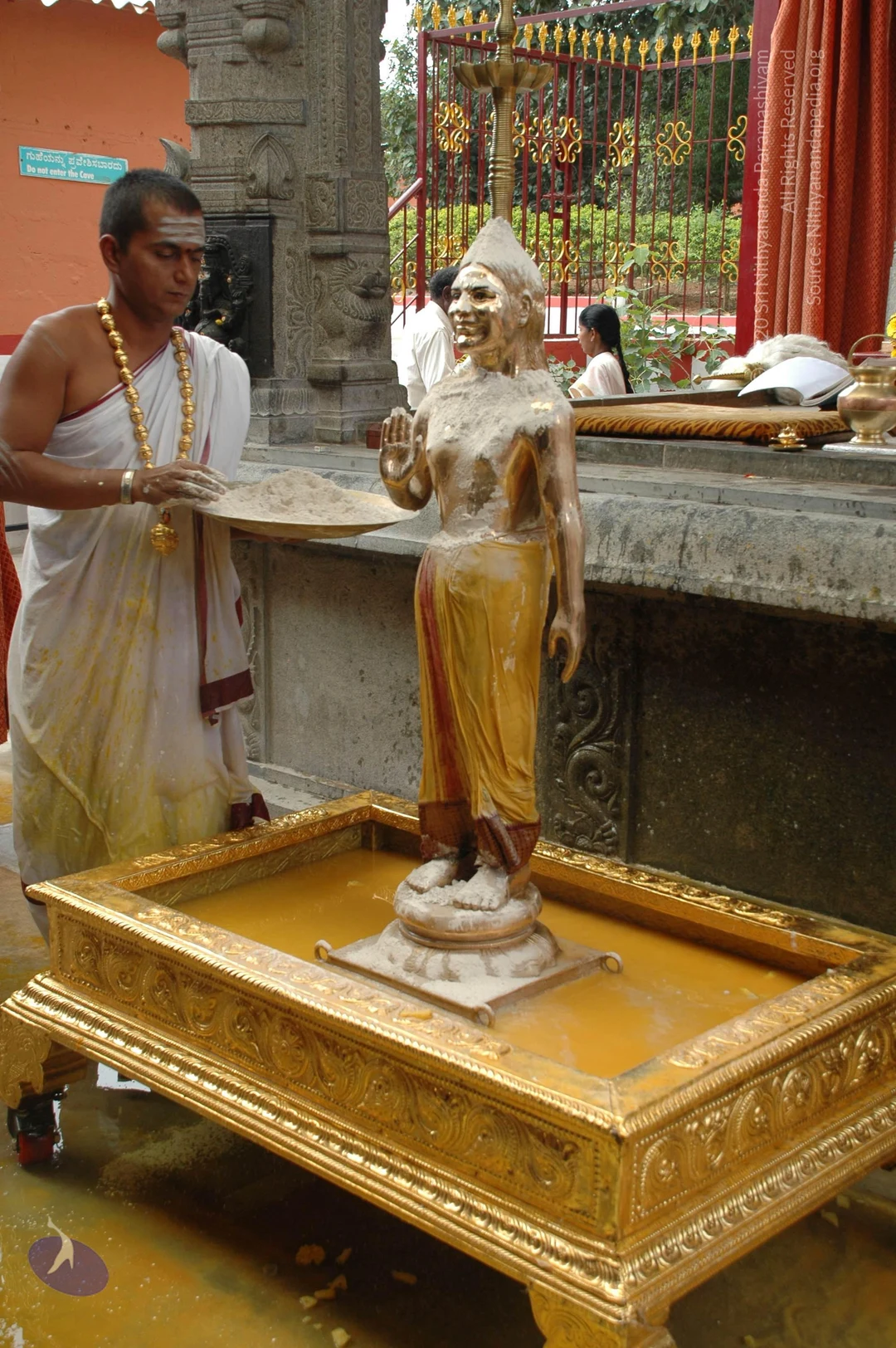
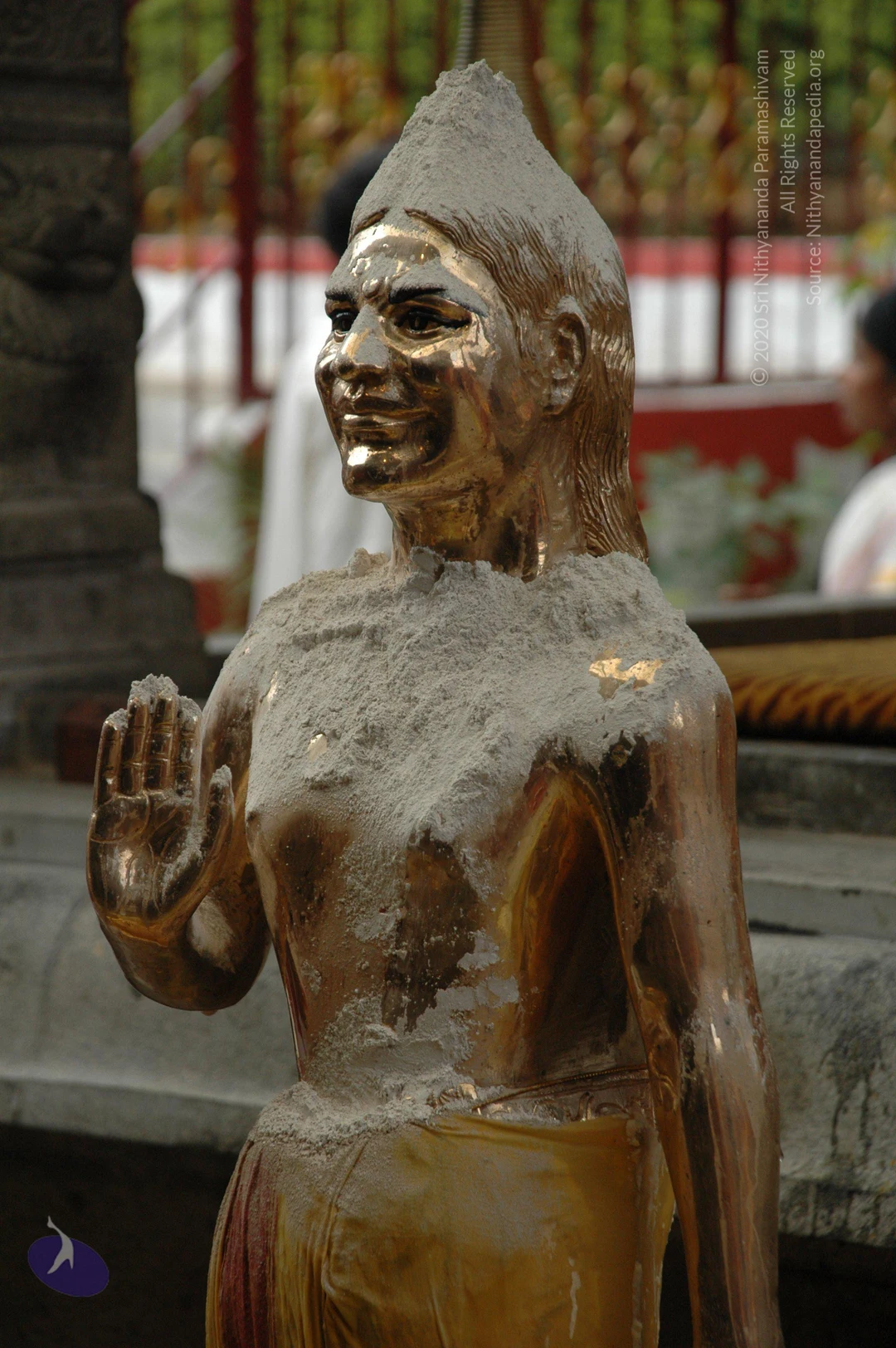
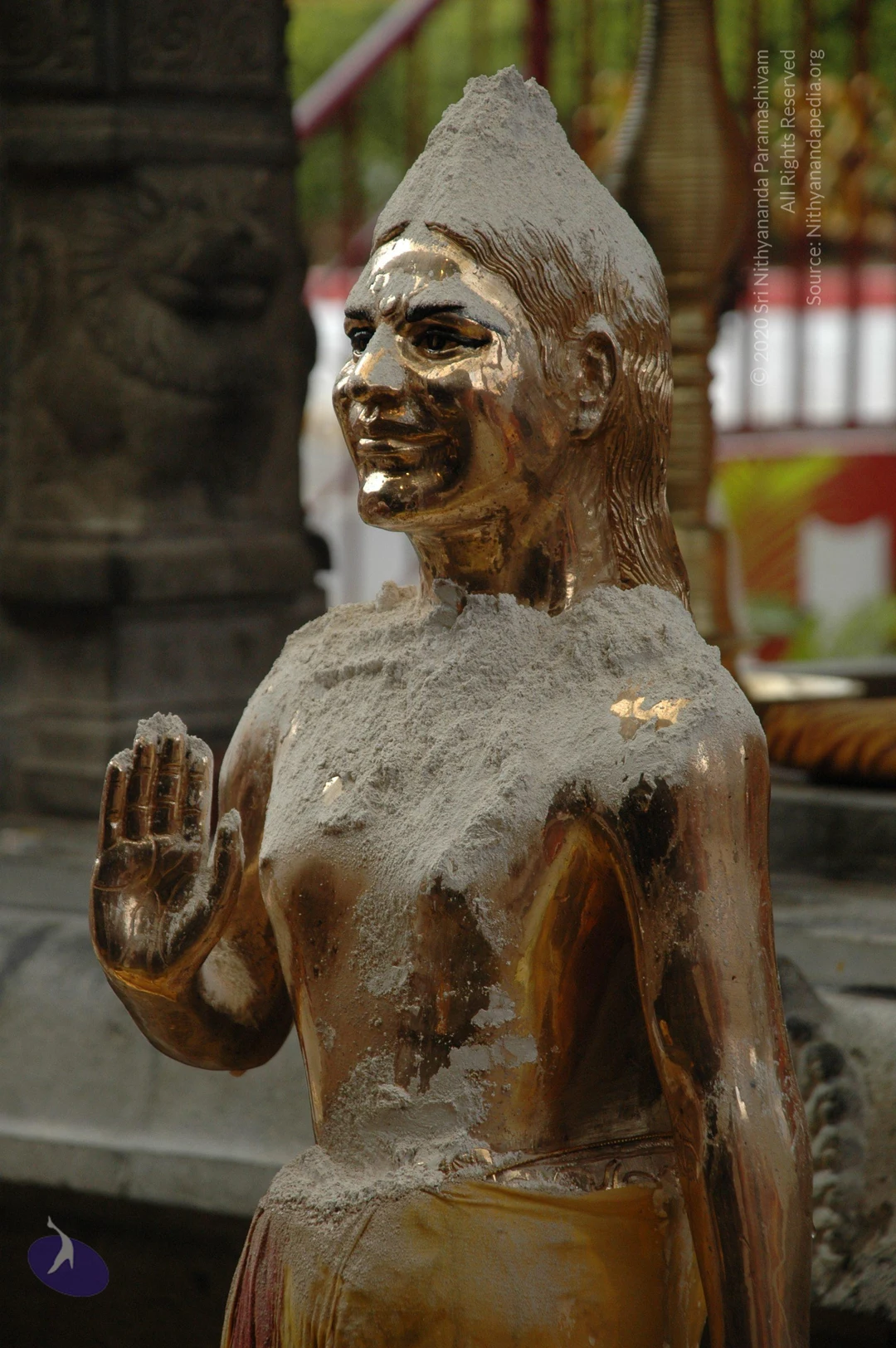
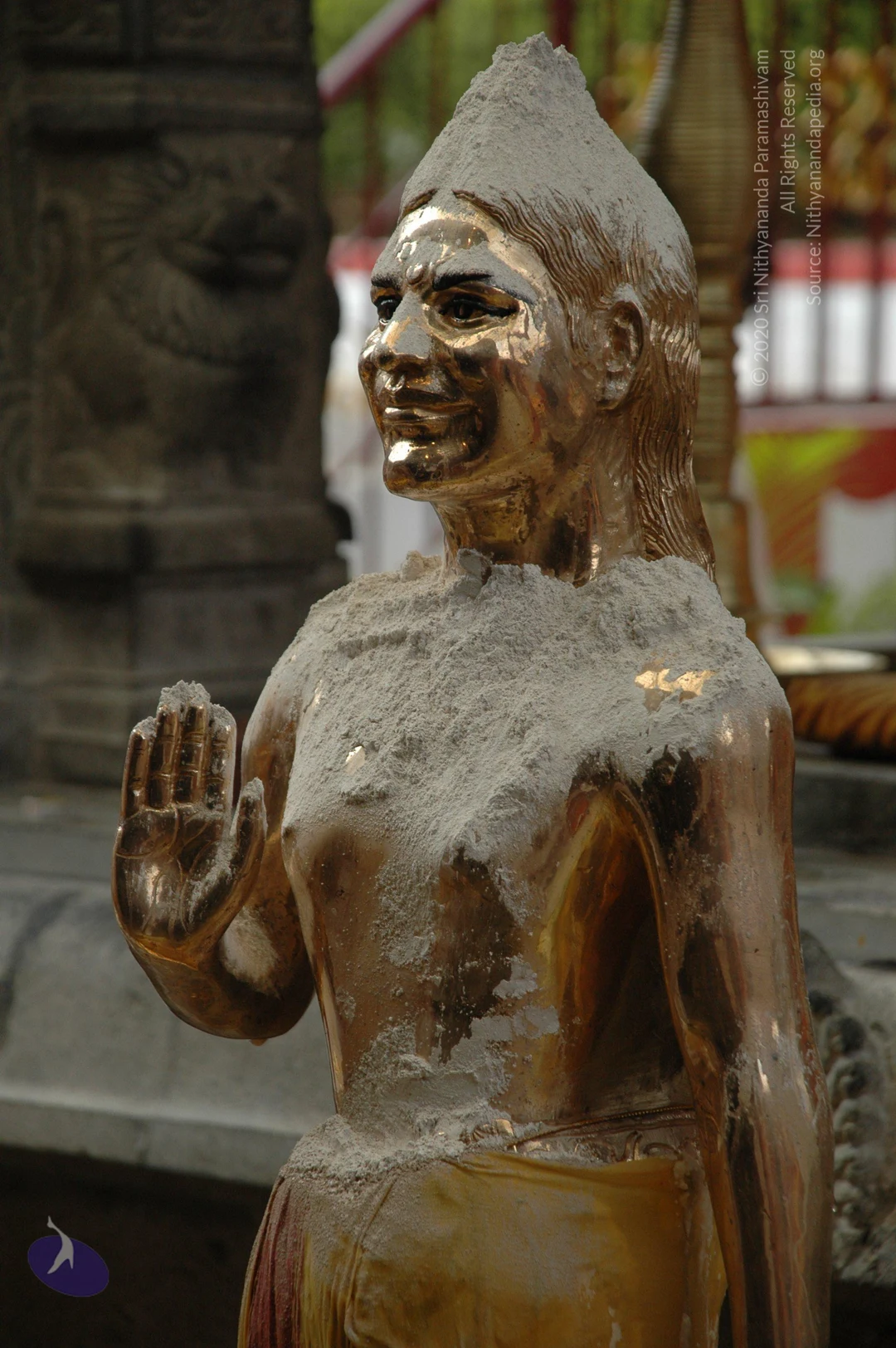
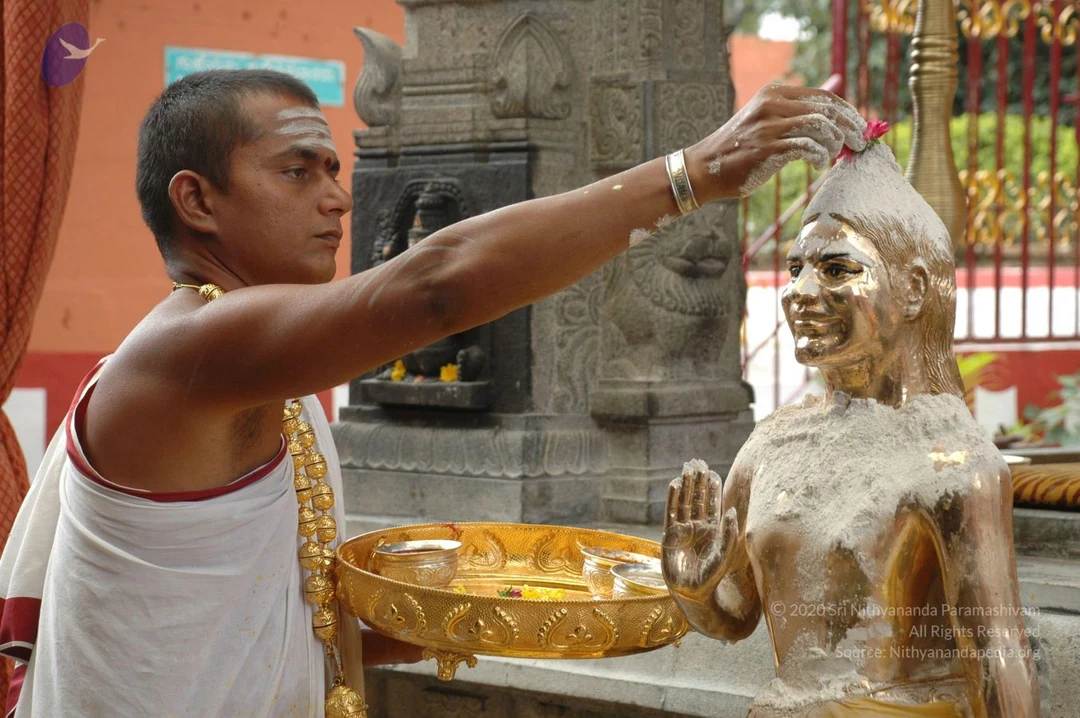
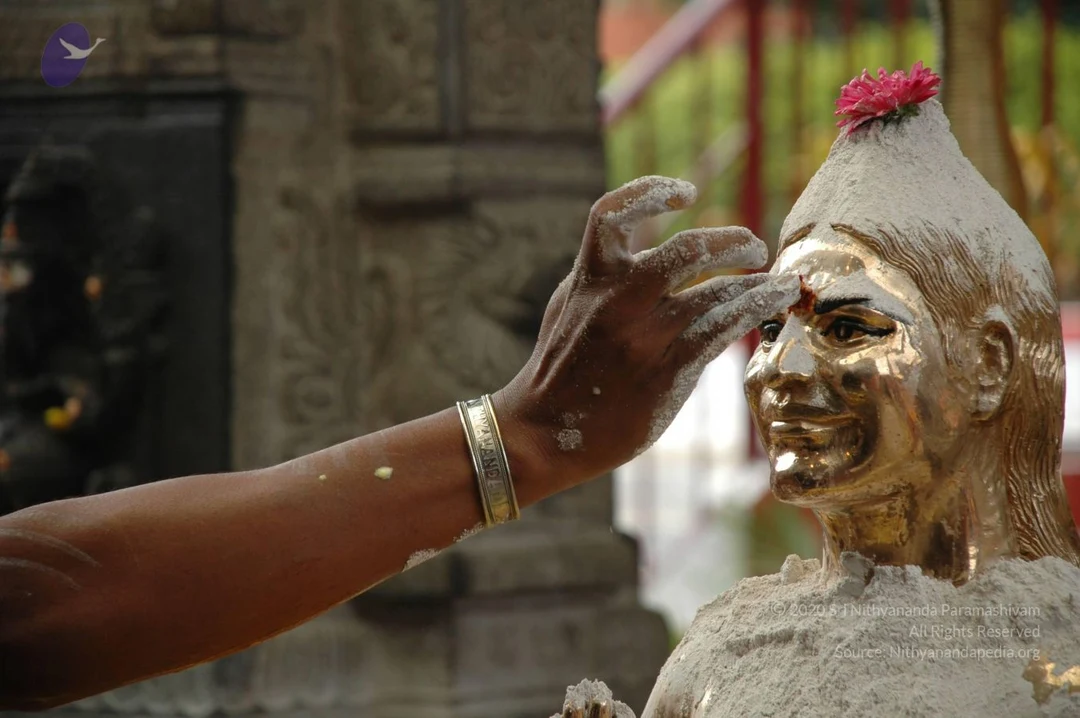
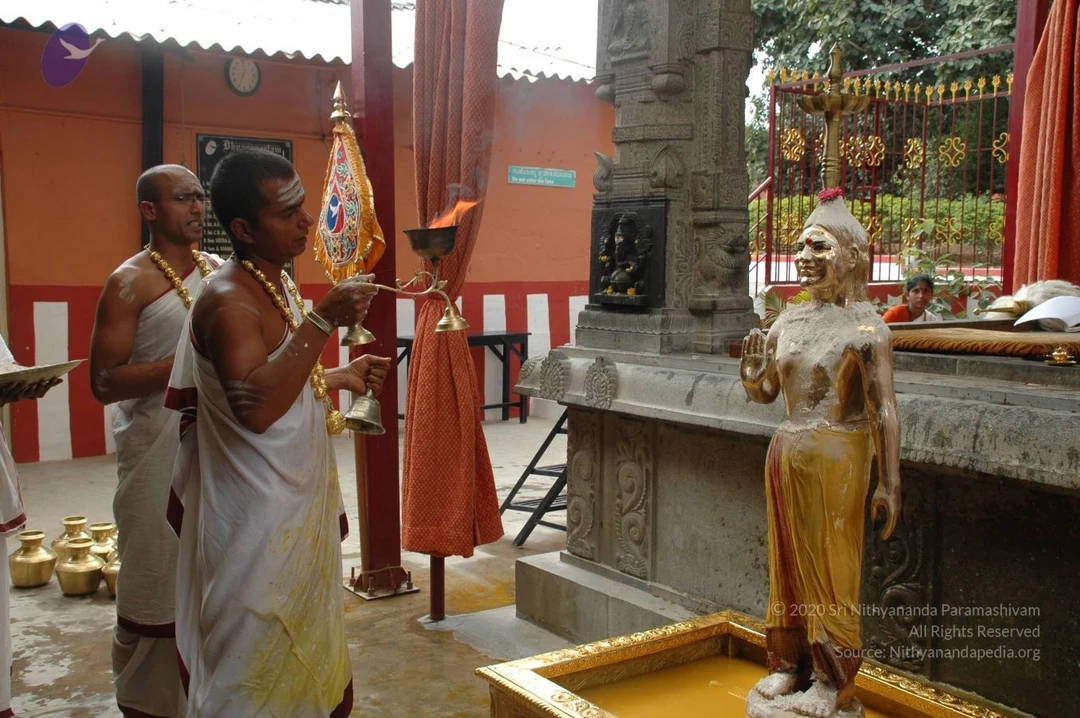
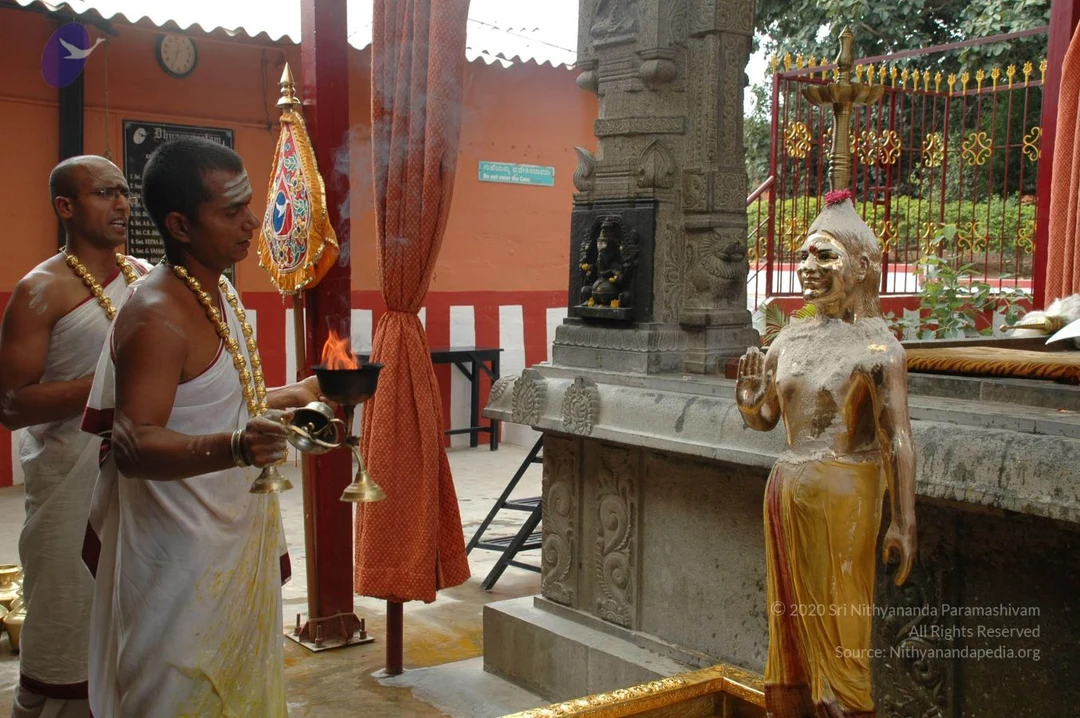
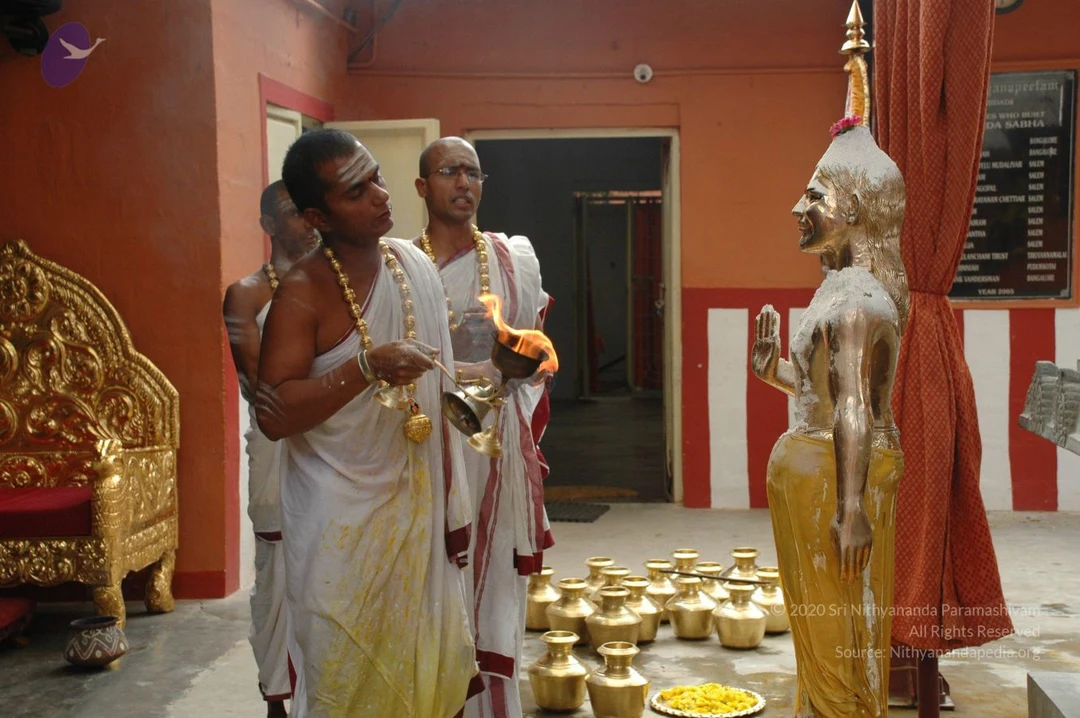
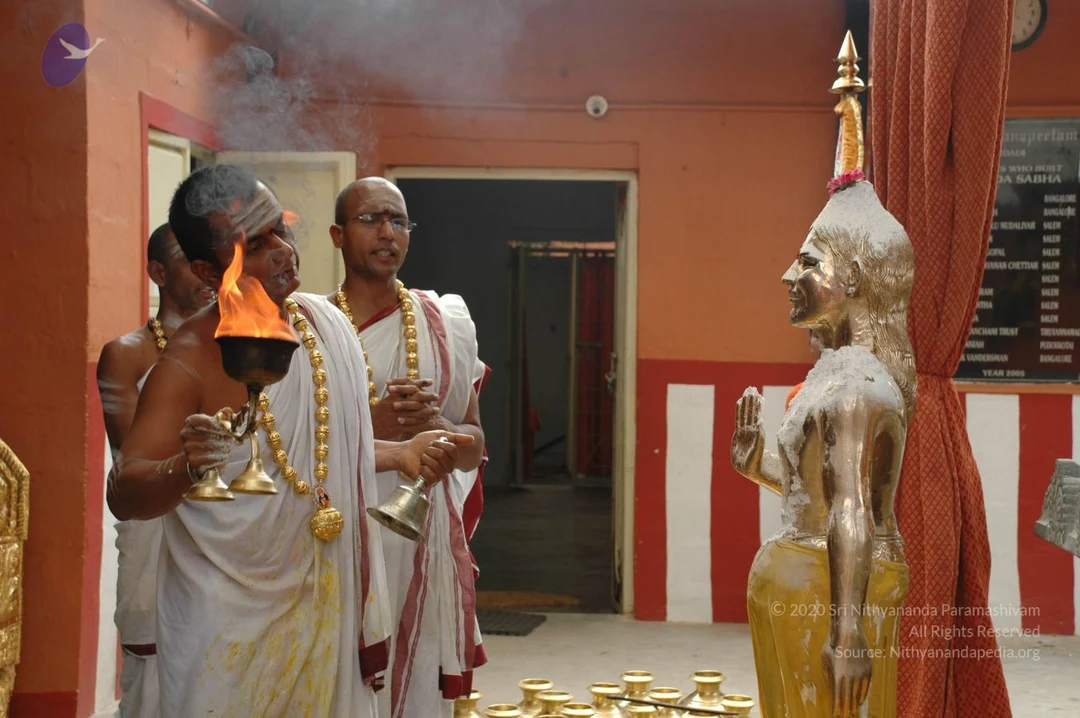
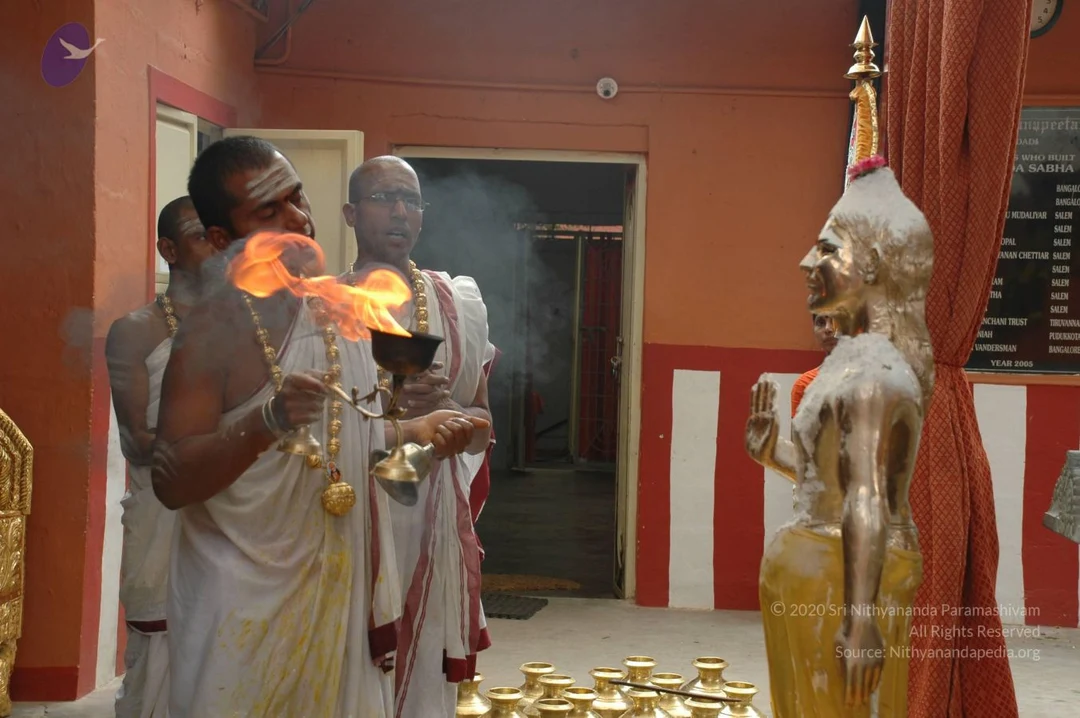
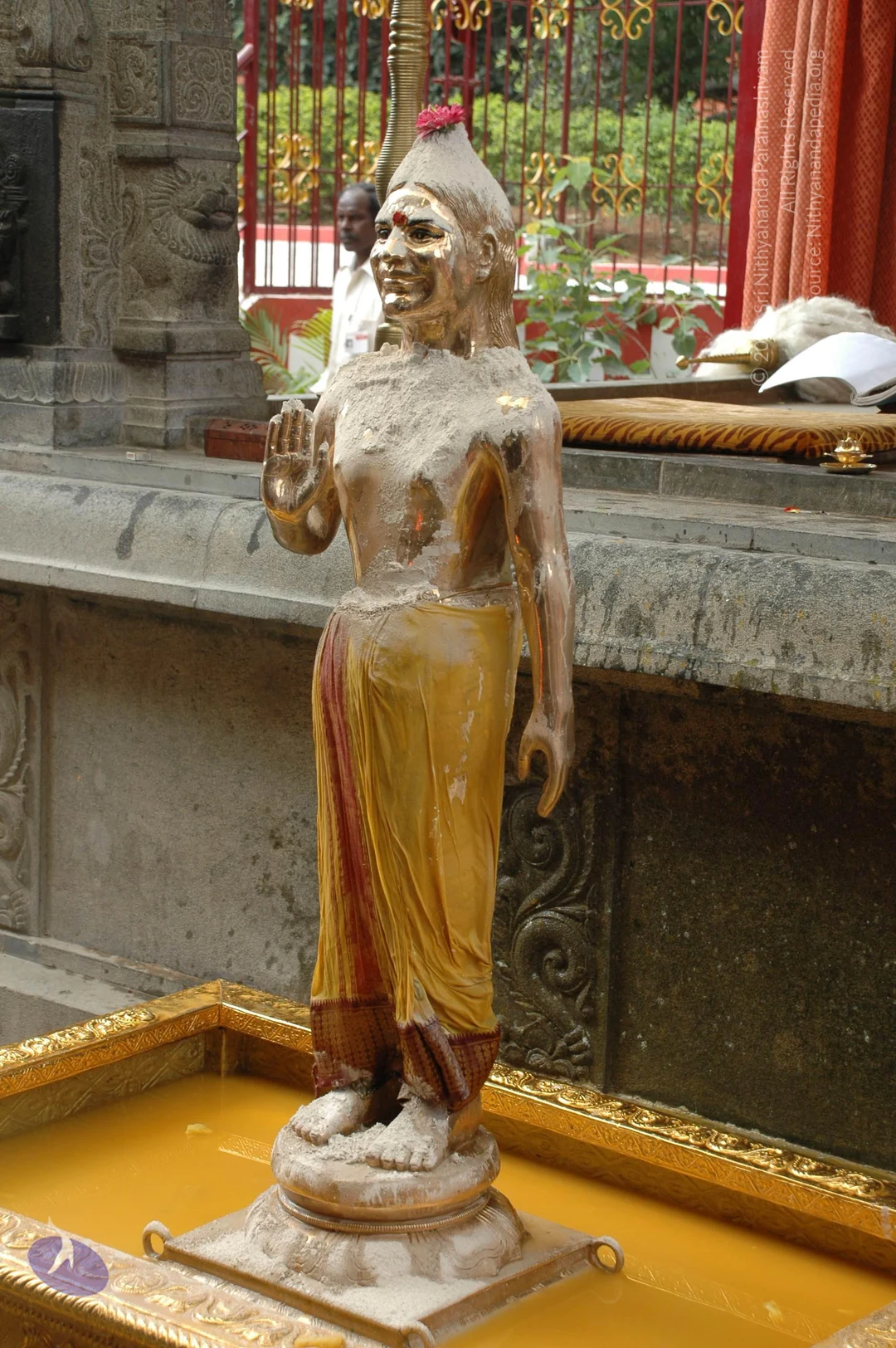
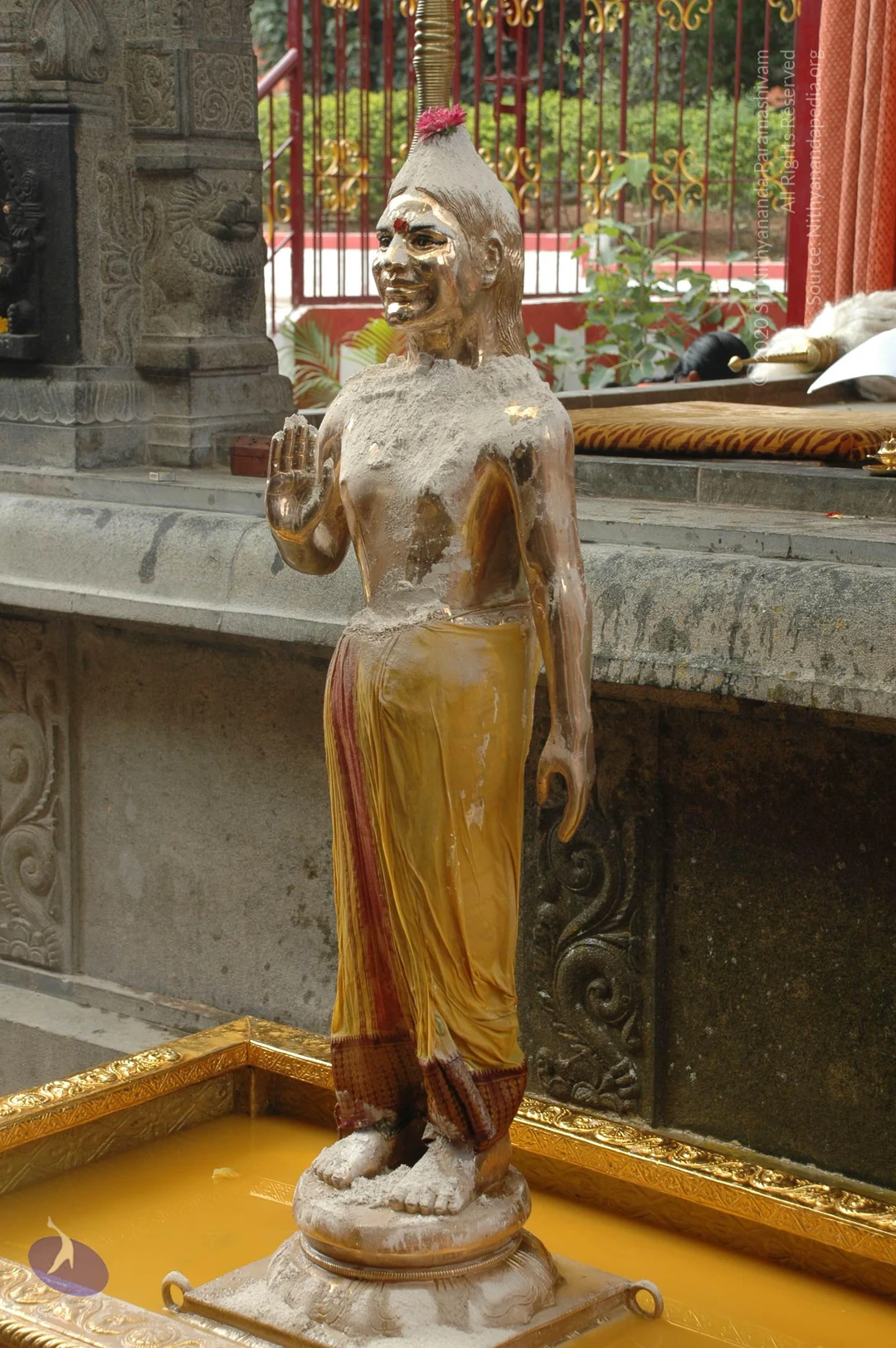
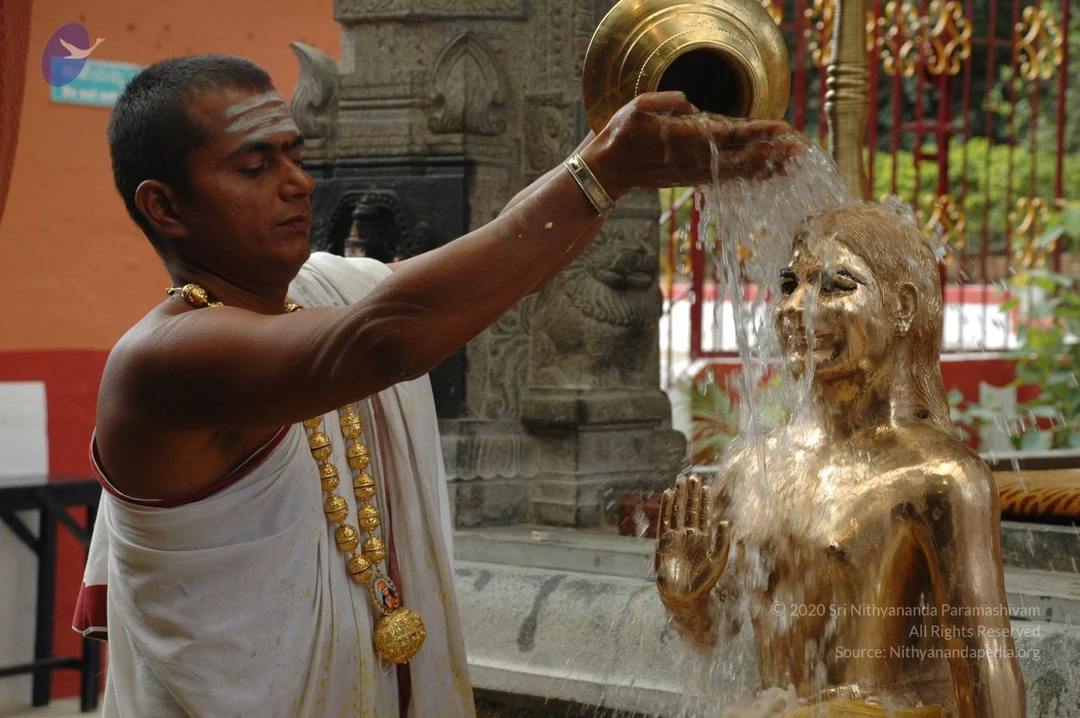
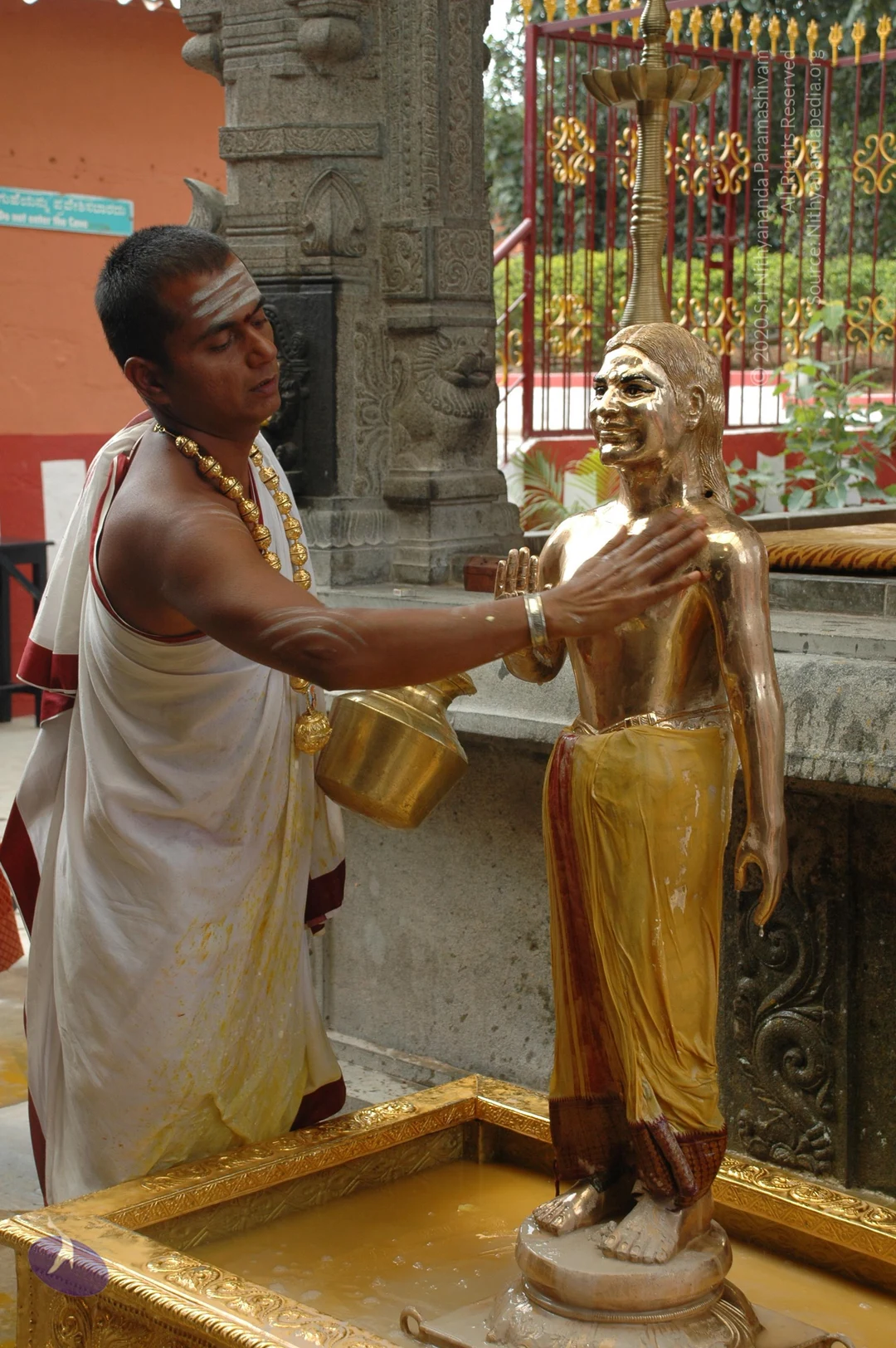
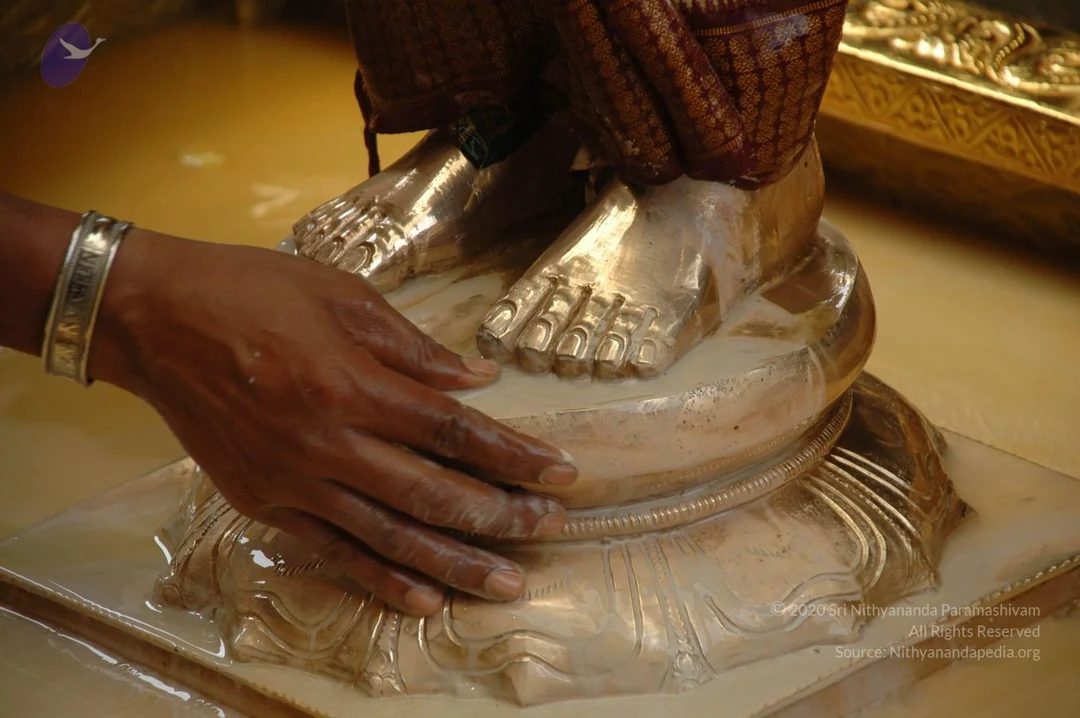
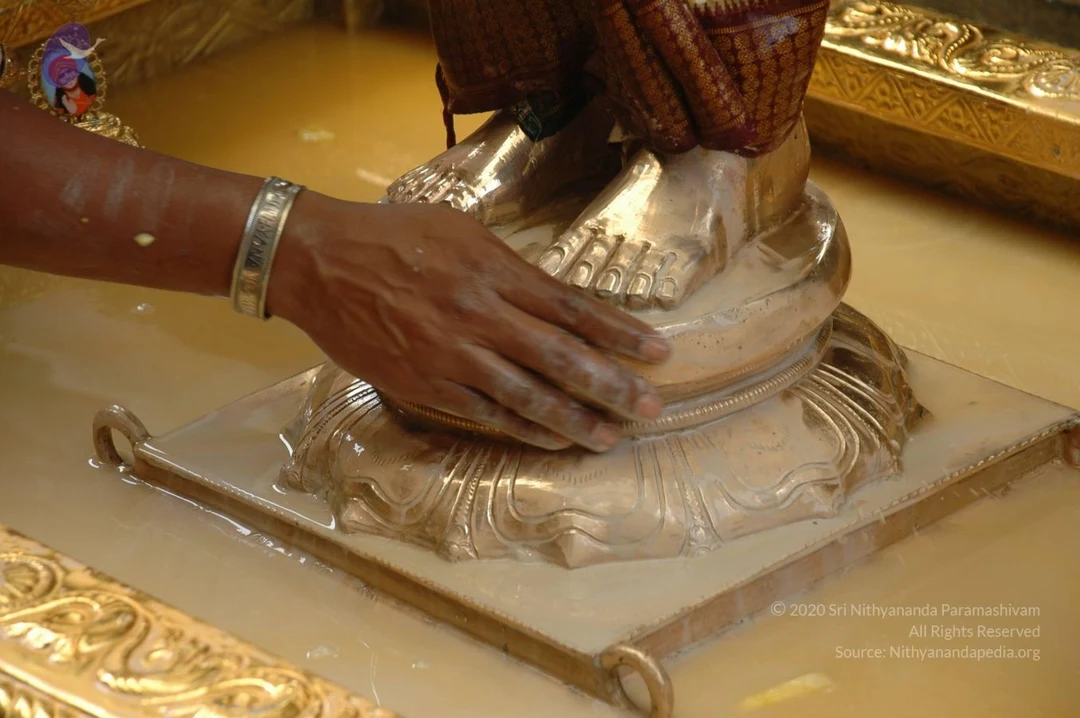
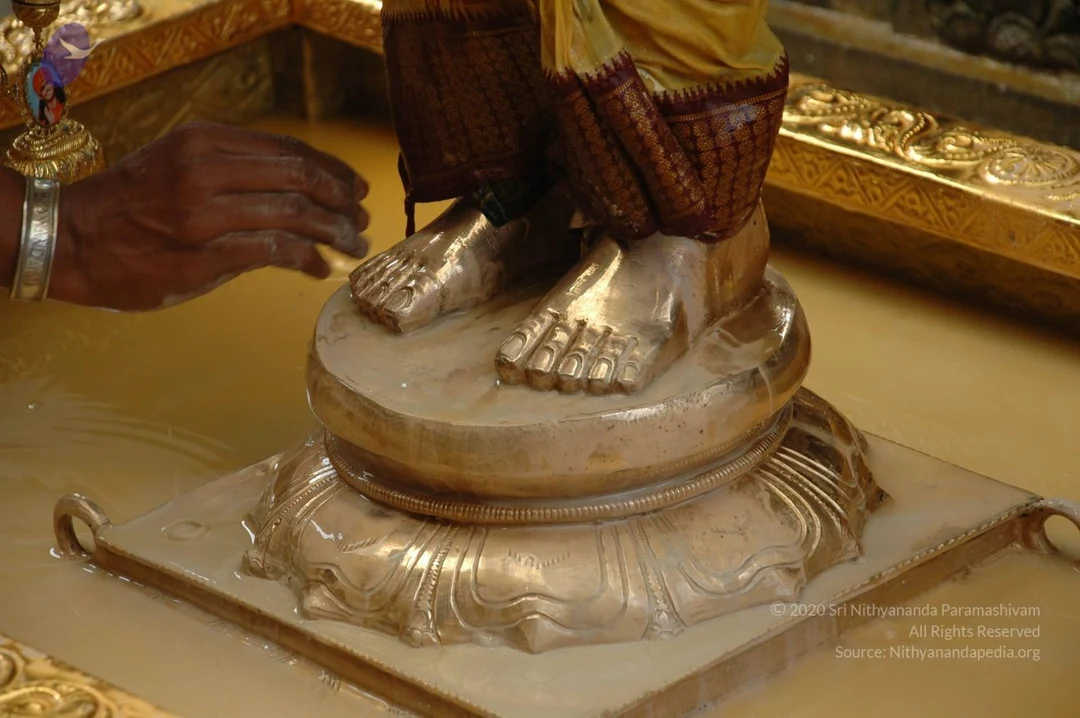
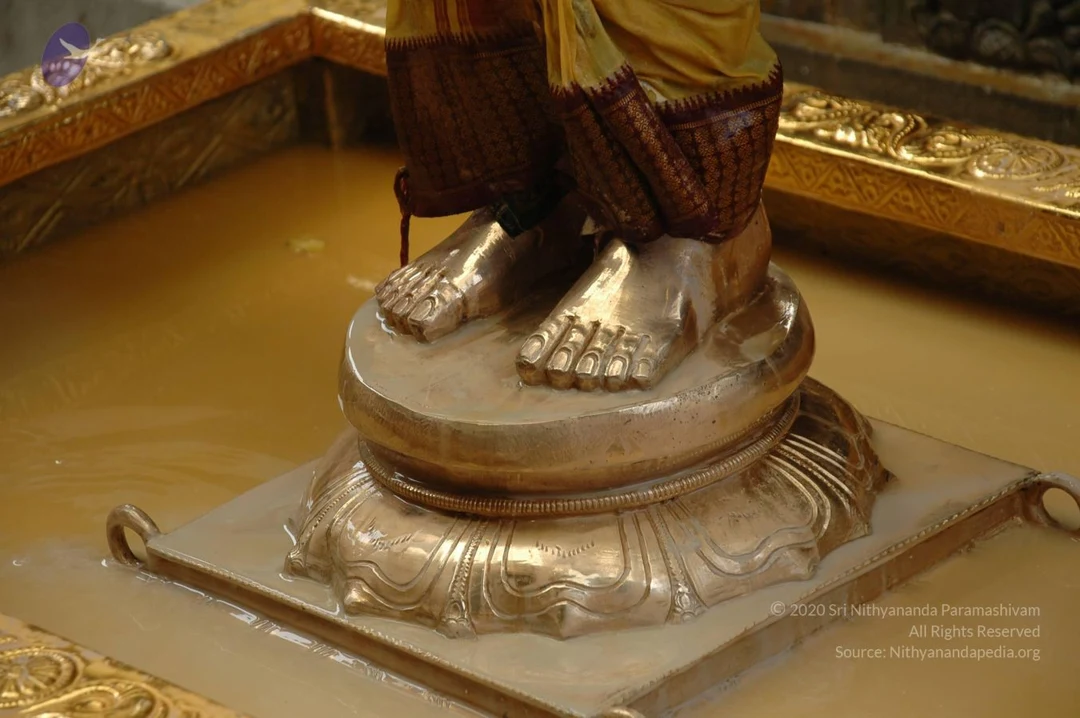
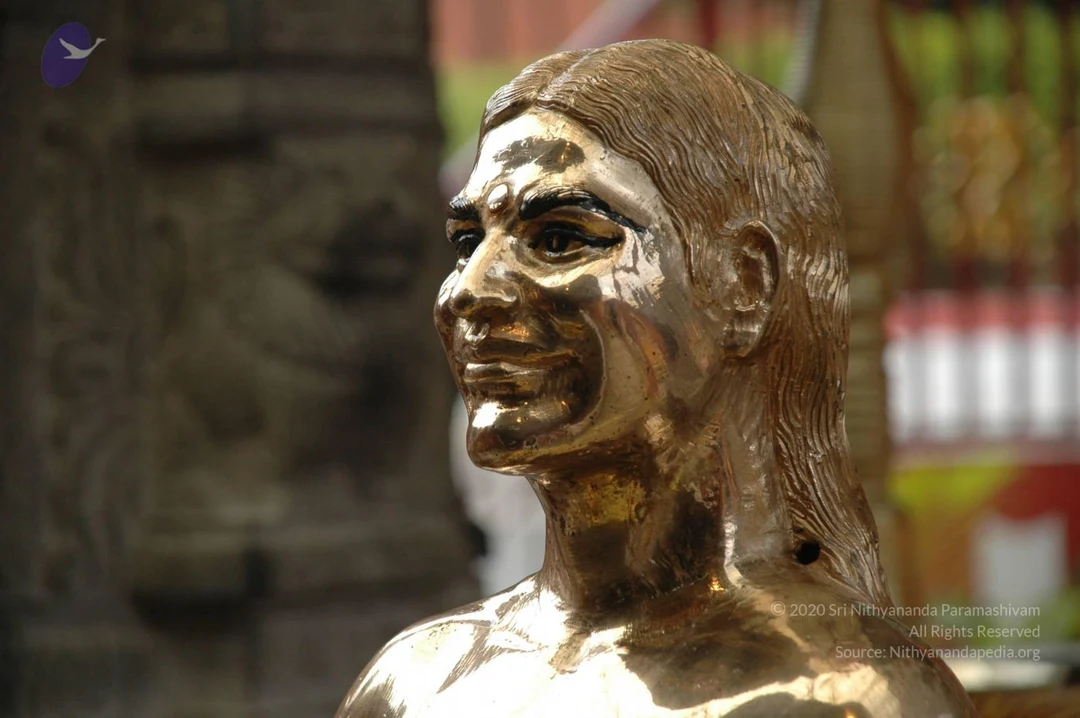
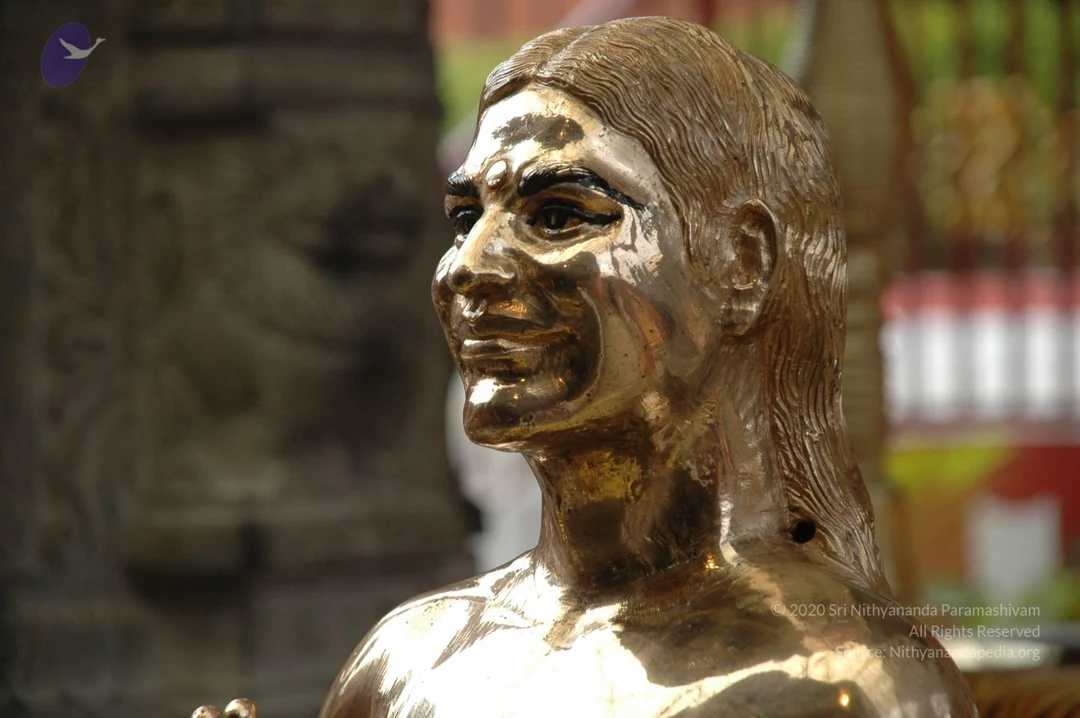
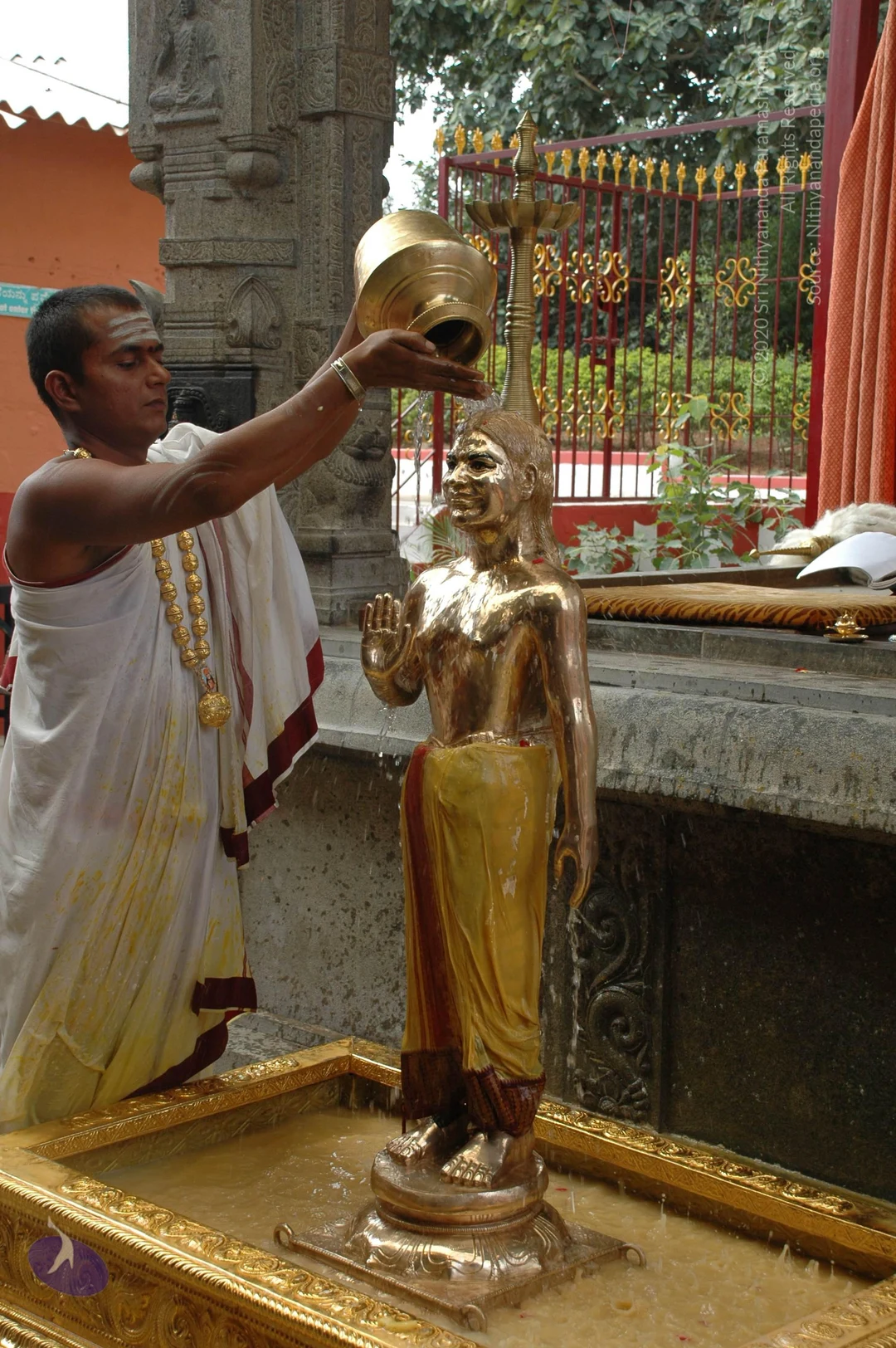
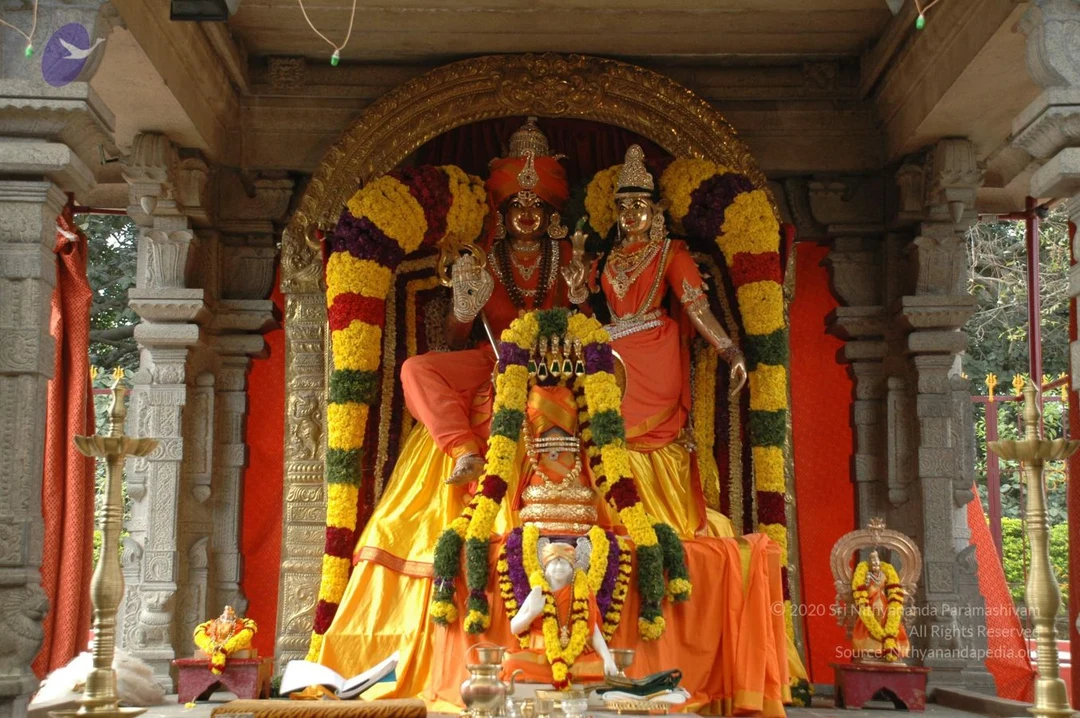
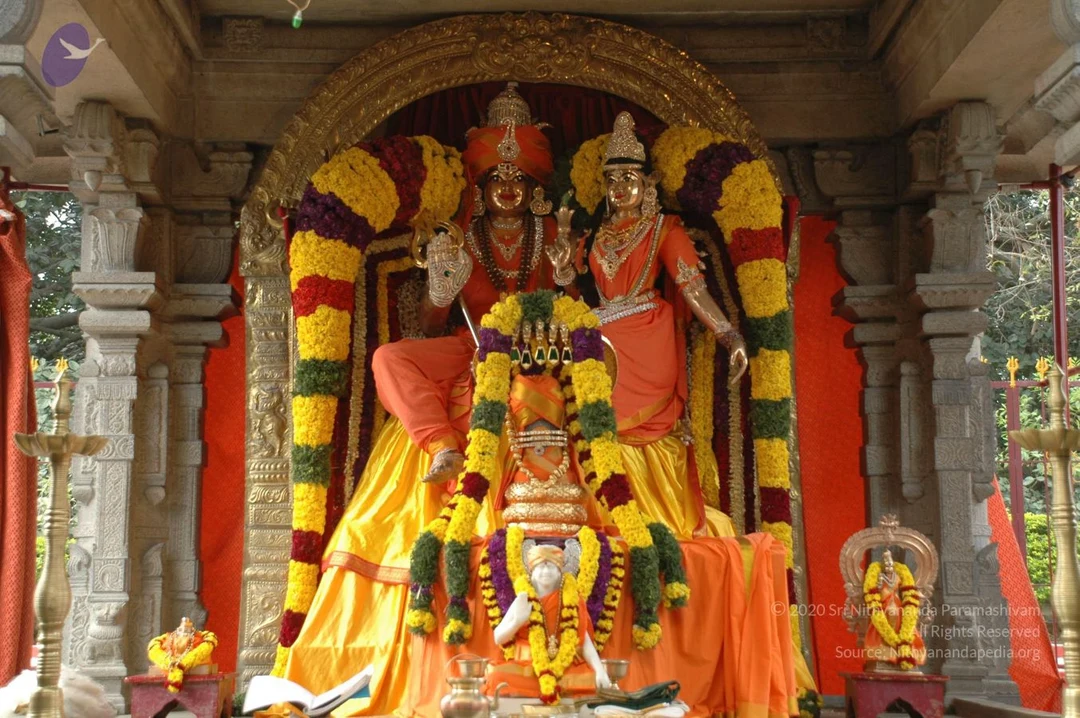
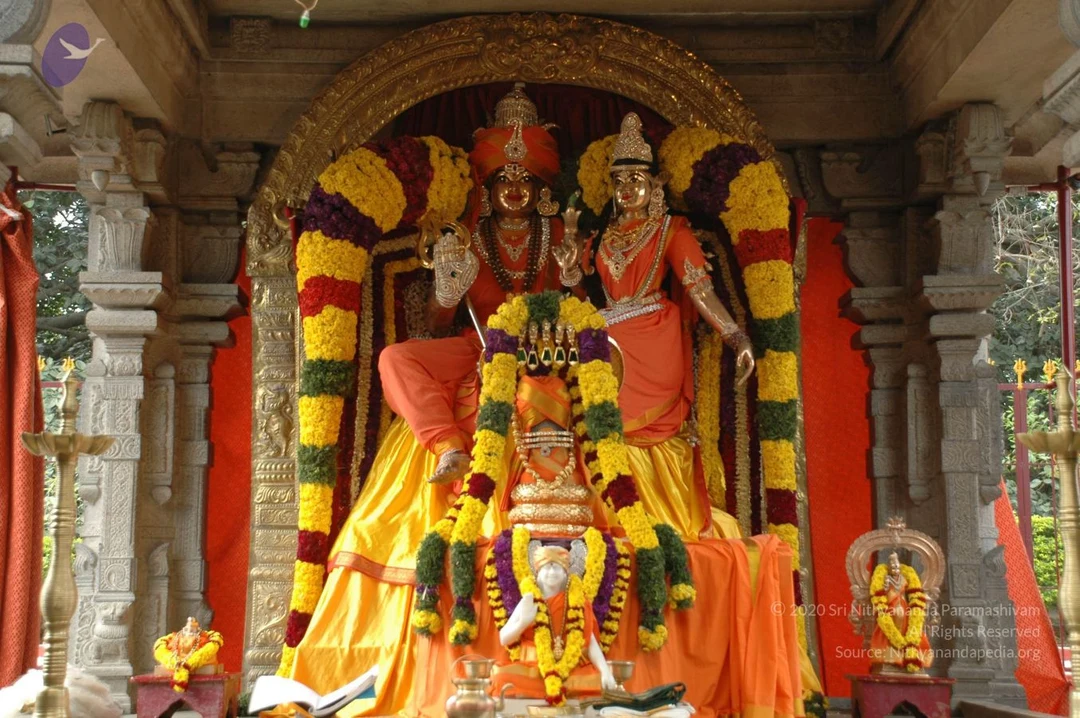
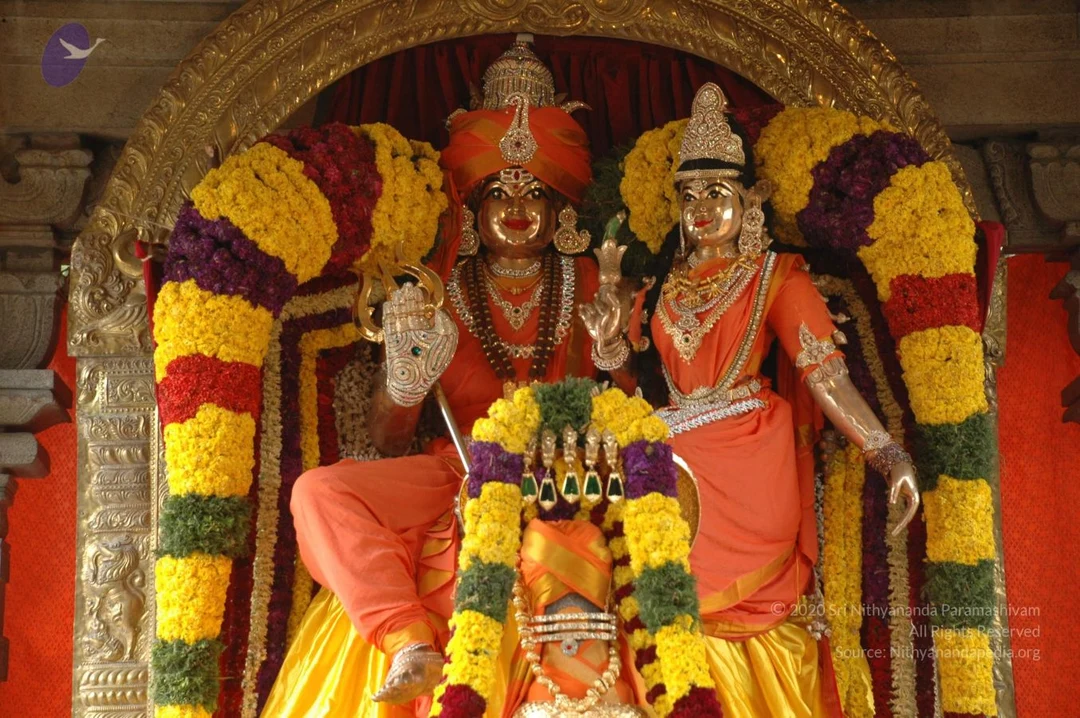
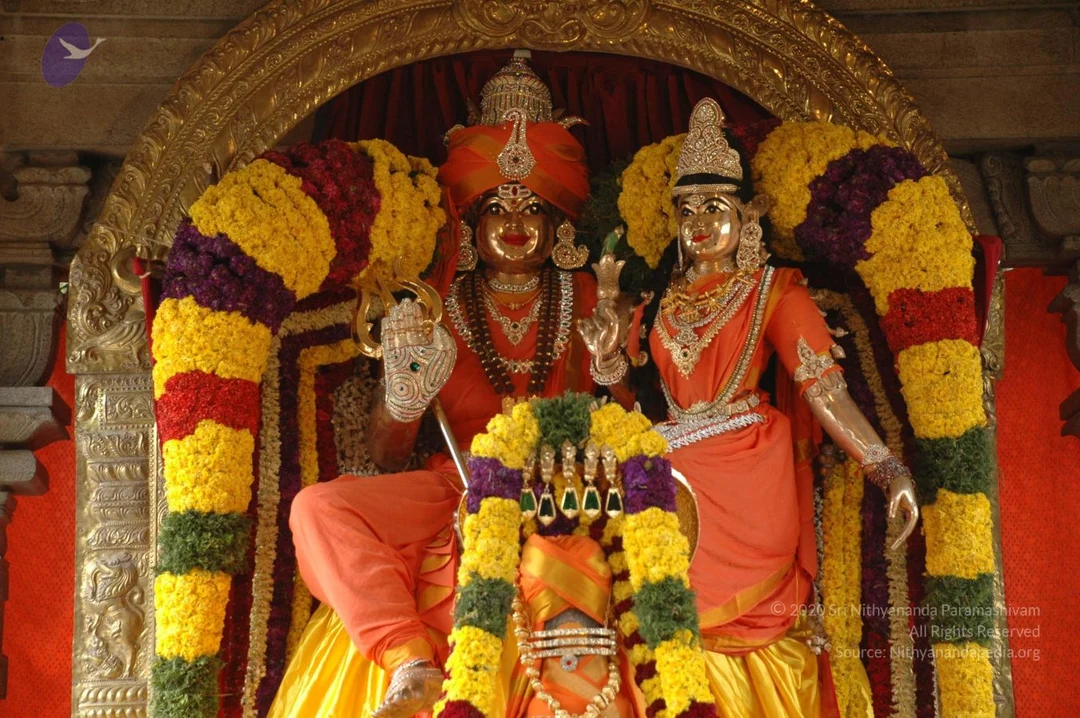
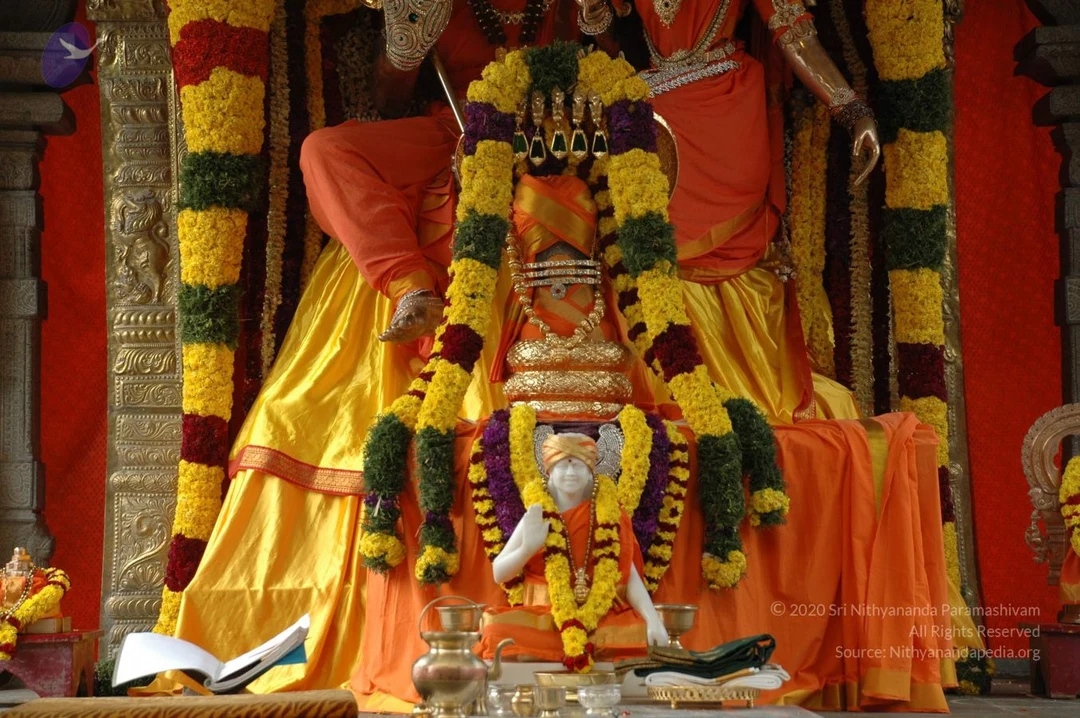
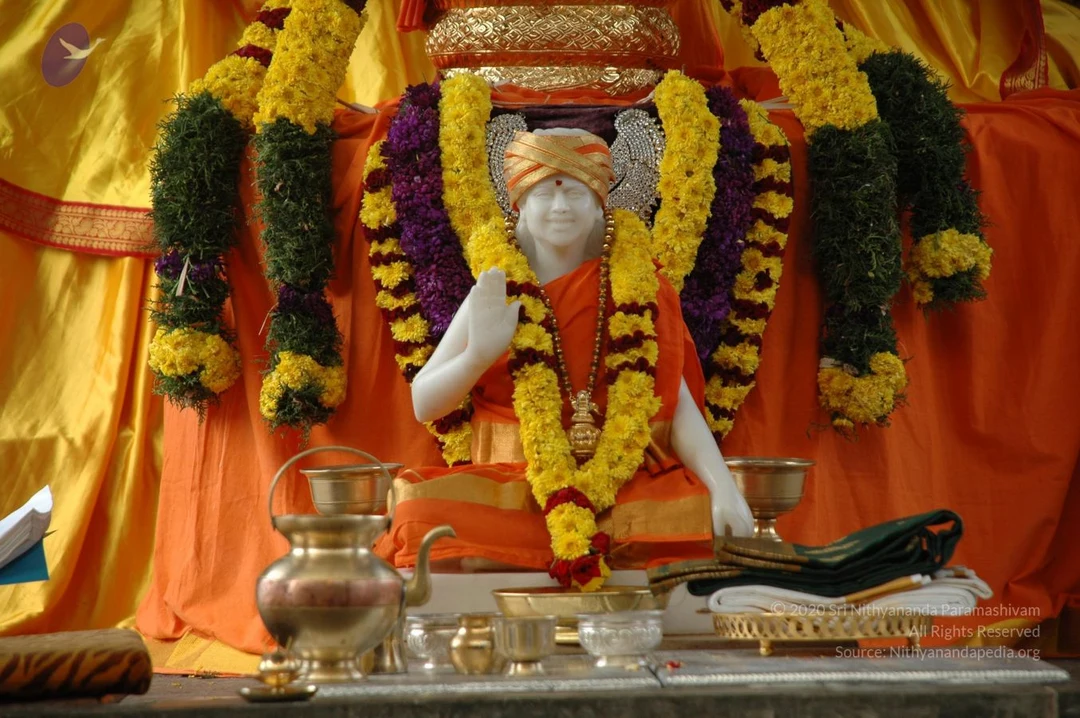
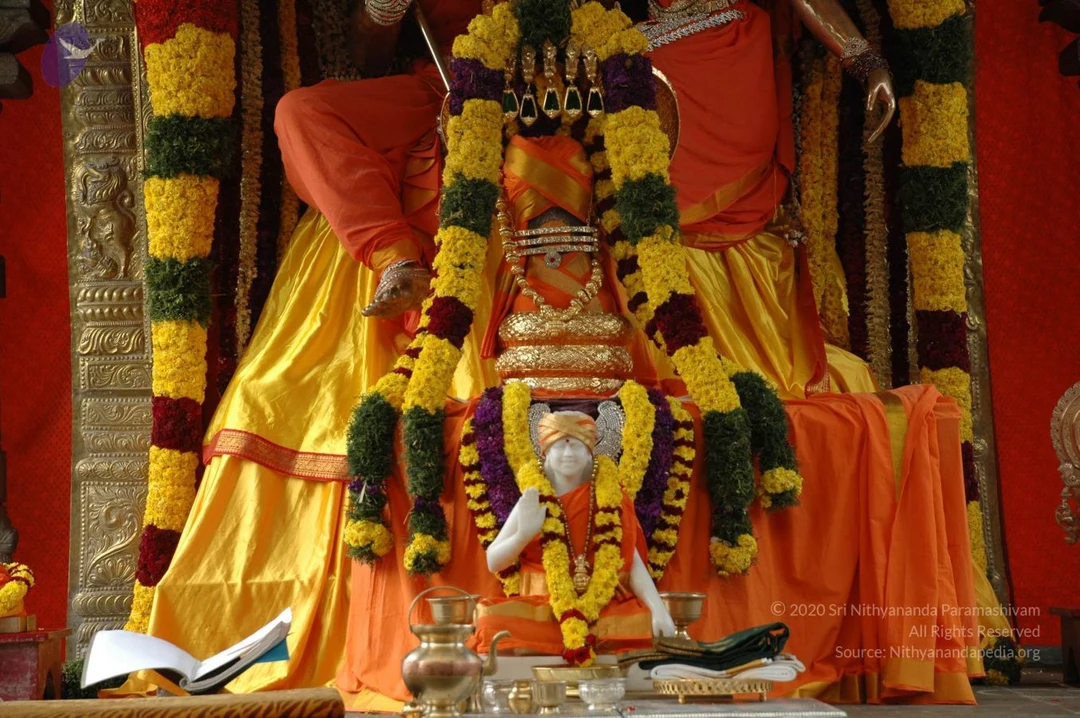
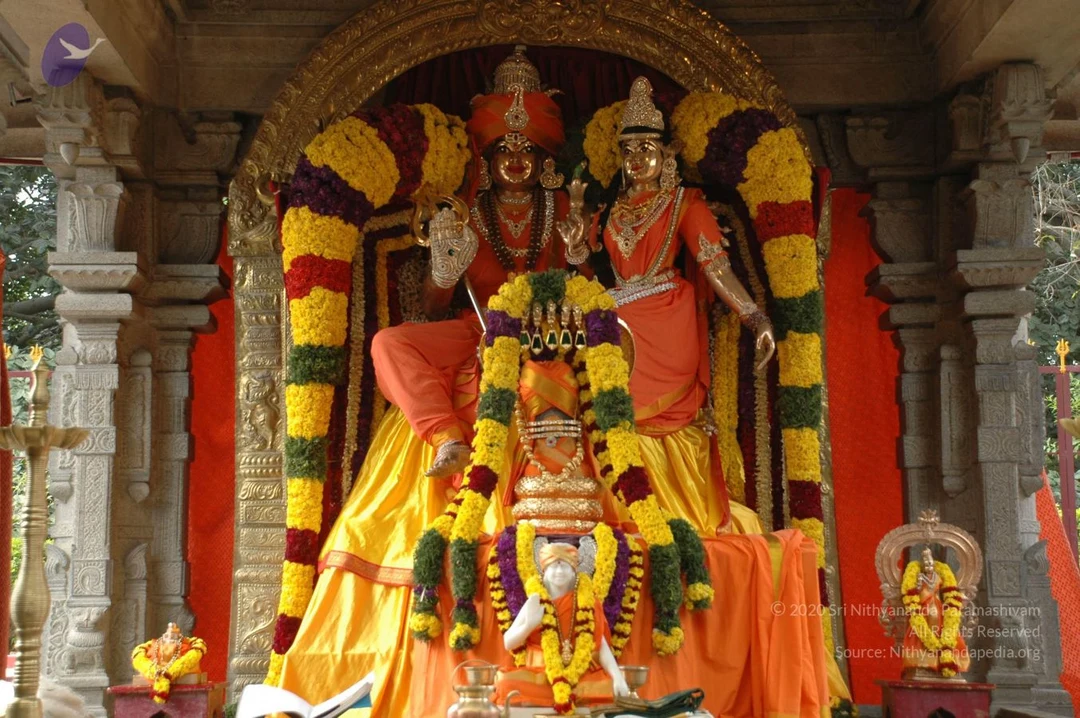
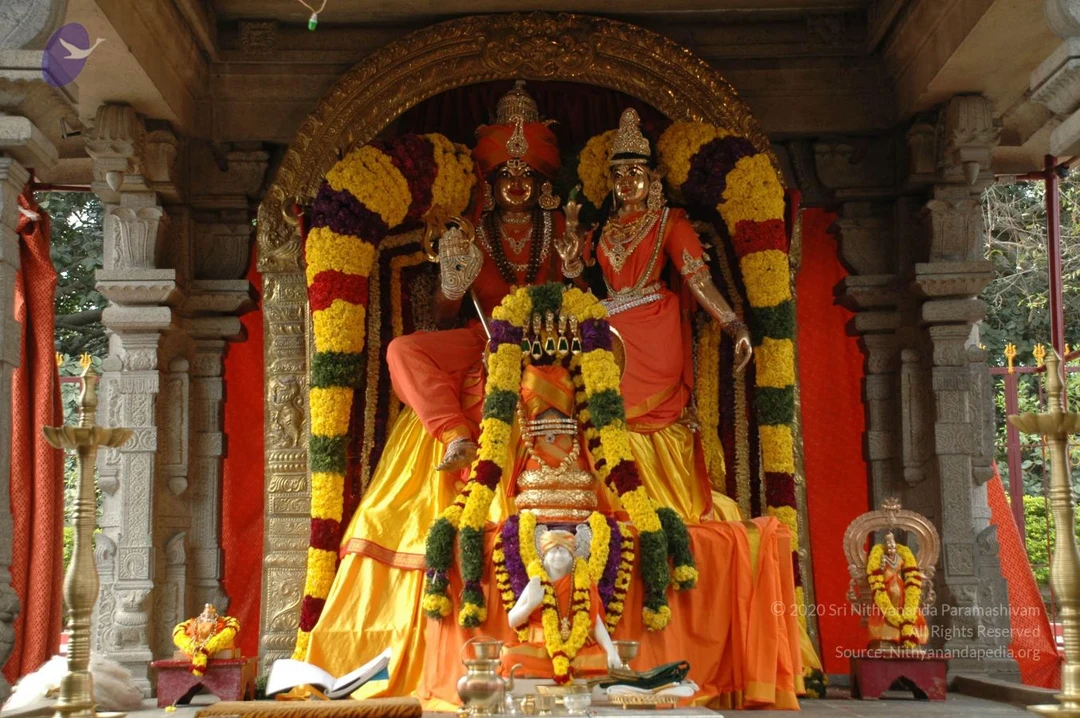
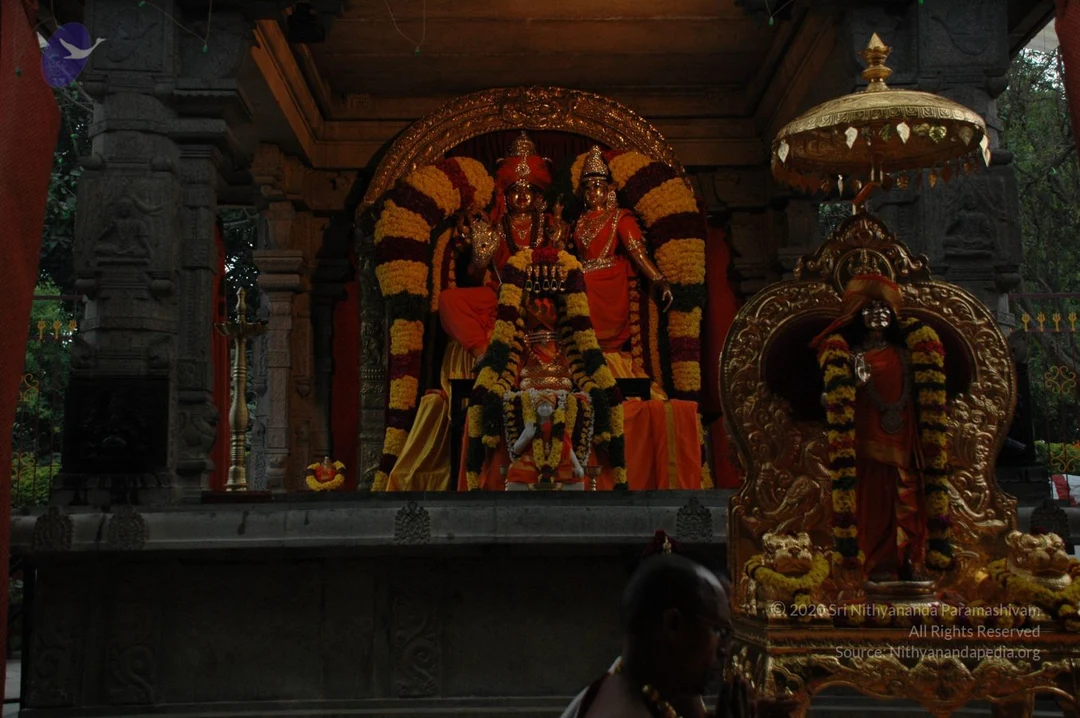
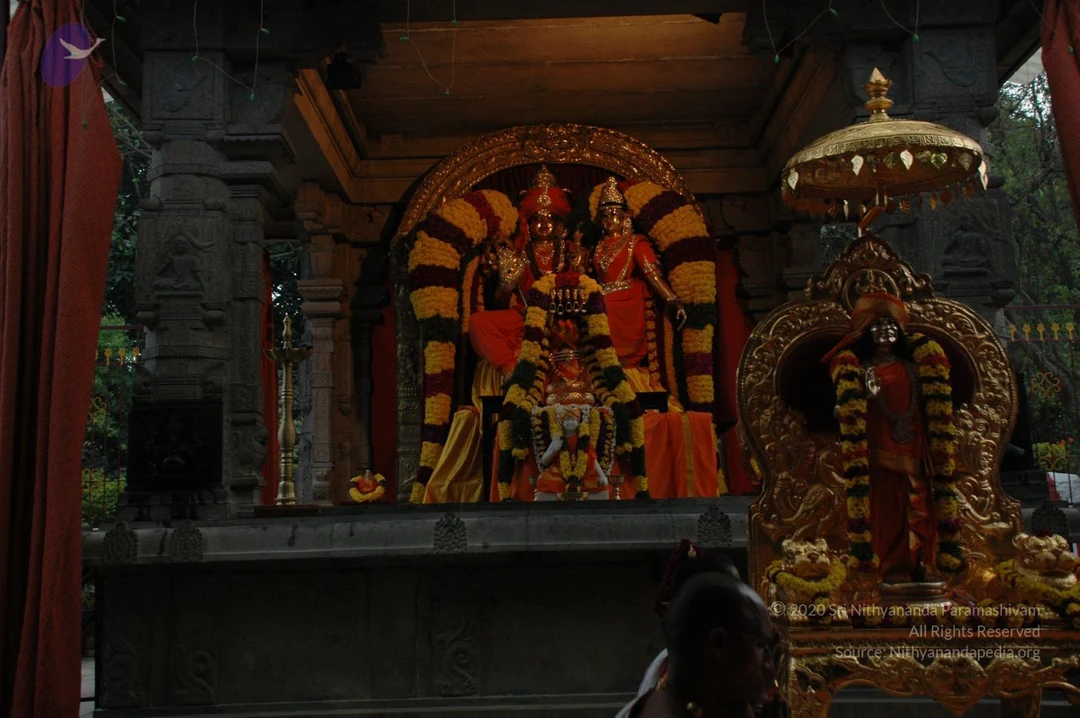
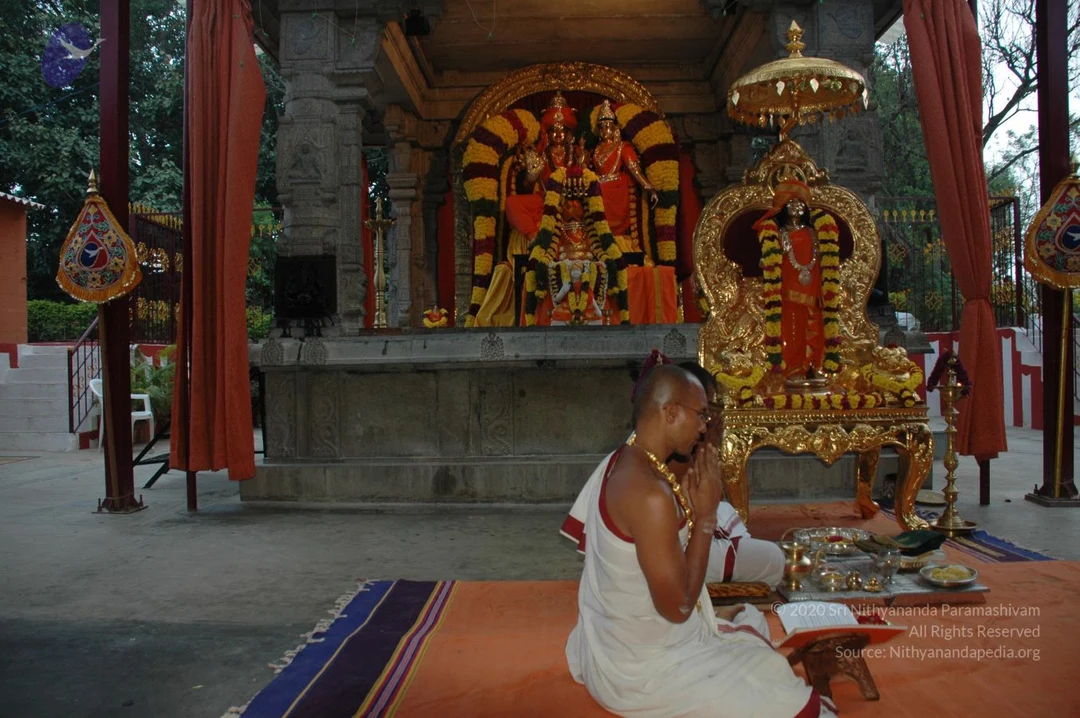
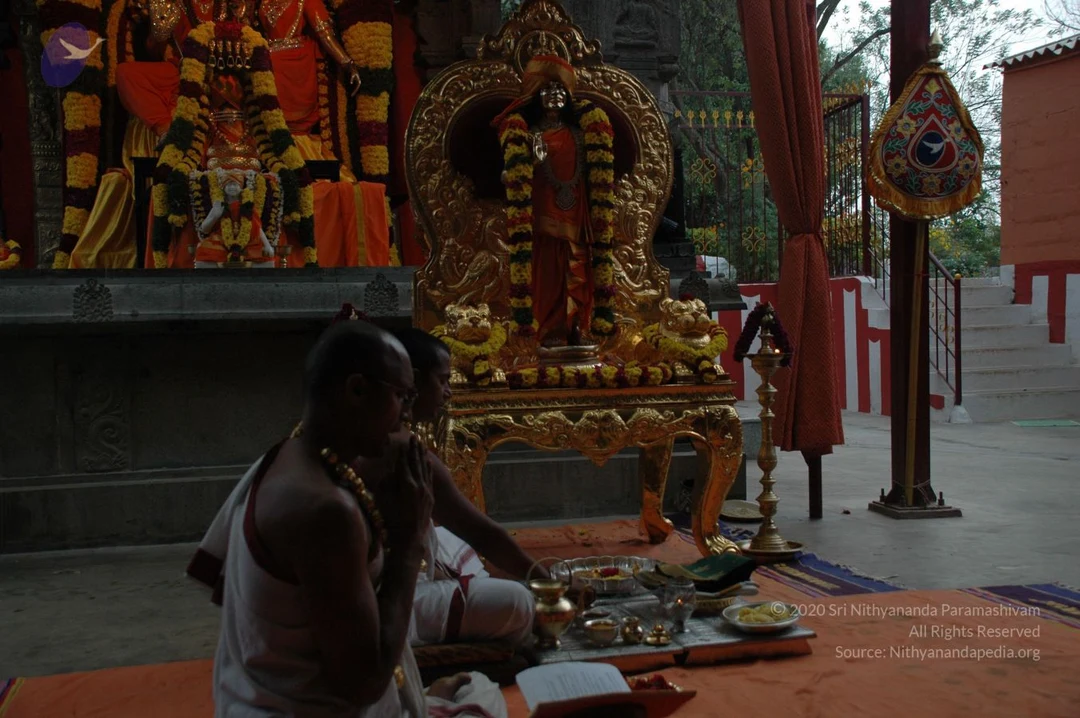
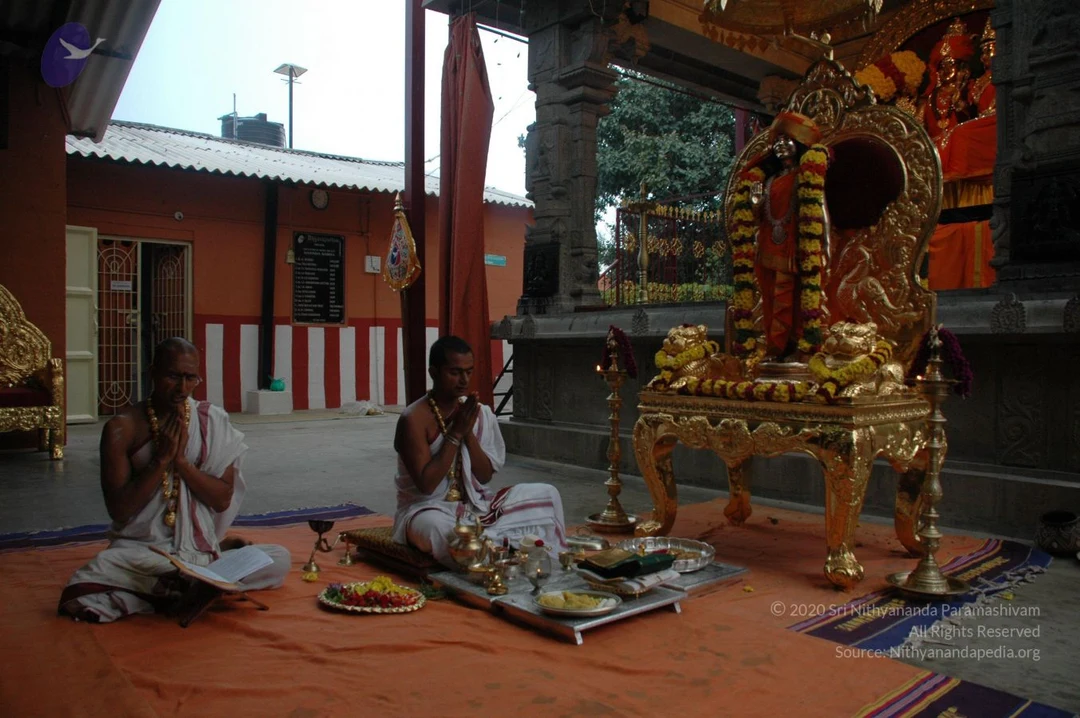
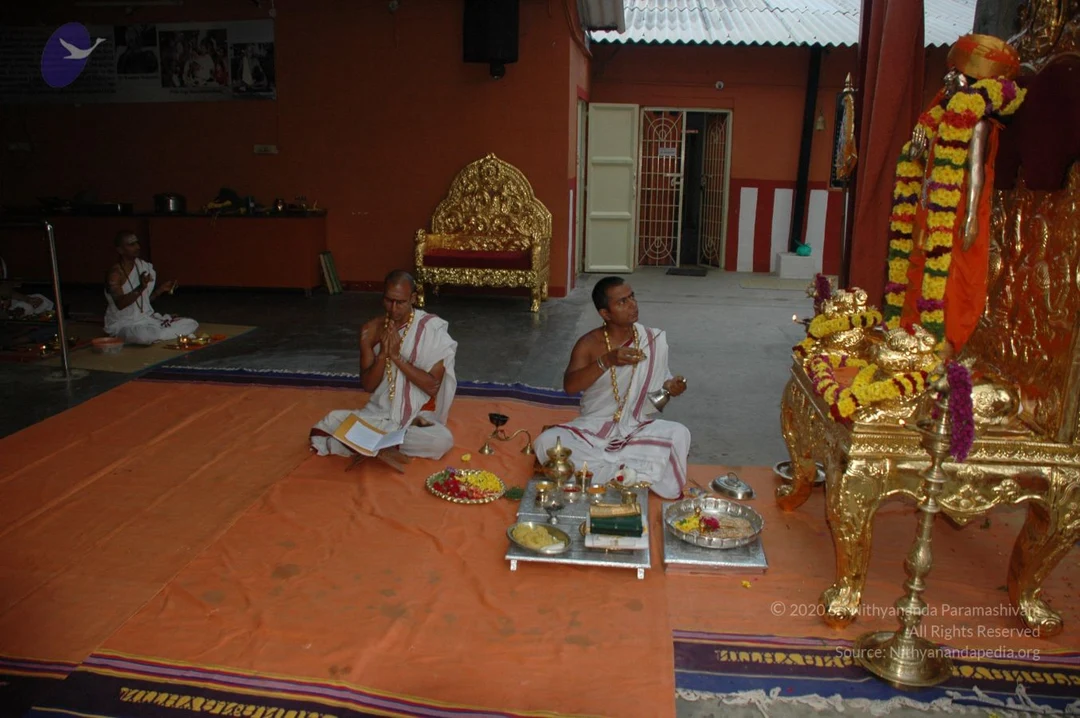
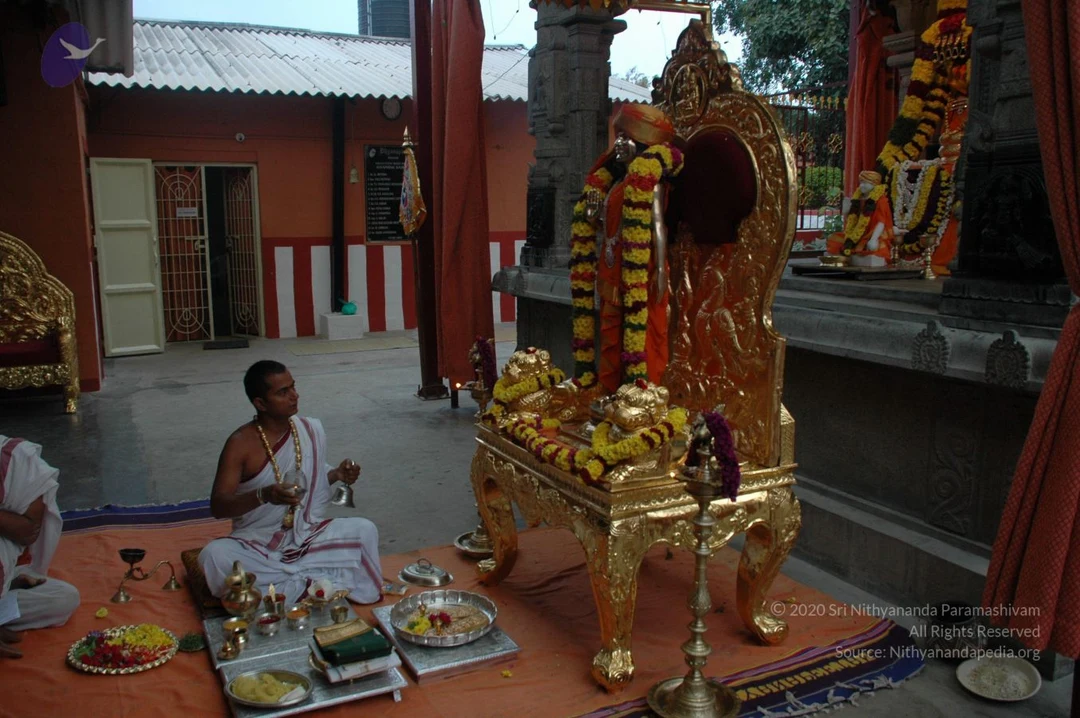
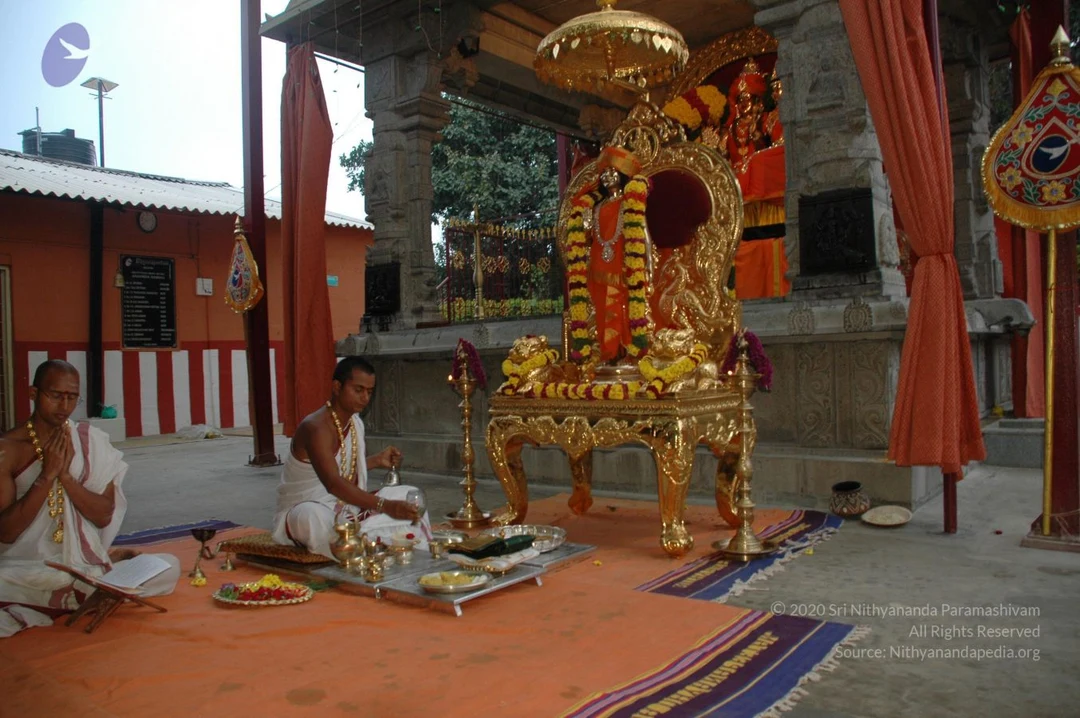
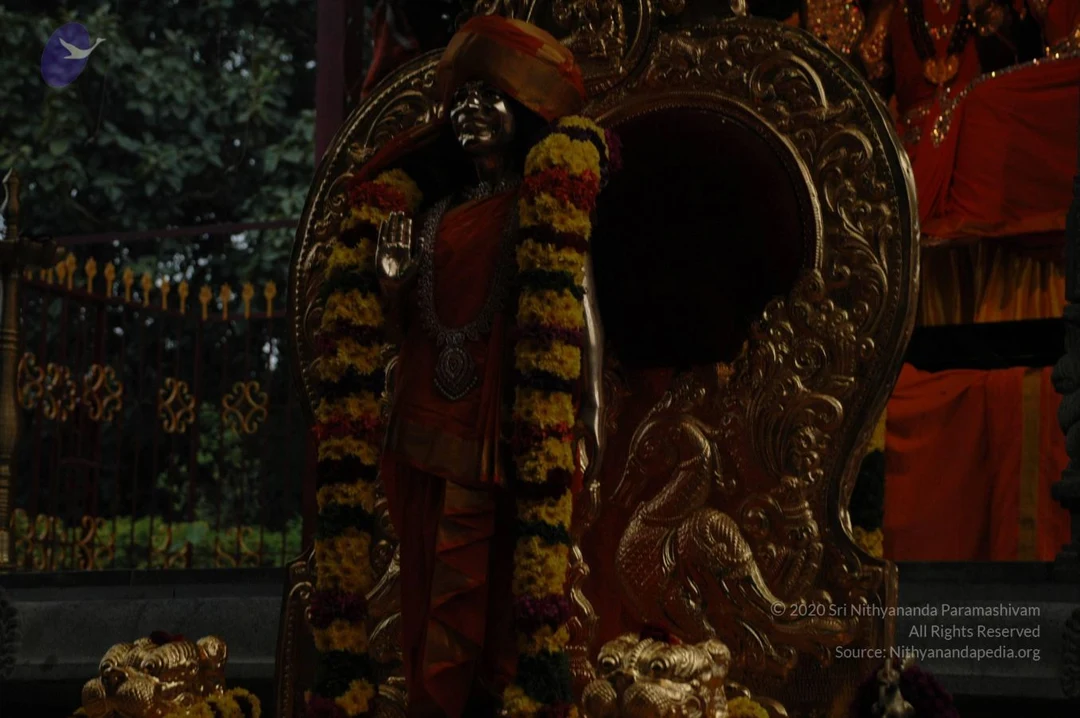
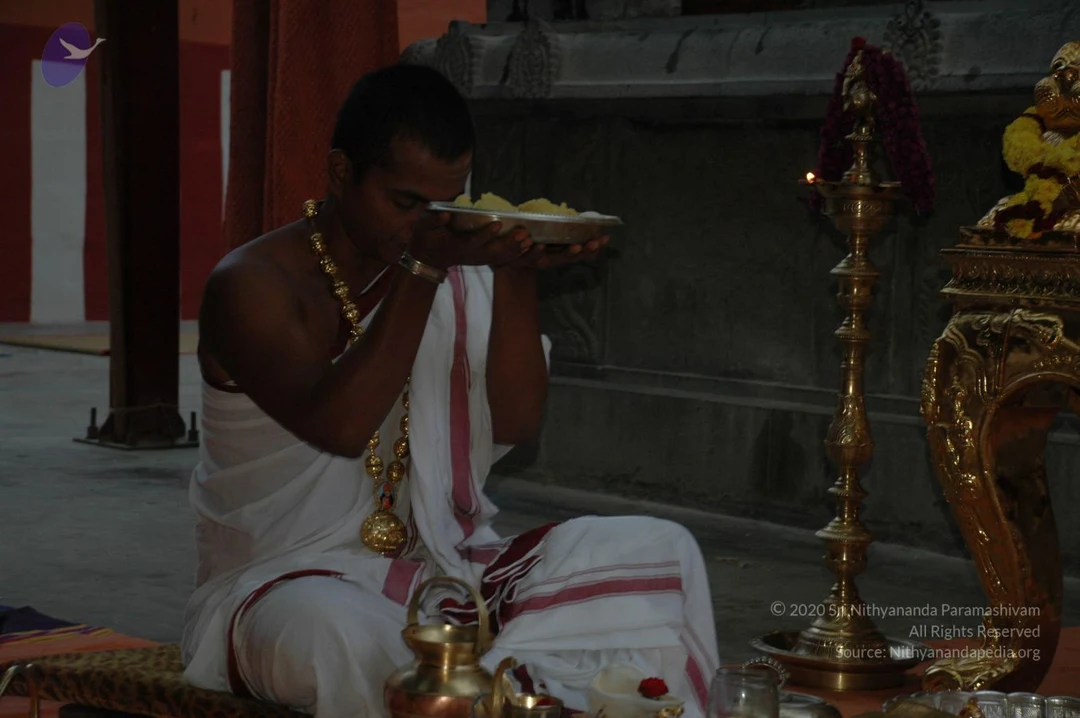
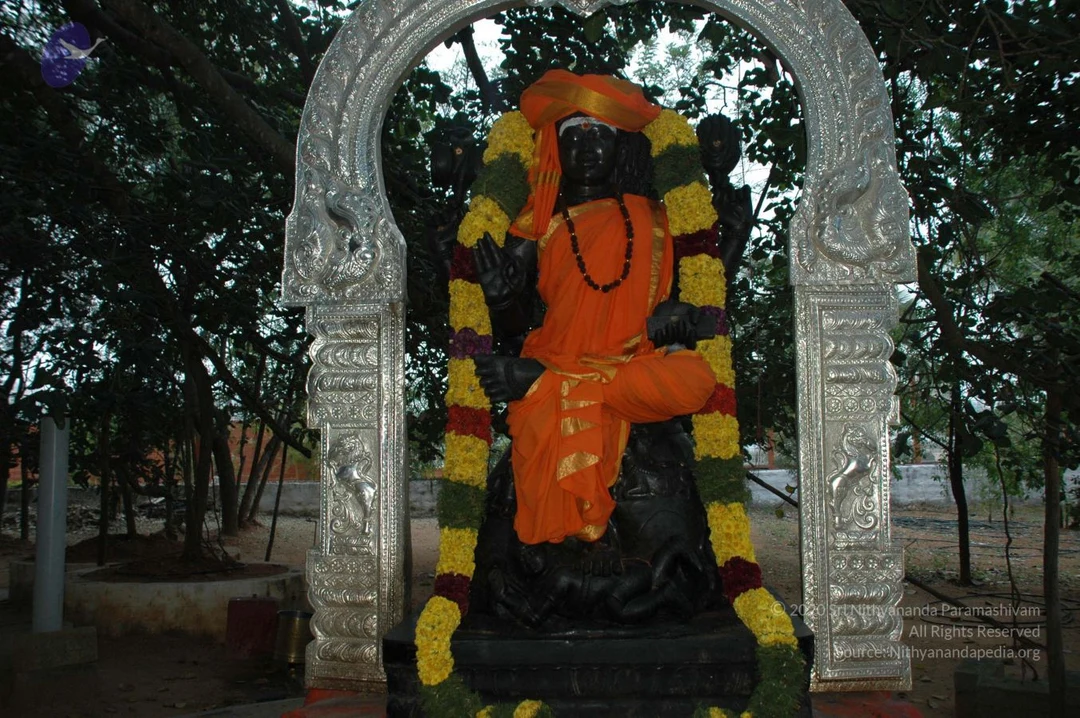
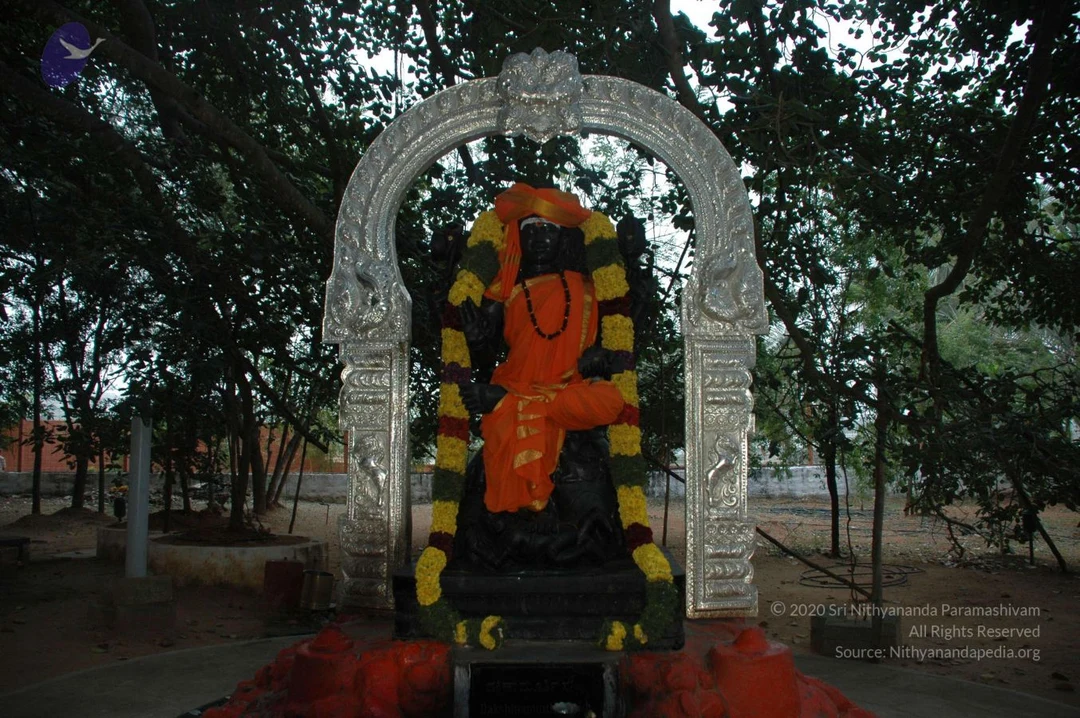
NITHYA-PUJA-IN-ADIKAILASA-BIDADI-NITHYANANDESHWARA-NITHYANANDESHWARI-TEMPLE






















Photos from this day
View all 256 photos