Saturday
6 February 2010
- Dated photos
- 339
- Source pages
- 1
- Media
- 6
February 06 2010
Original wiki pageTitle: Nithyananda Spurana Program Day-03 at Hyderabad
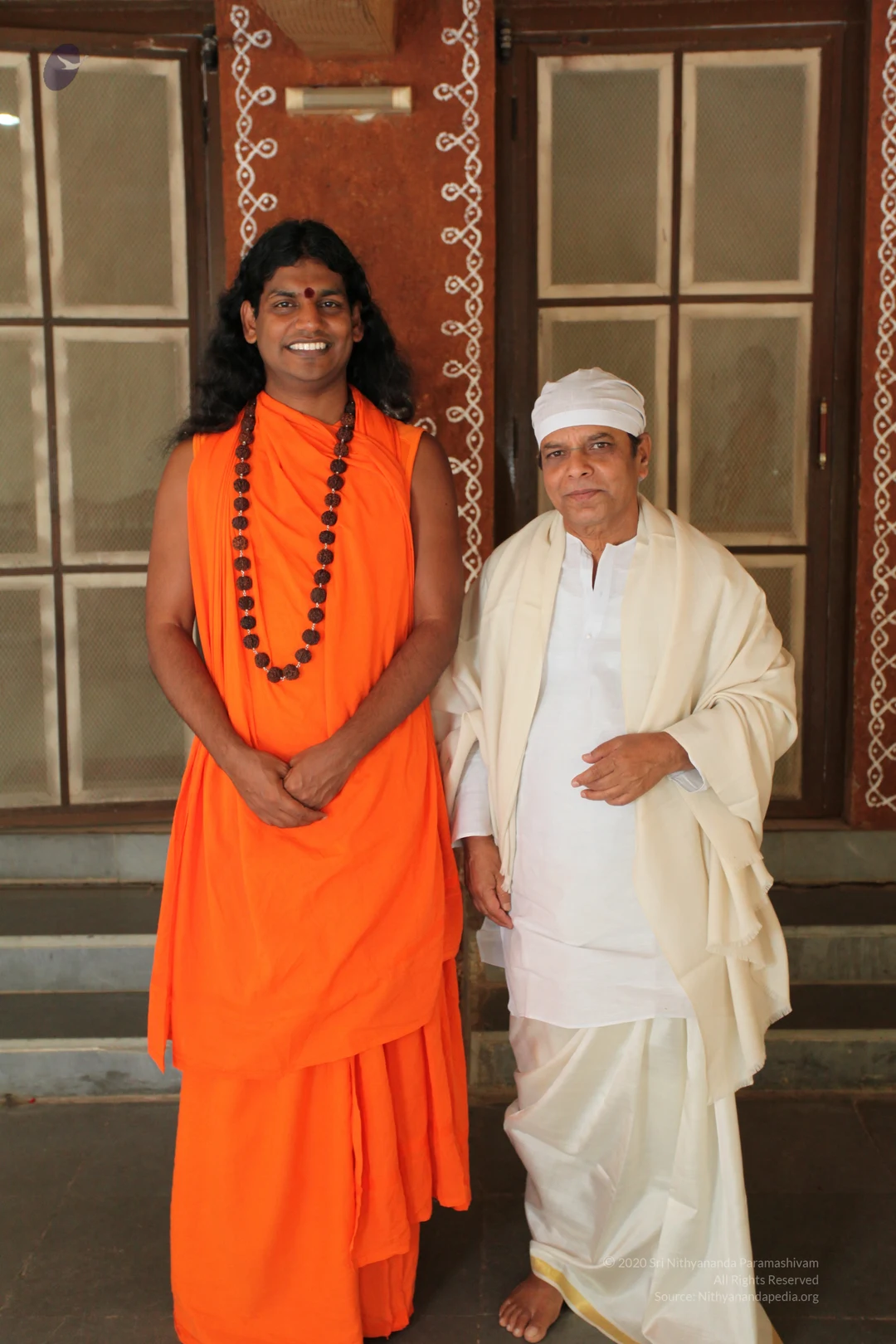
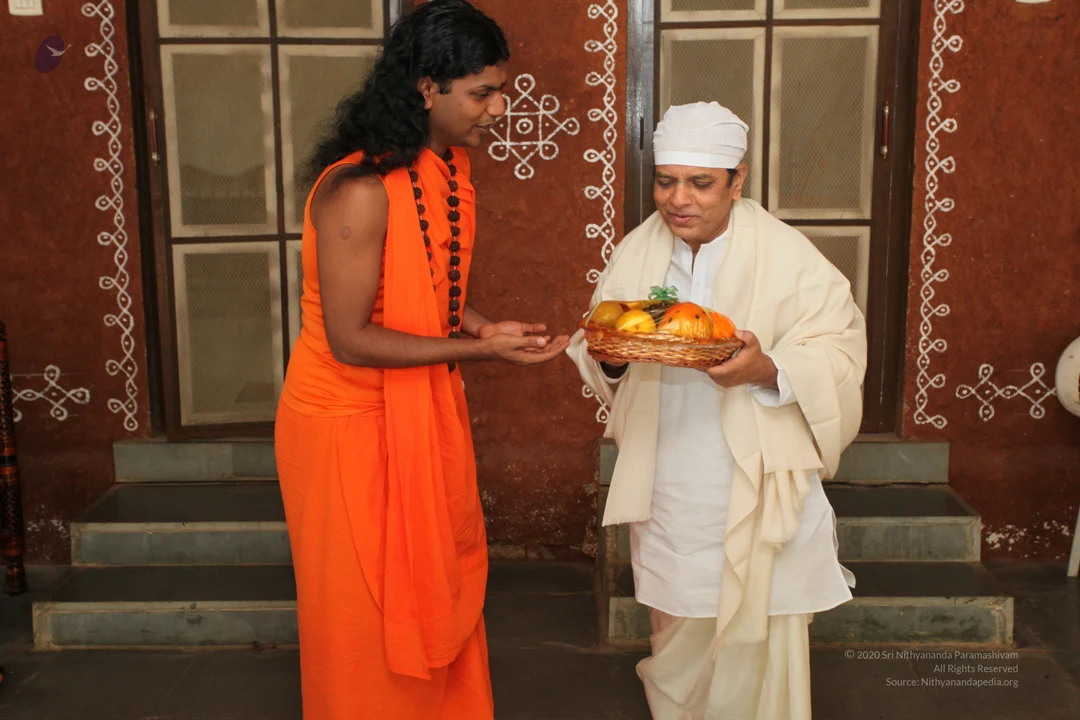
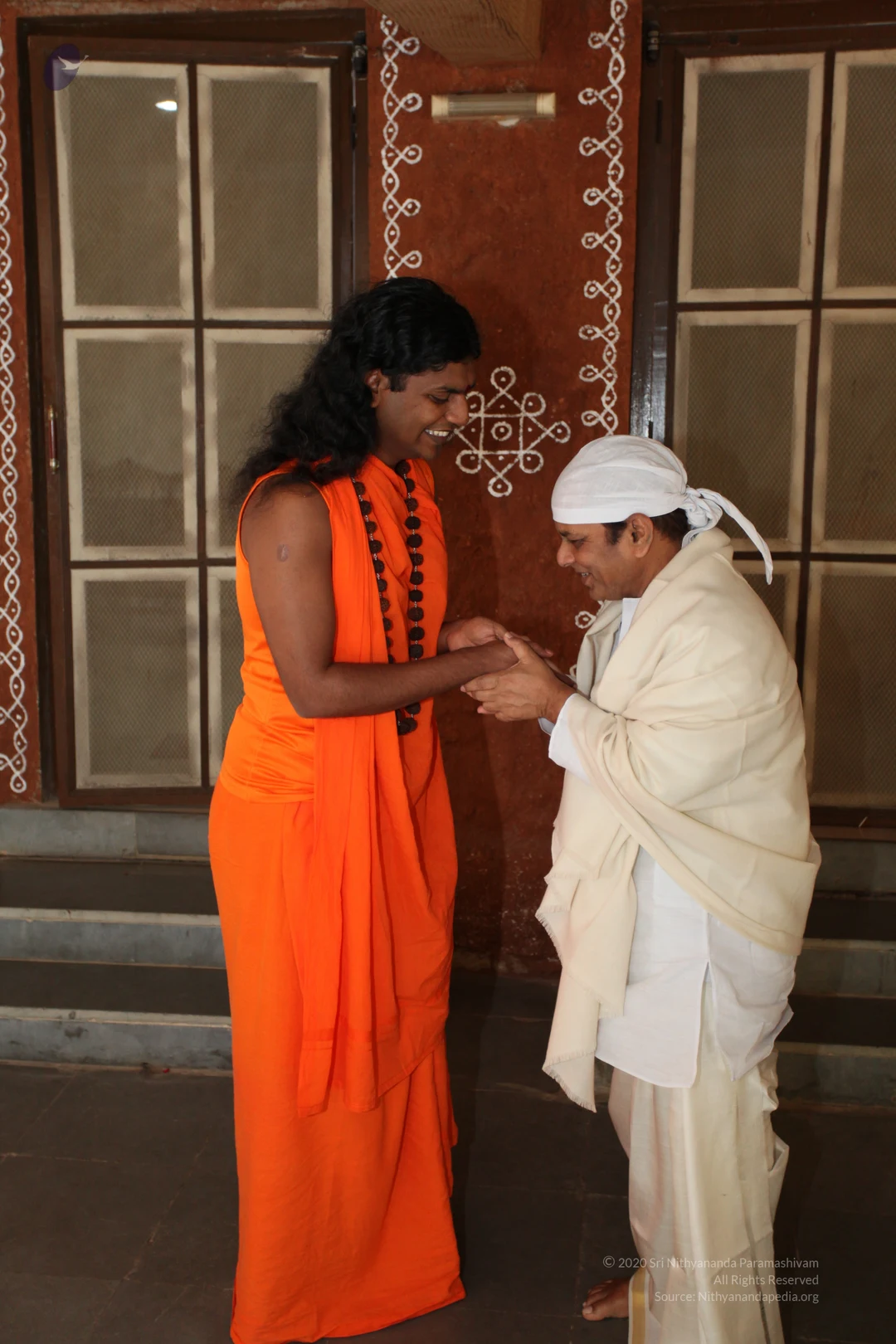
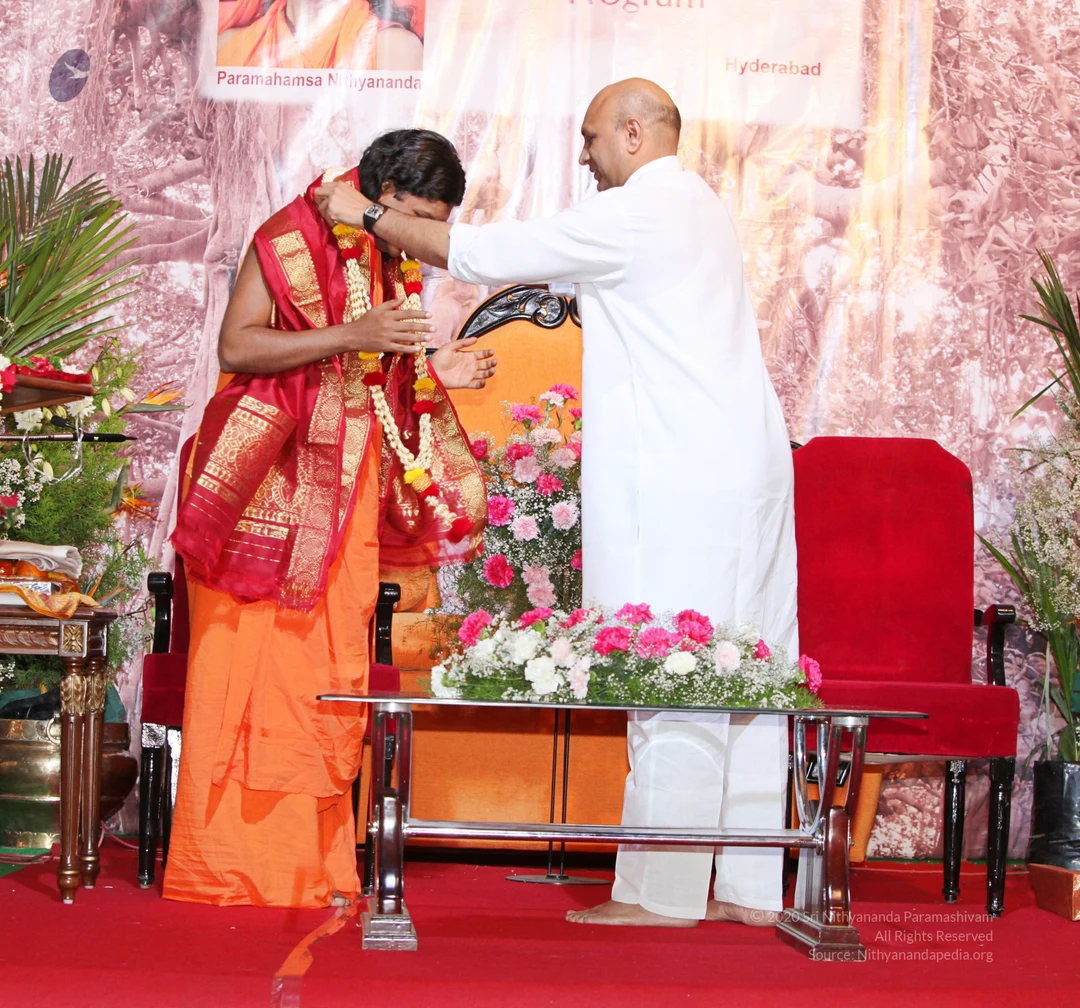
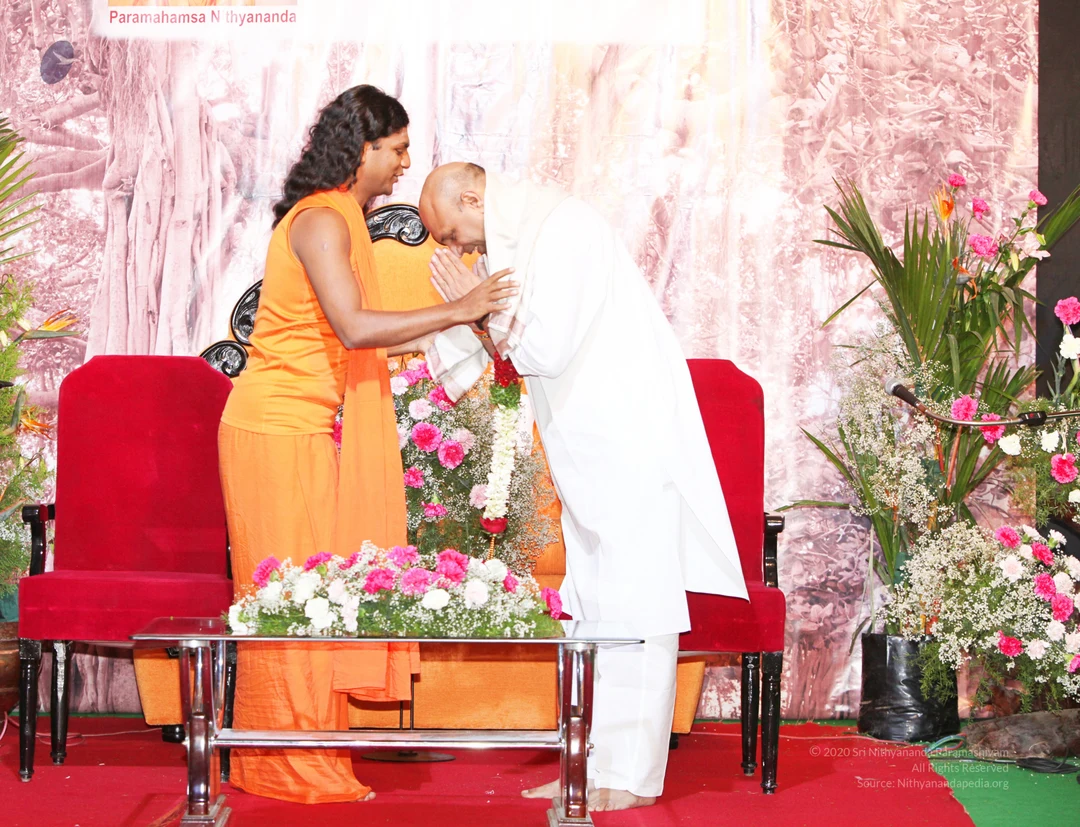
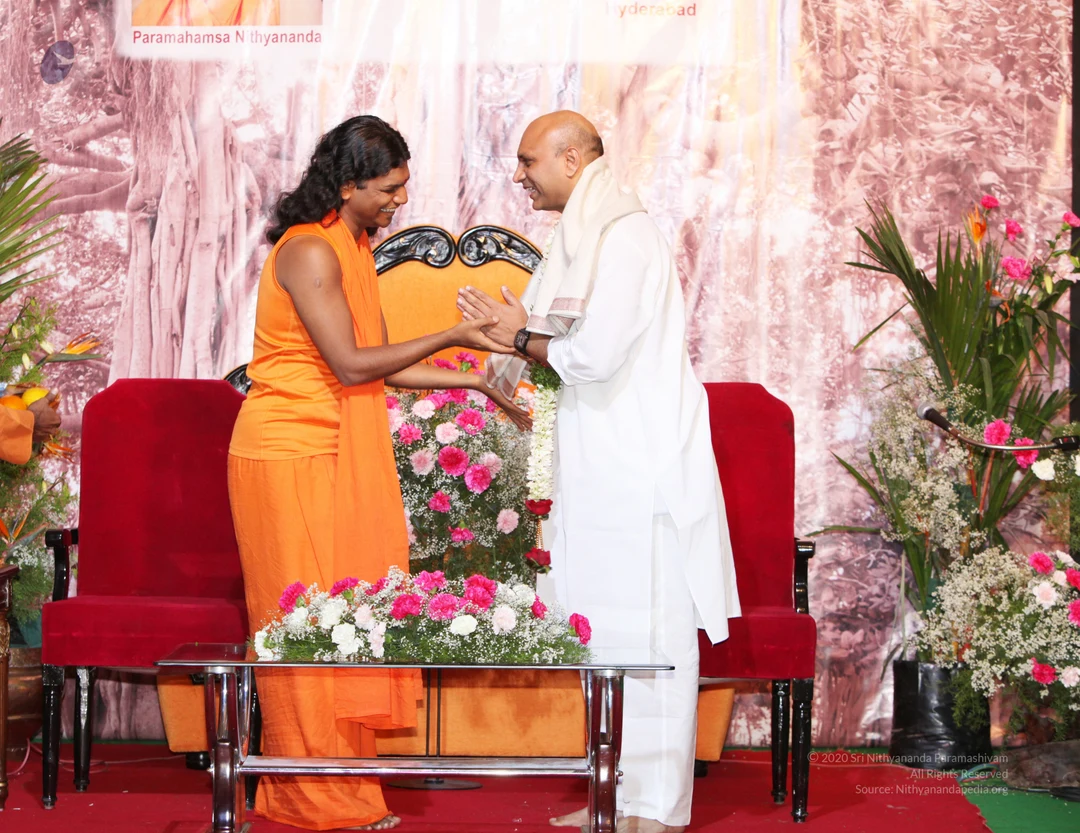
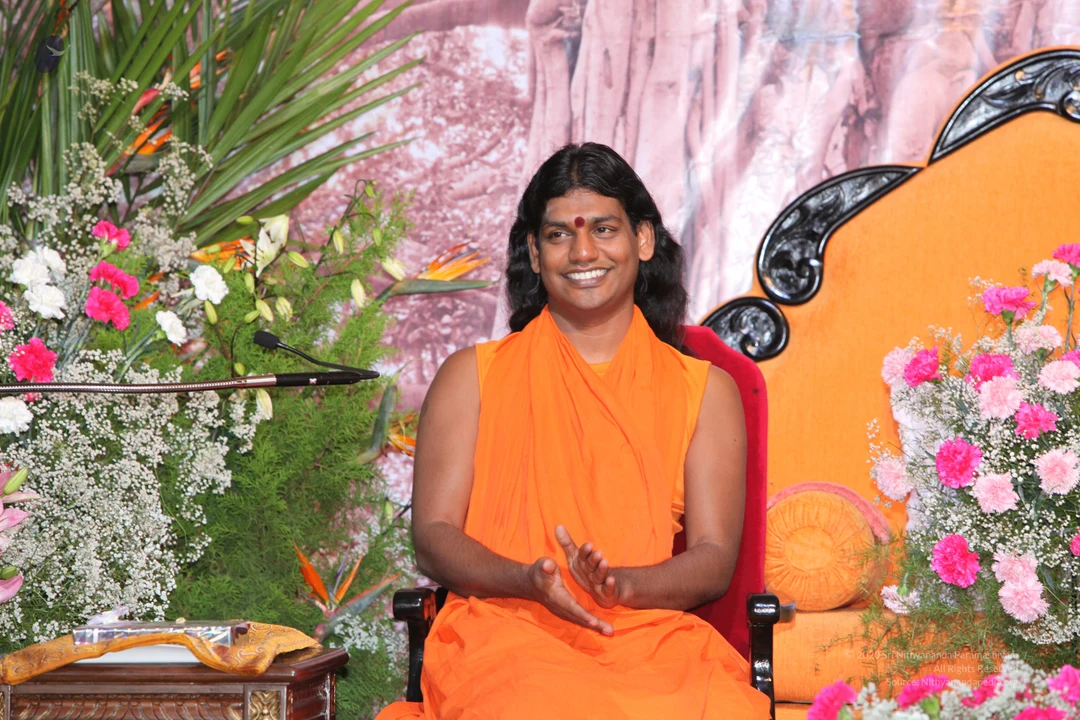
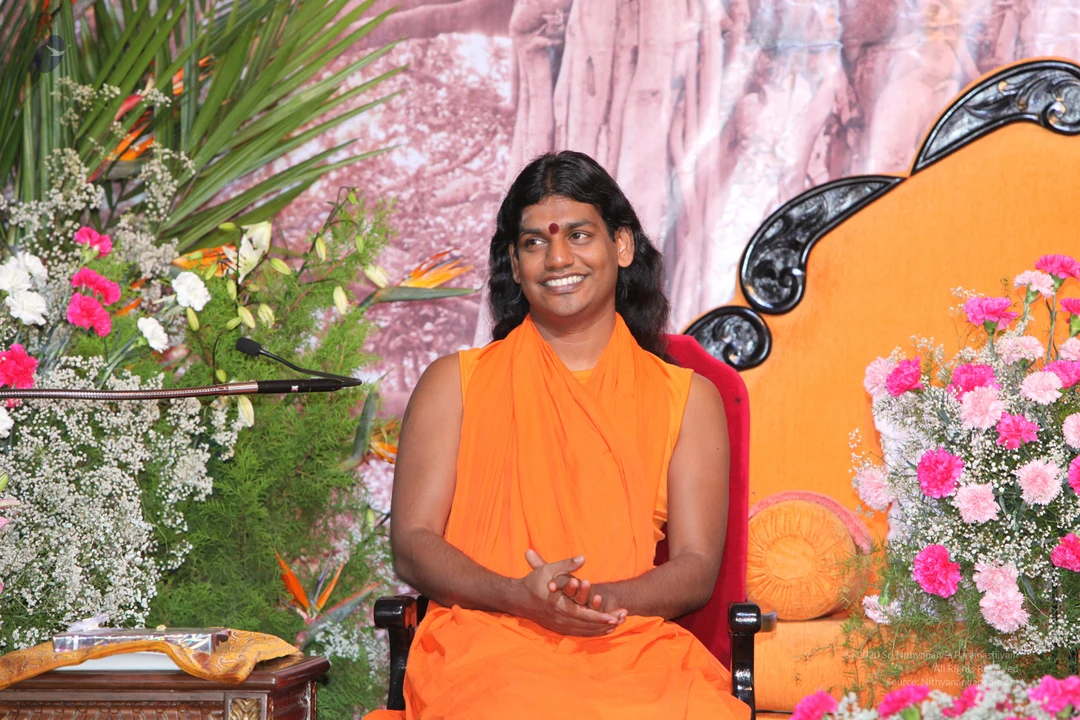
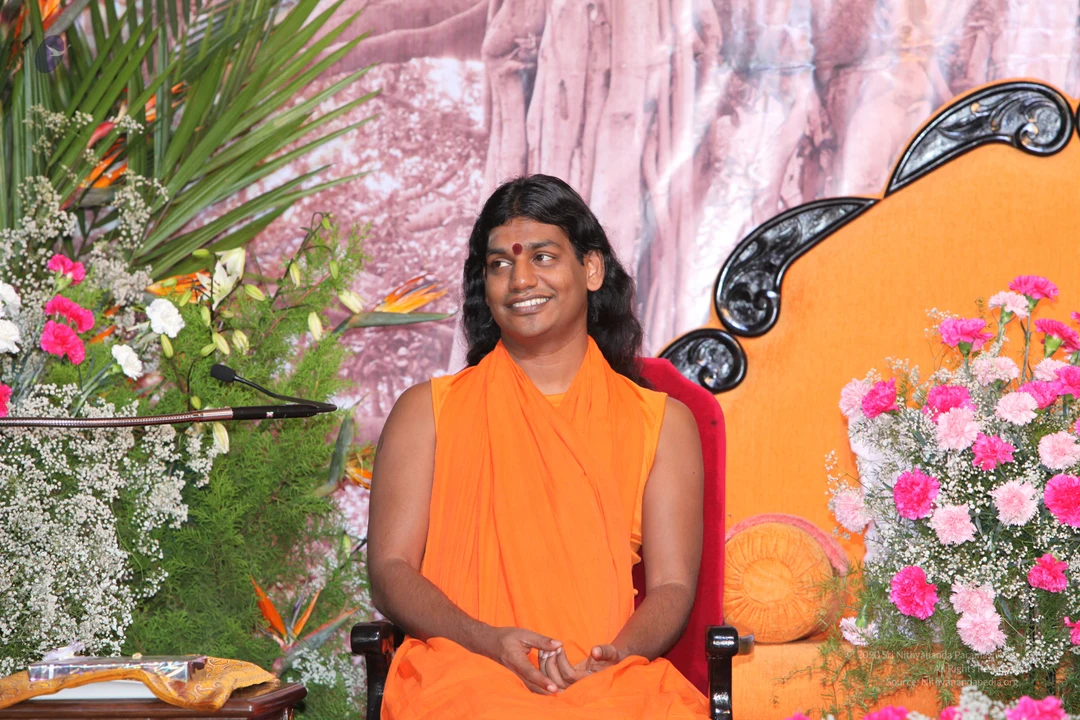
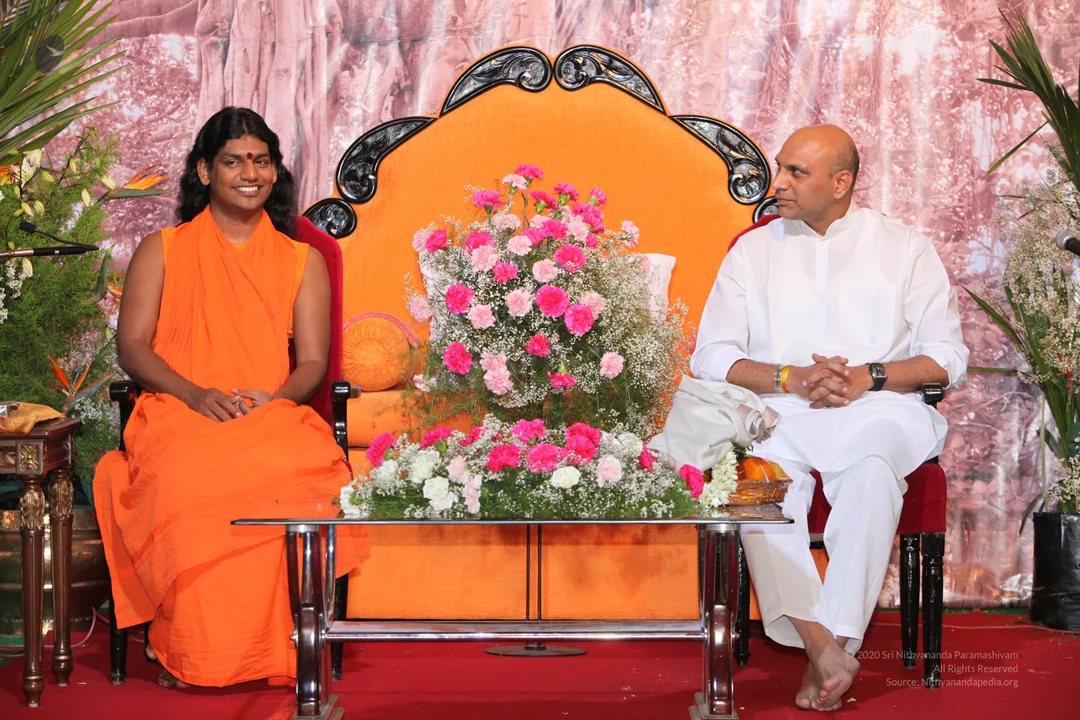
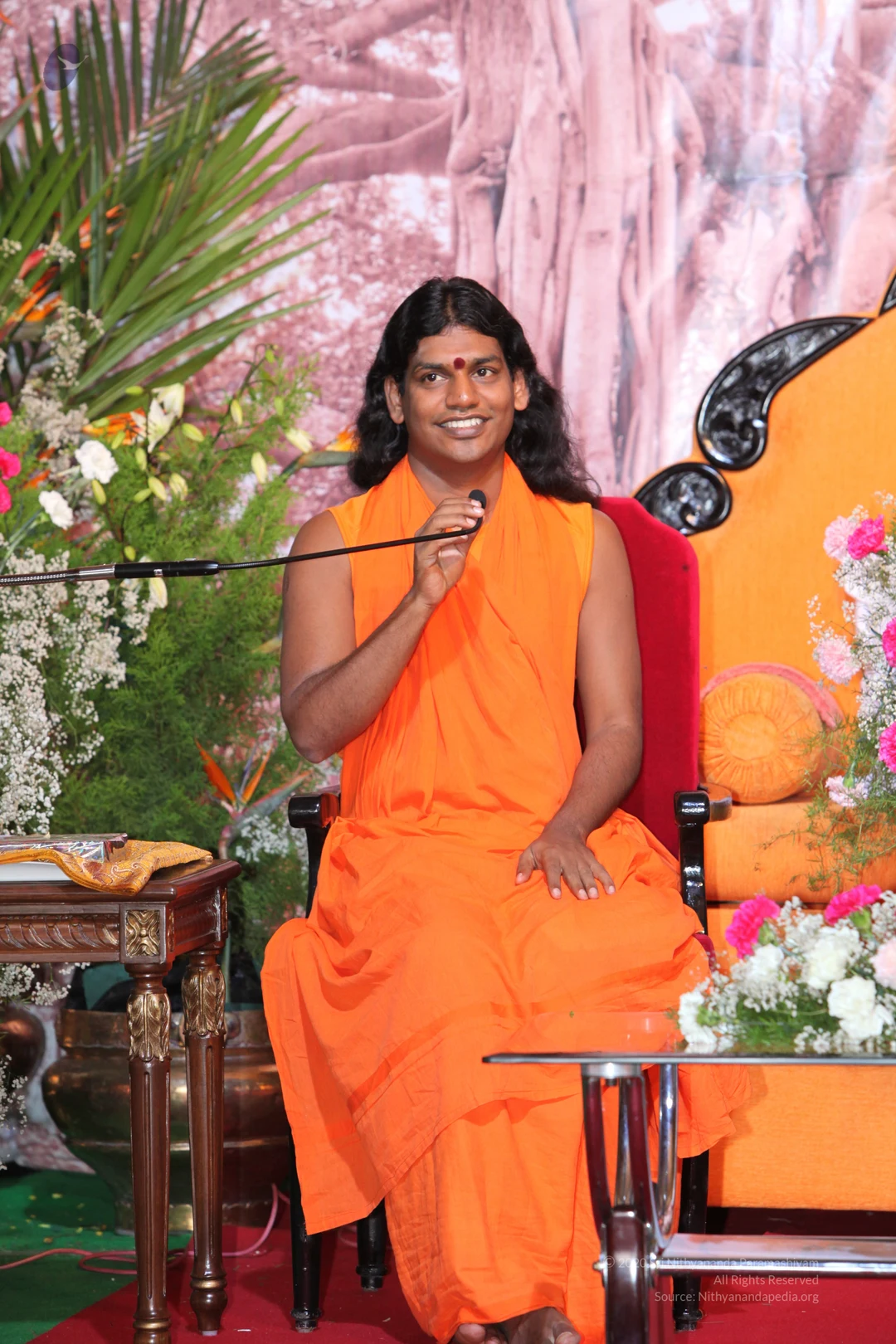
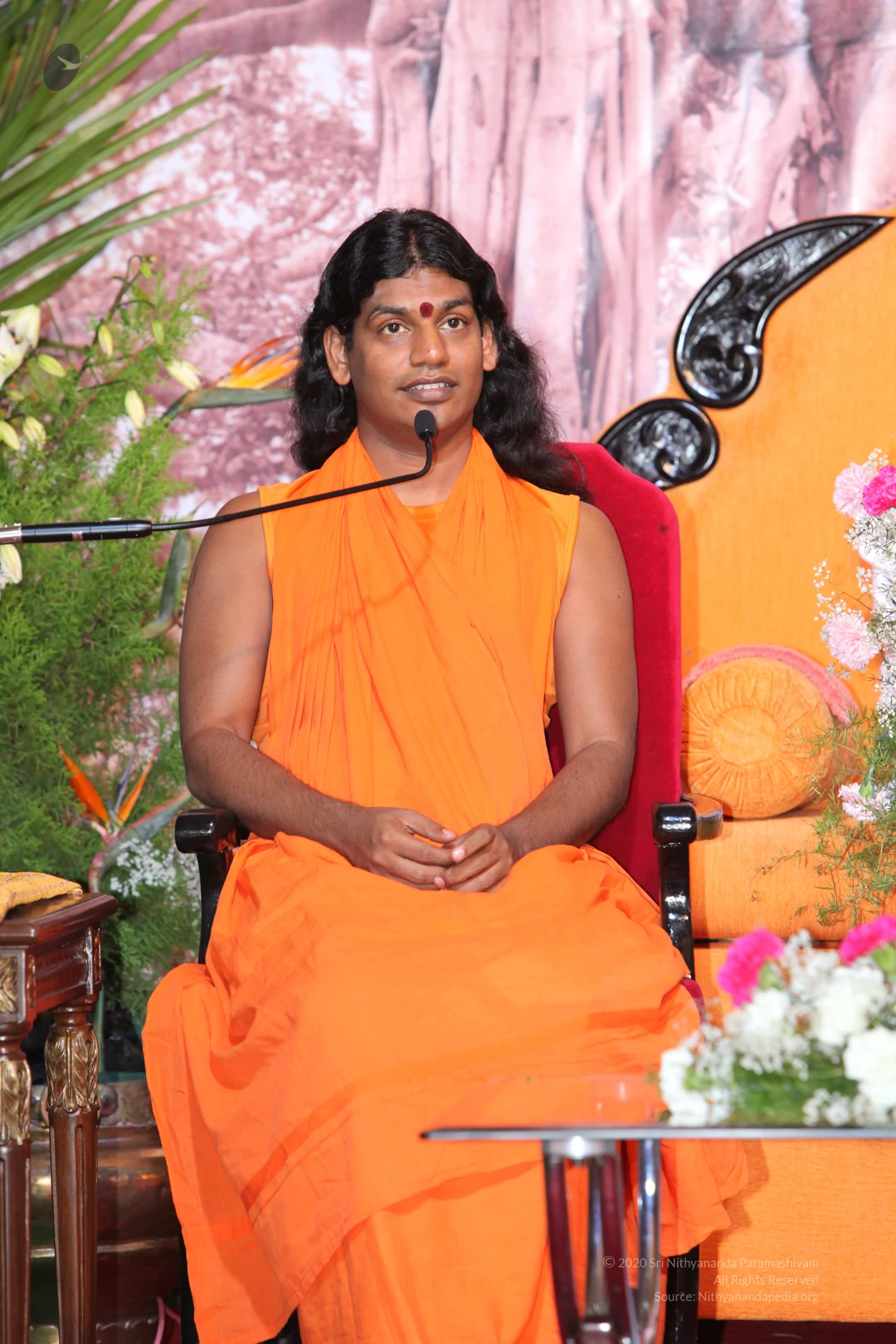
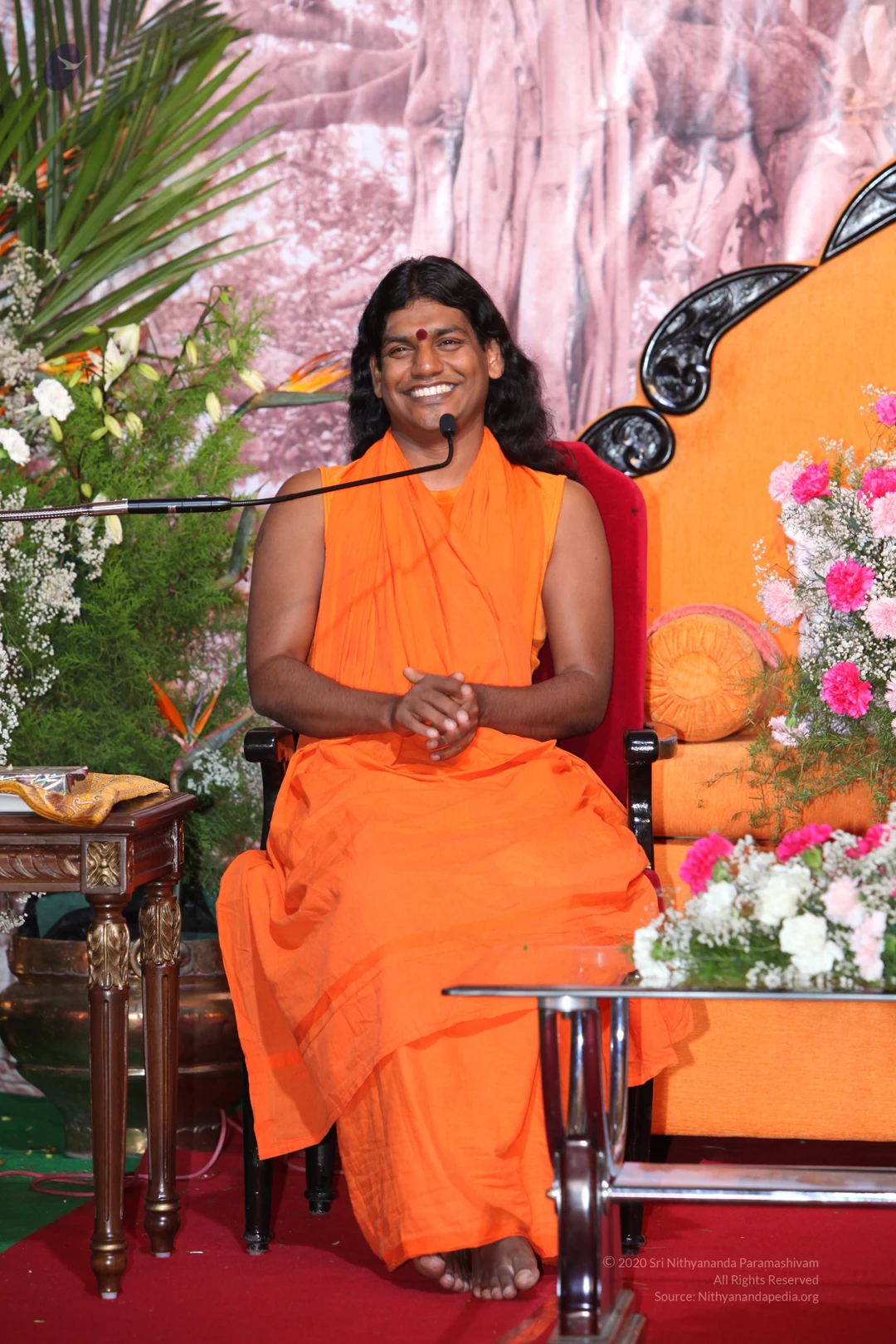
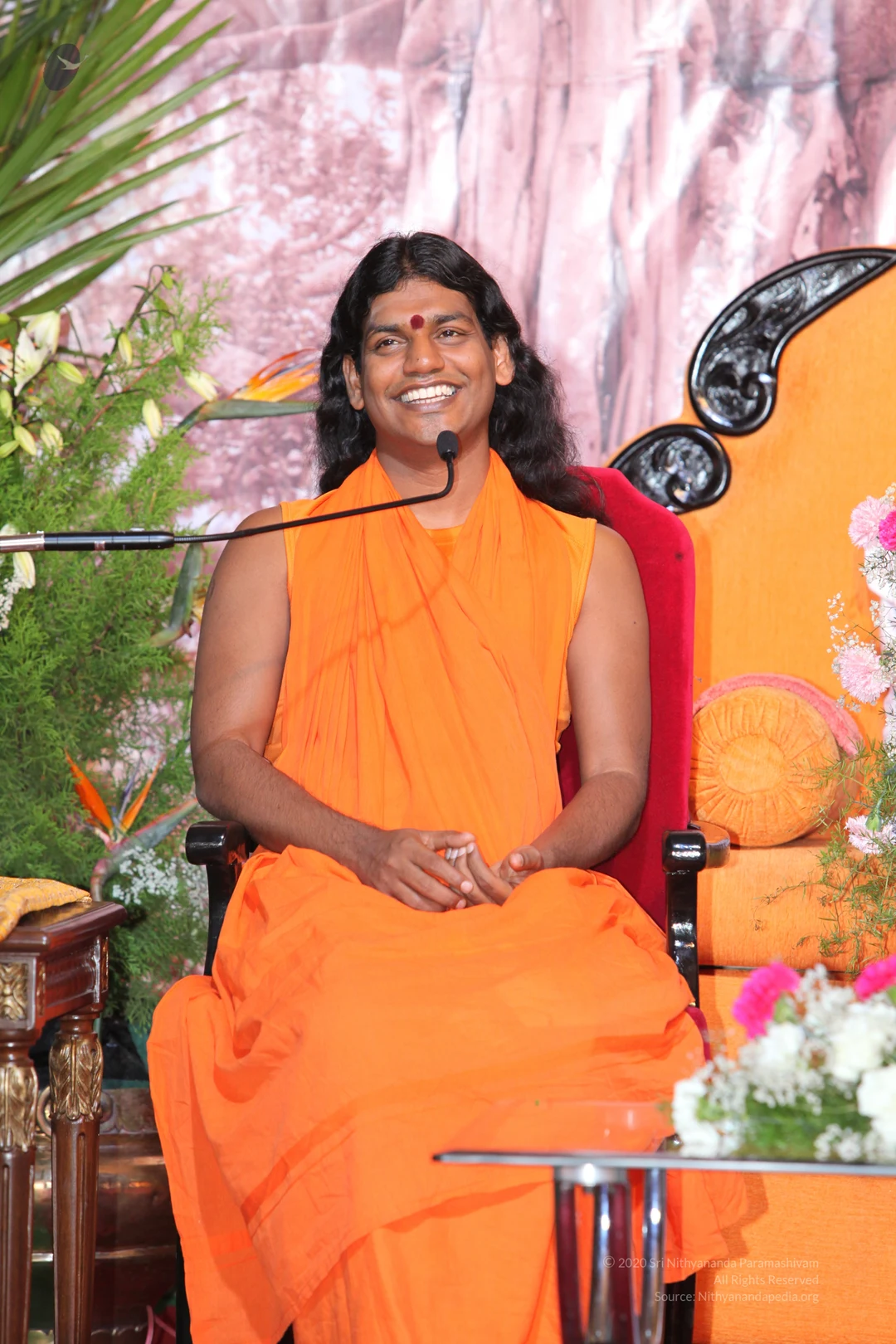
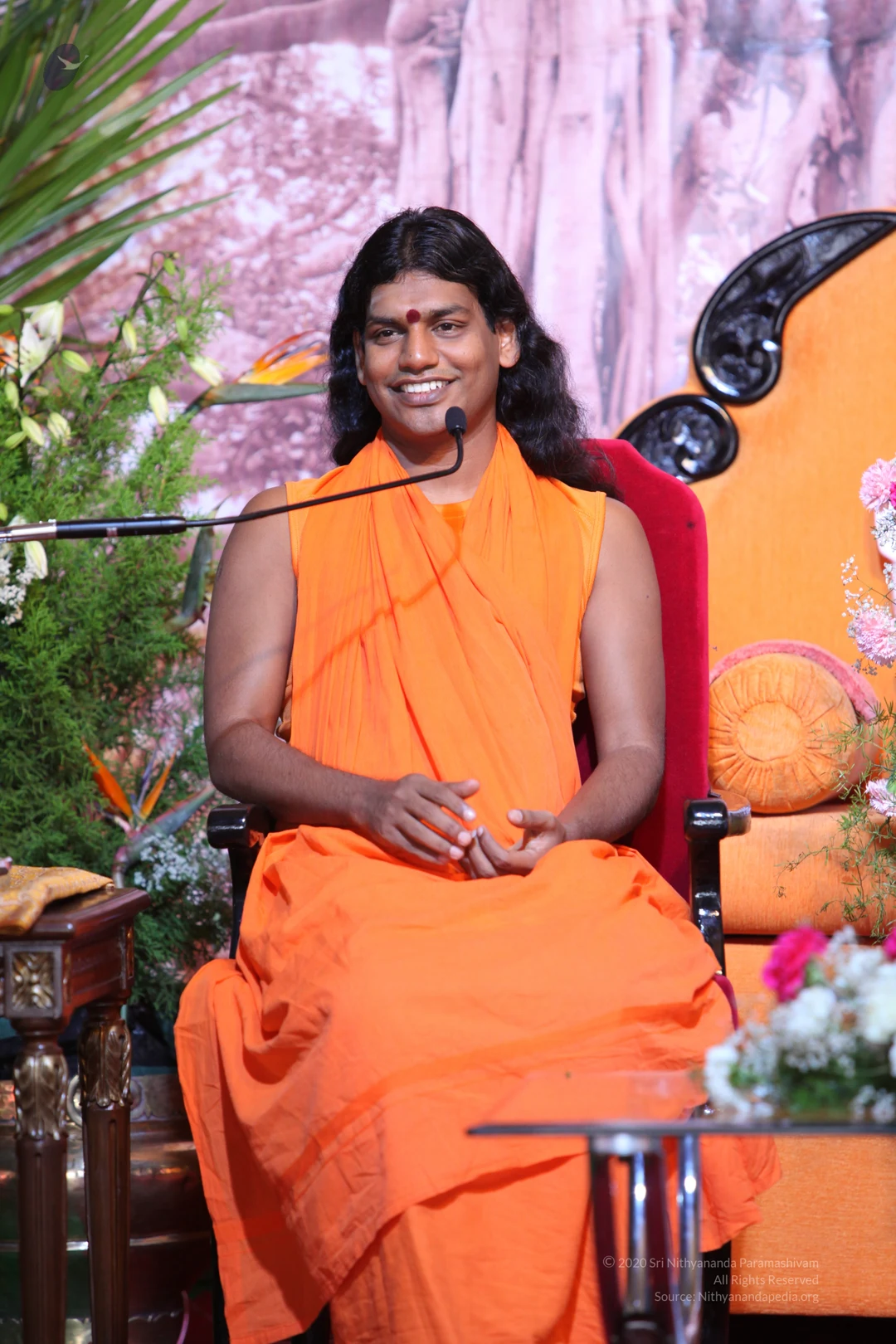
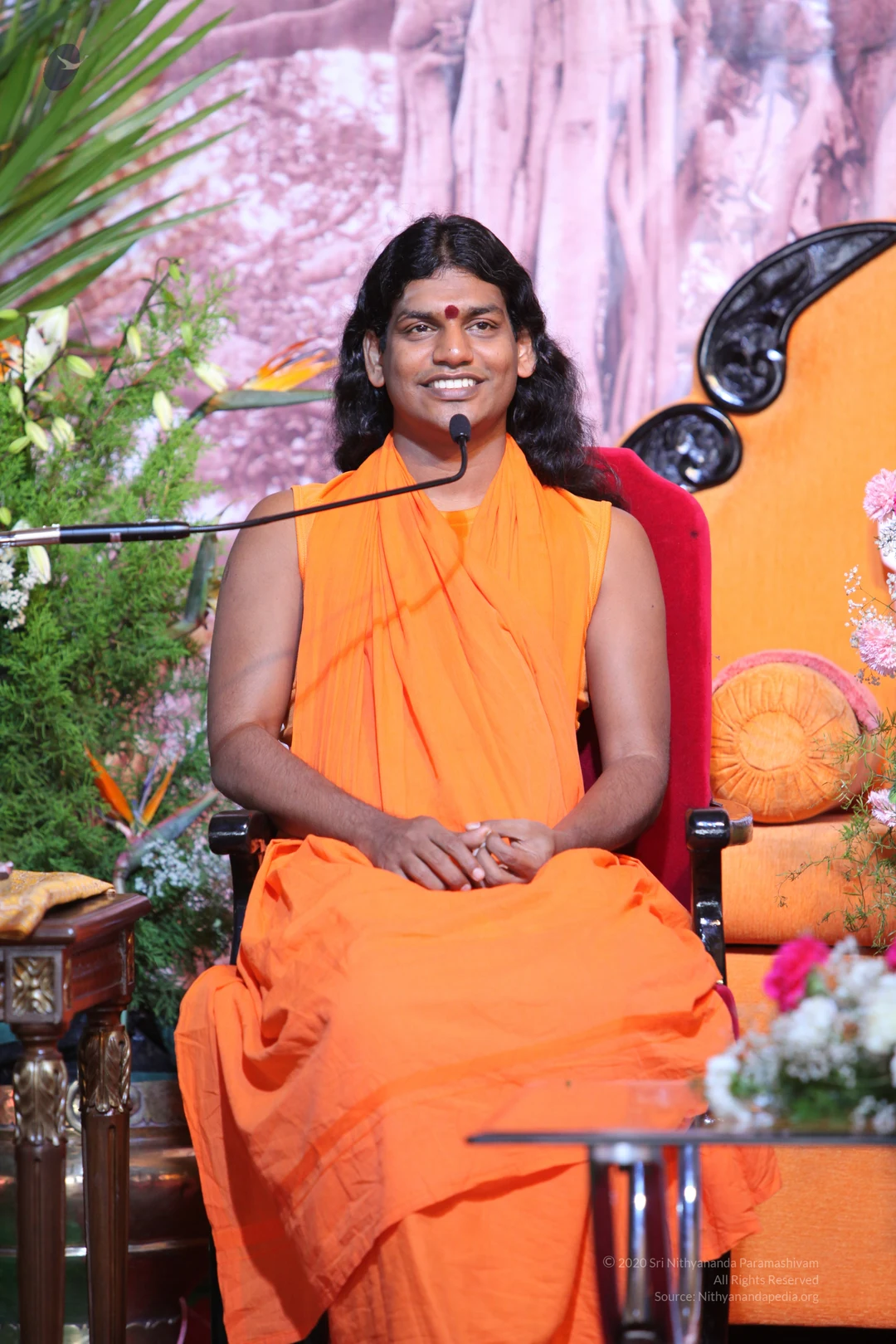
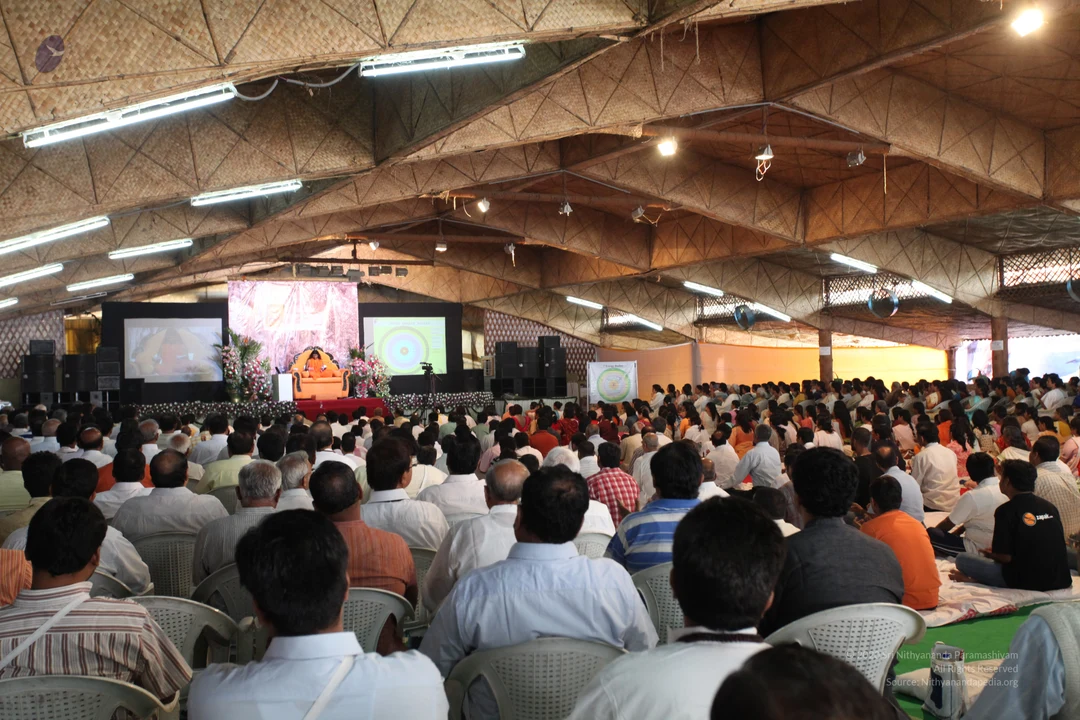
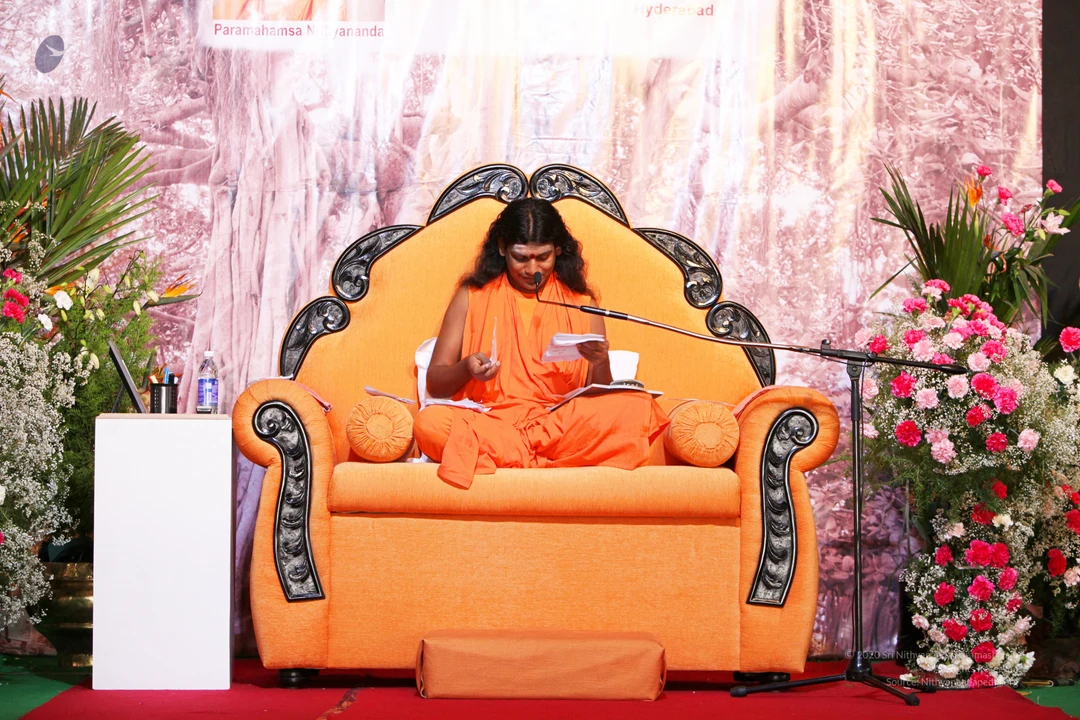
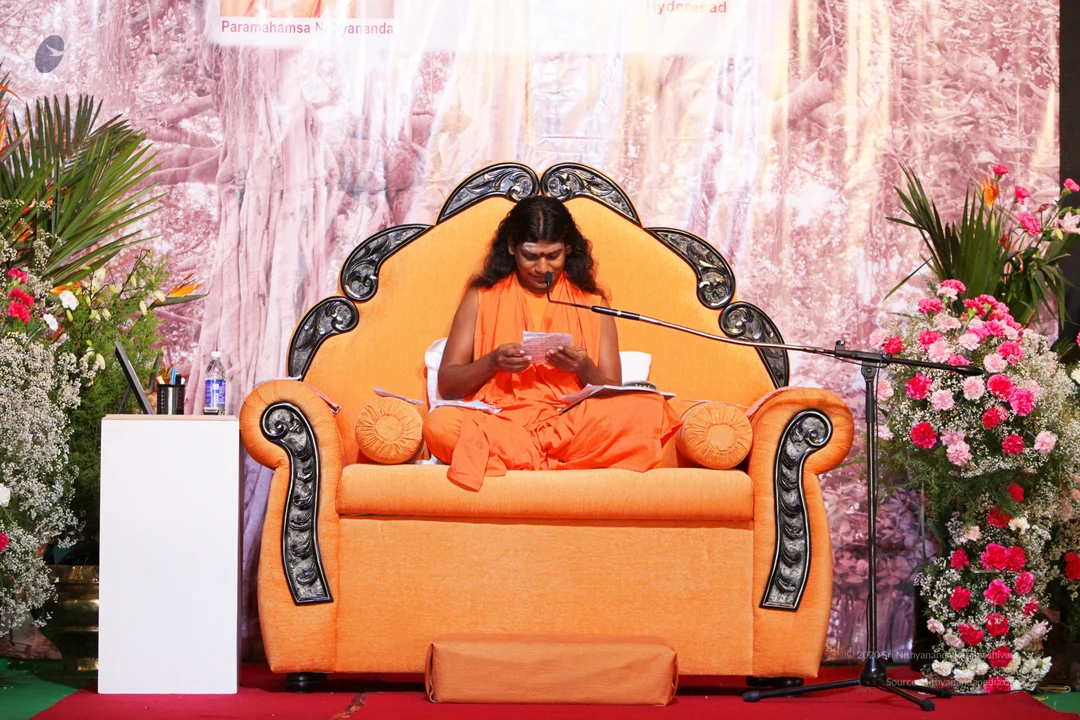
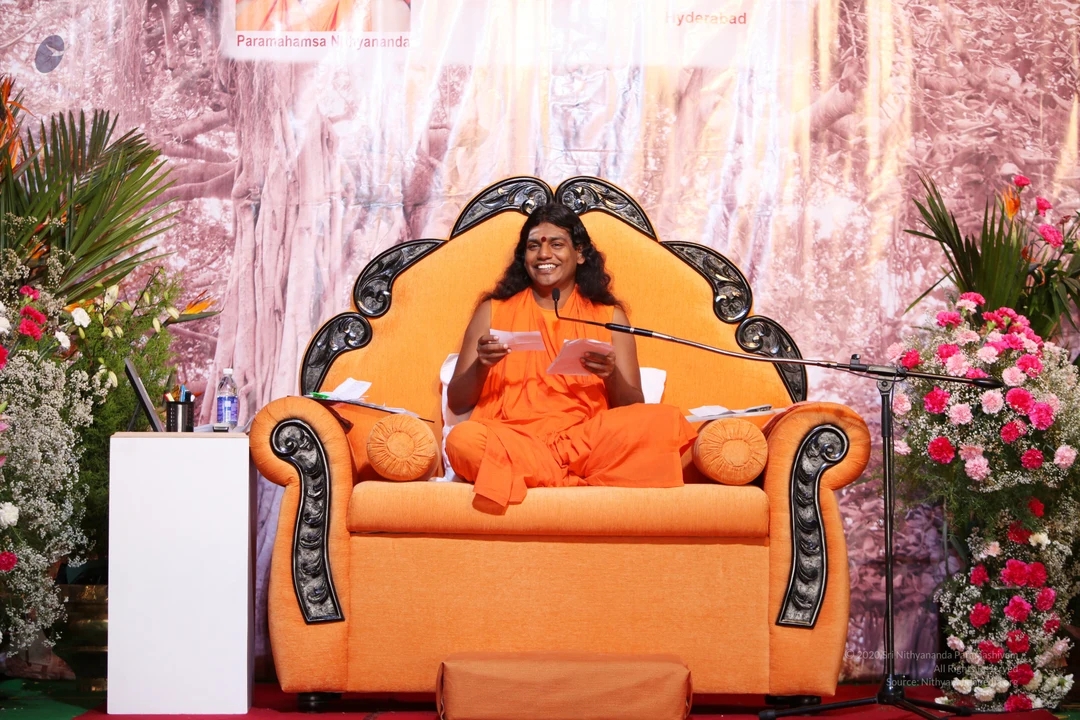
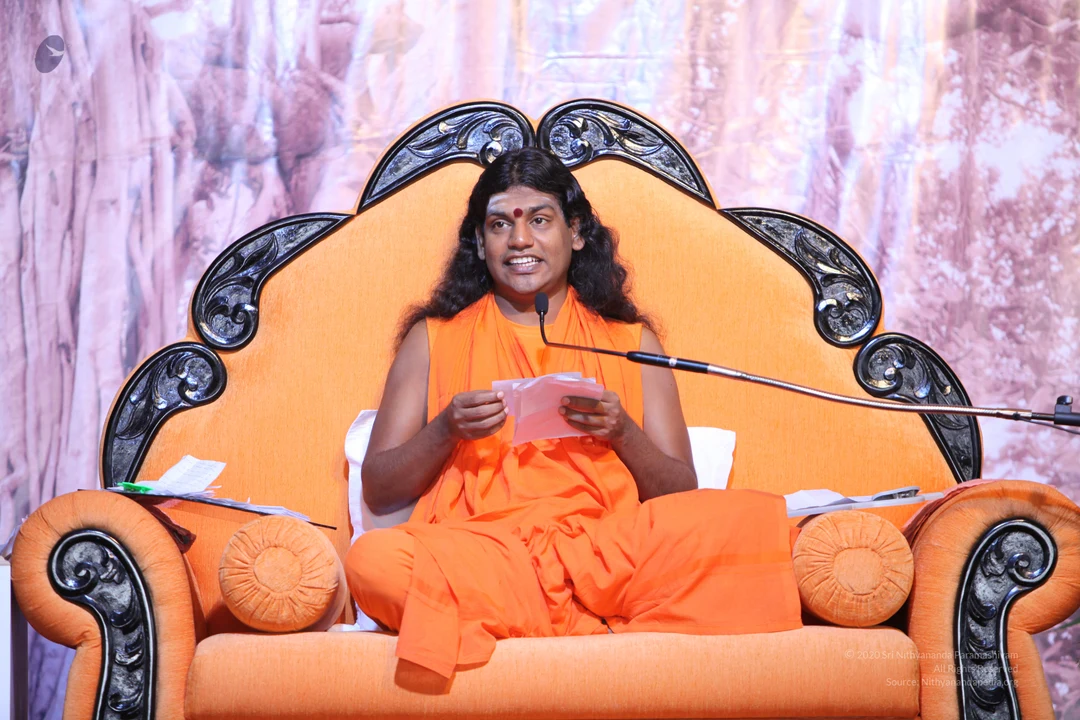
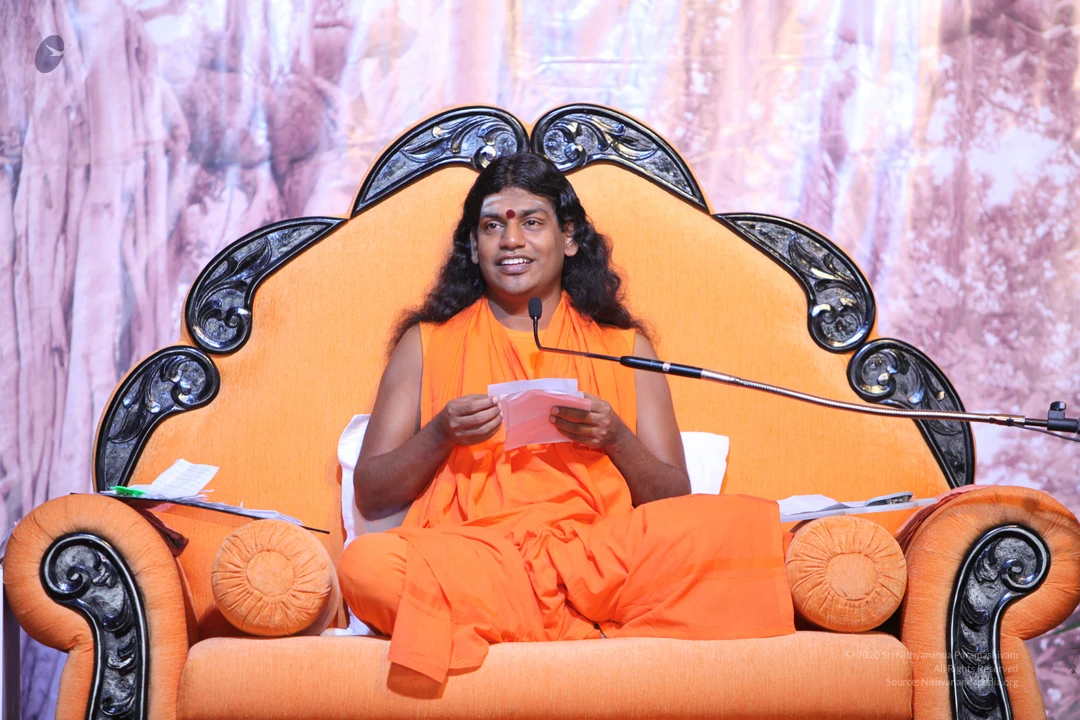
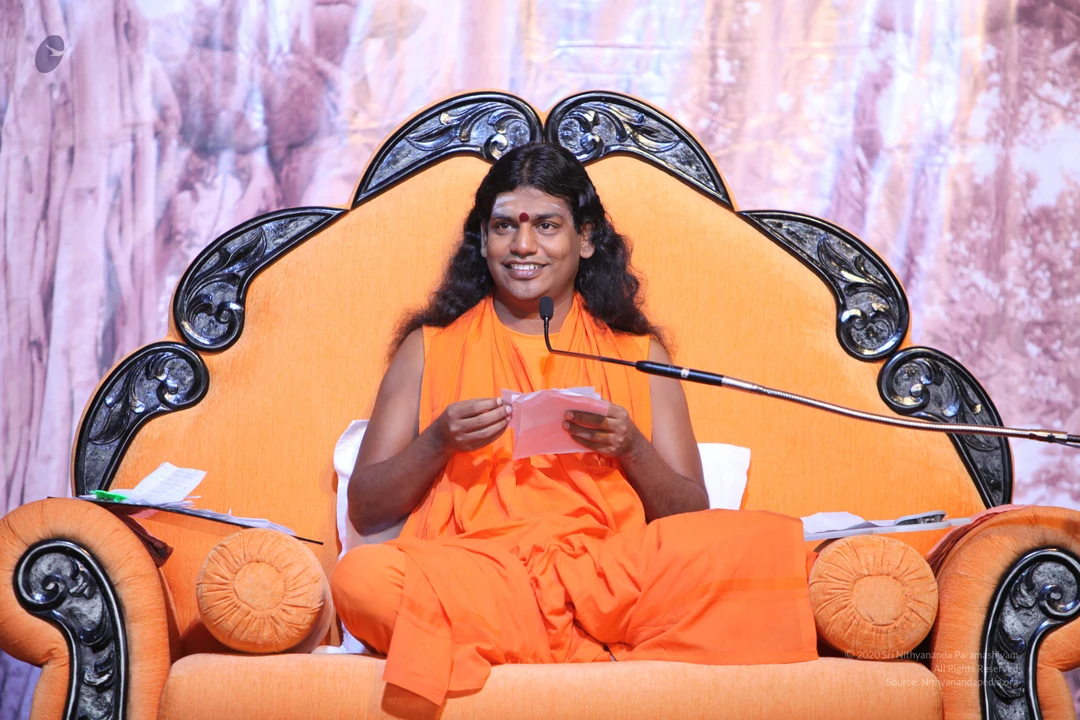
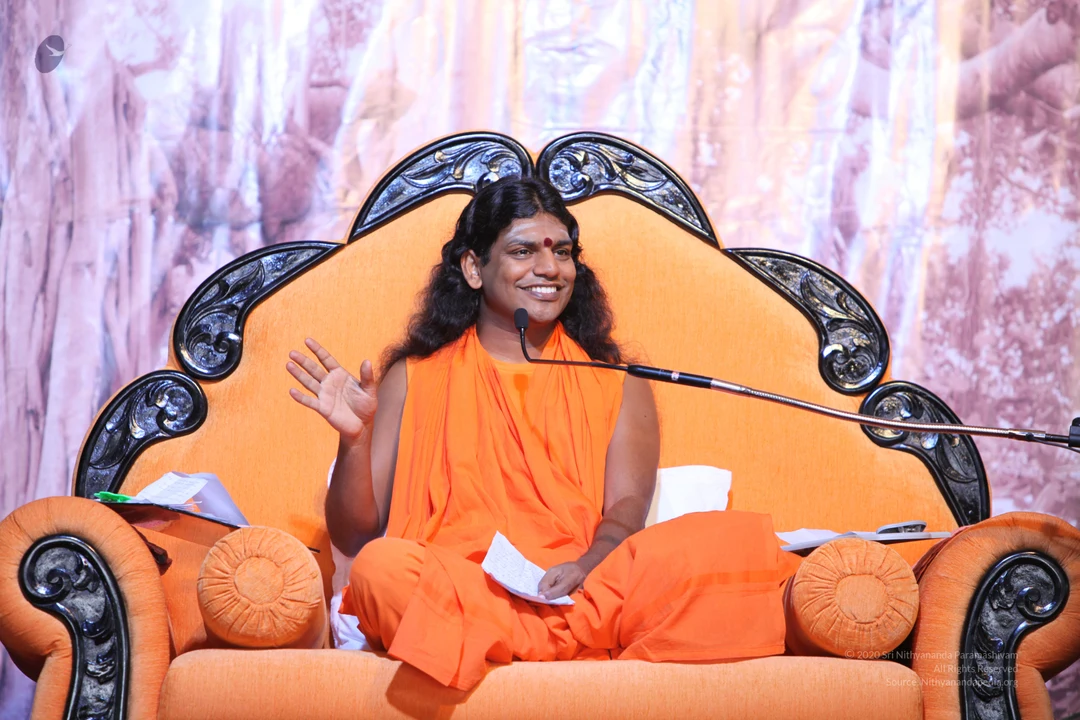
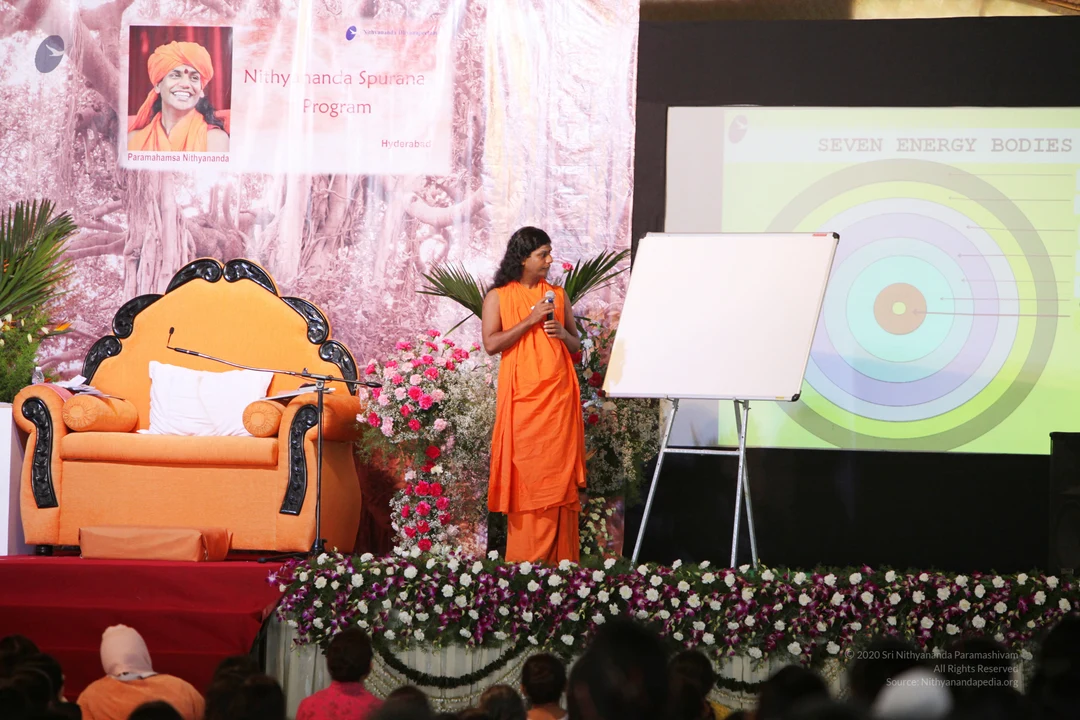
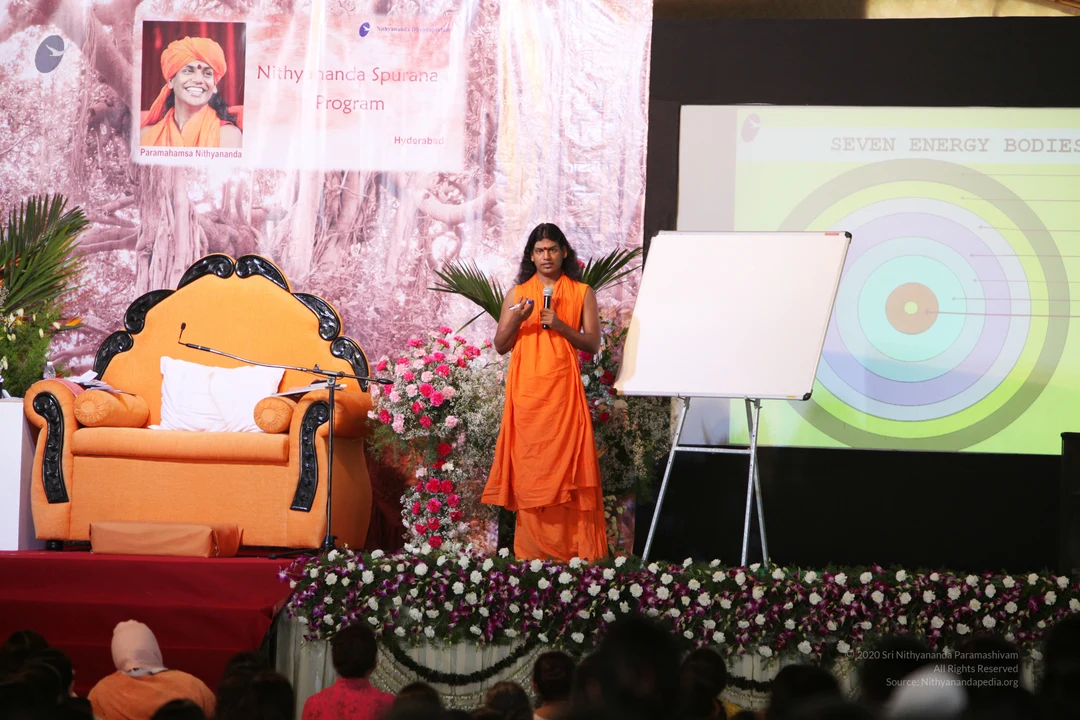
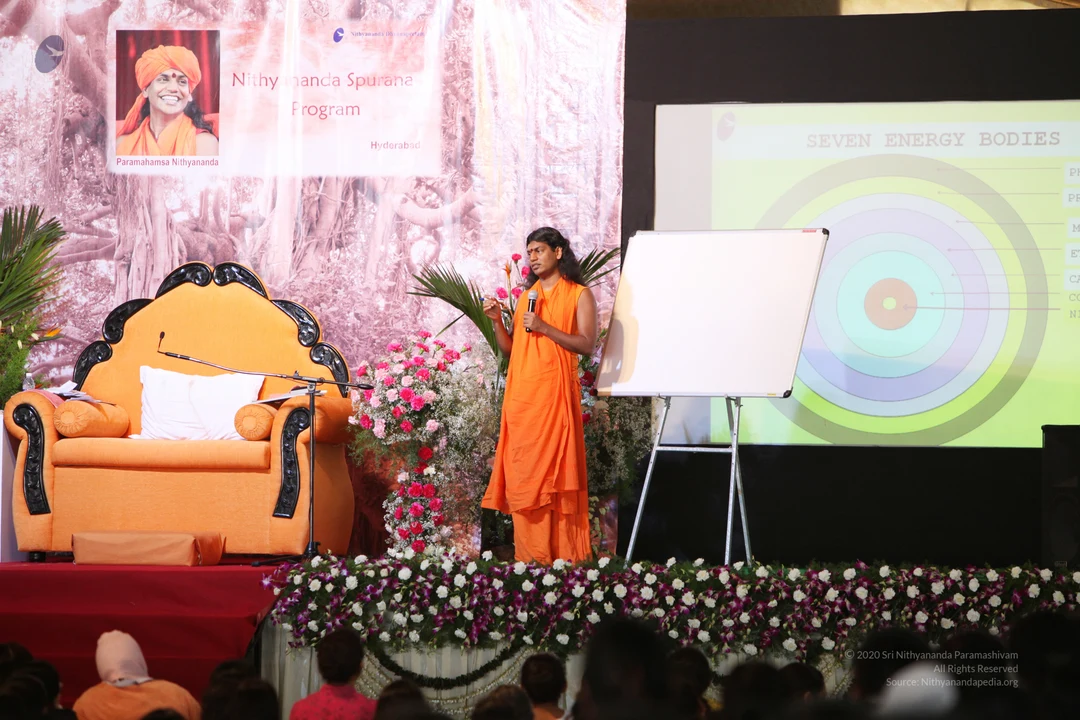
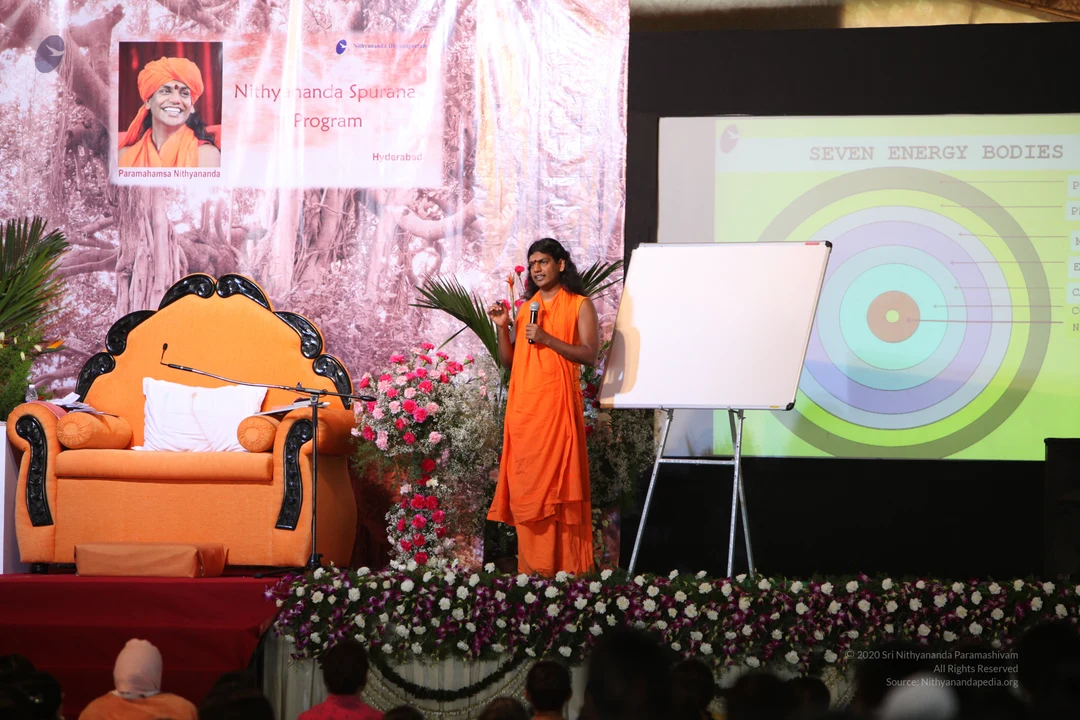
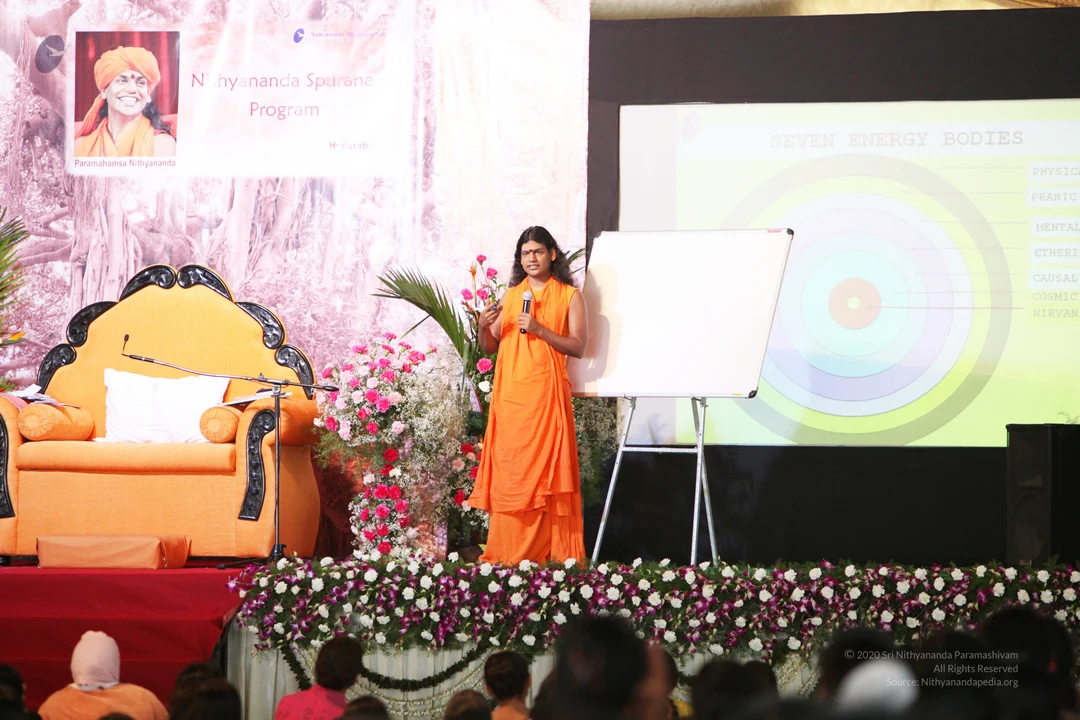
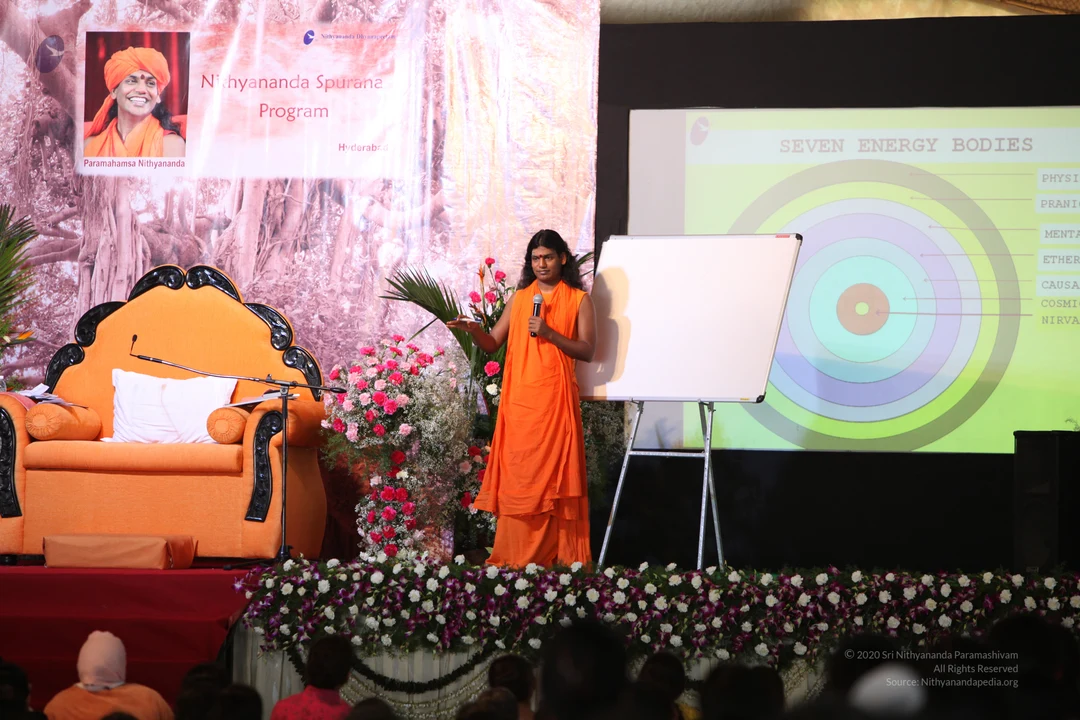
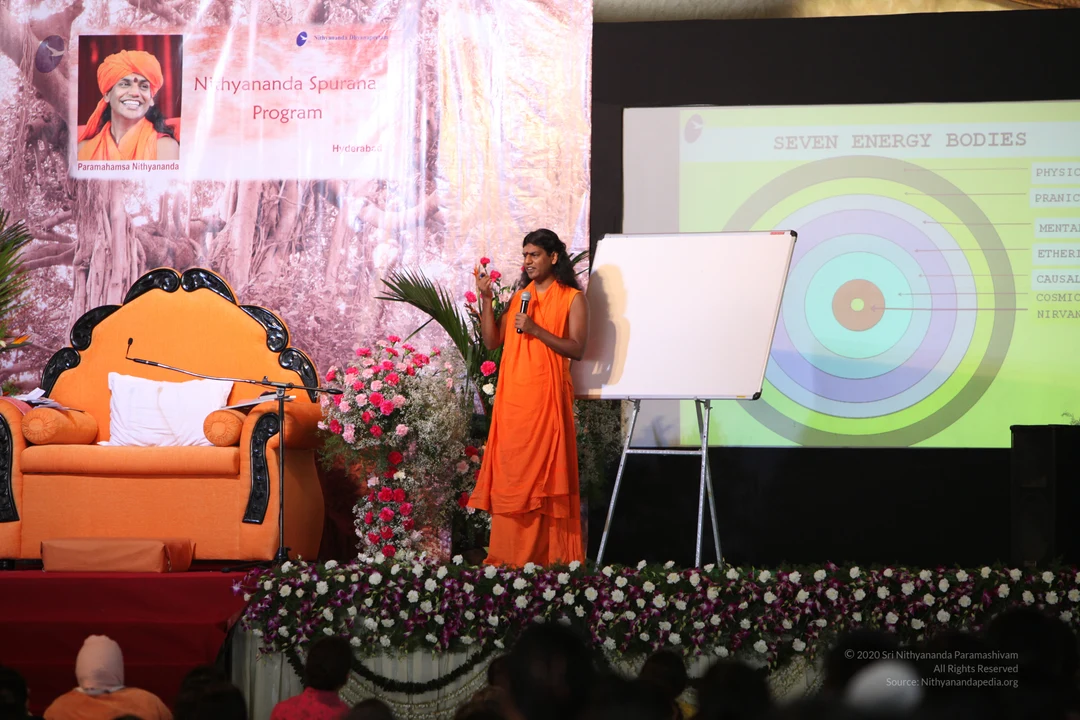
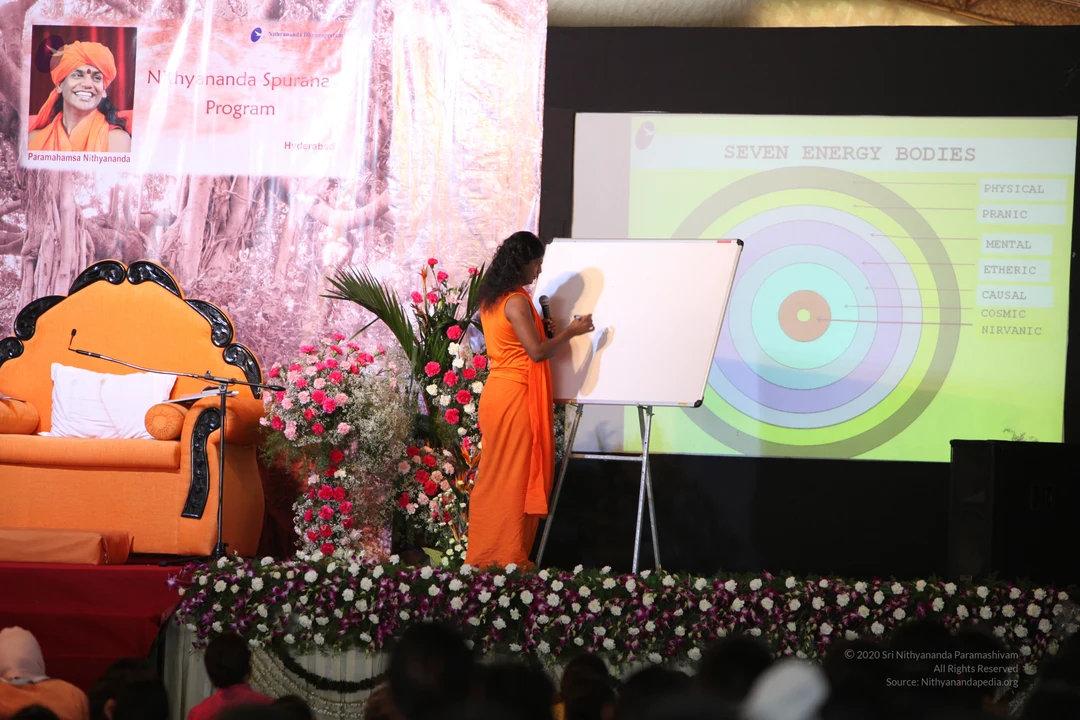
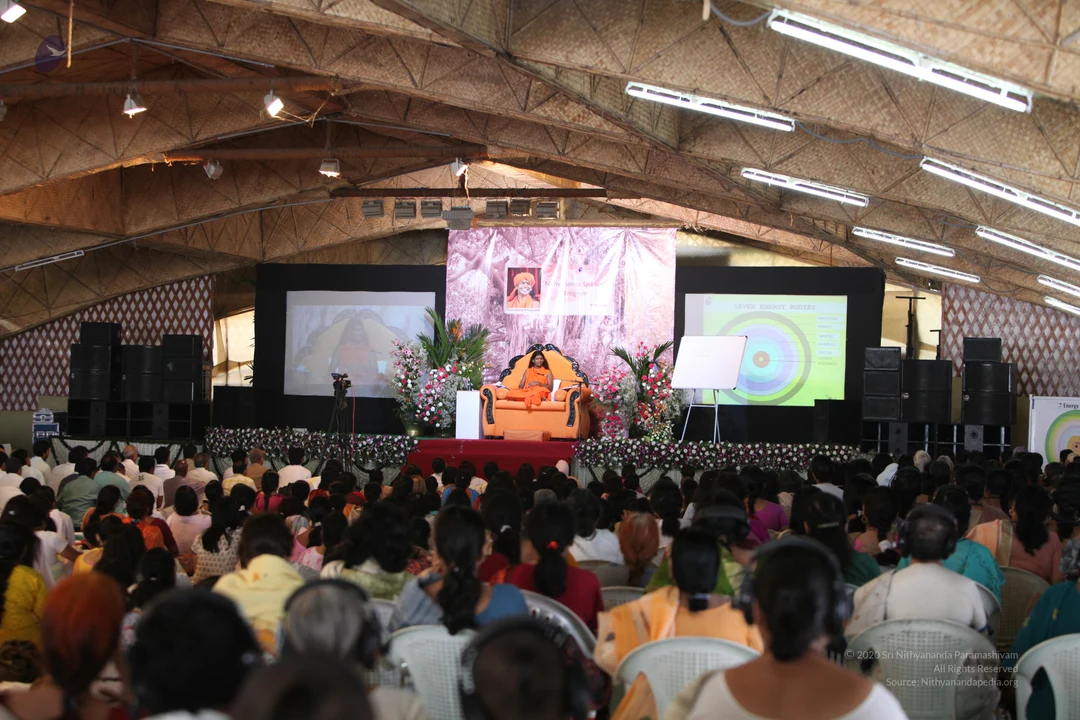
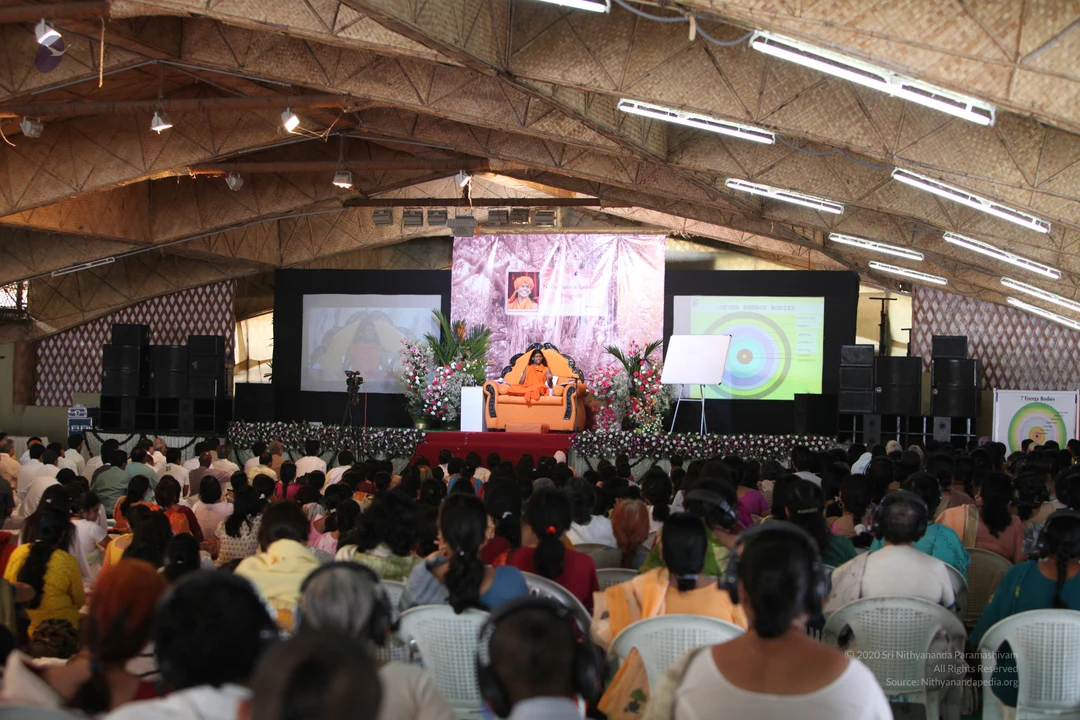
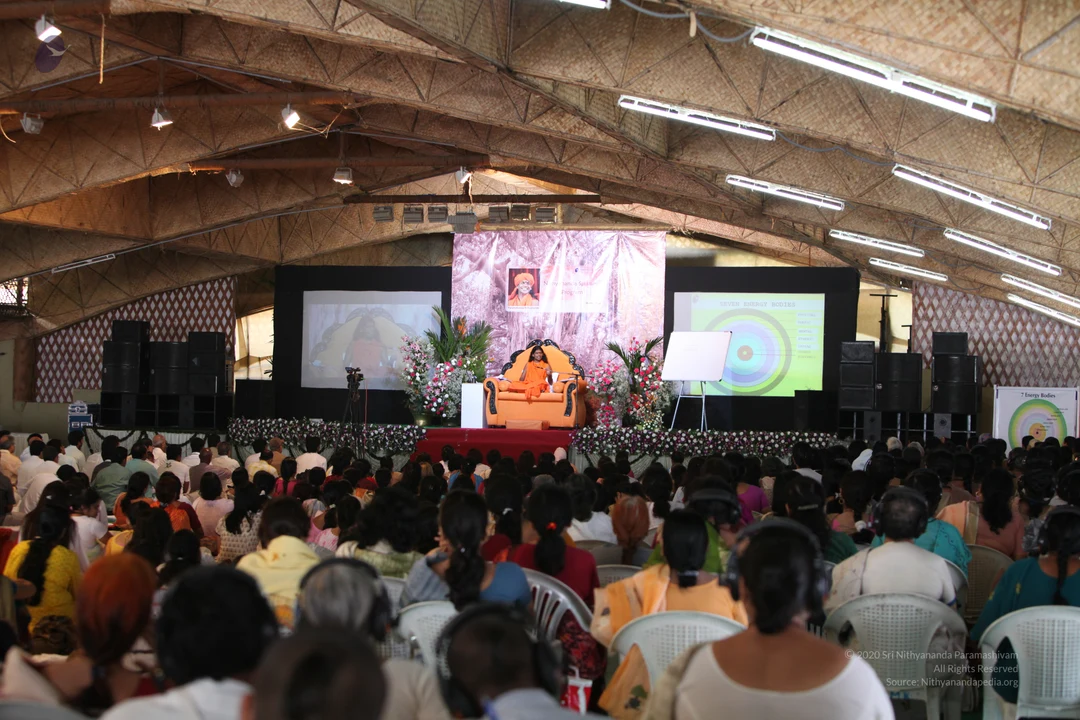
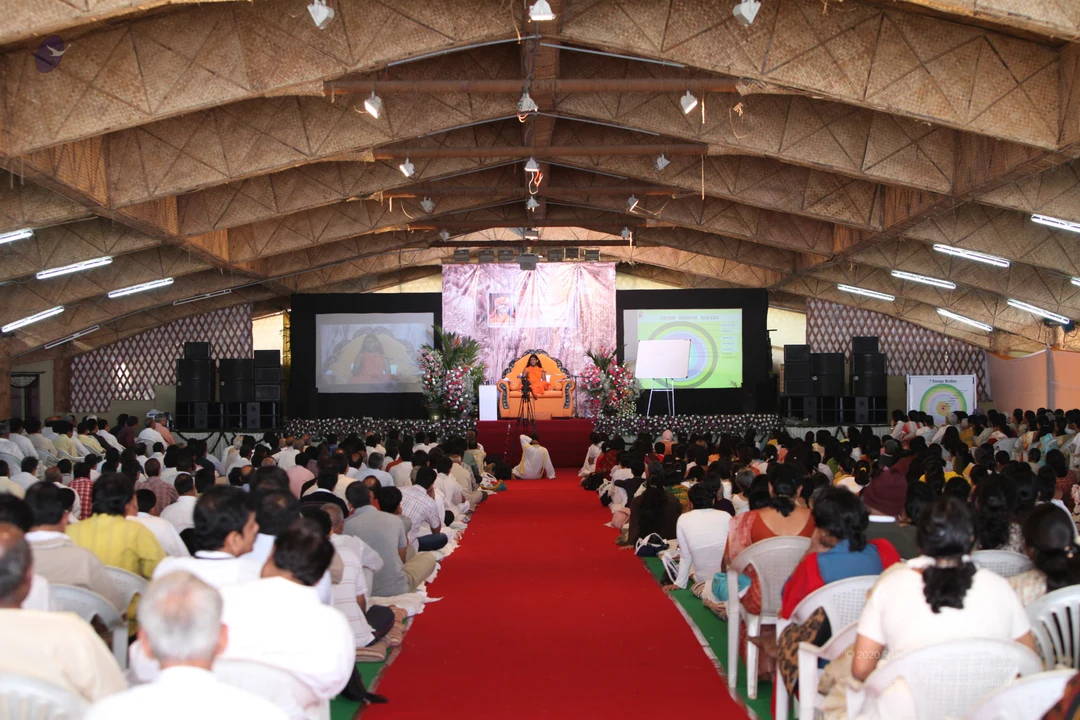
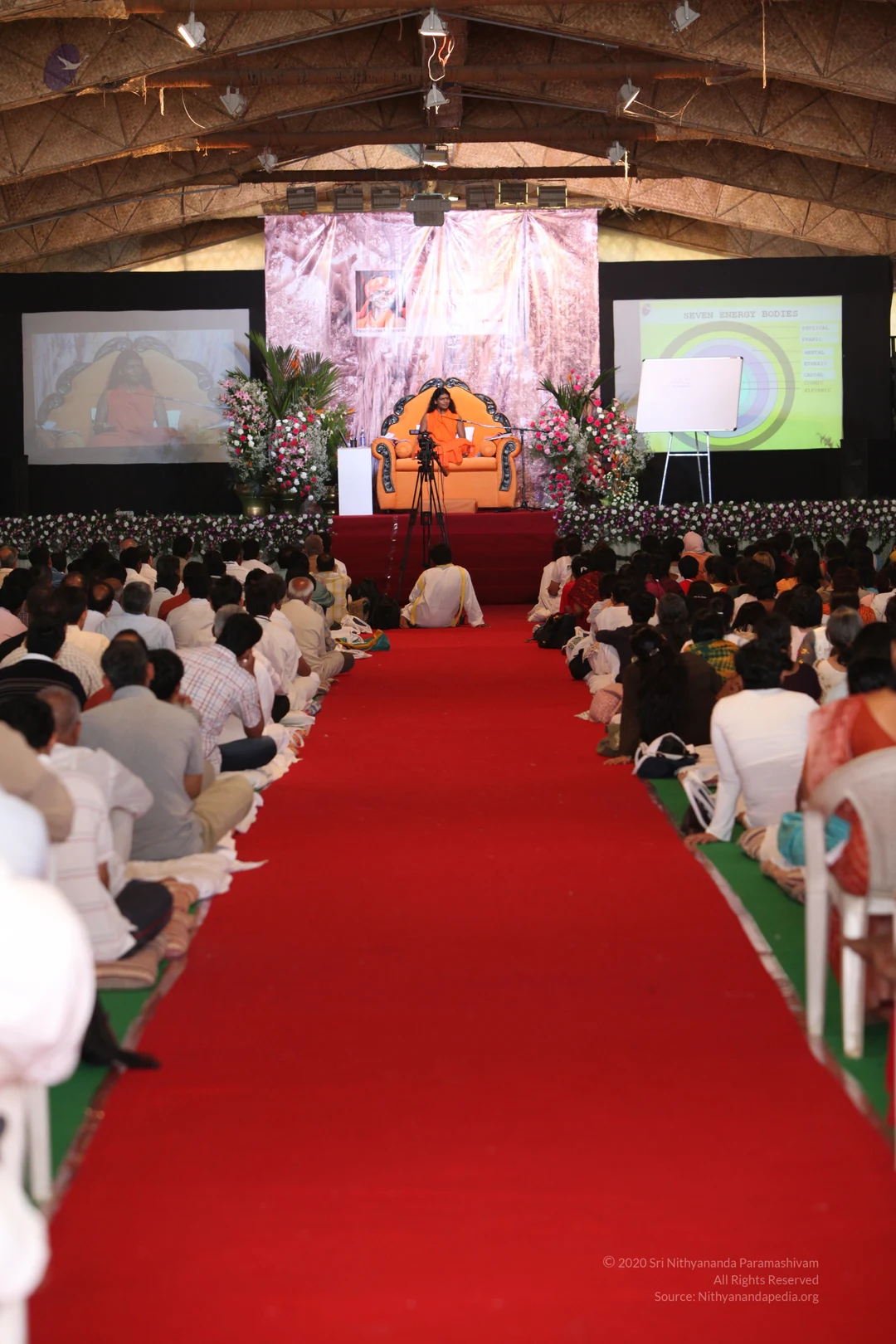
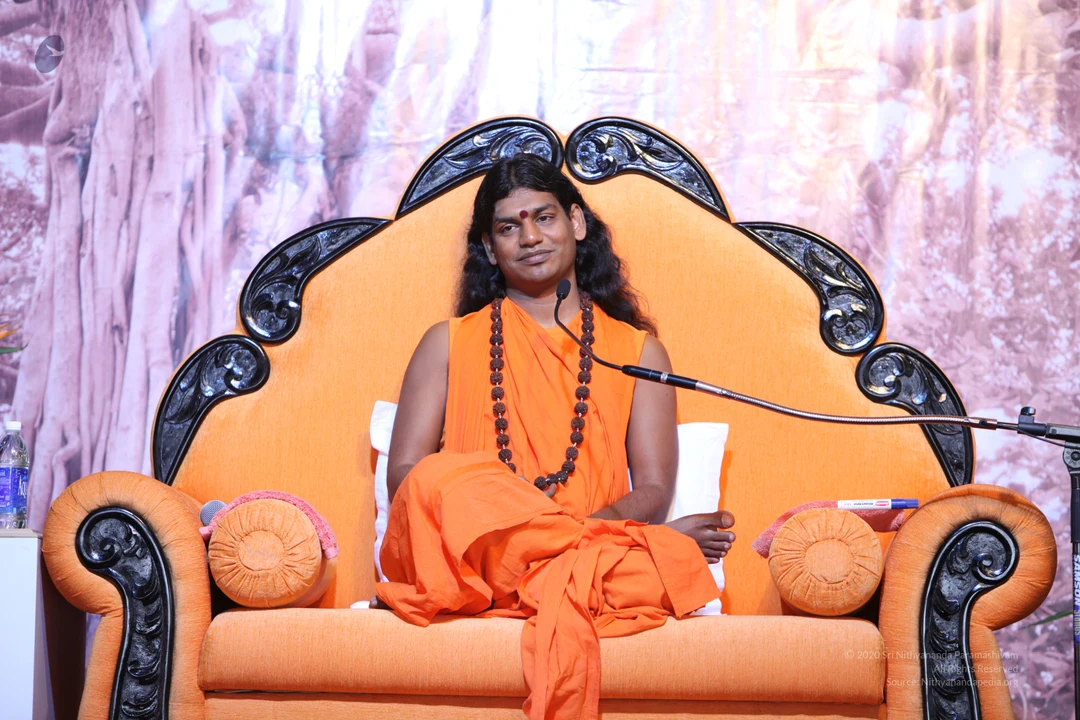
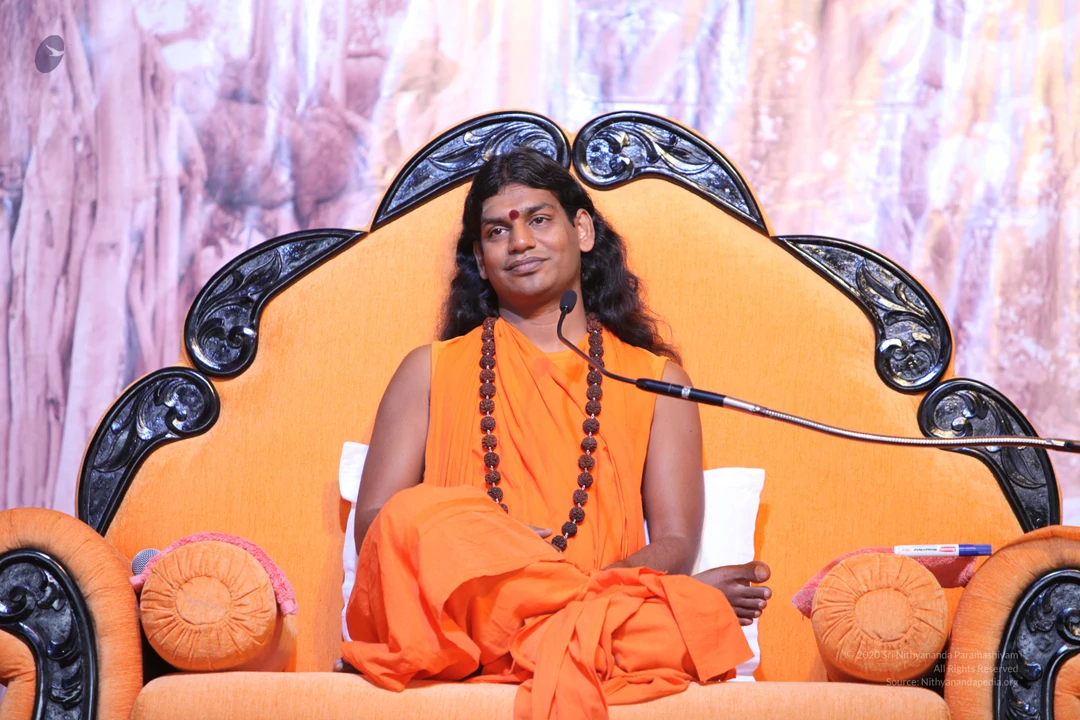
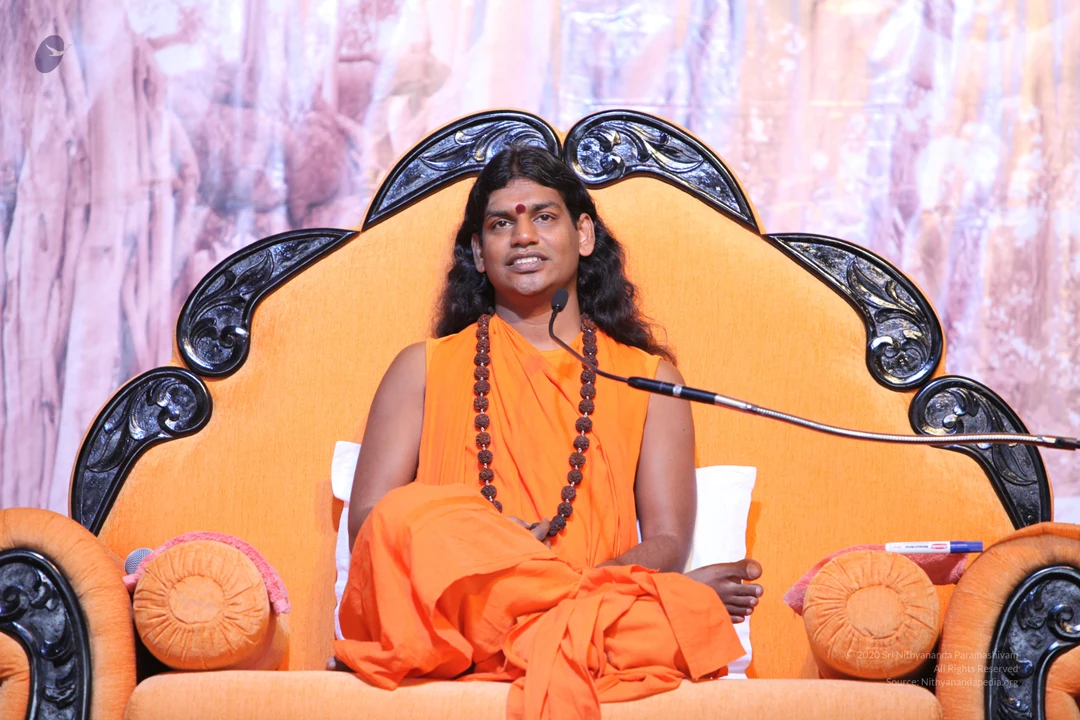
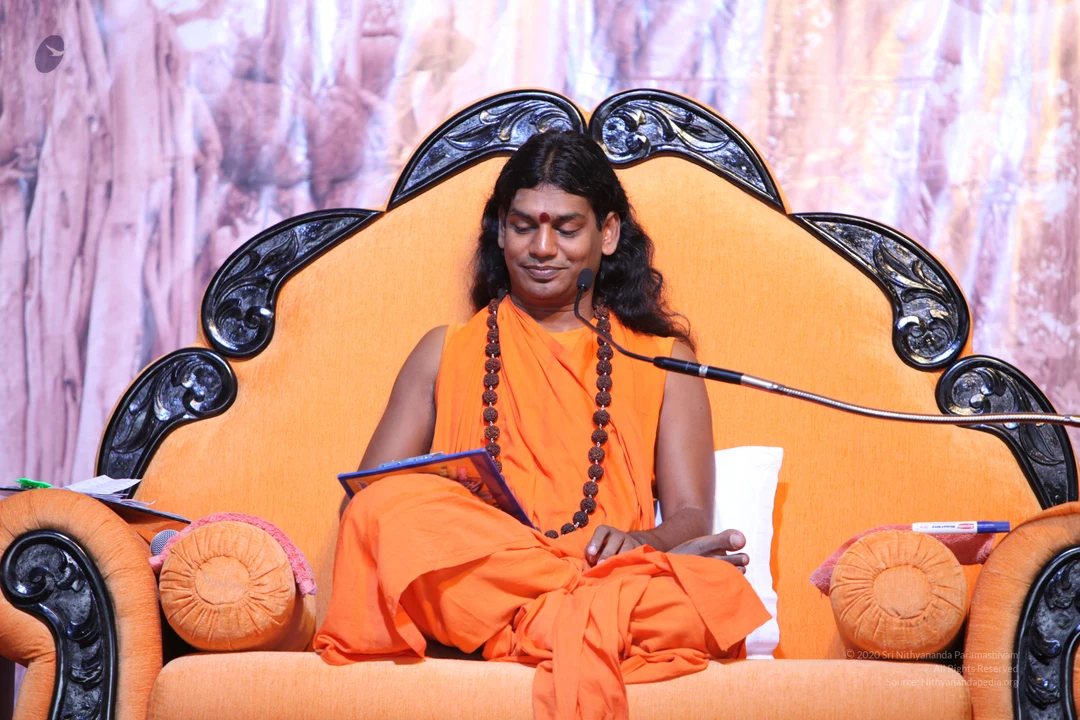
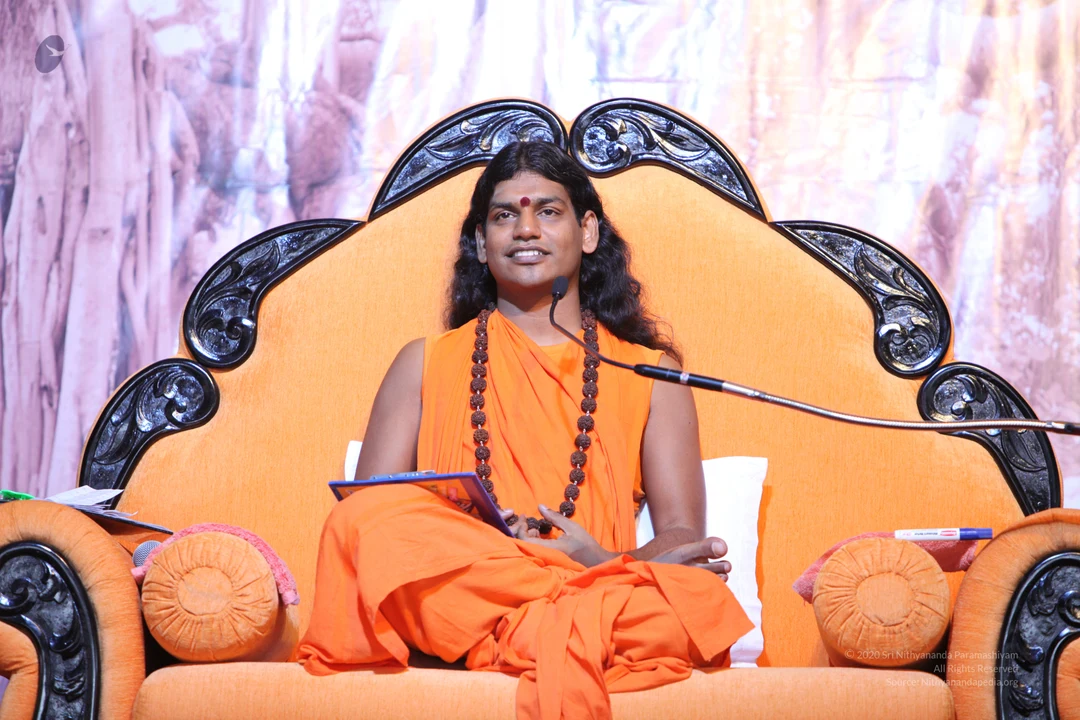
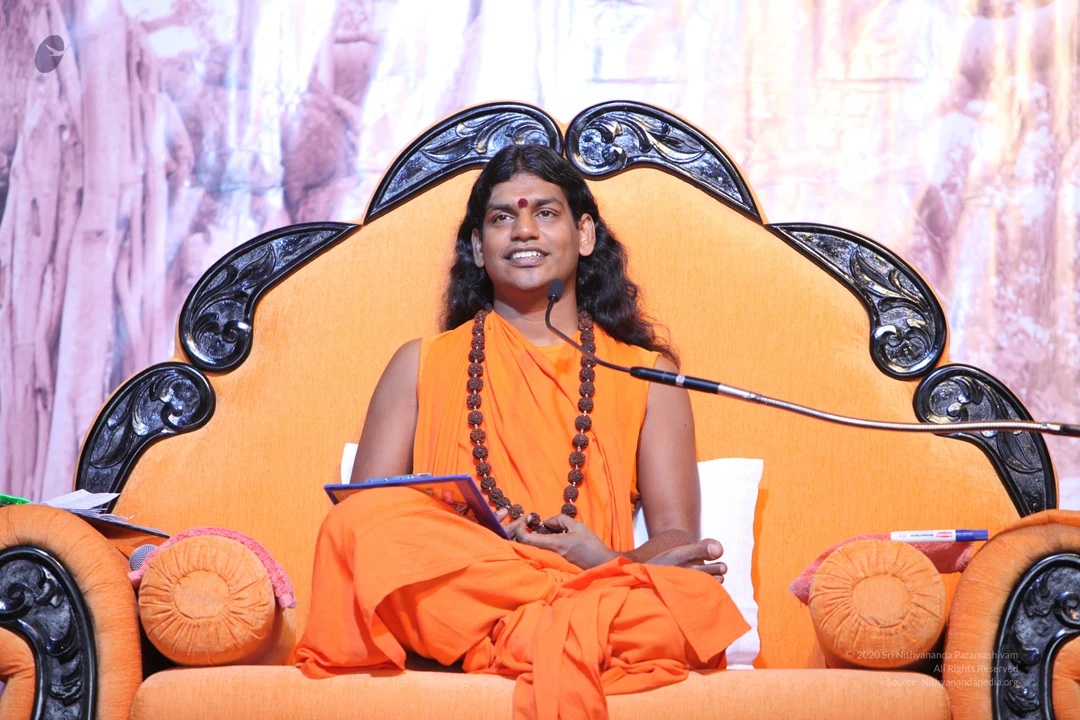
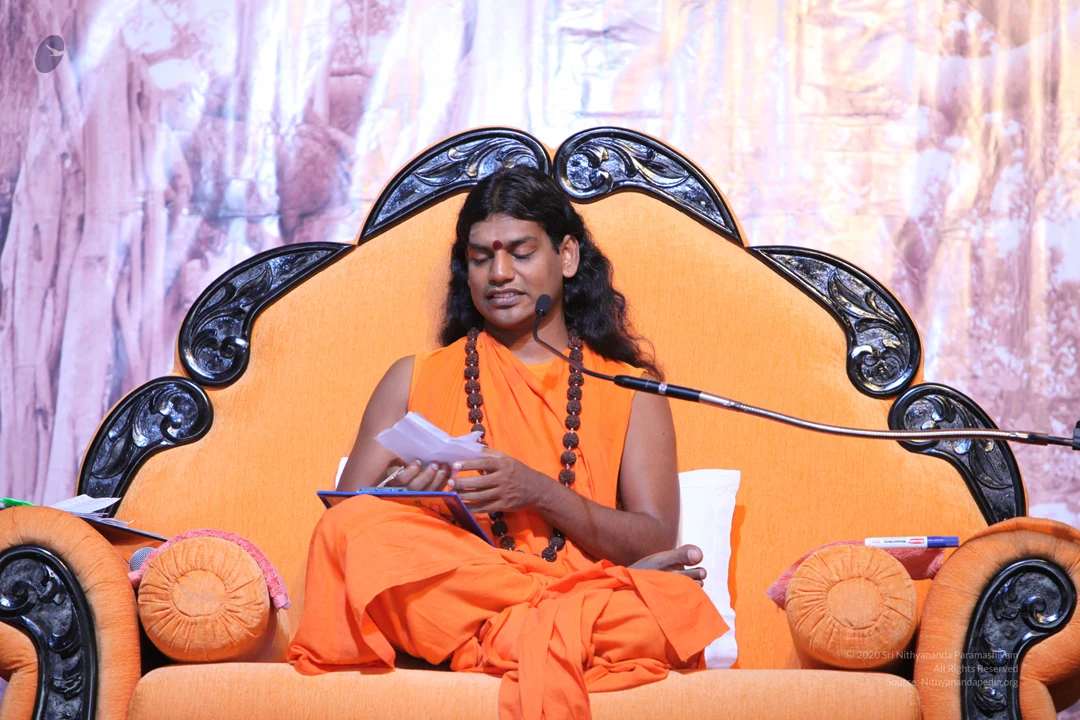
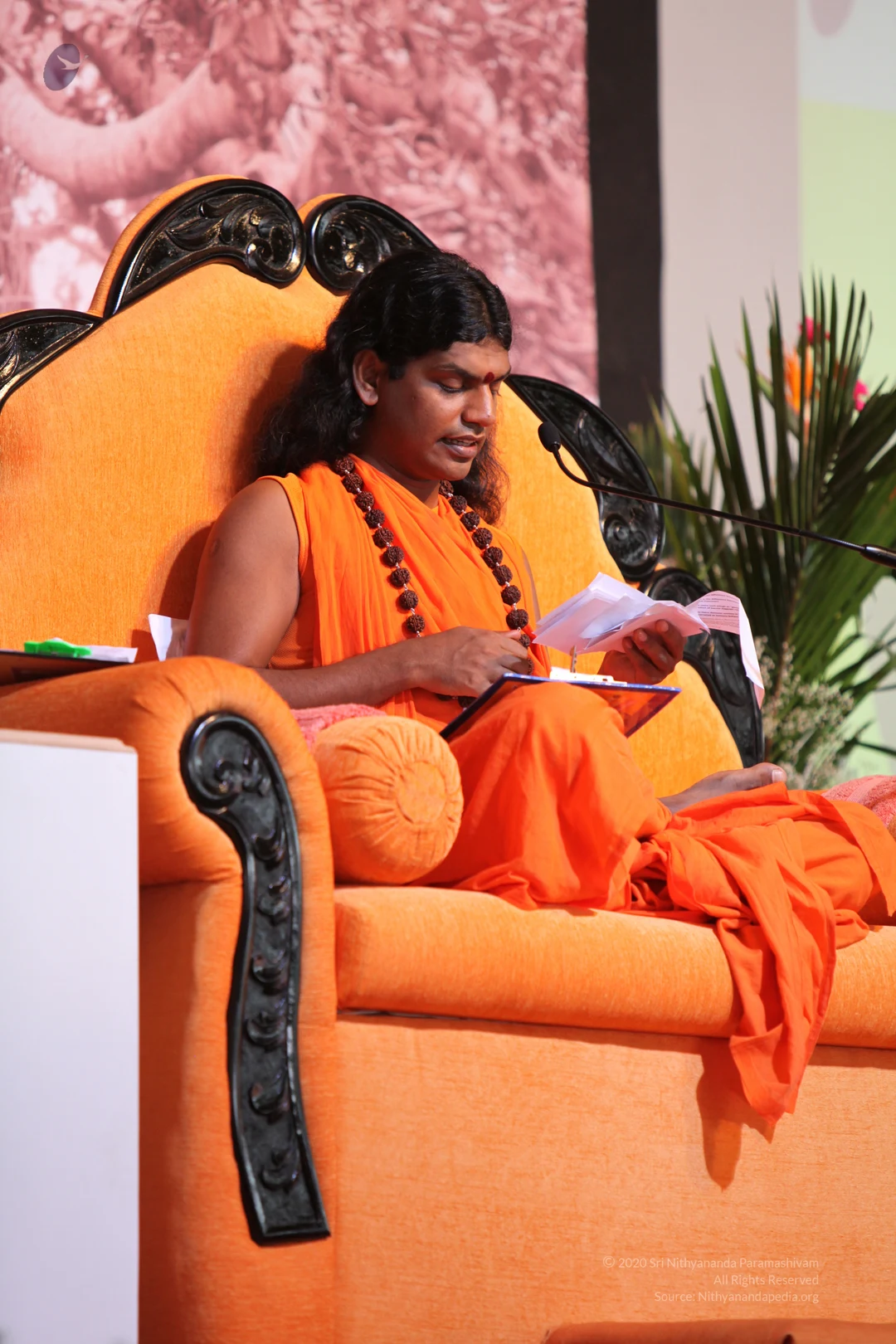
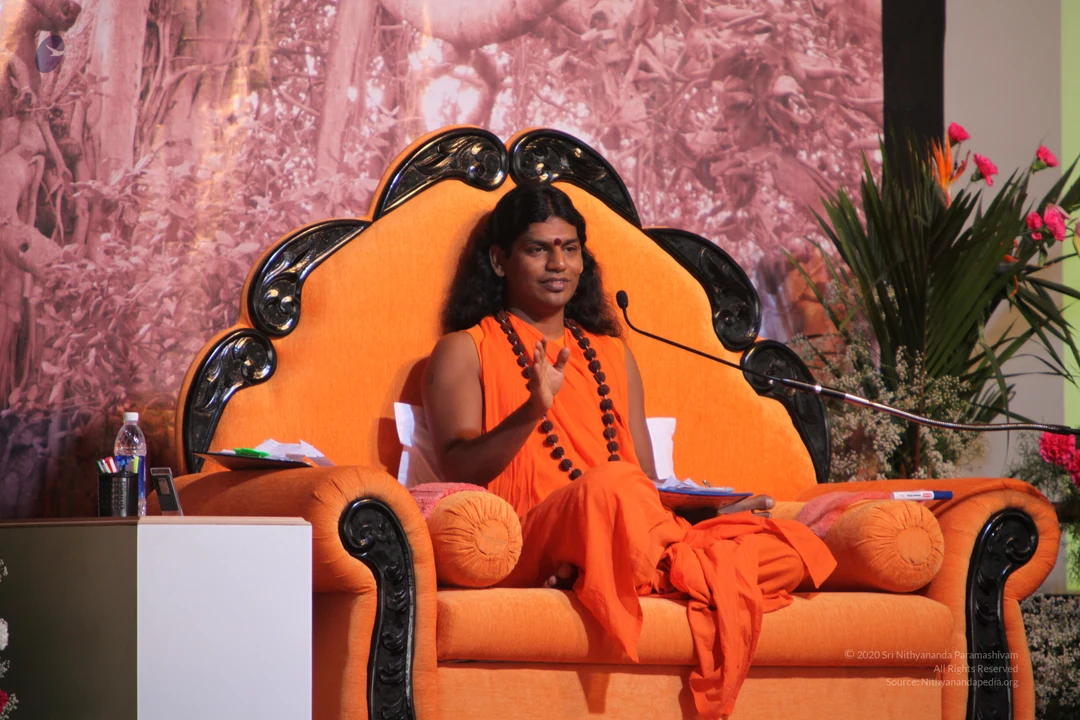
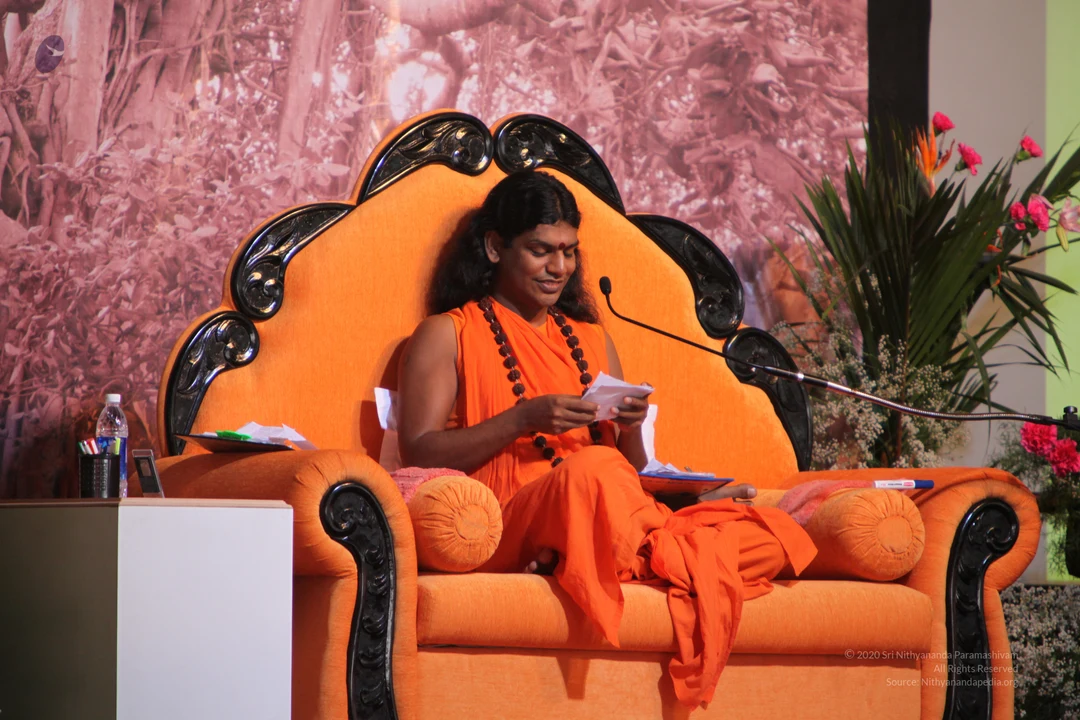
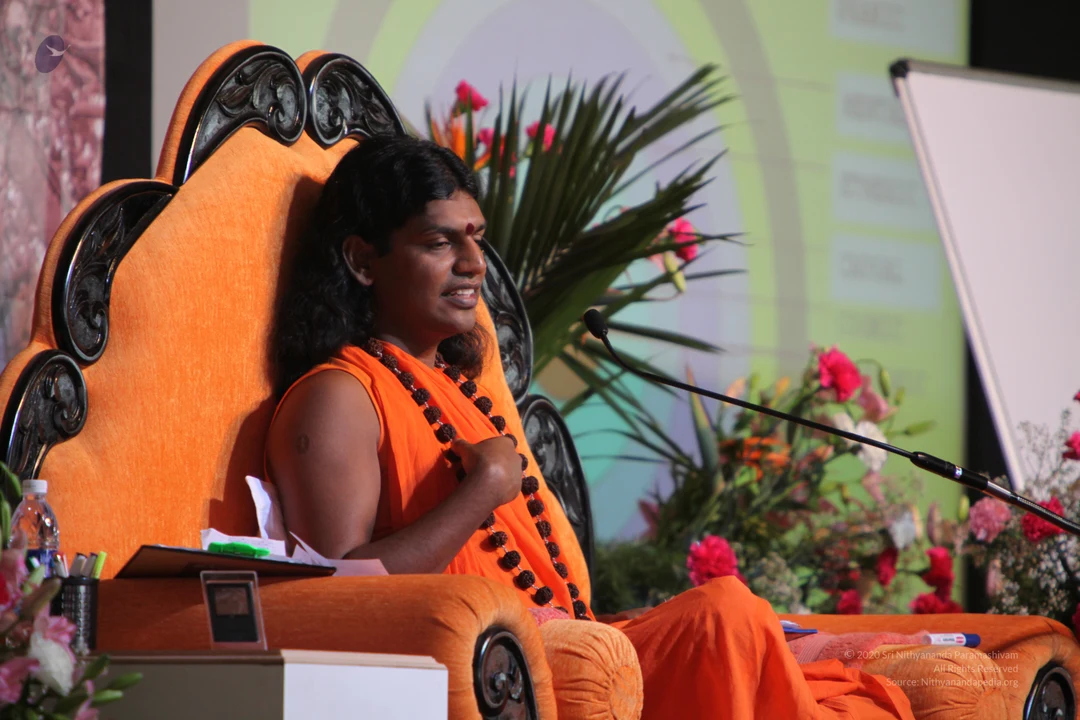
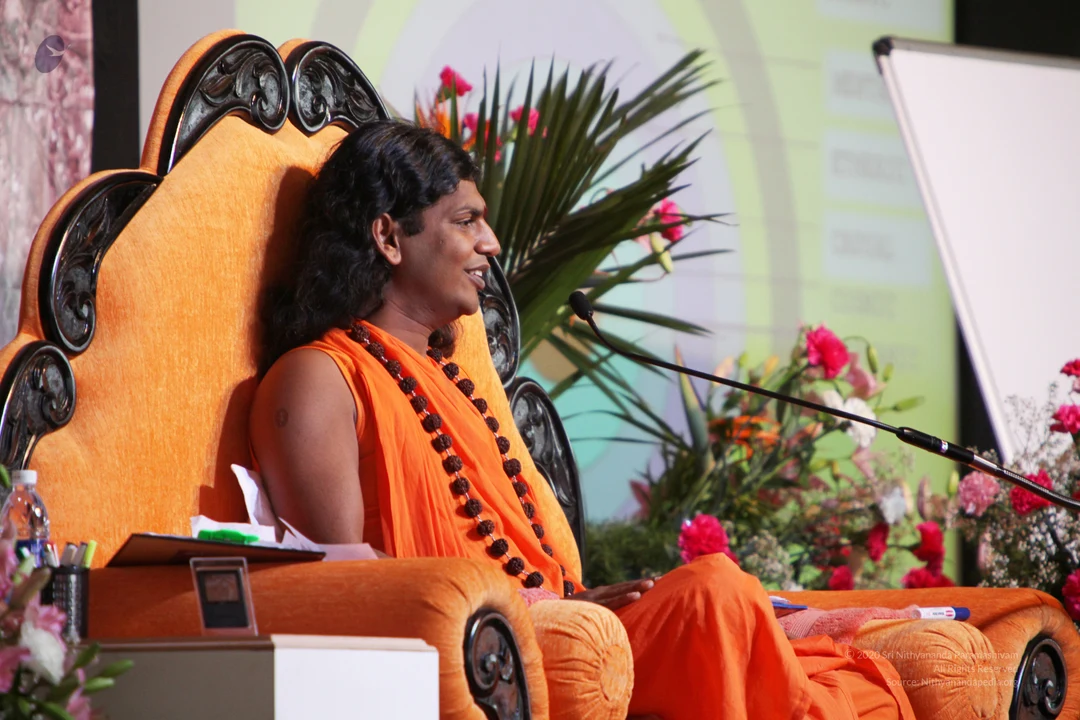
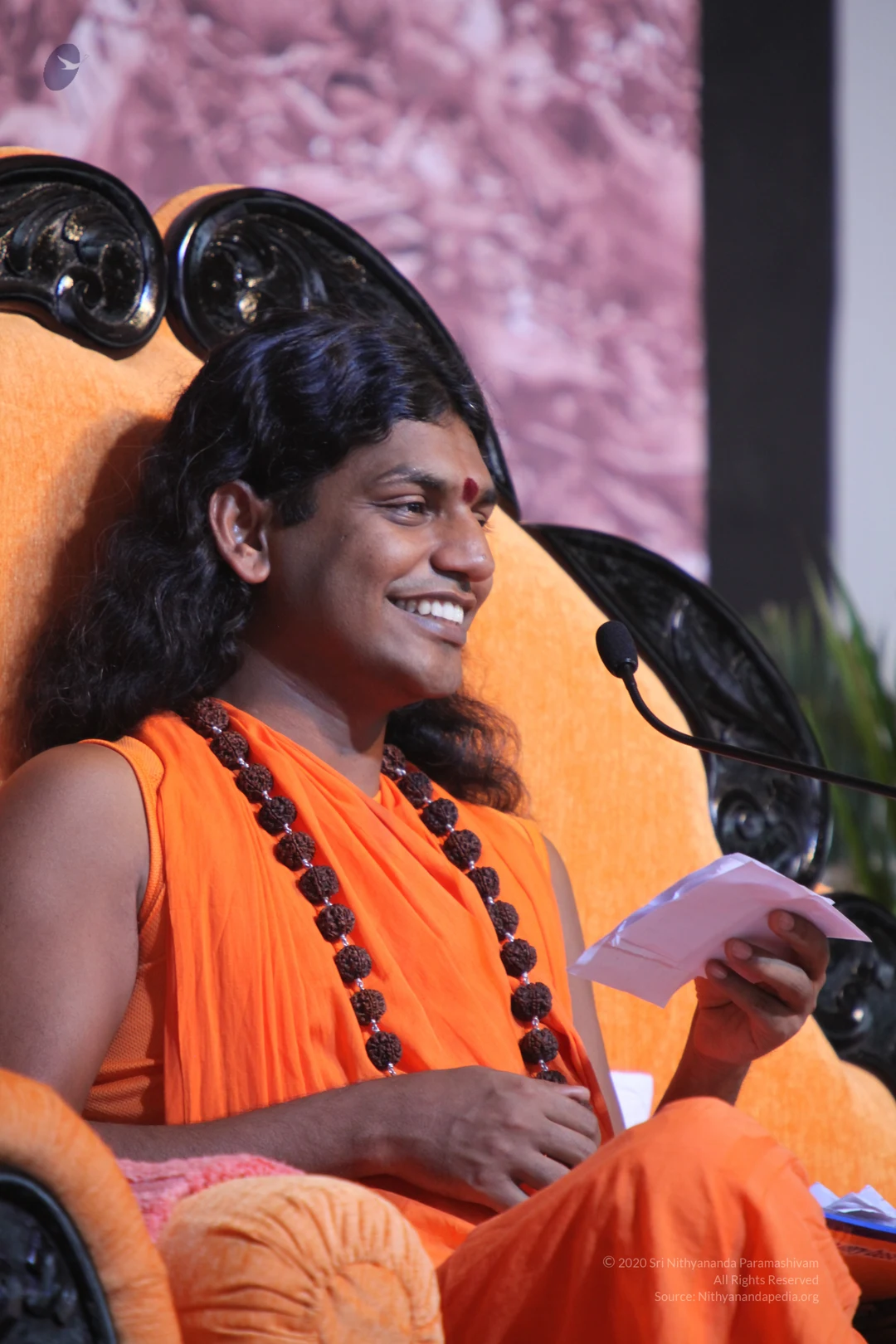
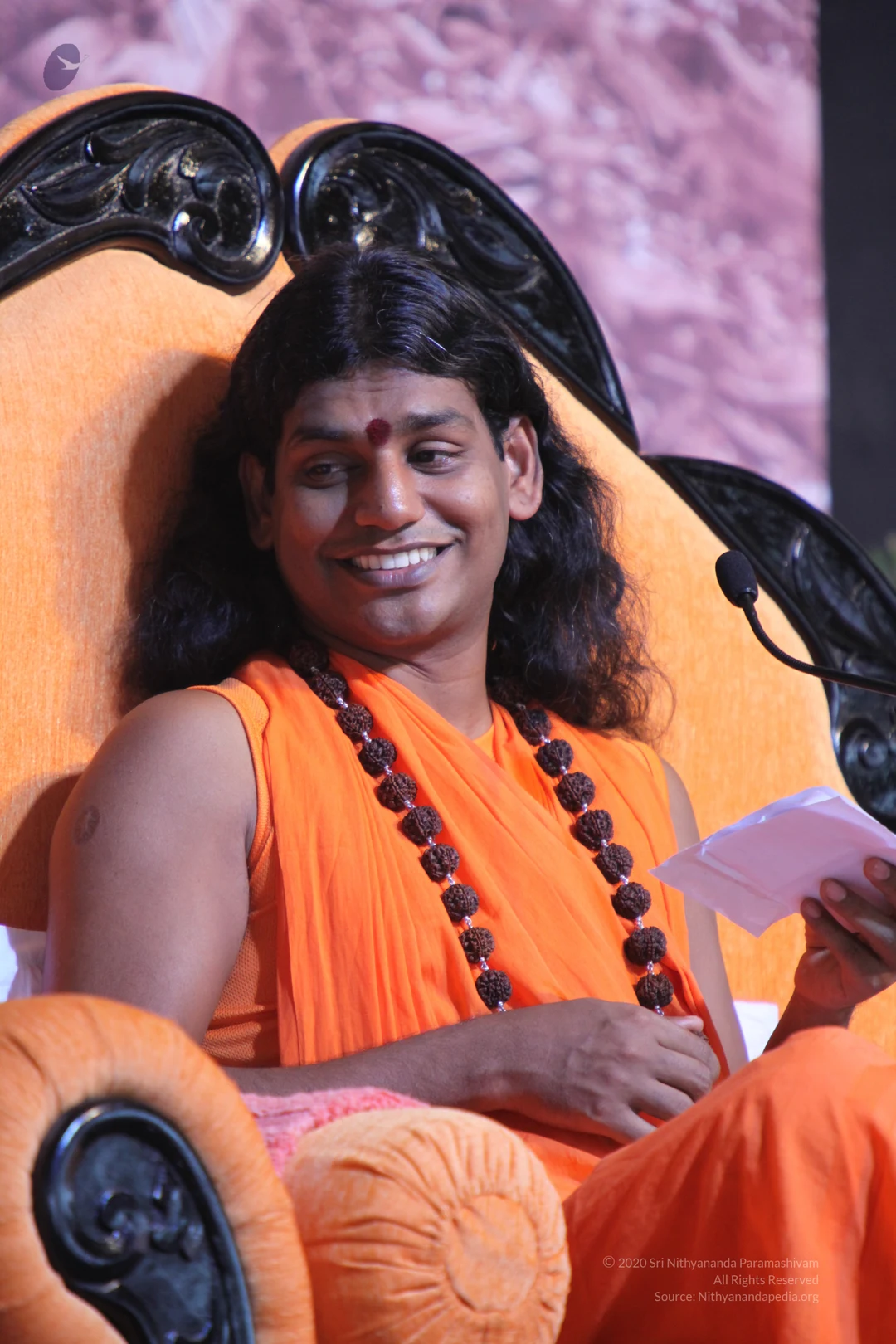
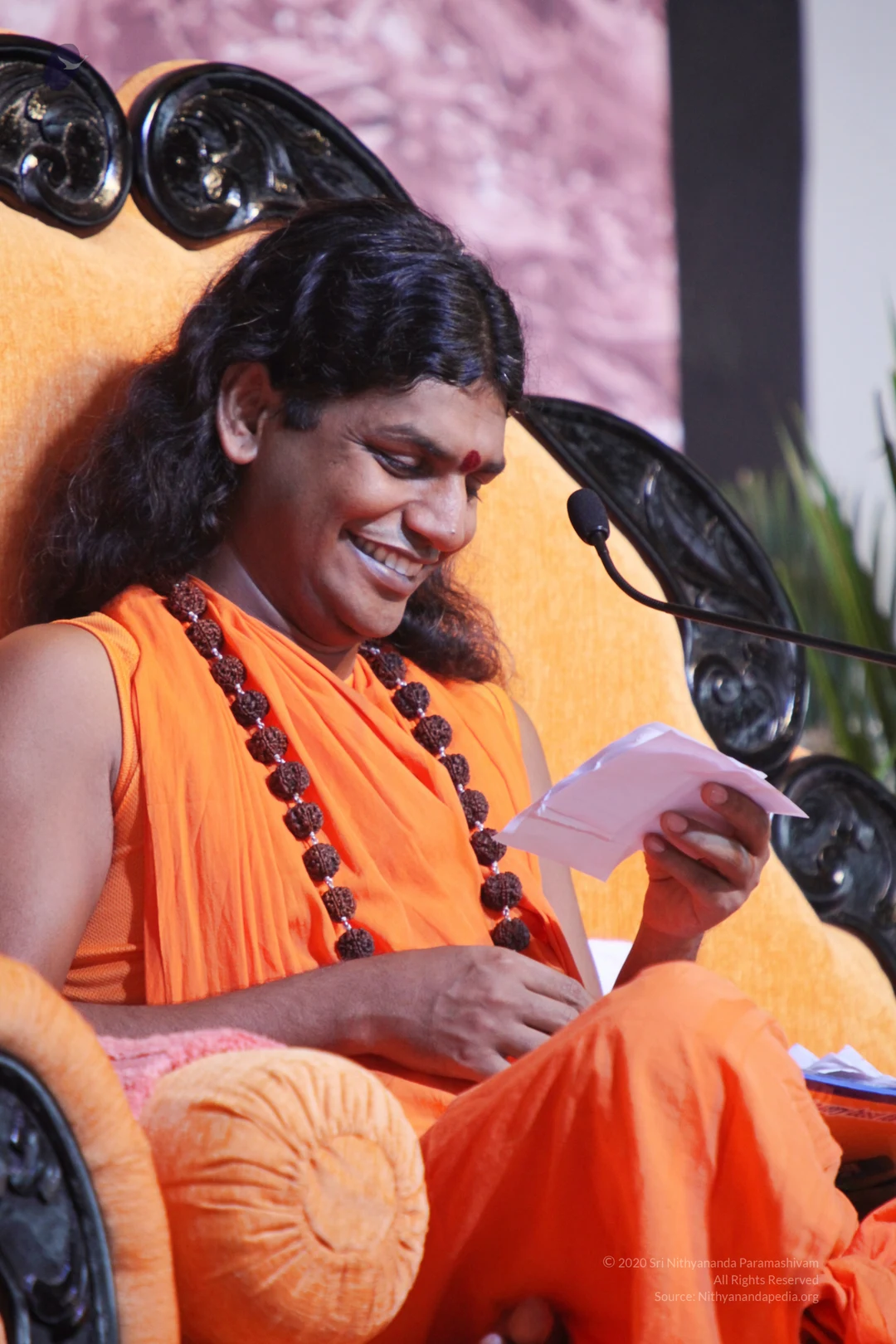
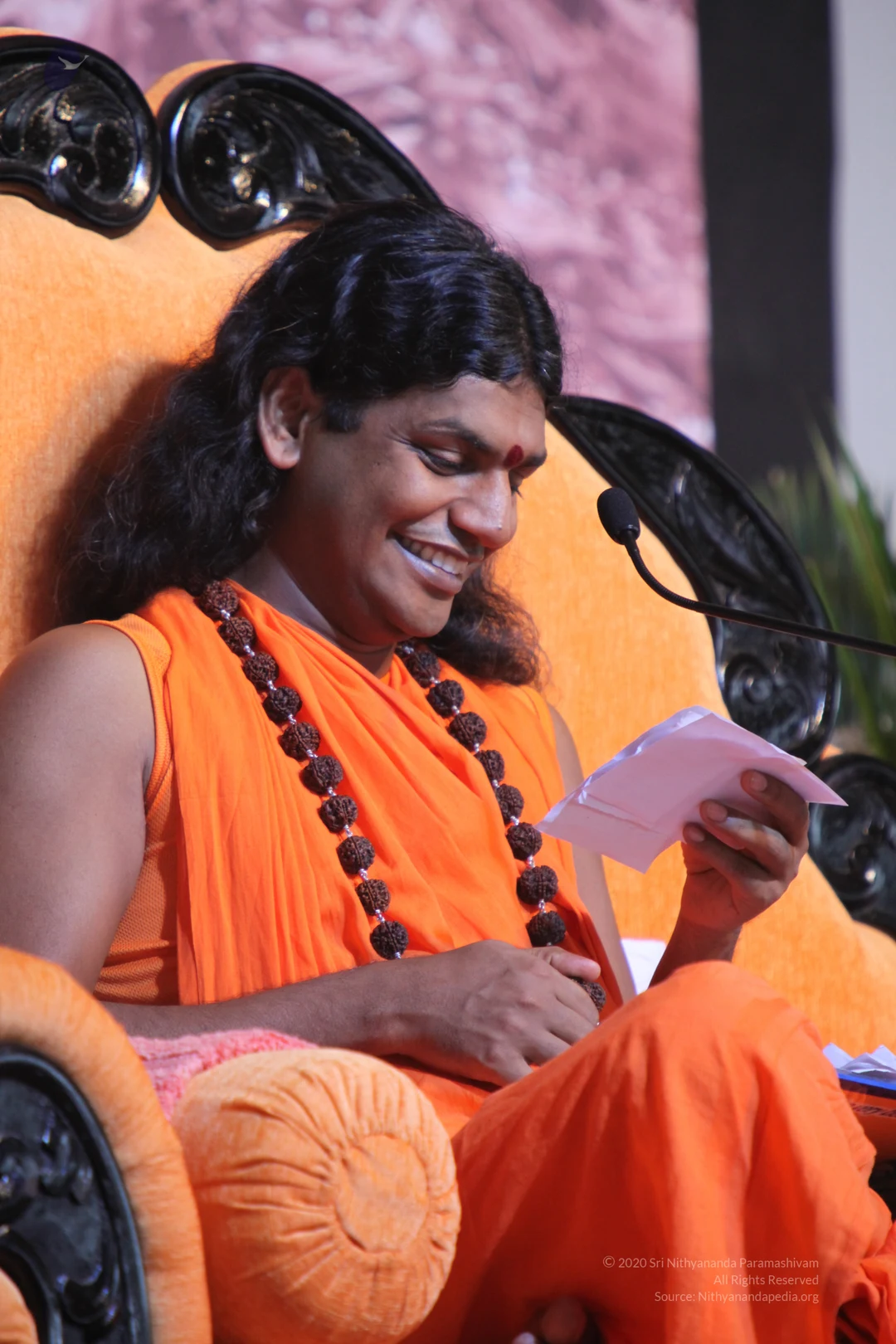
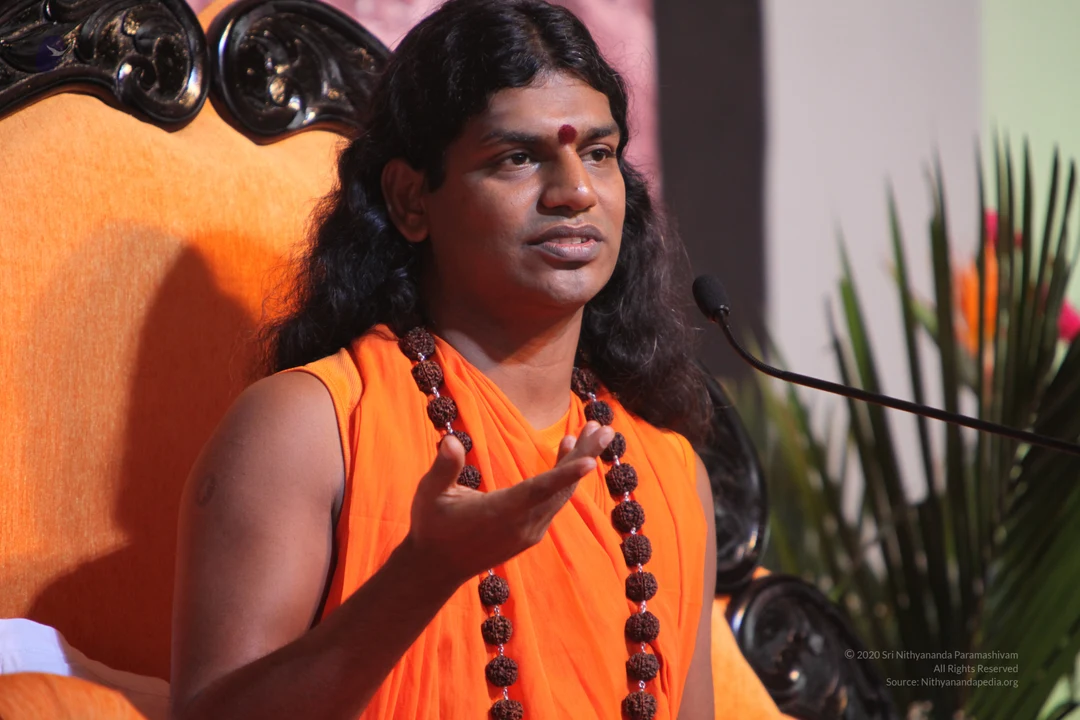
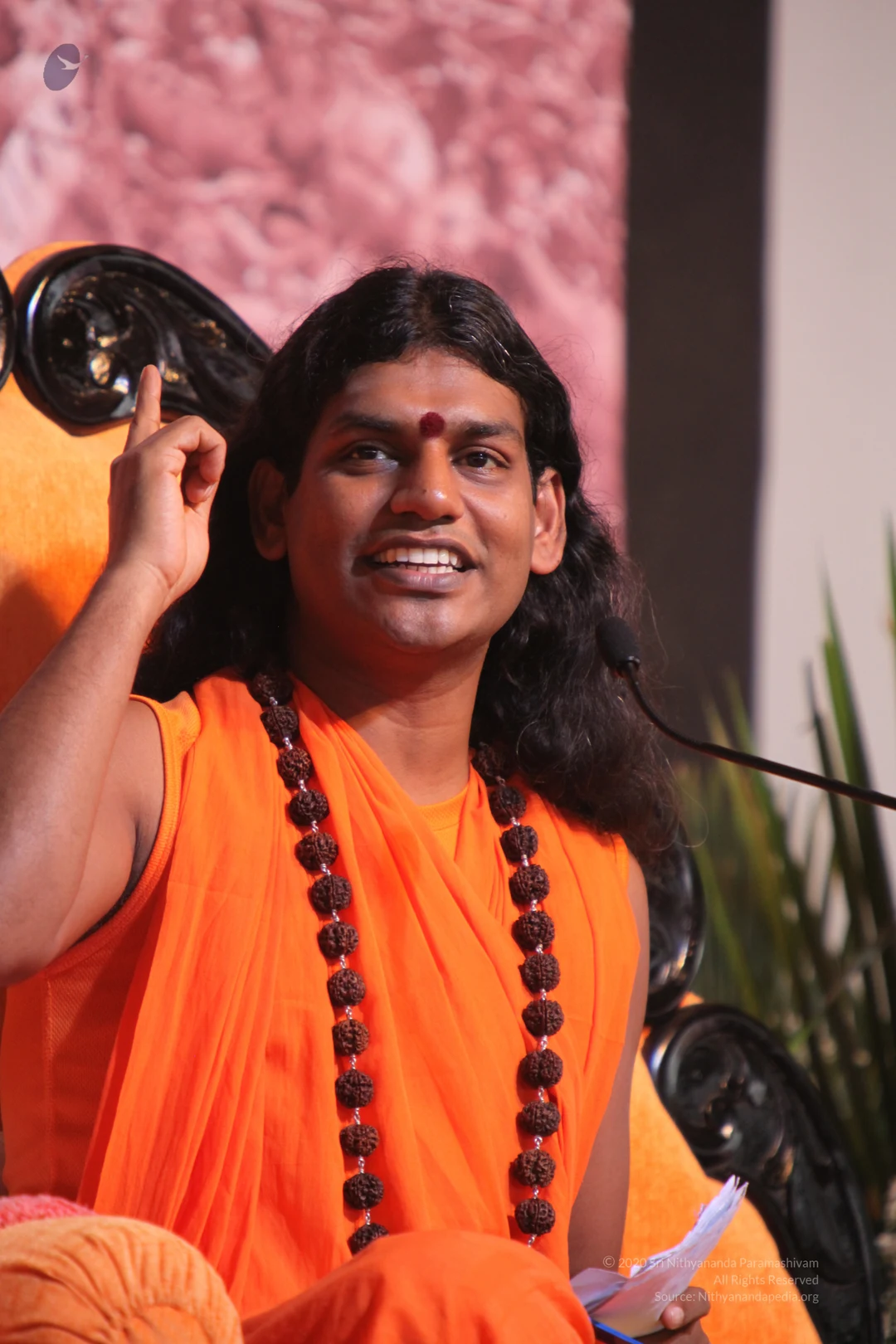
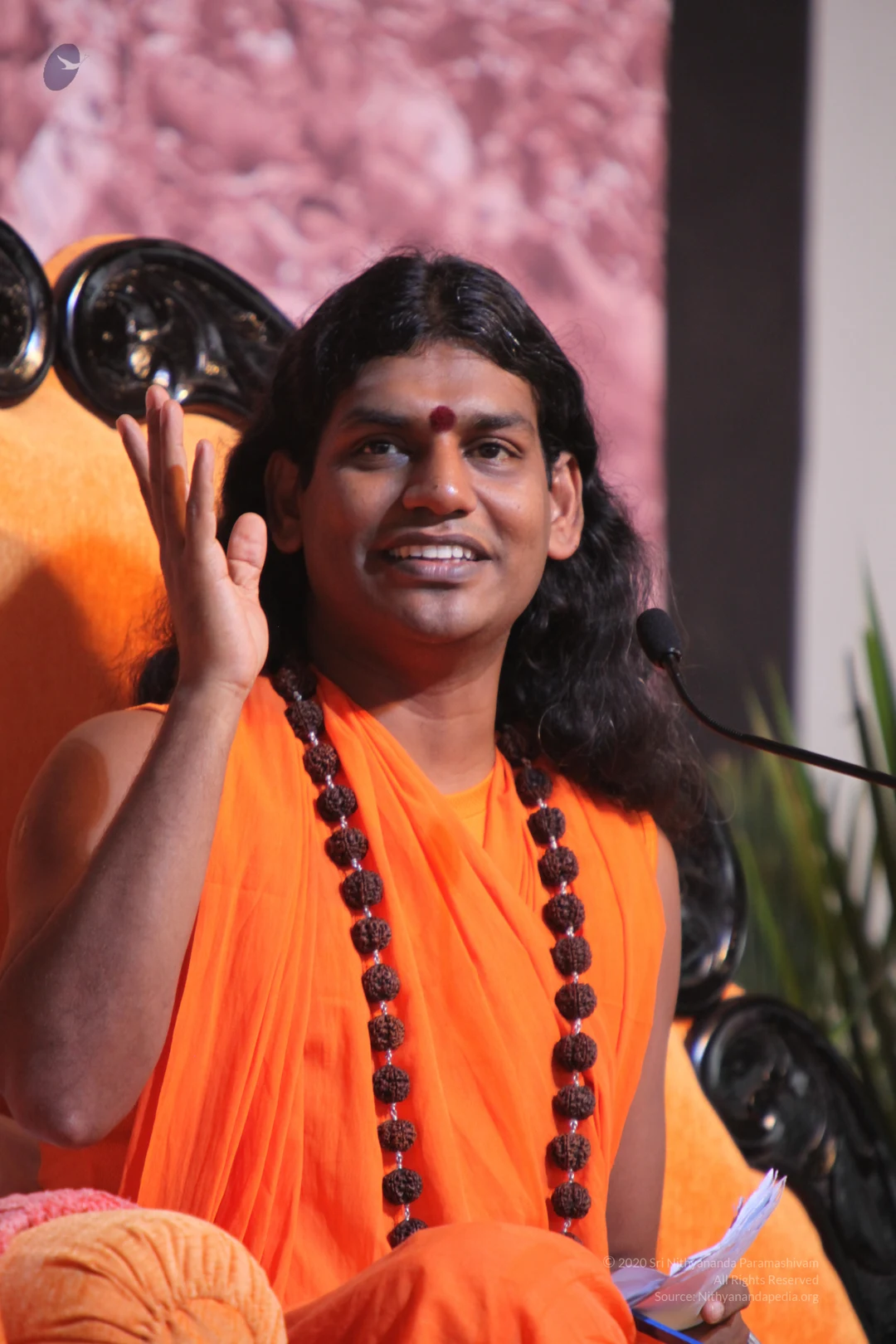
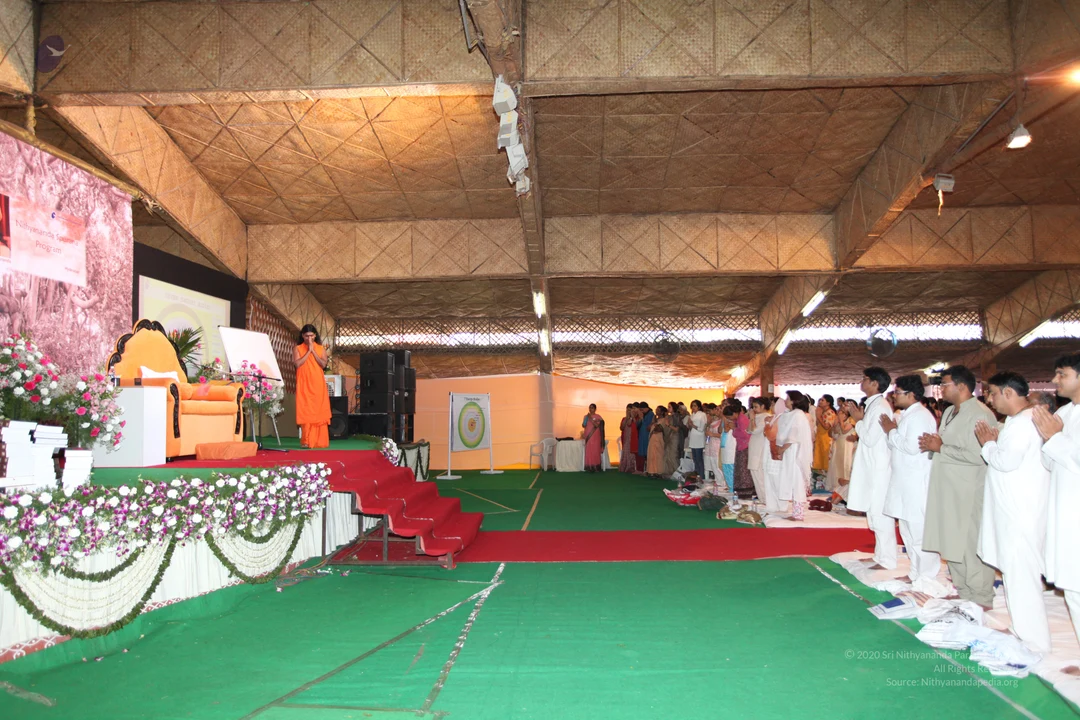
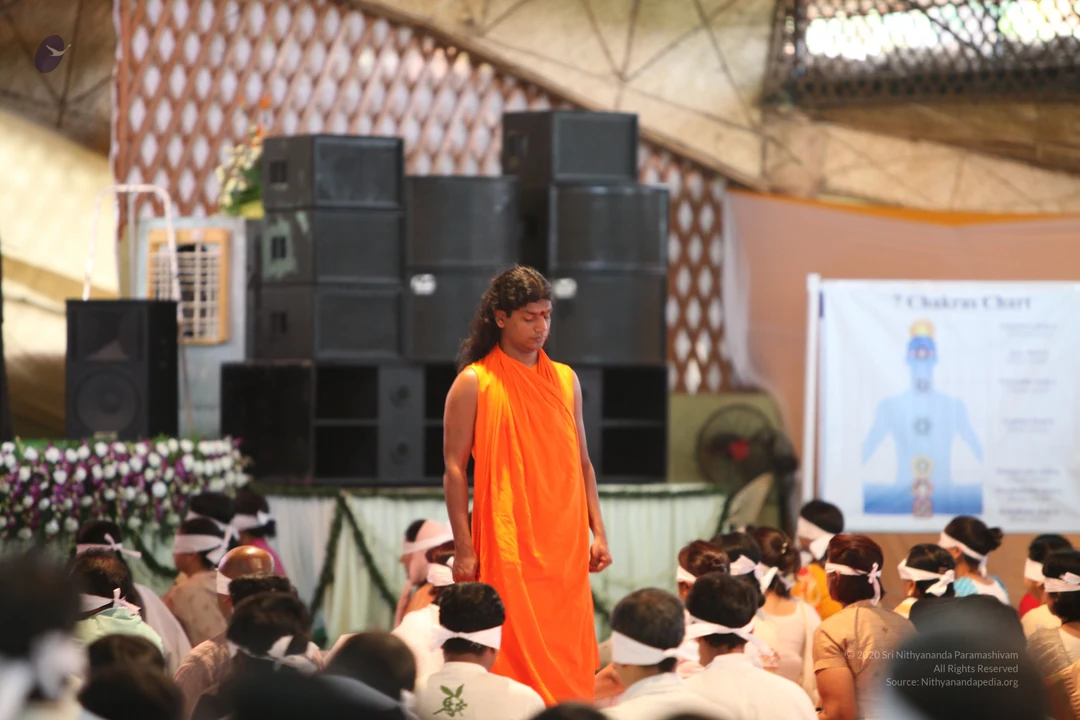
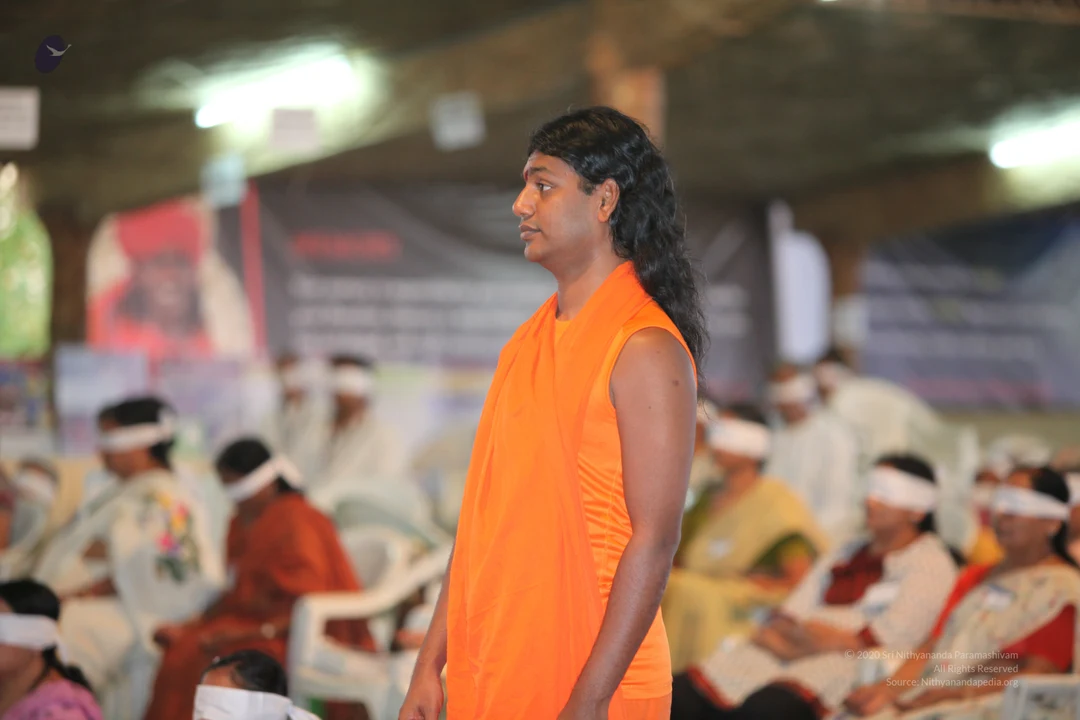
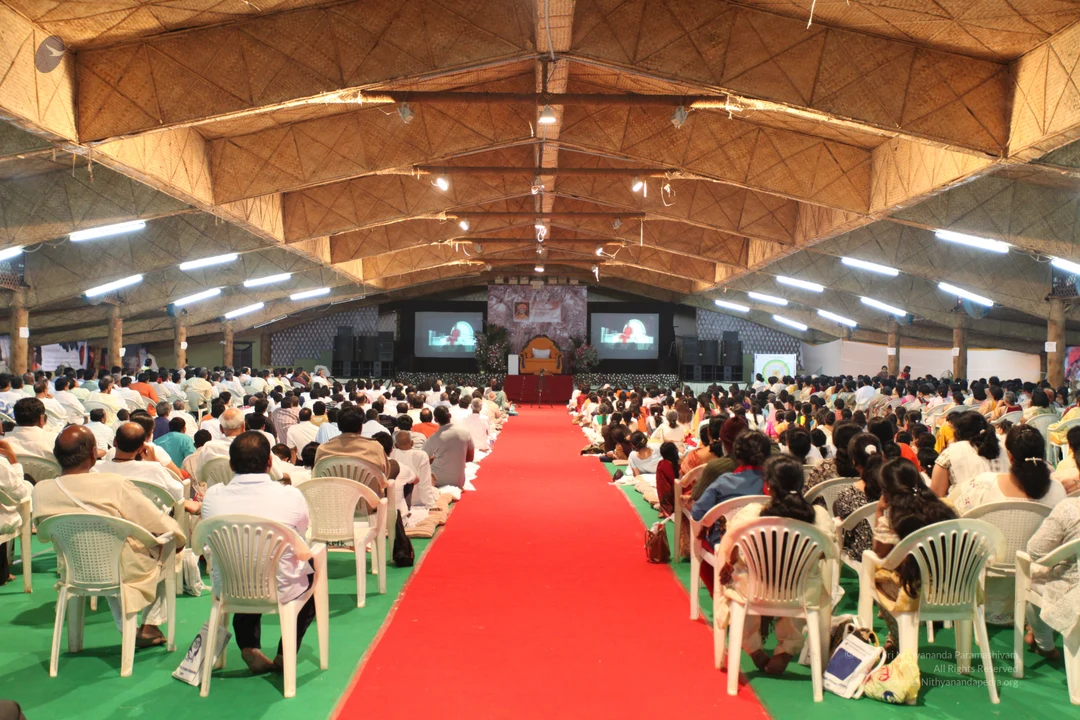
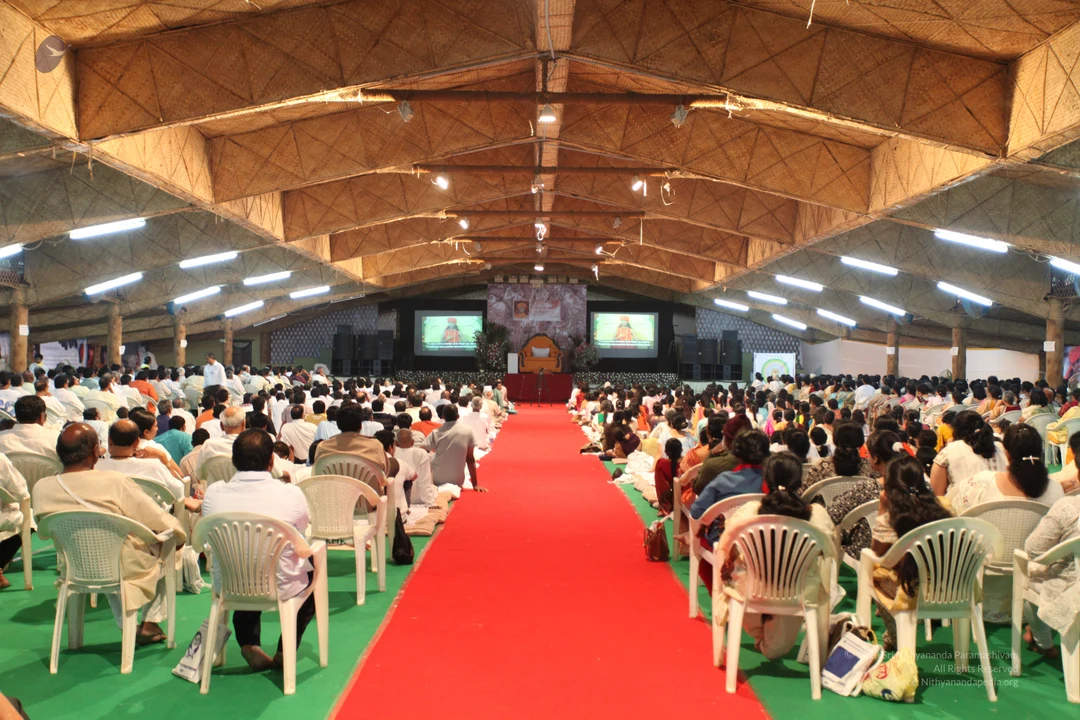
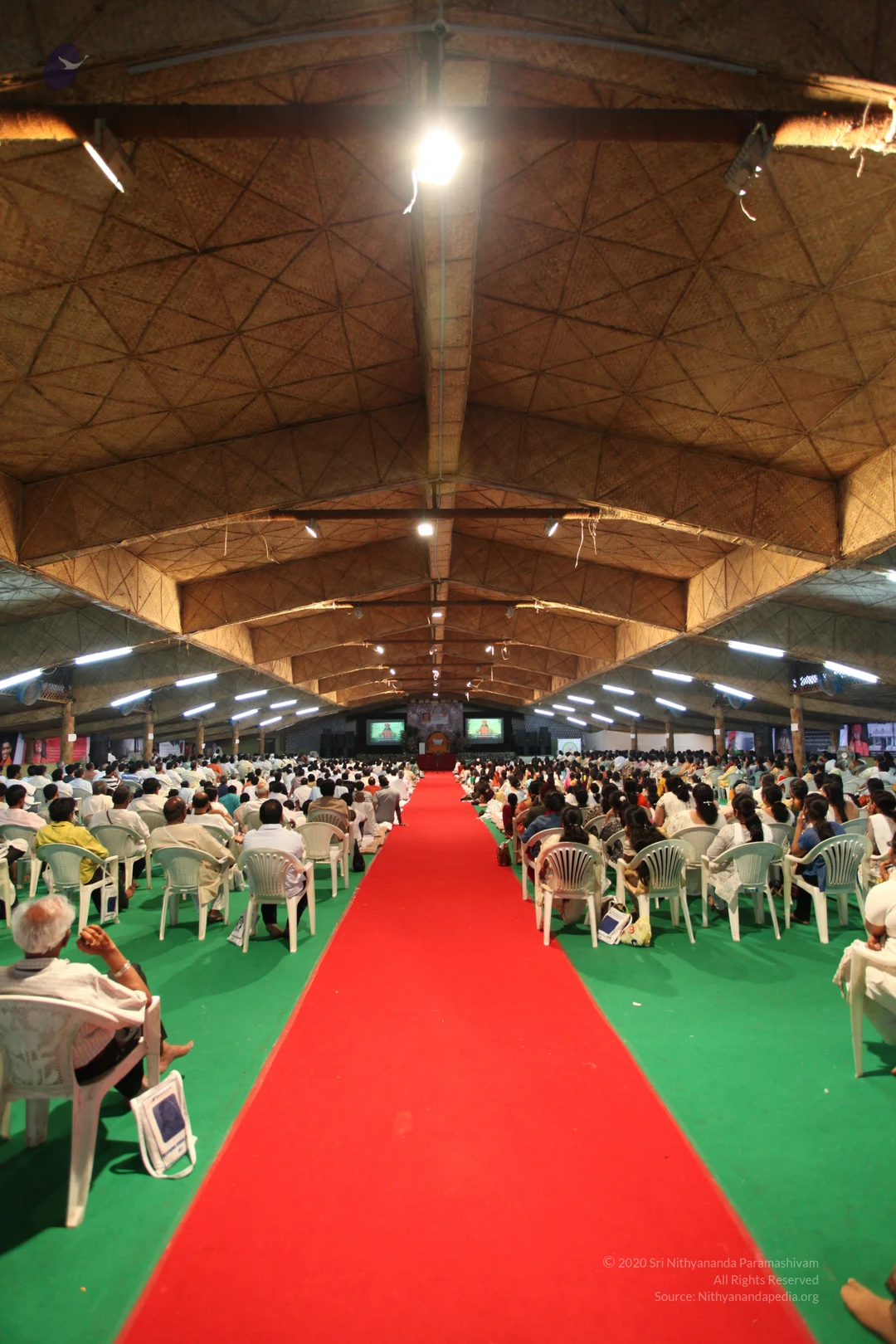
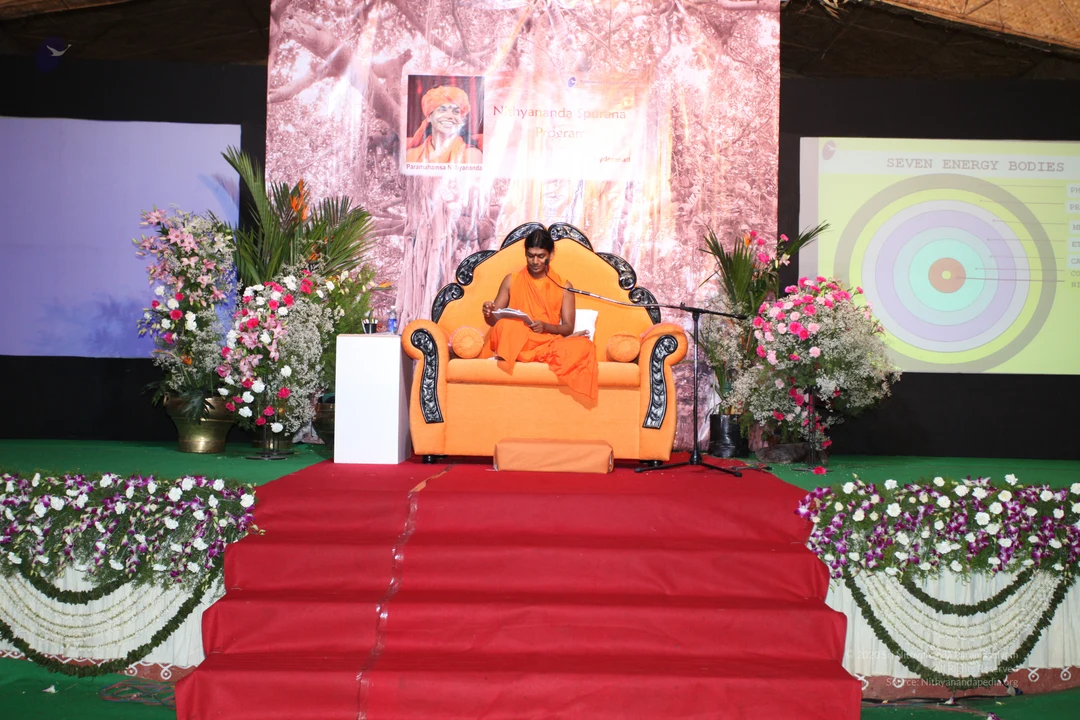
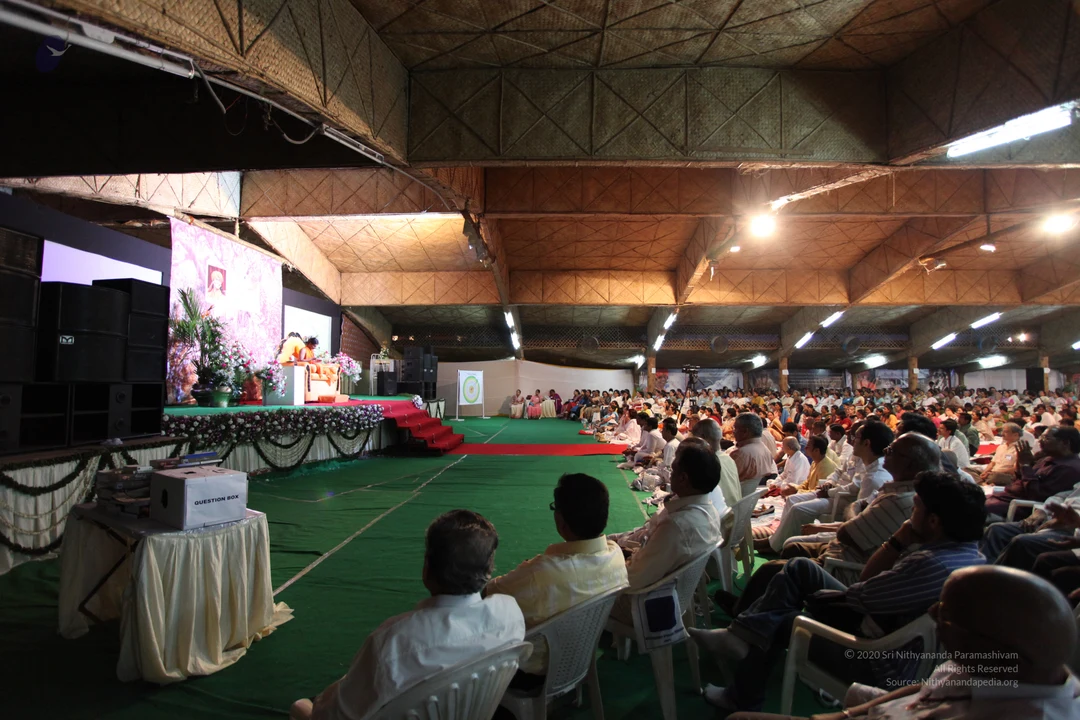
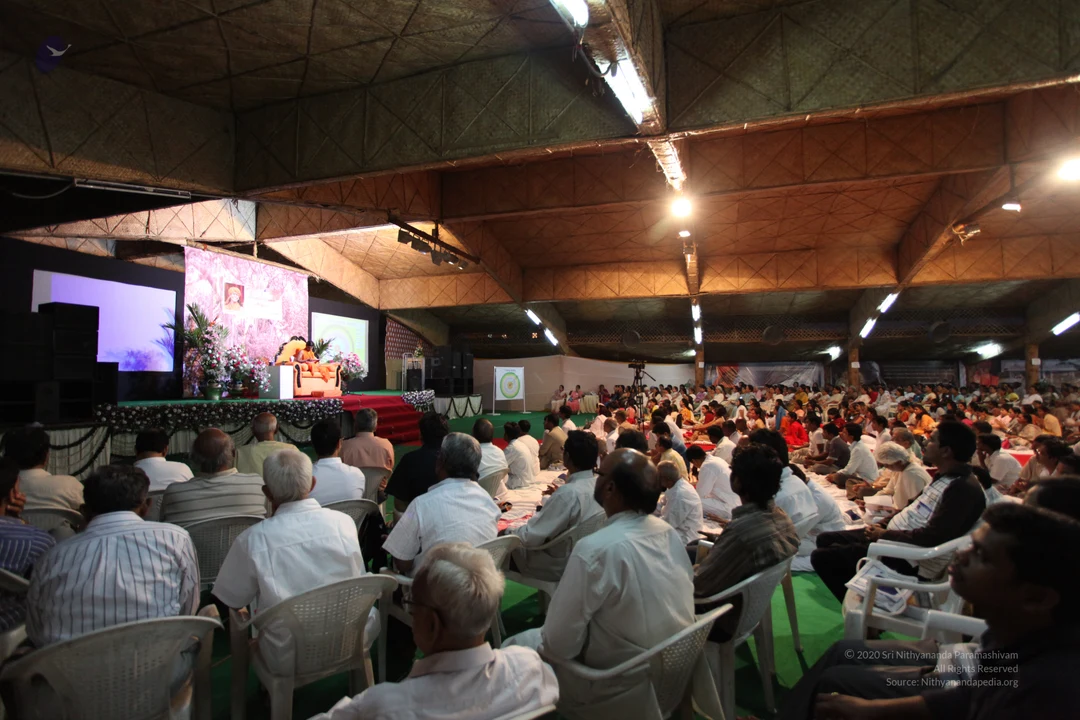
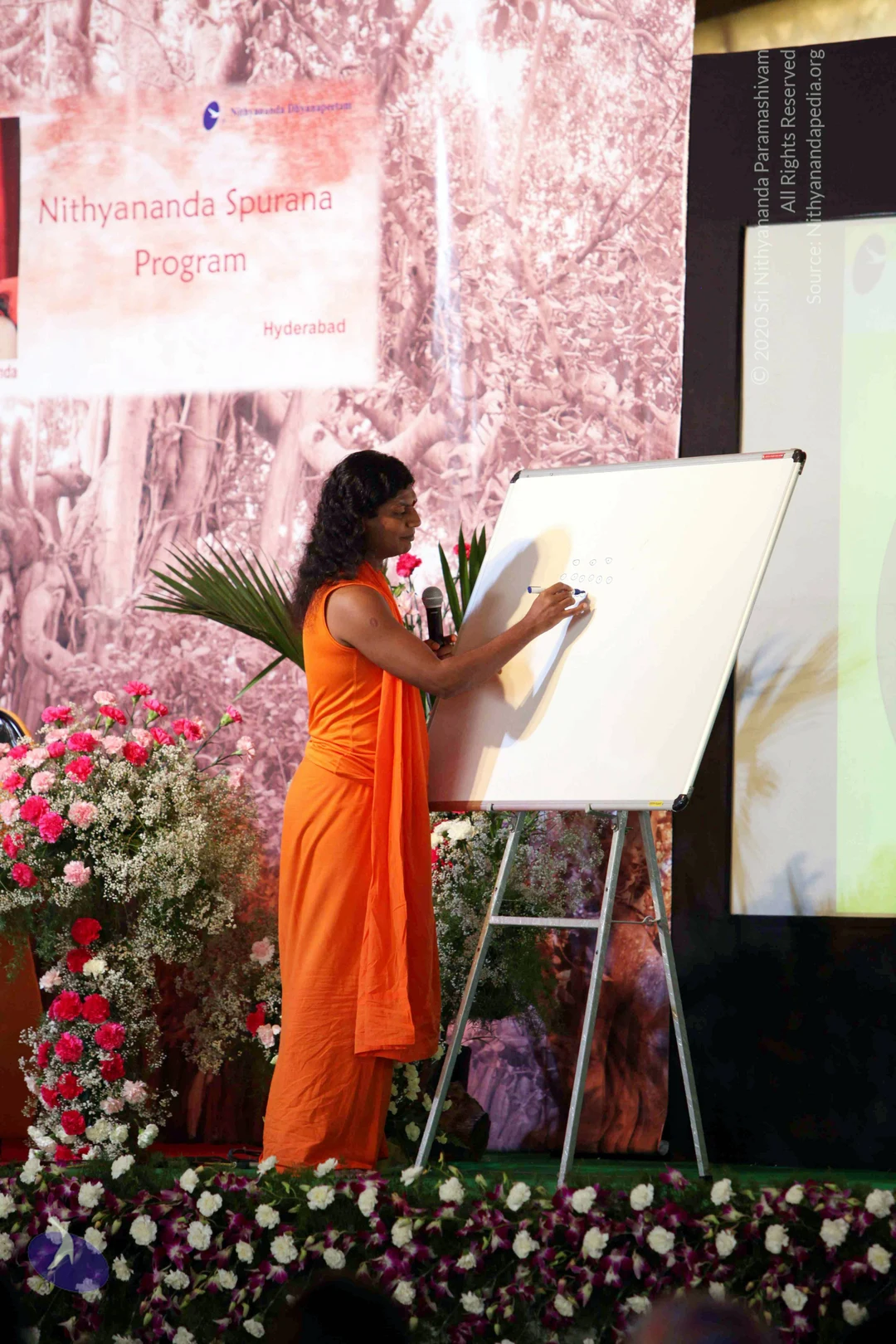
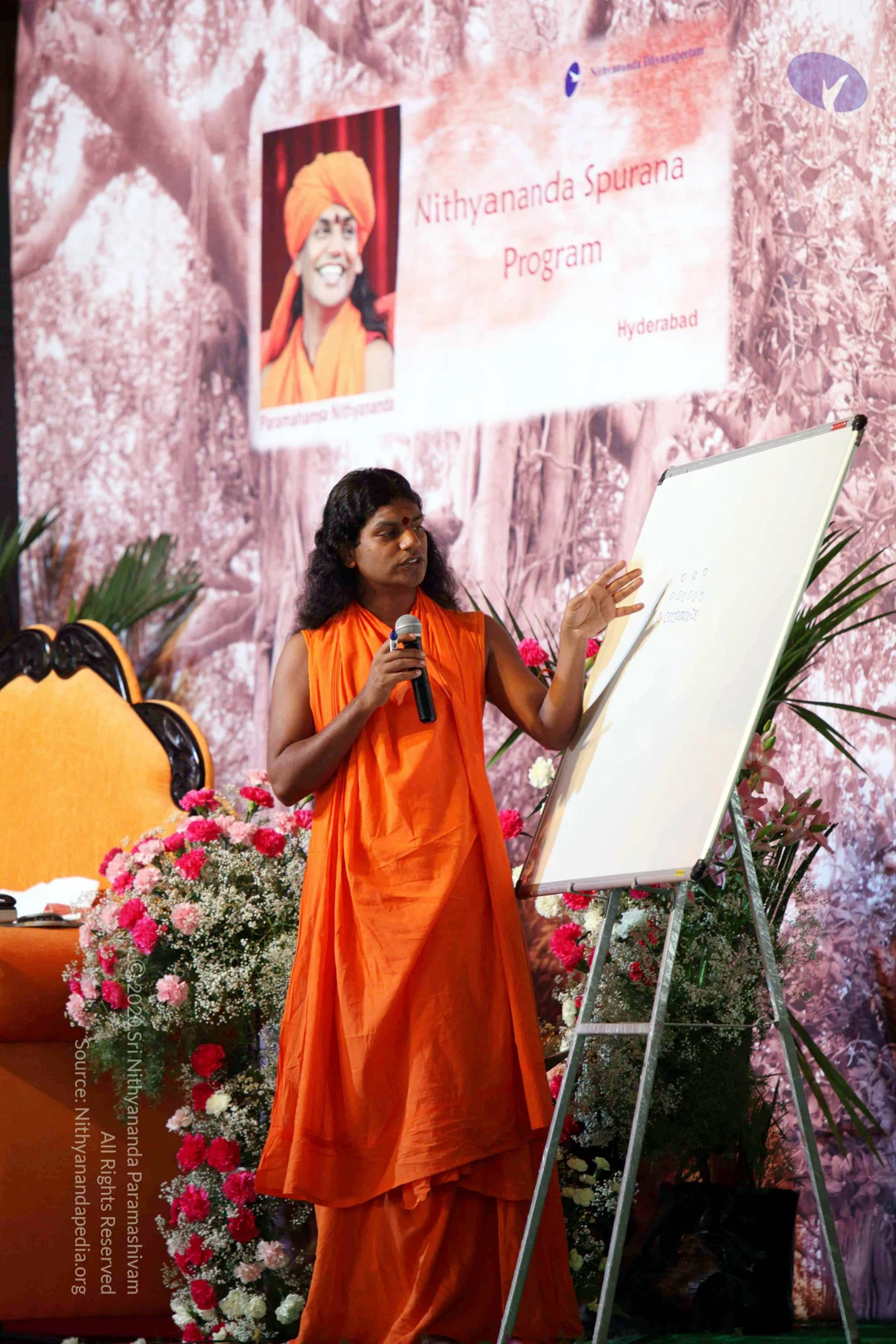
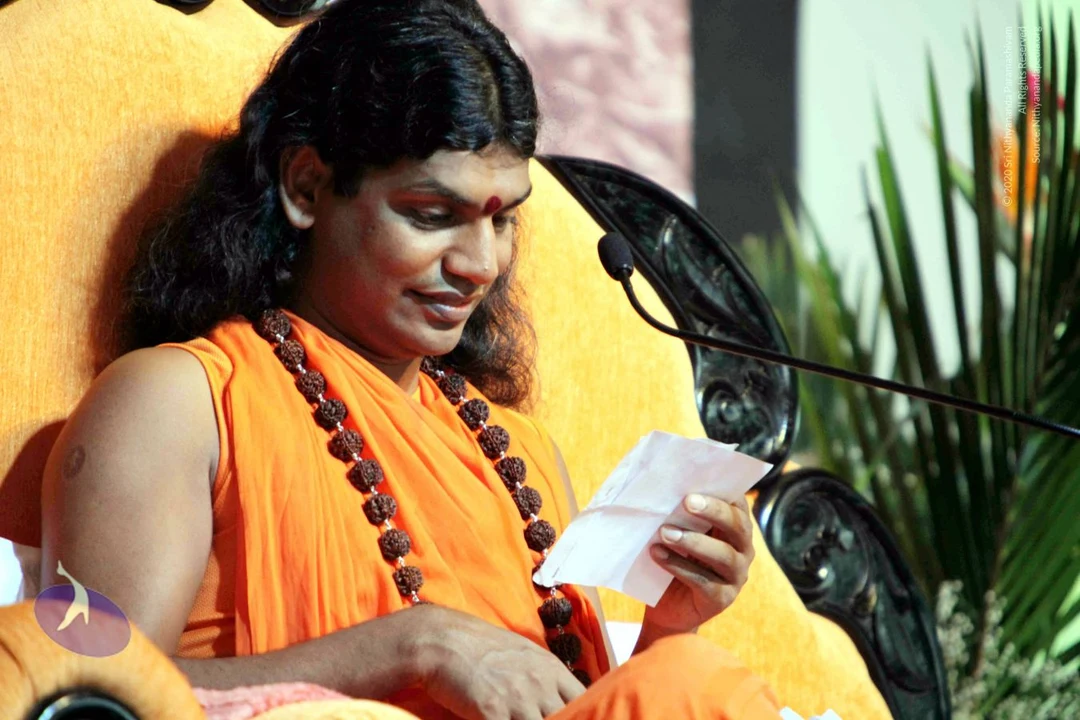
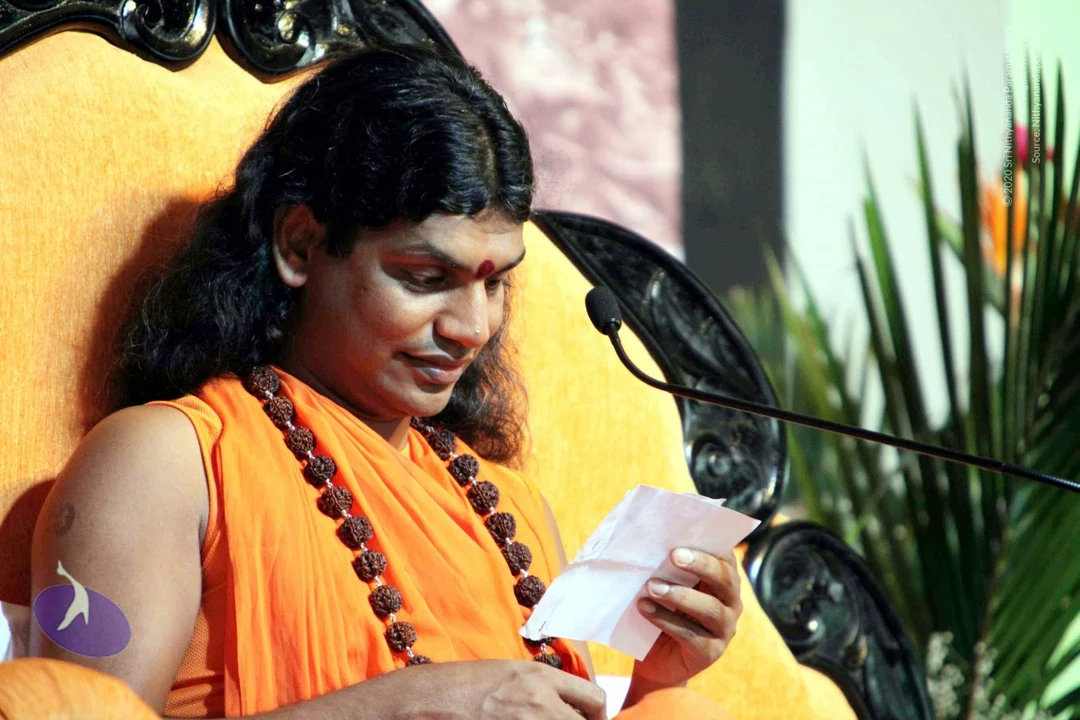
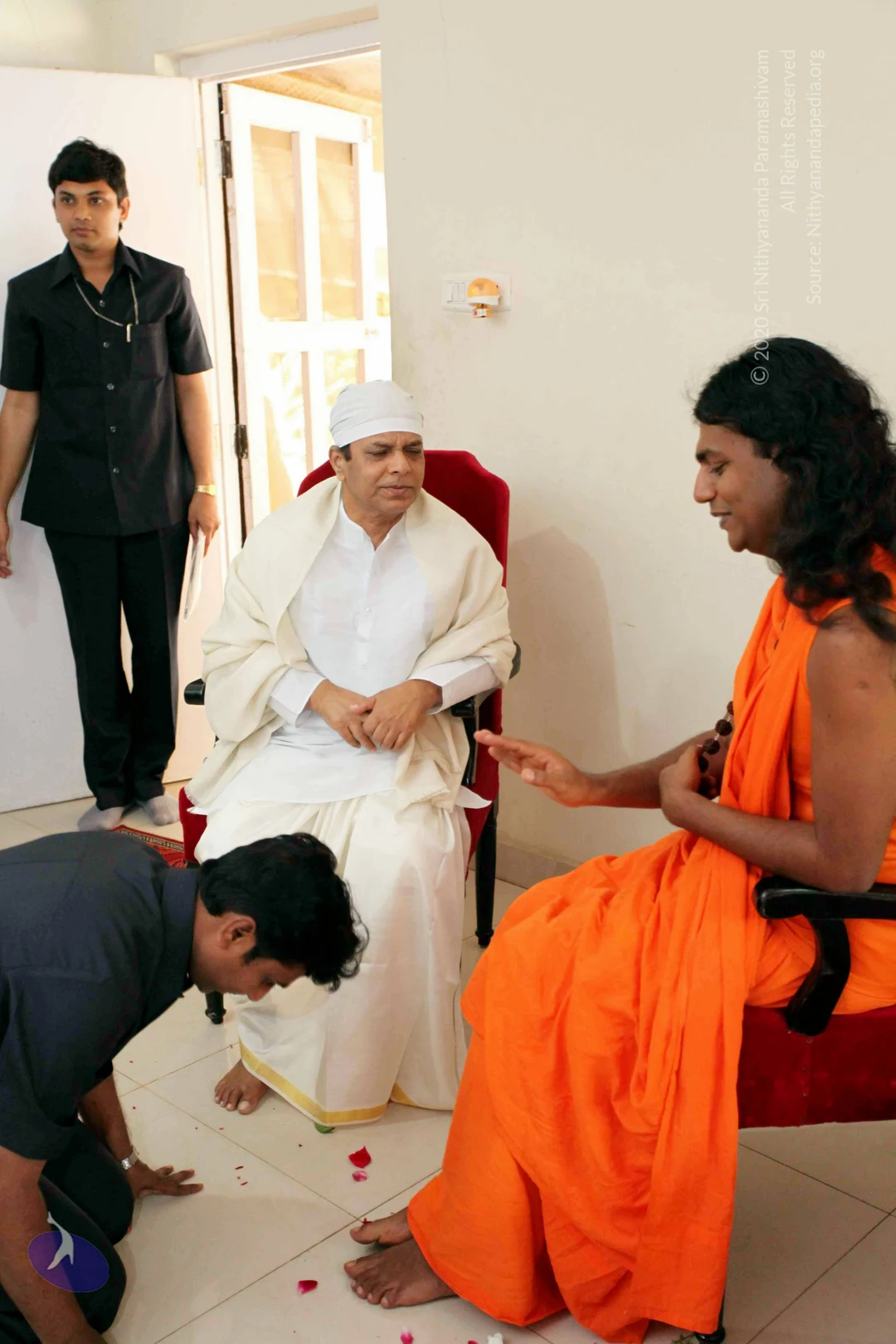
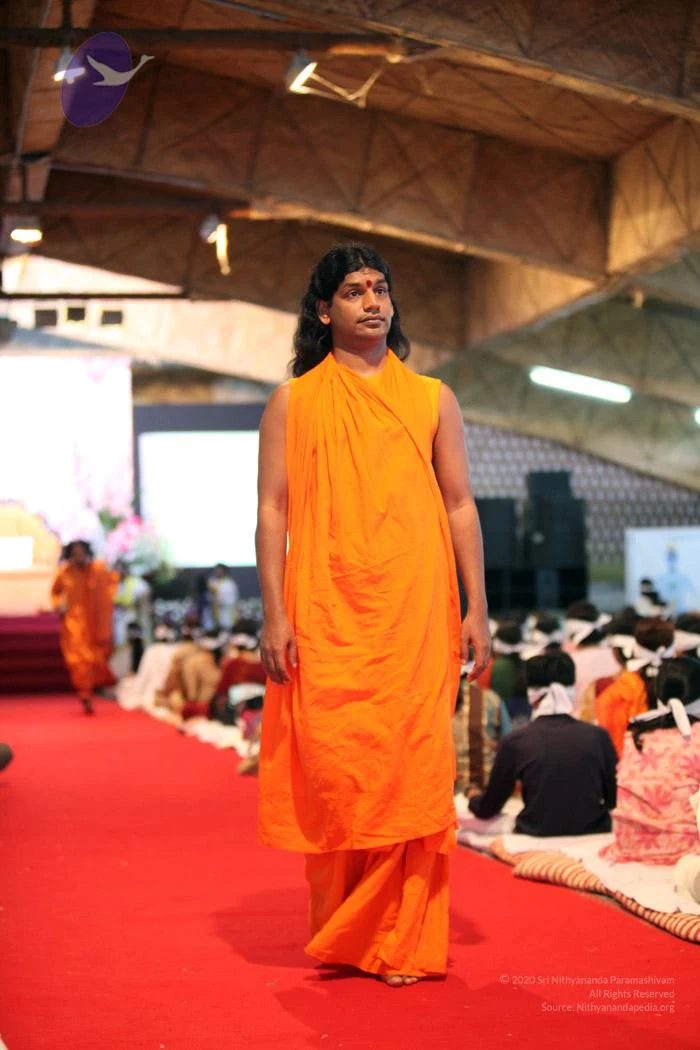
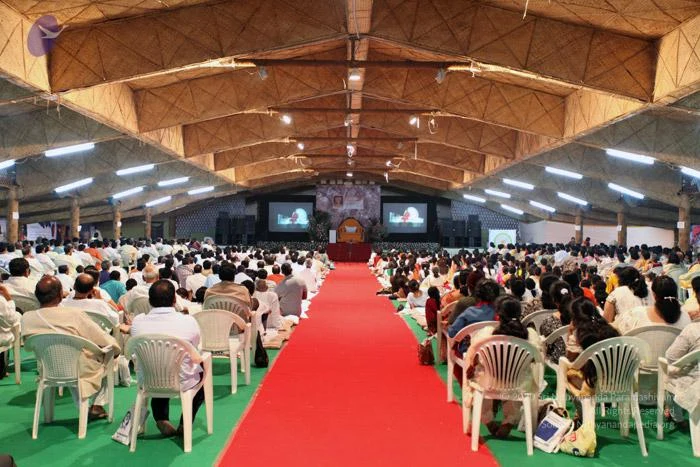
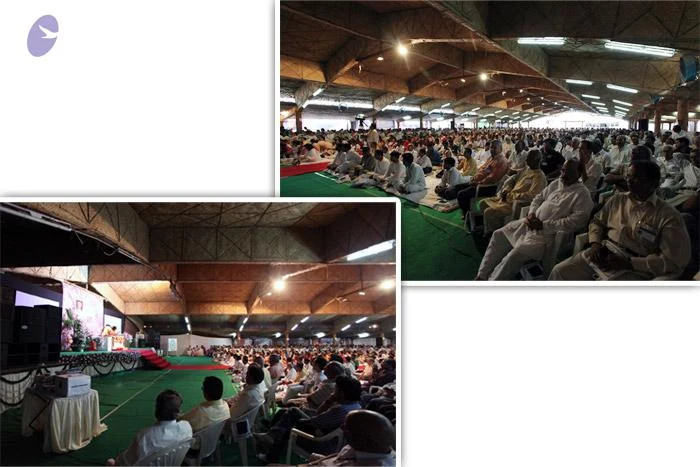
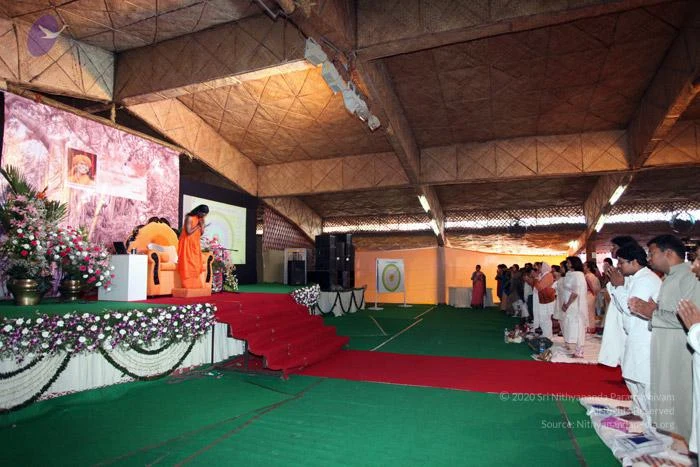
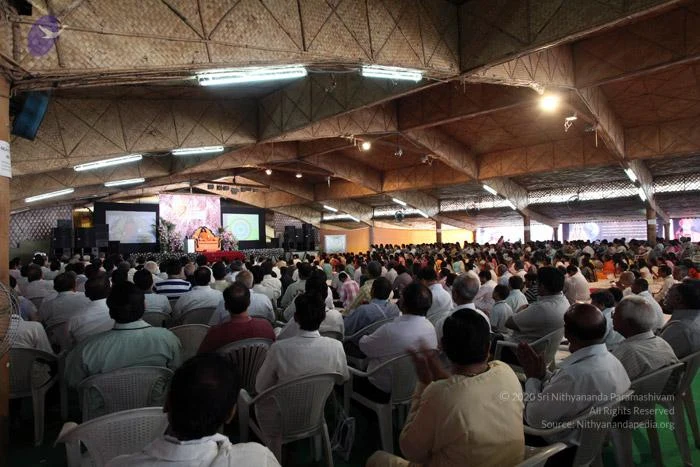
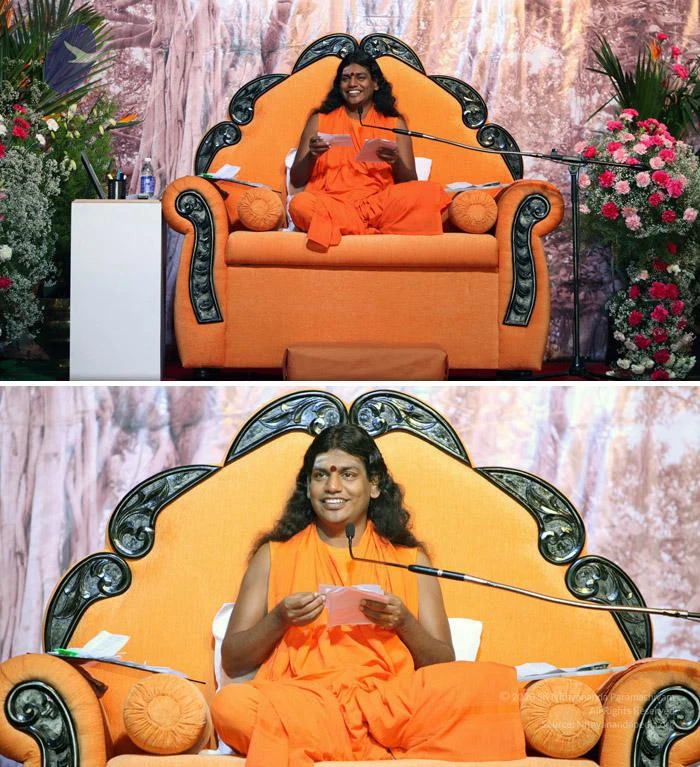
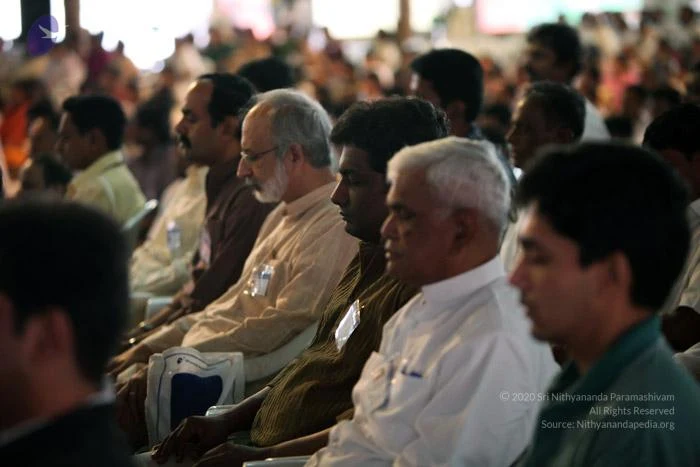
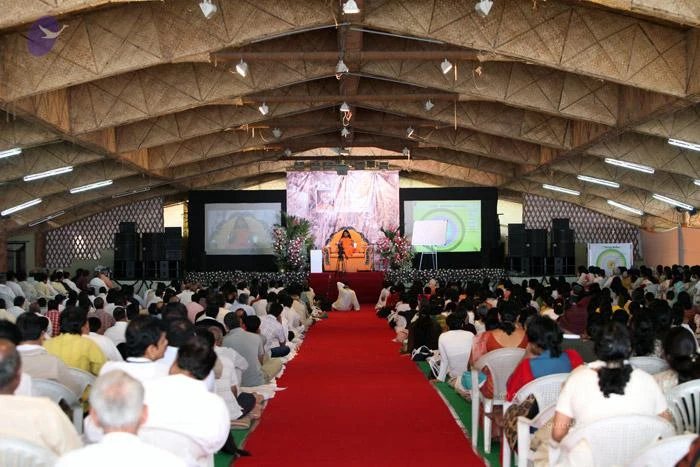
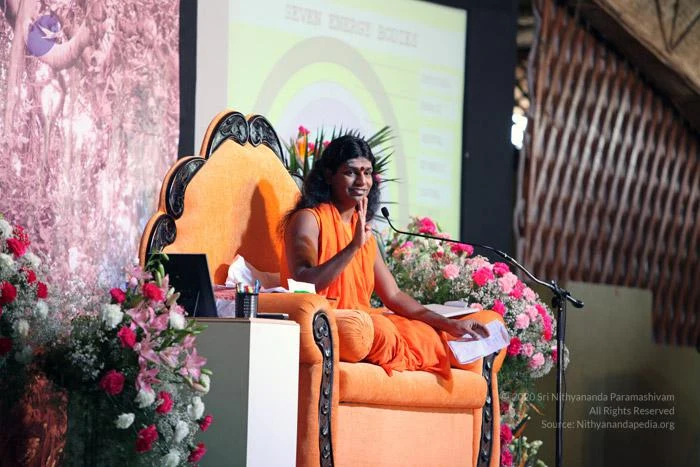
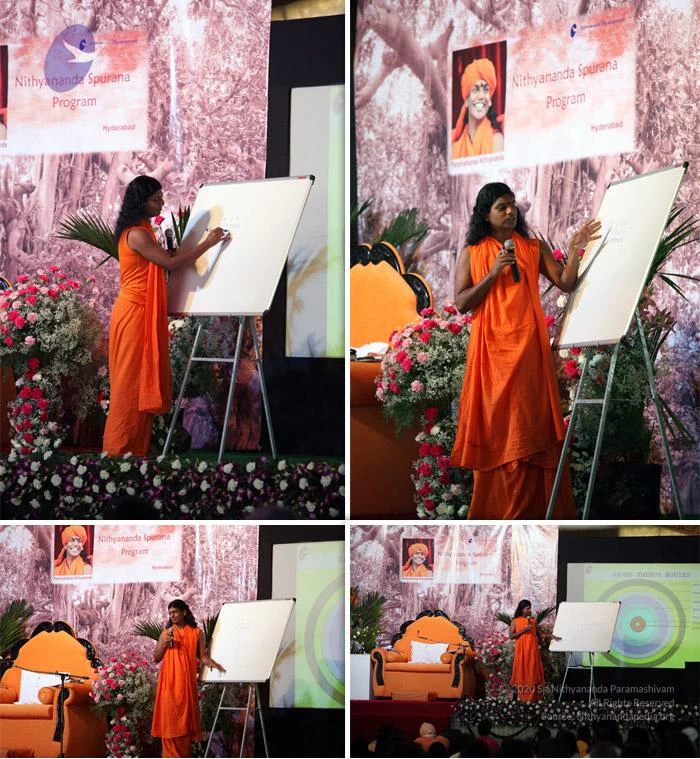
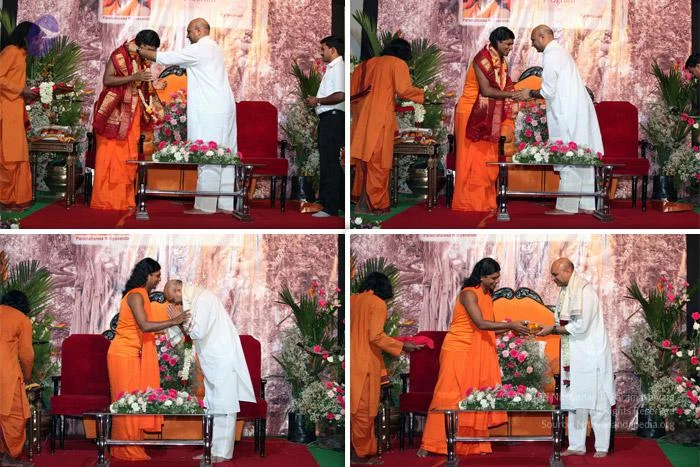
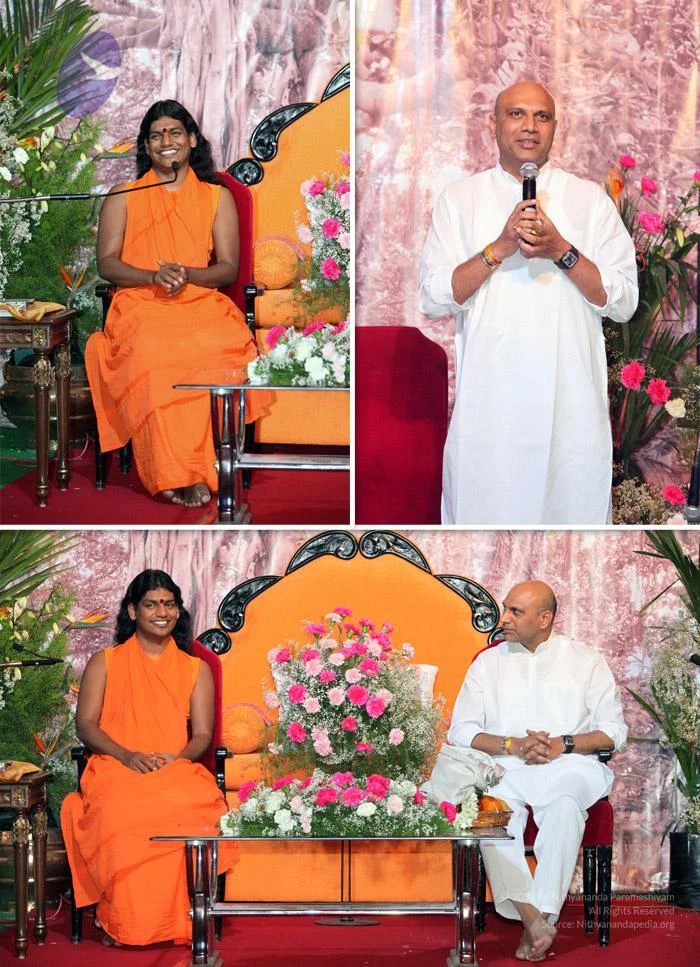
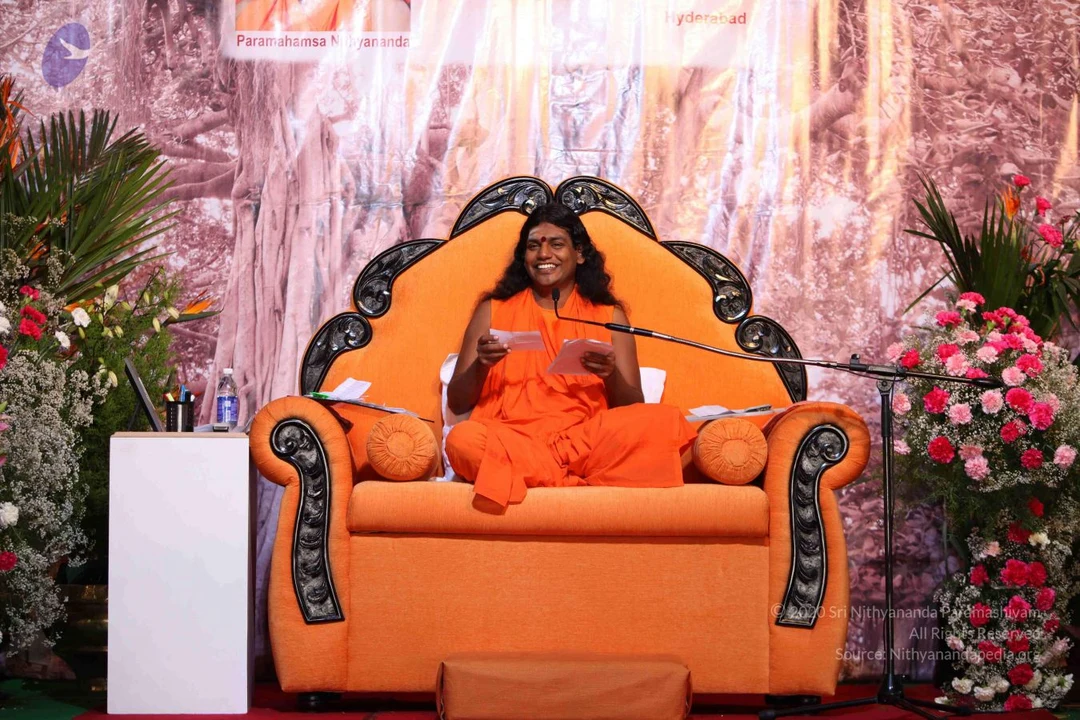
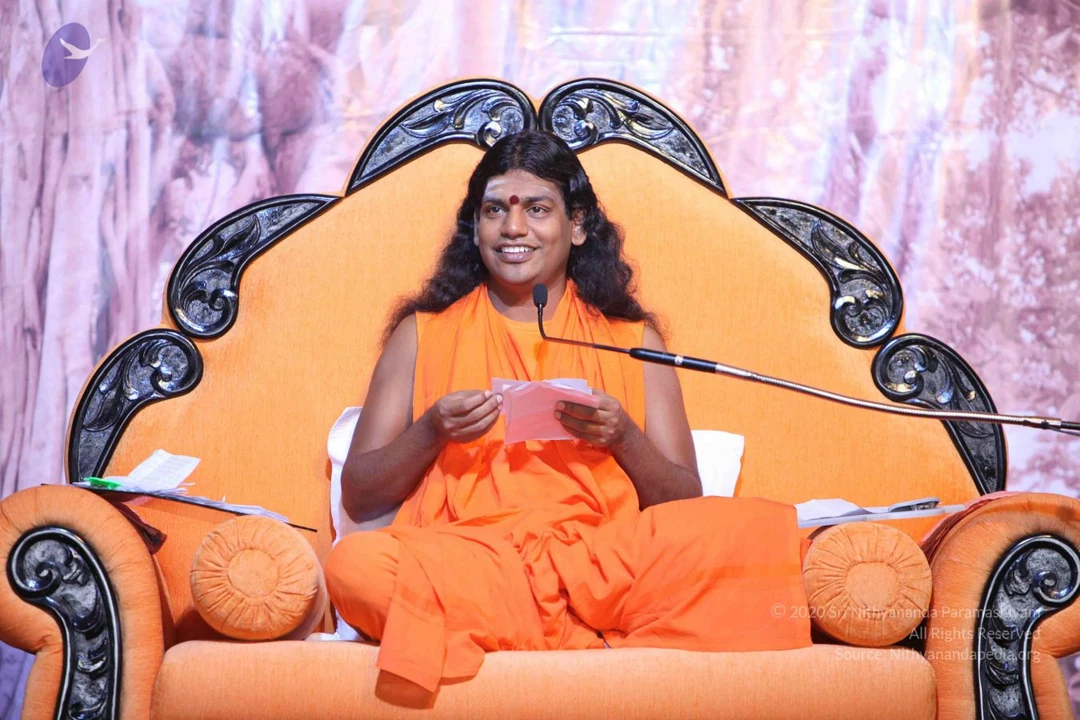
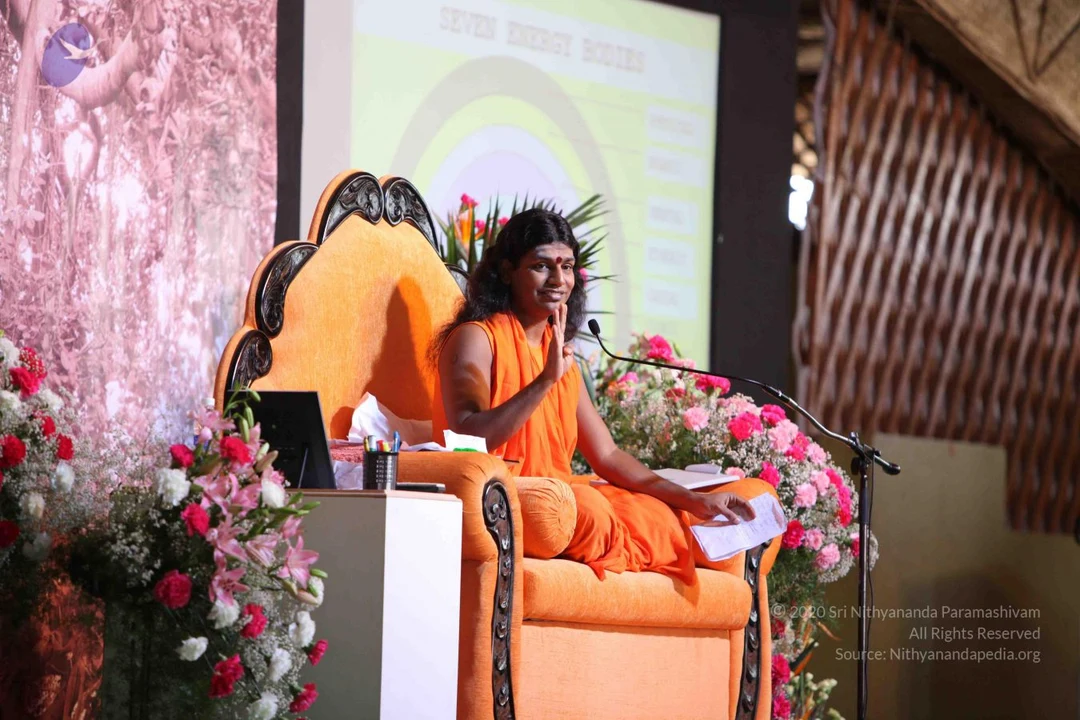
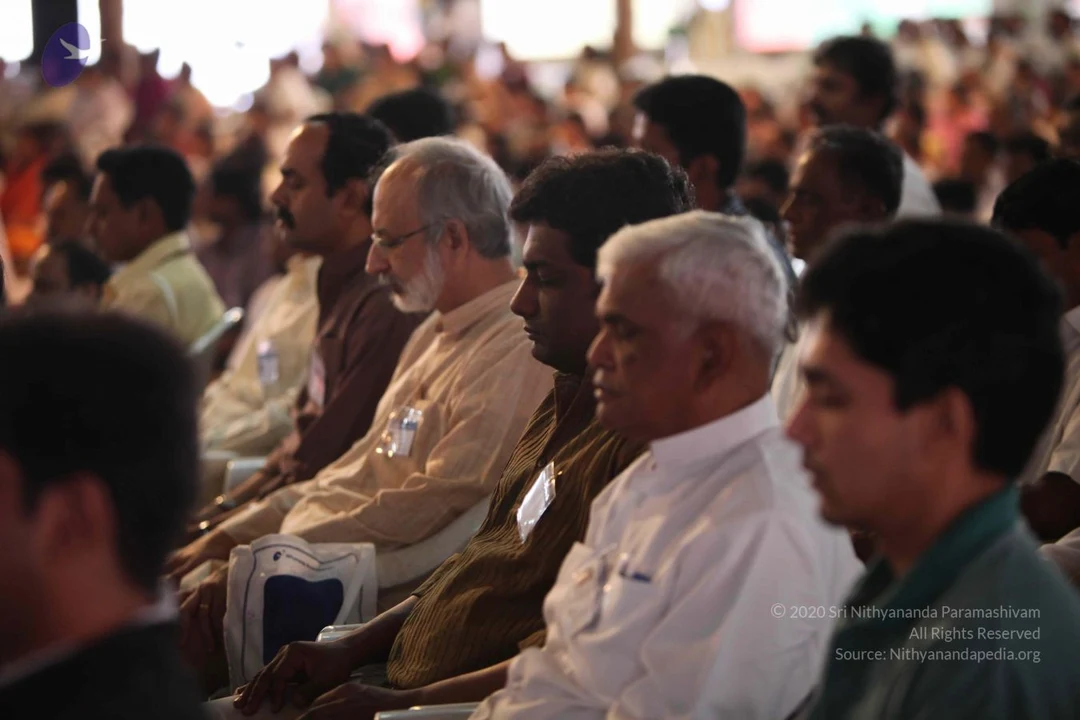
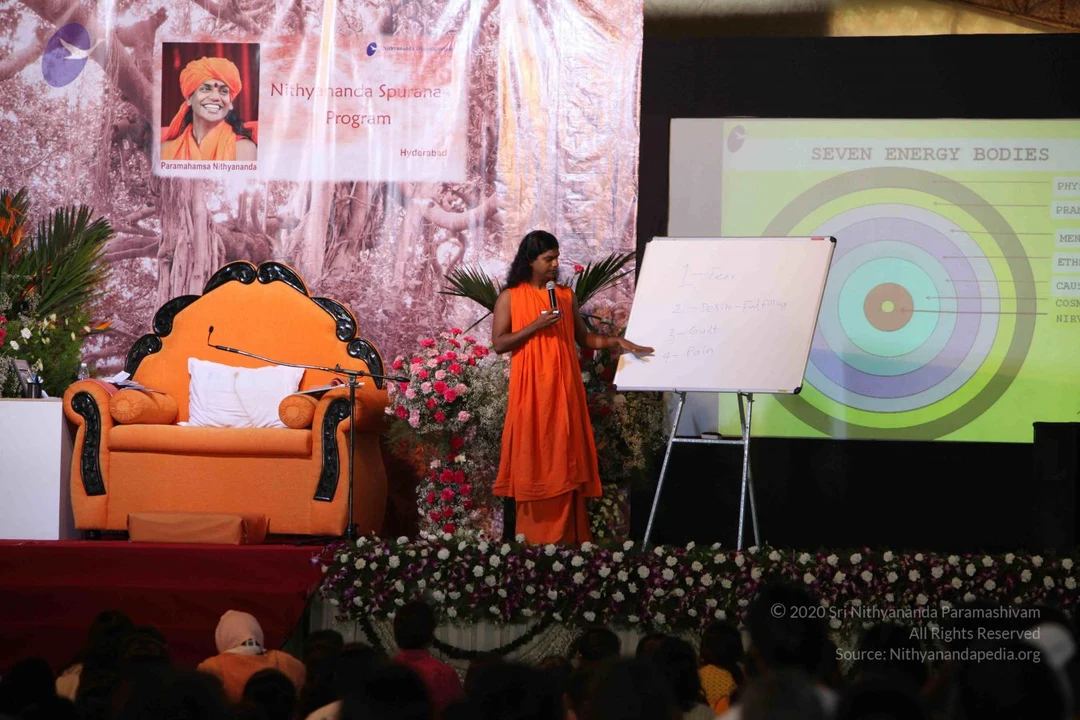
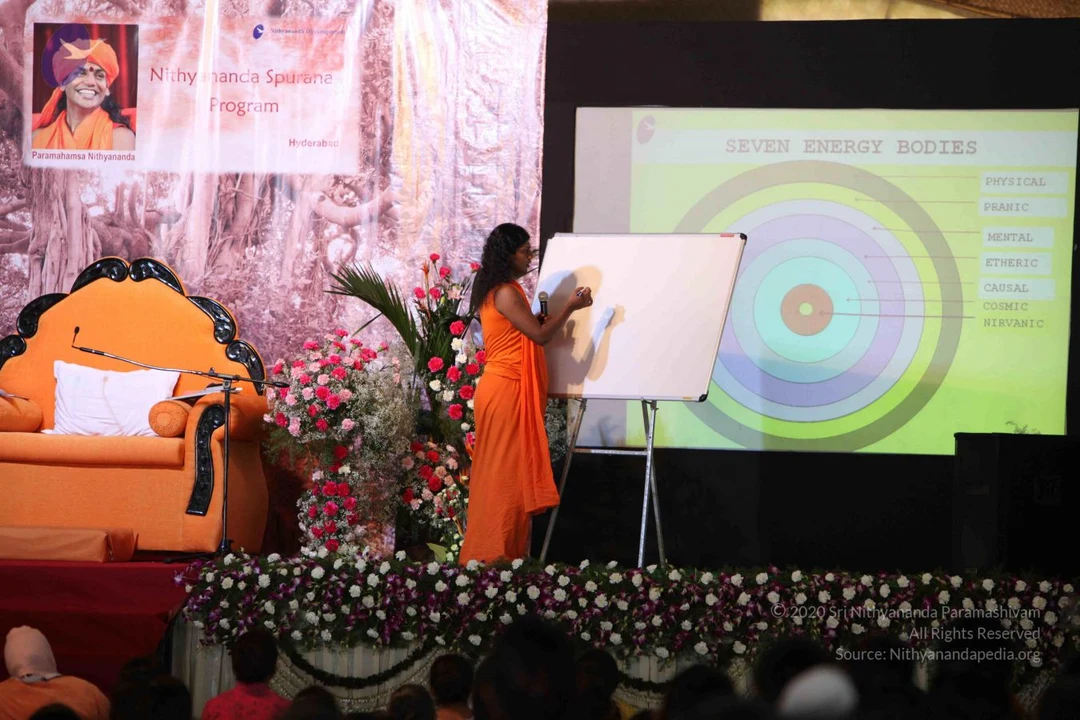
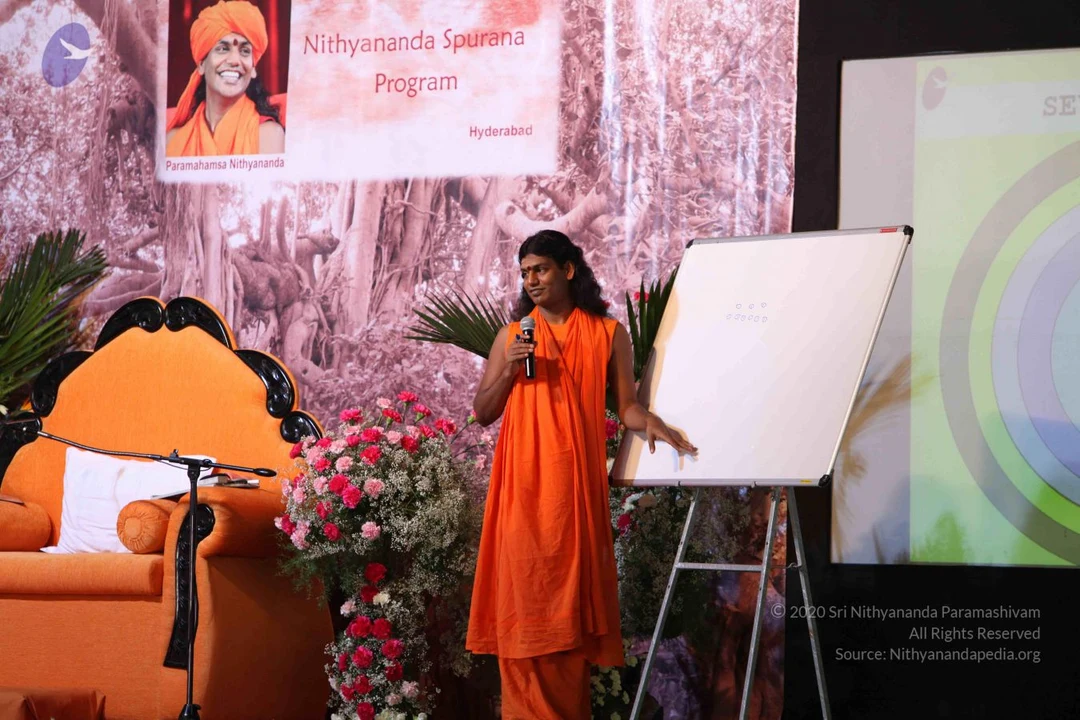
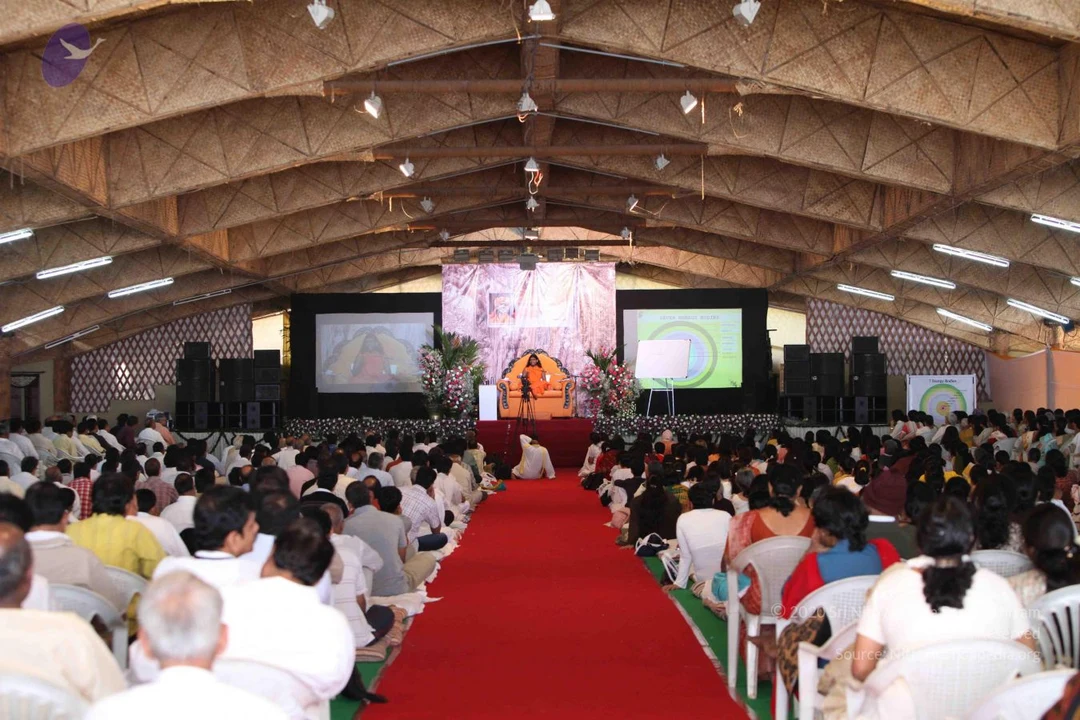
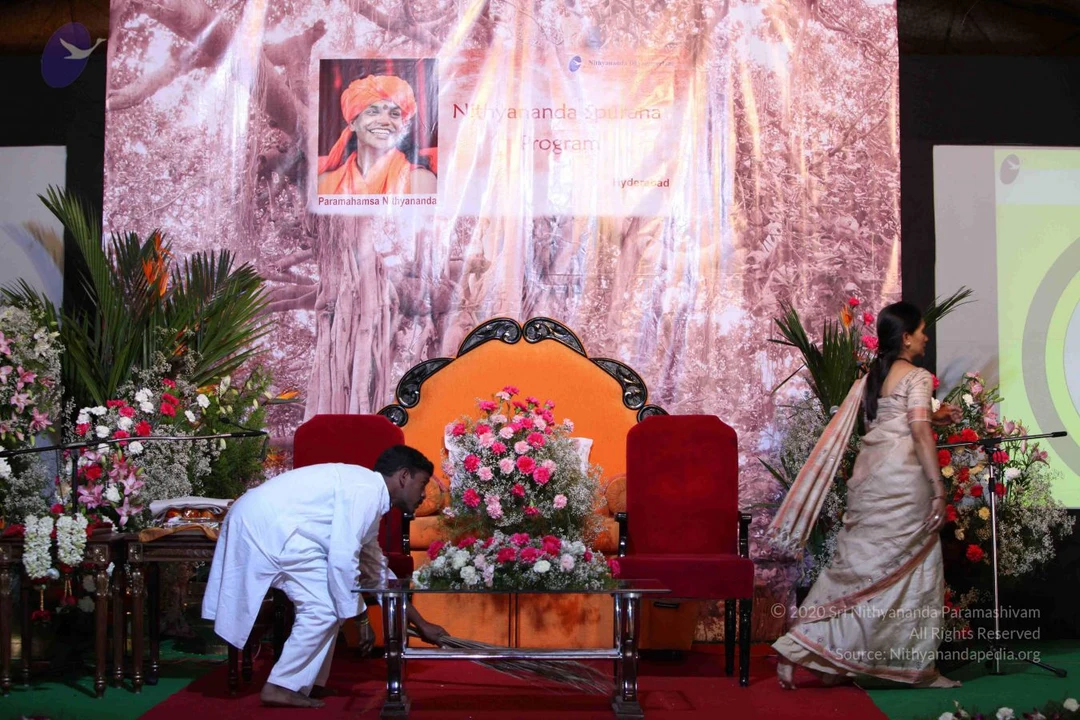
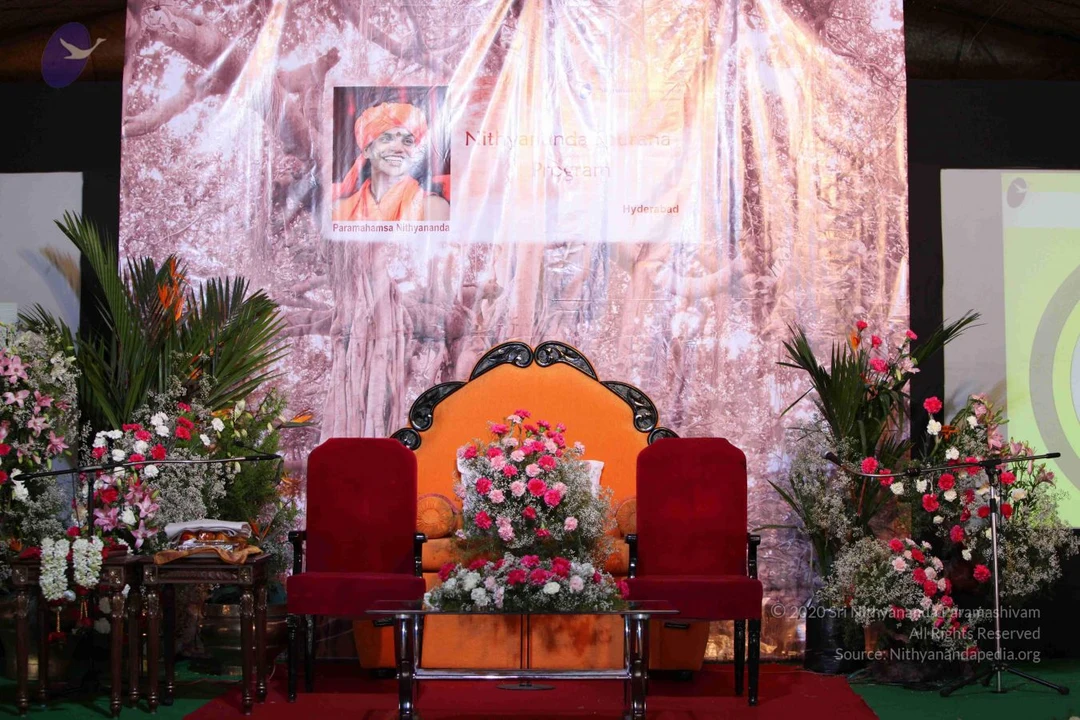
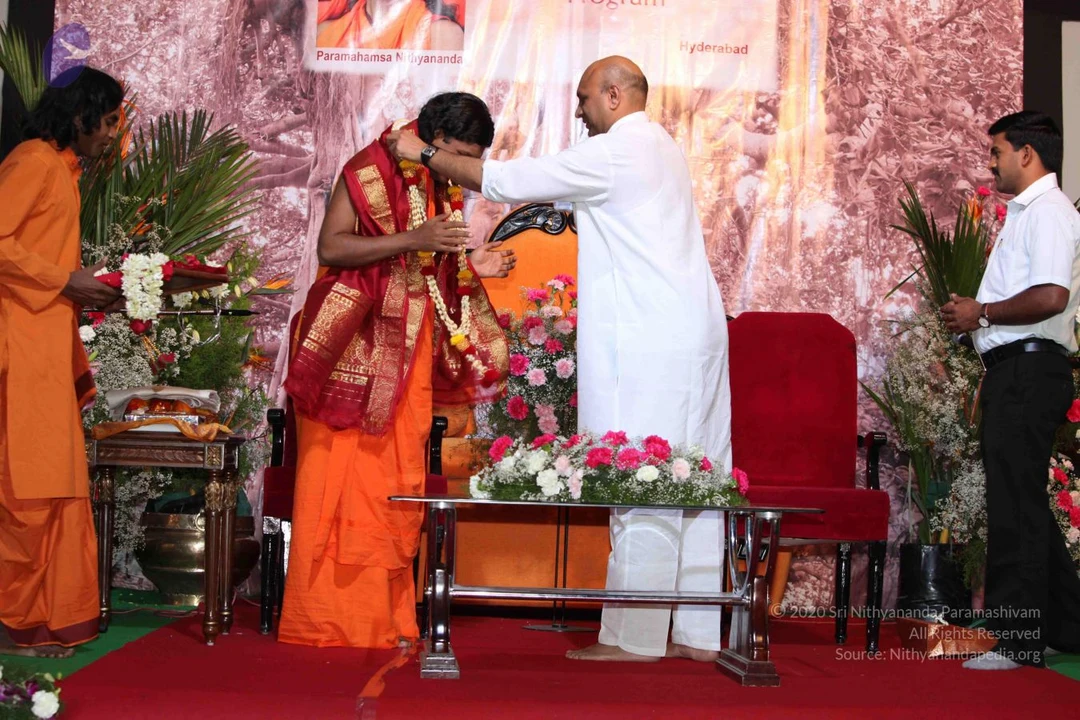
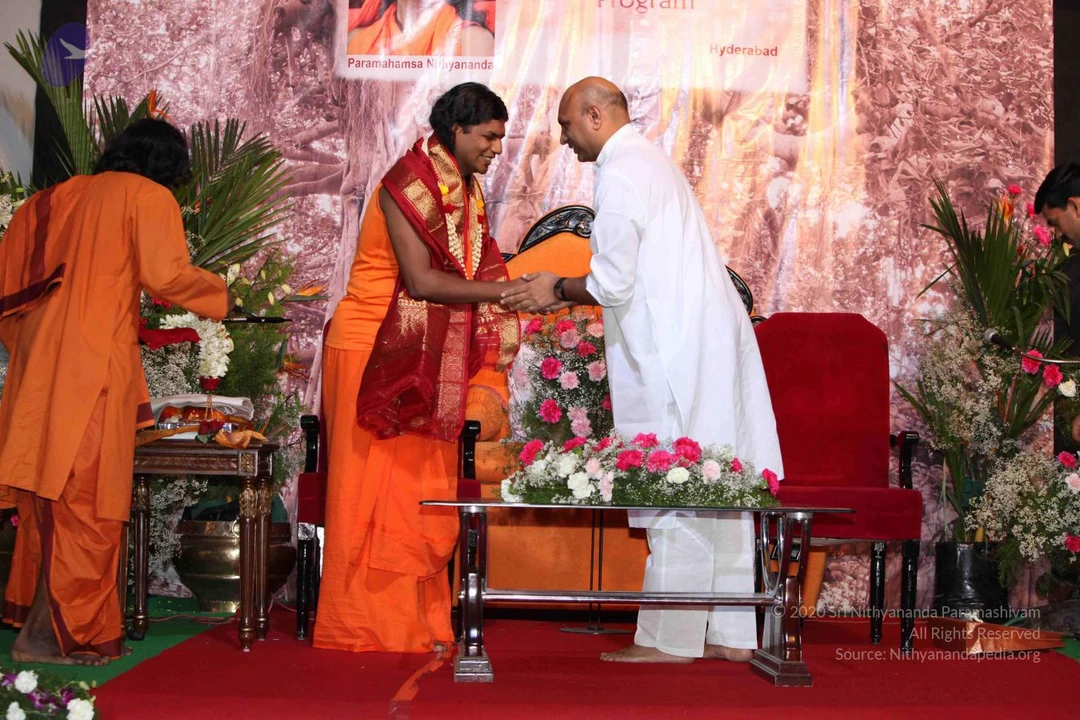
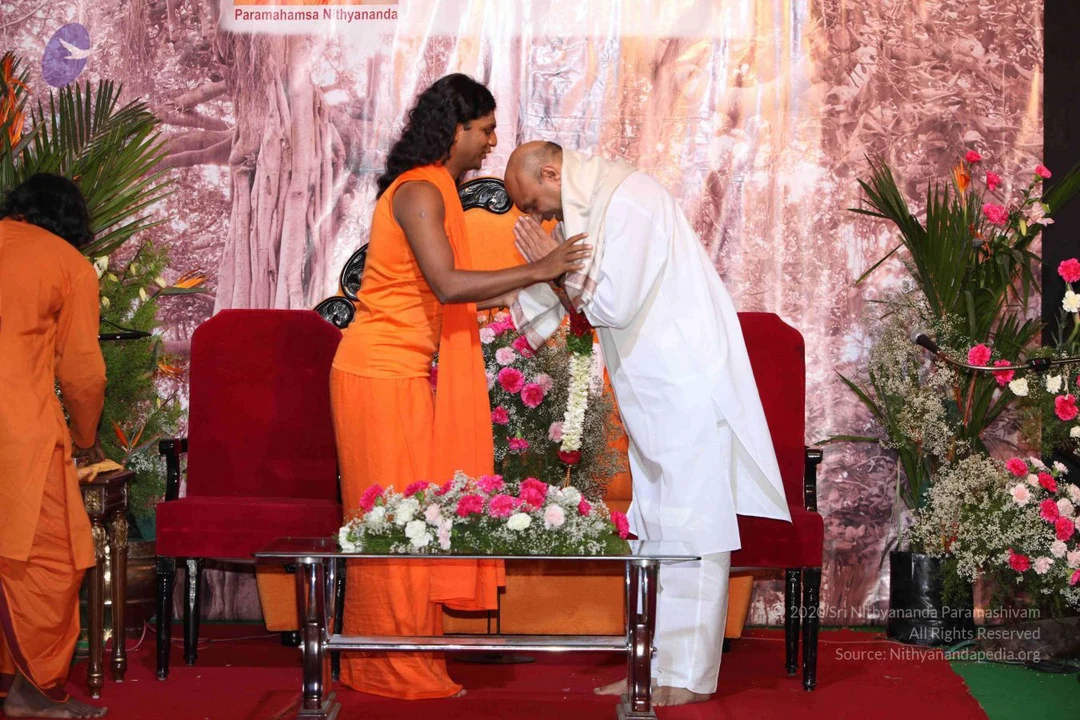
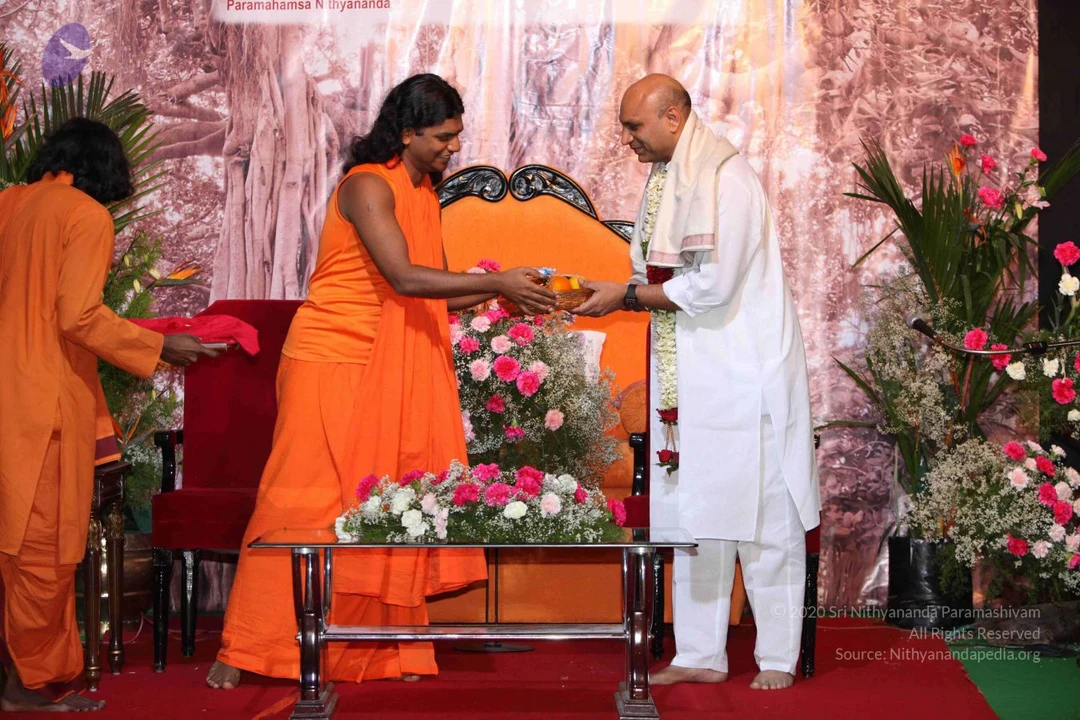
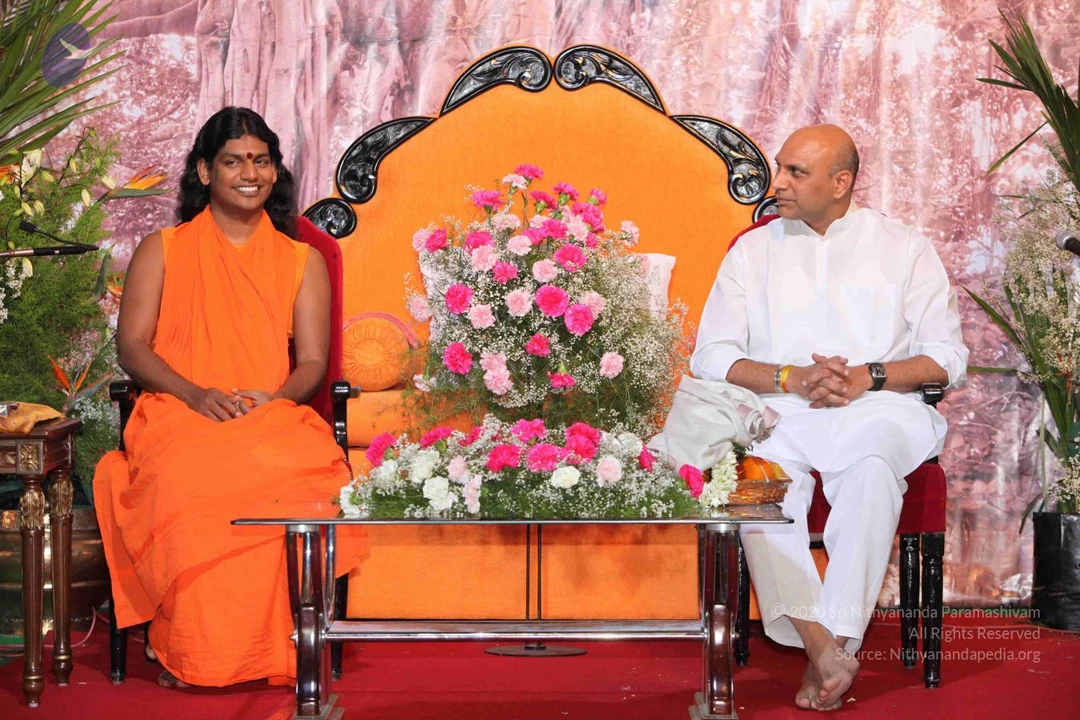
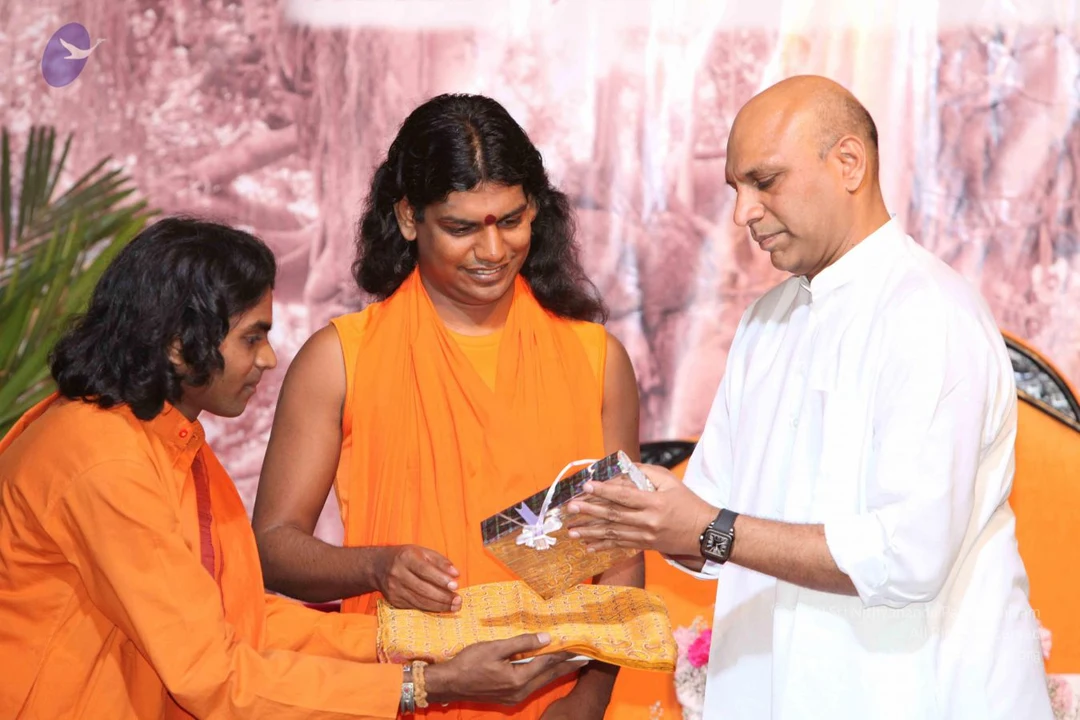
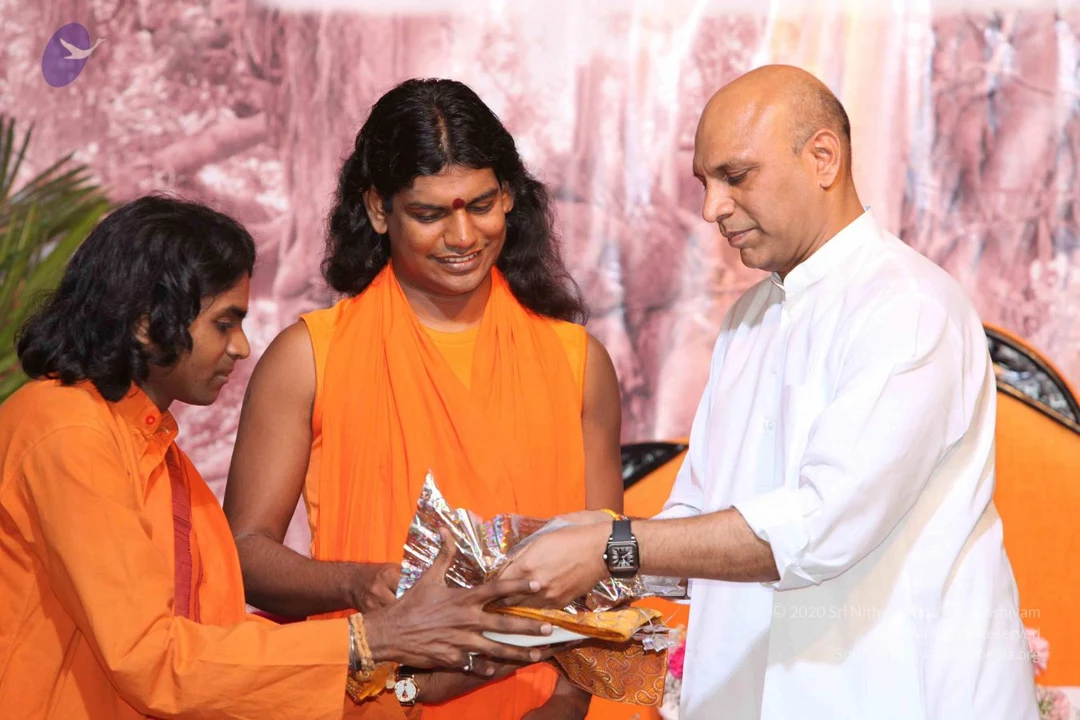
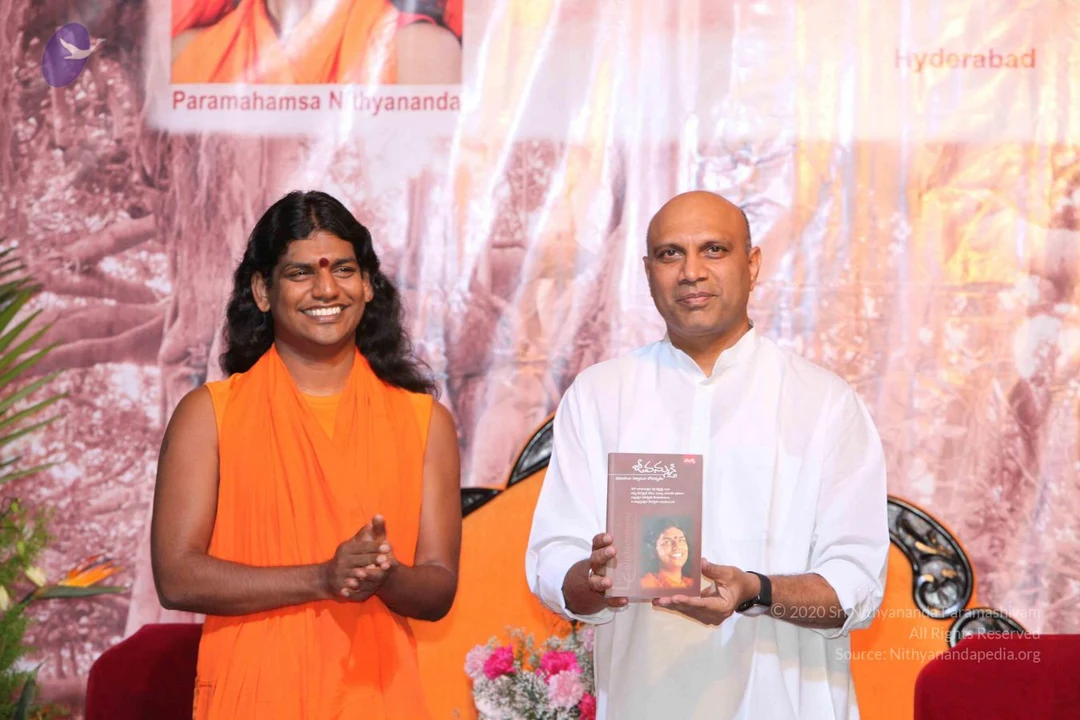
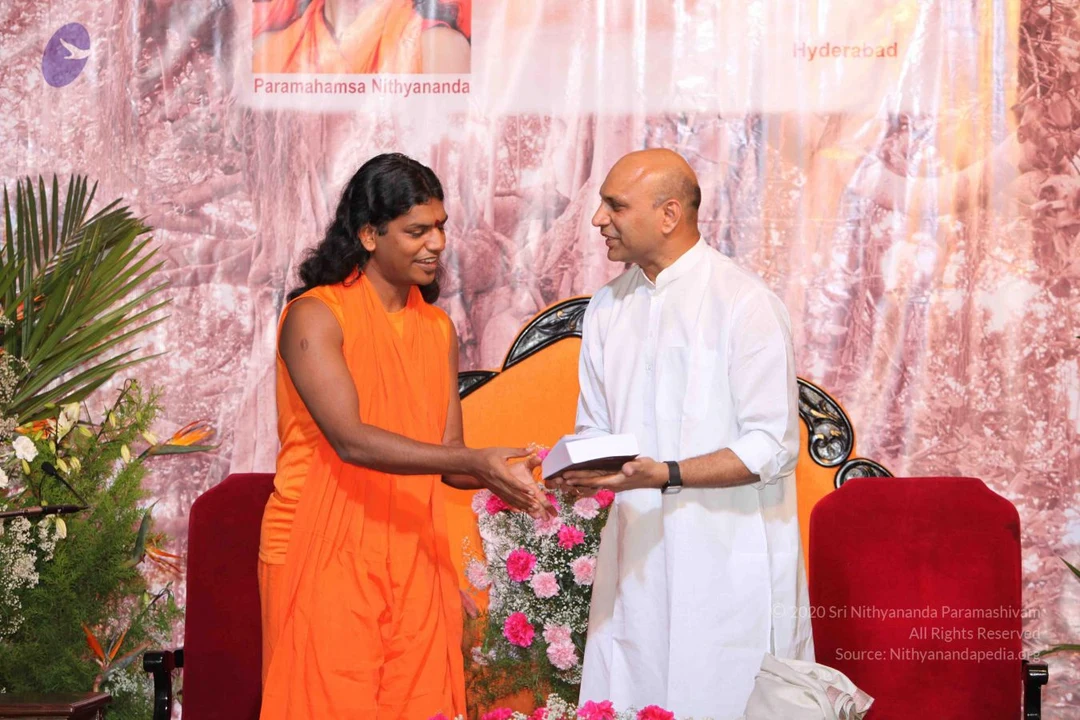
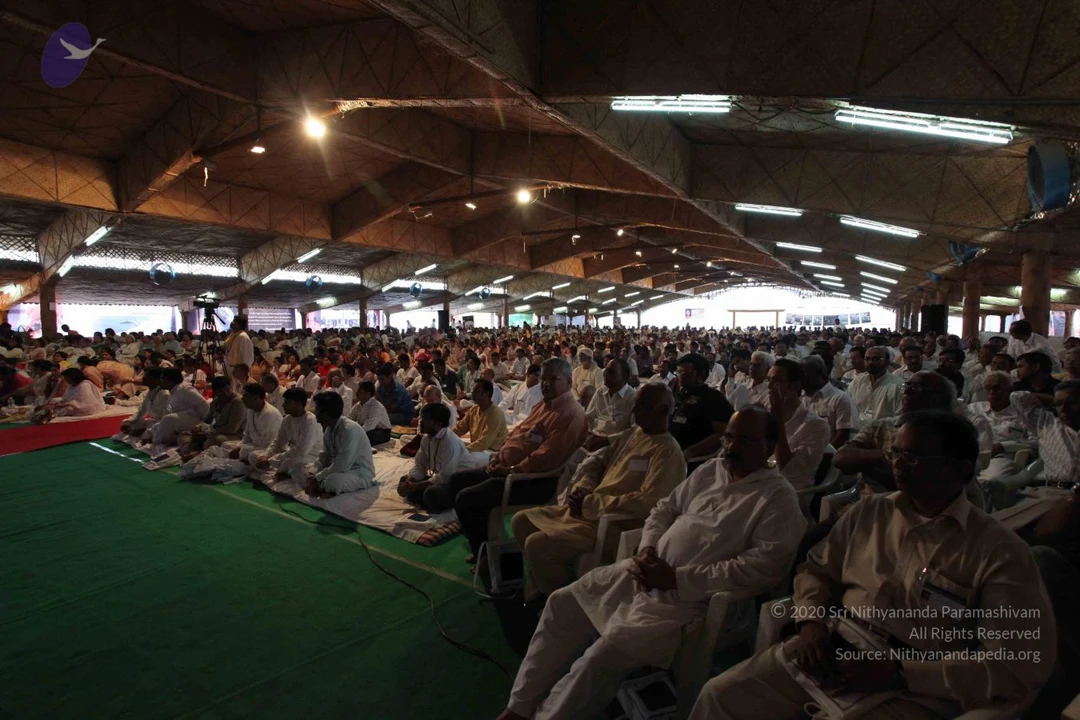
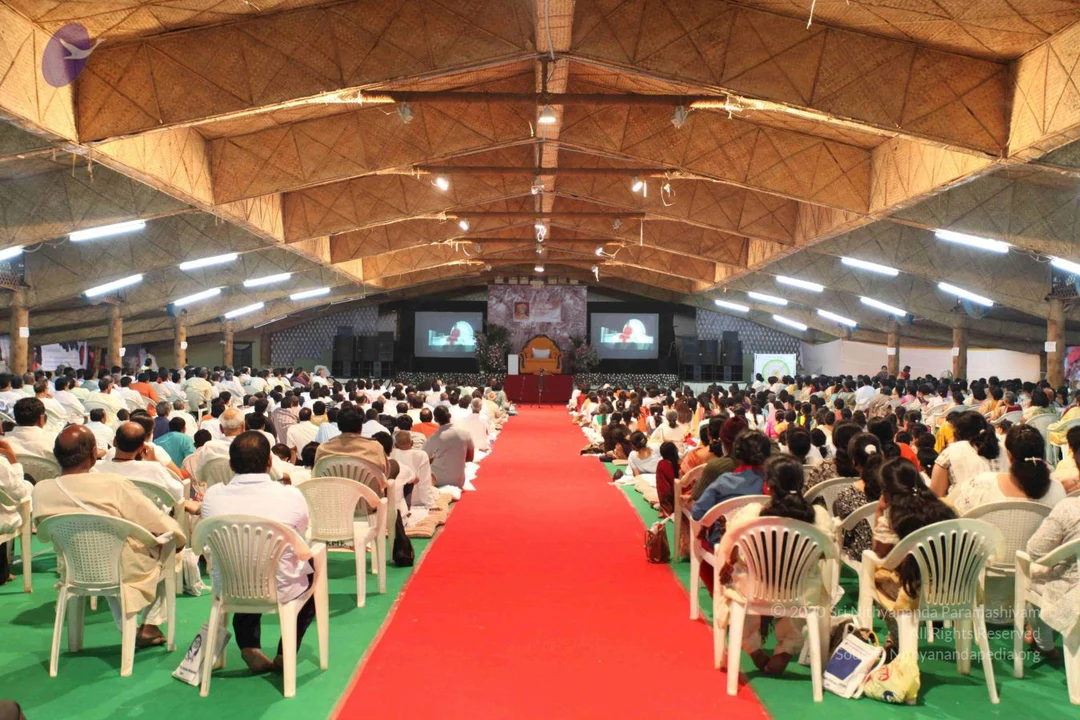
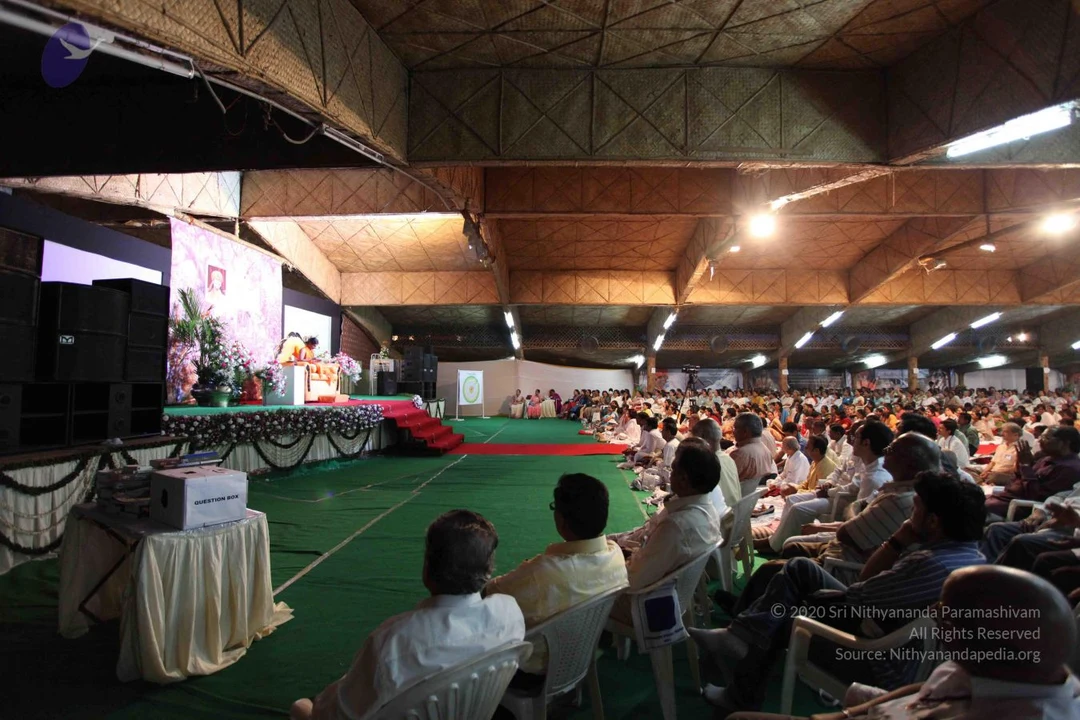
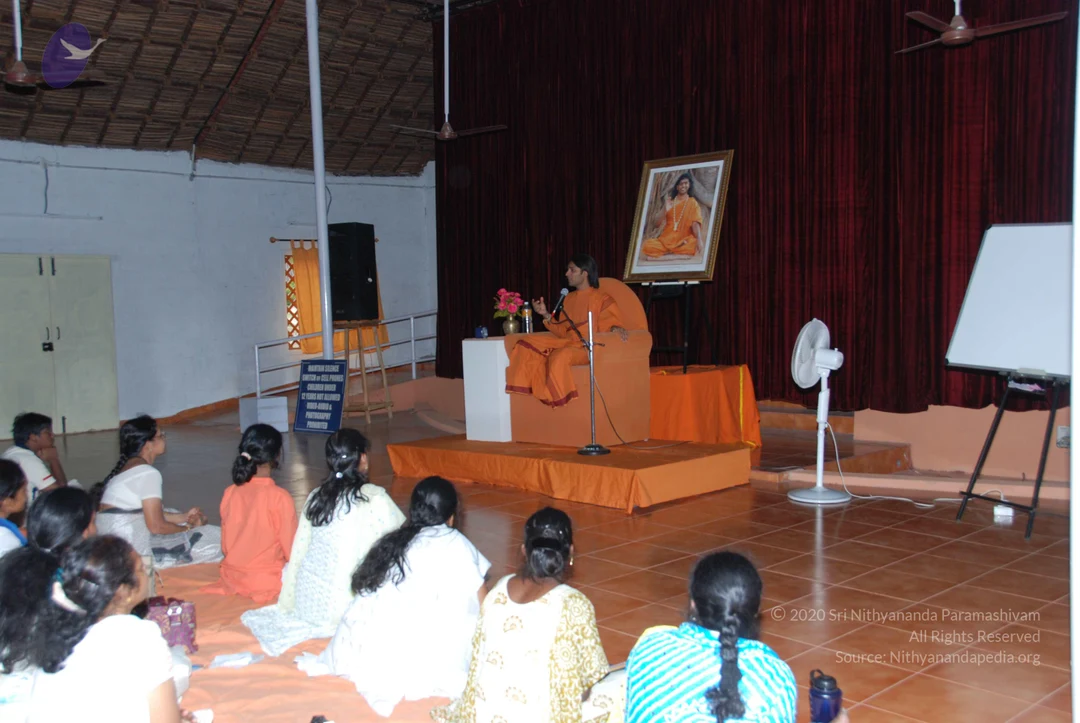
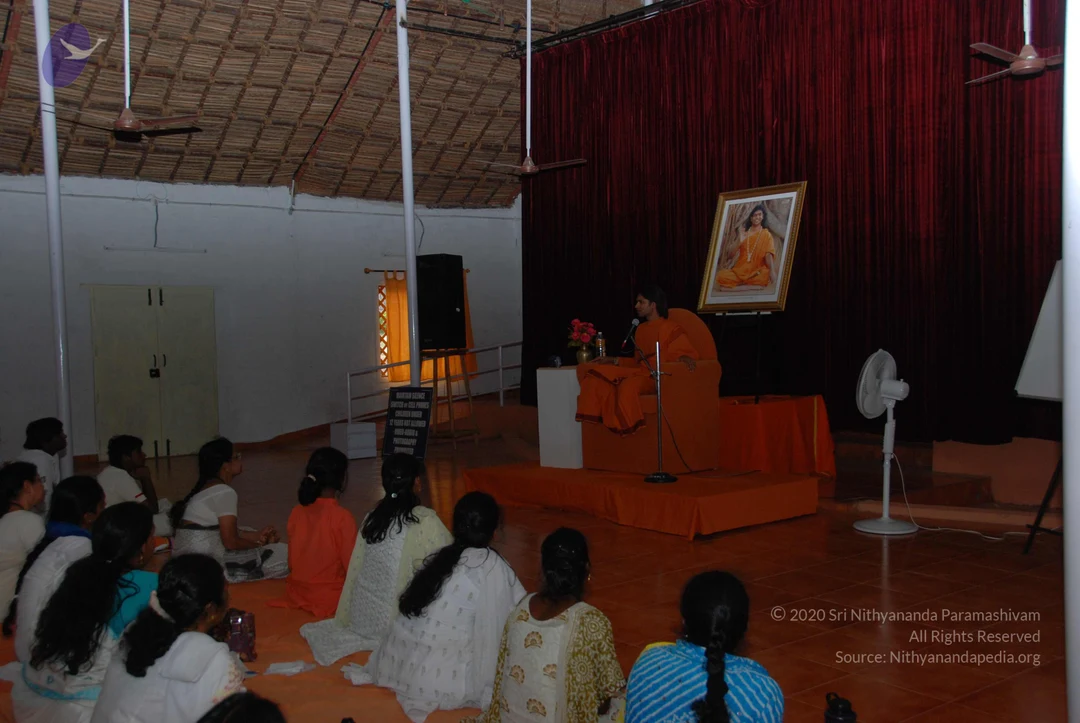
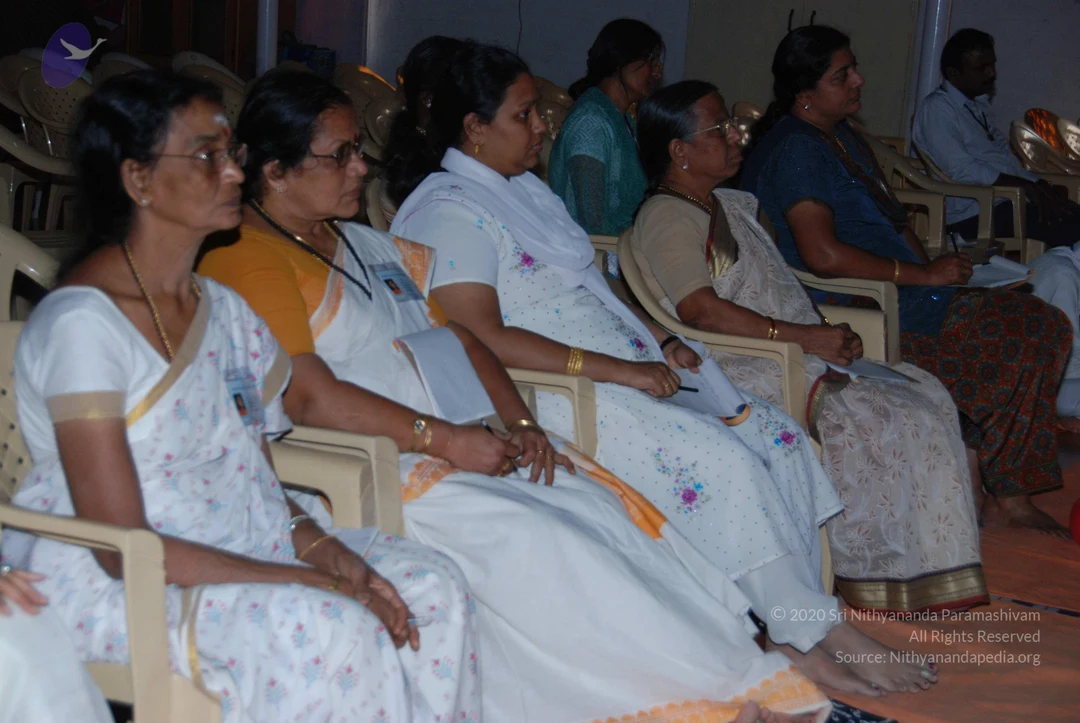
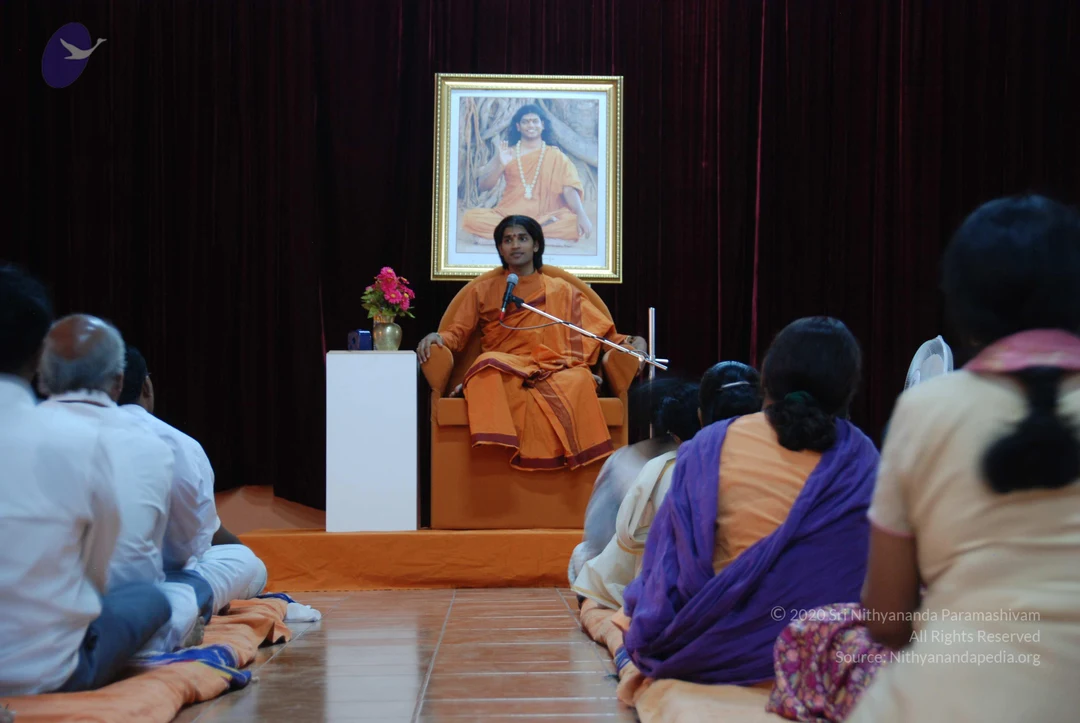
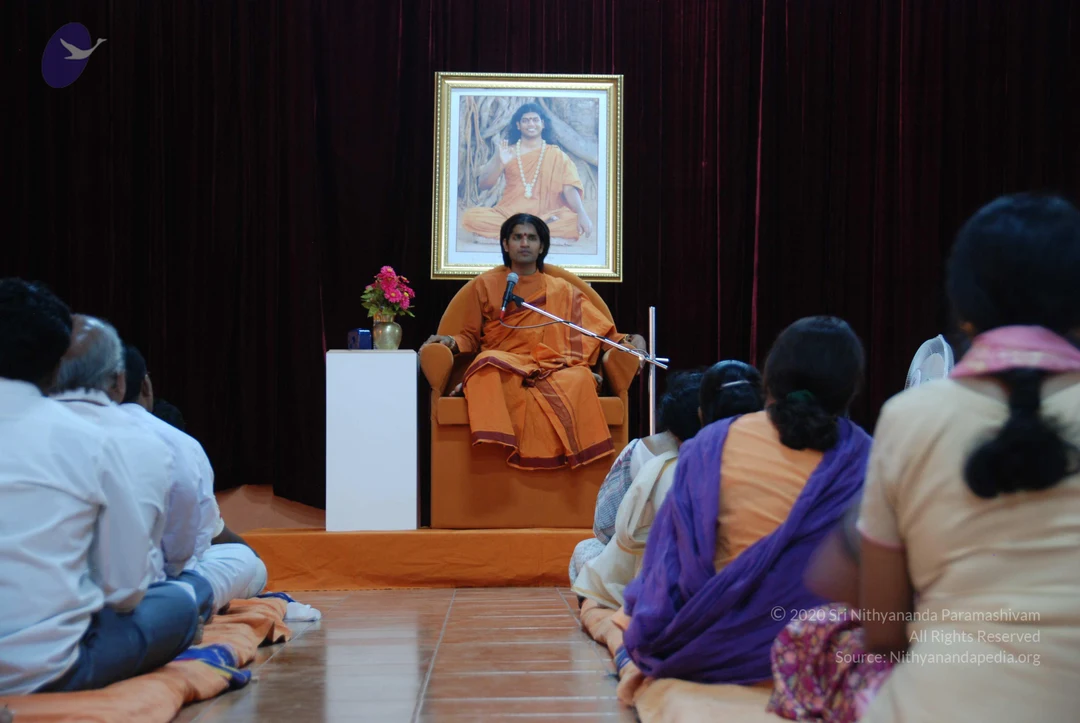
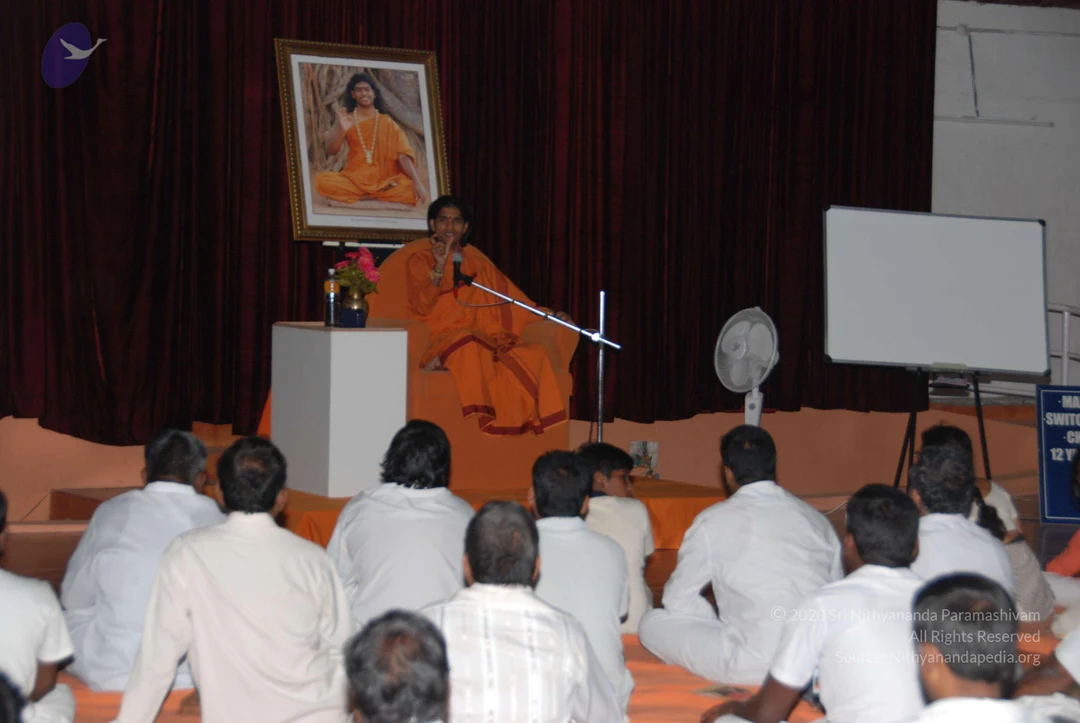
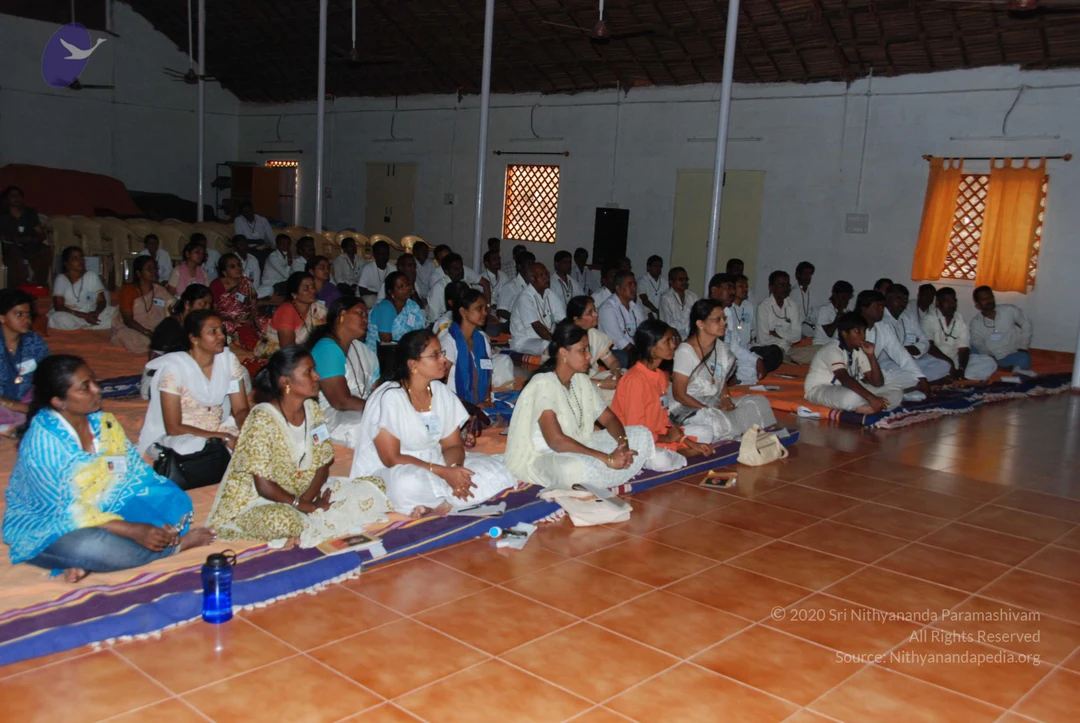
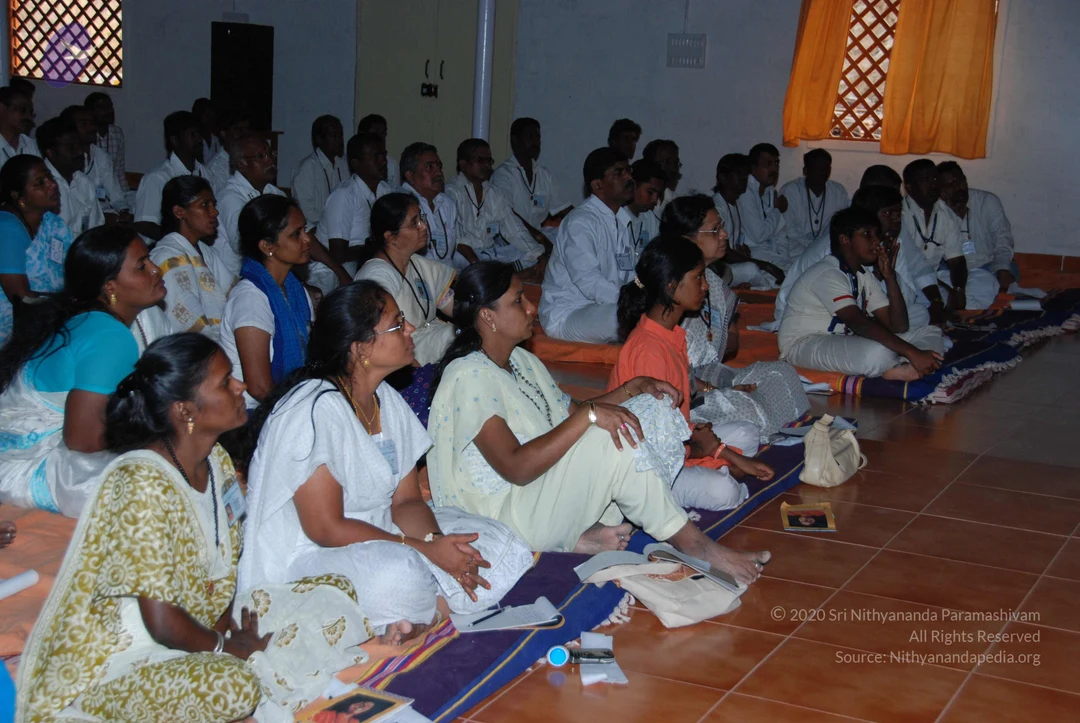
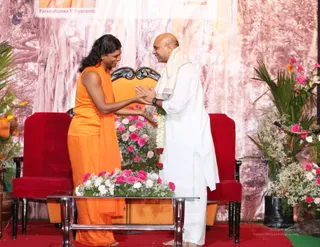
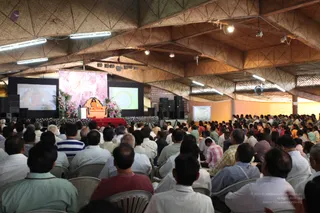
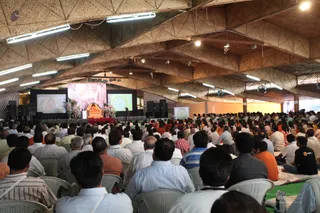
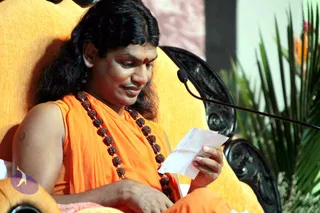
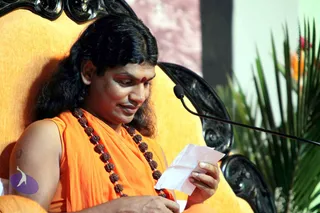
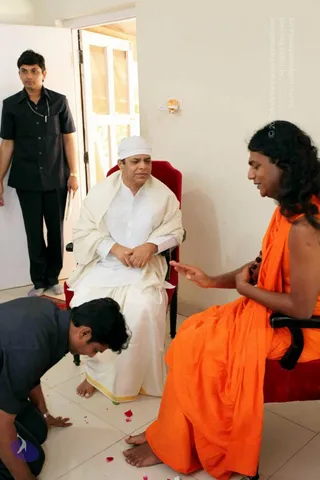
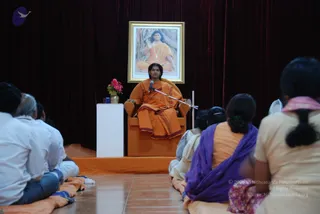
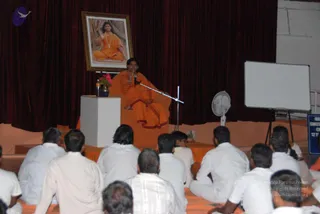
Glimpses From Nithyananda Spurana Program Day-03 at Hyderabad and Sai kumar Babaji head of sai geetha ashram Visits Nithyananda Spurana Program venue meets SPH and Living Enlightenment in Telugu - Jeevan Mukthi Book release by Pallam Raju then Central Minister
Nithya Spurana Convention videos
Link to Video: Intense Mystical Process to Remove Pain || NSC || 04 Feb 2010
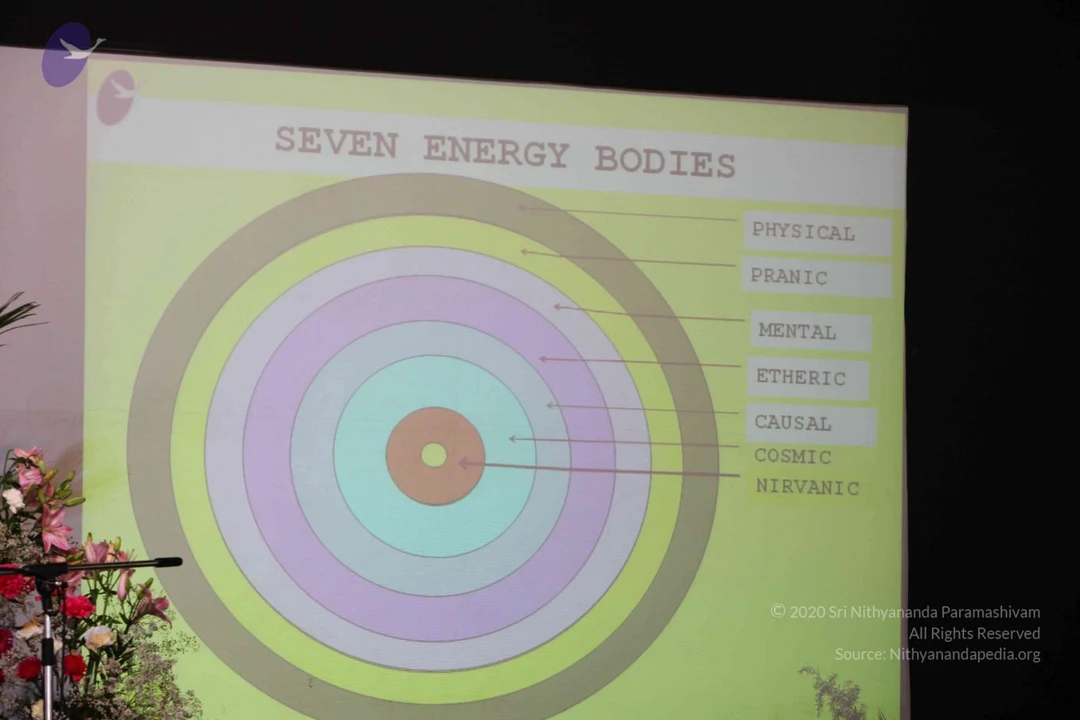
Description In this video Supreme Pontiff of Hinduism HDH Nithyananda Paramashivam defines the subtle (etheric) layer as the layer where all physical, mental and emotional pain is stored. It is also the layer where the Kundalini Shakti resides; and only if this layer is cleaned can the Kundalini Shakti be awakened. HDH says the technique for cleaning the subtle layer is to bring the physical, mental and emotional pain to the awareness, to relive it, so it can be burned once and for all.
Link to Video:
| Video | Audio |
Transcript to Video: Intense Mystical Process to Remove Pain || NSC || 04 Feb 2010
(00:14)
Subtle layer. Subtle layer is the layer, all your emotions are subtle layer. So the emotion which you are not able to handle or measure by ordinary thoughts, which are just happening in you. That emotion is only called the subtle layer. We call it etheric layer. In Sanskrit sukshma sharira . In this layer only, all the three pains which you experience in your life - physical pain, mental pain, emotional pain - all these three layer pains are recorded. Like a physical pain, all of you know. All the pains which you go through from the young age, whether knee pain, back pain, or all the pains. Mental pain is wherever your ego is hurt. Wherever you say, “Oh! You know who am I?” And, ”They did not respect me. They did not treat me.” Wherever your ego is hurt, that pain is mental pain. Emotional pain means if you have trusted somebody with your heart and that guy has cheated you. That person has taken you for granted, taken advantage of you. That is emotional pain.
(01:41)
So all these three layer pains gets recorded in the subtle body. I will give you some of the important insights. Please understand, the first layer engrams, the fear. All these engrams, only if you revisit that emotion again and again, it will become deeper and deeper in you. Only by revisiting, like a fear and all. The second layer, desire. Again, if you fulfill them only then they will get strengthened. If you work for it, fulfill, it will get strengthened. If you don’t bother, if you are just dumped it, it will be there lying. It won’t have any strength. Only by fulfilling you will have more. You will give power to it. You will expand them by fulfilling.
(02:48)
Third layer guilt. Guilt, when it, they will come up by themselves but if you entertain them, if you have conversation with it, then it’ll get strengthened.
(03:03)
But the fourth layer, pains, they will come up. You don’t need to cooperate.You don’t need to have conversation. You don’t need to fulfill.You don’t even need to listen. They will go on multiplying themselves. They are almost like a atman, self effulgent. They can torture you without your will or cooperation. See guilt, even if it comes up, only if you have conversation it will get strengthened. You can always neglect. But with pain, pains, no need for any, you can't do anything. Just by their existence they multiply.
(03:49)
One more thing, it's a very, very beautiful truth. You see when the pain first happens in your body it’s almost like a kind of a subtle fever spreading all over your body. Hatha Yoga Deepika: there is a beautiful book on the science of maintaining the body. It’s a literature in the fields, field of yoga. Hatha Yoga Deepika very clearly speaks about this pains. Not only physical pain, all three pain, physical, mental, emotional - all three pain.
(04:28)
When this pain happens in your system it spreads like a fever, subtle fever. The problem is whenever this fever spreads, your cells fall in tune with that fever. They start enjoying that fever. The big problem is, first time when you feel the pain three cells will start enjoying that fever. These guys when they multiply they will create the cells again which enjoys the fever. So when you have, first time when you have the fever, that pain is what I am calling fever. It’s a subtle fever. The Hatha Yoga Deepika describes very clearly sixty four kinds of fever in our system. Even the lust, anger, all these things they describe as one kind of a fever. First when your, when the fever spreads, for example, three cells imbibed that fever. When they multiply, all of you know that continuously the cells are multiplying, creating the body. When they multiply they create a cell which is ready to receive that fever, which is enjoying that fever. The fever becomes a food for these cells.
(05:46)
So second time when you have fever not just these three; all these cells will be enjoying that fever. So naturally the suffering is more. Then third time these cells, when they reproduce, they will create a cell which enjoys more fever. Like a multiplic... multiplying. That is why every time when you go through a pain attack, whenever you go through that pain fever spreading, next time, next time, next time the experience will be intense. Every time the experience will be intense. Because your body starts enjoying it. Only in the extreme step when your body can’t tolerate anymore, when your parts are damaged then it tries to escape. But that is too late. Whether it is a physical pain, mental pain, emotional pain, it is a fever spreading in your system.
(06:56)
That is why Hatha Yoga Deepika very beautiful says fire, credit, enmity, pain these four you should not leave even one inch. All these four you should not leave even one inch. Because all these four will grow enmity, fire, credit, and pain. Even one inch if you leave all the four will explode. So because it will go on expanding by itself. It will continuously add itself. It will reproduce. See tenth time when you have that pa..same shower of pain or fever of pain more parts of your body is ready to resonate with the pain, ready to suffer the pain, ready to go through the pain. You are continuously cooperating for pain. It’s almost like you are inviting. See after sometime a few thousands cells are ready for pain. Even if you don’t have pain, you feel you missing something. You are inviting, you invite. You invite. See it’s like a few thousand people want to do program here, My program. Naturally what happens? That becomes invitation for Me to come and be here.
(08:12)
Same way, a few thousand cells are ready to experience pain, waiting for pain. That becomes an invitation for you to start creating pains. All your physical pain, mental pain, emotional pains by their own existence they can multiply and prepare your body, expand, create more and more, even if you don’t cooperate with it. Guilt or fear, other engrams, only if you support, if you have conversation with it, it can expand. It can become strong. But with pain you don’t need to do anything. That is why even little pain should not be left in your system. Now we’ll be entering into a process. I can say almost it’s like a pain cleaning; will flood your system, acid wash. Literally acid wash, acid wash to clean all the pains. We will do through three process, three step.
(09:29)
Kundalini shakti resides in this layer only. This is the layer where kundalini shakti resides. That is why you need to clean this layer first, before awakening the kundalini shakti. Only if you clean this layer the kundalini shakti can be awakened.
(09:50)
First thing, go into all the physical pains you ever had in your body from the birth. Bring them back and live them literally. Don’t have fear. ”Oh if they will stay back with me what will I do?” Don’t bother. It won’t stay back with you. Any pain you remember from the young age you had; whether it’s some pain because of some surgery or fracture. Whatever you had in the body from the young age, bring them all back. Invite them with deep respect. “Please come back and stay in the body for few minutes.” Bring them back; live them, just go into it. Feel exactly how it felt. Please understand. Consciously reliving how it felt. Do not give the title pain. Bring them back, only see how it felt. When you had that tremendous back pain, how it felt. Bring it back. Knee pain, bring it back. All the physical pains which you had in your life, if you remember. You see, if you don’t even remember then forget about it. i Then it is not there. It’s already disappeared from your inner space. Whatever you can remember, bring them back and relive. Whether it’s a headache, migraine, knee pain - all these pains, physical pains.
(11:26)
Second, mental pains; wherever you felt your ego is hurt. Some of the mental pains would have gone with the guilt. There are some which may not have gone. Dig them deep now. When I say that relive, go into it, I am asking you to bring it to the awareness so that it can be burnt once for all. It can be burnt once for all. It’s a mystic process. Logically you can’t understand. Logically you will always feel, ”Hey! If I bring it to awareness I should suffer more. How come I am not suffering? It is coming but it’s not, there’s no suffering.” Means it’s actually a intense mystical process. Go into it, bring all your physical pain first. Second, all the mental pain. Third, all the emotional pain. So if you are feeling that heaviness in the heart, allow it. Tears are rolling, allow it. Whatever is happening in your body and mind, allow it. Go into the depth of all three pains. Do not leave even one layer or one inch, one pain without reliving it.
(12:39)
Title:
Link to Video:Mystical Truths about the Causal Layer || Part 1 || NSC || 4 Feb 2010
Description: In this video Supreme Pontiff of Hinduism HDH #Nithyananda Paramashivam talks about the power of healing the causal layer. The causal layer corresponds to the deep sleep state and is where all our engraved memories or engrams are stored. When the causal layer is healed, sleep related issues such as insomnia are cured; along with other diseases such as Parkinson's disease and Alzheimer's disease.
Video:
| Video | Audio |
Title:
Link to video Mystical Truths about the Causal Layer || Part 2 || NSC || 4 Feb 2010
Description: In this video Supreme Pontiff of Hinduism HDH #Nithyananda Paramashivam talks about the power of healing the causal layer. The causal layer corresponds to the deep sleep state and is where all our engraved memories or engrams are stored. When the causal layer is healed, sleep related issues such as insomnia are cured; along with other diseases such as Parkinson's disease and Alzheimer's disease.
| Video | Audio |
Transcript:to video Mystical Truths about the Causal Layer || Part 2 || NSC || 4 Feb 2010
(0:14)
Now we will work on the 5th layer, causal layer. See as I was telling on the first day, the causal layer has all the broken unclear engrams. You have too many engrams, which are not completely alive or aware, broken ideas, incomplete ideas, incomplete concepts, reasonless worries. You see in the, I will give you one example, early morning sometime, you will not be completely dreaming, you will not be completely awake you will see that useless unbroken, unconnected ideas and concepts will be flowing in your space. It is like, a you will be sitting with your son and writing a college exam. You can see many time completely confused, unconnected, illogical concepts will be floating through you.
(1:22)
The moment you wake up you will understand, what is this, there is no connection. How many of you have connect this space in the early mornings. That is causal body. Understand. That is causal body, where the engrams are there which does not, which can’t be classified. You can't say they are desire, you can’t say they are worry, you can’t say they are guilt, you can’t say they are pain, you can’t name them. You just can’t brand them. It’s like a early morning sometime, you neither you are fully aware, awake nor be in a dream state. You will feel like some suffocation. That Is what in the villege’s say, some ghost came and sat on me on my chest and was pressed on me. No ghost comes. It’s a karana sarita, sometimes you will feel that you want to move your body but you can’t move. For the 10-15 seconds it will be just too much. You just want to push your body. But it will not be under your control.
(2:22)
You will push so hard and you will fall out of the bed. How many of you have felt that space. That is causal body. Exactly that is causal body. It’s almost like a garage where you dump everything. Understand. Somebody has written a question. Can you give a straight technique for insomnia? Sure shot. Can you suggest a sure shot remedy for insomnia? And very little sleep unable to get sleep and all sleep related problems. This is a sure shot, say it is solution for insomnia and chronic fatigue. Whole day feeling like sleeping, for both problems this is the solution. One more thing I wanted to say about this causal layer. Understand very clearly about your sleep. You experience causal layer only during deep sleep. Only during deep sleep.
(3:21)
For example, there are some people who can’t remain awake early morning between 4-8 they have to sleep. But till late night even till 1 o'clock they will be alive, awake; MTV kids, this new generation. They can be awake till late night 12 o’clock. But morning they can’t, they have to sleep. These kinds of this bodies are called chandramana, when moon is alive their body will be alive. There are some kind of people, night 8 they have to go to bed. But early morning 4 o’clock they will be out of bed. They are called souramana; when surya is alive their body will be alive. Find out whether you are chandramana or souramana. And co-operate with that. Be with that routine. See don’t struggle with your way. Just find out which is yours.
(4:20)
Somebody, sometimes people come and tell Me, “Swamiji night also I sleep, morning also I sleep. 8 o’clock I want to lie down, morning till 8 o’clock I want to sleep. Which mana I belong to?” You are neither souramana nor chandramana you are avamana. Then nothing can be done. Find out whether you are souramana or chandramana and just go with that. That itself will solve many causal layer related problems. Many causal layer related problems will be solved. One more thing if your kids are chandramana don’t abuse them, disrespect them. Don’t torture them. Forcing them to change their setup. If they feel that late night they can remain awake and the early morning they want to sleep, allow them. Allow them. Same way your body also, don’t create guilt. It’s just 2 different types of body, 2 different types of body.
(5:20)
That can be, it can be really useful. Find out if you are chandramani or sourmani. You can do, say if you are a souramani early morning person, don’t make decisions after sunset. Do not do any major decisions after sunset. Don’t eat after sunset. Decide you will eat before sunset. Don’t eat, don’t do any major decision making. Do all major decisions only in early morning time. Only in the morning time. Keep this as habit. Waking up in the brahma muhurta morning 4.30 doing all the routines, taking all the decisions, thinking, doing strategy planning only at that time. Same way, if you a chandramani, do not decide early morning, start thinking, strategy planning, all after evening 6 o’clock. Do everything after evening 6. It is just body type. It is nothing but just the body type. Understand!
(6:21)
It’s just our body type and your biomemory nothing else. If you are avamani nothing can be done. I don’t have solution for you. You will have to find out for yourself. This causal layer is the layer where all these useless or engrams which you can’t classify are dumped. I can say most of your sanchita karma, the accumulated but directly not useful in this birth. Those karmas stays in this layer only. Working on this layer, healing on this layer will relive so many unknown problems in you. See there are so many things you don’t even know the root why it is happening. Why it is happening. Especially, Alzheimer’s and body shaking without your control, Parkinson's all those things there is no logical engram you can connect. Those things all start from this causal layer.
(7:35)
And not for pride, I am just telling the fact, we are successfully able to heal Parkinson’s and Alzheimer working on this causal layer. I healed at few, at least few completely and got them out of medications because of this, working on this causal layer. Only one problem you need work for a, with lot of strength and determination on this body. It’s almost like a, you need to go against the samskara setup; engram setup. You need to sit for long hours to work on this layer... But I can be sure by sitting long hours on this layer you will see the direct benefit in your day time. In your, if you can work on your causal layer at least few nights, you will see the whole quality of your day becomes different. The whole quality of your day becomes different because see the day dreaming and night dreaming are closely connected. If you have too much of daydreaming, you will have too much of night dreaming.
(8:57)
If you will have too much of night dreaming you will have too much of daydreaming. You should understand our sleep. Sometime you will be lying down on the bed for 12 hours but you won’t feel you have slept, means a normal person does not spent his time in deep sleep more than 20 minutes. 20 minutes only you will be in the deep sleep state. Then he comes out dreams, he is caught here in there in some ideas may be 10-15 minutes again he goes back into deep sleep and he comes out. And you will be surprised some of these sleep studies, sleep studies in the western countries in US, and Canada and Europe, nobody sleeps more than 15 minutes. In indian village and African tribes they sleep more than 30 minutes. 30 minutes at a stretch they sleep. Developed countries only 14 not more than that, maximum.
(10:06)
Then again they have to come to dreams, means too much of day dreaming that’s why too much of night dreaming. Understand, this stress, early morning when you wake up if you have shoulder pain understand you have too much of night dreaming. Human beings is the only animal is tired after resting. No really. See early morning all the animals after wake up they just jump around. You see the dog this guy will go around and measure his boundary. If you see the cat it will stretch the whole body and jump. If you see the calves, the cows and all, it will just run around at least on the stick on which they are tied. Human beings are the only animals when they wake up, they roll and pull the blanket. Moved away from the nature. Tired of taking rest means you did not sleep. You are only hanging around in the causal layer. Sorry you only hanging around in the dream state, did not fall asleep deeply.
(11:17)
So any problem related to deep sleep will be completely healed through this one session, usually in all NSP we sit one whole night, few hours we will sit. I really encourage you to sit as long as you can. It’s a very powerful process, this technique is from Kularnava tantra, a very powerful tantric technique, working on the causal body. You see, this causal body is considered as a mother energy. The causal body, the energy which you experience during deep sleep. Can you describe the deep sleep? There is no description, if you rem.. remember deep sleep and try to describe only 2 things you can say. It was peaceful and darkness was covered by darkness. That’s all. Only these 2 quality, these 2 quality only described as a cosmic mother. Cosmic mother these 2 qualities are there in your mothers womb only gives birth to your body. Everyday you go back to your same energy and rejuvenate your body and come back. That’s why your sleep is equivalent to going back to your mothers womb.
(12:44)
The same energy by which your body was created. The same energy, see the causal layer energy is the energy which is there in the mother’s womb, out of that you took birth. And everyday you go back to that energy and rejuvenate your body and come back. It’s a very deep mystical connection, little difficult for the normal logic to understand. That is why in our tradition there is a belief for pregnant ladies sleeping, she should not be disturbed. Because that causal layer will be alive, active on her body the body will be getting created. The child’s body will be getting created. In Indian village there is a story when pregnant lady is sleeping, they’ll tell hey Brahma is carving the body don’t disturb. Brahma is creating the body if you are from villages you would have heard. Means the causal layer is active in her. Causal layer will be alive in her. And the body of the child will be getting created in the causal layer.
(13:58)
Photos of the day
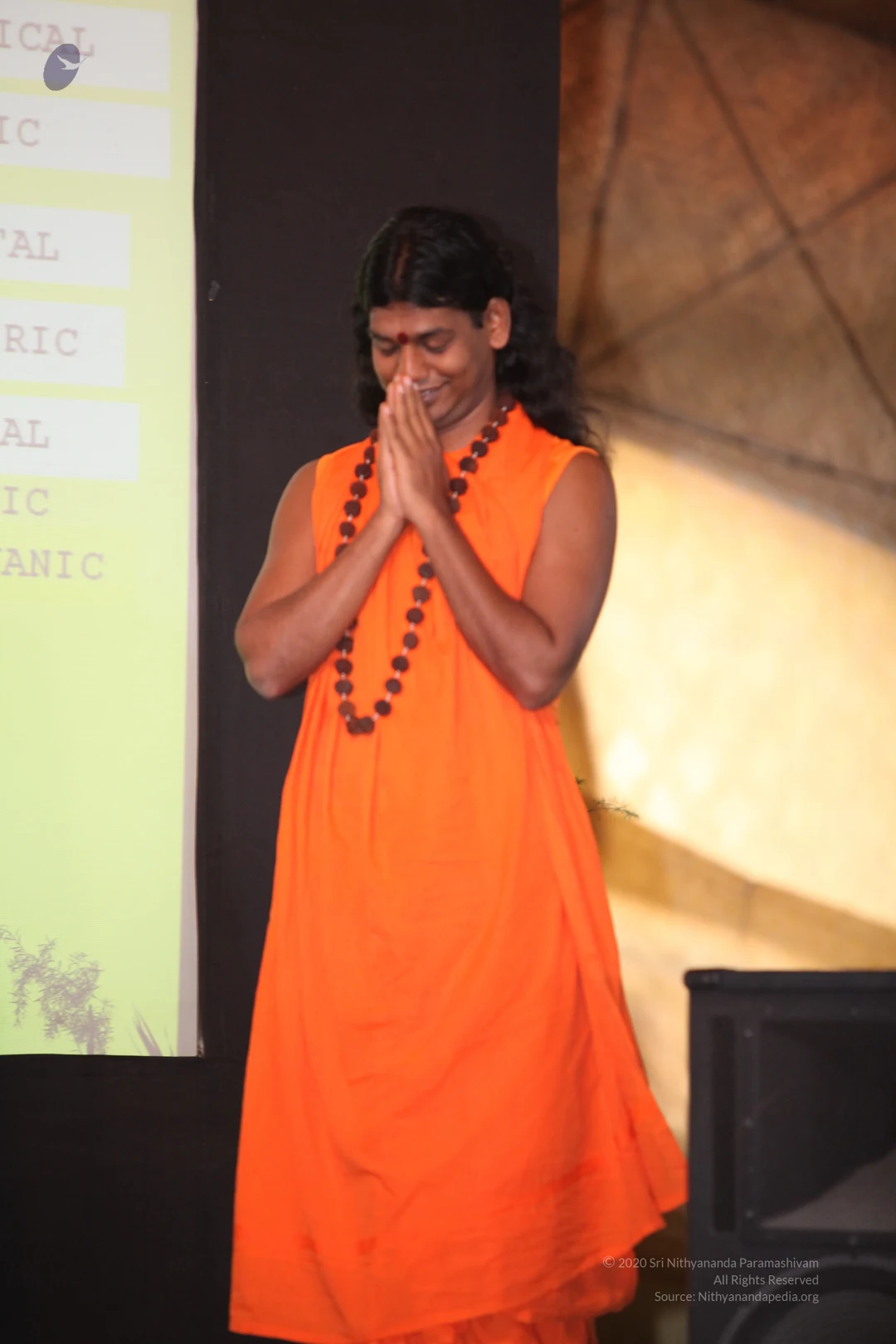
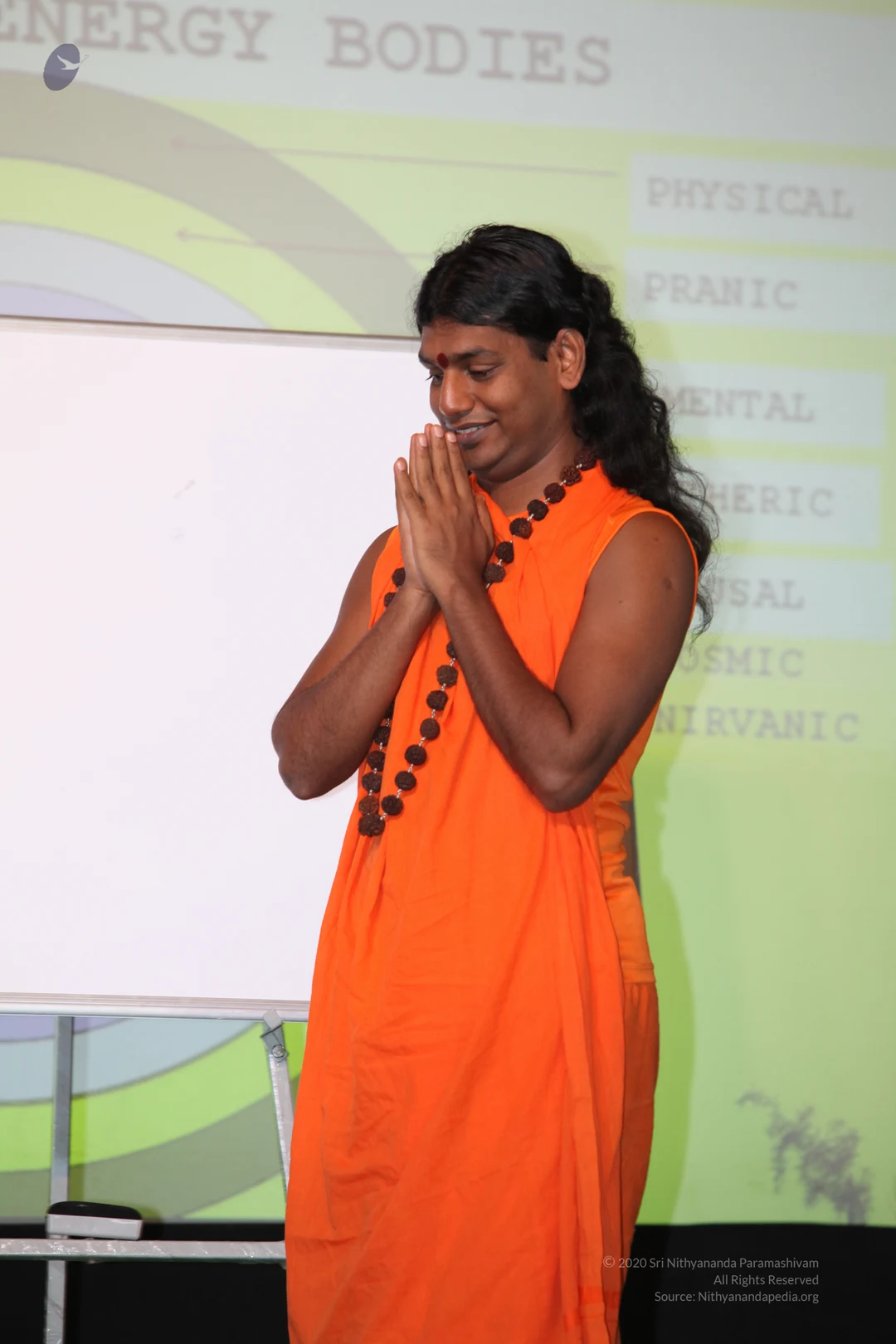
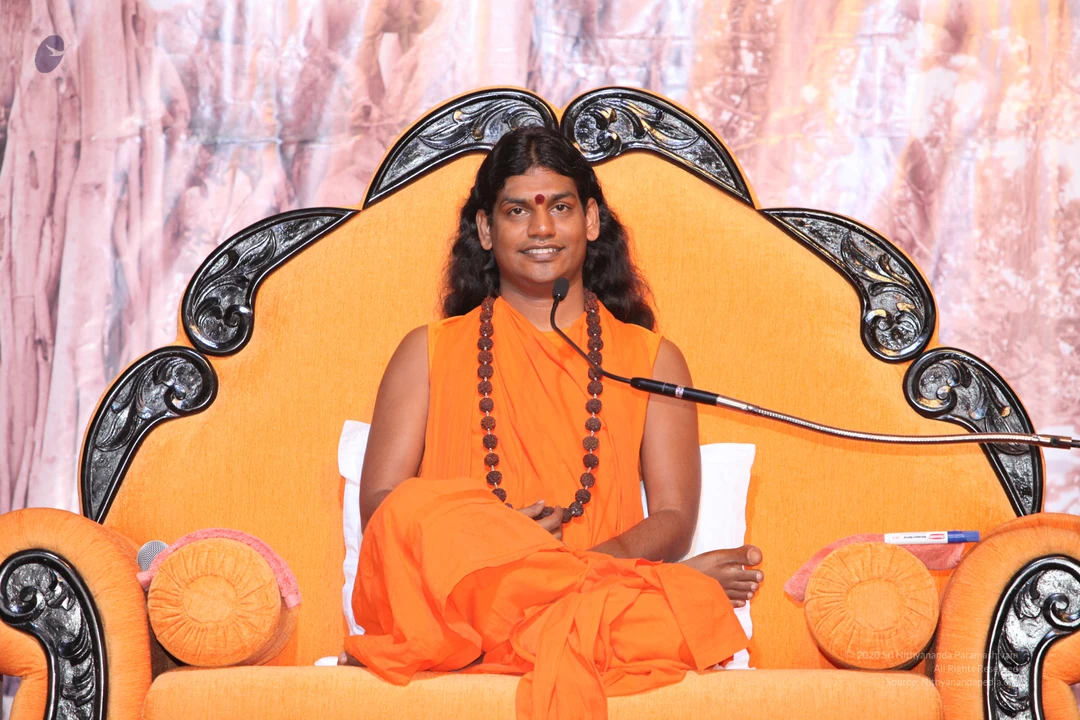
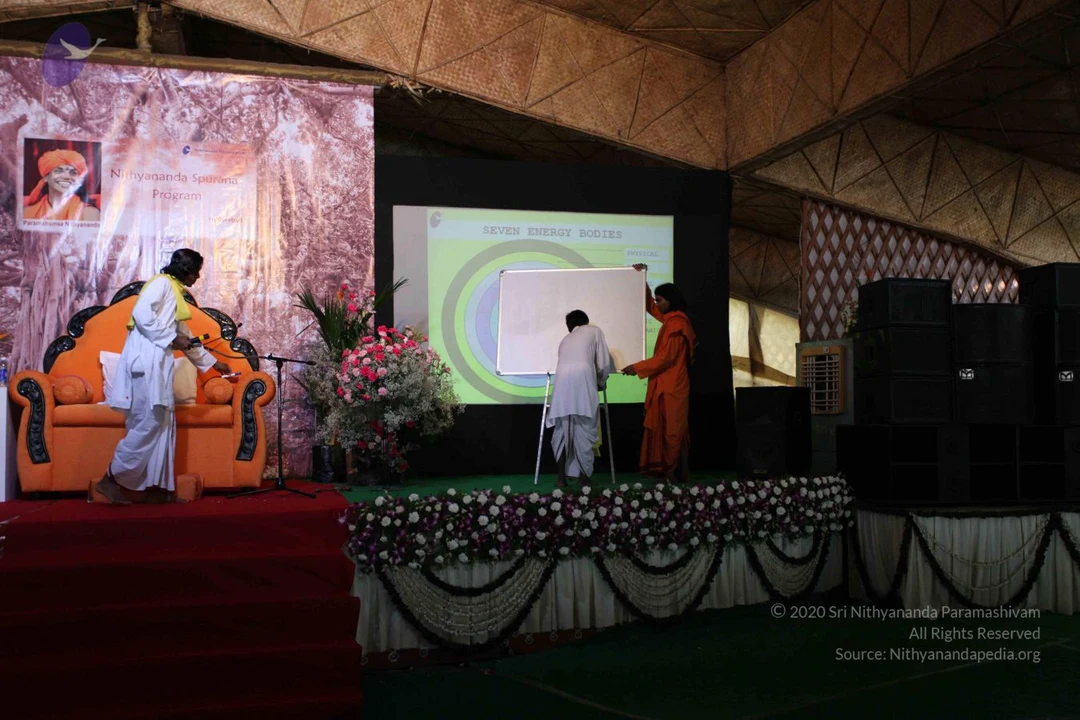
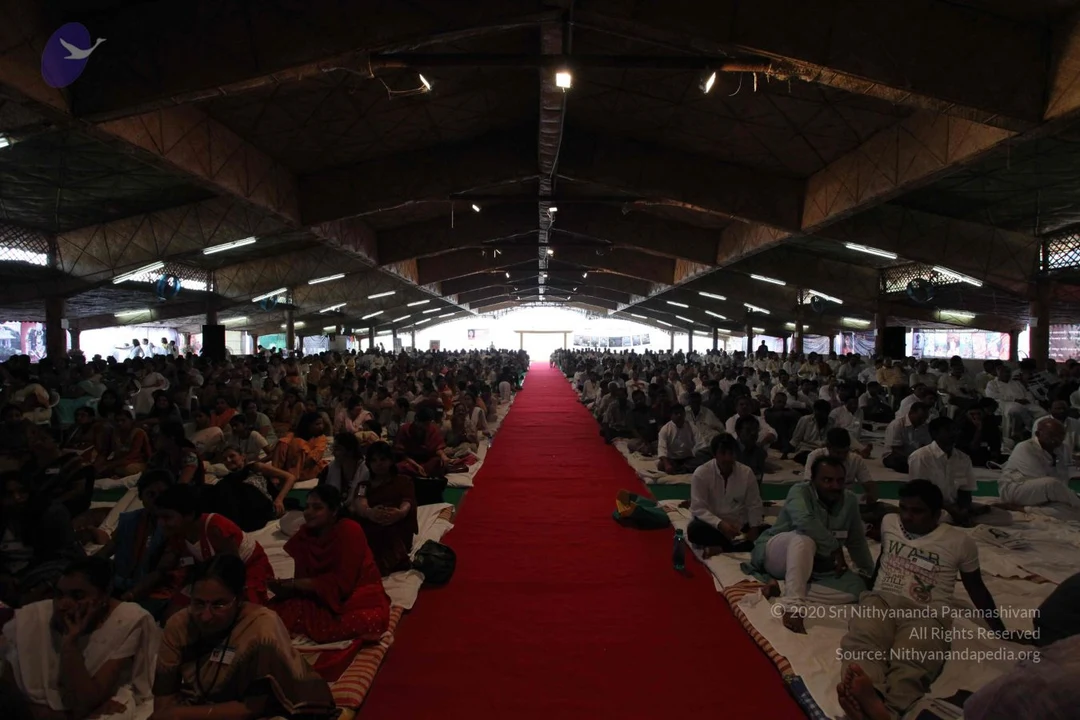
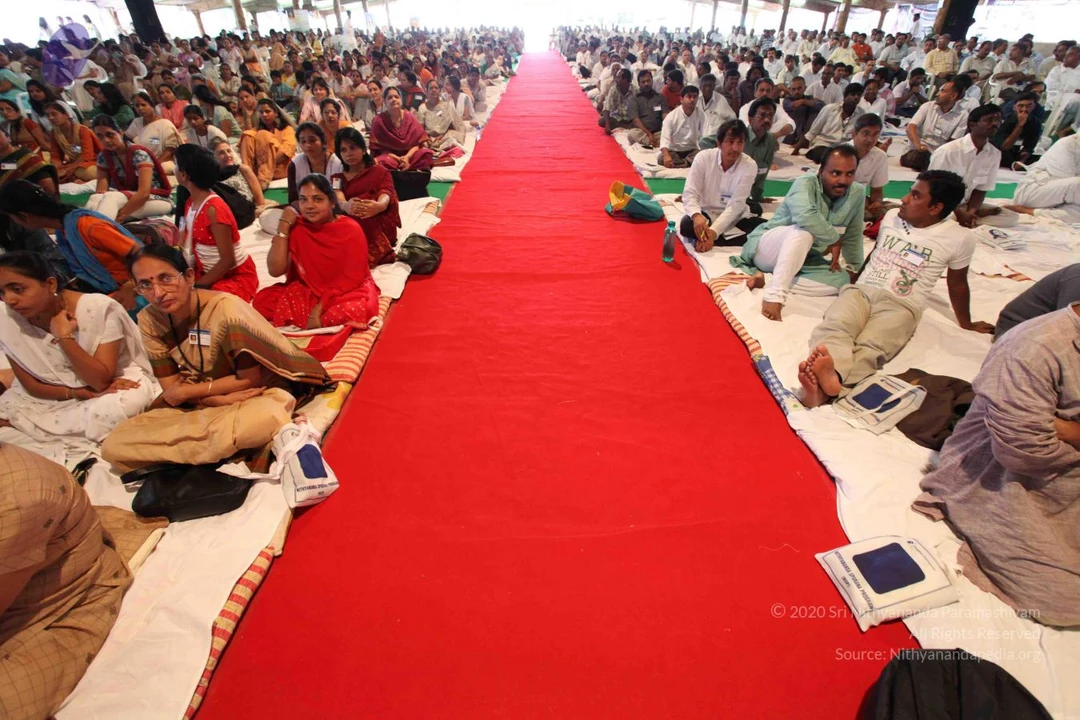
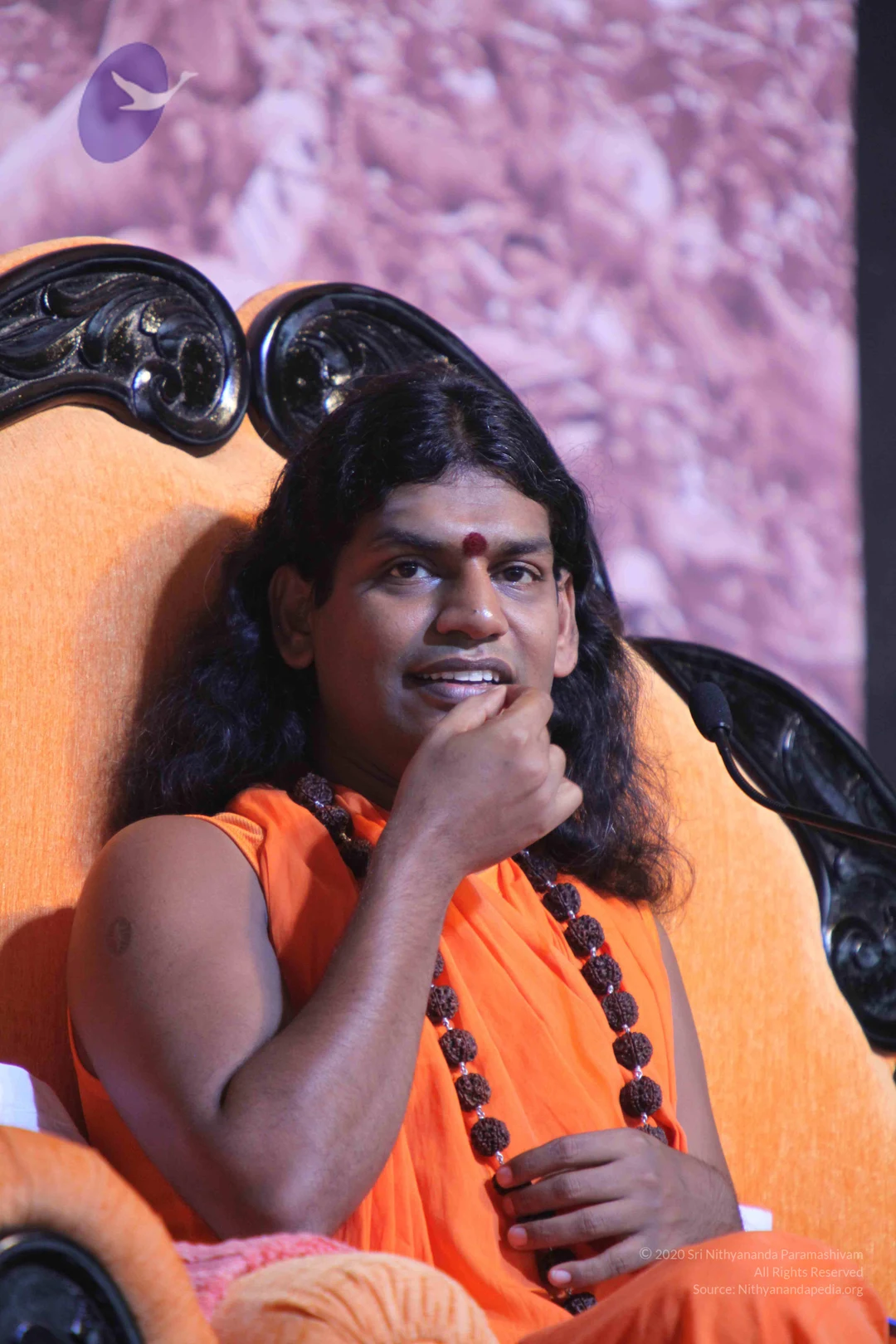
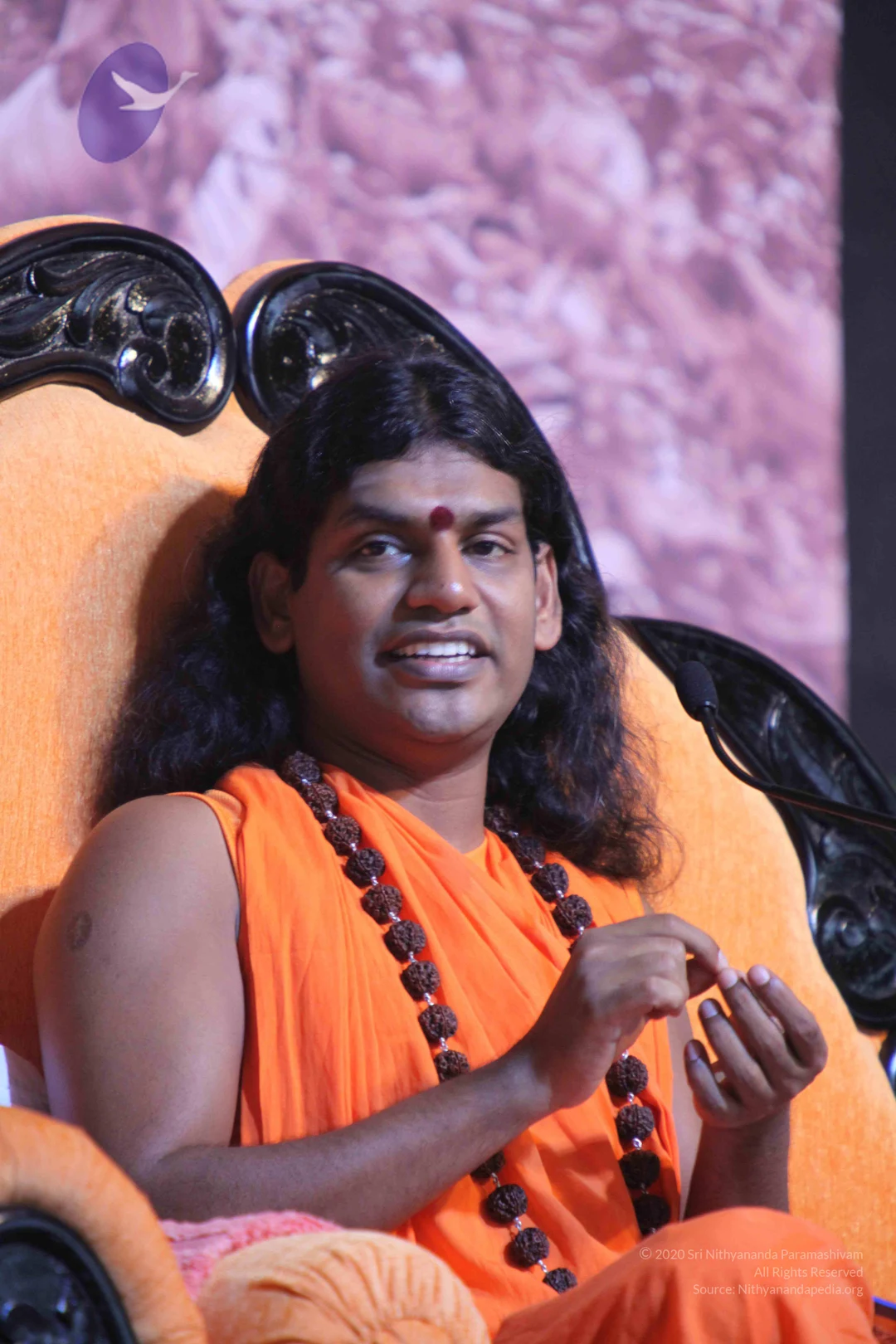
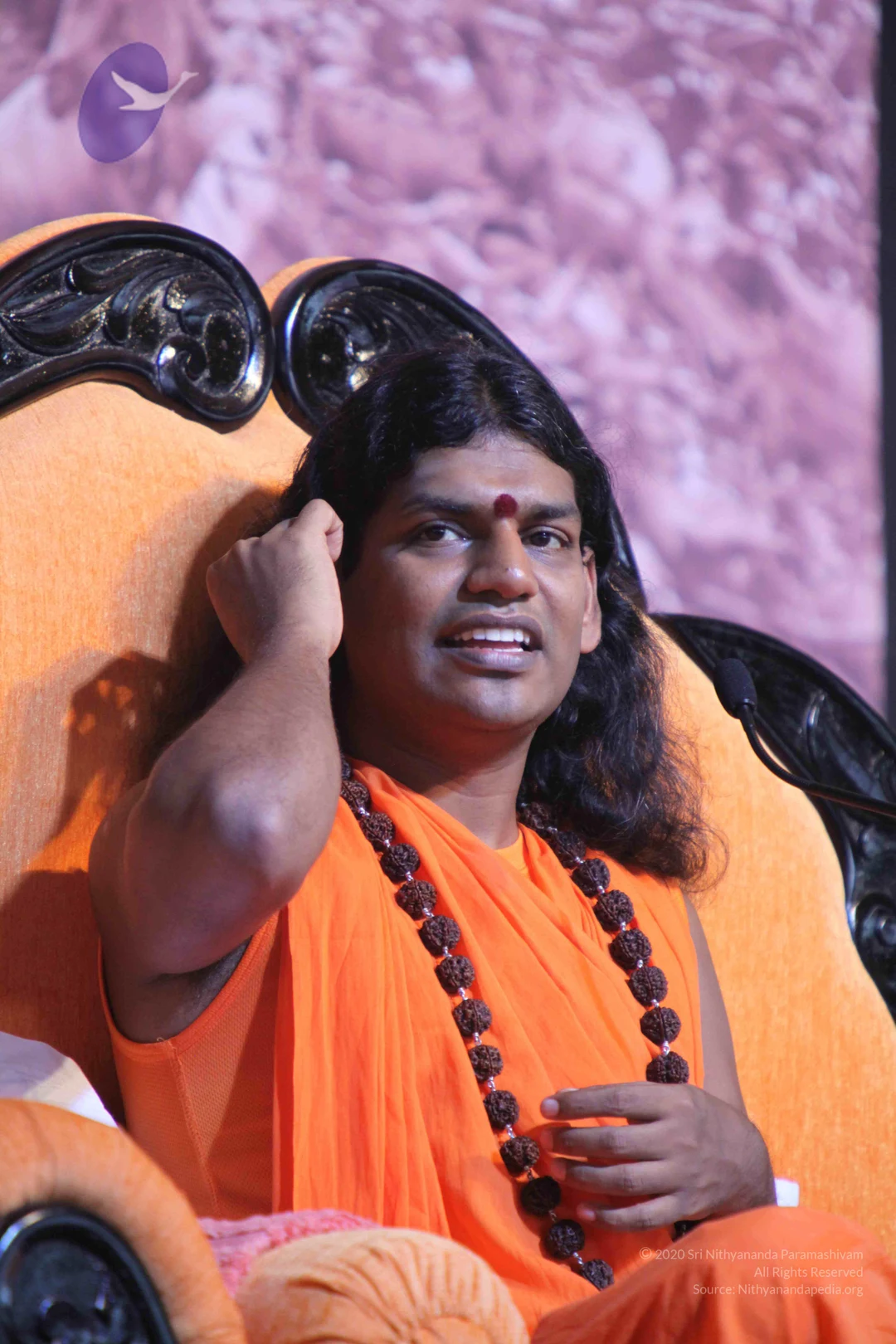
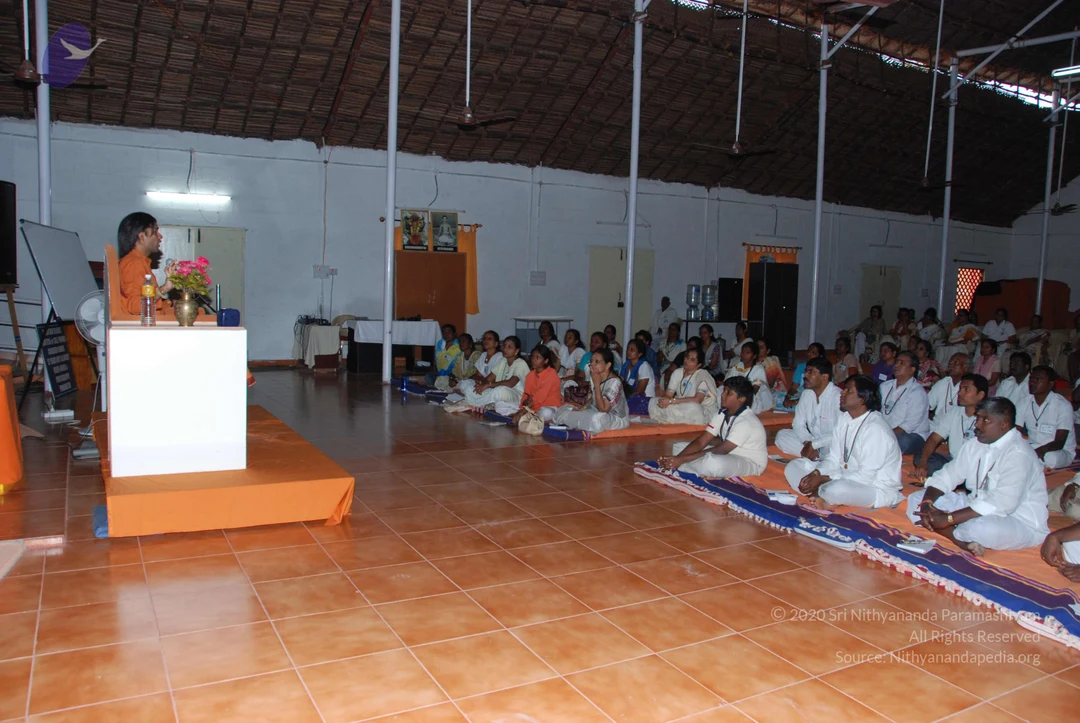
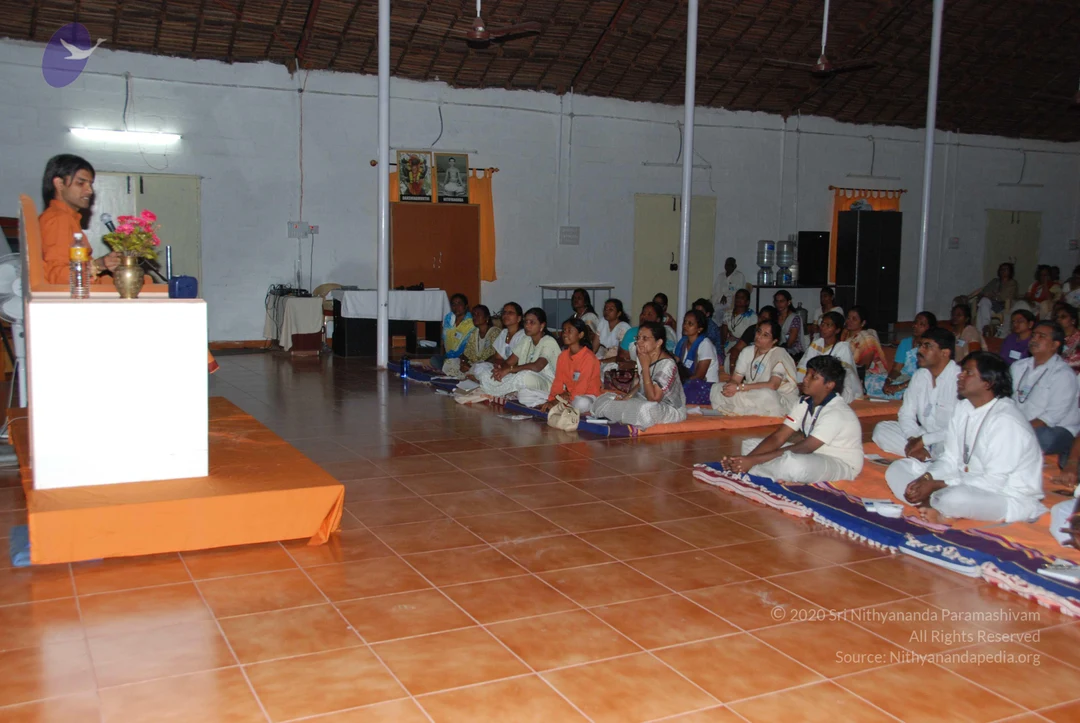
Glimpses From Nithyananda Spurana Program Day-03 at Hyderabad
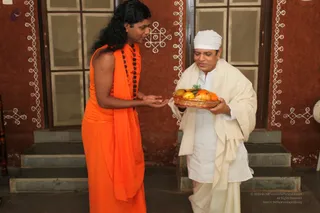
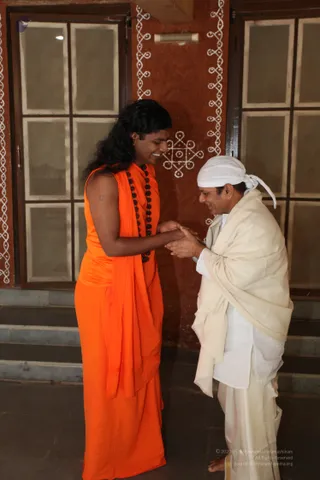
Sai kumar Babaji Visits Nithyananda Spurana Program venue meets SPH
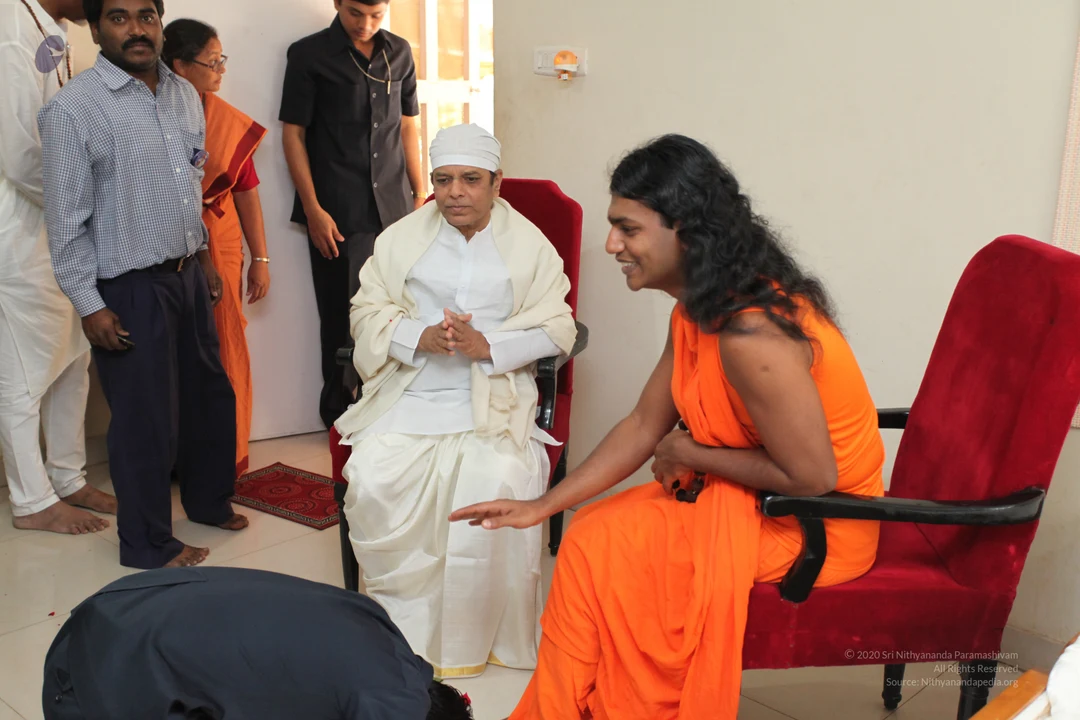
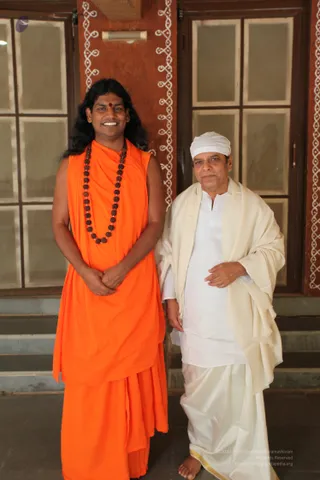
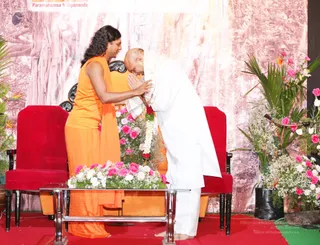
Living Enlightenment Book in Telugu Book Release
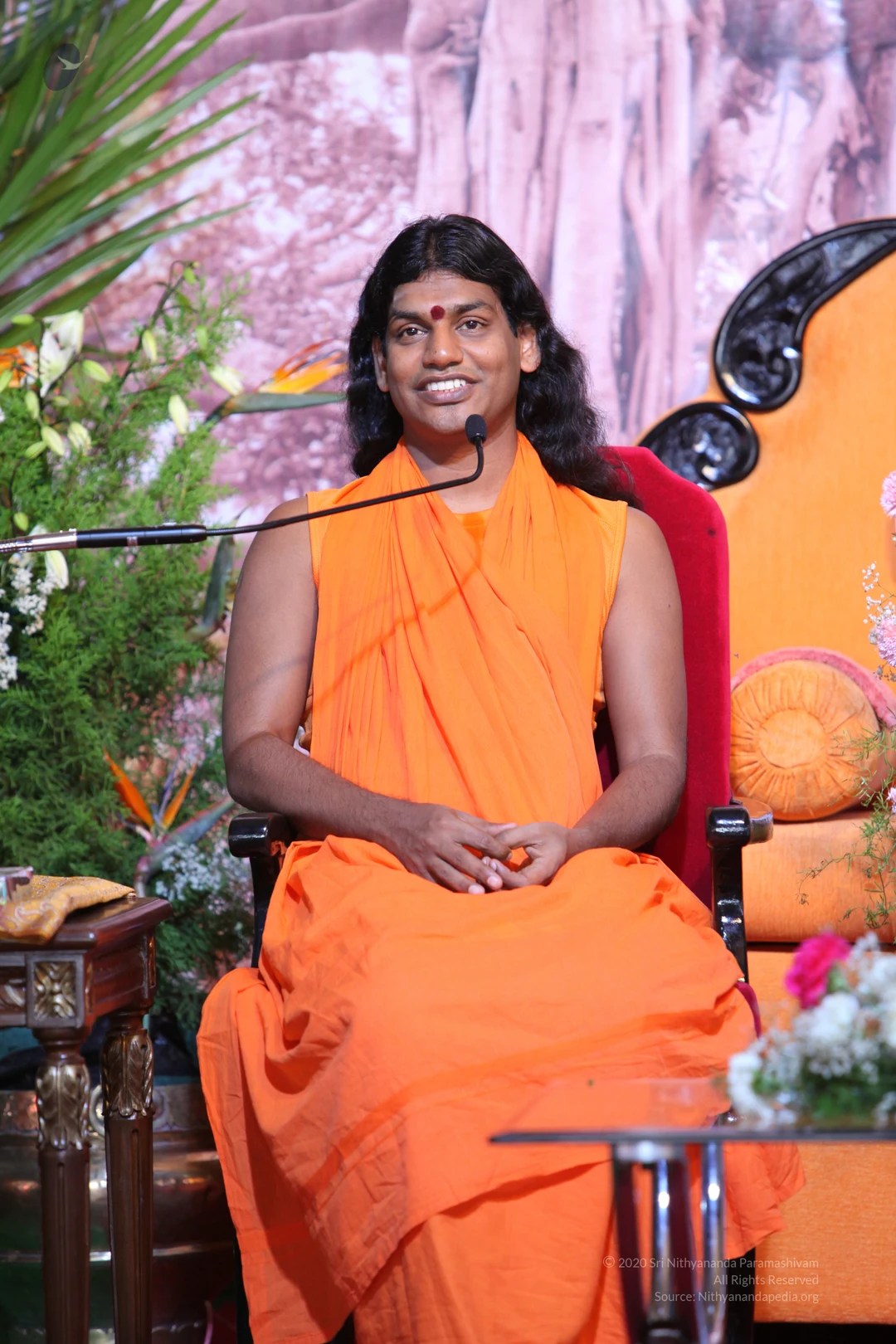
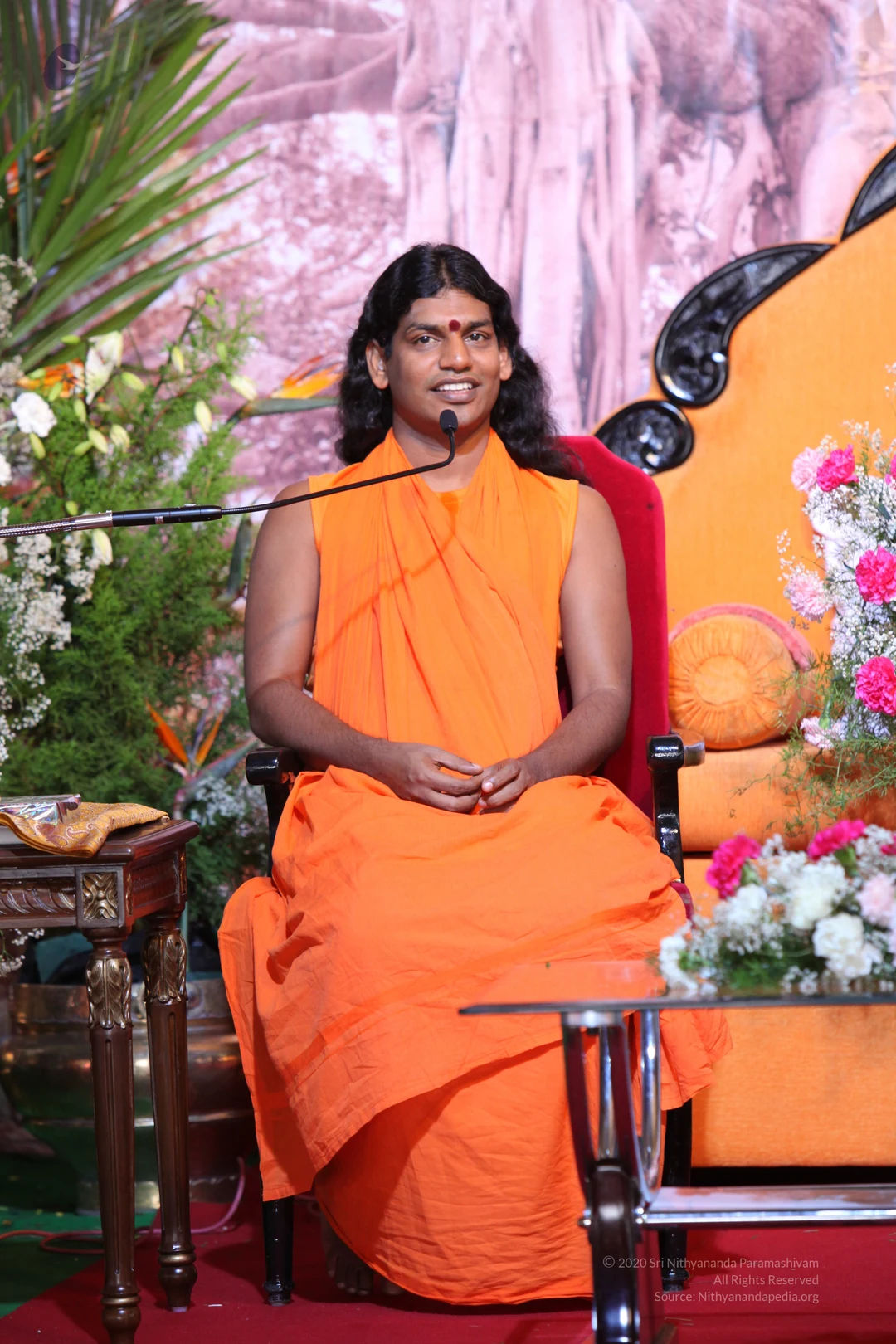
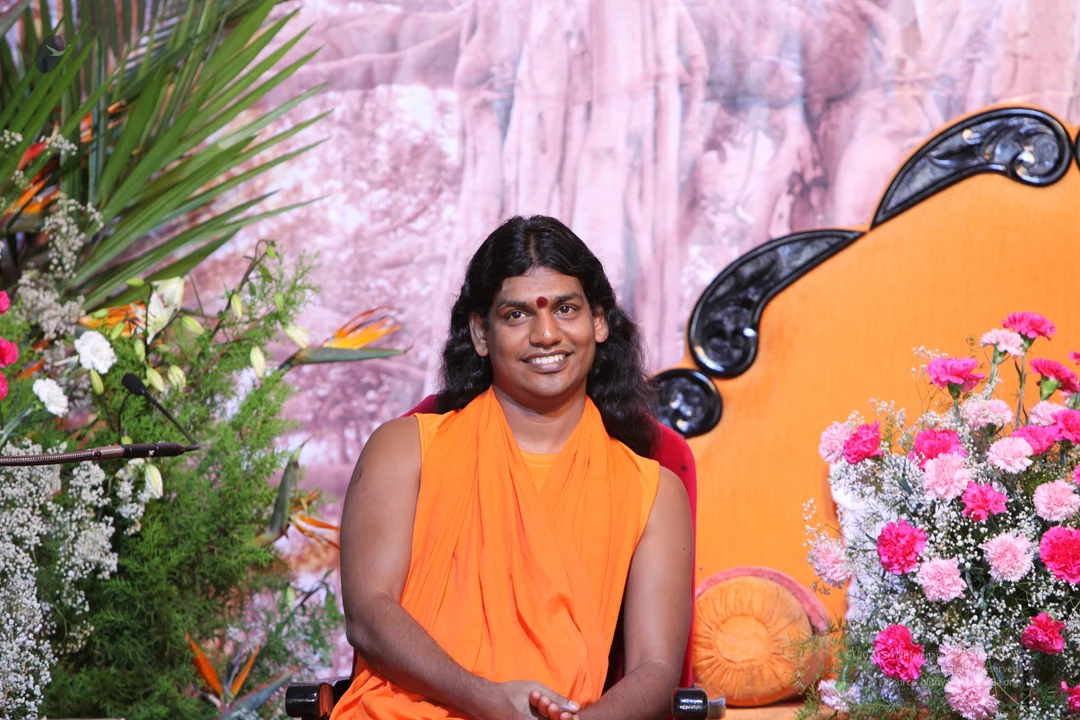
File:20100206_Photo_1000_1DyM6YNaPReCstCYzXMZIoc2LR1Charye.JPG File:20100206_Photo_1001_1X1bKOOc8rDE9iz3geSpPJ9hDXN4kgZmA.JPG File:20100206_IMG_8125_CMP_WM1.jpg File:20100206_IMG_8127_CMP_WM1.jpg File:20100206_IMG_8128_CMP_WM1.jpg File:20100206_IMG_8129_CMP_WM1.jpg File:20100206_IMG_8130_CMP_WM1.jpg File:20100206_IMG_8132_CMP_WM1.jpg File:20100206_IMG_8133_CMP_WM1.jpg File:20100206_IMG_8134_CMP_WM1.jpg File:20100206_IMG_8135_CMP_WM1.jpg File:20100206_IMG_8136_CMP_WM1.jpg File:20100206_IMG_8141_CMP_WM1.jpg File:20100206_IMG_8142_CMP_WM1.jpg File:20100206_IMG_8143_CMP_WM1.jpg File:20100206_IMG_8144_CMP_WM1.jpg File:20100206_IMG_8145_CMP_WM1.jpg File:20100206_IMG_8146_CMP_WM1.jpg File:20100206_IMG_8147_CMP_WM1.jpg File:20100206_IMG_8148_CMP_WM1.jpg File:20100206_IMG_8149_CMP_WM1.jpg File:20100206_IMG_8150_CMP_WM1.jpg File:20100206_IMG_8151_CMP_WM1.jpg File:20100206_IMG_8152_CMP_WM1.jpg File:20100206_IMG_8155_CMP_WM1.jpg File:20100206_IMG_8156_CMP_WM1.jpg File:20100206_IMG_8193_CMP_WM1.jpg File:20100206_IMG_8194_CMP_WM1.jpg File:20100206_IMG_8195_CMP_WM1.jpg File:20100206_IMG_8196_CMP_WM1.jpg File:20100206_IMG_8197_CMP_WM1.jpg File:20100206_IMG_8198_CMP_WM1.jpg File:20100206_IMG_8199_CMP_WM1.jpg File:20100206_IMG_8200_CMP_WM1.jpg File:20100206_IMG_8201_CMP_WM1.jpg File:20100206_IMG_8202_CMP_WM1.jpg File:20100206_IMG_8203_CMP_WM1.jpg File:20100206_IMG_8204_CMP_WM1.jpg File:20100206_IMG_8205_CMP_WM1.jpg File:20100206_IMG_8206_CMP_WM1.jpg File:20100206_IMG_8207_CMP_WM1.jpg File:20100206_IMG_8208_CMP_WM1.jpg File:20100206_IMG_8209_CMP_WM1.jpg File:20100206_IMG_8212_CMP_WM1.jpg File:20100206_IMG_8154_CMP_WM1.jpg File:20100206_IMG_8163_CMP_WM1.jpg File:20100206_IMG_8164_CMP_WM1.jpg File:20100206_IMG_8166_CMP_WM1.jpg File:20100206_IMG_8167_CMP_WM1.jpg File:20100206_IMG_8168_CMP_WM1.jpg File:20100206_IMG_8169_CMP_WM1.jpg File:20100206_IMG_8170_CMP_WM1.jpg File:20100206_IMG_8171_CMP_WM1.jpg File:20100206_IMG_8172_CMP_WM1.jpg File:20100206_IMG_8173_CMP_WM1.jpg File:20100206_IMG_8174_CMP_WM1.jpg File:20100206_IMG_8175_CMP_WM1.jpg File:20100206_IMG_8176_CMP_WM1.jpg File:20100206_IMG_8177_CMP_WM1.jpg File:20100206_IMG_8178_CMP_WM1.jpg File:20100206_IMG_8179_CMP_WM1.jpg File:20100206_IMG_8181_CMP_WM1.jpg File:20100206_IMG_8182_CMP_WM1.jpg File:20100206_IMG_8183_CMP_WM1.jpg File:20100206_IMG_8184_CMP_WM1.jpg File:20100206_IMG_8186_CMP_WM1.jpg File:20100206_IMG_8187_CMP_WM1.jpg File:20100206_IMG_8188_CMP_WM1.jpg
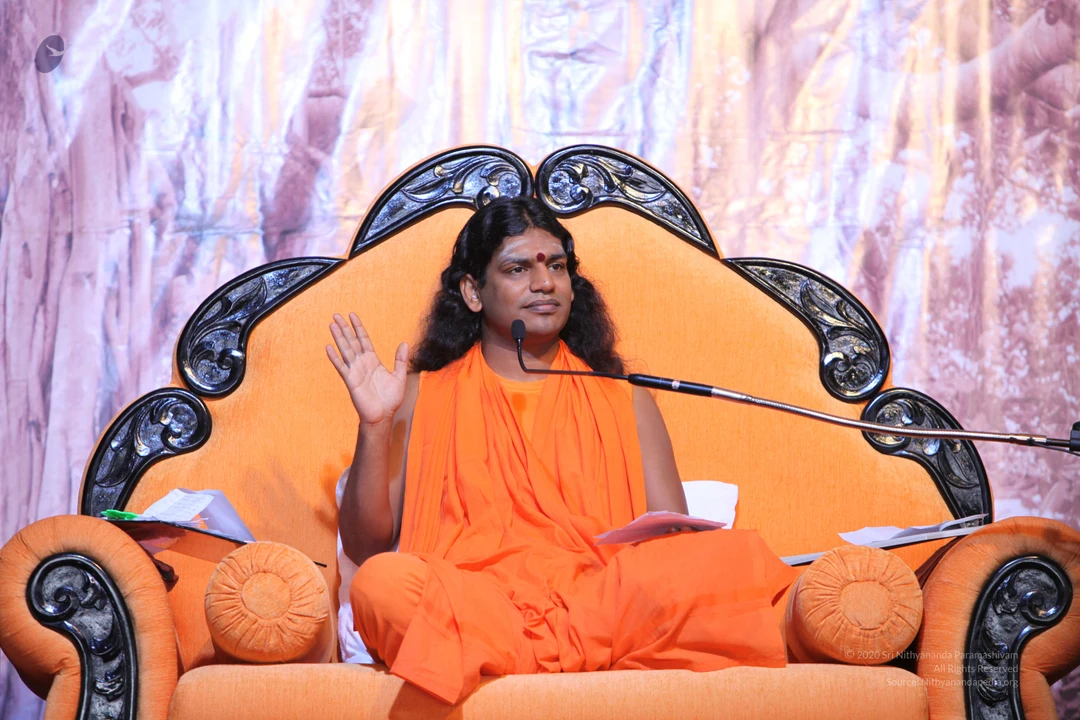
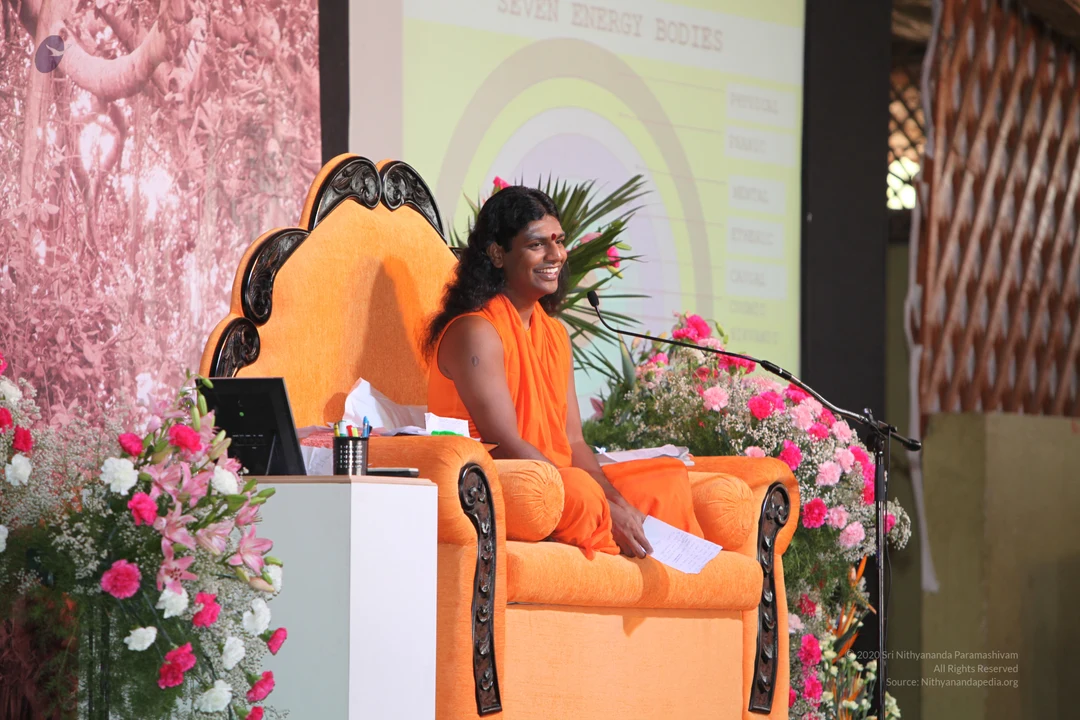
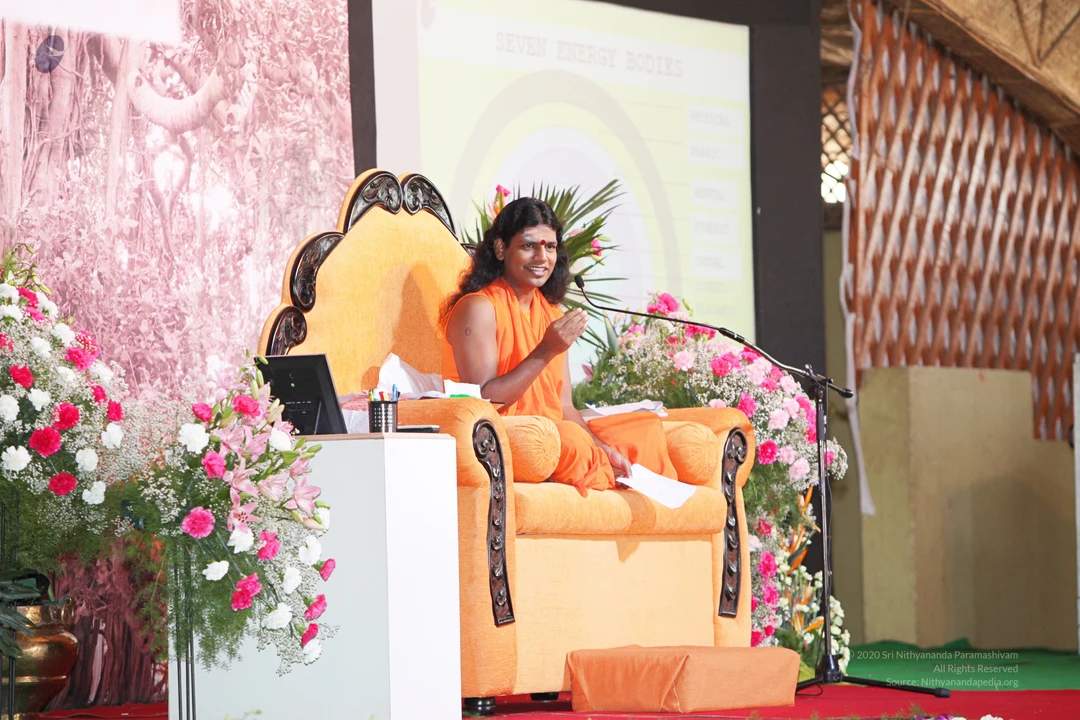
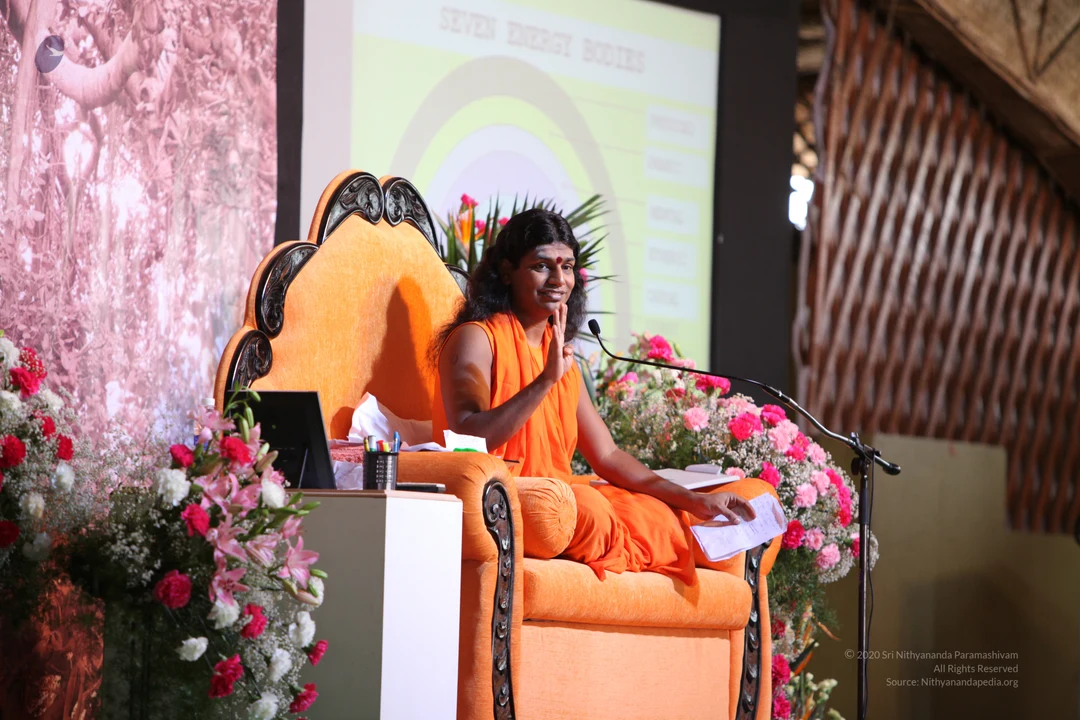
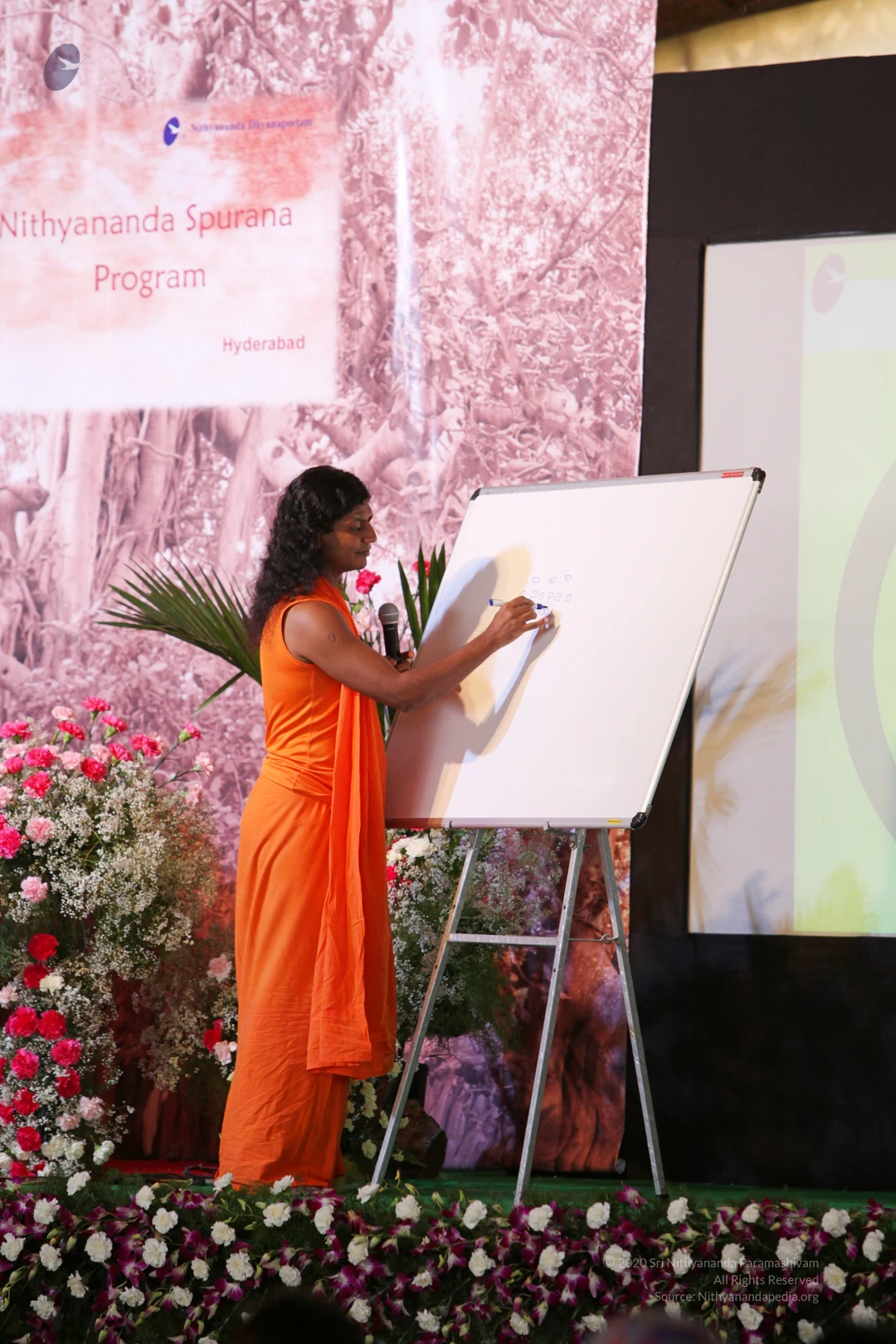
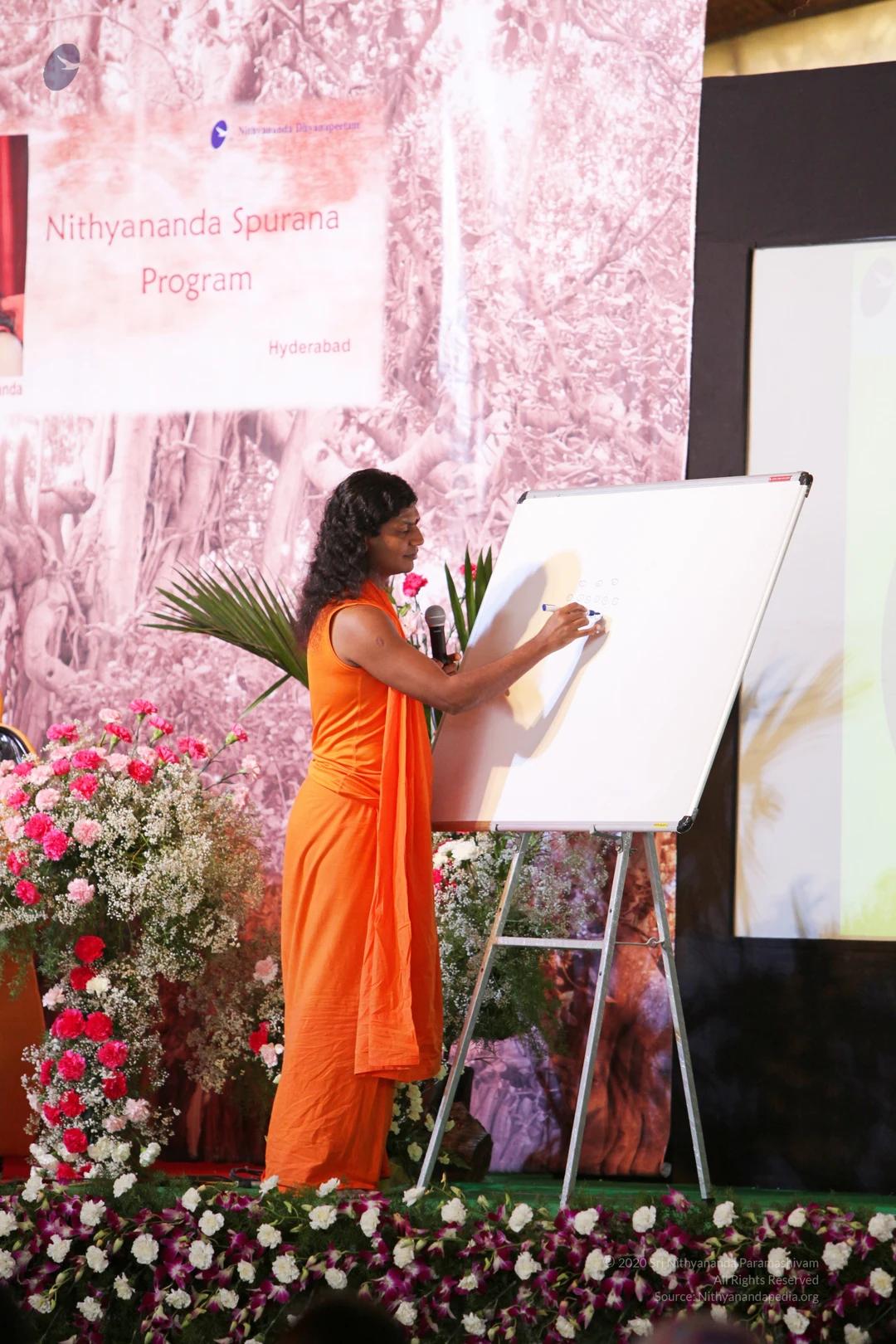
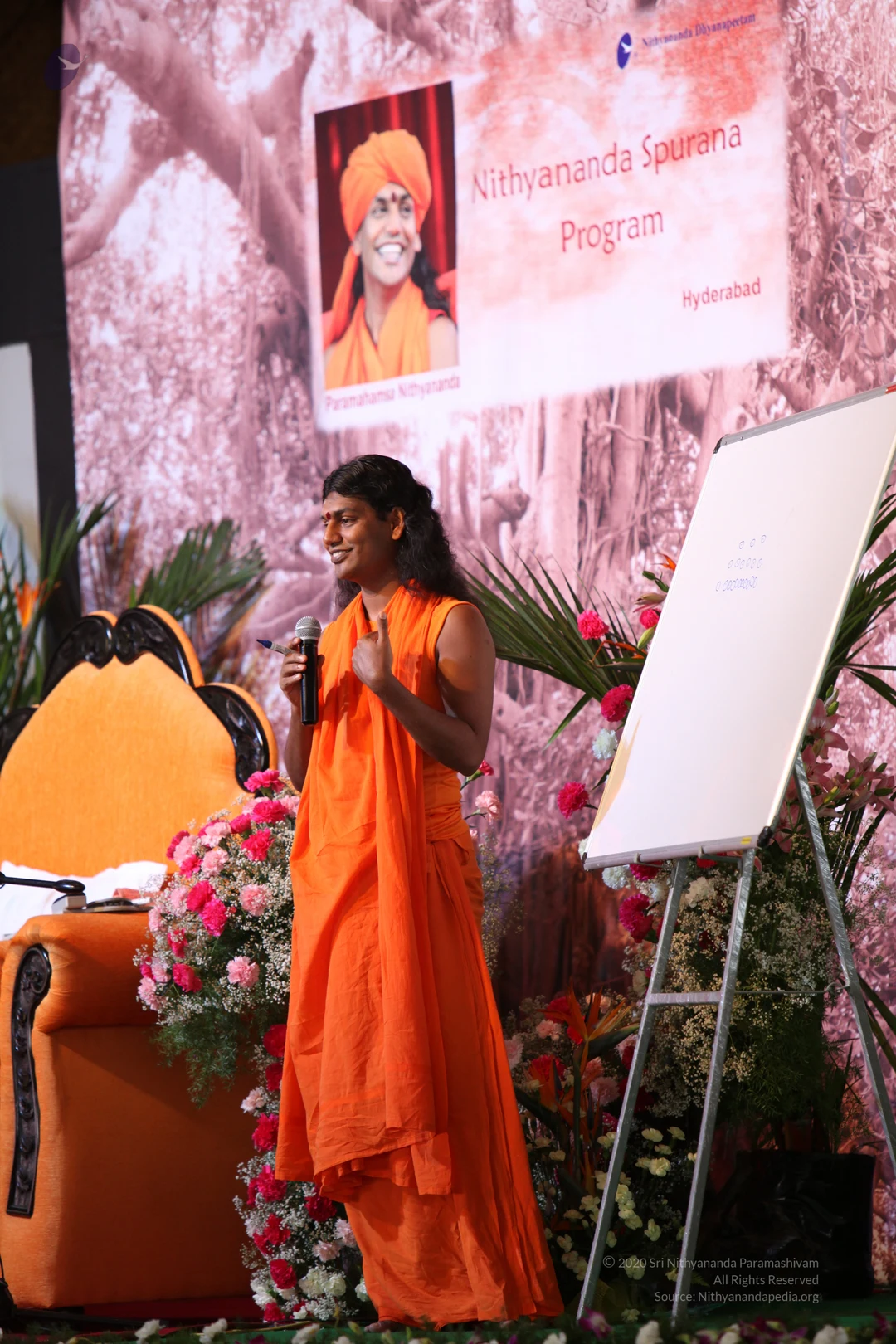
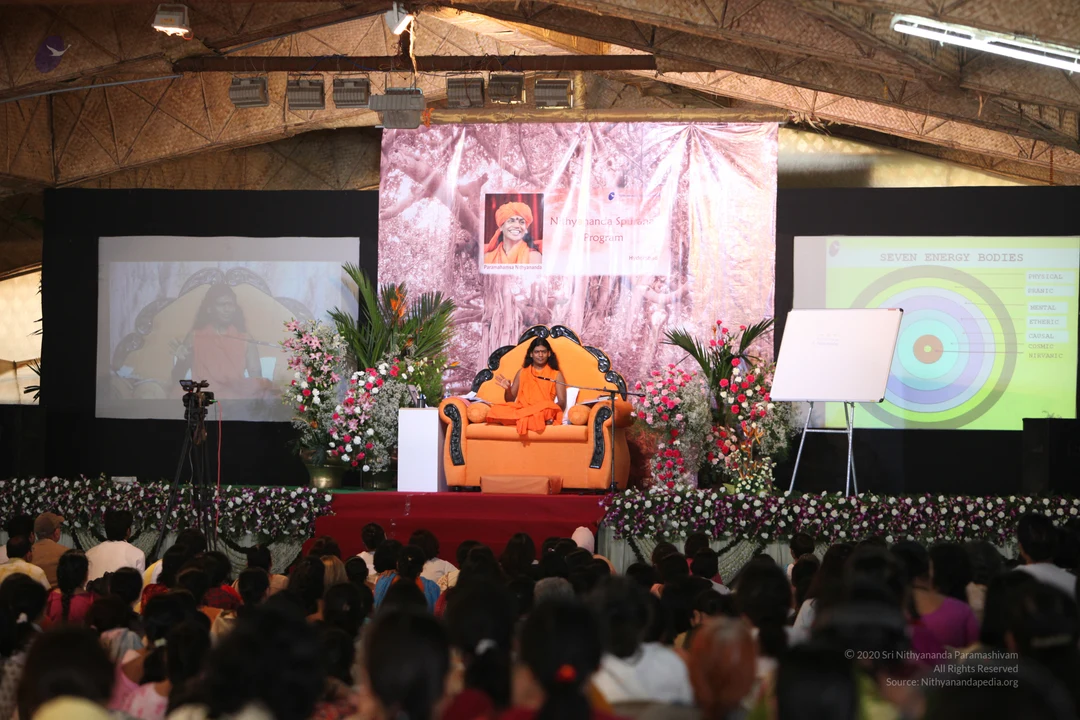
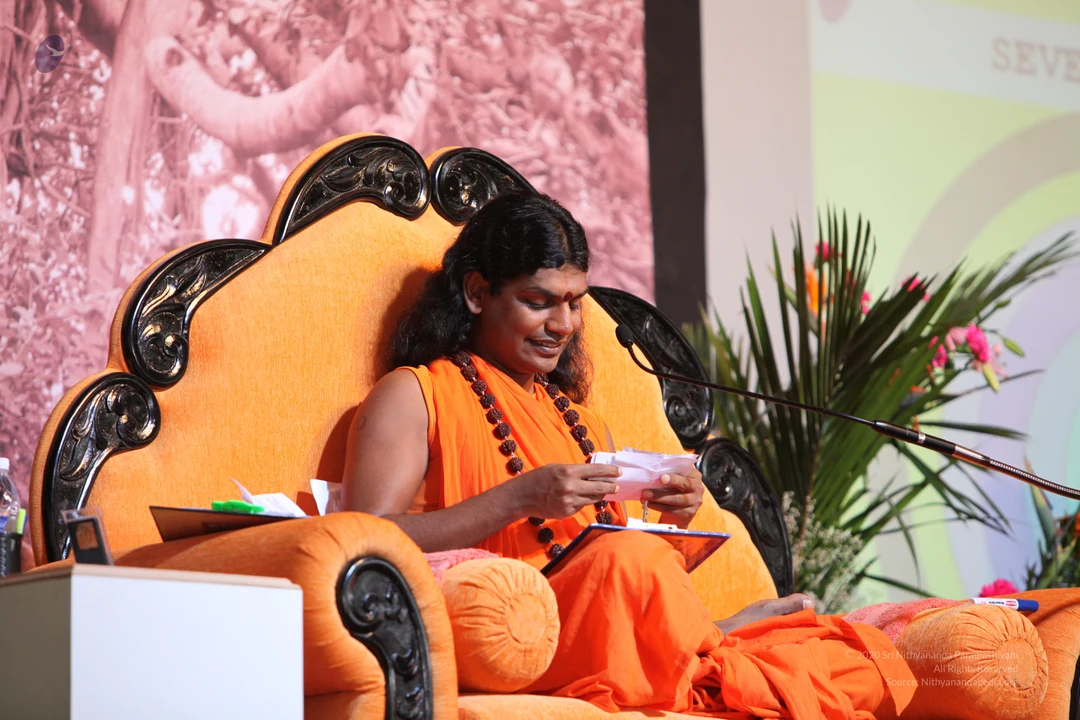
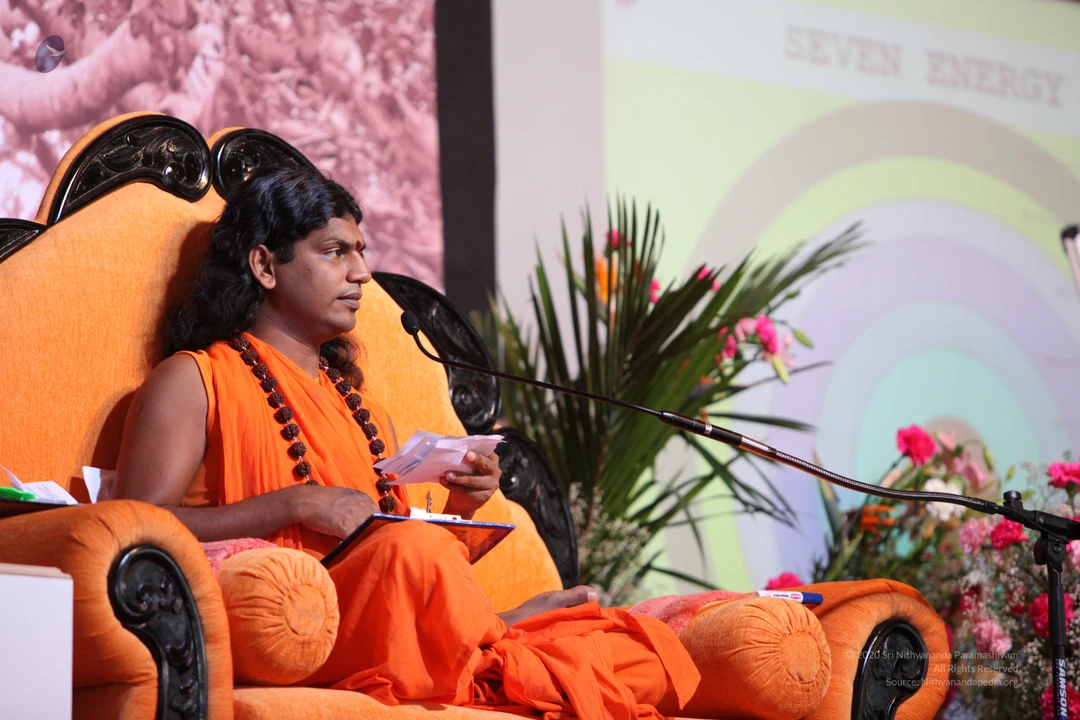
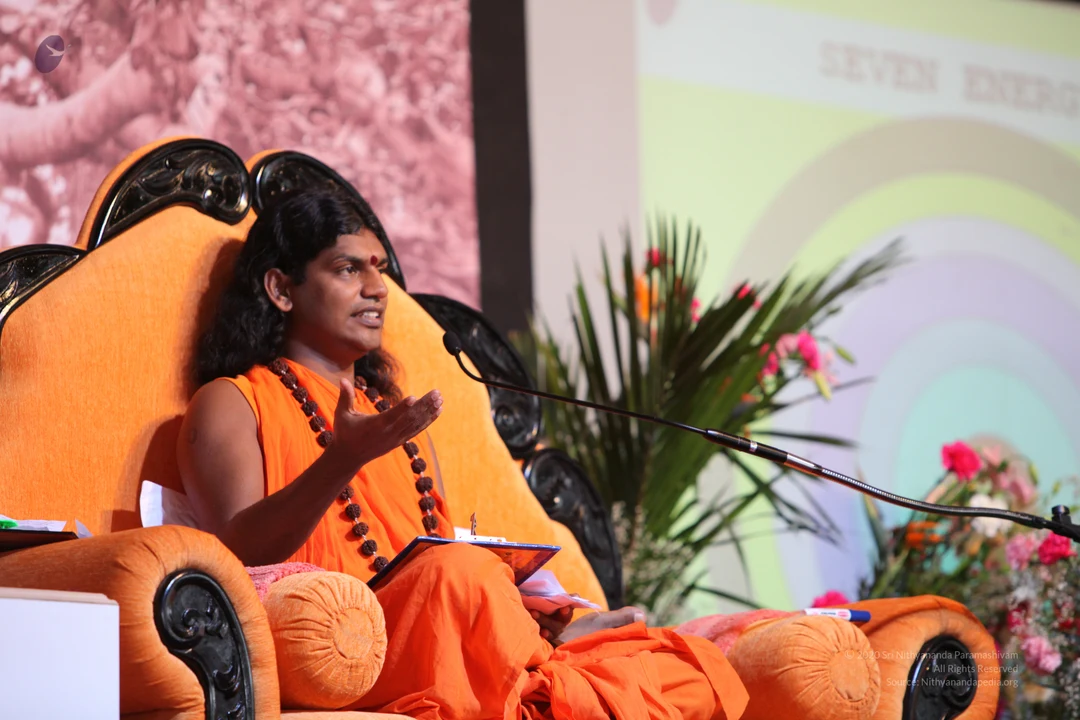
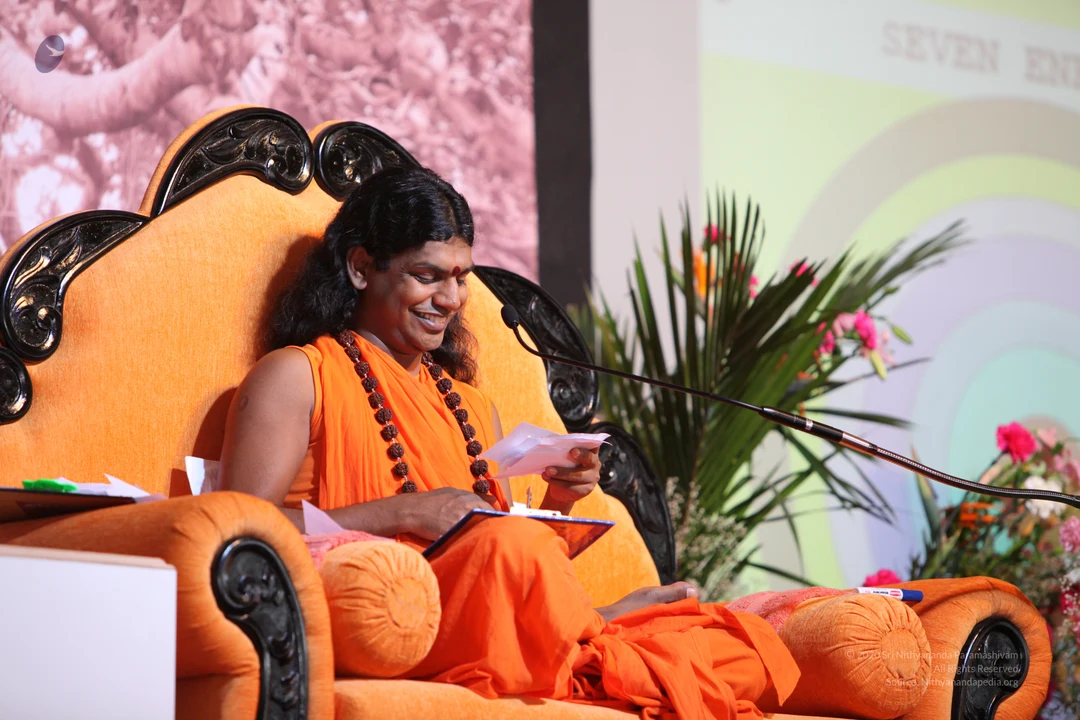
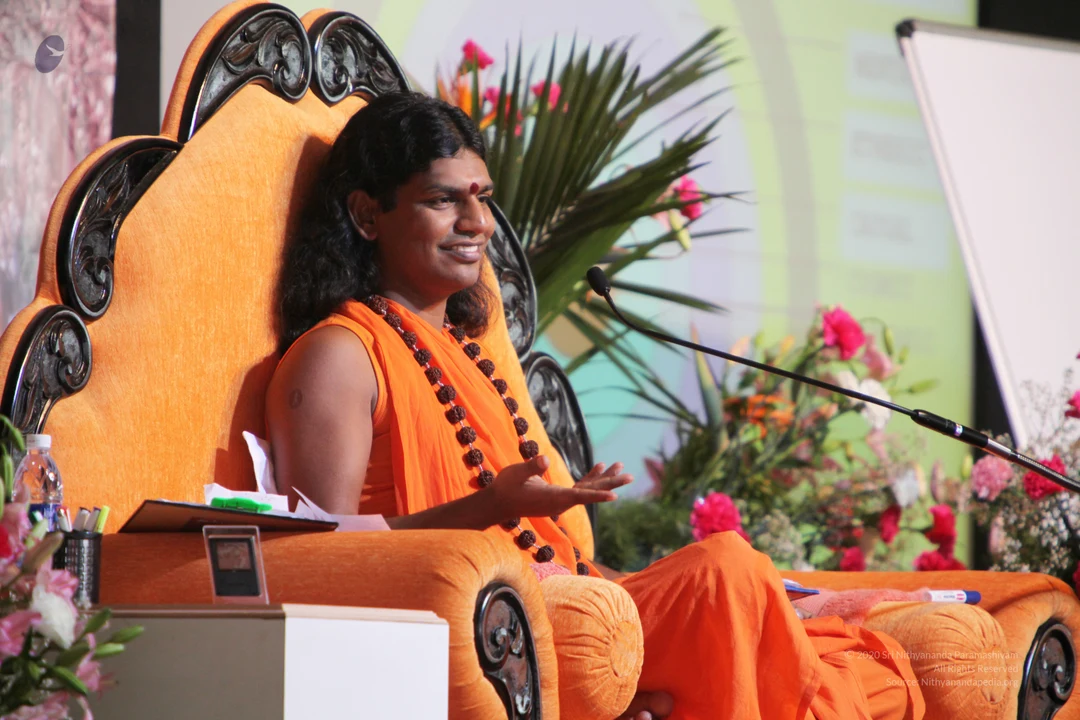
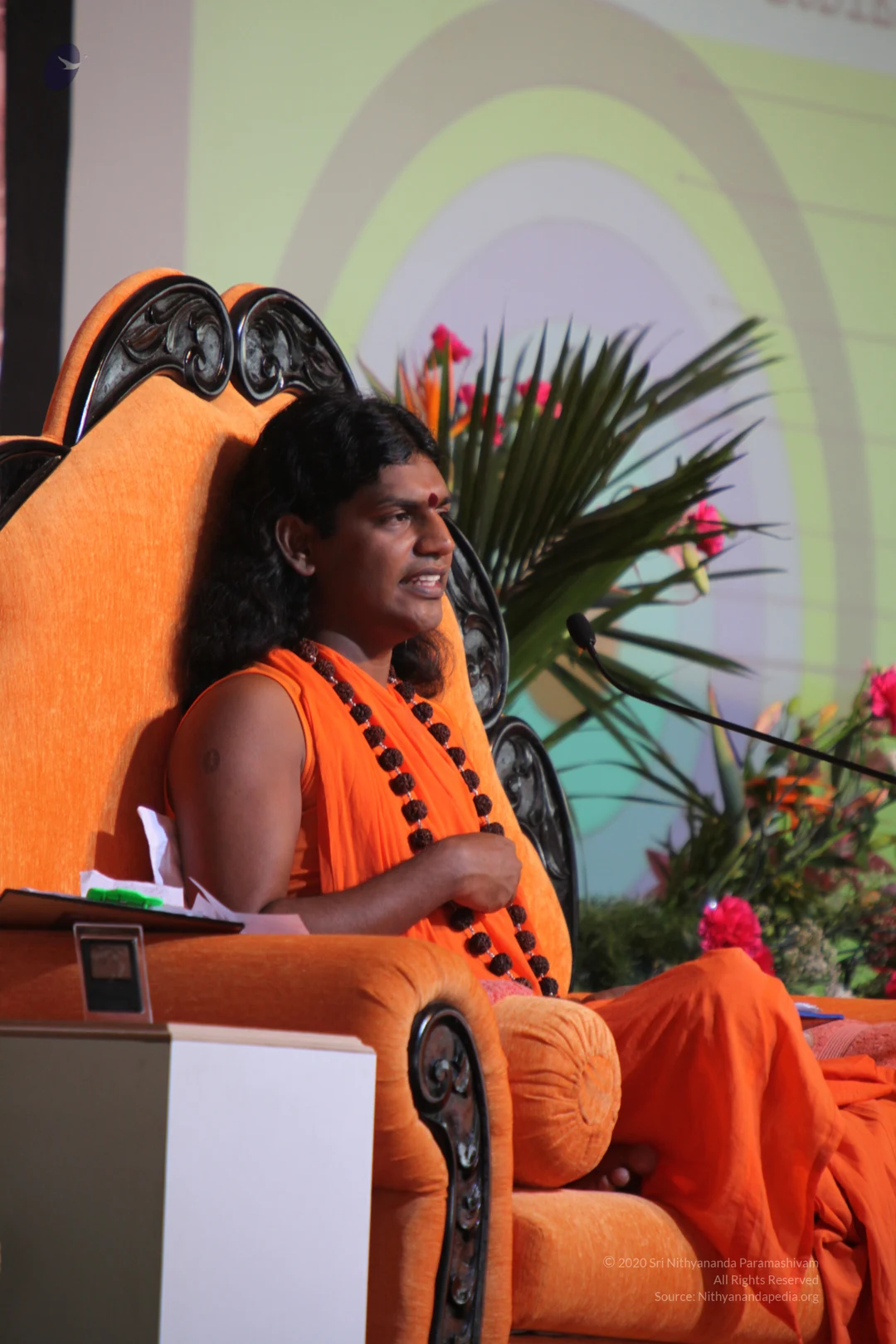
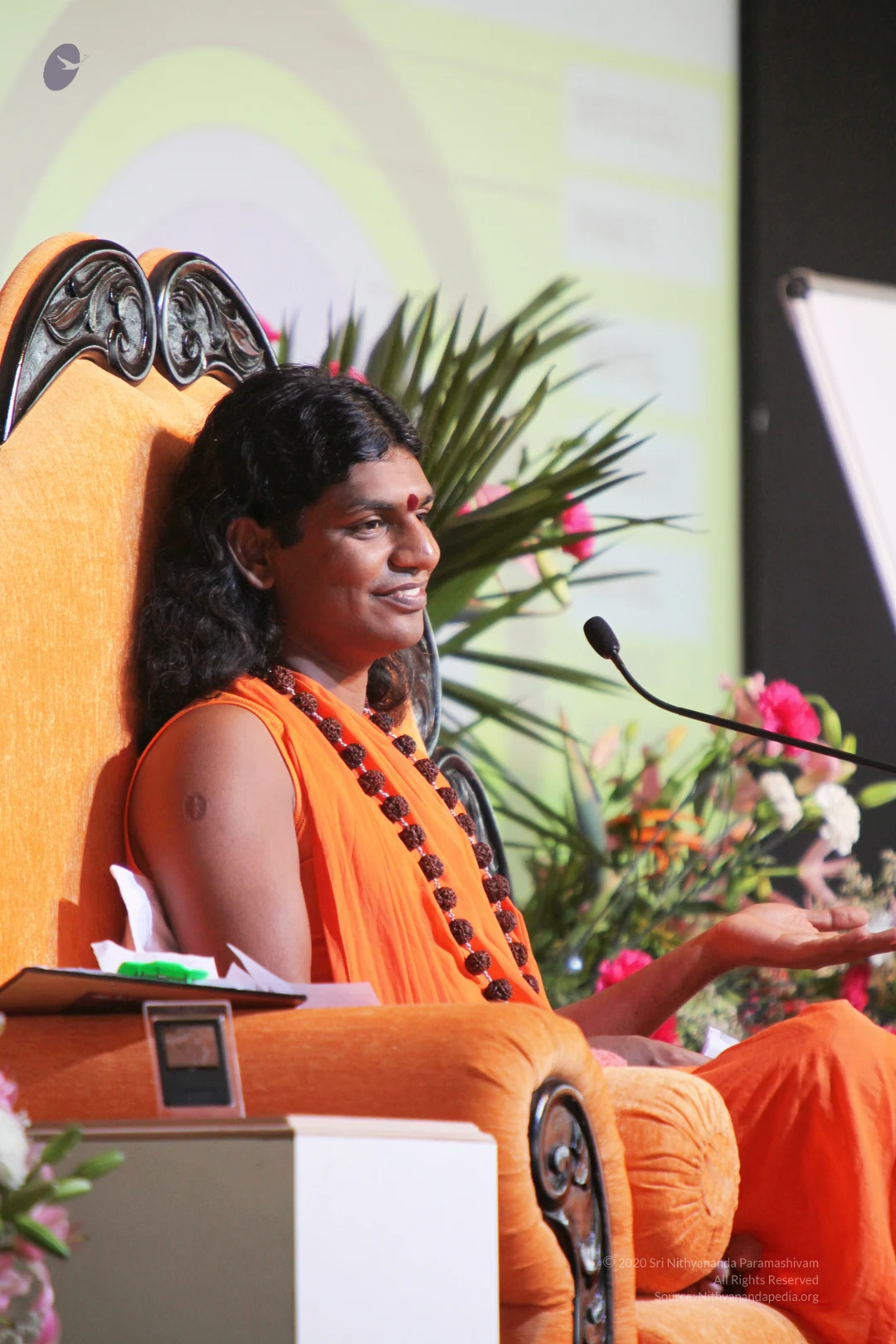
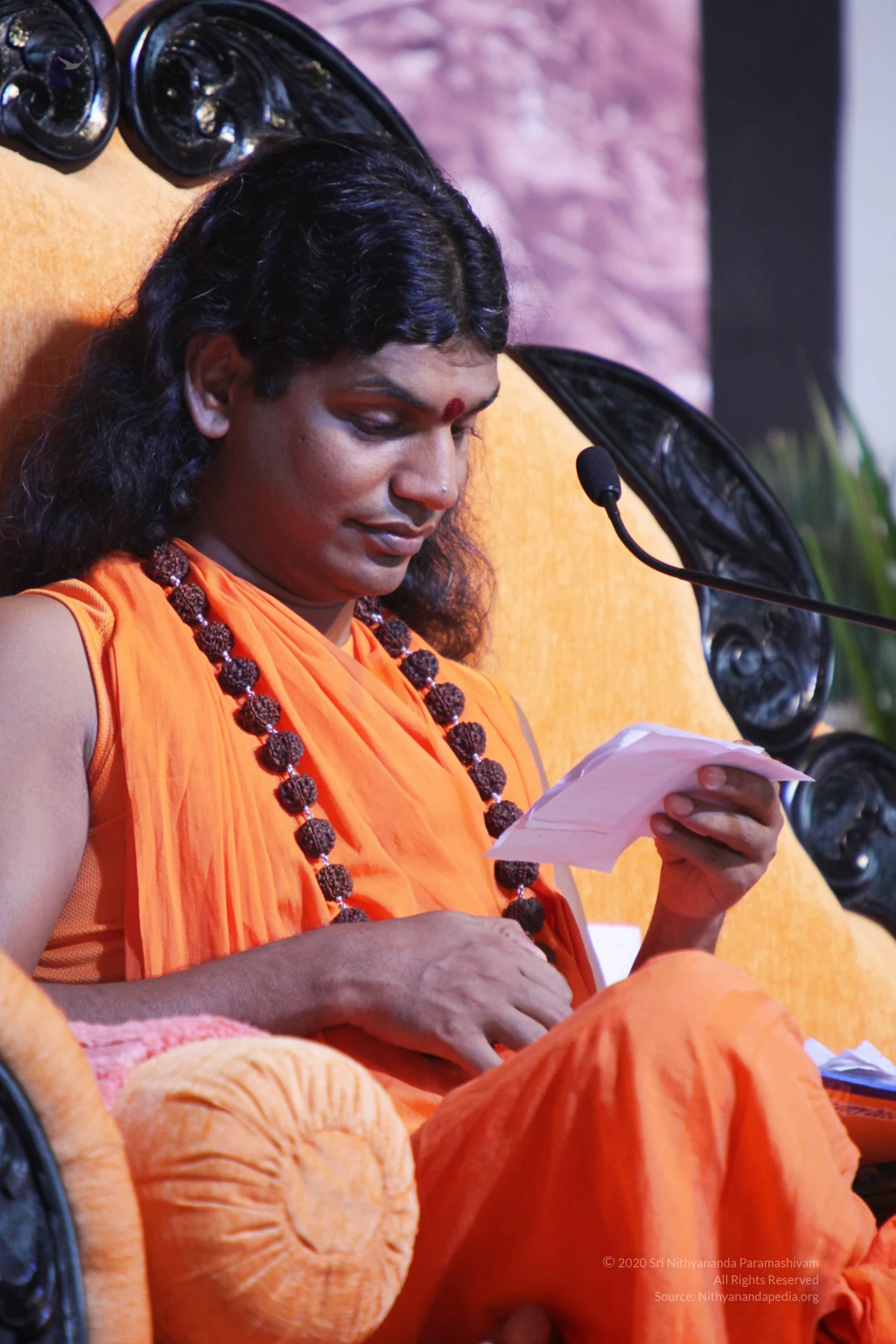
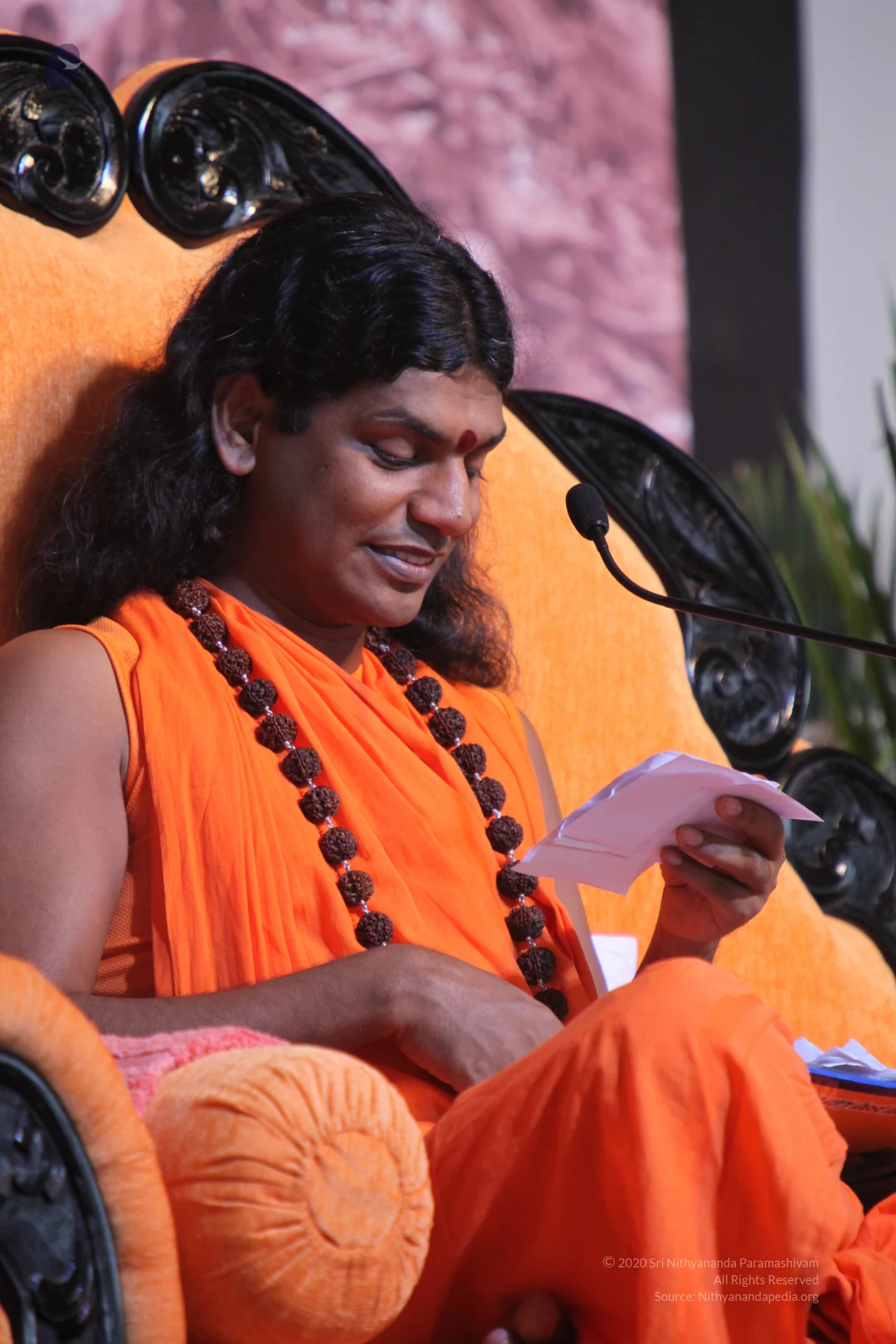
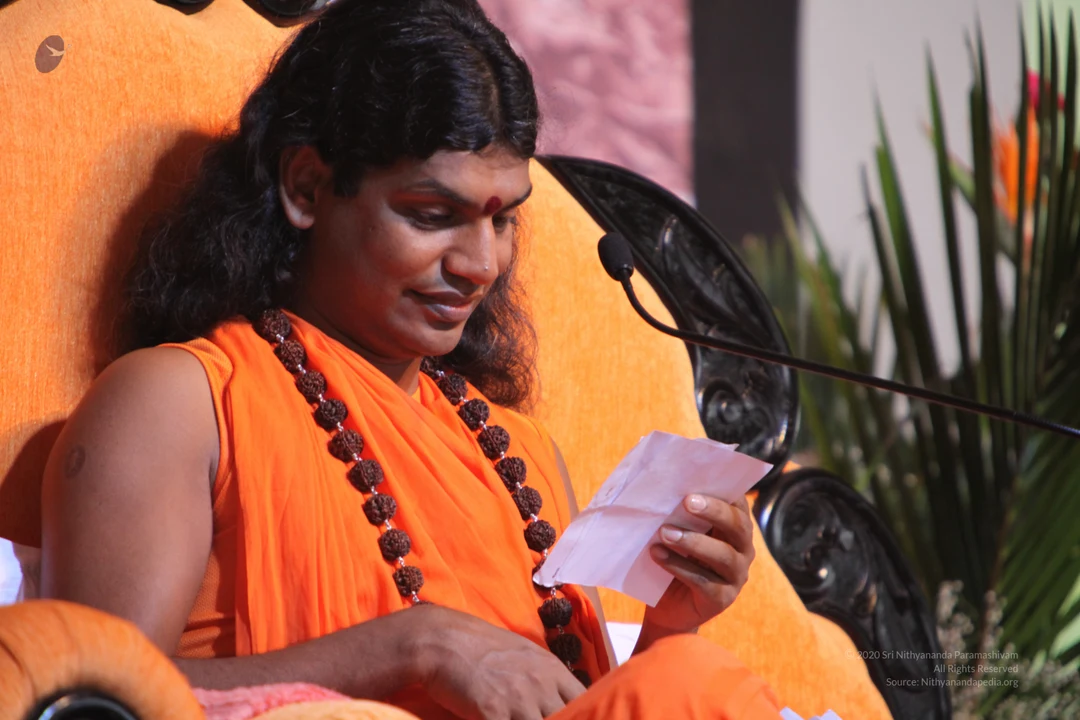
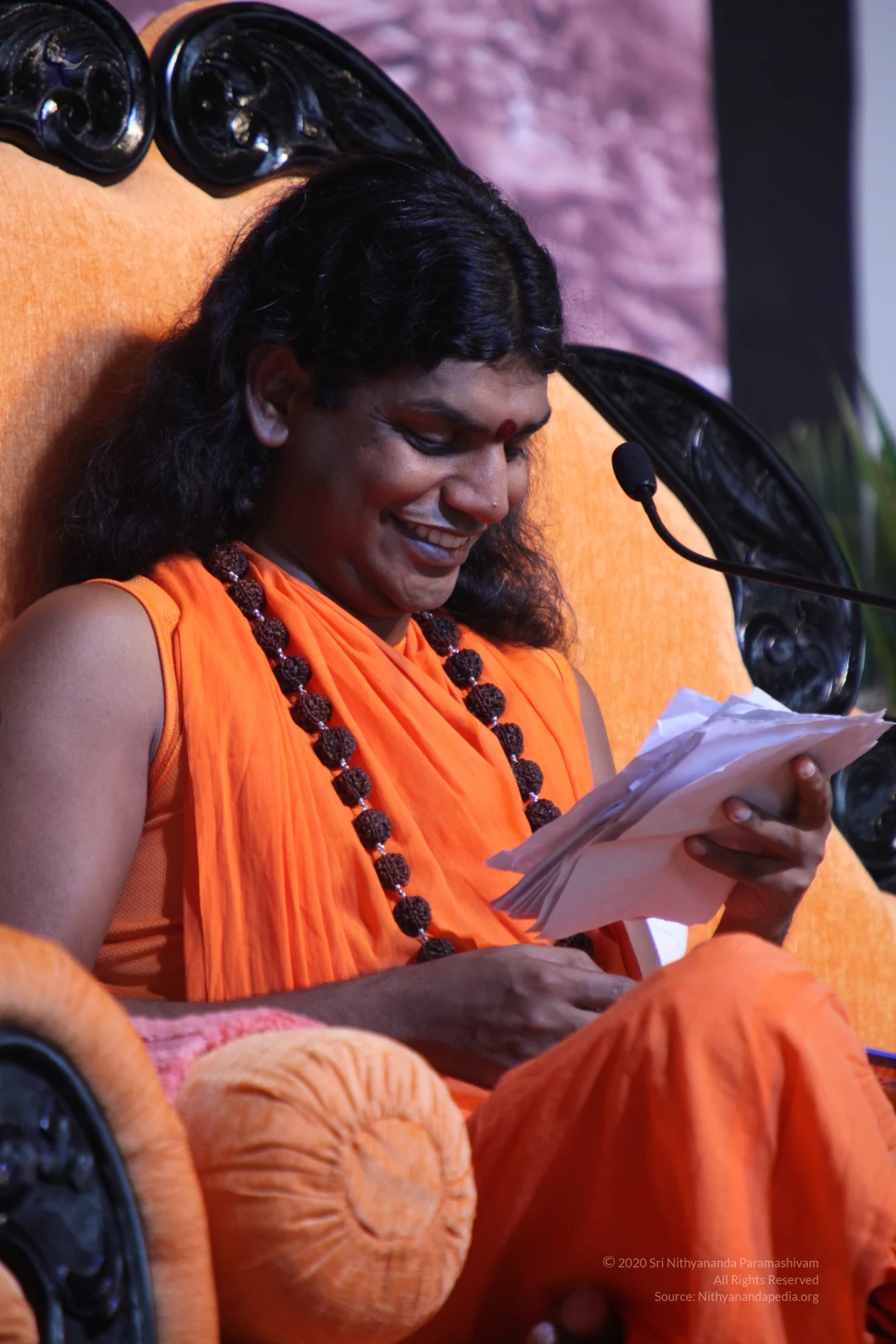
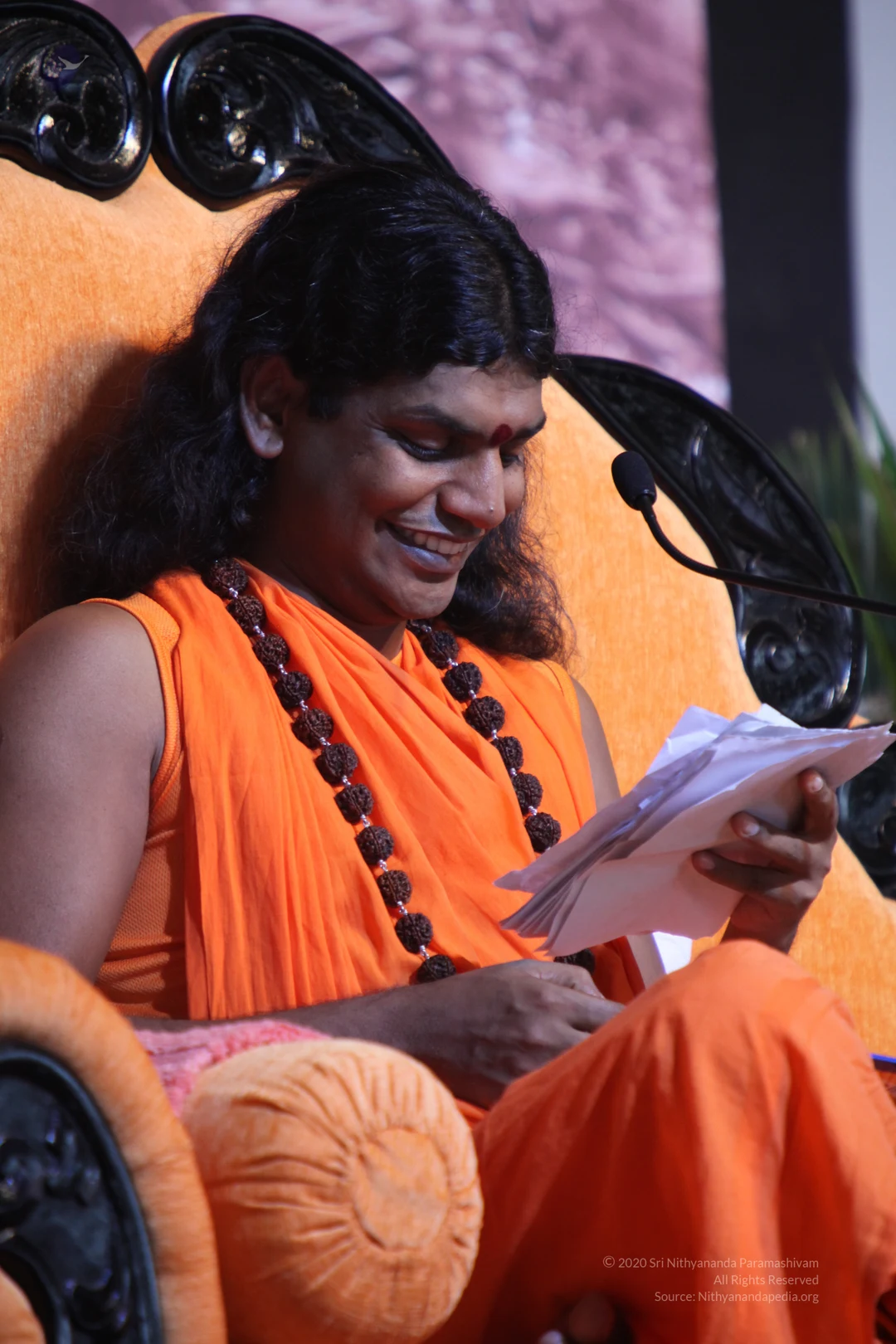
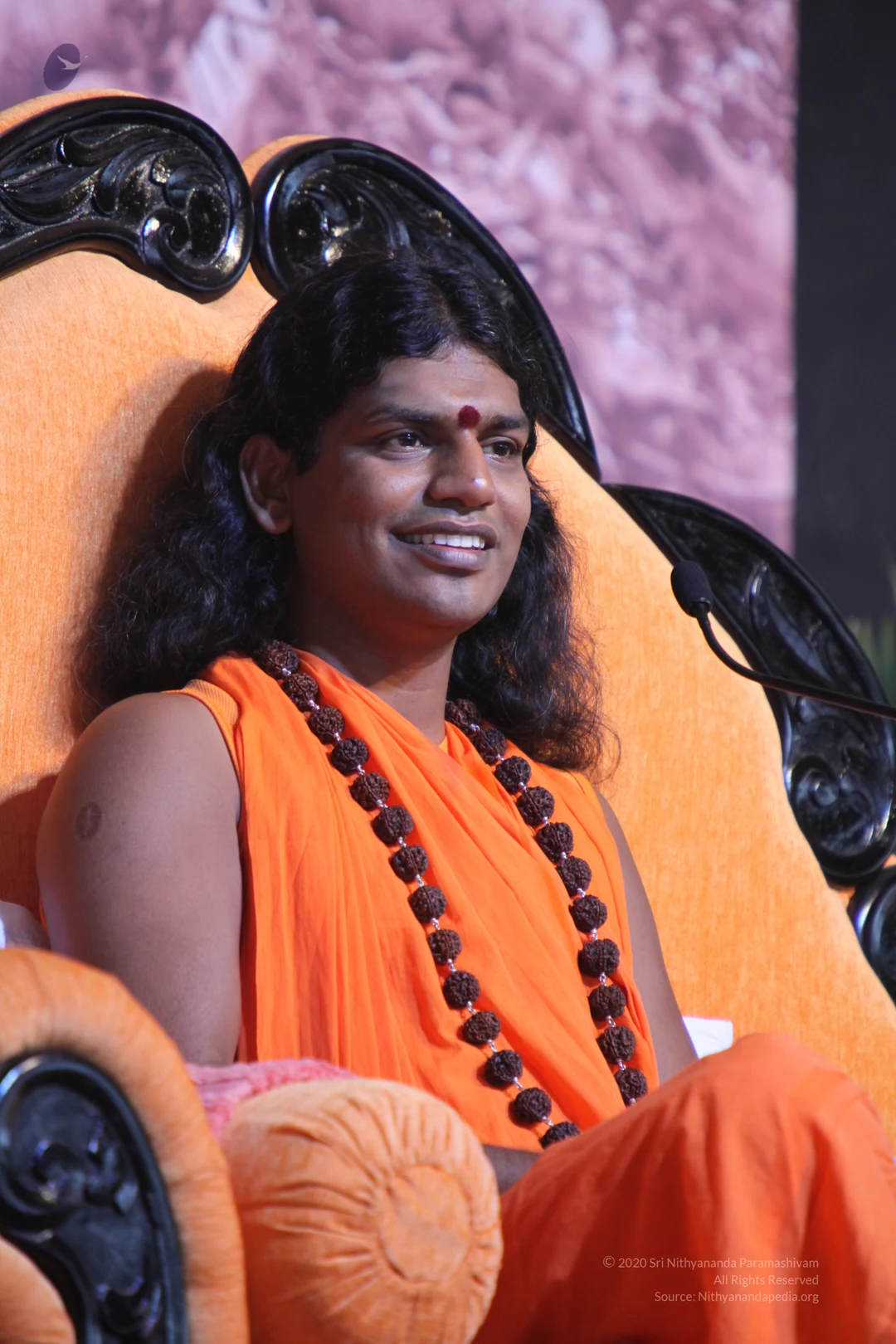
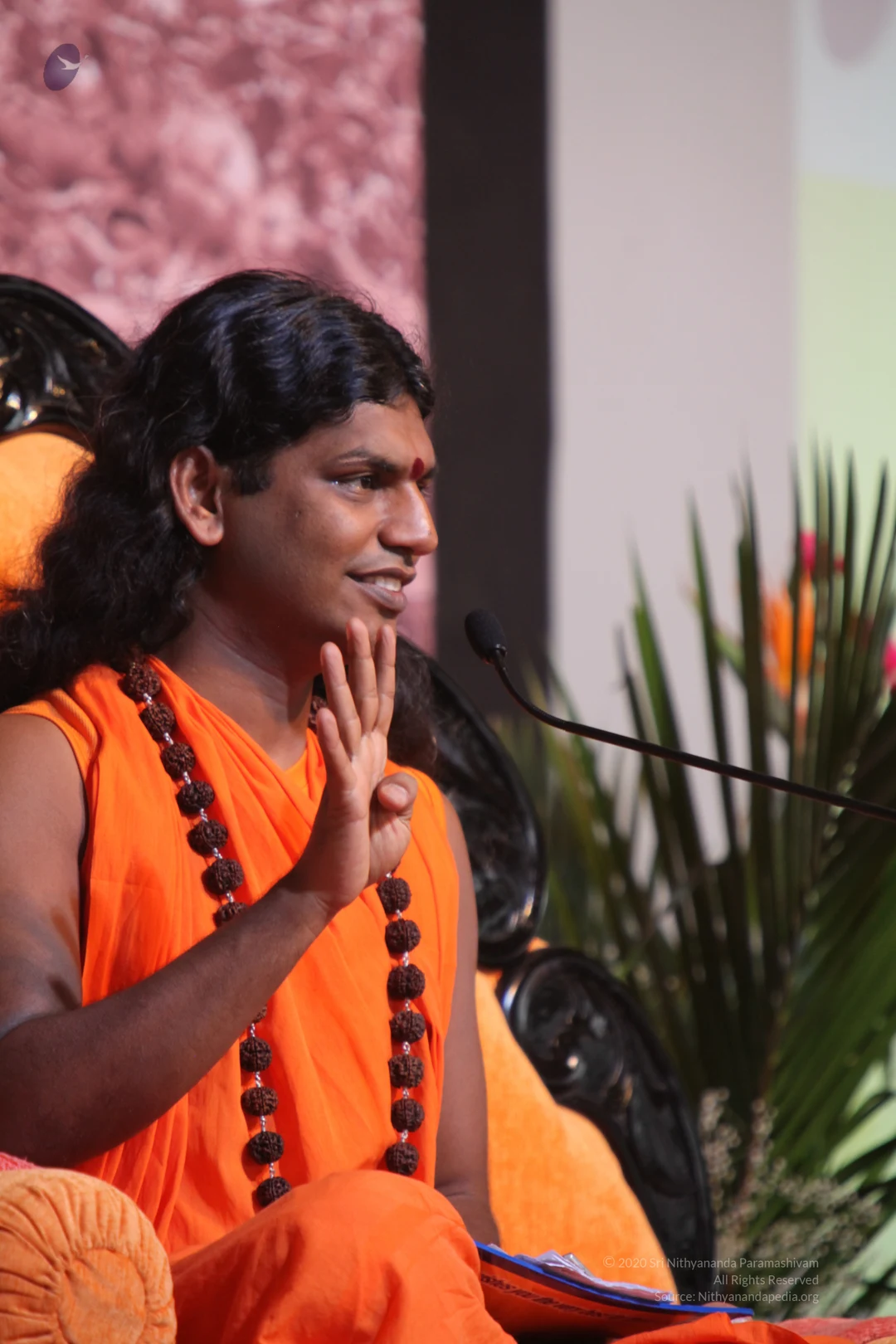
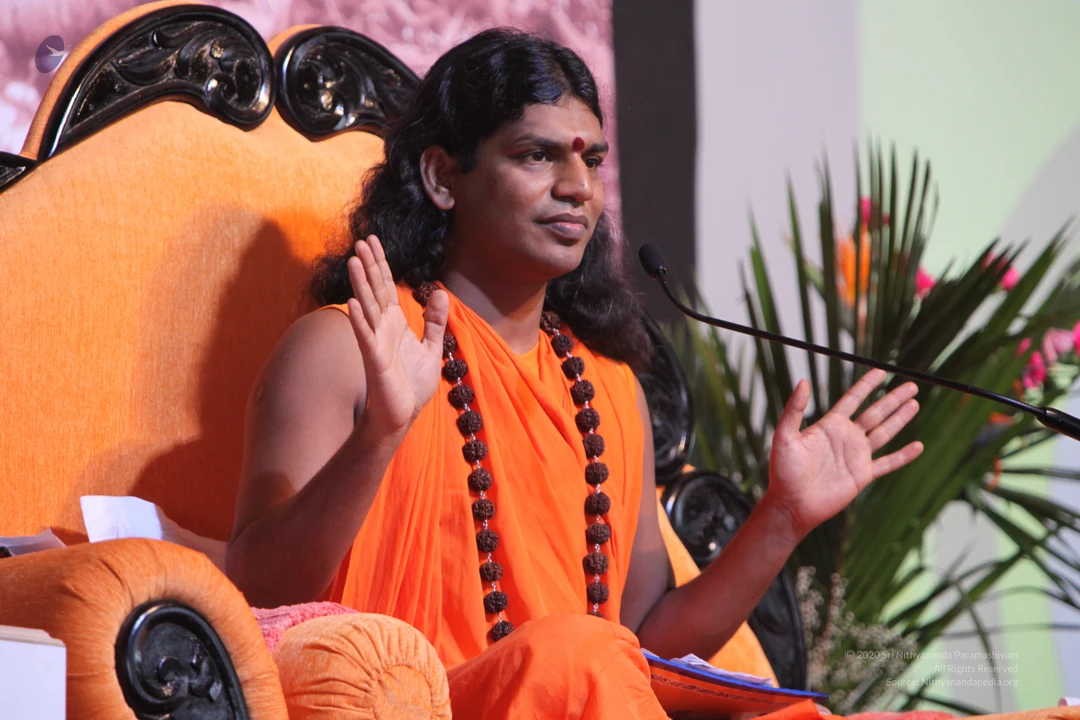
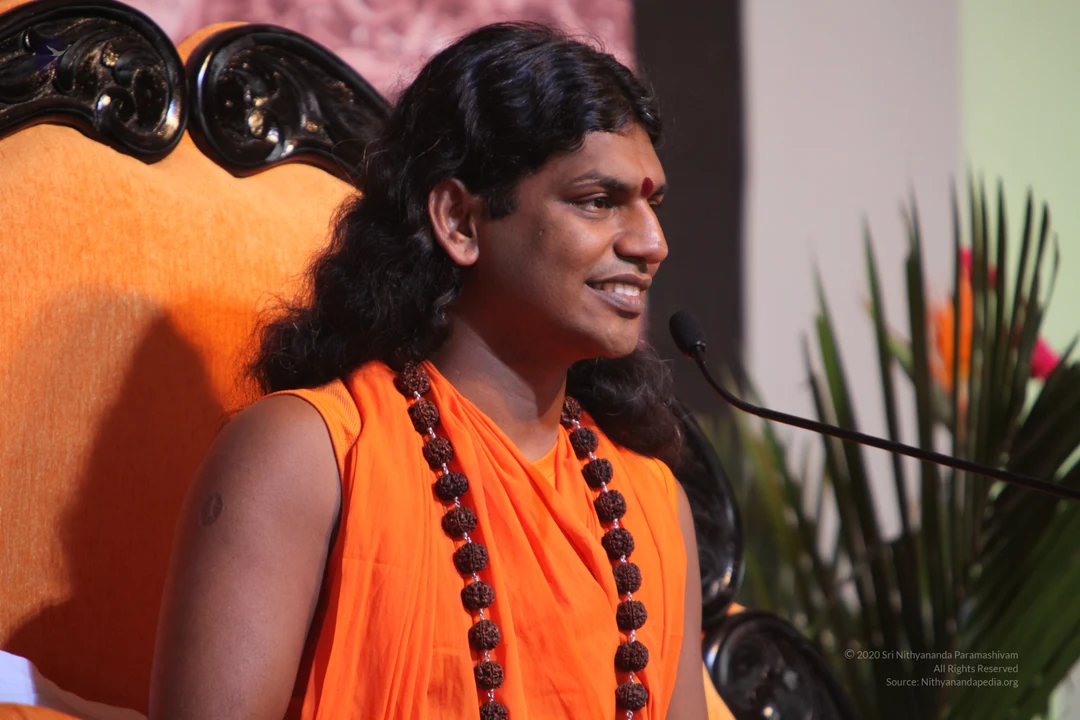
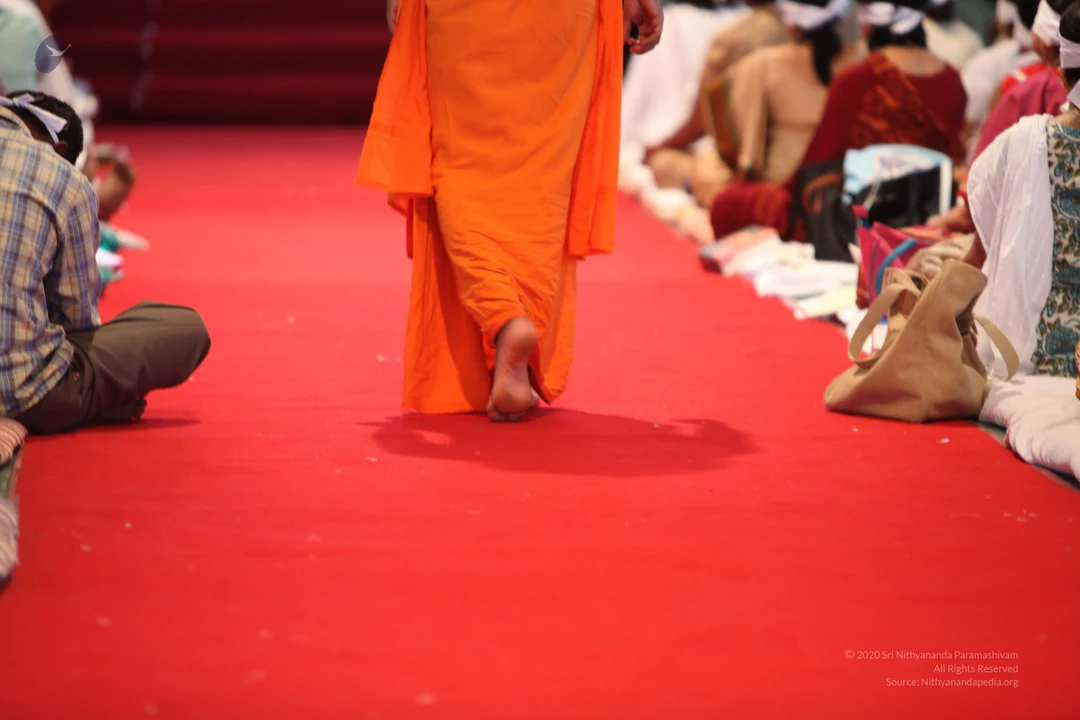
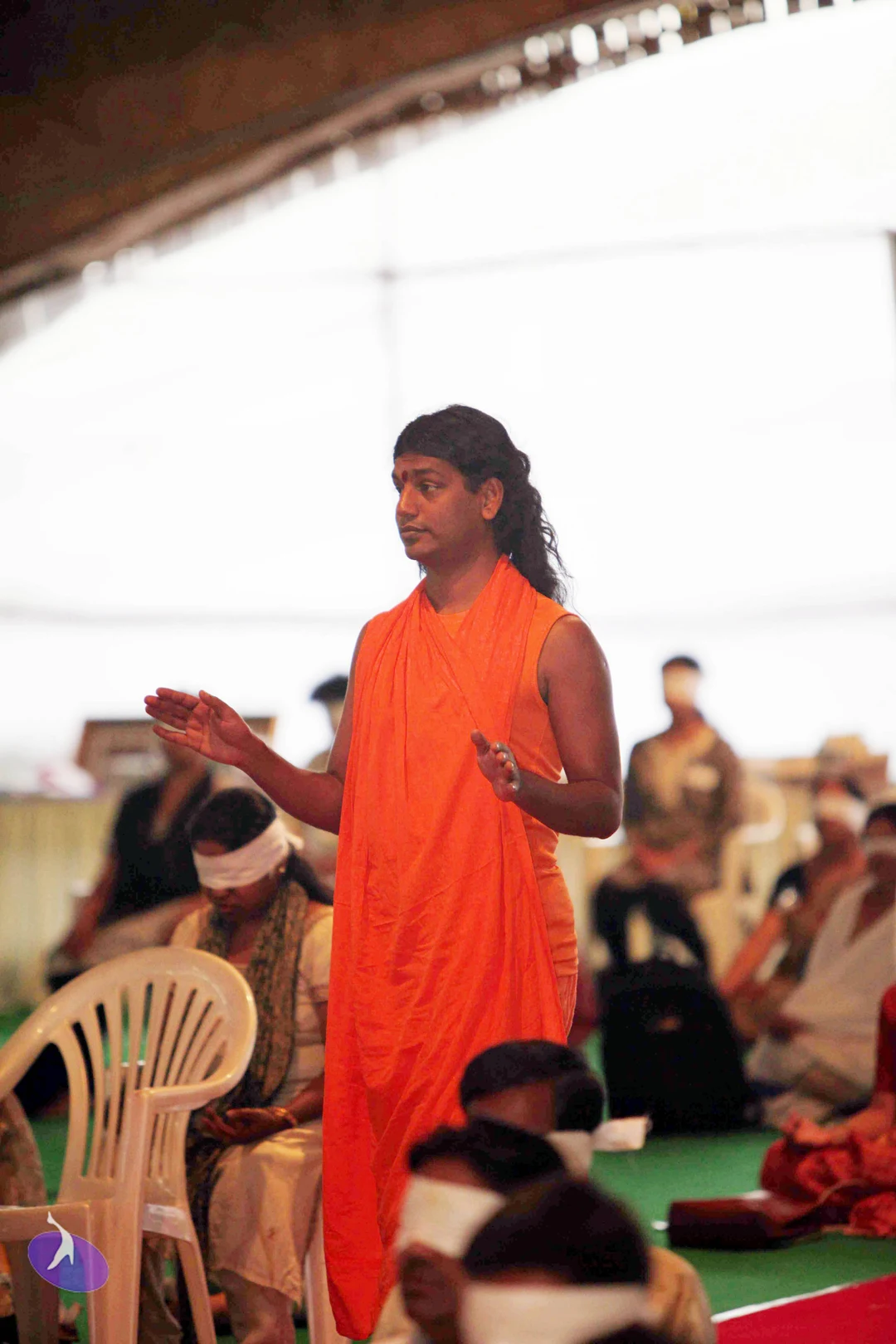
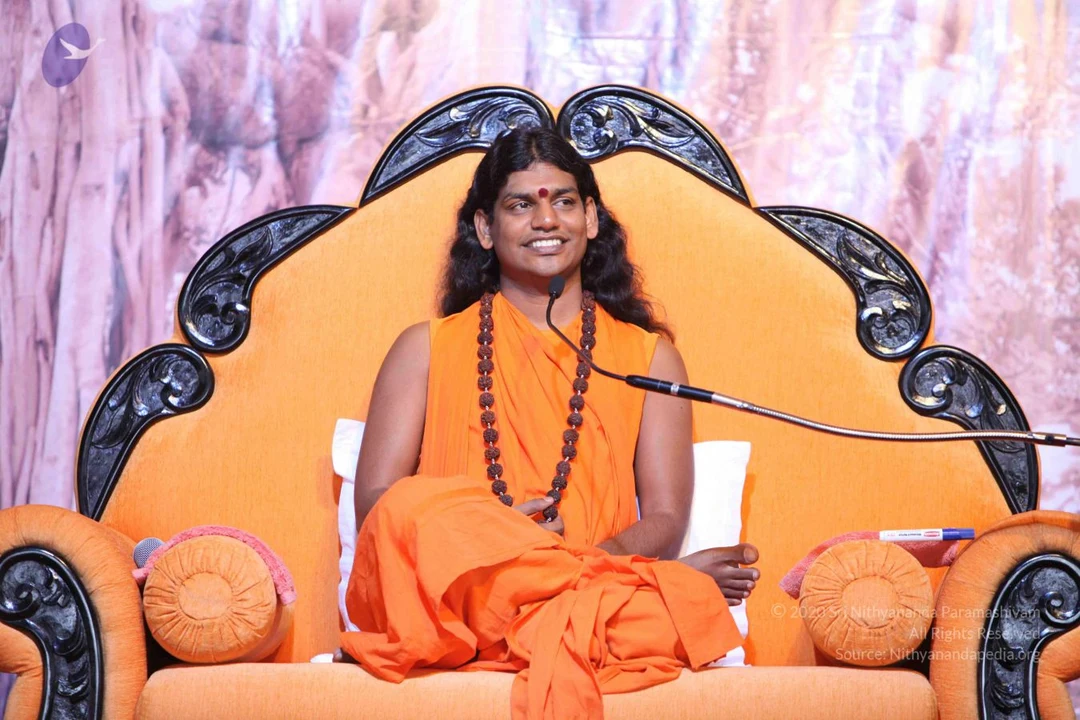
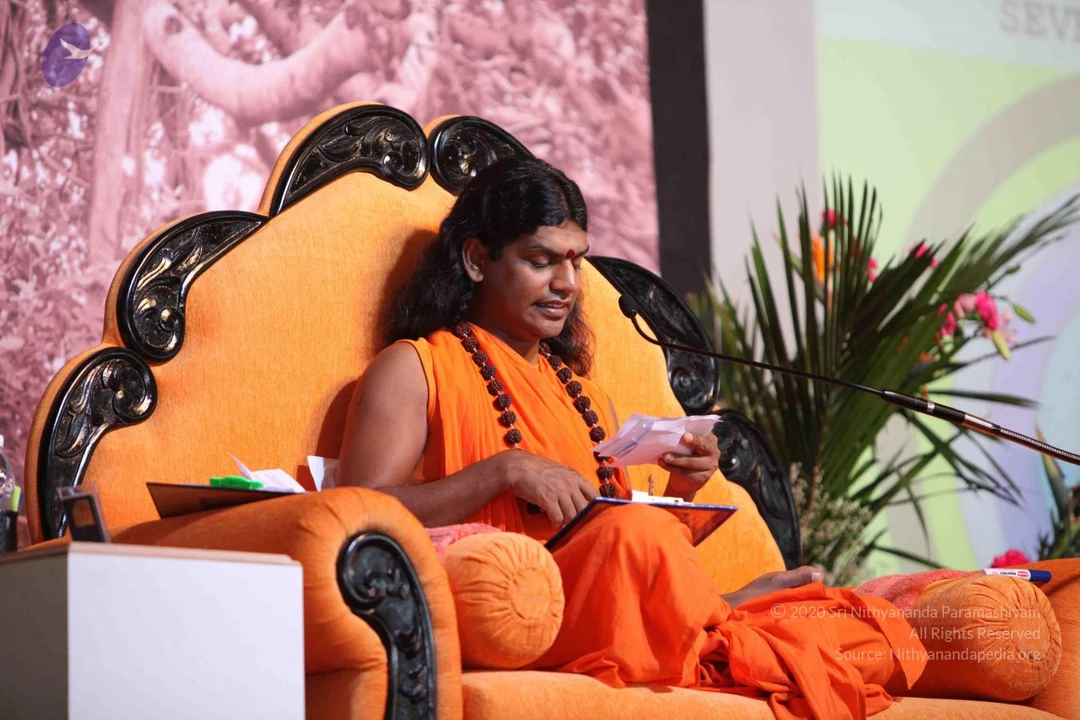
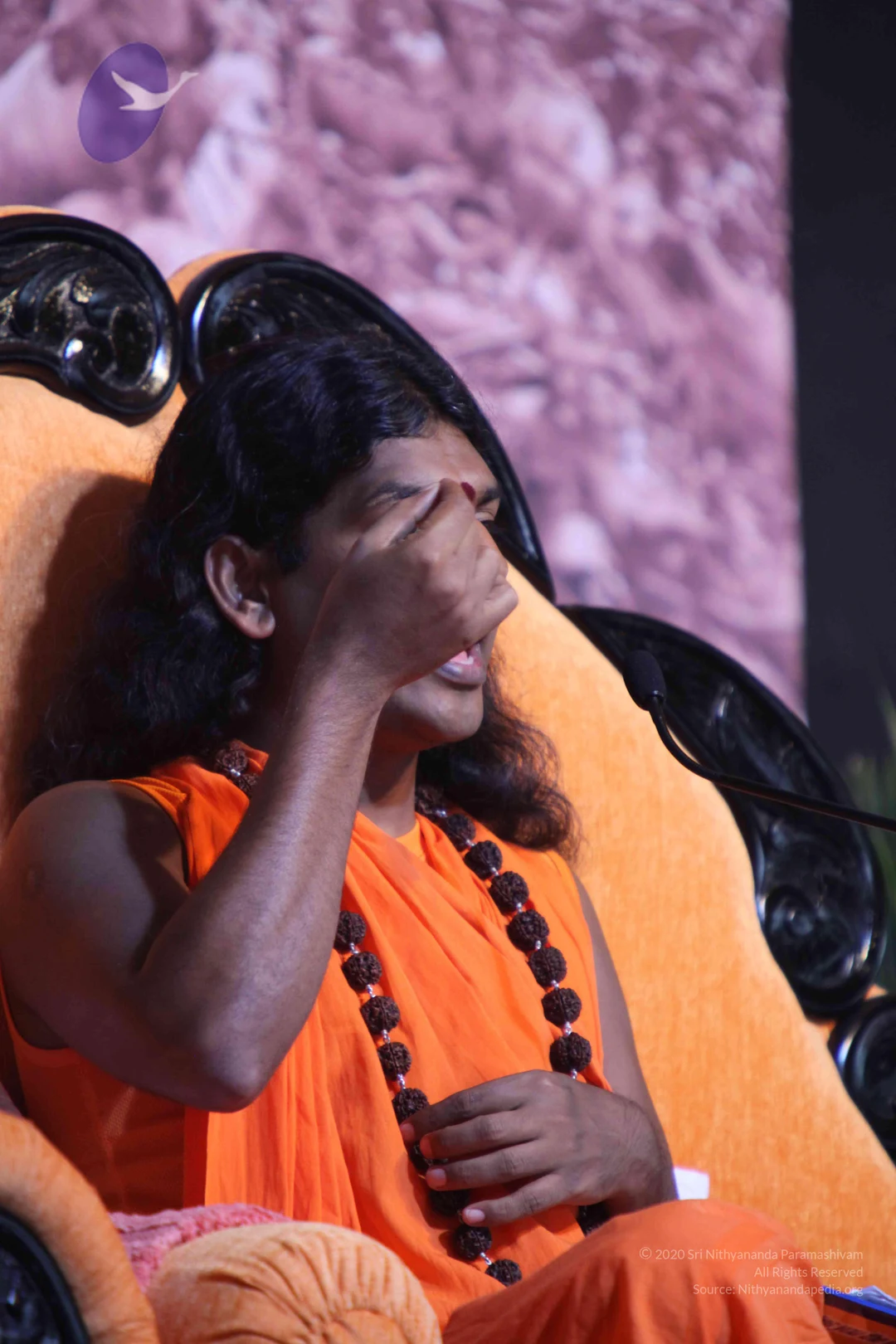
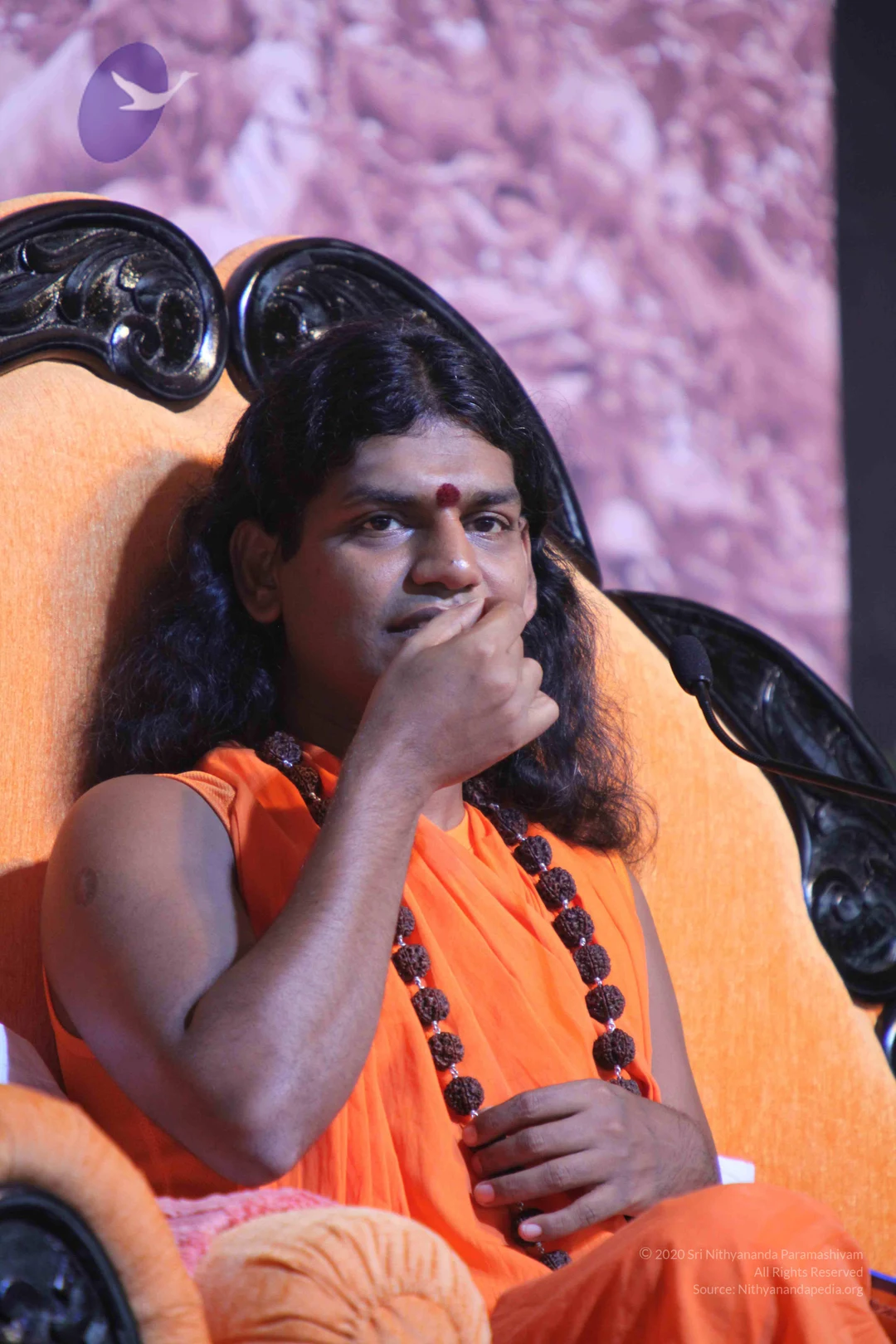
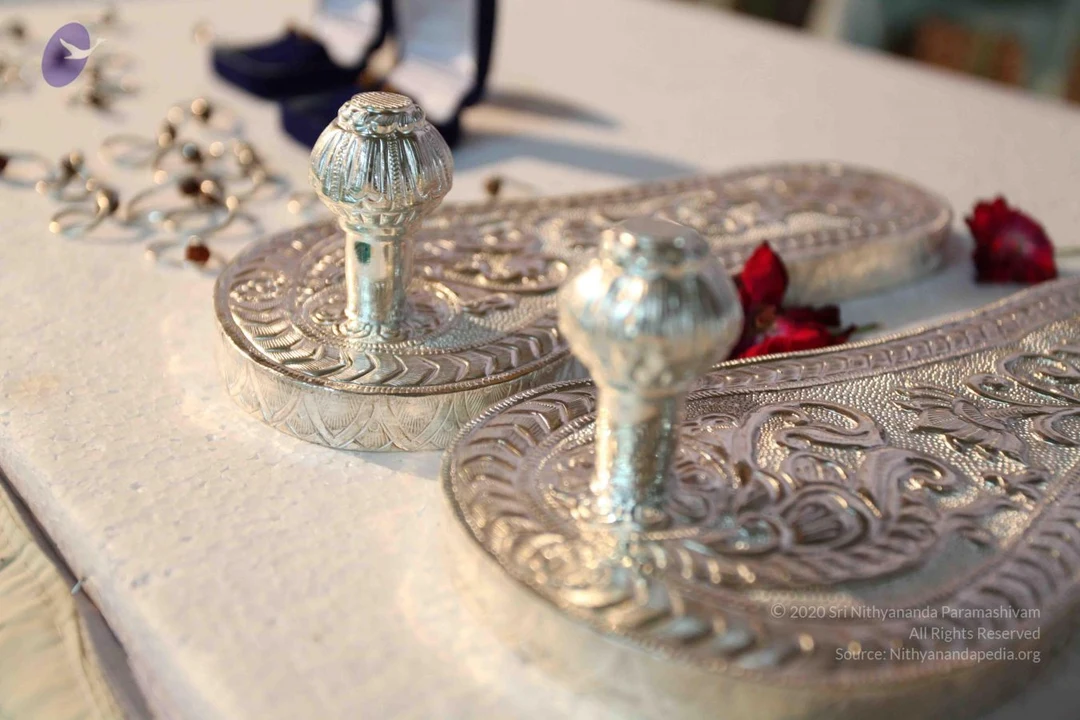
Glimpses From NSP Swamiji's Session
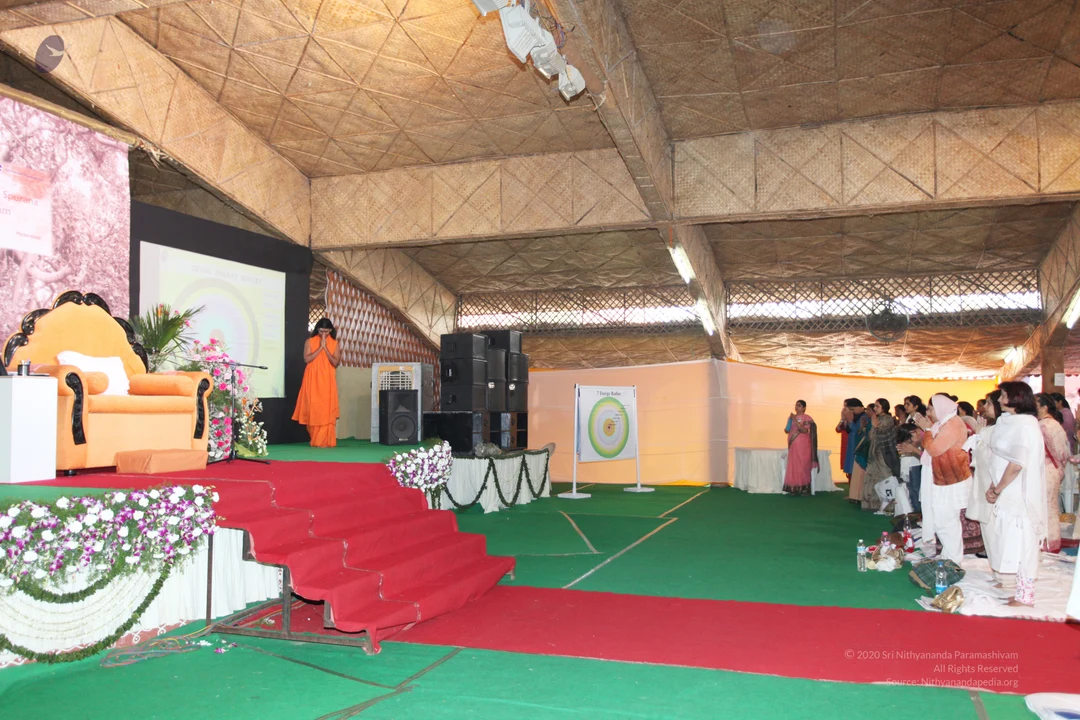
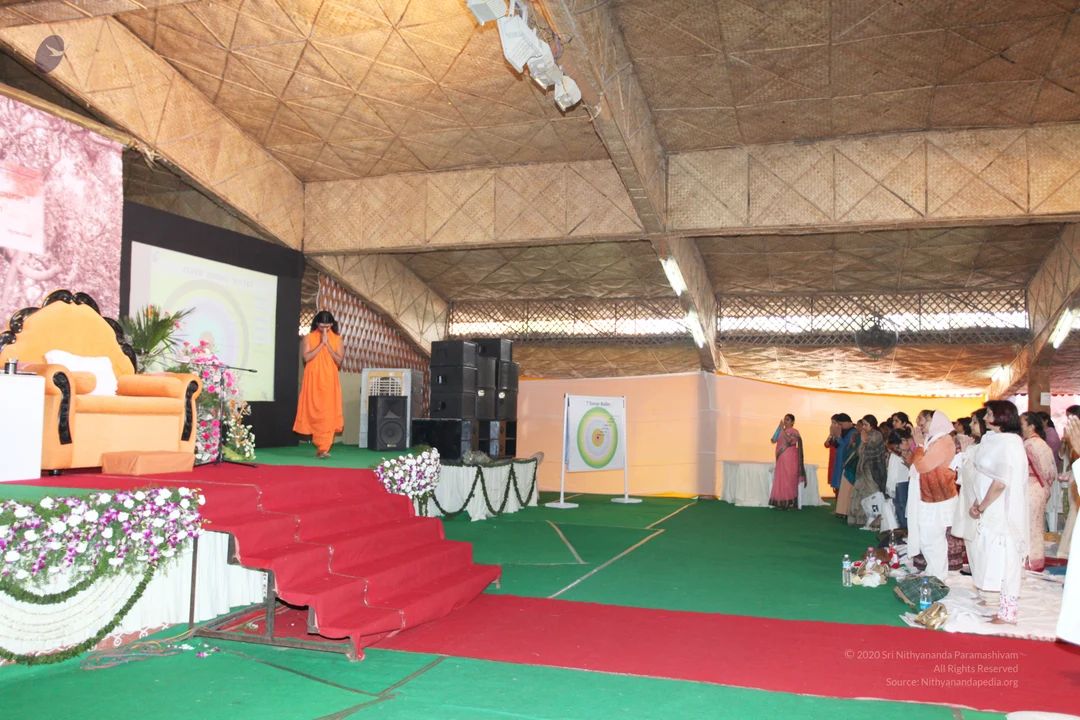
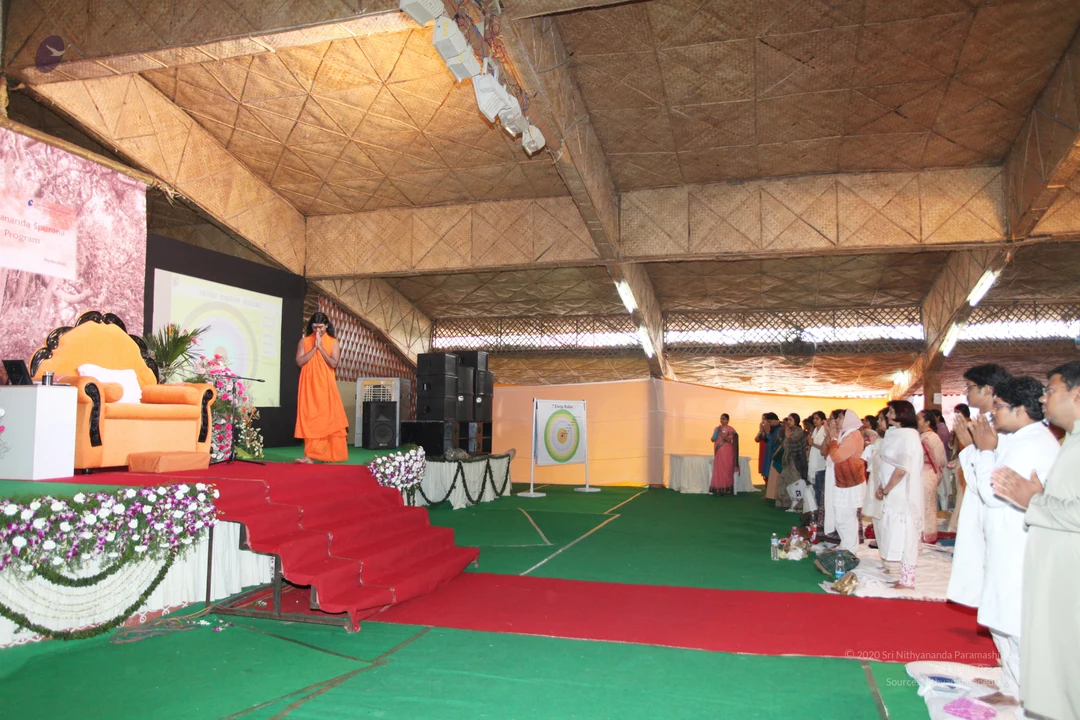
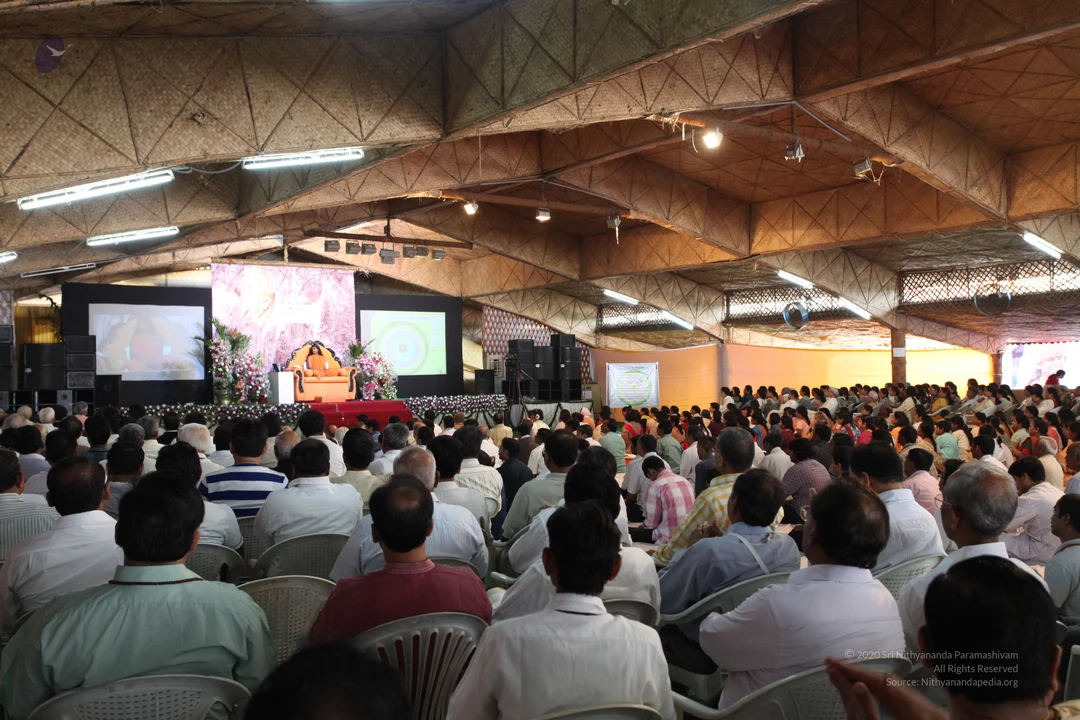
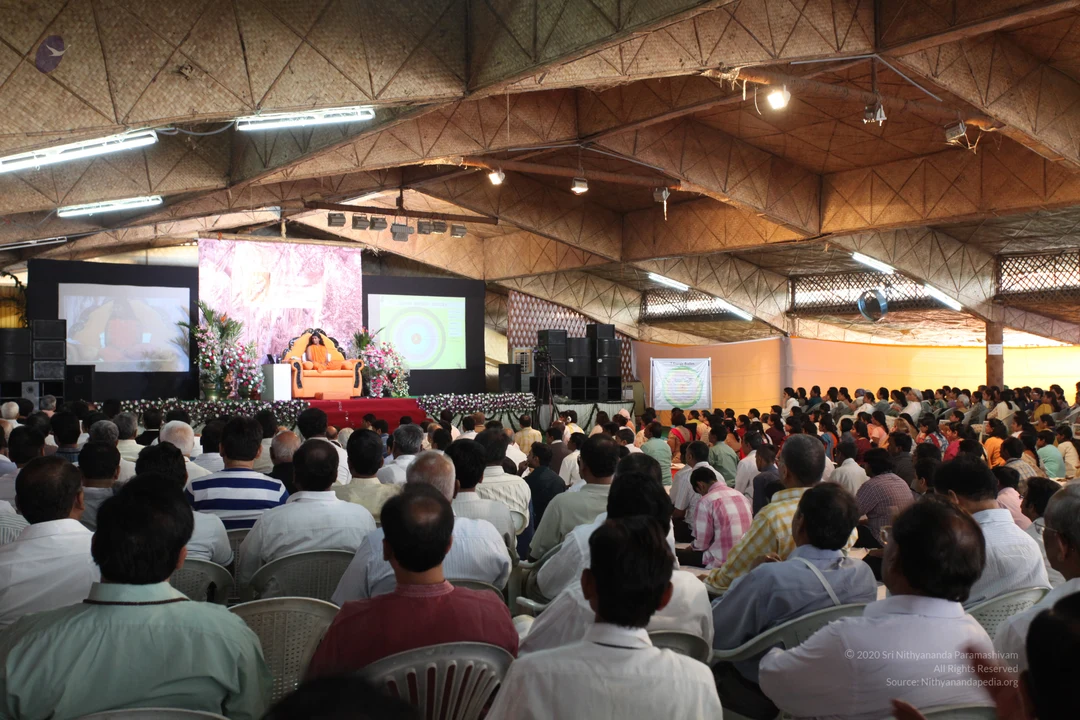
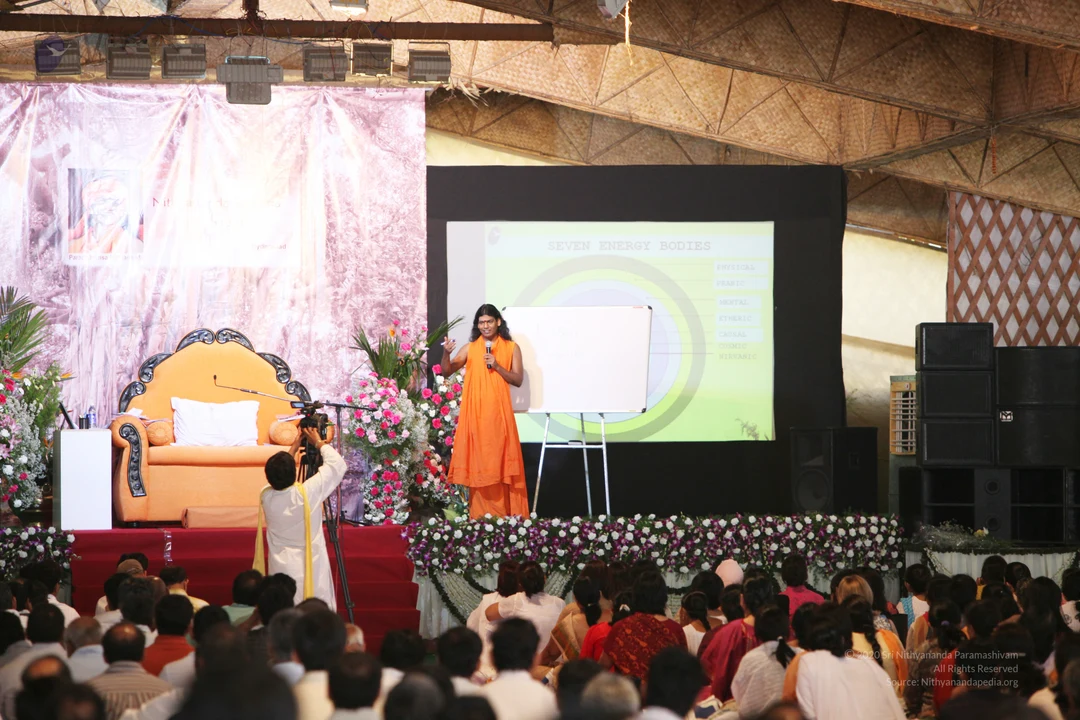
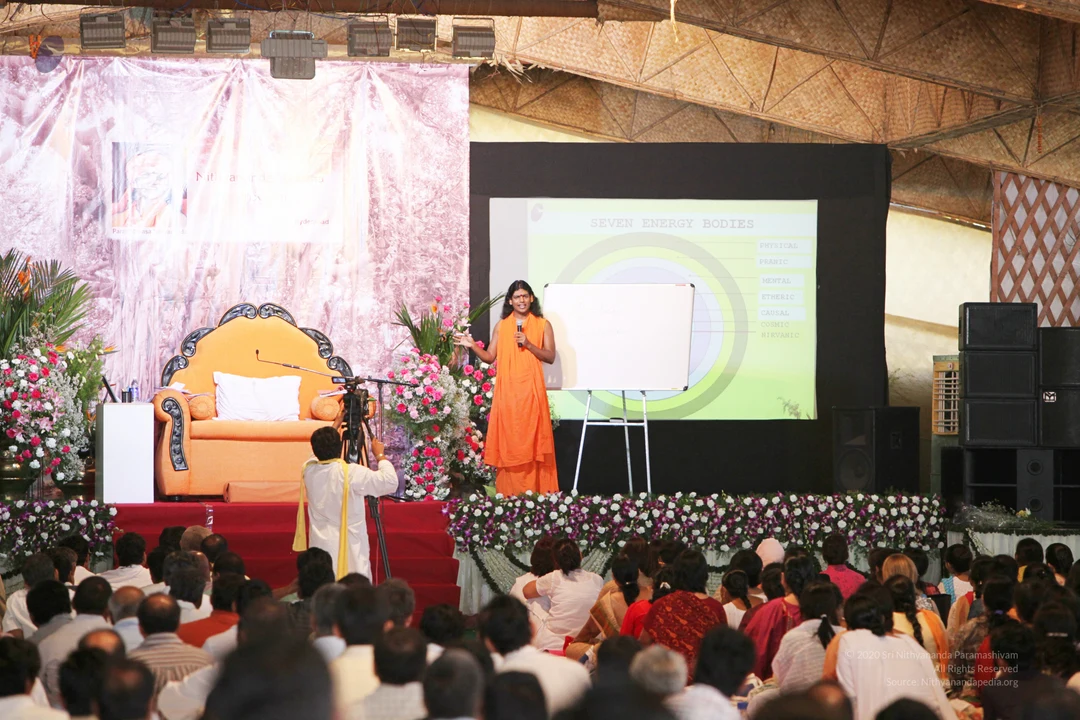
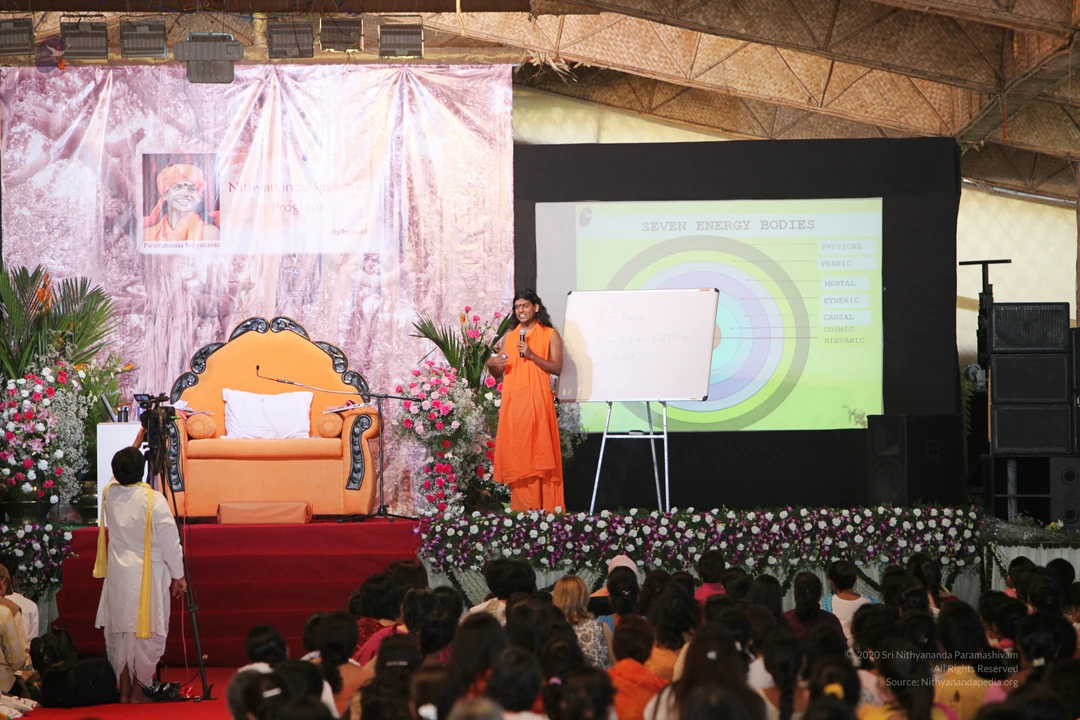

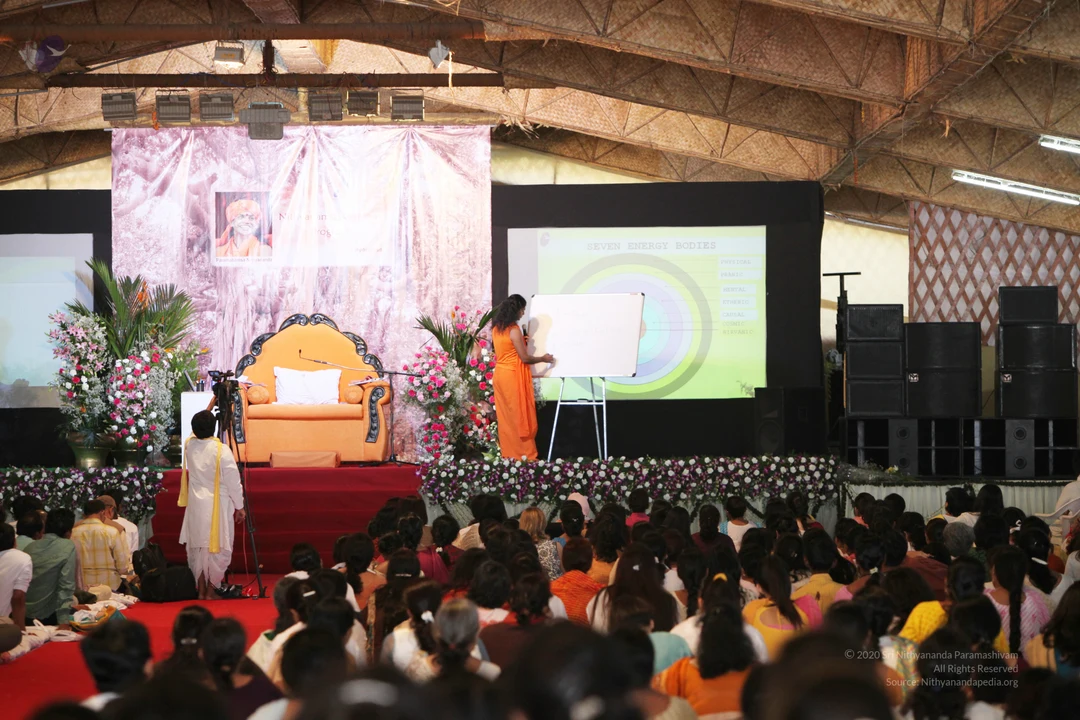
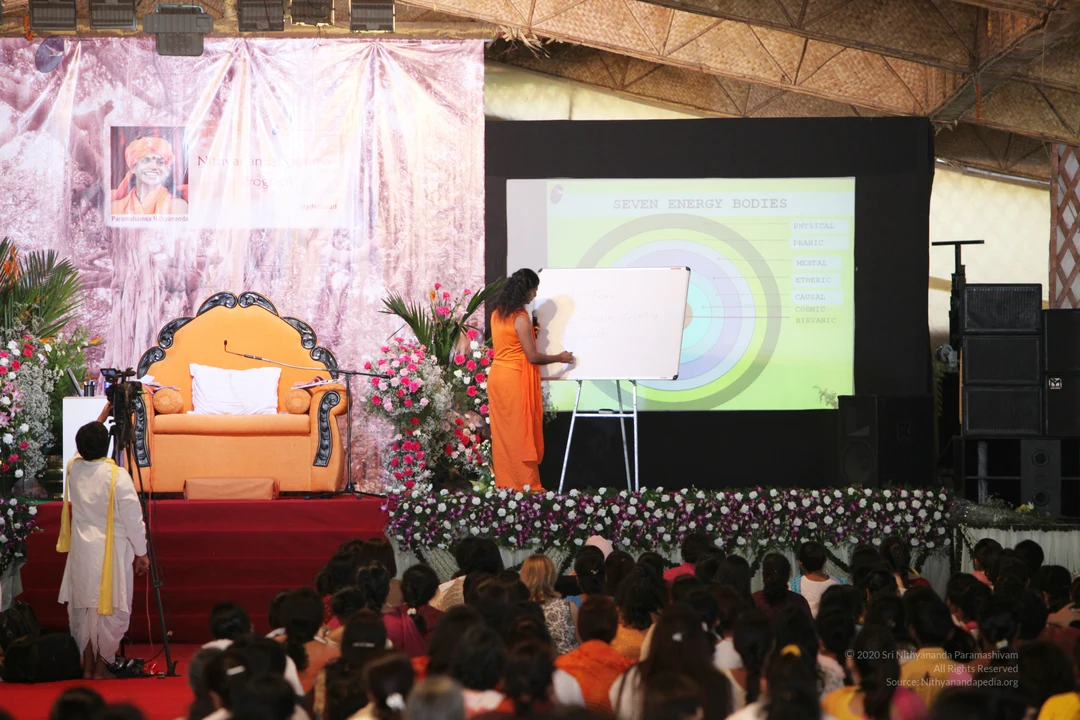
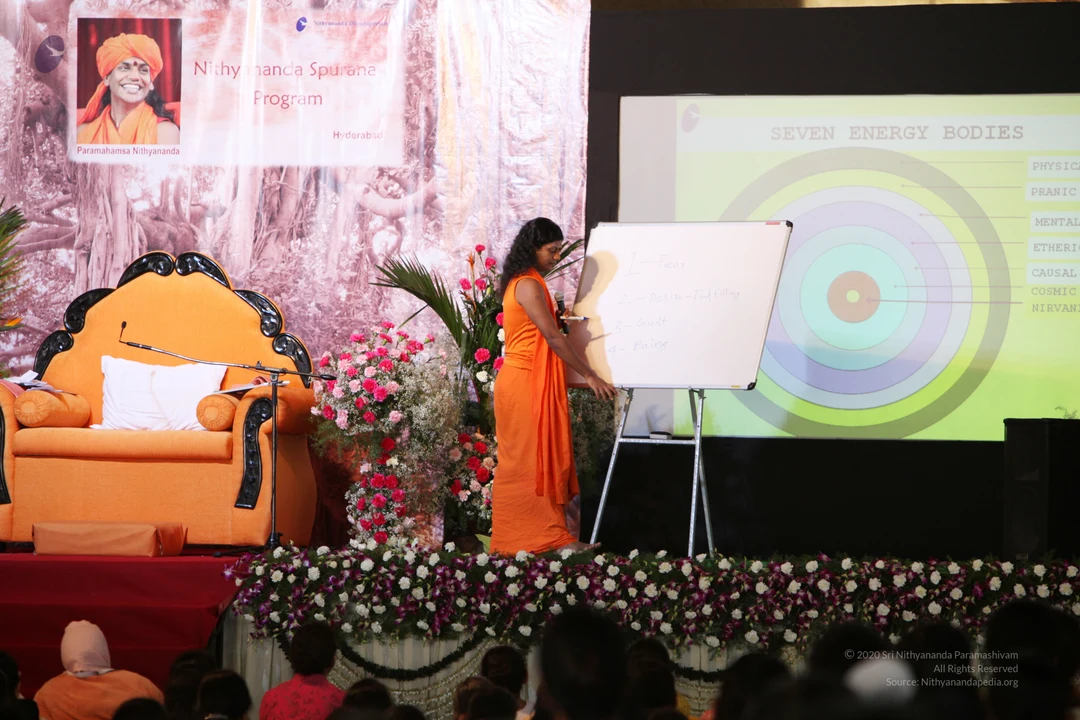
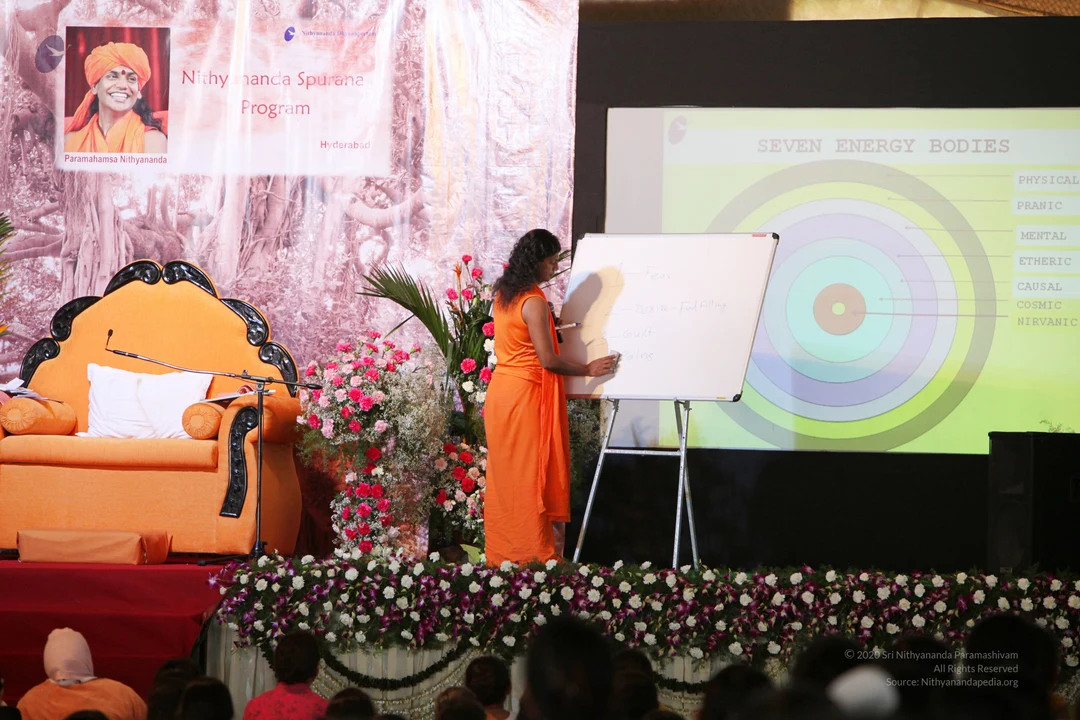
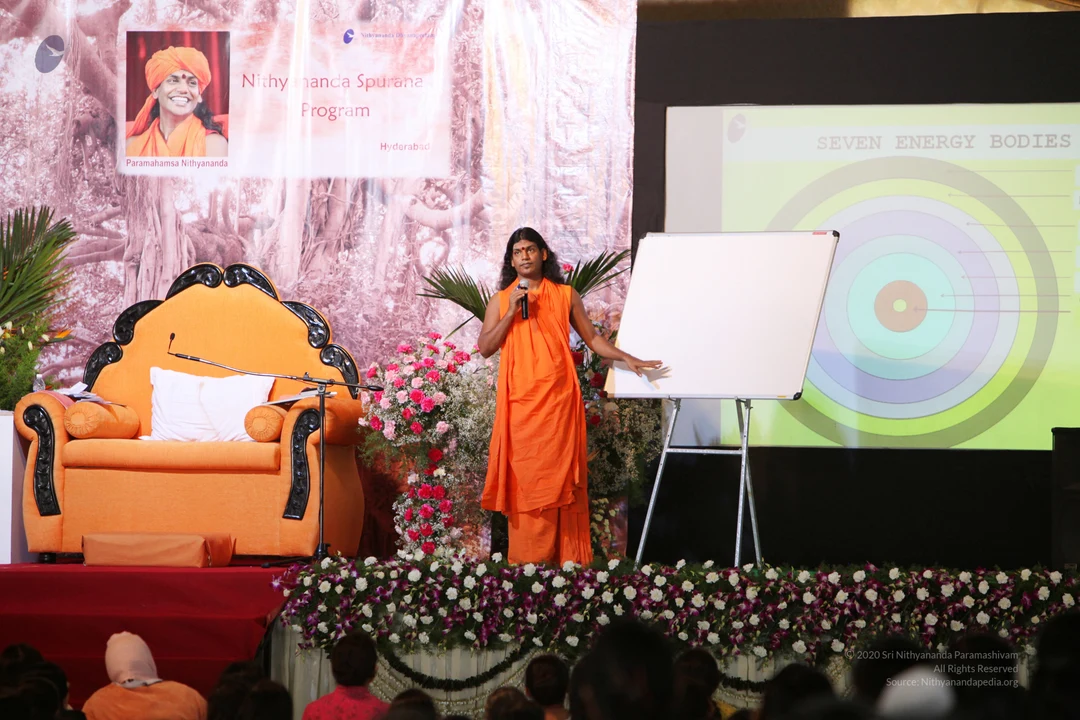
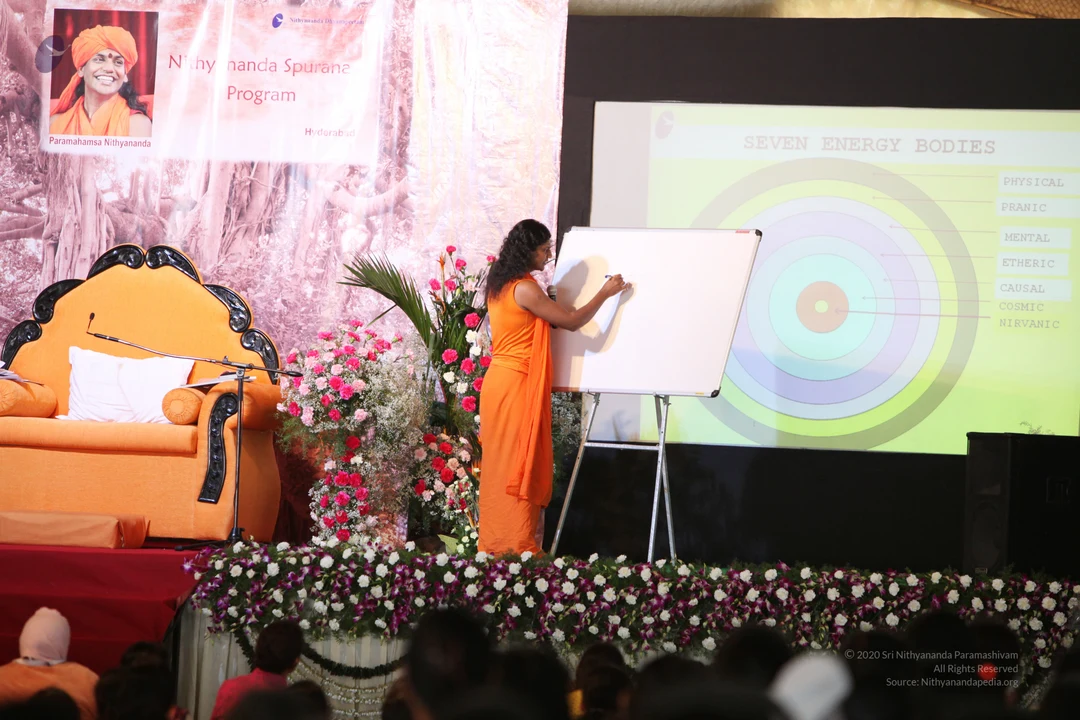
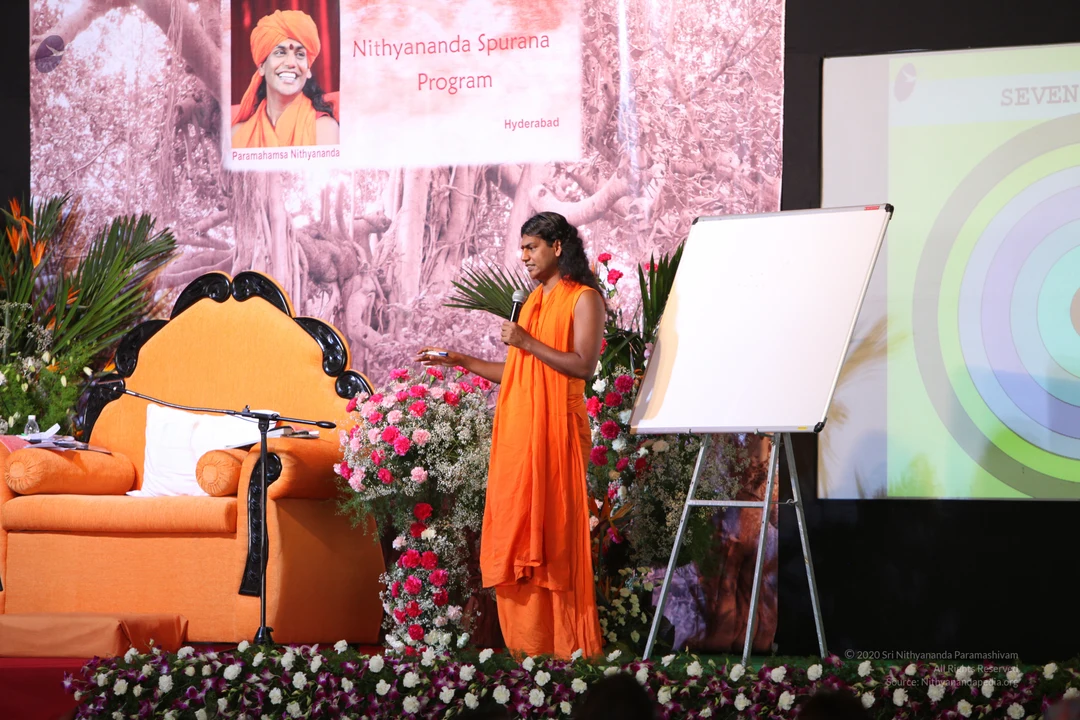
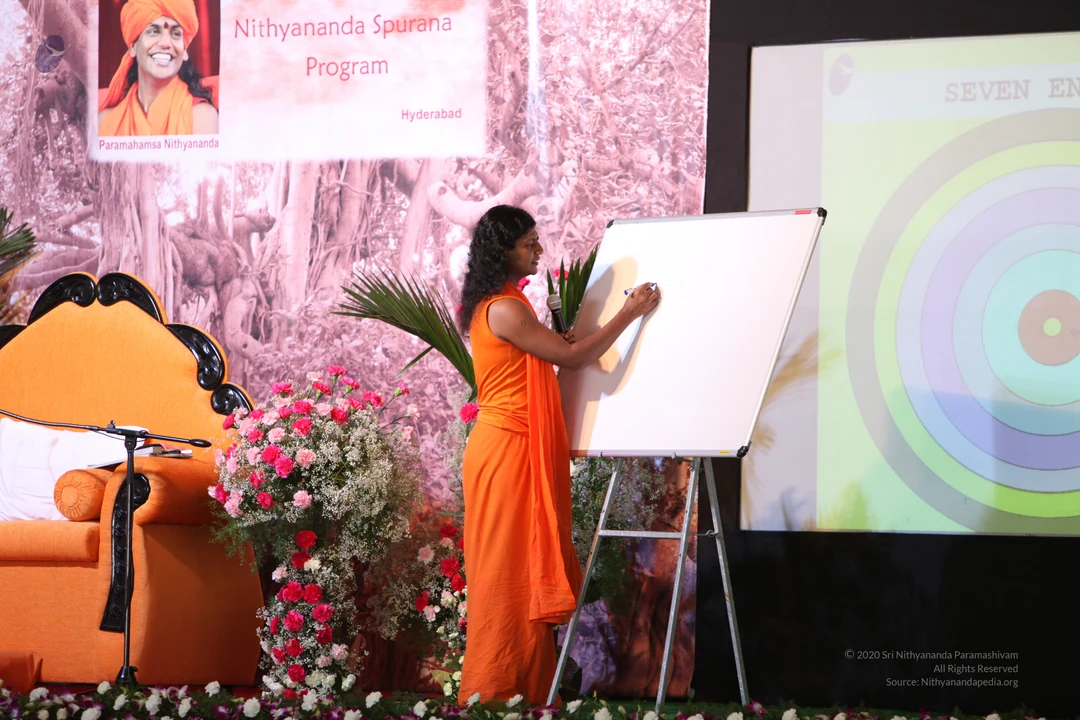
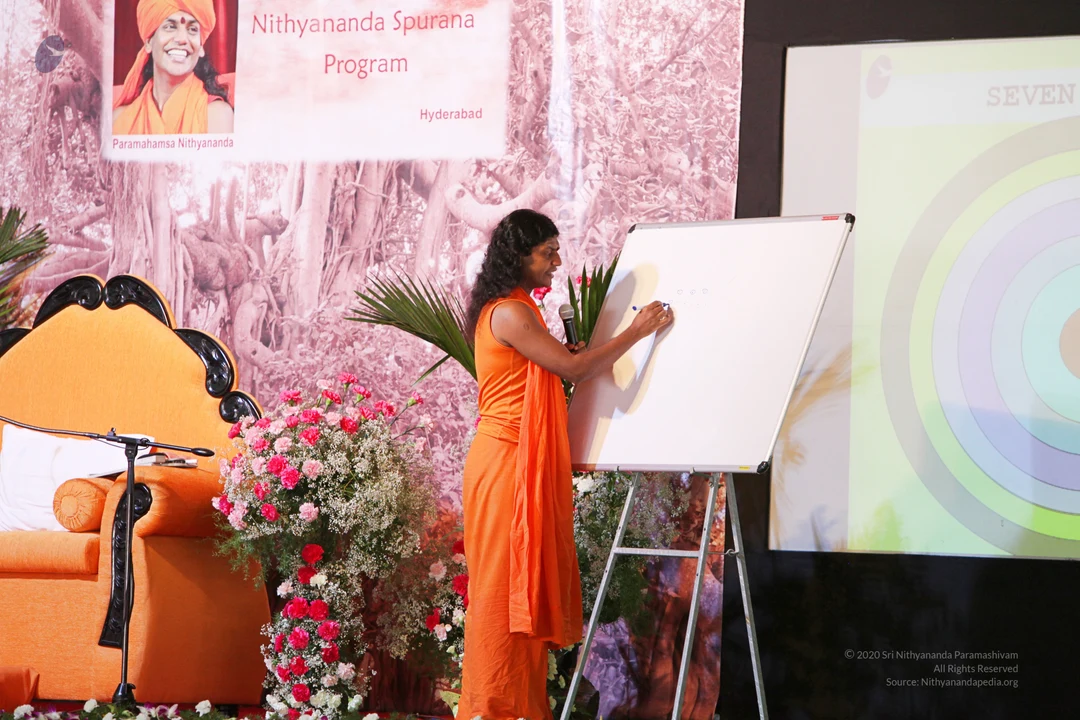
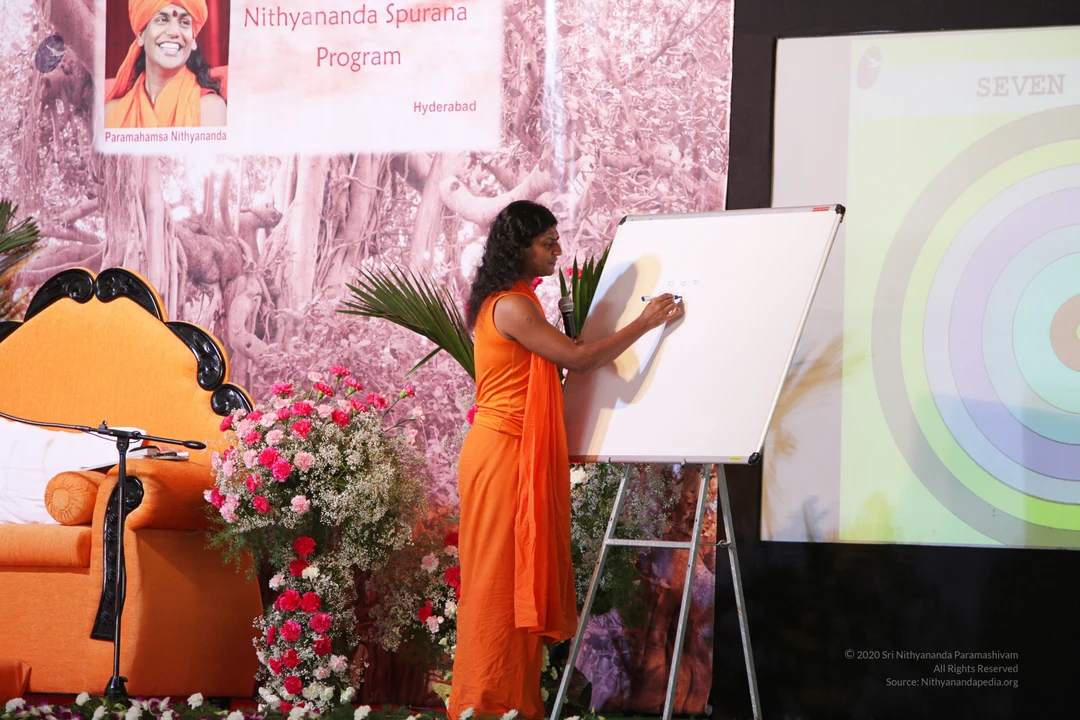
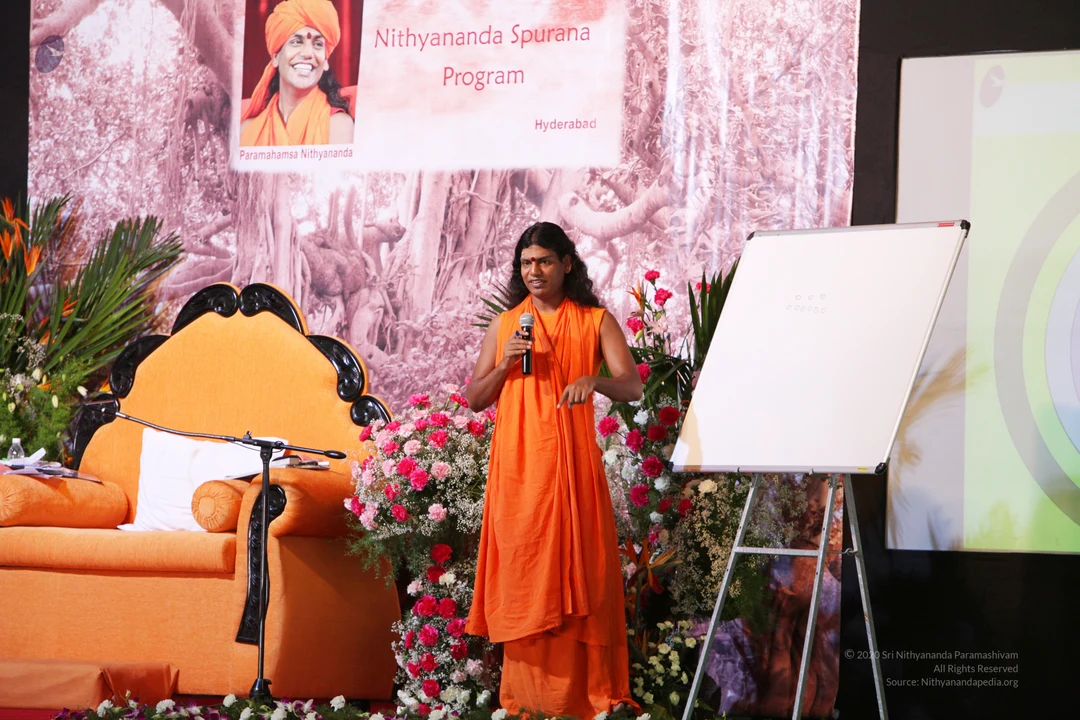
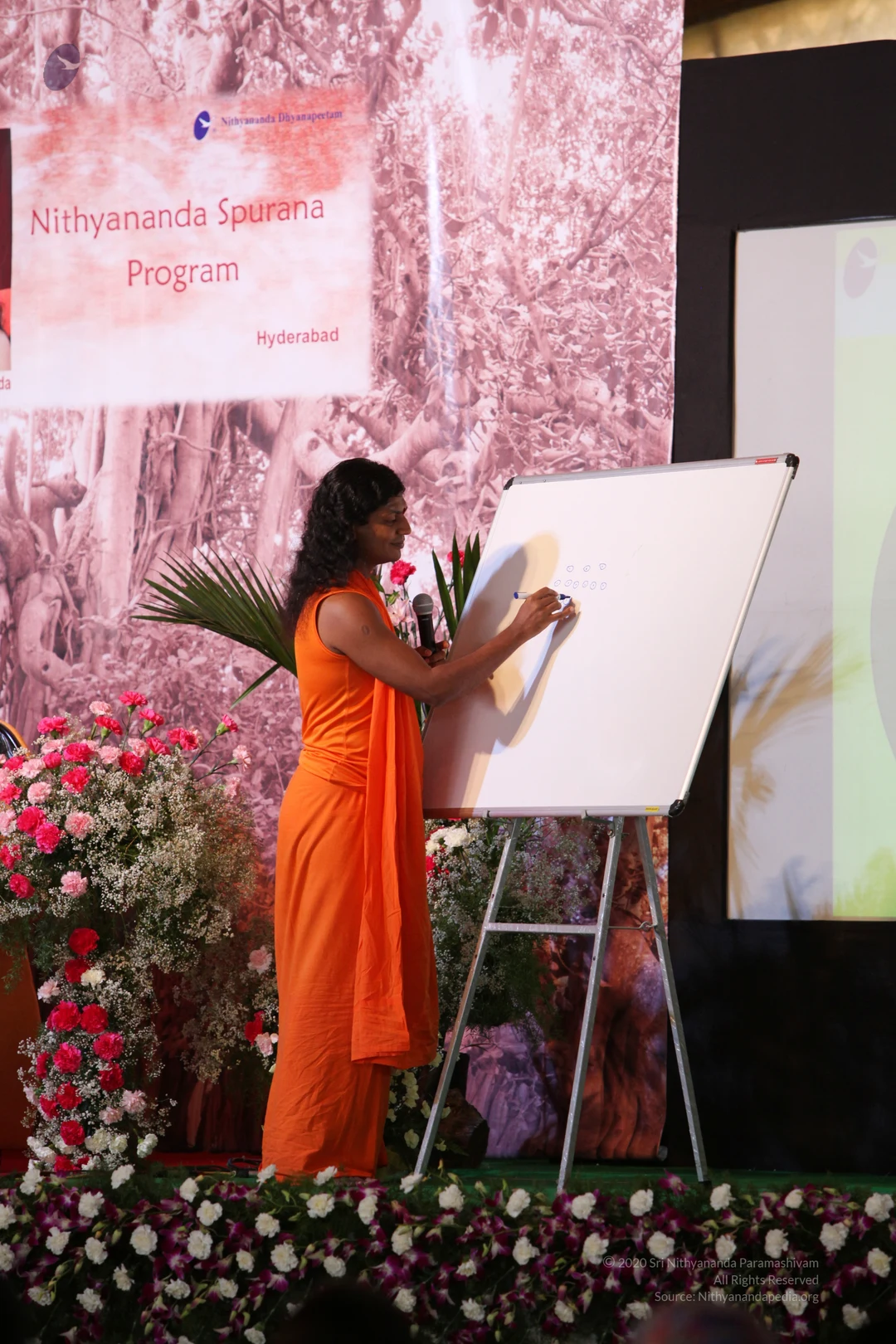
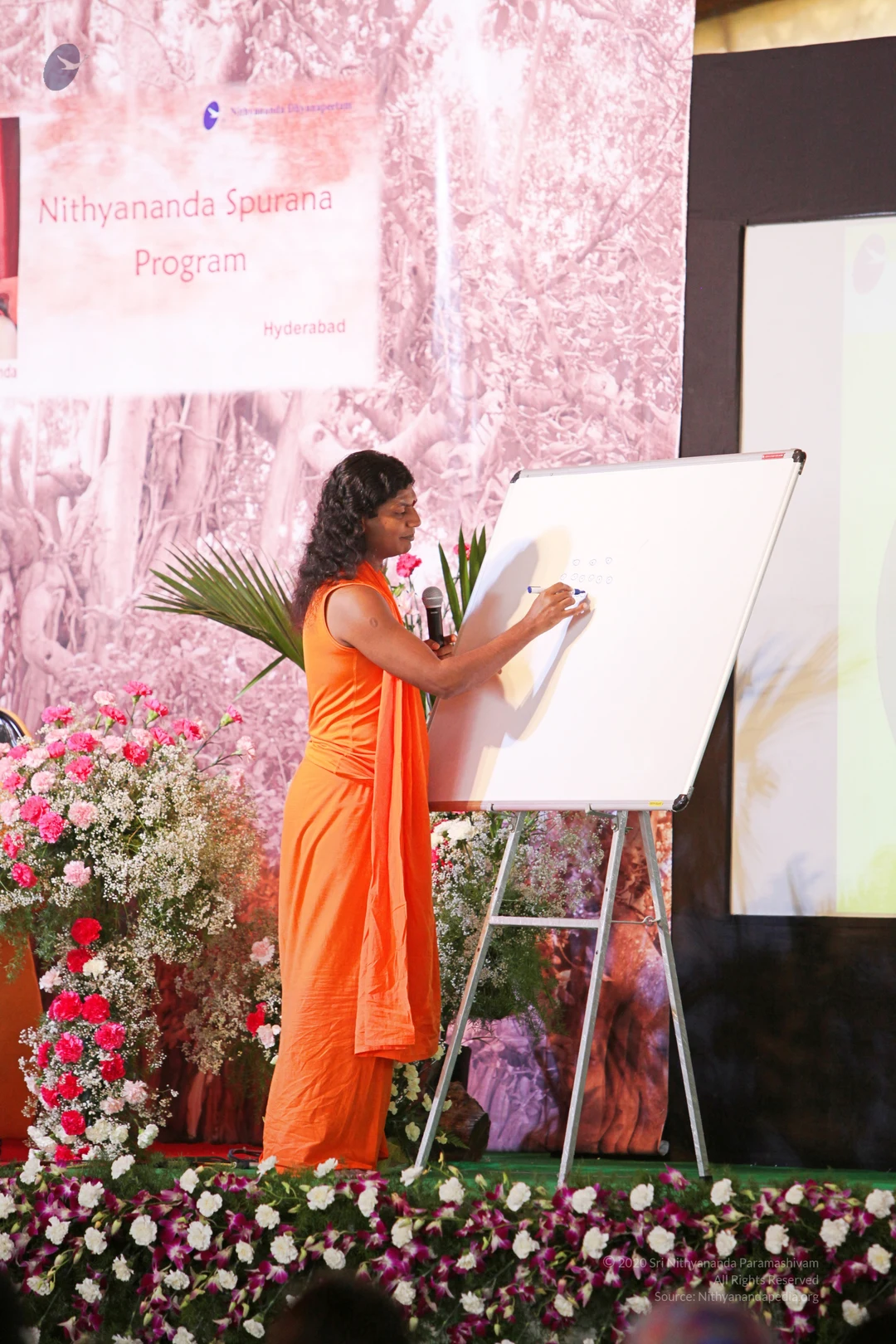
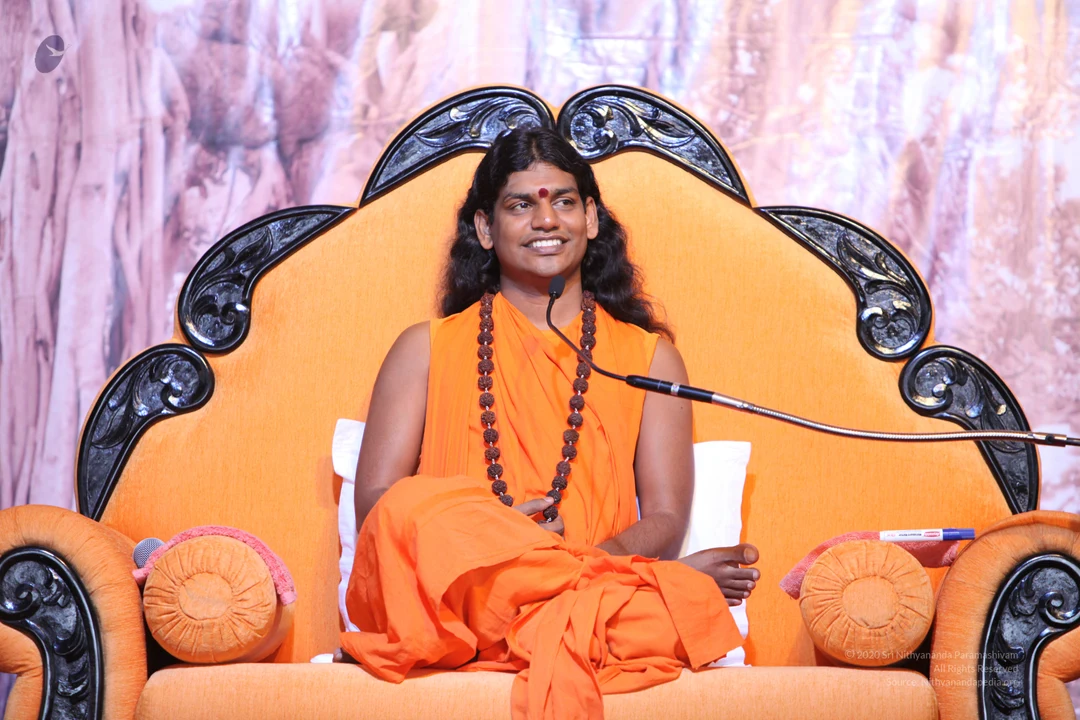
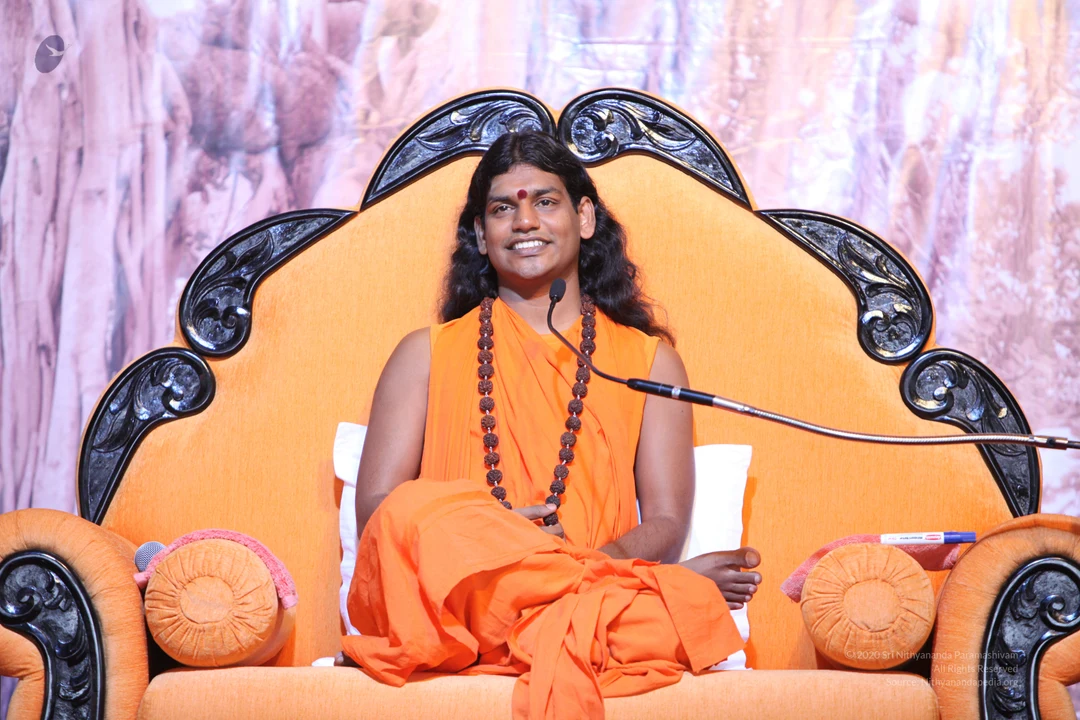
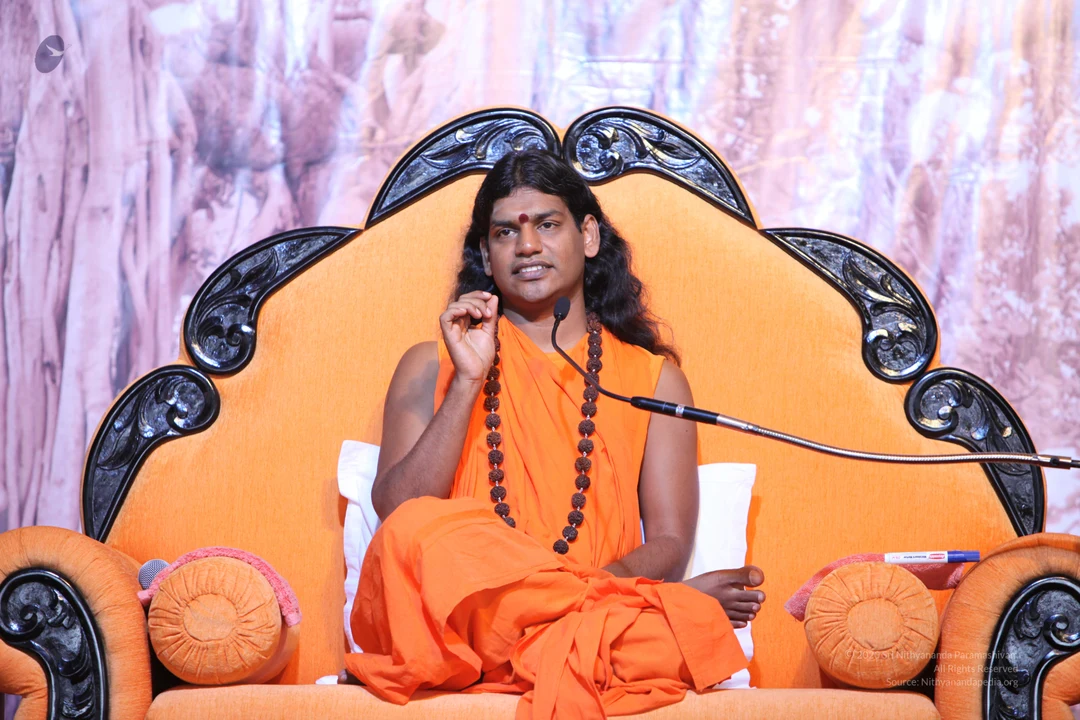
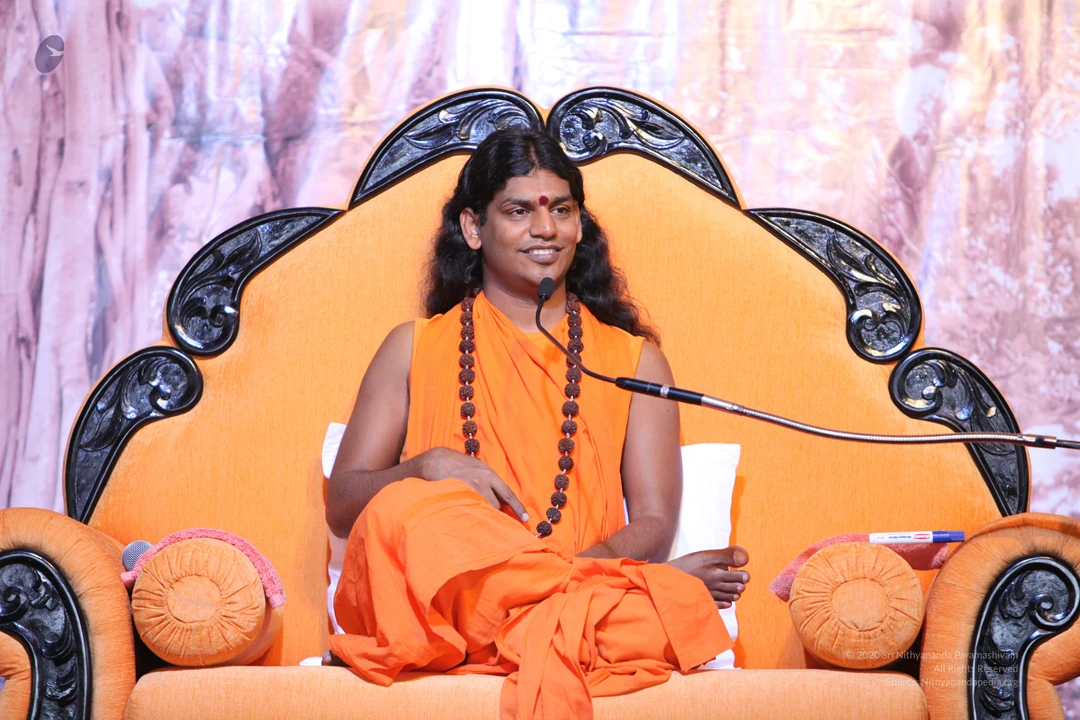
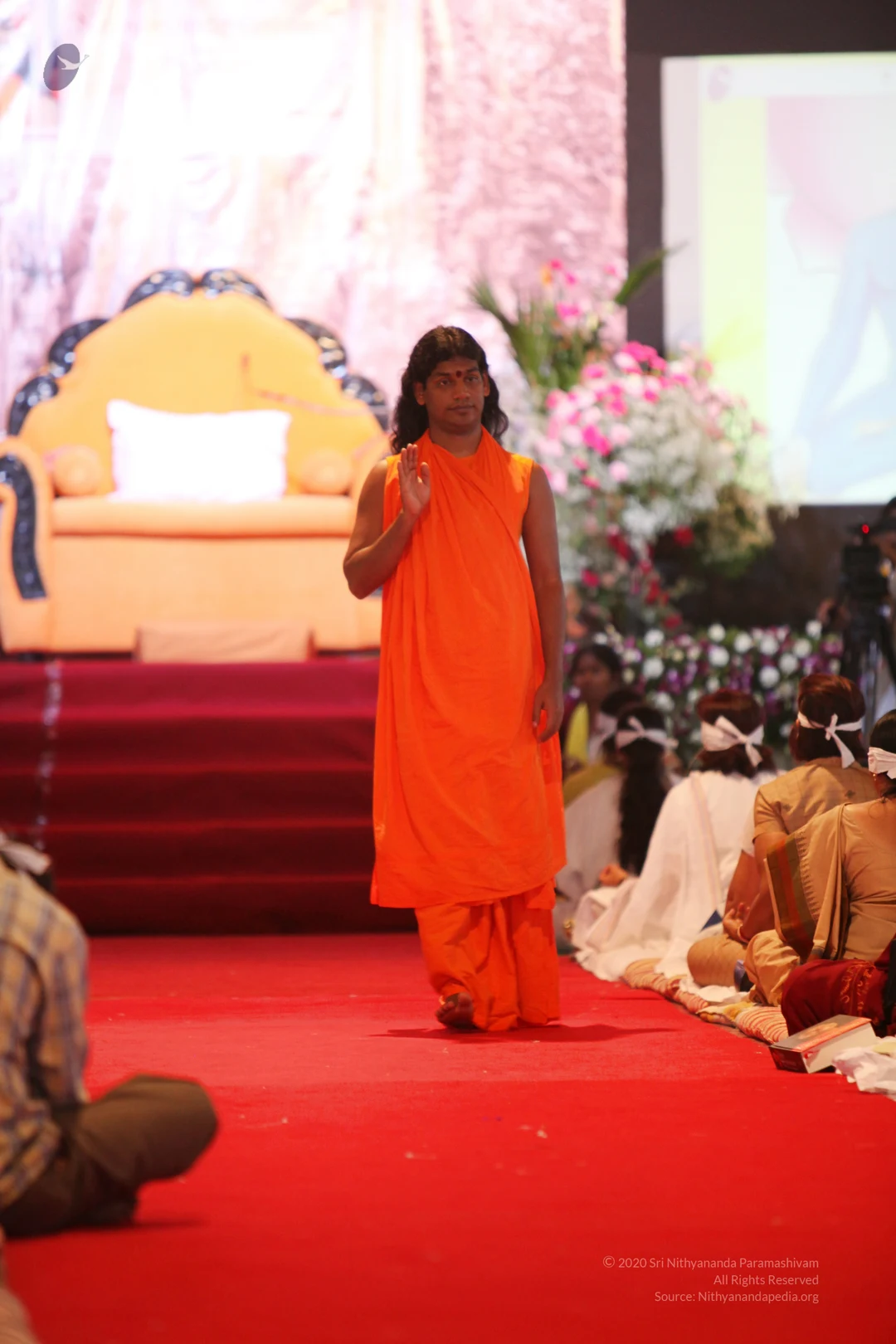

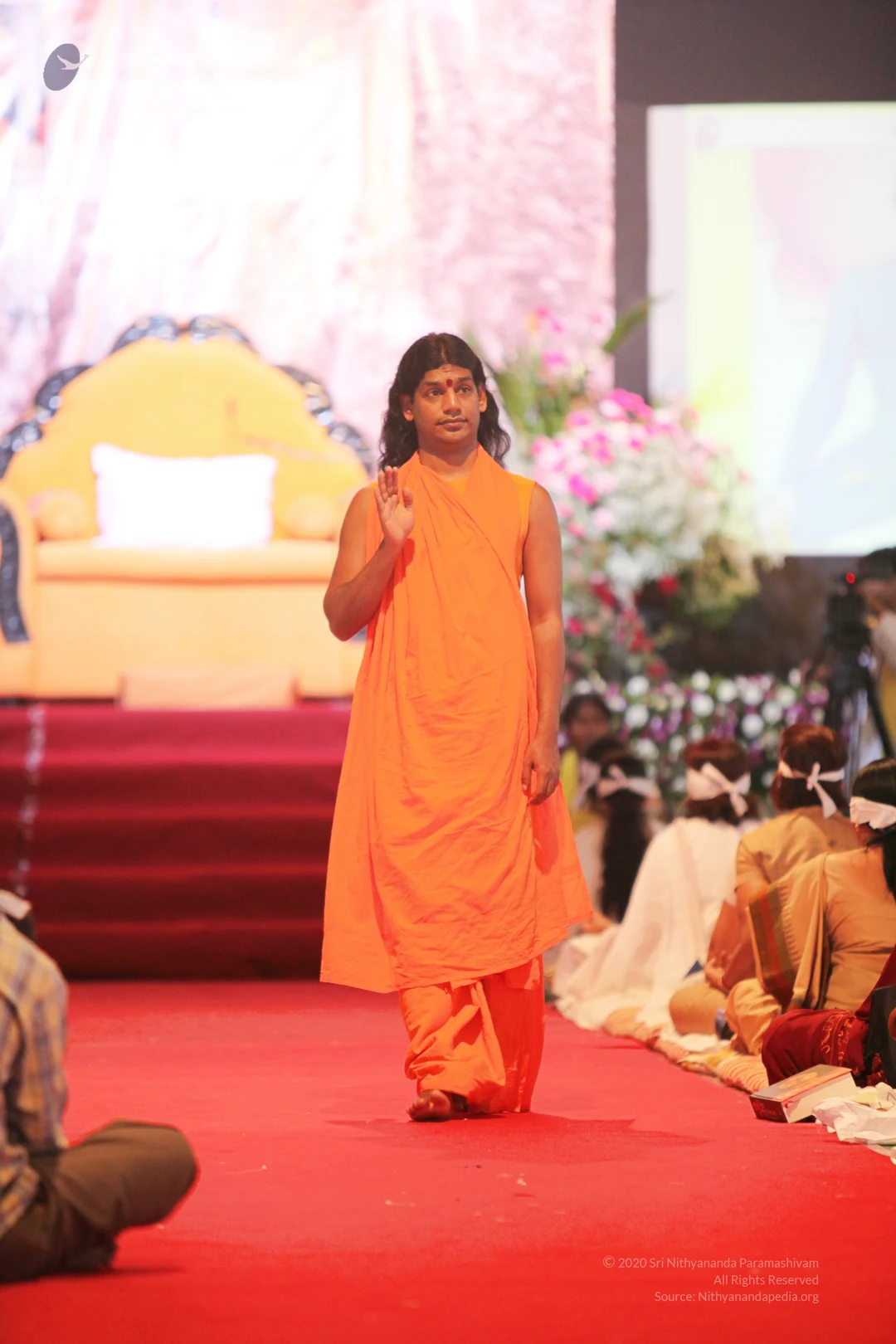
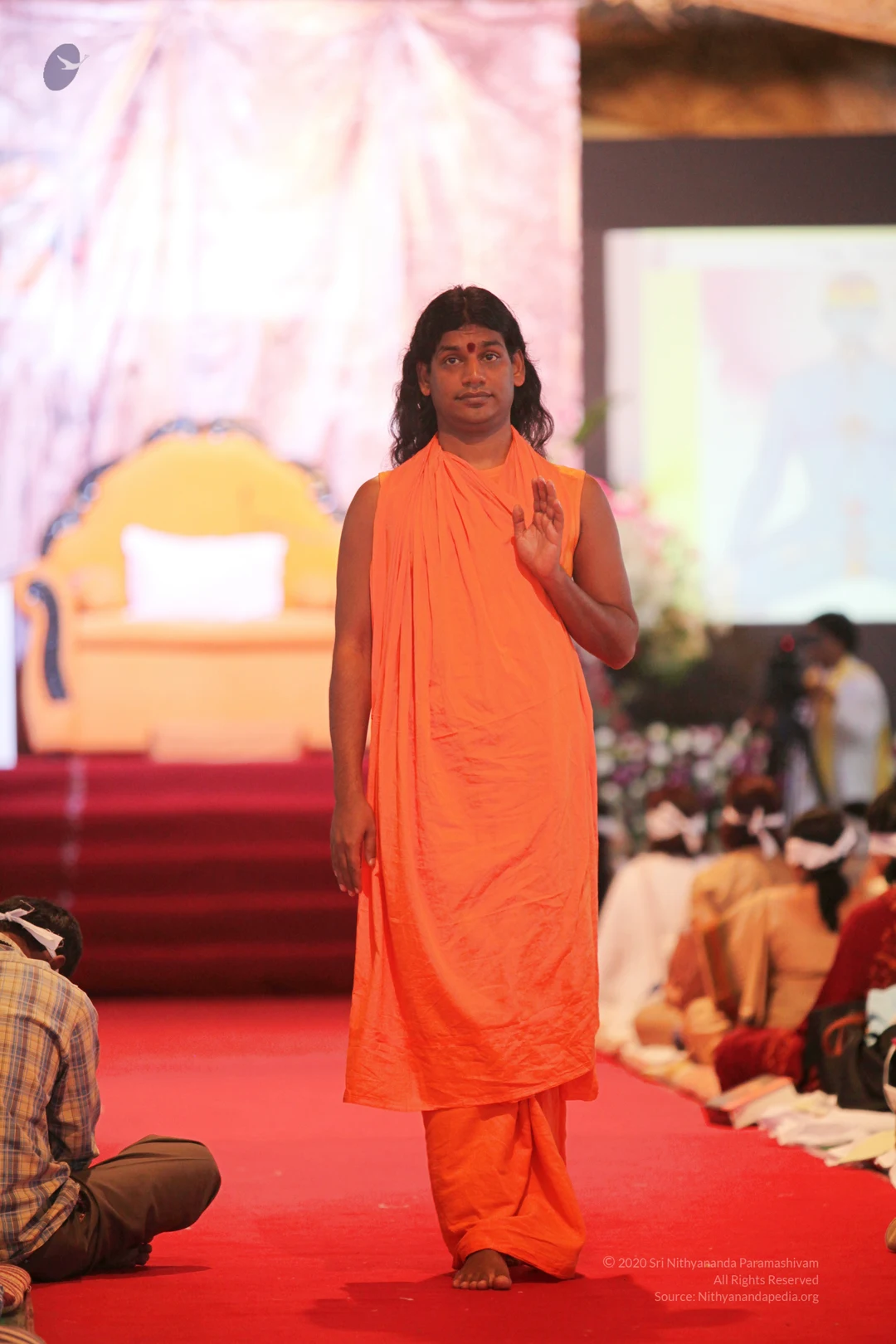
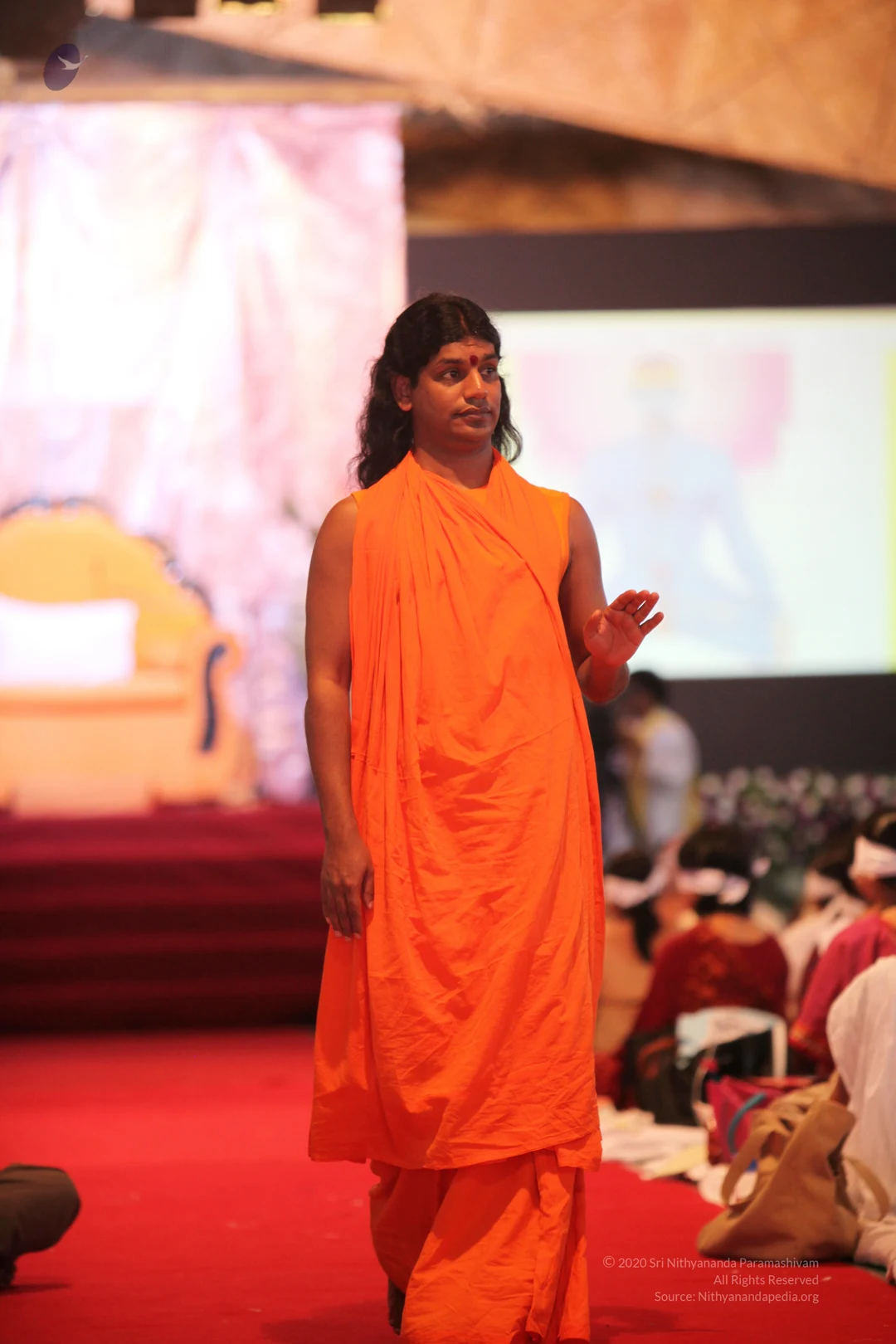
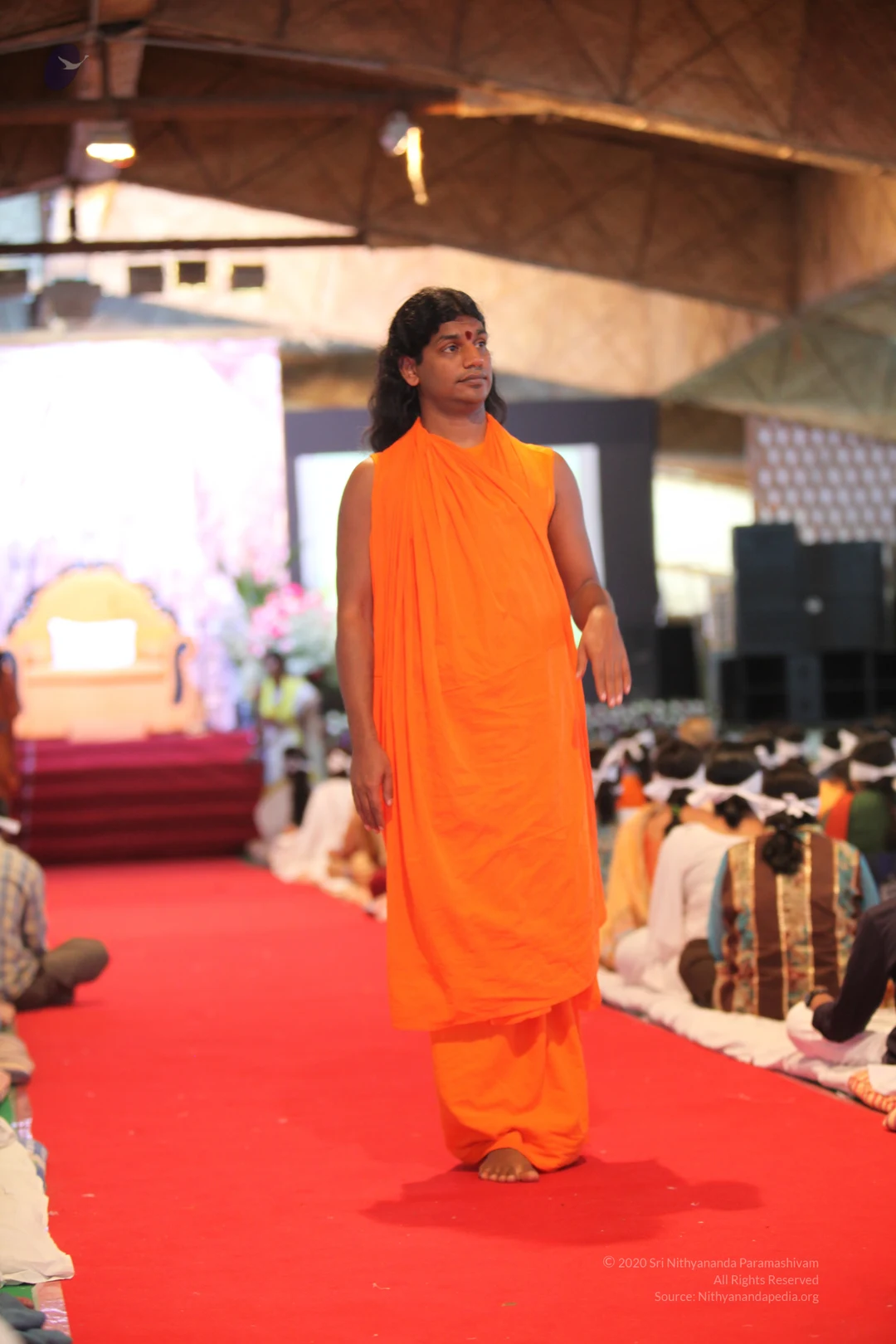
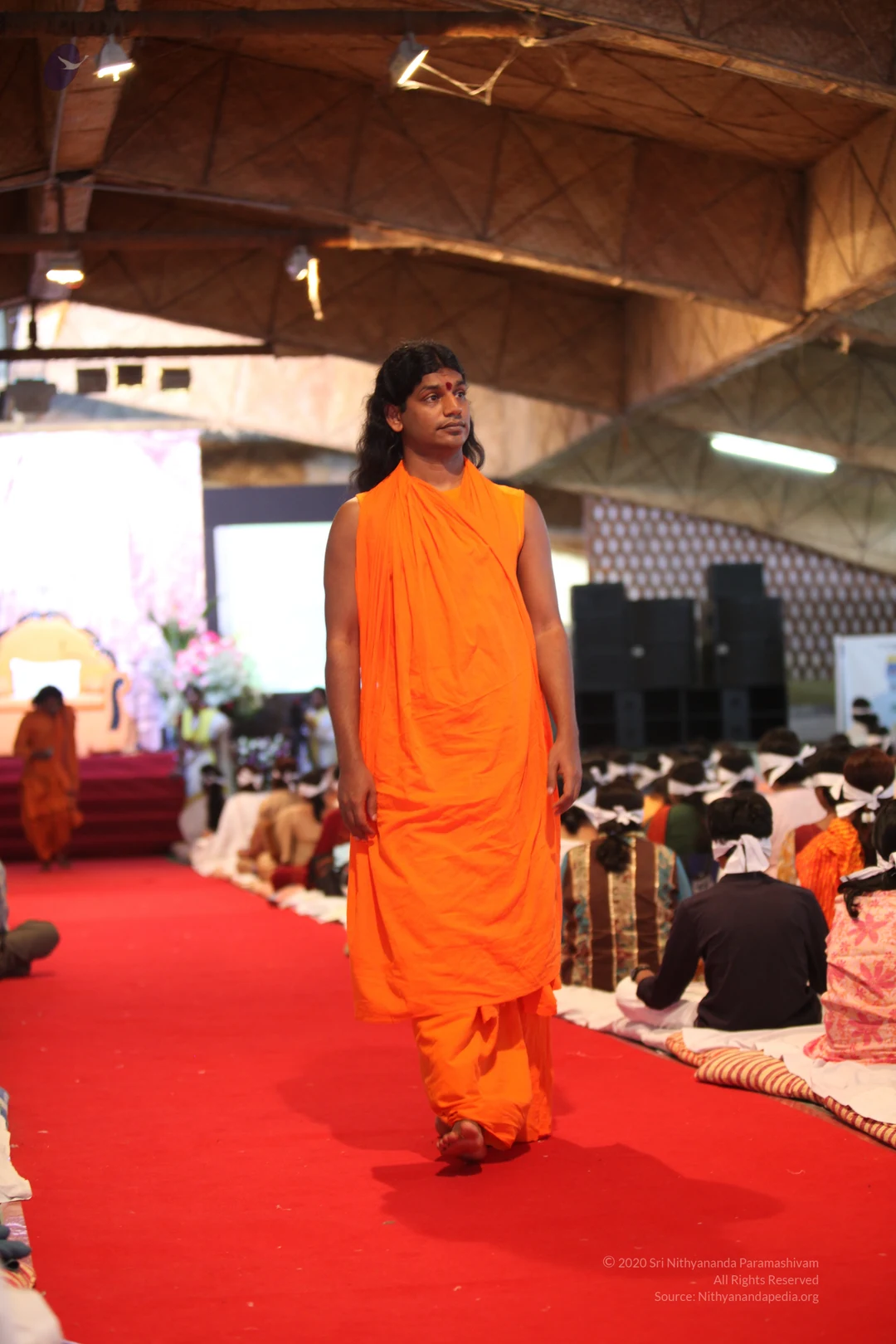
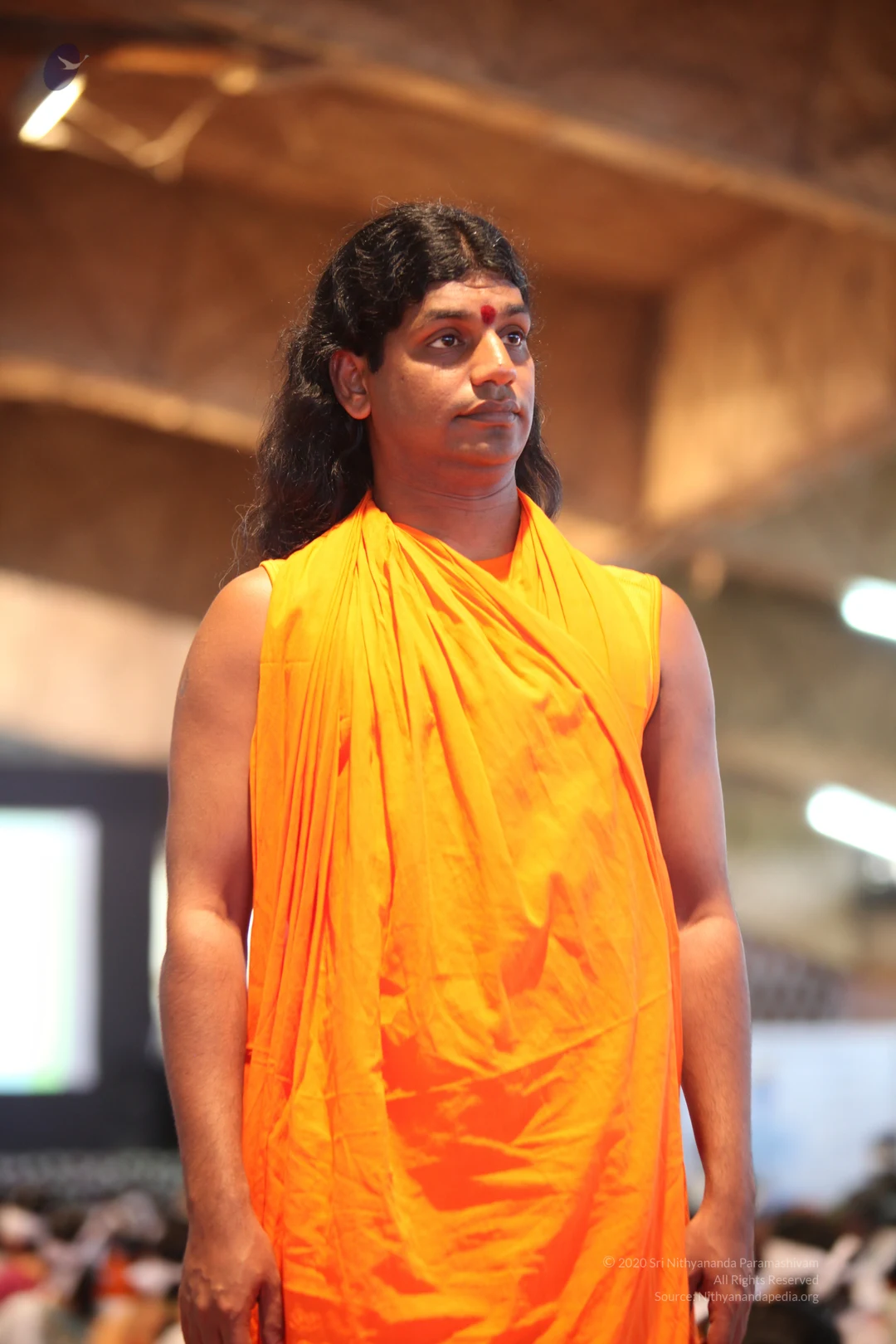
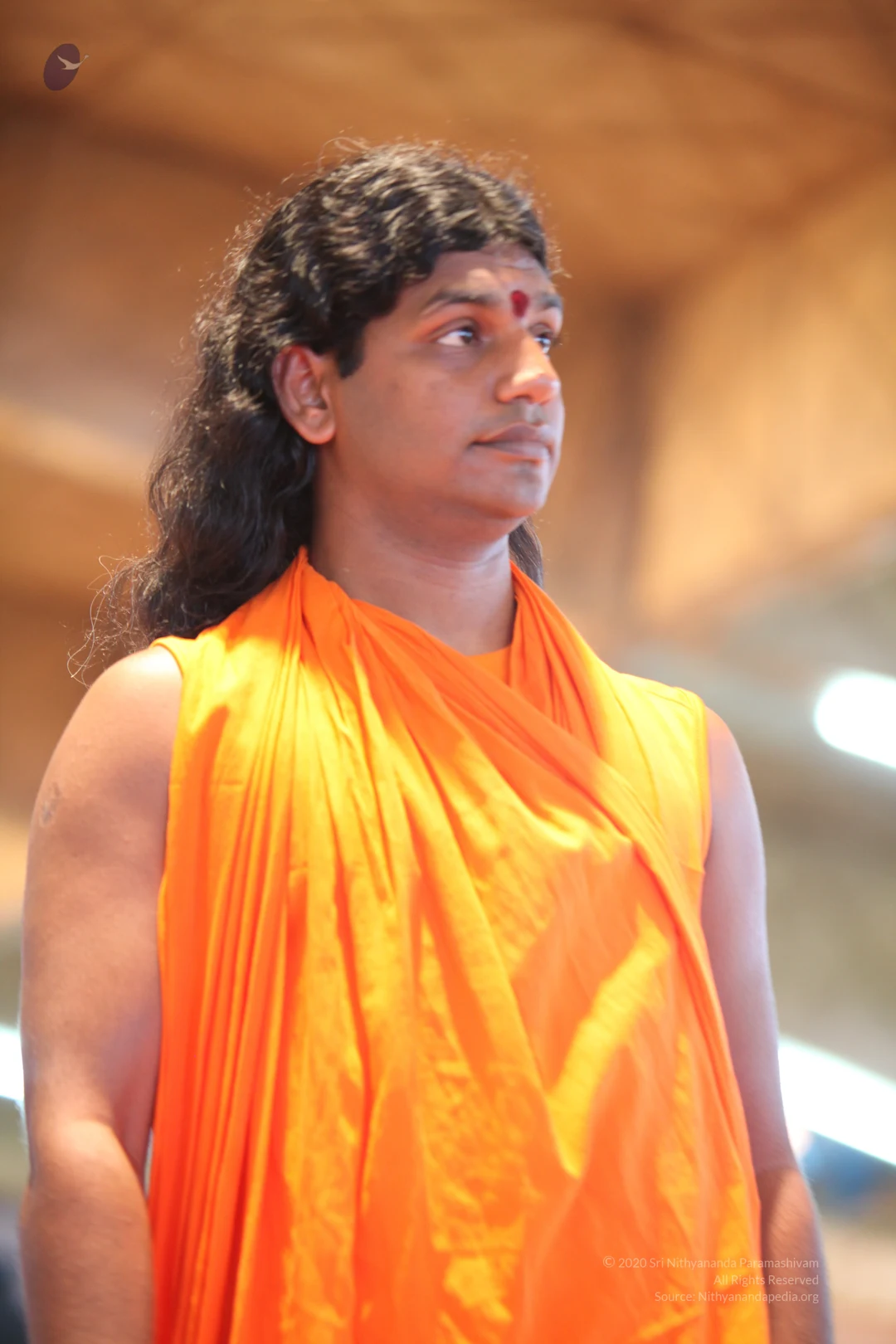
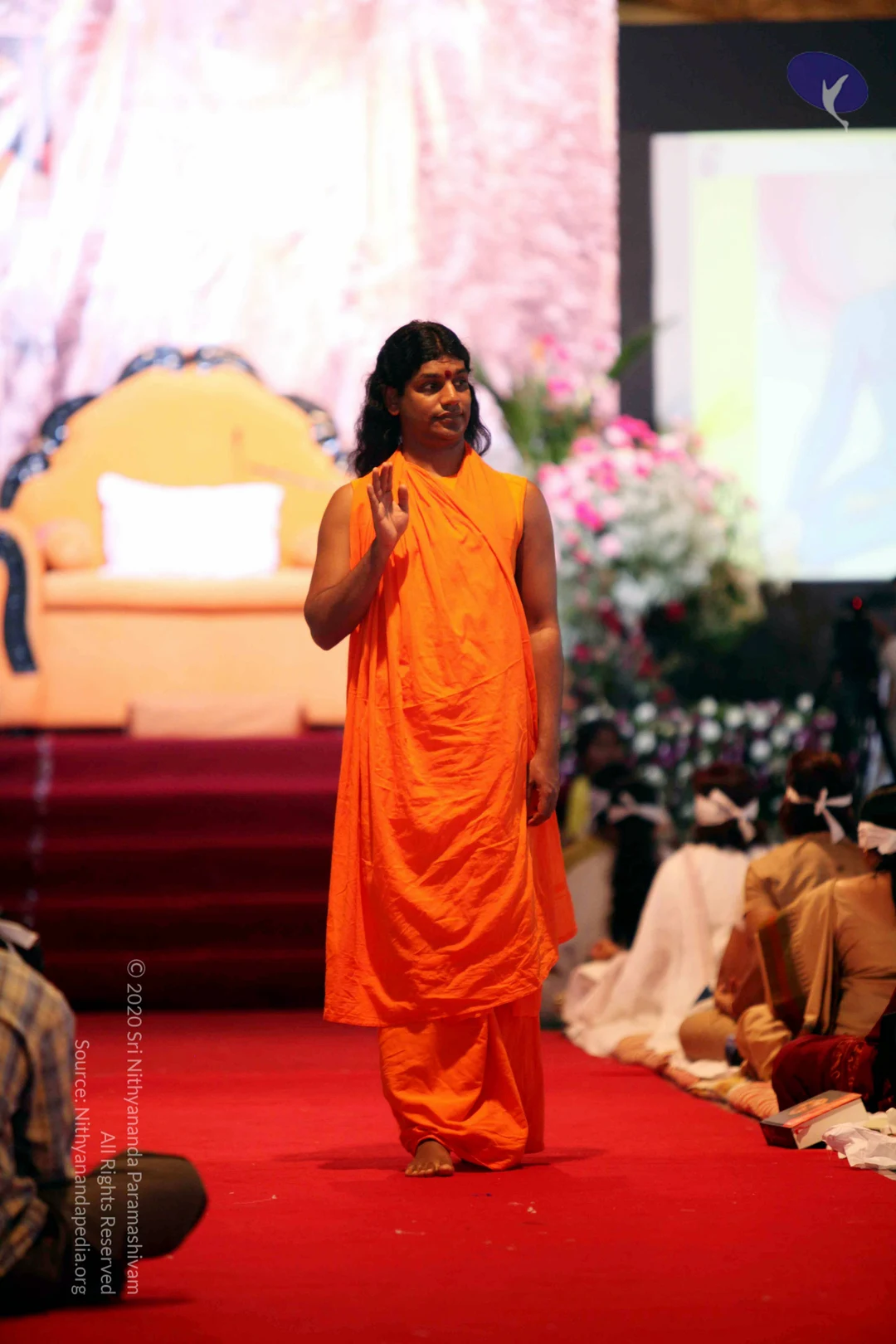
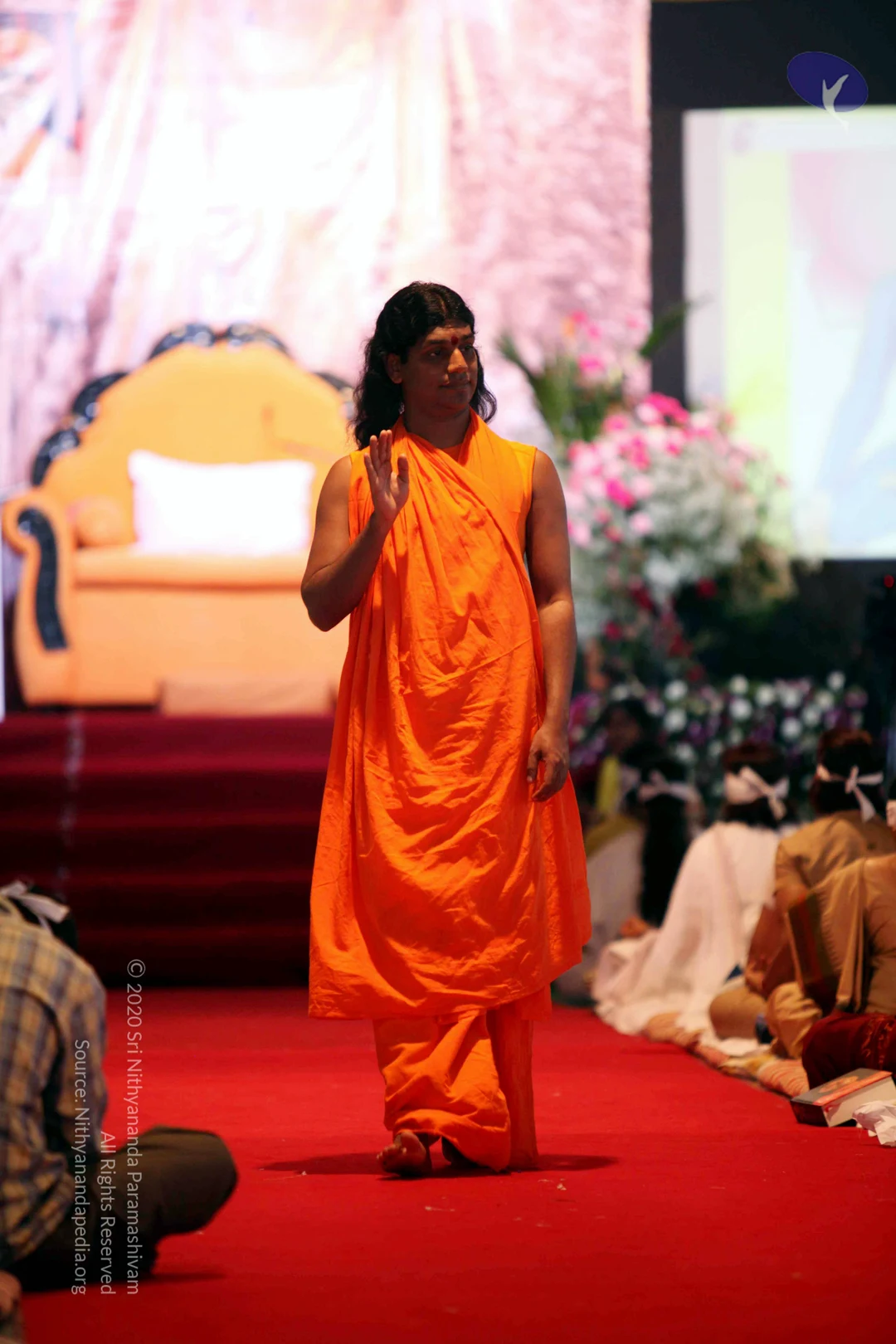
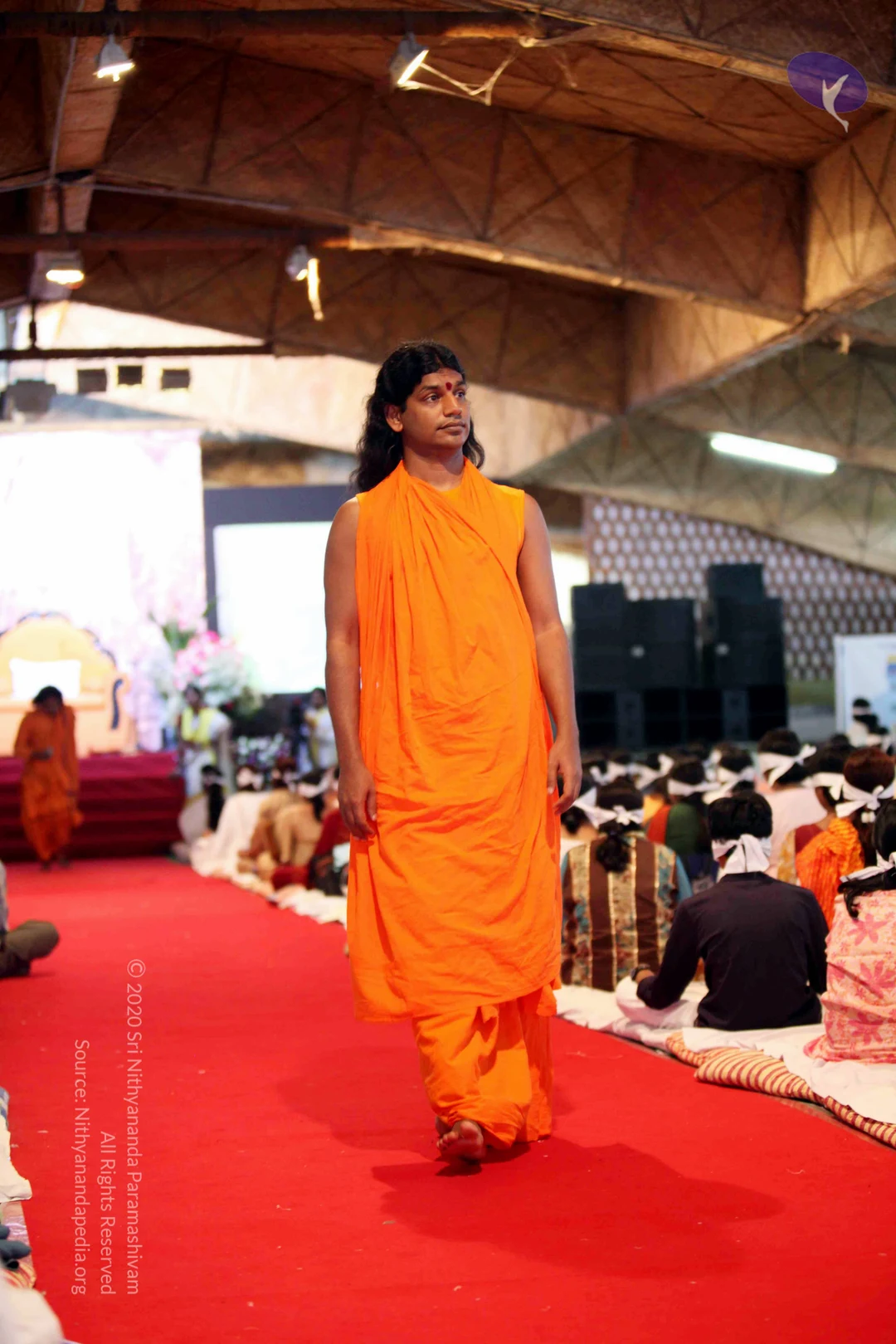
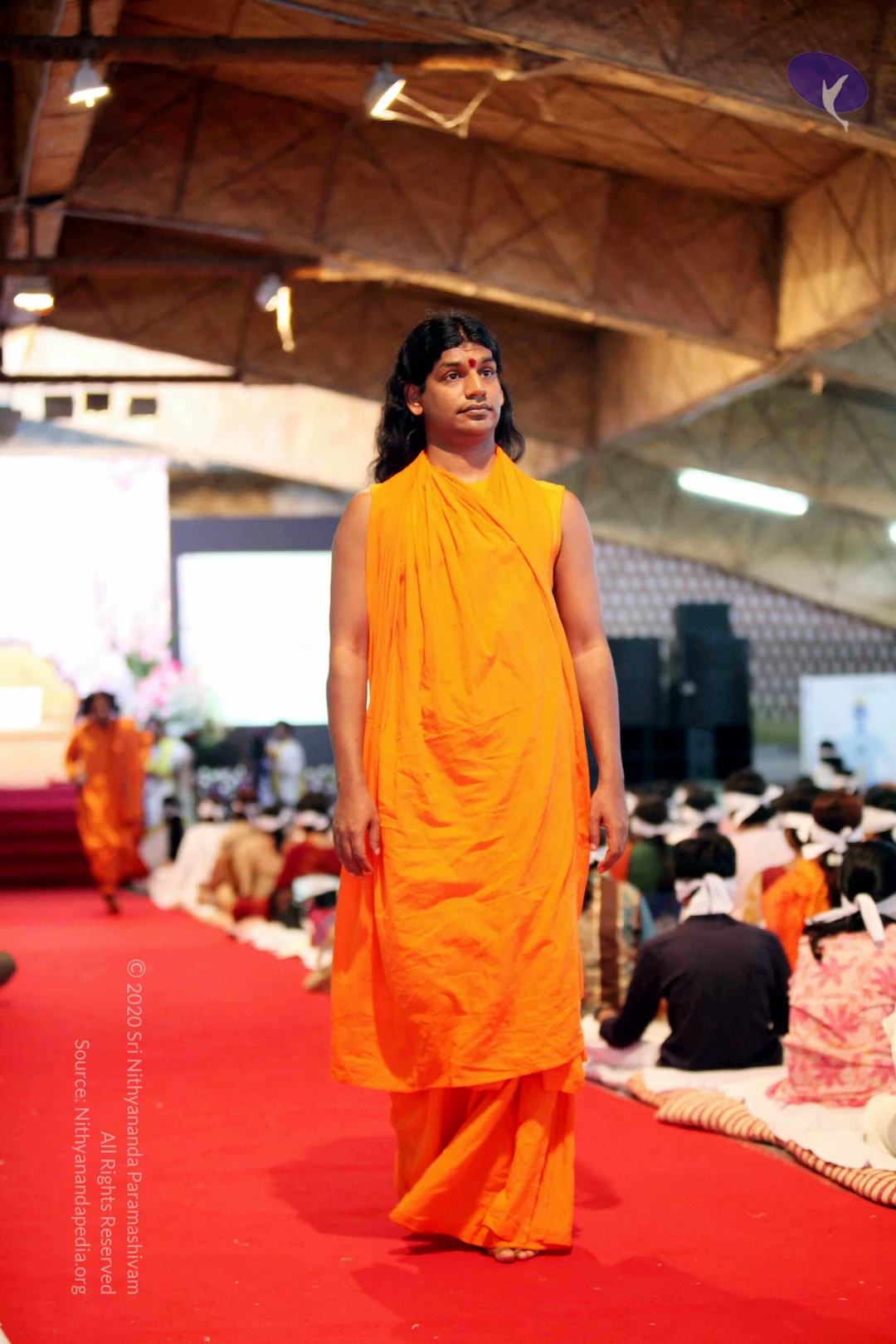
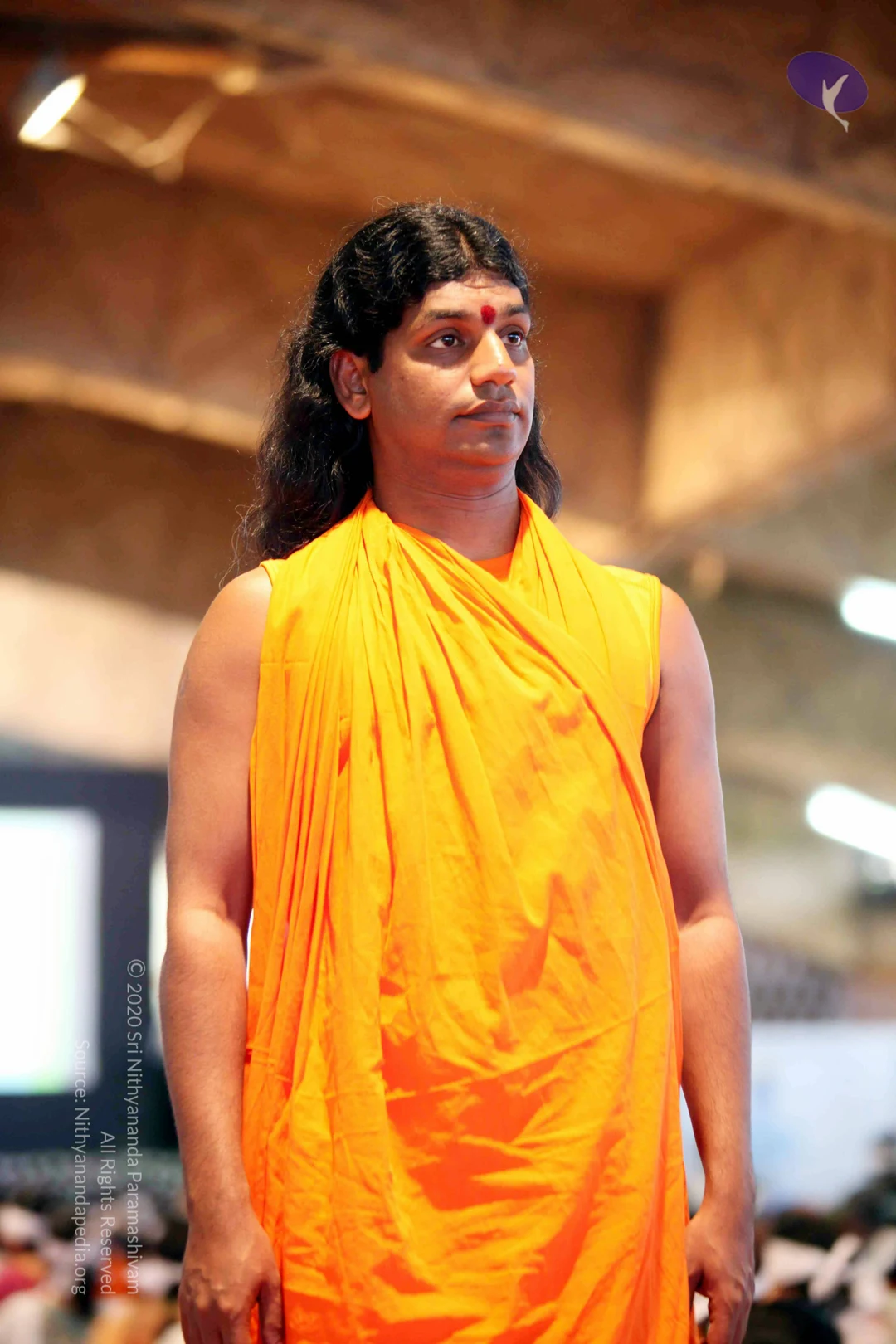
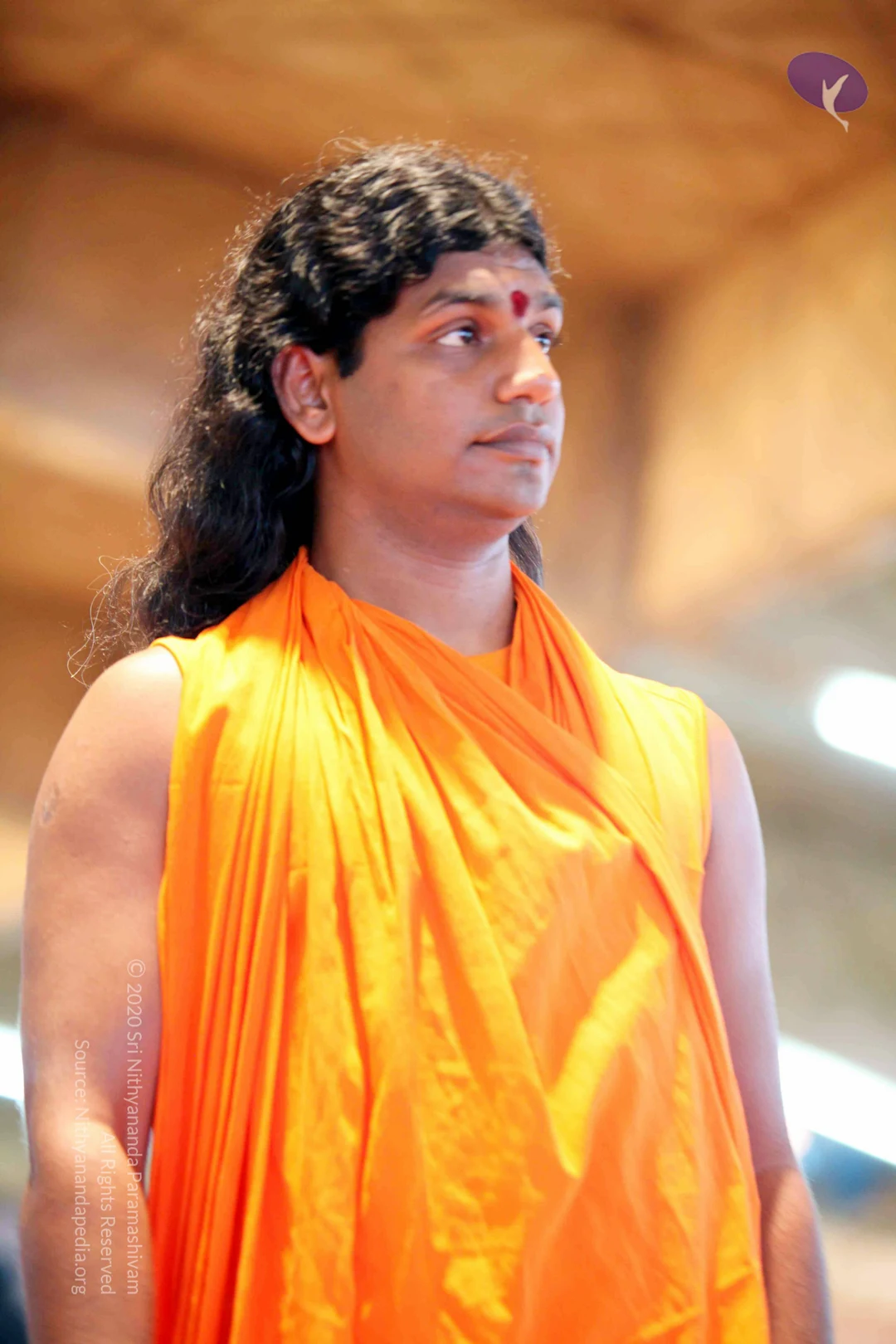
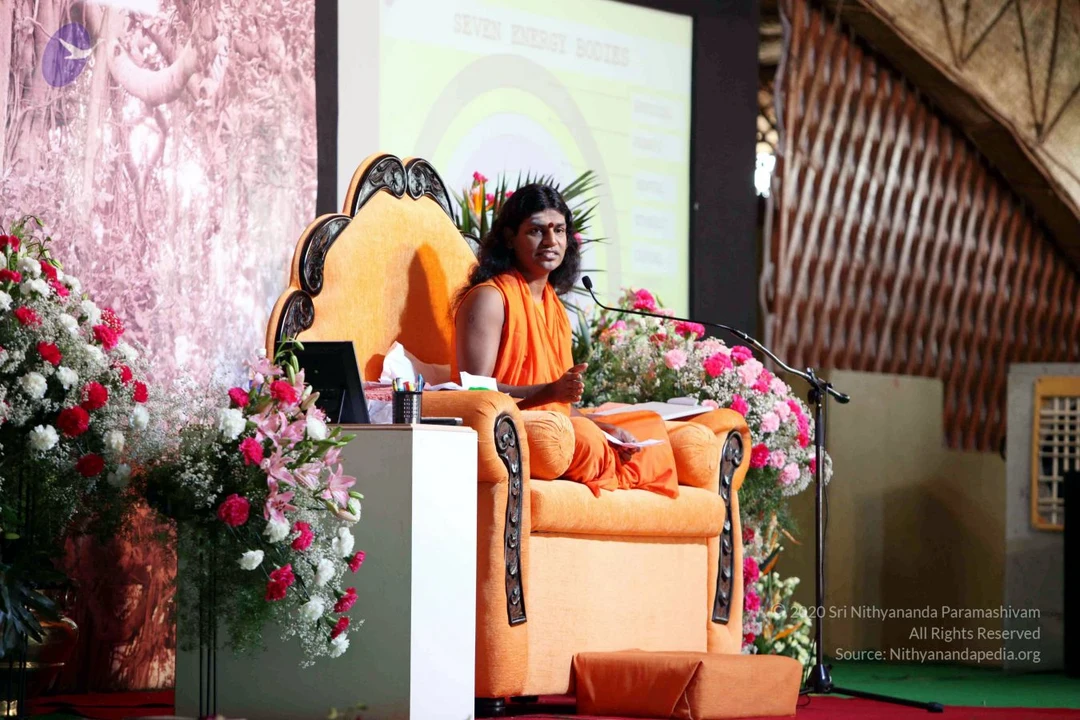
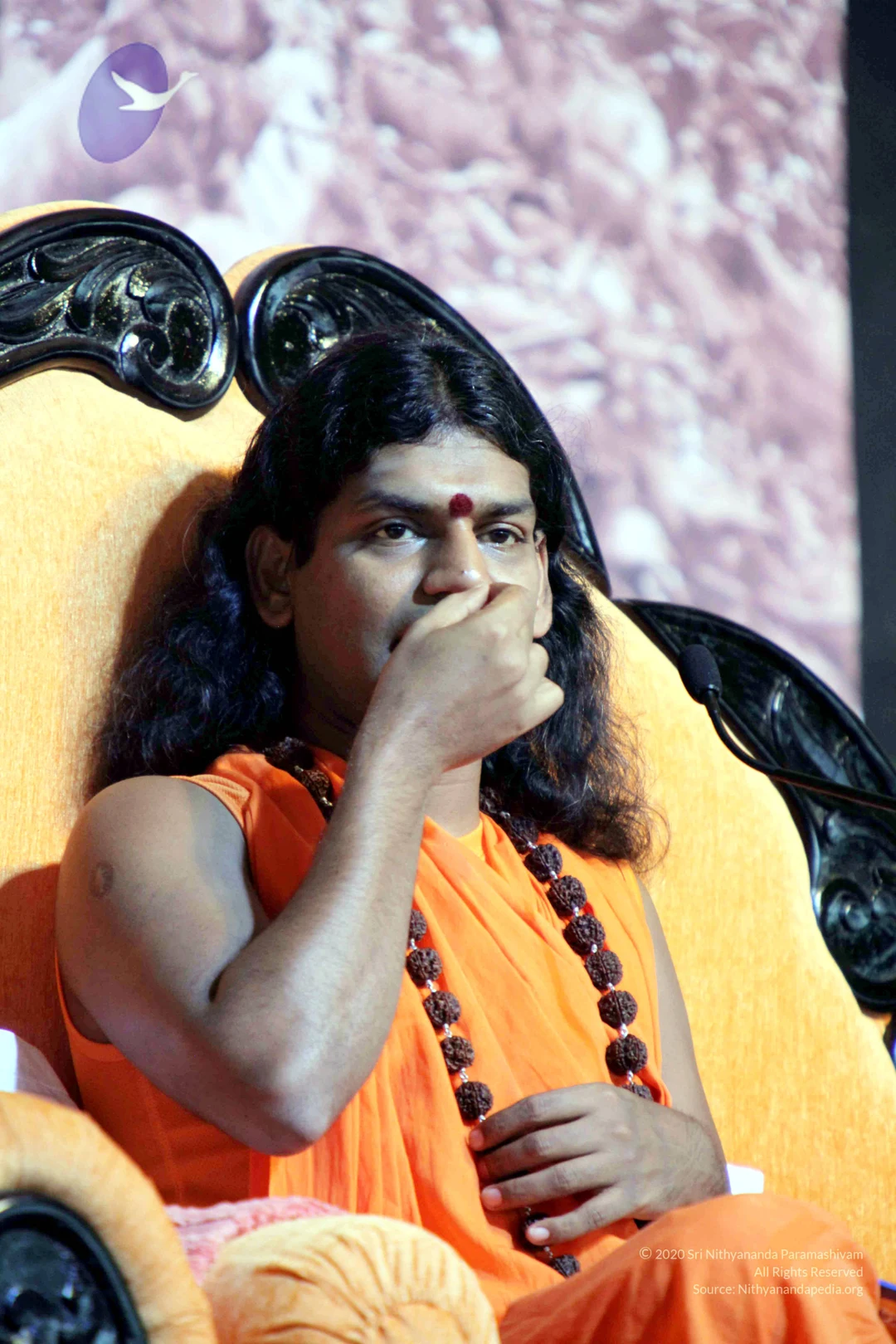
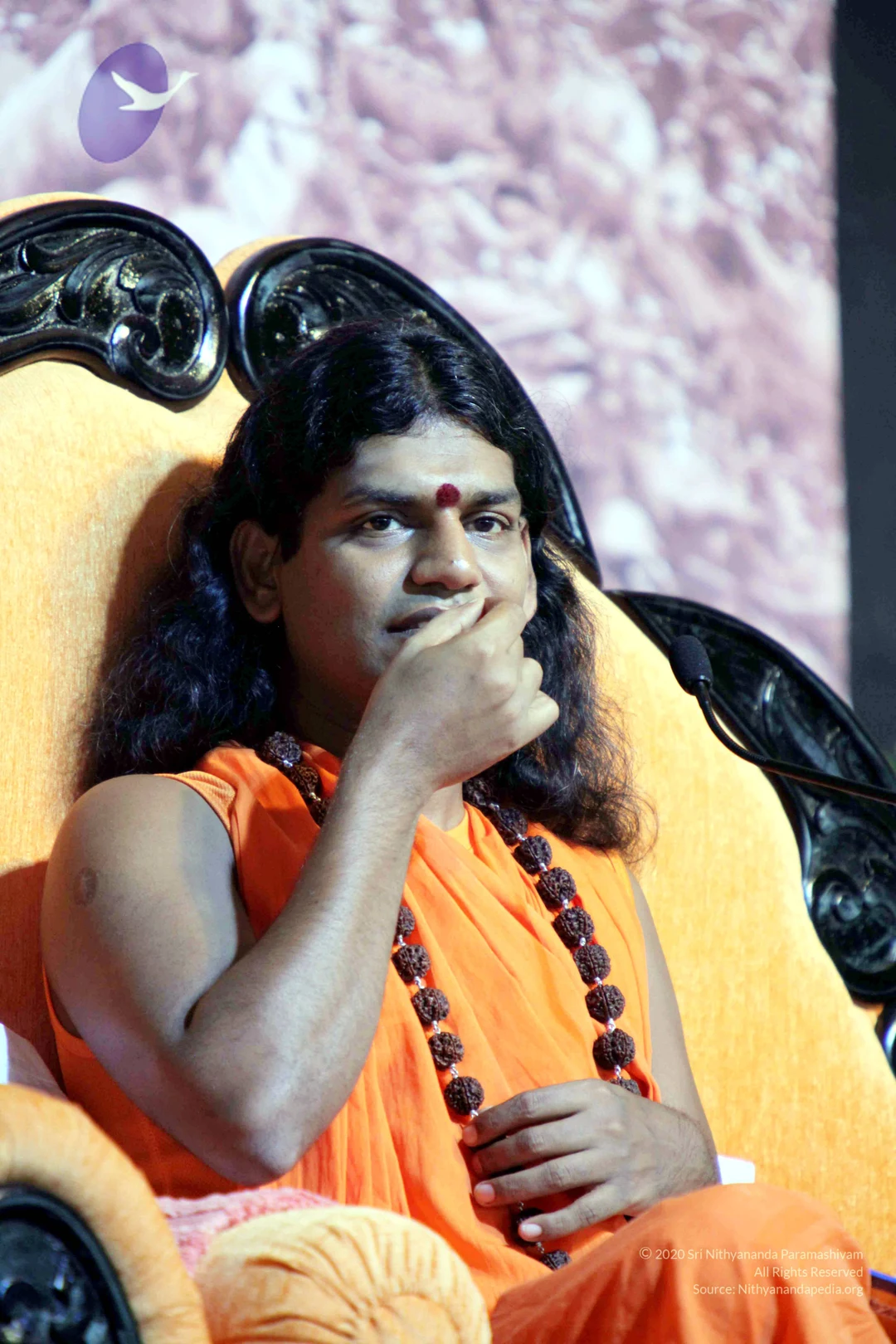
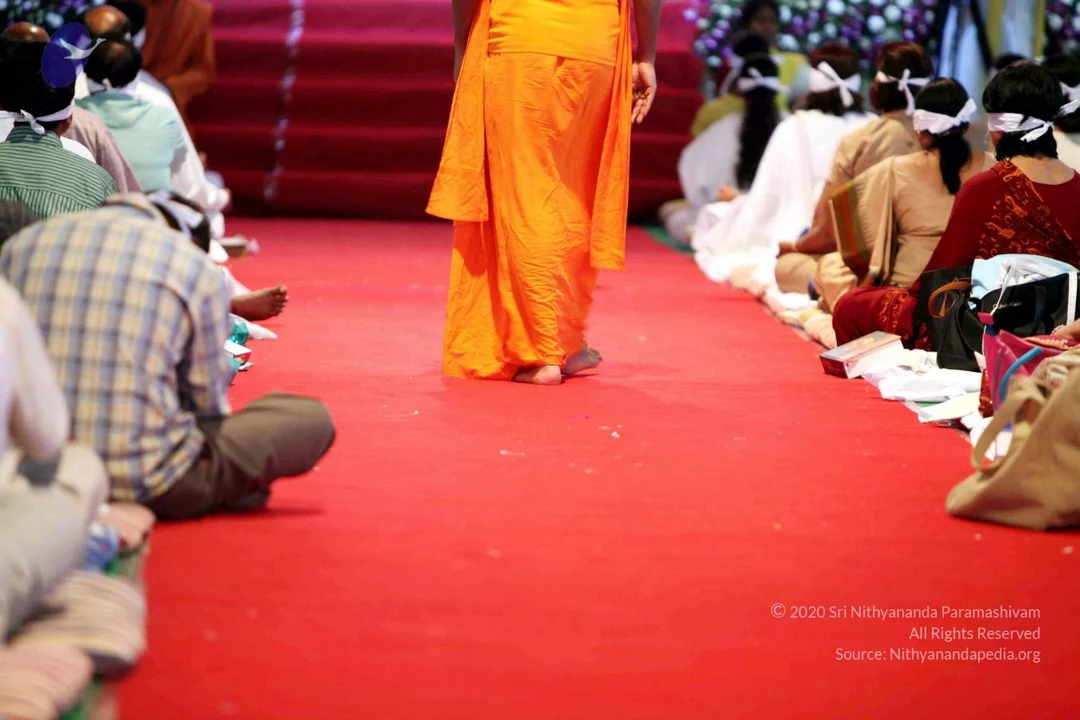
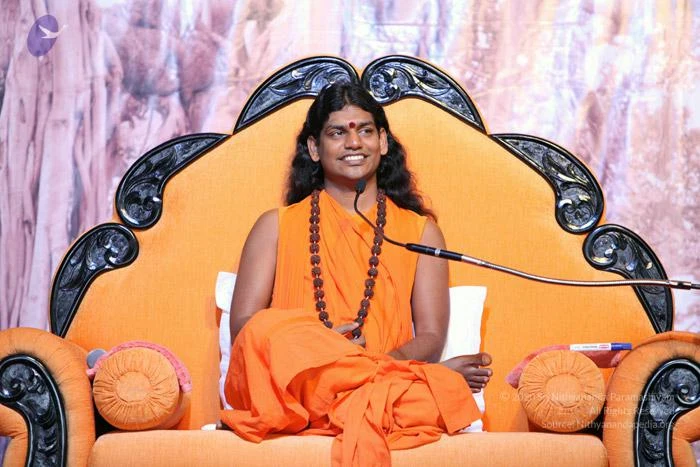
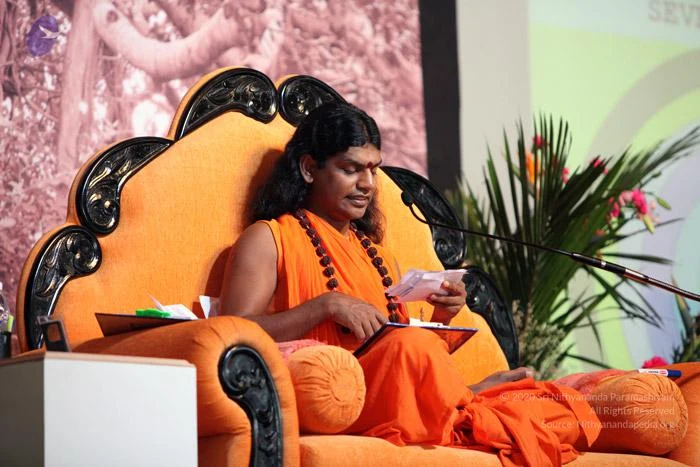






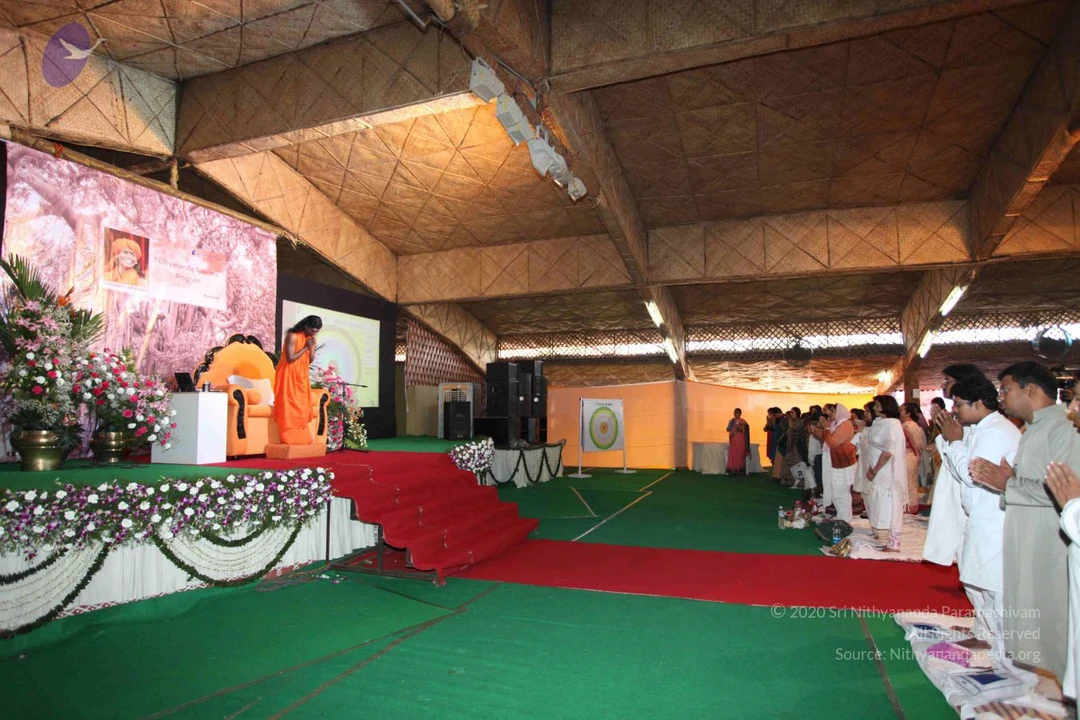
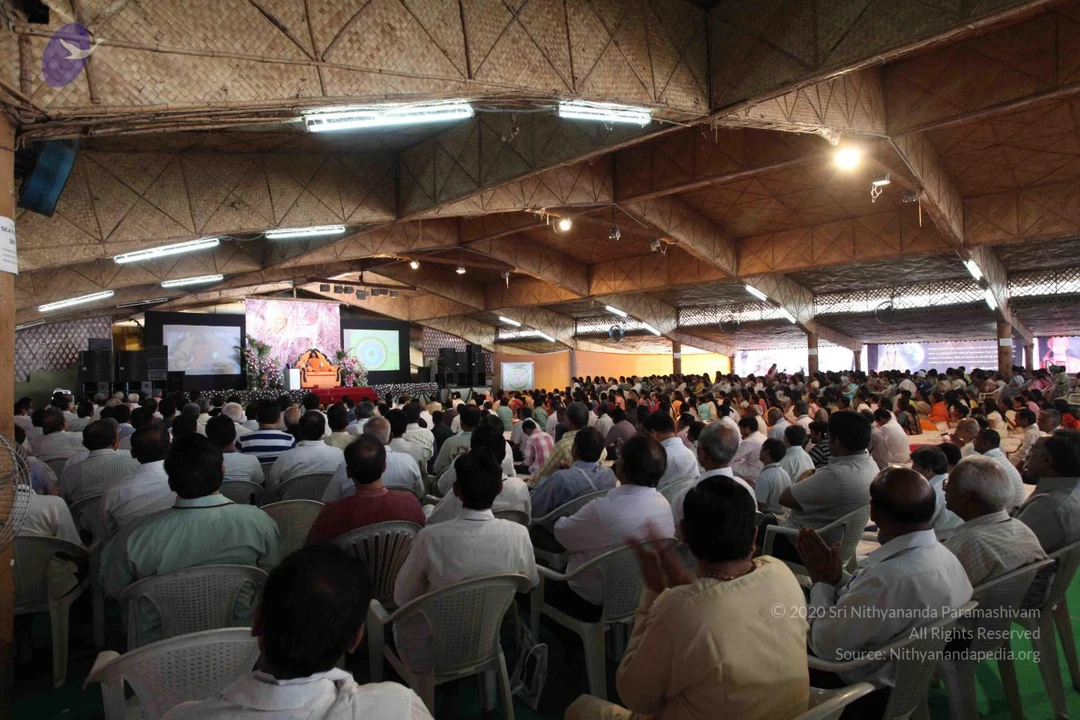




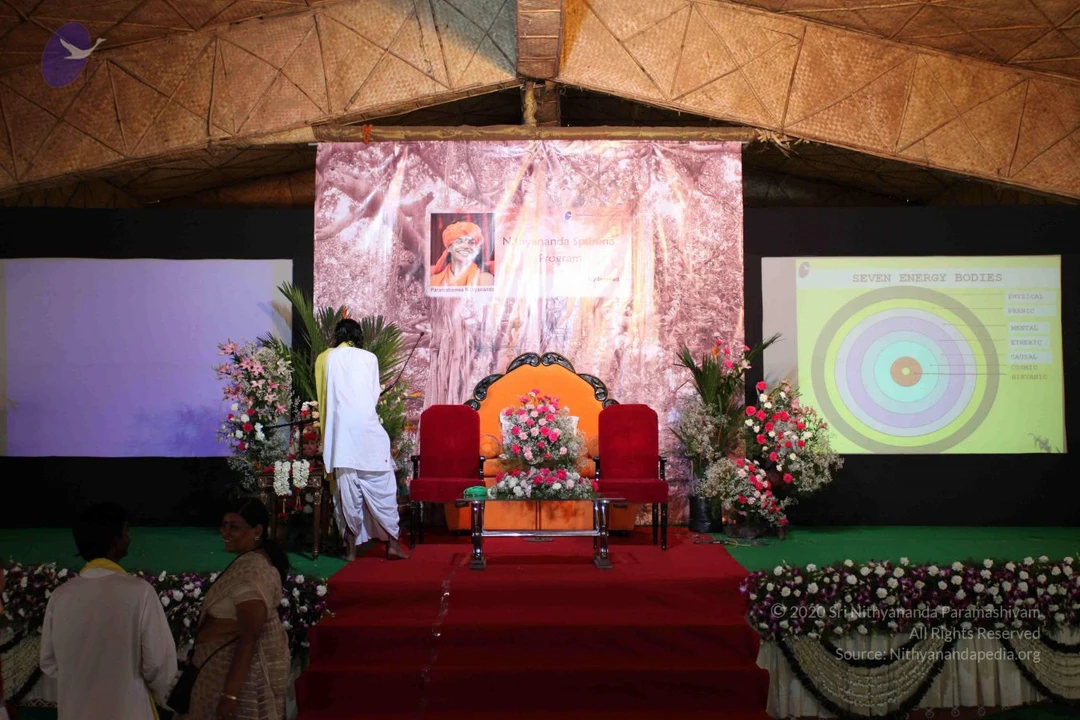
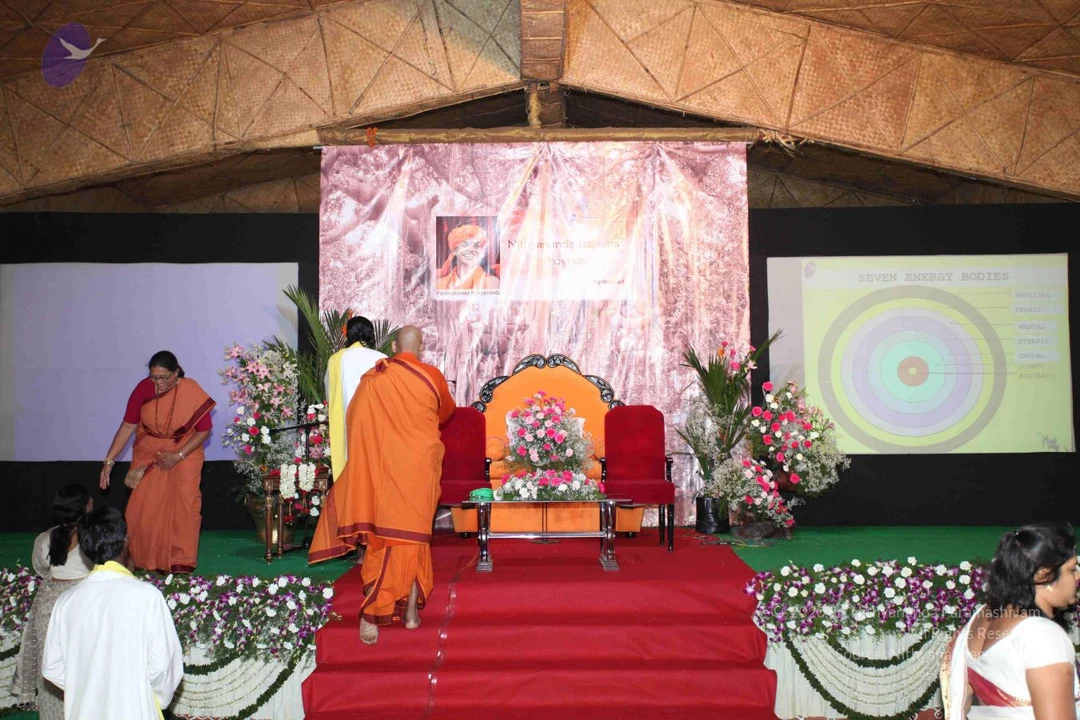
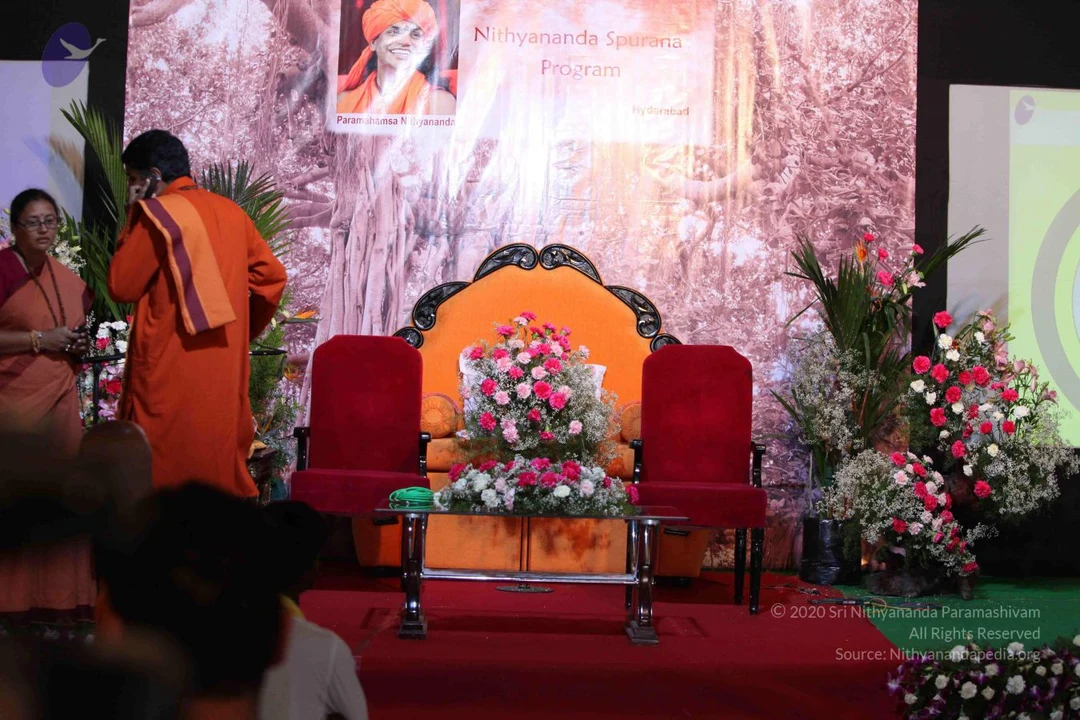
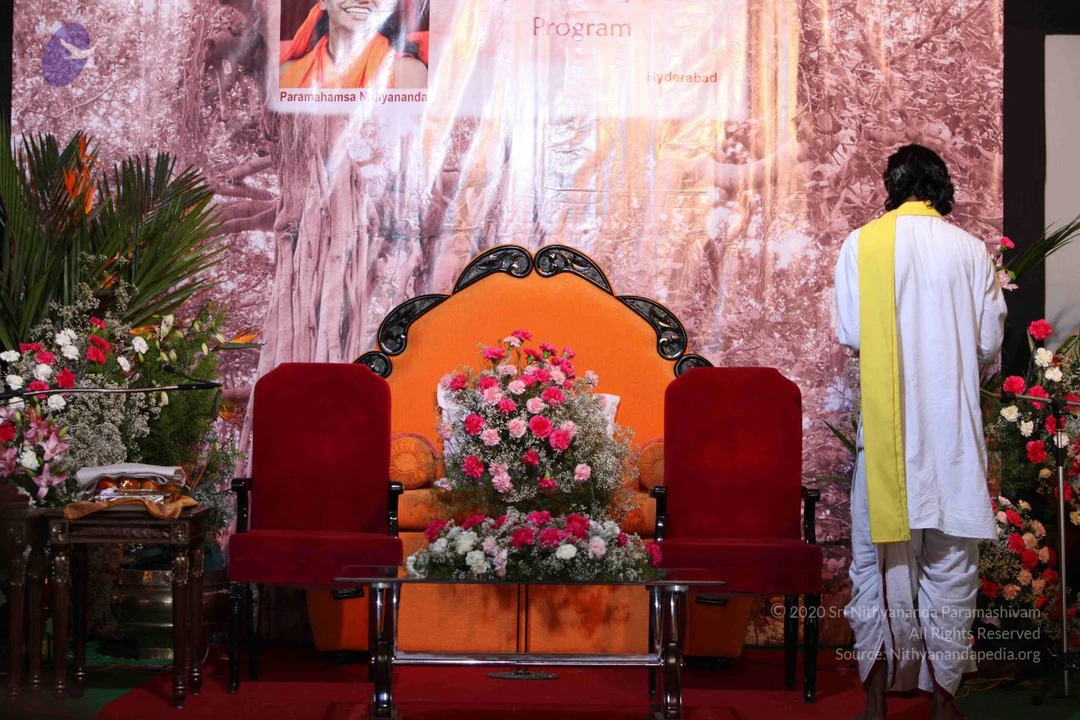










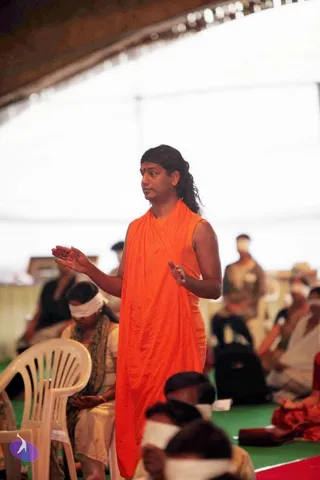
Aacharya-Session
Photos from this day
View all 339 photosSai kumar Babaji Visits Nithyananda Spurana Program venue meets SPH
4 photosSource gallery
Living Enlightenment Book in Telugu Book Release
15 photosSource gallery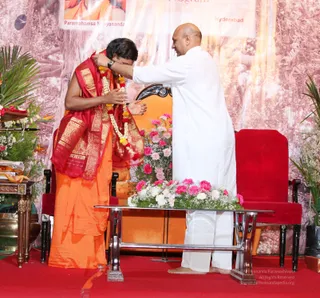
Glimpses From NSP Swamiji's Session
106 photosSource gallery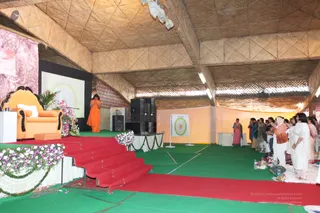
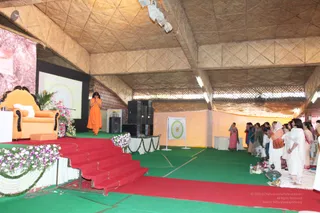
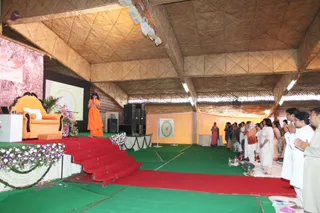
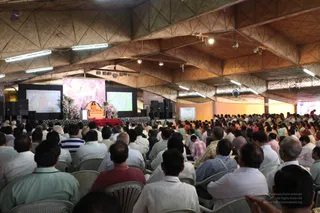
Glimpses From NSP Swamiji's Session
83 photosSource gallery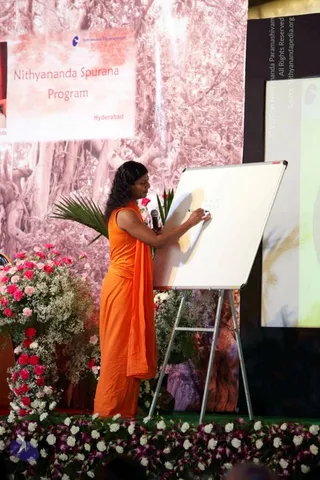
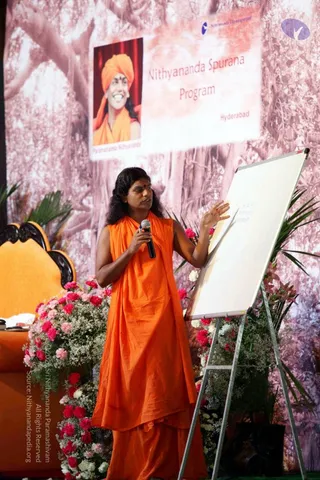
Aacharya-Session
10 photosSource gallery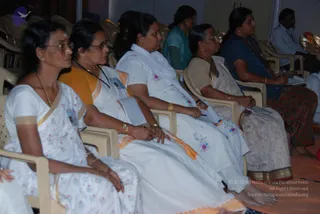
Nithyananda Yoga Poses
121 photosView all