Tuesday
18 August 2009
- Dated photos
- 217
- Source pages
- 1
- Media
- 2
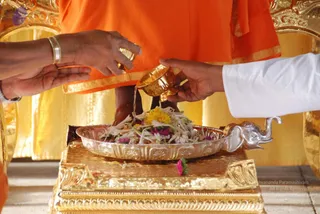
August 18 2009
Original wiki pageTitle:
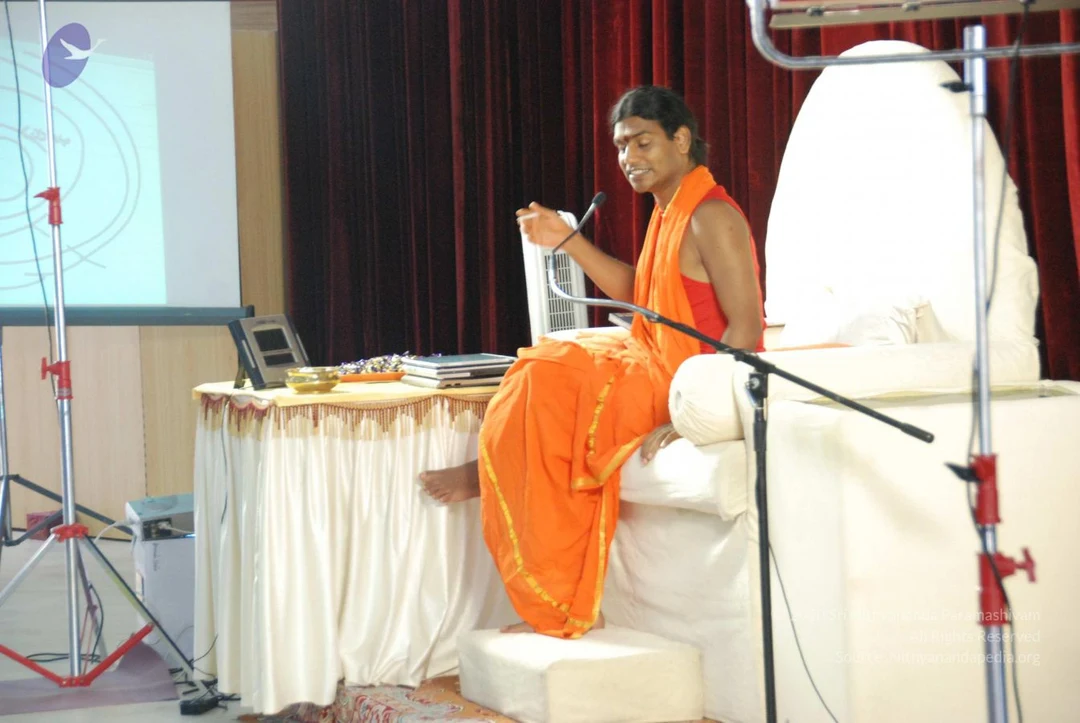
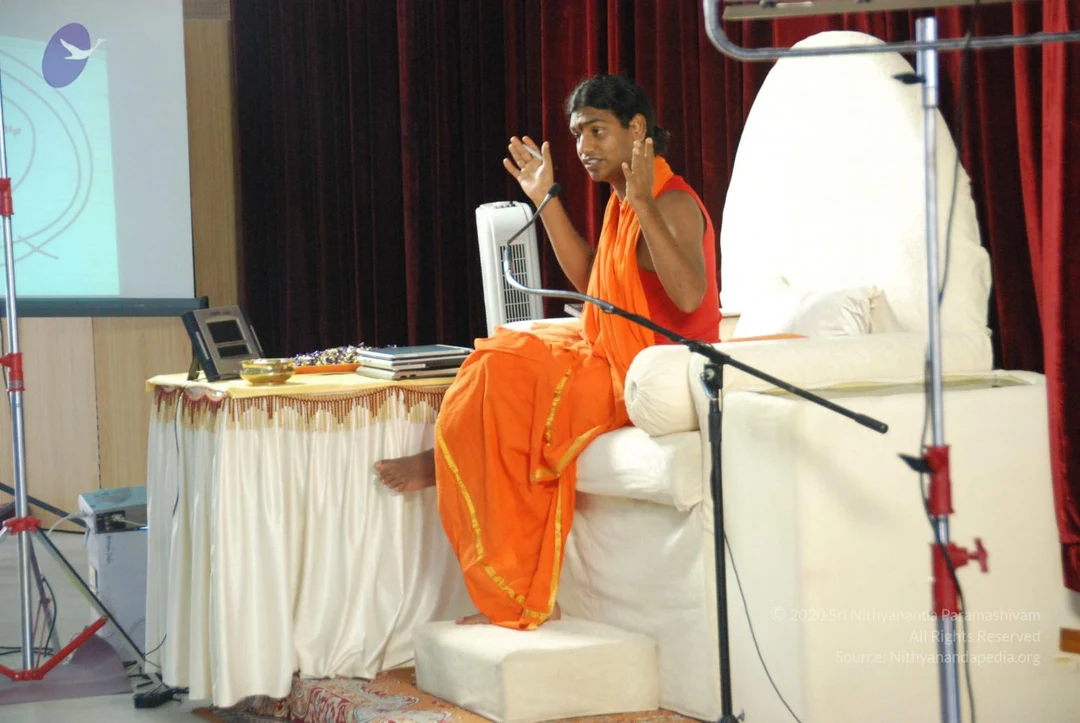
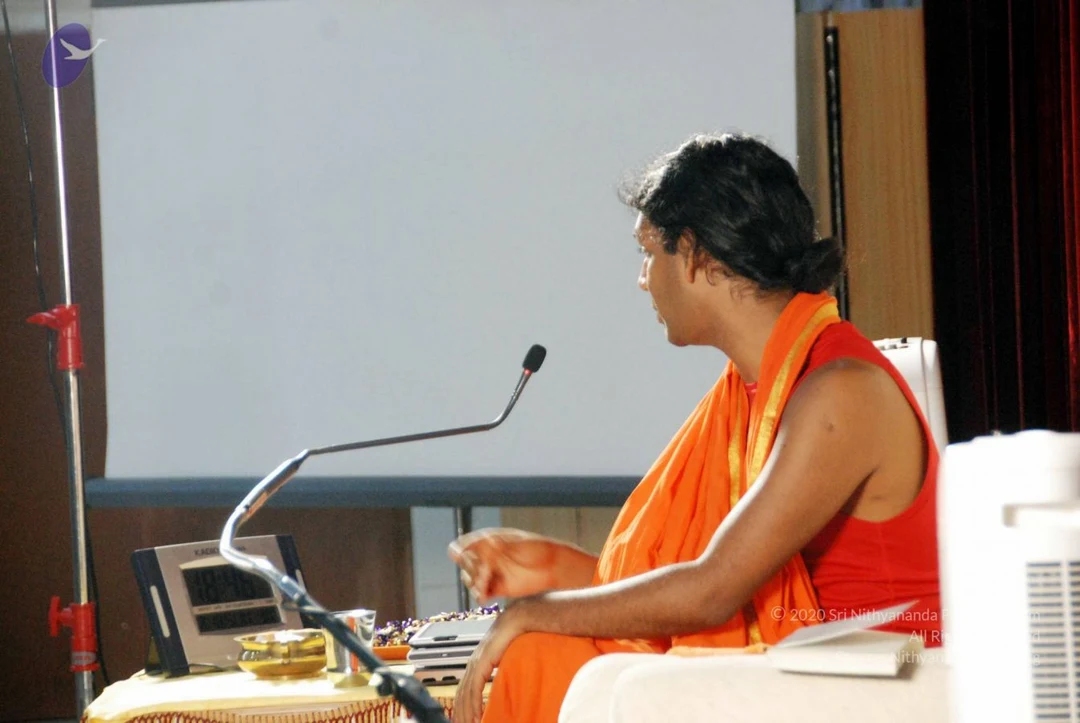
Living Around the Master (Discourse delivered at Inner Awakening & LBE Programs)
Description:
This discourse was delivered at the recent Inner Awakening Program in Bengaluru. Inner Awakening is a 21 day experiential meditation program to live enlightenment or Jivan Mukthi. In this discourse Swamiji talks of three kinds of people - those who catch the master, those who miss the master and those who abuse the master. He tells us that it is great when one catches the Master, it is still OK if you miss the master since the Master leaves the door open for us. He tells us that one should never engage in abusing the Master. Swamiji also sheds light on transmittal of Jivan Mukthi or Living Enlightenment - it only happens in the physical plane from the muscle memory of a living enlightened master to the muscle memory of the disciple.
Link to Video-Audio:
| Video | Audio |
Transcript
00:36
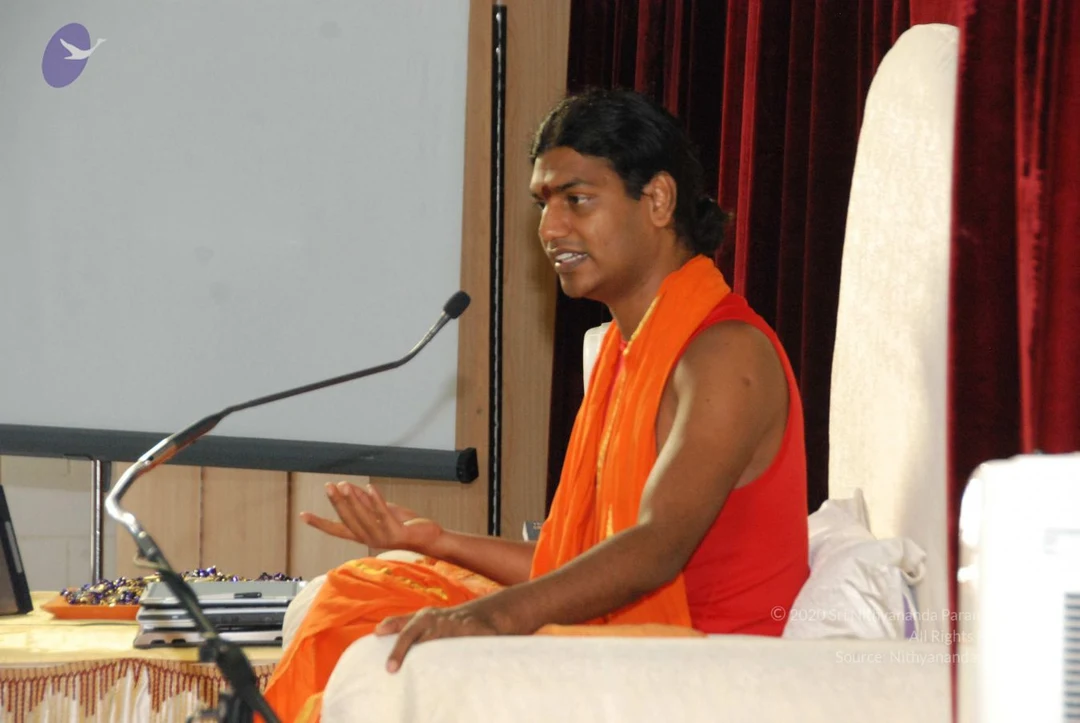
I don't know whether this subject will be very interesting for you guys or not - living around the Master. Oh God! Living around the Master, catching the Master, missing the Master, abusing the Master. Three different dimension. Just these basic two-three truths. One, all scriptures, all literature, all method of teachings can only inspire you, cannot give experience. Understand, this is the first law. All books, all dvds. When I say all, capital “A-L-L,” including mine - books, cassettes, dvds. Everything can only create inspiration in you, but cannot give experience. Experience can be transmitted, it’s like you see, experience like a lamp. Only from a burning lamp light, you can pick up, catch. Only from a lamp, you can light a lamp. Only from a lamp, you can light a lamp. Same way, the Jivan Mukti is transmitted only from a living body to living body. Living body to living body. If that body have to catch Jivan Mukti, it has to catch from a same material, source, which is Living Enlightenment.
02:21
Please understand, I am describing the very clearly the need of the Master. If that body made of muscles and the mind made out of thoughts, if it needs to catch Living Enlightenment, Jivan Mukti fire, it has to catch it only from another one body which is Living Enlightenment of the same frequency, means, like a same flesh and bones. Only from that you can catch. Be very clear, Mahavatar Baba cannot give you Living Enlightenment. Please understand, I am making a very strong statement, but truth. He cannot give you Jivan Mukti. He can only give you inspiration, experience some glimpse, but if he wants to give Jivan Mukti, he has to guide you to a person who is in the physical body. In the physical body.
03:14
Ramakrishna or Ramana Maharshi or Mahavatar Baba or Osho or J. Krishnamurti, anybody - they are all still in the Cosmic plane. Why you know? With whoever they committed when they are in the physical body. For example, if you were there, if you were when Ramakrishna was there, and you have directly connection with him, and he blessed you. He passed away, still you are here. Then, he will be there to take care of you. But no new addition is possible after the body is left. No new addition is possible. Now, Mahavatar Baba, all of you I think understand what I am saying. All of you understand what I am saying clearly? Now, if you are seeker starting to pray to Ramakrishna, Ramana Maharshi, they can guide you to a living Master. That’s all. They themself will not be able to give, because it has to be transmitted from this plane - from flesh and bone. That is why the need of living Master. Again and again and again comes back, understand. That is why no huge organisation is able to own spirituality than a living Master.
04:39
Seekers are around me. The reason is, it has to be, it can be transmitted only from flesh to flesh. The person who is living Jivan Mukti through his muscle memory and muscles. See, I’ll be living Jivan Mukti without muscles after I leave the body. I’ll be living en, Jivan Mukti, that is not a problem. But, because there is no muscles, I’ll not be able to transmit to that person who is with muscles. If I initiate you now, and give you the assurance, only then I can handle you even if I leave the body. So if you had a assurance from Ramakrishna, Ramana Maharshi or Osho, somebody, when they are in the flesh, then you don’t need to go to new Master. It may not be needed. But even then usually they’ll guide to a living Master, because, living around the Master is not only Living Enlightenment, it’s a joy. It’s an ecstasy. It’s a way of life. For that reason they guide. Understand thoroughly. Otherwise, if you have not had connection with them physically when they had, were in the body - even they can’t do anything. Mahavatar Baba will not able to give you, give you enlightenment or the spiritual experience. He can only guide you.
06:07
That is the reason why still that living Masters necessary. It’s not replaced at all. It’s not replaced. Still the necessity for living Master is there, when the whole thing started by Shiva millions of years ago. The only thing which is not yet outdated, which can never be outdated is necessity of a living Master. In the world, anything can be outdated. Like a, when these products all started, it was all manual. Now, we don’t need human beings to create products. There are machines which produces much better machines than themself. Do you know, there are machines which constantly produce these machines? Much better than the mother machine. It updates itself. And, produces new machineries. So after ten years, I really feel you will be paid, if you are ready to keep quiet. You don’t need to go to job. If you just keep quiet without disturbing anybody, you will be paid. Because the need for human people, human beings, and your work will be outdated.
07:30
Only if you are in the research and development field, your services may be required. If you are just in the working field, your services may not be required. The R&D people are going to tell you, “Now just keep quiet, eat and sleep. We will pay you. We have automatised everything. If you don’t create any trouble, that's enough for us.” The whole job, the err employment industry, this field is going to become like this in ten years. You will see. Because the working idea is getting outdated. Same way, thousands of things are getting outdated and replaced. But the living Master can never be, the necessity can never be outdated or replaced by anything. Anything. Because, when he is radiating through his flesh and bones, only then it can be transmitted to the person who is in flesh and bones. You just catch it.
08:30
I can say reading thousands of books, listening to thousand satsangs, even that cannot be equated sitting with me very deeply, passively, when I am doing my activities, when I am in action, not just teaching. When I am training these brahmacharis, training these brahmacharinis or doing what I wanted to do, what all I wanted to do, not just teaching. See when I am teaching, if you sit passively and listen, you will have these great truths enter into your system. Whatever I am doing, even those moments, if you just passively sit and listen, suddenly you will see, you are catching it. With that vitarka, you are catching the right intention. Even my shouting, with such a deep compassion happening. You will look deeper than the layer, which is seen by a normal person. You will look the whole picture, you will see the whole picture, understand.
09:39
Anything, if you learn to see the whole picture, you are enlightened. That’s all. Learning to see the whole picture is enlightenment. Learning to look at the whole picture is enlightenment. It’s like a, Master is nothing but a conscious ball, breathing Consciousness. Any moment you get around his breathing space or his nearness, constantly your muscles gets programmed to live the same thing which he is living. Understand this one example - how you make it, create your body? How you create your body? First, I’ll start with the example of fish. Fish: when you are a fish, you look around, whatever you see will become a samskara in you. See, hear, anything happens through your five senses will become samskara. So a fish may see some tortoises, some bigger fishes, different animals. It’ll just go around. So when it dies, all the samskaras it acquired will be kept in front of him - tortoise, bigger fish, everything. This guy will have a choice which body to choose. So naturally if this guy is felt “tortoise is the best animal I have seen and experience in my life.”
11:13
One important thing, even if that guy sees a human being, he can’t take that big jump. He can’t conceive. See many time you can see, you, you will feel I am beyond your brain. You can’t conceive. Suddenly you will see, “Oh God! No, no, no, this fellow is beyond my brain. I can’t conceive. I can’t limit.” So a fish, even if he sees the animal, a human being and records it, he can’t take that jump. So he will see the possible jump, best possible jump, which he can make. So what naturally he will think, “Oh, see I can live only inside water. This tortoise can live even outside water. Come on, let me take the tortoise jump.” He will take a jump to become tortoise. Then when he is in the water, in the land, when he goes around, naturally he will collect some more samskaras. He will see the crocodile, he will see the pig, he will see the cow, he will see buffalo, he will see all these things. Then again when he dies. All the cards will be in front, front of him.
12:22
So naturally what he will think, “Oh..., I think… pig has a bigger body, better ability to eat. And, doesn’t have the big shell which I am carrying. I think that will be much more comfortable body, than this body.” This fellow takes the jump to become pig. When he is pig, then again, he collects different, different, different samskaras. Now, he can take that jump. Then he takes the jump of human being. Understand, this is the way I have described very roughly. Roughly. This is the way Vishnu’s incarnation - Macha Avatara, Kurma, err... err... first fish incarnation, then tortoise incarnation, then pig incarnation, then half animal and half man - Narasimha, lion-man incarnation. This is the way, the incarnations evolved. Understand one more thing, sometime if you take a too big jump, you will take birth as a handicap, or you will not have mind, only body.
13:28
If you have only human body and do not have a clear thinking system, be very clear, you have taken a big jump. You have taken a big jump. When you take a big jump, too big jump, you think, “It’s okay. Human body is enough. I don’t need a human mind.” So when you take a quantum jump, full jump sometime - you may not, you know you will not be able to take strong mind or a, a very sharp mind. But even then you take a choice, “It’s okay. I’ll have a human body.” Autistic child, many of them. Many autistic child are big jump, long jump. They say, “It’s okay. Human body is enough. No need for full fledge human mind. Just an animal mind is enough.” Because, you see they know the, “Oh, human life is best life,” they think. But they can’t afford to create the human brain, human mind. They have only some animal mind, ”It’s okay. This much of mind is enough. That body is okay, we will manage with it.” They’ll try to match it and take a jump.
14:33
Anyhow, understand this theory. So what this means? Whatever you see, gets recorded in your system, and next time you take the jump towards that. Now, enlightened being - Avatara Purusha, is the bet, better, bigger ultimate specie than a human being. So naturally when you see him, when you are around him, when you feel connected - that memory gets recorded in you. That’s why I tell you, I can be sure hundred percent, either this will be your last janma, or if you want to take birth - you can have only one more janma. That’s all. Not more than that. Not more than that, because, when you take the one more janma, that time itself because the cards will be spread in front of you, I’ll be also one more card - Master card. I’ll be also one more card. Tsk! See before you get your Visa card, there will be Master card. So naturally which one you’ll pick up? Because that will be very shining and bright.
15:45
These three months, if you are given a choice to create a life on your own, you will simply reproduce my life. You may or may not wear this clothe, that is different. But what I am saying the inner space. In your life, the best inner space you have seen is me only. You know it. You know it. Sometime, you may not be able to connect through proper relationship like a, you may not be able to think that you should live around me permanently or this that, that and all is second, that and all social. But, I am the ultimate space, which you wanted to create in you. That’s a no doubt. So naturally which one you will pick up? You will pick up the Master card only. That is why I am saying, either this the last janma for you. When you leave the body, “>>>inaudible<<< Come on, let’s relax,” and you relax.
16:43
If you decide at all, “Ehh you know, come on let me take one more body.” Then the options will be, so many cards will be put in front of you, in your table. The Master card will naturally be bright, shining. Simply you’ll pick up this card only. So naturally you will land as an Avatara Purusha. You will land as a Jivan Mukta in the body. So no question of having second, one more birth. So this is the last or only one more maximum. Understand, living around the Master, your muscles catches this memory. One more thing, even if you don’t meditate or don’t live enlightenment after this session, after this LBE - you will not, your muscles will not forget me. Your intellect can forget me. Try! But your muscles cannot forget me. When the muscles get heated up, see during the death, it will get heated up, because of the pain. Because of the pain, it will boil. The moment it gets boil, I’ll open up. The moment it gets boil, first thing will open up is - me. Means, the memory about me in you. The experience of me in you.
17:59
That is the reason, the tradition, Vedic Tradition insist so much on living around the Master. Living around the Master. Even ordinary things like a archery, art, ordinary arts, even for those things - tradition expects you to live with the Master, understand. There are only two kinds of education in the world. One is living with the Master and learning, another one is this school based system. This school based is a failure. The classroom based - few hours you see that teacher and he said some, “Blah, blah, blah blah, blah,” and he goes back and he live on his own, his life and you live on your life. You live your life. That does not teach. That’s a failure system. But, living with Master twenty four hours. See twenty four hours, he can’t hide something from you. We living with the Master is not only training for disciple, training for Master also. He has to be Master twenty four hours. I am saying not in the enlightened, enlightenment zone I am saying. I am saying about these archery and all other ordinary things. And he also has to teach you continuously, you also have to learn continuously.
19:12
Of course, once enlightenment happens, he’s Master twenty four and a half hours. Not twenty four hours, twenty four and a half hours he is a Master. He is, he has no problem. But here in ordinary things, even in ordinary things, the Vedic Tradition request and expects people to live with the Master. Of course, even for ordinary things if you need to live the around him, what about Jivan Mukti. It’s like a, see the only difference between you and me is not enlightenment, because you carry that, I also carry that. In our seven layers you see, you are having seven body. I have seven body. The last two body, the Cosmic layer and the Nirvanic layer, the last two layer - are one and the same for you and me even now, please understand. Even now, the Cosmic layer and Nirvanic layer is same for you and same for me. There is no difference in that.
20:14
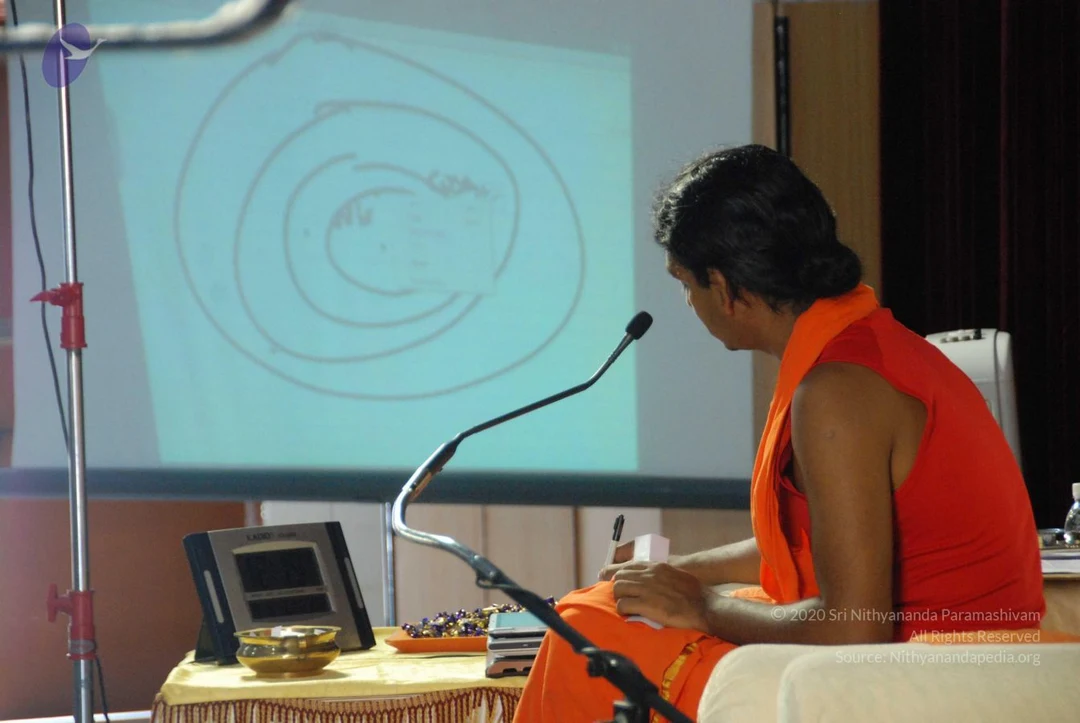
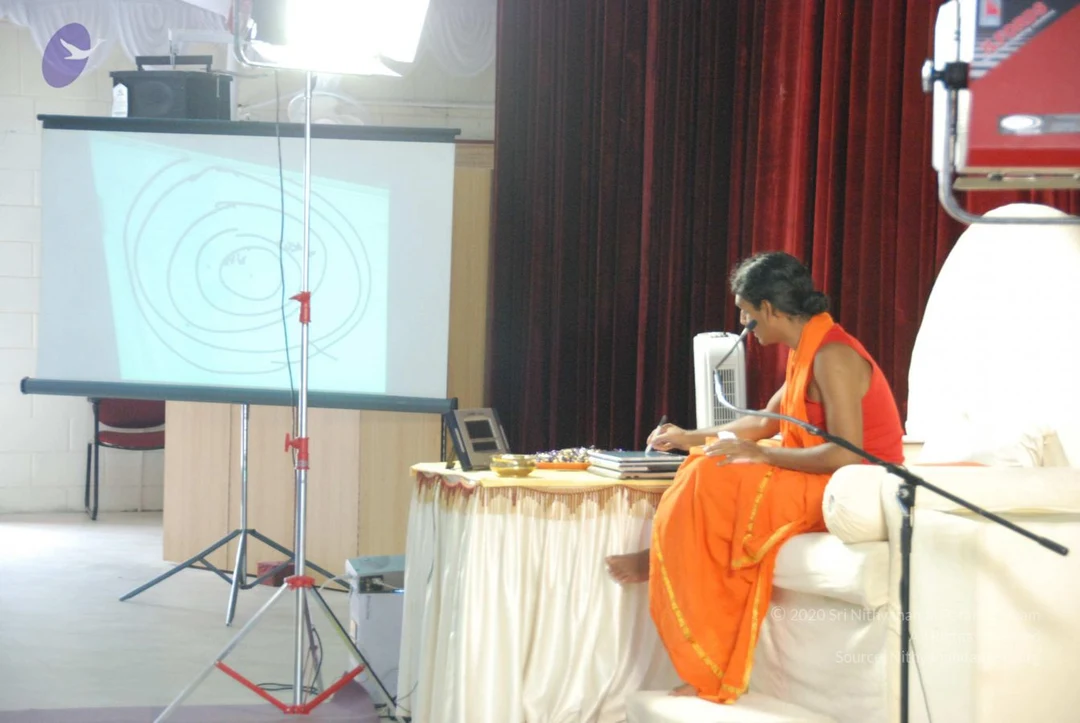
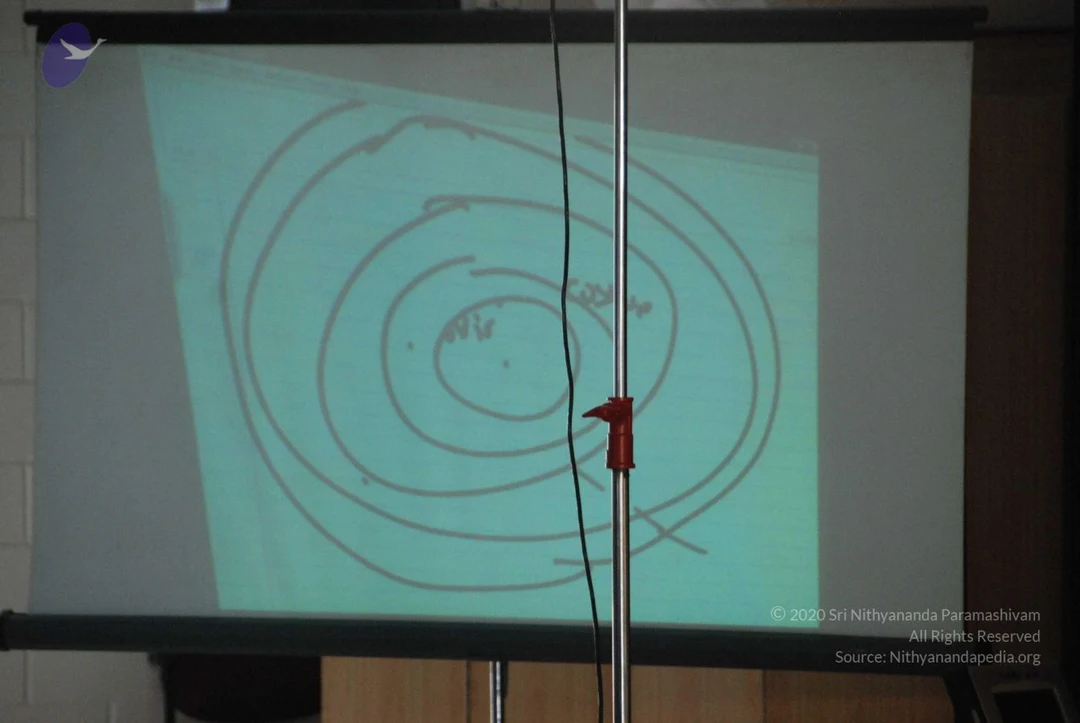
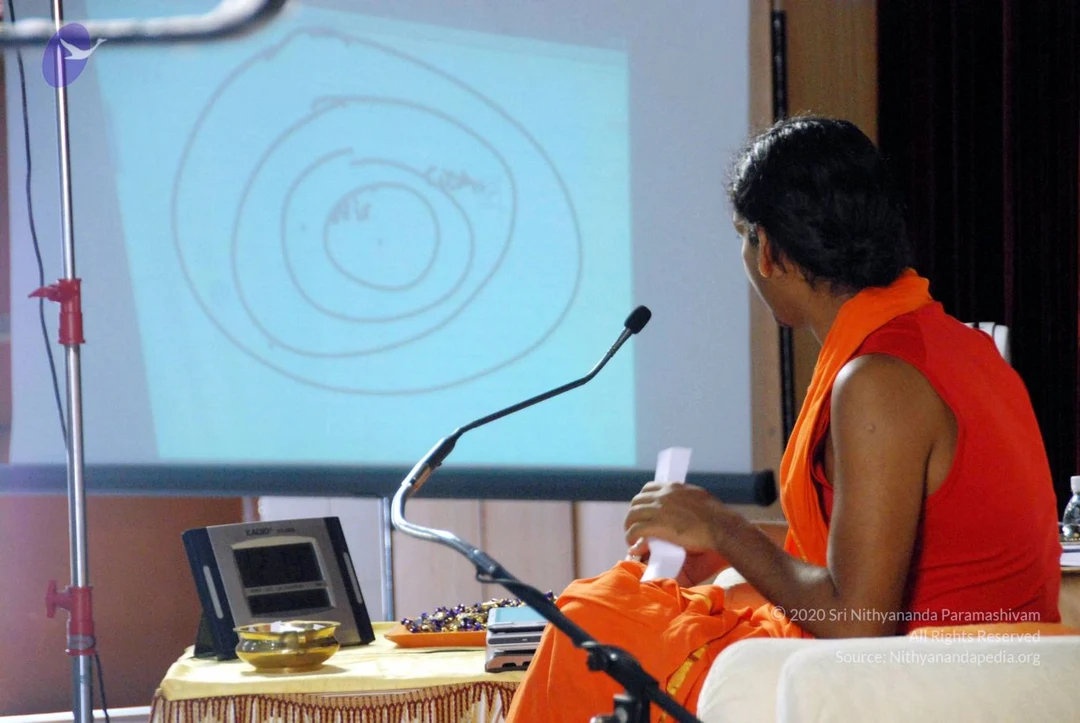
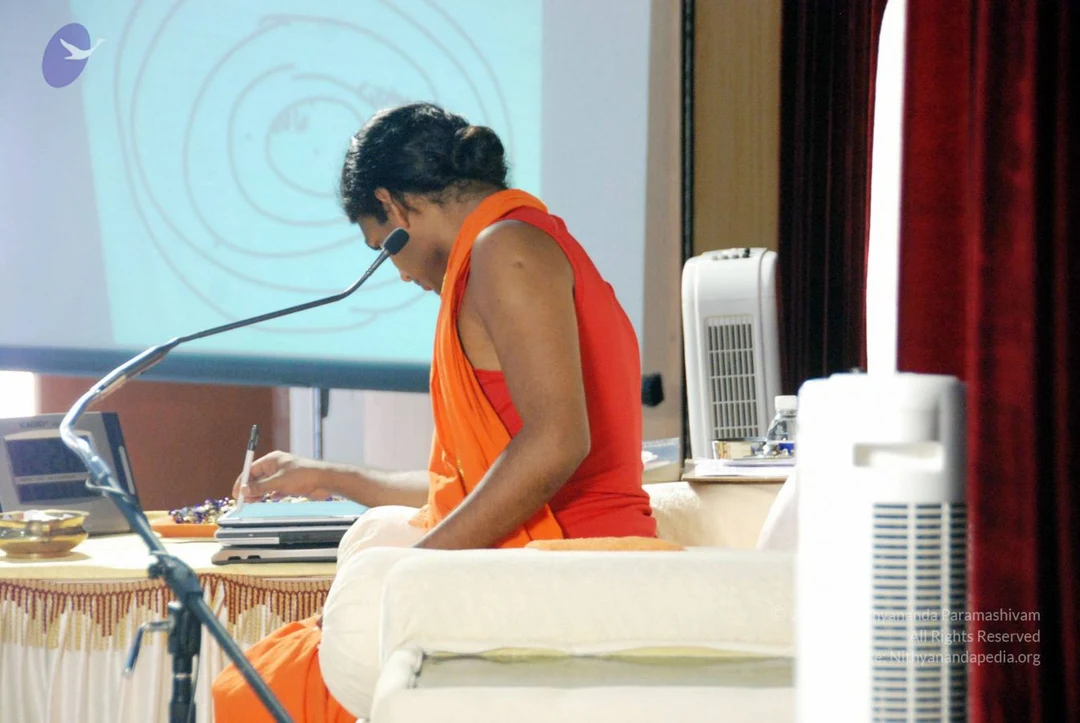
But this physical, this layer, these five layers - that’s where the different starts. So all you need is not enlightenment, but the body language of enlightenment. Please understand, I think all of you catch what I am saying, saying. I think your bodies are all almost like this, chaos only (circles drawn by Swamiji being screened) Is okay, nothing wrong. It doesn’t have to be exact circle. I can say your body maybe little this way, that way. See even to be eccentric, you need to be near the center. I don’t think, an ordinary we have center even to be eccentric. We are not even eccentric. Even to be eccentric, you need a center. You see, these first two layer - this Nirvanic body and Cosmic body. In this, oh God, in that two layers, you are one and the, both of us are same. Only this layer, these outside layers like a physical, Oh God! It’s not right. Only these outside layers like a physical, mental, and physical, pranic, mental, subtle. These outside layers - only there we differ.
21:57
It means what? You don’t need enlightenment. You need enlightened body language. You understand what I am saying? You already have enlightenment. You don't need it. See the inside, the pure Consciousness is there. You can’t create that. But the walls, the layers - they are all like a erm… what to say? Covering the original light inside. So now, those layers should become like a glass house. Instead of wall, it should become glass. See in me, subconsciousness is same. I have a seven layer glasses around me. You have seven layer walls around you. That’s all. Because of that walls, the light is not radiating. Because I have a seven layer glass, it’s not only radiating, it’s just shining. So all we need to do - change your walls into glass. So all you need is enlightened body language, not enlightenment itself, understand. I am breaking all the important pot. You don’t need enlightenment. You need enlightened body language.
23:17
I don’t know whether it, you are understanding the key difference. The key shift. All you need is see how an enlightened Master lives, and live the same way, that’s all. See how enlightened ma, that’s why the Bhagavata says, “Leela Dhyana is the ultimate than any Nirvikalpa Dhyana.” Please understand, there is a big argument goes on in the Bhagavatam. Err.. which one is right? And the Bhashyakara (भाष्यकार, Bhāṣyakāra) writes very beautifully, I think… Shreedhar, Shreedhar Sra… Shreedhar Swami, Shreedhar Swami, and, Atmananda Sra Sri… is Shreedhar Swami’s technical name is Atmananda Sra Sri? Err… aah? I read one Atmananda Sra Sri’s bhashya. Very beautiful. Anyhow! I, understand this idea. Apart from Atmananda Sra Sri, I myself can vouch for this idea. This a, my, my own experience. If you need enlightenment, you need to unclutch and be in Nirvikalpa state. But you don’t need enlightenment, you actually need an enlightened body language. Then all you need to do is, not to unclutch and try to achieve that err… pure inner space. All you need is meditate on the person who is radiating enlightenment and do the same thing in you. Understand.
24:50
Understand the importance of the Leela Dhyana. Leela Dhyana, means, seeing the place of a living Master, and constantly being soaked in it. Nirvikalpa Dhyana, means, continuously unclutching, unclutching, uncluthing, unclutching, unclutching and settling into that silence. Now you understand the difference between the two. You can continuously unclutch and merge into the silence also, no problem. But I don’t know how many years it will take? And how long it will take? And what all will be the side effect and time, this that. And actually, you don’t need to. You don't need to. Instead, meditating on the leelas. So naturally when you meditate on leelas of the Master, you don’t need to do anything else. Automatically that body language will start expressing in you.
25:46
In the NSP, I got a few letters, devotees’ are telling, “After two-three days, we feel like I am talking like you Swamiji,” “I feel my face is like you,” “When I close your my eyes, and I feel you are me,” “And, sometimes when I see your photograph, I feel it’s my photograph,” “My photograph.” How many of you had like this glimpse at least sometime? Once in a while? Let’s raise your hands. Let’s see. So that, that hole started happening in you. Means that Leela Dhyana Dvara, that initiation of Leela Dhyana started happening in you. Understand, if this happens, then that you are done. If that same feeling start staying inside you without your effort - you are done. That’s all. I think now you understand, living around the Master what it does inside you. What it does inside you.
26:46
Catching the Master, missing the Master, abusing the Master. Oh God! Is catch that fire and having that strong vitarka. Catching that Living Enlightenment fire and start living. So catching the Master. Missing the Master is, unable to catch that fire, but, understanding that Master is of compassion. Only I am not able to catch it - is missing the Master. Abusing the Master is, “No, he is not giving.” Understand, the three major thing. See, catching the Master means you understand, straight away relating, having vitarka, experiencing, catching the fire and start living it - Living Enlightenment, Jivan Mukti. This catching the Master. Missing the Master means, understanding that you are responsible, and you have to catch it. Trying to alter inside you is missing the Master. Abusing the Master means, trying to alter the Master. Trying to correct the Master. Understand, trying to judge him.
28:11
See first thing, if you catch the Master, that’s the ultimate, best. Even if you missed the Master, don’t worry, you will come back again. But never ever doing, do that abusing the Master. Gone once for all. Understand it’s like a, in cine field, if you produce a movie and did not pay the artists. They will complain and your file will be closed. You will not be able to do any movies further. Any movie you try to do, this file will be there. No artists will come to act in your movie. Same way, if you abuse the Master once, please understand, I am not err... threatening you or anything - consciously gets recorded into your system. To anybody your file goes, they will say wait. Sometime you will see, in a very short time, I will pick up somebody. Somebody and say, “Eh! Come on, you are mine. You will be with me.” Sometime you will see, for quite a long time - four-five years, I will not even turn towards them. I’ll tell them, “Meditate, let’s see.” Means, the file has been already rounded somewhere. Somewhere you would have done something, the file gets marked. Means, inside the Consciousness it gets recorded. If you missed, nothing gets recorded in, inside you.
29:38
There is a story in Tenali Rama. One of the king saw the whole country is filled with rats. So he ordered all the houses should have one cat. So he called all the houses, and he err... gave one one cat to each guy. And all of them complained, “No, no, we don’t have money to buy milk and take care of this cat.” Then king donated one one cow to all the houses. One cow for milk, and one cat to take care of the rats. And, after one month somebody came and complained to the king, “Many guys are just taking the milk from the cow and drinking it, not taking care of the cat which you gave. So we should get all the cats back and audit, whether the cats are healthy. So let us get all the cats back.” The moment king ordered, all the fellows did something or other, and, they brought their cats and almost all the cats are looking healthy. Except this Tenali Rama’s cat. That cat was almost dying. Only one layer skin around the bones.
30:56
And the king asked, “What happened? What happened to your err… cat?” This guy says, “I don’t know. This cat is not drinking the milk at all.” This Tenali Rama. King said, “How come a cat will not drink milk? I am surprised.” Tenali Rama said, “If you want, keep the milk and see.” King ordered for a cup of milk. When it was brought, the cat saw that milk and ran. It just disappeared. King was surprised, “How did you do that? What happened?” But king knows this Tenali Rama is a very cunning fellow. And after that, king called Tenali Rama separately, “Tell me. There must be some secret. I just want to understand the secret. I know, I am not, I will not punish you. Tell me the secret.” Then the Tenali Rama says, “First time when I gave milk to the cat, I kept hot, boiling milk.”
31:58
The first experience was such a strong samskara, and it got recorded in the cat. Understand, just like the cat, if it gets disturbed, the wrong samskara gets printed - for who, his whole life that fellow wherever he sees, not just the milk, any white liquid, he will disappear from the field. Same way, if you burned your tongue by abusing, it gets recorded. It gets recorded - by judging or abusing, anything. I tell you, even if you don’t meet the Master, it is perfect. It’s like a unmarried, being unmarried, you are open, available. No problem. But you create the samskara of bitter divorce. Done. Over. So naturally if you, if you had a bitter divorce, next person naturally what he will do? He will take more time to decide whether to live with you, or if anybody knows your past, you had a bitter divorce - what will happen? The person is going to wait, think, look, take little more time. The same thing. Understand.
33:17
That is why I am telling you, even if, one more thing. That’s the reason, whenever people come to me from different Masters. I tell them, never abuse them. Stop, stop complaining about them. Don’t compare me with them. Don’t judge. They added something to you. That is why you came to this level. If I add something to you, you may raise to the next level. If the, if I am able to lead you to the ultimate, I am your Sadguru. At some point you feel somebody else can add something more to you, I am not your Sadguru, but at least I have lead you to that person. I’ll evolve you to that level. So be very clear, never abuse, even if you suspect somebody is a enlightened. Don’t abuse. Don’t abuse. Don’t judge. If you abuse, the file gets completely marked. Not by somebody else, by yourself. By yourself. You’ll carry the mental setup. Wherever, whenever you go to a new Master, not only in this janma, any janma... any janma, your file will always be kept in pending. Always kept in pending.
34:31
Catching the Master is the ultimate. If you can’t catch, at least miss - it’s okay. Nothing wrong in it. When you find time, come back, like how I am telling, “I’ll wait for you.” Perfectly alright. But never ever do the mistake of abusing. Abusing is the worst thing. The problem is this half decisions, that only makes you abuse or judge Master. That only makes you abuse or disrespect Master. You decide half half. Then when I see you are, you are imbalanced, naturally I’ll wait. Then you say, “No, no. He also, he is also ashramite. I am also ashramite. But he is given priority and importance, not me.” You don’t understand, he is complete and you are waiting. Because you are waiting, I am waiting. Then naturally what you will do? “Oh, I think it all power game.” And the abusal starts. The whole drama starts. So this is the usual drama. At least, actually fortunately I am very happy and safe. This does not happen around me. Because they see the power physically expressing through me.
35:49
Tsk! See, nobody can have doubt about me when they live around me, because they see every word I uttered coming true. Physically expressing. Naturally what happens? They understand, “No, no, no, better, if we listen, it’s good for us.” Otherwise, we will have our own drama. I have seen even the people, guys who left. They’ll repent, repent, repent and cry. They only repent, nothing else. “Tsk! Oh God! What did they do? Why did they do? What happened to my head at, at that time. I don’t know.” Only this kind of things. See if you just leave, you will not have any problem. Tsk! You can, always come back, you will always be around me even if you are there, I will be there. No problem. But if somebody abuses. Tsk! That very connection disc, gets disc, disconnected. Not only that, it’s like a, you turning against your muscles, muscles. It’s like a your right hand hitting left hand. Left hand hitting your face. You slapping yourself.
36:51
Because you tune yourself to something and if you turn, you slapping yourself, what happens to that? Then, it’s an internal fight. That is why I always tell people, abusing is the last, not only last, last last laaast... thing! Never ever think, try to catch, that’s the best. That’s the best, and first. If at all for some reason, don’t want to be around or in the ashram or be connected to the mission - you should be able to peacefully, without abusing or disrespecting, judging anybody. We should be able to peacefully reconcile with yourself. That is a basic qualification to be with the Master. If you, you see, if you want, that’s the, that’s the reason I don’t accept wealth. I was telling in the last session, I don’t accept wealth. I tell them, kept wealth with you. For some reason, afterall you are a human being, there is a possibility. Some reason, I always tell people, be around me as long as you are happy. If you are not happy, try to be around me, then you start creating problem for others.
37:57
So the first thing, either you should catch or you should miss, but never abuse. The third option should not be an option at all. Because then, you create a, it’s, it’s like a elephant goes to take bath. If he takes bath and comes back - is catching. If he doesn't want to get into the water and comes back - he is missing. If he takes all the mud and puts it on himself instead of water, and comes back - it is abusing. You understand? If he goes and just see “Oh God!” Instead of water, he takes all the mud, and, puts it on himself, throws on himself and comes back. And he thinks he has taken bath and come back. So, understand these few things. Living around, catching, missing. Maybe I’ll answer your questions, then, more and more things can come out about this living around, catching and missing. Come on, write your questions.
39:07
Question 1: Abusing the Master creates deep imprint in the muscles. What erases the imprint?
Swamiji: Suffering. Intense suffering - for ages. For ages, actually your erm maa... skin and all will become like a stone, insensitive. That is what err... in the story, in the Ramayana there is a story. Ahalya (अहल्या, Ahalyā) become like stone, not literally. She became insensitive, depressed. Then when Rama came and put the foot, she became again alright. Intense suffering. That’s the only, you see any, any other sins you do, Master can save you. If you abuse Master, nobody can do anything, because you said no to him. You said no to him also, he’s, he’s stretching the hand and he is saying, “No, get out! Take your hands off! Who asked your hands?” So nothing can be done.
40:07
Question 2: Swamiji, I read somewhere that brahmacharya is a must before marriage. So does that mean we live a brahmacharya life without taking initiation?
Swamiji: Before marriage you see, somebody wants to get married, but till the time of marriage living brahmacharya life will be highly powerful. And I can say not only happy married life, even for the intelligent kids. The energies, in energy, the or the nervous system will be very high. And I personally recommend celibacy before marriage.
40:44
Question 3: Present around you, for your muscle in muscle memory to be imprinted.
Swamiji: Understand, I am omnipresent. If you realised that I am omnipresent, you don’t need to be around me. Wherever you are, I’ll be there covering you. But till you realise you are omni, I am omnipresent, you need to be around me physically. Who put the question? Okay. You understand, till you realise I am omnipresent, it’s better to be near. This range is okay. Inside this campus. This campus is practically my own body. You know under each pole of the fence, there’s a garb, my garbha. Means, the thing which makes me feel how I feel connected to this body. You understand what I am saying? There are some herbs and special things, which radiates the energy which is in this very body. Under each pole, fence pole - it is put. Means, this whole area I feel it as my very body. That’s why the moment people come inside, they get healed. They start getting healed. This Kalpataru, one day they are here na, they’ll start getting healed. Hmm. My very body. Adidan, he was Drona. Eh, but the Drona himself never binds you see. Your attachment to Drona only binds you. He never bind, bound you. You, your idea about him binded you. It’s your mistake, not his mistake. So you should never abuse him. Erm… that’s what I am saying. Hmm. You have not, that’s good. Even mentally, you should only thank him.
42:29
Question 4: Once initiation from Master, like Healers is given, is it not true that even if he takes next janma, that Master will guide us to enlightenment even though Master is also not in the body?
Swamiji: Yes. That commitment is true as long as you say “no to the Master,” but you can always break the commitment. You can tell that, “I don’t want your promise. You get out of my life.” That is what is abusing. When you abuse, you said, “Get out of my life.” If somebody does that, then the commitment loses its value. It breaks. Otherwise it is there.
43:04
Question 5: My question is, did every enlightened Master also have a living Master in their lifetime?
Swamiji: Incarnations usually will not have a living Master when they are in the body. They will only have people who will recognise them in a young age.
43:17
Question 6: When we had our astrology chart read, I found out that I have a Guru, Rahu, Shani, and Mangal in same house. It was said that, I might have going against Master.
Swamiji: Don’t bother about it. Sri Ram, tsk! Astrology and all does not have that big role. You just err… consciously decide, and pray now itself, “Even if I go, you should not leave me. You should remind me.” If you take that boon, I’ll remind you. See, marriage program is not eternal. Even if you are married, it’s not that eternally you are going to be living that life. Twenty-thirty years, then you will be out of that torture. See, err so err... but sannyas is eternal. That is why the sannyas program can’t be de-programmed. There will be lot of confusion. But this program can be de-programmed.
44:12
Question 7: You mentioned that you may come back next janma, but is it going to happen in Satya Yuga or Kali Yuga again?
Swamiji: Nodmay, in this yuga only. Don’t bother. Actually Satya Yuga, Kali Yuga and all is not different time Ma, different place. This place is Satya Yuga. Because you are not, you will not see any problems of the Kali Yuga inside this campus you see. Lot less. So continuously work, working for different yuga. Different. Is a space, not time. After enlightenment, the whole system becomes different. Actually, after enlightenment if you can come down normally, settled down, you will live long. The life will be very long. So that is different. That’s a, that’s just sannyasi getting married is different. Don’t connect that sannyas initiation with what I said now.
45:03
Question 8: Enlightenment body language, we live like you, live in our own house. We eat, sleep, exercise as you would err… what correct, as you correct.
Swamiji: Yes, just do the same thing. Just remember always how I live, how I live, how I live. I am always living conflict free. He will live conflict free, that’s all. Over. Anything you do is perfectly alright.
44:29
Question 9: How does one know if a Master out of his body is guiding a person?
Swamiji: Ma, err... unless you are initiated when he was in the body with him. There is no question of guiding. Like a, people connected to Swaminarayan movement, Yogananda - it’s all only bhakti. The ultimate step, they, they’ll guide them to a living Master. They met him? They’ve not promised? See, they’ve promised, there he is enough then. There is no need for any physical Master. If they, if he has not promised, then nothing can be done. Tsk! That by the depth of feeling connection Ma. Hmm. That’s the only thing. So it is better not to take the risk and game, play the game. Better to catch the living Master.
46:18
Question 10: You often refer the marriage to a mistake. If we choose to marry, will you attune us to a new level of understandings so we can experience marriage in happy, higher conscious experience. I do wish to marry again. This time at higher level.
Swamiji: If you can catch a right person of the higher level, is possible. Alright, raise yourself. Then every possibility you will catch the right person - raise person.
46:46
Question 11: How to make sure I catch you? I fully understand intellectually what you are, but I am struggling very deeply to form the connection. Are you understand what the connection is? I want nothing more than to be fully surrendered to you. How do I do it?
Swamiji: Just ask deeply. Pray for it. That’s enough. Energy darshans ask. I want to be completely surrender to you. Ask in energy darshan. I’ll record that into your system.
47:10
Enriching Materials
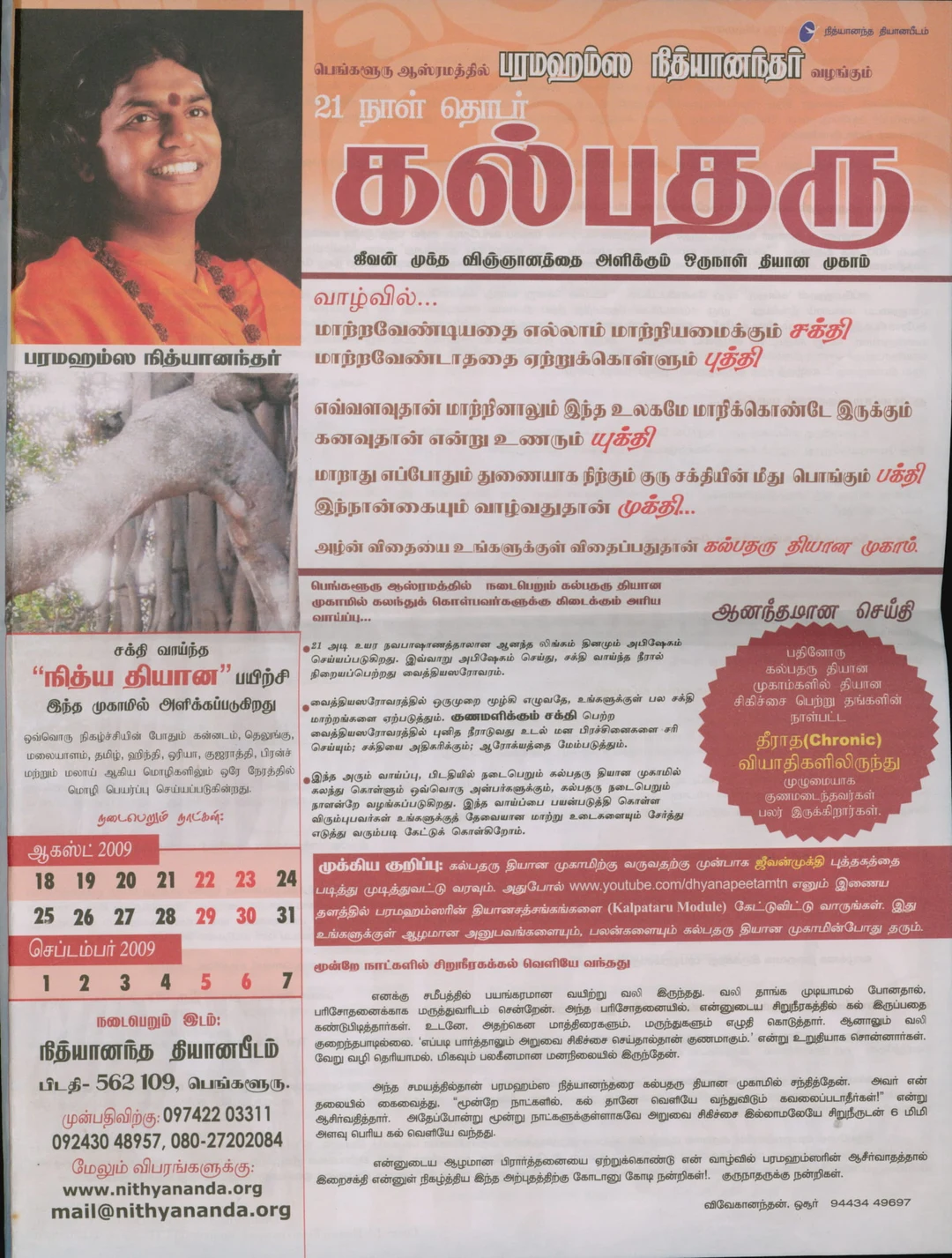
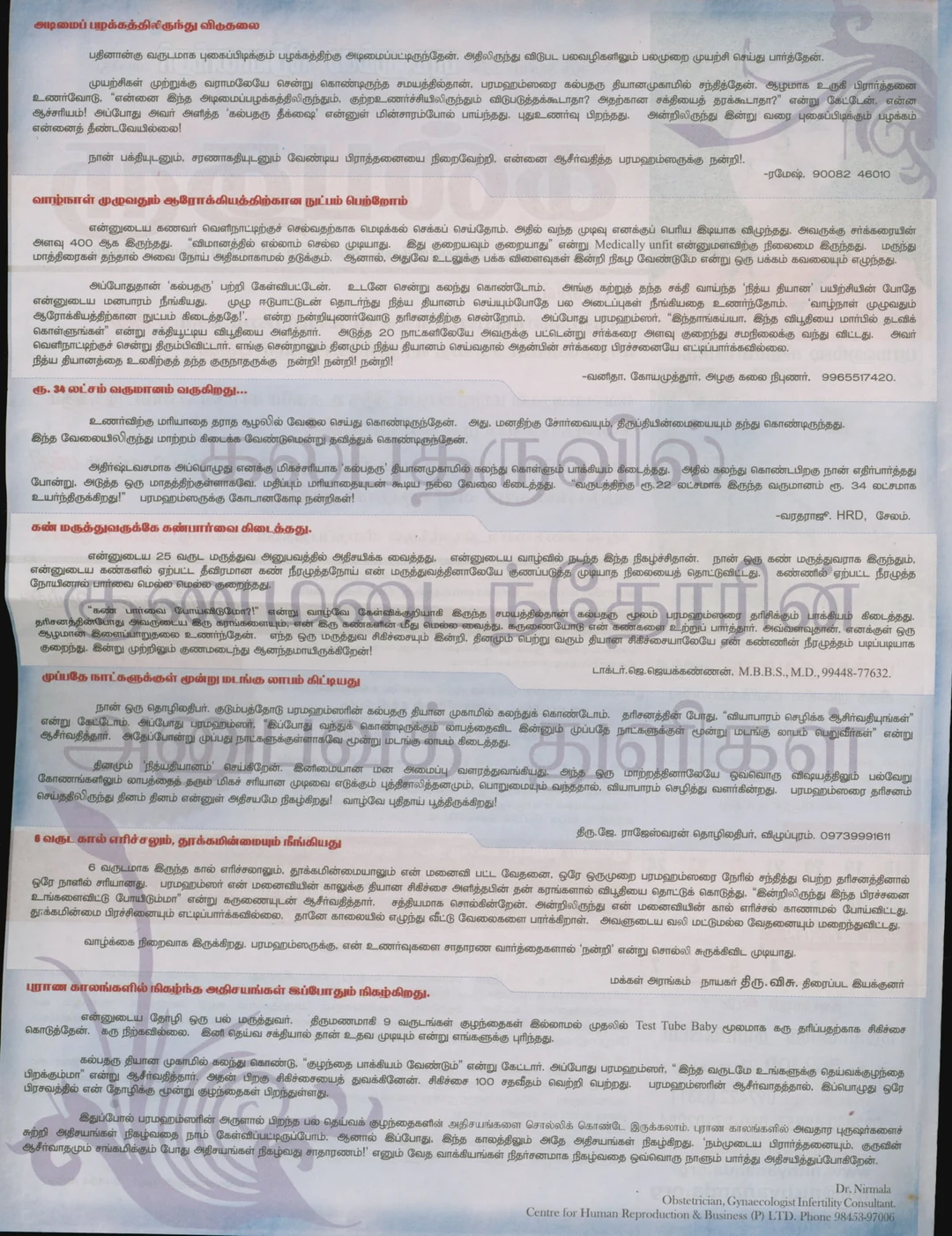
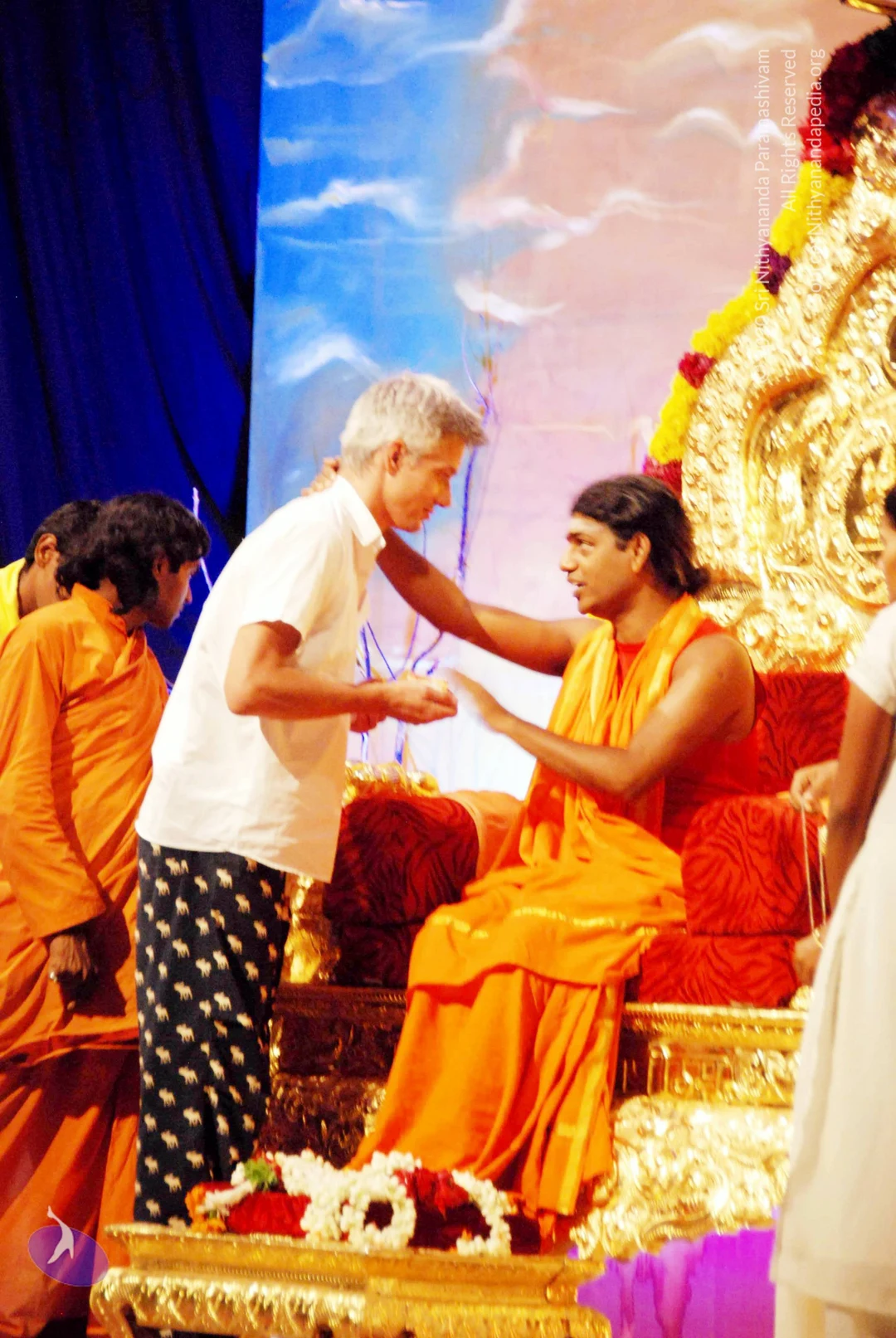
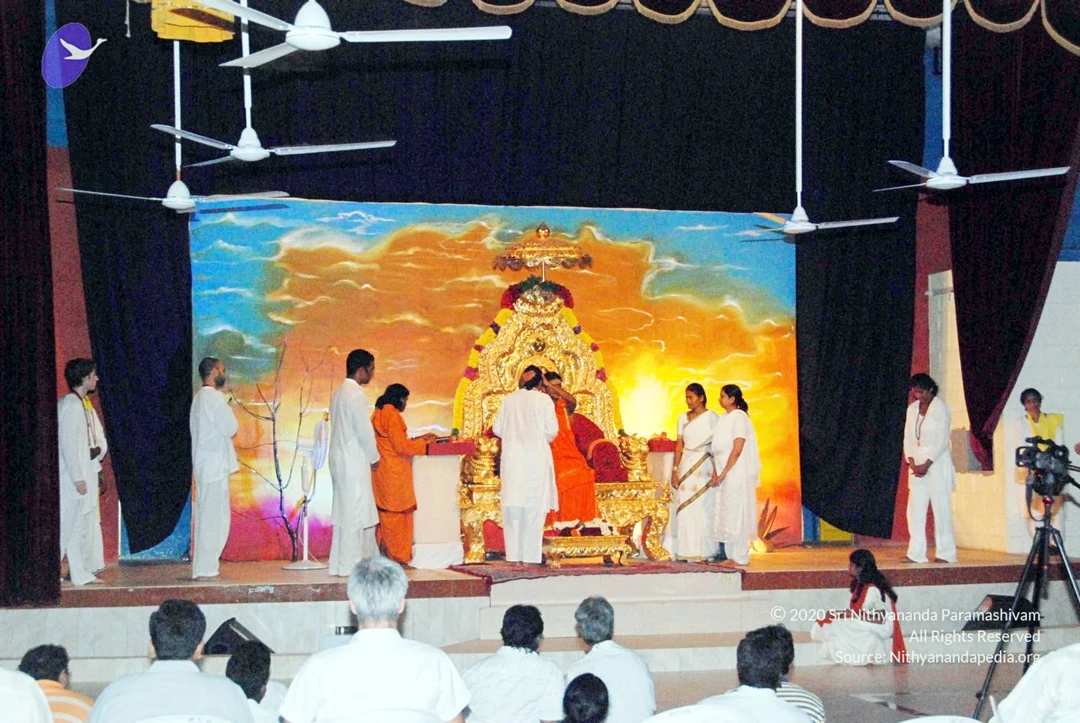
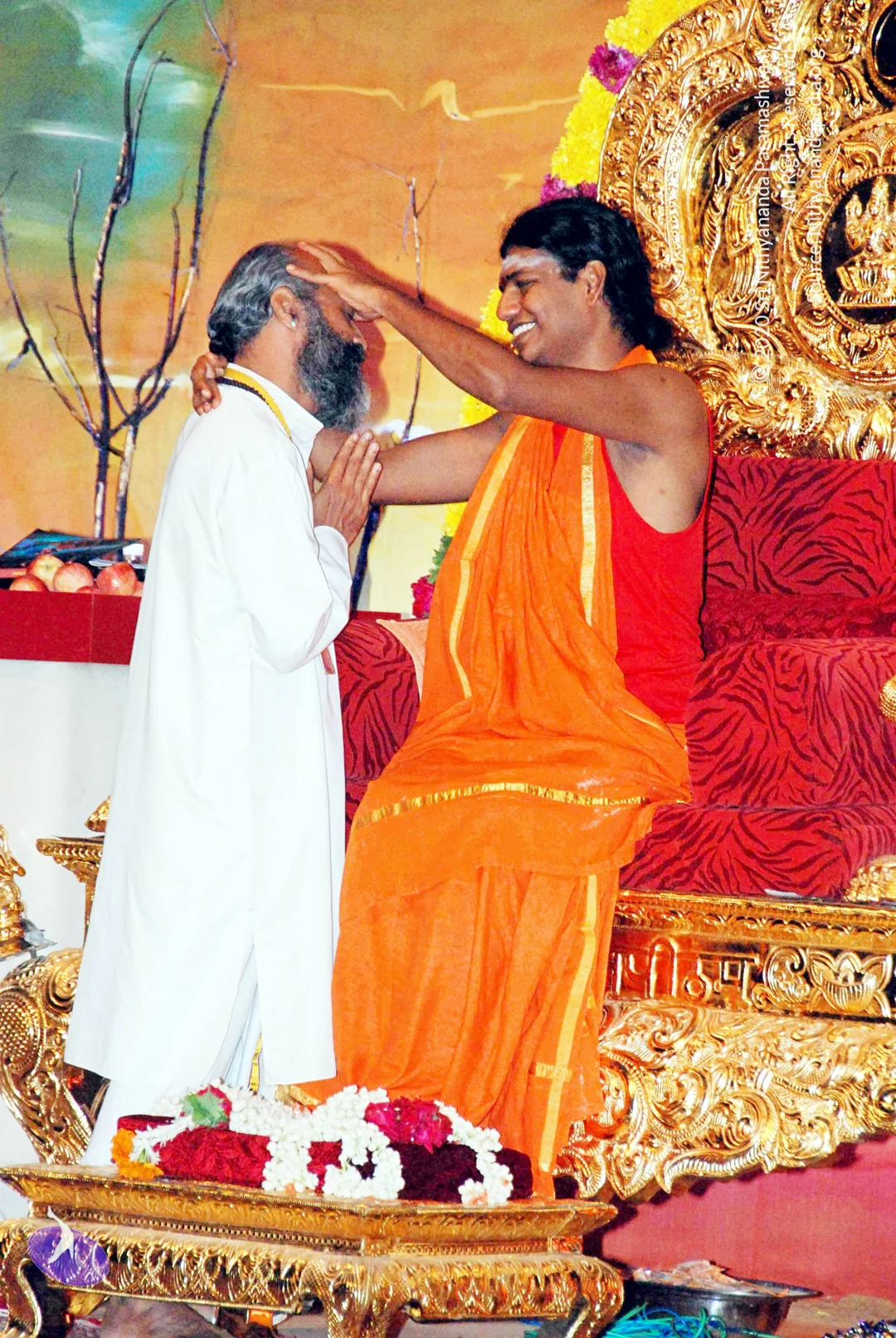
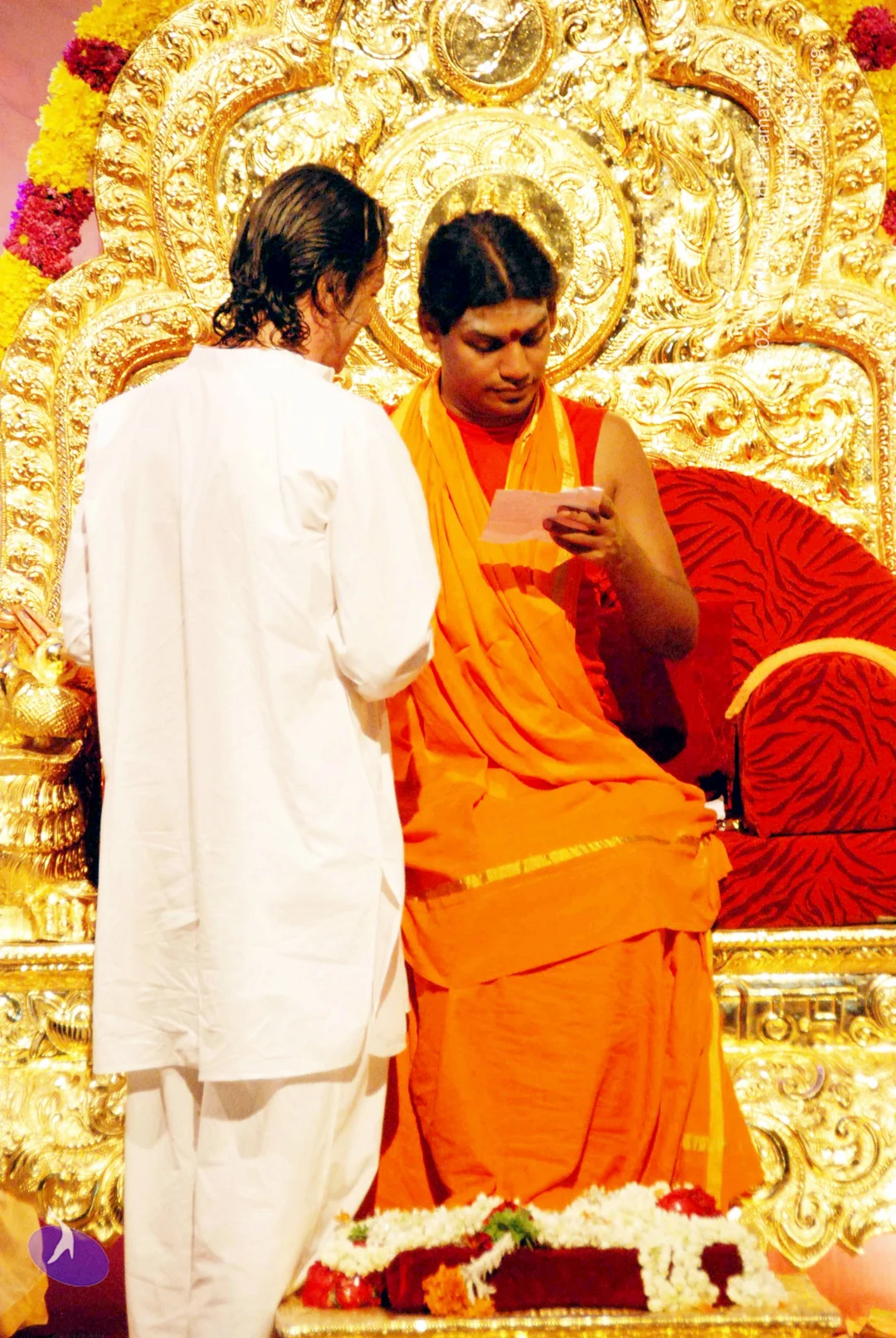
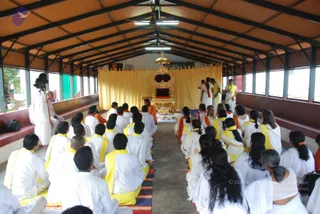
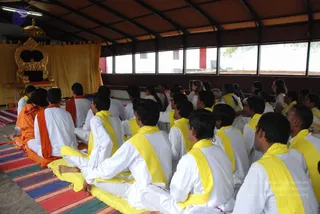
Photos Of The Day:
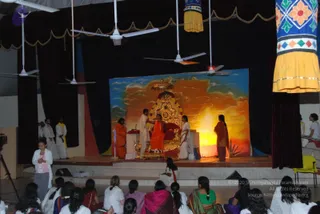
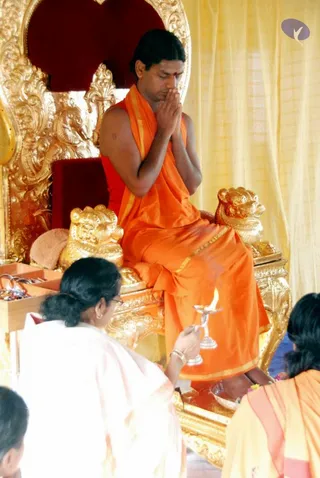
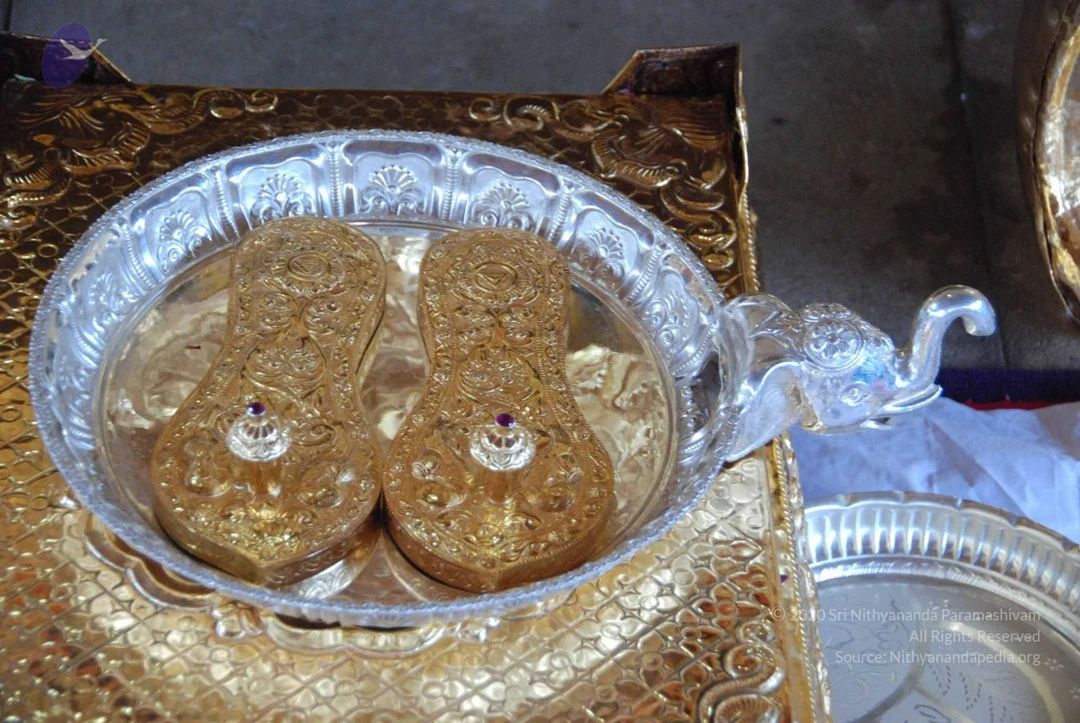
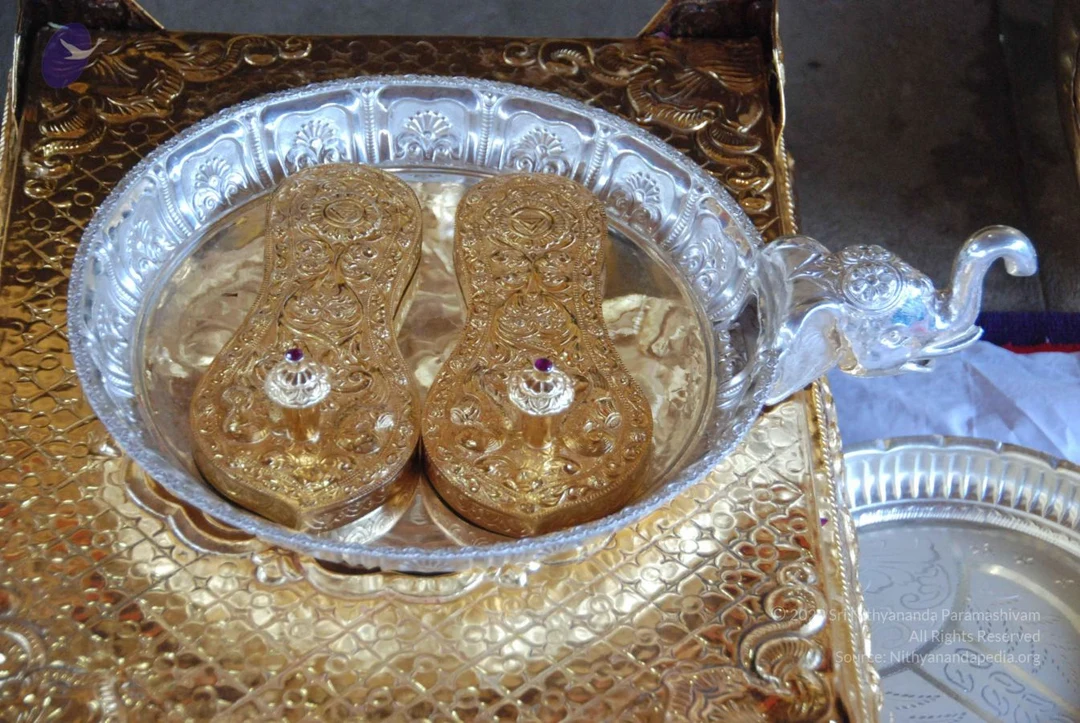
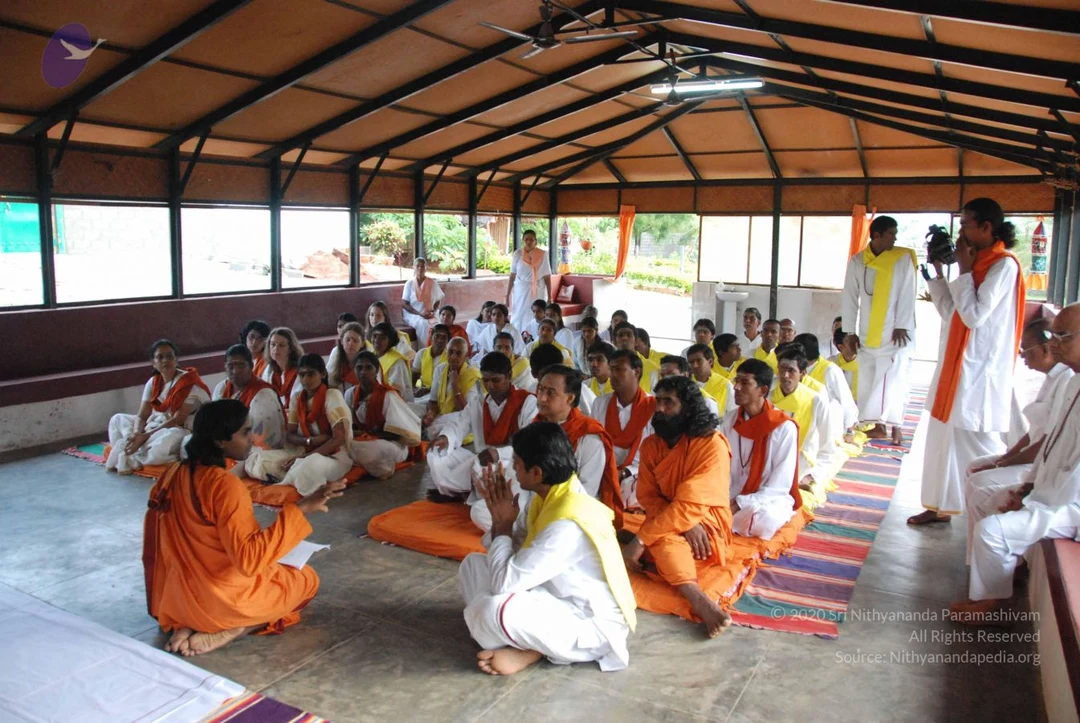
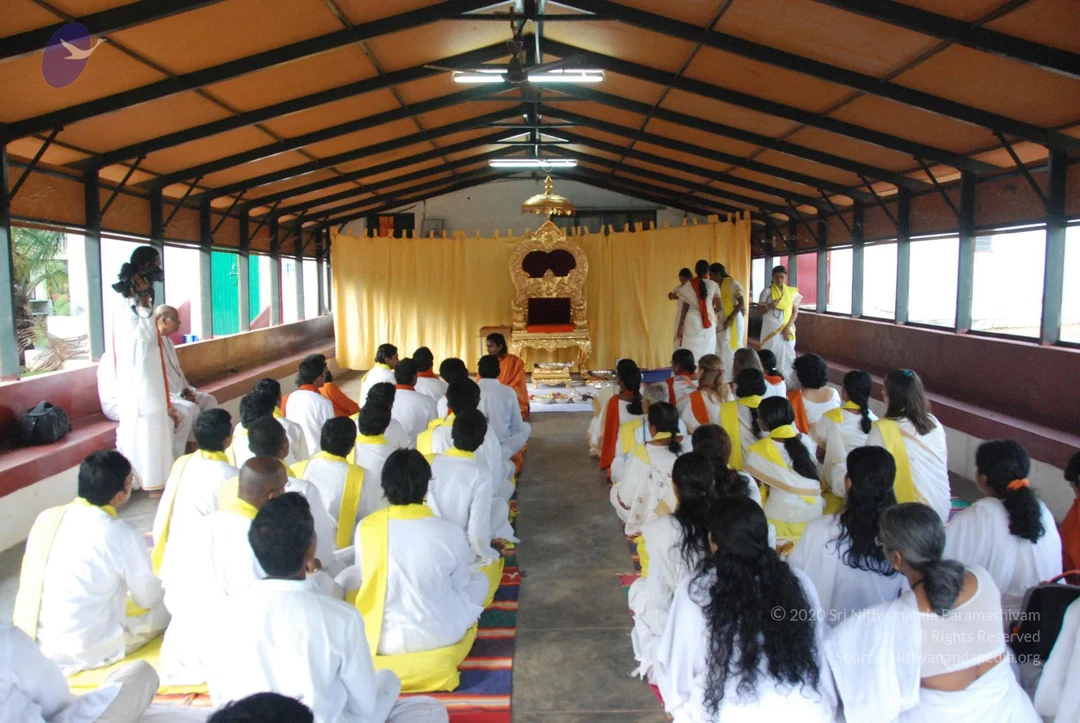
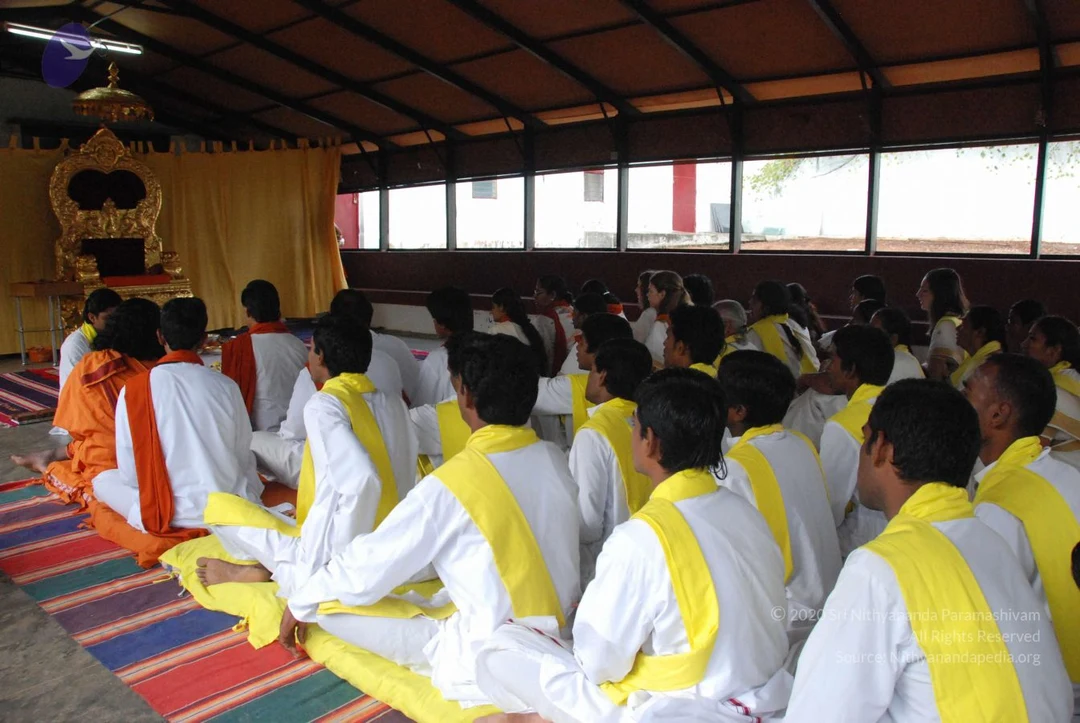
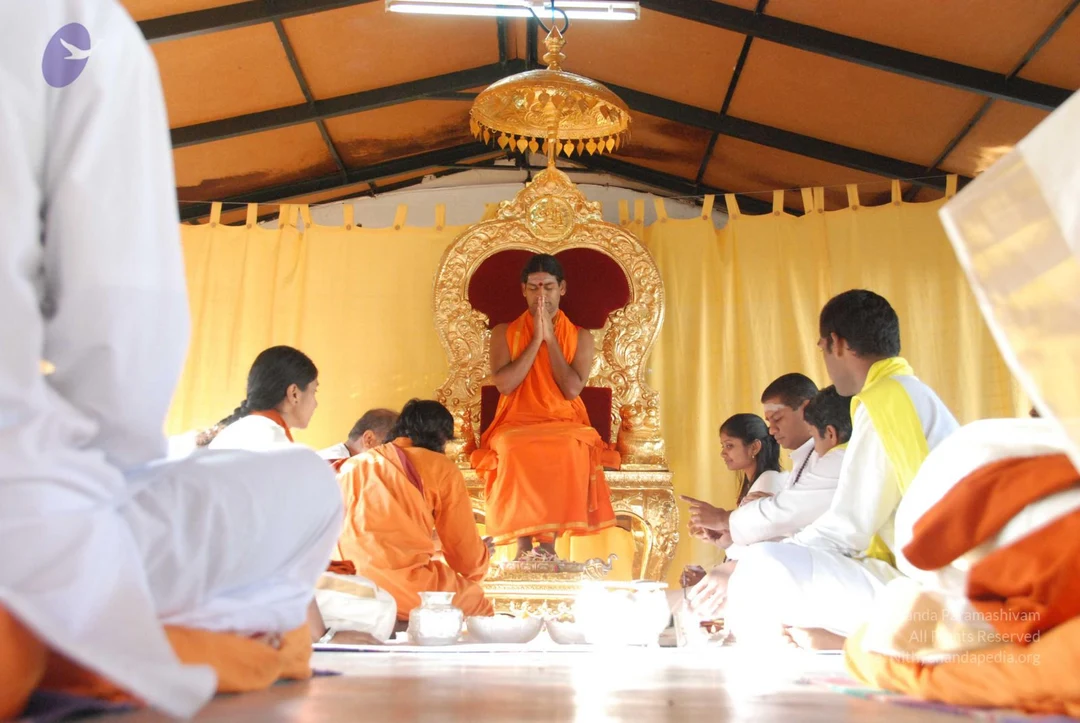
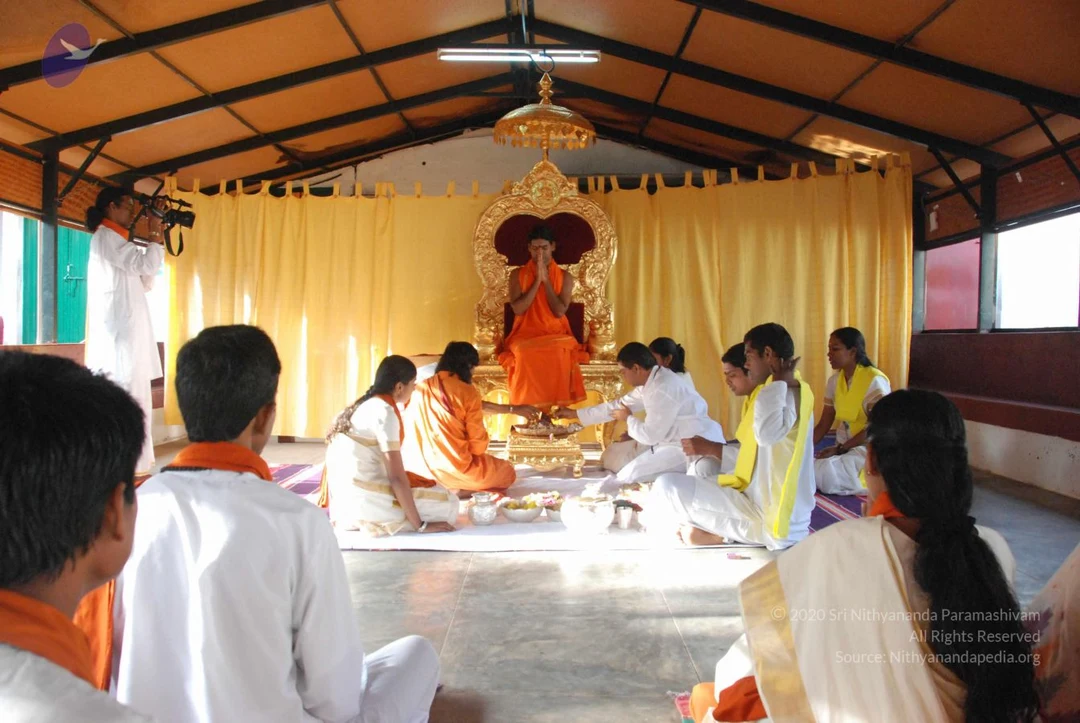
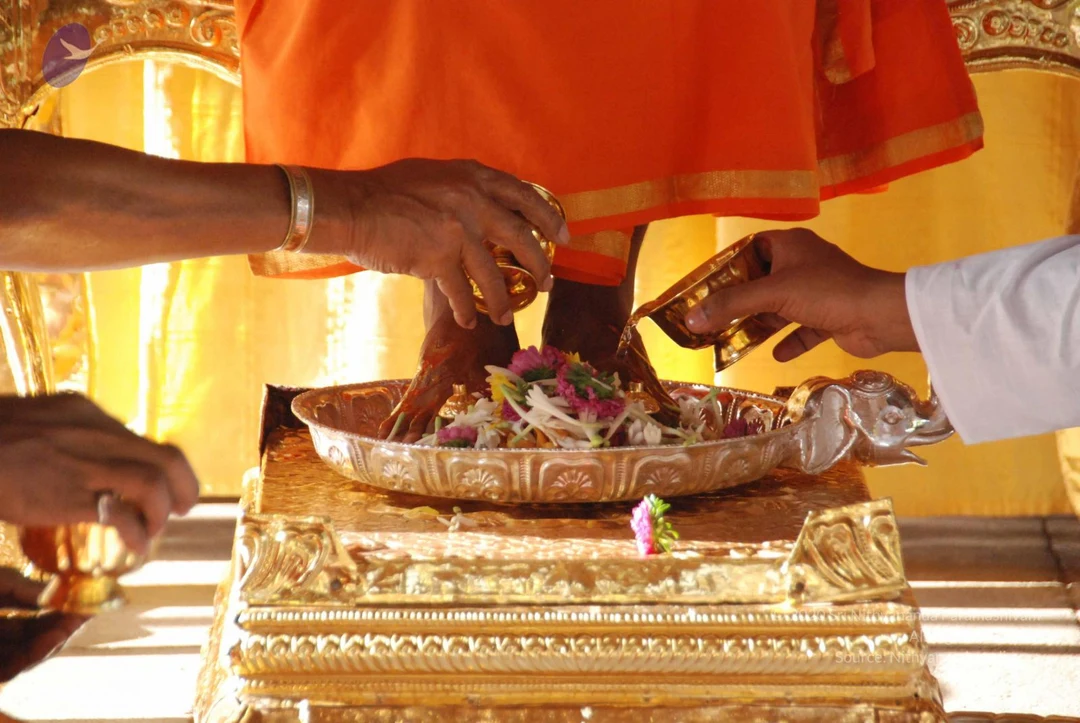
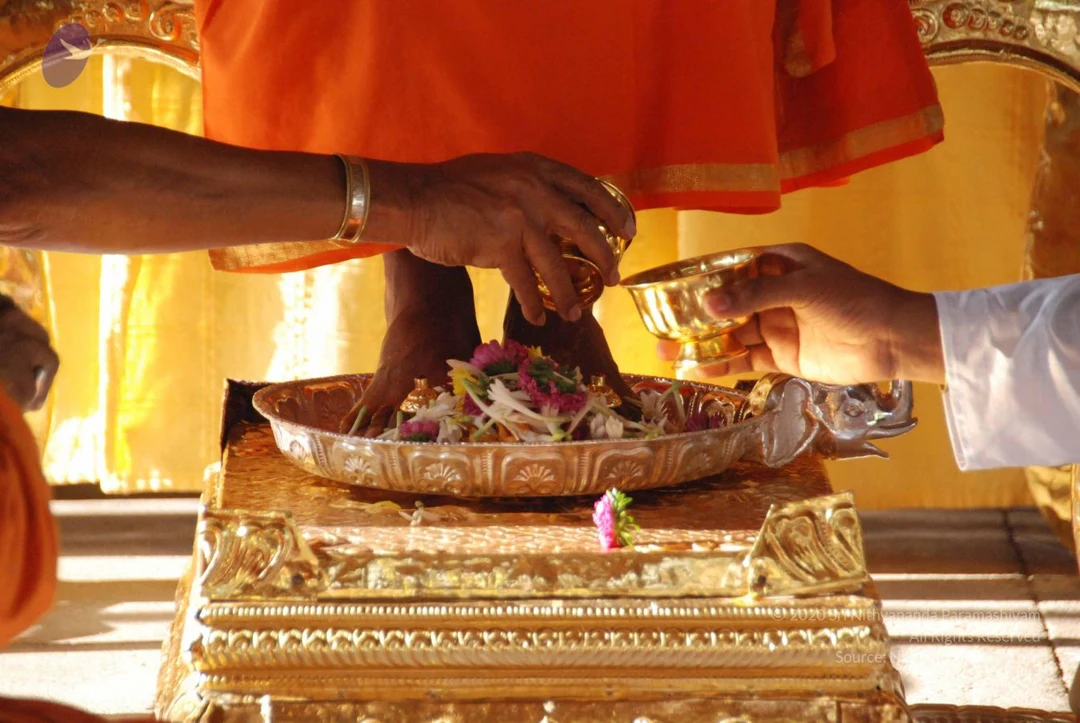
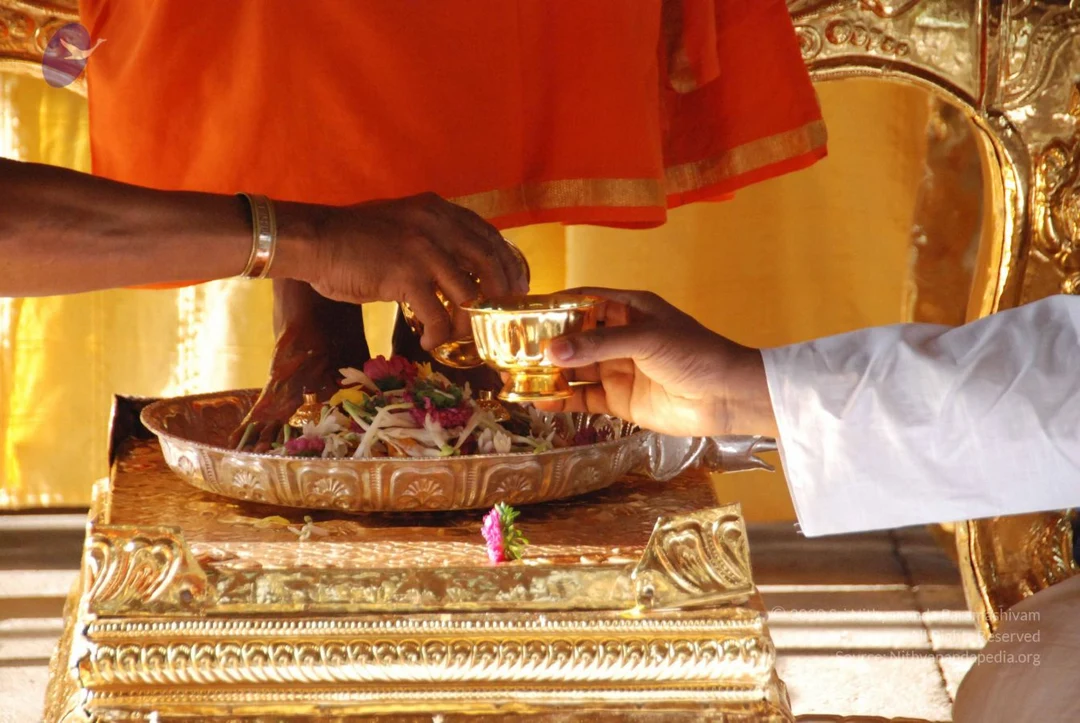
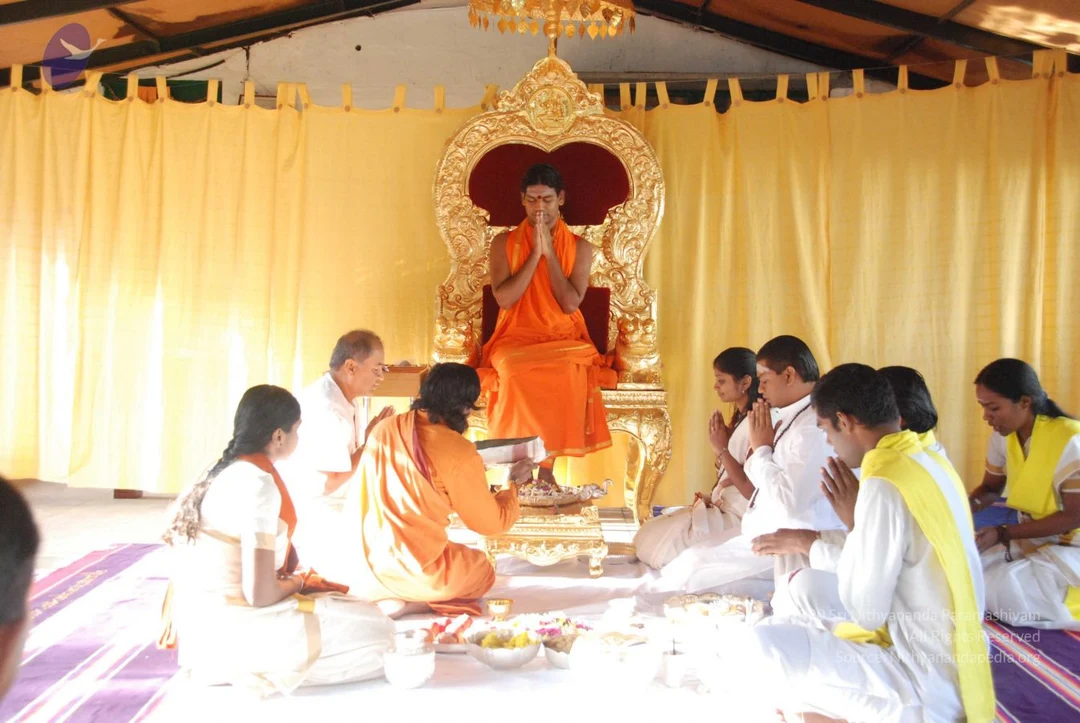
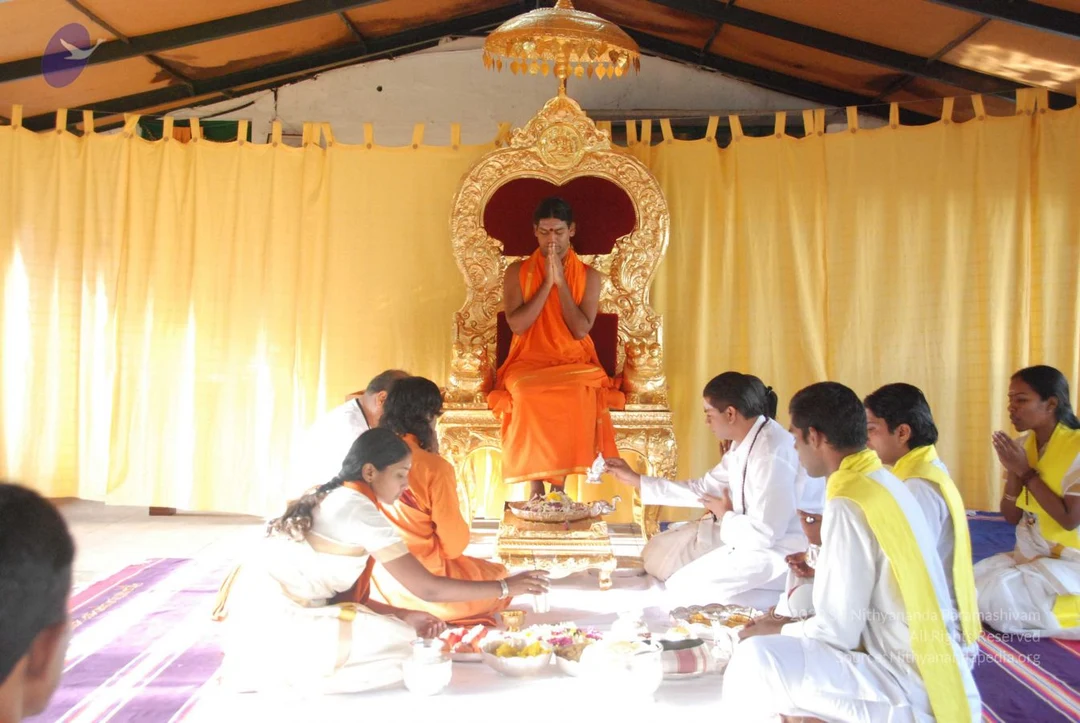
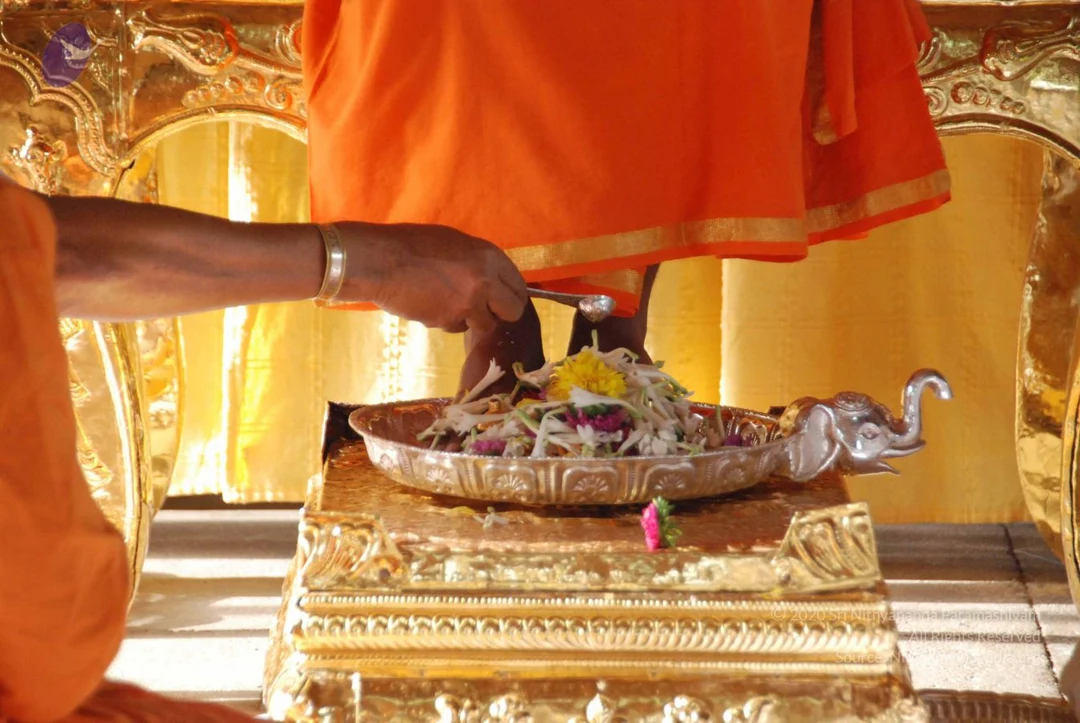
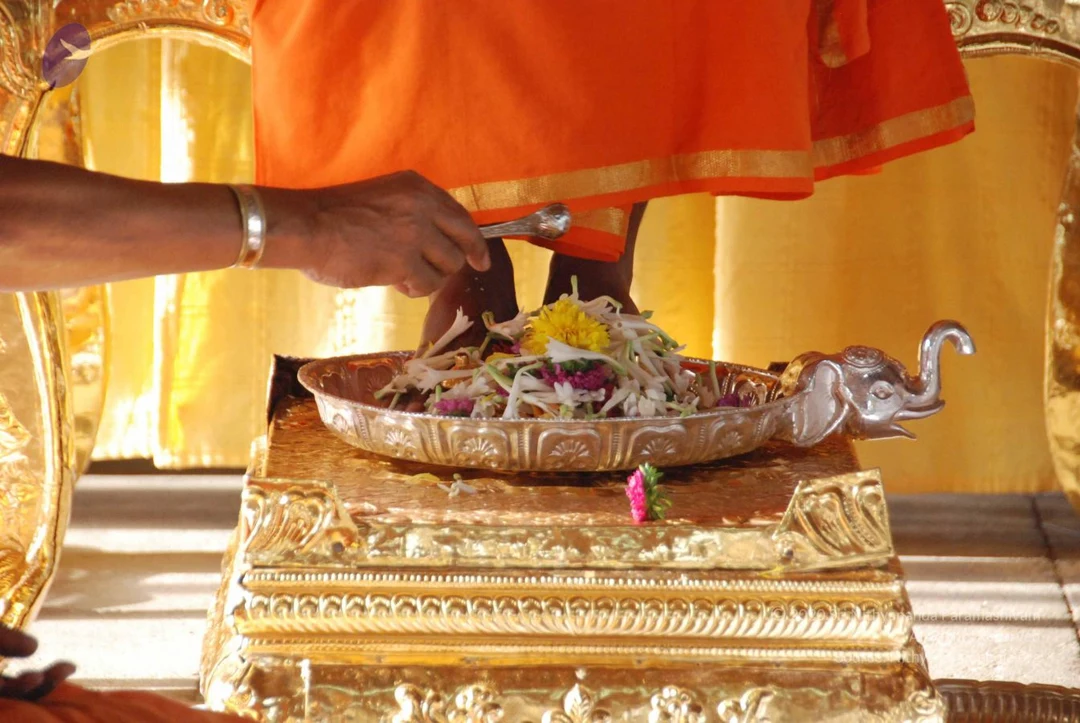
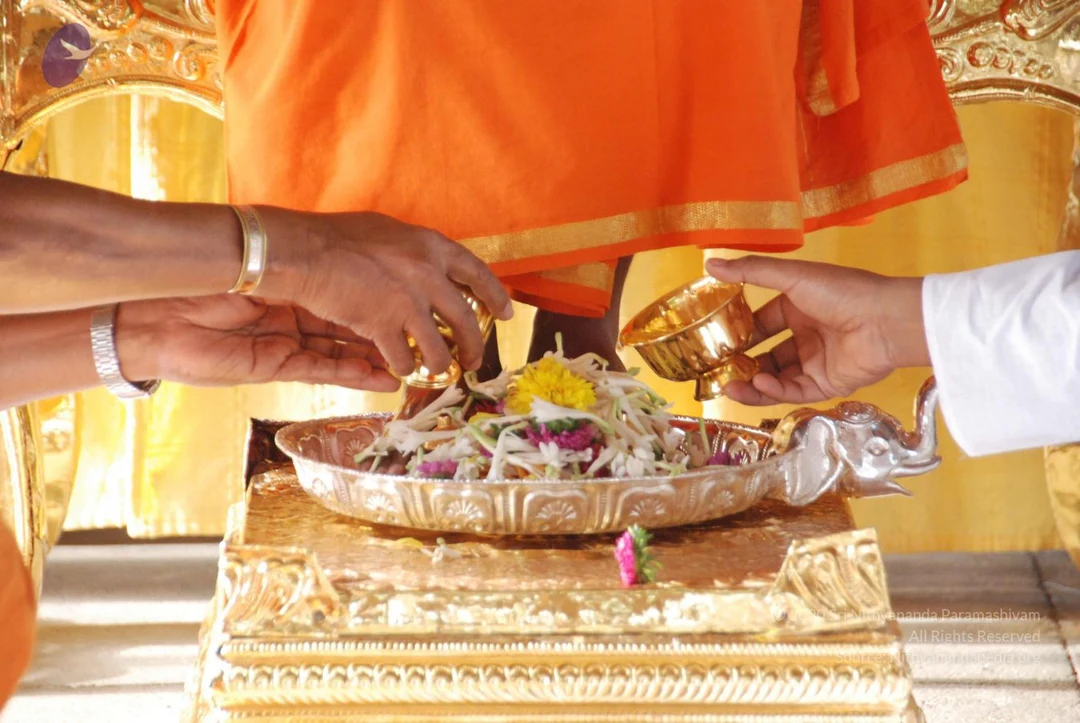
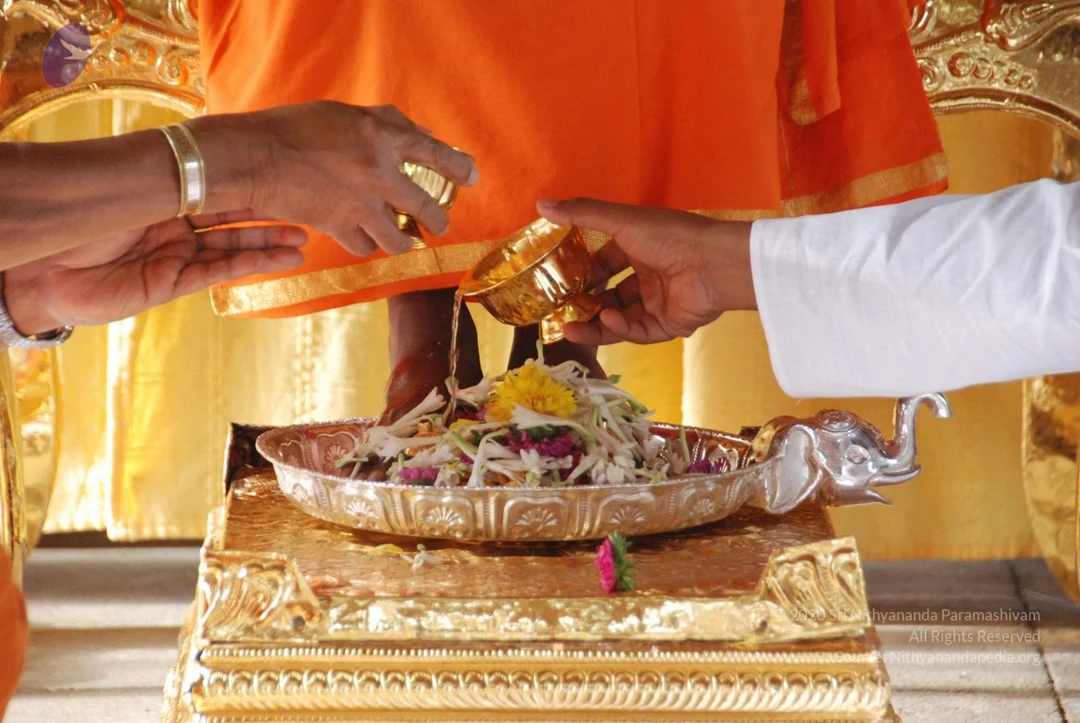
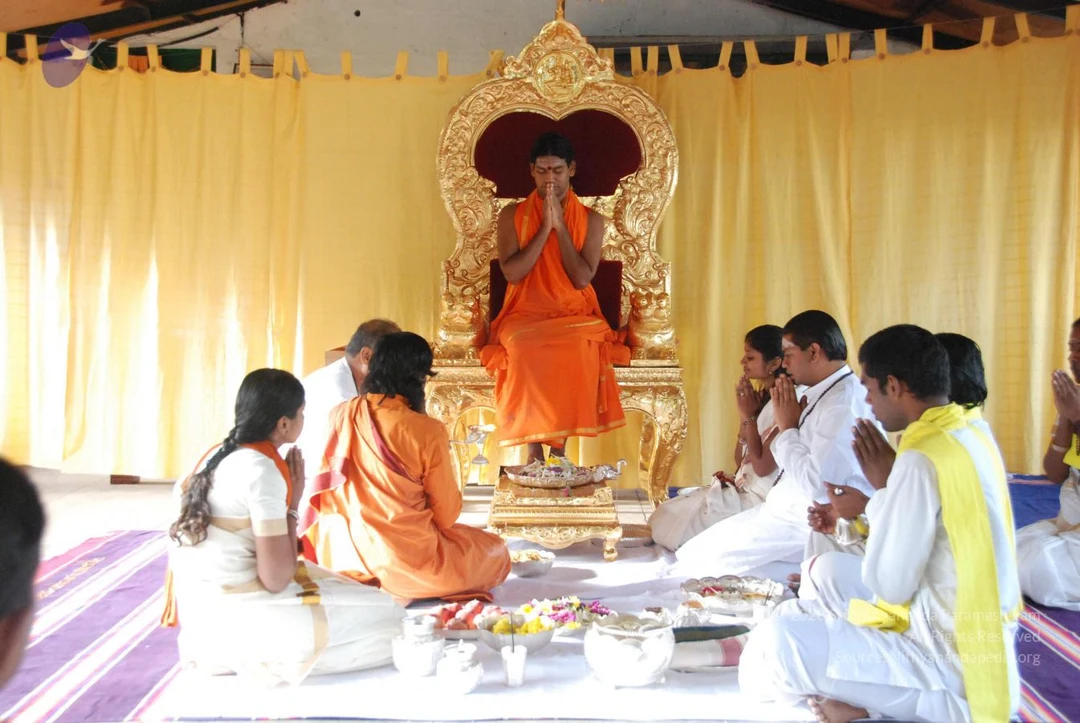
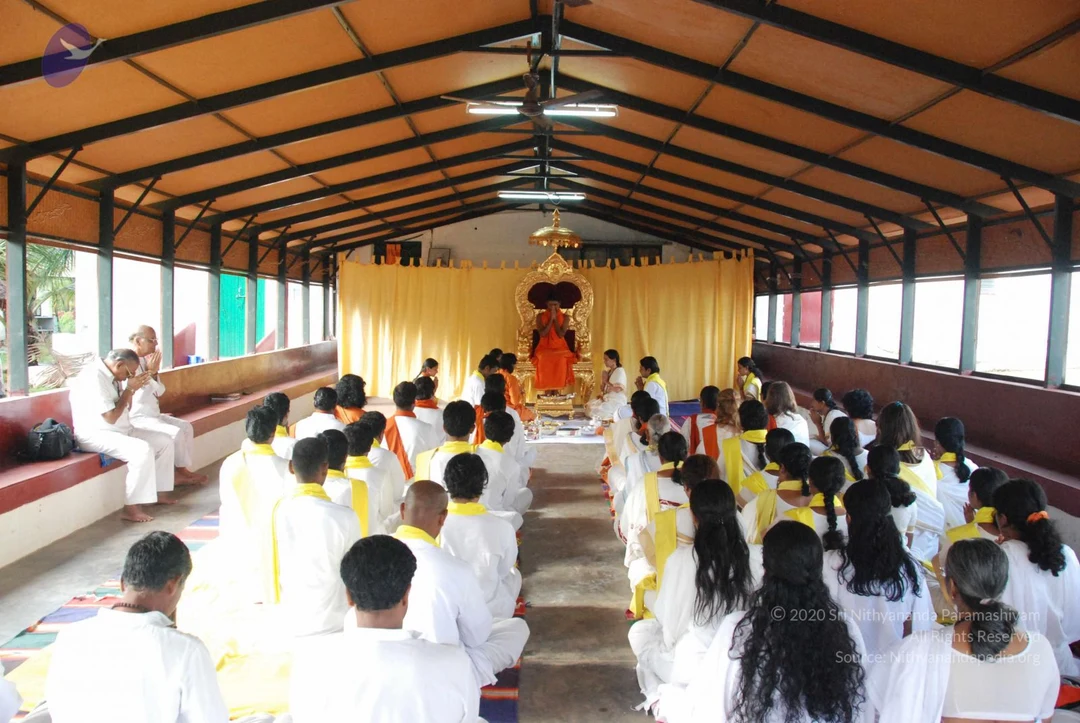
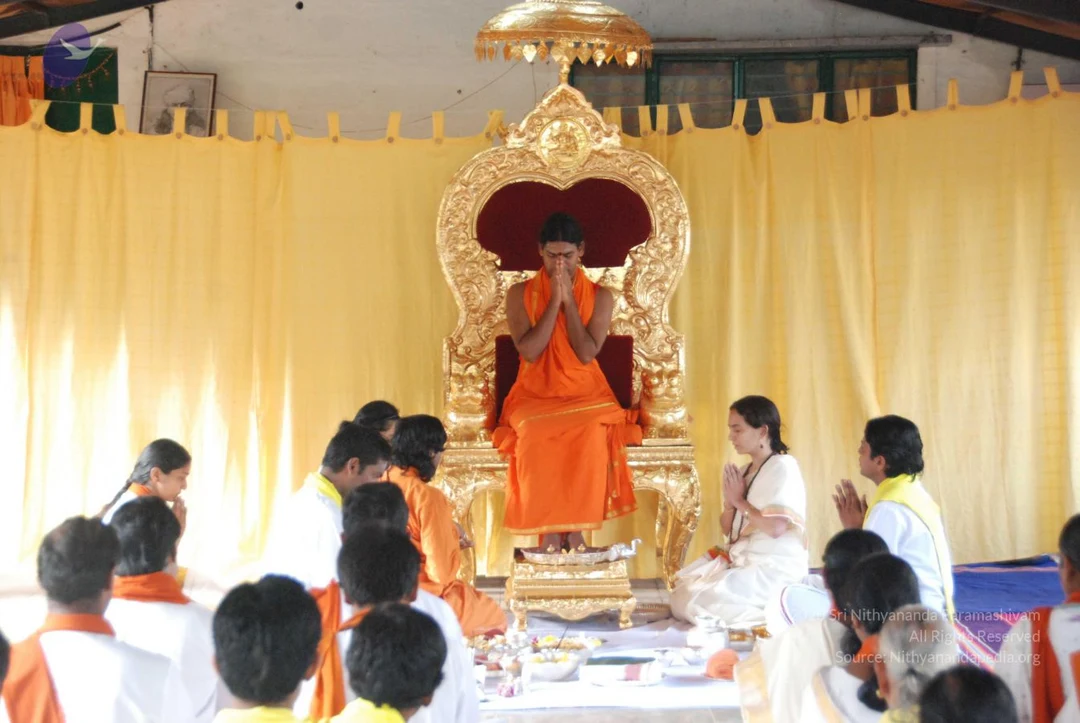
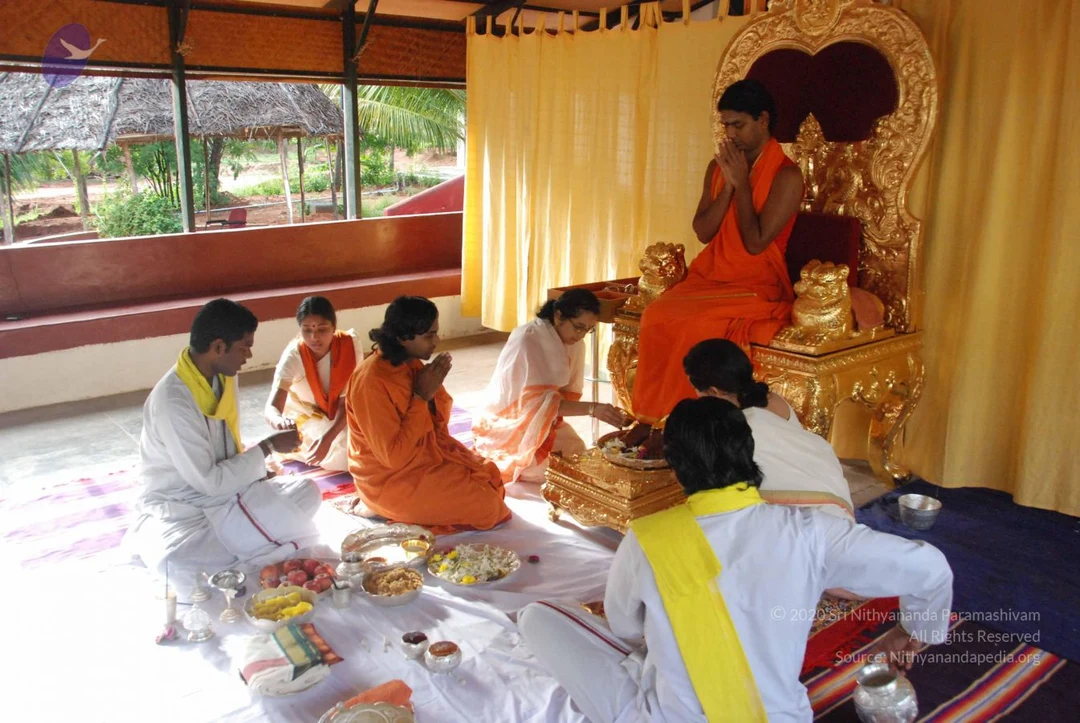
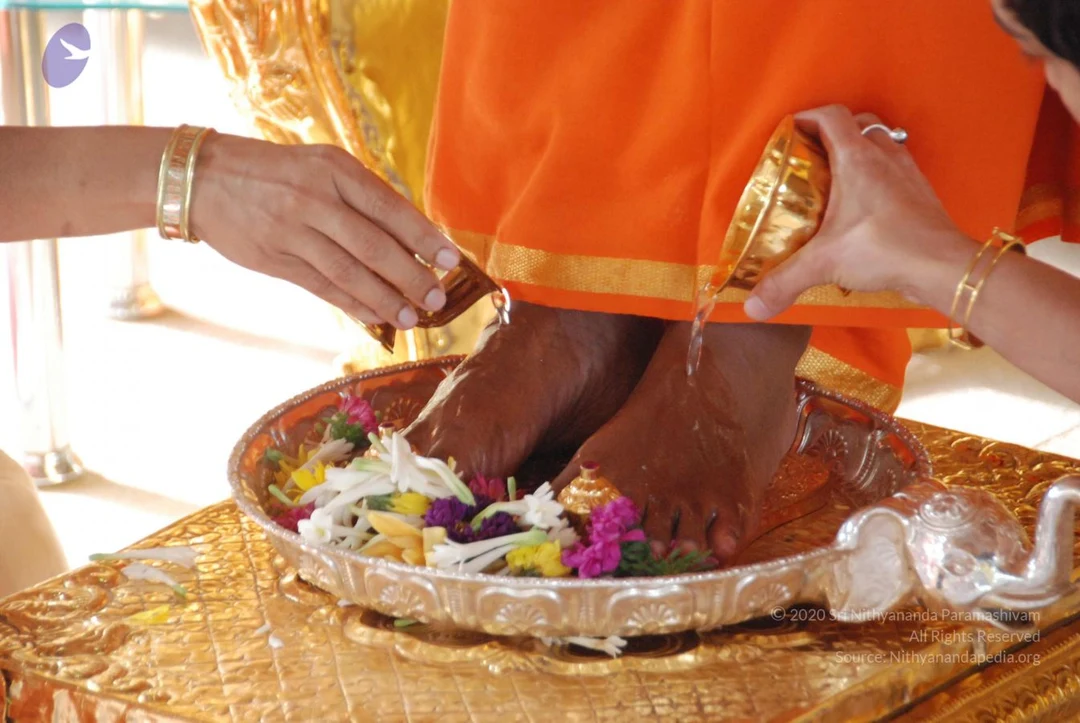
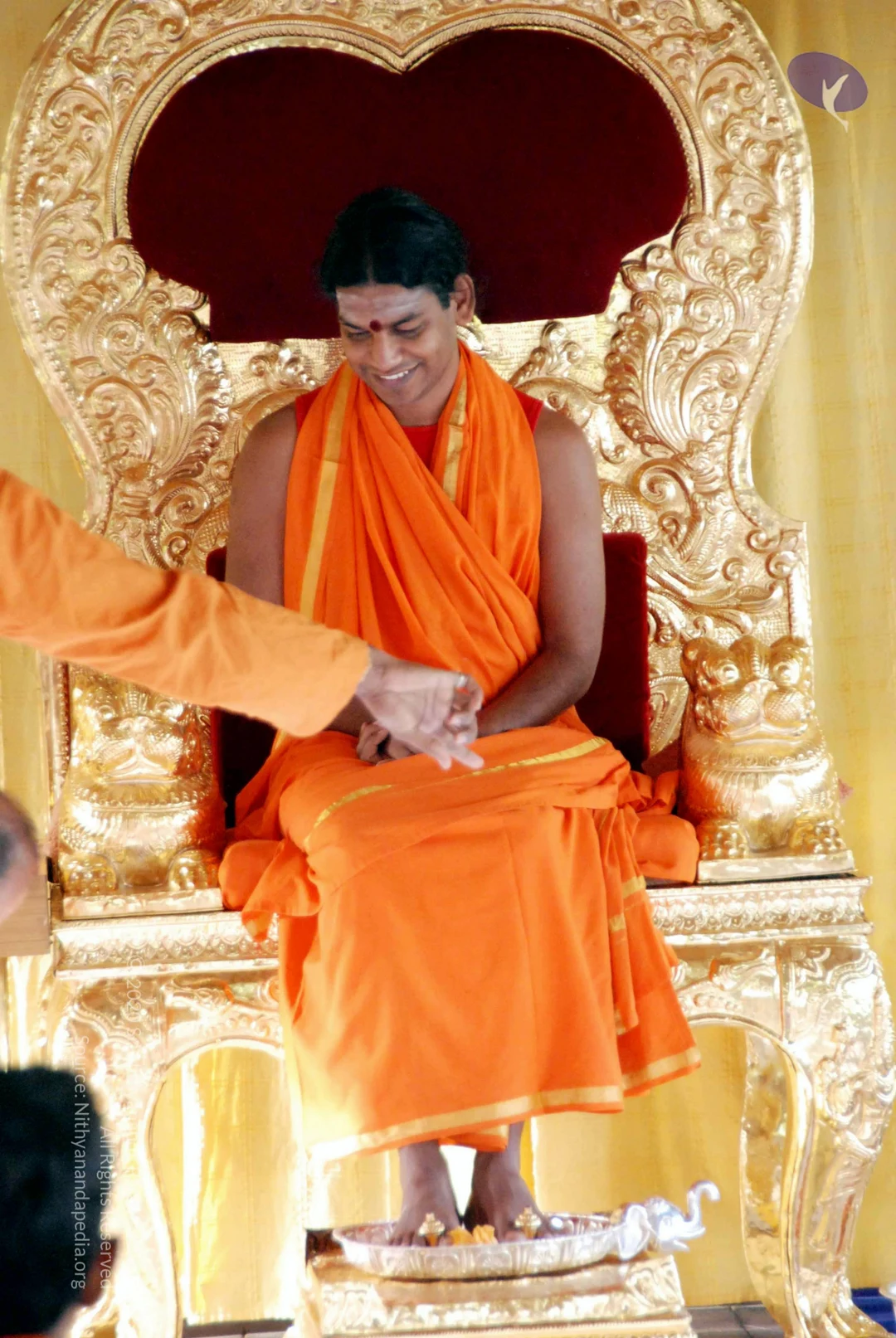
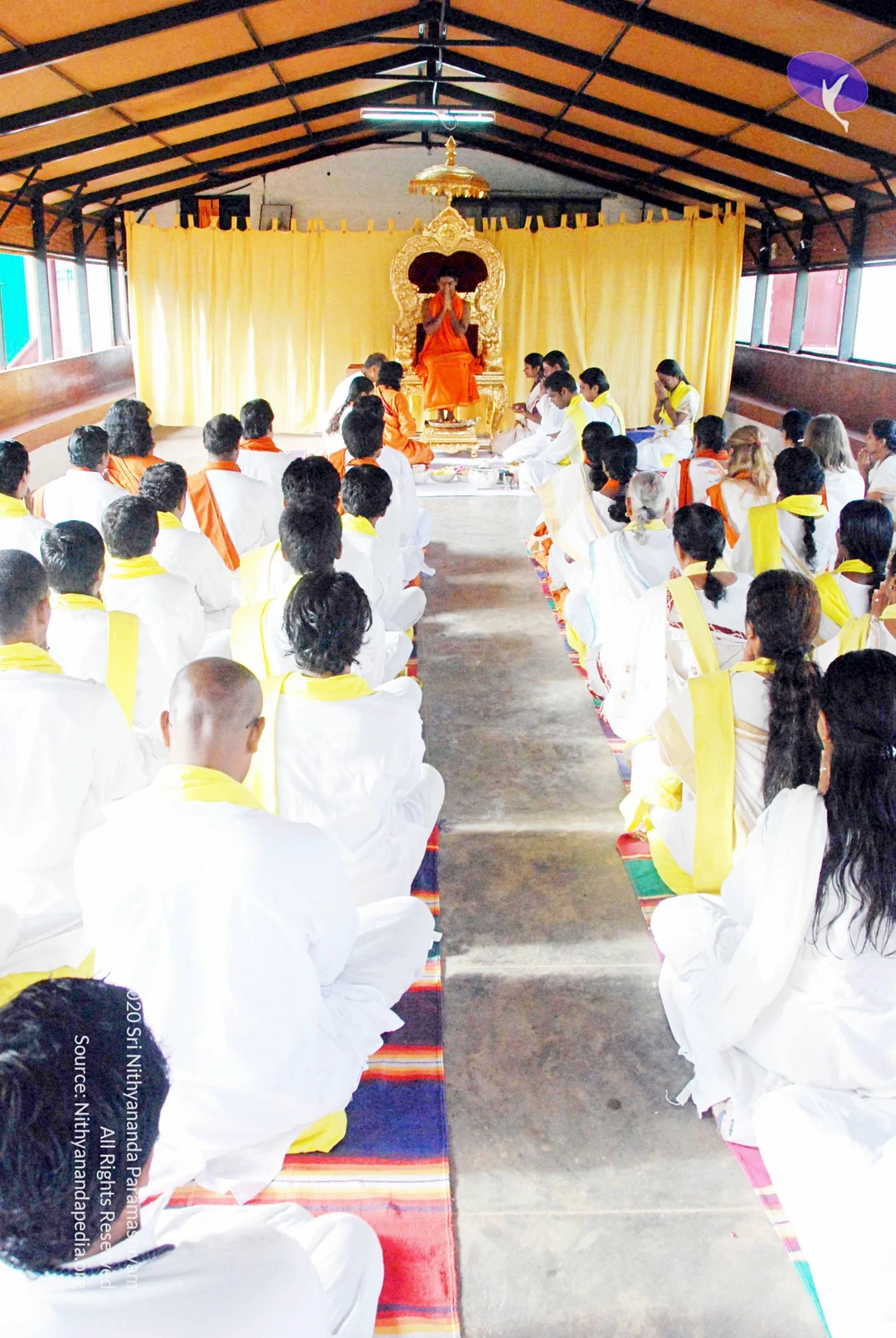
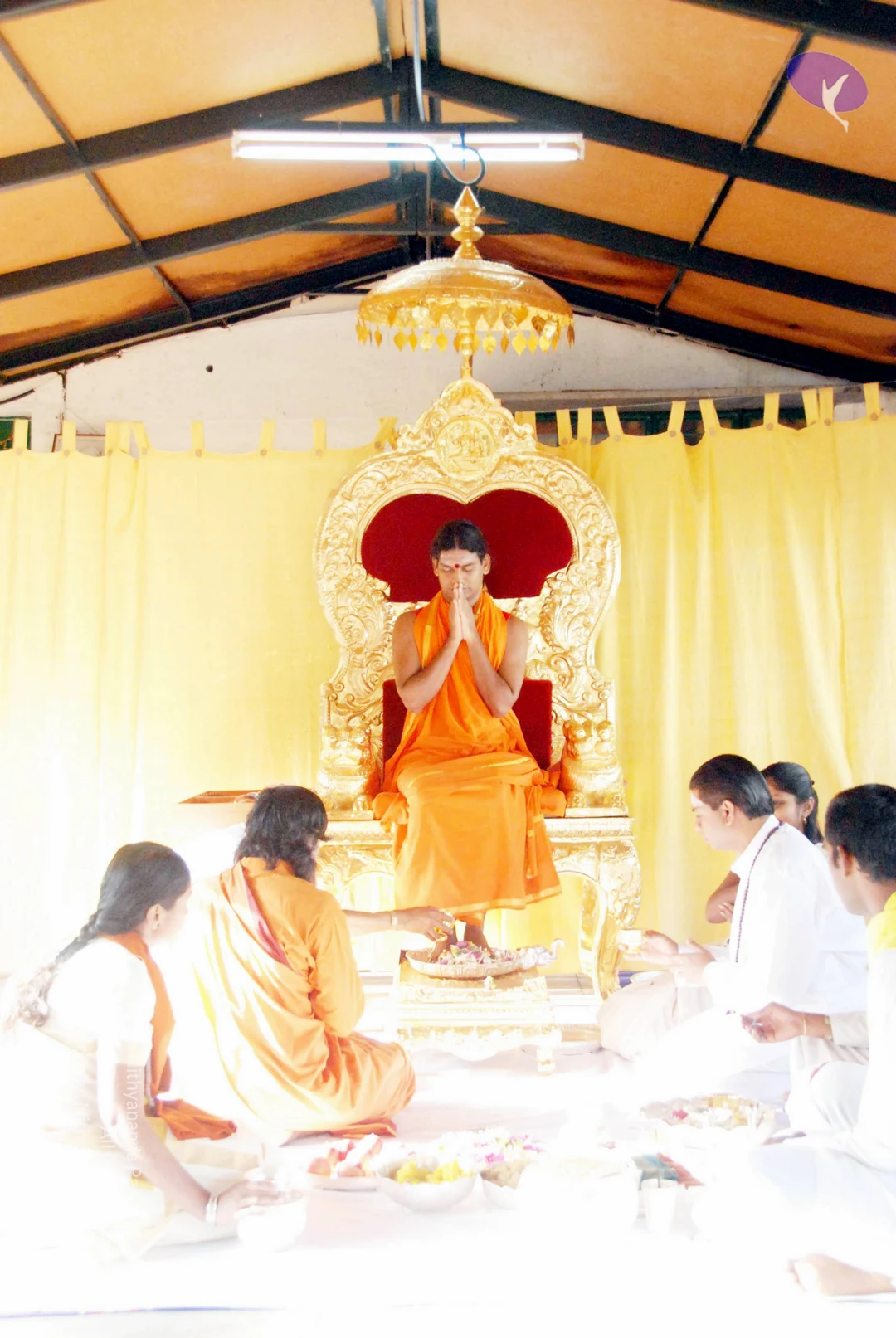
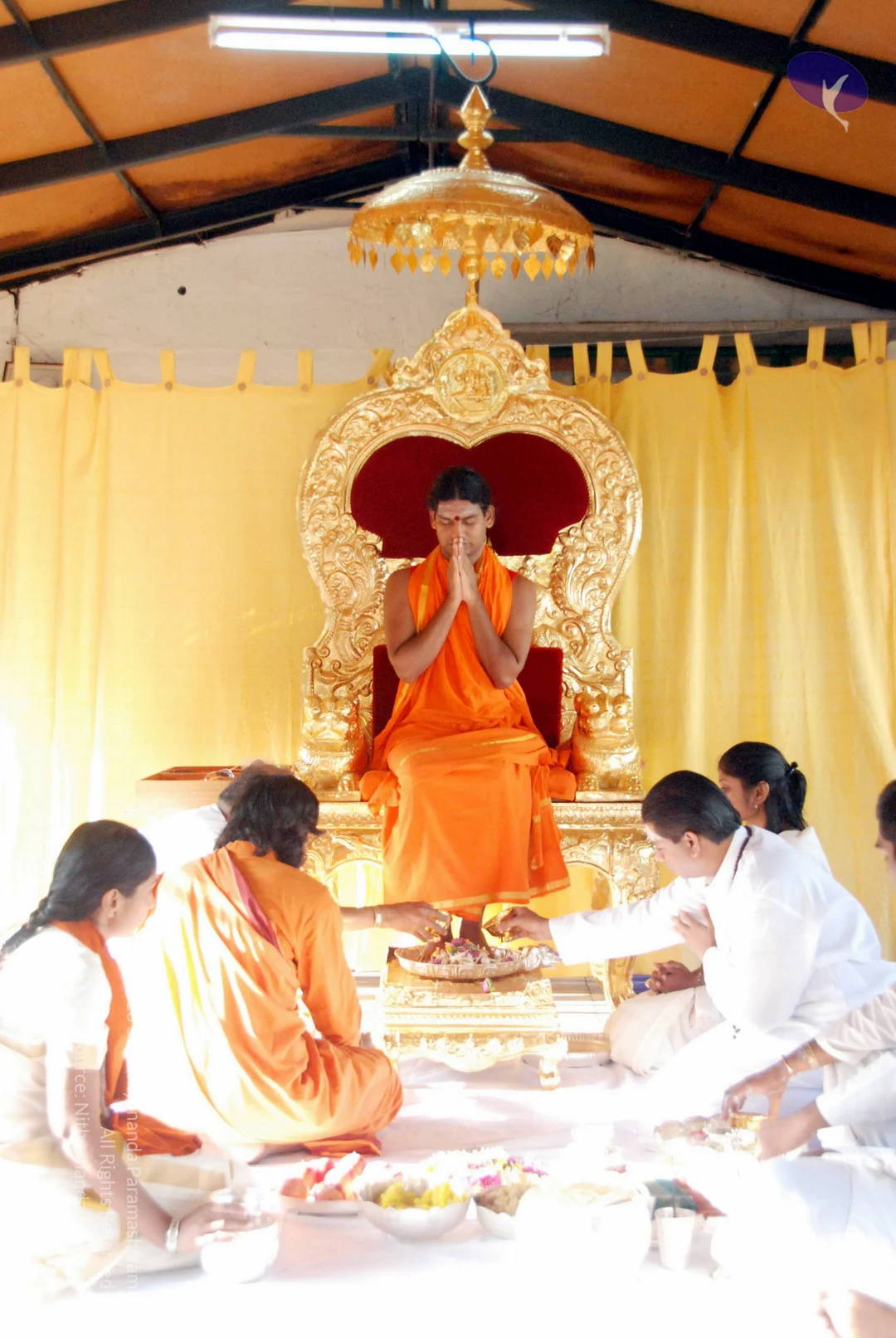
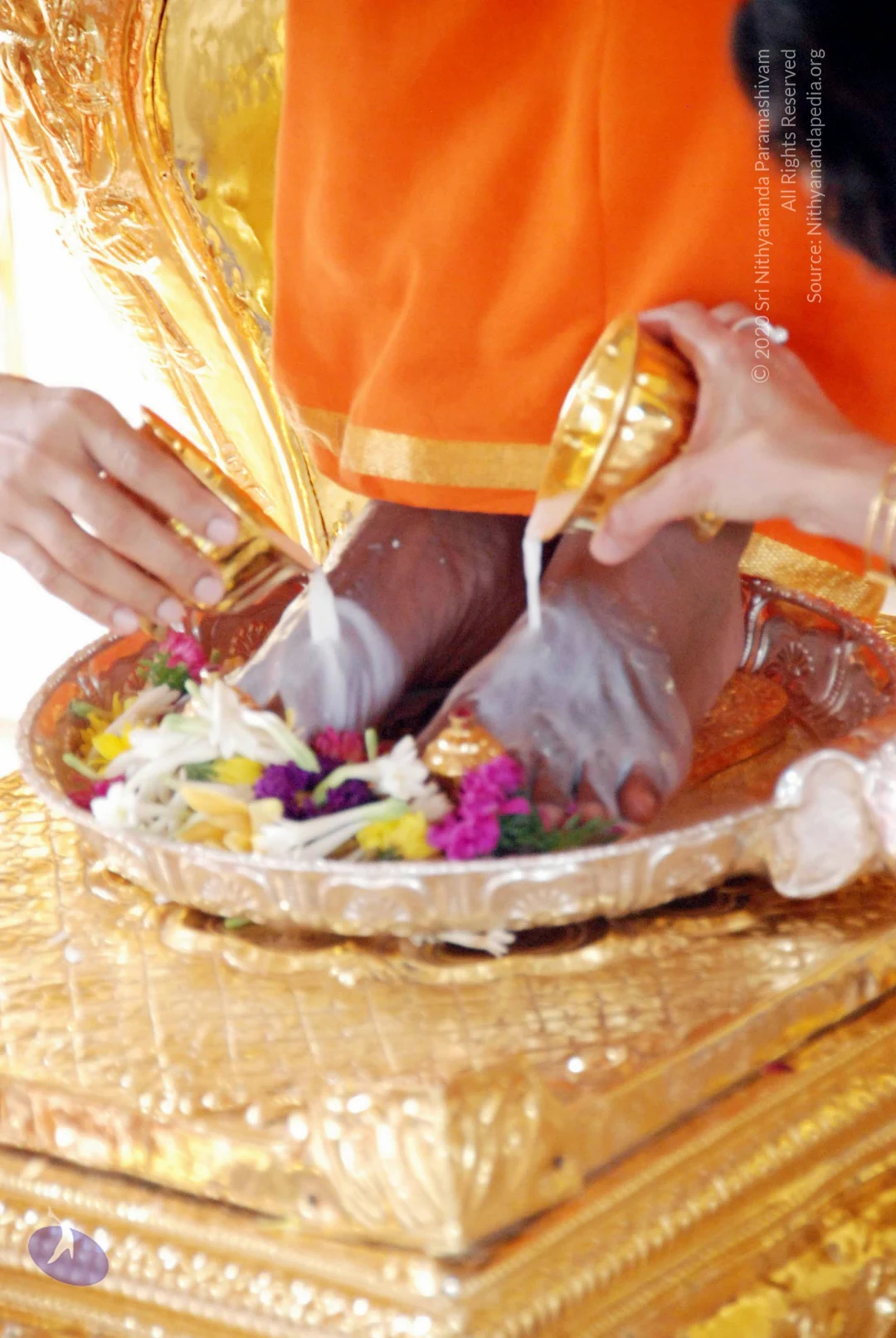
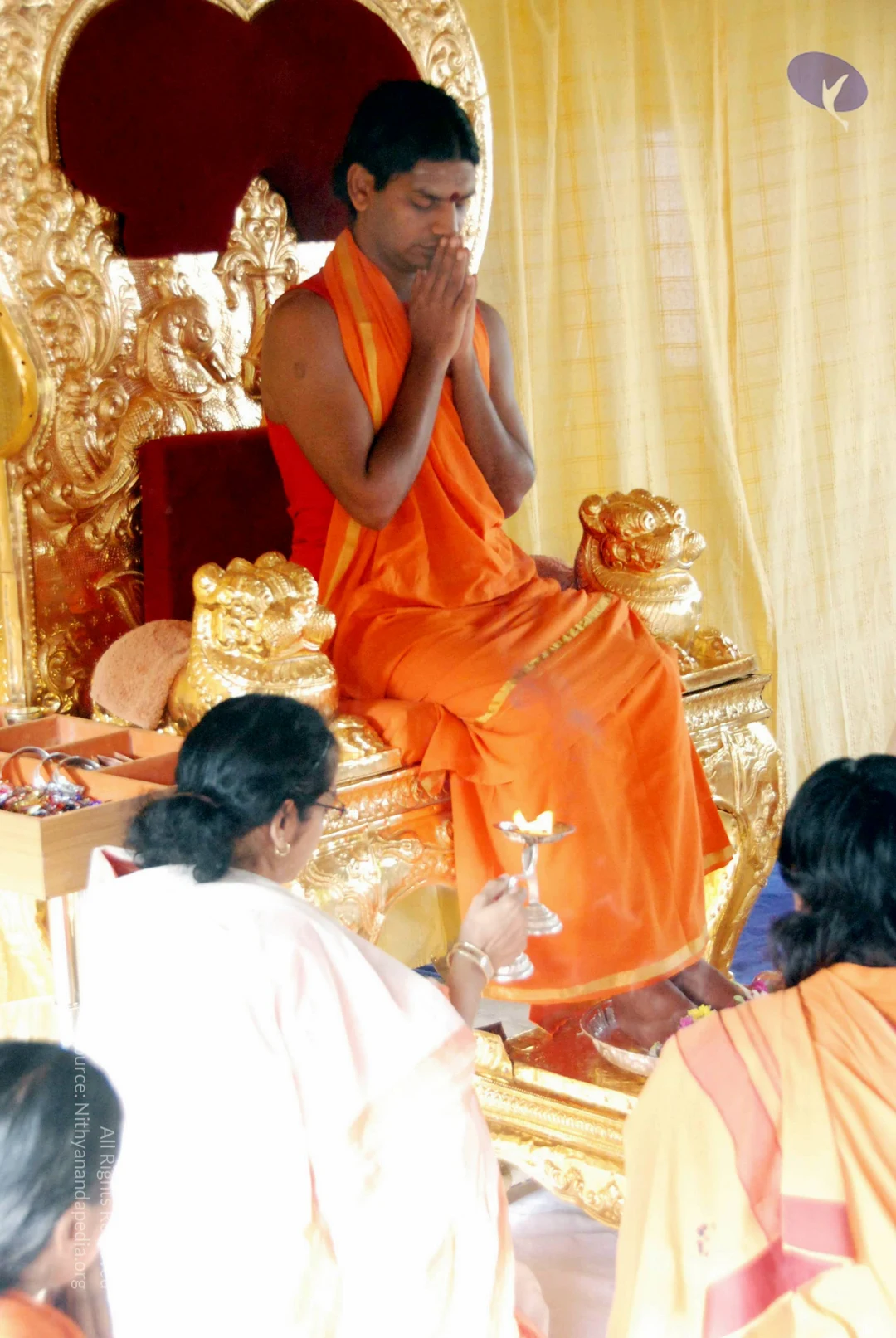
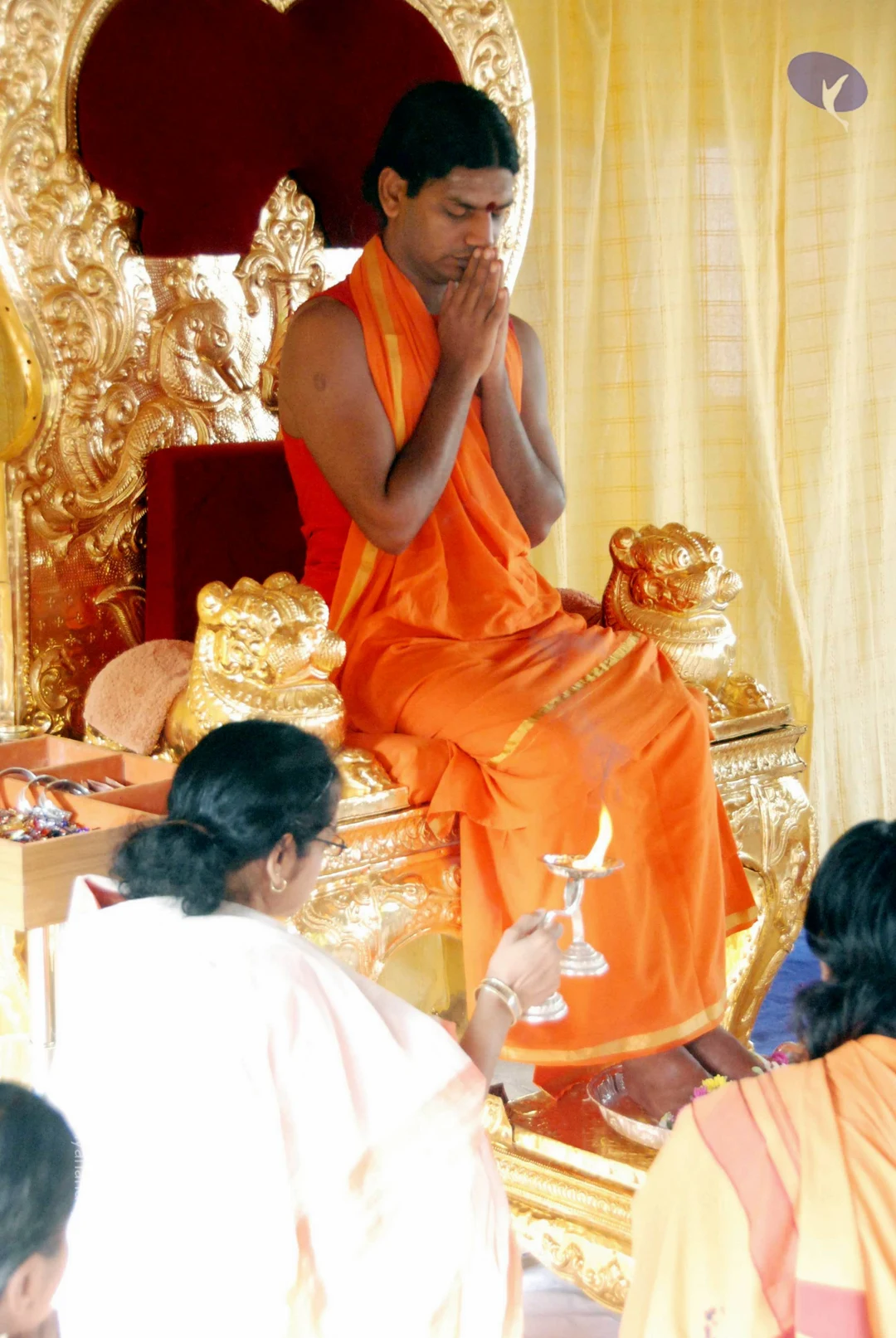
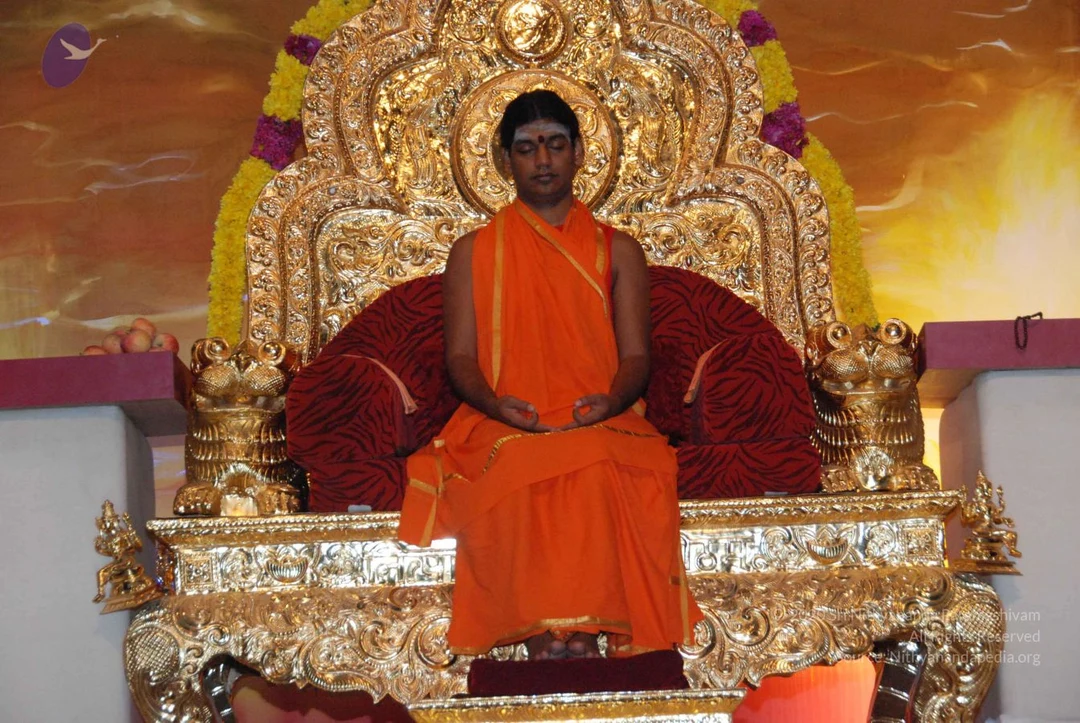
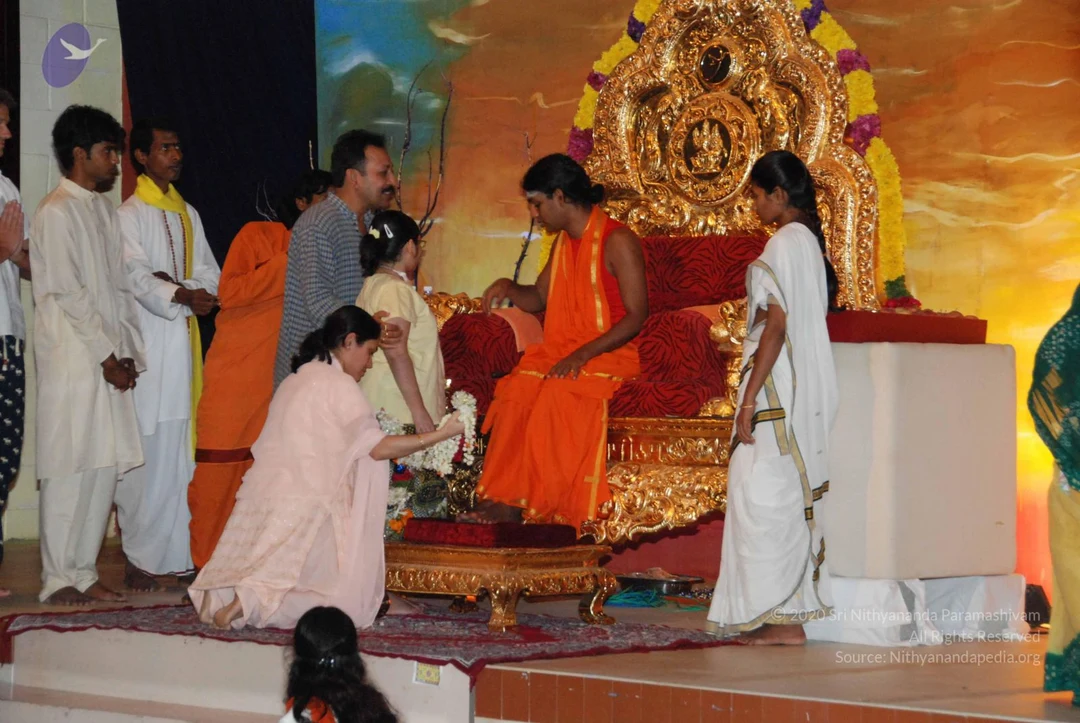
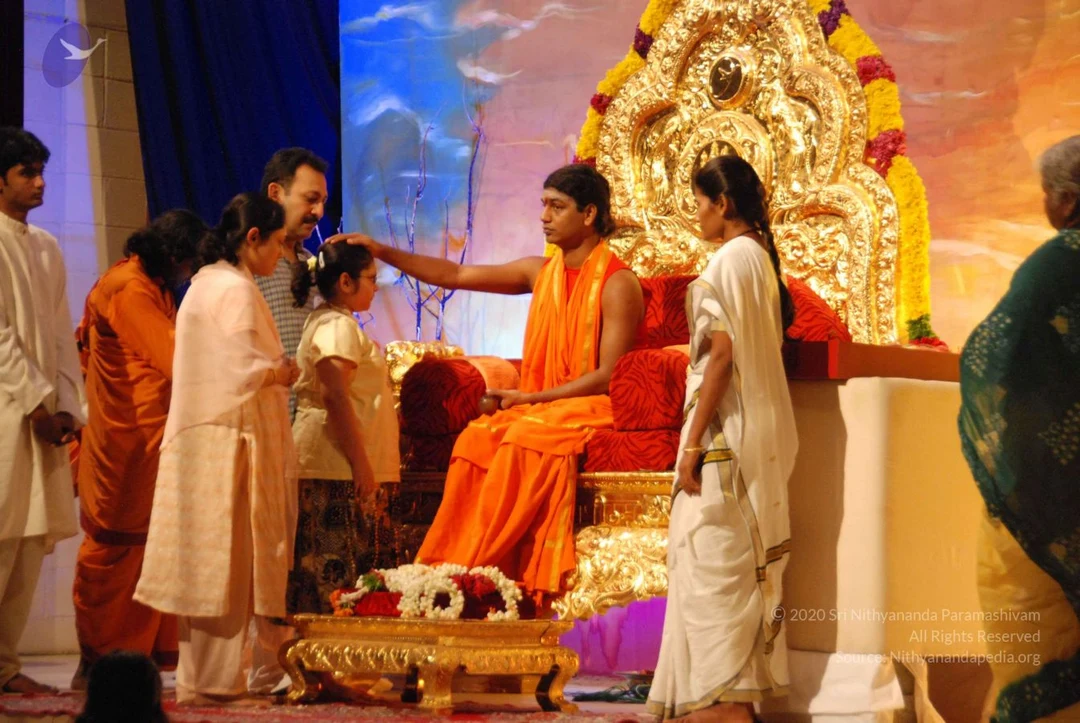
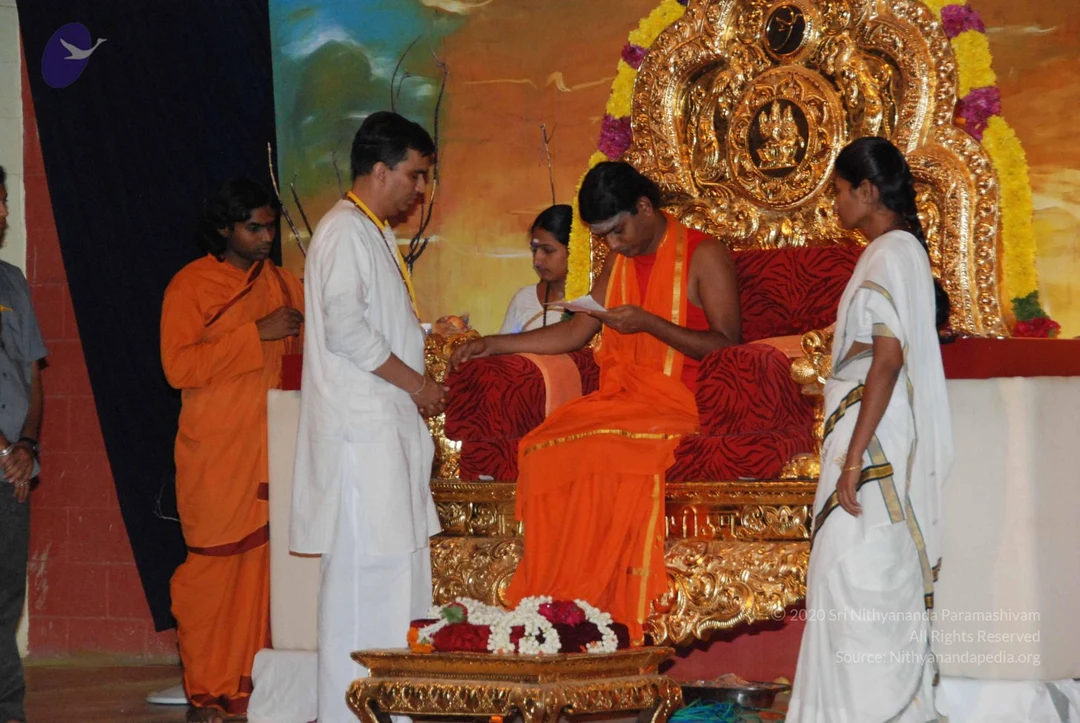
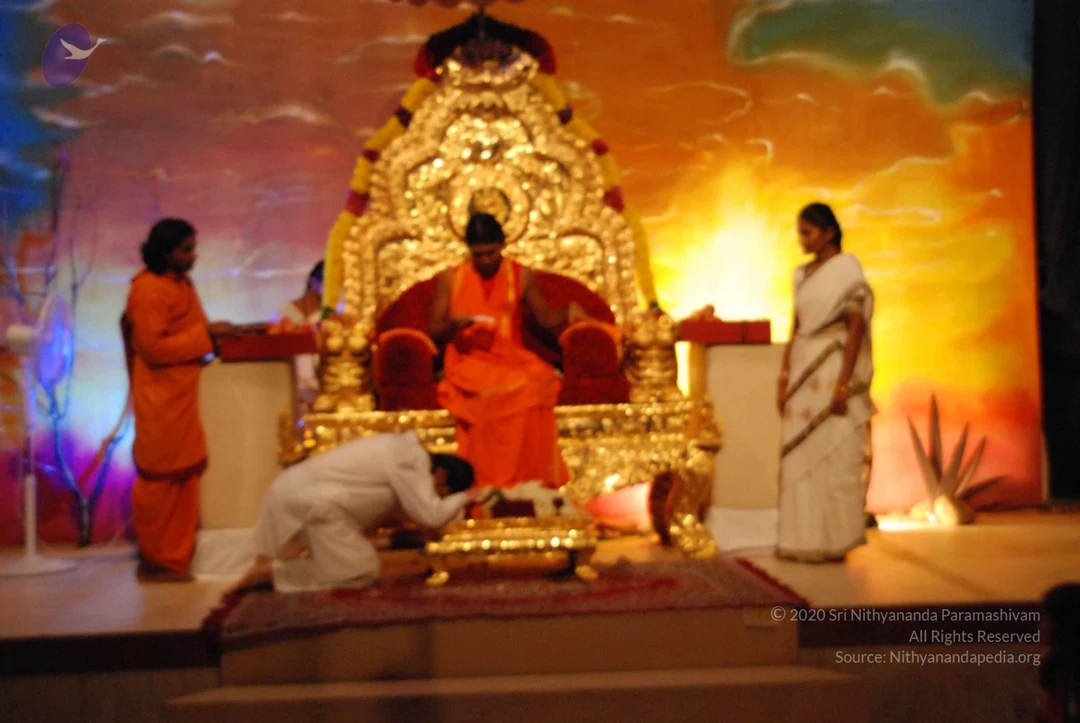
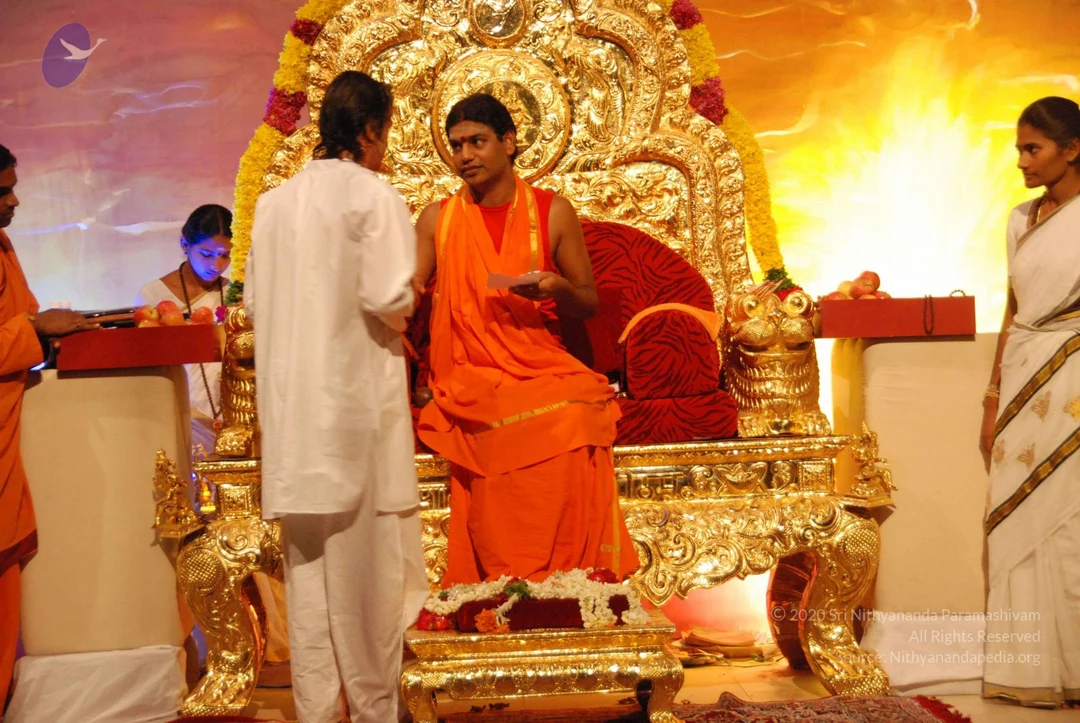
Pada-Puja
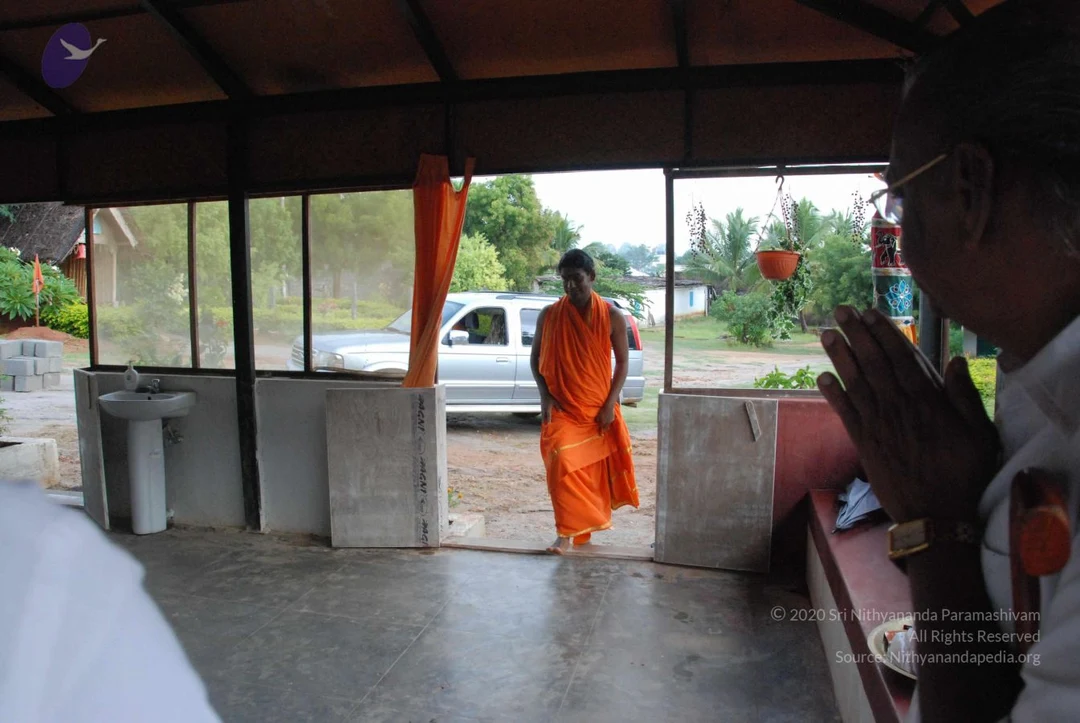
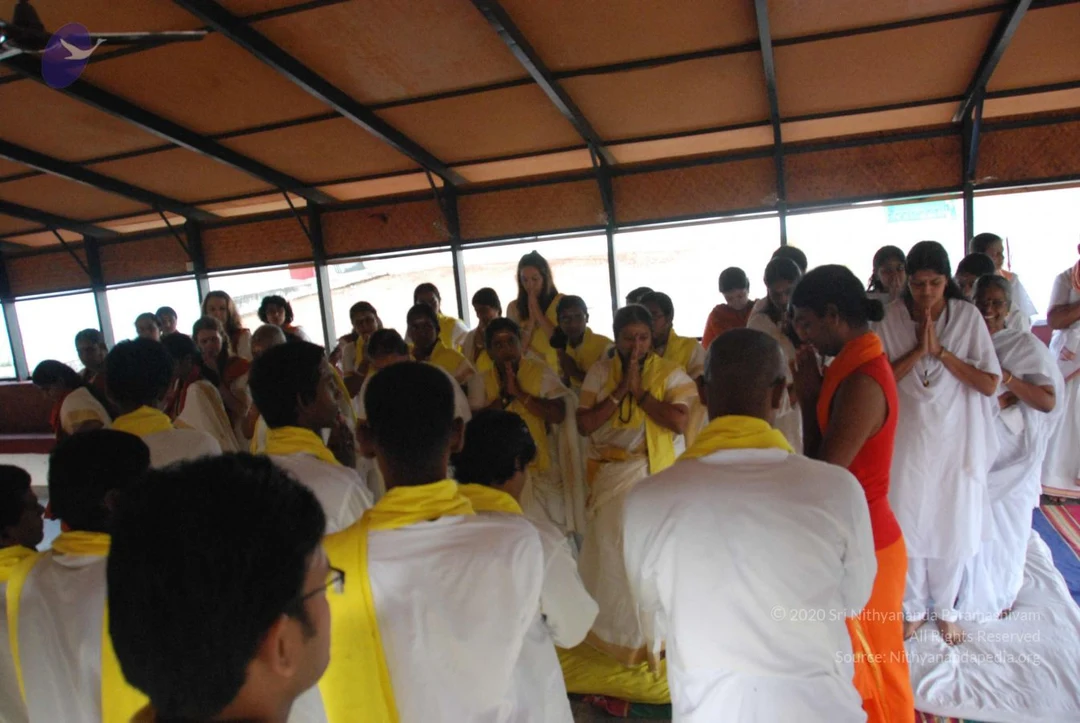
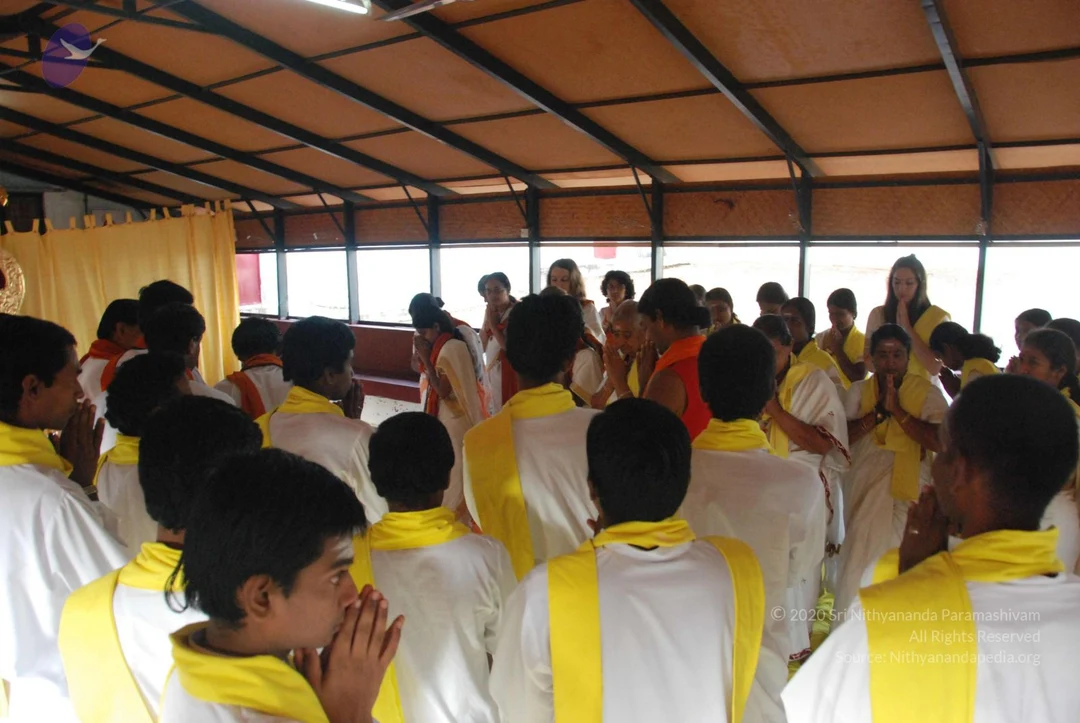

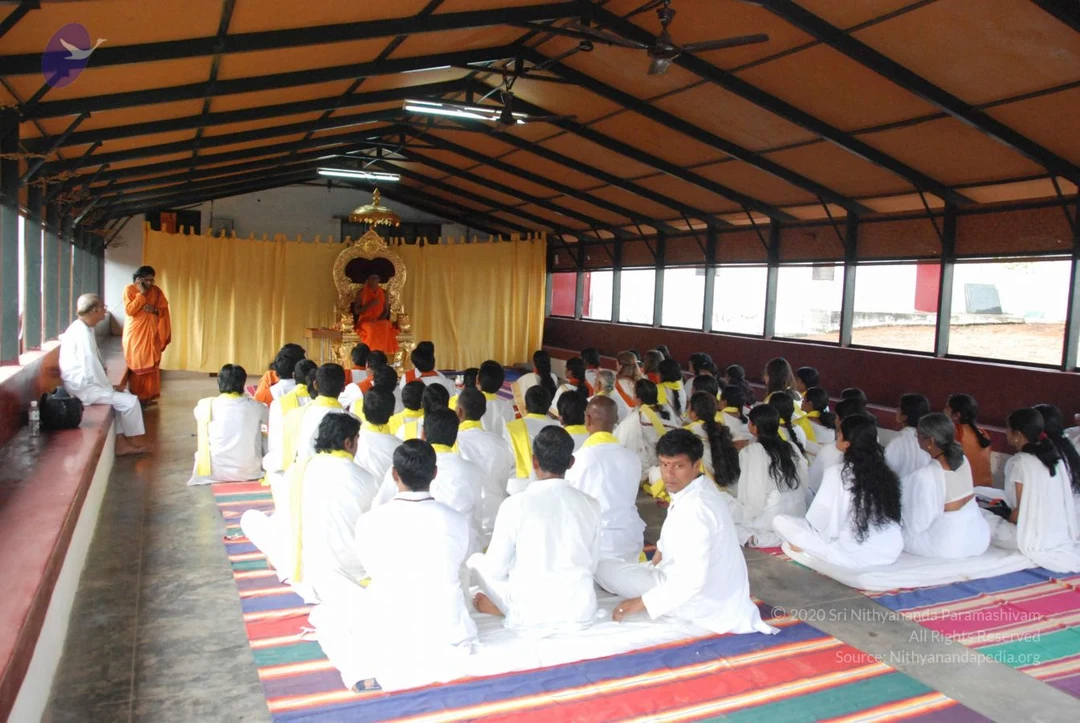
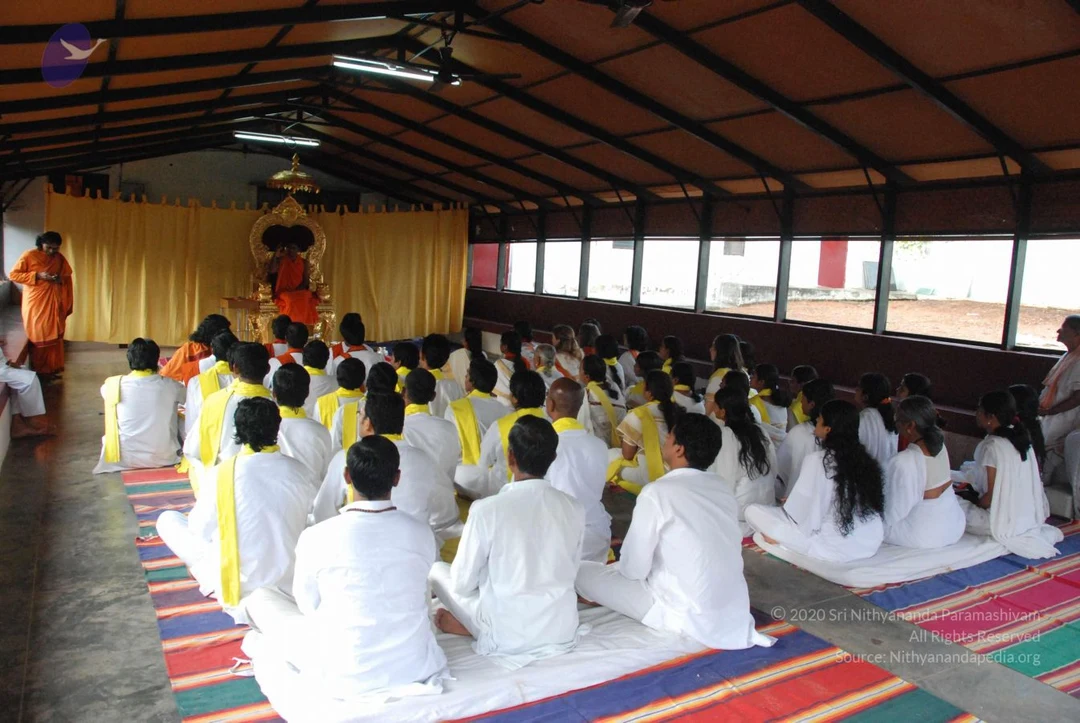
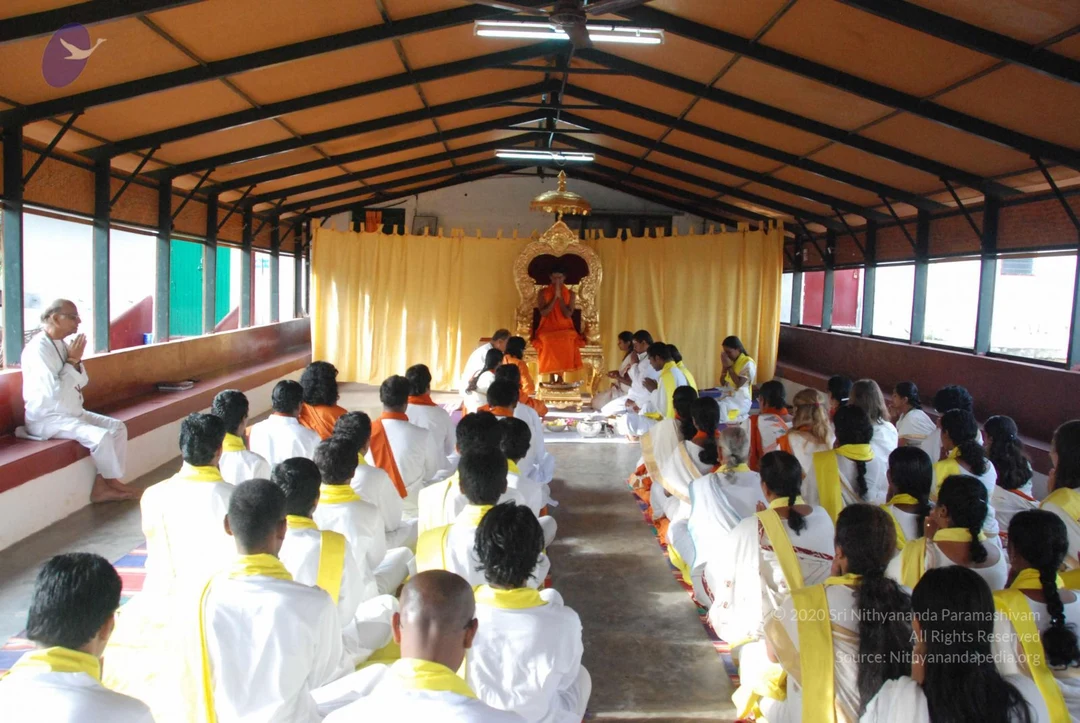
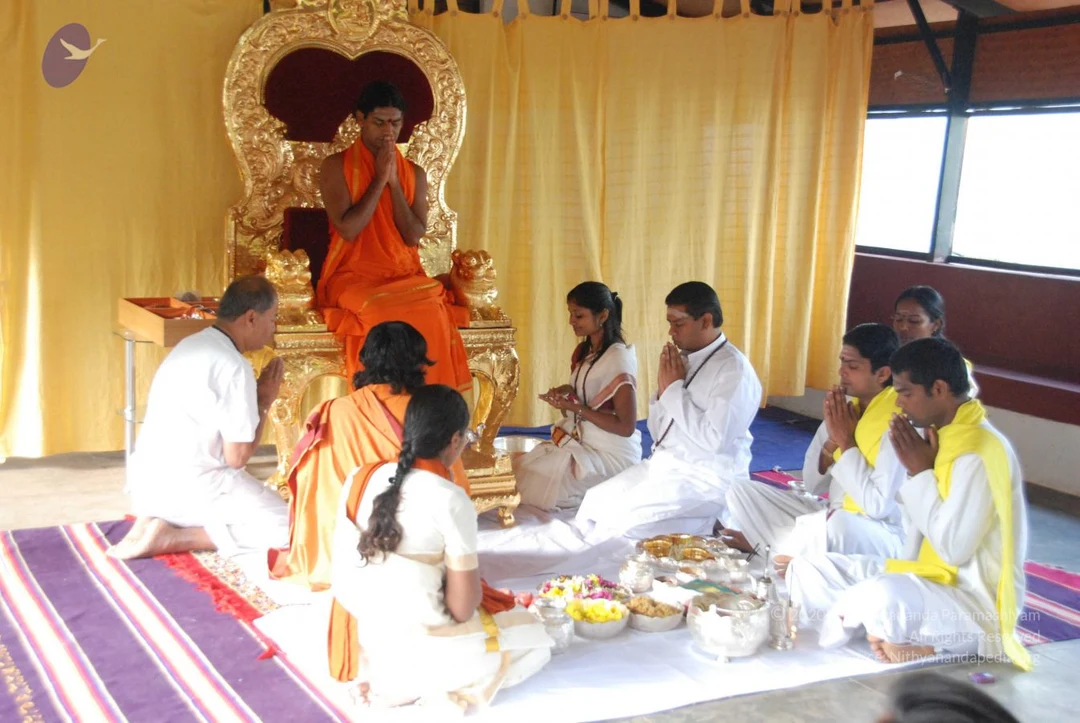
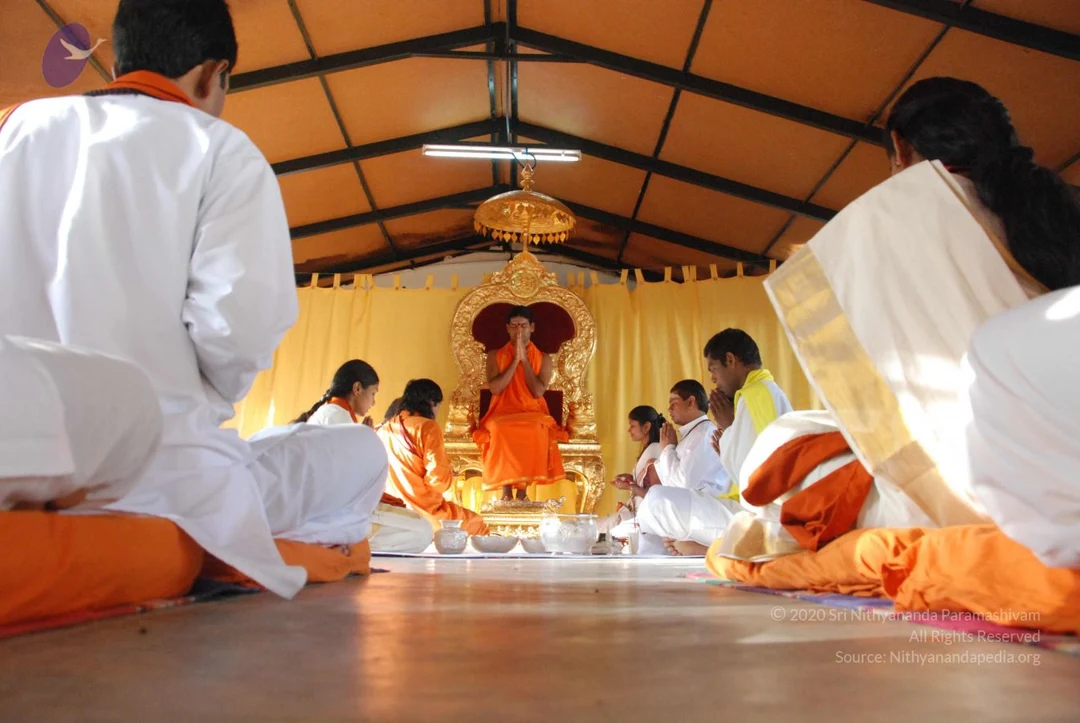

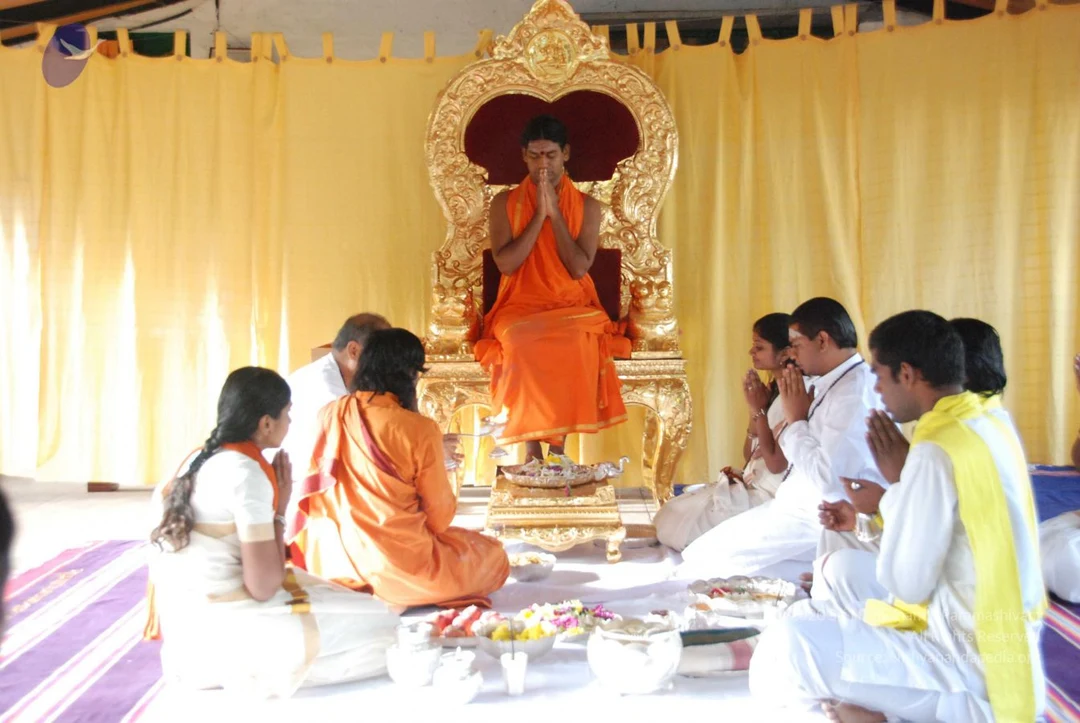
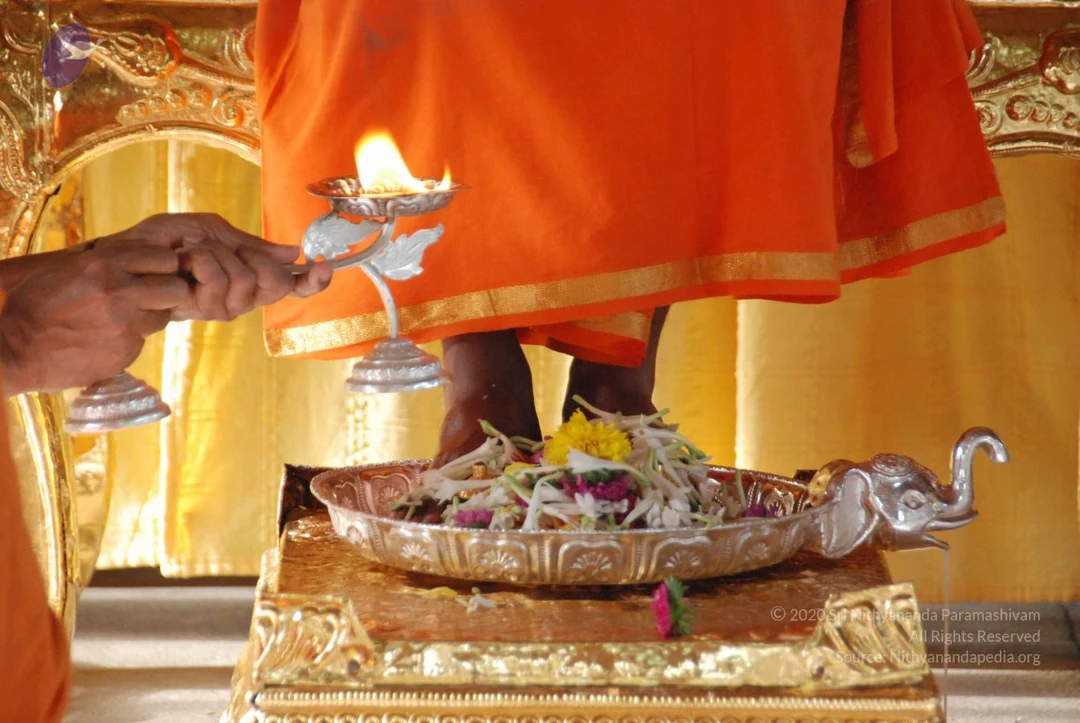
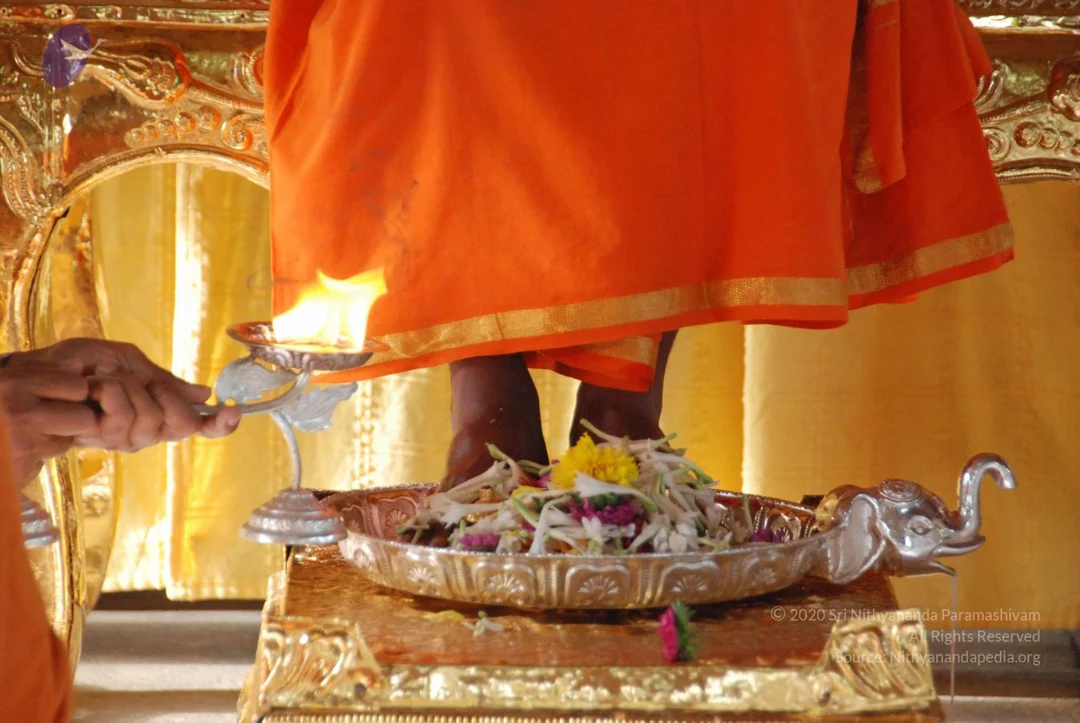

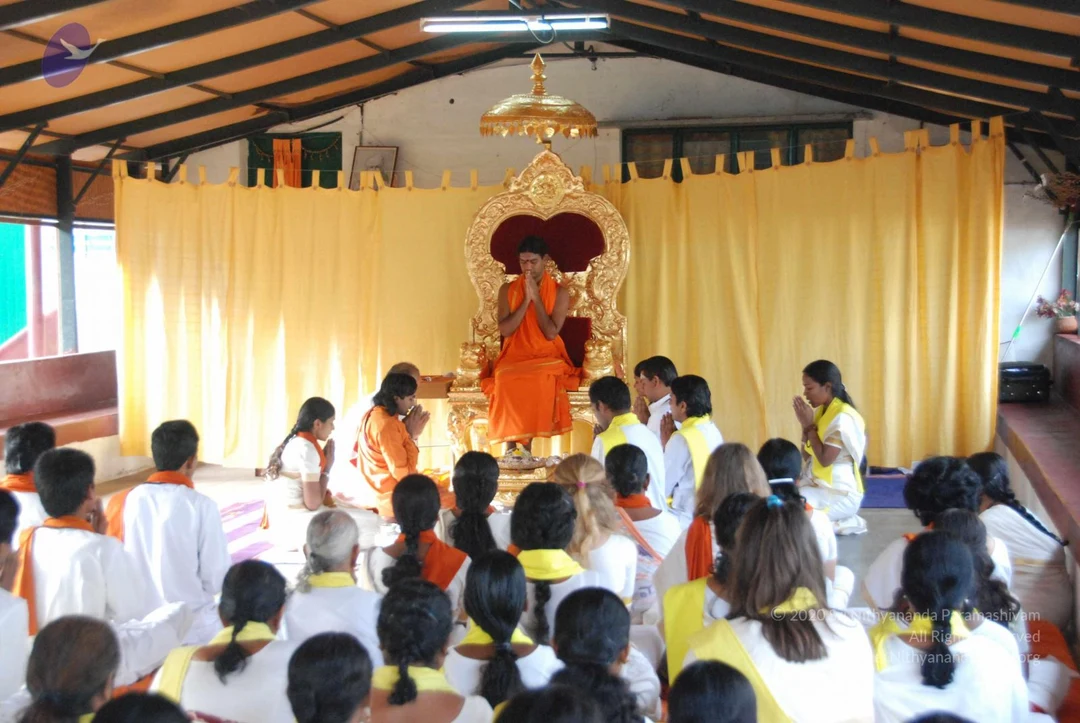
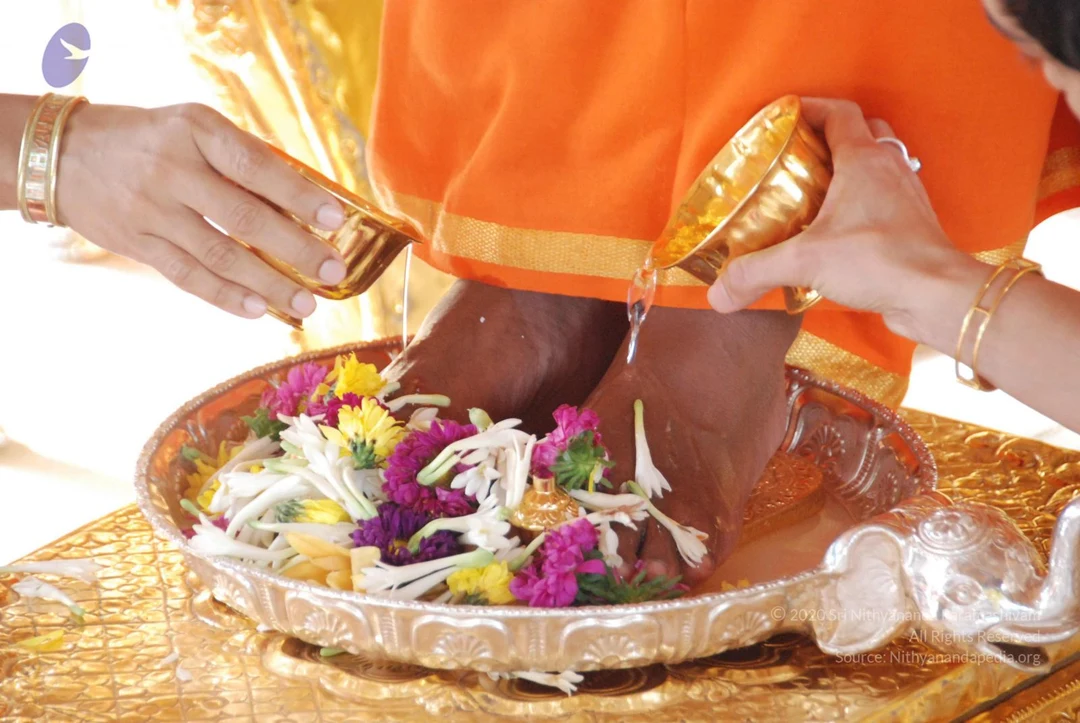
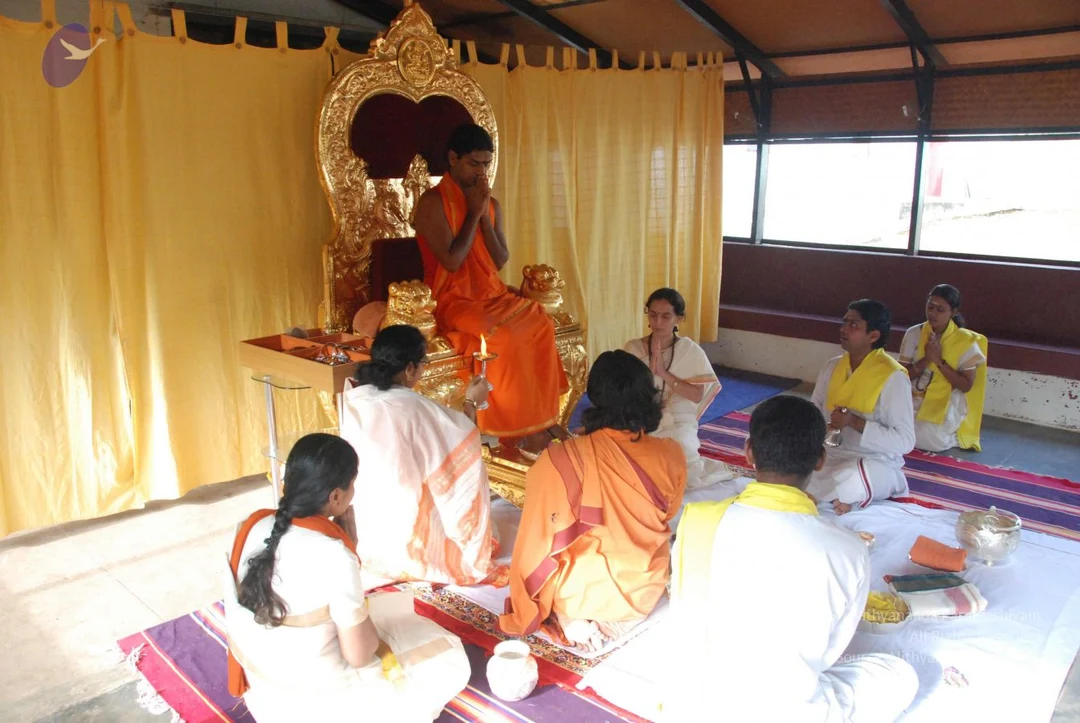

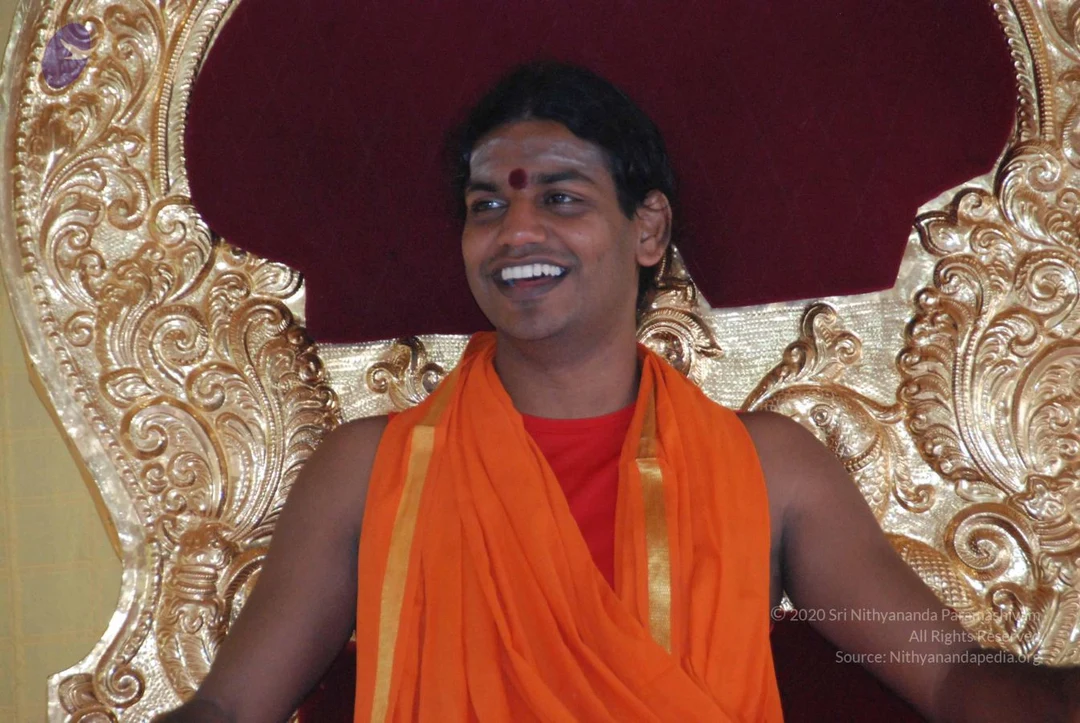
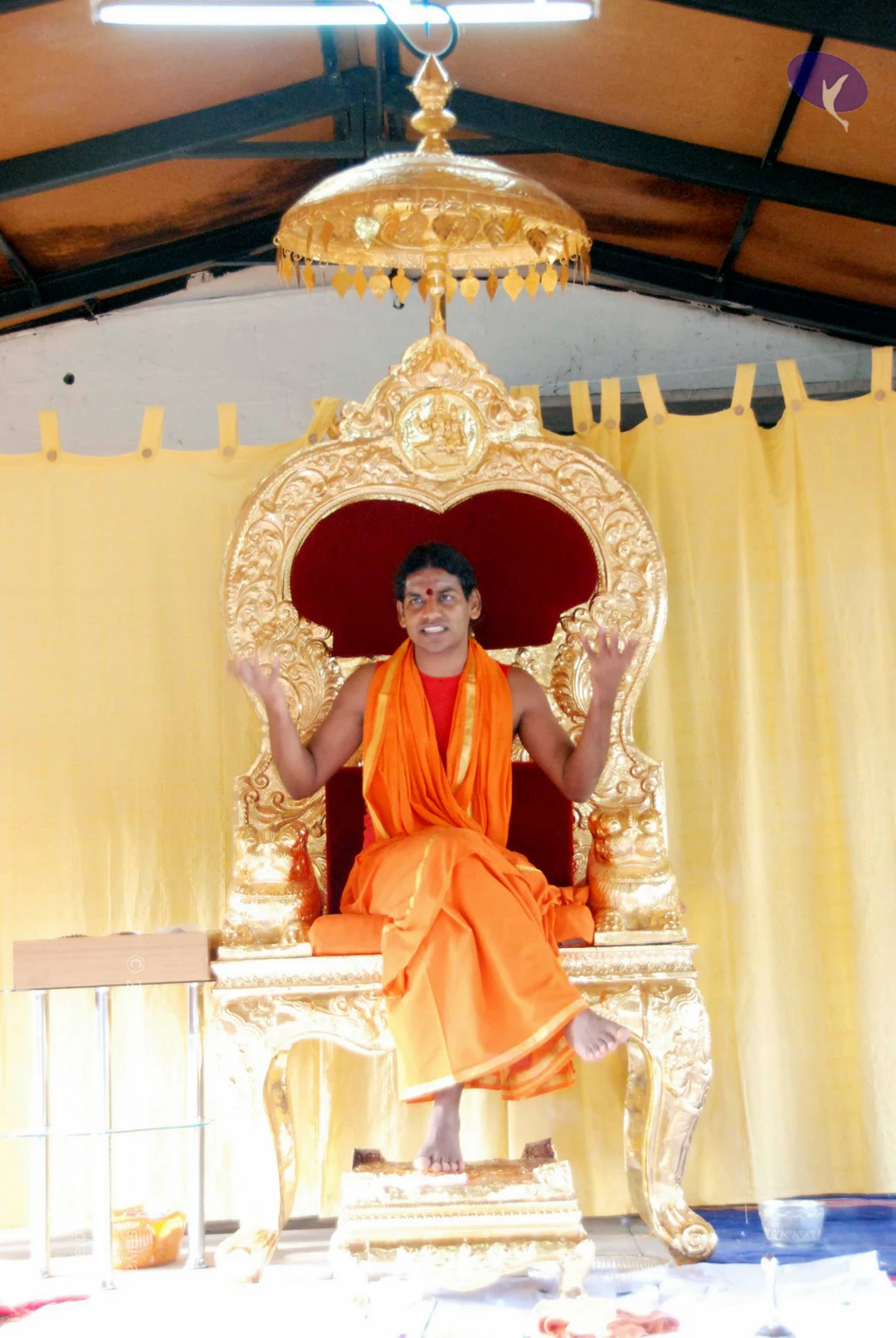
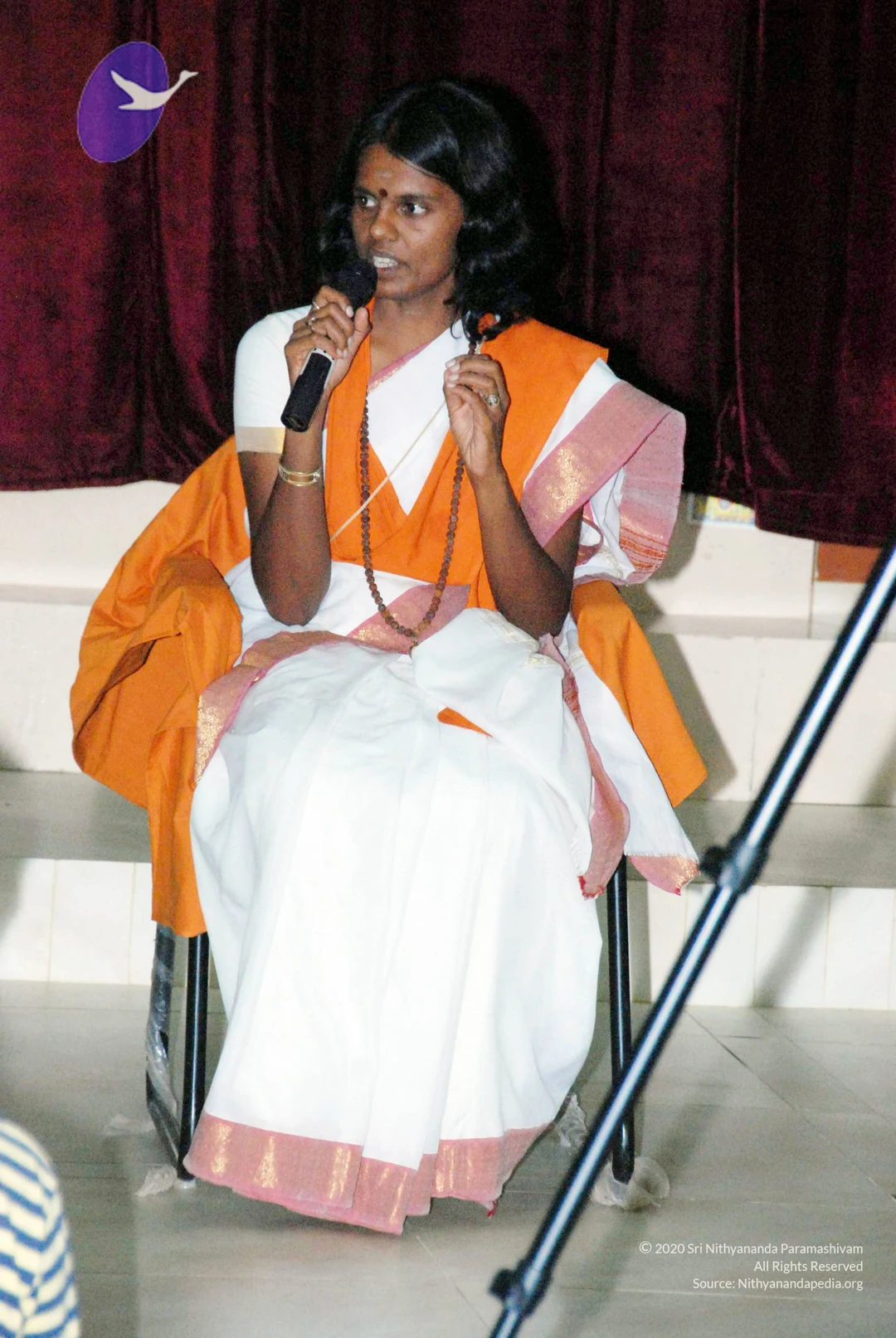
Kalpataru-Acharya-session
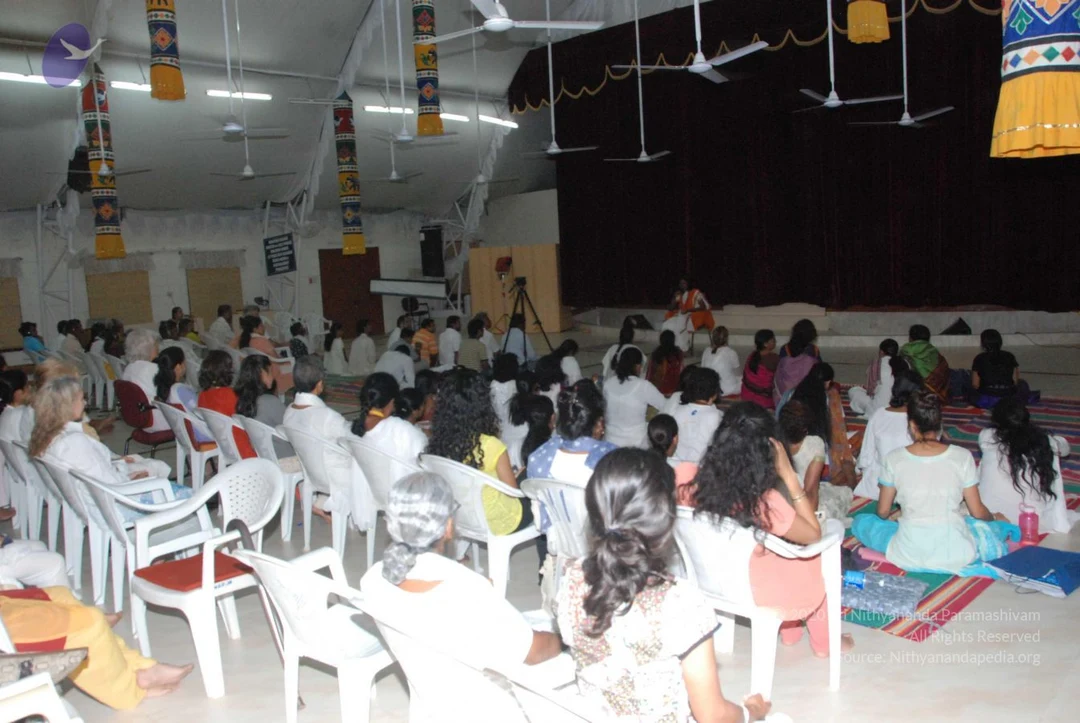


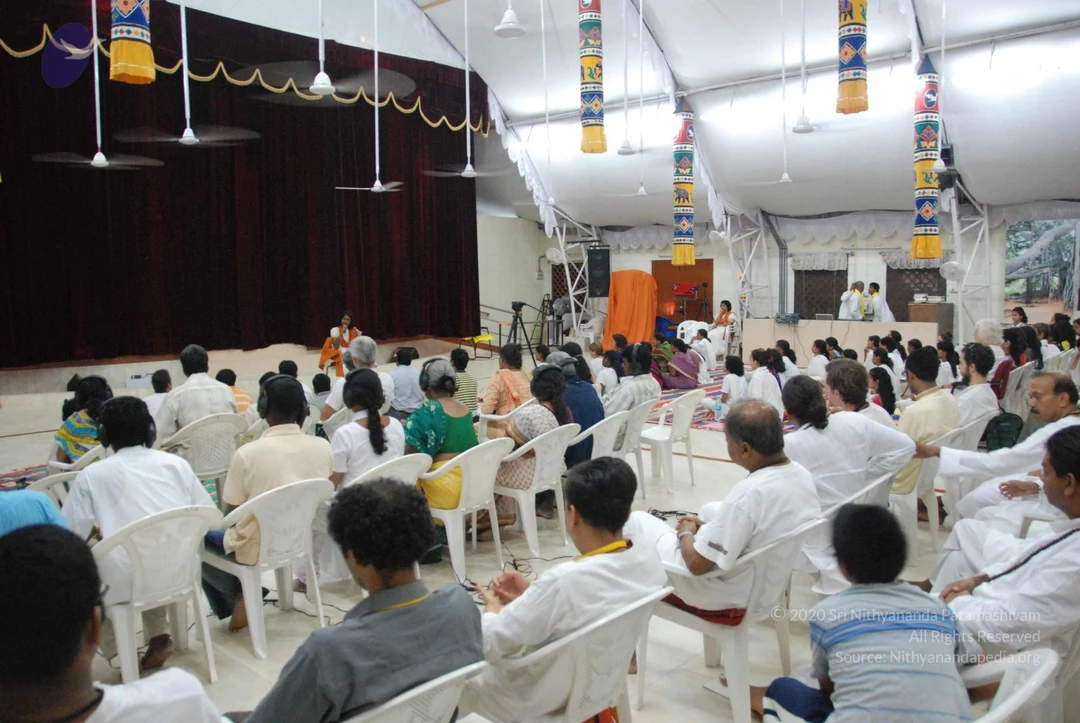
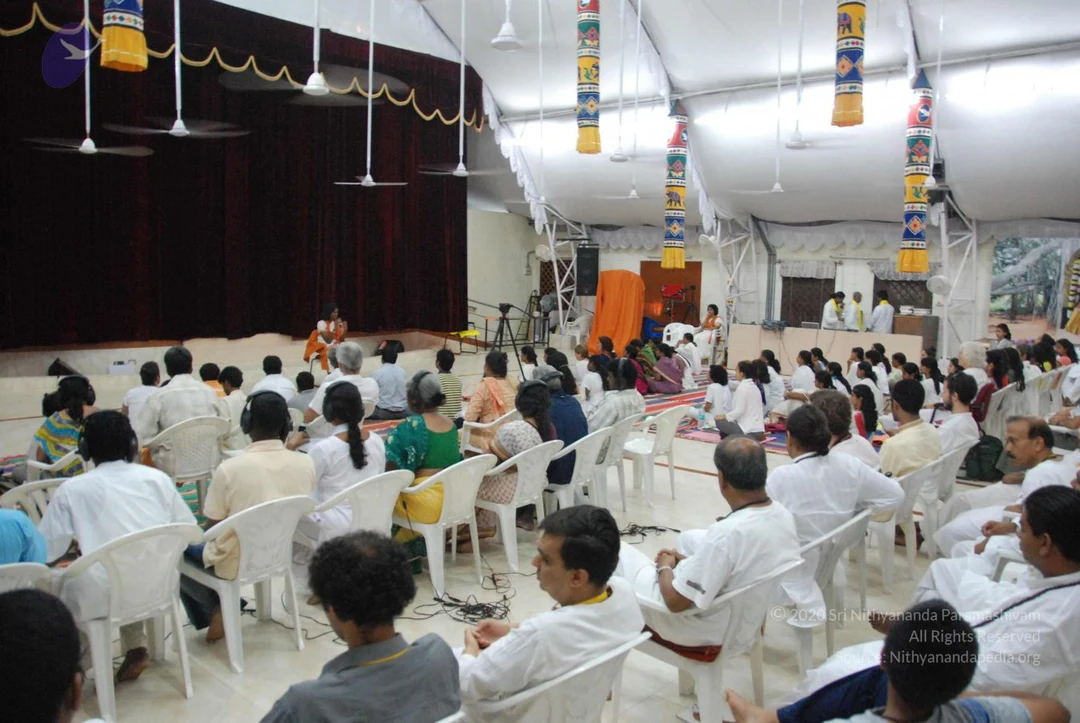
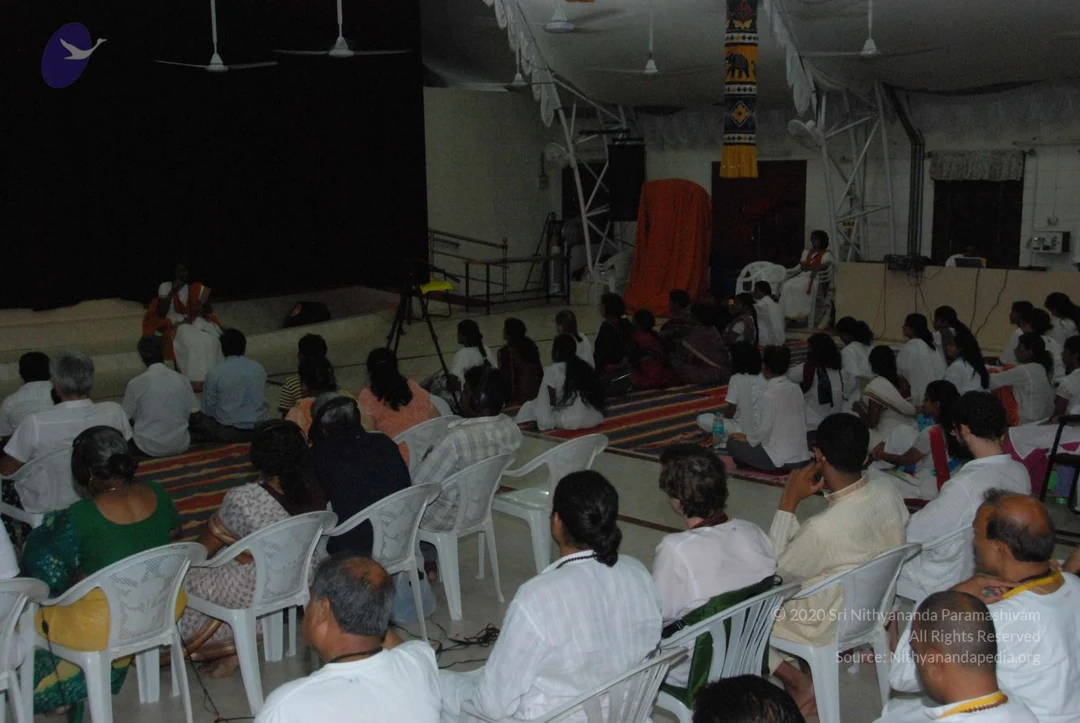
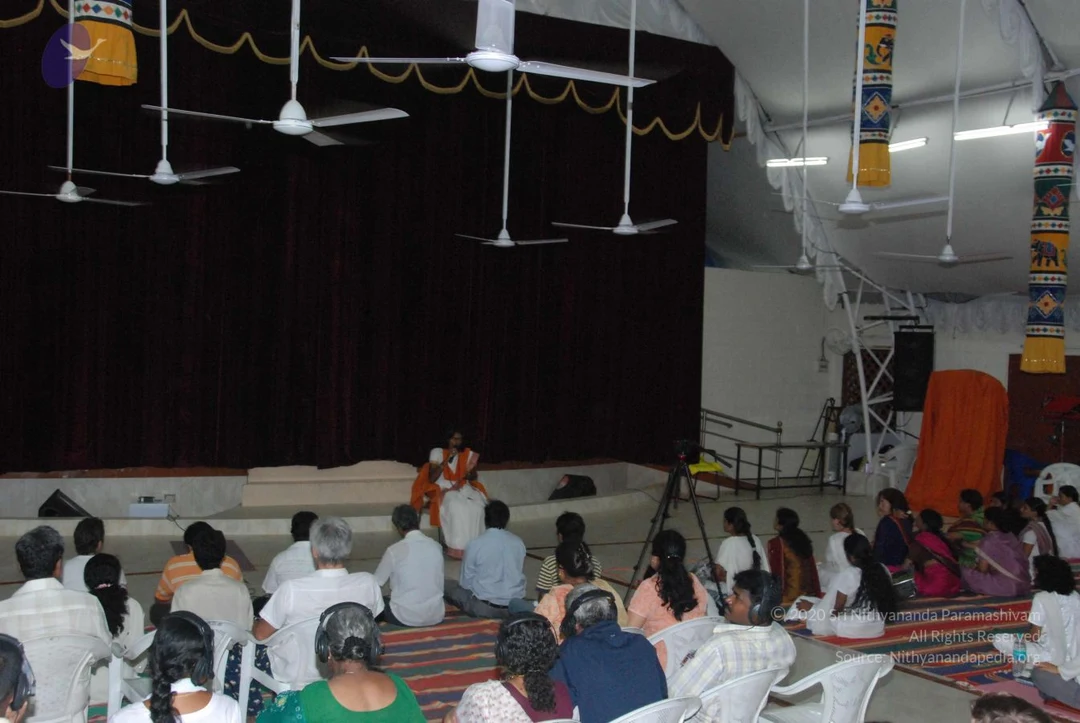
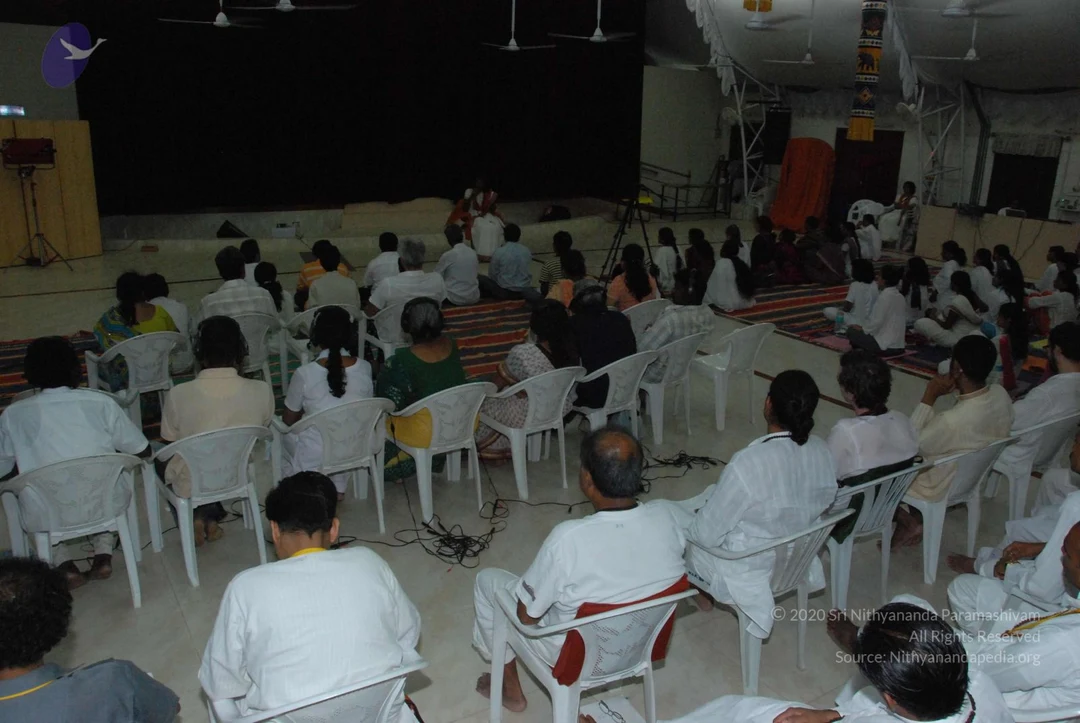
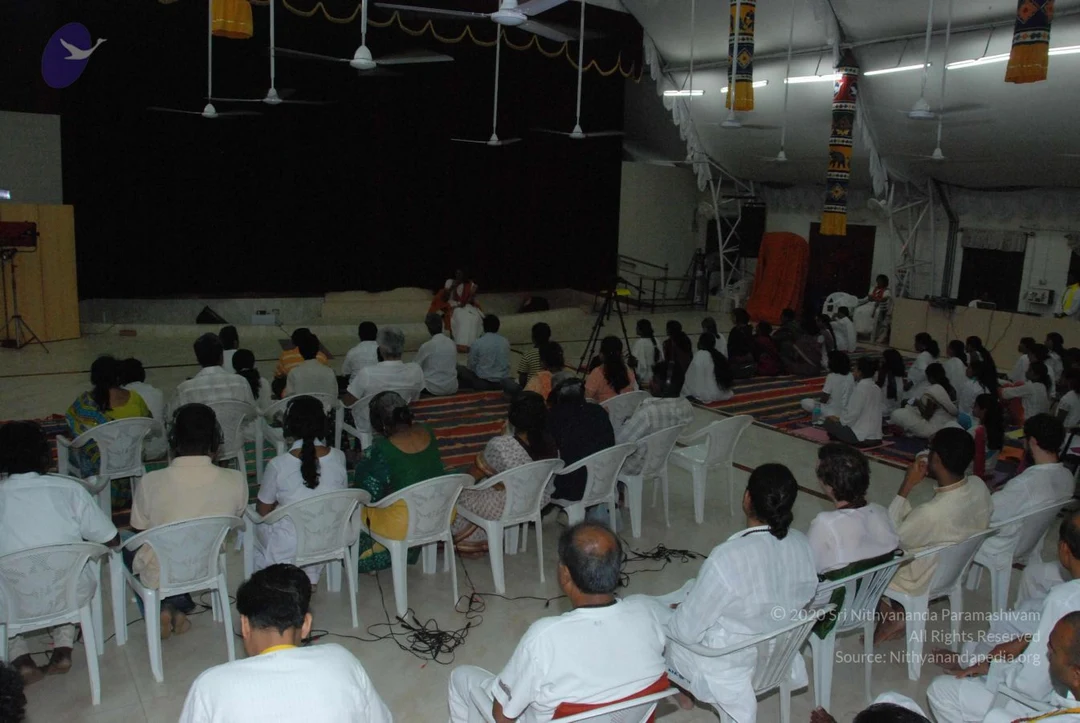
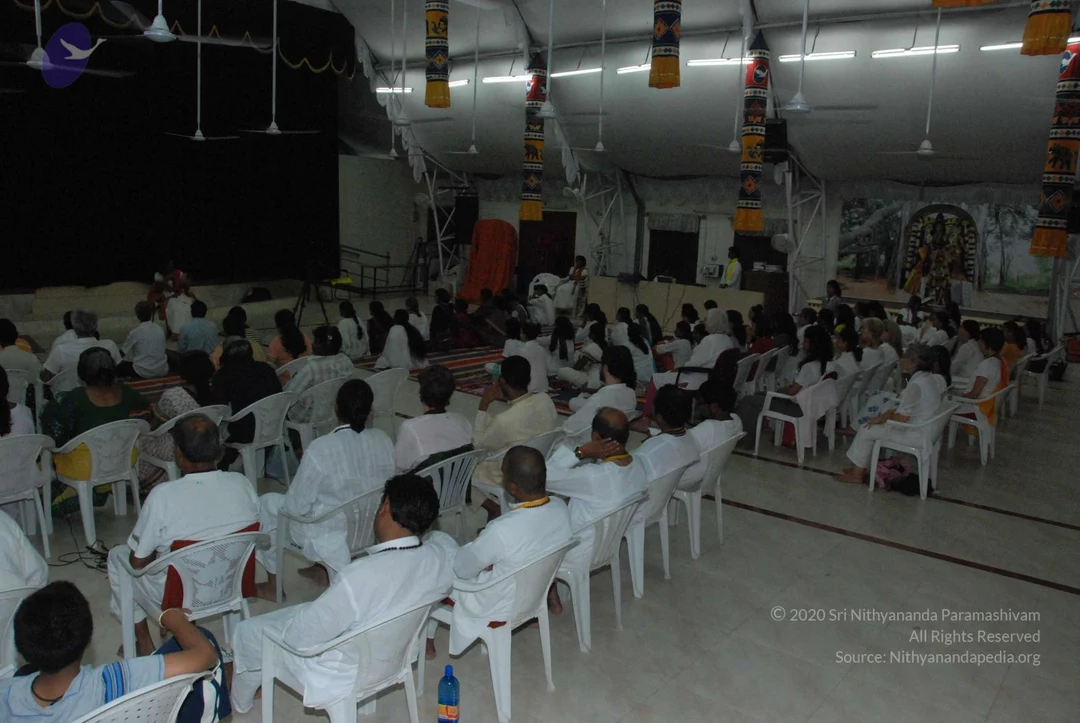
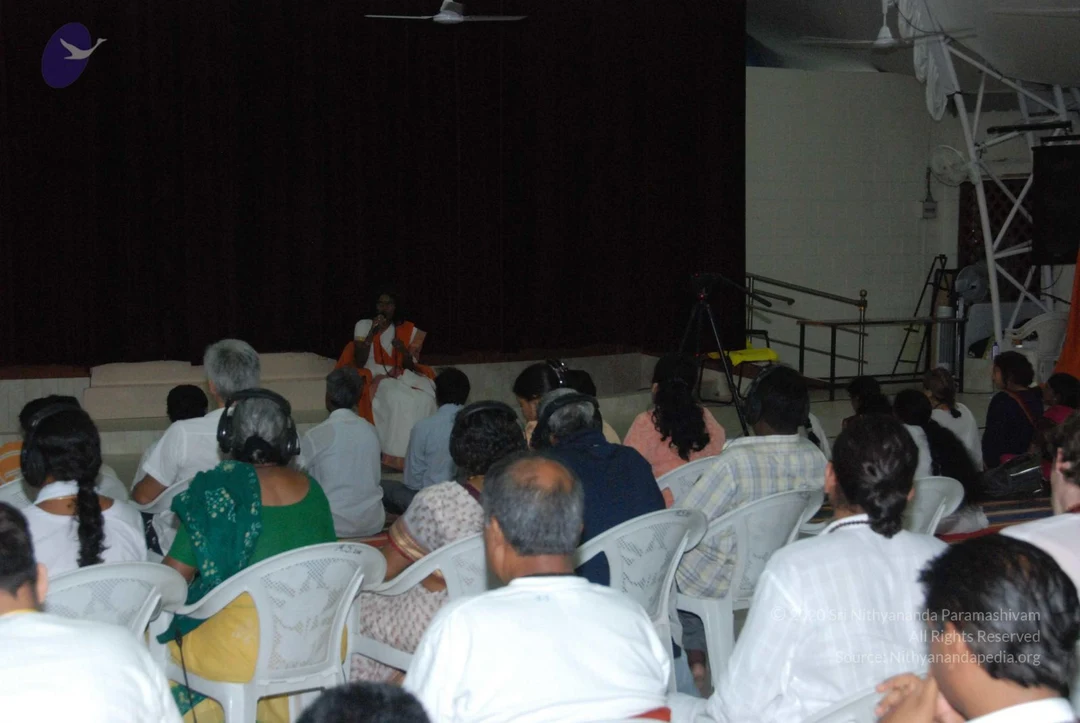
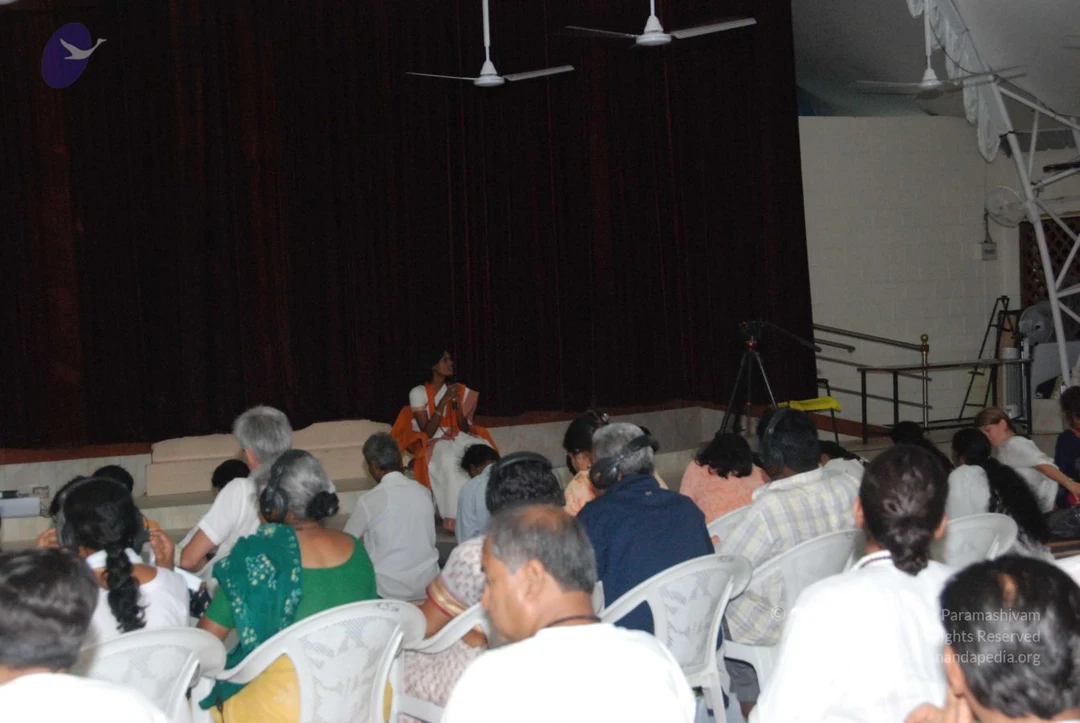
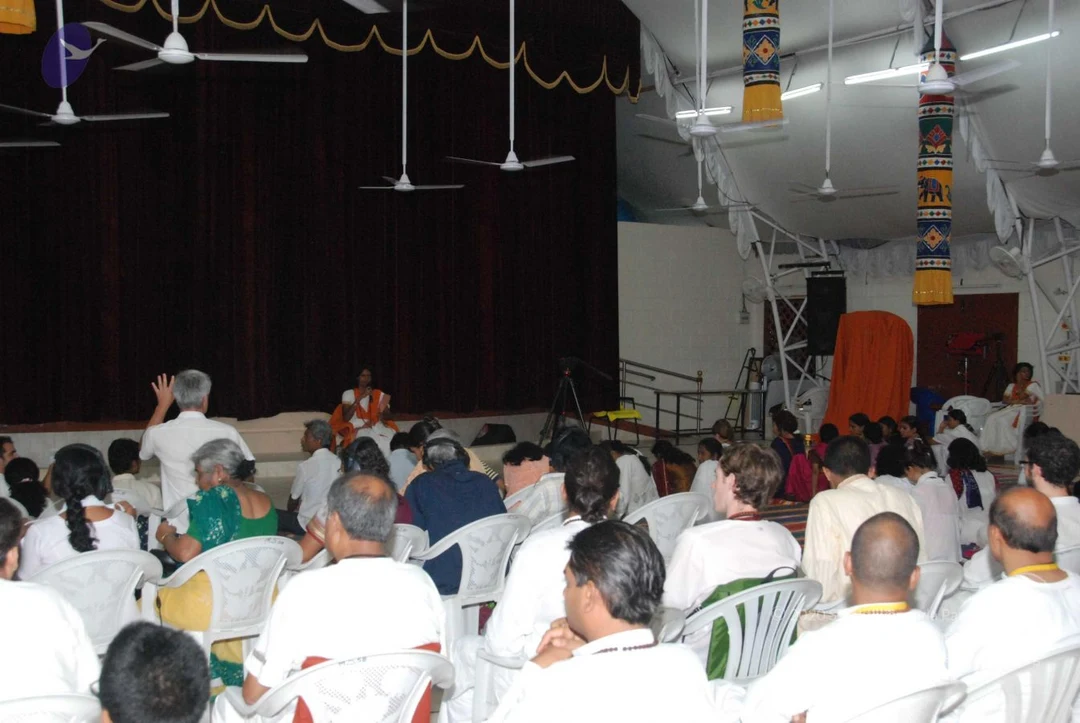
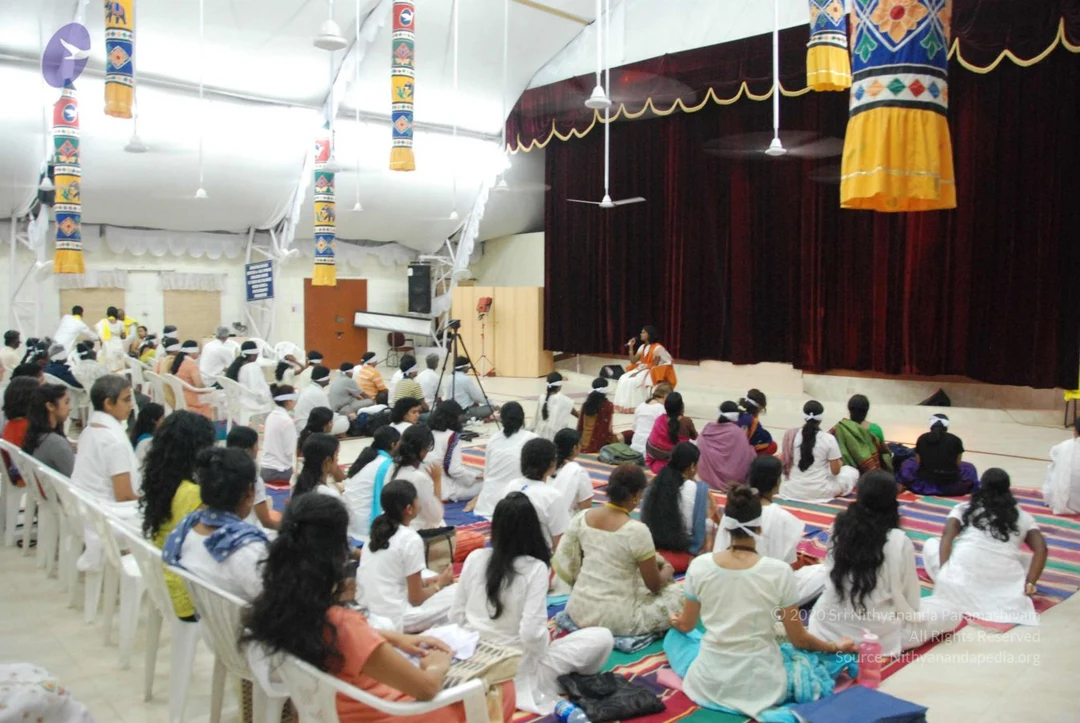
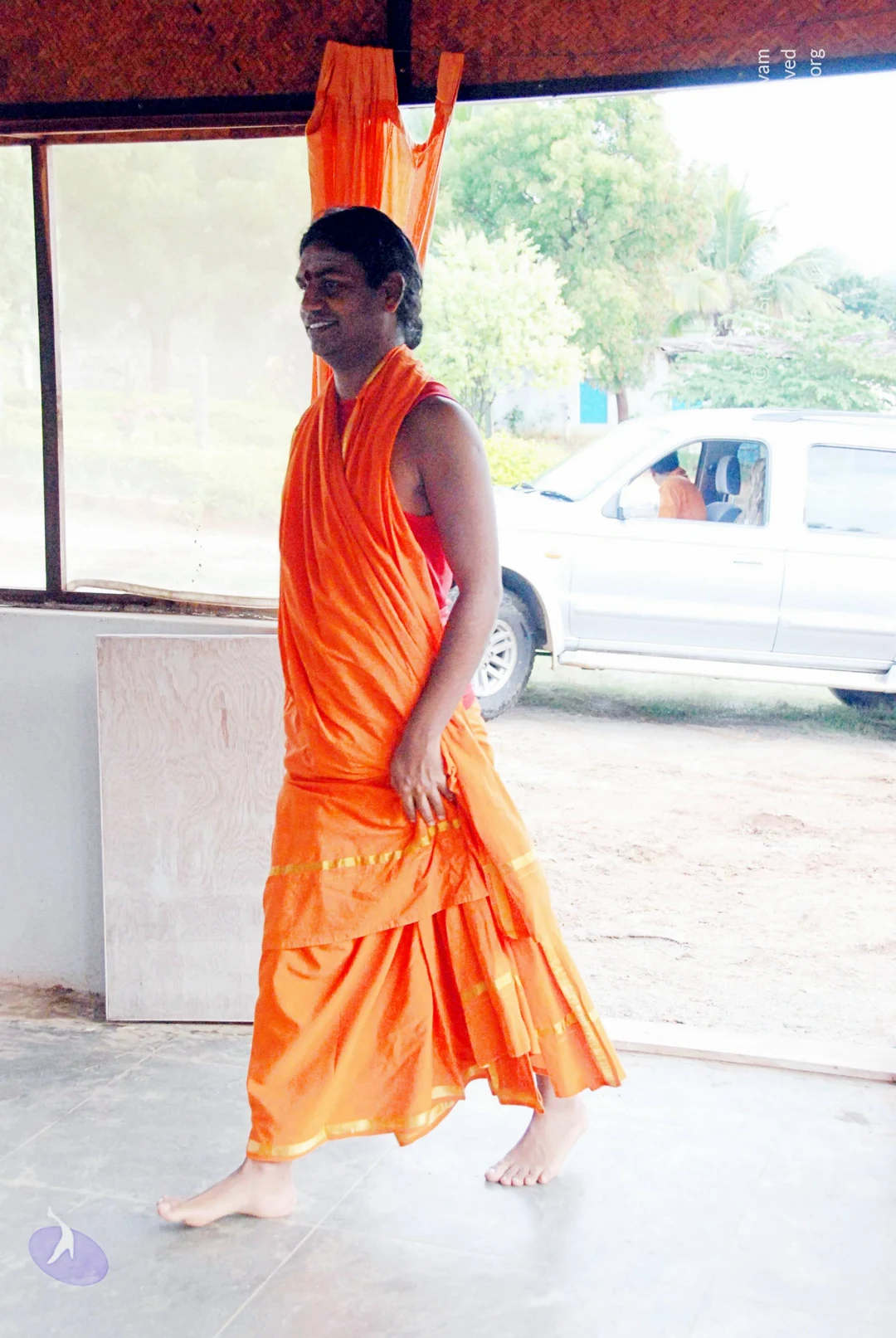
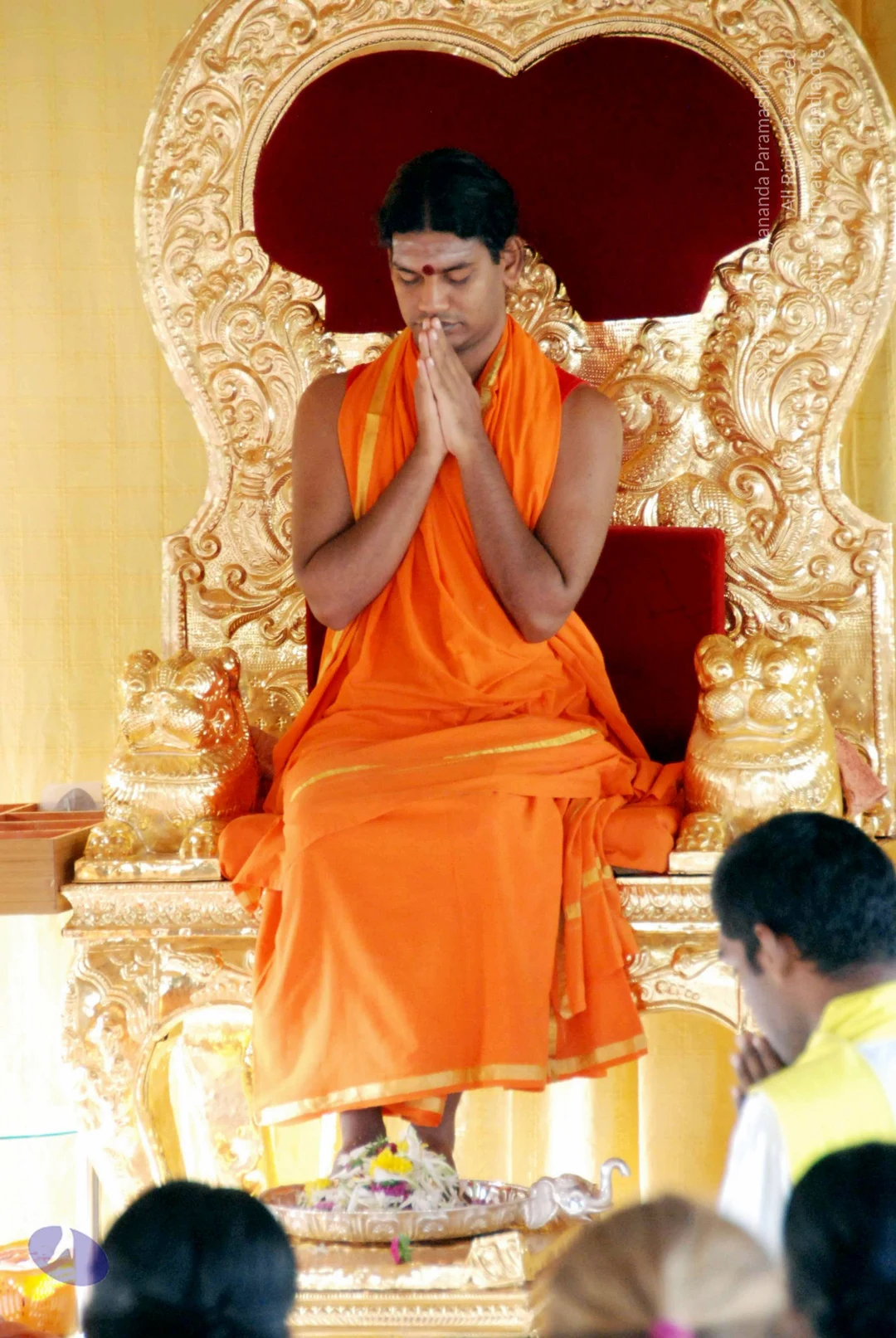
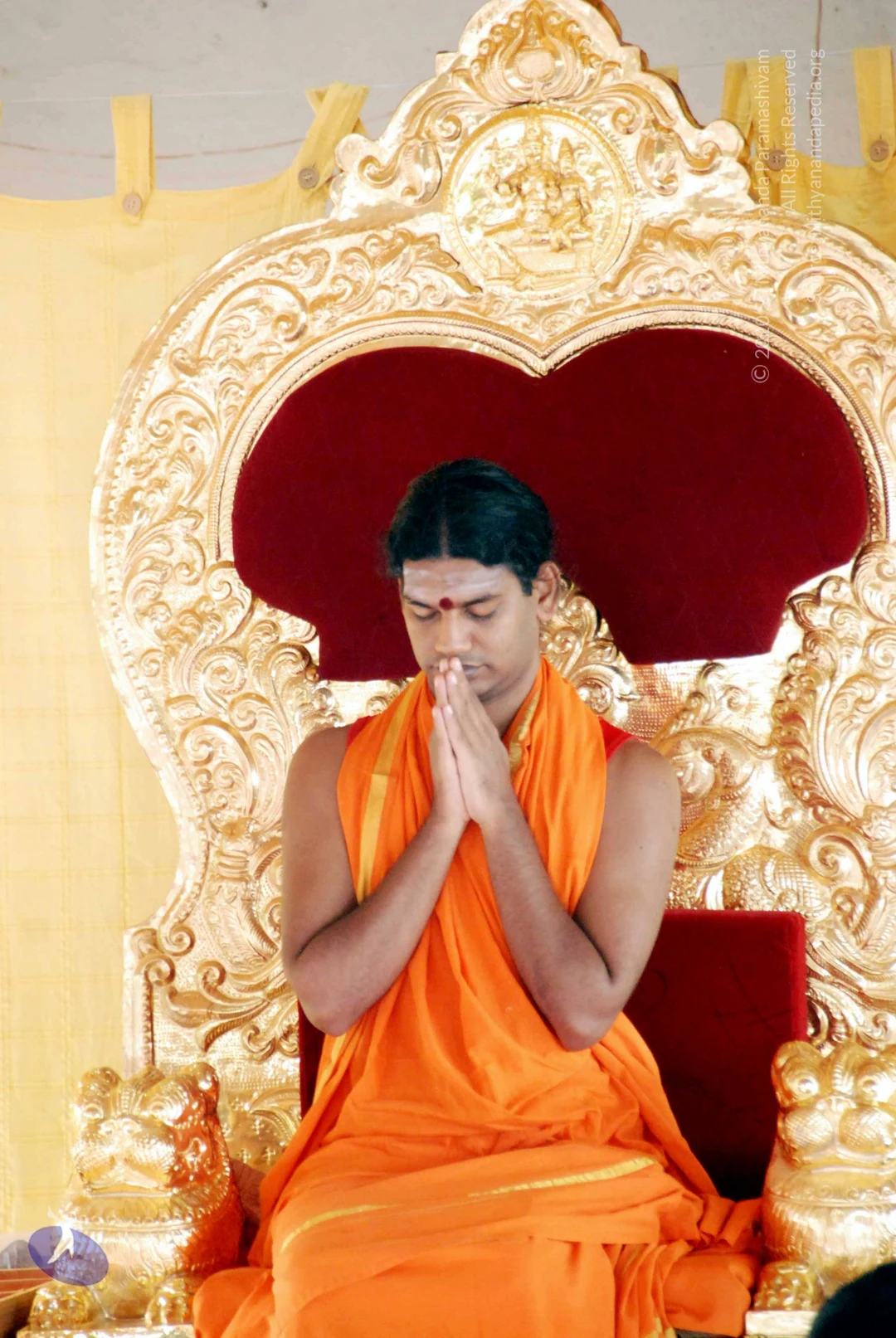
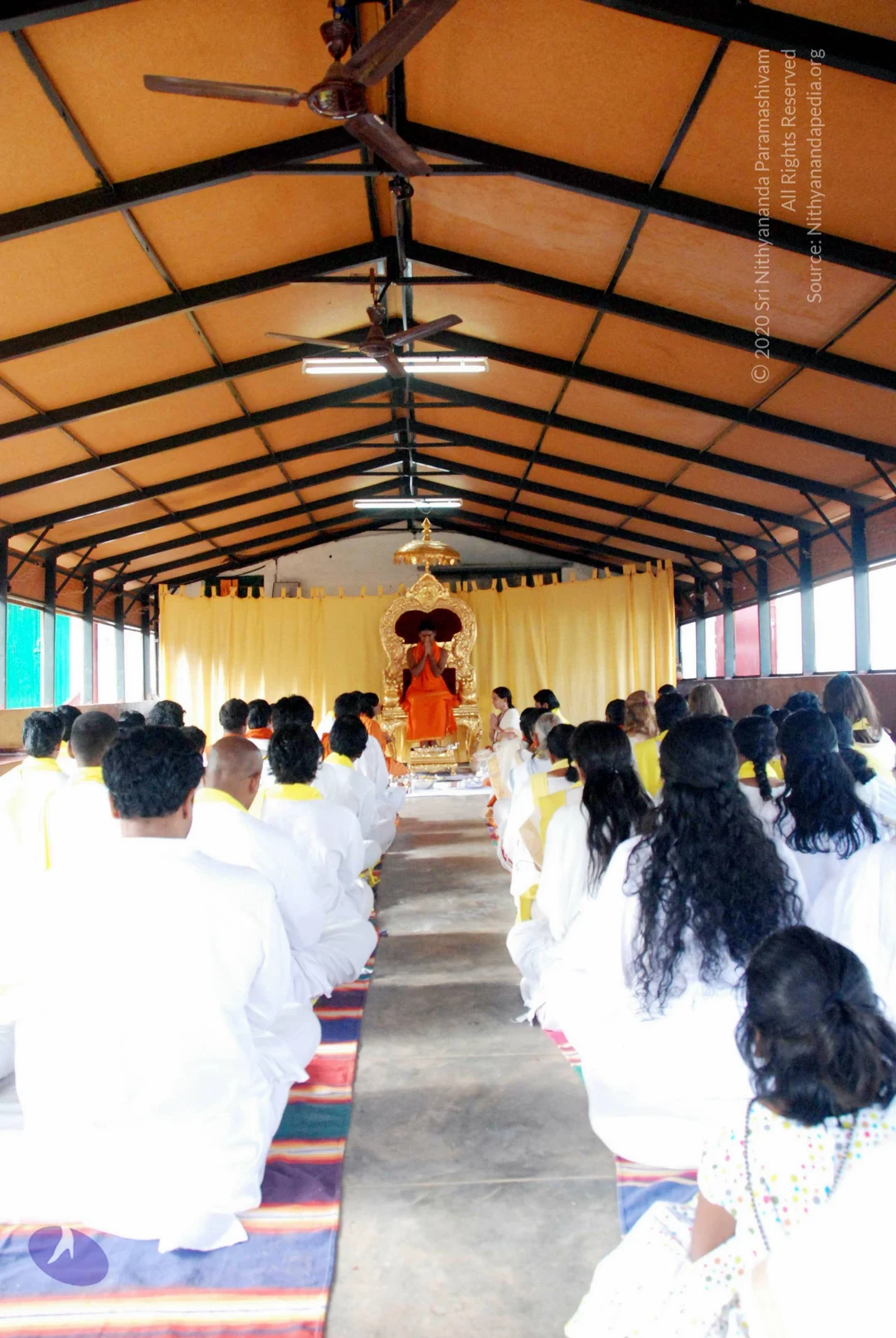
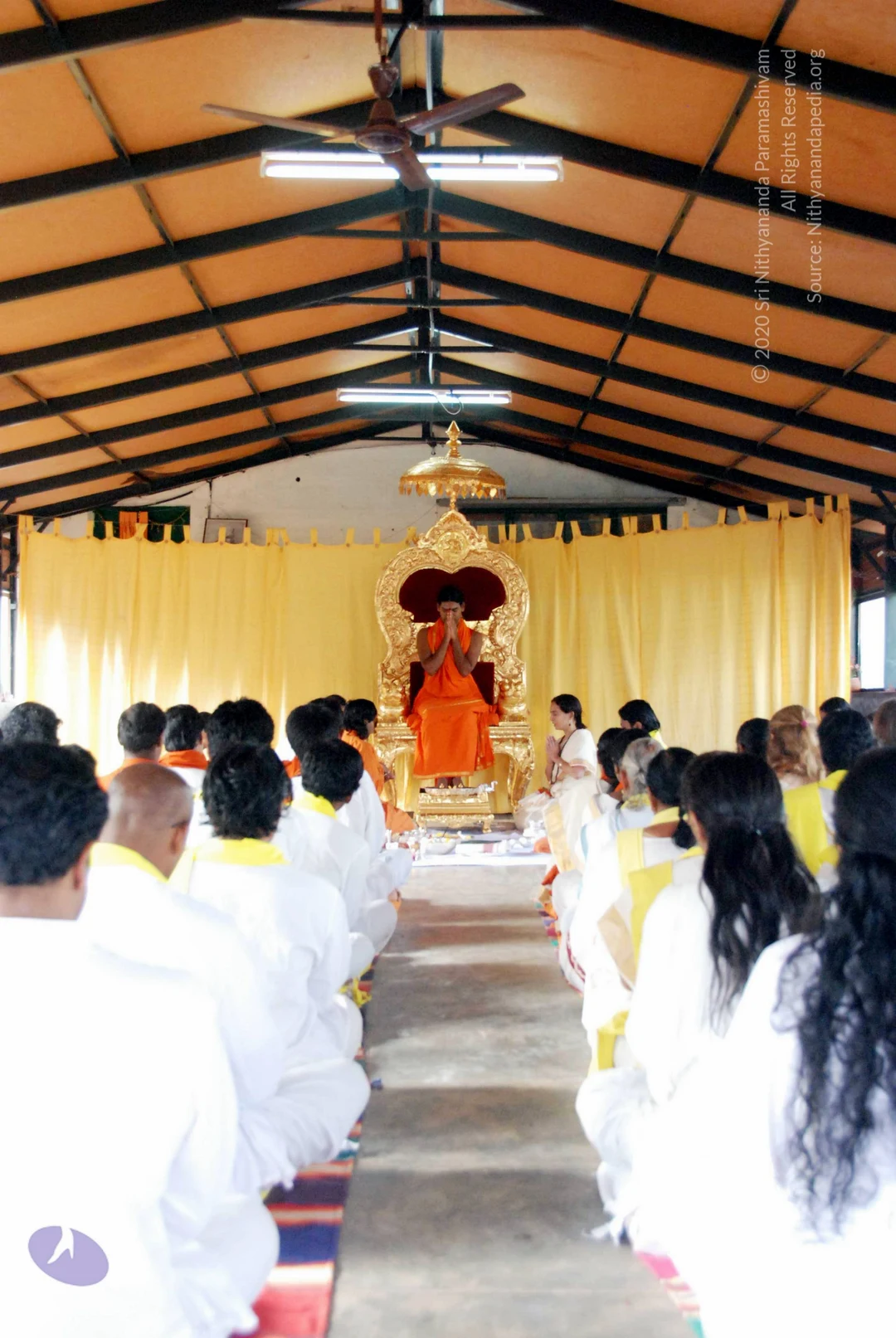
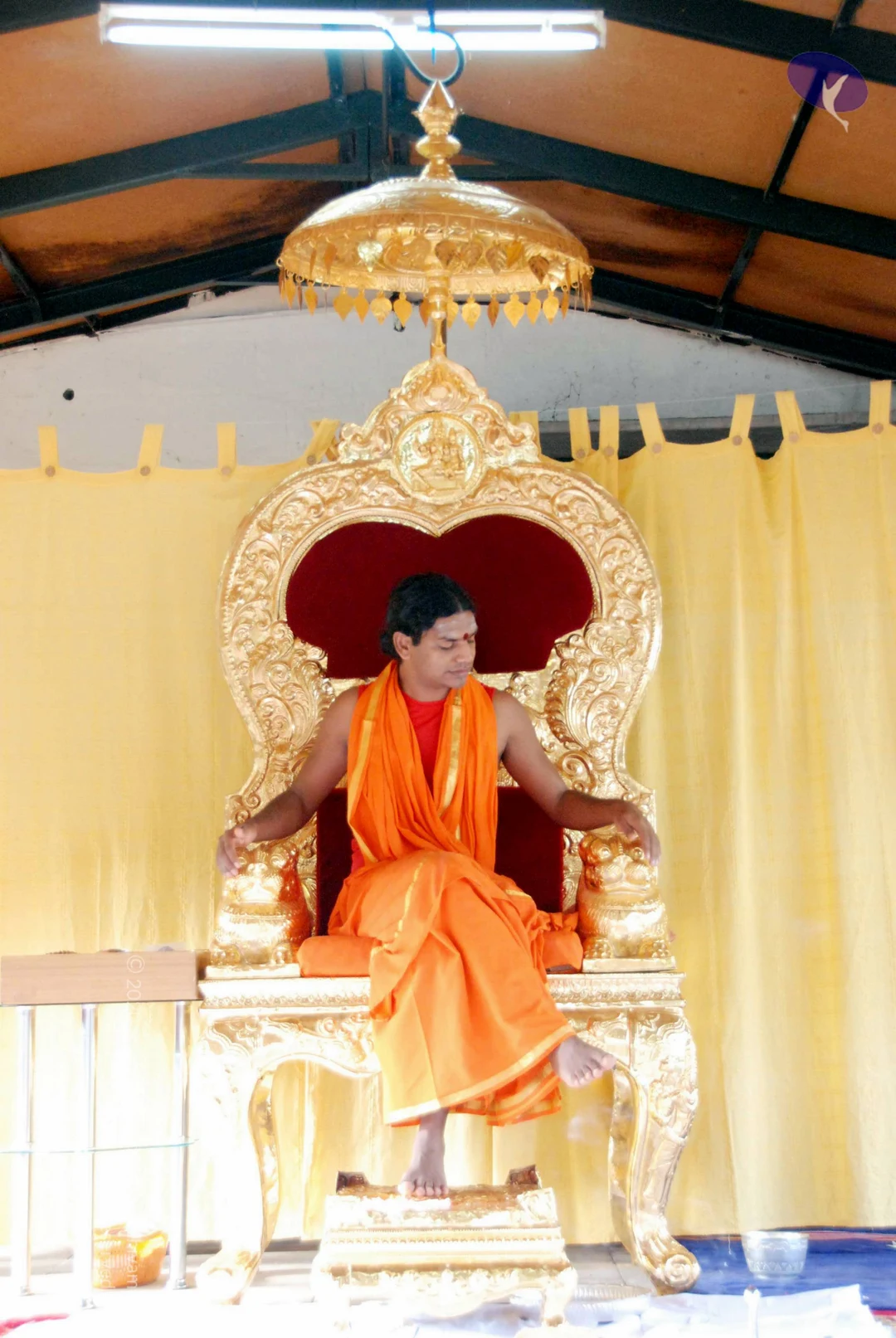
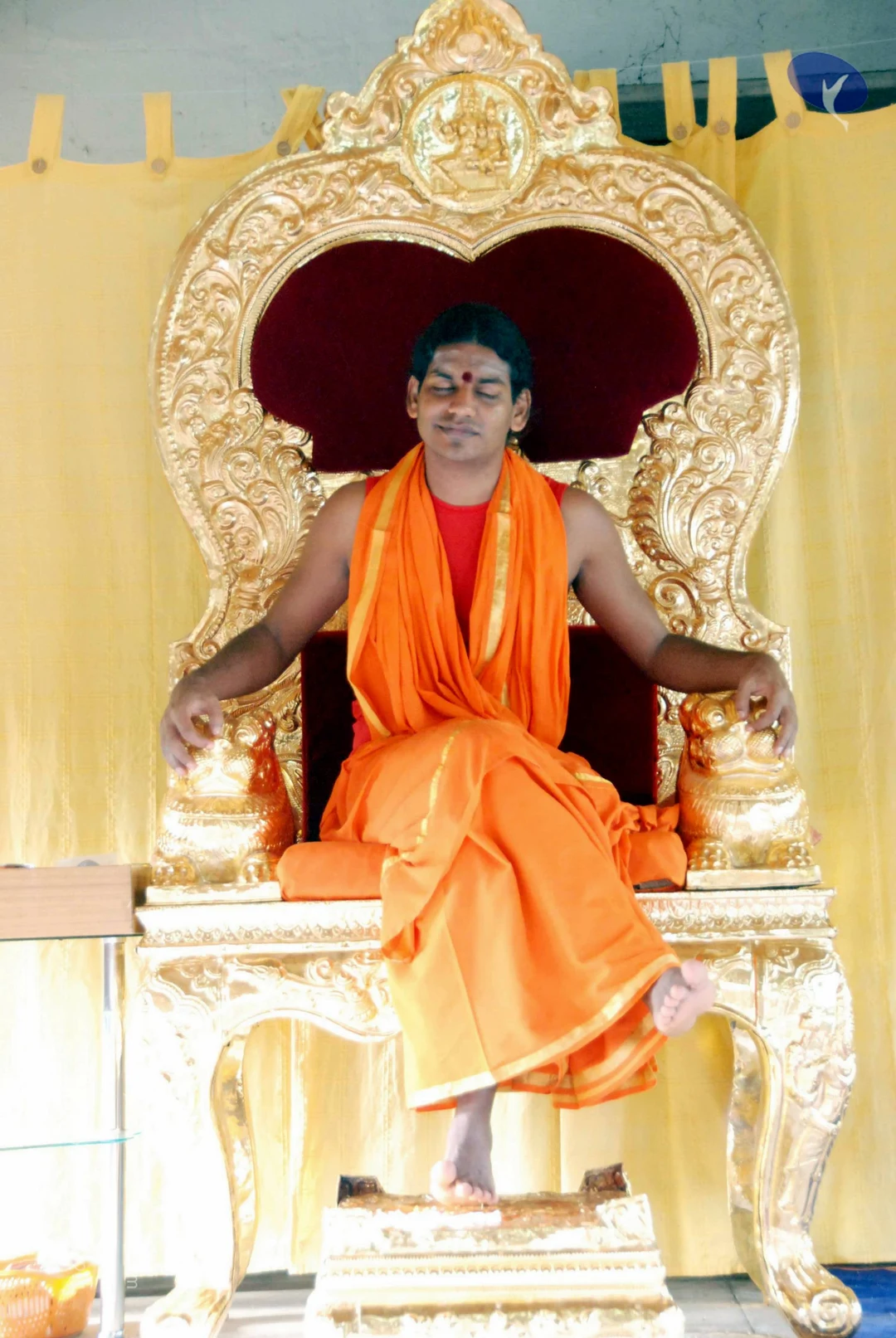
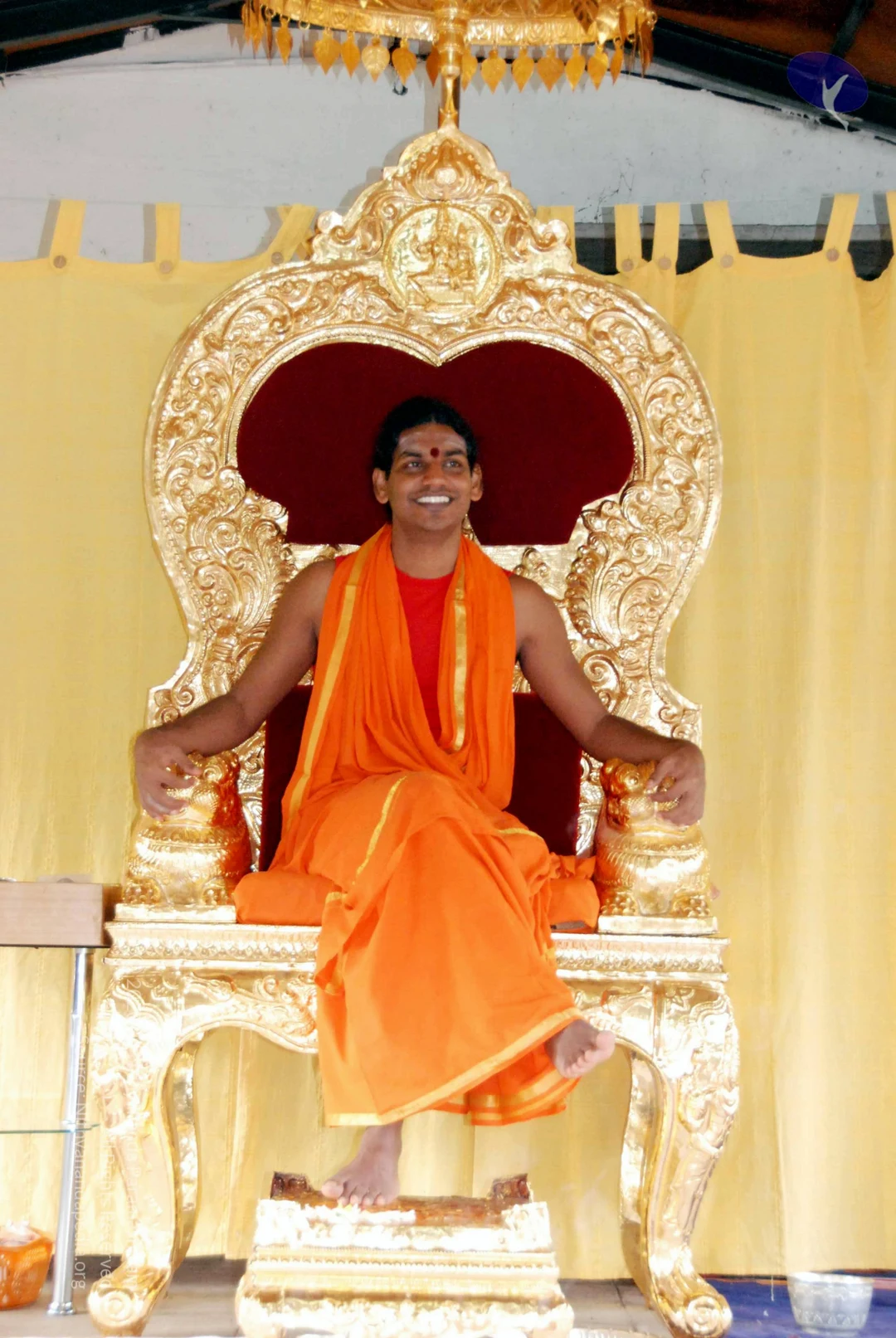
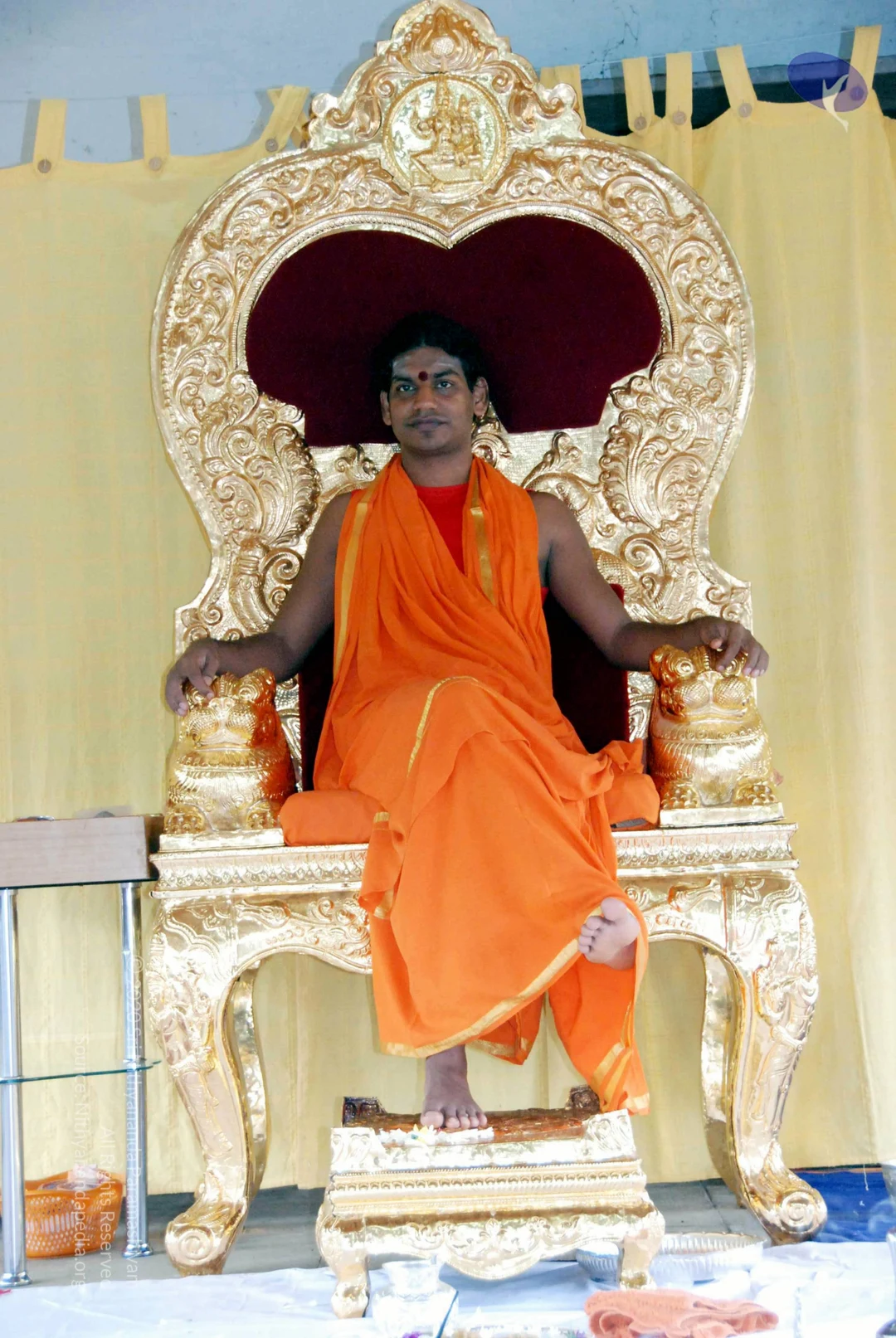
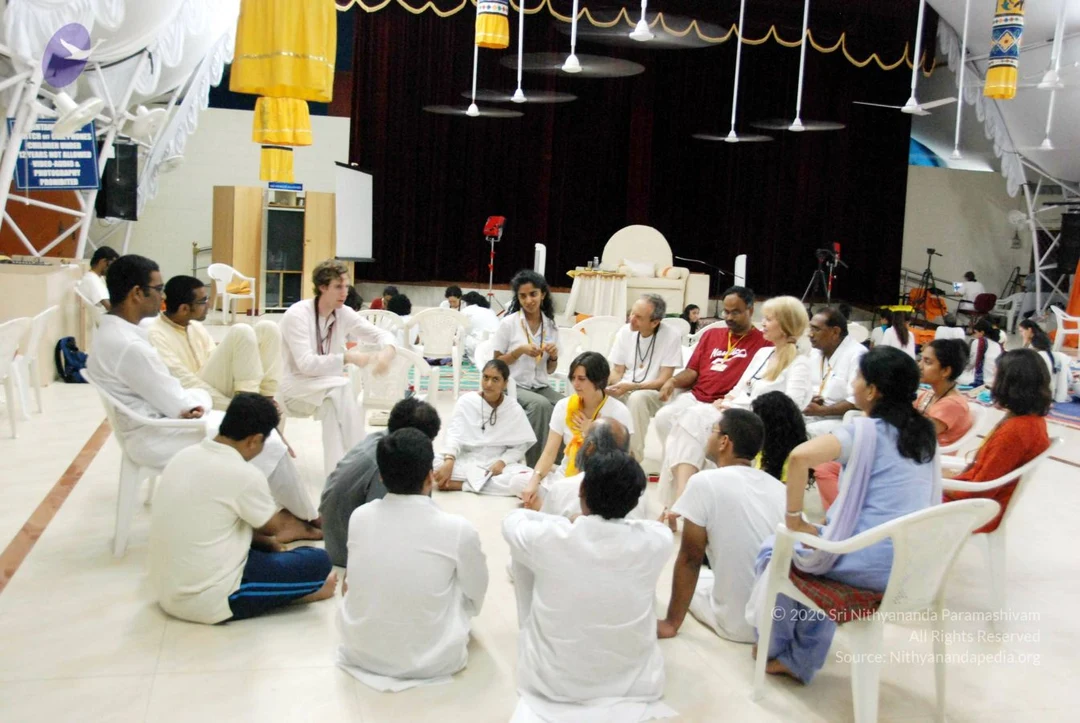
Ashramites meeting
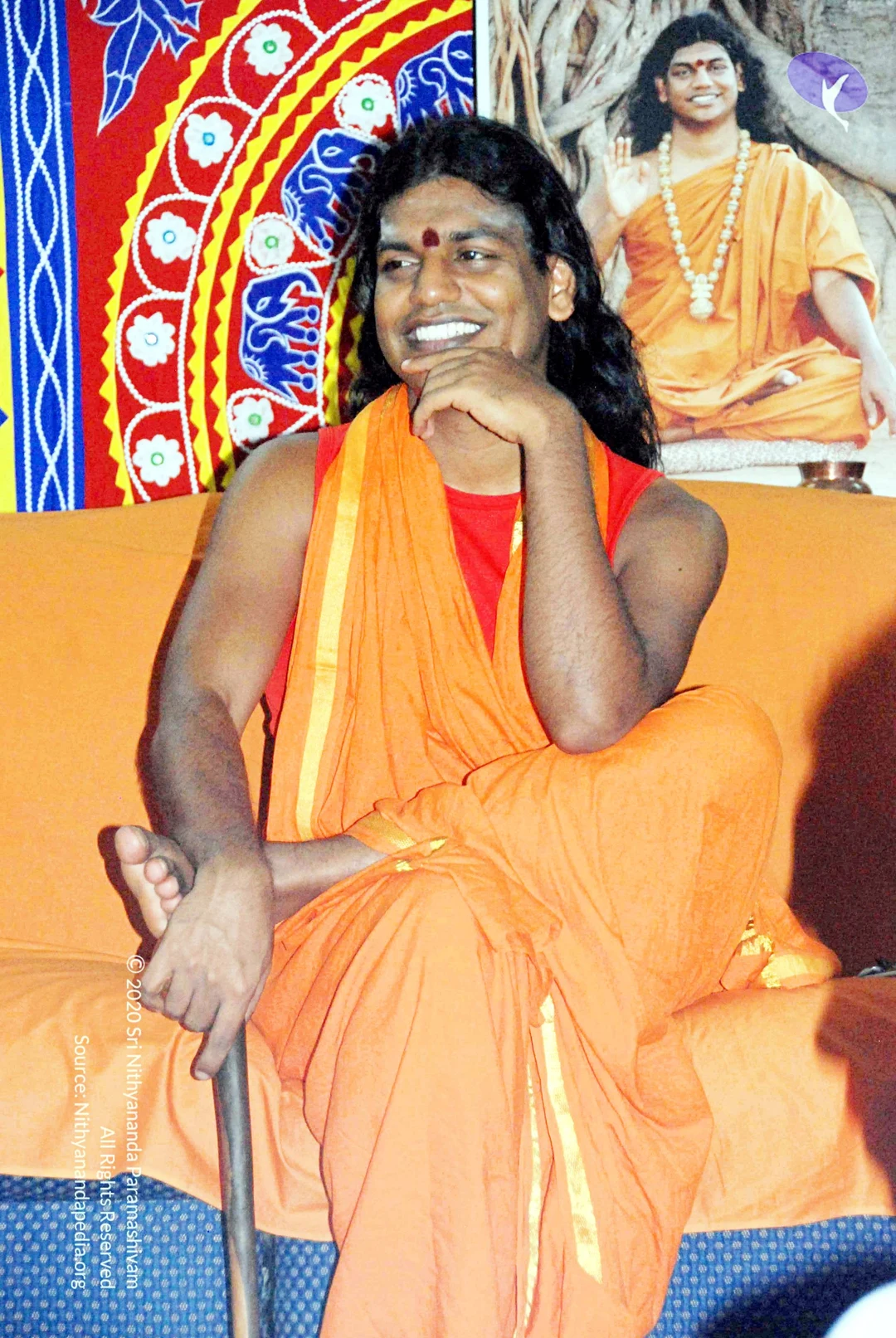
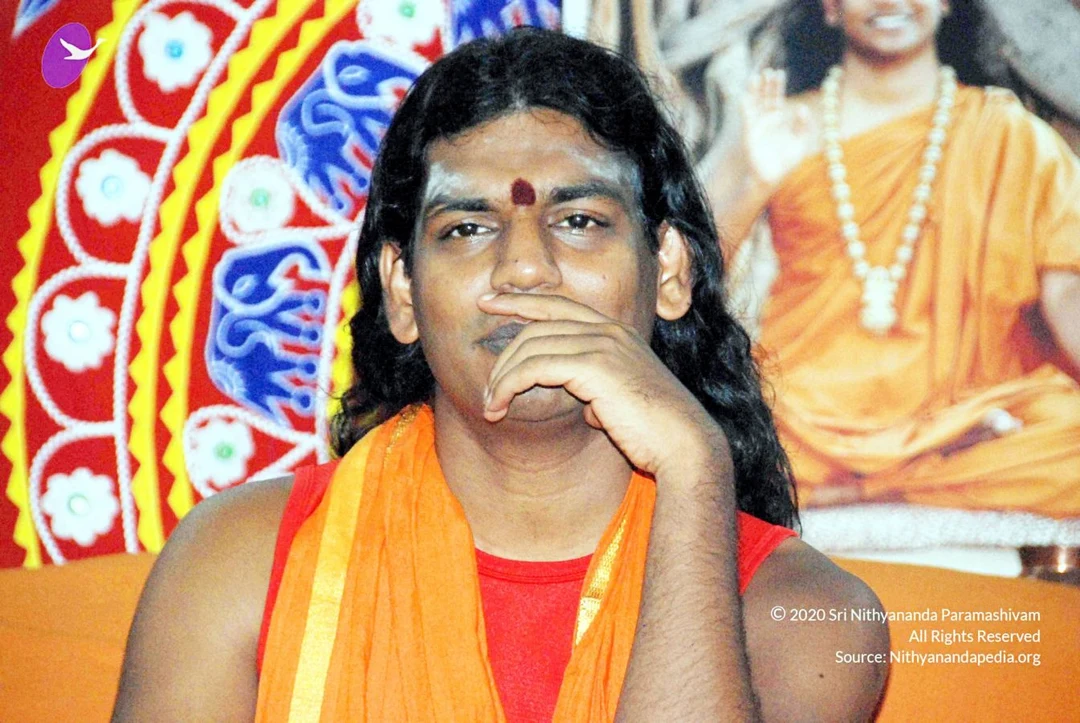
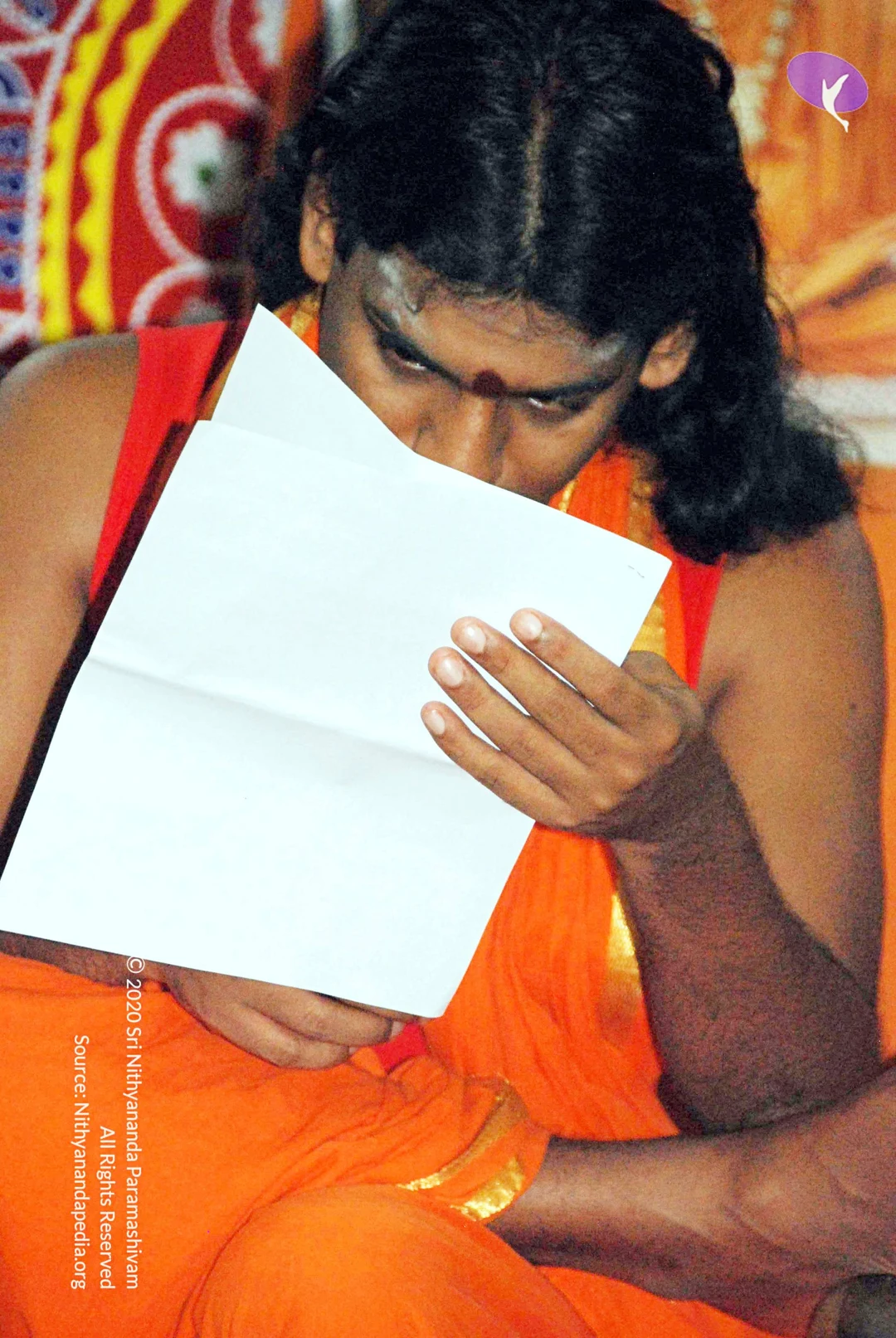
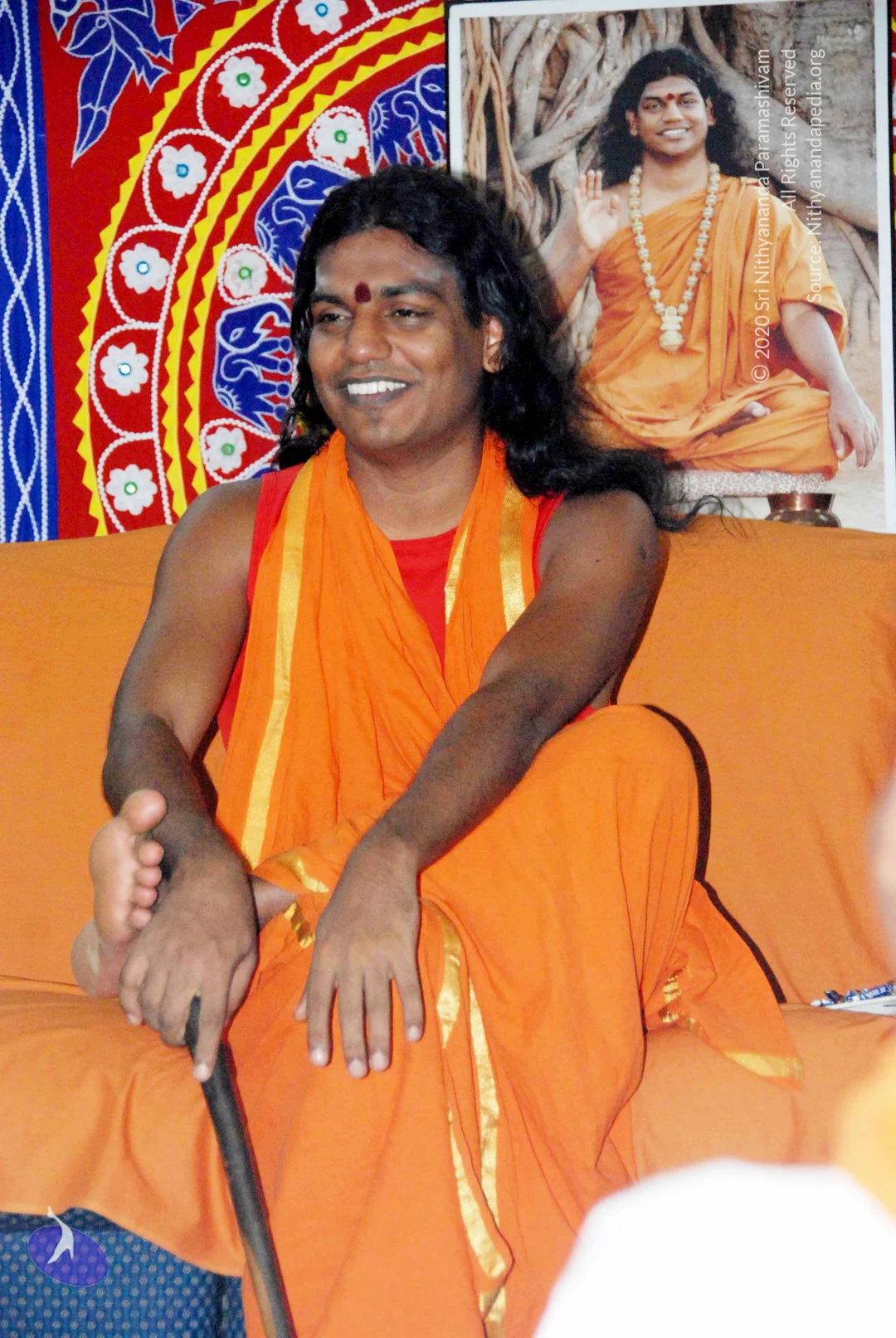
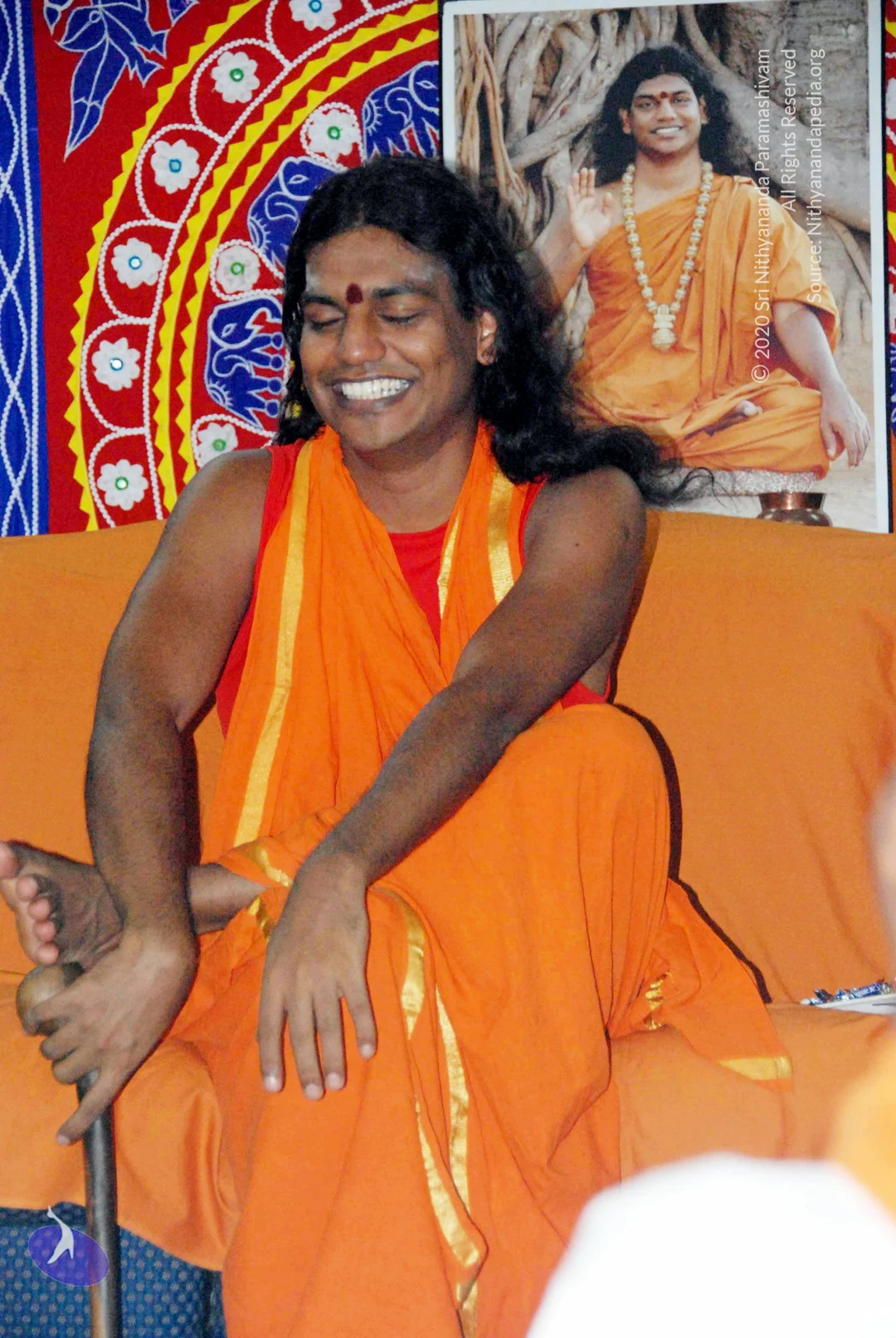
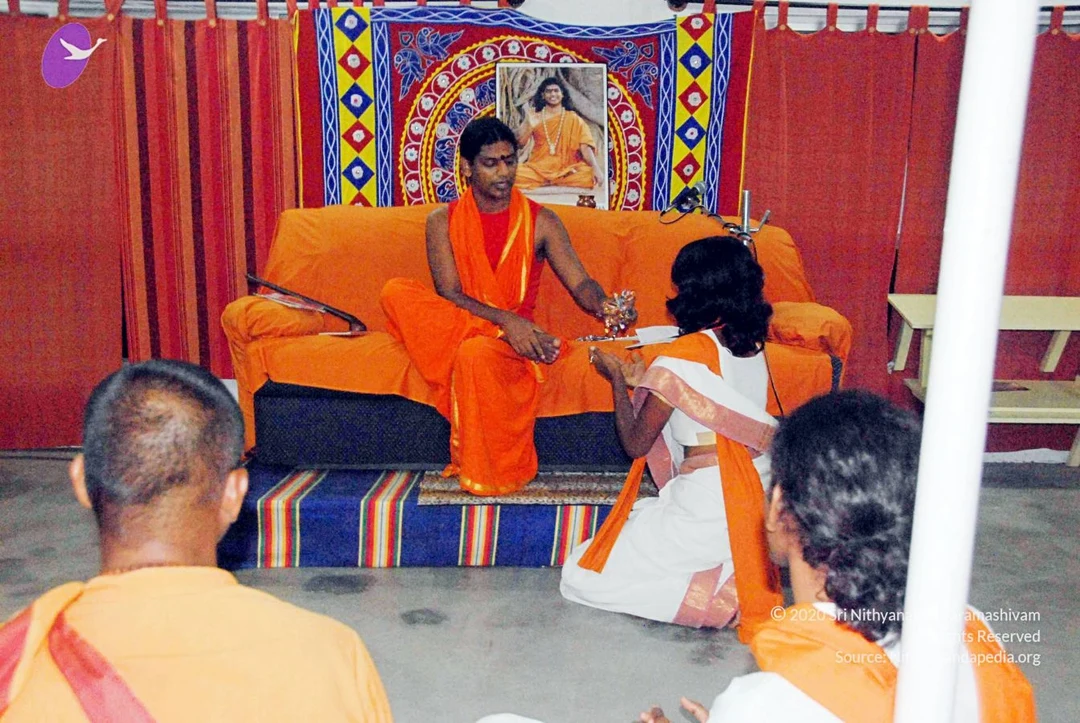
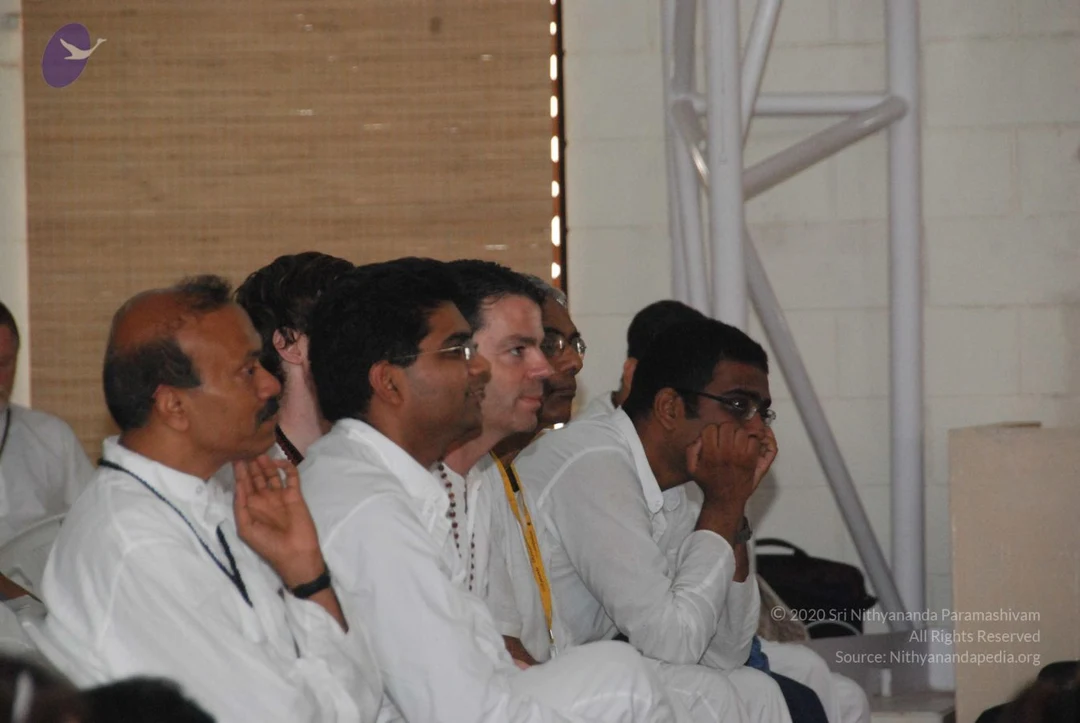
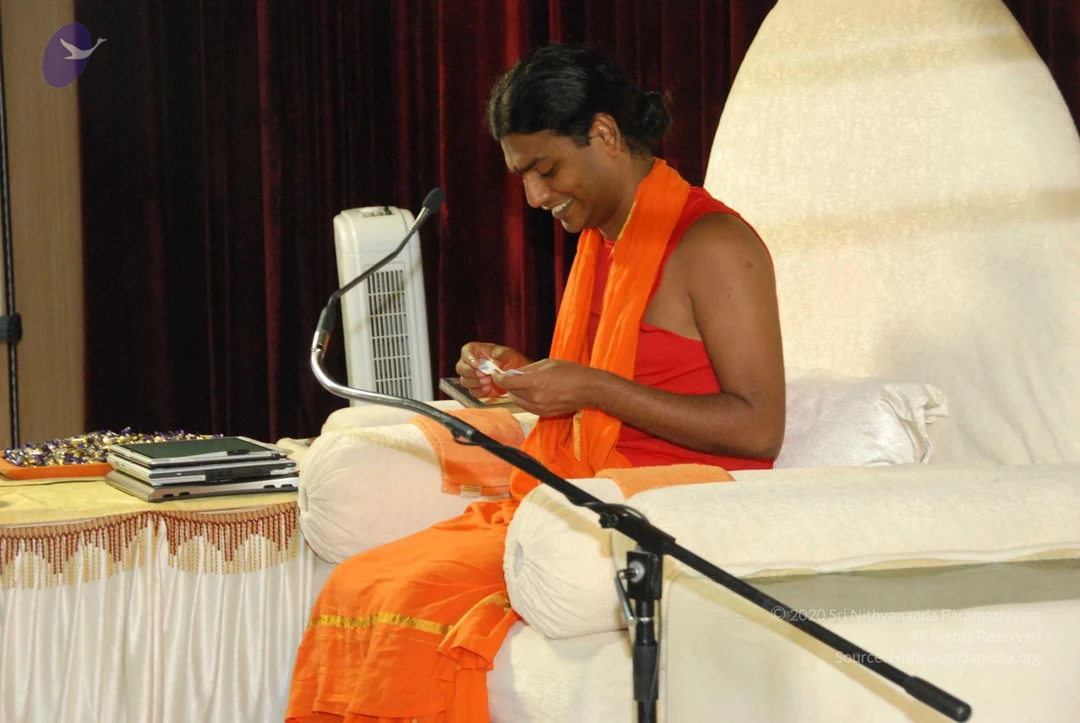
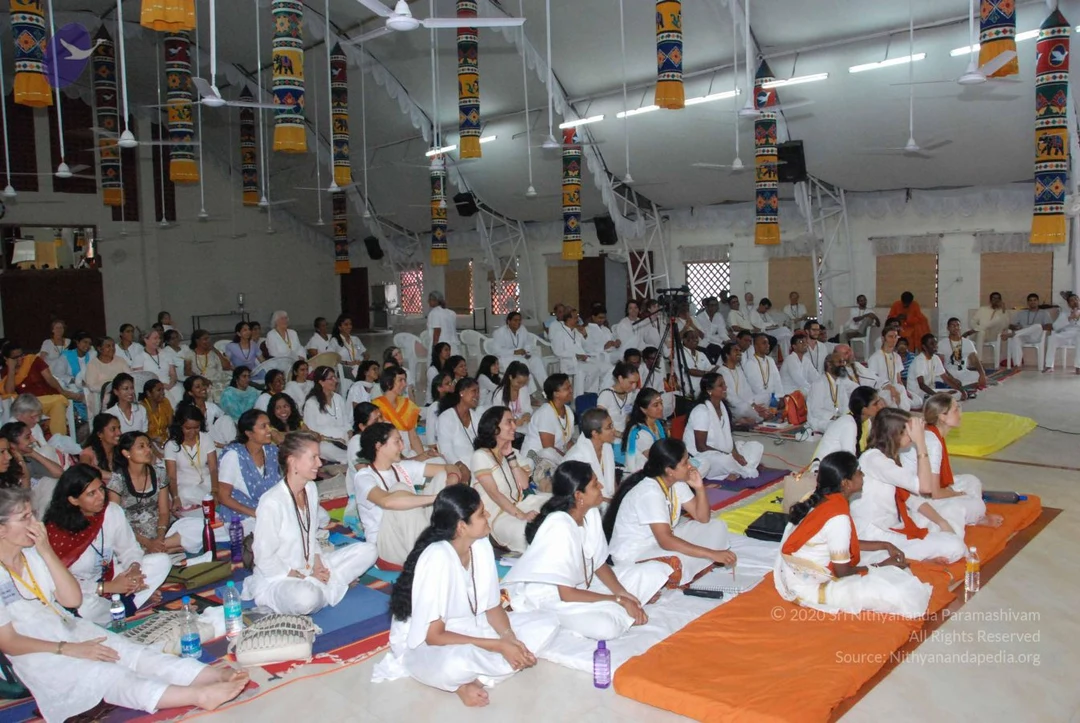
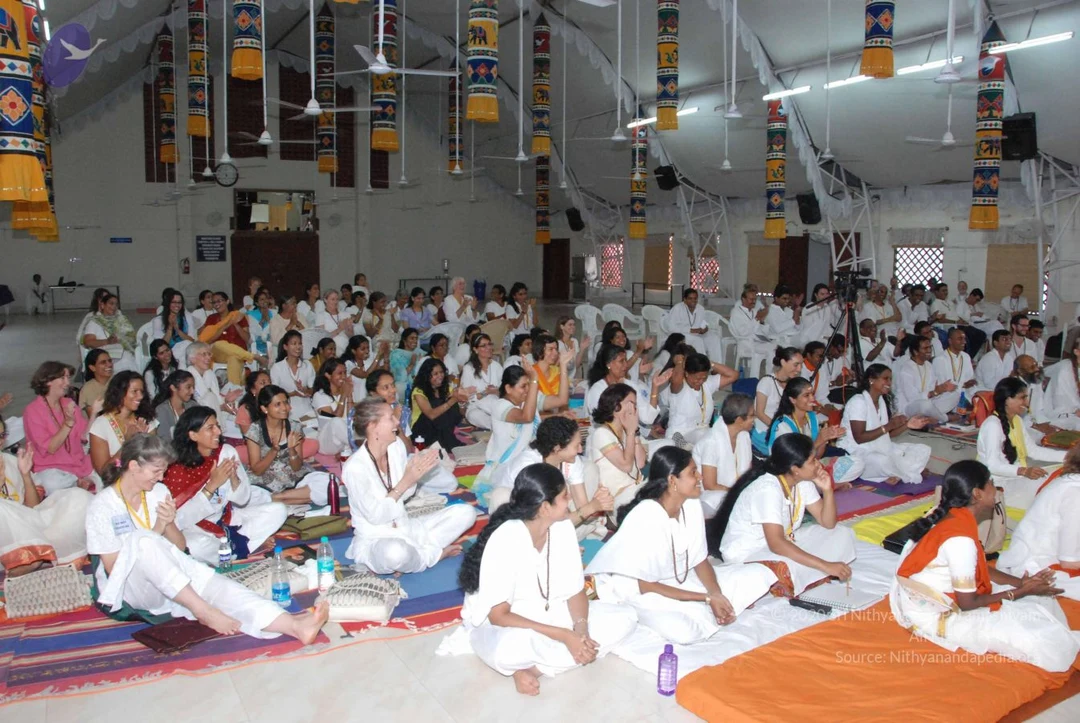
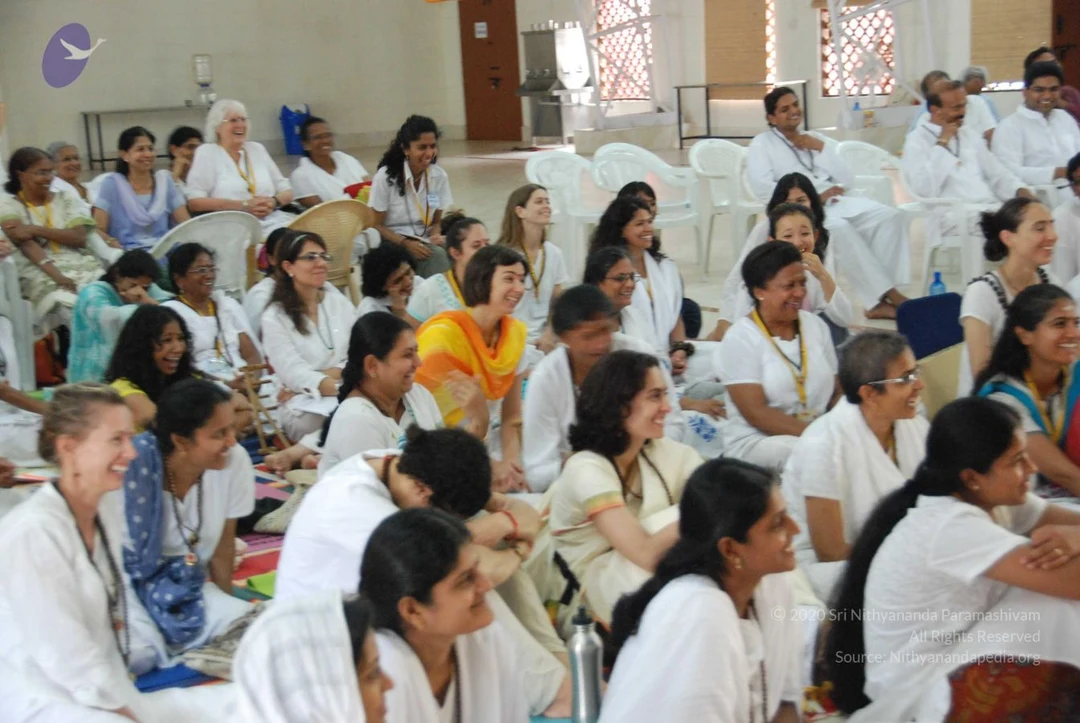
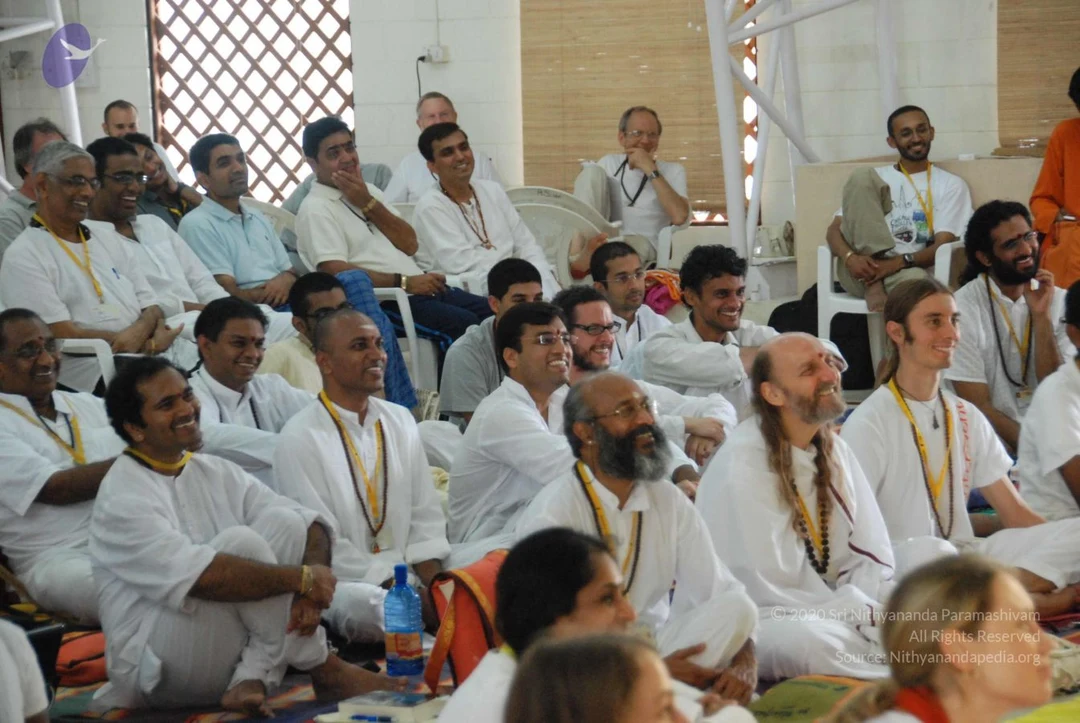
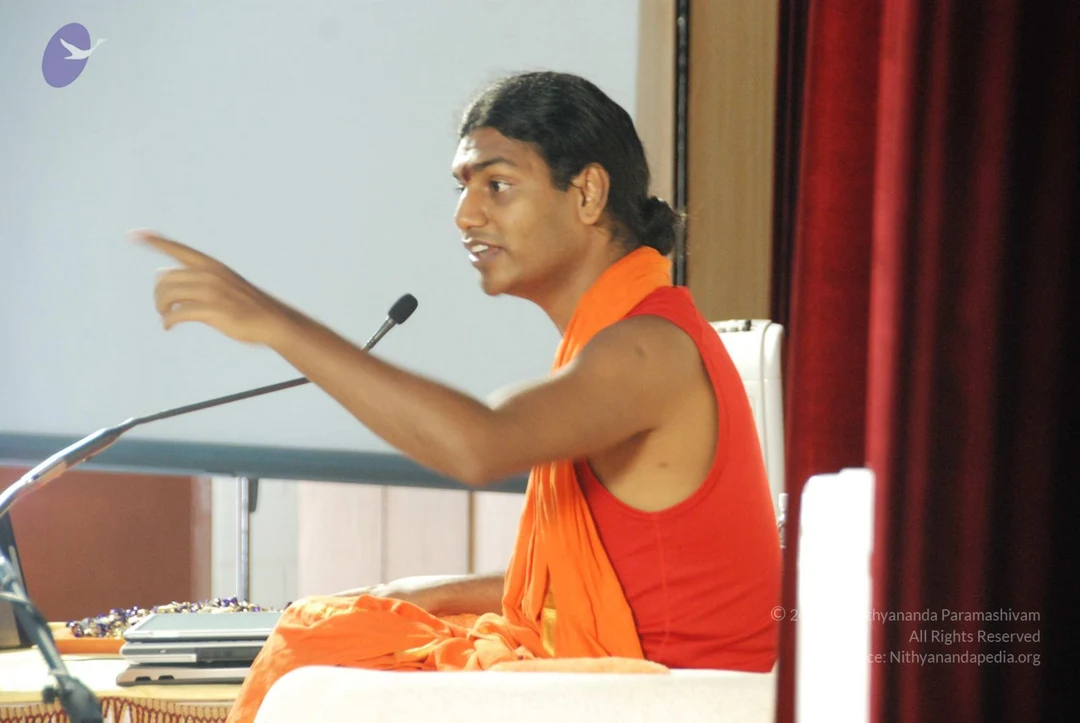
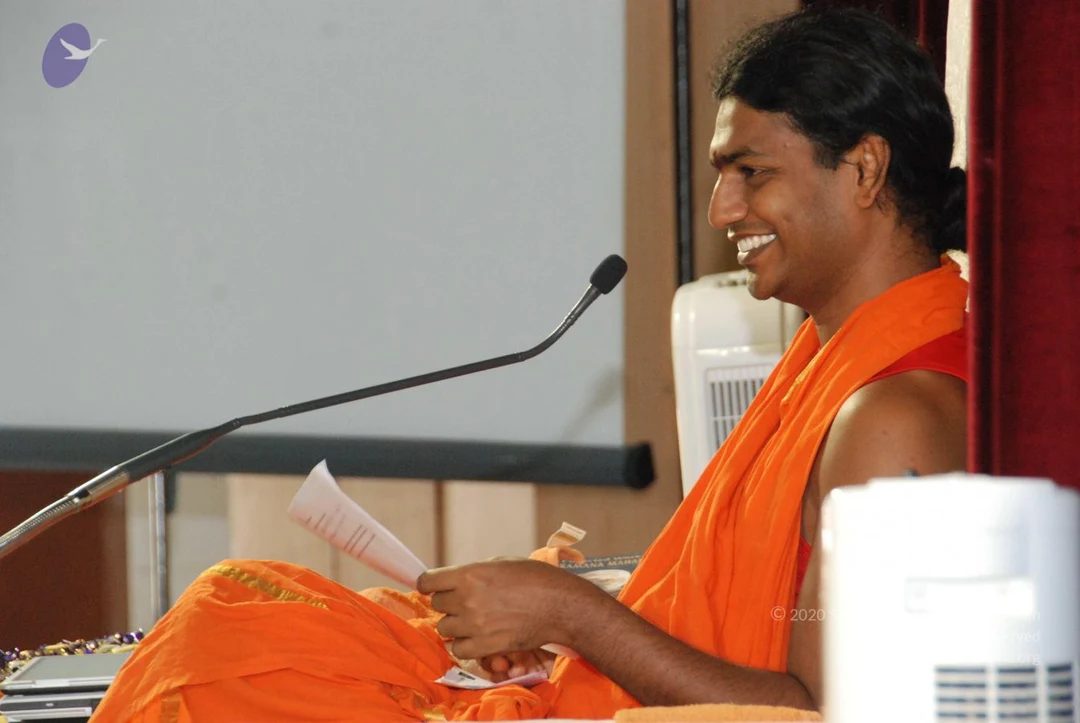
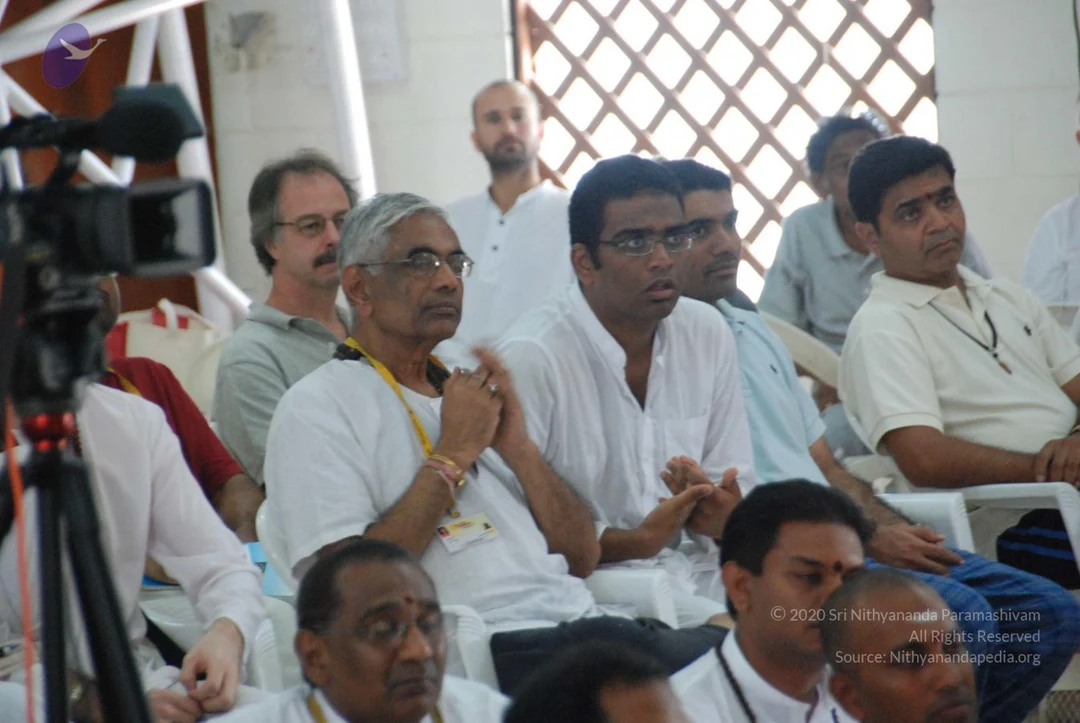
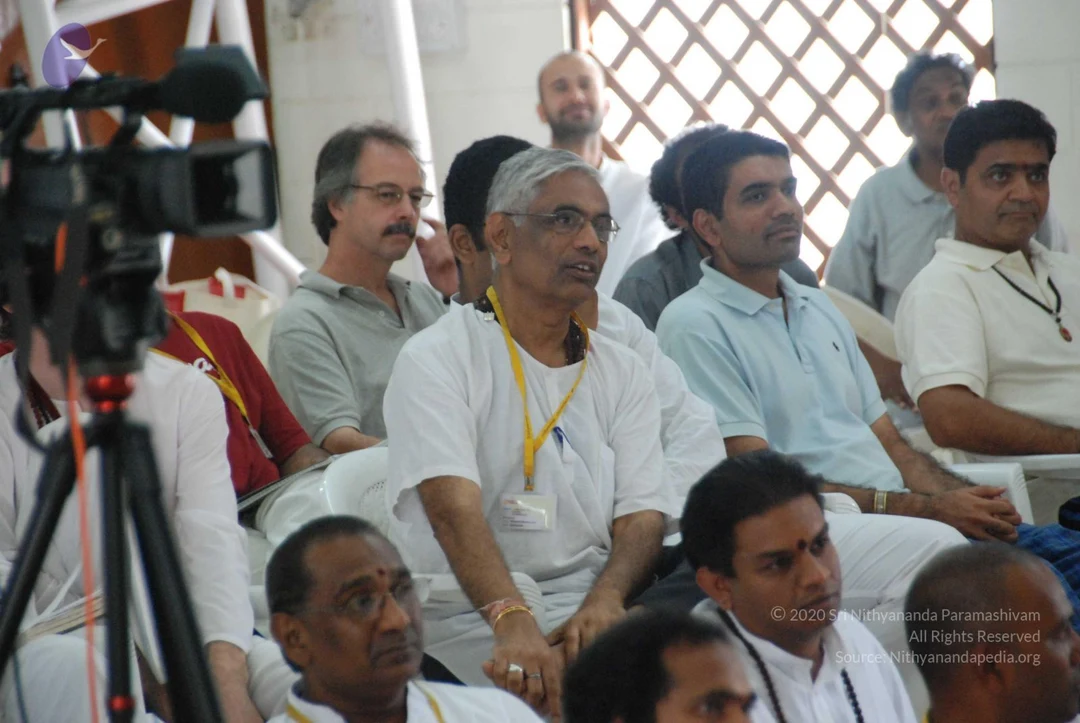
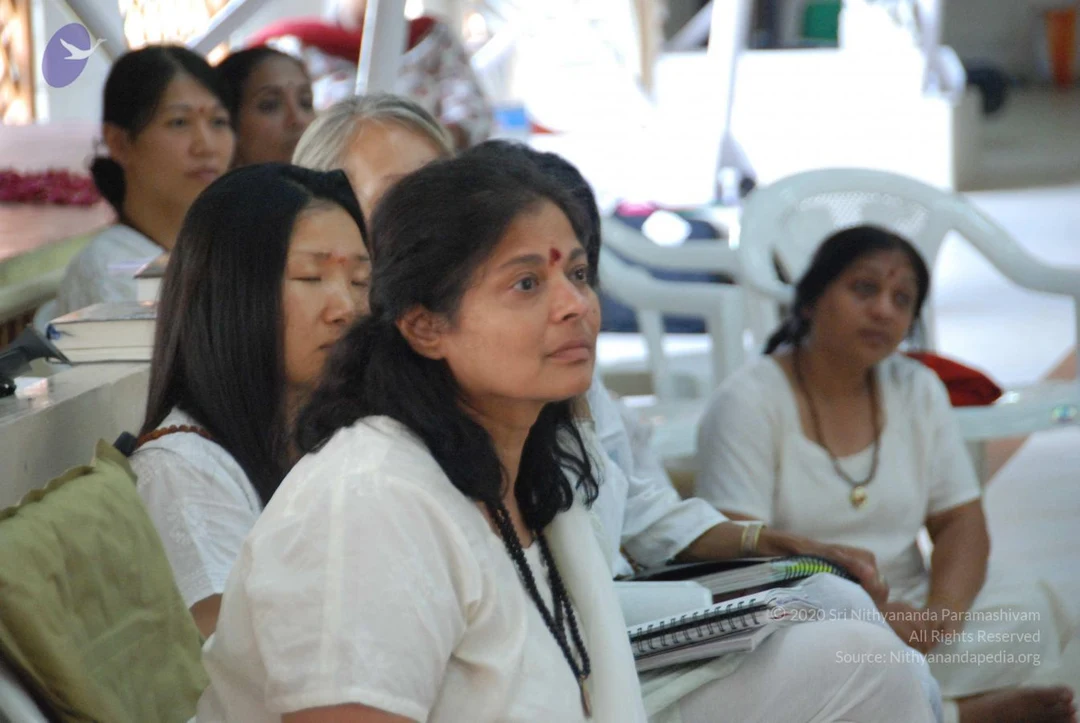
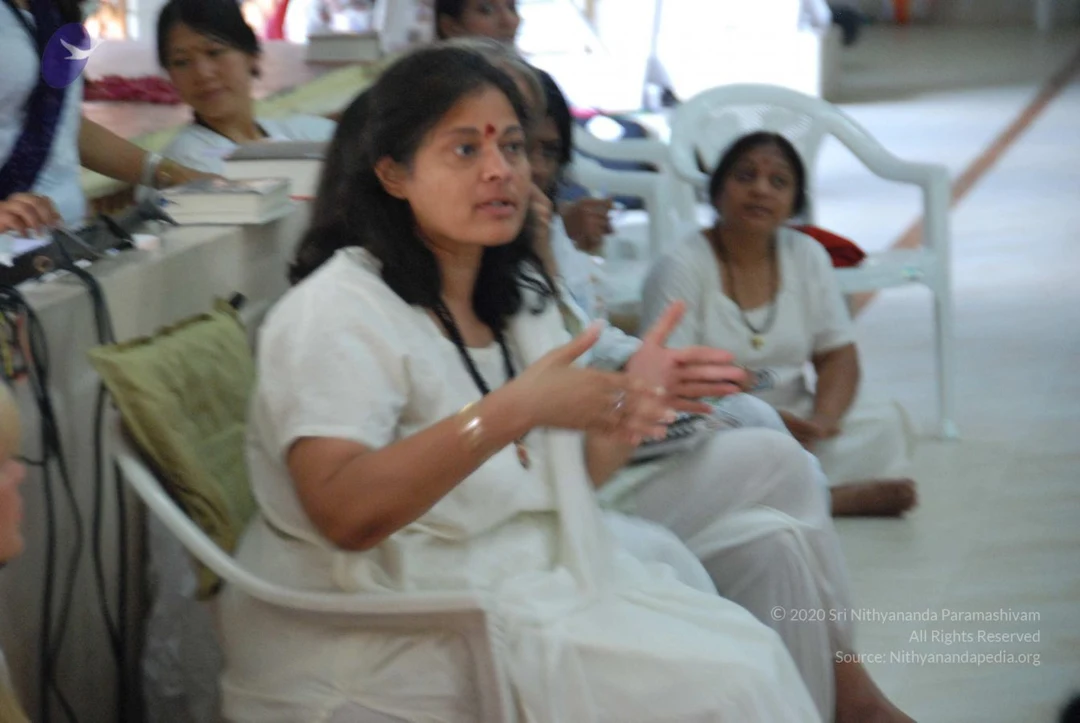
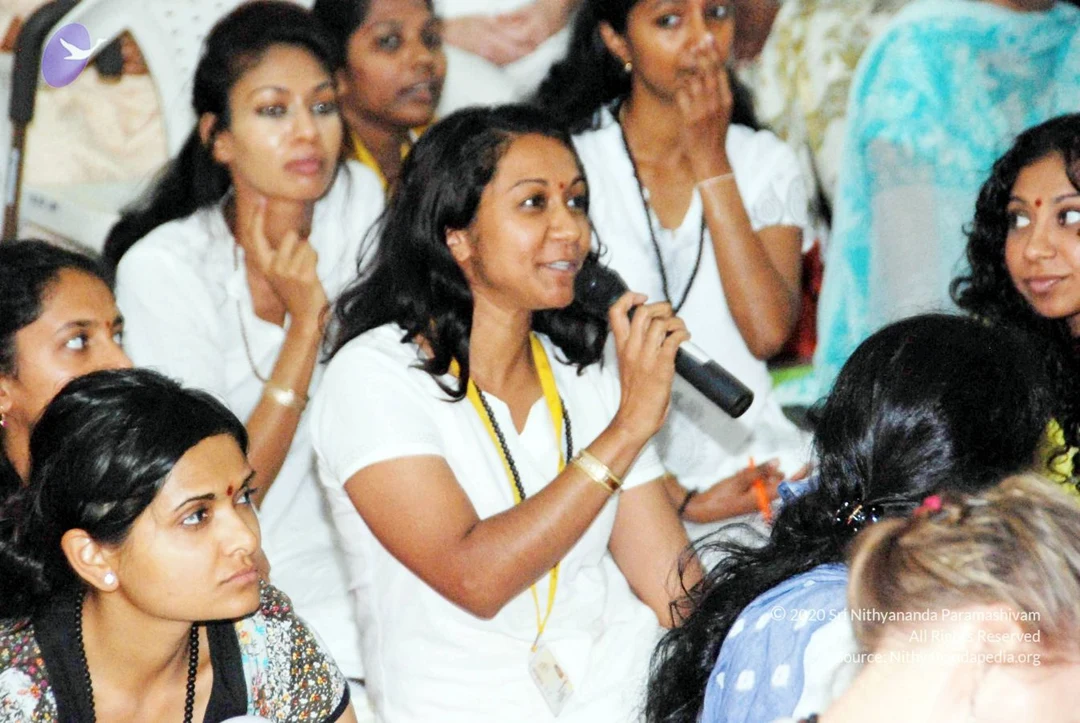
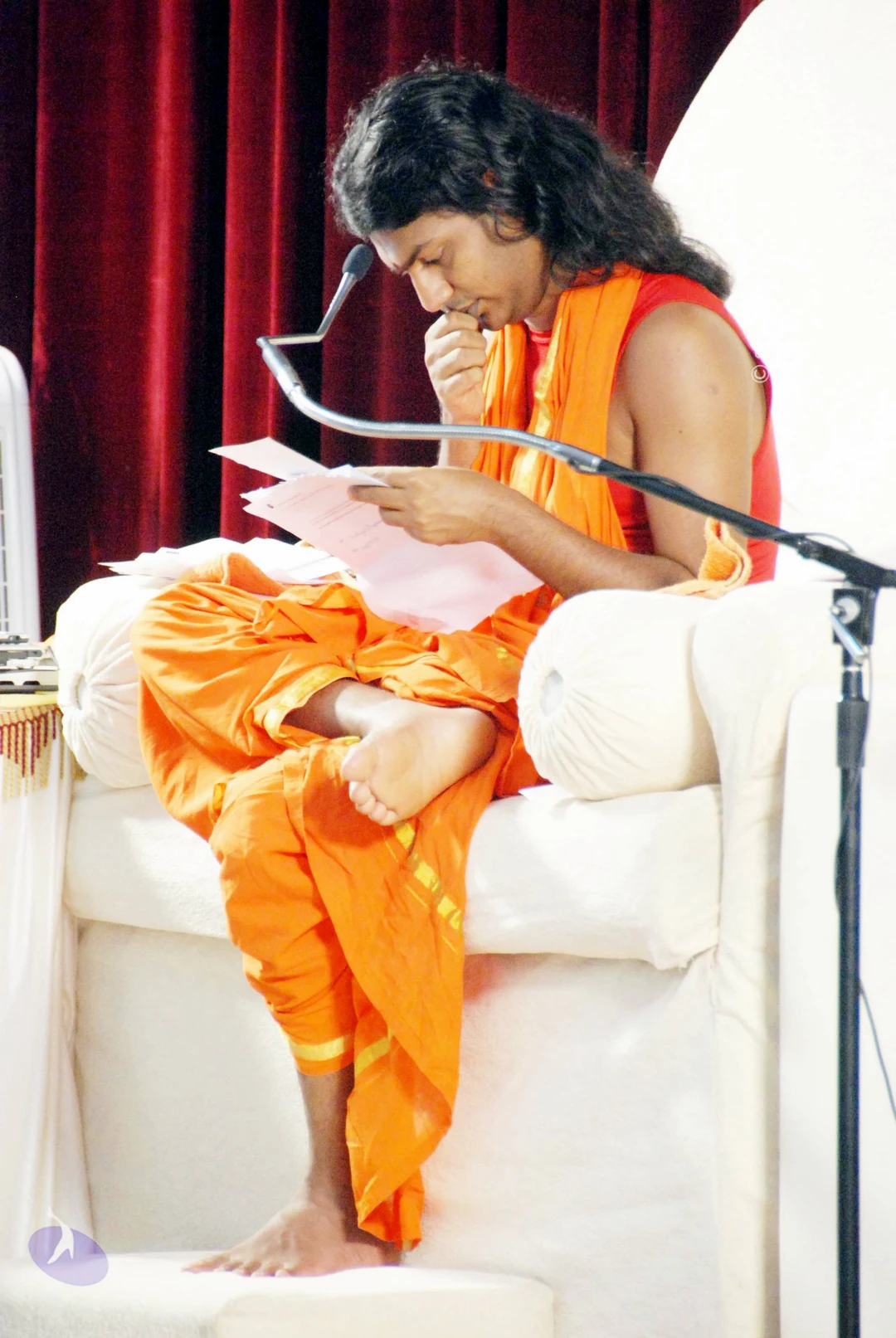
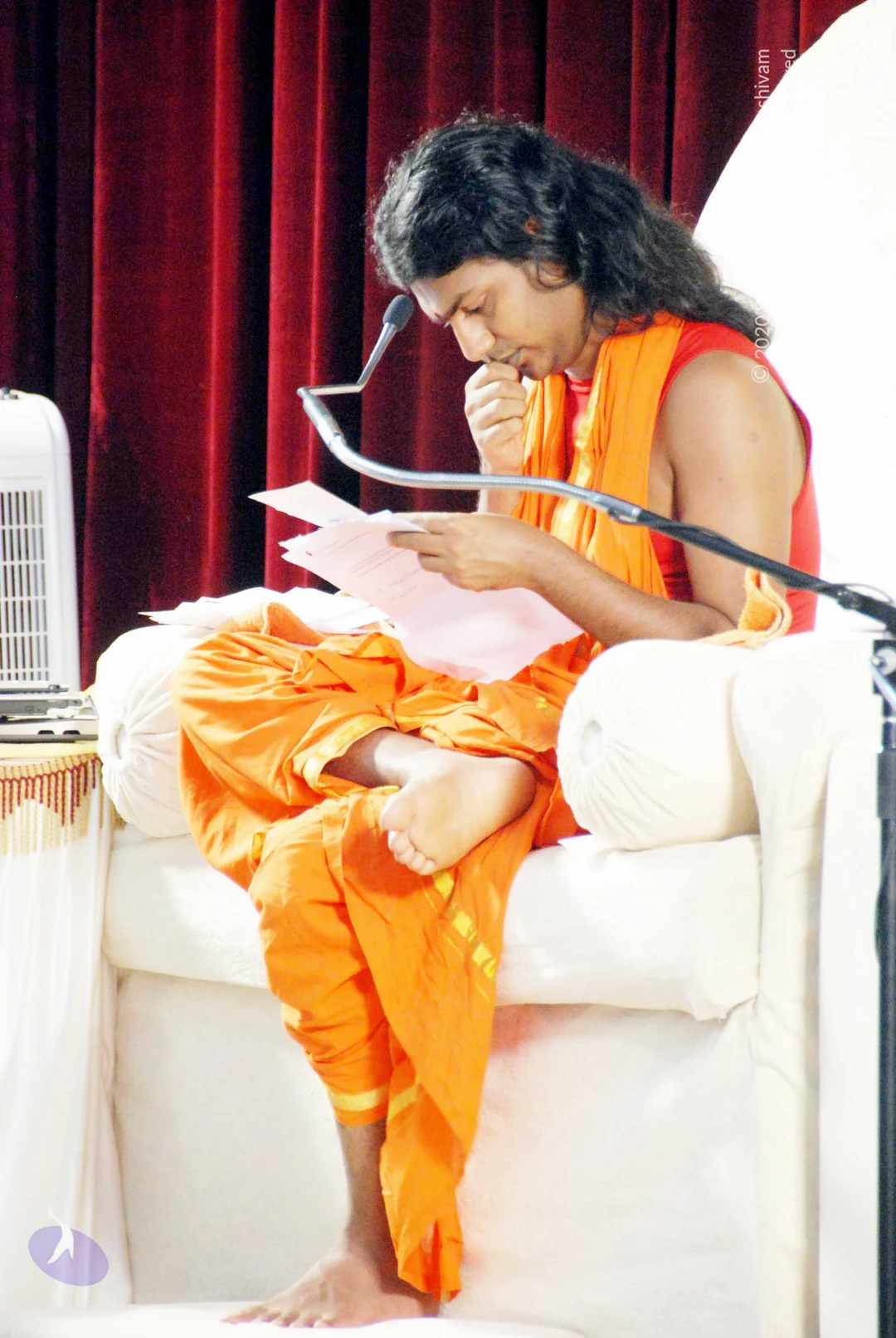
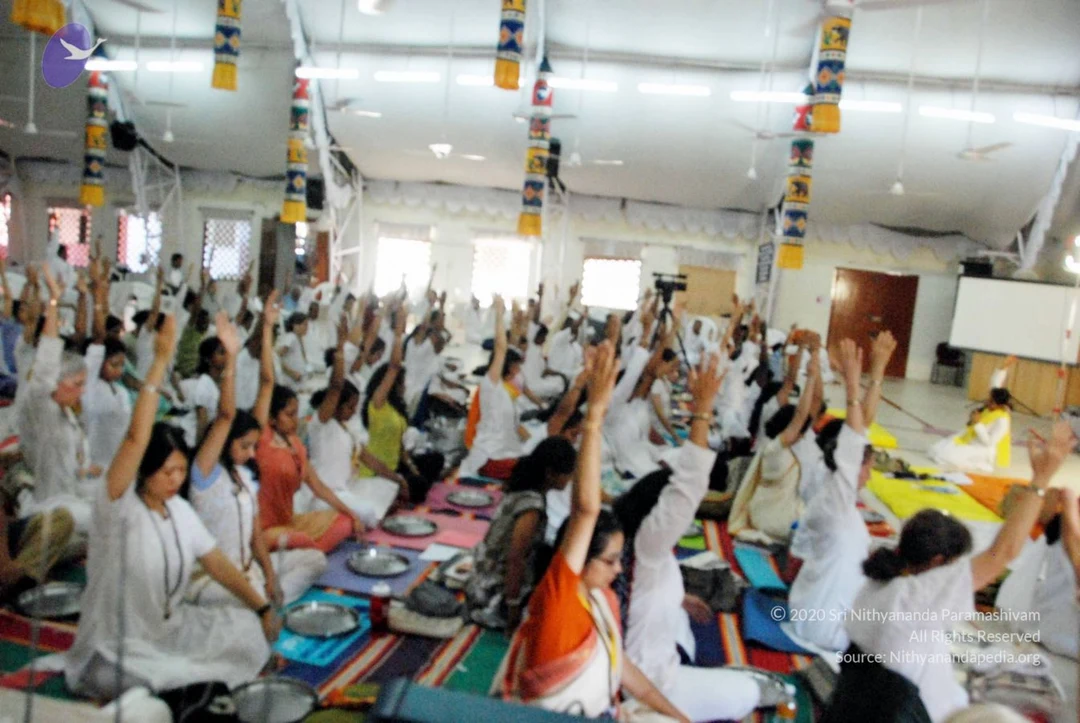
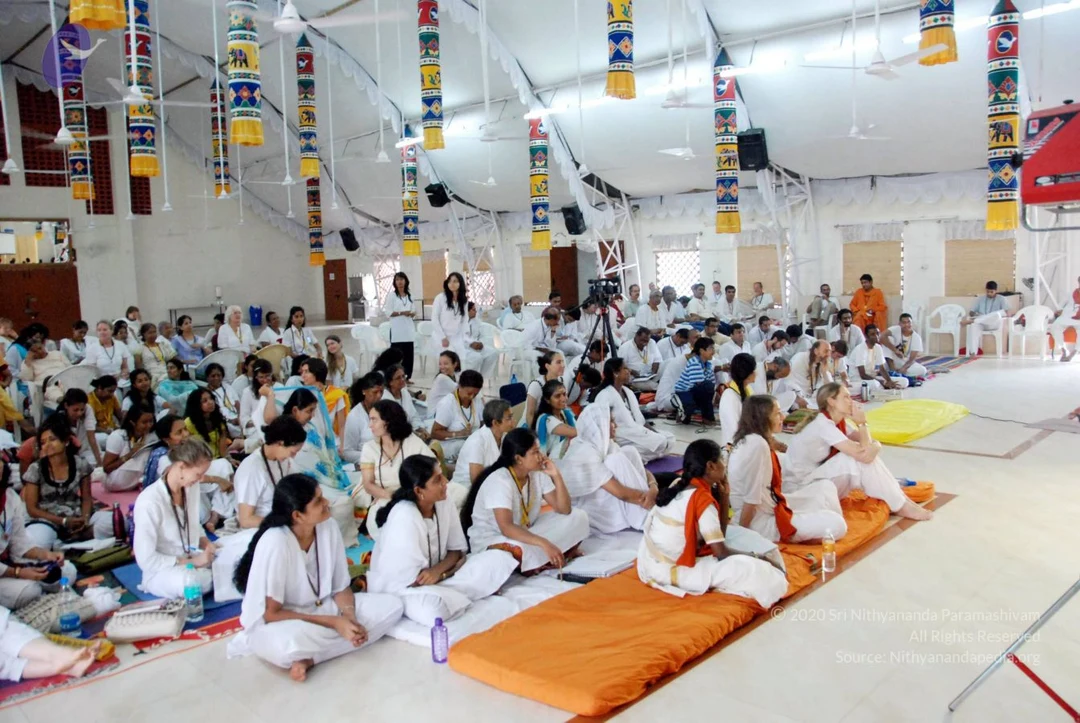
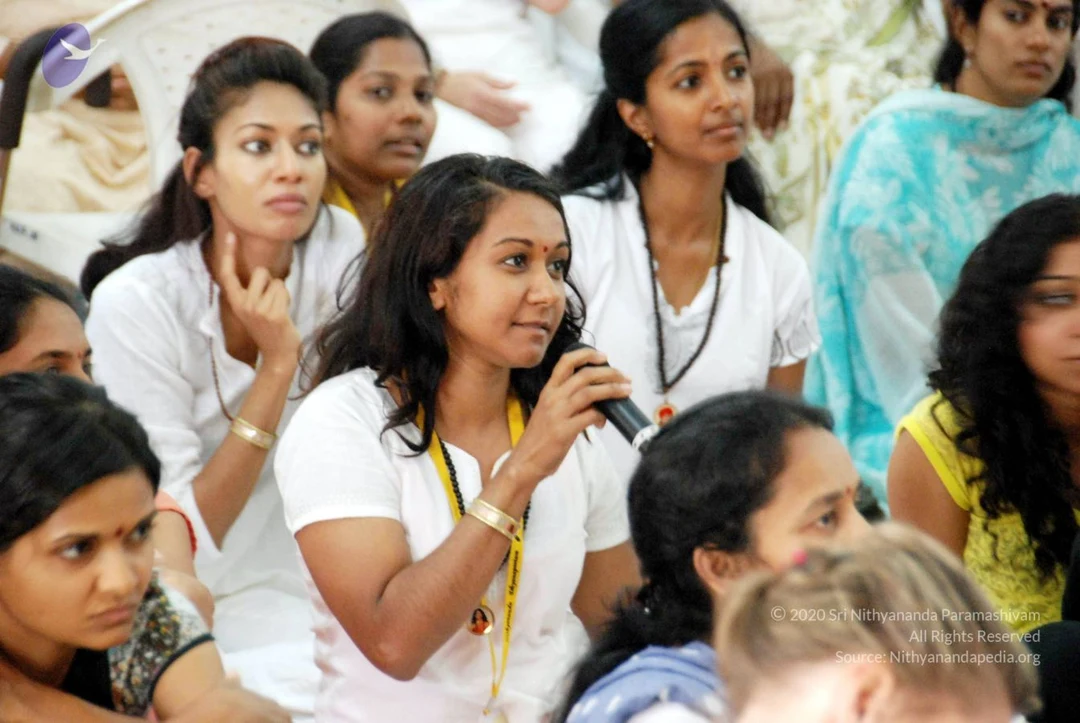
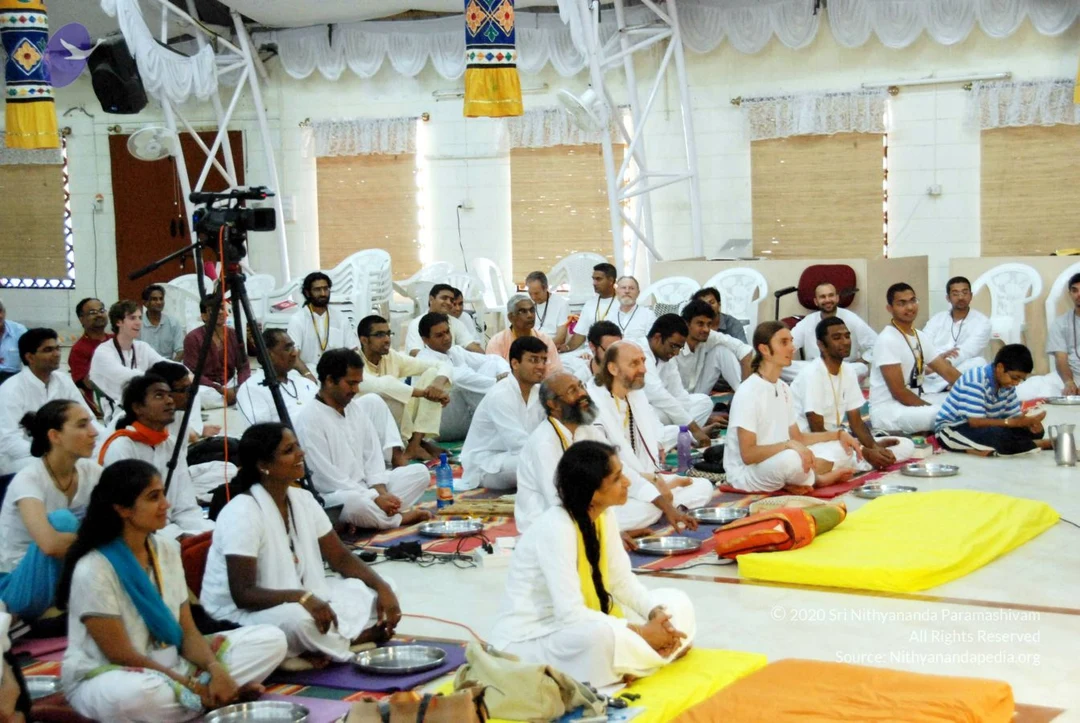
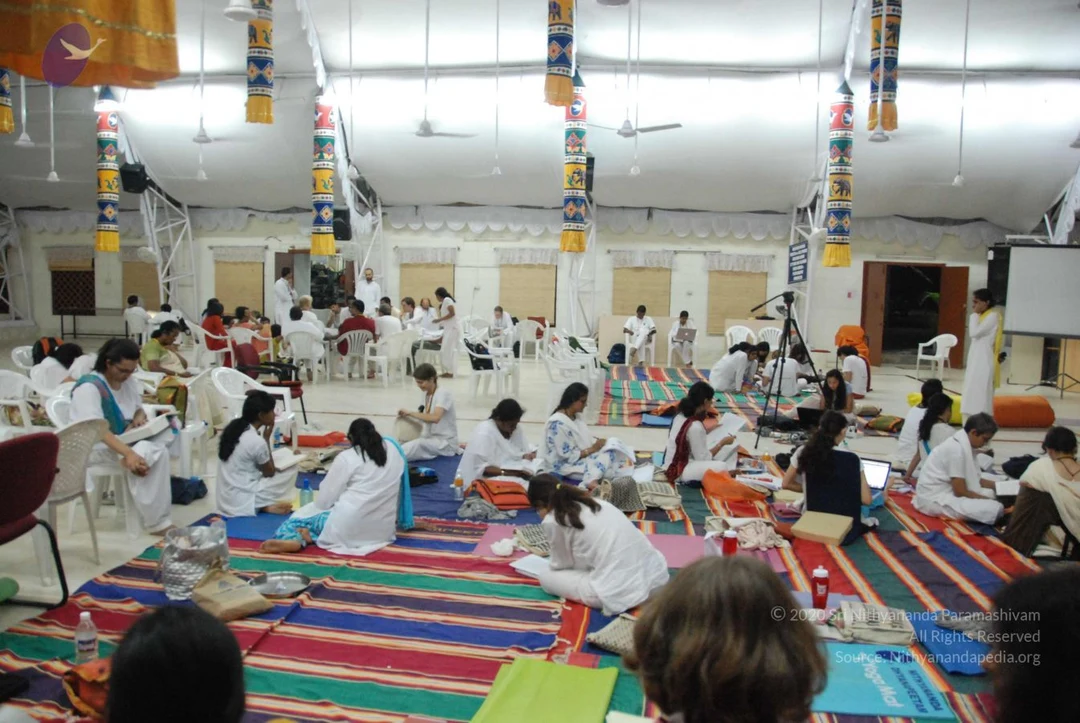
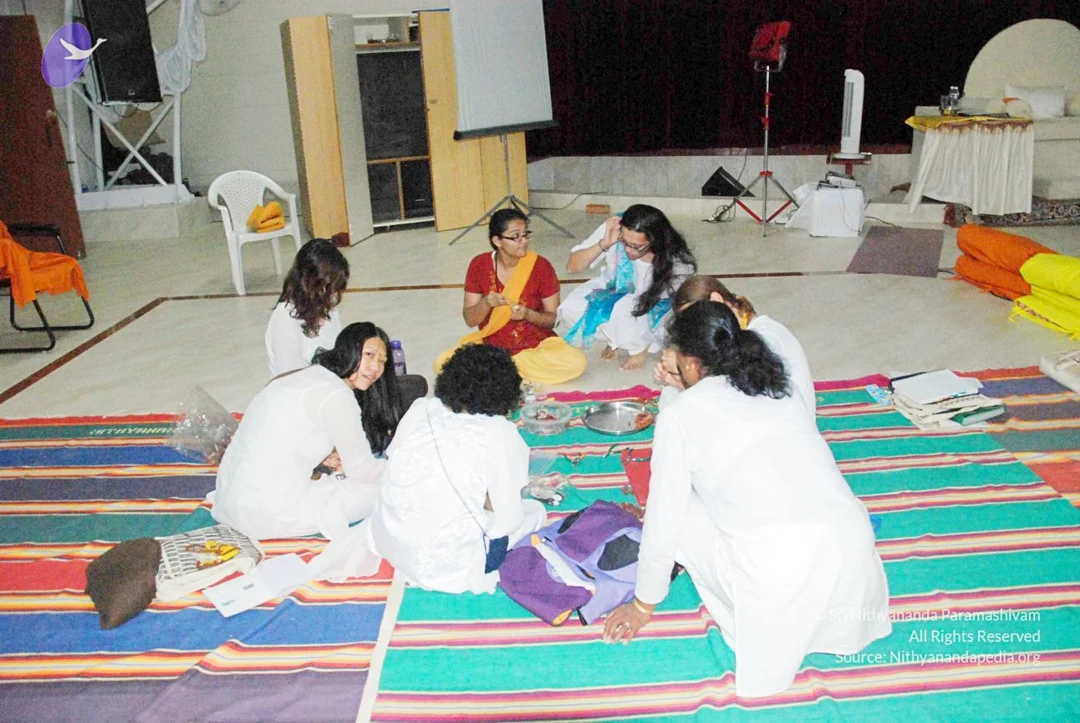
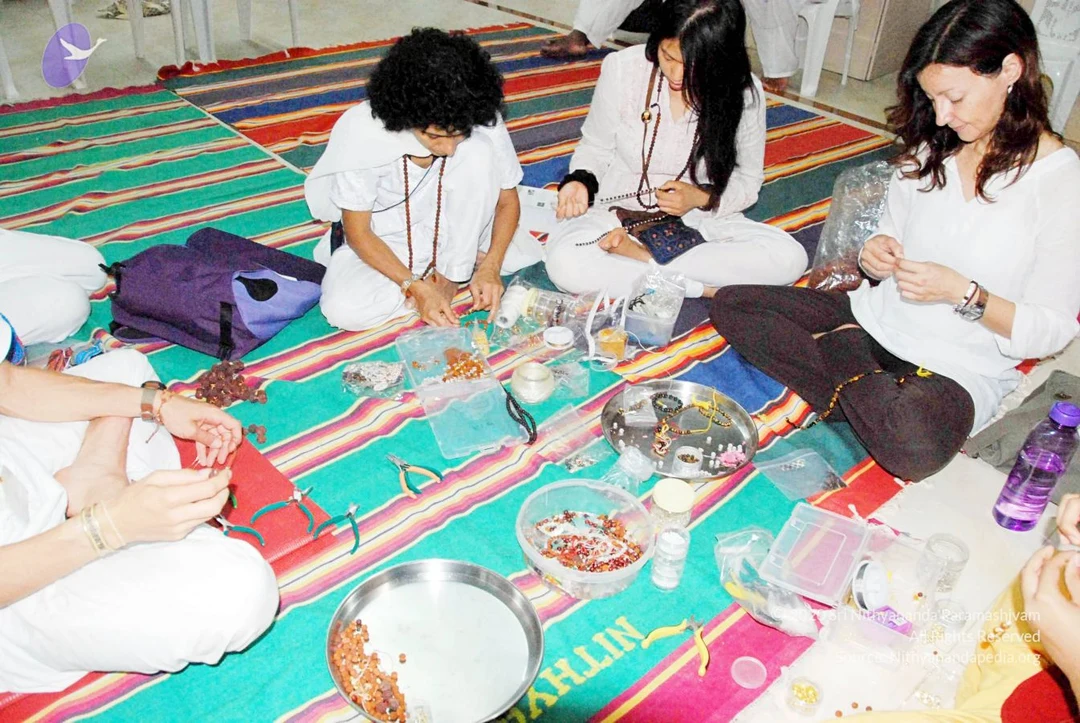
LBE-Sessions
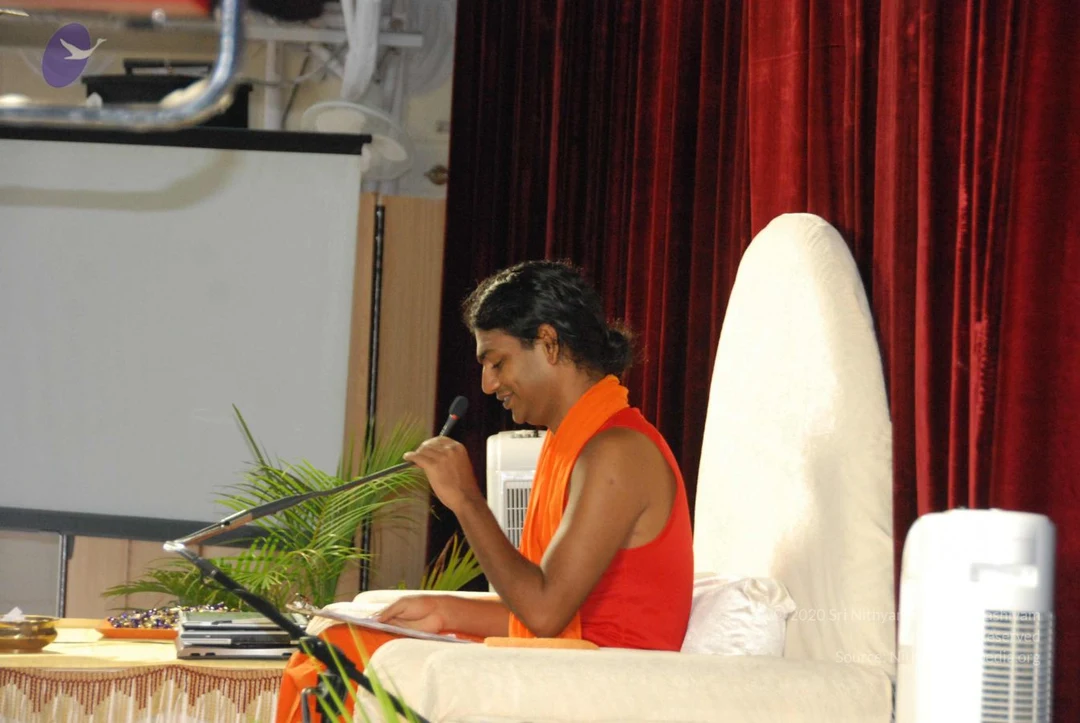
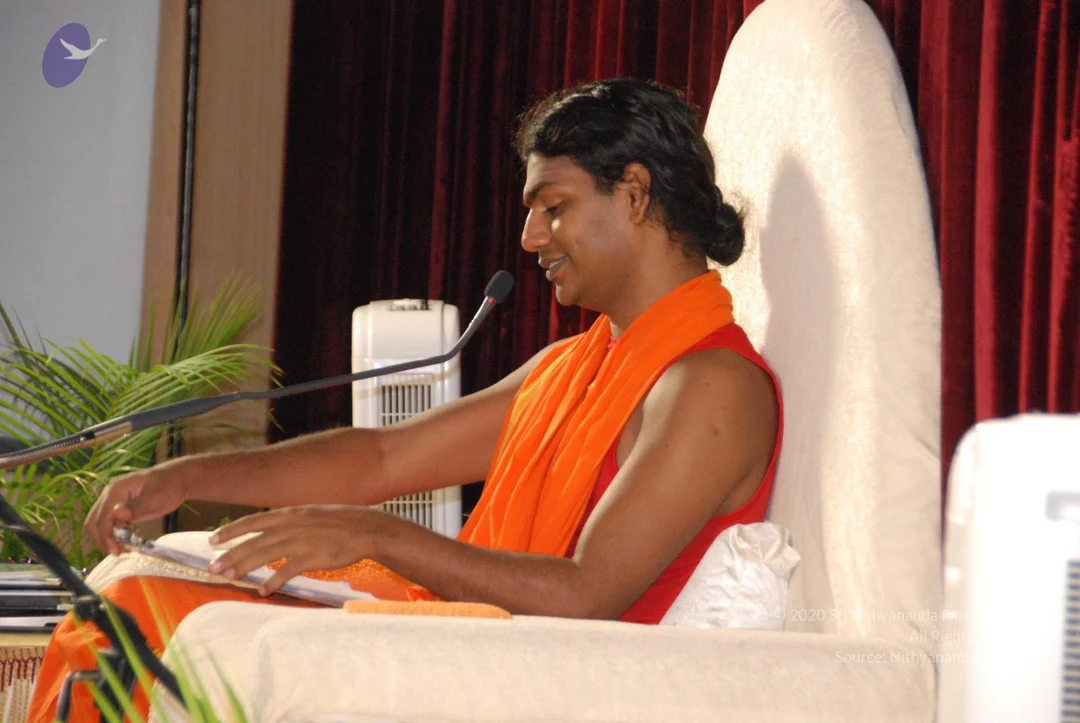
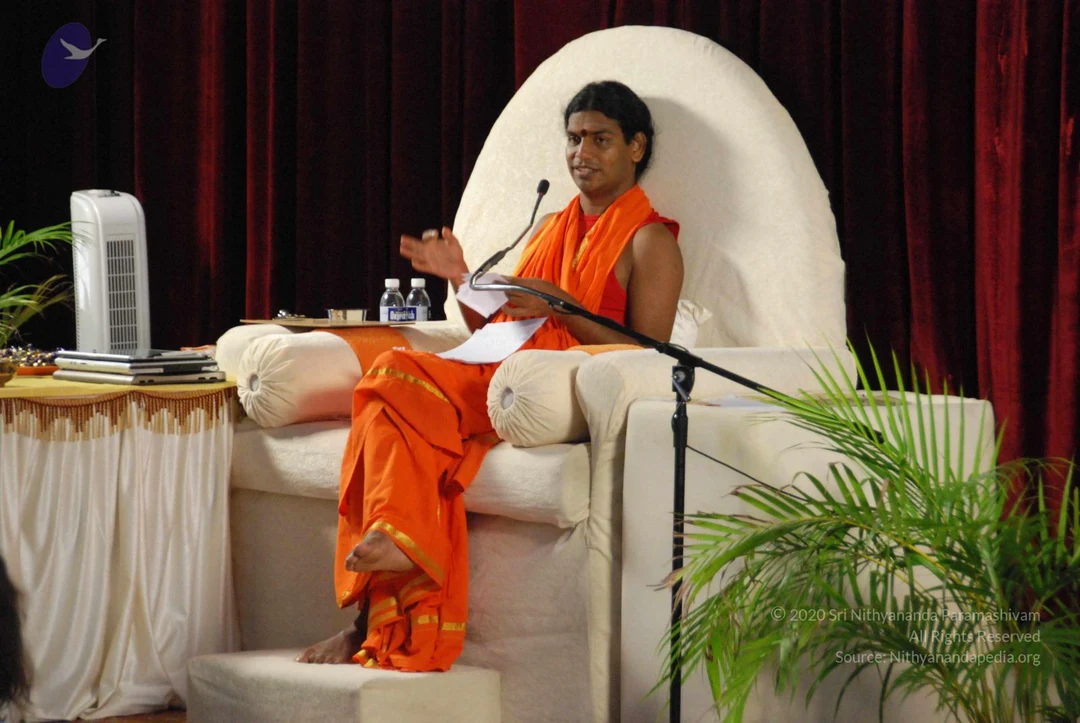
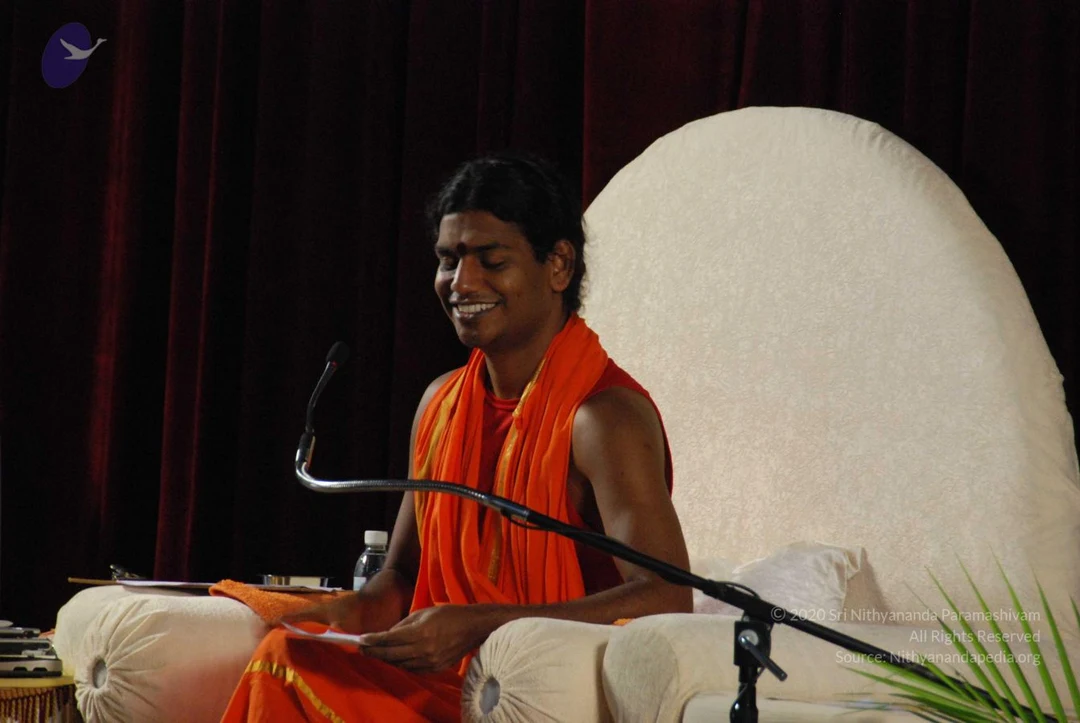
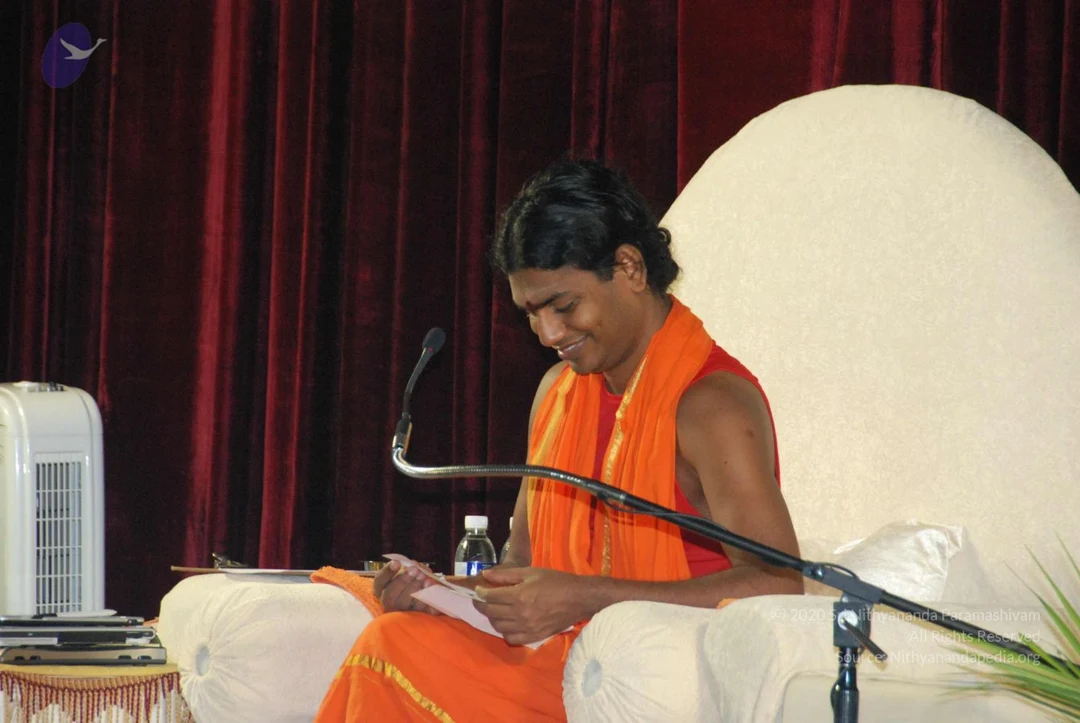
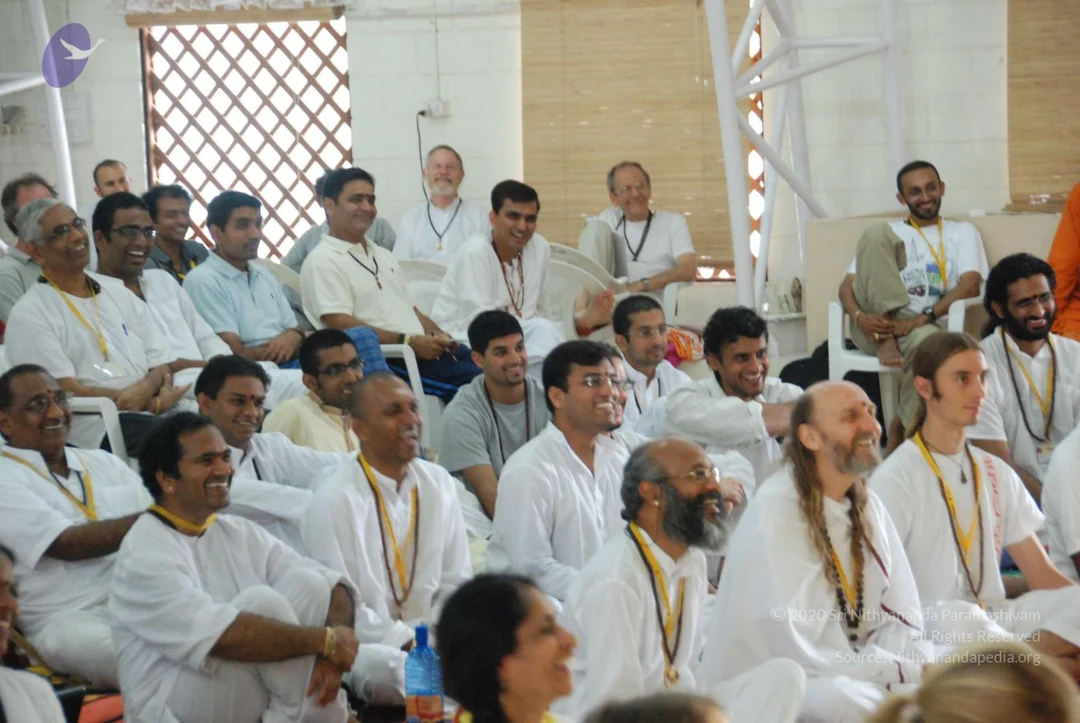
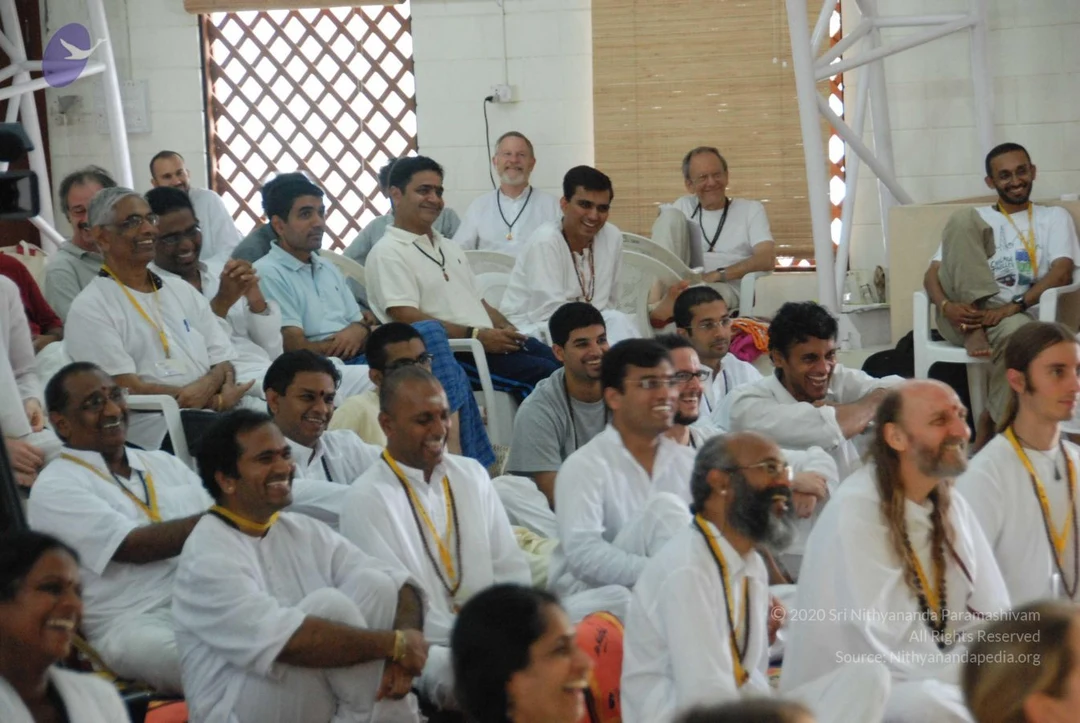
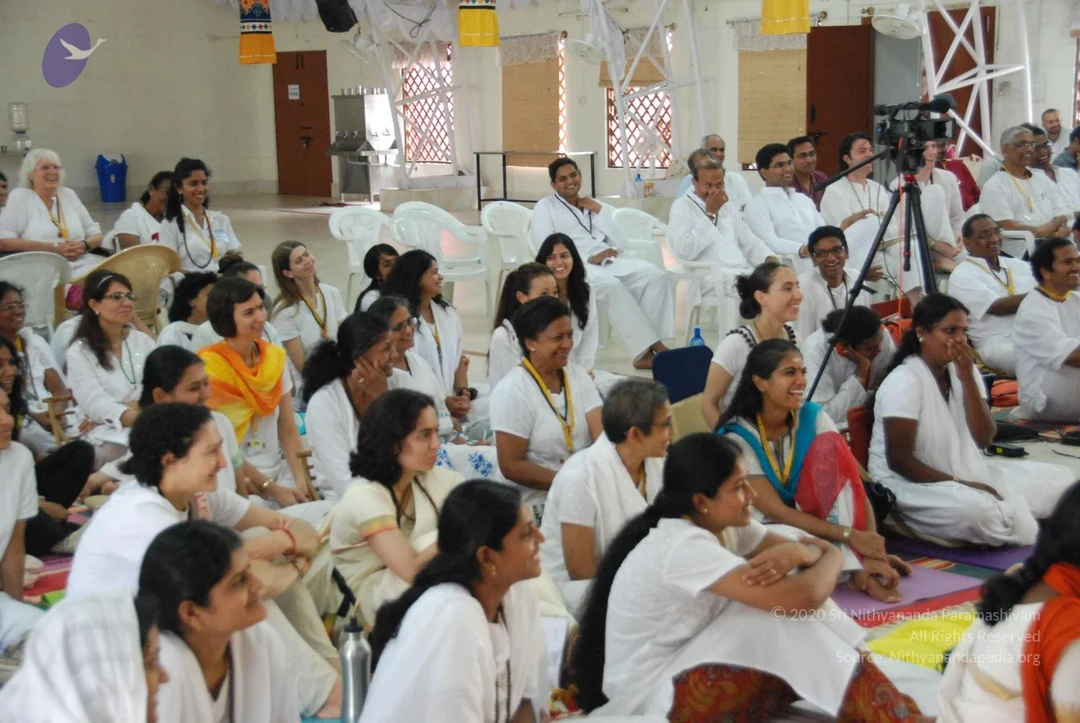
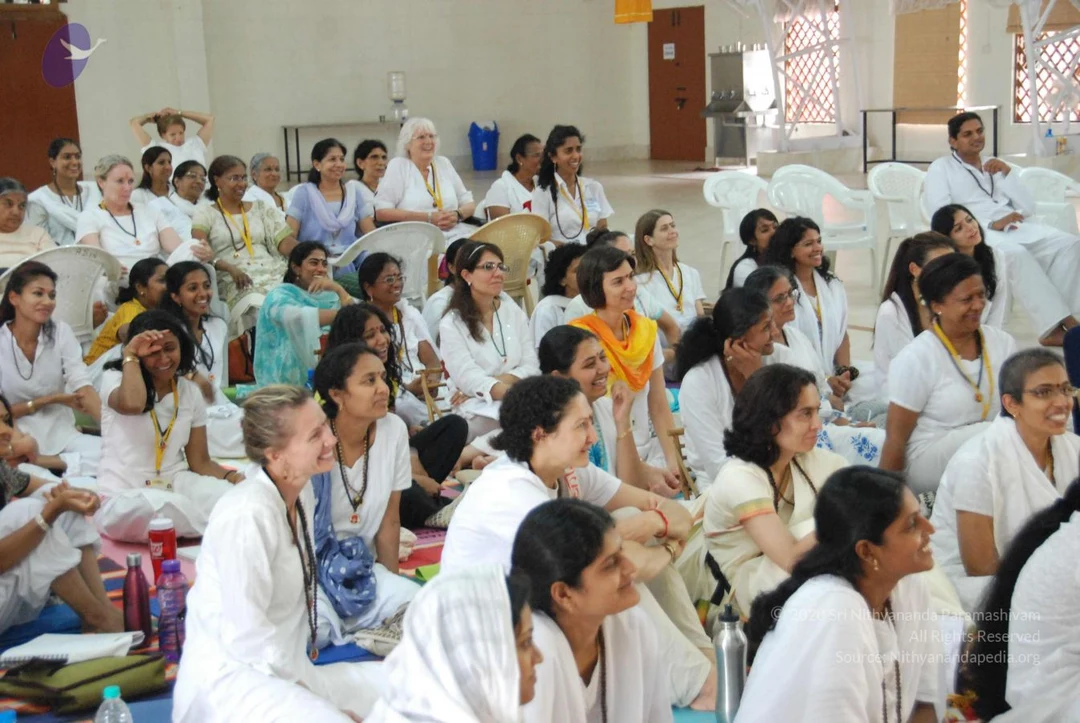
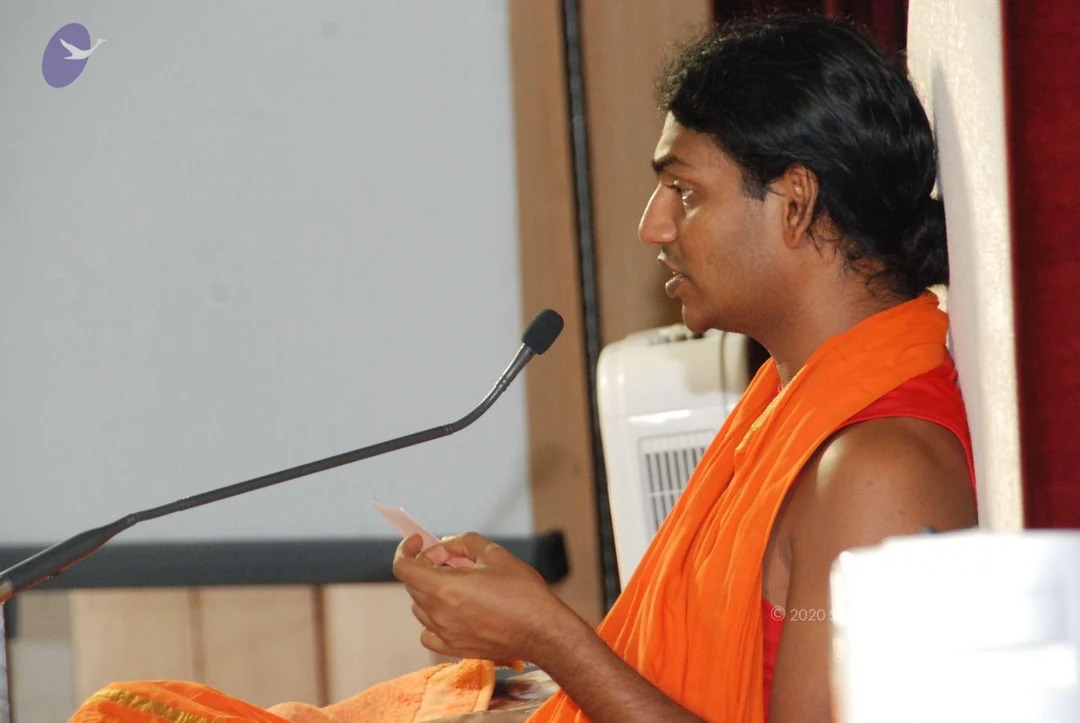

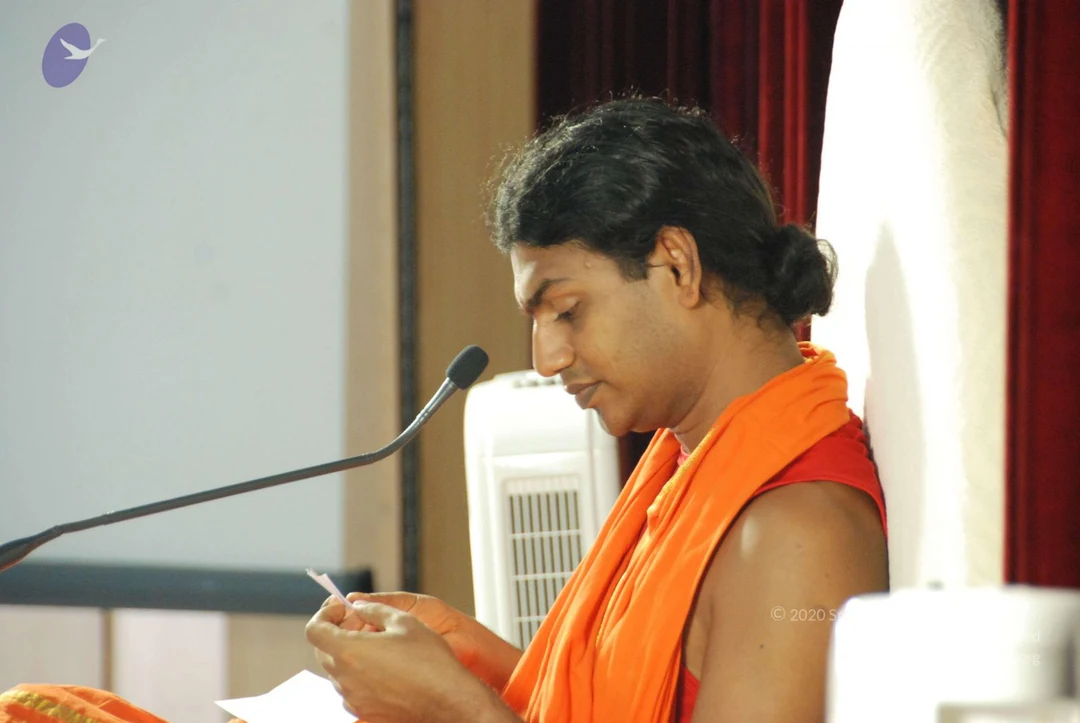
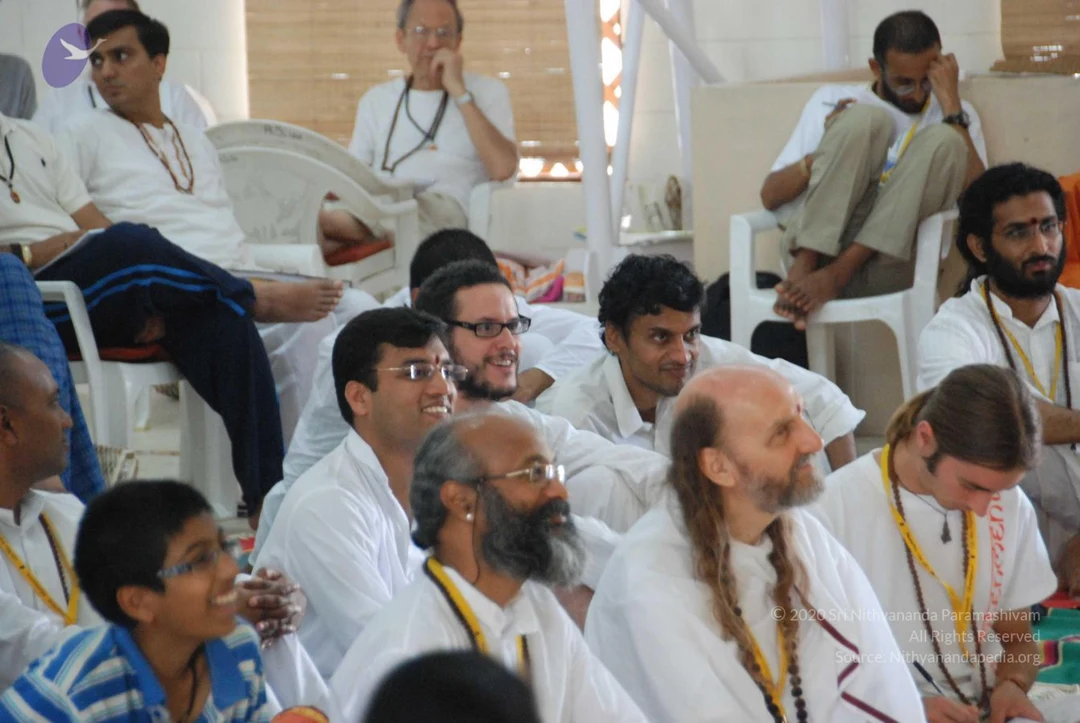
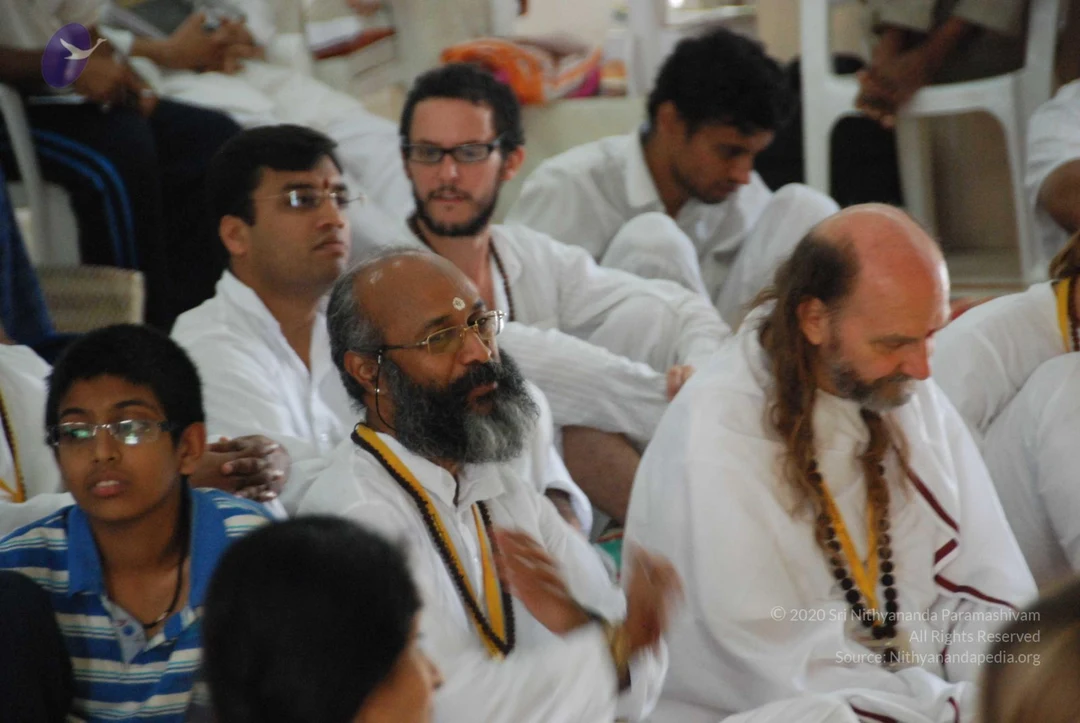
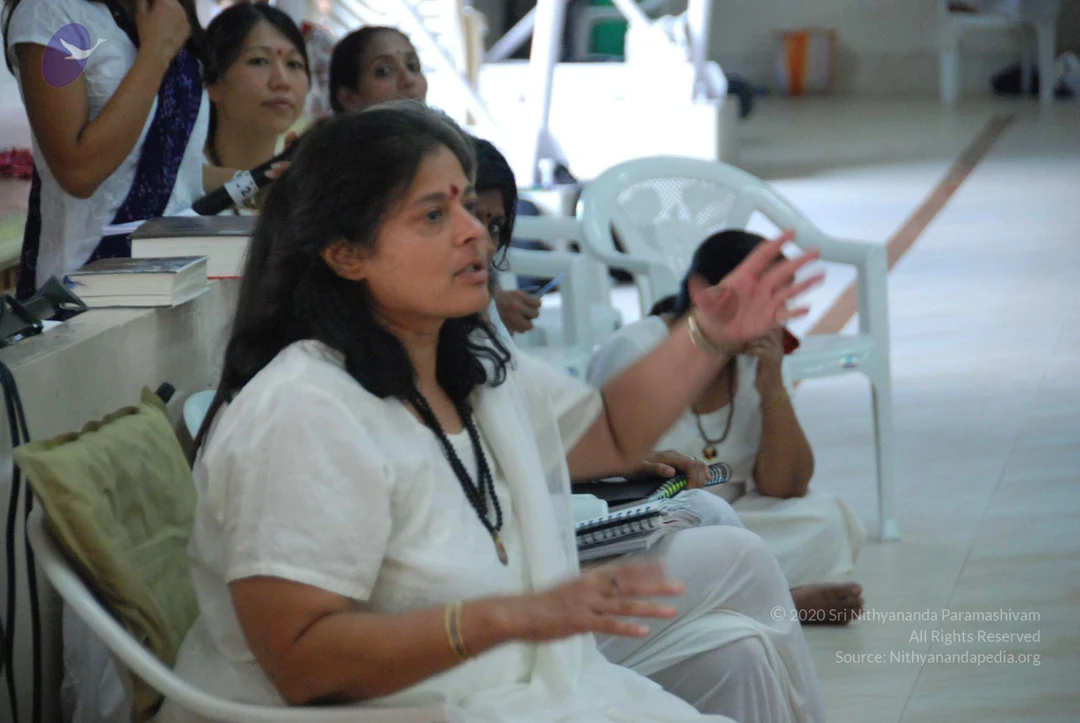
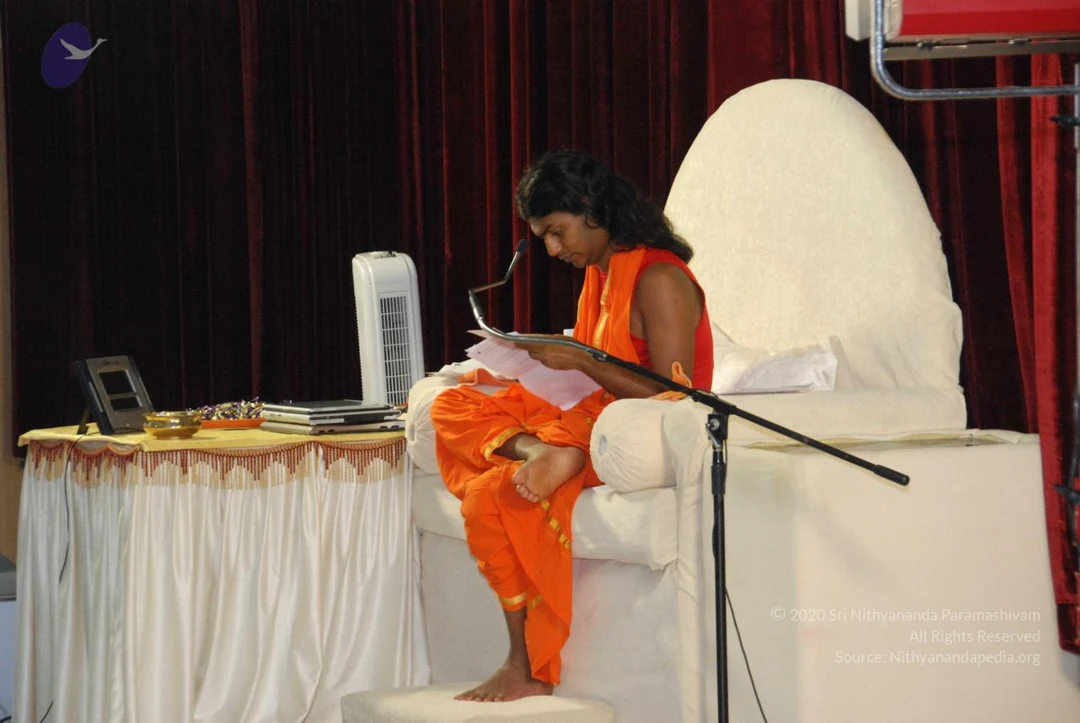
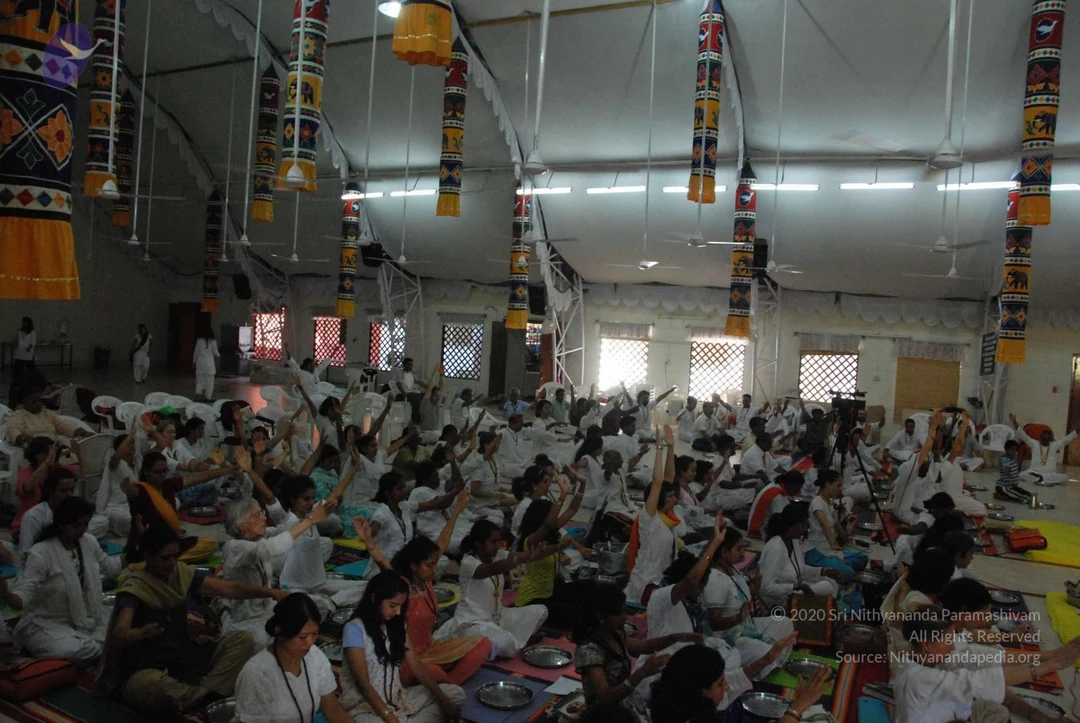
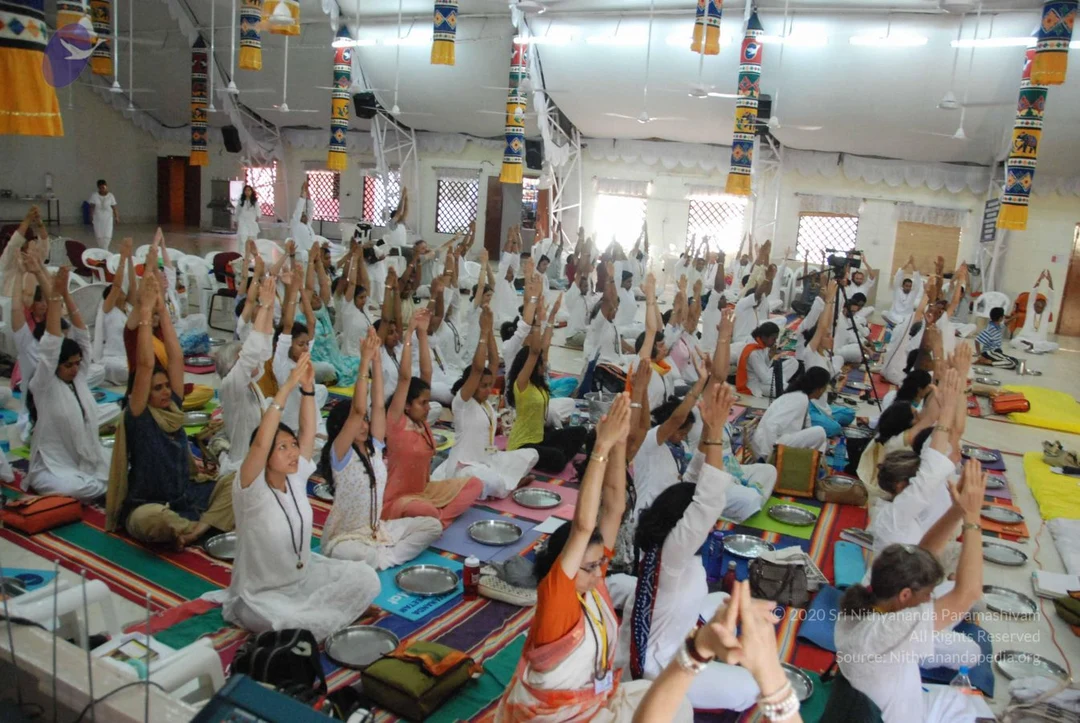
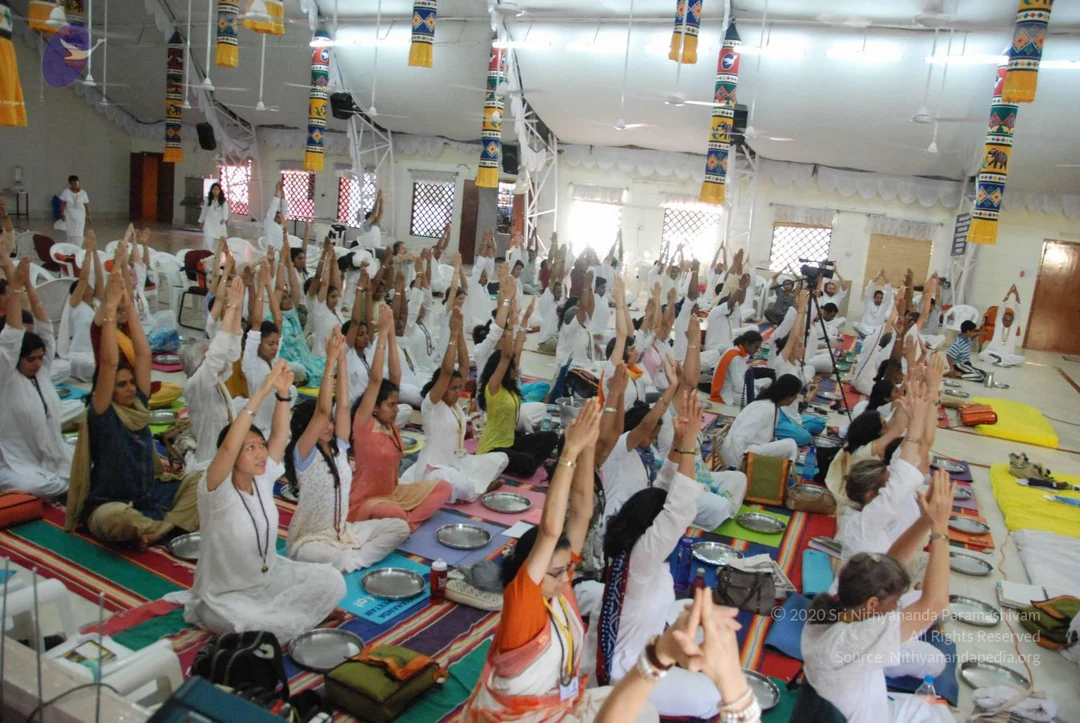
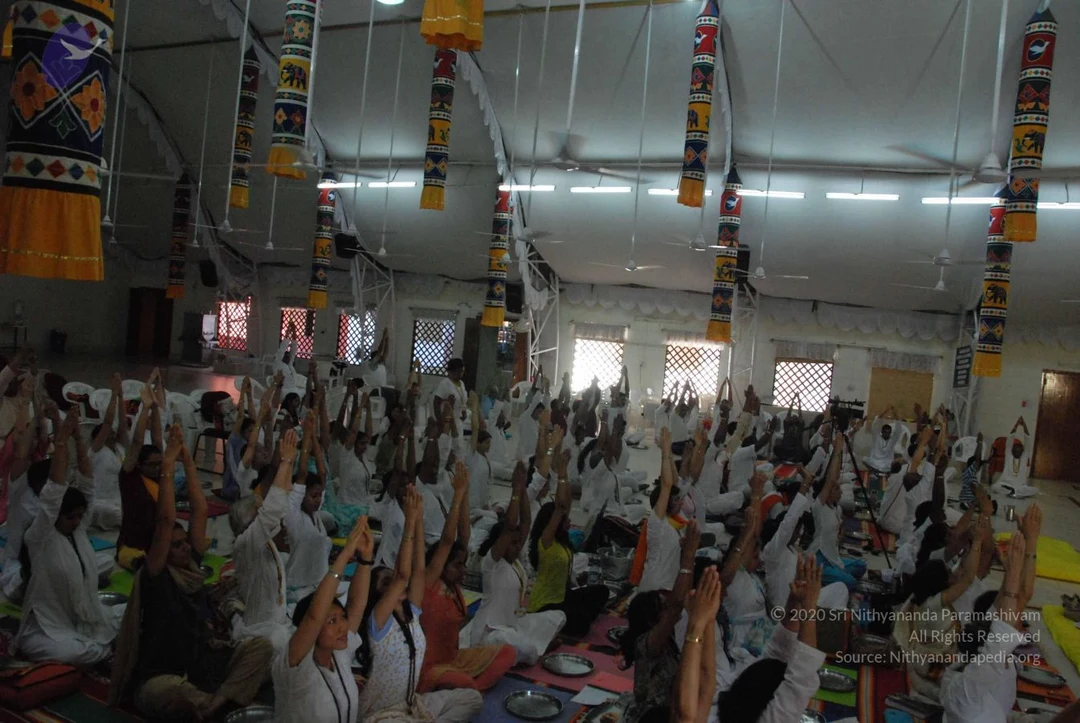
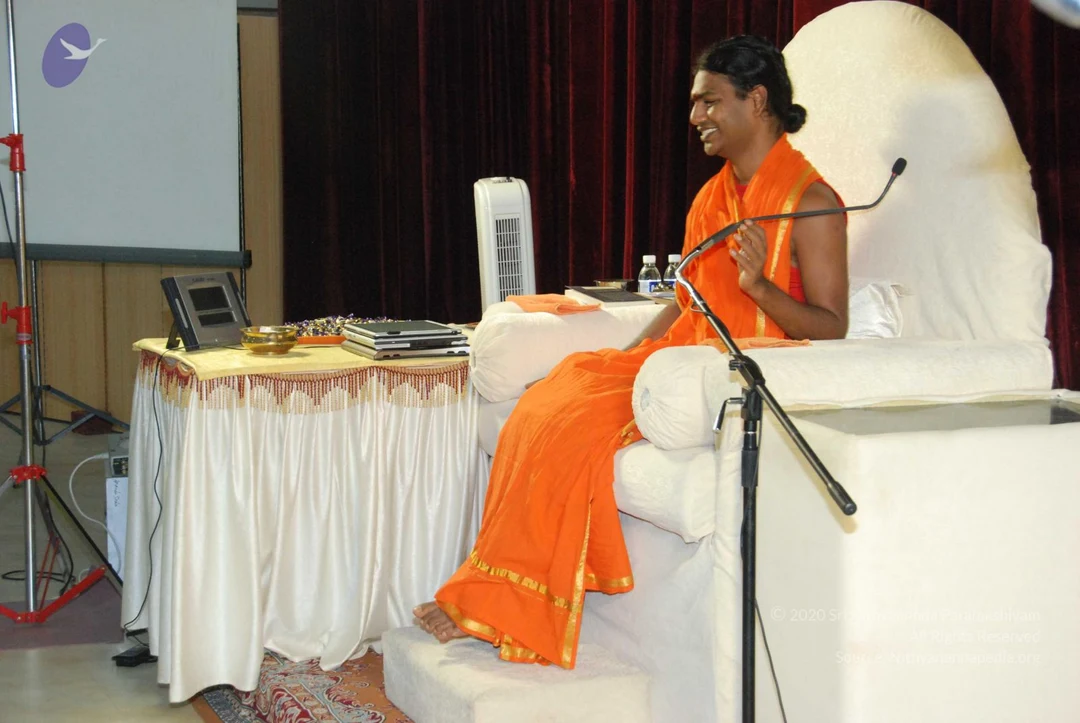
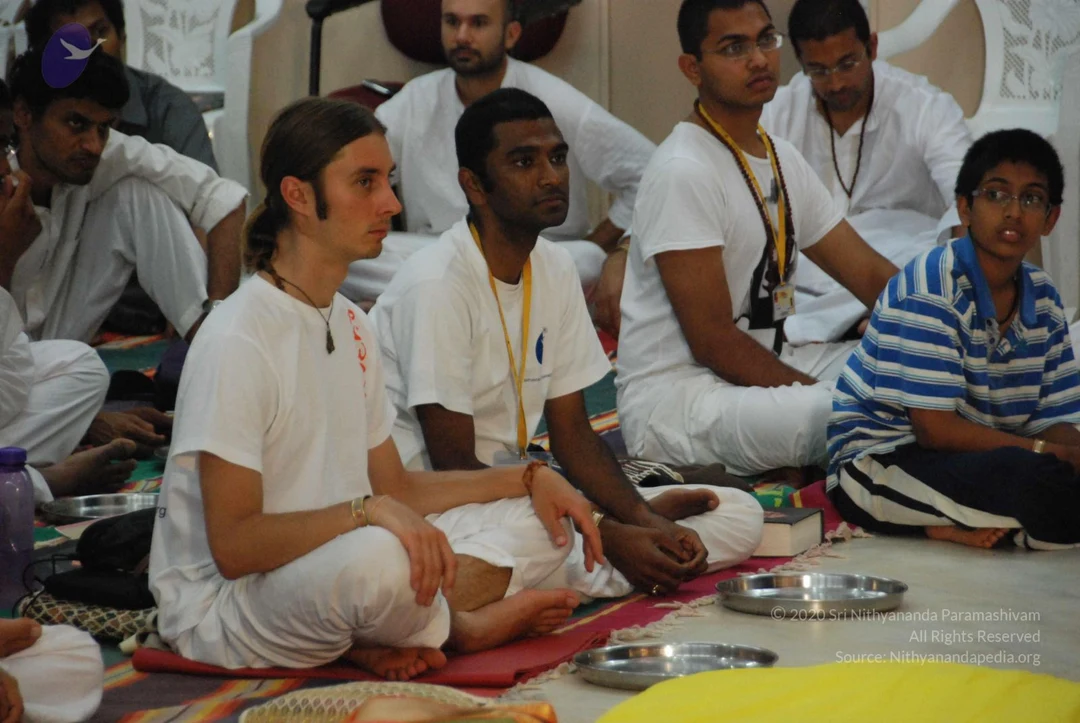
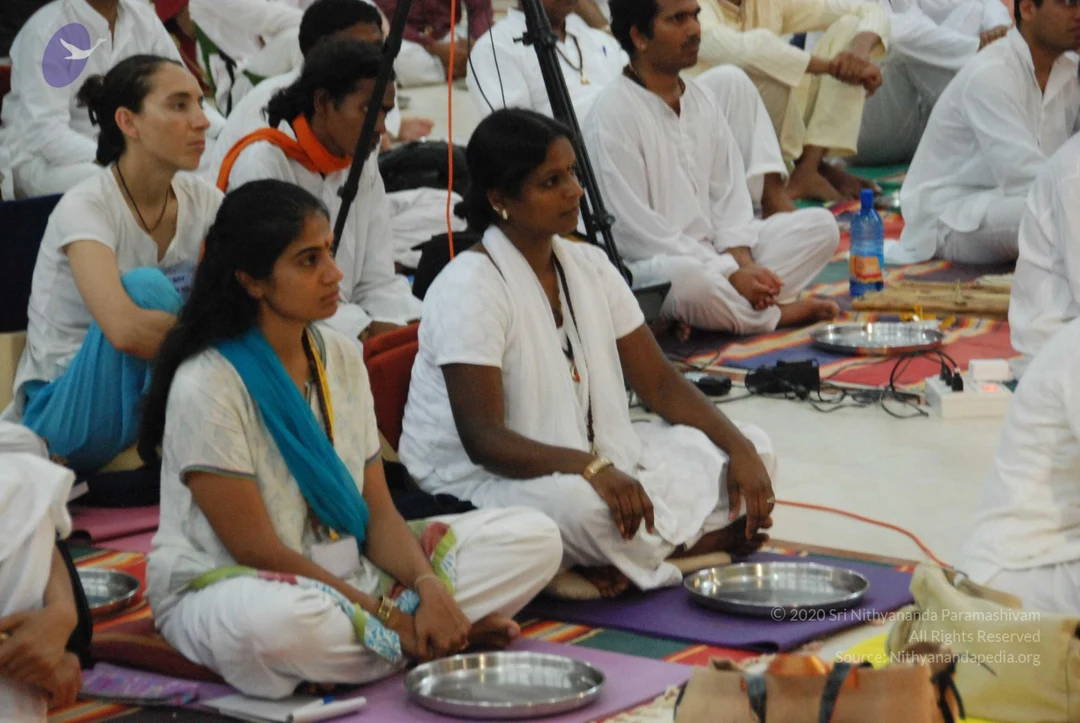
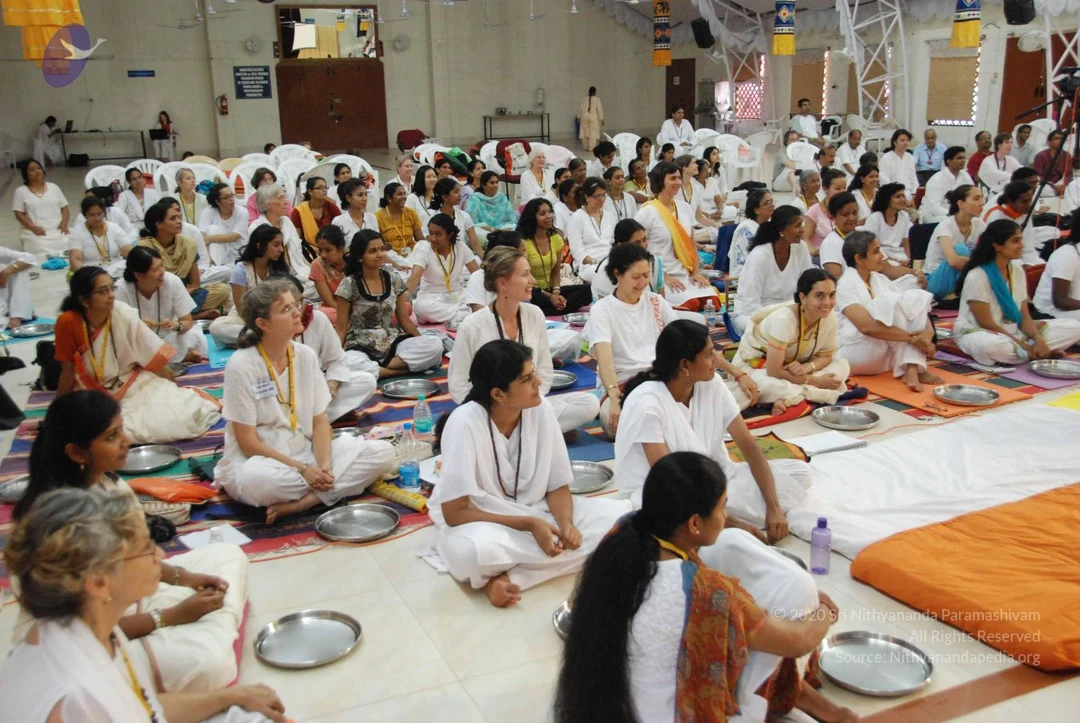
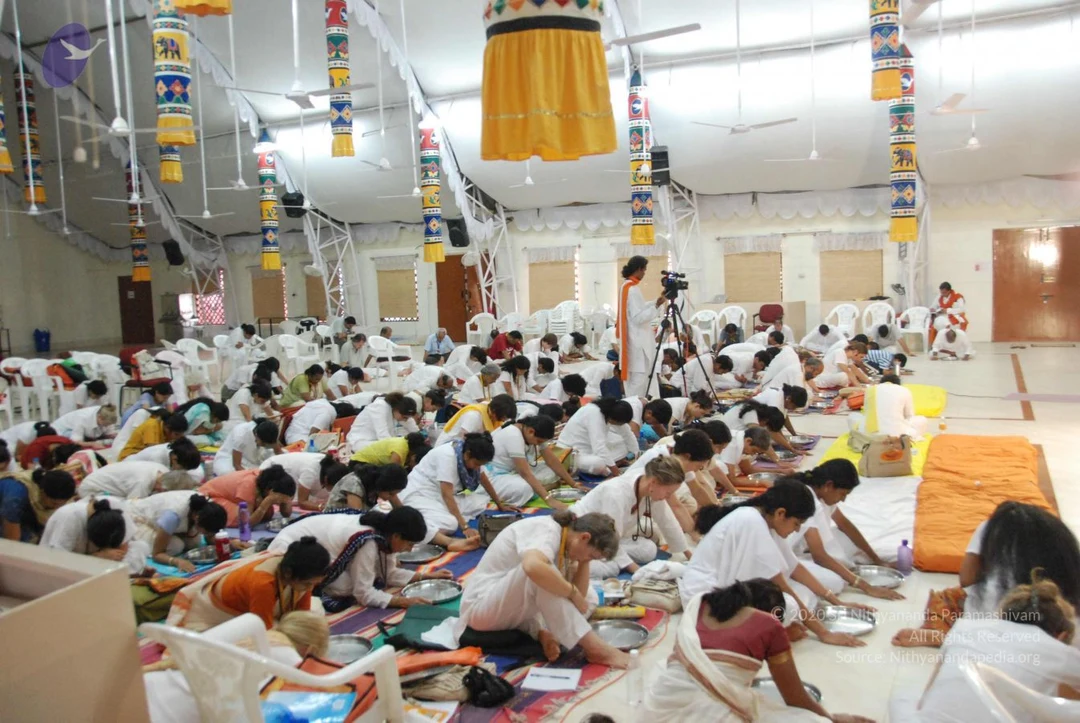
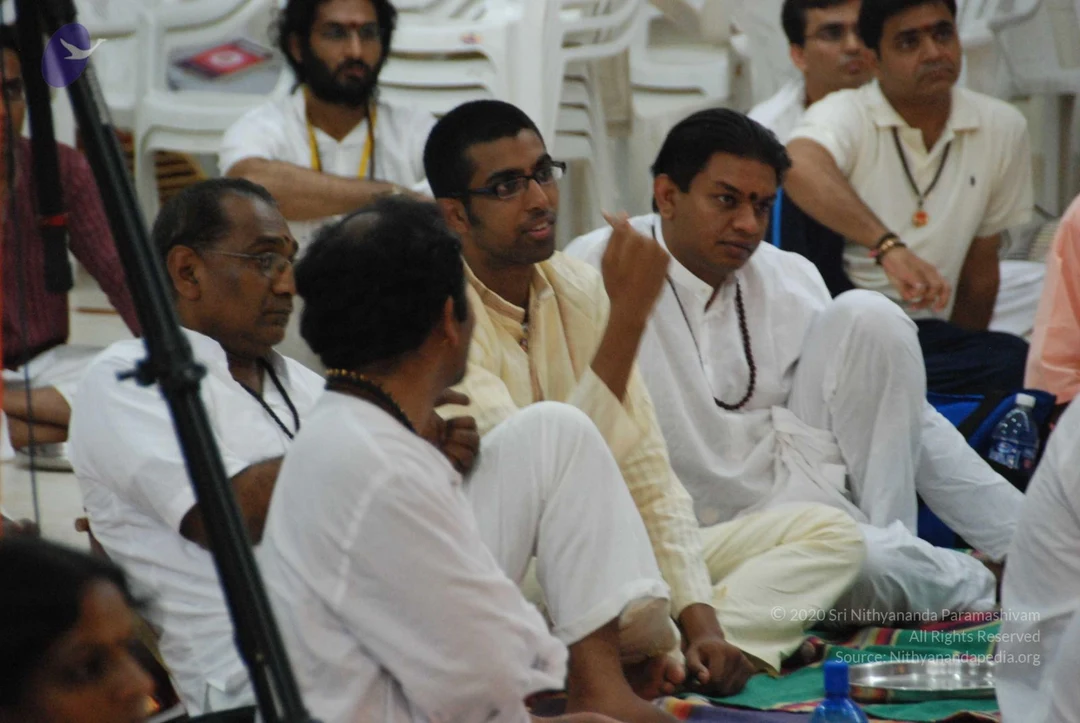
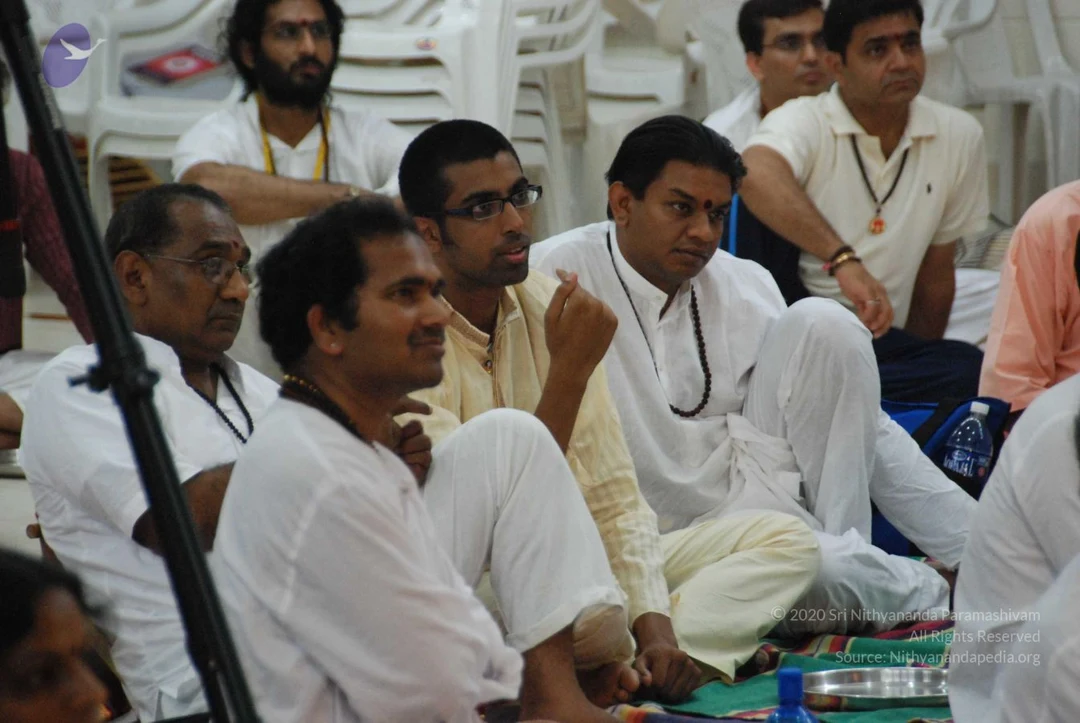
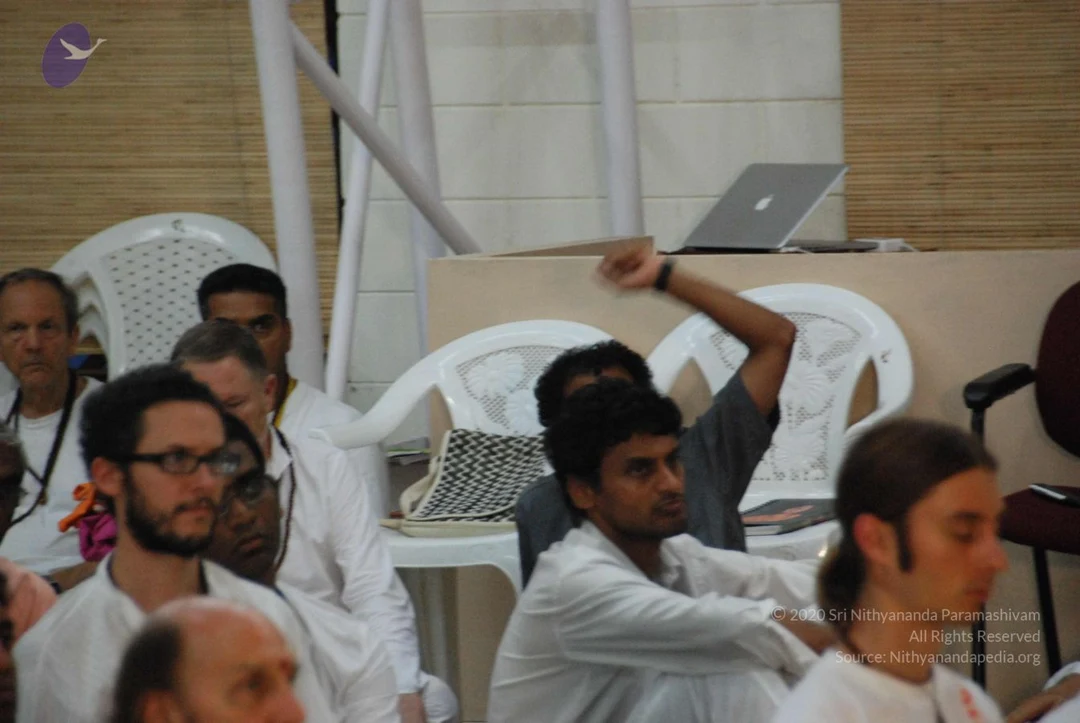
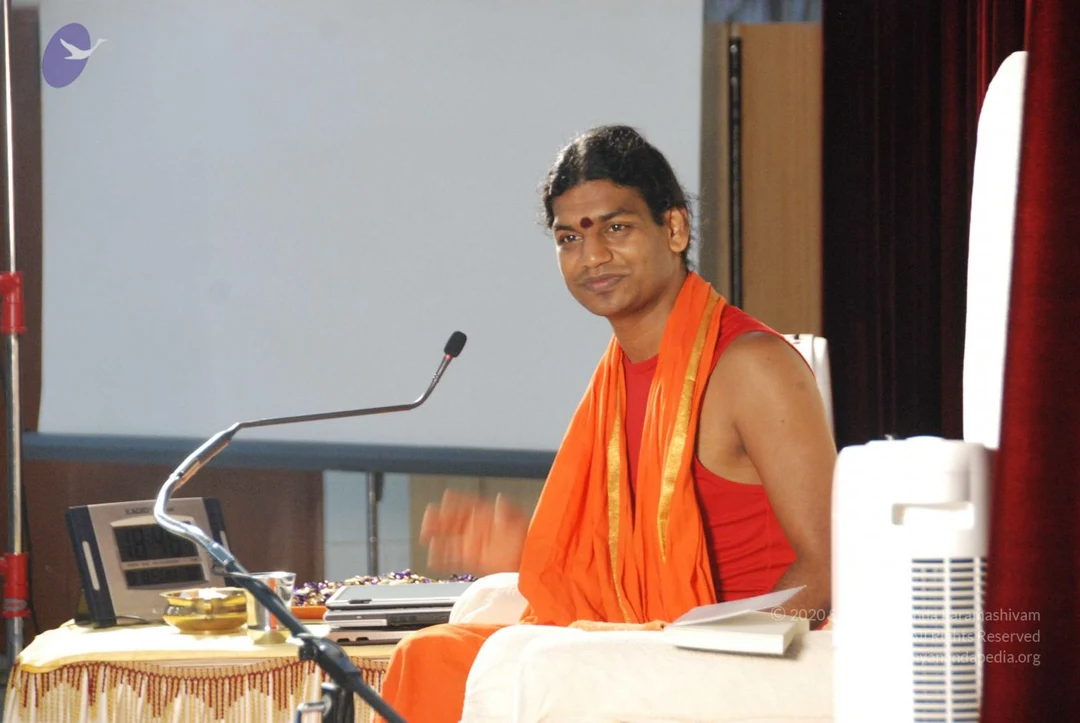
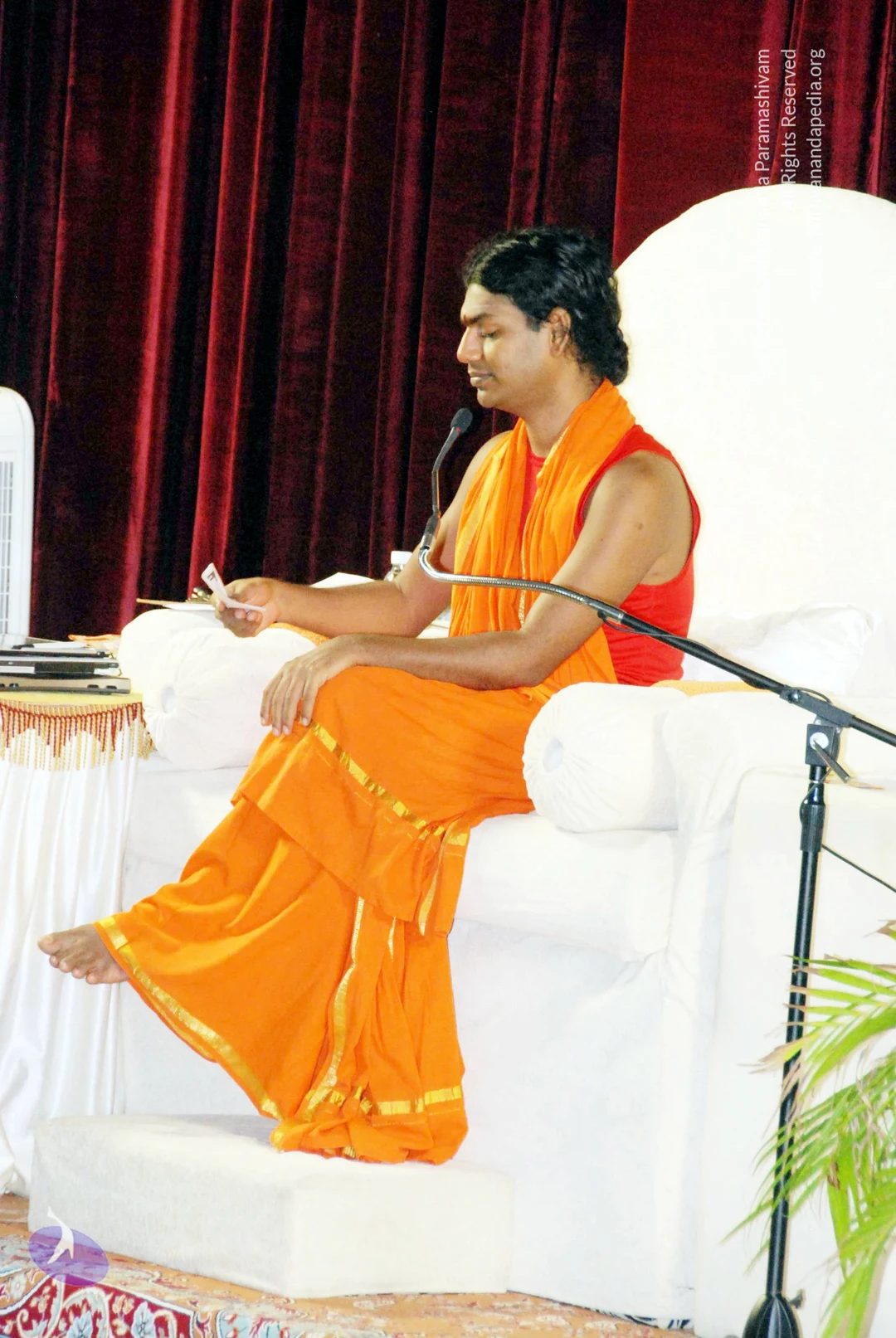
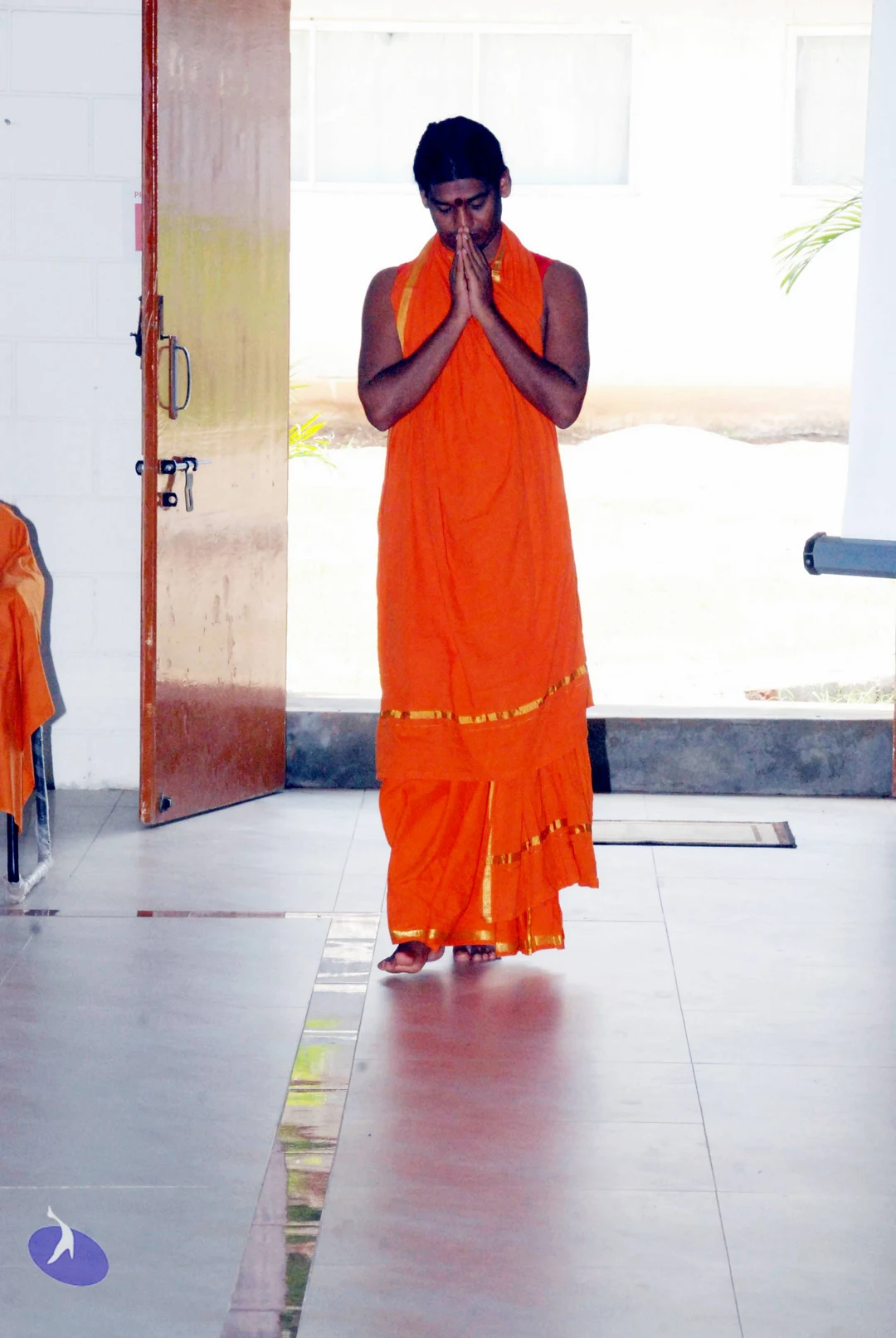
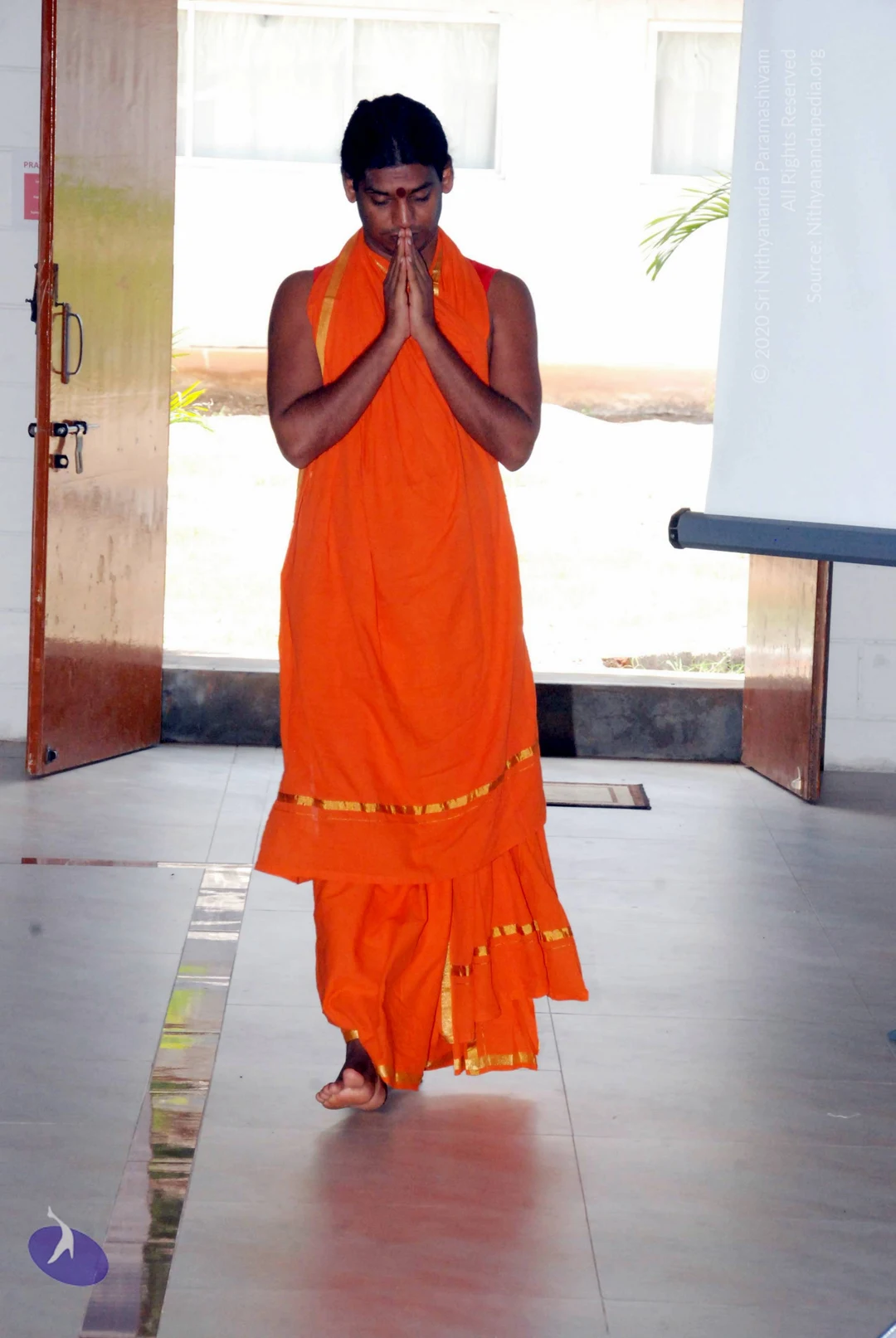
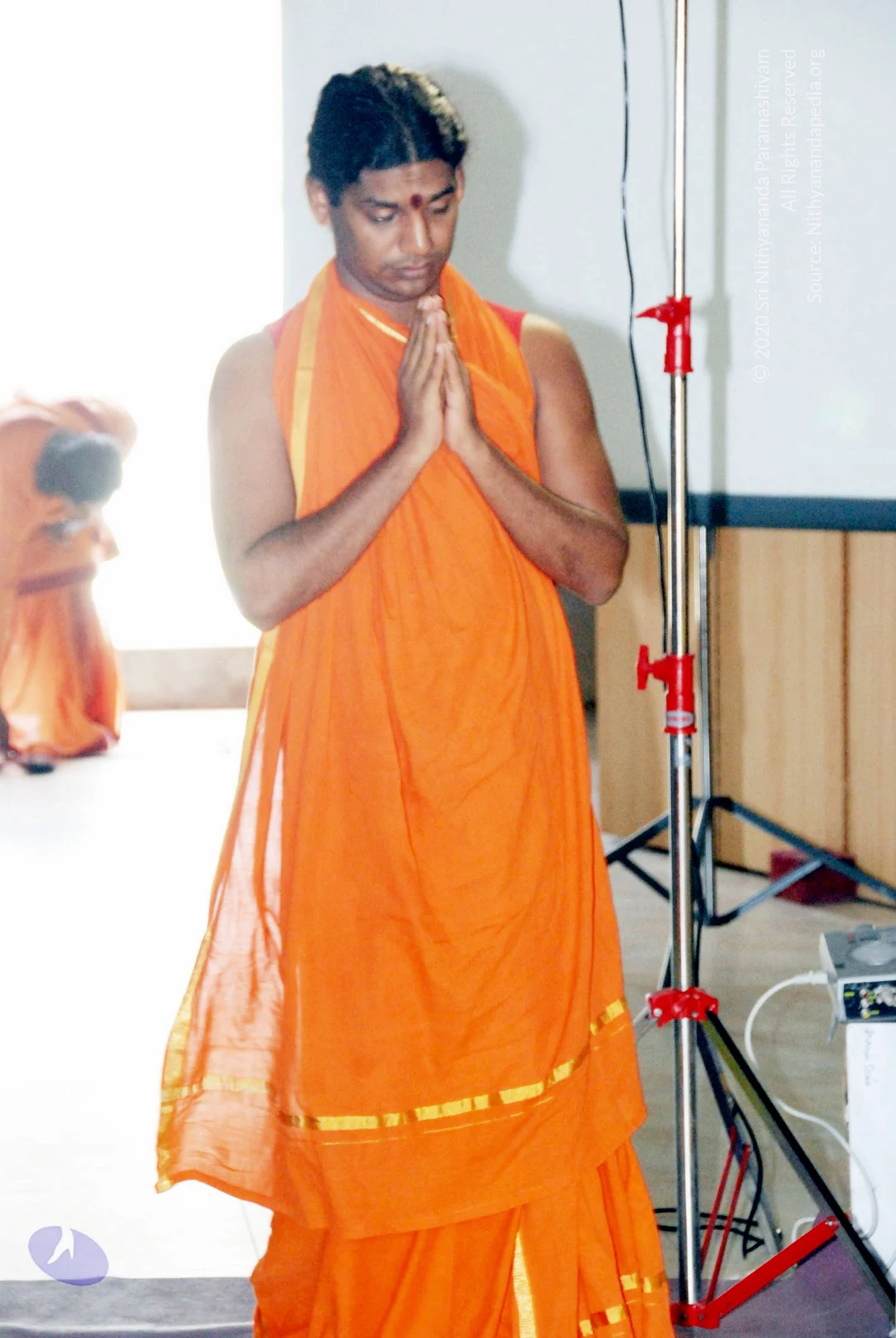
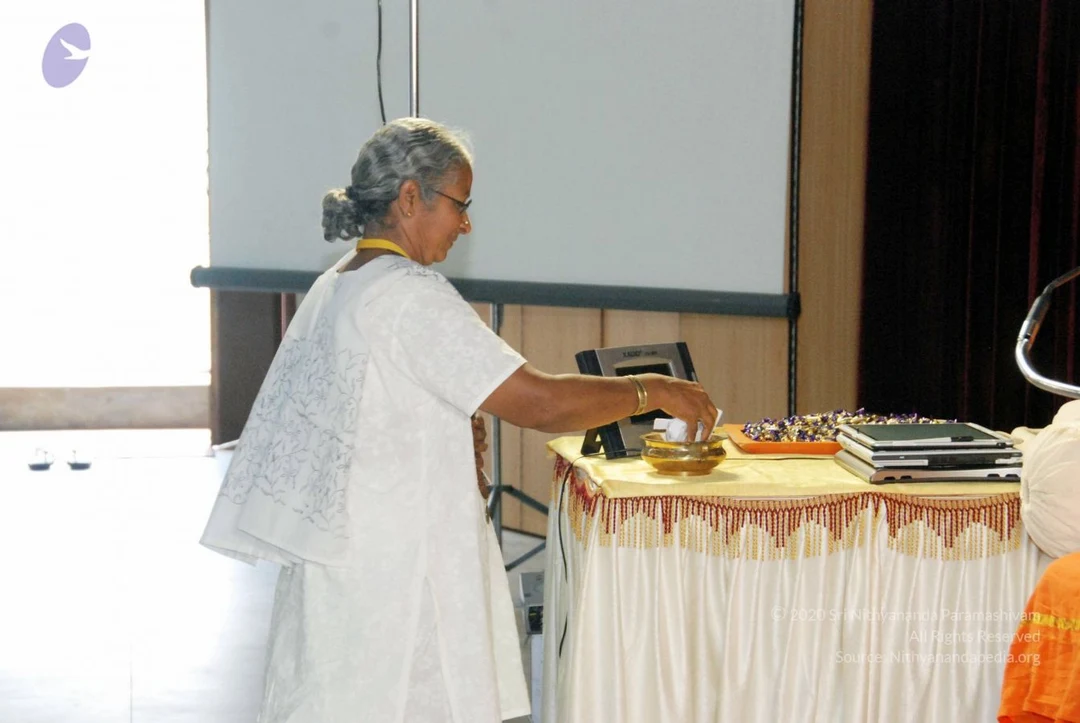
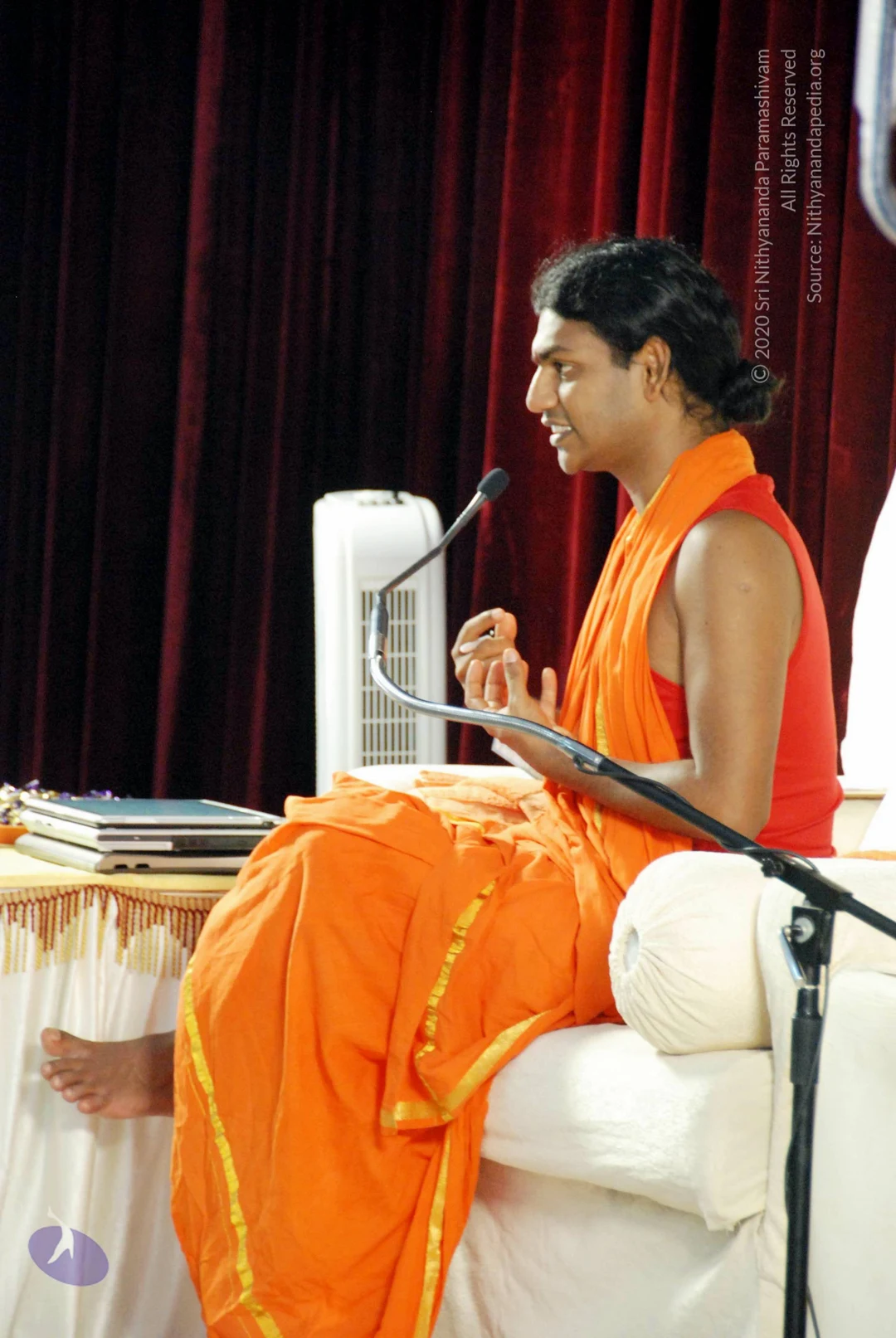
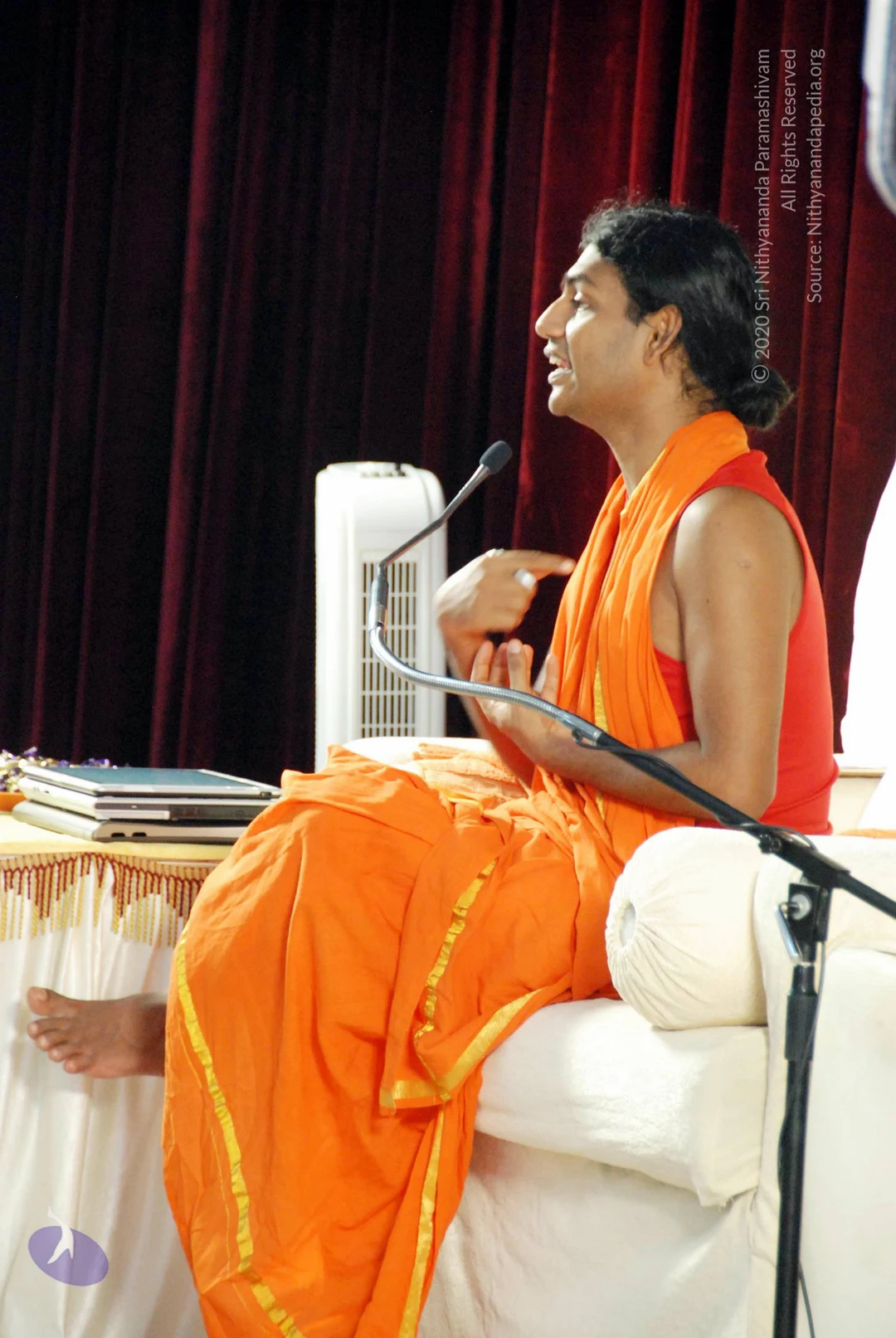
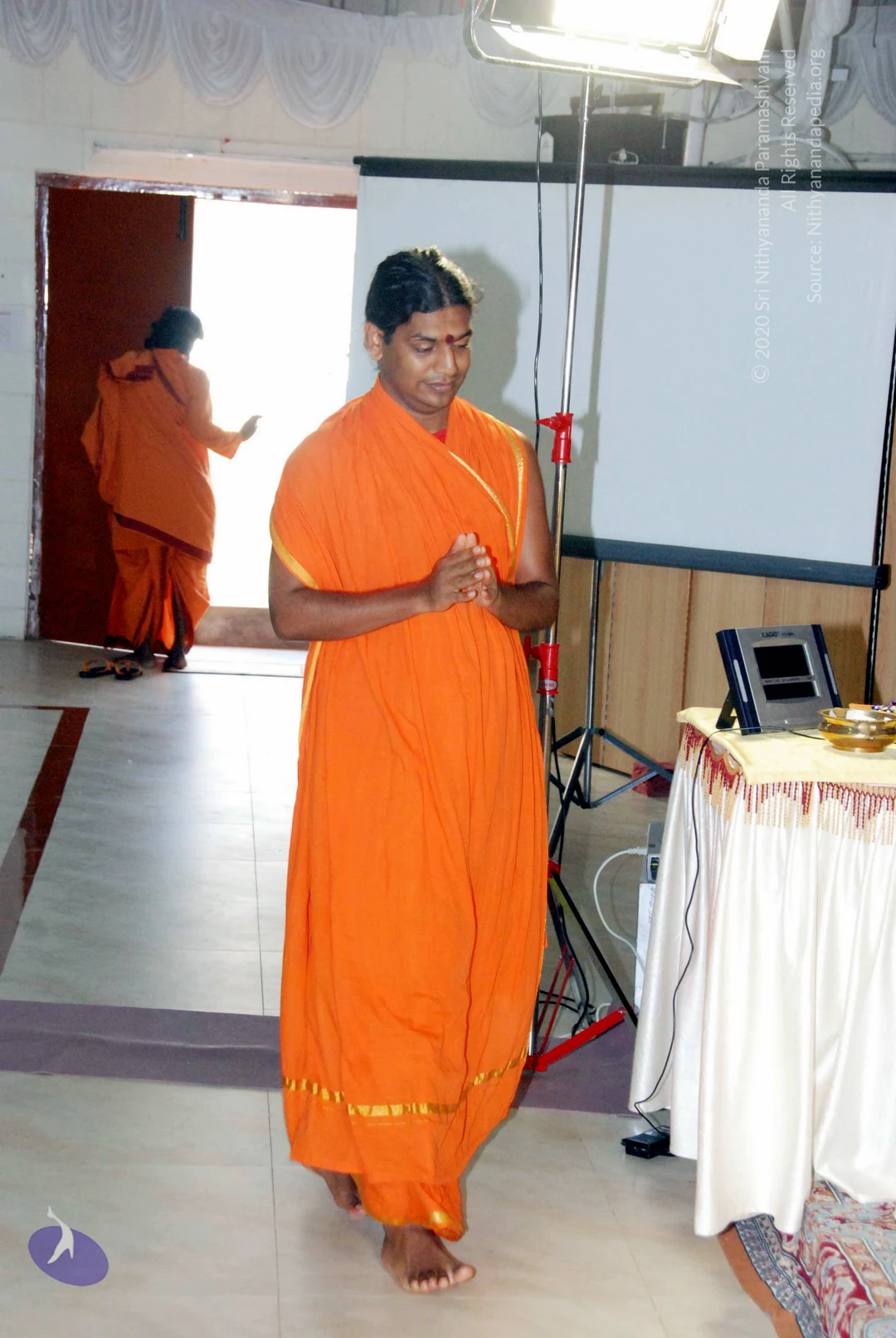
LBE-Project-Work

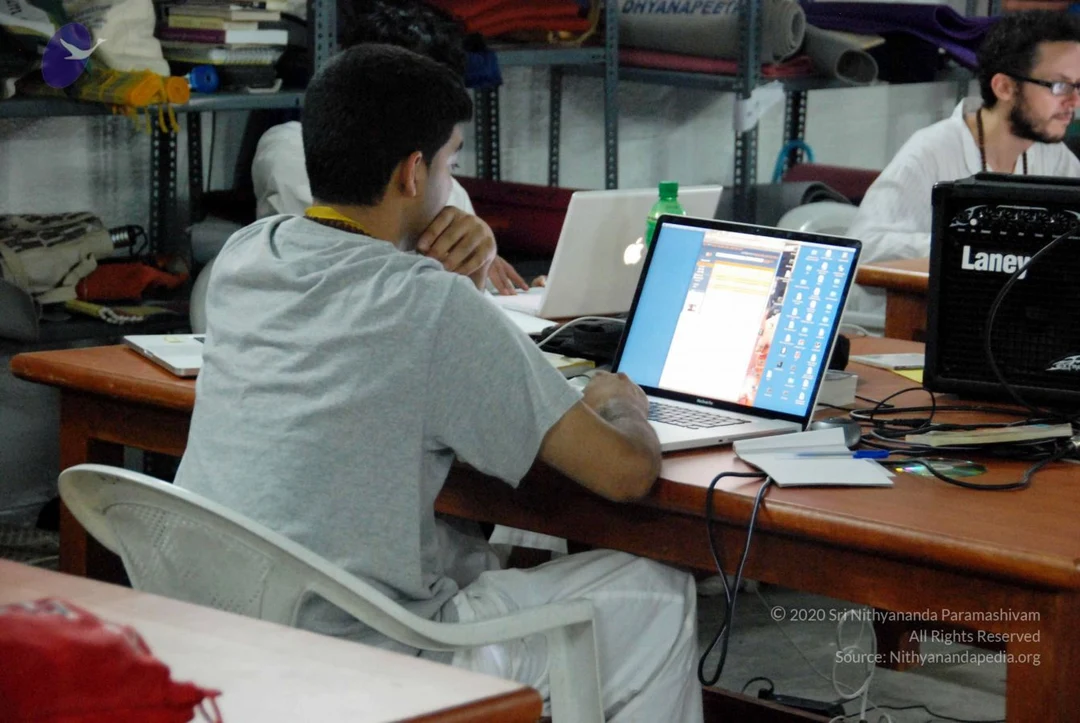
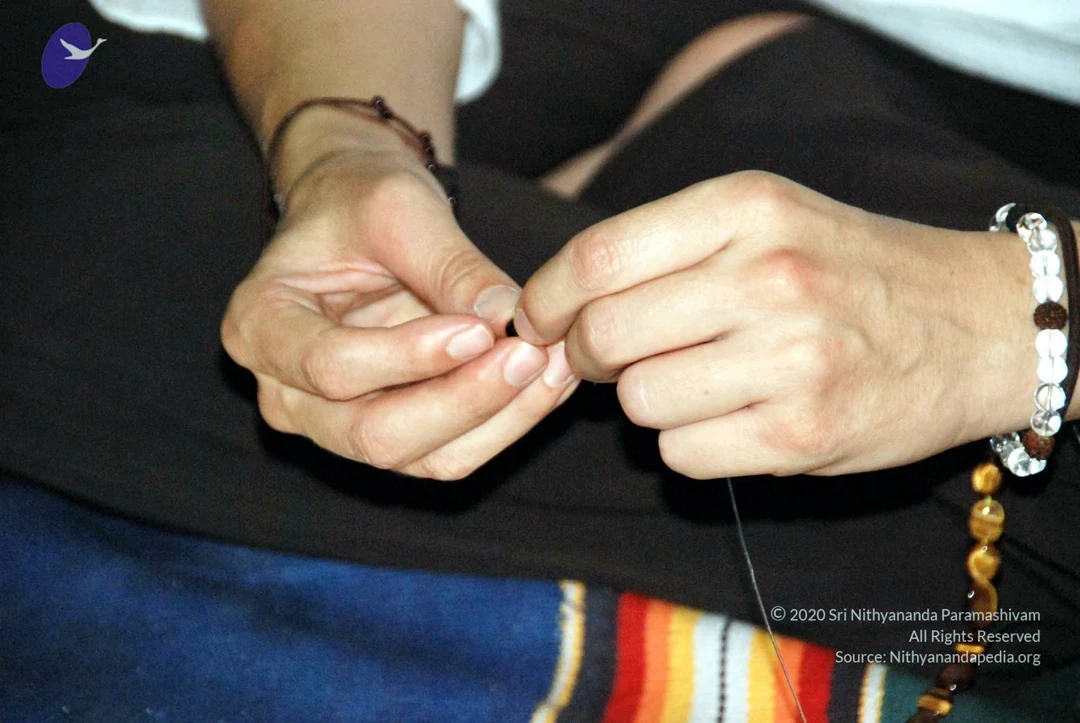
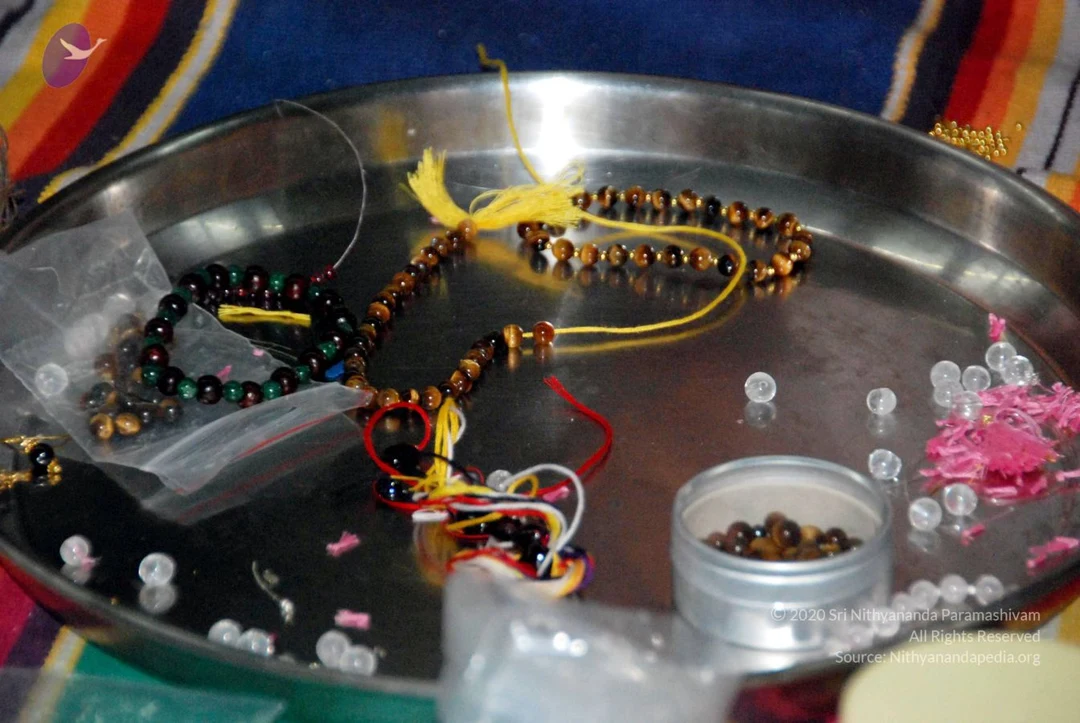
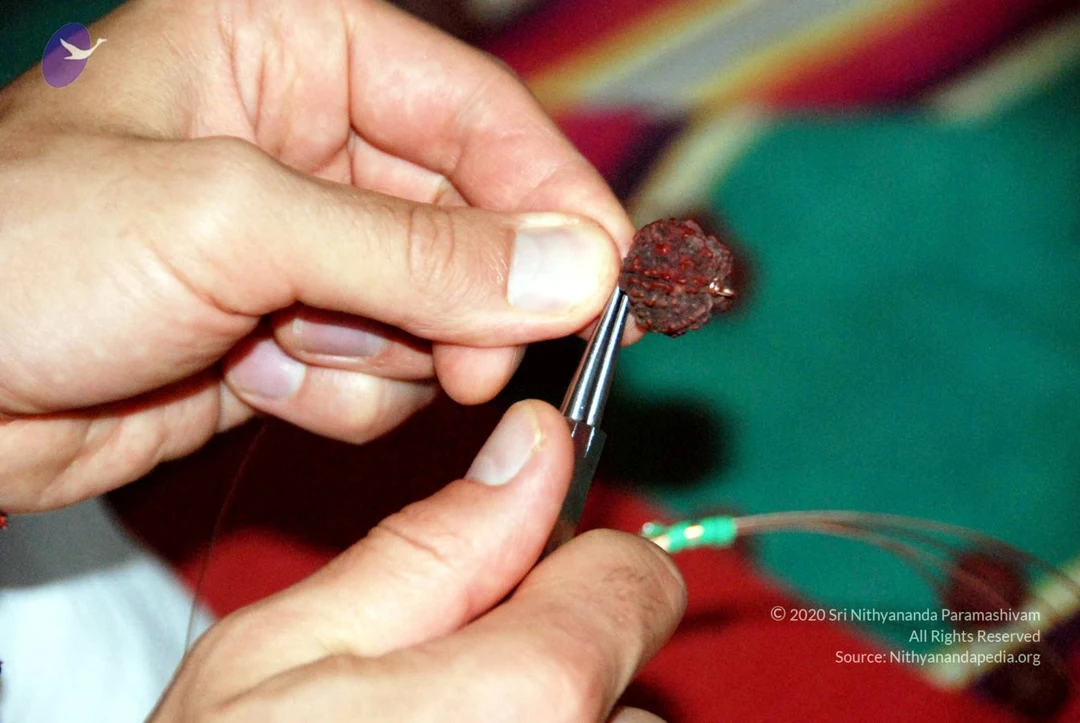
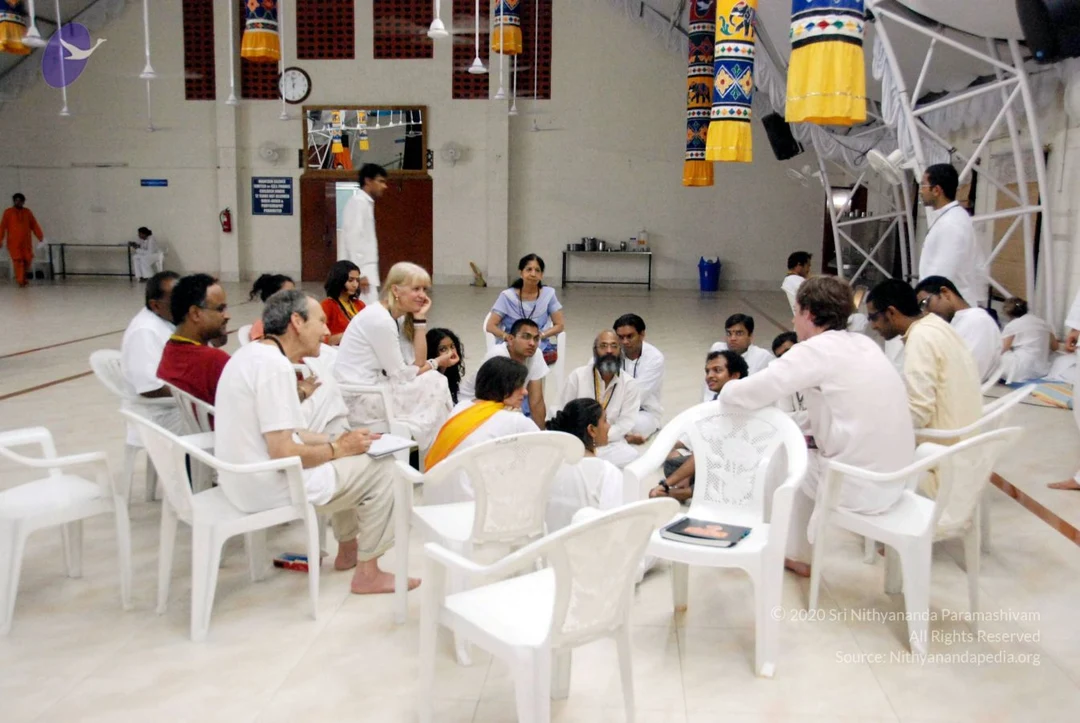
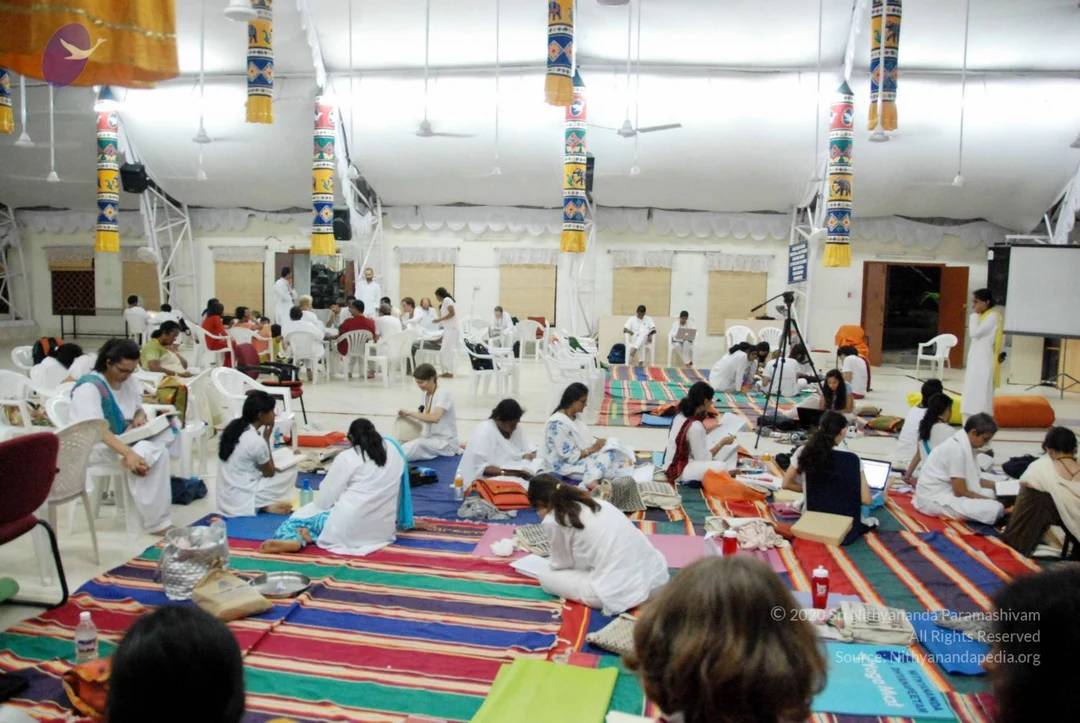
Kalataru
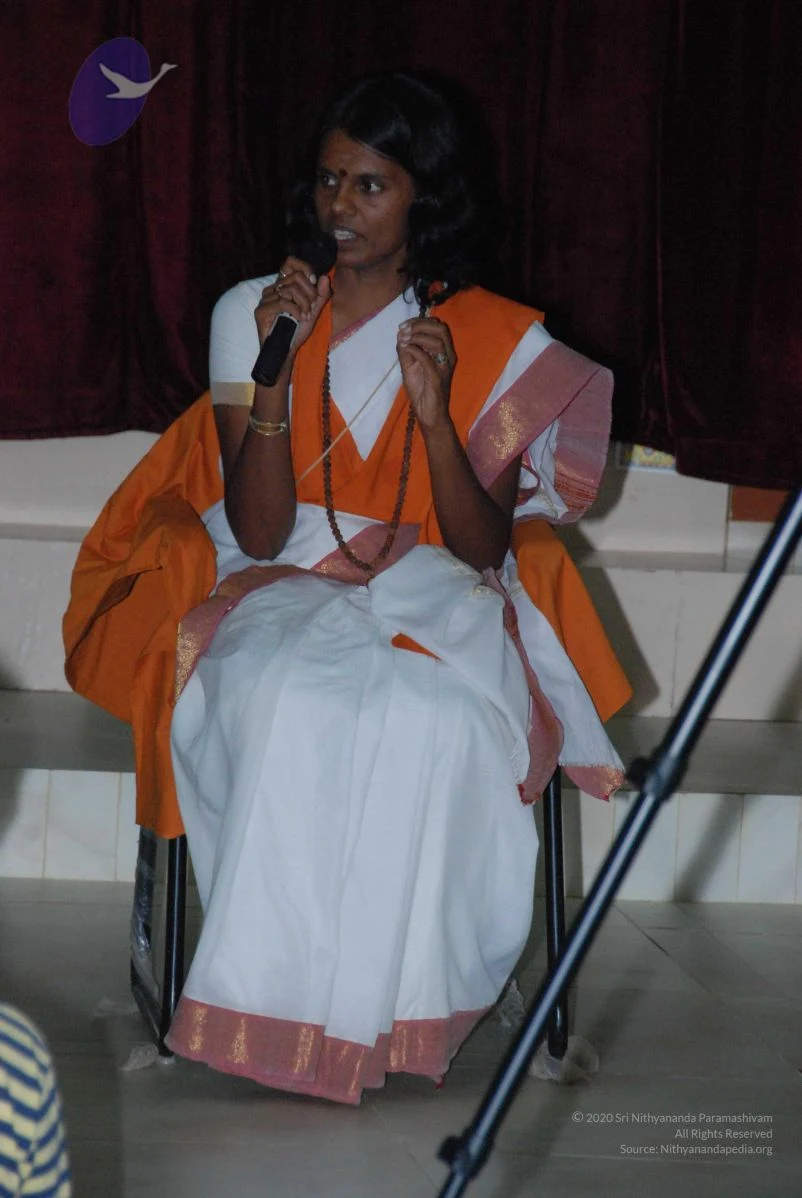
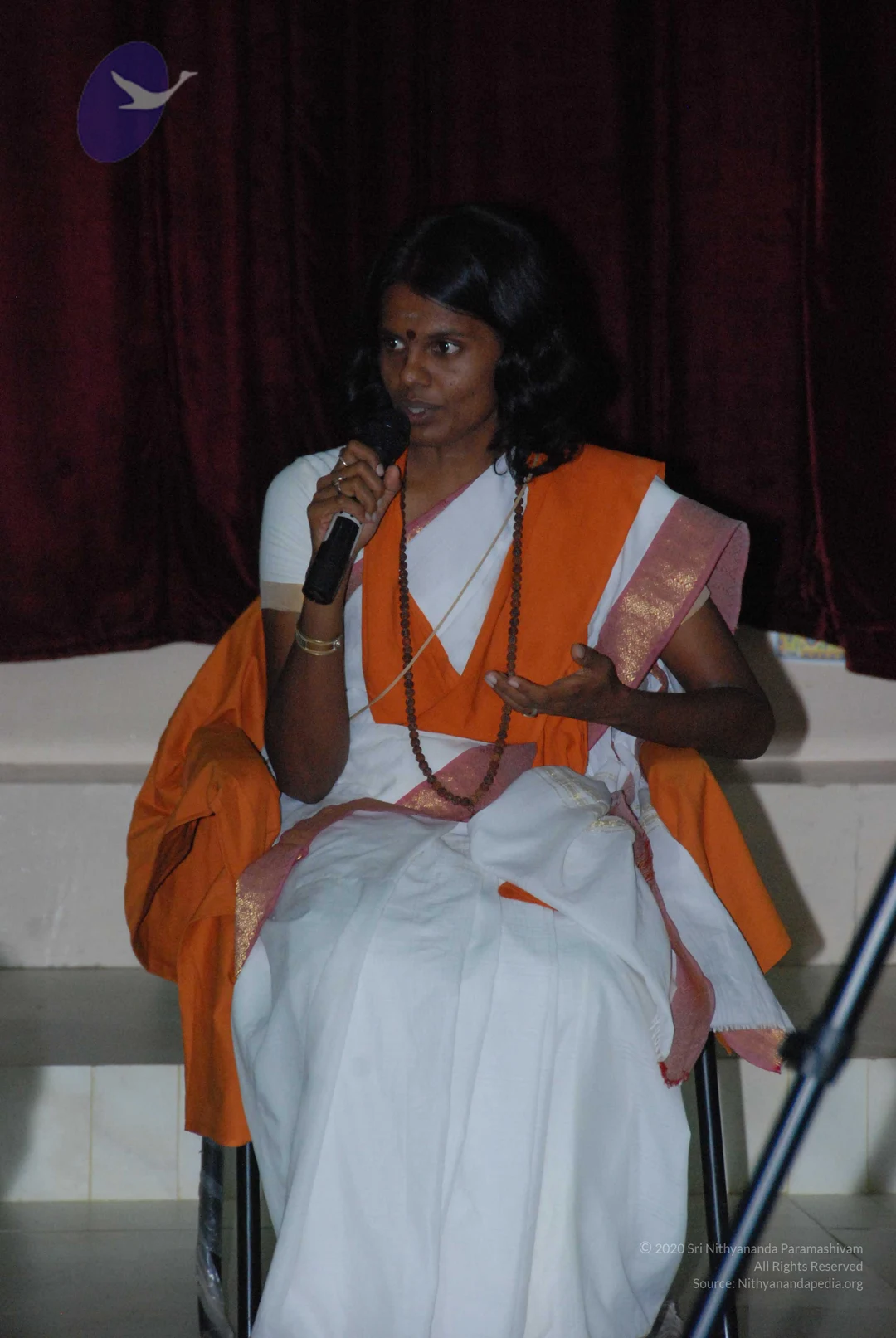
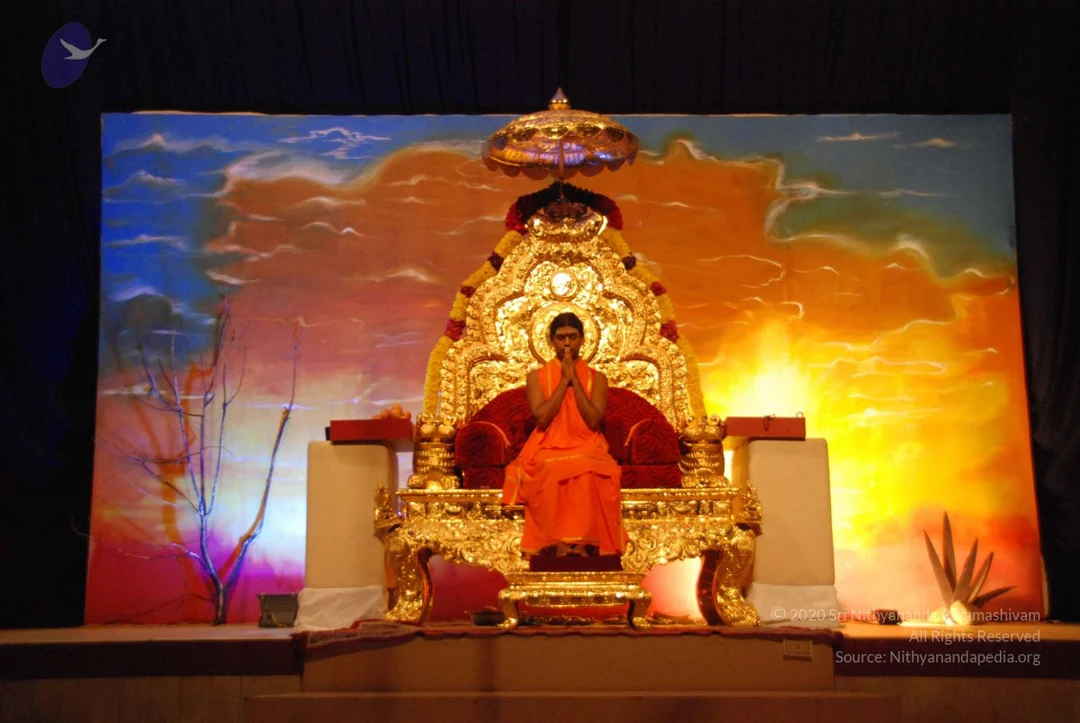
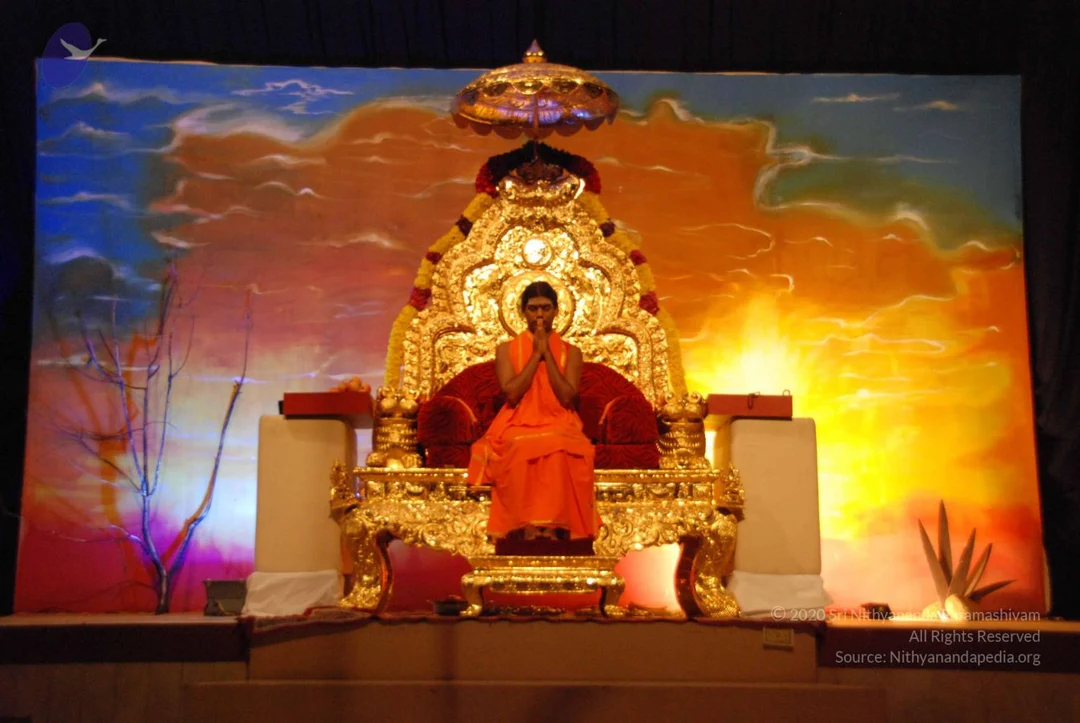
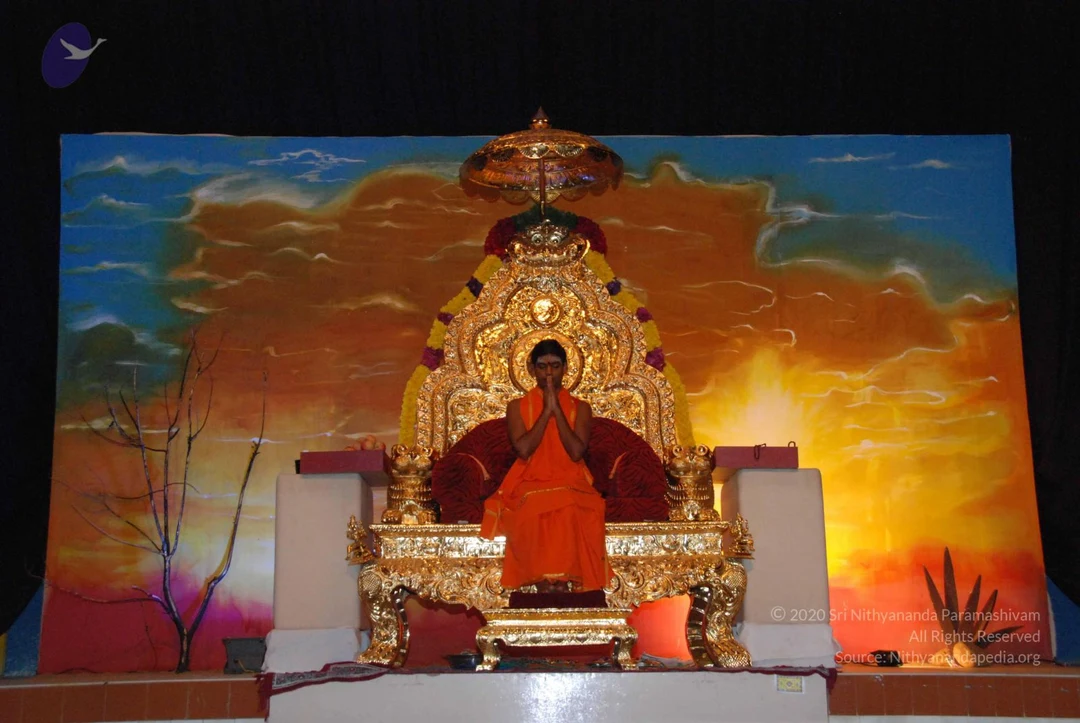
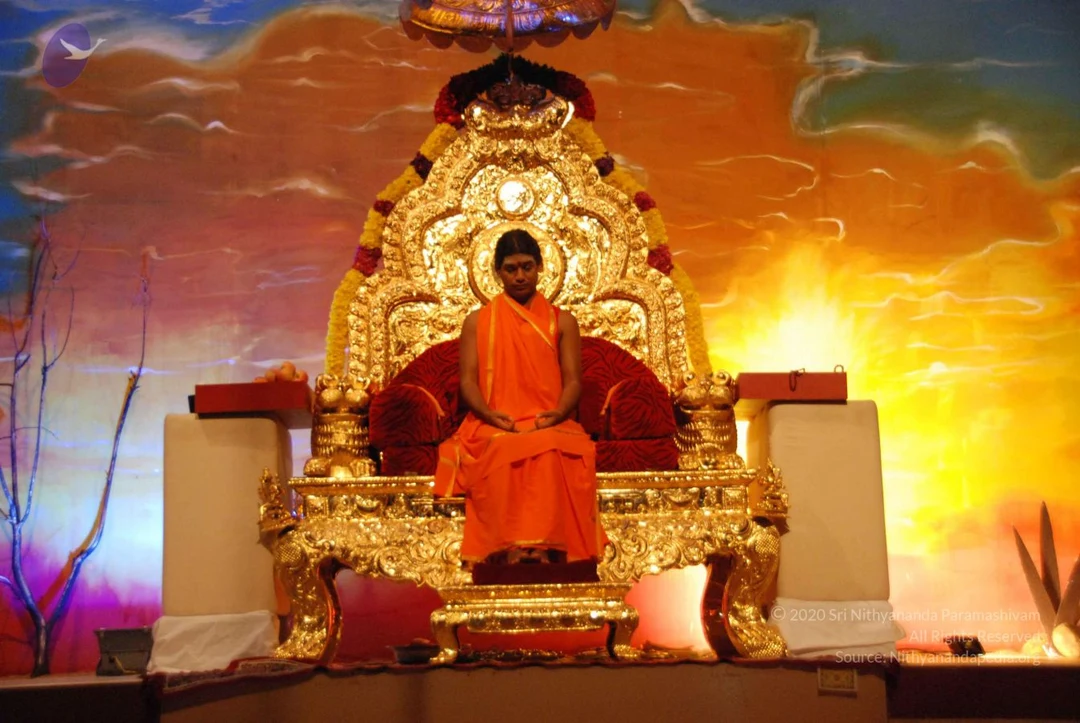

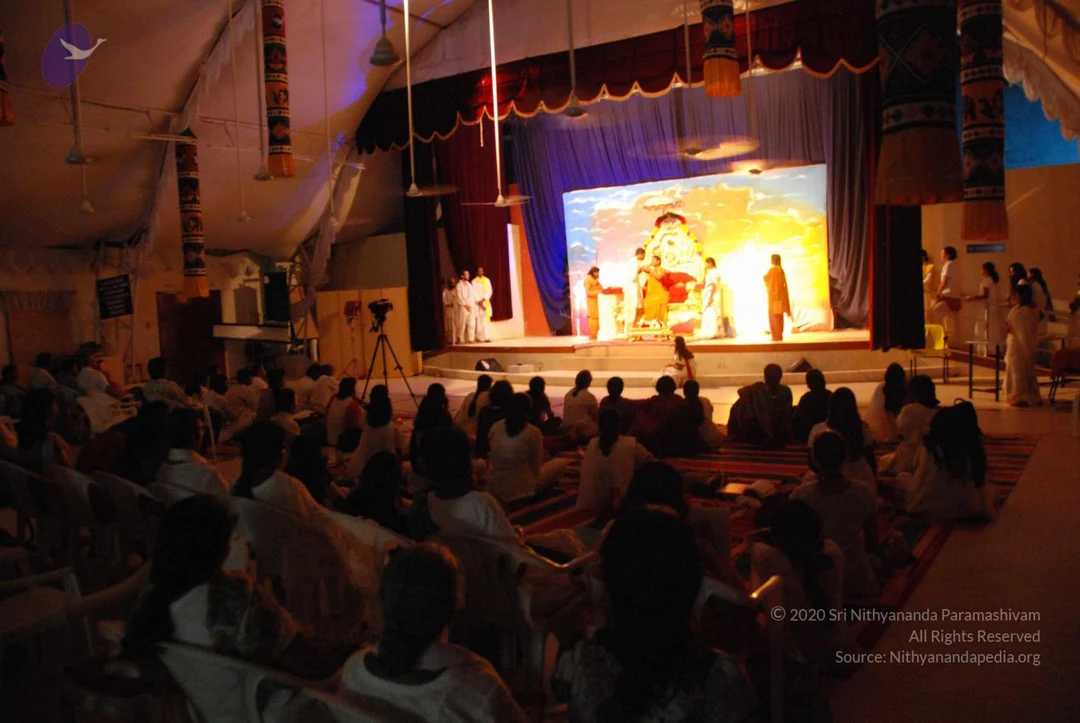
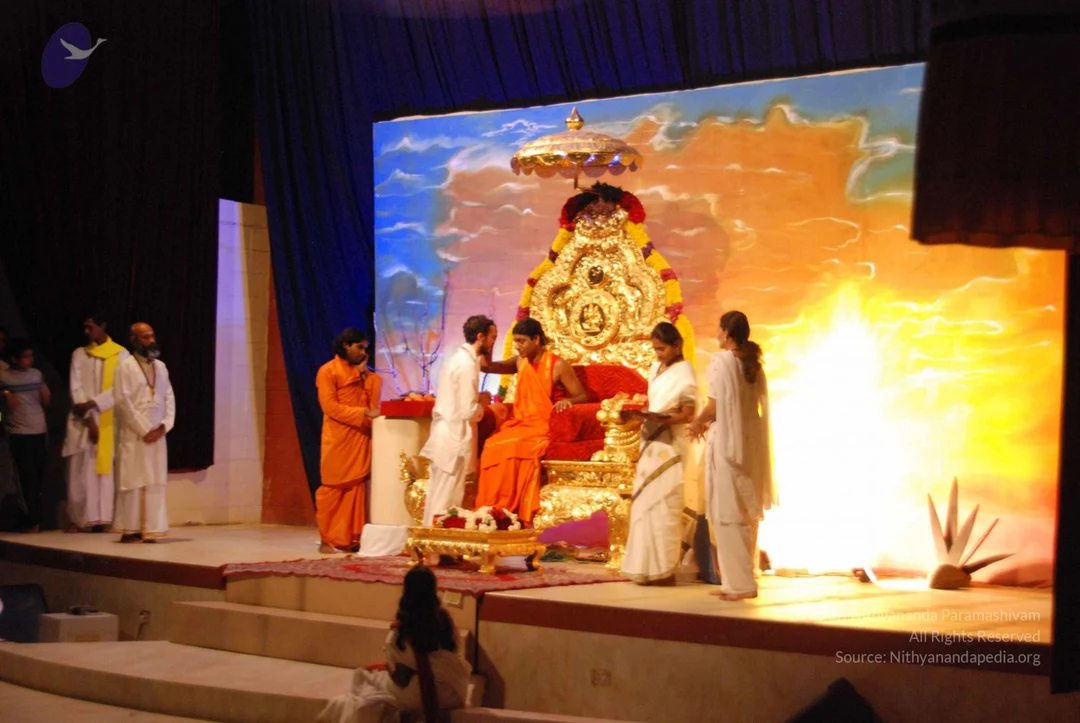
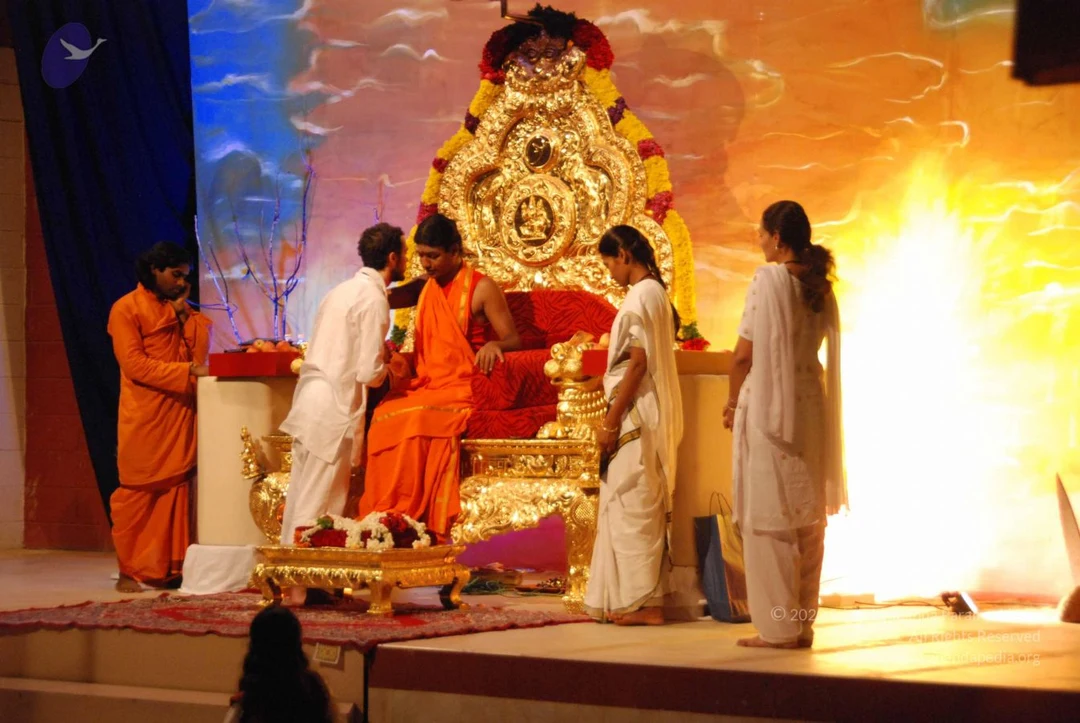
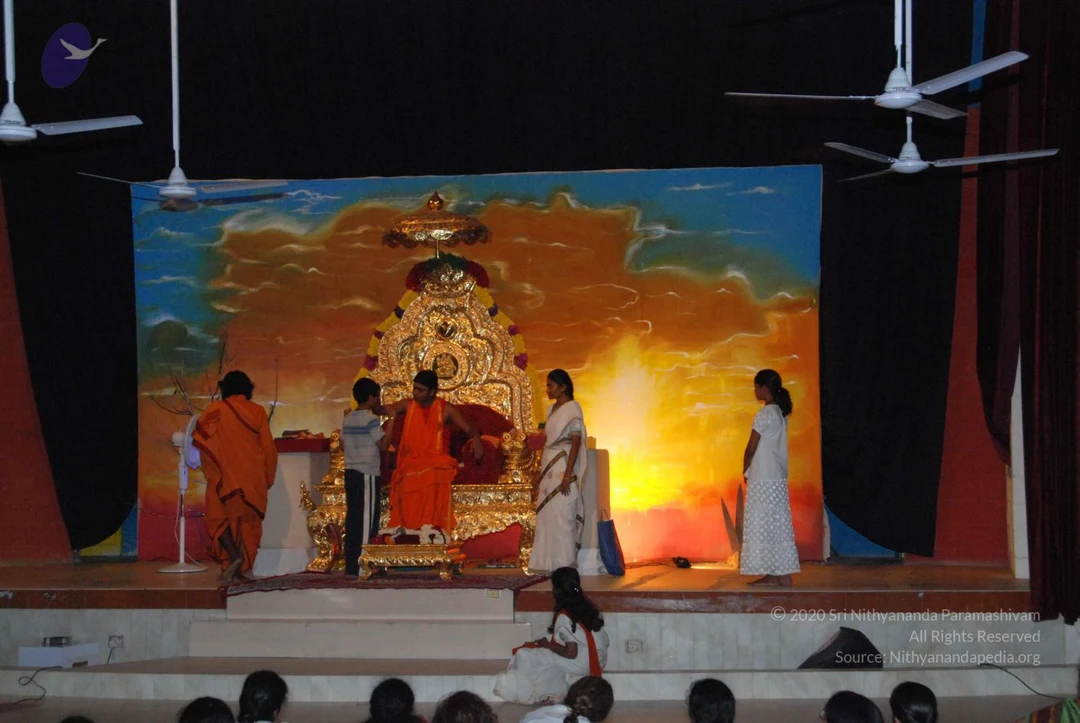
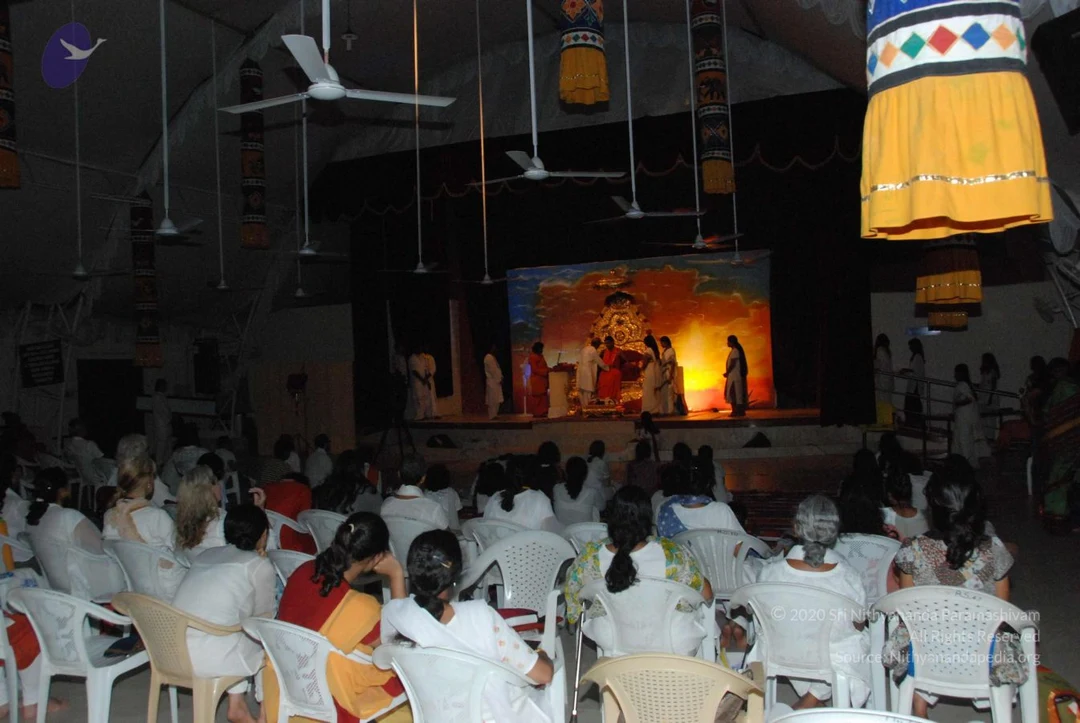
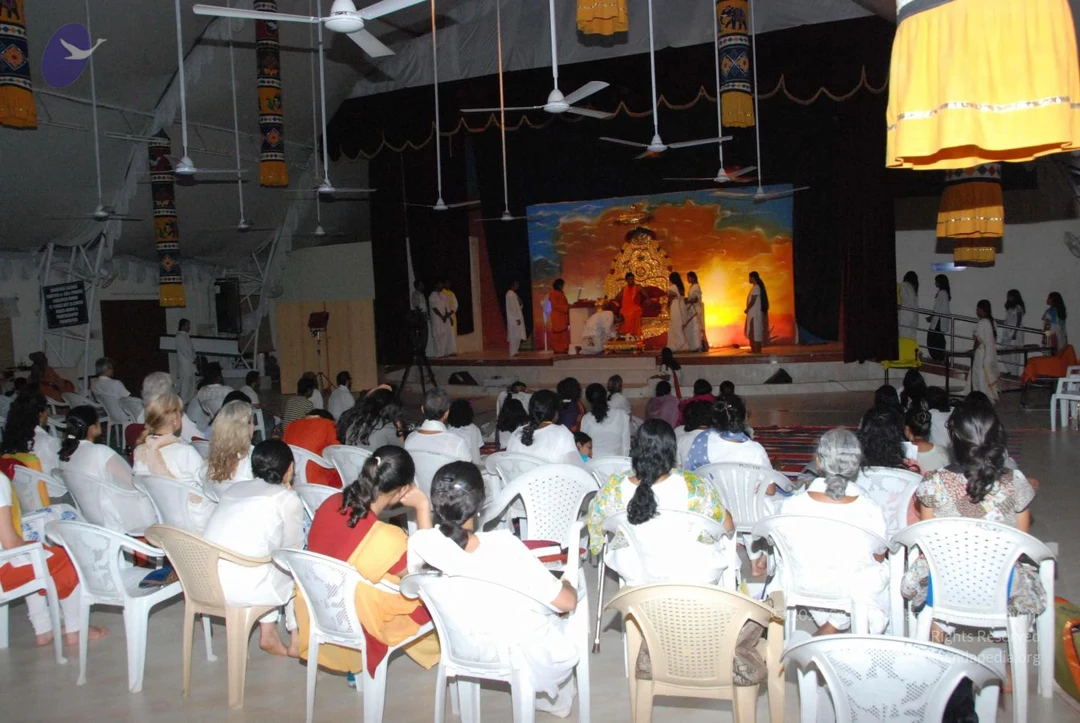
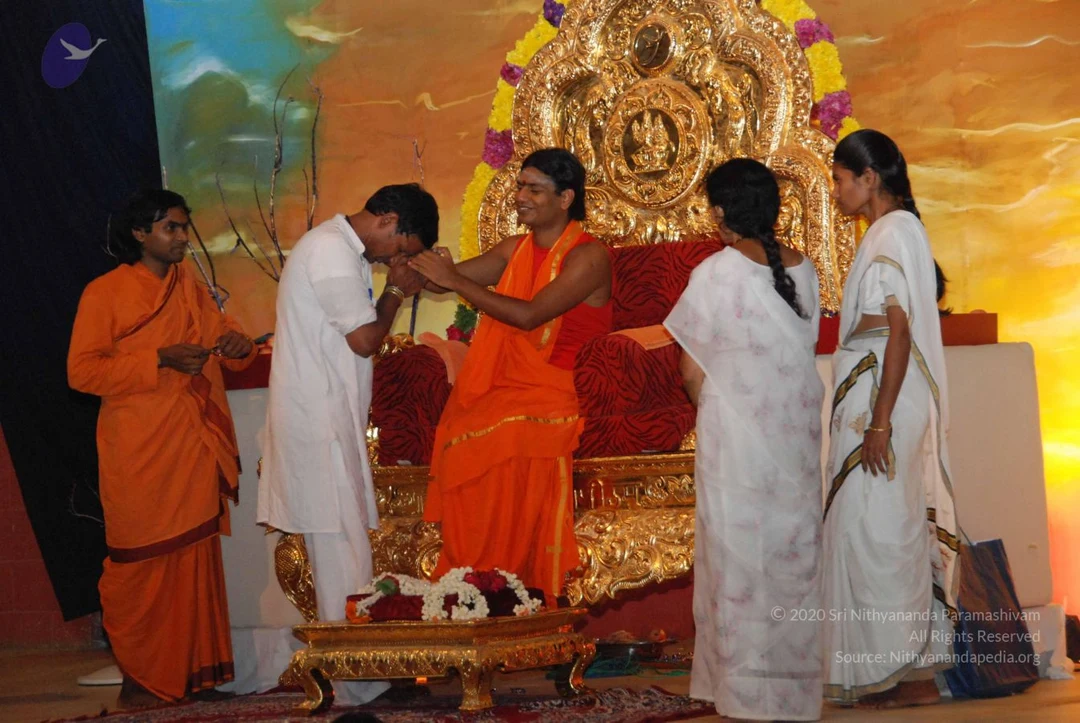
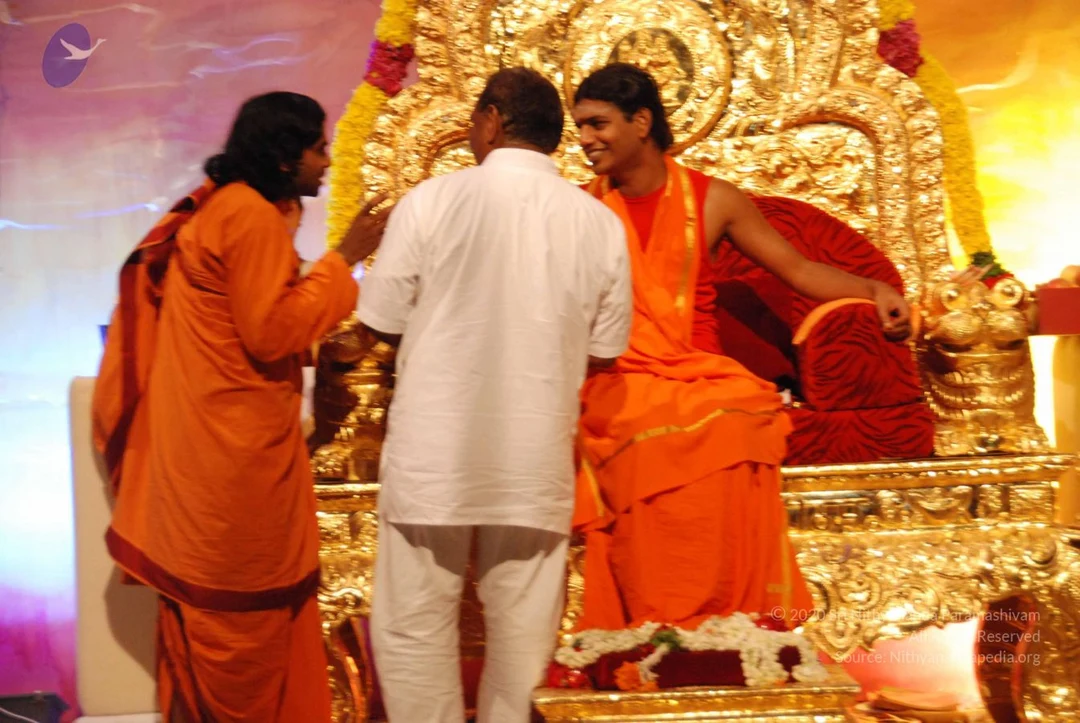

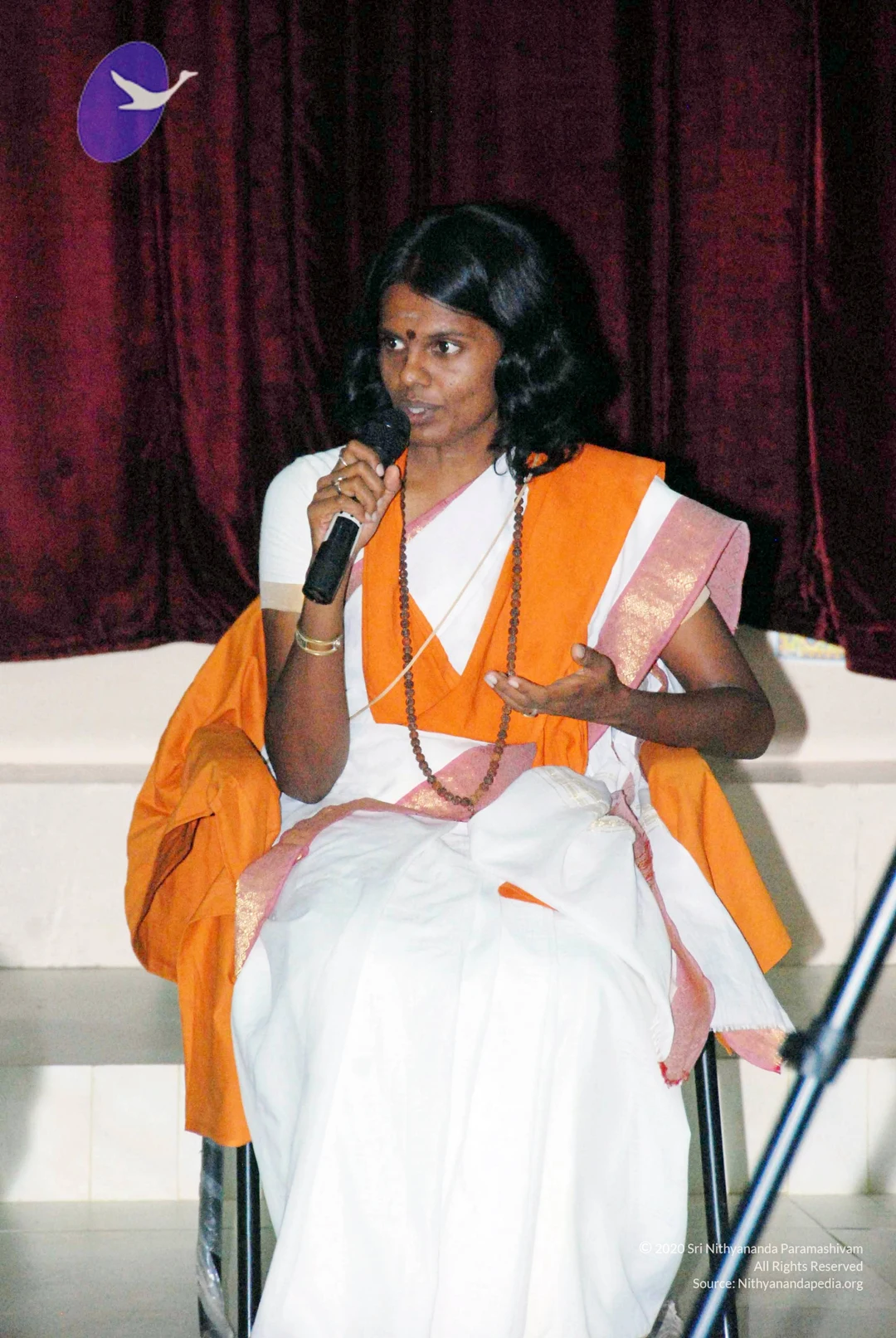
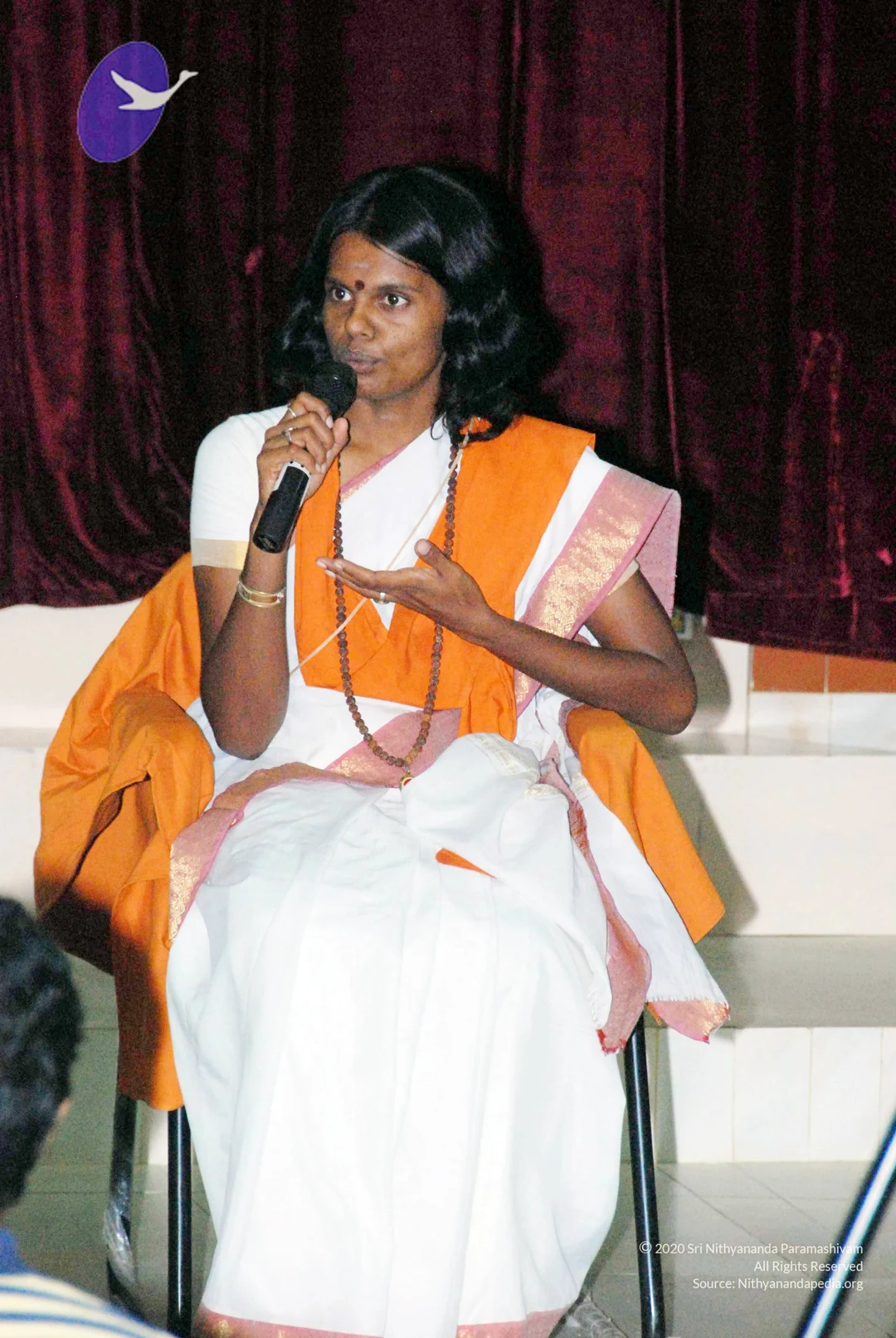
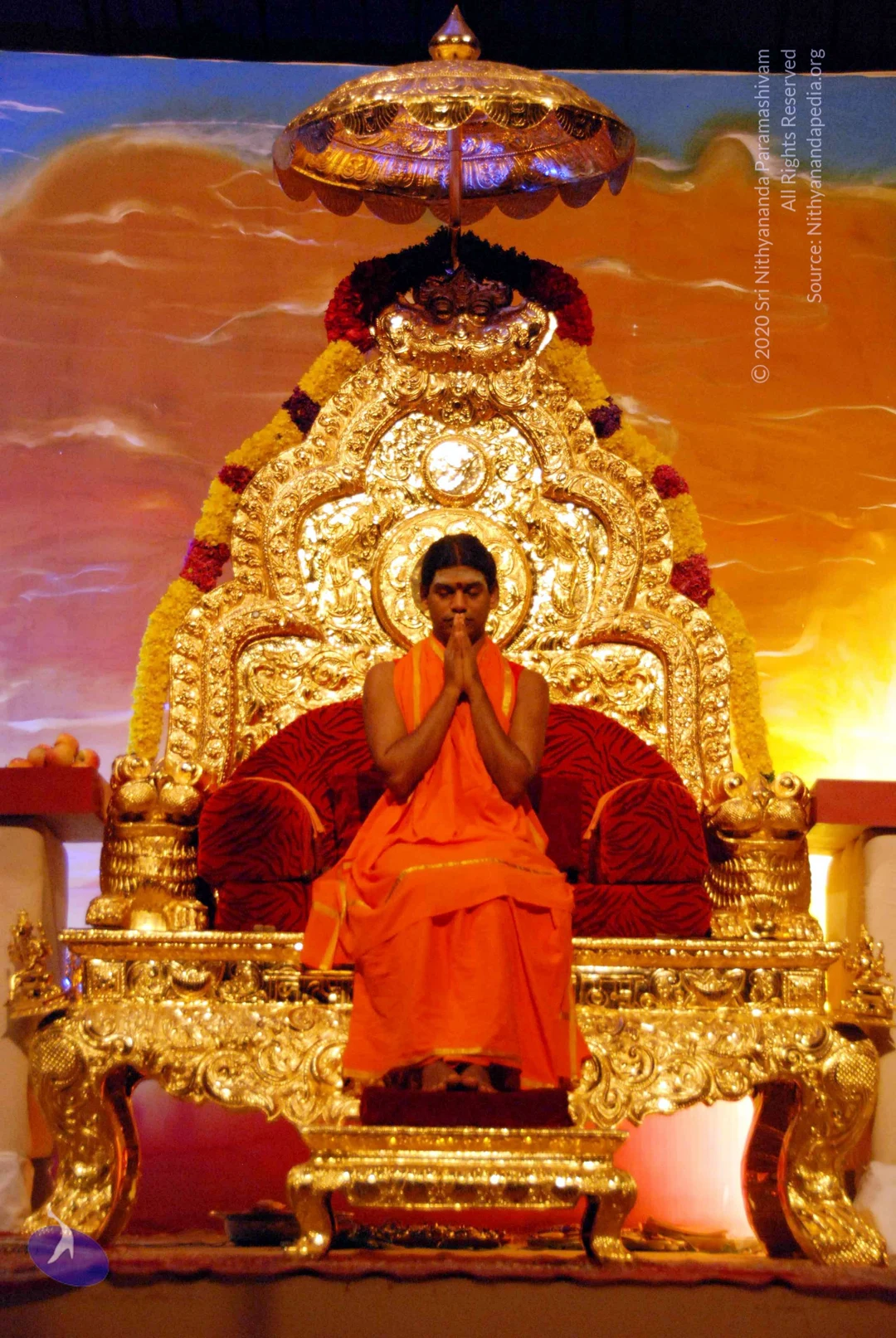
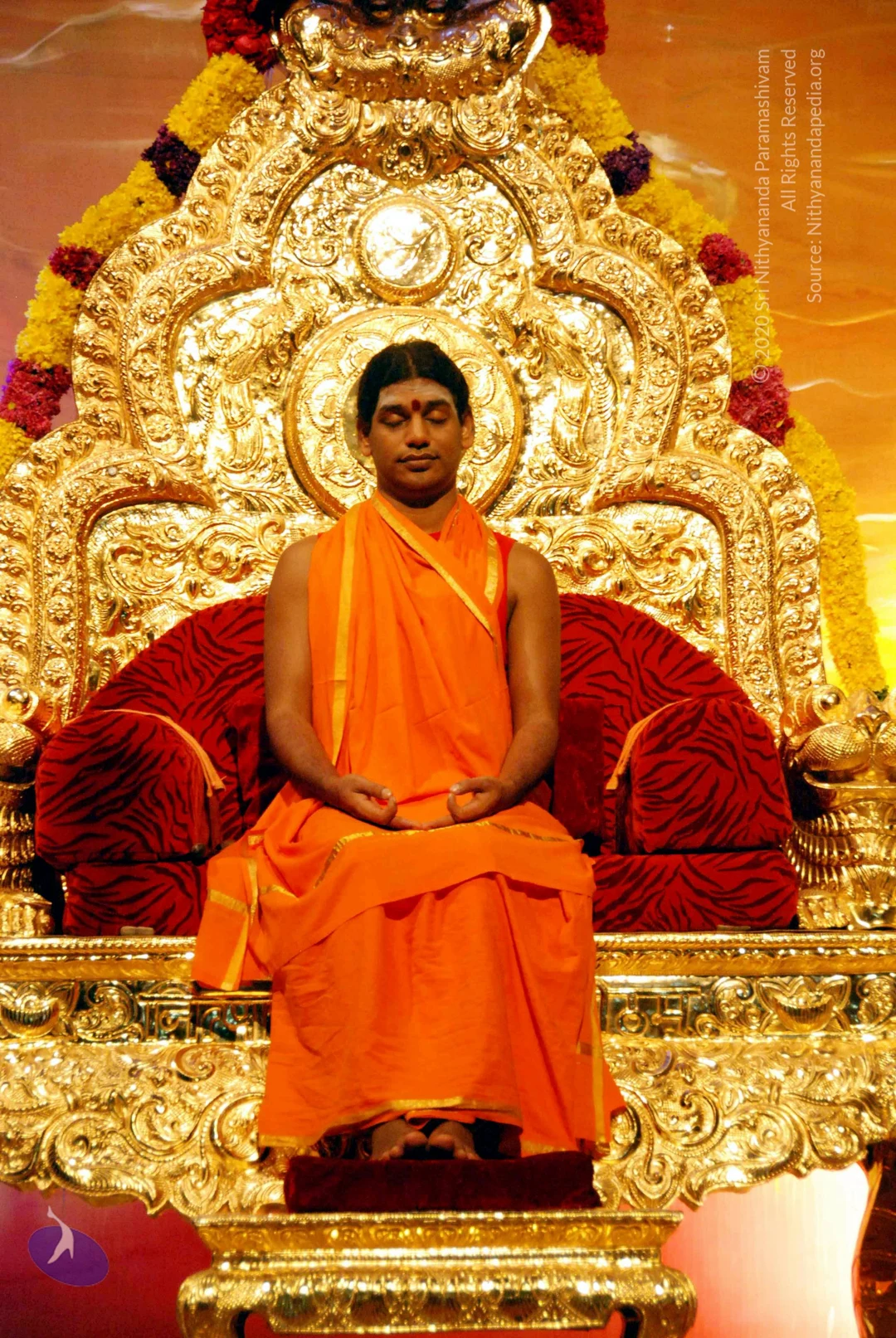
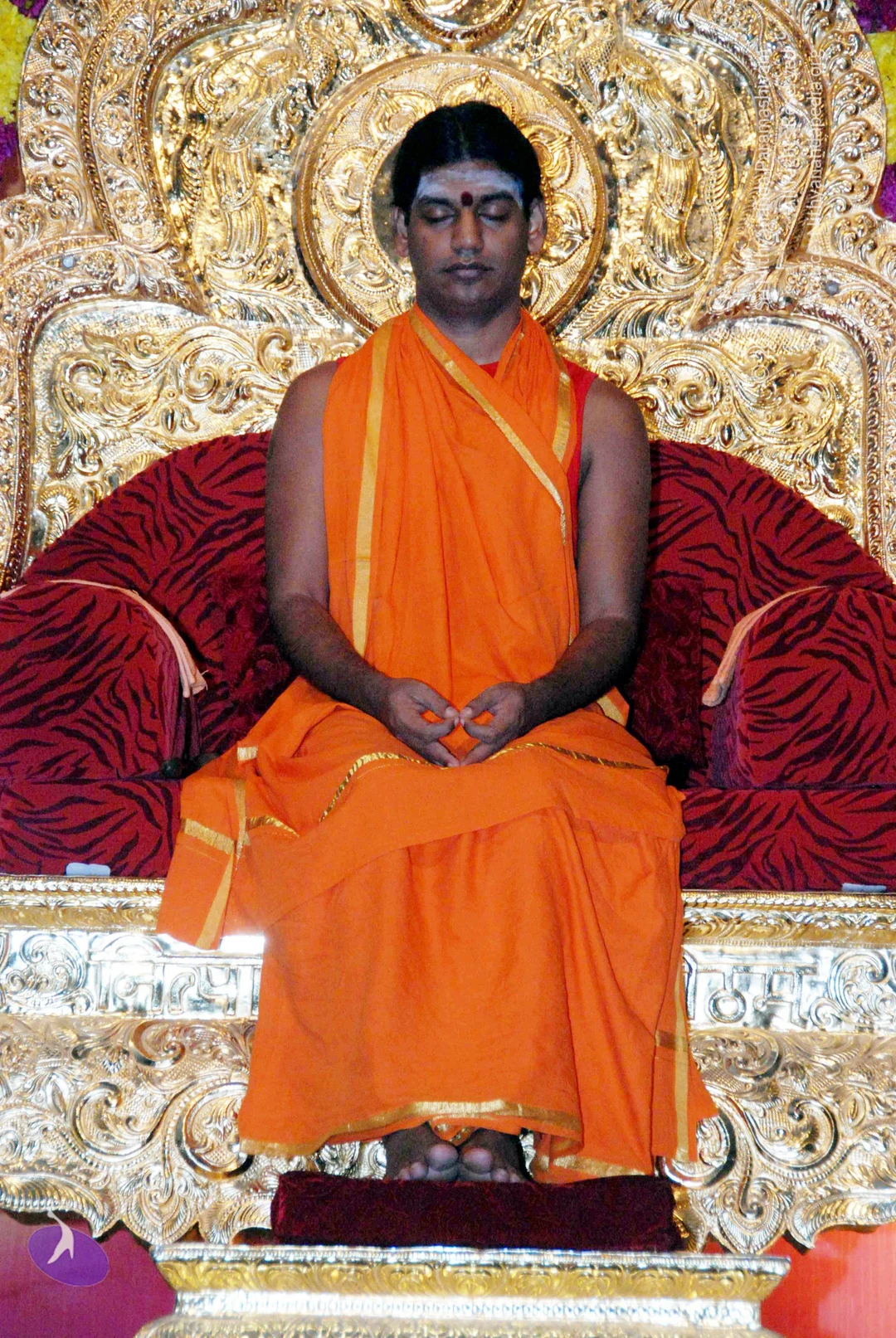
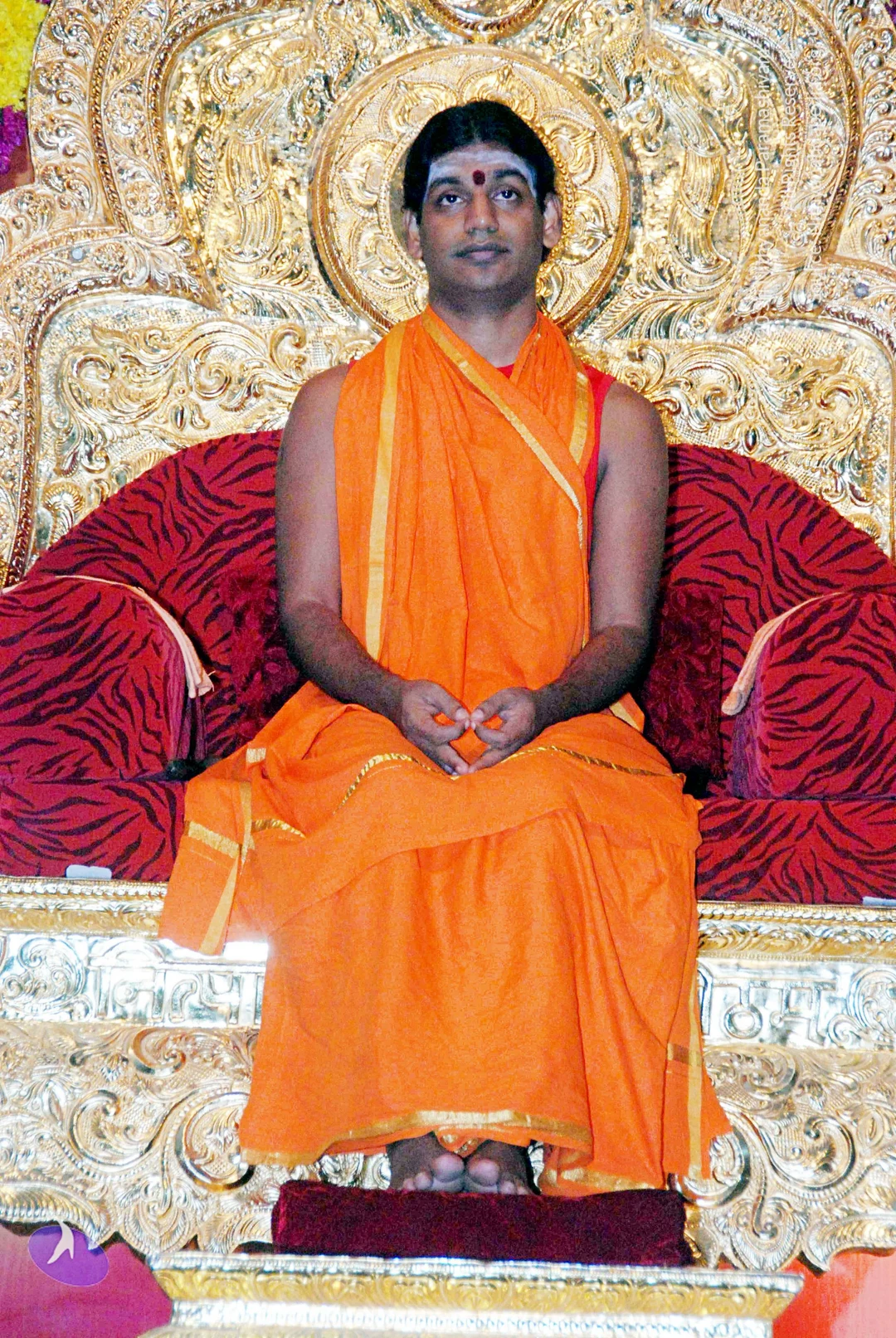
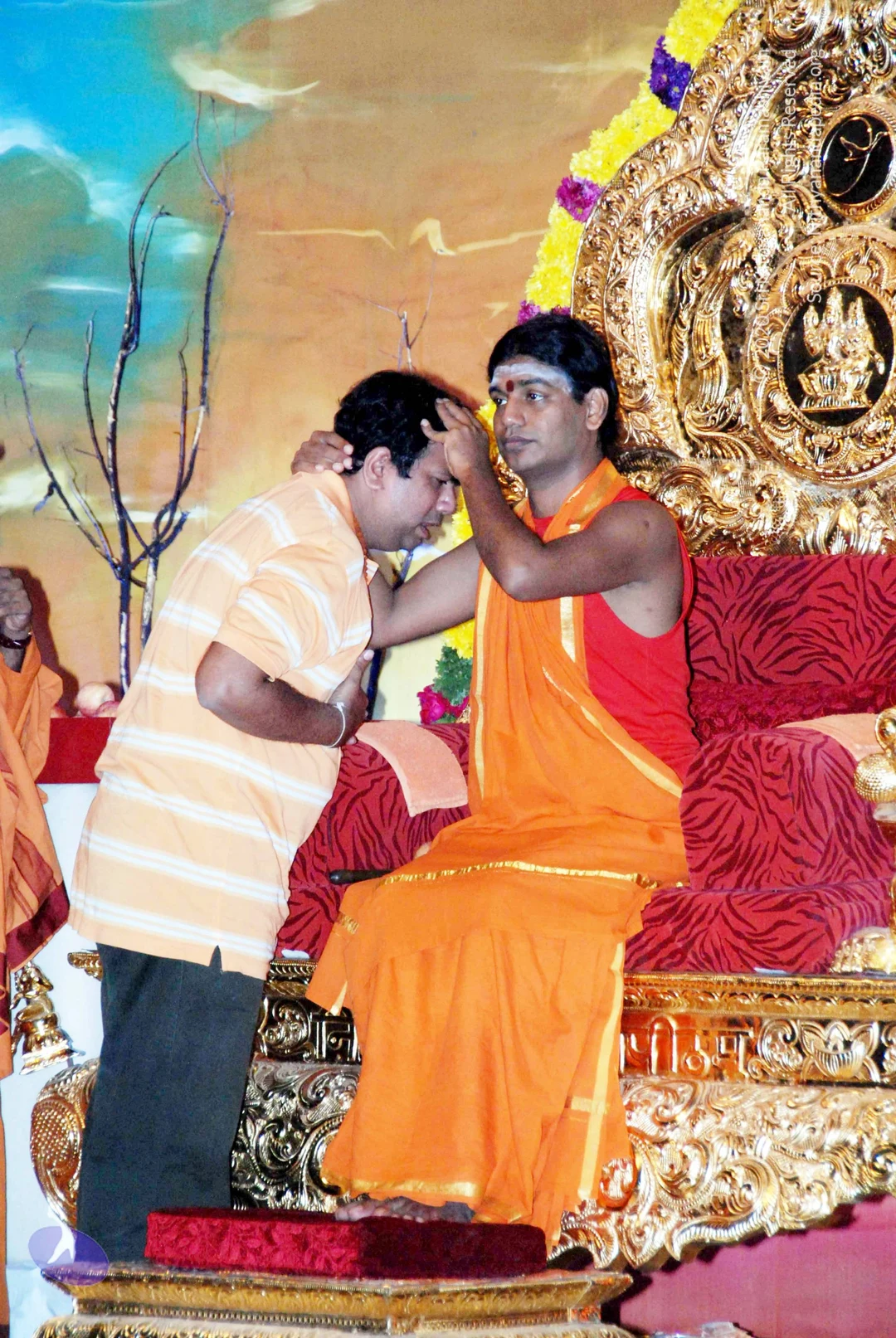
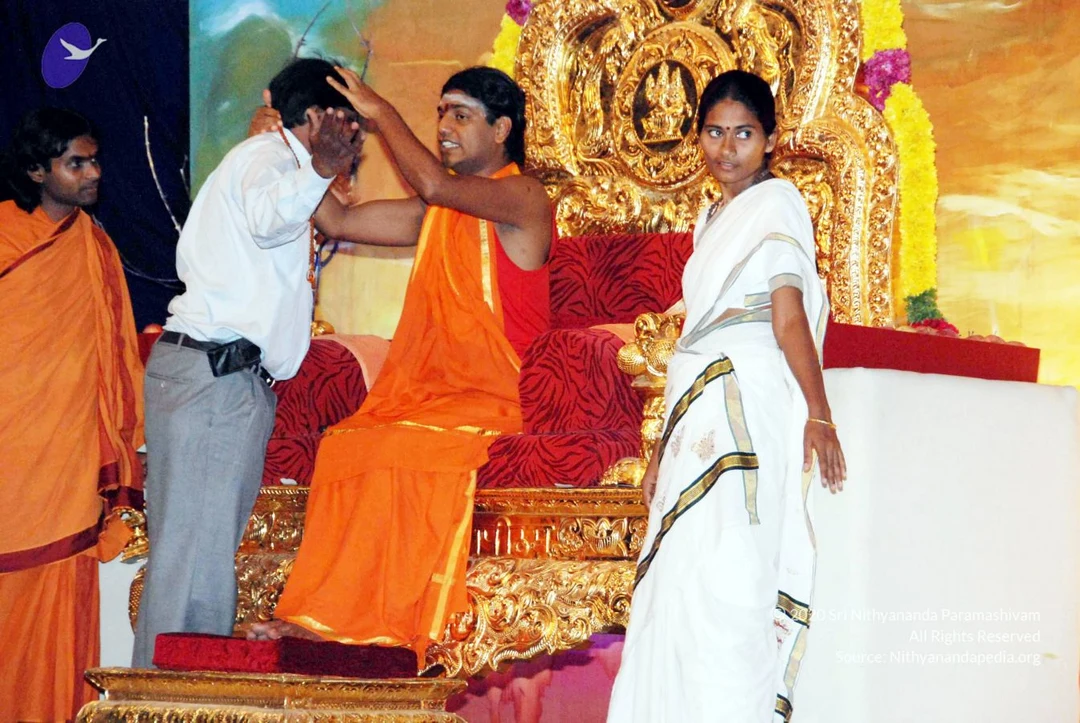
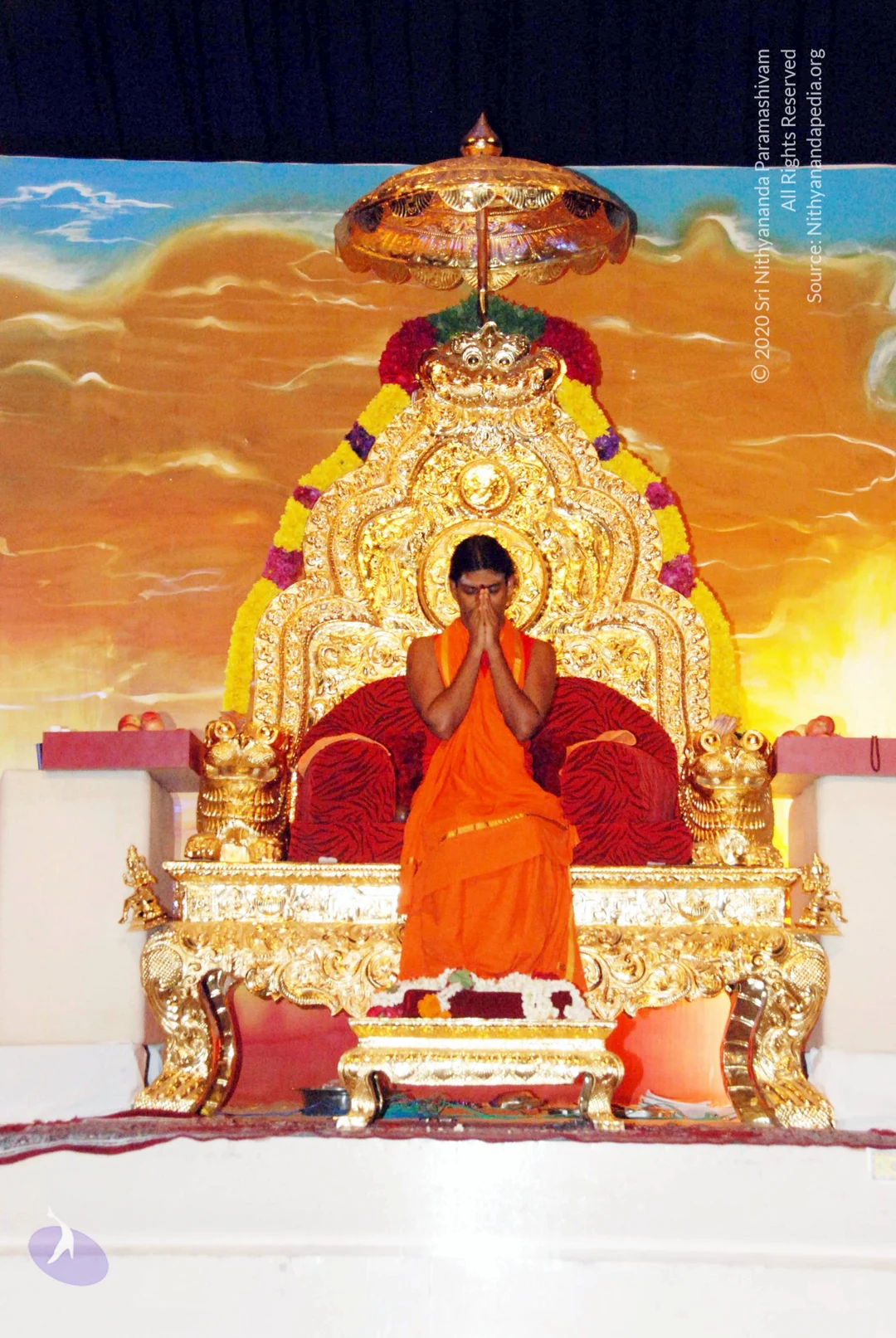
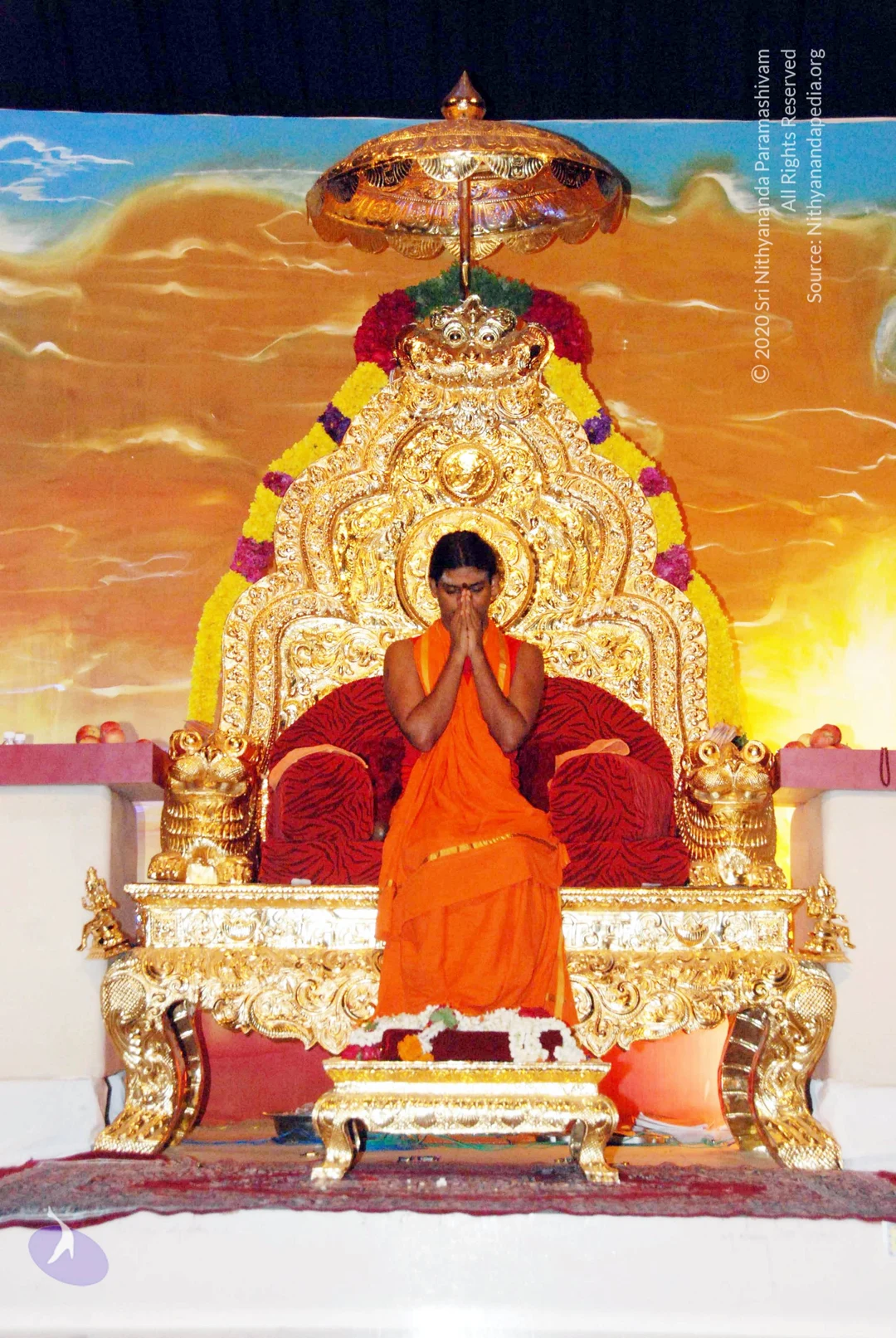
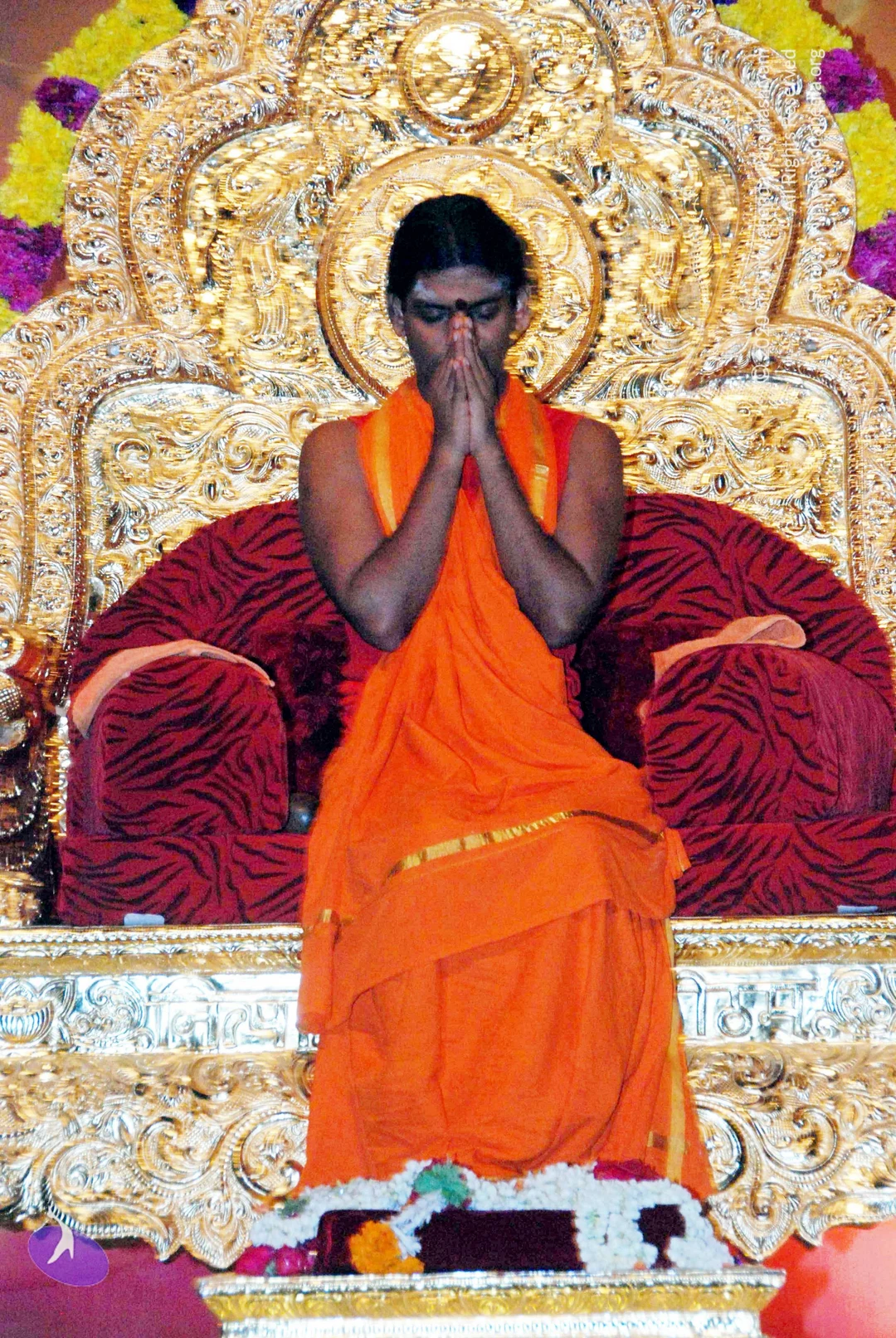
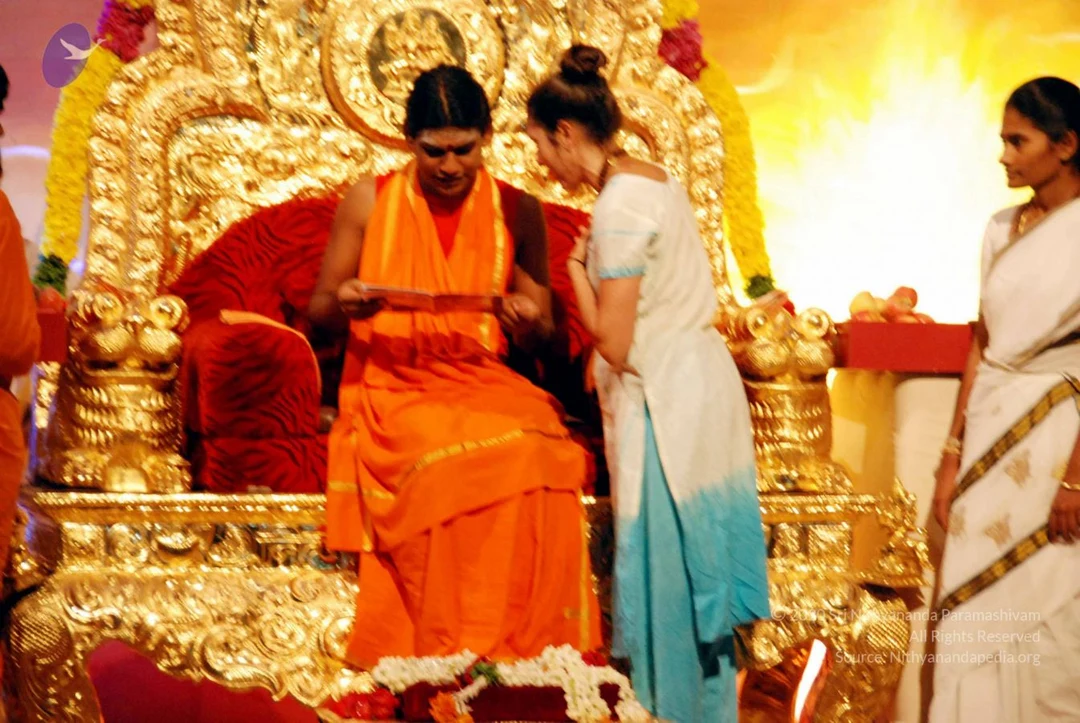
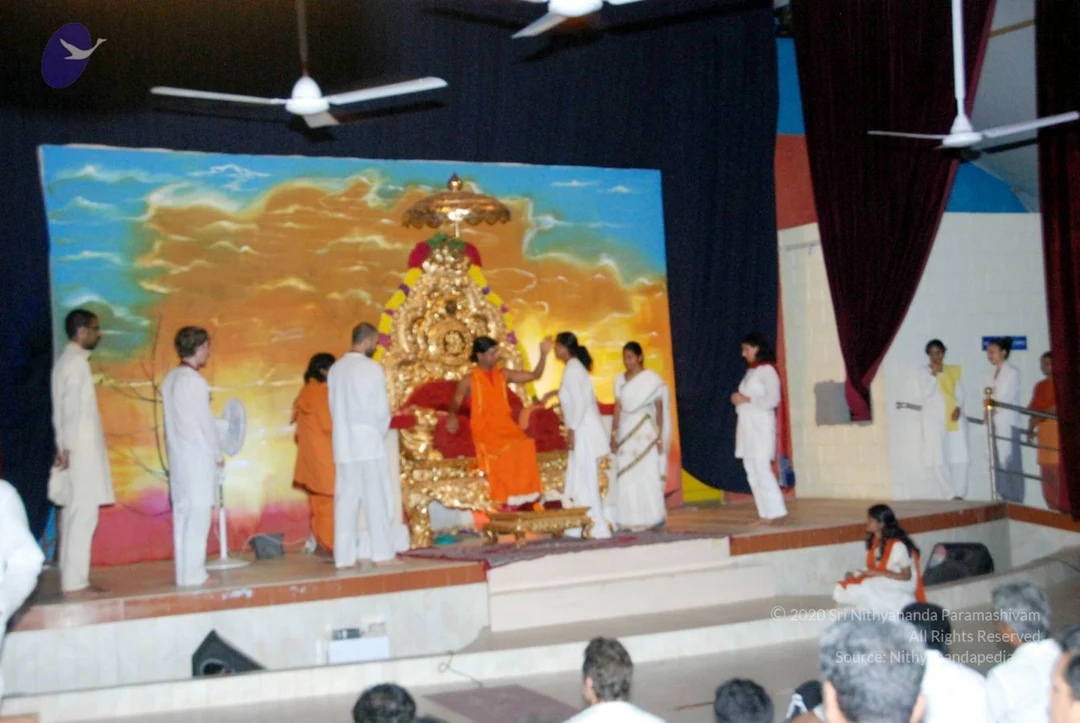
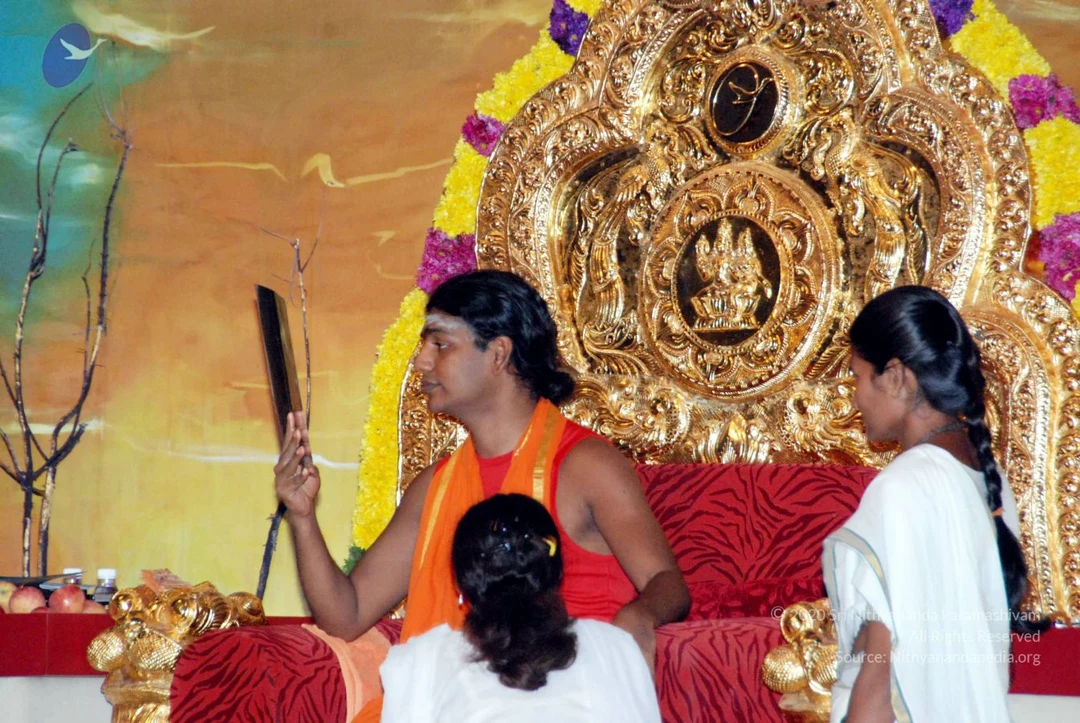
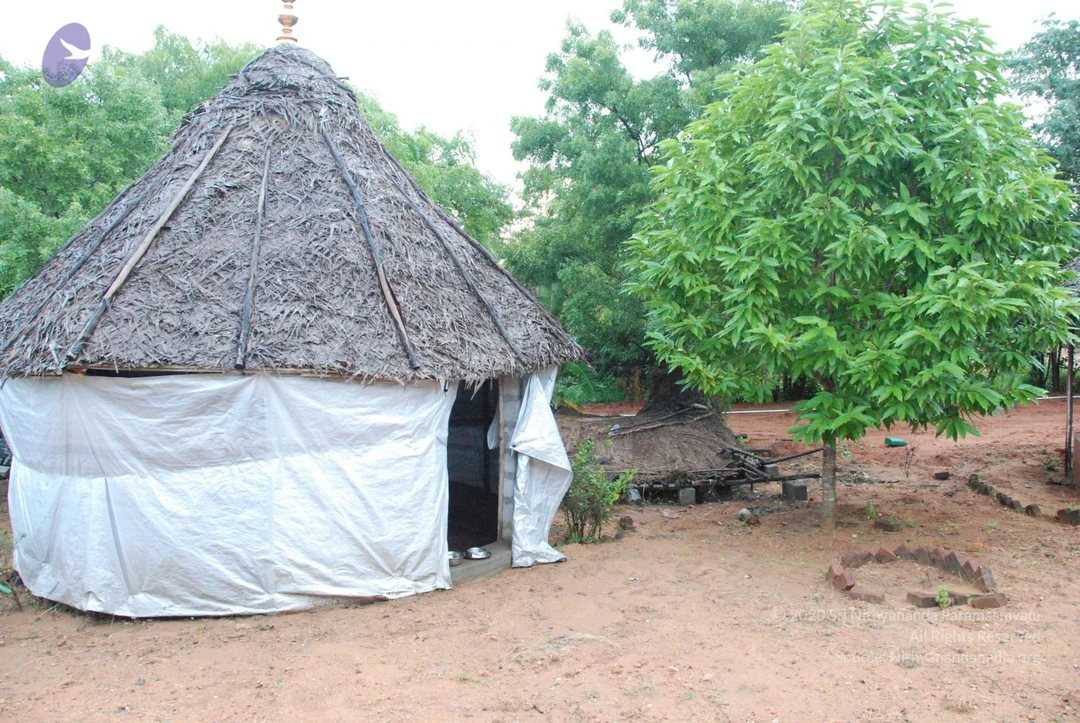
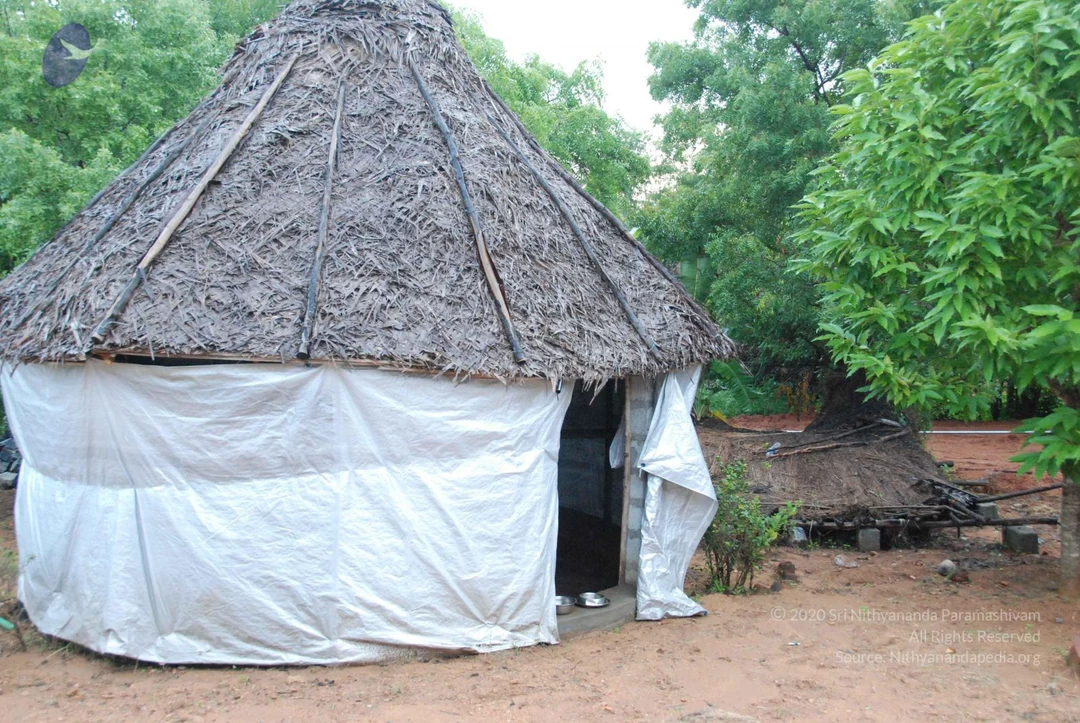
Aadheenam
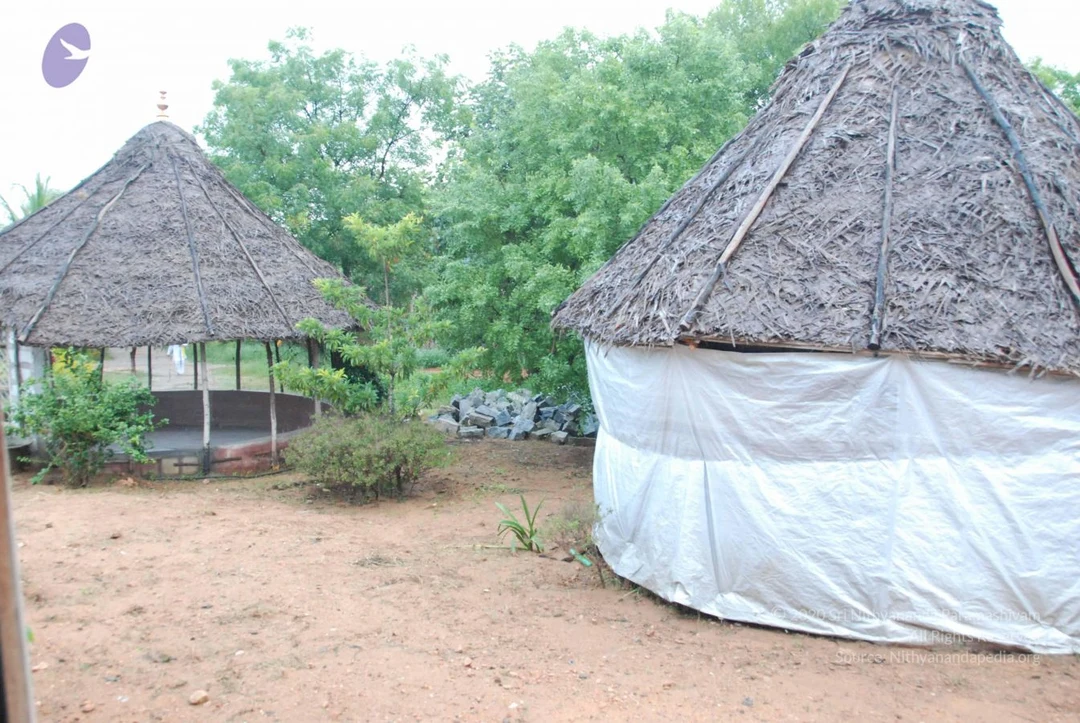
Photos from this day
View all 217 photosPada-Puja
38 photosSource gallery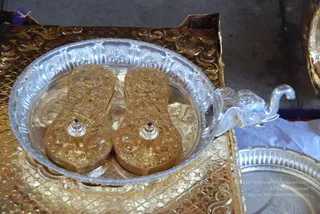
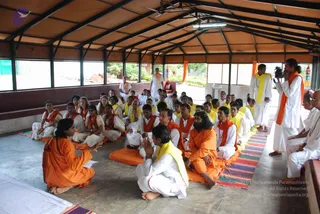
Kalpataru-Acharya-session
31 photosSource gallery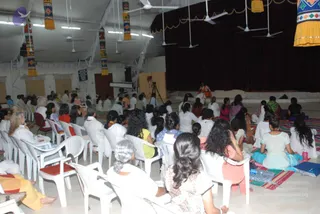
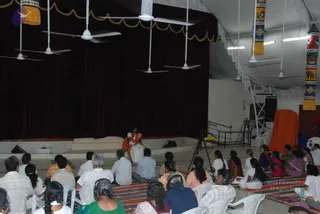
Ashramites meeting
6 photosSource gallery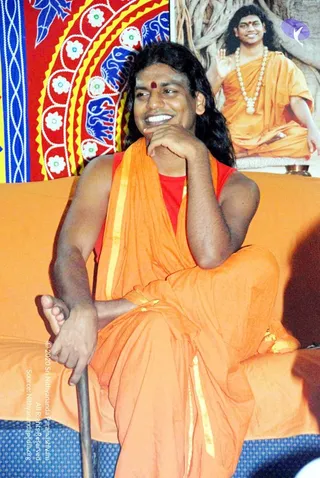
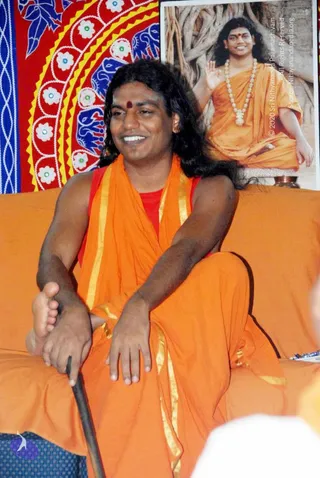
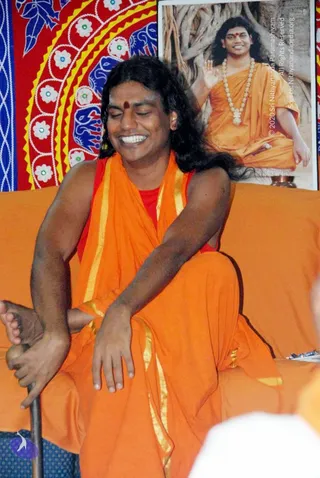
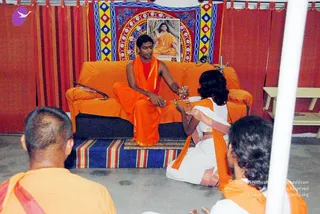
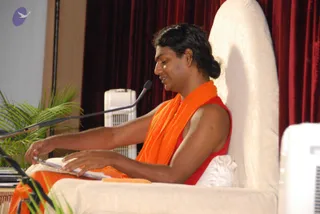
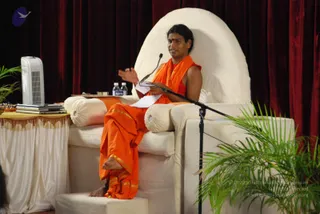
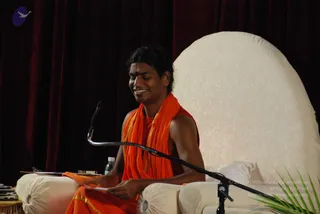
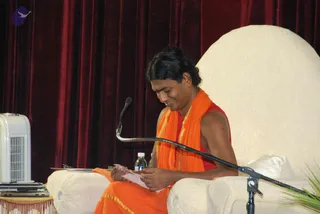
LBE-Sessions
75 photosSource gallery
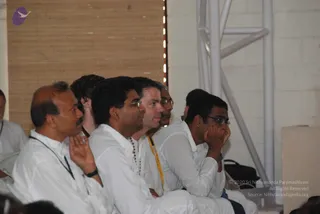
LBE-Project-Work
13 photosSource gallery
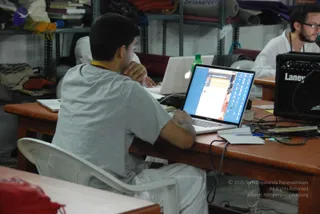
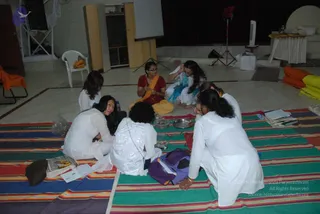
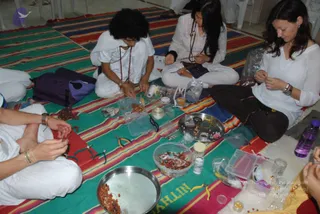
Kalataru
62 photosSource gallery
Aadheenam
3 photosSource gallery
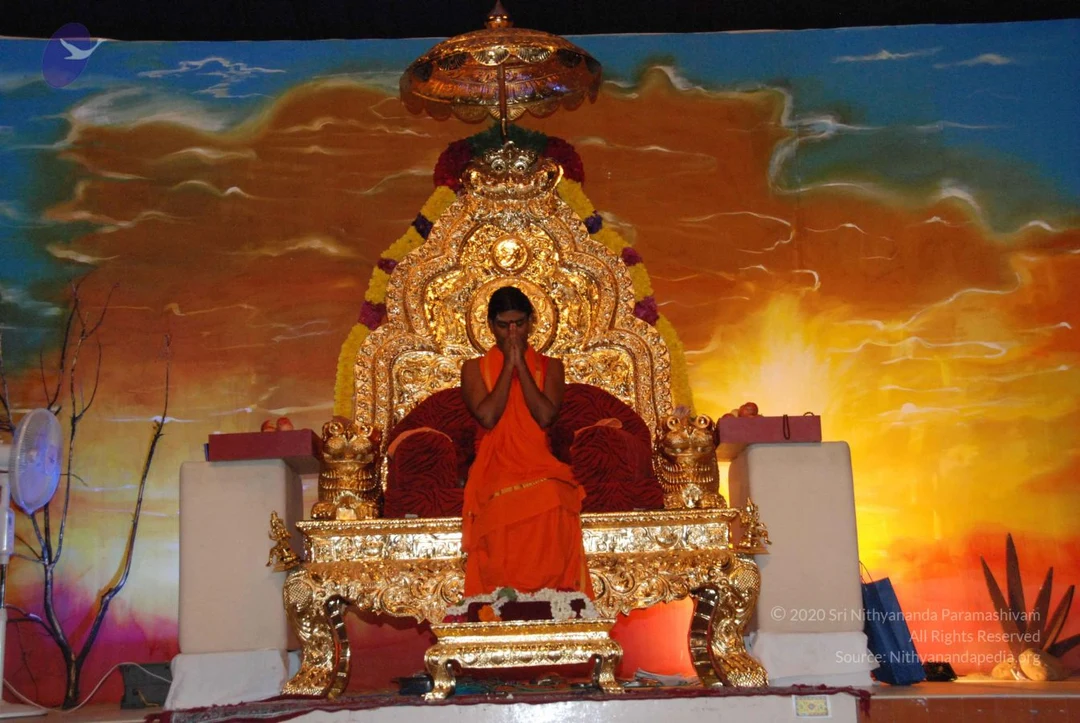
August 18 2009
2 photosView all