Monday
24 January 2005
Paramashiva's Prelude: A Hall Becomes Home || Shiva Sutras || 24 January 2005
- Dated photos
- 107
- Source pages
- 1
- Media
- 5
January 24 2005
Original wiki pageTitle:
Shastras Guide You to Truth || Part 1 || Shiva Sutras || 24 Jan 2005
Description:
Name Of The Convention : Shiva Sutras
Session on: Shastras Guide You to Truth
Date : 24 January 2005
Venue : Adi Kailasa, Bengaluru, Karnataka, India
In this video, the Supreme Pontiff of Hinduism HDH #Nithyananda Paramashivam speaks on the importance of Shastras, or spiritual scriptures and literature, and how they can be classified. We learn that there are Shastras for the outer world, inner world and the ‘inbetween’, which provides the reader with intellectual confidence, and guides you to the truth.
Link to Video Audio:
| Video | Audio |
Transcript
[00:00:25]
In the world there are so many spiritual scriptures, so many spiritual literatures, so many spiritual books available. Thousands of, I can say, millions of volumes are available on the planet earth. You can classify all these literatures in three category. One is - Shastra - means, the book which speaks about truth, logically; analyzing, analyzing, analyzing, goes on analyzing. Shastra. Shastra in three levels: One in the outer world, one in the inner world, another one in between. The outer world shastras are scientific reports, science. Inner world shastras are philosophy. Between shastras are books on psychology. Shastras - the book which speaks about truth, which tries to explain the truth logically. In shastras three category: One is scientific books - outer world. Another one spiritual philosophy - inner world. Third one in between - psychology; physical, mental, spiritual. In all three level shastras are available. The work of the shastras is to analyze the truth and make you understand intellectually the same truth. The benefit of the shastras is it gives you a tremendous intellectual understanding and intellectual clarity... intellectual clarity. It gives you the tremendous intellectual understanding. It gives you the tremendous intellectual clarity. It gives you the tremendous intellectual confidence.
[00:03:20]
Actually, Vivekananda says beautifully. Somebody asked Vivekananda: “Why should we read Upanishads? Why should we study Vedas?” Vivekananda says: “If you read, if you study Vedas, if you read the Upanishads, you will not fall in superstition and people cannot exploit you. People cannot exploit you.” If you know a little bit of shastras, the books on philosophy, people will not be able to exploit you. Nobody can cheat you intellectually. Intellectual exploiting can never happen in your life if you can read little bit of shastras.
[00:04:15]
Shastras are the best guide to the truth. It can give you new dimension. It can change your way of thinking. It can change your way of thinking. It can change your mental setup. It can give you different outlook altogether about the world, about the life and about the God. Jiva, Ishwara and Jagat. Jiva means the Self. Ishwara means God. Jagat means the world. You will have a new look towards all these three, towards all these three. If you have a little bit of intellectual understanding, that can change your whole life.
[00:05:25]
In the scriptures there’s a beautiful story. There was a lady called Madalasa. She was a queen of a particular country. She had a seven sons. But all the seven became enlightened masters. All the seven they became enlightened and they went away to forest. The king started suspecting. How can all the seven guys the moment they reach seven years old, they say: father, we’ve become enlightened, we are going to the forest to live the life of Tapasya, to live the life with nature, we don’t want your kingdom.
[00:06:11]
Actually enlightened people never bother about kingdom. Normally a king is a king as long as he has got servants. But master is a master whether he has got disciples or not. The king’s kingdom is dependent on servants. If there is no minister, if there is no servant, if there is no army people, if there is nobody to take care, he cannot be called as king. He’s no more a king. So the people who became independent, enlightened never bother about kingdom. Because their kingdom is totally different. Their kingdom can never be taken away. The only seat which can never be shaken is enlightened master’s seat. The master’s seat can never be shaken. Whether you are there or not, they are masters. If you are here you will listen My words, otherwise I’ll be speaking to the trees. Please be very clear. Because you are here, I am speaking in english. Otherwise I will continue to speak in the language of silence. I’ll be continuously showering, radiating what has happened in Me. Because something which has happened, which can not be contained.
[00:07:41]
There is a beautiful story, Zen story. One discipe goes to a master and asks: “Master, enlightened people speak or not?” Master said: “No, they don’t speak. If you hear somebody speaking, be very clear they are not enlightened. Man who knows, never speaks. Man who speaks doesn’t know.” Then he asks: “Oh, enlightened people keep quiet, will they be in silence?” Again master says: “No. If you see somebody in silence, be very clear he is ignorant. He’s not enlightened. Enlightened man can never be silent.” Just like you all, that guy also got confused. He also got confused. He asked the master: “What is this? You say they neither speak nor they keep quiet. What do they do?” Master says beautifully: “Enlightened people, they sing. They sing. They can neither keep quiet nor speak, they can only sing.” Then he gives a beautiful statement. “Enlightenment is not something you will have and keep it in your locker.” You can’t possess it. If you can possess it, after having enlightenment you can keep quiet. But actually enlightenment will possess you. You can’t possess enlightenment. Enlightenment will possess you. The moment it starts happening, you start singing. Your whole being becomes a song and a dance. You can’t do anything else except singing and dancing. Because you are here I speak in English. Otherwise I’ll be continuously speaking in the language of nature, in the language of silence, the language the whole existence can understand, the language in which the whole existence communicates. Because you are here I am speaking in English.
[00:09:59]
Masters are not masters because there are disciples. An enlightened one is an enlightened one even without disciples, even without students. Paramahamsa is not dependent on his disciples. But the king is dependent on his citizens. As long as there are citizens he is a king. Without citizens the king cannot exist. Without members, party cannot exist. Even though nowadays there are some parties without members!! They don’t exist. They are just only in the paper, letter pad, not in reality. Anyhow.
[00:10:51]
You need to understand, enlightened man is never bothered about kingdom. Even though a great kingdom gets created around him, even though a great kingdom happens around him, he is never bothered; neither touched nor tainted by any kingdom, by any paradise. So the moment they become enlightened they started moving towards the forest, to live happily. Only fools can live in cities. I don’t think any intelligent man can live in city. After all you are going to live on this planet earth for hardly 80 years. That also maximum. 80 years you are going to live. No intelligent man will wait, waste his 80 years in dying in the cities. At least from My experience I can say.
[00:11:54]
I have seen thousands of people who are wise in the field of Science, in the field of Psychology, in the the field of Spirituality. No wise man lives in the city, no wise man prefers to live in the city. In city –– nothing much can happen. People who live based on routine –– in Sanskrit, beautiful words: Shudra, Vaishya, Brahmana, Kshatriya. You should understand these words are loaded with wrong meanings now. Understand, these words does not belong to any community. Nobody can become a Brahma just by taking birth through Brahmin father-mother. Nobody can become Kshatriya just by taking birth to a Kshatriya father-mother. You can't become a Shudra just because you are born in the womb of Shudra. Just because your mother is, or your mother or father is Shudra ... no! You can’t become Brahmana or Vaishya or Kshatriya or Shudra by birth –– it's only by quality.
[00:13:13]
Shudra is a man who lives in a routine, in a routine. If you live in a routine; morning 8:30 get up, 9 o’clock office, evening 8:00 come back. If you live in routine means you are selling your time to somebody. If you sell your time to somebody you are a Shudra. If you sell some products to somebody –– your creativity, means your intelligence. If you sell your products to somebody, your creativity to somebody –– you are a Vaishya. If you sell your confidence to somebody - gathering people and giving them confidence ‘We are a group’ ... raise! If you sell your confidence to somebody - you are a Kshatriya.
[00:14:20]
Understand this basic things. Your whole outlook towards the life will change. If you sell your time, you are a Shudra. If you sell your creativity, products –– you are a Vaishya. If you sell your confidence, giving confidence to people: You are a Kshaktriya. If you sell your being, the ultimate wisdom, if you sell your intelligence, the ultimate thing to people, you are a Brahmana.
[00:15:01]
So no intelligent man will live in the city. People who live, people who sell their time, only they crowd the city. People who sell their products, only they go to cities. People who sell their products, they go in search of customers. People who sell their time, they go in search of lords, or bosses, managers. But people who sell wisdom, customers go in search of him. Customers go in search of him. People who sell confidence, even they go in search of people. They want citizens, only then they will have their party, they will have their Kingdom. People who sell their time, they go in search of job, they go in search of managers, they go in search of the person who will give them employment –– they have to go to city. The people who are in search of ... people who are selling their creativity, products, they are in search of customers; again they go towards city. People who are selling ‘confidence’ –– Leaders, Kshatriyas, they also want people. The more they sell the confidence to others, the more they get the confidence.
[00:16:38]
If they can convince 10,000 people that they are the leader for him.. leader, he is the leader for them ... Actually it is the other way, they are the leader for him and he's the leader for them. If he can convince 10,000 people he's the leader for them –– saying that they are the leader for him. When you say they are leader for him, he becomes leader for them. When he can convince 10,000 people that I am your leader, he gets the confidence. So when you sell confidence, you need people to purchase, you need people to buy. Again Kshatriyas who sell confidence, they go towards the city, they go towards city. People who sell wisdom; people who sell intelligence... I can say, not even selling, “sharing”. People who share wisdom, people who share intelligence, they don't go towards customers, customers they come in search of him. So wise people never go to city, only people from city come to him.
[00:18:02]
They always sit in forest, all over the world, in all religion; not in one religion, in all religion. A man who has become a Brahmana, a man who has become Enlightened, the man who has become wise, the man who has become intelligent, the man who has achieved wisdom, he lives in forest. From all the tradition, see all the tradition; in all tradition they live in forest. People go in search of him. People who are the owners of wisdom, who are the owners of spirituality, who are the owners of Intelligence, they live in forests. So naturally when somebody becomes wise, the first step is going towards the forest.
[00:18:59]
Sons of Madalasa, they started moving towards the forest. The king naturally started worrying and he wants to know why all the sons are moving towards the forest. What is happening? Still they have not seen the life, they do not know anything about kingdom; but before they know something about kingdom, they are already out. They radiate such a beautiful energy. How this happens? He sent few spies. Actually you can, you can spy everyone but never your wife. You can understand about everybody; never about your wife. King himself needs a spy to know what is happening in the palace. Then he came to know the moment the child has, child is born, she starts singing. She starts repeating: “Tatvamasi! Tatvamasi! Tatvamasi!” “That art thou! That art thou! That art thou!” “You are that! You are that! You are that!’” When the kids again and again listen that great word, when they hear again and again that great Sutra, simply they become enlightened, simply they become enlightened.
[00:20:41]
She has given such a clear intellectual clarity: Kids doesn't need … kids don't need anything else except ‘Intellectual Clarity’ because they don't have subconscious and unconscious. Just intellectual clarity is enough. If you have subconscious, you need emotional experience. If you have “Unconscious”, you need Spiritual Enlightenment.
[00:21:07]
Title:
Shastras Guide You to Truth || Part 2 || Shiva Sutras || 24 Jan 2005
Description:
Name Of The Convention : Shiva Sutras
Session on: Shastras Guide You to Truth
Date : 24 January 2005
Venue : Adi Kailasa, Bengaluru, Karnataka, India
In this video, the Supreme Pontiff of Hinduism HDH #Nithyananda Paramashivam continues to speaks on the importance of Shastras, or spiritual scriptures and literature, and expands on this by explaining what it means to be operating at the level of the subconscious. We also learn about the effects of samskaras, or habits on us and how it can impact our decision-making.
Link to Video Audio:
| Video | Audio |
Transcript
[00:00:15]
A person with just intellect, who doesn’t have subconscious and unconscious, he can become enlightened just by intellectual clarity. The person who has got subconscious but not unconscious, means who has got suppressed desires and anger, but who doesn’t have much samskaras; big, big habits. This kind of person who are in subconscious level, they will become enlightened with a little bit of emotional experience. Just intellectual clarity and little bit of devotion is more than enough for them to become enlightened. People who have unconscious, who got samskaras, who have got habits, understand that word h-a-b-i-t. If you remove h- abit will be there, when you remove a- bit will be there, when you remove b- it will be there, only when you remove i- it will die. When you understand, when you have, if you have samskaras, if you have unconscious, you need something more than intellectual clarity and emotional experience; you need something called enlightenment, means the Being level experience, solid Satori, Samadhi - only that leads to ultimate enlightenment.
[00:01:51]
For a normal child, which doesn’t have subconscious and unconscious, just intellectual understanding is enough, seven years if somebody continuously repeats: tatvamasi, tatvamasi, tatvamasi,” automatically he became enlightened. All the kids, the moment they are seven, they say “bye, father, we’ve become enlightened, we are going to our place.” Because wise people can’t live in city! Now you know the truth. Wise people can’t live in city. So naturally, wise people, where they have to live … forest. They go in search of their place. They go in search of their place. People who are too weak, only they can live in palaces. Palaces are built for too weak people, people who are totally weak, people who are totally … people who are filled with fear, only they need big, big palaces. People who are enlightened, they don’t need anything. They can live wherever they want. Paramahamsa means, man who eats where He wants to stretch His hand, man who can sleep, where He stretches His leg. When He stretches His hand He eats, when He stretches His leg, He sleeps. That’s all.
[00:03:26]
So a king is a king only when he has got a kingdom. All these kids, they started moving towards the forest. Now the king is not able to understand, how can just the word “tatvamasi” make people enlightened and can give such wonderful intelligence. We also have a doubt “how just repetition of word tatvamasi can give enlightenment.” Because we have listened to so many thousands of things, but we are not able to do. We are not able to feel it; we are neither able to feel it nor able to express it. How can just an intellectual understanding “tatvamasi” can make somebody enlightened? Very difficult to understand because you have subconscious and unconscious.
[00:04:26]
In one mass meditation camp, one person came to Me and he was telling about some problem. I said, “Don’t worry, it will become all right.” The next person who was standing, he was just shocked. Next day, the next person asked Me, “Swamiji, yesterday I saw you blessing somebody using the word, “Don’t worry, I’ll take care,” do you really mean it, will it become all right, will the problem solved?” I said, surely the problem will be solved for him but not for you. It’ll be solved for him, but not for you. When I say I mean, but when you hear you don’t mean. When I say I mean, but when you hear you don’t mean. When you hear and not able to understand the meaning, understand, you have subconscious and unconscious. This is the scale - if you are able to hear and not able to make meaning out of it, be very clear, you have unconscious and subconscious. This is the scale to find out whether you have sub, unconscious and subconscious, or not. A child can simply become enlightened, just by the intellectual knowledge, intellectual understanding. That is why shastras do help people. People who are not much complicated, for them shastras are enough... because they make things complicated! That’s enough. Your intellect will be shaken, your intellect will be broken. Shastras are enough.
[00:06:30]
But humanity is not so simple. Humanity is not lived such a innocent way, humanity is not so integrated today just to become enlightened by intellectual knowledge. It’s almost become neurotic, it’s almost become neurotic. So just shastras are not enough. You are all winners of Buddha, you have conquered Buddha, that is why you are still Buddhus. If you have allowed the Buddha to conquer you, by now you would have become Buddha. Because you conquered Buddhas, still you are Buddhus. So Buddhas, even Buddhas cannot conquer you, you are something far more higher than Buddhas! The early times, the natural pesticides are enough to kill the insects. Later on you need, you needed some chemical pesticides. Now you need strong doses because the insects start living, eating the pesticides. Same way if Master designs some technique, your mind masters that technique also and it learns how to survive the Masters. Surviving the Masters is the worst calamity which can happen to anybody. Surviving the Masters is the worst calamity which can happen to anybody. You all have survived the Masters. You all have survived the Masters. But, Masters are really Masters, they don’t give up so easy, easily. They don’t give up, so easily. The next enlightened man never thinks ‘Buddha himself is a failure, why should I start working?’ No! Again, he starts working.
[00:09:03]
Enlightened Masters are embodiment of positive energy. They are too optimistic. They are too optimistic; sometimes little impractical. Sometimes a little impractical... in the view of pessimist people; not in reality, in the views of pessimist people. They are ultimate optimists. Brutally optimists, that's the word I can use. They are optimists to the extreme. They don’t give up. Foolish optimism, you can call from your views. You can use any word. Anyhow, they are optimists, that’s all. Whatever word you may use, they are optimists. It goes on, goes on, goes on. So the next level books are created who have conquered shastras. First, shastras are created, then lot of people have conquered shastras also. They survived shastras. Then came the next level of literature stotras, let us see about that in the next session. Thank you, enough for now.
[00:10:33]
Title
Paramashiva's Prelude: A Hall Becomes Home || Shiva Sutras || 24 January 2005
Link to Video:
Photos:
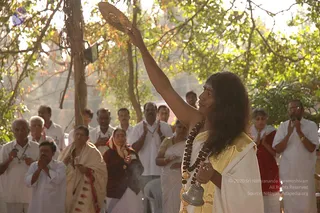
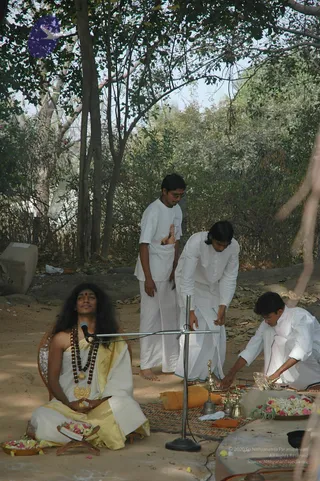
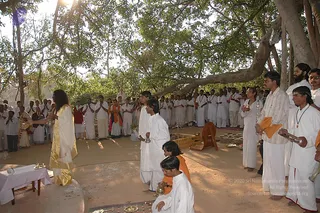
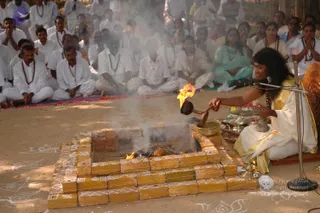
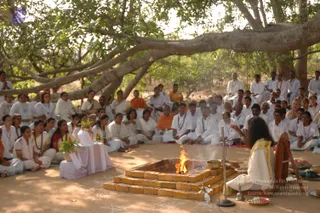
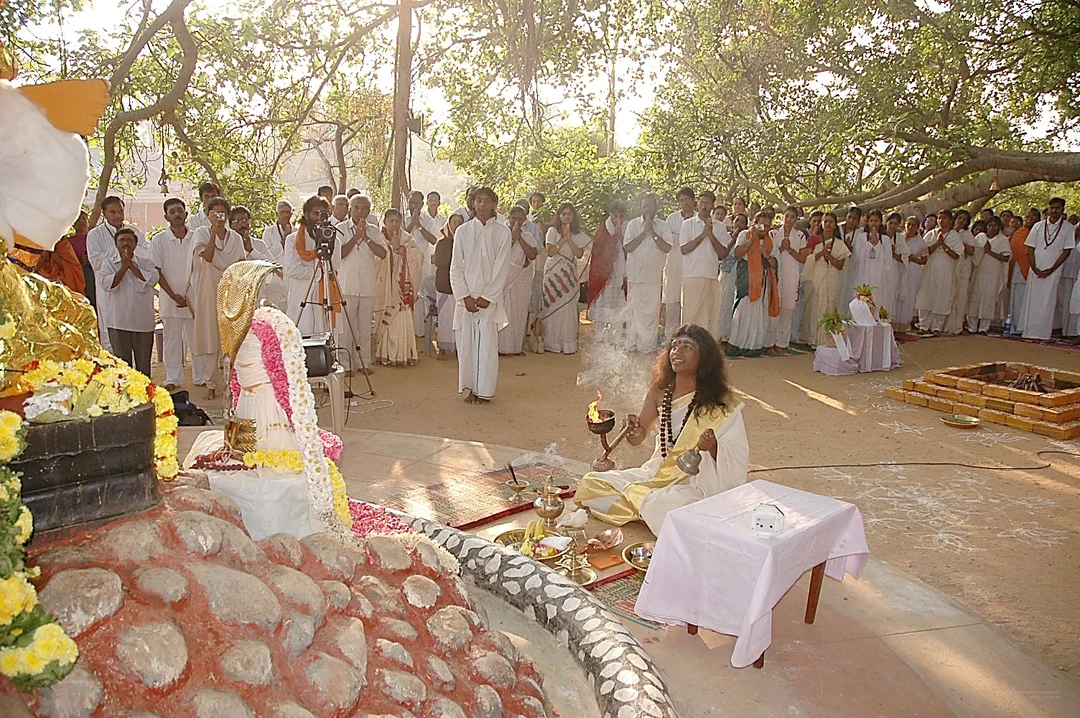
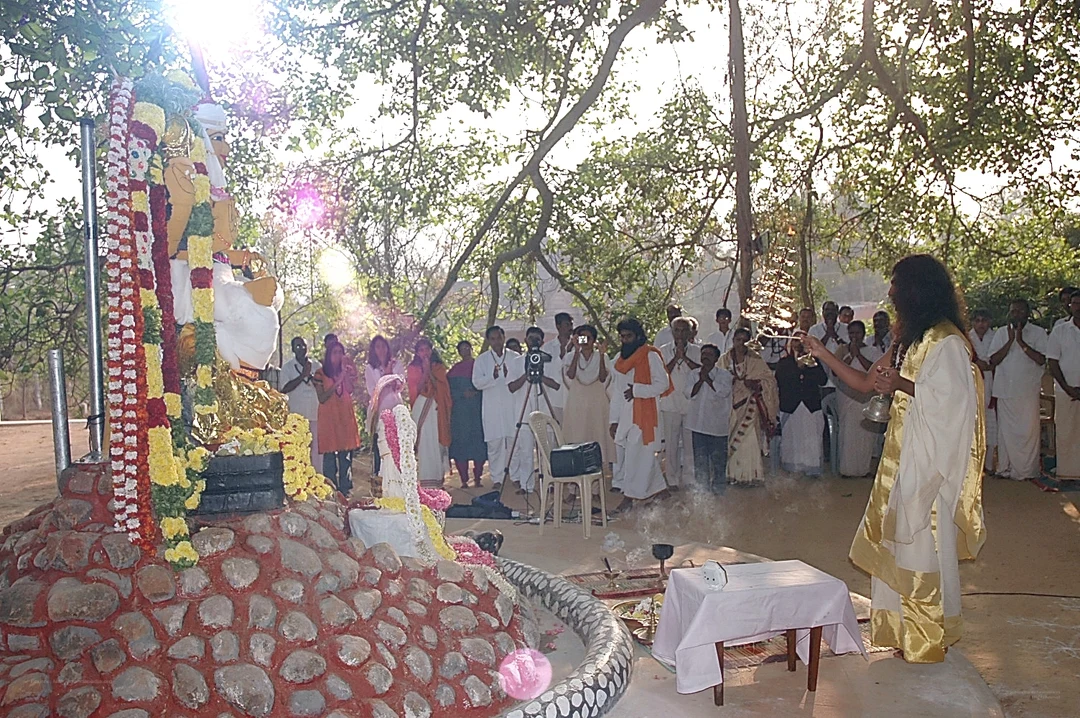
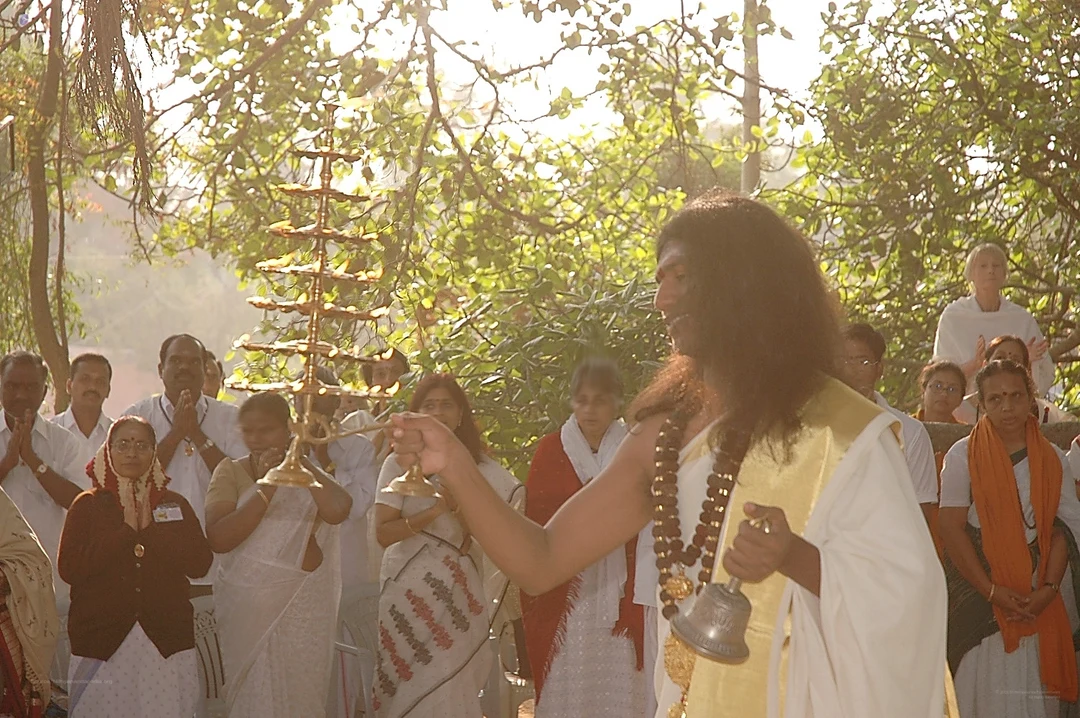
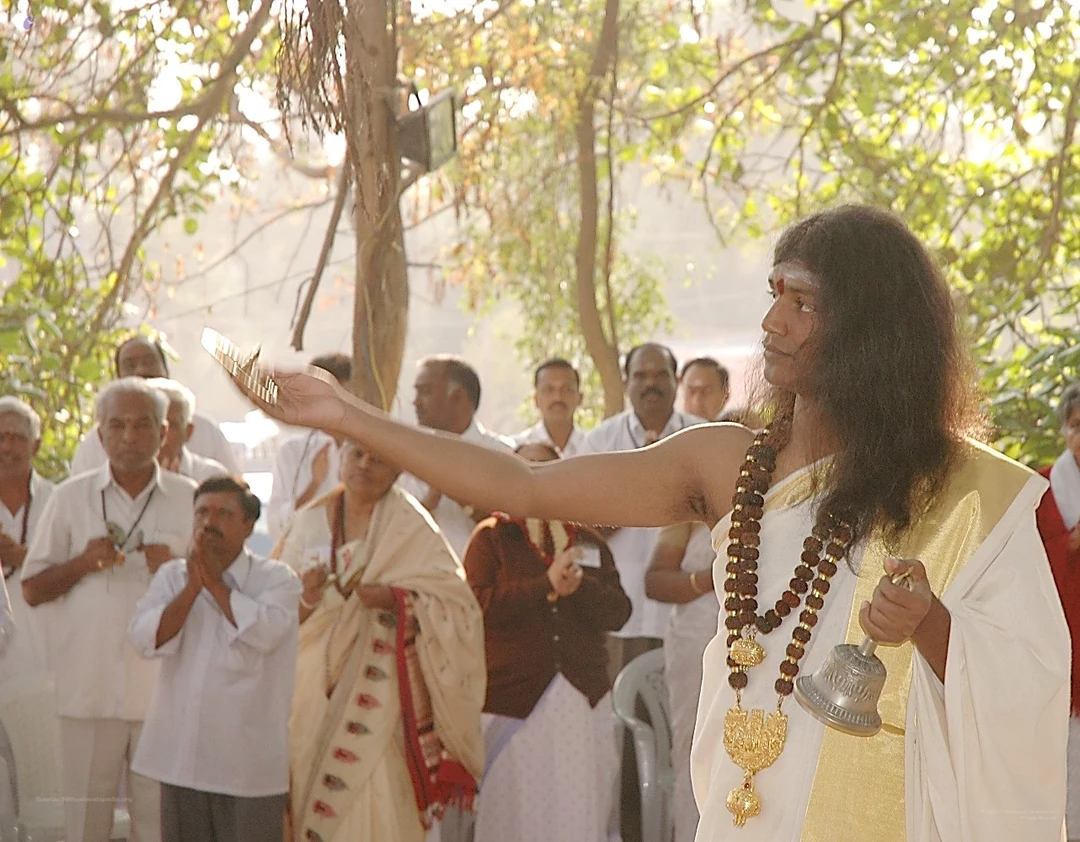
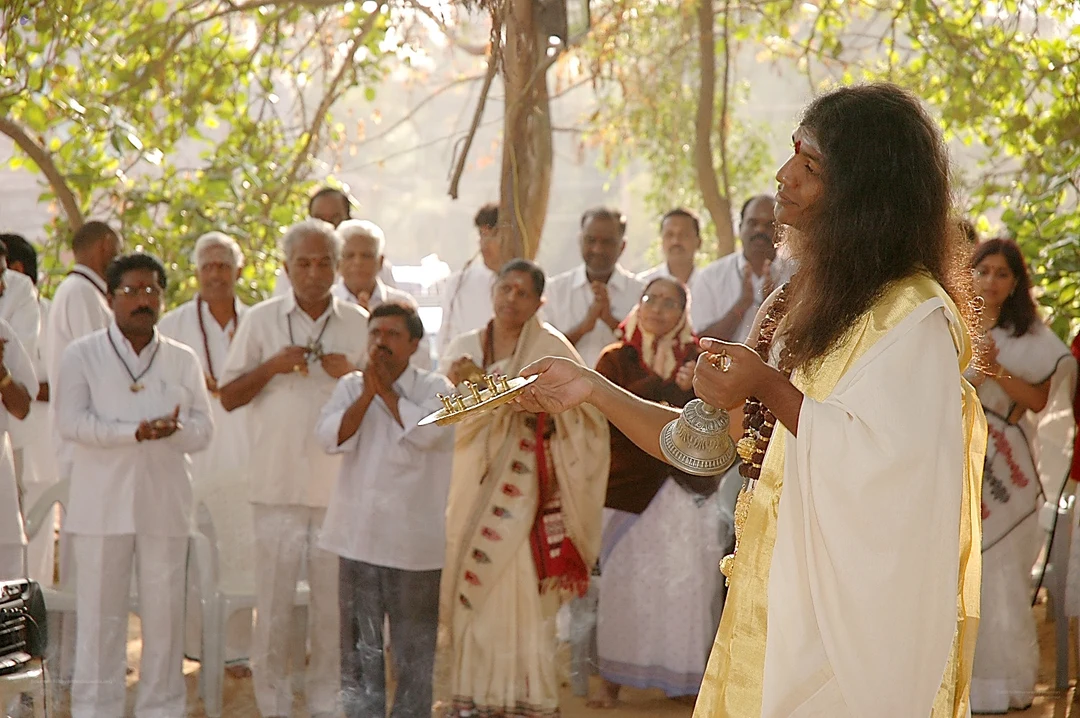
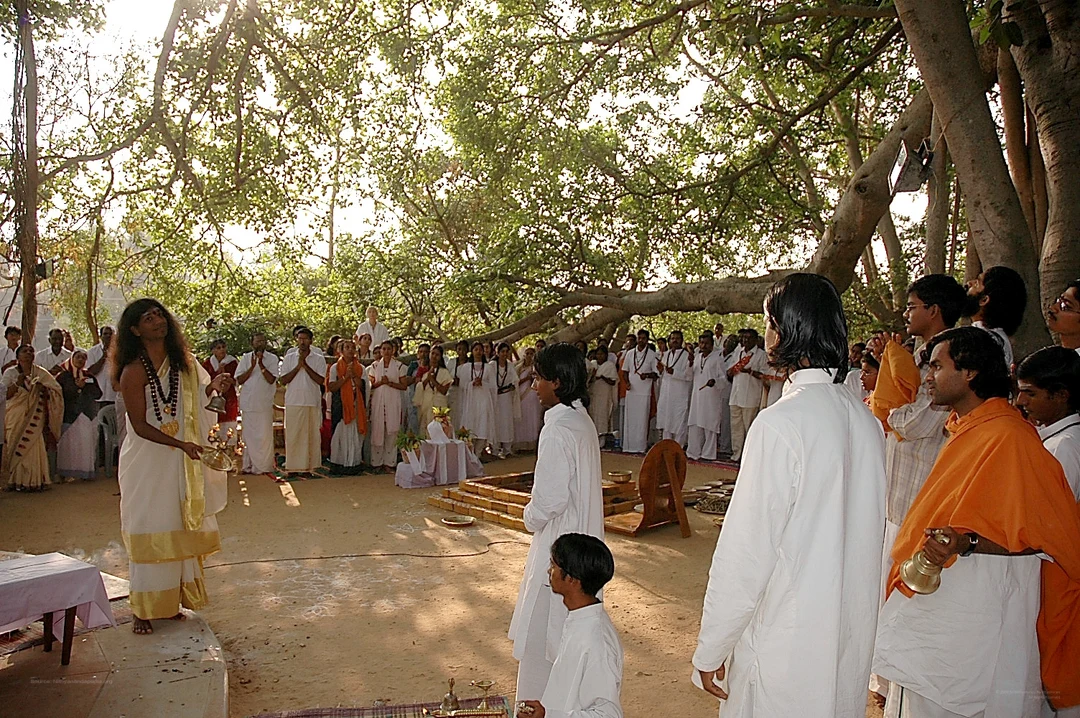
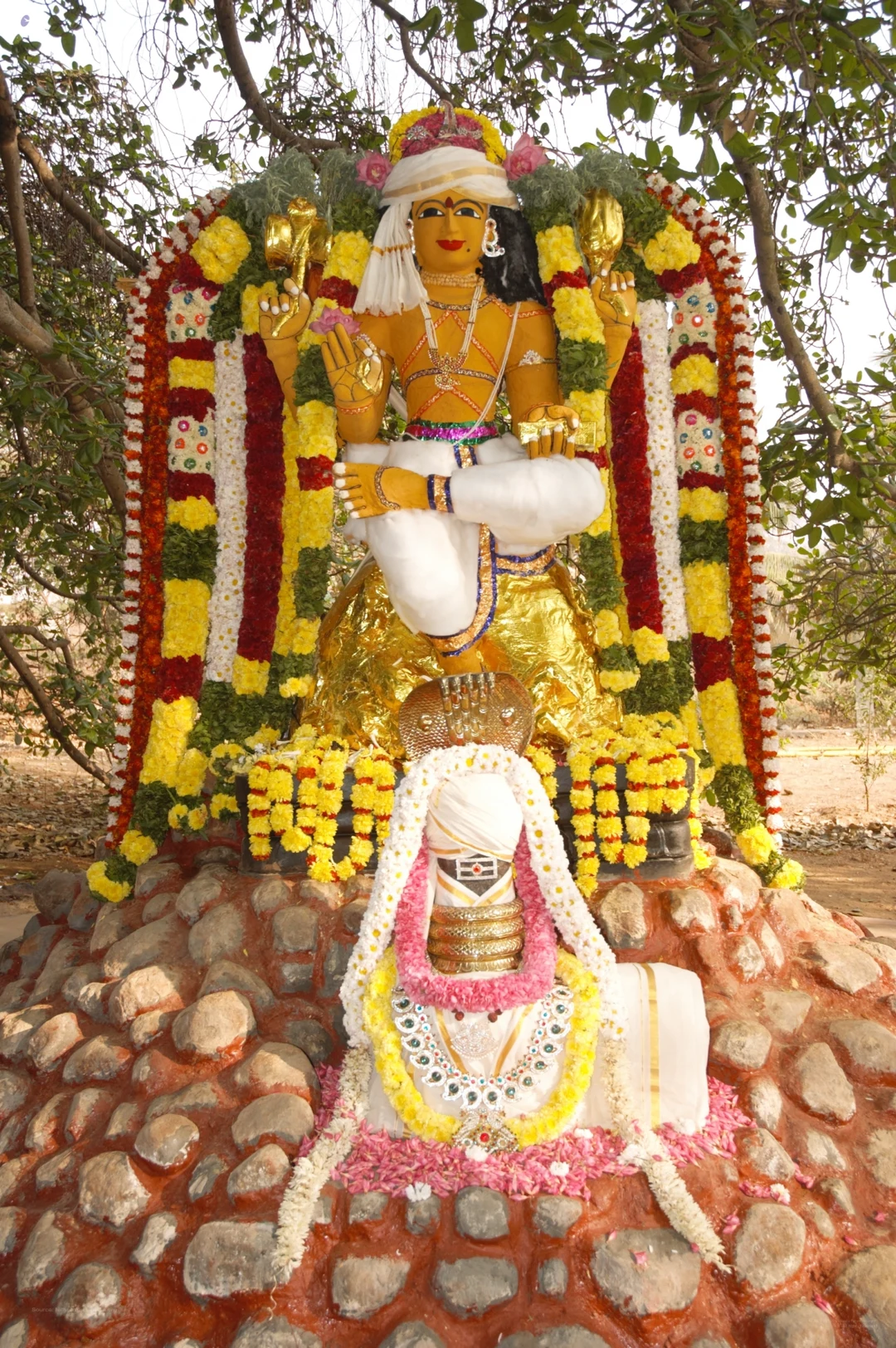
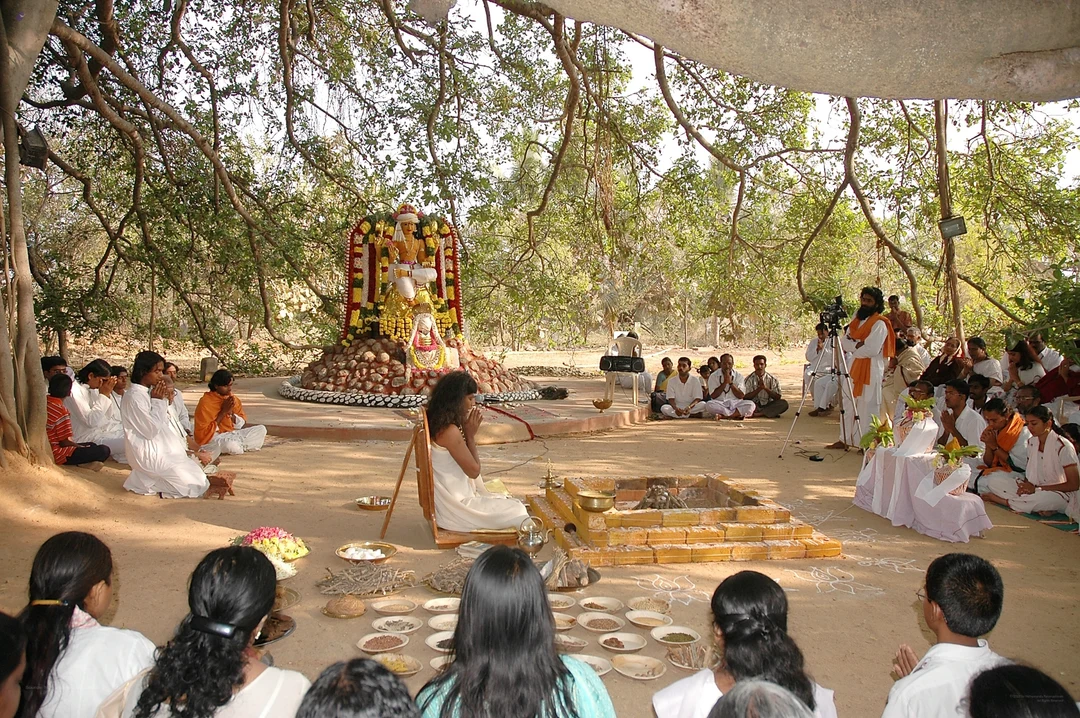
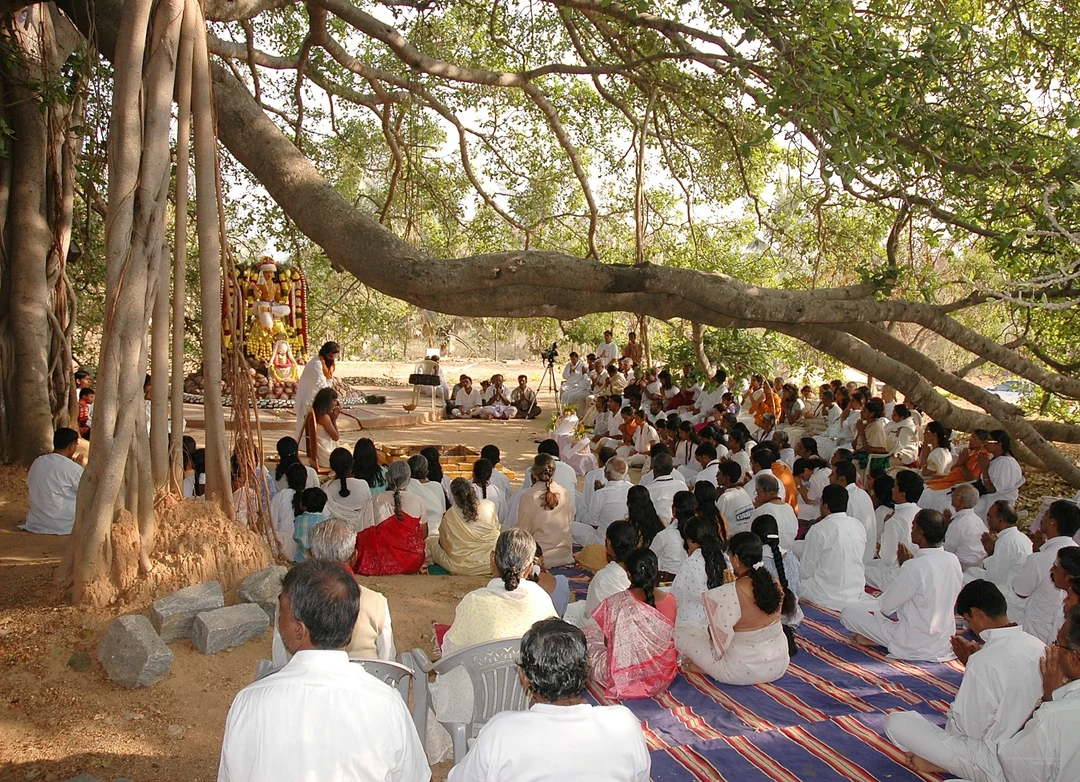
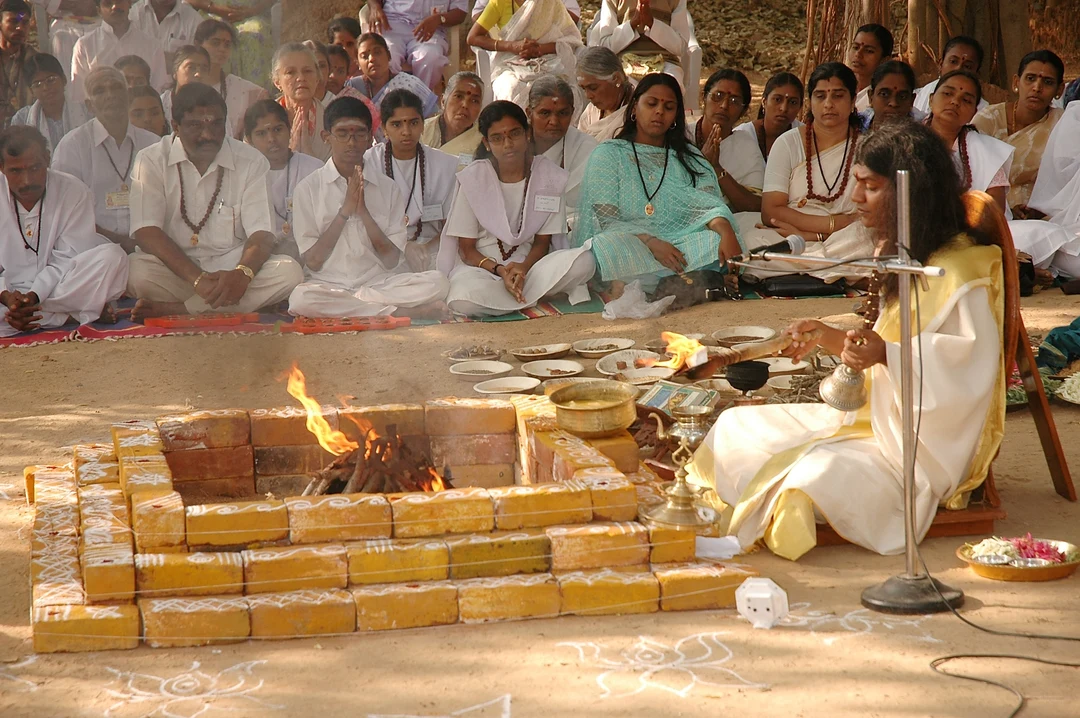
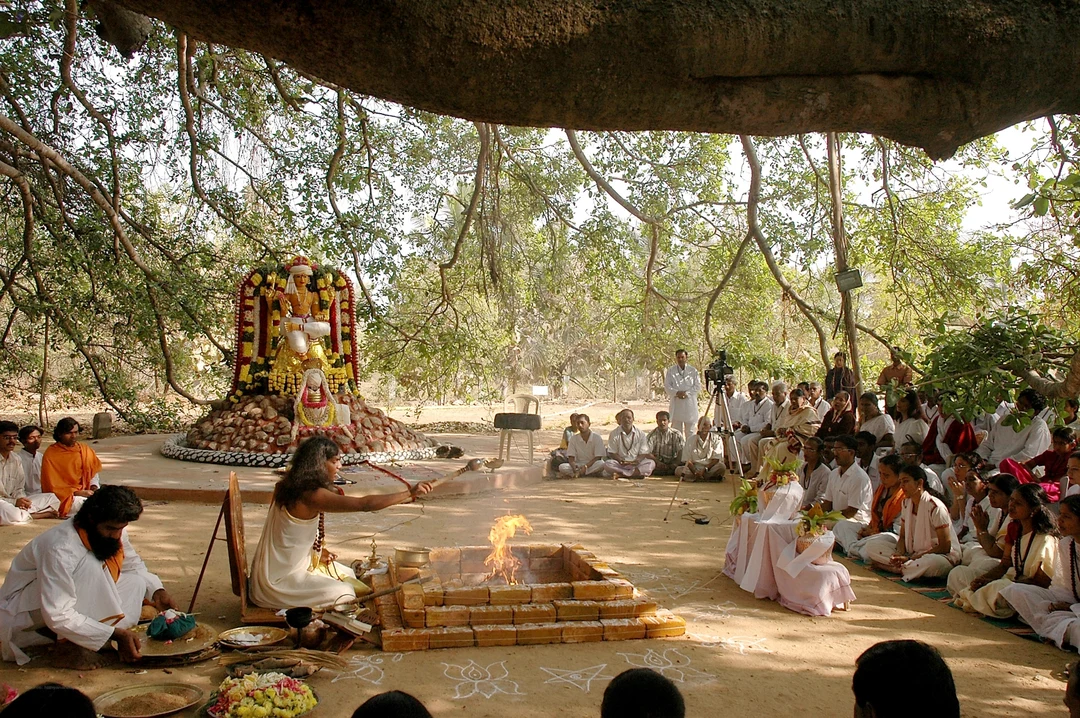
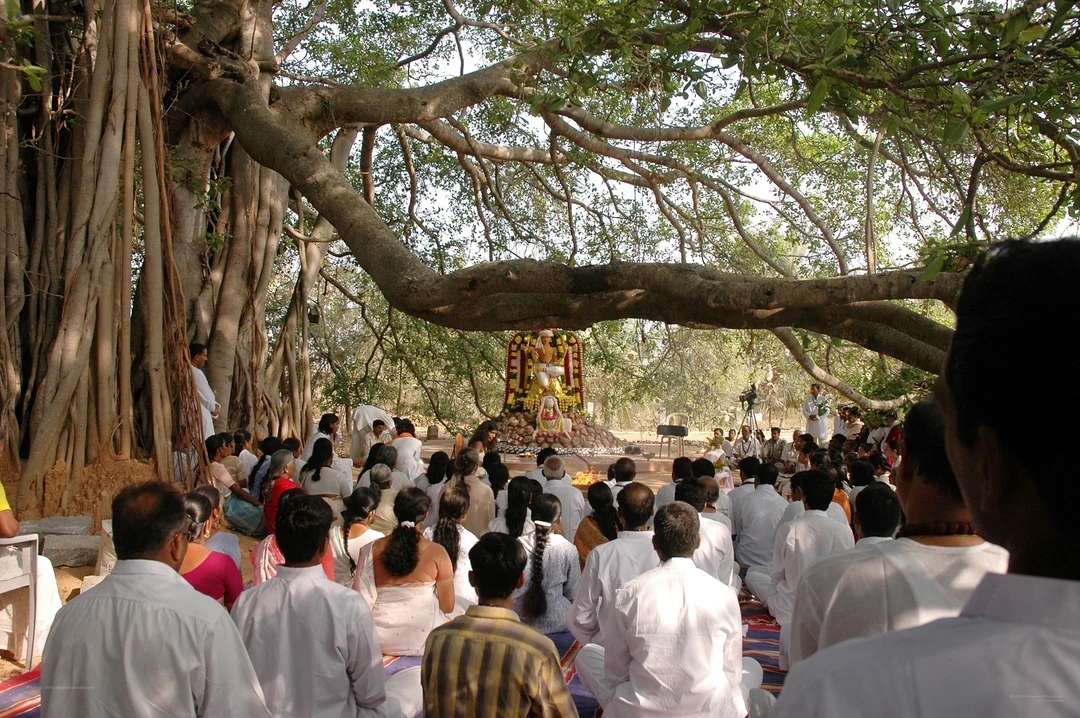
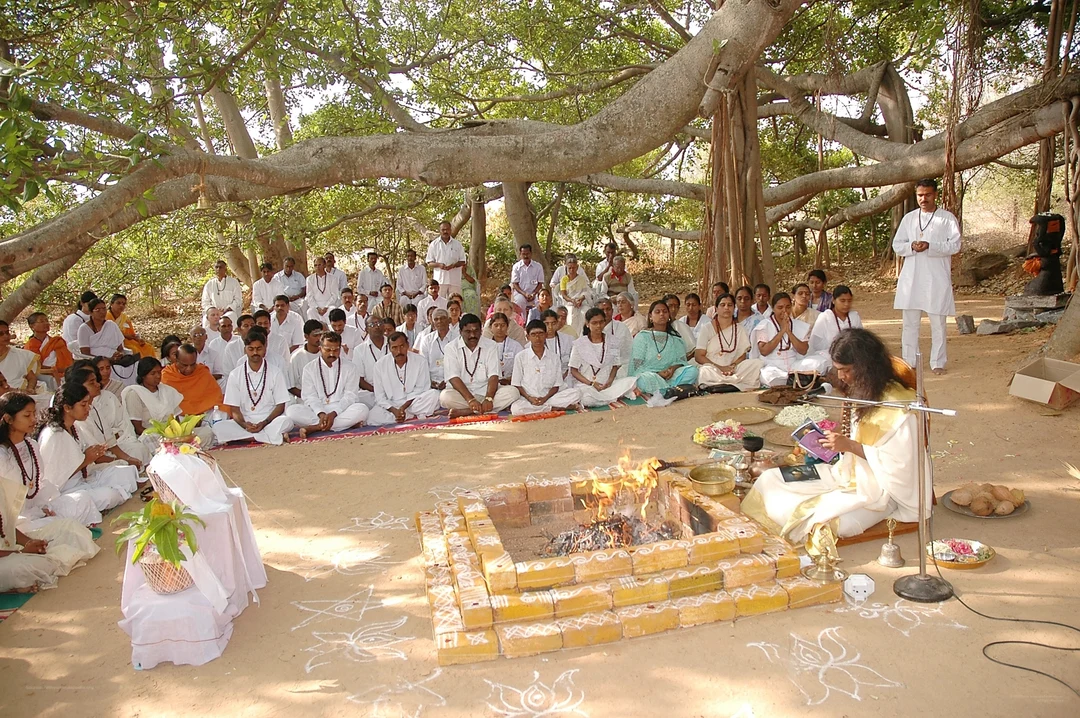
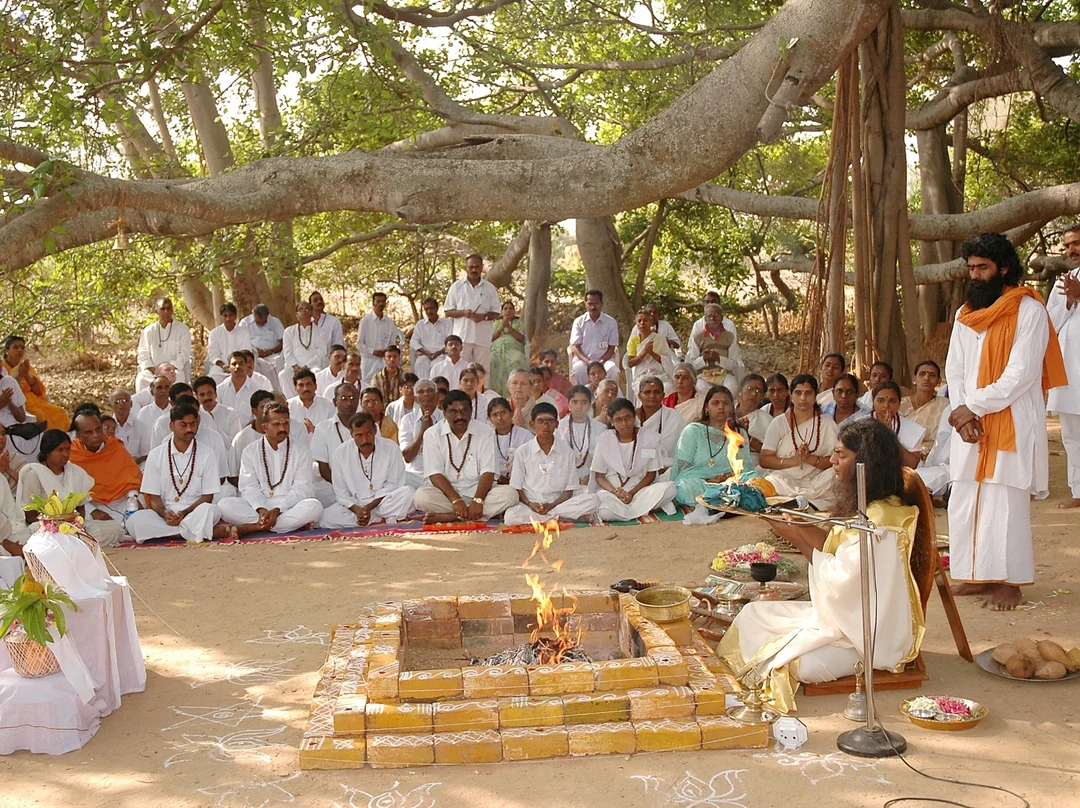
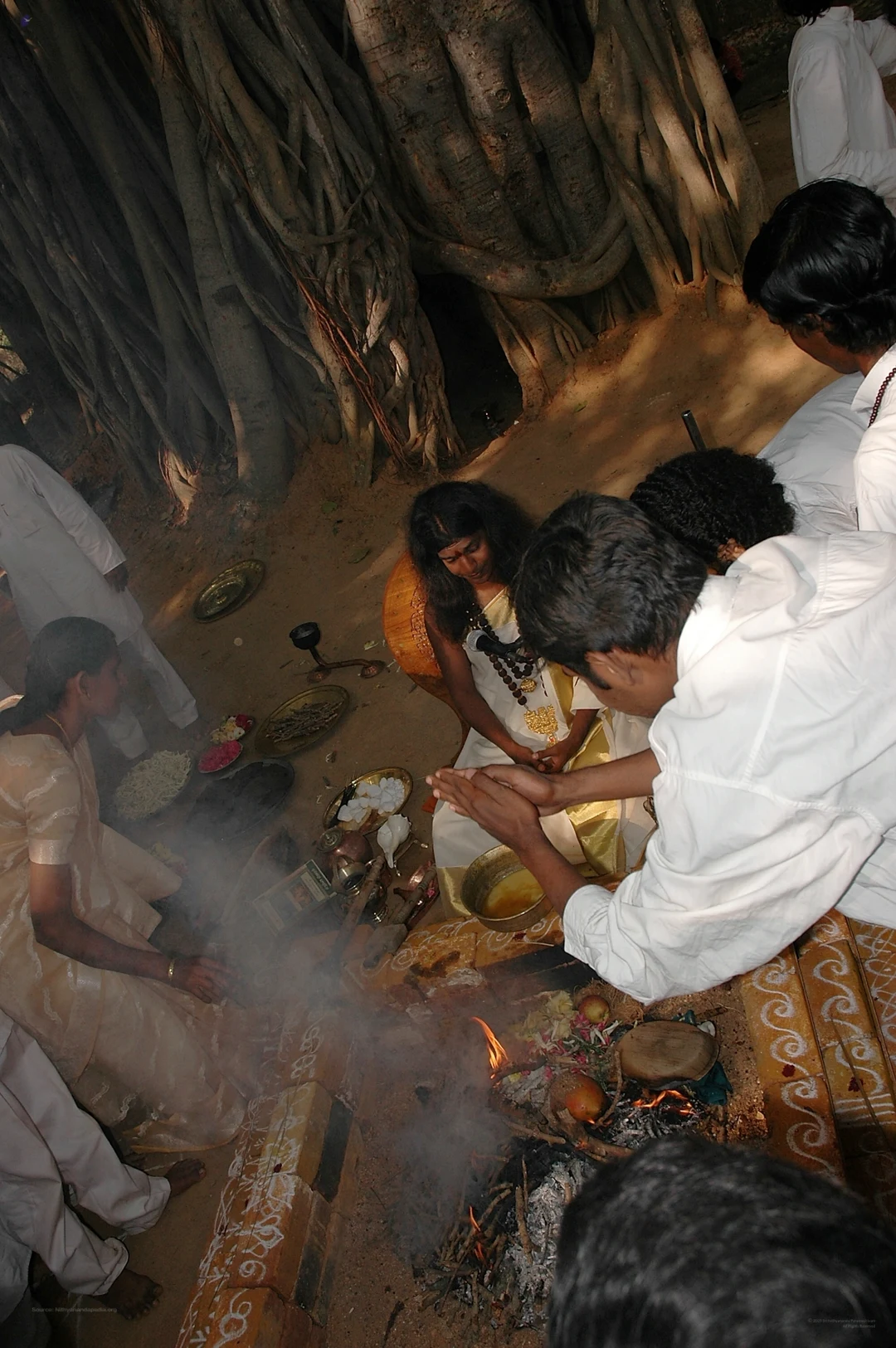
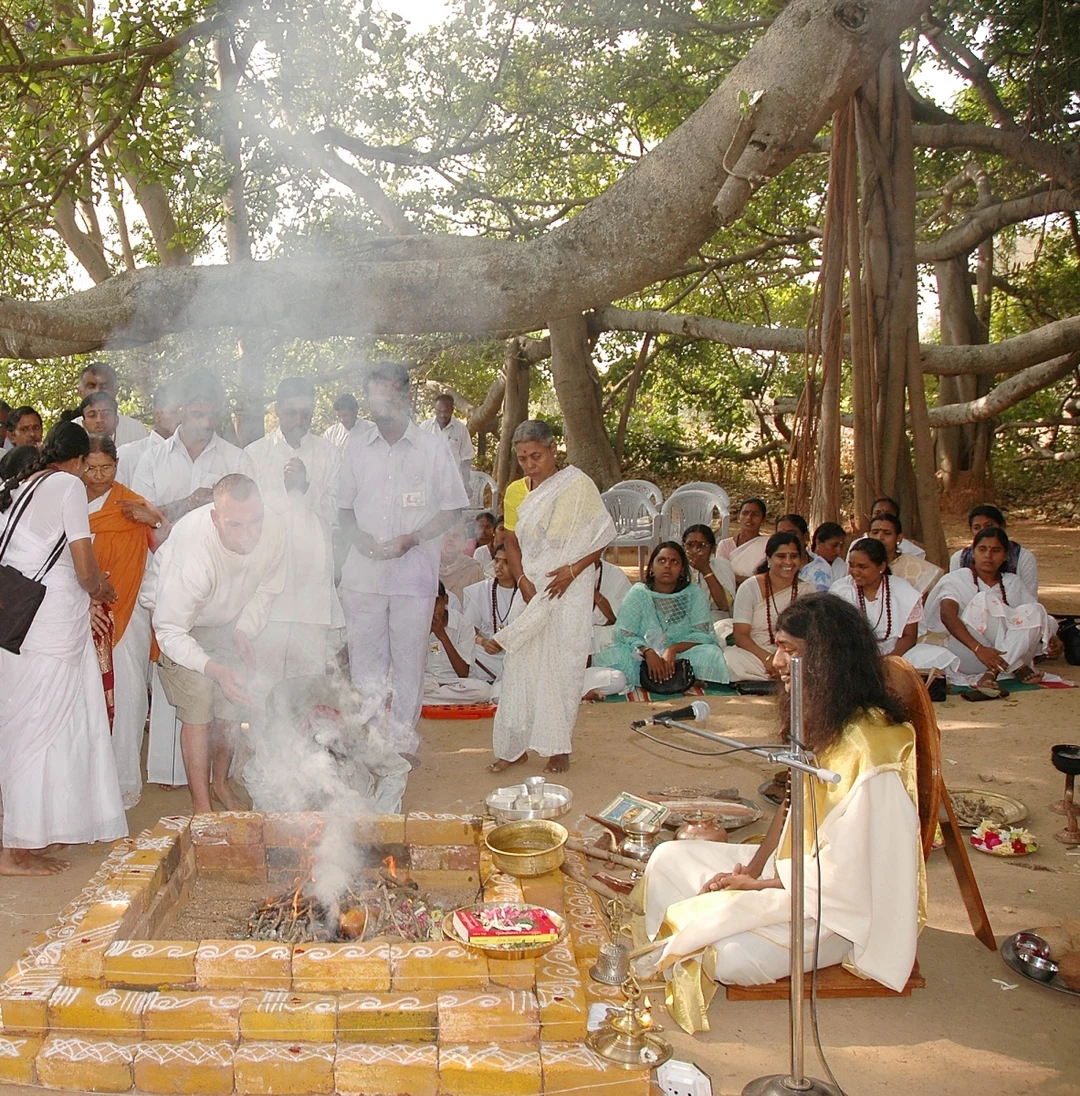
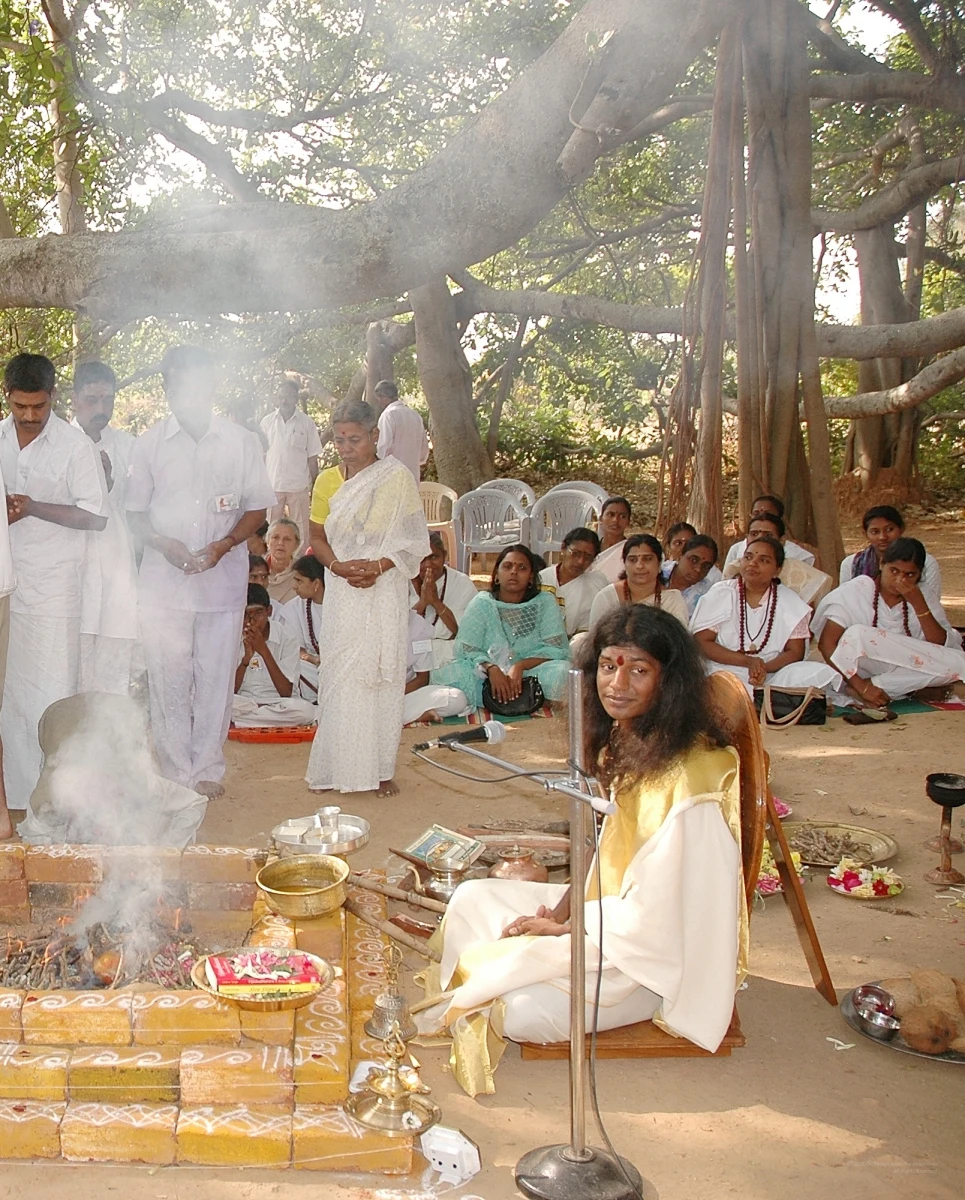
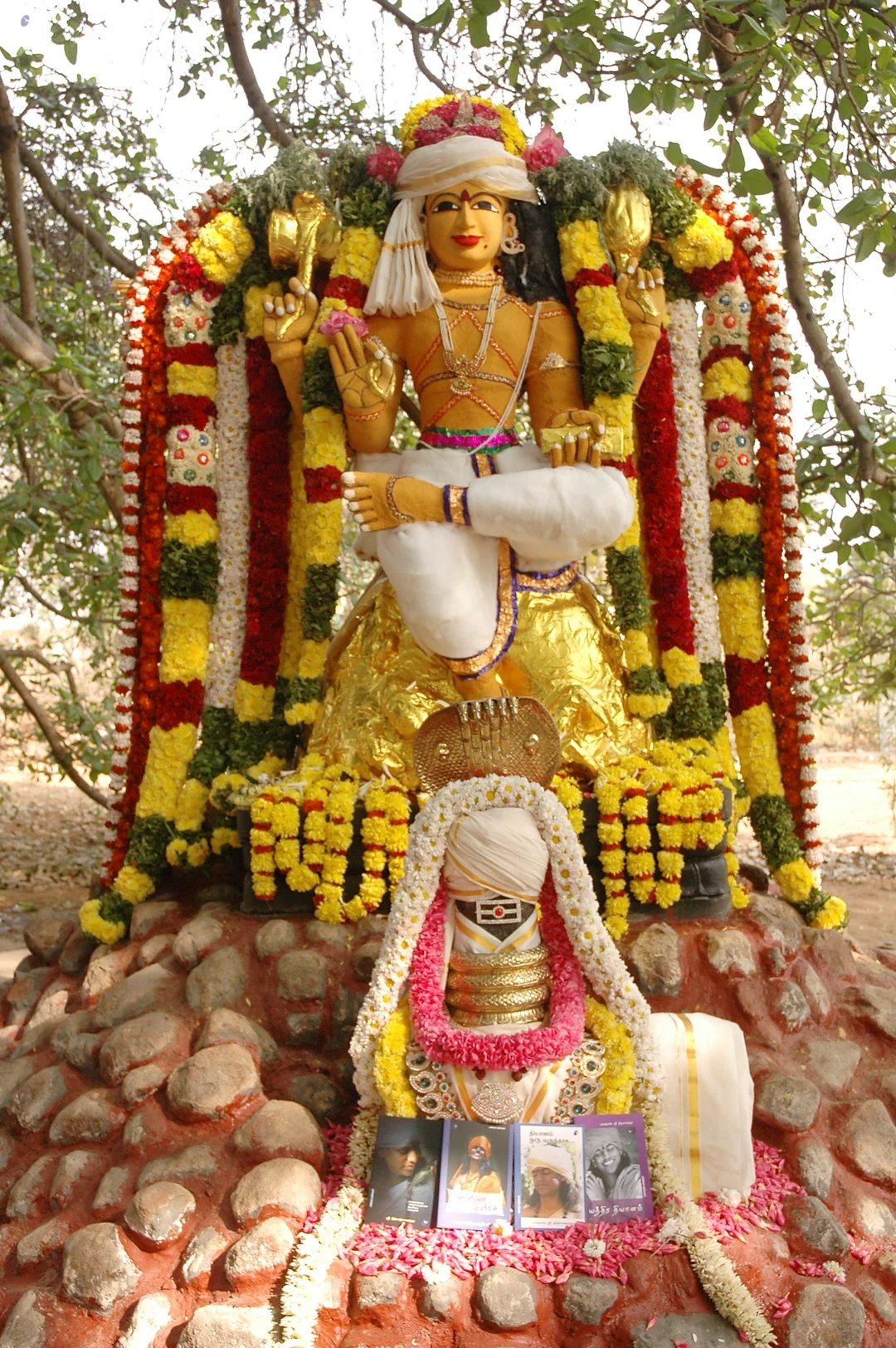
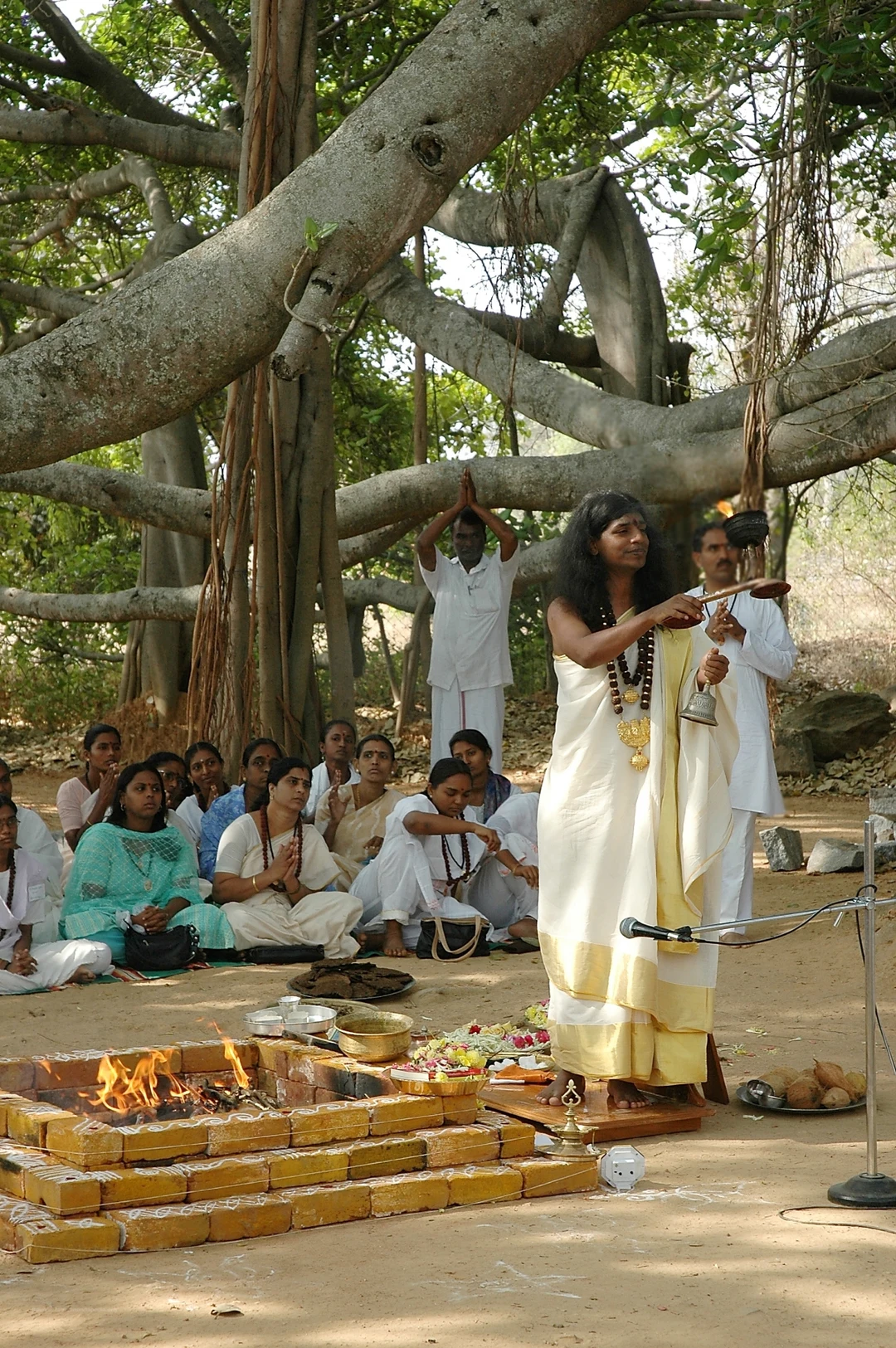
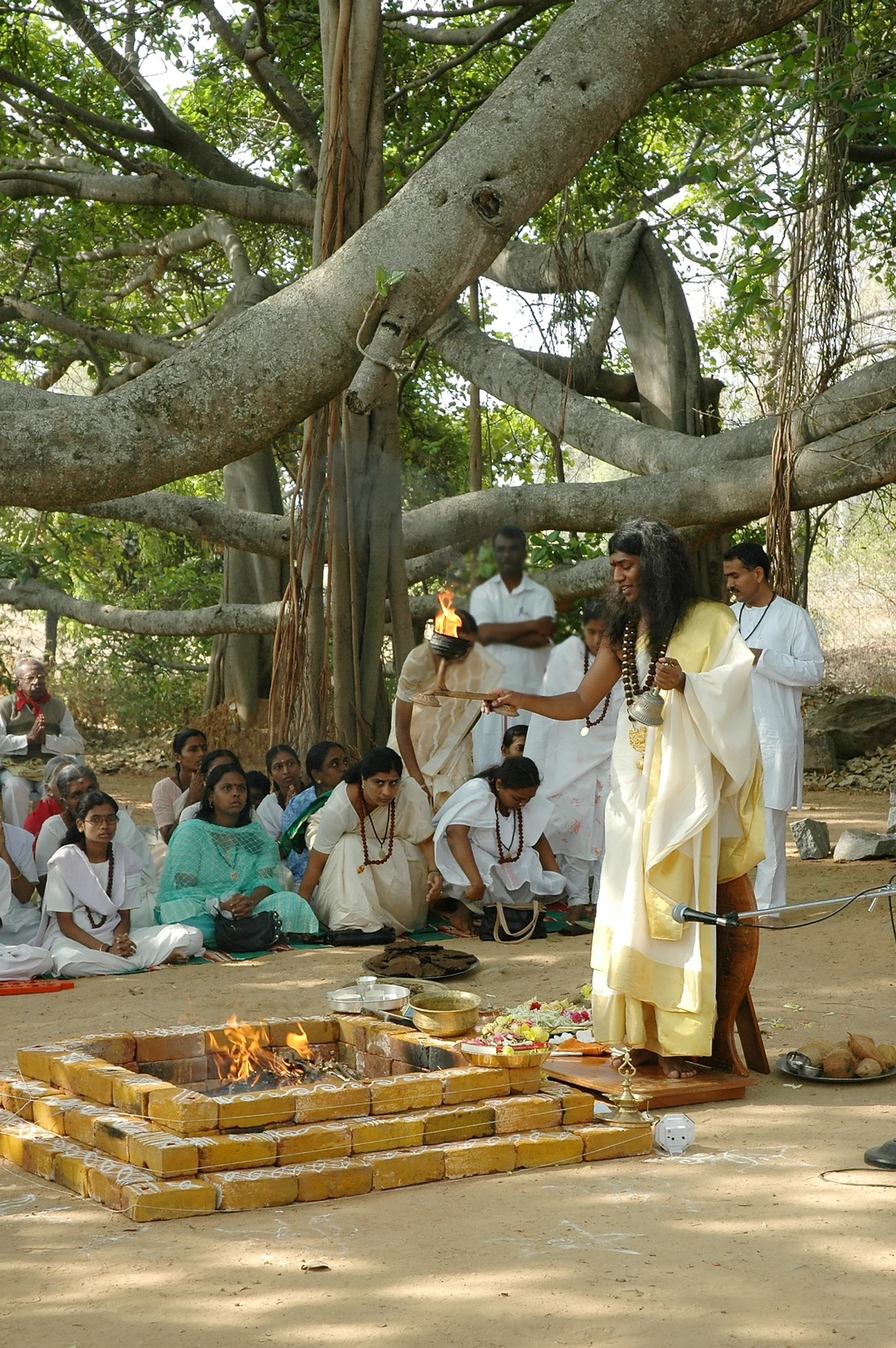
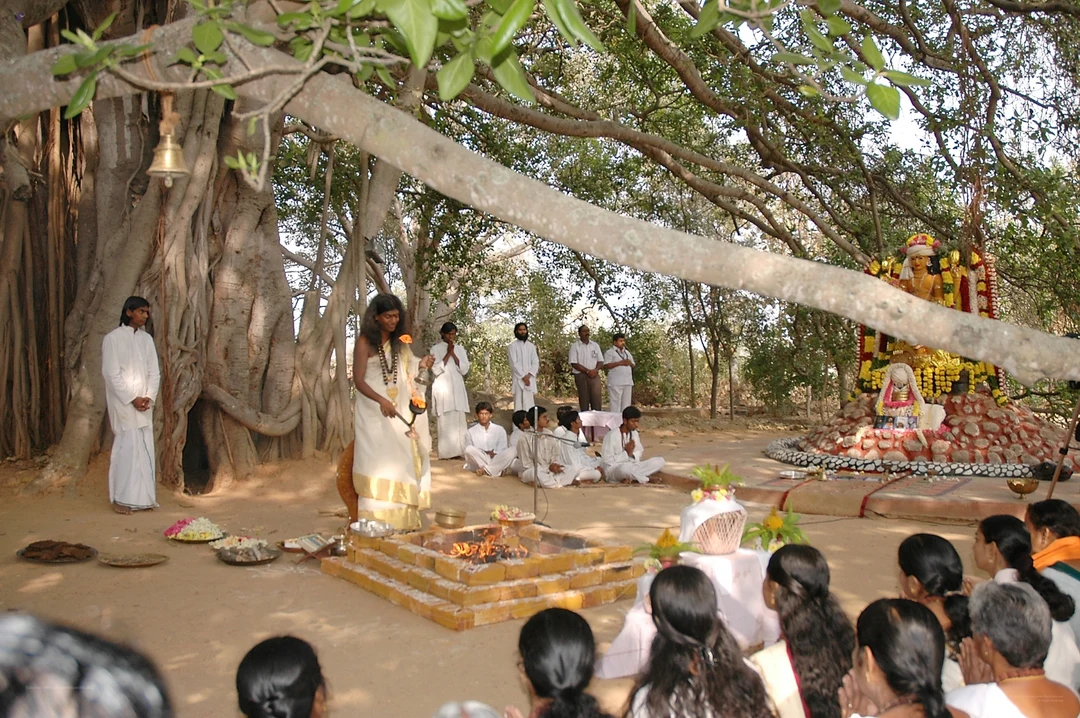
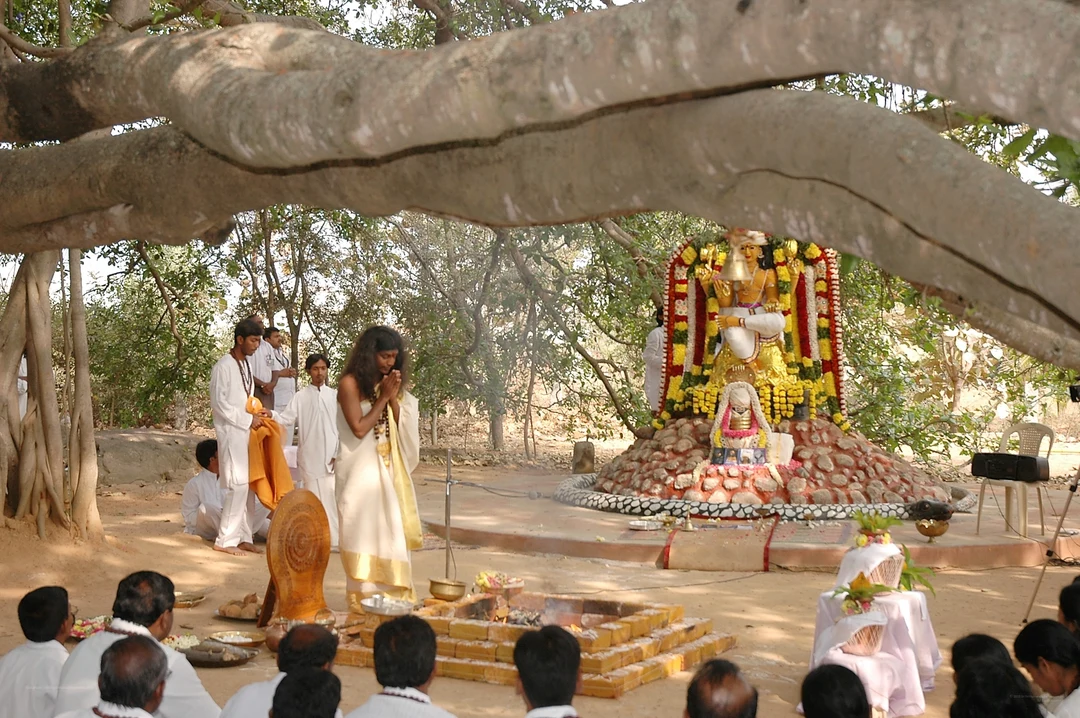
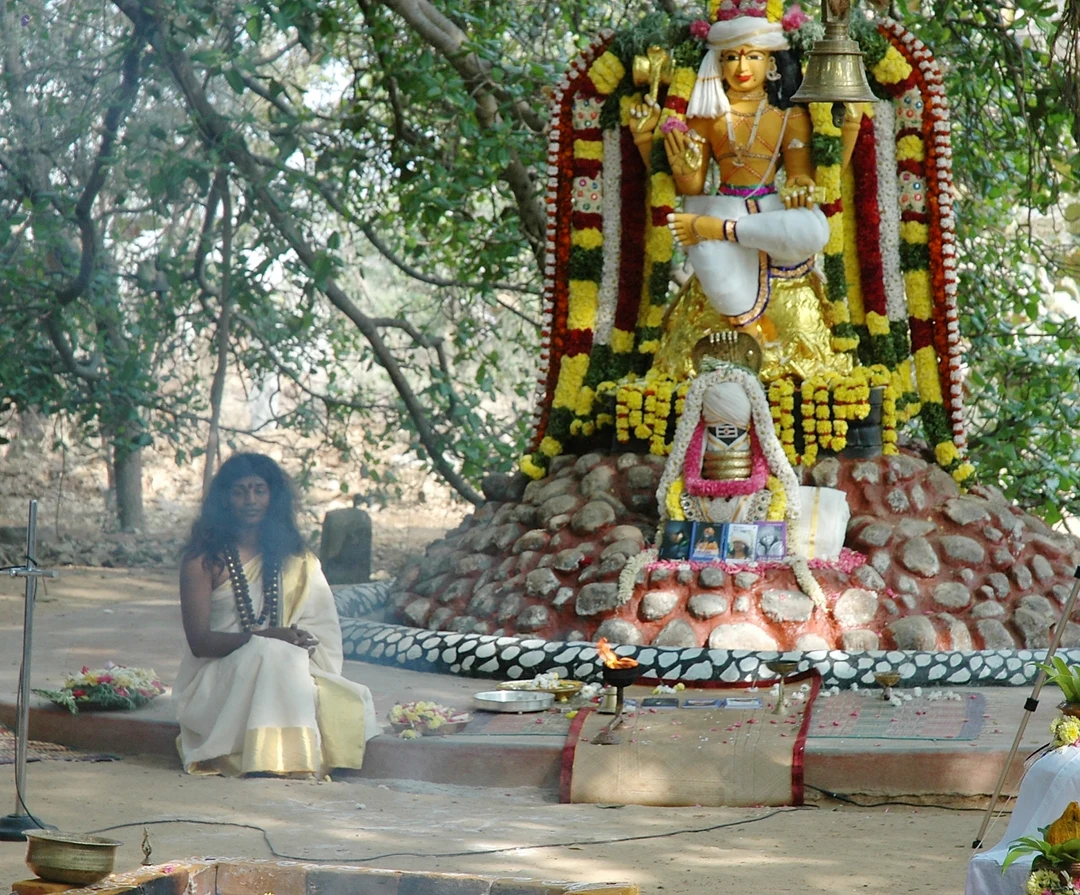
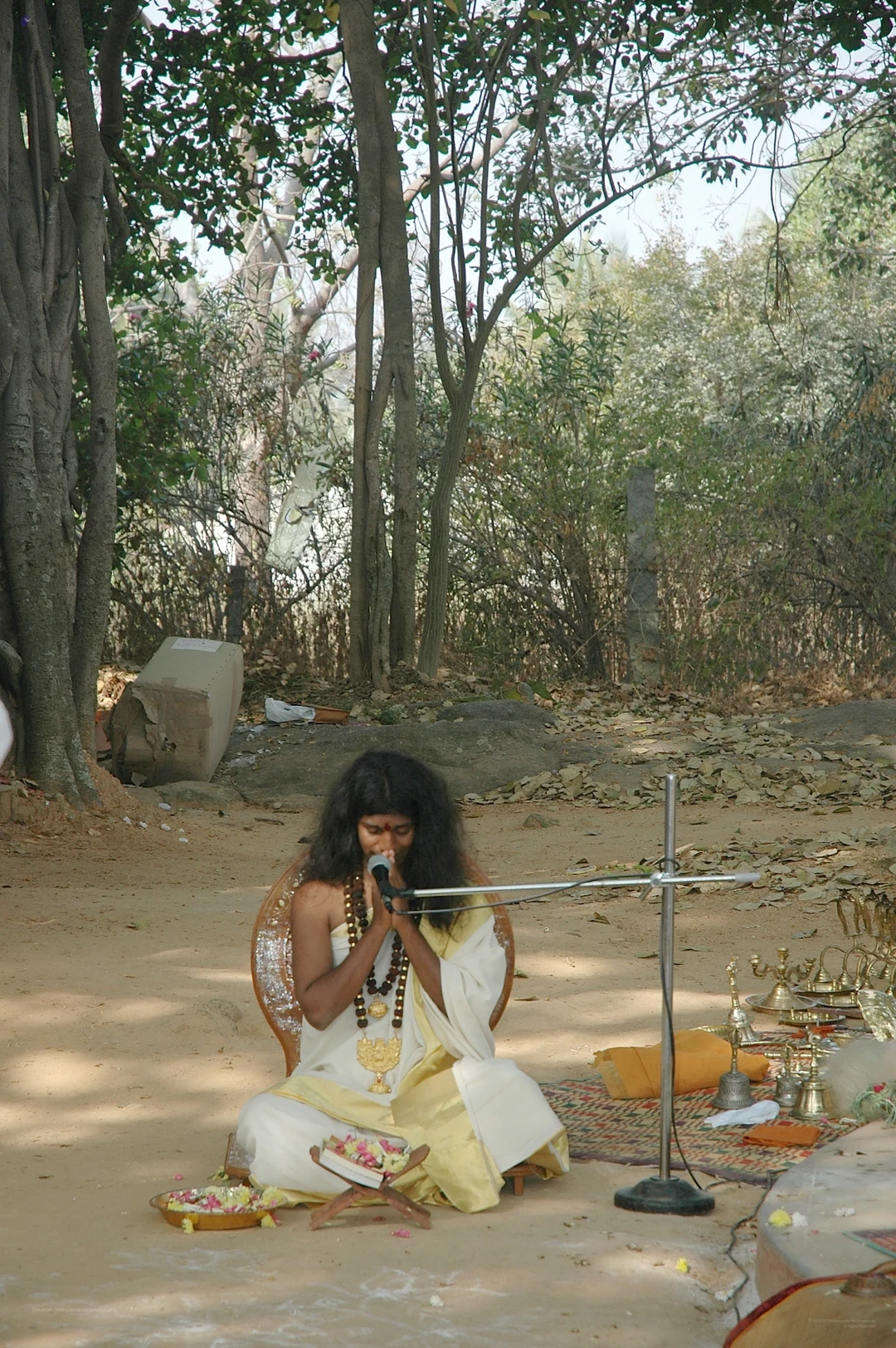
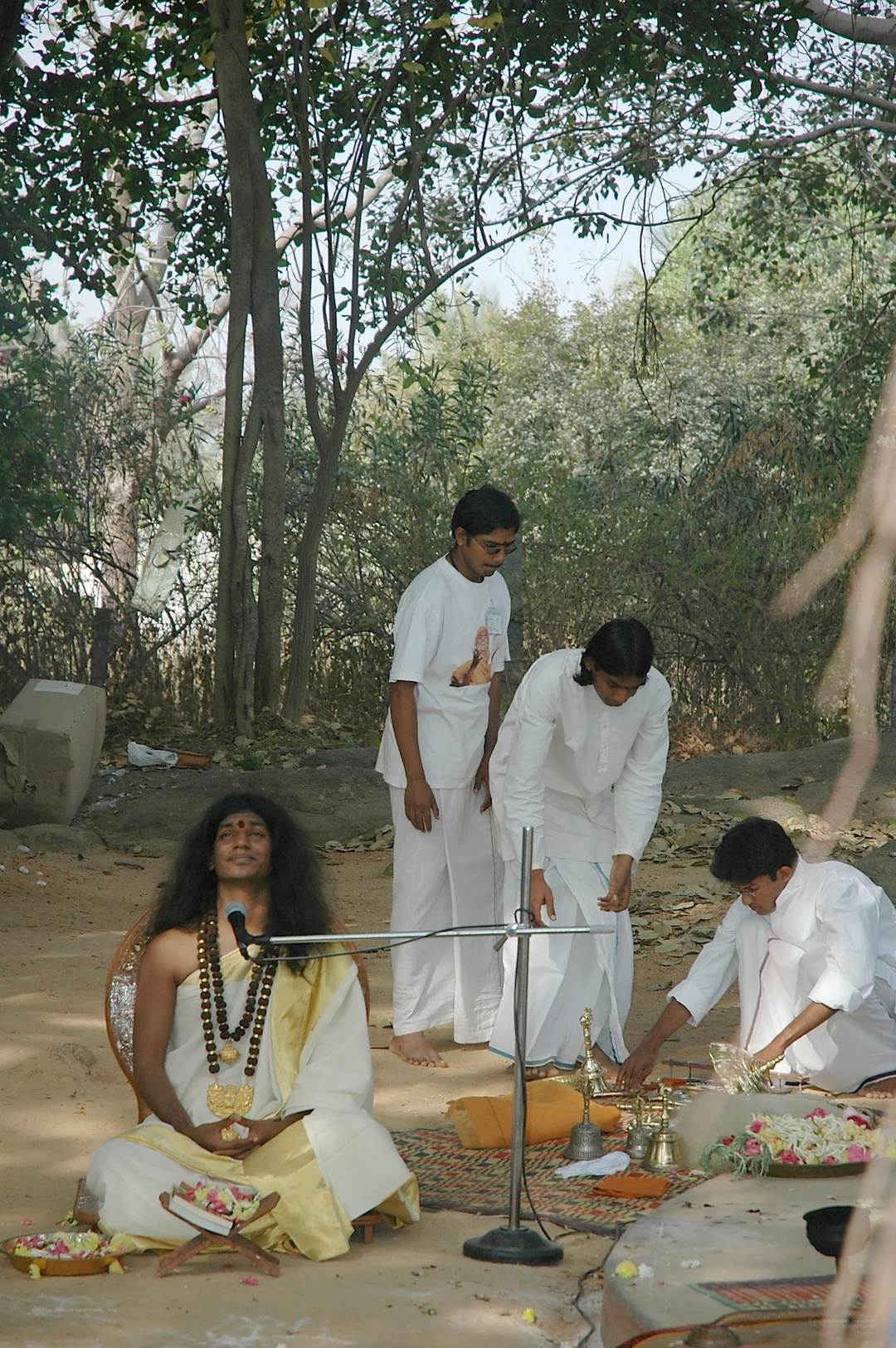
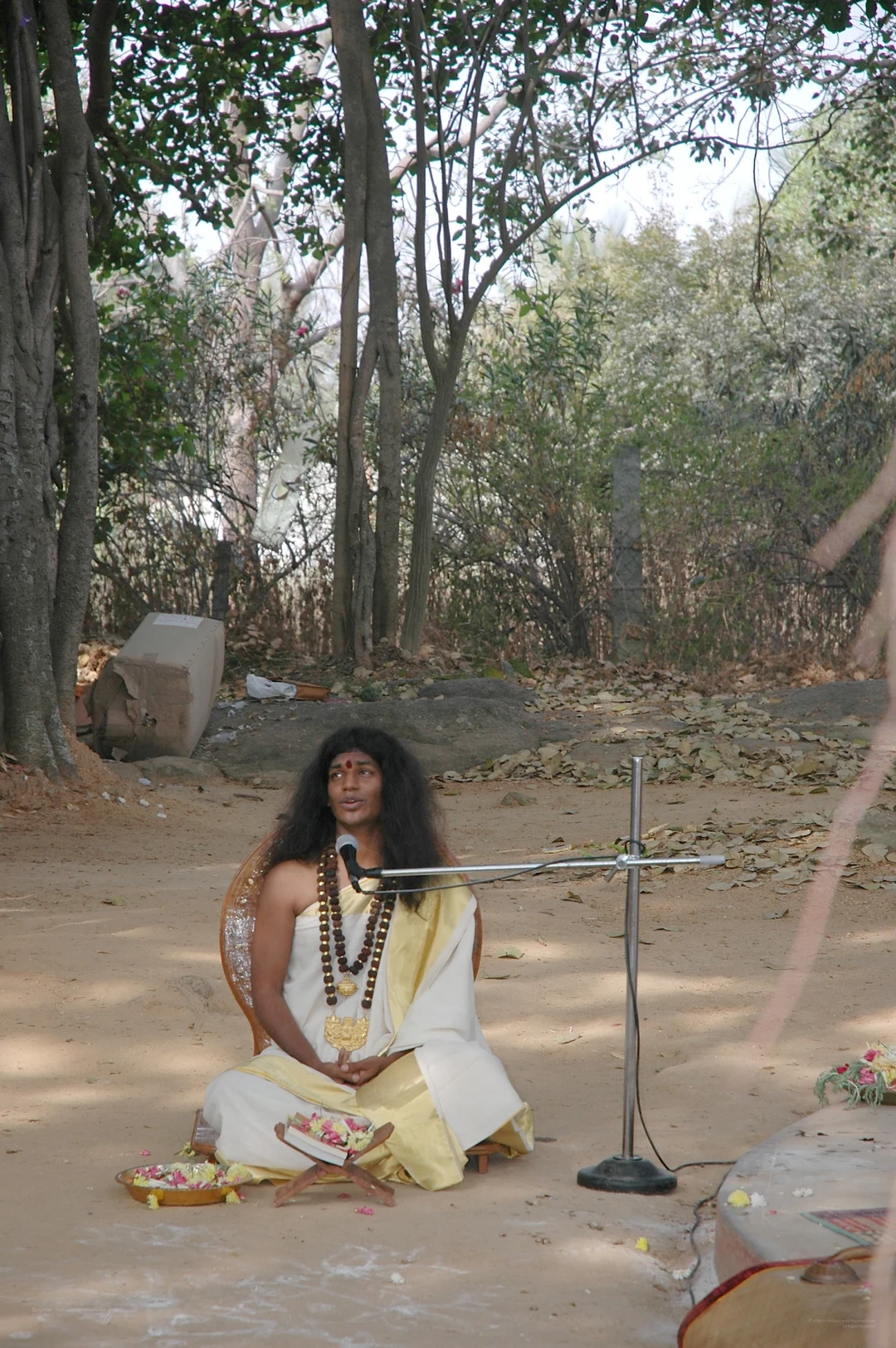
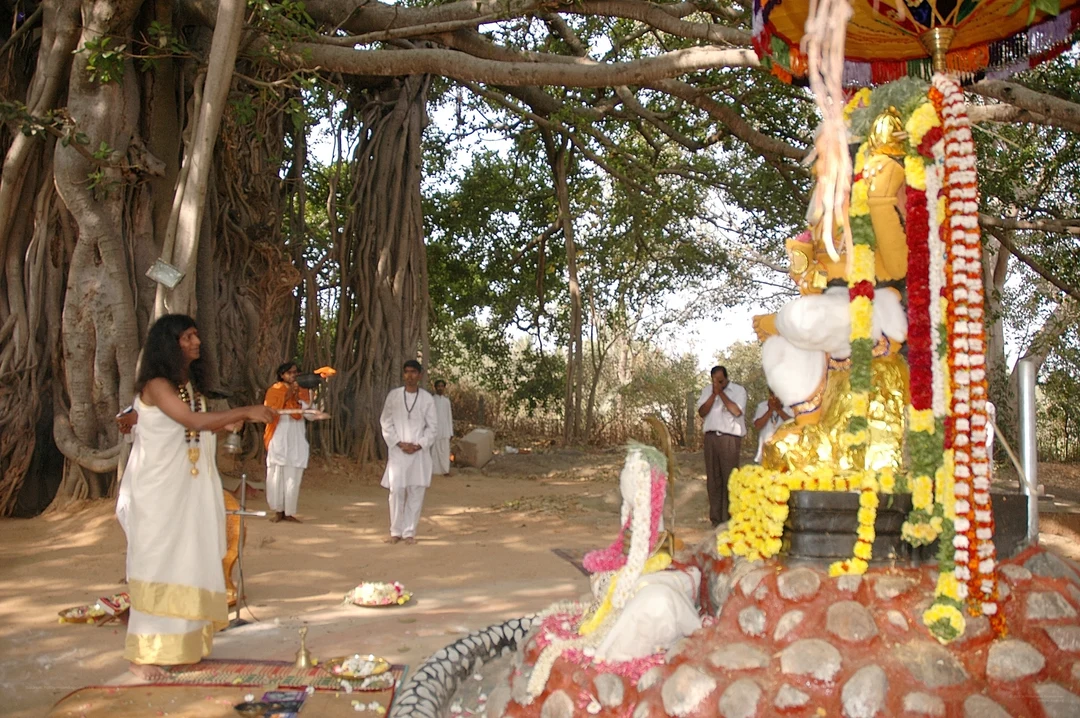
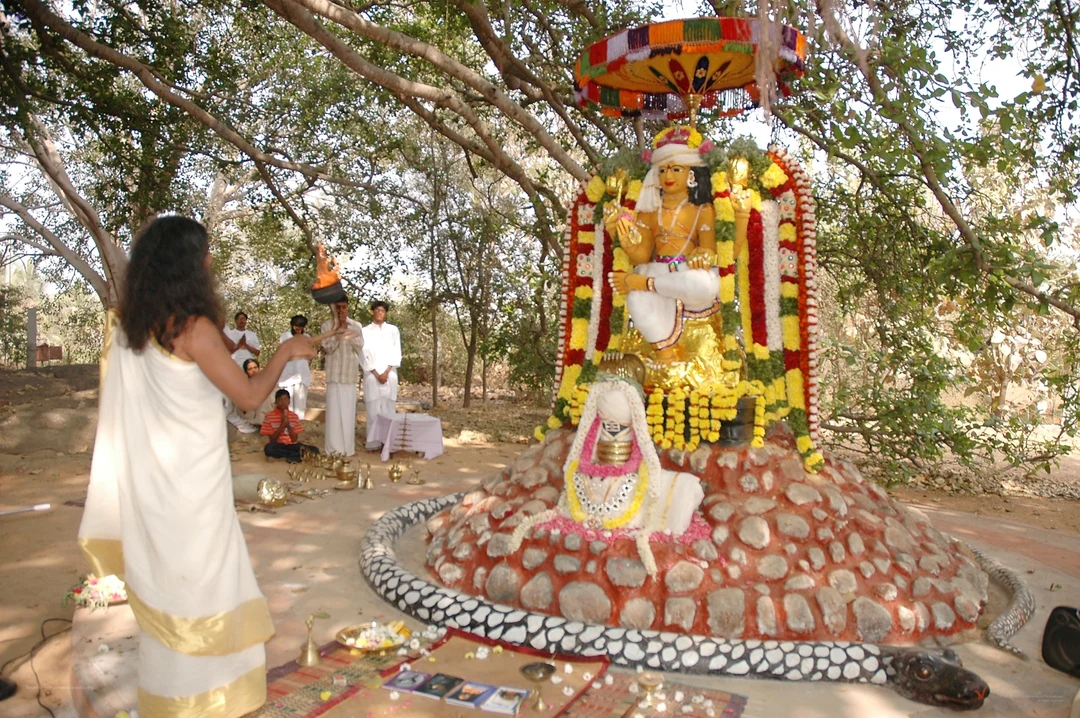
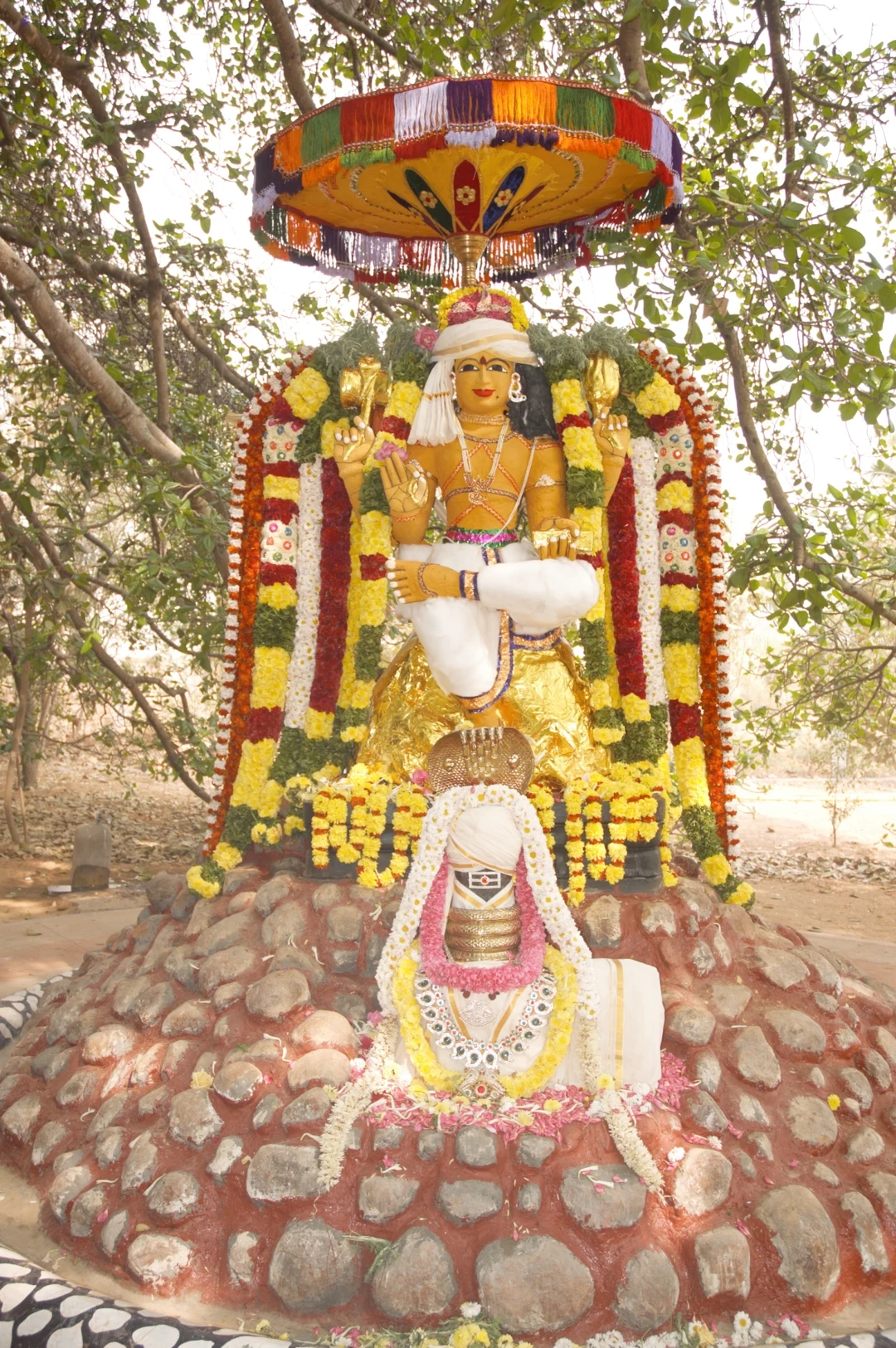
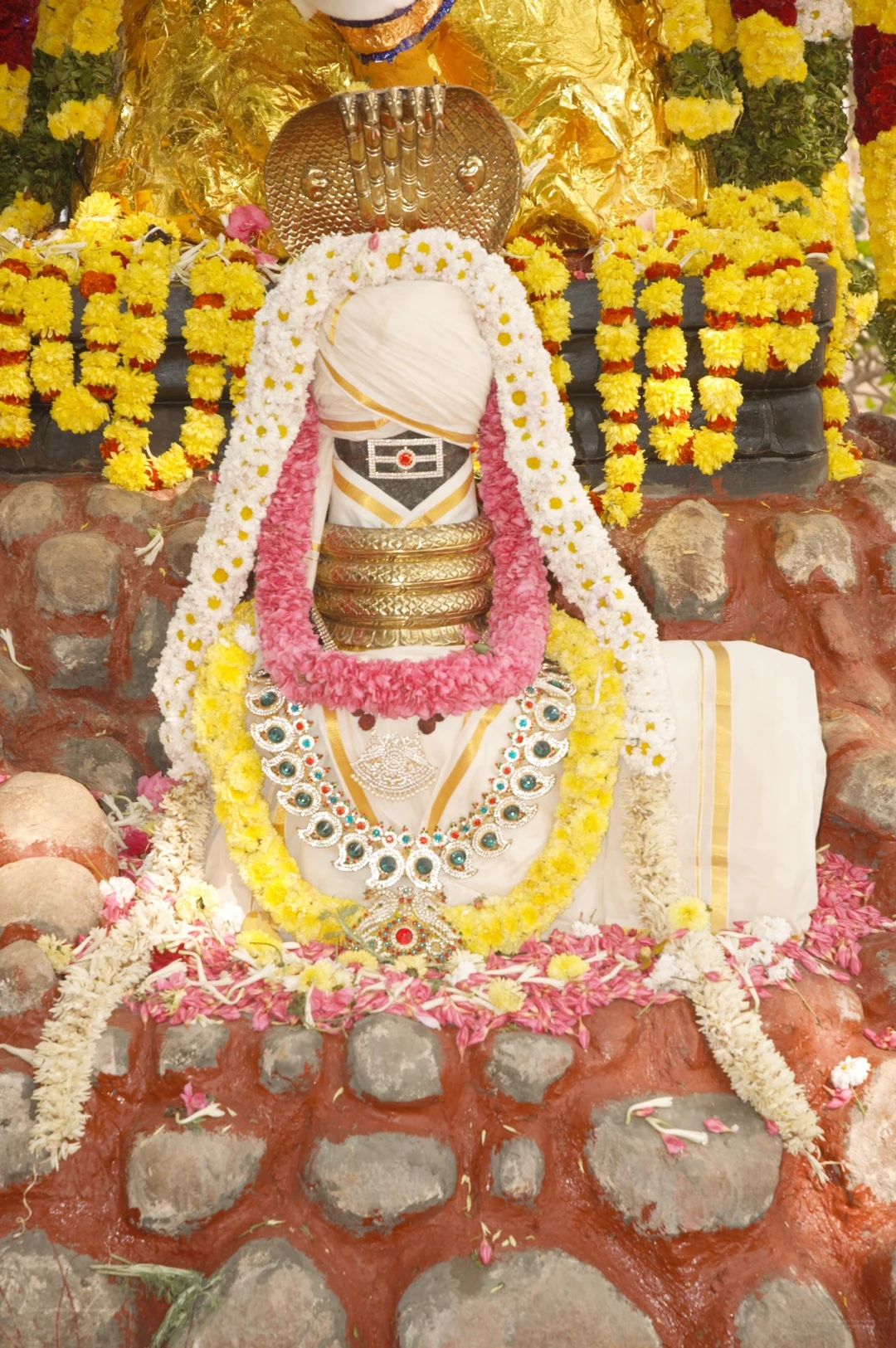
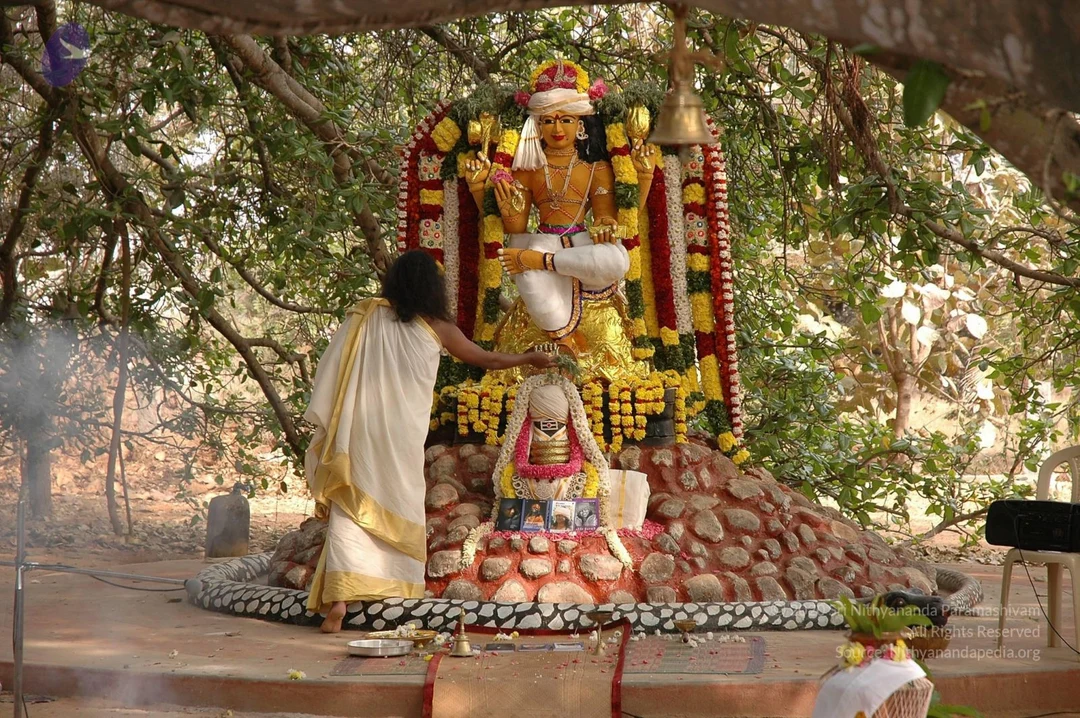
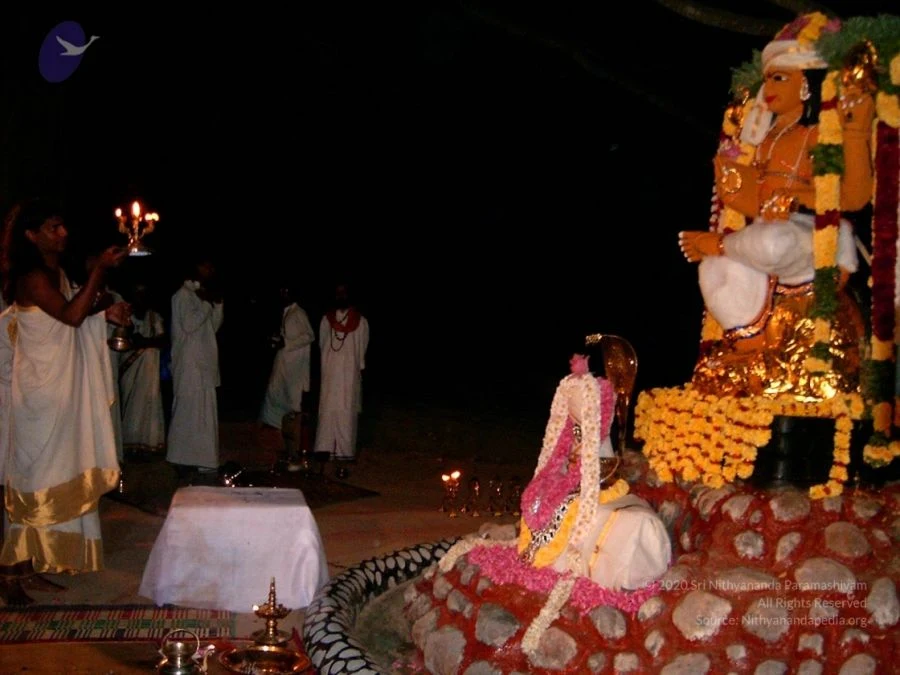
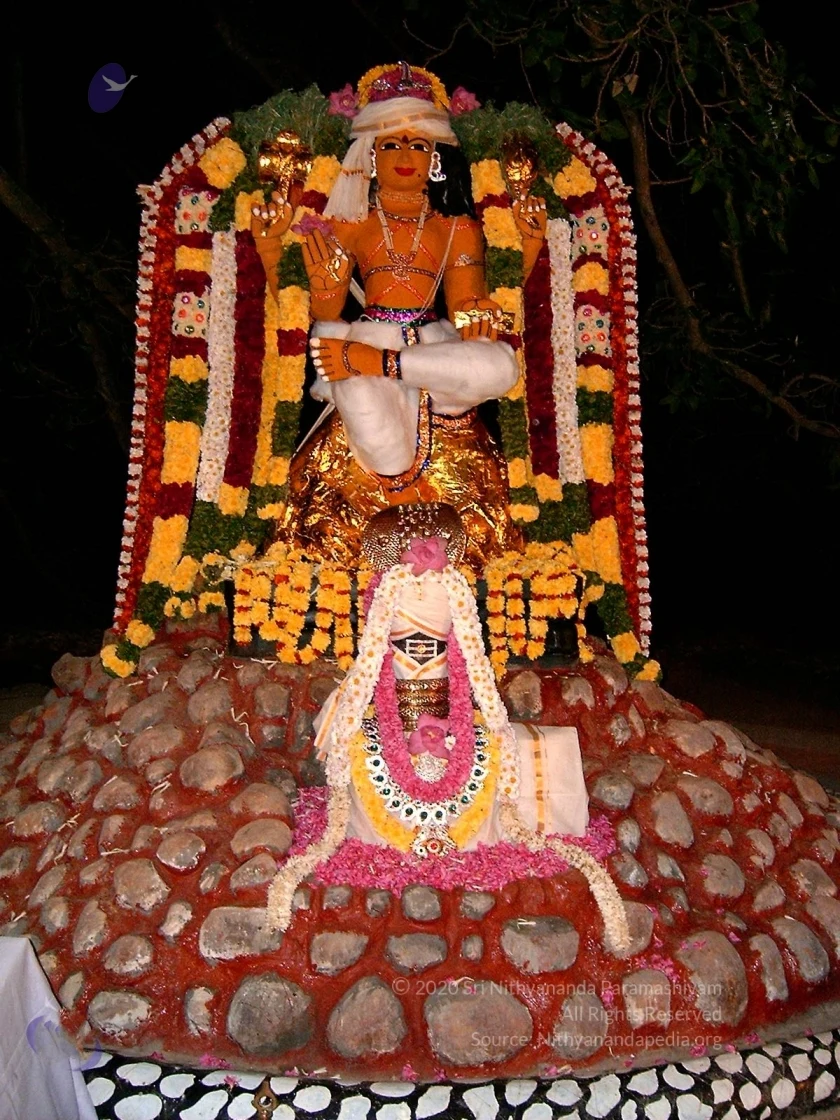
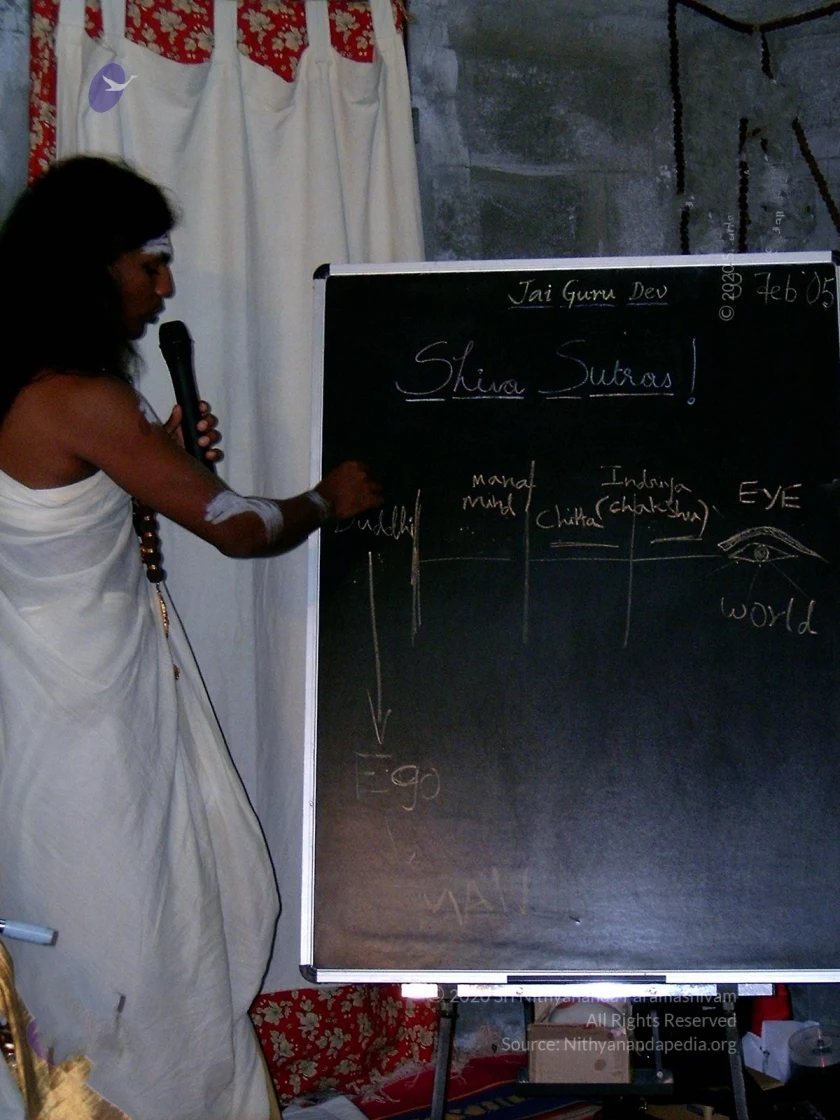
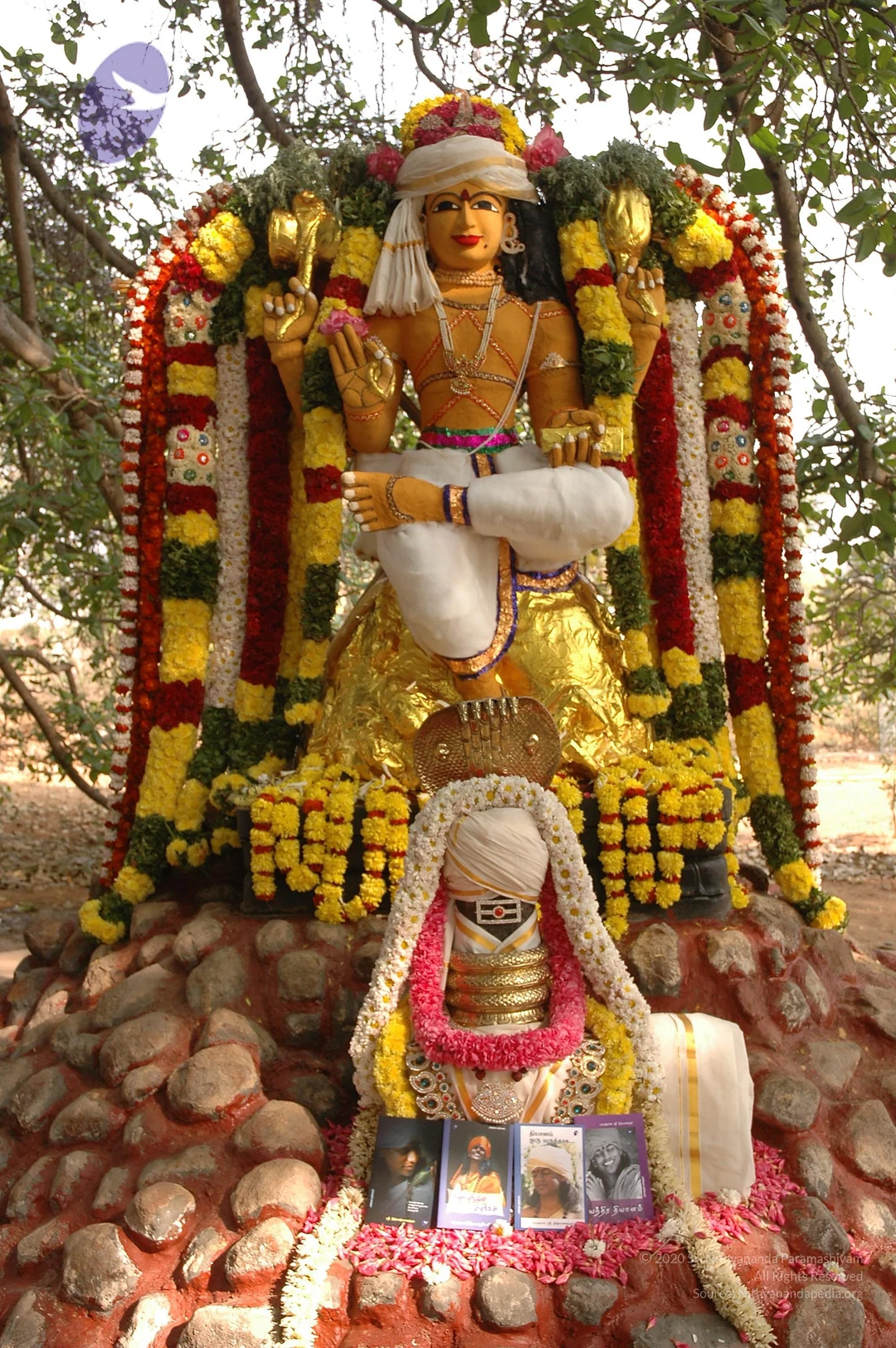
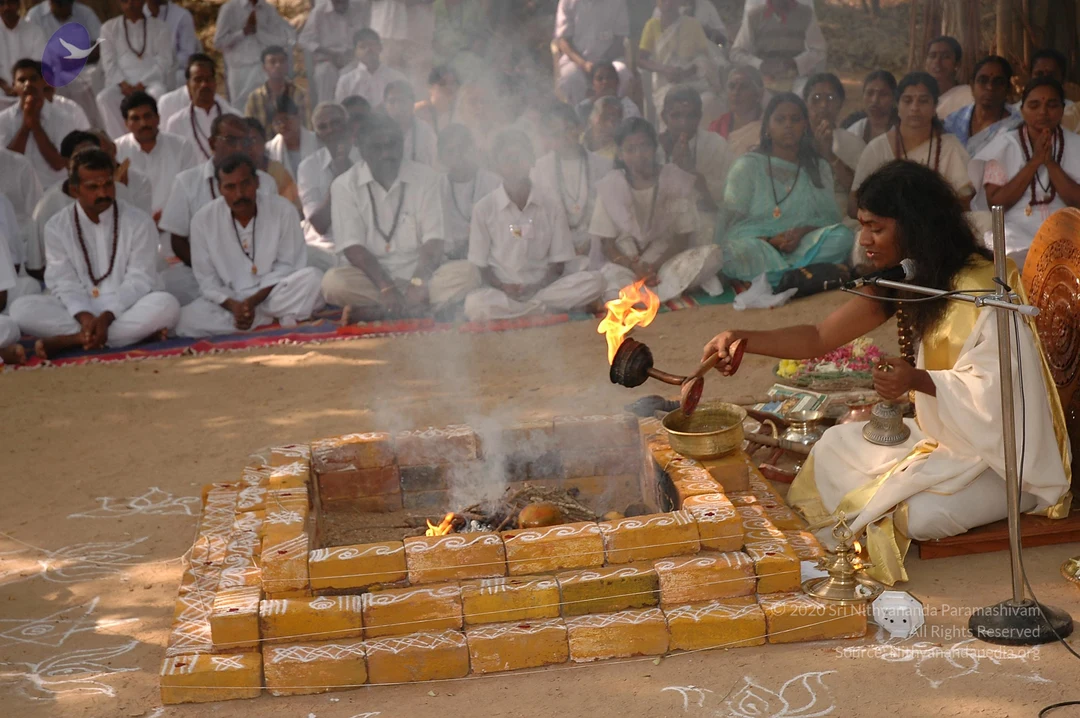
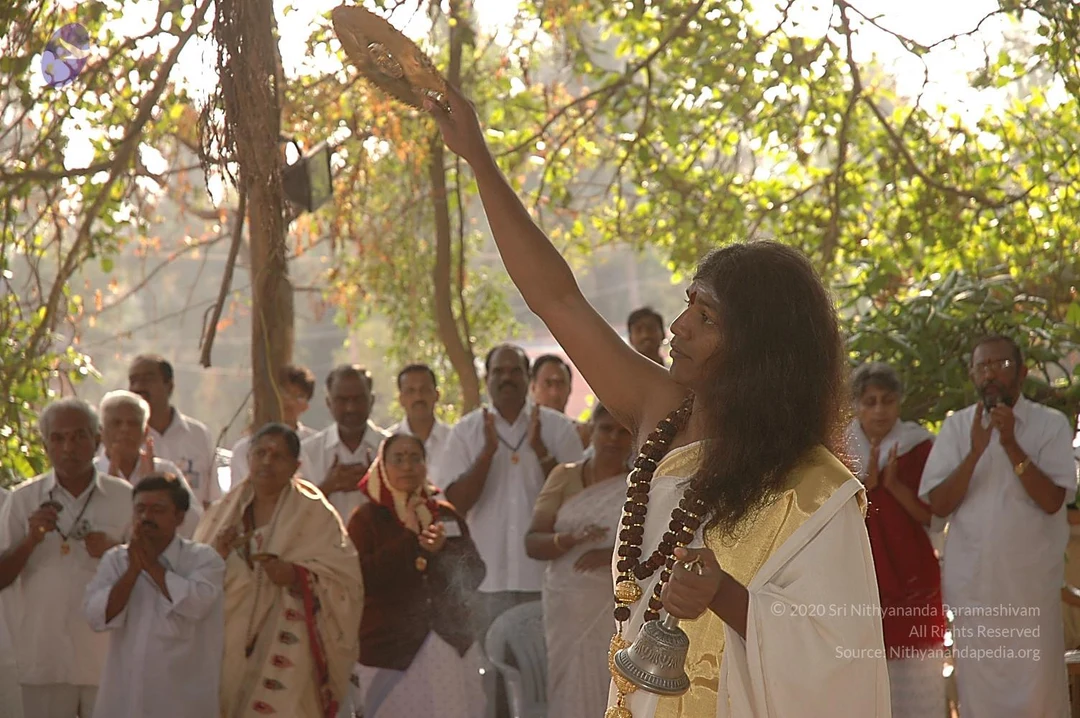
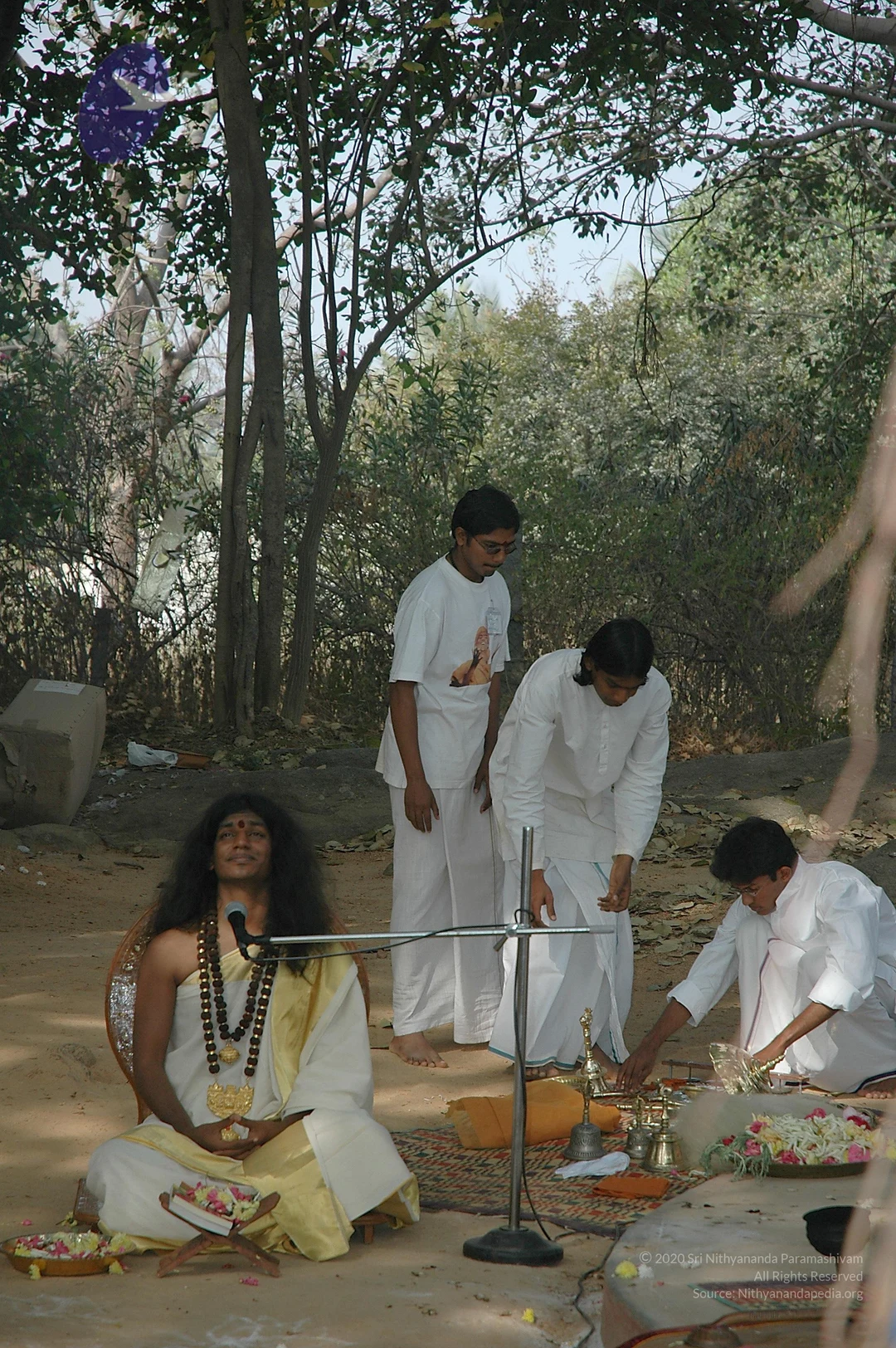
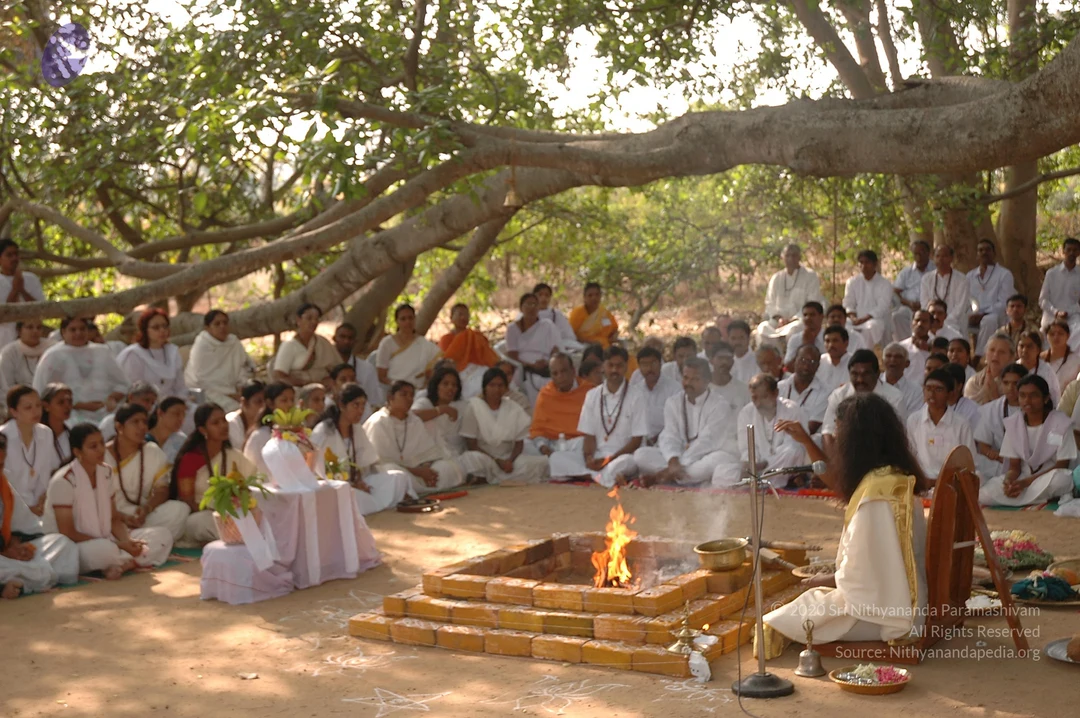
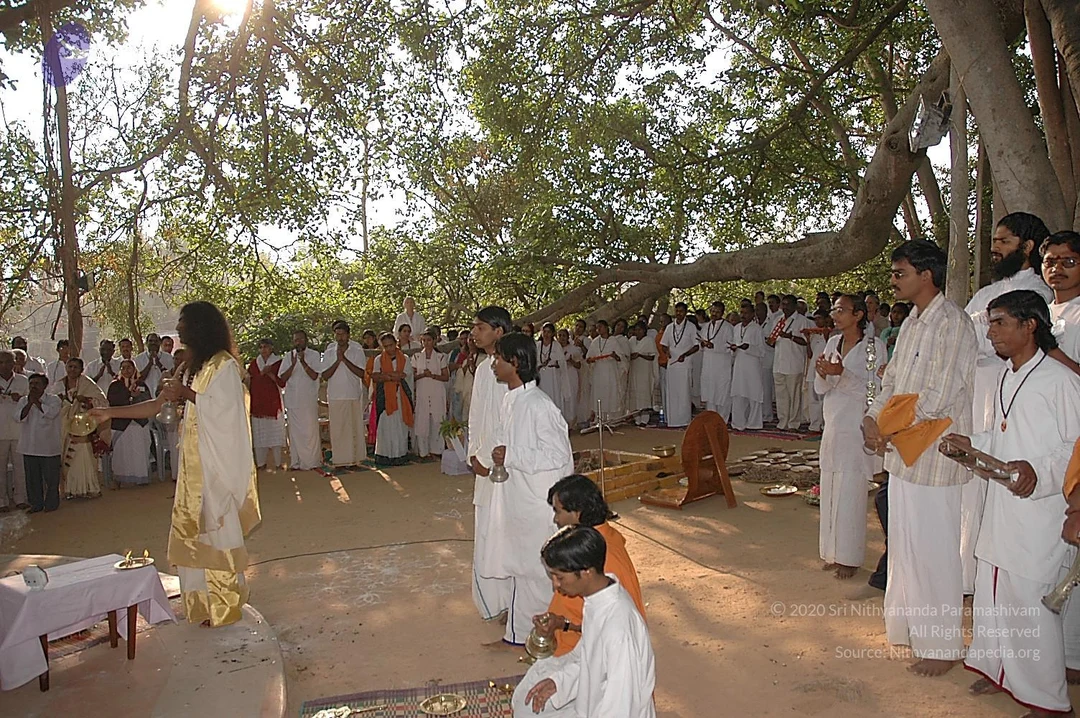
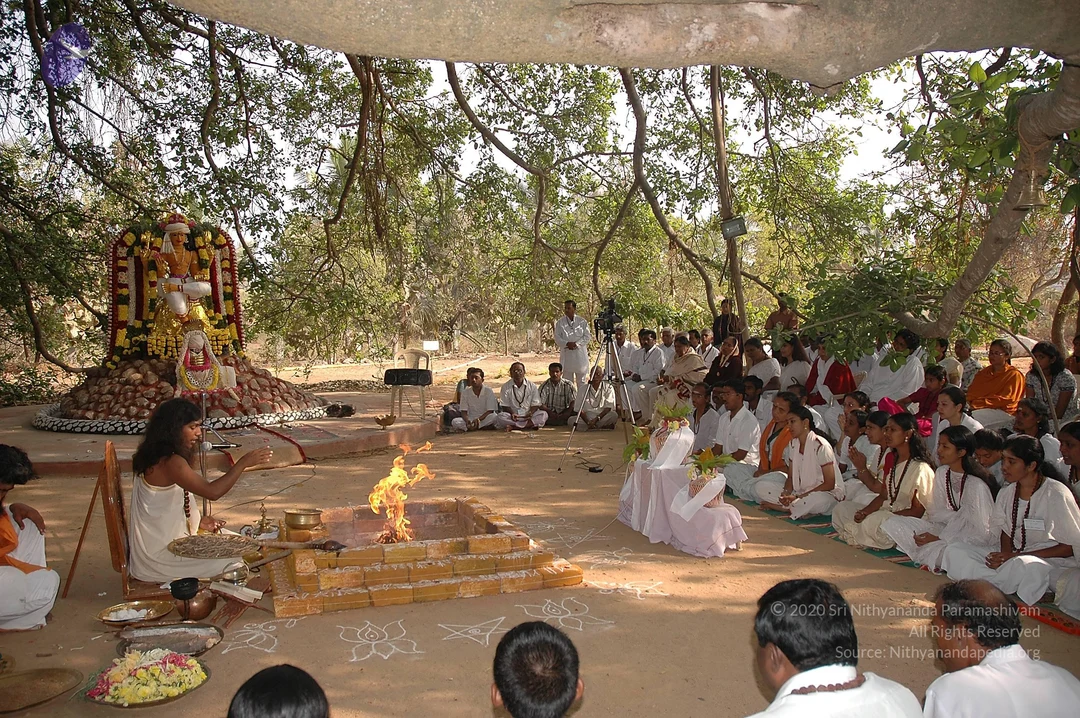
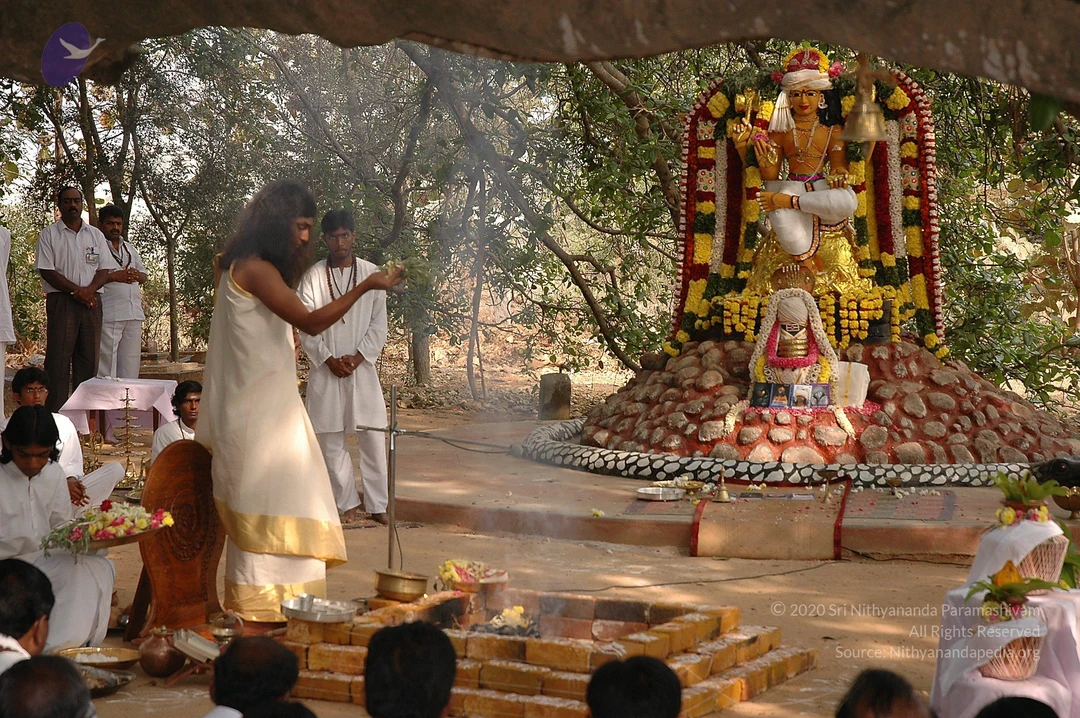
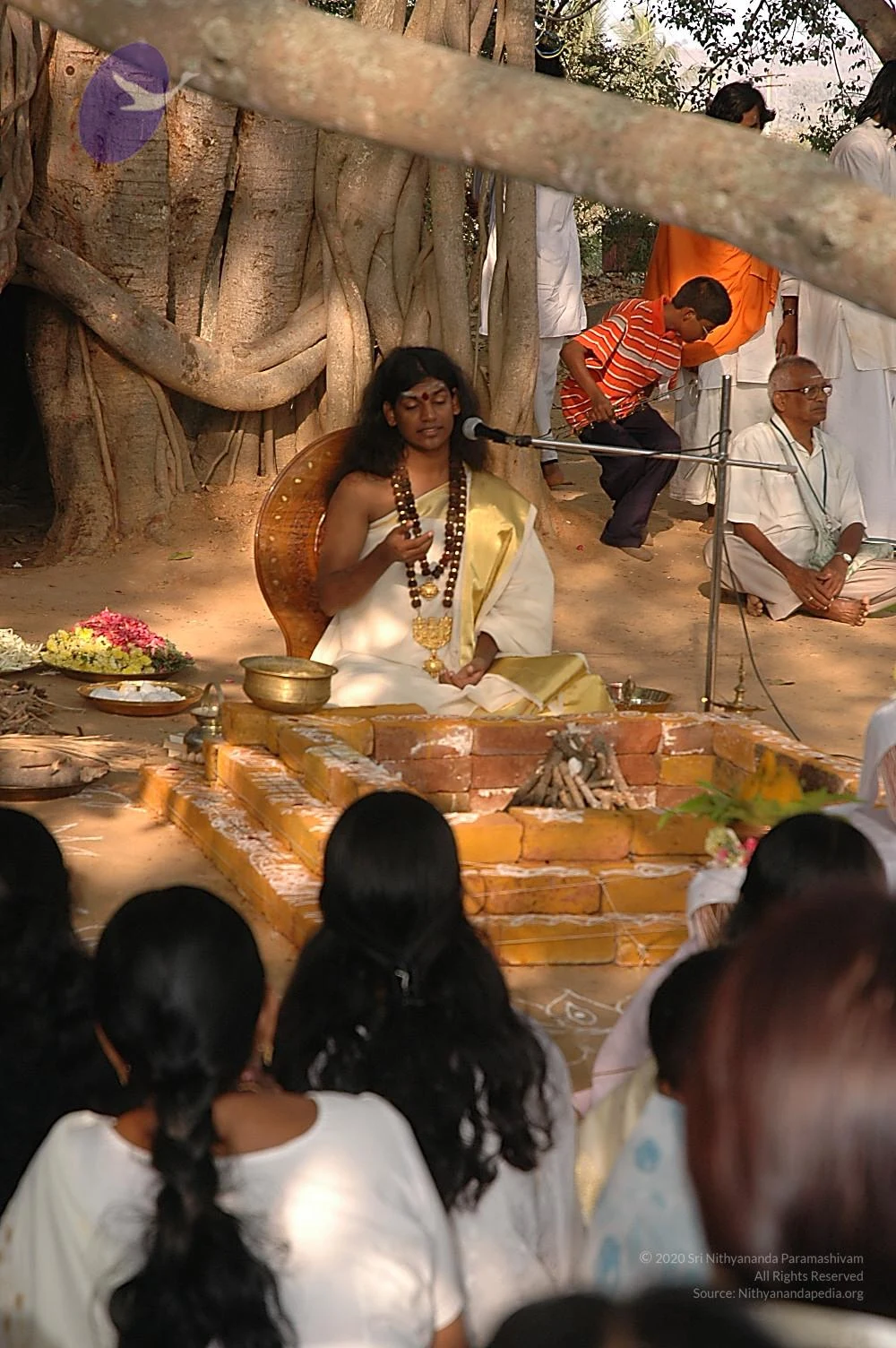
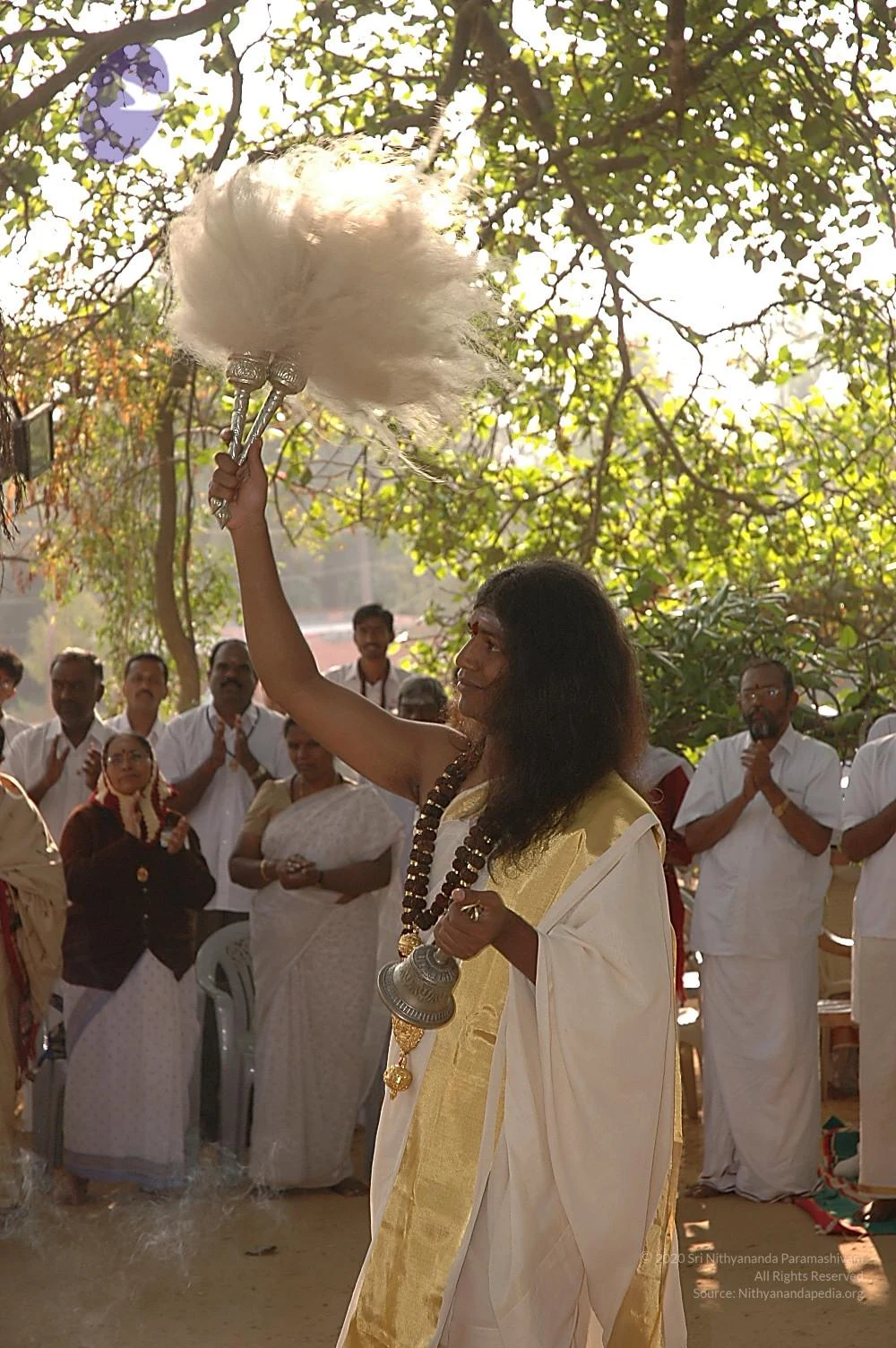
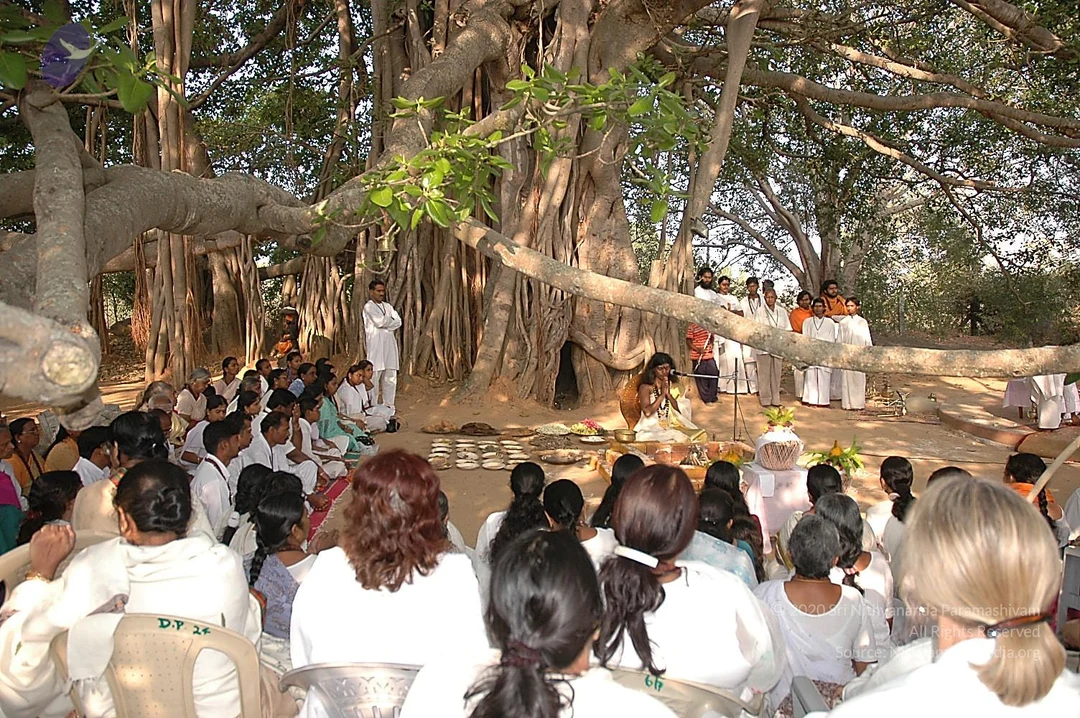
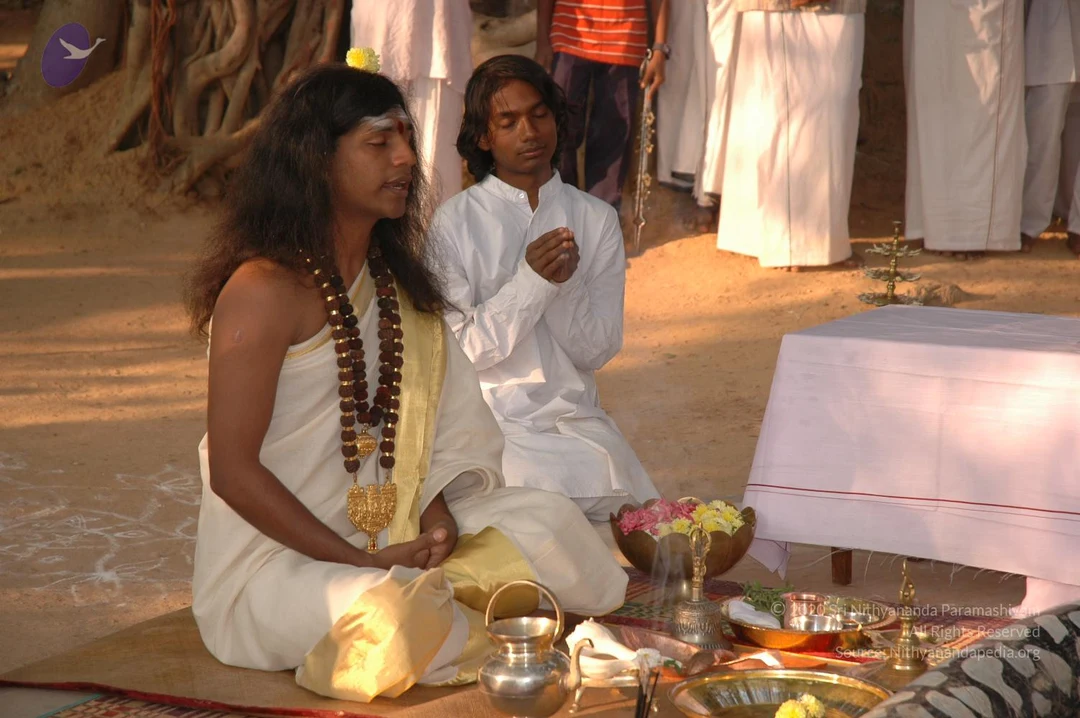
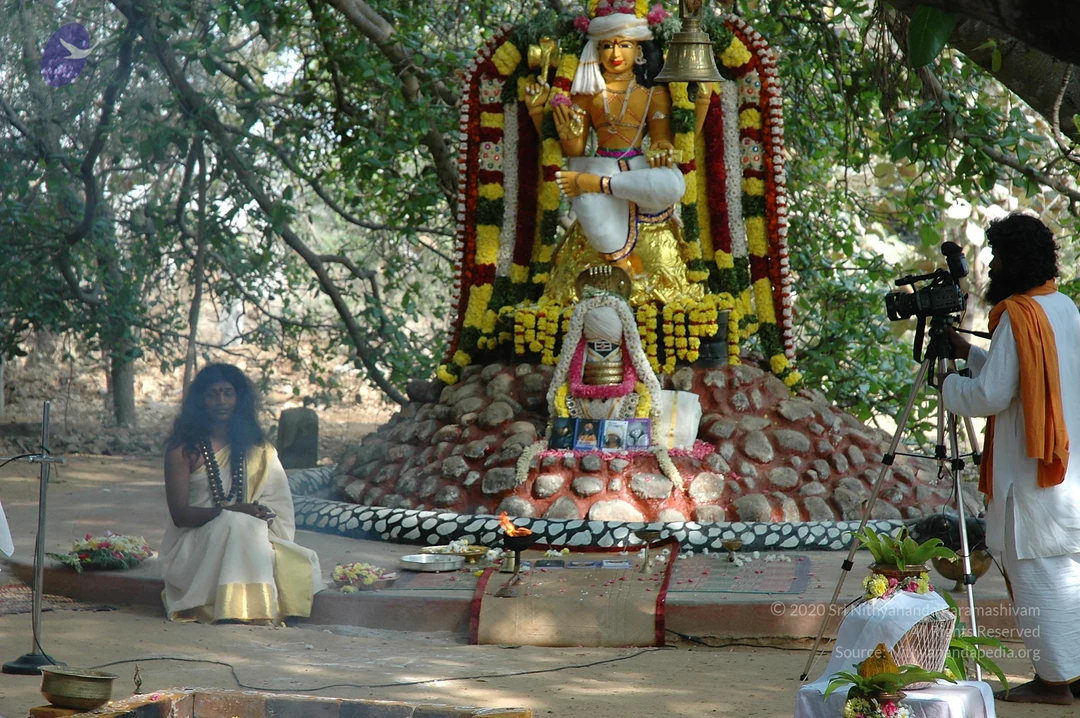
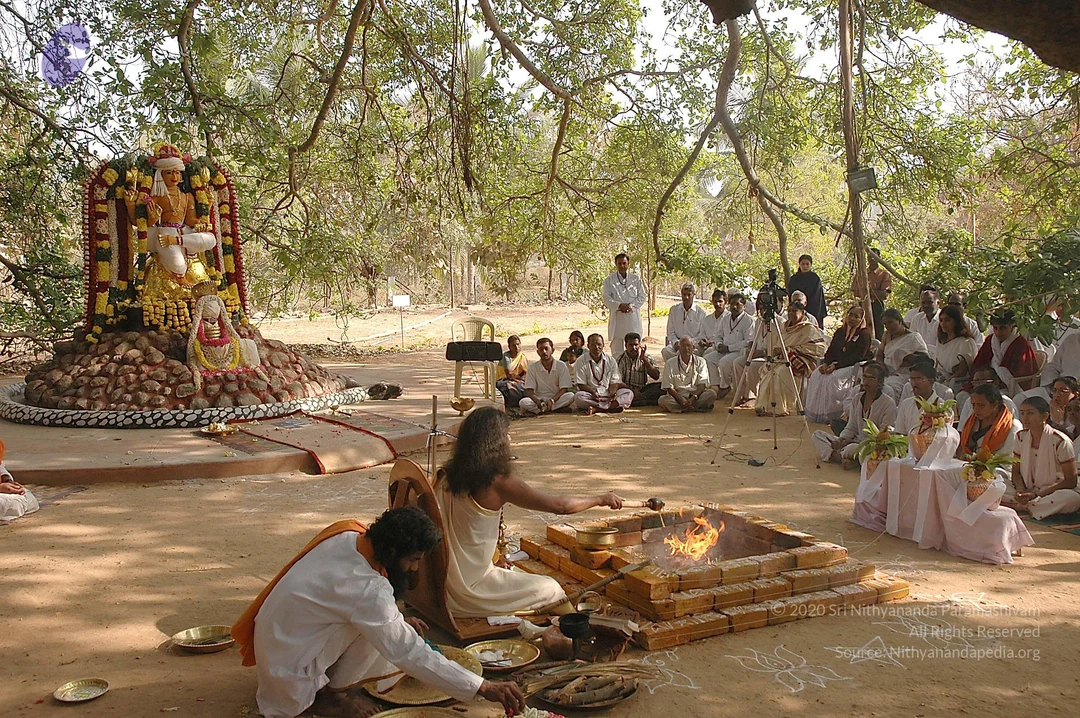
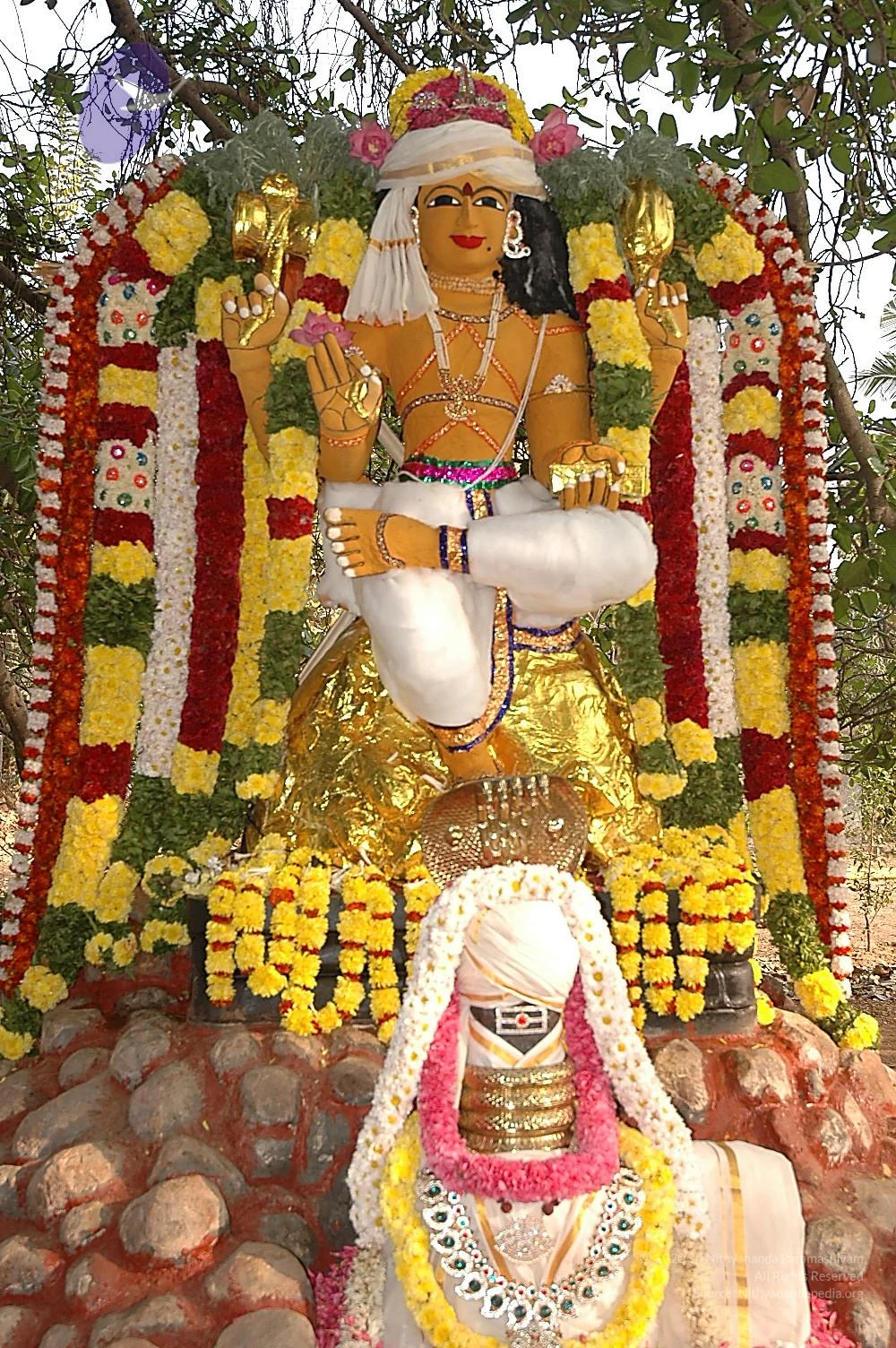
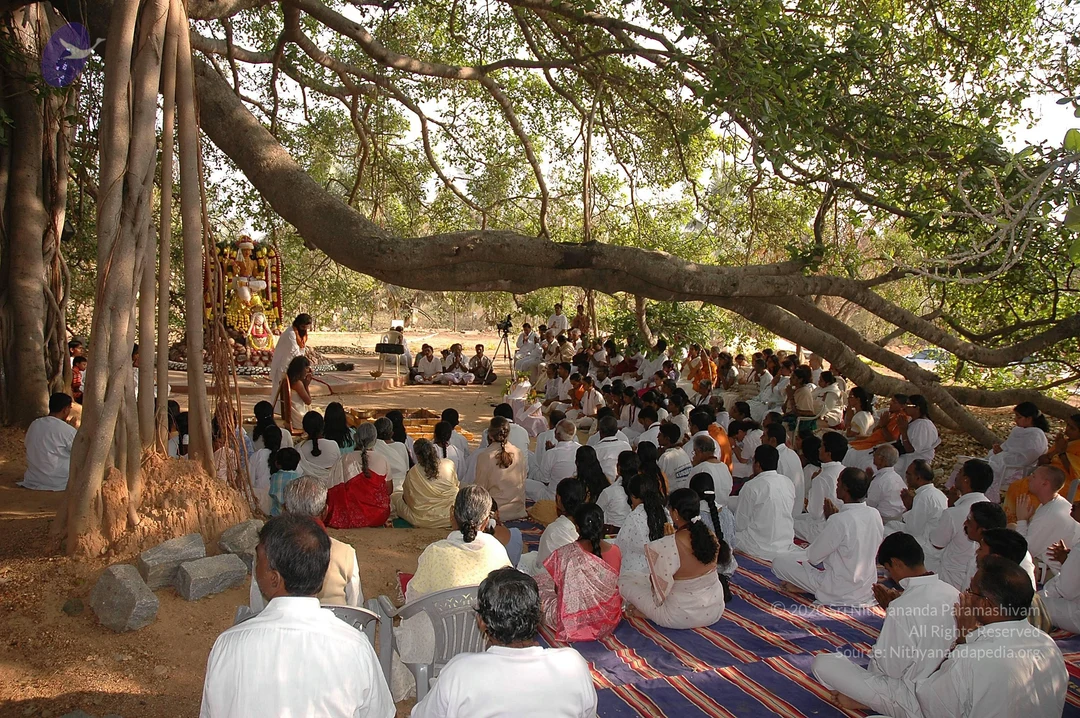
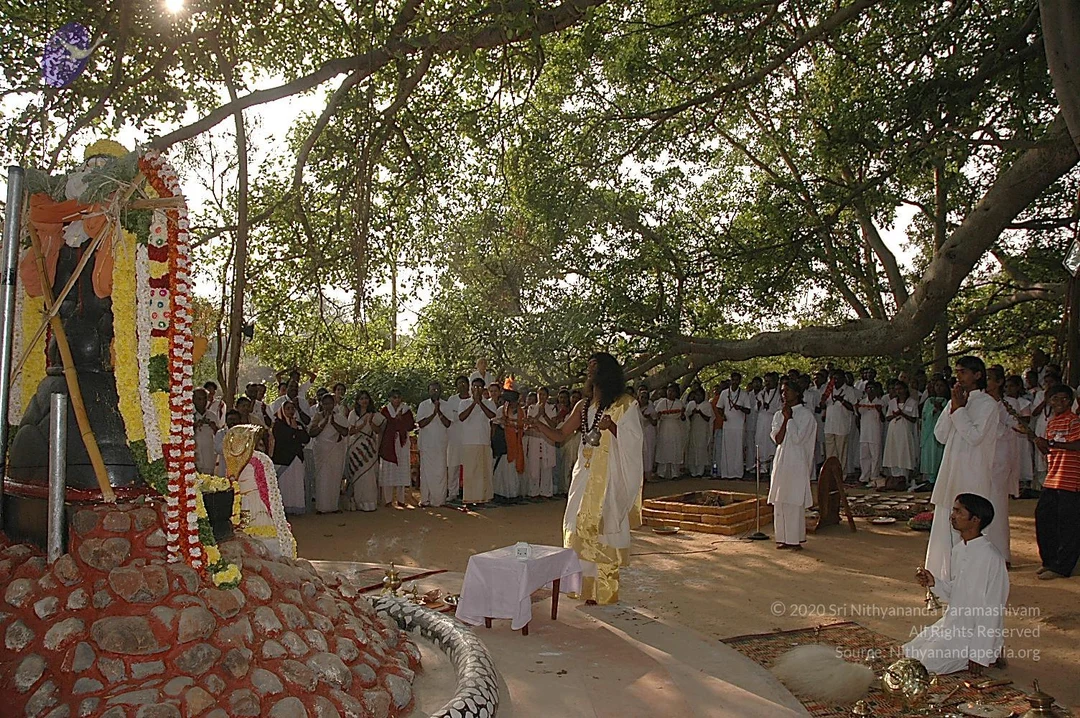
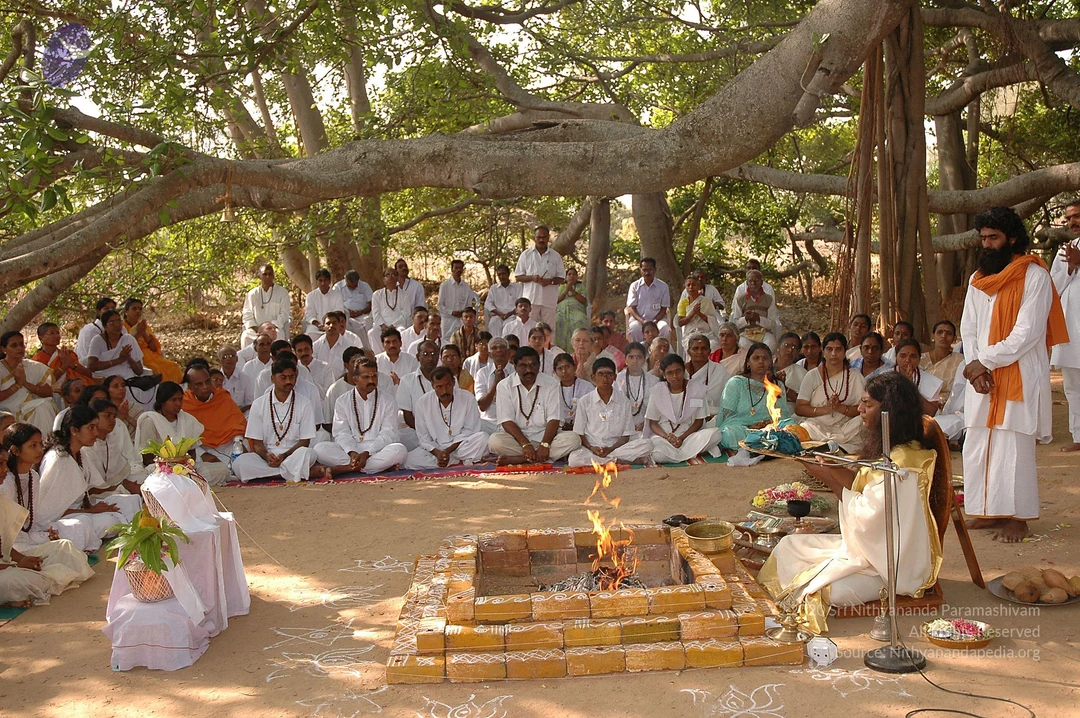
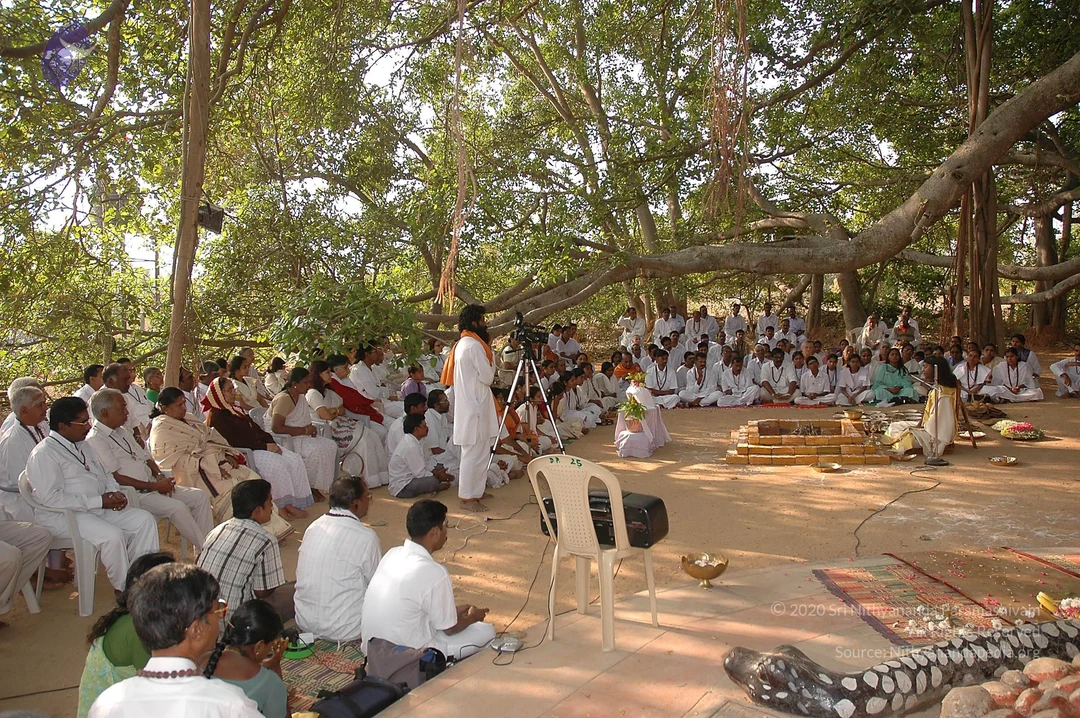
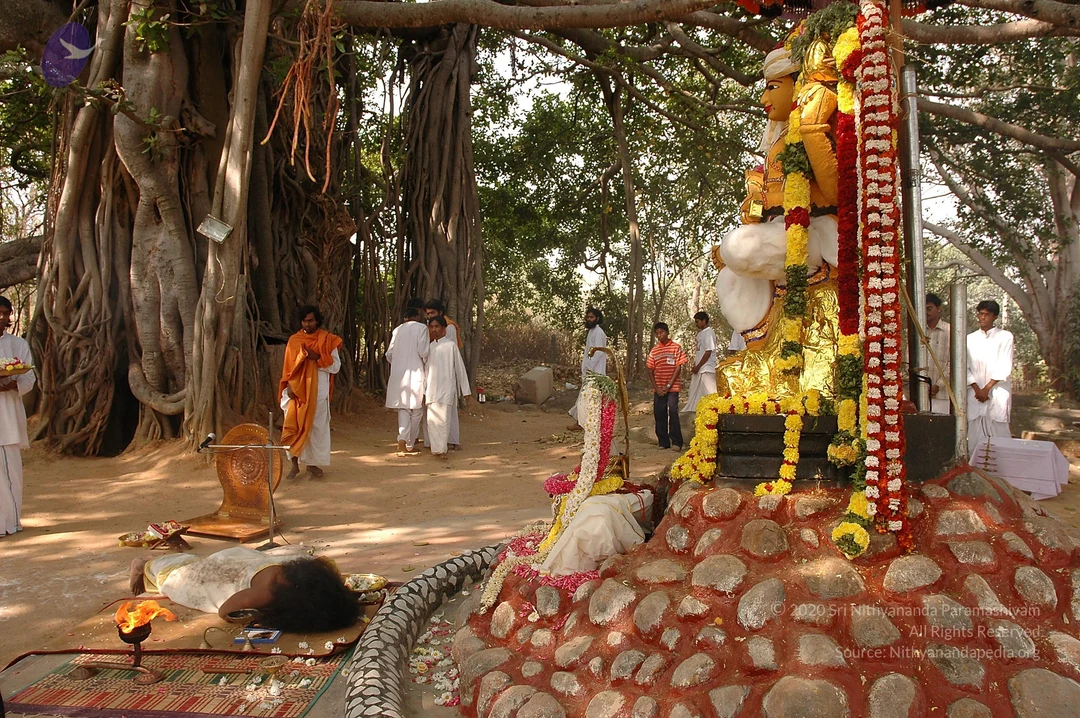
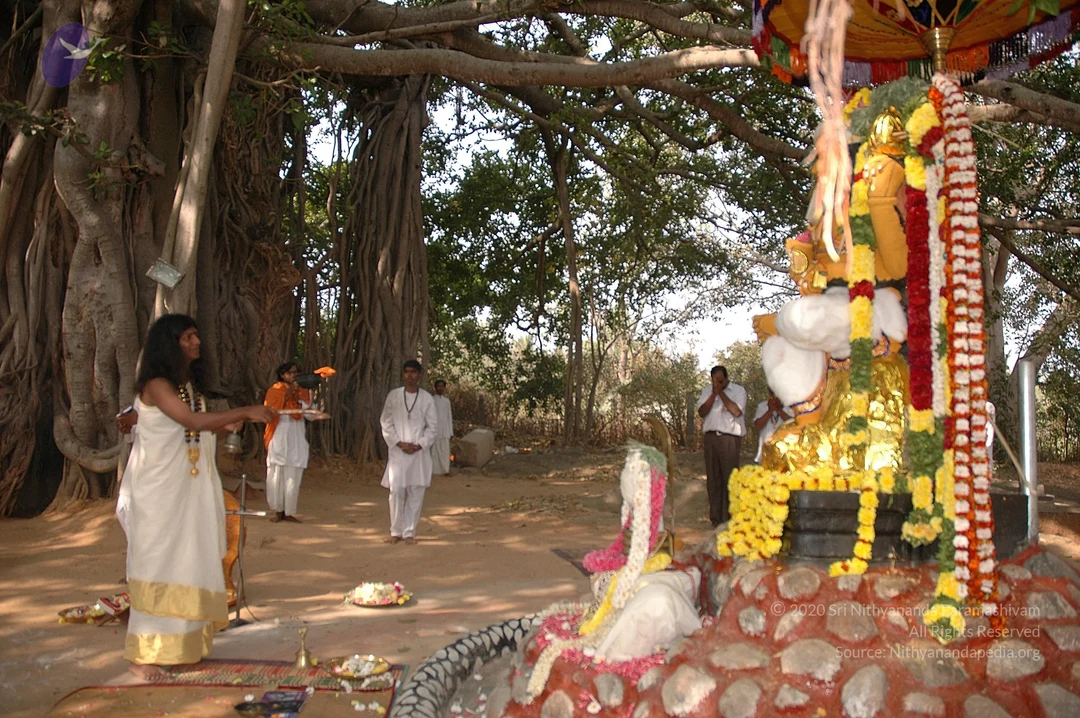
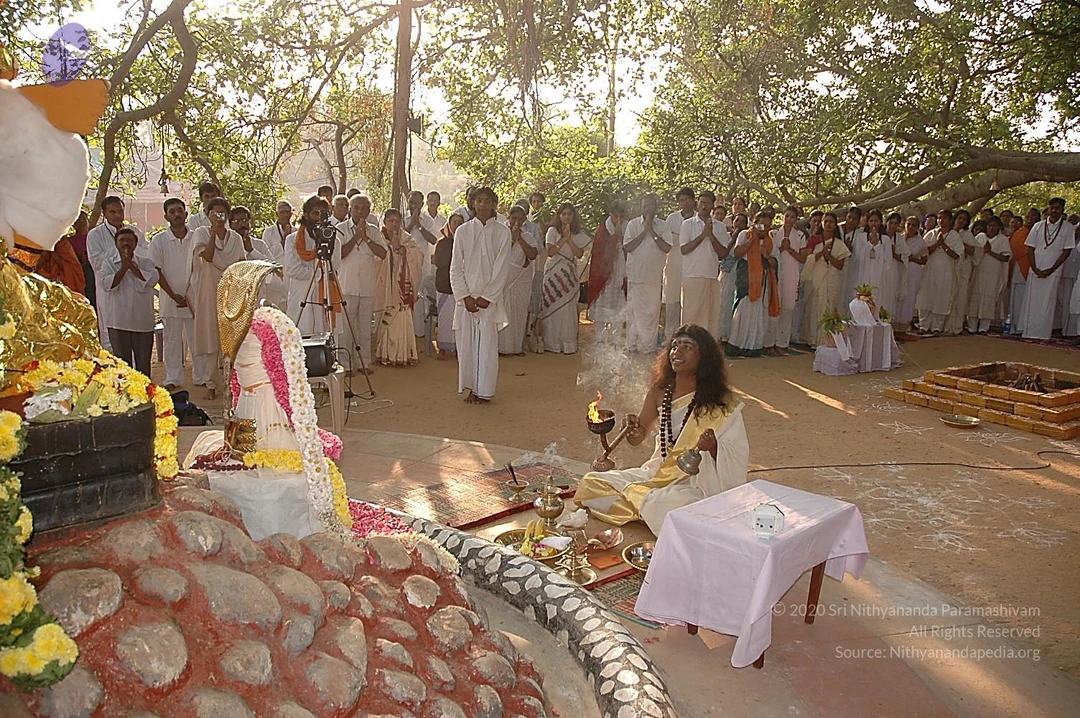
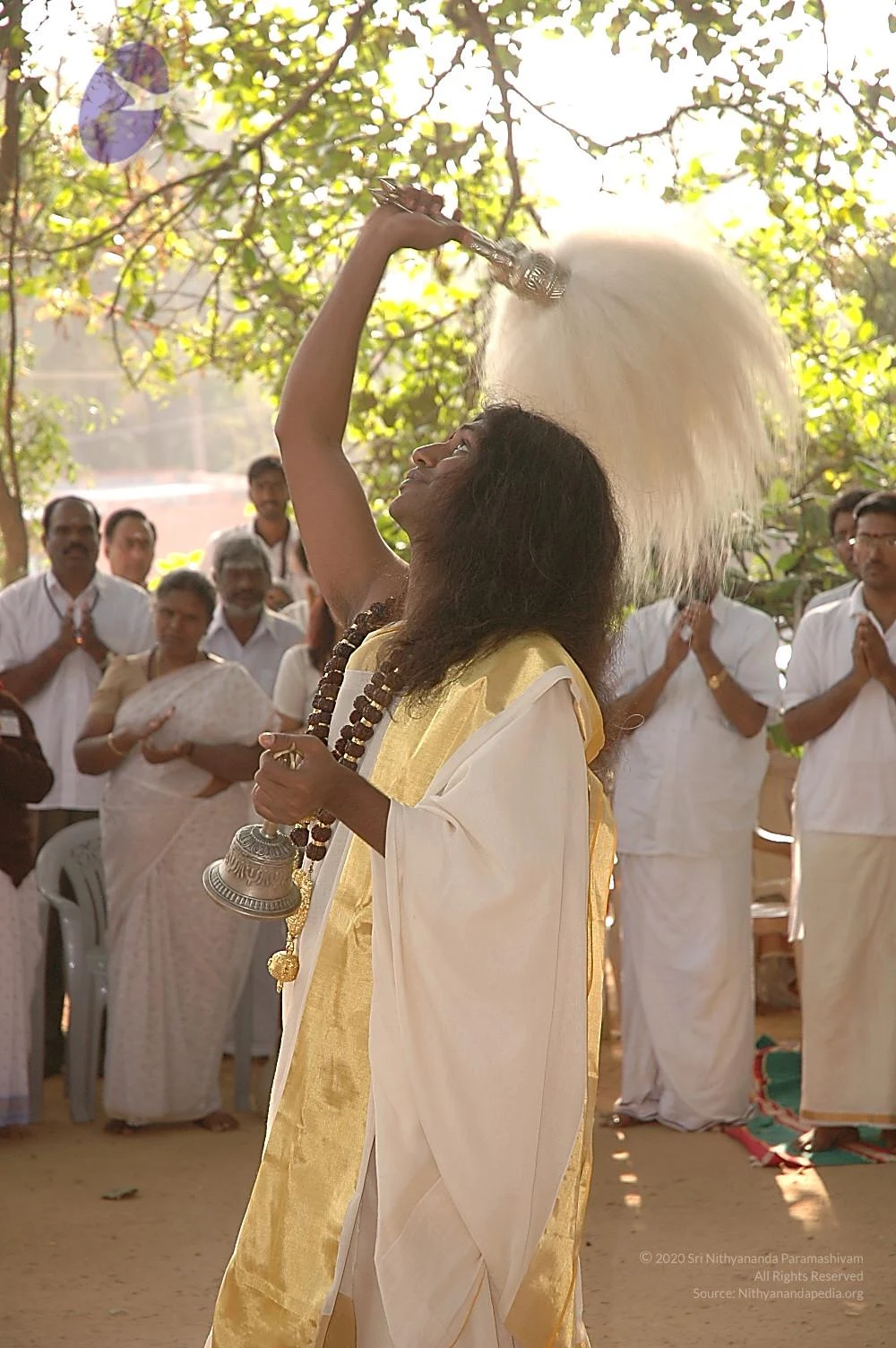
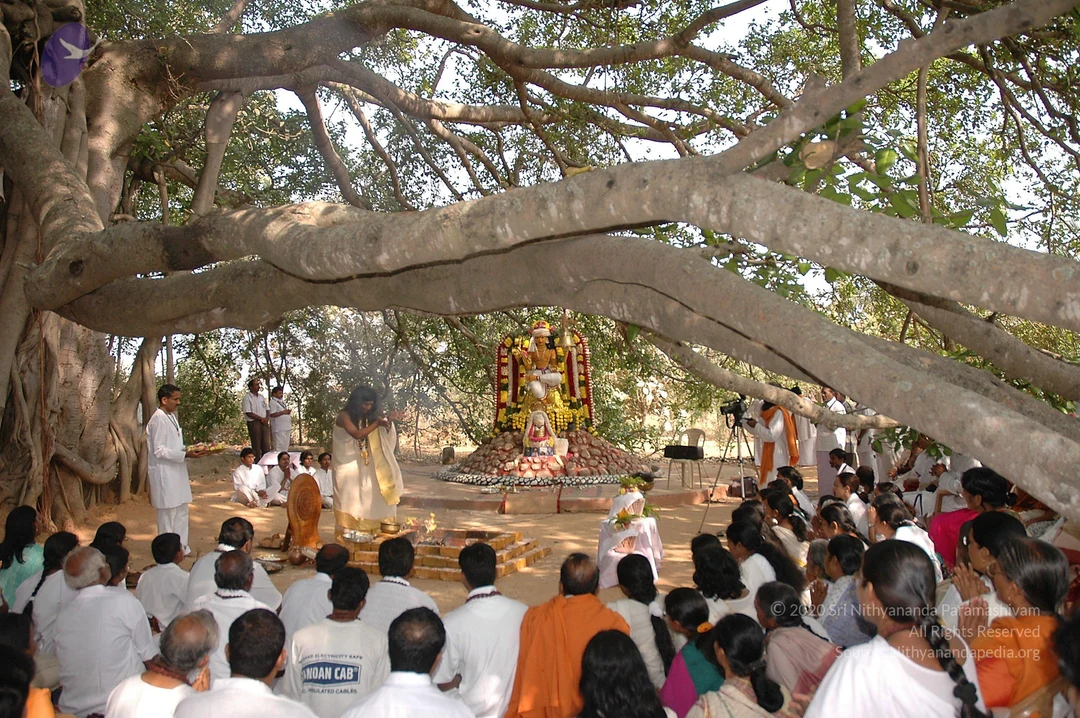
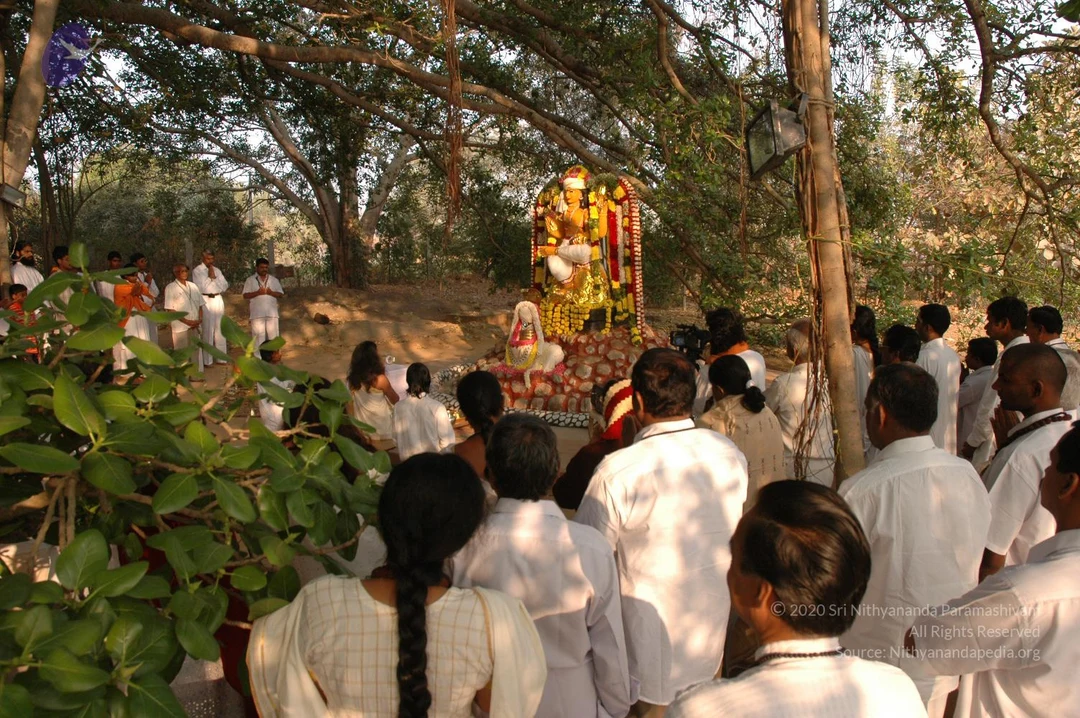
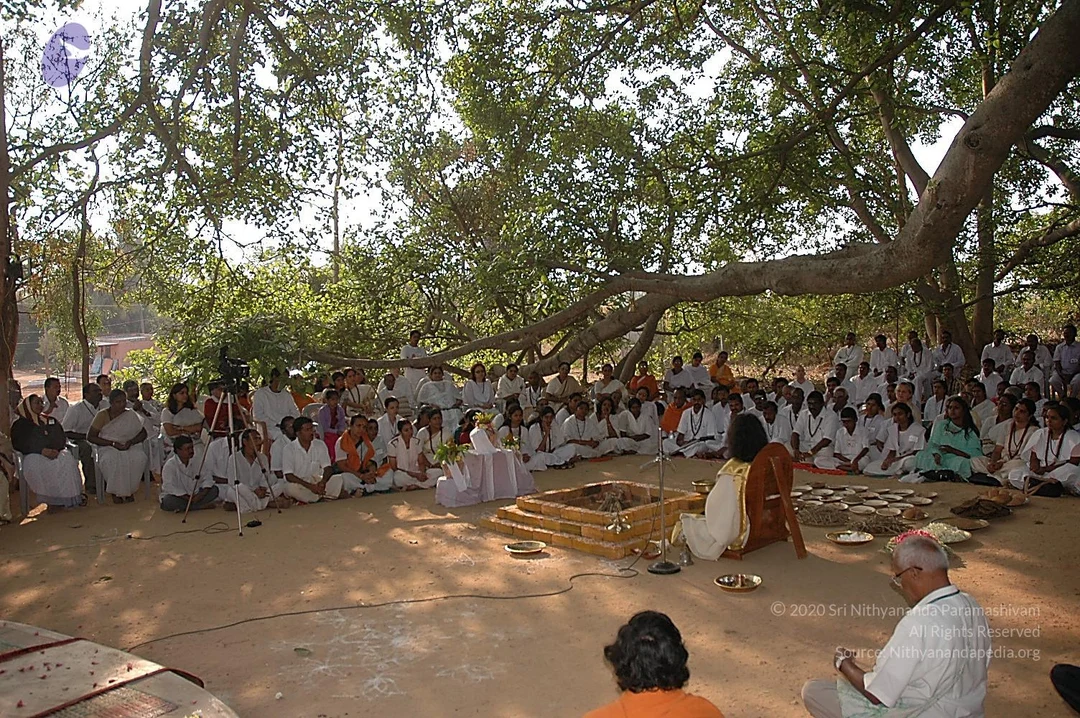
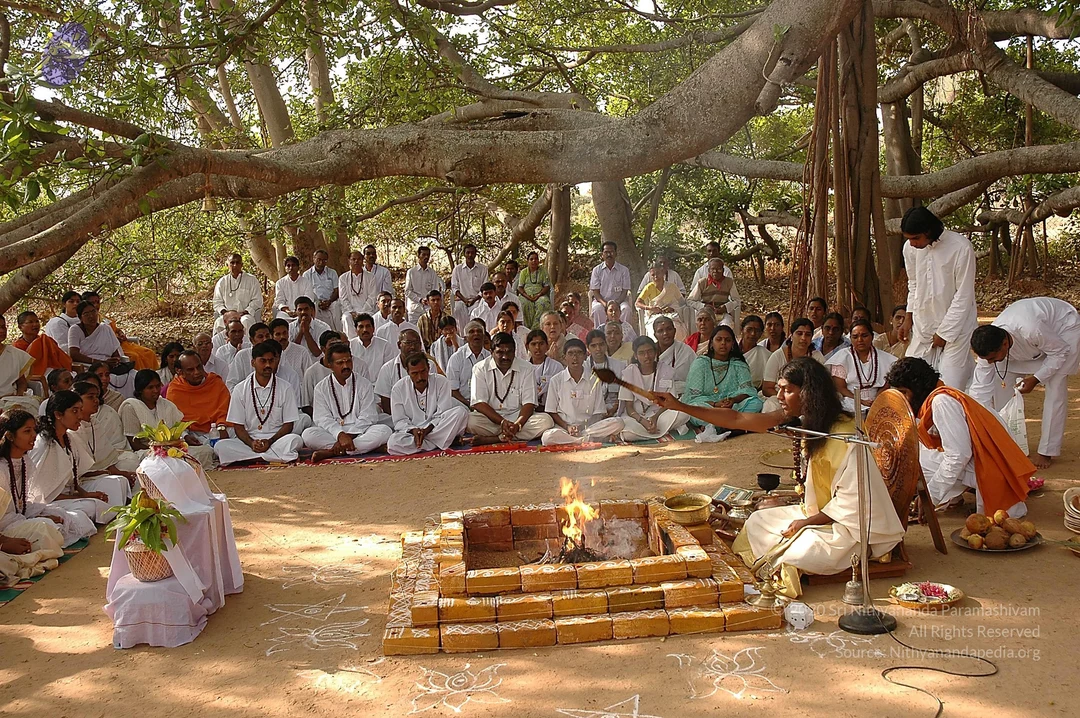
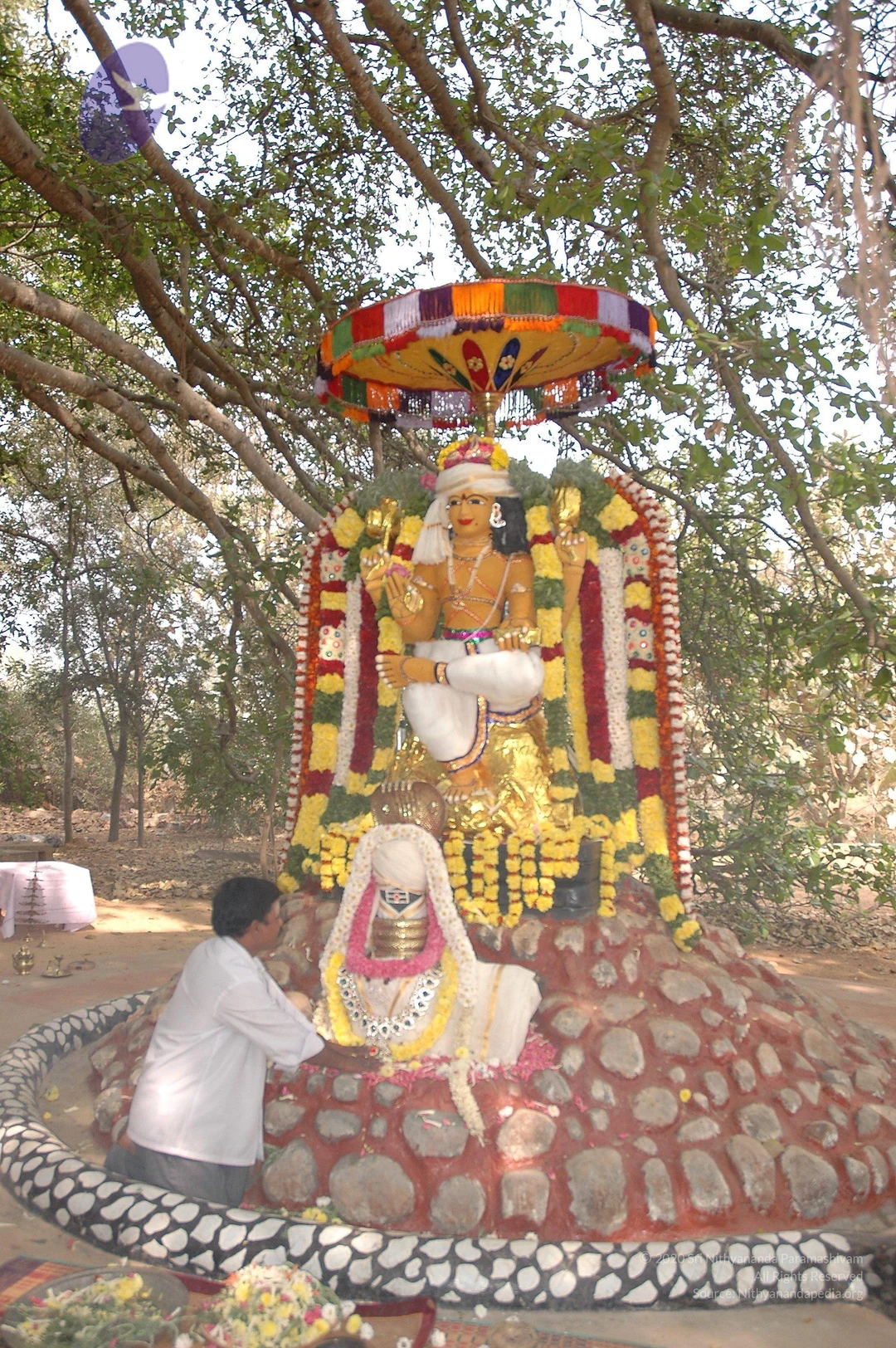
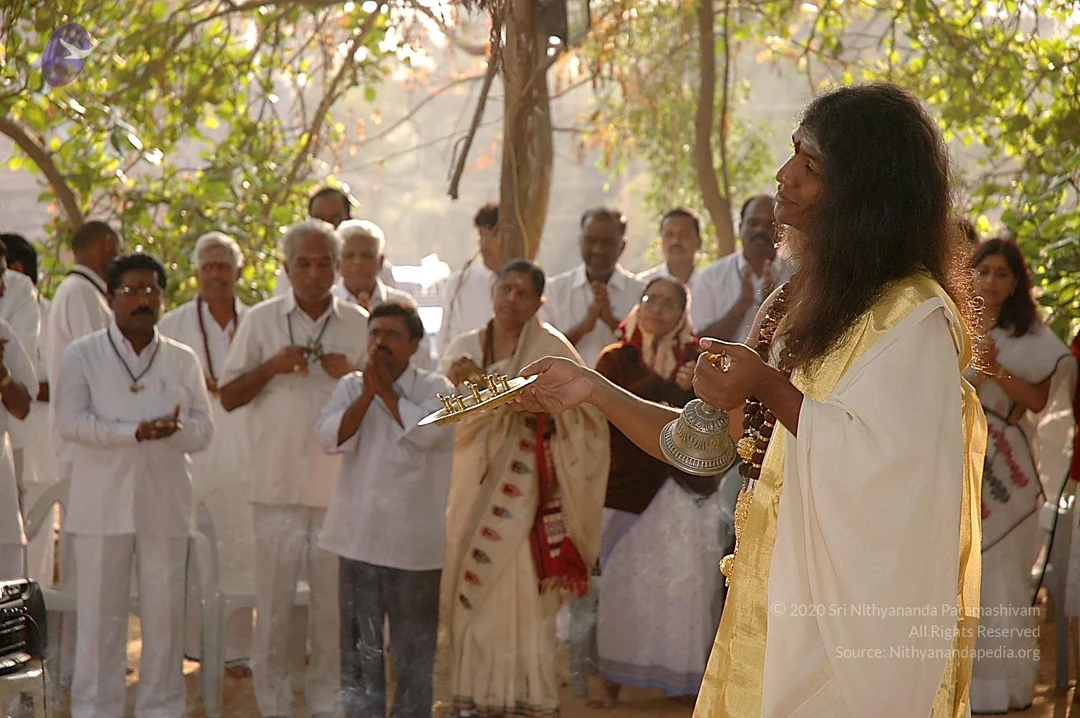
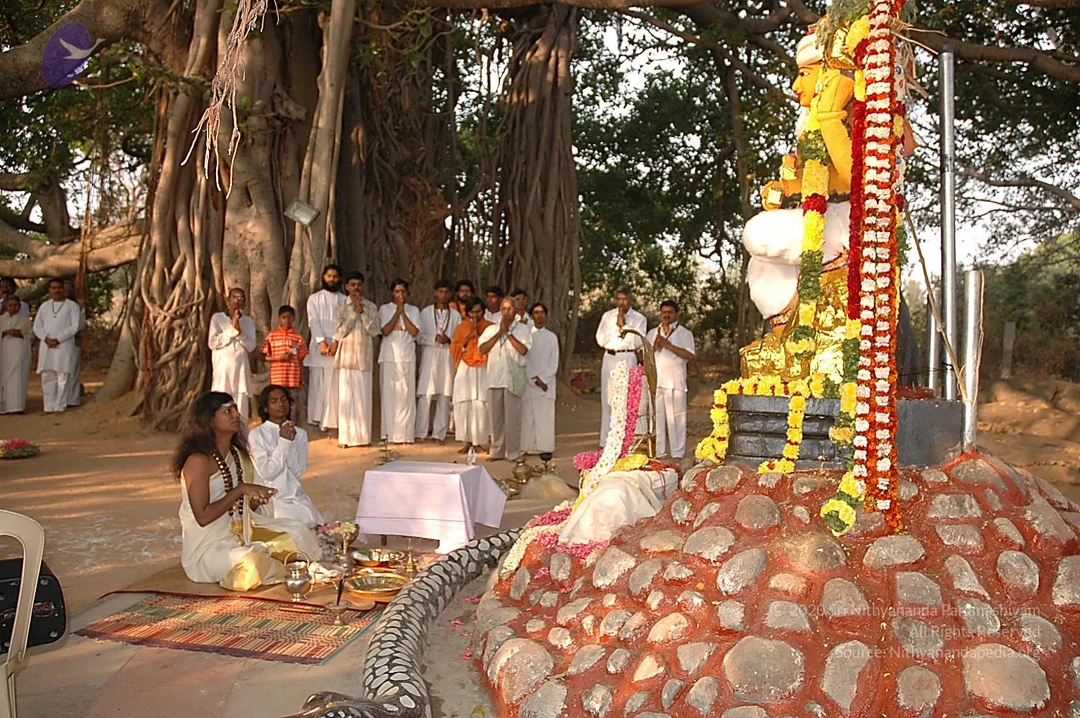
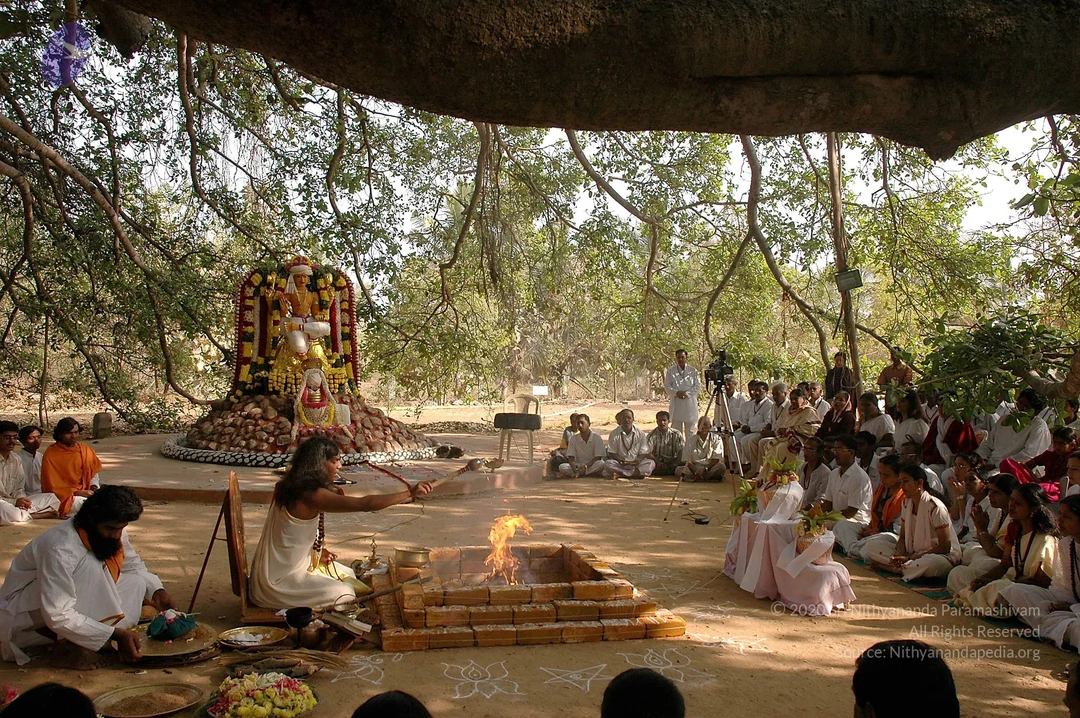
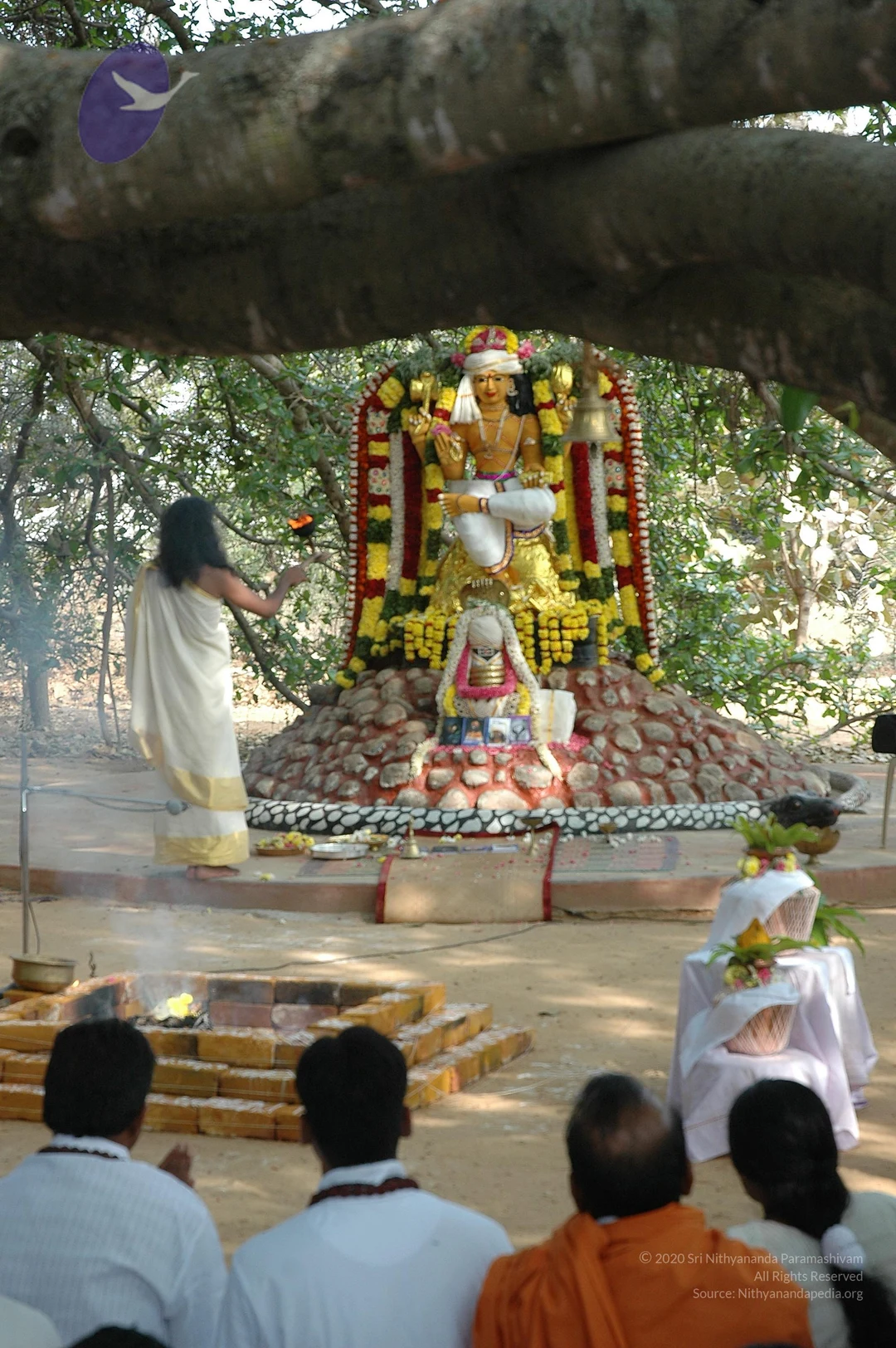
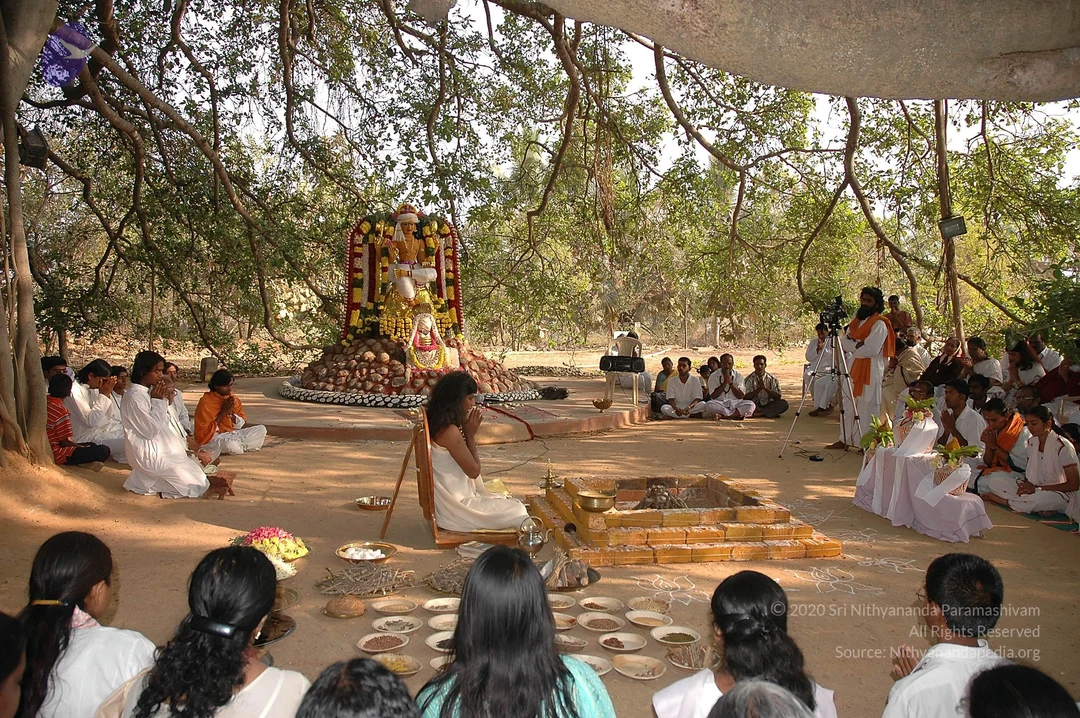
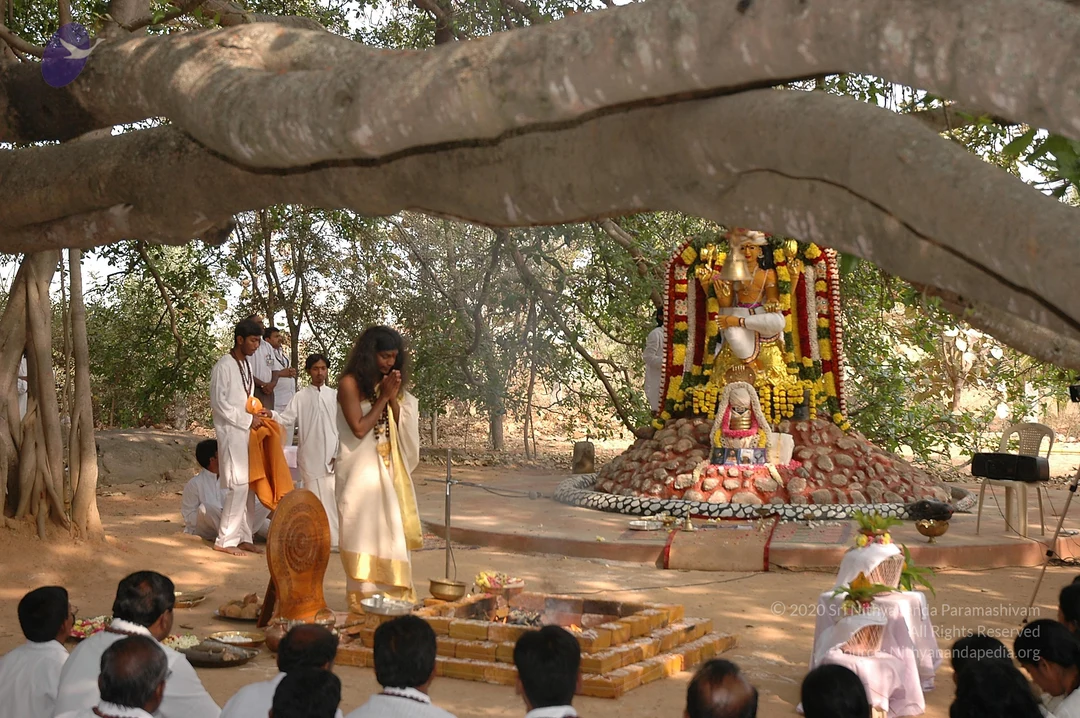
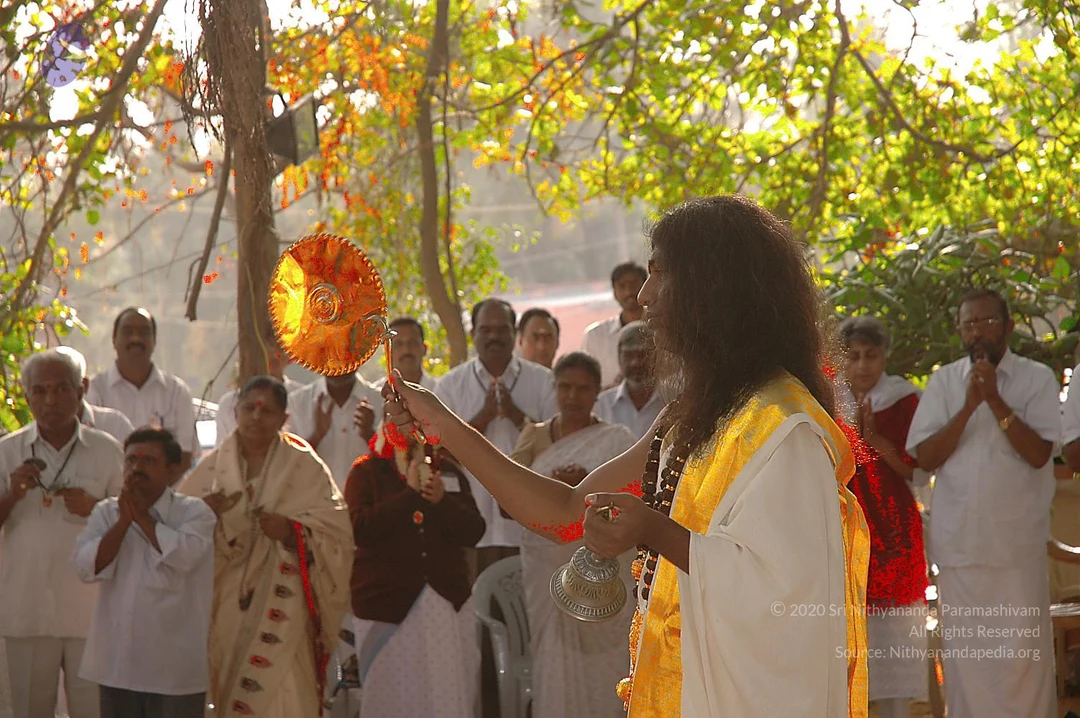
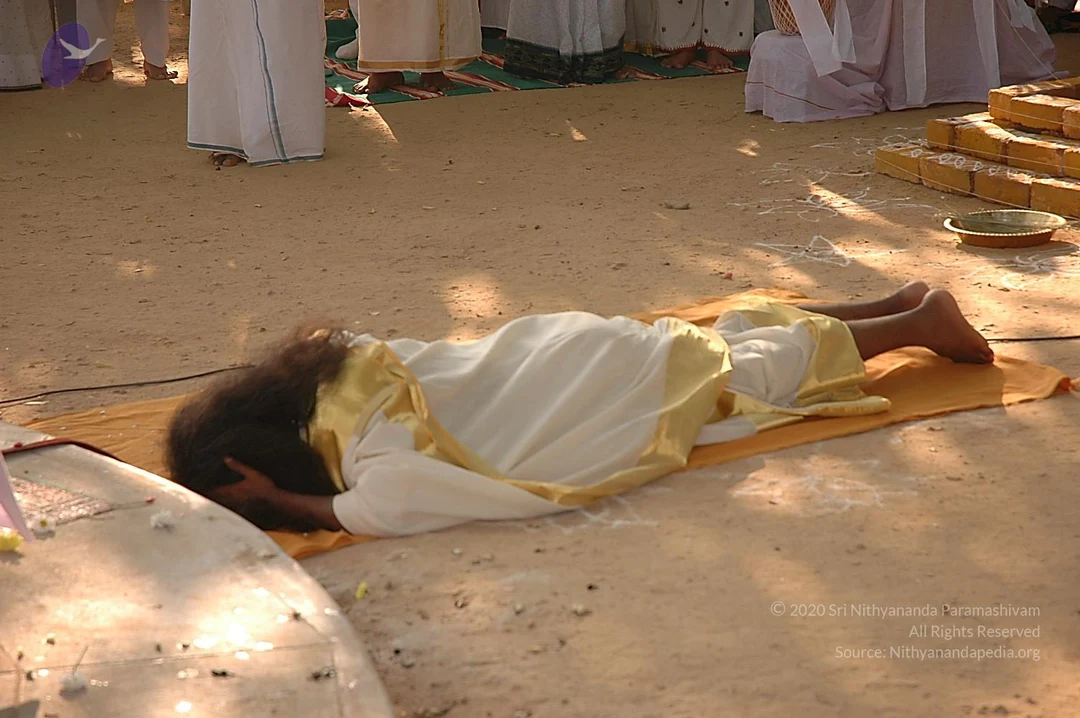
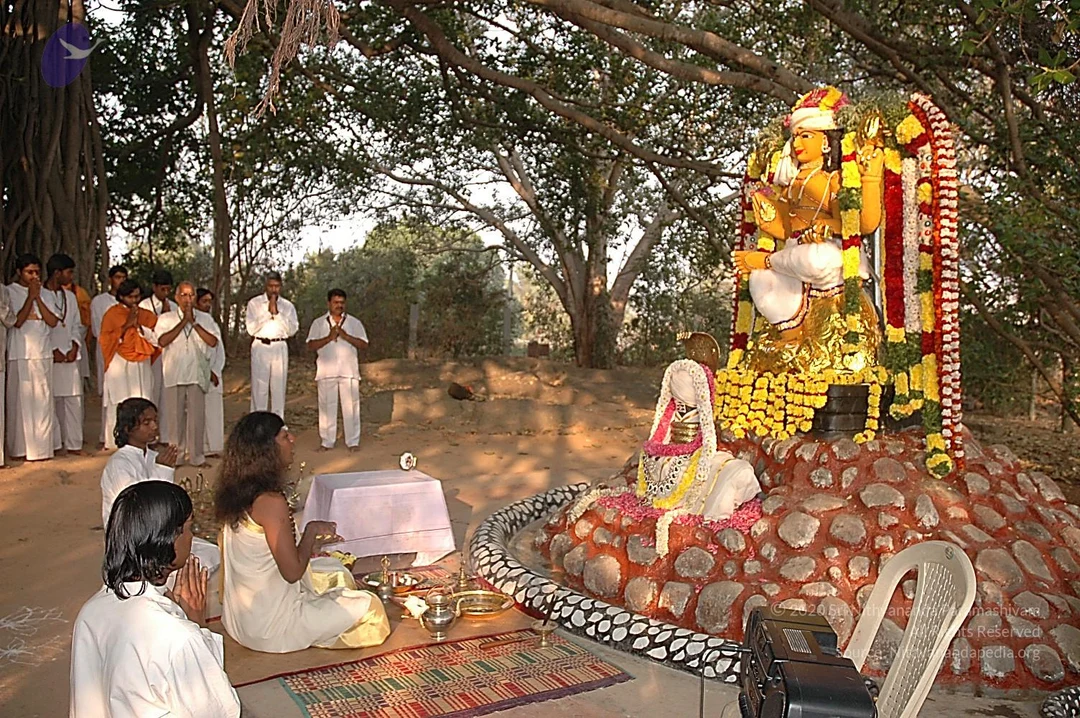
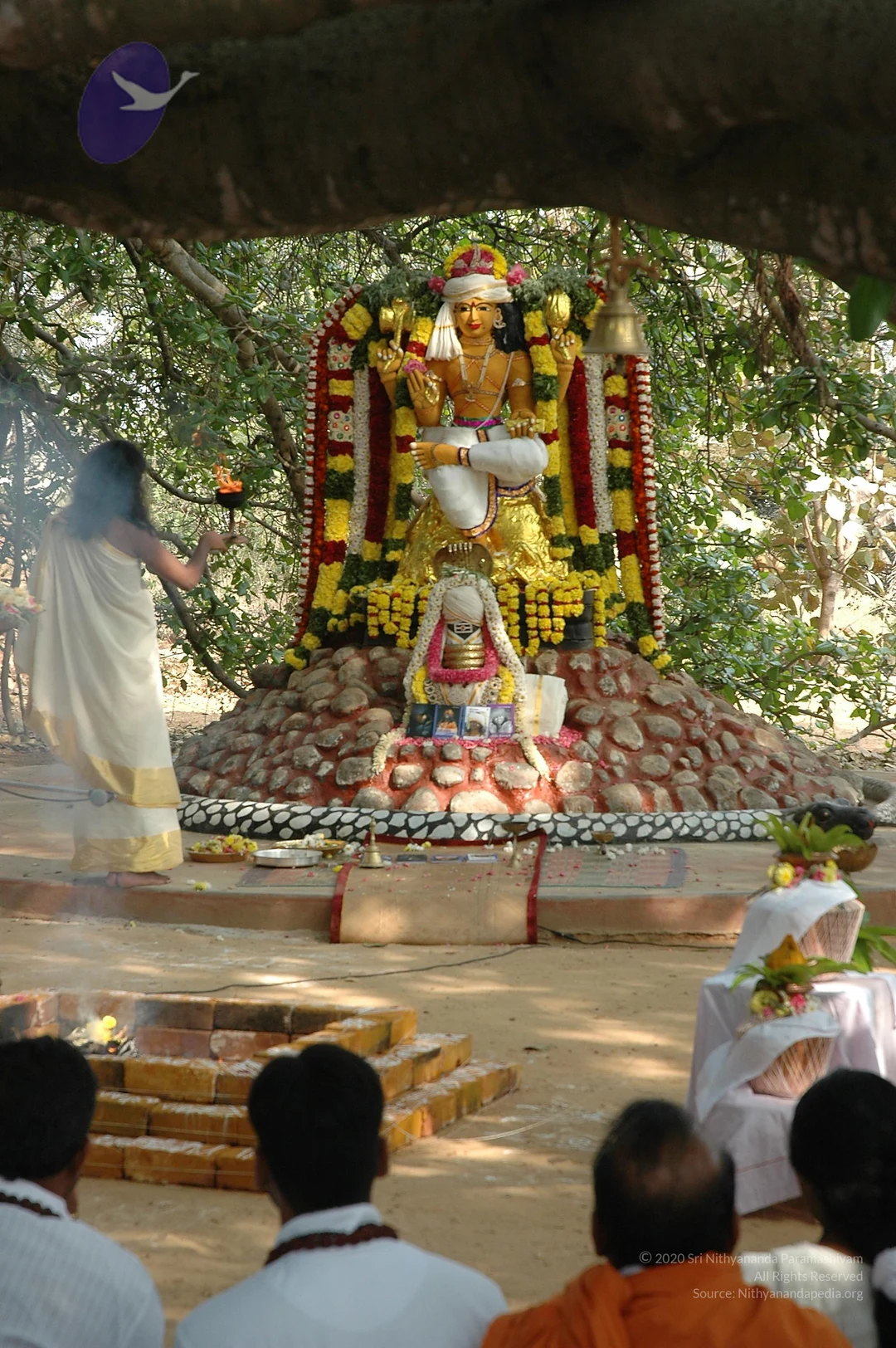
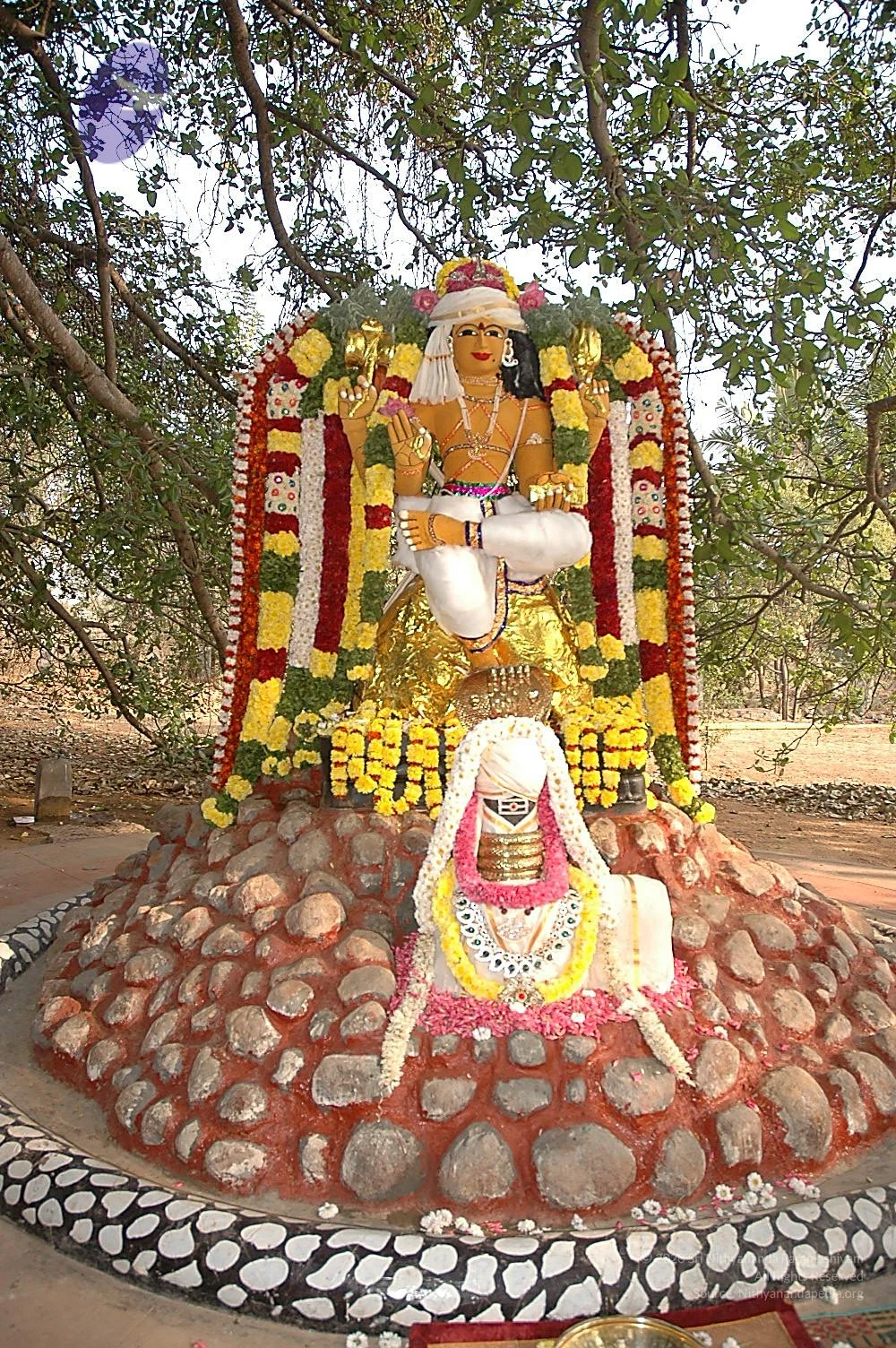
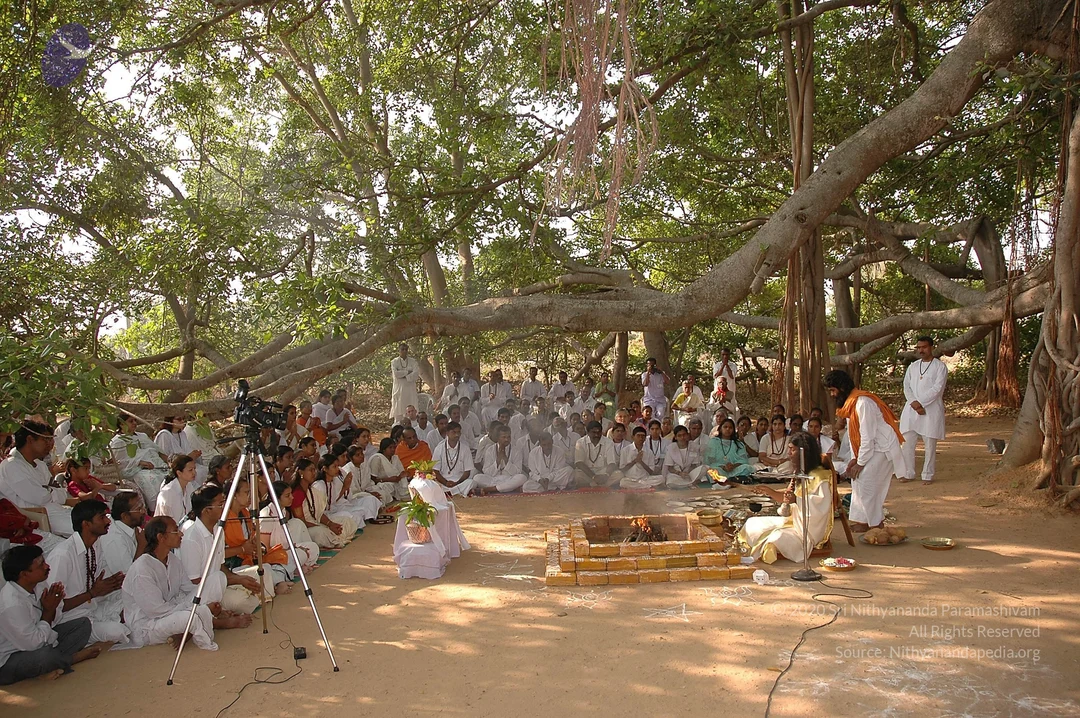
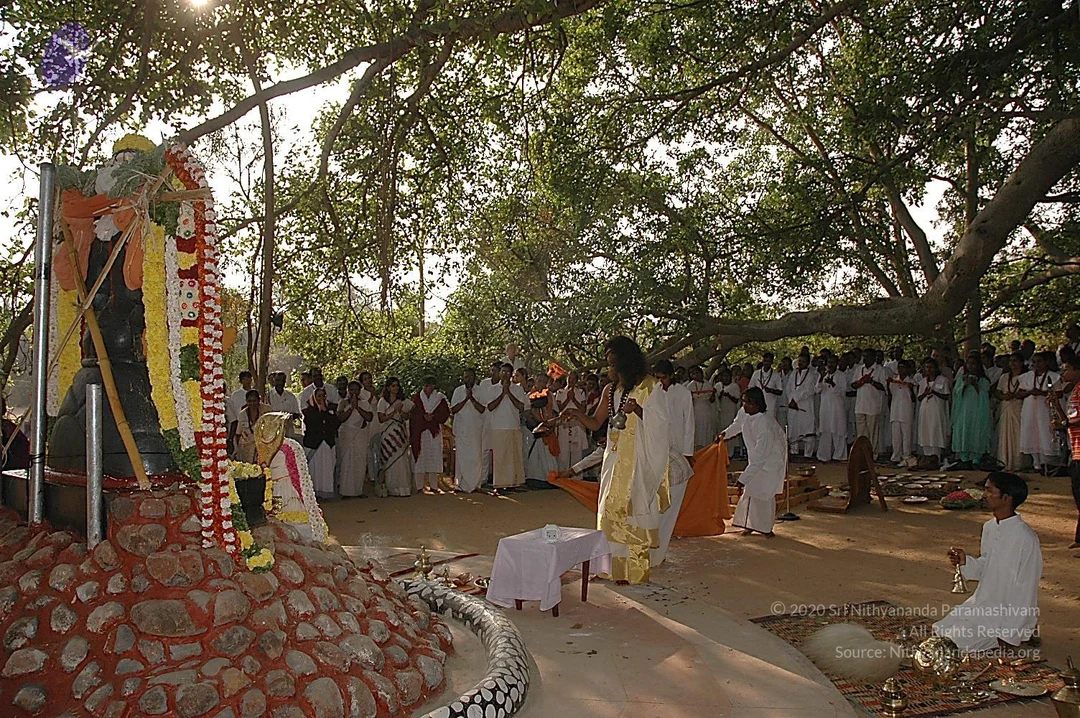
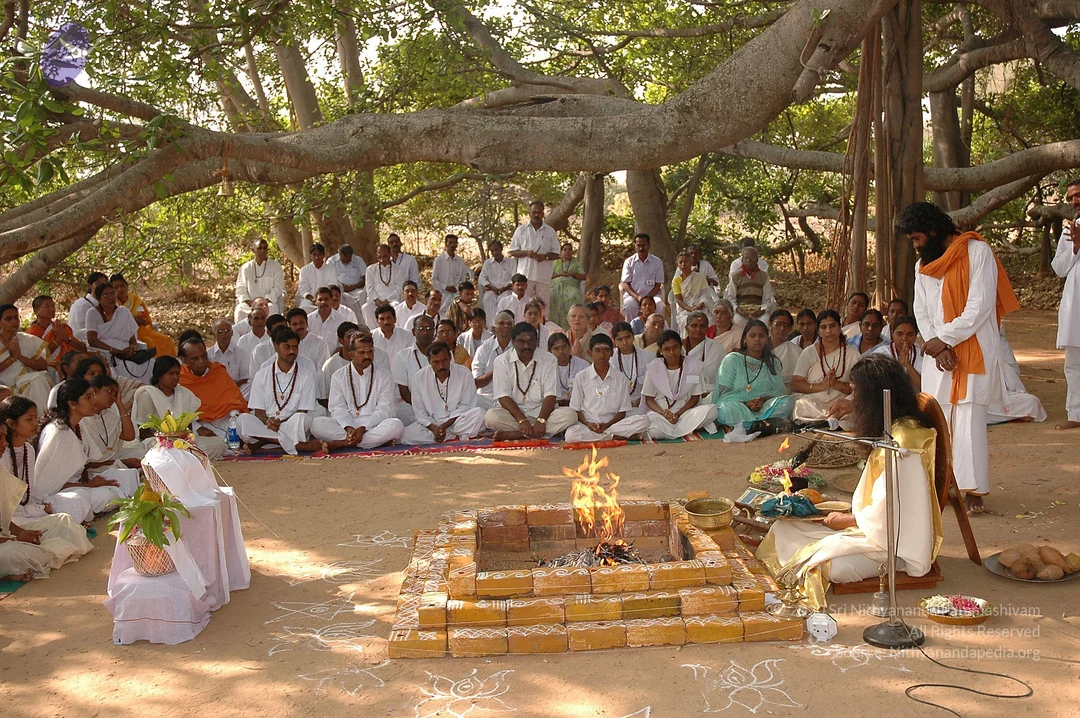
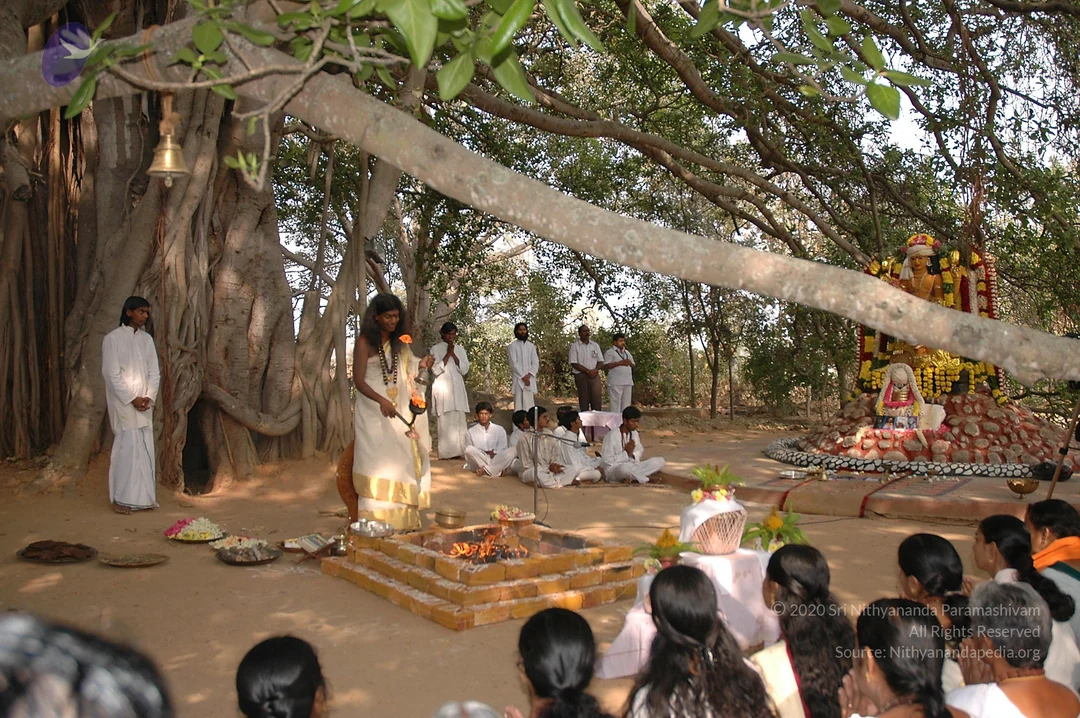
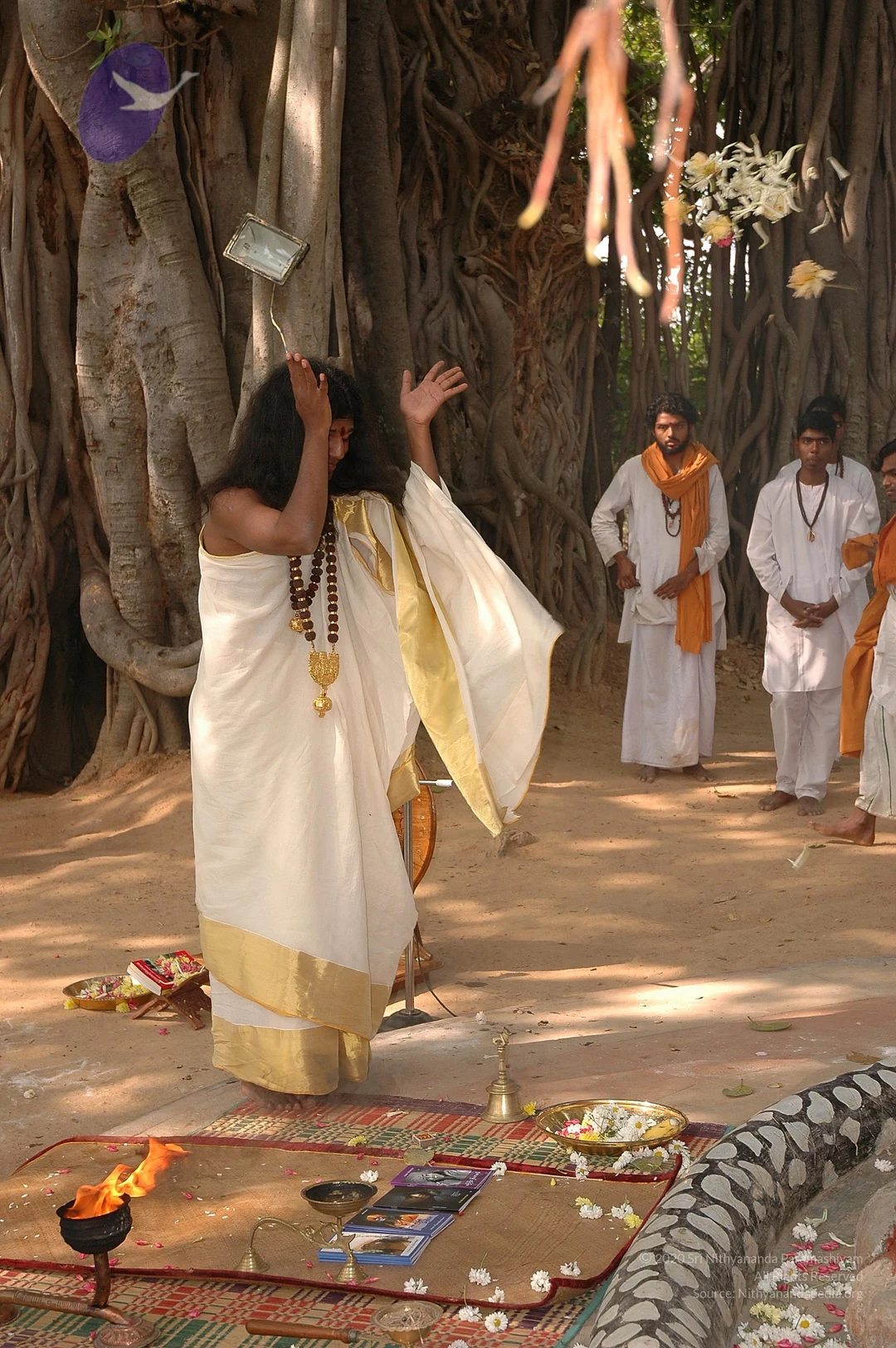
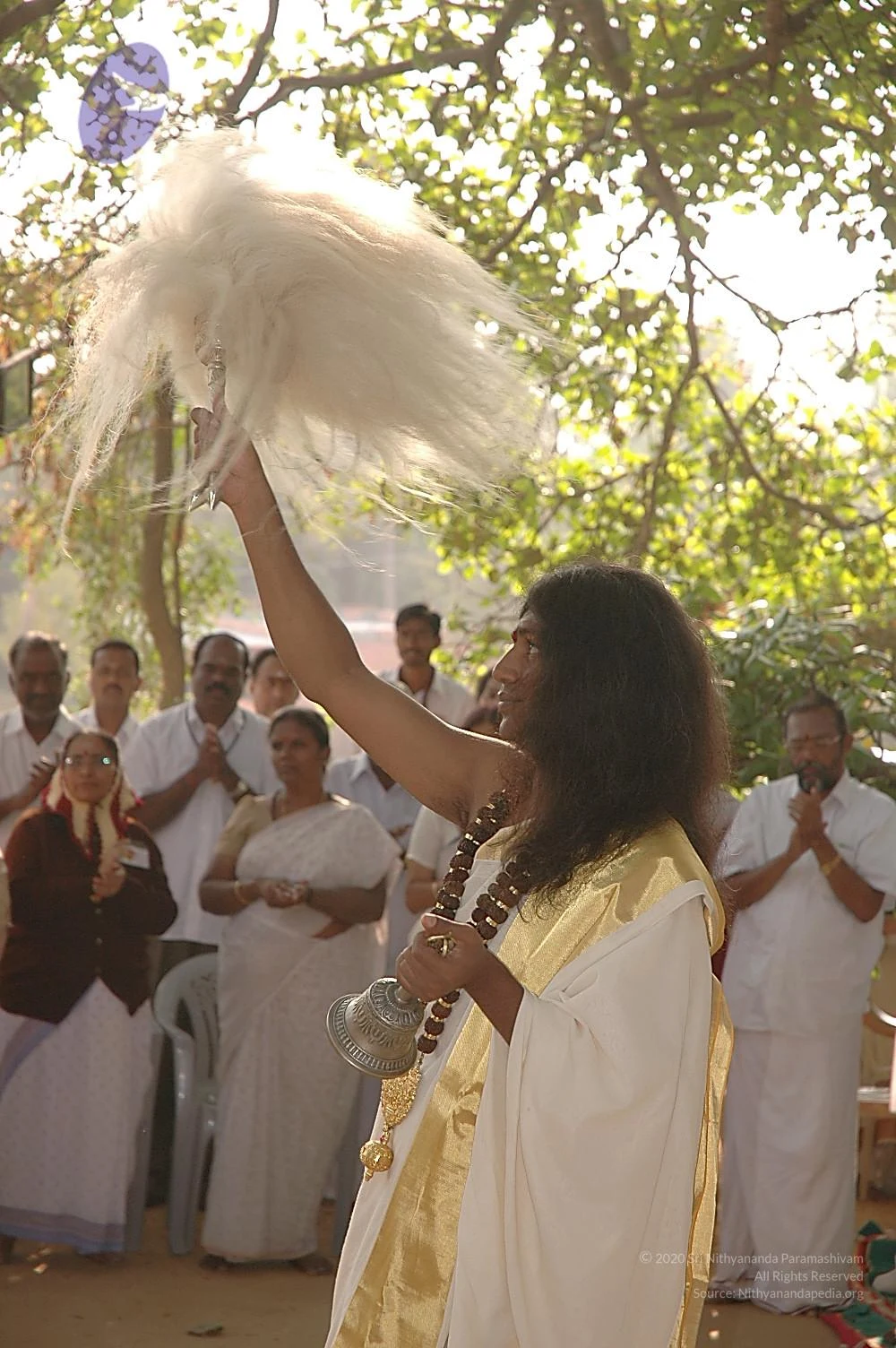
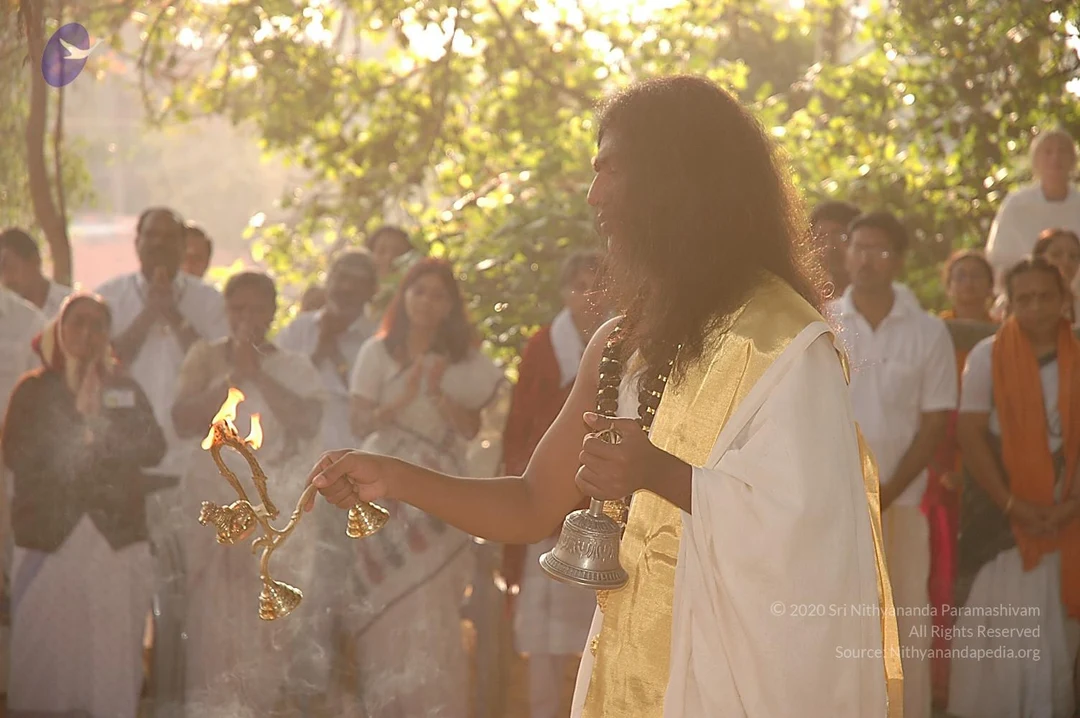
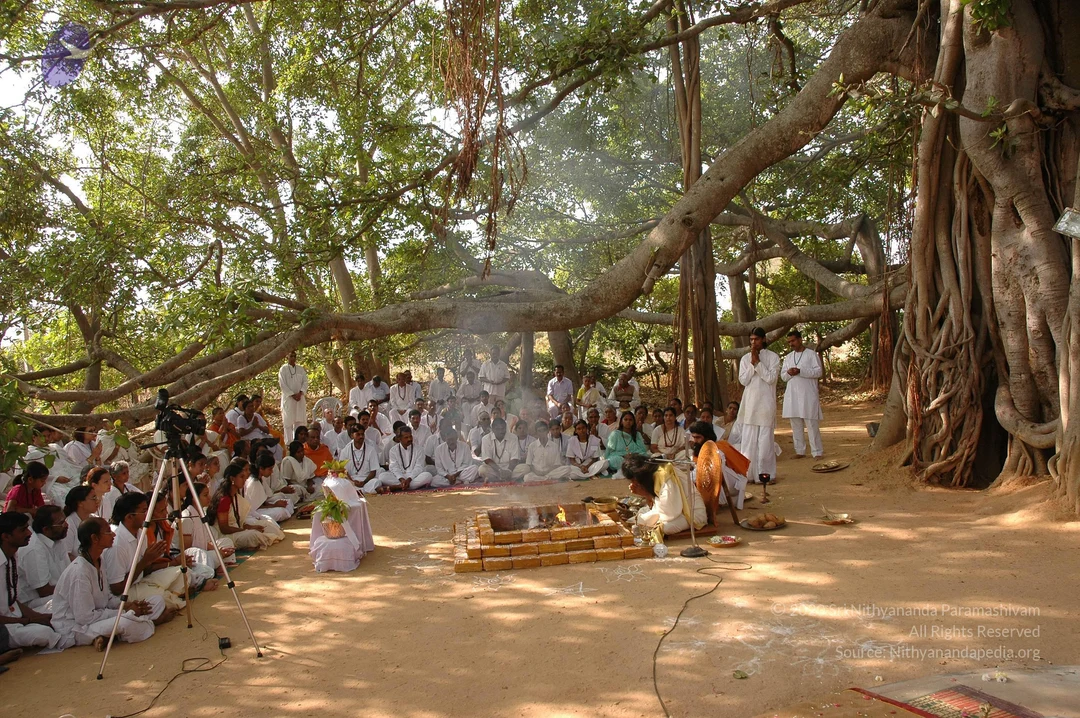
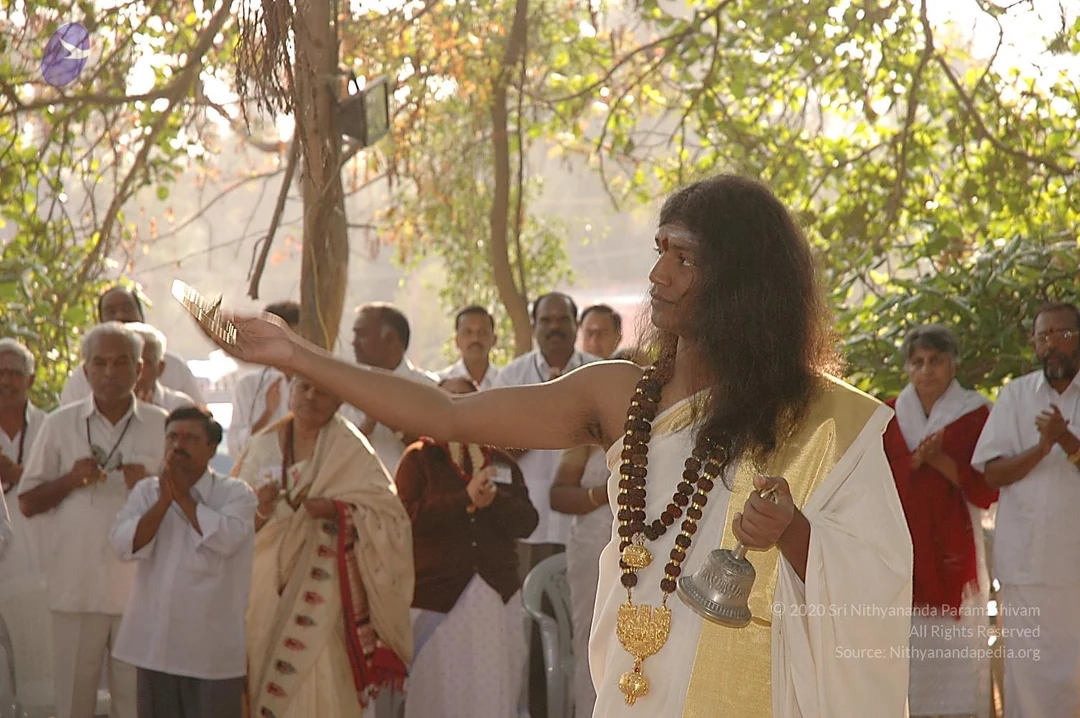
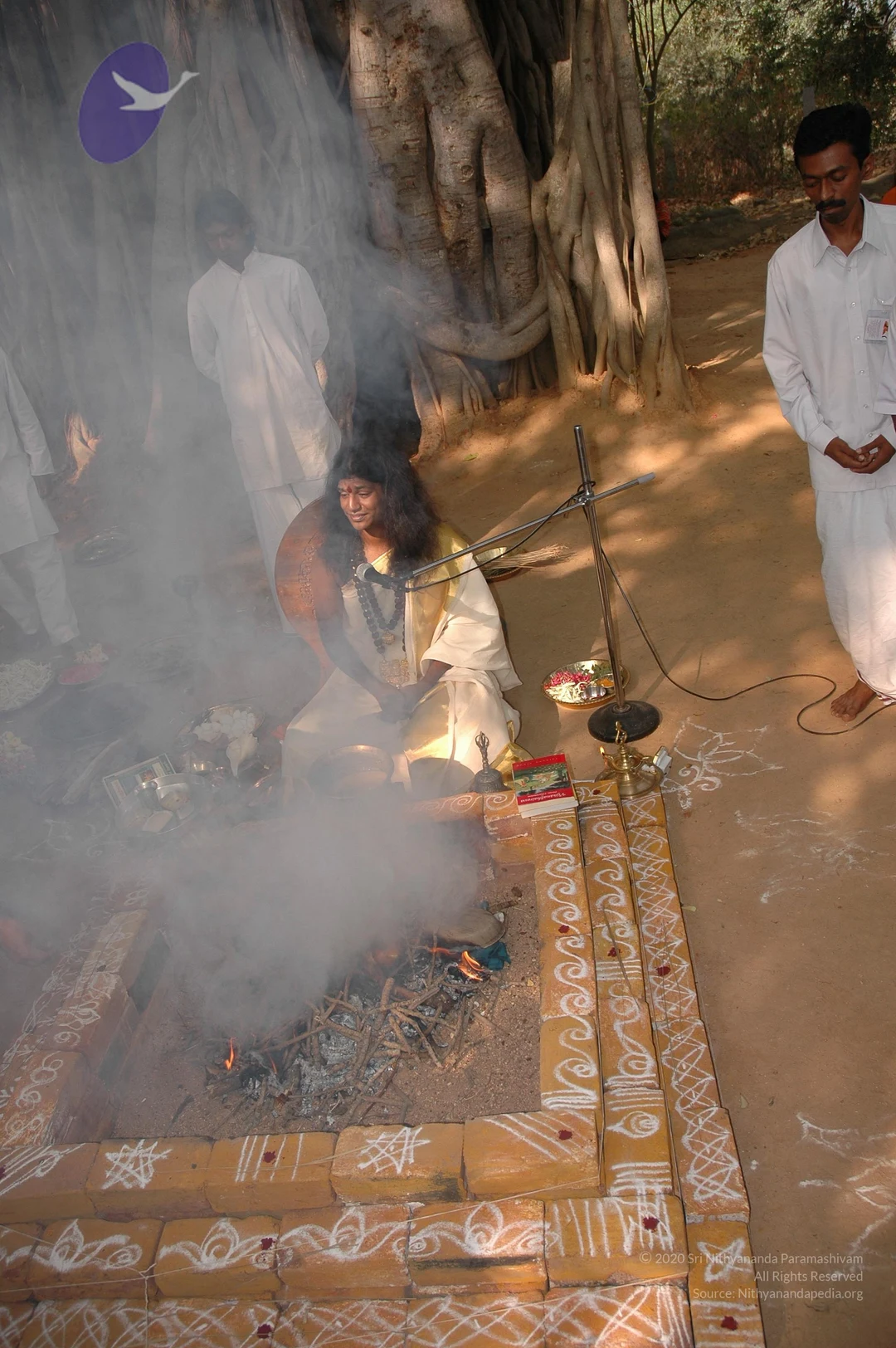
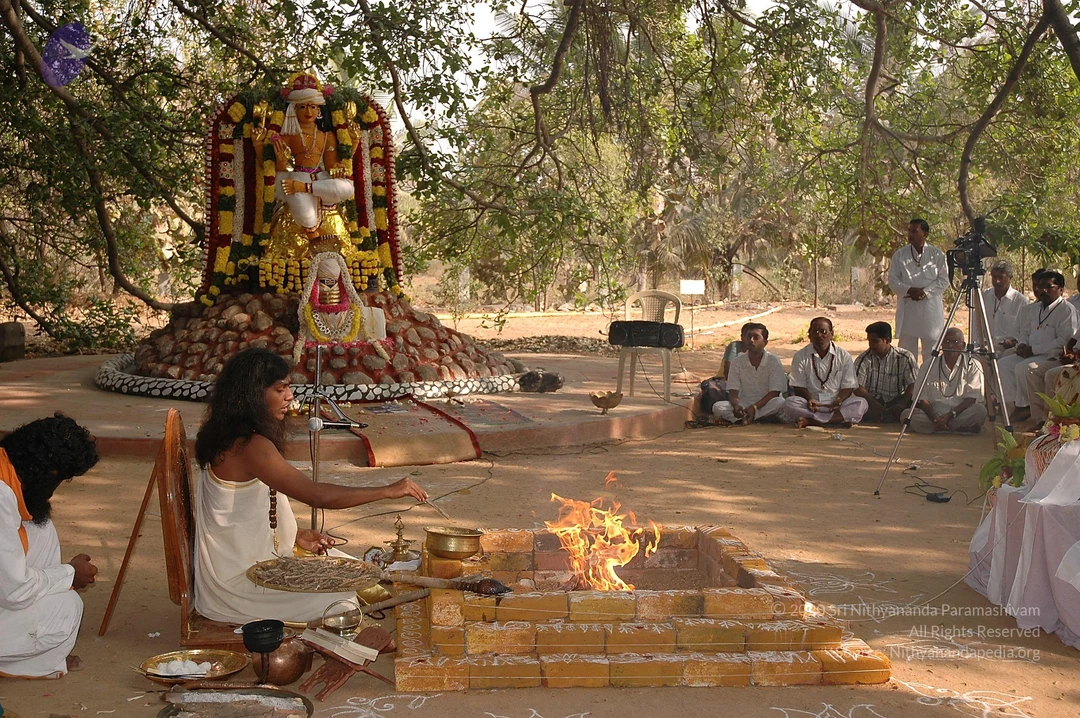
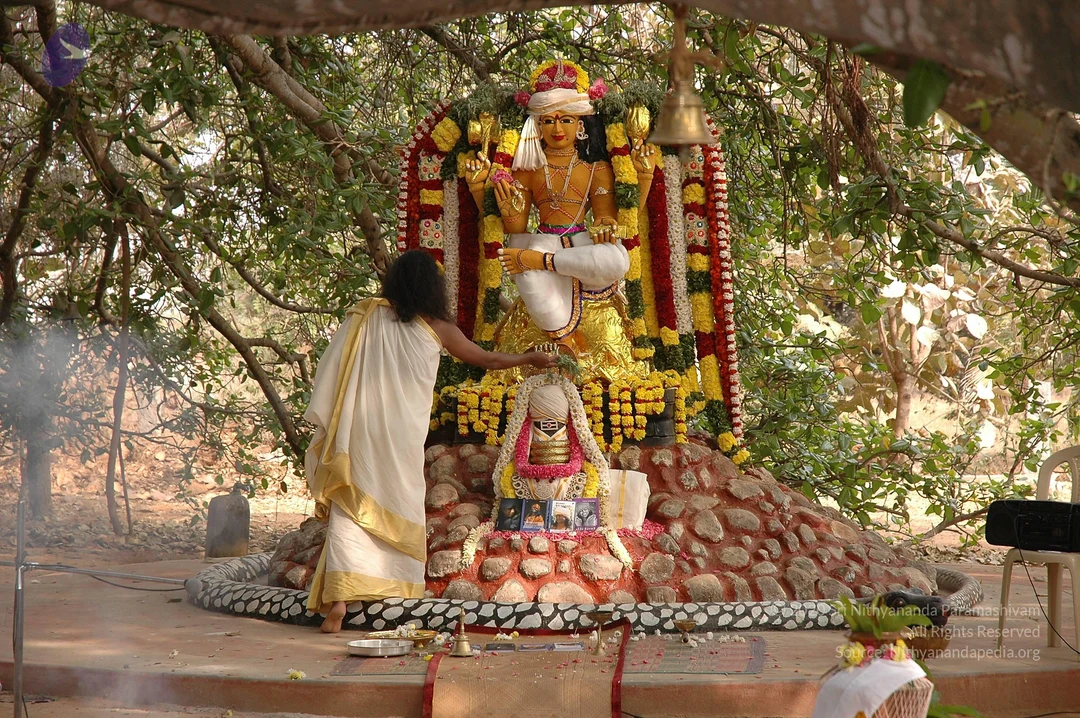
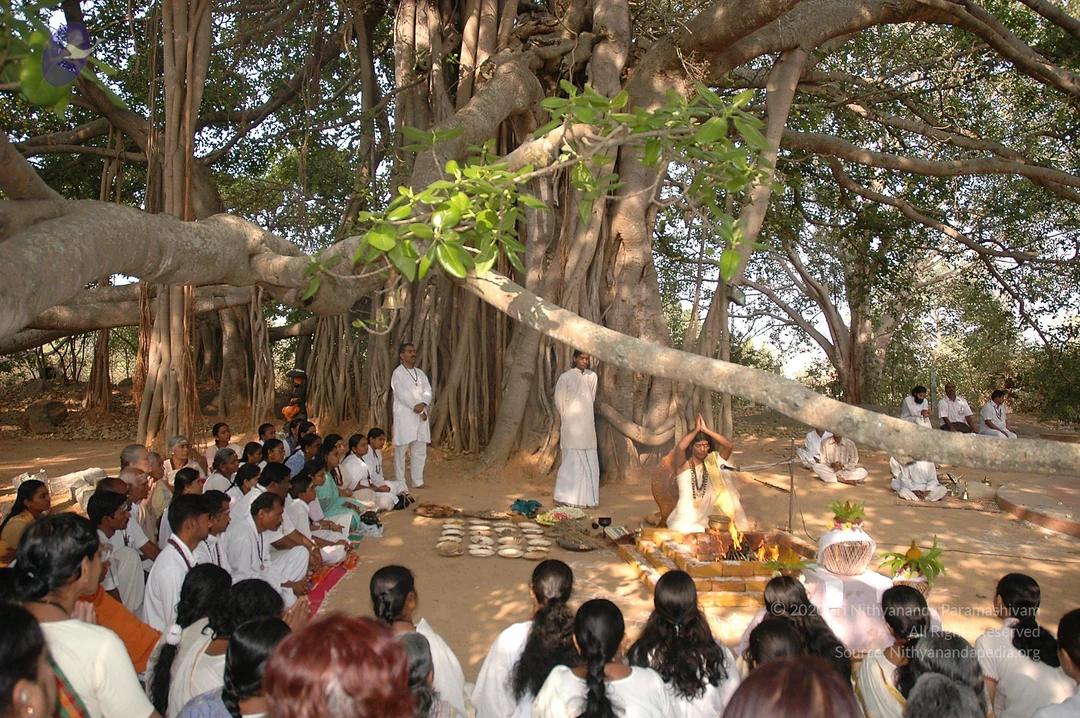
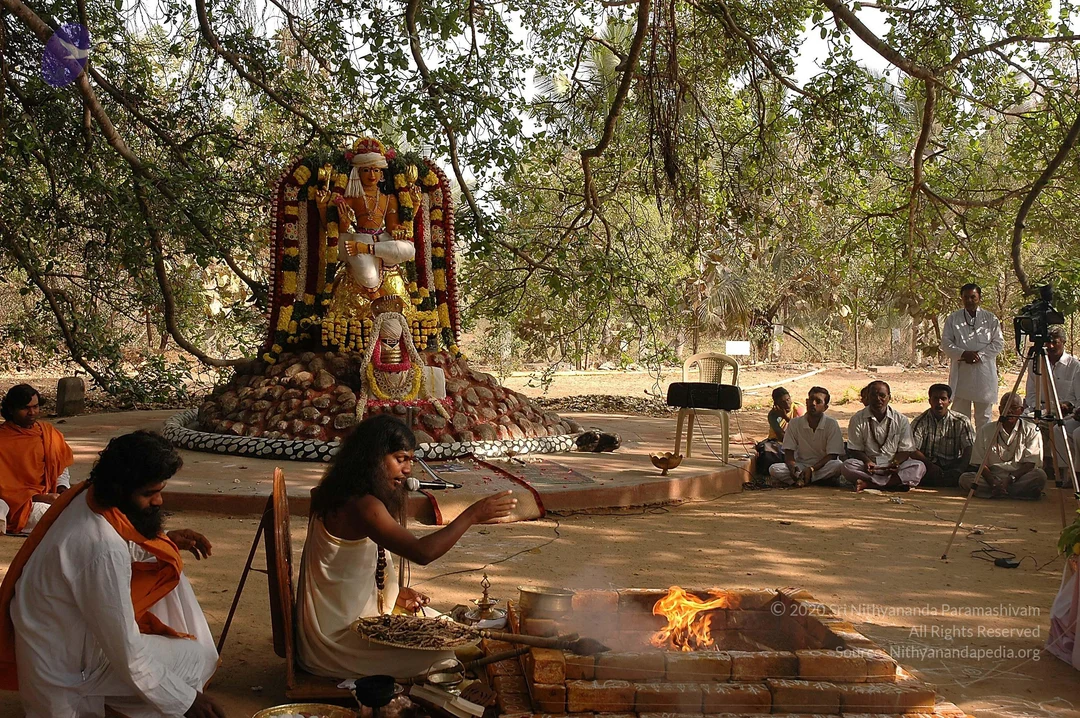
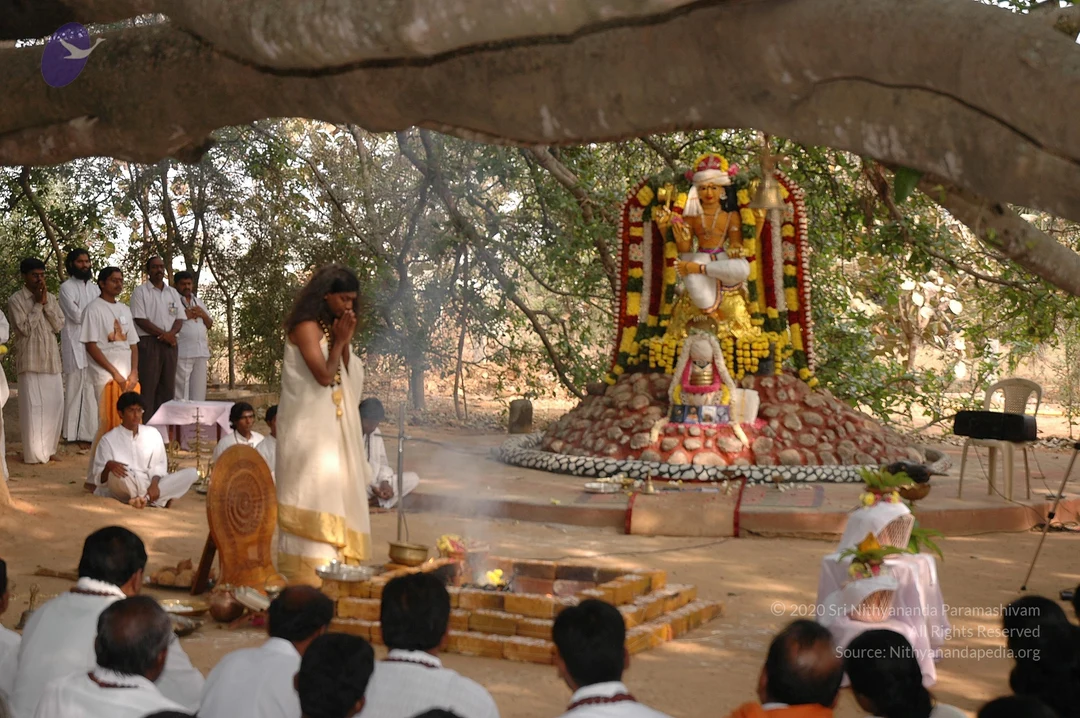
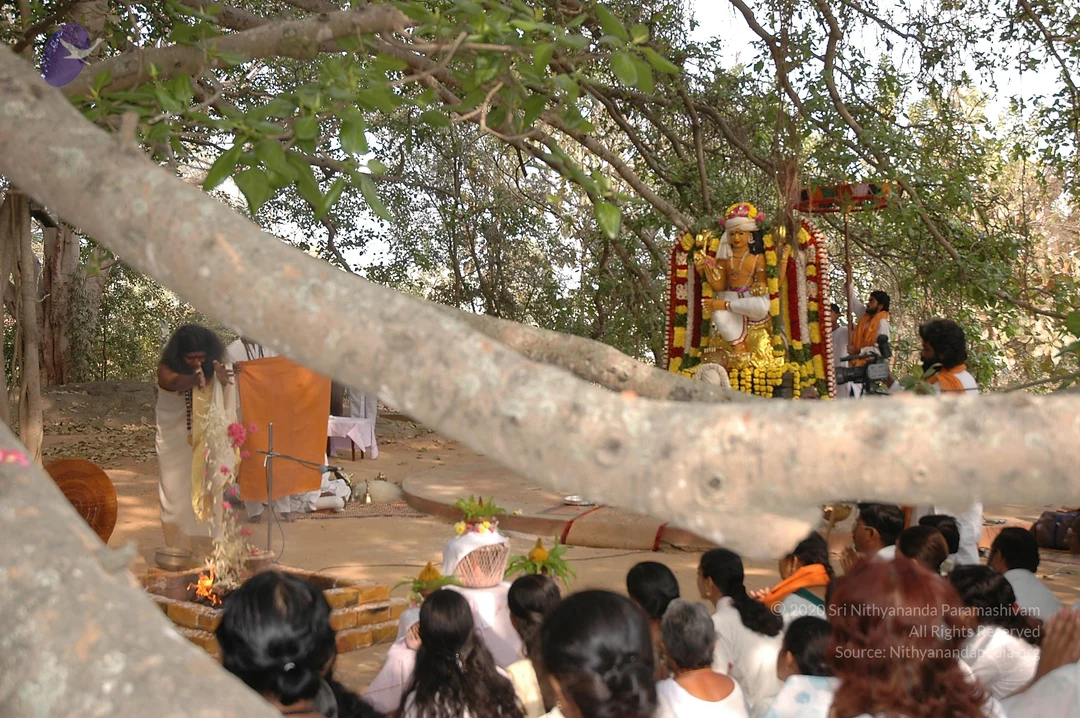
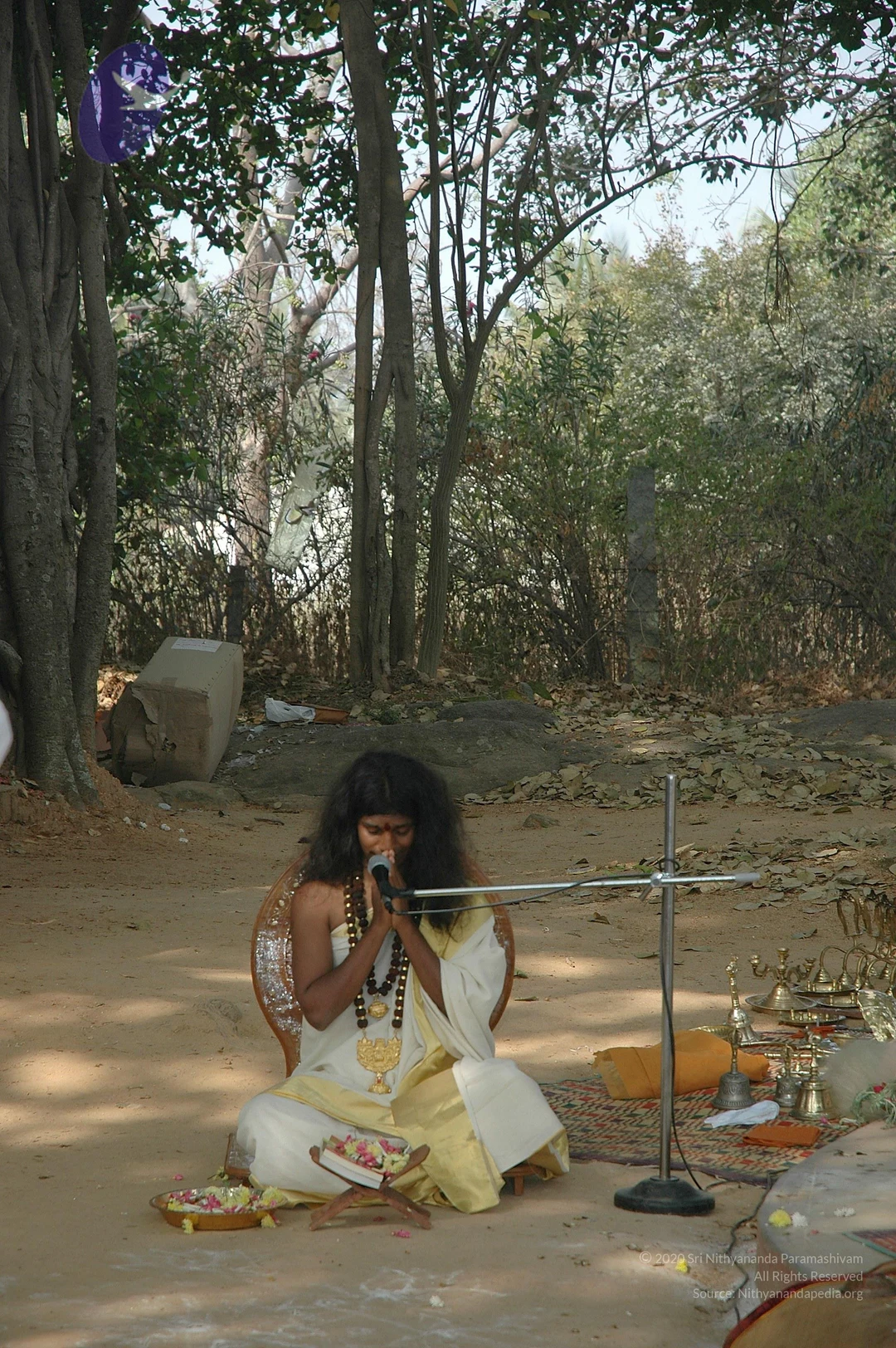
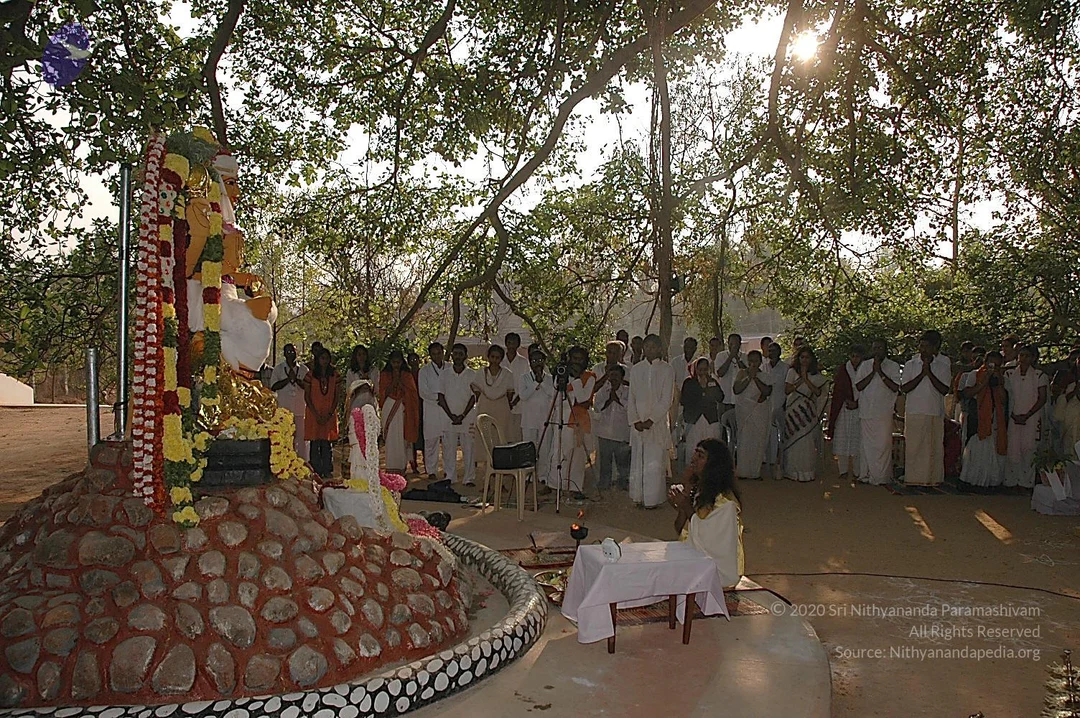
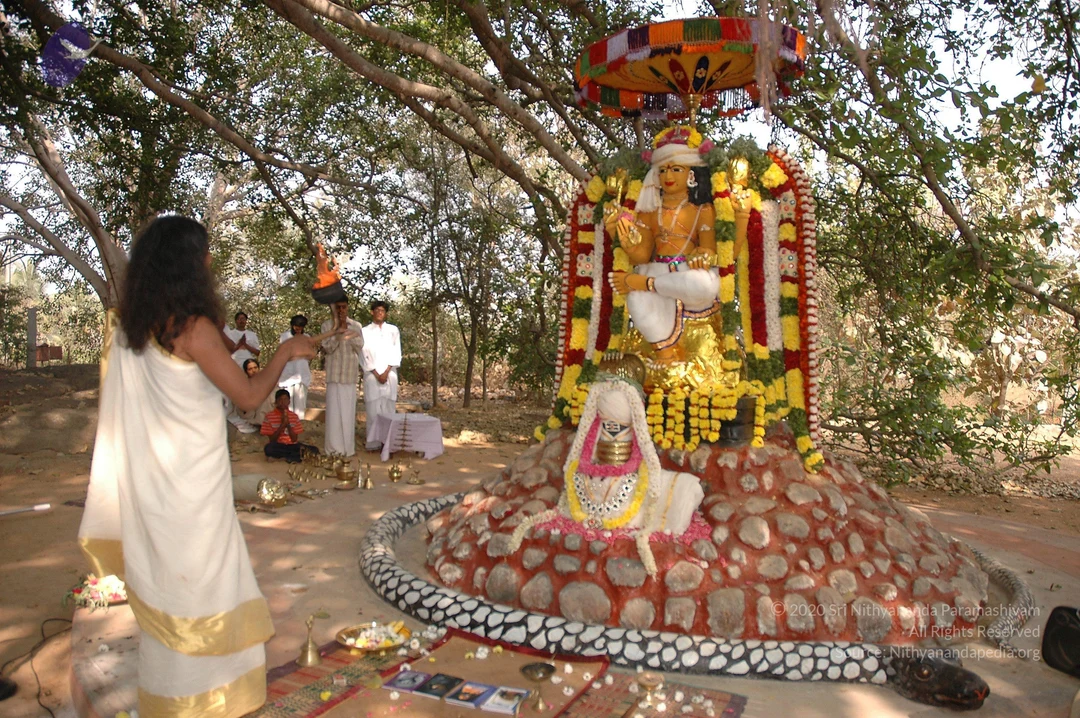
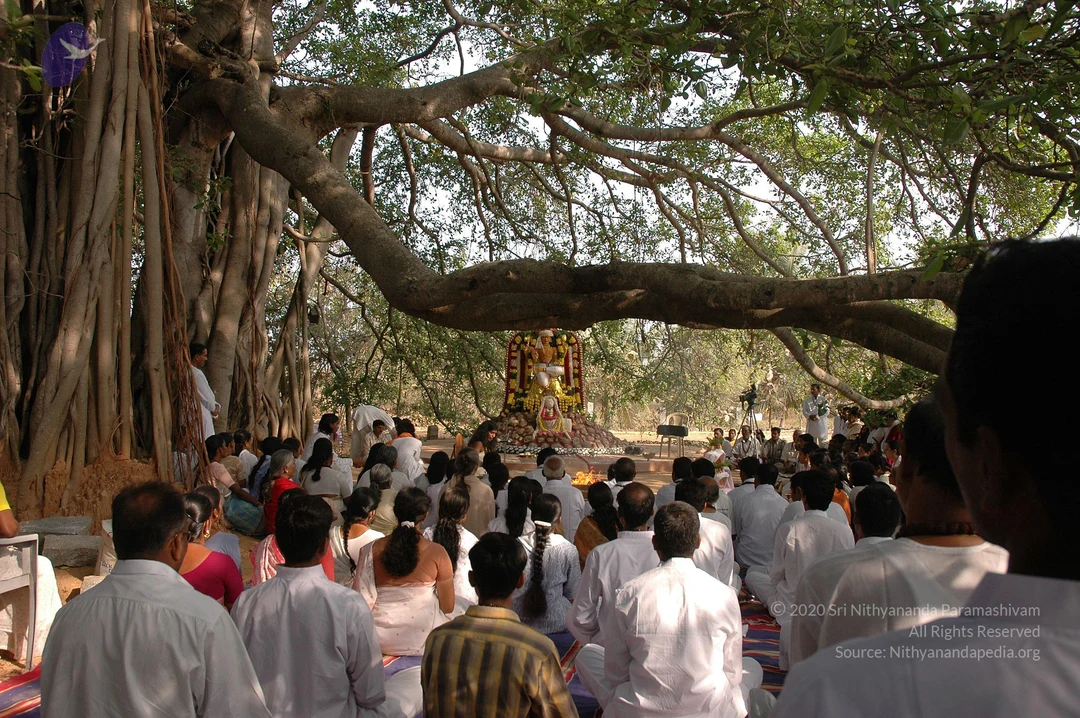
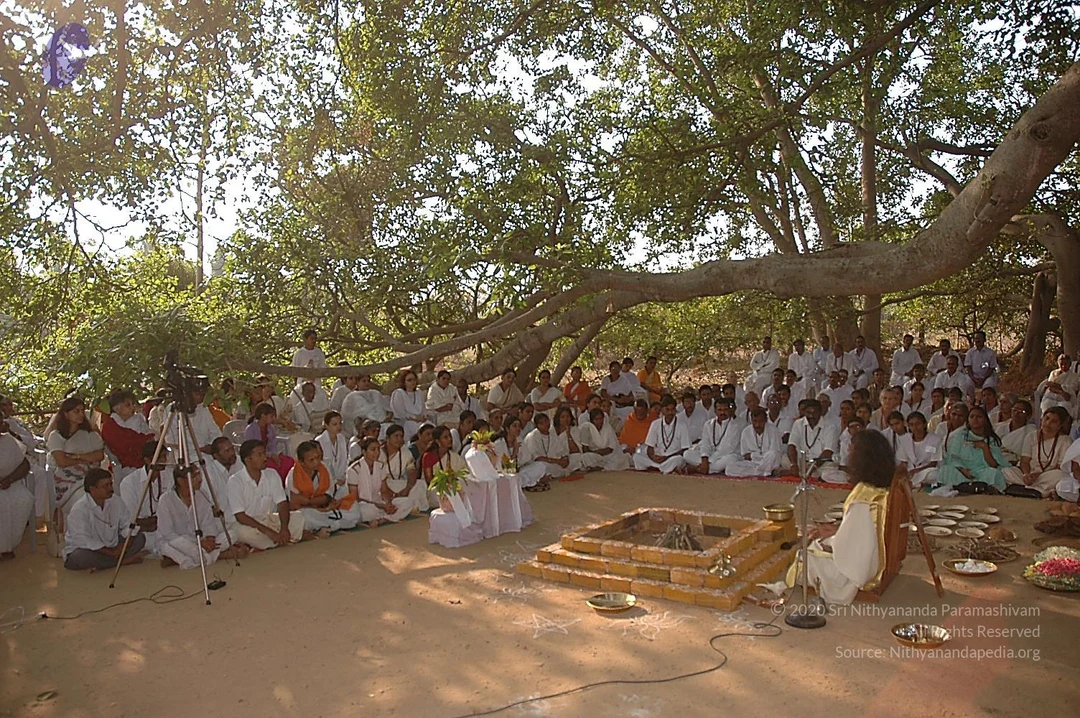
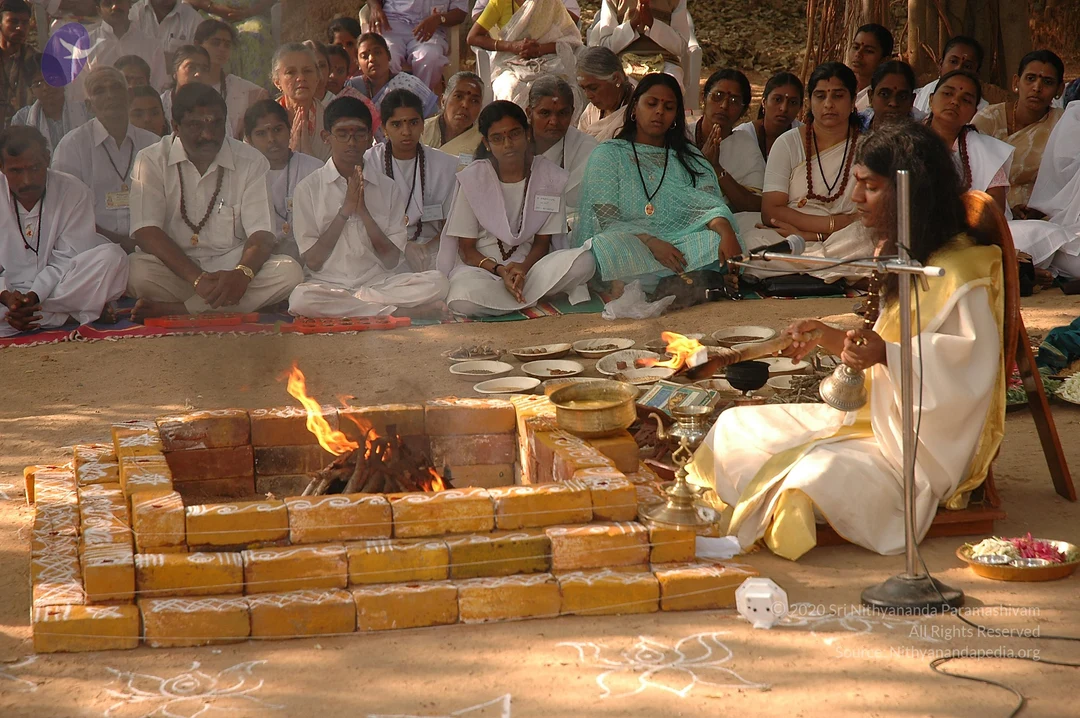
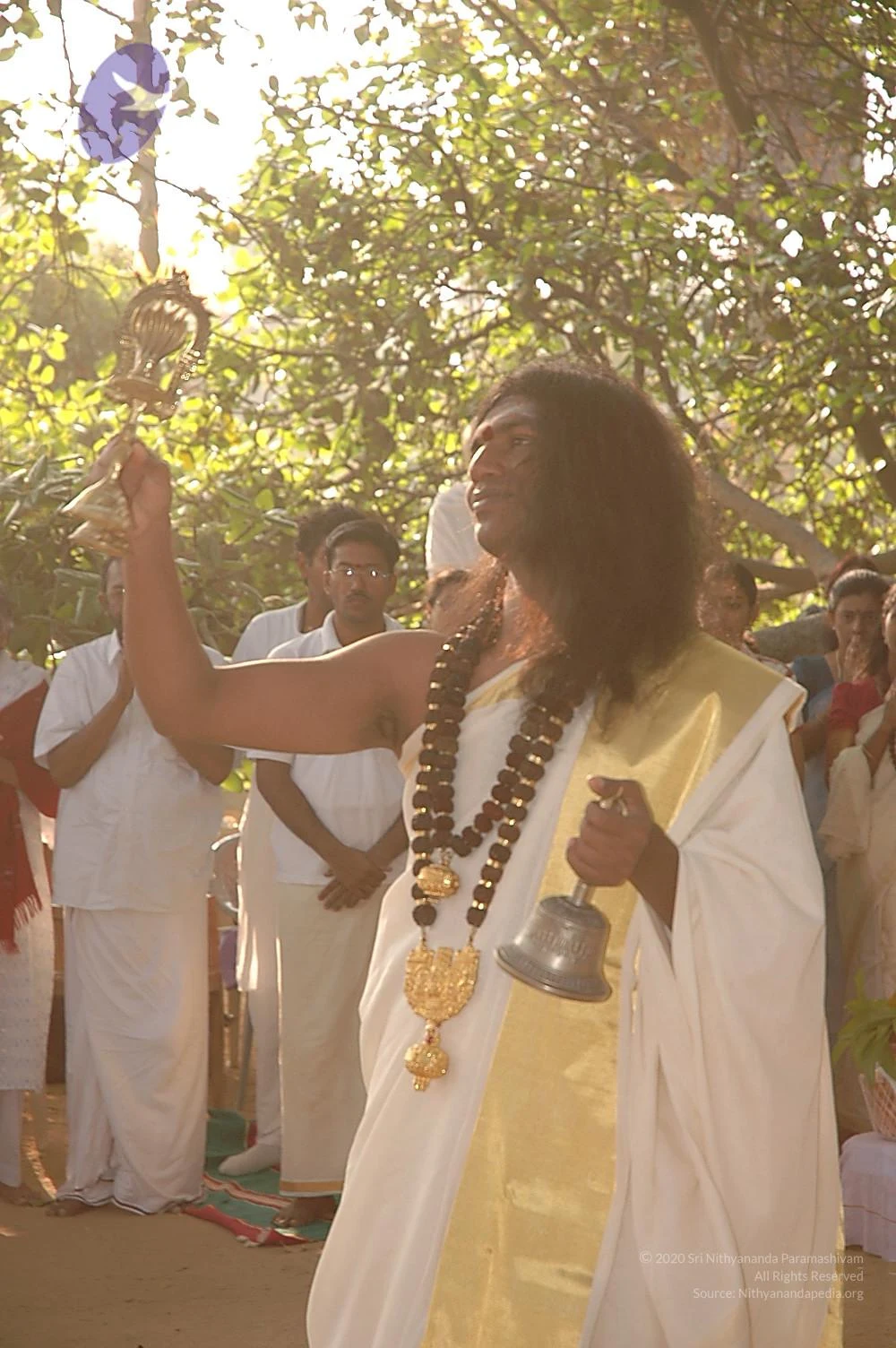
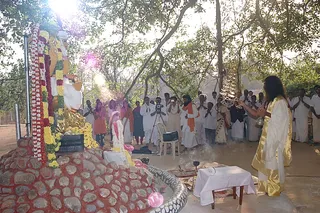
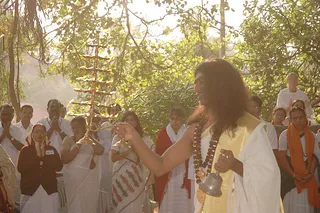
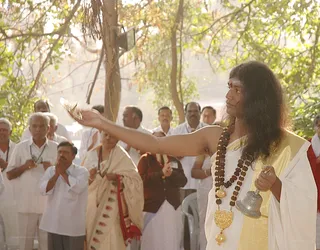
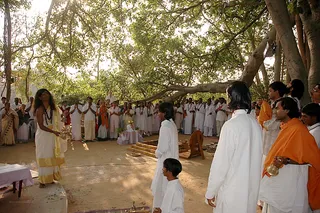
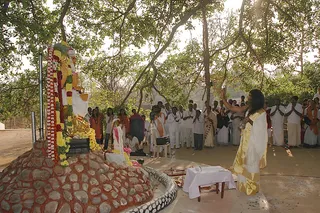
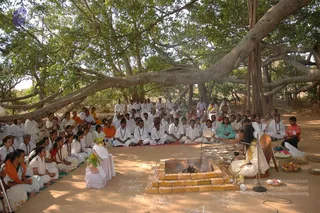
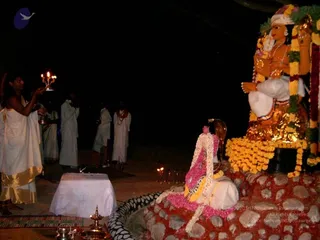
A series of Shiva Sutra discourses were delivered by Swamiji in the month of Jan'2005. The following are some pictures of the happenings on 24th Jan 2005.
Shivasutras
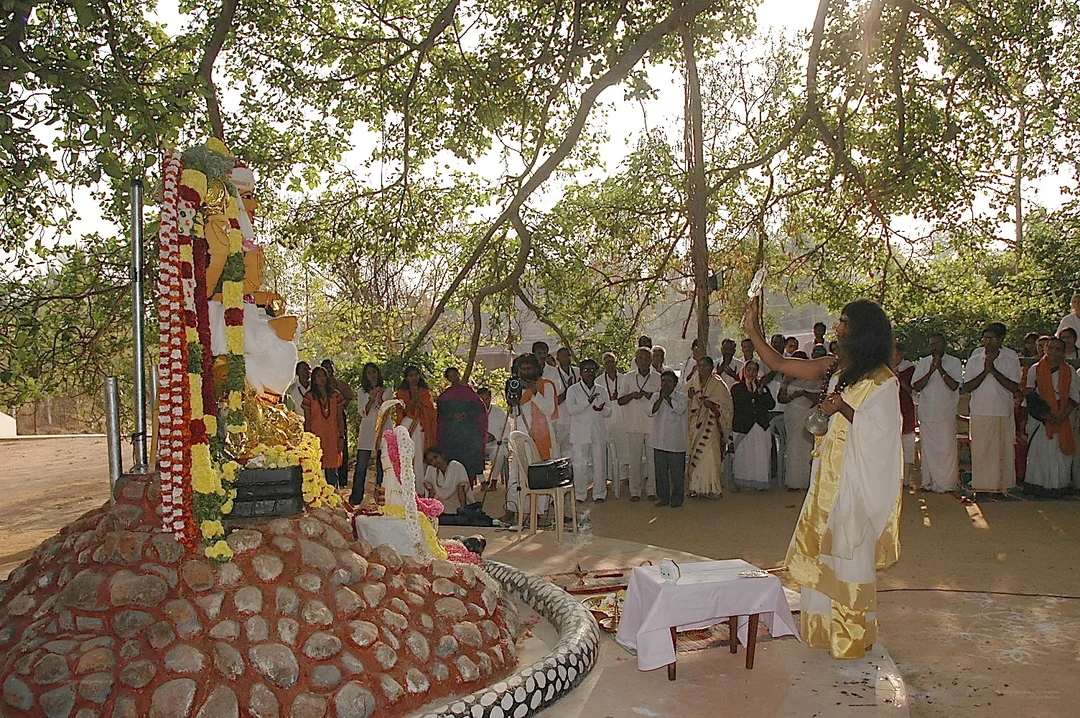
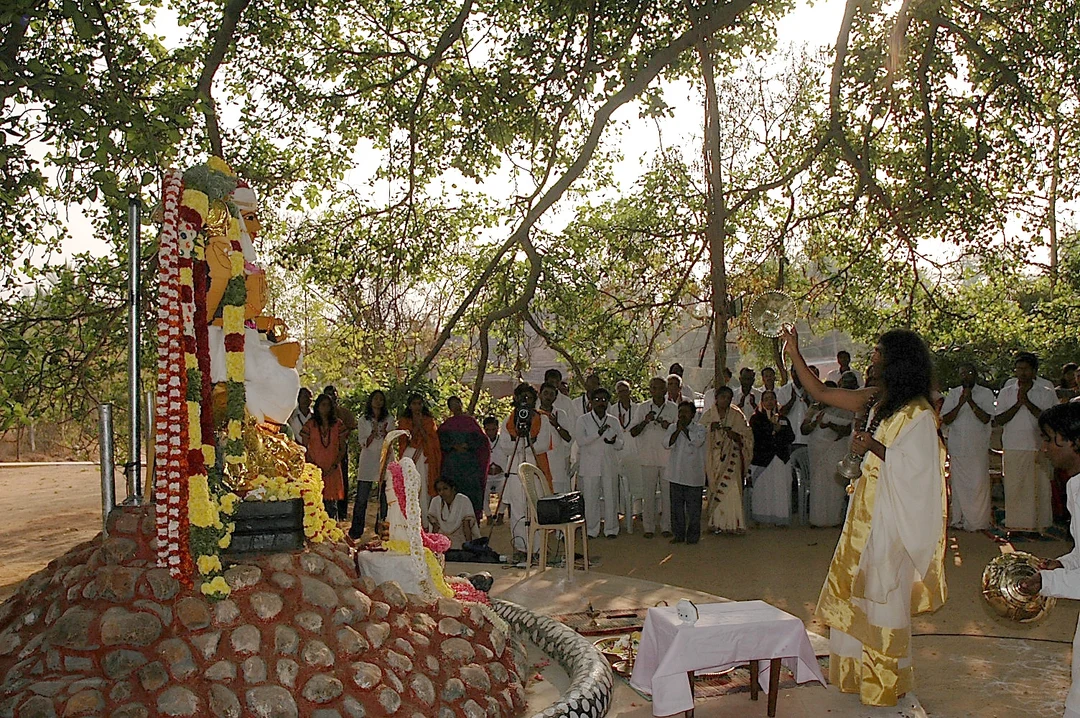
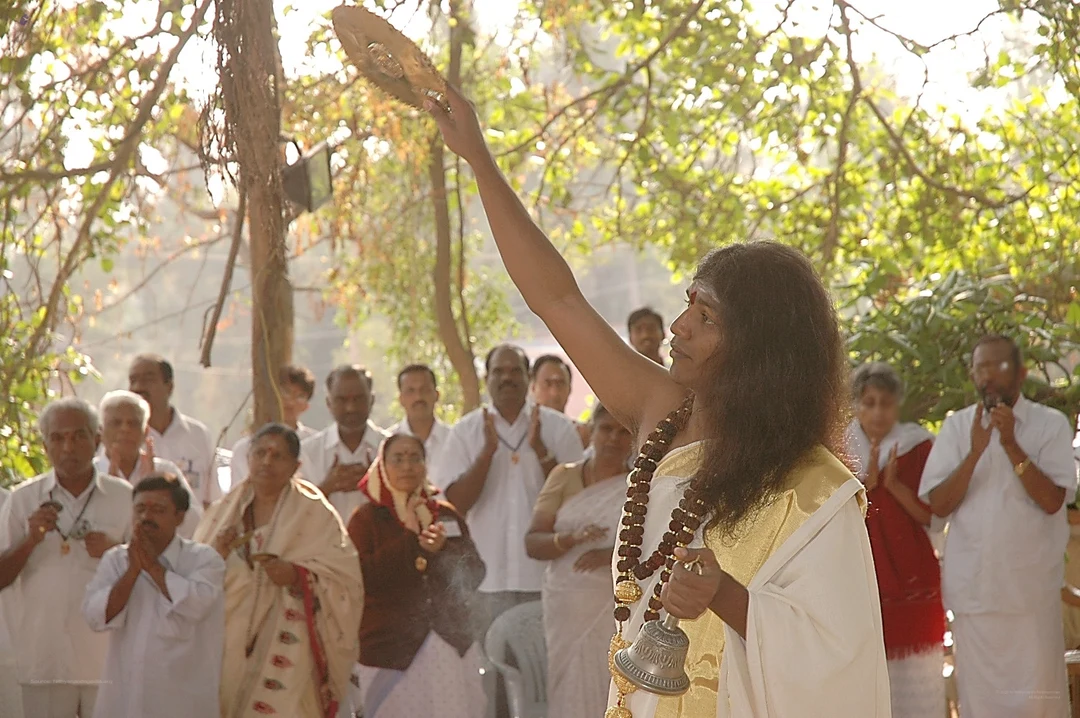
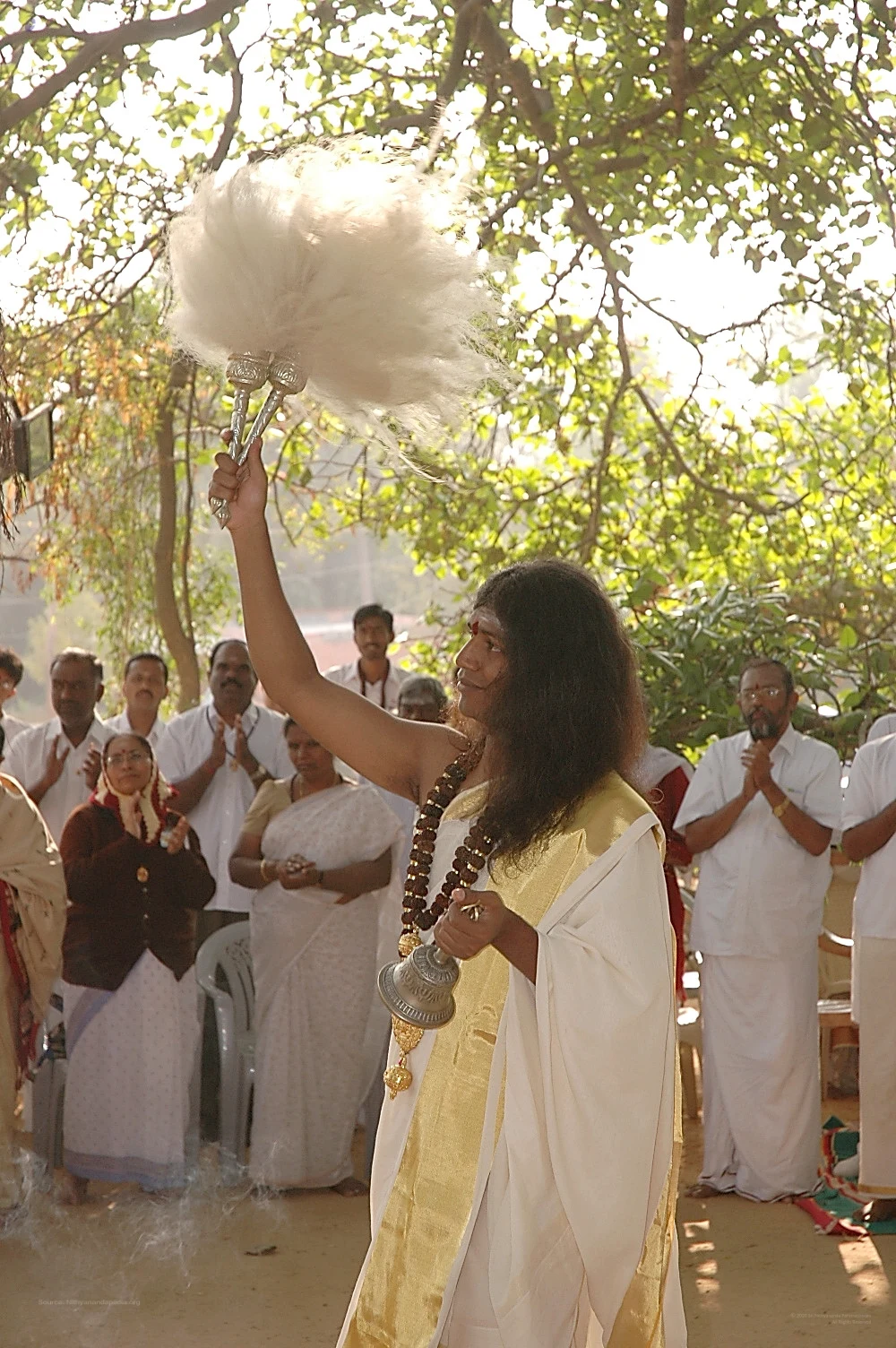
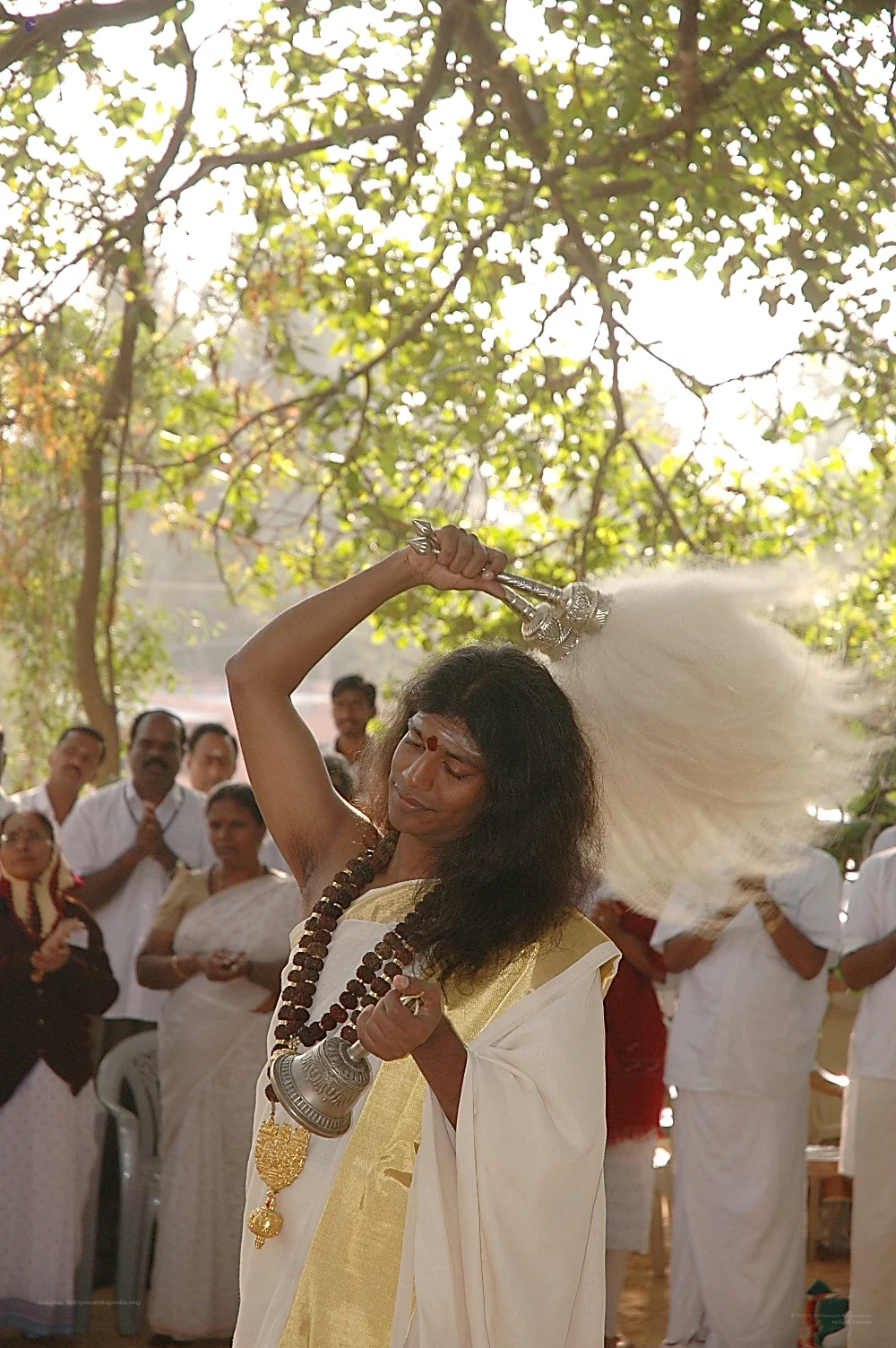
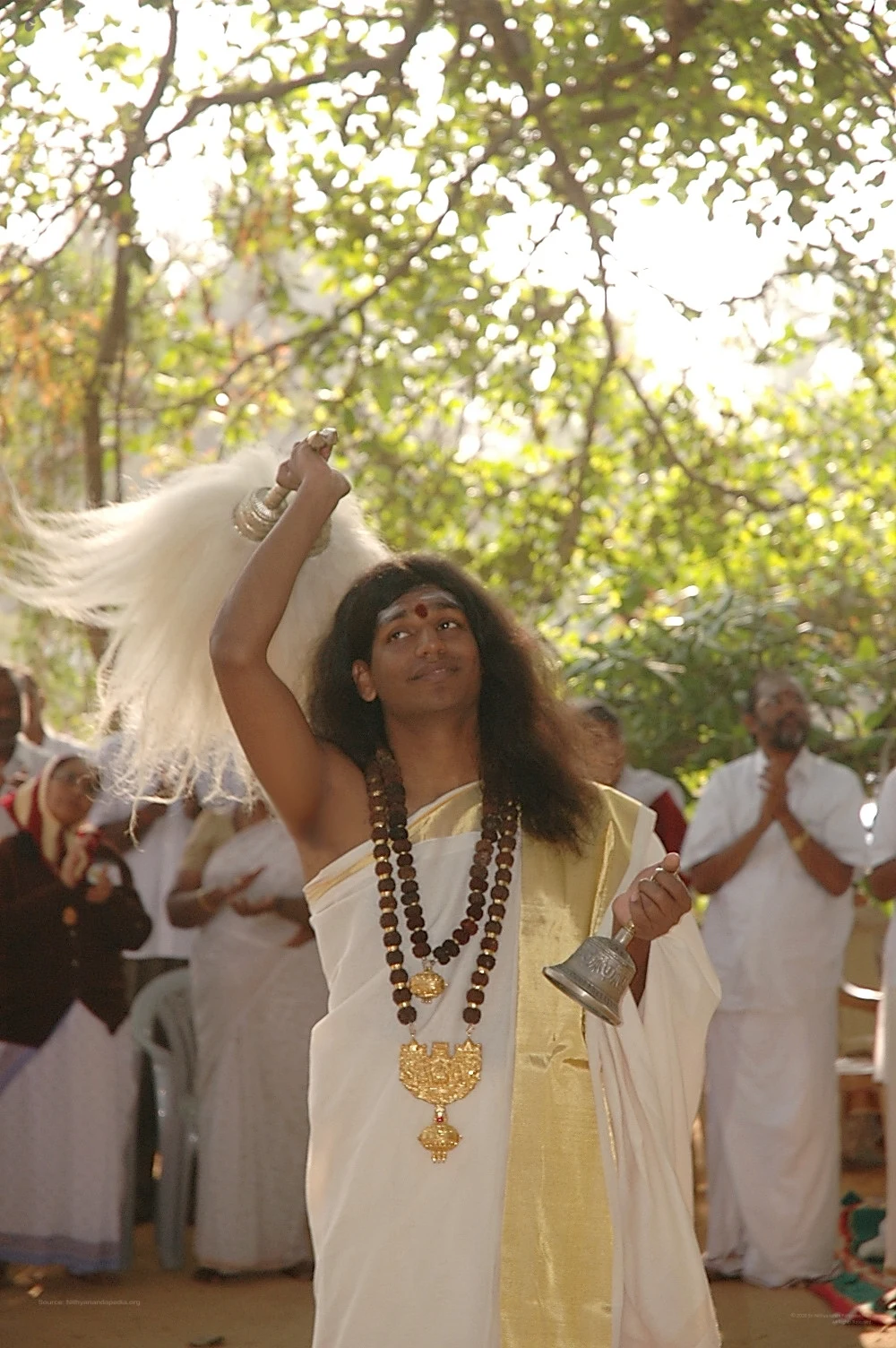
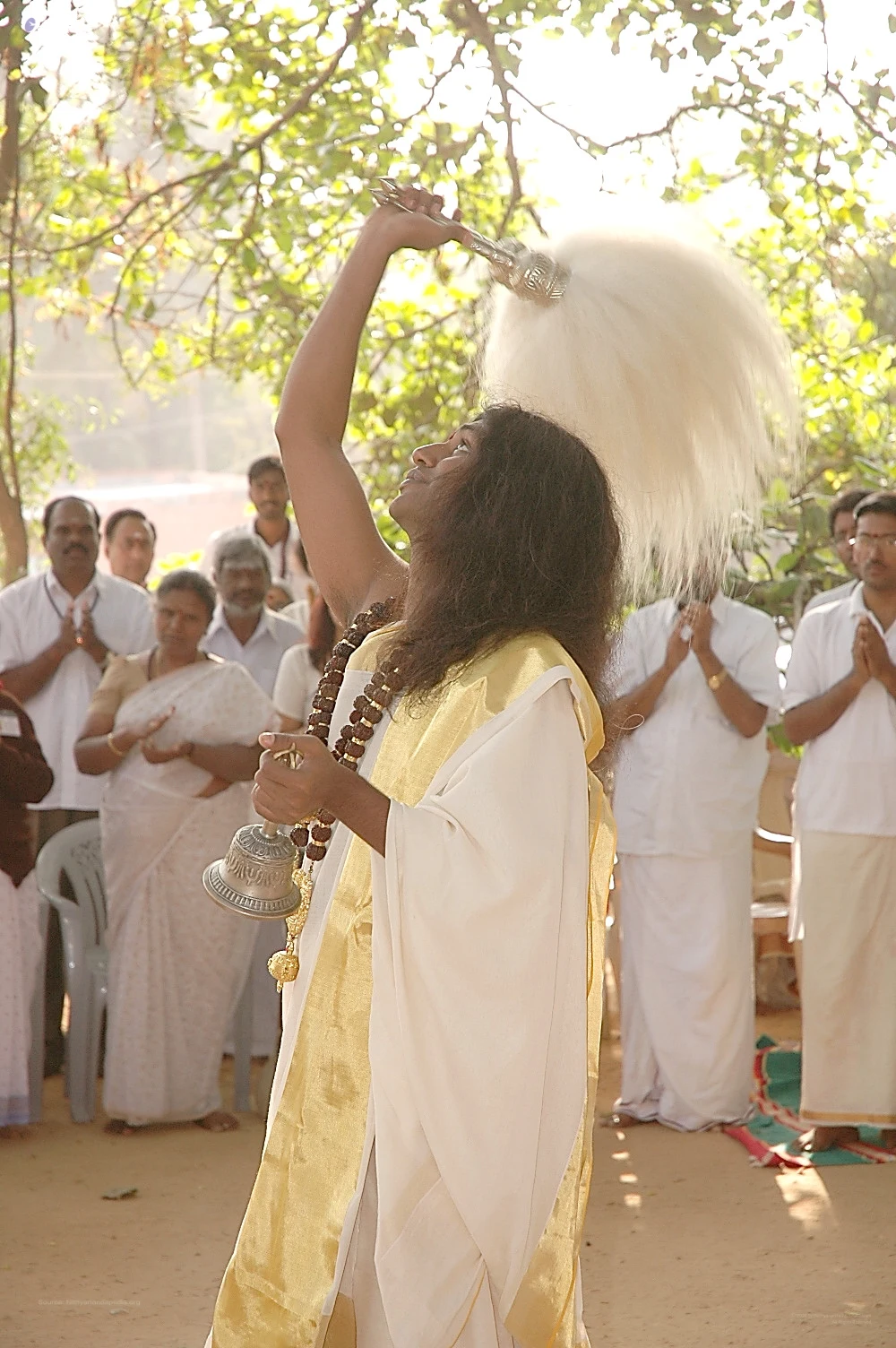
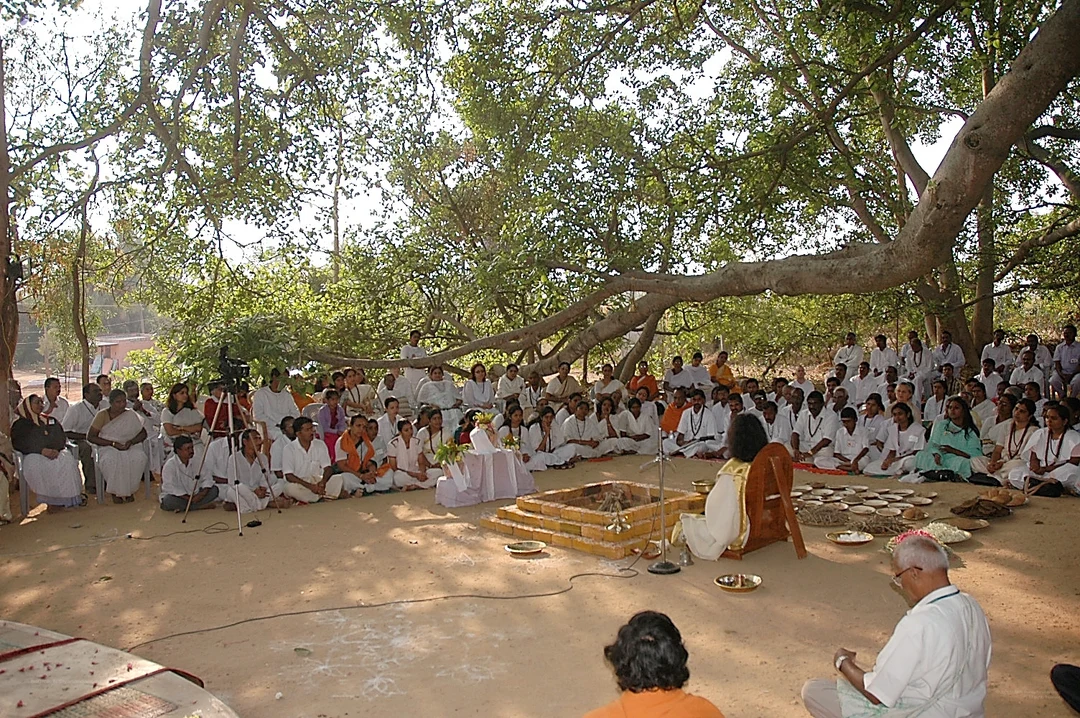
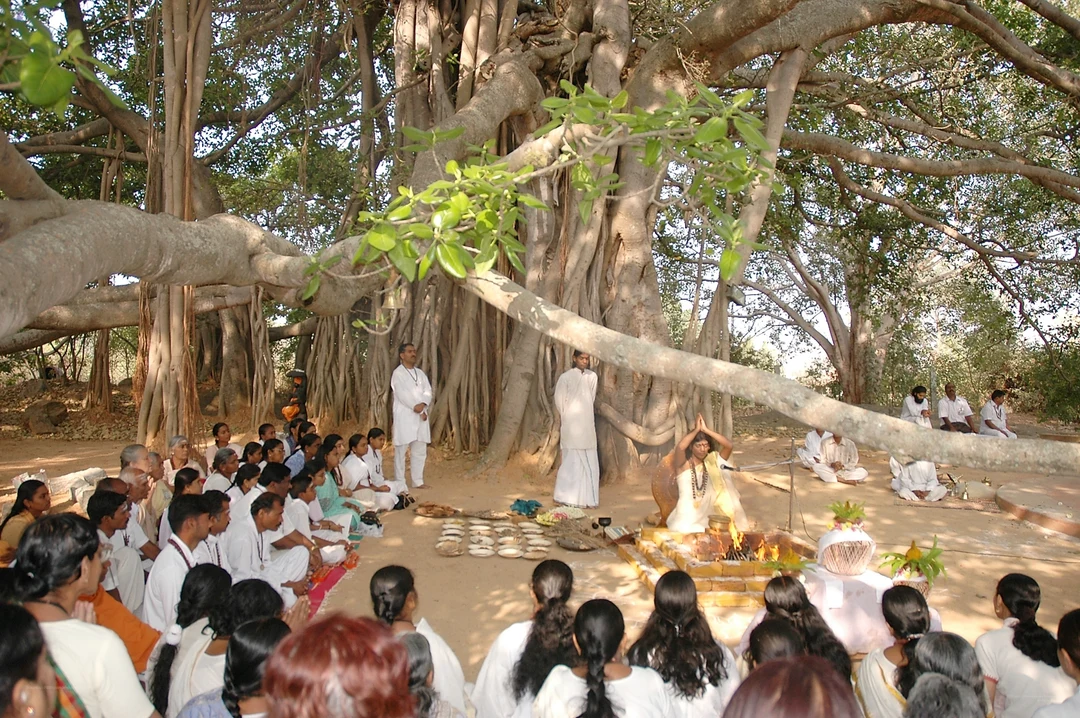
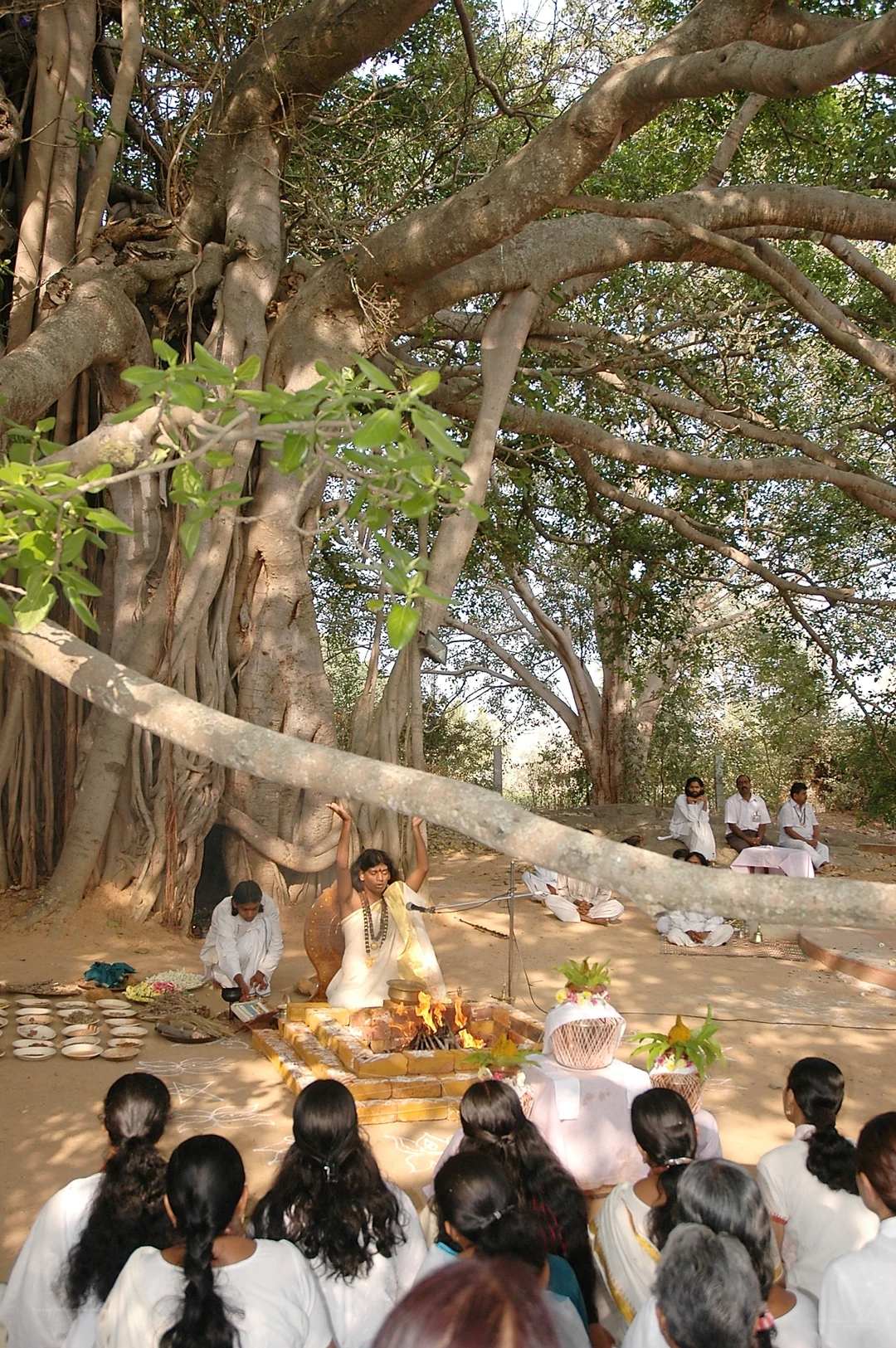
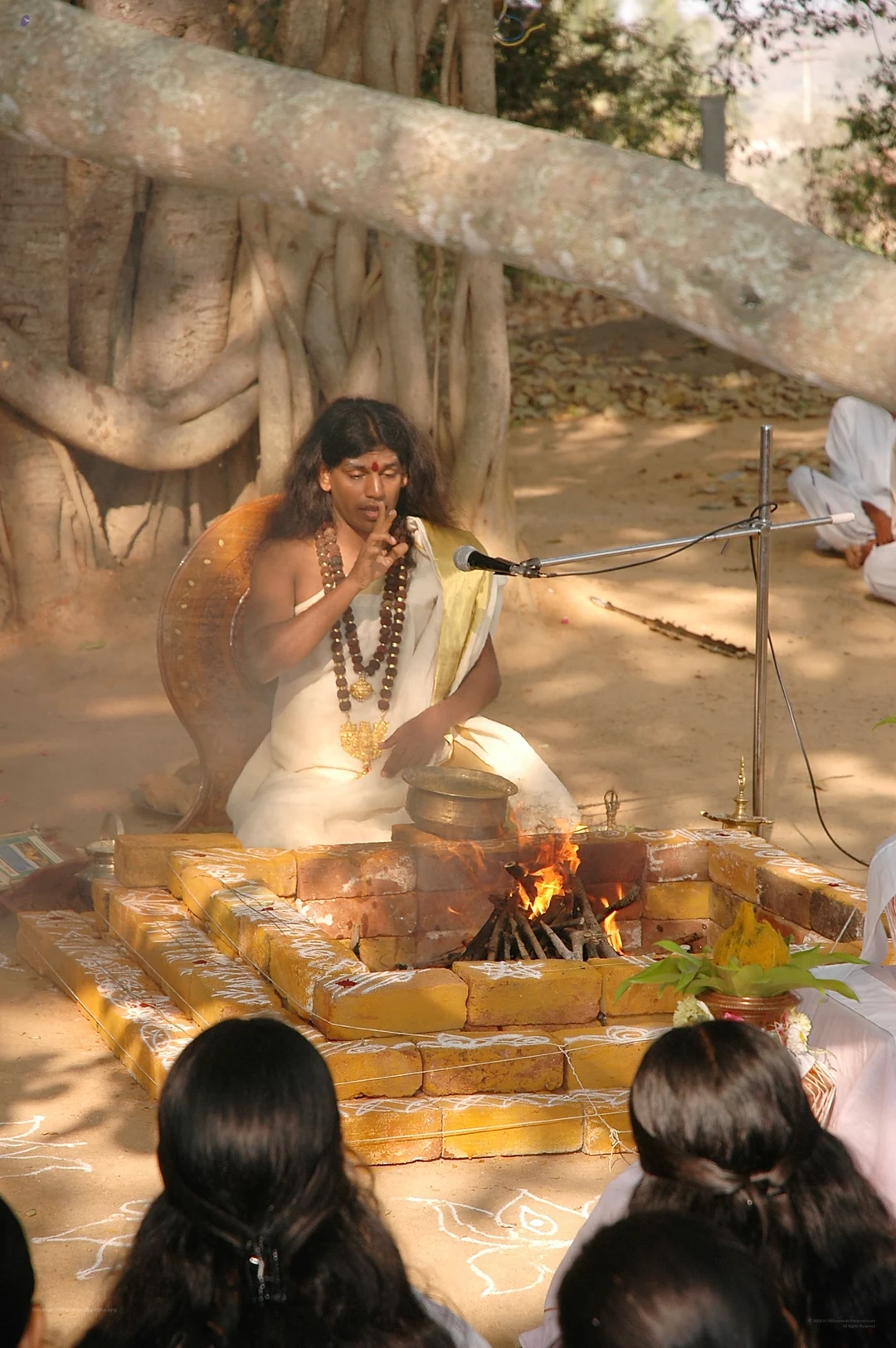
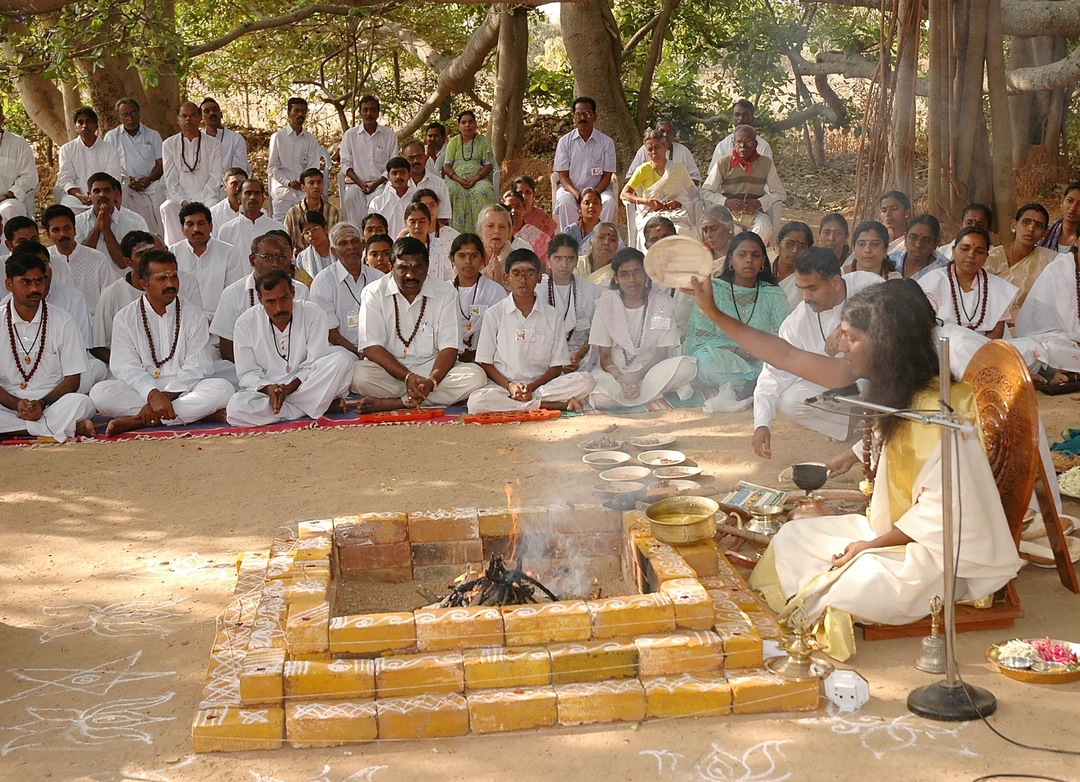
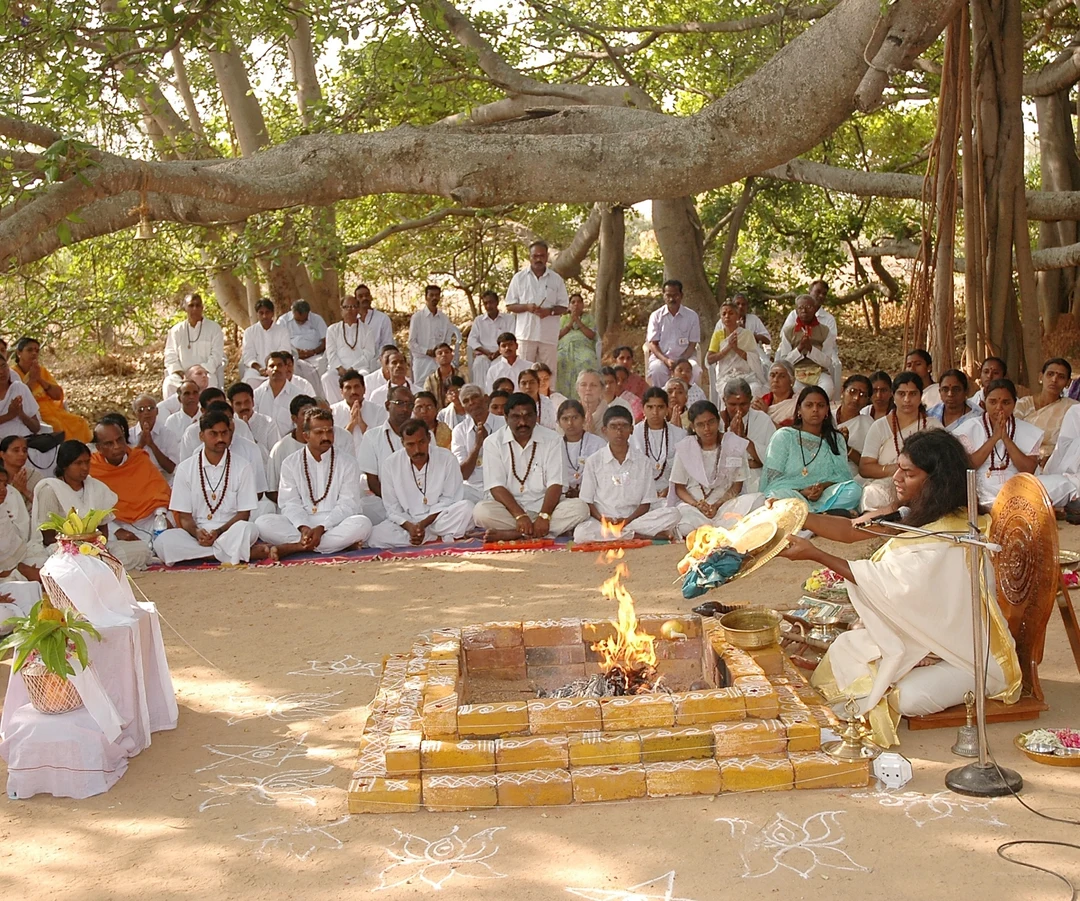
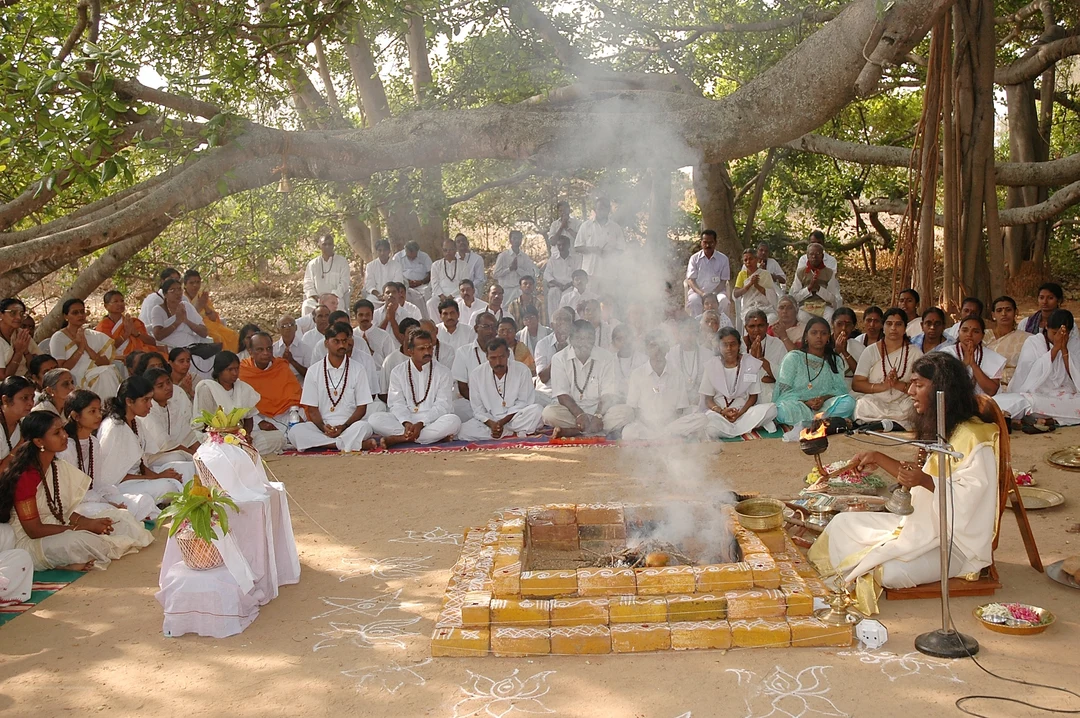
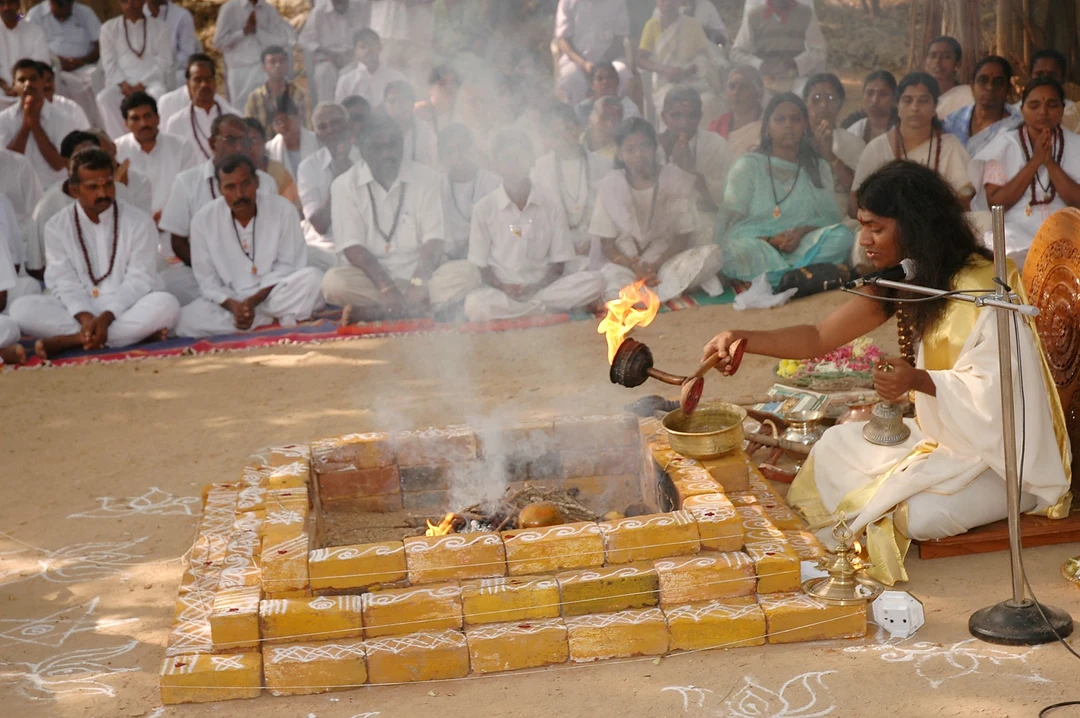
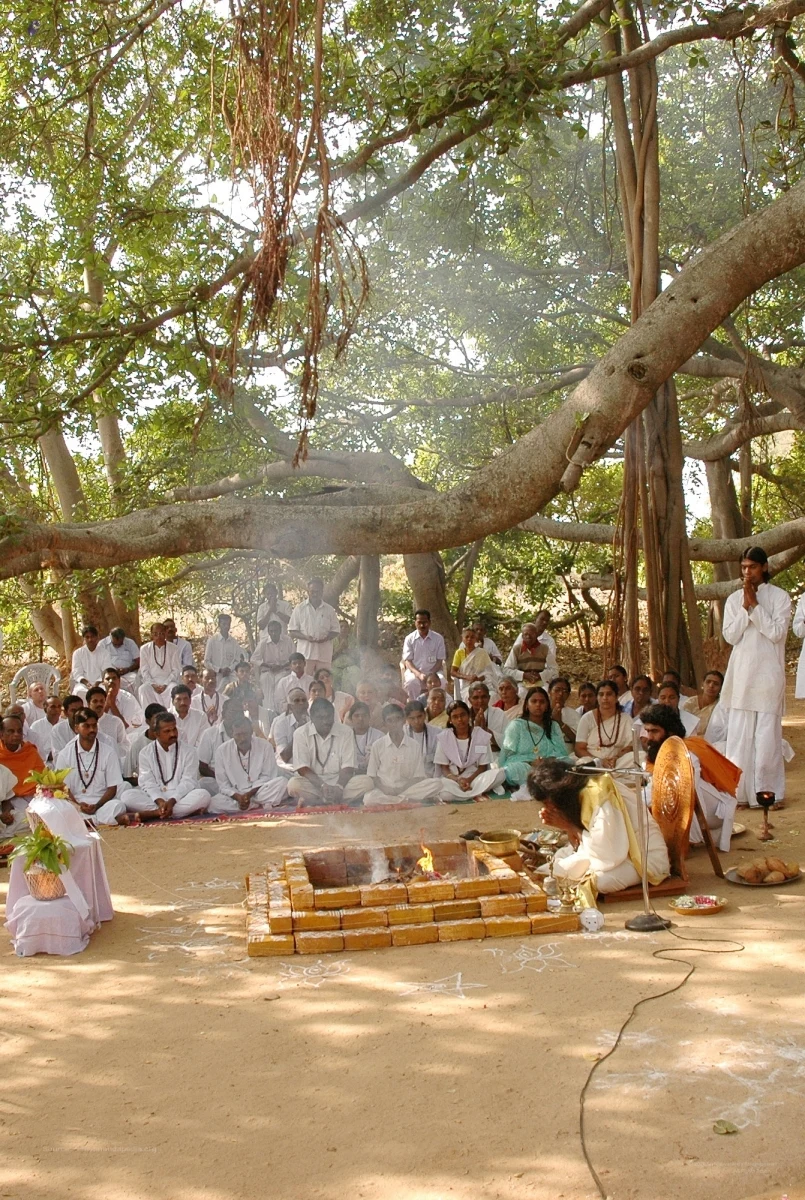
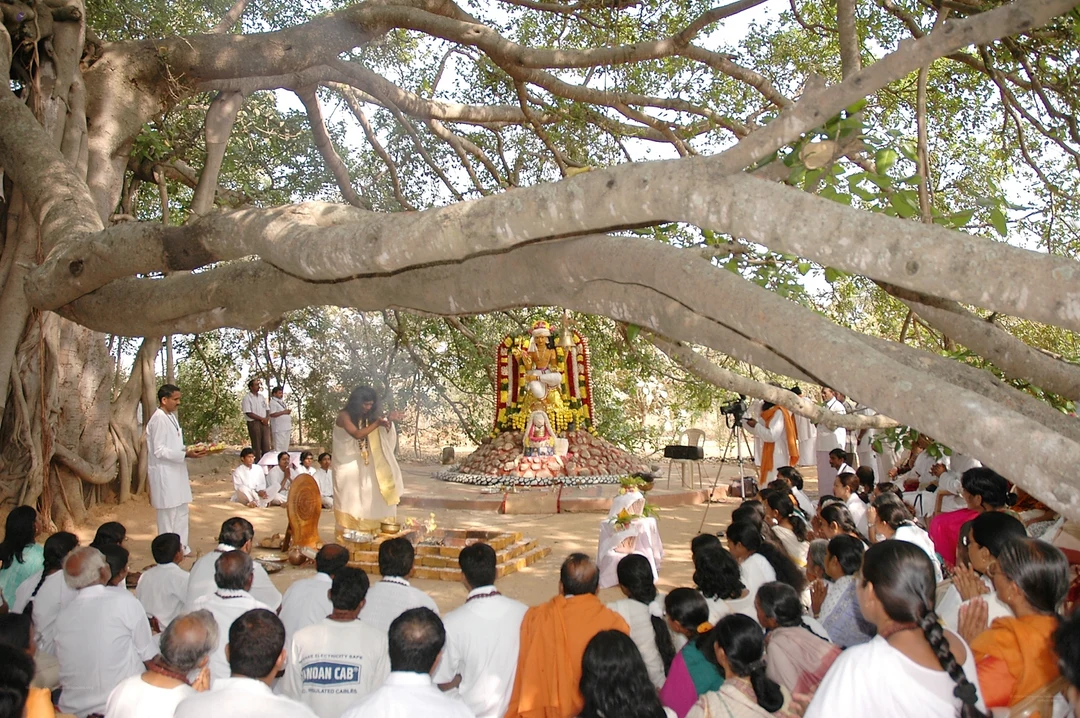
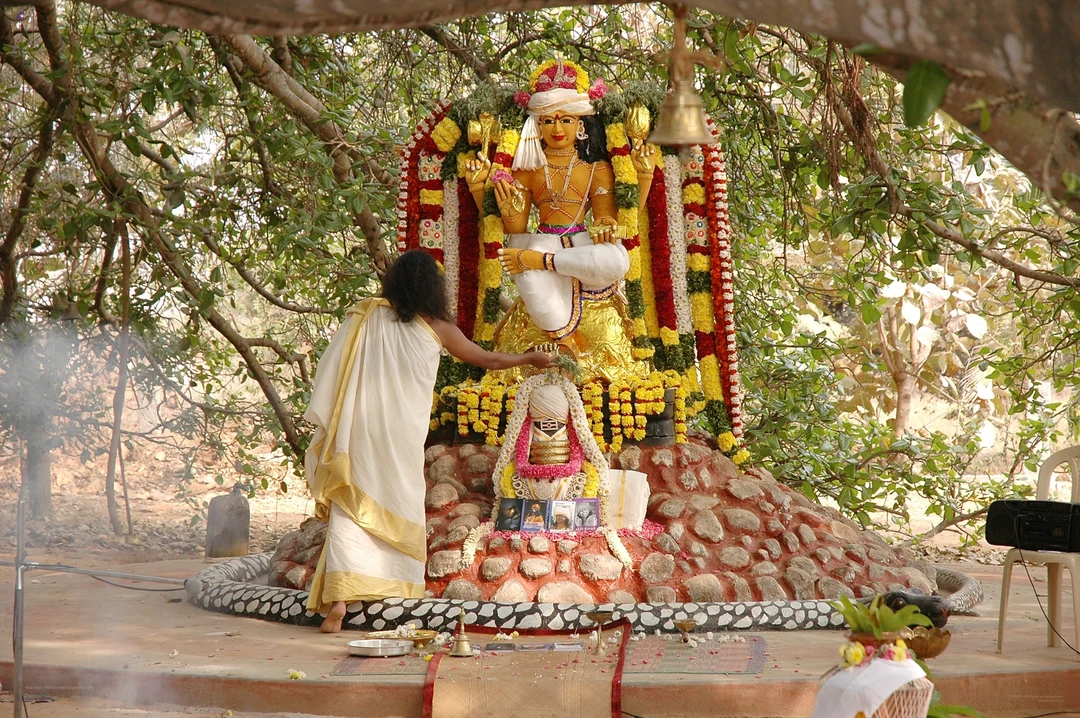
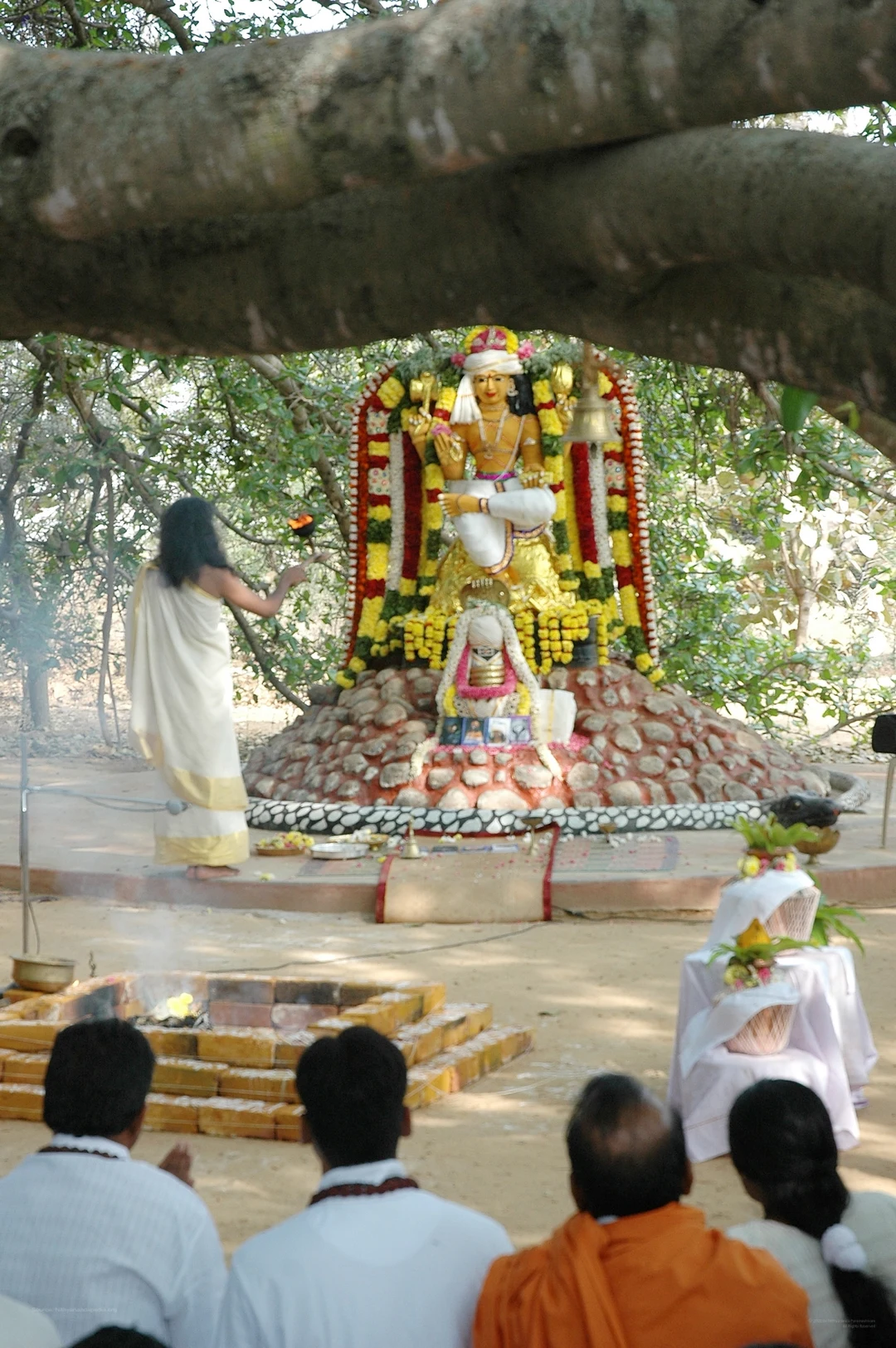
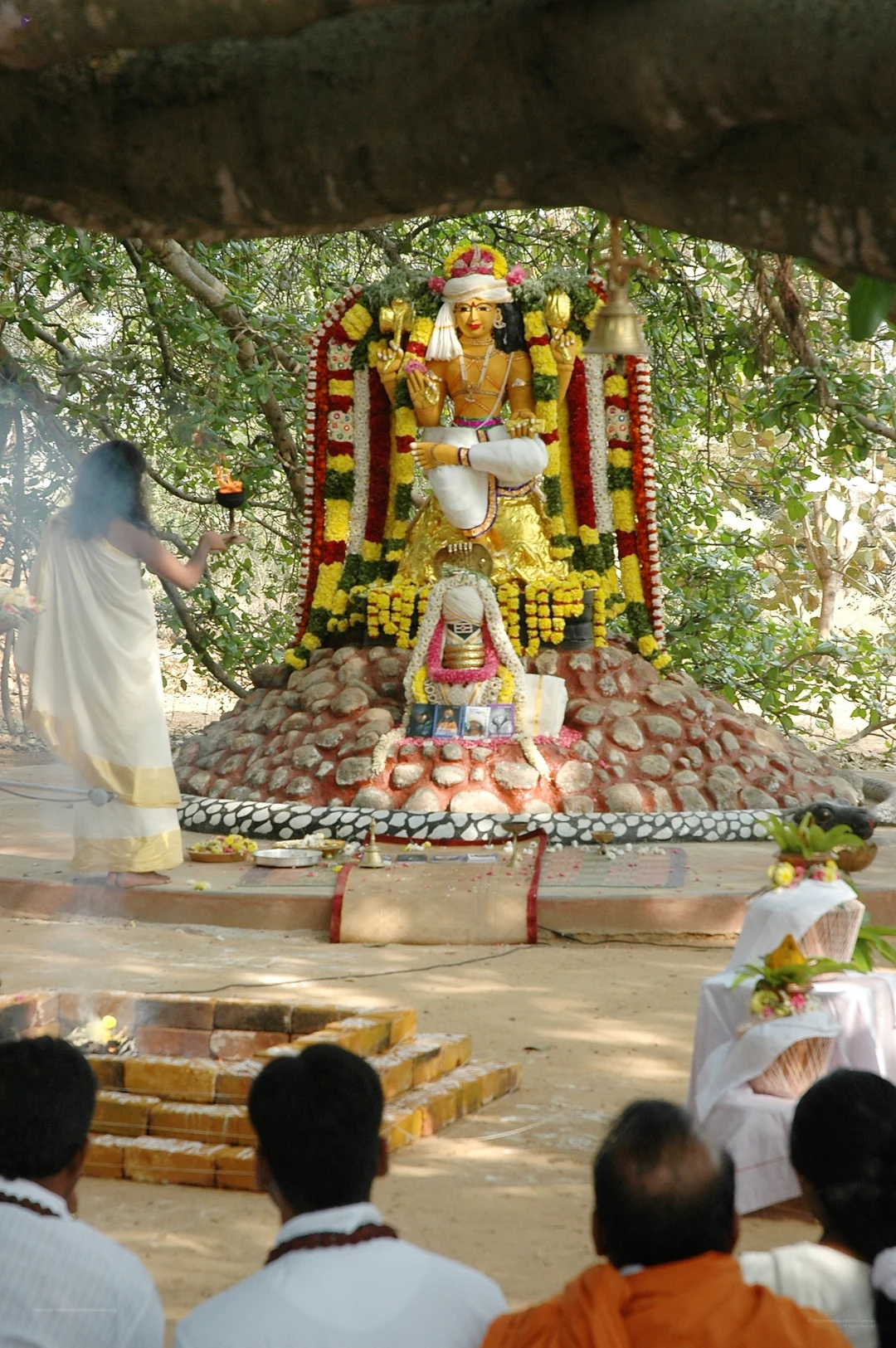
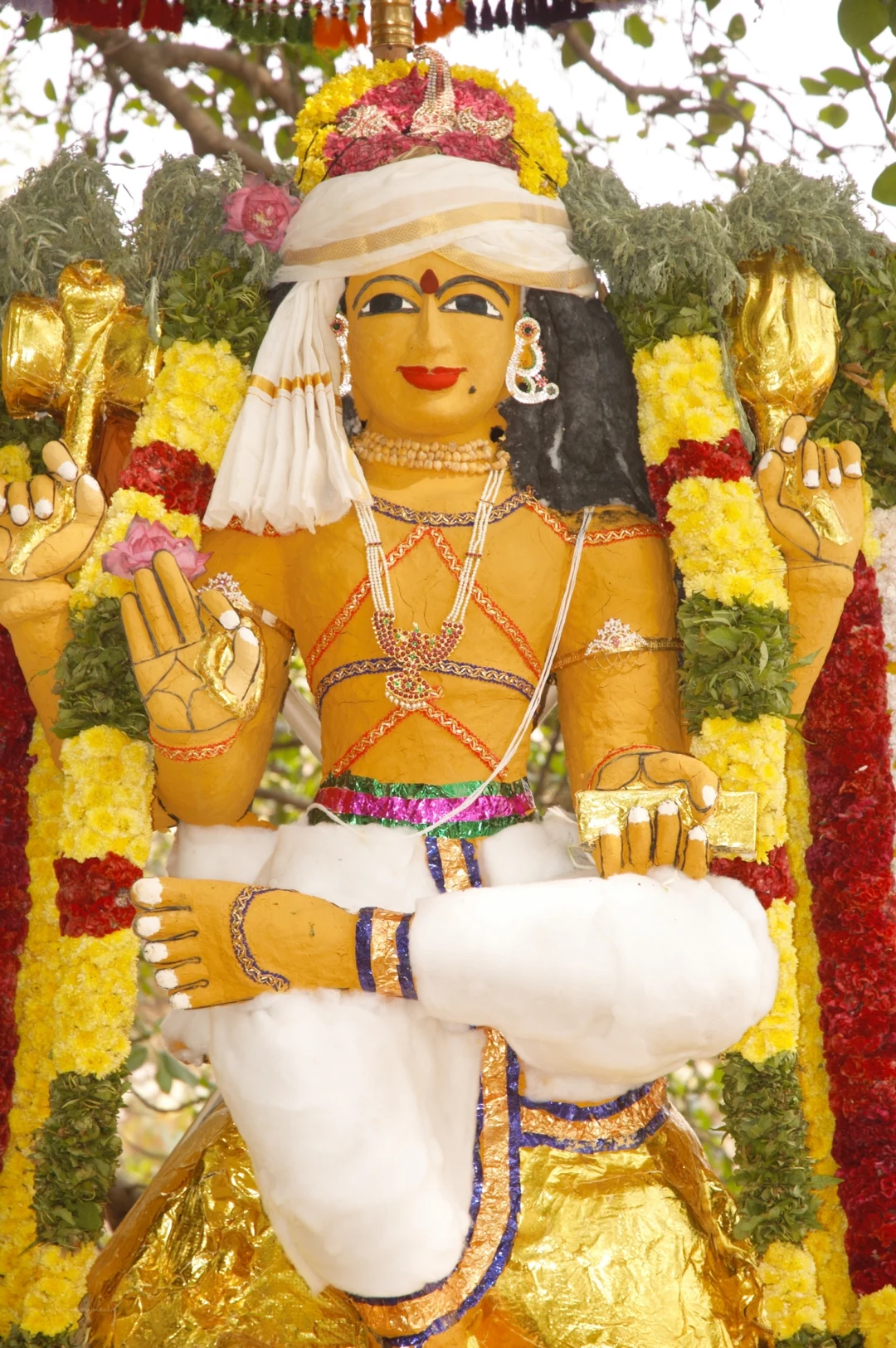
Photos Of The Day:
shiva-sutra-banyan-tree
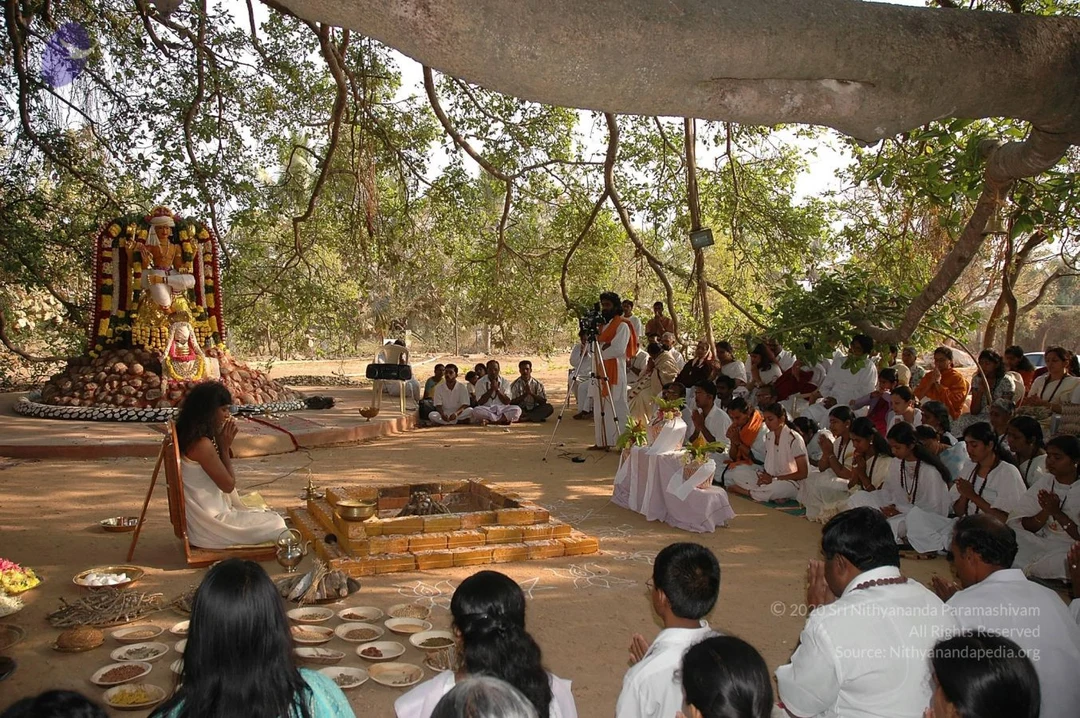
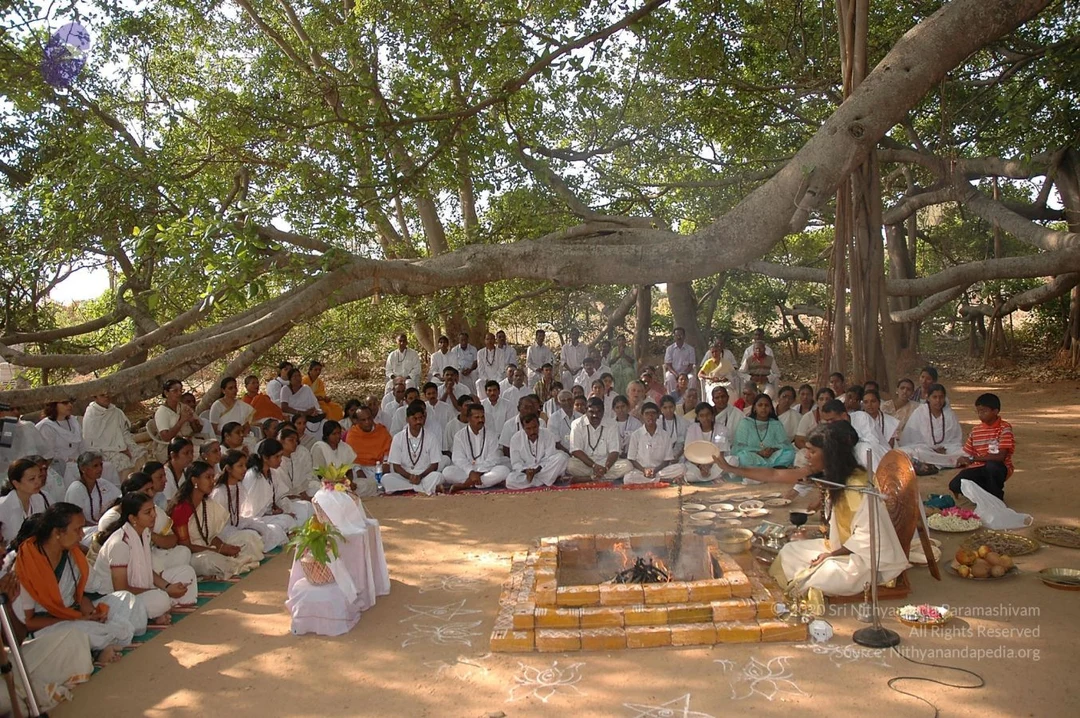
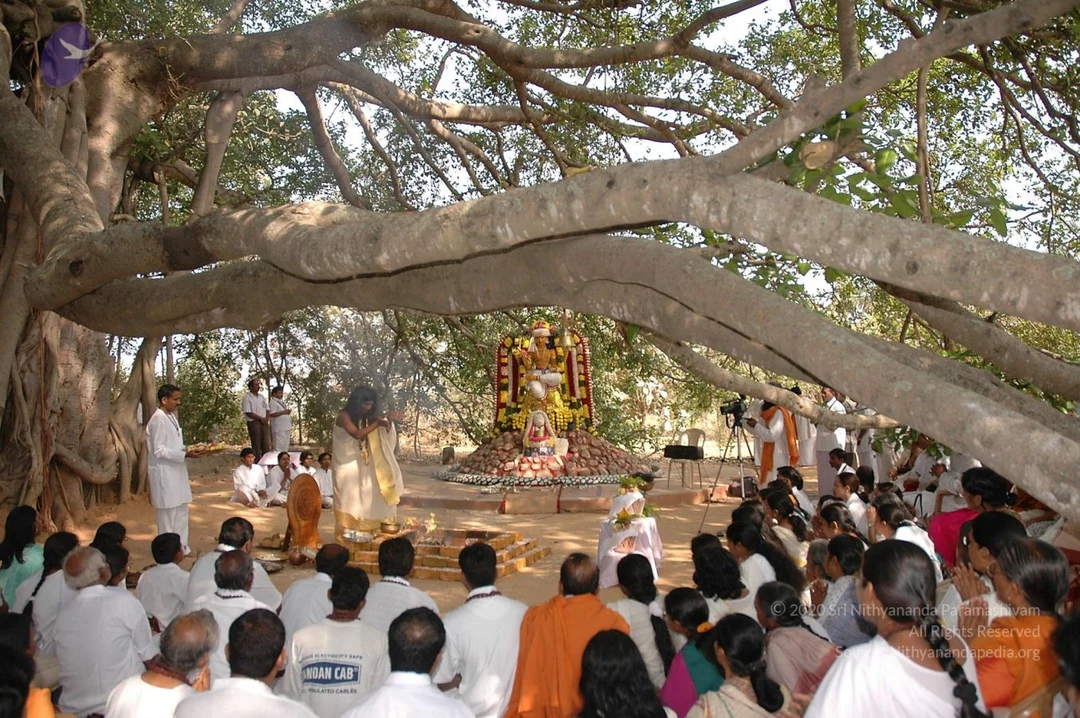
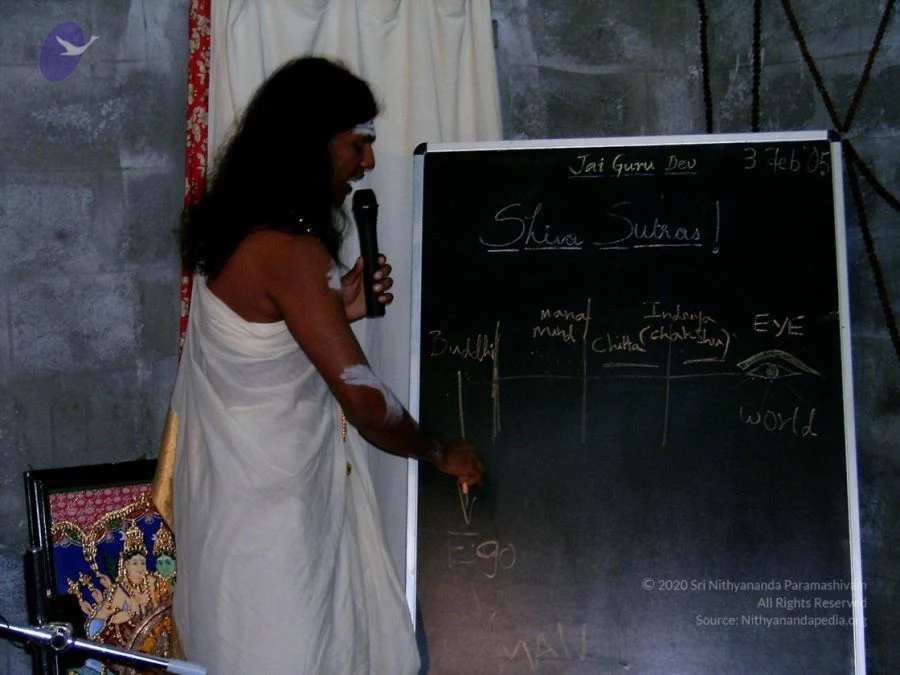
1-SHIVASUTRA
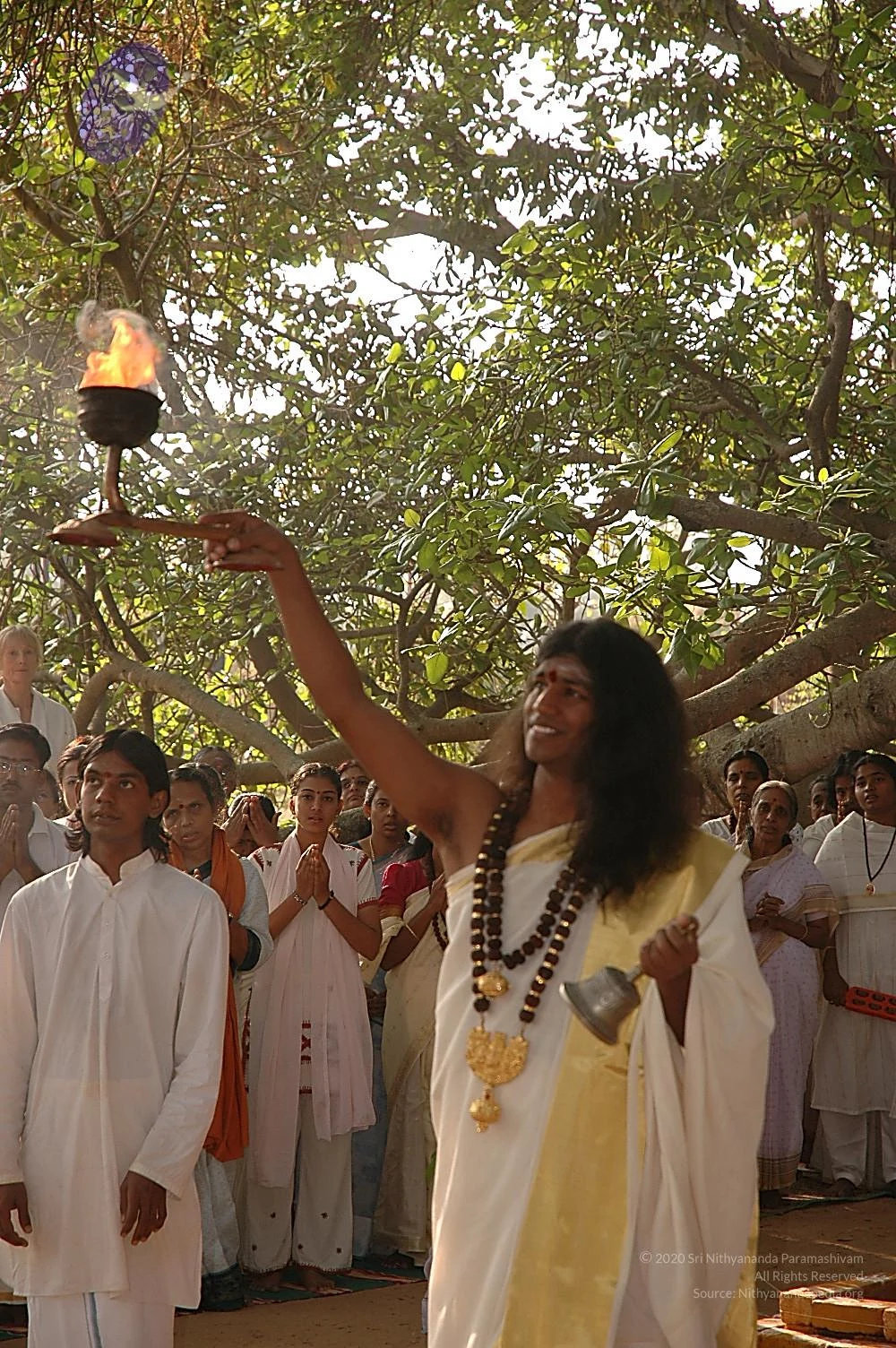
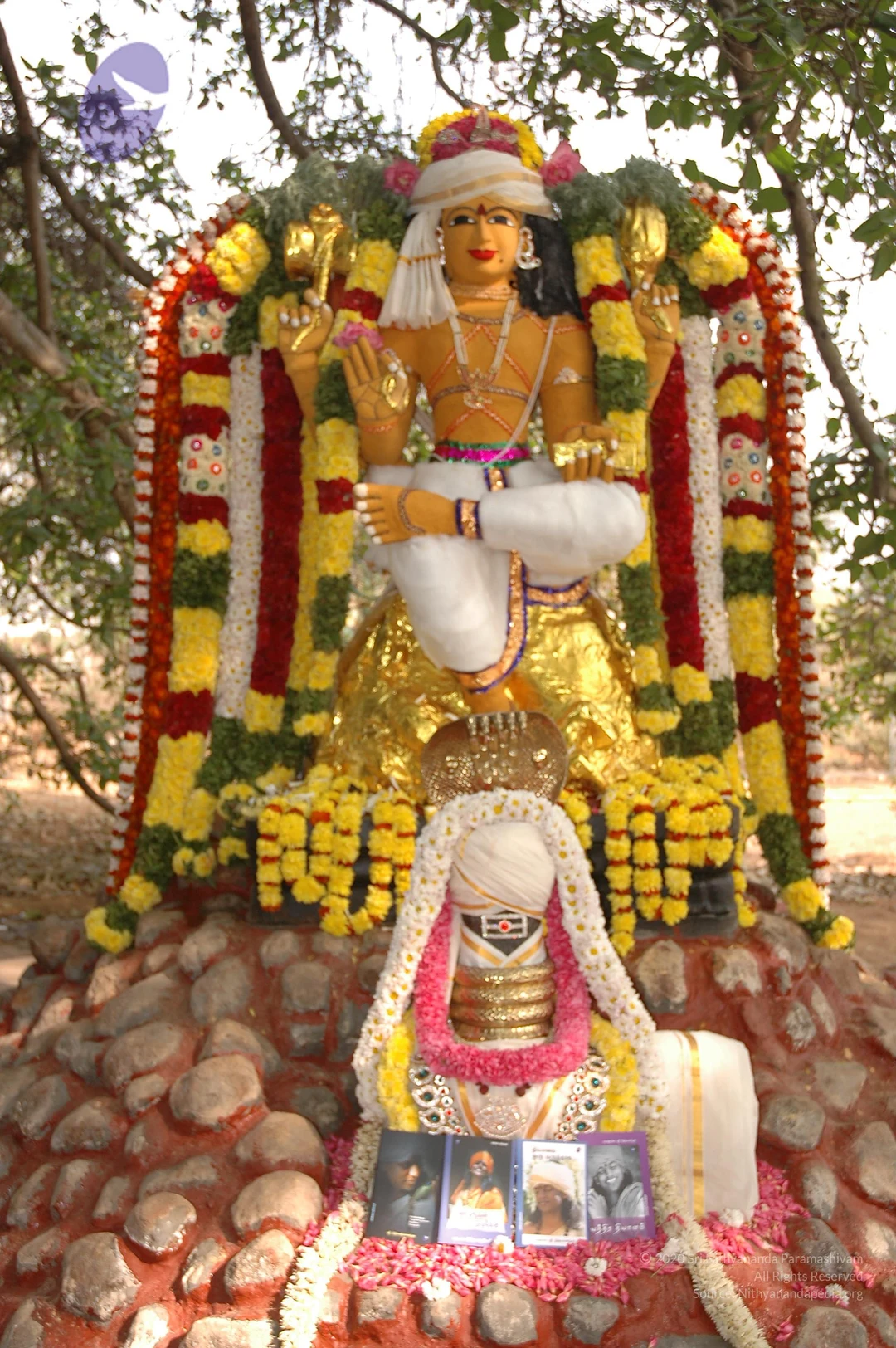
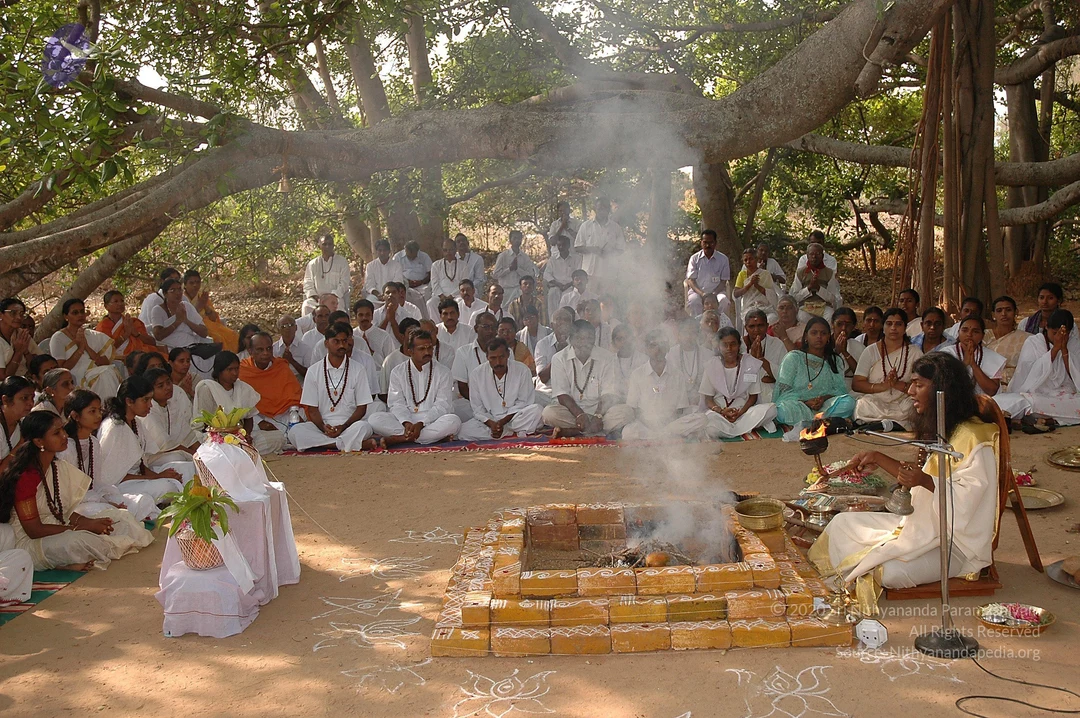
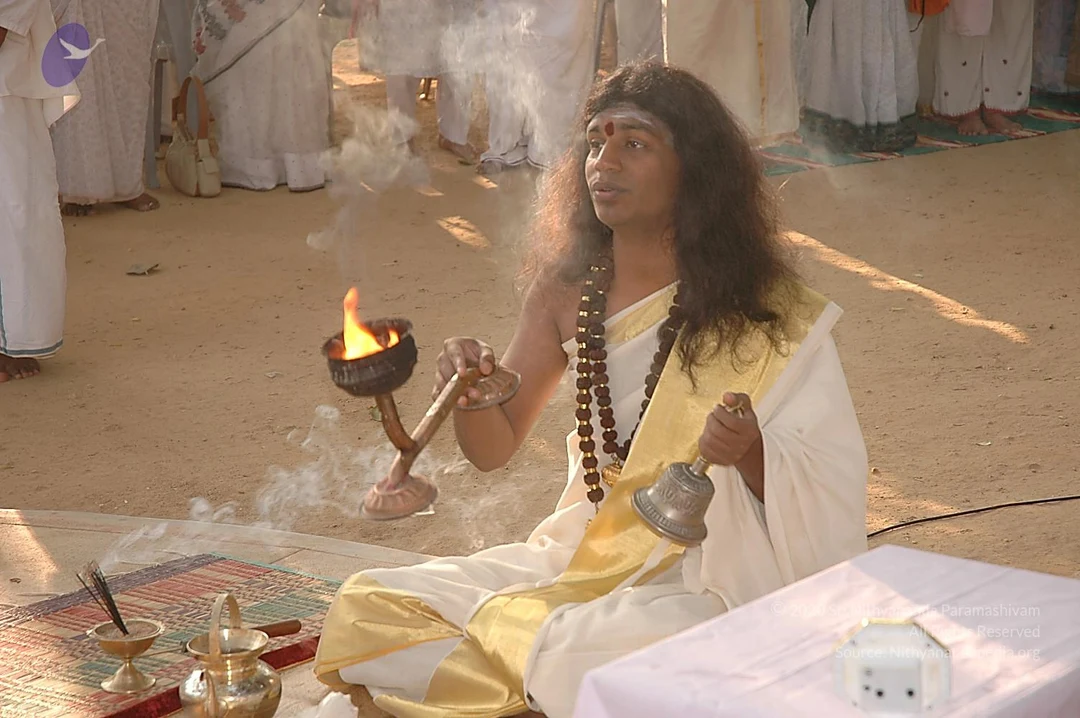
Photos from this day
View all 107 photosShivasutras
35 photosSource gallery
shiva-sutra-banyan-tree
6 photosSource gallery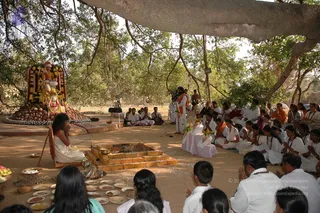
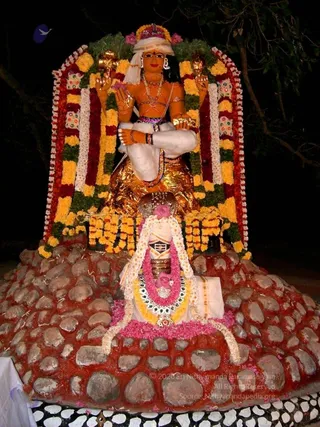
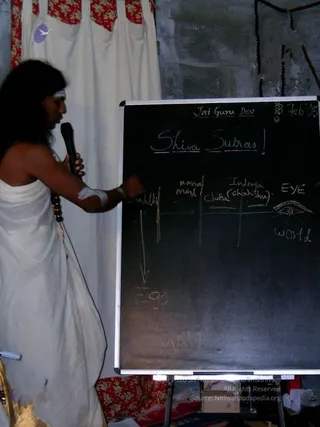
1-SHIVASUTRA
66 photosSource gallery