Tuesday
7 November 2000
Shakta Sampradaya Punarudharanam of Rajarajeshwari Temple, Thiruvannamalai, India || The first ever recorded Chandi Pradhana Vaisheshika Sapta Yaga and Dasha Mahavidya worship performed by The Supreme Pontiff of Hinduism, Jagatguru Mahasannidhanam, His Divine Holiness Bhagavan Nithyananda Paramashivam in Tiruvannamalai.
- Dated photos
- 60
- Source pages
- 2
- Media
- 2
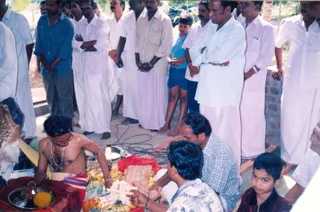
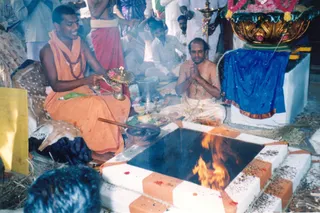
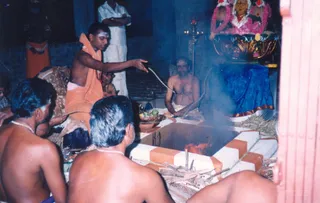
November 07 2000
Original wiki pageTitle
Shakta Sampradaya Punarudharanam of Rajarajeshwari Temple, Thiruvannamalai, India || The first ever recorded Chandi Pradhana Vaisheshika Sapta Yaga and Dasha Mahavidya worship performed by The Supreme Pontiff of Hinduism, Jagatguru Mahasannidhanam, His Divine Holiness Bhagavan Nithyananda Paramashivam in Tiruvannamalai.
Narration
After His ultimate realization as The Avatar and the revelation of His Avataric mission on Planet Earth, The Supreme Pontiff of Hinduism, Jagatguru Mahasannidhanam, His Divine Holiness Bhagavan Nithyananda Paramashivam returned to Tiruvannamalai, Tamil Nadu in South India for the first time after 9 years.
He stayed in a nearby village and began conducting programs and rituals, officially inaugurating His public life. He made Himself available completely to the public, giving spiritual healing for their illnesses and solutions for their daily problems. He dedicated Himself to increasing their quality of life multifold. Thousands of people were benefited and transformed just by His sheer commitment to their lives.
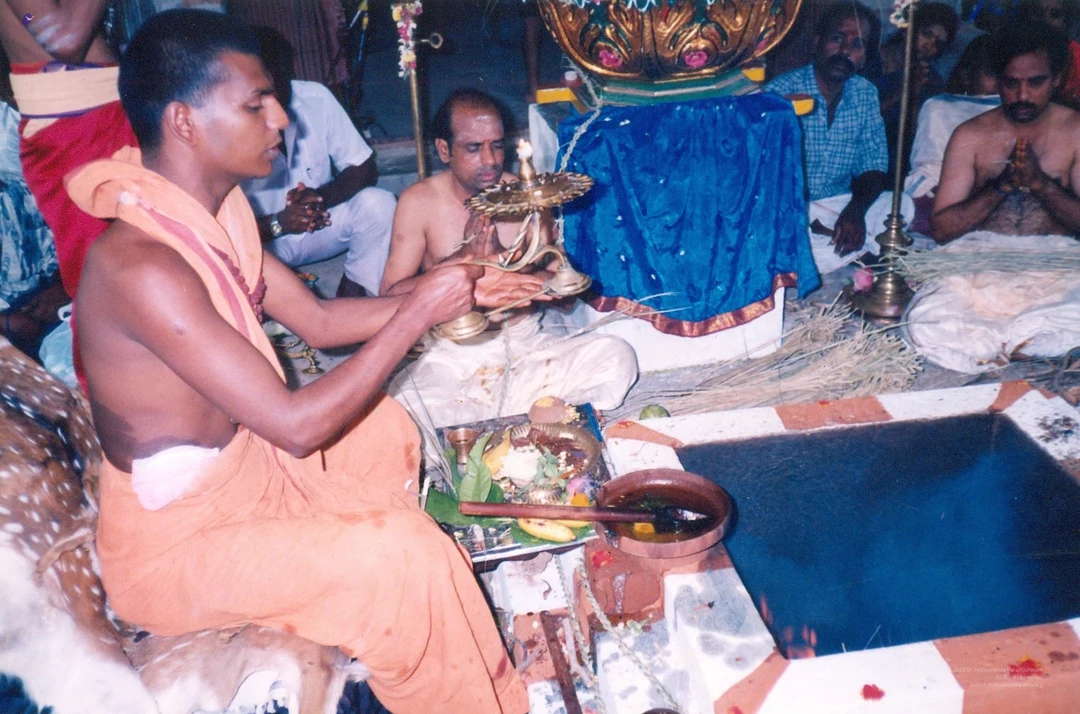
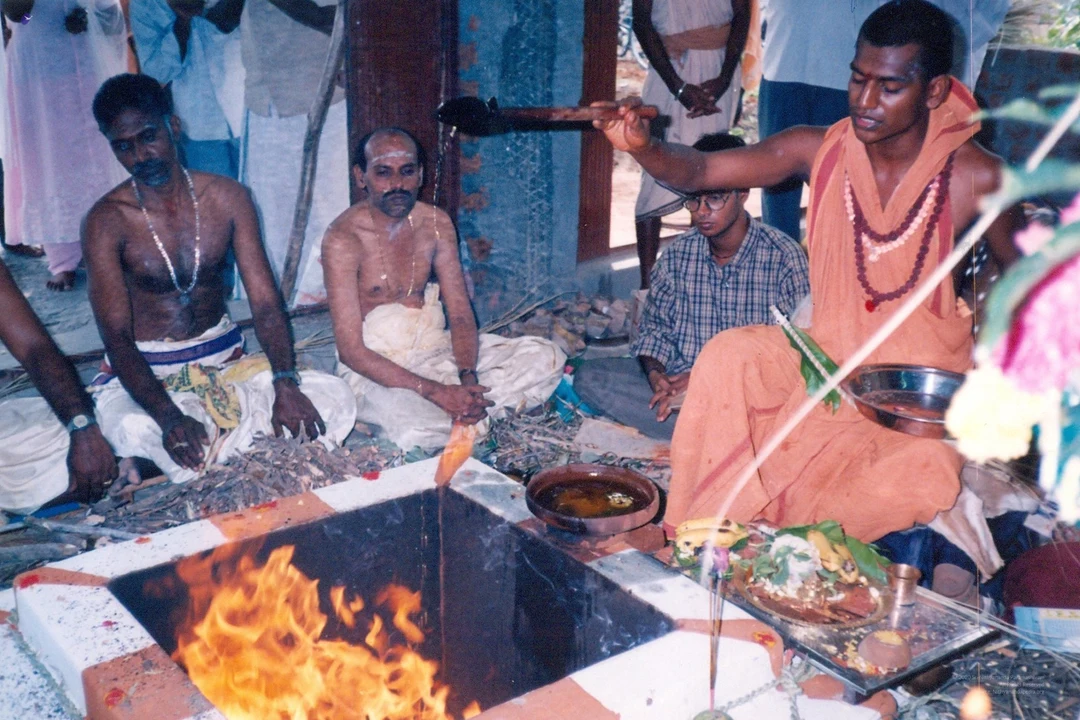
On November 07, 2000, HDH set the first milestone for Department of Enlightenment Civilisation by performing the Chandi Pradhana Vaisheshika Sapta Yaga, along with the Dasha Mahavidya invoking Devi Parashakthi along with the seven Gods - Ganesha, Subrahmanya, Surya, Venkateshwara, Mahadeva, Devi, Guru, and restored the Raja Rajeshwari Kevin (Temple) located on the Girivalam Path around the sacred Arunachala Hill. The Girivalam Path is a well-known road around the circumference of Arunachala Hill, which is considered as a spiritual pilgrimage site for millions of Hindus in Thiruvannamalai.
Not by any coincidence, this temple is right across from what is known today as Kailaasa in Tiruvannamalai Aadheenam, the temple-monastery complex run by initiated sanyasis (Hindu monks) of The Avatar to conduct His mission. Every full moon occasion this land offers free food for the at least 100,000 who take up walking around the sacred Arunachala Hill, whom they consider as Bhagavan Paramashivam Himself.
His Divine Holiness advanced the Shakta Sampradaya by reviving all elements:
- Building the temple
- Consecrating the deities as per Shakta Agamas
- Performing authentic rituals like Chandi Pradhana Vaisheshika Sapta Yaga
- Performing the Dasha Mahavidya worship
- Formally initiating the community and devotees as Shakta Upasakas
- Distributing Sri Yantras to the community and
- Promoting temple based socio-spiritual activities like Annadhan
Event Schedule
- 3.30 AM Getting ready for Chandi Homa
- 4.00 AM Started from Oya Mutt (Oya Mutt -No 126, Thiruvoodal Street, Tiruvannamalai - 606601, Tiruvannamalai)
- 4.20 AM Reached Rajarajeshwari Temple by car ( 5.5 km via NH77 from OYYA Mutt)
- 4.30 AM DigVijyam of JagathGuru Mahasannidanam at Sri Rajarajeshwari temple
- Welcomed at Entrance. Swamiji asked ALL selected members to gather outside and as team of 10 enter into the premise. Swamiji was absolutely integrated to His Commitment. He came 10 minutes ahead of committed time.
- 4.30 to 6.00 AM PraKriya (Pre Preparations) from His Divine Holiness
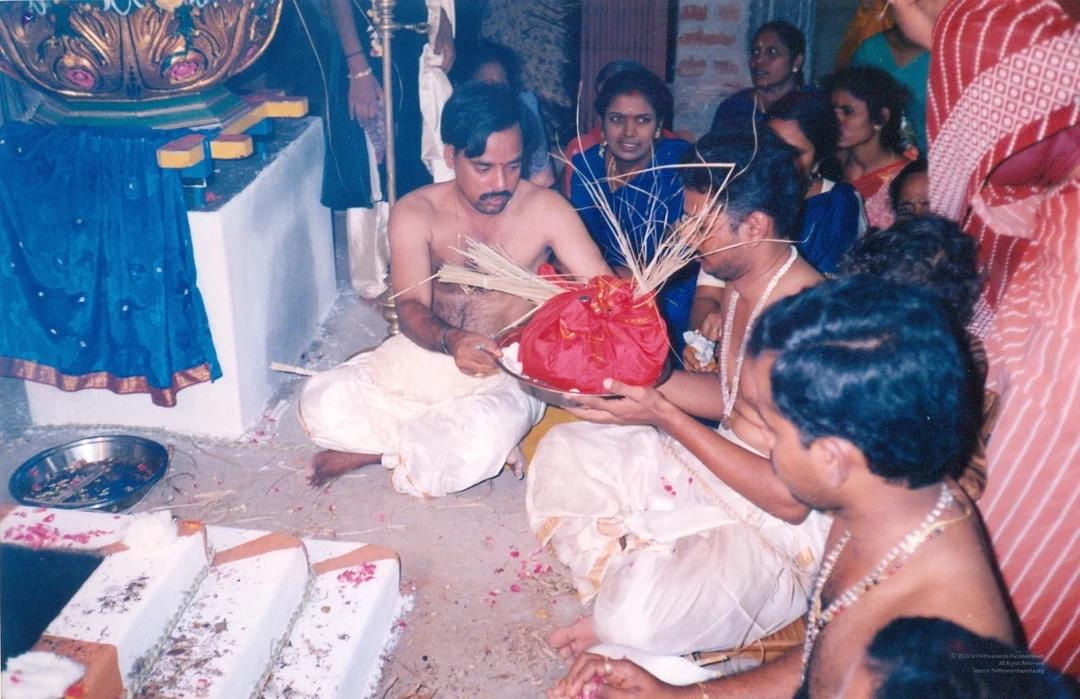
- Swamiji verified the preparations personally. The long Darbha grass was tied around the Navel of the Main Kalasa, all selected 9 men, Homa Kunda, Swamiji himself and with the Main Deity of the Homa. With this he connected all energies in Oneness.
- 6.00 to 11.30 AM The one who is the embodiment of Shiva Jnana Bodha Himself performed the Bhodaka kriya (Chanting the mantras from the space of oneness)
- For the Chandi Homa, Swamiji himself brought the book. Chanting was personally done for a continuous 5 hours 30 minutes.
- 11.30 to 12 PM His Divine Holiness, offering the oblation for completion during the grand finale of Chandi Pradhana Vaisheshika Sapta Yaga, marked the successful beginning of Punarudharadhana (Revival) of Shakta Sampradaya
- Offering of Maha Poornahuti (The Auspicious time falls after 11.30 am)
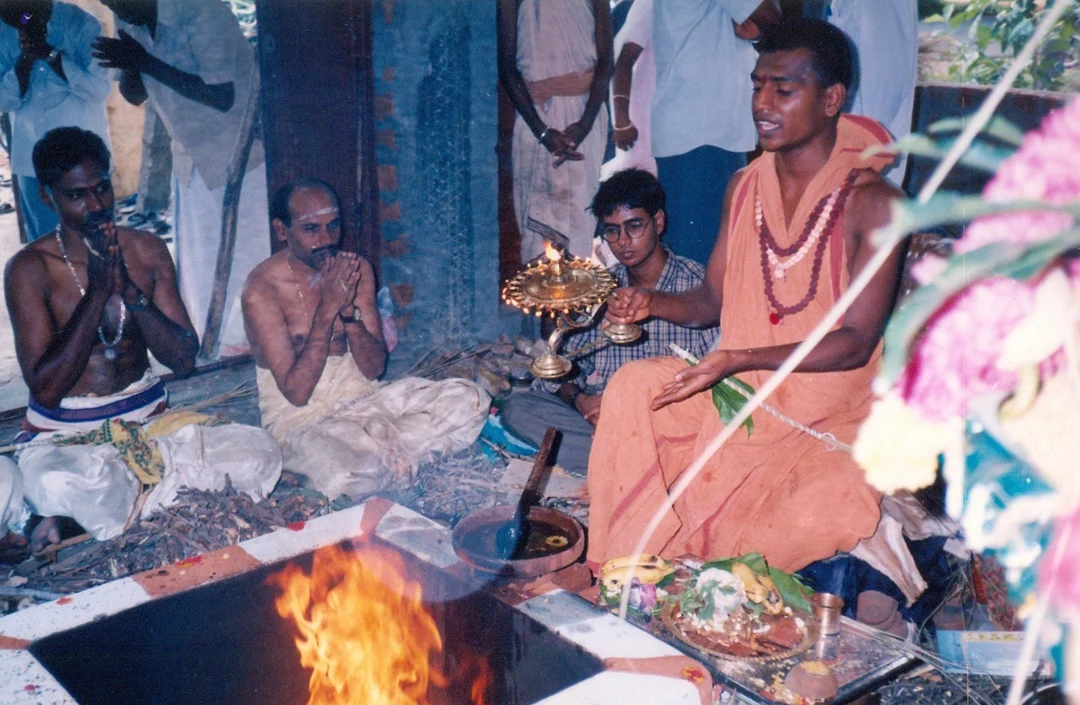
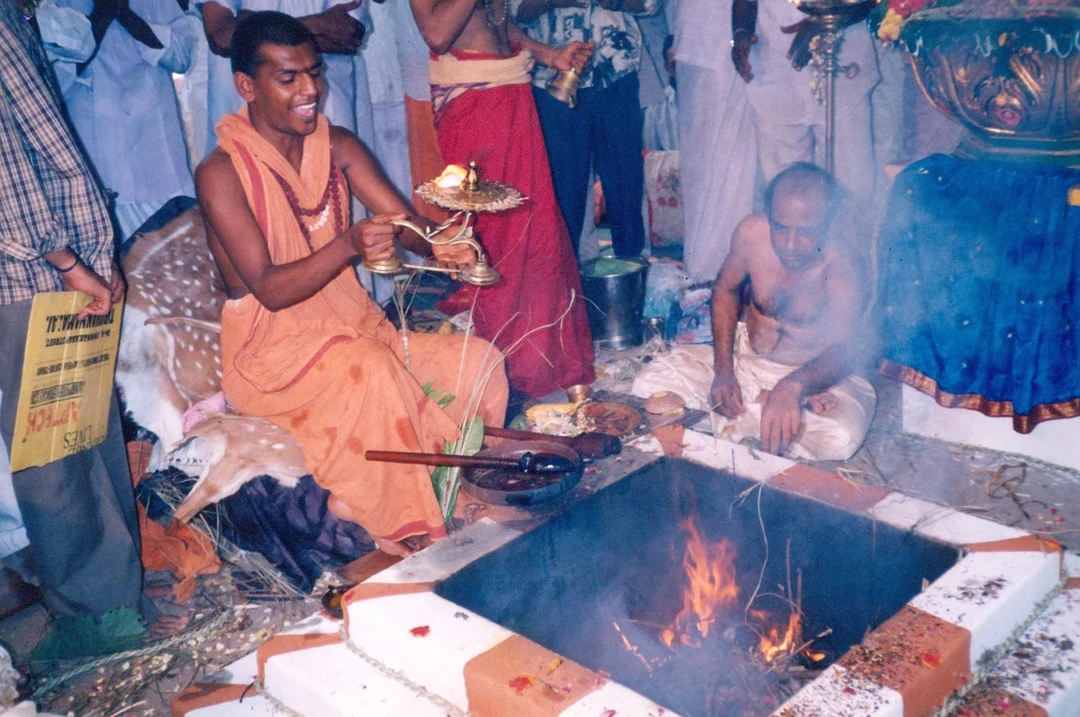
- 12.00 to 1.00 PM HDH who is the incarnation of Arunachala - Shiva Agni himself offered the arati to Devi Chandika, Offered the Arathi to Homa Kunda, Main Kalasa and Main deity.
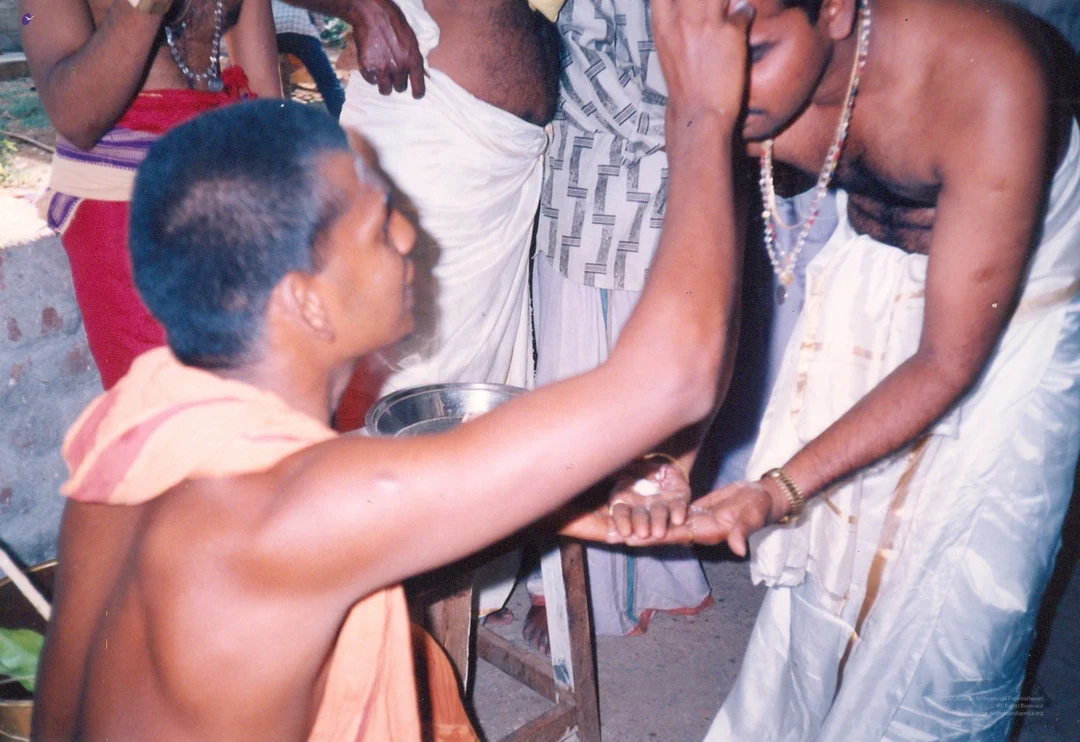
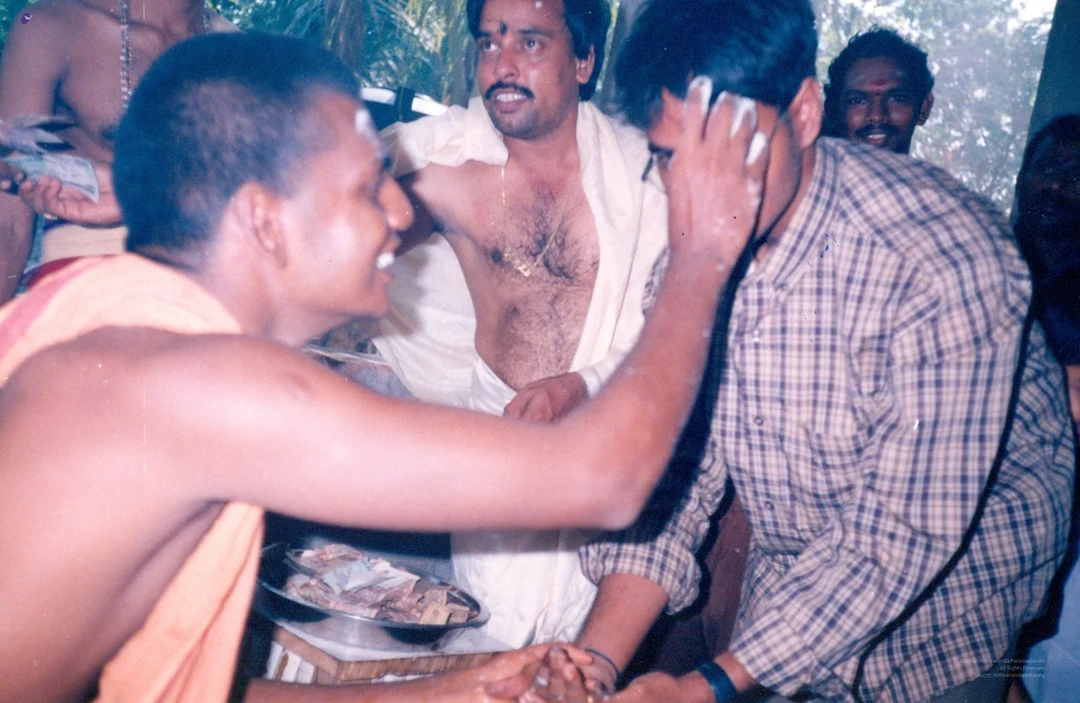
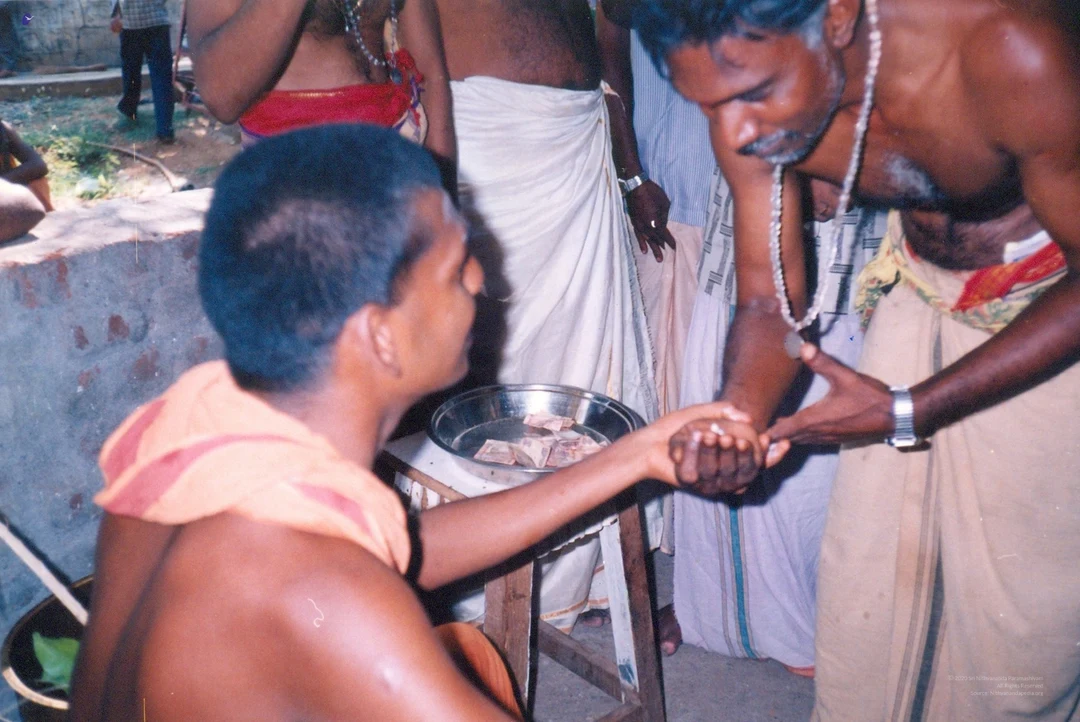
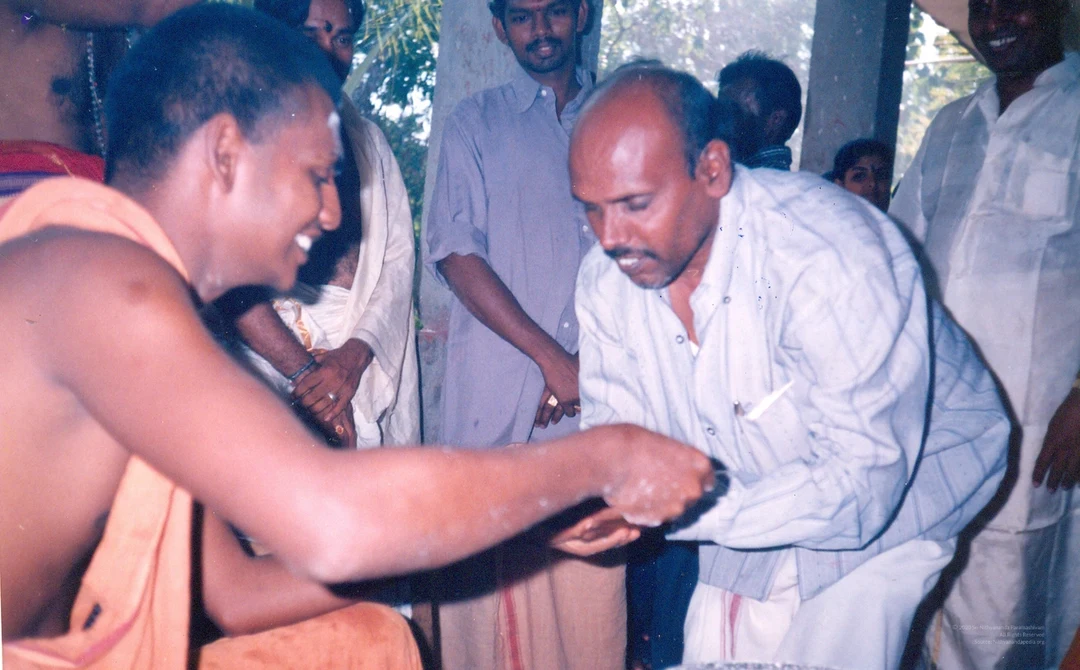
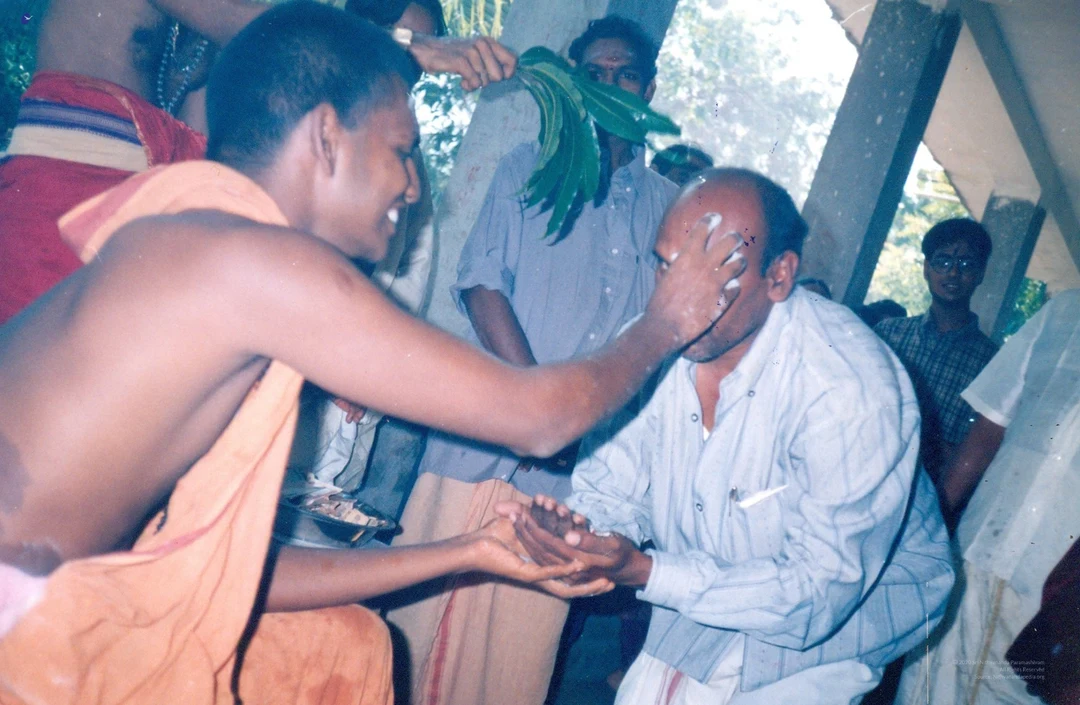
- 1.00 to 2.30 PM His Divine Holiness performed Prana Prathista to Sri Yantra by invoking Parashakthi and formally initiated the devotees and Karthas into Shakta Sampradaya Blessing each individual personally. Swamiji brought 108 Sri Yantra. He blessed those yantras and gave them to participants. He gave Vibhuti and Kumkum.
- 2.30 to 4 PM To promote the growth of Shakta Sampradaya and inspire the community with temple based social activities, His Divine Holiness personally served prasad, the sacred food offering, to initiated shakta disciples.
- Distribution of Prasad and the serving of Annadhan
- 4.00 to 4.30 PM Return back to OYYA Mutt
- Chronicled Hours: 12 Hours ( 4AM to 4PM)
Chronicle behind the Happening of Chandi Pradhana Vaisheshika Sapta Yaga
Rajendran Ayya - the Main Temple Administrator had deep desire to consecrate the Rajarajeshwari temple by kumbabhishekam. He shared his wish with his friend Ravi, whose favourite deity is Rajarajeshwari. Immediately Ravi Ayya supported the vision. Rajendran Ayya and Ravi Ayya started working together. They were supported by family and friends. First it was a small temple. They expanded step by step. They built the Artha Mandapam, then they started constructing the Maha Mandapam for people to sit comfortably in the shade. The Maha Mandapam came to the level of pillars. There were eight pillars. They were discussing if in the eight pillars, they could install the Ashta Lakshmis. One day when they went to temple at 1 am and were discussing the temple, when at that time there was a swami from Salem, who is also a astrologer. He told them, "Usually people install only the Ashta Lakshmi. You install Dasha Mahavidya". When the visitor from Salem asked Ravi Ayya if knew anything about Dasha Mahavidya, Ravi Ayya got surprised because he had come across a English Magazine just 15 days before, which was left there by someone. So, he connected with that divine leela of reaching a magazine 15 days before with the Devi leela of sending one person in early morning asking to install Dasha Mahavidya. He wanted to make the Dasha Mahavidya, but he didn't have right divine form of Devi as described in Scriptures. He consulted few of his friends about his collections. They rejected the magazine and other forms advising him to go as per the Scriptures. So, they started seeking to get the divine form of Devi. At this time, Rajendran Ayya got introduced to Swamiji through his friend Sridhar.
Swamiji was staying in Oyya Mutt in Thiruvannamalai. Swamiji was requested to come to temple. Ravi Ayya welcomed Swamiji at the entrance of Temple. Swami himself said that, ' I know you very well.' Ravi Ayya happily smiled and they welcomed Swamiji inside temple. Swamiji checked the energy vibration in the Temple and Swamiji's face was lit, radiating joy He exclaimed - ' It is very good'.
Swamiji asked, ' I am seeing there is a delay. Why is this work getting delayed?
They expressed the various reasons behind the delay.
Swamiji advised them to do Nava Chandi Homa for Devi. He committed to them that He himself would conduct it and he blessed them that they would get speed, strength and funds and would be able to complete everything in a good way. Swamiji explained the principle behind the the homa; we all should pray together in oneness is the principle and everything will manifest.
DEVI herself manifested.
Footnote: Oya Mutt - The trustees are the Nattukottai Nagarathar. Oya Madam is situated in Tiruvoodal Street, Tiruvannamalai. The presiding deity of Tiruvannamalai, namely, Sri. Arunachaleswarar, is the "Kula Deviam" of the Nagarathar community and their people numbering about two lakhs, spread over 92 villages and towns, who often visit the temple and would avail the facilities provided for in the Madam for boarding and lodging. It is also stated that during "Karthigai Deepam", a popular festival, the Madam would be fully occupied and food will be provided to occupants free of cost. The religious sentiments of the Nattukottai Nagarathar Community which is to impart spiritual teachings and to provide boarding and lodging facilities to devotees on the festival occasions is absolutely followed in this traditional Mutt. The enlightened Ecosystem of Thiruvannamalai has traditional mutts namely Oya Mutt, Sivakasi Mutt, Maduraiyar Mutt, Virudhunagar nadar mutt, Noolkarar Mutt, Kurumbar Mutt, Me-Ka-Anna sathiram and Vallala Maharaja Vanniyar Mutt for imparting the Spiritual Instructions to devotees and offering devotional services to the Lord.
PraKriya (Pre Preparation)
The basic level preparation to receive Devi's grace is to be done. So Swamiji asked the chosen members (9 men) to fast for three days. He initiated them into Chamundi Moola Mantra and asked them to chant this 108 times per day. Swamiji prepared their body, mind and being. One of the selected members, Ravi iyya, who had the habit of chewing paan, dropped that immediately and committed that he would not chew it until the homa was completed. The true vedic preparation is explained to them with the right context. They all agreed and absolutely discipled themselves.
Procuring Material Required for Homa: Unique Samith ( Wooden Sticks) for each Mahavidya as per Devi Mahatmya is listed. Each Samith is collected in huge quantity. One gunny bag full for each Samith ( Eg. Nayuruvi, Arasu, Aal). They got 5 Kg of Sandal wood also. Fifty Kg of Homa Dravyam was prepared. Litres and litres of ghee was procured. Kalasam and the vessels required for puja was purchased. A red colour saree, ripe banana tar and other fruits were prepared in a huge quantity. Even now for the homa, the same preparations are done and same quantity is used. The type of material used during the homa can change; for example from silver to steel or silver or Gold, but there is never a compromise in the sanctity.
Shubha Muhurtha Nirnayam- The date for this Chandi Pradhana Vaisheshika Sapta Yaga was selected by HDH Himself.
(Year - Vikrama Samvata Shukla Paksha, Ekadashi Tithi - Shukla Paksha Nakshatra -Purva Bhadrapada Yoga - Vyaghata Karana - Vanija Weekday - Mangalwara Auspicious Timings)
Brahma Muhurta- His Divine Holiness performed the homa at Sri Rajarajeshwari Temple at 4.30 PM.
Devi Worship
In the words of the Supreme Pontiff of Hinduism, Jagatguru Mahasannidhanam, Sri Nithyananda Paramashivam: "I tell you, Mother is too important way to connect what you think as life. In Vedic tradition our Rishis were aware, your ability to connect with the mother should be directed to Cosmos. It should inspire, it should awaken your higher consciousness. It should inspire your higher consciousness to express through you. It should awaken your higher consciousness. Connecting with life as mother is the most sweetest, most beautiful, most easiest form to ever connect.
Please understand, my childhood was full of spiritual experiences, amazing spiritual masters. Great yogis, like Raghupati Yogi, Vibhudanada Puri, the personalities of their stature. Ramsuratkumar, Annamalai Swamigal, Sadhu Om, I can list the personalities. Great spiritual personalities and I was exposed to all the spiritual thought currents and traditions like Vedanta, Saiva Siddhanta, Shaivism. Even the thought currents of Sankhya, Yoga, Nyaya Vaisheshika, Purva Mimamsa, Uttar Mimamsa, various Yogic Sampradayas. But I tell you, I find most easiest, most powerful, most inspiring, most exciting way to connect with life as the form of Mother. It’s mother worship, I myself chose, after being exposed to so many spiritual masters, experiences, and philosophies. I tell you, if you want tremendous peace and healing in your inner space, chose mother worship. Even with your guru or your Ishta Devata (chosen god) relate as Mother, you will see, the kind of healing in your bio-memory, it will lead to extraordinary healing and unimaginable healing, extraordinary completion, unimaginable completion.Connect with the whole world as you connect with your mother: Be a child to life, be a mother to people you are giving life. Be a child to the life to receive life in you. Be a mother to people to whom you are giving life, that is enough. You will bring so much of healing, and completion to planet earth wherever you move, whatever you do. Whether you are a professional engineer, lawyer, doctor or Politician, political leader, celebrity, spiritual leader, whatever you are doing, motherliness completes you and others. (Reference: Satsang Titled 'Connect to Life with Mother Worship - 14th October, 2015')
Chandi Homa/Devi Worship
The Chandi Homa is a vedic fire ritual, worshiping the Divine Feminine Energy in the form of ‘Chandi’ the all-knowing and all-powerful form of Devi Parashakti. Parashakti is the main deity of the sacred feminine, and the divine consort of Bhagavan Paramashiva (who is the Lord of Supreme Consciousness).
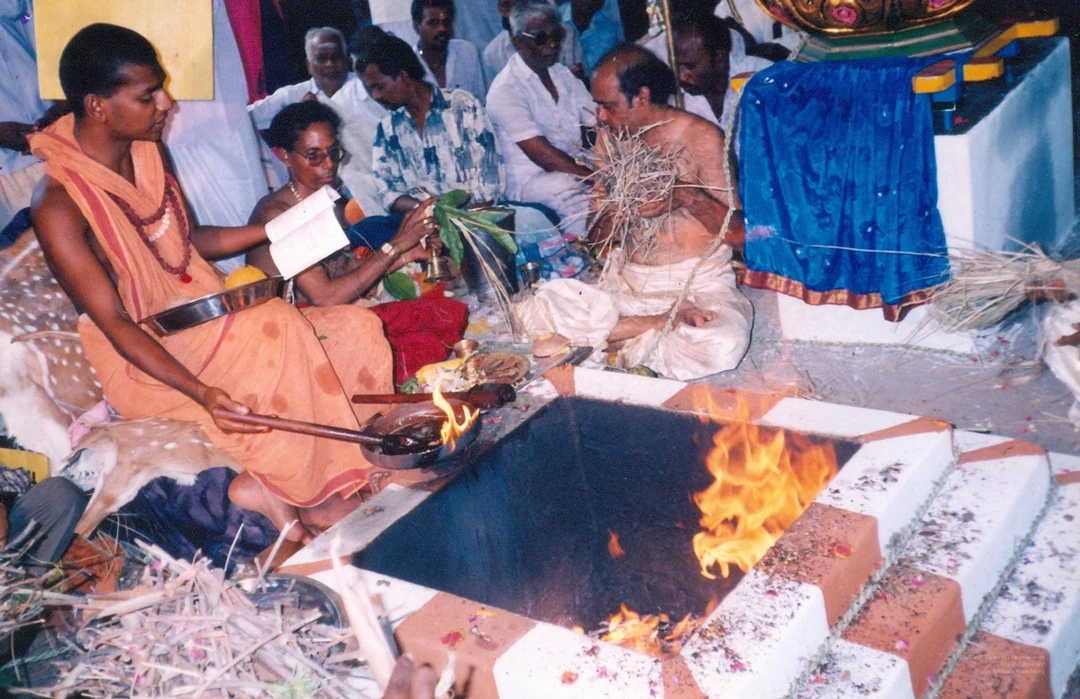
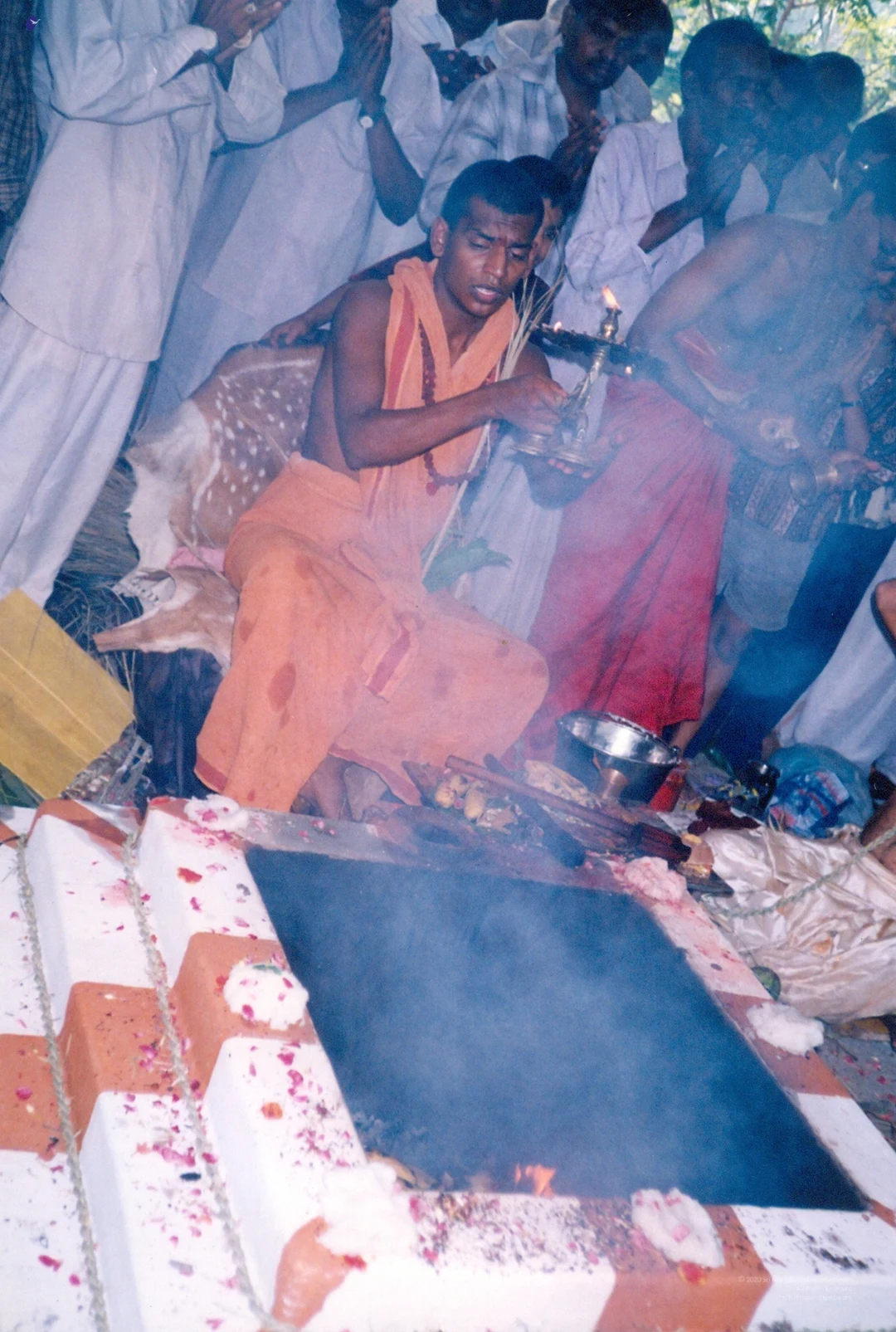
During this homa, the form of Devi seated with a trishul (holy trident) appeared in the flames, as if to grace all the participants gathered around The Avatar with the blessings of Parashakti Herself. Only with the grace of The Avatar's pure devotion did the vedic fire ritual come to fruition with such auspiciousness.
Sakshi Pramanas
Ravi, a devotee attending, shares that the Dhivya Prabha, the divine light around His Divine Holiness, was captured right before the commencement of the historic Chandi Homa.
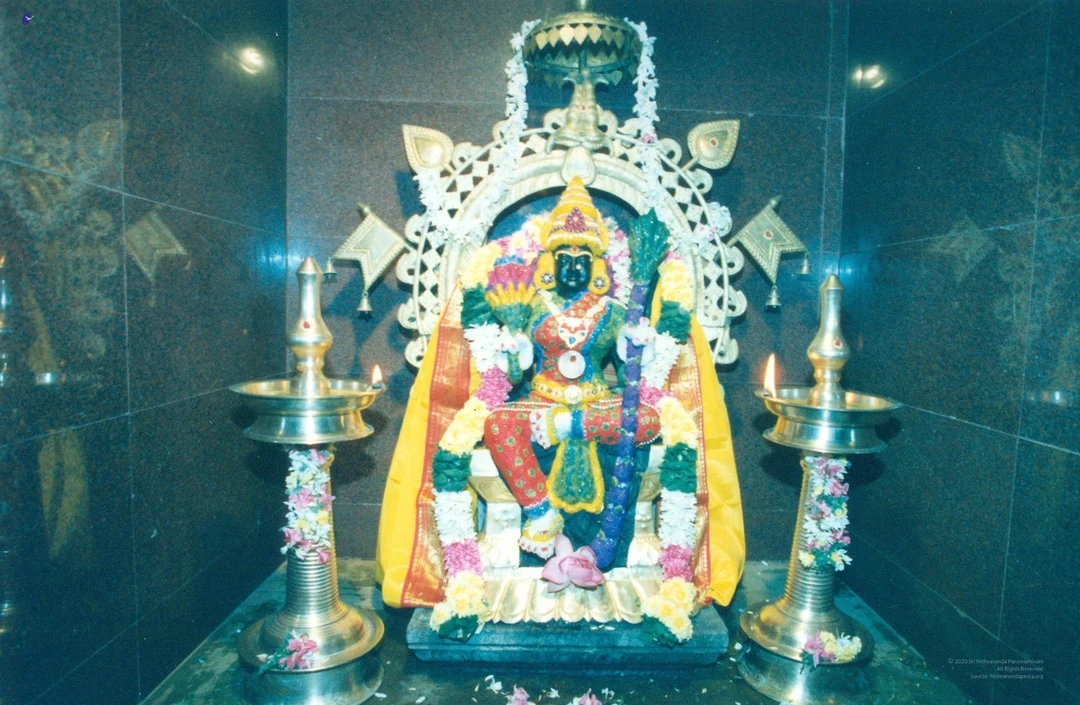
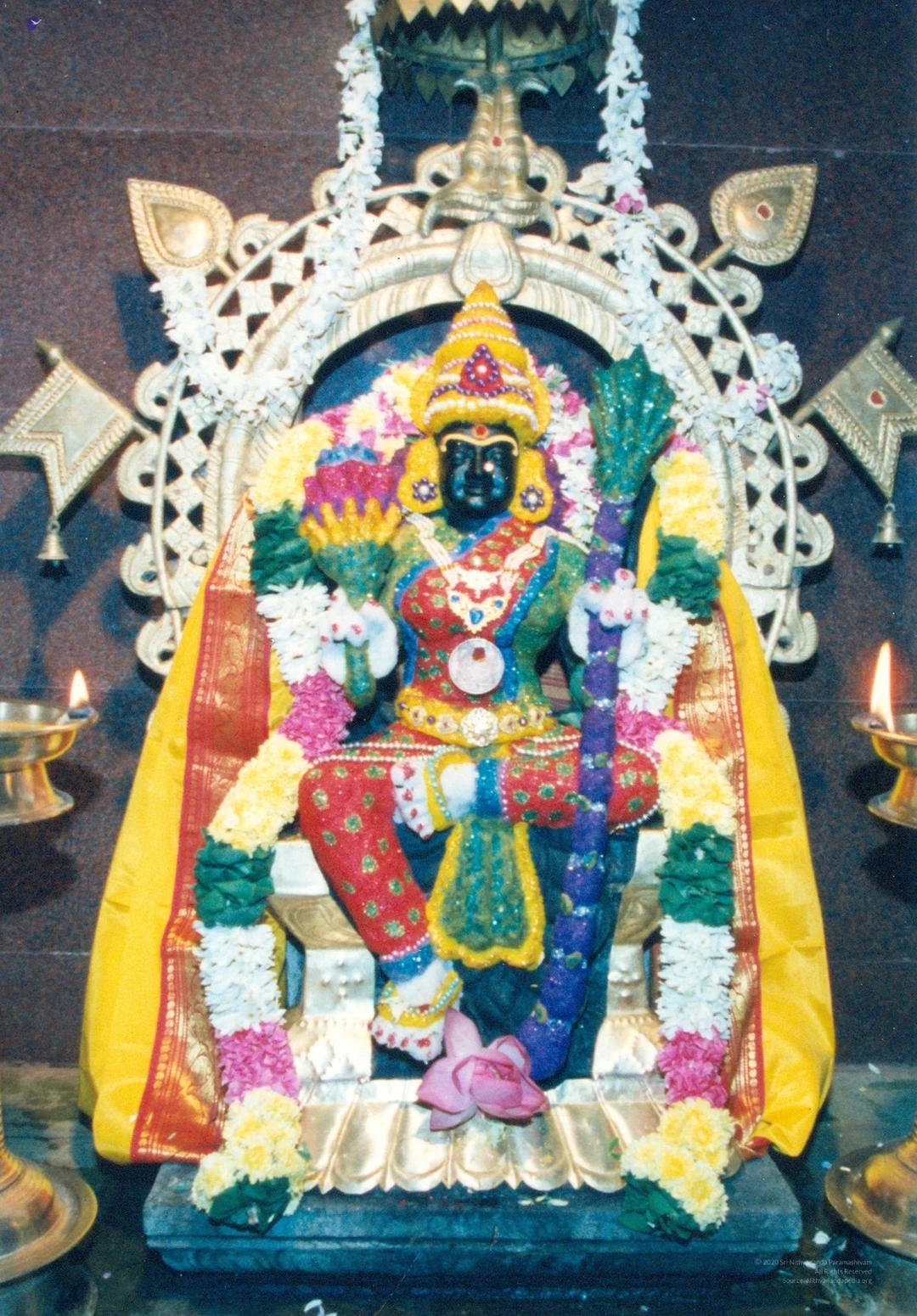
His Divine Holiness guided the sthapathi and sadakas and consecrated the Dasha Mahavidya in accordance to Shakta Agamas.
A miracle happening during consecration of Dasha MahaVidya: The Devotees sculpted Dasha Mahavidyas taking guidance from HDH. HDH read the Slokas for each Mahavidya, explained the context of each form, each ayudha in their hand from the scriptures. Example - Kali (ferocious in form, motherly look in eyes). They took notes of that and sculpted the deities. During the consecration, when the Mahavidyas were installed one by one, the final deity sat exactly in the Peeta without any change in positioning, without any requirement for adjustment in direction. The Stathapathis themselves were shocked seeing the perfection of the deities and their features.
Video and Audio - Ravi-Cherished Memories
Memories from 7 Nov 2000 - (When His Divine Holiness was 22 years of age). Ravi from Tiruvannamalai (birthplace of Swamiji), shares cherished memories from organising the first ever powerful Chandi Pradhana Vaisheshika Sapta Yaga and DAsha Mahavidya worship performed personally by The Supreme Pontiff of Hinduism, Jagatguru Mahasannidhanam, His Divine Holiness Bhagavan Nithyananda Paramashivam in the Rajarajeshwari temple in the mountain path. This is the exact location where The Supreme Pontiff of Hinduism established KAILASA in Tiruvannamalai - Arunachala SArvajnapeetham in the year 2008.
| Video | Audio |
Photos
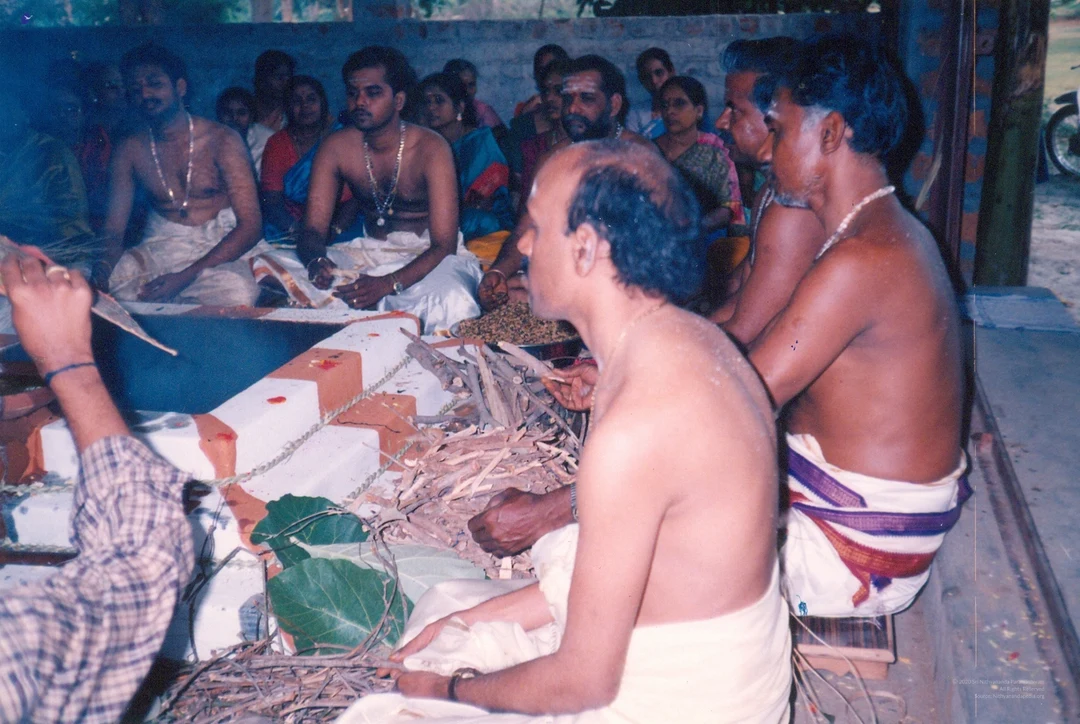
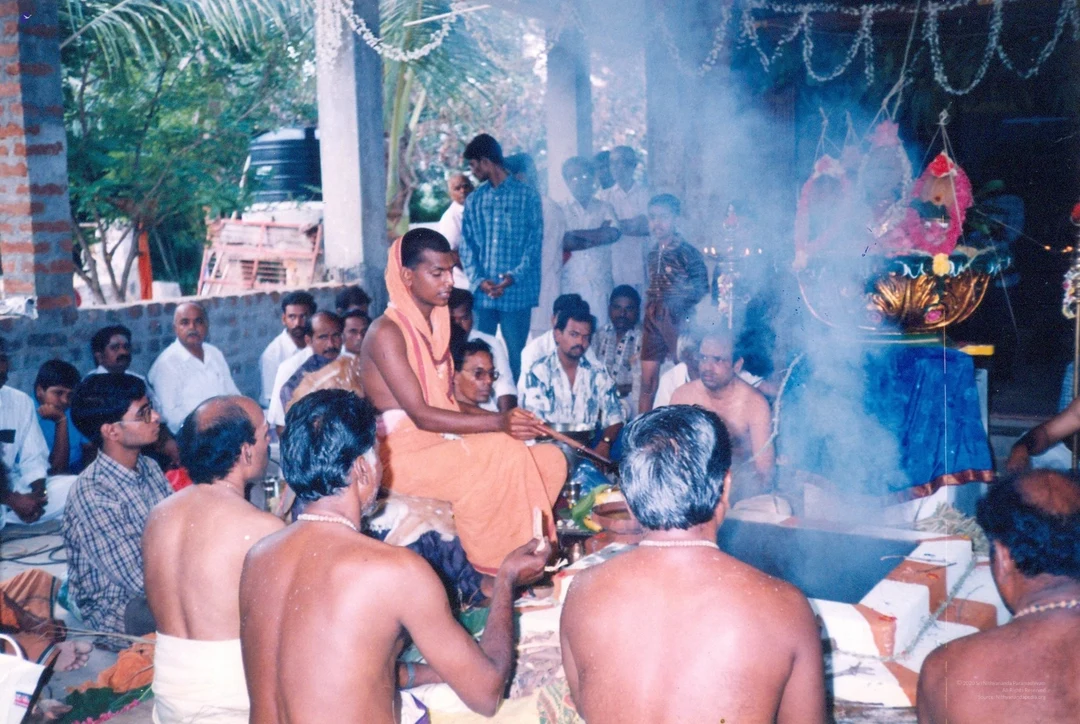
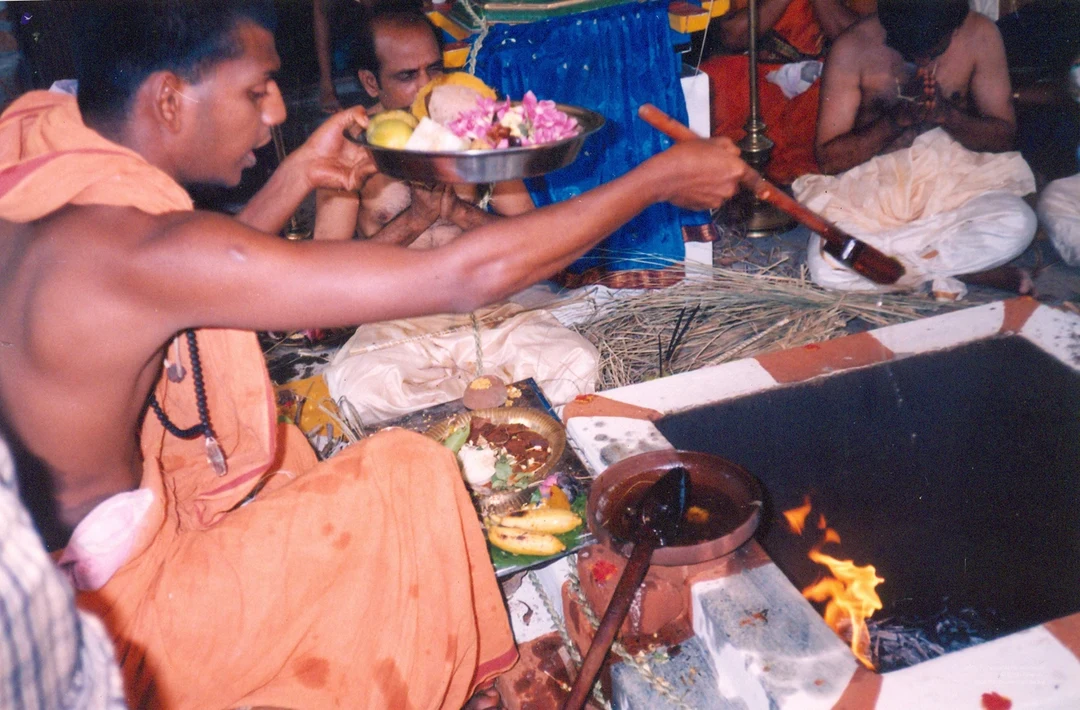
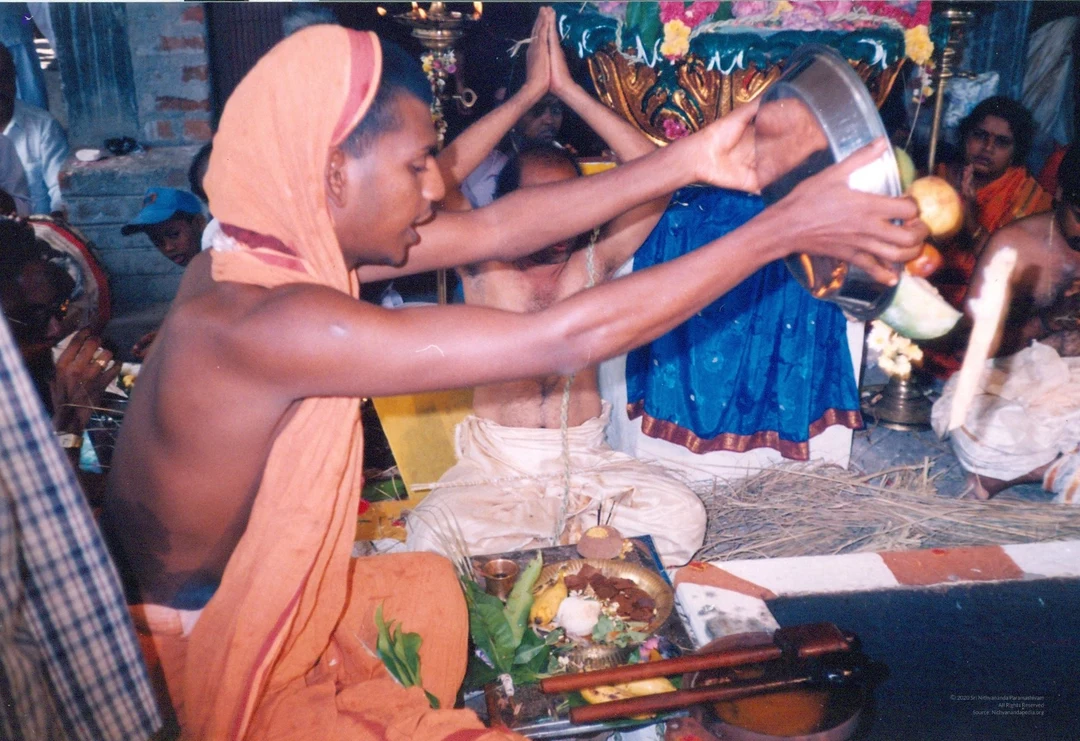
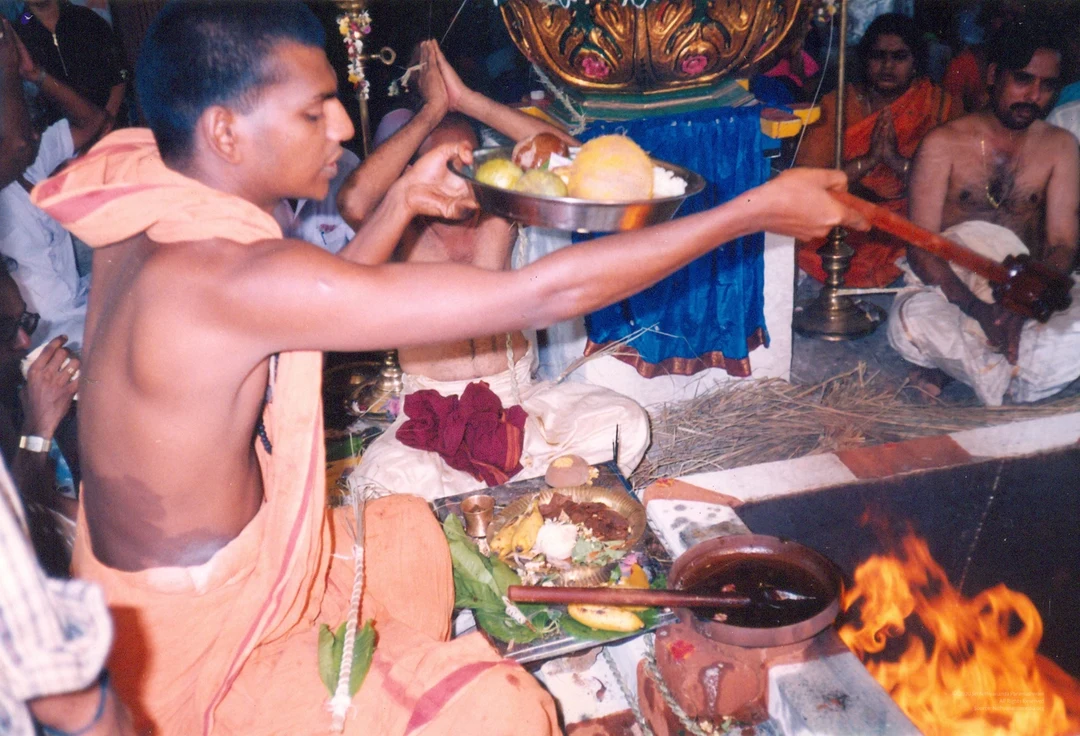
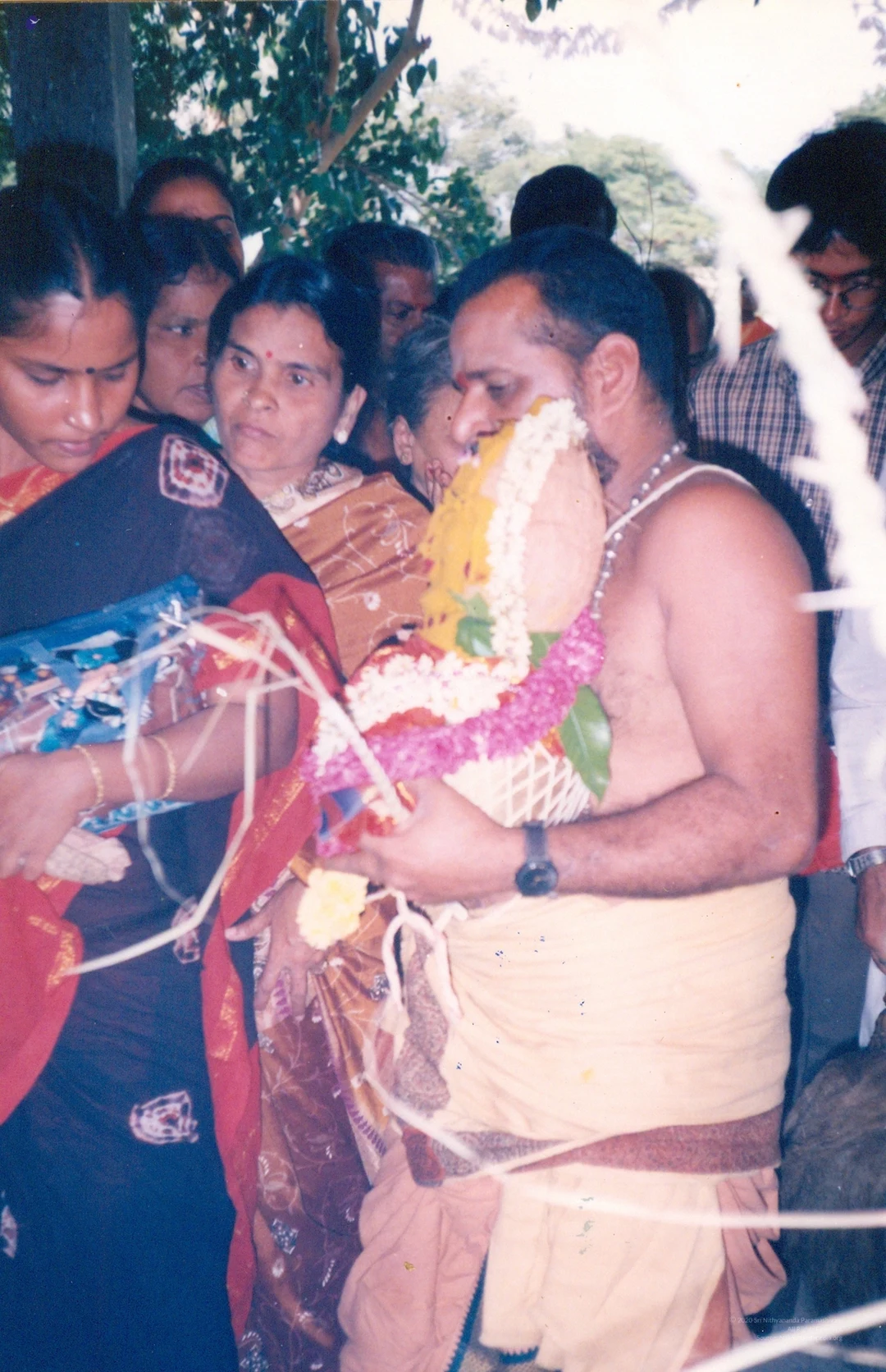
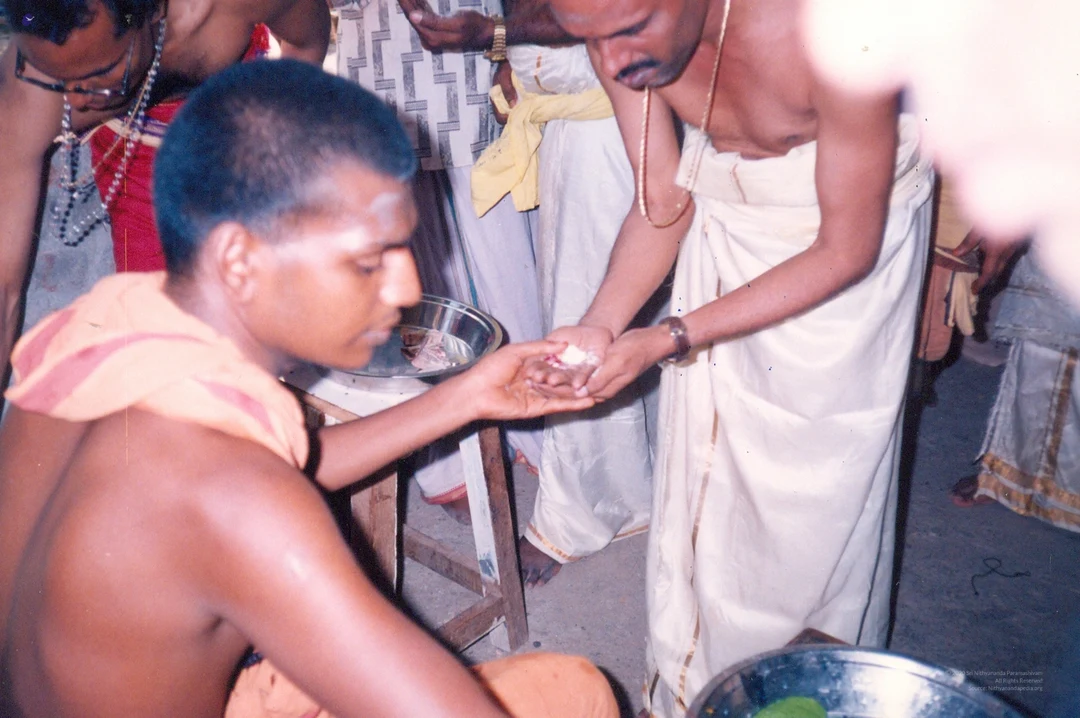
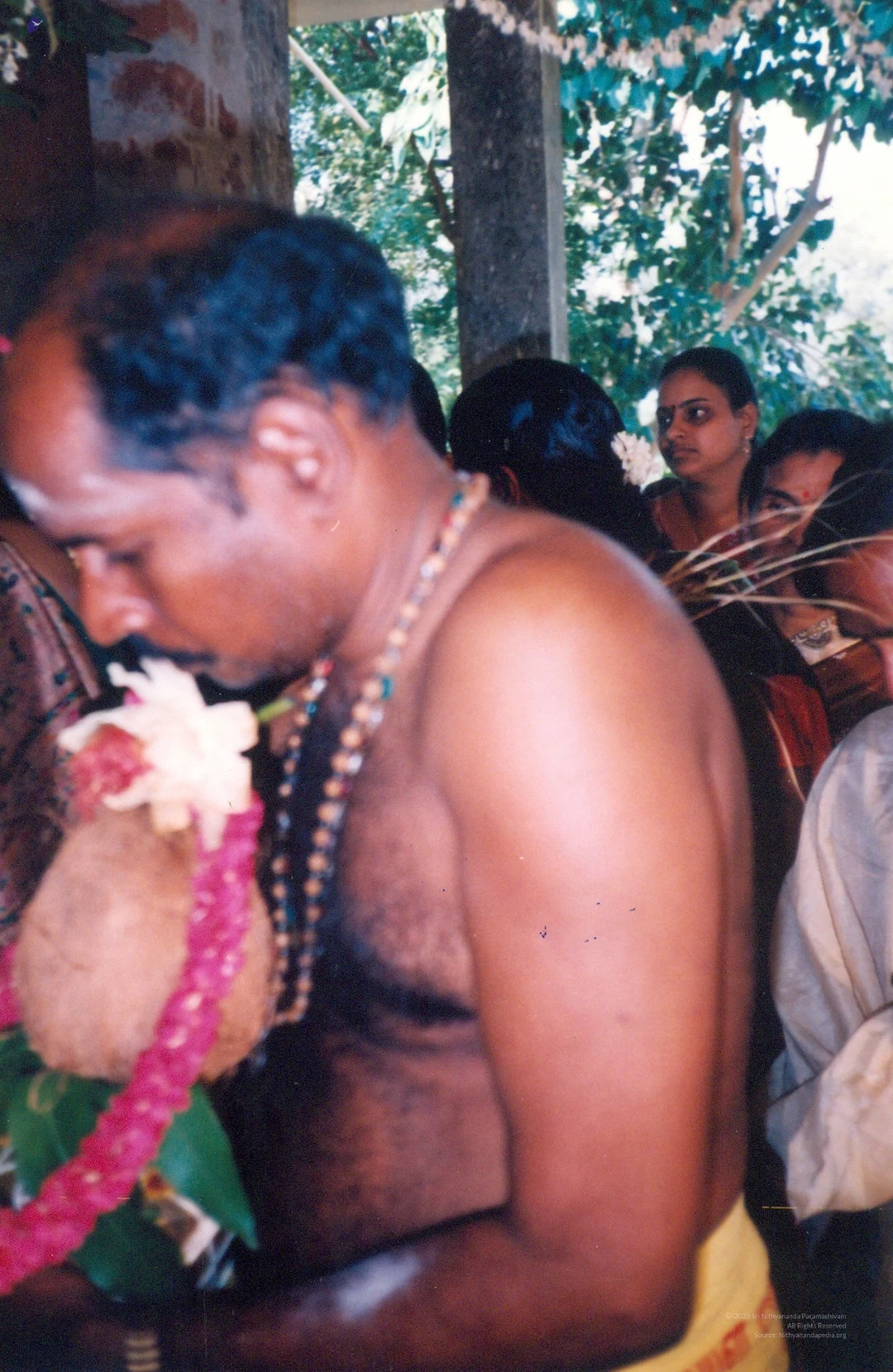
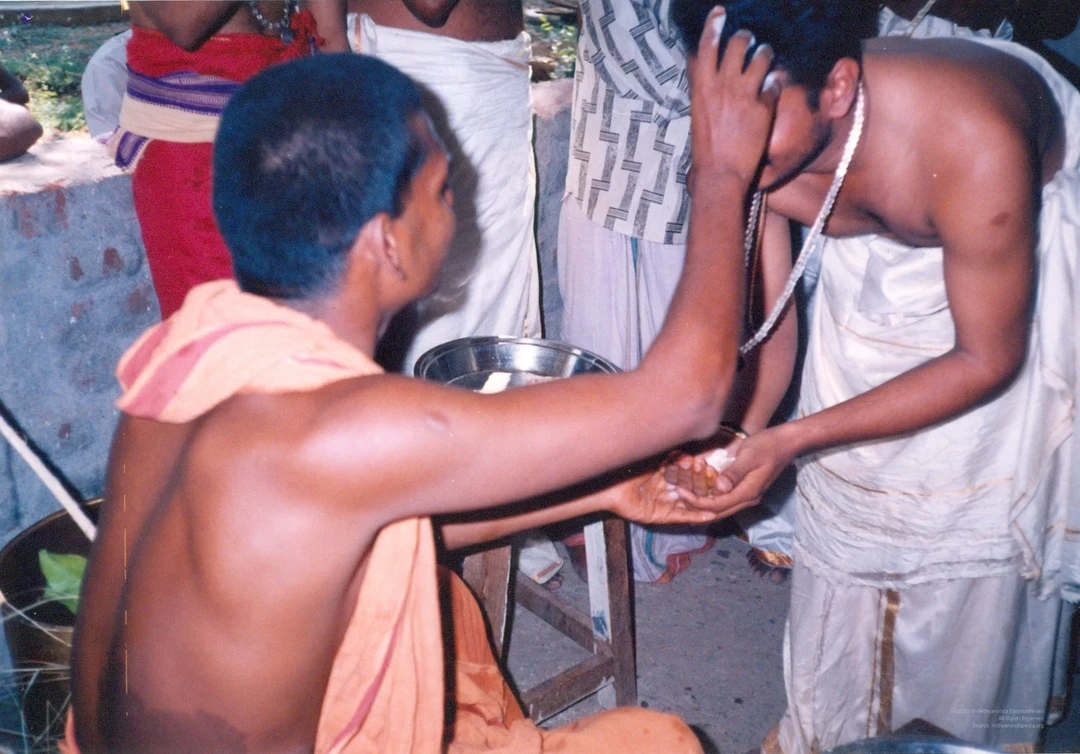
Chandi Pradhana Vaisheshika Sapta Yaga In Rajarajeshwari Temple
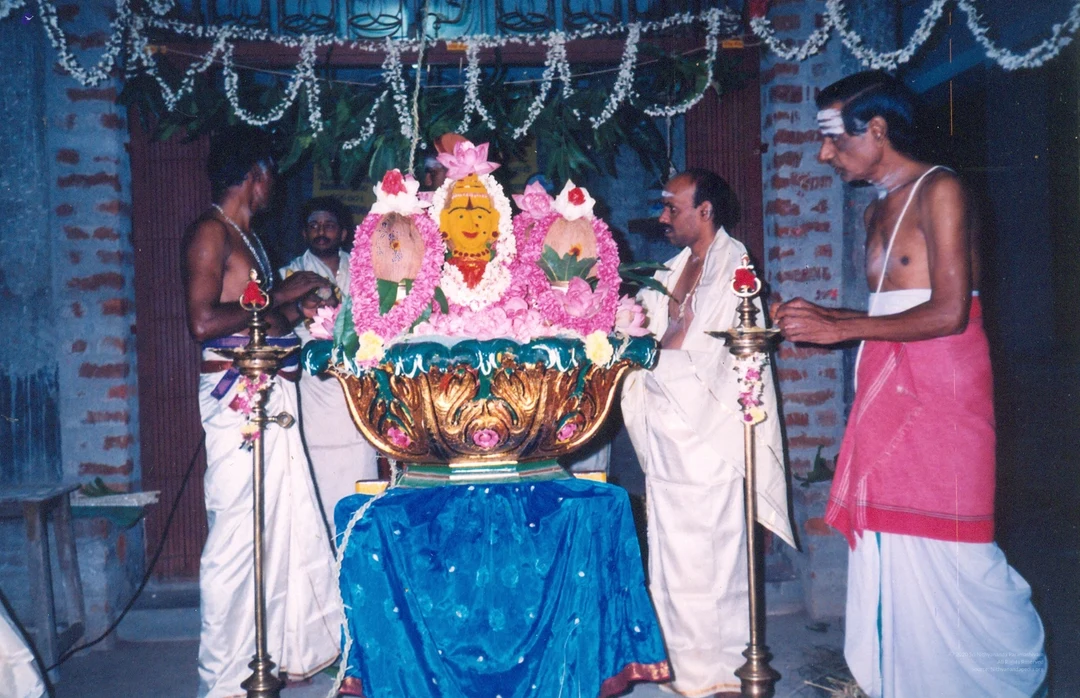
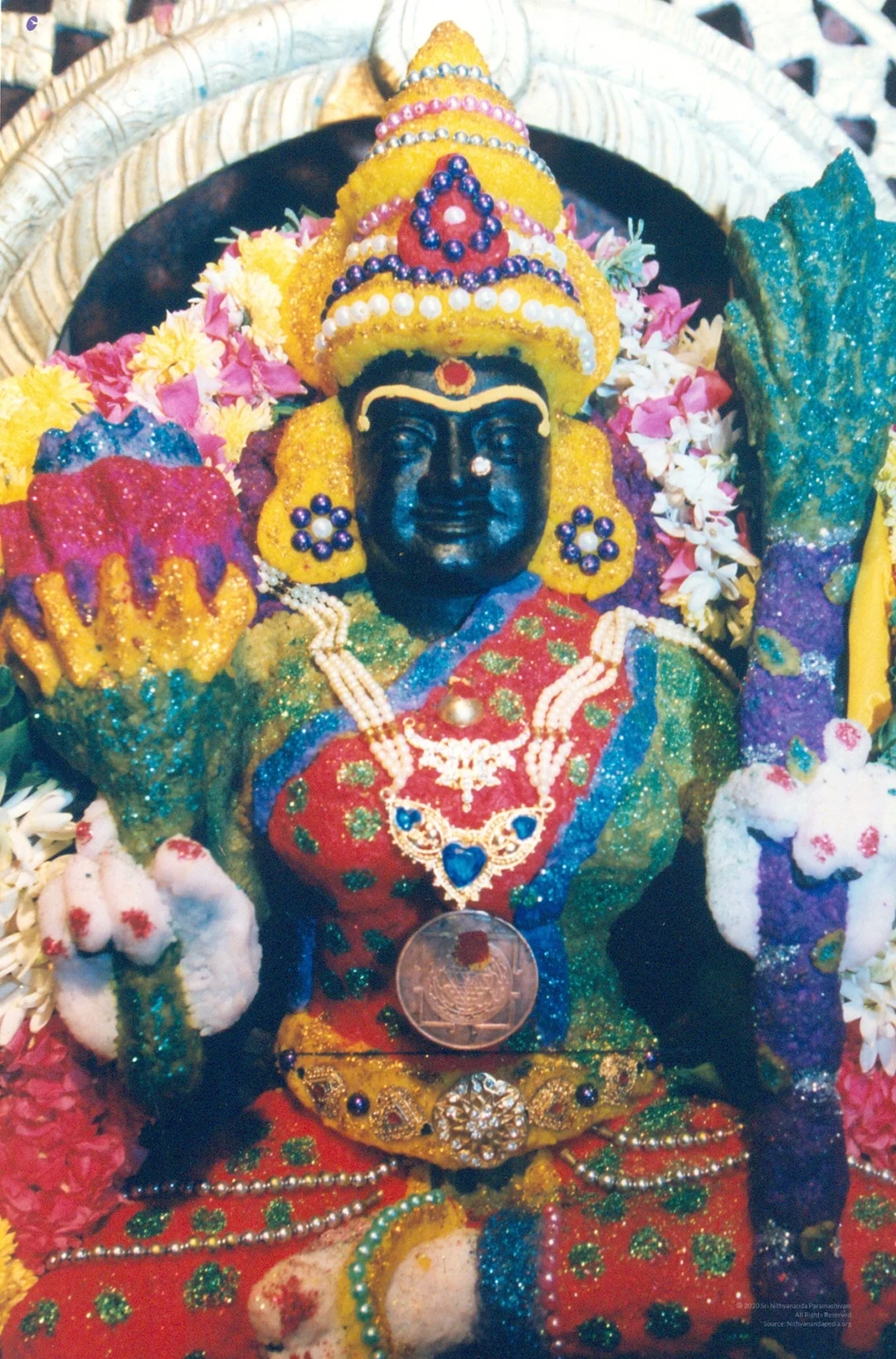
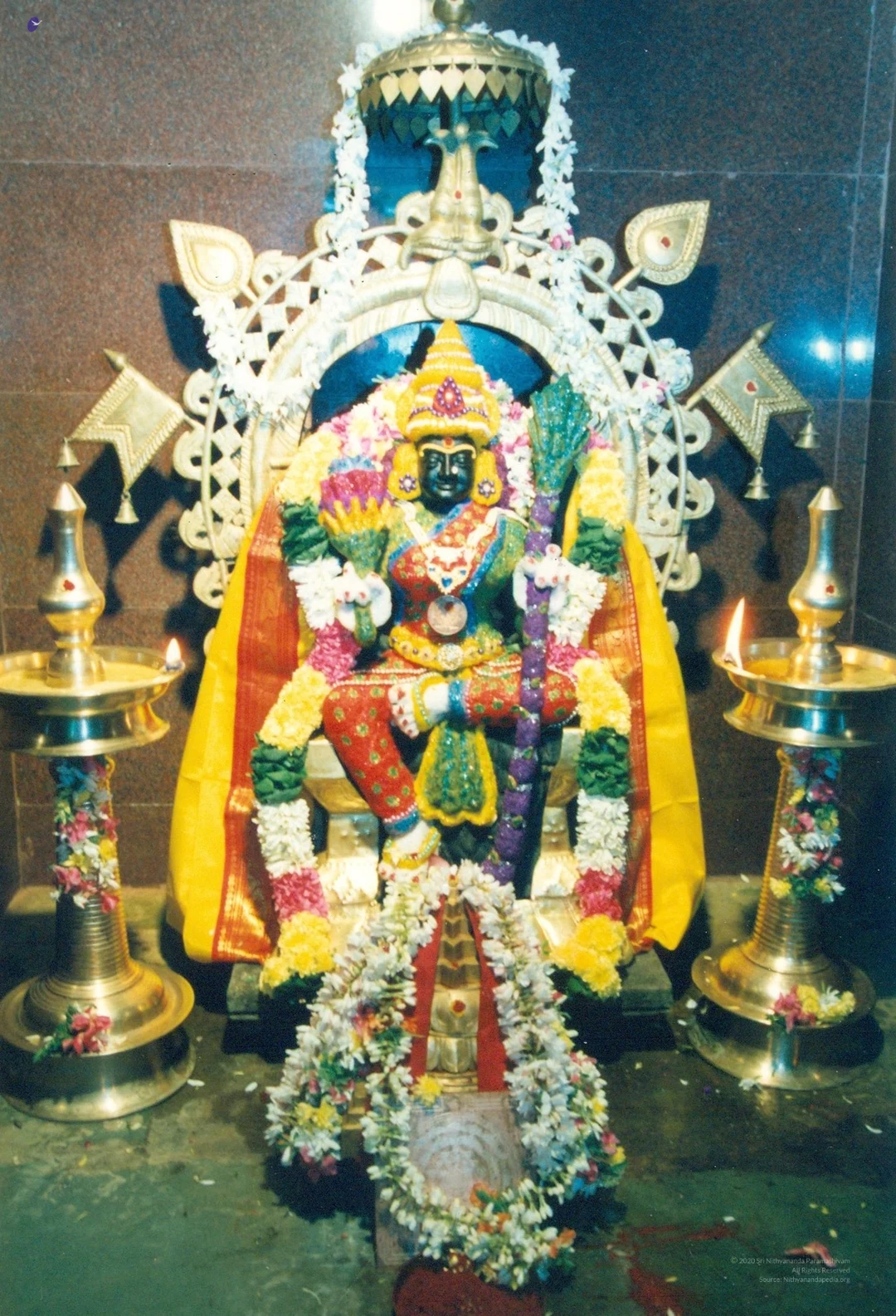
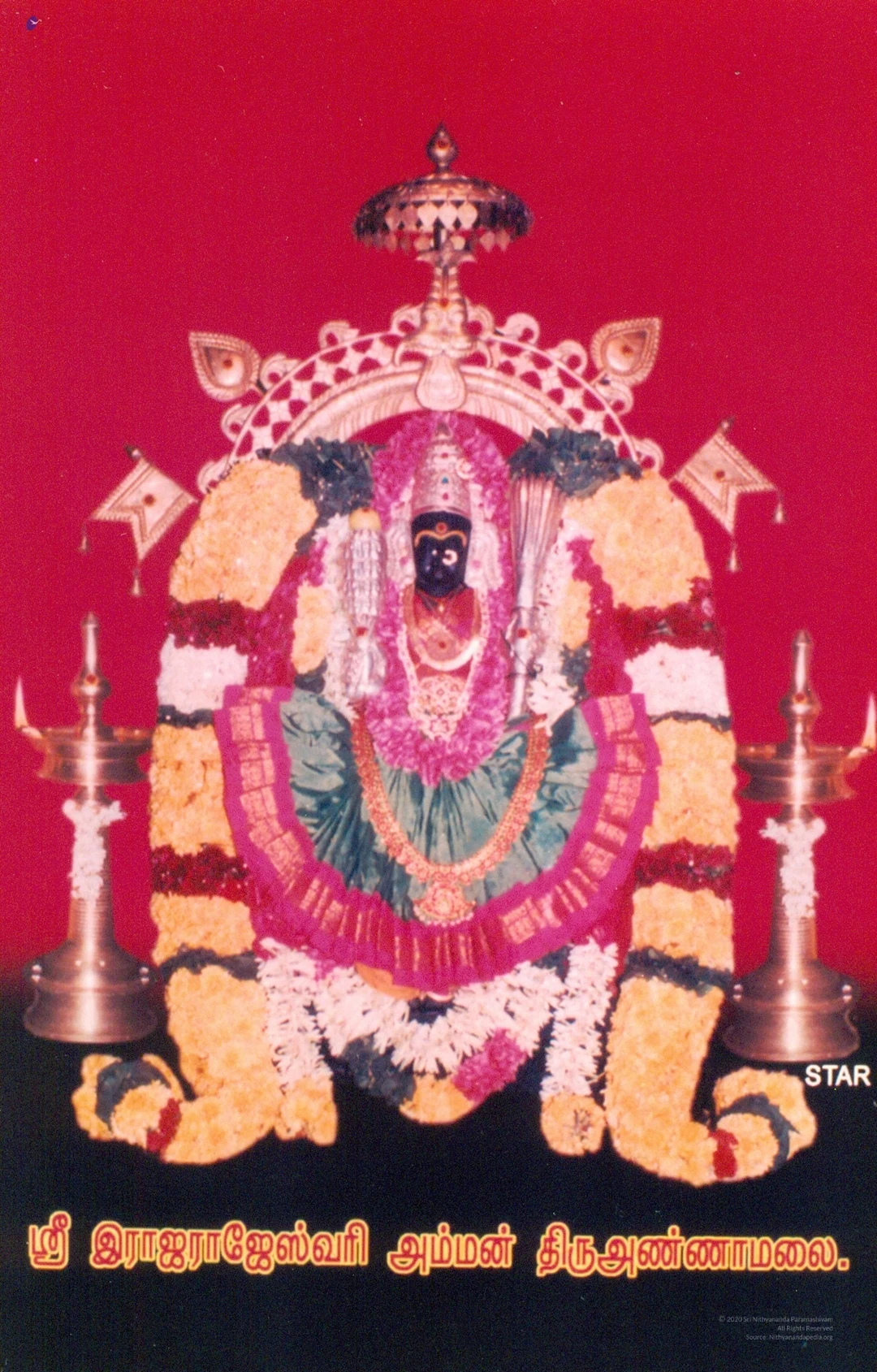
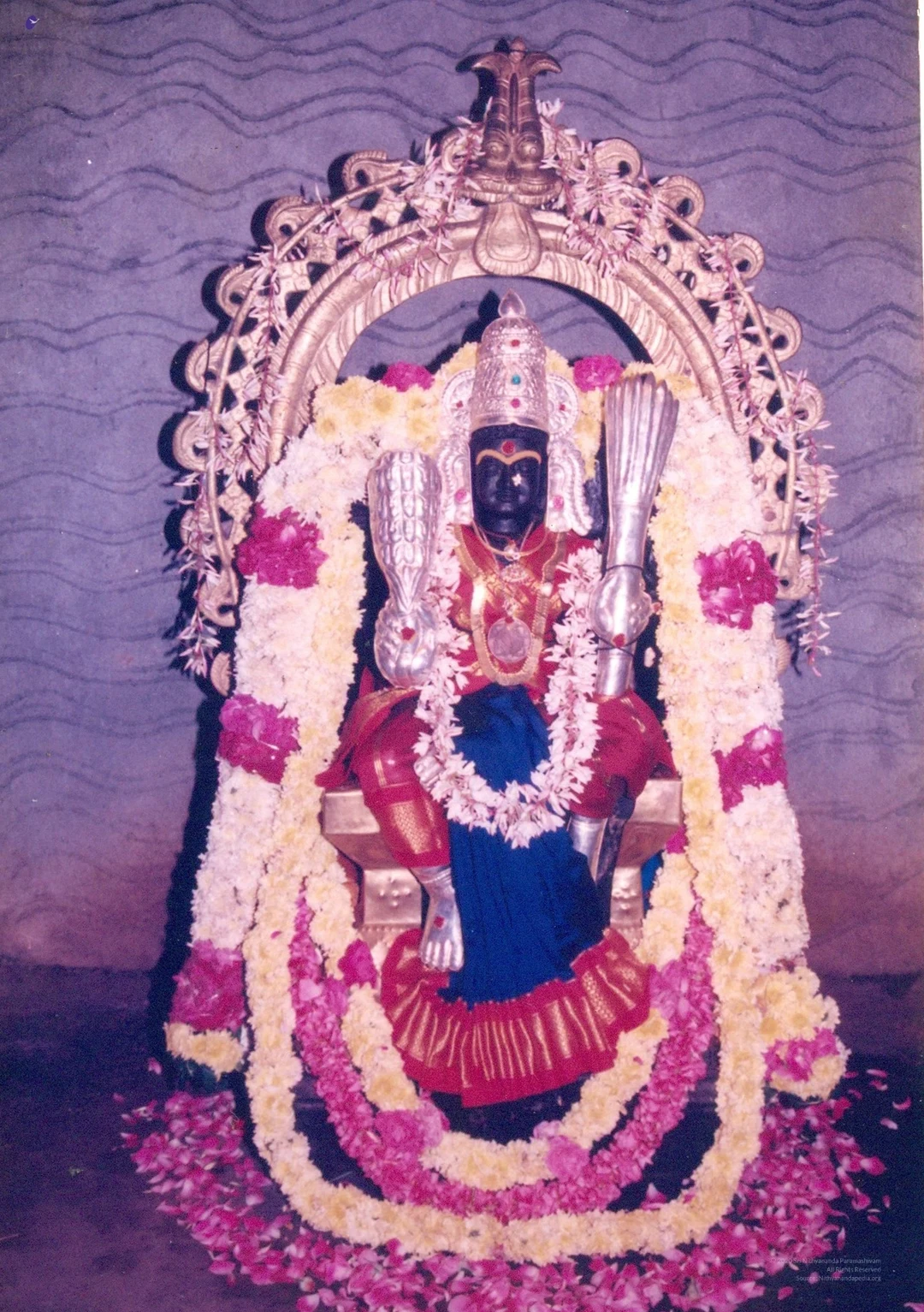
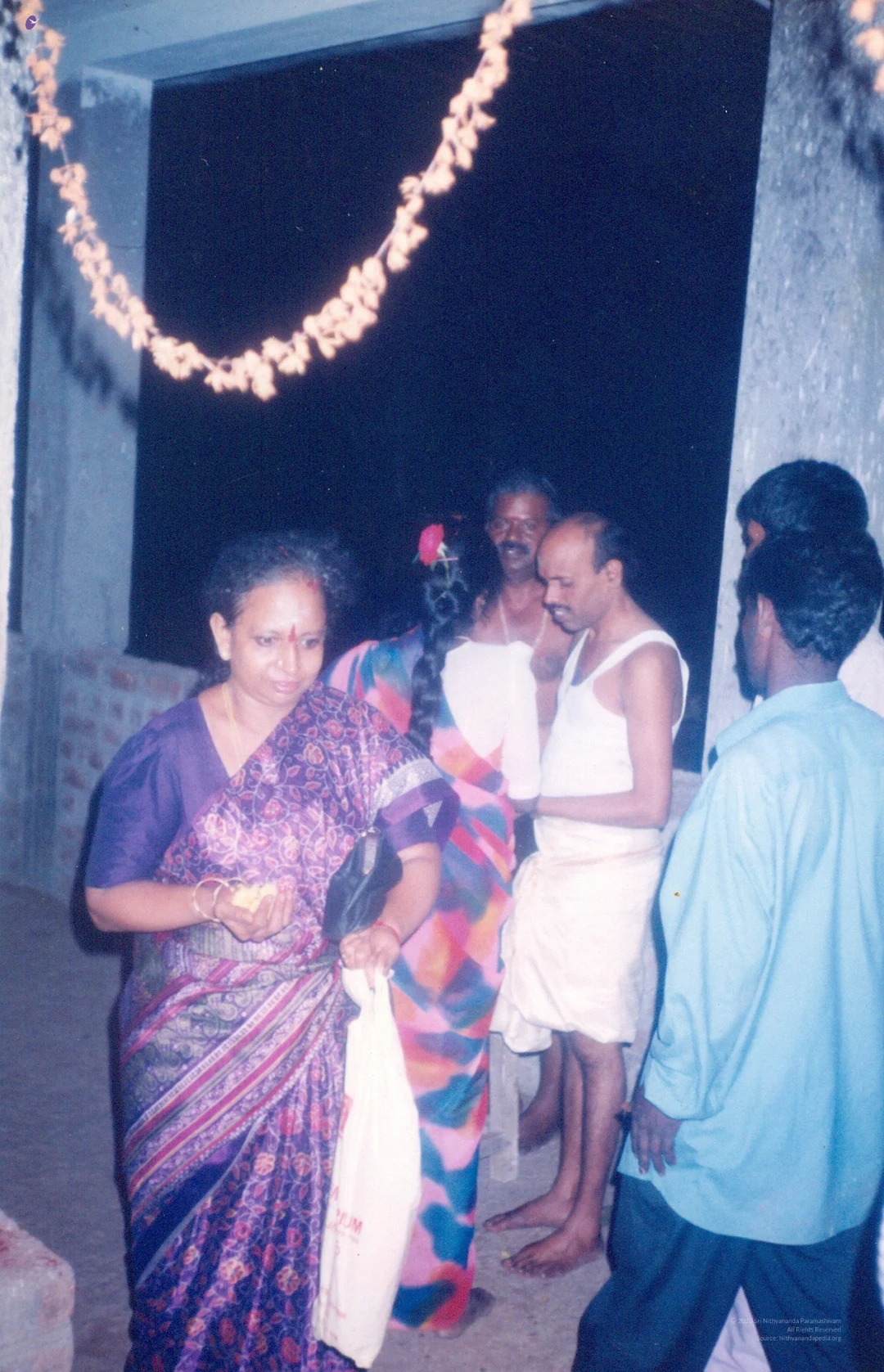
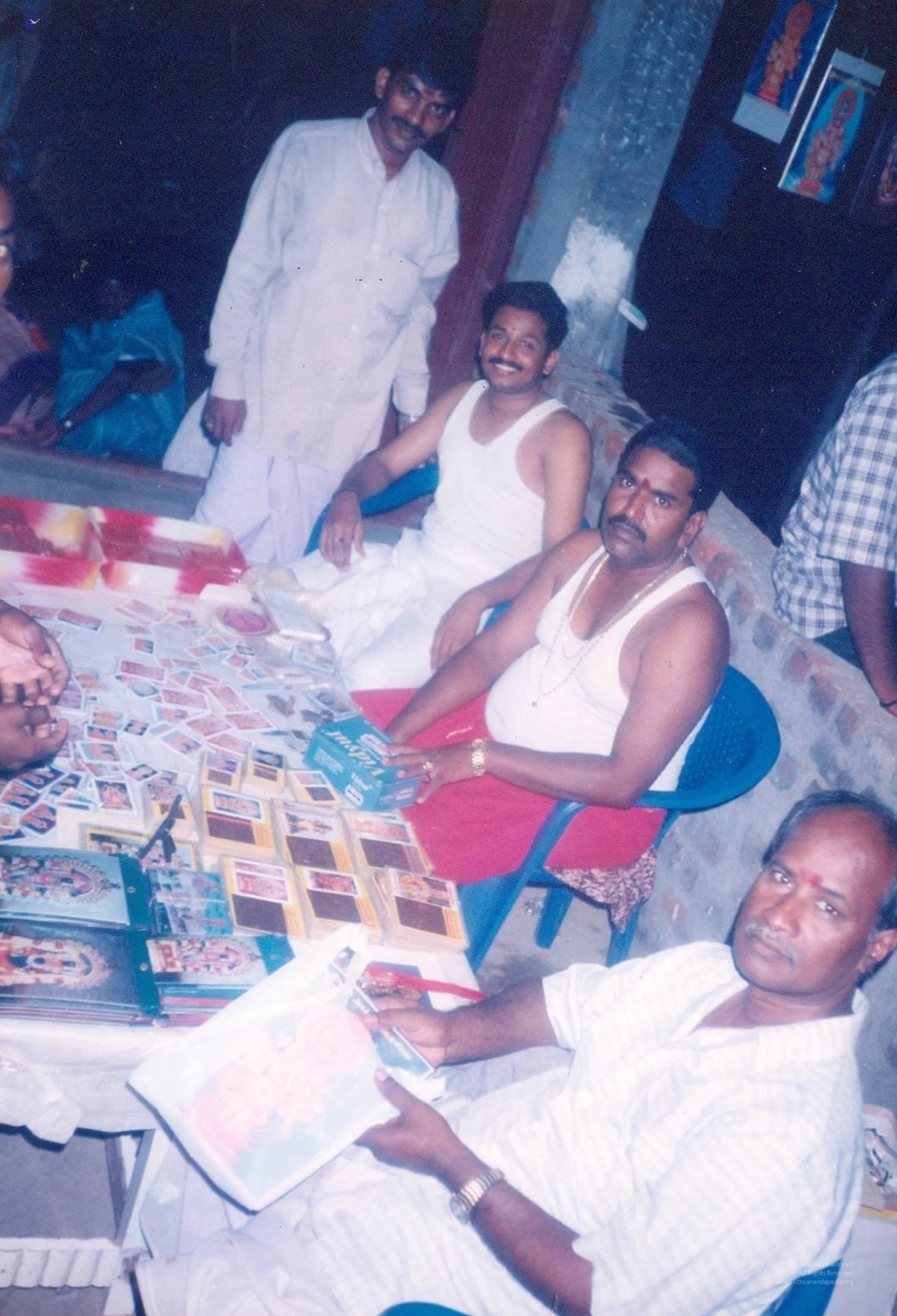
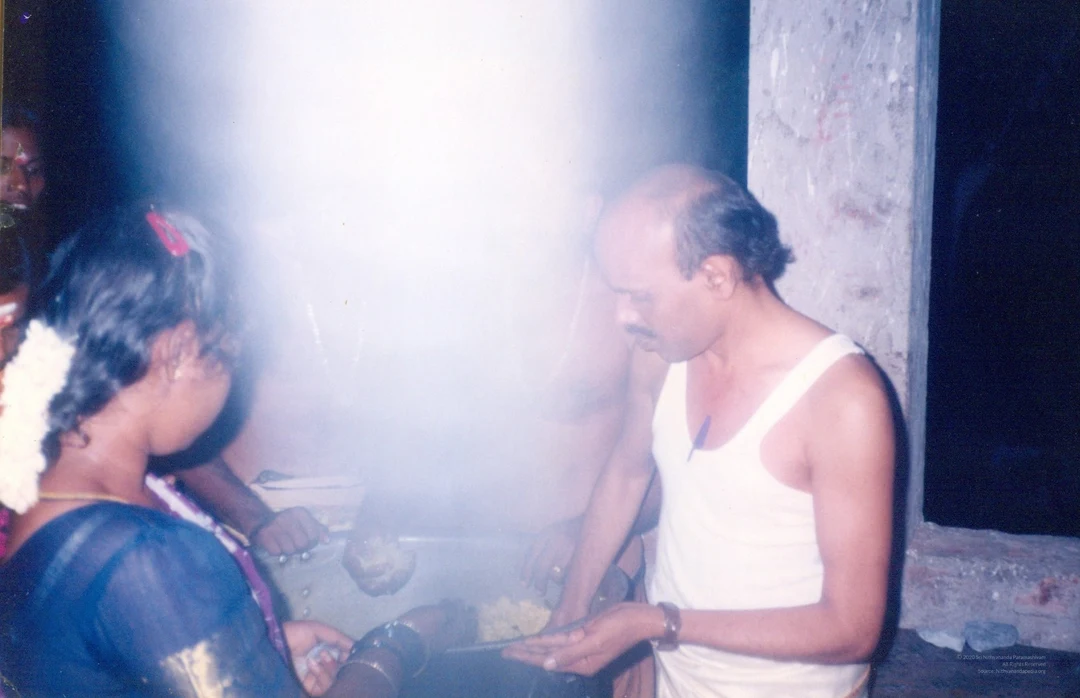
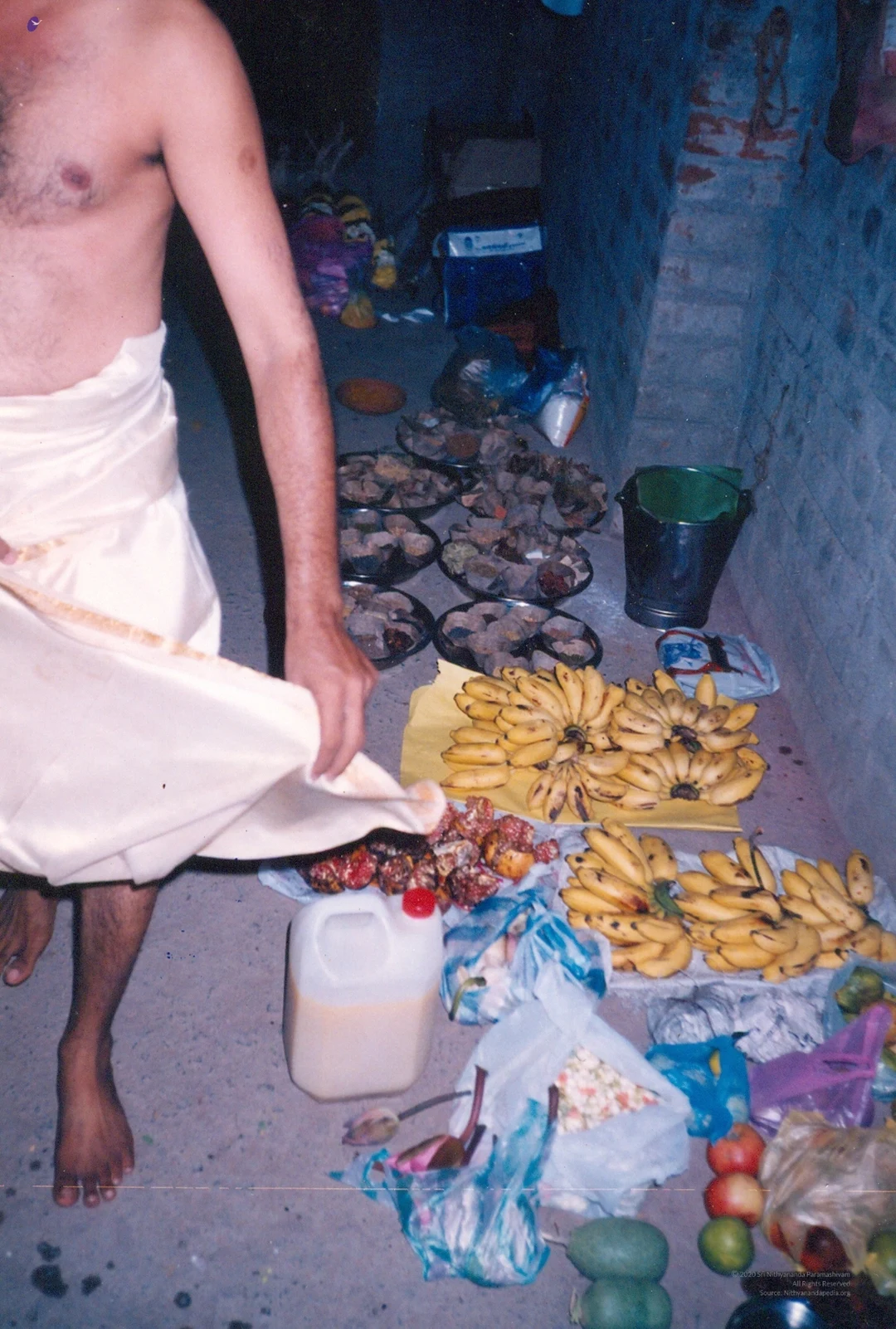
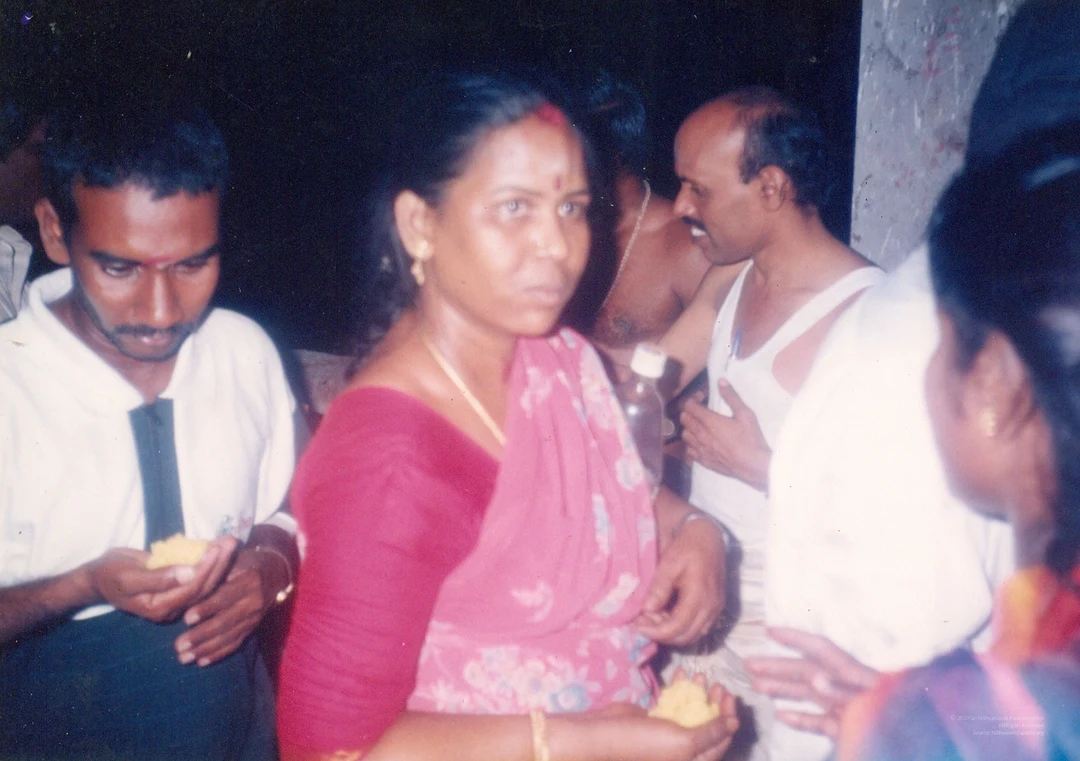
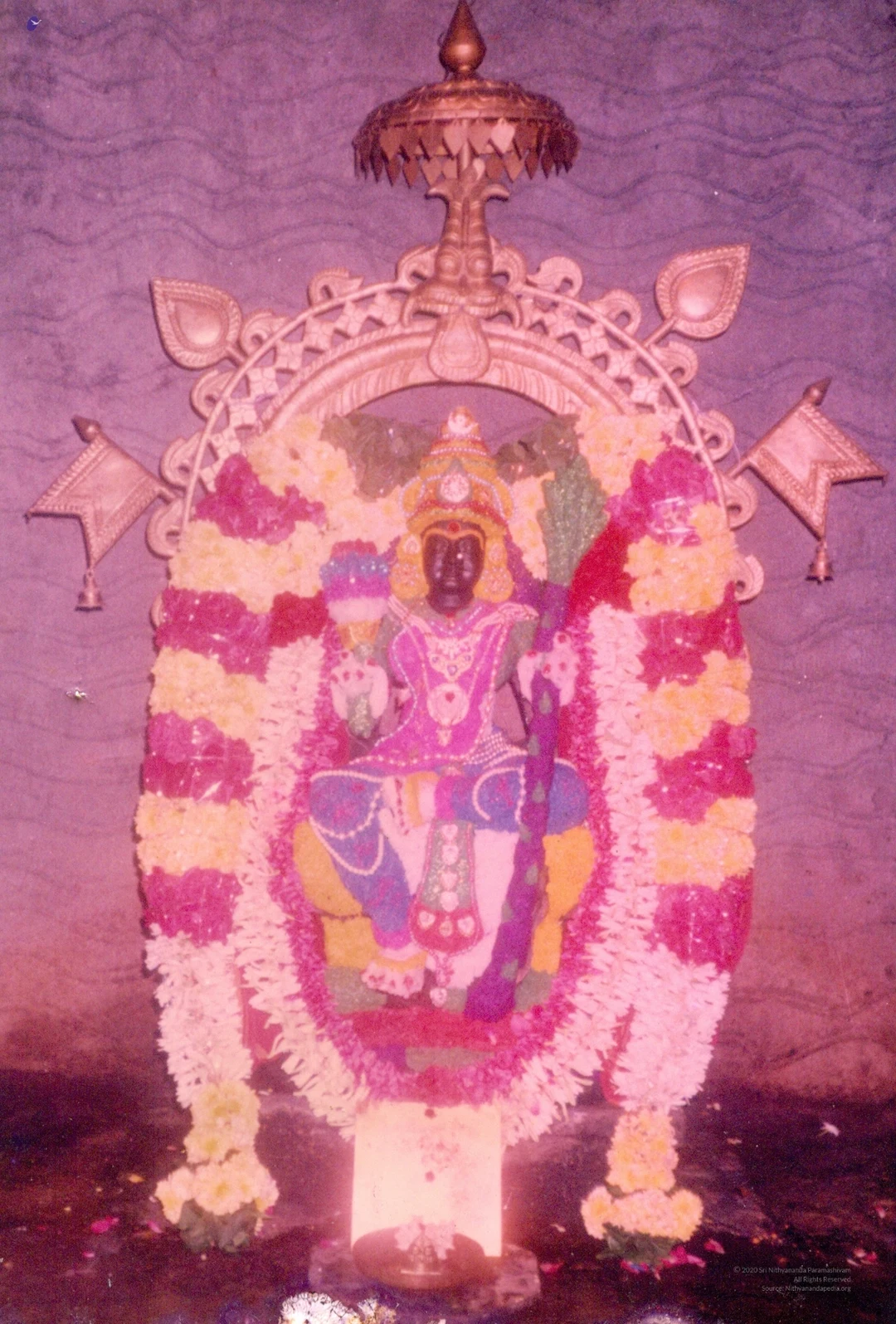
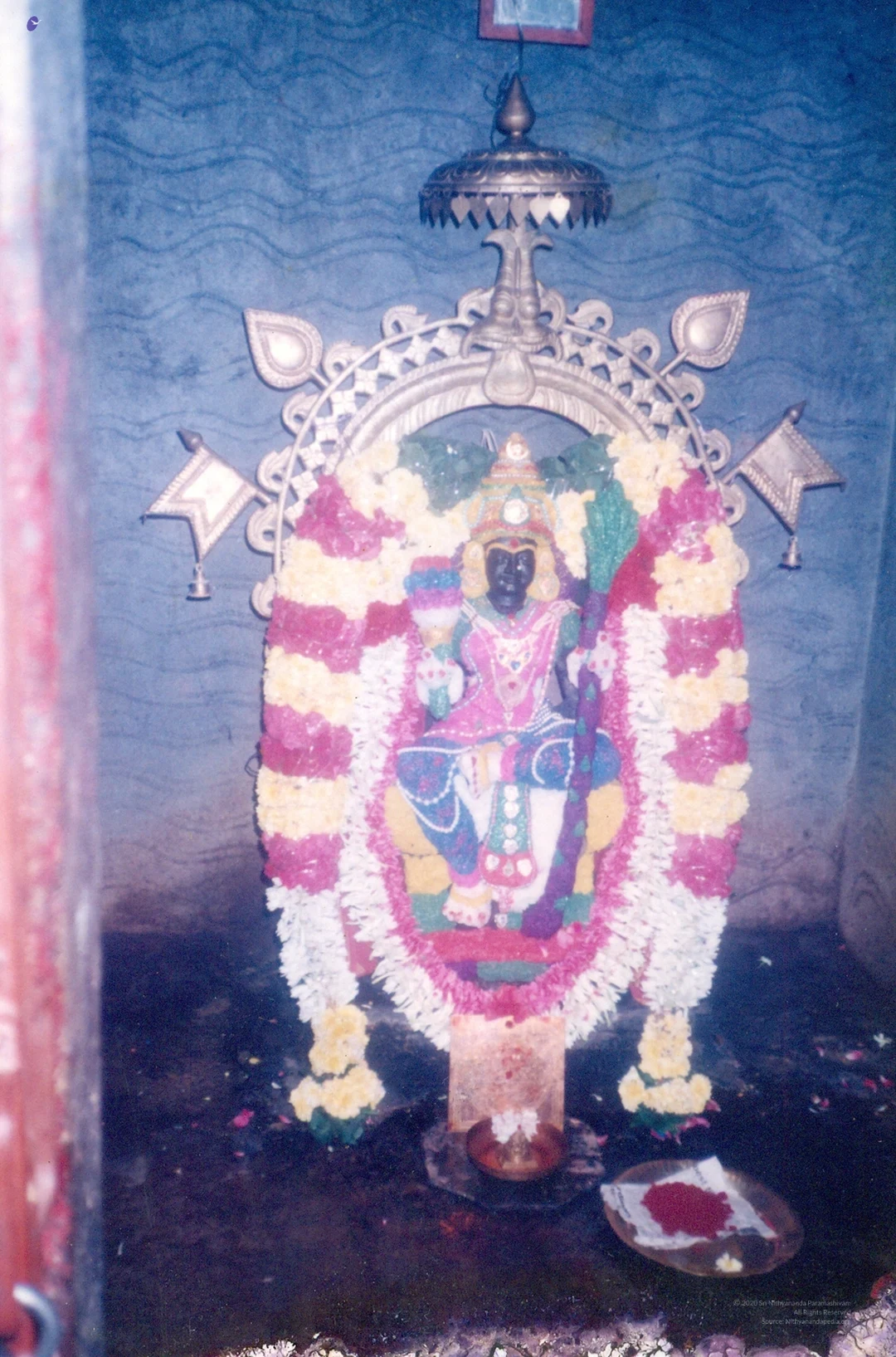
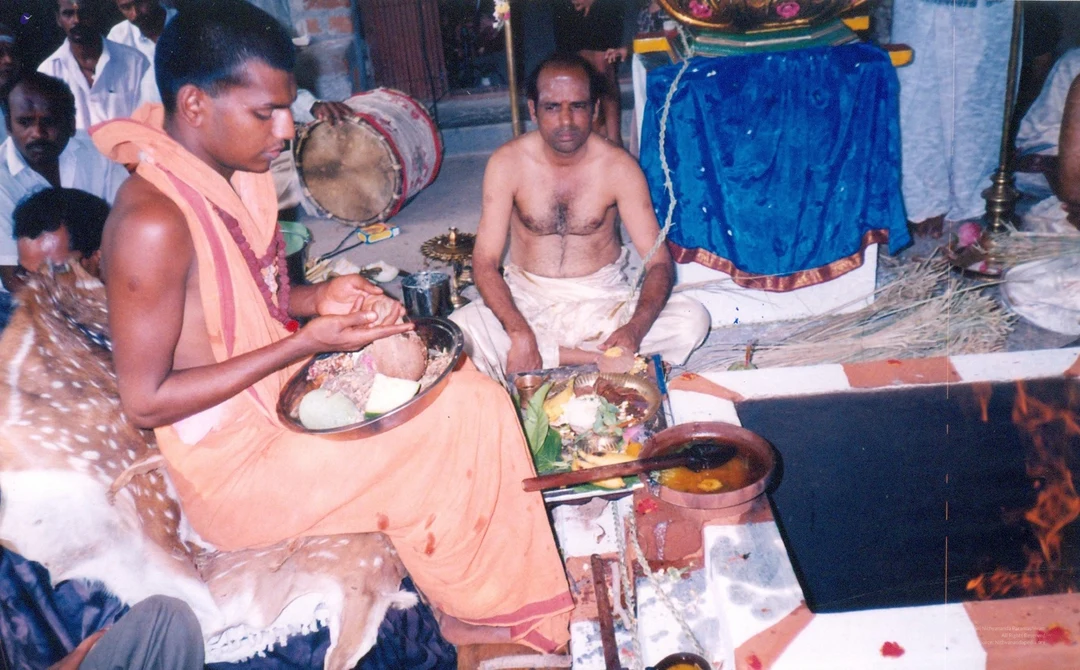
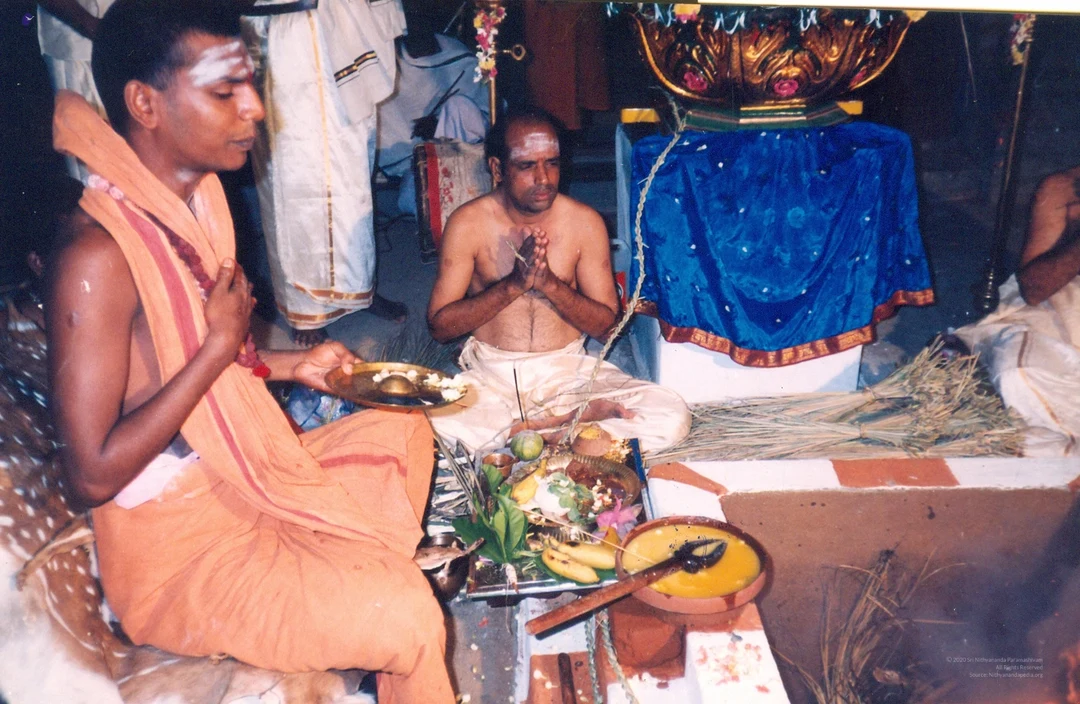
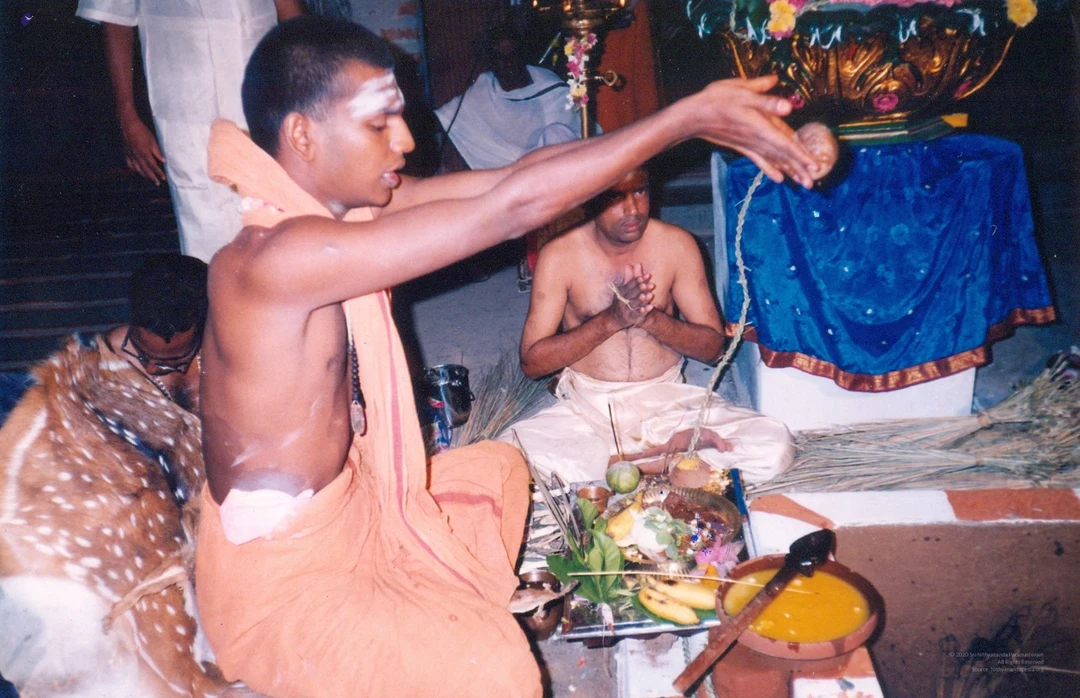
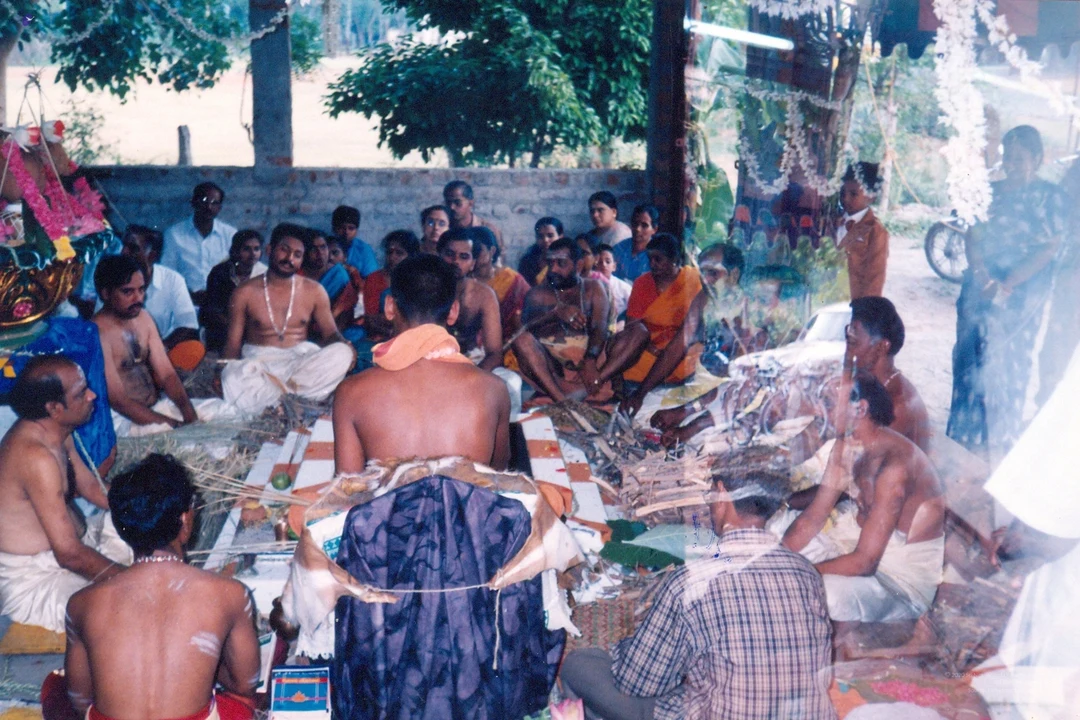
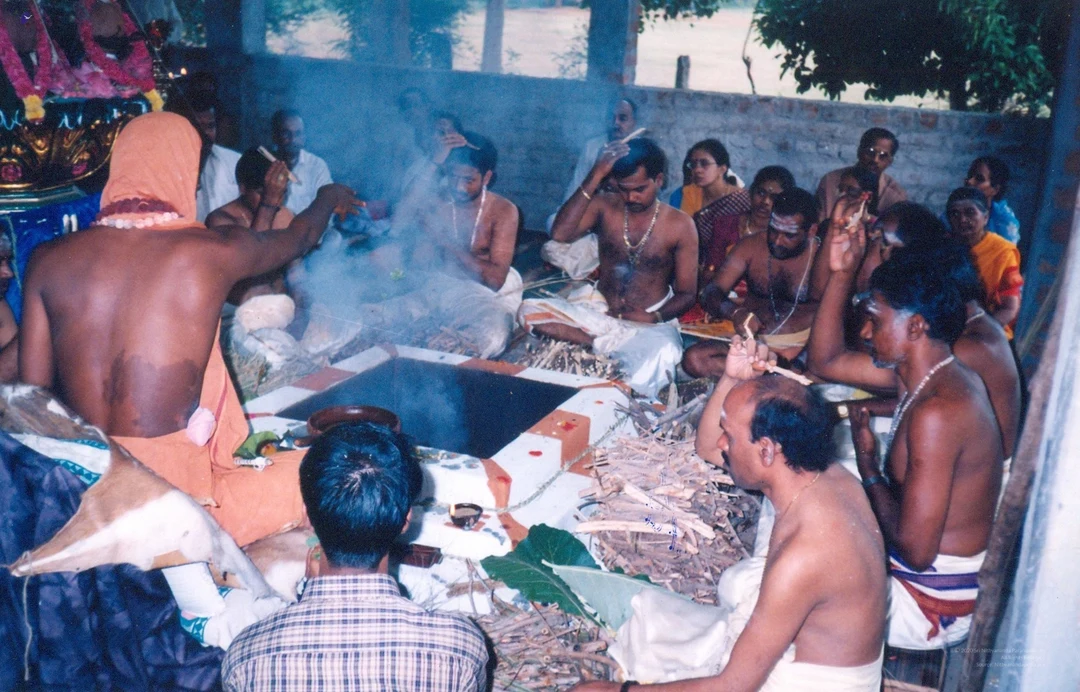
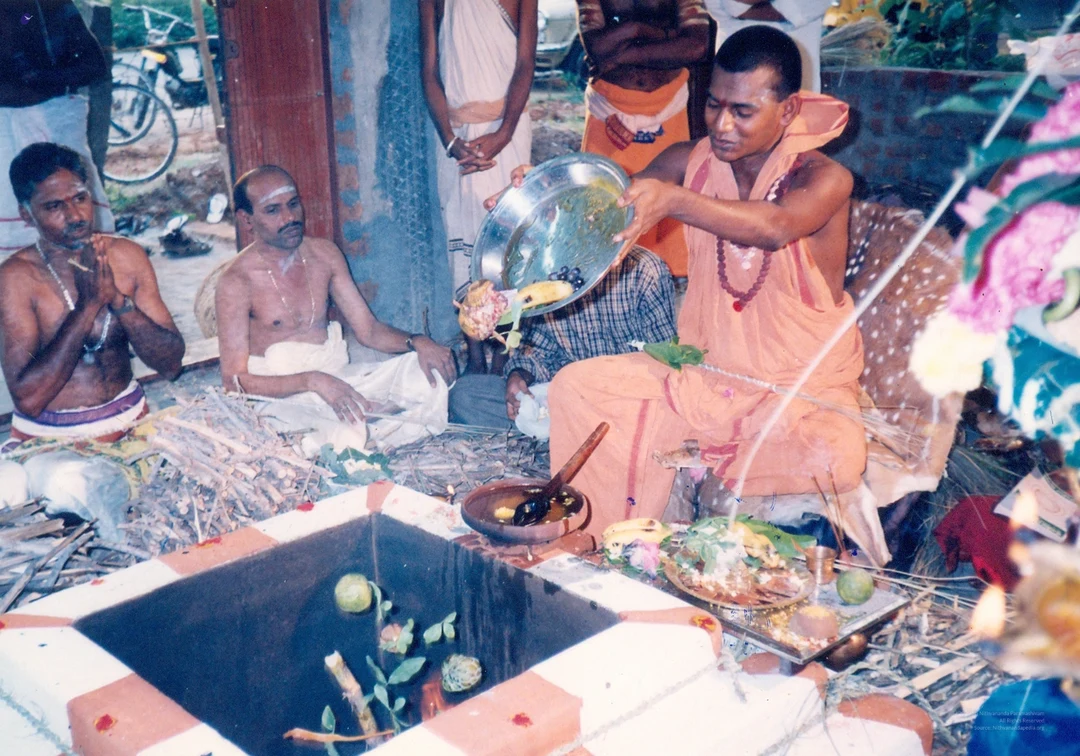
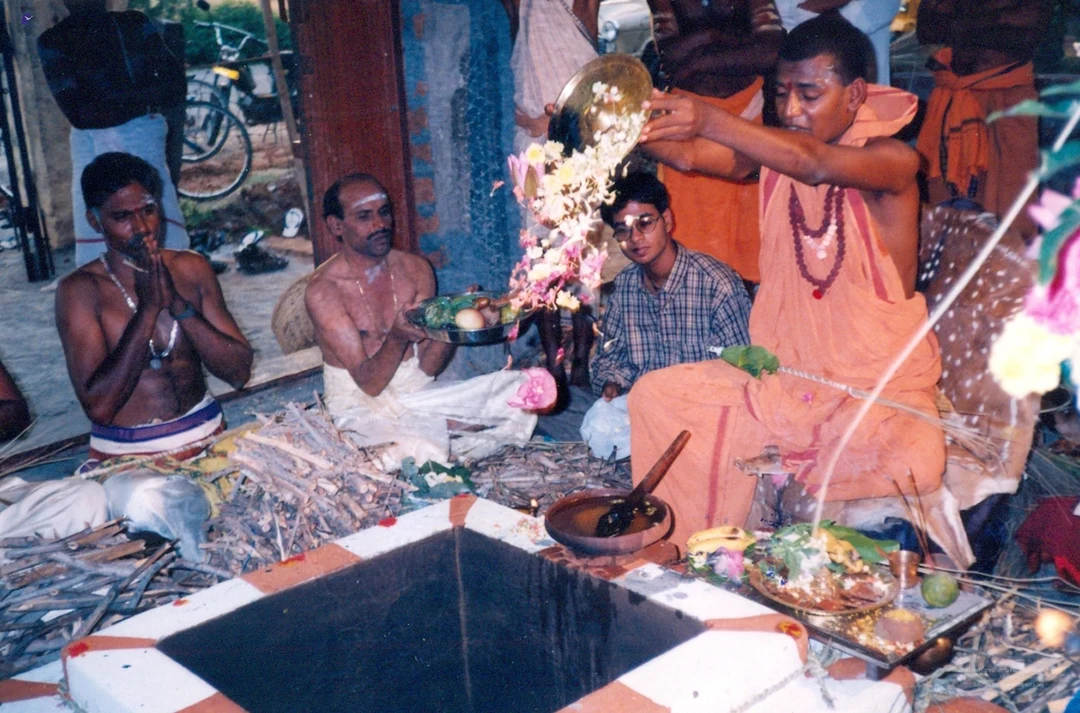
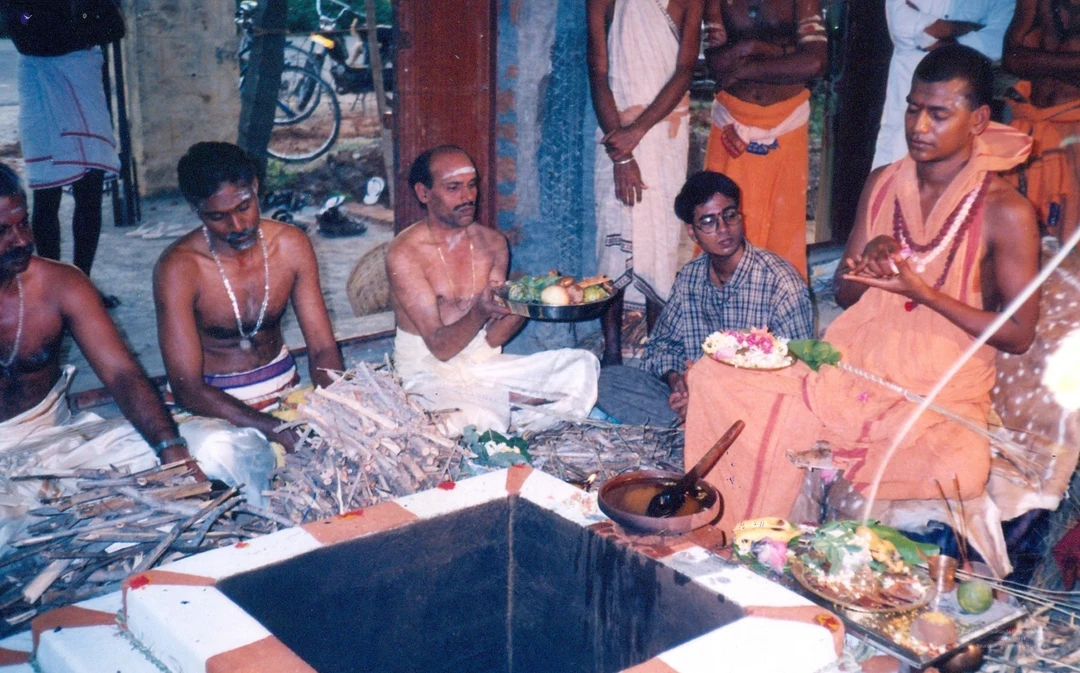
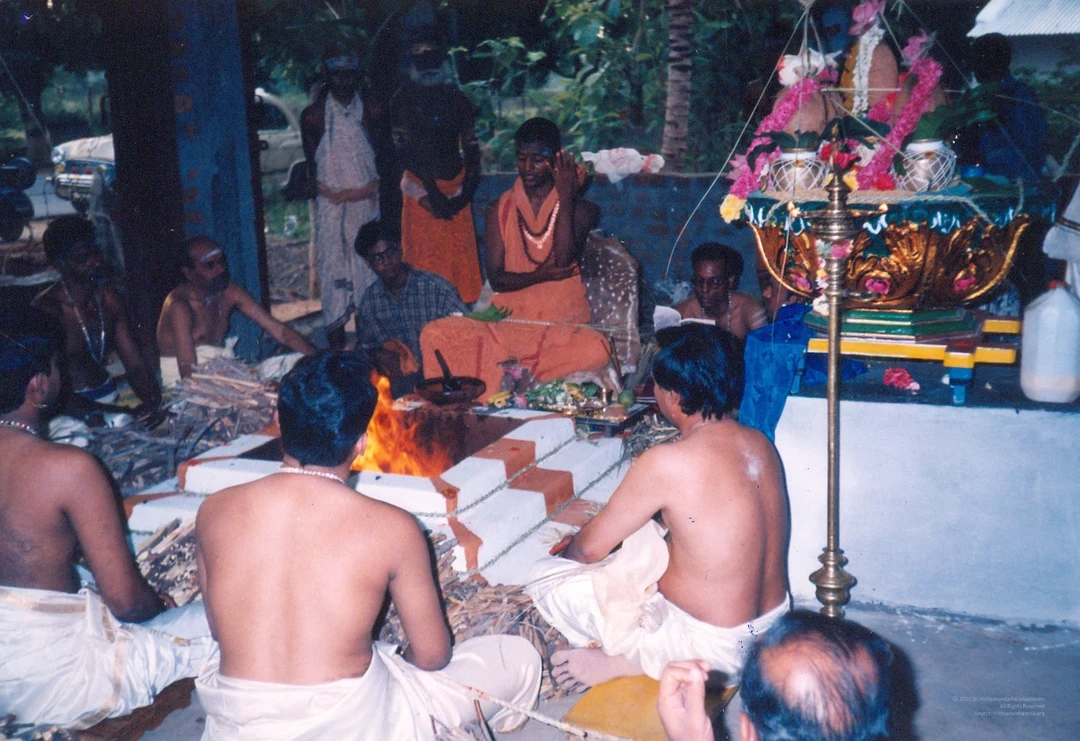
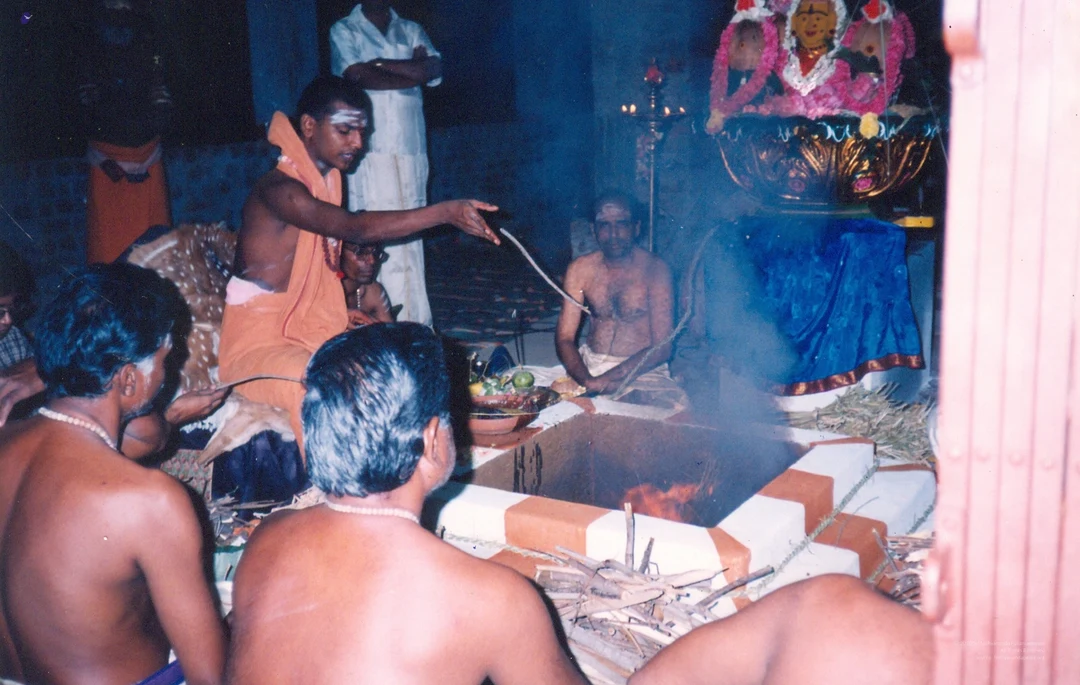
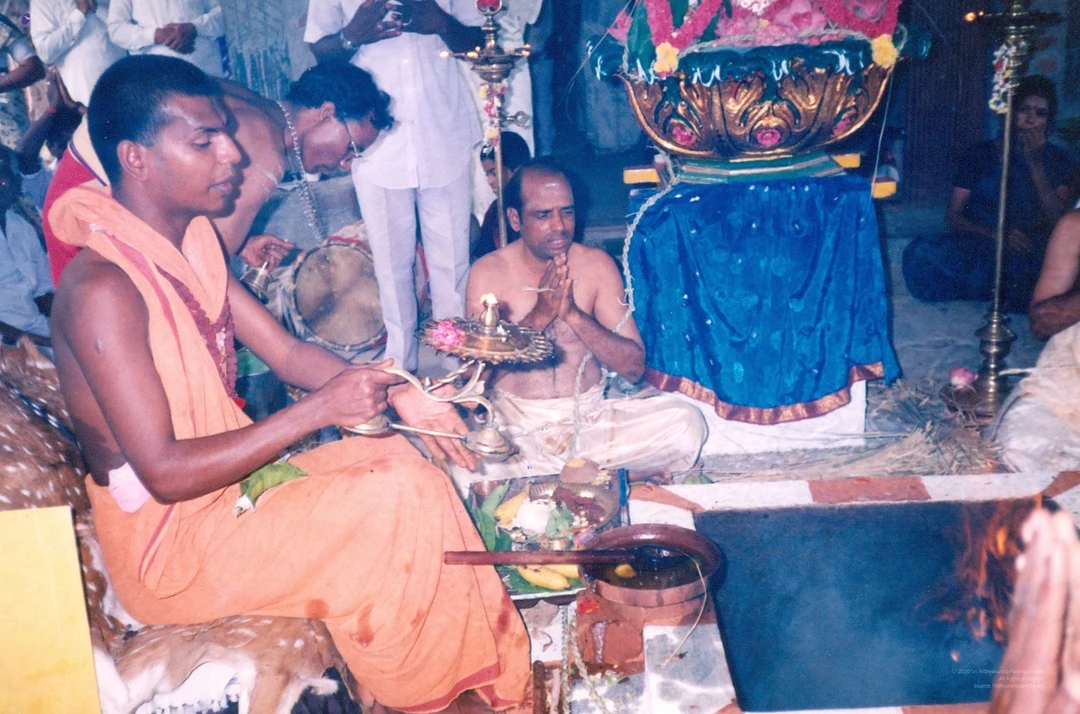
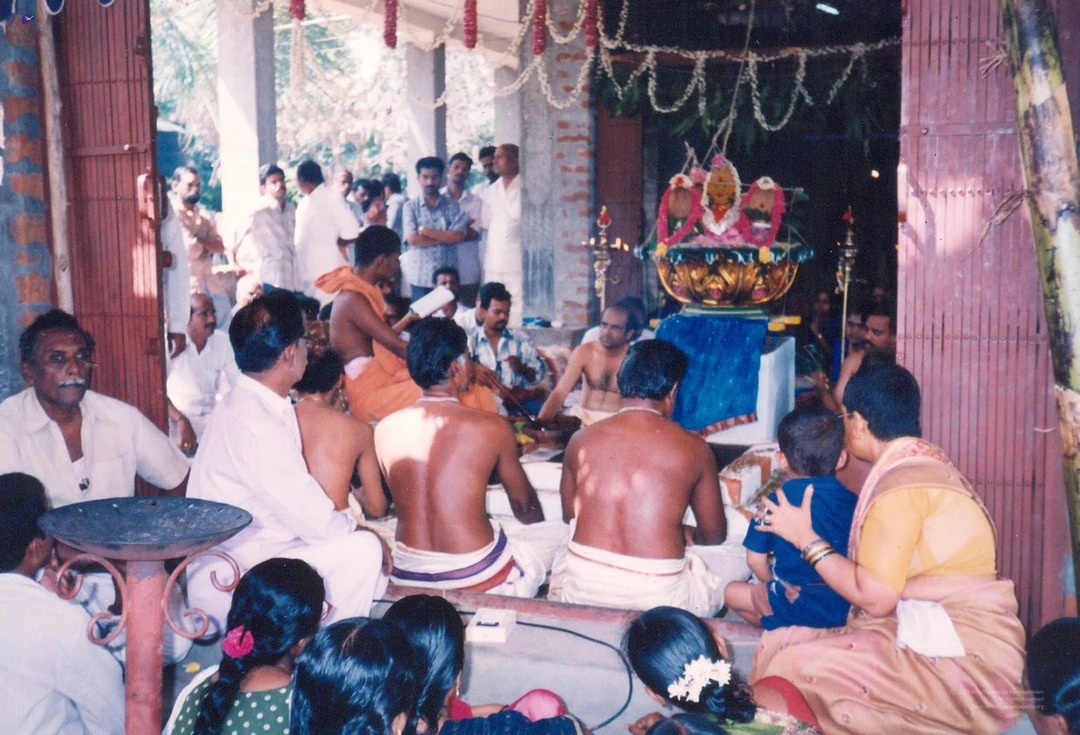
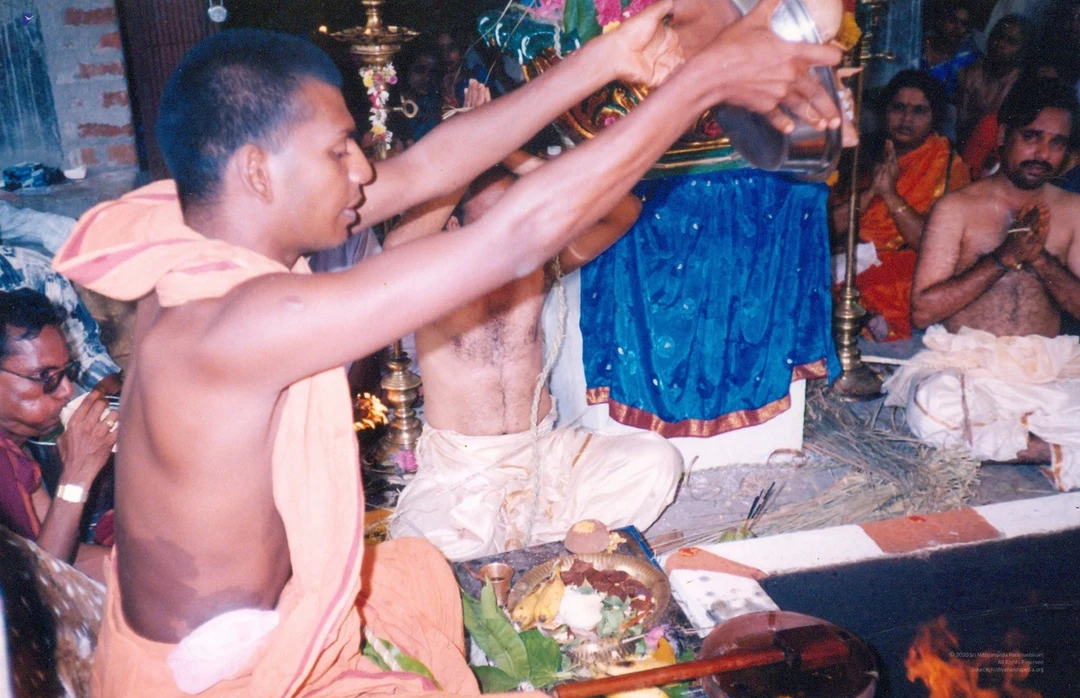
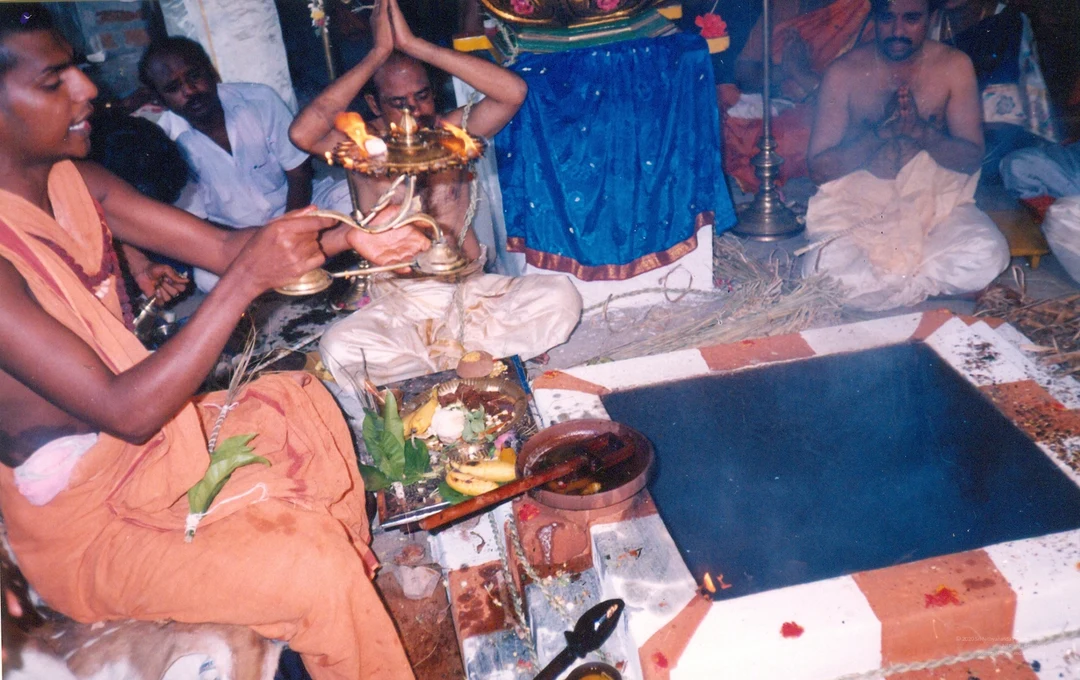
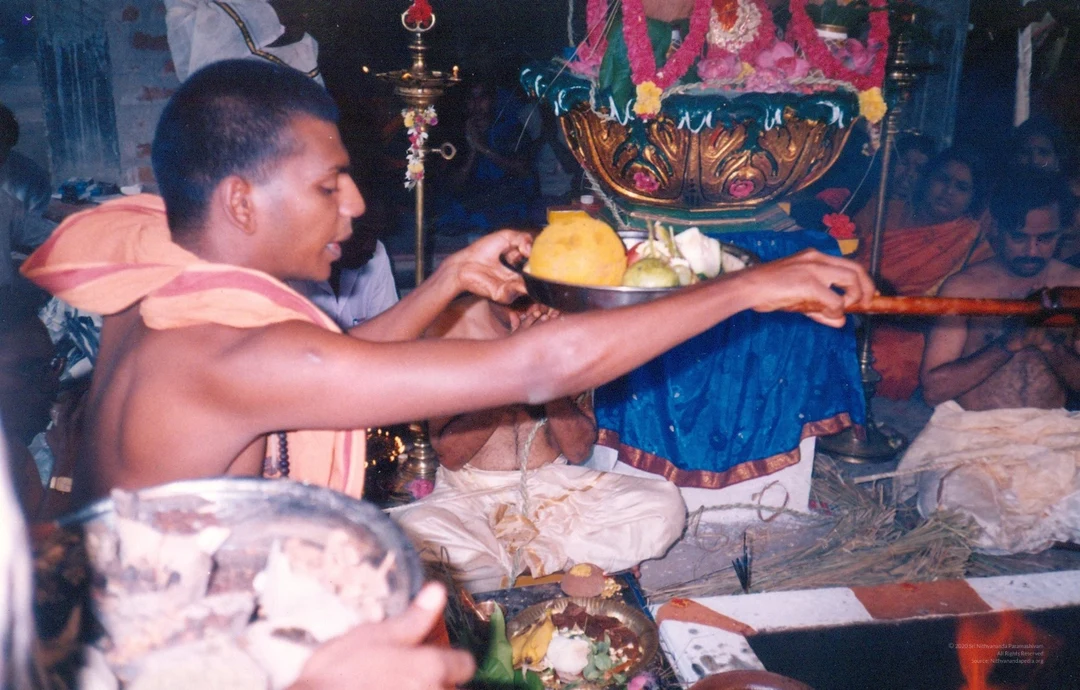
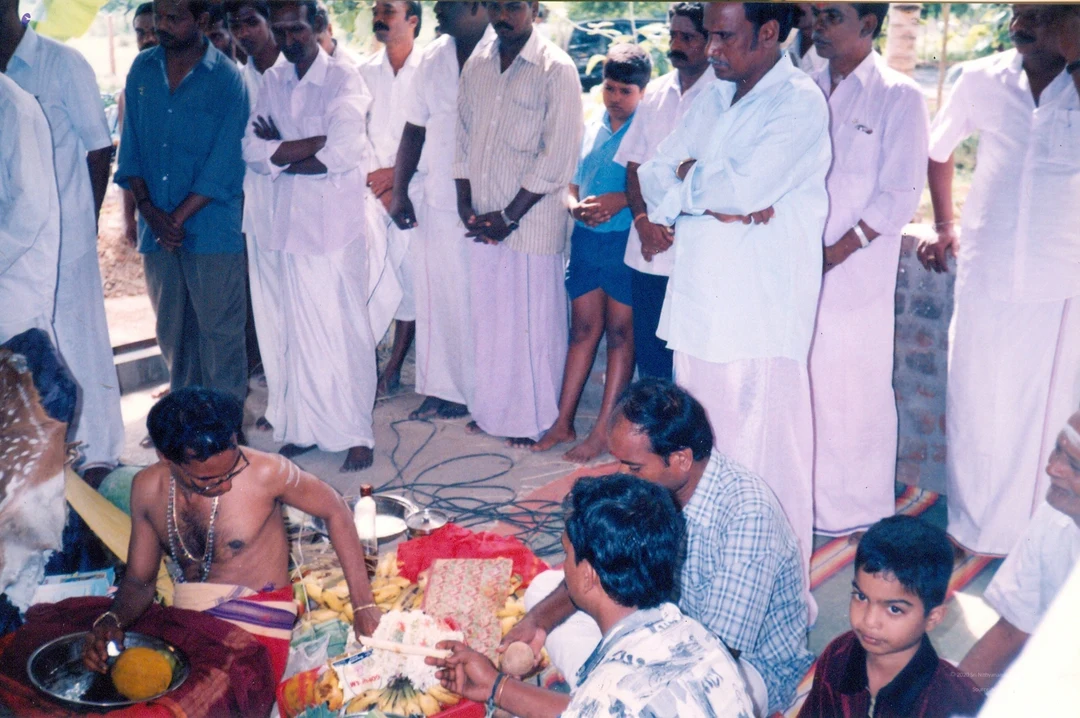
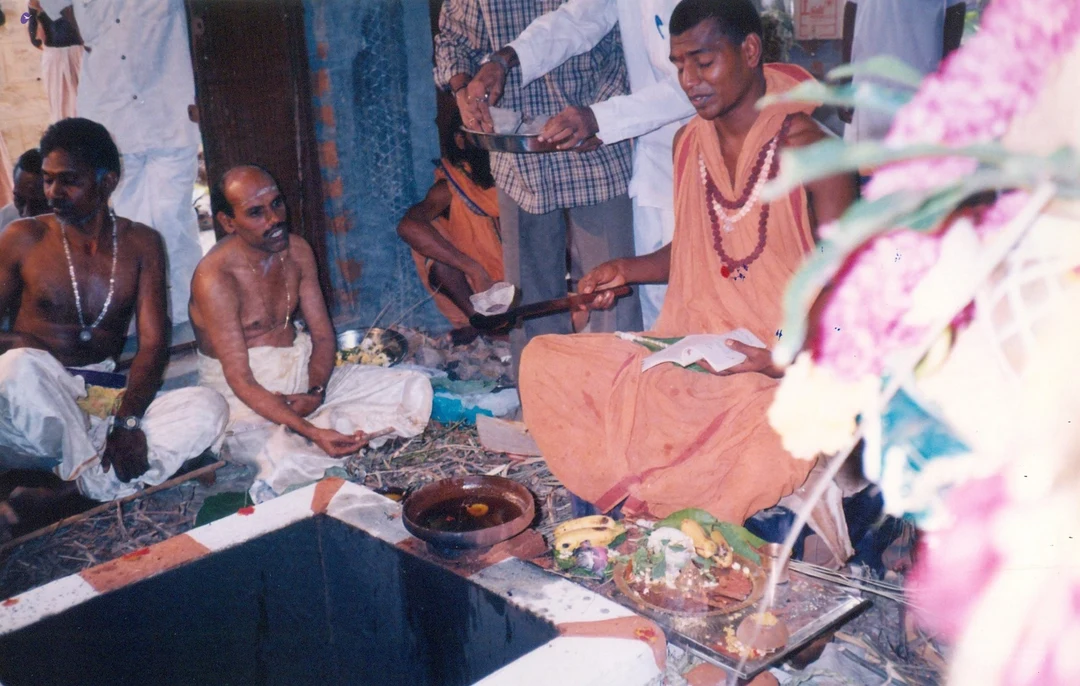
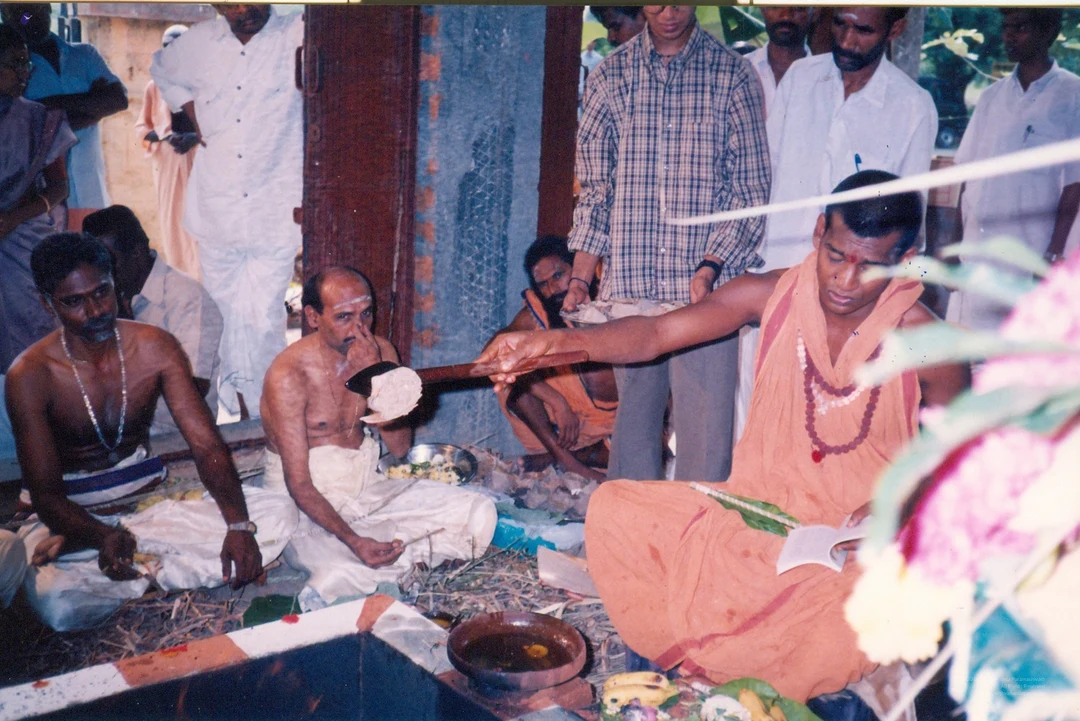
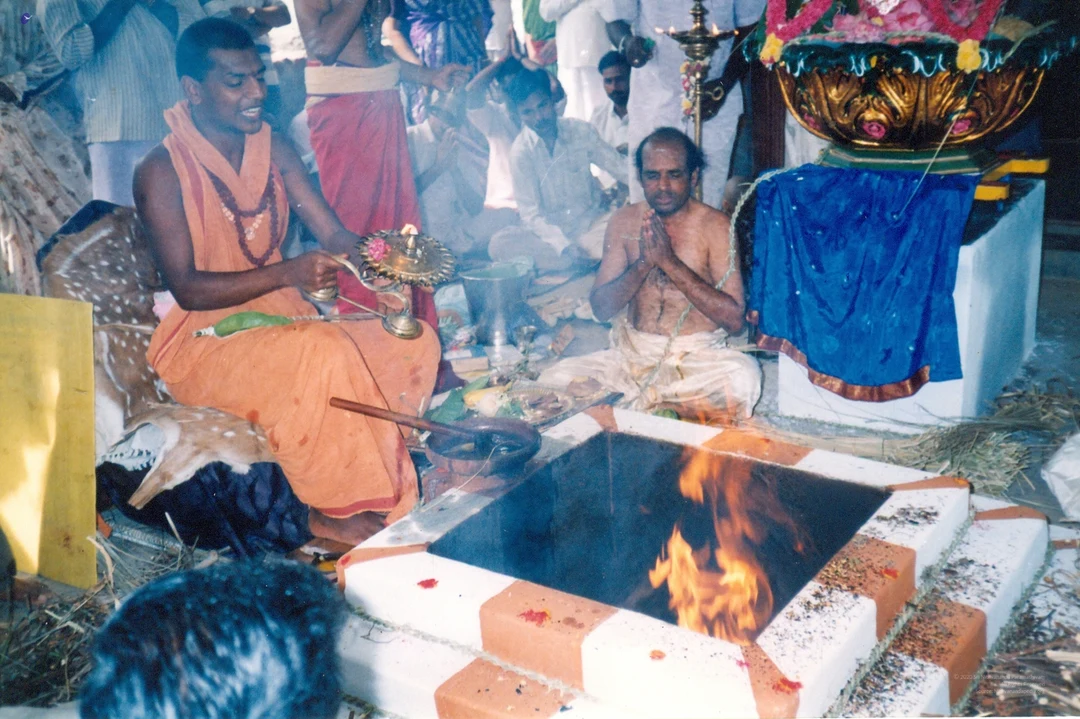
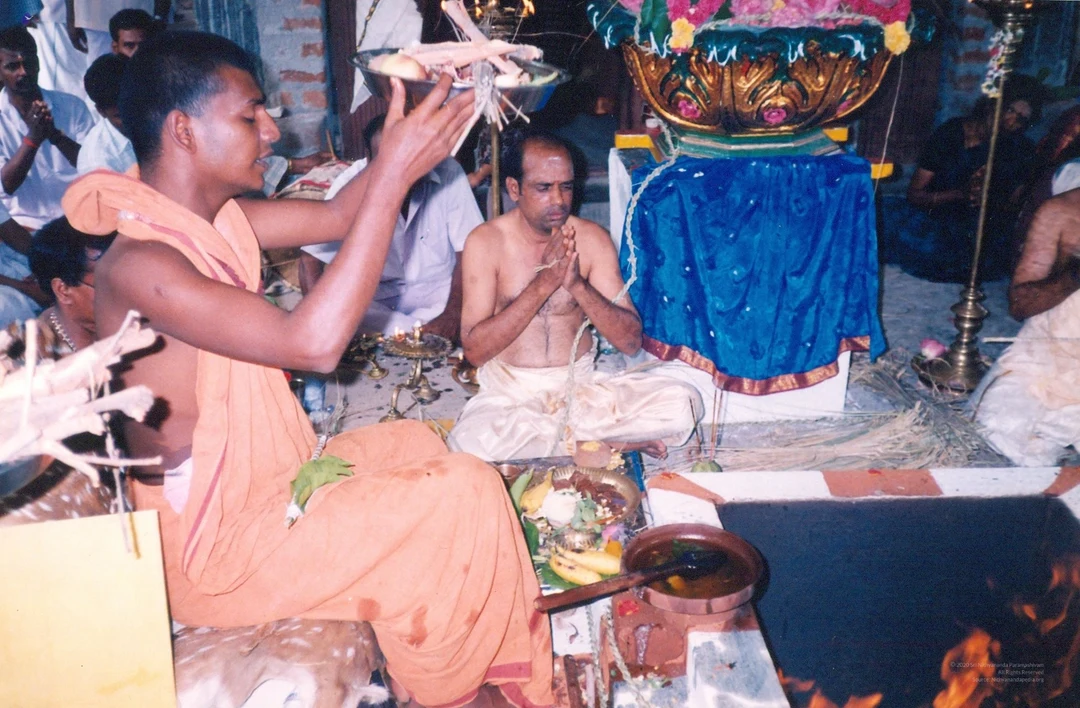
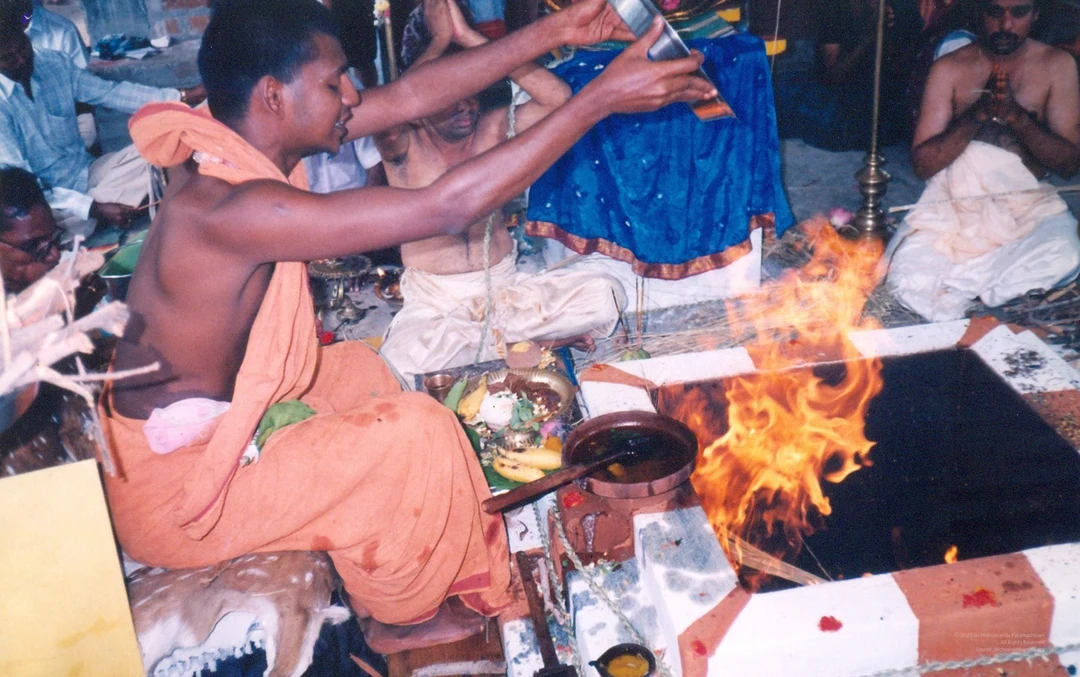
During this homa, the form of Devi seated with a trishul (holy trident) appeared in the flames, as if to grace all the participants gathered around The Avatar with the blessings of Parashakti Herself. Only with the grace of The Avatar's pure devotion did the vedic fire ritual come to fruition with such auspiciousness.
November 7 2000
Original wiki pageContents
REVIVAL OF SHAKTA SAMPRADAYA PUNNARUDHARANAM (RESTORATION) OF RAJA RAJESHWARI TEMPLE Thiruvannamalai, India
His Divine Holiness advanced the Shakta Sampradaya by reviving all elements
1. Building the temple
2. Consecrating the deities as per Shakta Agamas
3. Performing authentic rituals like Chandi Pradhana Vaisheshika Sapta Yaga
4. Performing the Dasha Mahavidya worship
5. Formally initiating the community and devotees as Shakta Upasakas
6. Distributing Sri Yantras to the community and
7. Promoting temple based socio-spiritual activities like Annadhan
In 2000, HDH set the first milestone for Department of Enlightenment Civilisation by performing Chandi Pradhana Vaisheshika Sapta Yaga, invoking Devi Parashakthi along with the seven Gods - Ganesha, Subrahmanya, Surya, Venkateshwara, Mahadeva, Devi, Guru, and restored the RajaRajeshwari Temple in Thiruvannamalai
Chronicled Hours: 12 hours
07.11.2000 - 4.00 AM to 4.00 PM
After His ultimate realization as The Avatar and the revelation of His Avataric mission on Planet Earth, The Supreme Pontiff of Hinduism, Jagatguru Mahasannidhanam, His Divine Holiness Bhagavan Nithyananda Paramashivam returned to Tiruvannamalai, Tamil Nadu in South India for the first time after 9 years.
Summary
He stayed in a nearby village and began conducting programs and rituals, officially inaugurating His public life. He made Himself available completely to the public, giving spiritual healing for their illnesses and solutions for their daily problems. He dedicated Himself to increasing their quality of life multifold. Thousands of people were benefited and transformed just by His sheer commitment to their lives.
On November 7, 2000, The Avatar conducted a full-fledged Chandi Pradhana Vaisheshika Sapta Yaga ritual alongwith the Dasha Mahavidya worship in the Rajarajeshwari Kovil (Temple) located on the Girivalam Path around the sacred Arunachala Hill. The Girivalam Path is a well-known road around the circumference of Arunachala Hill, which is considered as a spiritual pilgrimage site for millions of Hindus.
Chandi Homa is a vedic fire ritual, worshiping the Divine Feminine Energy in the form of ‘Chandi’ the all-knowing and all-powerful form of Devi Parashakti. Parashakti is the main deity of the sacred feminine, and the divine consort of Bhagavan Paramashiva (who is the Lord of Supreme Consciousness)
During this homa, the form of Devi seated with a trishul (holy trident) appeared in the flames, as if to grace all the participants gathered around The Avatar with the blessings of Parashakti Herself. Only with the grace of The Avatar's pure devotion did the vedic fire ritual come to fruition with such auspiciousness.
Not by any coincidence, this temple is right across from what is known today as Kailaasa in Tiruvannamalai Aadheenam, the temple-monastery complex run by initiated sanyasis ( Hindu monks) of The Avatar to conduct His mission.Every full moon occasion this land offers free food for the at least 100,000 who take up walking around the sacred Arunachala Hill, whom they consider as Bhagavan Paramashivam Himself.
Chronicle
Devi's Leela behind the Happening of Chandi Pradhana Vaisheshika Sapta Yaga
DEVI and Her Devotees
Rajendran Iyya - Main Temple Administrator had deep desire to Consecrate - Do kumbabishekam of Rajarajeshwari temple. He shared his wish with his friend Ravi, whose favourite deity is Raja Rajeshwari. Immediately Ravi iyya supported the vision. Rajendran iyya and Ravi iyya started working together. They were supported by family and Friends. First it was a small temple. They expanded step by Step.They built Artha Mandapam, then they started constructing Maha Mandapam for people to sit comfortably in the Shade. The Maha Mandapam came to level of Pillars. There were 8 pillars. They were discussing if in the eight pillars, they could install Ashta Lakshmis. One day when they went to temple at 1 am and were discussing about the discussion of temple, that time he was a swami from Salem, who is also a astrologer came to Rajarajeshwari Temple. He told them,'Usually People from install only the Ashtalakshmi. You Install Dasa Mahavidya'. When the visitor from Salem asked Ravi iyya if knows anything about Dasamahavidya, Ravi iyya got surprised because he came across a English Magazine just 15 days before, which was left there by someone. So, he connected that divine leela of reaching a magazine 15 days before with the Devi leela of Sending one person in early morning asking to install Dasamahavidya. He wanted to make the Dasa Mahavidya, but he didn't have Right Divine form of Devi as described in Scriptures. He consulted few of his friends about his collections. They rejected the magazine and other forms advising him to go as per Scriptures. So, they started Seeking to get Divine Form of Devi. At this time, Rajendran Iyya got introduced to Swamiji through his friend Sridhar.
Swamiji was staying in Oyya Mutt in Thiruvannamalai. Swamiji was requested to Come to temple. Ravi iyya welcome Swamiji at the entrance of Temple. Swami himself said that, ' I know you Very well.' Ravi iyya happily smiled and they welcomed Swamiji inside temple. Swamiji checked the energy Vibration in the Temple and Swamiji face was lit, radiating joy exclaimed - ' It is very good'.
Swamiji asked, ' I am seeing there is a delay. Why is this work getting delayed?
They expressed the various reasons behind the delay.
Swamiji advised to do Nava Chandi Homa for Devi. Committed to them that HE himself will conduct. And Blessed that they will get speed, Strength and funds and will be able to complete everything in good way. Swamiji explained the Principle behind the the homa, we all should pray together in oneness is Principle and Everything will manifest.
DEVI herself manifested.
Why Devi Worship? Importance of Mother Worship?
I tell you, Mother is too important way to connect what you think as life. In Vedic tradition our Rishis were aware, your ability to connect with the mother should be directed to Cosmos. It should inspire, it should awaken your higher consciousness. It should inspire your higher consciousness to express through you. It should awaken your higher consciousness. Connecting with life as mother is the most sweetest, most beautiful, most easiest form to ever connect.
Please understand, my childhood was full of spiritual experiences, amazing spiritual masters. Great yogis, like Raghupati Yogi, Vibhudanada Puri, the personalities of their stature. Ramsuratkumar, Annamalai Swamigal, Sadhu Om, I can list the personalities. Great spiritual personalities and I was exposed to all the spiritual thought currents and traditions like Vedanta, Saiva Siddhanta, Shaivism. Even the thought currents of Sankhya, Yoga, Nyaya Vaisheshika, Purva Mimamsa, Uttar Mimamsa, various Yogic Sampradayas. But I tell you, I find most easiest, most powerful, most inspiring, most exciting way to connect with life as the form of Mother. It’s mother worship, I myself chose, after being exposed to so many spiritual masters, experiences, and philosophies. I tell you, if you want tremendous peace and healing in your inner space, chose mother worship. Even with your guru or your Ishta Devata (chosen god) relate as Mother, you will see, the kind of healing in your bio-memory, it will lead to extraordinary healing and unimaginable healing, extraordinary completion, unimaginable completion.Connect with the whole world as you connect with your mother: Be a child to life, be a mother to people you are giving life. Be a child to the life to receive life in you. Be a mother to people to whom you are giving life, that is enough. You will bring so much of healing, and completion to planet earth wherever you move, whatever you do. Whether you are a professional engineer, lawyer, doctor or Politician, political leader, celebrity, spiritual leader, whatever you are doing, motherliness completes you and others. (Reference: Satsang Titled 'Connect to Life with Mother Worship - 14th October, 2015')
Shubha Muhurtha Nirnayam:
Date for this Chandi Pradhana Vaisheshika Sapta Yaga was selected by HDH Himself. The Chosen date is 07.11.2000
(Year - Vikrama Samvata Shukla Paksha, Ekadashi Tithi - Shukla Paksha Nakshatra -Purva Bhadrapada Yoga - Vyaghata karana - Vanija Weekday - Mangalwara Auspicious Timings)
Brahma Muhurta
His Divine Holiness performed the homa at Sri Rajarajeshwari Temple at 4.30 PM
PraKriya (Pre Preparation )
The Basic level preparation receive Devi's grace is to be done. So Swamiji asked the chose members (9 Men) to fast for Three days. He Initiated them into Chamundi Moola Mantra - Asked them to chant 108 times per day. Swamiji prepared their Body, Mind and Being. One of the Selected Member Ravi iyya, who had the habit of chewing Pawn dropped that immediately committed that he will not chew till the homa is completed. The True vedic preparation is explained to them with the Context. They all agreed and absolutely discipled themselves.
Pre Preparation:Procuring Material: Requirements for Homa is given ahead. Unique Samith ( Wooden Sticks) for each Mahavidya as per Devi Mahatmya is listed. Each Samith is collected in huge quantity. One gunny bag full for each Samith ( Eg. Nayuruvi, Arasu, Aal). They got 5 Kg of Sandal wood also. Homa Dravyam - 50 Kg prepared. Litres and Litres of Ghee was procured. Kalasam and the Vessels required for puja was purchased. Red Colour Saree, Ripe Banana Tar and Other fruits were prepared in huge Quantity. Even now for the homa, same preparation is done and same quantity is used. The type of Material used during the homa has changes. Example from Silver Steel to Silver or Gold, but there is never a compromise in the Sanctity.
Happening of Chandi Pradhana Vaisheshika Sapta Yaga
3.30 AM Getting ready for Chandi Homa
4.00 AM Starting from Oya Mutt (Oya Mutt -No 126, Thiruvoodal Street, Tiruvannamalai - 606601, Tiruvannamalai)
4.20 AM Reaching Raja Rajeshwari Temple by Car ( 5.5 km via NH77 from OYYA Mutt)
4.30 AM- DigVijyam Of JagathGuru Mahasannidanam At Sri RajaRajeshwari temple
Welcomed at Entrance. Swamiji asked ALL selected members to gather outside and as team of 10 entering into the premise. Swamiji was absolutely integrated to HIS Commitment.He came 10 minutes ahead of Committed time
4.30 to 6.00 AM - PraKriya (Pre Preparations) from His Divine Holiness
Swamiji verifying the Preparations personally. The long Darbha grass was tied around the Navel of Main Kalasa, all selected 9 men, Homa Kunda, Swamiji himself and with the Main Deity of the Homa. with this he connected all energies in Oneness.
6.00 to 11.30 AM - The one who is the embodiment of Shiva Jnana Bodha Himself performed the Bhodaka kriya (Chanting the mantras from the space of oneness)
For the Chandi Homa, Swamiji himself brought the book. Chanting was personally done for a continuous 5 hours 30 minutes.
11.30 to 12 PM - His Divine Holiness, offering the oblation for completion during the grand finale of Chandi Pradhana Vaisheshika Sapta Yaga, marking the successful beginning of Punarudharadhana (Revival) of shakta Sampradaya
Offering of Maha Poornahuti ( The Auspicious time falls after 11.30 Am)
12.00 to 1.00 PM - HDH who is the incarnation of Arunachala - Shiva Agni himself offering the arati to Devi Chandika Offering of Arathi to Homa Kunda, Main Kalasa and Main deity.
1.00 to 2.30 PM - His Divine Holiness performed prana prathista to Sri Yantra by invoking Parashakthi and formally initiated the devotees and Karthas into Shakta Sampradaya Blessing each individual personally. Swamiji brought 108 Sri Yantra. He blessed those yantras and gave them. He gave Vibhuti and Kumkum.
2.30 to 4 PM - To promote the growth of Shakta Sampradaya and inspire the community with temple based social activities, His Divine Holiness personally served prasad, the scared food offering to initiated shakta disciples
Distribution of Prasad and Seving Anna Dhan
4.00 to 4.30 PM Return Back to OYYA Mutt
Chronicled Hours: 12 Hours ( 4AM to 4PM)
Chanting of Chandi Continuous Chanting of Chandi Mantra for 5 hours 30 minutes without break
Unforgettable Experience shared by Devotee Ravi: The Dhivya Prabha, the divine light around His Divine Holiness that was captured right after the culmination of the Historic Chandi Homa.
His Divine Holiness guided the sthapathi and sadakas and consecrated the Dasamahavidya in accordance to Shakta Agamas:
Miracle happening during Consecration of Dasa MahaVidya: The Devotees sculpted Dasa Mahavidyas taking guidance from HDH. HDH read the Slokas for each Mahavidya, explained the context of each form, each ayudha in their hand from the scriptures. Example - Kali ( Ferocious in form, motherly look in eyes). They took notes of that and sculpted the deities. During the consecration, when the Mahavidyas were installed one by one, the final deity sat exactly in the Peeta without any change in positioning, without any requirement for adjustment in direction. The Stathapathis themselves were shocked seeing the perfection of the deities and their features.
Foot Note
OYYA Mutt
Oya Mutt - The trustees are the Nattukottai Nagarathar. Oya Madam is situated in Tiruvoodal Street, Tiruvannamalai. The presiding deity of Tiruvannamalai, namely, Sri. Arunachaleswarar, is the "Kula Deviam" of the Nagarathar community and their people numbering about two lakhs, spread over 92 villages and towns, who often visit the temple and would avail the facilities provided for in the Madam for boarding and lodging. It is also stated that during "Karthigai Deepam", a popular festival, the Madam would be fully occupied and food will be provided to occupants free of cost. The religious sentiments of the Nattukottai Nagarathar Community which is to impart spiritual teachings and to provide boarding and lodging facilities to devotees on the festival occasions is absolutely followed in this traditional Mutt. The enlightened Ecosystem of Thiruvannamalai has traditional mutts namely Oya Mutt, Sivakasi Mutt, Maduraiyar Mutt, Virudhunagar nadar mutt, Noolkarar Mutt, Kurumbar Mutt, Me-Ka-Anna sathiram and Vallala Maharaja Vanniyar Mutt for imparting the Spiritual Instructions to devotees and offering devotional services to the Lord.
Photos
Chandi Pradhana Vaisheshika Sapta Yaga In Rajarajeshwari Temple
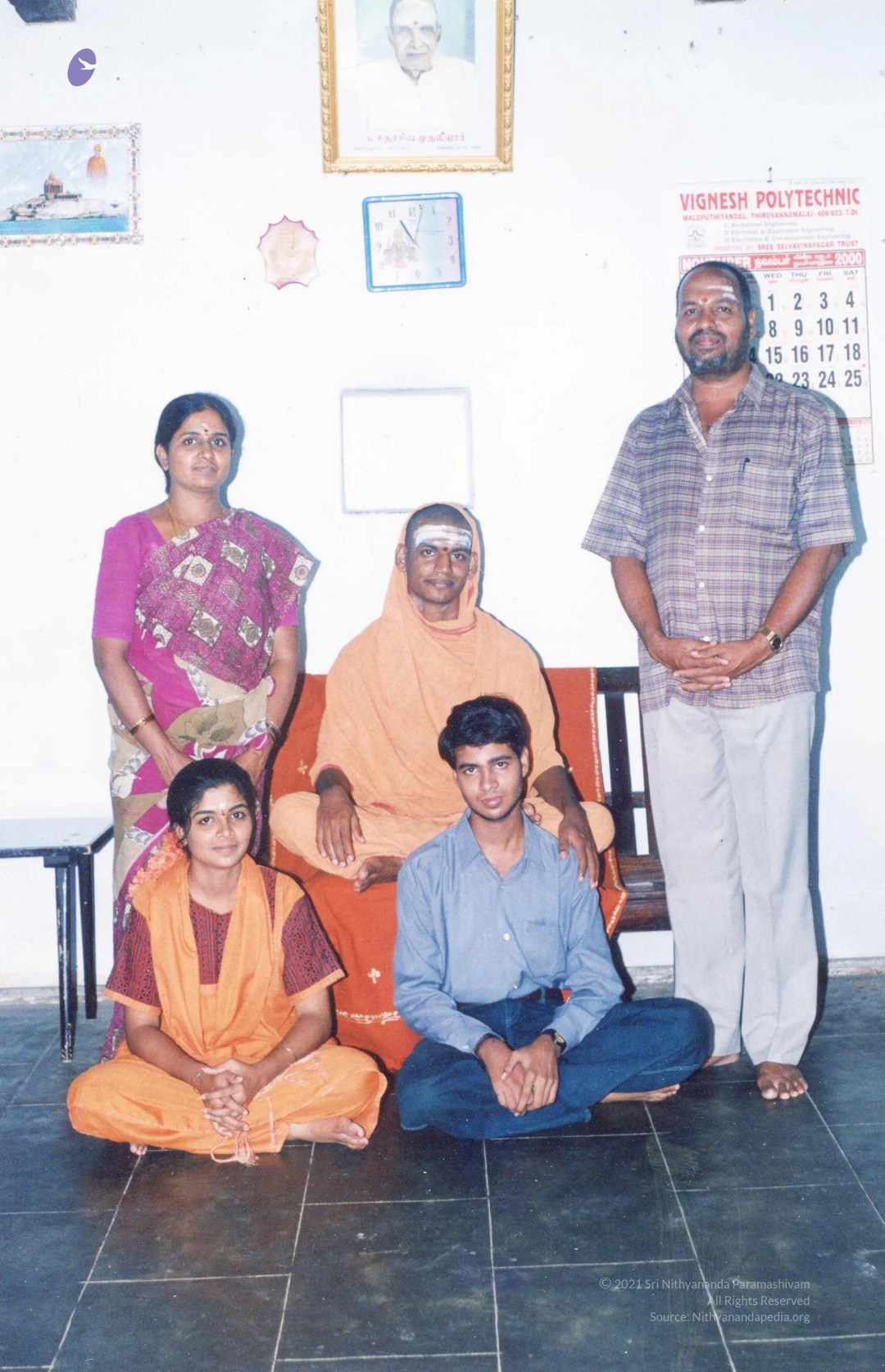
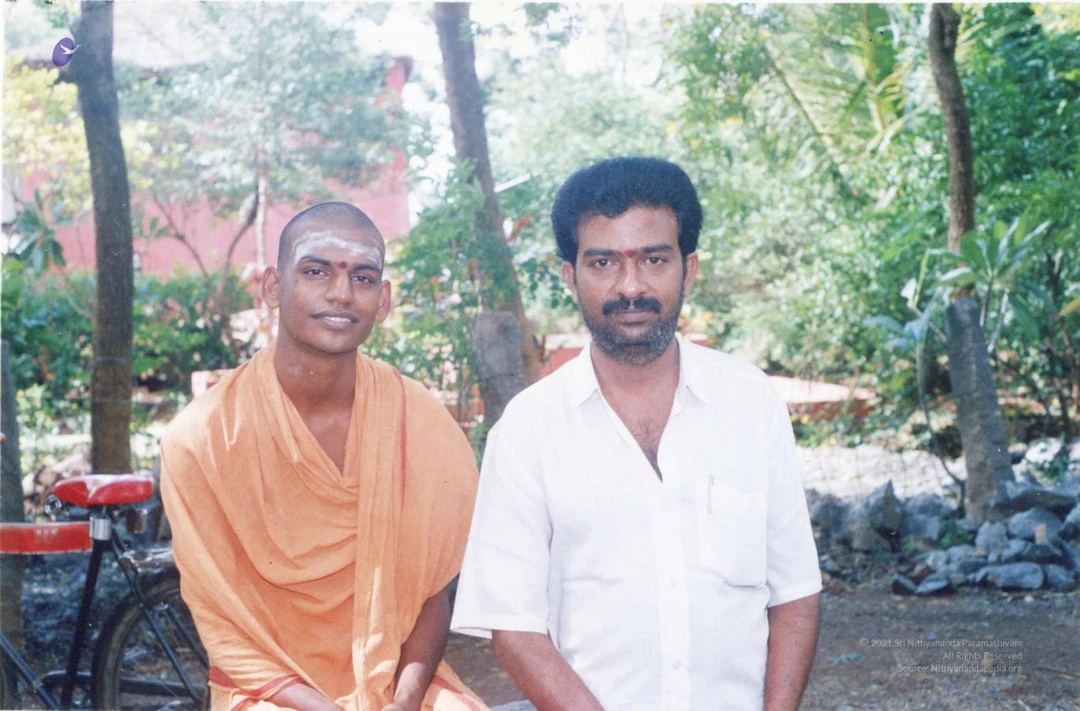
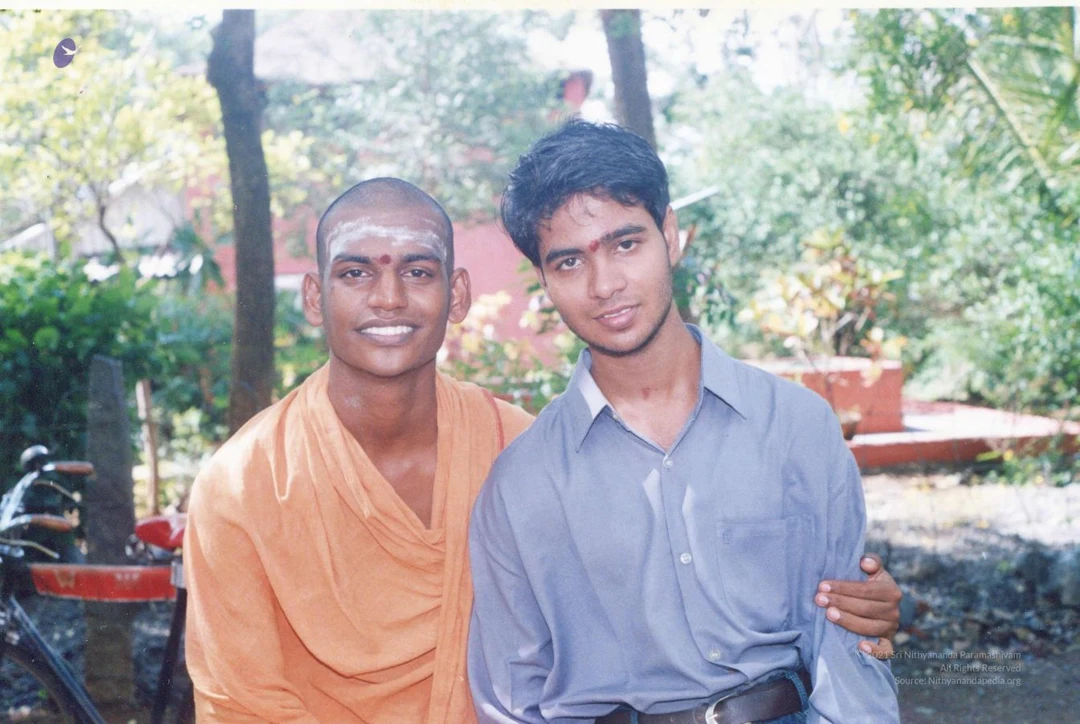
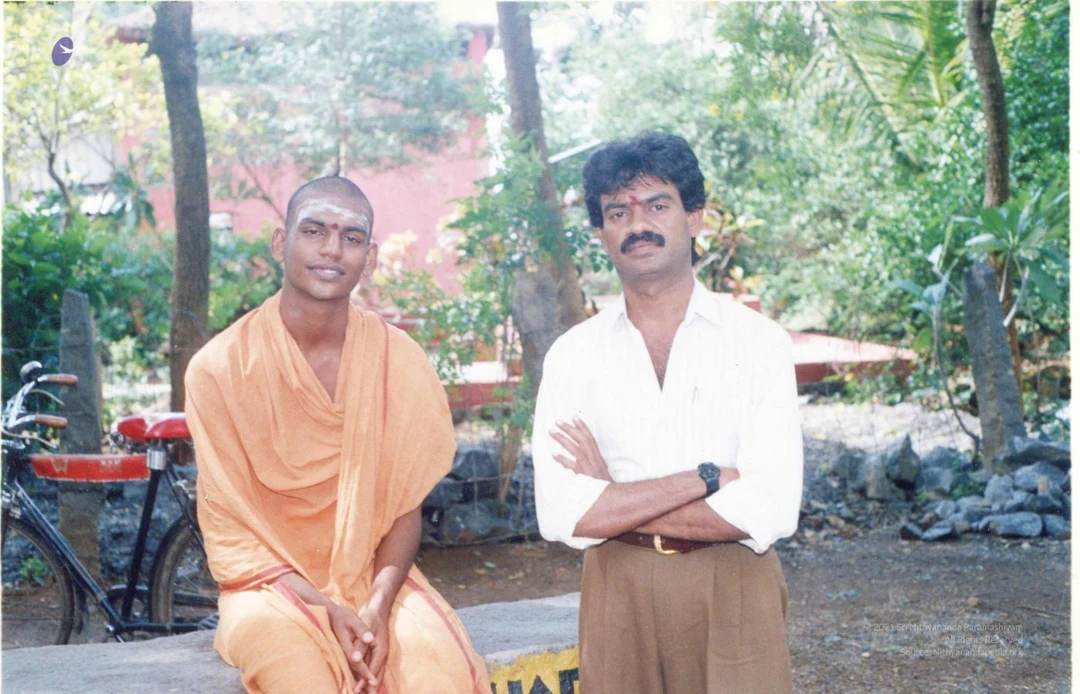
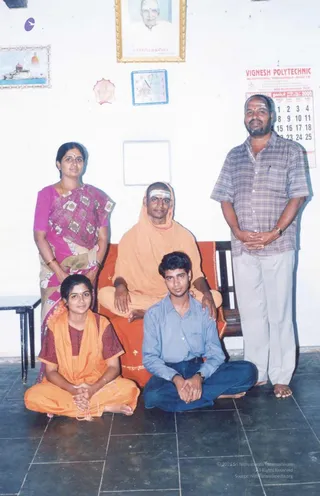
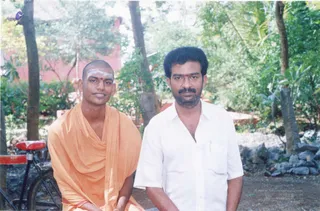
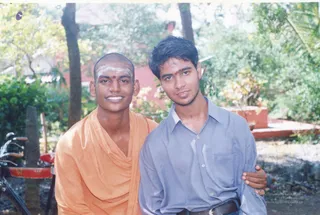
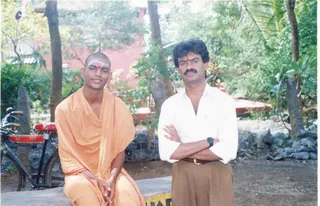
Photos from this day
View all 60 photosChandi Pradhana Vaisheshika Sapta Yaga In Rajarajeshwari Temple
32 photosSource gallery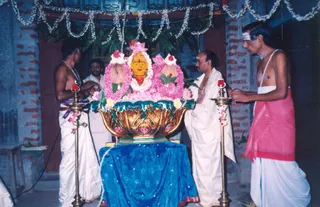
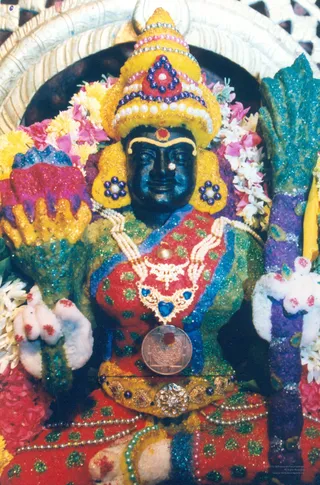
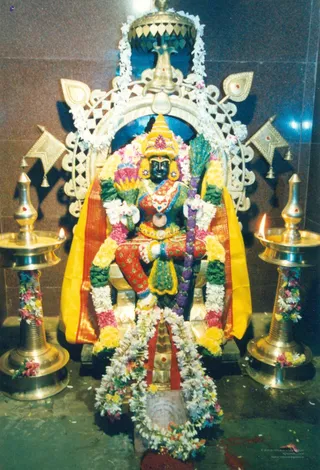
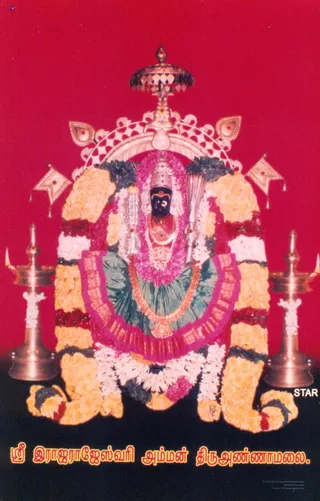
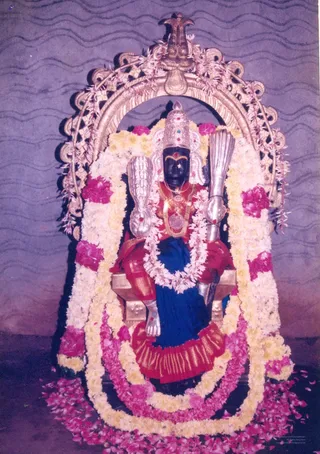
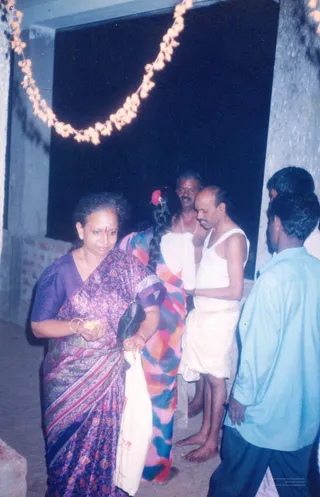
Chandi Pradhana Vaisheshika Sapta Yaga In Rajarajeshwari Temple
24 photosSource gallery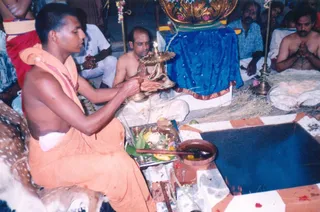
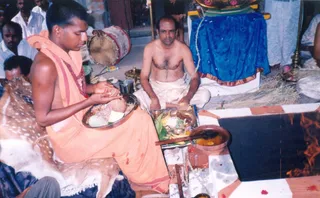
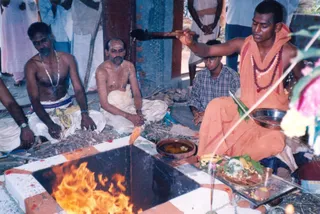
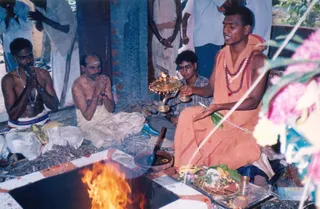
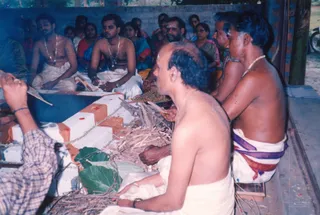
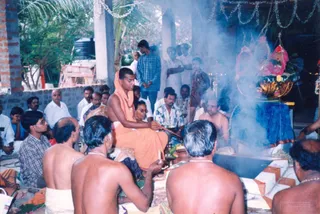
Chandi Pradhana Vaisheshika Sapta Yaga In Rajarajeshwari Temple
56 photosSource galleryChandi Pradhana Vaisheshika Sapta Yaga In Rajarajeshwari Temple
4 photosSource gallery