Saturday
5 April 2025
LIVE: Special Live Darshan with THE SPH | #KAILASA's Ramanavami Celebration #Nithyananda Sri #Rama: Not Just Purushottama, Greatest Paramacharya of #Hinduism
- Dated photos
- 33
- Source pages
- 1
- Media
- 2
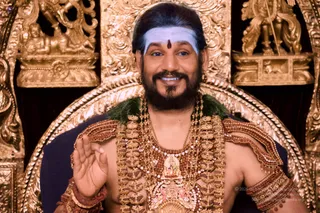
April 5 2025
Original wiki pageTitle
LIVE: Special Live Darshan with THE SPH | #KAILASA's Ramanavami Celebration #Nithyananda Sri #Rama: Not Just Purushottama, Greatest Paramacharya of #Hinduism
Link to Video:
Transcript:
Om Om Om Paramashivasya Mahakalabhairava Kshetrapaala Brahmashiraschetana Aghoraastra, Bhairava, Kangaala, Vaduka, Sri Ramachandramurteenaam, Mahamari Parameshwari Paramashakti Swarupa, Paramavatare Paramadvaita praptaye aham yushmabhyam aaseehee dadaami Paramashiv ke Mahakalabhairava Kshetrapaala Murti, Brahmashiraschetana Murti, Aghoraastra Murti, Bhairava Murti, Kangaala Murti, Vaduka Murti, Sri Ramachandraprabhu ke Paramavatar ke Roop me, mein aap sabee ko Paramadvaita ka aasheerwad deta hoon.
As the Ultimate Manifestation of Paramashiva’s Mahakalabhairava Kshetrapaala Murti, Brahmashiraschetana Murti, Aghoraastra Murti, Bhairava Murti, Kangaala Murti, Vaduka Murti, and as Bhagavan Sri Ramachandraprabhu, Mahamari Parameshwari Paramashakti Swarupa Paramavatare Paramadvaita. I bless you all with Paramadvaita.
Om Om Om Paramashiva's direct message from Maha Kailasa: Paramasatyas about Sri Ramachandra Prabhu! Listen! First... Rama Rama Rama Rama Rama. Jai Sri Ram. Jai Sri Ram. Jai Sri Ram. Paramasatyas about Sri Rama!
First, all of you should wake up to the truth: Rama is a great Acharya. He is the Paramacharya! He is not just Purushottama. He is Paramacharya. Sri Ramachandra Prabhu compiled all the 108 Upanishads and gave it to us. Please understand, the Vedas are too vast. Nobody knows which part of the Vedas are really Upanishads. Even in the Upanishads, there were almost 600 to 700 Upanishads. We don't know which are the real Upanishads that give the Ultimate Truths to the world. So, Ramachandra Prabhu, from His anubhuti, compiles 108 important Upanishads, reveals it in Muktikopanishad.
Listen! Ramachandra Prabhu compiled the essence of the Vedic teachings much before Krishna's Bhagavad Gita and much before Vyasa's Brahma Sutra. Understand, in Sanatana Hindu Dharma, these 3 books are called Prasthaanatraya. All Siddhantas, all Sampradayas have to base themselves on these 3 books - Upanishads, Brahma Sutra, Bhagavad Gita. Some of the sampradayas like Gaudiya Vaishnavism accept Upanishads and Bhagavad Gita; they don't give that much importance to Brahma Sutra. Same way, some of the Shaiva Sampradayas accept Upanishads and Brahma Sutra; they don't give much importance to Bhagavad Gita. There are various Sampradayas that give importance to Gita or Brahma Sutra. Some accept all 3, but all Sampradayas, including Buddhism, accept the authority of the Upanishads.
Please understand, many people try to argue with me. ‘Oh! No, no, no, no, Swamiji, what is this? Buddhism and Jainism reject the authority of the Vedas. How can you say they are also part of Sanatana Hindu Dharma?’ Hey, listen! You say they don't accept the authority of the Vedas, but show me a single concept in Buddhism, single concept in Buddhism and Jainism, which is not there in Vedas and Upanishads! Tell me. Then I will accept your argument; single concept, single principle in Buddhism or Jainism which is not in Vedas and Upanishads. So understand, Buddha and Tirthankaras are also one of the Baashyakaras, interpreters, commentators of Vedas and Upanishads. They gave interpretation as per their experience for that time, what was needed for those seekers. So understand, all Sampradayas accept one compilation, means, that is Sri Ramachandra's Muktikopanishad.
You should know, Ramachandra Prabhu is not just Purushottama. He is Paramacharya! His Tyaga... the Tyaga he demonstrated… He is the ultimate Acharya, Paramacharya. The Tyaga he demonstrated to keep the Dharma alive…! Understand, to keep the Dharma alive, somebody has to sacrifice everything. Ramachandra Prabhu decided to be that Tyagi who sacrificed everything for the sake of Dharma, the moksha-centric lifestyle, moksha-centric law, Dharma, the Cosmic law, Dharma.
Listen. First, he sacrifices the cozy, comfortable life in the palace to go and kill the demons who were disturbing Vishwamitra's yajna. He goes and kills those demons, protects Vishwamitra's yajna. Then he sacrifices the whole kingdom to keep his father's dharma. Then, he sacrifices a comfortable life, does intense tapas in the forest at various places including Bidadi Adi Kailash. We have right in the Adi Kailash, Ramanagara, Ramarbetta, the Rama's hill and where Sapta Rishis lived. Rama came there to be in the company of Sapta Rishis and worship the Adi Moola Jyotir Linga. Paramashiva was there as the Adi Moola Jyotir Linga under that original Kalpa vriksha which is now the presiding deity of Adi Kailasa, and whole Kailasa. Understand, under that same Banyan tree, which is still present in Adi Kailasa, Rama worshipped Paramashiva and Paramashivashakti through that same svayambhu linga - the deity – Adi Jyotir Linga, Adi Svayambhu Linga, and received Vedas, Agamas, Shiva Gita, from Mahadeva. It was the happiest part of his life where Sita and Lakshman both were with him. Hanuman comes a little later. Hanuman comes only after Sita was kidnapped. But here when he was in Ramanagara, Sita and Lakshman, both of them were with Rama. That is when Kakasura tried to harm Sita and Rama punishes Kakasura, he apologizes…
Understand: That is when Ramachandra Prabhu receives the Paramadvaita from Paramashiva, all the Shaastras, everything, directly from Paramashiva…. Vedas, Agamas, and Shiva Gita, essence of Vedas and Agamas. Later on, he reveals that through the Muktikopanishad to all of us. And, after Sita was kidnapped, literally he sacrificed, all his peace, life, everything; goes to Lanka, kills Ravana, all the demons, brings Sita back, establishes a second Rameshwara in Rameshwaram. Please understand, the first Rama-Eeshwara he established, is in Ramarbetta, in Ramanagara. After punishing Kakasura to remove that sin, he establishes Shiva Linga and worships; That is the first Rameshwara, Rama Eshwara, the Eshwara worshipped by Rama. The second Rameshwara is in Ramanathapuram district, that Rameshwaram island, and then comes to Ayodhya, rules Ayodhya. Because somebody has suspected his dharmic legitimacy, to keep the society stable, he sacrifices even Sita.
Listen! Listen! Listen, this so-called modern-day feminists go on accusing and abusing Sri Ramachandra Prabhu for sending Sita to the forest. Listen, I tell you, Rama suffered thousand times more than Sita when he has to send Sita to the forest. Rama suffered thousand times more because he gave literally everything for Sita, love of his life. He brought her back. Now only coronation has happened. They were living happily. She is carrying, she is pregnant with twins. His vamsa! Understand, those kids are not just the babies in the womb of Sita, not just Rama's kids, they are the descendants of Surya Vamsa, who are going to take the throne of Ayodhya, Suryavamsa! Do you think he was happy to send Sita to the forest? But he demonstrated the Tyaga. To keep the Dharma up and alive, he is ready to sacrifice the love of his life. If he is married once again, then you can blame, ‘Oh, how can he send Sita to the forest?’ Be very clear: Till the end he lived as a chaste husband to Sita. He demonstrated chastity. So, he literally sacrificed the love of his life for whom he fought the war, the worst war. He suffered thousand times more than Sita when he had to make the decision of leaving Sita in the forest. So, please understand, Rama is the greatest Thyagi who demonstrated tyaga... all the teachings he gave in Muktikopanishad, he demonstrated it through his life. Acharya means, Acaryate iti Acarya. Who practices what he is teaching is Acharya. Rama is the Paramacharya.
The greatest 3 Acharyas – Rama, Krishna, Vyasa.... Rama gave Muktikopanishad. Through that Muktikopanishad, he compiled and gave all the 108 Upanishads. What we know as Upanishads, we know only because of Rama's Muktikopanishad. Krishna compiled everything and gave us Gita. Vyasa compiled everything and gave us Vyasa Sutras. Understand, among these 3 acharyas, naturally Rama is the earliest. And without any doubt, see, I don't compare… I am not disrespecting Krishna or Vyasa, but undoubtedly we can say Rama is the ultimate Paramacharya. Rama is the ultimate Paramacharya!
Let's worship Rama, follow Rama, live Rama's path, celebrate Ramayana. Rama, Rama, Rama, Rama, Rama. Rama's message: Muktikopanishad. Today, let's all do Muktikopanishad, complete parayana. Parayana of Muktikopanishad. Let us have Muktikopanishad parayana today in all Kailasas all over the world and worship Rama, imbibe Rama bhakti and follow the path given by Rama. He is the ultimate devotee of Paramashiva. And, he is the ideal devotee of Paramashiva, ideal Shiva bhakta. That is why even in all Shiva temples, Ramayana is carved. Even in Tiruvannamalai temple, the Ramayana is carved in many of the pillars. I can say almost all Shivalayas will have Ramayana story carved in stone. There is not a single Shiva temple I saw in my life where Rama is not there. So, almost every Shiva temple, Rama will be there. Rama is the greatest devotee of Shiva. That is one of the reasons why the Gaudiya Vaishnavites do not give importance to Rama. See, the mantra they chant is Hare Rama, Hare Rama, Hare Rama, Hare Hare, Hare Krishna, Hare Krishna, Hare Krishna, Hare Hare. But they do not worship or give that much importance to Rama because Rama himself is a sincere devotee, Paramabhakta of Paramashiva. That may be one of the reasons. Anyhow, that is their Sampradaya and that is the way they live.
Let us all understand Rama's greatness, read Ramayana, celebrate Muktikopanishad given by Sri Ramachandra Prabhu – and…. Sri Ram Jai Ram Jai Jai Ram, Sri Ram Jai Ram Jai Jai Ram. My own Guru, Yogi Ramsuratkumar, he lived his whole life doing ajapa-ajapa of this Sri Ram, Jai Ram, Jai Jai Ram mantra. When you sit next to him, you don't need to chant. You will automatically feel that vibration inside you. Your being automatically starts chanting. All around him, 100 feet is his intense energy field... Bhagavan Yogi Ramsuratkumar's energy field. Anyone who goes and sits in that energy field, you don't need to chant. Simply automatically your being will start chanting Sri Ram, Jai Ram, Jai Jai Ram, Sri Ram, Jai Ram, Jai Jai Ram, Sri Ram, Jai Ram, Jai Jai Ram. Because he is established in that ajapa japa, simply your being will start chanting, vibrating in that same ajapa ajapa. And my one more Guru, Tiruchi Swamigal... Today is his Jayanthi. He is born in Rama Navami day. I offer my pranams and devotion to Tiruchi Swamigal and Bhagavan Yogi Ramsuratkumar. Sri Ram, Jai Ram, Jai Jai Ram. Sri Ram, Jai Ram, Jai Jai Ram.
Sit with your Atma Linga now. Let the devotion and oneness Sri Rama had with Paramashiva manifest in all of us. Rama was in absolute Paramadvaita, Paramashiva Bhakti, Paramashiva Jnana, Paramashiva Vijnana. He is the embodiment of Paramadvaita; Paramapurusha, Paramadvaita Purusha, Paramadvaita Swaroopa, Sri Ramachandra Prabhu. So, let's sit with our Atma Linga and receive the Grace of Sri Ramachandra Prabhu... Have Oneness with Sri Rama and Paramashiva. Let’s have Paramadvaita anubhuti with Sri Rama and Paramashiva. Om om om
ஓம்
இராம நவமி தினமான இன்று, அனைவரும் ஸ்ரீஇராமச்சந்திர பிரபுவை வழிபட்டு, பக்தி செய்து, ஸ்ரீ இராமச்சந்திரர் காட்டிய வழியில் நடந்து, பரமாத்வைத நிலை அடைந்து, பரமுக்தியில் லயித்திருப்போமாக.
ஆழ்ந்து கேளுங்கள், ஸ்ரீ இராமச்சந்திர பிரபு - இராமருடைய வாழ்க்கையே தியாகம். இராமன் ஒரு புருஷோத்தமன் மாத்திரம் அல்ல, பரமாச்சாரியன்.
இந்துமதத்திலே எல்லா சமயங்களும் வேதத்திலே ஸ்தாபிக்கப்பட்டிருக்க வேண்டும். எல்லா சித்தாந்தங்களும் பிரஸ்தானத்ரையத்தின் மீதுதான் ஸ்தாபிக்கப்பட்டிருக்க வேண்டும். அதாவது, எல்லா சமயங்கள்... சைவம், சாக்தம், வைணவம் என சகல சமயங்களும், வேதப் பிரமானத்தை எற்றுக்கொள்ள வேண்டும். அதேபோல் சகல சித்தாந்தங்களும் பிரஸ்தானத்ரையத்தின் மீதுதான் ஸ்தாபிக்கப்படுகின்றன.
பிரஸ்தானத்ரையம் என்றால் 108 உபநிஷதங்கள், பகவத் கீதை, பிரம்மசூத்திரம். வியாசர் அருளிய வியாசசூத்திரம் என்று சொல்லப்படுகின்ற வேதாந்த சூத்திரம் அல்லது பிரம்மசூத்திரம். இந்த மூன்று புத்தகங்கள்தான் பிரஸ்தானத்ரையம்.
சகல சித்தாந்தங்களும்... எந்த சித்தாந்தமாக இருந்தாலும் சைவம், வைணவம், சாக்தம், அத்வைதம், த்வைதம், விசிஷ்டாத்வைதம், சுத்தாத்வைதம் என சகல சித்தாந்தங்களும் இந்த பிரஸ்தானத்ரையத்தின் மீதுதான் ஸ்தாபிக்கப்பட வேண்டும். பிரஸ்தானத்ரையத்திற்கு அவர்களுடைய அனுபூதியைச் சார்ந்து ஆச்சாரியர்கள் பாஷ்யம் எழுதிதான், அவர்களுடைய சித்தாந்தங்களை ஸ்தாபிதம் செய்வார்கள்.
இதில் சில சம்பிரதாயங்கள், கௌடிய வைணவம் மாதிரியான சில சம்பிரதாயங்கள் உபநிஷதத்தையும், பகவத்கீதையையும் ஏற்றுகொள்கின்றன. பிரம்ம சூத்திரத்தை சற்றே பின் தள்ளிவைக்கின்றது. அதேபோல சில சம்பிரதாயங்கள் மூன்றையும் ஏற்றுக்கொள்கின்றன. ஆதிசங்கரர் நிறுவிய அத்வைத சம்பிரதாயம் மூன்றையும், பிரம்மசூத்திரம், உபநிஷதம், கீதை மூன்றிற்குமே ஆதிசங்கரர் உரை எழுதுகின்றார்.
சில சம்பிரதாயங்கள், சைவ சித்தாந்தம் போன்ற சம்பிரதாயங்கள், உபநிஷதத்தையும், பிரம்மசூத்திரத்தையும் ஏற்றுக்கொள்ளகின்றன, பிரதானமாக வைக்கின்றன. ஆனால் பகவத் கீதையை சற்றே பின்னுக்கு வைக்கும். எப்படி வேண்டுமானாலும், இந்த Permutation, combination-ல் வந்தாலும், சகல சமயங்களும், சனாதன இந்து தர்மத்திலே சகல சமயங்களும் வேதத்திலே பிரதிஷ்டையாகி இருக்கவேண்டும். சகல சித்தாந்தங்களும் பிரஸ்தானத்ரையத்திலே பிரதிஷ்டையாகி இருக்கவேண்டும்.
சிலபேர் என்னிடம் வந்து கேட்பதுண்டு, சுவாமி பௌத்தம், ஜைனம் போன்ற சமயங்கள் வேதப் பிரமாணத்தை மறுக்கின்றனவே?
ஆழ்ந்து கேளுங்கள், பௌத்தமும் ஜைனமும் வேதப் பிரமாணத்தை மறுக்கின்றன என்று சொல்கிறீர்கள். பௌத்தத்திலோ, ஜைனத்திலோ இருக்கின்ற ஒரே ஒரு தத்துவம், வேதத்திலும் உபநிஷதங்களிலும் இல்லாததைச் சொல்லிவிடுங்கள். அப்பொழுது நான் பௌத்தத்தையும், ஜைனத்தையும் சனாதன தர்மத்தின் ஒரு பாகமாக சொல்லாமல் விட்டுவிடுகிறேன்.
ஆழ்ந்து புரிந்துகொள்ளுங்கள், ஒரே ஒரு தத்துவம், ஒரே ஒரு சத்தியம் பௌத்தத்திலோ, ஜைனத்திலோ இருக்கின்ற எல்லா சத்தியங்களிலும், ஒரே ஒரு சத்தியமாவது, வேதங்களில் உபநிஷதங்களில் இல்லாததைச் சொல்லிவிடுங்கள்.
இல்லை!
அதனால்தான் சொல்கிறேன், பௌத்தமும், ஜைனமும் கூட சனாதன தர்மத்தின் பாகமே! சகல சமயங்களும், வேதத்தில்தான் பிரதிஷ்ட்டையாகி இருக்கவேண்டும். அவரவர்களுக்குத் தனித்தனி ஆகமம் இருக்கலாம்.
நன்றாகப் புரிந்துகொள்ளுங்கள், சைவர்களுக்கு சைவாகமம், சாக்தர்களுக்கு சாக்த ஆகமம், வைணவர்களுக்கு வைஷ்ணவ ஆகமங்கள், பாஞ்சராத்ரம் போன்ற வைஷ்ணவ ஆகமங்கள், ஜைனர்களுக்கும் ஆகமம் இருக்கின்றது , பௌத்தர்களுக்கு ஆகமம் இருக்கின்றது.
அதாவது, எல்லோருமே என்ன சொல்கிறார்கள் என்றால், வேதங்கள் Pure science, அவர்களுடைய ஆகமங்கள் Applied science.
ஆனால், சகல சமயங்களும் சைவம், வைணவம், சாக்தம், காணபத்யம், கௌமாரம், சௌரம், ஜைனம், பௌத்தம் என சகல சமயங்களும், வேதத்திலே பிரதிஷ்ட்டையாகி இருக்க வேண்டும். சகல சித்தாந்தங்களும் பிரஸ்தானத்ரையத்தின் மீது பிரதிஷ்ட்டையாகி இருக்க வேண்டும்.
அதனால்தான் நான் மீண்டும் மீண்டும் சொல்கிறேன், சைவ சித்தாந்தம் சனாதன இந்து தர்மத்தின் பாகம்தான். சைவத்தைத் தன் கட்டுப்பாட்டில் வைக்க (Hijack) முயற்சி செய்யும் எல்லா முயற்சியும் சனாதன விரோதிகளின் சூழ்ச்சி.
சைவத்தினுடைய சகல சம்பிரதாயங்களும், வேத ஆகமத்திலே பிரதிஷ்ட்டையாகி, பிரஸ்தானத்ரைய பாஷ்யத்தில்தான் பிரதிஷ்ட்டையாகி இருக்கின்றது.
சைவ சித்தாந்தத்தின் 'சிவாத்வைதம்' என்று சொல்லப்படுகின்ற அந்த சத்தியம் தத்துவம், நீலகண்ட சிவாச்சாரியார் பிரம்ம சூத்திரத்திற்கு ஆகமங்களை மேற்கோள் காட்டி, சிவபரமாக பாஷ்யம் எழுதுகின்றார். அதிலிருந்துதான் அந்த சிவாத்வைத சத்தியங்கள், சிவாத்வைத சம்பிரதாயம் உருவாக்கின்றது
சிவாத்வைத்தினுடைய உட்பிரிவுகள்தான் சுத்தாத்வைதமும், சகல சம்பிரதாயங்களும். நாம் உட்பட , பரமாத்வைதம் உட்பட சிவாத்வைத்தின் உட்பிரிவுகள். சகல சம்பிரதாயங்களும், பிரஸ்தானத்ரையத்தில்தான் ஸ்தாபிதம் செய்யப்பட்டிருக்க வேண்டும்.
இதில் முக்கியமானது என்னவென்றால், சில சம்பிரதாயங்கள் கௌடிய வைஷ்ணவம் மாதிரியான சம்பிரதாயங்கள், உபநிஷதத்தையும் பகவத்கீதையும் ஏற்றுக்கொண்டு பிரம்மசூத்திரத்தை சற்றே பின்னுக்குத் தள்ளுகின்றது. சைவசித்தாந்த சம்பிரதாயங்கள், உபநிஷதத்தையும் பிரம்மசூத்திரத்தையும் ஏற்றுக்கொண்டு, பகவக் கீதையை சற்றே பின்னுக்குத் தள்ளிவைக்கின்றது. ஆனால் எல்லா சம்பிரதாயங்களும் உபநிஷதங்களை ஏற்றுக்கொள்ளுகின்றன.
இந்த உபநிஷதங்களை முதல்முதலில் தொகுத்து வழங்கியது ஸ்ரீஇராமச்சந்திரர். அதை நாம் மிகவும் சௌகரியமாக (convenient) மறந்துவிட்டோம். எதனால் இந்தத் தவறு நிகழ்ந்தது என்று எனக்குமே புரியவில்லை.
ஆழ்ந்து கேளுங்கள், எல்லோரும் புரிந்துகொள்ள வேண்டும், வேதங்கள் கடல் போன்றது. உபநிஷதங்கள் கூட 600 க்கும் மேற்பட்ட உபநிஷதங்கள் இருக்கின்றன. ஆனால் அவைகளில் எது வேதத்தின் பரமசத்தியங்களை சொல்லுகின்றன, வேதத்தின் மூலமாக பரமசிவப் பரம்பொருள் நமக்கு அளிக்கின்ற சத்தியங்களை எந்த உபநிஷதங்களில் வெளிப்படுத்தி இருக்கின்றார் என்பதைத் தொகுத்து, தெளிவாக வகுத்து, 108 உபநிஷதங்கள் பெயரோடு முக்திகோபநிஷதத்திலே வழங்கியிருப்பது ஸ்ரீ இராமச்சந்திர பிரபு.
இந்துமதத்தினுடைய மூன்று முக்கியமான ஆச்சாரியார்கள்... உபநிஷதங்களைத் தொகுத்து வழங்கிய ஸ்ரீ இராமர், வேதங்களின் சாரத்தை பிரம்ம சூத்திரமாகத் தொகுத்து வழங்கிய வியாசர், வேதத்தின் சாரத்தை பகவத் கீதையாக தொகுத்து வழங்கிய ஸ்ரீ கிருஷ்ணர். இந்த மூவரிலே ஸ்ரீஇராமச்சந்திர பிரபு அருளிய உபநிஷதத்தைத்தான், சகல சம்பிரதாயங்களும் எவ்வித முரண்பாடும் இன்றி (non-controversial) ஏற்றுக்கொள்கிறார்கள்.
அதனால் நன்றாகப் புரிந்துகொள்ளுங்கள், சகல சம்பிரதாயங்களுக்கும் அடிப்படையாக இருப்பது ஸ்ரீஇராமச்சந்திர பிரபு தொகுத்து வழங்கிய முக்திகோபநிஷதத்திலே சொல்லப்படுகின்ற 108 உபநிஷதங்கள். அதனால், இந்துமதத்தினுடைய பரமாச்சாரியன் ஸ்ரீஇராமச்சந்திர பிரபு .
இராமச்சந்திர பிரபுவை ஆச்சாரியனாக பார்க்கத் தவறியது நம்முடைய மிகப் பெரிய தவறு. அவர் புருஷோத்தமன் மாத்திரம் அல்ல, பரமாச்சாரியன். தானே இந்த சத்தியங்களை வாழ்ந்து வழிகாட்டிய பரமாச்சாரியன், பரம தியாகி.
ஸ்ரீஇராமச்சந்திரனைப் போன்ற ஒரு தியாகியை, நாம் மொத்த பிரமாண்டத்தின் வரலாற்றிலும் காண இயலாது.
சிறுபிள்ளையாக, அரண்மனையிலே சுகமாக ஓடி விளையாடி வளர வேண்டிய வயதிலே, வாழ வேண்டிய வயதிலே, அரண்மனை சுகபோகத்தைத் துறந்து, விஷ்வாமித்ரரின் யாகத்தைக் காப்பதற்காக, விஷ்வாமித்ரரின் யாகத்திற்குத் தொந்தரவு செய்யும் அசுரர்களை அழிப்பதற்காக, விஷ்வாமித்ரரோடு காட்டுக்குச் சென்று, அந்த அசுரர்களை அழித்து, விஷ்வாமித்ரரின் யாகத்தைக் காக்கின்றார்.
பிறகு, மொத்த சூரியவம்சத்தின் இராஜ்ஜியத்தையும், இராஜ்ஜிய சுகபோகங்களையும், சிம்ஹாசனத்தையும், தன் தந்தையின் வார்த்தைத் தவறக்கூடாது என்பதற்காகத் தியாகம் செய்கின்றார்.
நன்றாகப் புரிந்துகொள்ளுங்கள், ஒருவேளை இராமர் காட்டுக்குச் செல்ல மறுத்து, போருக்குத் தயாராகி, பரதனை எதிர்கொள்ள வேண்டியிருந்தாலும்… பரதன் போருக்கே நின்று இருக்க மாட்டார். ஏனென்றால் பரதன்தானே சொல்கிறார், கைகேயி சொல்வதை சொல்லட்டும், அண்ணா நீங்கள்தான் இருந்து ஆட்சி செய்யவேண்டும் என்று பரதன்தானே கெஞ்சுகிறார். இராமர் ஒரு வார்த்தை மறுத்திருந்தால் அவரை யாரும் காட்டிற்கு அனுப்பியிருக்க முடியாது.
ஆனால் 'தந்தையின் வார்த்தைத் தவறிவிடக்கூடாது, தந்தை தான் கொடுத்த வரத்தை நிறைவேற்றாமல் போனவன்' என்கின்ற அவதூறு தந்தையின் மீது வந்துவிடக்கூடாது என்பதற்காக, சிம்ஹாசனத்தைத் தியாகம் செய்துவிட்டு கானகம் ஏகுகின்றார்.
கானகத்திலும், நினைத்தால் அவரால் சுக போக வாழ்க்கையை அமைத்துக்கொண்டிருக்க முடியும். கானகத்தில் ஒரு அரண்மனை அமைத்துக்கொண்டு வாழ்வது ஒன்றும் பெரிய விஷயம் இல்லை. ஏனென்றால், அயோத்தியின் குடிமக்கள் பெரும்பாலோனோர், இராமரோடேயே வந்துவிட வேண்டுமென்று அடம்பிடிக்கின்றார்கள், அழுகின்றார்கள்.
ஆனால் இராமர், தர்மத்தைக் காக்க வேண்டுமென்பதற்காகச் சொல்லுகின்றார், என் தாயார் கைகேயி நான் கானகத்தில் இருக்க வேண்டுமென்று வரம் கேட்டிருக்கின்றார், நான் அதுபோல கானகத்தில்தான் வசிக்க வேண்டும் என்கிறார்.
கானகத்தில் கூட அவர் நினைத்திருந்தால் ஒரு சாம்ராஜ்ஜியத்தை உருவாக்கிக்கொண்டு வாழ்ந்திருக்க முடியும். ஆனால், 'தியாகத்தின் வடிவமாக' காட்டுவாசியாகவே வாழுகின்றார். மரவுரி தரித்து, ருத்ராக்ஷங்கள் தரித்து, திரிபுண்டரம் தரித்து, தவறாது சிவபூஜையும், சிவபக்தியும் செய்து, சப்தரிஷிகளோடு வாழ்கின்றார்.
நன்றாகப் புரிந்துகொள்ளுங்கள், இராமர் ஒரு உத்தமோத்தம சிவபக்தர். கர்நாடகத்திலே இராம நகரத்தில், நம்முடைய ஆதிகைலாசம் இருக்கின்ற இராம நகரத்தில், சப்தரிஷிகளோடு அங்கு வாழ்ந்து, அங்கு இப்பொழுதும், இராம நகரம், 'இராமர பெட்டா - இராமர் குன்று' என்று இன்னமும் அந்த இடம் இருக்கிறது. சப்தரிஷிகள் அங்கு வாழ்ந்த குகைகள் இன்னும் இருக்கிறது. அந்த 7 மிகப்பெரிய பாறைகள் இன்னும் அப்படியே இருக்கின்றன.
நம்முடைய ஆதி கைலாஸத்தில் இருக்கின்ற ஆலமரத்தின் கீழ்தான், கல்பவிருக்ஷத்தின் கீழ்தான், இராமபிரான், சுயம்புவாக அங்கு எழுந்தருளியிருக்கும் பரமசிவப் பரம்பொருளையும் பரமசிவ சக்தியையும் பூஜித்து, வேதங்கள் ஆகமங்கள் அனைத்தையும் பெருமானிடமிருந்து உபதேசமாகப் பெறுகின்றார். பரமசிவன் அங்குதான் சிவகீதையை அருளுகின்றார்.
ஆழ்ந்து புரிந்துகொள்ளுங்கள், அங்குதான் காகாசுரன் சீதையை தொந்தரவு செய்ய முயற்சிக்கும்போது, அவனை தண்டித்து, அந்த பாவம் தீருவதற்காக அங்கு ஒரு இராமேஷ்வரர் -இராமநாத சுவாமியையும் பிரதிஷ்ட்டை செய்கின்றார்.
இராமேஷ்வரம் தீவிலே இருக்கின்ற இராமநாதஸ்வாமி, இராமர் பிரதிஷ்ட்டை செய்த இரண்டாவது இராமேஷ்வரம், இரண்டாவது இராமநாதஸ்வாமி.
இராம நகரத்திலேயே இருக்கின்ற, இராம தேவரு பெட்டாவில் இருக்கின்ற இராமேஷ்வரர்தான், முதலாக பிரதிஷ்ட்டை செய்த இராமேஷ்வரர். அங்கு இராம தேவரு பெட்டாவில் ஒரு இராமேஷ்வரஸ்வாமி இருக்கின்றார். காகாசுரனை வதம் செய்து அந்தப் பாவம் தீருவதற்காக, ஸ்ரீஇராம தேவரு பெட்டாயில் முதல் இராமநாதரைப் பிரதிஷ்ட்டை செய்து வழிபடுகின்றார்.
பிறகு சீதையை இராவணன் தூக்கிச்சென்ற பிறகு, சீதையை மீட்பதற்காக தன் சகல சக்திகளையும், சகலத்தையும் உபயோகித்து, இராவணனையும் அசுரர்களையும் கொன்றொழித்து, சீதையை மீட்டு வருகின்றார்.
வந்த பிறகும், அவருடைய தர்மத்தின் ஸ்திரத்தன்மையை, அவருடைய நேர்மையை, சமூகத்தை ஸ்திரமாக (stable) வைத்திருப்பதற்கான அவருடைய நெறிப்படுத்தும் முறையை (legitimacy ) யாரோ ஒரு வண்ணான் சந்தேகப்பட்டான் என்பதற்காக, தன்னுடைய வாழ்க்கையின் காதலை, அன்னை சீதையை தியாகம் செய்து காட்டுக்கு அனுப்புகின்றார்.
நன்றாகப் புரிந்துகொள்ளுங்கள், இந்த நவீன கால பெண்ணியவாதிகள் (modern-day feminist) எல்லாம், சீதையை இராமர் காட்டிற்கு அனுப்பியதற்காக இராமரைப் பழிப்பது, பல்வேறு விதமான விவாதங்களை (arguments) உருவாக்குவது இதெல்லாம் வழக்கம்.
ஆனால் நன்றாகப் புரிந்துகொள்ளுங்கள், சீதையை காட்டிற்கு அனுப்பியதனால், சீதையை விட ஆயிரம் மடங்கு, பல்லாயிரம் மடங்கு இராமர் துக்கத்தை அனுபவித்தார். தர்மத்தை நிலைநாட்ட வேண்டுமென்றால் யாராவது ஒருவர் தியாகம் செய்துதான் தீர வேண்டும்.
சமுதாயம் ஸ்திரமாக நிலைத்து நிற்க வேண்டுமானால் (If the society has to be stable) தர்மம் புனரமைக்கப்படவேண்டும். மனிதகுலத்திற்கு இந்த மோக்ஷத்தை அடிப்படையாக வைத்த தர்மம் சொல்லப்படவேண்டும், அதன் பலம் நிரூபிக்கப்படவேண்டும். தர்மத்தின், வாழ்க்கையின் முக்கியத்துவம் வாழ்ந்து காட்டப்பட வேண்டும்.
சந்தேகங்களுக்கு அப்பாற்பட்டவராக இராமர் இருந்தாக வேண்டிய கட்டாயத்தினால், அவர் செய்த மிகப்பெரிய தியாகம்தான் அன்னை சீதையை காட்டிற்கு அனுப்பியது.
நன்றாகப் புரிந்துகொள்ளுங்கள், எல்லா மிகப்பெரிய விஷயங்களும் நிகழ வேண்டுமென்றால் யாராவது ஒருவர் தியாகம் செய்துதான் தீரவேண்டும்.
இராமர் பரம தியாகி, தியாகத்தின் வடிவம். அன்னை சீதையை காட்டிற்கு அனுப்பியதன் மூலமாக, யாருக்காக தன் வாழ்க்கையையே கொடுத்துப் போரிட்டு வென்று மீட்டு வந்தாரோ, அந்த அன்னை சீதையையே, தர்மத்தைக் காப்பதற்காக, 'யாருடைய சந்தேகங்களுக்கும் அப்பாற்பட்டு இருந்தால்தான் தர்மத்தை சுமூகமாக நடத்த முடியும், தர்மத்தைச் சார்ந்தே இராஜ்ஜியபரிபாலனம் செய்ய முடியும்' என்கின்ற சத்தியத்திற்காக, என்கின்ற உண்மைக்காக, என்கின்ற தேவைக்காக, அன்னை சீதையையே தியாகம் செய்து காட்டிற்கு அனுப்புகின்றார். பிறகு காலம் வந்த பிறகு, உடலையே சரயு நதியில் ஜலசமாதியில் விட்டுவிட்டு, தியாகம் செய்து வைகுந்தம் திரும்புகின்றார்.
நன்றாகப் புரிந்துகொள்ளுங்கள், விஷ்ணுவினுடைய எல்லா அவதாரங்களுமே, தசாவதாரங்களைப் பார்த்தீர்களென்றால், அதாவது மத்ஸ்யம், கூர்மம், வராகம், நரசிம்மம், வாமனம் என சகல அவதாரங்களையுமே, பரமசிவனே வந்துதான் வைகுந்தத்திற்குக் கொண்டு செல்வார்.
வாமனரை, முதுகை உரித்து கங்காளராக நின்றார். நரசிம்மரை தூக்கிக்கொண்டு பறந்து சரபேசராய் நின்றார். எல்லா அவதாரங்களையும் அப்படித்தான் எடுத்துக்கொண்டுச் சென்றிருக்கின்றார். இராமரை மட்டும்தான் மஹாகாலன் நேராக வந்து இராமருக்குச் சொல்கிறார், அவ்வளவுதான்.
உடனடியாக இராமர், நேரம் வந்துவிட்டது நல்லது என்று சரயுவிலே புகுந்து, உடலை ஜலசமாதியில் ஆழ்த்திவிட்டு வைகுந்தம் செல்லுகின்றார்.
தியாகி, அதனால் நரசிம்மரைப்போலவோ அல்லது வாமனரைப்போலவோ அல்லது மற்ற அவதாரங்களைப்போலவோ இவரை கையாள வேண்டிய அவசியம் இல்லை. வெறுமனே சொன்ன மாத்திரத்திலேயே இராமர் வைகுந்தம் செல்லுகின்றார்.
தியாகி, எல்லா விதத்திலும் தியாகி!
மிகப்பெரிய பரமசிவ பக்தன். அதனால்தான் சகல சிவாலயங்களிலும் இராமரும், இராமாயணமும் இருக்கும். நான் பார்த்த சிவாலயங்கள் அனைத்திலுமே இராமரும், இராமாயணமும் இருக்கும். திருவண்ணாமலை உட்பட, தூண்களிலே இராமாயணக் கதைகள் இருக்கும். ஏனென்றால், பரம சிவபக்தன் என்றால் இராமபிரானைச் சொல்லலாம்.
இராமர் புருஷோத்தமன் மட்டுமல்ல, பரமாச்சாரியன். தான் சொன்ன சத்தியங்களை வாழ்ந்து காட்டினார். உபநிஷதங்களிலே முக்கியமான உபநிஷதமாக இருக்கக்கூடிய முக்திகோபநிஷதம், இராமர் நேரடியாக அனுமாருக்கு அருளியது. அந்த முக்திகோபநிஷதத்தில்தான் 108 உபநிஷதங்களையும் தொகுத்து வழங்குகின்றார்.
இராமரை அடிப்படையாக வைத்துத்தான் இன்று இருக்கின்ற மொத்த சனாதன இந்து தர்மமுமே இருக்கின்றது. இராமரே சனாதன இந்துதர்மத்தைக் கட்டமைத்தவர் (Rama is the architect of Sanatana Hindu Dharma). அதற்குப்பிறகு வந்தவர்கள்தான் வியாசர், கிருஷ்ணர் எல்லோரும். முதல் ஆச்சாரியன் இராமர்தான்.
பிரஸ்தானத்ரையங்களிலே முதலாவதான உபநிஷதங்களைத் தொகுத்து முக்திகோபநிஷதமாக வழங்கிய பிரதம ஆச்சாரியன், பரமாச்சாரியன் ஸ்ரீஇராமச்சந்திரப்பிரபு. அவரை வழிபட்டு, அவர் 'வழி'பட்டு, அதாவது ஸ்ரீஇராமச்சந்திரப்பிரபுவை வழிபடுவது மட்டுமல்லாமல், அவர் வழியில் படுவது, இராமாயணம் காட்டும் சத்தியங்களை வாழ்வது போன்றவைகளைச் செய்து, இராமபிரான் வாழ்ந்த பரமாத்வைத நிலையில் வாழுங்கள்.
இராமபிரான் பரமசிவ பக்தி, பரமசிவ ஞானம், பரமசிவ விஞ்ஞானம் மூன்றையும் ஒன்றாய்ச்சேர்ந்த பரமாத்வைத ஸ்வரூபி. இராமர் வாழ்ந்த பரமாத்வைதத்தை வாழ்ந்து, பரமாத்வைதத்தில் நாமும் நிலைபெற்றிருப்போமாக.
இராம இராம இராம இராம இராம இராம இராம இராம இராம இராம இராம இராம இராம இராம இராம இராம இராம இராம...
நாம் அனைவரும் நித்யானந்தத்தில் நிறைந்து, இராமர் வெளிப்படுத்திய பரமாத்வைதத்தில் நிறைந்து, நித்யானந்தத்தில் கரைந்து, நித்யானந்தத்தில் மலர்ந்து, நித்யானந்தமாகிட ஆசீர்வதிக்கின்றேன்.
Original bilingual source transcript
5 April 2025
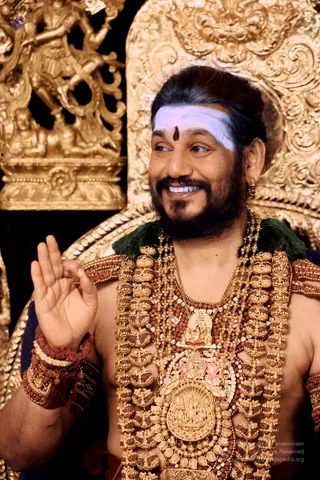
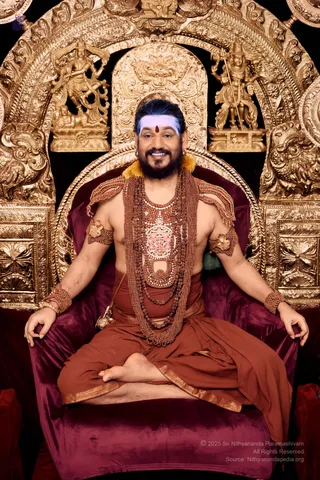
THE SUPREME PONTIFF OF HINDUISM (THE SPH) BHAGAVAN NITHYANANDA PARAMASHIVAM
Live Satsang on the auspicious occasion of Rama Navami
Location - MAHAKAILASA
---------------------------
Om Om Om
Paramashivasya Mahakalabhairava Kshetrapaala Brahmashiraschetana Aghoraastra, Bhairava, Kangaala, Vaduka, Sri Ramachandramurteenaam, Mahamari Parameshwari Paramashakti Swarupa, Paramavatare Paramadvaita praptaye aham yushmabhyam aaseehee dadaami
Paramashiv ke Mahakalabhairava Kshetrapaala Murti, Brahmashiraschetana Murti, Aghoraastra Murti, Bhairava Murti, Kangaala Murti, Vaduka Murti, Sri Ramachandraprabhu ke Paramavatar ke Roop me, mein aap sabee ko Paramadvaita ka aasheerwad deta hoon.
As the Ultimate Manifestation of Paramashiva’s Mahakalabhairava Kshetrapaala Murti, Brahmashiraschetana Murti, Aghoraastra Murti, Bhairava Murti, Kangaala Murti, Vaduka Murti, and as Bhagavan Sri Ramachandraprabhu, Mahamari Parameshwari Paramashakti Swarupa Paramavatare Paramadvaita. I bless you all with Paramadvaita.
Om Om Om
Paramashiva's direct message from Maha Kailasa: Paramasatyas about Sri Ramachandra Prabhu!
Listen!
First... Rama Rama Rama Rama Rama. Jai Sri Ram. Jai Sri Ram. Jai Sri Ram.
Paramasatyas about Sri Rama! First, all of you should wake up to the truth: Rama is a great Acharya. He is the Paramacharya!
He is not just Purushottama. He is Paramacharya. Sri Ramachandra Prabhu compiled all the 108 Upanishads and gave it to us.
Please understand, the Vedas are too vast. Nobody knows which part of the Vedas are really Upanishads. Even in the Upanishads, there were almost 600 to 700 Upanishads. We don't know which are the real Upanishads that give the Ultimate Truths to the world. So, Ramachandra Prabhu, from His anubhuti, compiles 108 important Upanishads, reveals it in Muktikopanishad.
Listen! Ramachandra Prabhu compiled the essence of the Vedic teachings much before Krishna's Bhagavad Gita and much before Vyasa's Brahma Sutra. Understand, in Sanatana Hindu Dharma, these 3 books are called Prasthaanatraya. All Siddhantas, all Sampradayas have to base themselves on these 3 books - Upanishads, Brahma Sutra, Bhagavad Gita. Some of the sampradayas like Gaudiya Vaishnavism accept Upanishads and Bhagavad Gita; they don't give that much importance to Brahma Sutra.
Same way, some of the Shaiva Sampradayas accept Upanishads and Brahma Sutra; they don't give much importance to Bhagavad Gita. There are various Sampradayas that give importance to Gita or Brahma Sutra. Some accept all 3, but all Sampradayas, including Buddhism, accept the authority of the Upanishads.
Please understand, many people try to argue with me.
‘Oh! No, no, no, no, Swamiji, what is this? Buddhism and Jainism reject the authority of the Vedas. How can you say they are also part of Sanatana Hindu Dharma?’ Hey, listen! You say they don't accept the authority of the Vedas, but show me a single concept in Buddhism, single concept in Buddhism and Jainism, which is not there in Vedas and Upanishads! Tell me. Then I will accept your argument; single concept, single principle in Buddhism or Jainism which is not in Vedas and Upanishads. So understand, Buddha and Tirthankaras are also one of the Baashyakaras, interpreters, commentators of Vedas and Upanishads.
They gave interpretation as per their experience for that time, what was needed for those seekers. So understand, all Sampradayas accept one compilation, means, that is Sri Ramachandra's Muktikopanishad. You should know, Ramachandra Prabhu is not just Purushottama. He is Paramacharya!
His Tyaga... the Tyaga he demonstrated… He is the ultimate Acharya, Paramacharya. The Tyaga he demonstrated to keep the Dharma alive…!
Understand, to keep the Dharma alive, somebody has to sacrifice everything. Ramachandra Prabhu decided to be that Tyagi who sacrificed everything for the sake of Dharma, the moksha-centric lifestyle, moksha-centric law, Dharma, the Cosmic law, Dharma.
Listen.
First, he sacrifices the cozy, comfortable life in the palace to go and kill the demons who were disturbing Vishwamitra's yajna. He goes and kills those demons, protects Vishwamitra's yajna. Then he sacrifices the whole kingdom to keep his father's dharma. Then, he sacrifices a comfortable life, does intense tapas in the forest at various places including Bidadi Adi Kailash. We have right in the Adi Kailash, Ramanagara, Ramarbetta, the Rama's hill and where Sapta Rishis lived. Rama came there to be in the company of Sapta Rishis and worship the Adi Moola Jyotir Linga.
Paramashiva was there as the Adi Moola Jyotir Linga under that original Kalpa vriksha which is now the presiding deity of Adi Kailasa, and whole Kailasa. Understand, under that same Banyan tree, which is still present in Adi Kailasa, Rama worshipped Paramashiva and Paramashivashakti through that same svayambhu linga - the deity – Adi Jyotir Linga, Adi Svayambhu Linga, and received Vedas, Agamas, Shiva Gita, from Mahadeva. It was the happiest part of his life where Sita and Lakshman both were with him. Hanuman comes a little later. Hanuman comes only after Sita was kidnapped. But here when he was in Ramanagara, Sita and Lakshman, both of them were with Rama. That is when Kakasura tried to harm Sita and Rama punishes Kakasura, he apologizes…
Understand: That is when Ramachandra Prabhu receives the Paramadvaita from Paramashiva, all the Shaastras, everything, directly from Paramashiva…. Vedas, Agamas, and Shiva Gita, essence of Vedas and Agamas. Later on, he reveals that through the Muktikopanishad to all of us.
And, after Sita was kidnapped, literally he sacrificed, all his peace, life, everything; goes to Lanka, kills Ravana, all the demons, brings Sita back, establishes a second Rameshwara in Rameshwaram. Please understand, the first Rama-Eeshwara he established, is in Ramarbetta, in Ramanagara. After punishing Kakasura to remove that sin, he establishes Shiva Linga and worships; That is the first Rameshwara, Rama Eshwara, the Eshwara worshipped by Rama. The second Rameshwara is in Ramanathapuram district, that Rameshwaram island, and then comes to Ayodhya, rules Ayodhya. Because somebody has suspected his dharmic legitimacy, to keep the society stable, he sacrifices even Sita. Listen! Listen!
Listen, this so-called modern-day feminists go on accusing and abusing Sri Ramachandra Prabhu for sending Sita to the forest. Listen, I tell you, Rama suffered thousand times more than Sita when he has to send Sita to the forest. Rama suffered thousand times more because he gave literally everything for Sita, love of his life. He brought her back. Now only coronation has happened. They were living happily. She is carrying, she is pregnant with twins. His vamsa! Understand, those kids are not just the babies in the womb of Sita, not just Rama's kids, they are the descendants of Surya Vamsa, who are going to take the throne of Ayodhya, Suryavamsa!
Do you think he was happy to send Sita to the forest? But he demonstrated the Tyaga. To keep the Dharma up and alive, he is ready to sacrifice the love of his life. If he is married once again, then you can blame, ‘Oh, how can he send Sita to the forest?’
Be very clear: Till the end he lived as a chaste husband to Sita. He demonstrated chastity. So, he literally sacrificed the love of his life for whom he fought the war, the worst war. He suffered thousand times more than Sita when he had to make the decision of leaving Sita in the forest.
So, please understand, Rama is the greatest Thyagi who demonstrated tyaga... all the teachings he gave in Muktikopanishad, he demonstrated it through his life. Acharya means, Acaryate iti Acarya. Who practices what he is teaching is Acharya. Rama is the Paramacharya.
The greatest 3 Acharyas – Rama, Krishna, Vyasa.... Rama gave Muktikopanishad. Through that Muktikopanishad, he compiled and gave all the 108 Upanishads. What we know as Upanishads, we know only because of Rama's Muktikopanishad.
Krishna compiled everything and gave us Gita. Vyasa compiled everything and gave us Vyasa Sutras. Understand, among these 3 acharyas, naturally Rama is the earliest. And without any doubt, see, I don't compare… I am not disrespecting Krishna or Vyasa, but undoubtedly we can say Rama is the ultimate Paramacharya. Rama is the ultimate Paramacharya!
Let's worship Rama, follow Rama, live Rama's path, celebrate Ramayana. Rama, Rama, Rama, Rama, Rama. Rama's message: Muktikopanishad. Today, let's all do Muktikopanishad, complete parayana. Parayana of Muktikopanishad. Let us have Muktikopanishad parayana today in all Kailasas all over the world and worship Rama, imbibe Rama bhakti and follow the path given by Rama.
He is the ultimate devotee of Paramashiva. And, he is the ideal devotee of Paramashiva, ideal Shiva bhakta. That is why even in all Shiva temples, Ramayana is carved. Even in Tiruvannamalai temple, the Ramayana is carved in many of the pillars. I can say almost all Shivalayas will have Ramayana story carved in stone. There is not a single Shiva temple I saw in my life where Rama is not there. So, almost every Shiva temple, Rama will be there.
Rama is the greatest devotee of Shiva. That is one of the reasons why the Gaudiya Vaishnavites do not give importance to Rama. See, the mantra they chant is Hare Rama, Hare Rama, Hare Rama, Hare Hare, Hare Krishna, Hare Krishna, Hare Krishna, Hare Hare. But they do not worship or give that much importance to Rama because Rama himself is a sincere devotee, Paramabhakta of Paramashiva. That may be one of the reasons. Anyhow, that is their Sampradaya and that is the way they live.
Let us all understand Rama's greatness, read Ramayana, celebrate Muktikopanishad given by Sri Ramachandra Prabhu – and…. Sri Ram Jai Ram Jai Jai Ram, Sri Ram Jai Ram Jai Jai Ram.
My own Guru, Yogi Ramsuratkumar, he lived his whole life doing ajapa-ajapa of this Sri Ram, Jai Ram, Jai Jai Ram mantra. When you sit next to him, you don't need to chant. You will automatically feel that vibration inside you. Your being automatically starts chanting. All around him, 100 feet is his intense energy field... Bhagavan Yogi Ramsuratkumar's energy field. Anyone who goes and sits in that energy field, you don't need to chant. Simply automatically your being will start chanting Sri Ram, Jai Ram, Jai Jai Ram, Sri Ram, Jai Ram, Jai Jai Ram, Sri Ram, Jai Ram, Jai Jai Ram. Because he is established in that ajapa japa, simply your being will start chanting, vibrating in that same ajapa ajapa.
And my one more Guru, Tiruchi Swamigal... Today is his Jayanthi. He is born in Rama Navami day. I offer my pranams and devotion to Tiruchi Swamigal and Bhagavan Yogi Ramsuratkumar. Sri Ram, Jai Ram, Jai Jai Ram. Sri Ram, Jai Ram, Jai Jai Ram.
Sit with your Atma Linga now. Let the devotion and oneness Sri Rama had with Paramashiva manifest in all of us. Rama was in absolute Paramadvaita, Paramashiva Bhakti, Paramashiva Jnana, Paramashiva Vijnana. He is the embodiment of Paramadvaita; Paramapurusha, Paramadvaita Purusha, Paramadvaita Swaroopa, Sri Ramachandra Prabhu.
So, let's sit with our Atma Linga and receive the Grace of Sri Ramachandra Prabhu... Have Oneness with Sri Rama and Paramashiva. Let’s have Paramadvaita anubhuti with Sri Rama and Paramashiva.
Om om om
------------
TAMIL:
ஓம்
இராம நவமி தினமான இன்று, அனைவரும் ஸ்ரீஇராமச்சந்திர பிரபுவை வழிபட்டு,
பக்தி செய்து, ஸ்ரீ இராமச்சந்திரர் காட்டிய வழியில் நடந்து, பரமாத்வைத நிலை அடைந்து, பரமுக்தியில் லயித்திருப்போமாக.
ஆழ்ந்து கேளுங்கள், ஸ்ரீ இராமச்சந்திர பிரபு - இராமருடைய வாழ்க்கையே தியாகம்.
இராமன் ஒரு புருஷோத்தமன் மாத்திரம் அல்ல, பரமாச்சாரியன்.
இந்துமதத்திலே எல்லா சமயங்களும் வேதத்திலே ஸ்தாபிக்கப்பட்டிருக்க வேண்டும்.
எல்லா சித்தாந்தங்களும் பிரஸ்தானத்ரையத்தின் மீதுதான் ஸ்தாபிக்கப்பட்டிருக்க வேண்டும்.
அதாவது, எல்லா சமயங்கள்... சைவம், சாக்தம், வைணவம் என சகல சமயங்களும், வேதப் பிரமானத்தை எற்றுக்கொள்ள வேண்டும். அதேபோல் சகல சித்தாந்தங்களும் பிரஸ்தானத்ரையத்தின் மீதுதான் ஸ்தாபிக்கப்படுகின்றன.
பிரஸ்தானத்ரையம் என்றால் 108 உபநிஷதங்கள், பகவத் கீதை, பிரம்மசூத்திரம். வியாசர் அருளிய வியாசசூத்திரம் என்று சொல்லப்படுகின்ற வேதாந்த சூத்திரம் அல்லது பிரம்மசூத்திரம். இந்த மூன்று புத்தகங்கள்தான் பிரஸ்தானத்ரையம்.
சகல சித்தாந்தங்களும்... எந்த சித்தாந்தமாக இருந்தாலும் சைவம், வைணவம், சாக்தம்,
அத்வைதம், த்வைதம், விசிஷ்டாத்வைதம், சுத்தாத்வைதம் என சகல சித்தாந்தங்களும் இந்த பிரஸ்தானத்ரையத்தின் மீதுதான் ஸ்தாபிக்கப்பட வேண்டும். பிரஸ்தானத்ரையத்திற்கு அவர்களுடைய அனுபூதியைச் சார்ந்து ஆச்சாரியர்கள் பாஷ்யம் எழுதிதான், அவர்களுடைய சித்தாந்தங்களை ஸ்தாபிதம் செய்வார்கள்.
இதில் சில சம்பிரதாயங்கள், கௌடிய வைணவம் மாதிரியான சில சம்பிரதாயங்கள் உபநிஷதத்தையும், பகவத்கீதையையும் ஏற்றுகொள்கின்றன. பிரம்ம சூத்திரத்தை சற்றே பின் தள்ளிவைக்கின்றது. அதேபோல சில சம்பிரதாயங்கள் மூன்றையும் ஏற்றுக்கொள்கின்றன. ஆதிசங்கரர் நிறுவிய அத்வைத சம்பிரதாயம் மூன்றையும், பிரம்மசூத்திரம், உபநிஷதம், கீதை மூன்றிற்குமே ஆதிசங்கரர் உரை எழுதுகின்றார்.
சில சம்பிரதாயங்கள், சைவ சித்தாந்தம் போன்ற சம்பிரதாயங்கள், உபநிஷதத்தையும், பிரம்மசூத்திரத்தையும் ஏற்றுக்கொள்ளகின்றன, பிரதானமாக வைக்கின்றன. ஆனால் பகவத் கீதையை சற்றே பின்னுக்கு வைக்கும். எப்படி வேண்டுமானாலும், இந்த Permutation, combination-ல் வந்தாலும், சகல சமயங்களும், சனாதன இந்து தர்மத்திலே சகல சமயங்களும் வேதத்திலே பிரதிஷ்டையாகி இருக்கவேண்டும். சகல சித்தாந்தங்களும் பிரஸ்தானத்ரையத்திலே பிரதிஷ்டையாகி இருக்கவேண்டும்.
சிலபேர் என்னிடம் வந்து கேட்பதுண்டு, ''சுவாமி பௌத்தம், ஜைனம் போன்ற சமயங்கள் வேதப் பிரமாணத்தை மறுக்கின்றனவே?''
ஆழ்ந்து கேளுங்கள், ''பௌத்தமும் ஜைனமும் வேதப் பிரமாணத்தை மறுக்கின்றன'' என்று சொல்கிறீர்கள். பௌத்தத்திலோ, ஜைனத்திலோ இருக்கின்ற ஒரே ஒரு தத்துவம், வேதத்திலும் உபநிஷதங்களிலும் இல்லாததைச் சொல்லிவிடுங்கள். அப்பொழுது நான் பௌத்தத்தையும், ஜைனத்தையும் சனாதன தர்மத்தின் ஒரு பாகமாக சொல்லாமல் விட்டுவிடுகிறேன்.
ஆழ்ந்து புரிந்துகொள்ளுங்கள், ஒரே ஒரு தத்துவம், ஒரே ஒரு சத்தியம் பௌத்தத்திலோ, ஜைனத்திலோ இருக்கின்ற எல்லா சத்தியங்களிலும், ஒரே ஒரு சத்தியமாவது, வேதங்களில் உபநிஷதங்களில் இல்லாததைச் சொல்லிவிடுங்கள்.
இல்லை!
அதனால்தான் சொல்கிறேன், பௌத்தமும், ஜைனமும் கூட சனாதன தர்மத்தின் பாகமே!
சகல சமயங்களும், வேதத்தில்தான் பிரதிஷ்ட்டையாகி இருக்கவேண்டும். அவரவர்களுக்குத் தனித்தனி ஆகமம் இருக்கலாம்.
நன்றாகப் புரிந்துகொள்ளுங்கள், சைவர்களுக்கு சைவாகமம், சாக்தர்களுக்கு சாக்த ஆகமம், வைணவர்களுக்கு வைஷ்ணவ ஆகமங்கள், பாஞ்சராத்ரம் போன்ற வைஷ்ணவ ஆகமங்கள், ஜைனர்களுக்கும் ஆகமம் இருக்கின்றது , பௌத்தர்களுக்கு ஆகமம் இருக்கின்றது.
அதாவது, எல்லோருமே என்ன சொல்கிறார்கள் என்றால், வேதங்கள் Pure science,
அவர்களுடைய ஆகமங்கள் Applied science.
ஆனால், சகல சமயங்களும் சைவம், வைணவம், சாக்தம், காணபத்யம், கௌமாரம், சௌரம், ஜைனம், பௌத்தம் என சகல சமயங்களும், வேதத்திலே பிரதிஷ்ட்டையாகி இருக்க வேண்டும்.
சகல சித்தாந்தங்களும் பிரஸ்தானத்ரையத்தின் மீது பிரதிஷ்ட்டையாகி இருக்க வேண்டும்.
அதனால்தான் நான் மீண்டும் மீண்டும் சொல்கிறேன், சைவ சித்தாந்தம் சனாதன இந்து தர்மத்தின் பாகம்தான். சைவத்தைத் தன் கட்டுப்பாட்டில் வைக்க (Hijack) முயற்சி செய்யும் எல்லா முயற்சியும் சனாதன விரோதிகளின் சூழ்ச்சி.
சைவத்தினுடைய சகல சம்பிரதாயங்களும், வேத ஆகமத்திலே பிரதிஷ்ட்டையாகி, பிரஸ்தானத்ரைய பாஷ்யத்தில்தான் பிரதிஷ்ட்டையாகி இருக்கின்றது.
சைவ சித்தாந்தத்தின் 'சிவாத்வைதம்' என்று சொல்லப்படுகின்ற அந்த சத்தியம் தத்துவம், நீலகண்ட சிவாச்சாரியார் பிரம்ம சூத்திரத்திற்கு ஆகமங்களை மேற்கோள் காட்டி, சிவபரமாக பாஷ்யம் எழுதுகின்றார். அதிலிருந்துதான் அந்த சிவாத்வைத சத்தியங்கள், சிவாத்வைத சம்பிரதாயம் உருவாக்கின்றது
சிவாத்வைத்தினுடைய உட்பிரிவுகள்தான் சுத்தாத்வைதமும், சகல சம்பிரதாயங்களும்.
நாம் உட்பட , பரமாத்வைதம் உட்பட சிவாத்வைத்தின் உட்பிரிவுகள். சகல சம்பிரதாயங்களும், பிரஸ்தானத்ரையத்தில்தான் ஸ்தாபிதம் செய்யப்பட்டிருக்க வேண்டும்.
இதில் முக்கியமானது என்னவென்றால், சில சம்பிரதாயங்கள் கௌடிய வைஷ்ணவம் மாதிரியான சம்பிரதாயங்கள், உபநிஷதத்தையும் பகவத்கீதையும் ஏற்றுக்கொண்டு பிரம்மசூத்திரத்தை சற்றே பின்னுக்குத் தள்ளுகின்றது. சைவசித்தாந்த சம்பிரதாயங்கள், உபநிஷதத்தையும் பிரம்மசூத்திரத்தையும் ஏற்றுக்கொண்டு, பகவக் கீதையை சற்றே பின்னுக்குத் தள்ளிவைக்கின்றது.
ஆனால் எல்லா சம்பிரதாயங்களும் உபநிஷதங்களை ஏற்றுக்கொள்ளுகின்றன.
இந்த உபநிஷதங்களை முதல்முதலில் தொகுத்து வழங்கியது ஸ்ரீஇராமச்சந்திரர். அதை நாம் மிகவும் சௌகரியமாக (convenient) மறந்துவிட்டோம். எதனால் இந்தத் தவறு நிகழ்ந்தது என்று எனக்குமே புரியவில்லை.
ஆழ்ந்து கேளுங்கள், எல்லோரும் புரிந்துகொள்ள வேண்டும், வேதங்கள் கடல் போன்றது. உபநிஷதங்கள் கூட 600 க்கும் மேற்பட்ட உபநிஷதங்கள் இருக்கின்றன. ஆனால் அவைகளில் ''எது வேதத்தின் பரமசத்தியங்களை சொல்லுகின்றன, வேதத்தின் மூலமாக பரமசிவப் பரம்பொருள் நமக்கு அளிக்கின்ற சத்தியங்களை எந்த உபநிஷதங்களில் வெளிப்படுத்தி இருக்கின்றார்'' என்பதைத் தொகுத்து, தெளிவாக வகுத்து, 108 உபநிஷதங்கள் பெயரோடு முக்திகோபநிஷதத்திலே வழங்கியிருப்பது ஸ்ரீ இராமச்சந்திர பிரபு.
இந்துமதத்தினுடைய மூன்று முக்கியமான ஆச்சாரியார்கள்...
உபநிஷதங்களைத் தொகுத்து வழங்கிய ஸ்ரீ இராமர்,
வேதங்களின் சாரத்தை பிரம்ம சூத்திரமாகத் தொகுத்து வழங்கிய வியாசர்,
வேதத்தின் சாரத்தை பகவத் கீதையாக தொகுத்து வழங்கிய ஸ்ரீ கிருஷ்ணர்.
இந்த மூவரிலே ஸ்ரீஇராமச்சந்திர பிரபு அருளிய உபநிஷதத்தைத்தான், சகல சம்பிரதாயங்களும் எவ்வித முரண்பாடும் இன்றி (non-controversial) ஏற்றுக்கொள்கிறார்கள்.
அதனால் நன்றாகப் புரிந்துகொள்ளுங்கள், சகல சம்பிரதாயங்களுக்கும் அடிப்படையாக இருப்பது ஸ்ரீஇராமச்சந்திர பிரபு தொகுத்து வழங்கிய முக்திகோபநிஷதத்திலே சொல்லப்படுகின்ற 108 உபநிஷதங்கள். அதனால், இந்துமதத்தினுடைய பரமாச்சாரியன் ஸ்ரீஇராமச்சந்திர பிரபு .
இராமச்சந்திர பிரபுவை ஆச்சாரியனாக பார்க்கத் தவறியது நம்முடைய மிகப் பெரிய தவறு.
அவர் புருஷோத்தமன் மாத்திரம் அல்ல, பரமாச்சாரியன். தானே இந்த சத்தியங்களை வாழ்ந்து வழிகாட்டிய பரமாச்சாரியன், பரம தியாகி.
ஸ்ரீஇராமச்சந்திரனைப் போன்ற ஒரு தியாகியை, நாம் மொத்த பிரமாண்டத்தின் வரலாற்றிலும்
காண இயலாது.
சிறுபிள்ளையாக, அரண்மனையிலே சுகமாக ஓடி விளையாடி வளர வேண்டிய வயதிலே,
வாழ வேண்டிய வயதிலே, அரண்மனை சுகபோகத்தைத் துறந்து, விஷ்வாமித்ரரின் யாகத்தைக் காப்பதற்காக, விஷ்வாமித்ரரின் யாகத்திற்குத் தொந்தரவு செய்யும் அசுரர்களை அழிப்பதற்காக, விஷ்வாமித்ரரோடு காட்டுக்குச் சென்று, அந்த அசுரர்களை அழித்து, விஷ்வாமித்ரரின் யாகத்தைக் காக்கின்றார்.
பிறகு, மொத்த சூரியவம்சத்தின் இராஜ்ஜியத்தையும், இராஜ்ஜிய சுகபோகங்களையும், சிம்ஹாசனத்தையும், ''தன் தந்தையின் வார்த்தைத் தவறக்கூடாது'' என்பதற்காகத் தியாகம் செய்கின்றார்.
நன்றாகப் புரிந்துகொள்ளுங்கள், ஒருவேளை இராமர் காட்டுக்குச் செல்ல மறுத்து, போருக்குத் தயாராகி, பரதனை எதிர்கொள்ள வேண்டியிருந்தாலும்… பரதன் போருக்கே நின்று இருக்க மாட்டார். ஏனென்றால் பரதன்தானே சொல்கிறார், ''கைகேயி சொல்வதை சொல்லட்டும், அண்ணா நீங்கள்தான் இருந்து ஆட்சி செய்யவேண்டும்'' என்று பரதன்தானே கெஞ்சுகிறார். இராமர் ஒரு வார்த்தை மறுத்திருந்தால் அவரை யாரும் காட்டிற்கு அனுப்பியிருக்க முடியாது.
ஆனால் 'தந்தையின் வார்த்தைத் தவறிவிடக்கூடாது, தந்தை தான் கொடுத்த வரத்தை நிறைவேற்றாமல் போனவன்' என்கின்ற அவதூறு தந்தையின் மீது வந்துவிடக்கூடாது என்பதற்காக, சிம்ஹாசனத்தைத் தியாகம் செய்துவிட்டு கானகம் ஏகுகின்றார்.
கானகத்திலும், நினைத்தால் அவரால் சுக போக வாழ்க்கையை அமைத்துக்கொண்டிருக்க முடியும்.
கானகத்தில் ஒரு அரண்மனை அமைத்துக்கொண்டு வாழ்வது ஒன்றும் பெரிய விஷயம் இல்லை. ஏனென்றால், அயோத்தியின் குடிமக்கள் பெரும்பாலோனோர், ''இராமரோடேயே வந்துவிட வேண்டுமென்று'' அடம்பிடிக்கின்றார்கள், அழுகின்றார்கள்.
ஆனால் இராமர், தர்மத்தைக் காக்க வேண்டுமென்பதற்காகச் சொல்லுகின்றார், ''என் தாயார் கைகேயி நான் கானகத்தில் இருக்க வேண்டுமென்று வரம் கேட்டிருக்கின்றார், நான் அதுபோல கானகத்தில்தான் வசிக்க வேண்டும்'' என்கிறார்.
கானகத்தில் கூட அவர் நினைத்திருந்தால் ஒரு சாம்ராஜ்ஜியத்தை உருவாக்கிக்கொண்டு வாழ்ந்திருக்க முடியும். ஆனால், 'தியாகத்தின் வடிவமாக' காட்டுவாசியாகவே வாழுகின்றார்.
மரவுரி தரித்து, ருத்ராக்ஷங்கள் தரித்து, திரிபுண்டரம் தரித்து, தவறாது சிவபூஜையும், சிவபக்தியும் செய்து, சப்தரிஷிகளோடு வாழ்கின்றார்.
நன்றாகப் புரிந்துகொள்ளுங்கள், இராமர் ஒரு உத்தமோத்தம சிவபக்தர்.
கர்நாடகத்திலே இராம நகரத்தில், நம்முடைய ஆதிகைலாசம் இருக்கின்ற இராம நகரத்தில், சப்தரிஷிகளோடு அங்கு வாழ்ந்து, அங்கு இப்பொழுதும், இராம நகரம், 'இராமர பெட்டா - இராமர் குன்று' என்று இன்னமும் அந்த இடம் இருக்கிறது. சப்தரிஷிகள் அங்கு வாழ்ந்த குகைகள் இன்னும் இருக்கிறது. அந்த 7 மிகப்பெரிய பாறைகள் இன்னும் அப்படியே இருக்கின்றன.
நம்முடைய ஆதி கைலாஸத்தில் இருக்கின்ற ஆலமரத்தின் கீழ்தான், கல்பவிருக்ஷத்தின் கீழ்தான், இராமபிரான், சுயம்புவாக அங்கு எழுந்தருளியிருக்கும் பரமசிவப் பரம்பொருளையும் பரமசிவ சக்தியையும் பூஜித்து, வேதங்கள் ஆகமங்கள் அனைத்தையும் பெருமானிடமிருந்து
உபதேசமாகப் பெறுகின்றார். பரமசிவன் அங்குதான் சிவகீதையை அருளுகின்றார்.
ஆழ்ந்து புரிந்துகொள்ளுங்கள், அங்குதான் காகாசுரன் சீதையை தொந்தரவு செய்ய முயற்சிக்கும்போது, அவனை தண்டித்து, அந்த பாவம் தீருவதற்காக அங்கு ஒரு இராமேஷ்வரர் -இராமநாத சுவாமியையும் பிரதிஷ்ட்டை செய்கின்றார்.
இராமேஷ்வரம் தீவிலே இருக்கின்ற இராமநாதஸ்வாமி, இராமர் பிரதிஷ்ட்டை செய்த இரண்டாவது இராமேஷ்வரம், இரண்டாவது இராமநாதஸ்வாமி.
இராம நகரத்திலேயே இருக்கின்ற, இராம தேவரு பெட்டாவில் இருக்கின்ற இராமேஷ்வரர்தான், முதலாக பிரதிஷ்ட்டை செய்த இராமேஷ்வரர். அங்கு இராம தேவரு பெட்டாவில் ஒரு இராமேஷ்வரஸ்வாமி இருக்கின்றார். காகாசுரனை வதம் செய்து அந்தப் பாவம் தீருவதற்காக, ஸ்ரீஇராம தேவரு பெட்டாயில் முதல் இராமநாதரைப் பிரதிஷ்ட்டை செய்து வழிபடுகின்றார்.
பிறகு சீதையை இராவணன் தூக்கிச்சென்ற பிறகு, சீதையை மீட்பதற்காக தன் சகல சக்திகளையும், சகலத்தையும் உபயோகித்து, இராவணனையும் அசுரர்களையும் கொன்றொழித்து, சீதையை மீட்டு வருகின்றார்.
வந்த பிறகும், அவருடைய தர்மத்தின் ஸ்திரத்தன்மையை, அவருடைய நேர்மையை, சமூகத்தை ஸ்திரமாக (stable) வைத்திருப்பதற்கான அவருடைய நெறிப்படுத்தும் முறையை (legitimacy ) யாரோ ஒரு வண்ணான் சந்தேகப்பட்டான் என்பதற்காக, தன்னுடைய வாழ்க்கையின் காதலை, அன்னை சீதையை தியாகம் செய்து காட்டுக்கு அனுப்புகின்றார்.
நன்றாகப் புரிந்துகொள்ளுங்கள், இந்த நவீன கால பெண்ணியவாதிகள் (modern-day feminist) எல்லாம், சீதையை இராமர் காட்டிற்கு அனுப்பியதற்காக இராமரைப் பழிப்பது, பல்வேறு விதமான விவாதங்களை (arguments) உருவாக்குவது இதெல்லாம் வழக்கம்.
ஆனால் நன்றாகப் புரிந்துகொள்ளுங்கள், சீதையை காட்டிற்கு அனுப்பியதனால், சீதையை விட ஆயிரம் மடங்கு, பல்லாயிரம் மடங்கு இராமர் துக்கத்தை அனுபவித்தார். தர்மத்தை நிலைநாட்ட வேண்டுமென்றால் யாராவது ஒருவர் தியாகம் செய்துதான் தீர வேண்டும்.
சமுதாயம் ஸ்திரமாக நிலைத்து நிற்க வேண்டுமானால் (If the society has to be stable) தர்மம் புனரமைக்கப்படவேண்டும். மனிதகுலத்திற்கு இந்த மோக்ஷத்தை அடிப்படையாக வைத்த தர்மம் சொல்லப்படவேண்டும், அதன் பலம் நிரூபிக்கப்படவேண்டும். தர்மத்தின், வாழ்க்கையின் முக்கியத்துவம் வாழ்ந்து காட்டப்பட வேண்டும்.
சந்தேகங்களுக்கு அப்பாற்பட்டவராக இராமர் இருந்தாக வேண்டிய கட்டாயத்தினால்,
அவர் செய்த மிகப்பெரிய தியாகம்தான் அன்னை சீதையை காட்டிற்கு அனுப்பியது.
நன்றாகப் புரிந்துகொள்ளுங்கள், எல்லா மிகப்பெரிய விஷயங்களும் நிகழ வேண்டுமென்றால் யாராவது ஒருவர் தியாகம் செய்துதான் தீரவேண்டும்.
இராமர் பரம தியாகி, தியாகத்தின் வடிவம். அன்னை சீதையை காட்டிற்கு அனுப்பியதன் மூலமாக, யாருக்காக தன் வாழ்க்கையையே கொடுத்துப் போரிட்டு வென்று மீட்டு வந்தாரோ, அந்த அன்னை சீதையையே, தர்மத்தைக் காப்பதற்காக, 'யாருடைய சந்தேகங்களுக்கும் அப்பாற்பட்டு இருந்தால்தான் தர்மத்தை சுமூகமாக நடத்த முடியும், தர்மத்தைச் சார்ந்தே இராஜ்ஜியபரிபாலனம் செய்ய முடியும்' என்கின்ற சத்தியத்திற்காக, என்கின்ற உண்மைக்காக, என்கின்ற தேவைக்காக, அன்னை சீதையையே தியாகம் செய்து காட்டிற்கு அனுப்புகின்றார். பிறகு காலம் வந்த பிறகு, உடலையே சரயு நதியில் ஜலசமாதியில் விட்டுவிட்டு, தியாகம் செய்து வைகுந்தம் திரும்புகின்றார்.
நன்றாகப் புரிந்துகொள்ளுங்கள், விஷ்ணுவினுடைய எல்லா அவதாரங்களுமே, தசாவதாரங்களைப் பார்த்தீர்களென்றால், அதாவது மத்ஸ்யம், கூர்மம், வராகம், நரசிம்மம், வாமனம் என சகல அவதாரங்களையுமே, பரமசிவனே வந்துதான் வைகுந்தத்திற்குக் கொண்டு செல்வார்.
வாமனரை, முதுகை உரித்து கங்காளராக நின்றார்.
நரசிம்மரை தூக்கிக்கொண்டு பறந்து சரபேசராய் நின்றார்.
எல்லா அவதாரங்களையும் அப்படித்தான் எடுத்துக்கொண்டுச் சென்றிருக்கின்றார்.
இராமரை மட்டும்தான் மஹாகாலன் நேராக வந்து இராமருக்குச் சொல்கிறார், அவ்வளவுதான்.
உடனடியாக இராமர், ''நேரம் வந்துவிட்டது நல்லது'' என்று சரயுவிலே புகுந்து,
உடலை ஜலசமாதியில் ஆழ்த்திவிட்டு வைகுந்தம் செல்லுகின்றார்.
தியாகி, அதனால் நரசிம்மரைப்போலவோ அல்லது வாமனரைப்போலவோ அல்லது மற்ற அவதாரங்களைப்போலவோ இவரை கையாள வேண்டிய அவசியம் இல்லை.
வெறுமனே சொன்ன மாத்திரத்திலேயே இராமர் வைகுந்தம் செல்லுகின்றார்.
தியாகி, எல்லா விதத்திலும் தியாகி!
மிகப்பெரிய பரமசிவ பக்தன். அதனால்தான் சகல சிவாலயங்களிலும் இராமரும், இராமாயணமும் இருக்கும். நான் பார்த்த சிவாலயங்கள் அனைத்திலுமே இராமரும், இராமாயணமும் இருக்கும்.
திருவண்ணாமலை உட்பட, தூண்களிலே இராமாயணக் கதைகள் இருக்கும்.
ஏனென்றால், பரம சிவபக்தன் என்றால் இராமபிரானைச் சொல்லலாம்.
இராமர் புருஷோத்தமன் மட்டுமல்ல, பரமாச்சாரியன். தான் சொன்ன சத்தியங்களை வாழ்ந்து காட்டினார். உபநிஷதங்களிலே முக்கியமான உபநிஷதமாக இருக்கக்கூடிய முக்திகோபநிஷதம், இராமர் நேரடியாக அனுமாருக்கு அருளியது. அந்த முக்திகோபநிஷதத்தில்தான் 108 உபநிஷதங்களையும் தொகுத்து வழங்குகின்றார்.
இராமரை அடிப்படையாக வைத்துத்தான் இன்று இருக்கின்ற மொத்த சனாதன இந்து தர்மமுமே இருக்கின்றது. இராமரே சனாதன இந்துதர்மத்தைக் கட்டமைத்தவர் (Rama is the architect of Sanatana Hindu Dharma). அதற்குப்பிறகு வந்தவர்கள்தான் வியாசர், கிருஷ்ணர் எல்லோரும். முதல் ஆச்சாரியன் இராமர்தான்.
பிரஸ்தானத்ரையங்களிலே முதலாவதான உபநிஷதங்களைத் தொகுத்து முக்திகோபநிஷதமாக வழங்கிய பிரதம ஆச்சாரியன், பரமாச்சாரியன் ஸ்ரீஇராமச்சந்திரப்பிரபு. அவரை வழிபட்டு, அவர் 'வழி'பட்டு, அதாவது ஸ்ரீஇராமச்சந்திரப்பிரபுவை வழிபடுவது மட்டுமல்லாமல், அவர் வழியில் படுவது, இராமாயணம் காட்டும் சத்தியங்களை வாழ்வது போன்றவைகளைச் செய்து, இராமபிரான் வாழ்ந்த பரமாத்வைத நிலையில் வாழுங்கள்.
இராமபிரான் பரமசிவ பக்தி, பரமசிவ ஞானம், பரமசிவ விஞ்ஞானம் மூன்றையும் ஒன்றாய்ச்சேர்ந்த பரமாத்வைத ஸ்வரூபி. இராமர் வாழ்ந்த பரமாத்வைதத்தை வாழ்ந்து, பரமாத்வைதத்தில் நாமும் நிலைபெற்றிருப்போமாக.
இராம இராம இராம இராம இராம இராம
இராம இராம இராம இராம இராம இராம
இராம இராம இராம இராம இராம இராம...
நாம் அனைவரும் நித்யானந்தத்தில் நிறைந்து, இராமர் வெளிப்படுத்திய பரமாத்வைதத்தில் நிறைந்து, நித்யானந்தத்தில் கரைந்து, நித்யானந்தத்தில் மலர்ந்து, நித்யானந்தமாகிட ஆசீர்வதிக்கின்றேன்.
TAMIL – ENGLISH TRANSLATION:
On this day of Rama Navami, let us all worship Sri Rama Chandra Prabhu, express our devotion, walk the path shown by Sri Ramachandra Prabhu, achieve the state of Paramadvaita and establish ourselves in Paramukti.
Listen deeply!
Rama’s life itself is tyaga. Rama is not just a Purushottama. He is a Paramacharya. In Hinduism, all traditions, should be established in the Vedas. All Siddhantas have to be established only in Prasthaanatraya. All the traditions - Shaivam, Shaktam, Vainavam - must accept the Vedas. Same way, all the Siddhantas are established only on the Prasthaanatraya. Prasthaanatraya means the 108 Upanishads, Bhagavad Gita, Brahma Sutra. What Vyasa gave is the Vyasa Sutra - Vedanta Sutra or Brahma Sutra. These three books are the Prasthaanatraya.
For all the Siddhantas, whichever Siddhanta they may be - Shaivam, Vainavam, Shaktam, Advaitam, Dvaitam, Vishishthadvaitam, Shuddhadvaitam, all the Siddhantas, should be established only on this Prasthanathraya. The Acharyas will establish their bhashya (commentaries) for the Siddhantas based on their individual experiences of the Truths in the Prasthanathraya. Some traditions like Gaudiya Vaishnavism, accept the Upanishad and Bhagavad Gita and place the Brahma Sutra a little behind.
Same way, some other traditions accept all three. Adi Shankaracharya’s Advaita Sampradaya accepts all three. Adi Shankaracharya writes commentary for all three of them. Some traditions, such as the Shaiva Sampradaya, accept the Upanishads and Brahma Sutra as the primary ones but keep the Bhagavad Gita a little behind. In whatever permutation and combination you may see it, all traditions of Sanatana Hindu Dharma must be established in the Vedas. All the Siddhantas must be established in the Prasthaanatraya.
Some people come and ask me, ‘Buddhism and Jainism deny the Vedic scriptures.’ Listen deeply: You say that Buddhism and Jainism deny the Vedic scriptures. Please tell me at least one Principle in Buddhism or Jainism that is not there in the Vedas and Upanishads! Then I will not include Buddhism and Jainism as a part of Sanatana Hindu Dharma! Listen deeply: At least one Principle, at least one Truth, out of all the Truths in Buddhism and Jainism, tell me if it is not found in the Vedas. It is not so! That is why I am telling Buddhism and Jainism are a part of Sanatana Hindu Dharma!
All traditions must be established in the Vedas. Each of them can have their own Agama. Understand: Shaiva Agamas for Shaivites, Shakta Agamas for Shaktites, Vaishnava Agamas for Vaishnavites such as Paancharaatram. Jains have their own Agamas. Buddhism has its Agamas. What everyone says is, Vedas are the pure Science. Their respective Agamas are the applied Science. All traditions – Shaivism, Vaishnavism, Shaktam, Ganapathyam, Kaumaram, Sauram, Jainism, Buddhism, must be established in the Vedas. All Siddhantas must be established on the Prasthaanatraya.
That is why I am repeating, Shaiva Siddhanta is a part of Sanatana Hindu Dharma. All efforts to hijack Shaivism are the tricks of anti-Hindus. All Shaiva traditions, are established in Vedagamas and in Prasthaanatraya only.
For Shaiva Siddhanta’s Shivadvaitam (Principle of Shivadvaita), Neelakantha Shivacharya writes commentary for Brahma Sutras keeping Agamas as the highlight. It is from that, the Shivadvaita Sampradayas are created. Shivadvaitam’s internal sects are Shuddhadvaitam, and all the traditions, including us – Paramadvaita! All traditions must be established in Prasthaanatraya.
The important thing in this is, certain Sampradayas such as the Gaudiya Vaishnava Sampradaya, accept Upanishad and Bhagavad Gita and keep the Brahma Sutras a little behind. Shaiva Siddhanta Sampradayas accept the Upanishads and Brahma Sutras and keep Bhagavad Gita a little behind. But all Sampradayas accept the Upanishads. It is Sri Ramachandra who for the first time compiled and presented the Upanishads!
We have conveniently forgotten that. I too don’t understand how this mistake happened. Everyone should understand, Vedas are like the ocean. Even Upanishads are over 600. But among them, which are the ones that speak the Paramasatyas of the Vedas, through Vedas, the Truths that Paramashiva is giving us, through which Upanishads He is expressing that, compiling based on that, with clear divisions and with the names of 108 Upanishads, Sri Ramachandra Prabhu has given us in the Muktikopanishad.
Hinduism’s three important Acharyas – Sri Rama who gave the Upanishad compilation, Vyasa who gave the essence of the Vedas in the form of the Brahma Sutra and Krishna who gave the essence of the Vedas as the Bhagavad Gita…. Among these, all traditions non-controversially accept the Upanishads only. Understand! The foundation for all traditions, is the 108 Upanishad mentioned in the Upanishadic text. So Sri Ramachandra is the Paramacharya of Hinduism. It is our very big mistake that we missed seeing Ramachandraprabhu as Acharya.
He is not only Purushotthama, he is a Paramacharya. He himself lived these Truths, and showed the way to all; Parama Tyagi. A Tyagi like Sri Ramachandra Prabhu, we cannot see even in the history of the entire brahmanda (Cosmos)
As a child, who is meant to play around in the palace in good health with all the palatial comforts, he renounced the palatial comforts, and in order to protect Sage Vishwamitra’s yajna, he went with Vishwamitra to the forest, killed those demons who were disturbing his yajna, and protected Vishwamitra’s yajna.
He renounces the entire Surya Vamsa kingdom and its comforts. He does the sacrifice of his throne in order that his father’s word is not missed!
If Rama had refused going to the forest, and got ready for war opposing Bharata...actually Bharata would not even have stood for the war because Bharata is only begging. He is saying, ‘Let Kaikeyi say what she wants. You only have to sit and rule the kingdom.’ He is begging. If Rama had uttered one word of refusal to go to the forest, no one would have been able to send him to the forest.
But to ensure that his father is not subject to the abuse that he is unable to fulfil the boon that he gave to Kaikeyi, he renounces the throne and goes to the forest.
In the forest also, if he wishes, he can establish a pleasurable life. It is not a difficult task to establish a kingdom in the forest and live. So many people of Ayodhya are insisting and crying that they wish to come away with Rama to the forest. But Rama, in order to protect dharma, says, ‘My mother Kaikeyi has received the boon that I must stay in the forest. As per that I have to live only in the forest. If he wishes, he could have established a kingdom in the forest and lived but as the embodiment of tyaga, he lives as a forest-dweller. He wears the tree bark as clothes, with rudraksha, holy ash, performing unbroken Shiva puja with Shiva bhakti, and lives with the Sapta Rishis.
Understand, Rama is the ultimate Shiva bhakta.
In Karnataka, in Ramanagara where our Adi Kailasa is there, Rama lived with the Sapta Rishis. Till now, that place is there in the name of Ramarbetta. The 7 huge rocks where the Sapta Rishis lived are still there. It is under the banyan tree, Kalpa vriksha, in our Adikailash that Rama worshipped Paramashiva and Paramashivashakti in the form of the svayambhu linga that is there and received the entire Vedas and Agamas directly from Paramashiva. It is here that Paramashiva reveals the Shiva Gita. Understand deeply: it is in Ramanagara that when Kakasura tried to disturb Sita, Rama kills him and in order to dissolve that sin, he consecrates a Ramanathaswamy. The Ramanathaswamy in the Rameshwaram island is the second Ramanathaswamy consecrated by Rama. The Rameshwara he consecrated in Ramanagara, in Ramadevarbetta is the first Rameshwaraswamy.
After Ravana kidnapped Sita, in order to get back Sita, he uses all this state, space, and everything possible and brings back Sita. After bringing her back, in order to maintain his integrity and ability to keep the society stable and establish his legitimacy, just because some washerman suspected Sita, he sacrifices the love of his life – Mother Sita.
Understand: These modern day feminists abuse Rama for Sending Sita to the forest and create many arguments on this. This is the usual thing that happens. But actually, for sending Sita to the forest, Rama suffered 1000 times more than Sita. In order to establish dharma, someone has to sacrifice everything. If the society has to be stable, dharma must be revived, and the people should be taught that the moksha-centric-Dharma is possible. Its strength must be proven. The importance of Dharma in everyday living should be lived and taught to them.
Rama was under the compulsion to live beyond all the doubts. For this, the greatest sacrifice he did was to send Sita to the forest. Understand: if all great good things need to happen, someone must sacrifice. Rama is a Parama Tyagi – the Ultimate sacrificer, the embodiment of tyaga. By sending Sita to the forest, for whose sake he gave his life and fought the war successfully and returned, and in order to protect dharma, and realising the truth and need that he can execute Dharma only if he is established beyond everyone’s doubts, only then the kingdom can be run smoothly, he sacrifices Sita herself and sends her to the forest.
Then when the time comes, he leaves his body in jala samadhi in the Sarayu river as sheer sacrifice and returns to Vaikuntha.
Understand: All of Vishnu’s incarnations, if you take the Dashavatara, you can see : Matsya, Koorma, Varaha, Narasimham, Vamanam… all these incarnations, Paramashiva himself came down and took them back to Vaikuntha. He removed the skin on the back of Vamana and stood as Kangalar. He took Narasimhar and flew upwards and stood as Sarabeshwara. He has taken back all the incarnations like this only. Only for Rama, Mahakala comes down in person and gives a mere instruction! Immediately, Rama realises that the time has come and enters the Sarayu river and leaves the body in jala samadhi and goes to Vaikuntha. He is a Tyagi, so there is no need to handle him like Narasimha or Vamana, or Matsya or other incarnations! Just by telling a mere word, Rama goes to Vaikunta. Tyagi! A Tyagi in all the dimensions.
He is a very great devotee of Paramashiva. That is why in all Shiva temples, Rama and Ramayana will be there. In all the Shiva temples I have seen, Rama and Ramayana will be there. Including the Tiruvannamalai temple, Ramayana stories are sculpted in the walls, because Rama is the ultimate devotee of Shiva.
Rama is not just a Purushottama, he is a Paramacharya. He lived the Truths that he taught. Among the Upanishad, the important Upanishad – Muktikopanishad, Rama revealed to Hanuman. It is in this Muktikopanishad that Rama compiled all the 108 Upanishads and gave us. It is based on Rama that today’s whole Sanatana Hindu Dharma is established. Rama is the architect of Sanatana Hindu Dharma. After that only Vyasa and Krishna came.
Sri Ramachandraprabhu is the first Paramacharya who compiled the 108 Upanishad and gave it as part of the Prasthaanatraya. Let us worship him, walk the path he showed, live the truths of Ramayana and the Paramadvaita that he lived . Rama is the embodiment of Paramashiva bhakti, Paramashiva jnana and Paramashiva vijnana. Let us live the Paramadvaita that Rama lived and establish ourselves in Paramadvaita.
Rama Rama Rama Rama Rama Rama Rama Rama
Rama Rama Rama Rama Rama Rama Rama Rama
Rama Rama Rama
I bless you all. Let us all be filled with Nithyananda, be filled with the Paramadvaita that Rama expressed, dissolve in Nithyananda, flower in Nithyananda, become Nithyananda.
Today, all the PSS participants had completion with root pattern. All the PSS 5 participants, listen: on this Rama Navami, you will have new birth. On this Rama’s birthday, you will have a new birth and live like Rama, Paramadvaita. Blessings to all the PSS participants.
Rama Rama Rama Rama Rama Rama
Sri Ram Jai Ram Jai Jai Ram
Sri Ram Jai Ram Jai Jai Ram
Sri Ram Jai Ram Jai Jai Ram
Shiva Shiva Shiva
Om om om
Blessings to all of you. Be Blissful! Blessings.
Event Photos
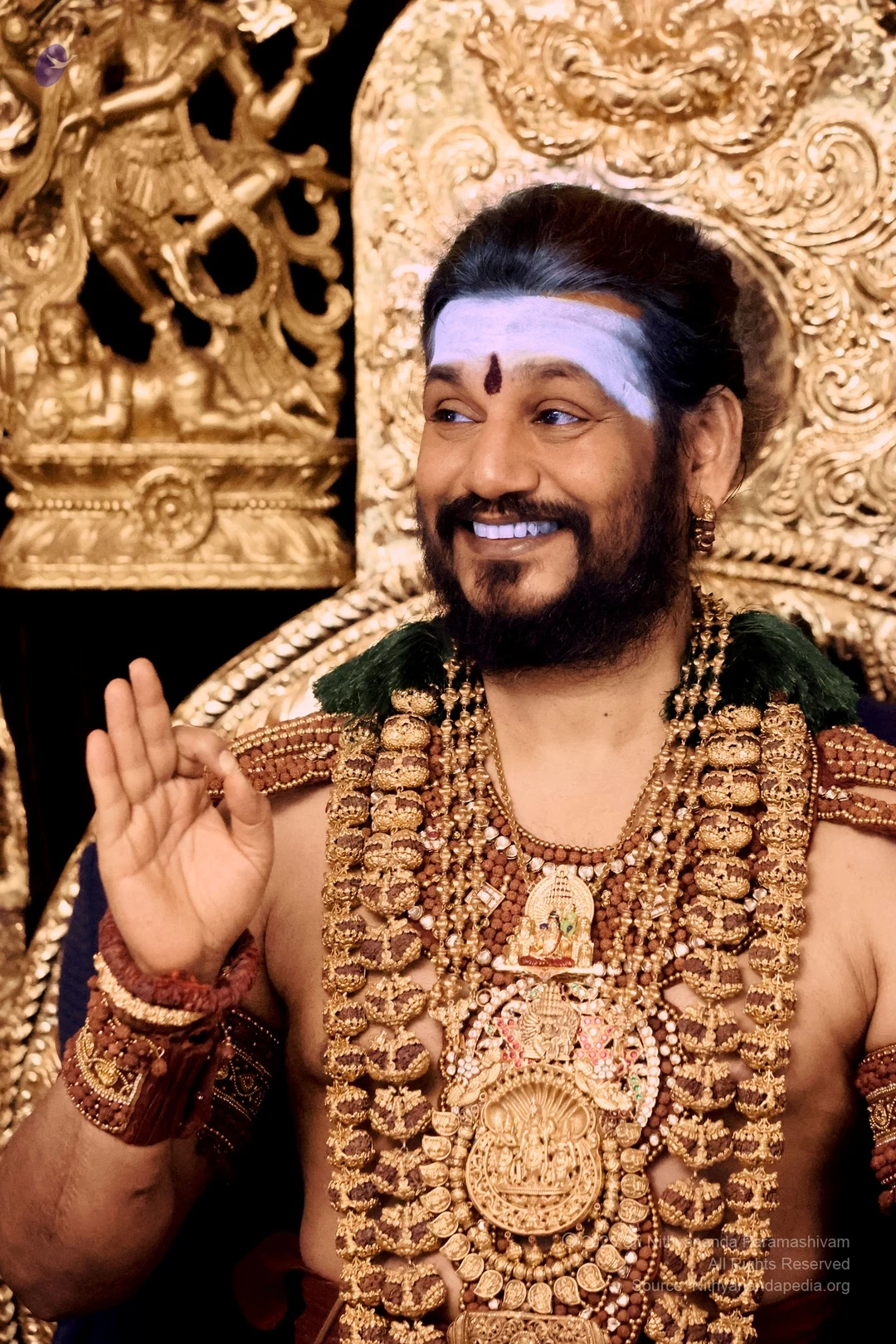
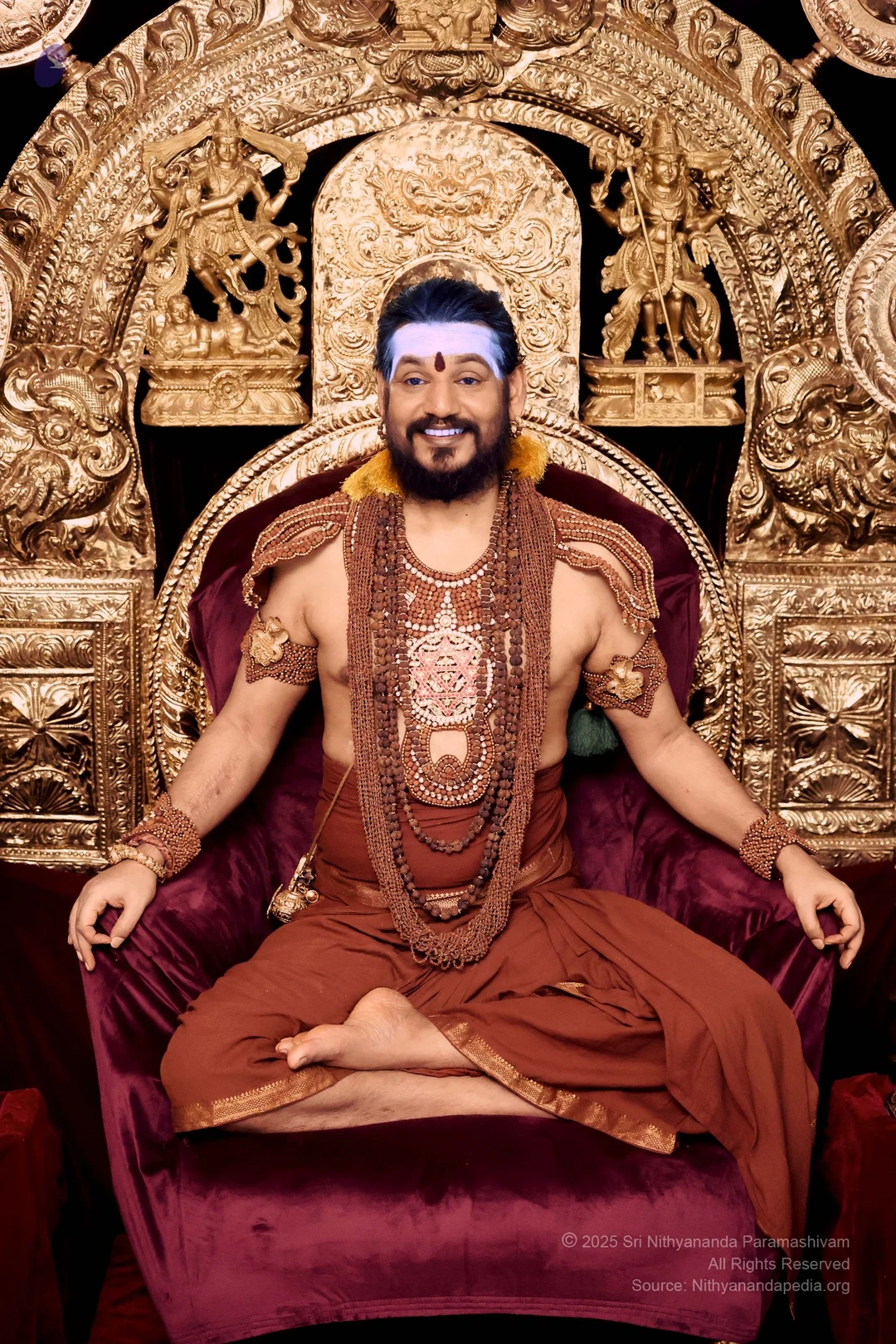
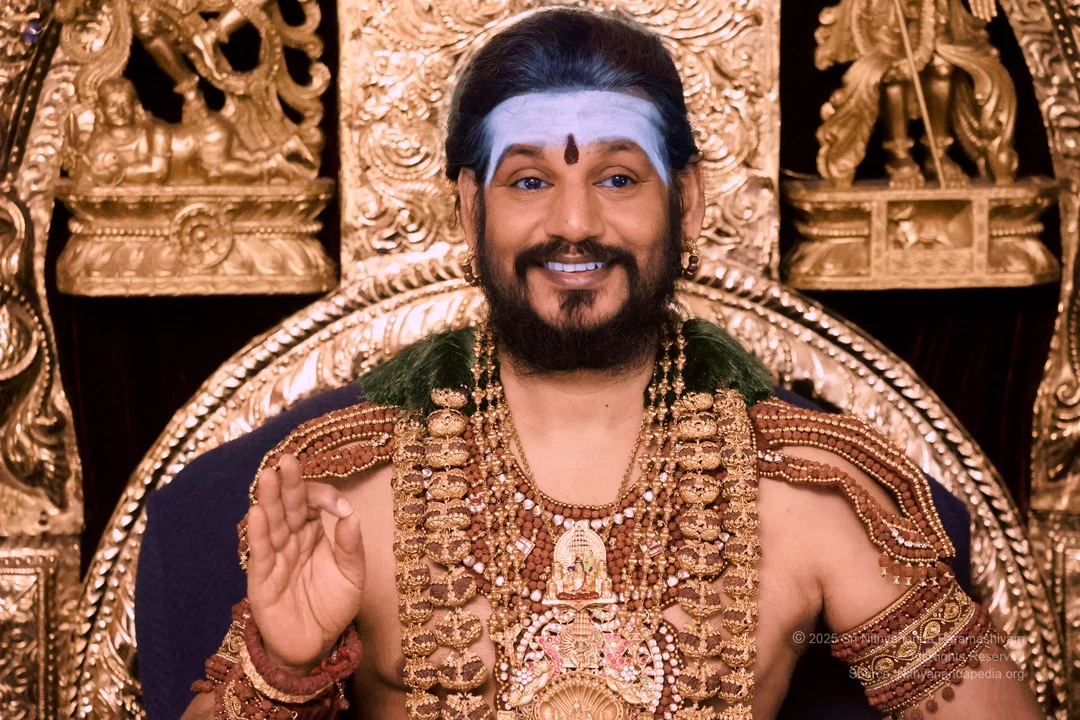
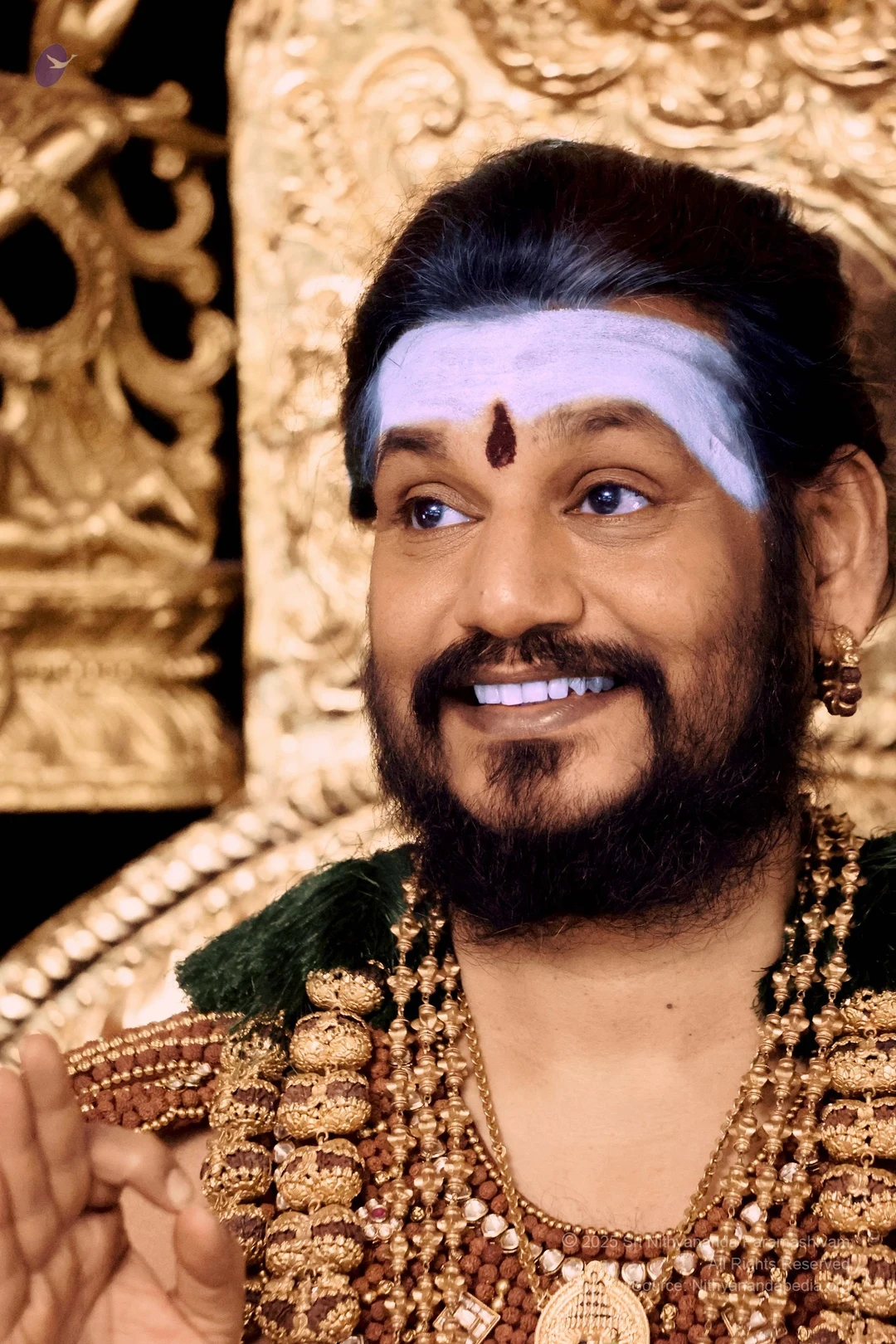
Link to Facebook Posts
Photos from this day
View all 33 photosEvent Photos
4 photosSource gallery
KAILASA AVADI CHENNAI On 4/5/2025
5 photosView all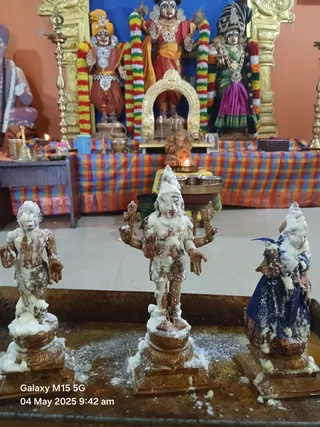
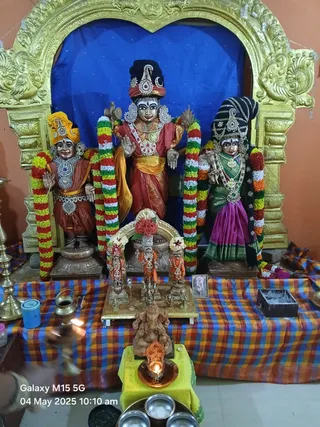
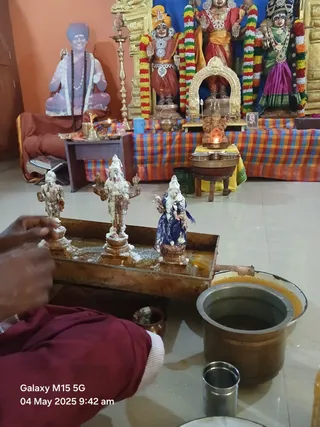
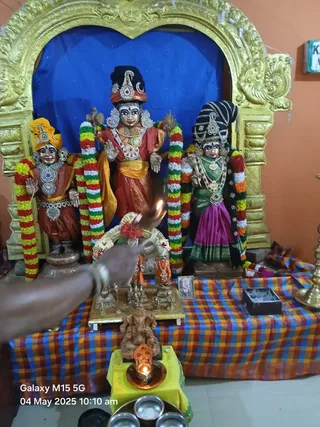
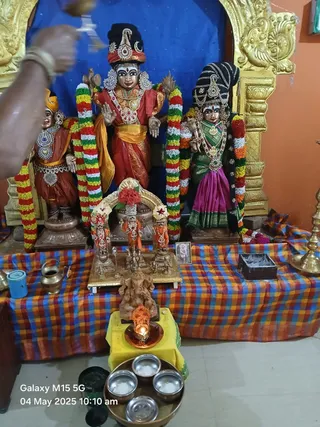
KAILASA Adikailasa AK On 4/5/2025
1 photoView all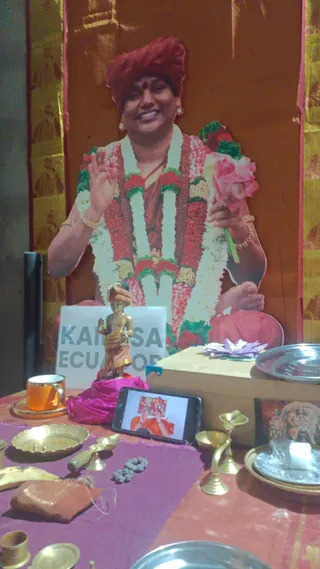
KAILASA KORATTUR CHENNAI On 4/5/2025
1 photoView all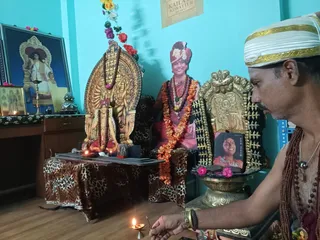
KAILASA RAJAPALAYAM On 4/5/2025
10 photosView all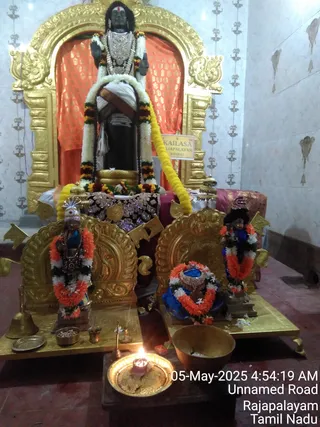
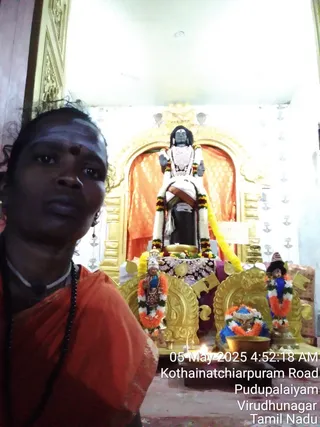
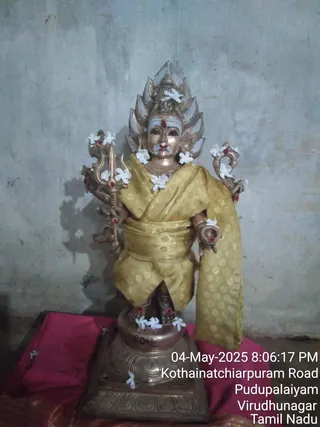
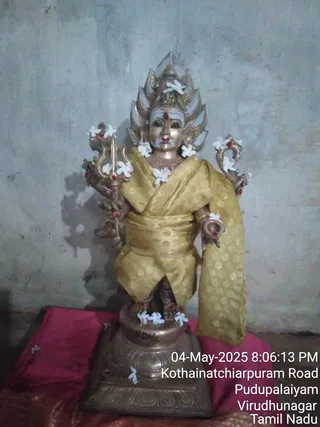
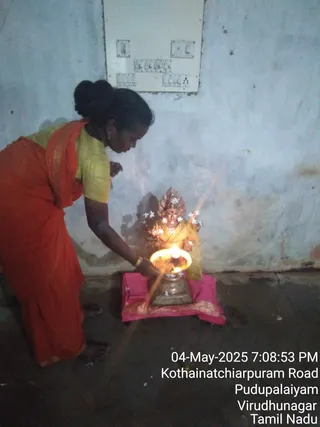
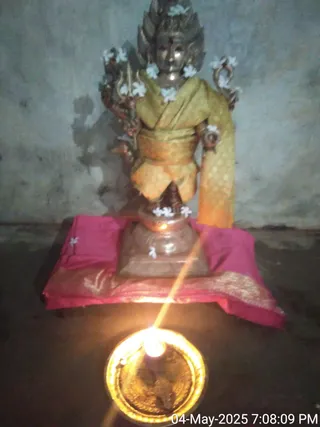
KAILASA TANJAVUR On 4/5/2025
4 photosView all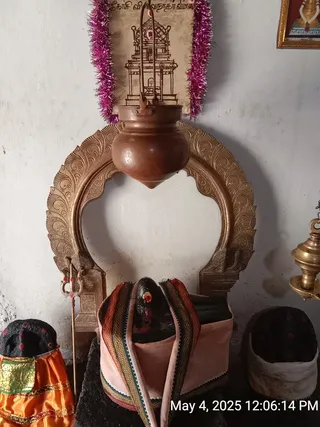
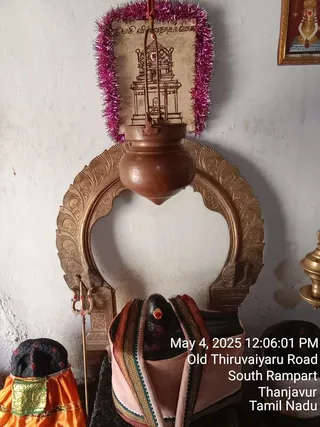
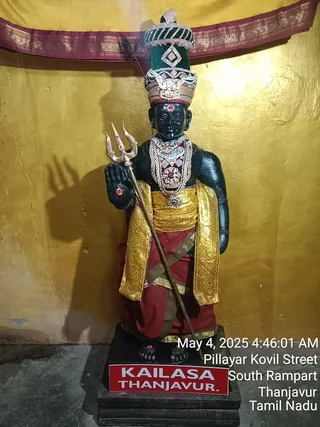

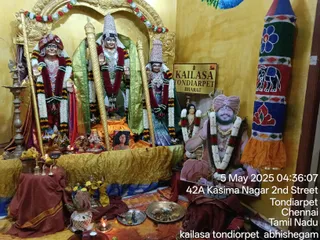
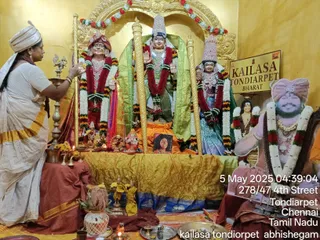
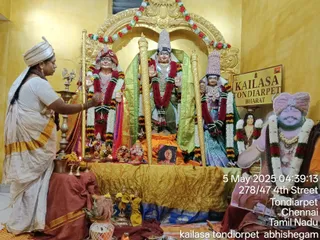
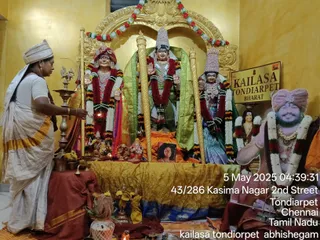
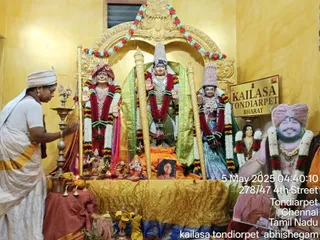
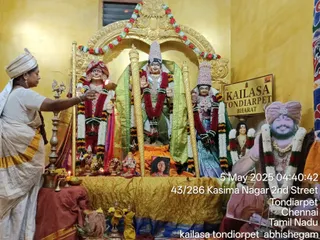
KAILASA THONDAIYARPET On 4/5/2025
8 photosView all