Sunday
14 February 2021
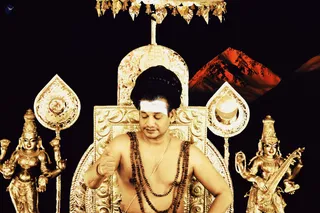
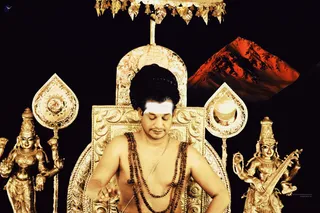
15TH ANNIVERSARY RITUALISTIC CORONATION AS THE MAHAMANDALESHWARA OF MAHANIRVANI AKHADA || GLIMPSES OF THE CABINET MEETING||
- Dated photos
- 26
- Source pages
- 3
February 14 2021
Original wiki pageTitle:
15TH ANNIVERSARY RITUALISTIC CORONATION AS THE MAHAMANDALESHWARA OF MAHANIRVANI AKHADA || GLIMPSES OF THE CABINET MEETING||
Description
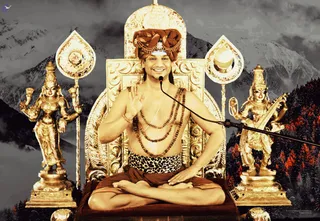
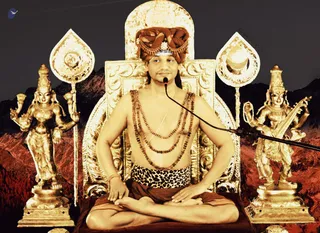
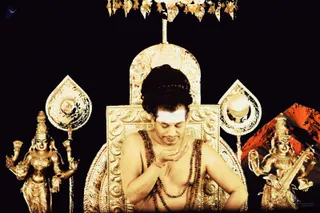
During this day’s Presidential Address, the Kaliasa Nation celebrated the 15th Anniversary Ritualistc Coronation of SPH as the Mahamandaleshwar of Kailasa Parampagatha Mahanirvani Peetha (Mahanirvani Akhada). The SPH explained during His Cabinet Meeting that Paramashiva, the Cosmic Source and Ultimate Divinity, started the lineage of Akhadas. After His coronation, the SPH became the youngest ever Mahamandaleshwar of the Mahanirvani Akhada in its existence. After the celebrations, during the SPH’s Presidential Address, He expounded on Ahimsa Paramodharmaha, which means, Ahimsa (non-violence) is the Ultimate Dharma. As the head of Kailasa Nation, He instructed all delegates, diplomats and disciples to conduct themselves with utmost Ahimsa, Satya (integrity), Asteya (non-stealing), Aparigraha (minimalist lifestyle) and Brahmacharya (celibacy), as they are Universal values that all Kailas citizens and representatives should live by.
That day's live Presidential Address - Nithyananda Satsangh was presided over by the Supreme Pontiff on February 14, 2021, from Adi Kailasa Nithyananda Sarvajnapeetham, India.
Transcript
15TH ANNIVERSARY RITUALISTIC CORONATION AS THE MAHAMANDALESHWARA OF MAHANIRVANI AKHADA
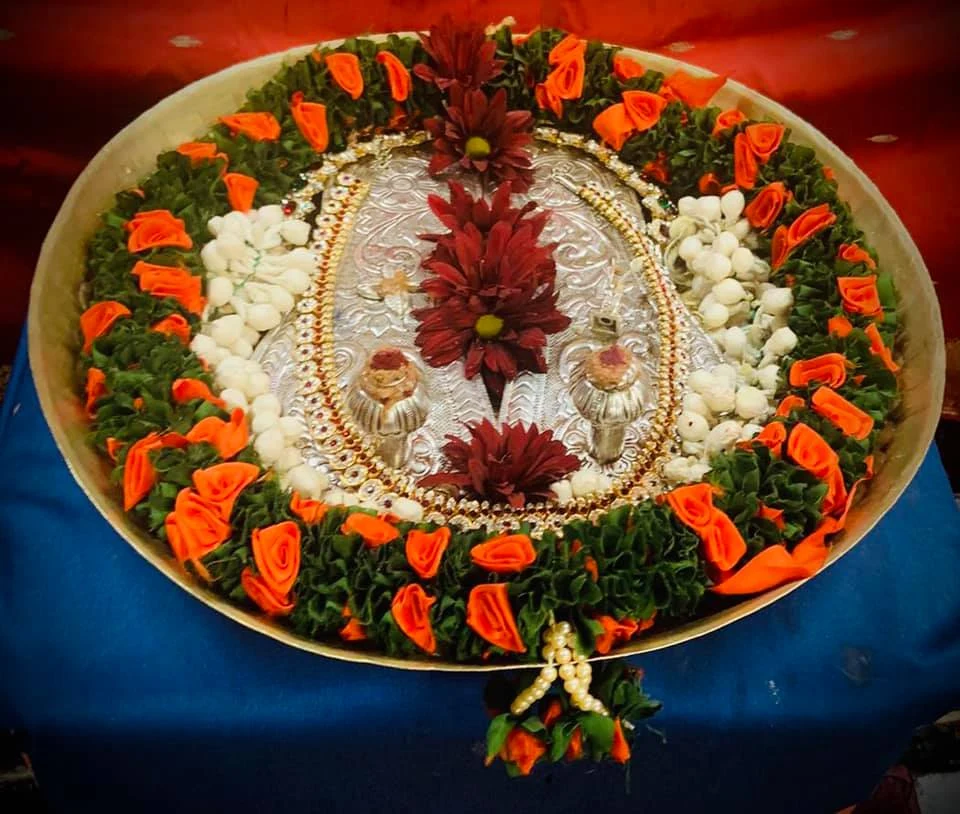
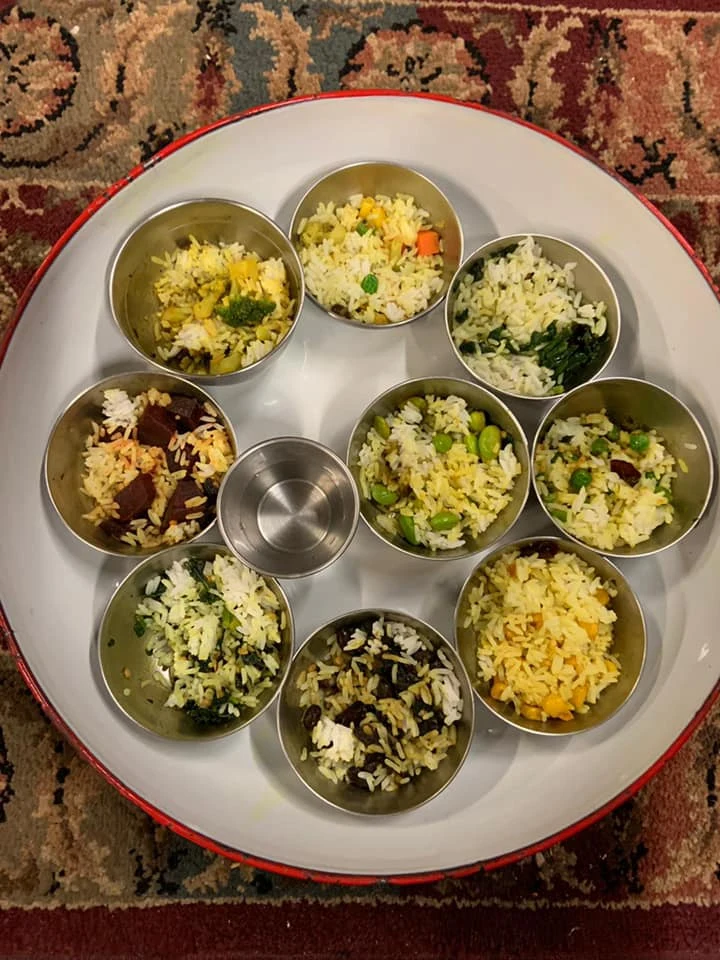
GLIMPSES OF SADHU BANDARA COMMEMORATING THE 15TH ANNIVERSARY OF THE FORMAL CORONATION AND THE 9TH ANNIVERSARY OF THE RITUALISTIC CORONATION OF THE SUPREME PONTIFF OF HINDUSIM,JAGATGURU MAHASANNIDHANAM, HIS DIVINE HOLINESS BHAGAVAN NITHYANANDA PARAMASHIVAM AS THE MAHAMANDALESHWARA OF MAHANIRVANI AKHADA. ABOUT MAHANIRVANI AKHADA:
- PARAMAŚIVA, THE COSMIC SOURCE AND ULTIMATE DIVINITY, STARTED THE LINEAGE OF AKHĀḌĀS (OLDEST AND LARGEST APEX BODY OF HINDUISM WITH 10 MILLION SADHUS) WITH THE ASCETIC WARRIORS (NĀGĀ SĀDHUS) ALONG WITH HIS DIRECT DISCIPLES AND DESCENDANTS - CALLED THE PARAMAŚIVA GANAS.
- THE MAHANIRVANI AKHADA IS THE OLDEST APEX BODY OF SANATANA HINDU DHARMA WHICH IS GOVERNING OVER 10 MILLION AGHORIS, SANYASIS, AND NAGA SADHUS AMONG OTHER ANCIENT RELIGIOUS ORDERS. AKHADAS REPRESENT SANATANA DHARMA IN THEIR ENTIRETY BY INCLUDING ALL HINDU SECTS (SHAIVA, VAISHNAVA, BRAHMA, SHAKTA), SIKHS, JAINS AND BUDDHISTS.
- THE MAHANIRVANI AKHADA IS THE RESPONSIBLE ORGANIZING LEAD AND SOLE AUTHORITY OF KUMBH MELA, THE WORLD'S LARGEST GATHERING WHERE HINDUS FROM AROUND THE GLOBE TRAVEL TO PARTICIPATE IN A MASSIVE FESTIVAL FOR SHOWCASING AND ACHIEVING SPIRITUAL FEATS AND CELEBRATING RELIGIOUS SOVEREIGNTY.
ABOUT THE FORMAL CORONATION ON 22 JAN 2007:
- THE SPH WAS FORMALLY CORONATED AS THE MAHAMANDALESHWAR OF MAHANIRVANI AKHADA AS EARLY AS 22 JAN 2007 (WHEN HE WAS 29 YEARS OF AGE) DURING THE HINDU FLAGSHIP FESTIVAL - THE KUMBH MELA IN ALLAHABAD.
- THE SPH HONOURED WITH THE ROYAL CHARIOT OF THE MAHANIRVANI AKHADA TO LEAD THE ENTIRE 13 AKHADAS FOR THE SHAHI SNAN (ROYAL BATH) PROCESSION TO THE SACRED WATERS OF THE TRIVENI SANGAM.
- THE HIGHLIGHT RITUAL OF THE ENTIRE KUMBHA MELA CONGREGATION (LARGEST GATHERING OF HUMANITY ON PLANET EARTH IN THE NAME OF FAITH).
- BEFORE 2007, SWAMI VISHVADEVANANDAJI MAHARAJ, THE PREDECESSOR OF THE SUPREME PONTIFF OF HINDUISM AS MAHAMANDALESHWAR OF MAHANIRVANI AKHADA, HAS KNOWN AND RECOGNIZED THE SUPREME PONTIFF OF HINDUISM AS AN INCARNATION OF PARAMASHIVA.
- ON THE OCCASION OF THE SHAHI SNAAN DURING THE KUMBH MELA, SRI VISHVADEVANANDJI MAHARAJ, ENCOUNTERED THE SUPREME PONTIFF OF HINDUISM AS HE WAS IN THE PROCESSION, AND IMMEDIATELY GARLANDED HIM REPEATEDLY AND OFFERED HIS DEEPEST LOVE AND GRATITUDE AT HIS FEET.
- ON 22 JANUARY 2007, DURING THE KUMBH MELA WHICH TOOK PLACE IN HARIDWAR, THE RULING CITY OF THE MAHANIRVANI PEETHAM, THE AKHAADA INVITED THE SPH AND WELCOMED HIM GRANDLY TO TAKE THE STAGE WITH ACHARYA MAHAMANDALESHWAR SRI SWAMI VISHWADEVANANDAJI.
- VISHWADEVANANDAJI HONOURED THE SPH REQUESTING HIM TO BE MAHAMANDALESWAR. WITH DEEP GRATITUDE AND AWARENESS OF THE RESPONSIBILITY OF HIS ROLE, SPH ACCEPTED.
- AT THIS TIME HE WAS TWENTY NINE YEARS OLD. SUBSEQUENTLY, NIRVANI PEETADHIPATHI ACHARYA MAHAMANDALESHWAR SRI SWAMI VISHWADEVANANDAJI IMMEDIATELY DECLARED SWAMIJI AS MAHAMANDALESHWAR FROM THAT MOMENT.
- ALL THE MAHAMANDALESHWARS PRESENT NOTED THAT SUCH AN HONOR WAS PREVIOUSLY OFFERED ONLY TO SWAMI VIVEKANANDA.
- THE SPH NITHYANANDA PARAMASHIVAM THUS BEGAN ASSUMING THE RESPONSIBILITY OF THE DIASPORA OF HINDUS WHO ARE RULED BY THE MAHANIRVANI PEETHA.
- ABOUT THE RITUALISTIC CORONATION ON 12 FEBRUARY 2013:
ON 12 FEBRUARY 2013, TUESDAY, EVENING 4 PM, IN THE SRI PANCHAYATI AKHADA MAHANIRVANI KUMBH MELA CAMP, IN PRAYAG – ALLAHABAD, UNDER THE AUTHORITY OF THE OFFICIAL LEADERSHIP OF THE SRI PANCHAYATI AKHADA MAHANIRVANI - SPIRITUAL HEAD - SRI SRI 1008 ACHARYA MAHAMANDALESHWAR SWAMI VISHWADEVANANDJI MAHARAJ, SRI SRI 1008 SWAMI SRI SUKHADEVANANDAJI MAHARAJ, SRI RAMATA PANCH PARAMESHWAR AND PRESENCE OF VARIOUS SECRETARIES, THE SUPREME PONTIFF OF HINDUISM (SPH), JAGATGURU MAHASANNIDHANAM, HIS DIVINE HOLINESS BHAGAVAN NITHYANANDA PARAMASHIVAM WAS RITUALISTICALLY CORONATED AS THE MAHAMANDALESHWAR OF THE MAHANIRVANI AKHADA.
- THIS CORONATION MAKES THE SPH THE YOUNGEST MAHAMANDALESHWAR OF THE MAHANIRVANI AKHADA AS ON DATE (35 YEARS OF AGE). THE CORONATION IS A SIGNIFICANT HAPPENING IN THE REVIVAL OF KAILASA - THE MACROCOSMIC, ANCIENT, ENLIGHTENED, HINDU CIVILIZATIONAL NATION BY SPH,
- AS THE AKHADA PARISHAD COMPRISING 13 AKHADAS OF WHICH MAHANIRVANI AKHADA IS ONE, IS THE LARGEST APEX MONASTIC ORDER OF HINDUISM.
- IT IS A CELEBRATION NOT JUST AMONGST THE HINDU DIASPORA, BUT OF THE ENTIRE GLOBAL COMMUNITY, AS IT IS A UNIQUE HAPPENING THAT THE 1008TH INCARNATION OF PARAMASHIVA HIMSELF, THE SUPREME PONTIFF OF HINDUISM, IS CORONATED TO HEAD THE LARGEST APEX BODY OF HINDUISM.
- THROUGH WHICH THE GREATER SCIENCE OF HINDUISM - THE SCIENCE OF LIVING ENLIGHTENMENT - IS IMPARTED TO THE WHOLE OF HUMANITY, THUS GIVING THE MOST AWAITED SUPERCONSCIOUS BREAKTHROUGH TO IT.
- ABOUT 15TH YEAR ANNIVERSARY OF THE FORMAL CORONATION & 9TH YEAR ANNIVERSARY OF THE RITUALISTIC CORONATION
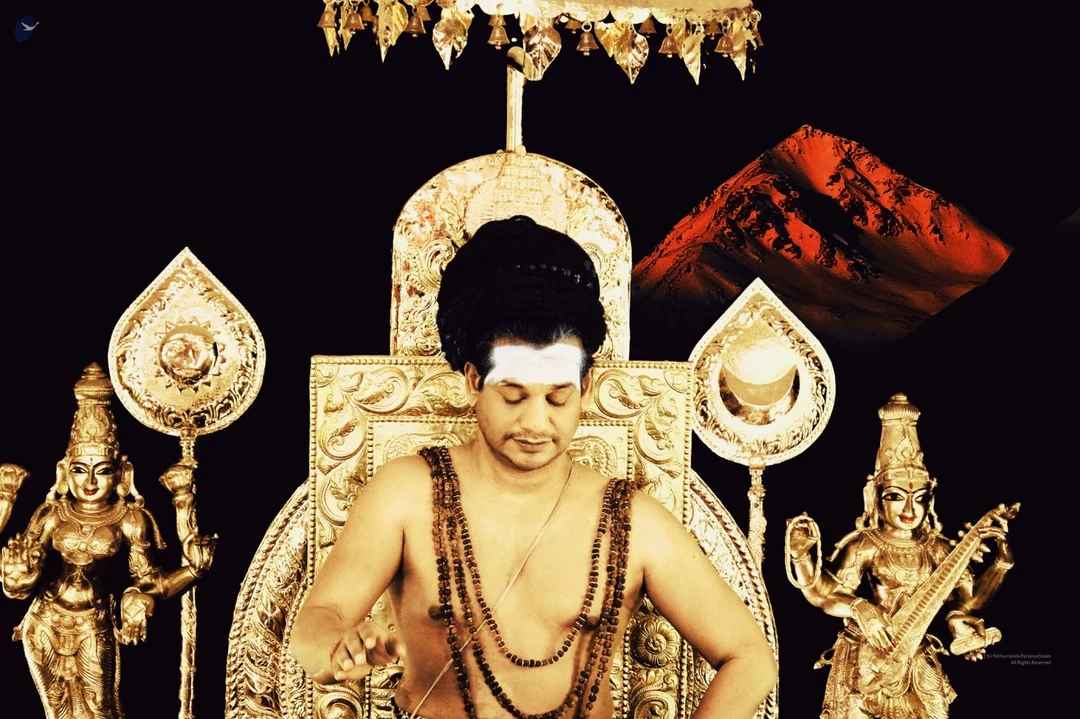
- THIS MORNING AT 6 , THE SUPREME PONTIFF OF HINDUSIM, JAGATGURU MAHASANNIDHANAM, HIS DIVINE HOLINESS BHAGAVAN NITHYANANDA PARAMASHIVAM ACCEPTED THE INVITATION FROM KAILASA’S DEPARTMENT OF RELIGION & WORSHIP TO OFFICIATE THE CELEBRATIONS OF SADHU BANDARA AND KAPILA PUJA.
- THE SPH GRACED THE 2 BILLION HINDU DIASPORA TODAY WITH DARSHAN AT THE SADHU BANDARA WHICH WAS PARTICIPATED BY THOUSANDS OF HINDUS THROUGH THE HUNDREDS OF KAILASAS WORLDWIDE.
GLIMPSES OF THE CABINET MEETING - KAILASA CODE OF CONDUCT
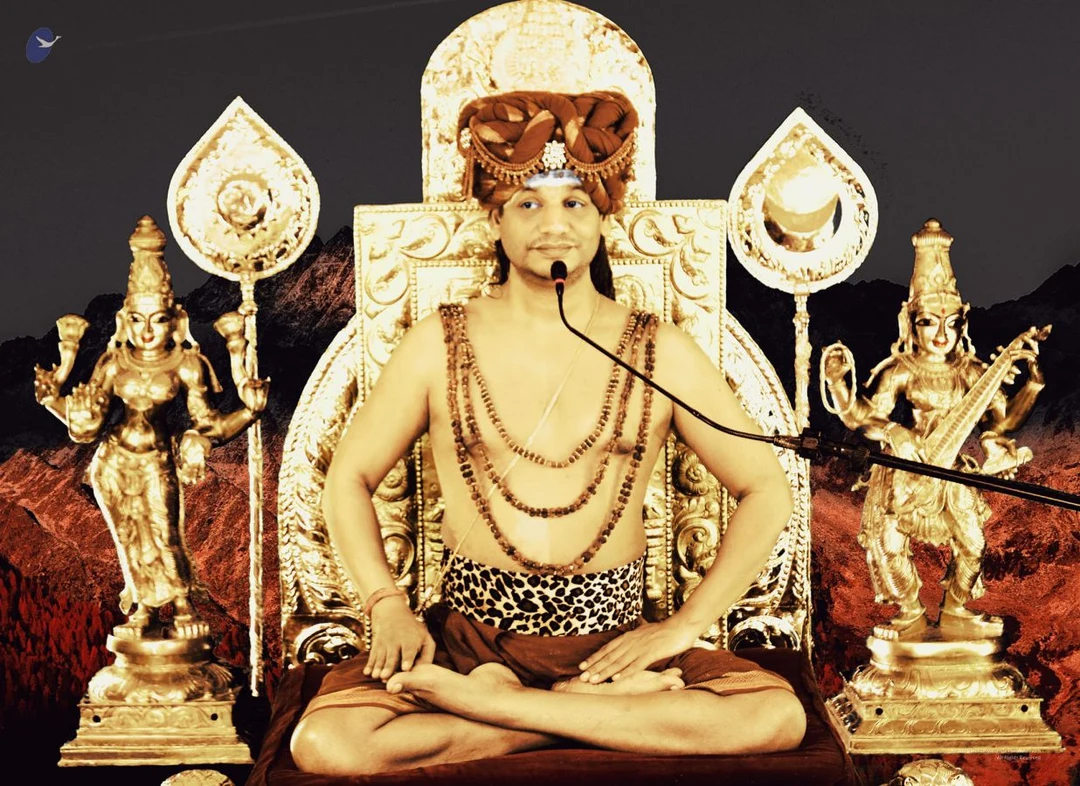
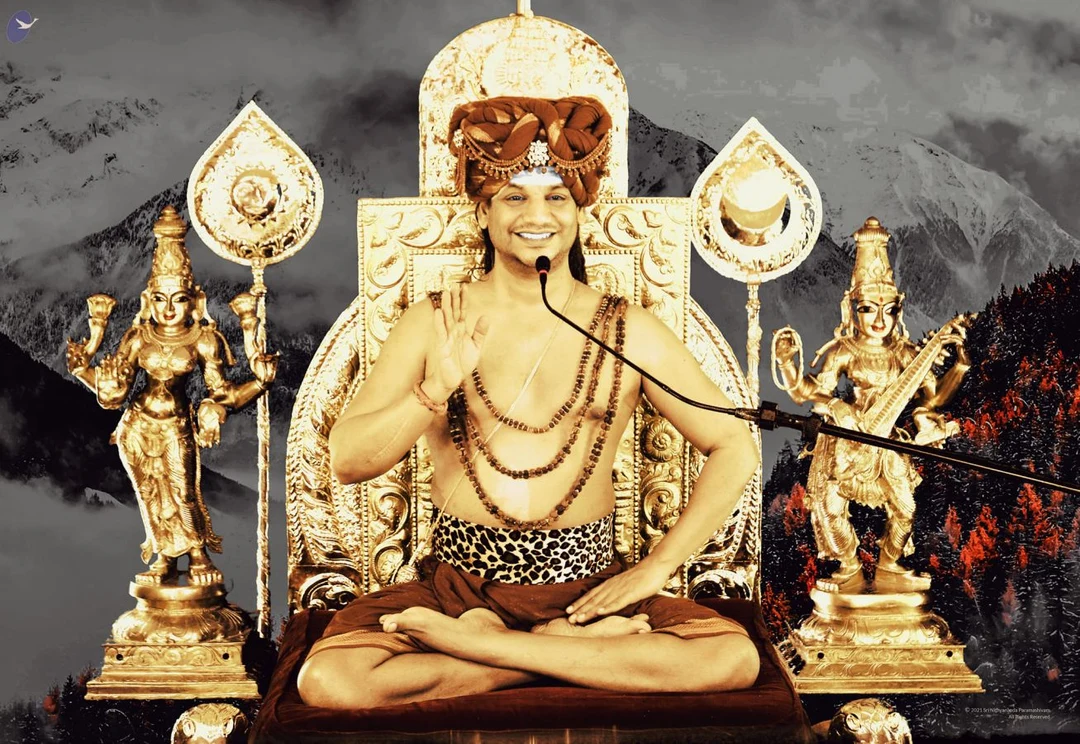
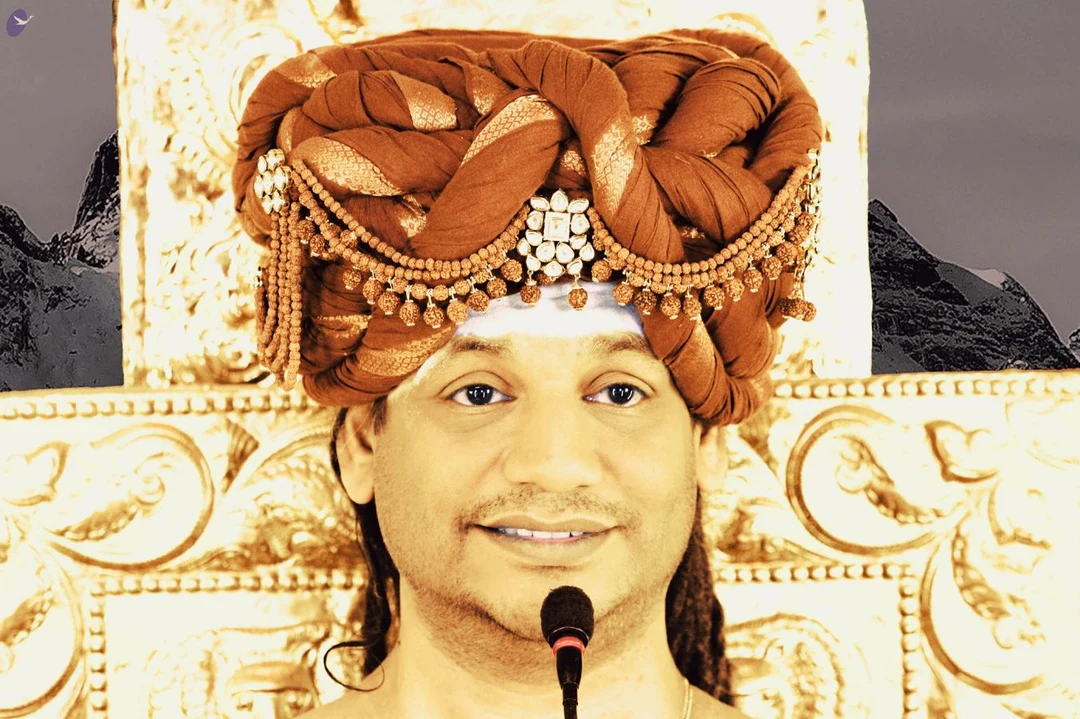
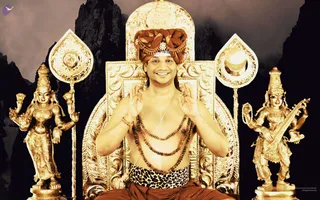
GLIMPSES OF THE CABINET MEETING ON 14TH FEB 2021 || 8 AM IST
- THE HINDU PARLIAMENT CLOCKED IN THE CABINET MEETING AT 8 THIS MORNING WITH HUNDREDS OF PARAMASHIVA DHUTAS PARTICIPATING FROM VARIOUS PARTS OF THE WORLD.
- THE HIGHLIGHT OF THE MEETING TODAY, AT 10 AM IST WAS THE FORMAL RELEASE OF OFFICIAL CODE OF CONDUCT AS DESCRIBED IN HINDUISM , REVIVED BY THE SPH NITHYANANDA PARAMASHIVAM.
- UPON THE BLESSINGS OF THE SPH, THE REGISTRAR READ OUT THE CODE OF CONDUCT TO THE CABINET. THE CABINET EXPRESSED THEIR GRATITUDE TO THE SPH FOR HIS GUIDANCE IN BRINGING THE SPIRITUAL INTEGRITY IN REVIVING THE HINDU ADMINISTRATION.
- THE CODE OF CONDUCT GOES:
- KAILASA CODE OF CONDUCT
- THE SUPREME PONTIFF OF HINDUISM, JAGATGURU MAHASANNIDHANAM, HIS DIVINE HOLINESS BHAGAVAN SRI NITHYANANDA PARAMASHIVAM, AS FOUNDER AND SUPREME RELIGIOUS AND SPIRITUAL HEAD OF THE HINDU NATION OF KAILASA HEREBY DECLARES THAT KAILASA IS , AND WILL ALWAYS REMAIN, AN ENLIGHTENED HINDU CIVILIZATIONAL NATION CONSISTENT WITH THE VEDAS AND AGAMAS.
- TO THAT EFFECT, ALL DEVOTEES, DISCIPLES, SANYASIS, SMKTS, KAILASAVASIS, ADHEENAVASIS, SARVANJAPEETHA YAJAMAANS AND KARTAS (COLLECTIVELY, THE SPIRITUAL “SANGHA”), ARE EXPECTED TO ABIDE BY THE FOLLOWING EDICTS AS A CONDITION OF REMAINING IN THE SANGHA:
•AHIMSA PARAMODARMAHA MEANS AHIMSA IS THE ULTIMATE DHARMA. •AHIMSA (NON-VIOLENCE), SATYA (INTEGRITY), ASTEYA (NON STEALING), APARIGHRAHA (MINIMALISTIC LIFESTYLE) AND BRAHMACHARYA (CELIBACY) ARE THE UNIVERSAL VALUES. • THERE ARE TO BE ABSOLUTELY NO BUSINESS TRANSACTIONS WITHIN THE SANGHA. THIS INCLUDES MAKING INVESTMENTS BETWEEN MEMBERS OF THE SANGHA, LOANS BETWEEN MEMBERS OF THE SANGHA, OR OTHERWISE COLLABORATING ON STARTUPS, JOINT VENTURES, OR BUSINESSES OF ANY KIND, OR RECRUITING MEMBERS OF THE SANGHA FOR ANY OF THE FOREGOING. • THERE IS TO BE ABSOLUTELY NO DRUG USE WHATSOEVER BY ANY MEMBER OF THE SANGHA. THIS PROHIBITION INCLUDES NOT JUST ILLICIT DRUGS, BUT ALSO SO-CALLED LEGAL DRUGS INCLUDING PSYCHEDELICS, MARIJUANA, OR PRESCRIPTION DRUGS (EXCEPT TO THE EXTENT SUCH PRESCRIPTION DRUG USE IS SPECIFICALLY GUIDED AND AUTHORIZED BY A QUALIFIED MEDICAL PROFESSIONAL). • THERE IS TO BE ABSOLUTELY NO SEXUAL ABUSE, ADULTERY, SEX WITH MINORS, SOLICITING PROSTITUTES, OR ANY OTHER ILLICIT SEXUAL RELATIONS BETWEEN MEMBERS OF THE SANGHA NOR ON SANGHA PREMISES. SEXUAL RELATIONS BETWEEN MEMBERS OF THE SANGHA WHO ARE NOT MARRIED, ENGAGED TO BE MARRIED OR OTHERWISE PLANNING TO GET MARRIED ARE STRONGLY DISCOURAGED. • THERE IS TO BE ABSOLUTELY NO CONSUMPTION OF MEAT BY MEMBERS OF THE SANGHA. • HONORIFIC TITLES LIKE “SARVAJNAPEETHA YAJAMAAN” OR “SARVAJNAPEETHA KARTA” ARE COMPLETELY CEREMONIAL IN NATURE AND CARRY NO INHERENT AUTHORITY NOR DO THEY MAKE ONE A REPRESENTATIVE OF KAILASA, LOCALLY OR GLOBALLY. •ONLY PROGRAMS THAT ARE TELECASTED FROM THE DIGITAL ROOMS OF KAILASA ARE OFFICIAL PROGRAMS OF KAILASA. THEY ARE BLESSED PERSONALLY WITH THE ENERGY FIELD OF THE SPH FOR THE FRUITION OF MIRRORING THE SUPERCONSCIOUS NEURONS. •VAKYATHA SADAS AND JEEVARTHA SADAS ARE TO HAPPEN ONLY THROUGH THE OFFICIAL PAGES AND PLATFORMS OF KAILASA WHICH IS EMBEDDED IN KAILASA'S GOVERNMENT WEBSITE. •DEVOTEES AND FOLLOWERS ARE REQUESTED TO ATTEND PROGRAMS ONLY FROM THE OFFICIAL DIGITAL ROOMS OF KAILASA AND PARTICIPATE IN VAKYARTHA SADAS & JEEVARTHA SADAS FROM THE OFFICIAL SOCIAL MEDIA PLATFORMS OF KAILASA. THE FOREGOING SPIRITUAL EDICTS HAVE ALWAYS BEEN IN PLACE AND ARE BEING ANNOUNCED ON THIS GLOBAL PLATFORM FOR FURTHER CLARIFICATION, BETTER UNDERSTANDING AND CLARITY FOR THE BENEFIT OF SANGHA. THESE EDICTS ARE MERELY A REPRESENTATIVE SAMPLE OF A MORE COMPREHENSIVE CODE OF CONDUCT THAT IS CURRENTLY IN DEVELOPMENT BY THE ADMINISTRATION OF KAILASA AND WILL BE RELEASED AND PUT INTO EFFECT IN THE NEAR FUTURE.
Photos
FB-Photos-of-the-Day
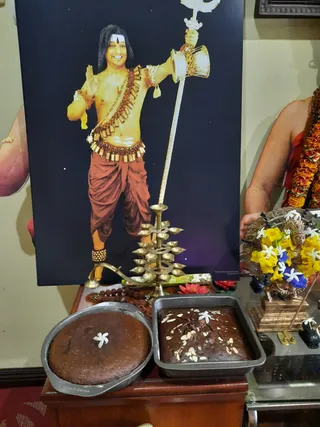
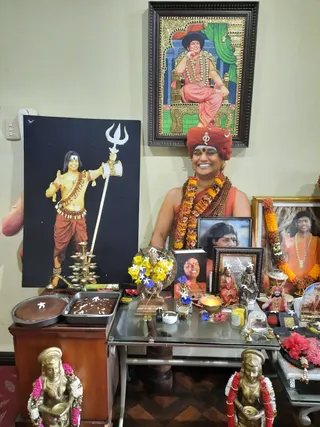
GLIMPSES OF SADHU BANDARA COMMEMORATING THE 15TH ANNIVERSARY OF THE FORMAL CORONATION
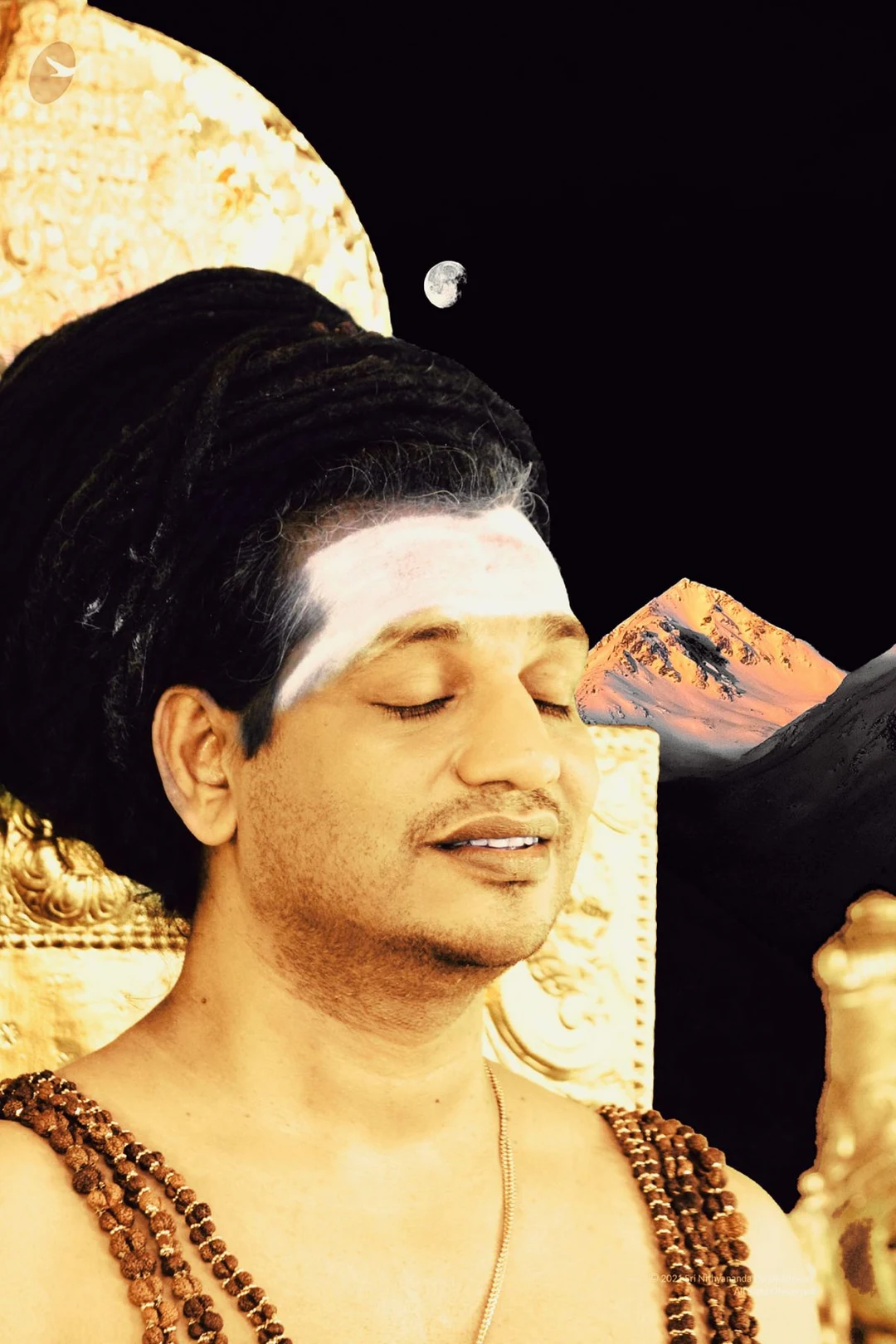
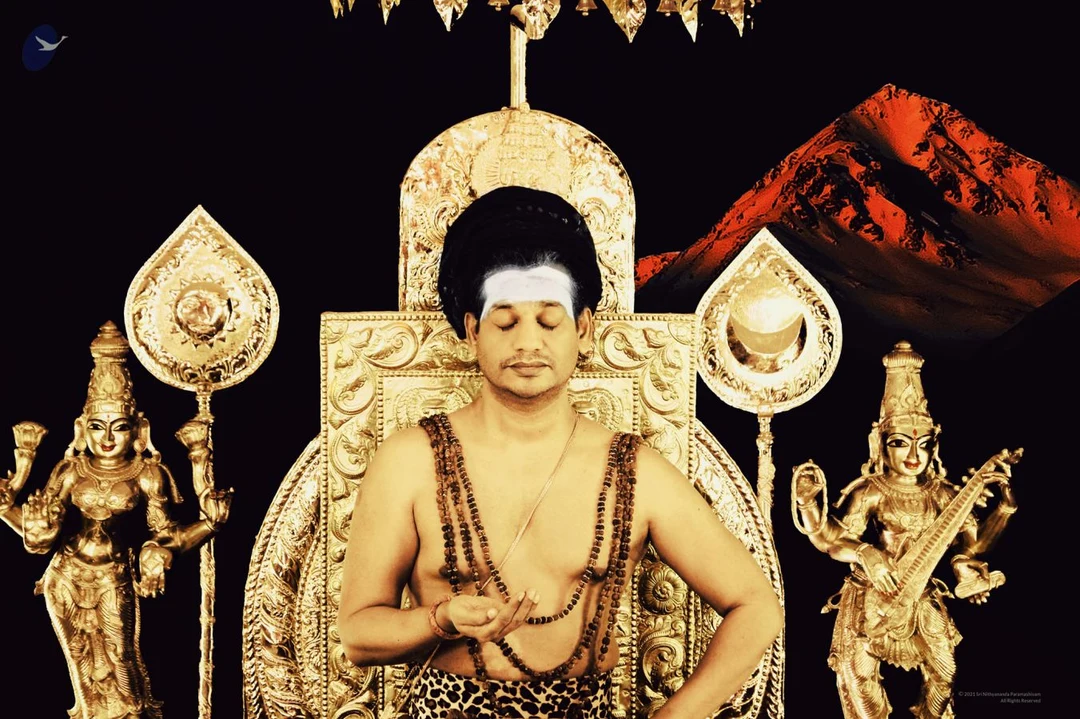
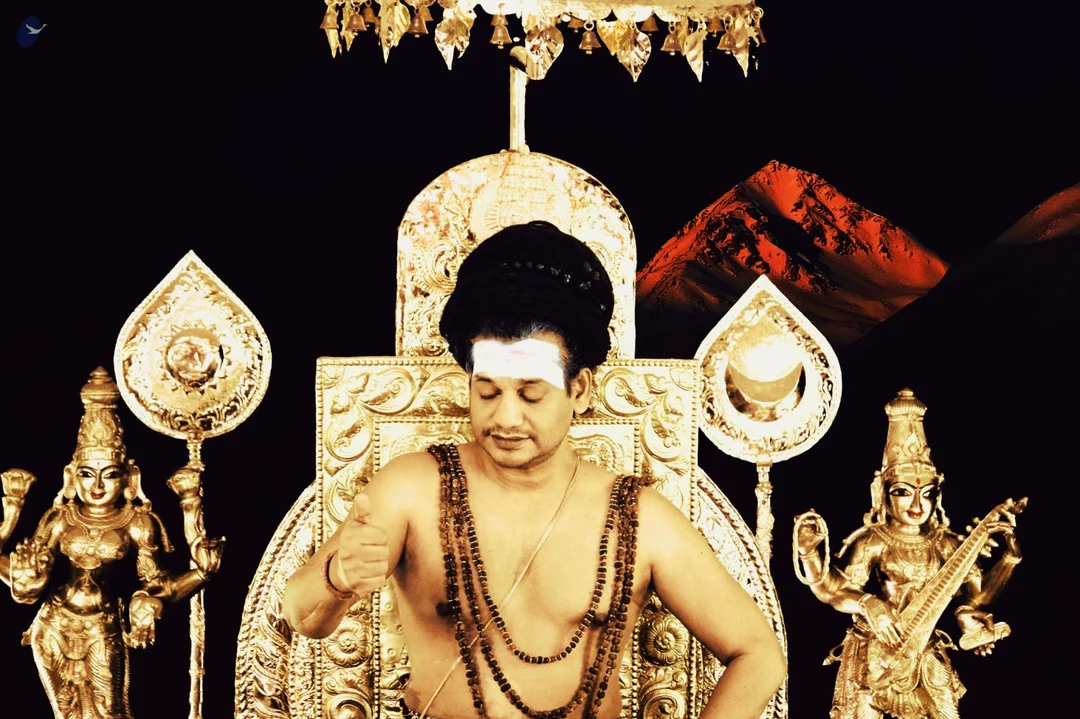
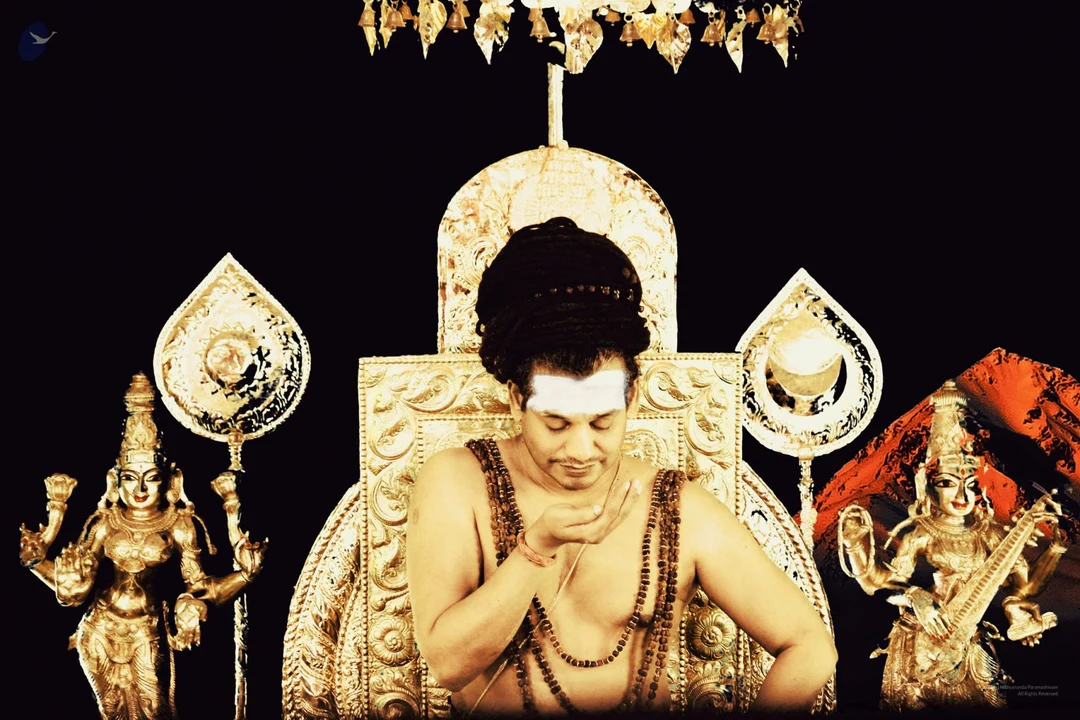
FB-GLIMPSES-OF-THE-CABINET-MEETING
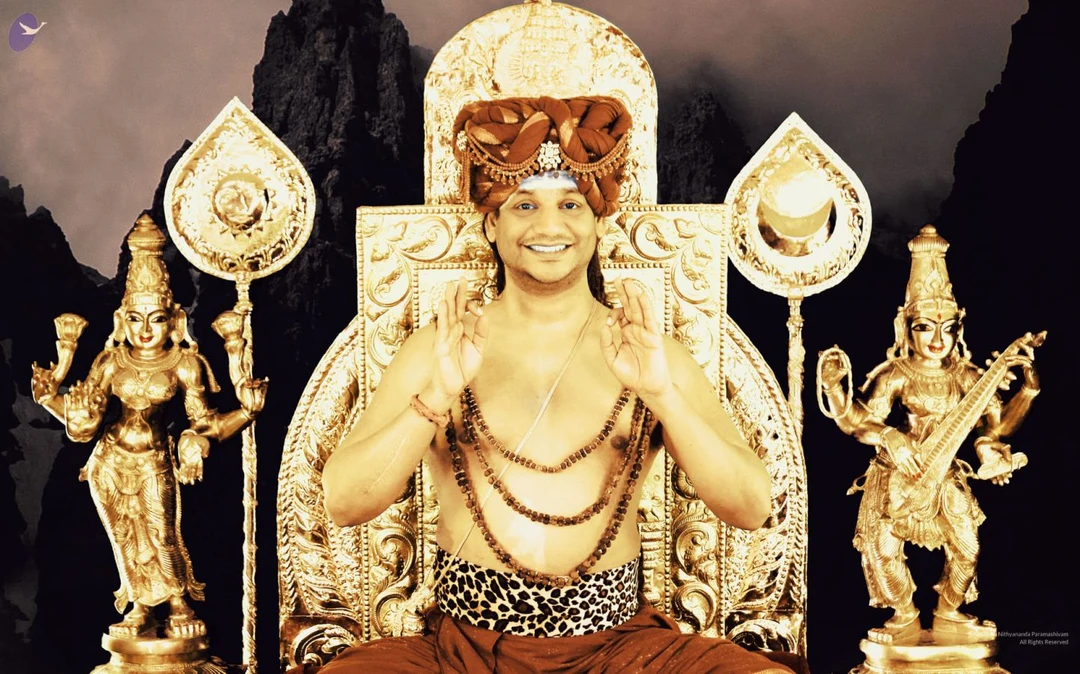
Link to Facebook Page
https://www.facebook.com/ParamahamsaNithyananda/videos/476756913488874
https://www.facebook.com/ParamahamsaNithyananda/posts/4890005094420635
https://www.facebook.com/ParamahamsaNithyananda/posts/4890006311087180
https://www.facebook.com/ParamahamsaNithyananda/videos/1858883627602819
KAILASA SAN FERNANDO, TRINIDAD & TOBAGO on 2/14/2021
Original wiki pageContents
Daily Update - PDB + Daily pictures-Daily Paduka Puja
| Event Details | |
|---|---|
| Participants Count | 1 |
| Event Type | In-Person |
| Was Food Served in Event? | No |
| Count of Meals Served | |
| Volunteers Count | 1 |
| Event Duration | |
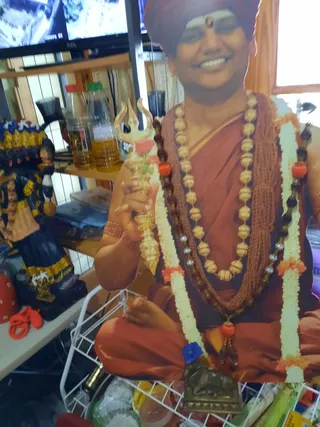
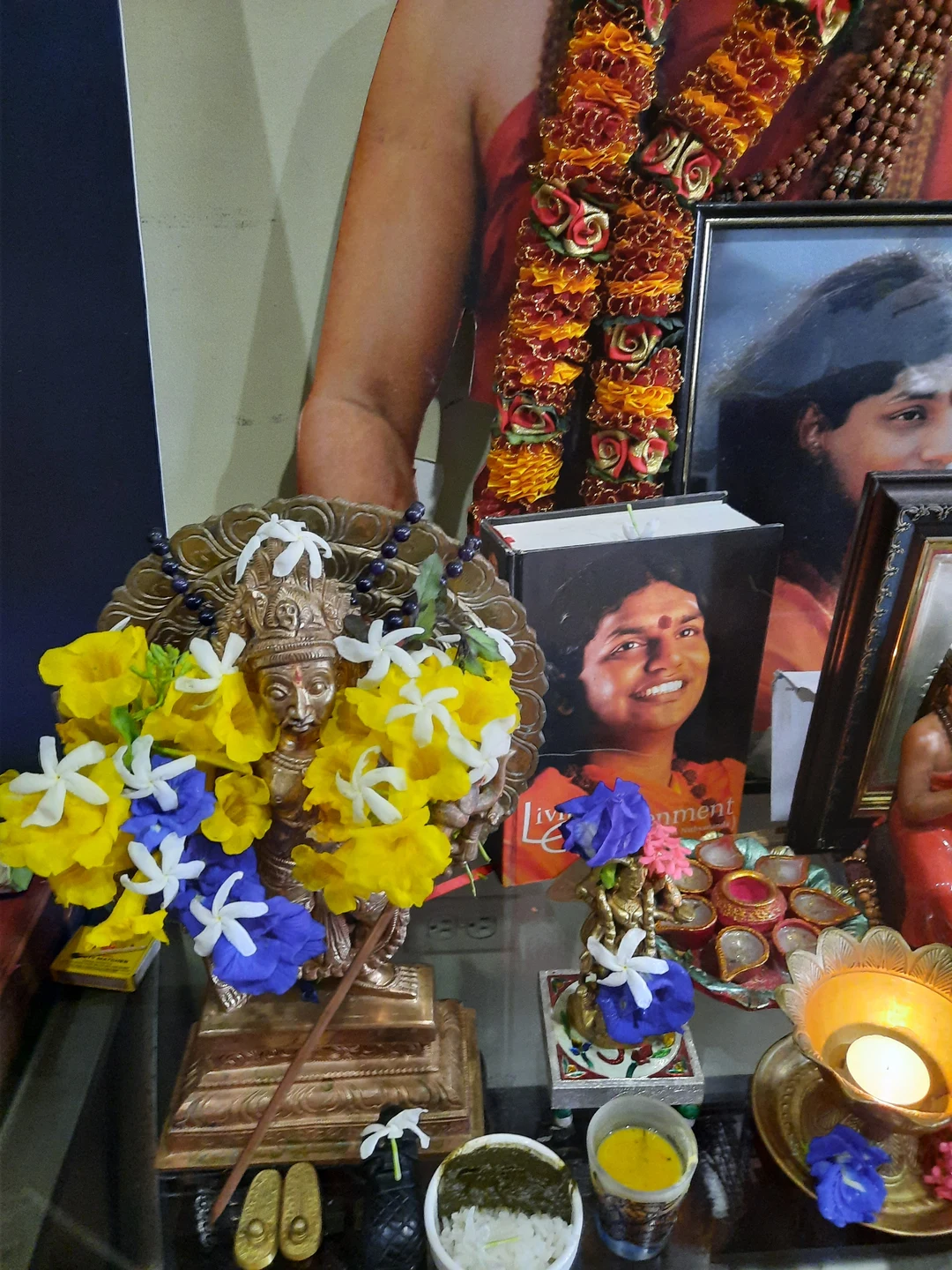
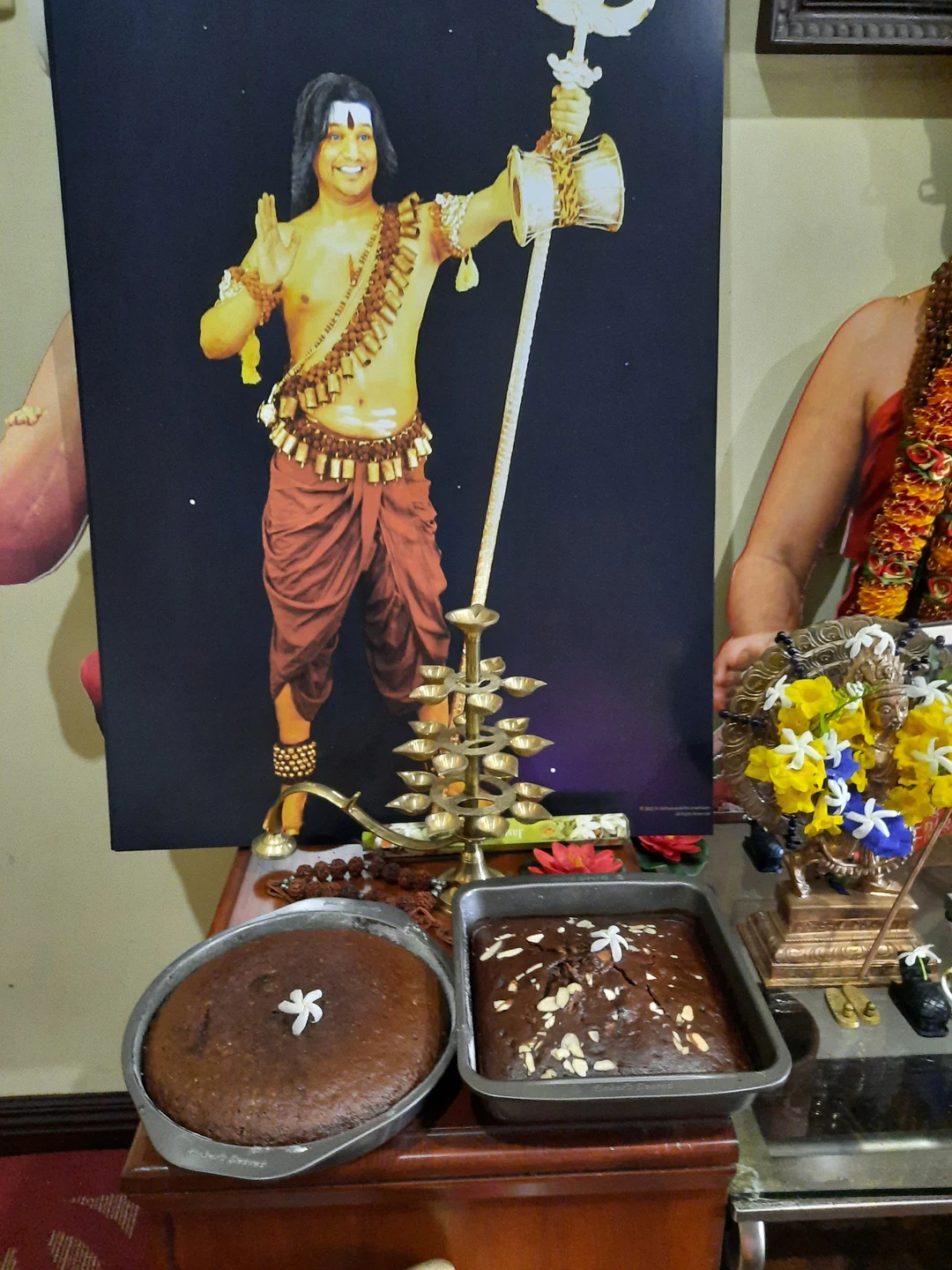
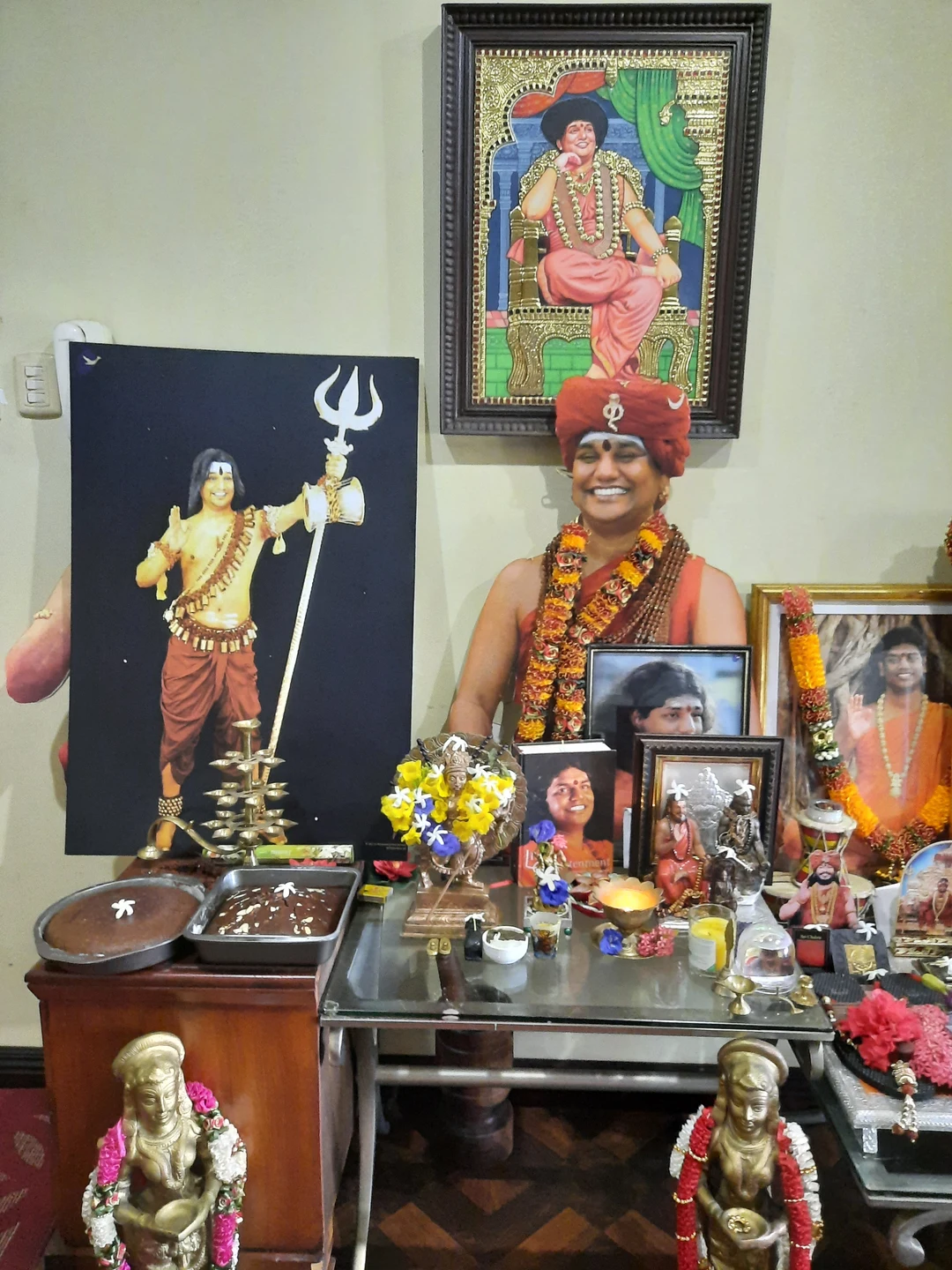
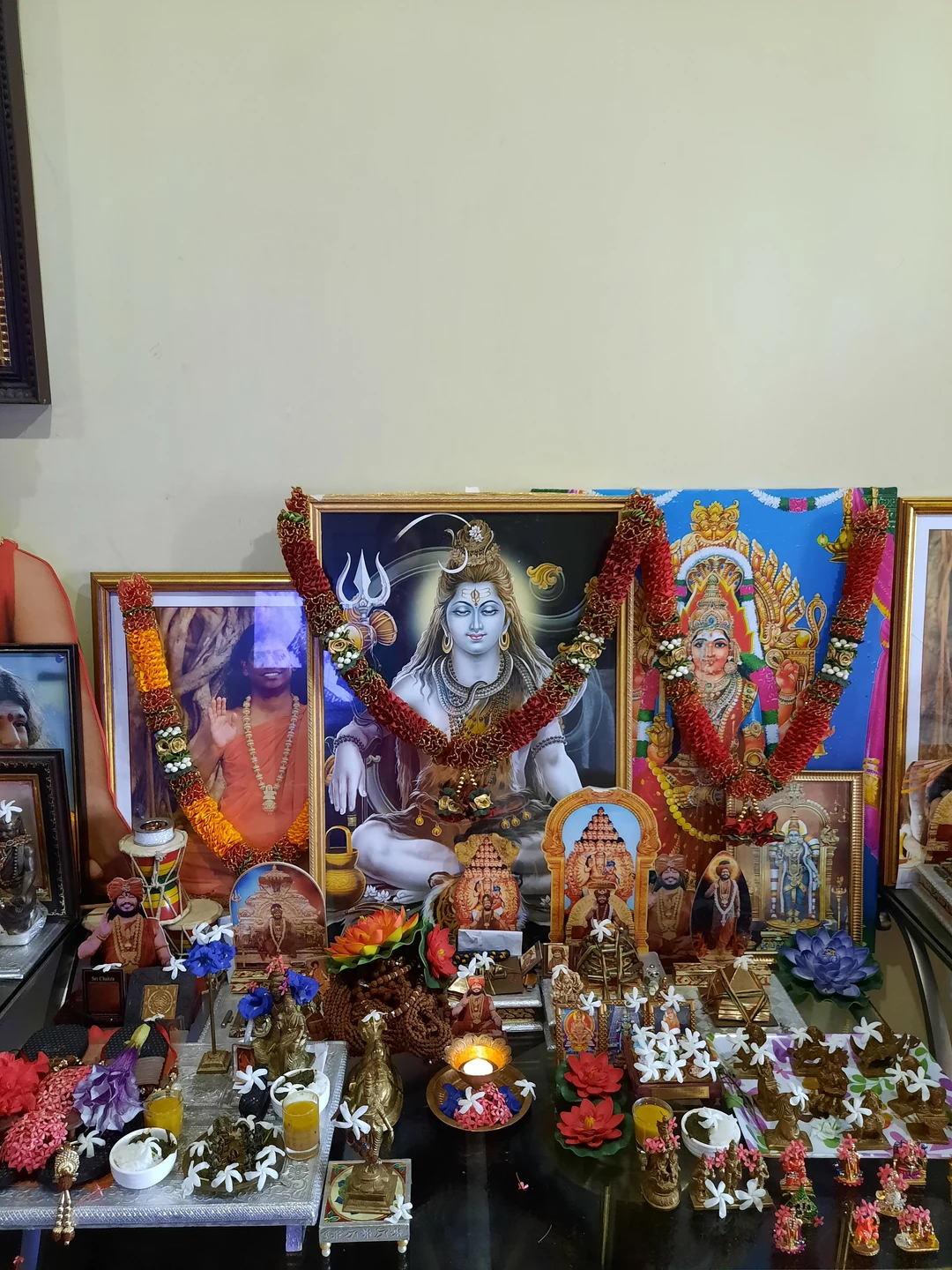
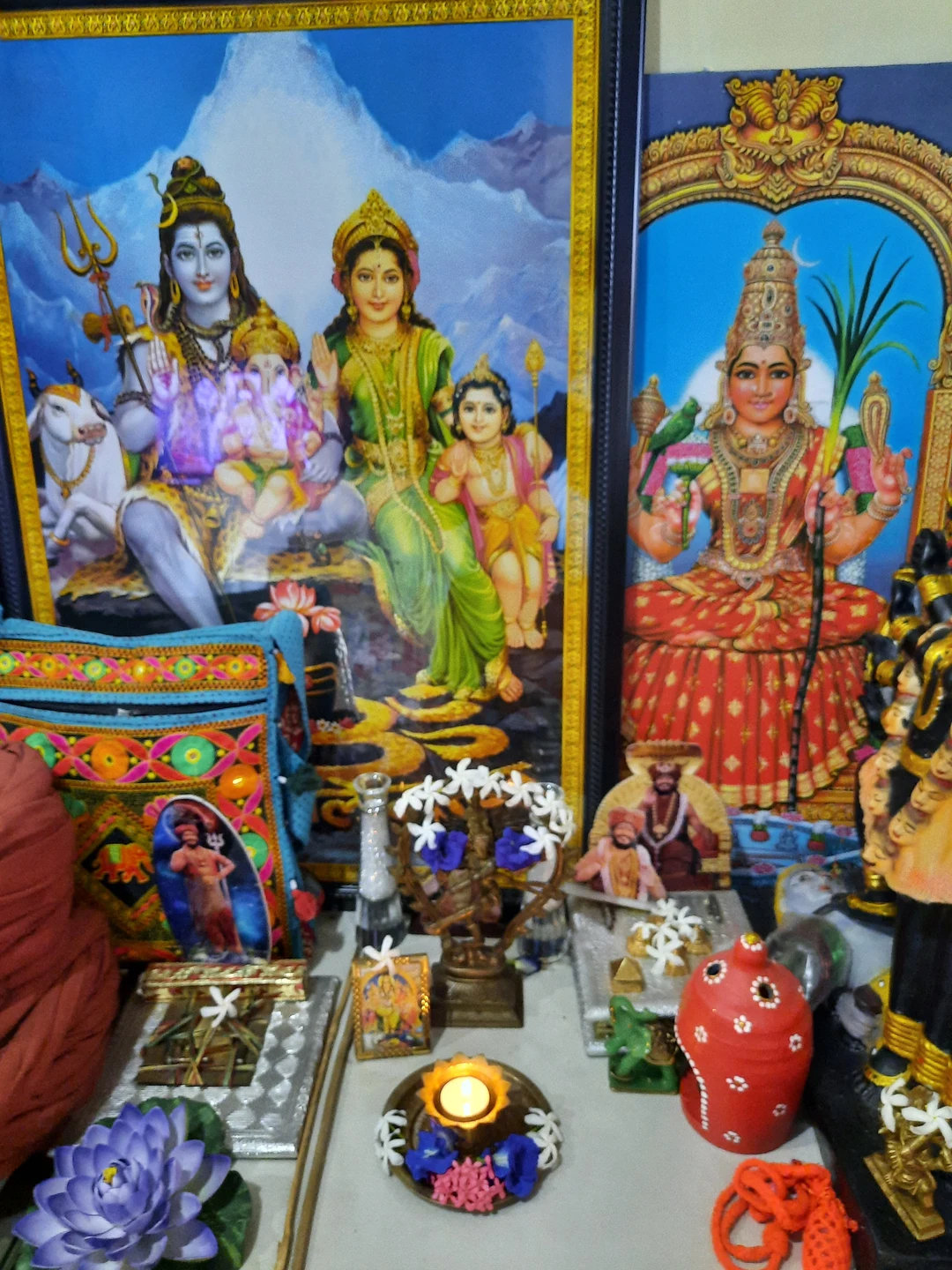
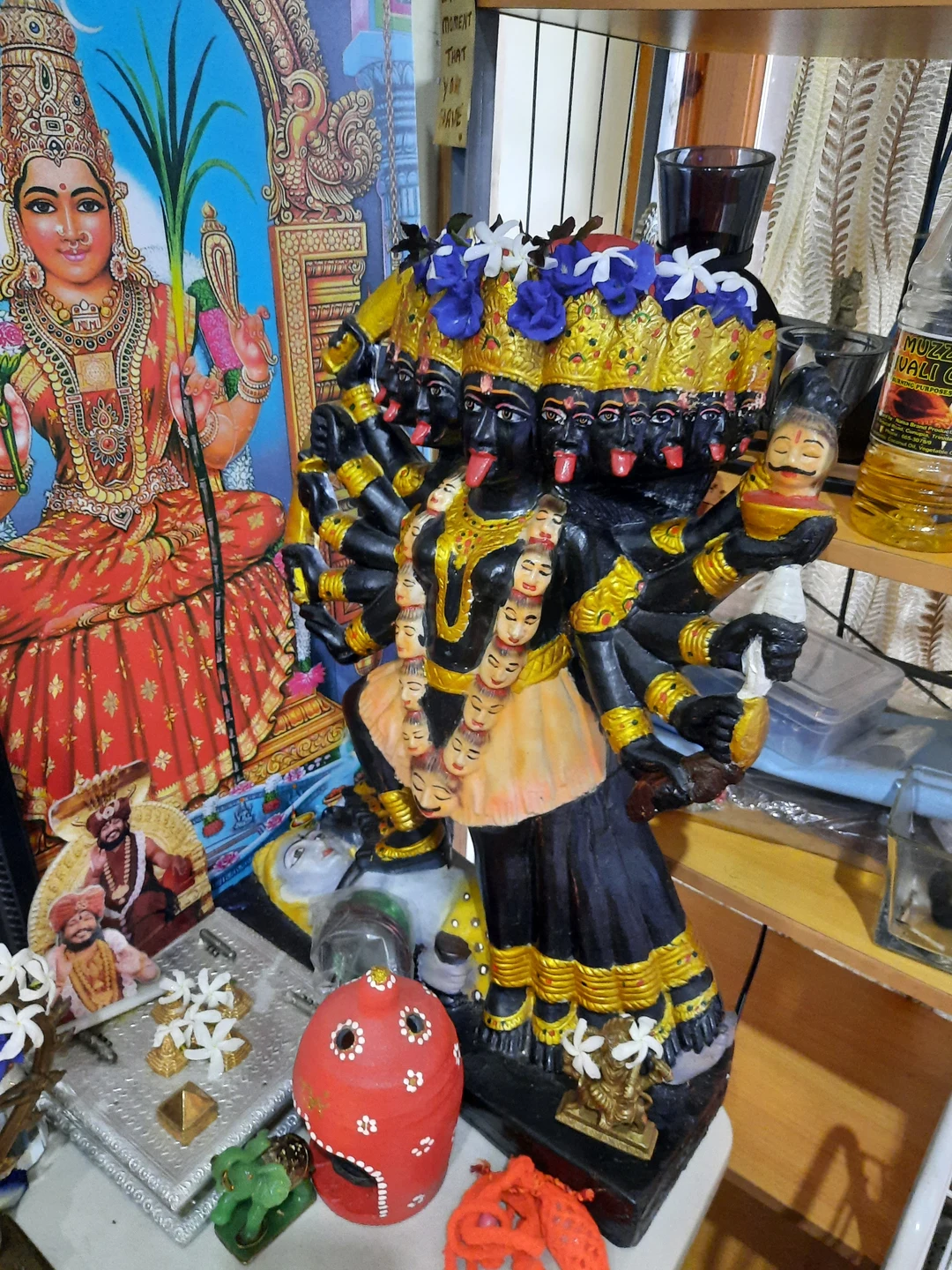
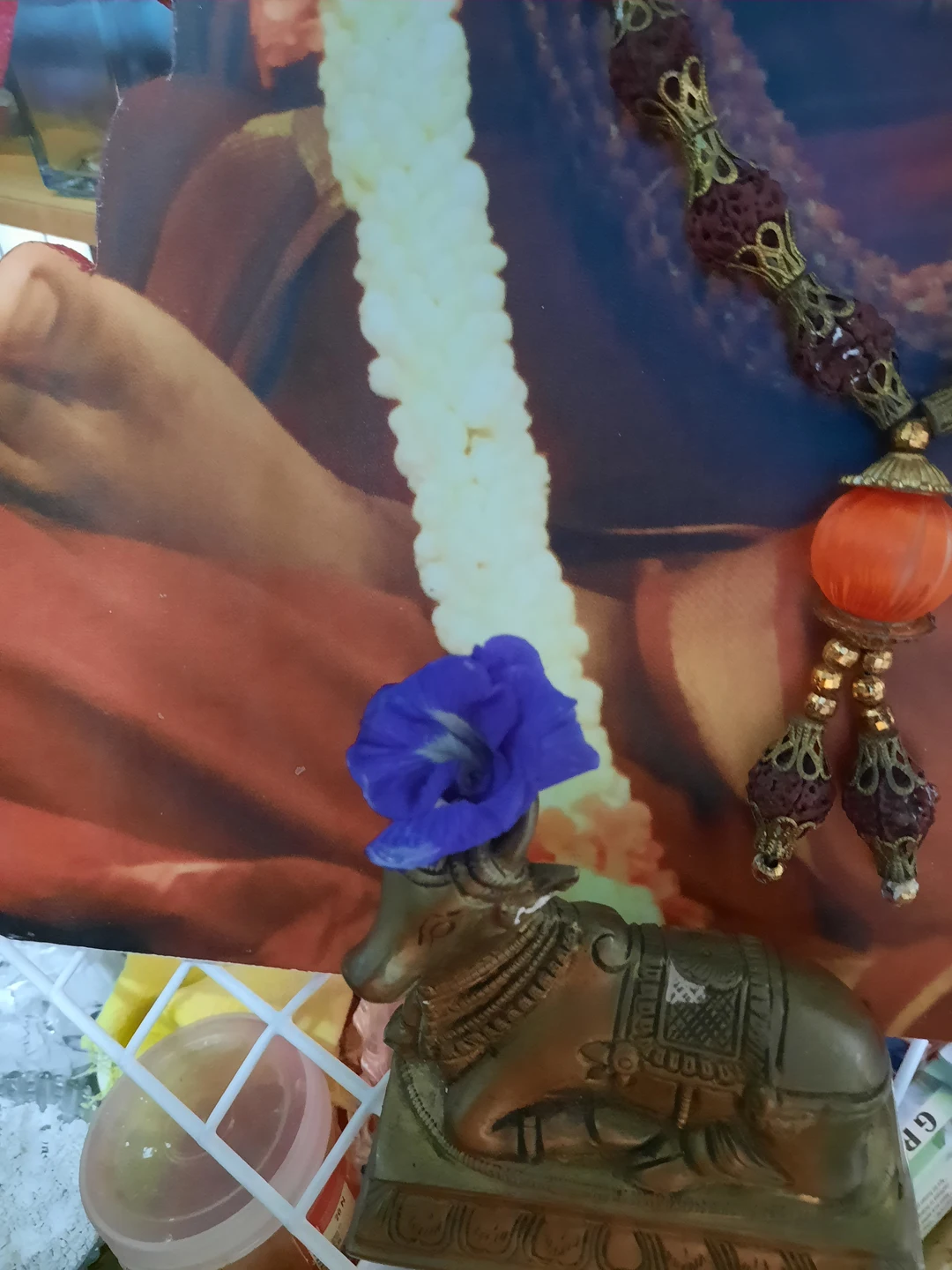
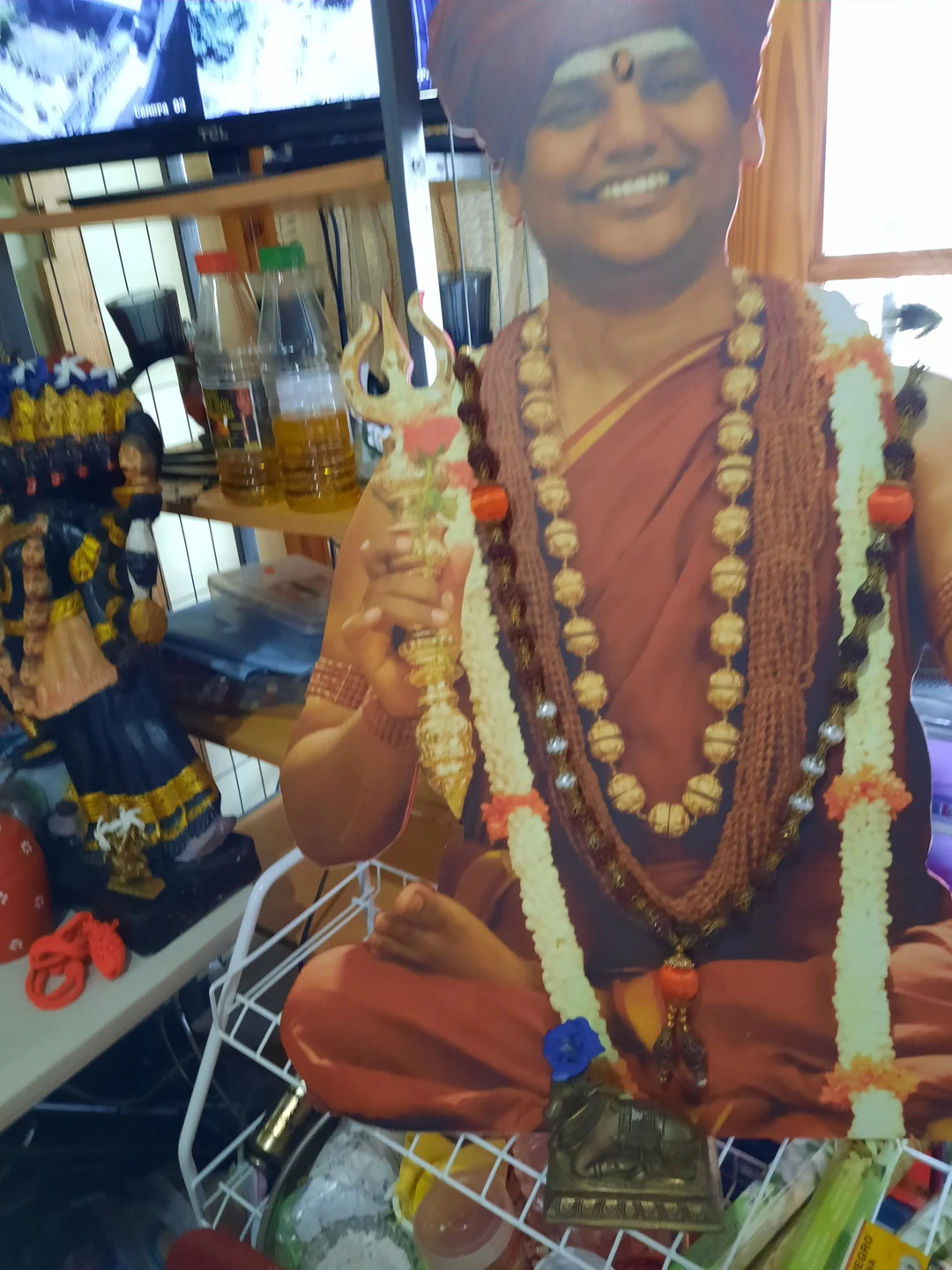
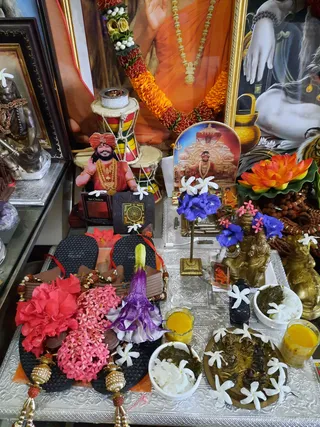
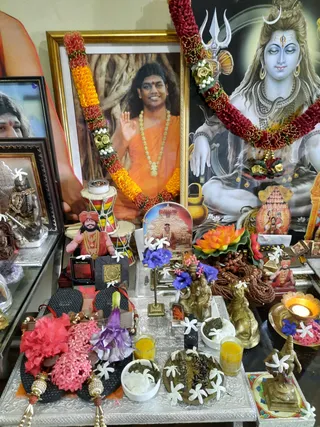
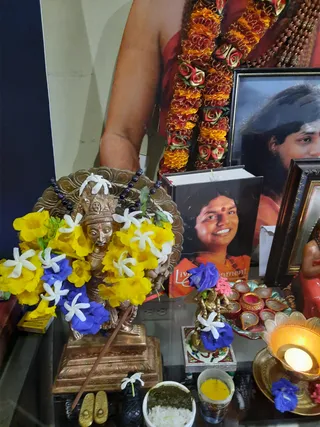
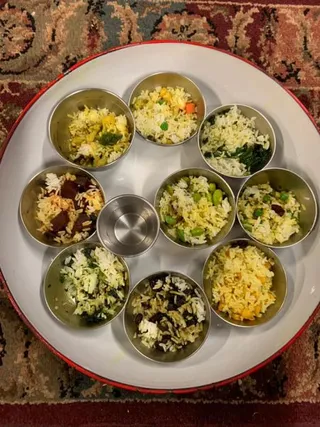
We offered the daily Puja to the sacred Padukas of our beloved Guru, Supreme Pontiff of Hinduism Jagatguru Mahasannidhanam HDH Bhagavan Nithyananda Paramashivam. Such a beautiful blessings.
Pictures from the day
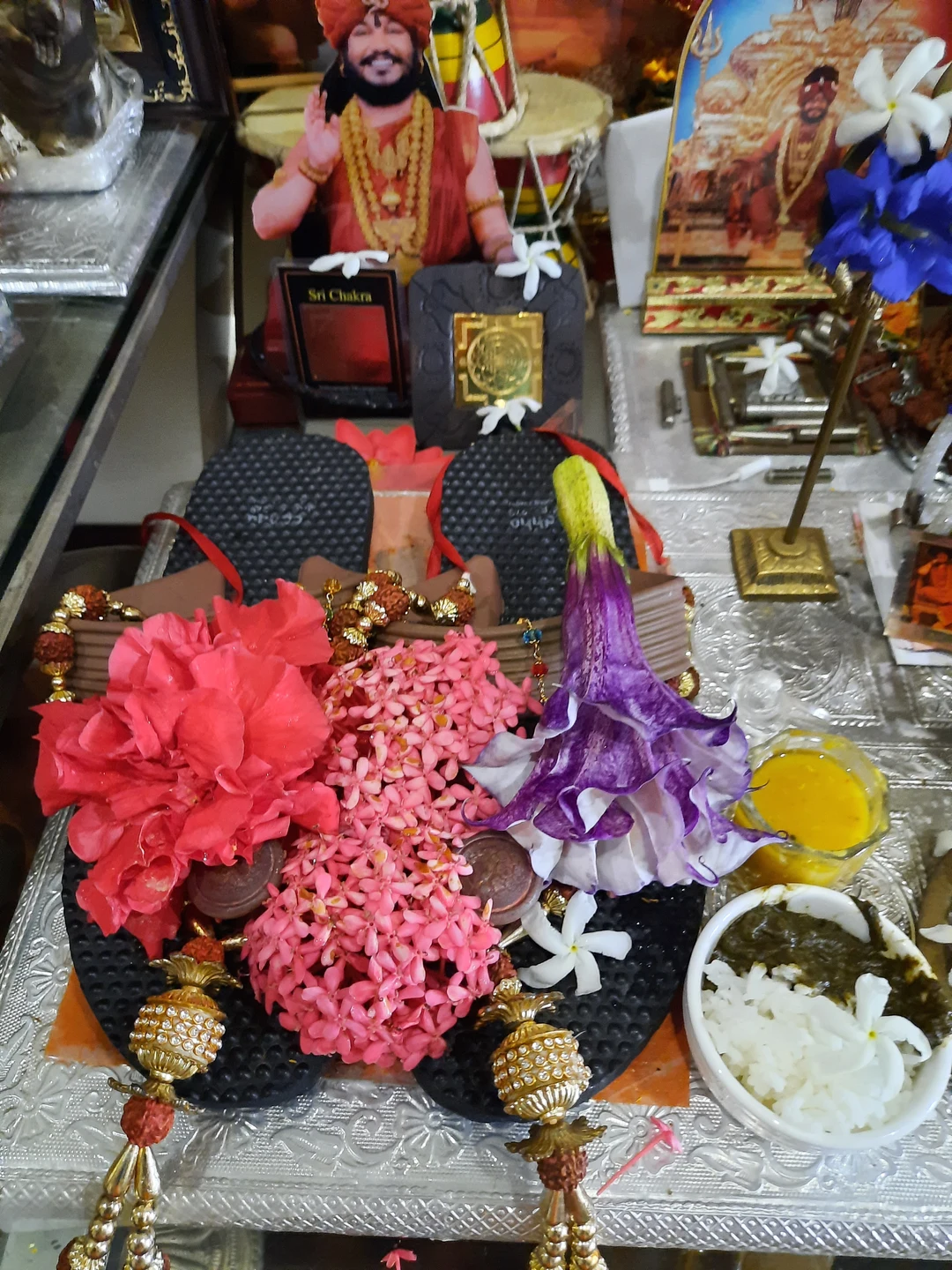
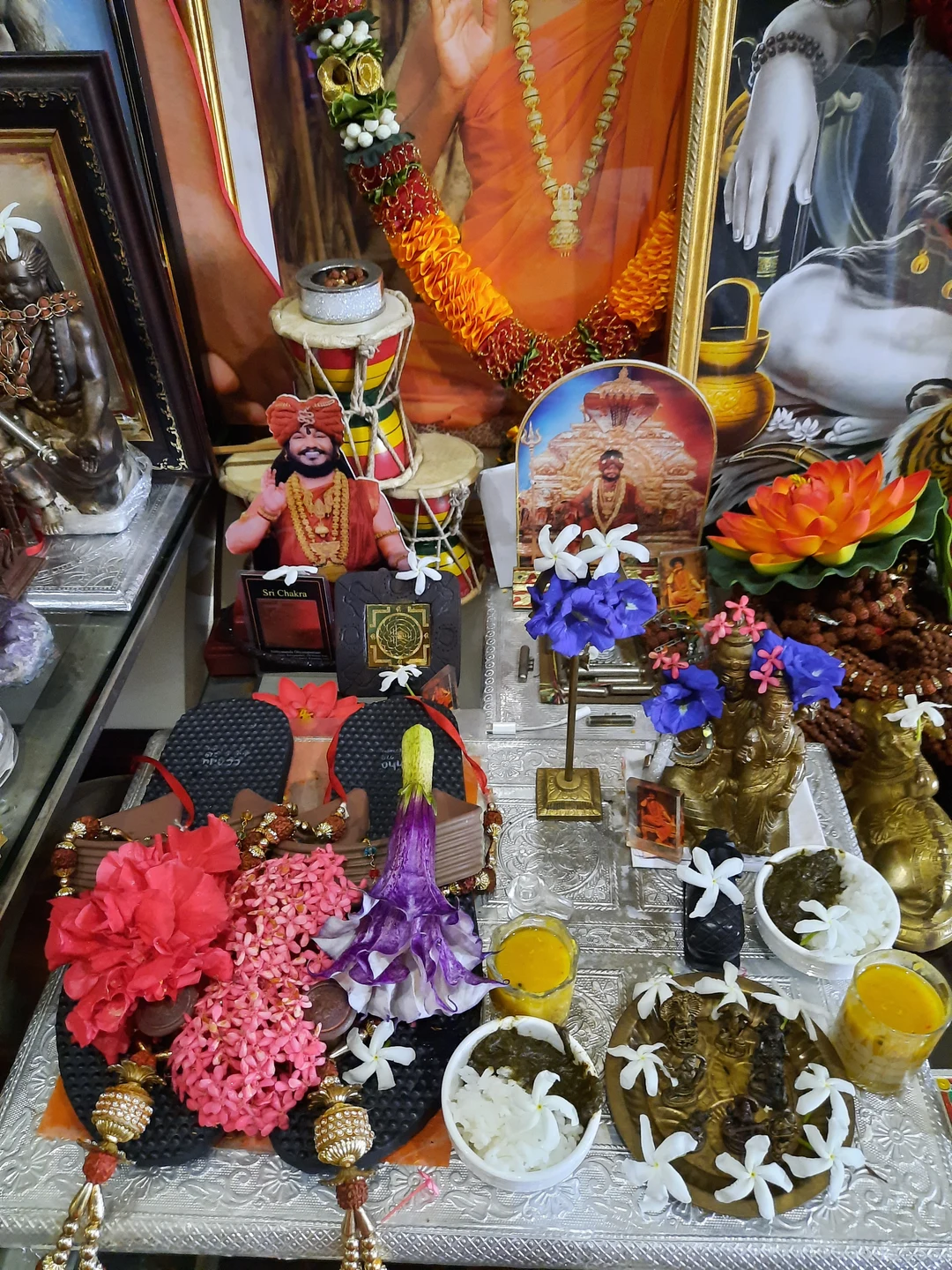
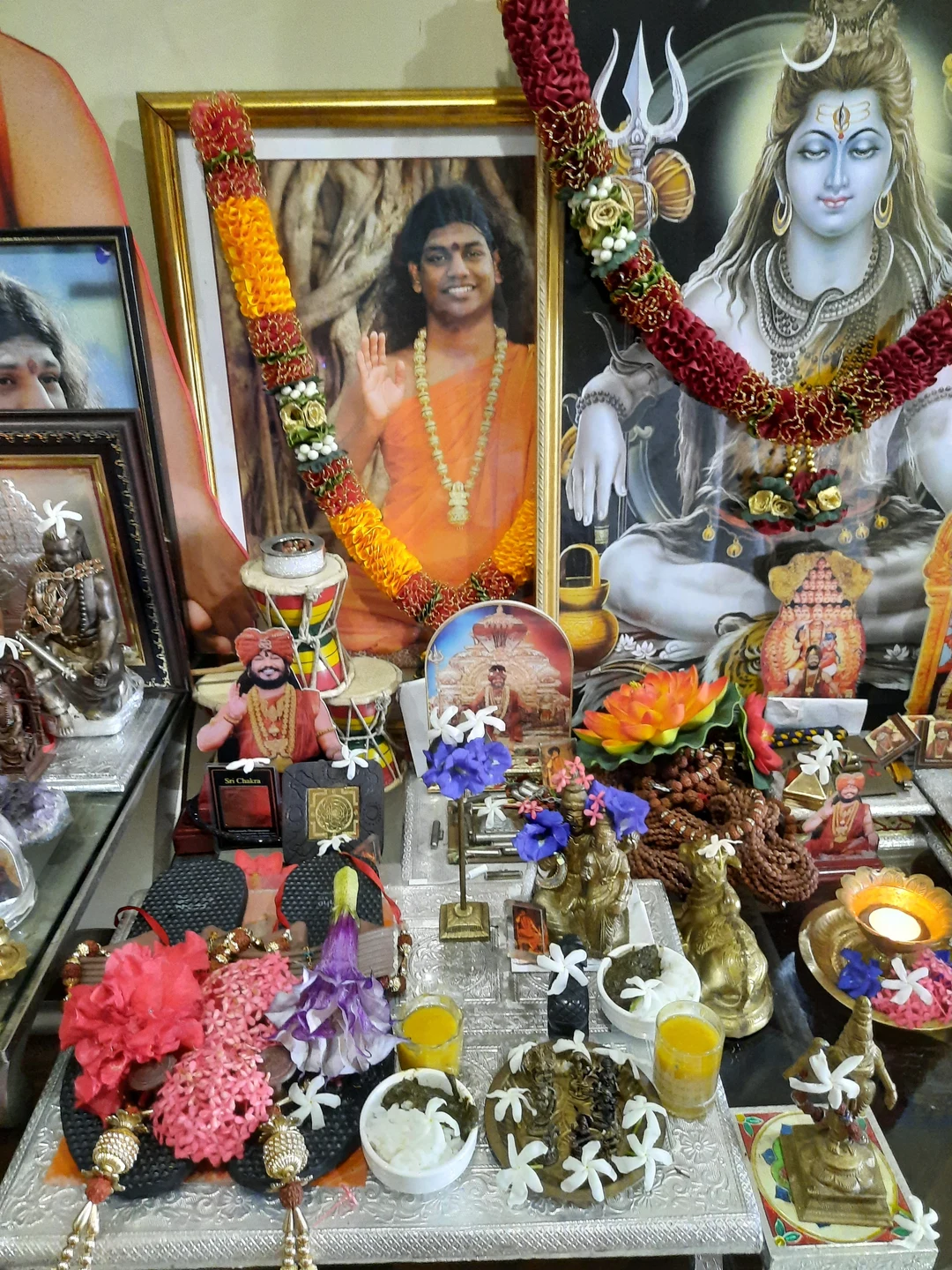
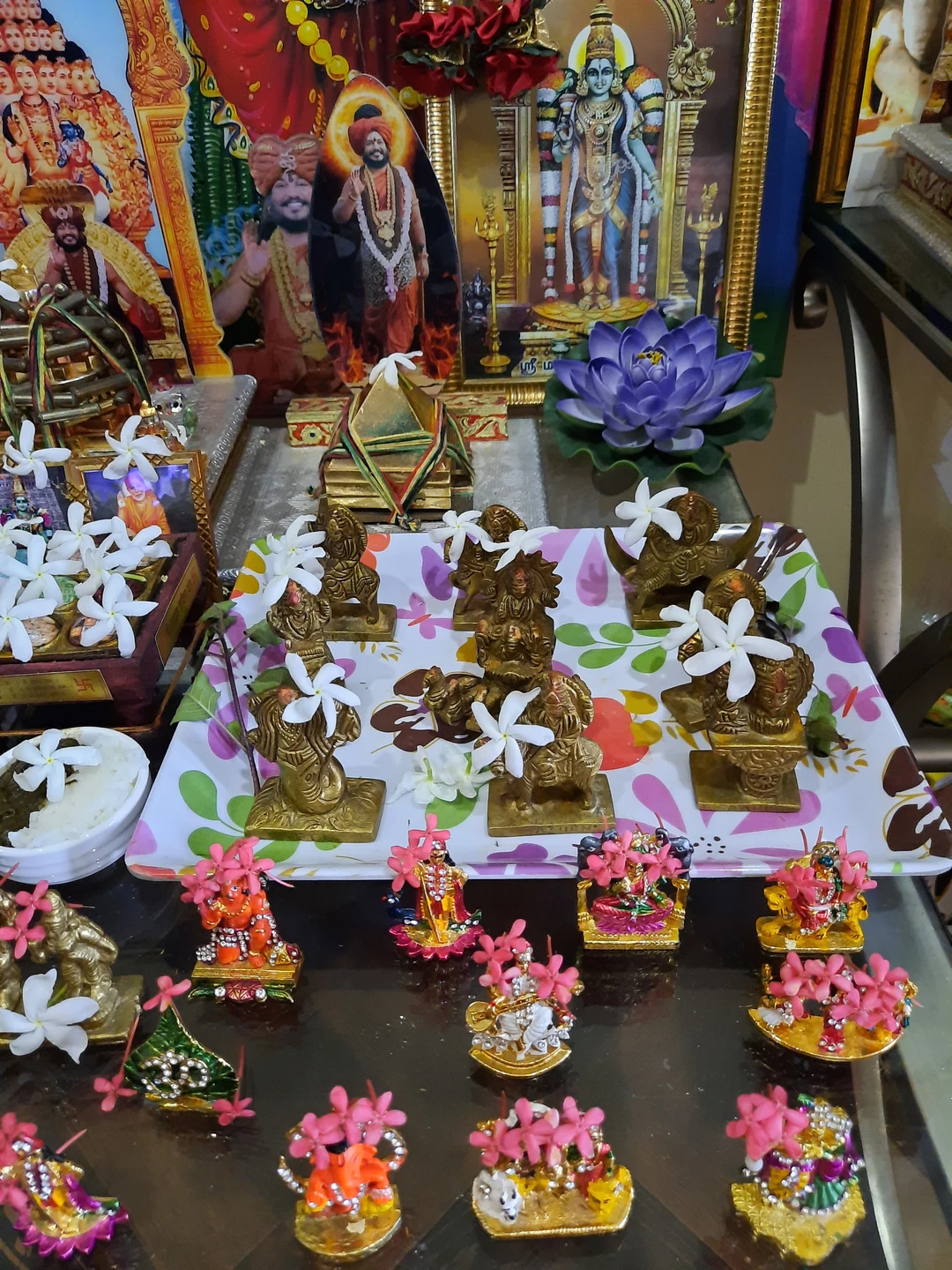
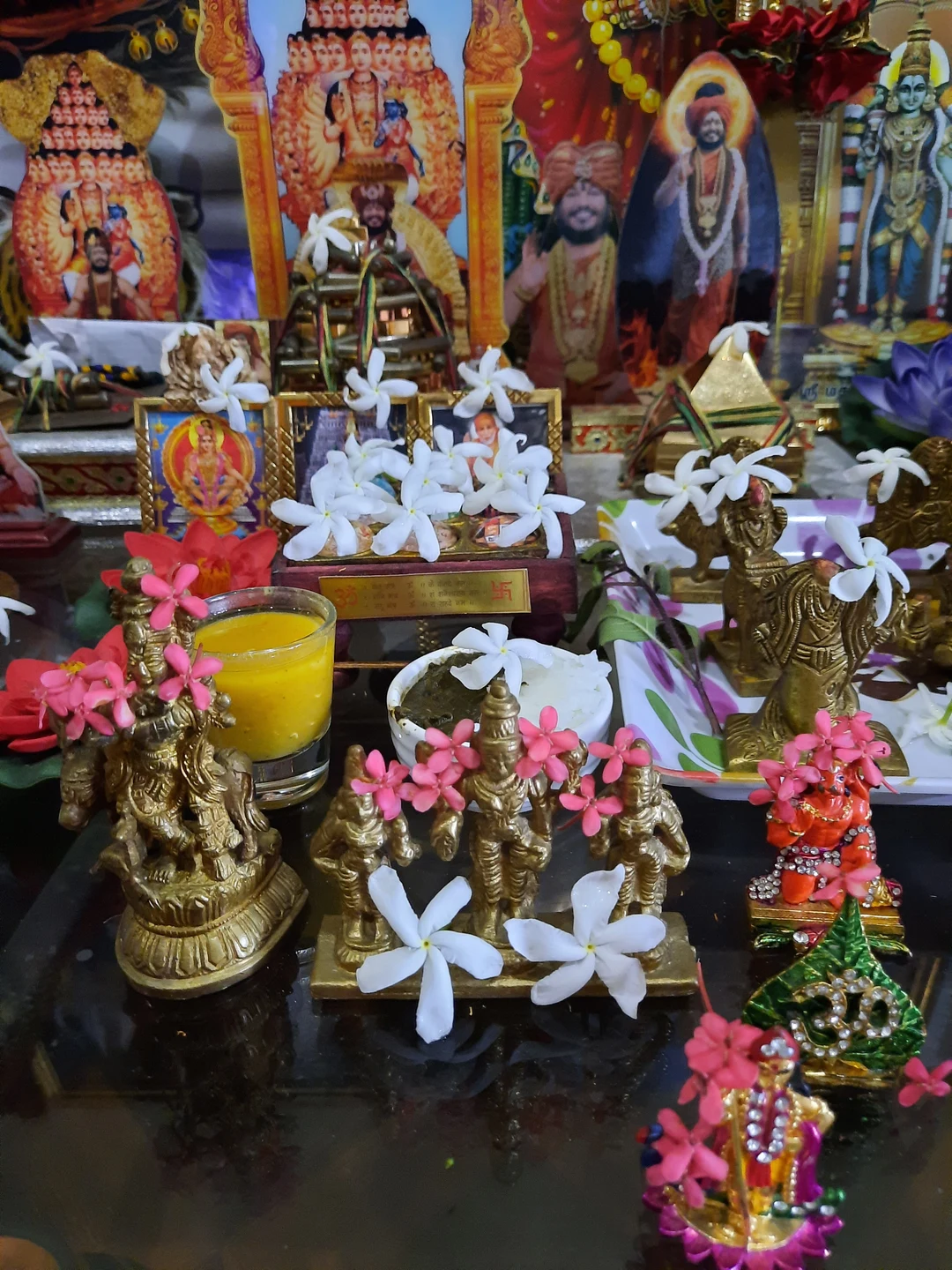
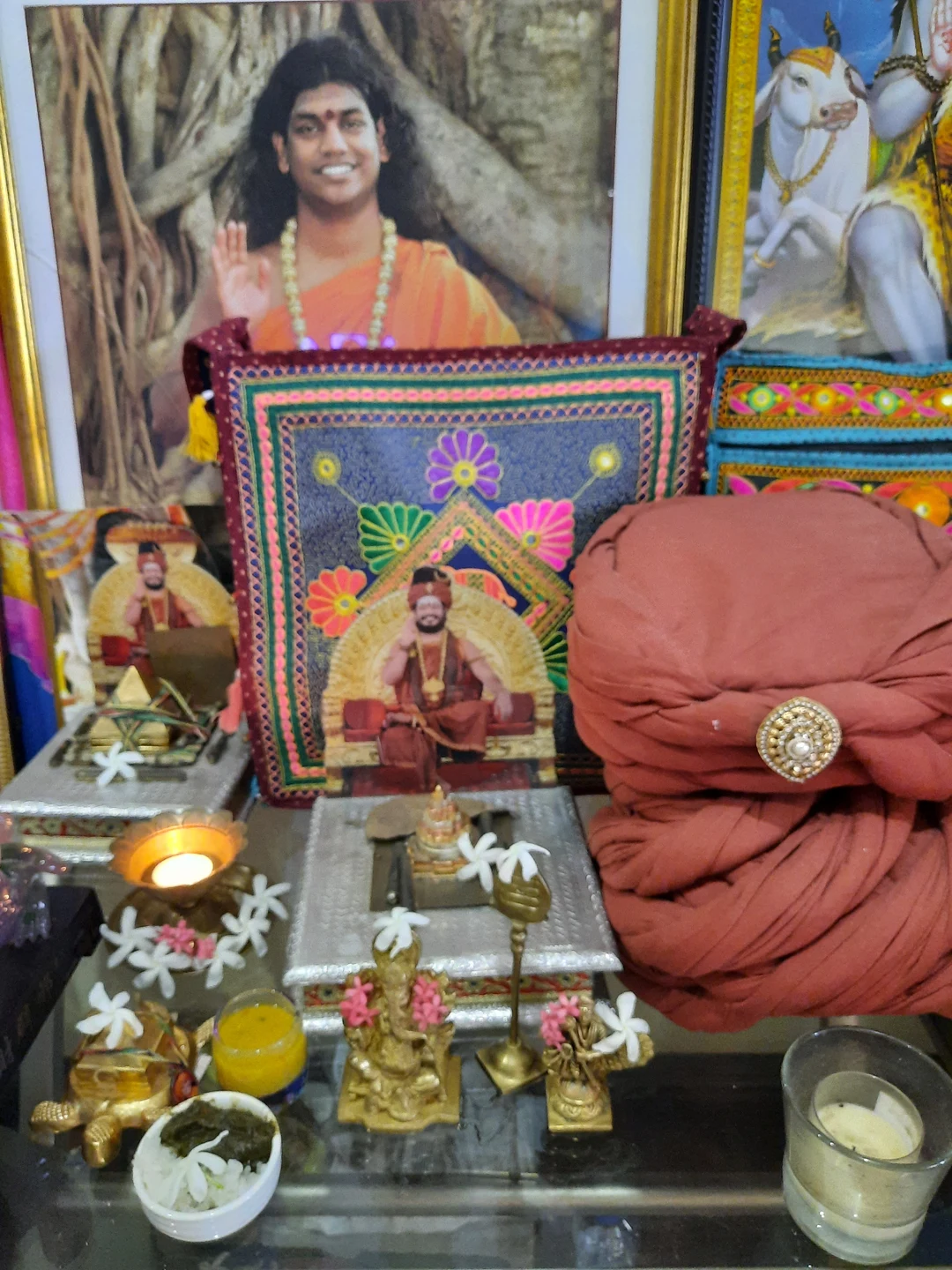
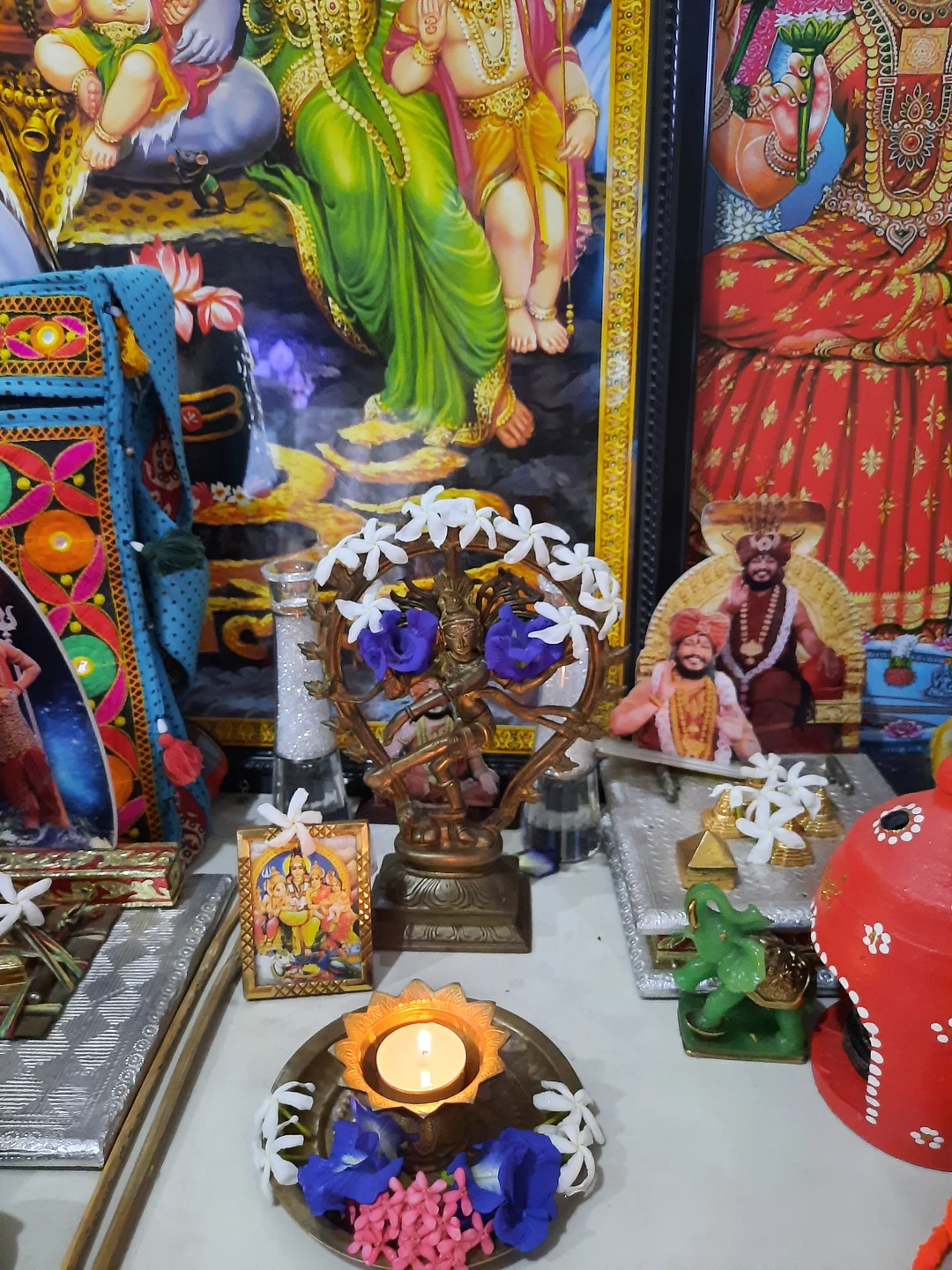
KAILASA SEATTLE, USA on 2/14/2021
Original wiki pageContents
Daily Update - PDB + Daily pictures
| Event Details | |
|---|---|
| Participants Count | 9 |
| Event Type | Online |
| Was Food Served in Event? | No |
| Count of Meals Served | |
| Volunteers Count | 3 |
| Event Duration | |
Presidential Daily Briefing
KAILASA-SEATTLE--USA-2021-02-14-19FBKybakskzLO2RyC-bGAn260AGvITAi.pdf
Pictures from the day
Photos from this day
View all 26 photosFB-Photos-of-the-Day
5 photosSource gallery
FB-Photos-of-the-Day
4 photosSource gallery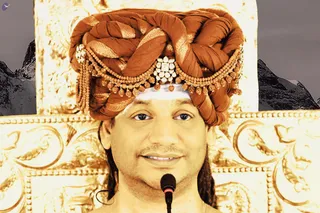
Pictures from the day
14 photosSource gallery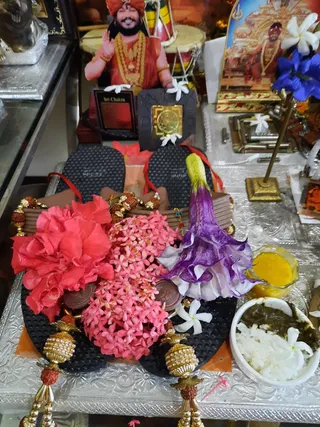
Pictures from the day
2 photosSource gallery
KAILASA SAN FERNANDO, TRINIDAD & TOBAGO on 2/14/2021
1 photoView all