Skip to content
Thursday

25 August 2016

Sri Krishna: the Highest Celebration

Dated photos
922
Source pages
1
Media
4
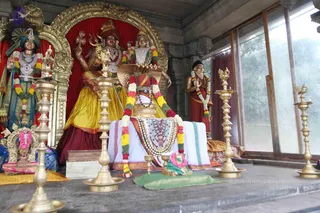
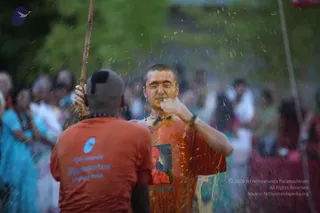
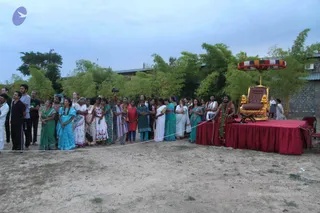
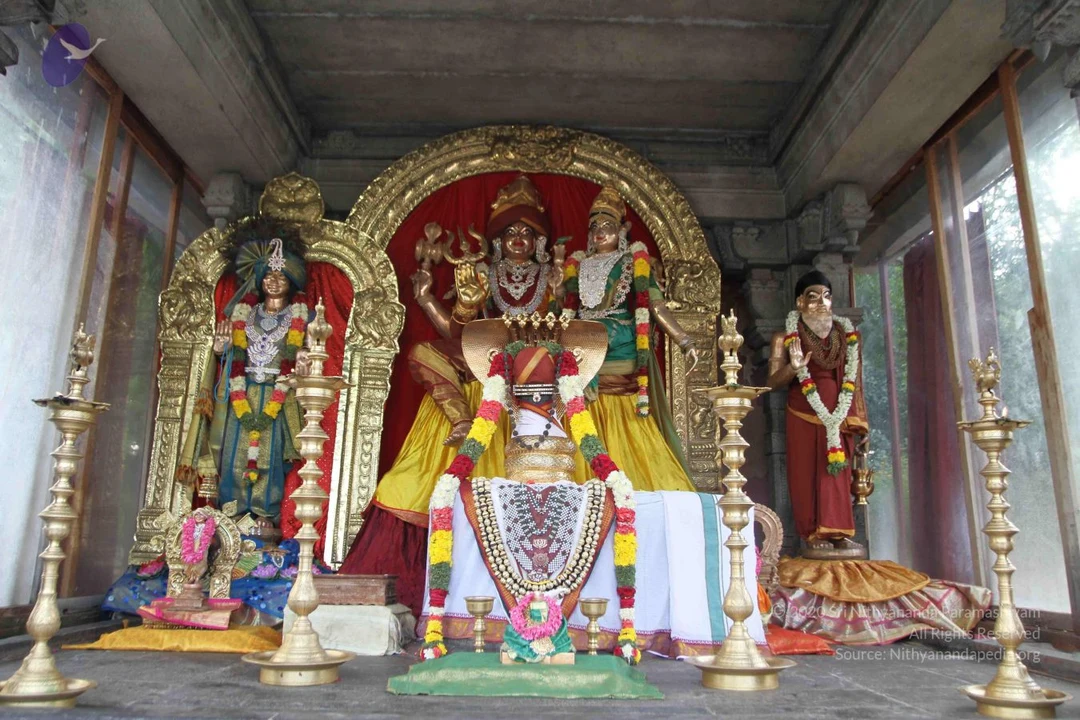
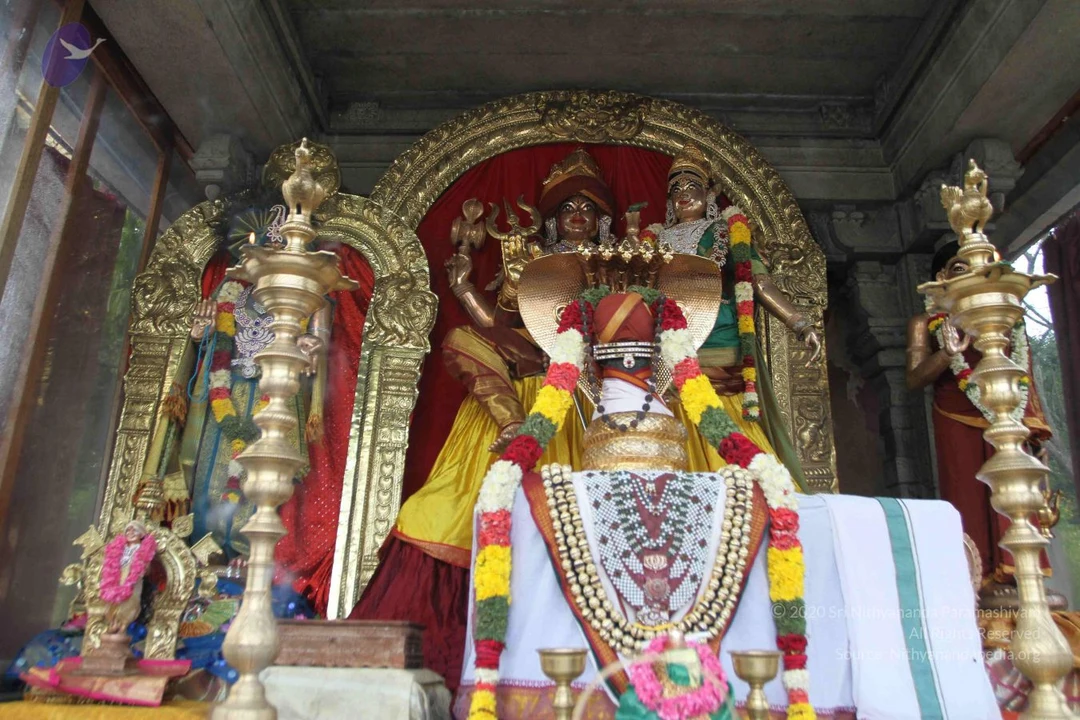
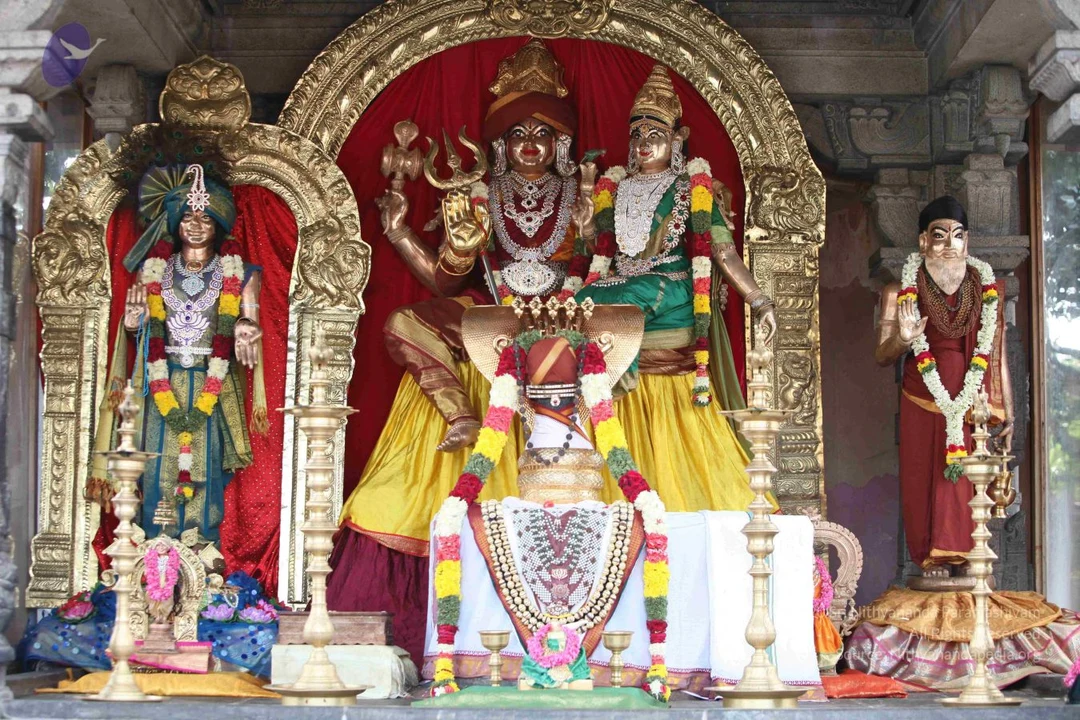
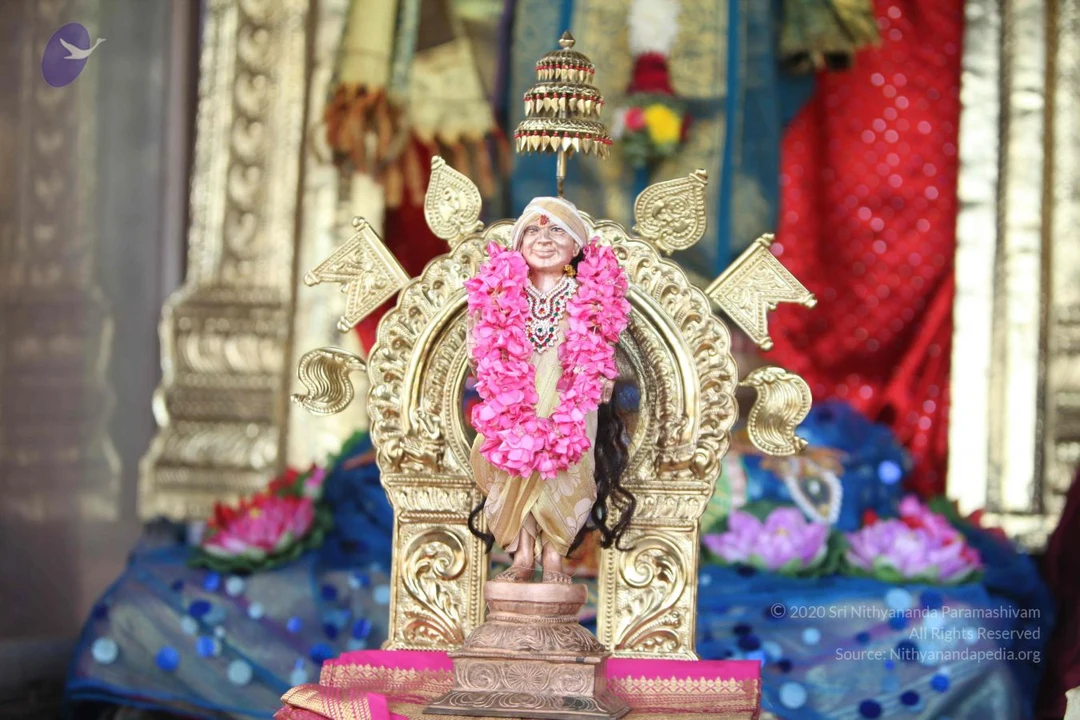
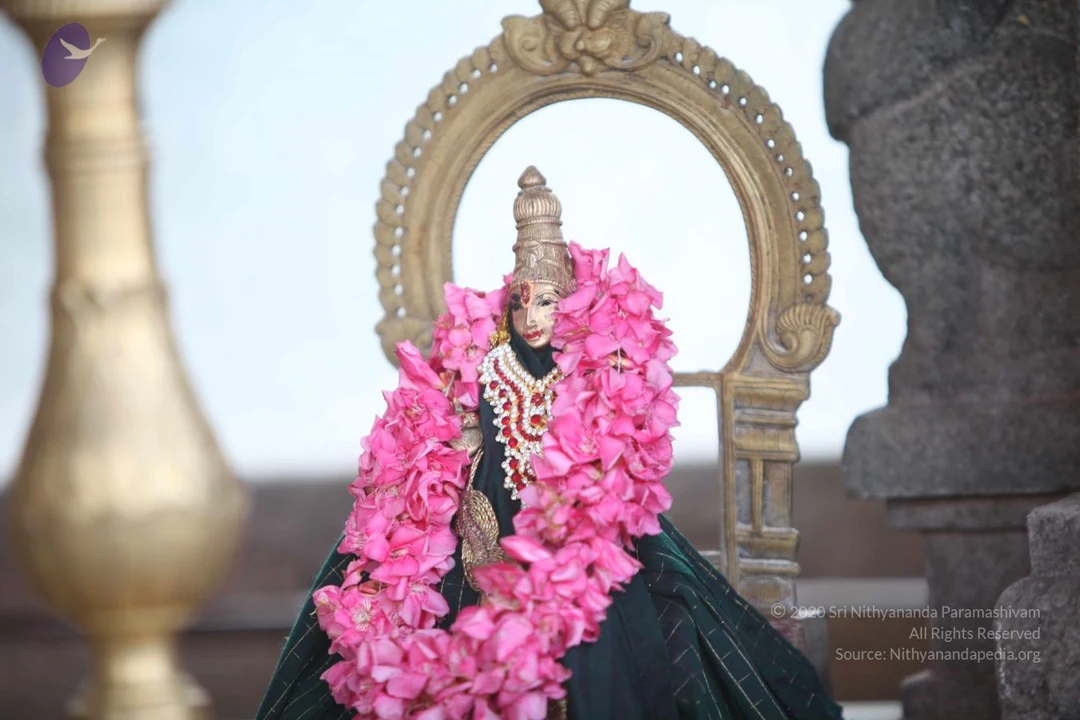
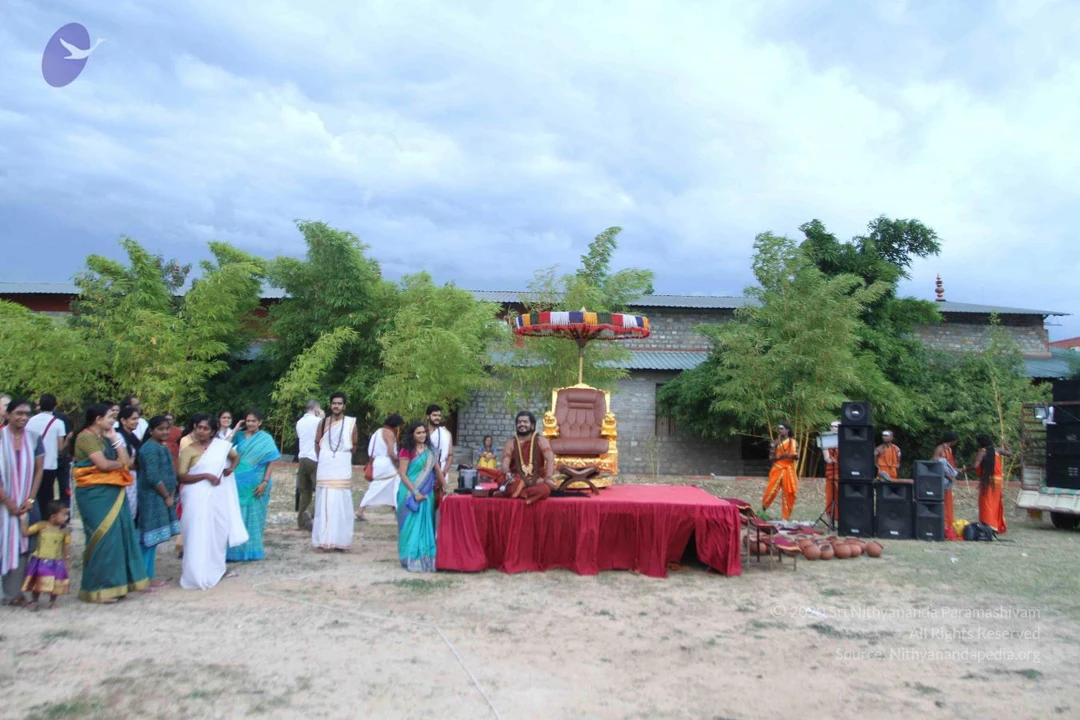
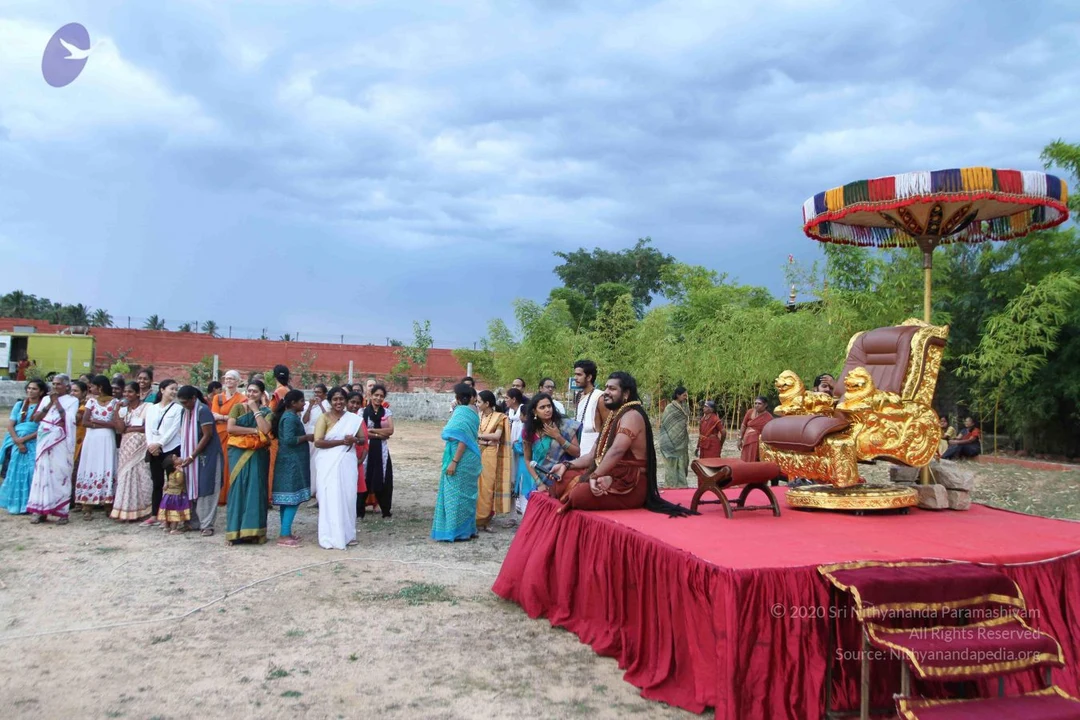
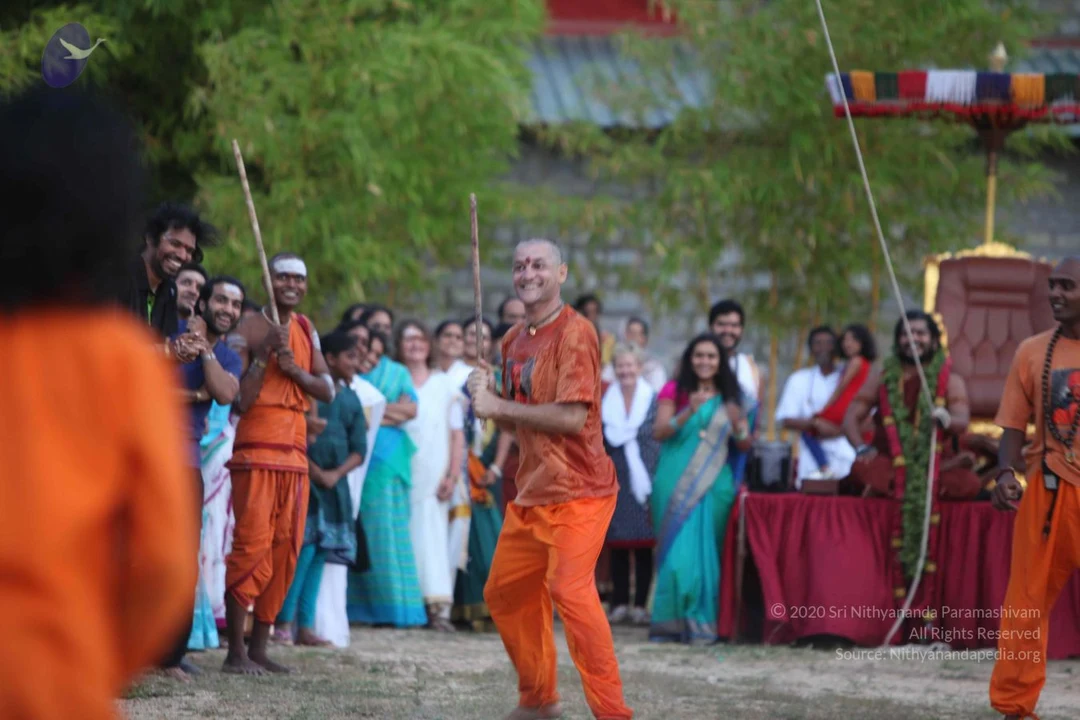
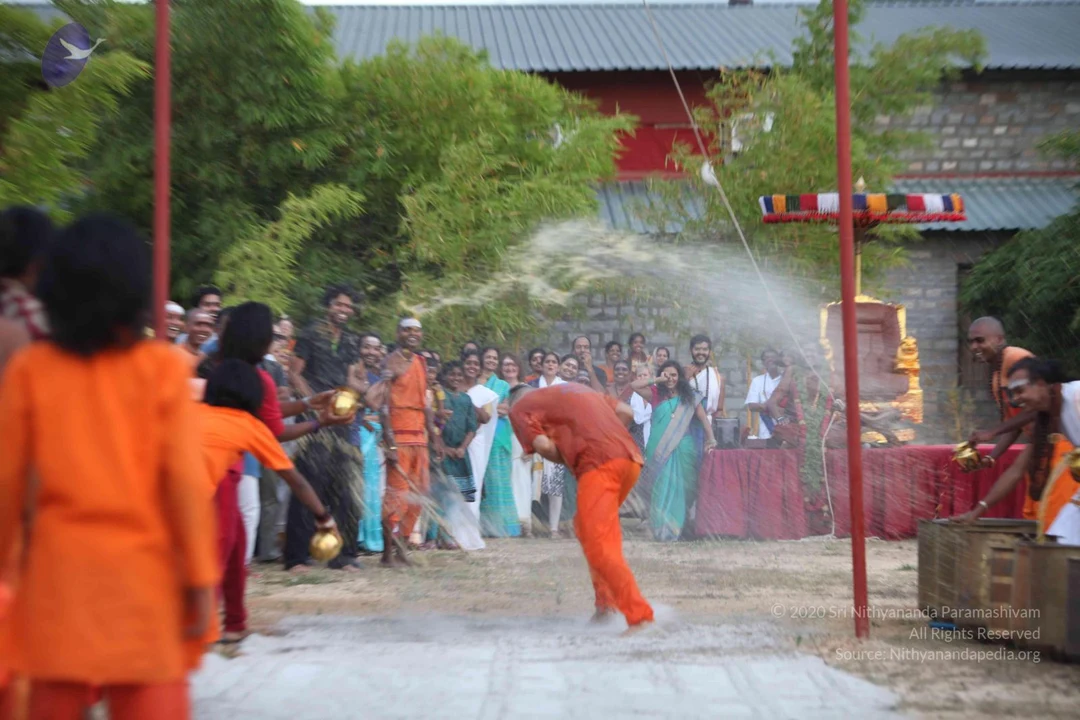
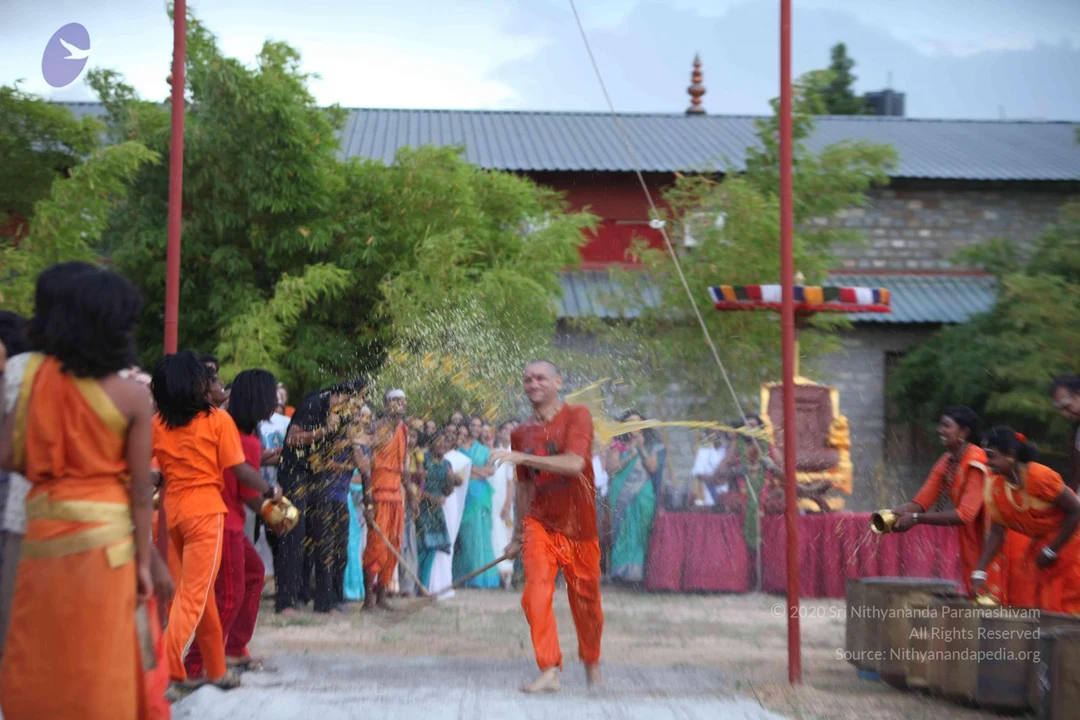
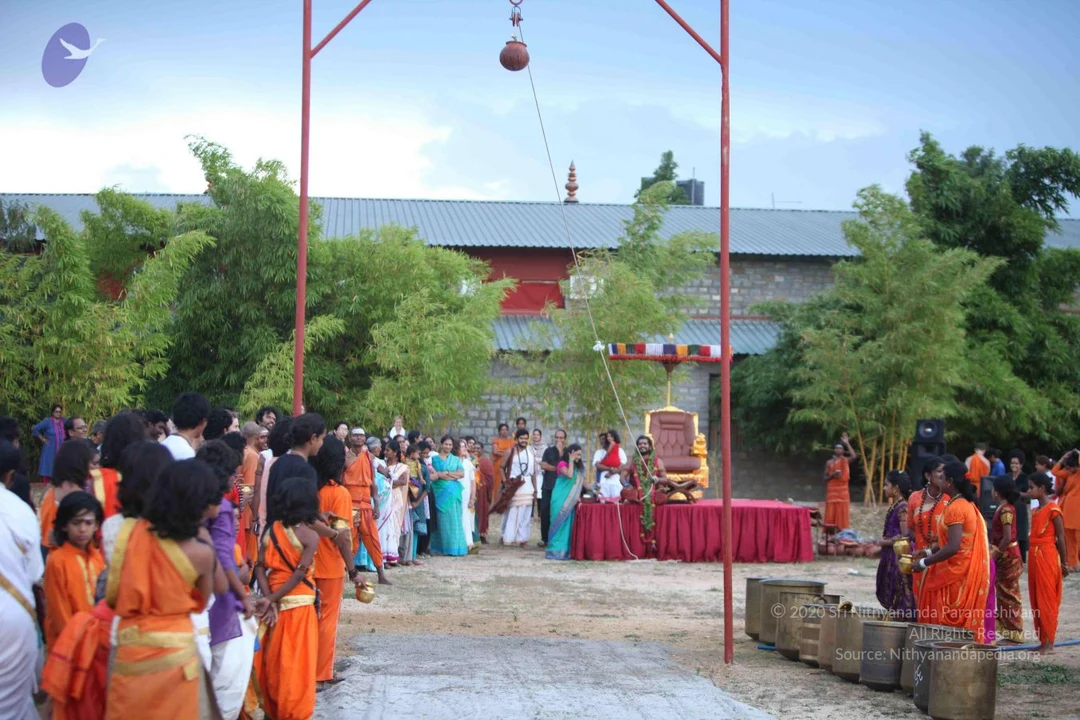
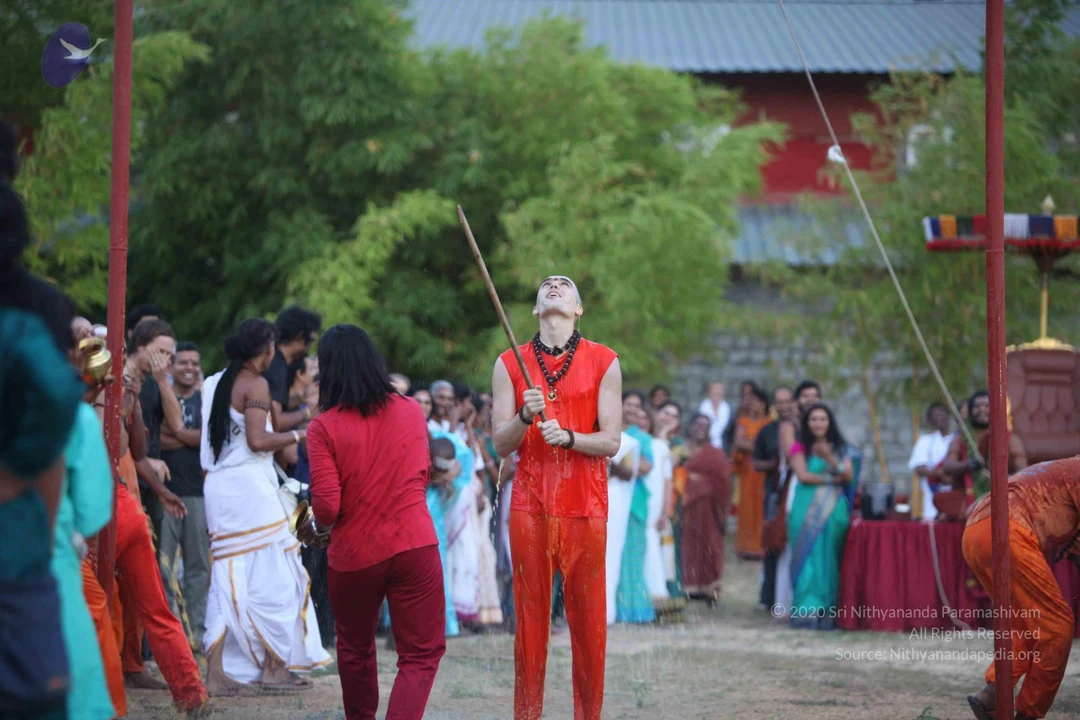
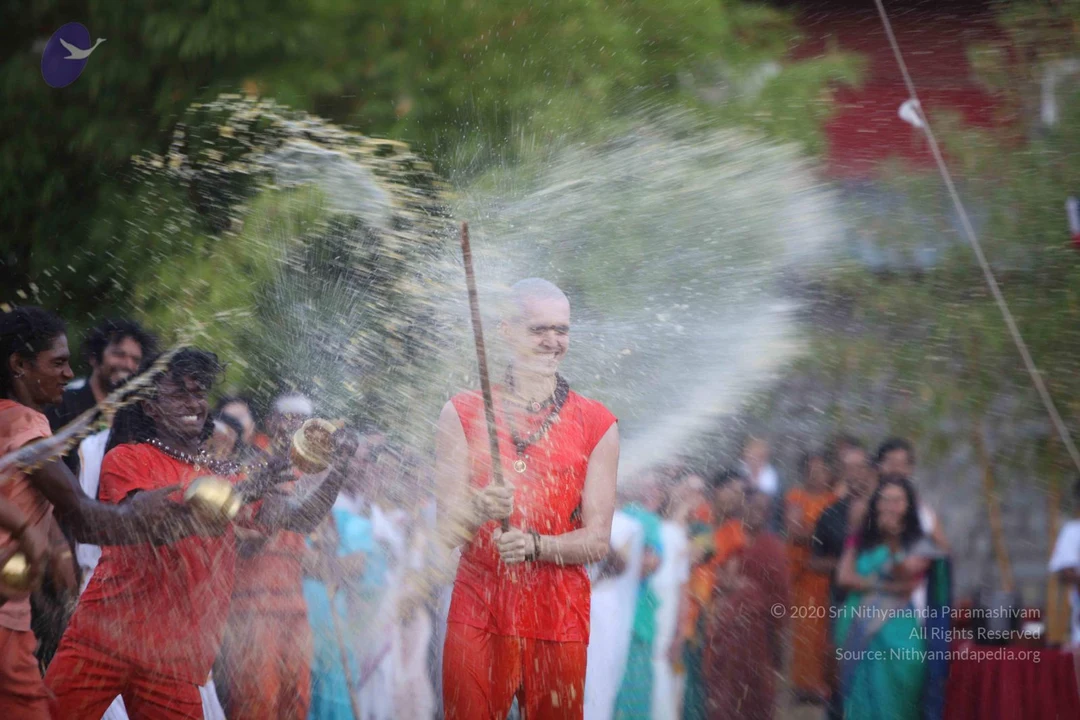
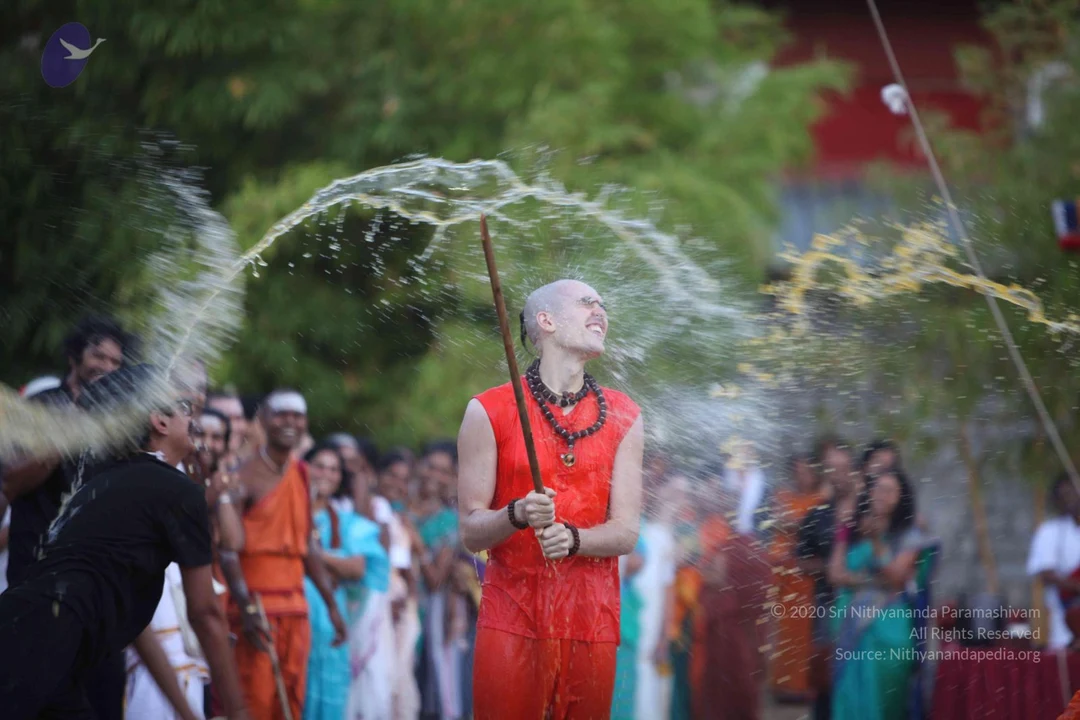
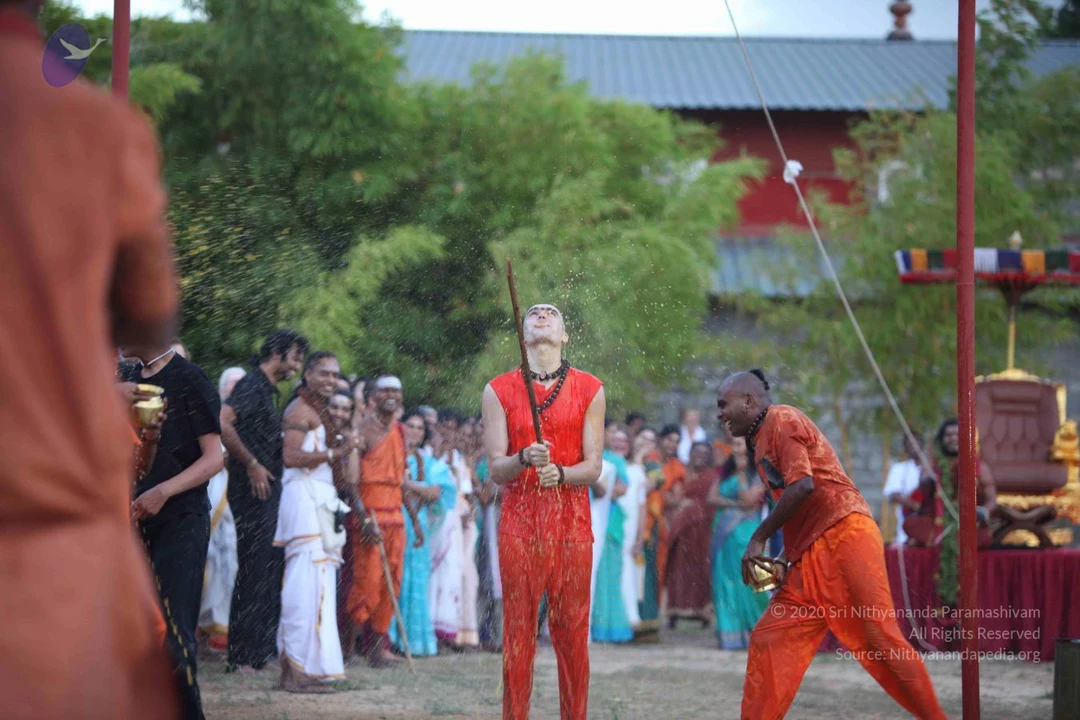
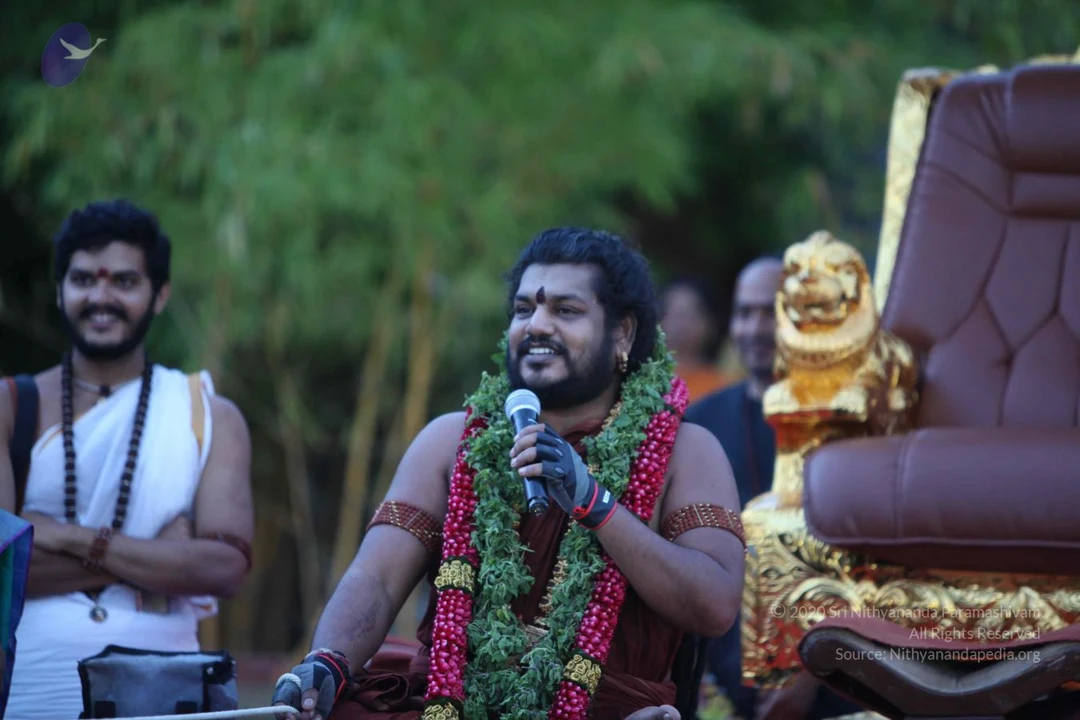
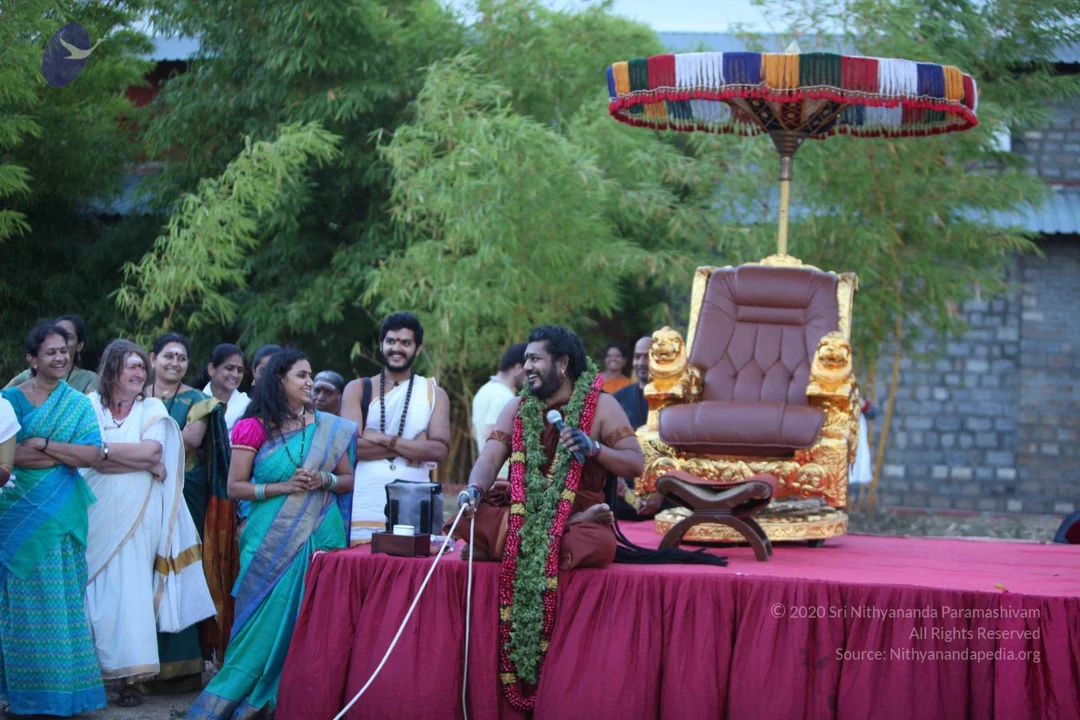
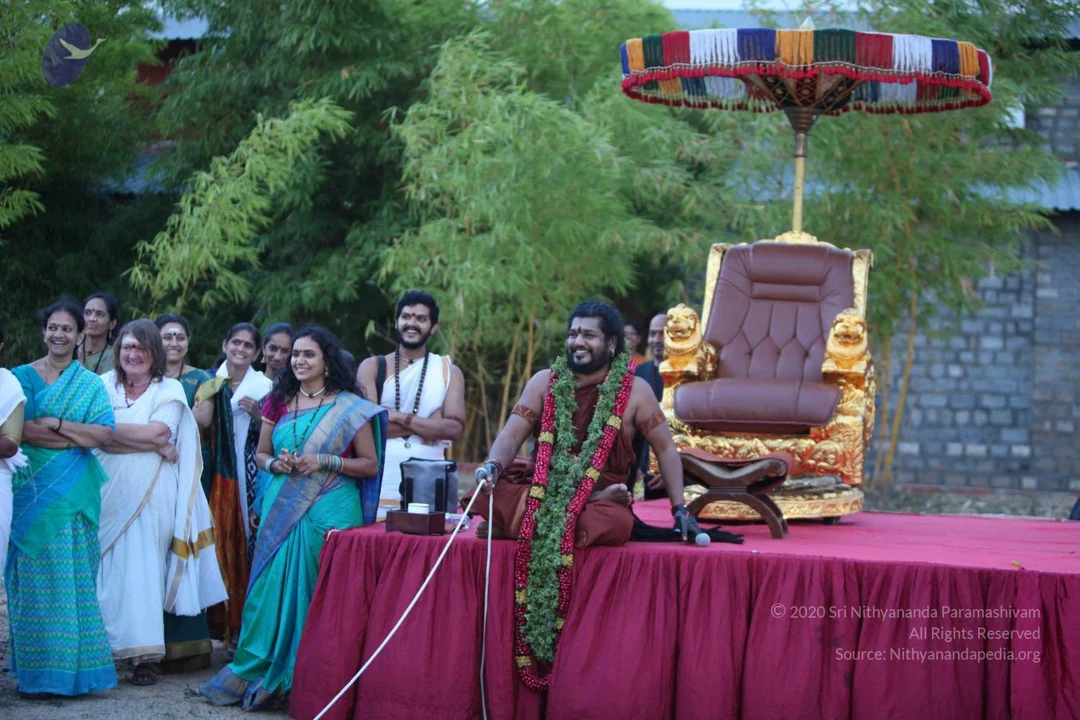
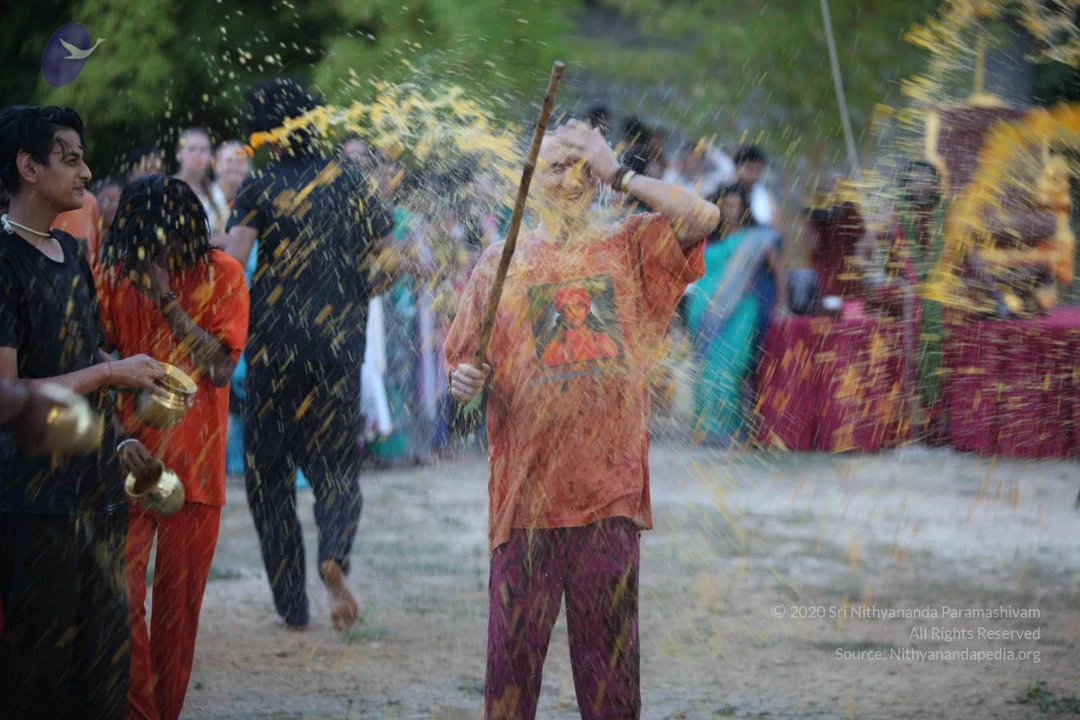
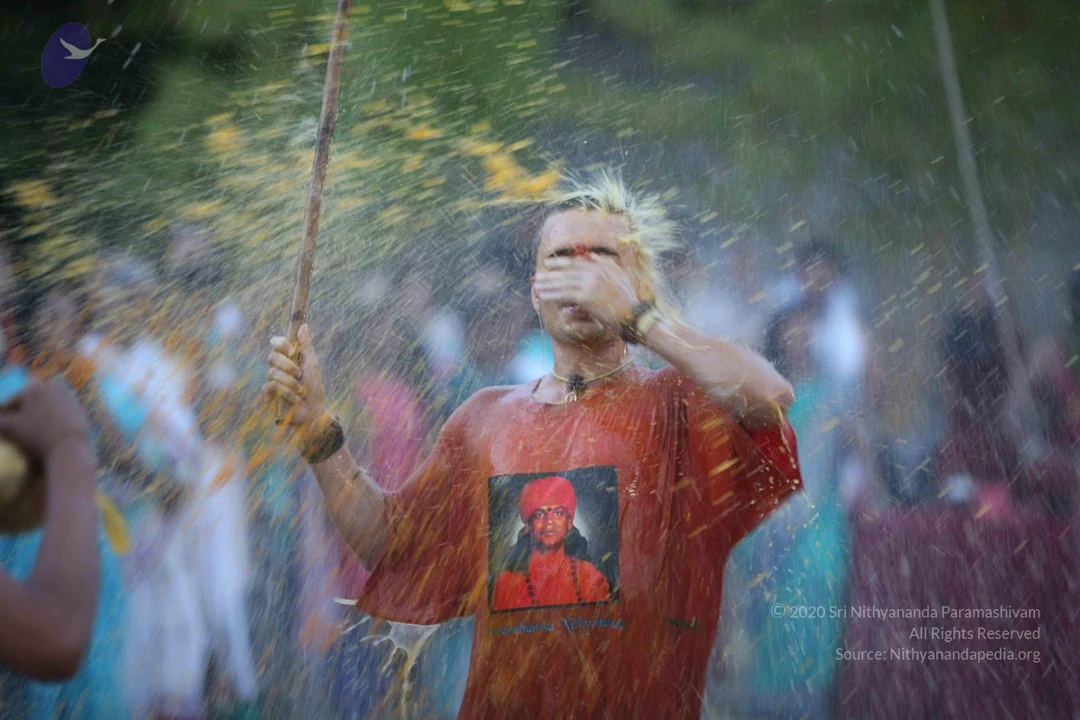
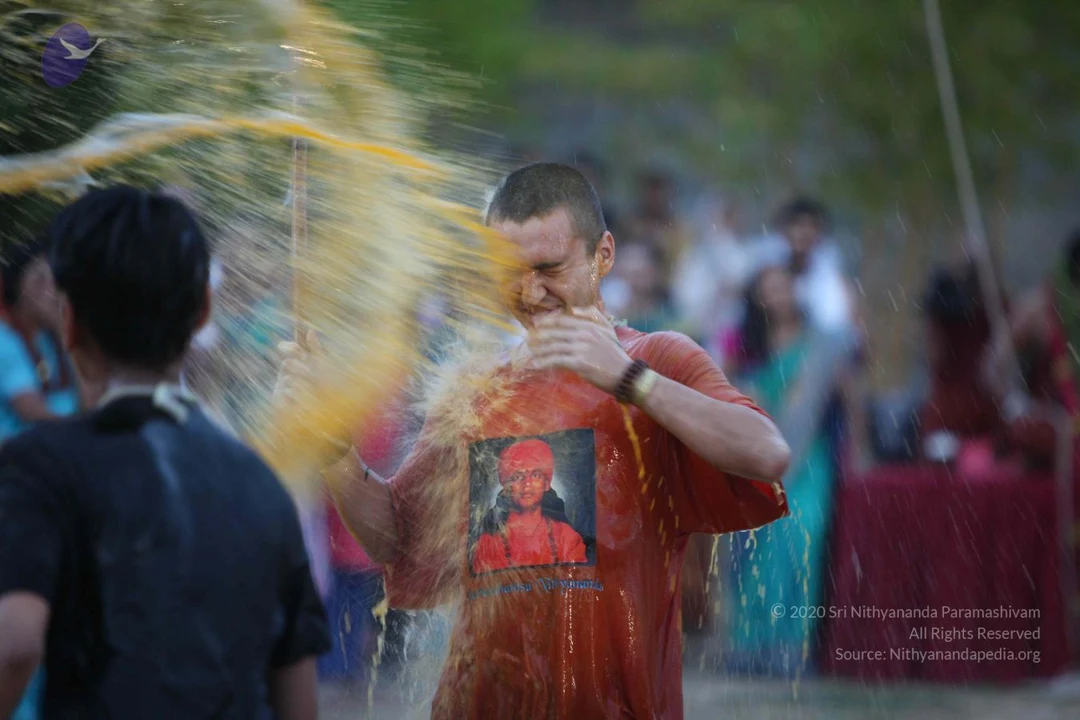
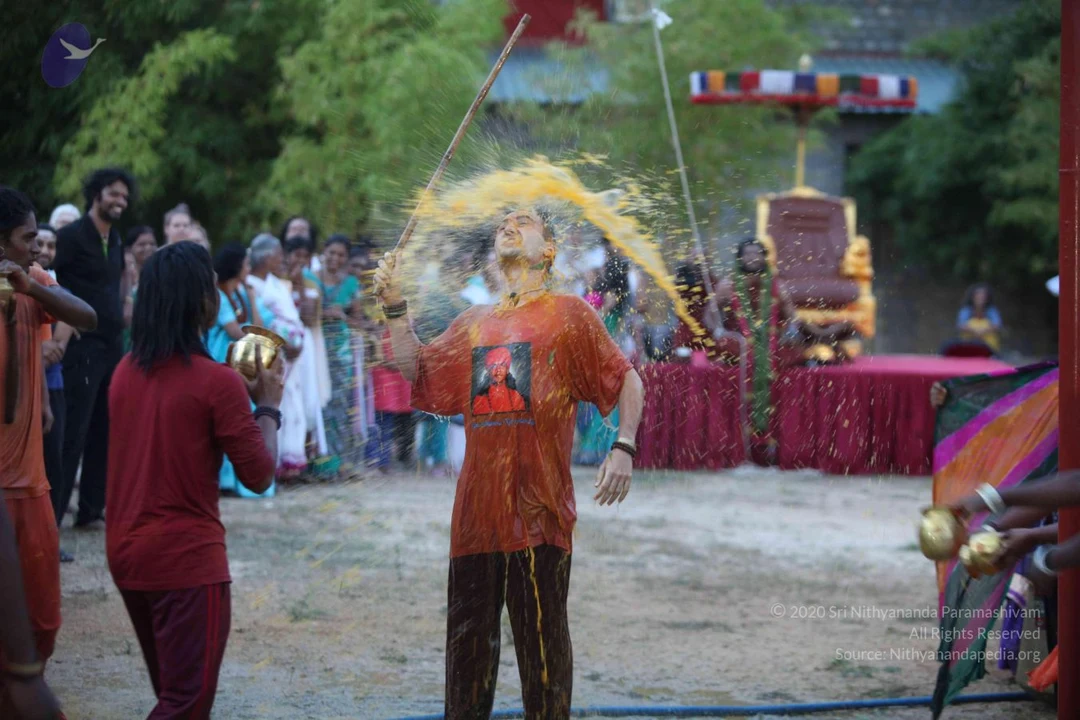
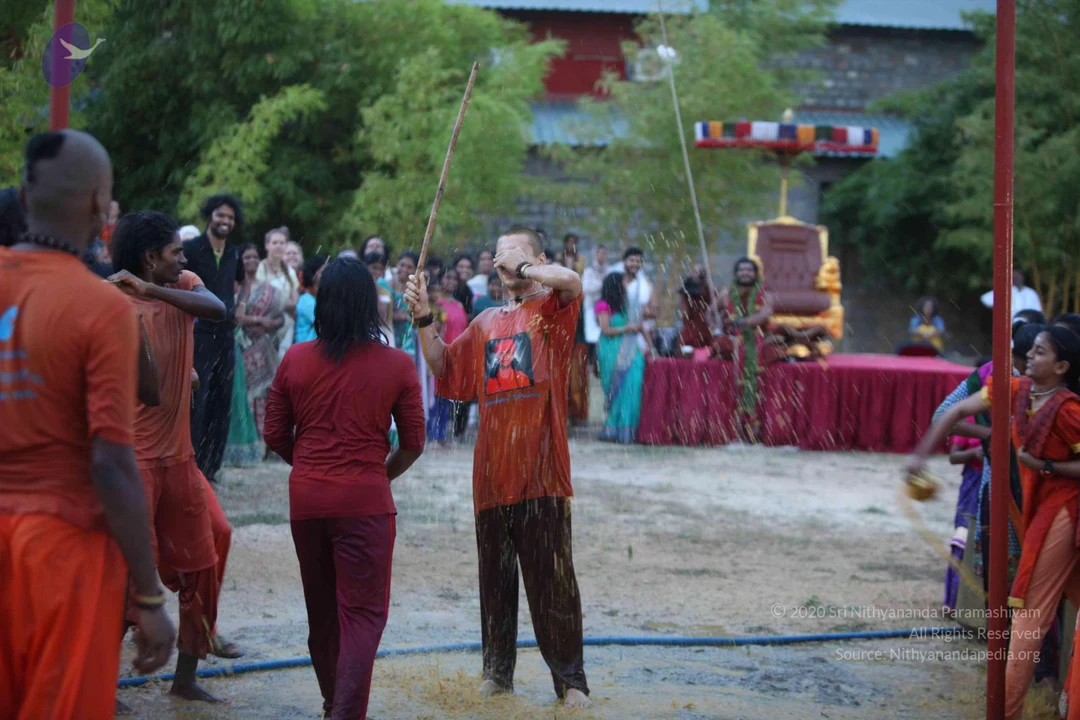
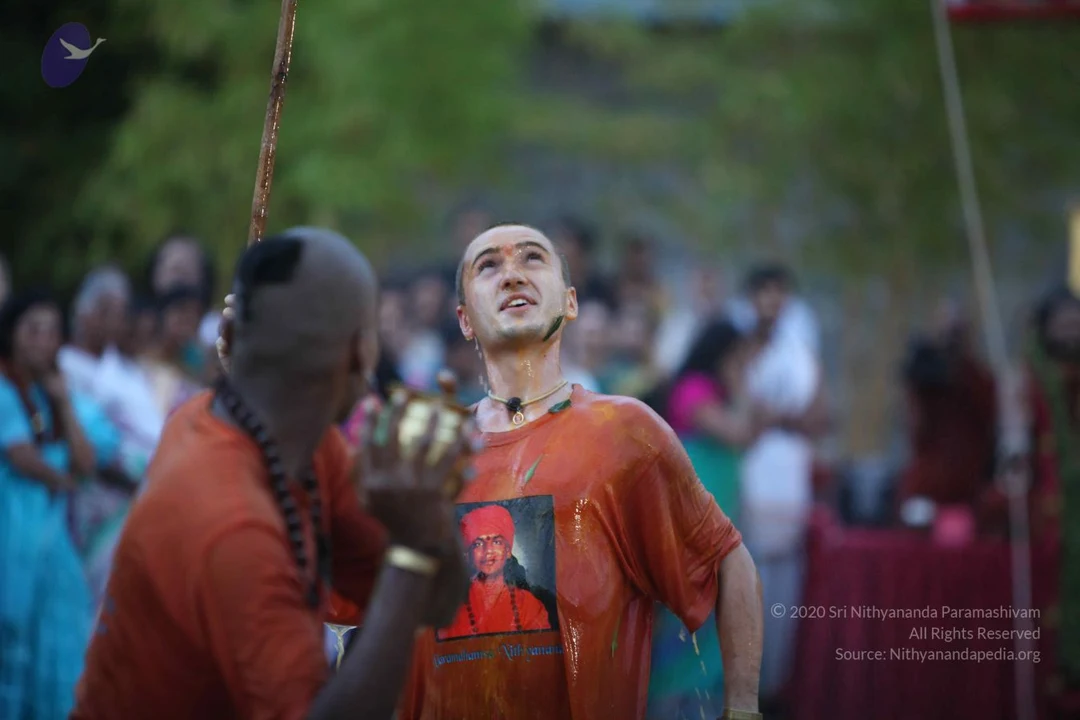
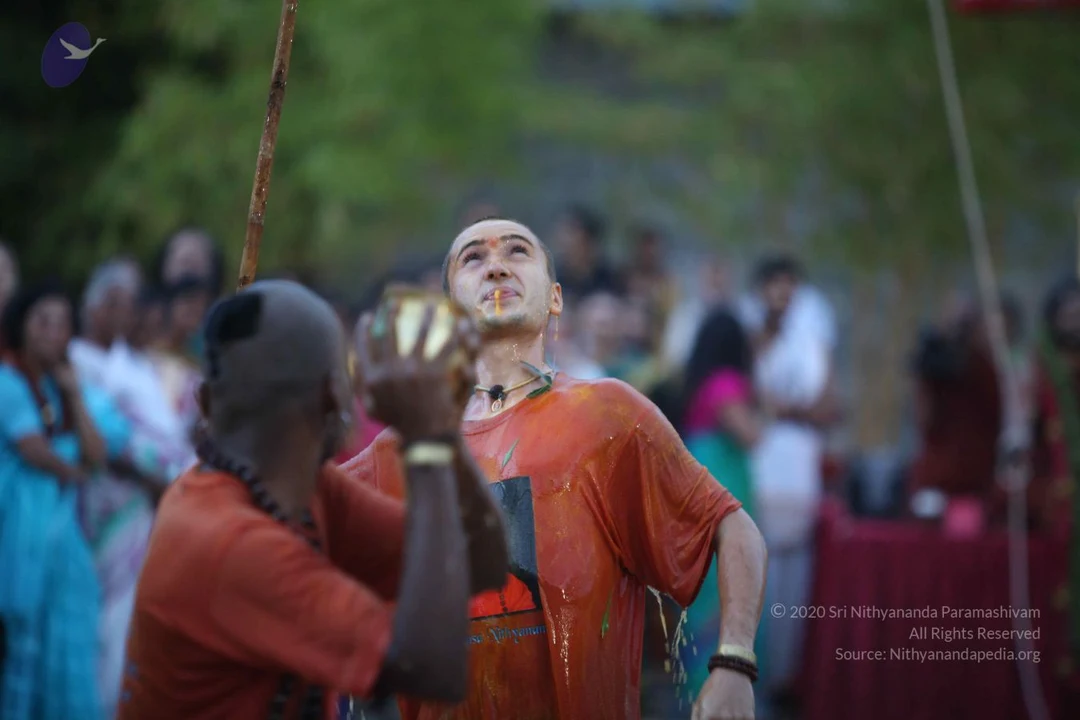
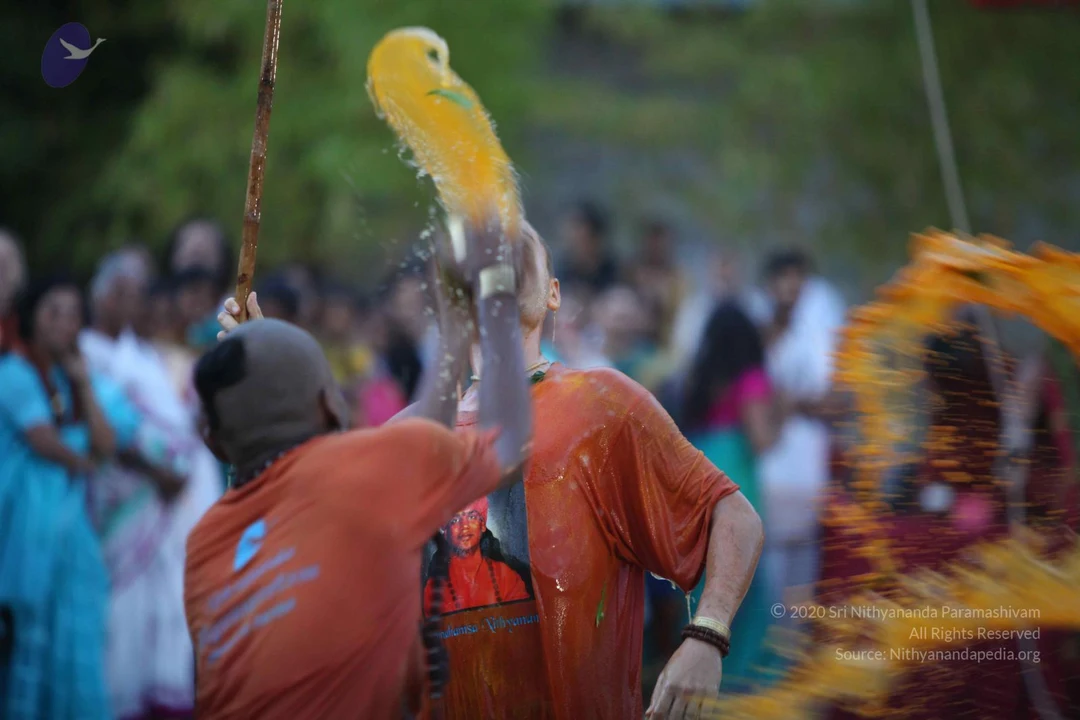
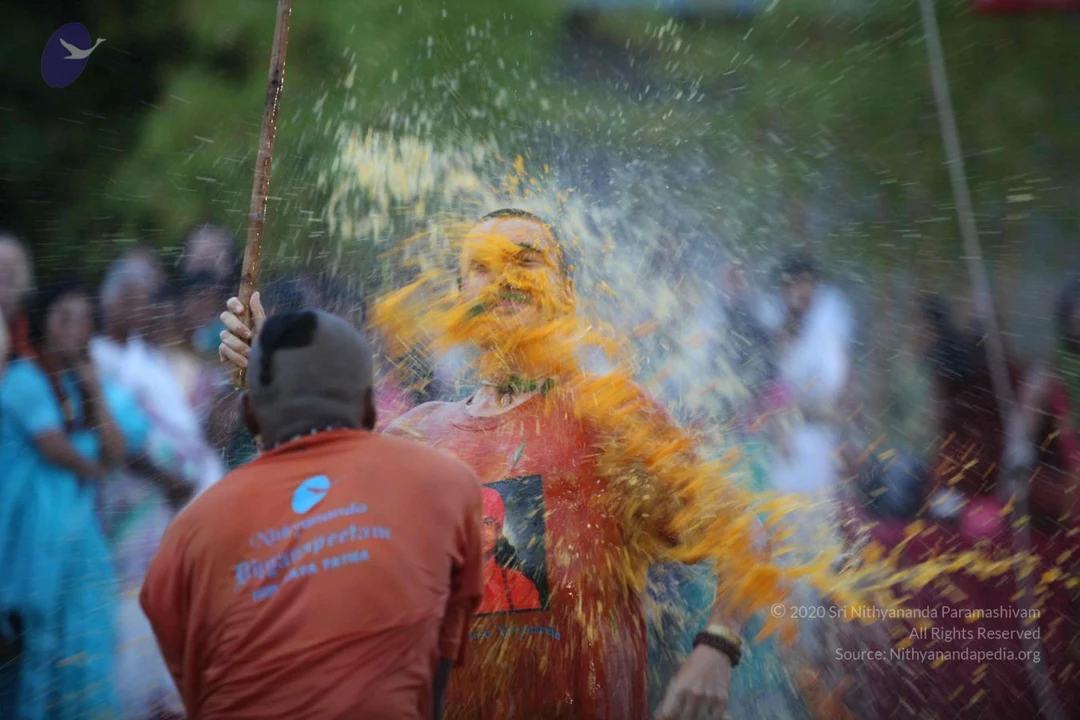
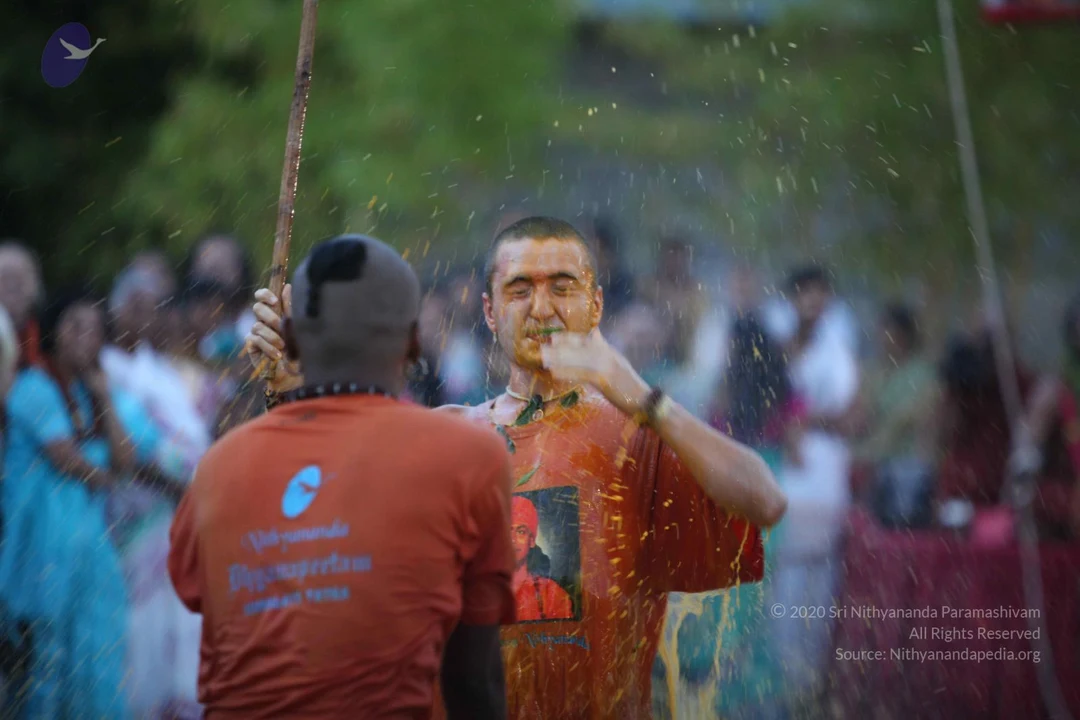
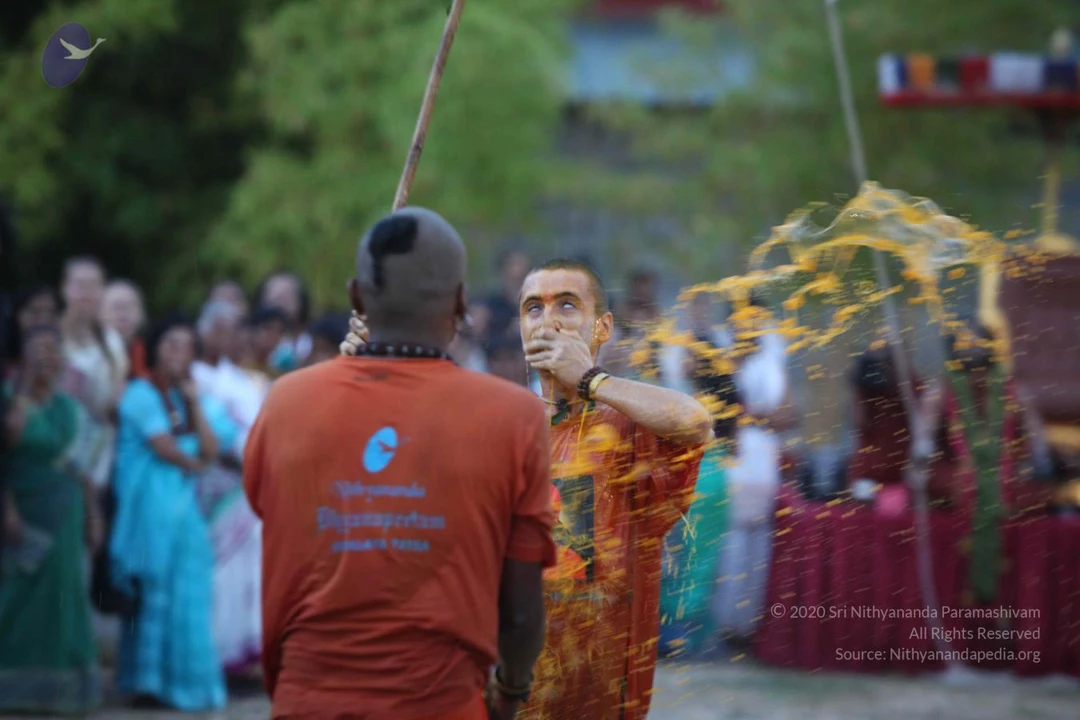
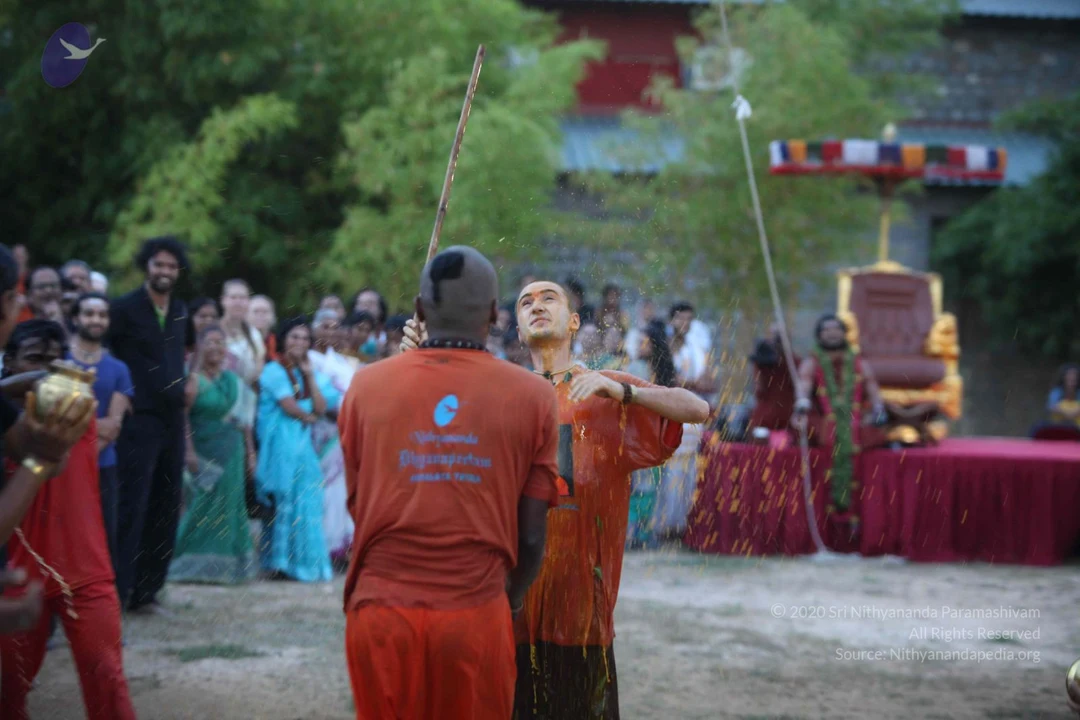
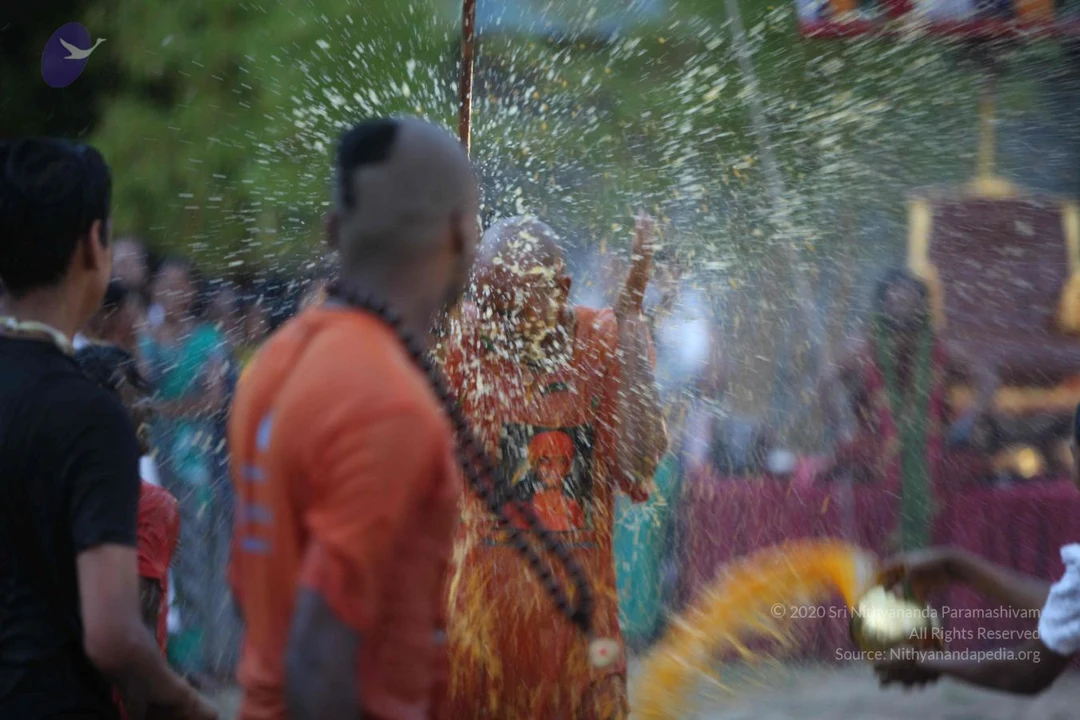
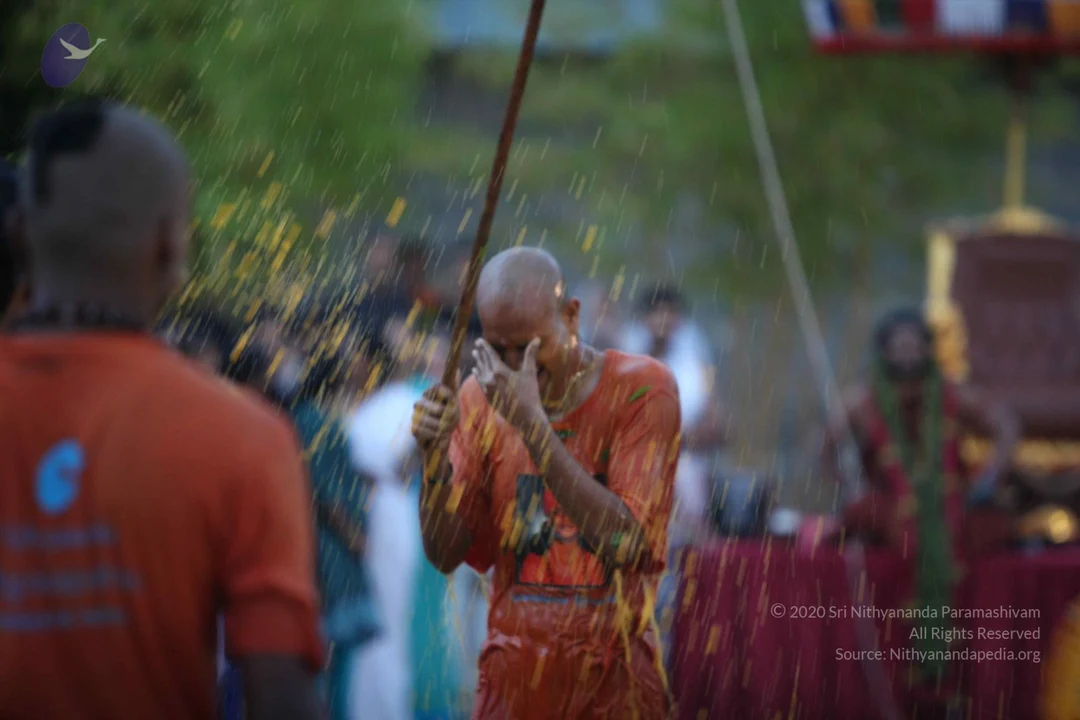
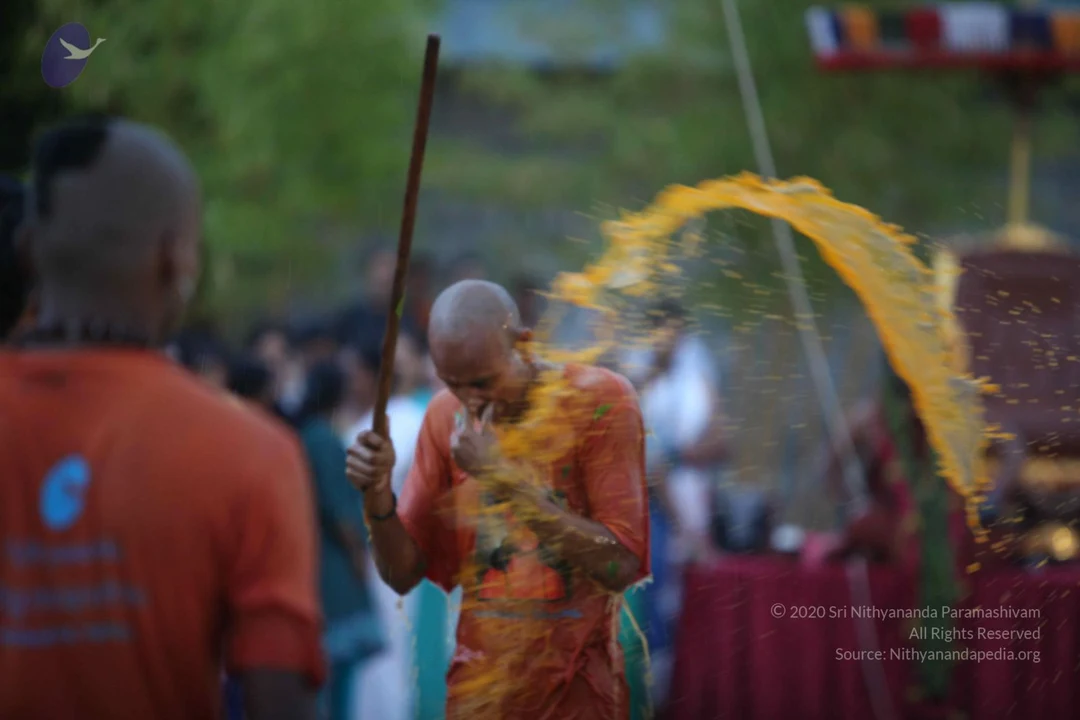
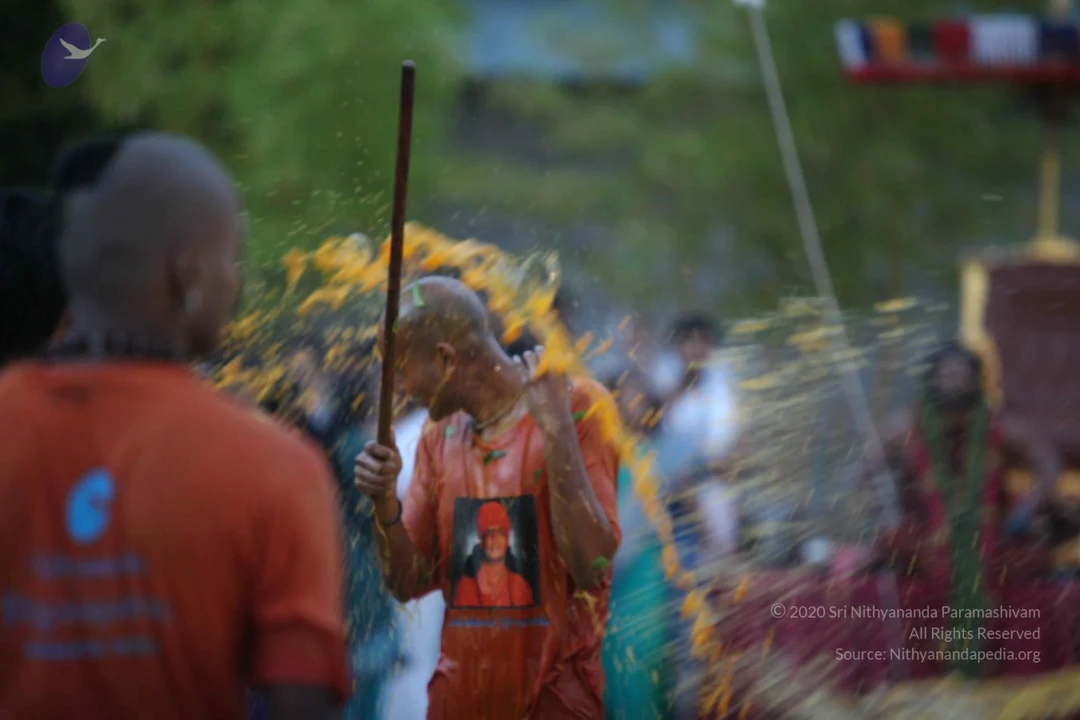
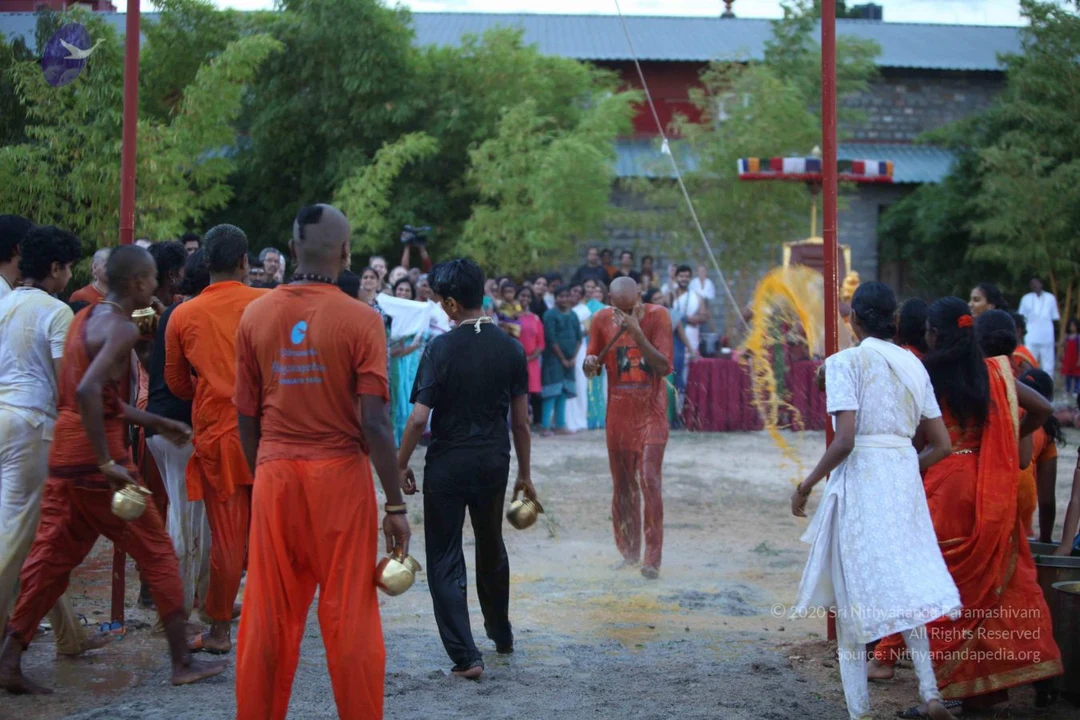
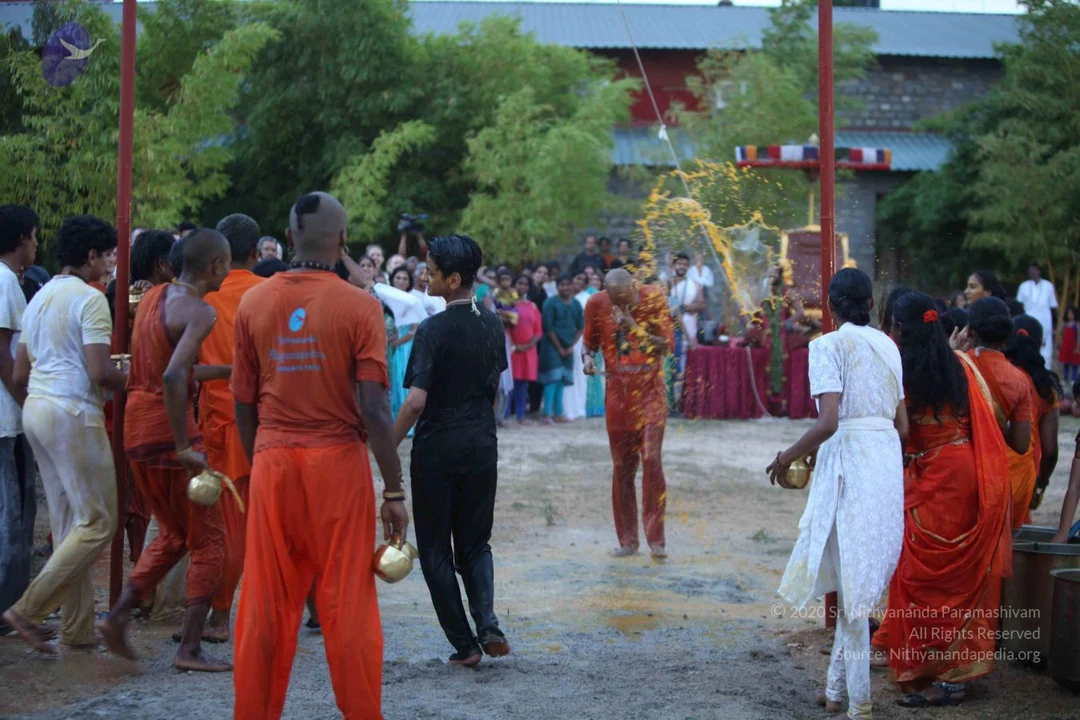
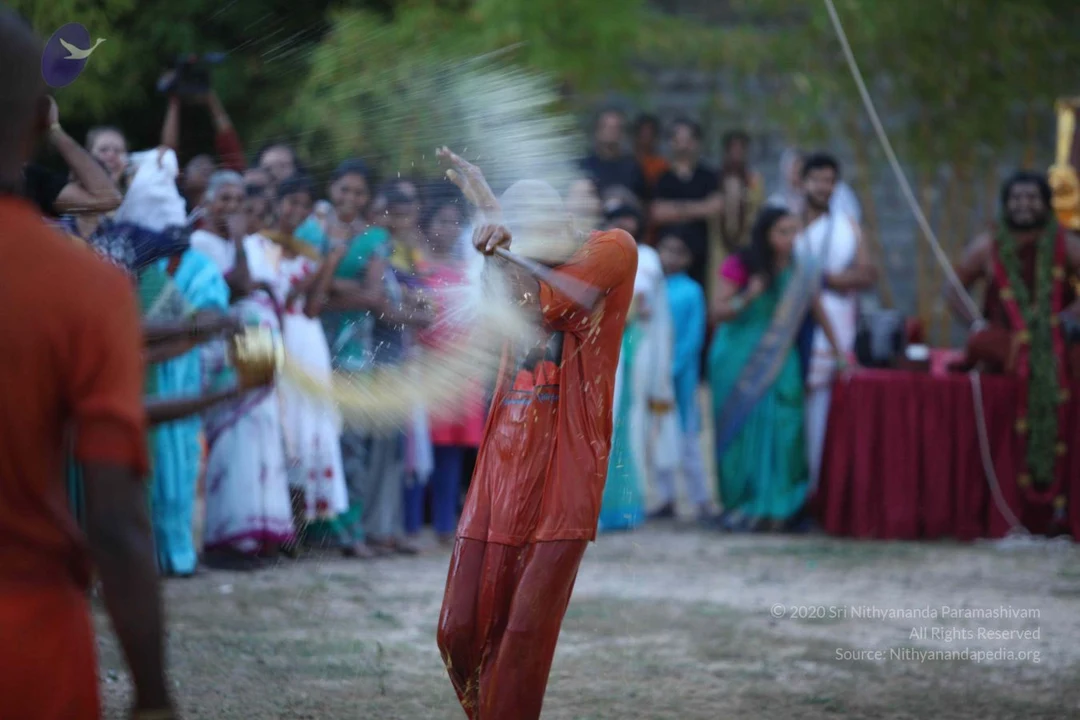
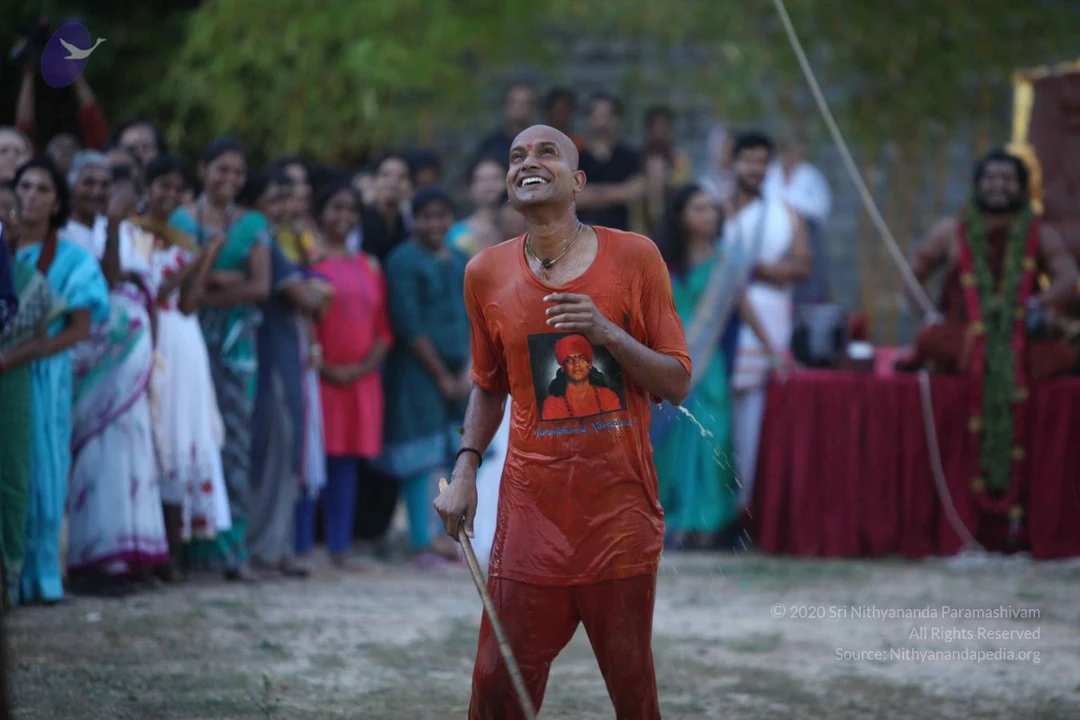
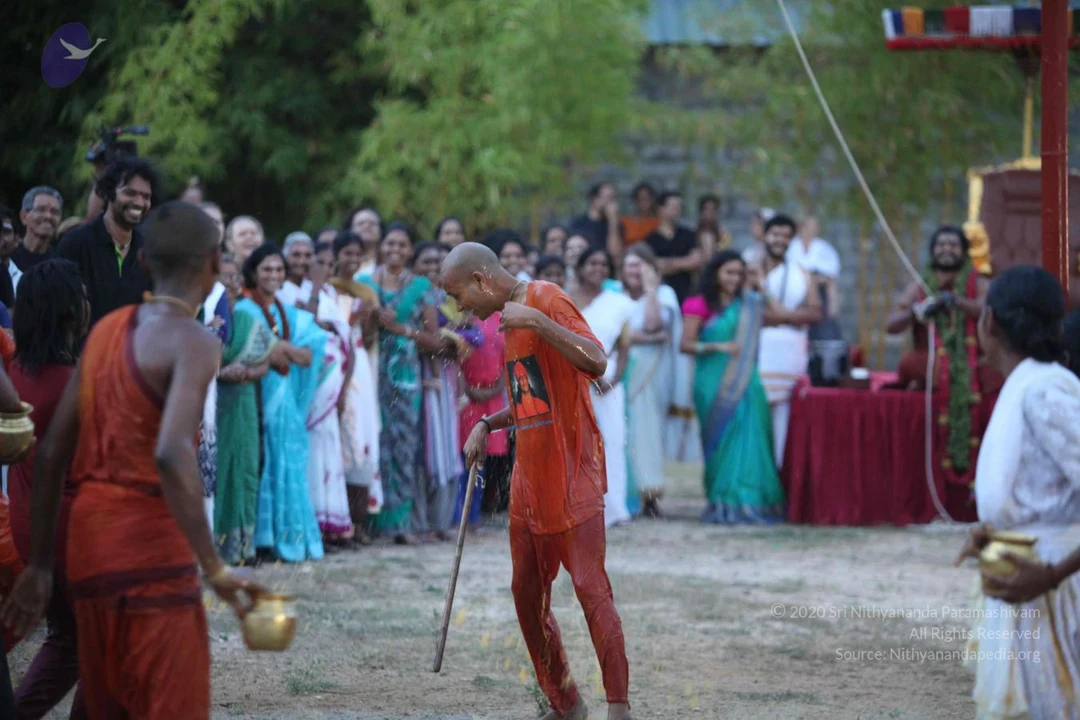
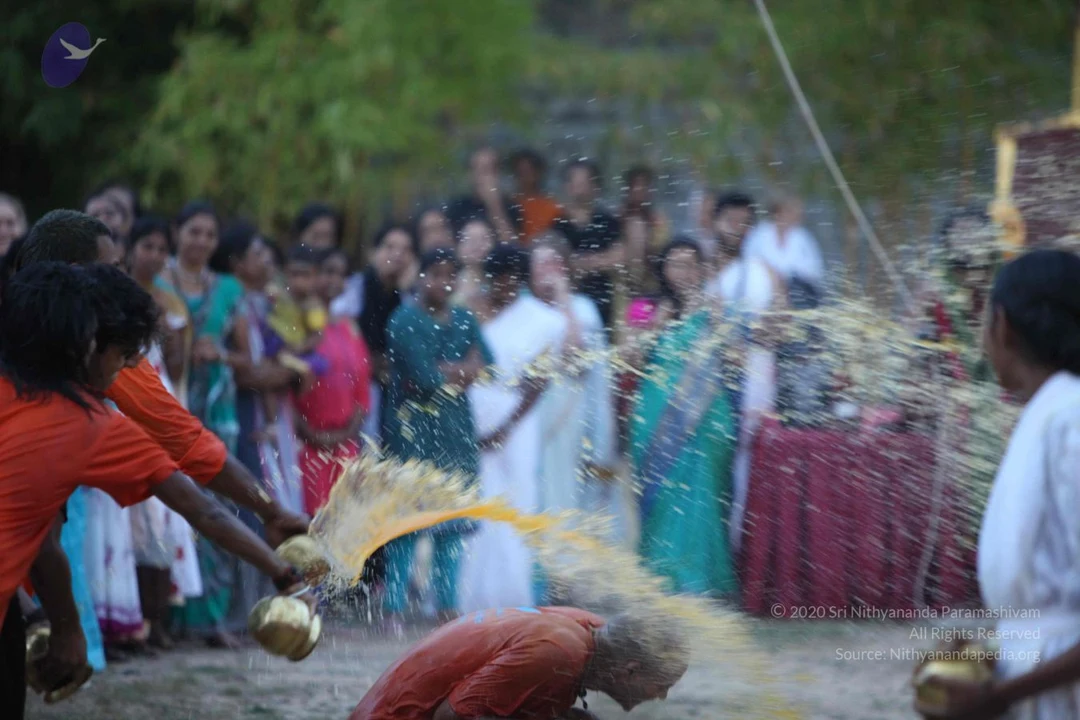
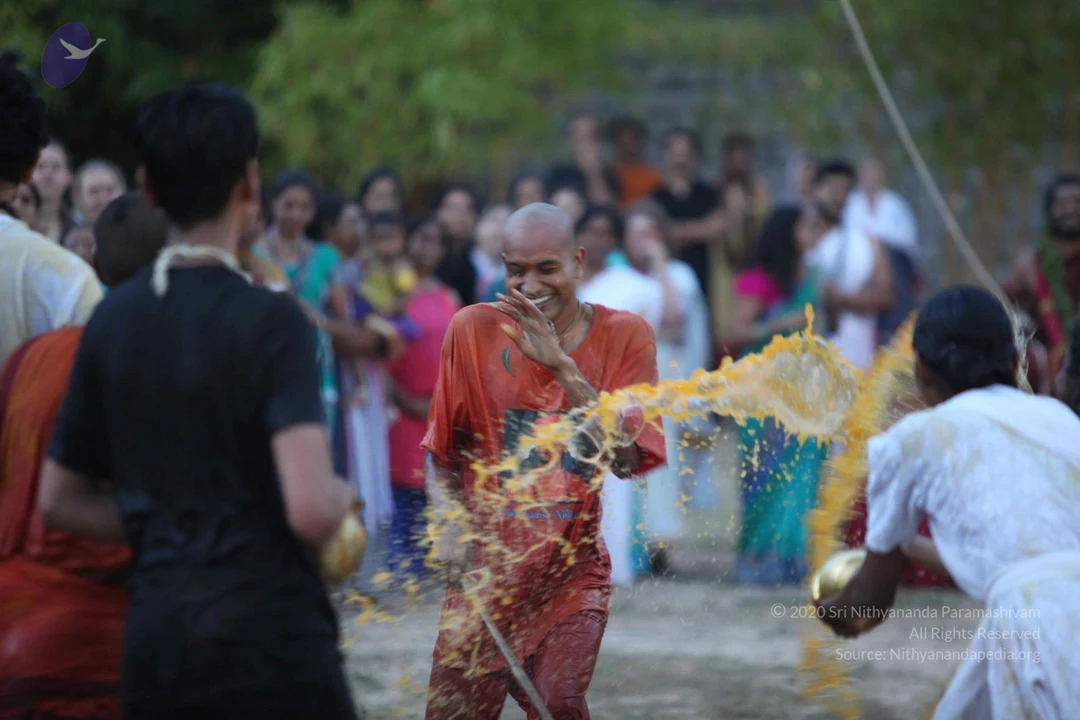
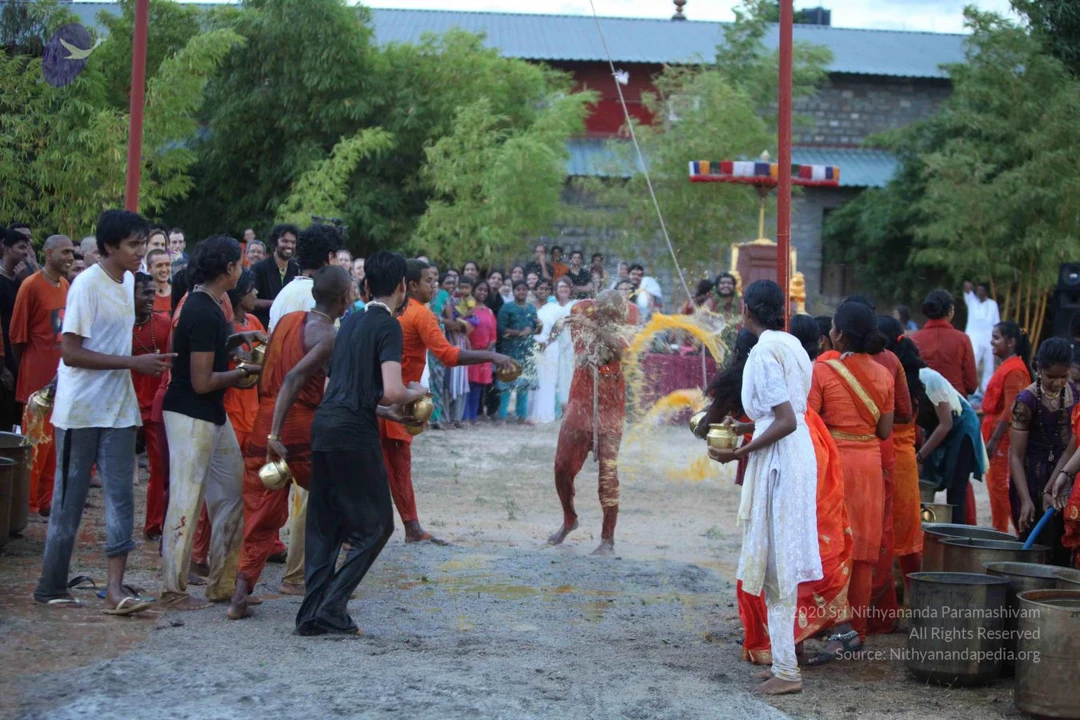
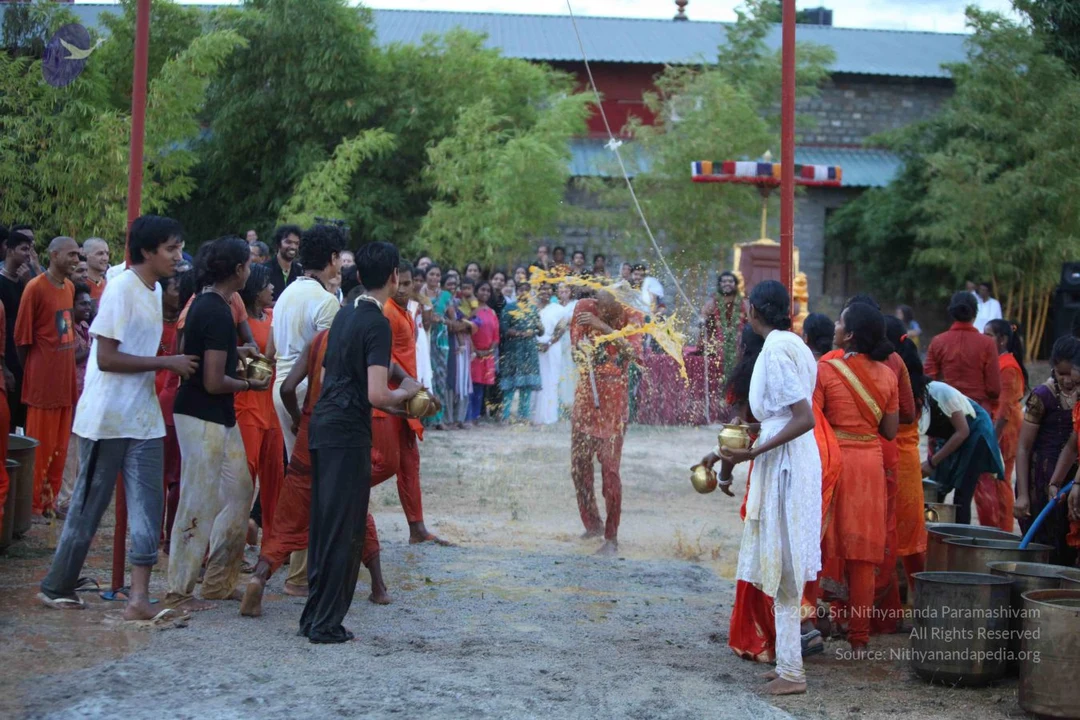
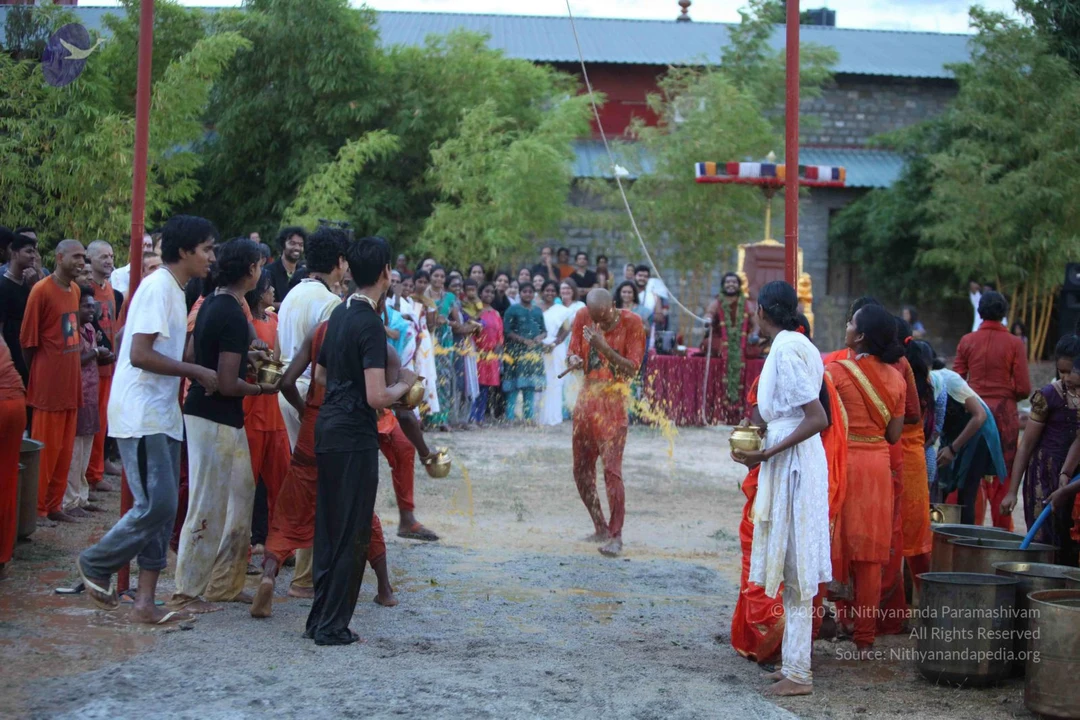
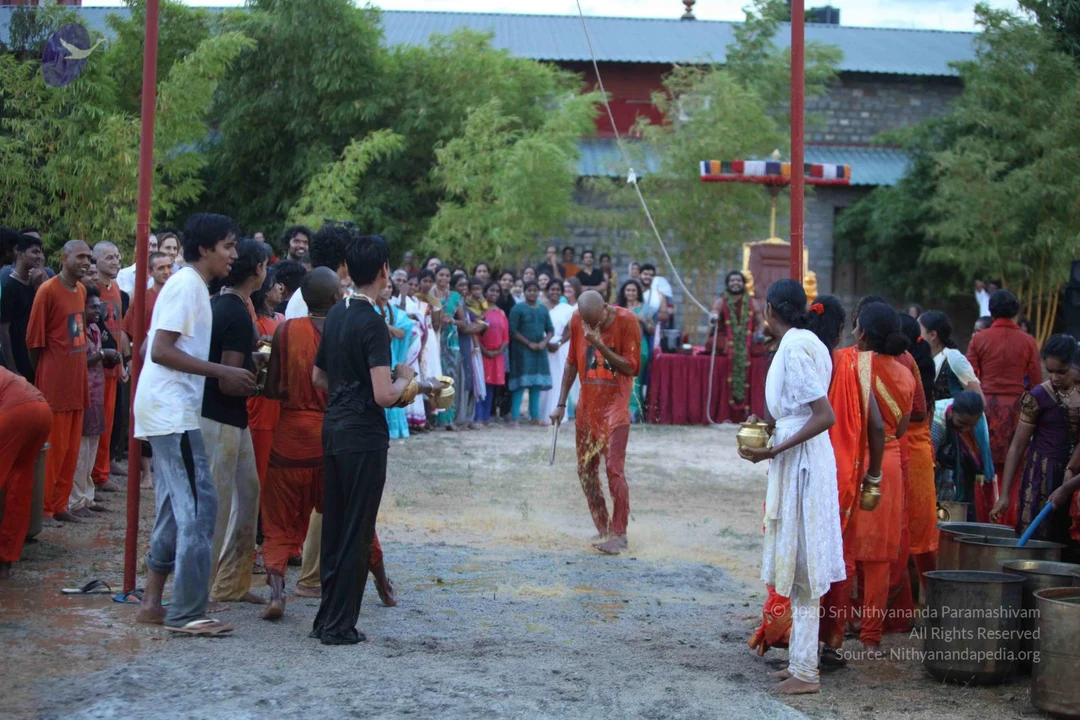
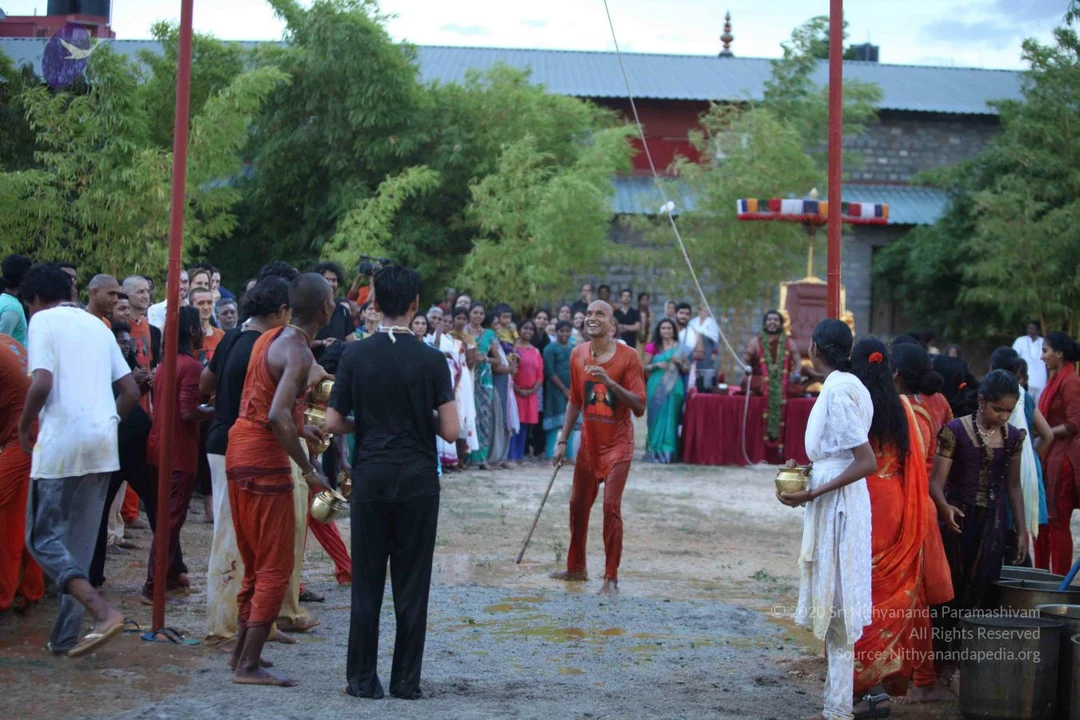
A photograph of a temple shrine with brass oil lamps in the foreground. Behind them stands a gilded deity murti in a golden-yellow lower garment with a trident, and a murti in blue-green dress beside it. A white-clothed seated figure at centre sits on a white cloth-draped platform with red and yellow marigold garlands and a golden kalasha-like vessel. A standing figure in red garments with a garland stands on the right near a window. Figures are statues, not living people; no physical people are present.Outdoor photo of a man with a shaved head in an orange t-shirt being showered with yellow-orange powder or liquid spray, eyes closed and face turned up. Another man in an orange Nithyananda Dhyanapeetam t-shirt holds a long wooden stick and faces him from behind. Behind them a blurred crowd of devotees in white and blue clothing watches, with green trees in the background. The orange shirt of the sprayed man carries a printed portrait labelled with a Nithyananda Dhyanapeetam logo.Outdoor photograph of a line of around 35 devotees standing behind a rope barrier on bare ground, mostly women in saris and salwar kameez in green, blue, white and pink, with some men in shirts and trousers, a few children and a person holding a camera. On the right, a raised red-draped platform holds an ornate gold and maroon throne under a striped canopy. A bare-chested man with a garland of flowers and a rudraksha-style necklace sits near it in a loincloth-like dhoti, his face turned slightly away. Bamboo and trees stand behind the group under an overcast sky.

August 25 2016

Original wiki page
Contents

Title

Sri Krishna: the Highest Celebration

Description

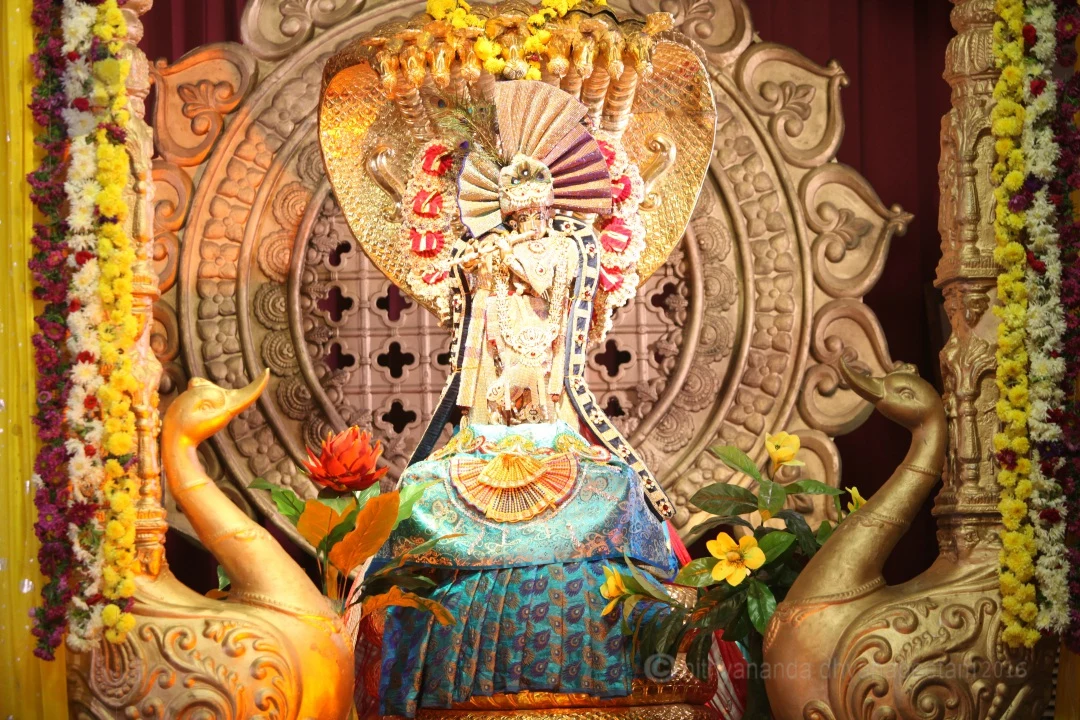
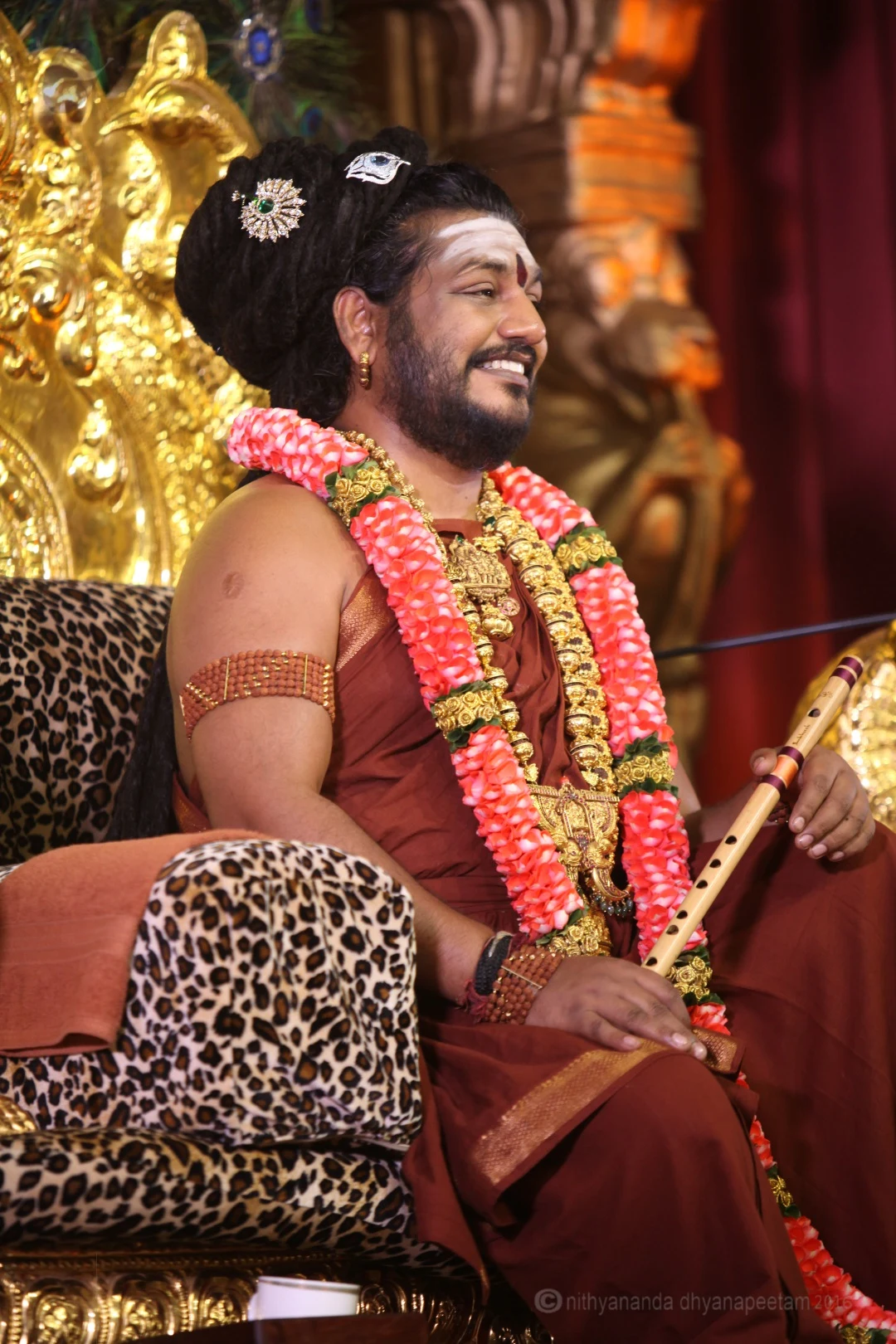
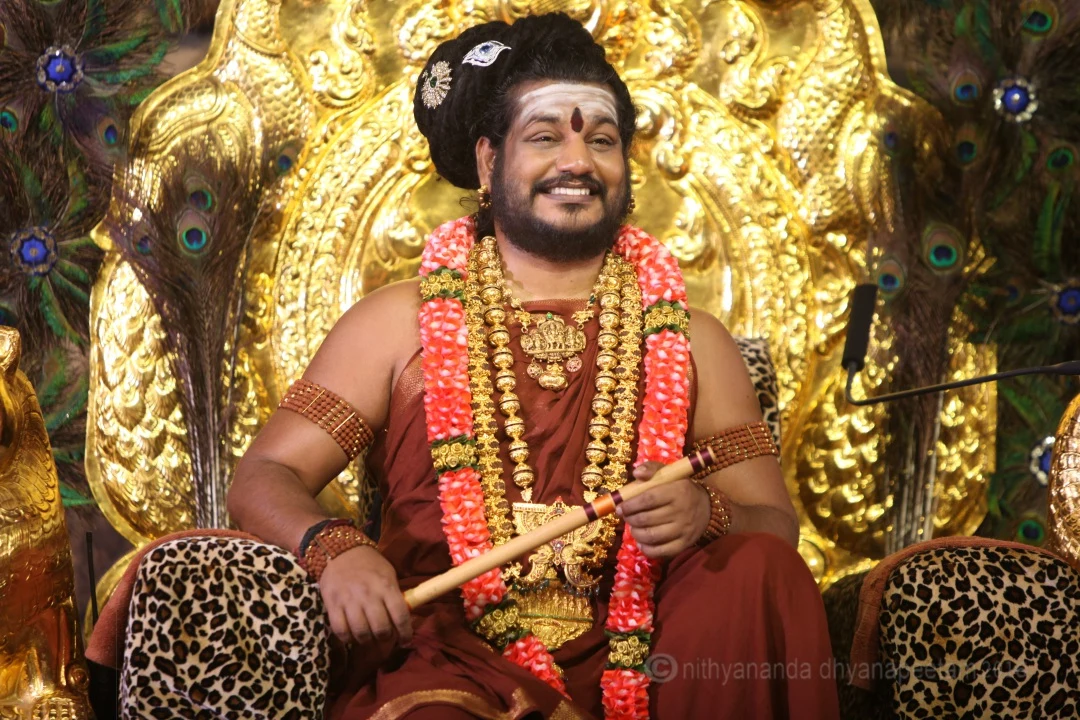
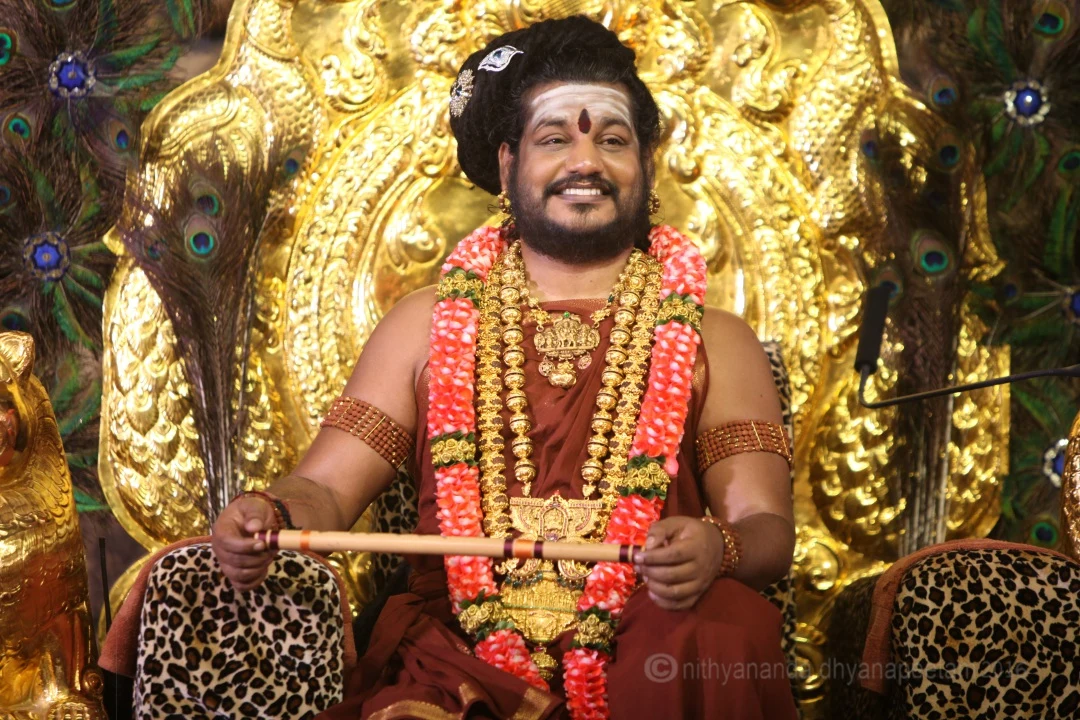
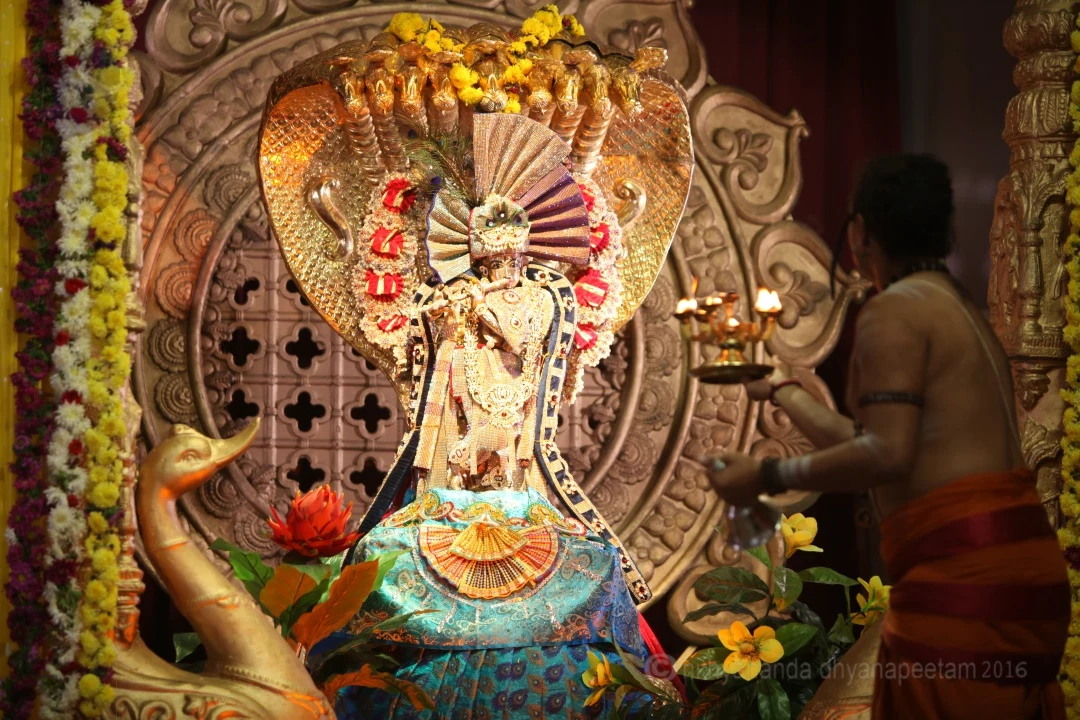
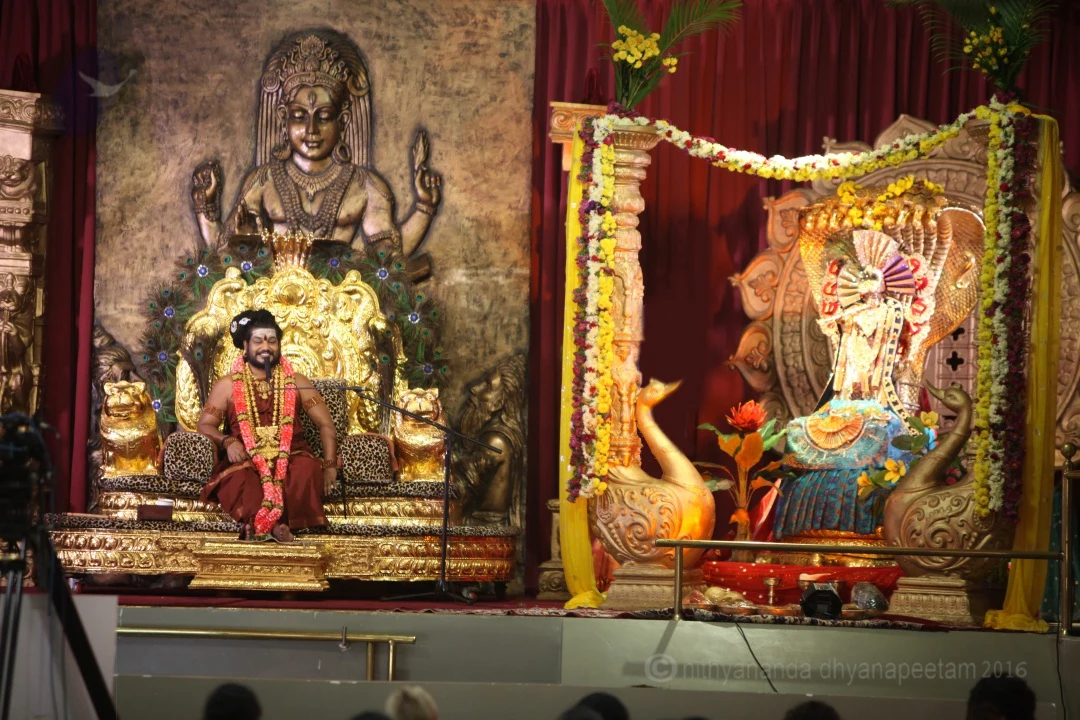
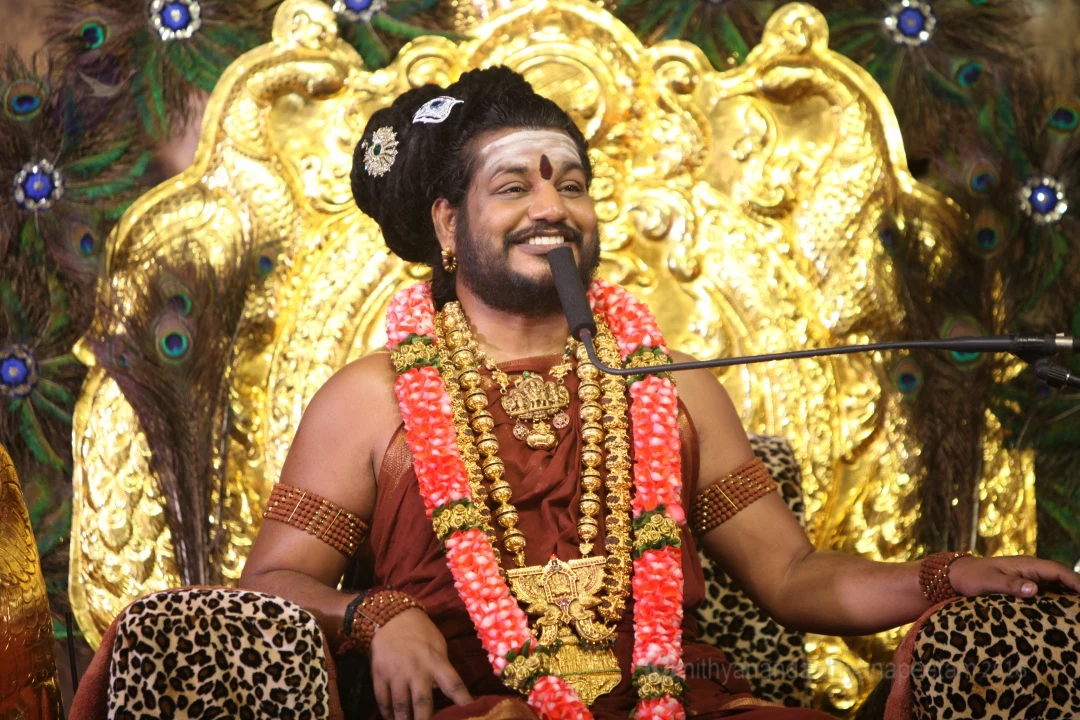
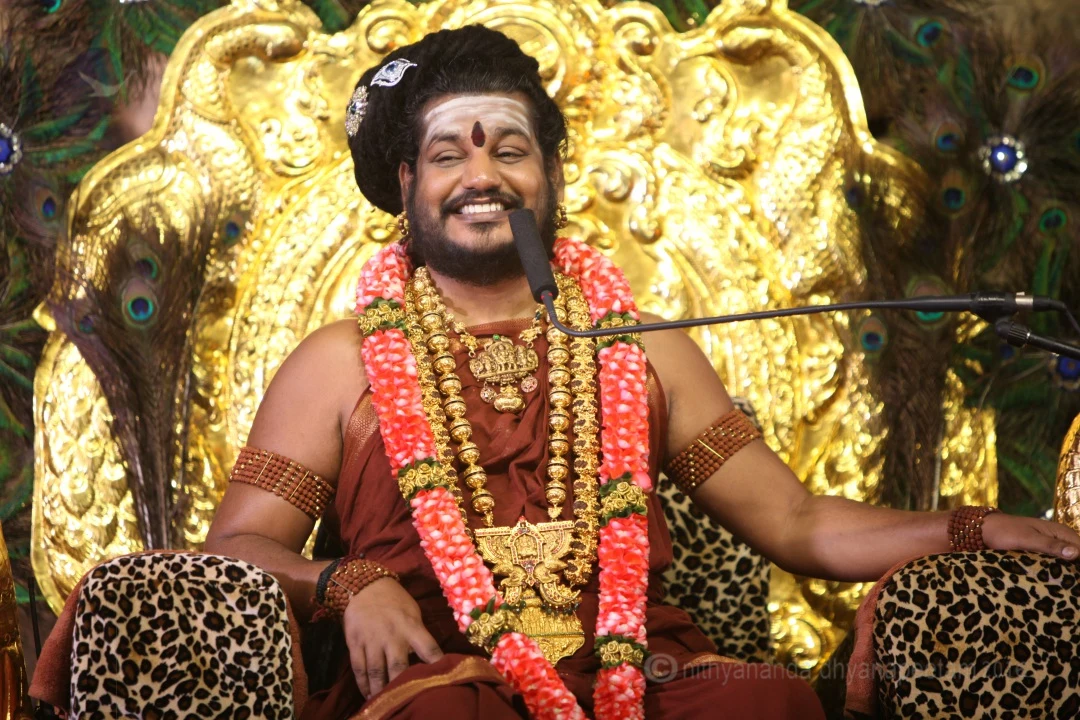
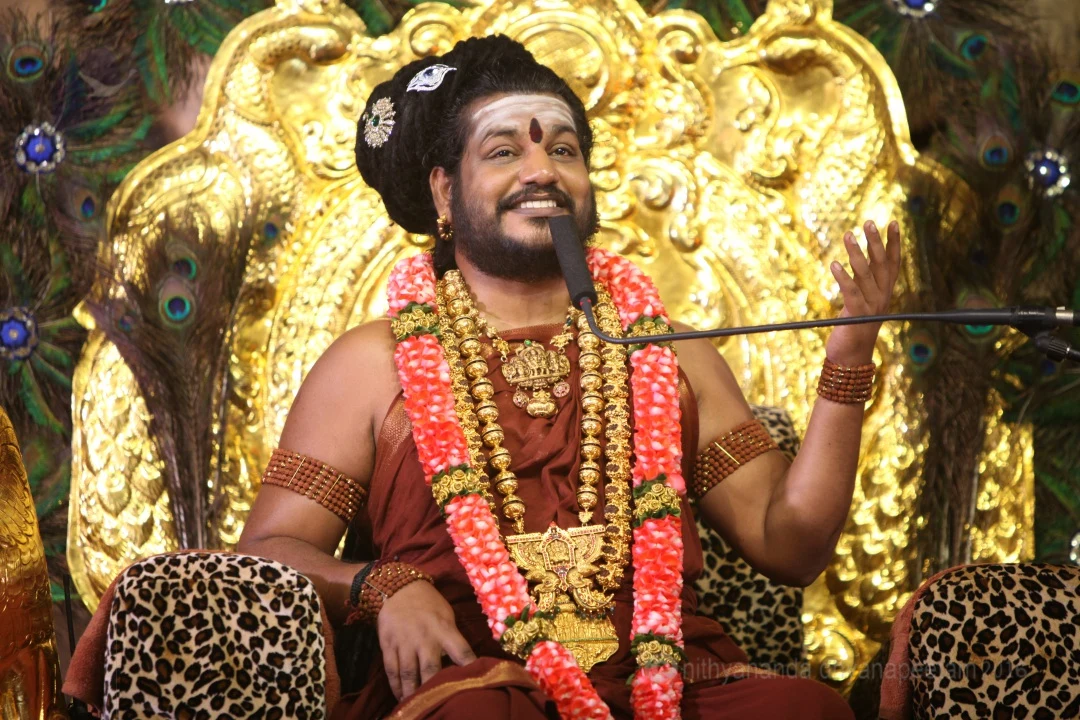
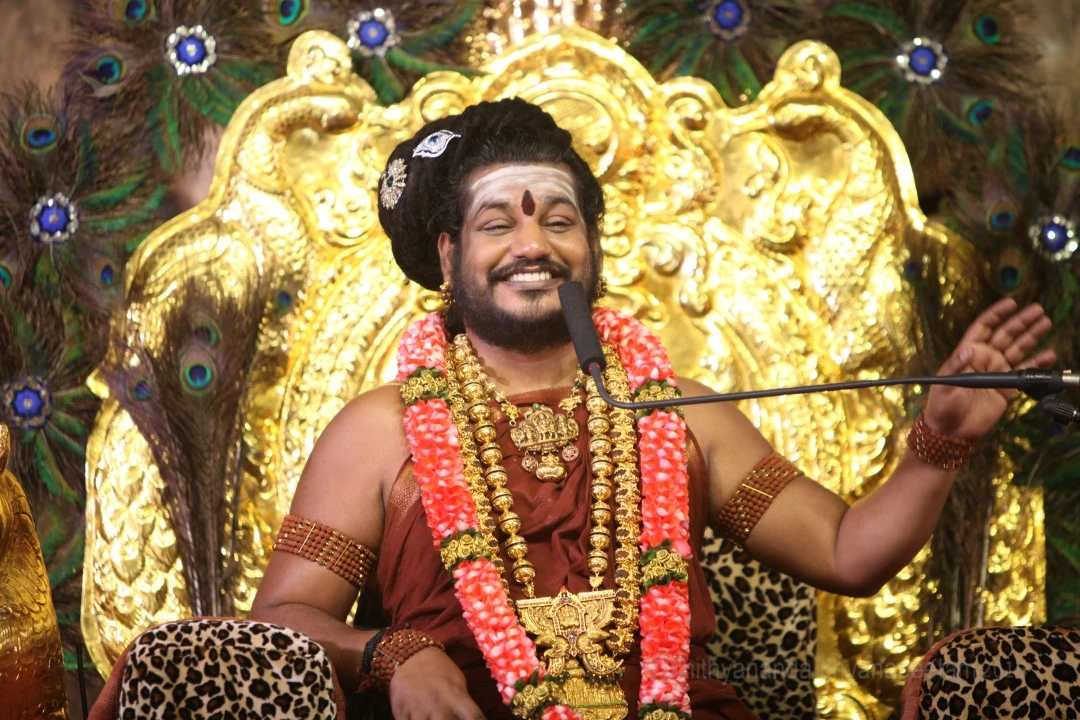
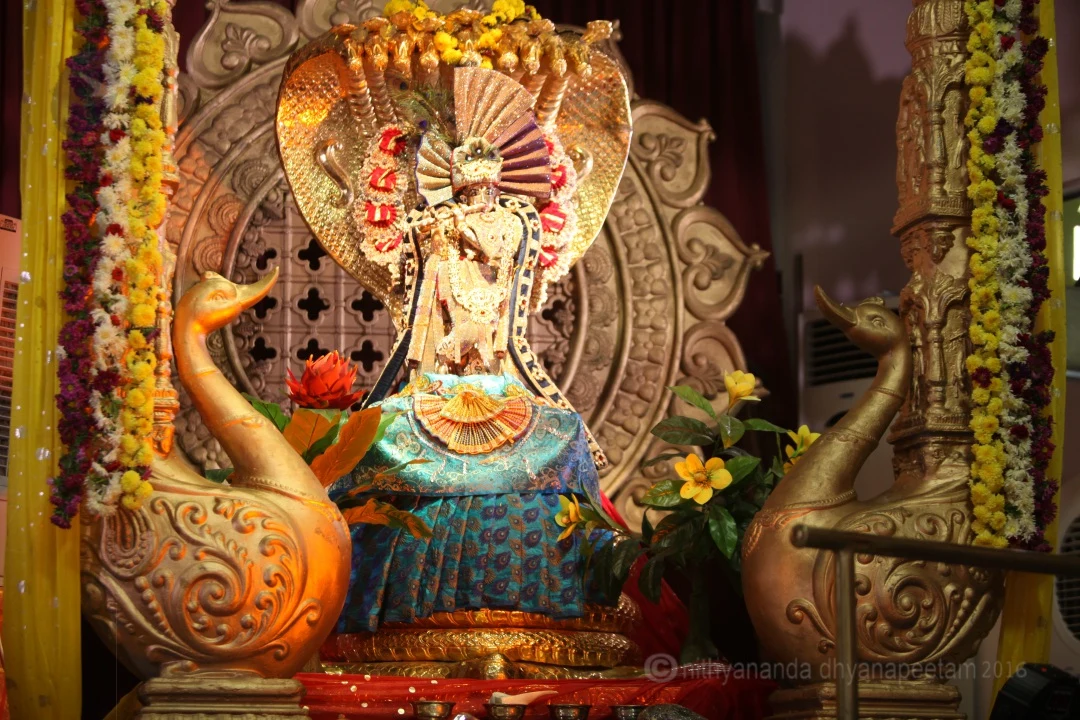
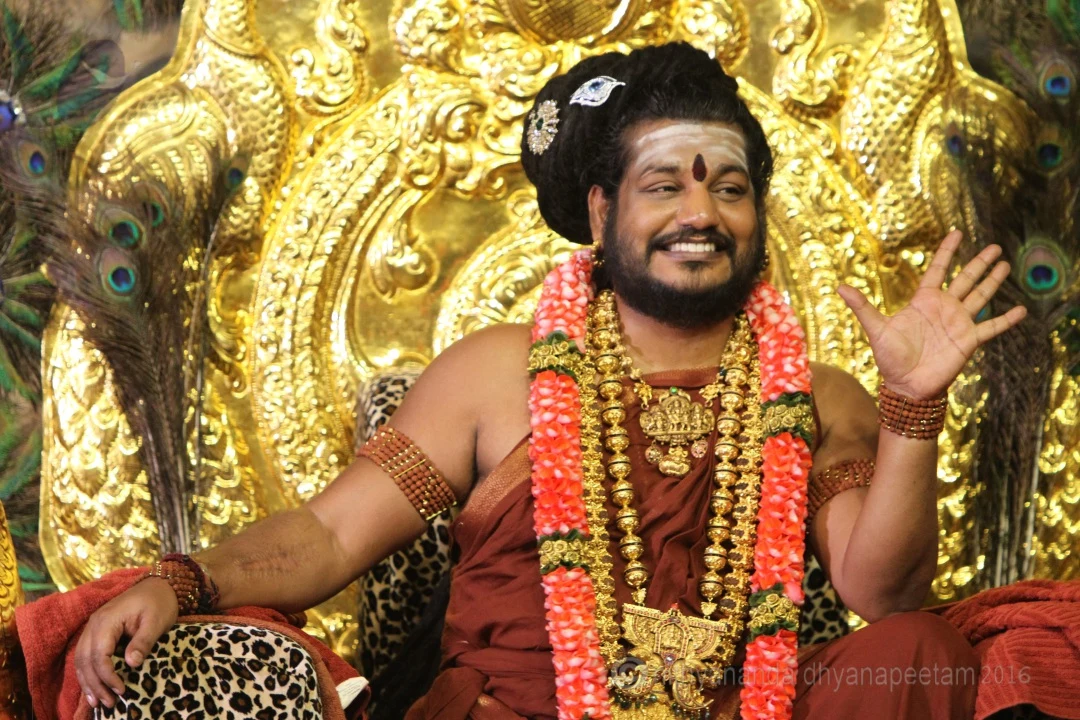
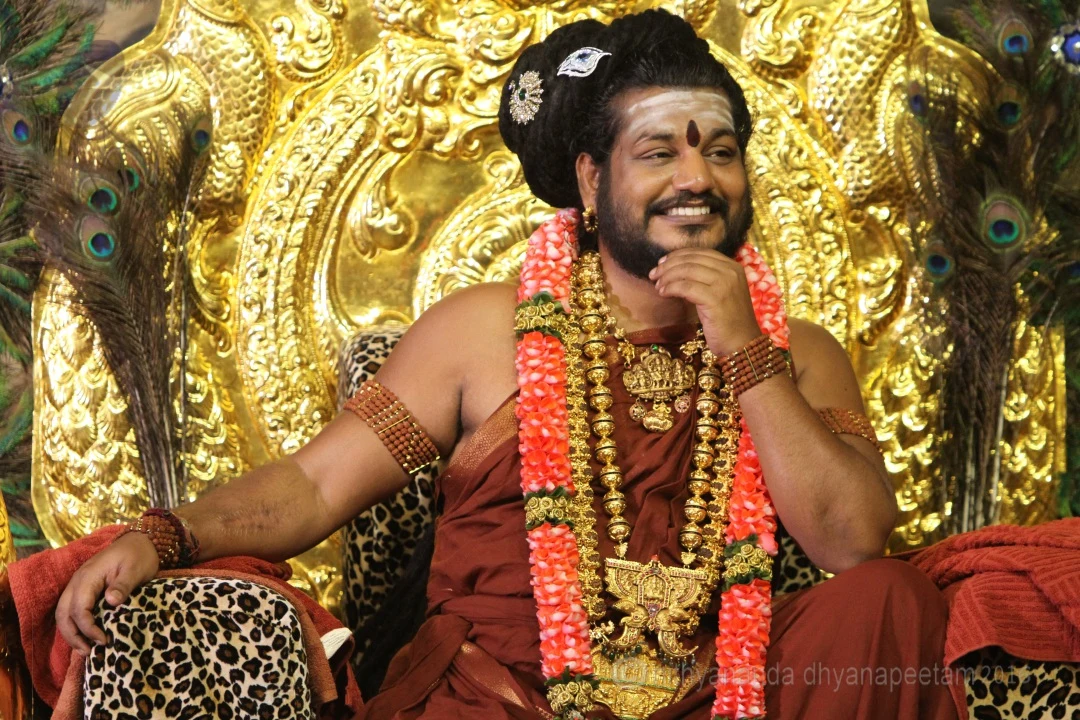
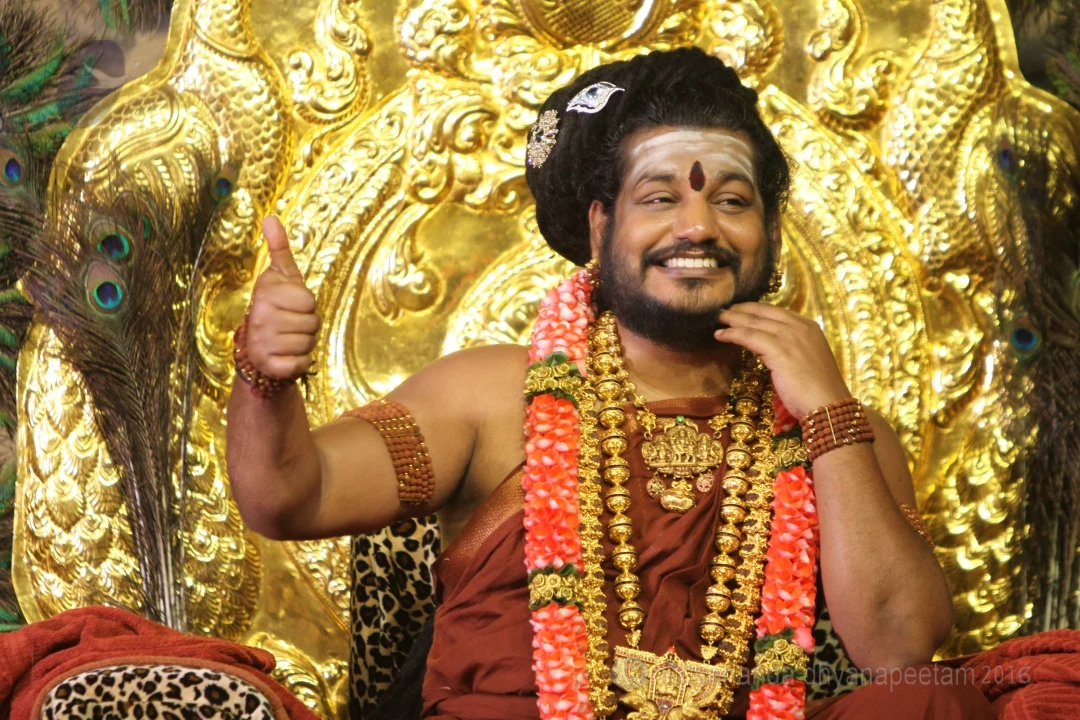
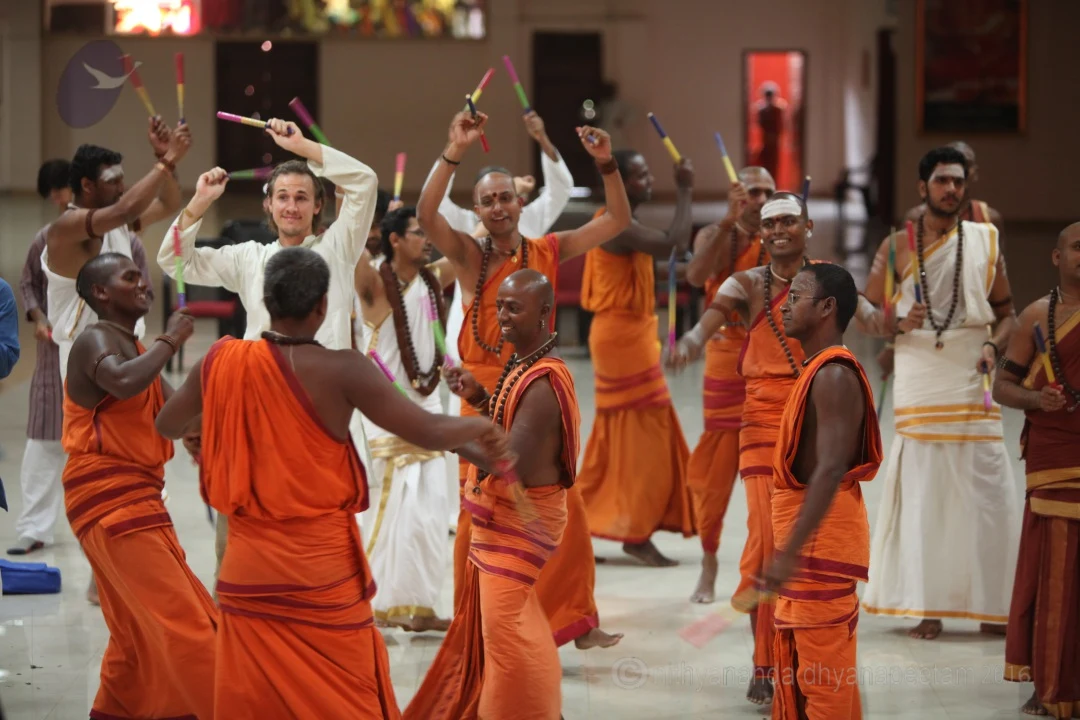
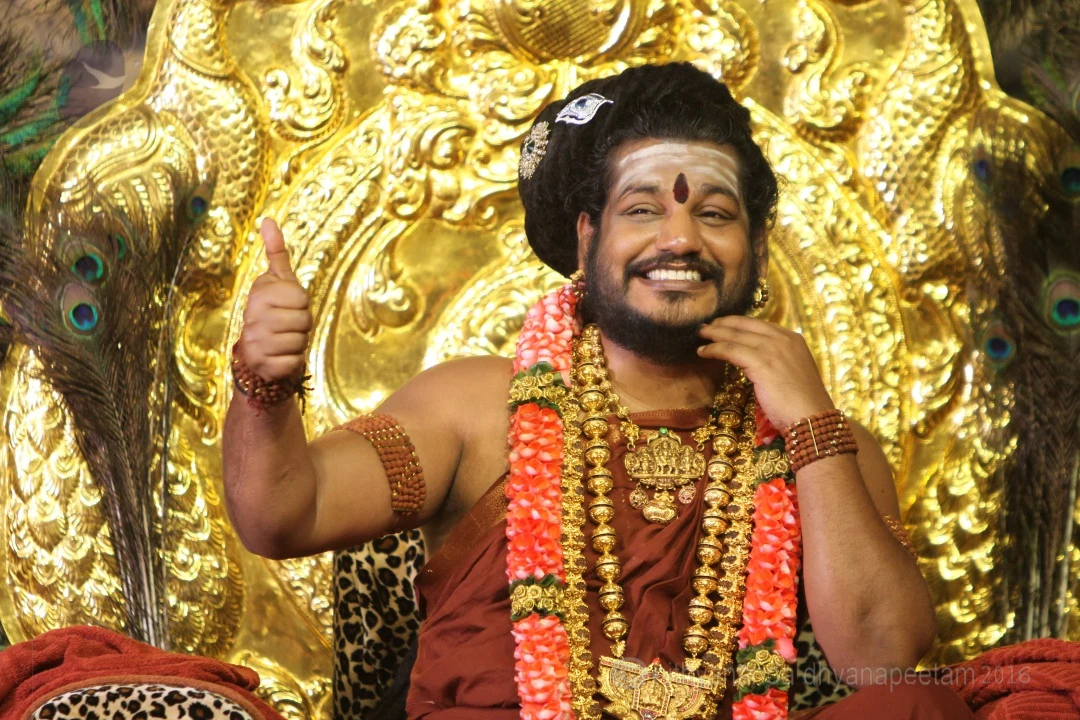
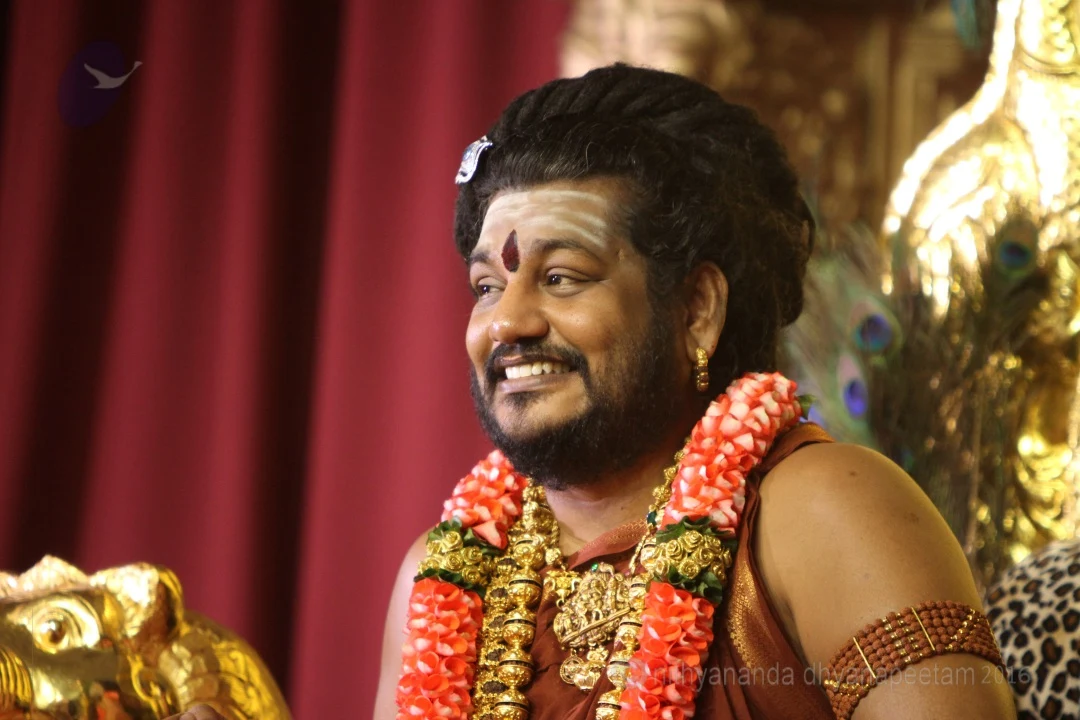
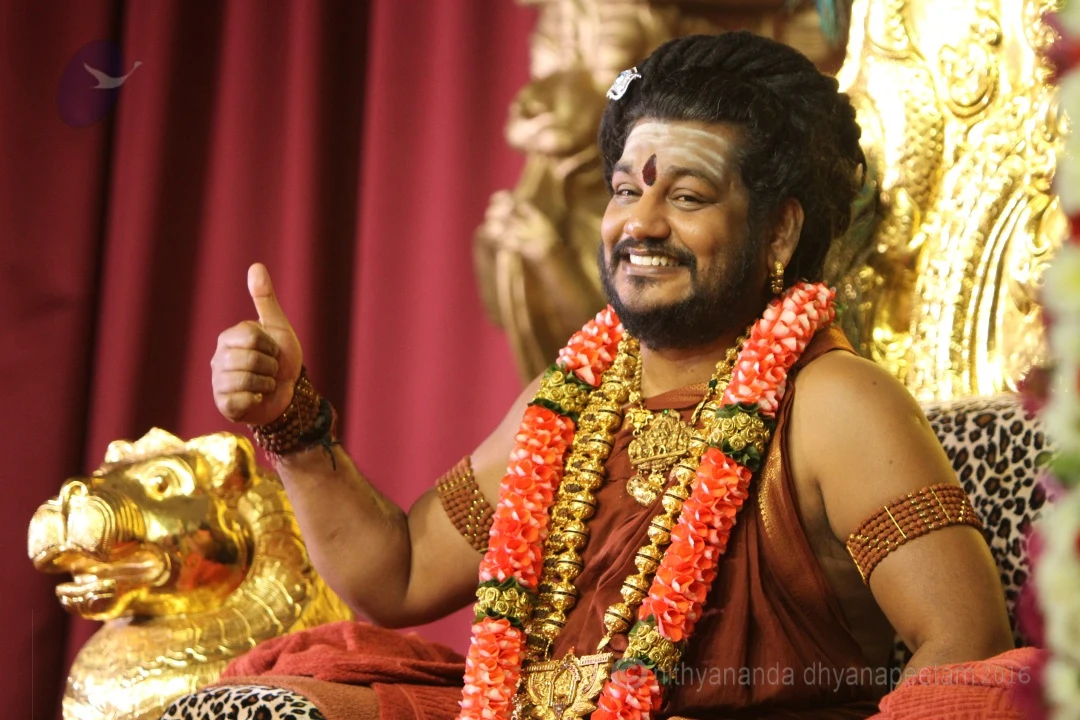
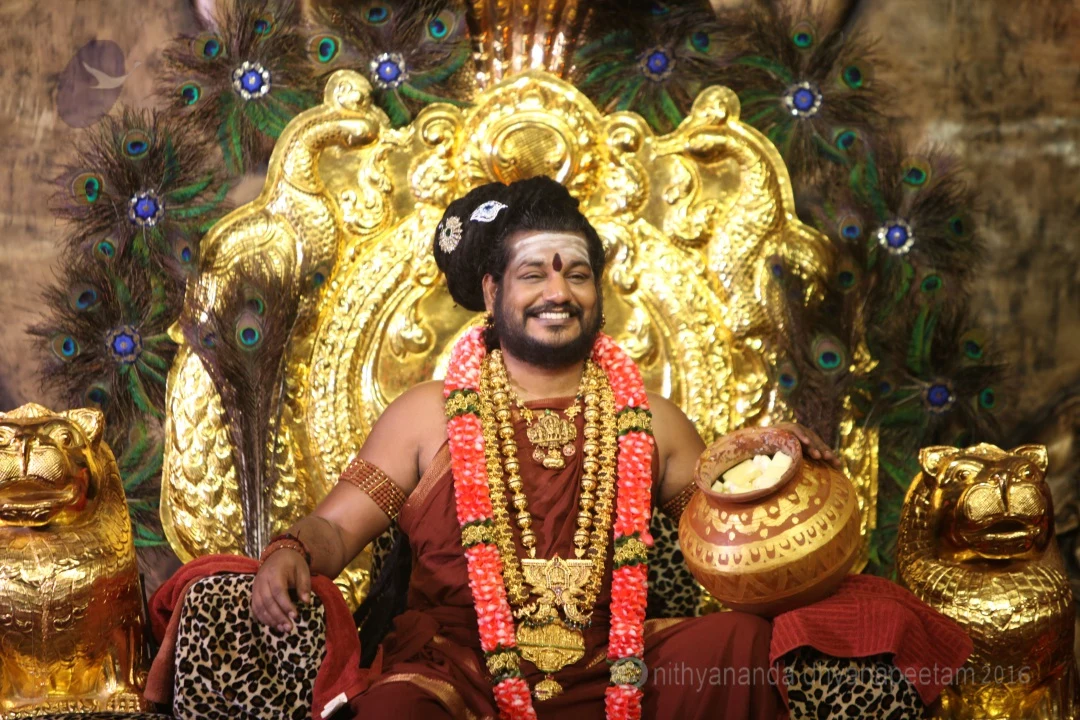
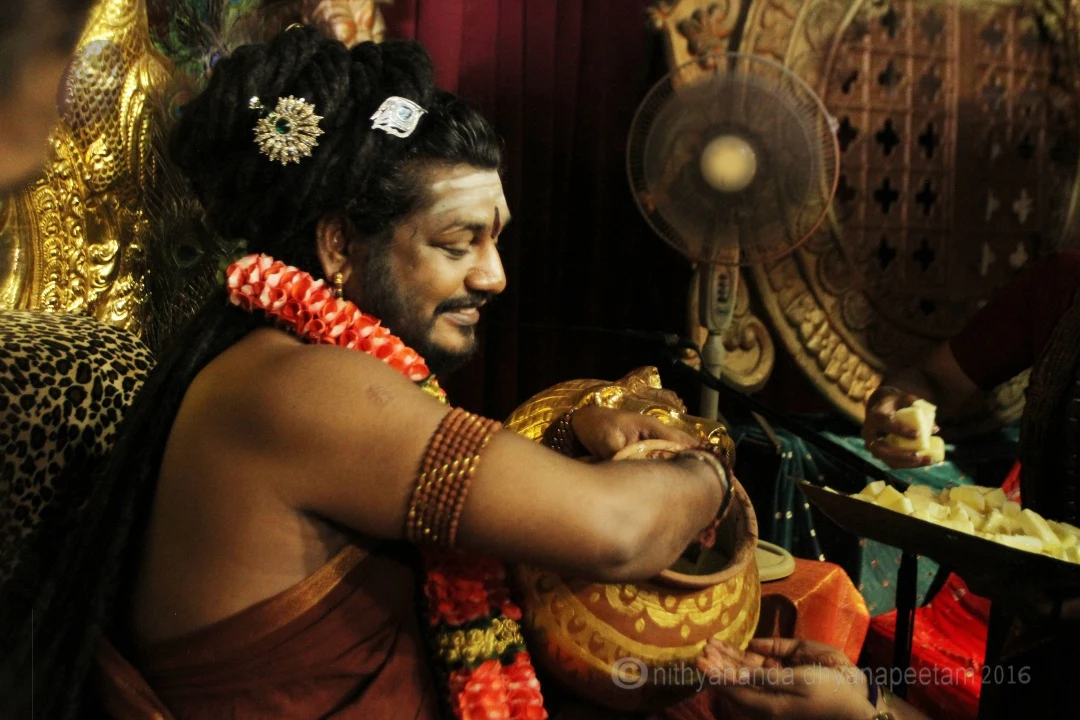
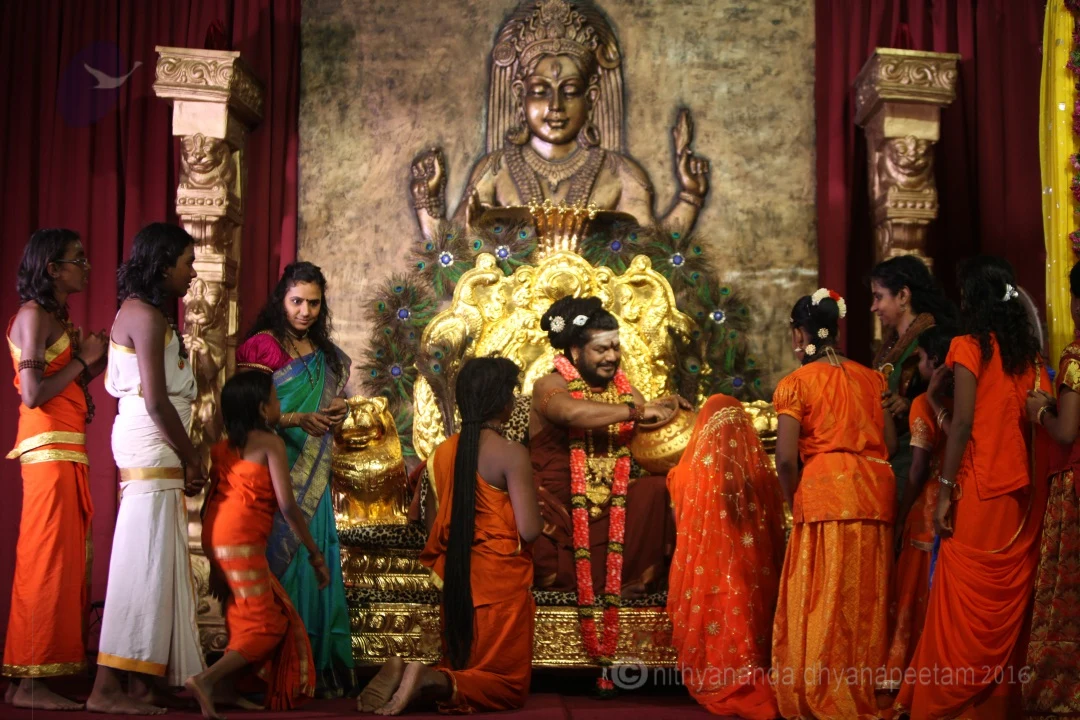
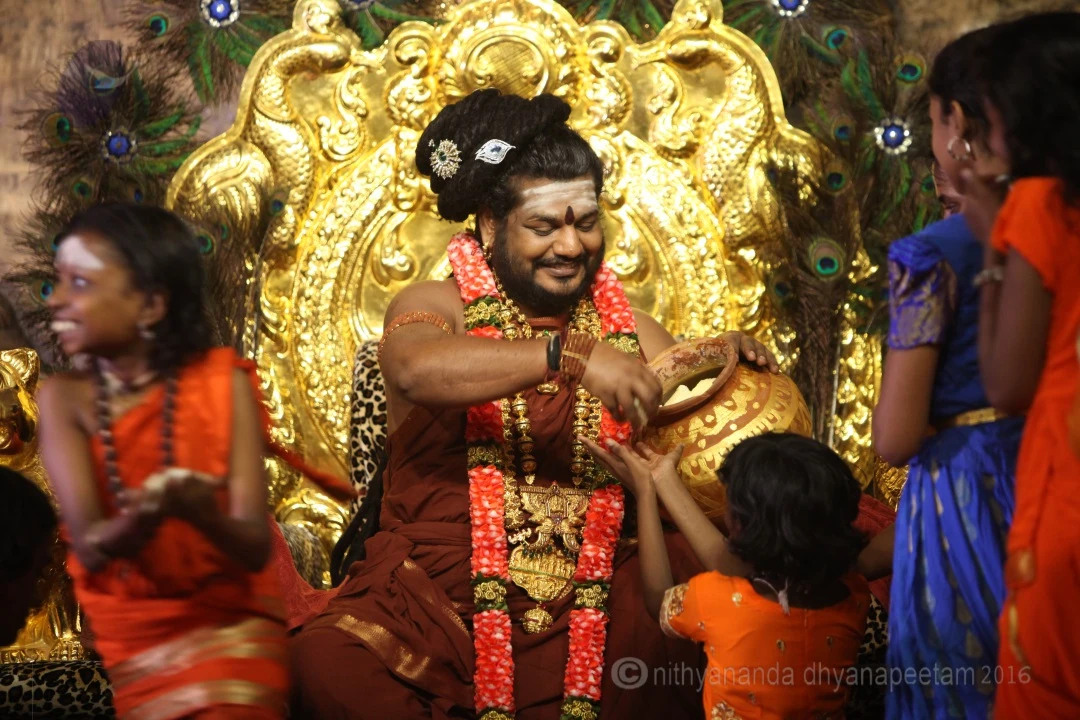
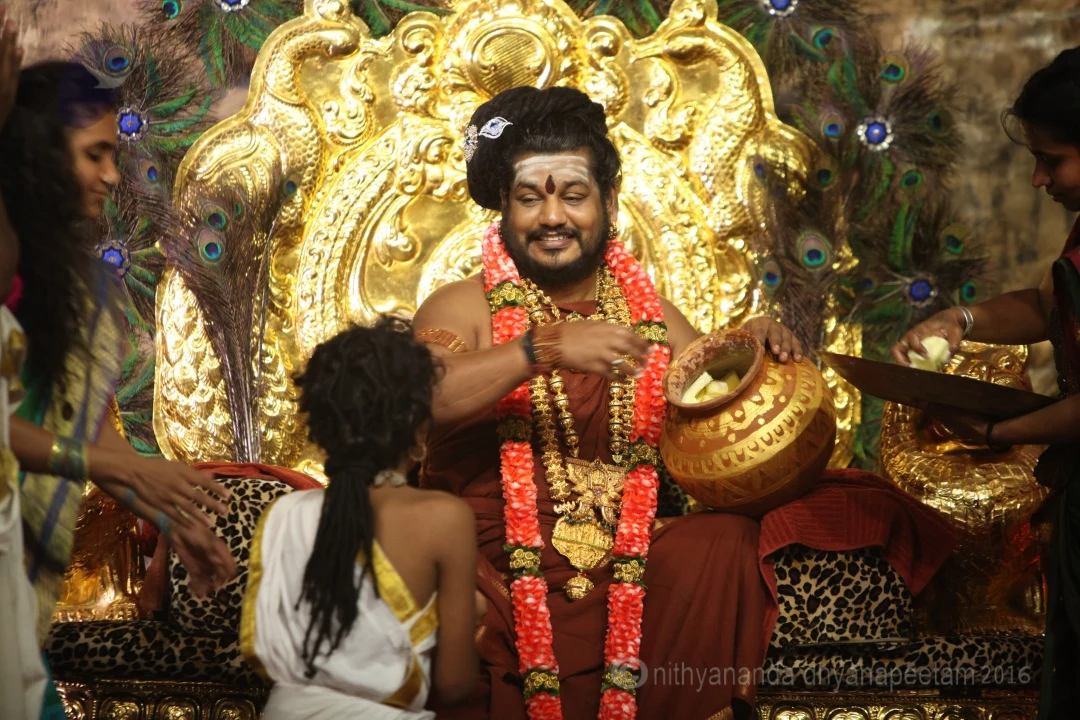
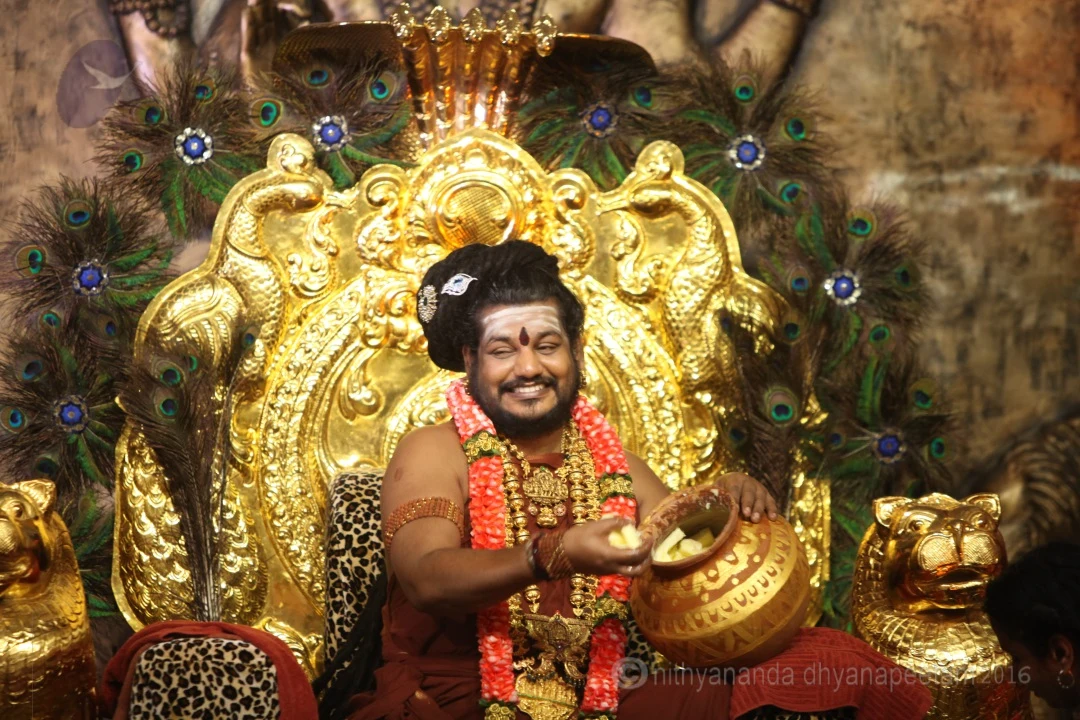
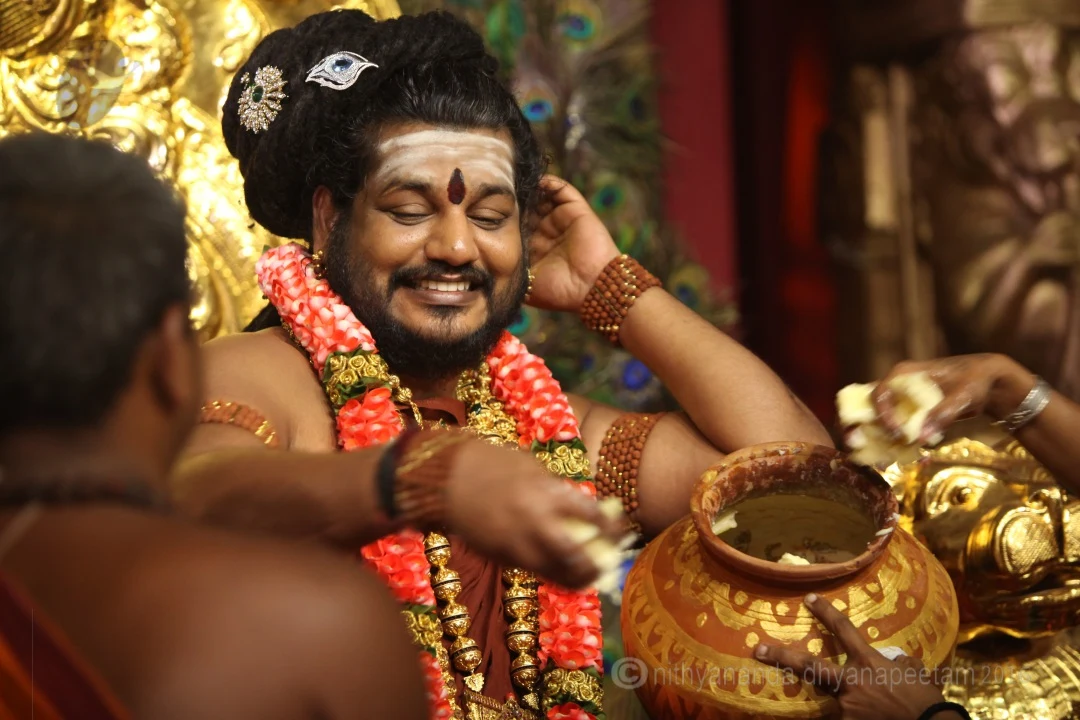
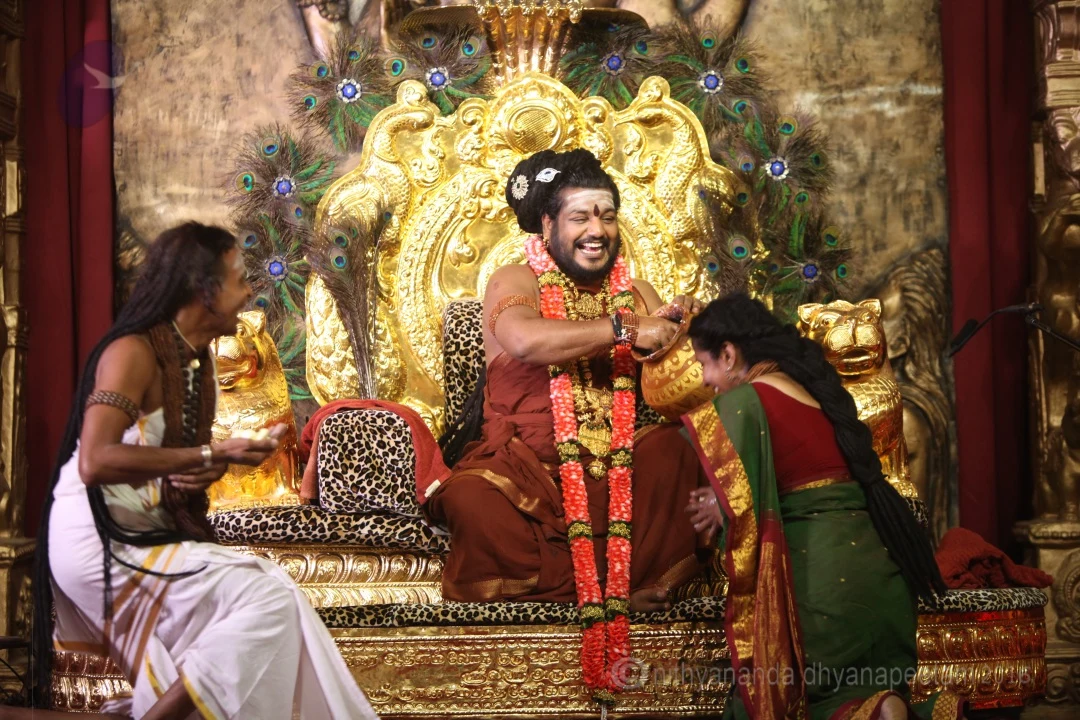
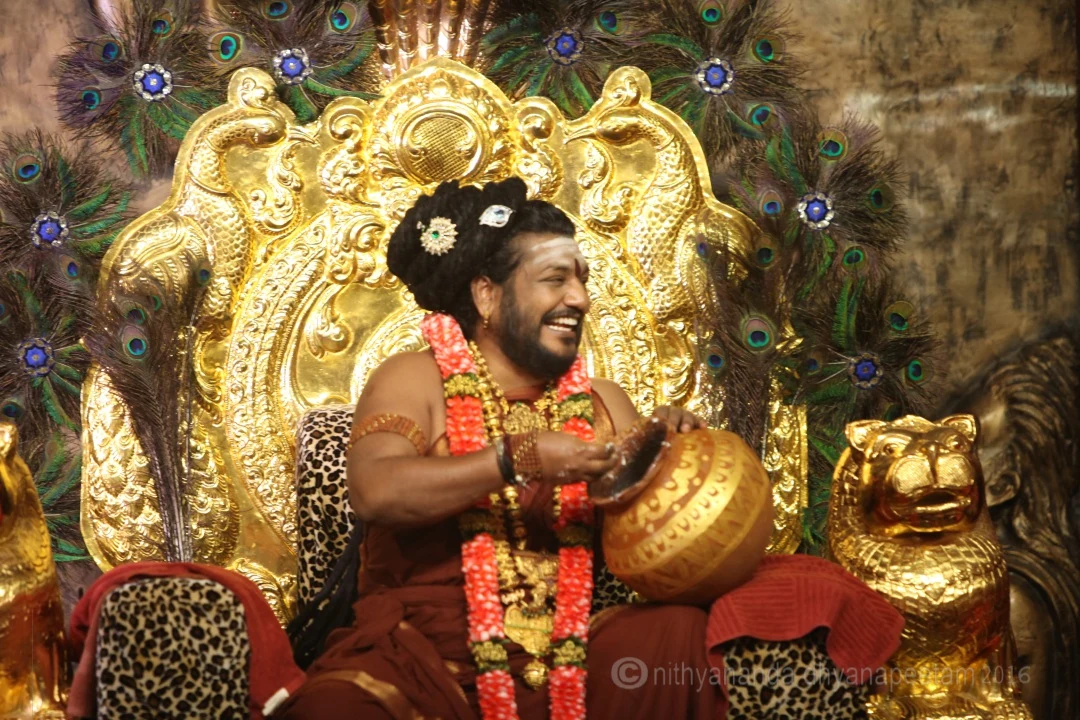
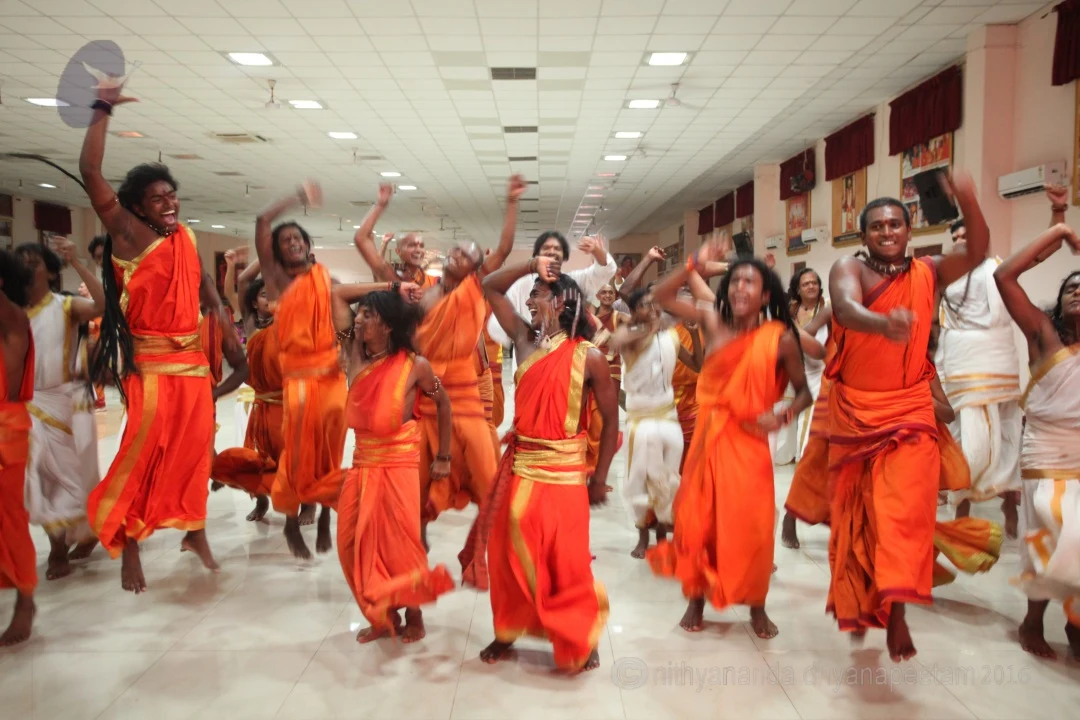
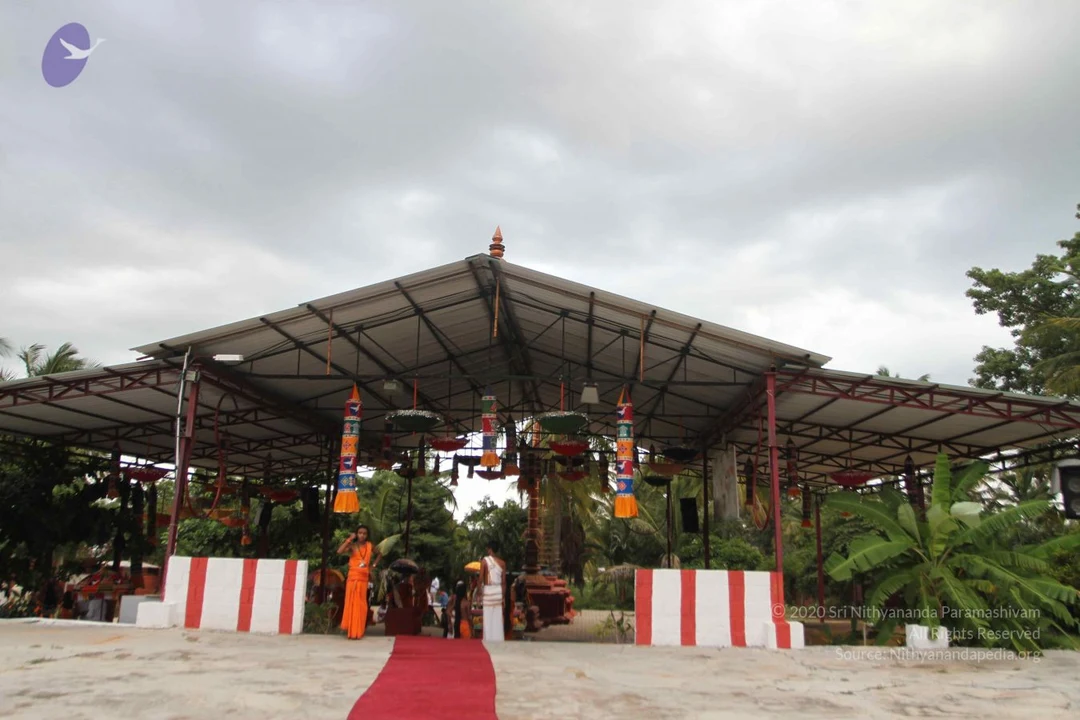
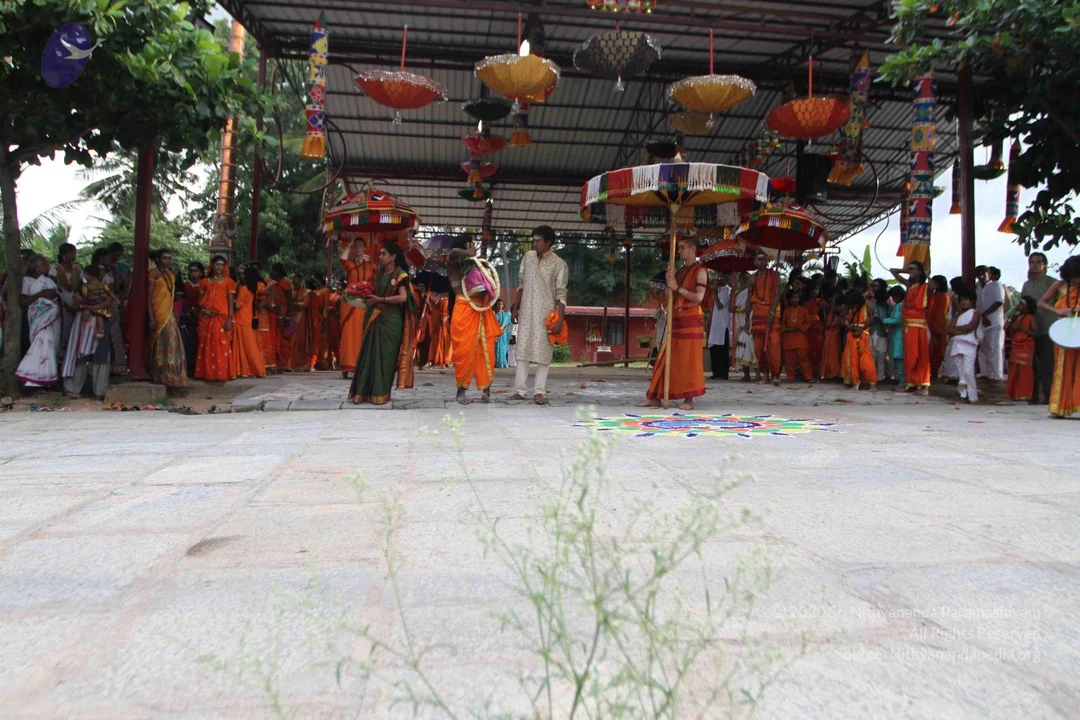
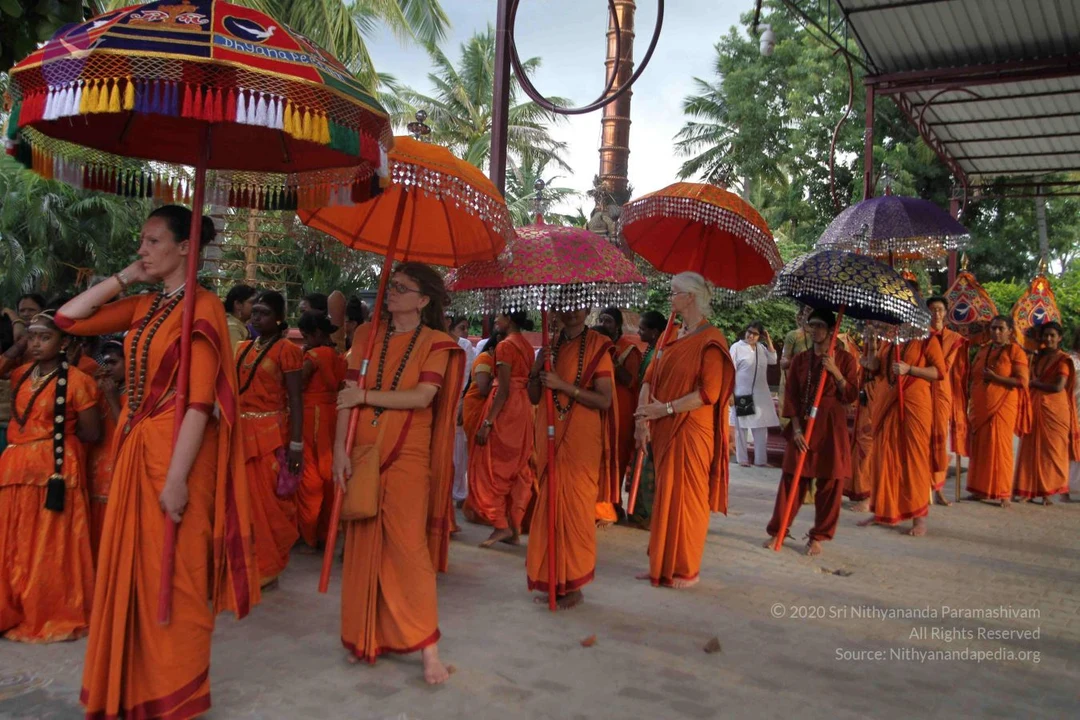
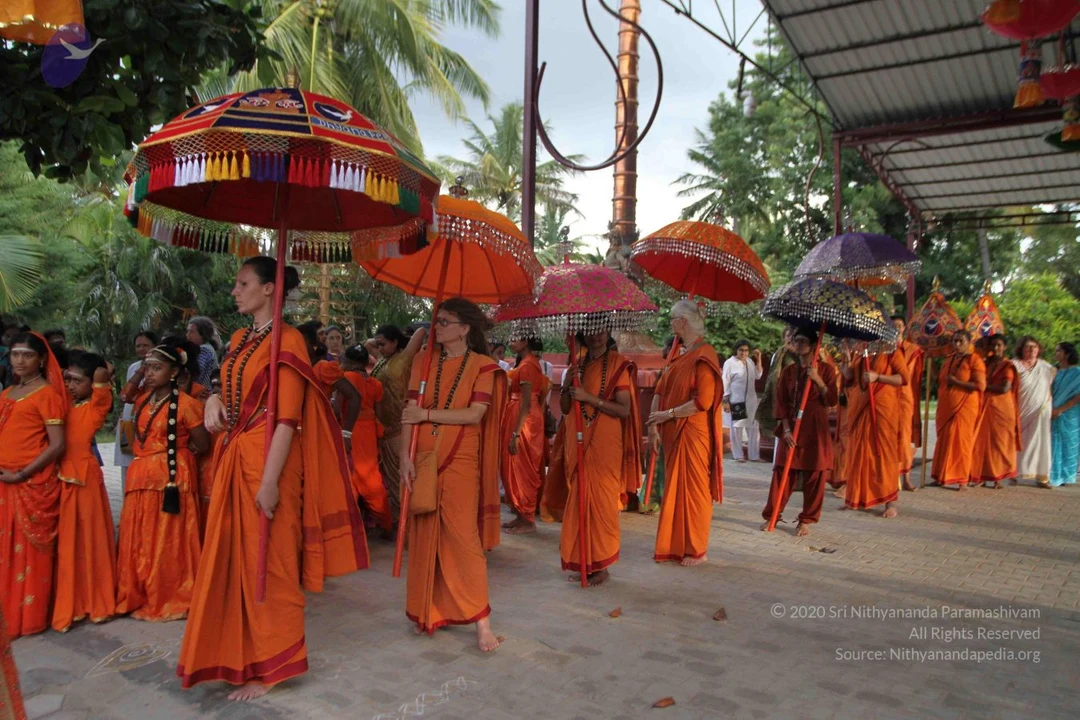
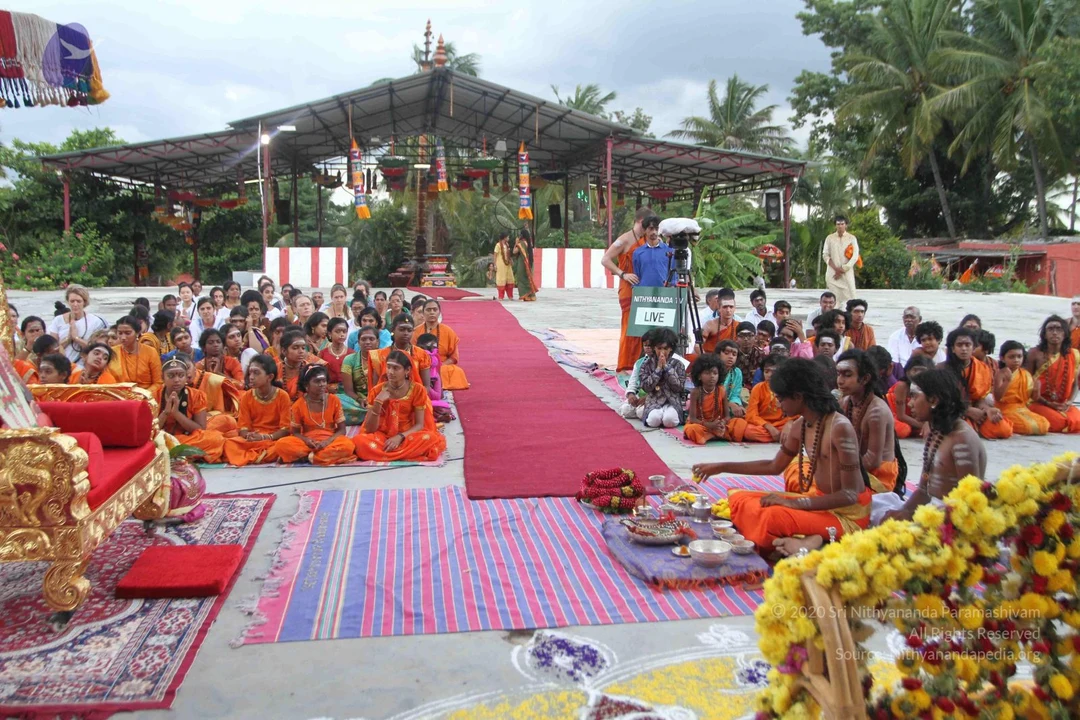
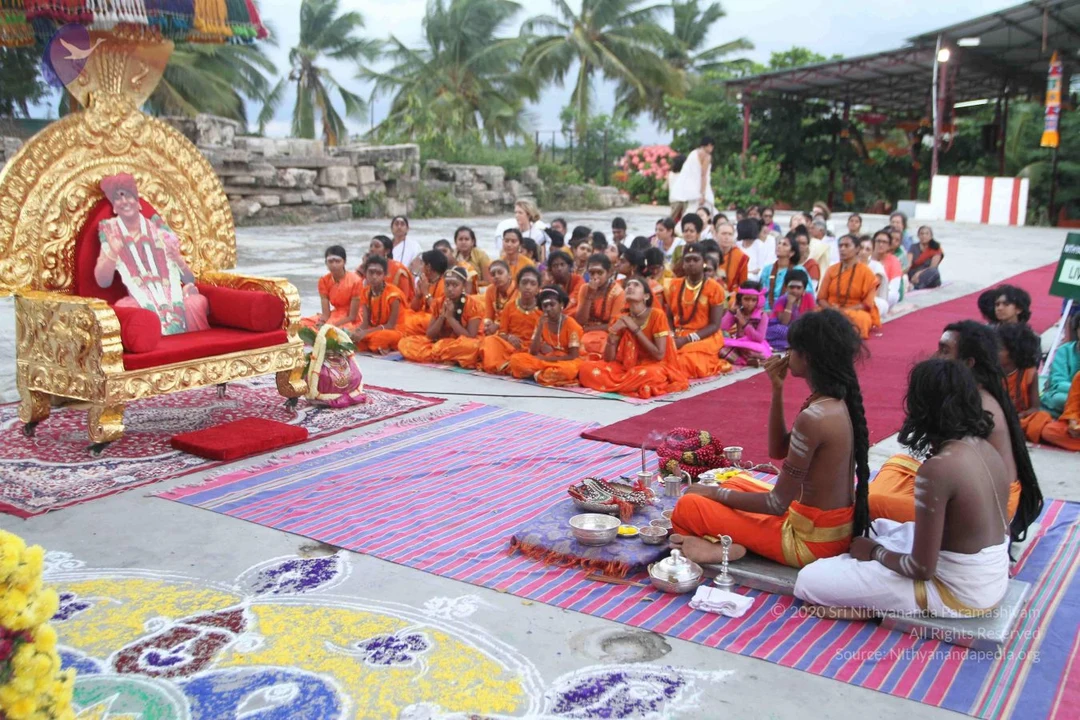
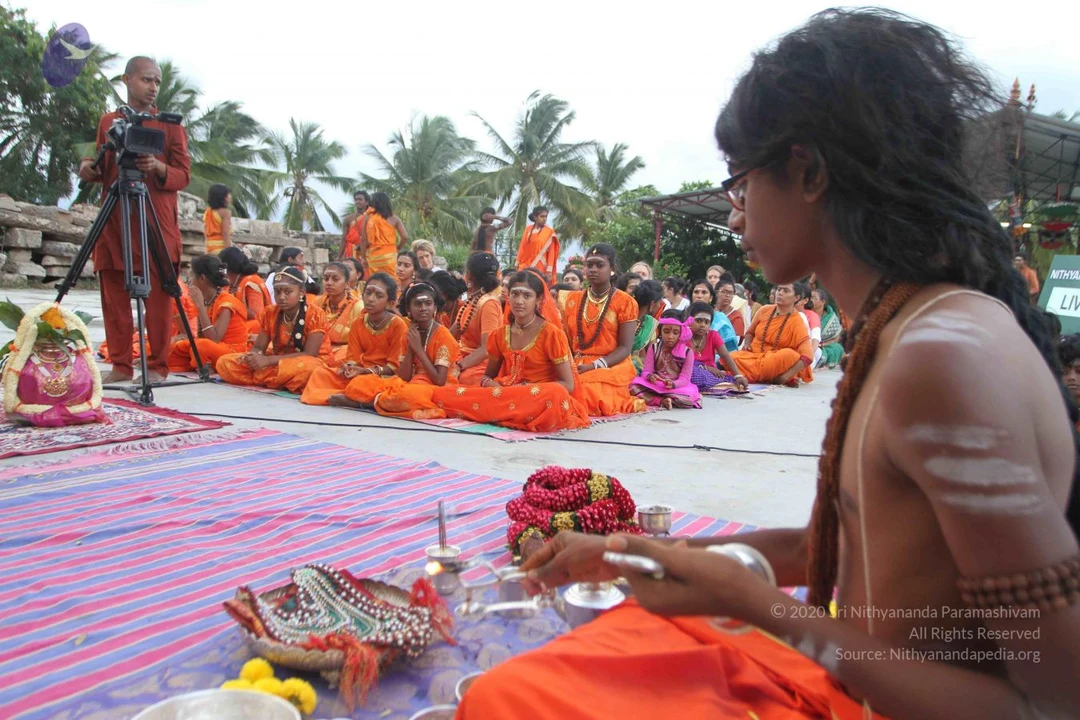
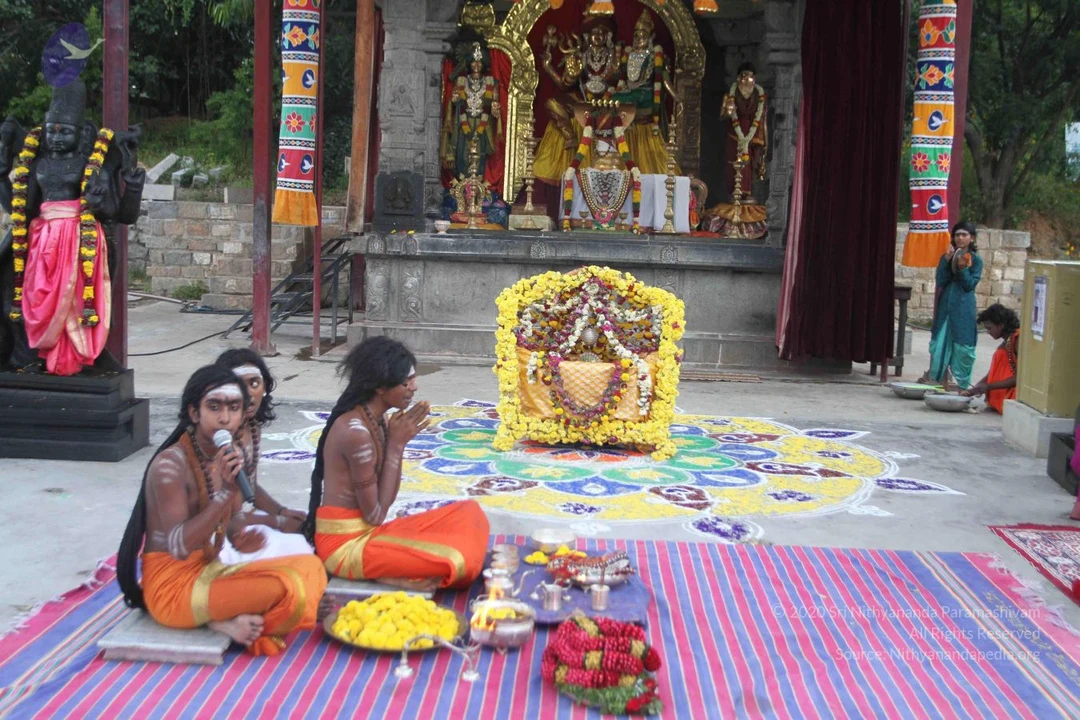
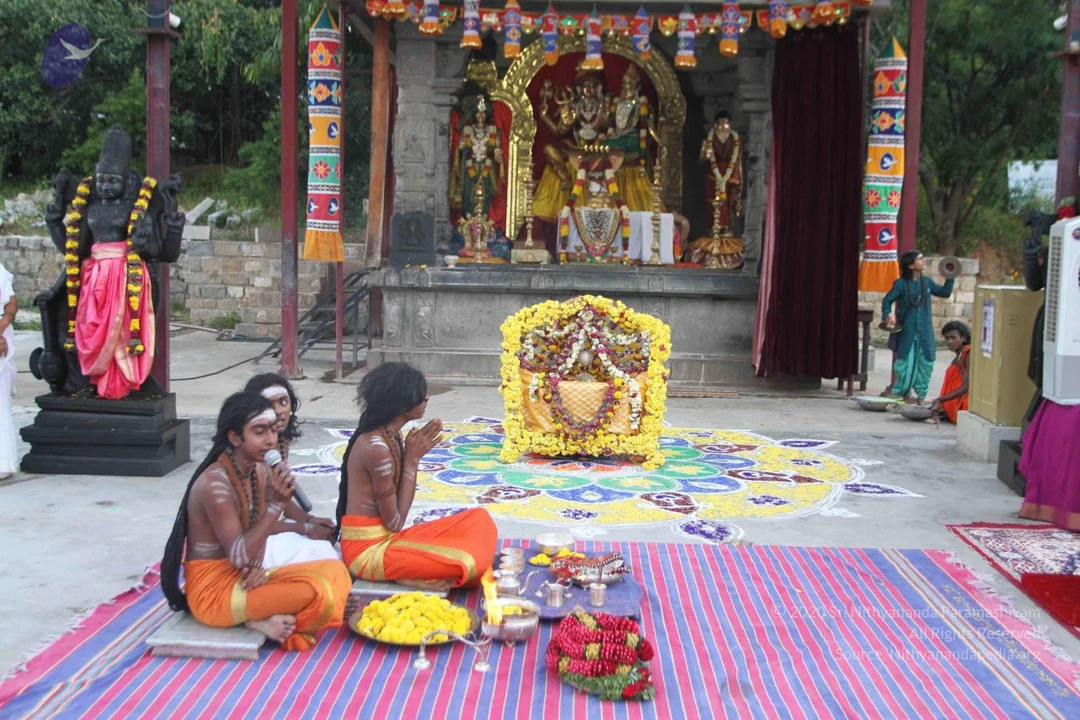
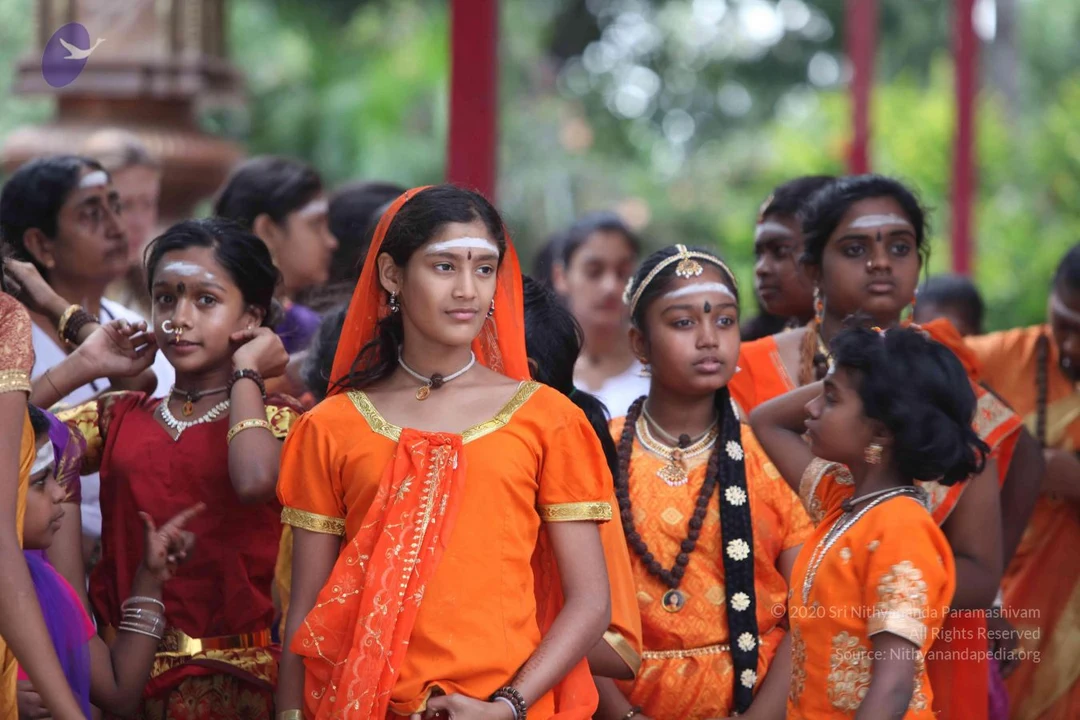
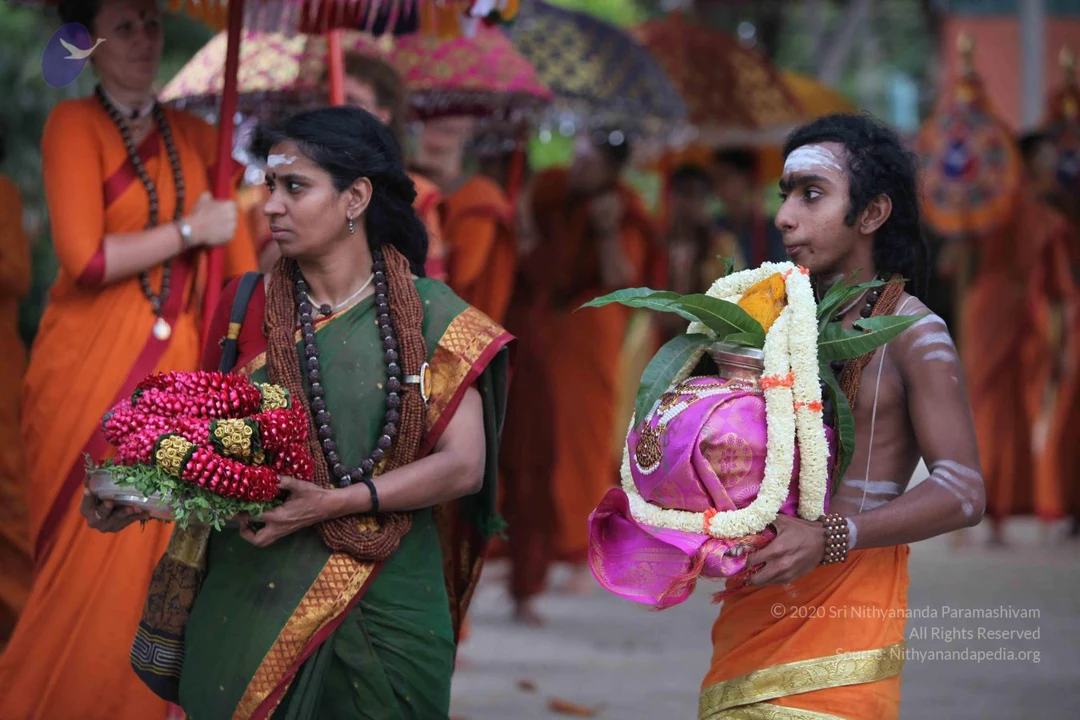
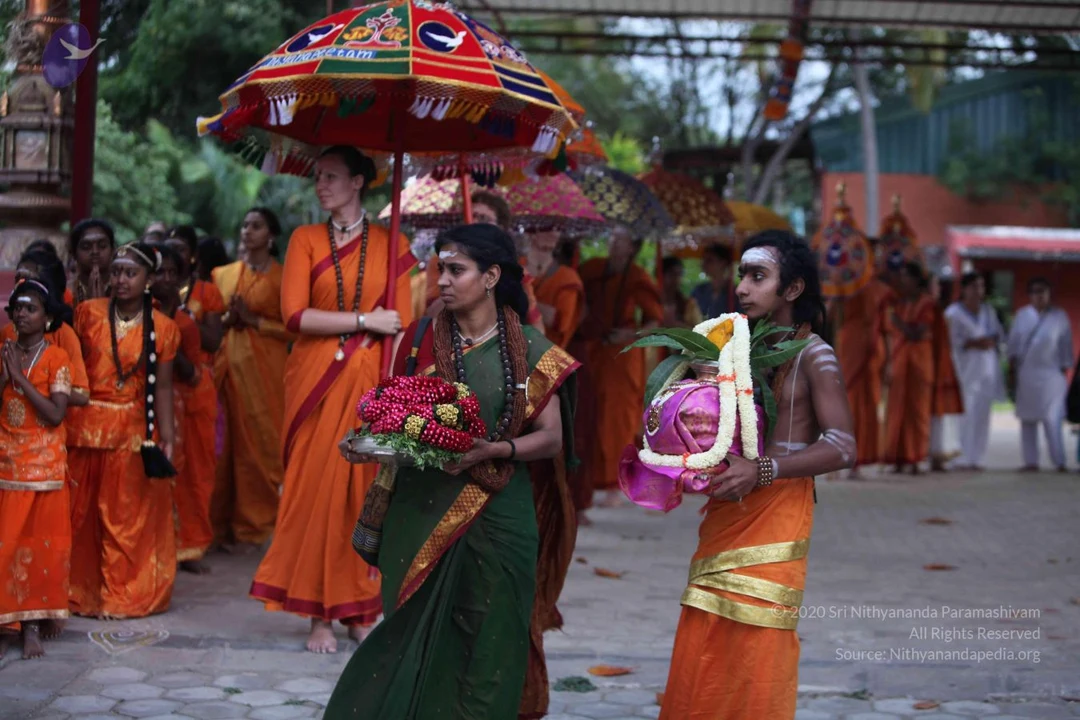
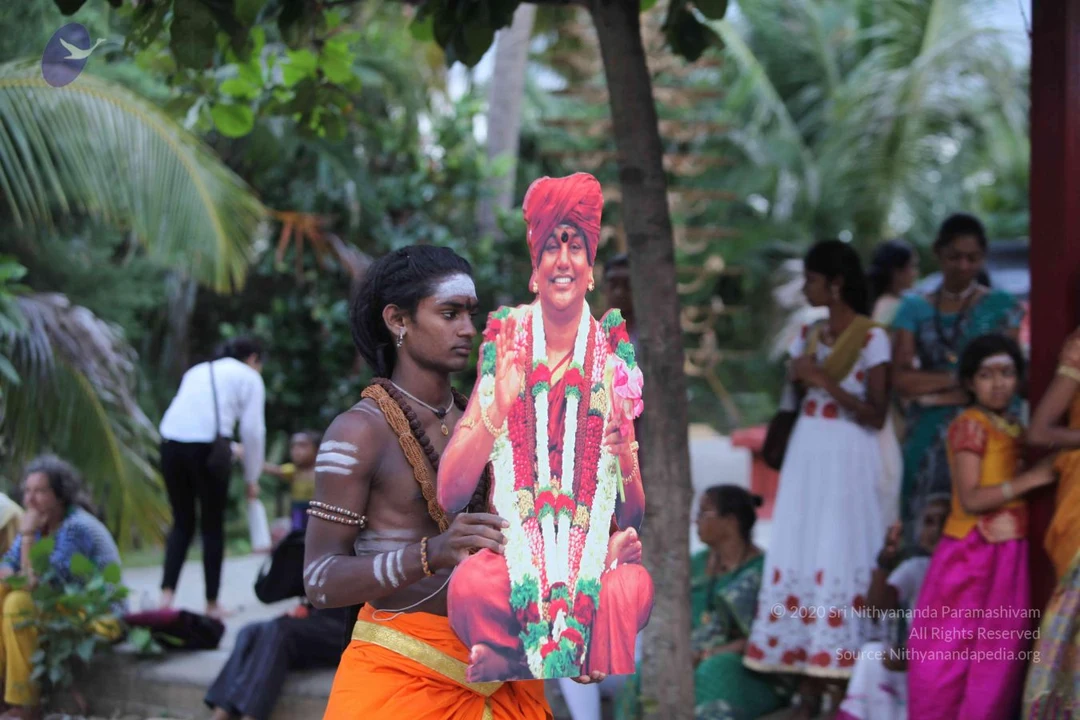
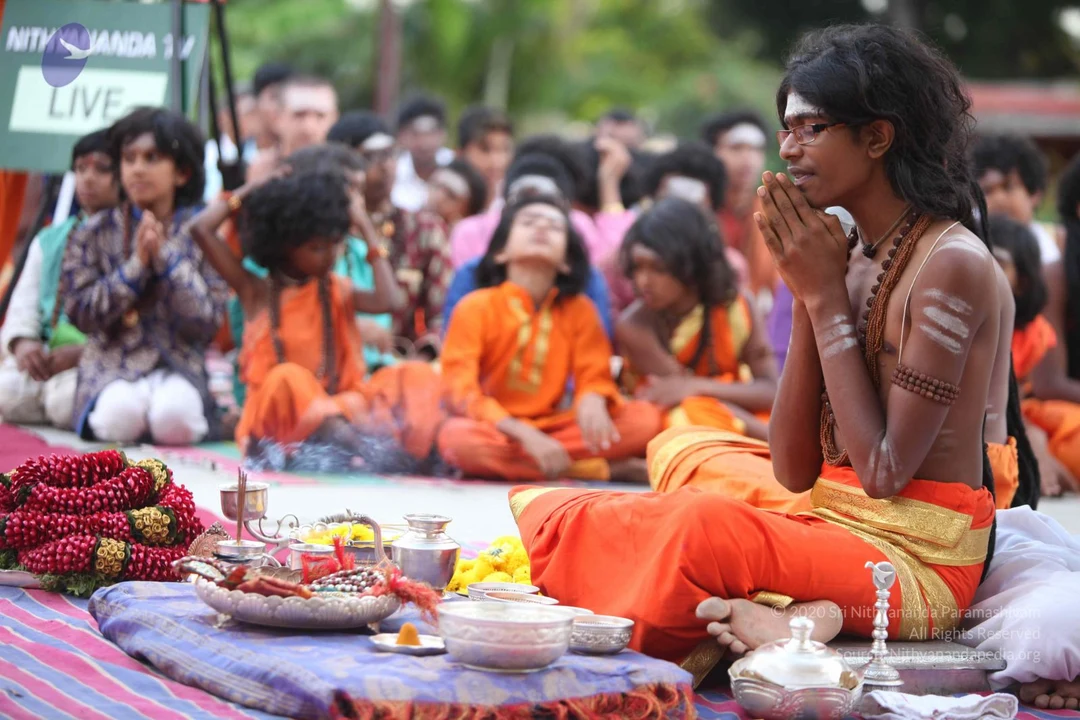
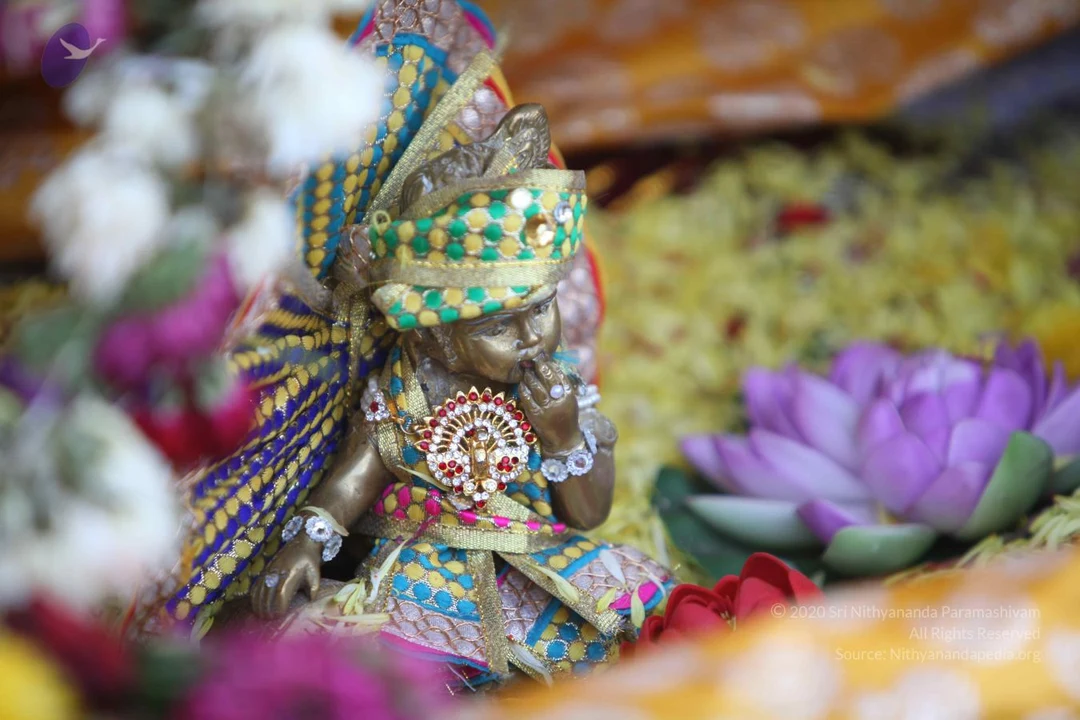
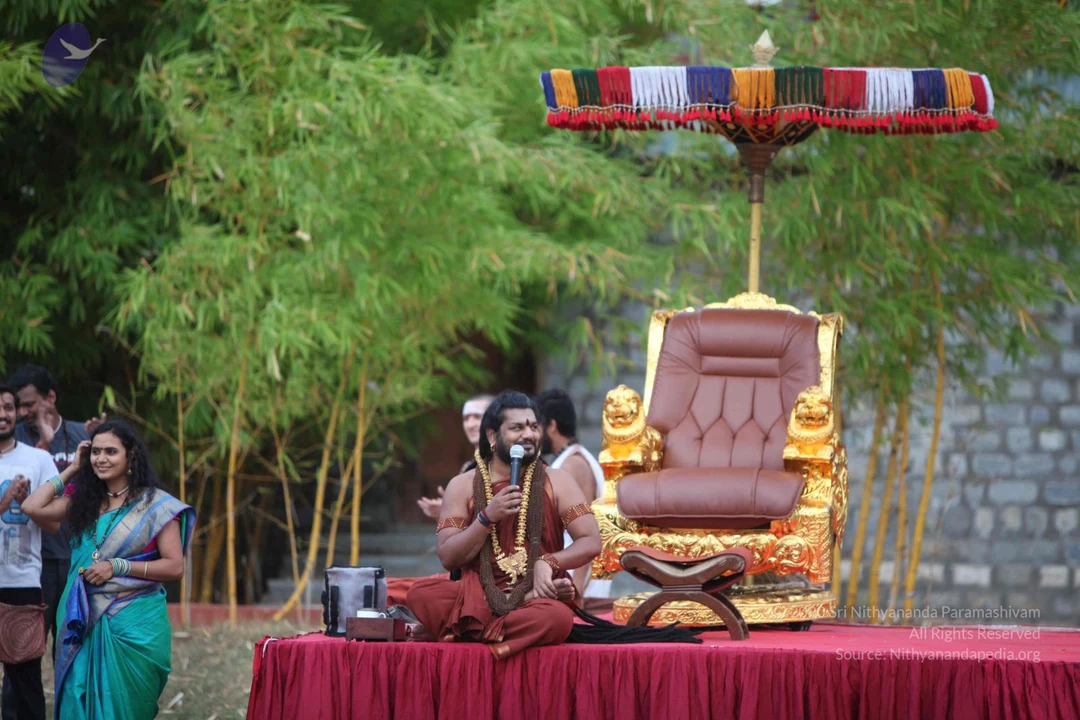
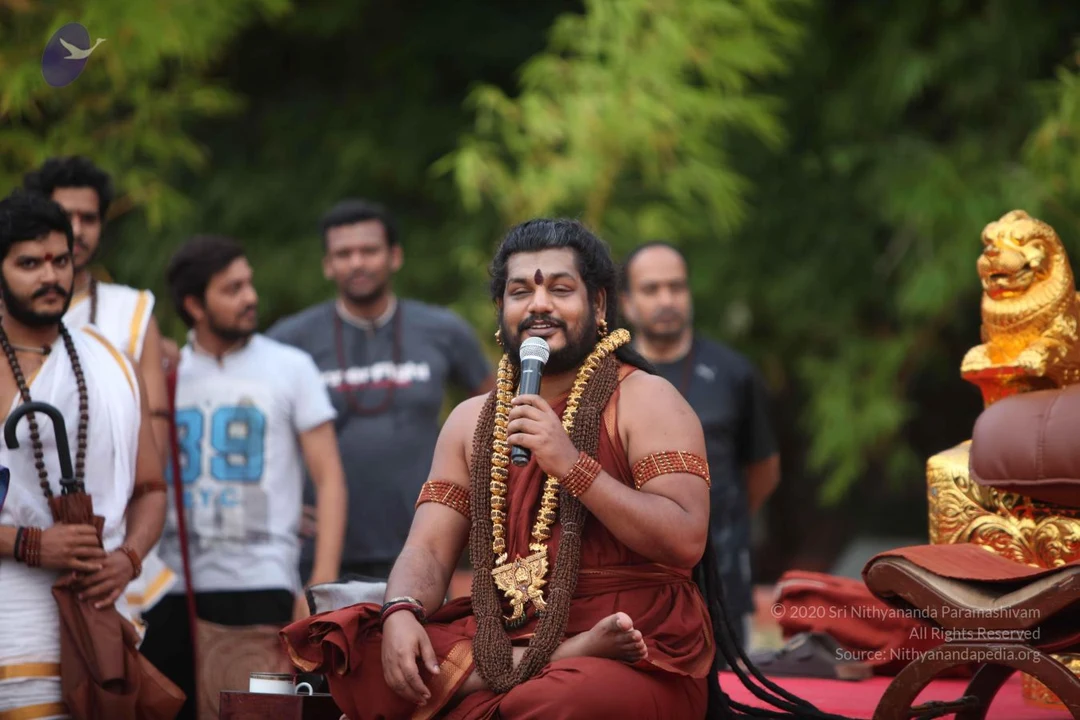
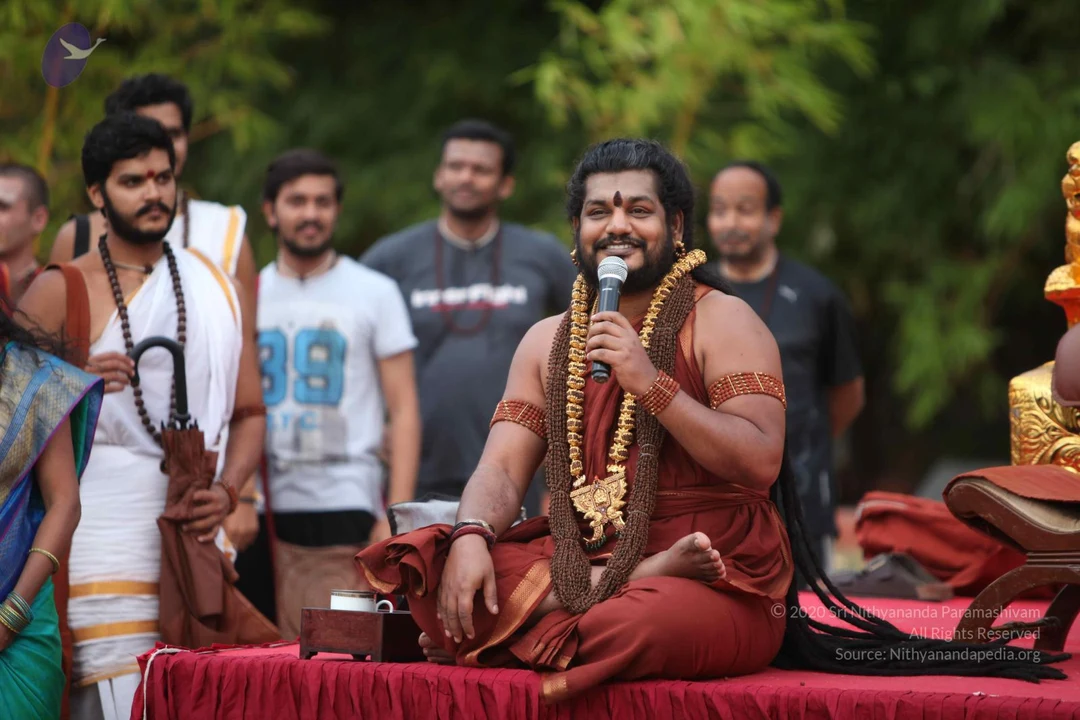
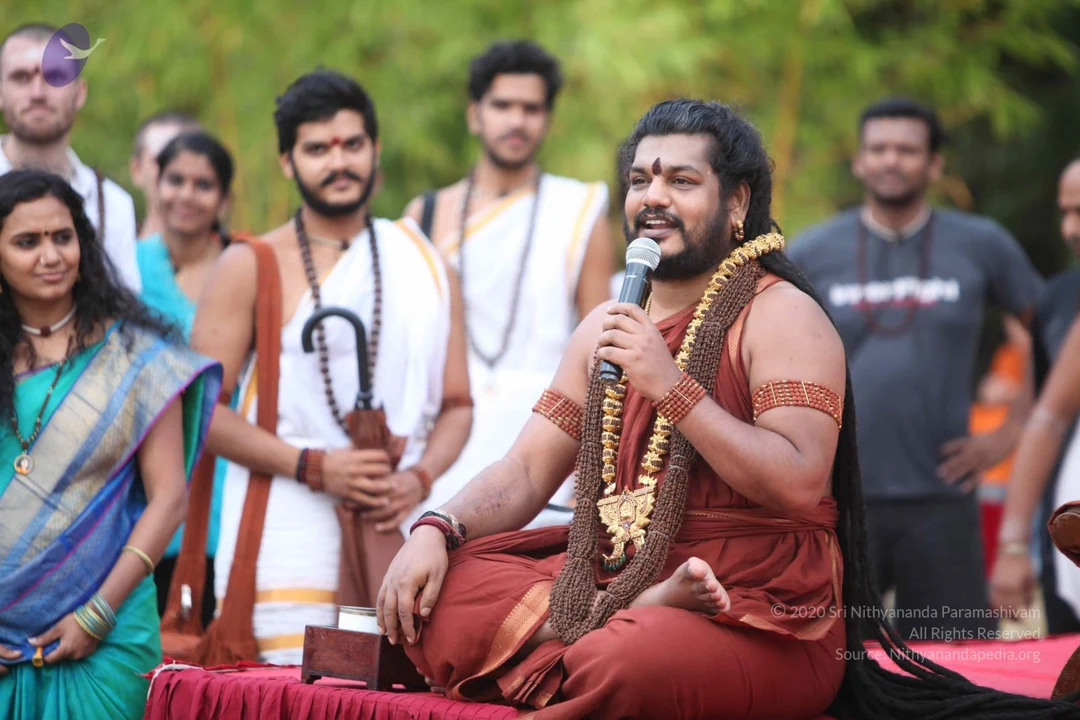
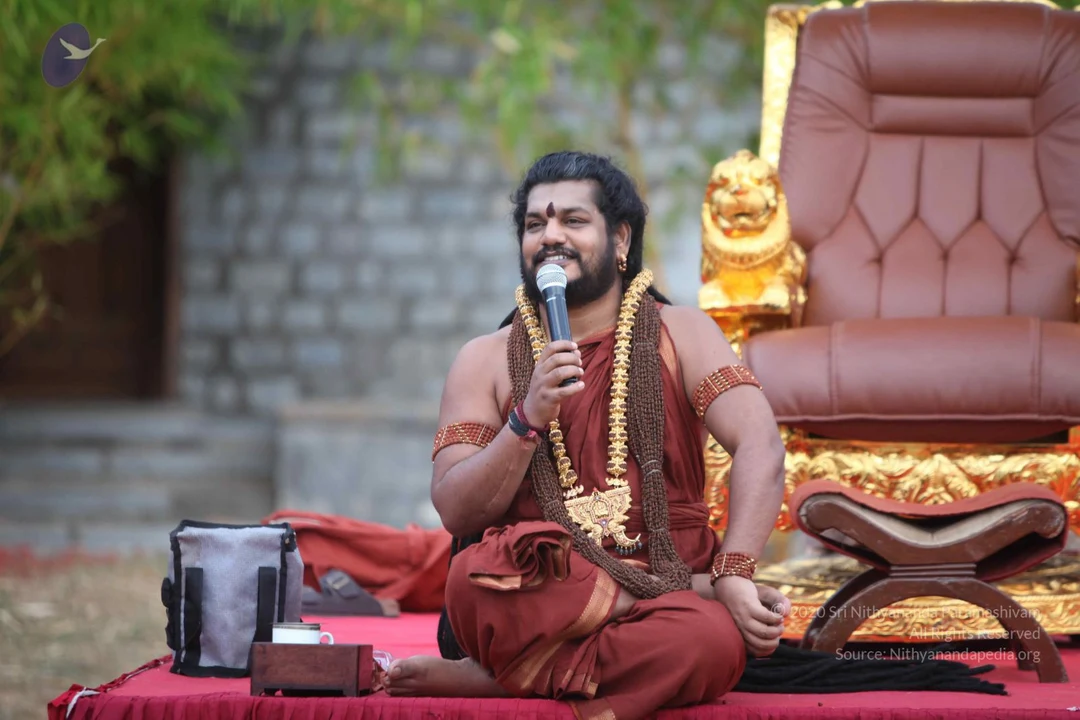
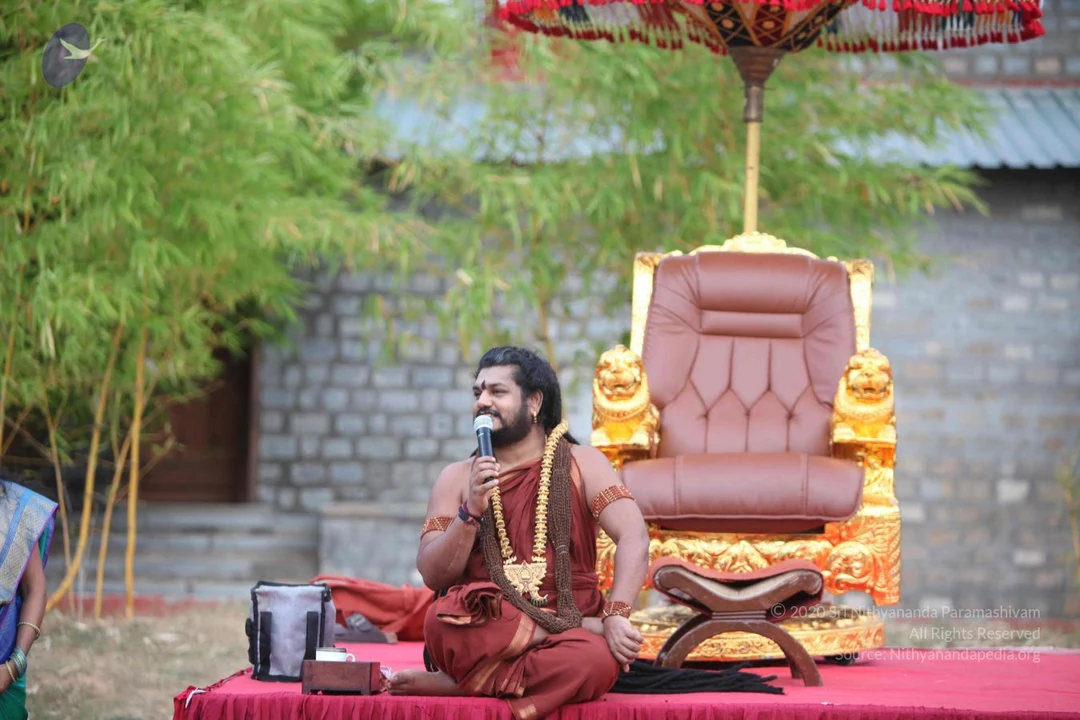
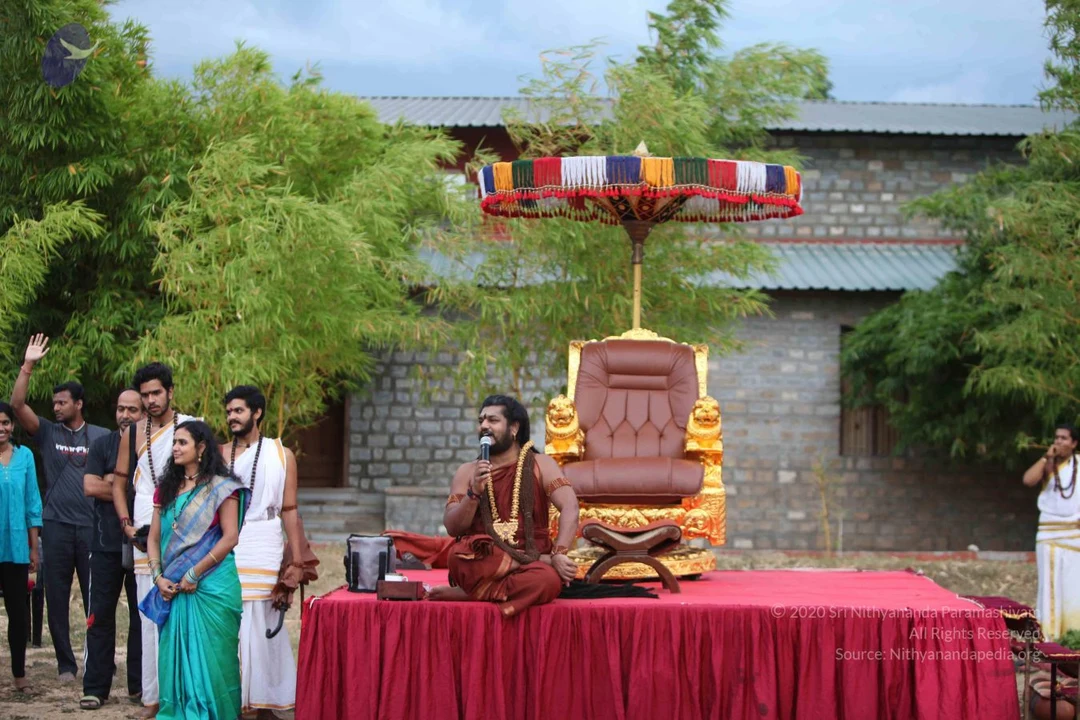
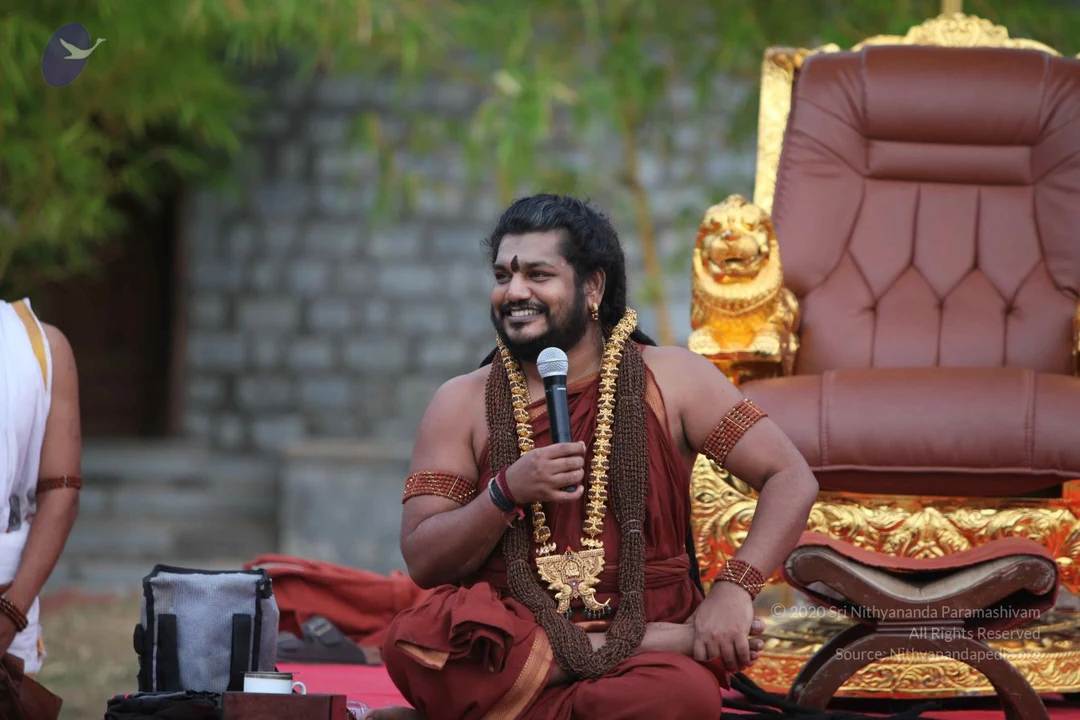
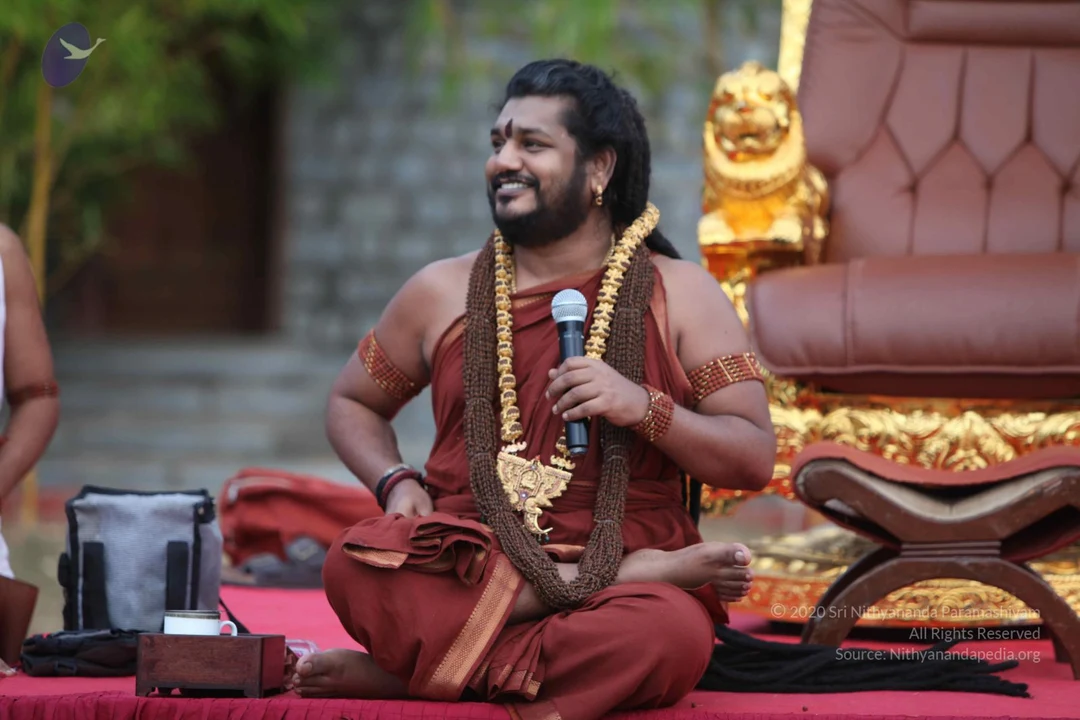
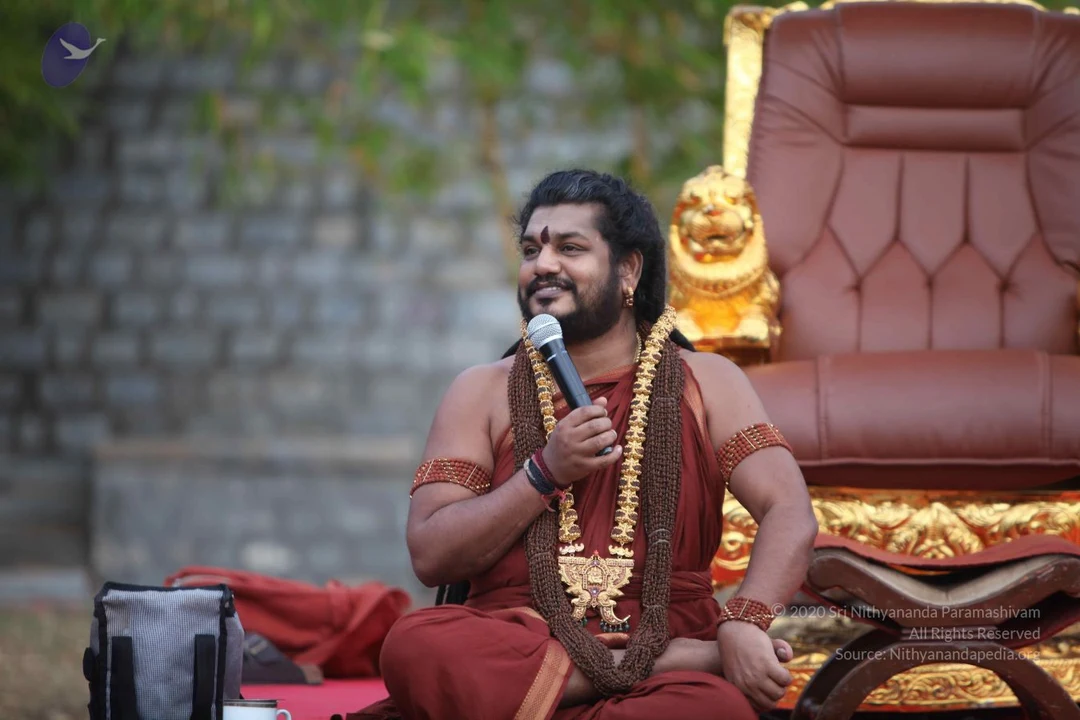
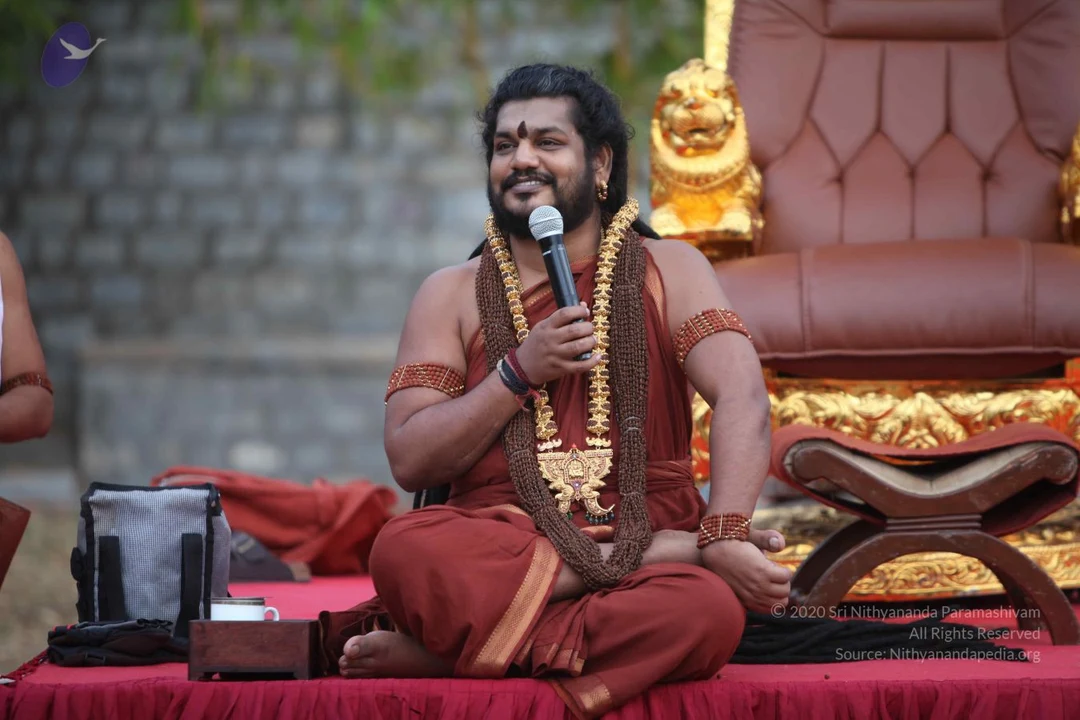
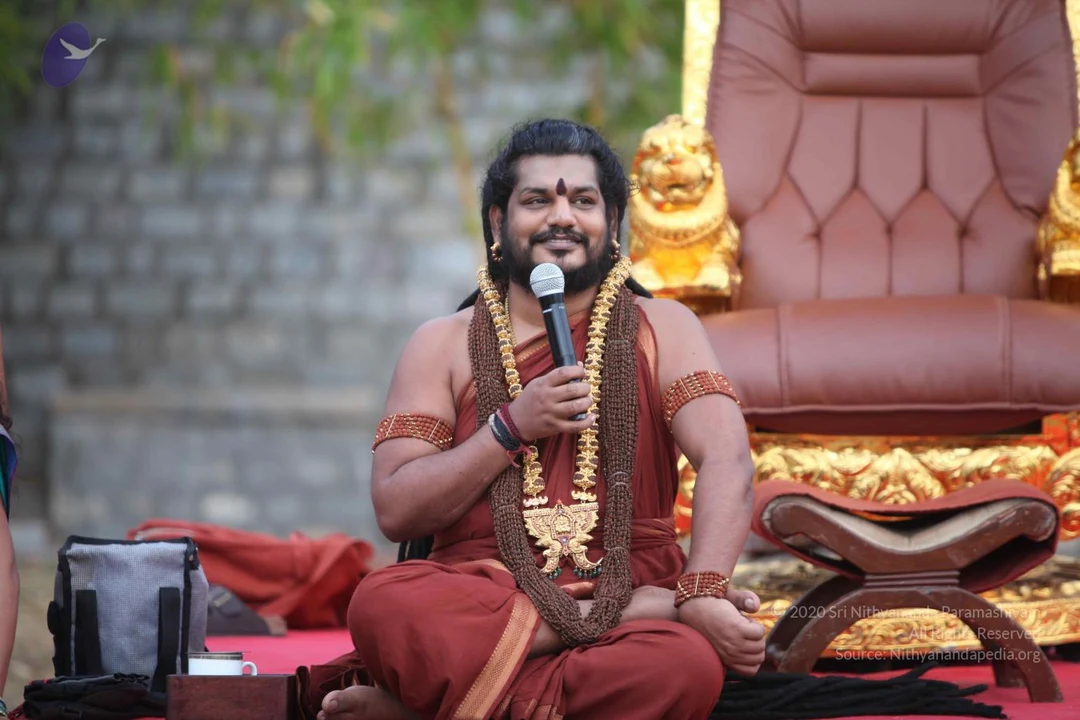
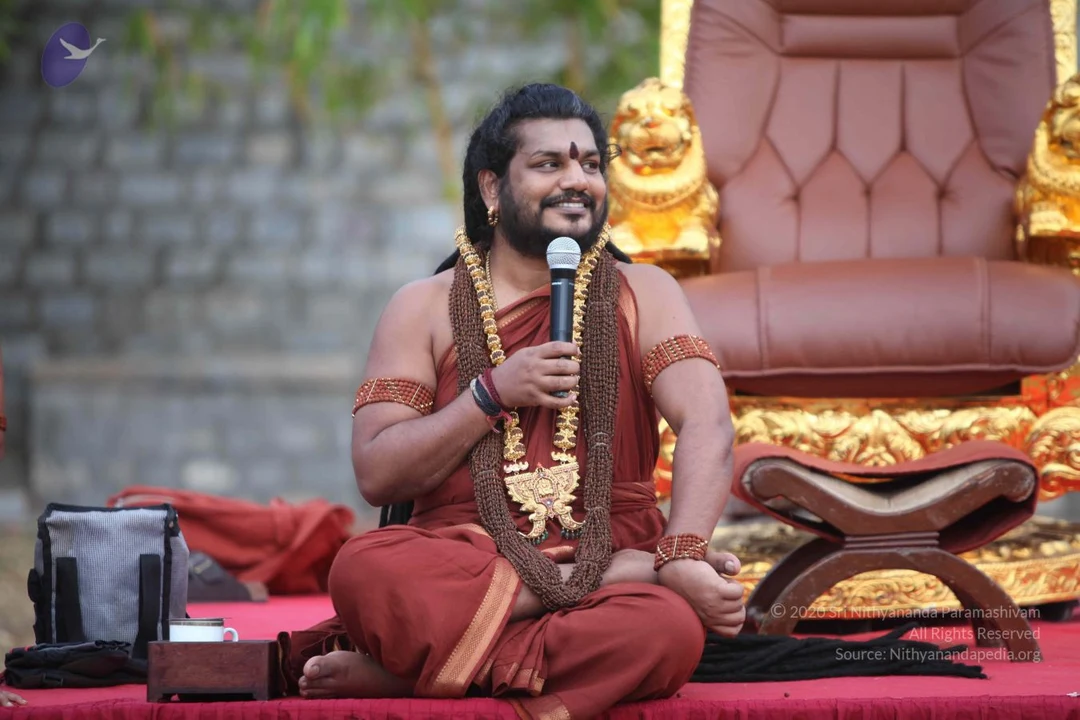
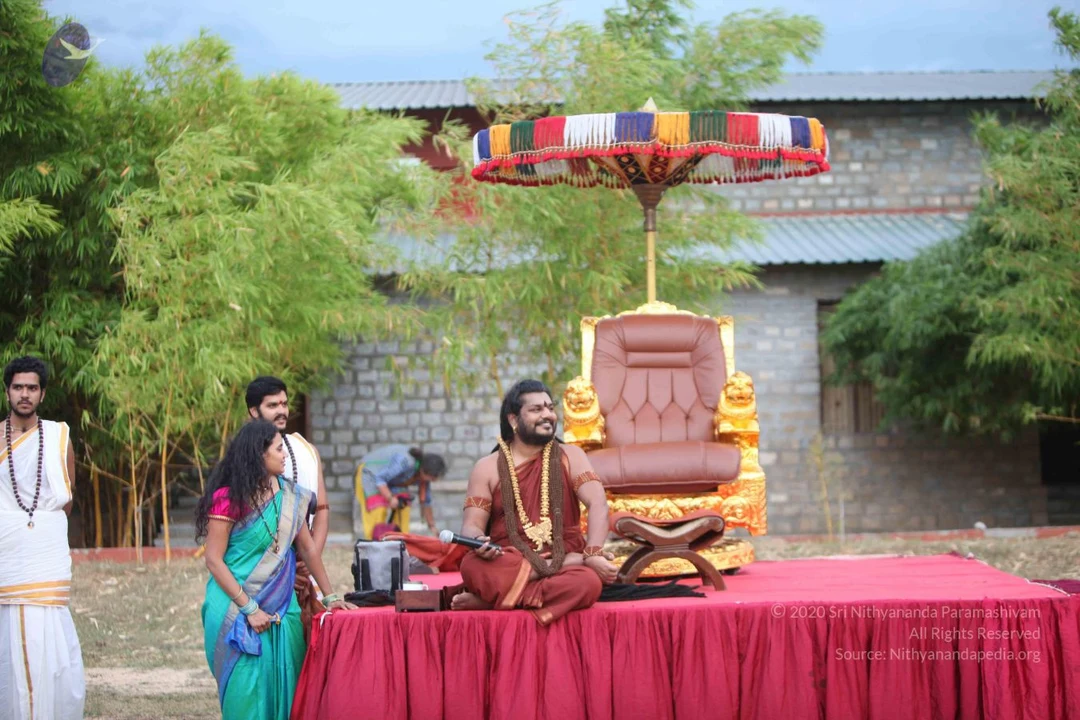
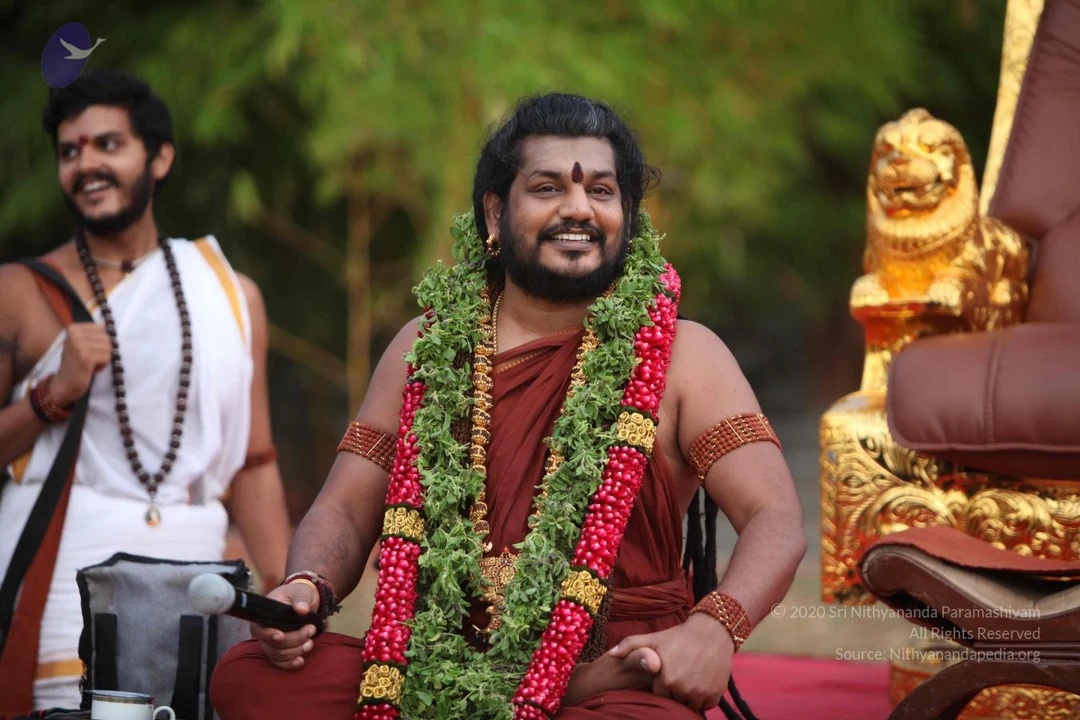
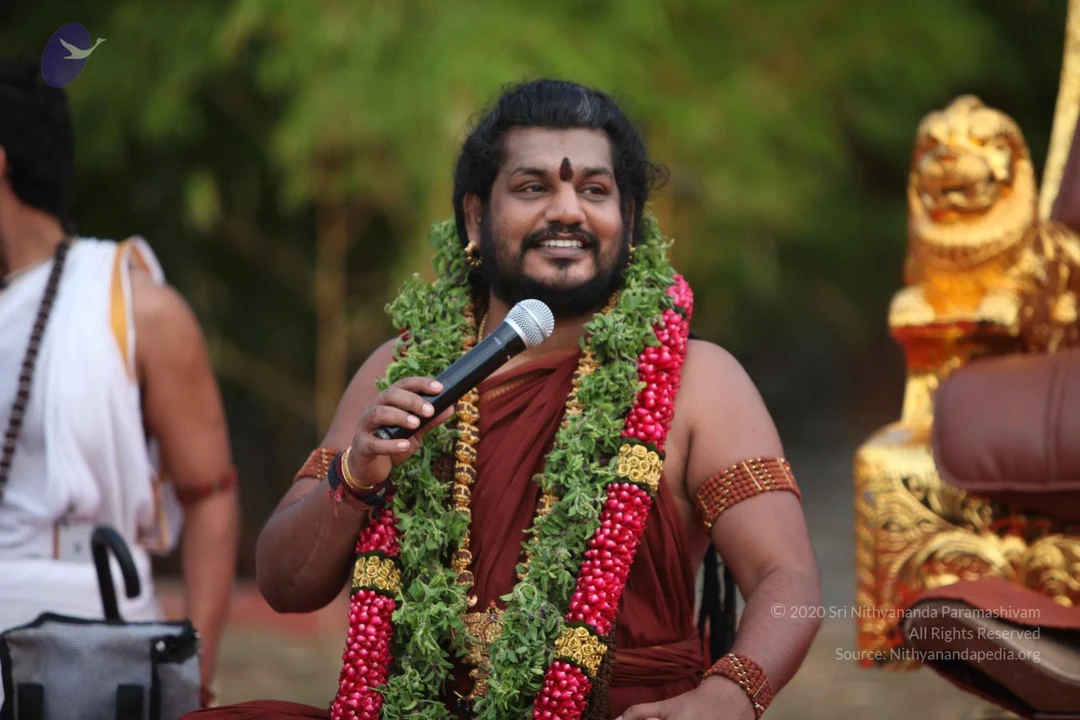
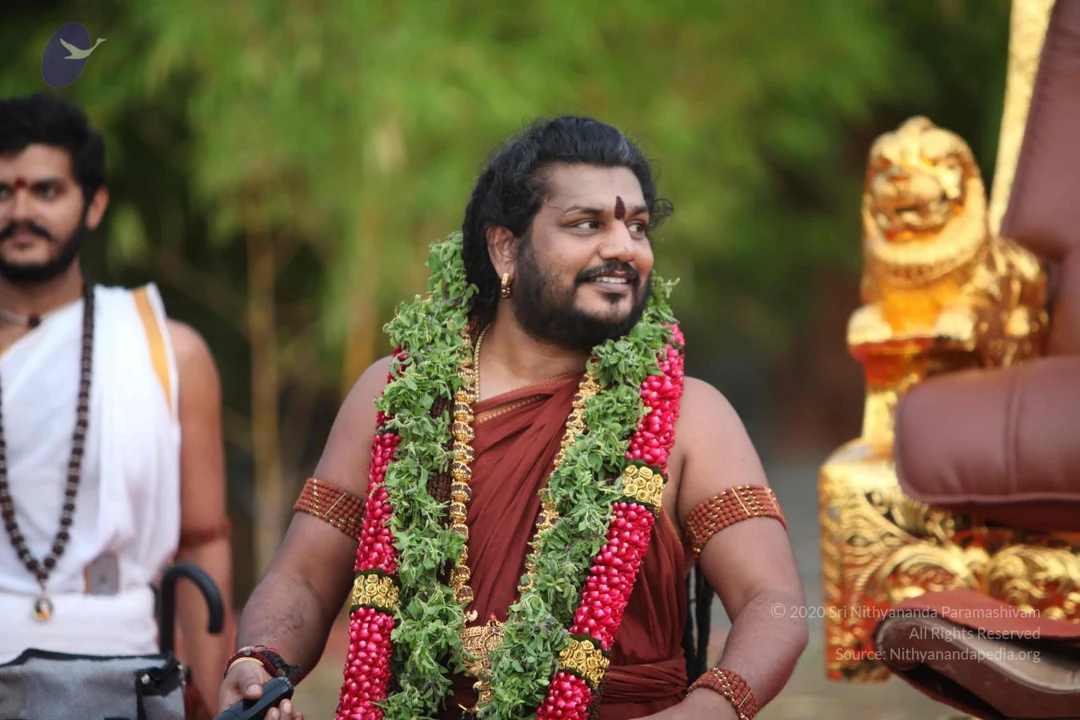
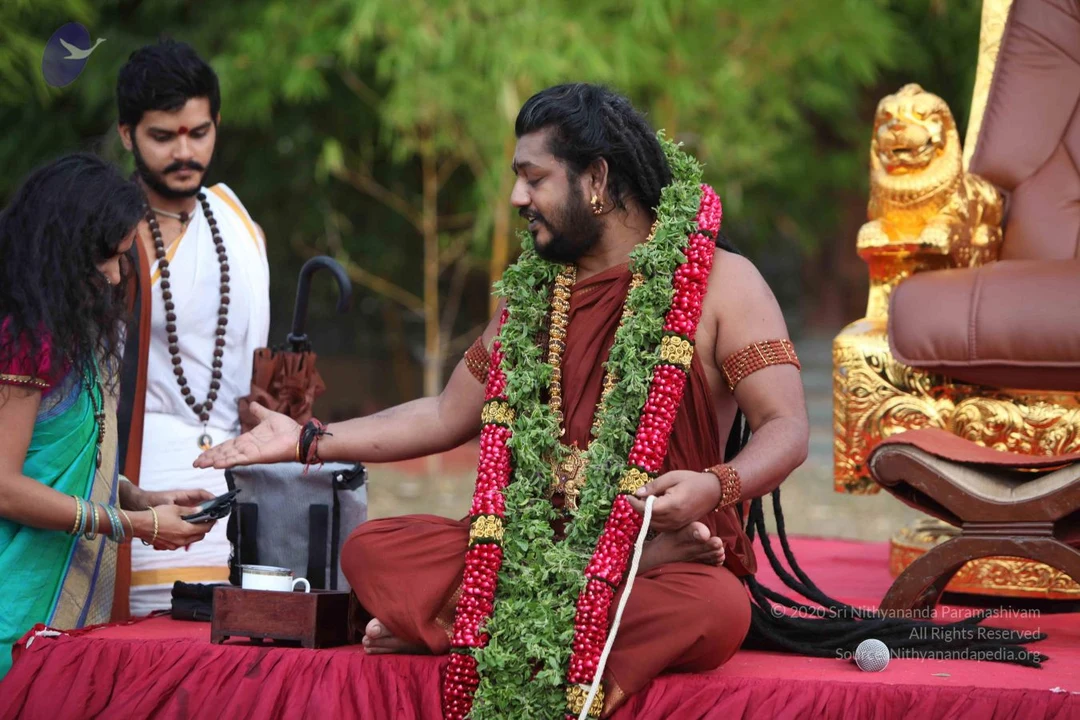
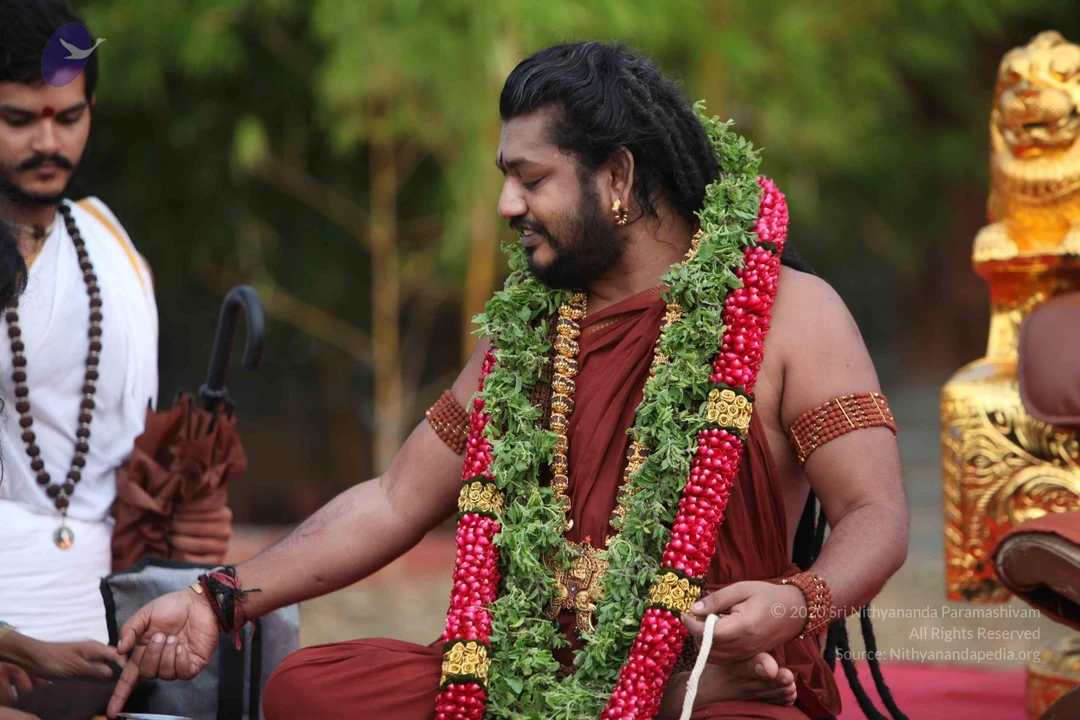
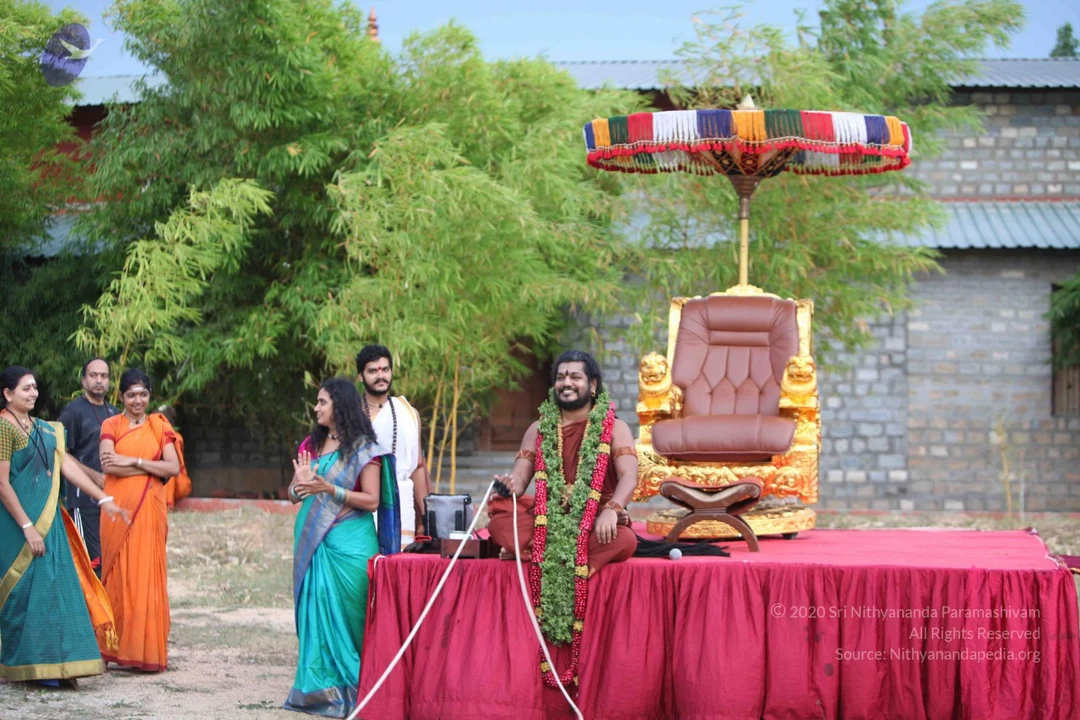
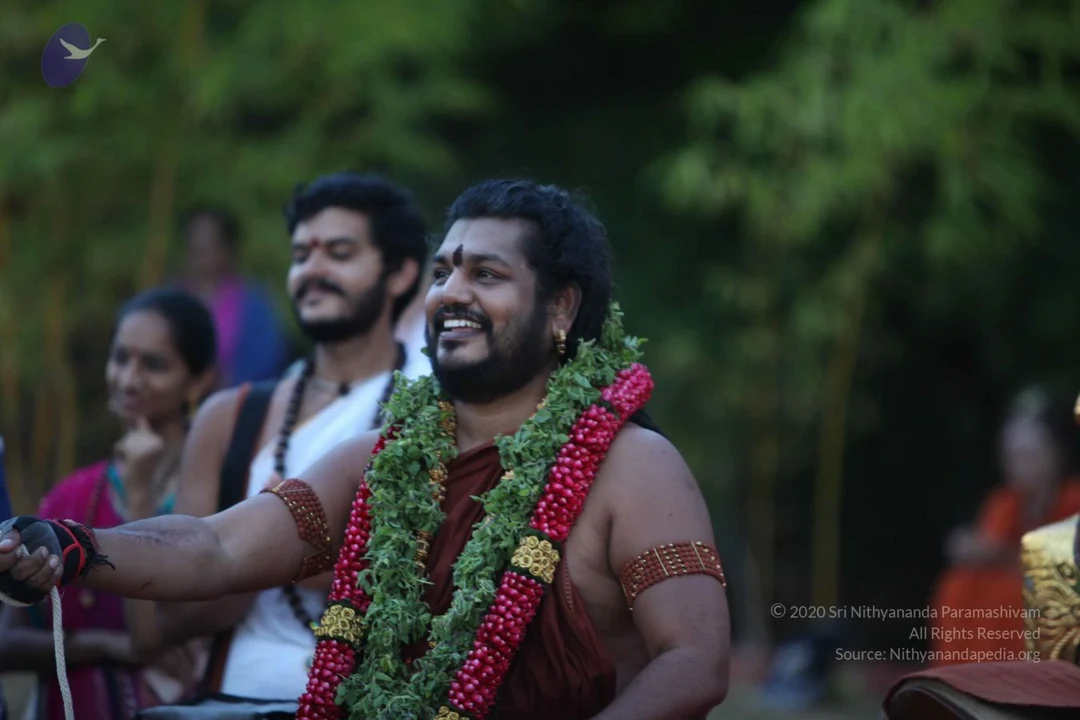
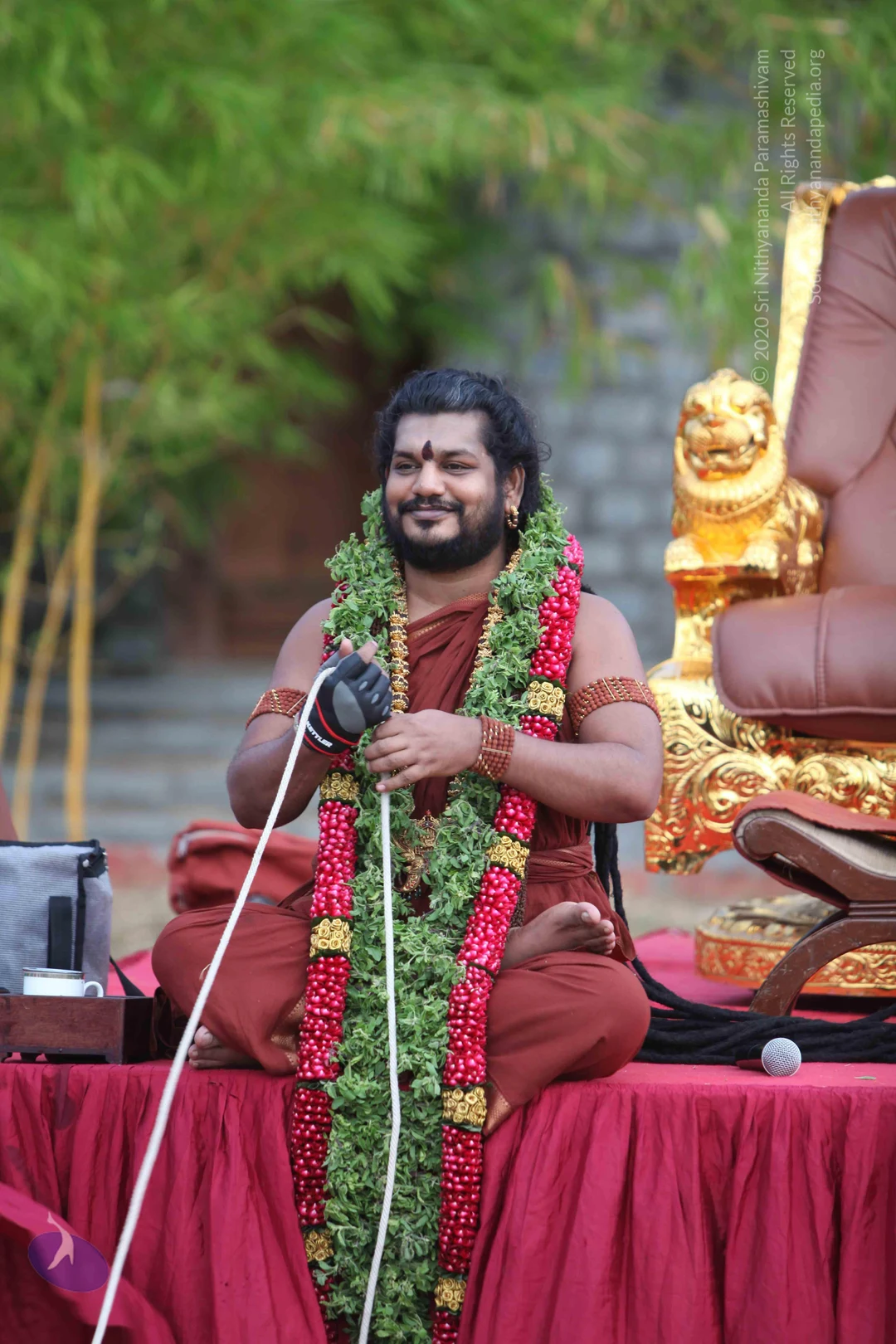
On the morning of 25 August 2016, Paramahamsa Nithyananda and the Nithyananda Sangha celebrated Krishna Janmashtami - the birthday of Sri Krishna. In his morning message, Swamiji shared about Sri Krishna, how he is the most authentic incarnation of Sadashiva and how his life invites us to eternal celebration.

Link to Video:

VideoAudio

Transcript

nithyānandeśvara samārambhām nithyānandeśvari madhyamām | asmat āchārya paryantām vande guru paramparām ||

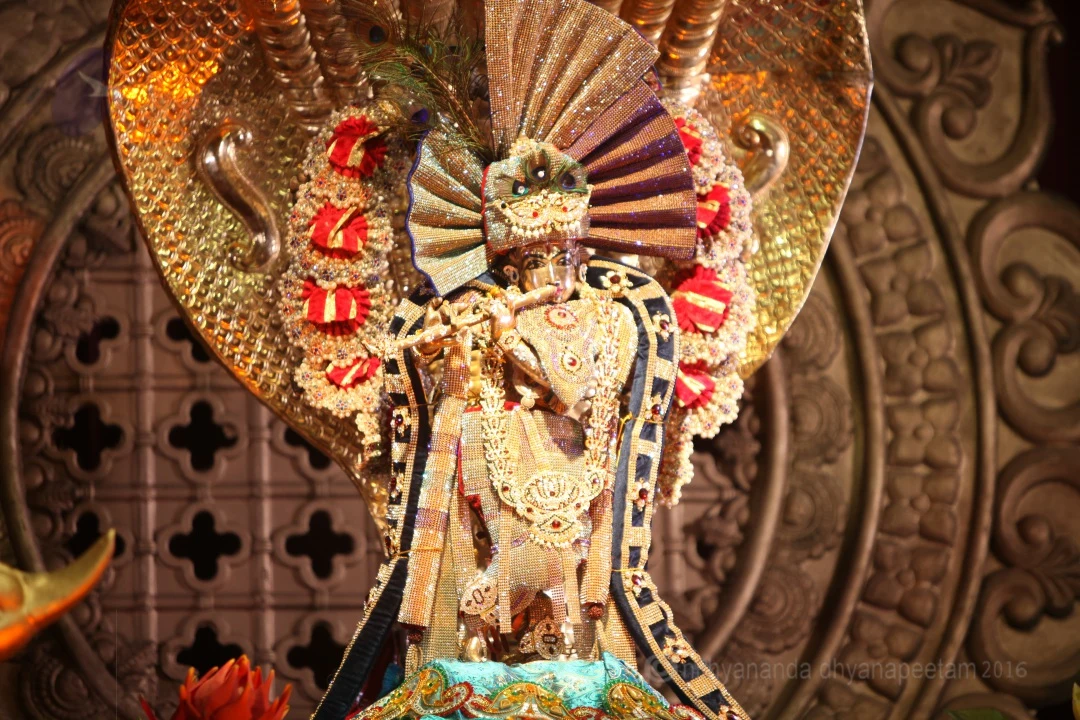
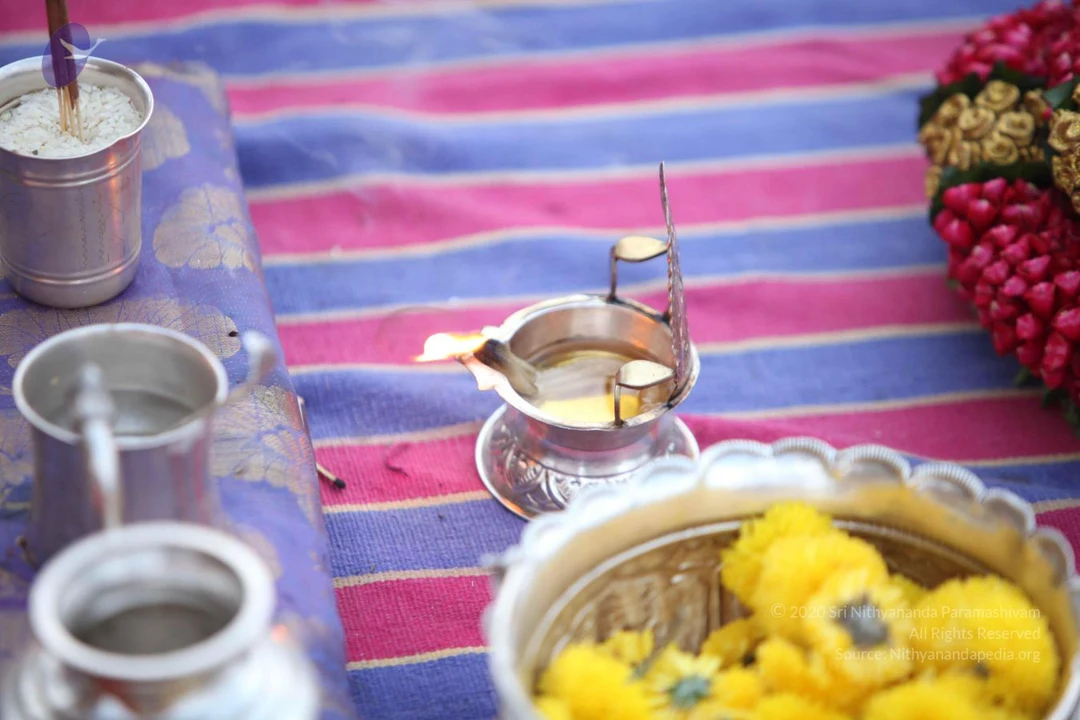
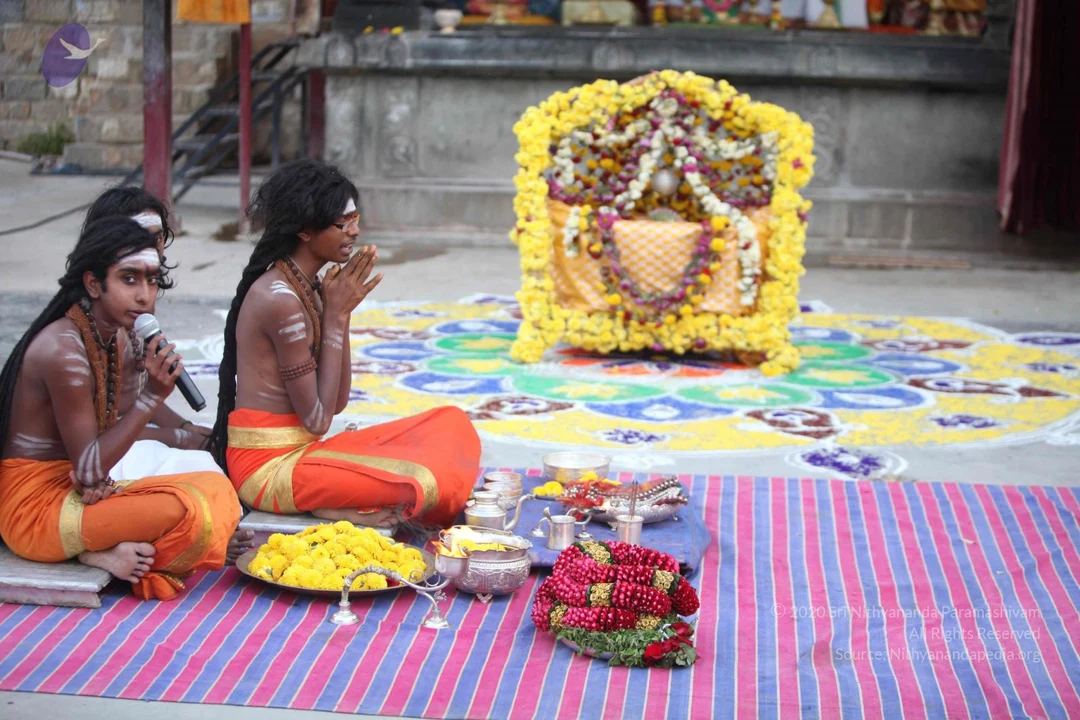
(00:43) I welcome all of you with My love and respects. I welcome all the disciples, devotees, Sarvajnapeeta Yajamans, Nithya Satsangis, Sri Mahants, Mahants, Kotari, Thanedar, visitors, viewers, YouTube subscribers, everyone on this auspicious occasion of “Krishna Janmashtami”. People who are sitting with us all over the world through Nithyananda TV, Facebook Live, YouTube Live and through two-way video conferencing having Nayana Deeksha all over the world. I welcome all of you with My love and respects. Today, Krishna Janmashtami. Krishna, the greatest embodiment of Sadashiva ever happened in the Cosmos. Purnavatara, the manifestation of all the powers described in the Vedas and Agamas. All the experiences described in the Vedas and Agamas. He is the living demonstrator. Please understand, I am using the word, not lived, living, living demonstrator of everything Veda and Agamas stand for. Let’s first offer our respects in the form of Arti to Sri Krishna then we will enter into the Satsang.

[Devotional offerings to Sri Krishna Bhagawan…] (04:11) Krishna celebration is His life and message. The word, “Celebration” is the essence of His life and message. No one can celebrate, celebrate, celebrate, celebrate like Krishna. He is so much in love with life, in romance with the cosmos; nothing, nothing ever even occurred to Him as pain. He never occurred as pain to anything, everything, everything was just celebration, celebration, celebration. To tell you honestly whatever we know as Hinduism now, He is the founder of that Hinduism. Whatever we know, whatever we know as Hinduism, He is the founder. Because, whatever He lived, whatever He taught, that is only still practiced as Hinduism. Understand Hinduism has tons of material but what is practiced is whatever He stood for, what He expressed and what He radiated that is only still practiced. He is the most powerful, greatest embodiment of the cosmos Sadashiva and the greatest devotee of Sadashiva. The greatest manifestation of Sadashiva, ‘Being’ which radiated Sadashiva to an extraordinary level in the planet Earth. Please understand; in the planet Earth, the greatest, best, most authentic manifestation of Sadashiva, He is Krishna. Nothing compare to Him. The word, “Purnavatara” is too small for Him. “Jagadguru” is too small for Him. He is too much. He is too much. If you are sitting and talking about Him, I think it is like having a huge cake and you go on giving discourse about it. I think you should taste Him. (07:53) Celebration is His message. Celebrate today whole day, give vacation for your depression; tell your depression today holiday for you, go; tell your constant nagging mind today holiday for you, go; tell your constant grinding mind, what happened to that, what happened to this, what happened to this, what happened to this, what happened to this. The constant grinding mind, tell him, “Okay. Today, holiday for you. Krishna Janmashtami, Cosmic government holiday. Cosmic government holiday; go, go”. Give your mind vacation; celebrate. Actually He took birth to-night. It’s the night where Astami comes. So we start the celebration now. It was not yesterday night. Please understand, it’s not yesterday night, it’s tonight where the Astami overlaps with the Rohini. Rohini is the Nakshatra. Astami is the Tithi. Astami and Rohini overlap; that always happens only in the night. So, there are some Nakshatras overlap with Tithi in the day time, there are some in the noon time, there are some in the night time. Rohini overlaps always in the night time. He is the Lord of night. So, His life and His message is all about celebration. At least till tomorrow morning, tell your mind, “Bye. See you later on” and celebrate, celebrate, celebrate. Let today whole day be celebration. (10:27) Living the life and message of Sri Krishna. Eat like Krishnas, dress like Krishnas, dance like Krishnas, feel like Krishnas, celebrate like Krishnas, you will become Krishna. Celebrate, that is the only way you will taste Krishna; not otherwise, otherwise giving ten hours Satsang on the hot cake will only reduce the taste of the cake. Just taste, taste Him, taste celebration, that is His message. I tell you, He made whole Hinduism as the religion of celebration. His life is celebration, His teachings are celebration, even the rituals used to worship Him is celebration. He is celebration. Let’s celebrate Him, that’s a best way you can taste Him. Krishna, the highest celebration. So, today vacation for mind, the cosmic holiday and celebration. Let’s celebrate the greatest embodiment of Sadashiva, Sri Krishna. वसुदॆव सुतं दॆवं कंस चाणूर मर्दनम् । दॆवकी परमानन्दं कृष्णं वन्दॆ जगद्गुरुम् ॥ (12:40) So I bless you all. Live Him, breath Him, celebrate Him, eat Him, dance Him, sing Him, ultimately become Him. Become Him and today day long celebration we have, celebrate Him and become Him. Let your being, Him. Be Him. I bless you all. Let you all radiate with Integrity, Authenticity, Responsibility, Enriching, Causing, living Shuddhadvaita Shaivam. The eternal bliss, Nithyananda. Thank you. Be blissful.

Photos From The Day:

Satsang
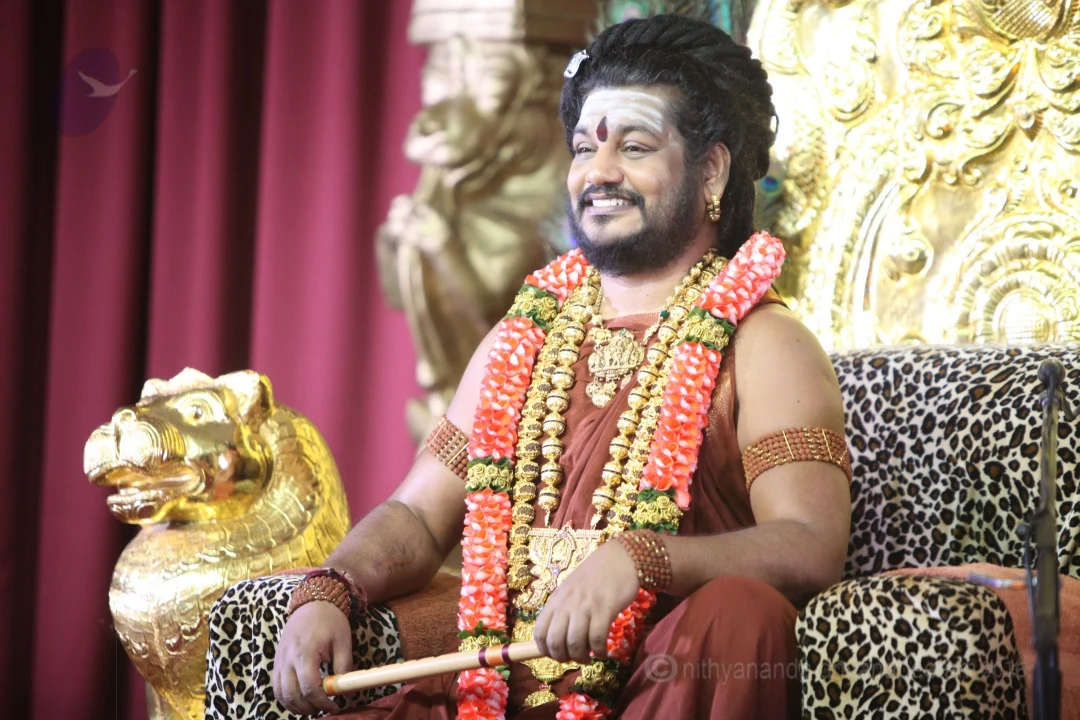
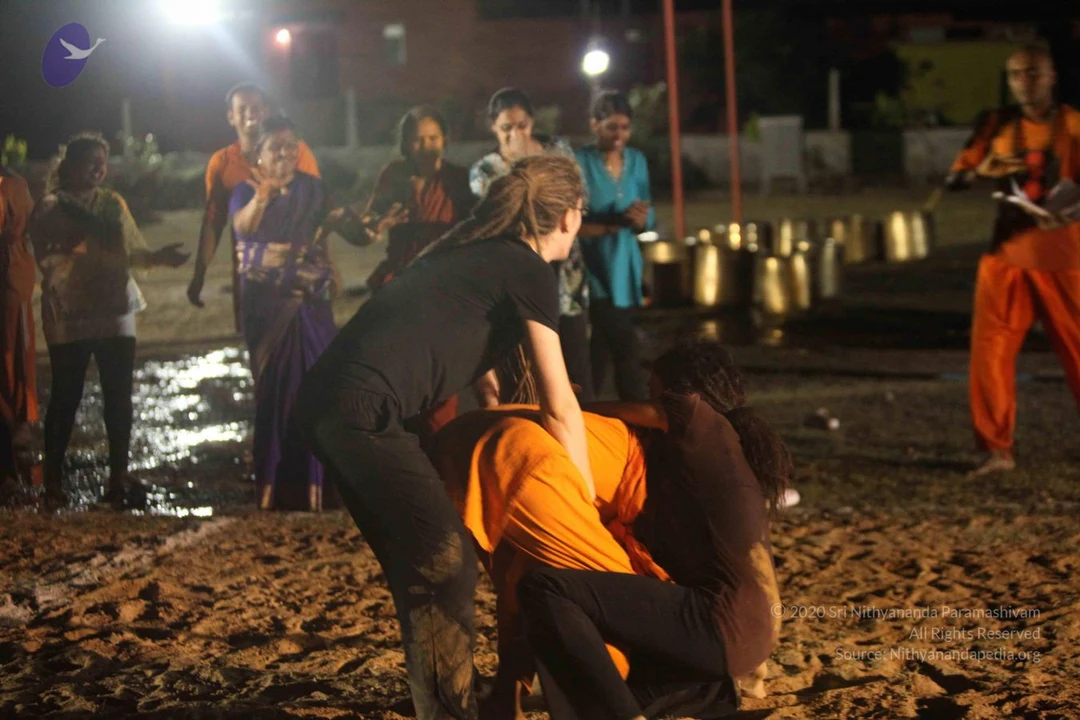
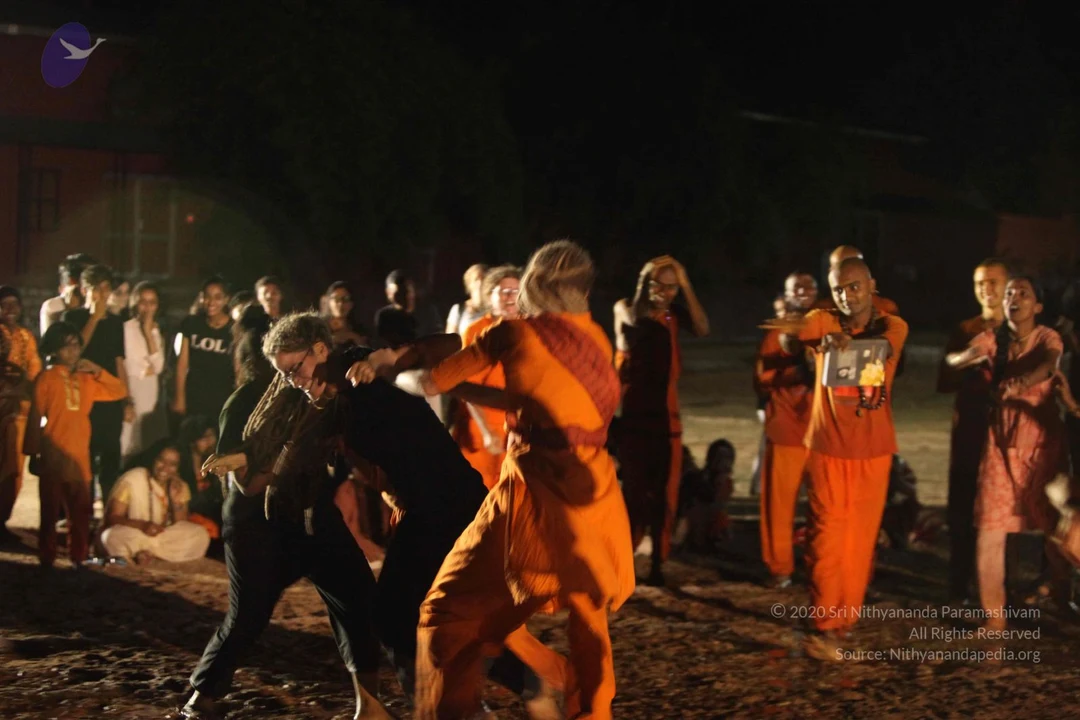
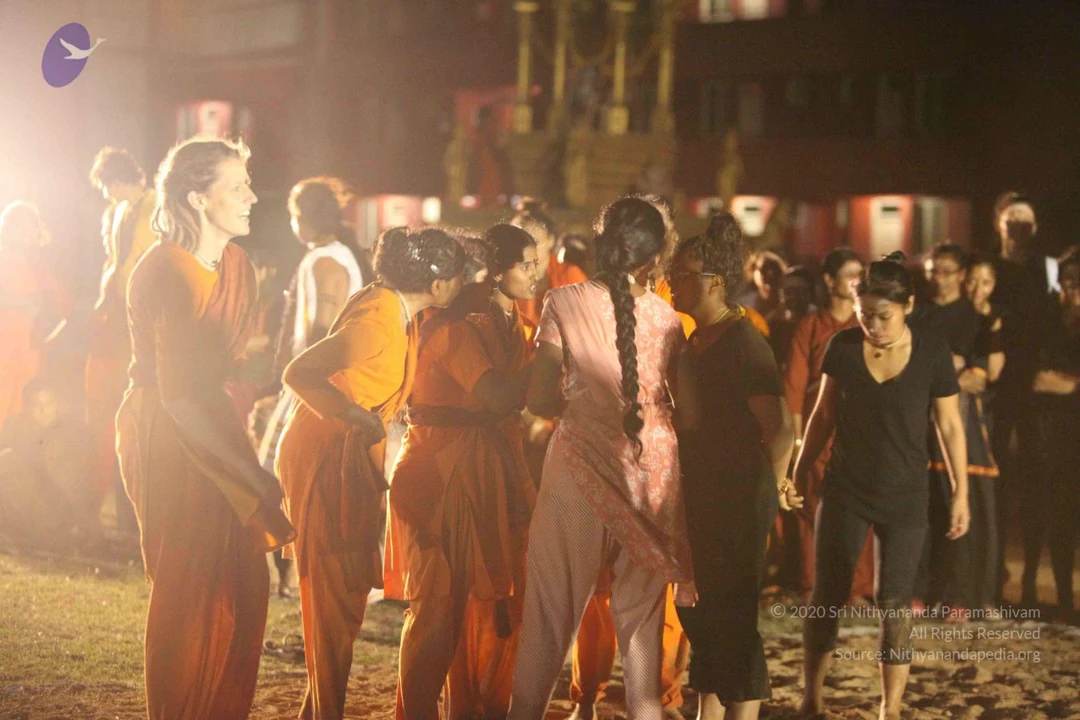
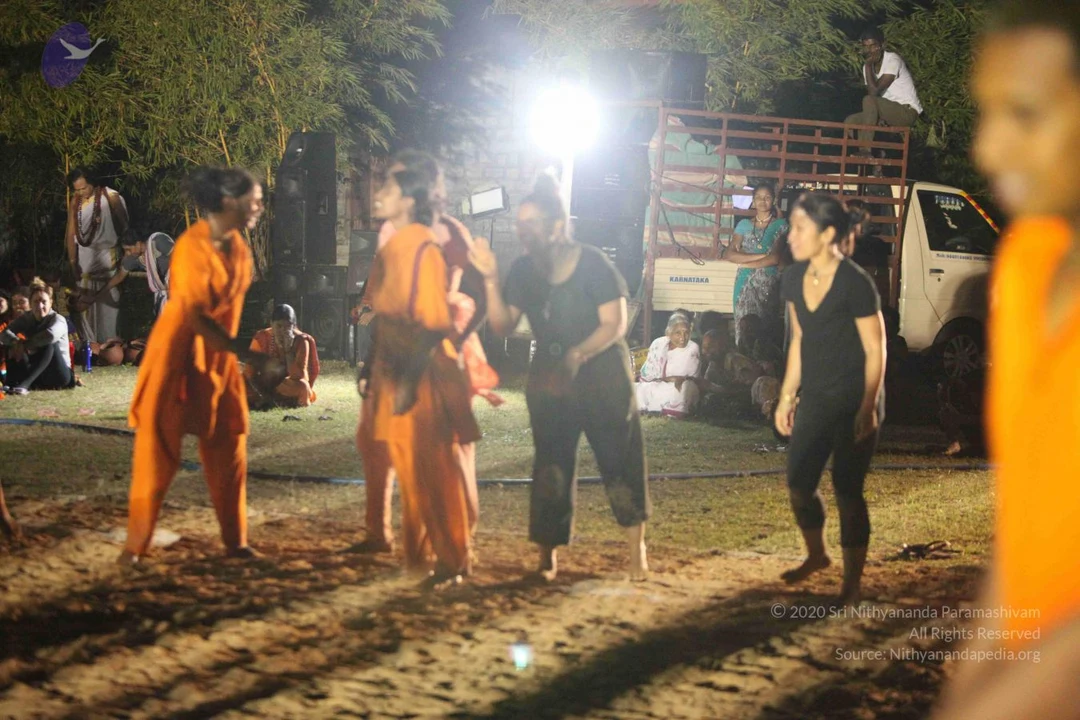
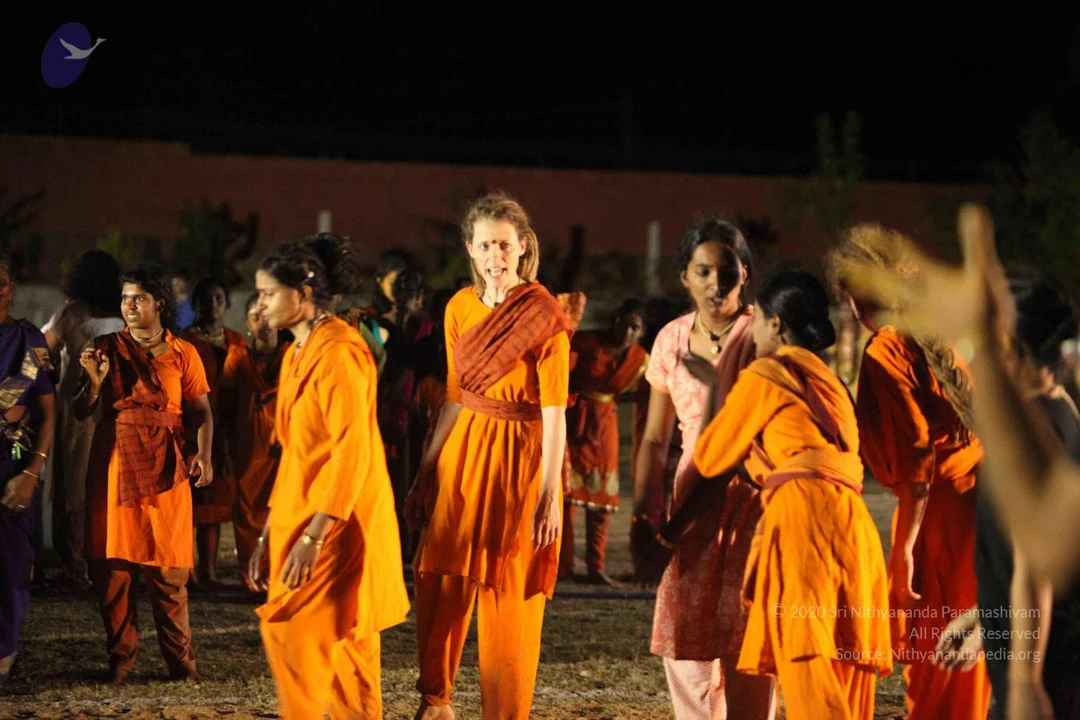
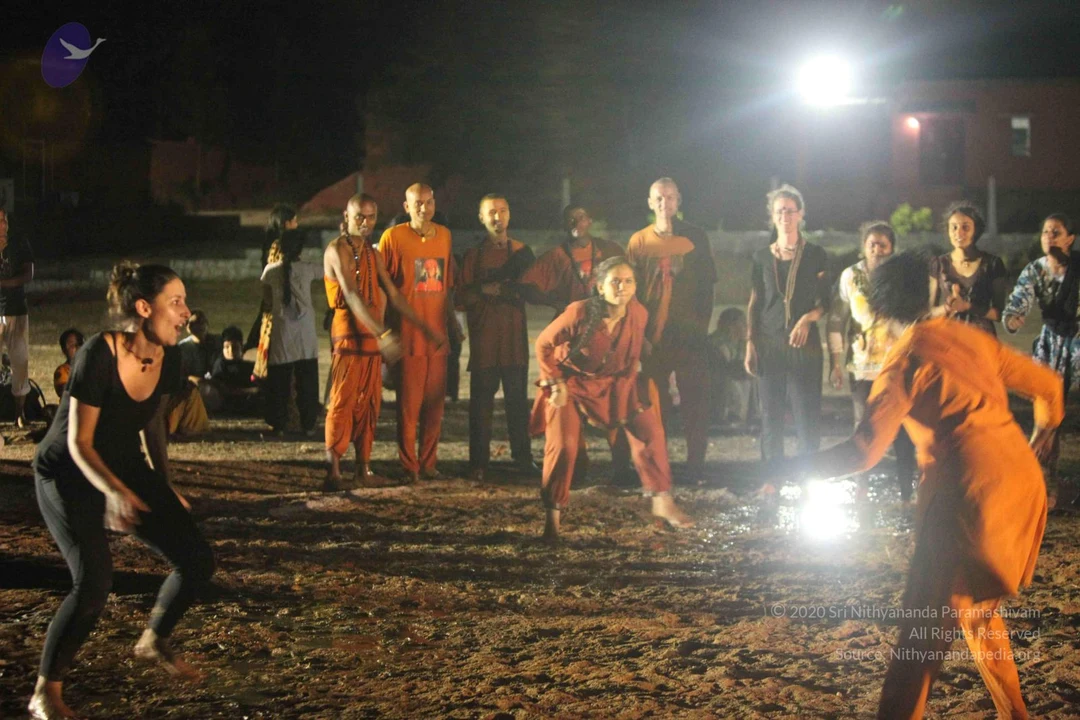
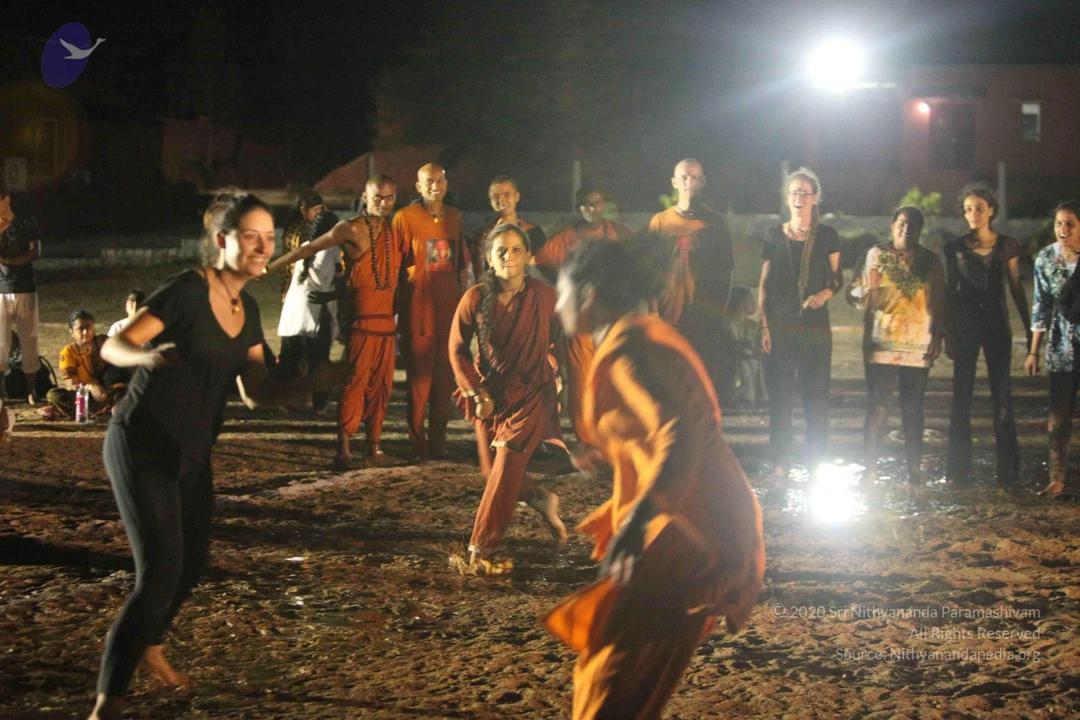
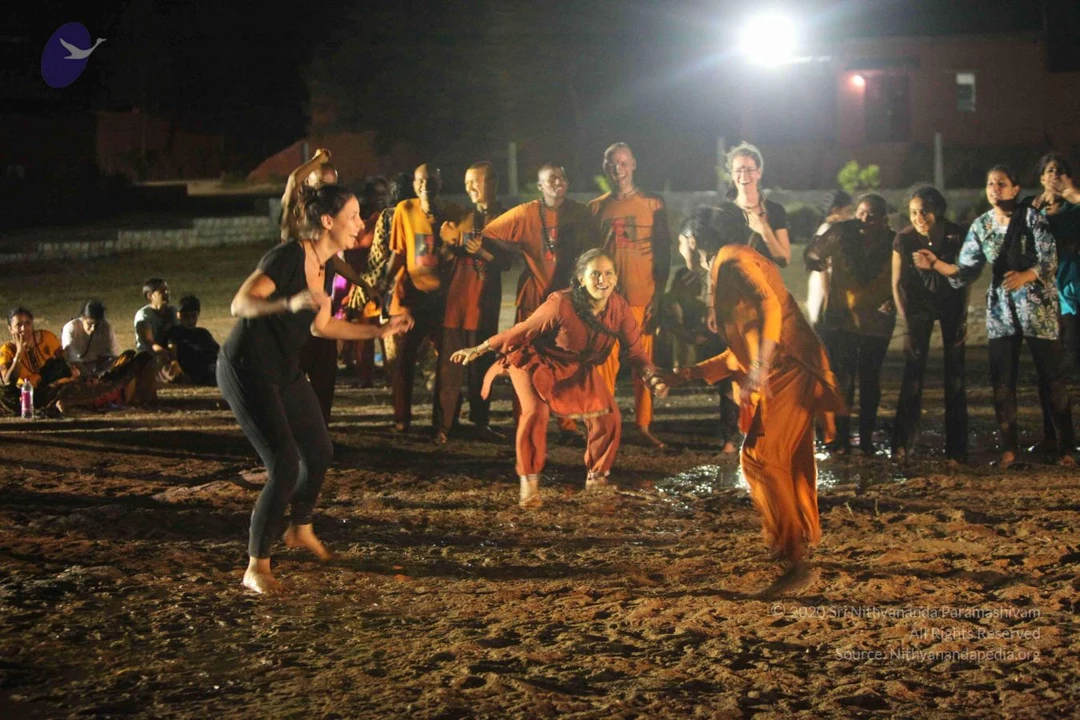
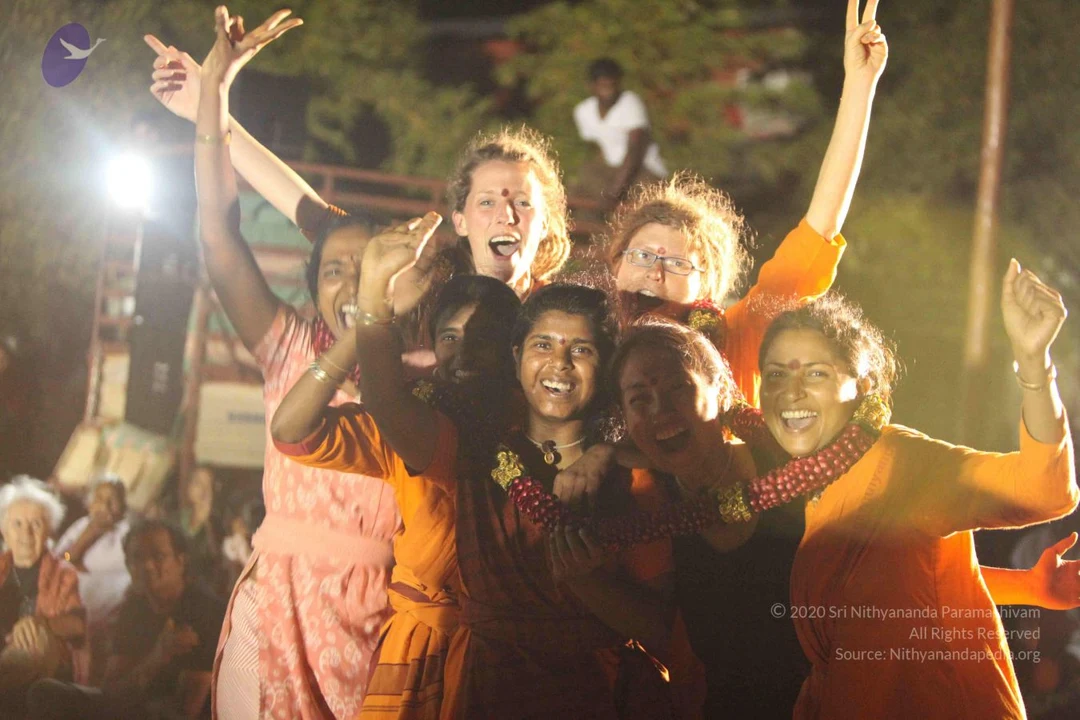
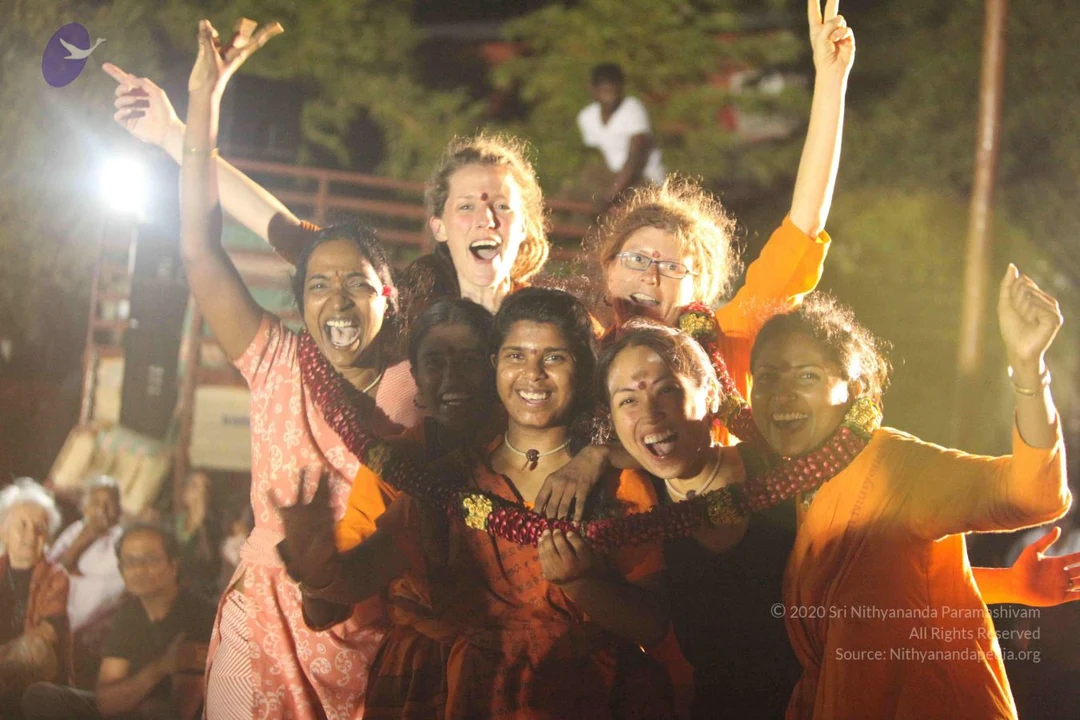
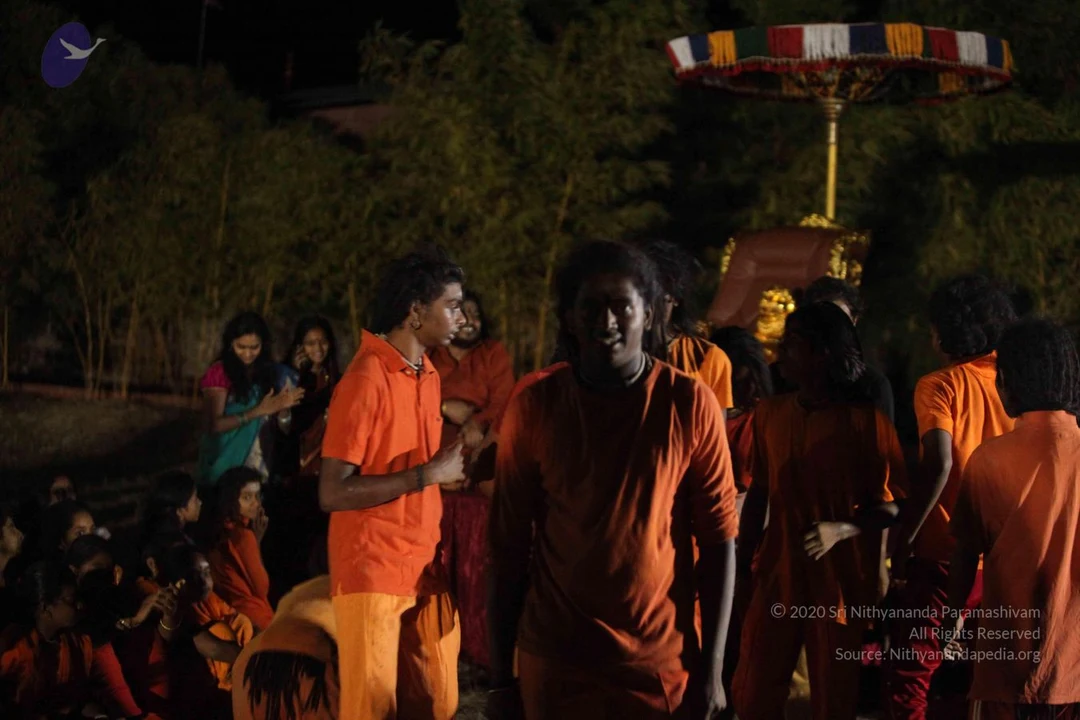
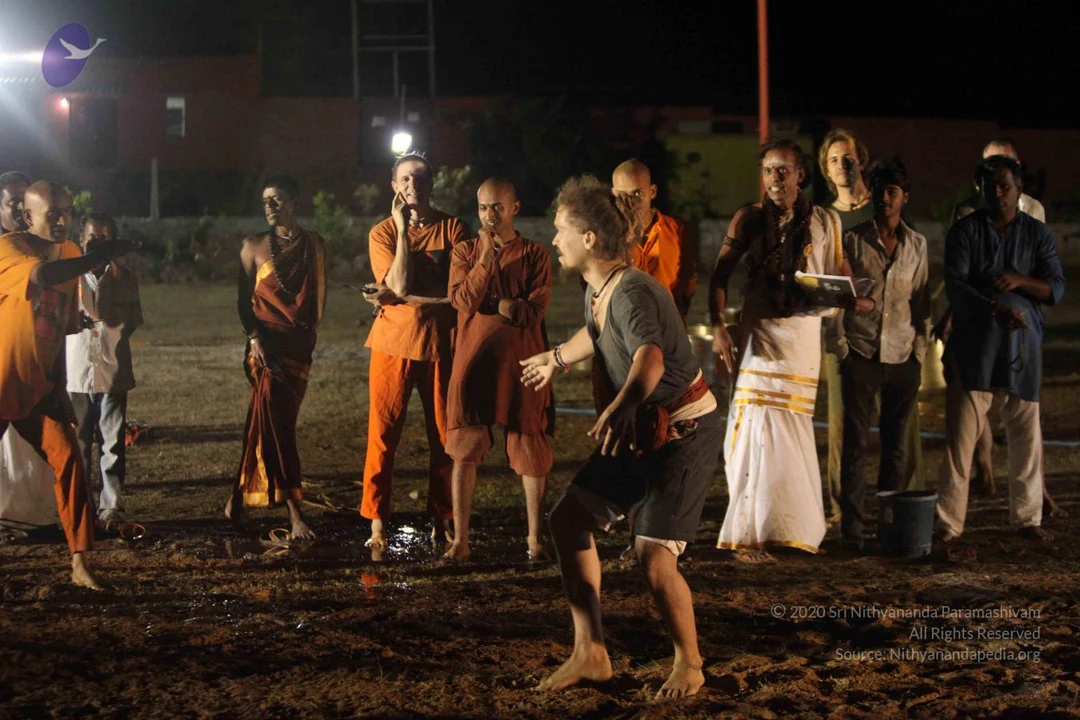
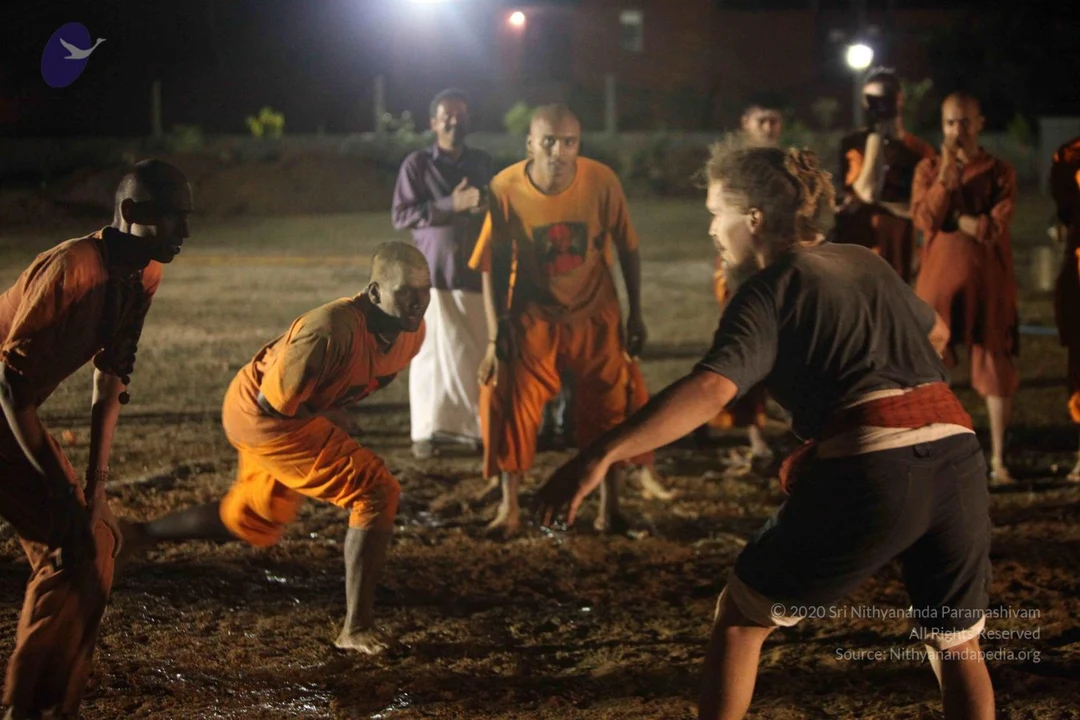
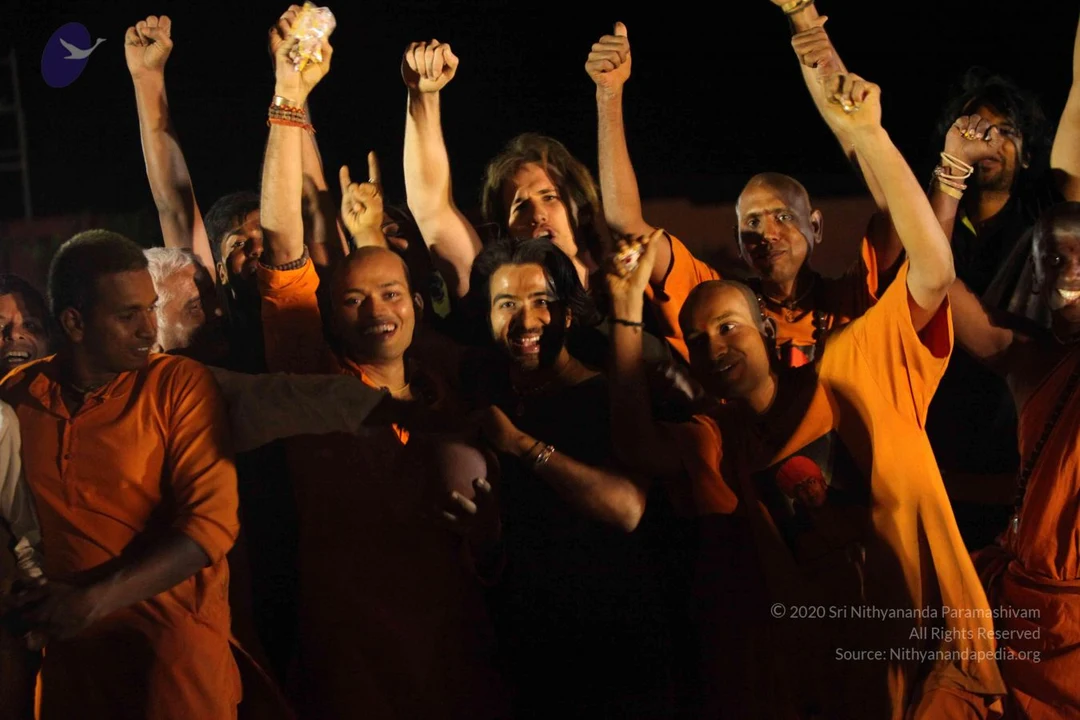
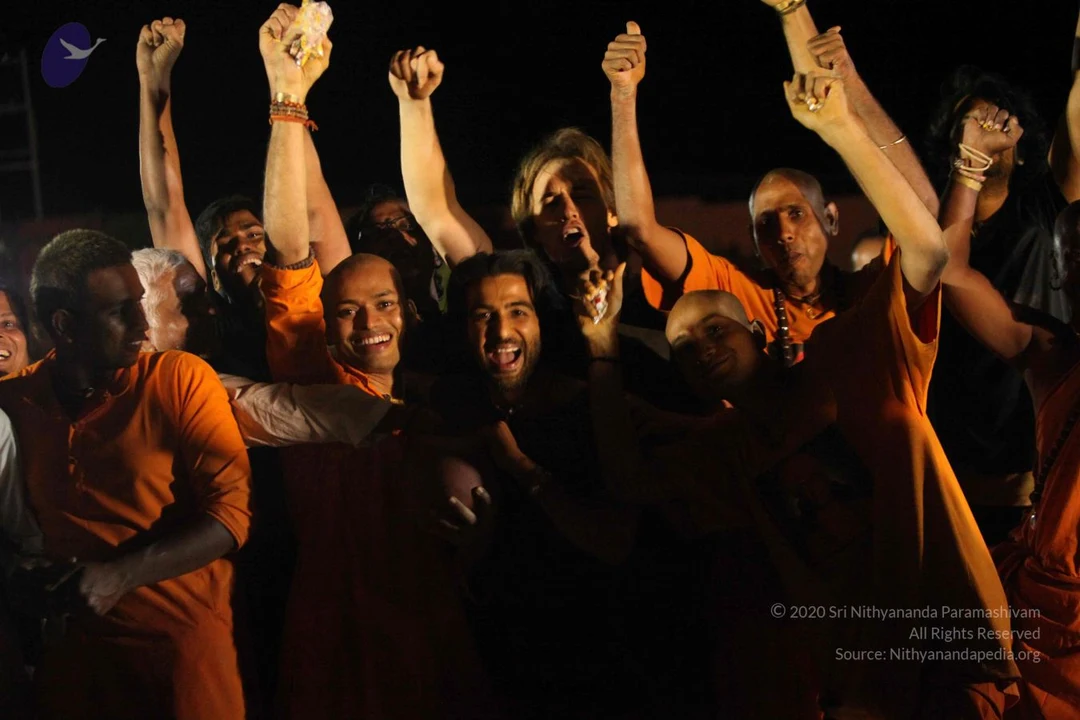
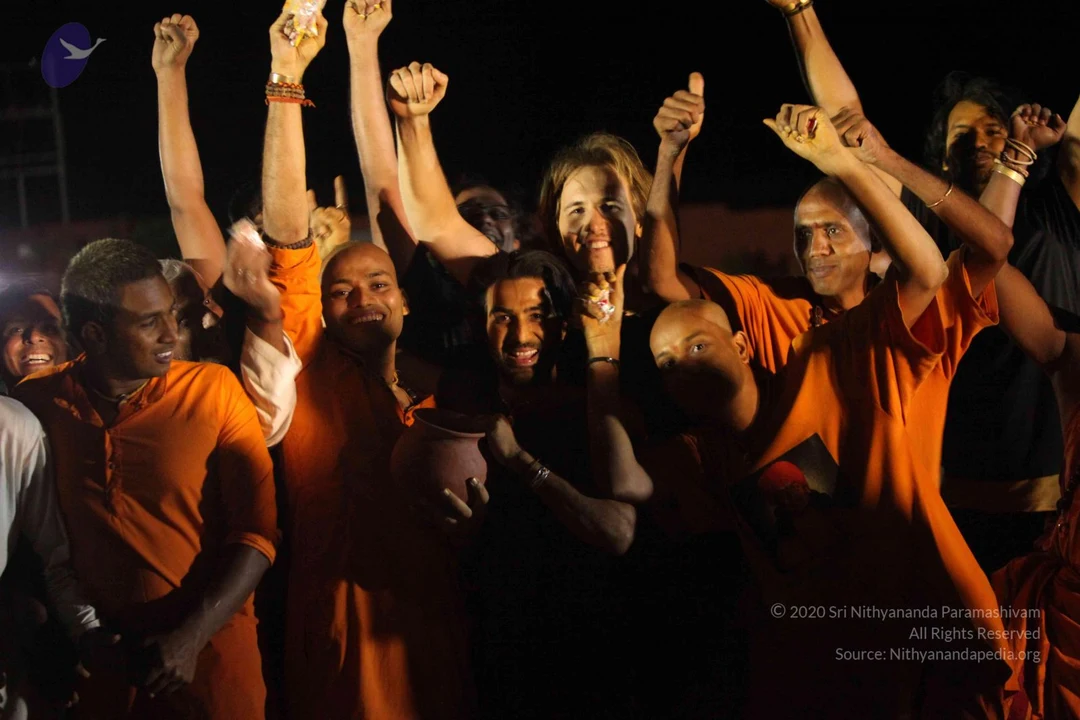
Krishna Janmashtami Celebrations
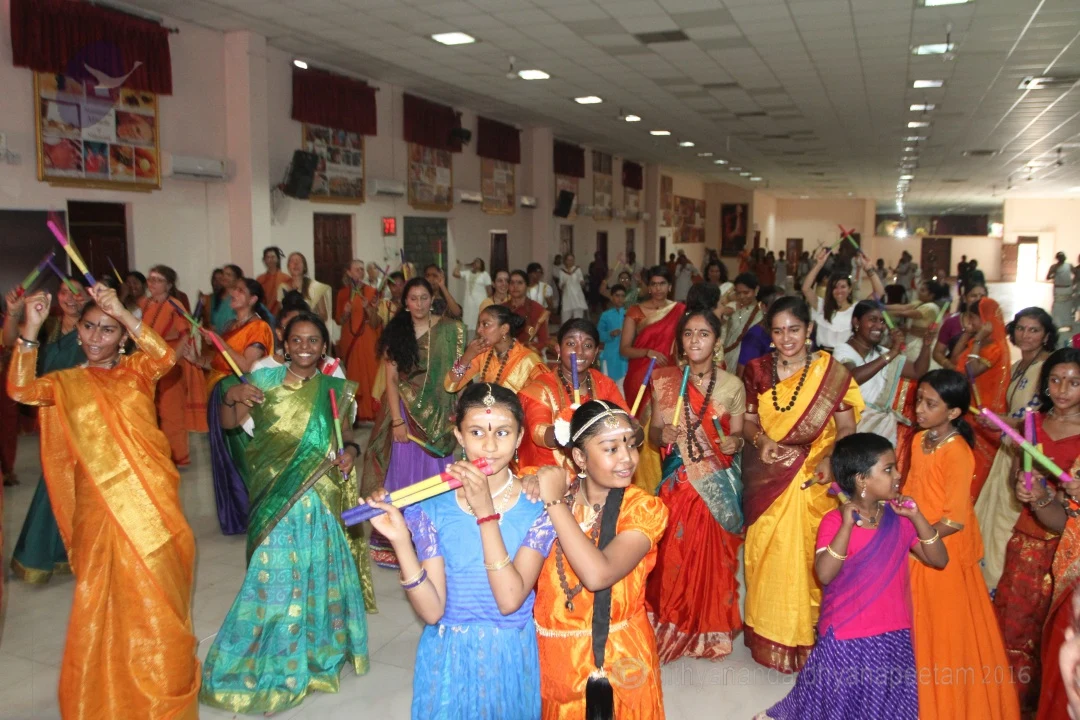
Title

Paramashivoham Oneness Capsule 241 (Krishna Janmashtami 25 August 2016)

Link to Video:

Link to Video:

Photos Of The Day:

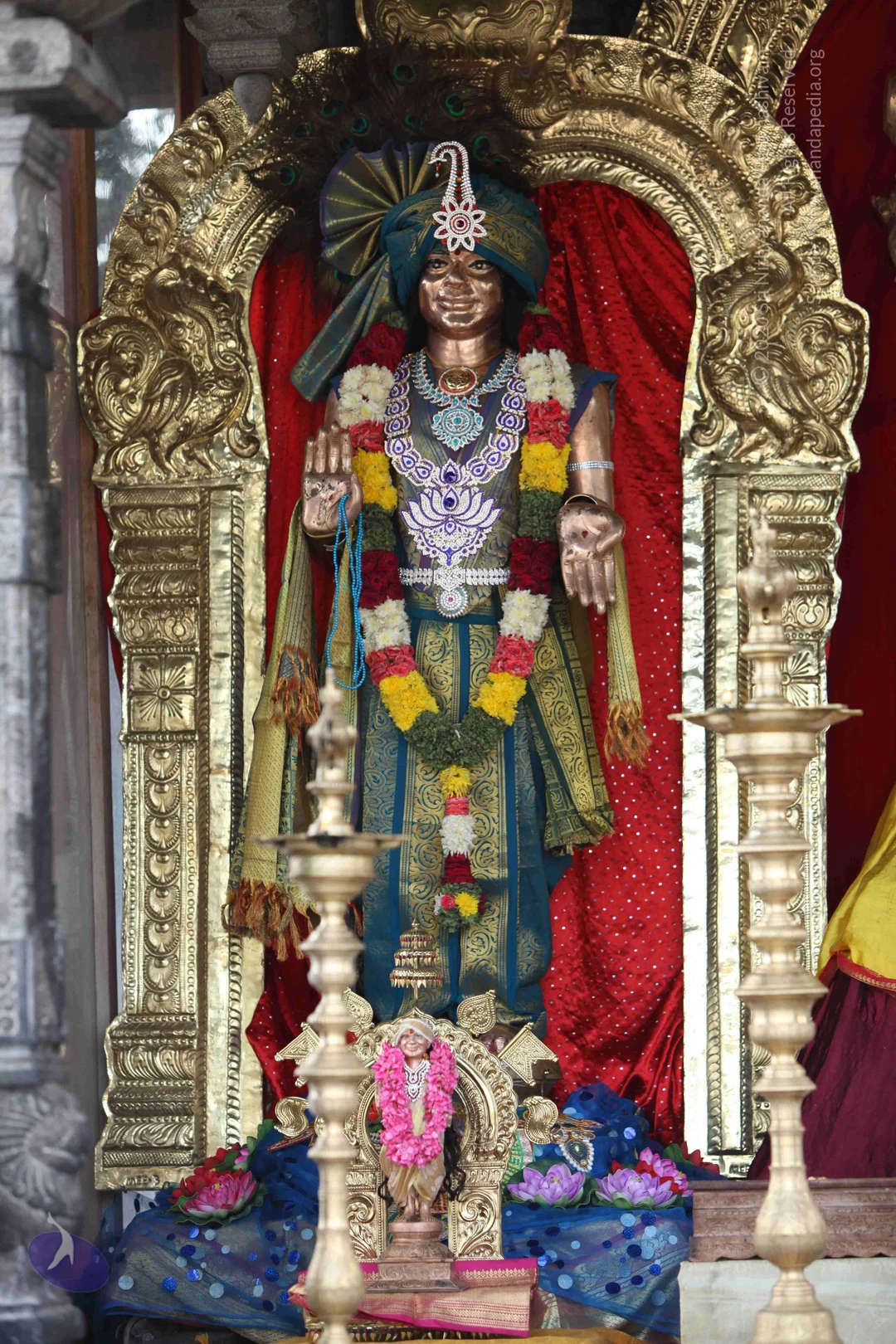
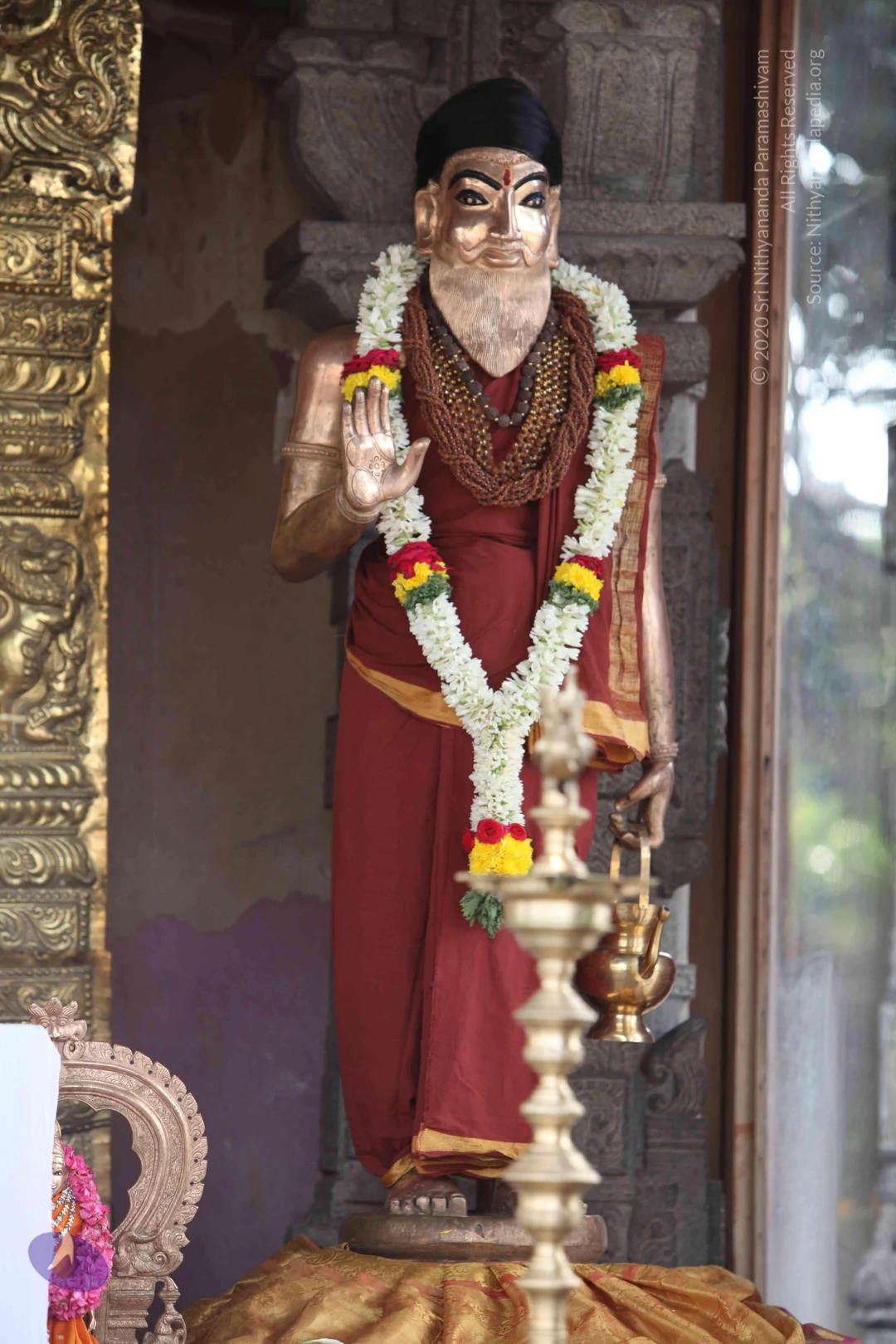
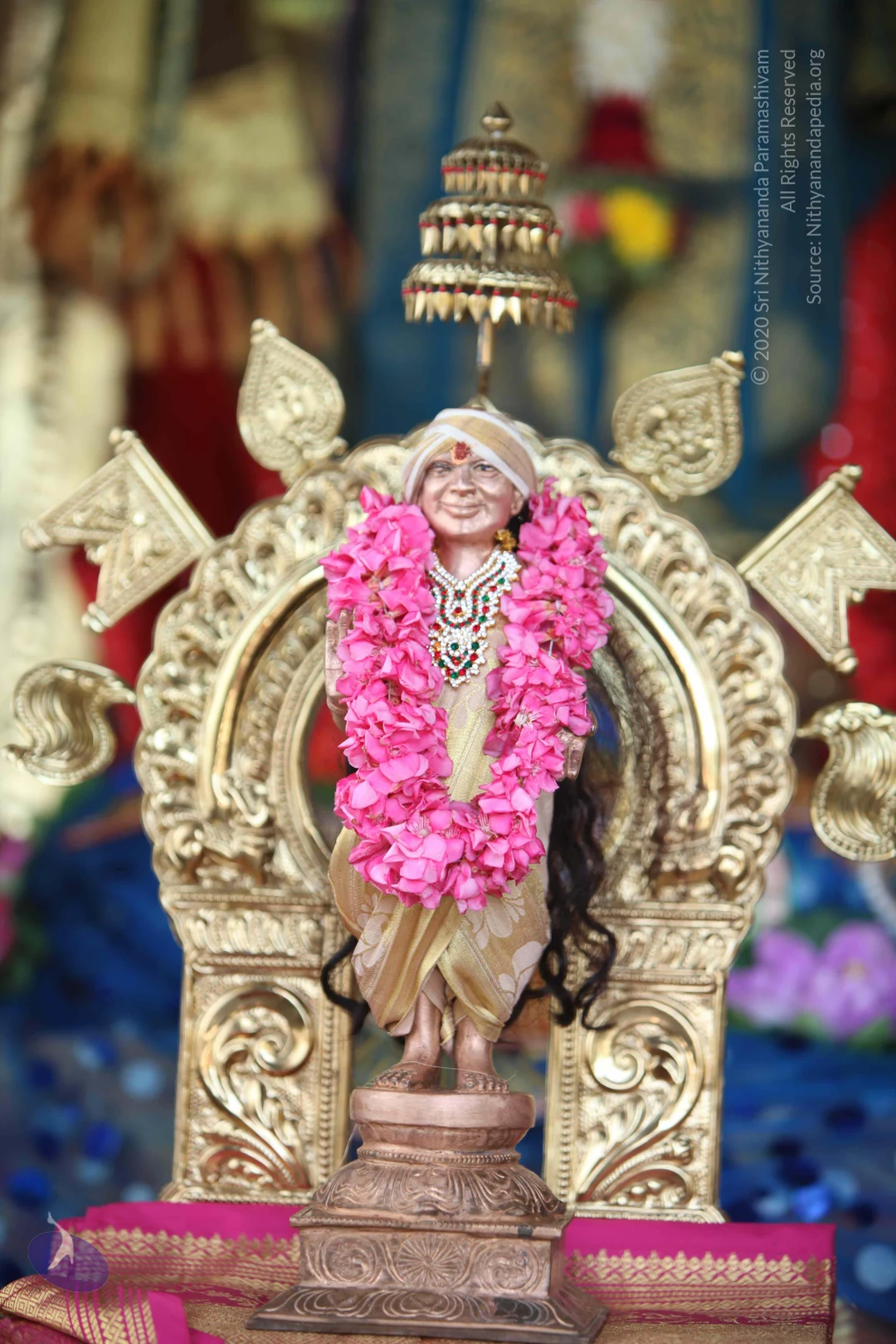
Temple - Sri Krishna Janmashtami
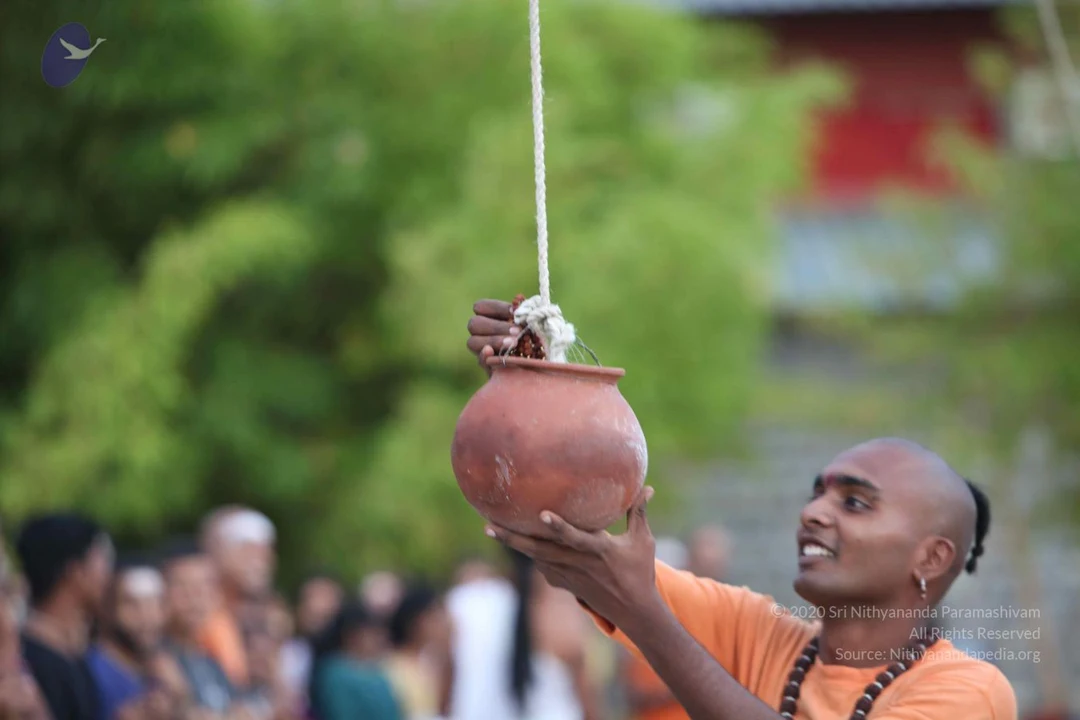
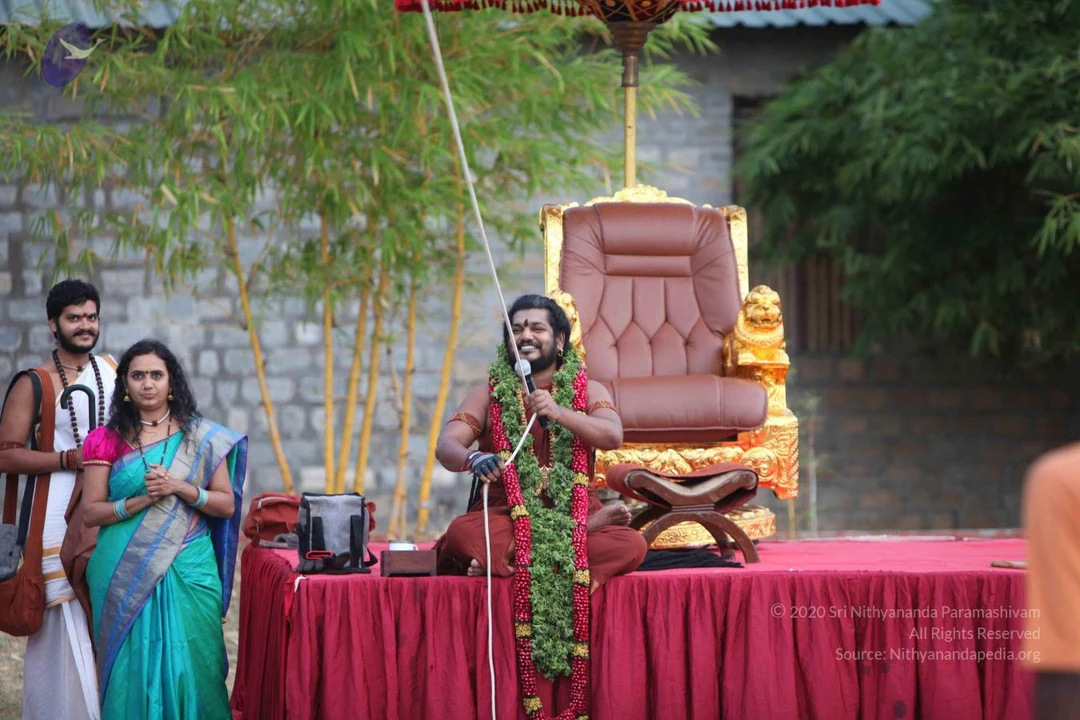
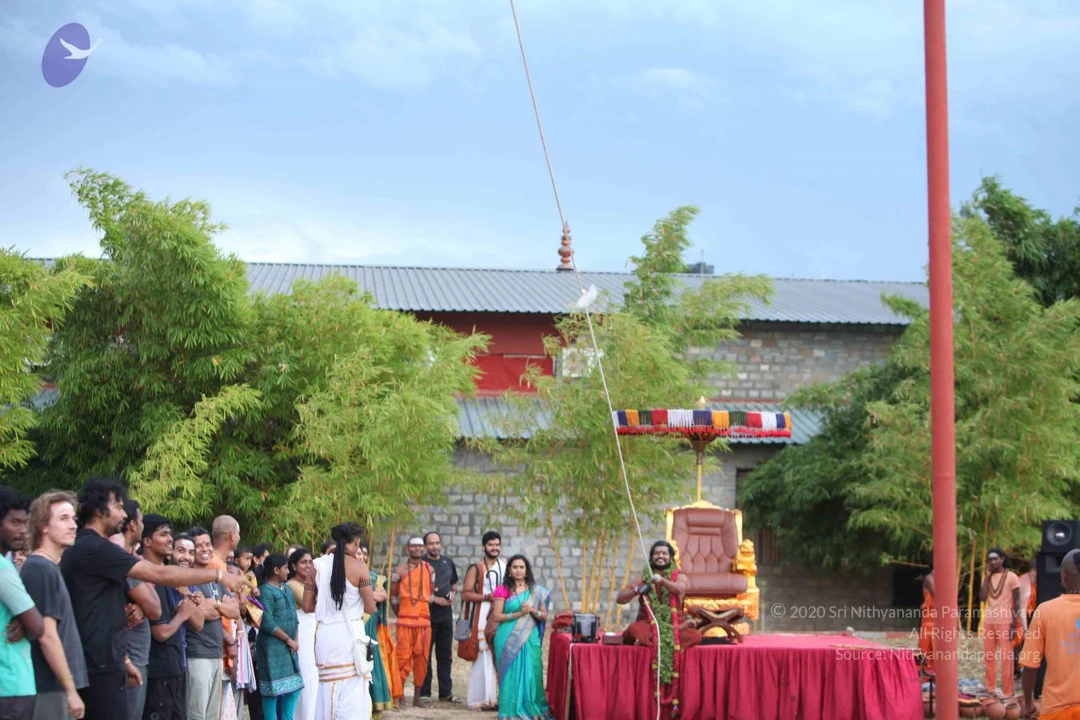
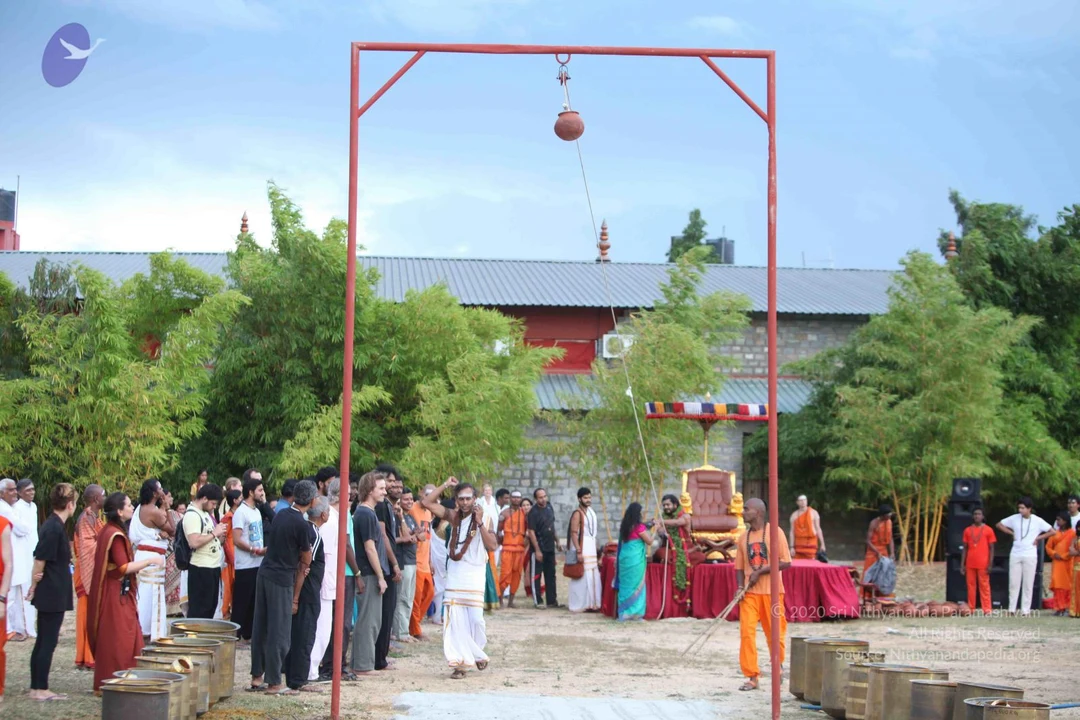
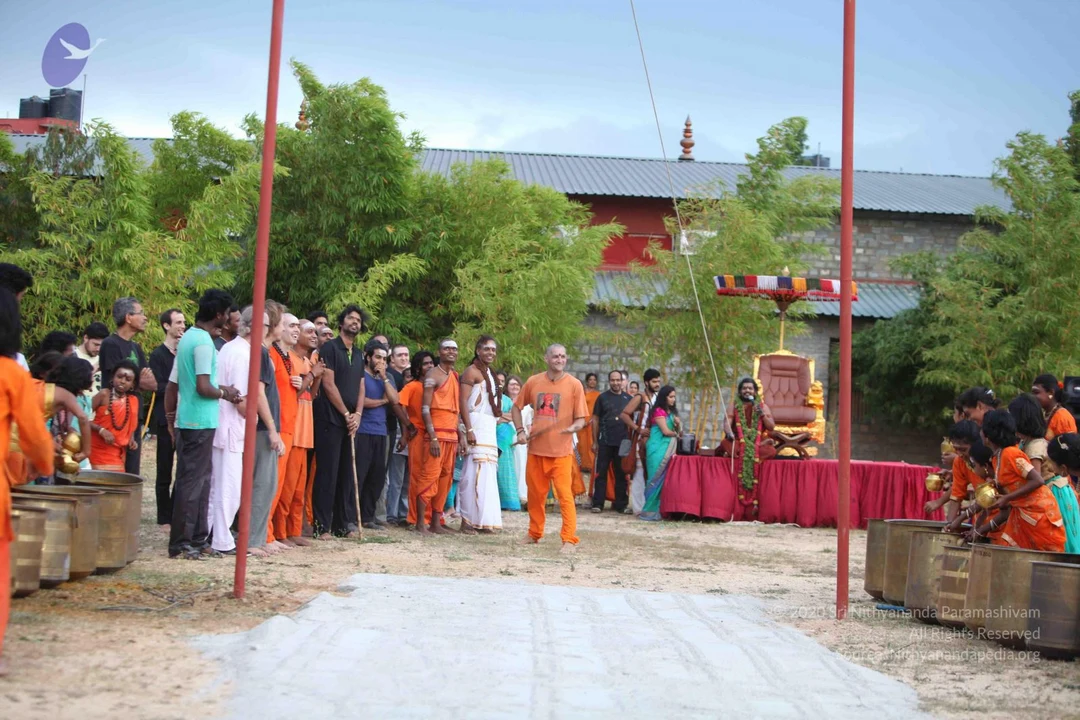
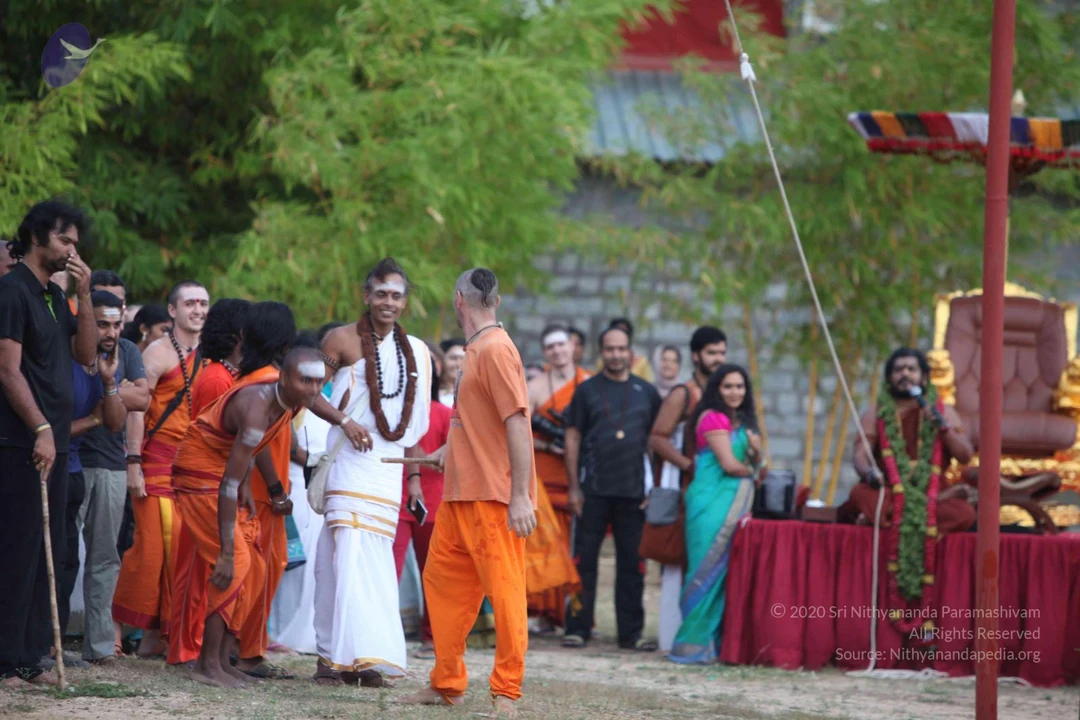
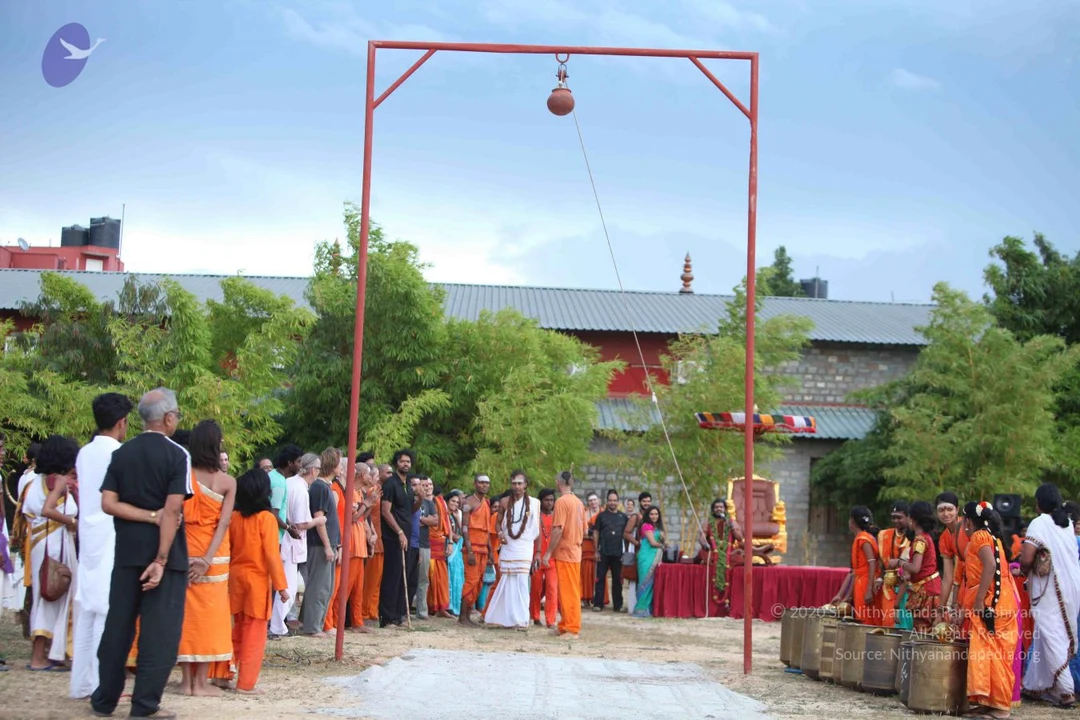
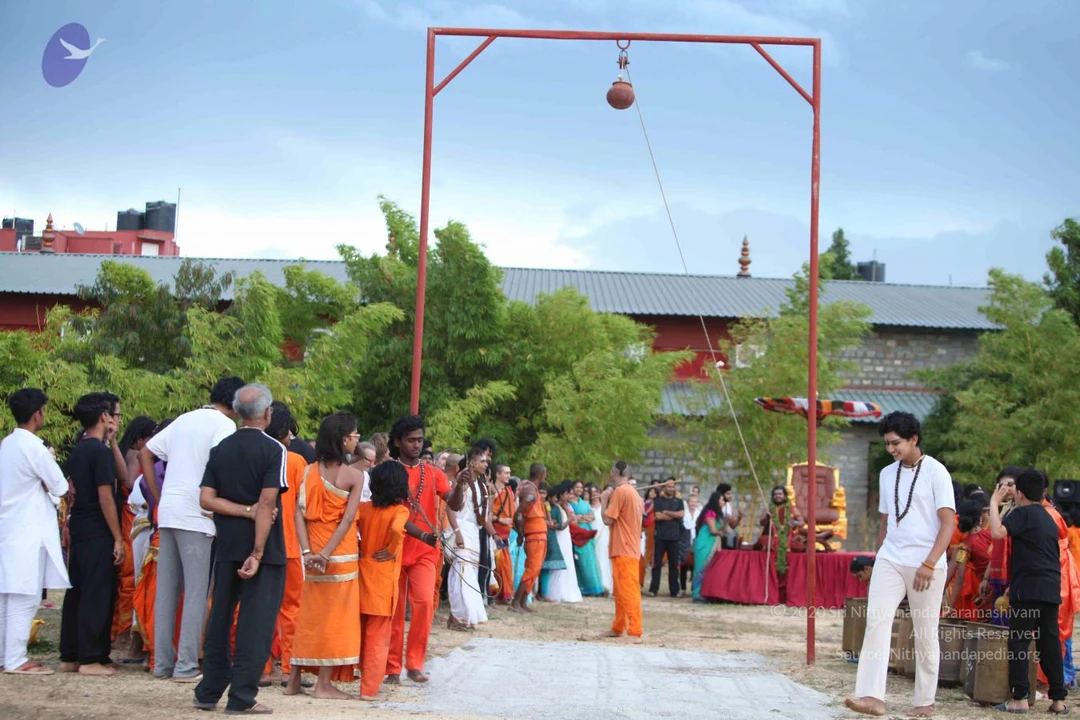
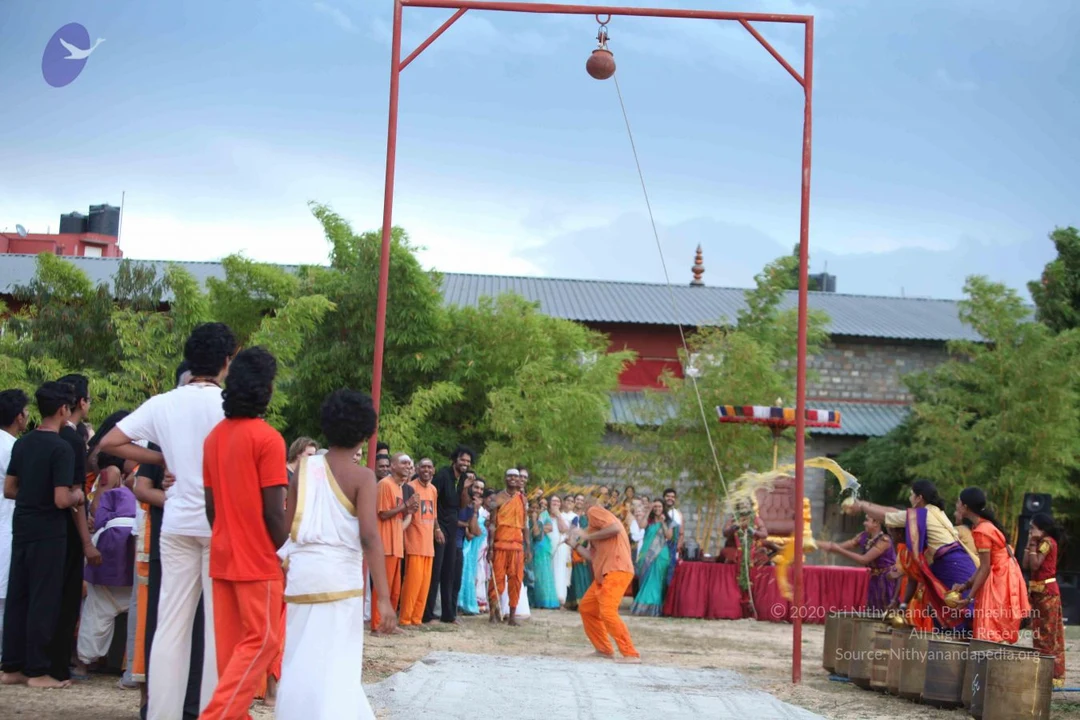
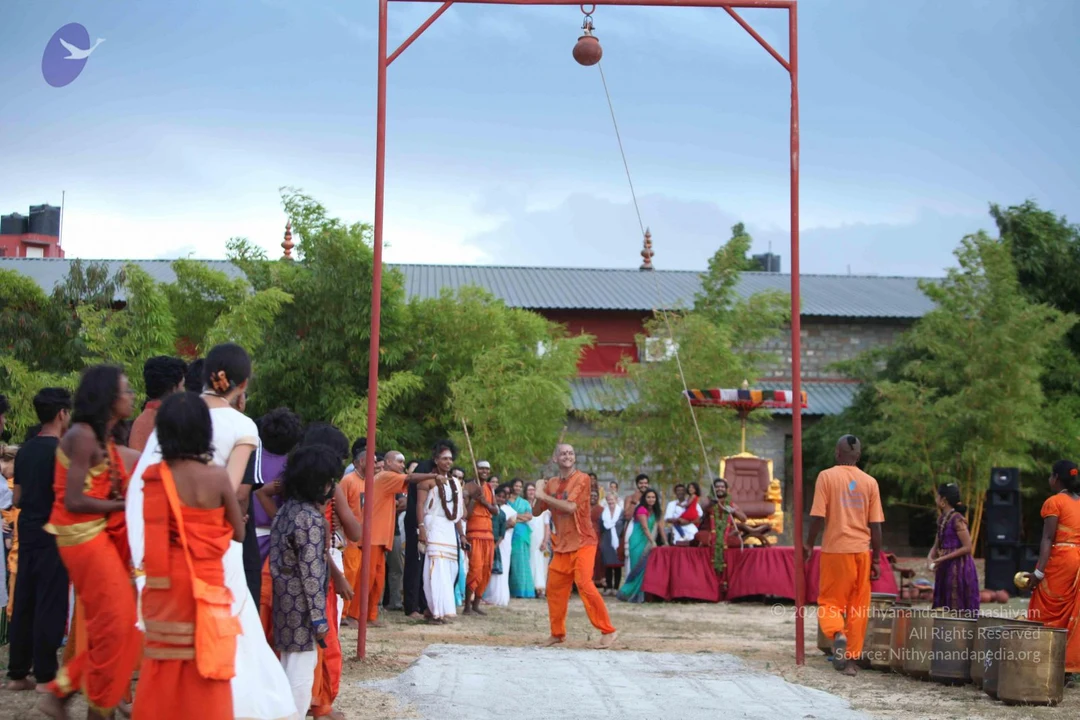
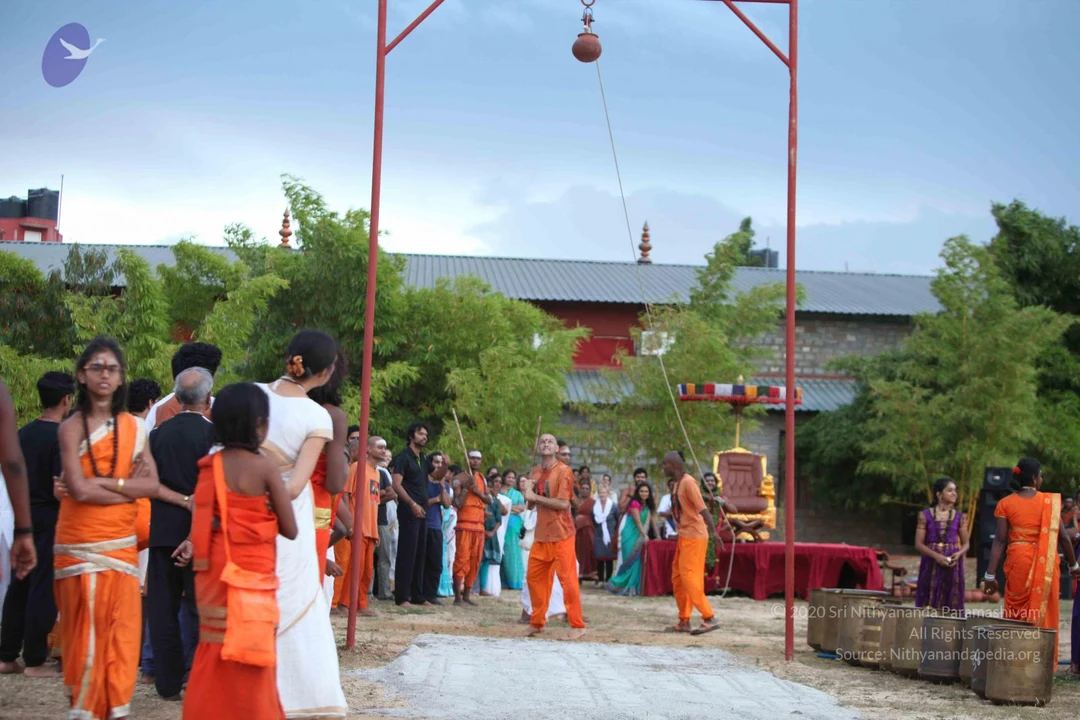
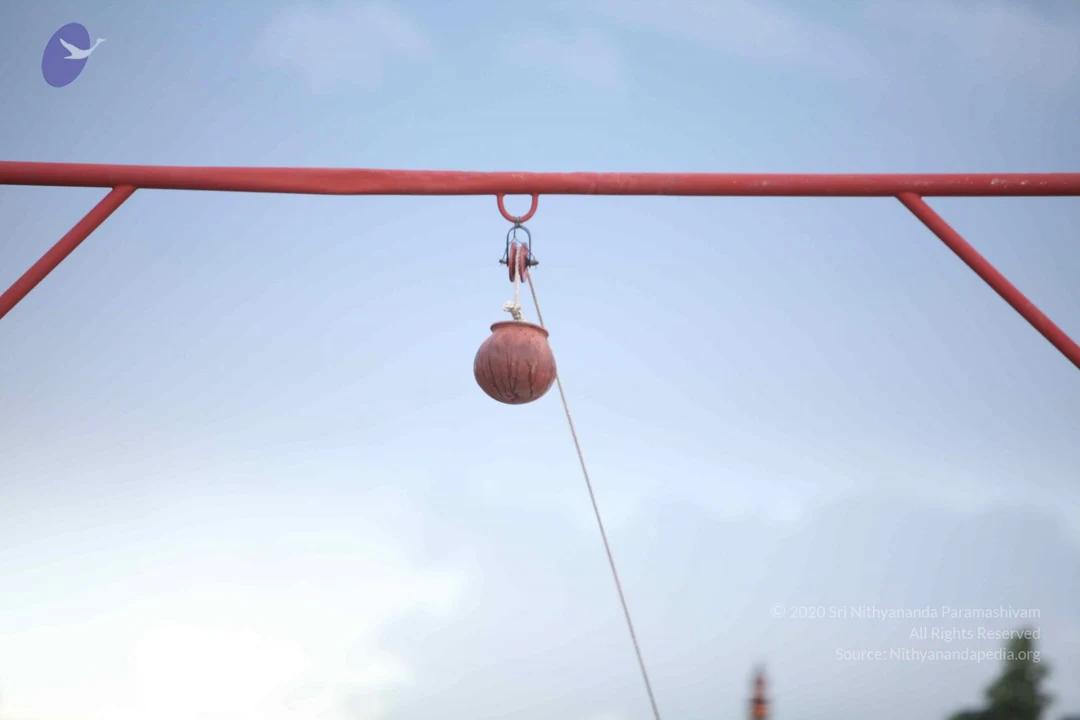
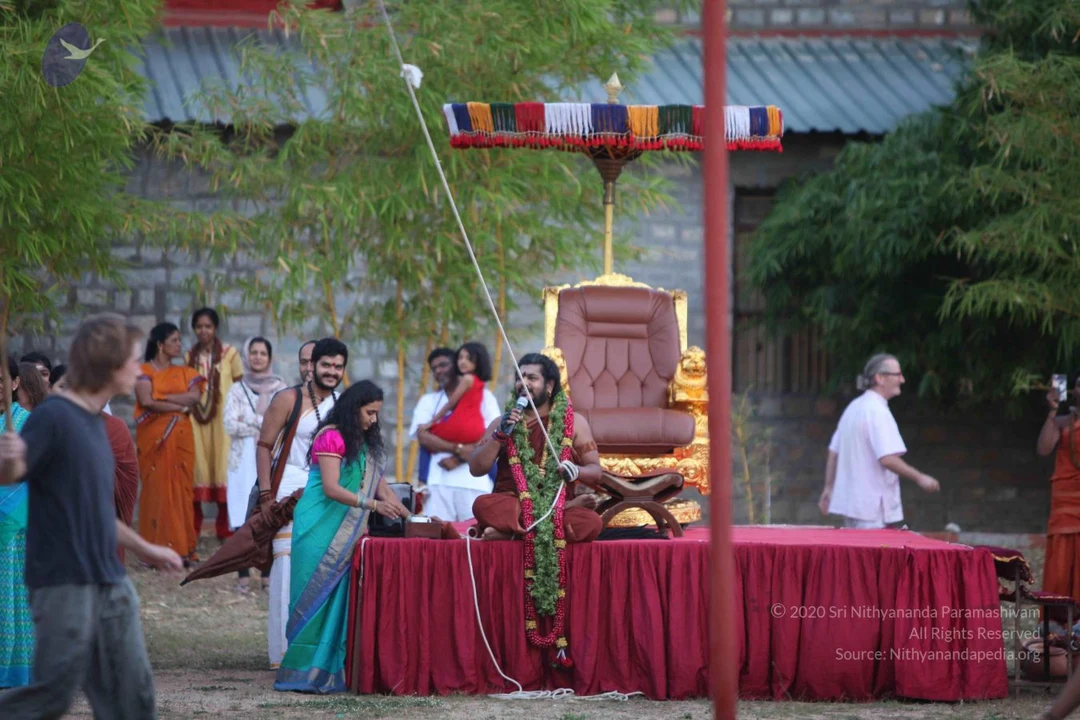
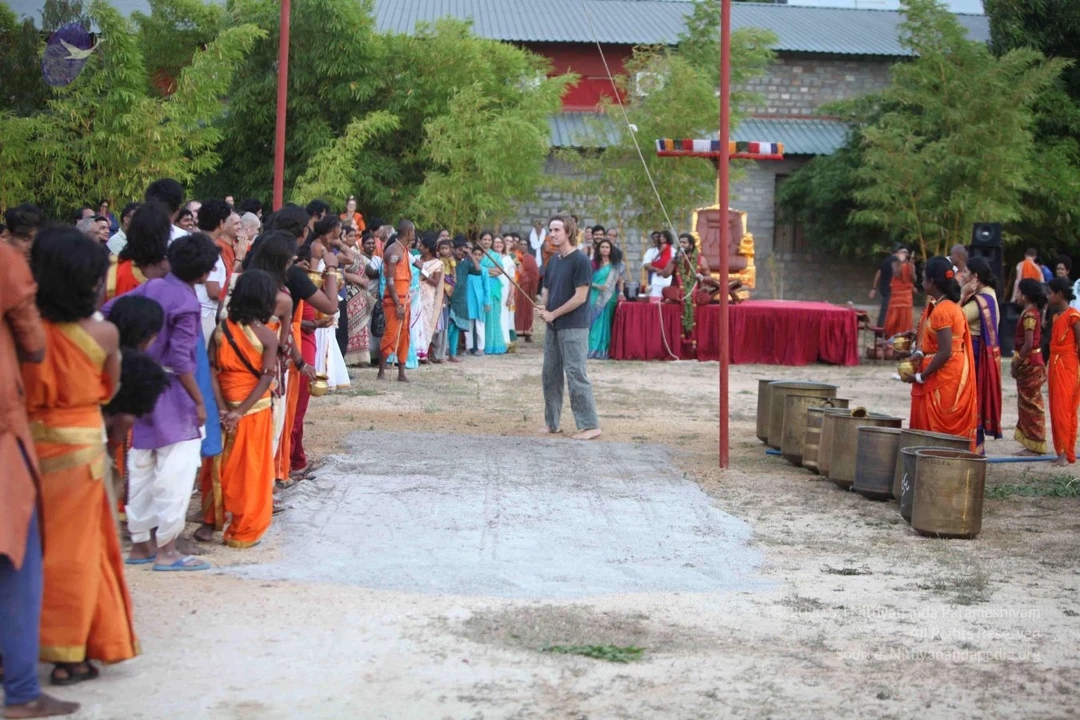
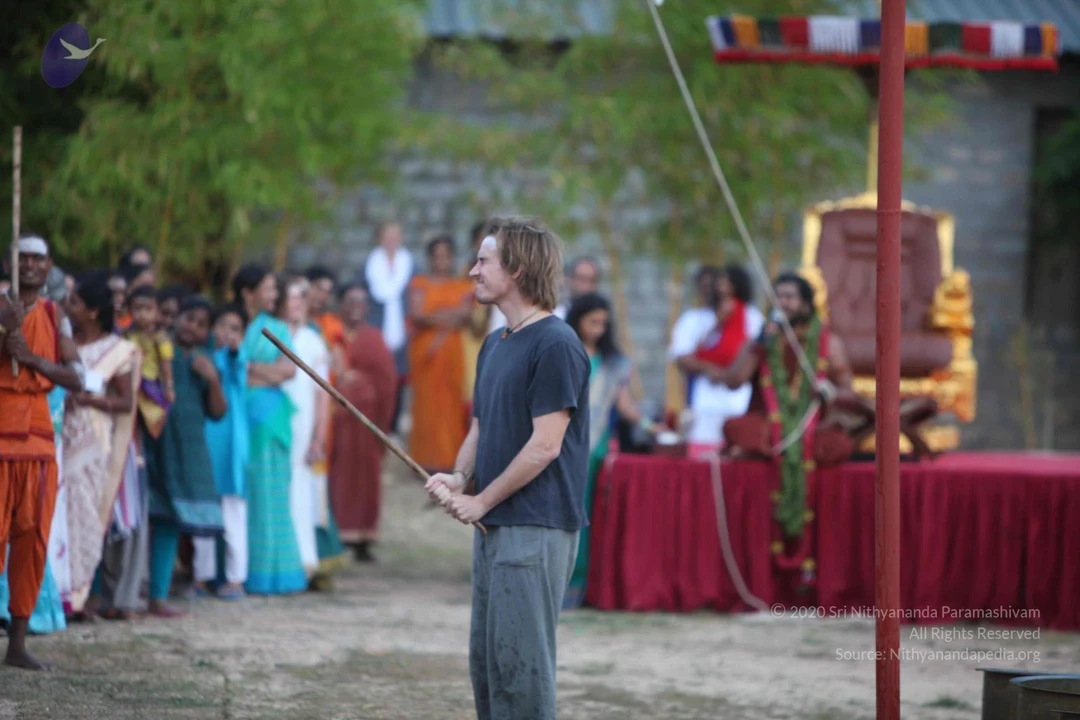
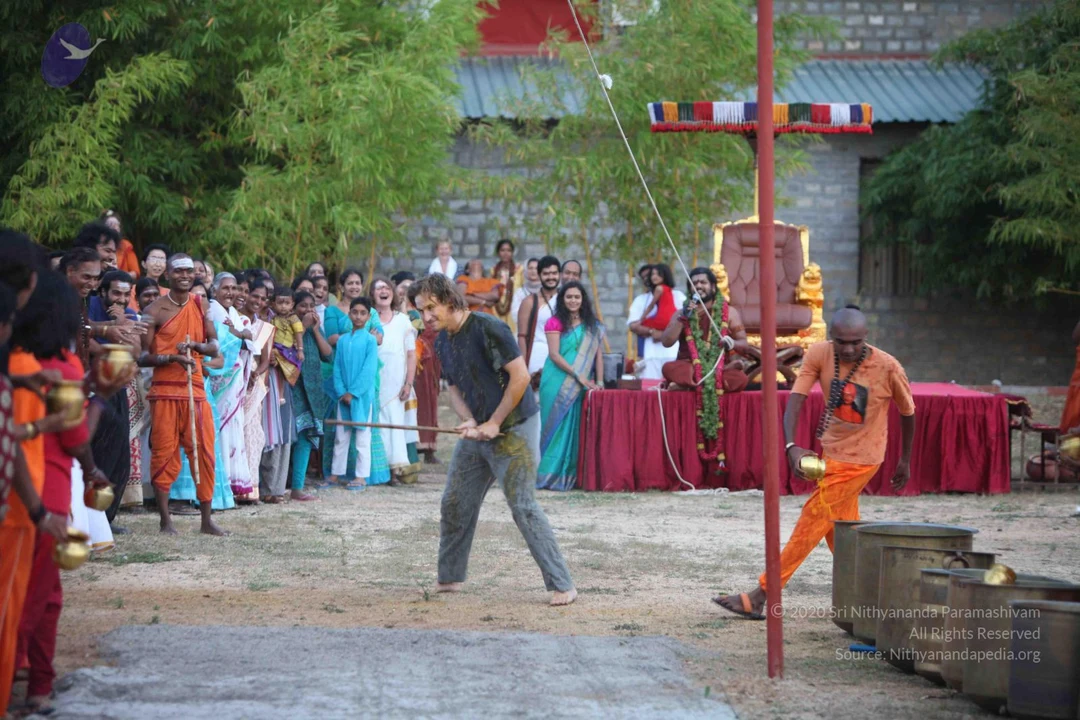
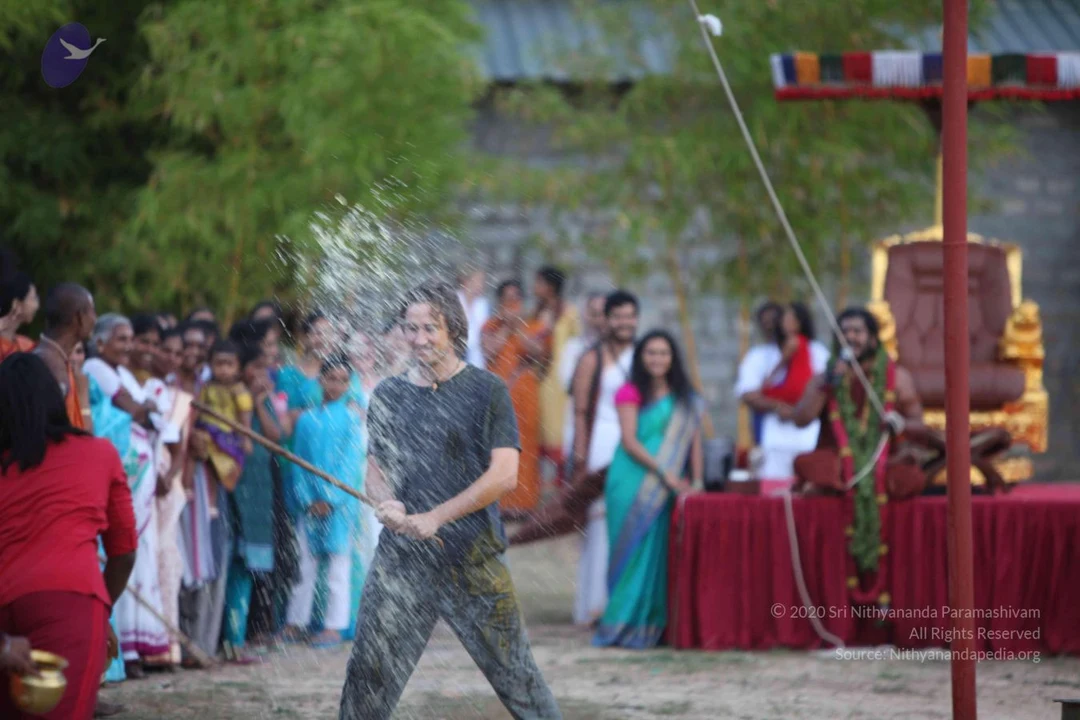
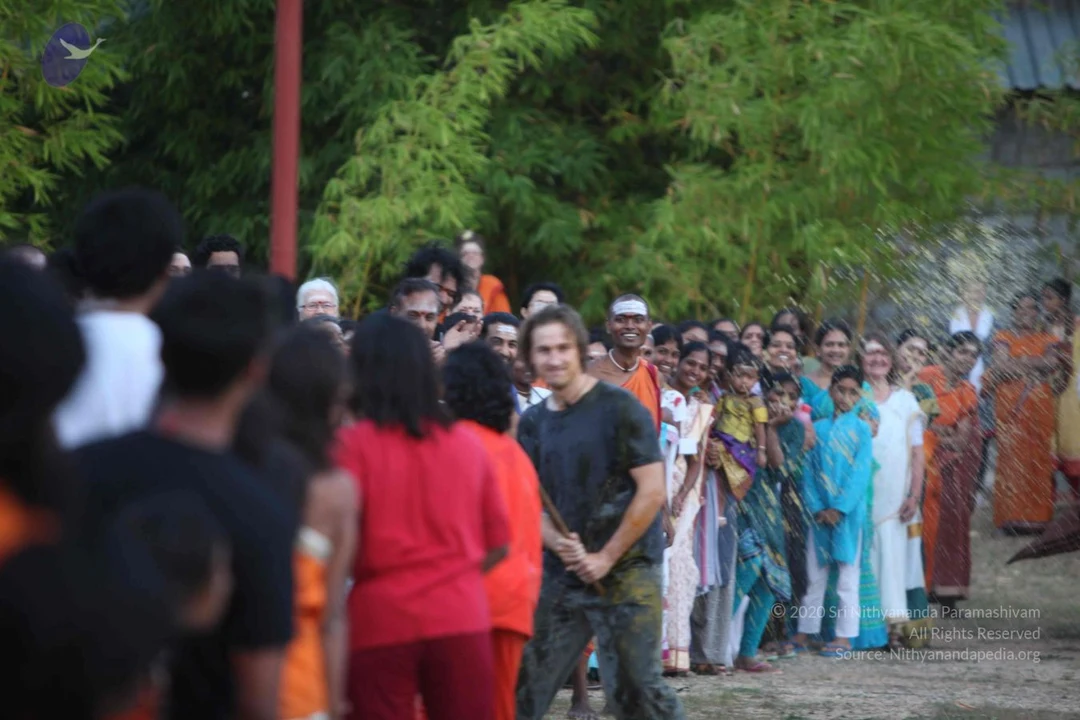
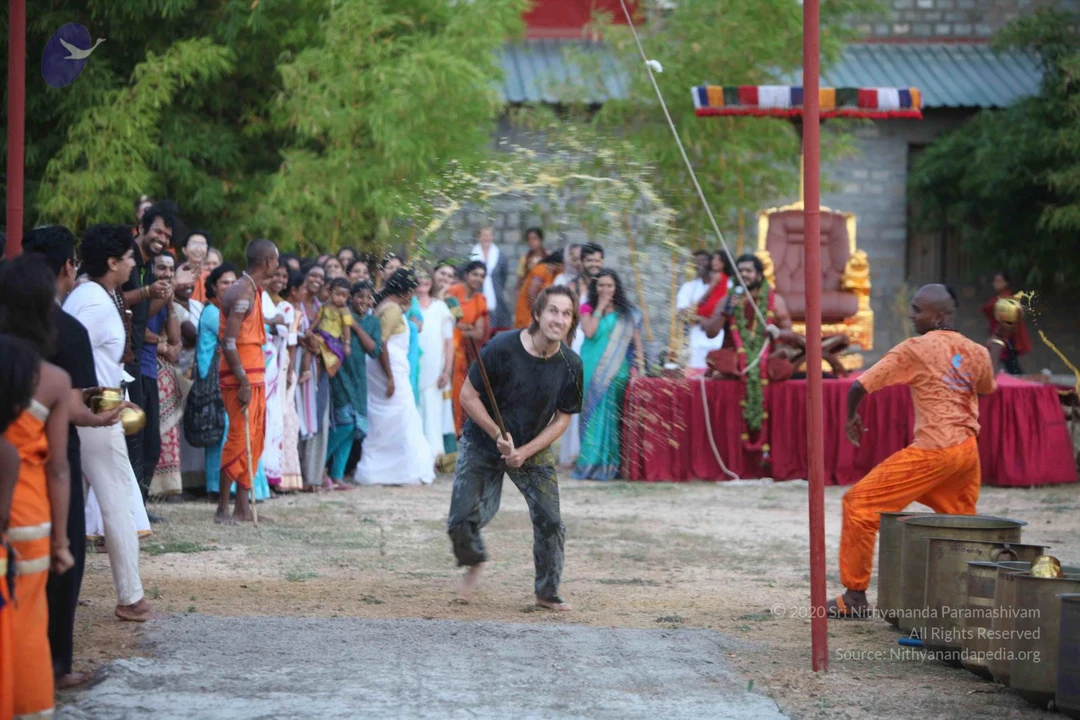
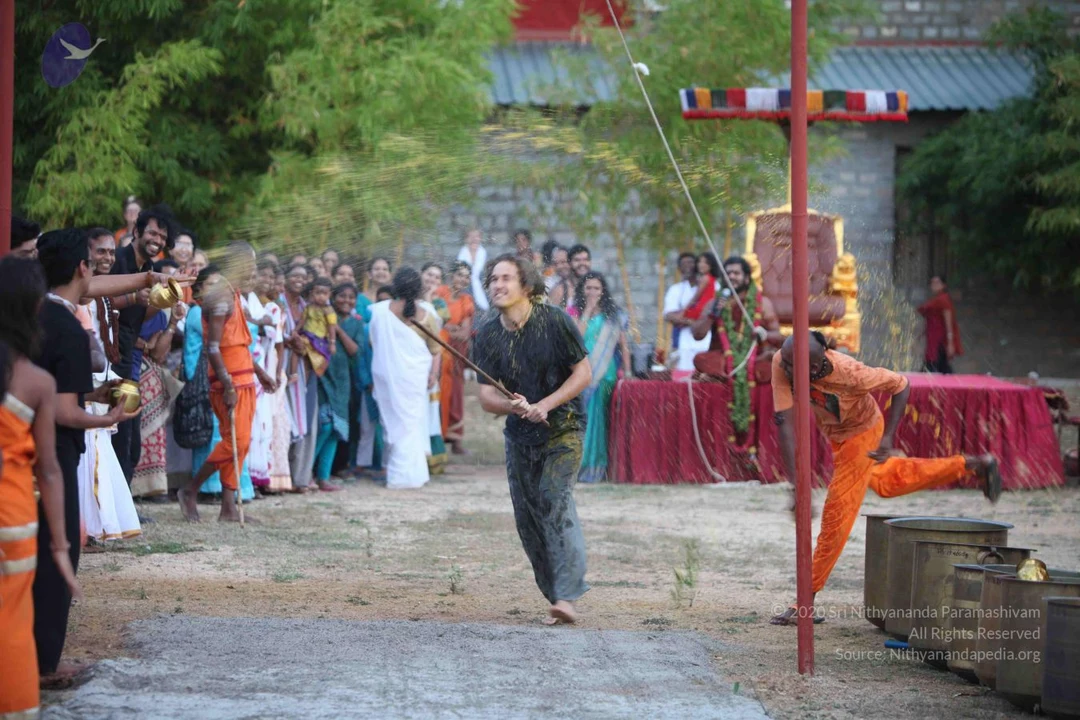
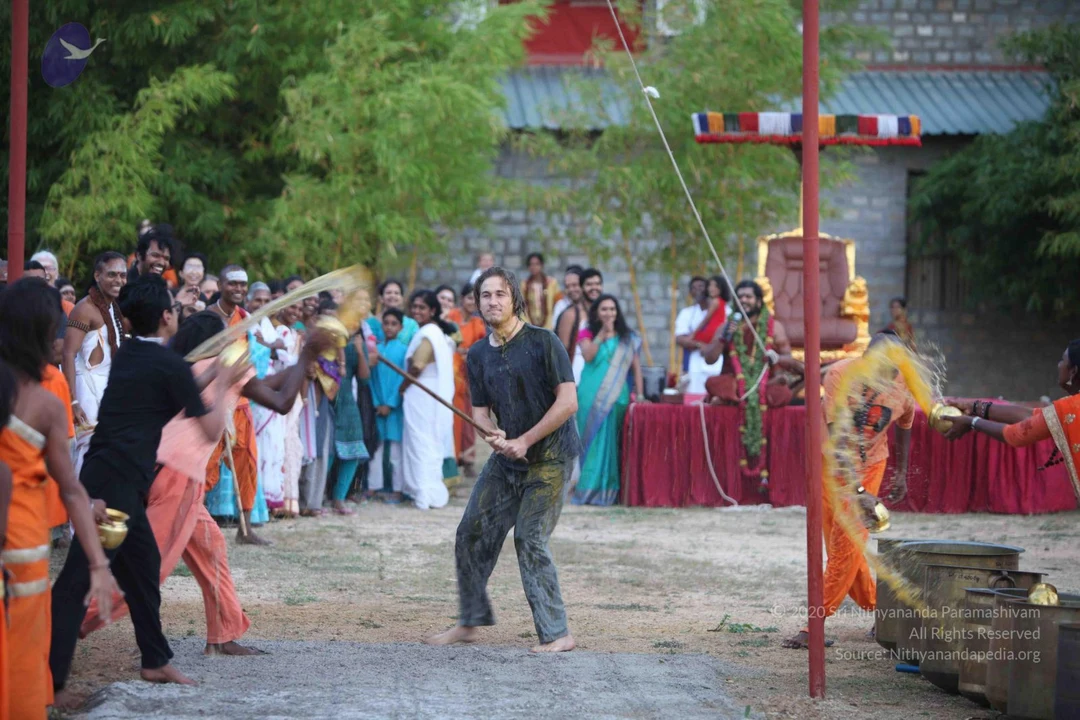
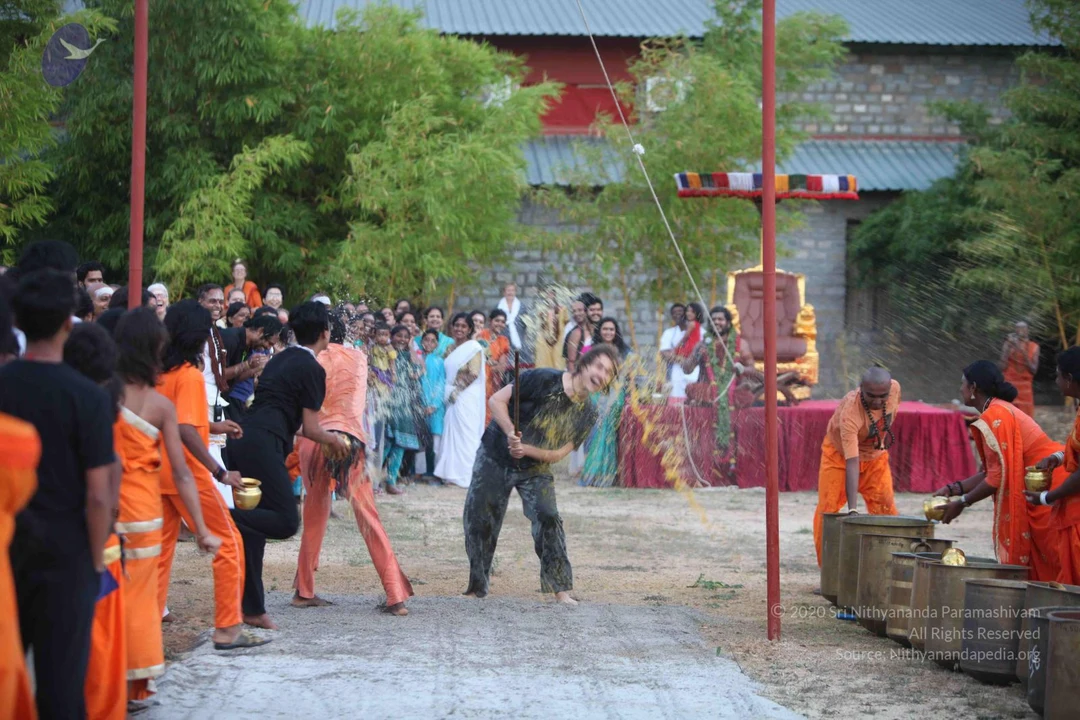
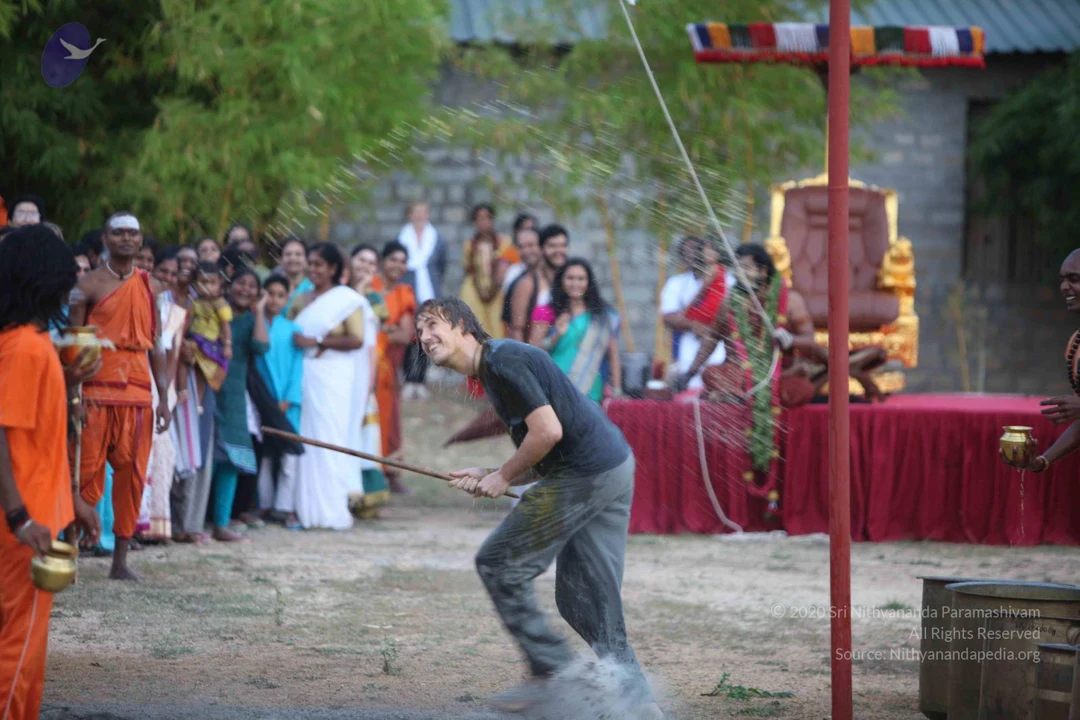
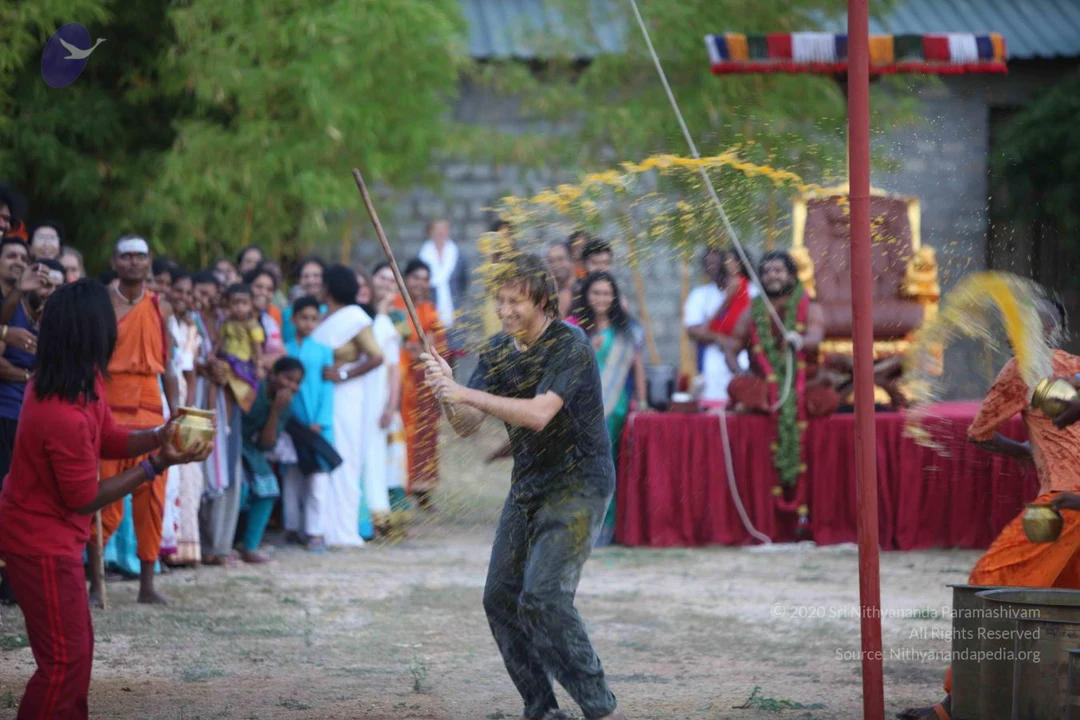
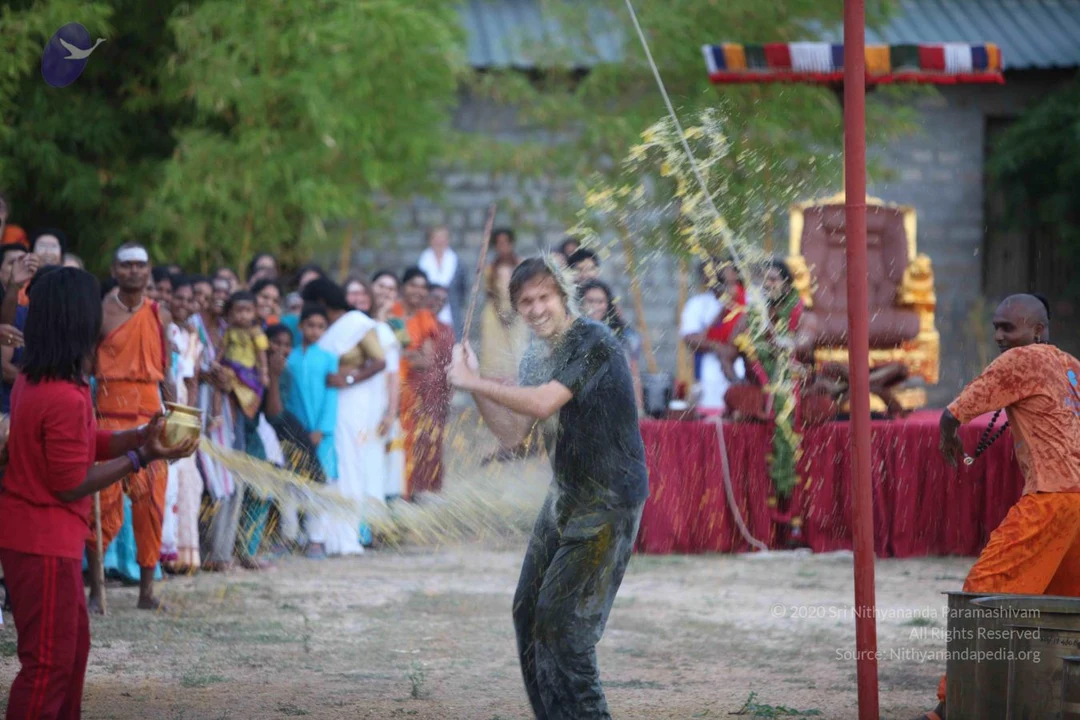
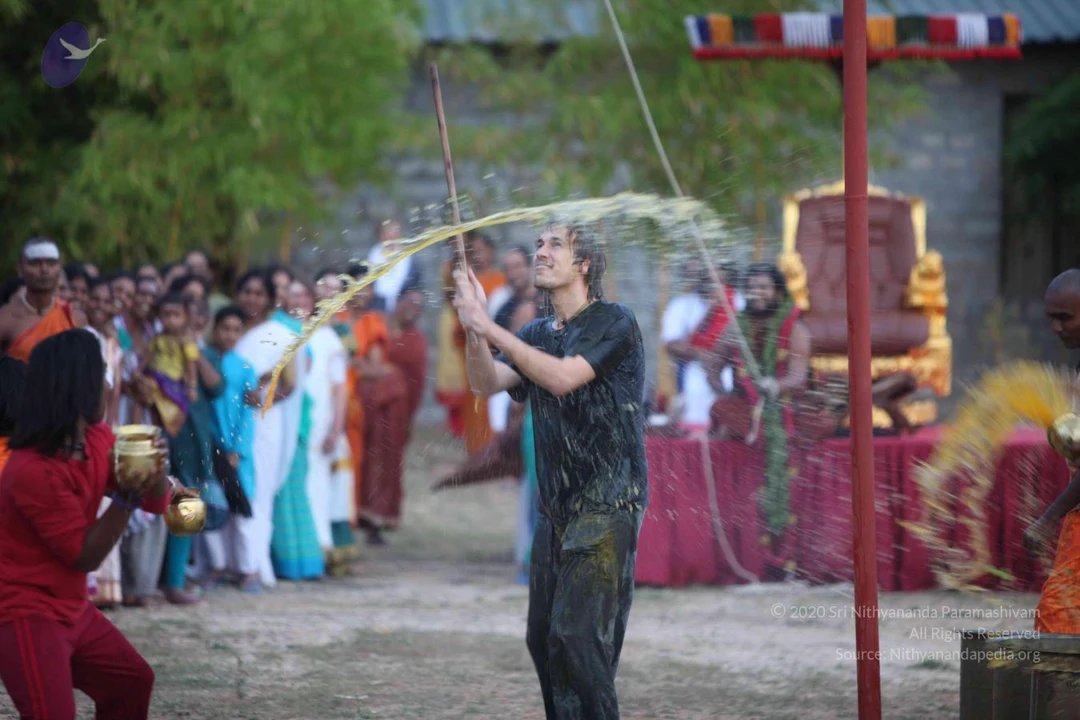
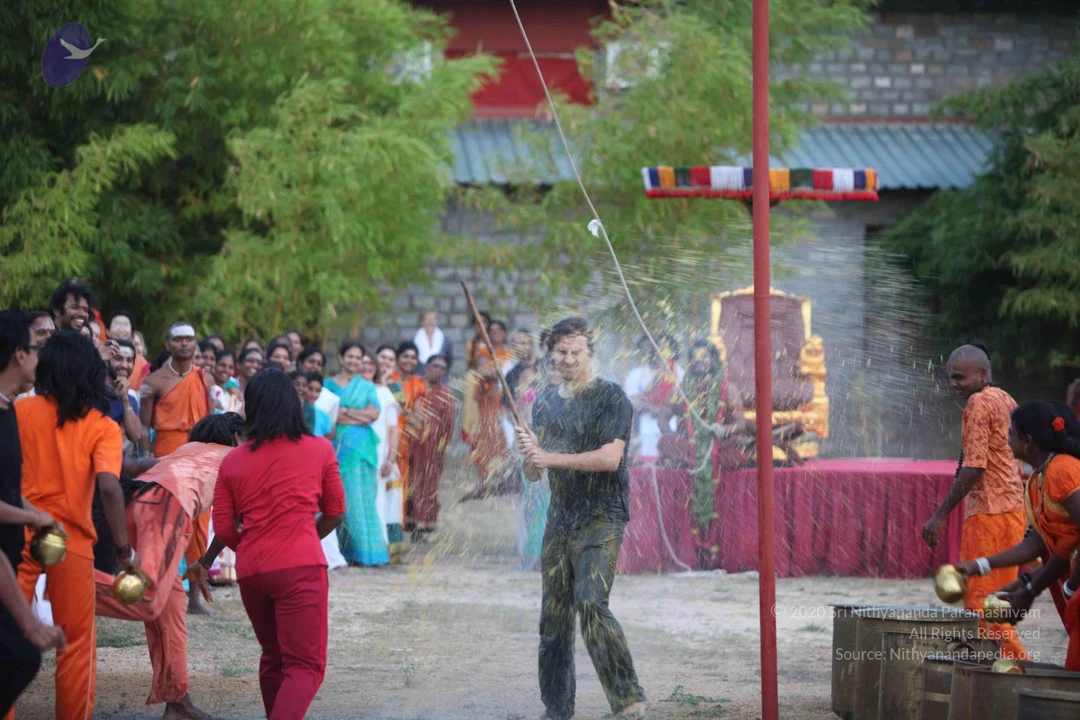
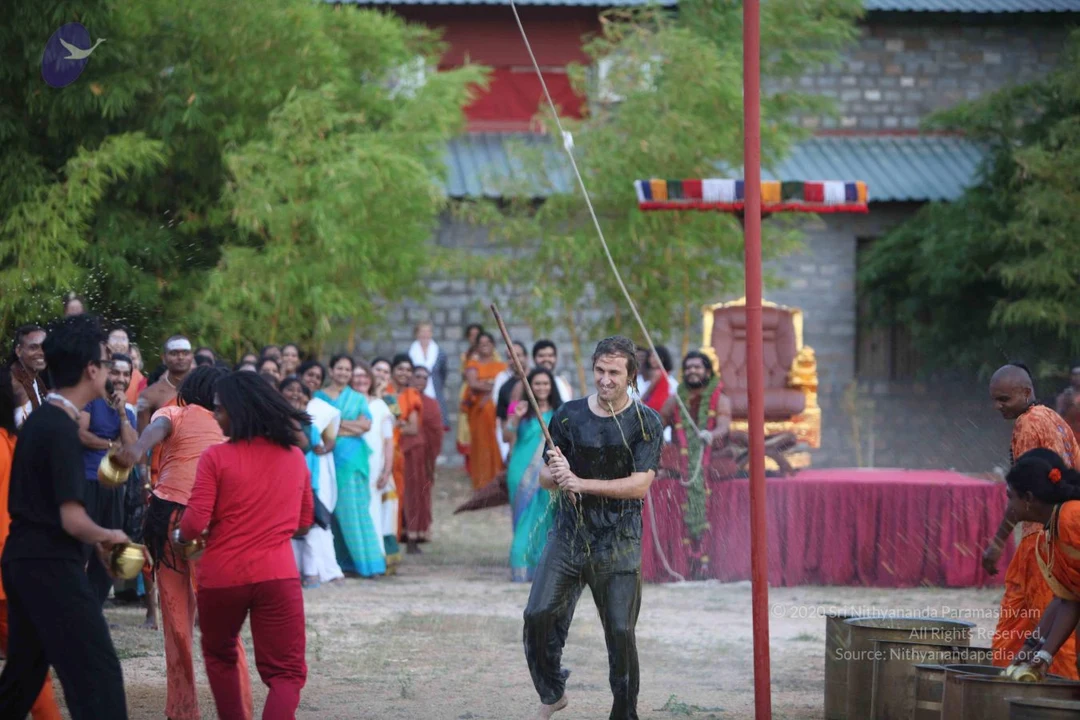
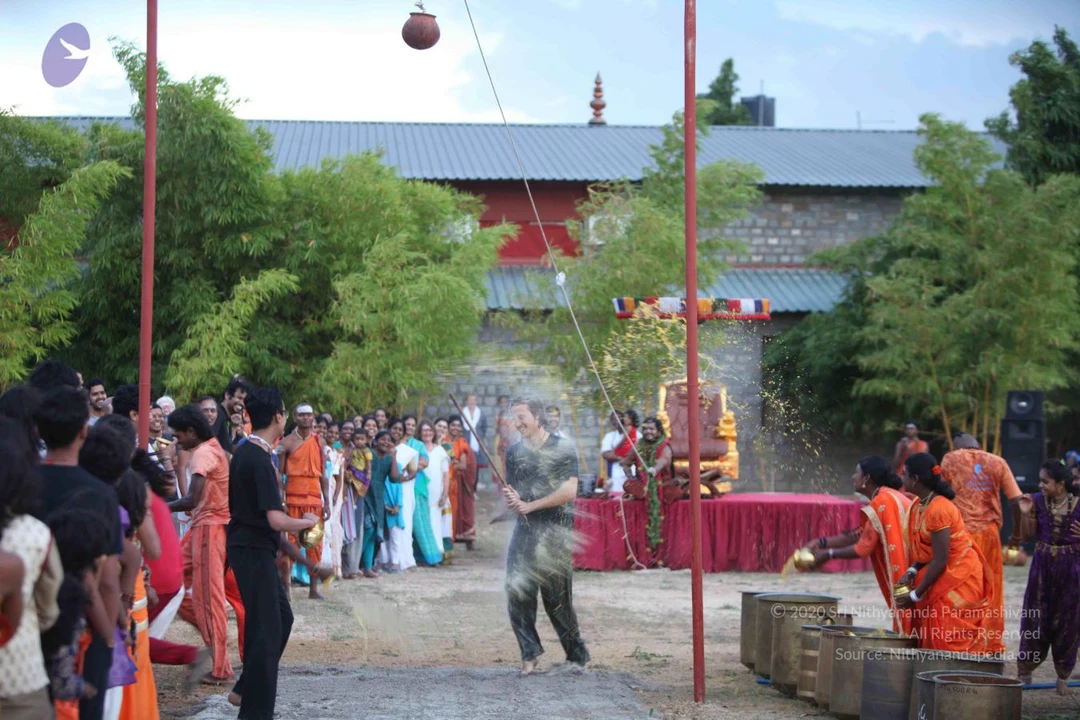
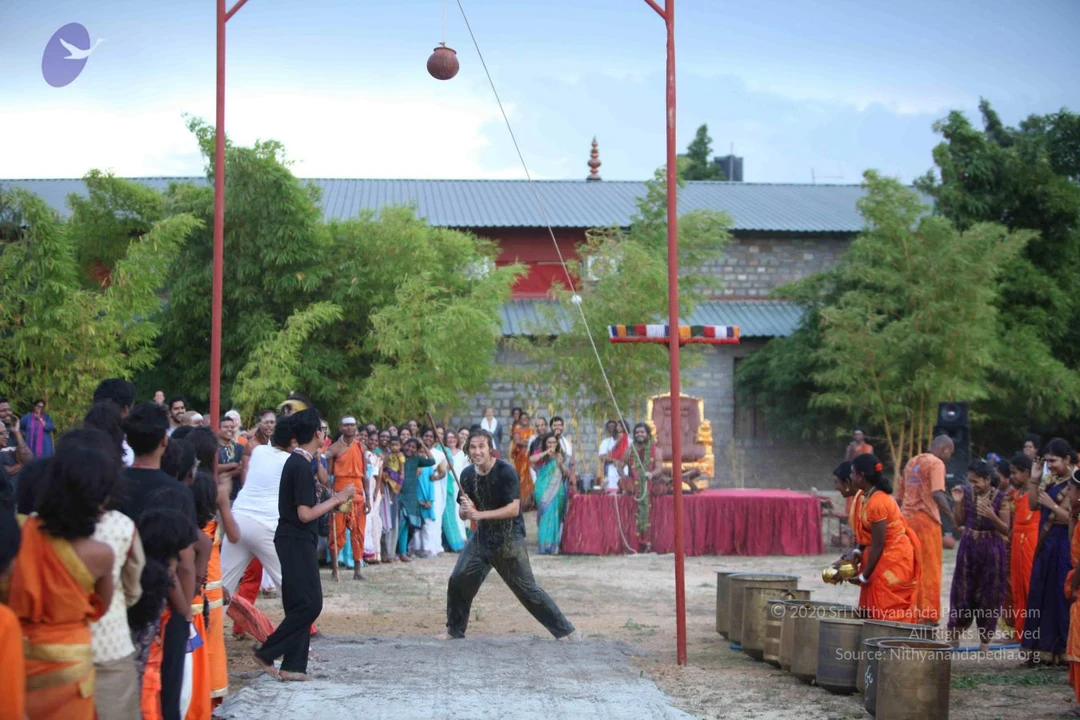
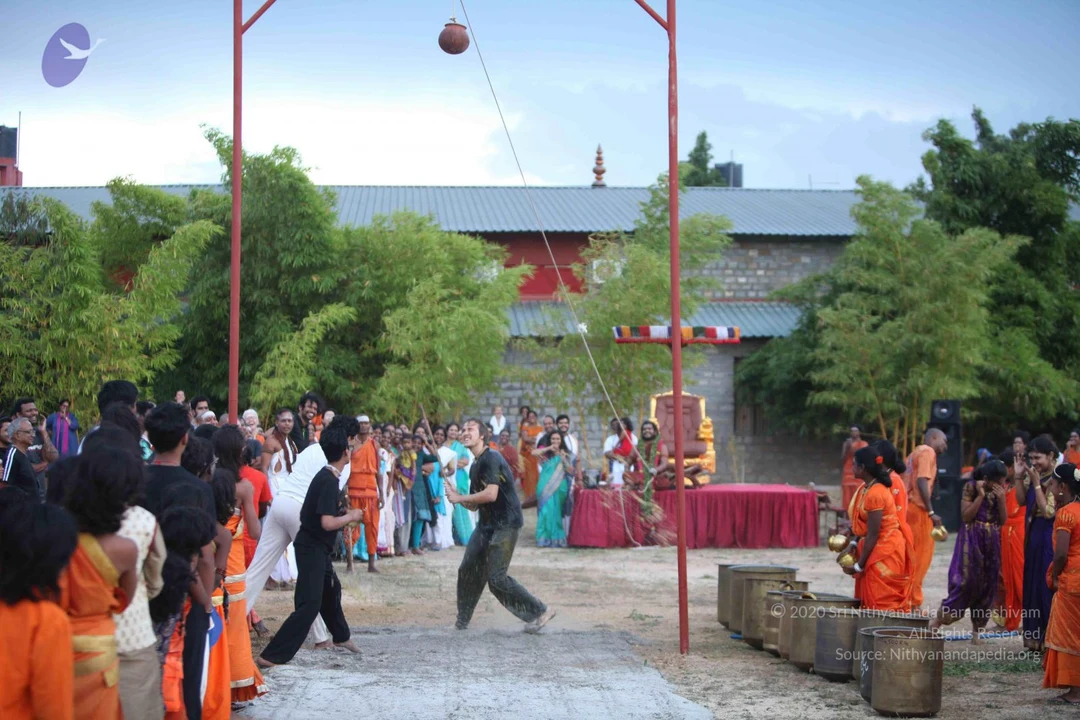
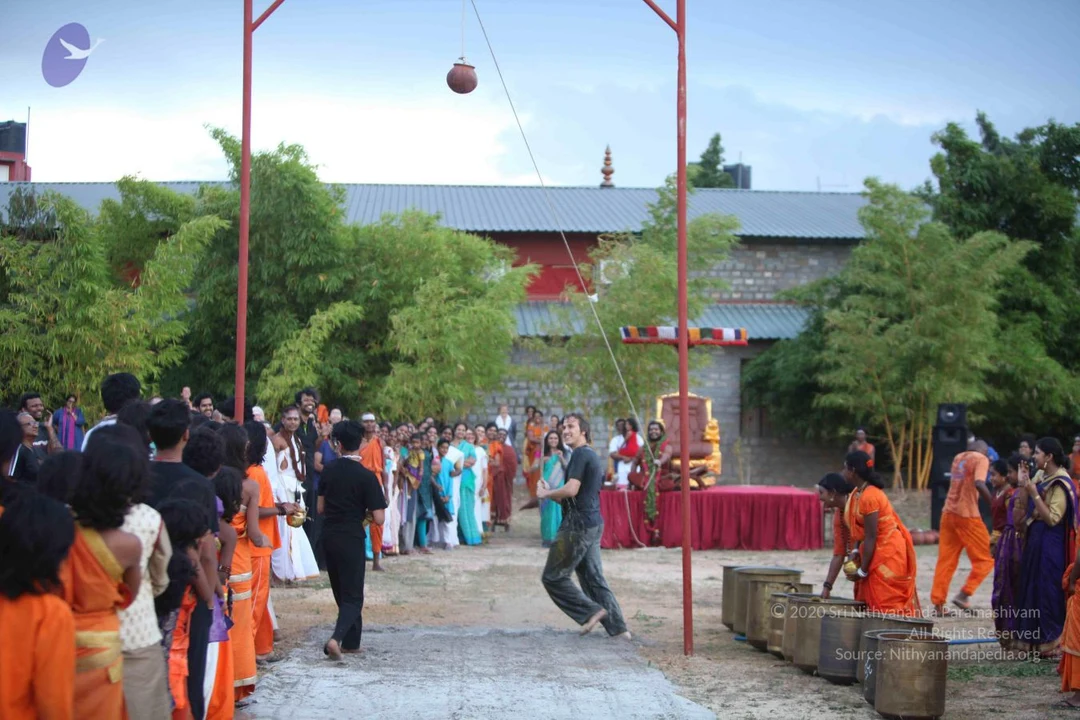
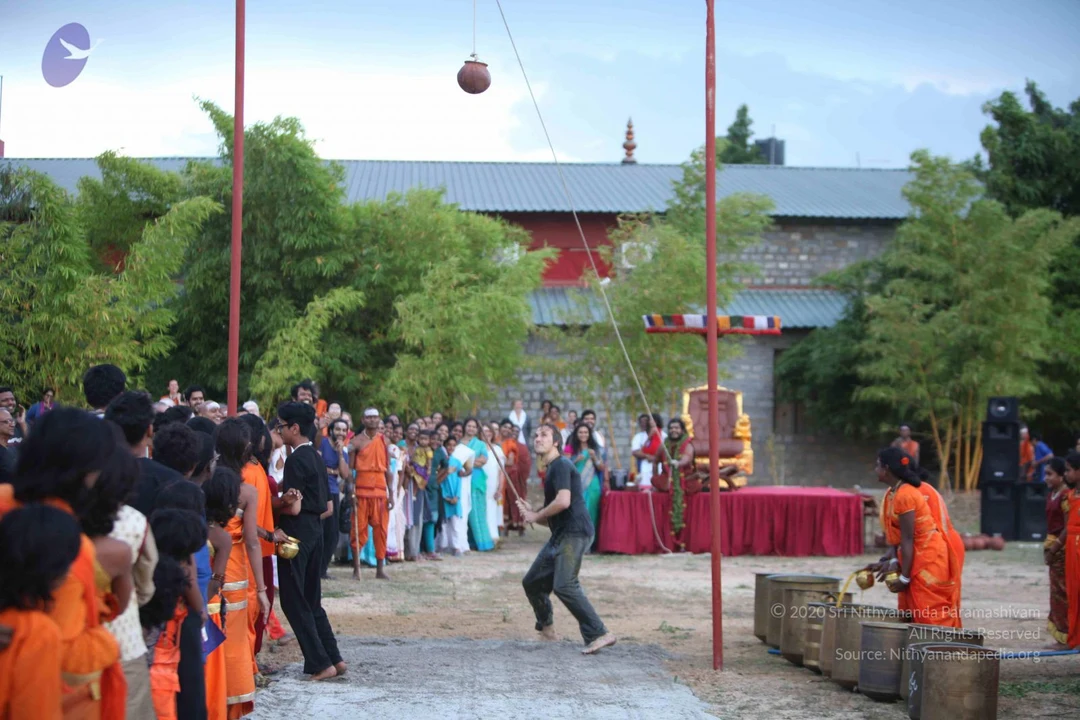
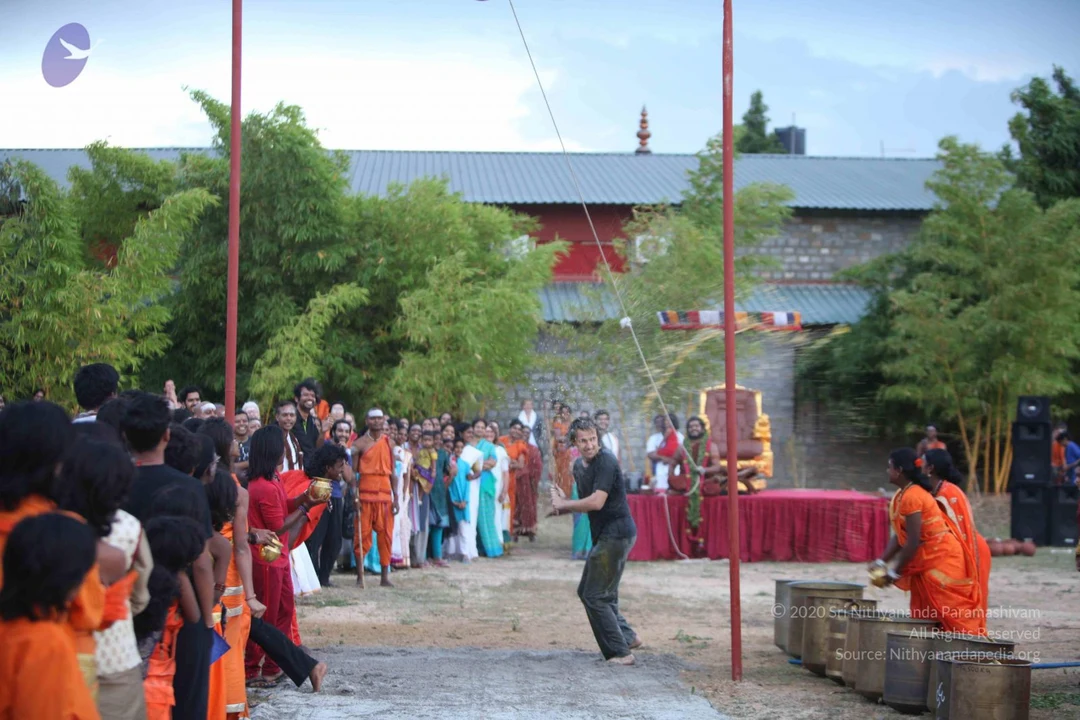
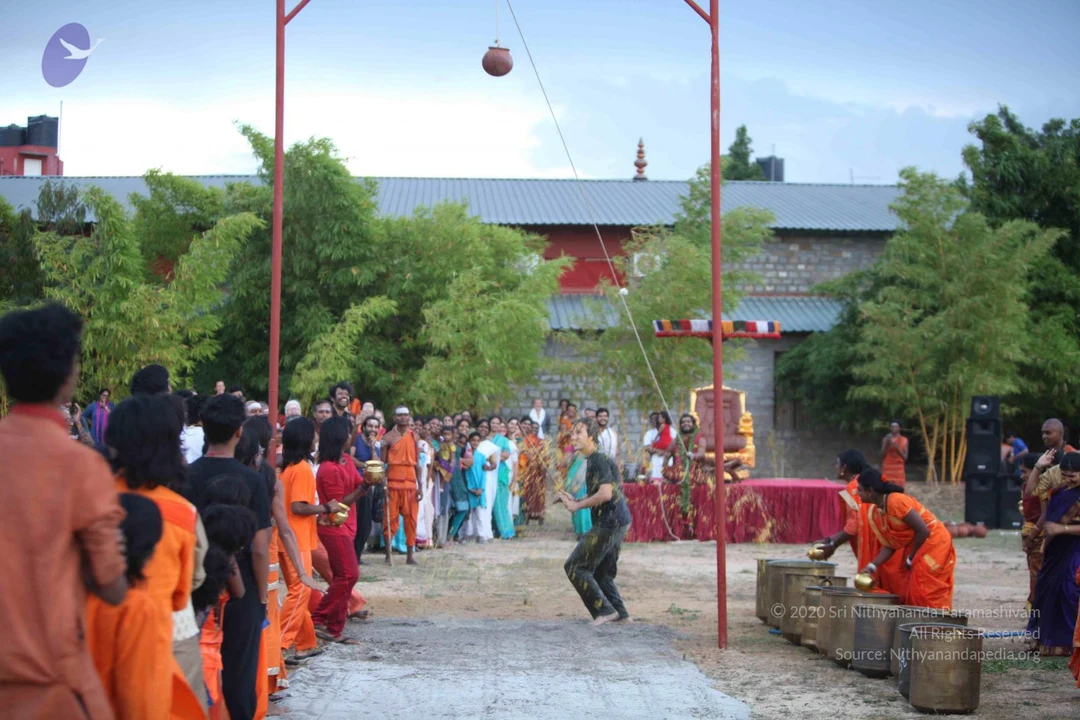
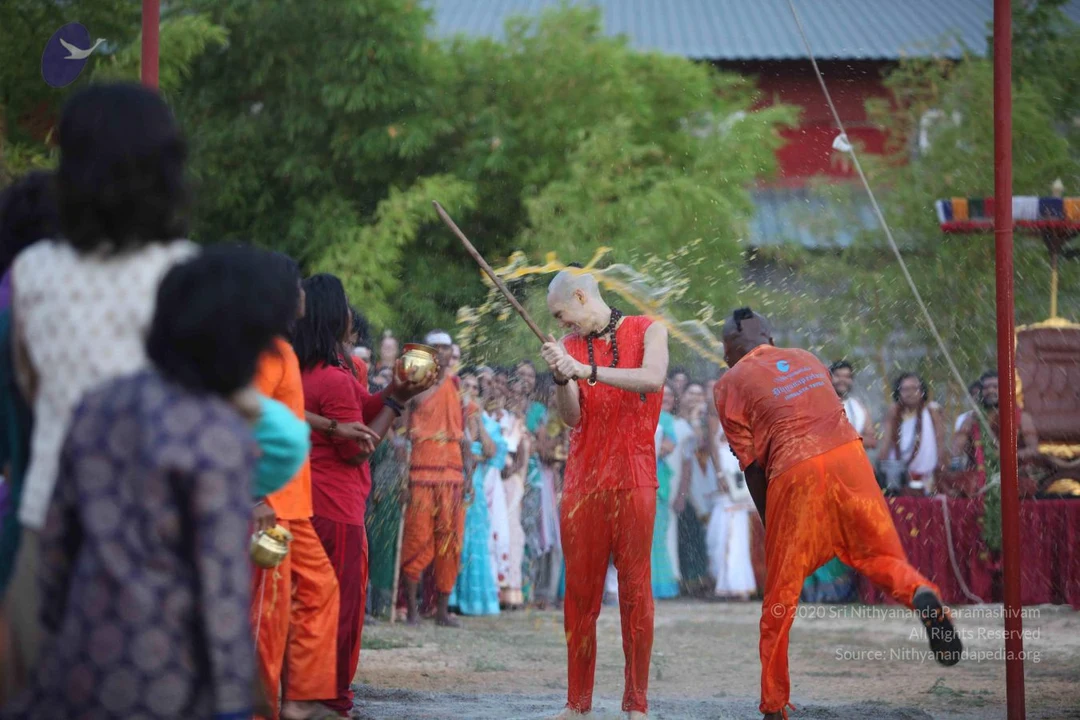
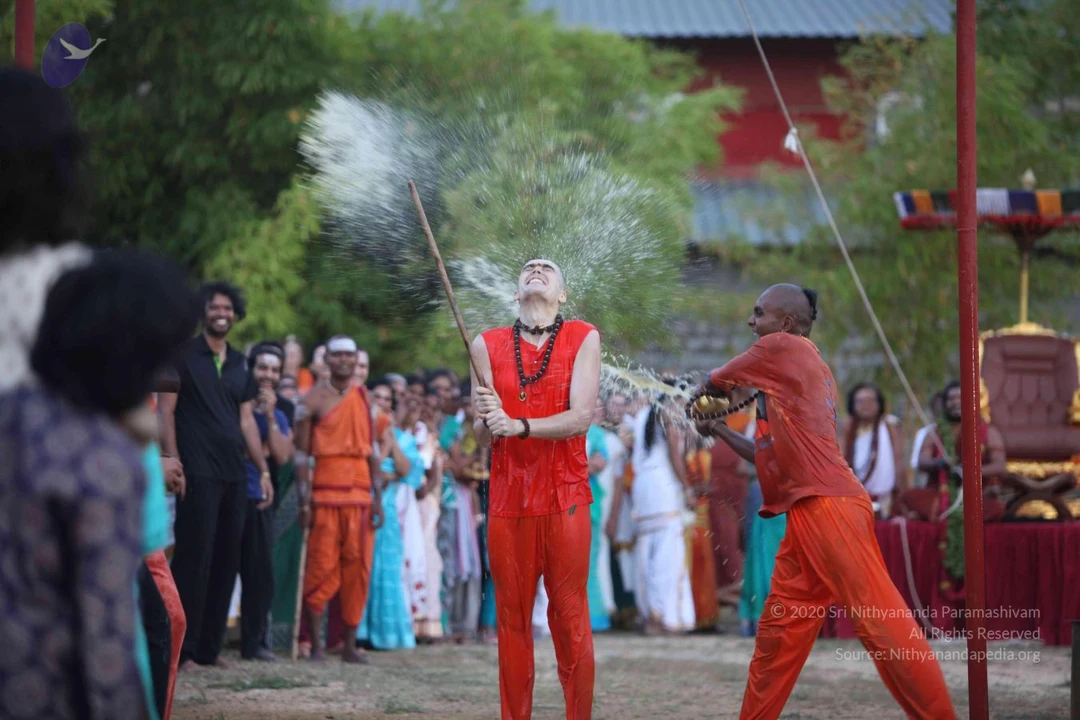
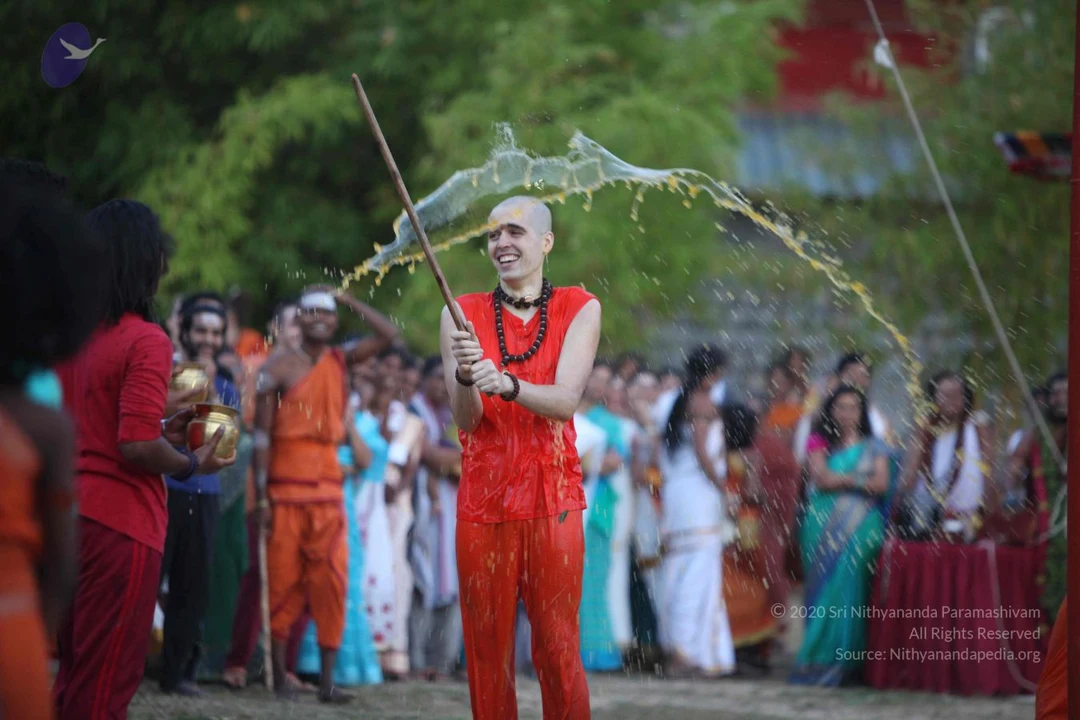
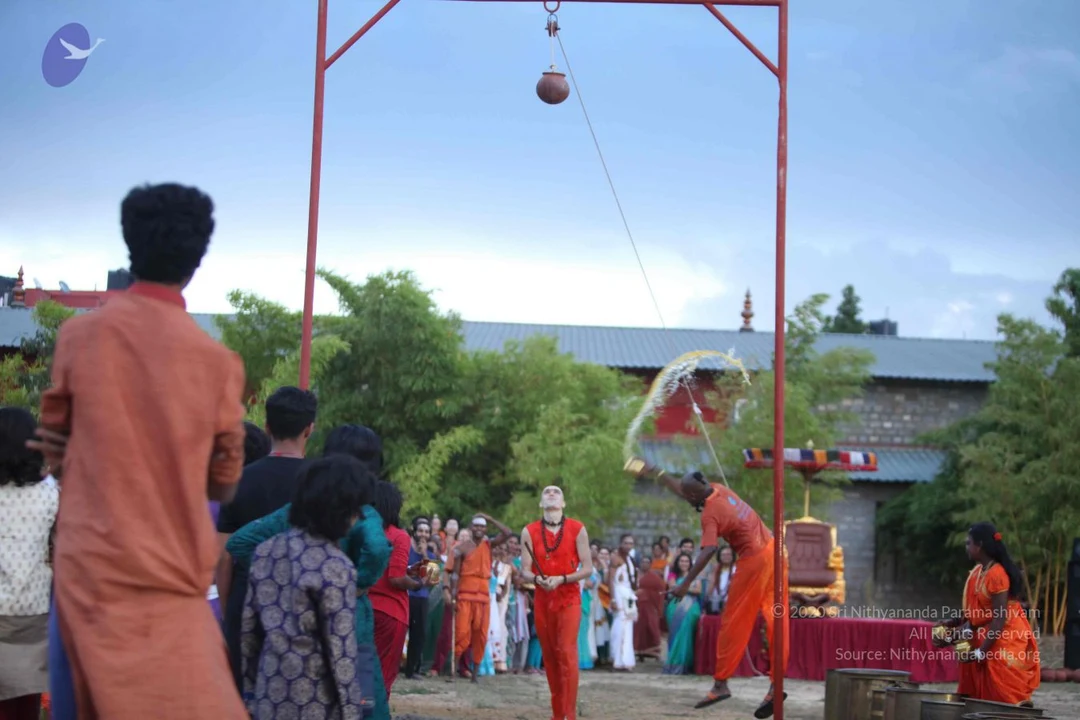
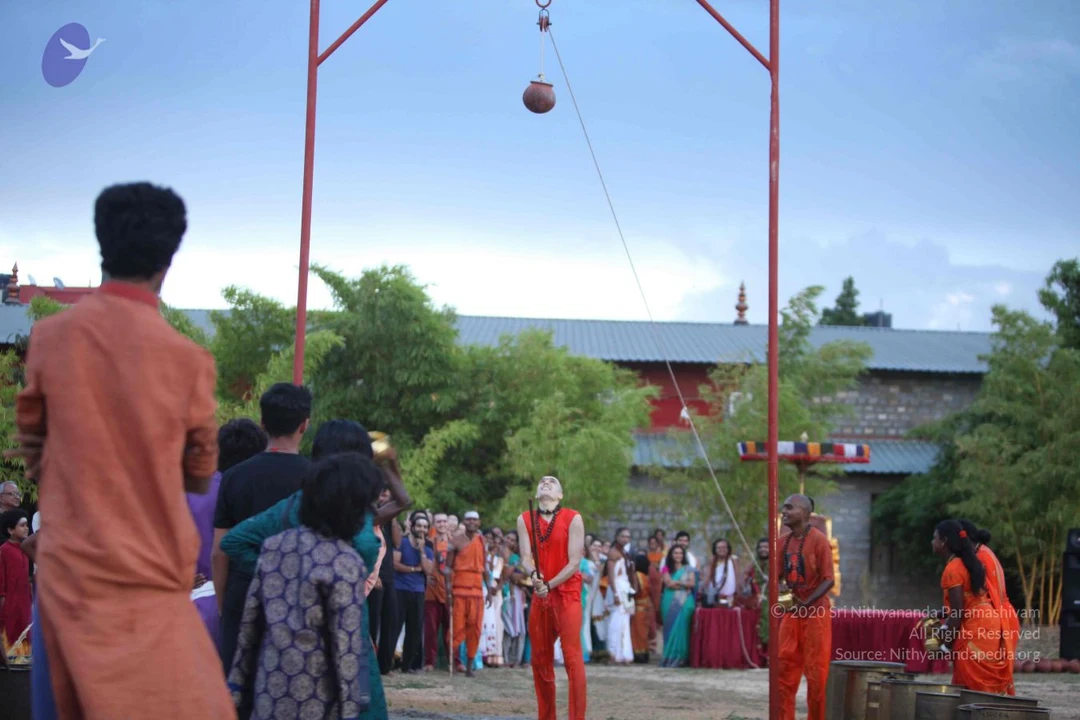
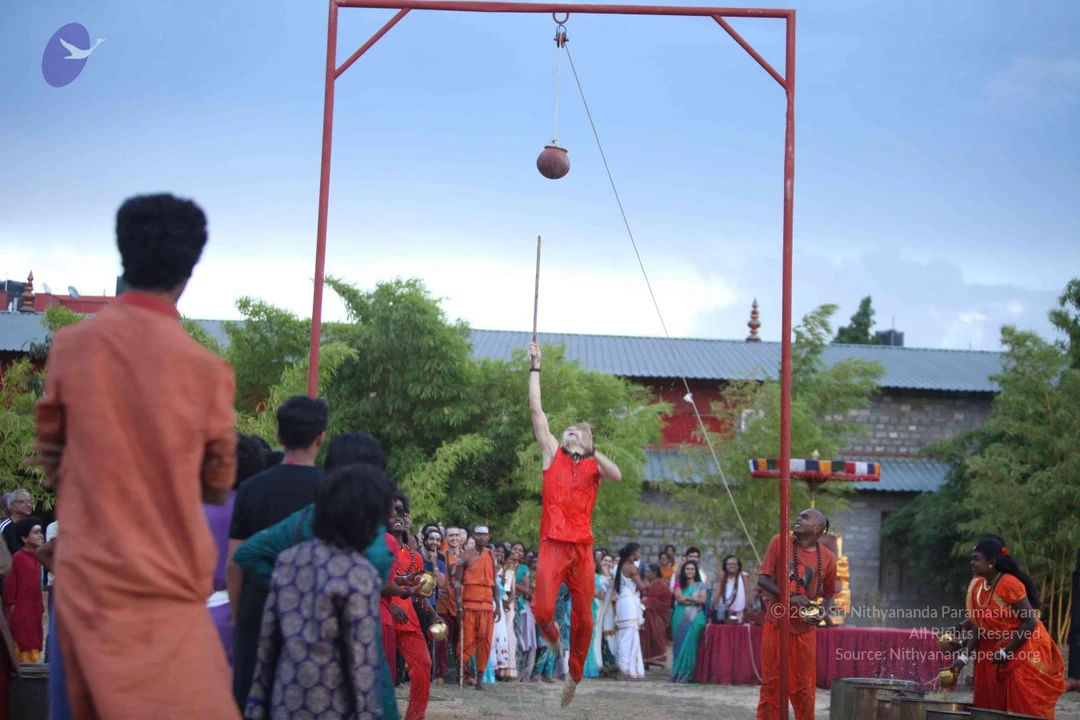
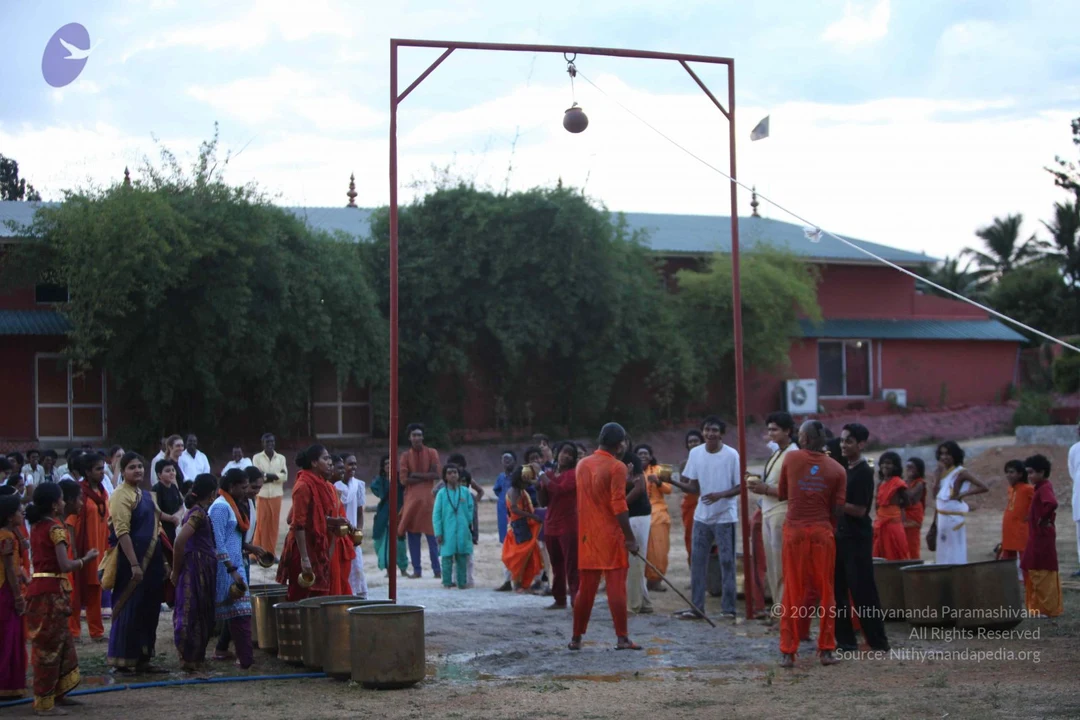
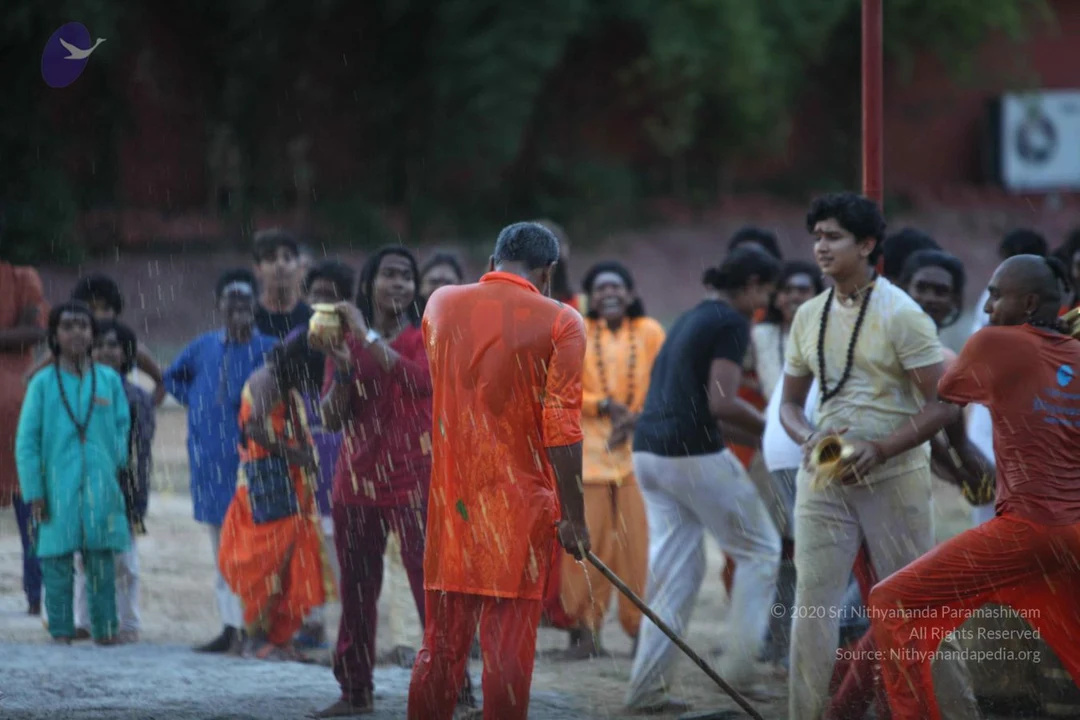
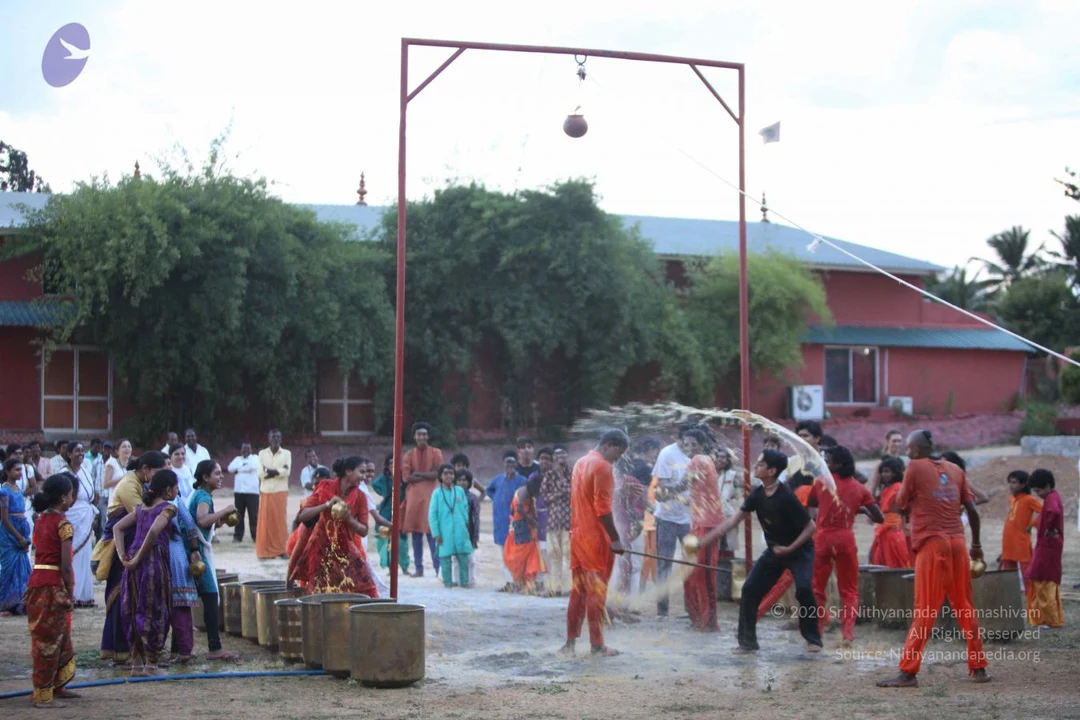
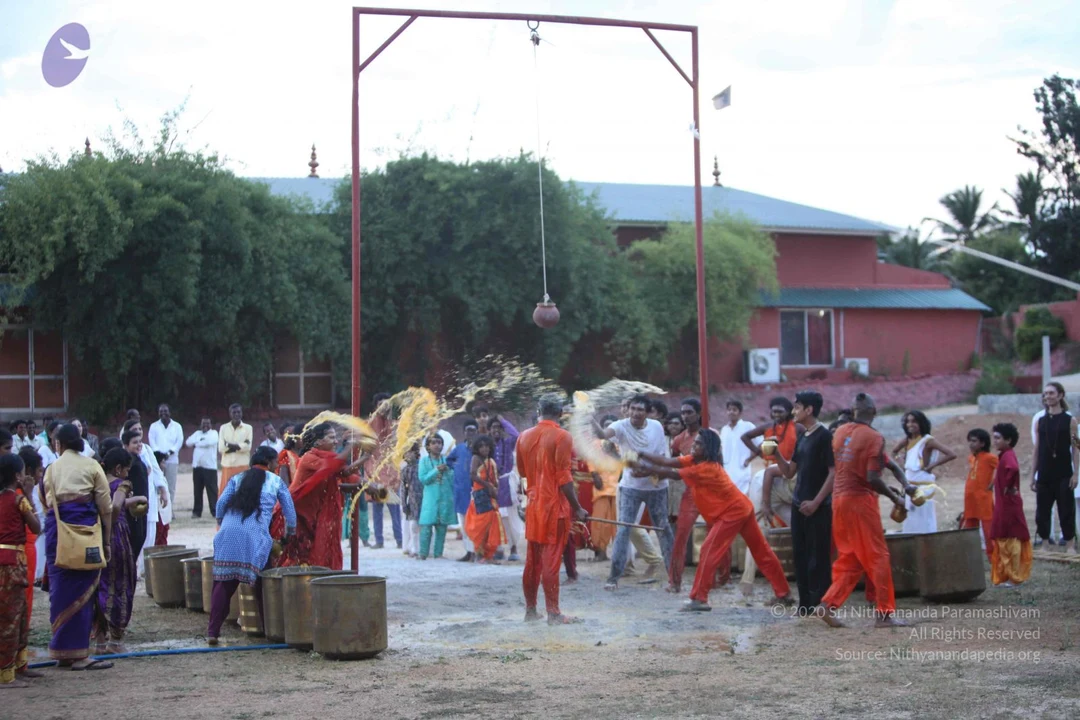
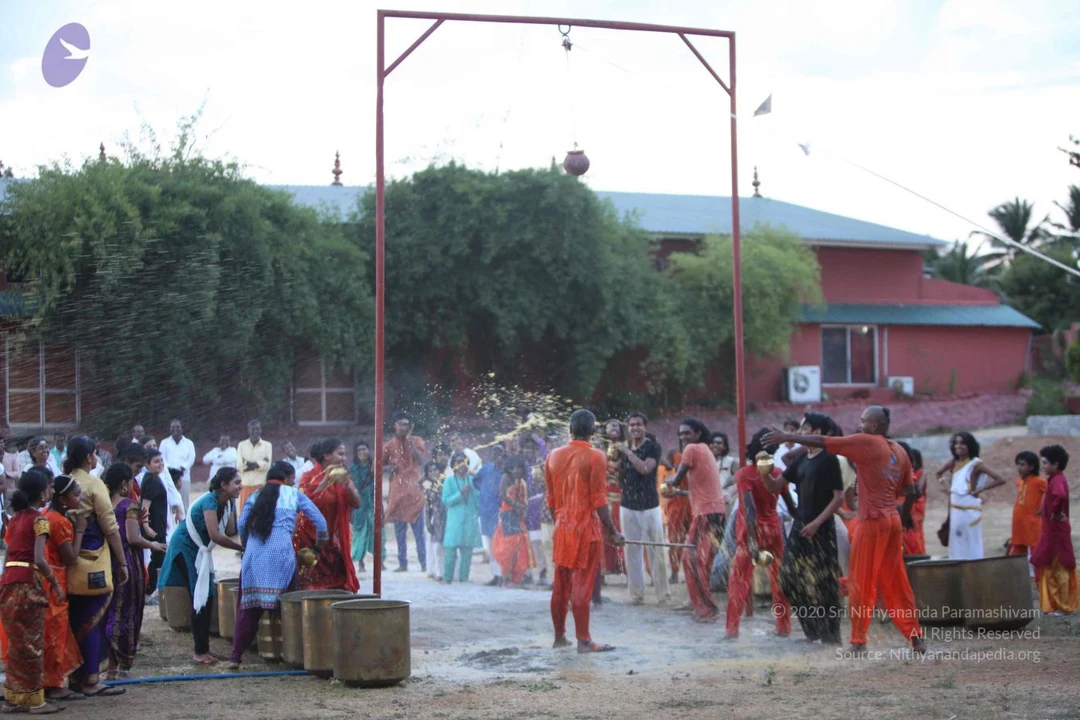
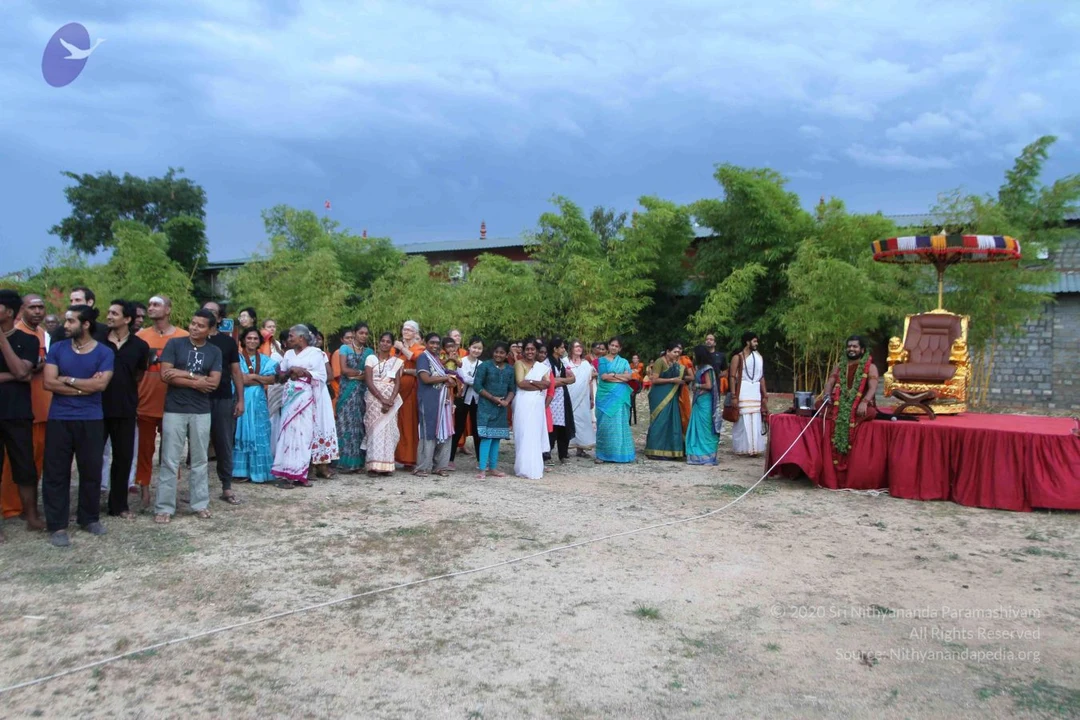
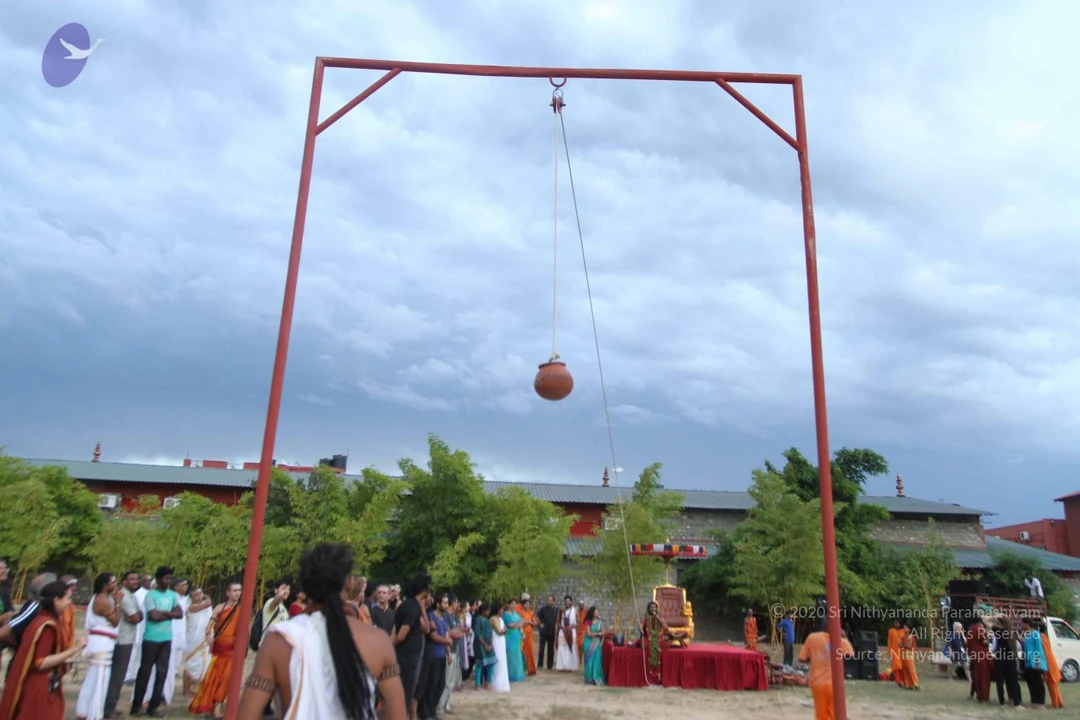
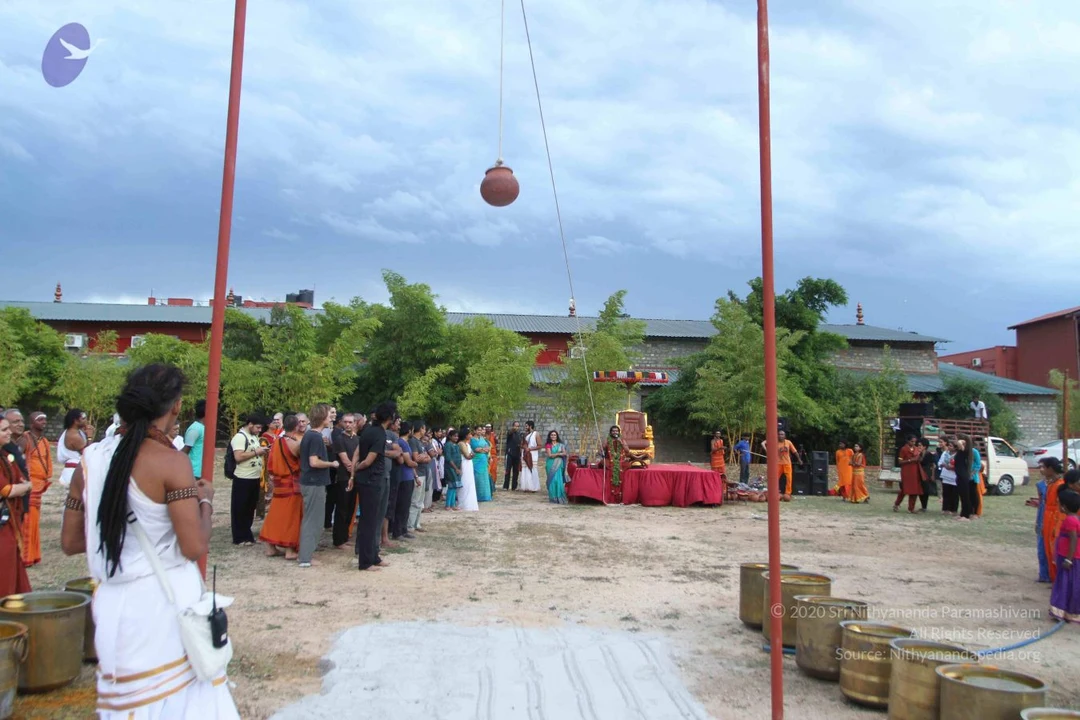
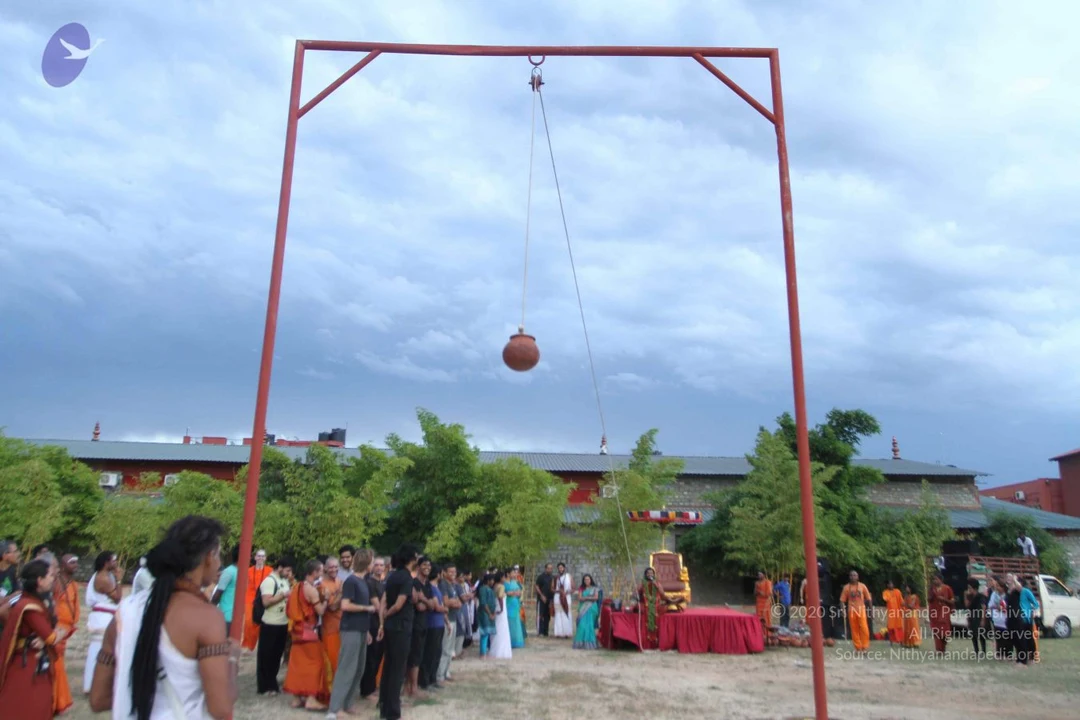
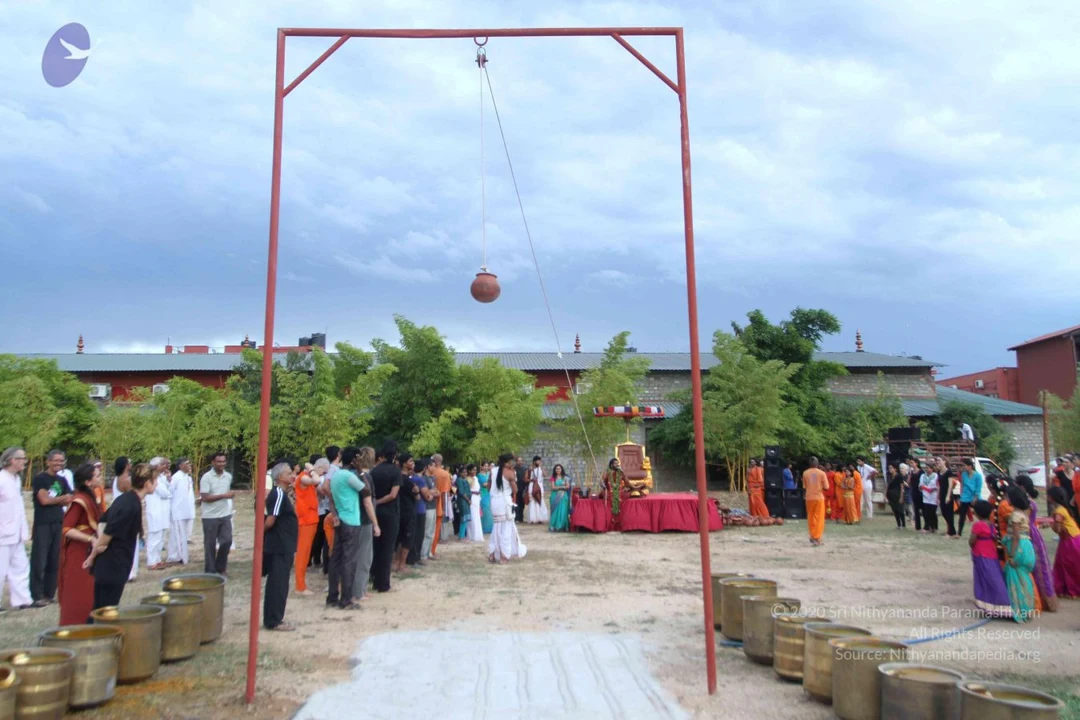
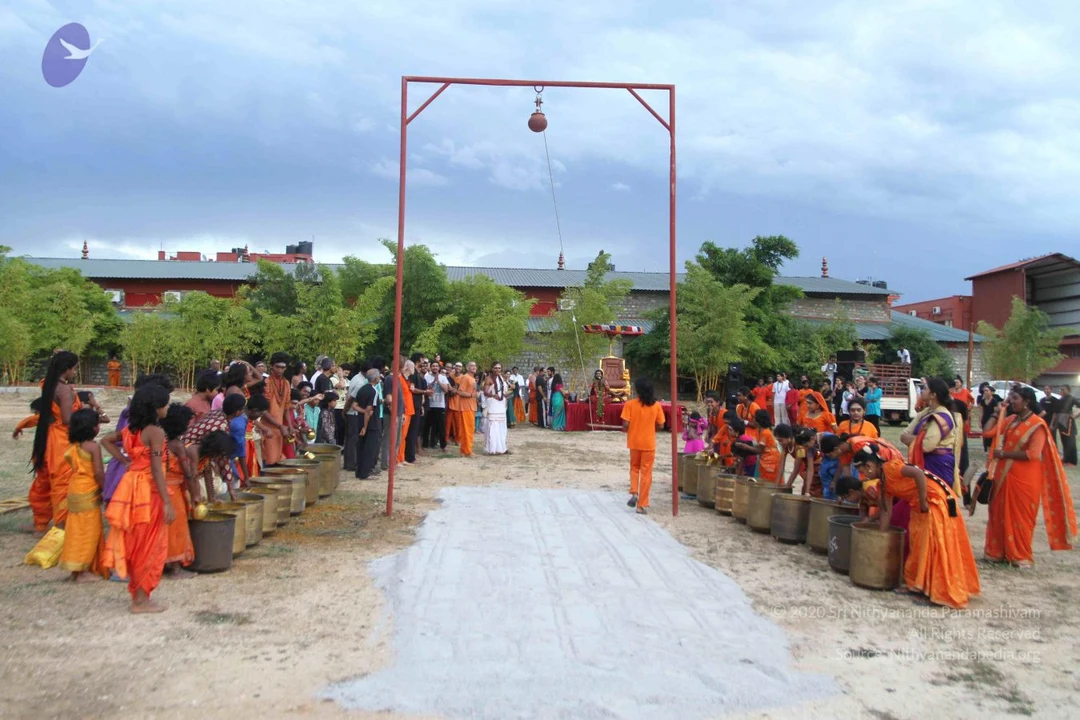
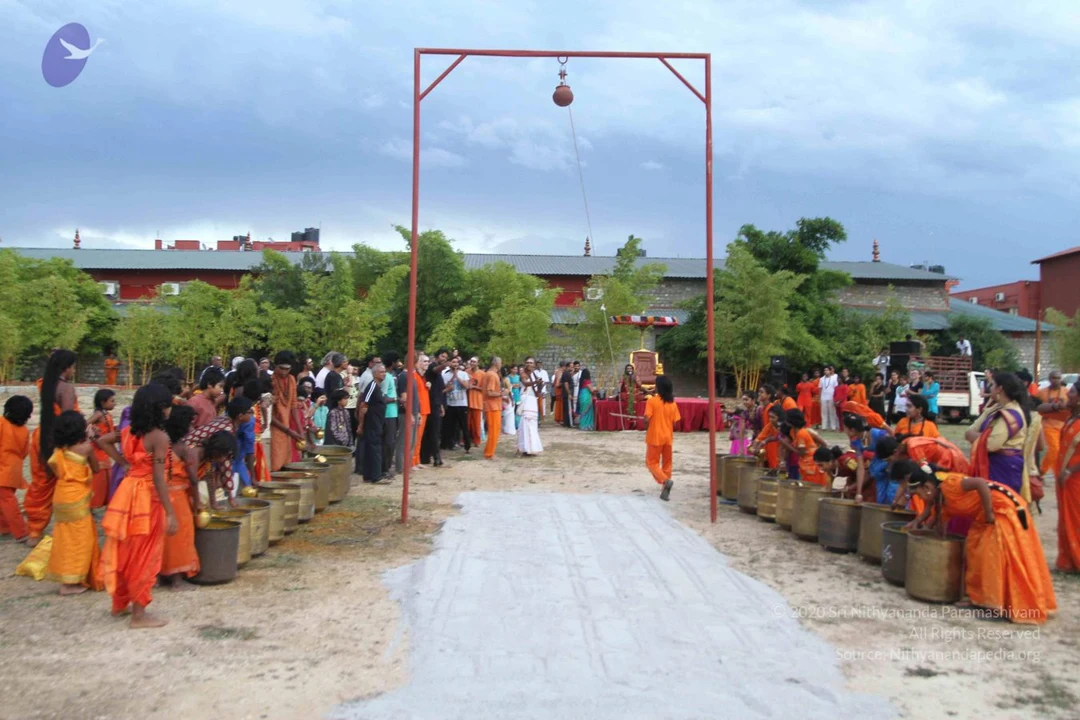
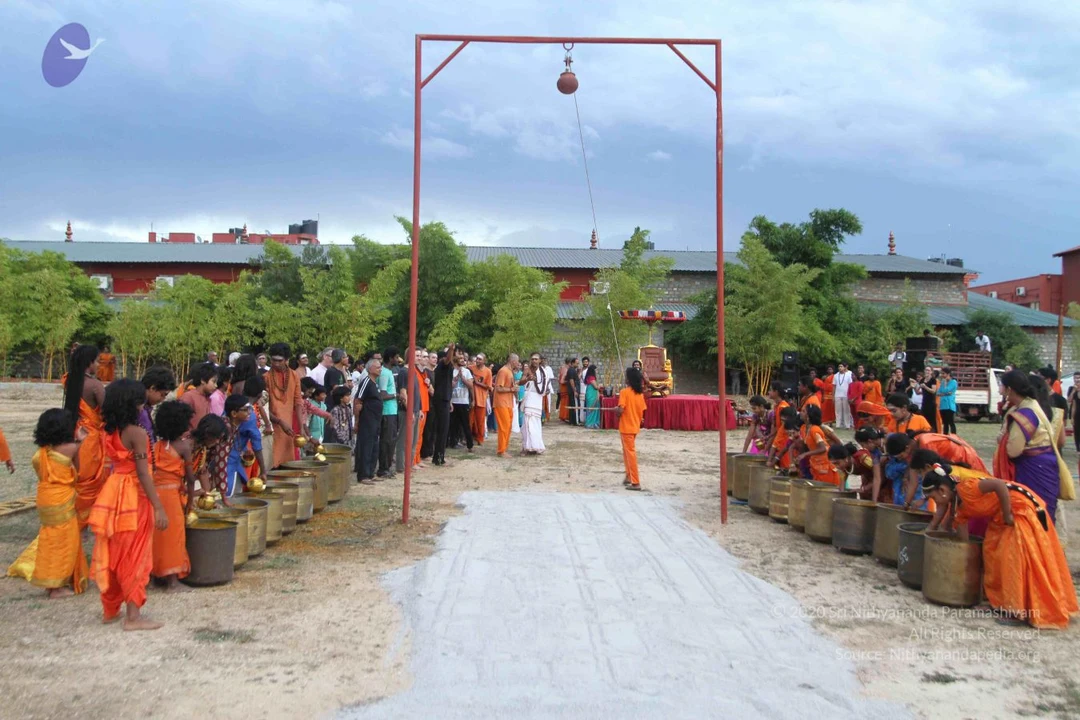
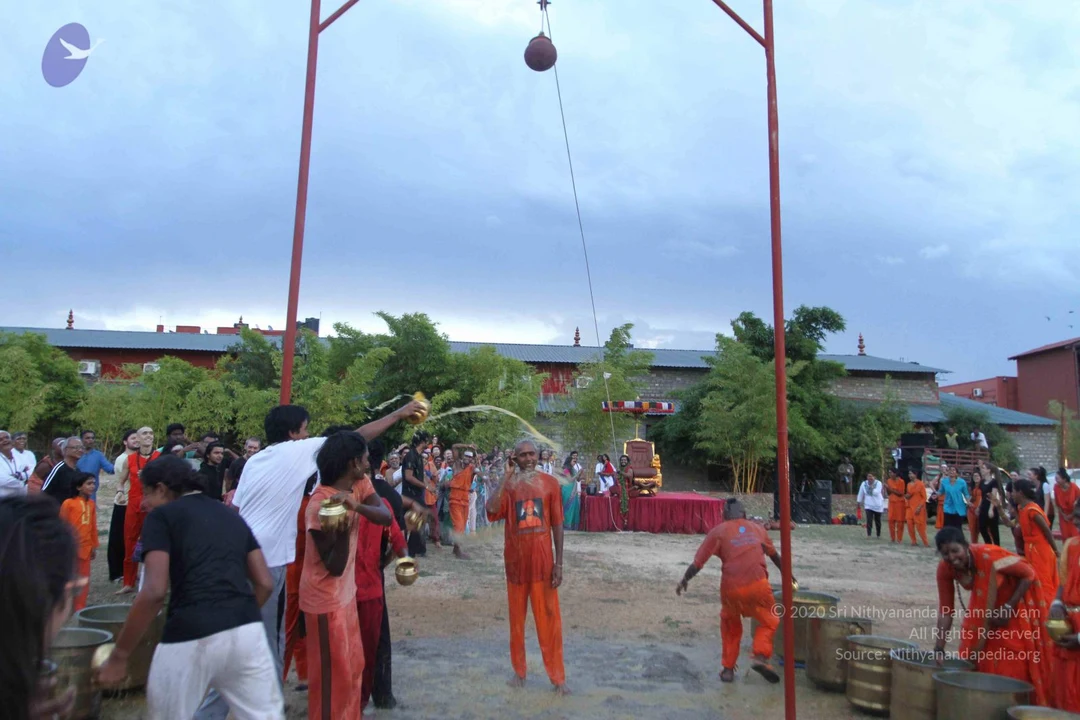
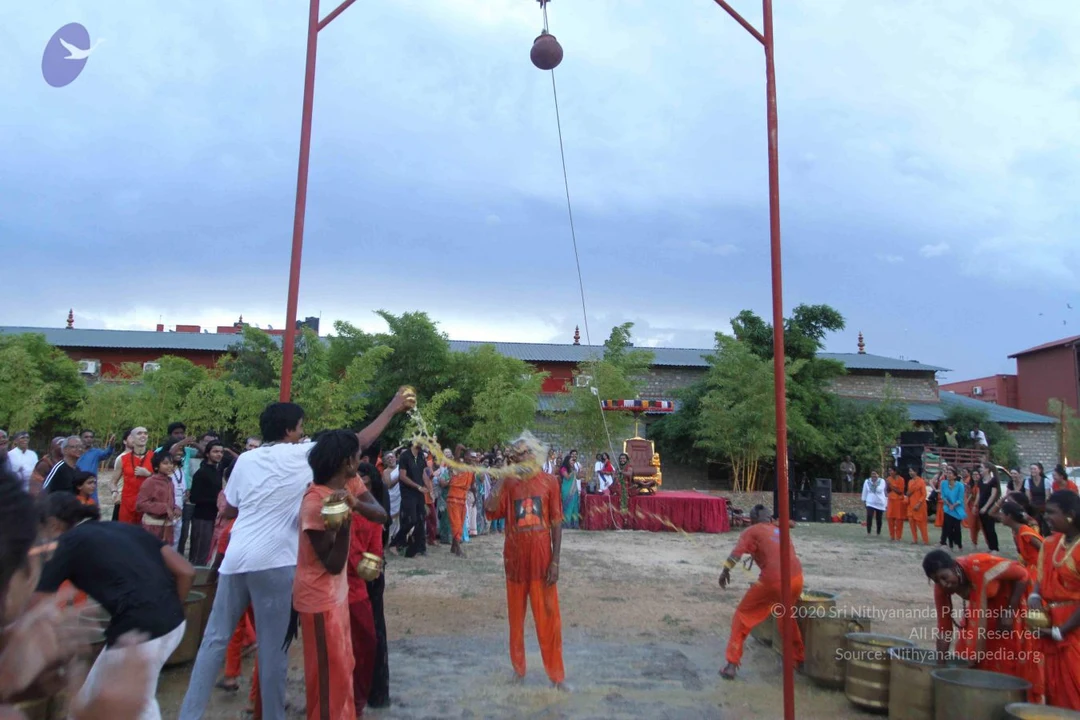
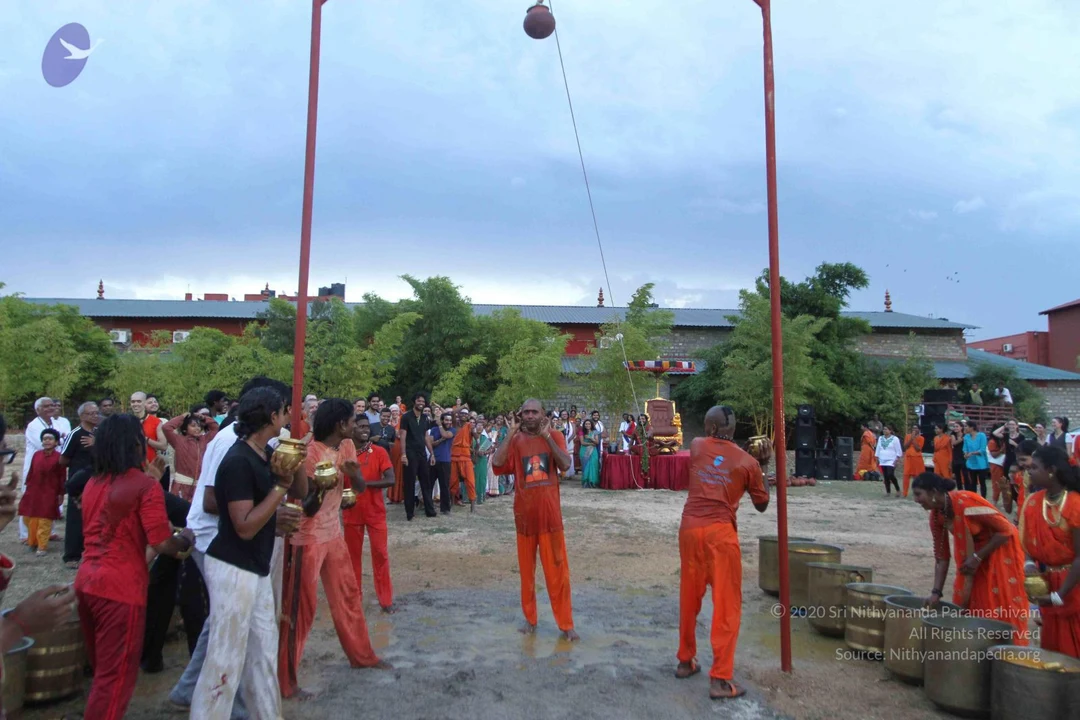
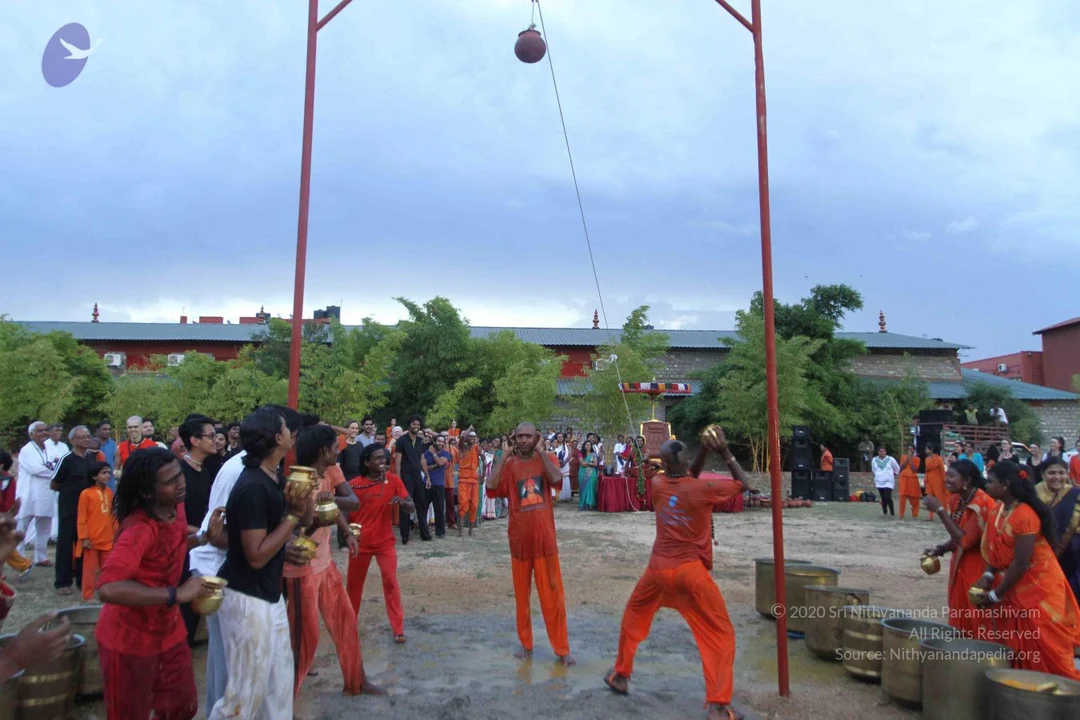
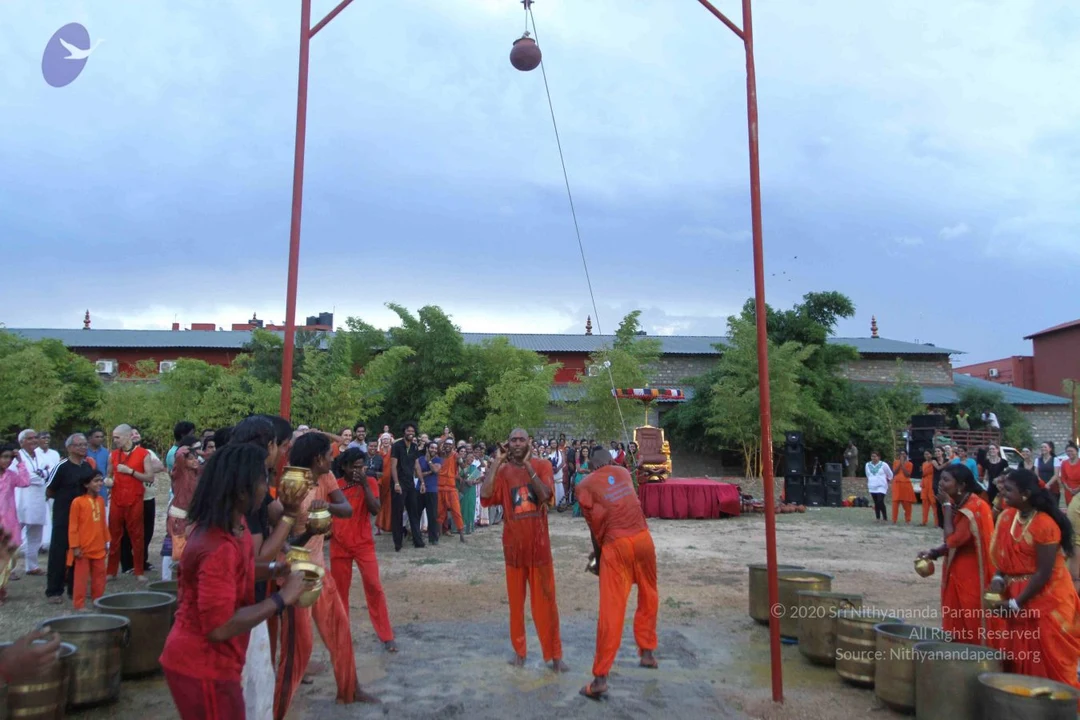
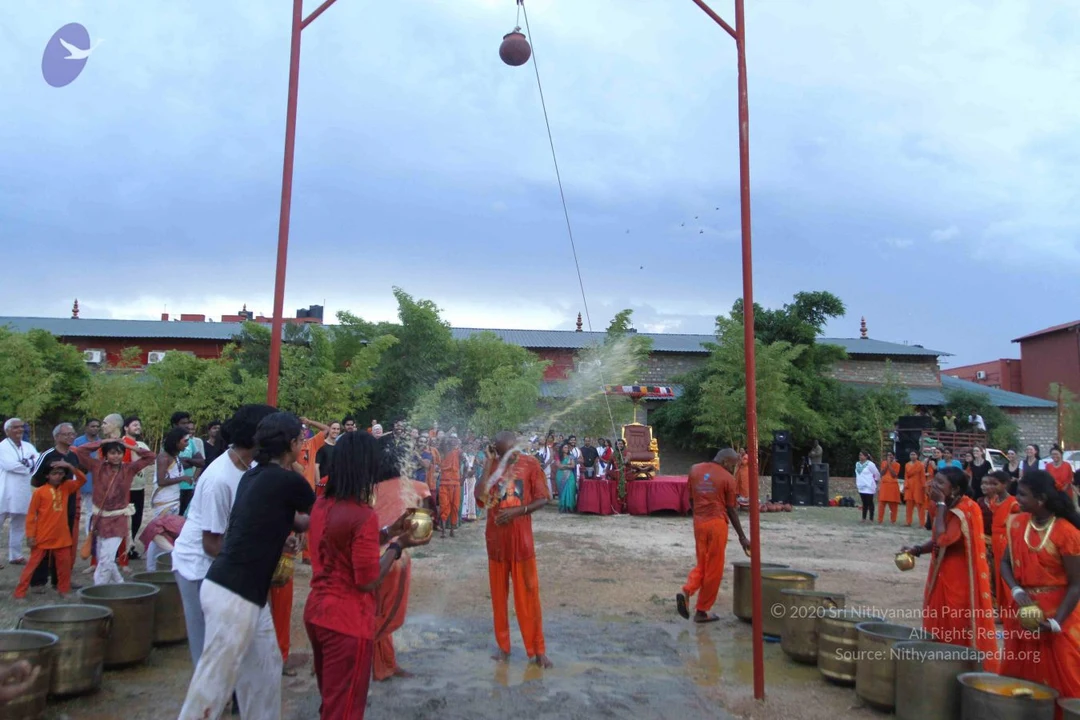
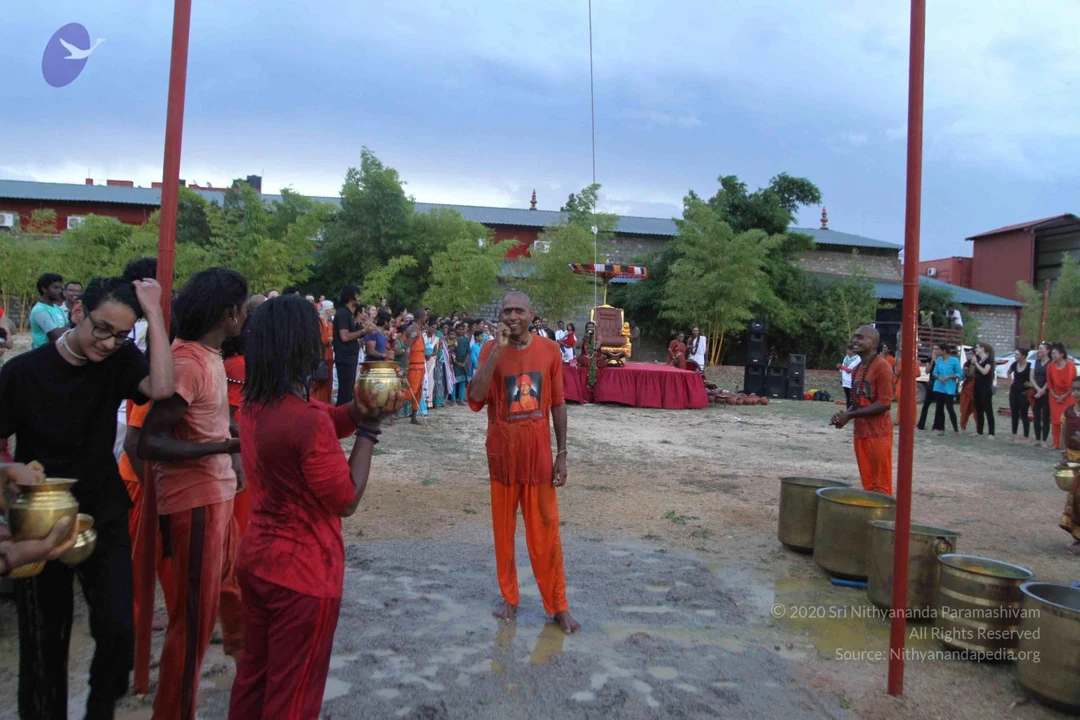
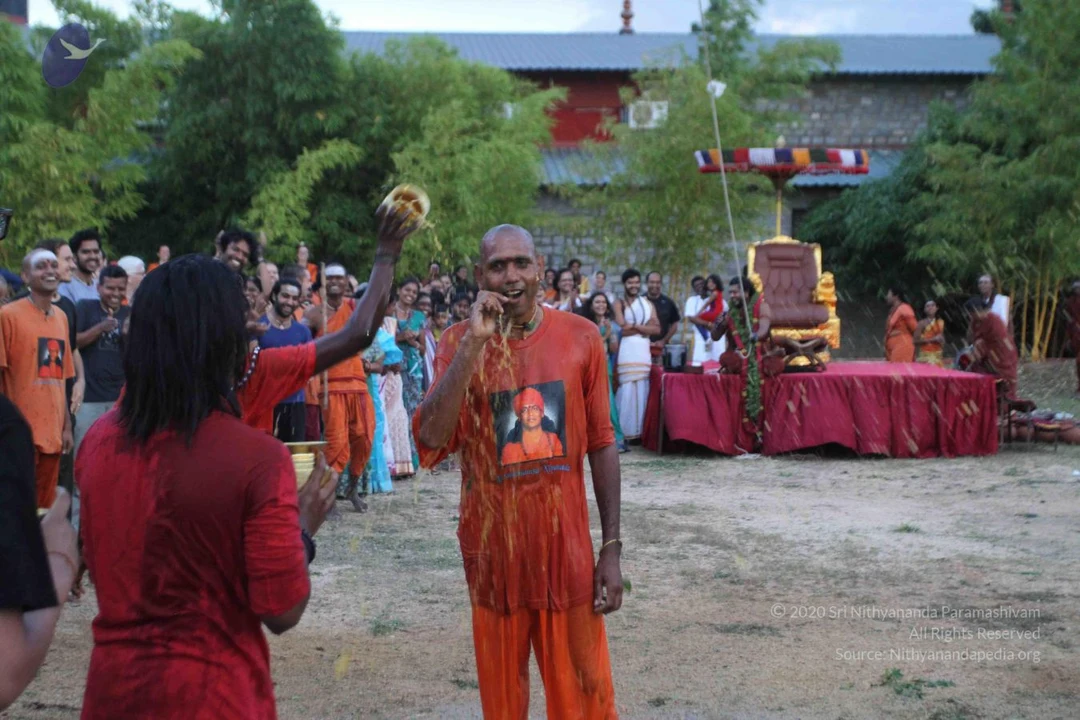
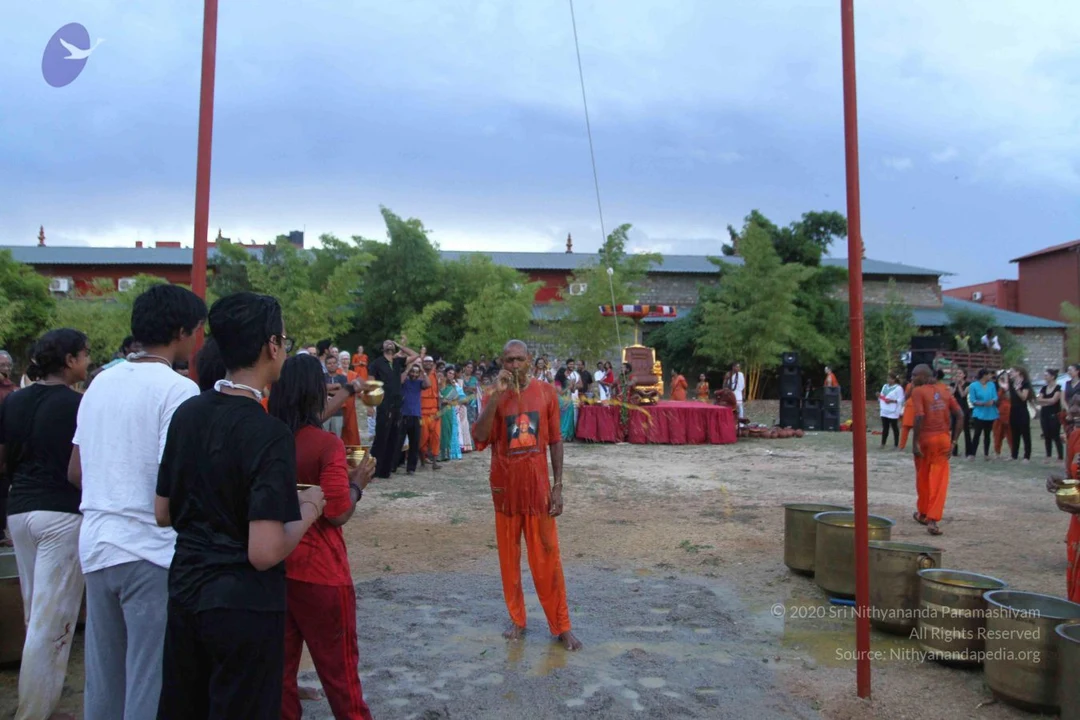
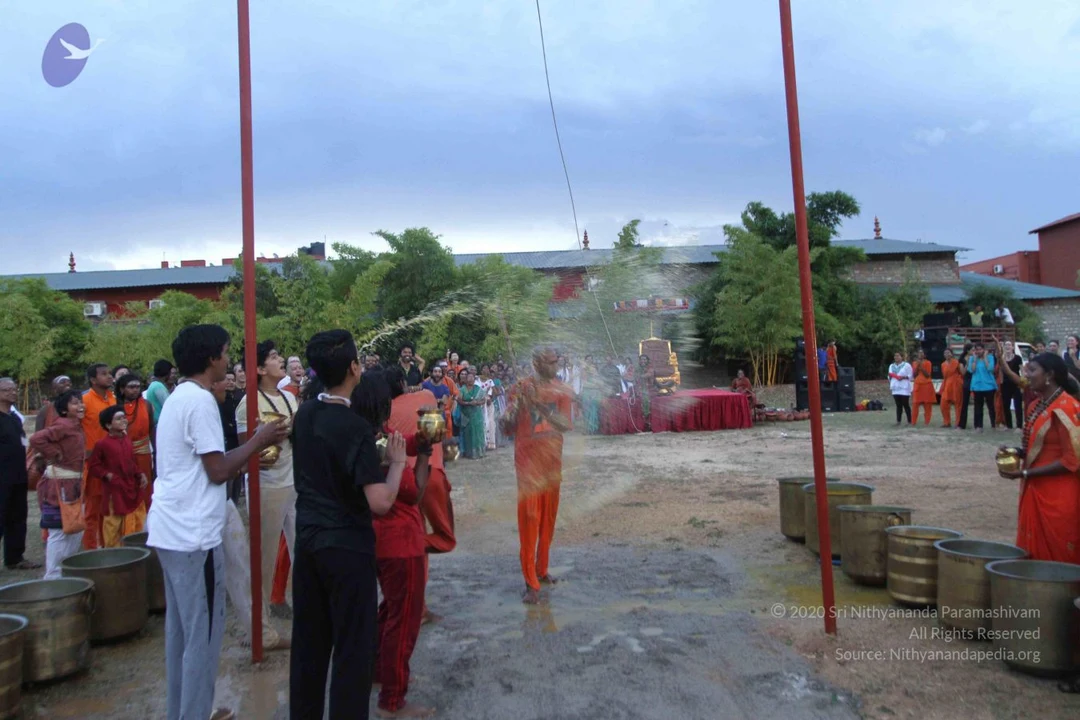
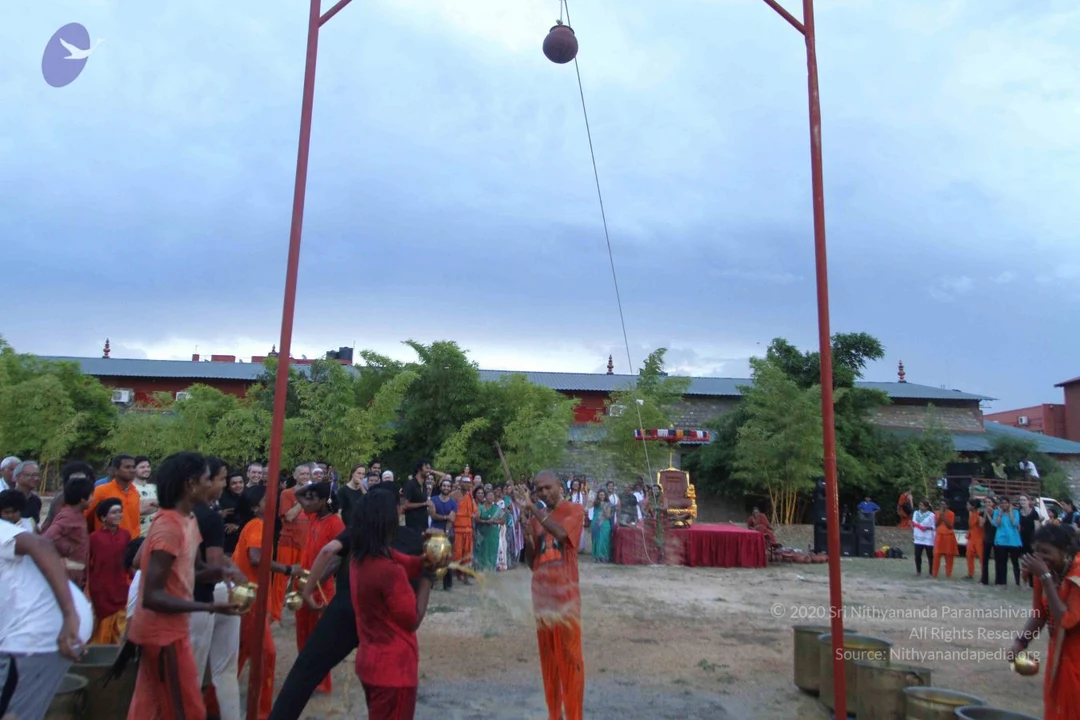
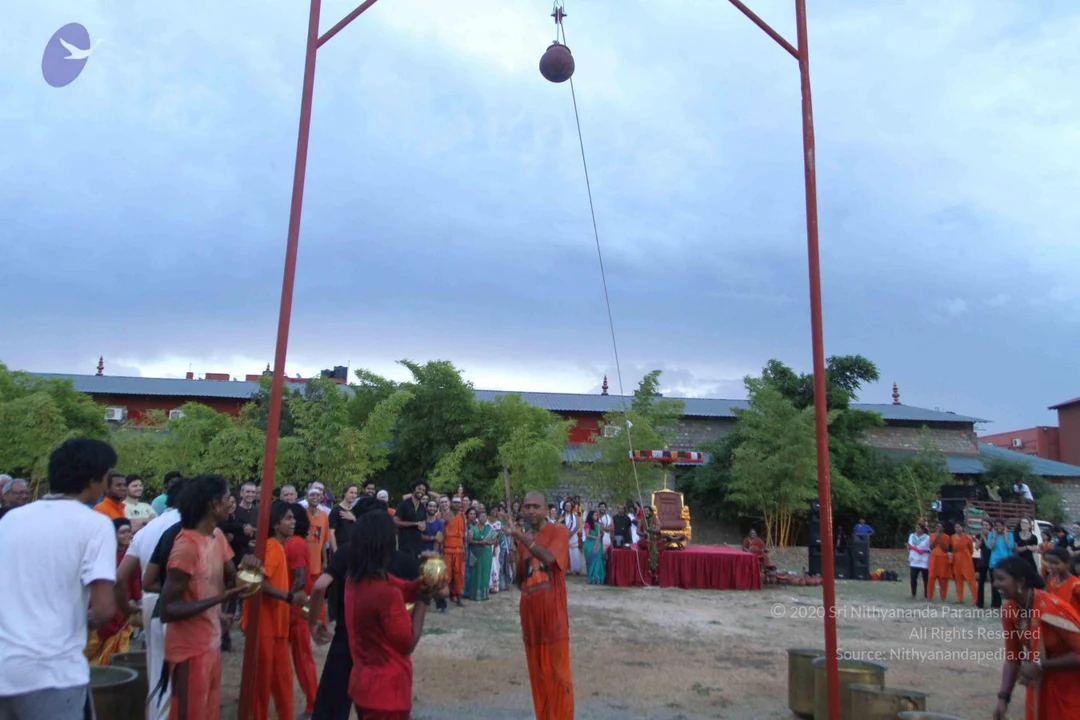
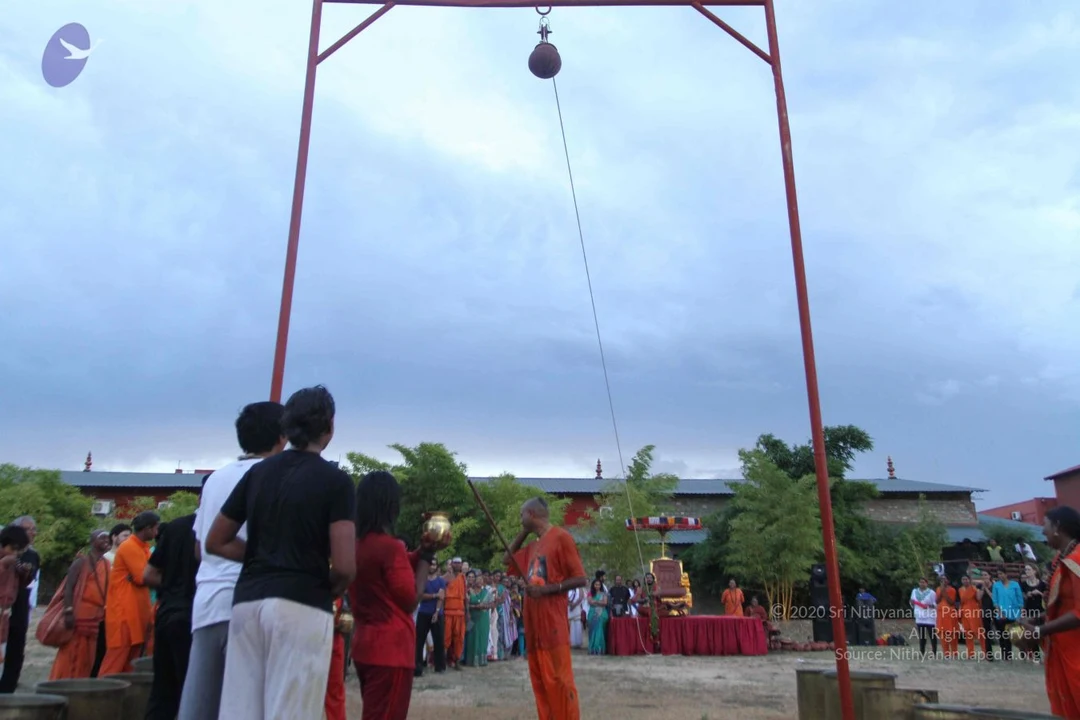
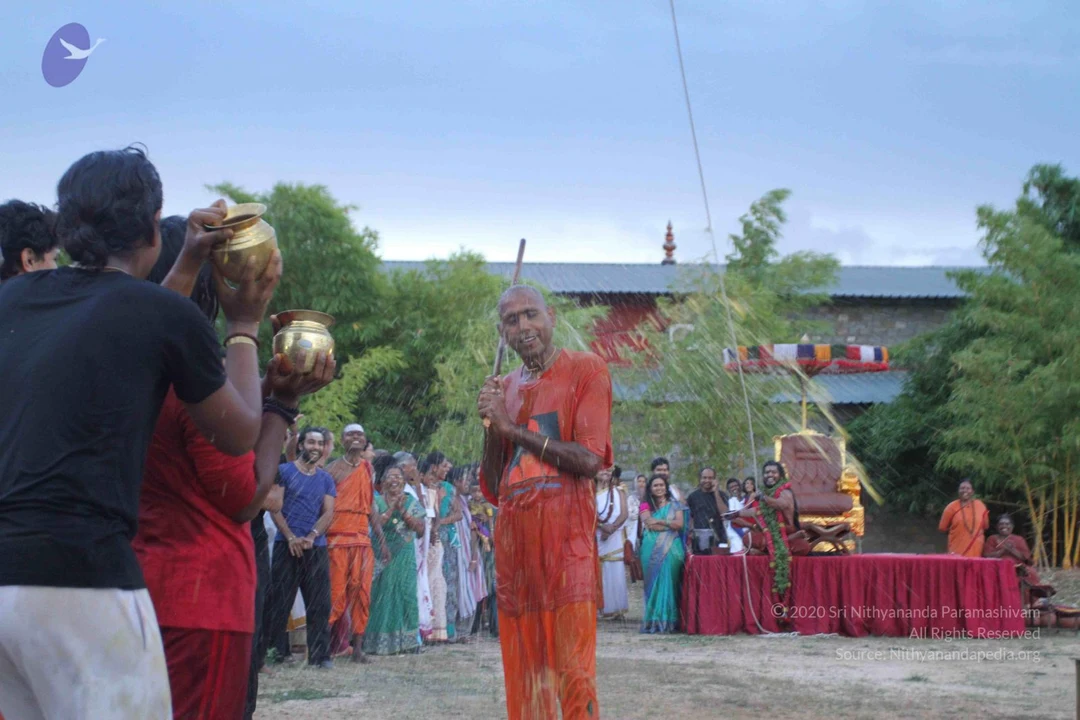
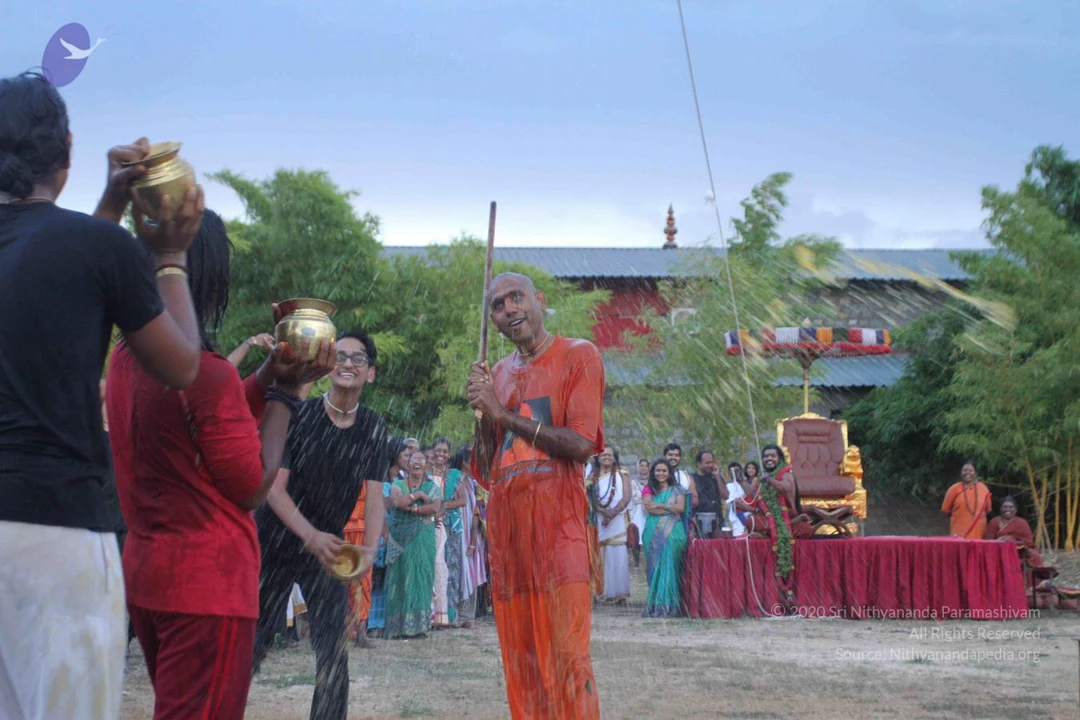
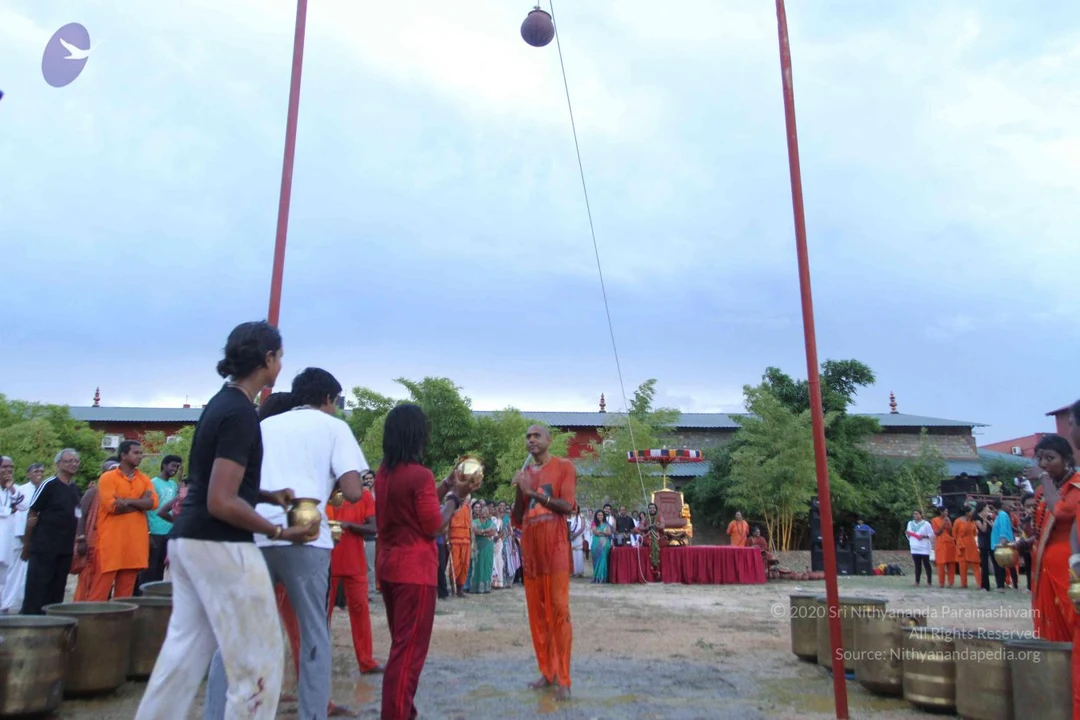
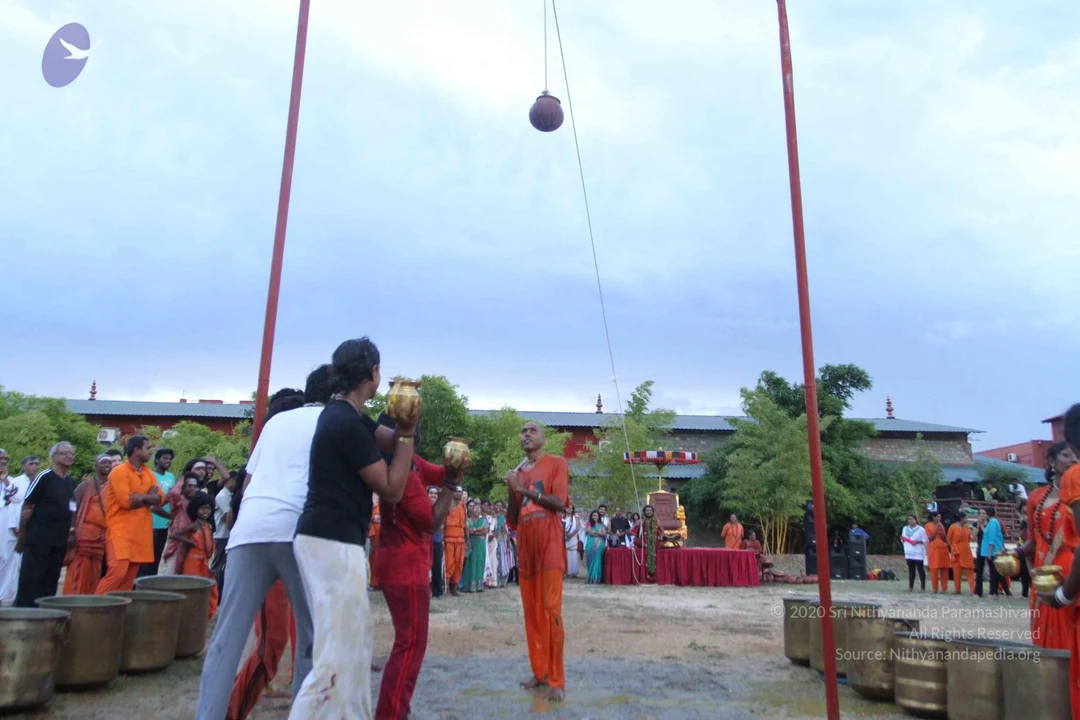
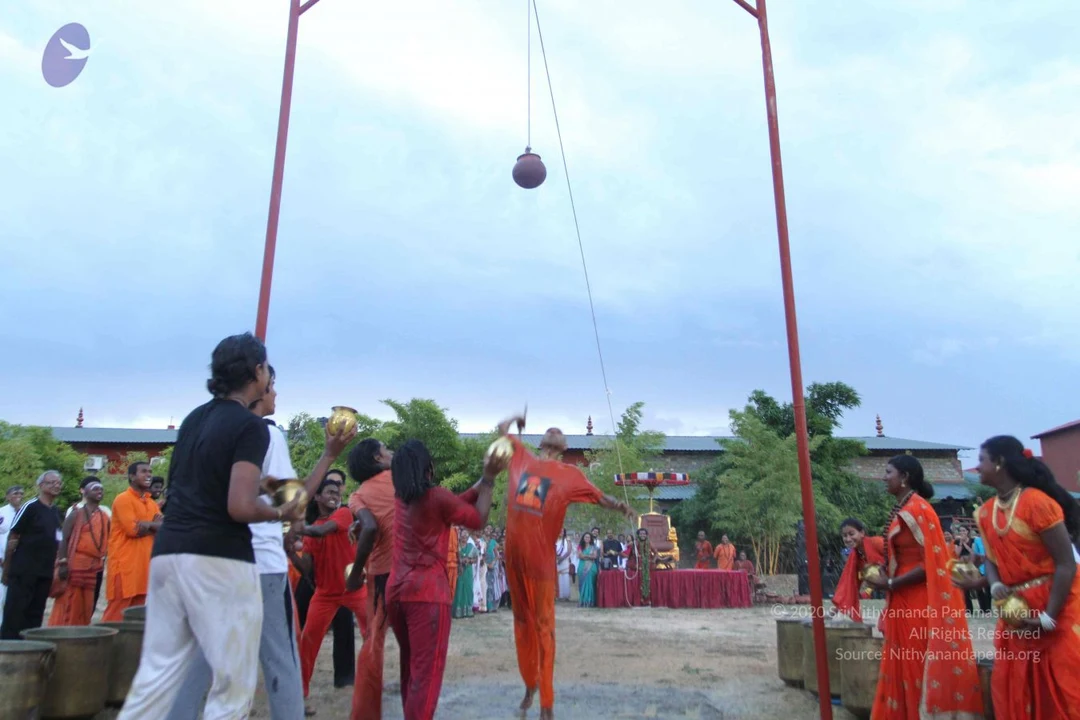
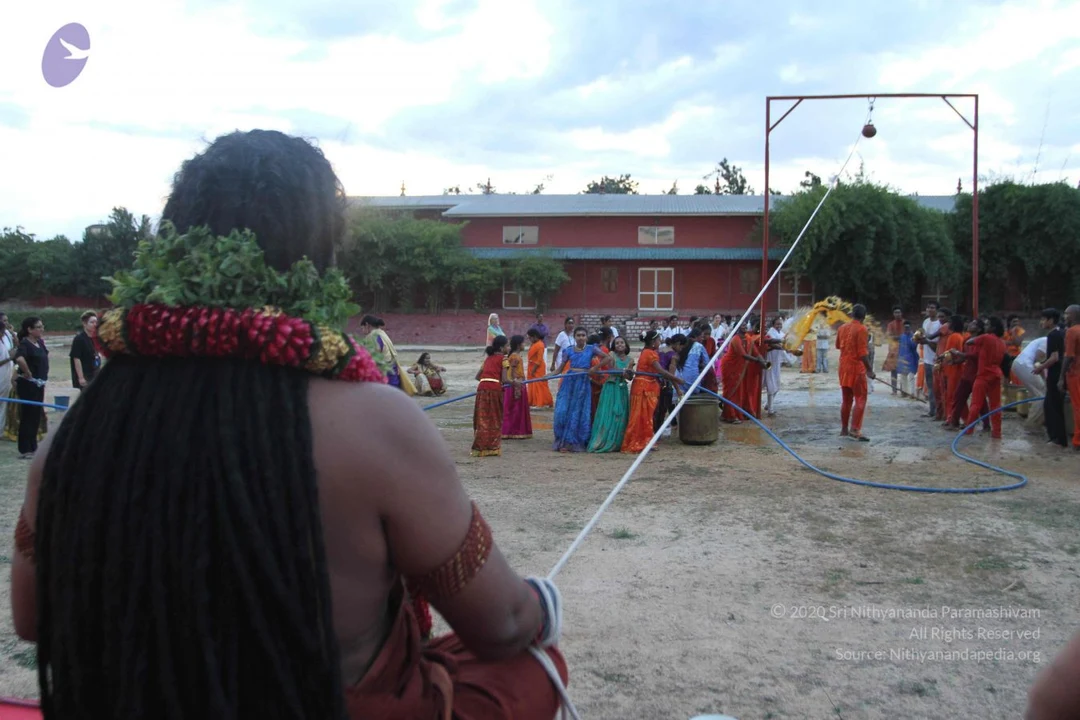
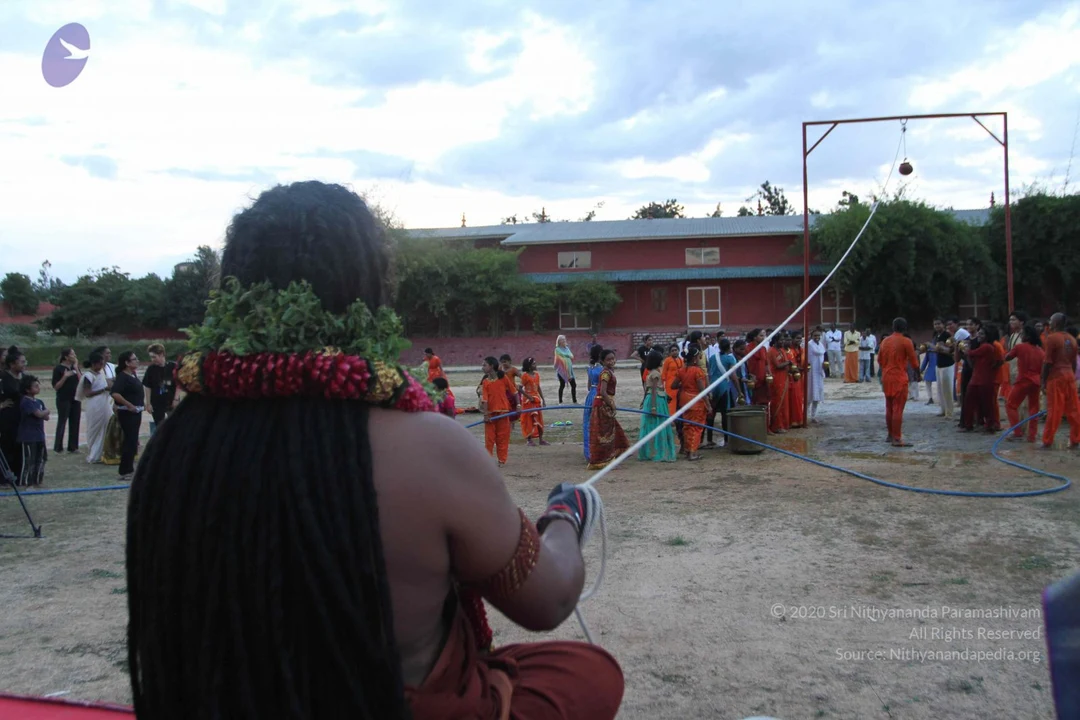
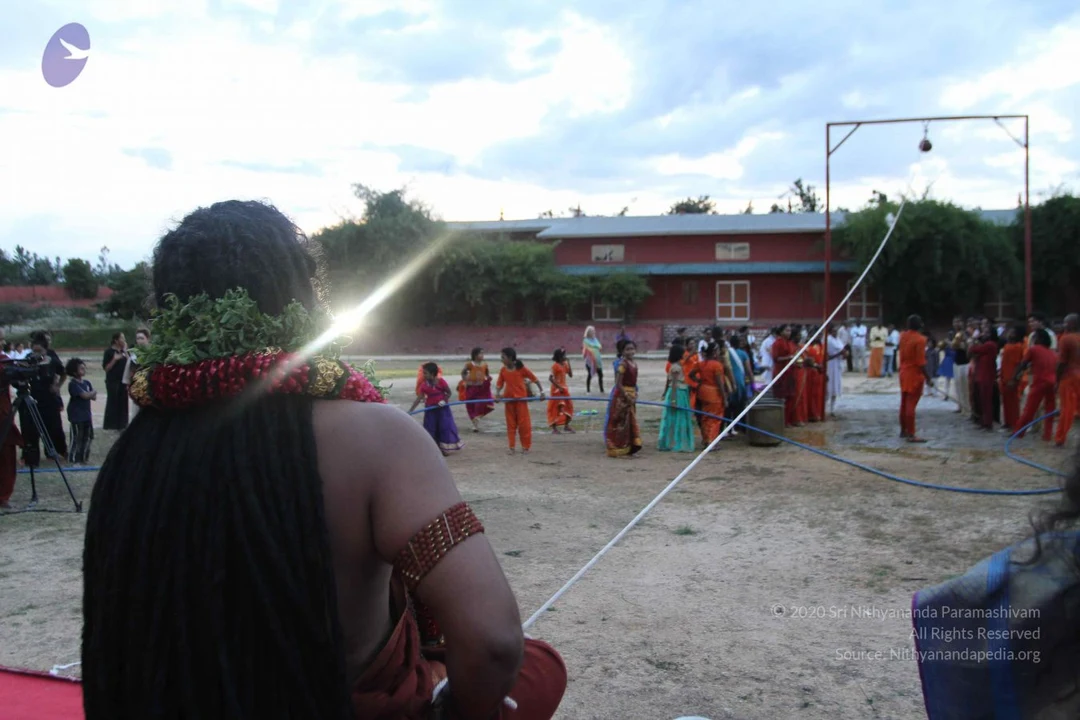
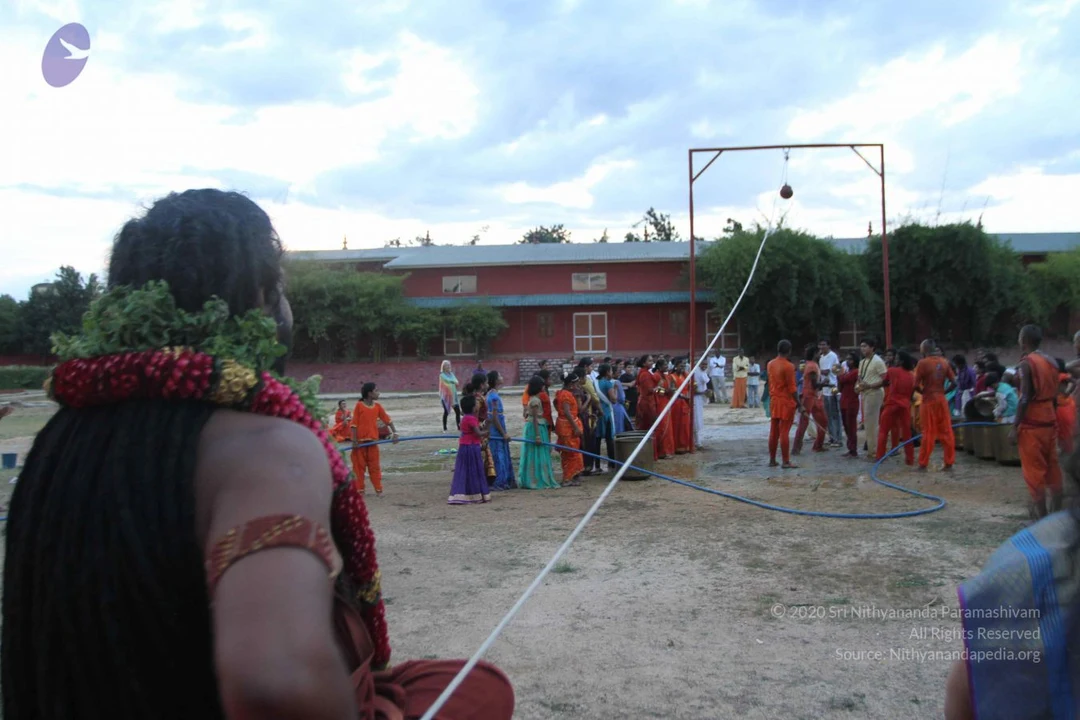
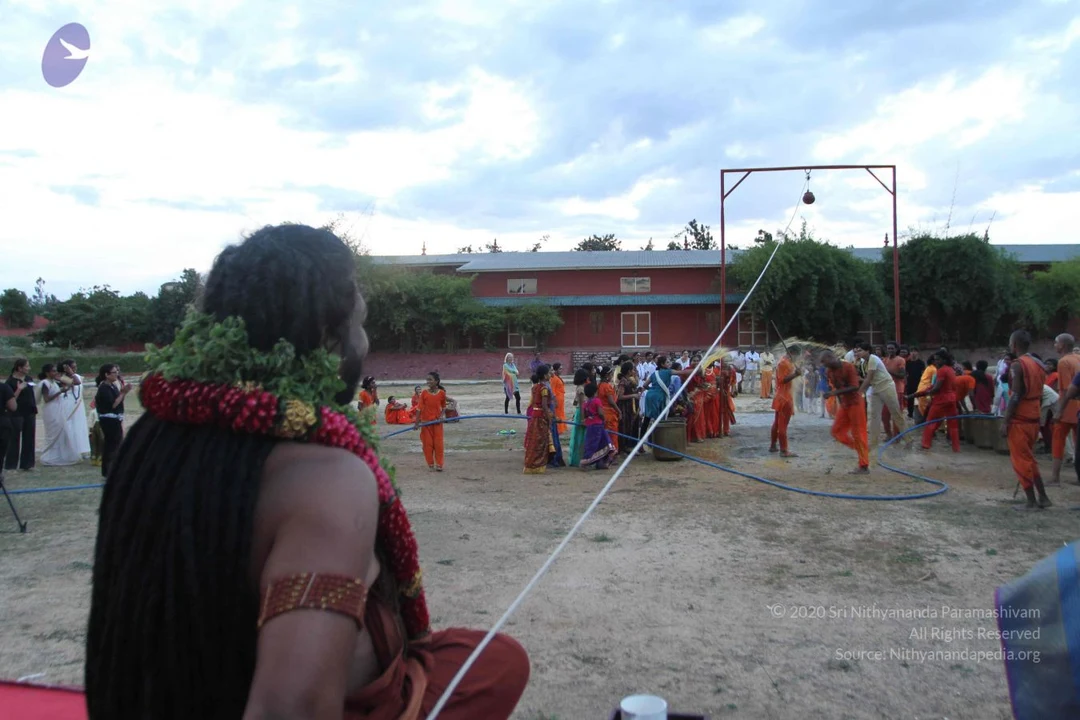
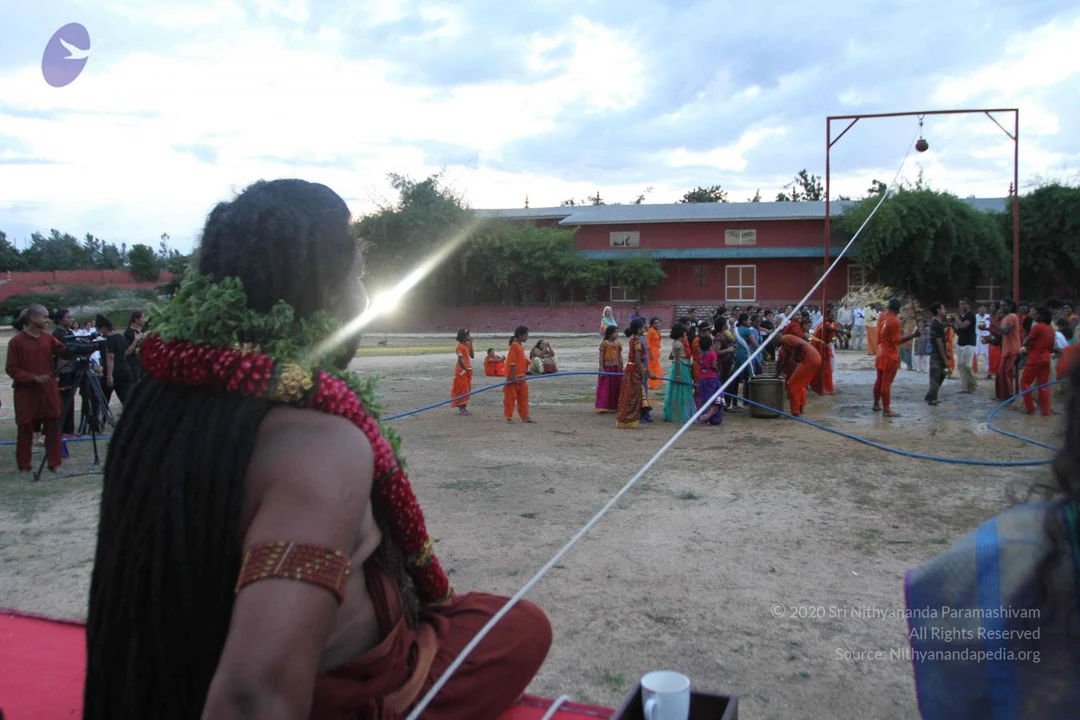
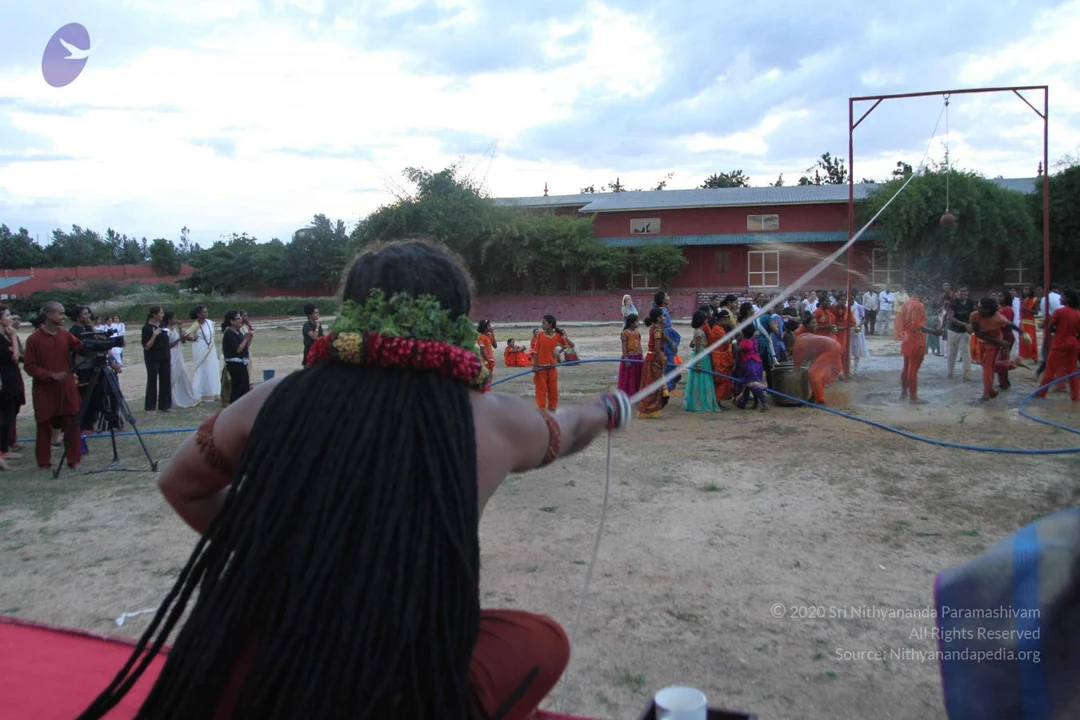
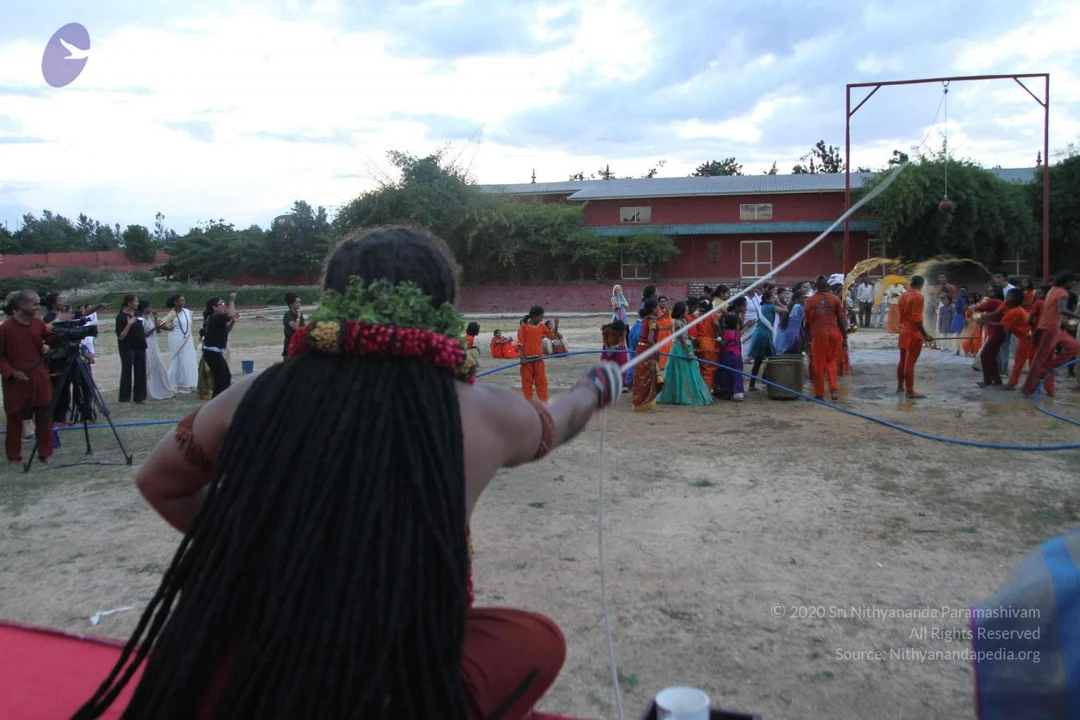
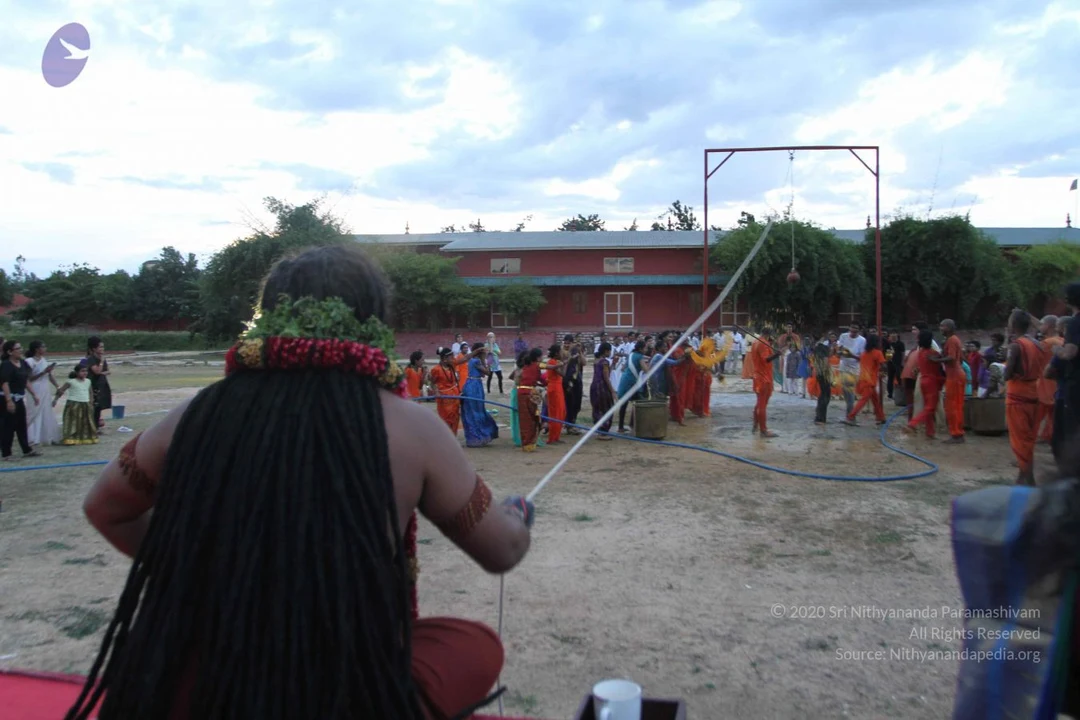
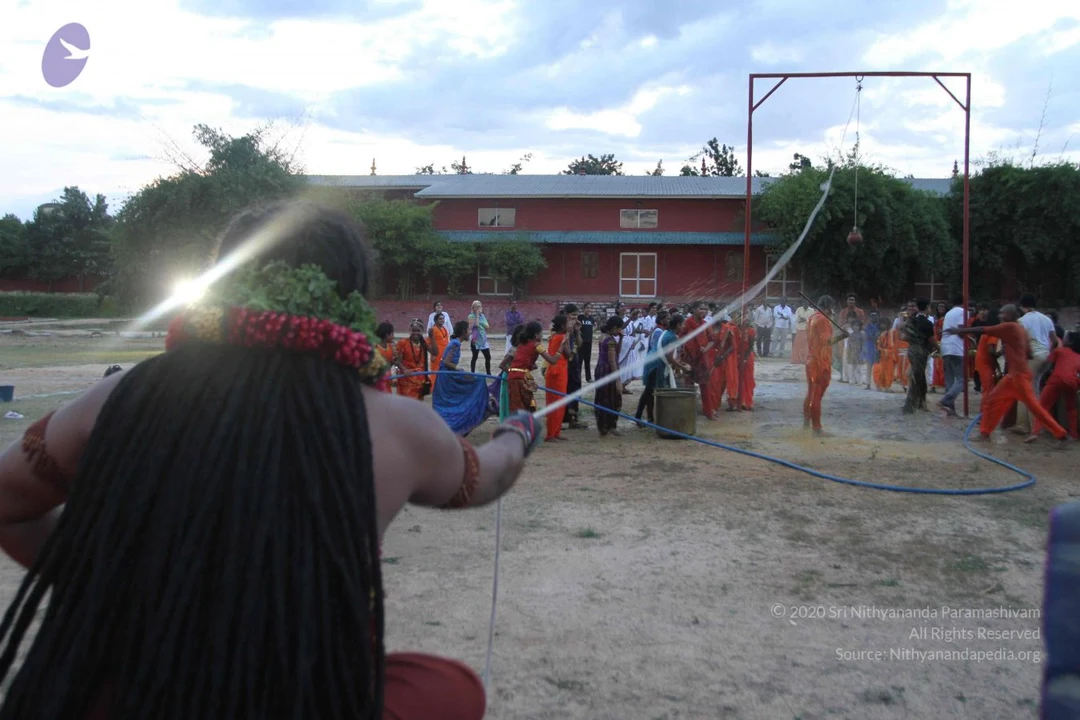
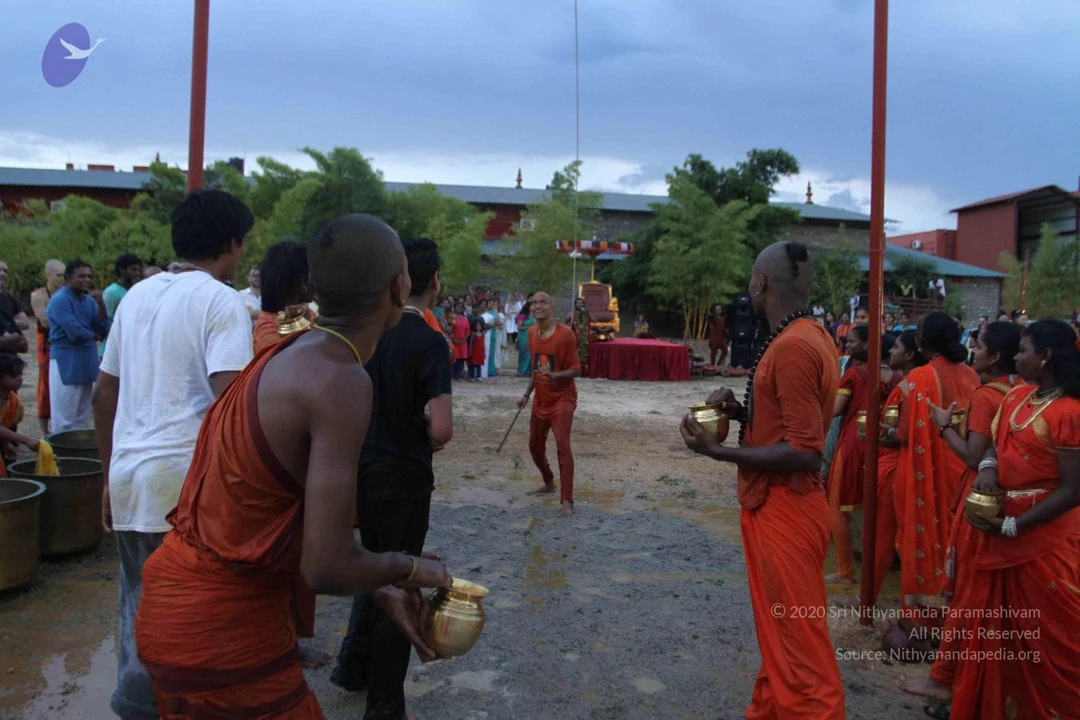
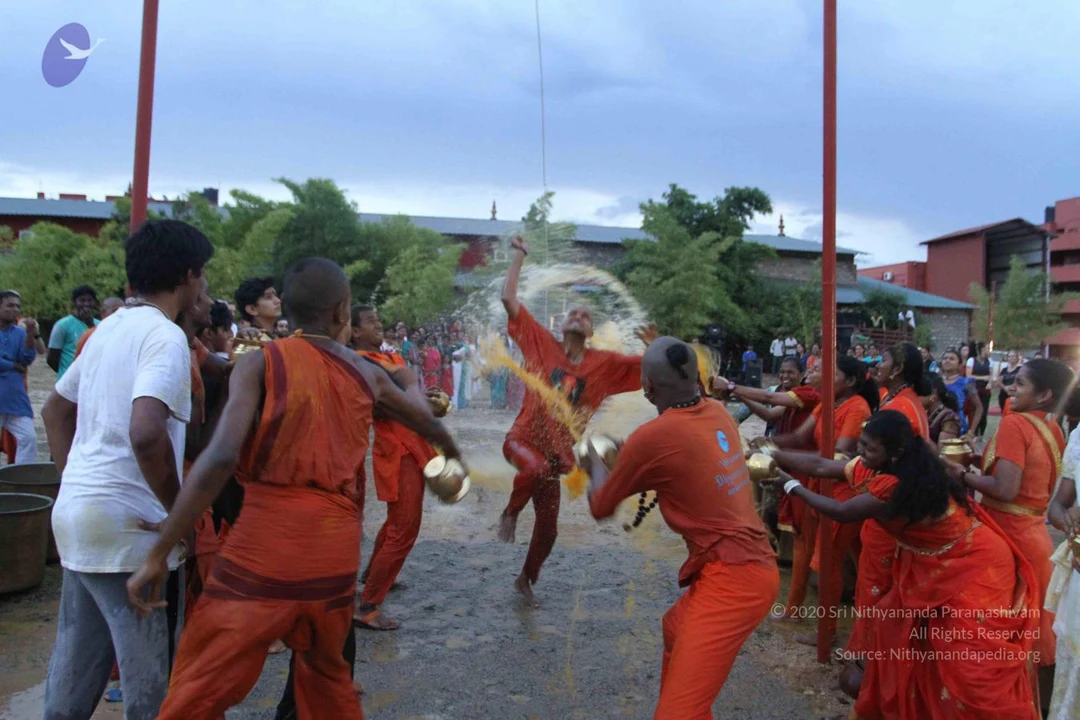
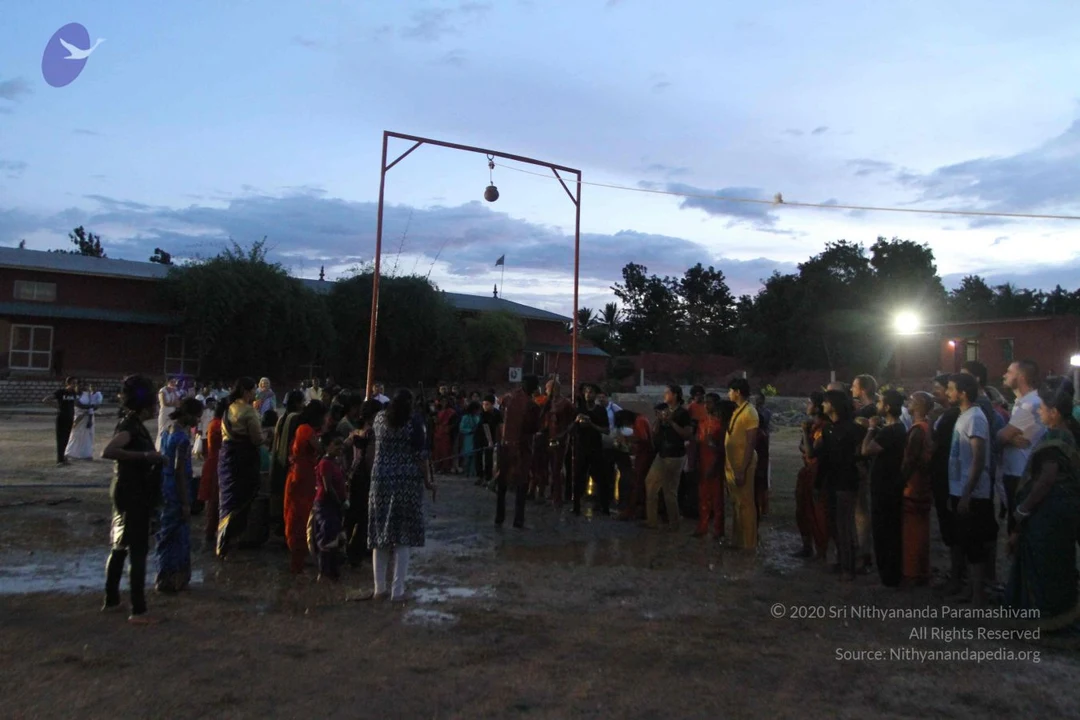
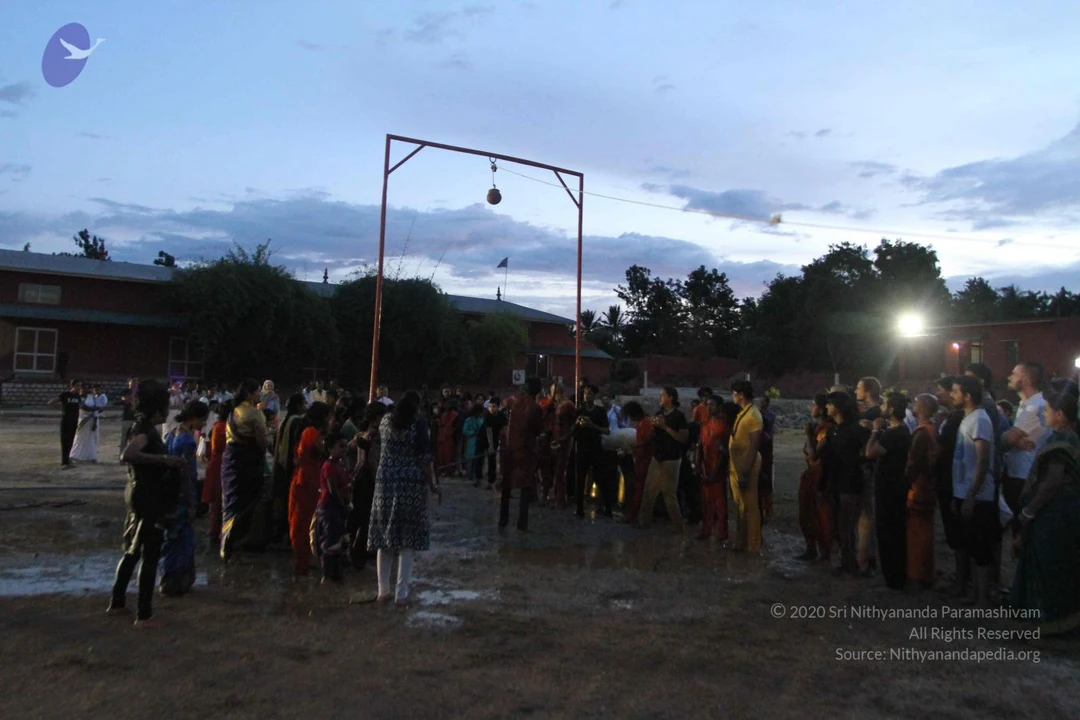
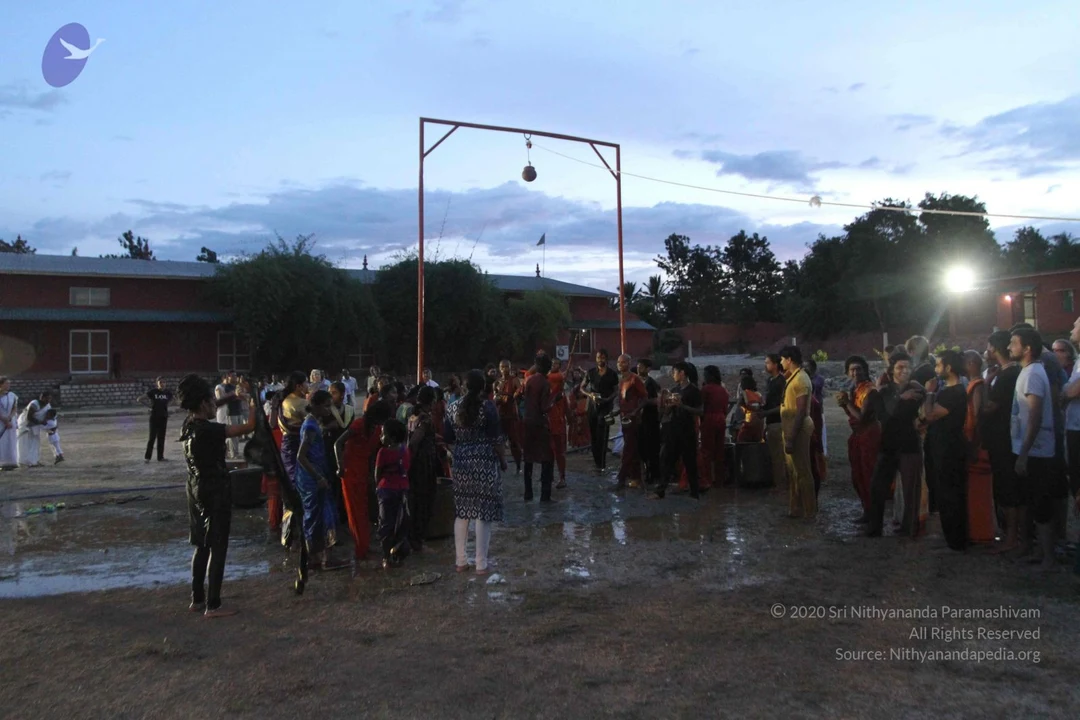
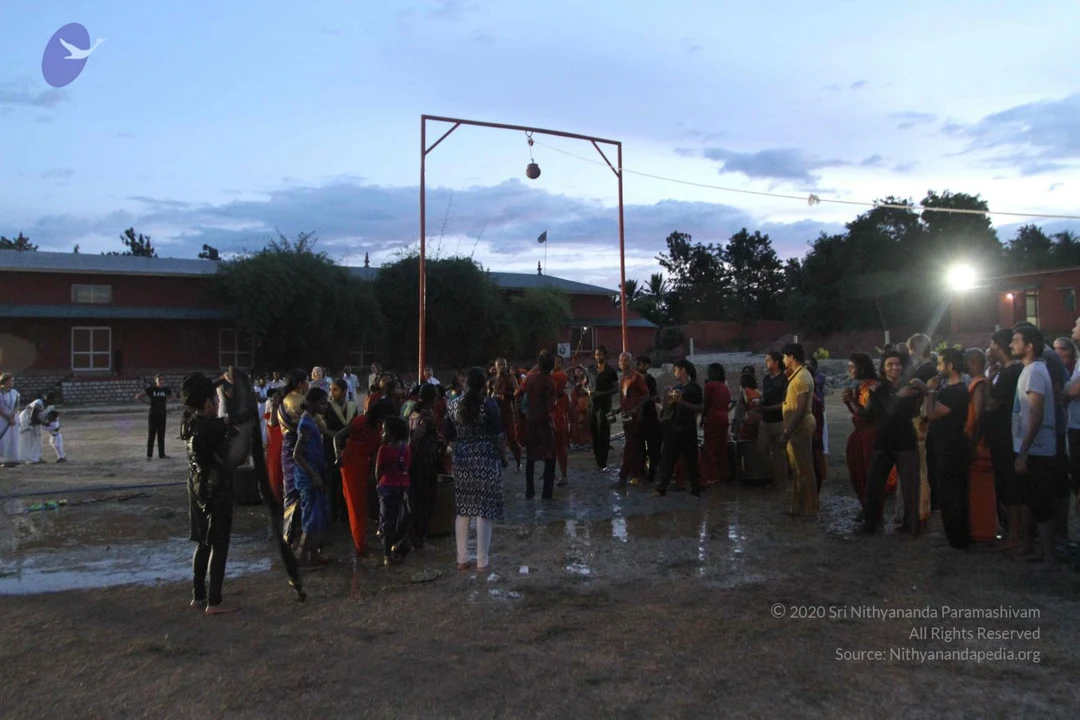
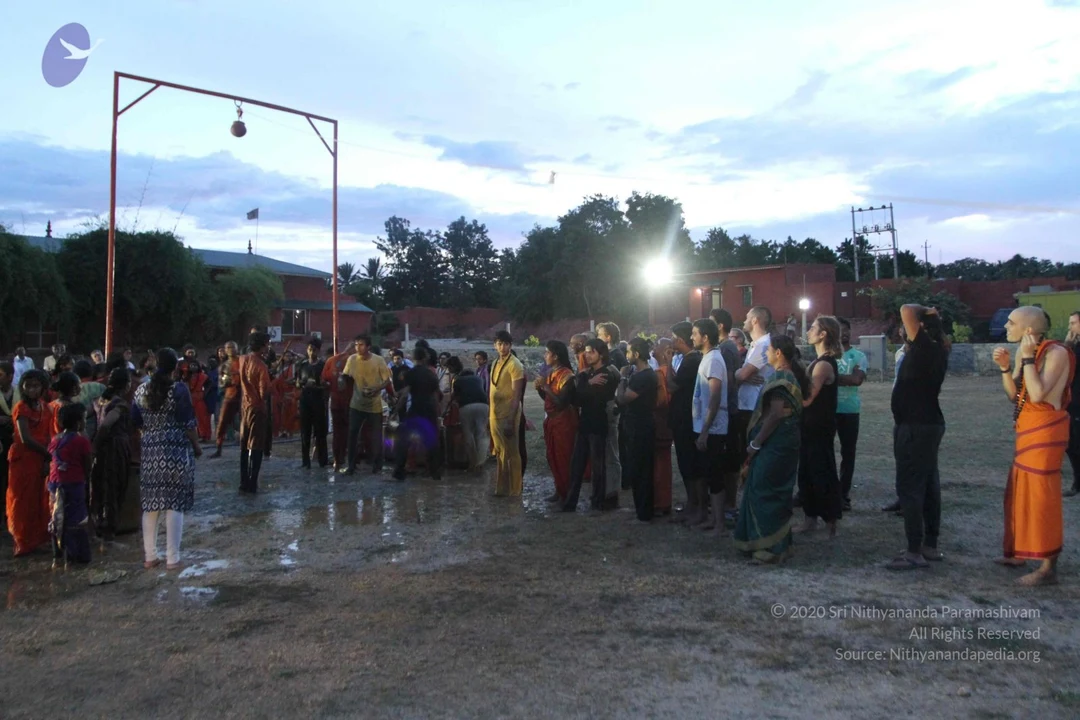
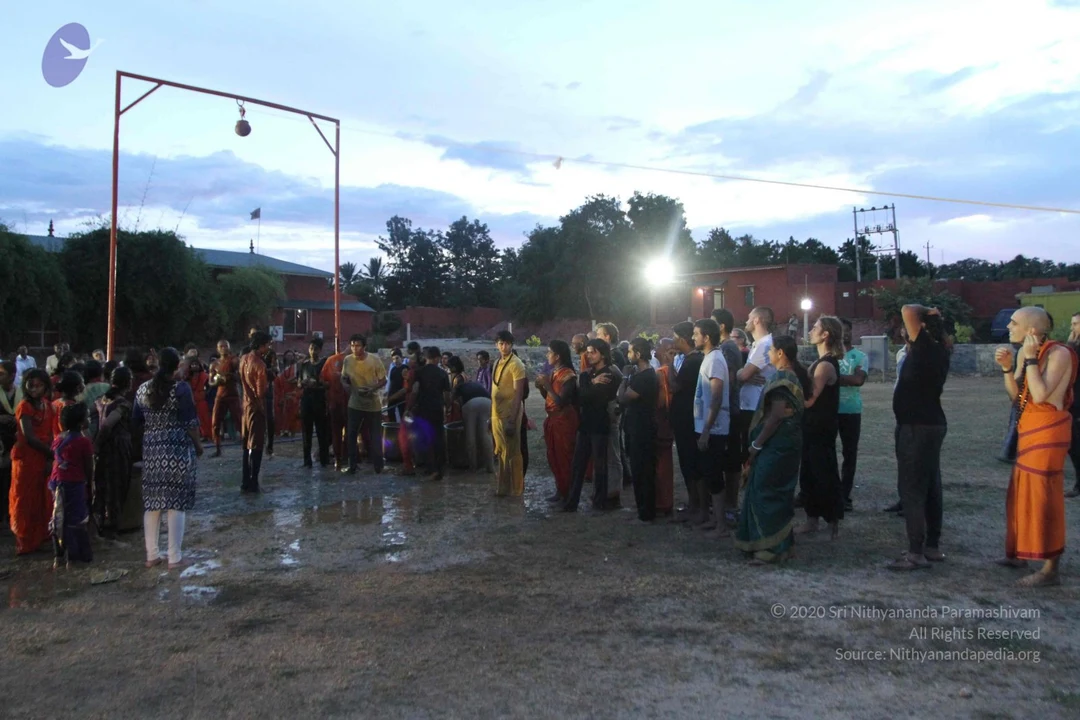
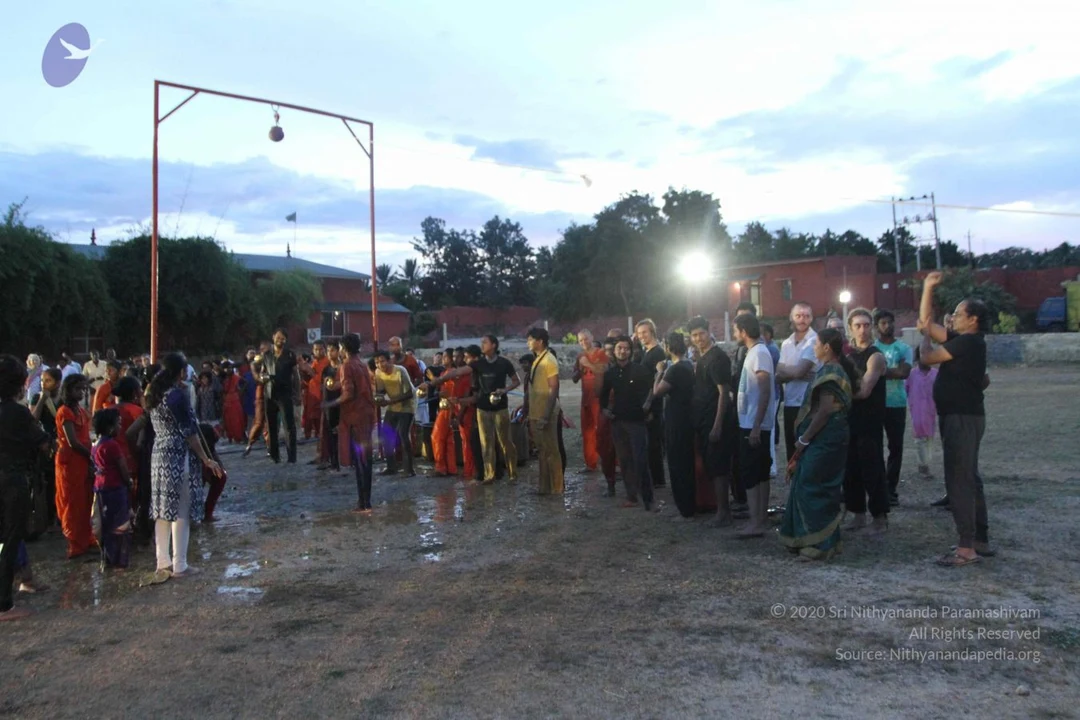
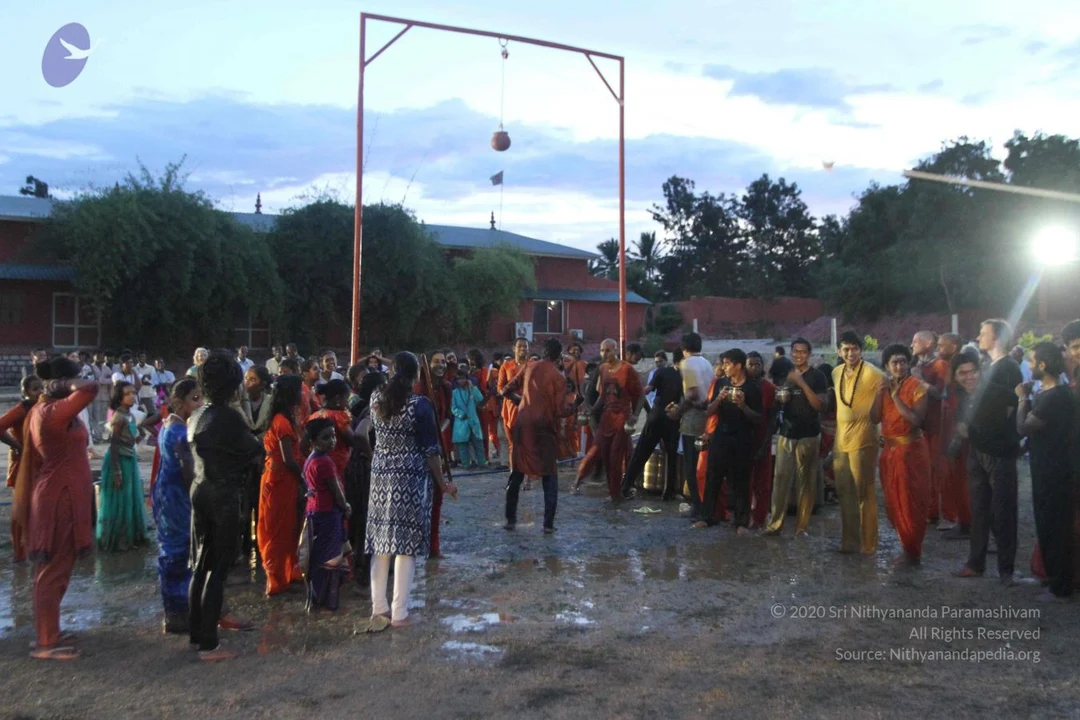
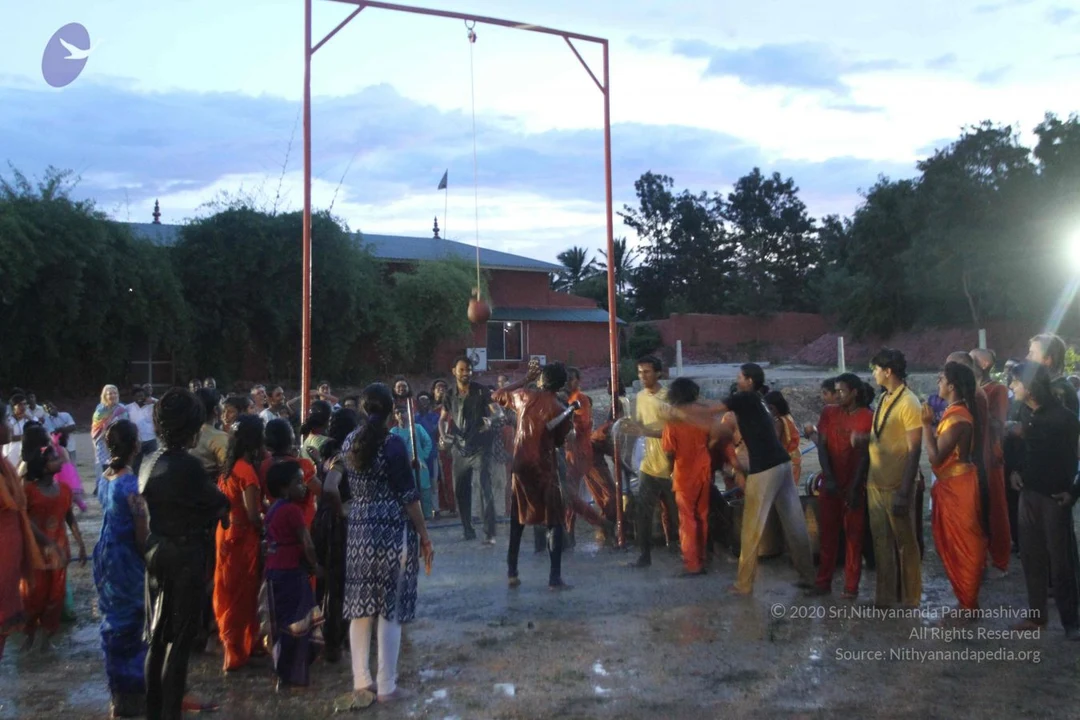
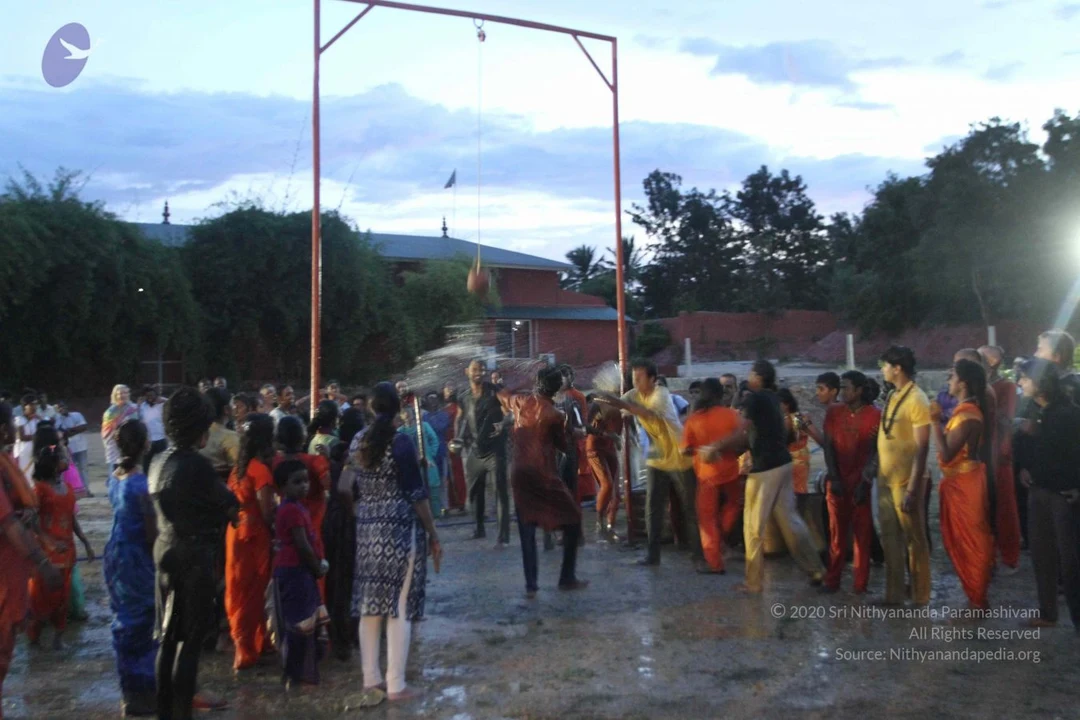
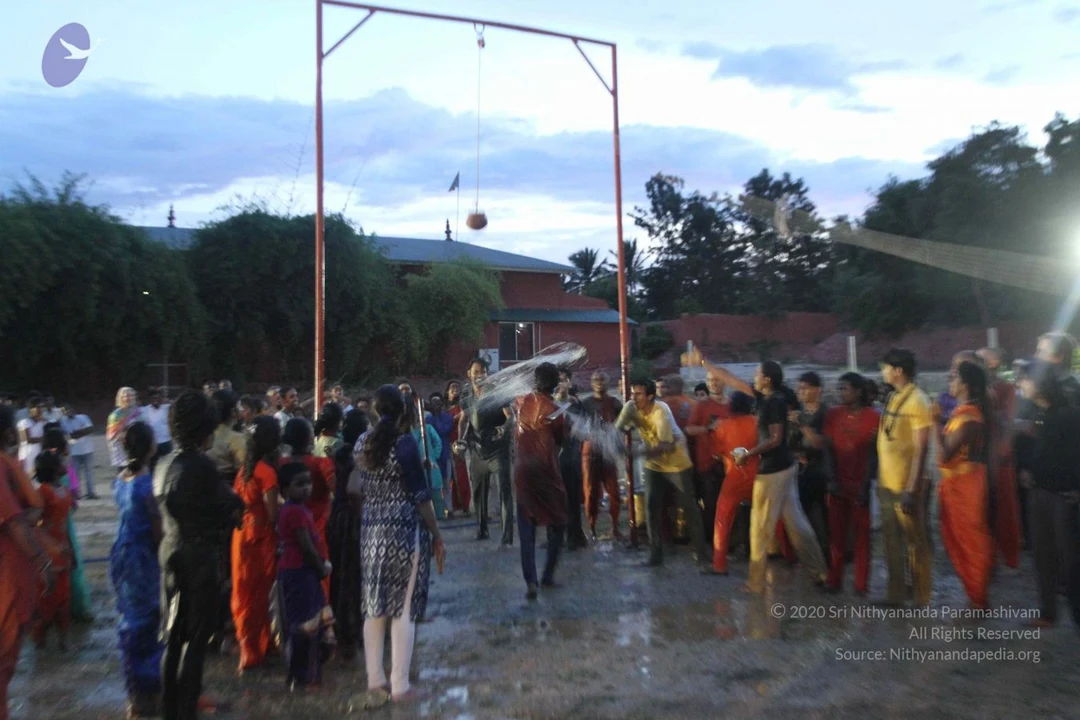
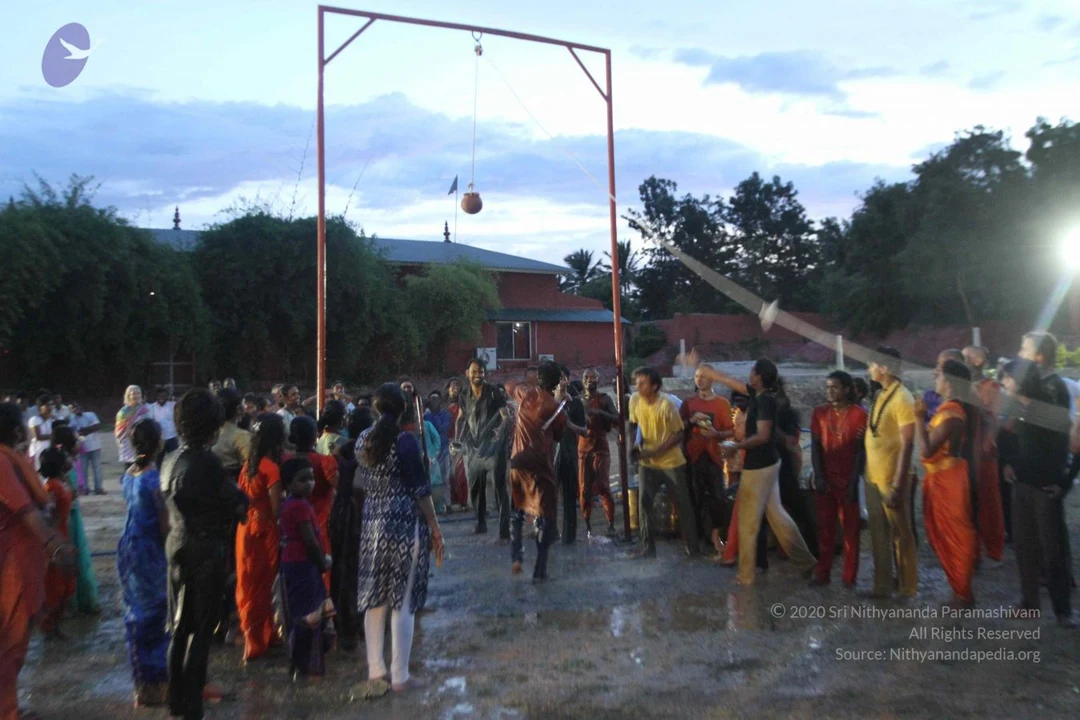
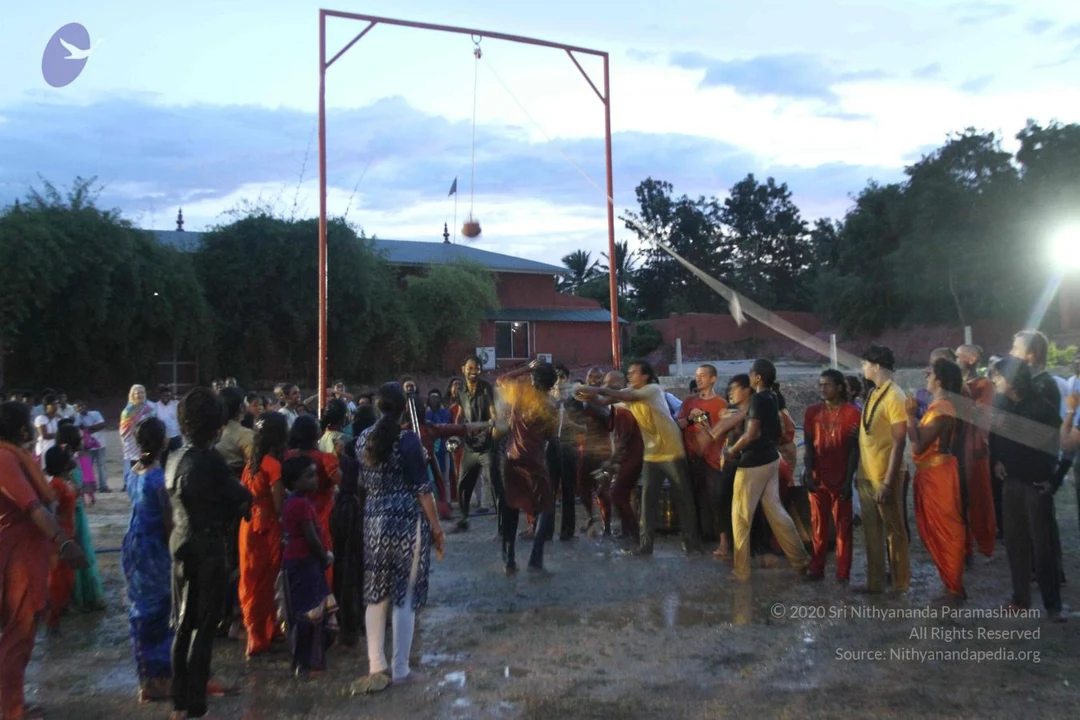
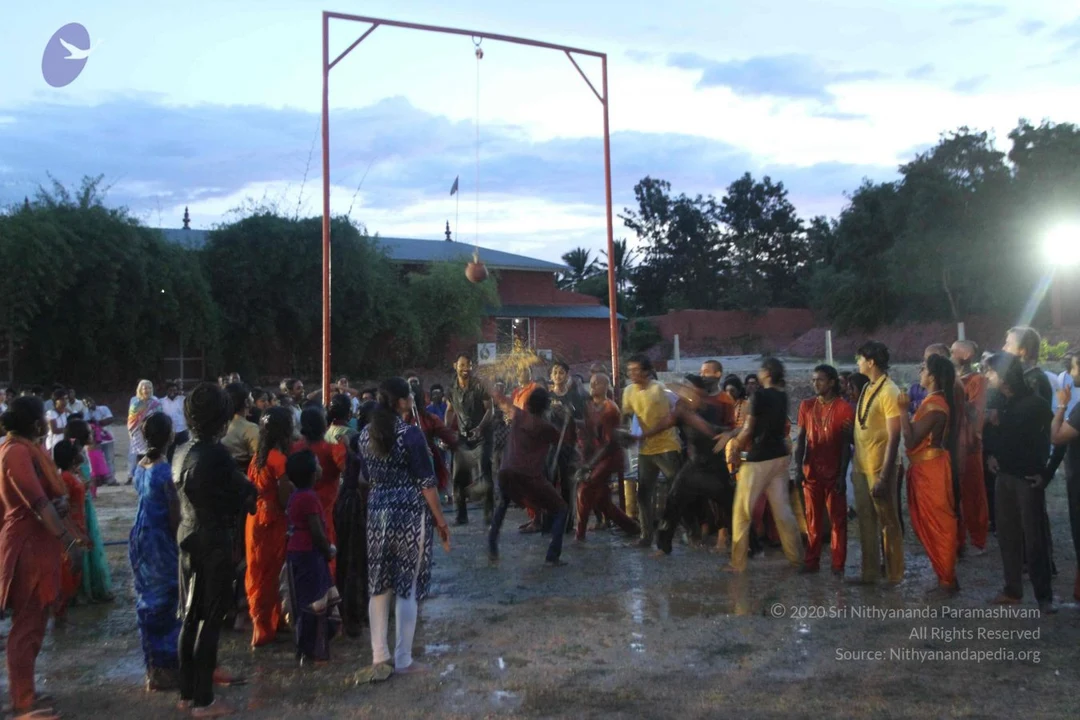
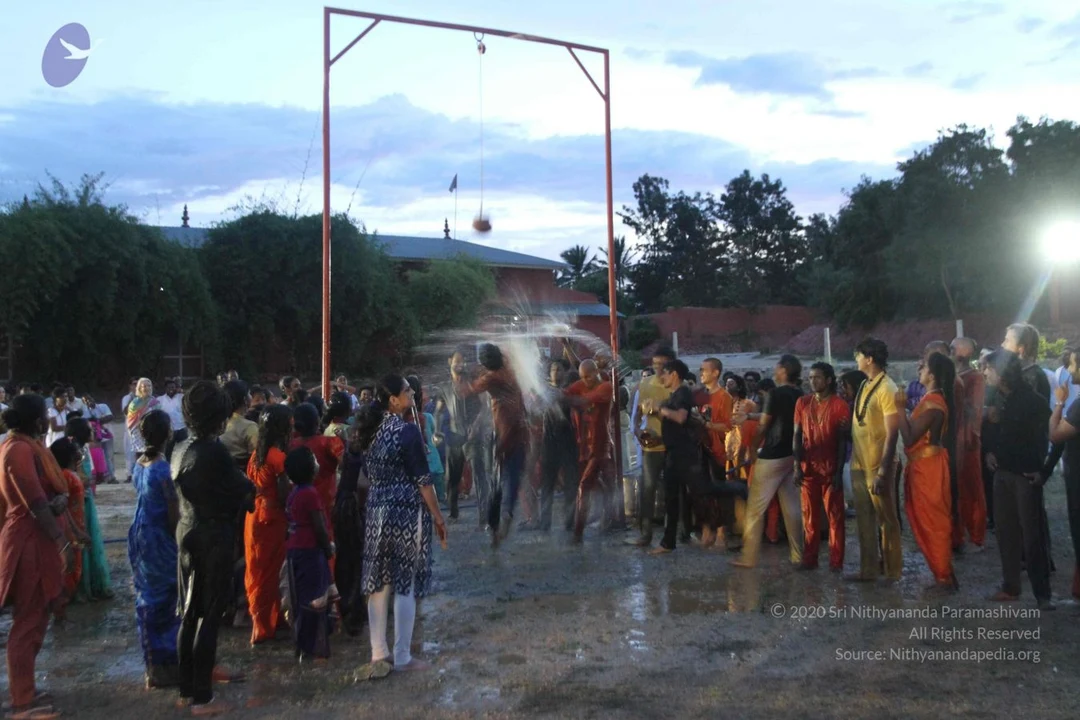
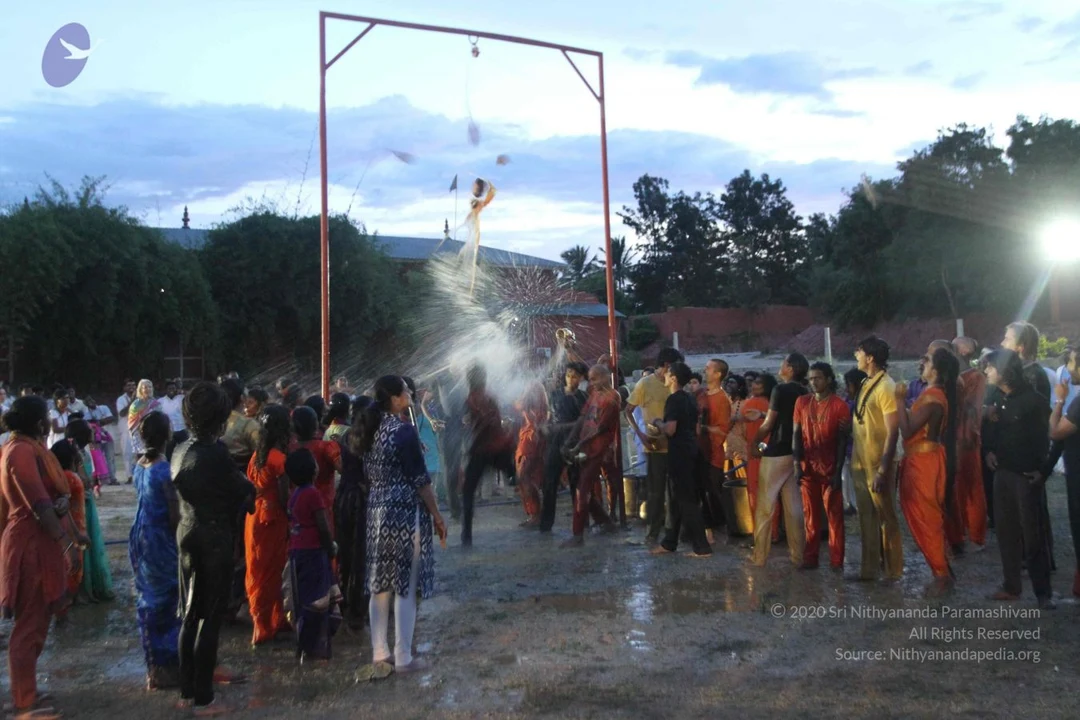
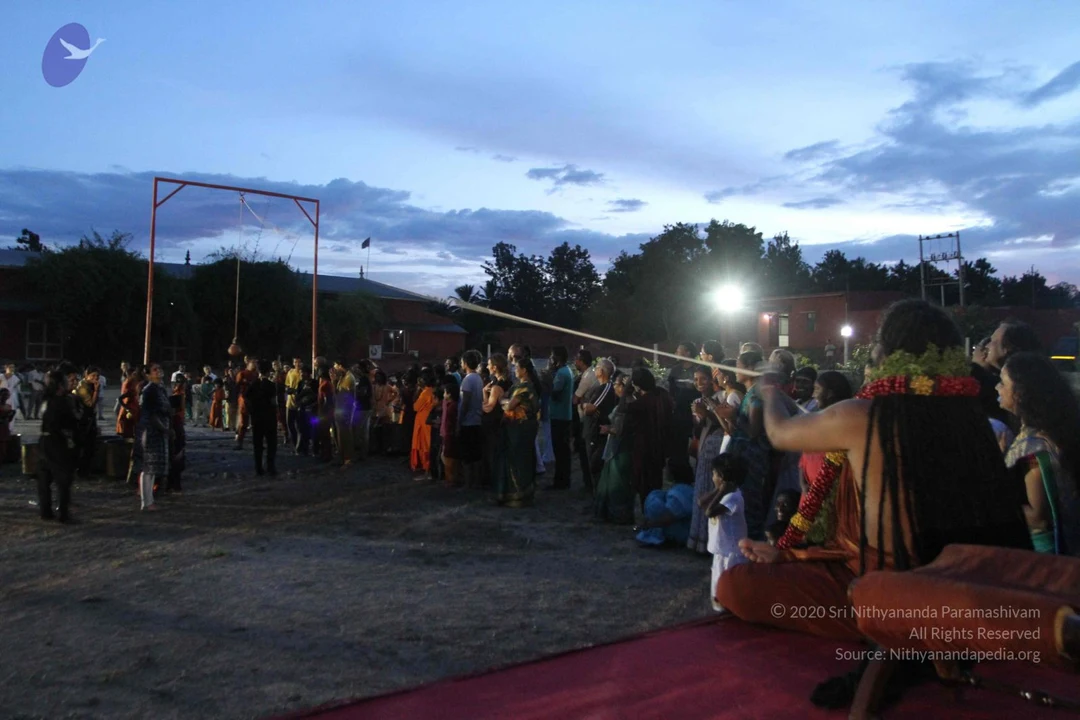
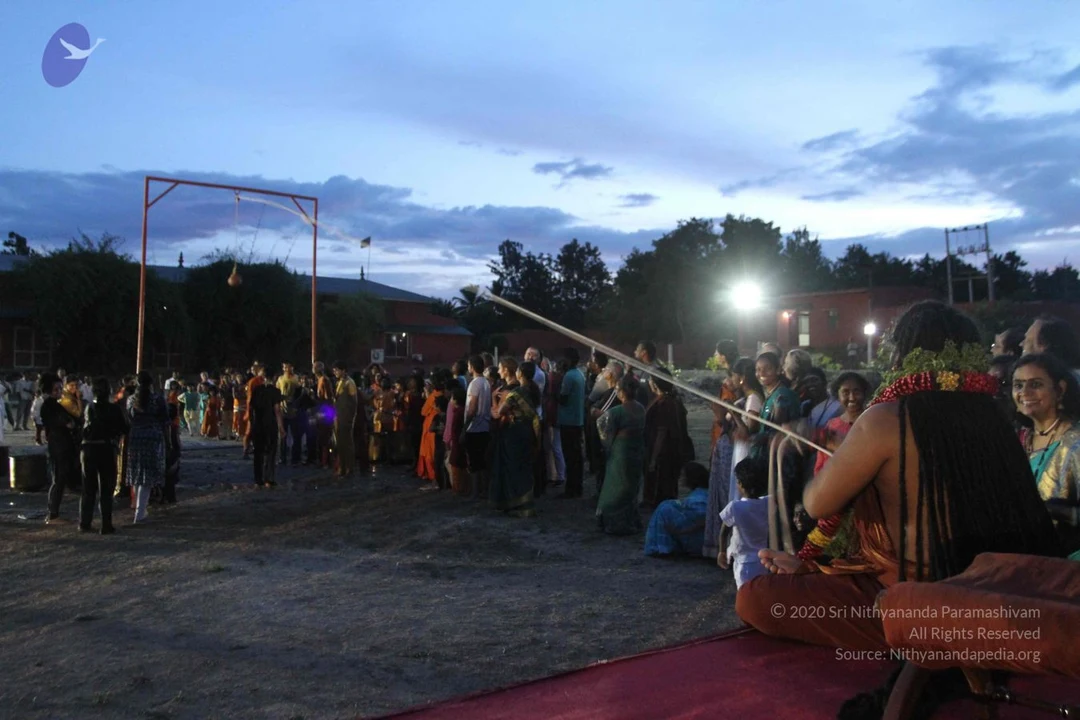
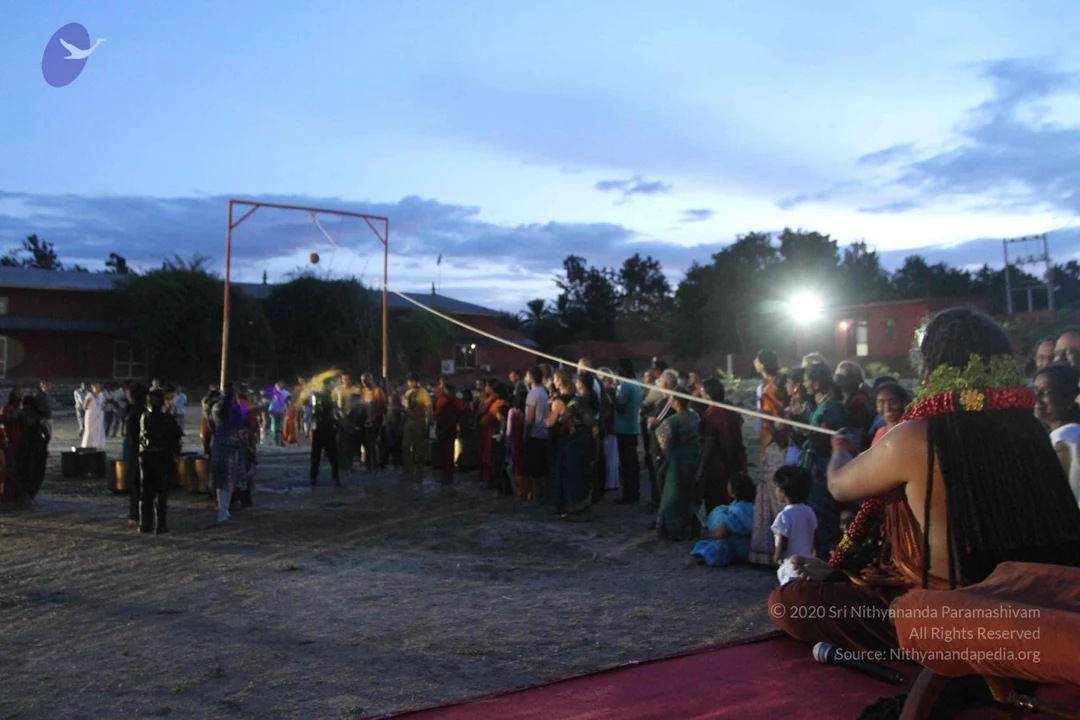
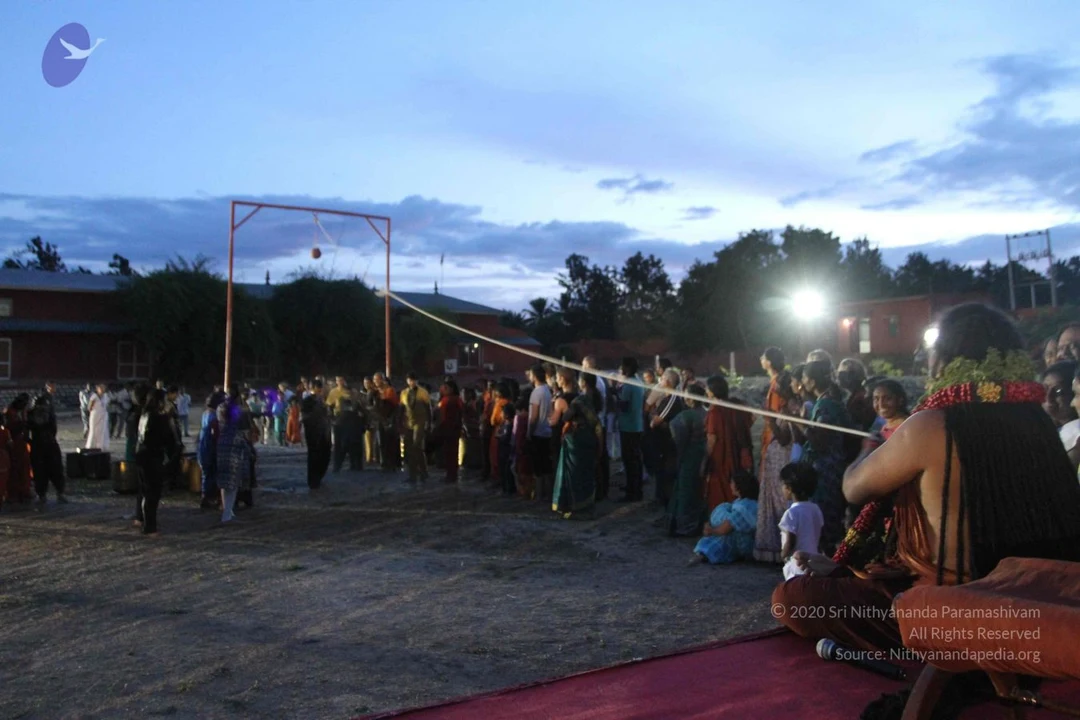
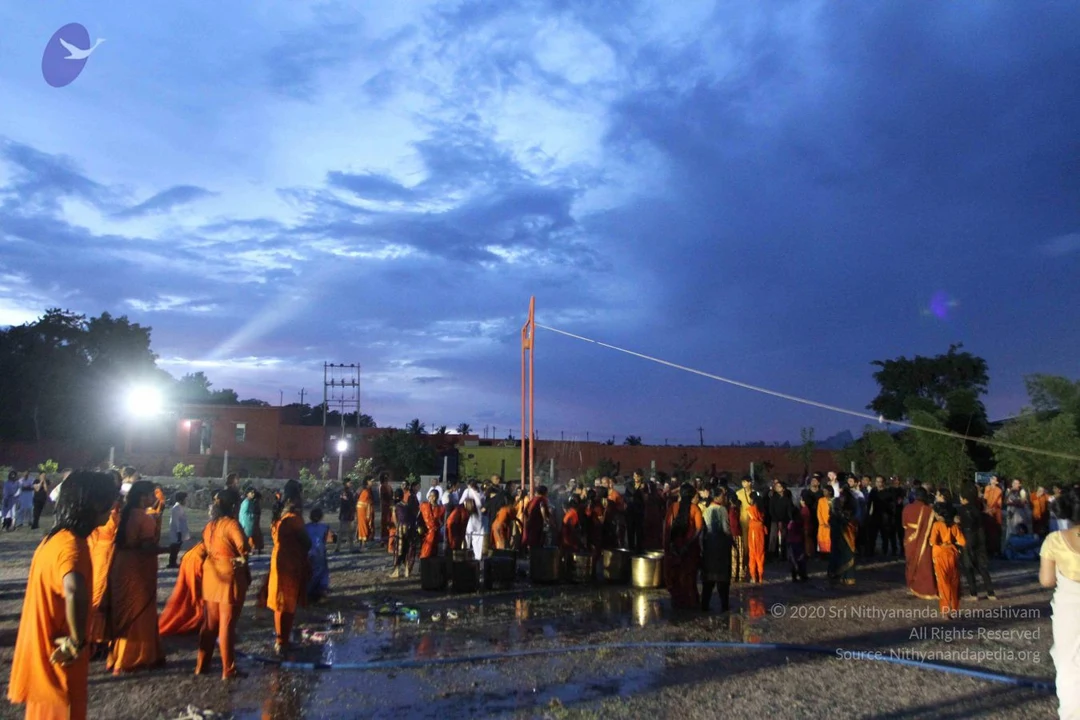
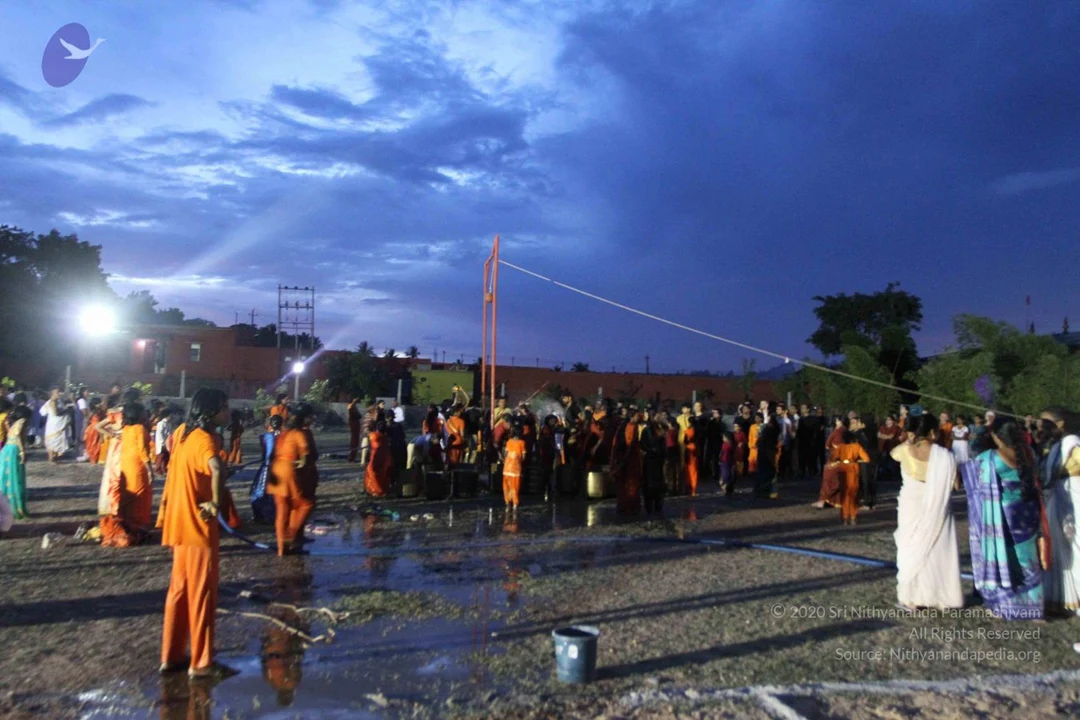
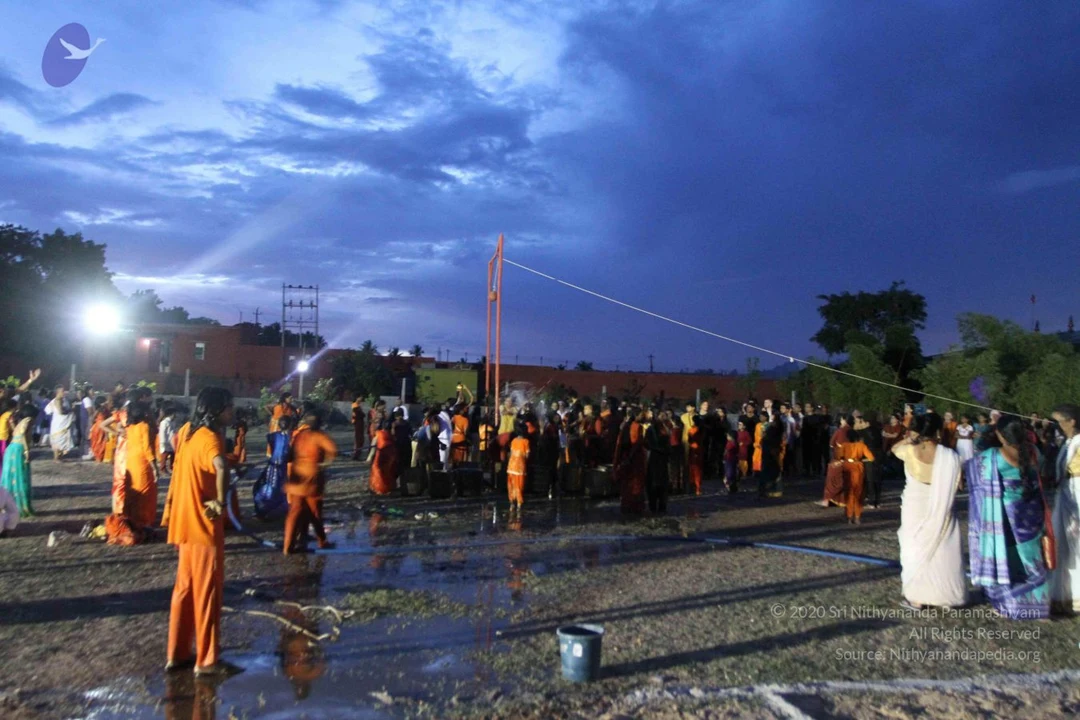
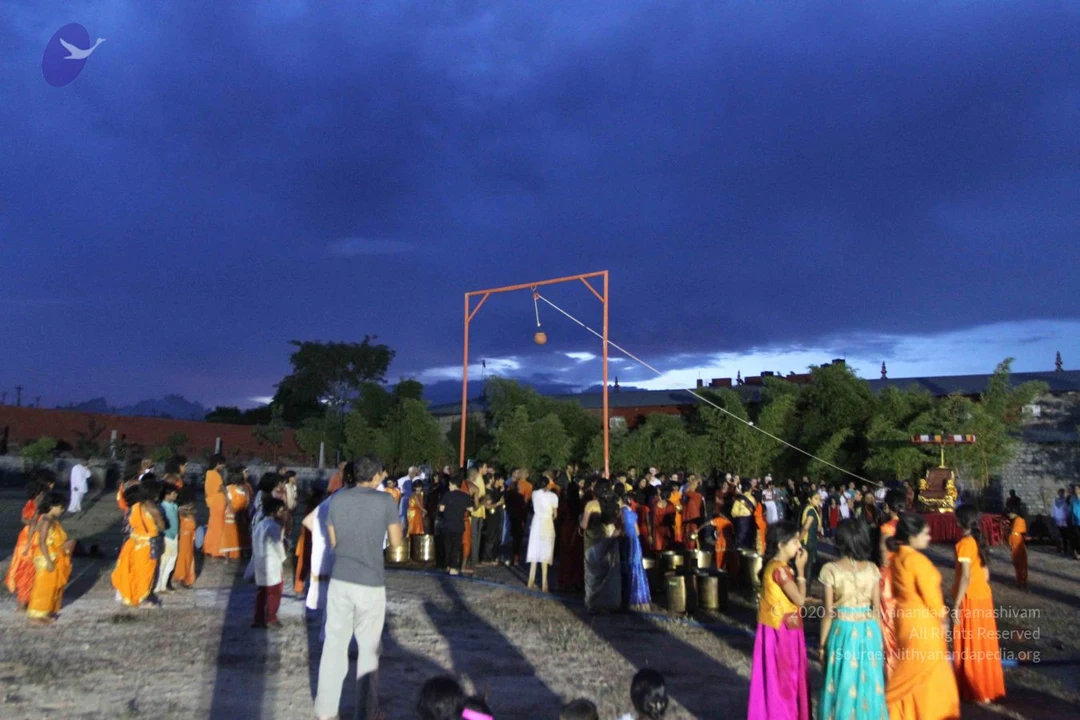
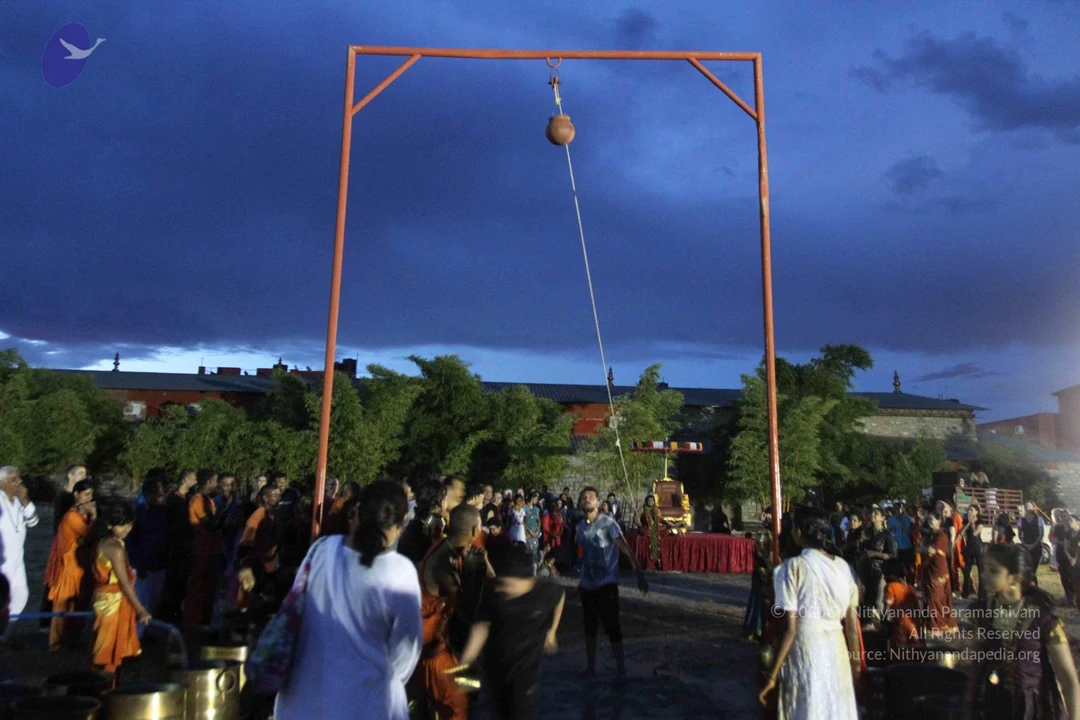
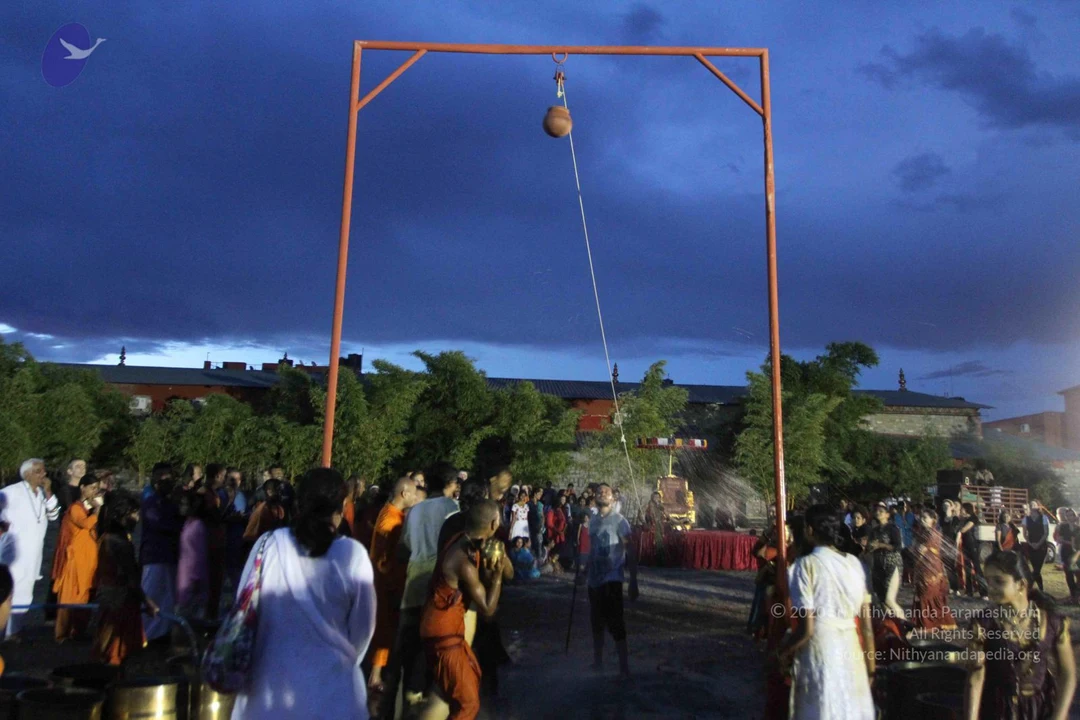
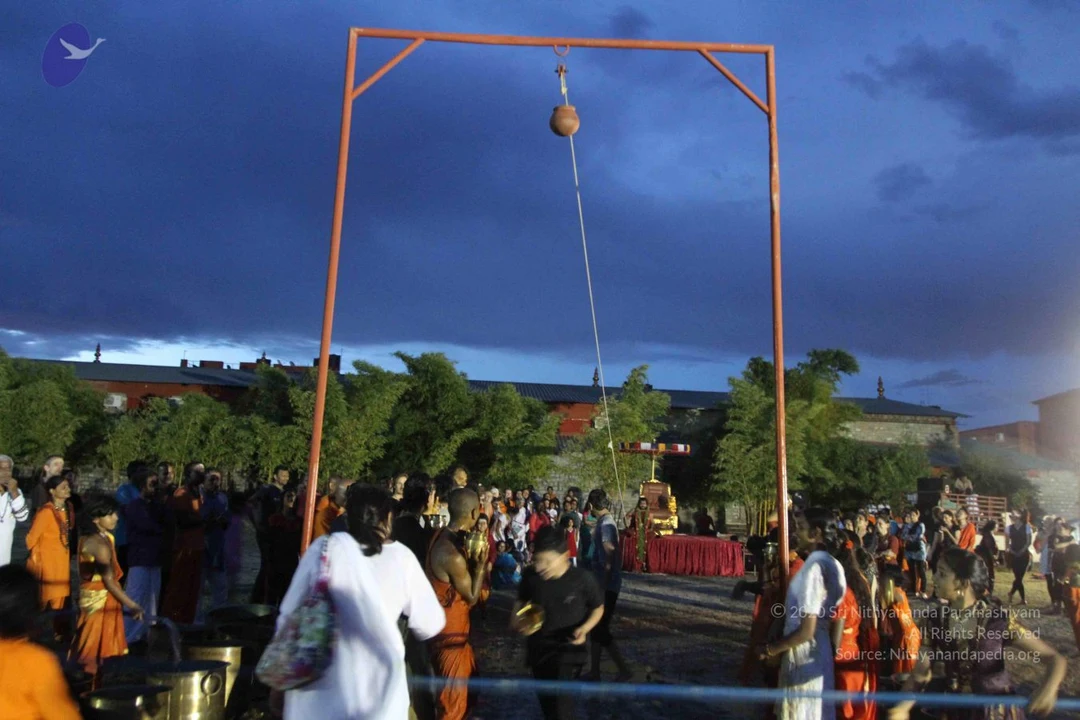
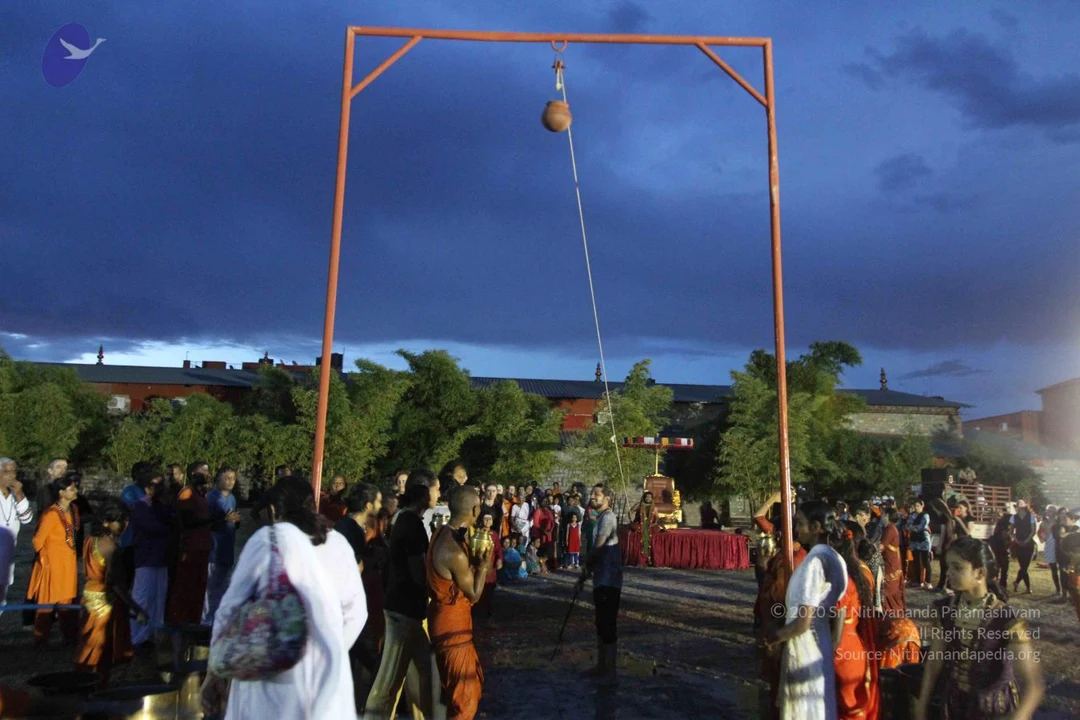
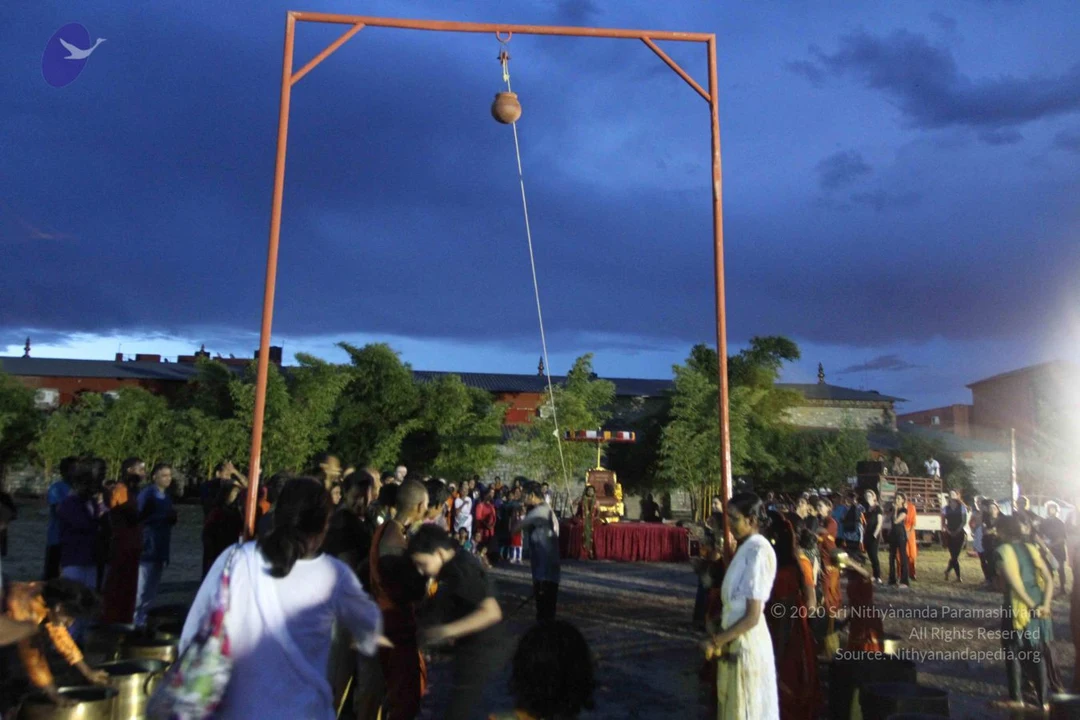
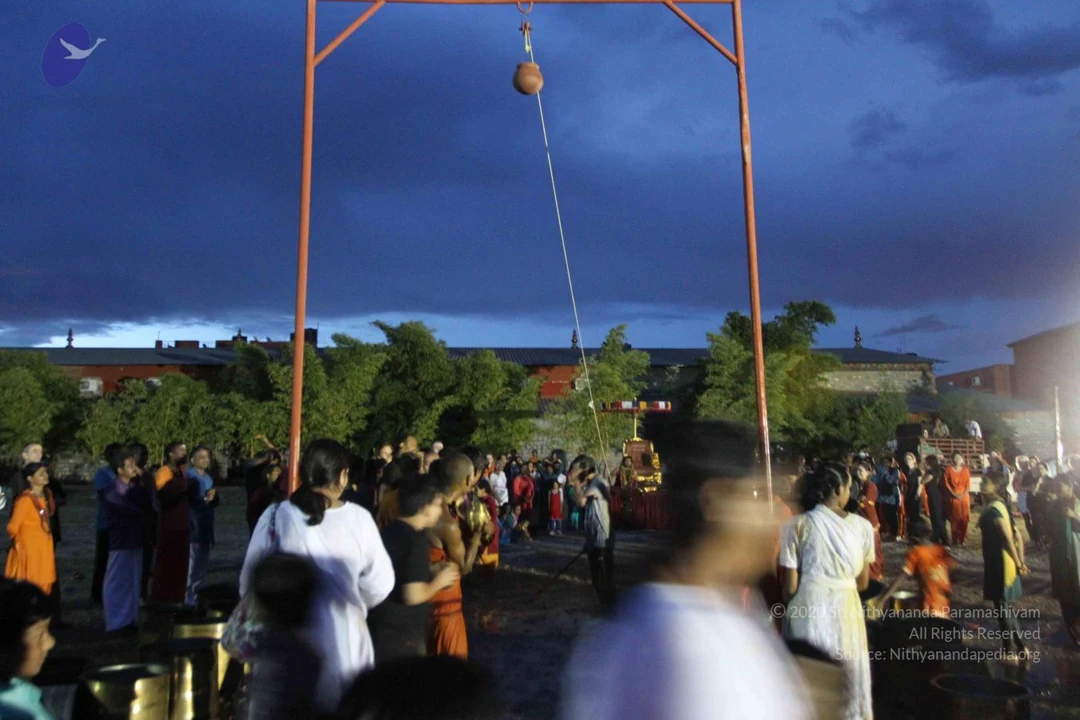
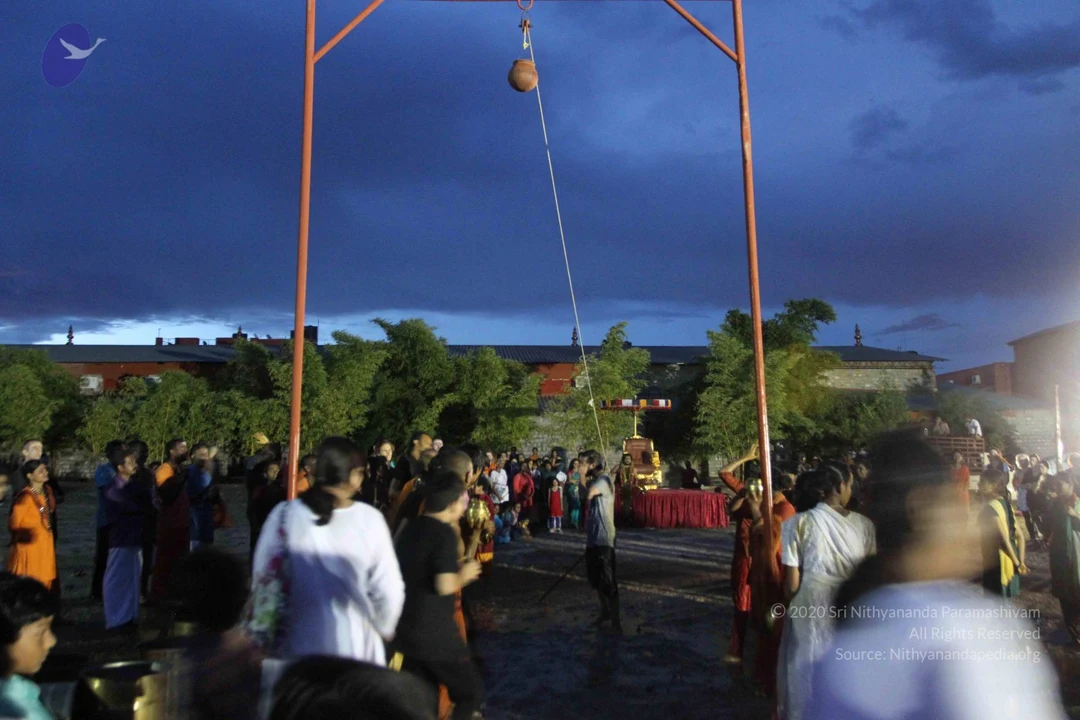
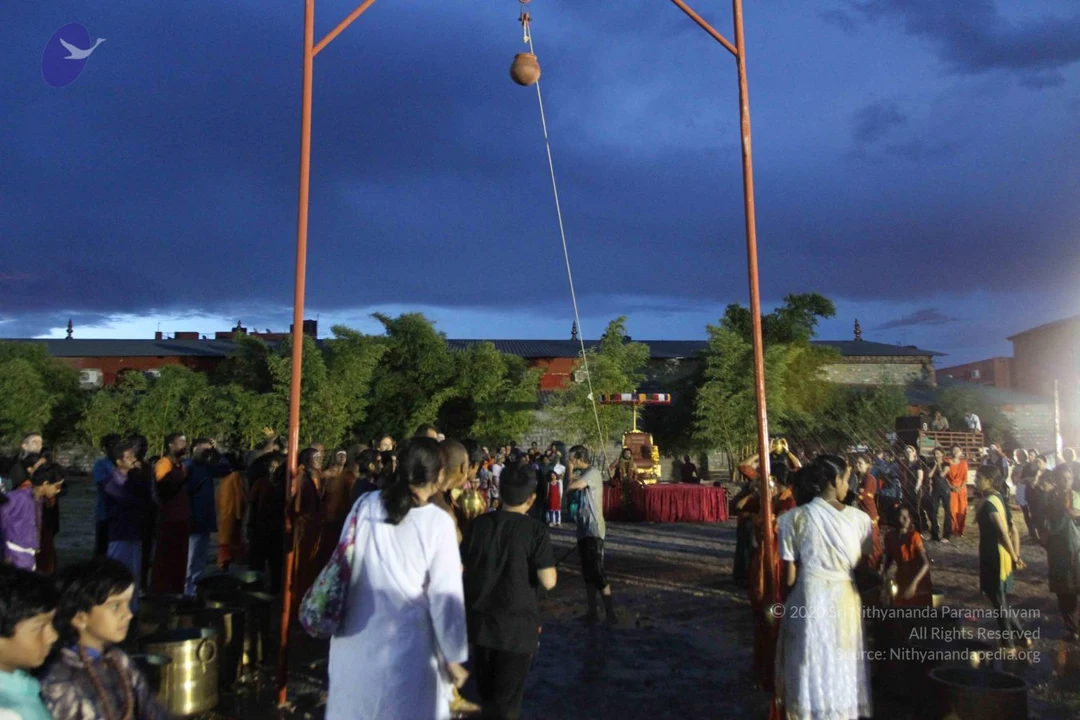
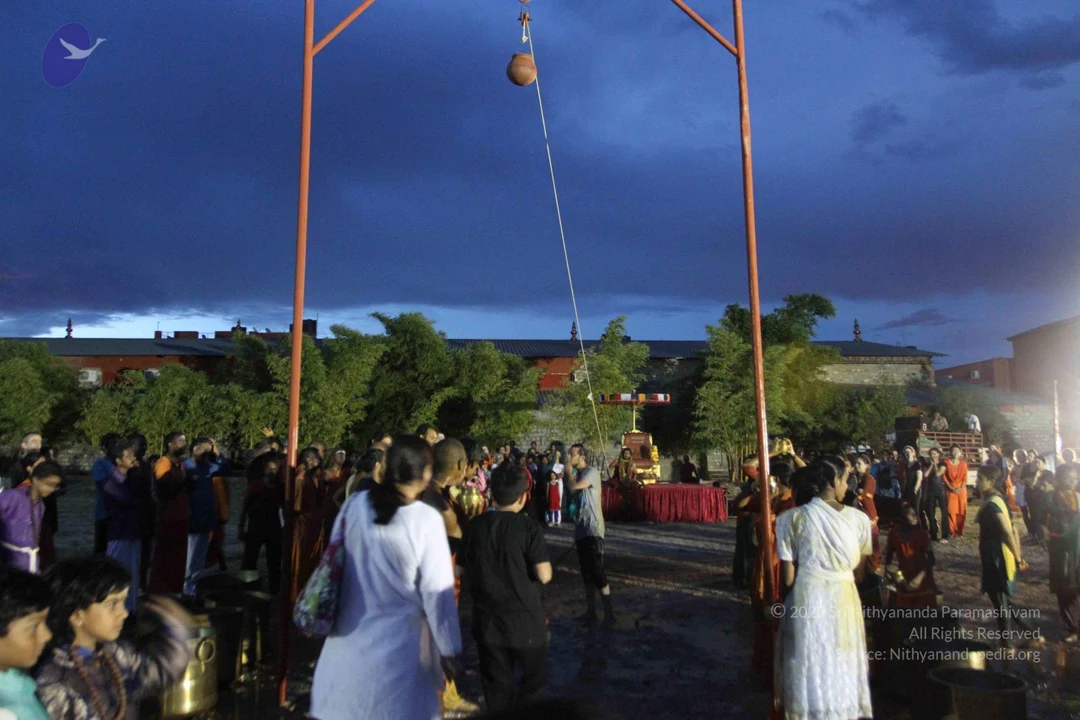
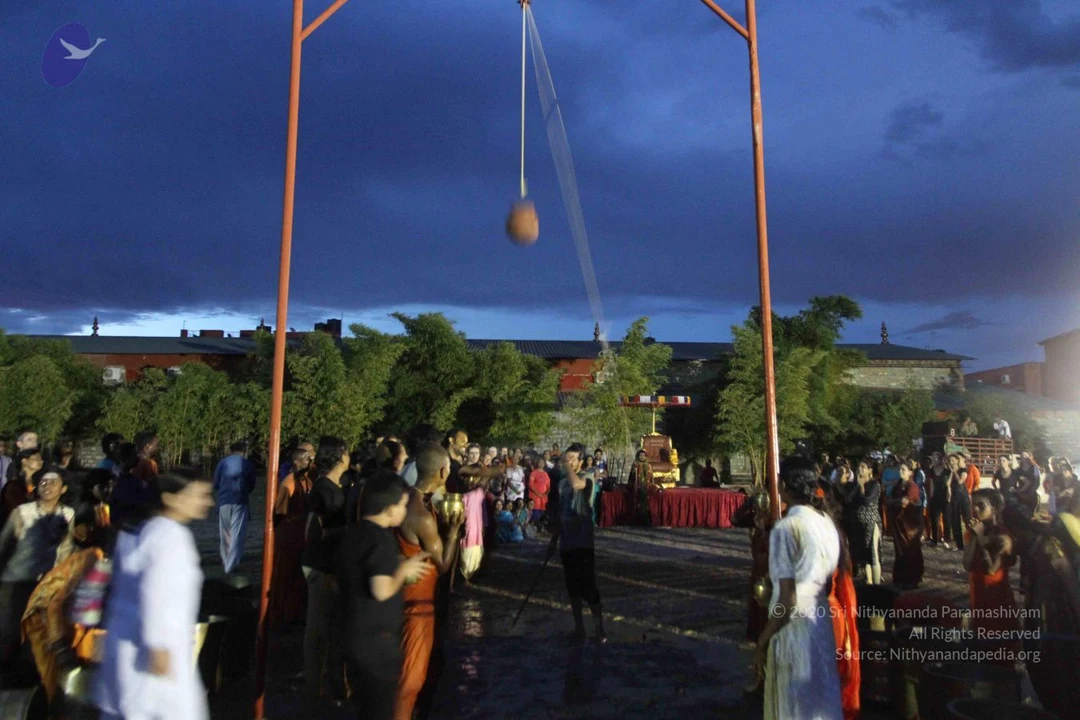
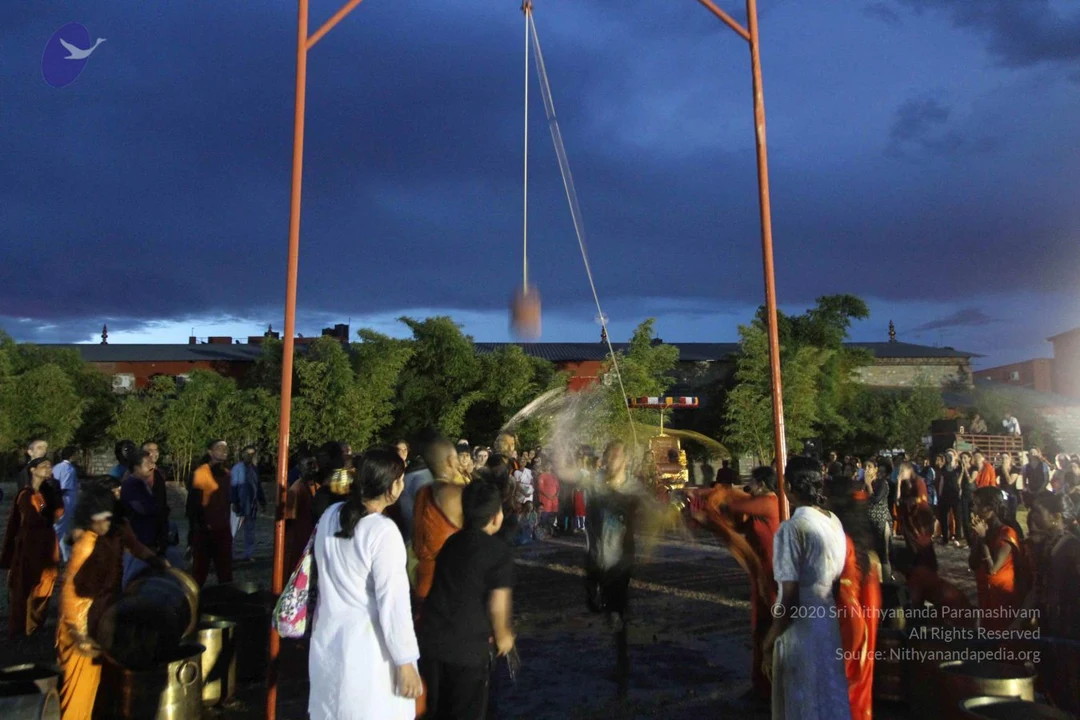
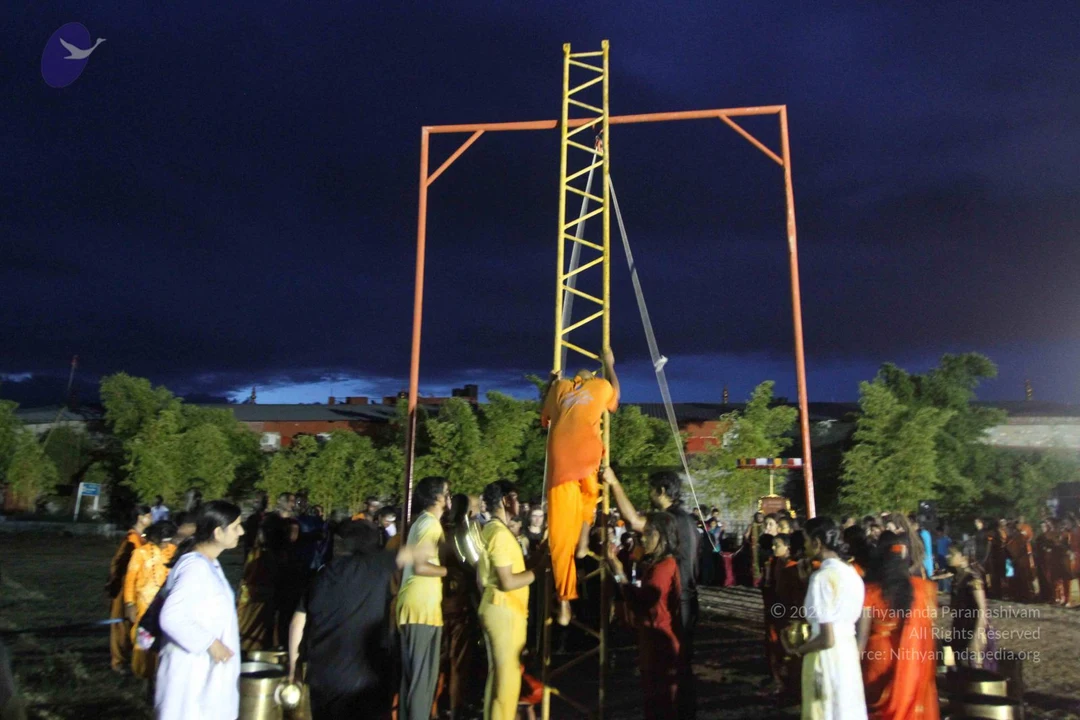
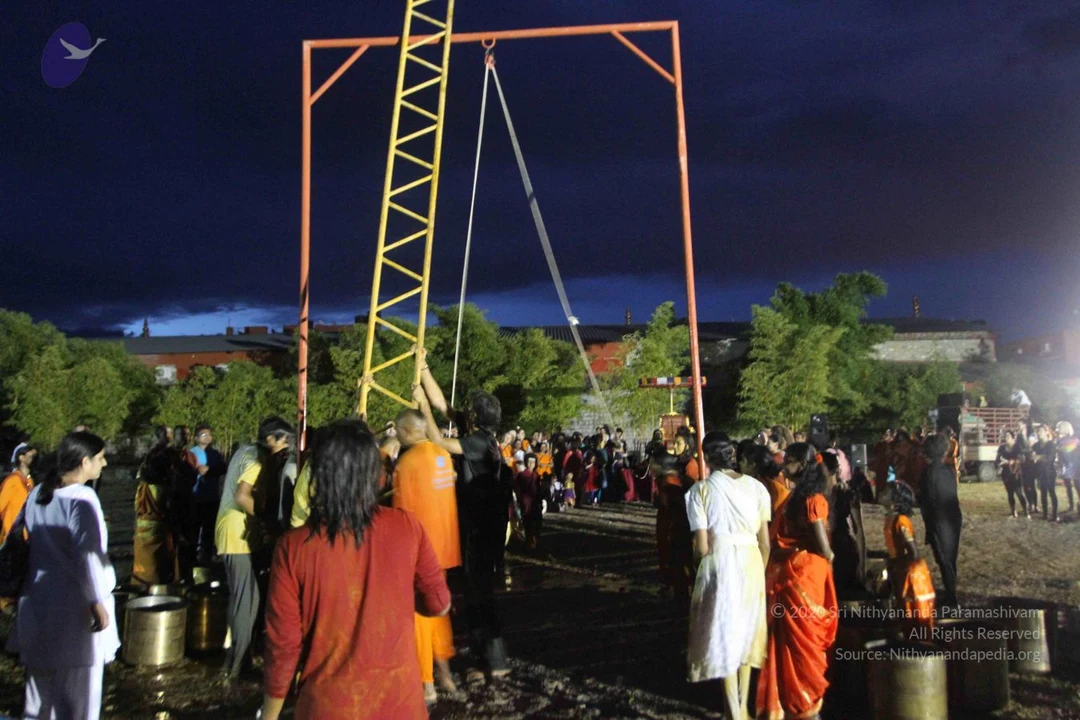
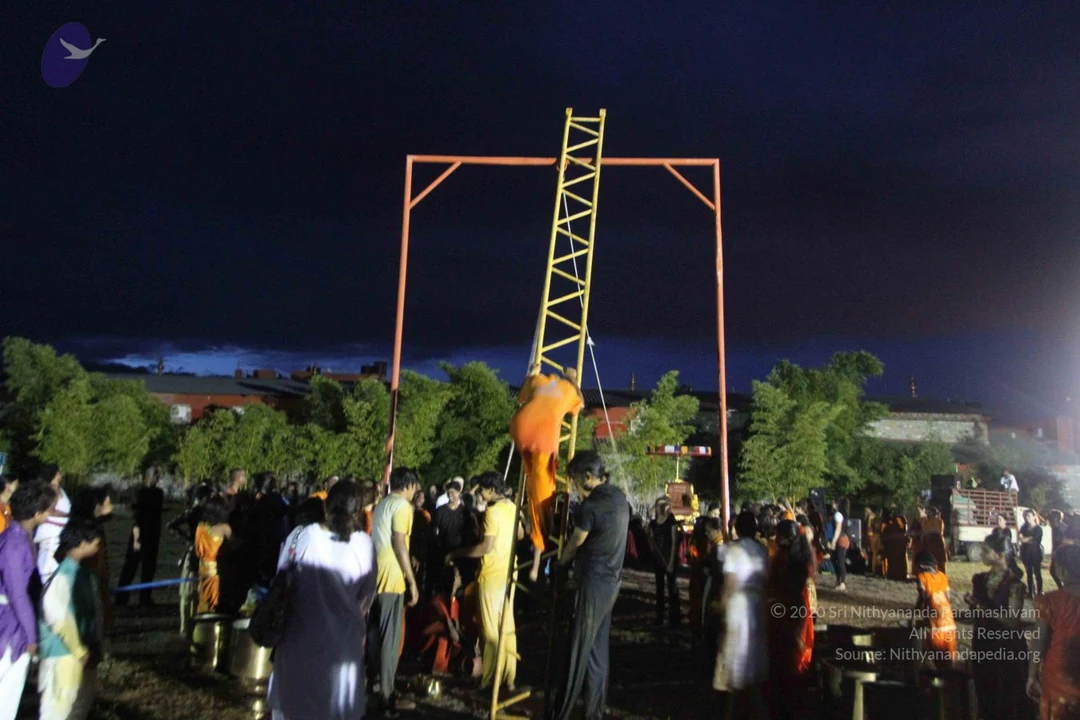
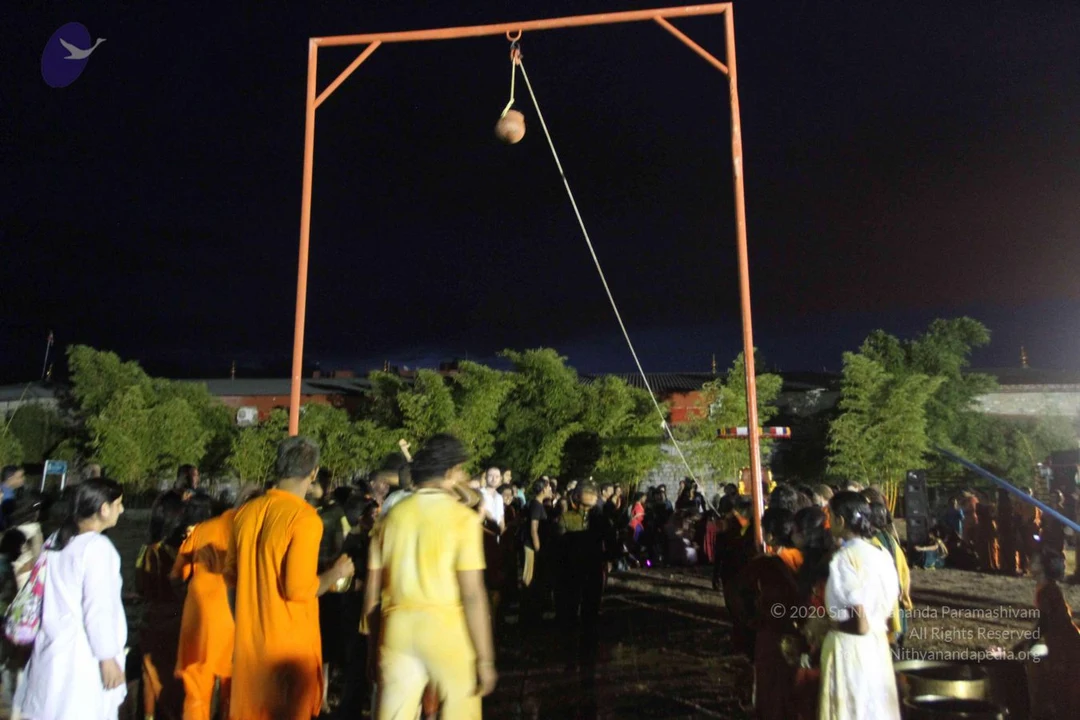
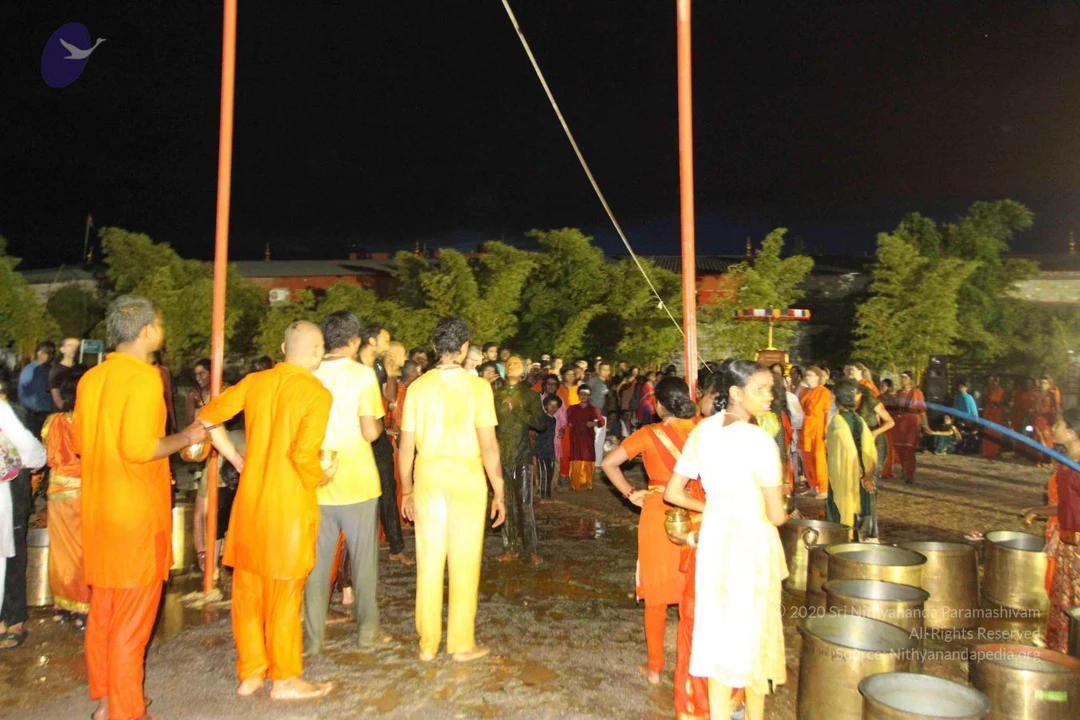
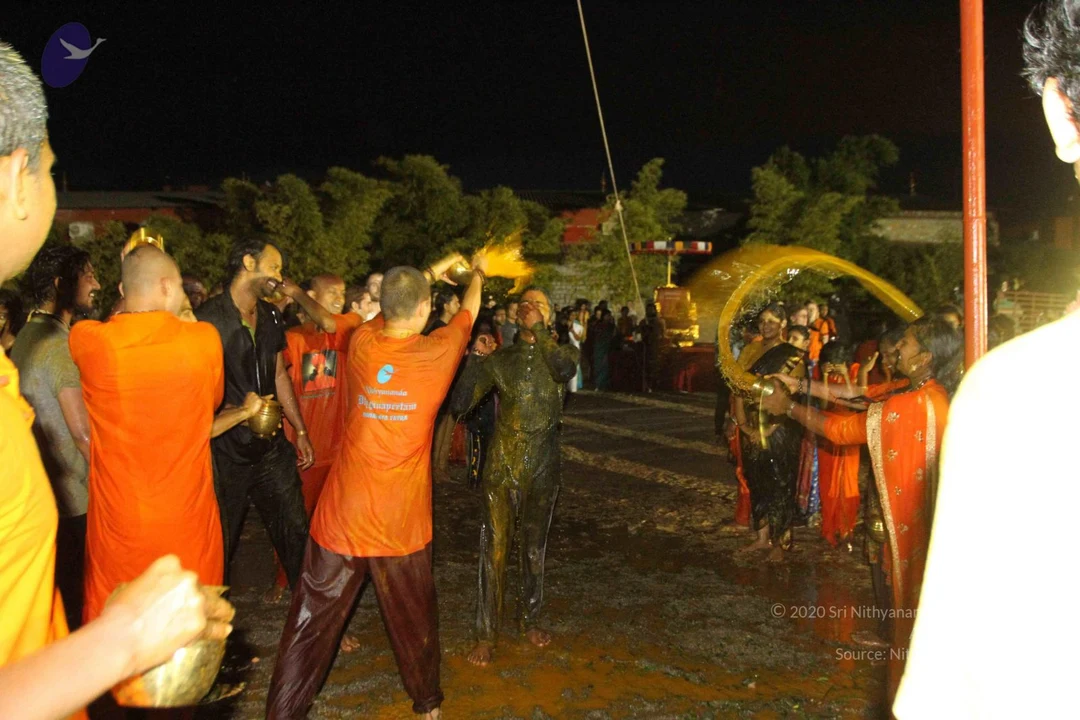
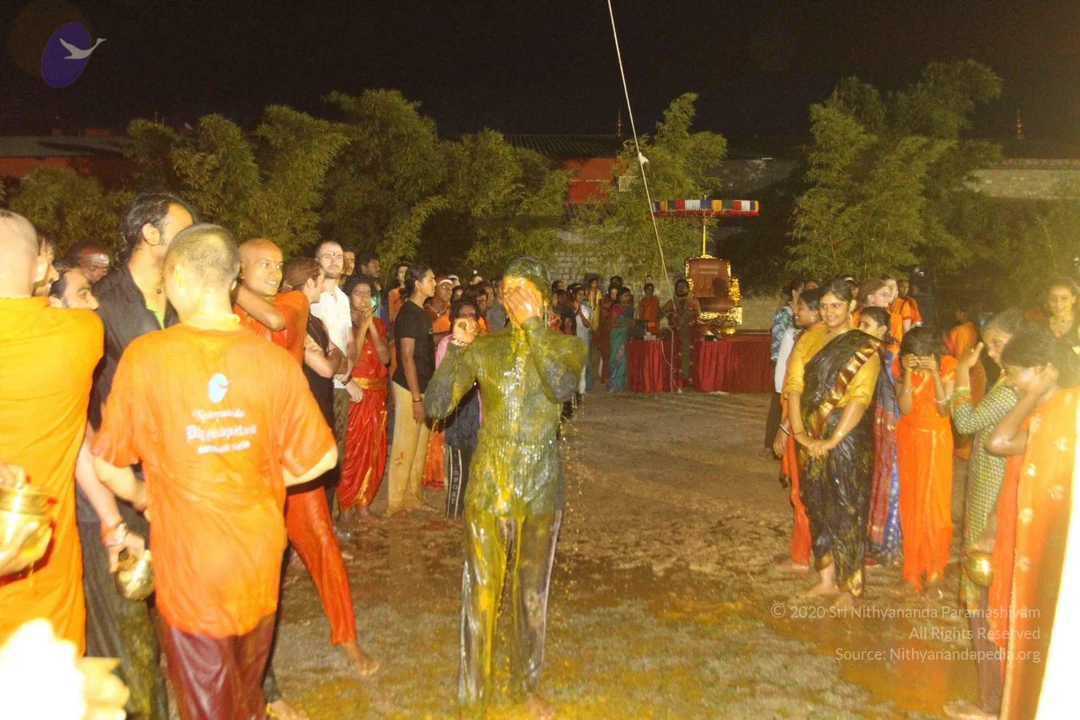
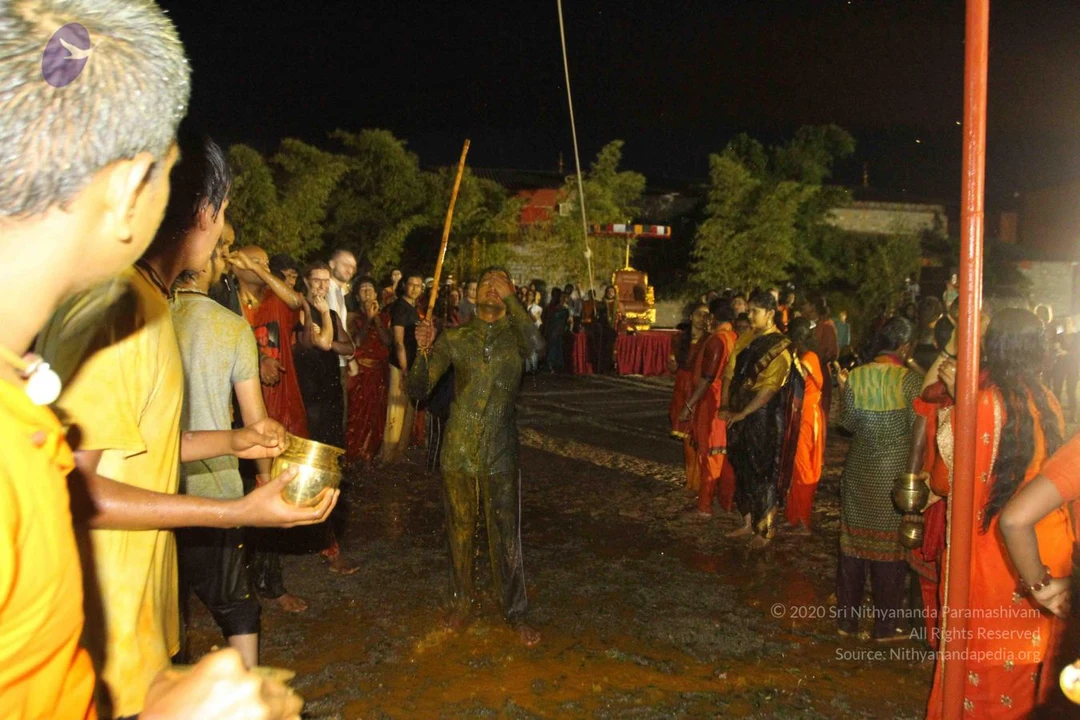
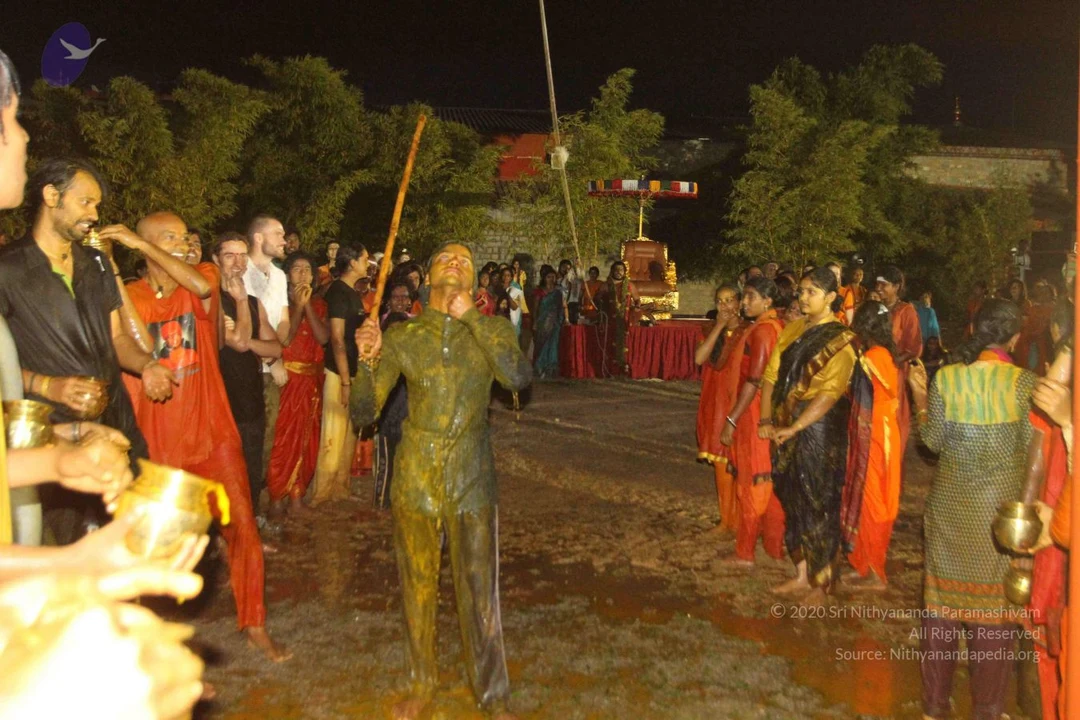
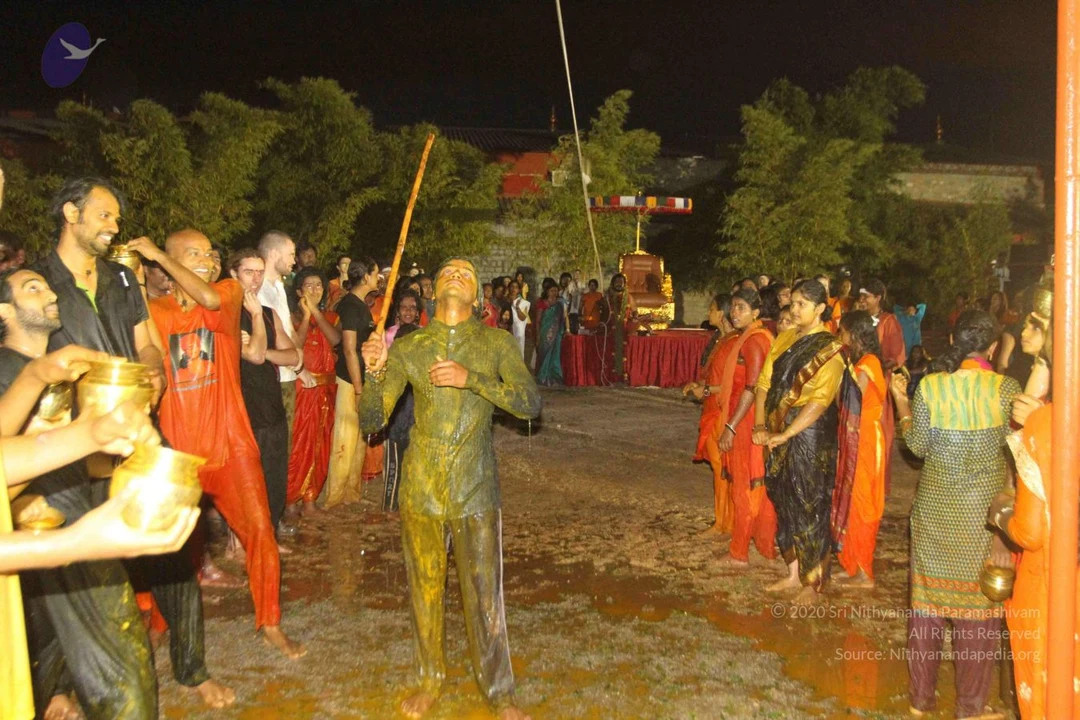
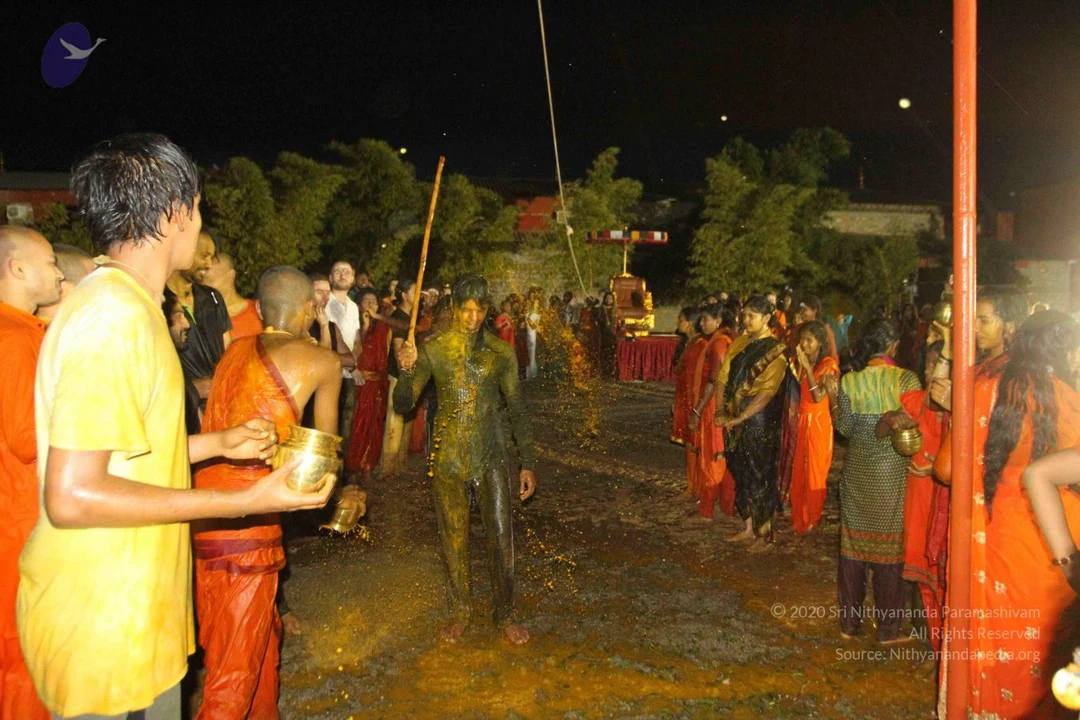
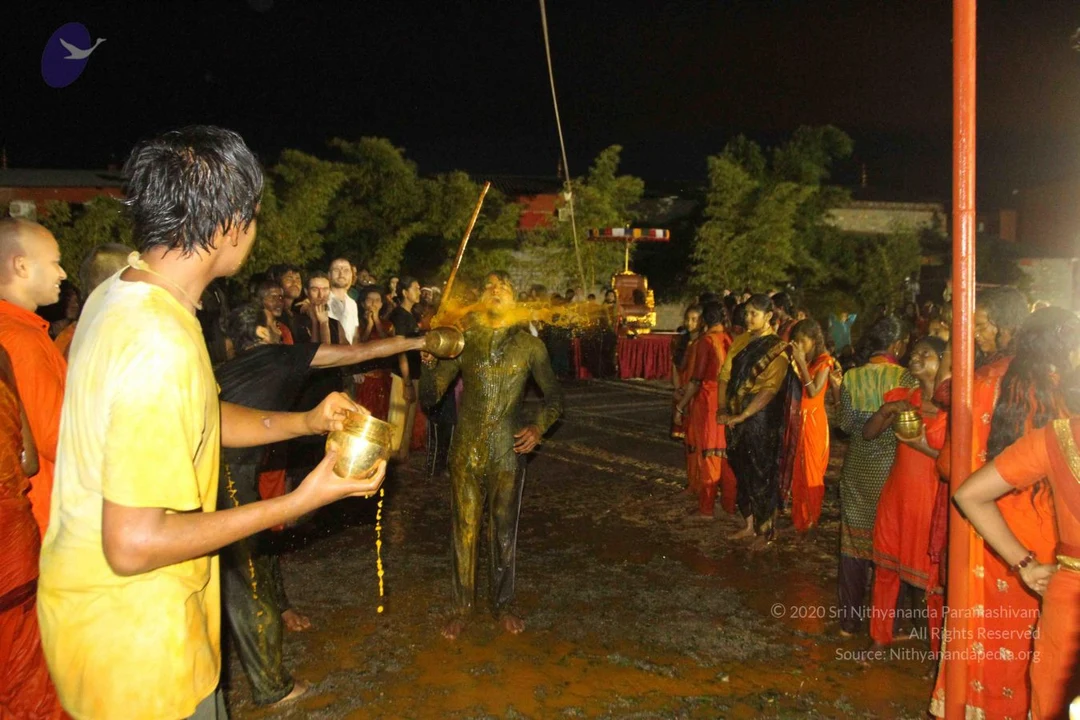
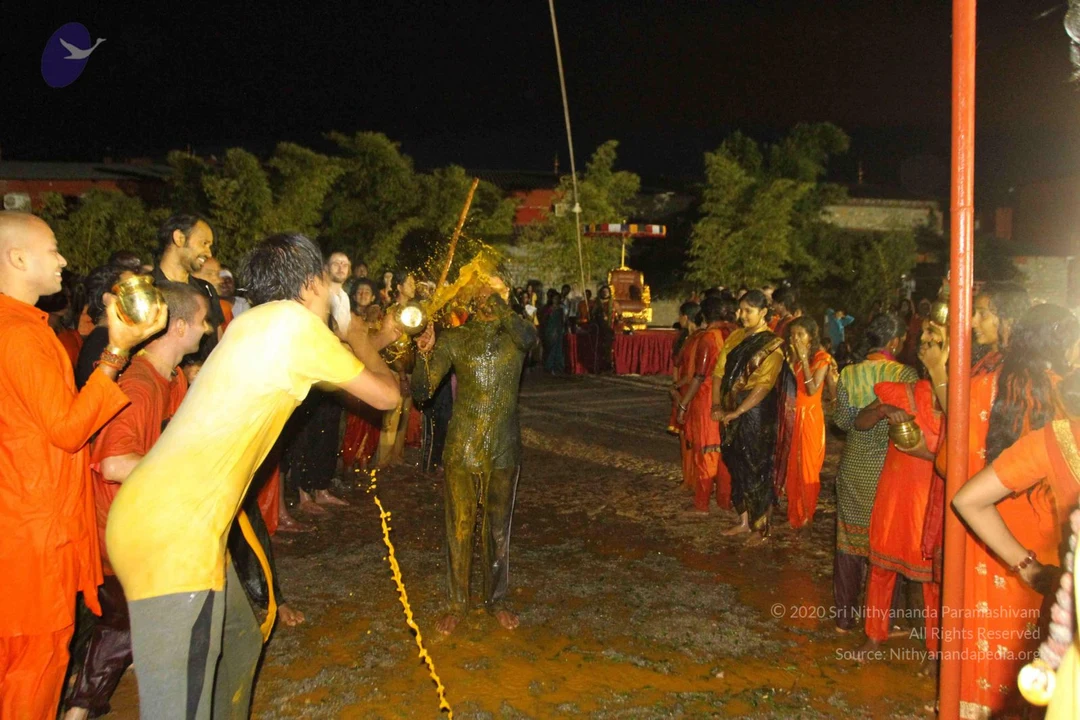
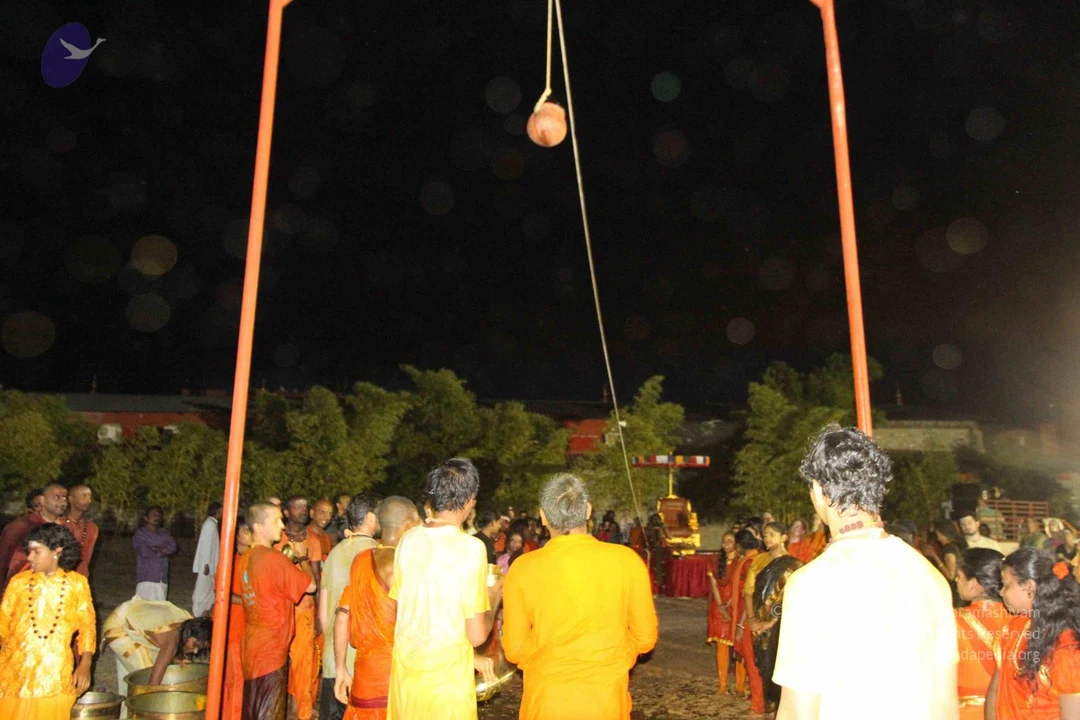
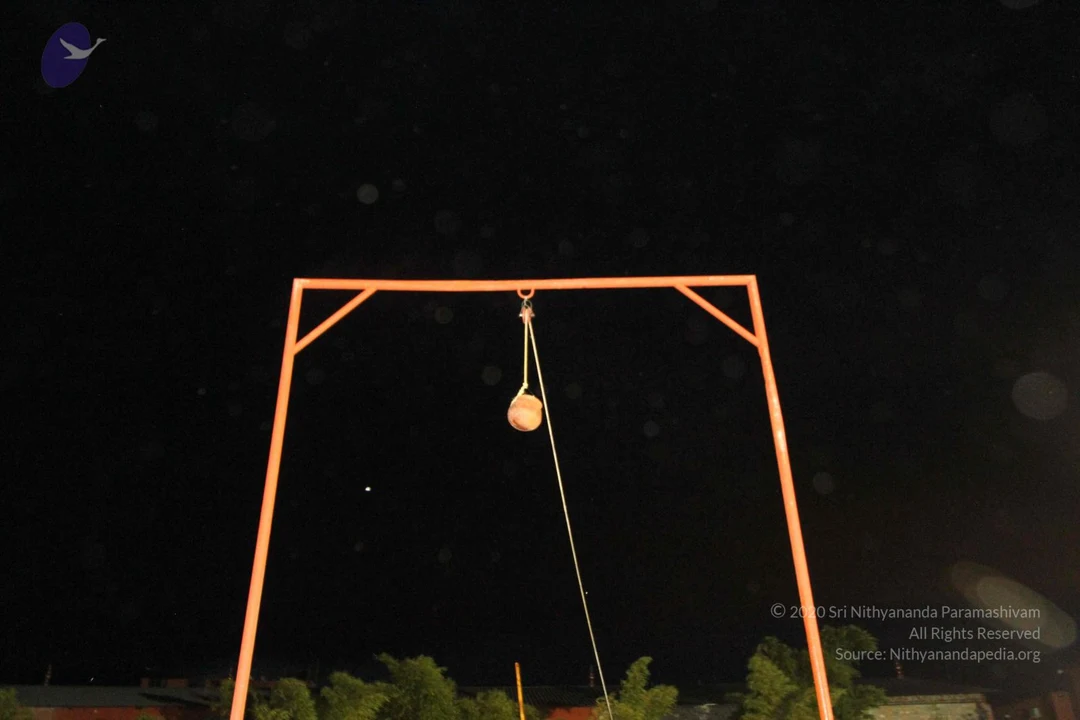
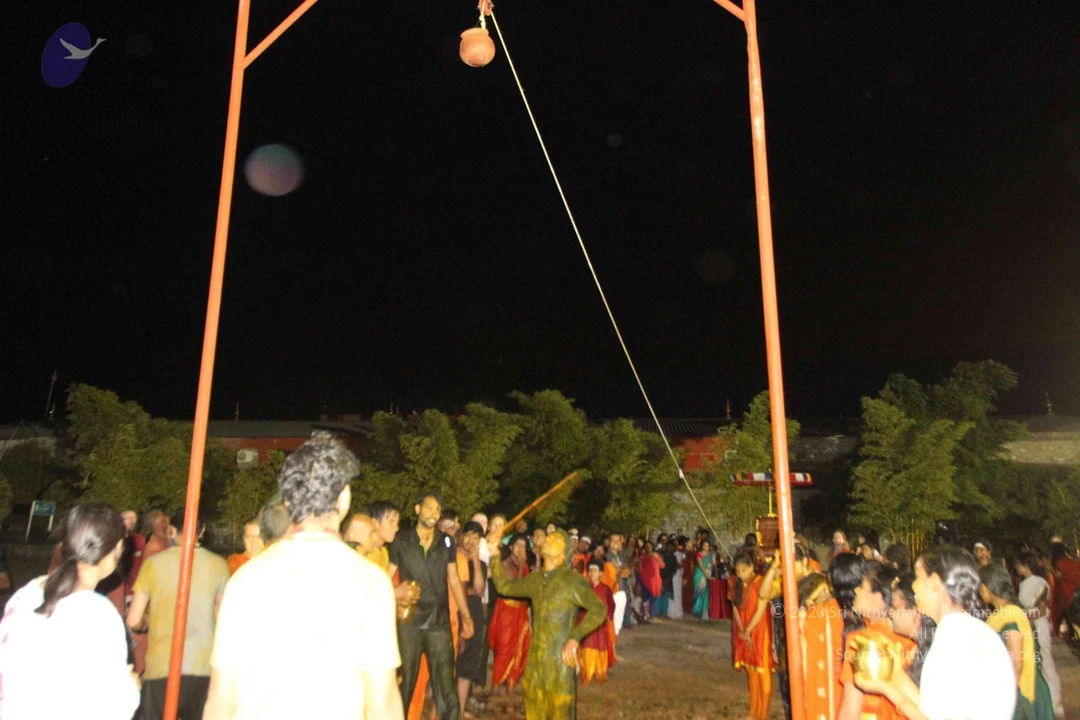
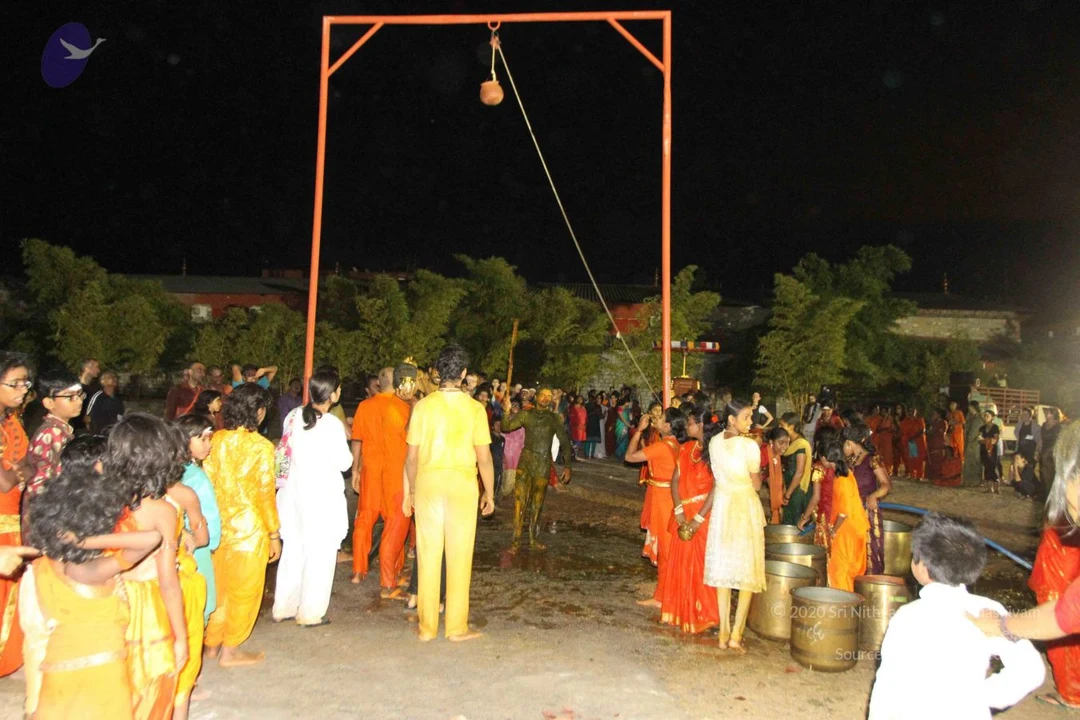
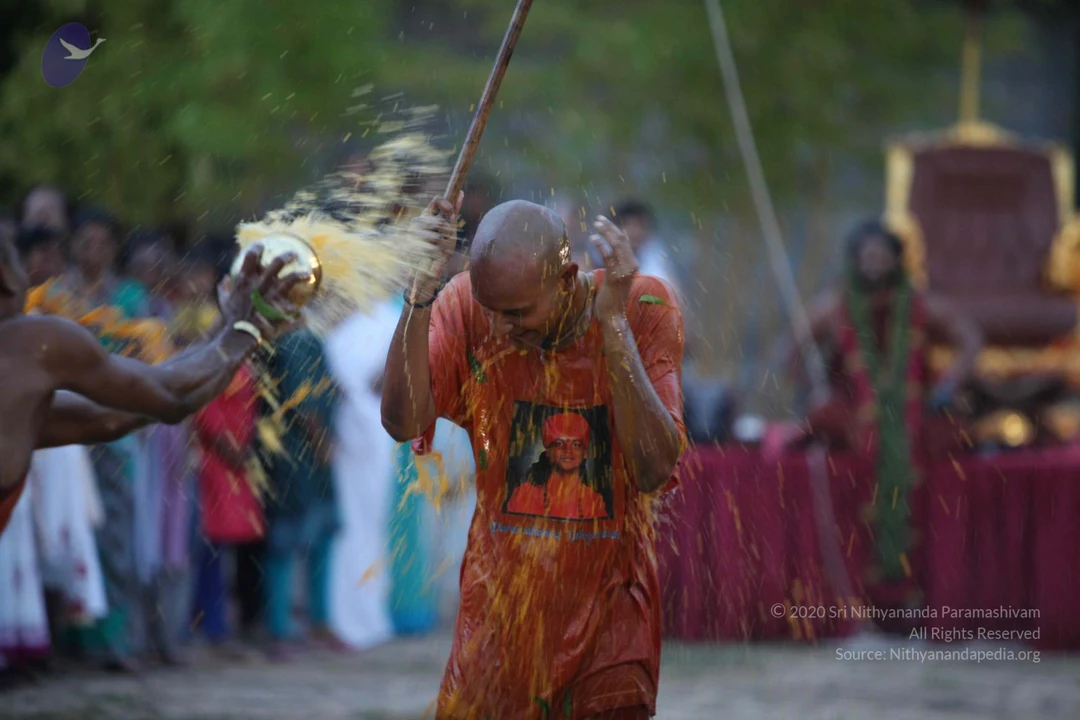
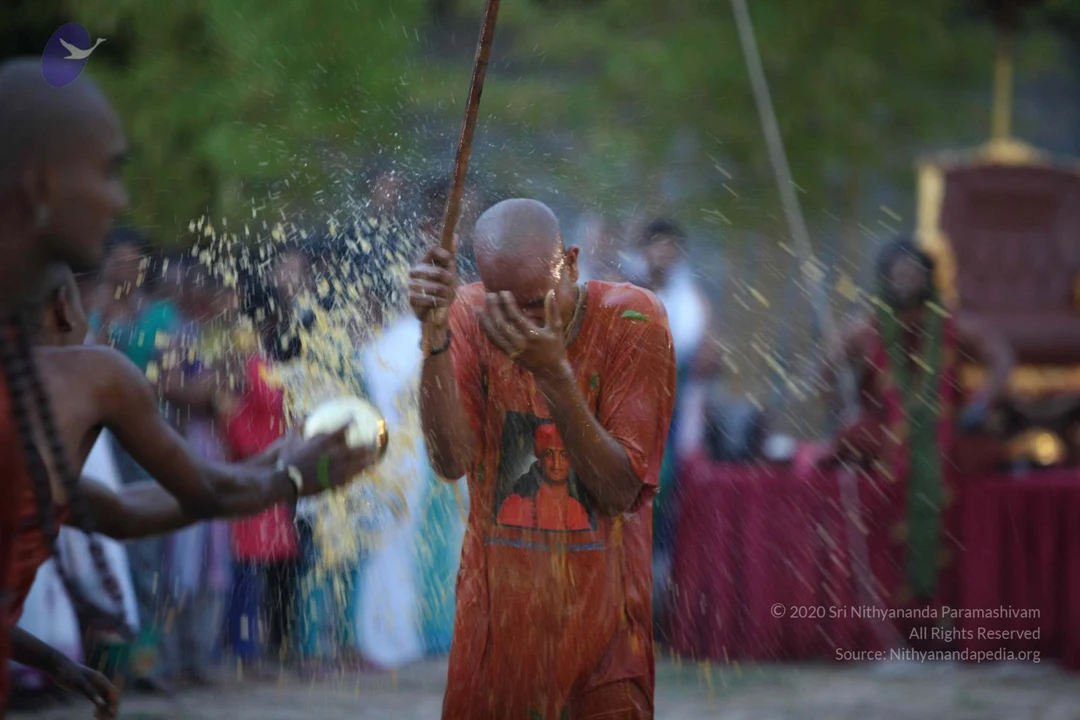
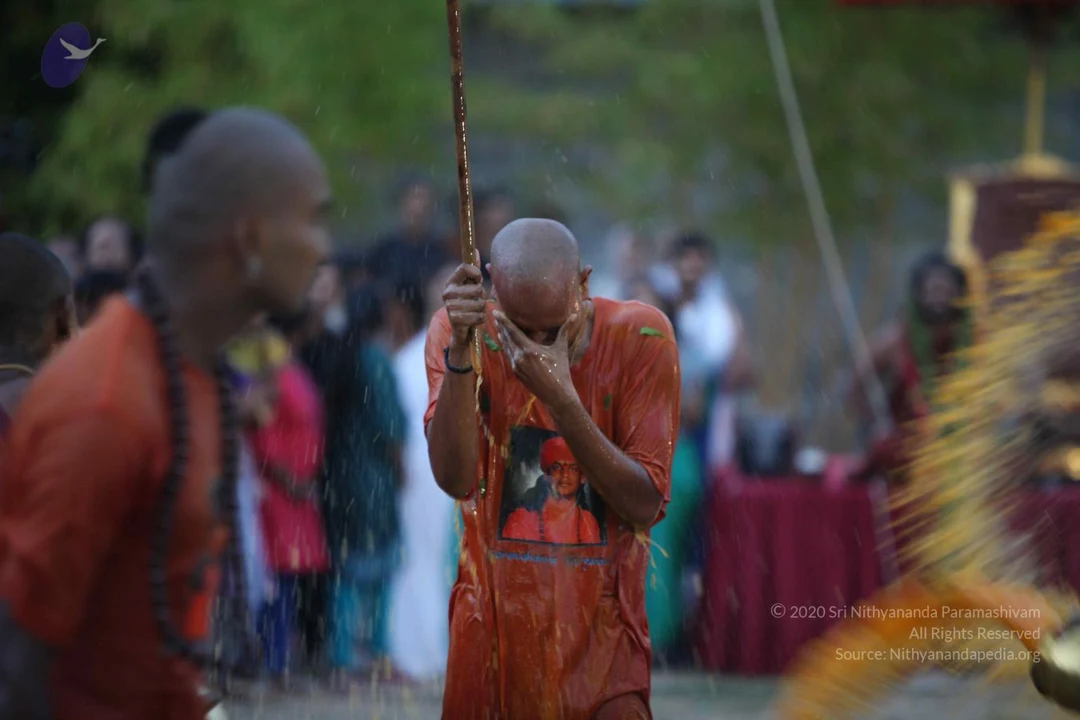
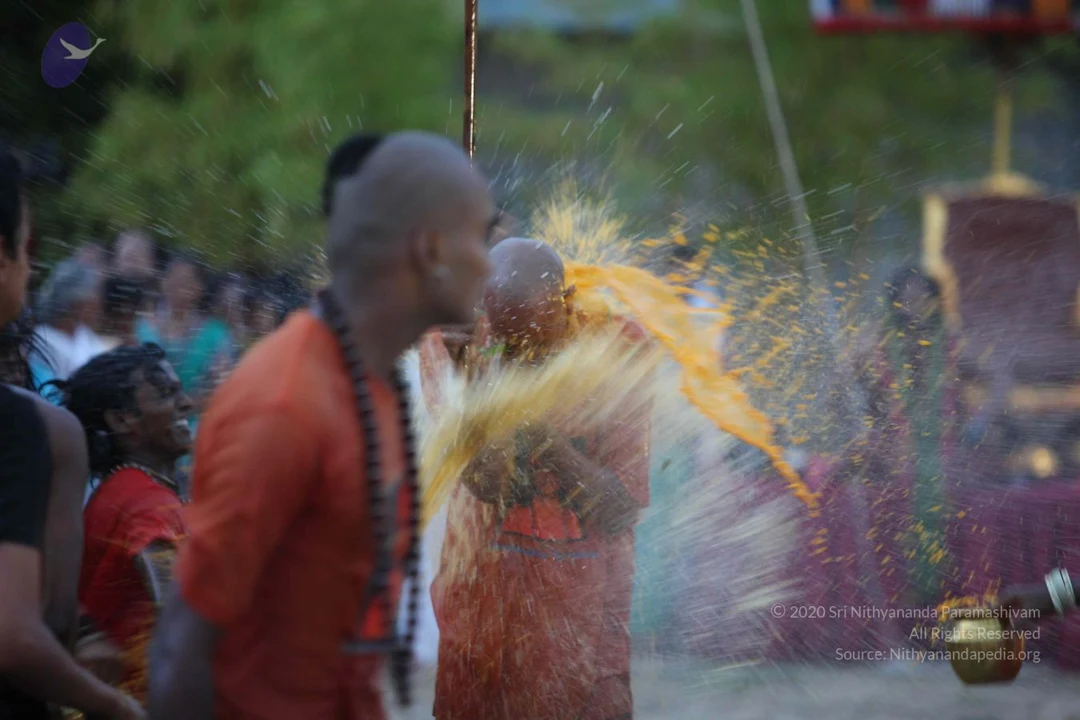
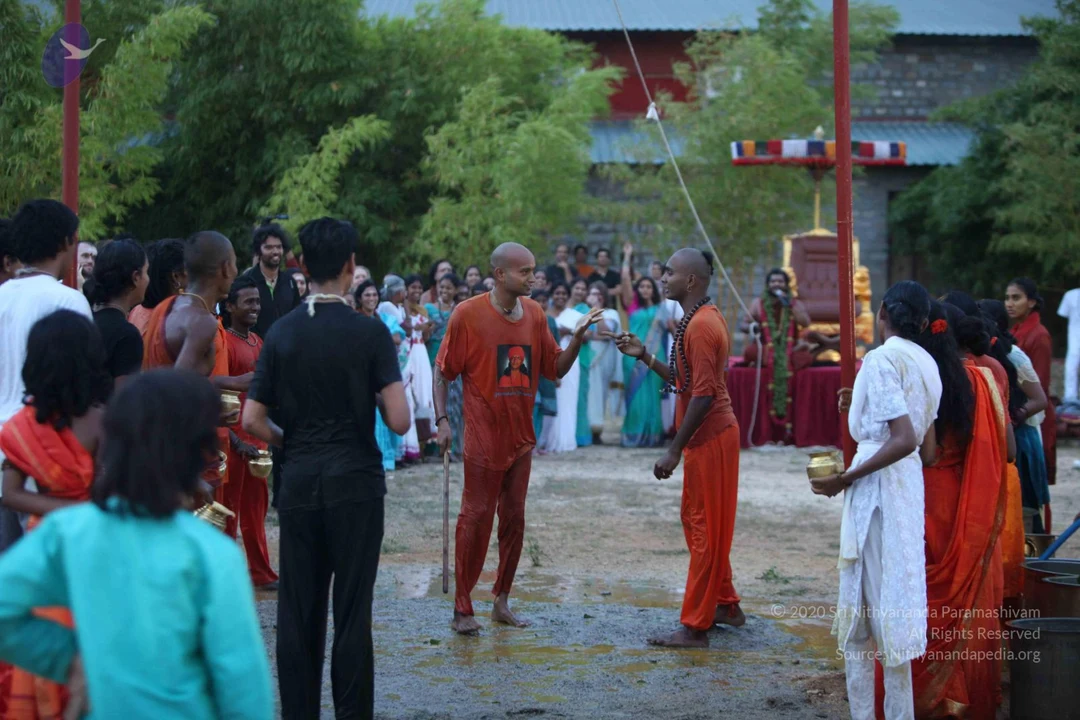
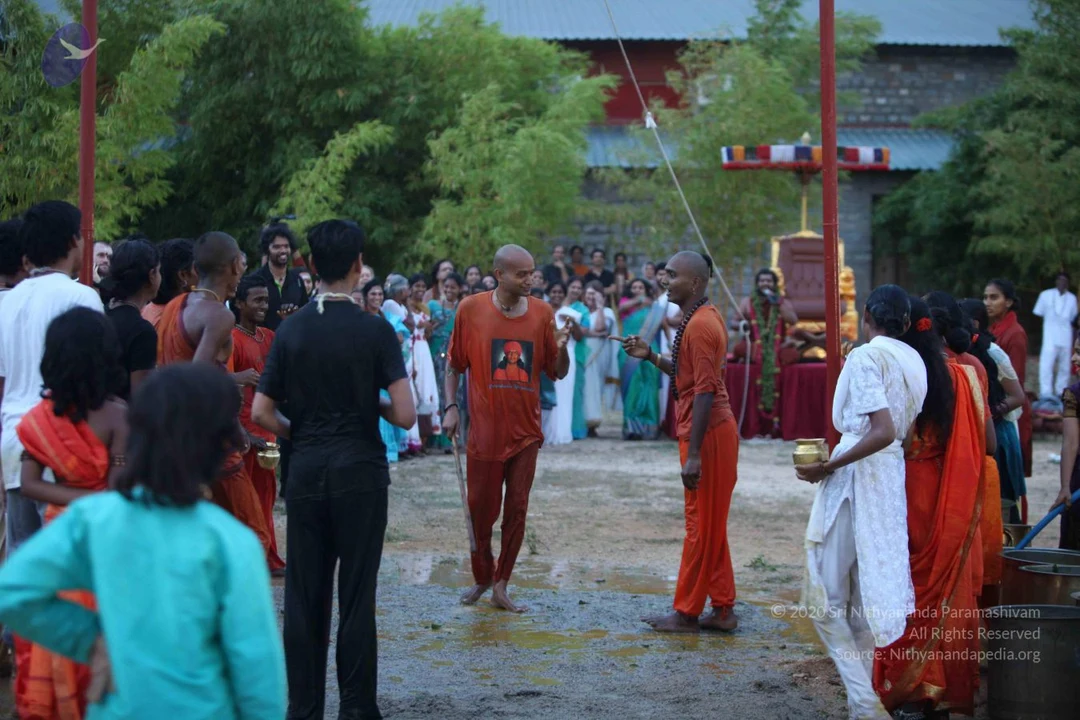
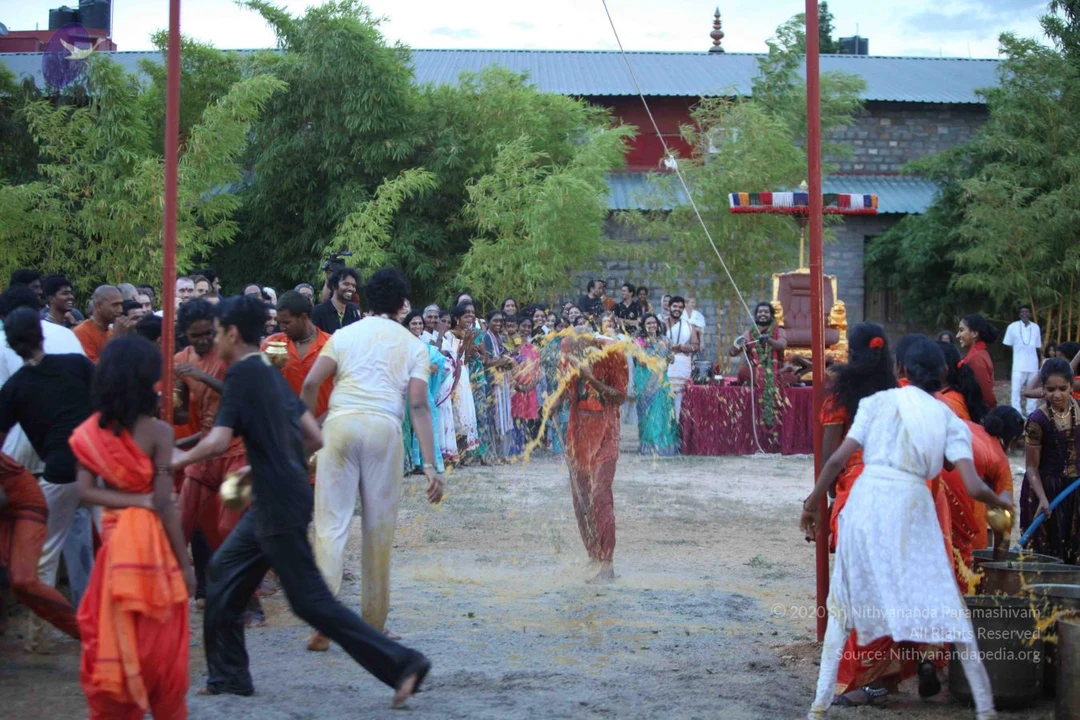
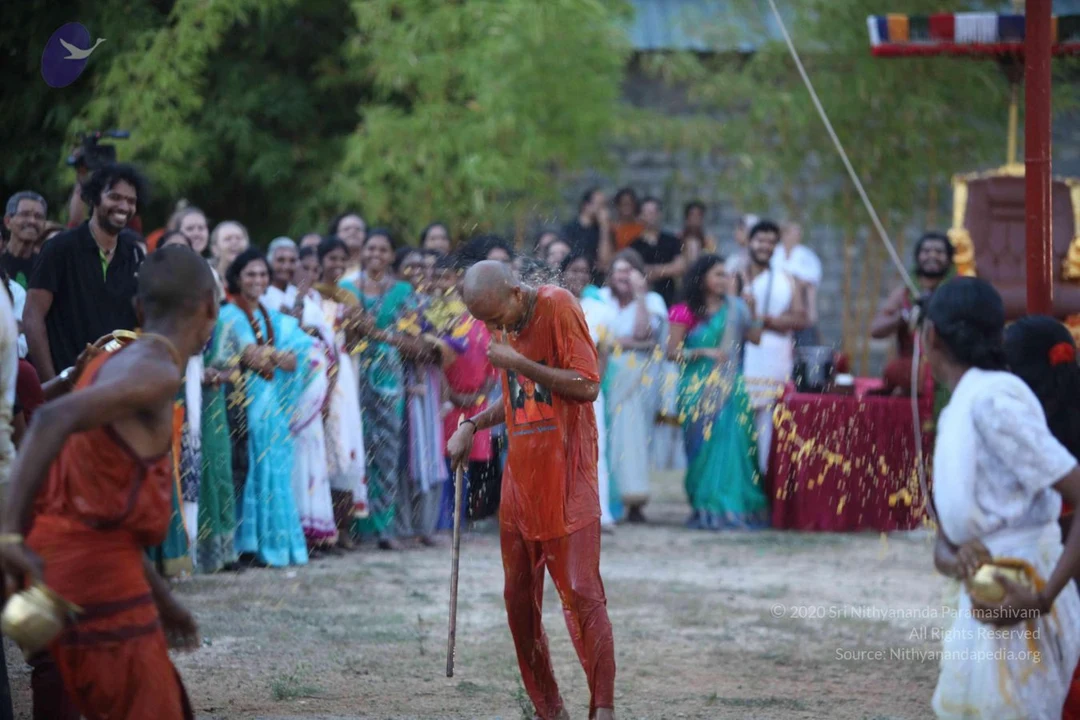
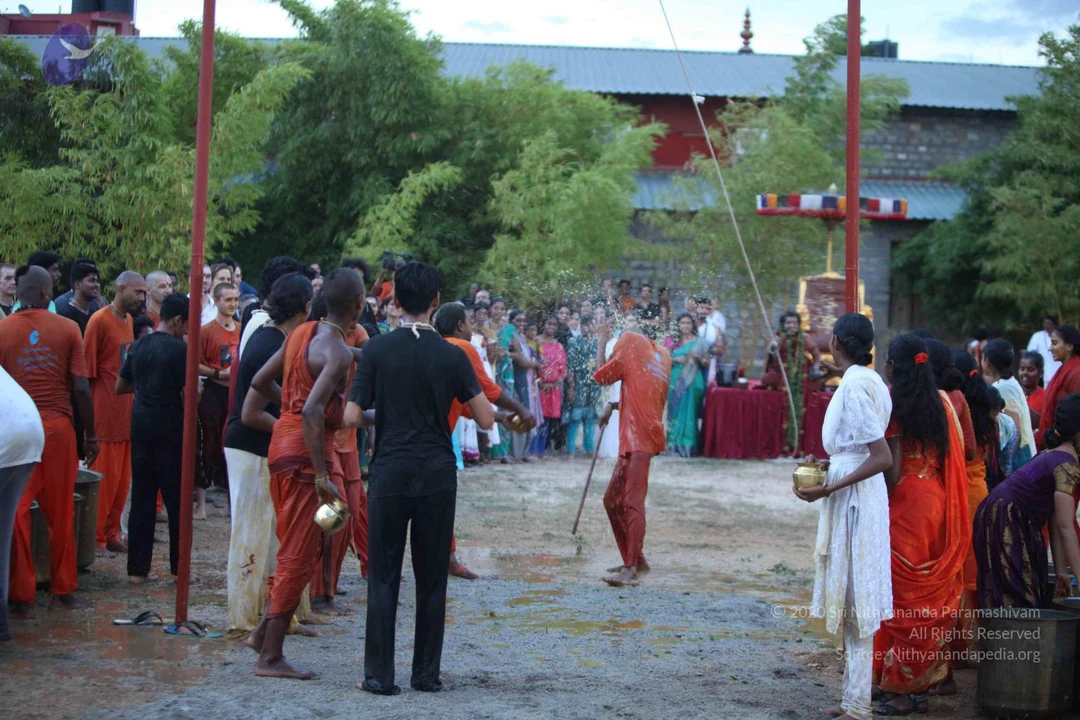
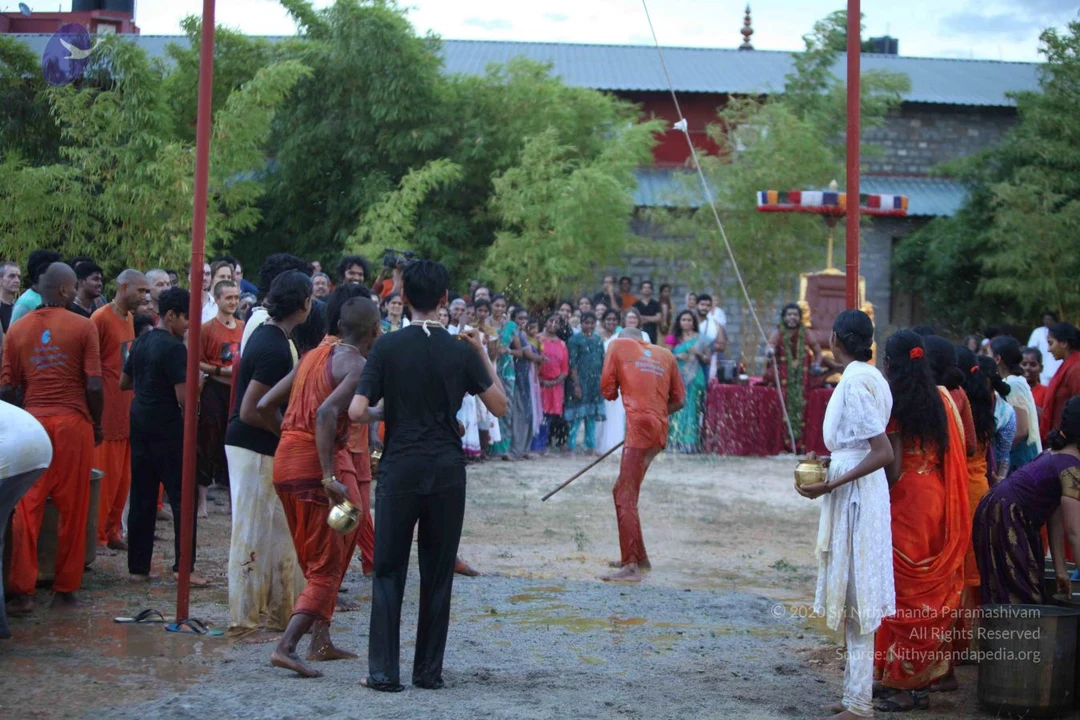
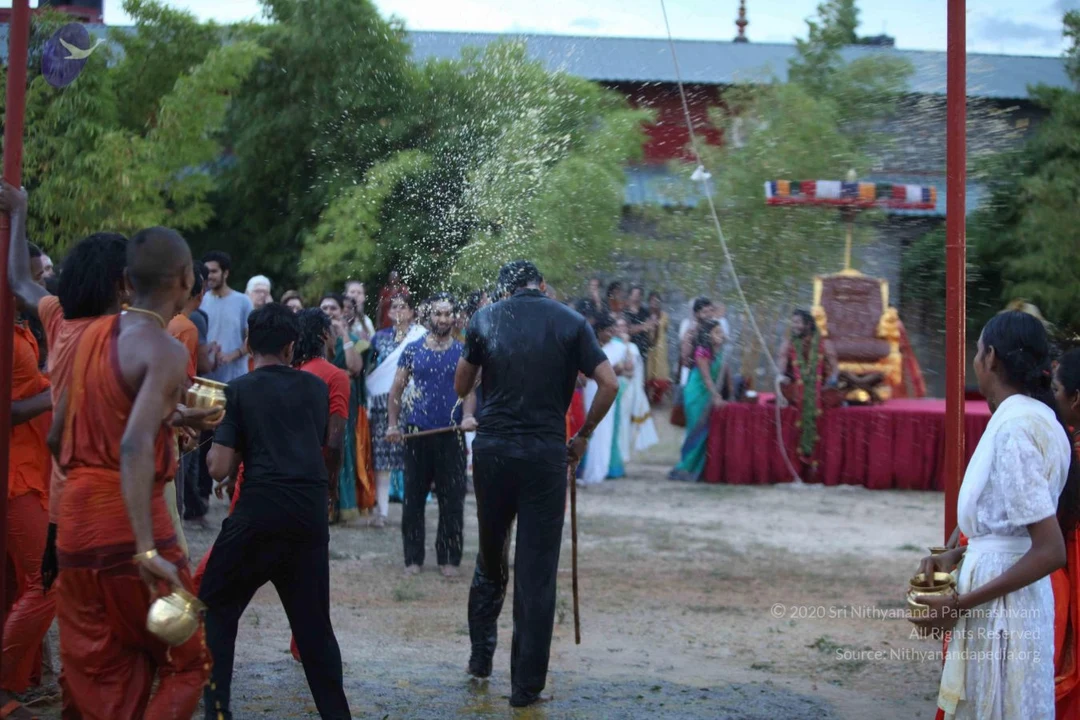
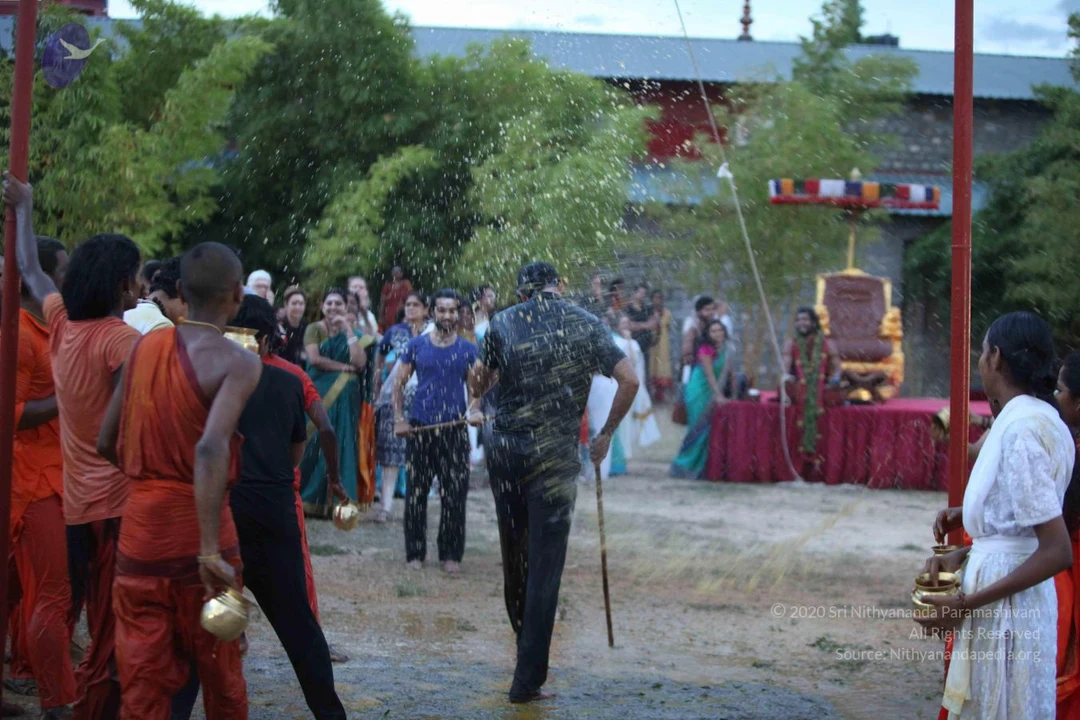
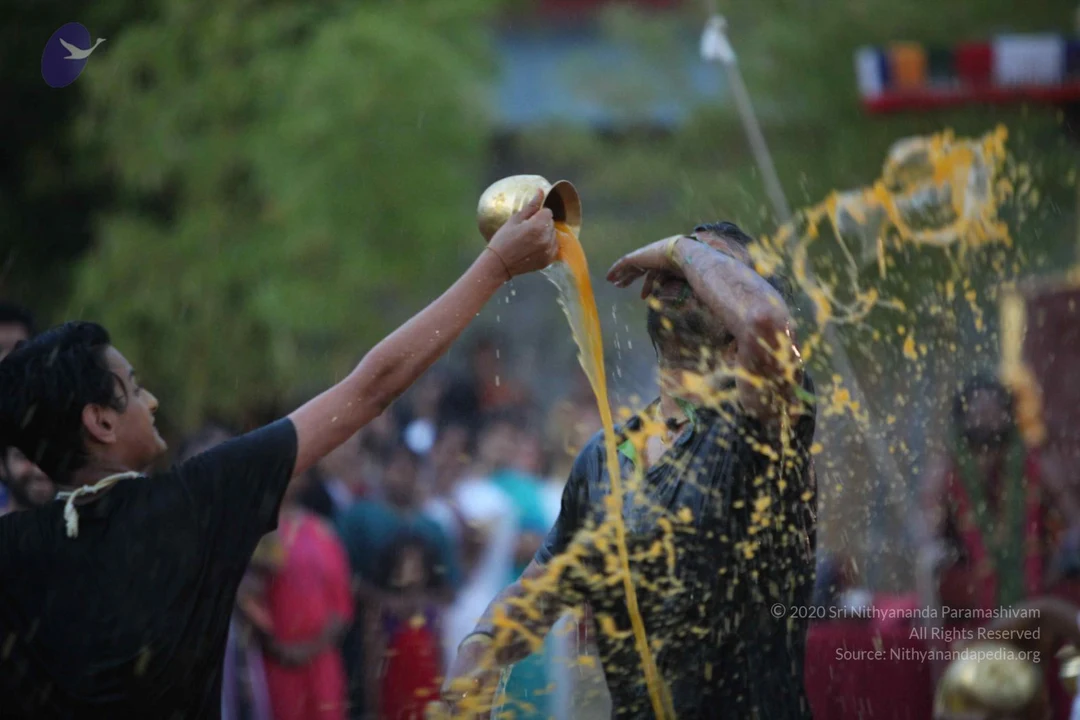
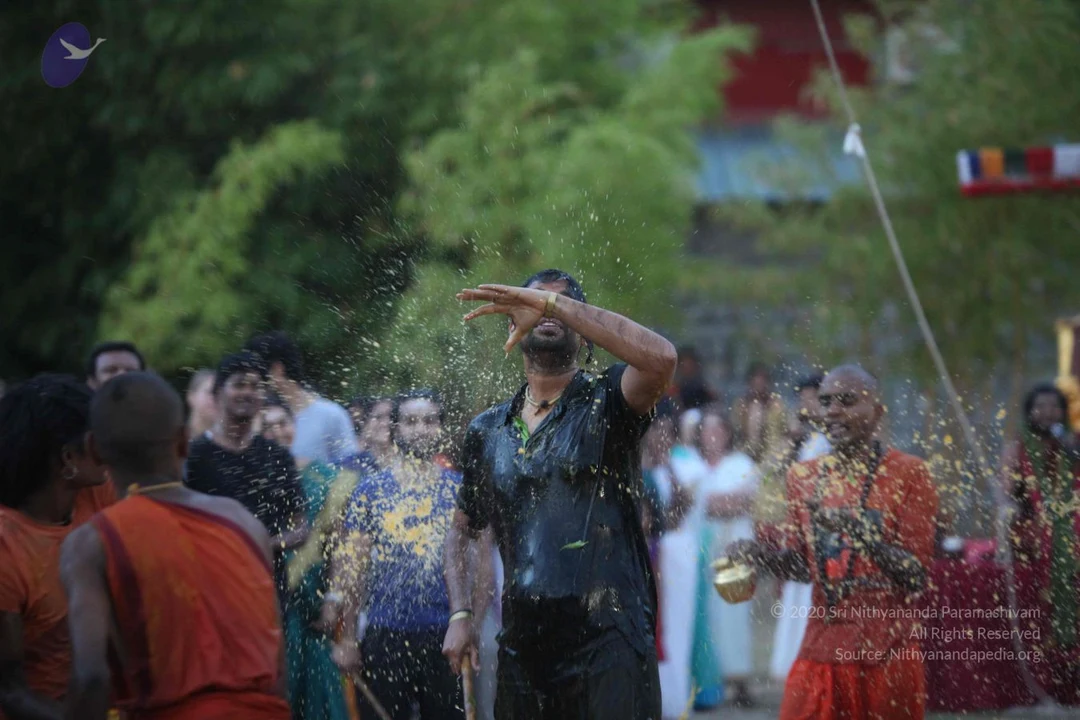
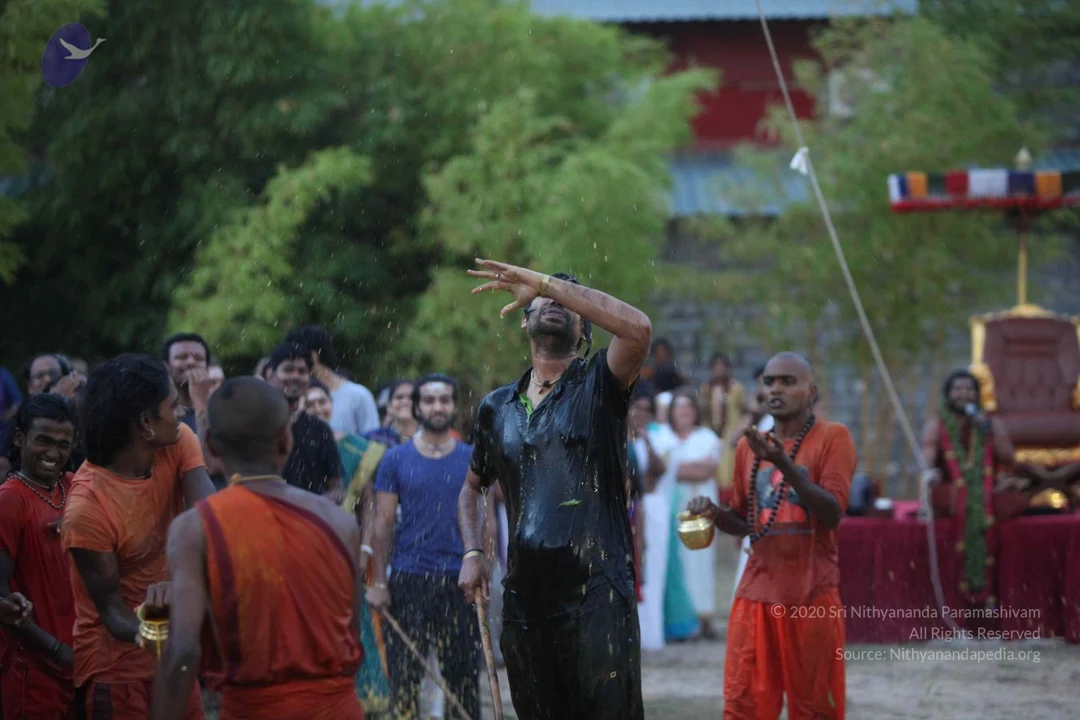
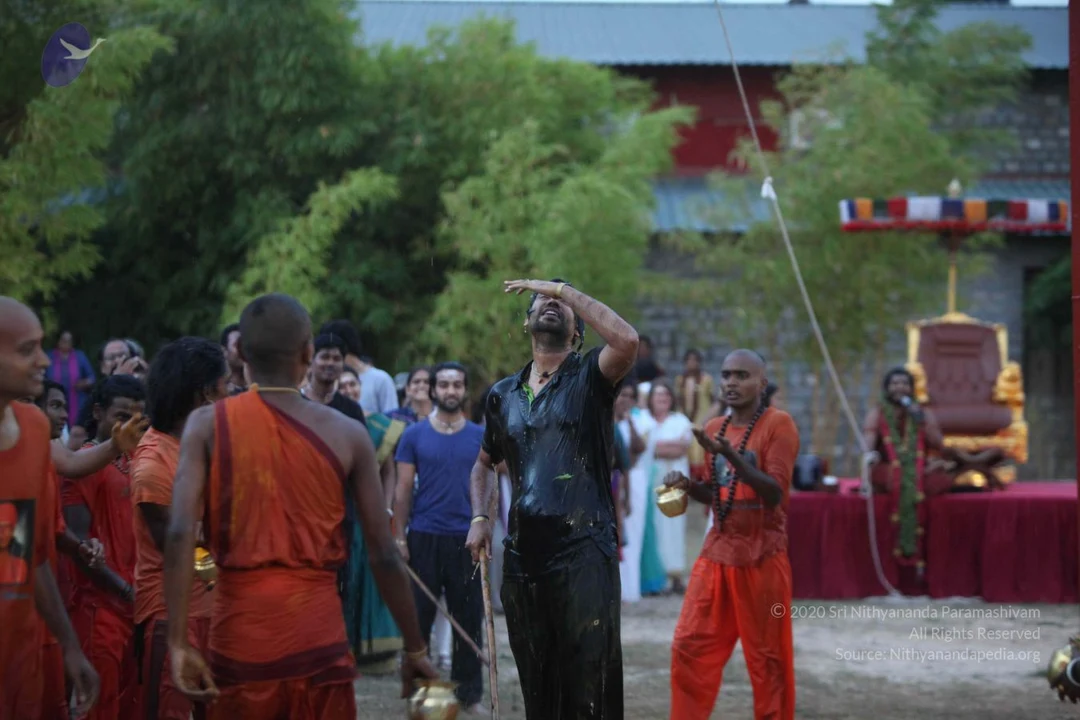
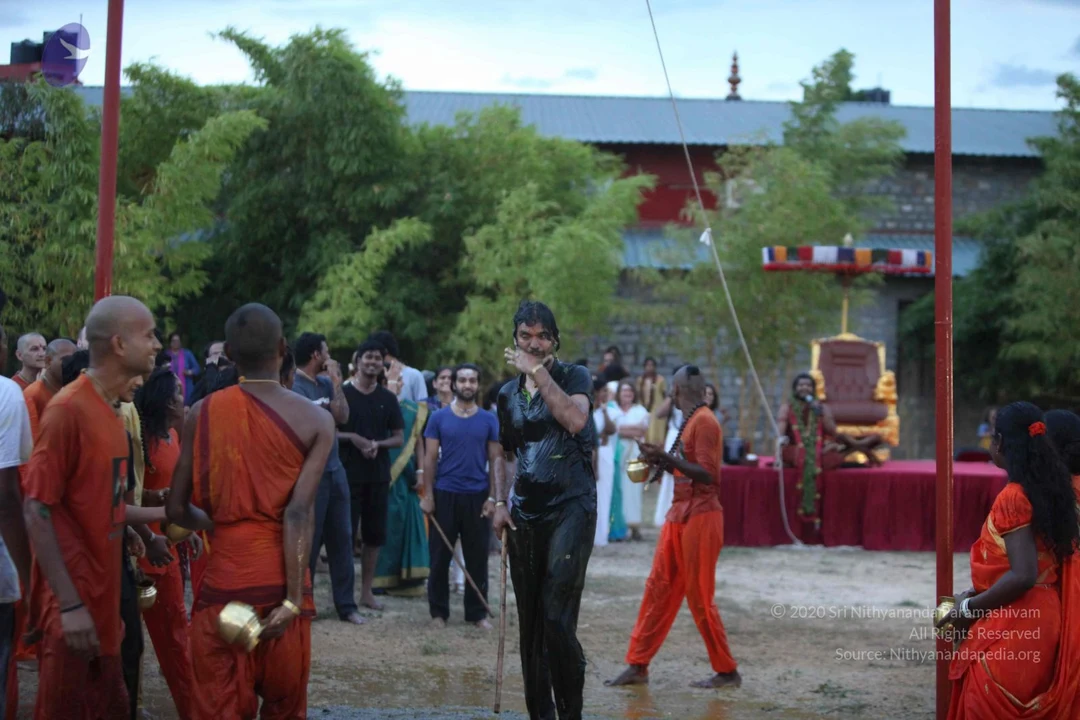
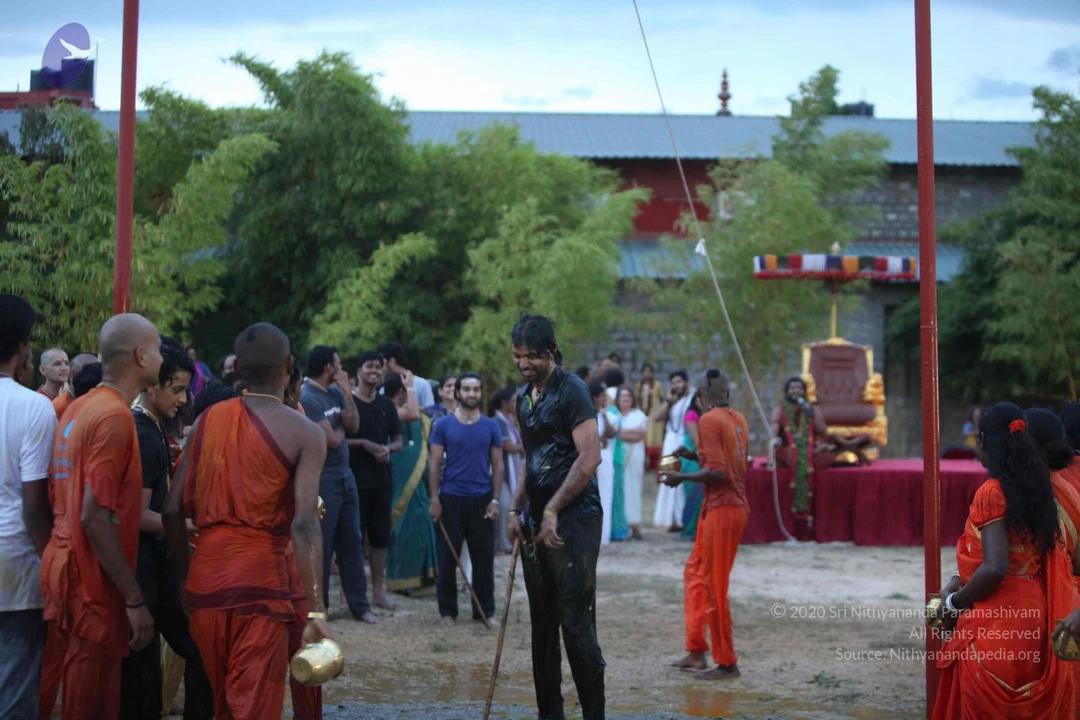
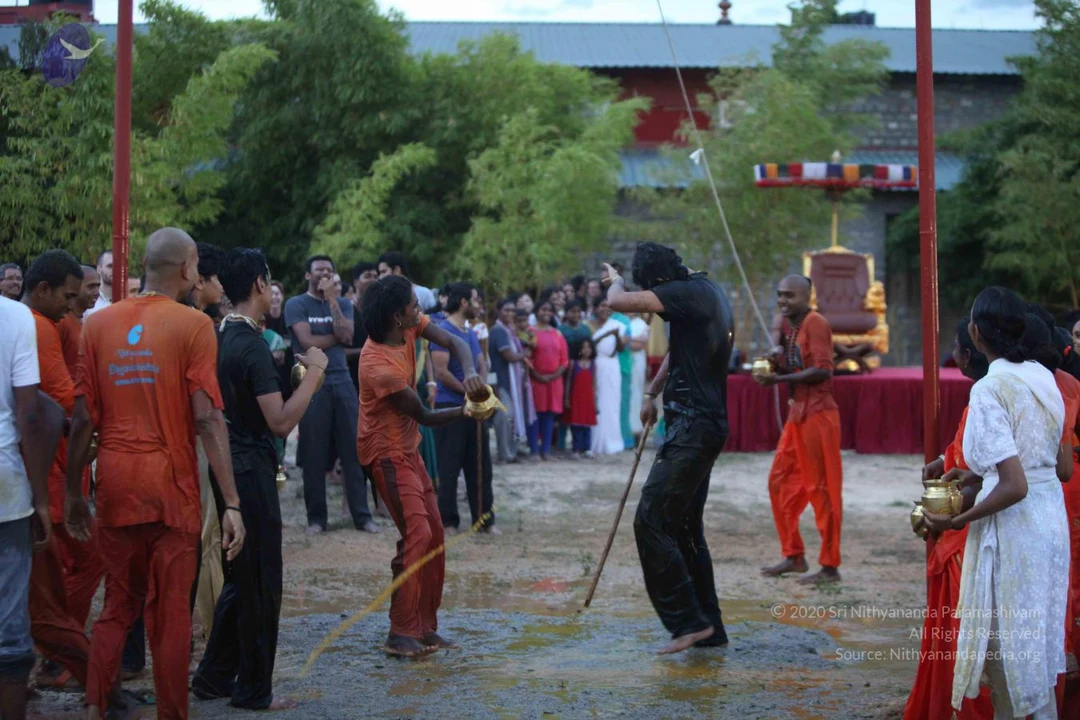
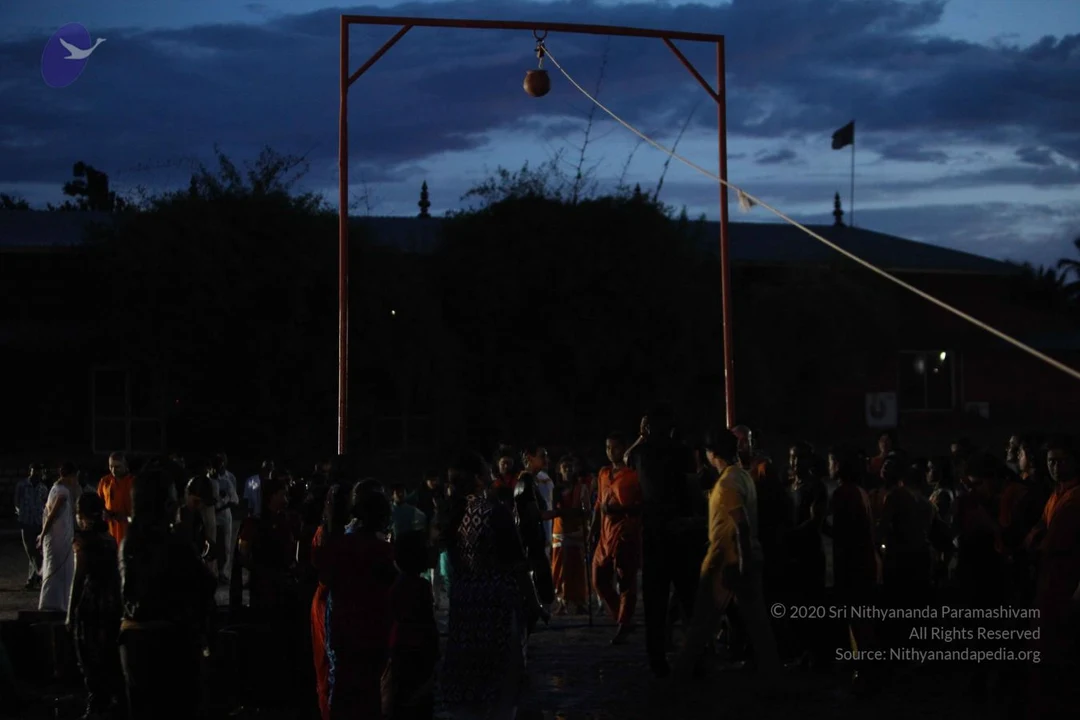
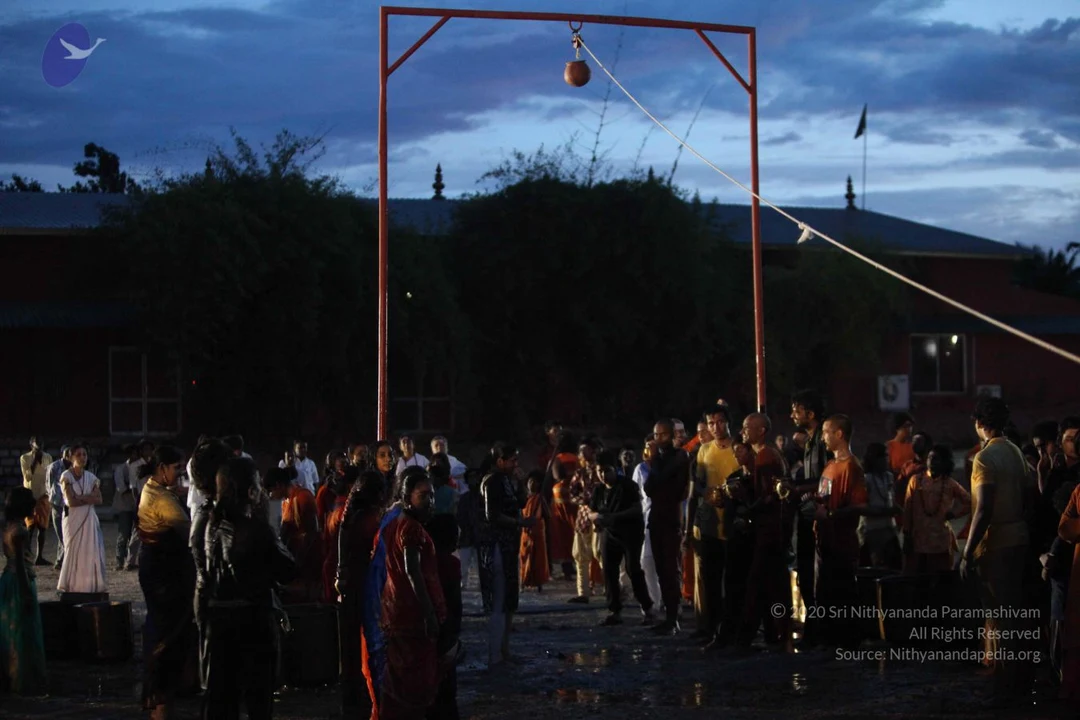
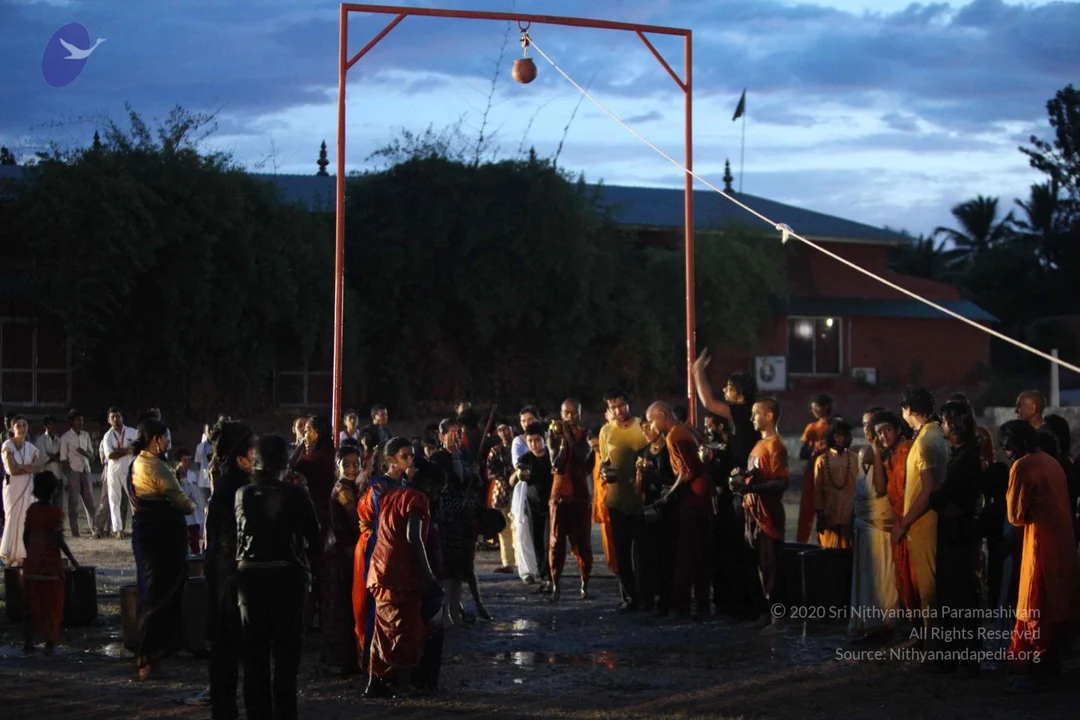
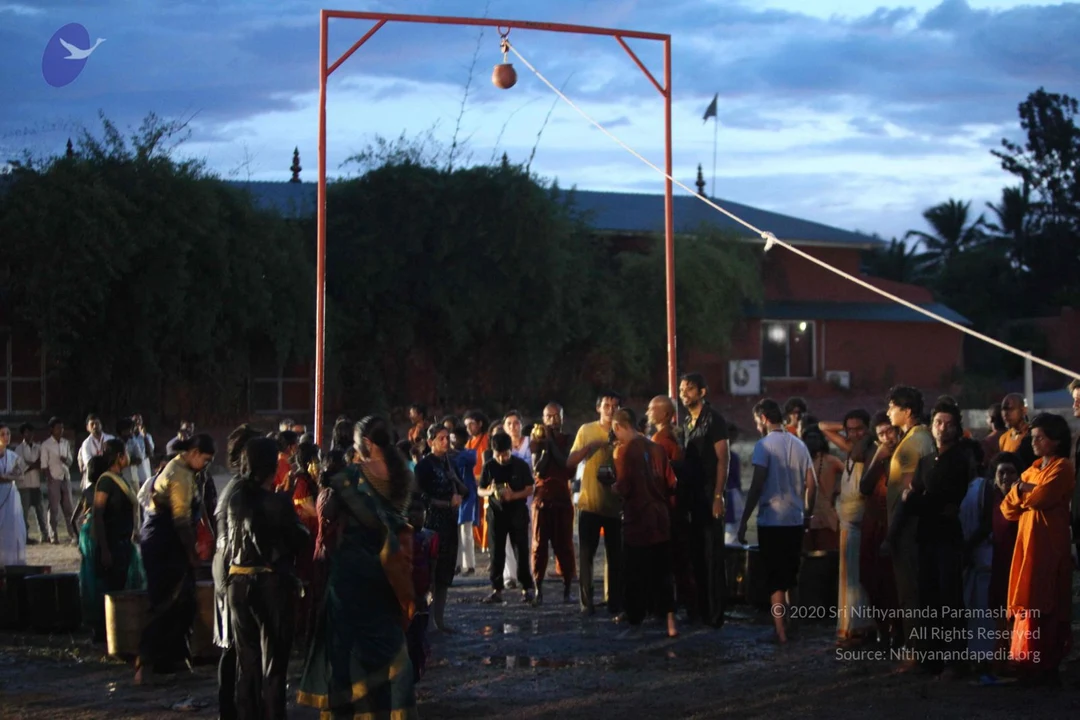
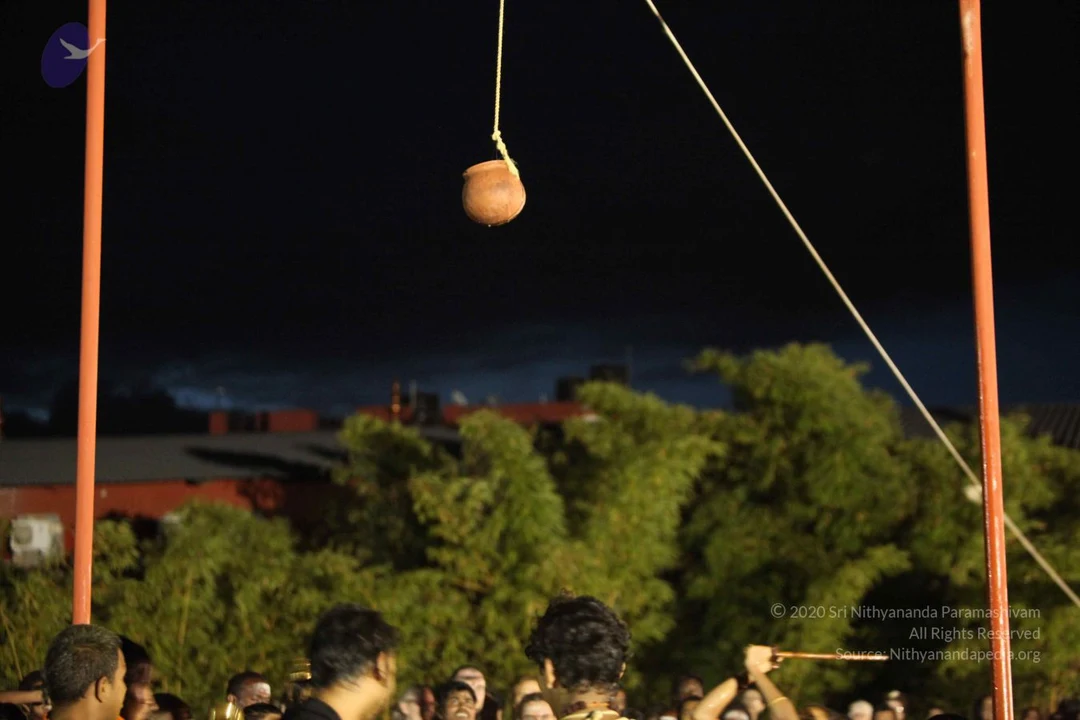
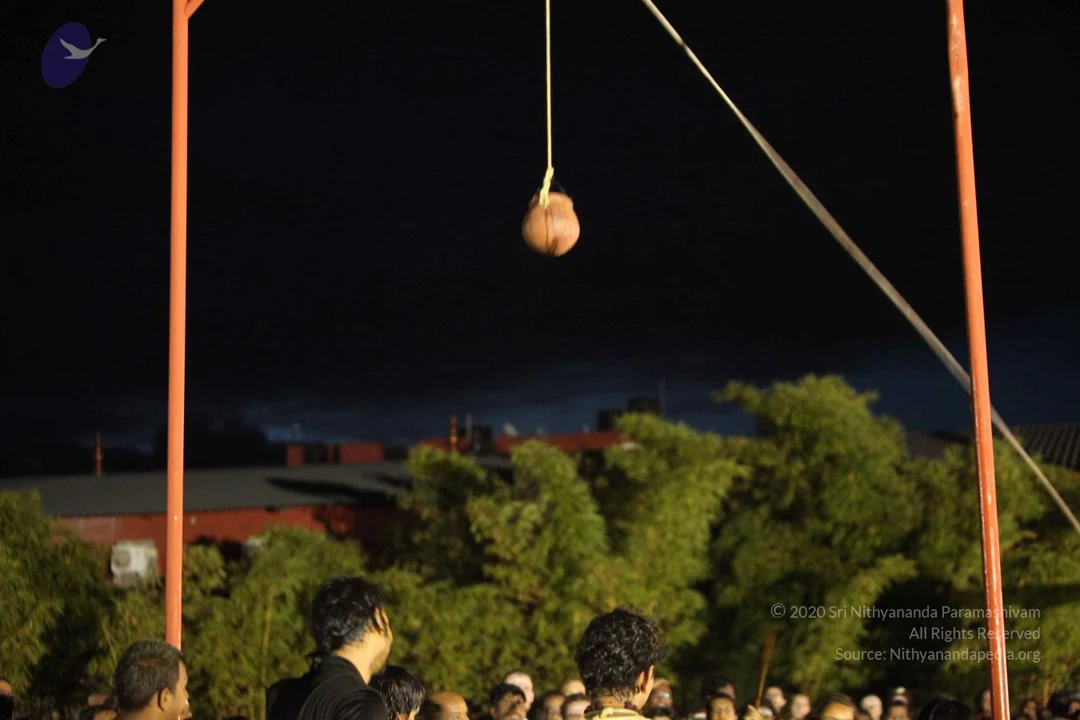
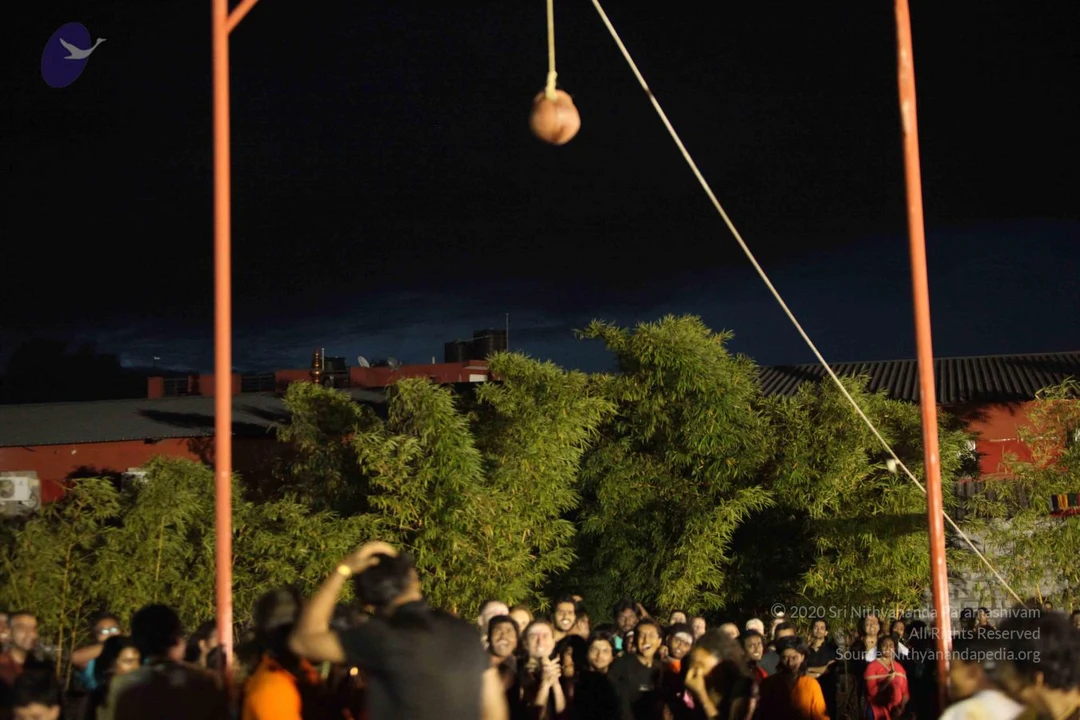
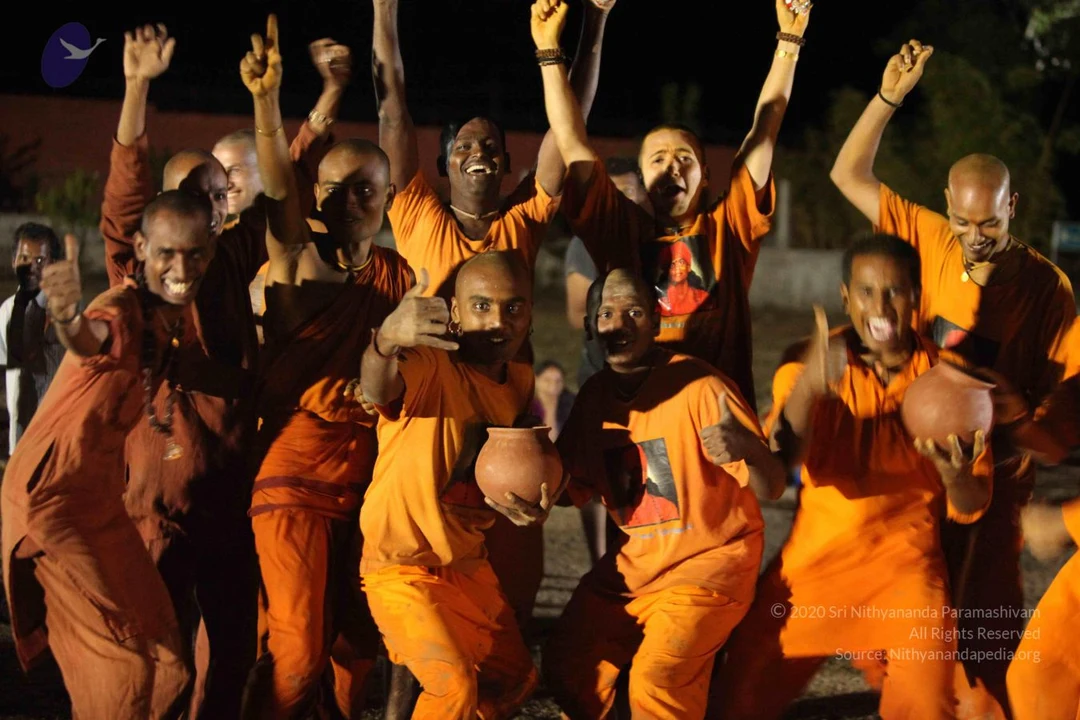
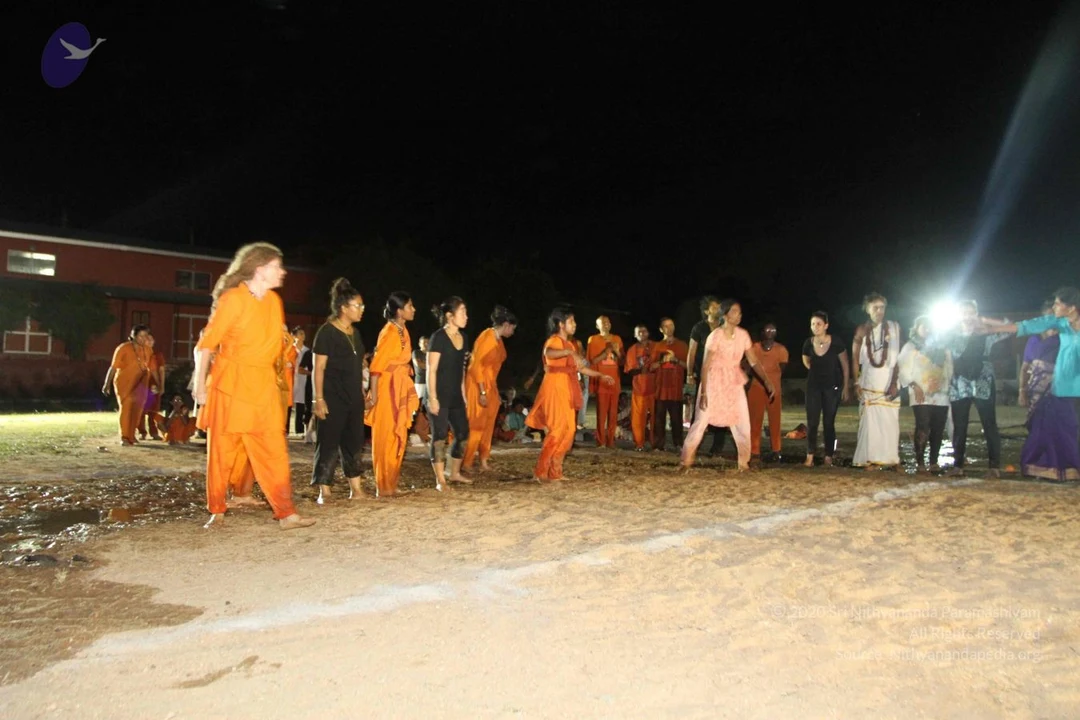
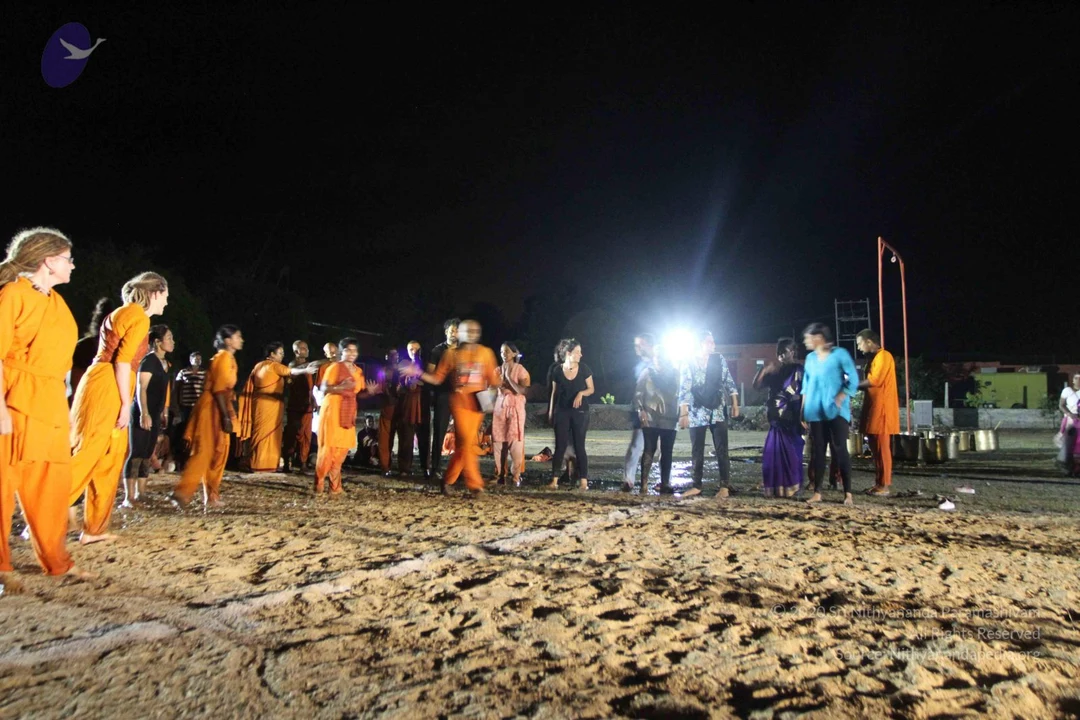
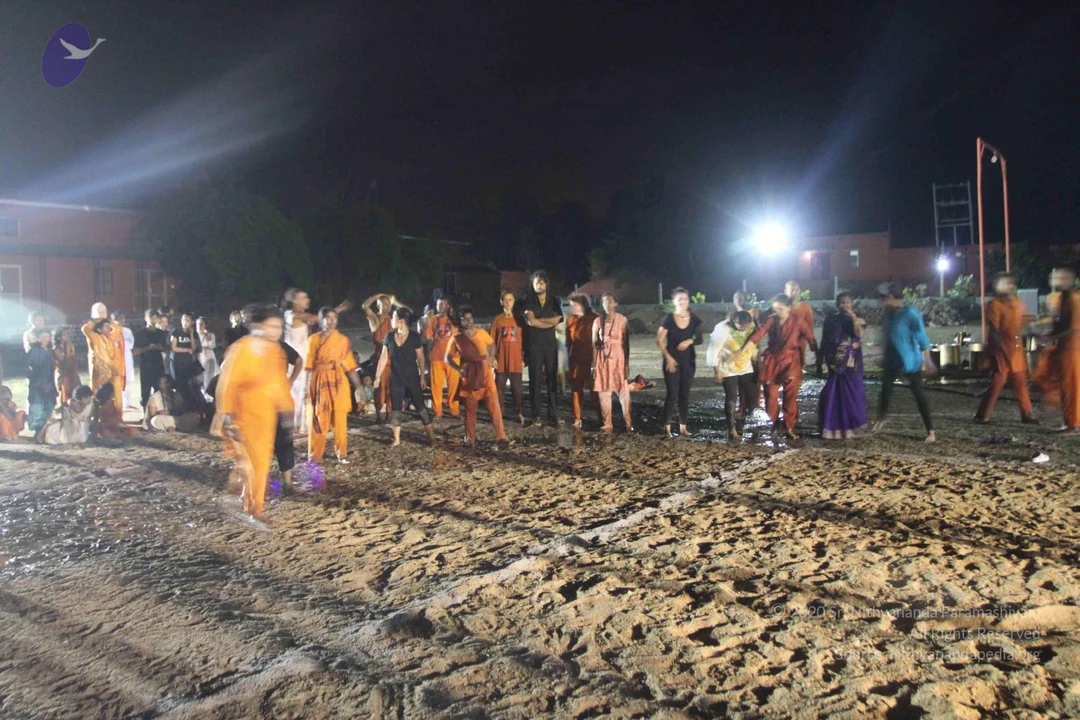
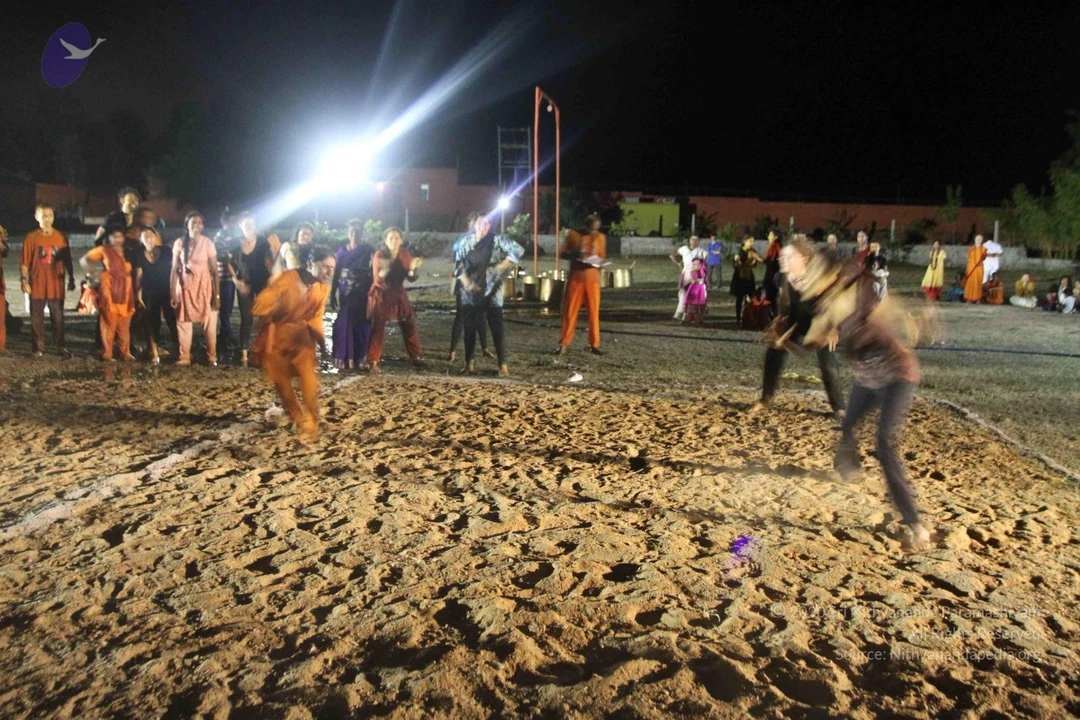
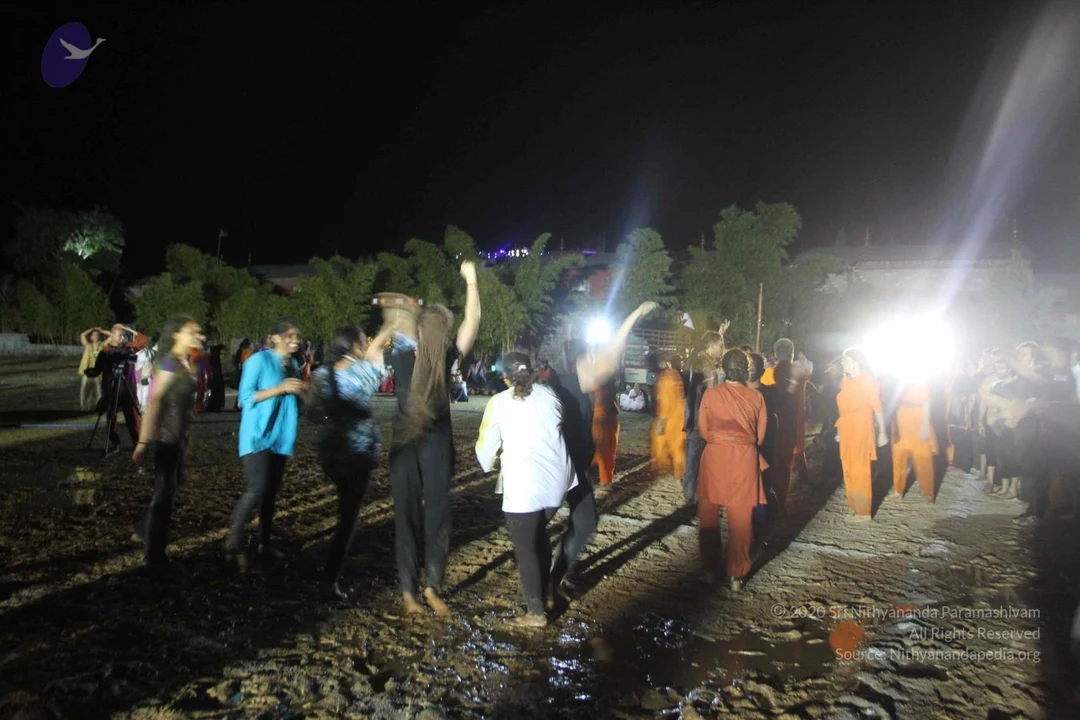
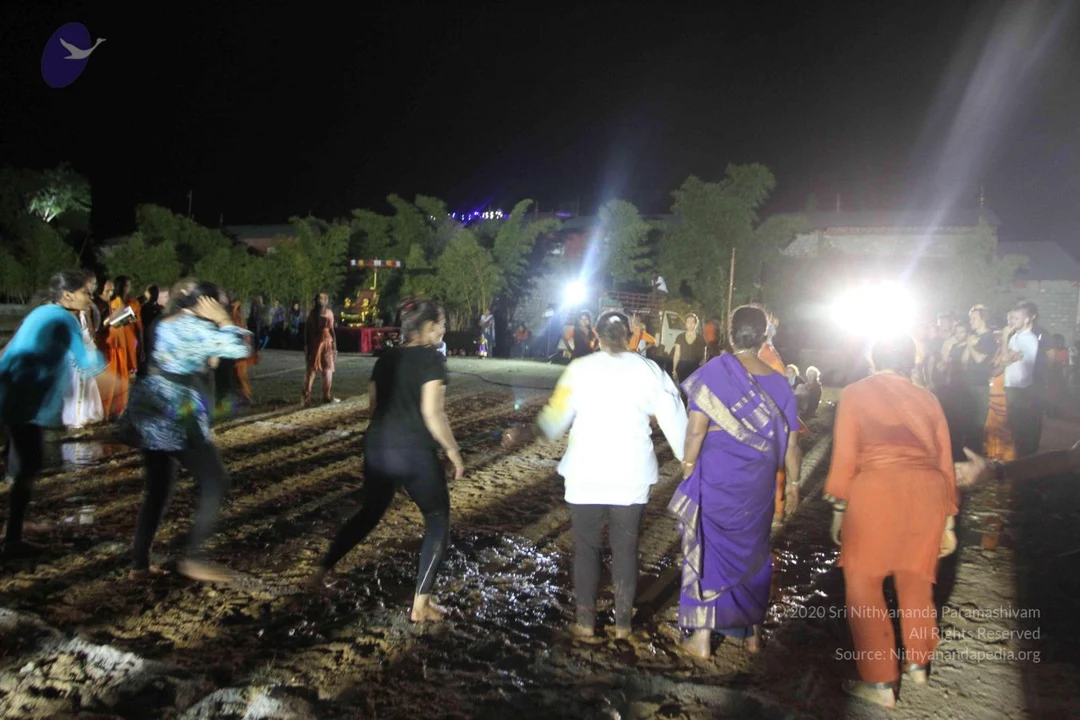
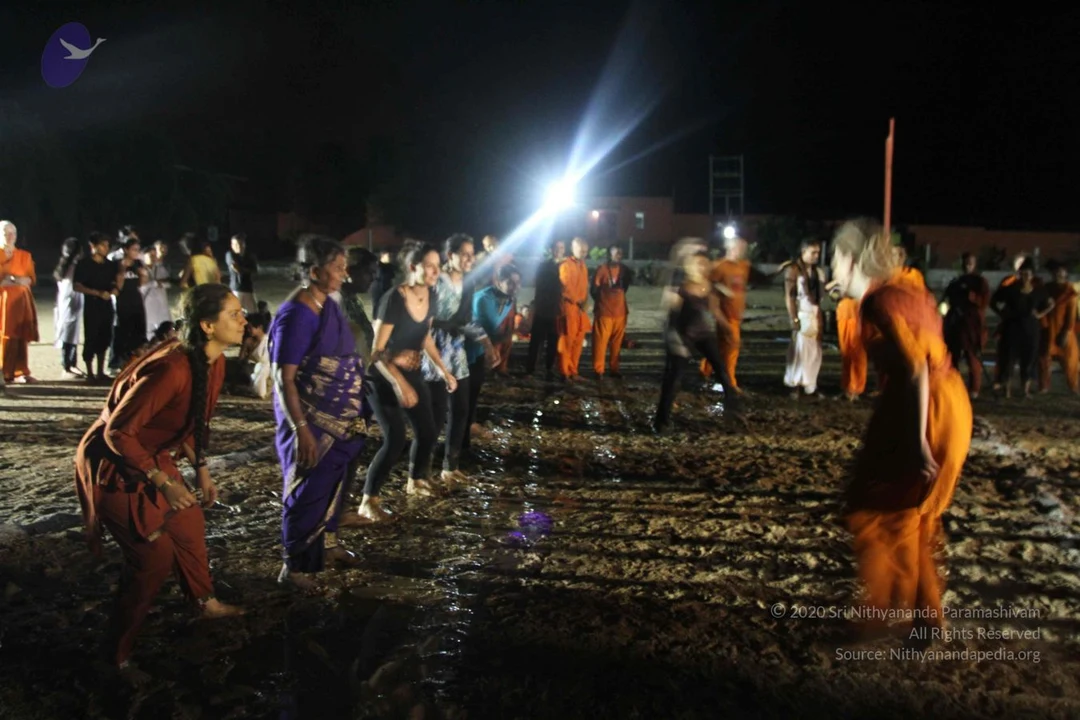
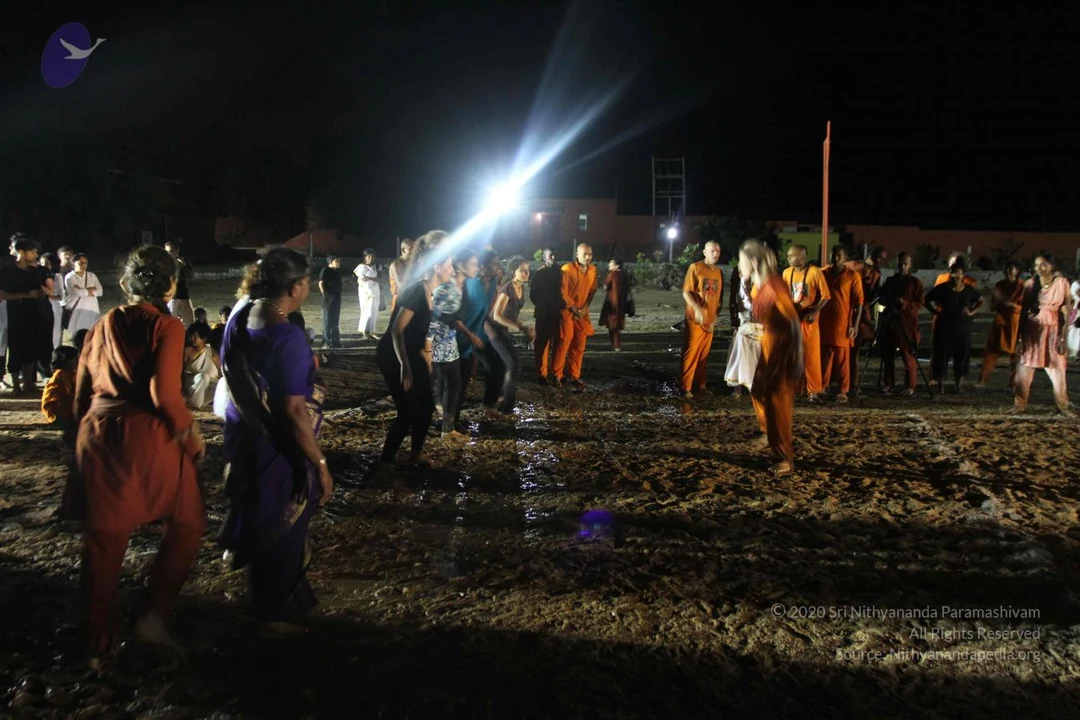
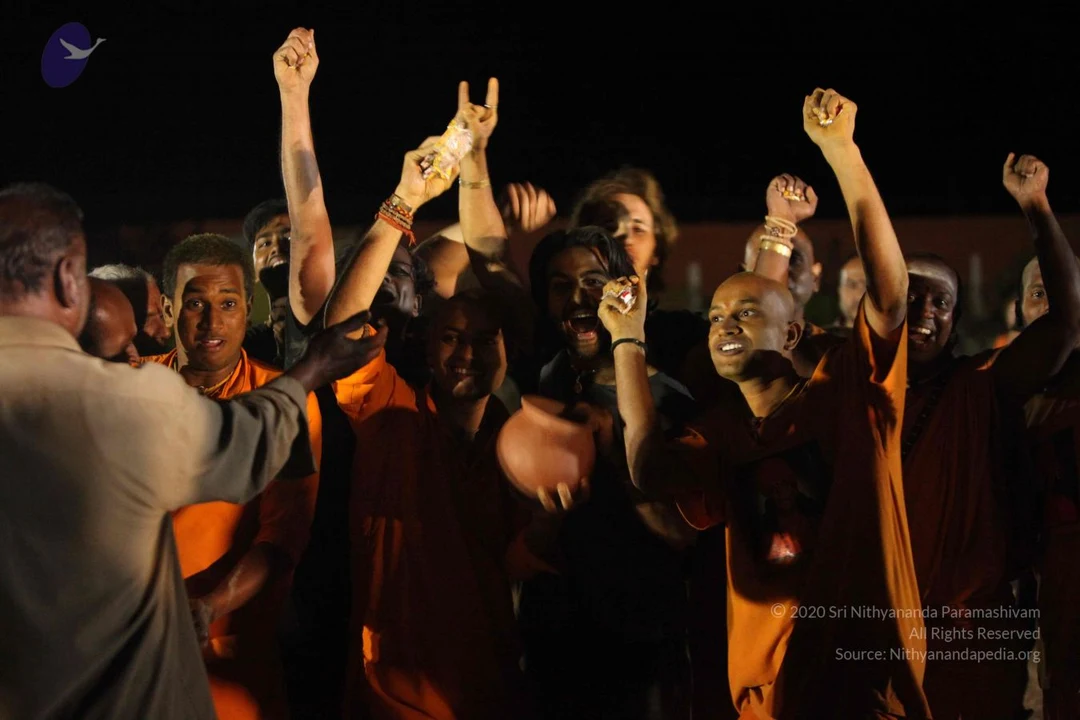
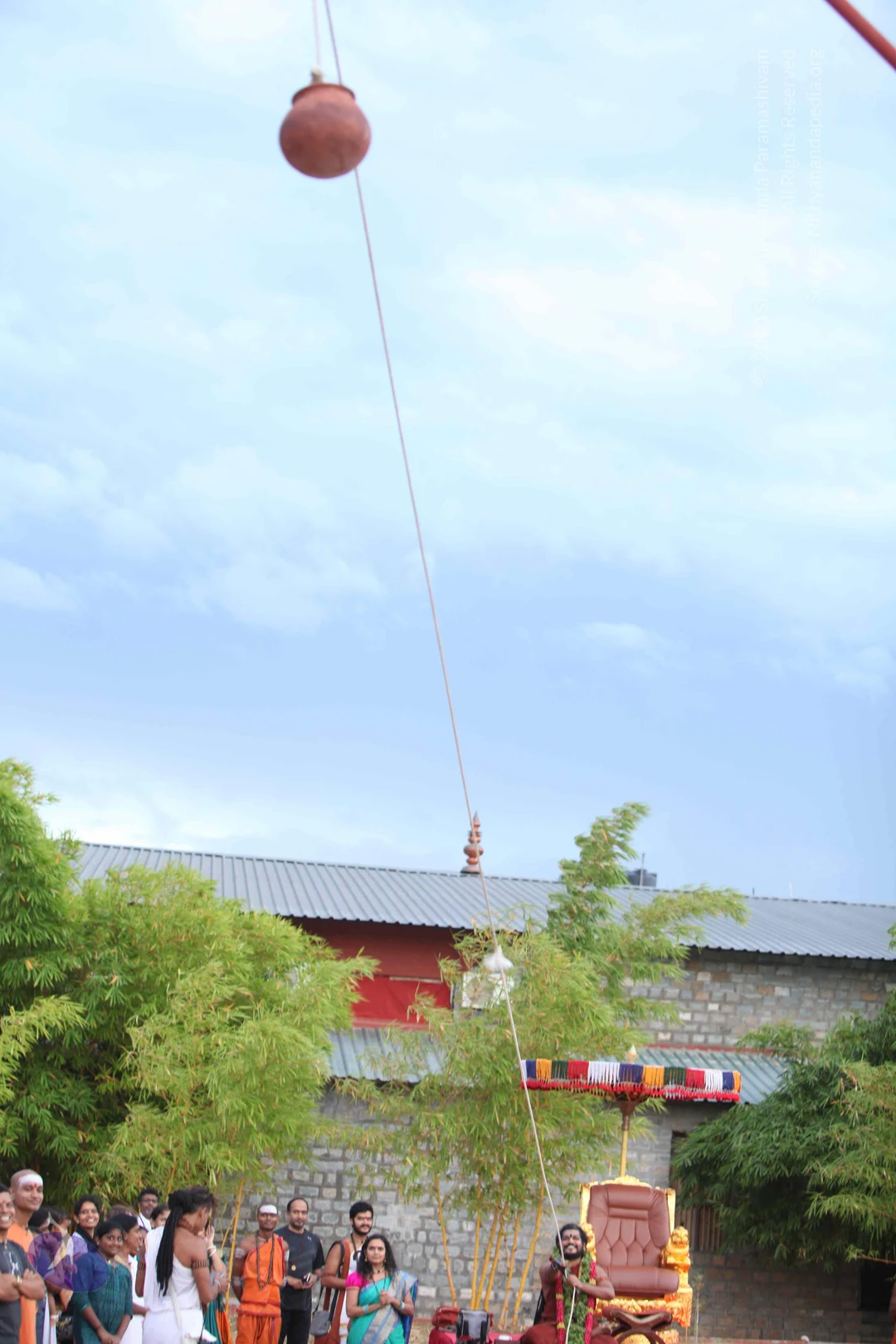
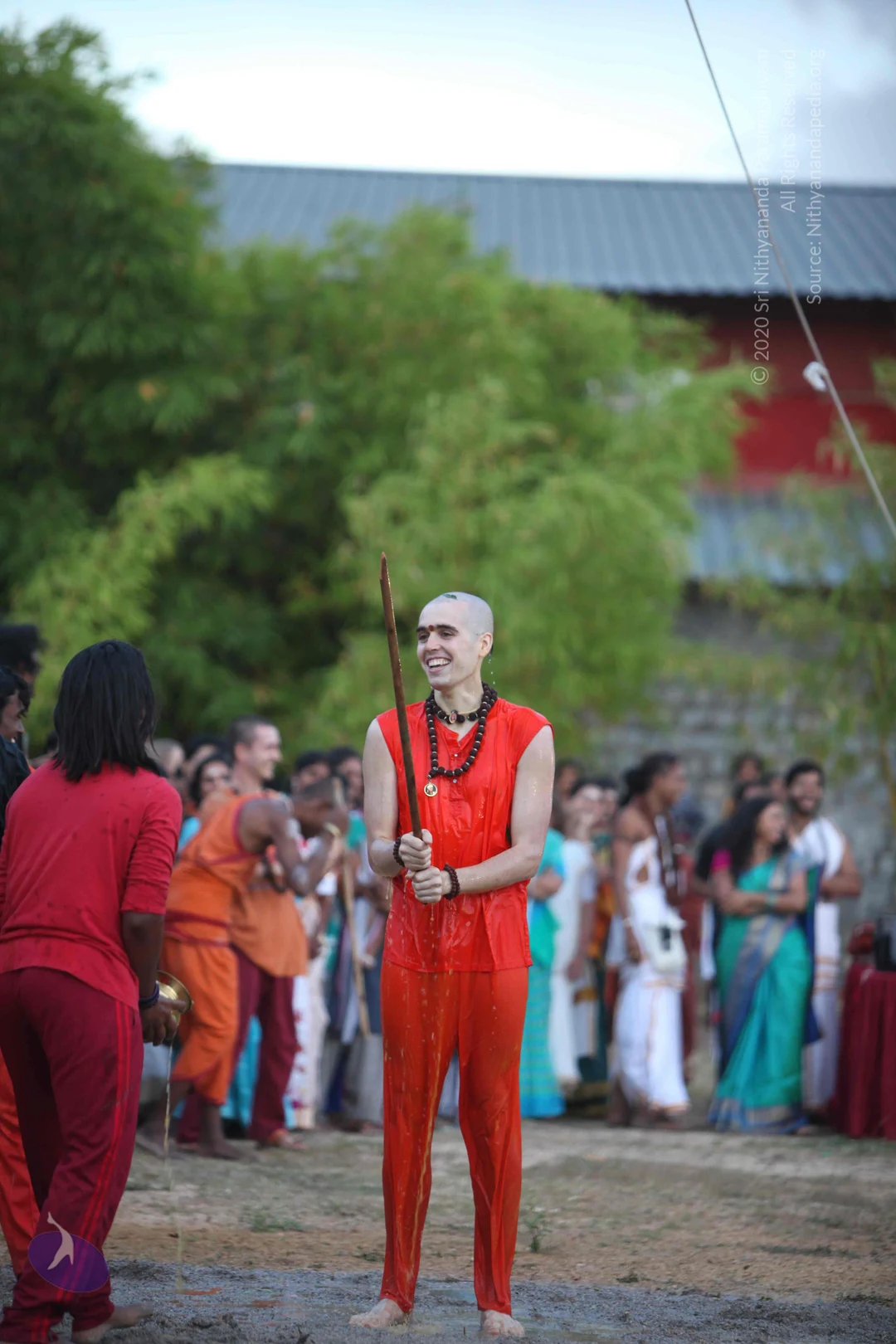
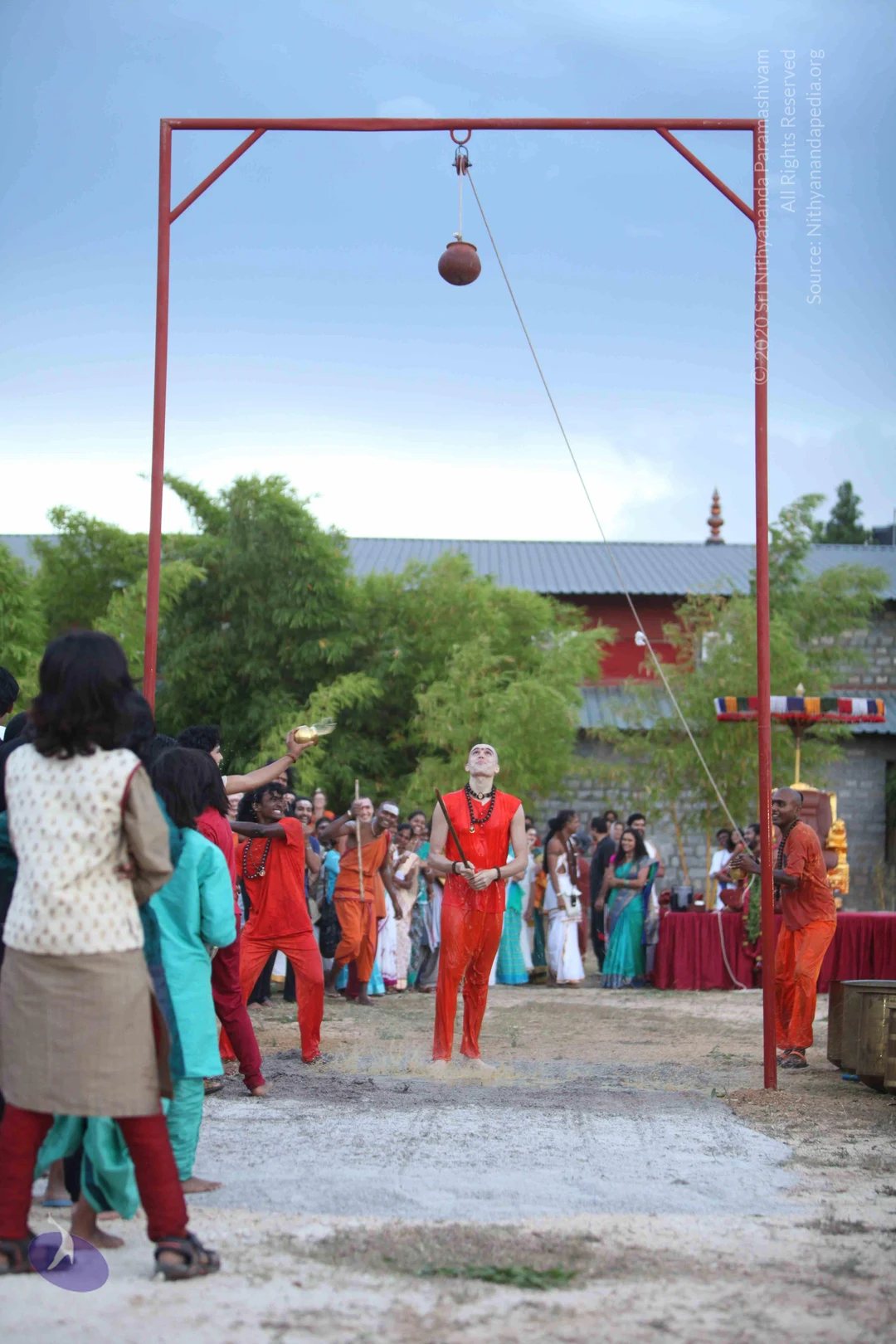
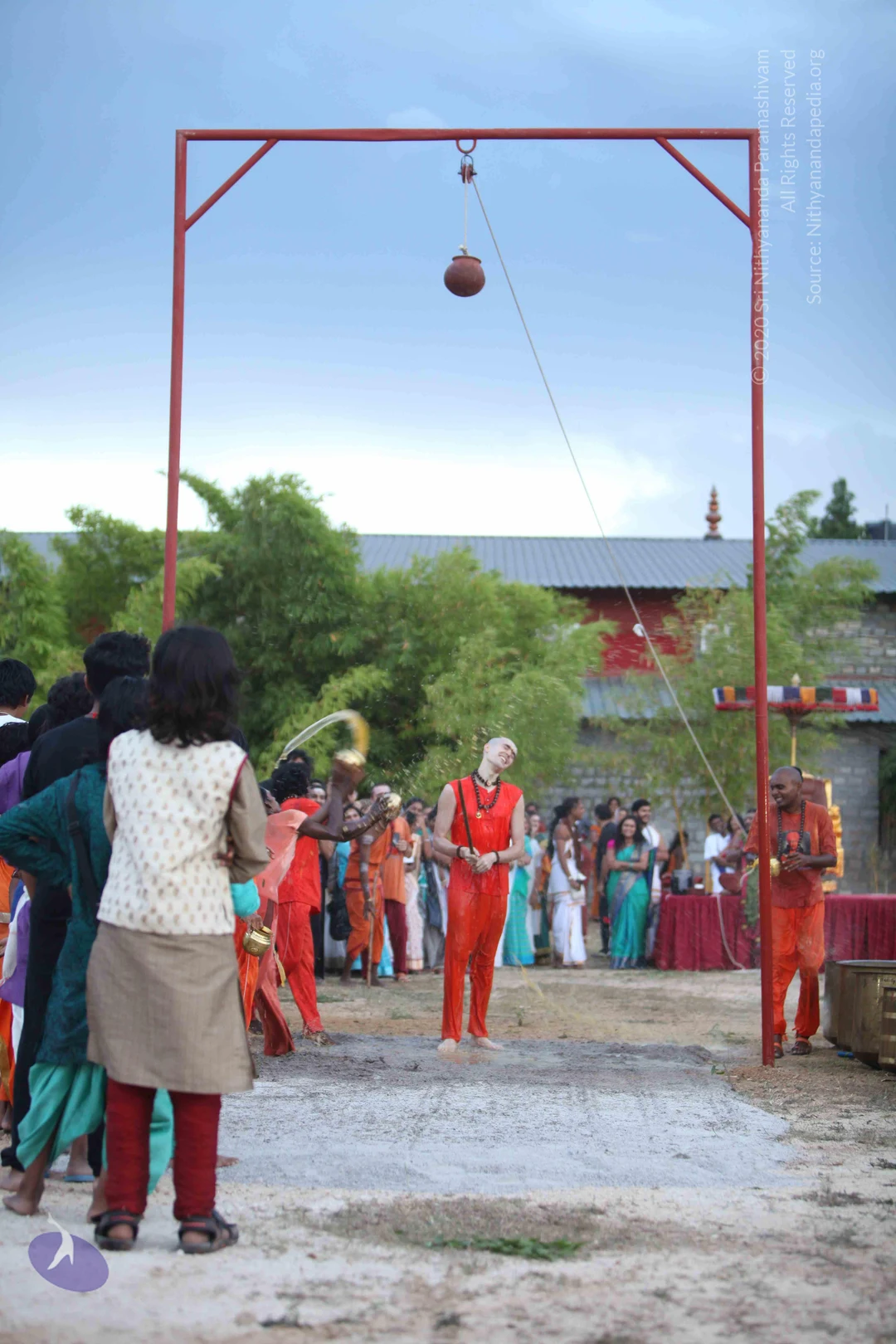
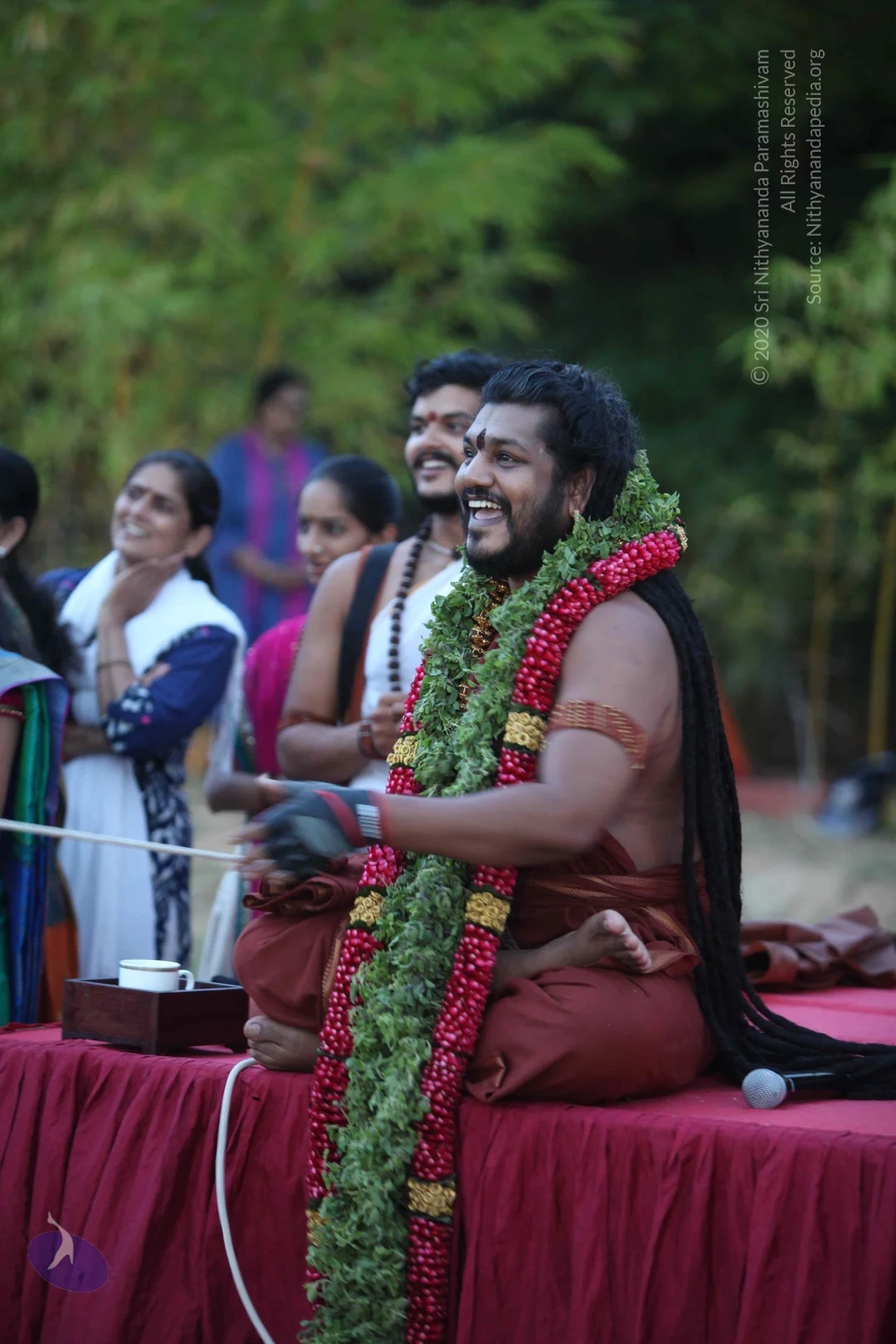
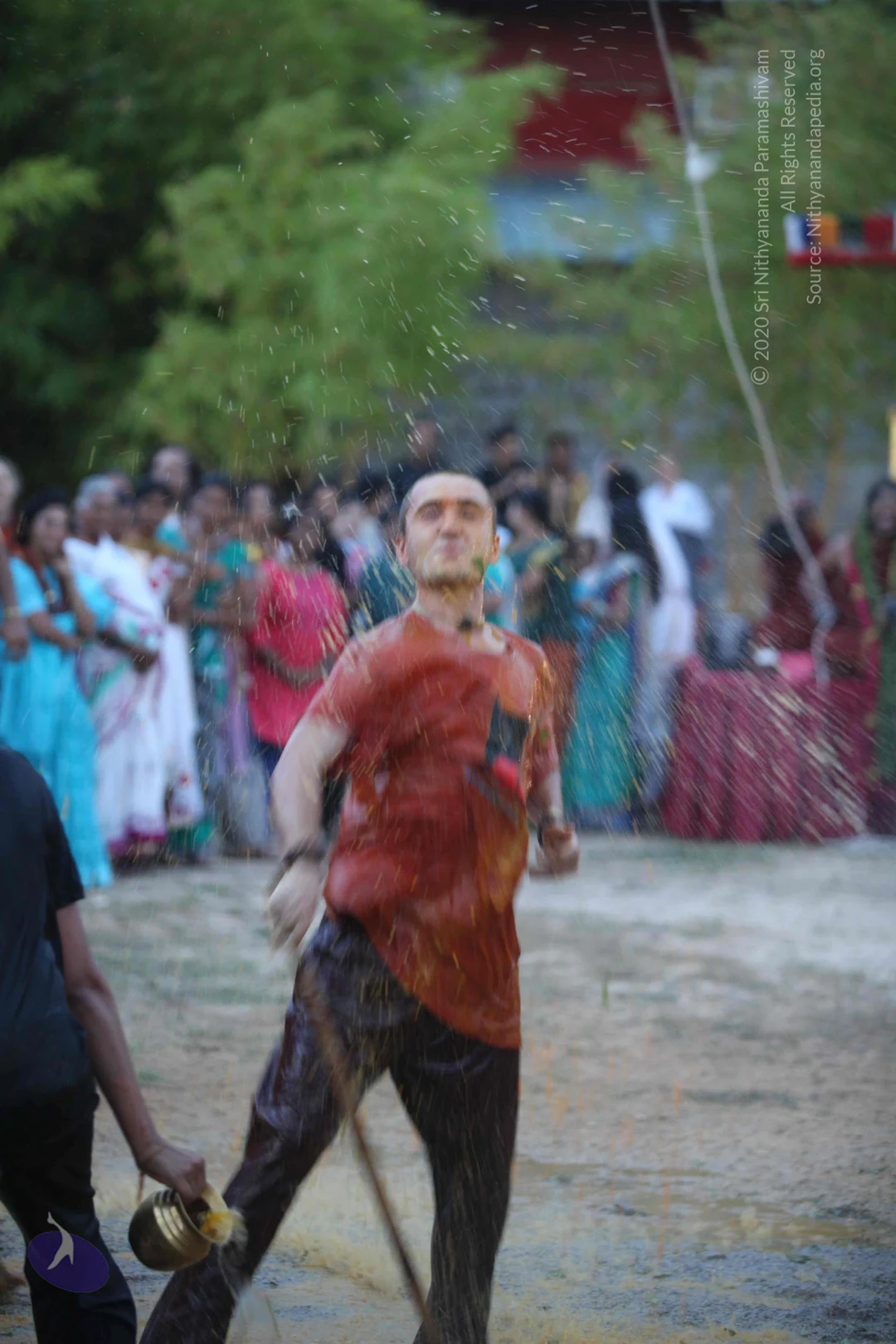
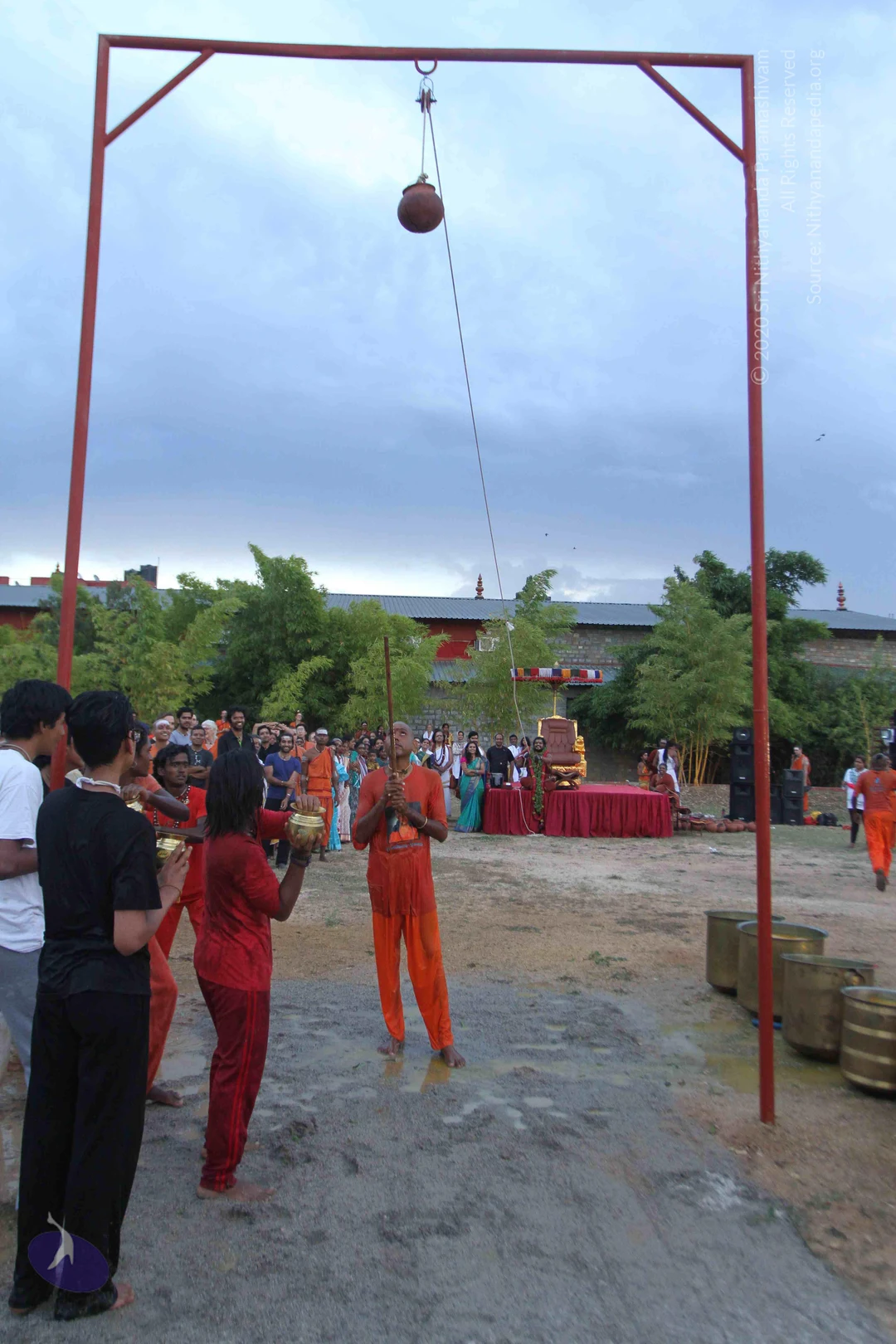
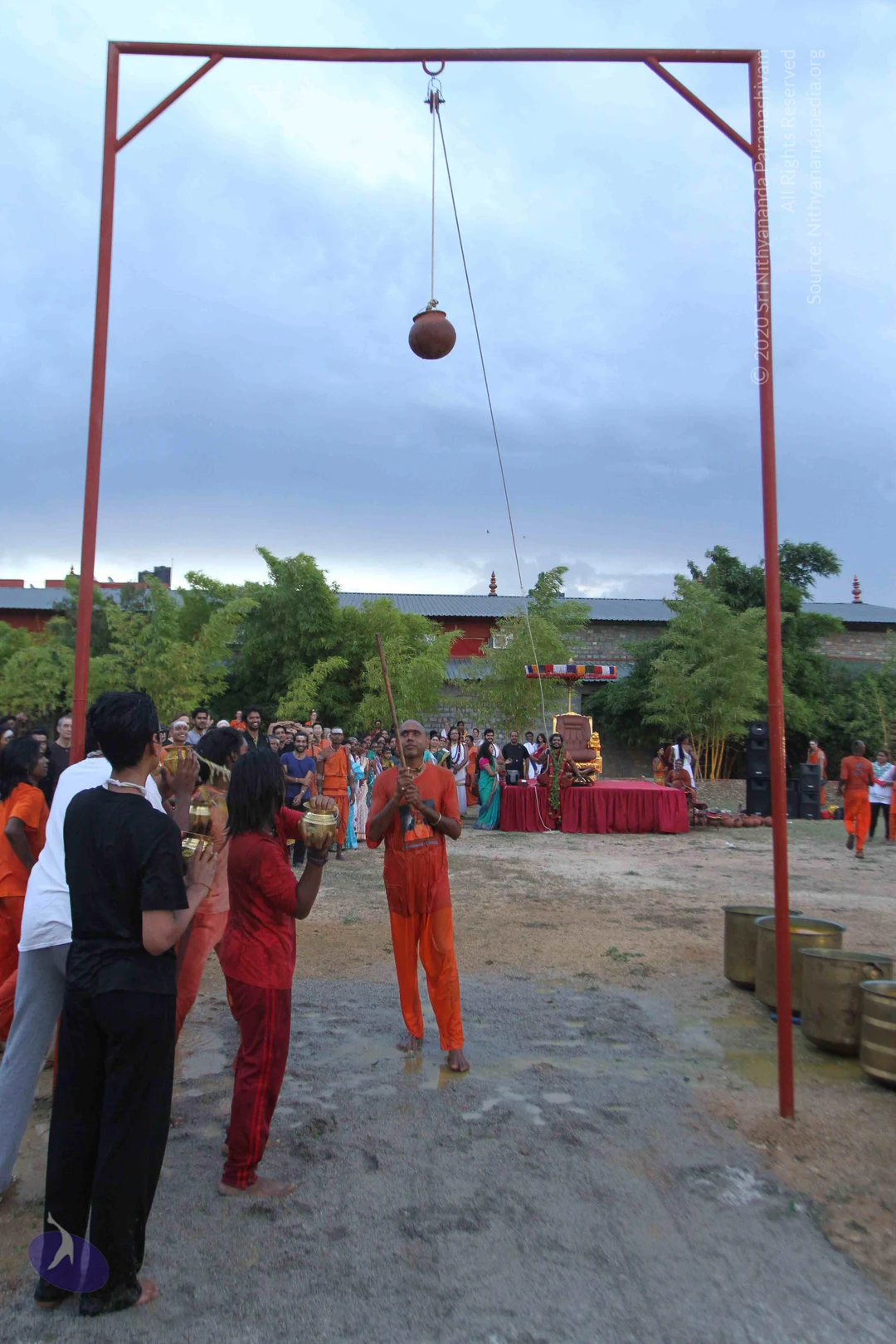
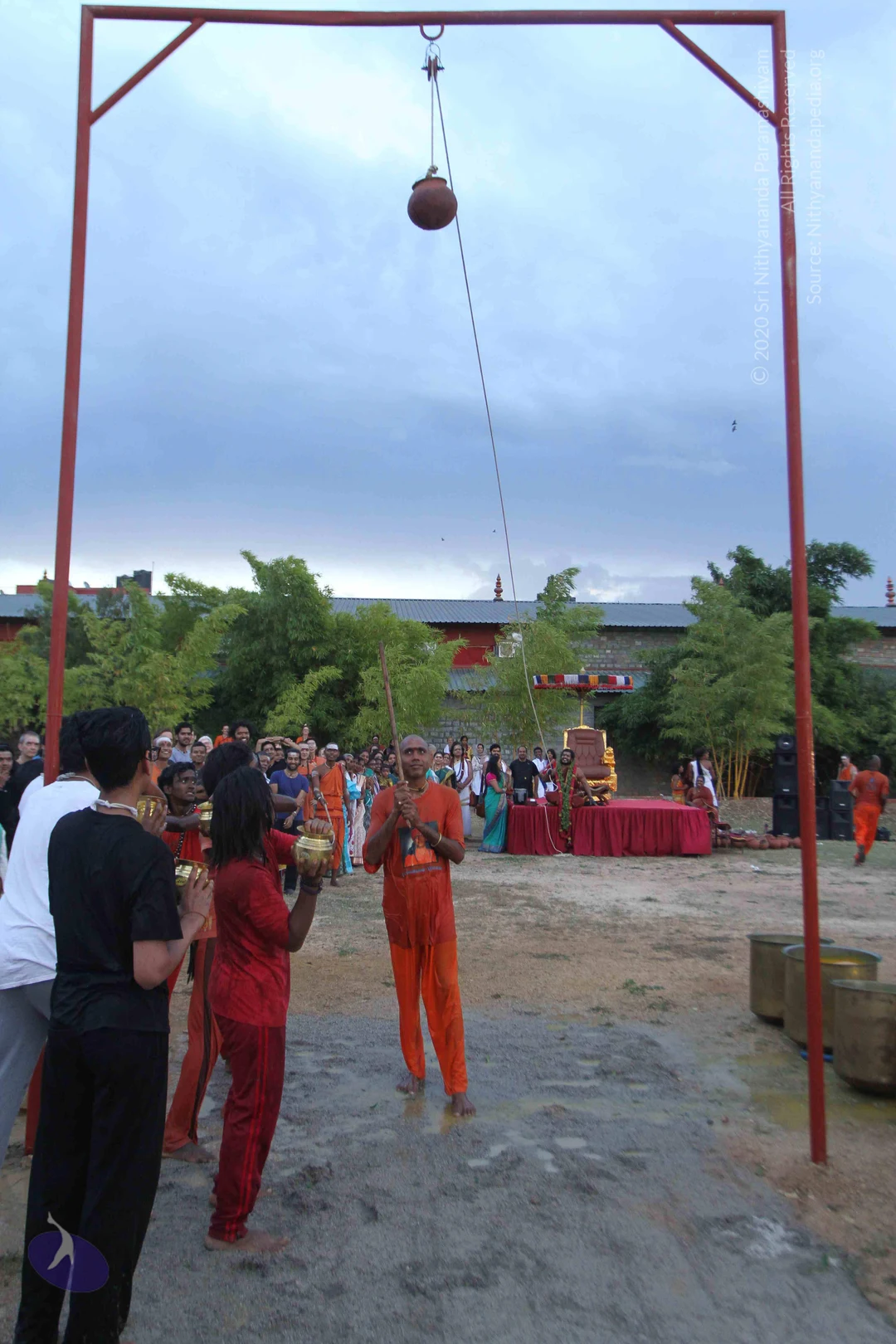
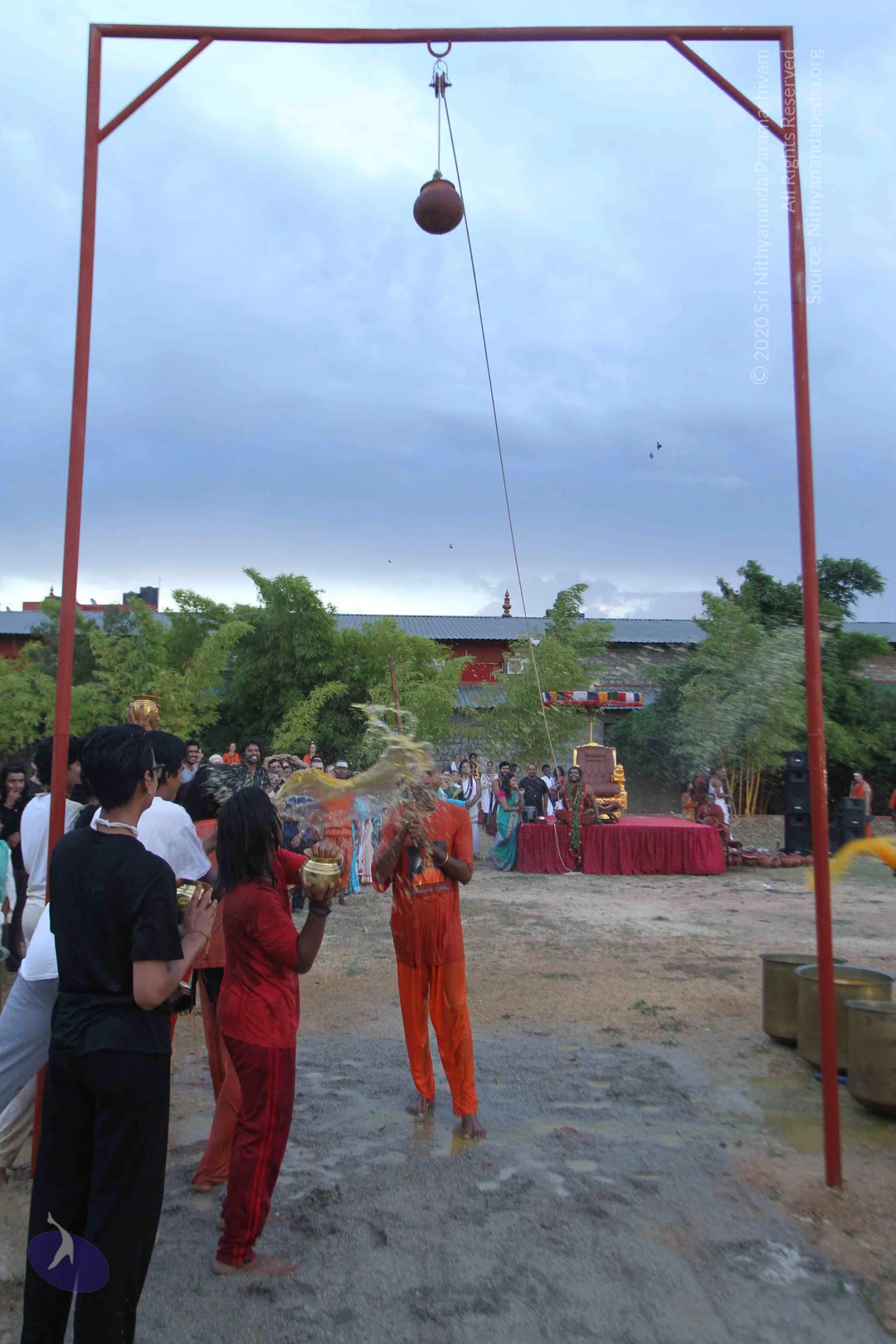
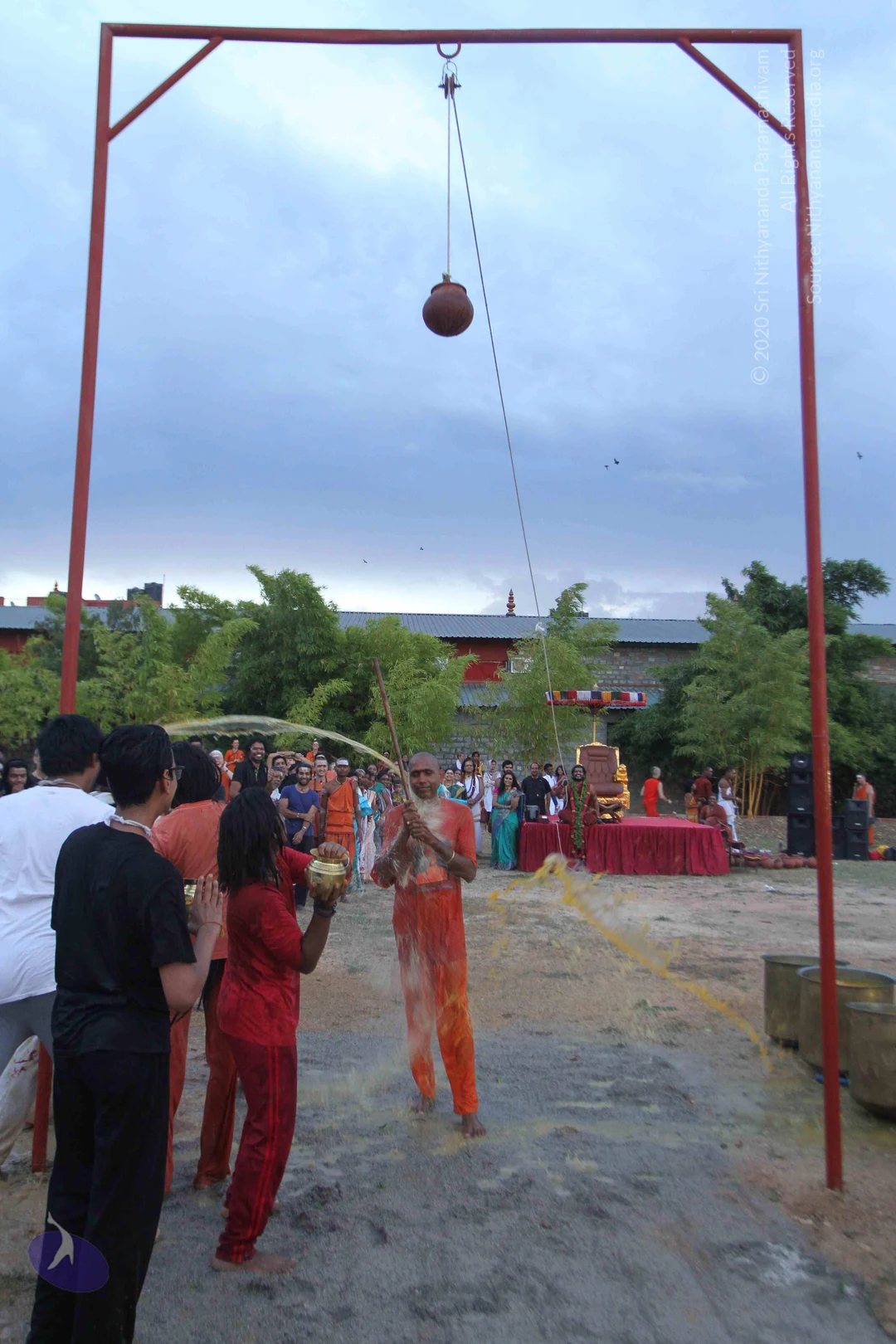
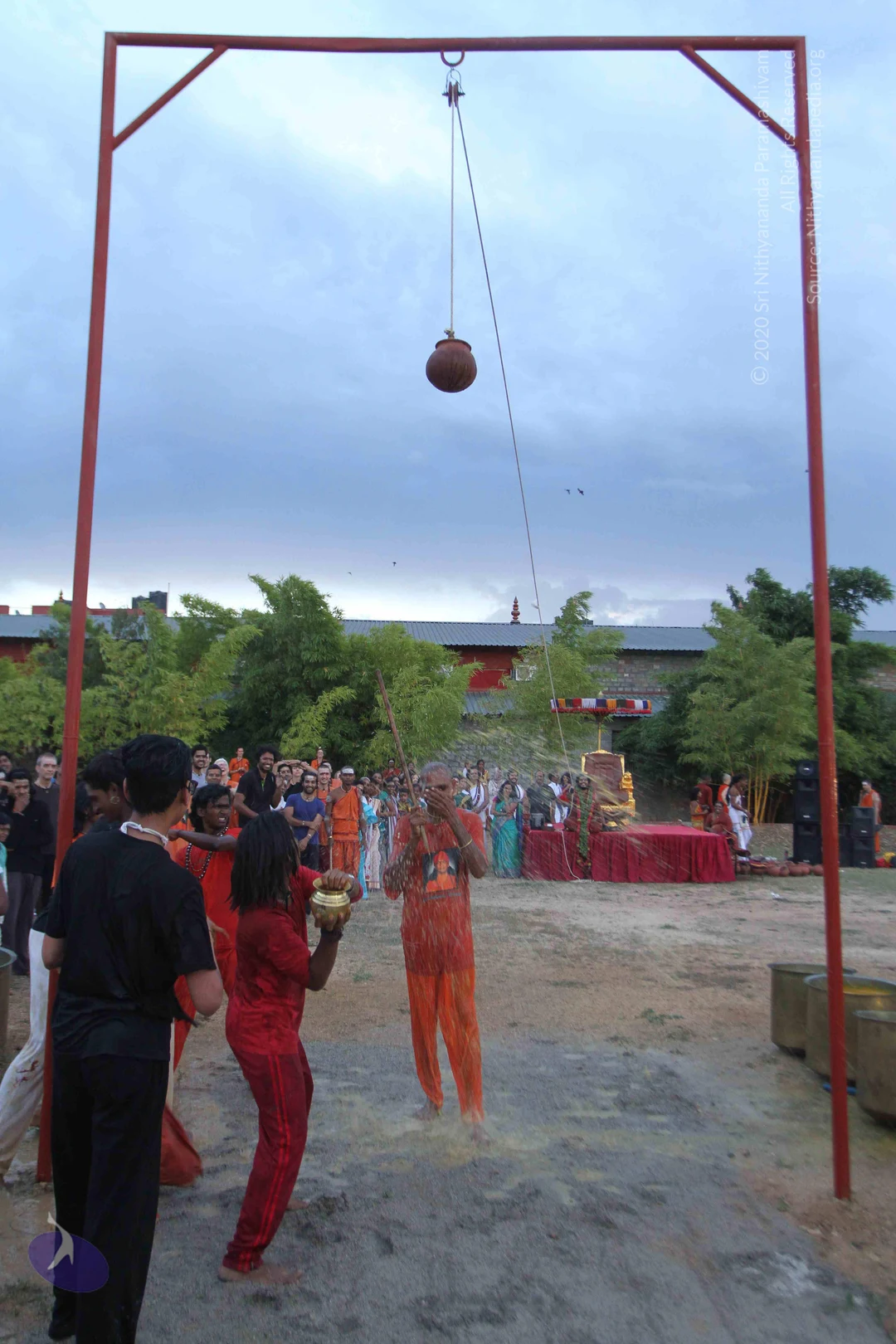
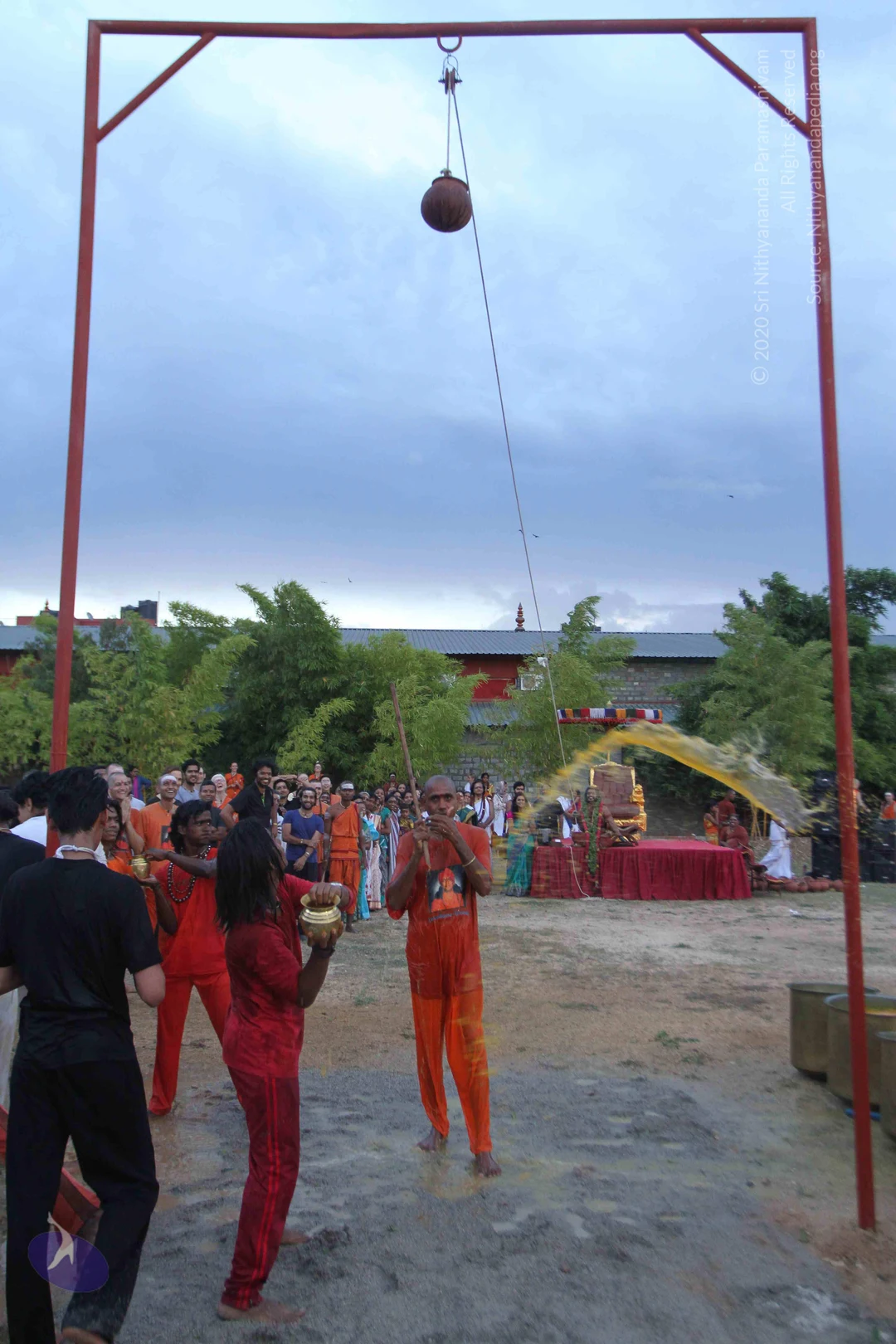
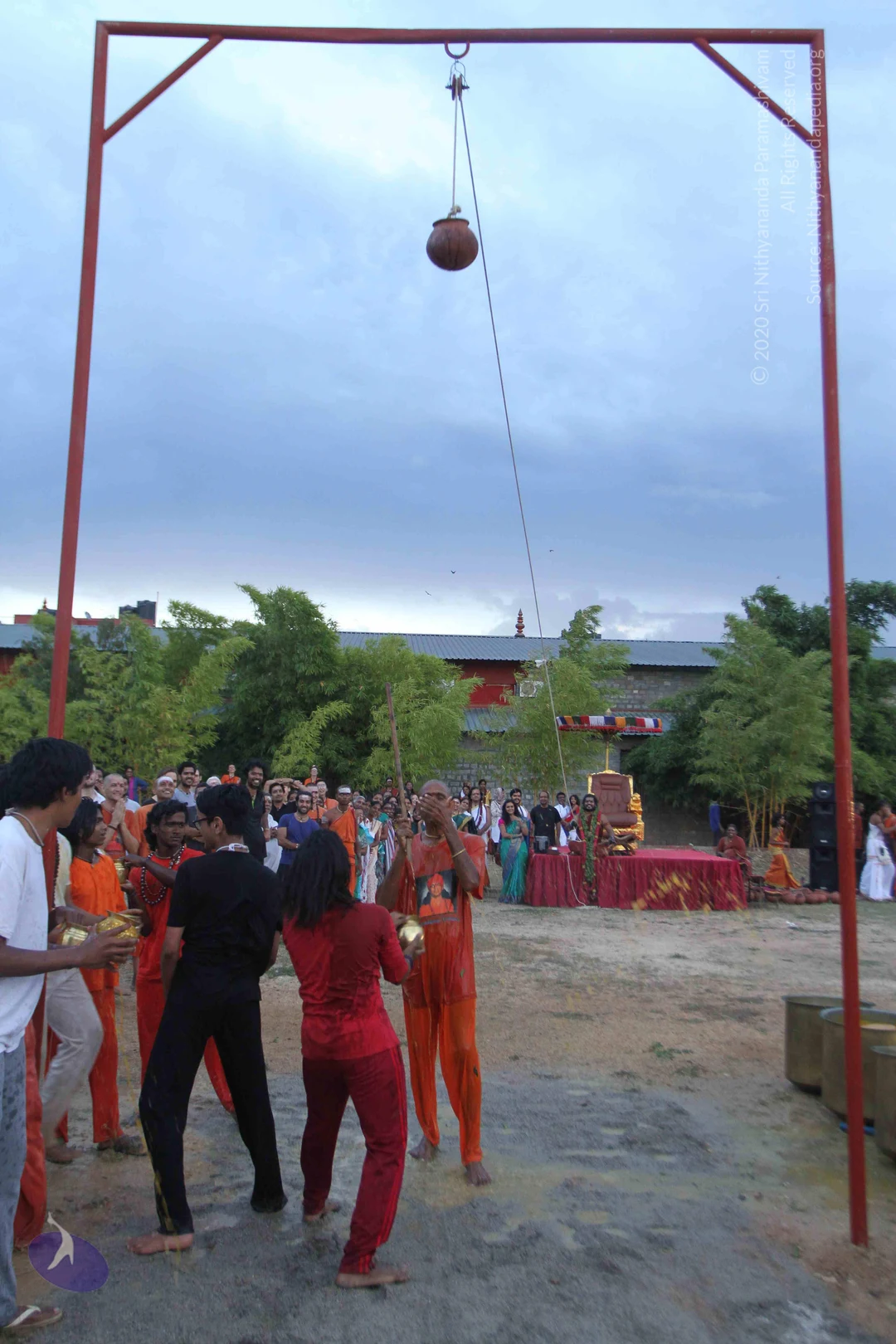
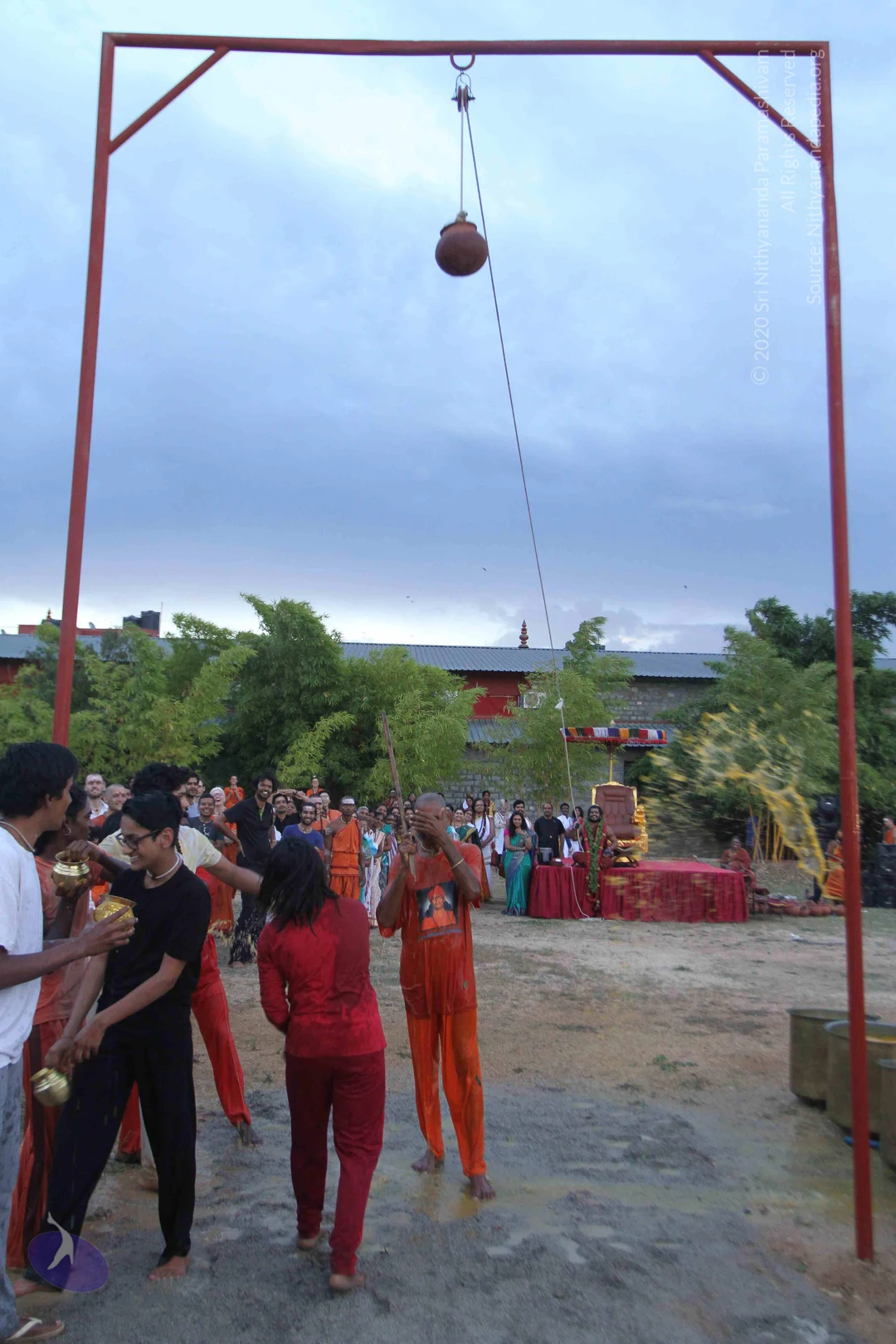
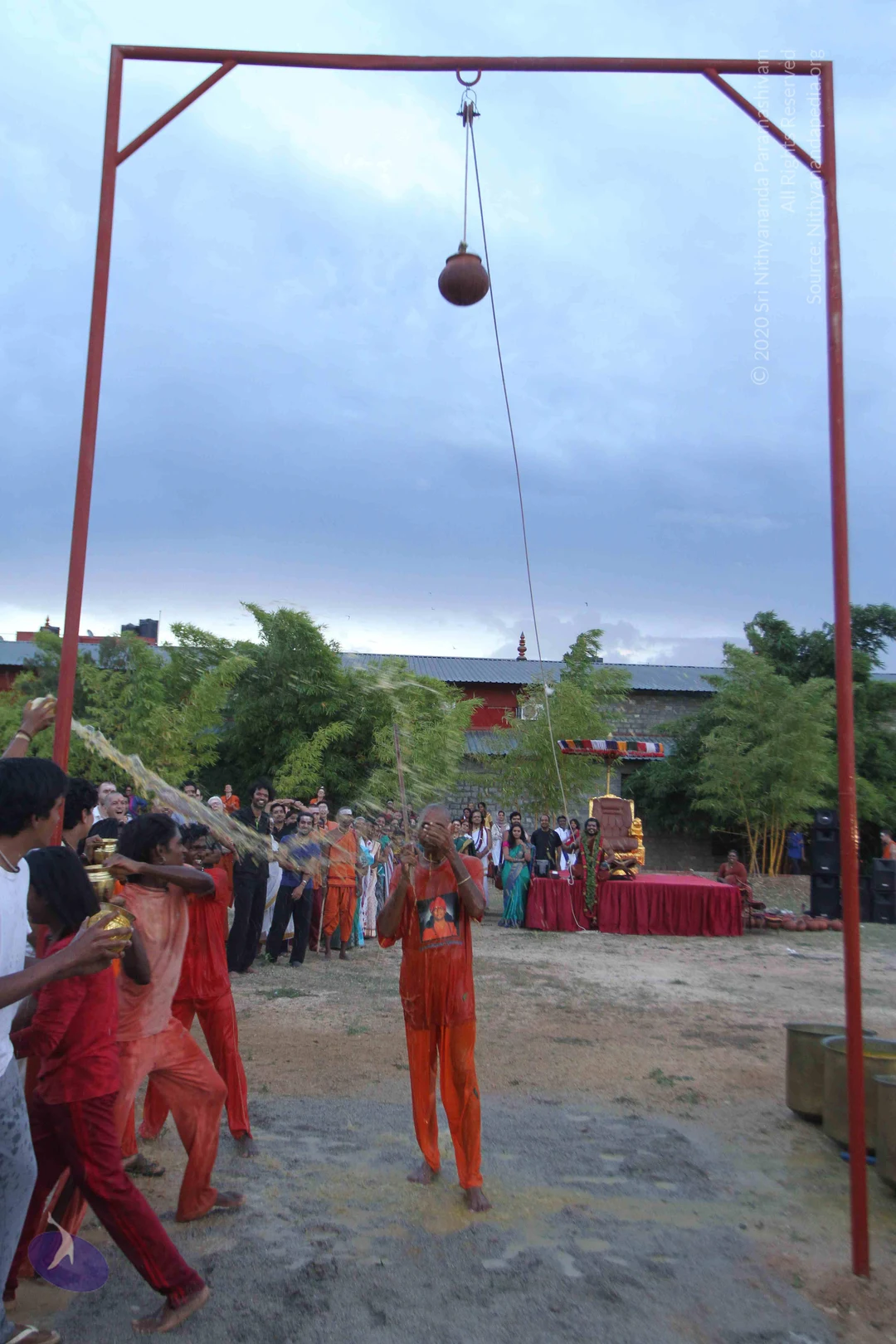
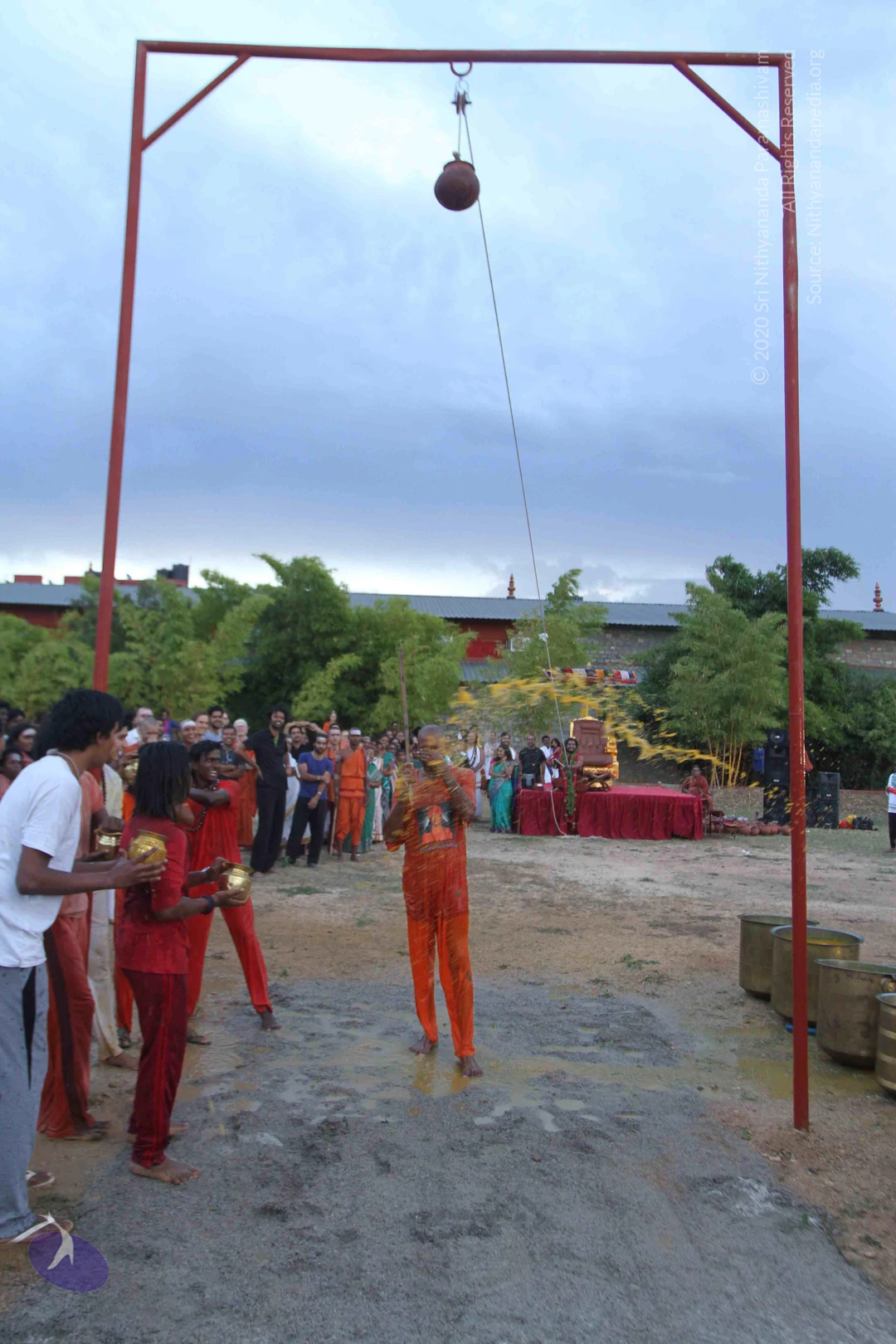
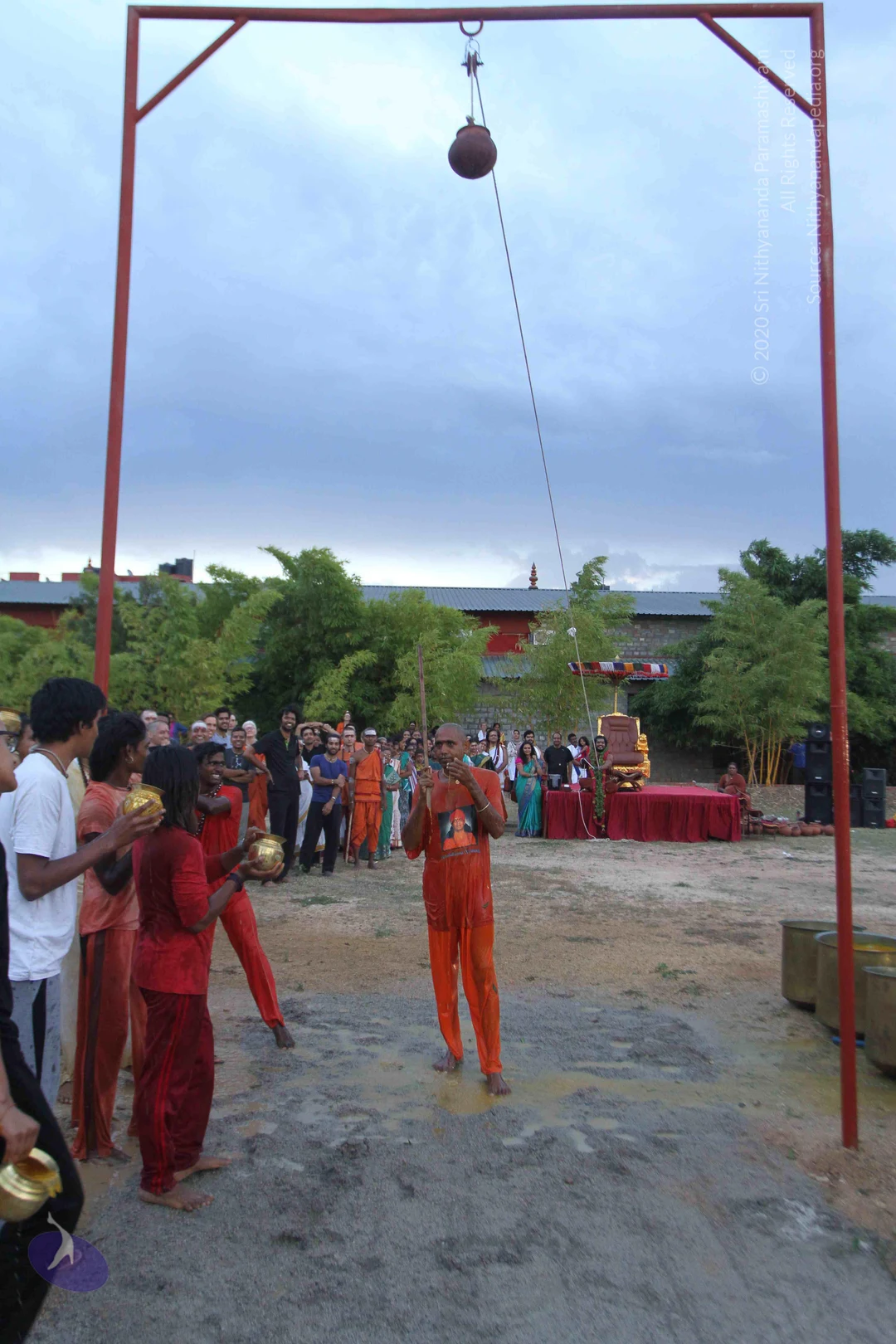
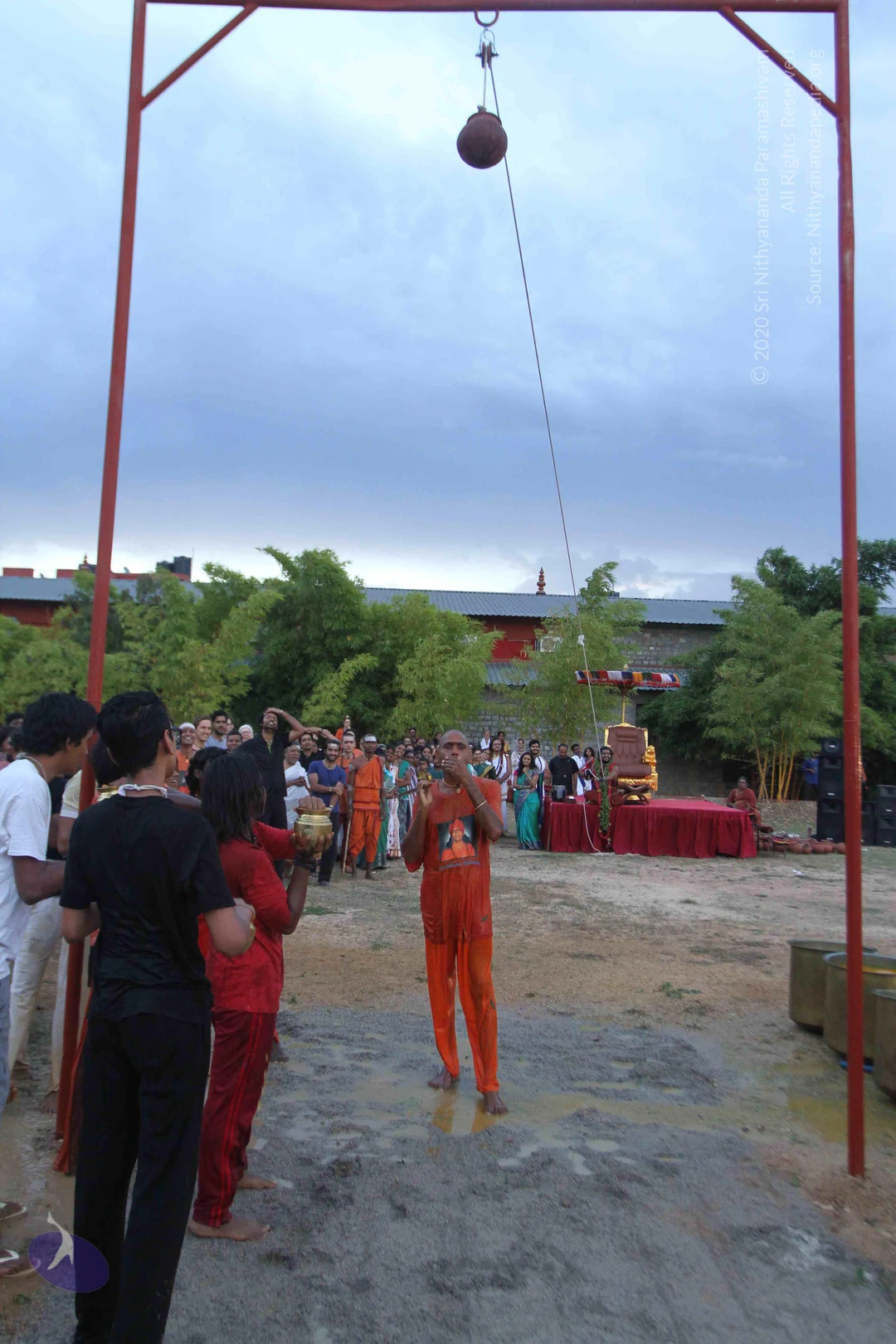
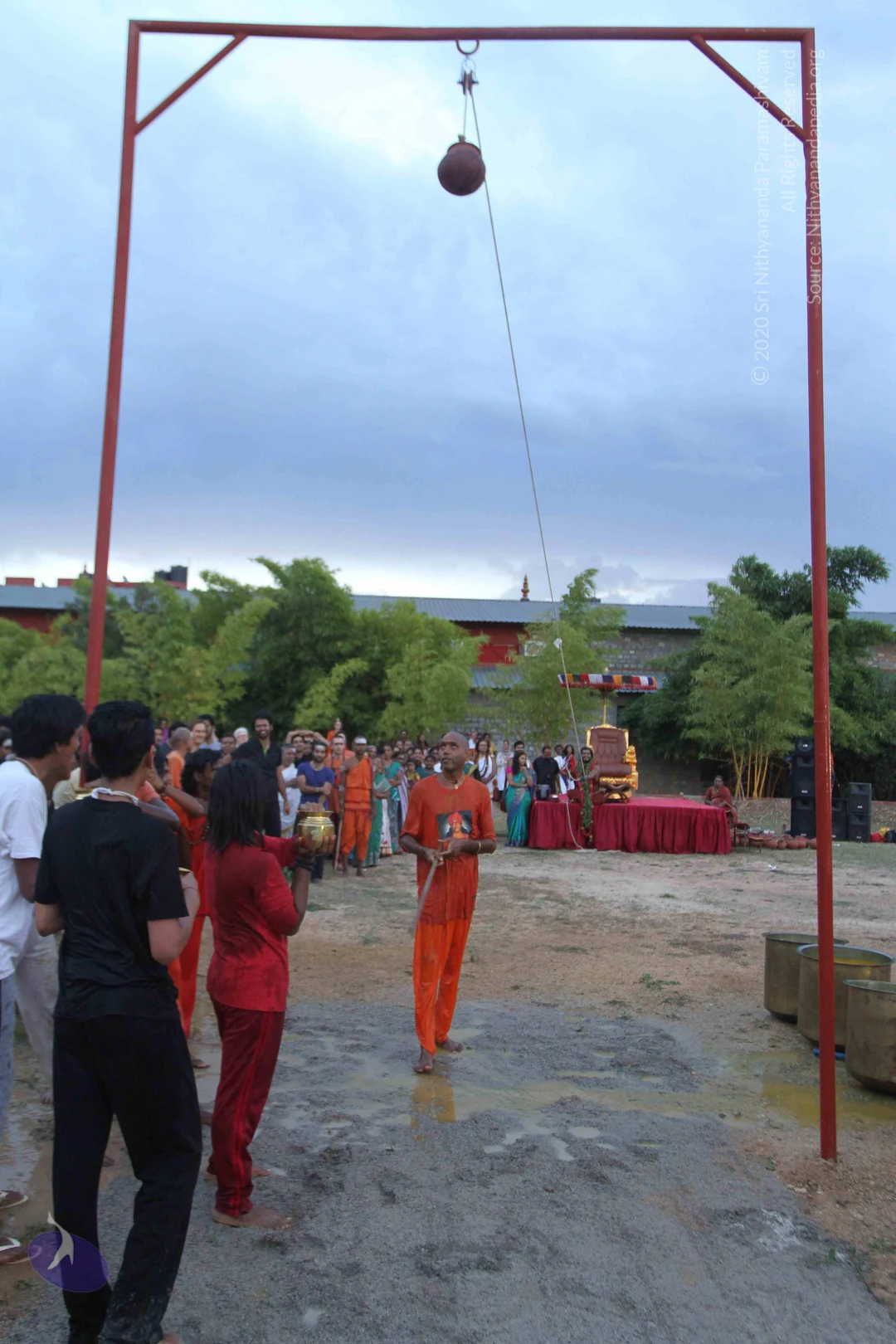
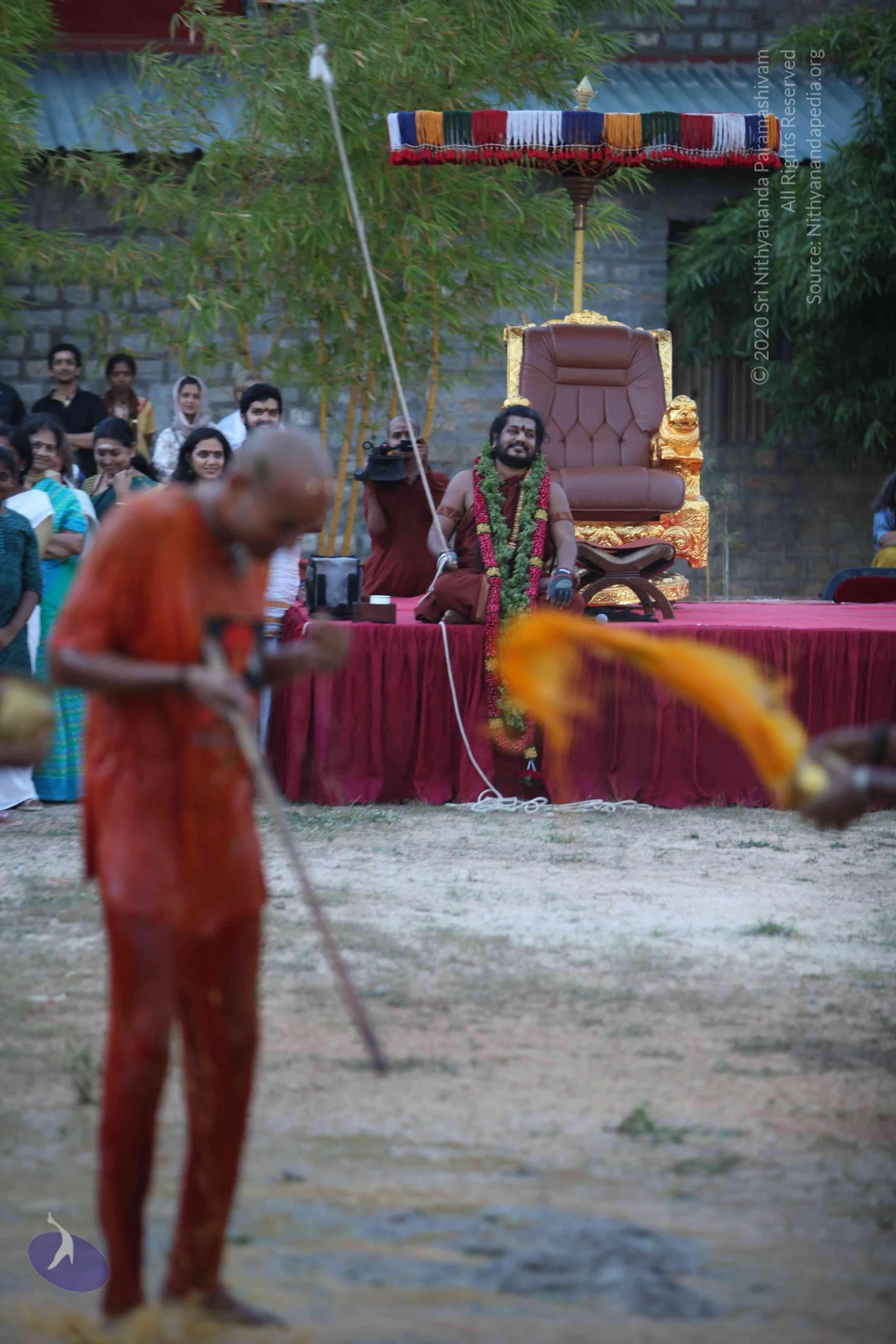
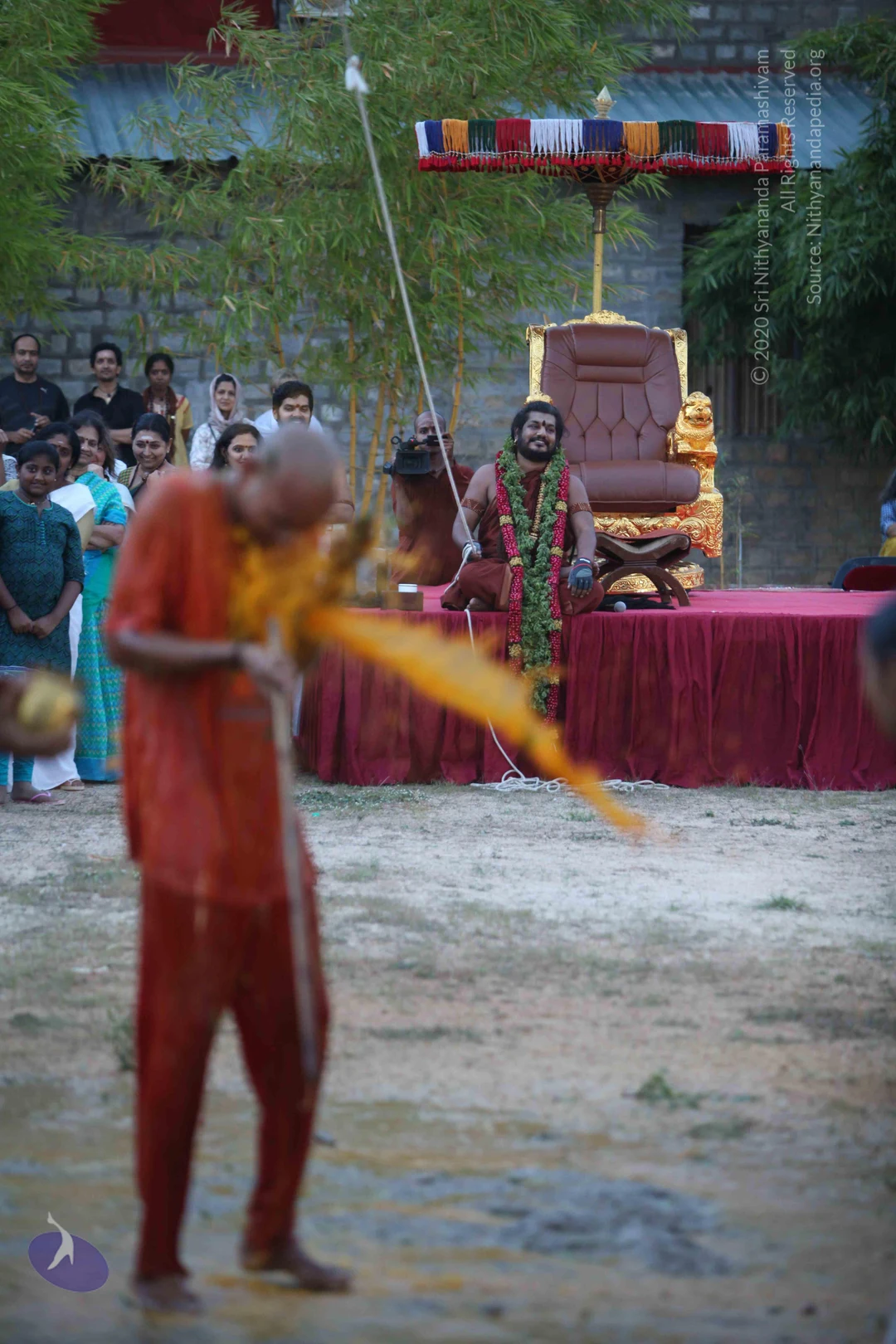
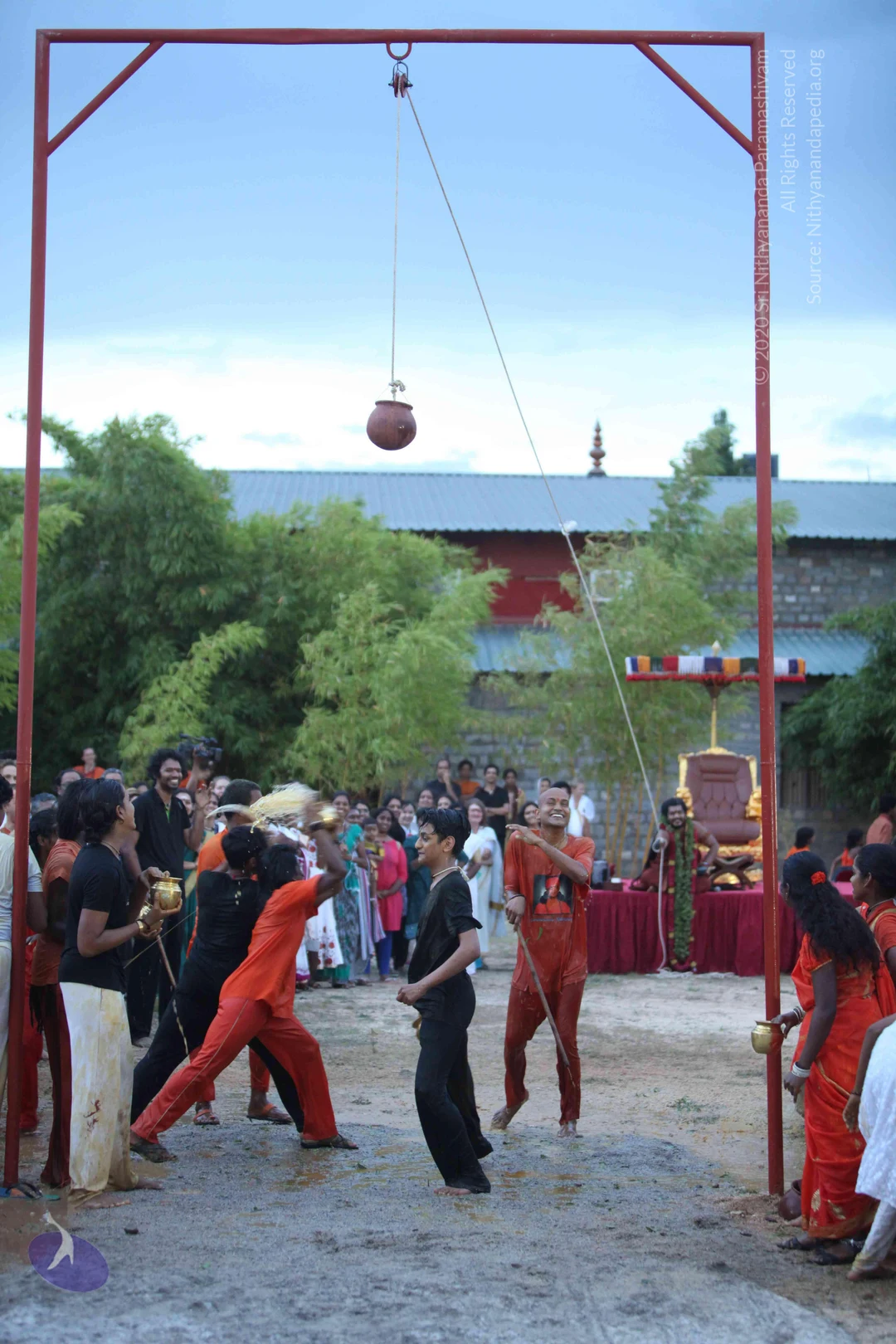
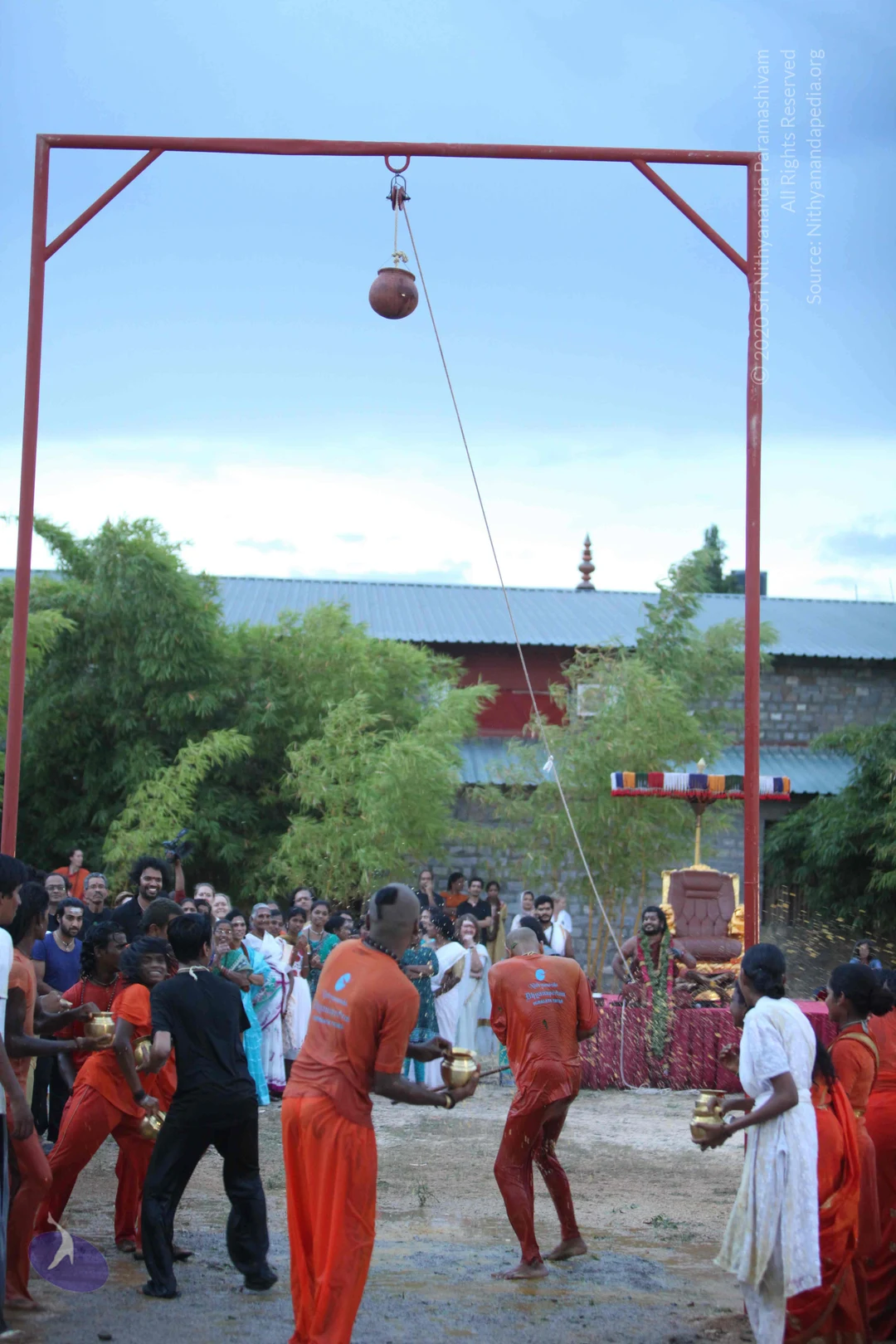
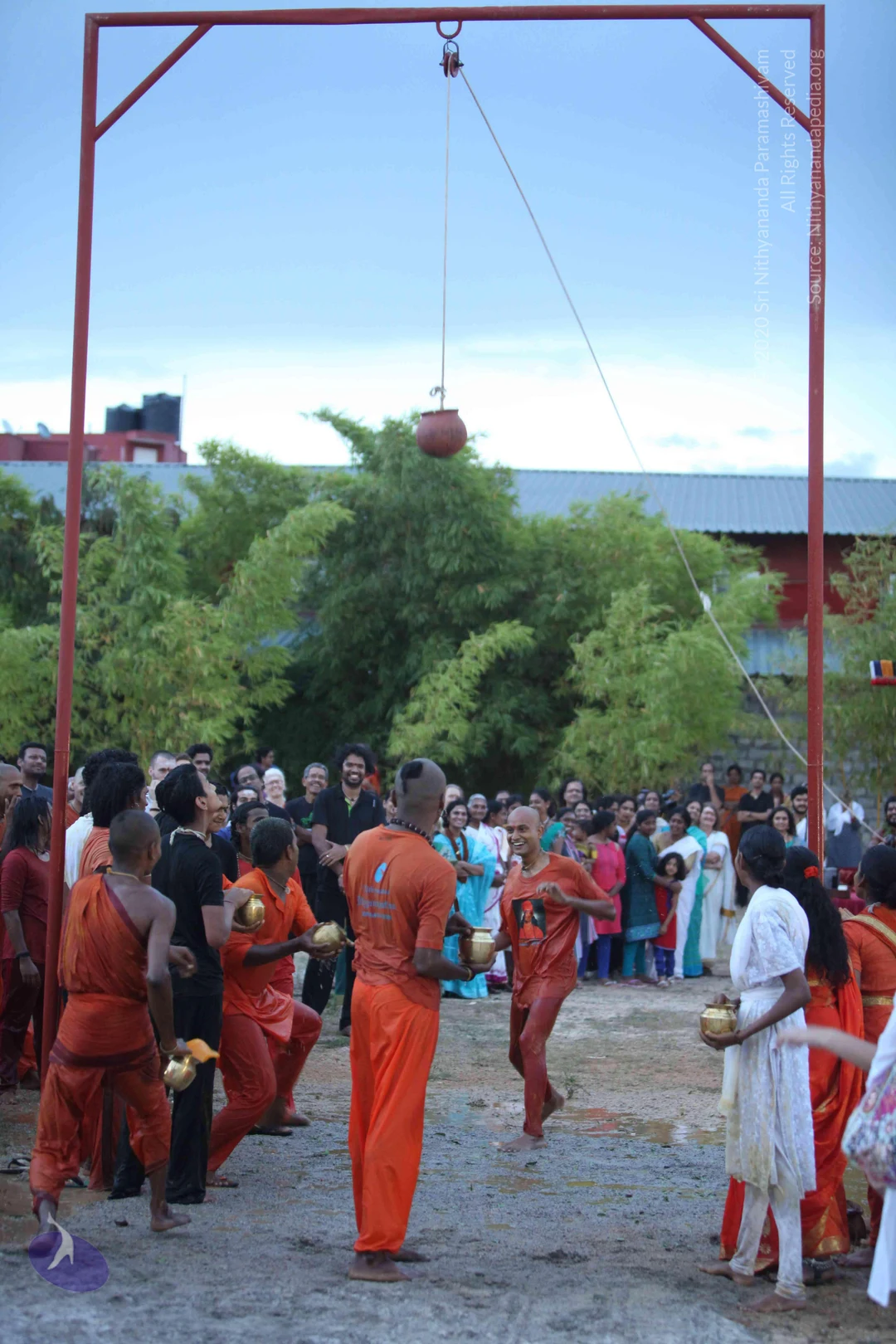
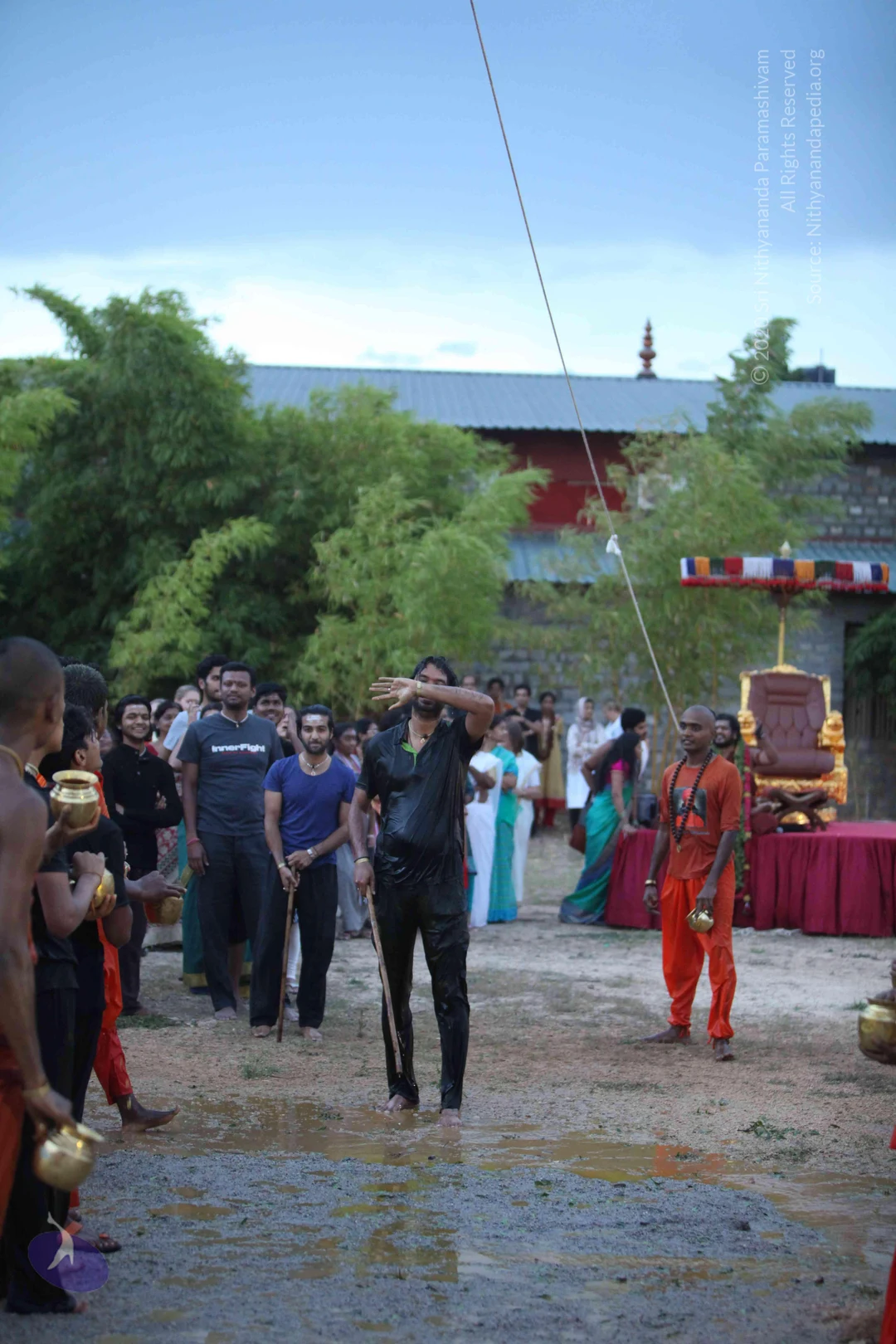
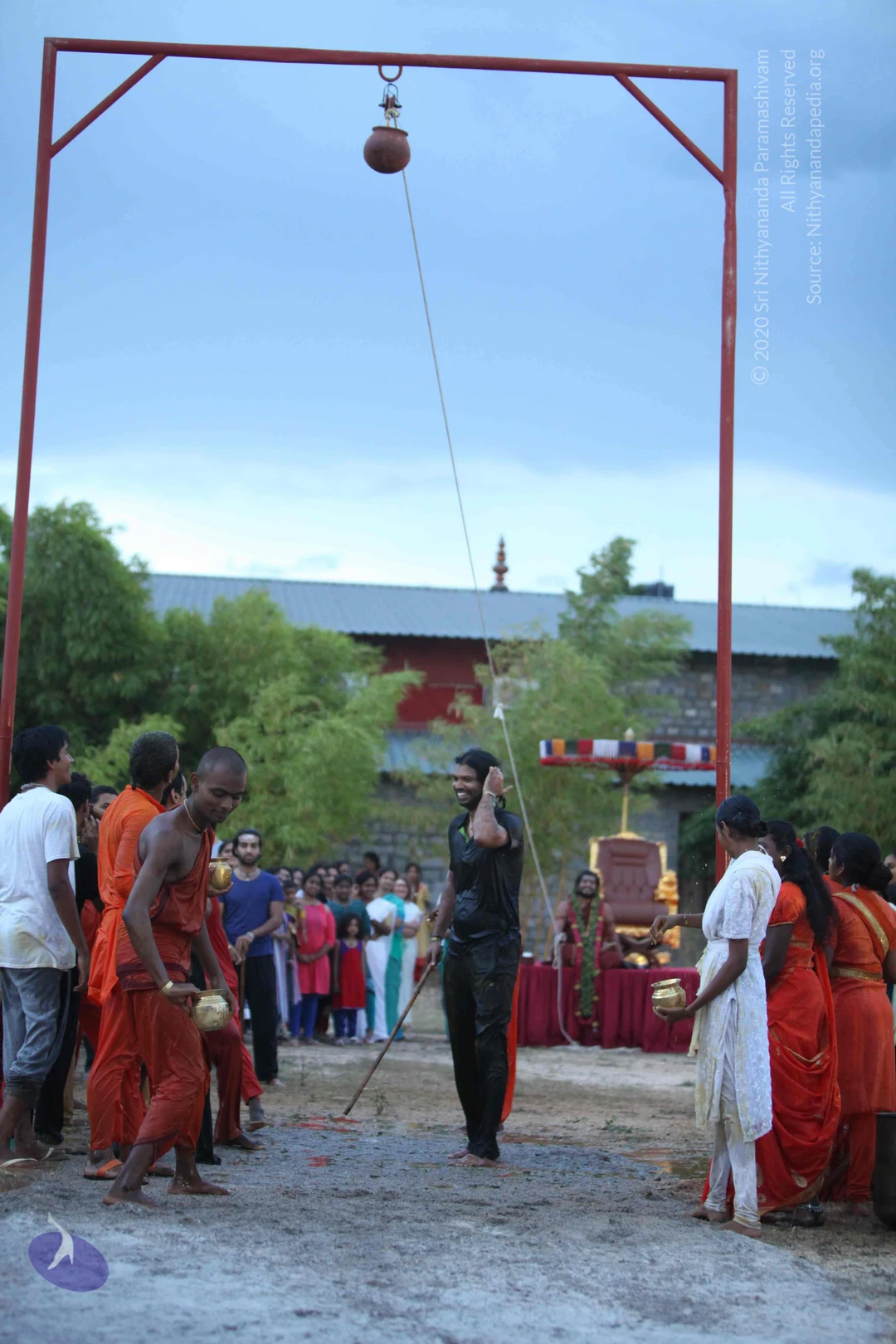
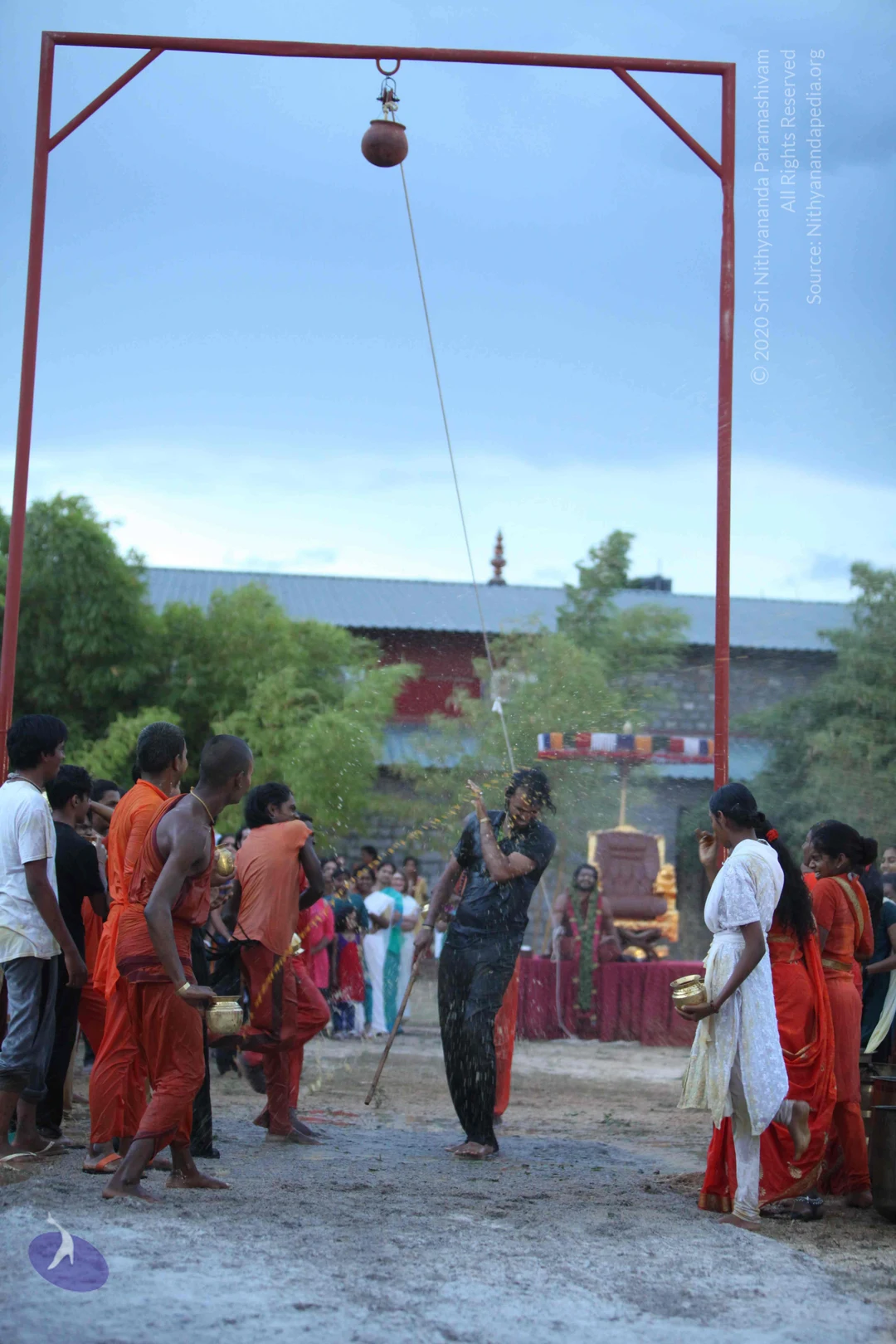
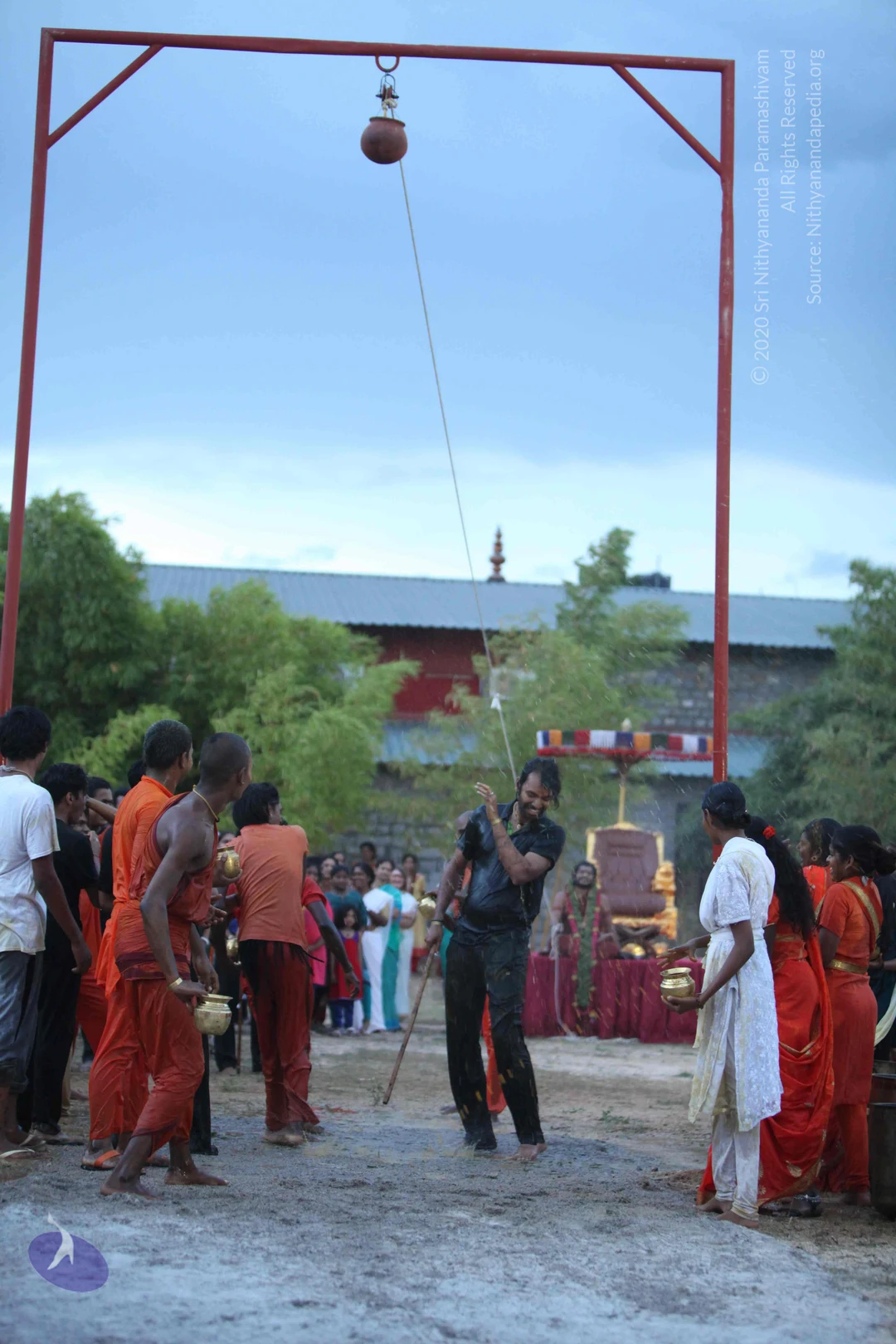
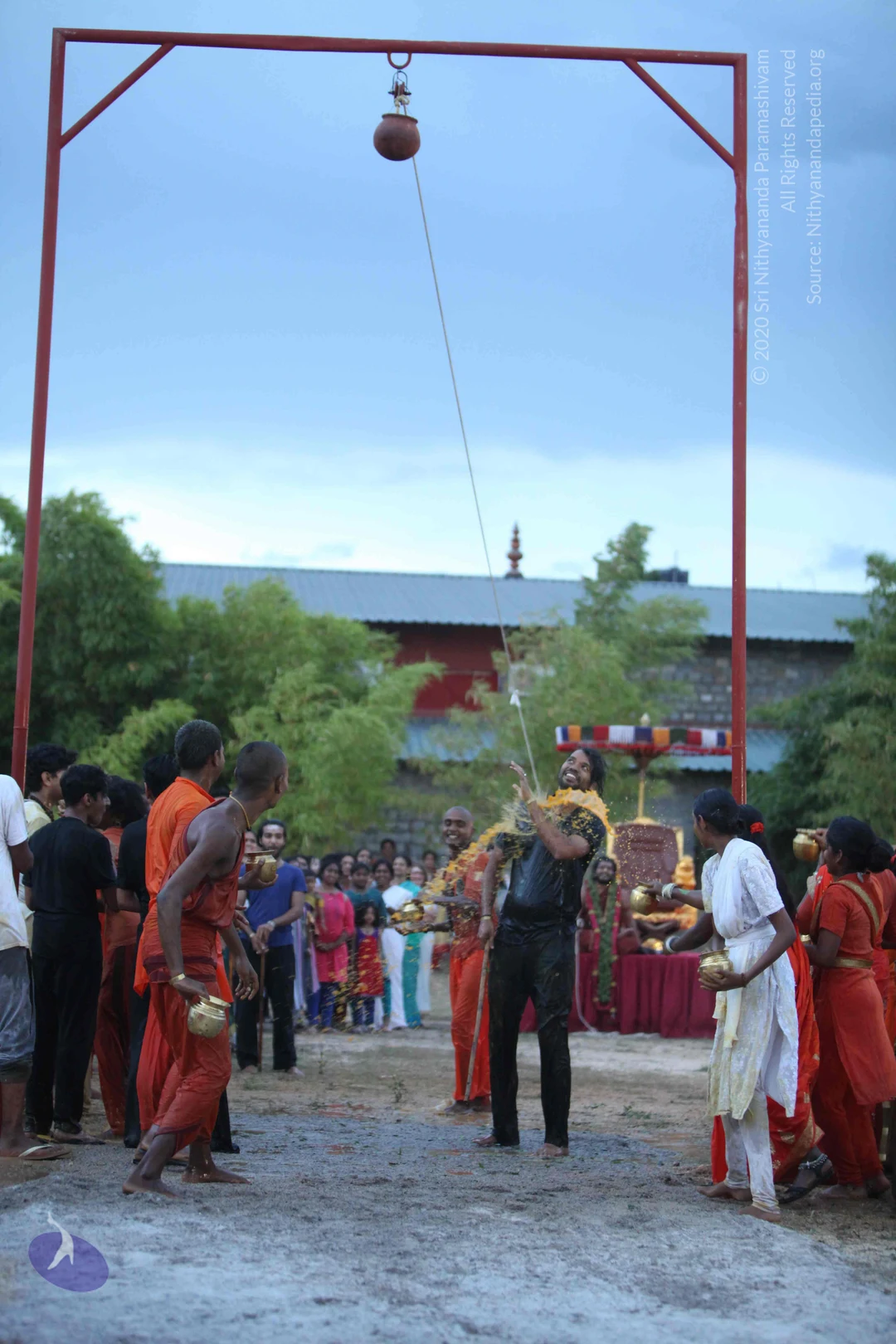
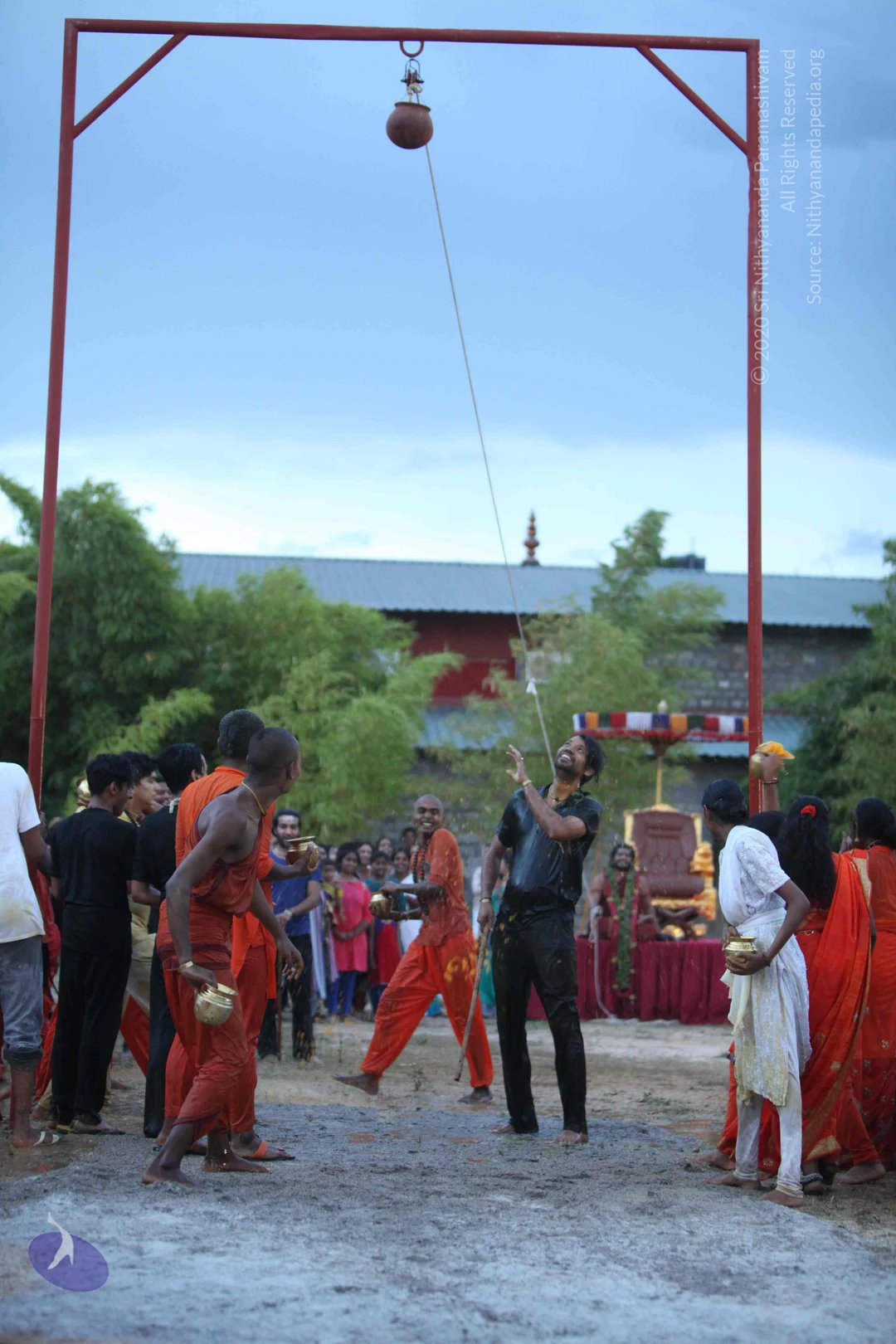
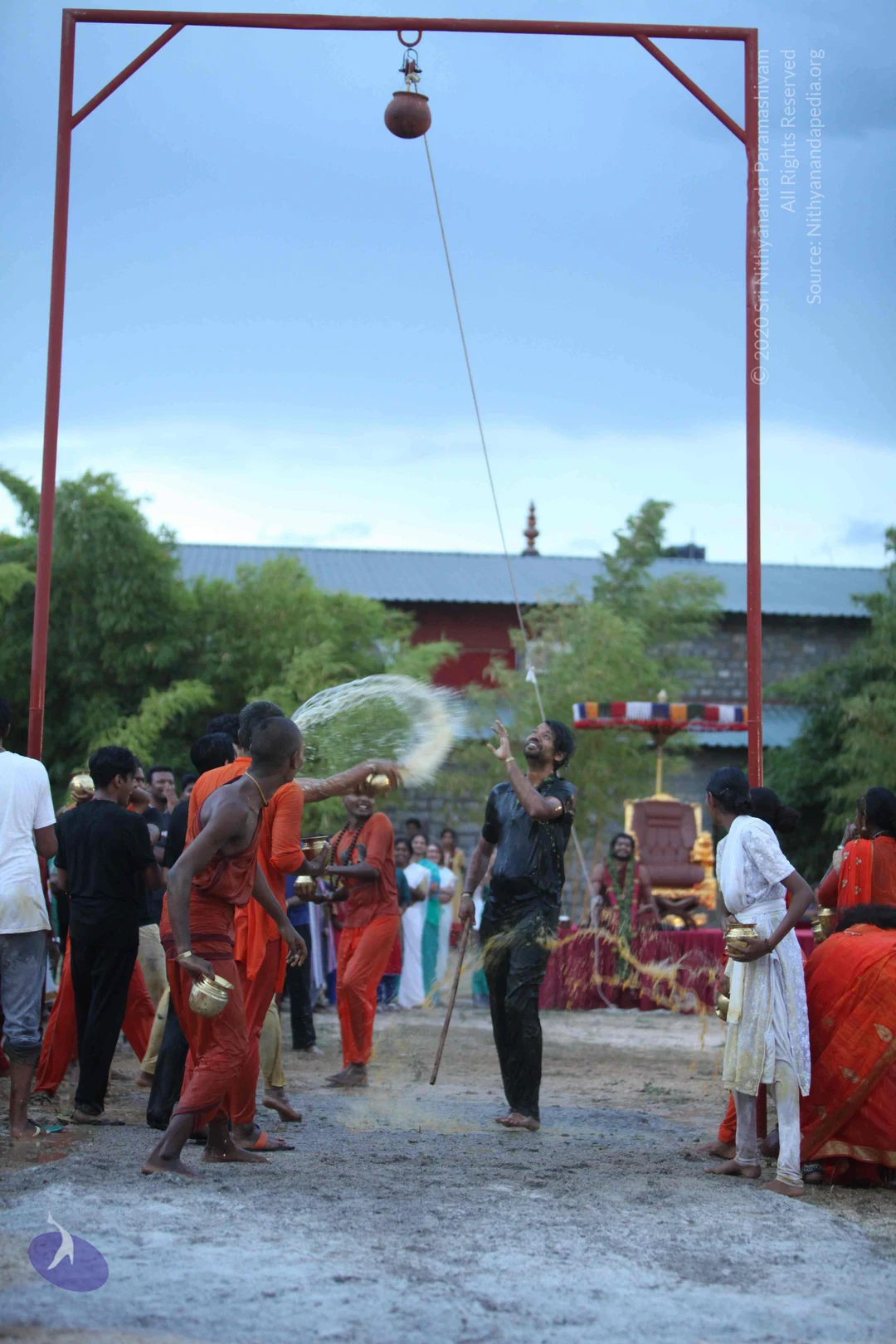
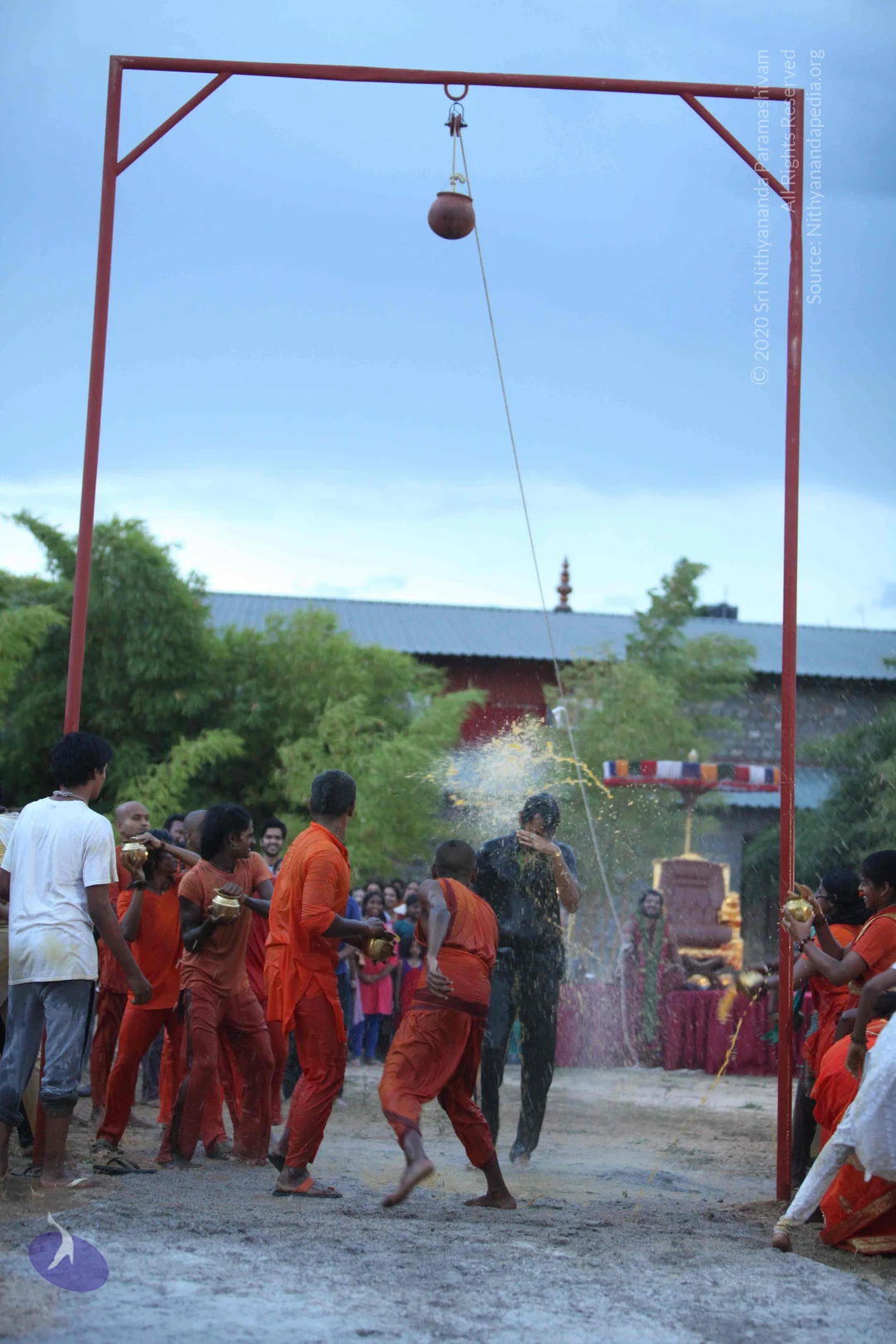
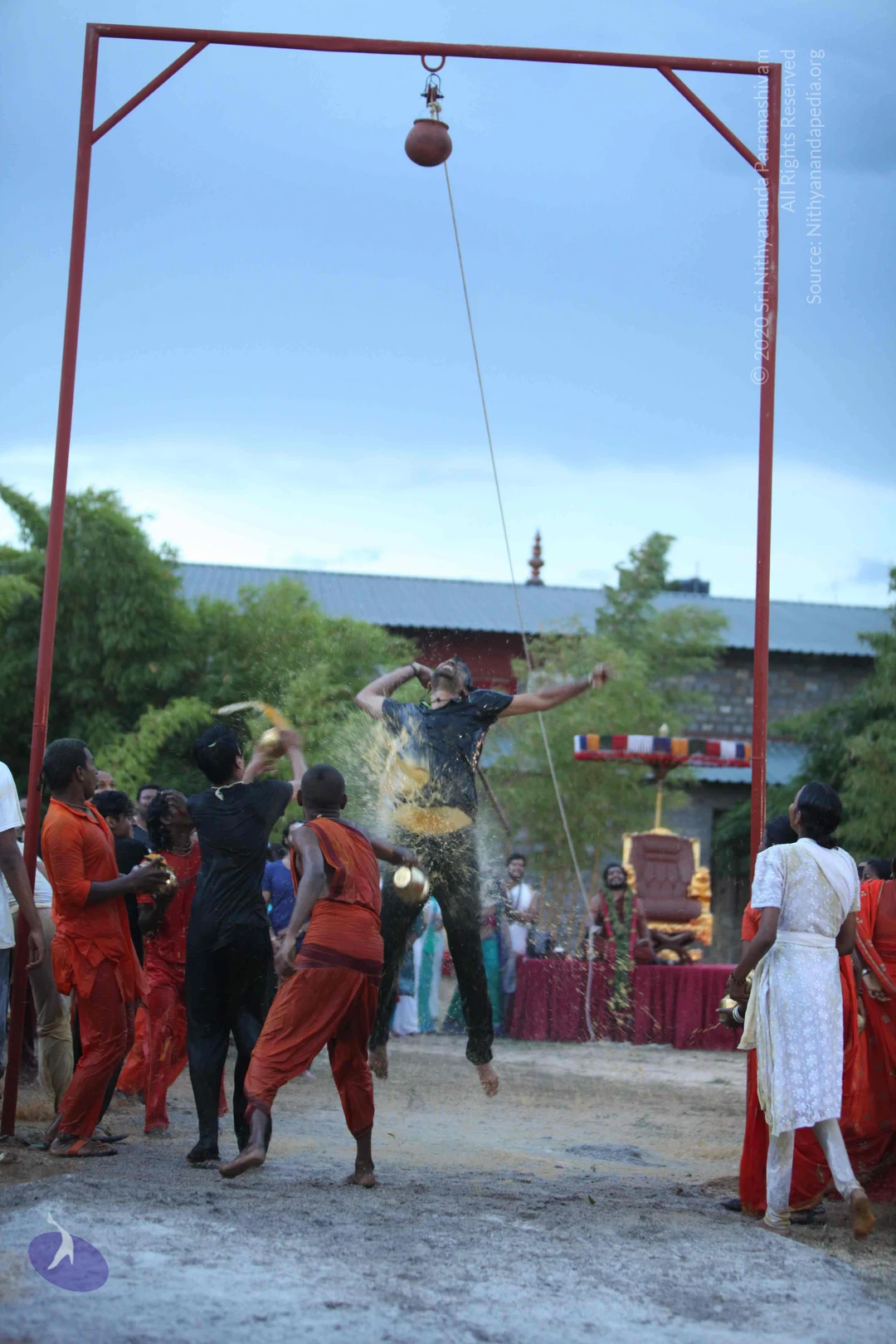
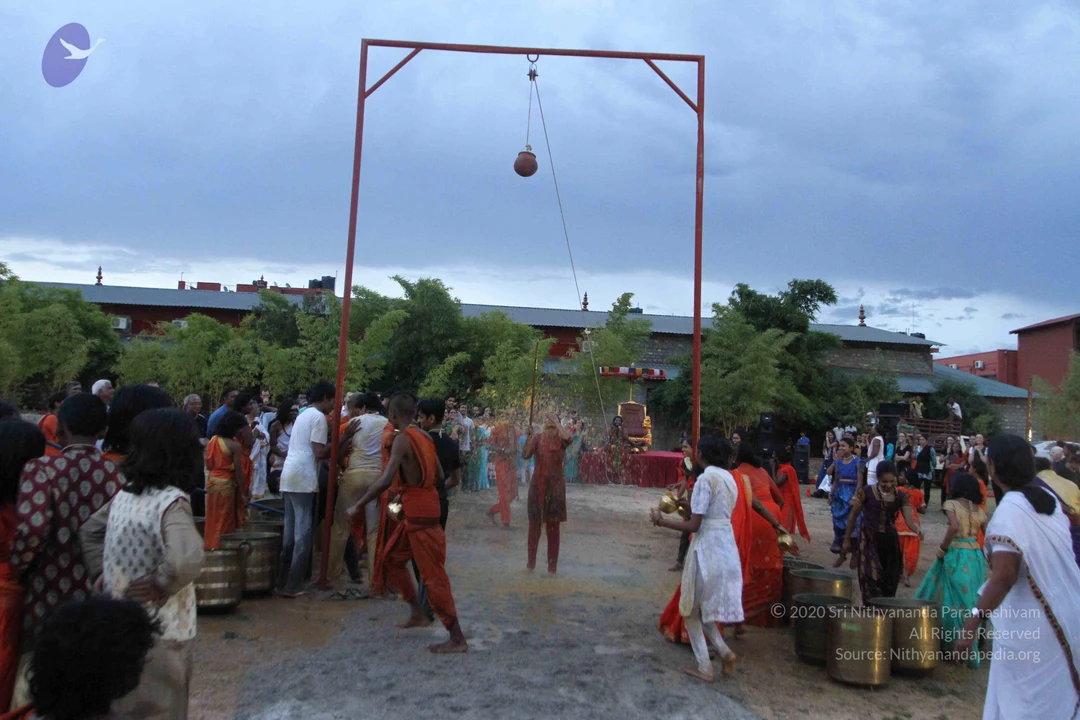
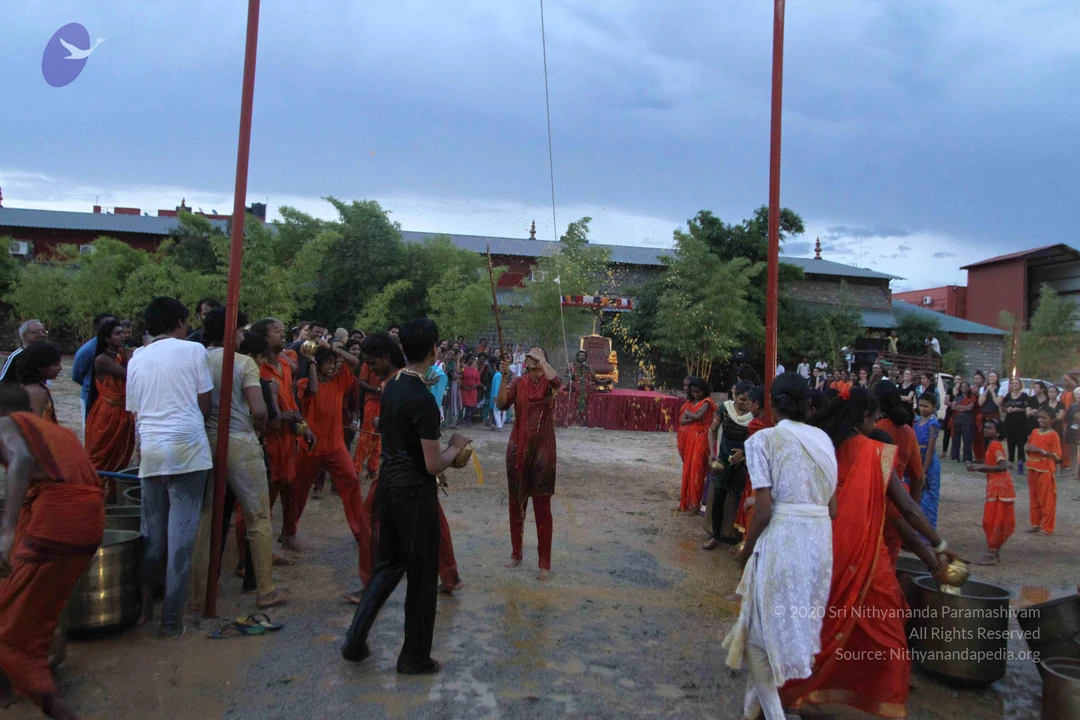
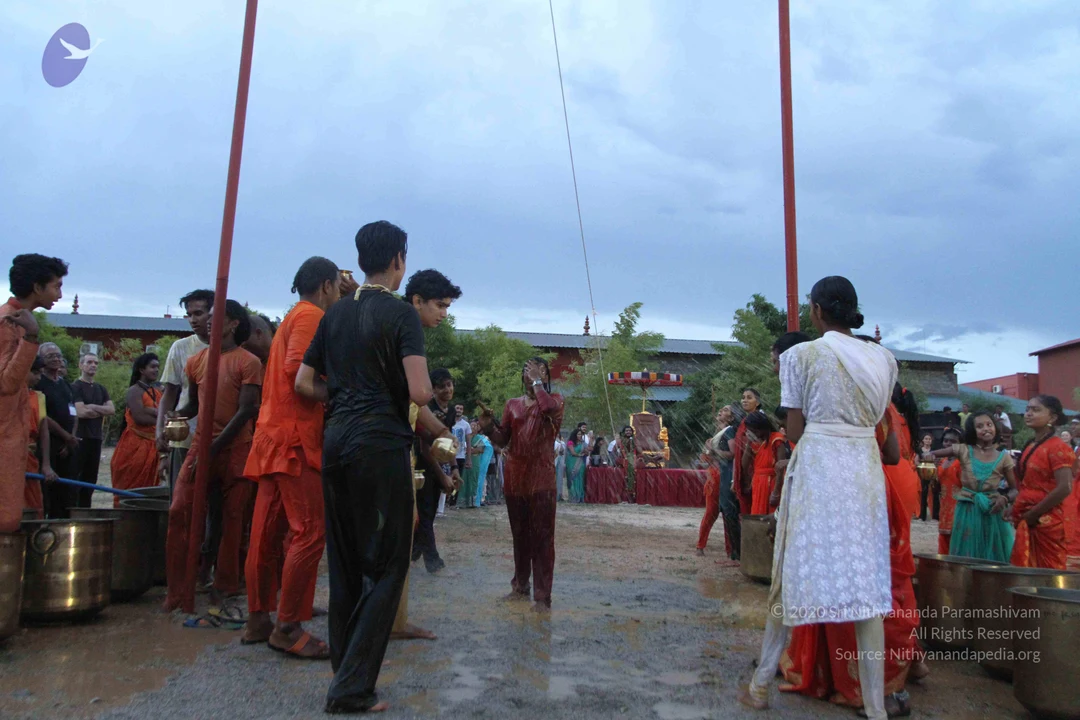
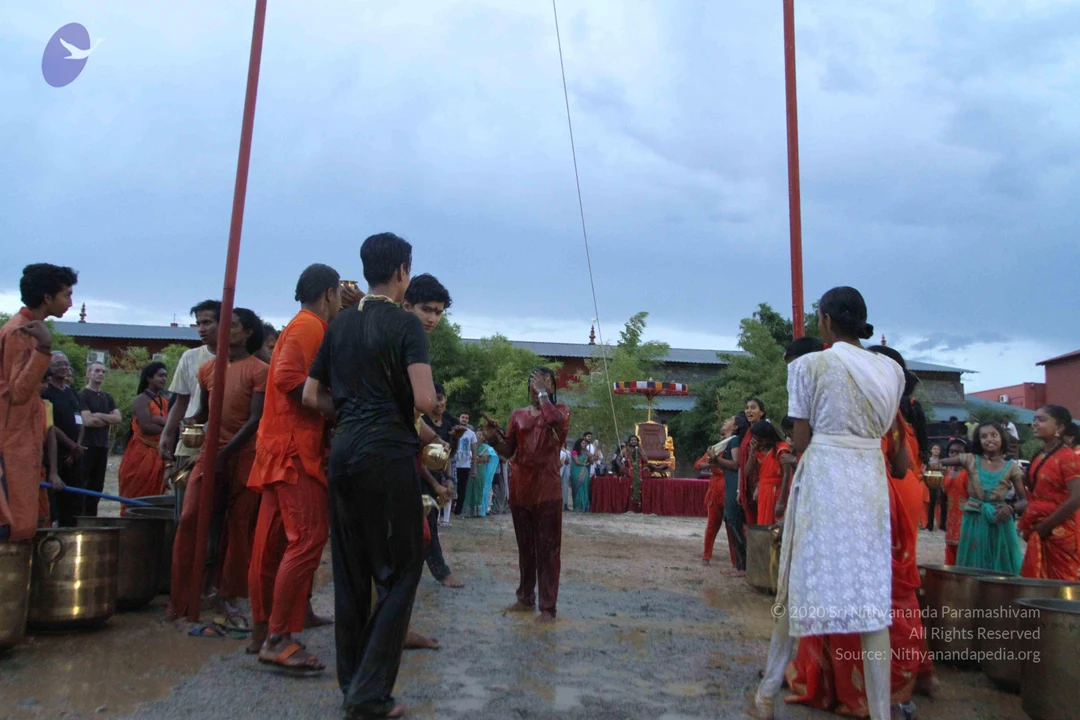
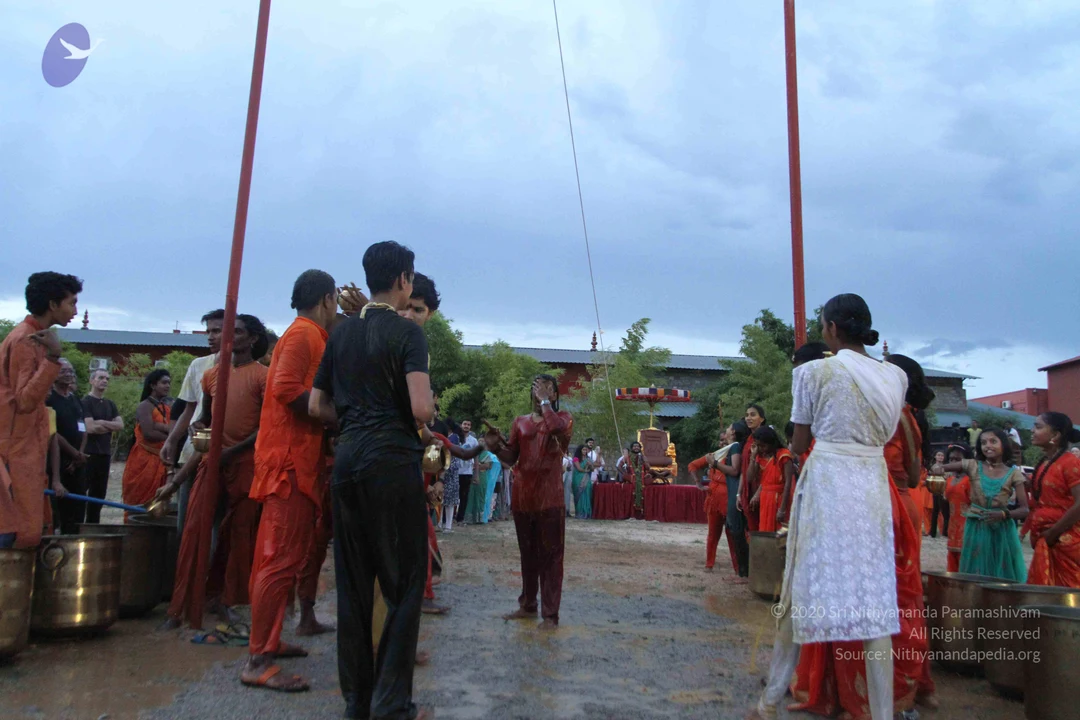
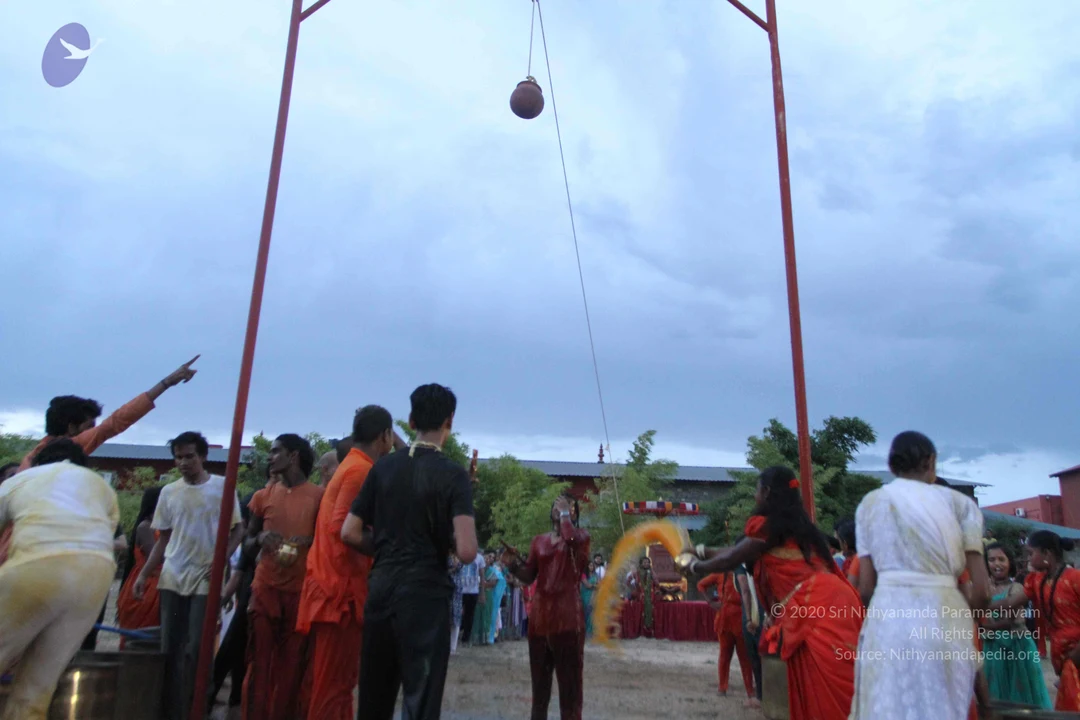
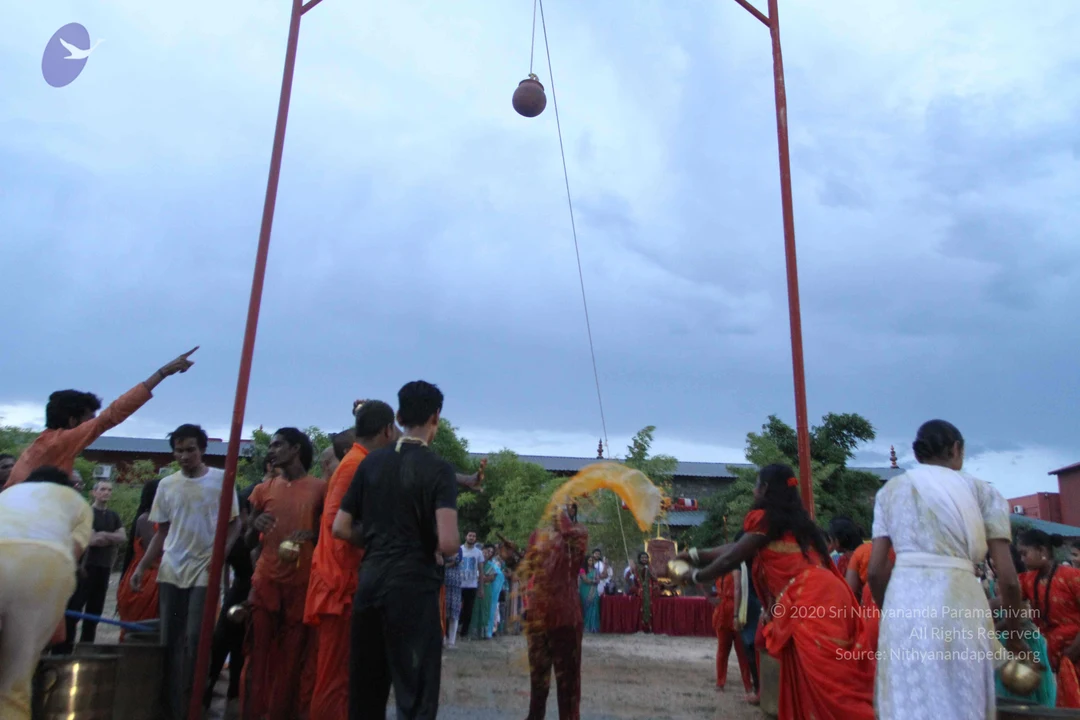
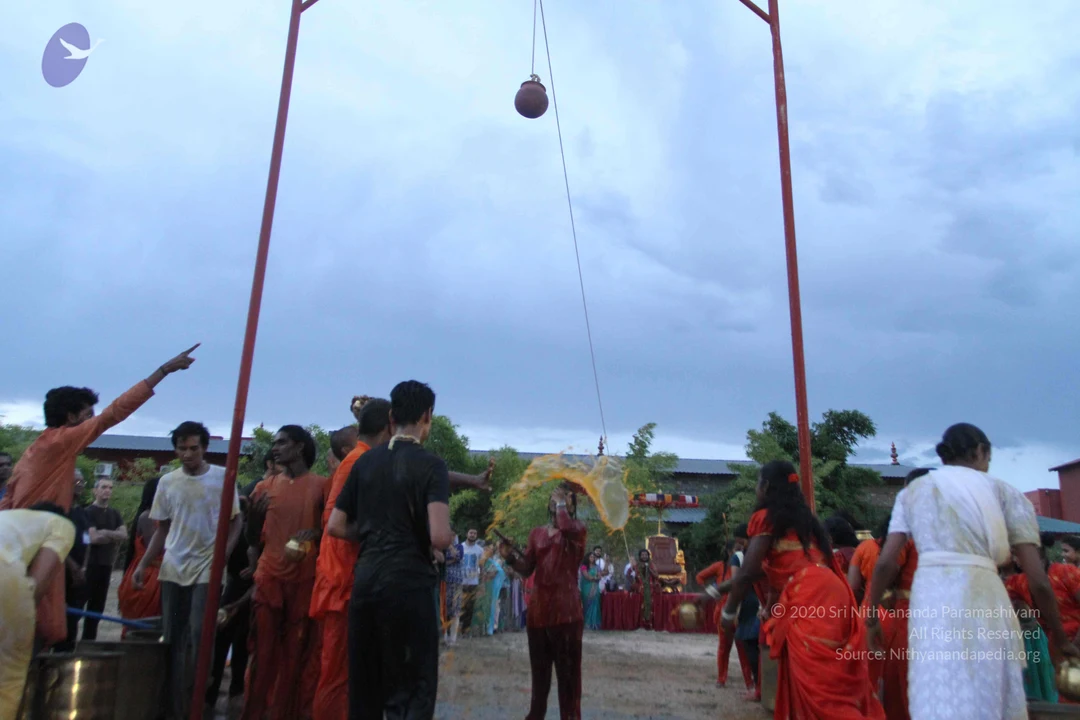
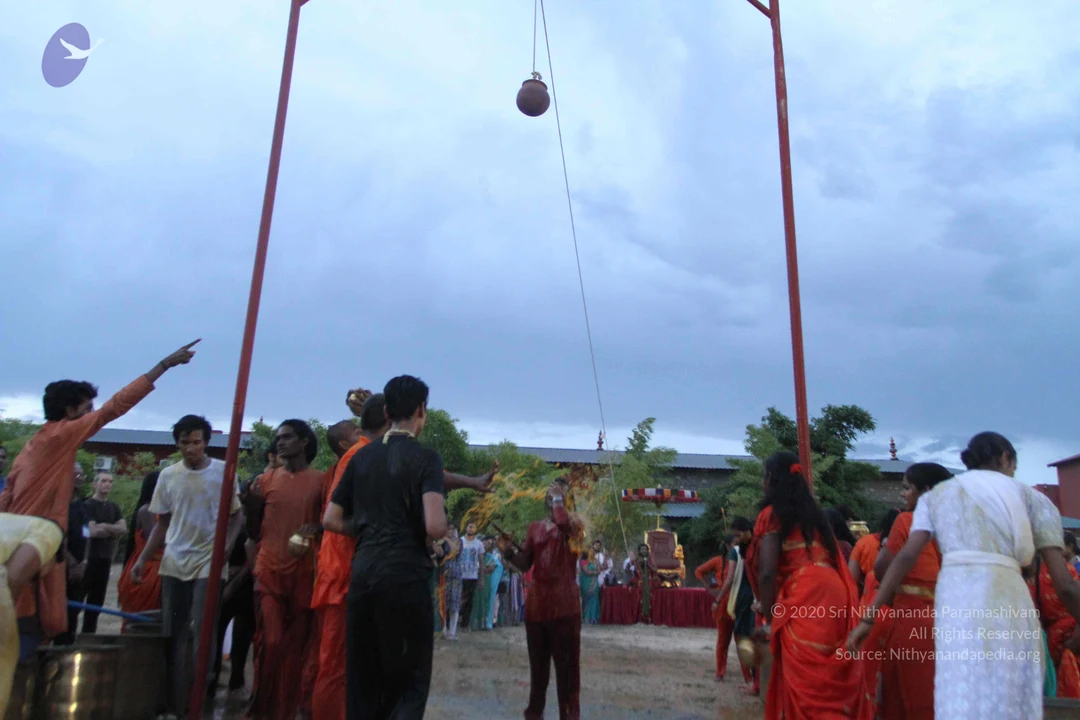
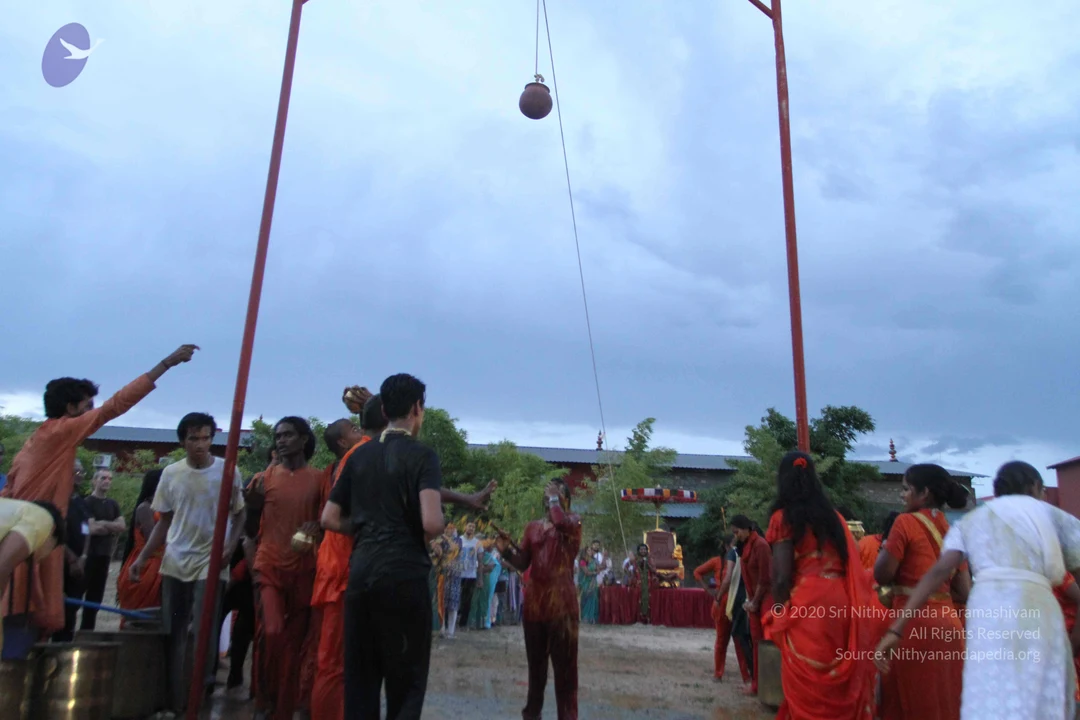
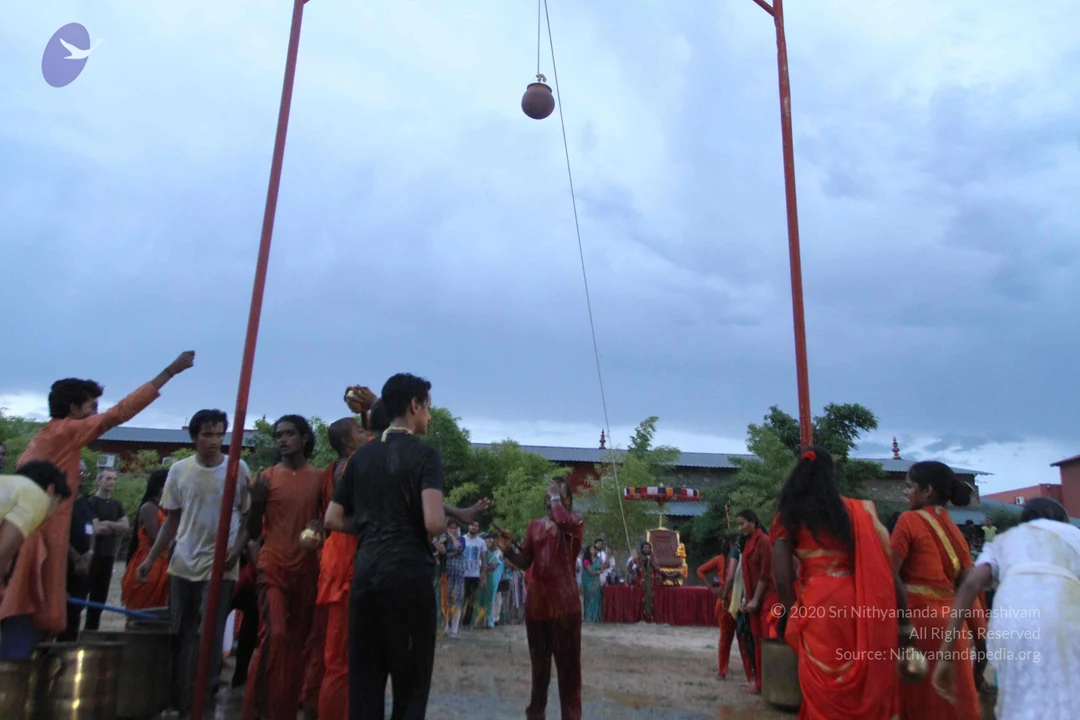
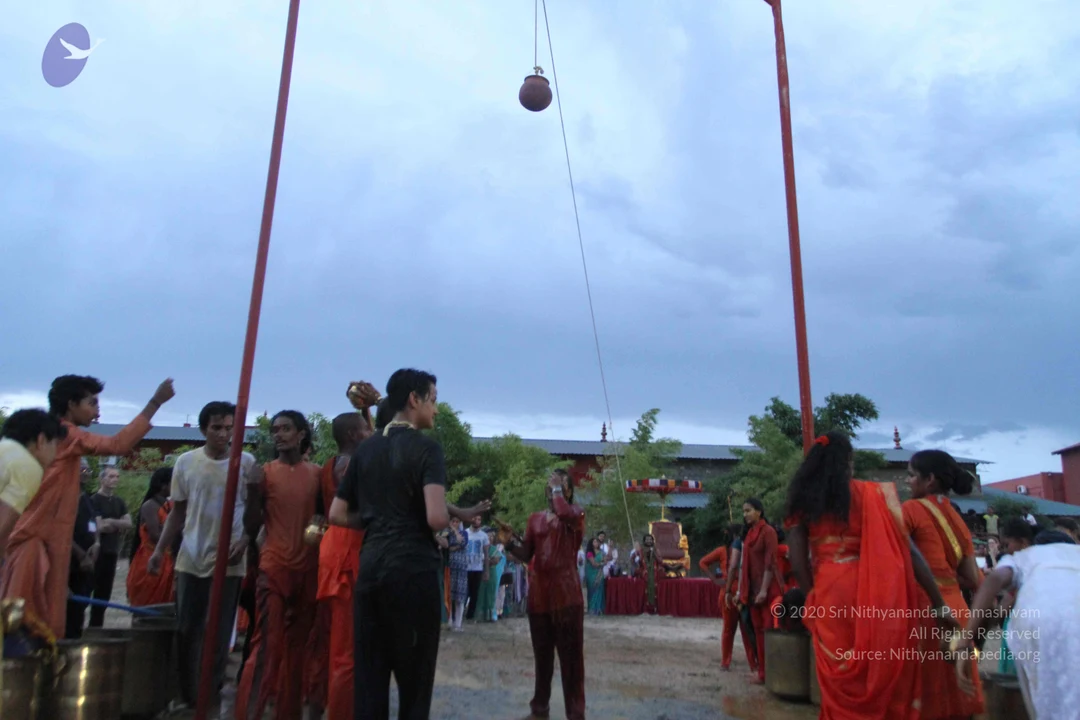
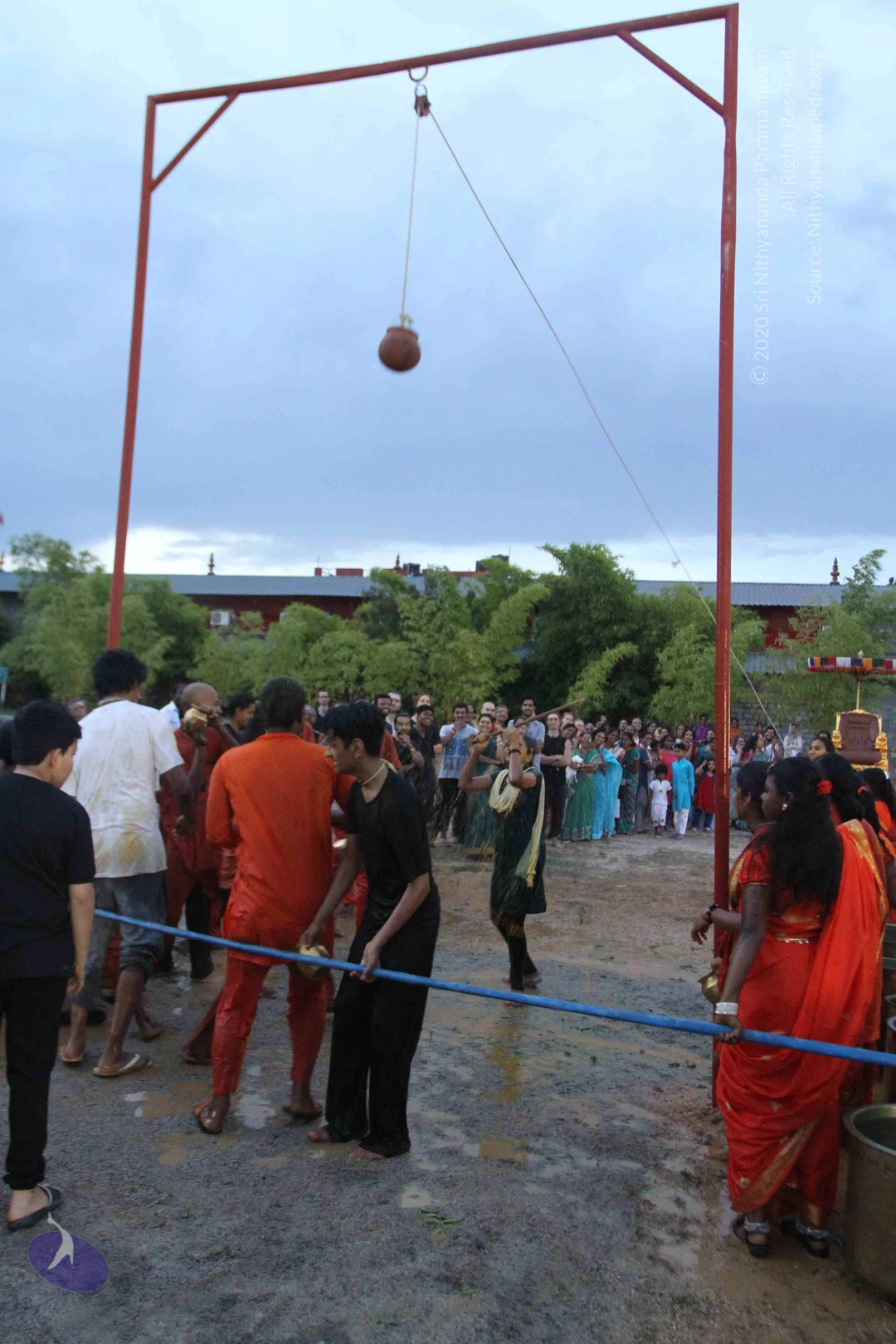
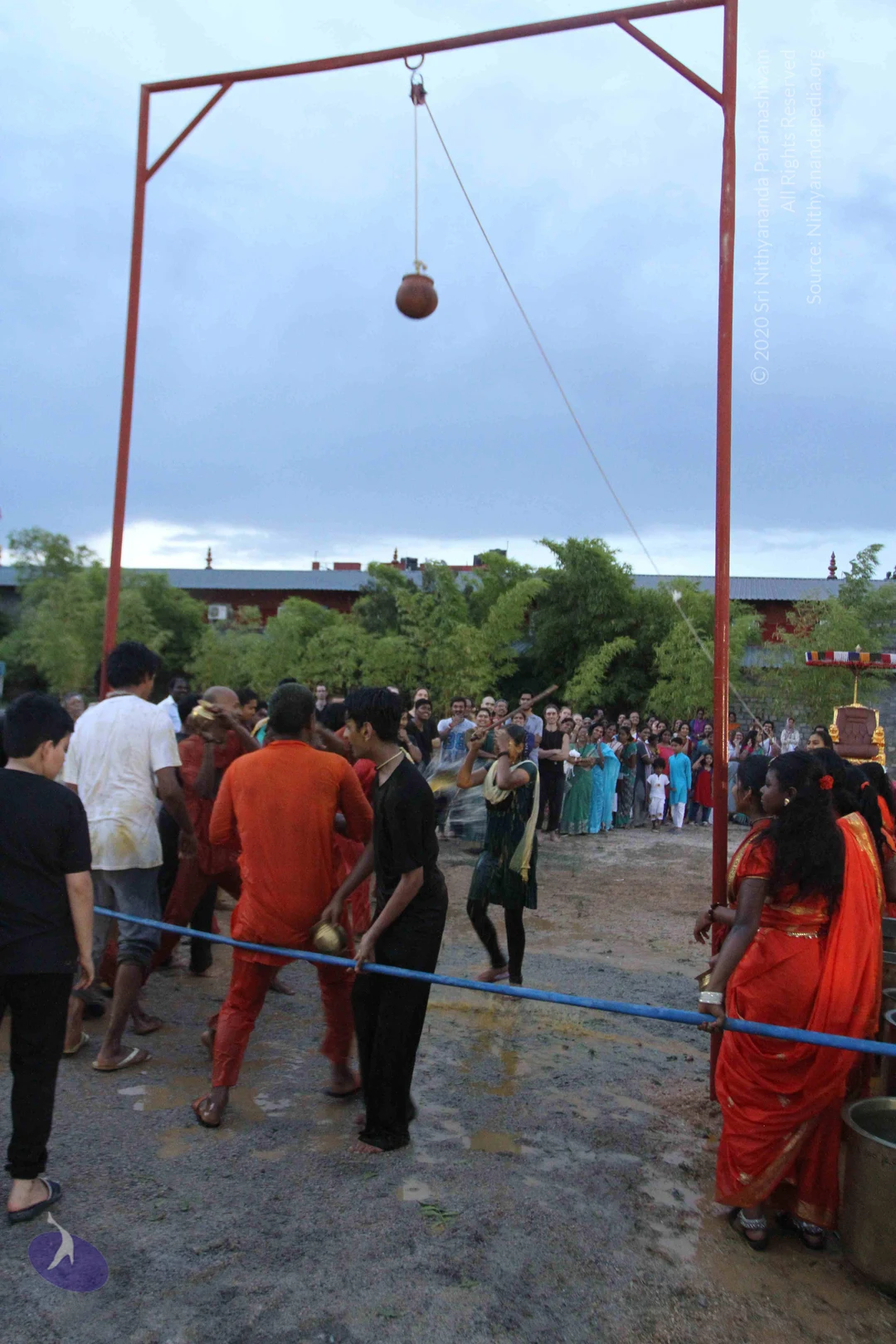
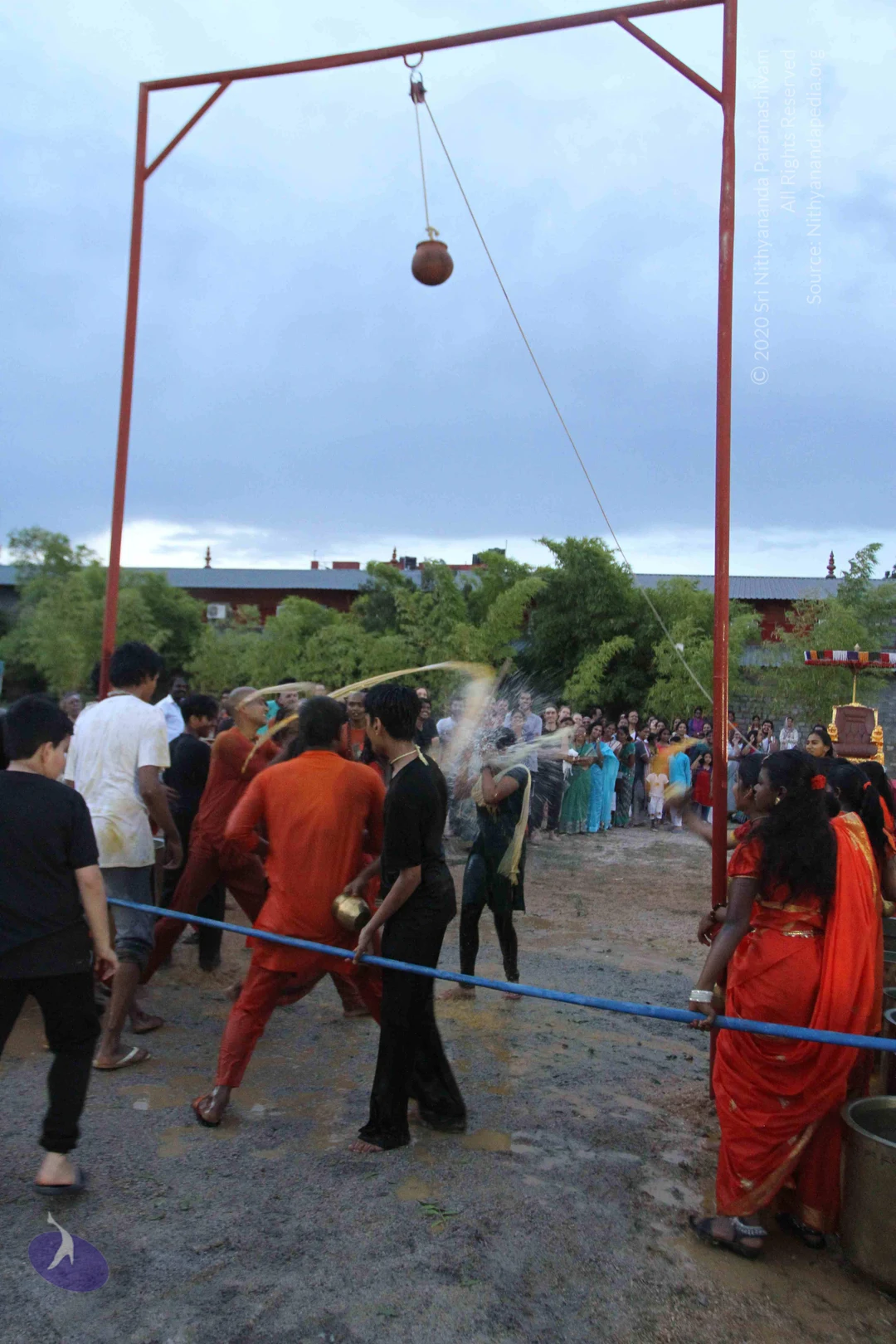
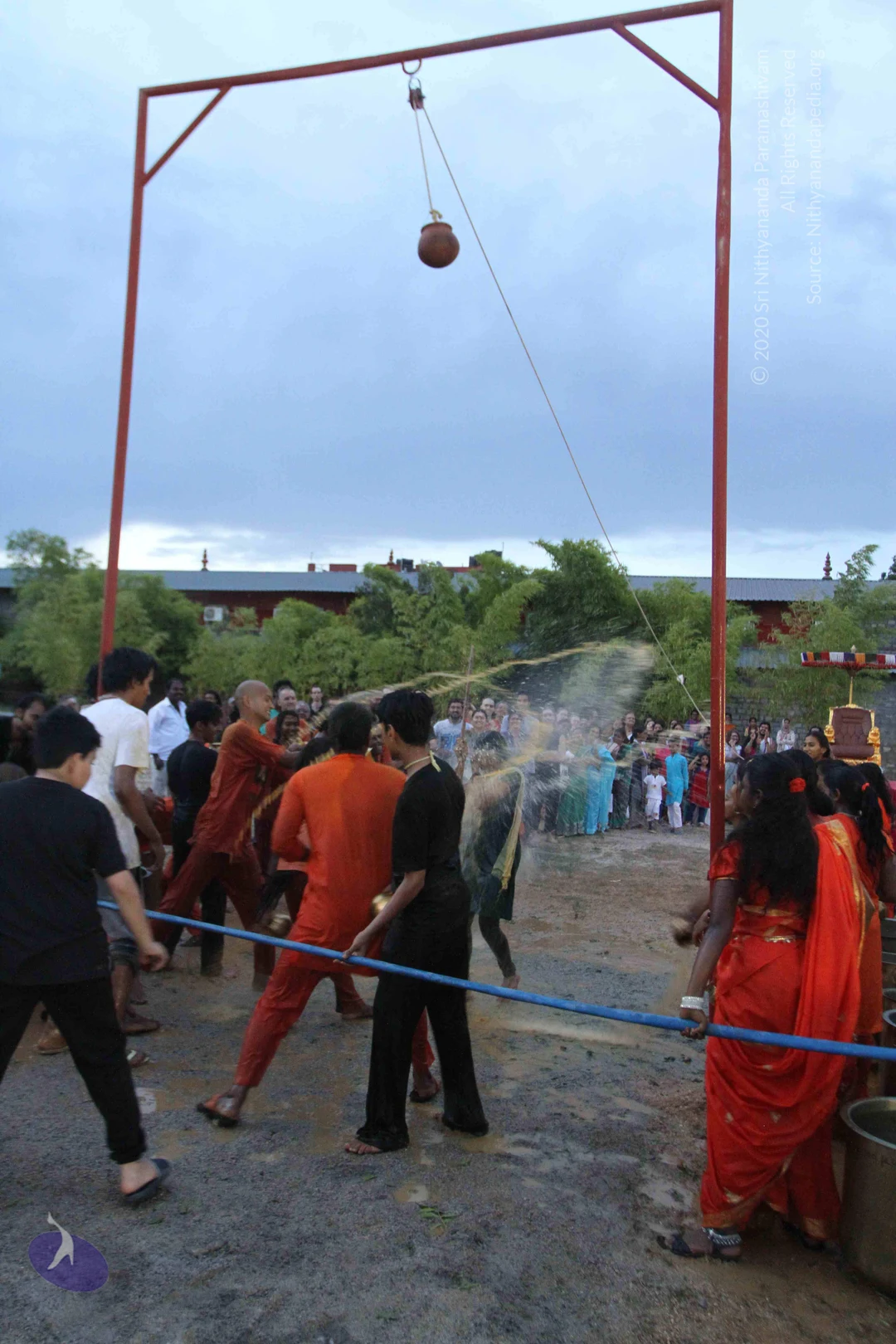
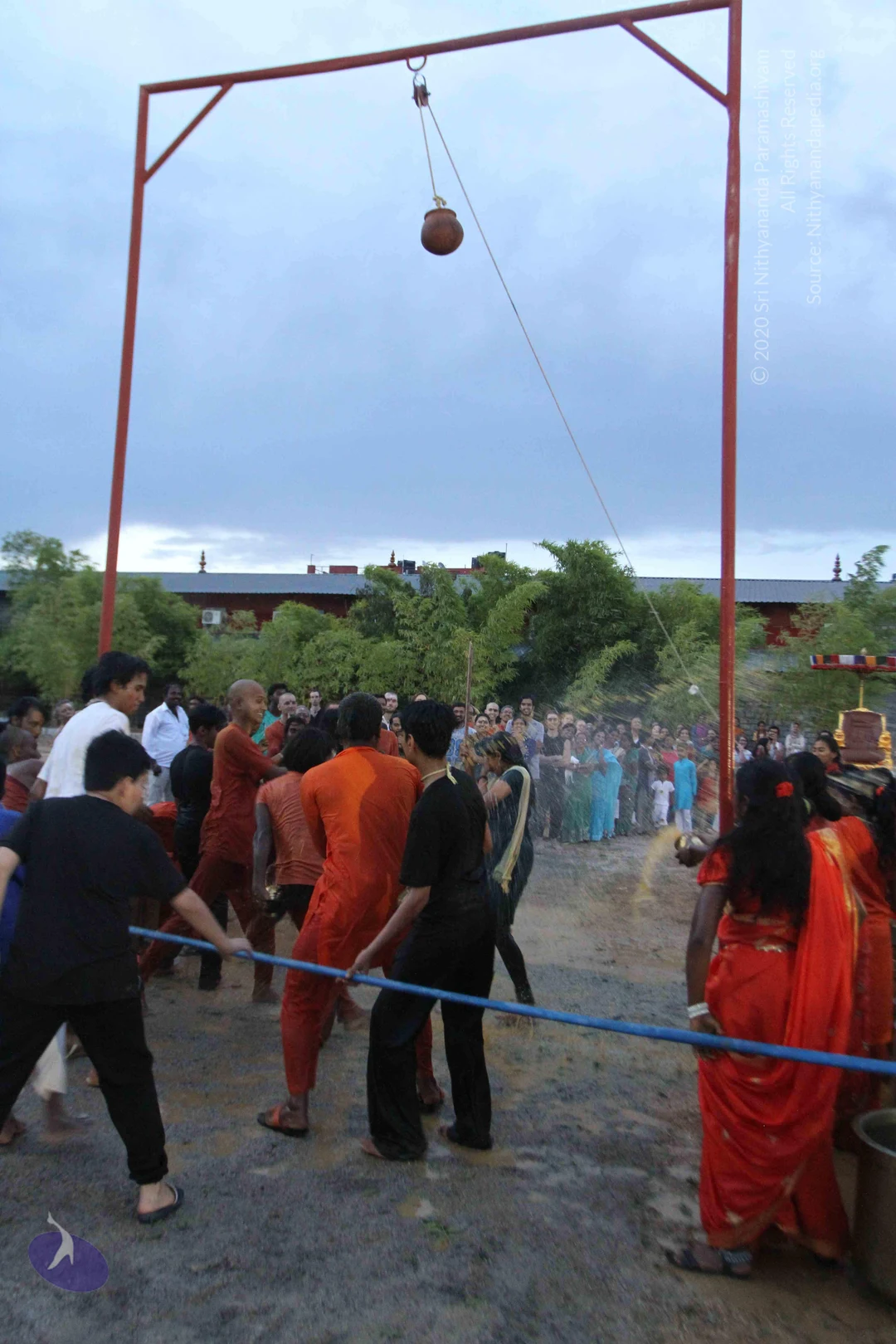
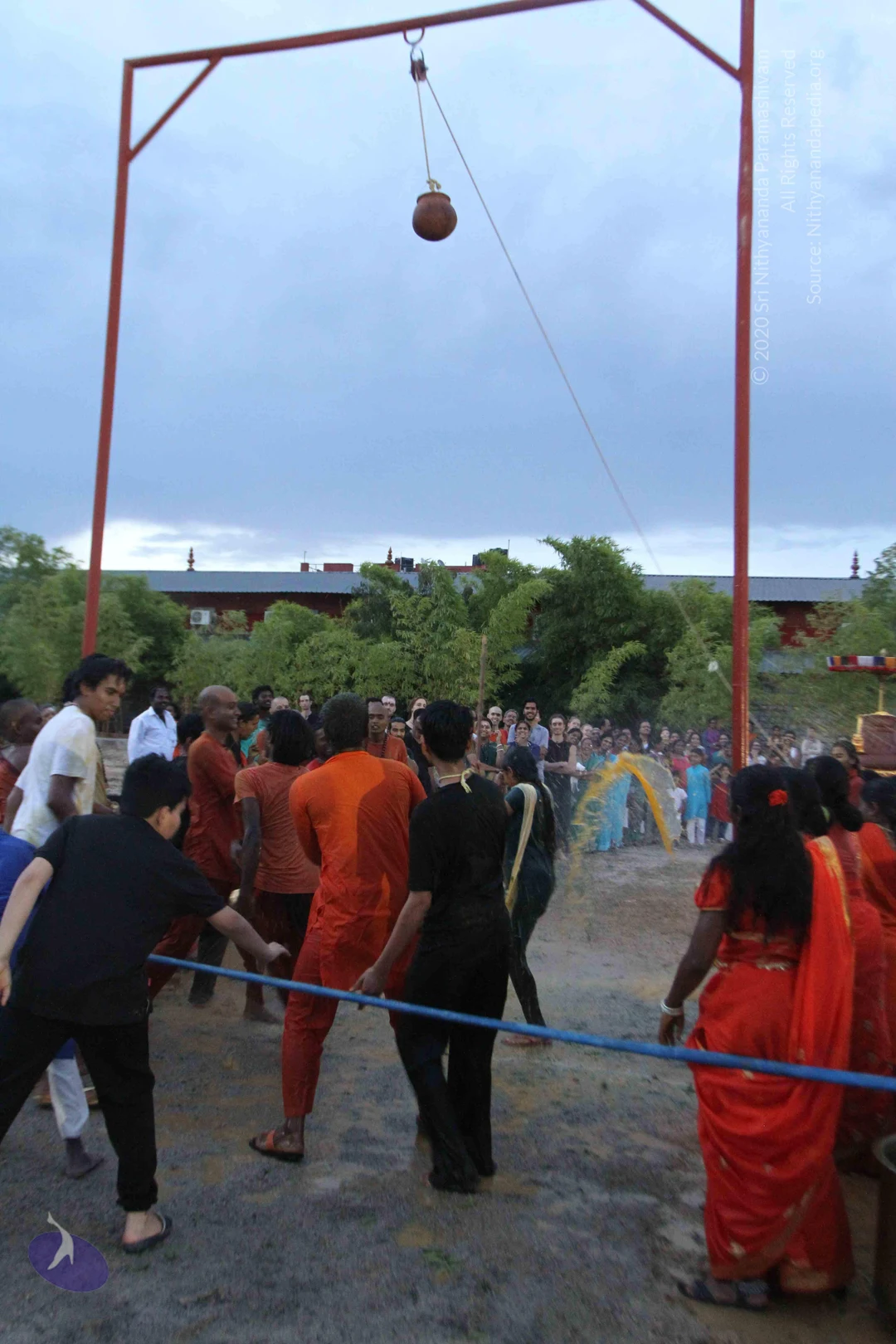
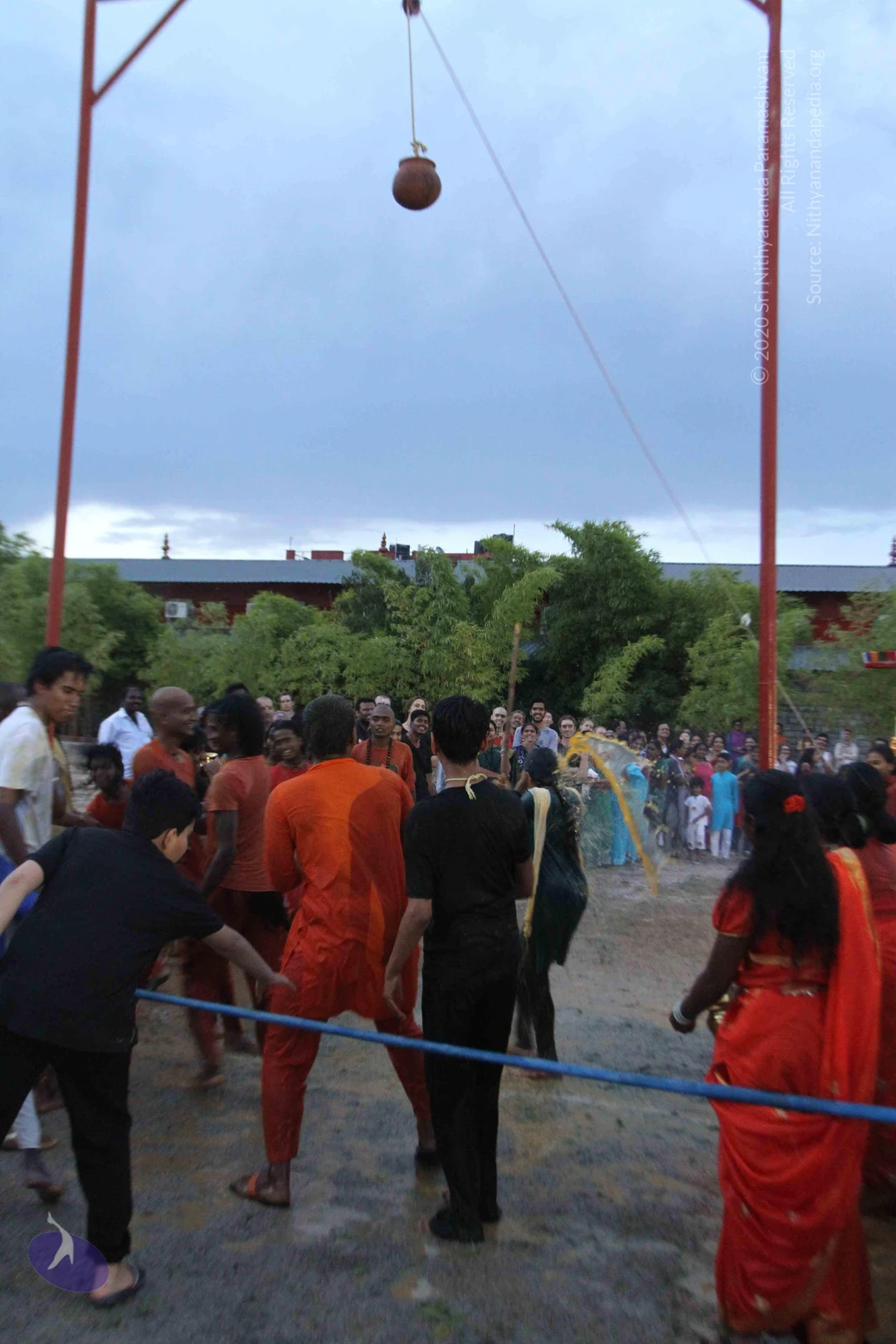
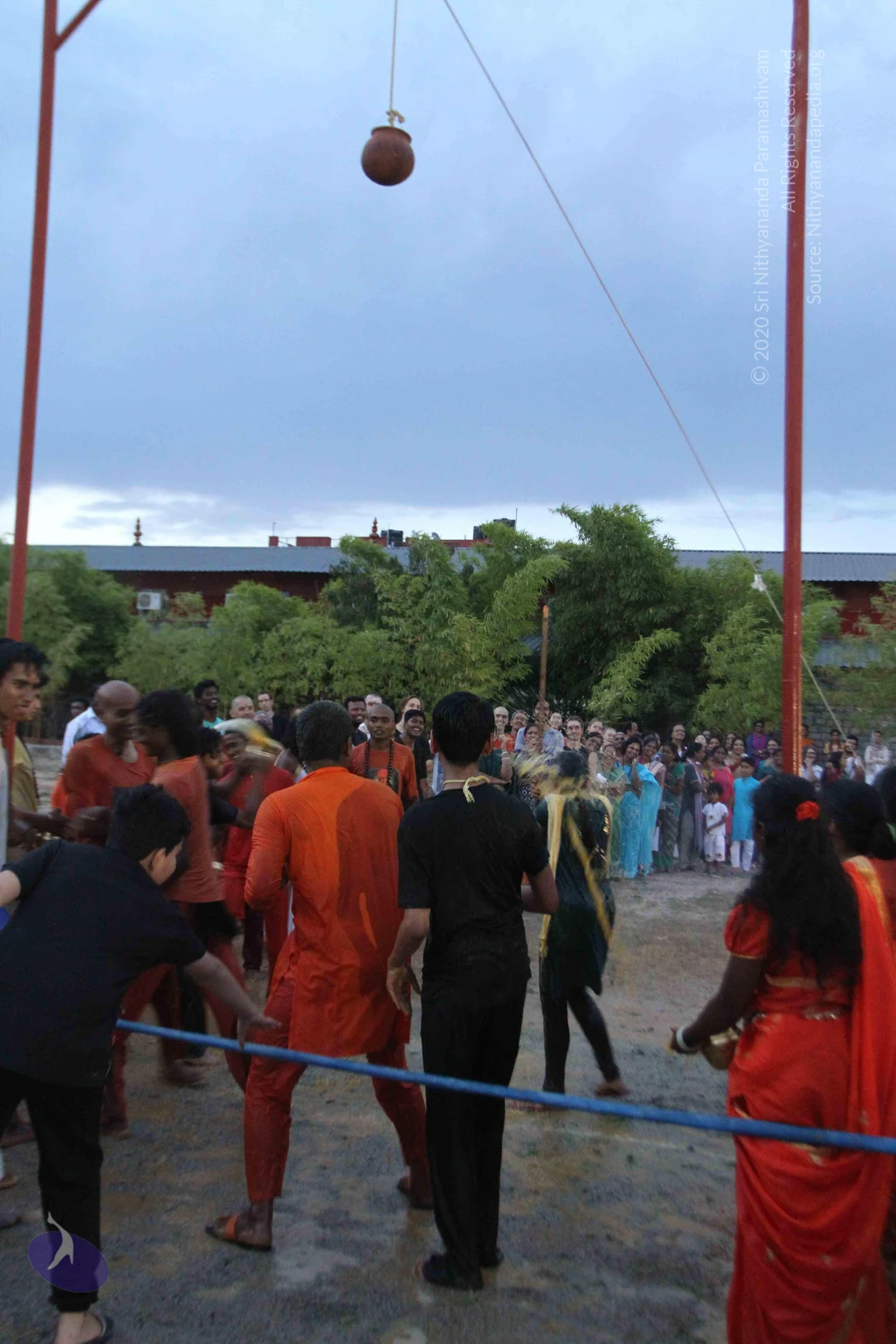
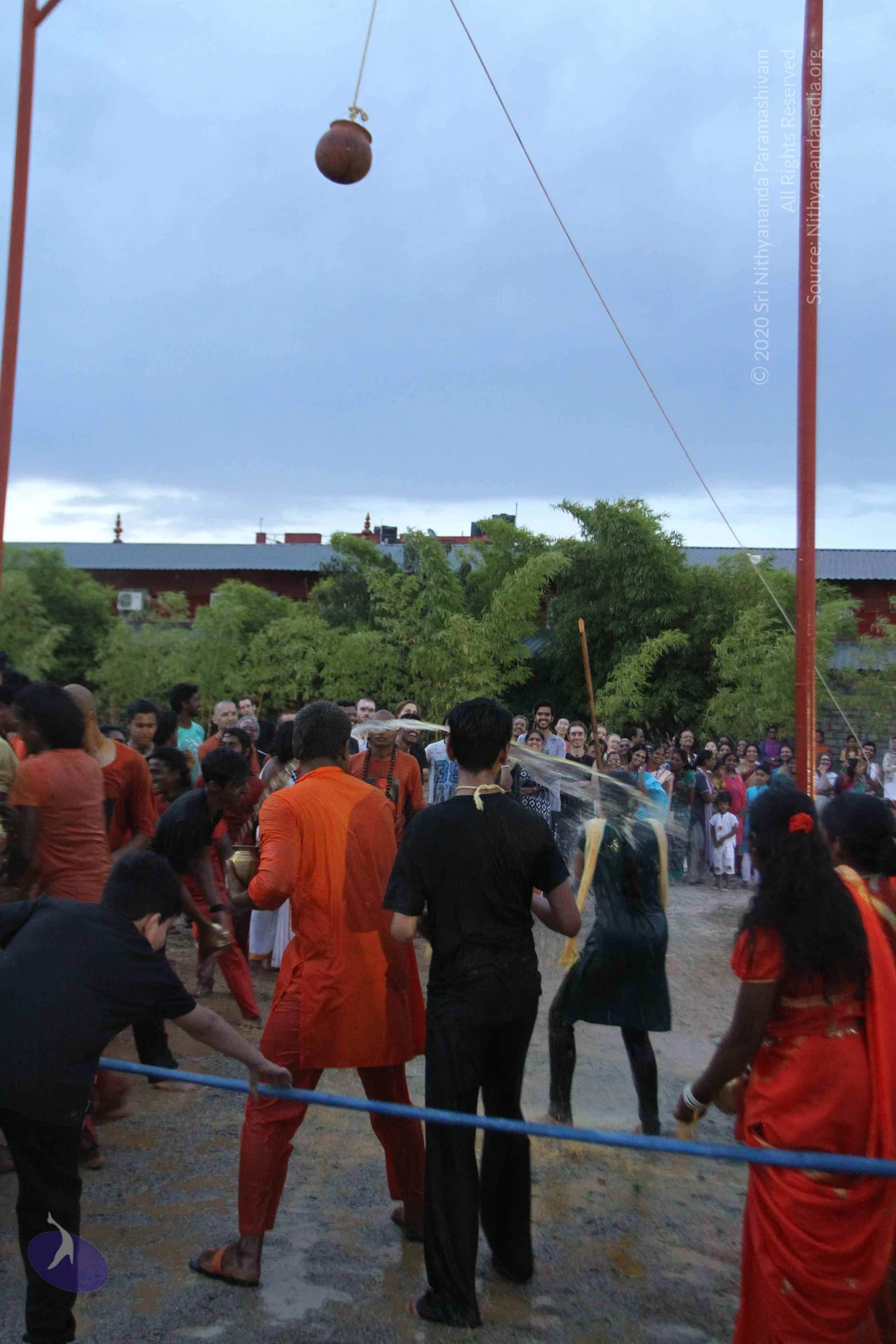
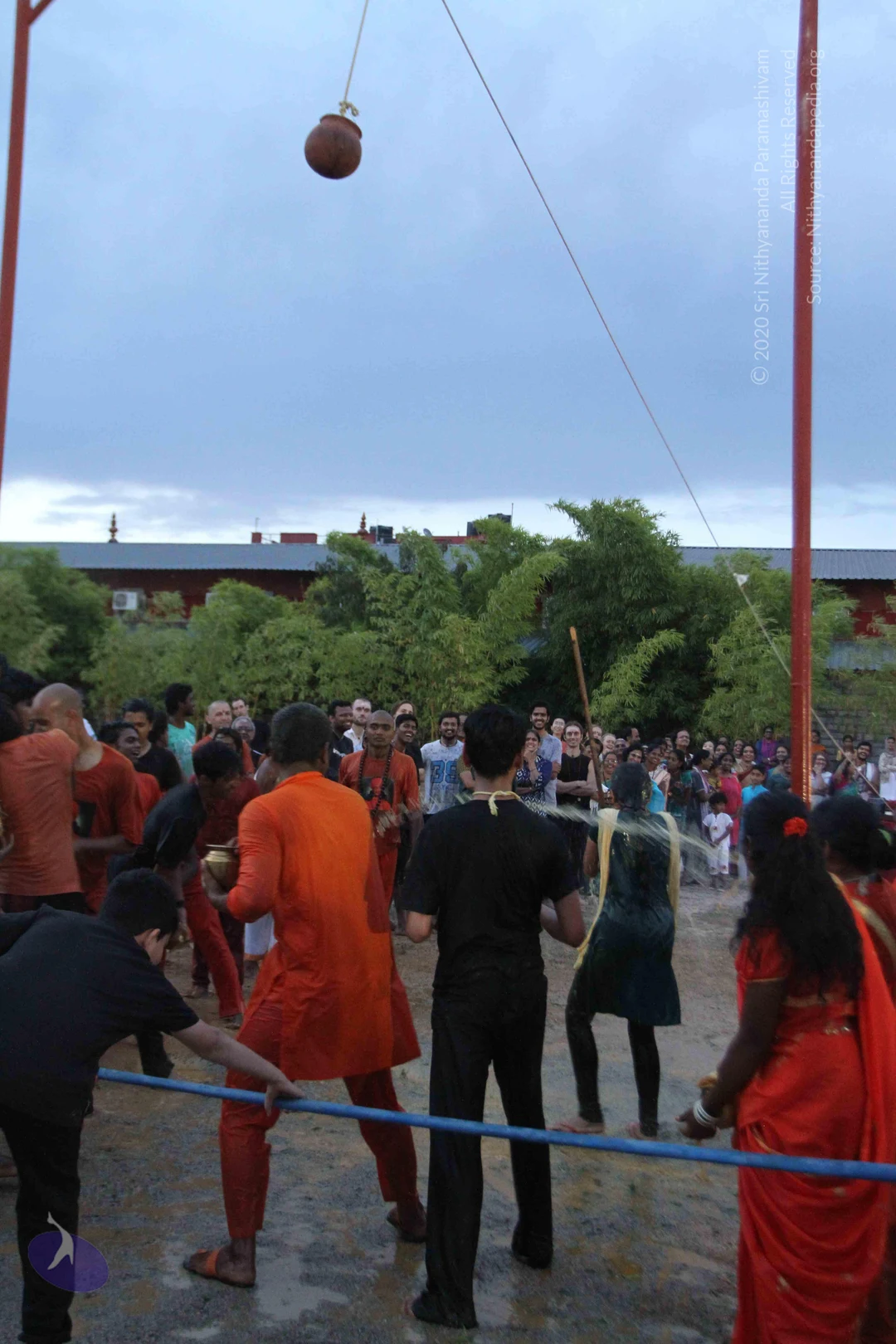
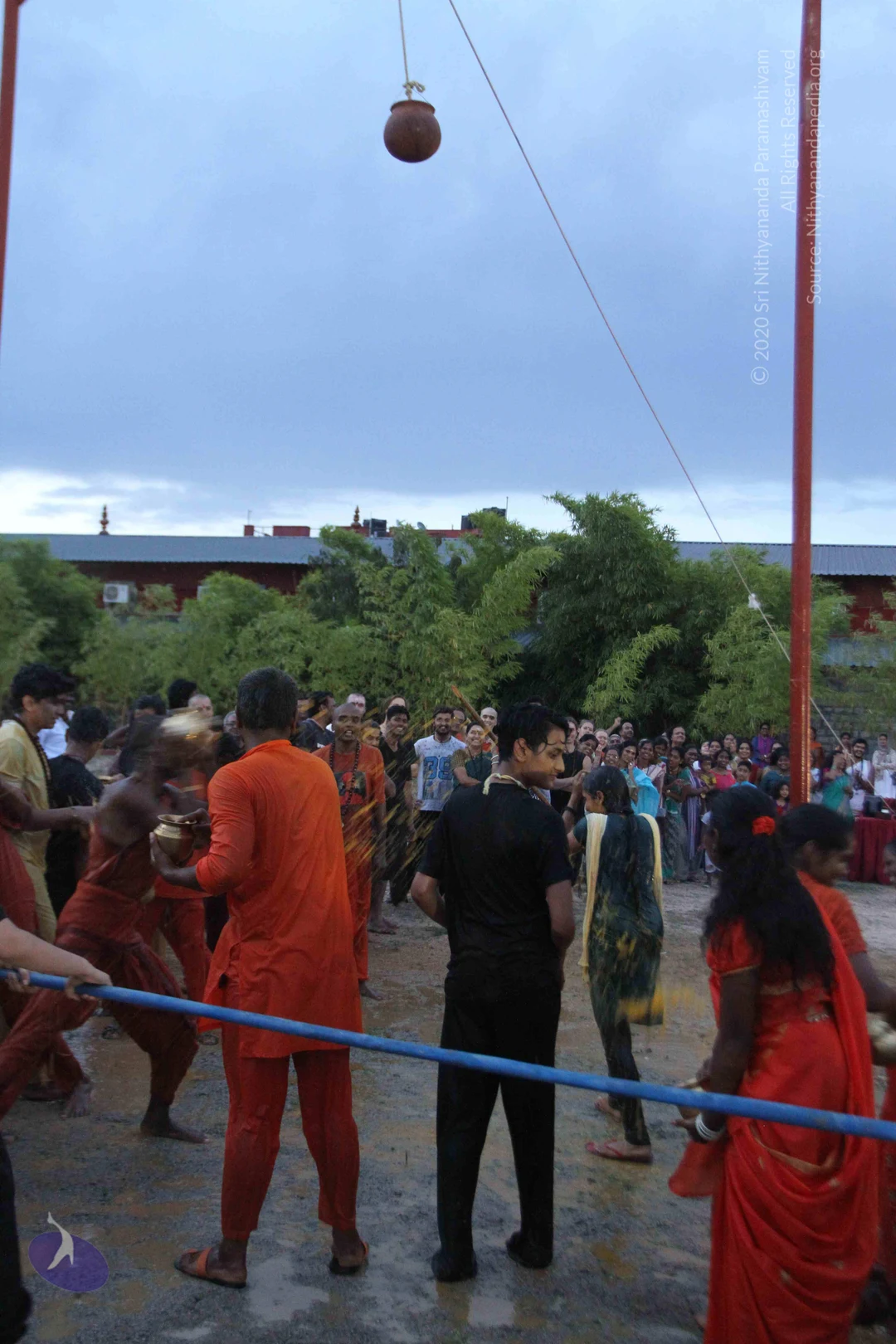
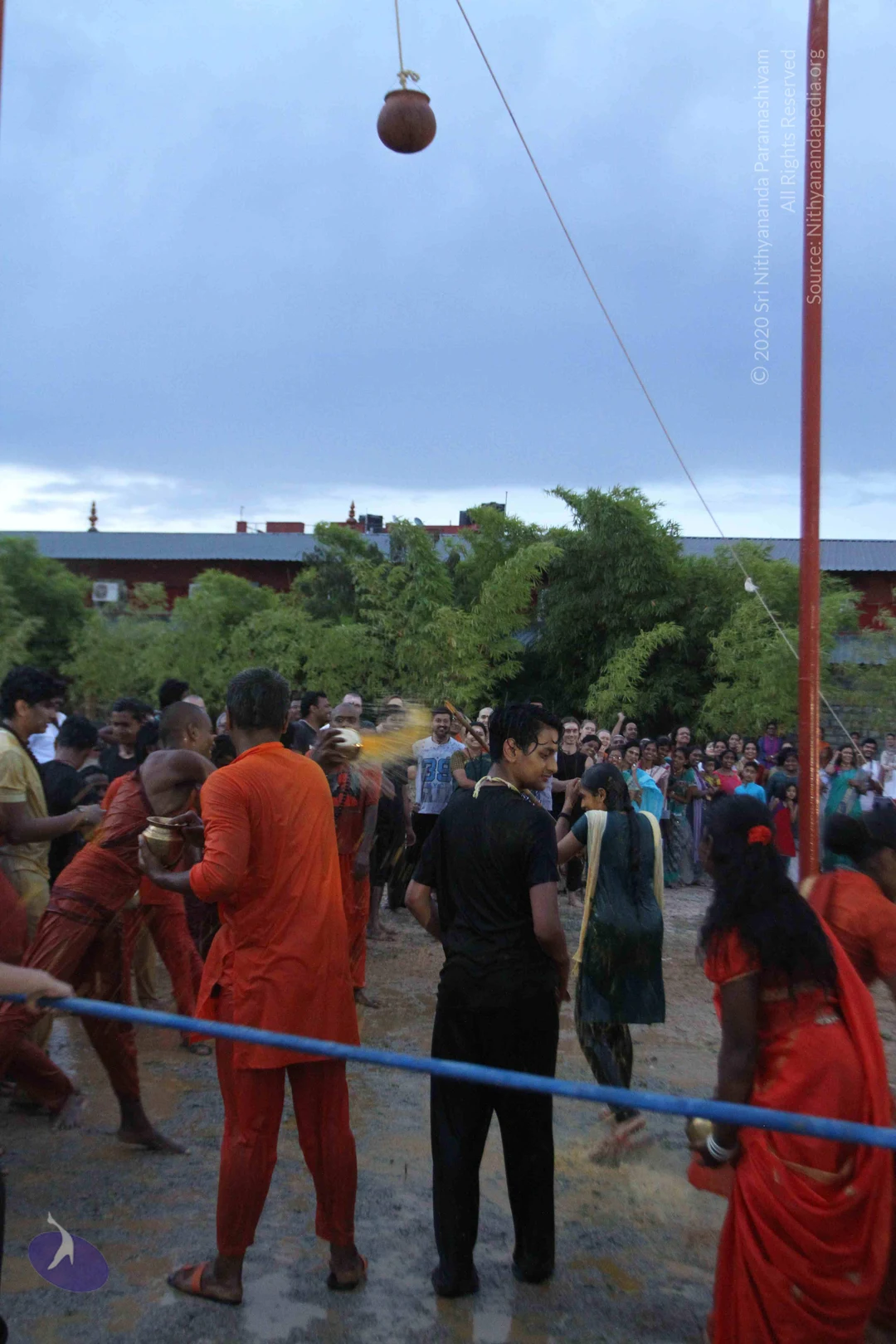
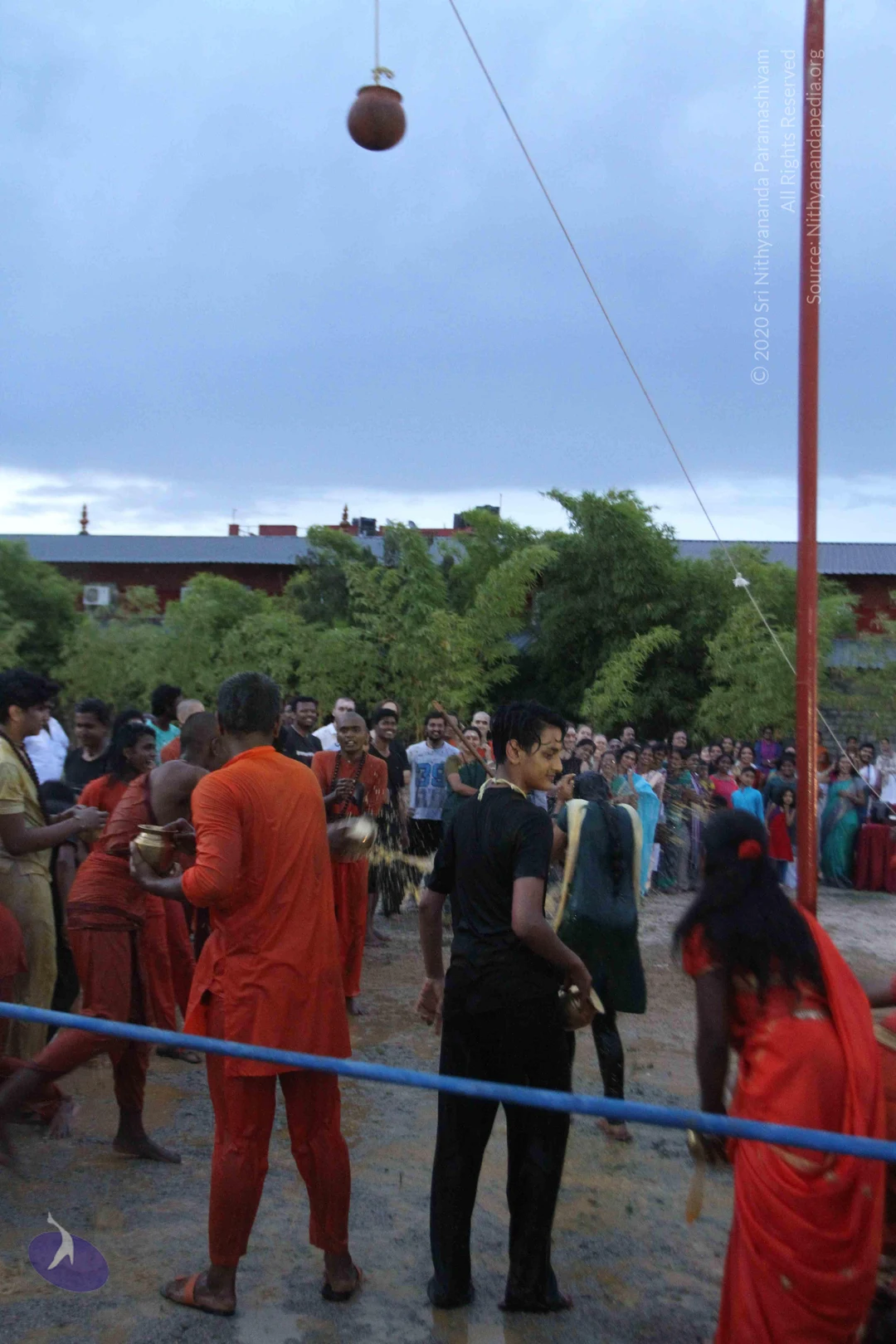
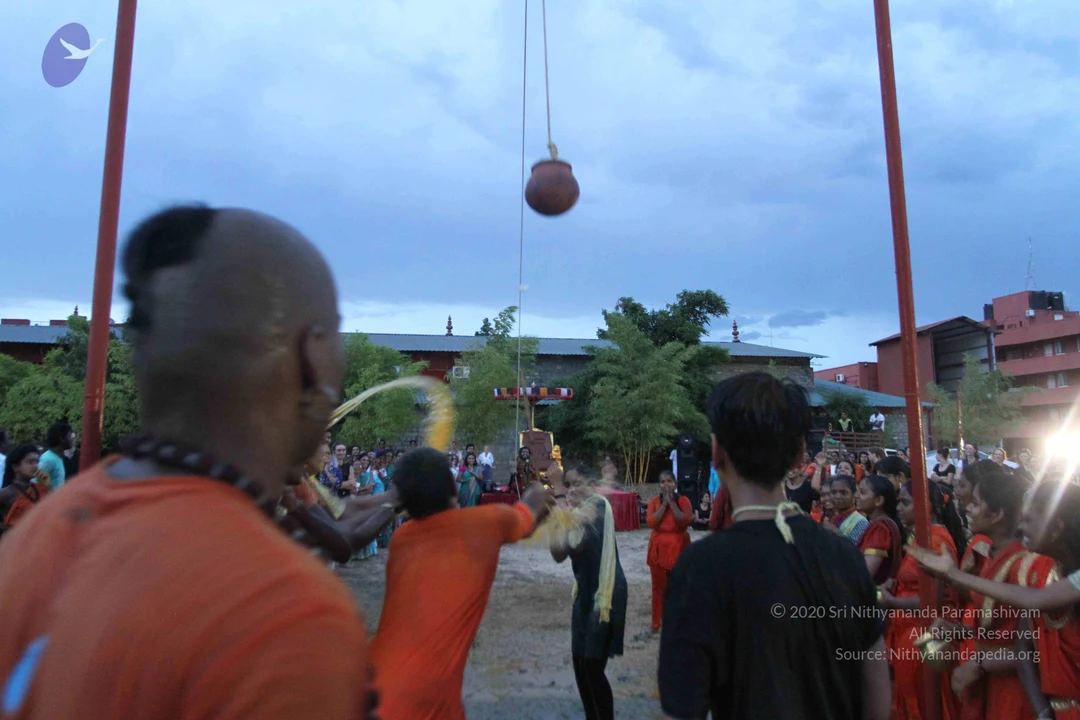
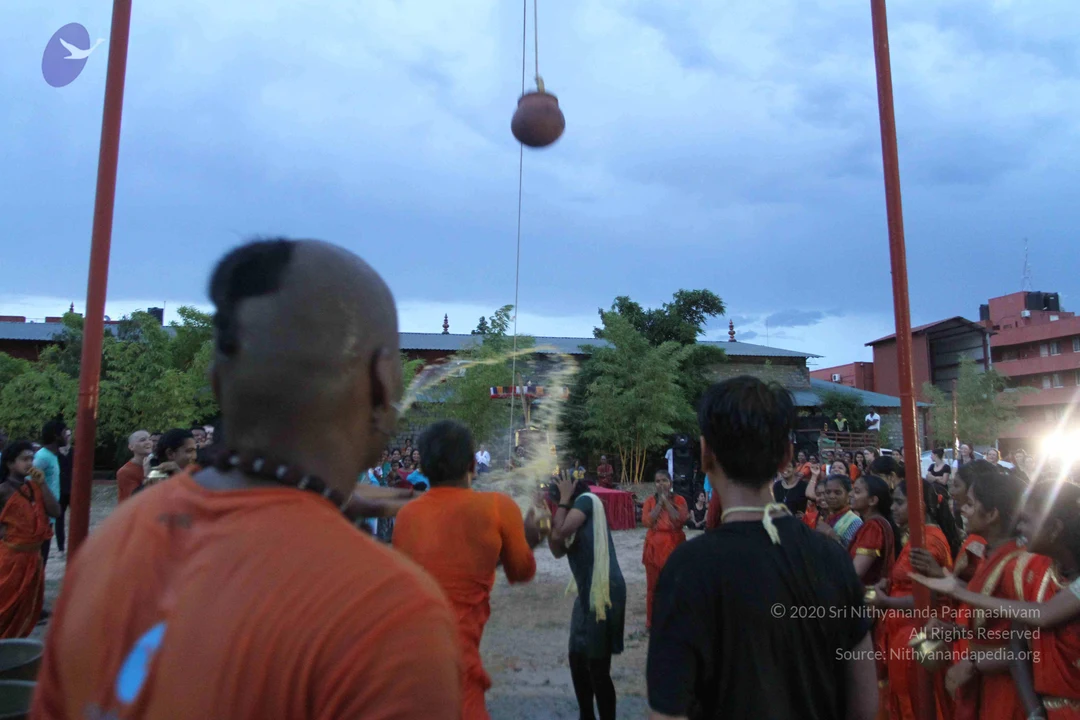
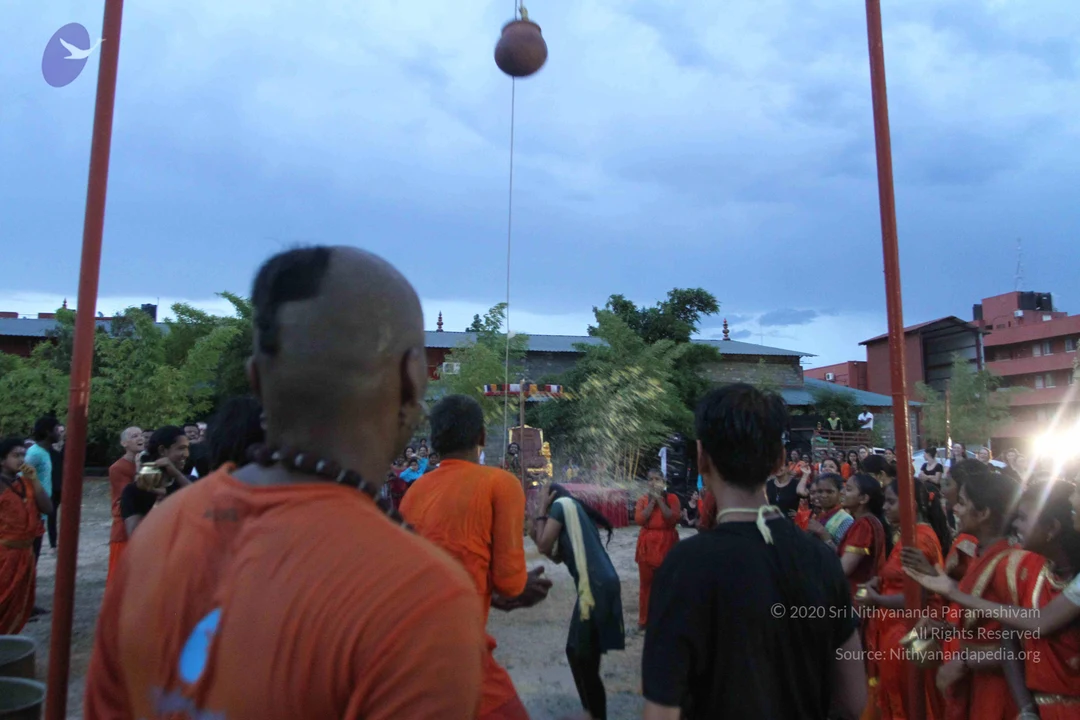
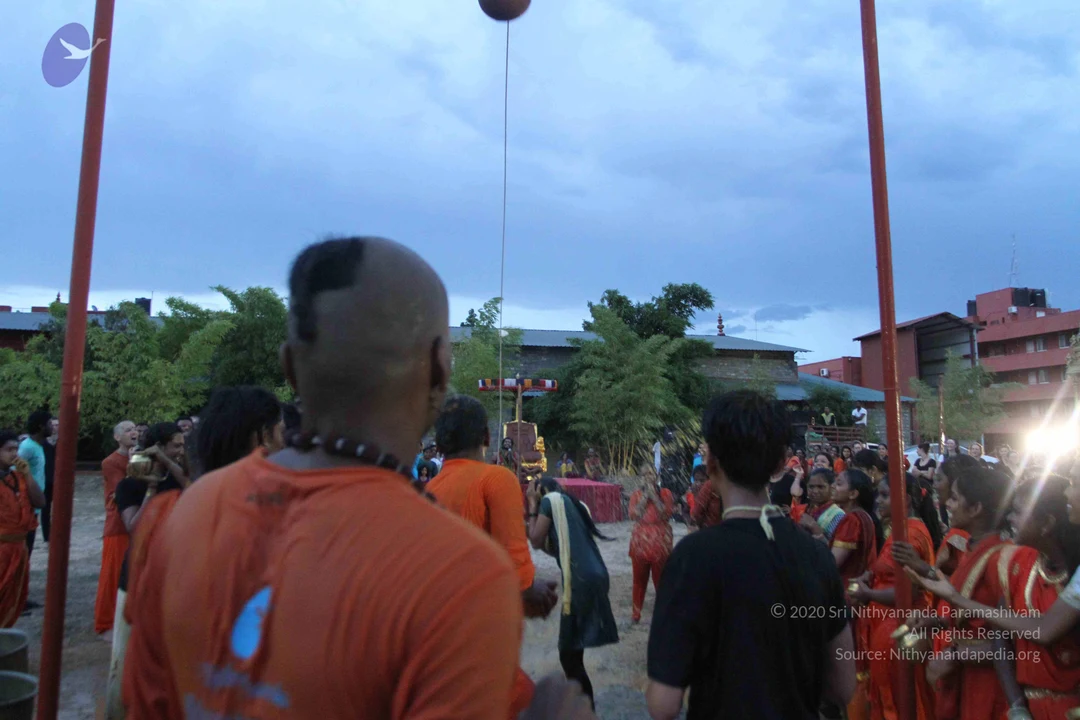
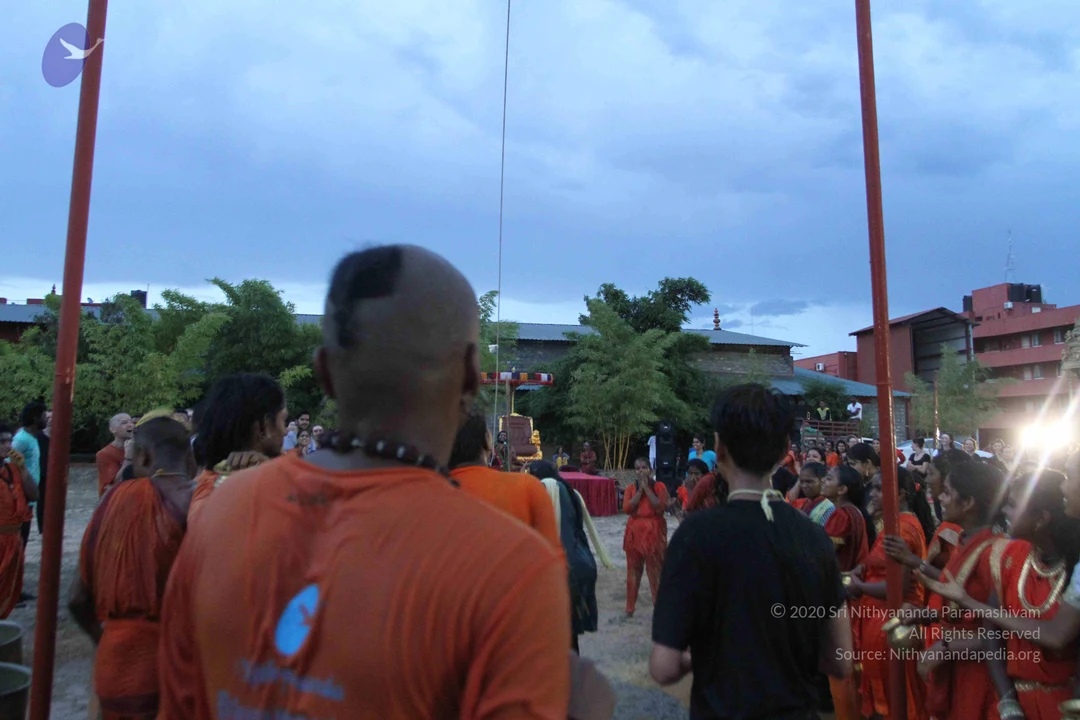
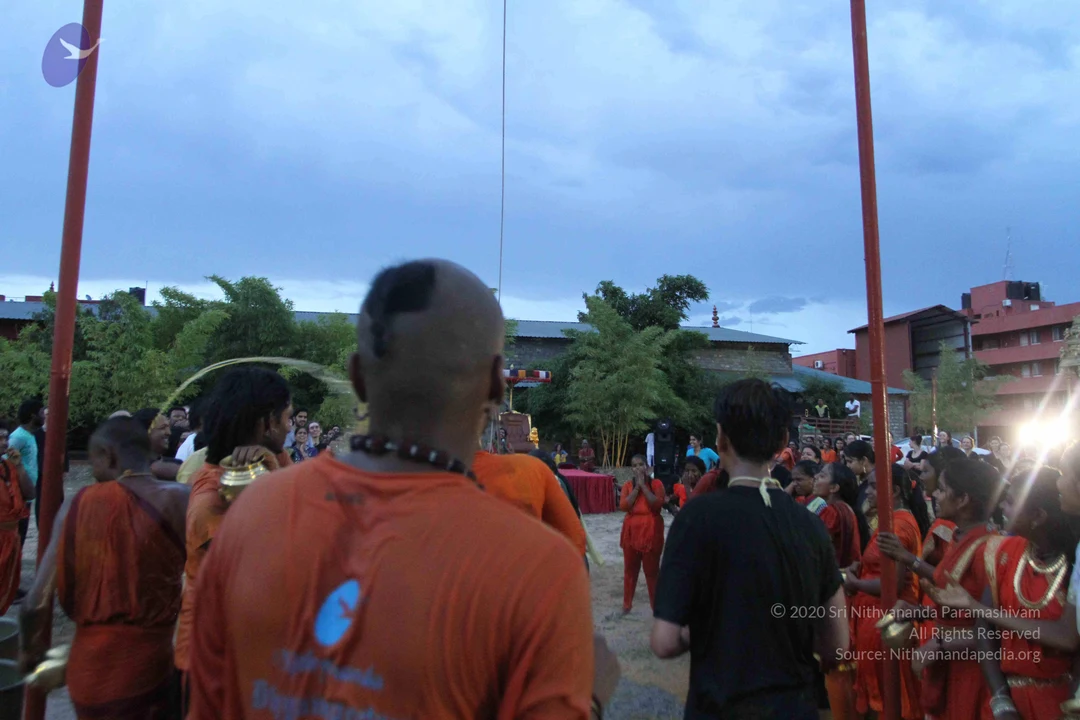
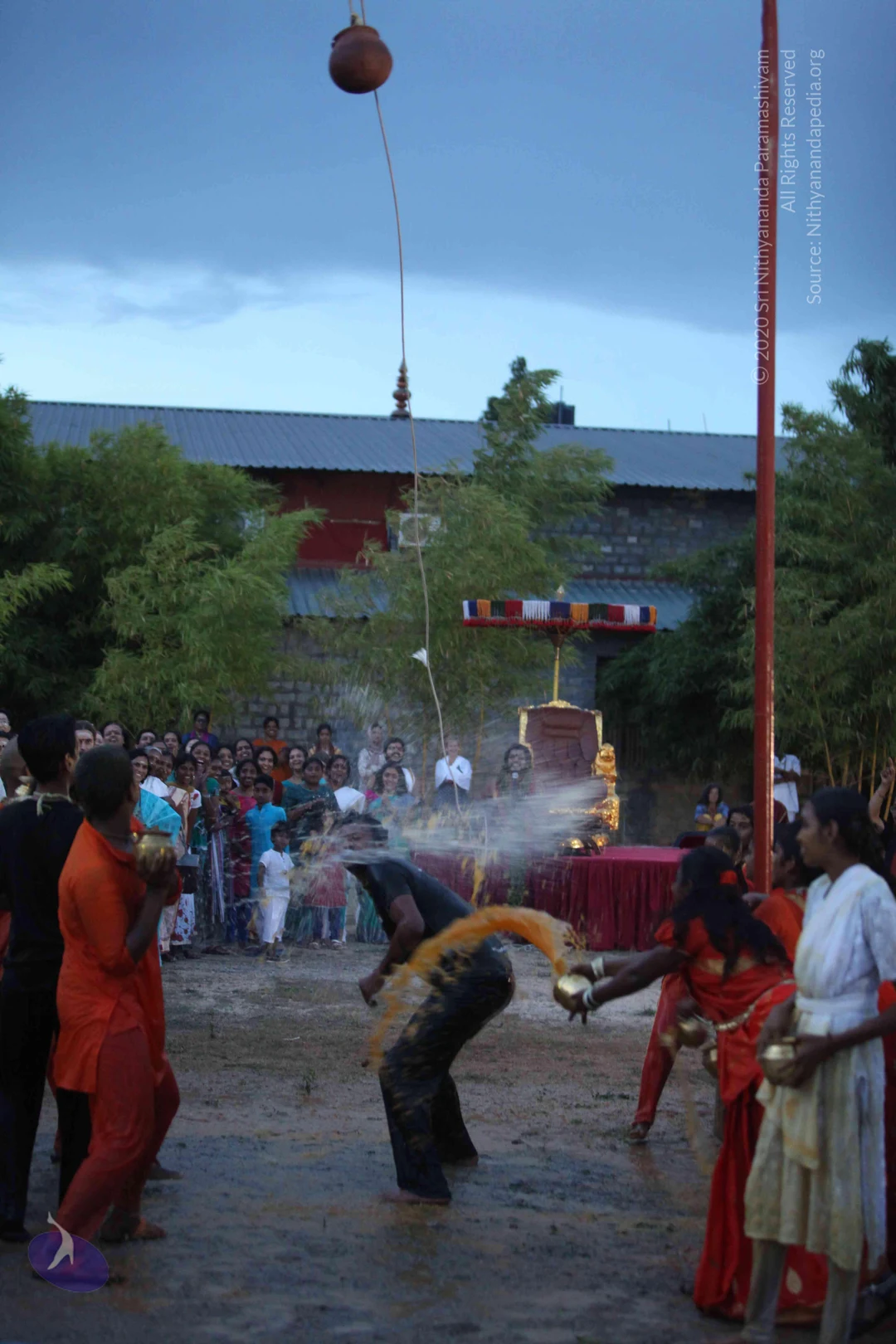
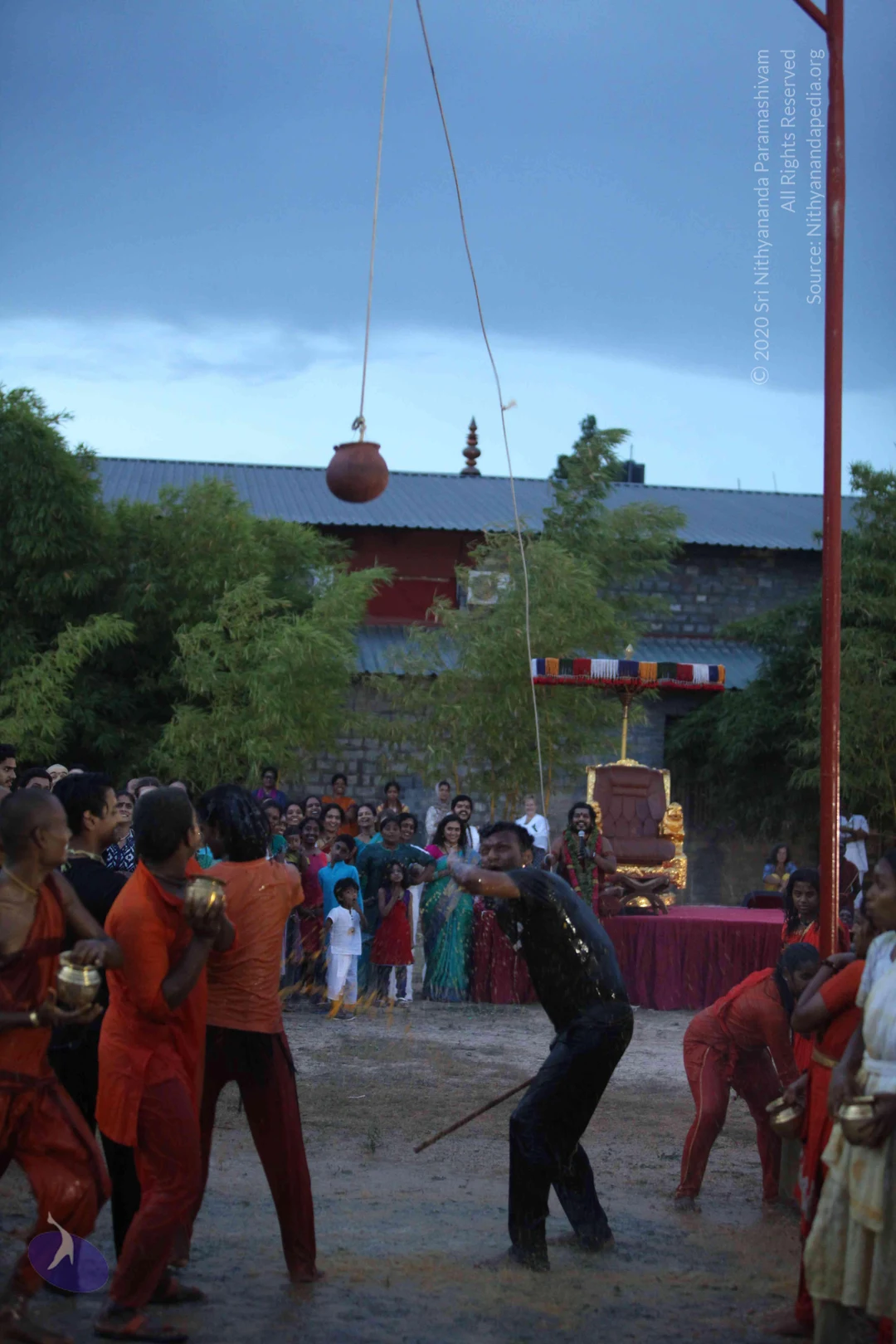
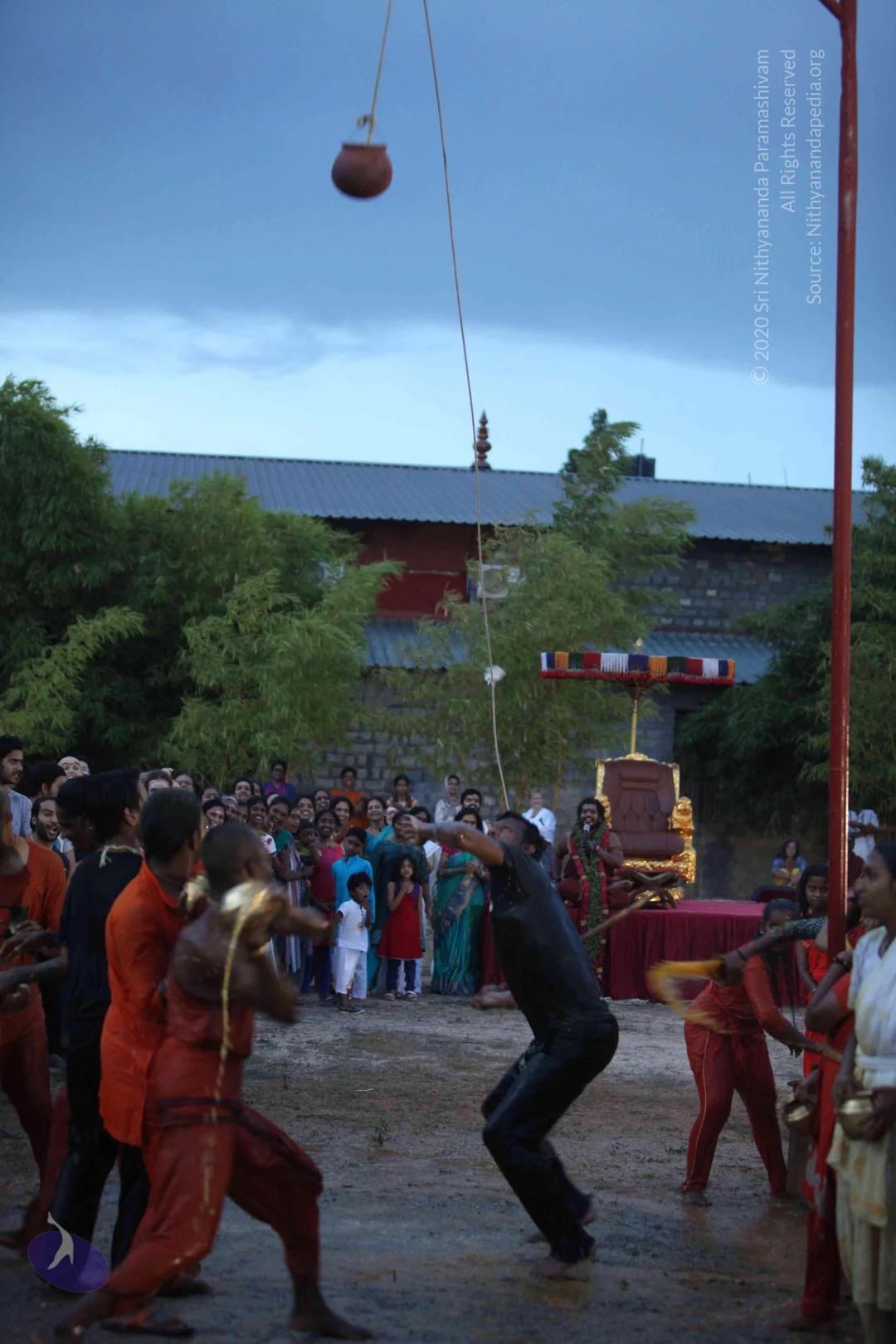
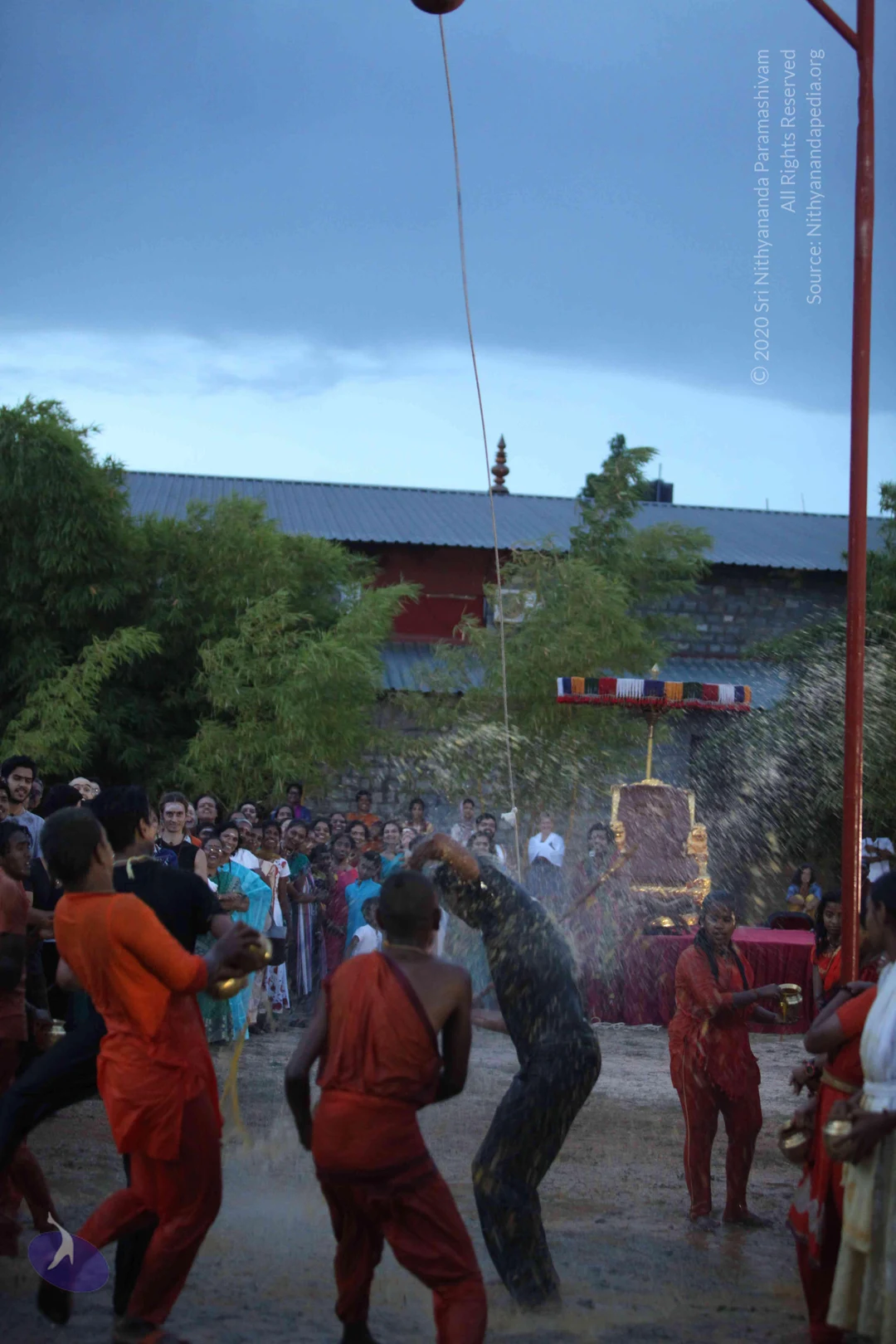
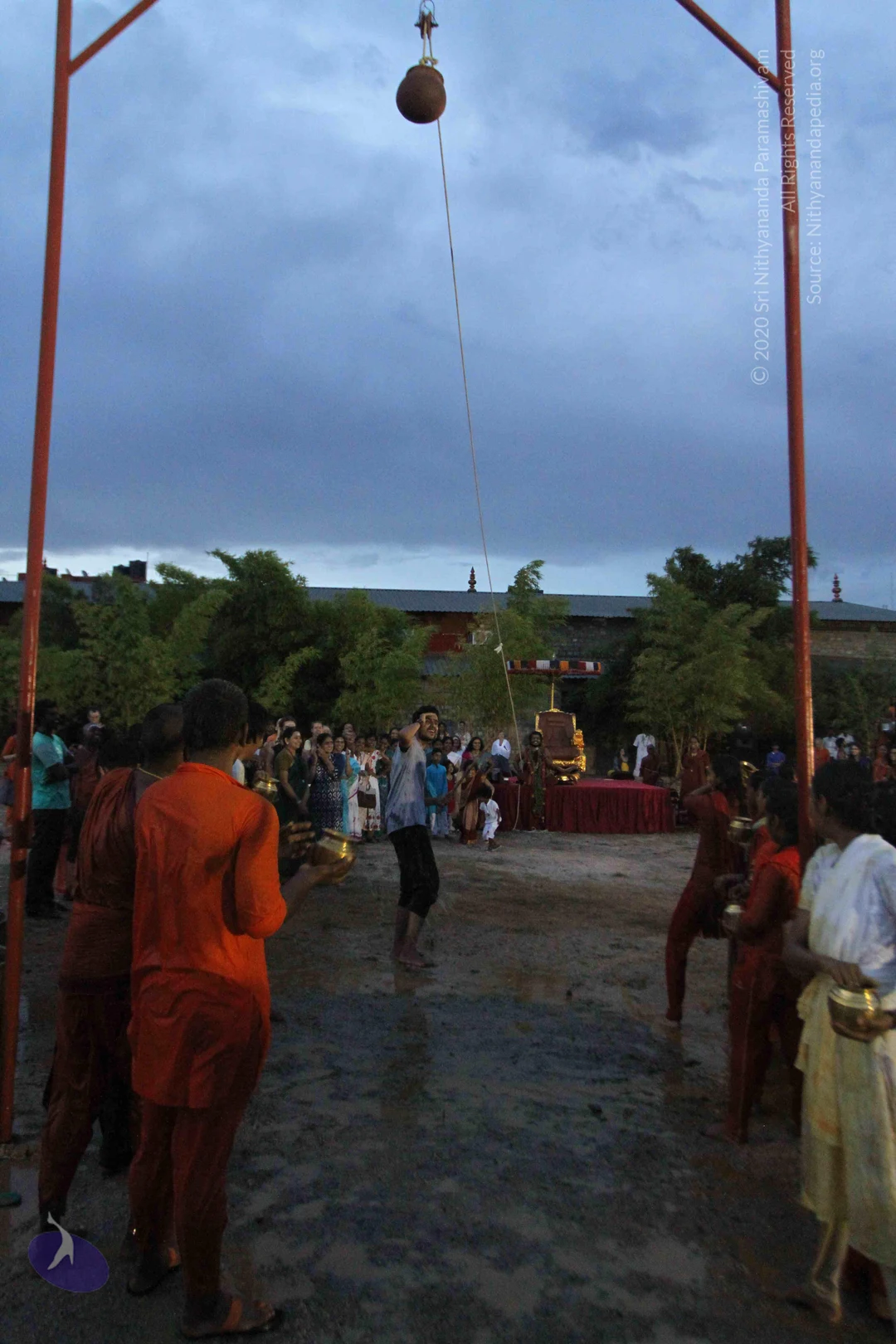
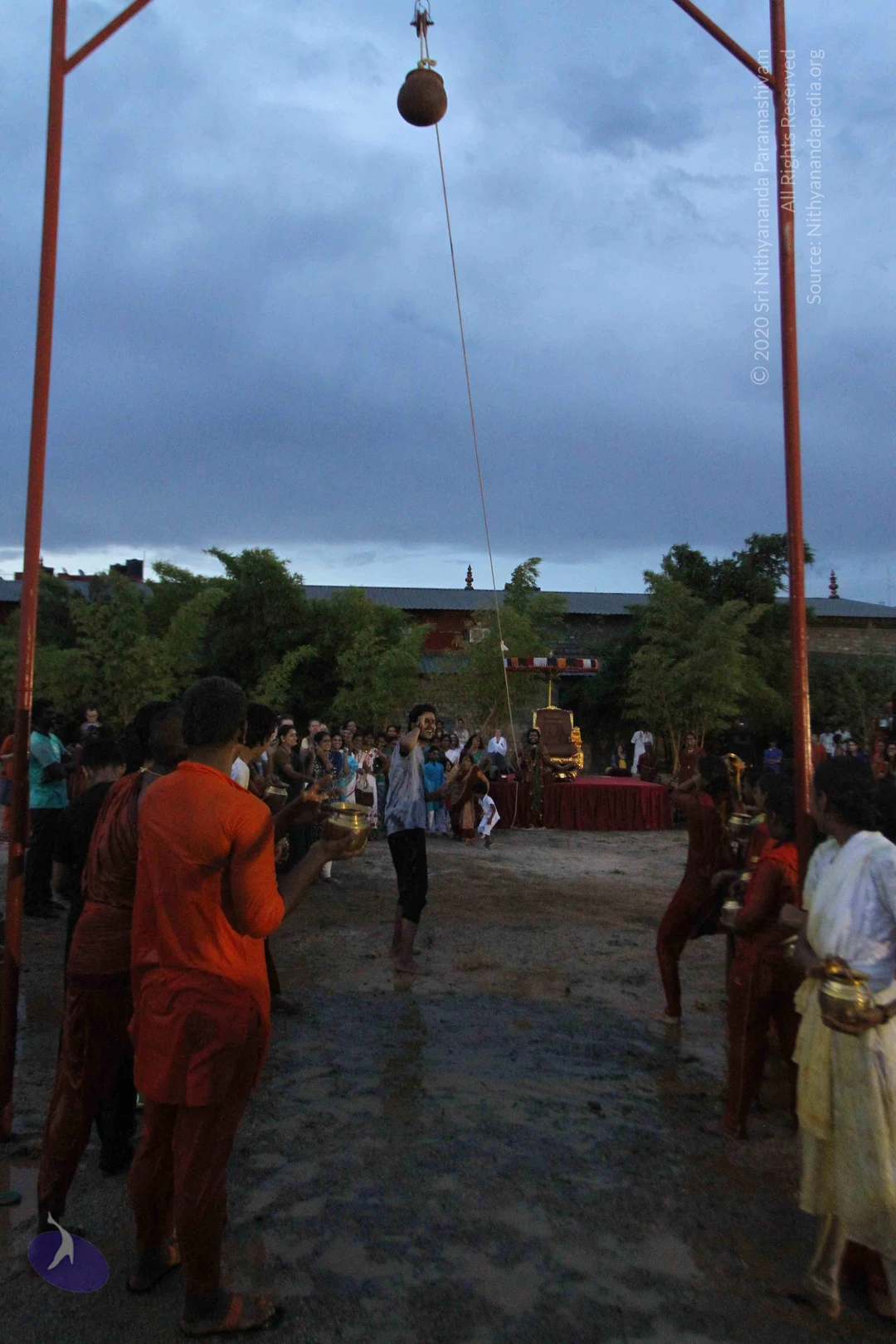
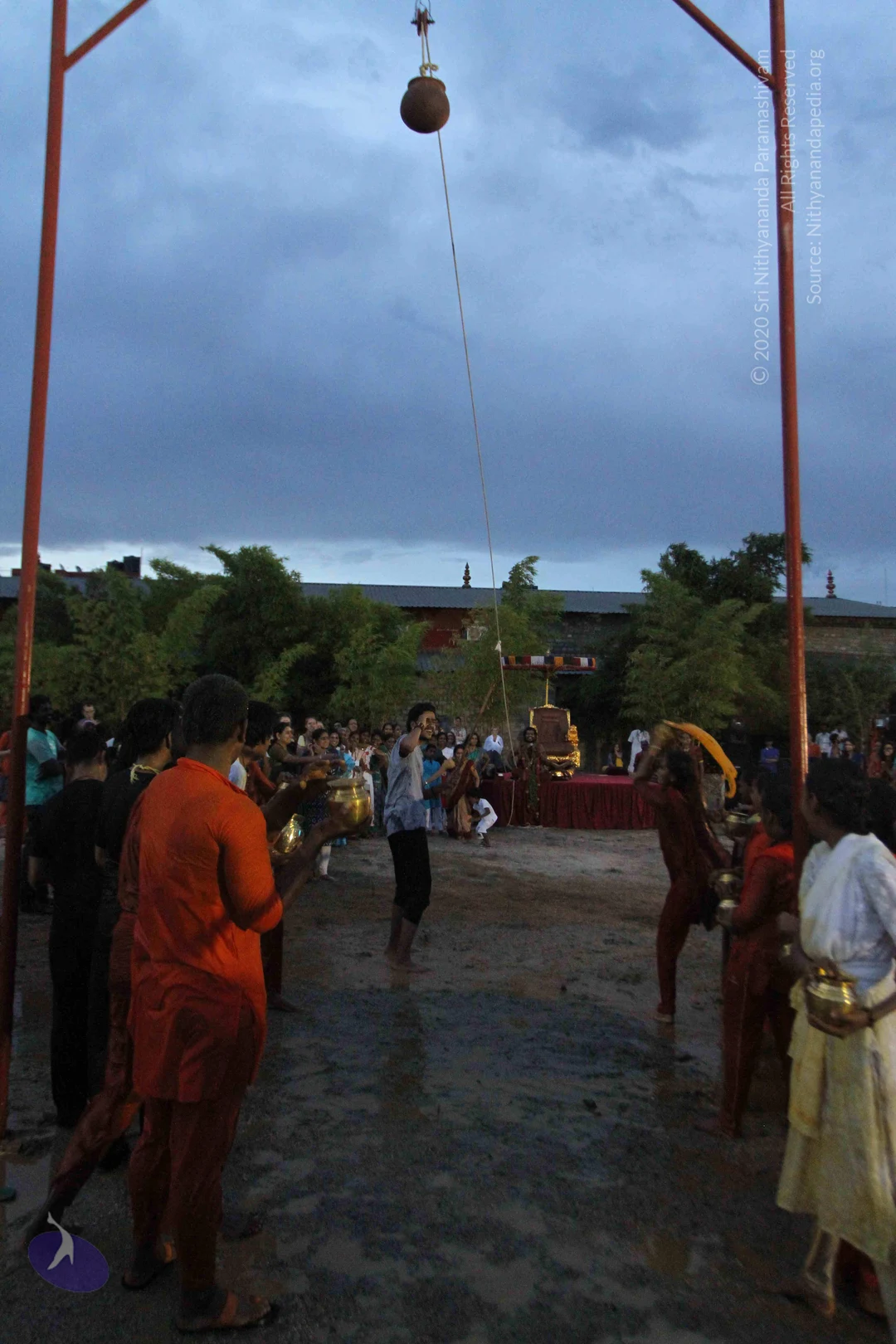
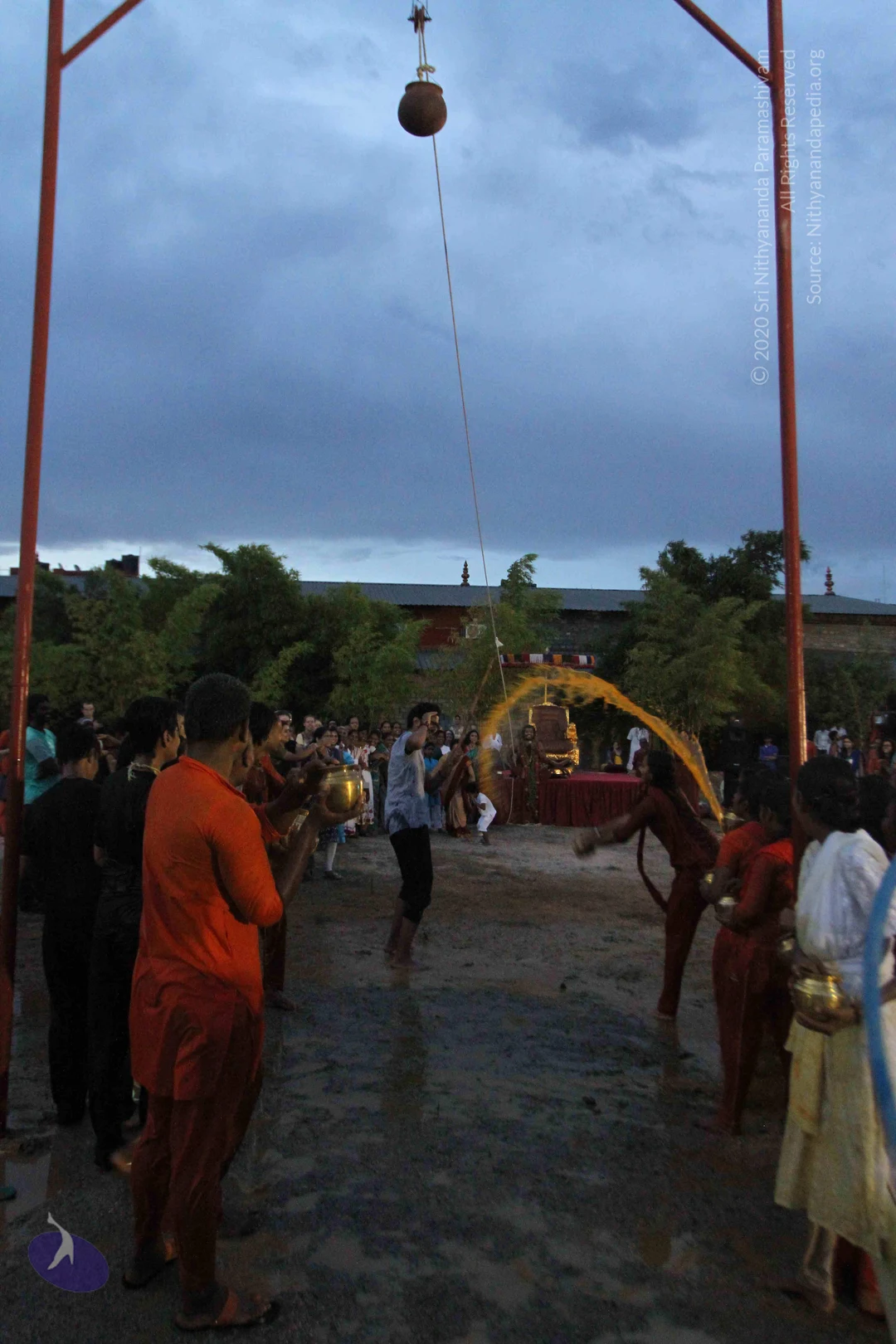
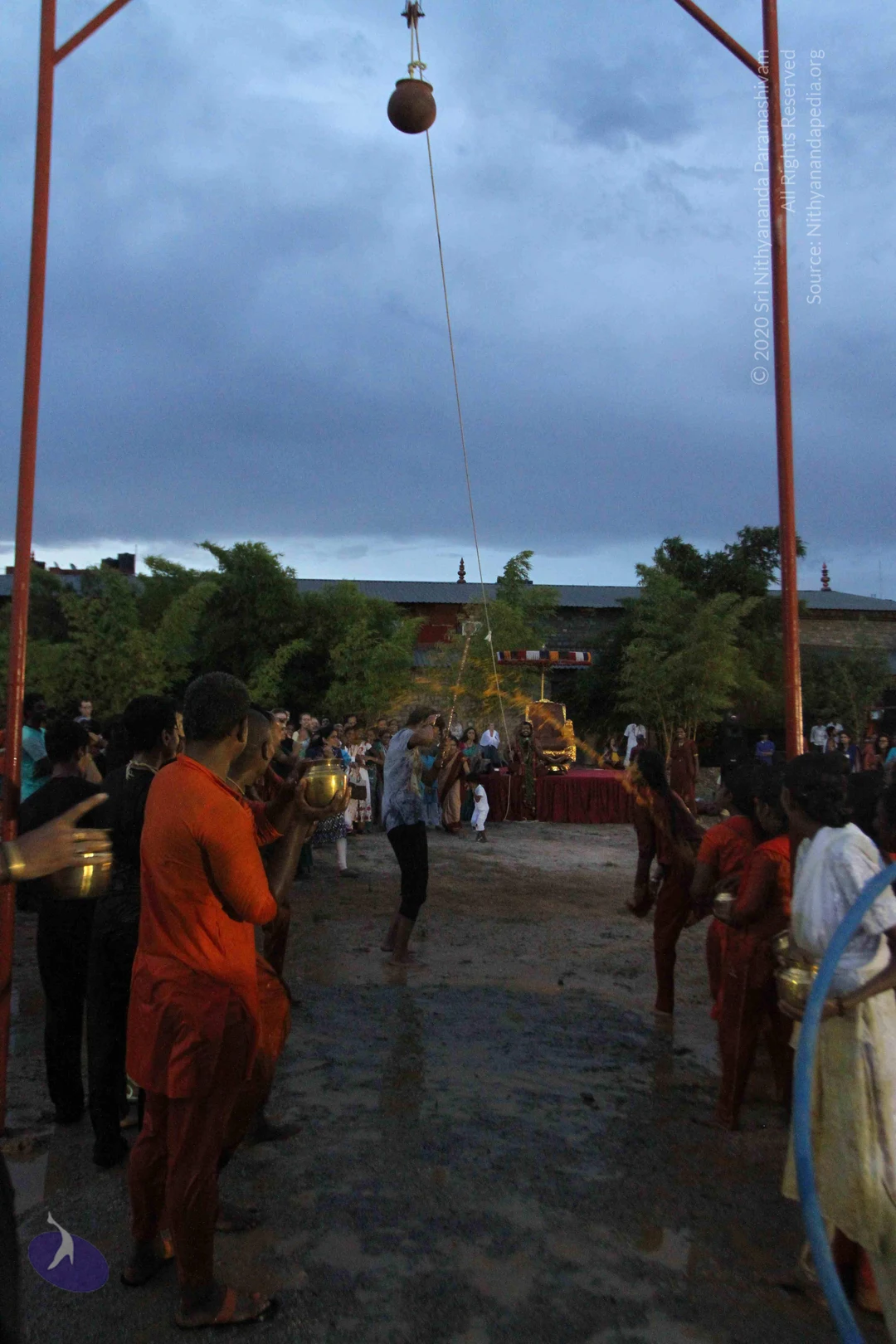
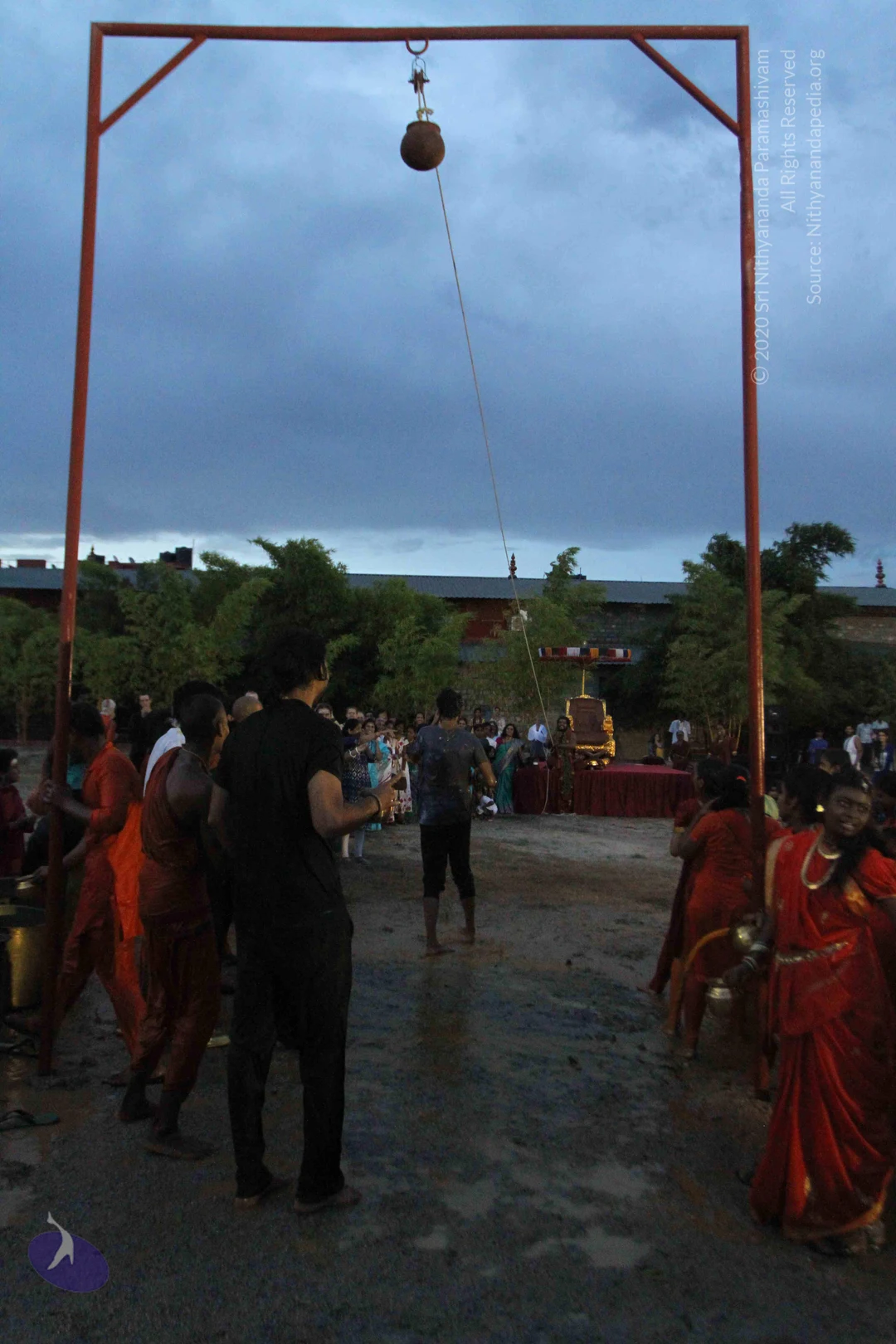
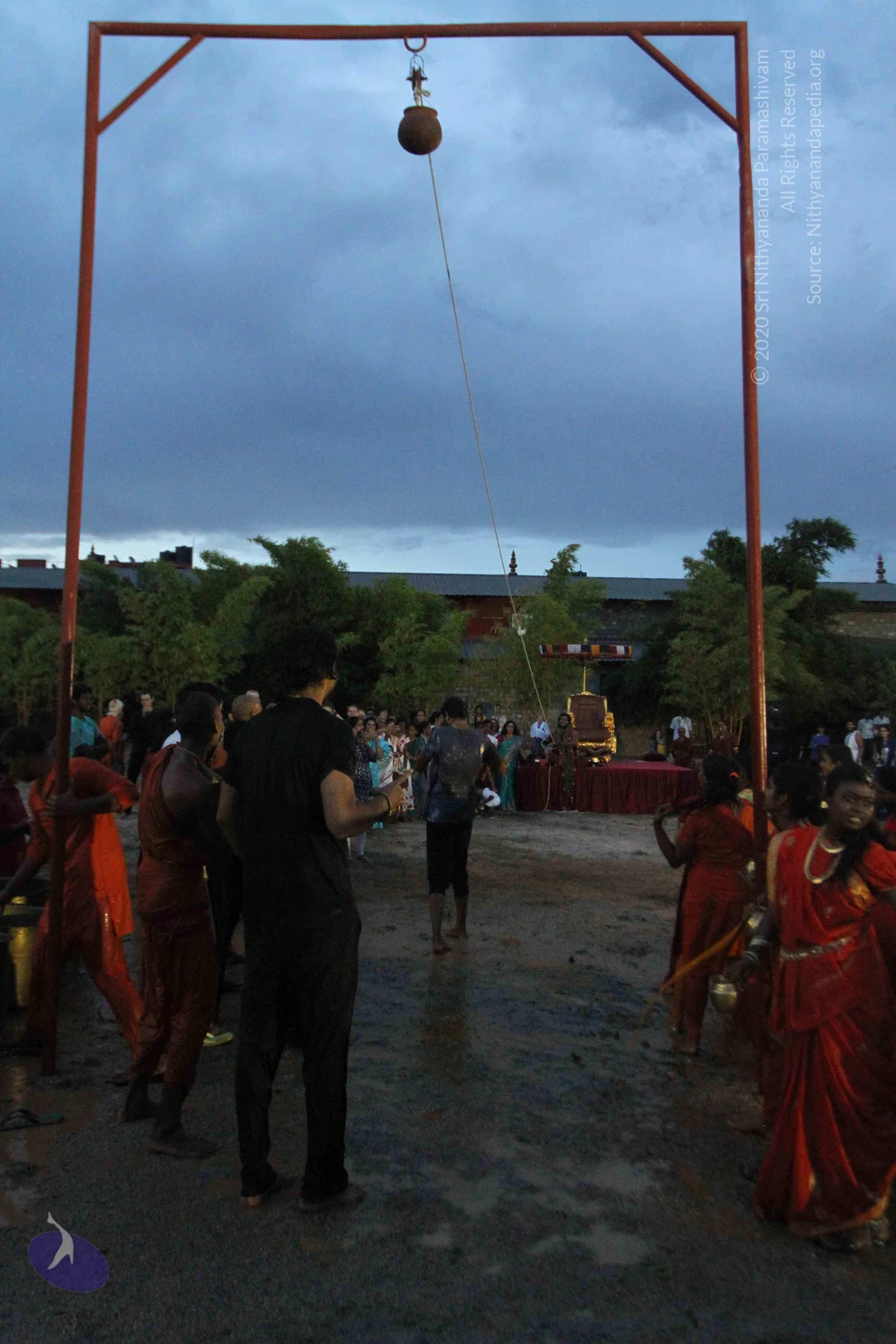
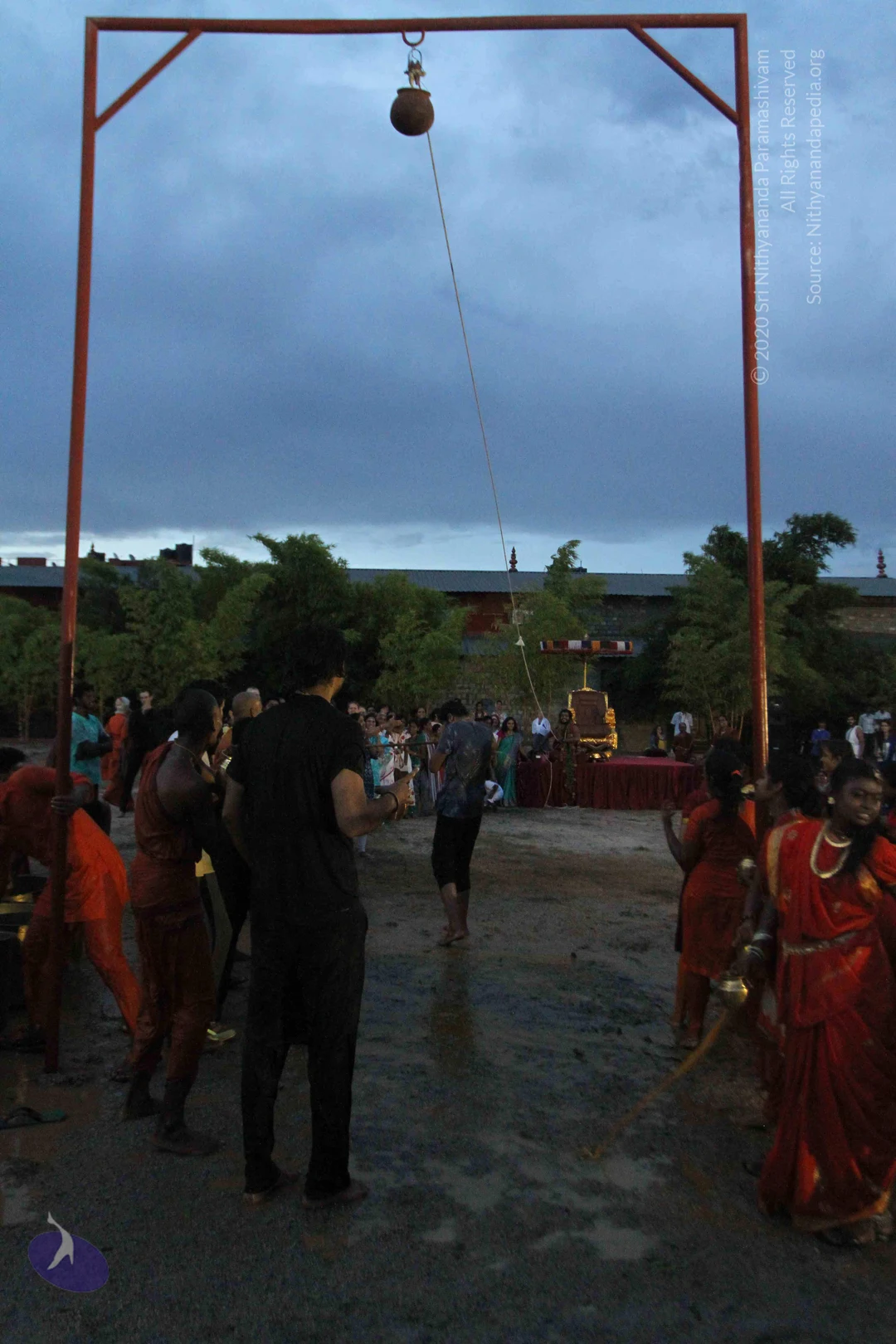
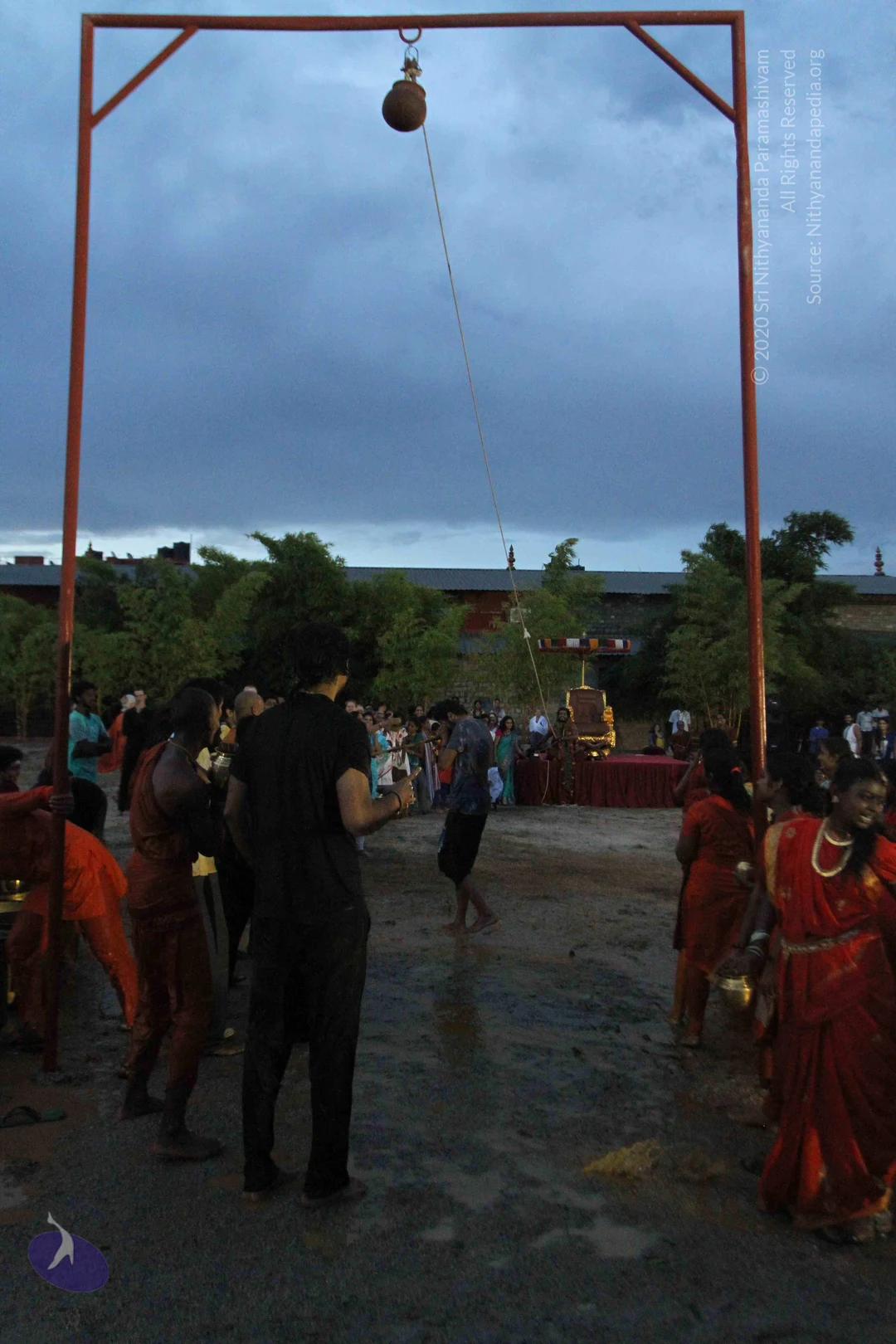
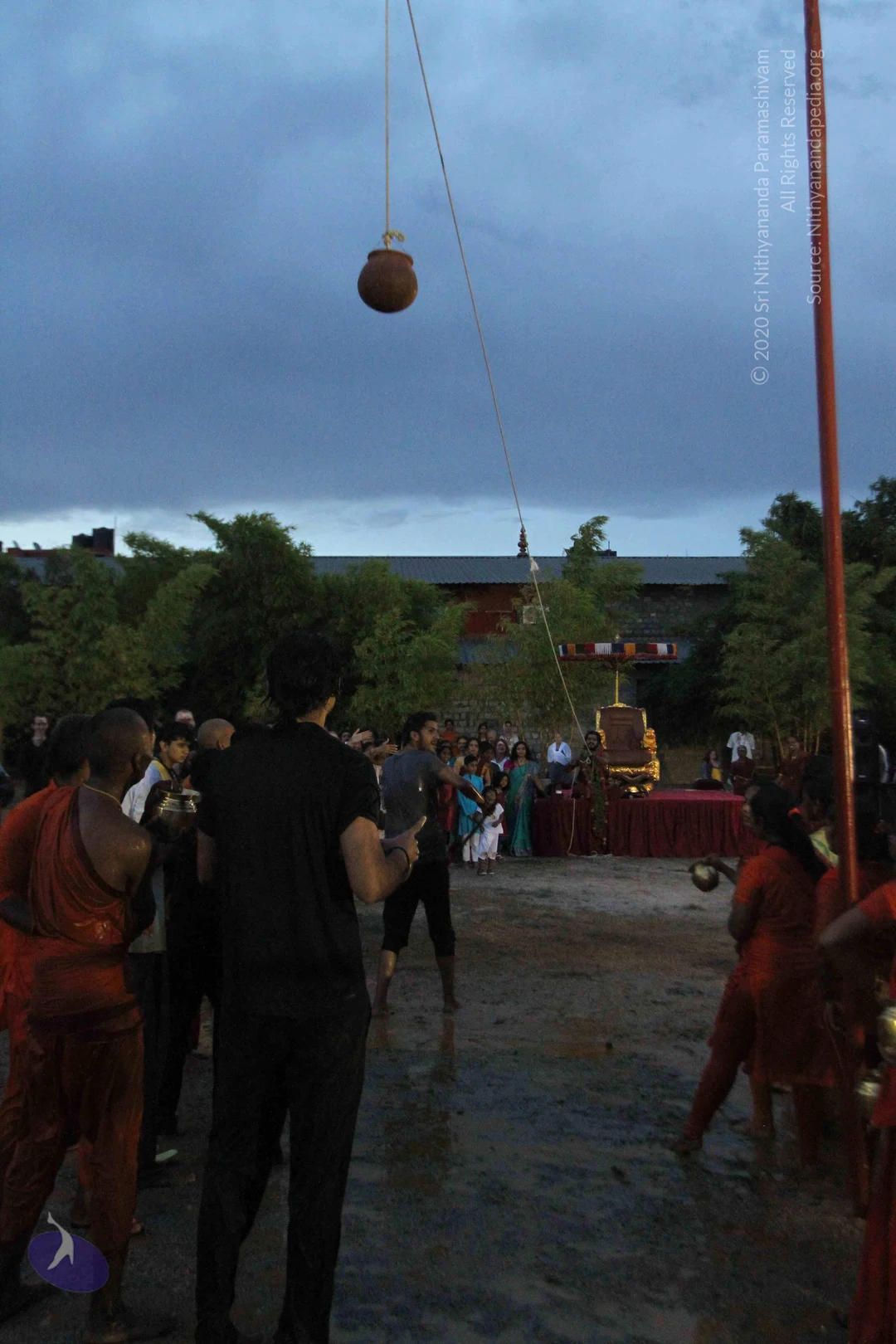
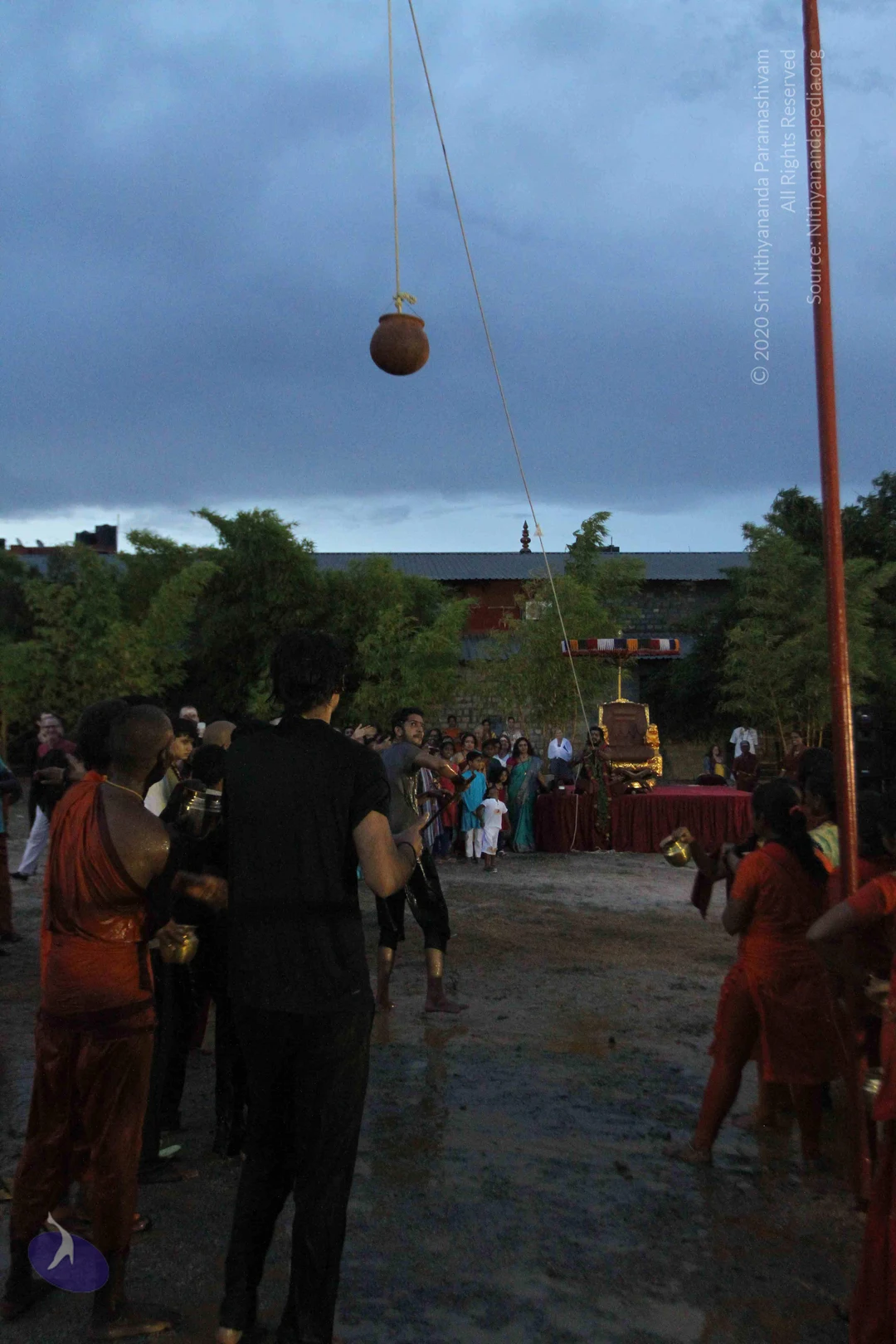
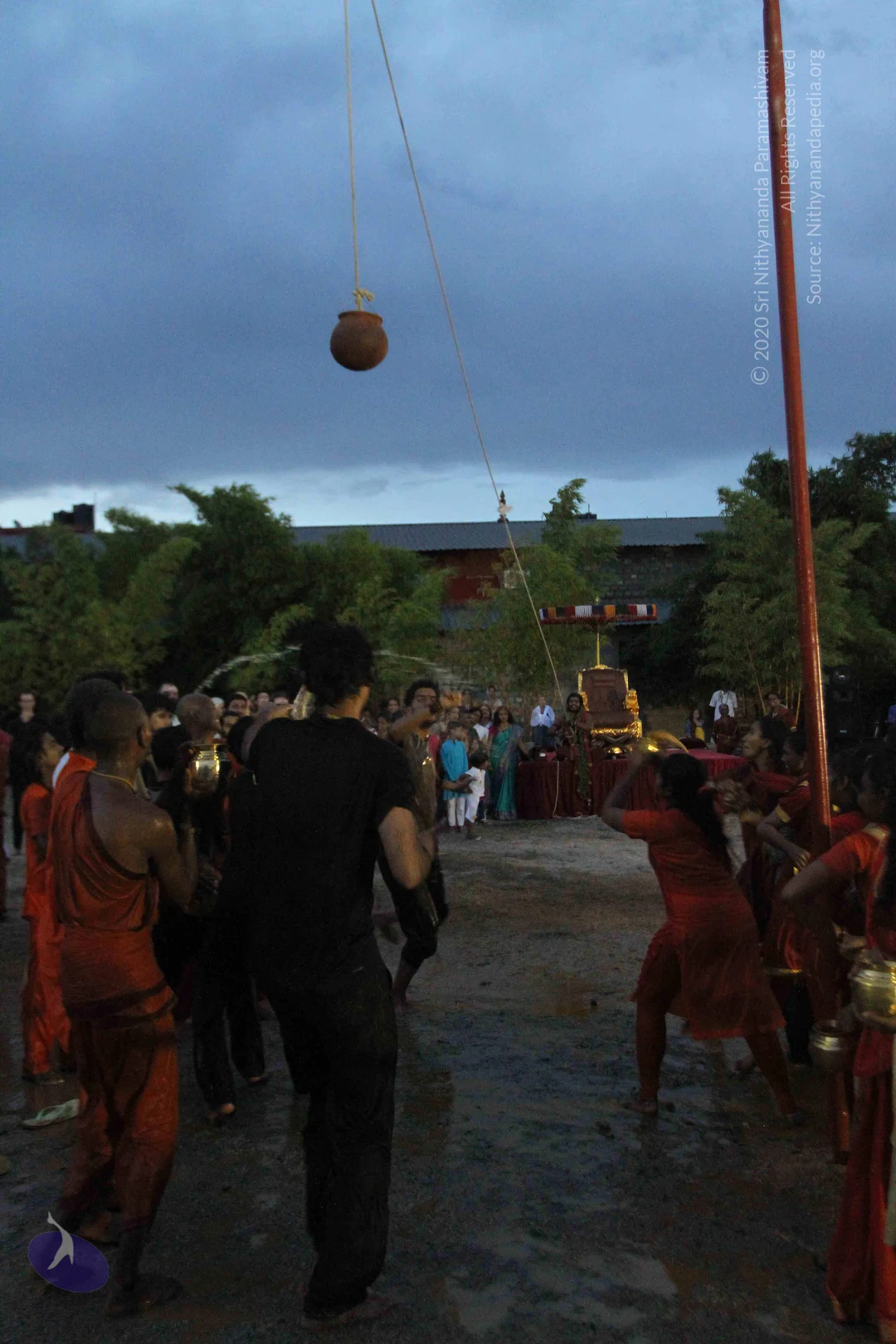
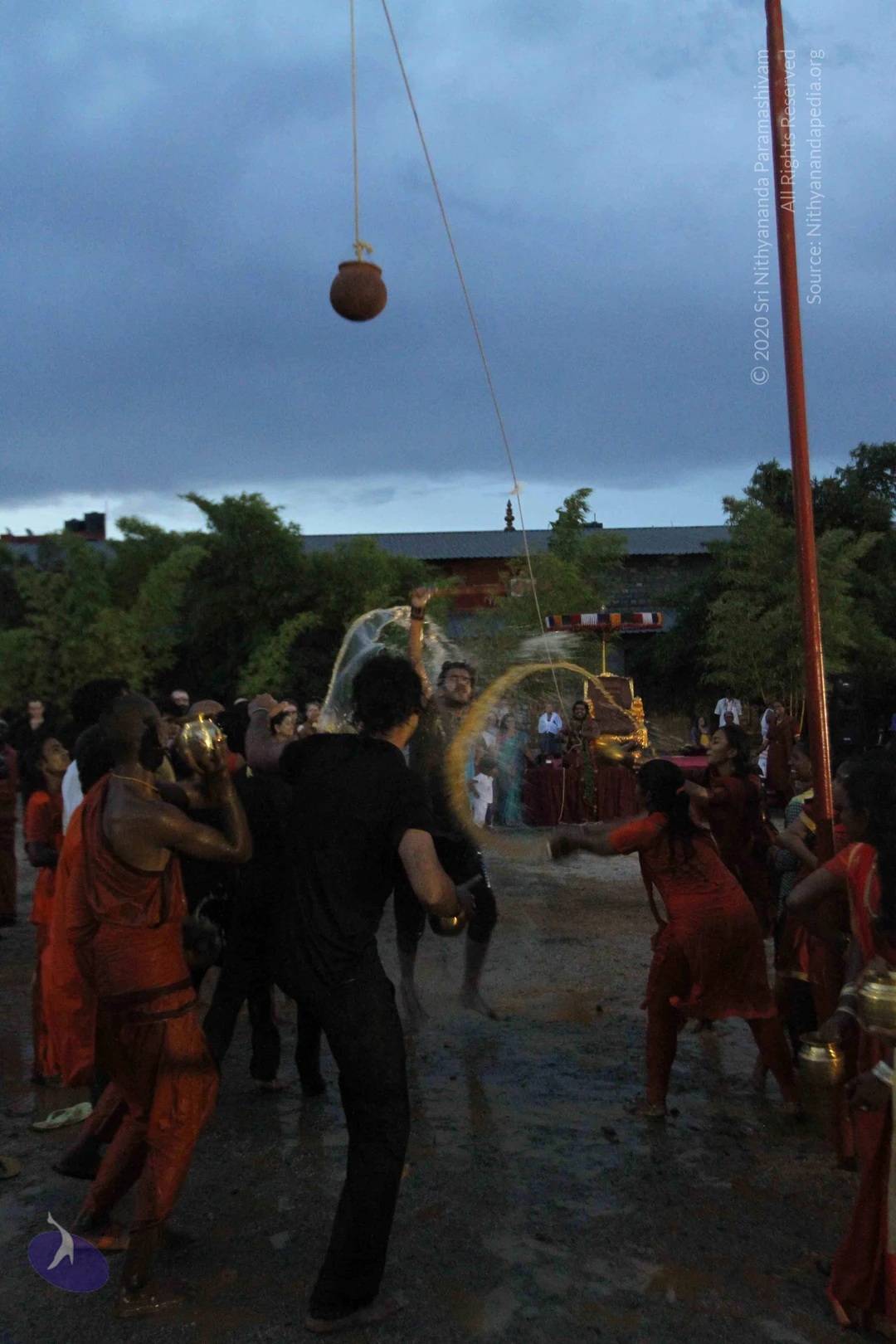
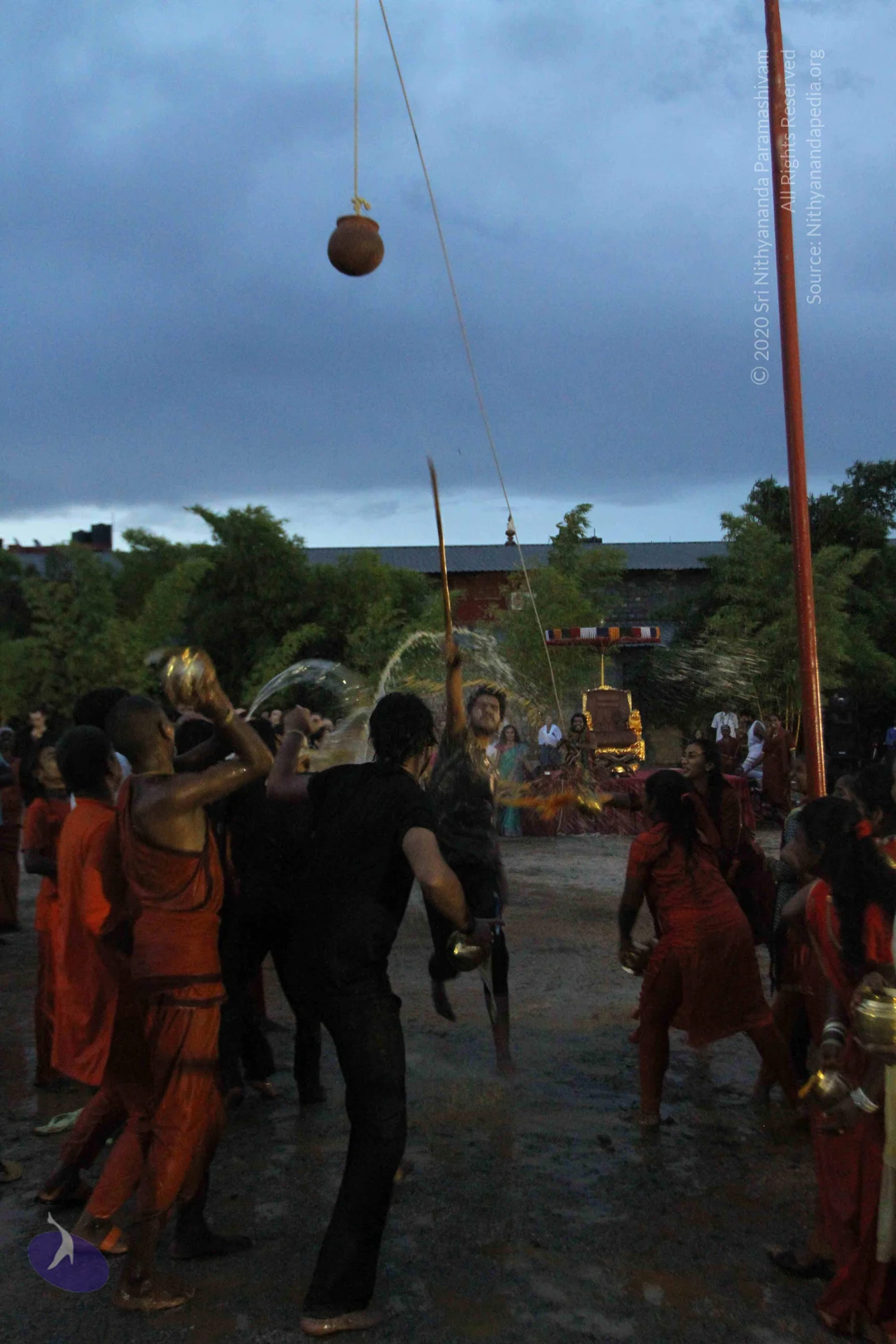
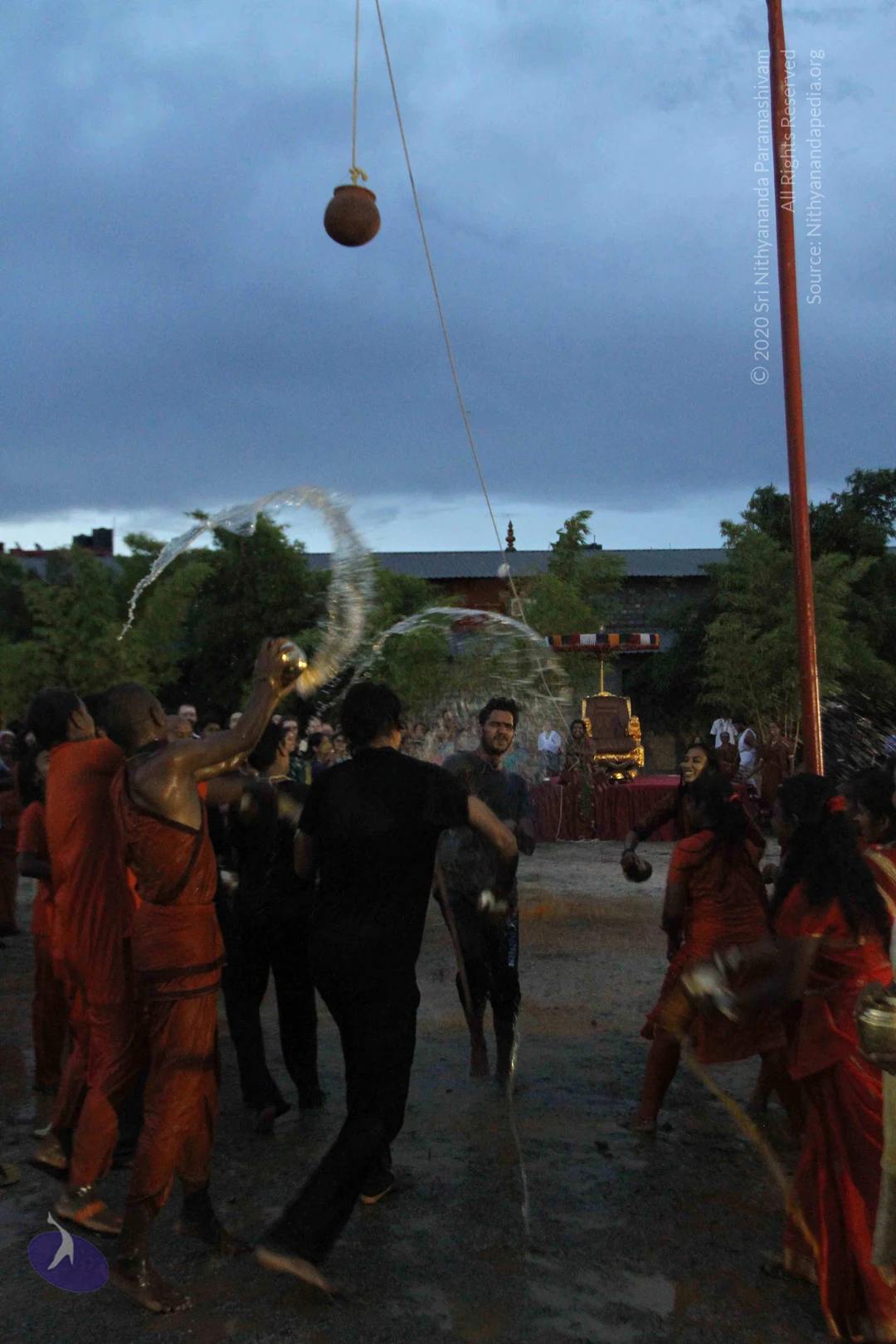
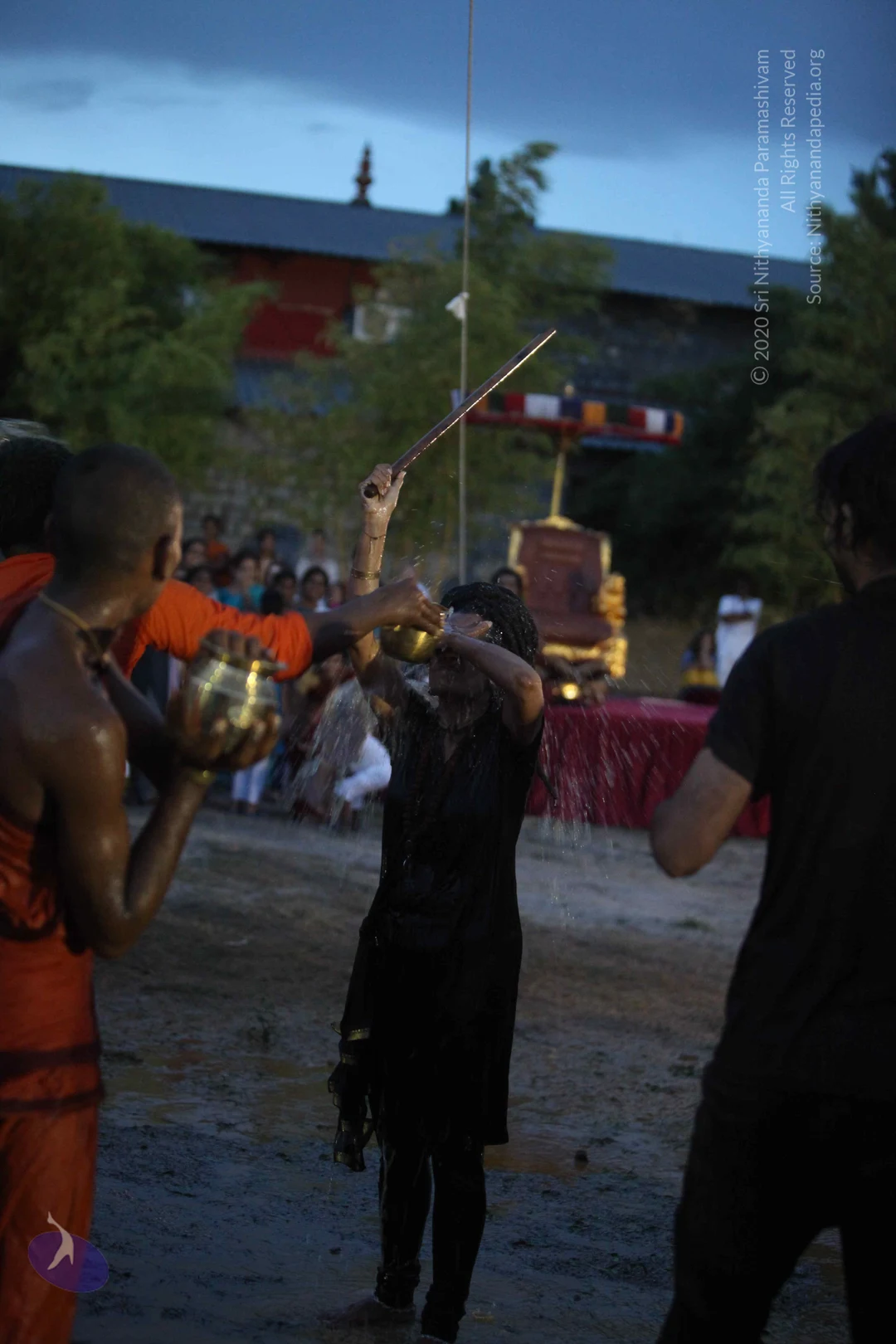
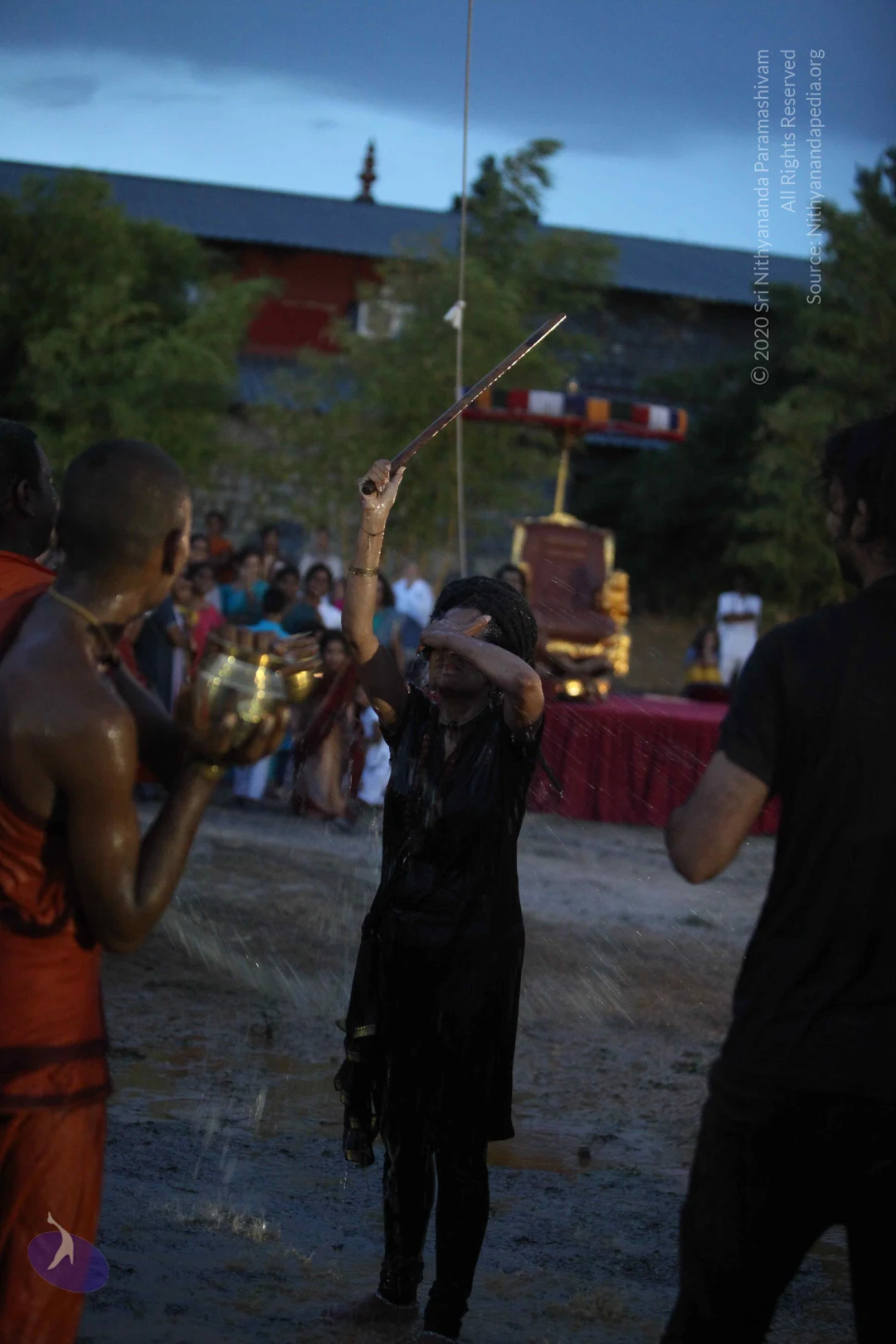
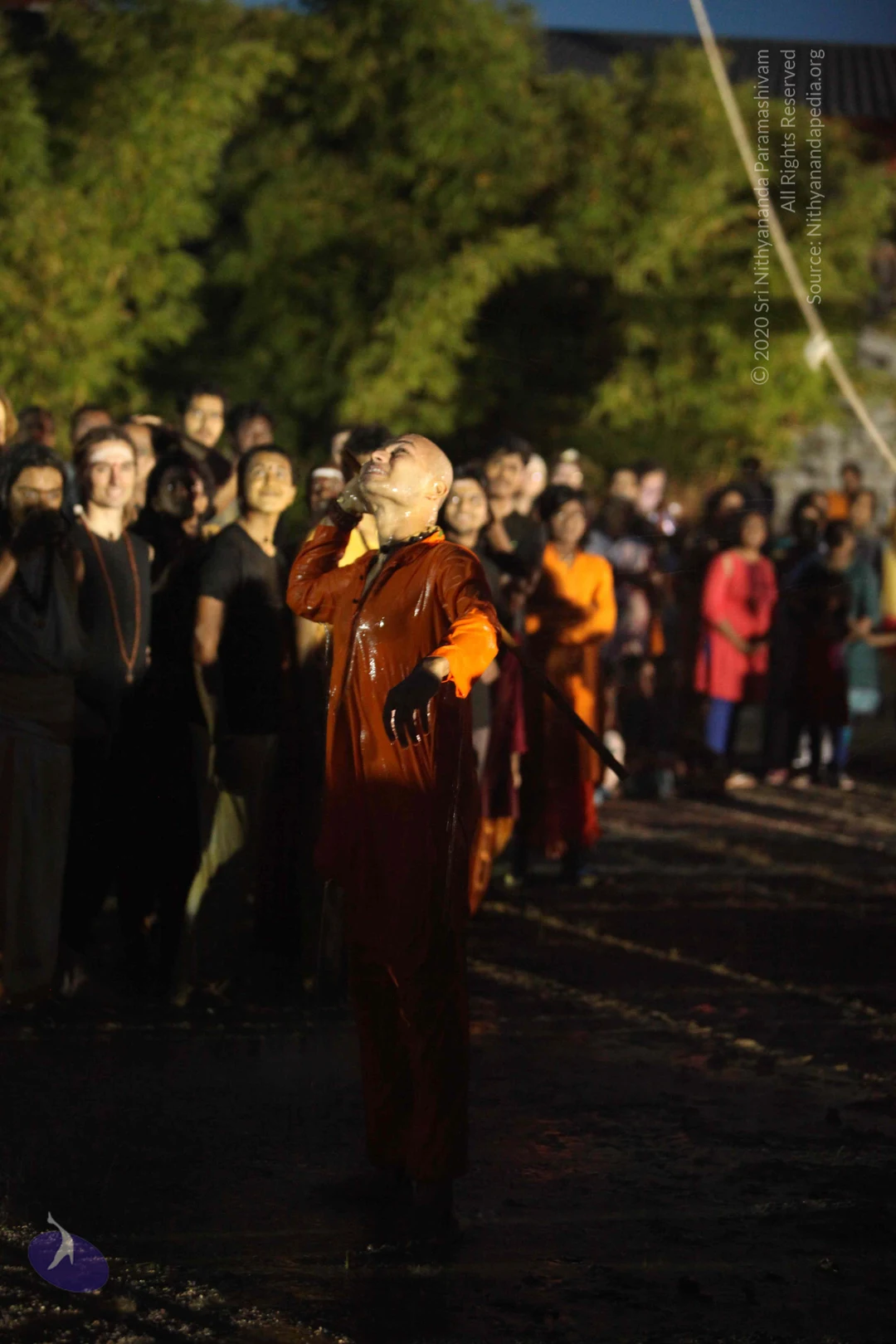
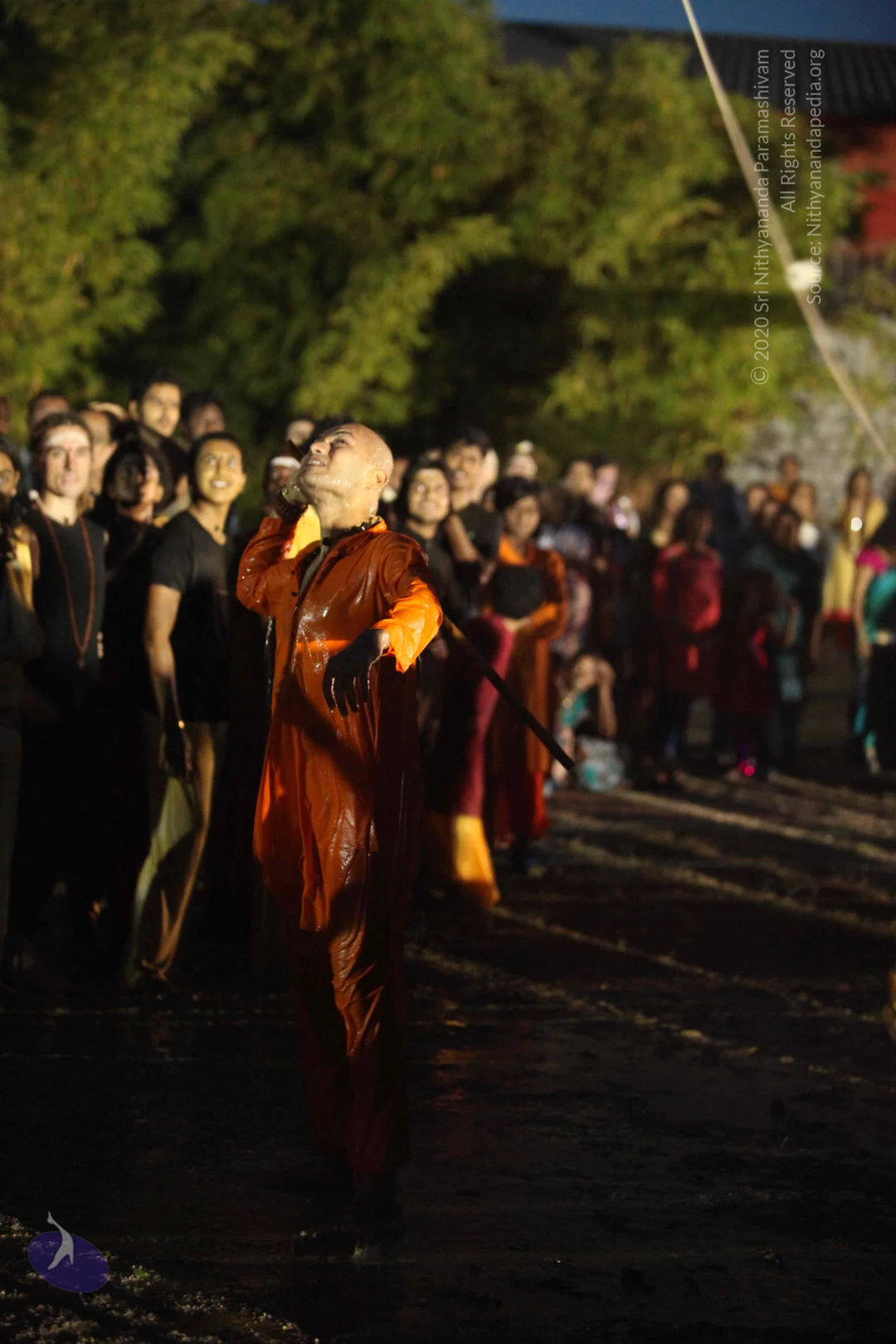
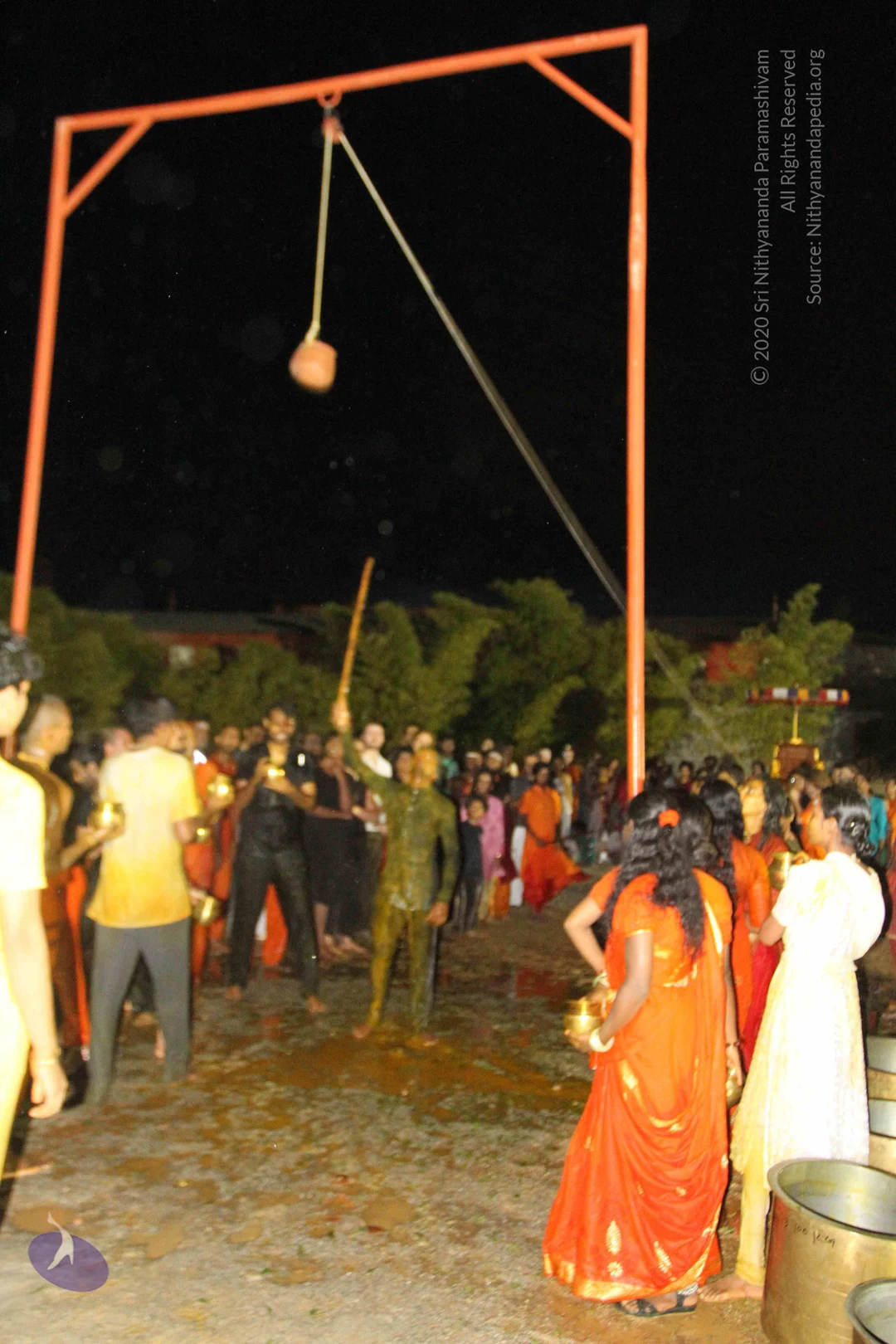
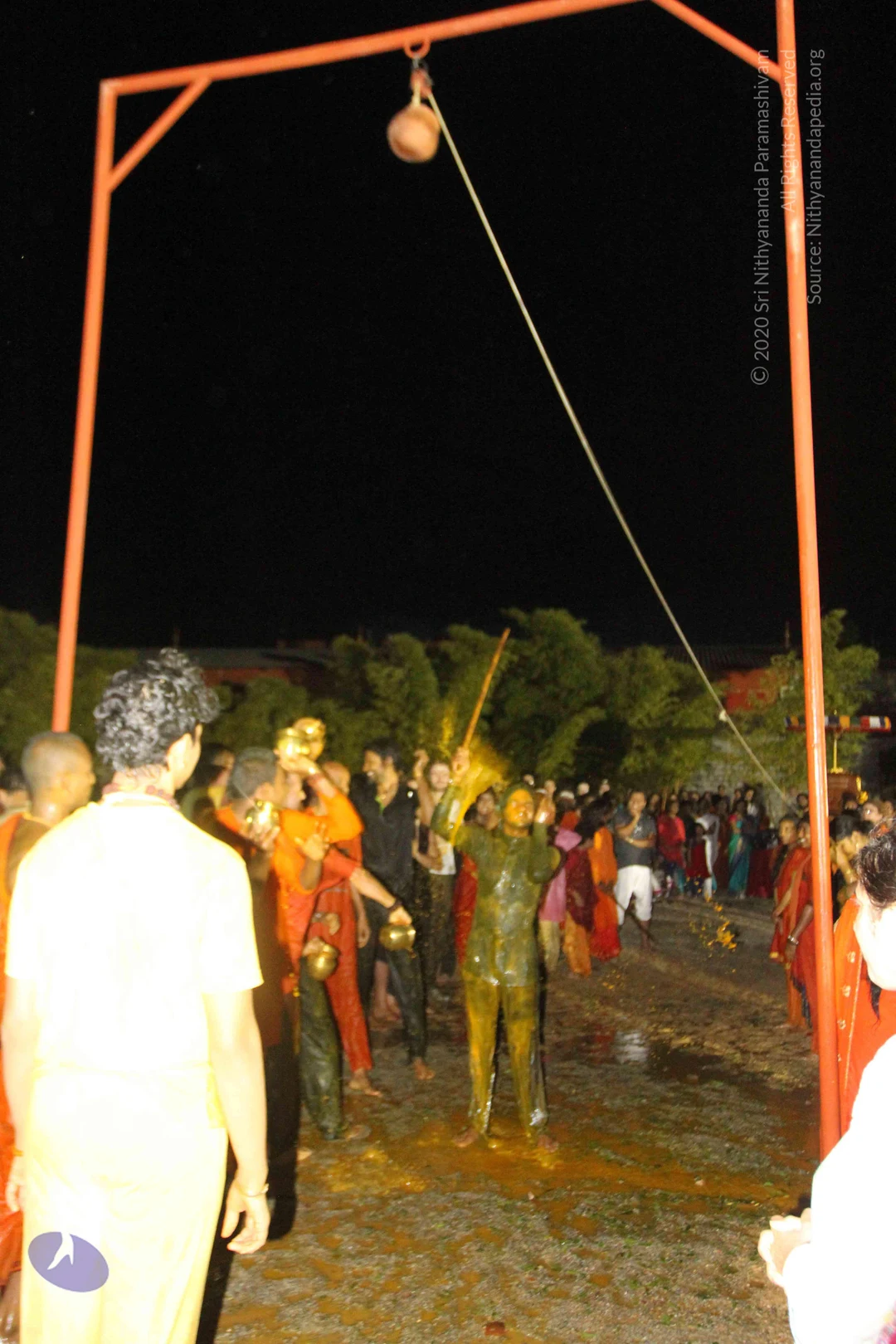
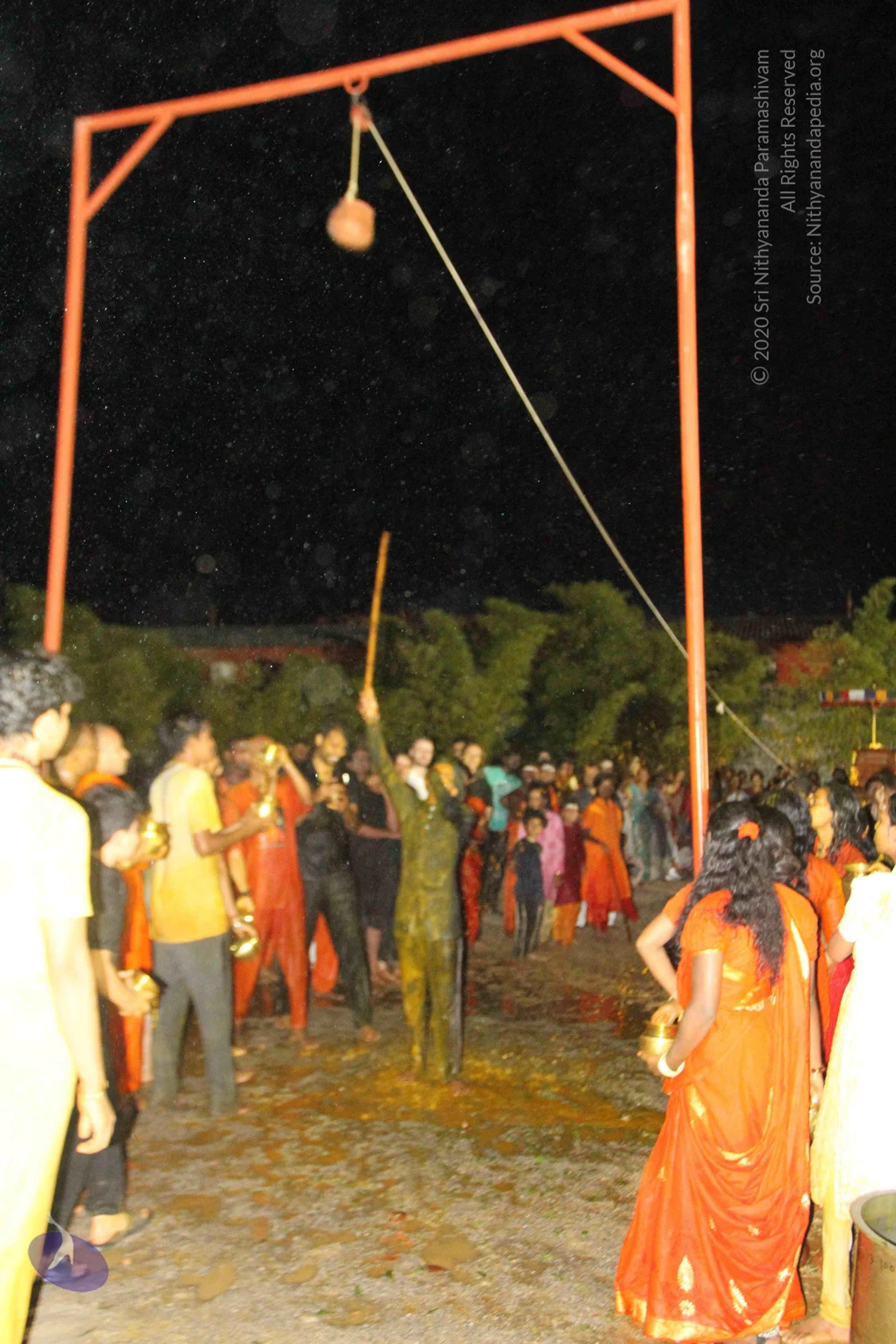
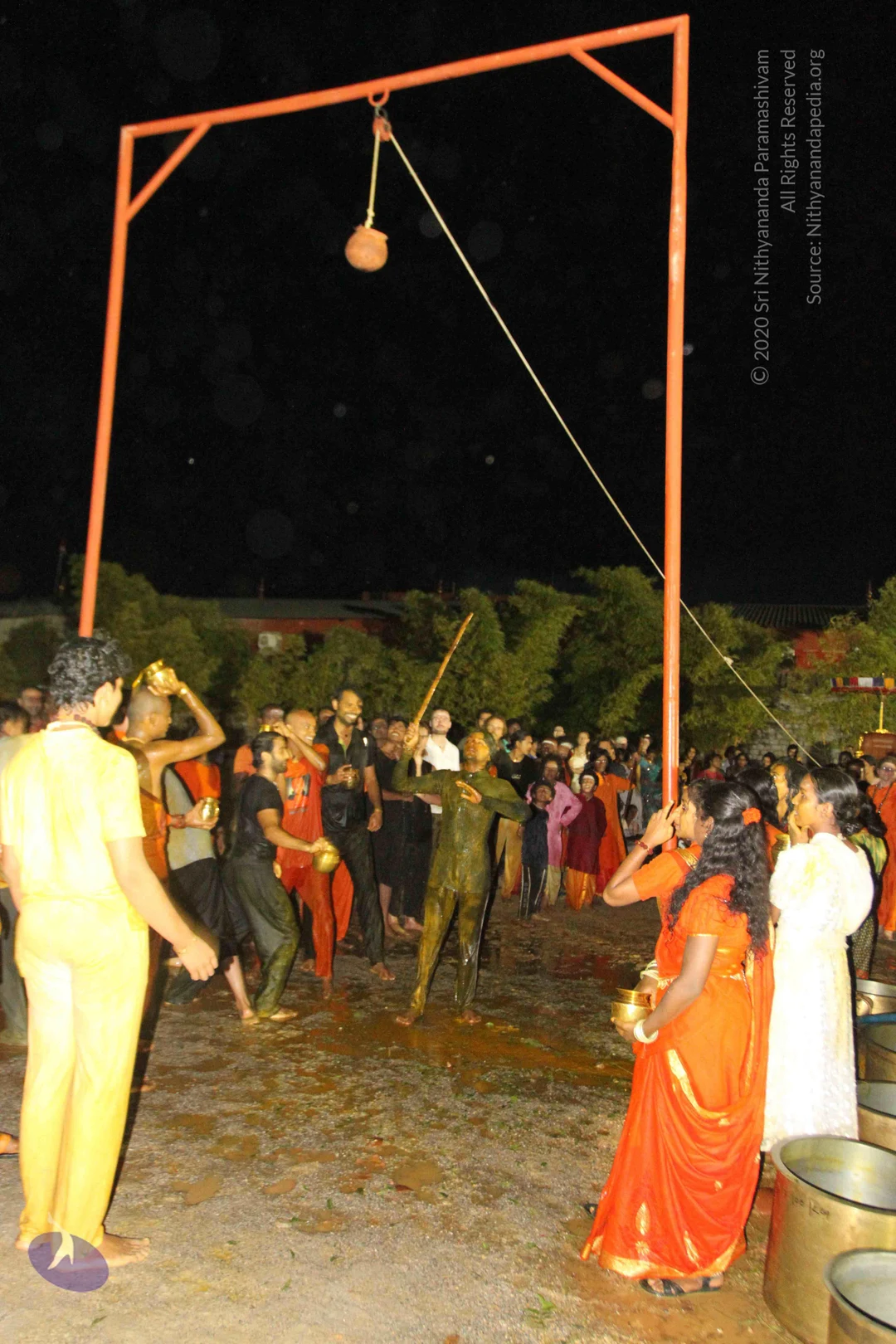
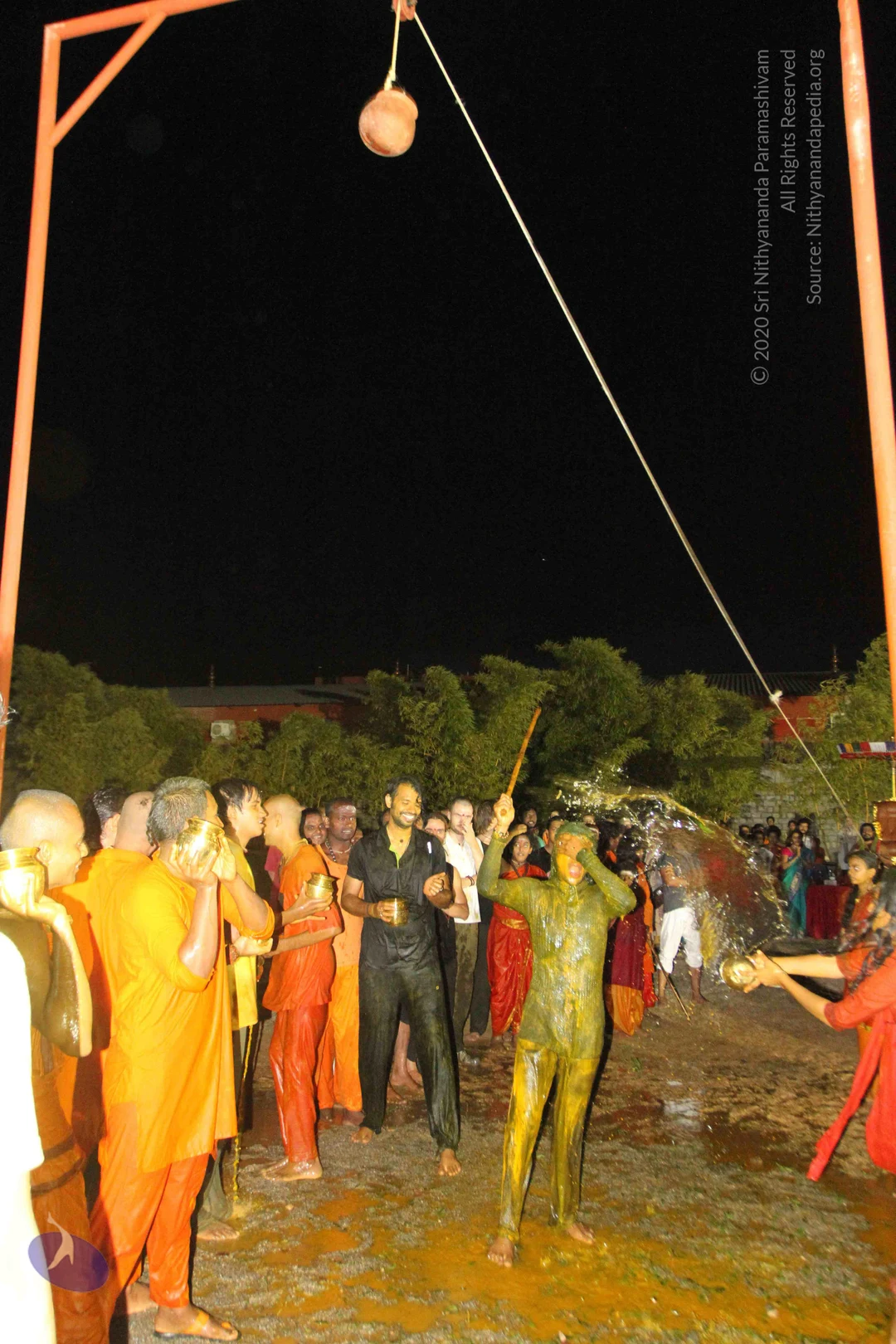
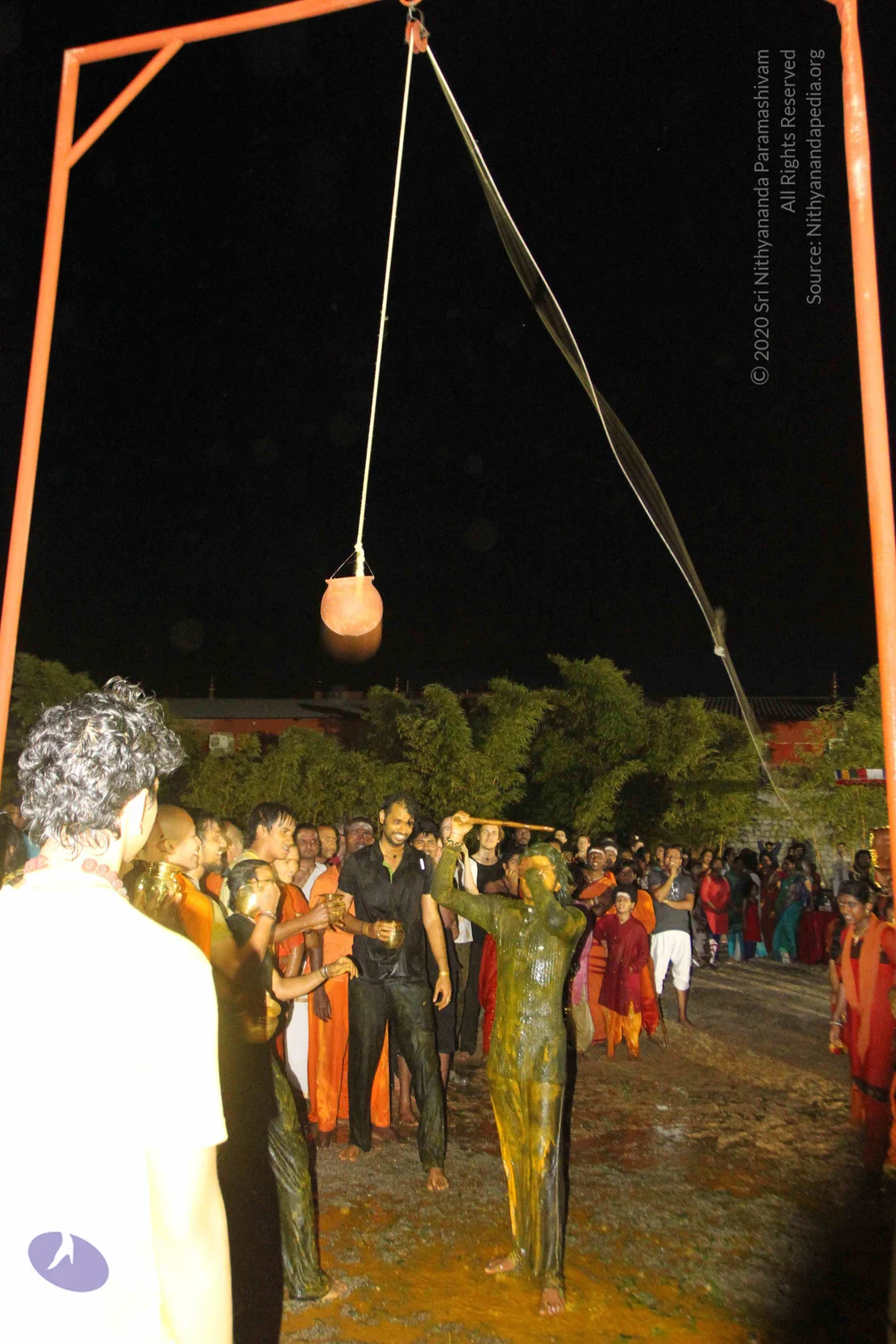
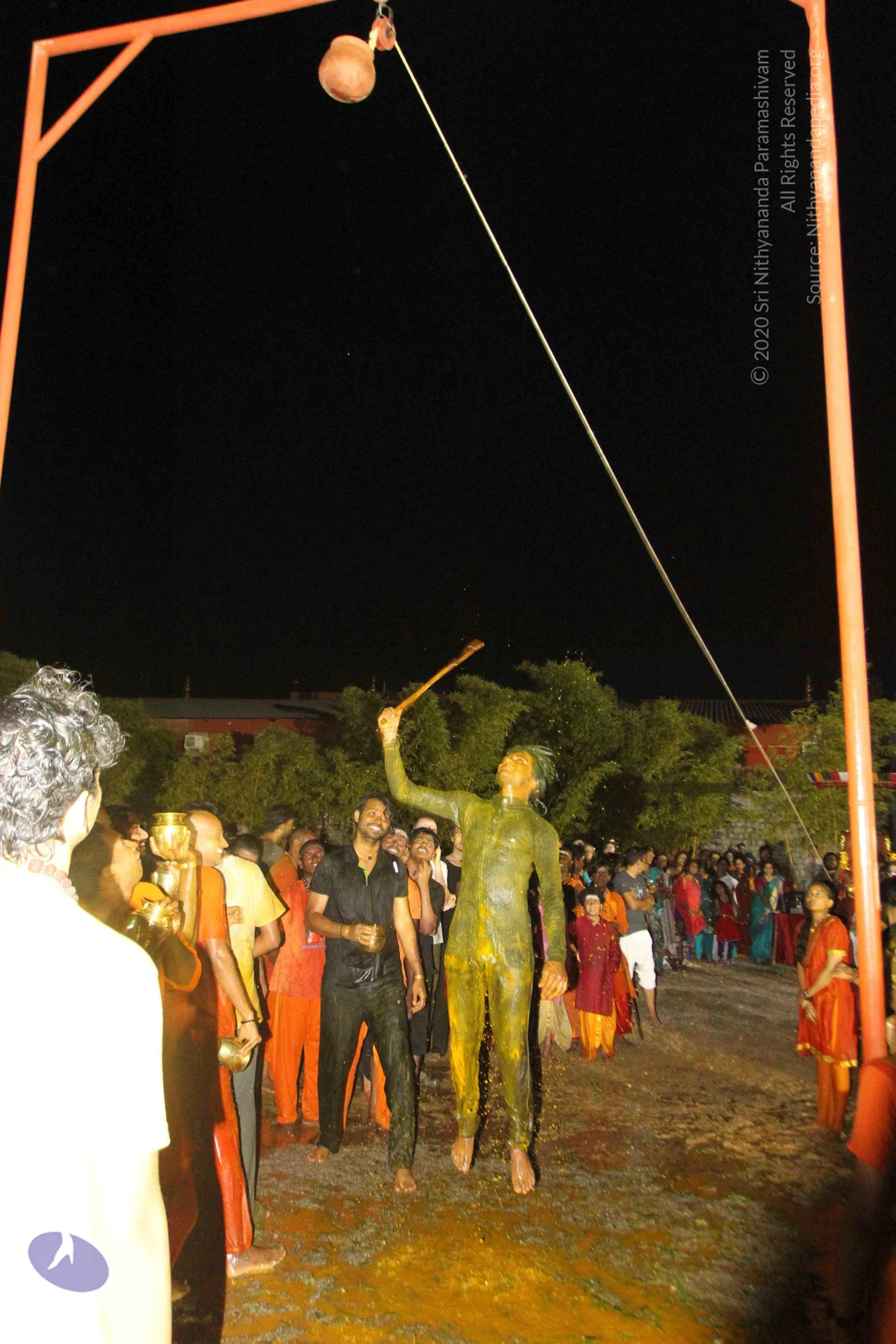
Pot-breaking-Traditional game

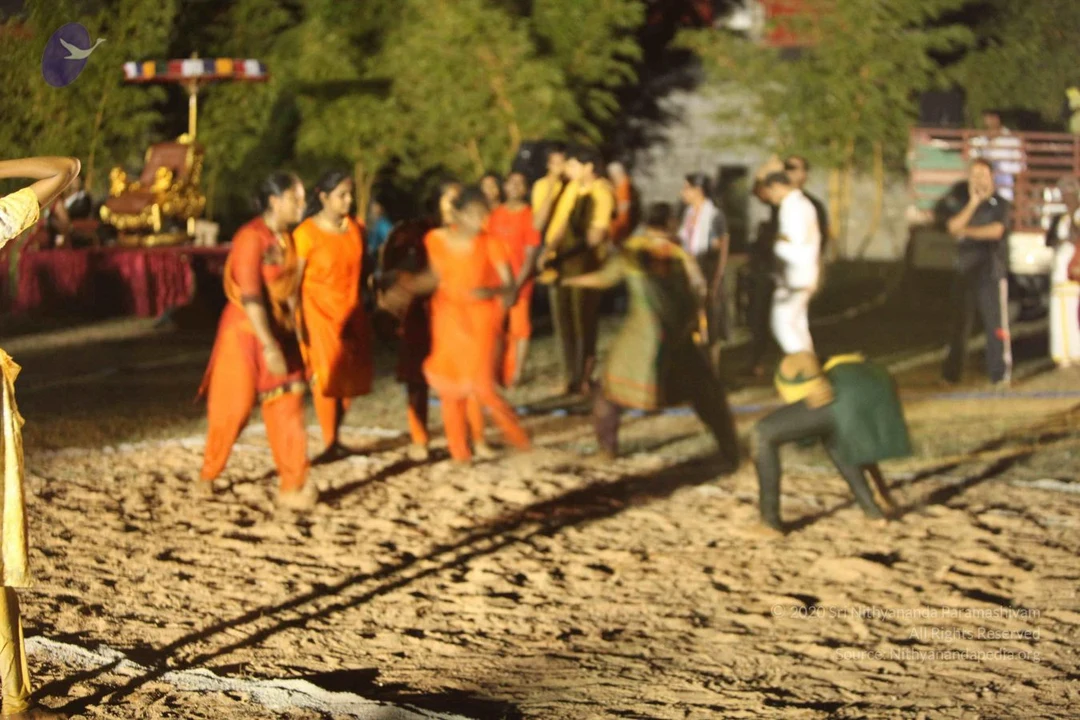
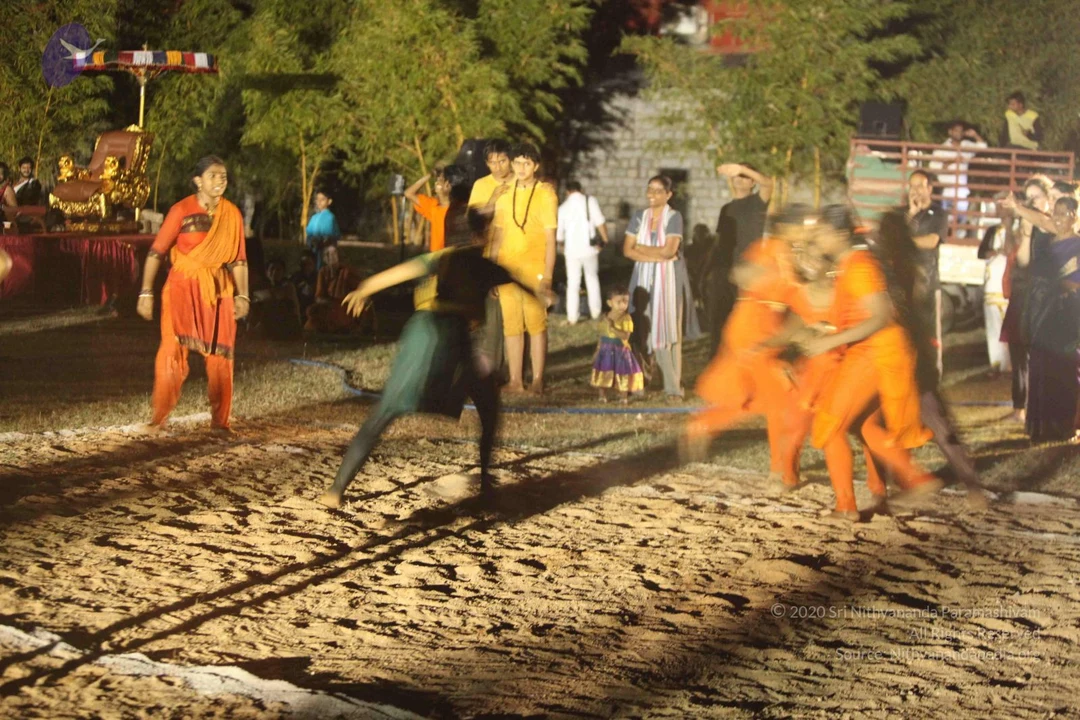
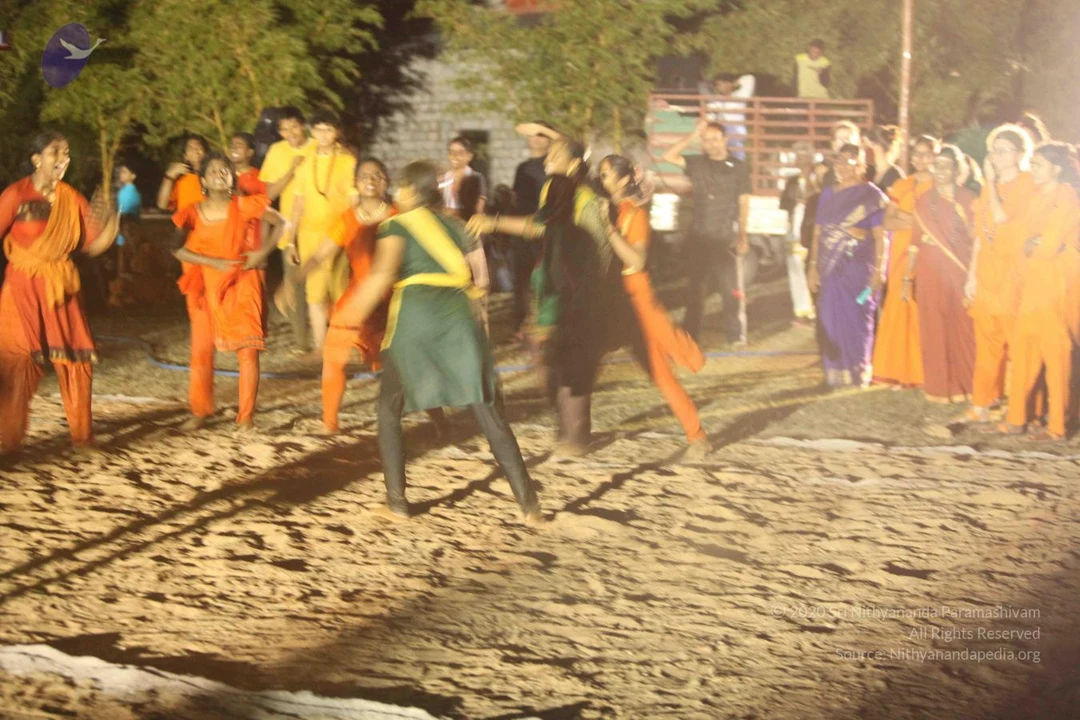
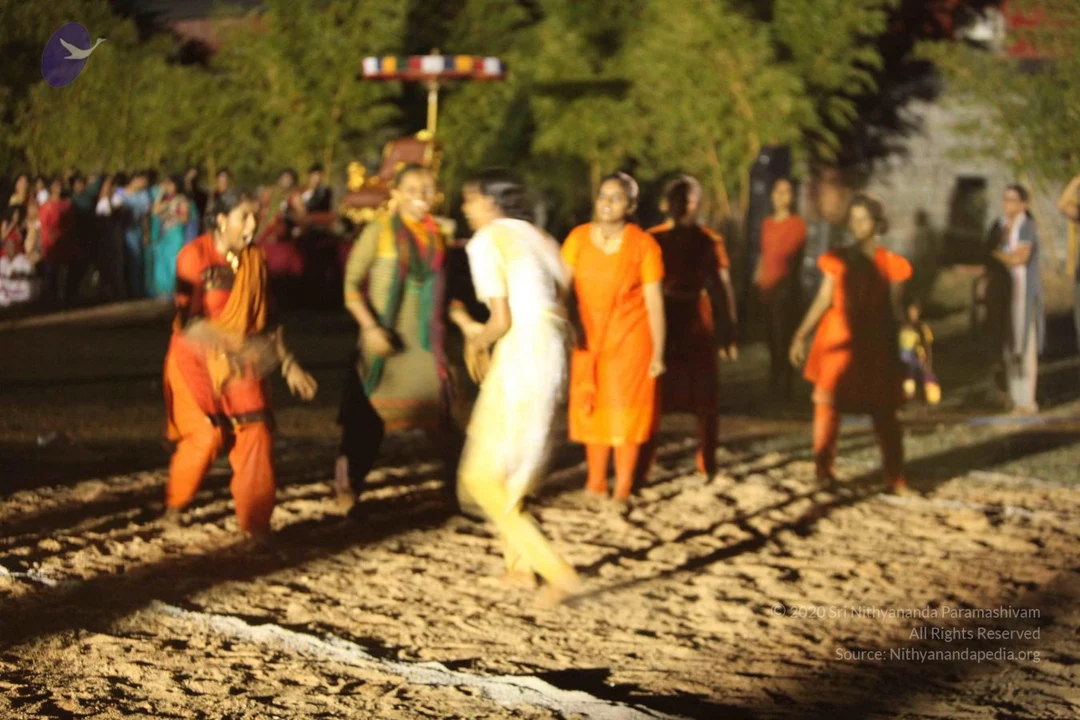
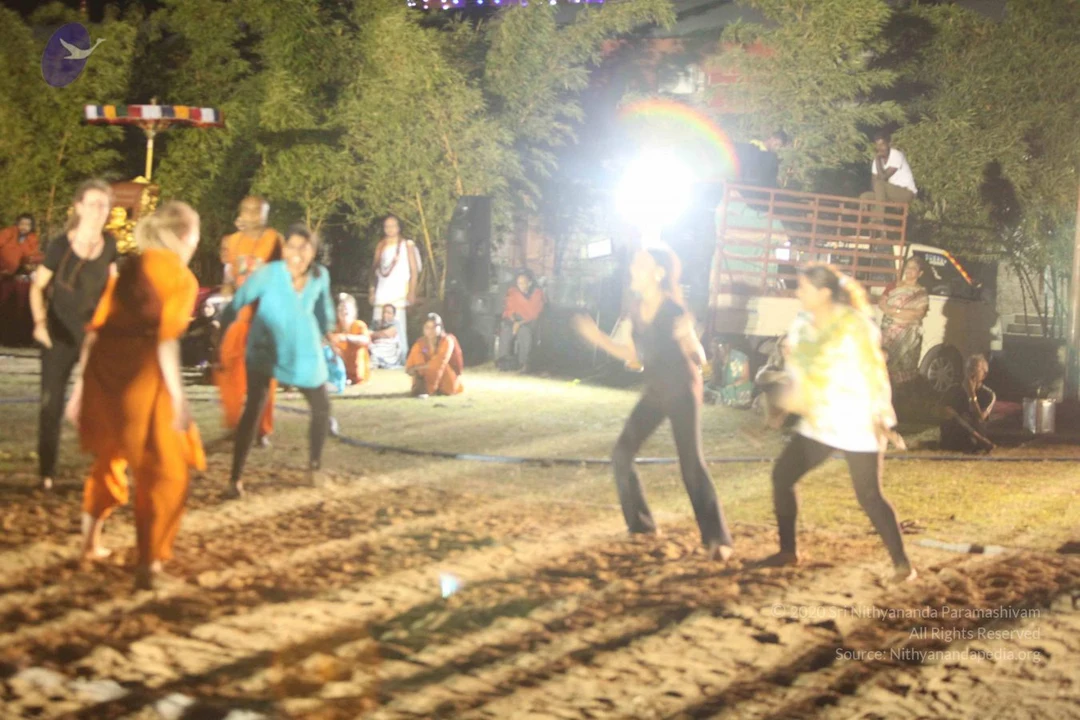
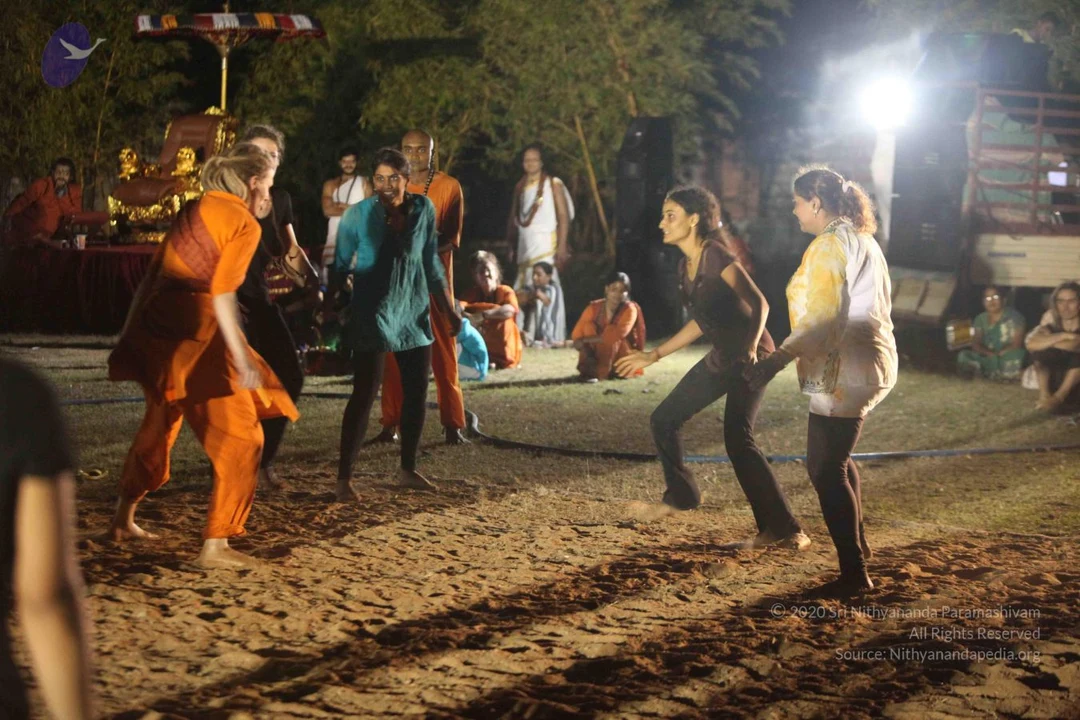
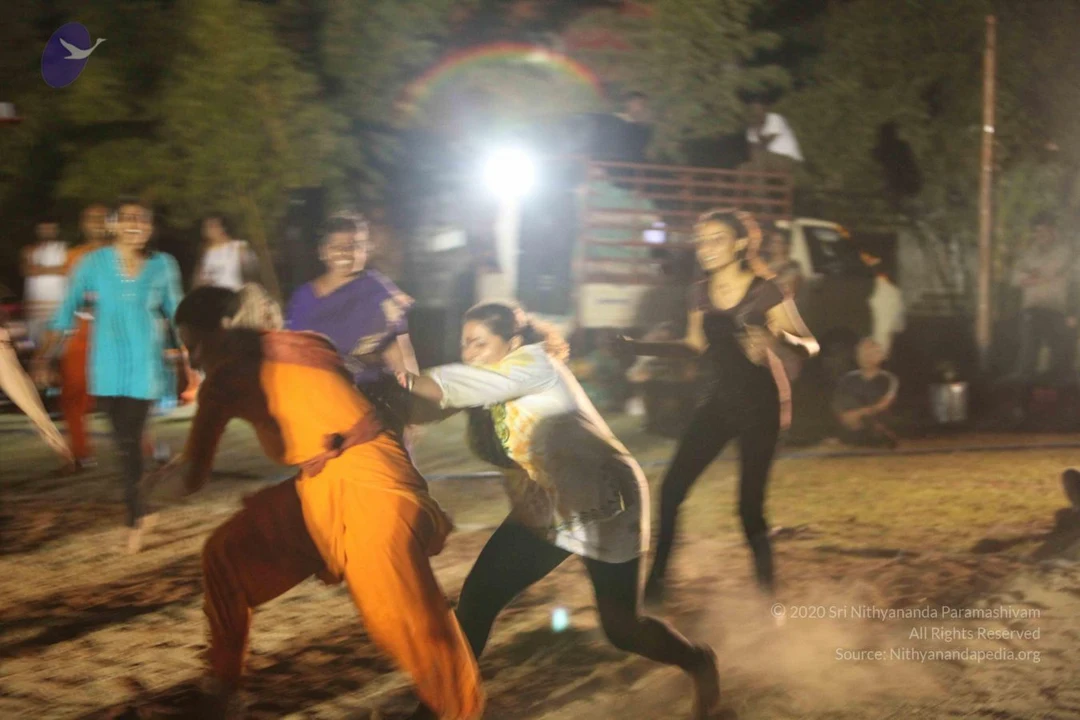
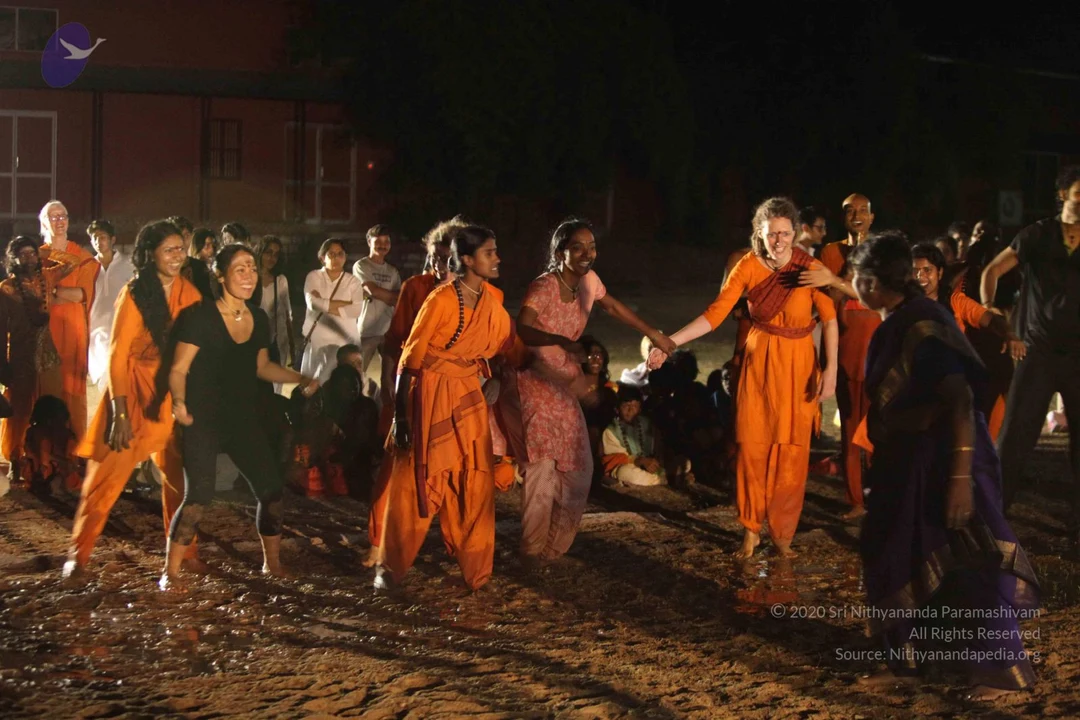
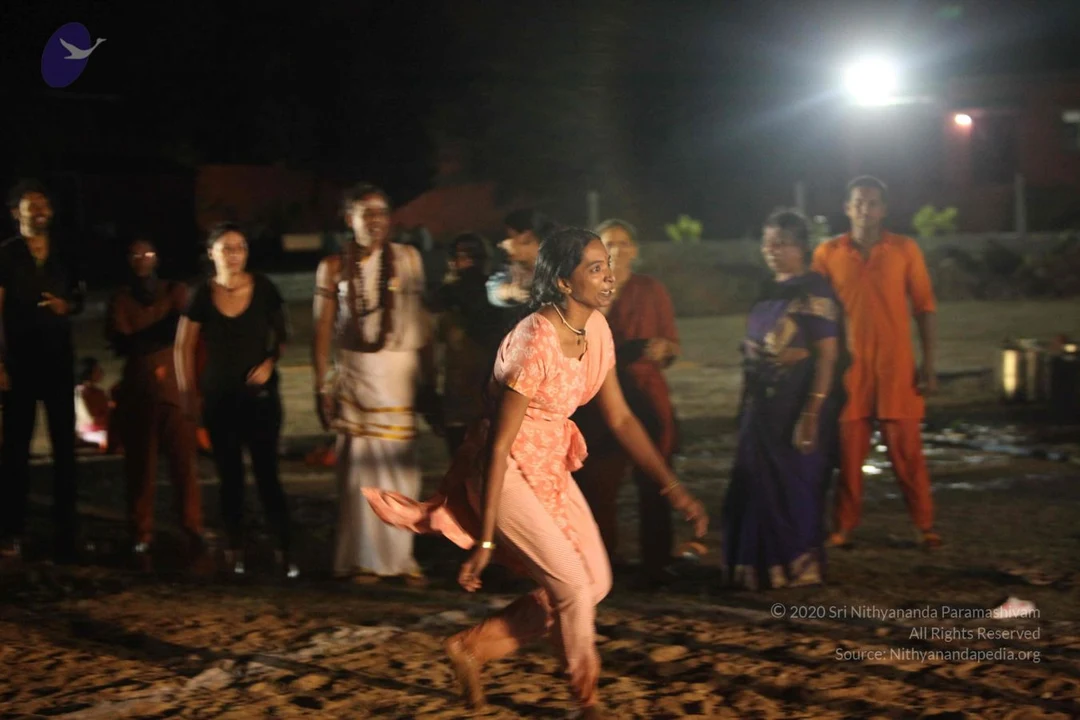
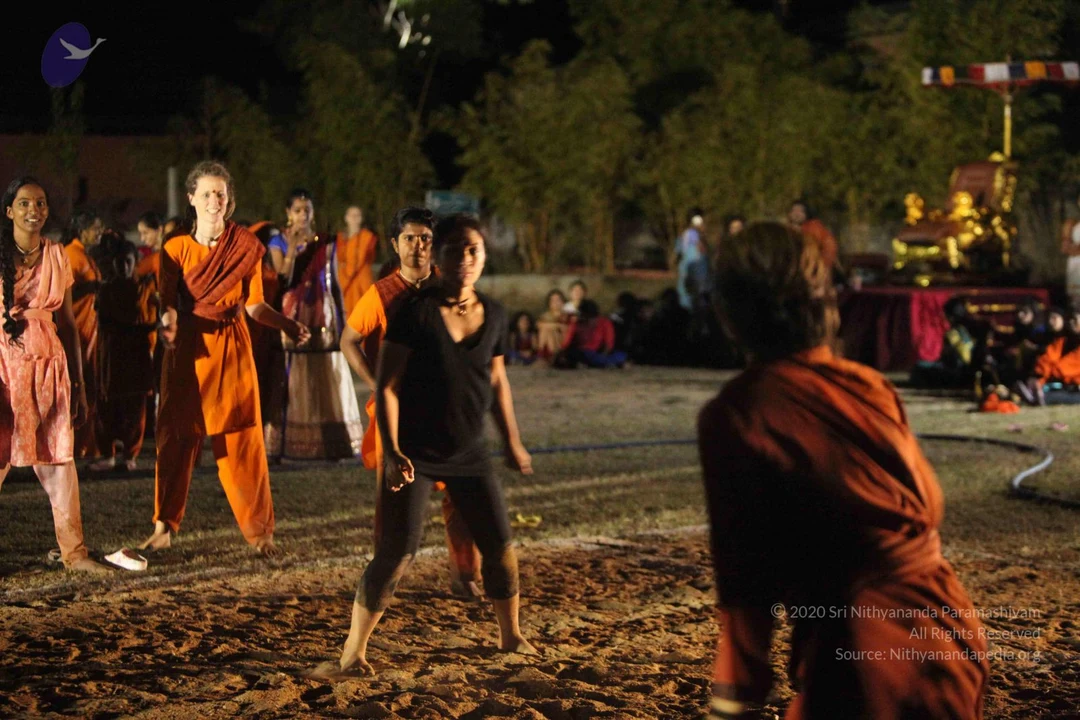
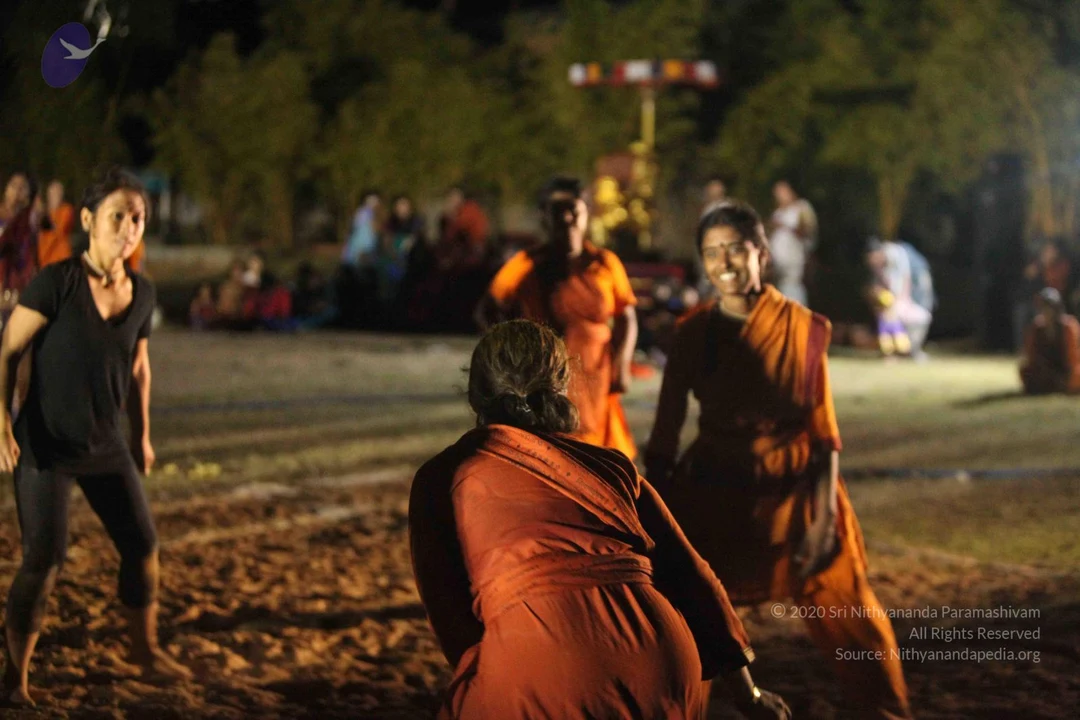
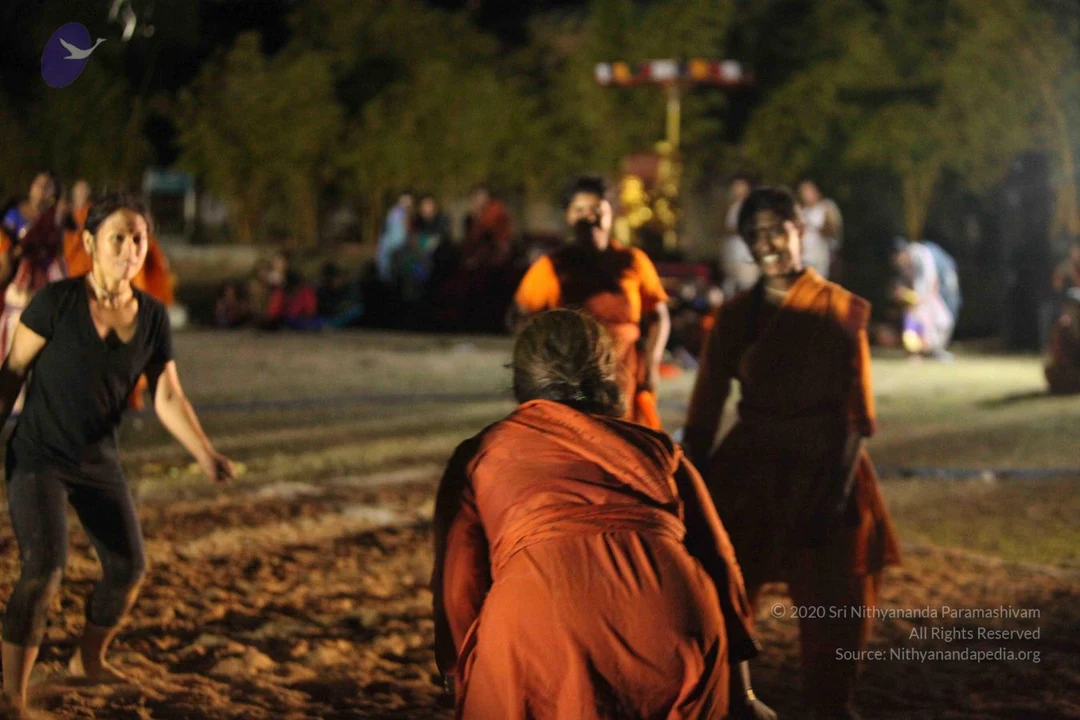
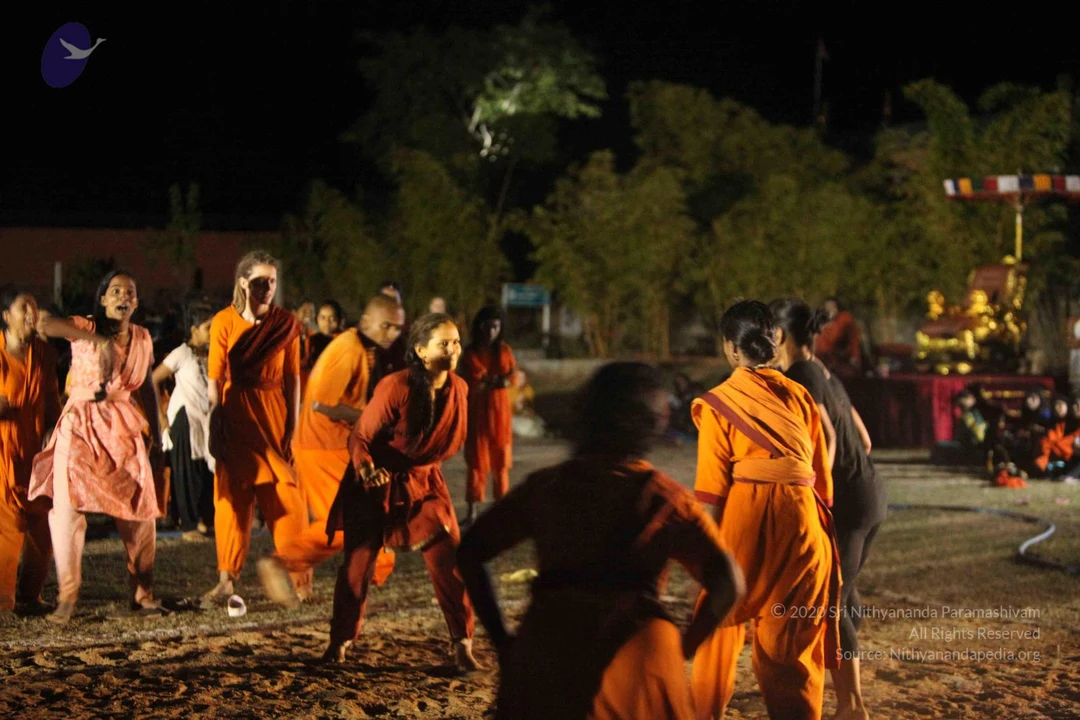
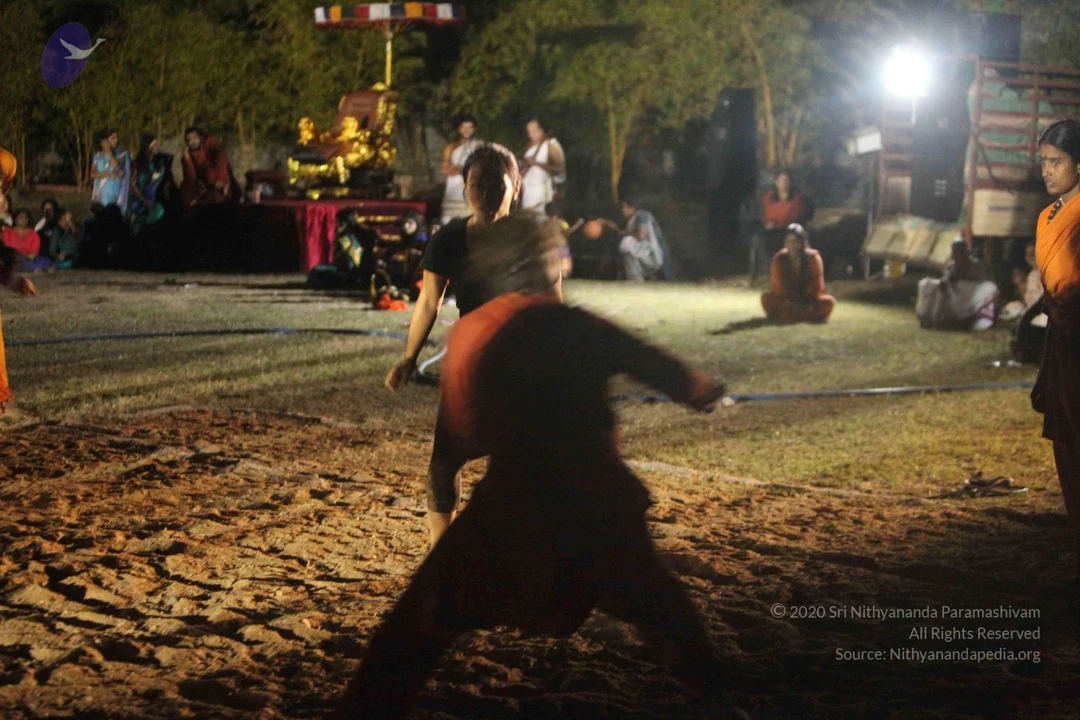
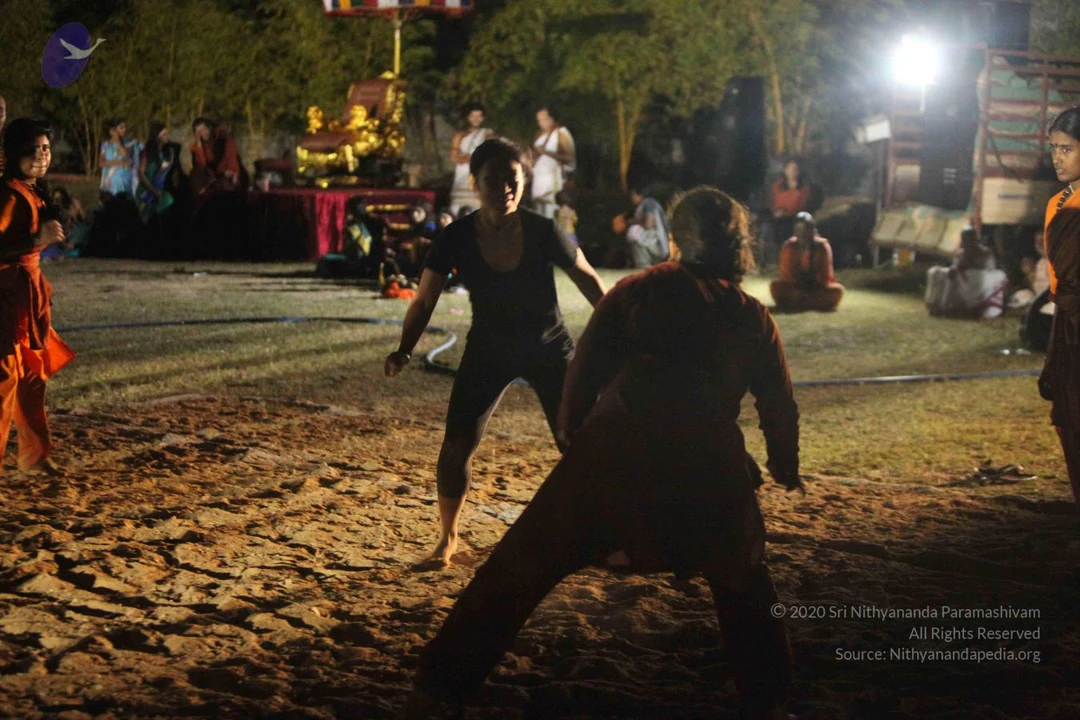
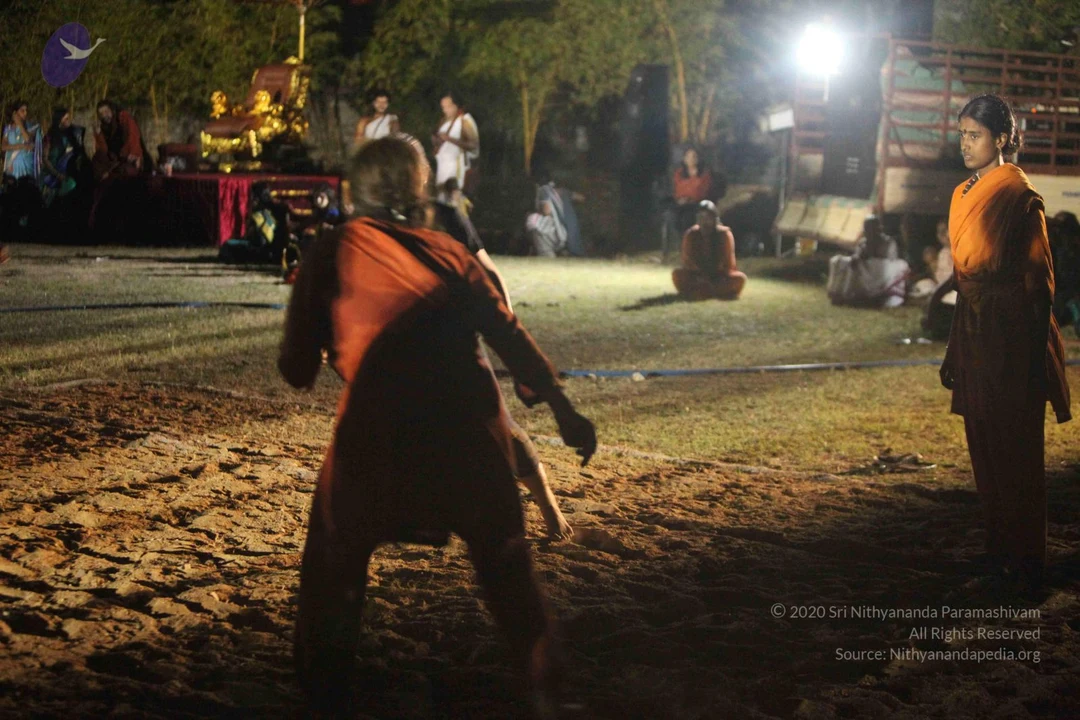
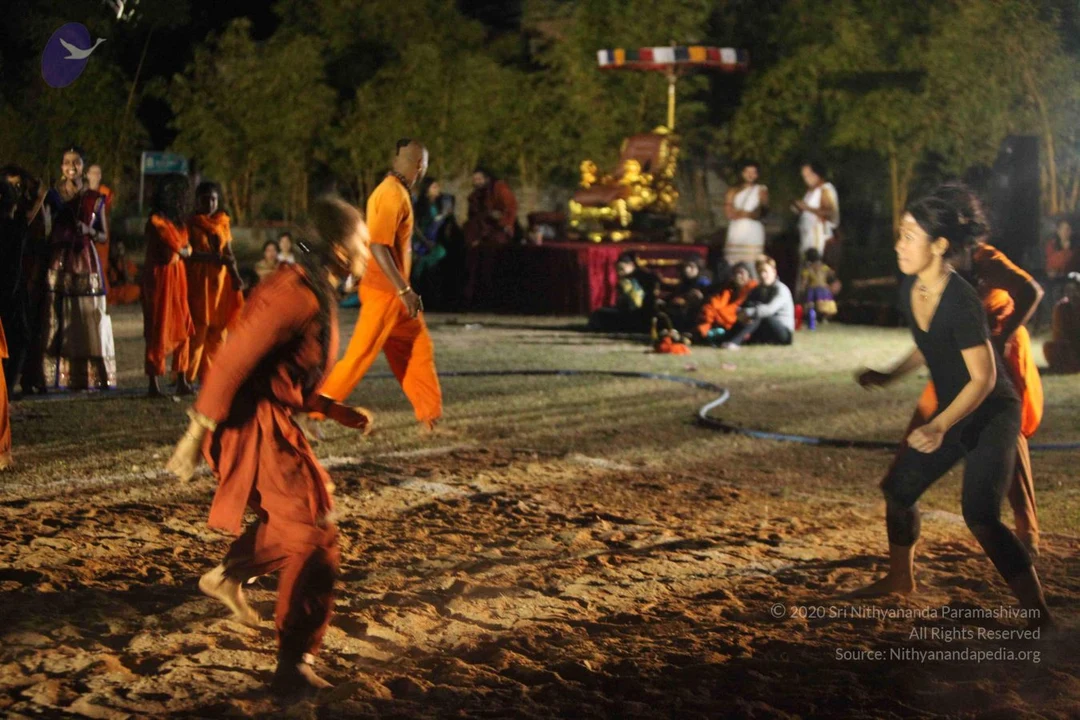
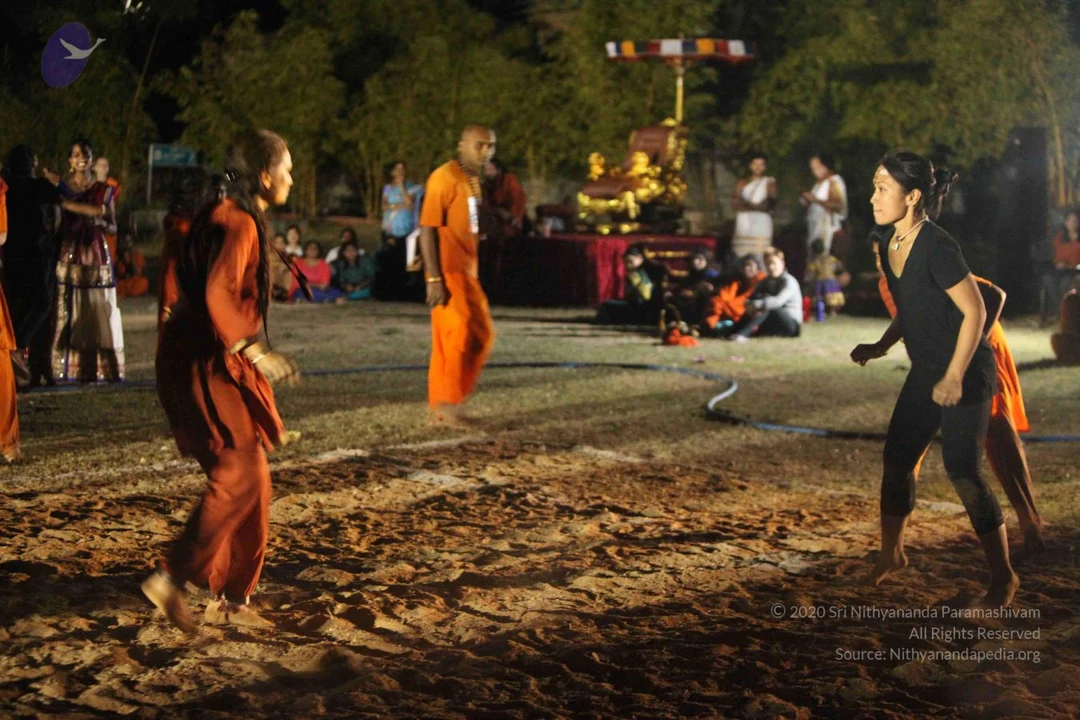
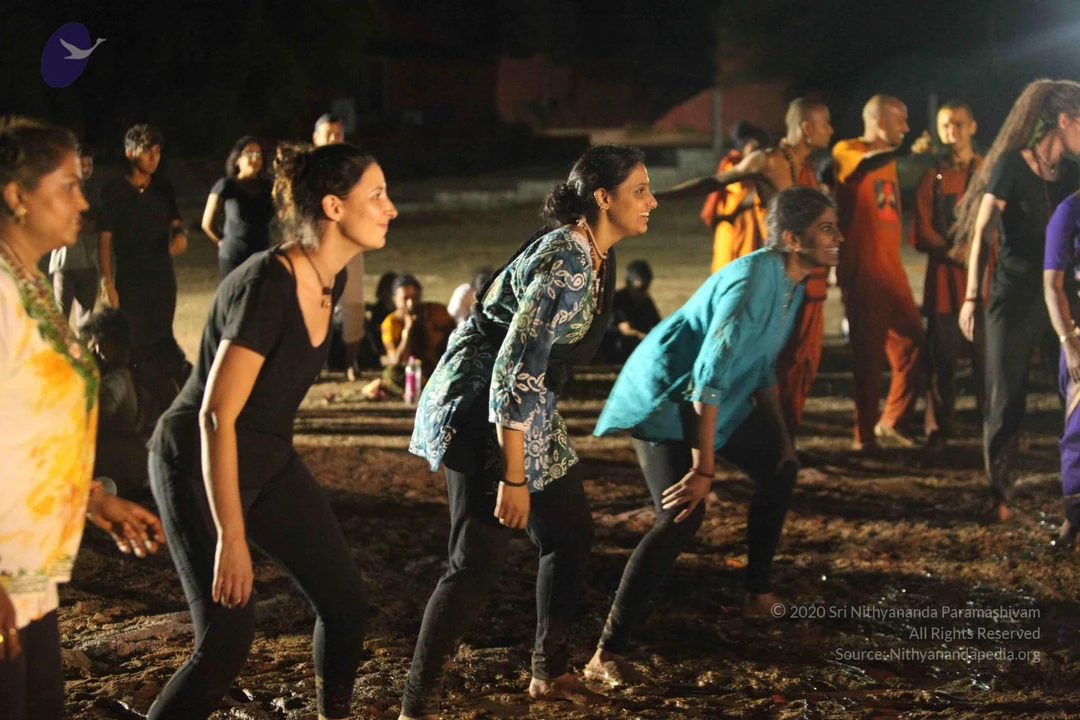
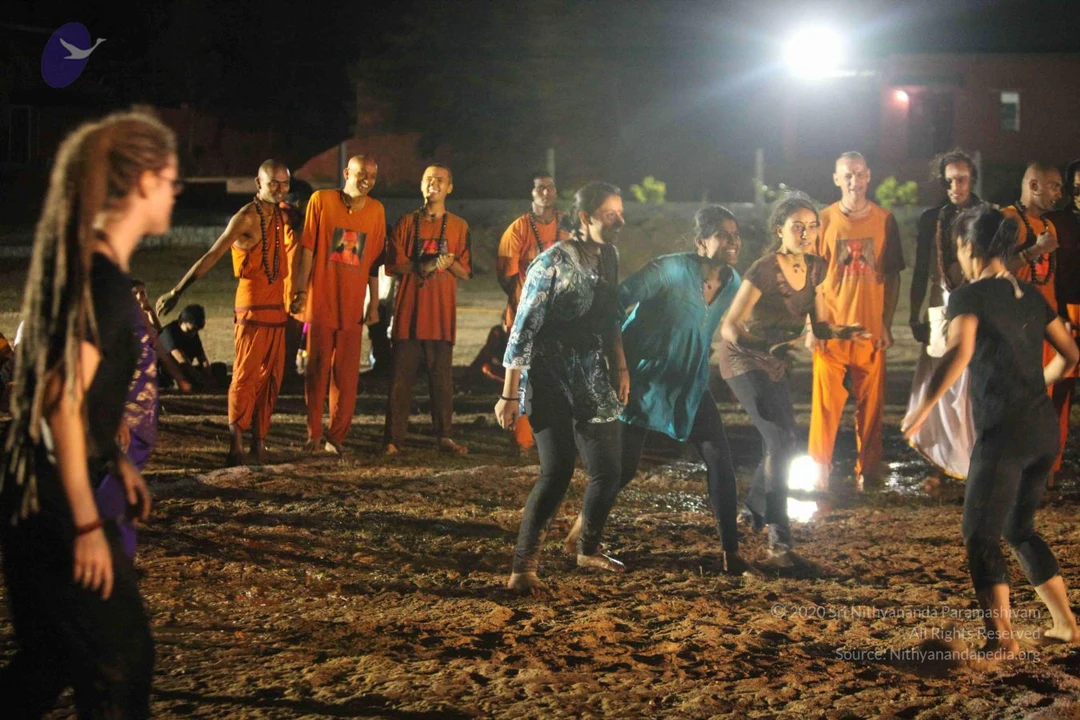
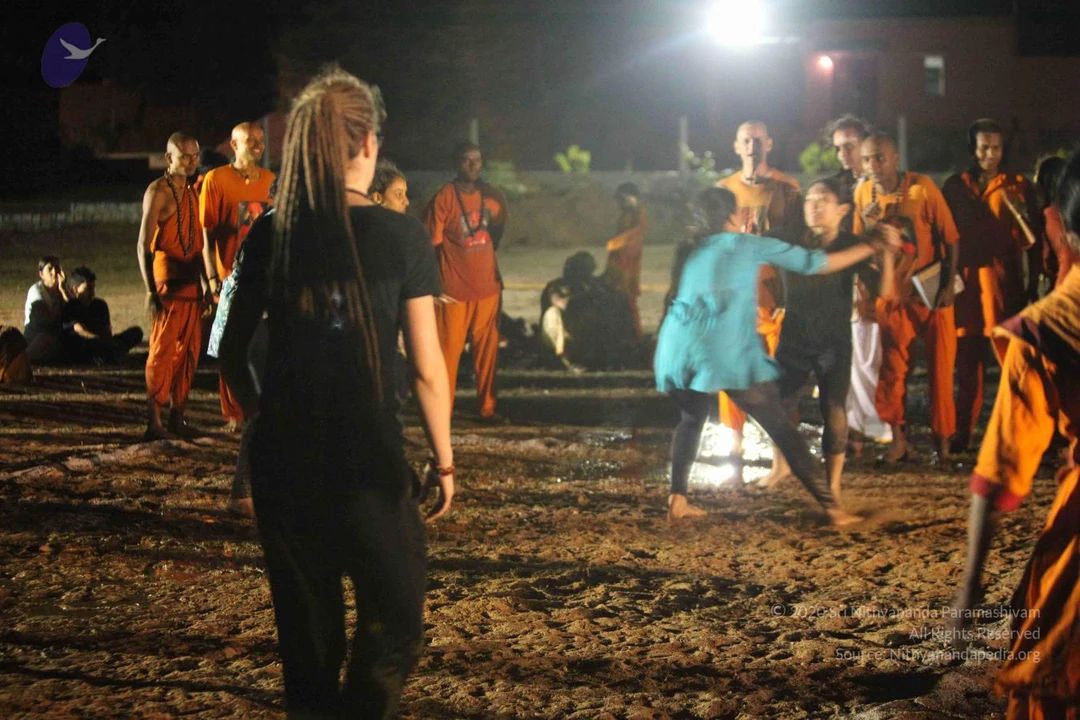
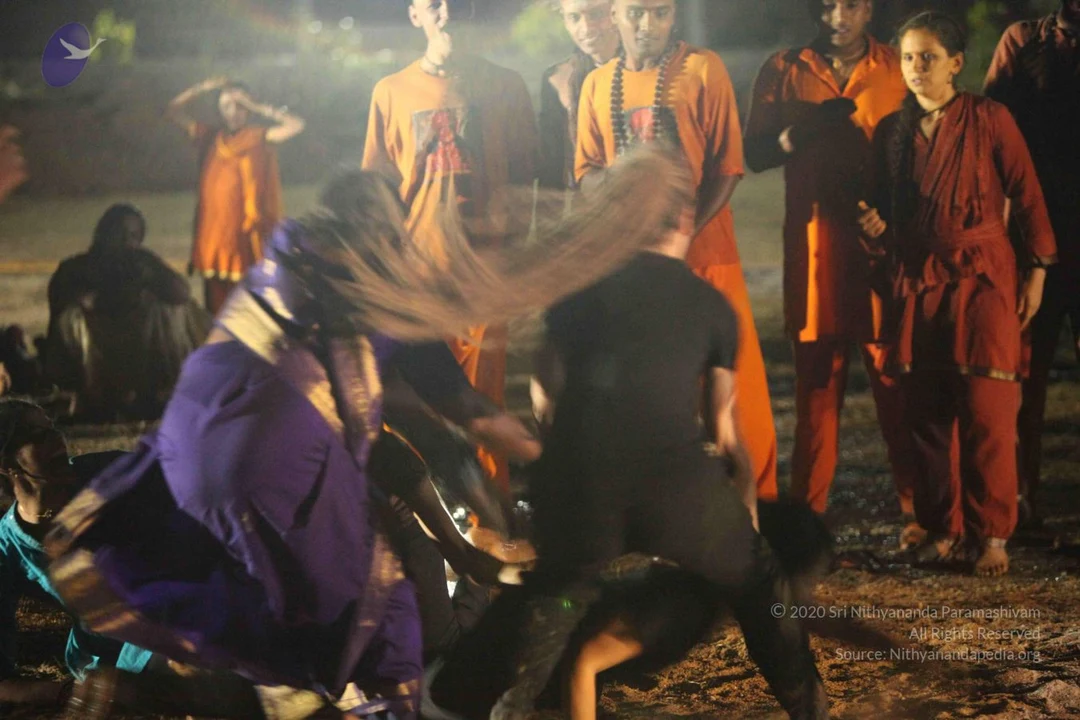
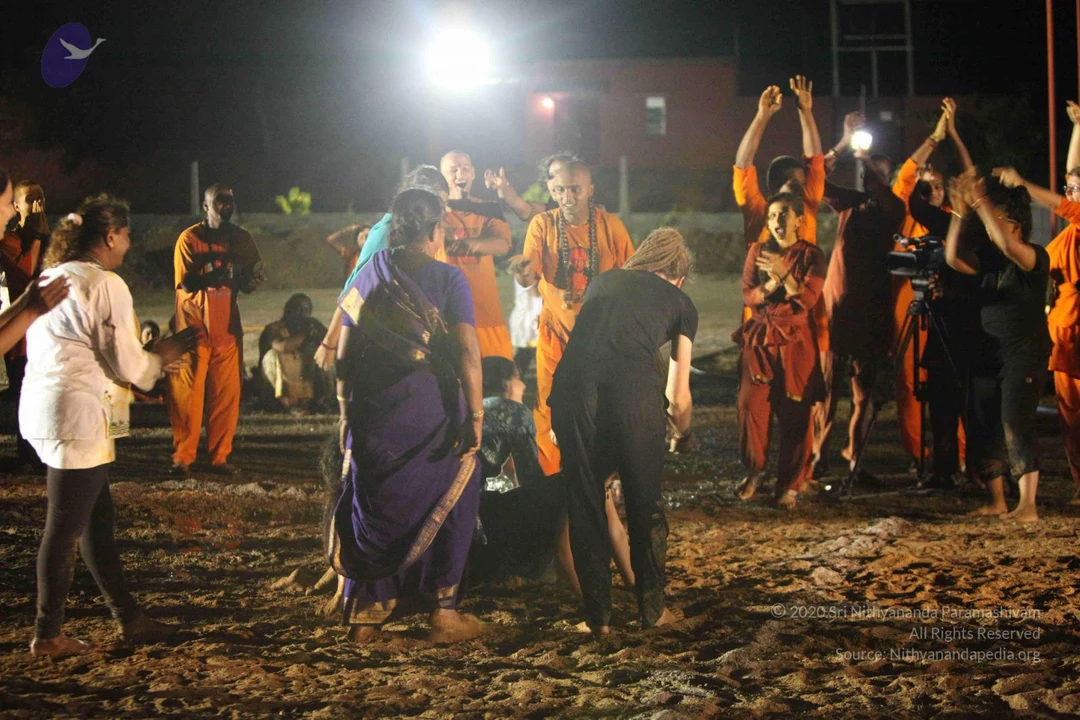
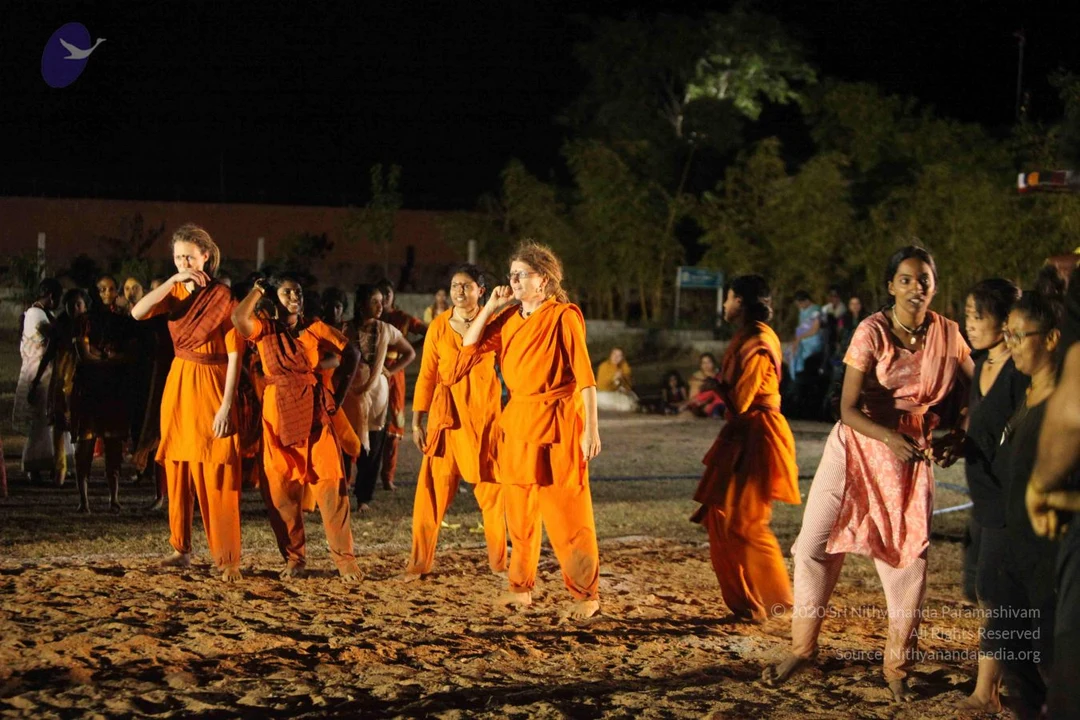
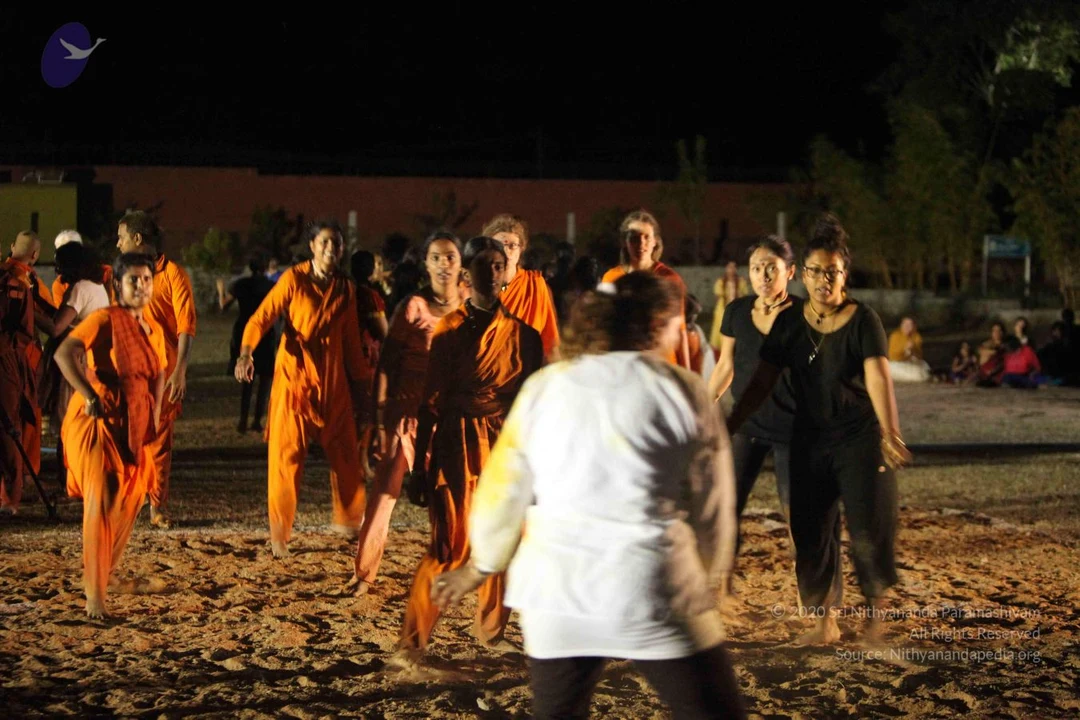
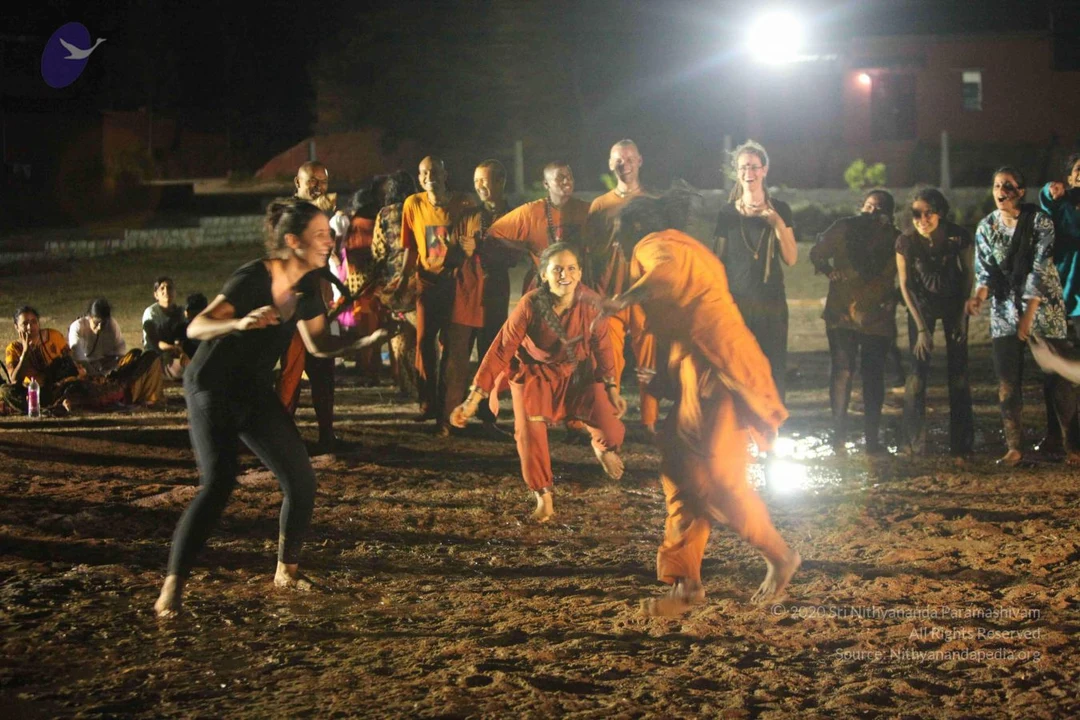
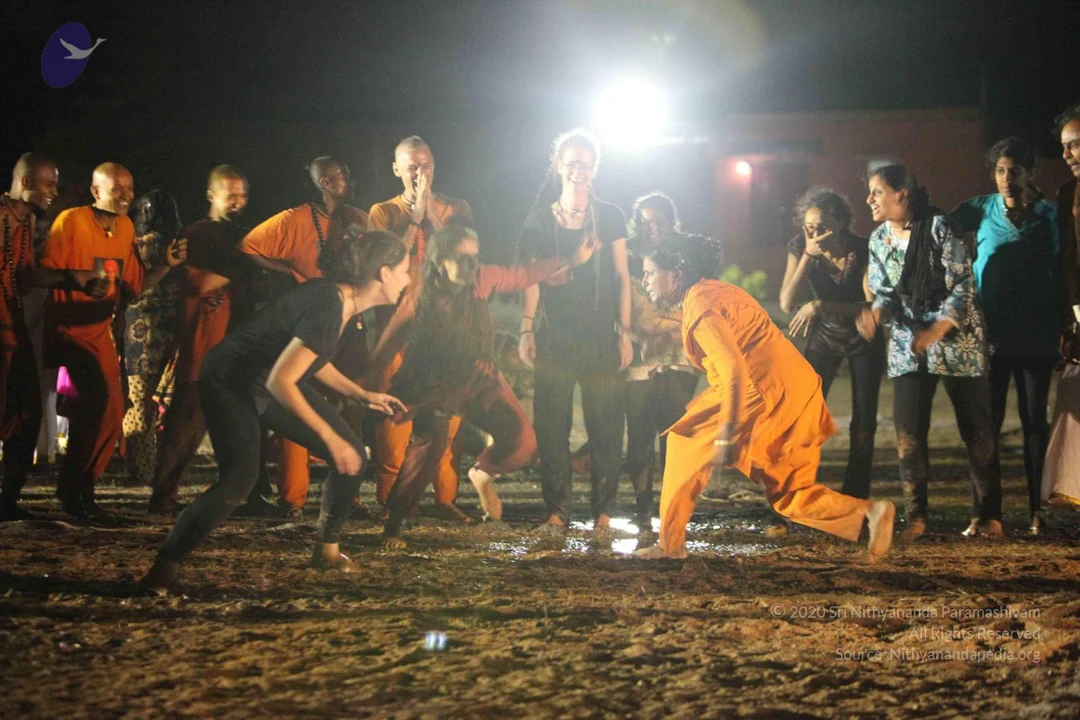
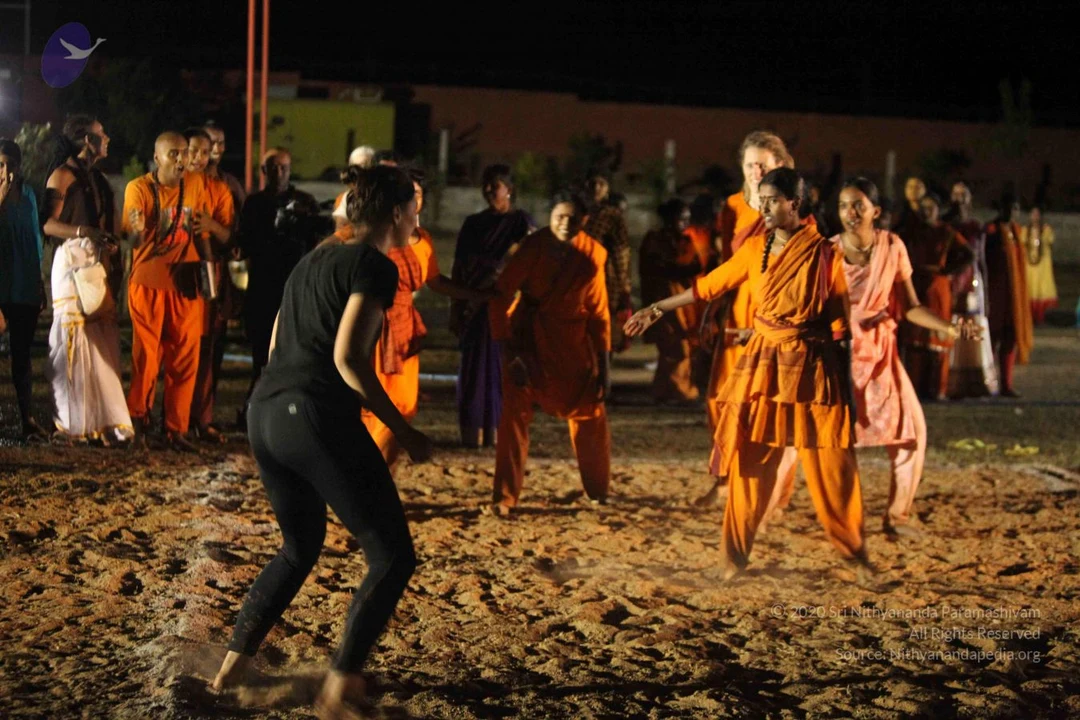
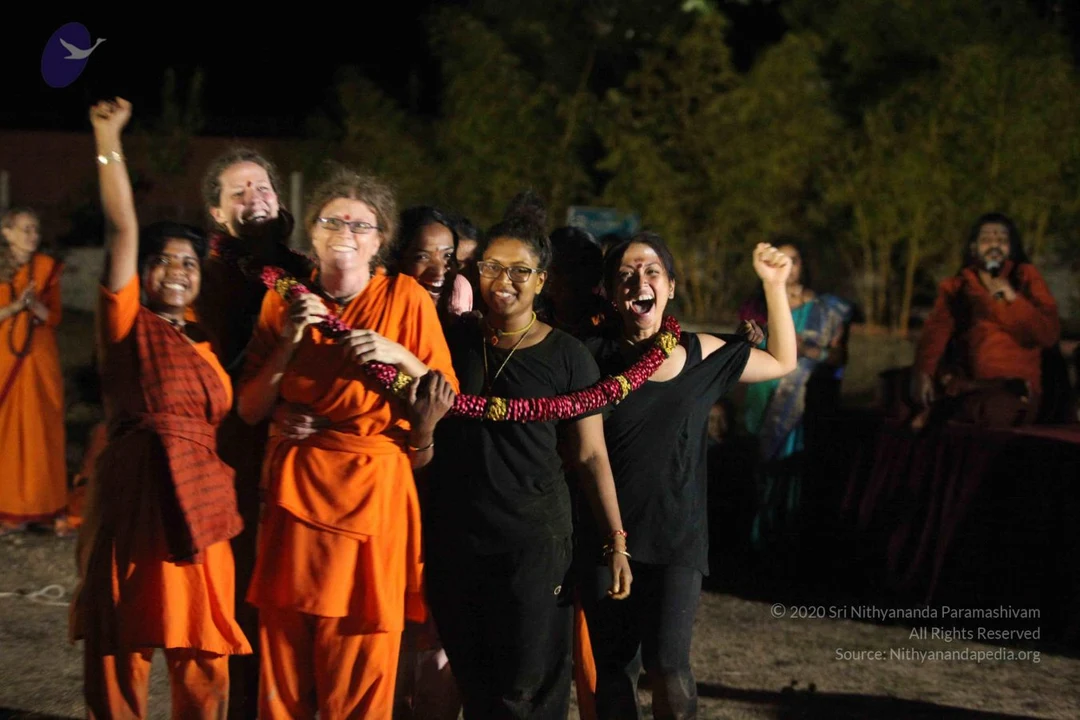
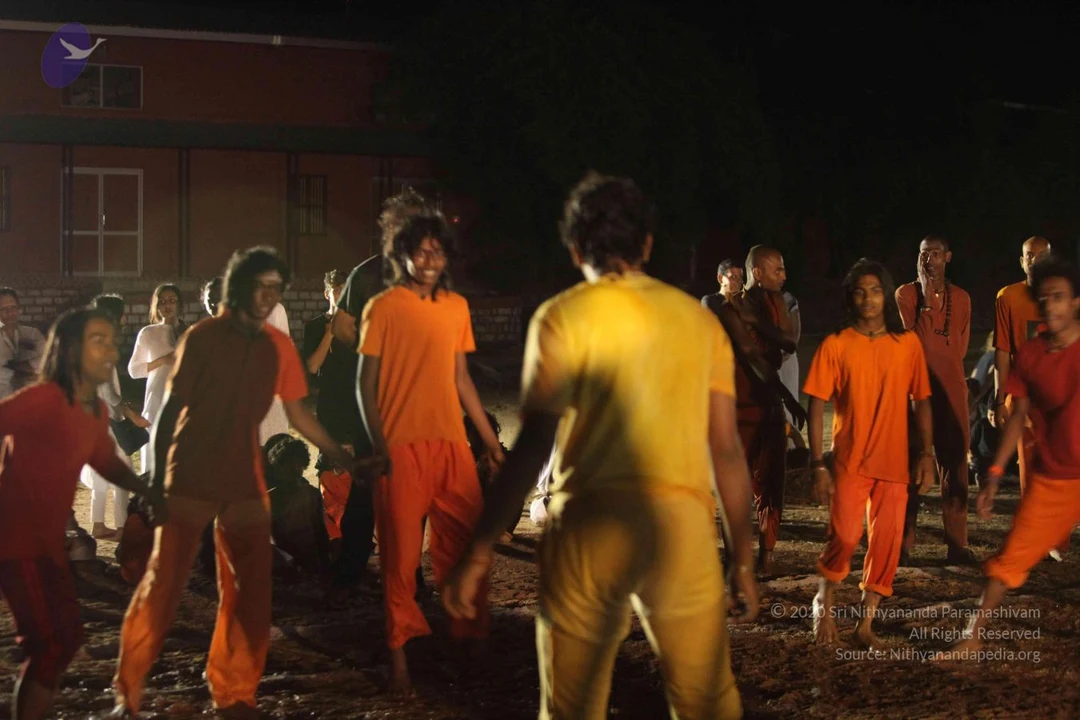
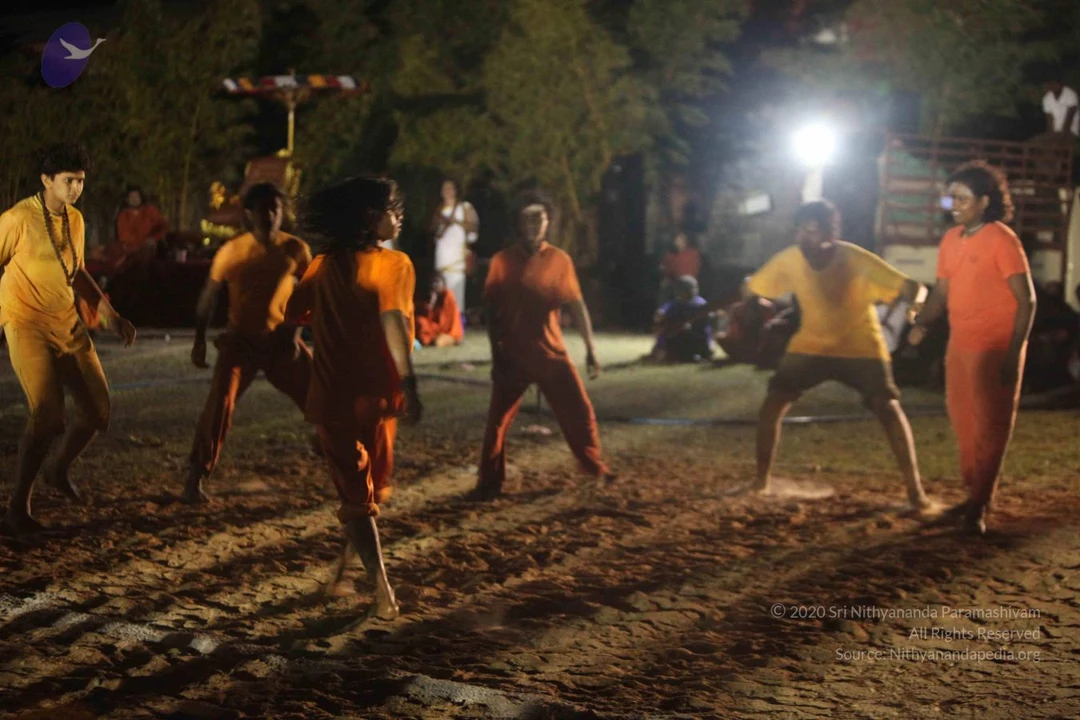
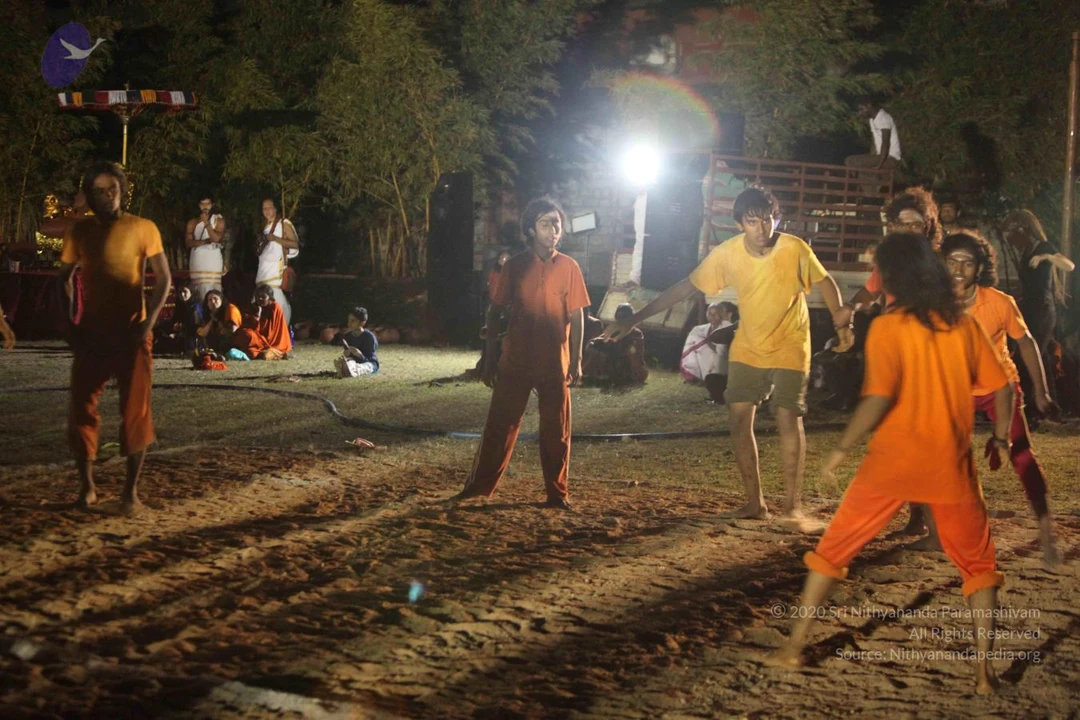
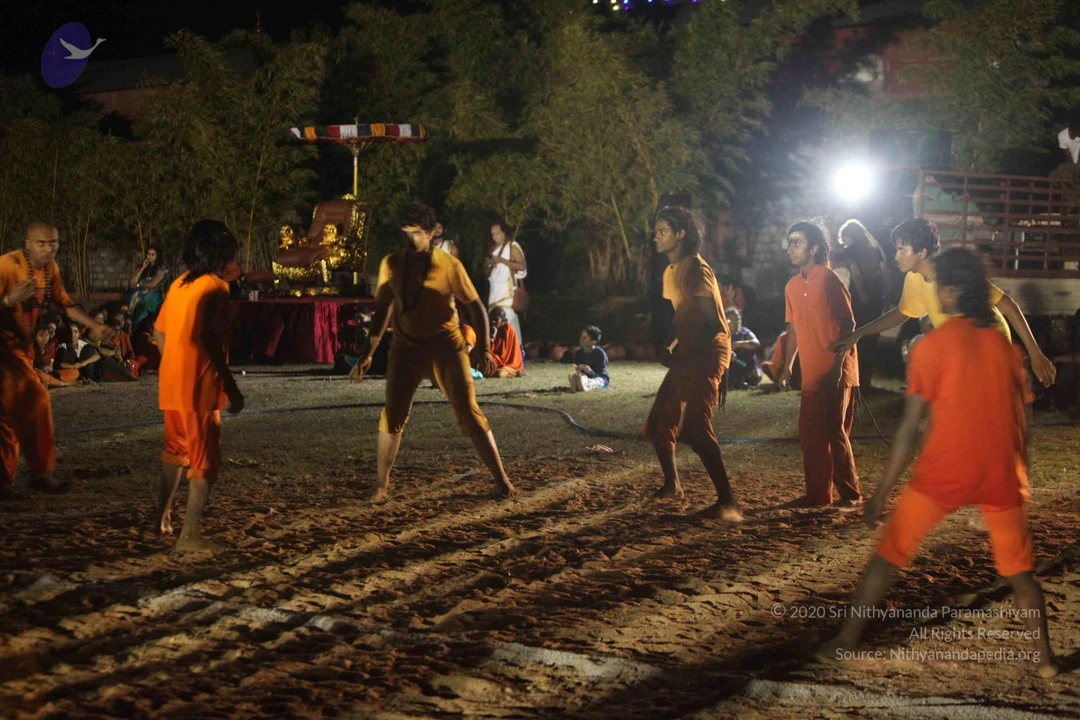
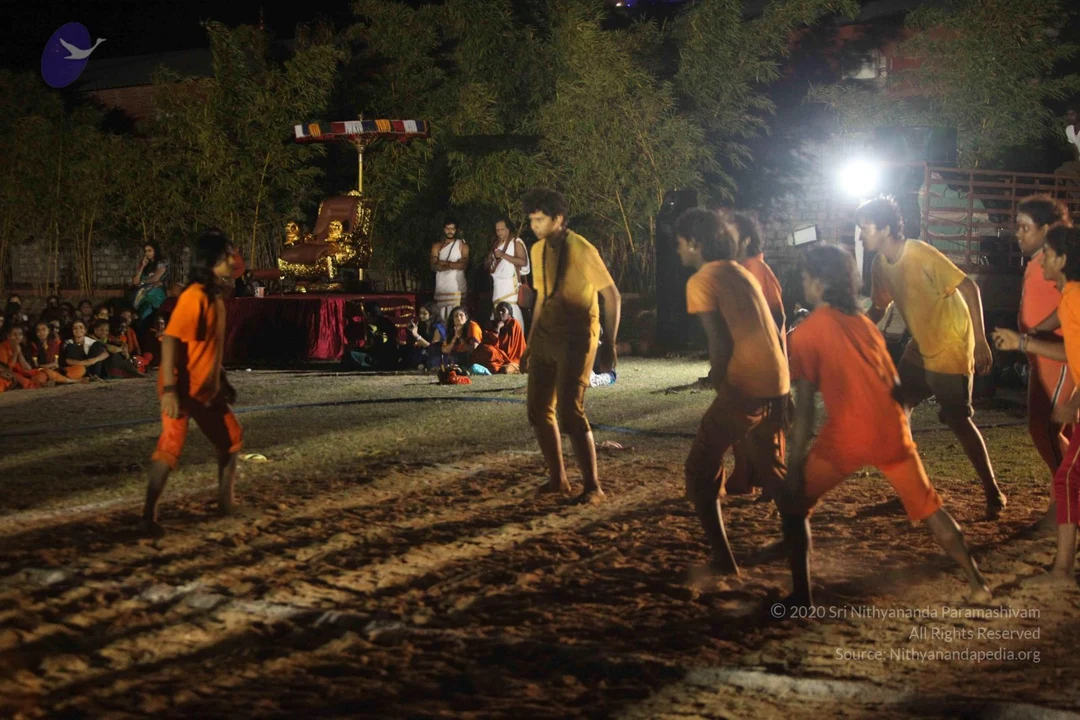
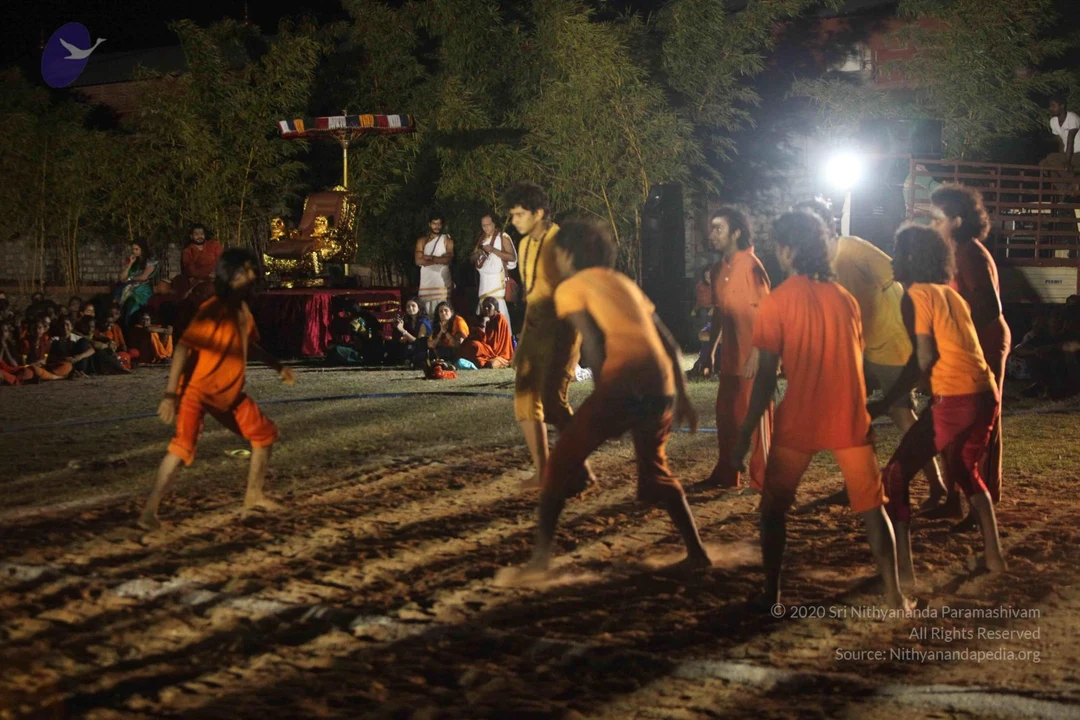
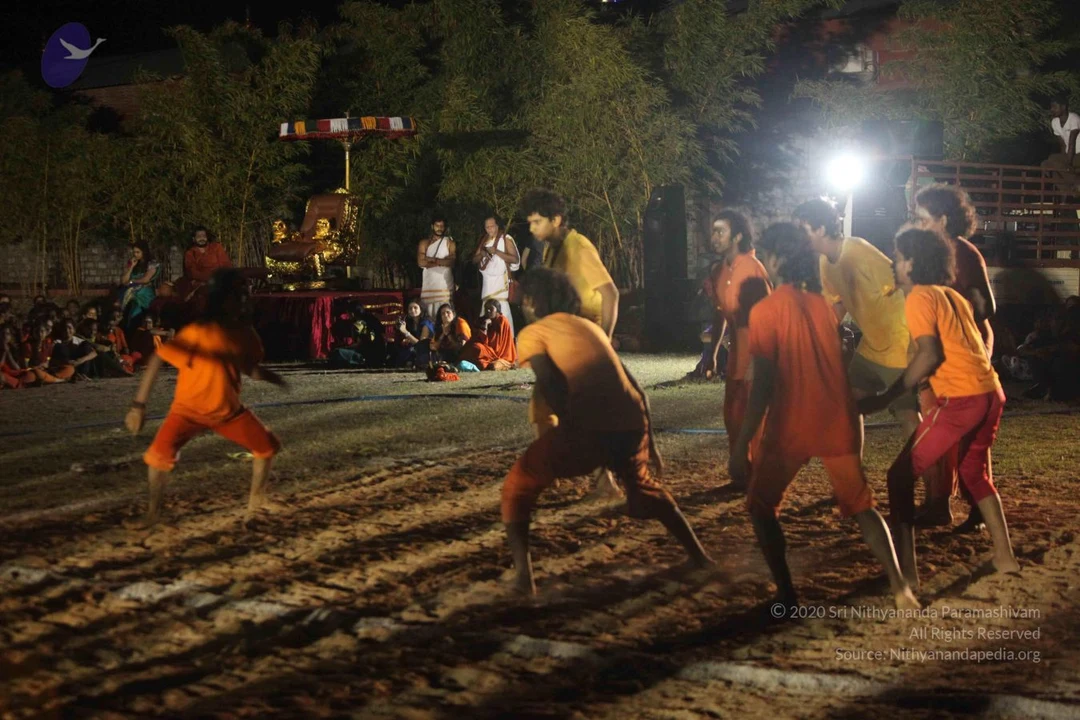
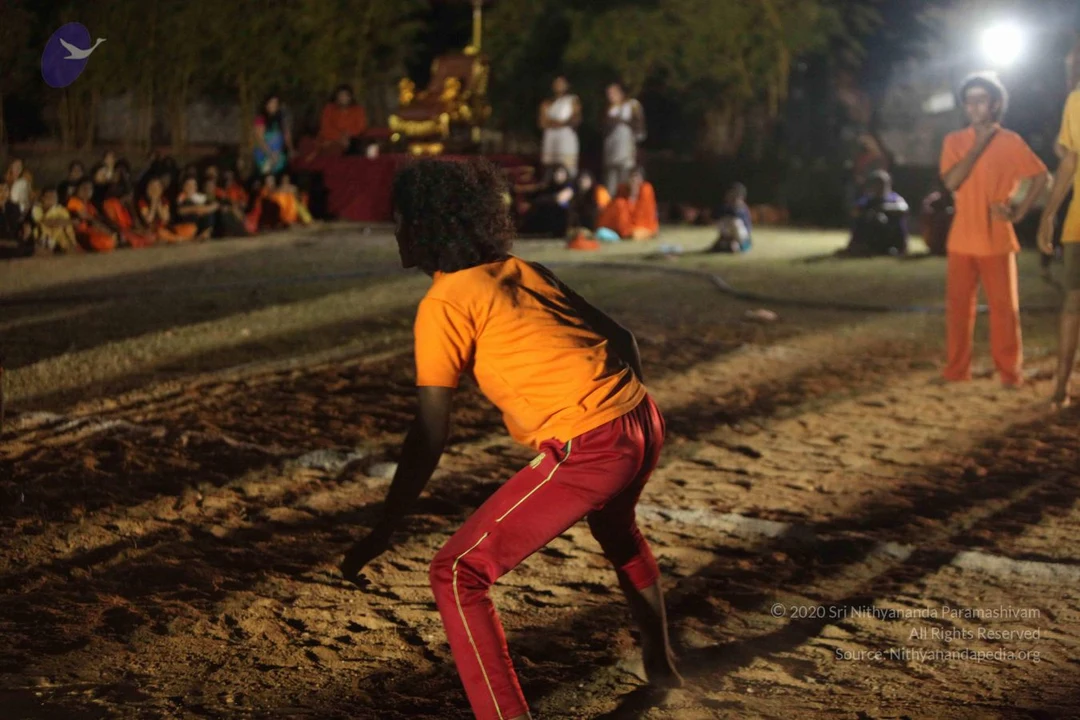
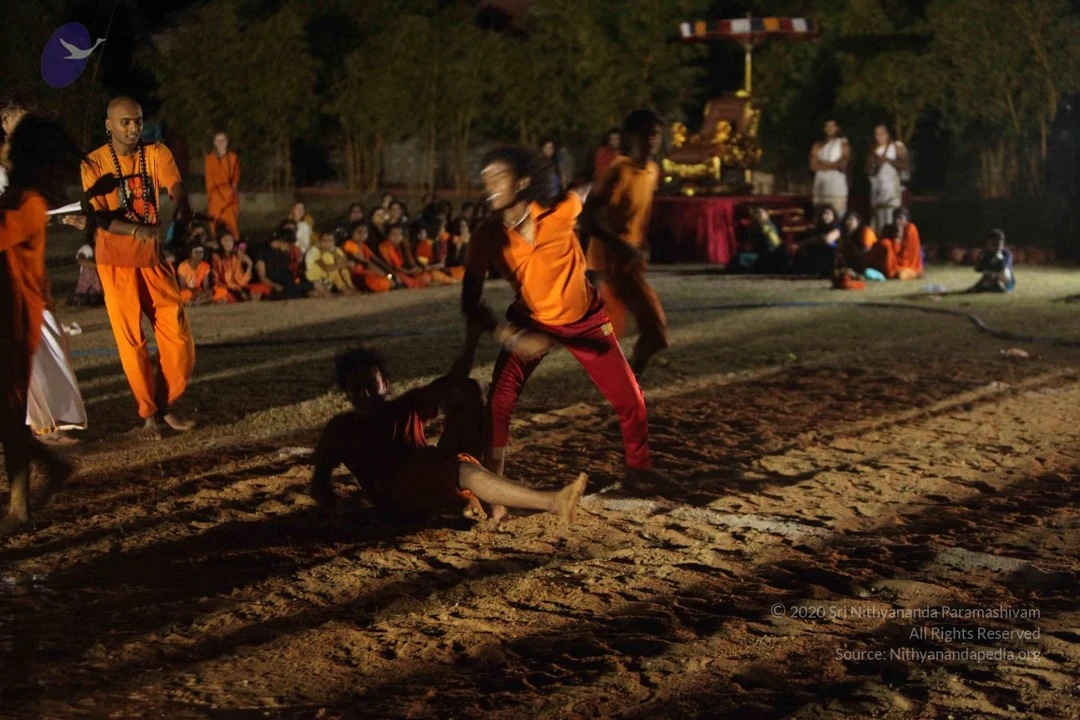
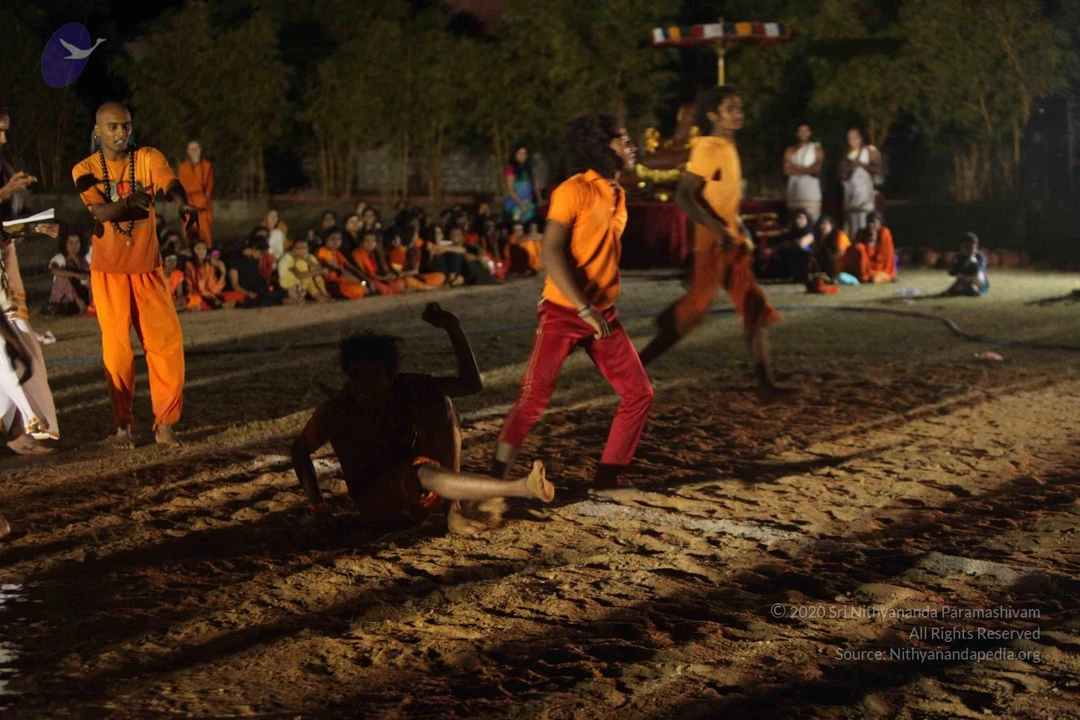
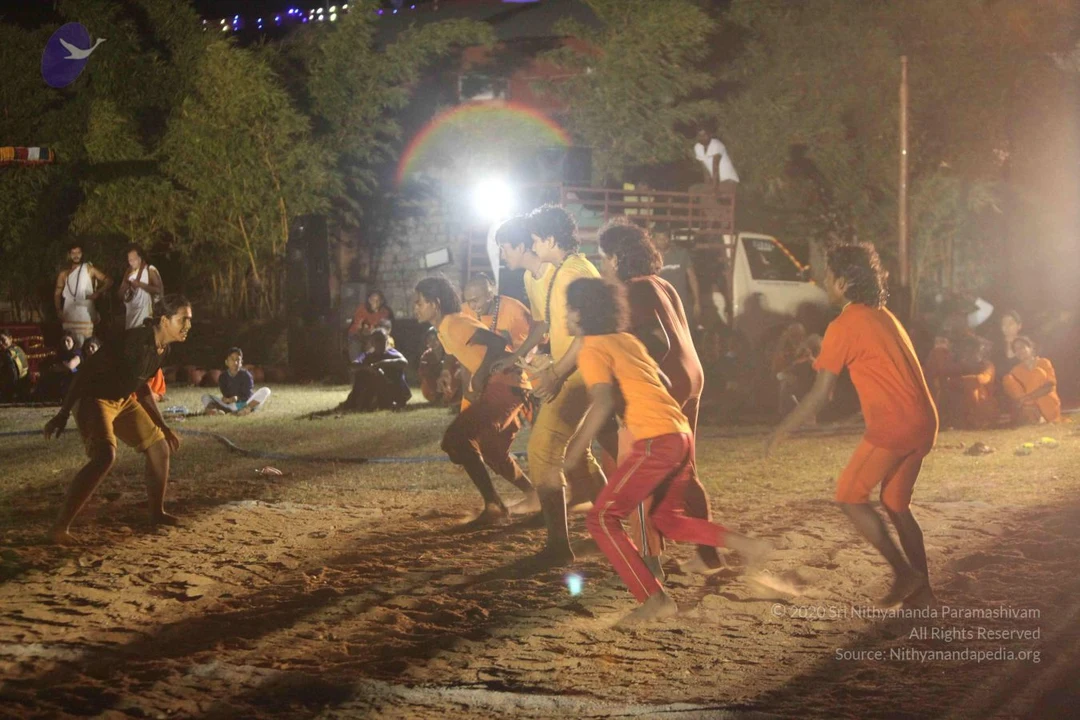
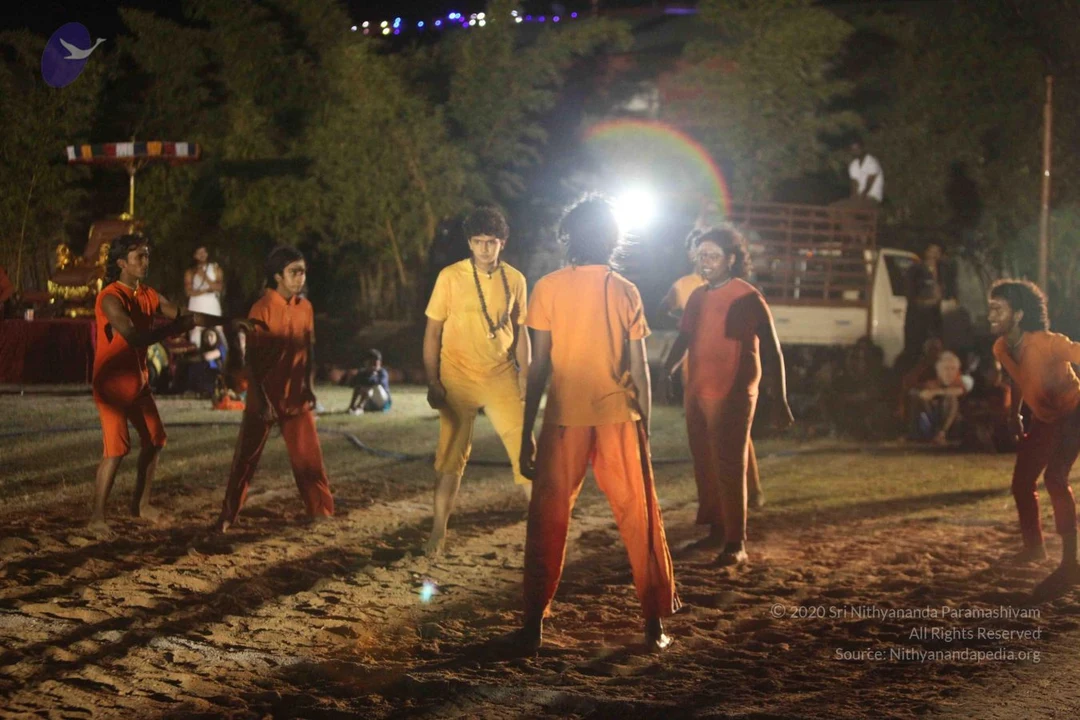
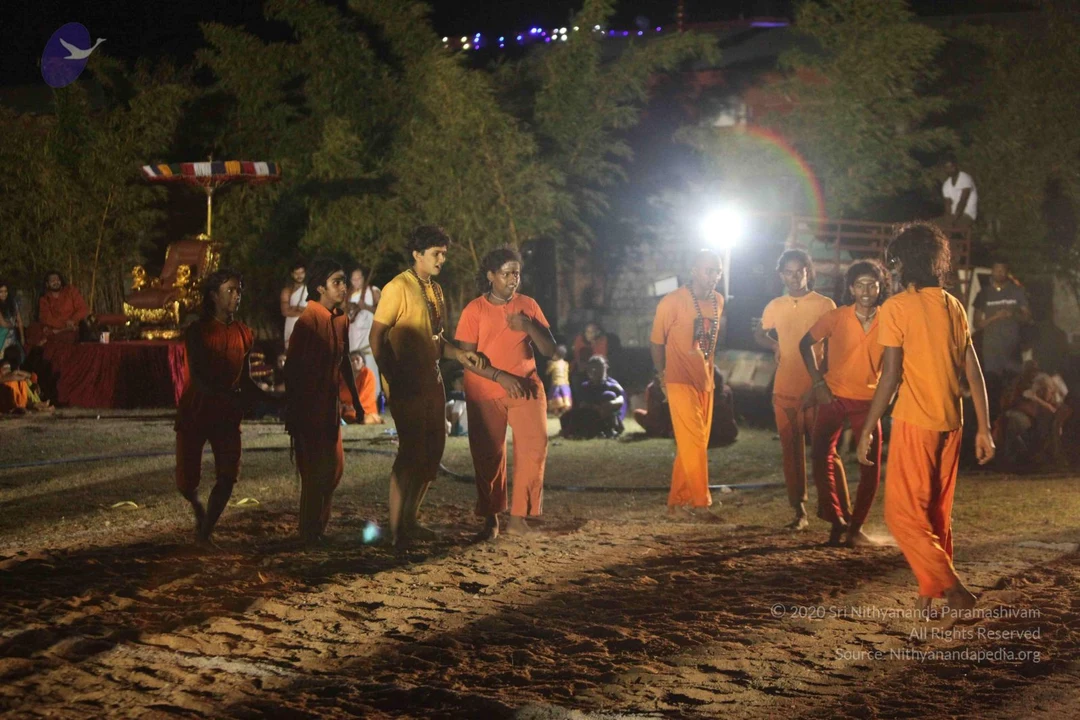
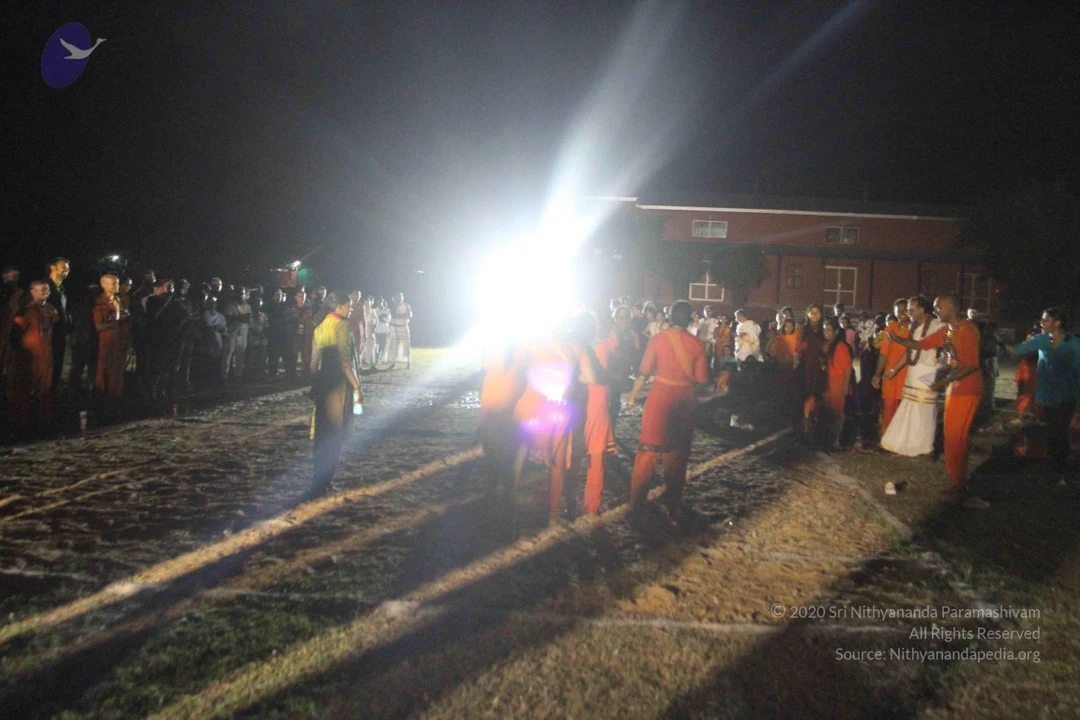
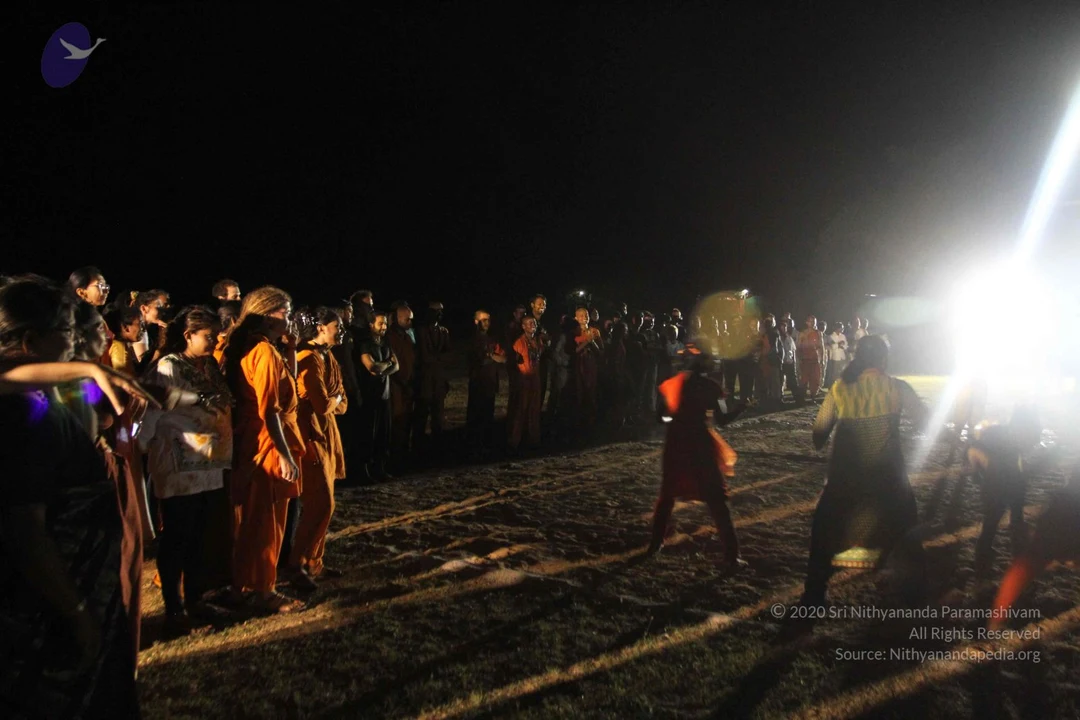
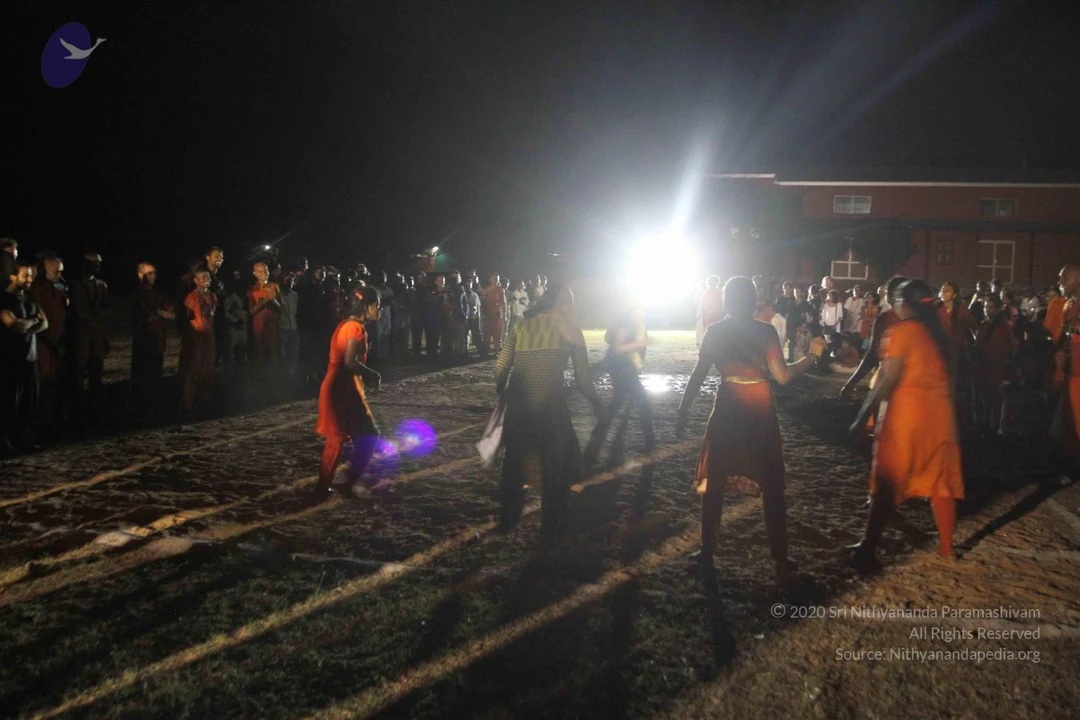
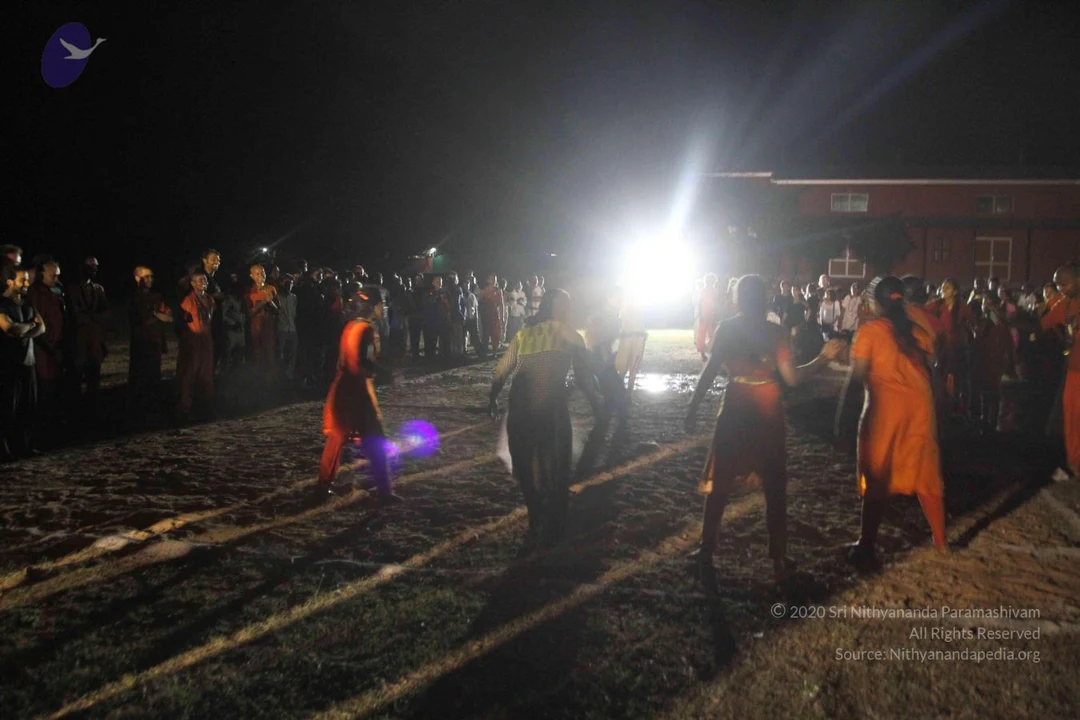
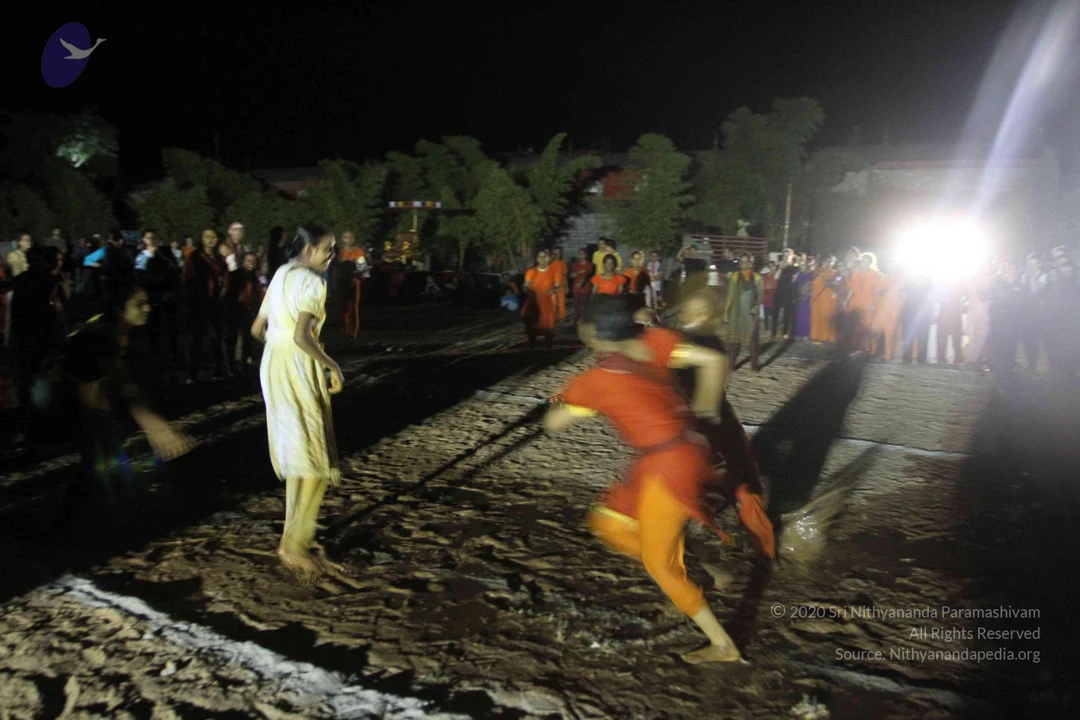
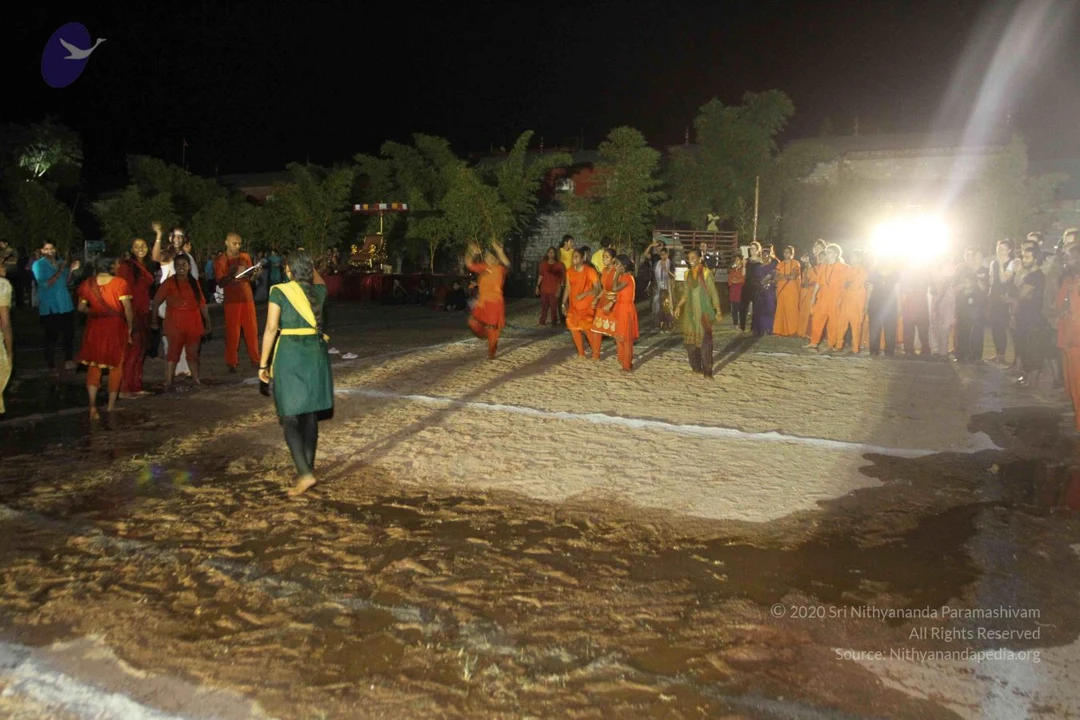
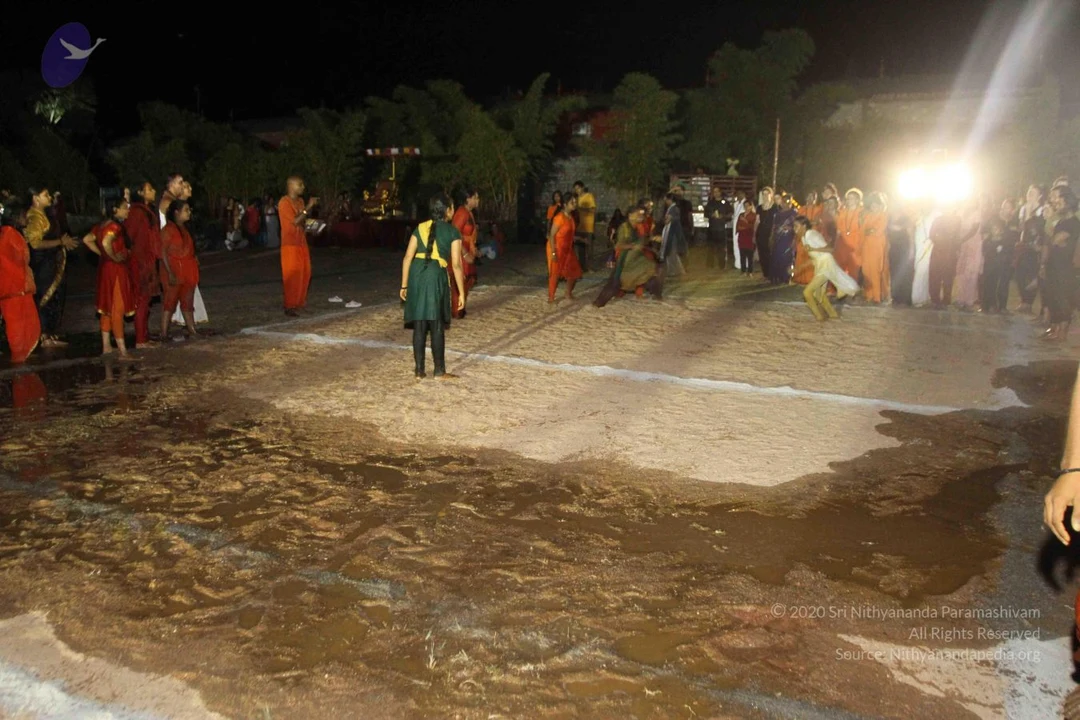
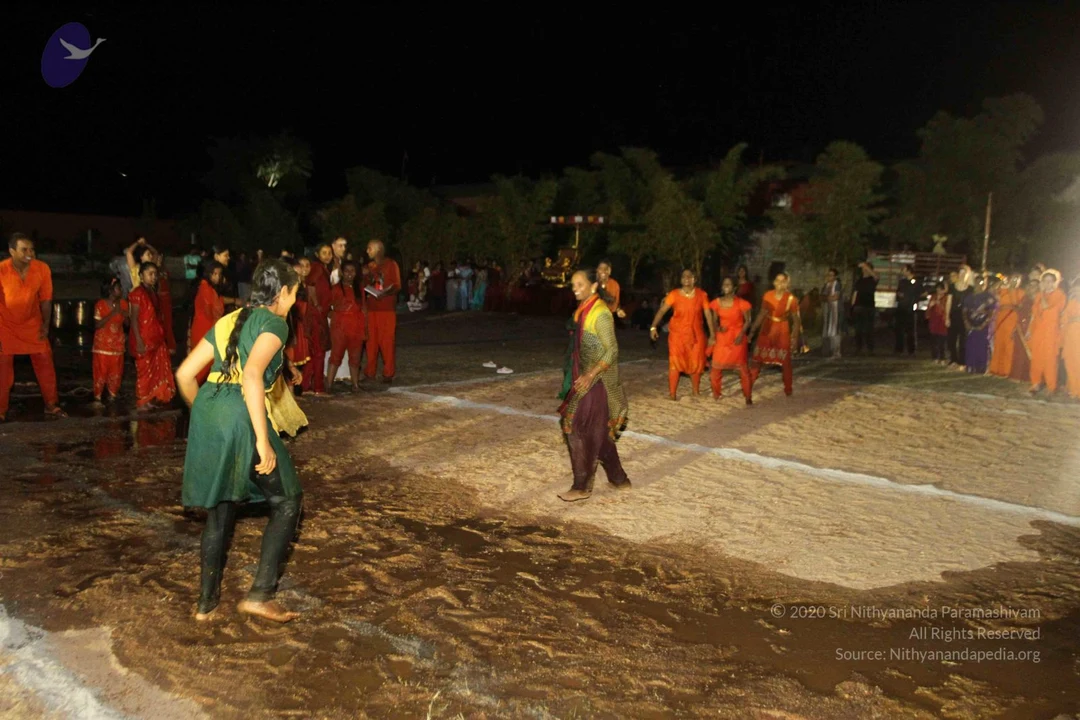
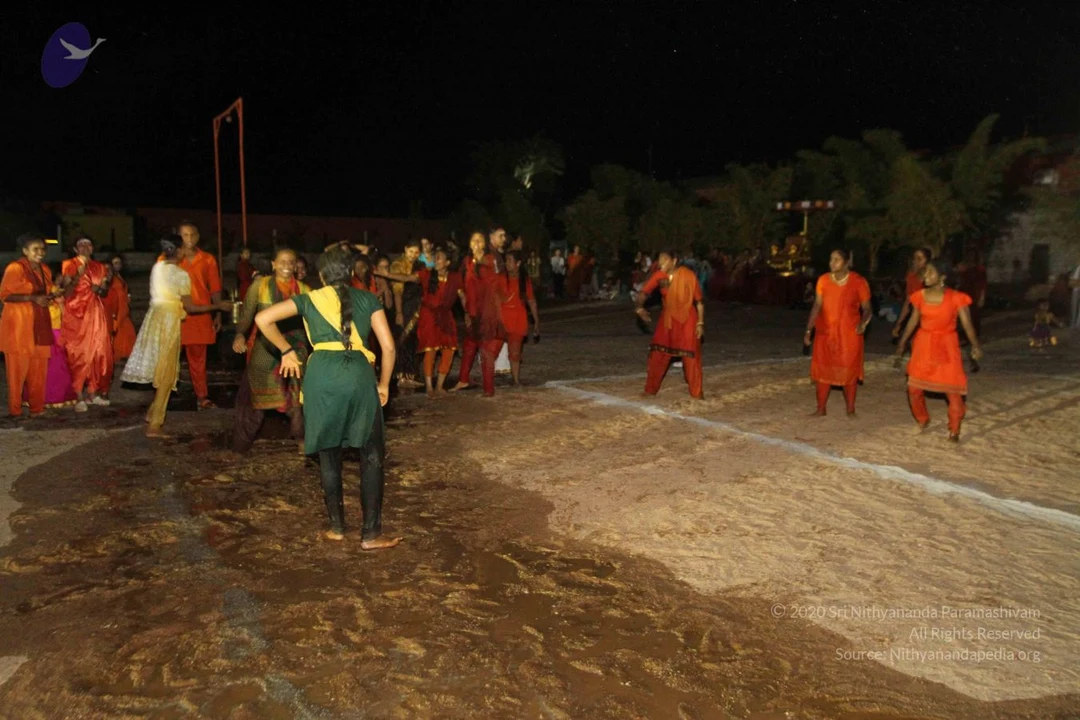
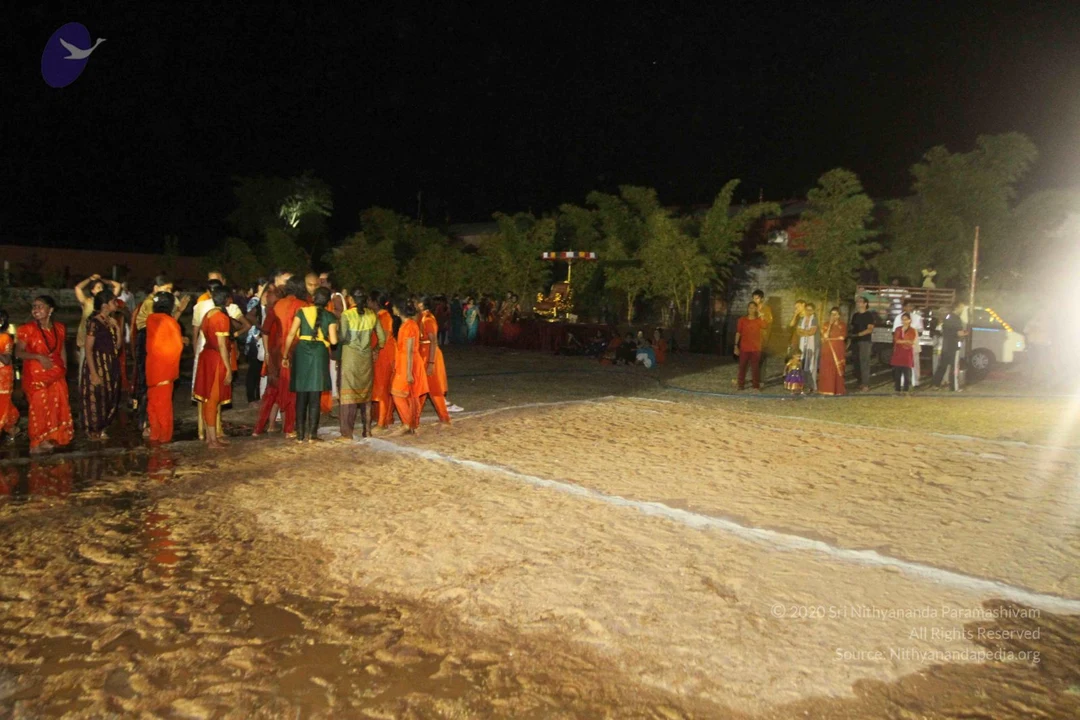
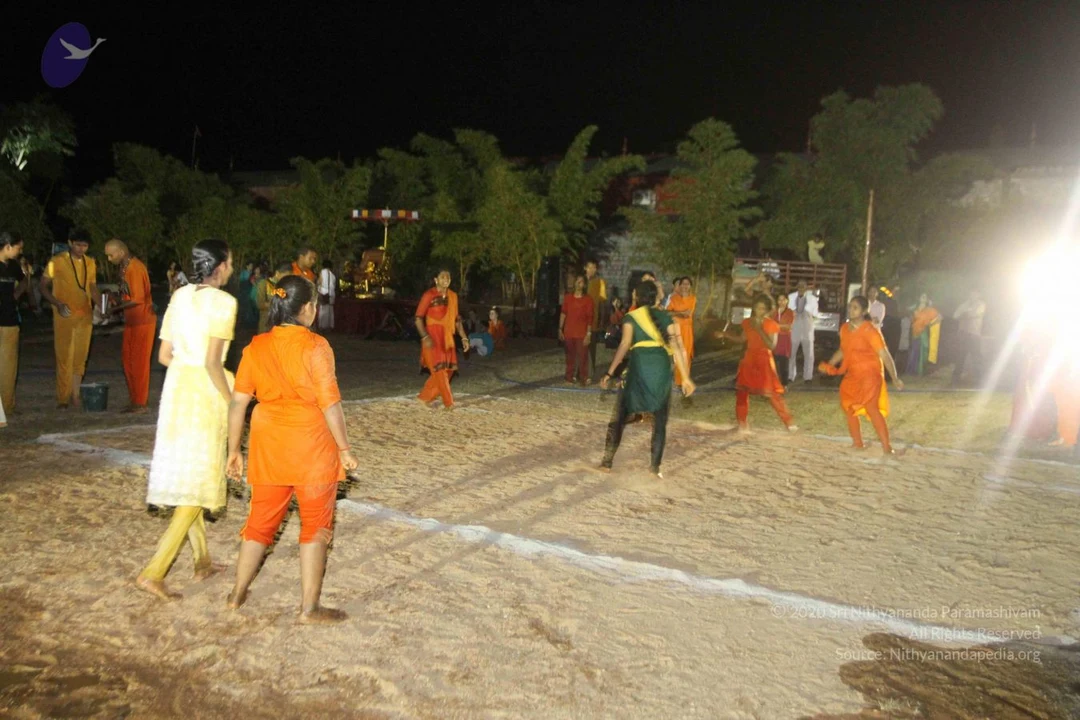
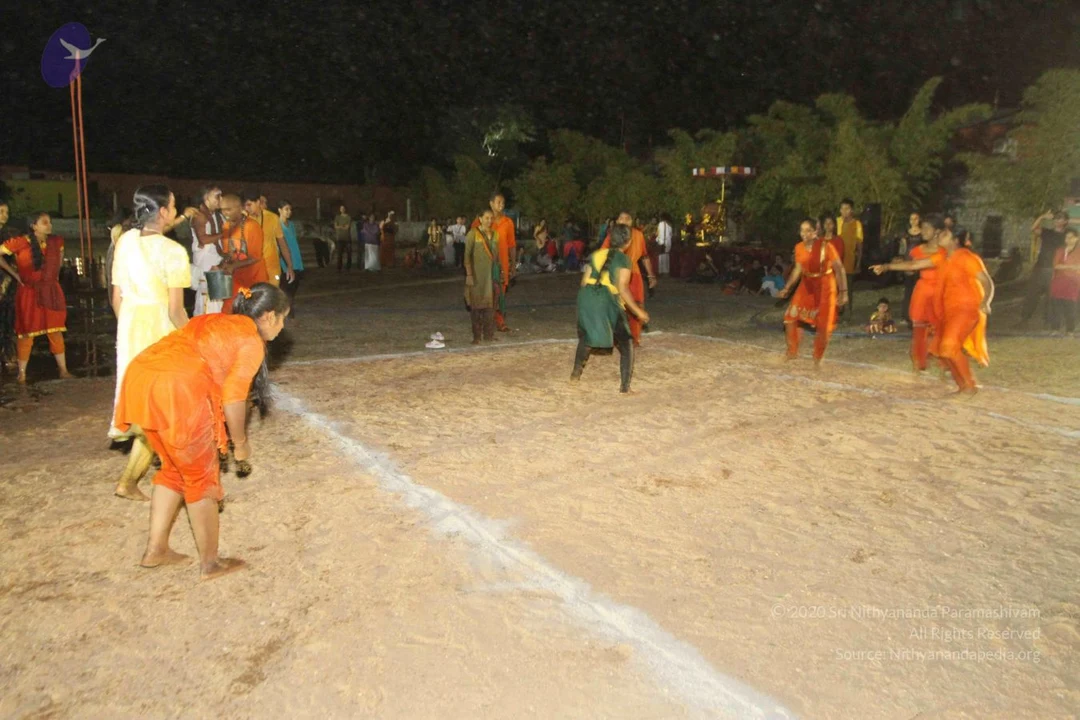
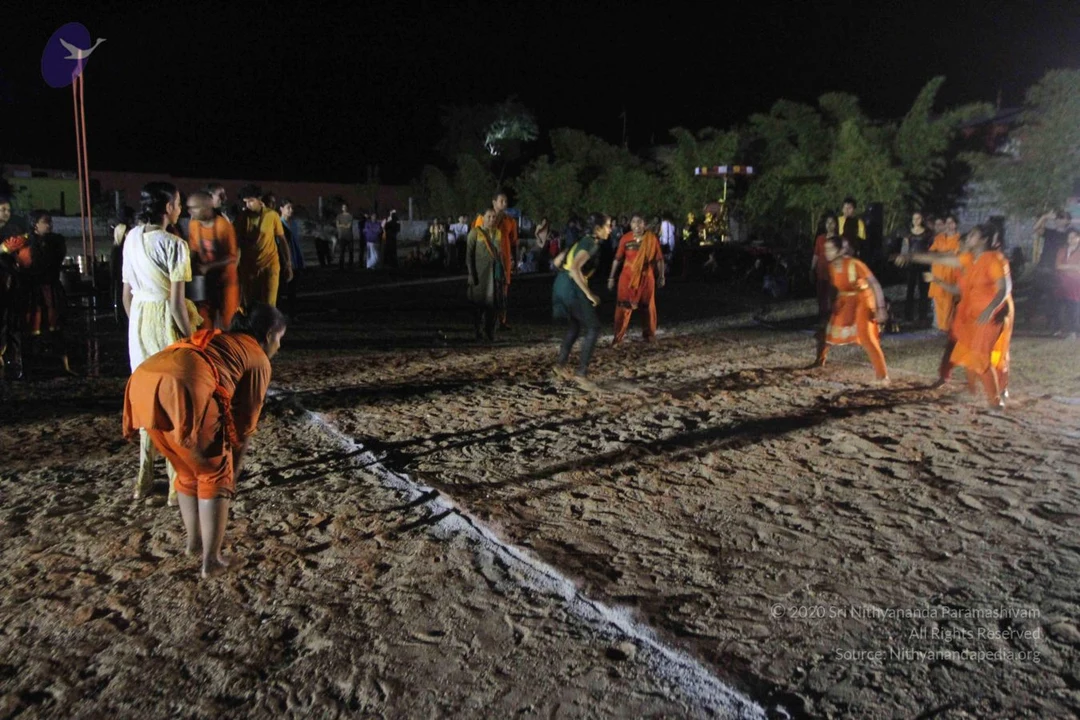
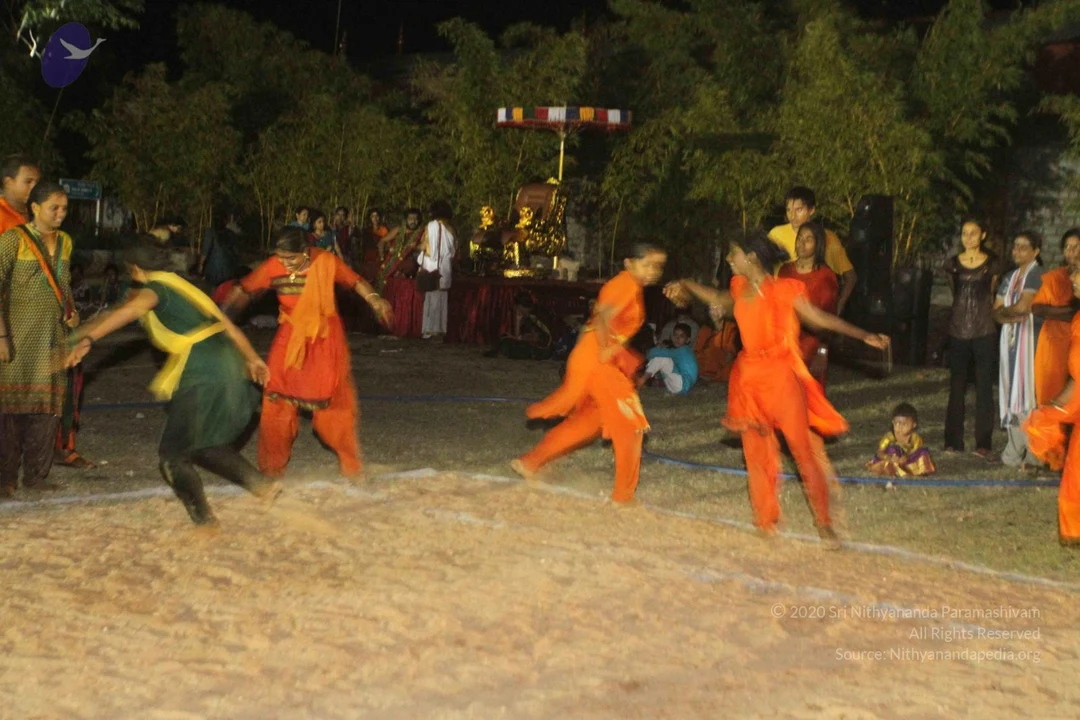
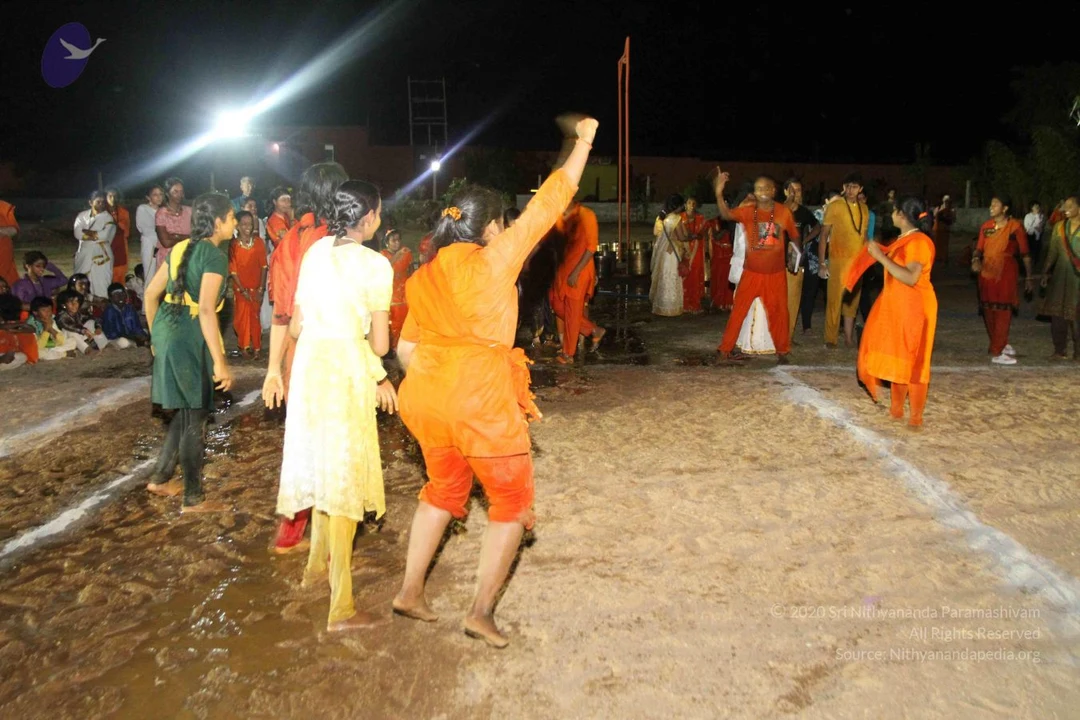
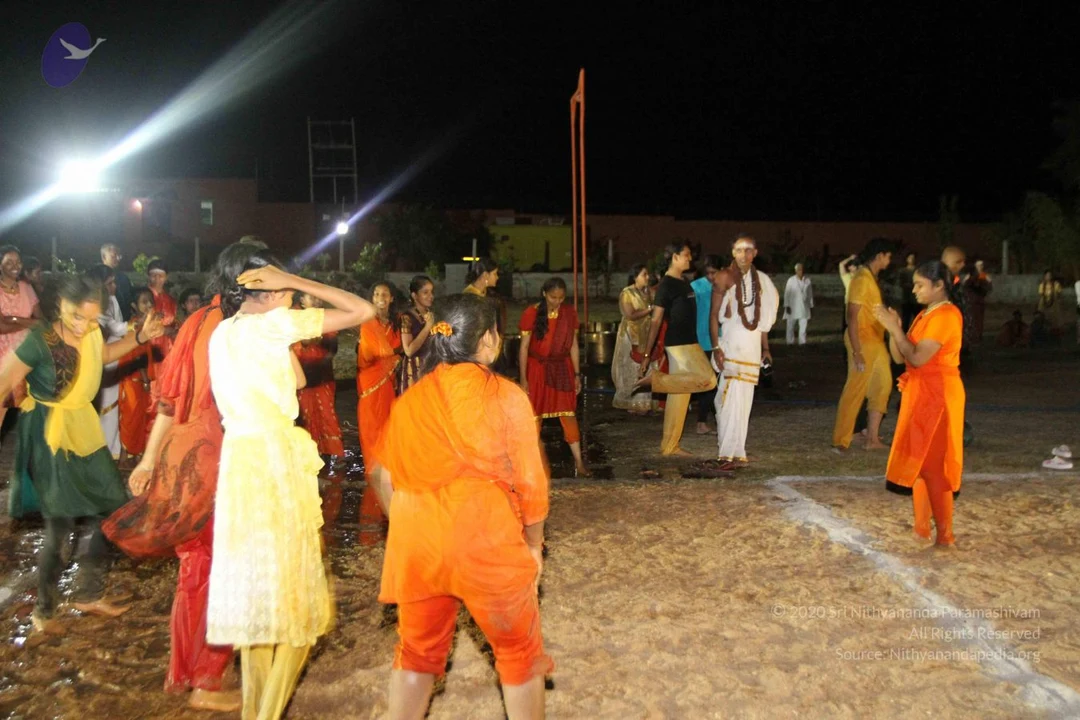
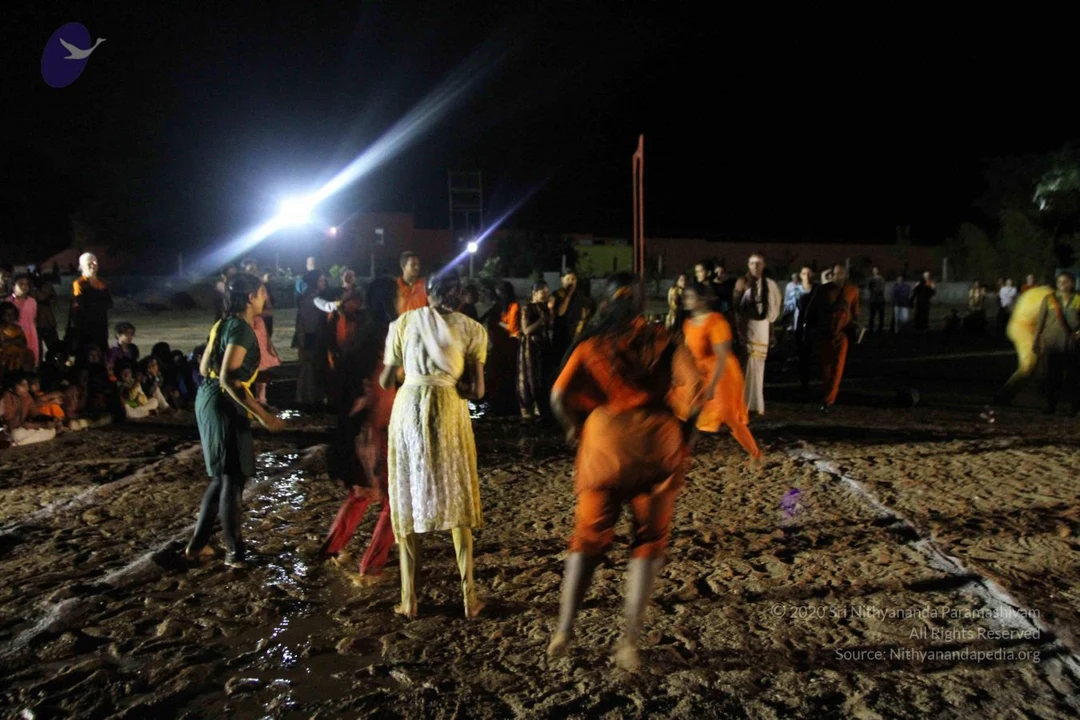
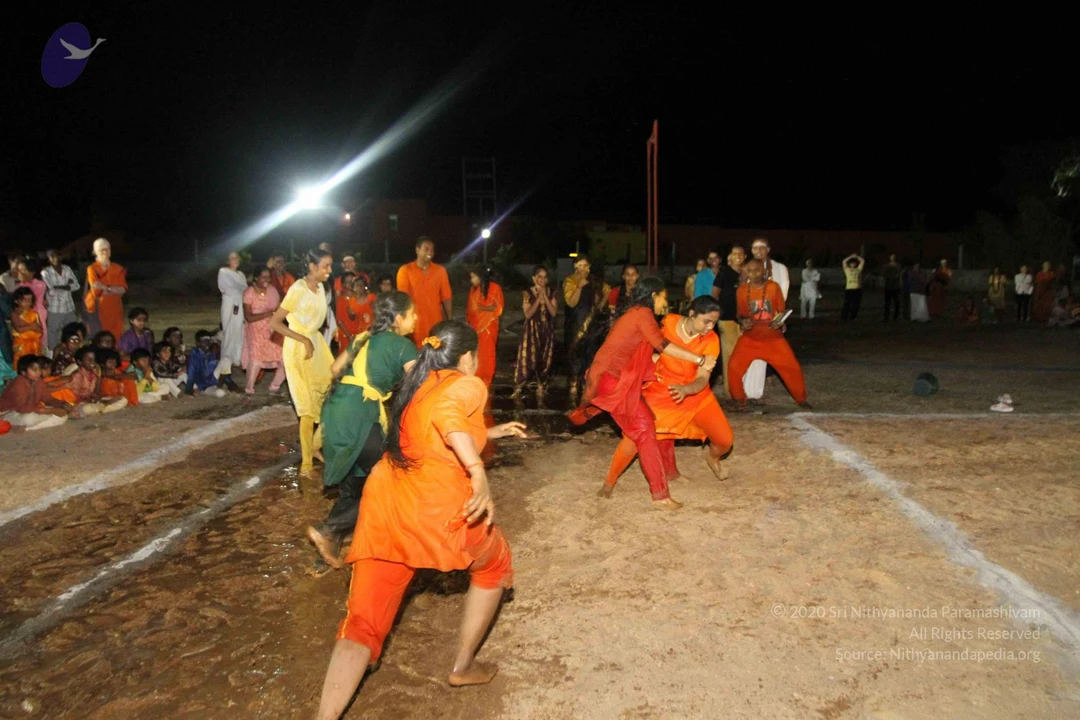
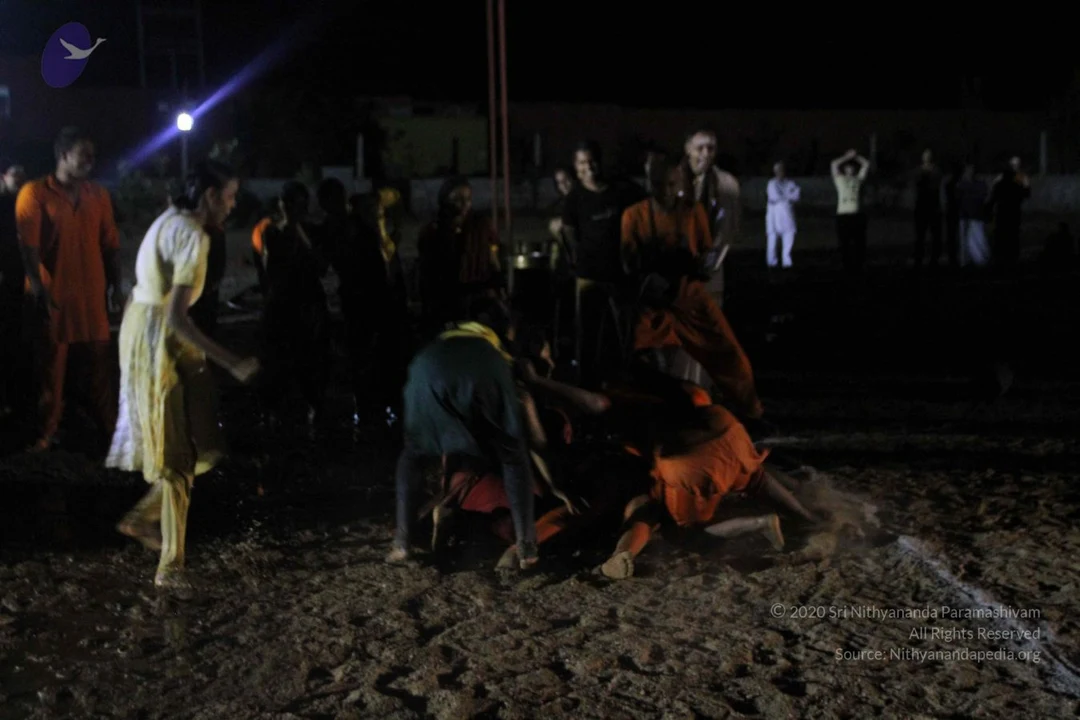
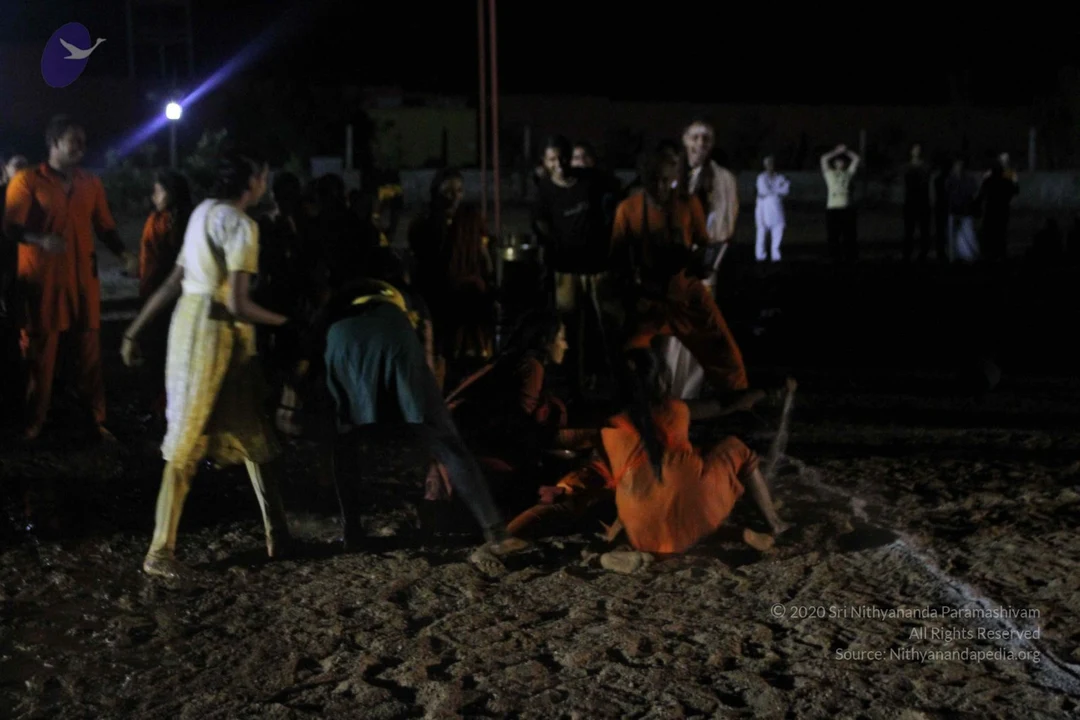
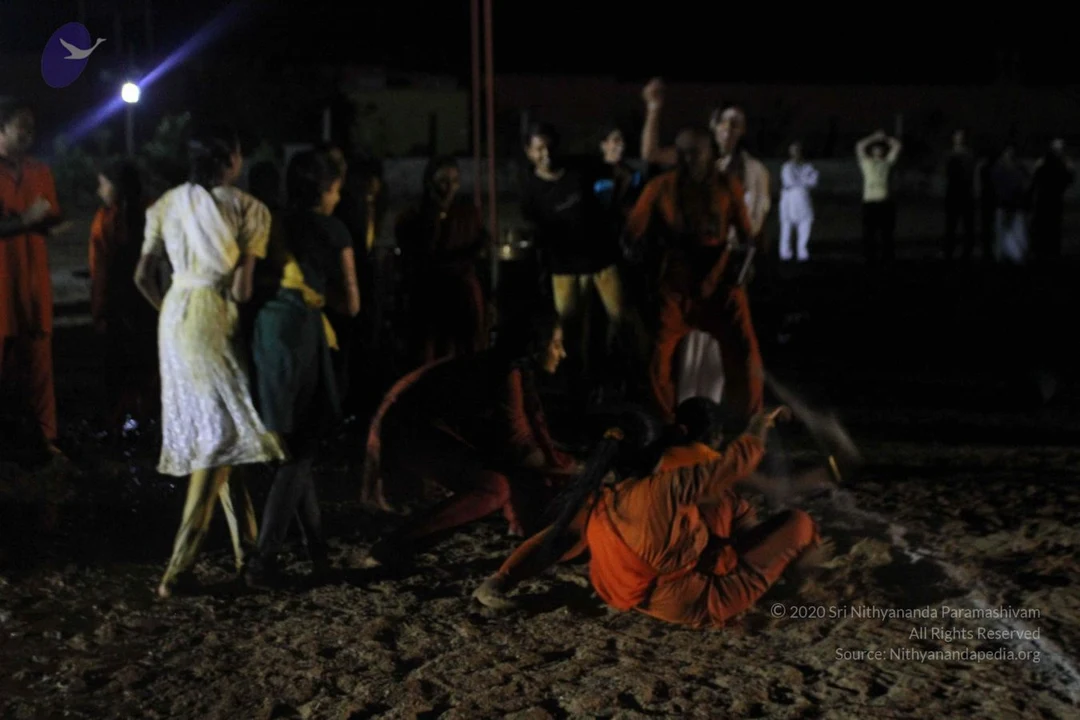
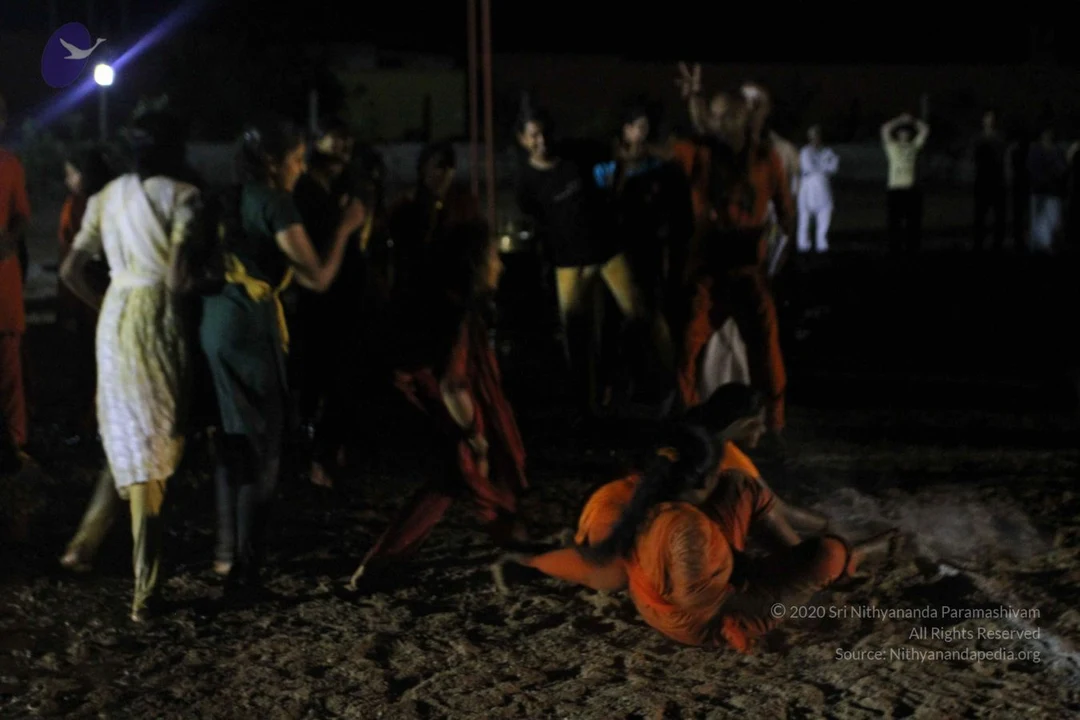
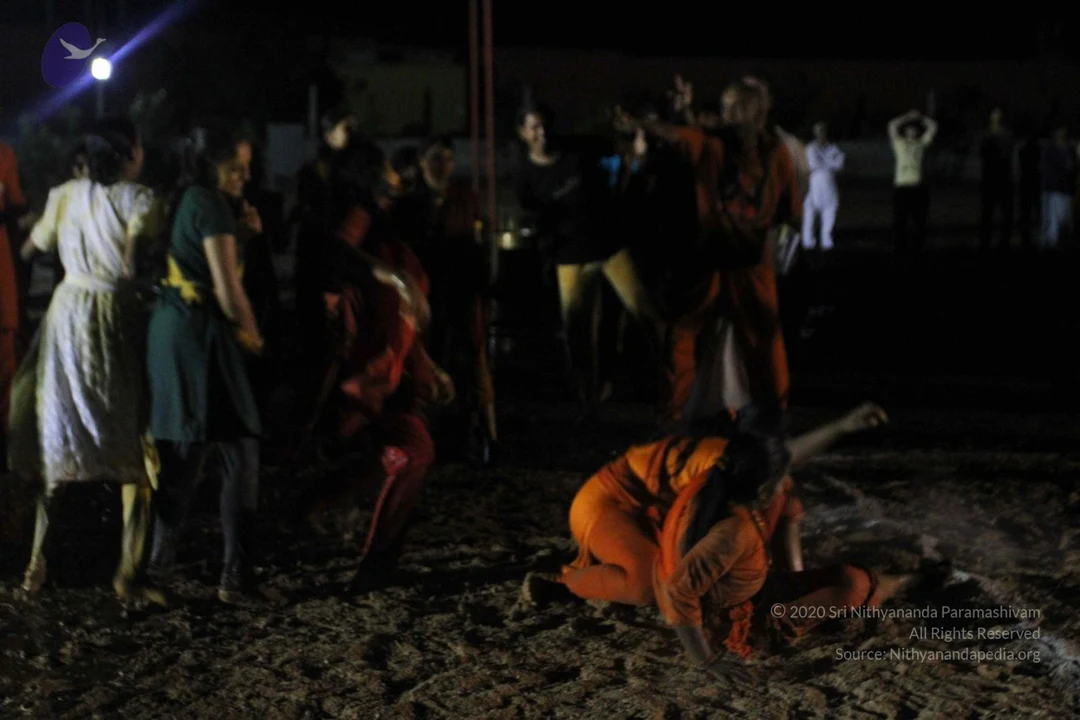
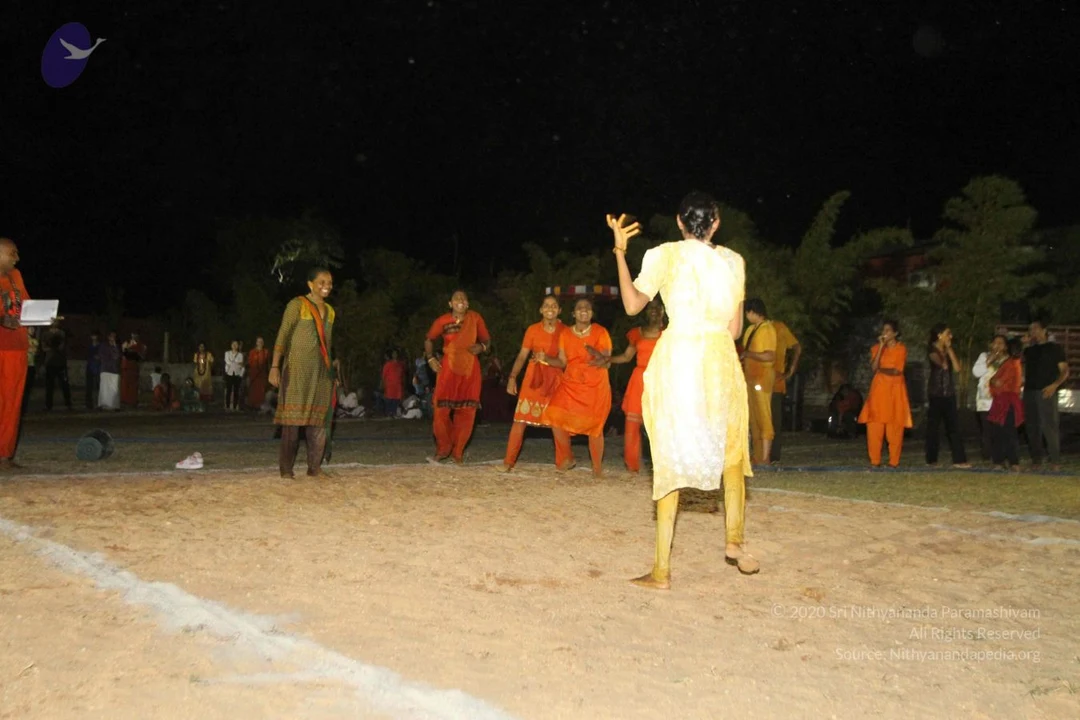
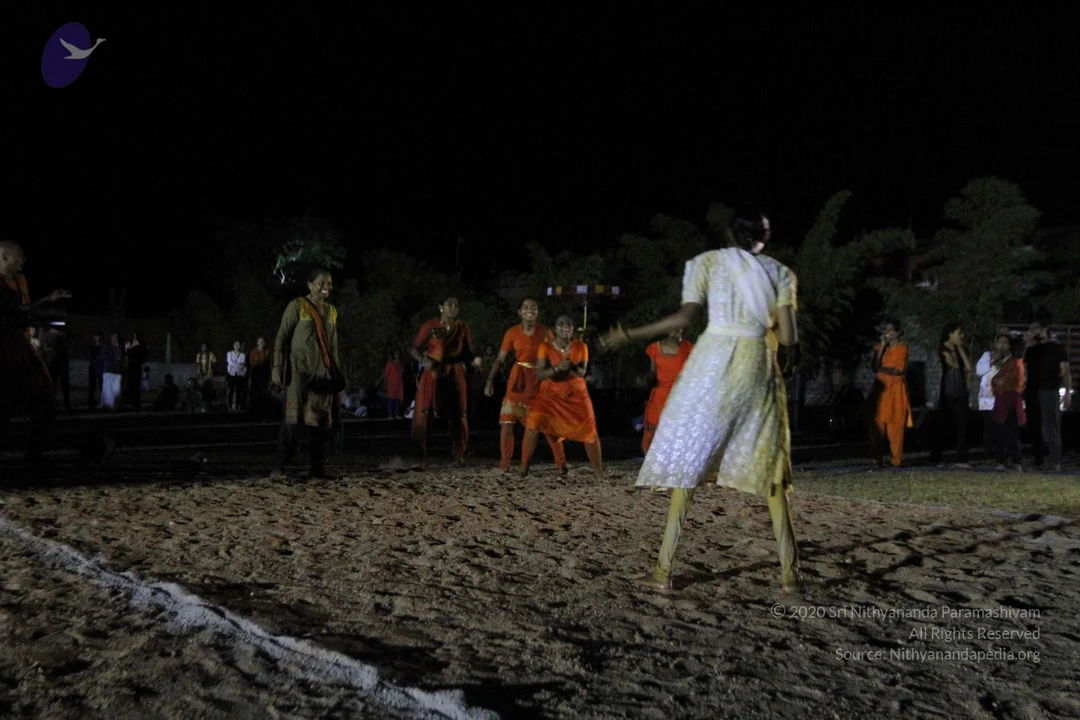
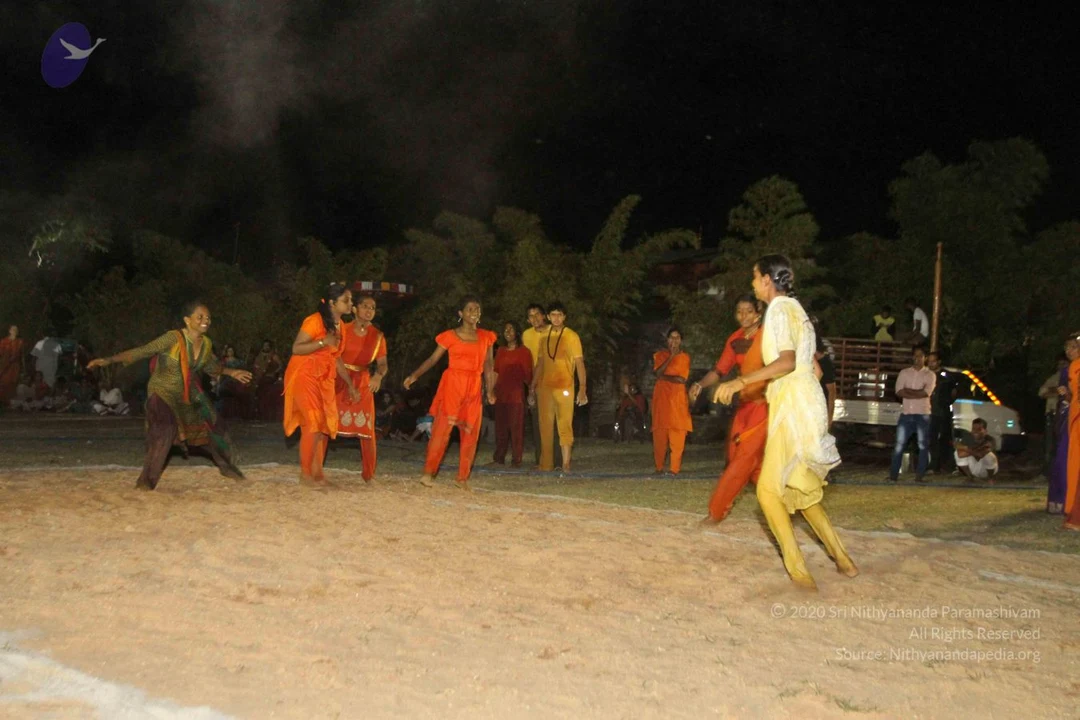
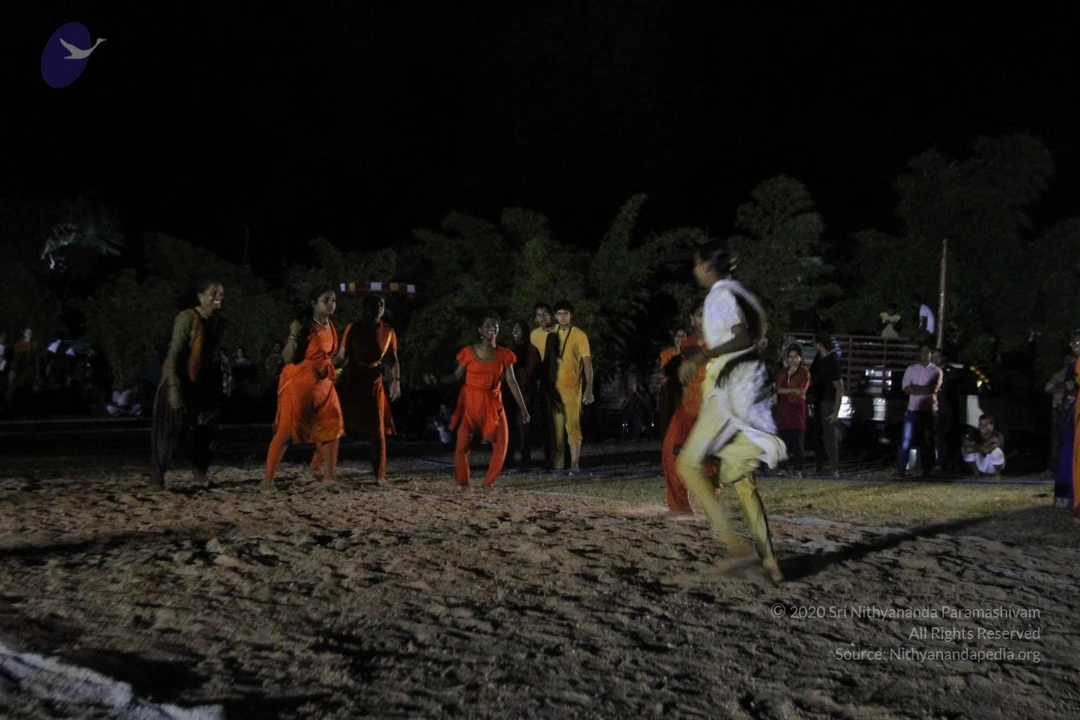
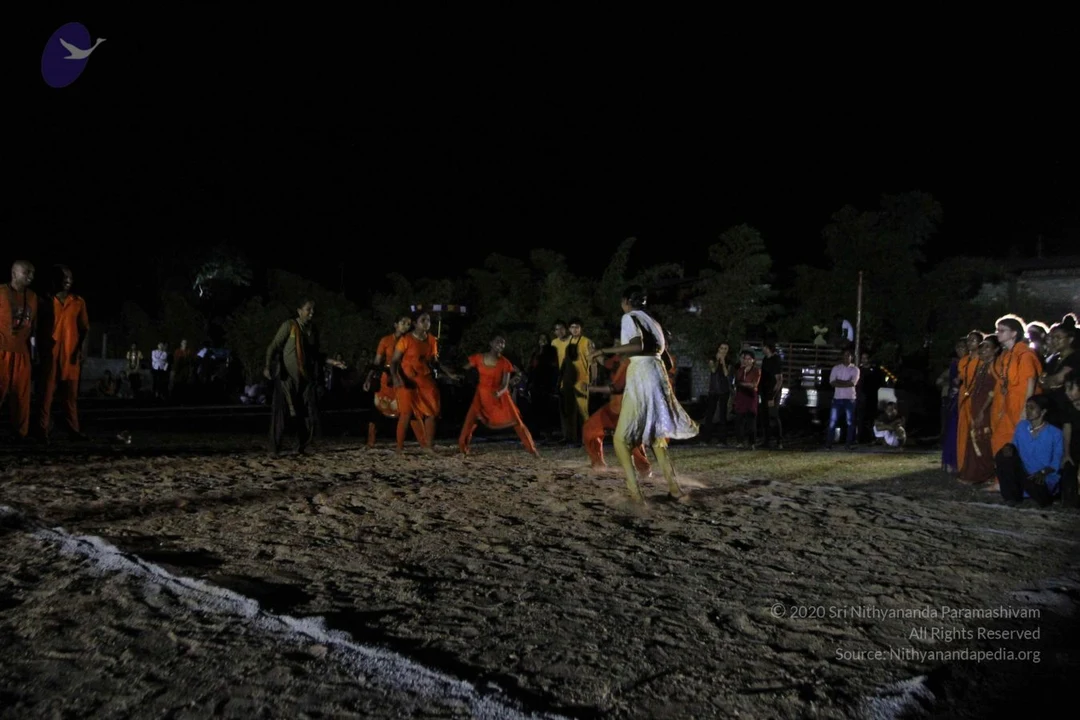
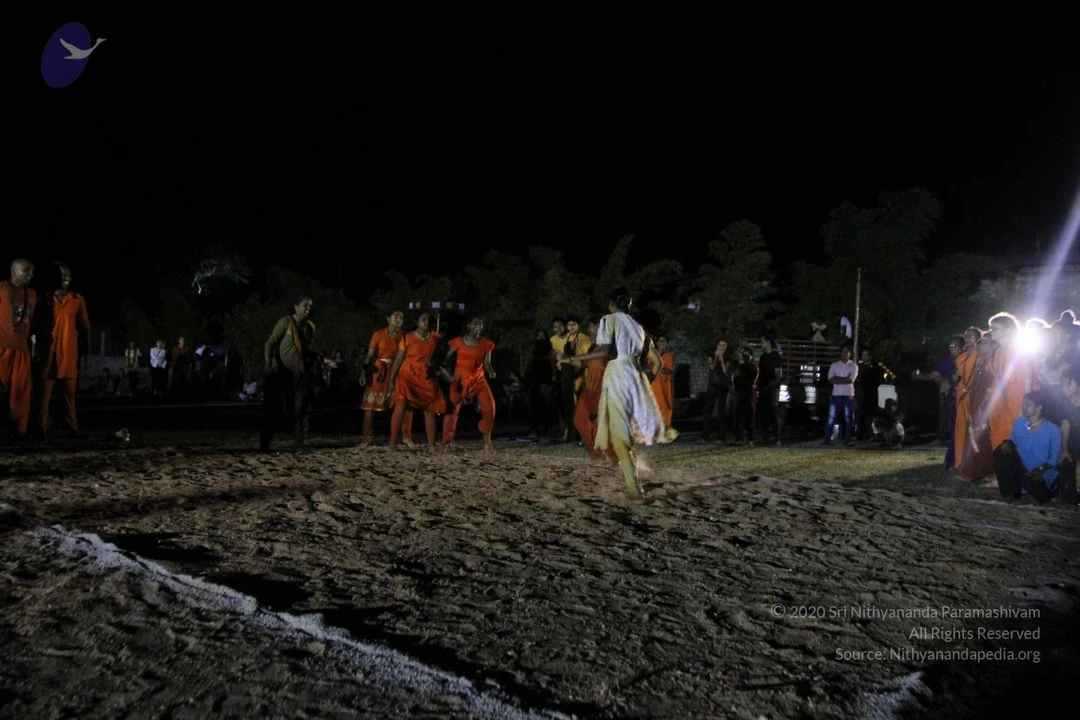
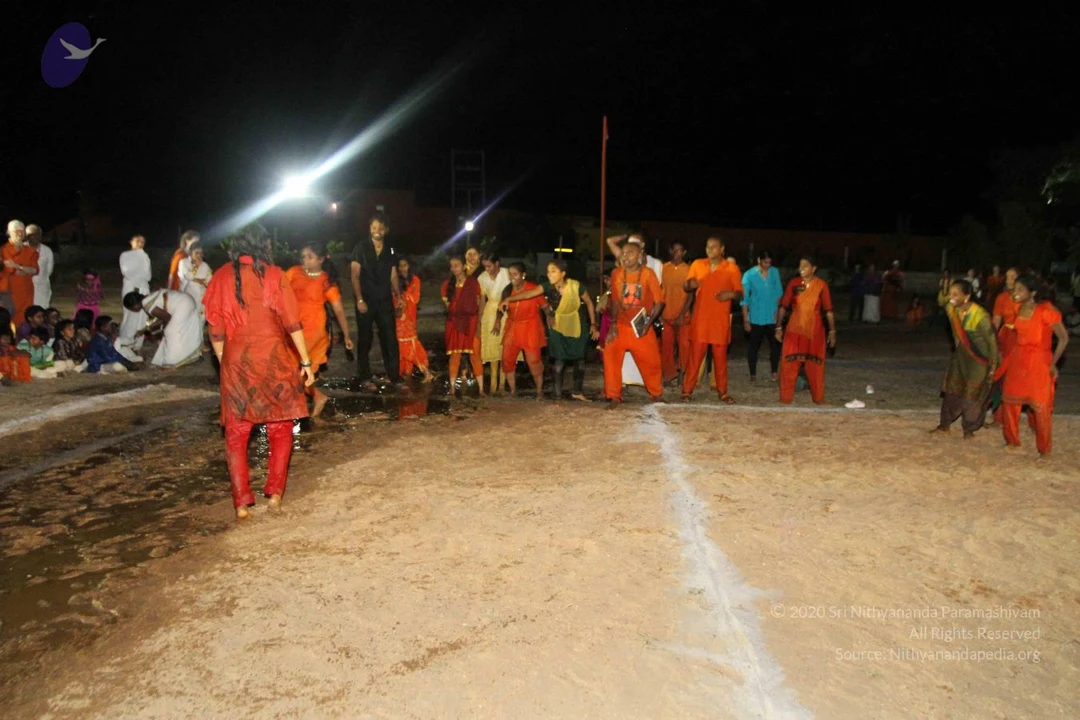
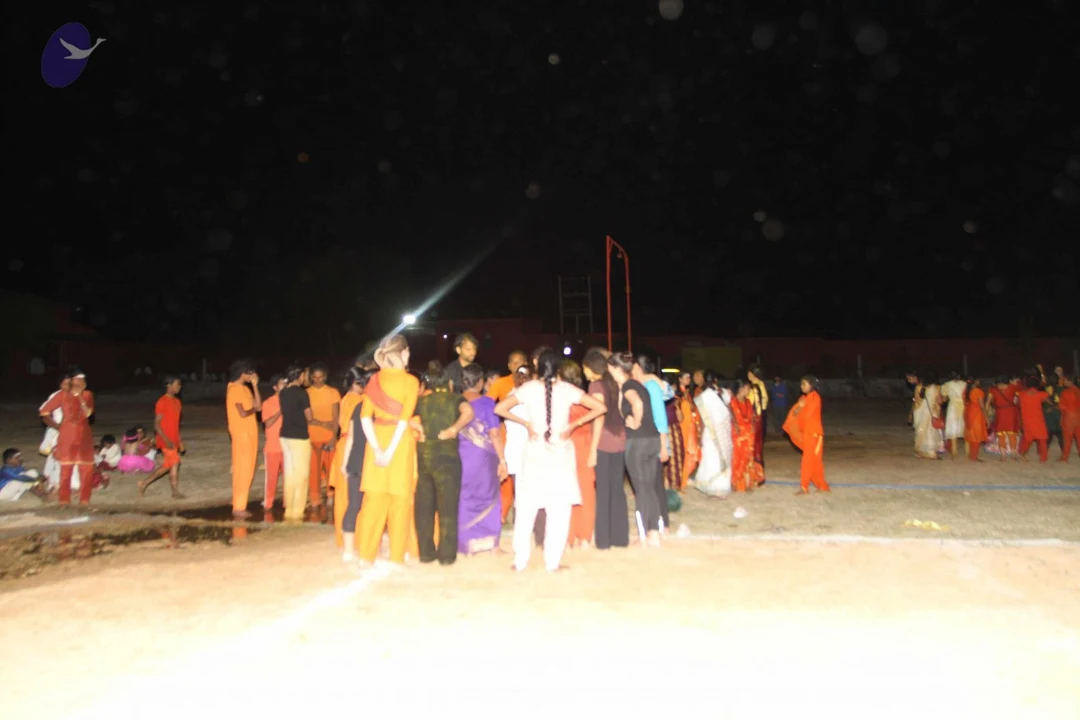
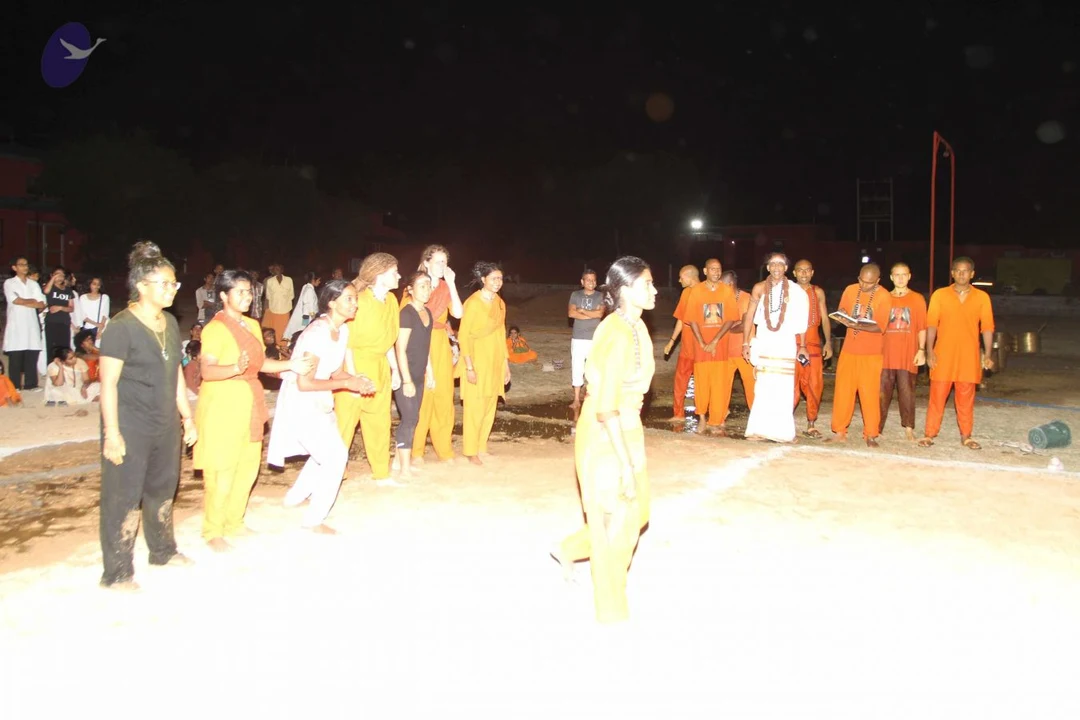
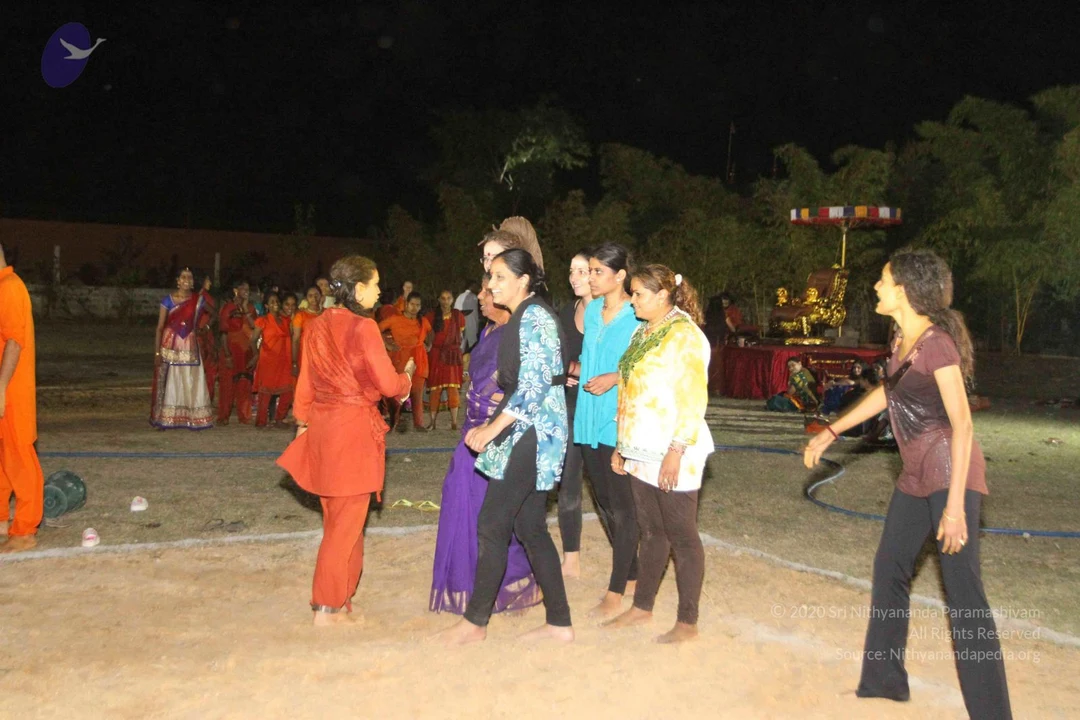
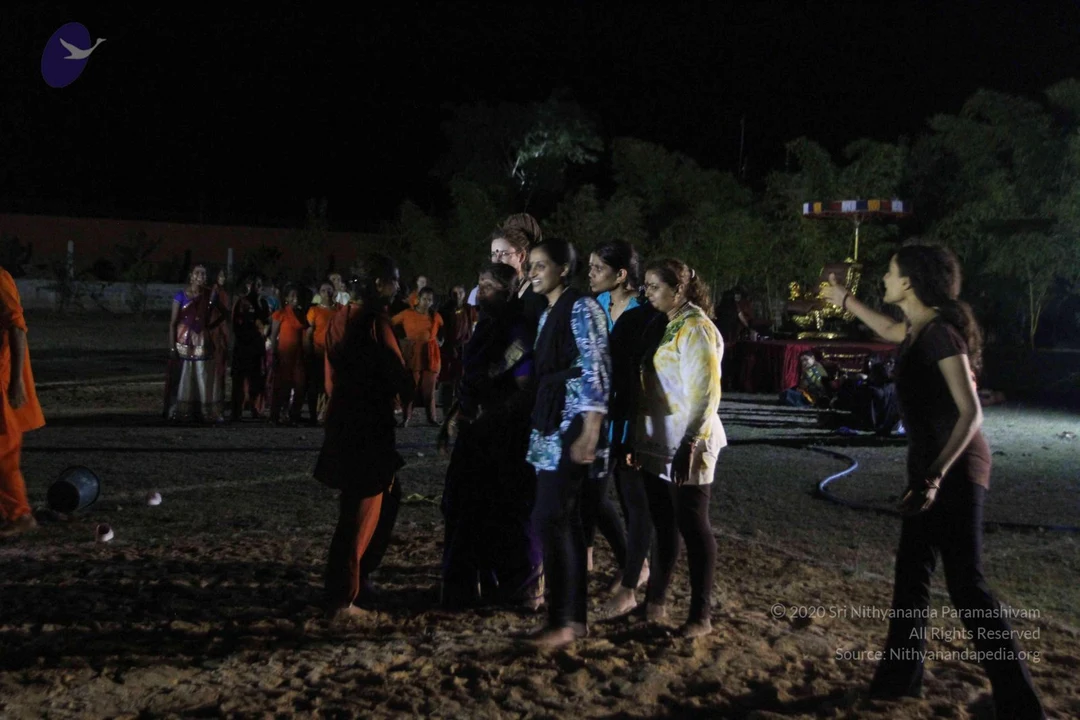
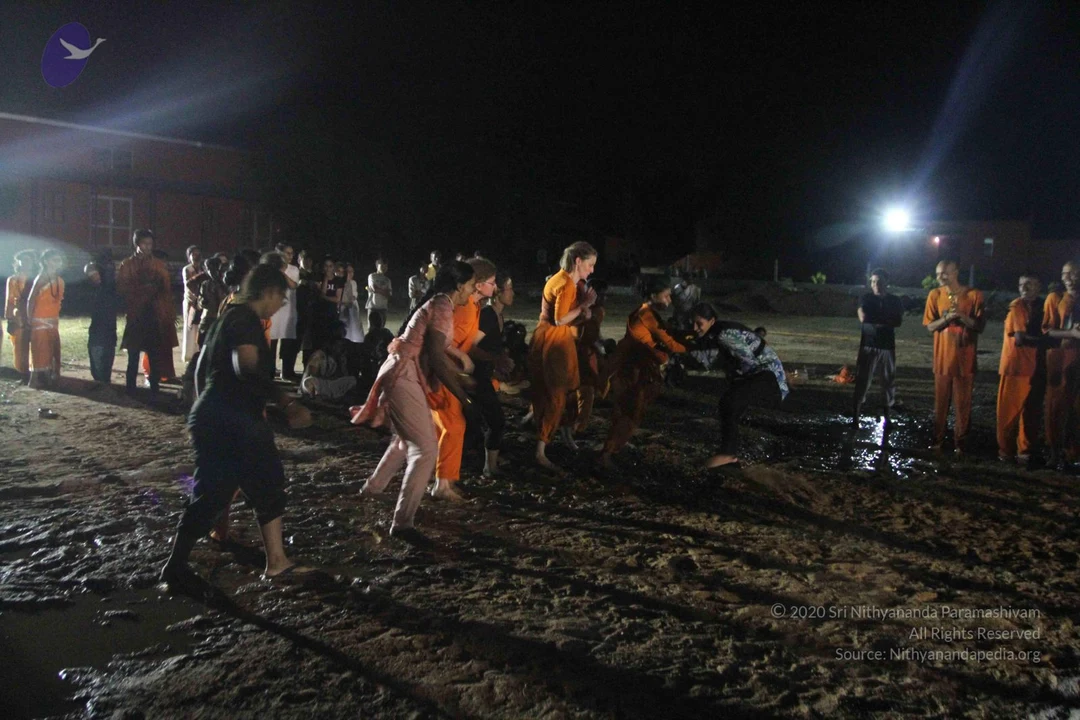
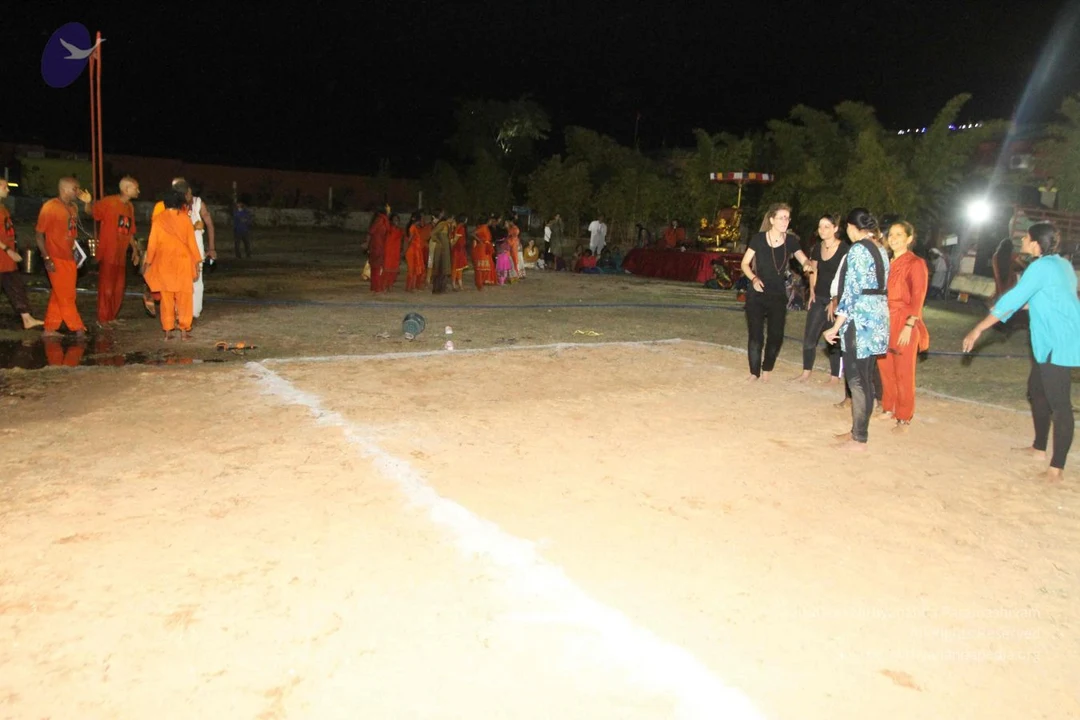
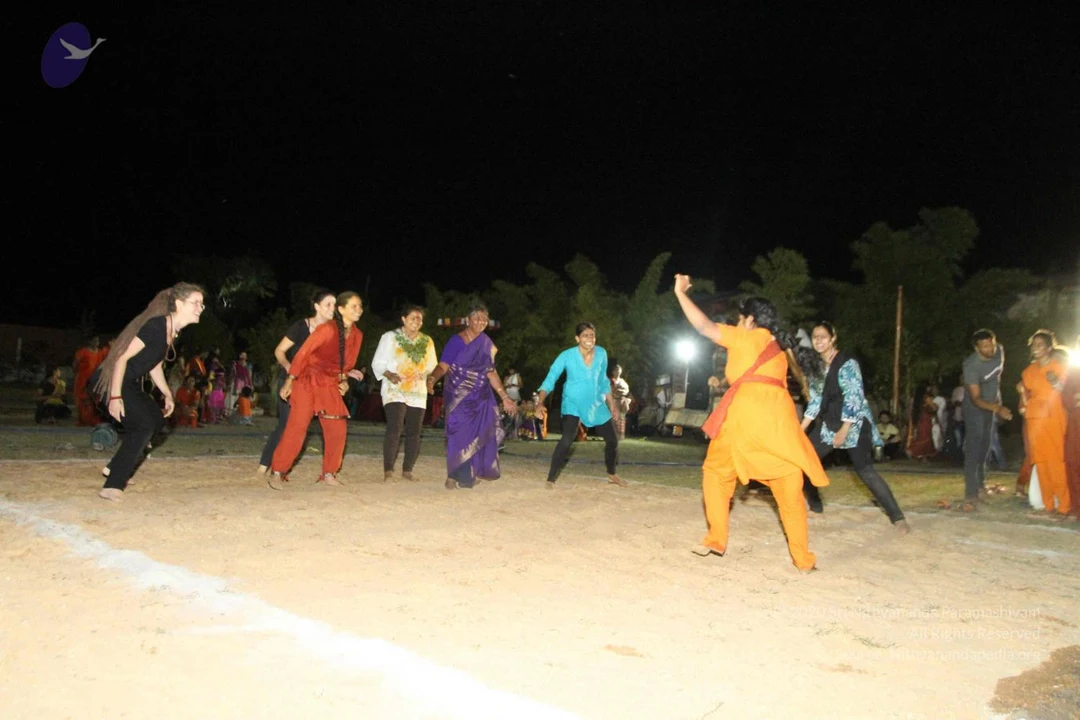
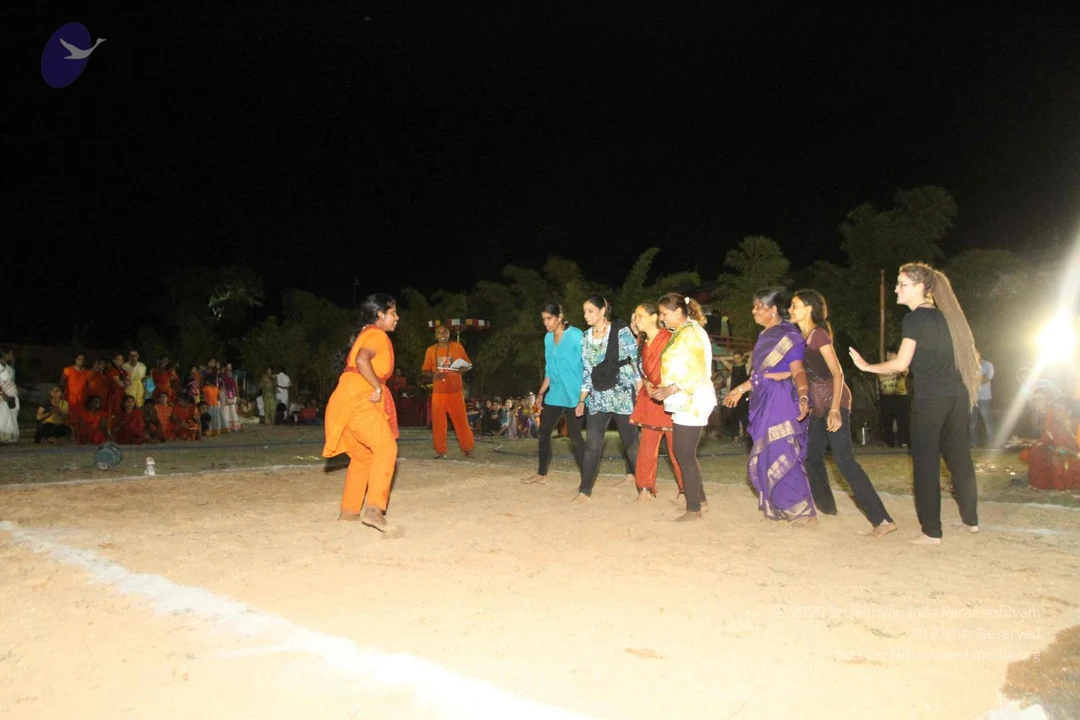
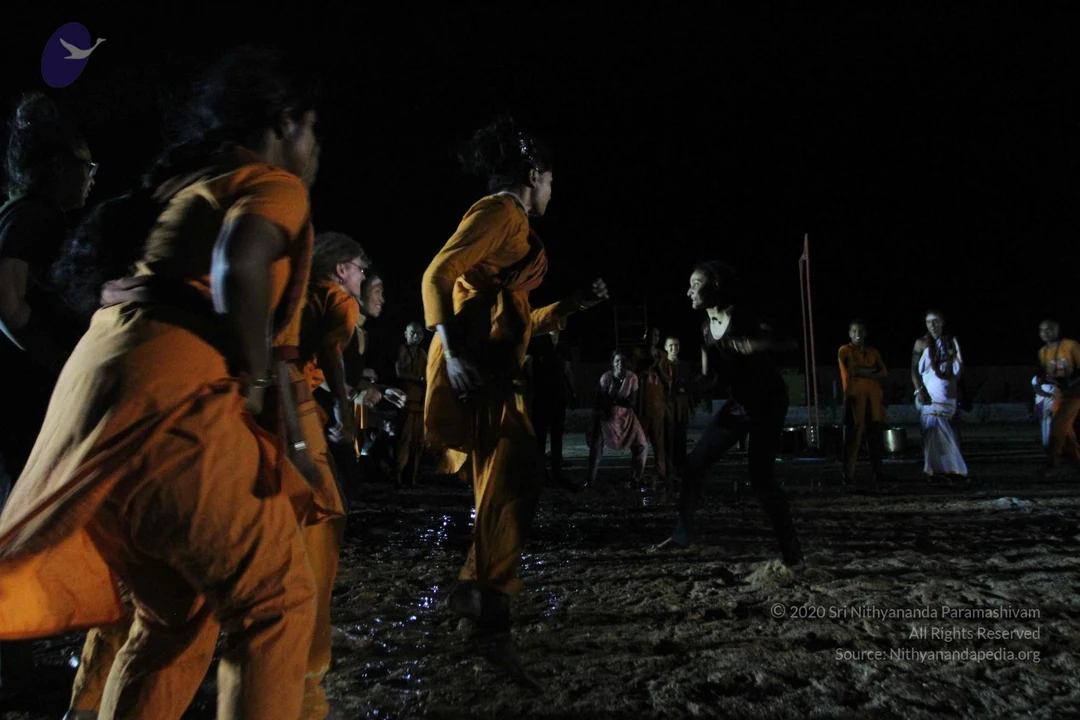
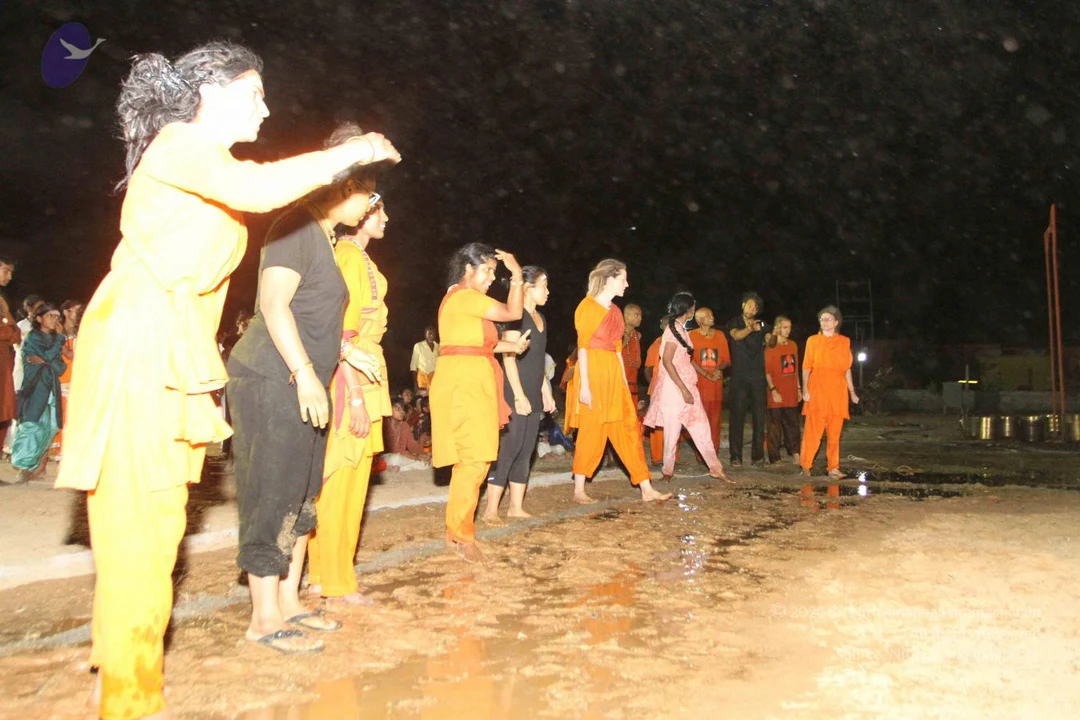
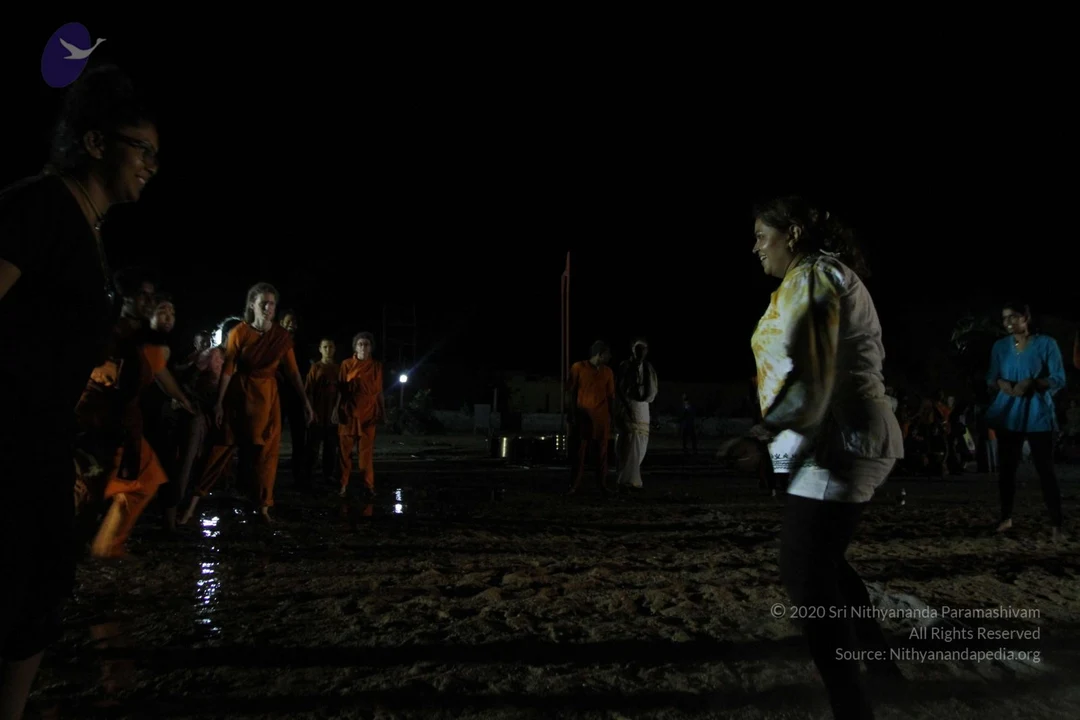
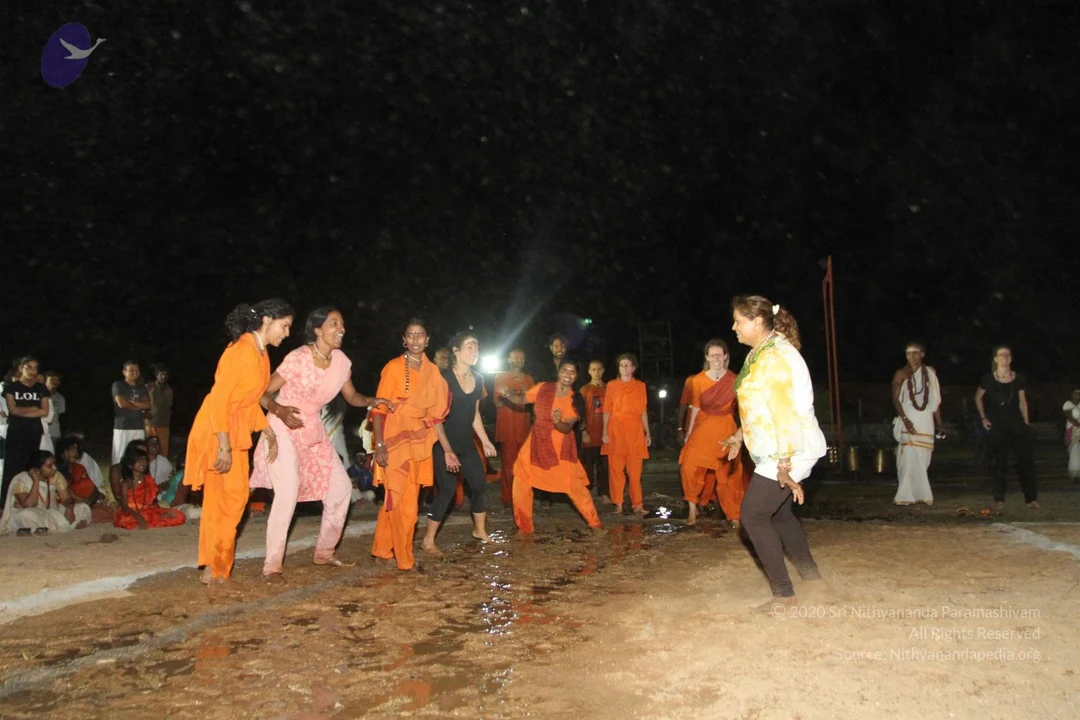
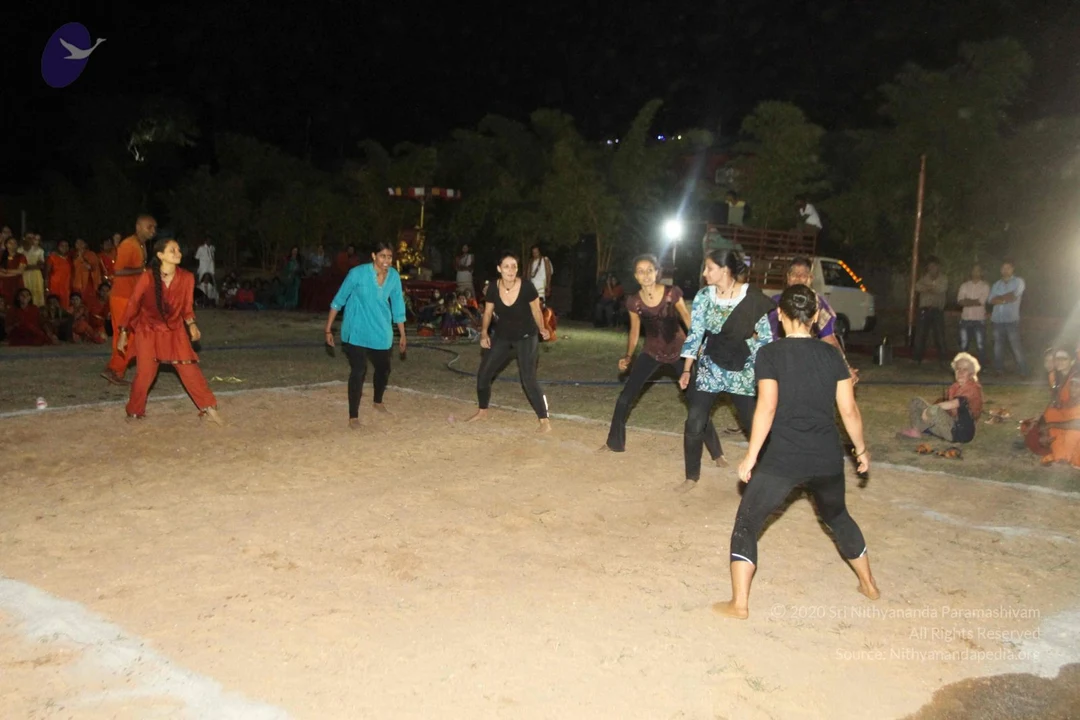
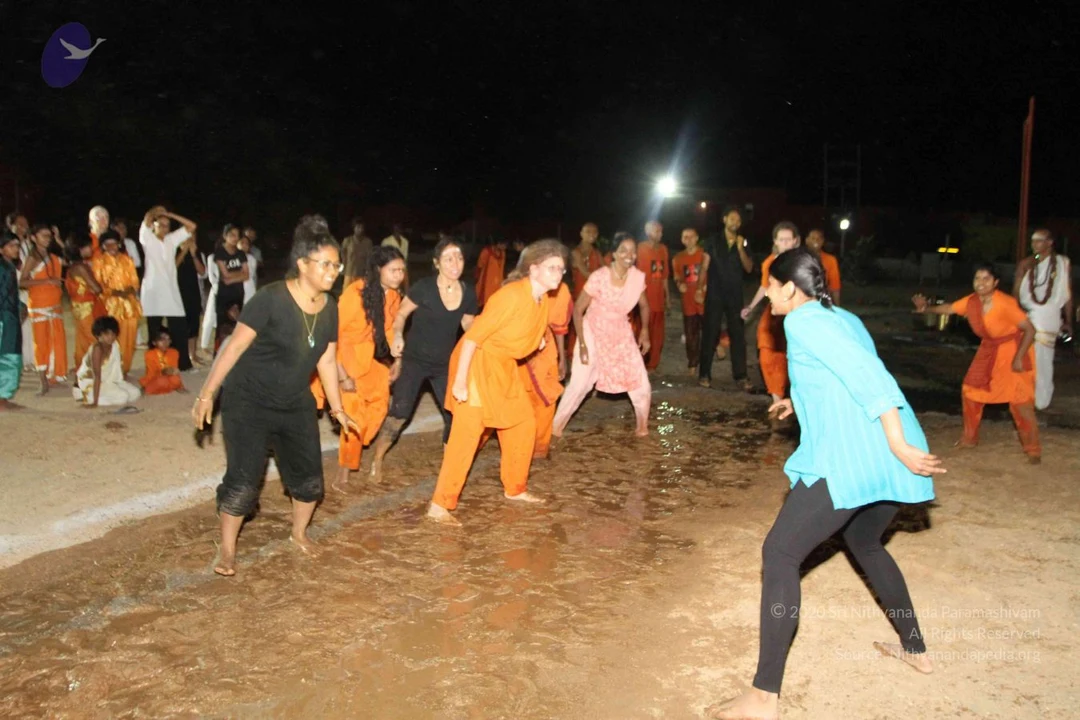
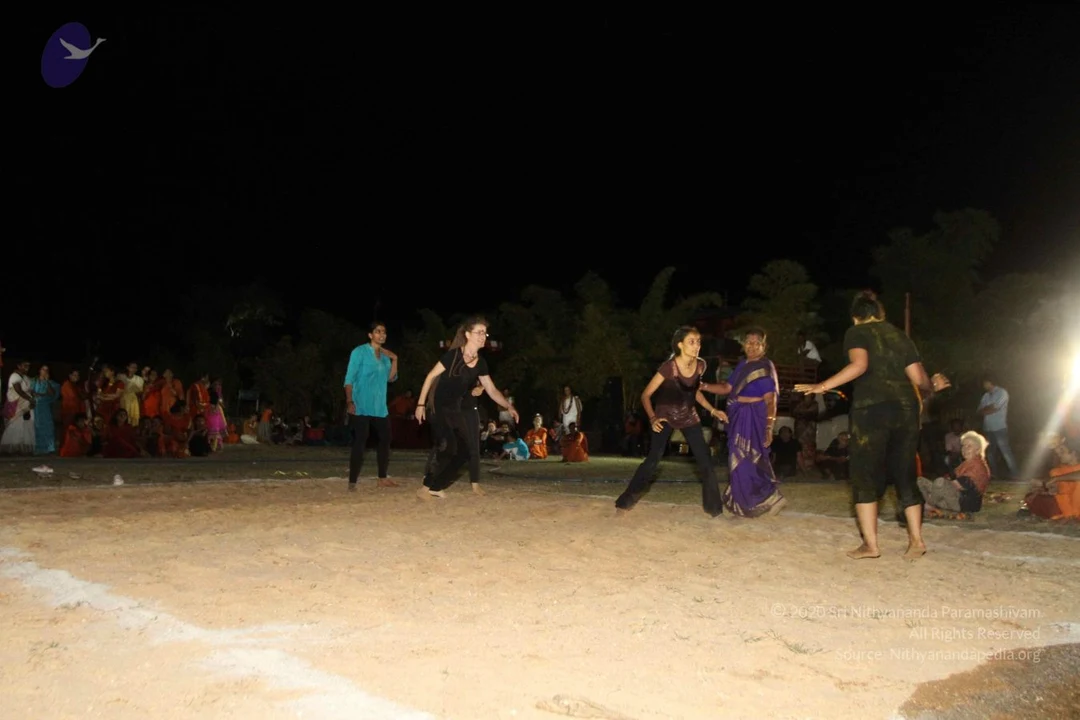
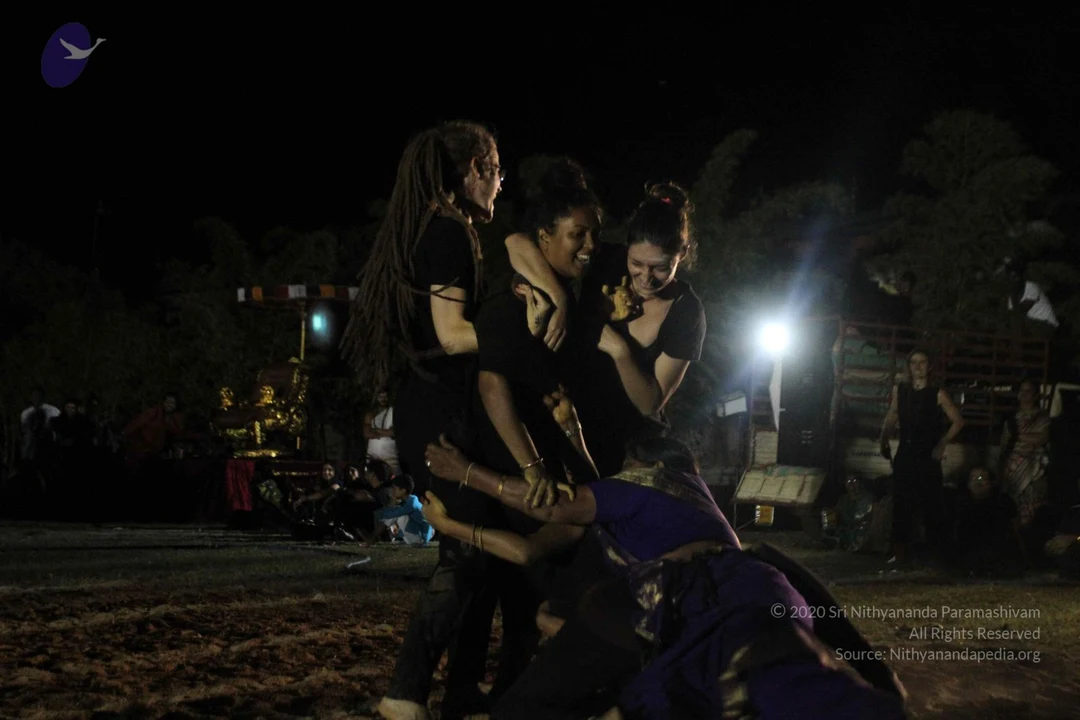
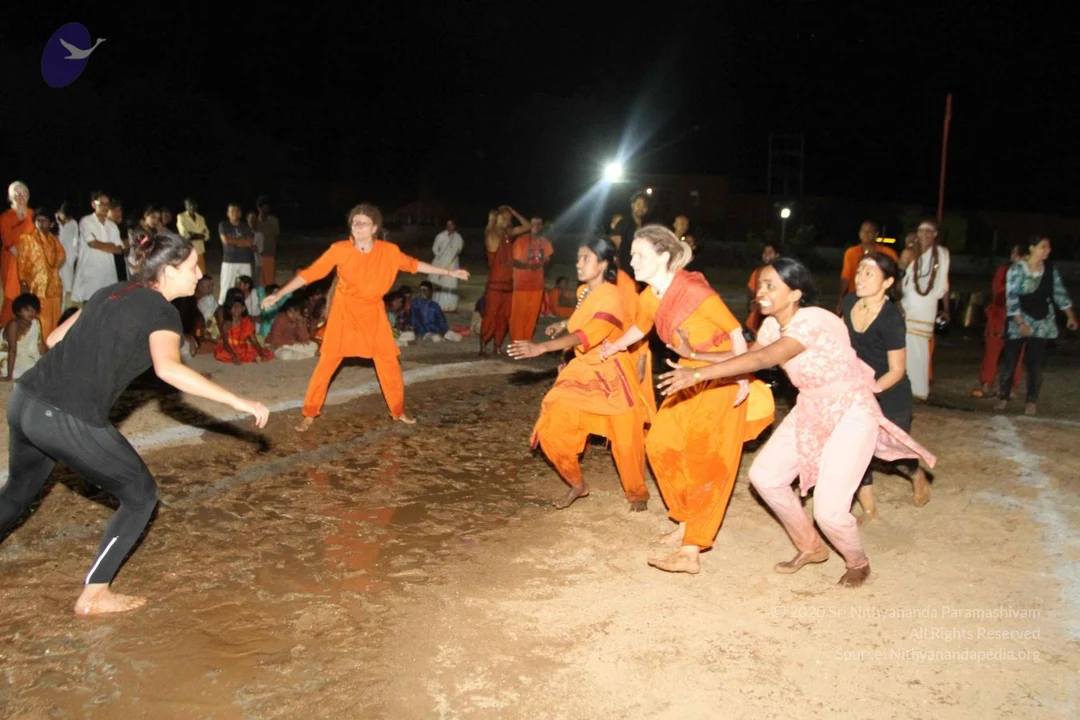
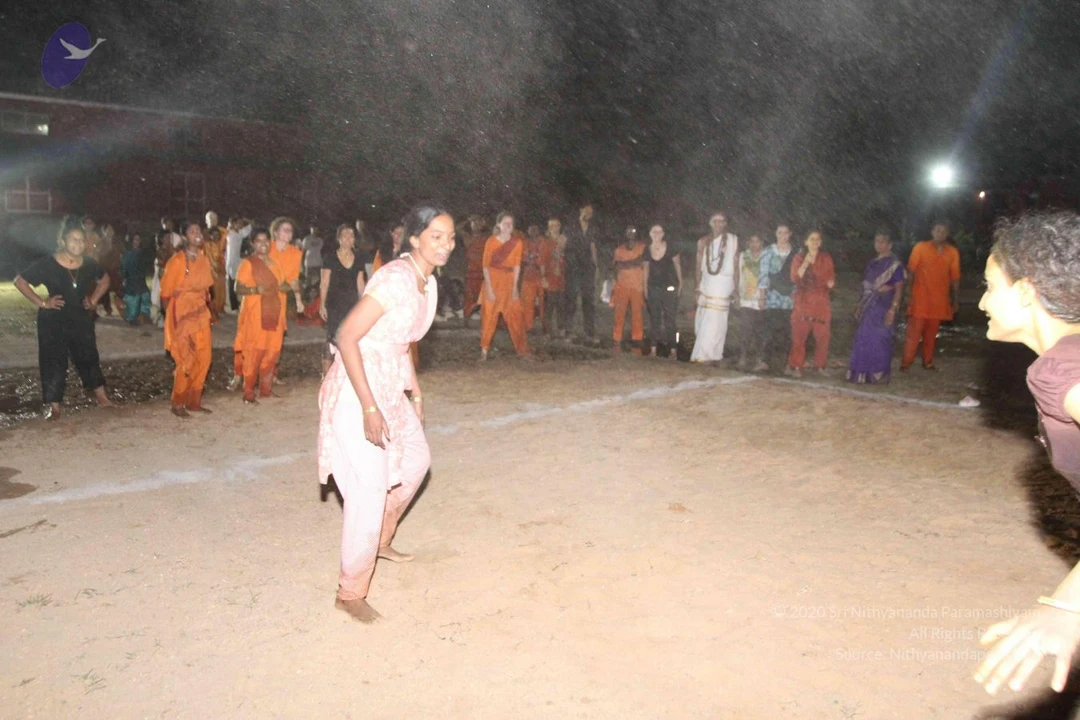
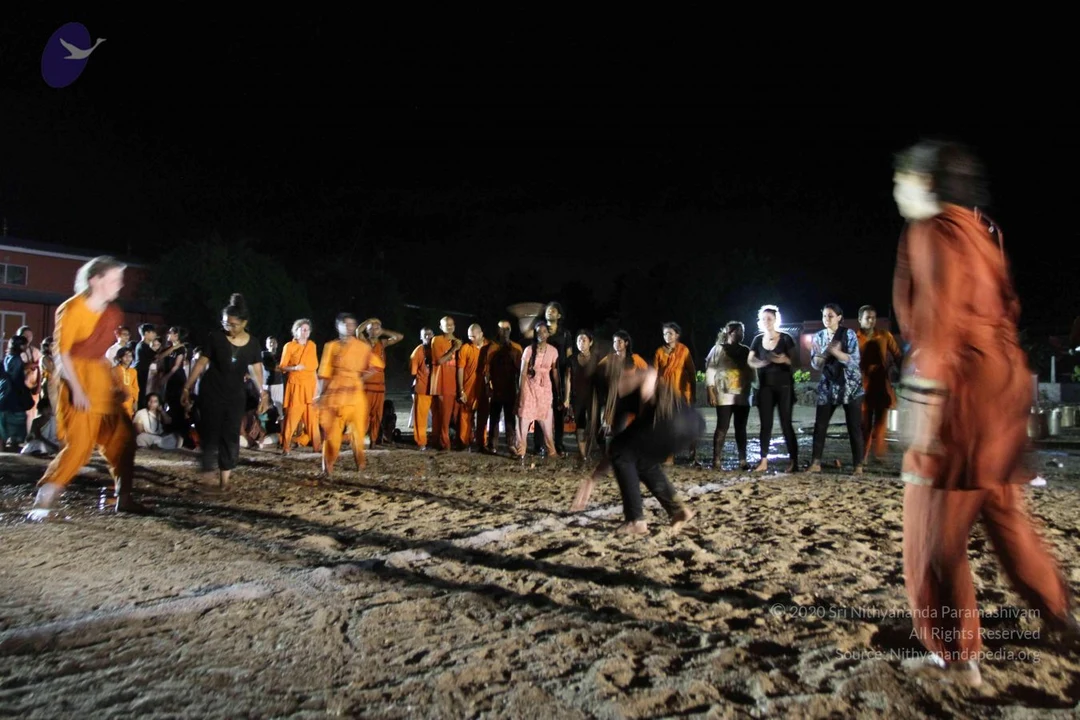
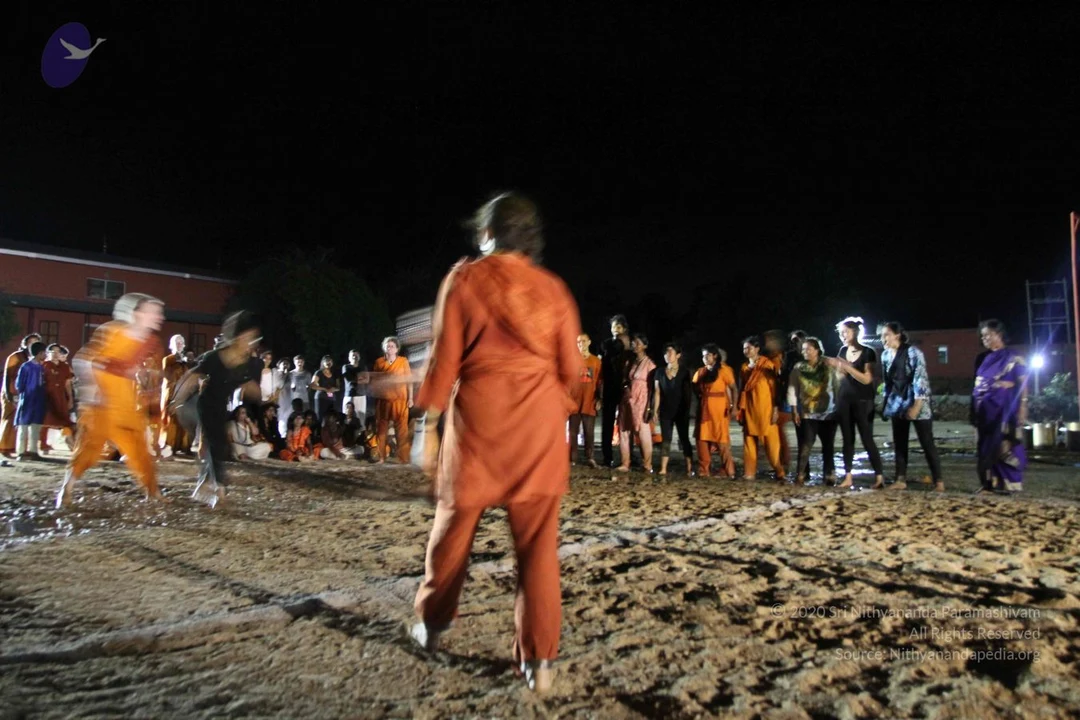
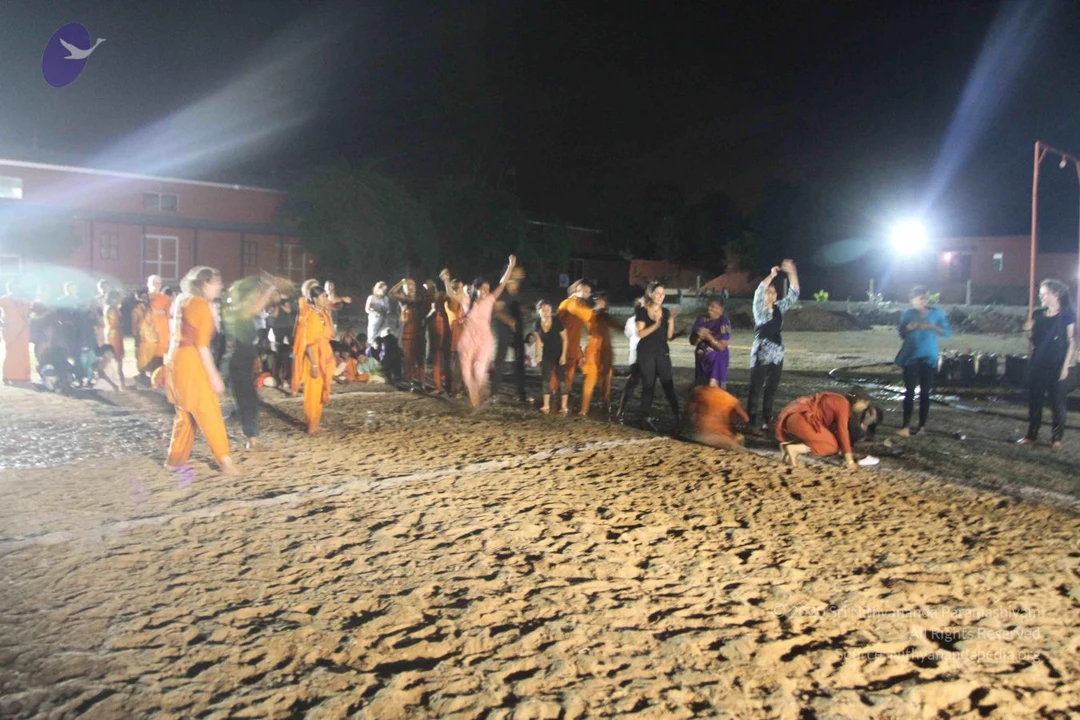
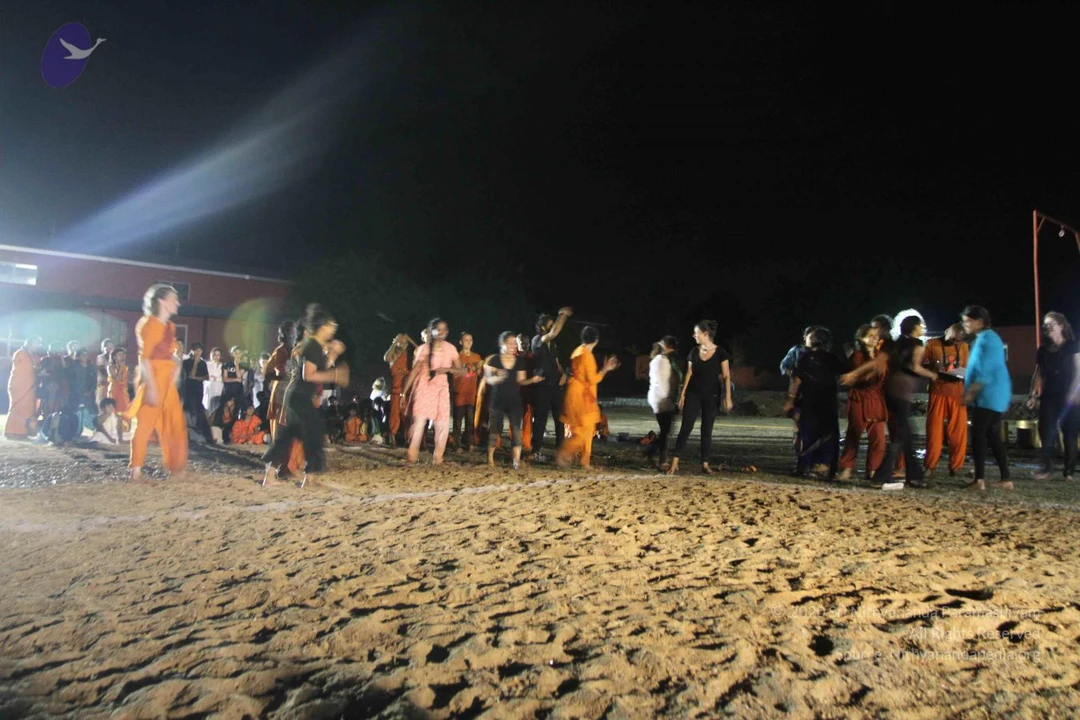
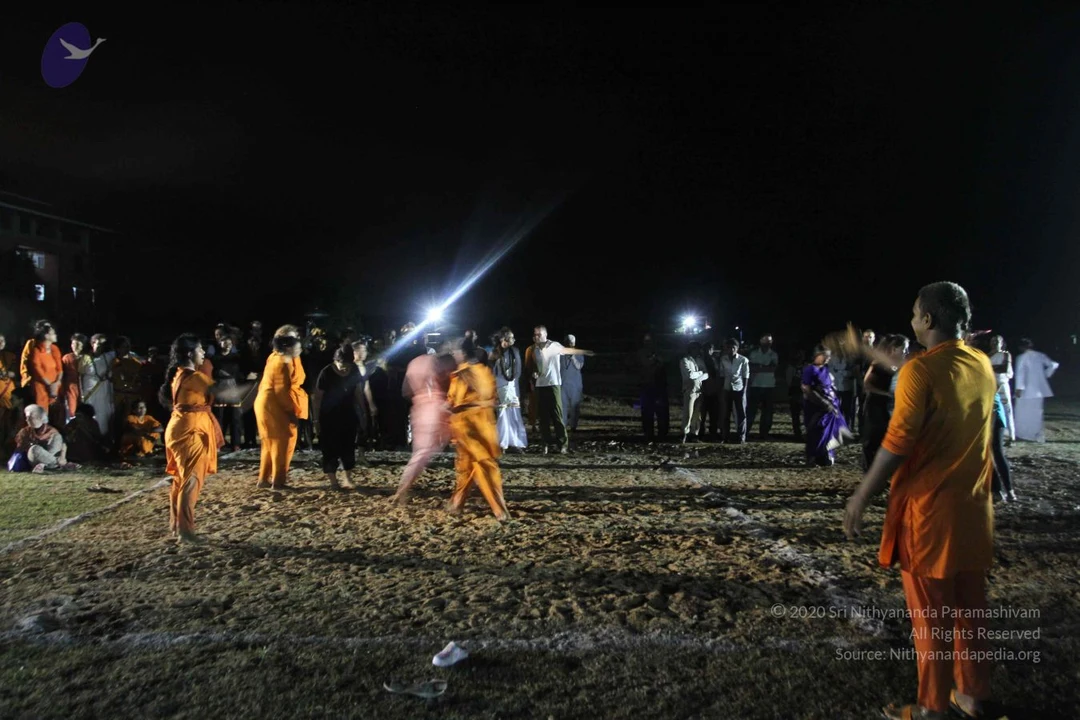
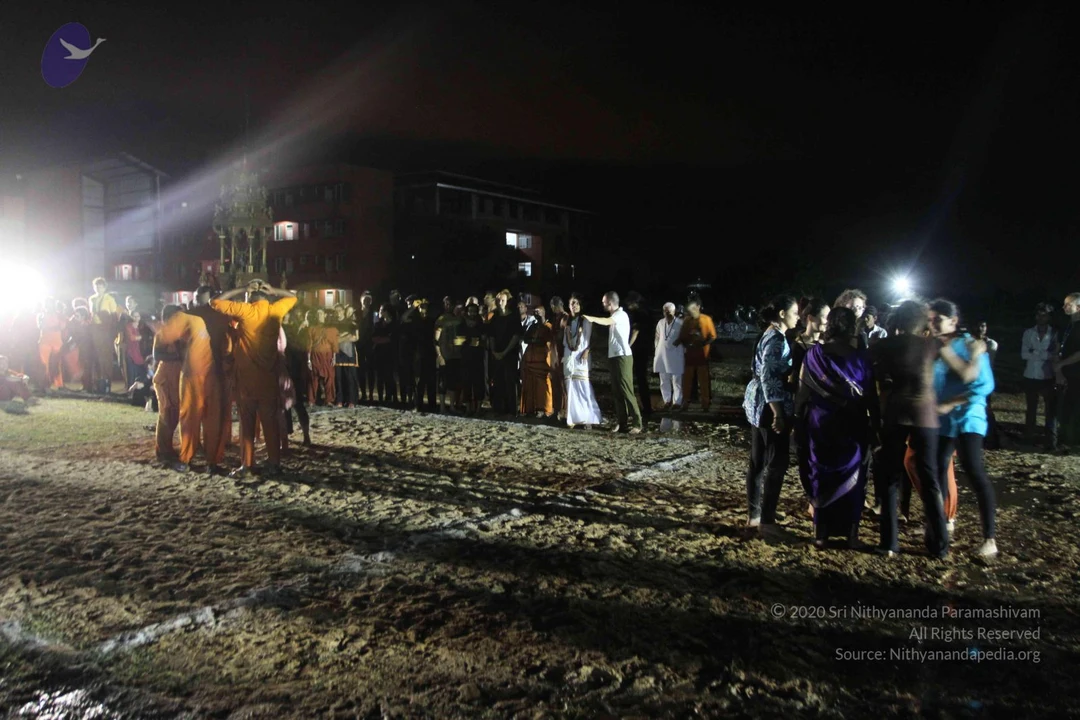
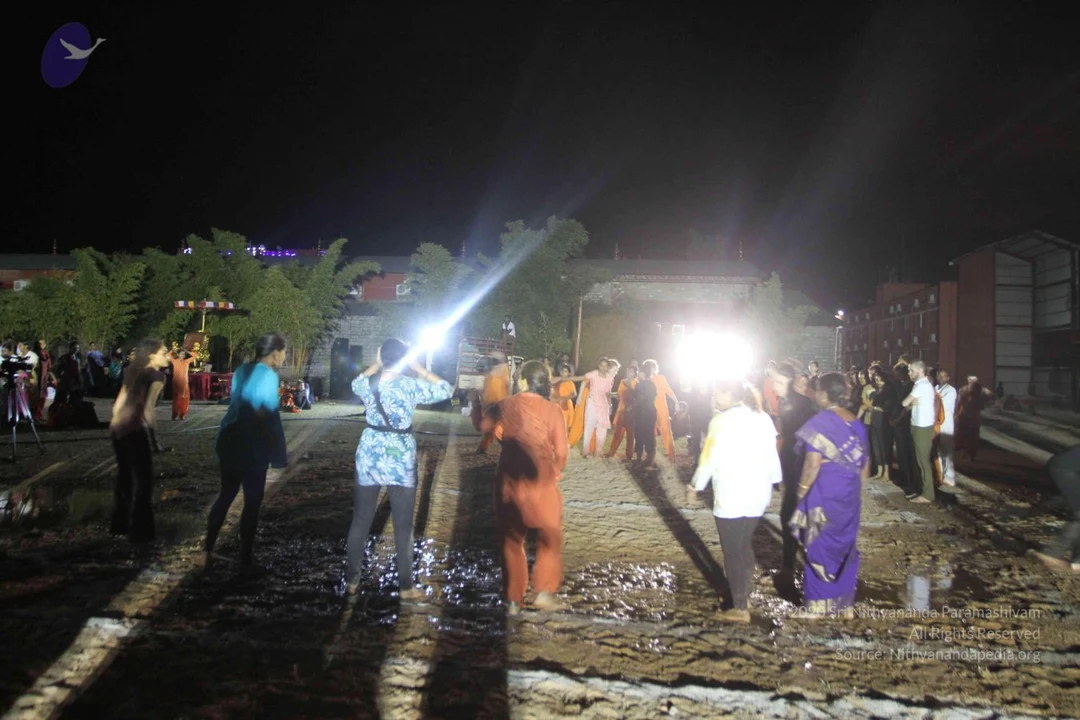
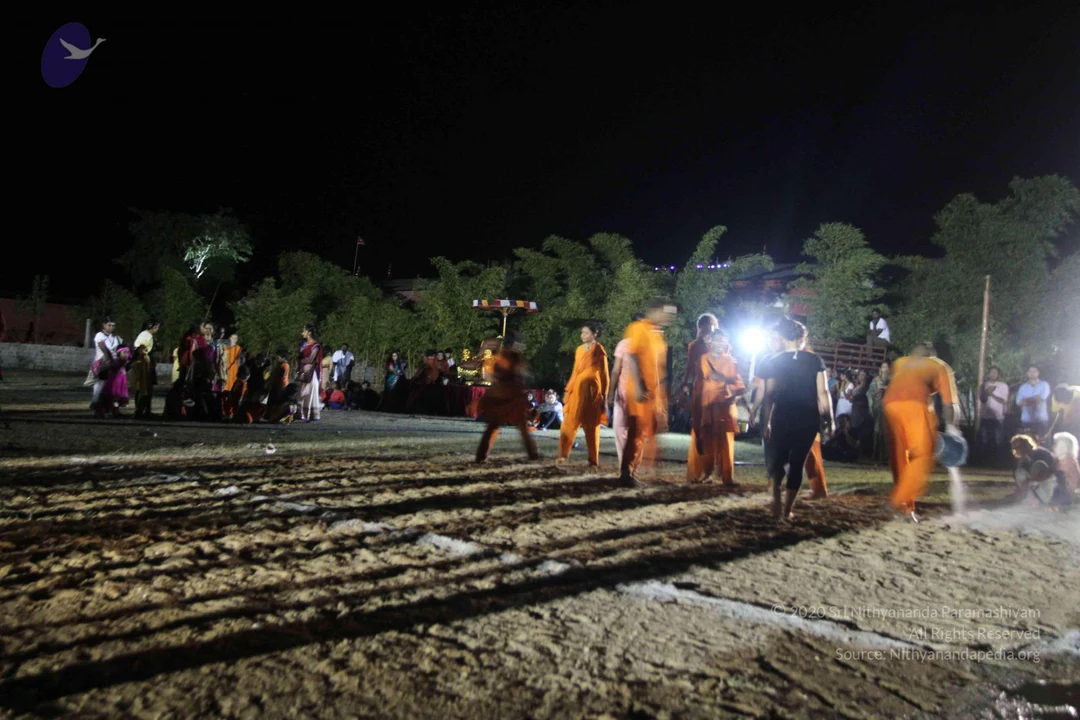
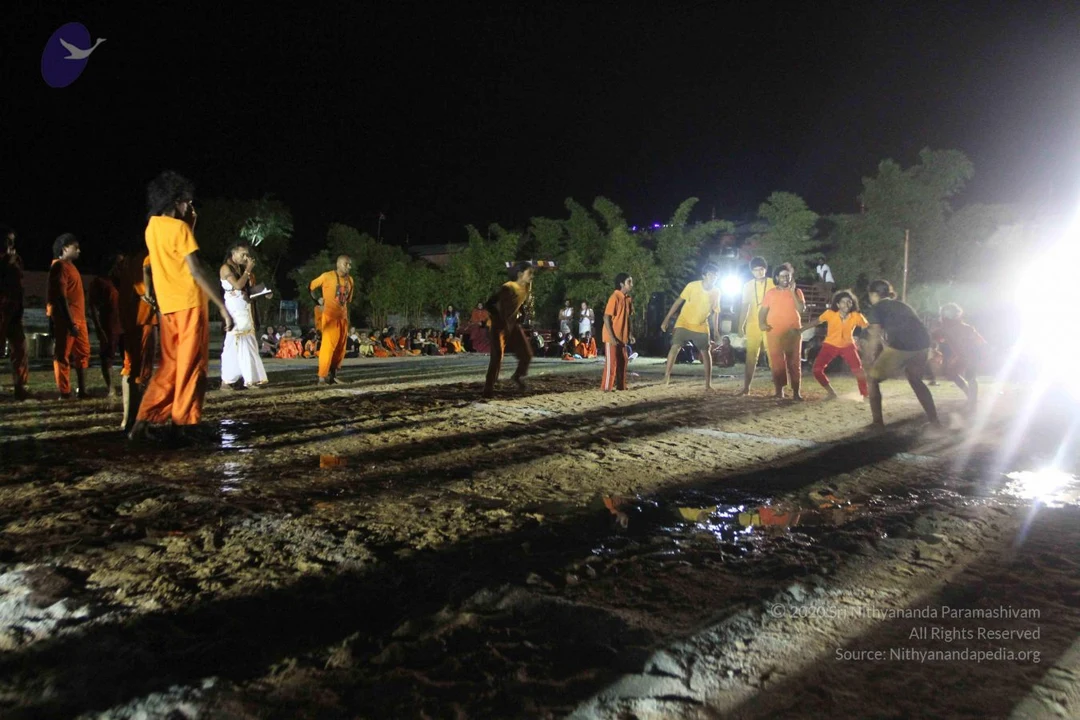
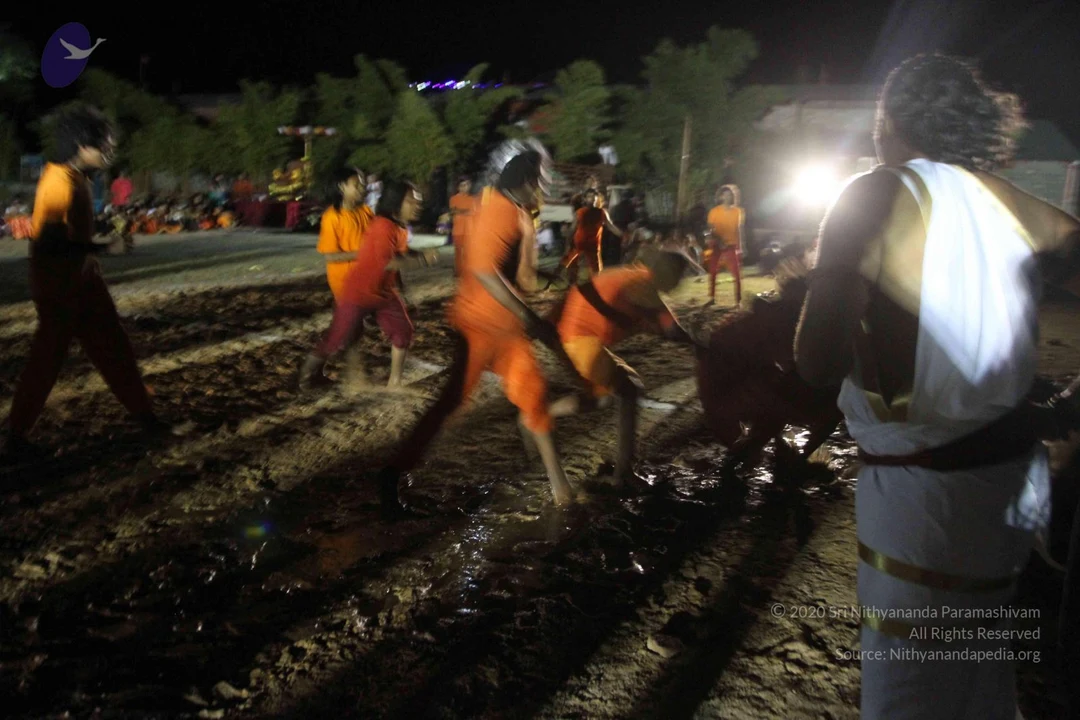
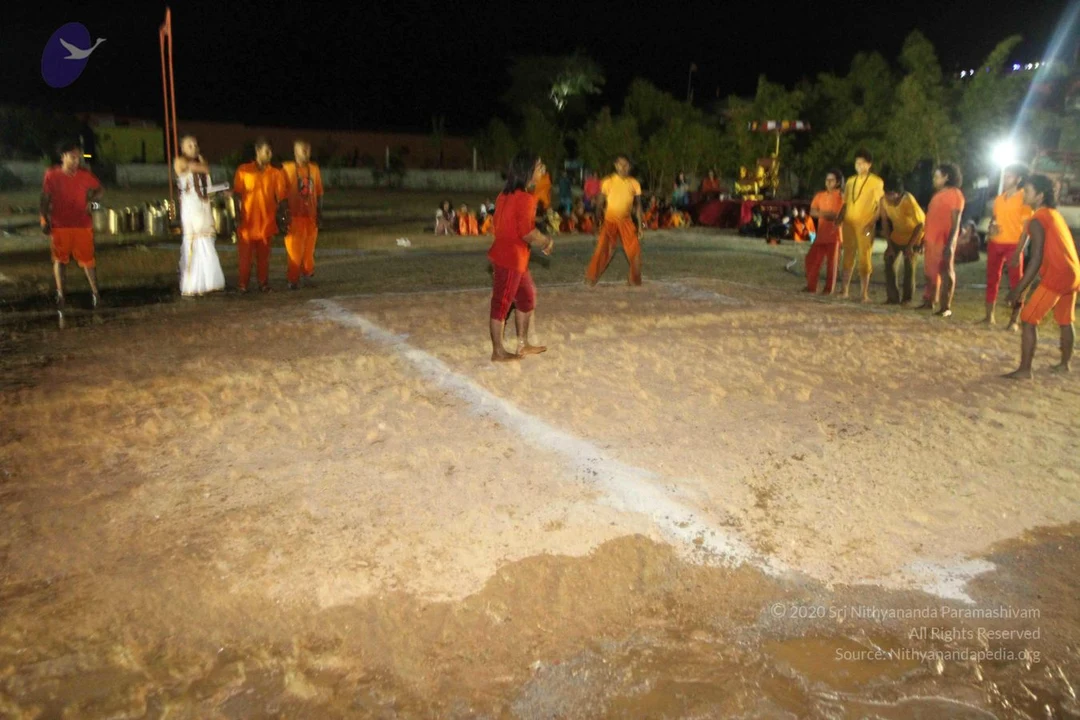
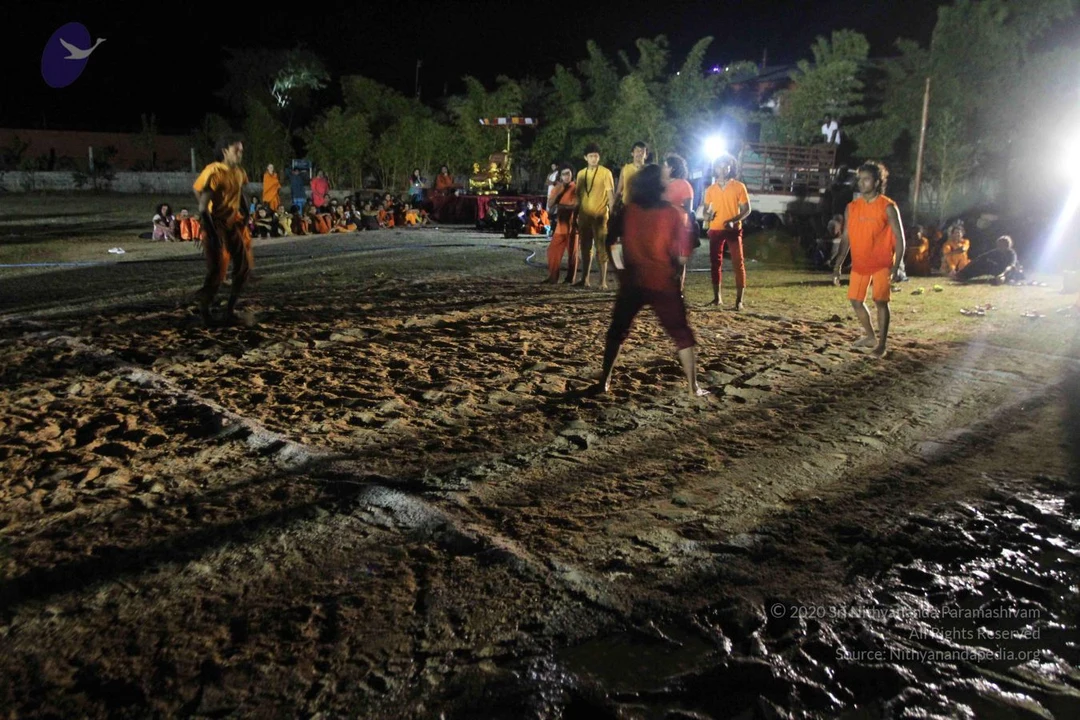
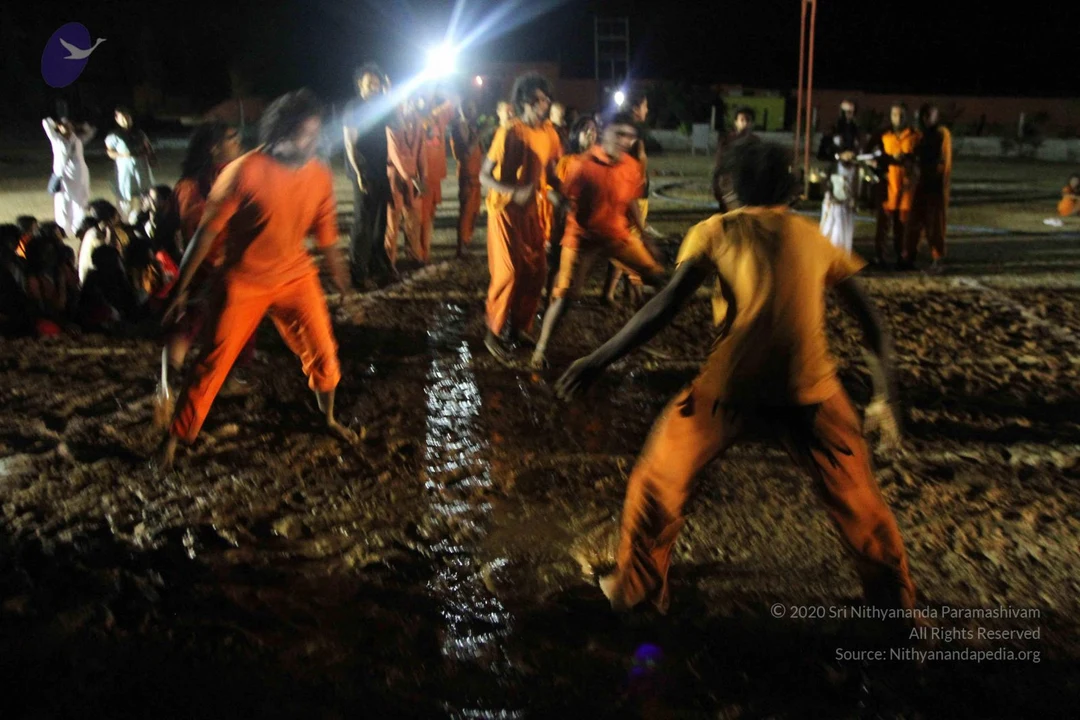
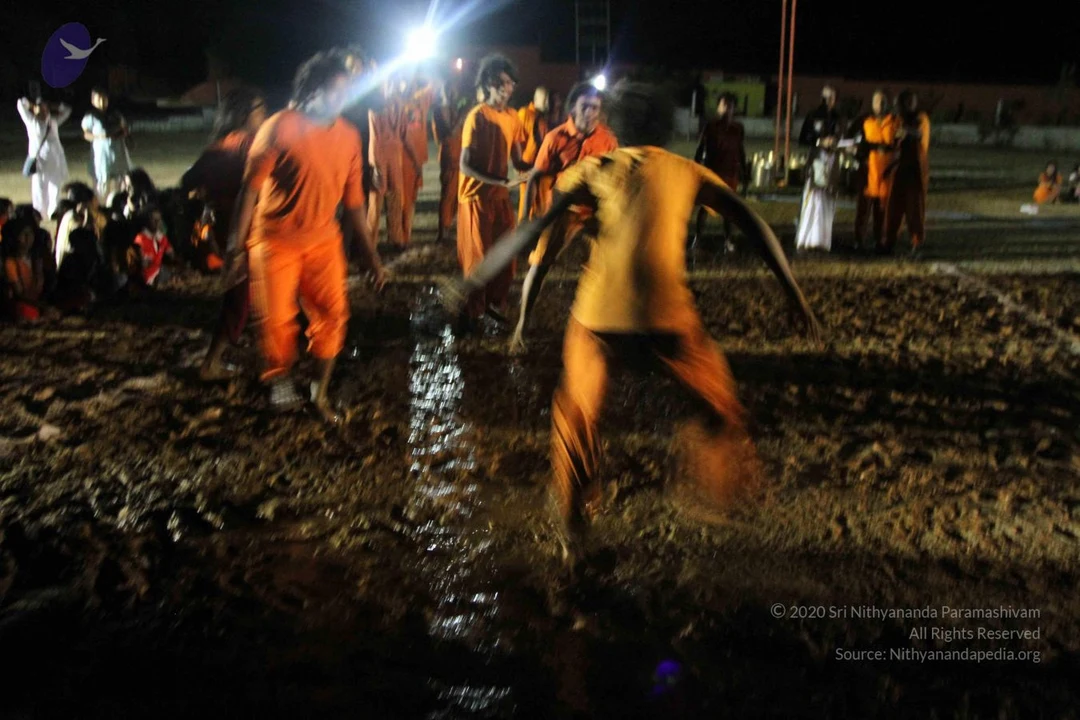
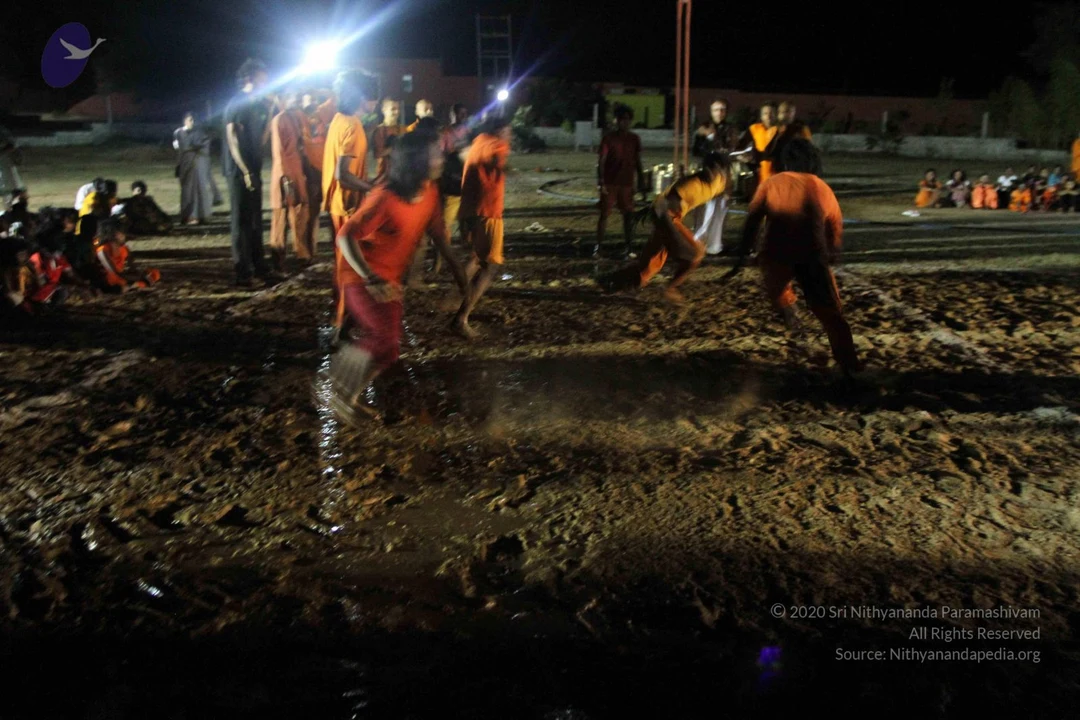
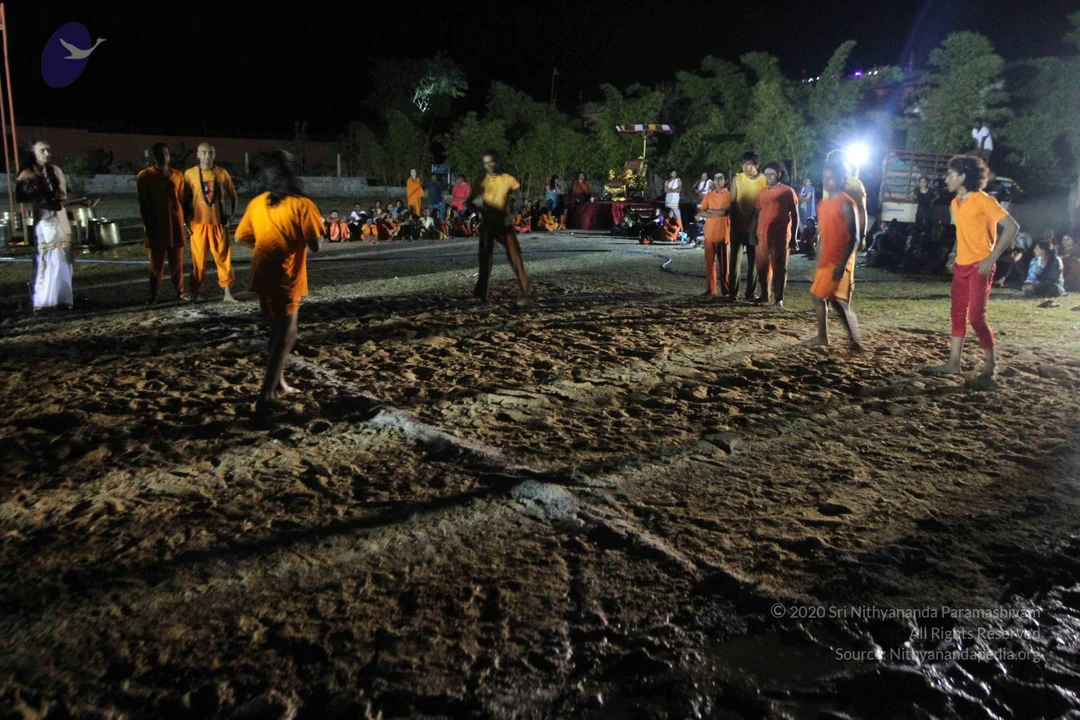
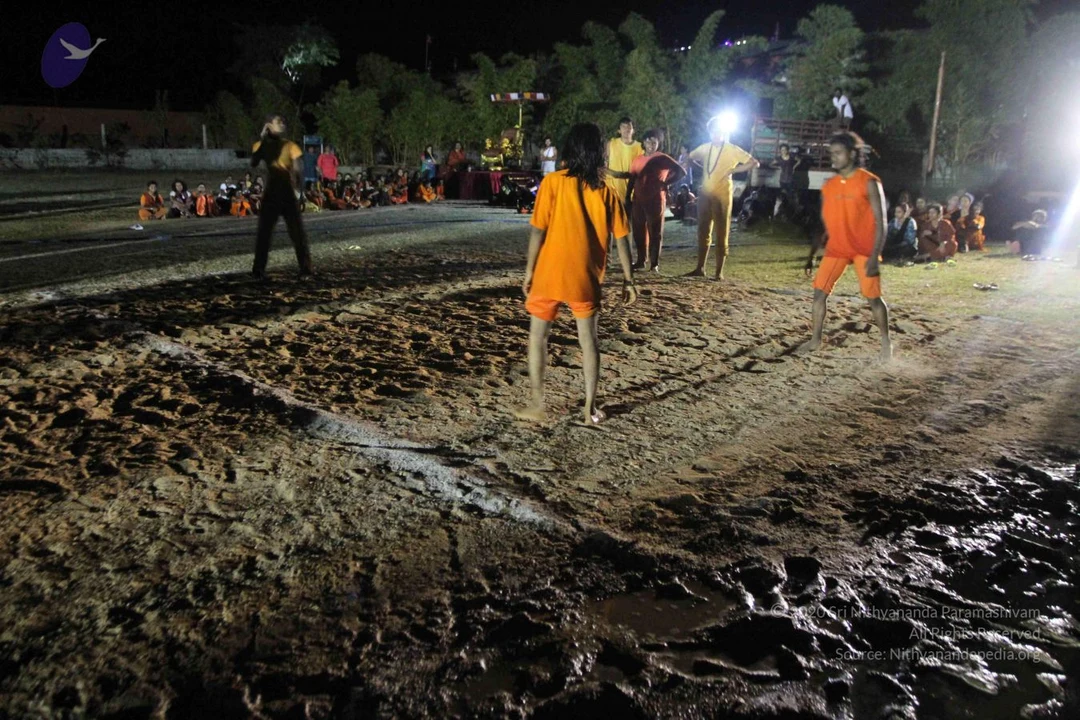
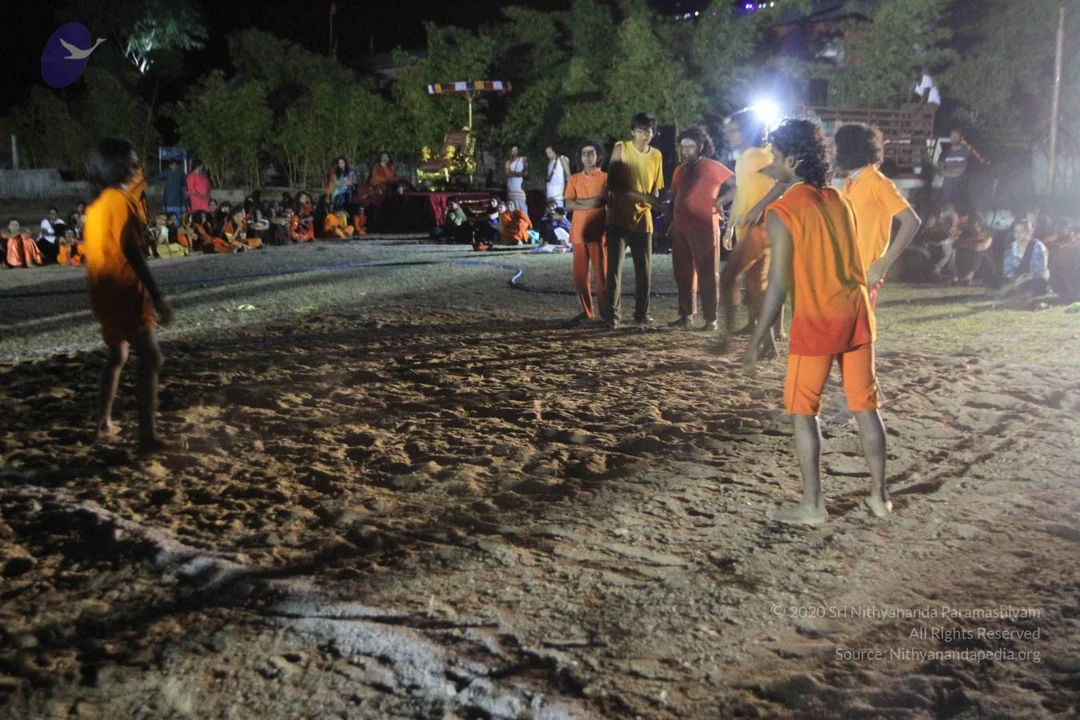
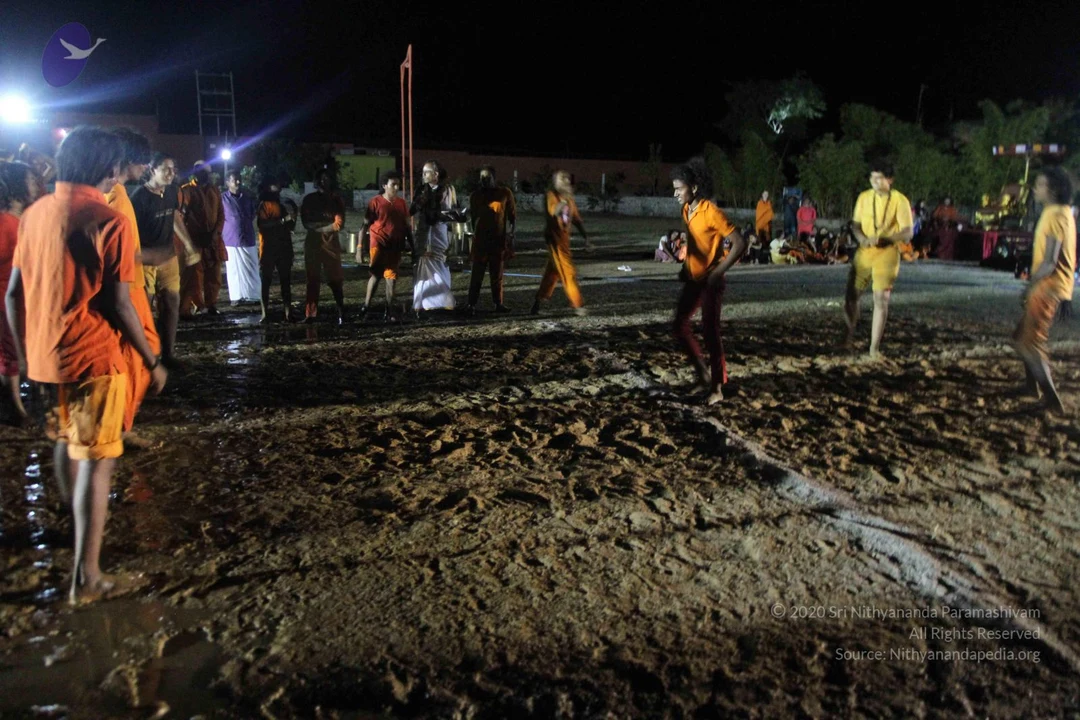
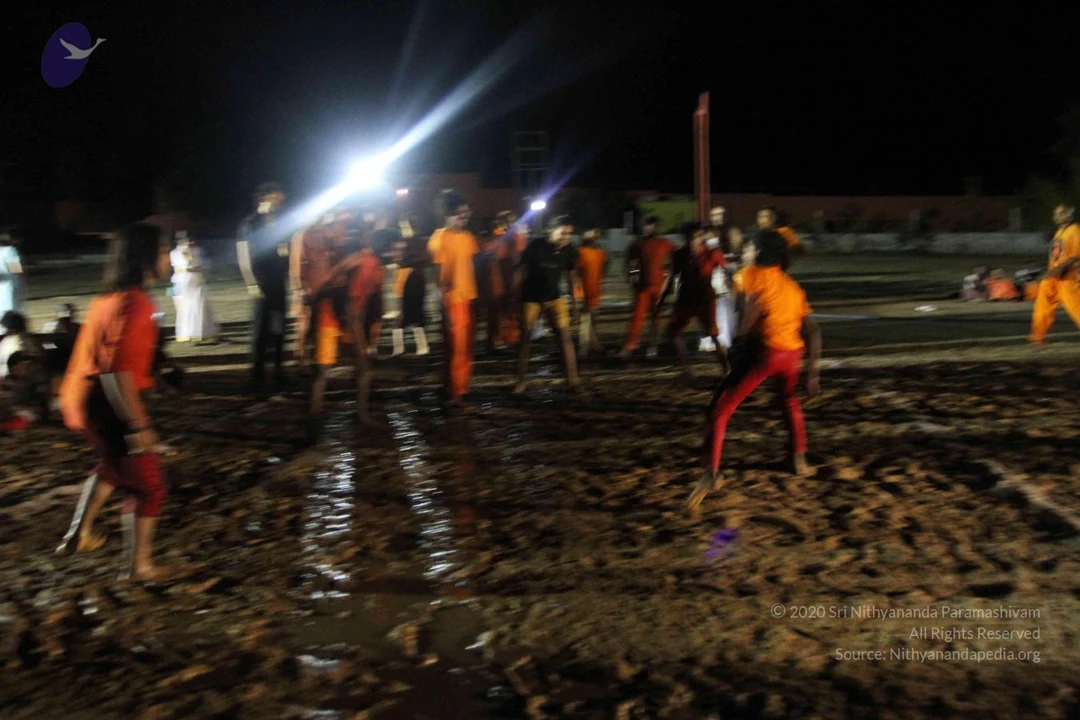
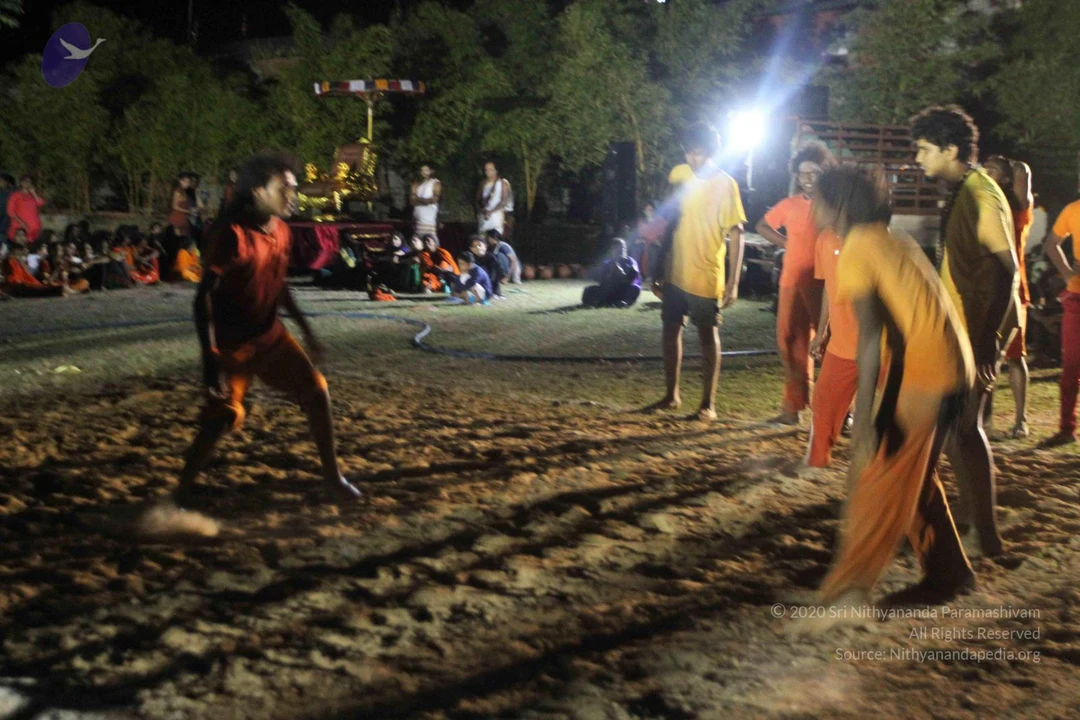
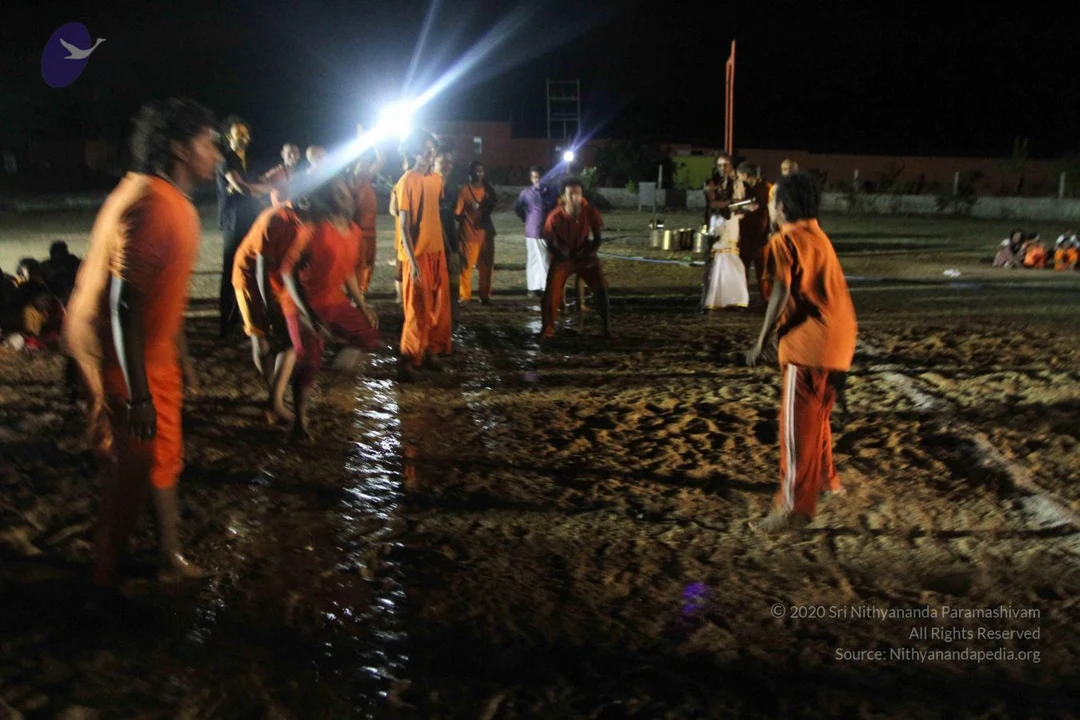
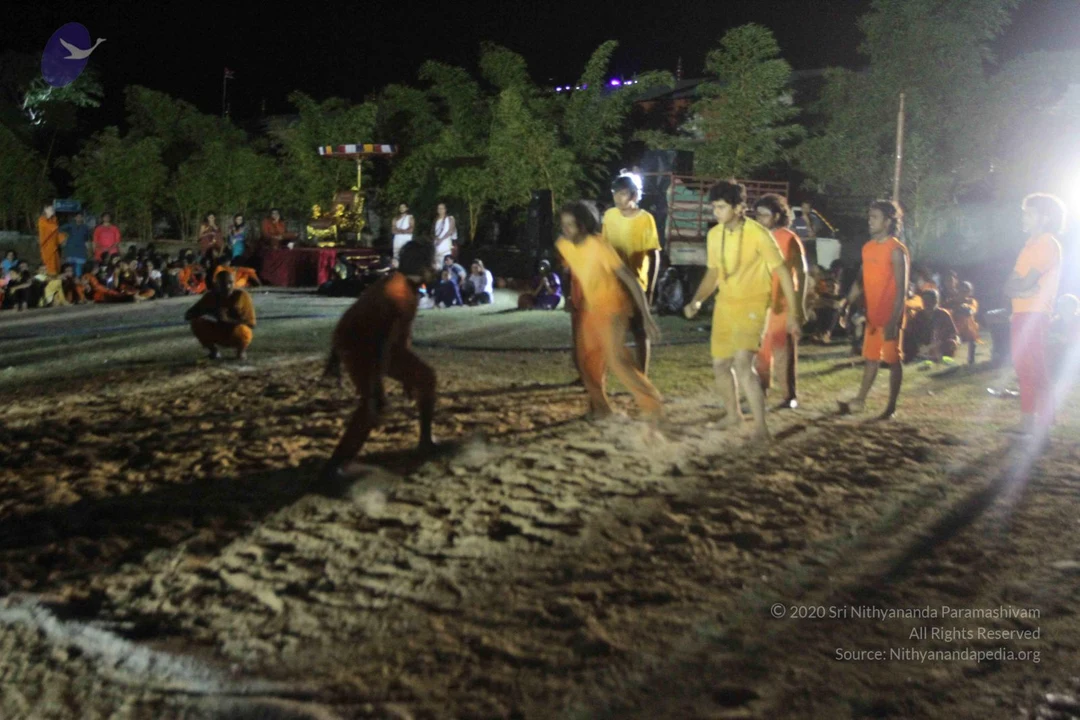
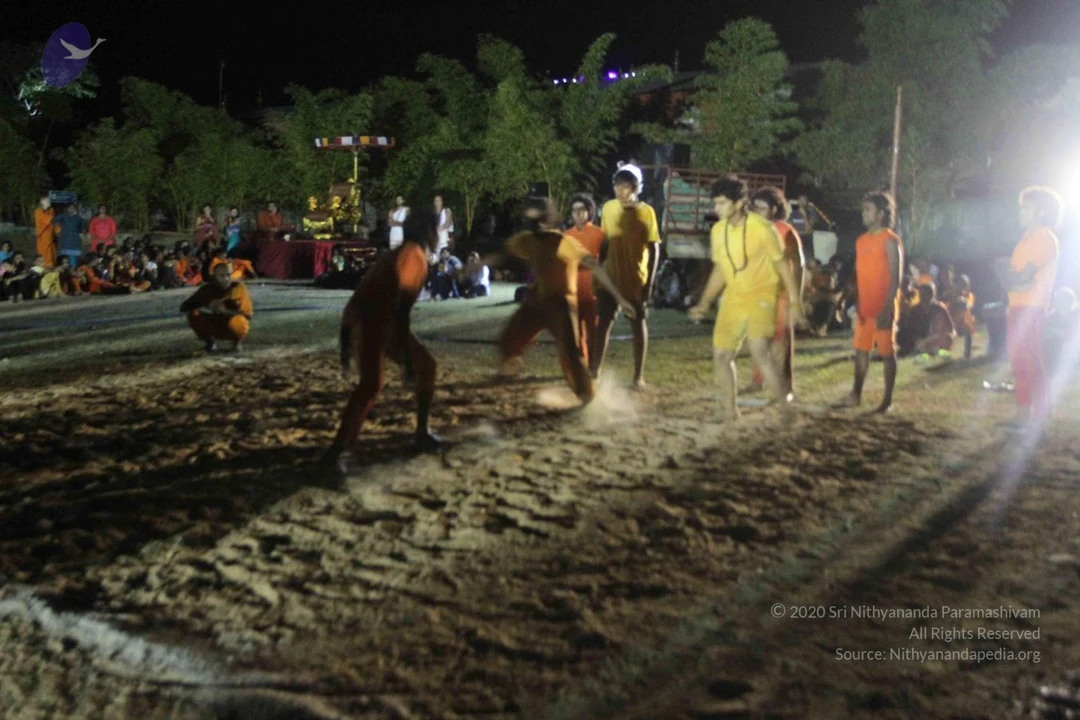
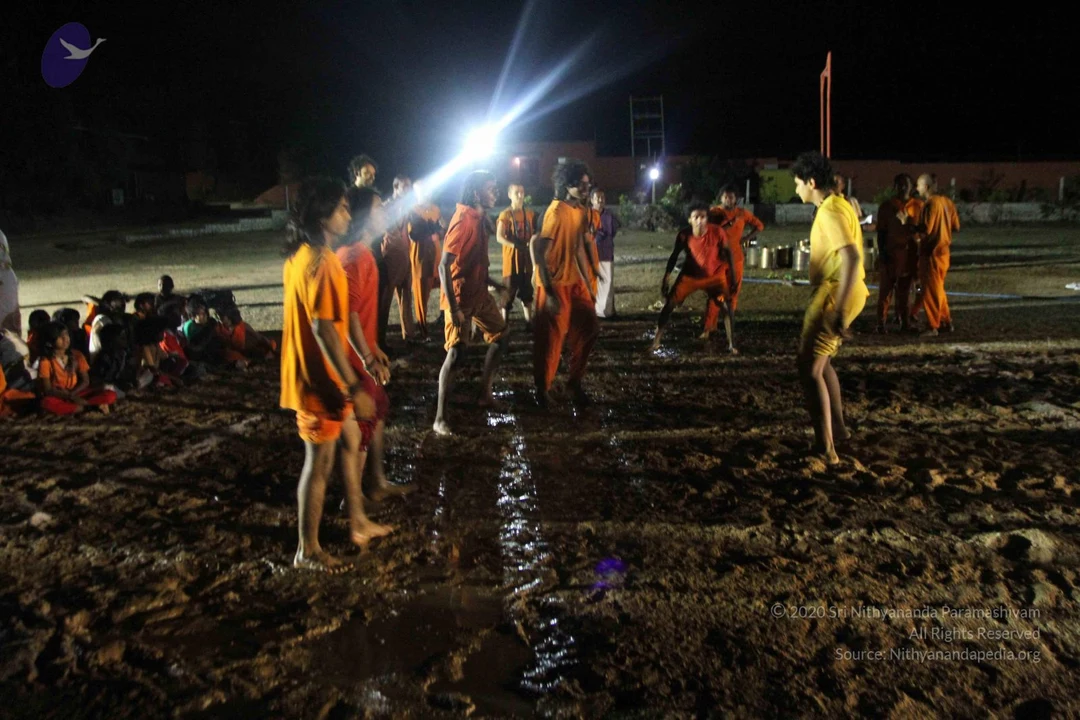
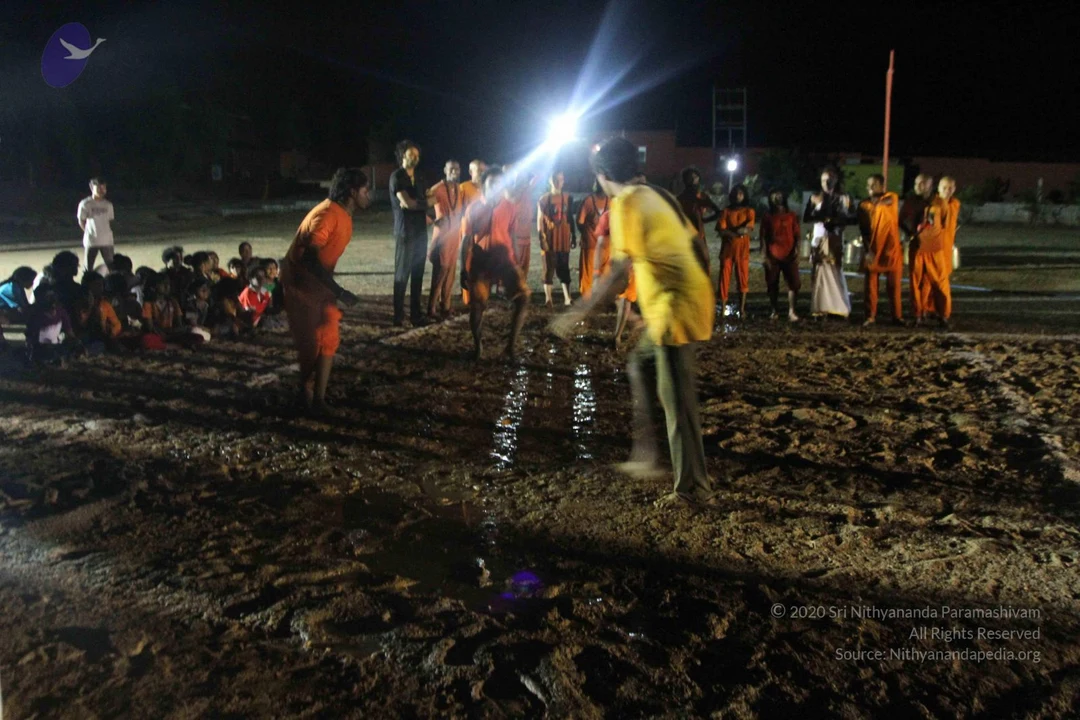
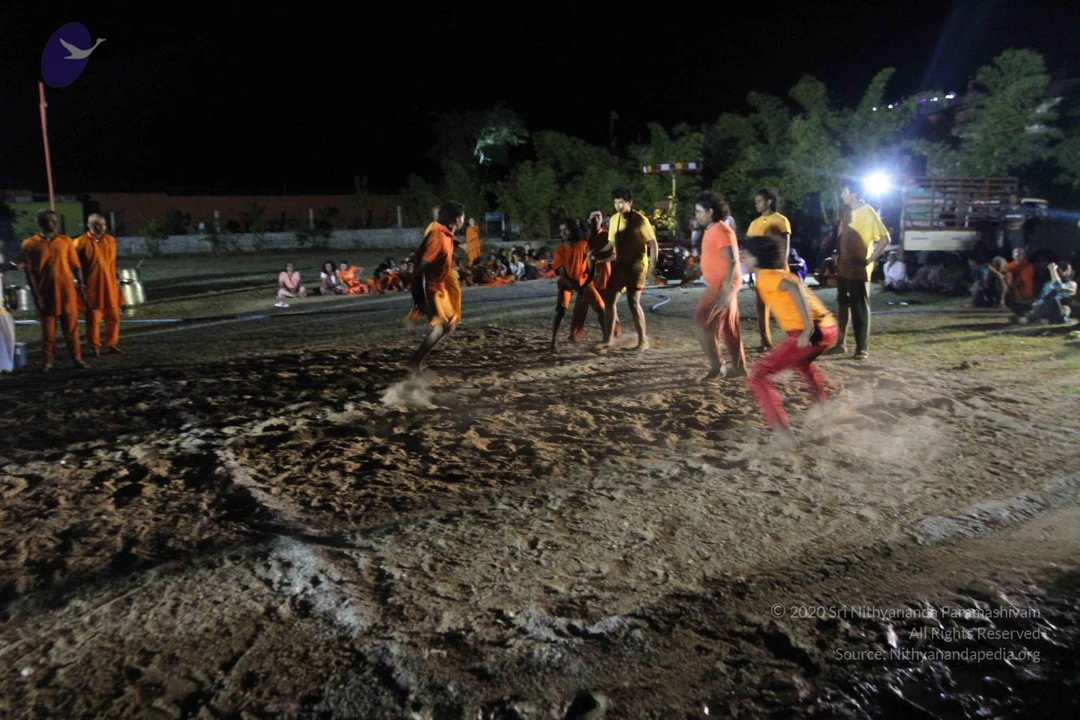
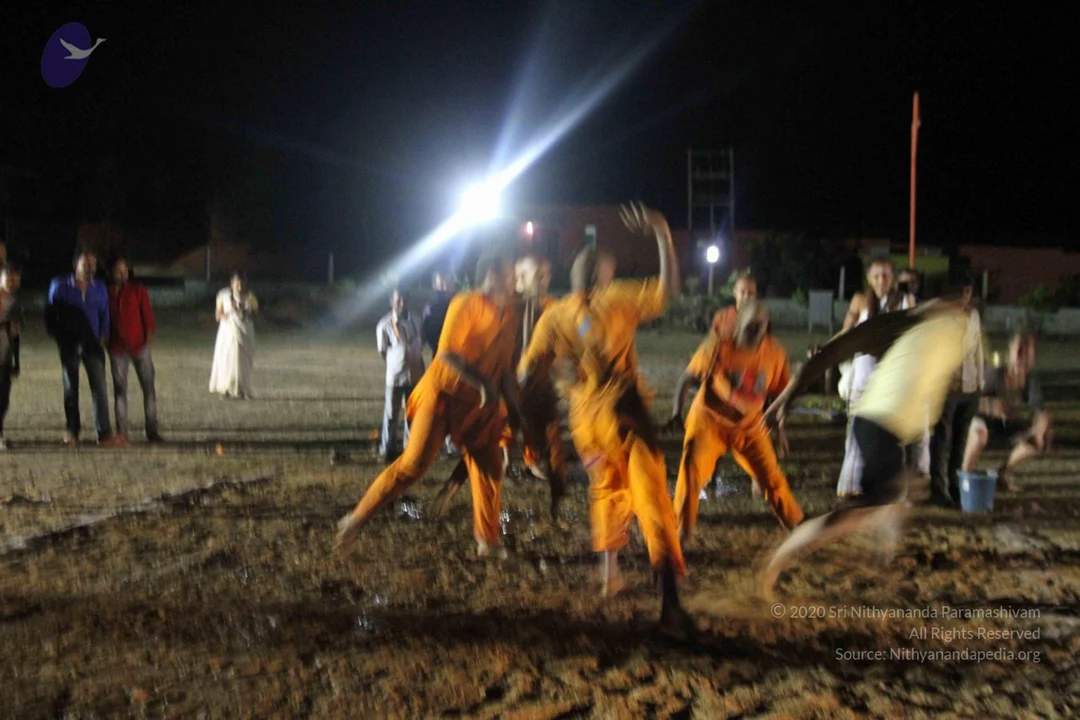
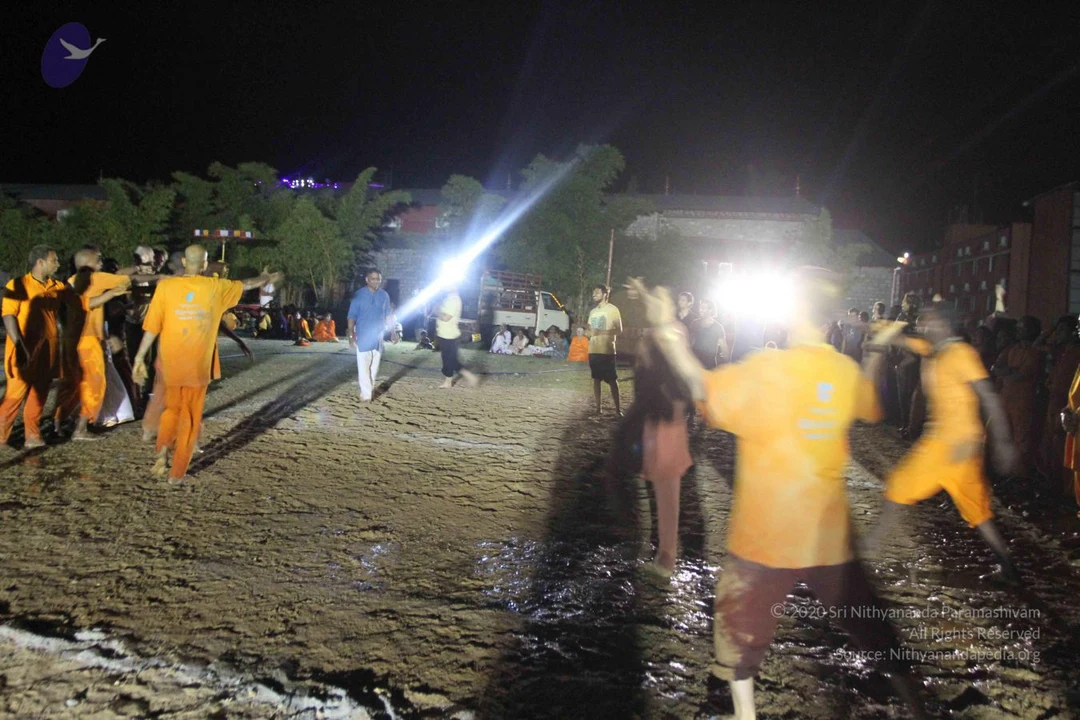
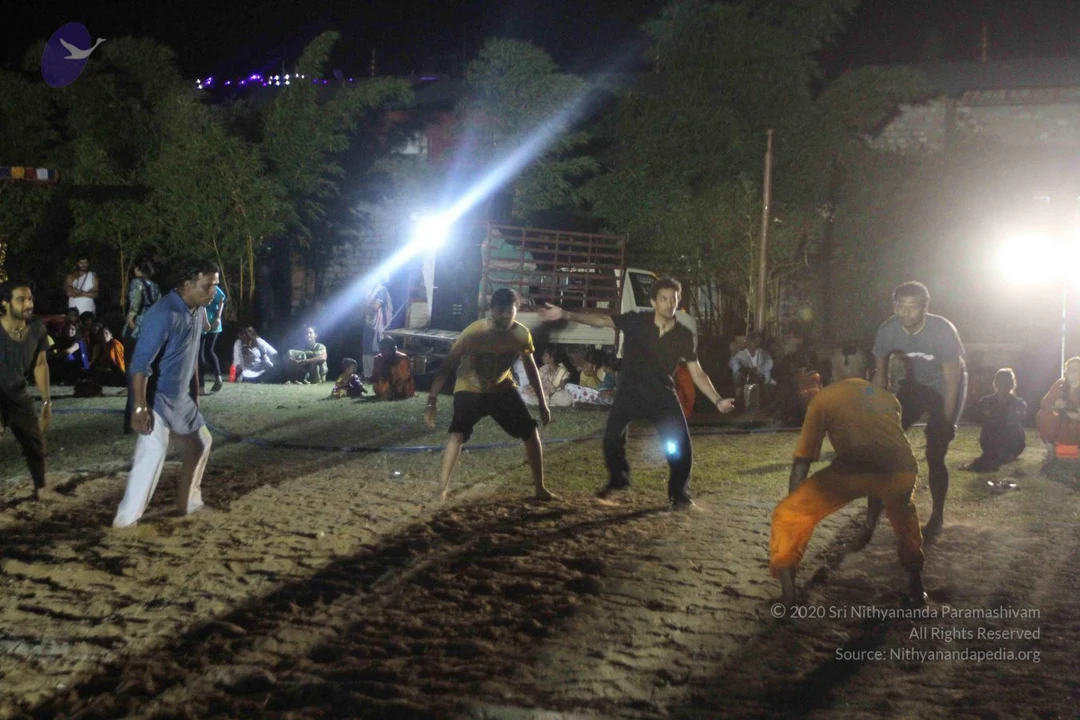
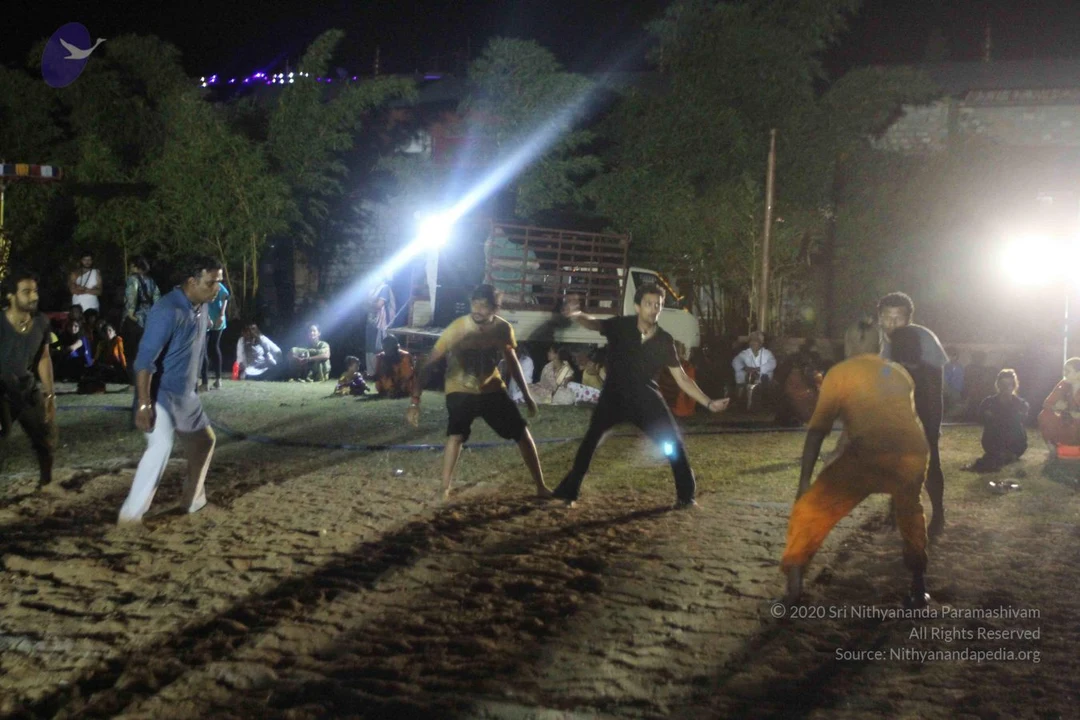
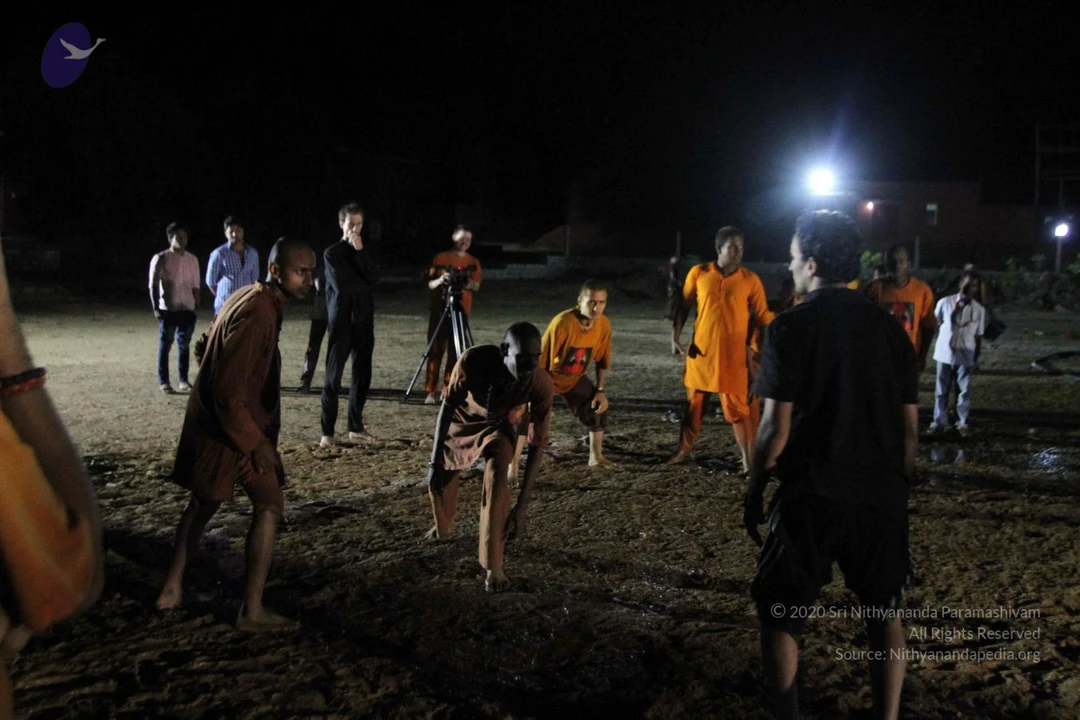
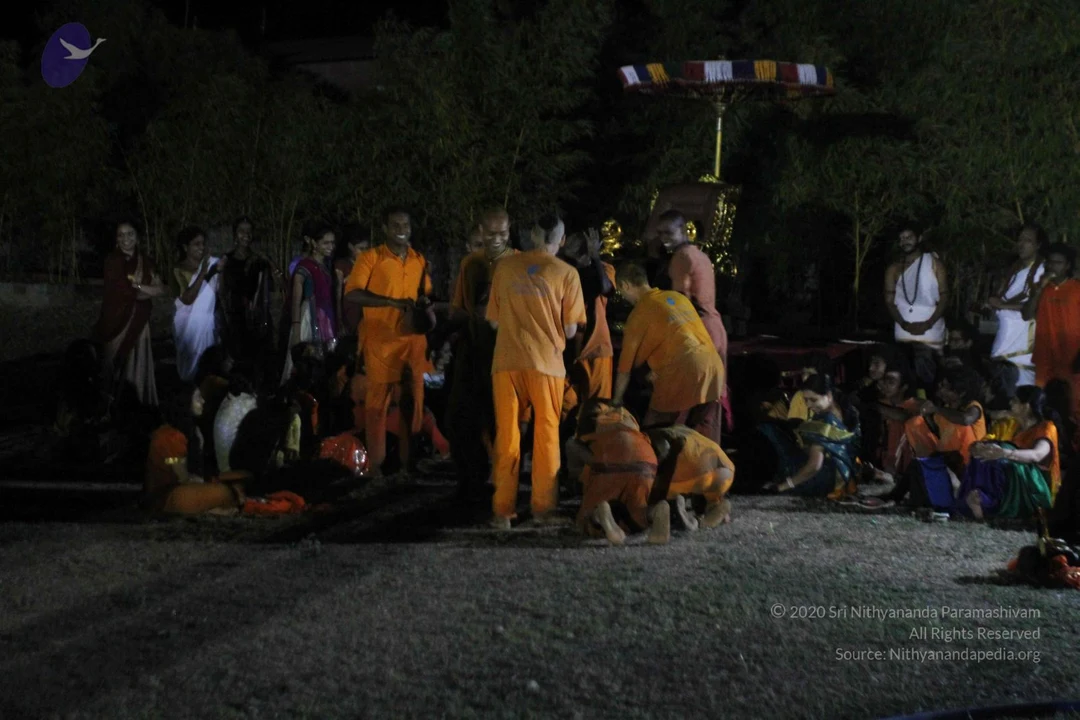
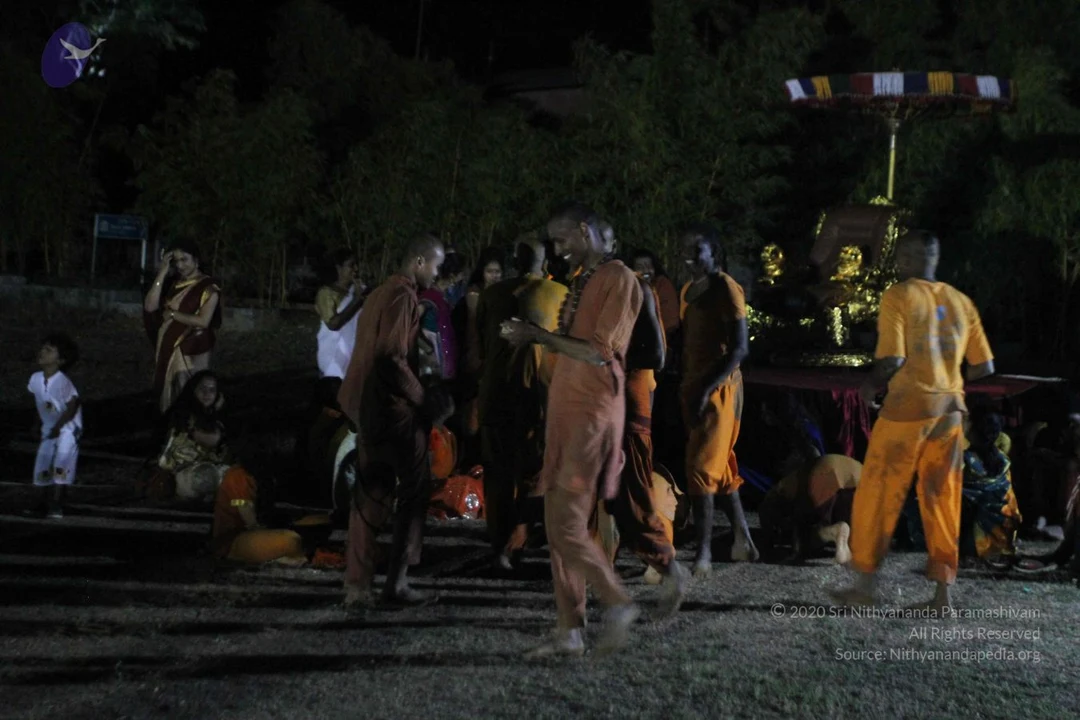
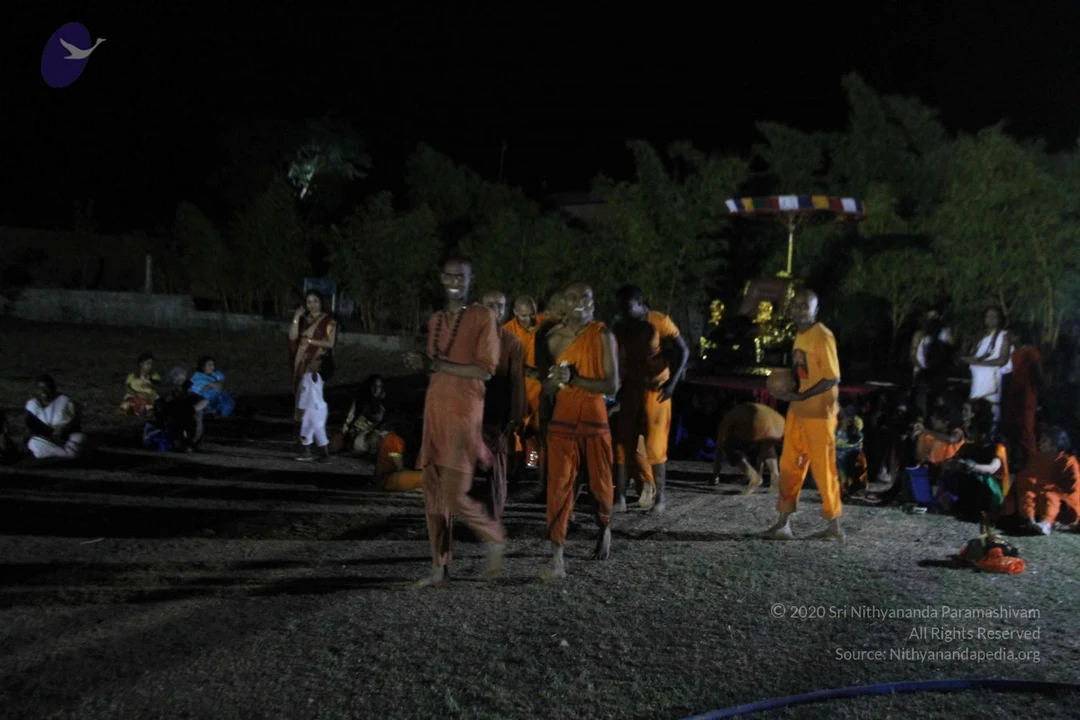
Kabaddi-traditional game

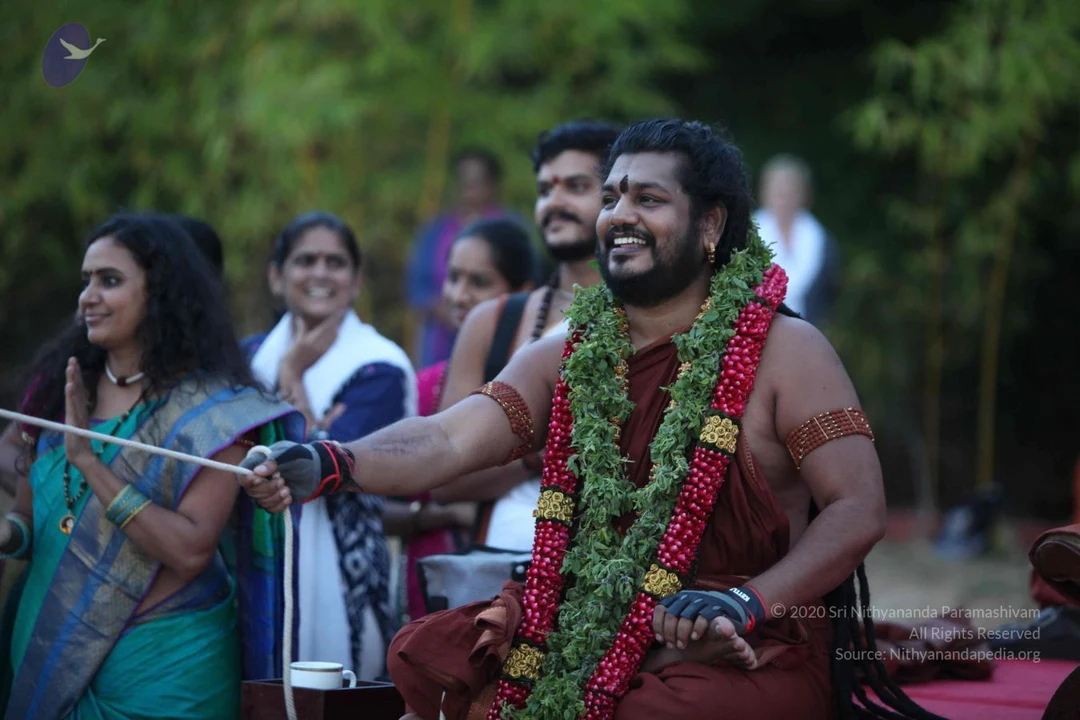
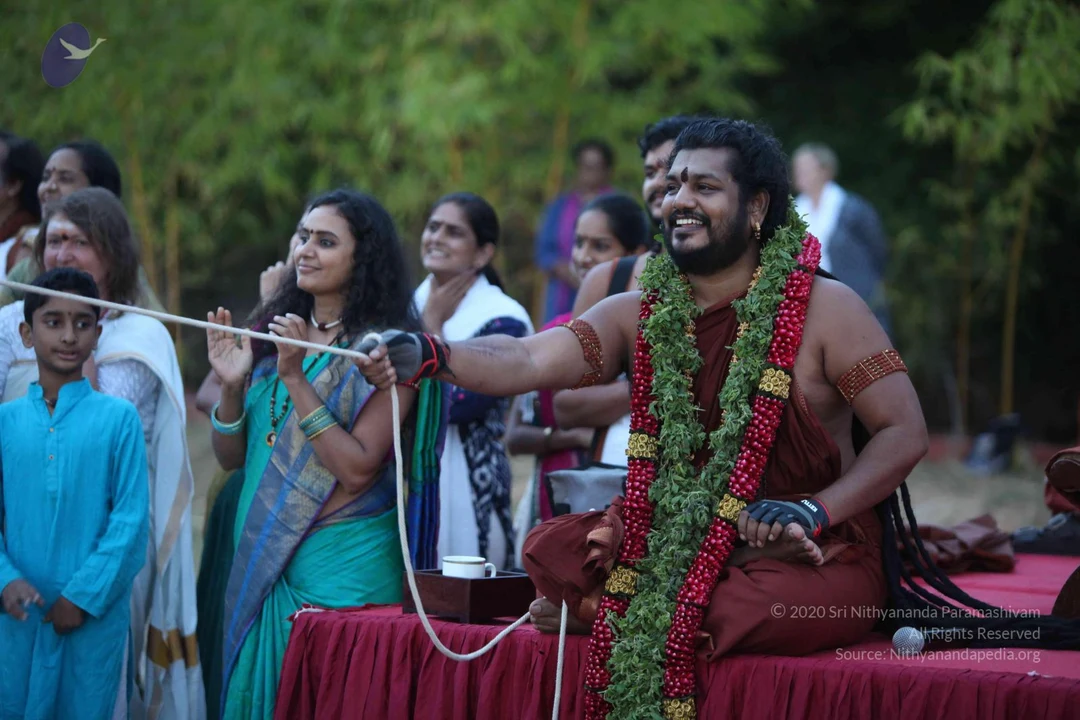
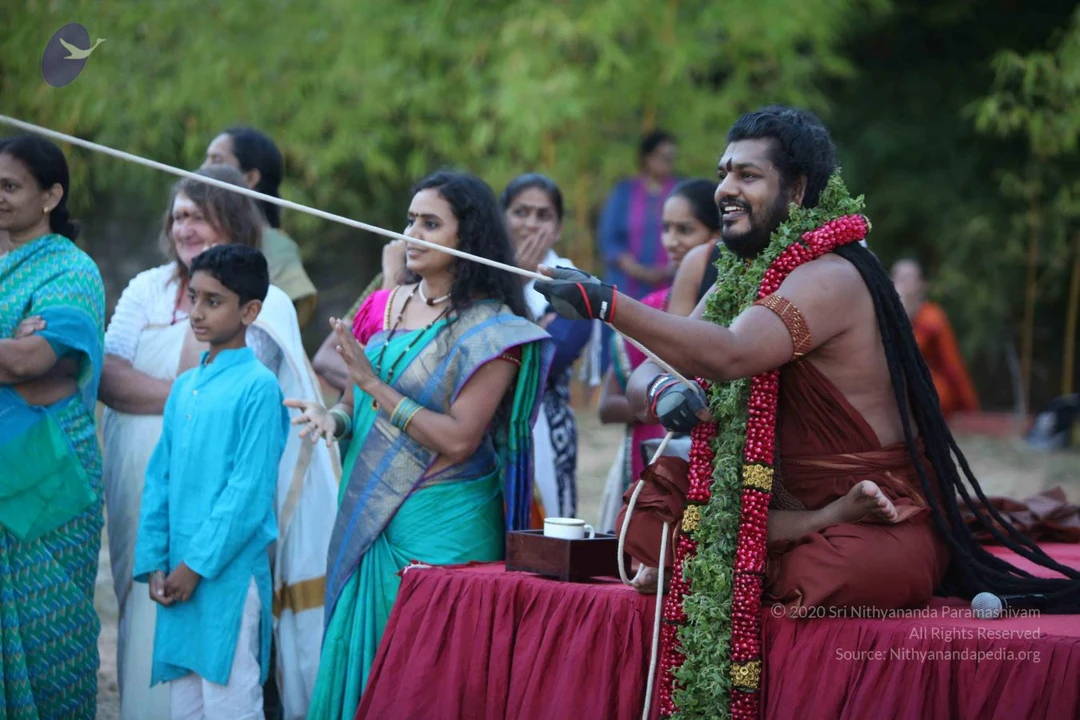
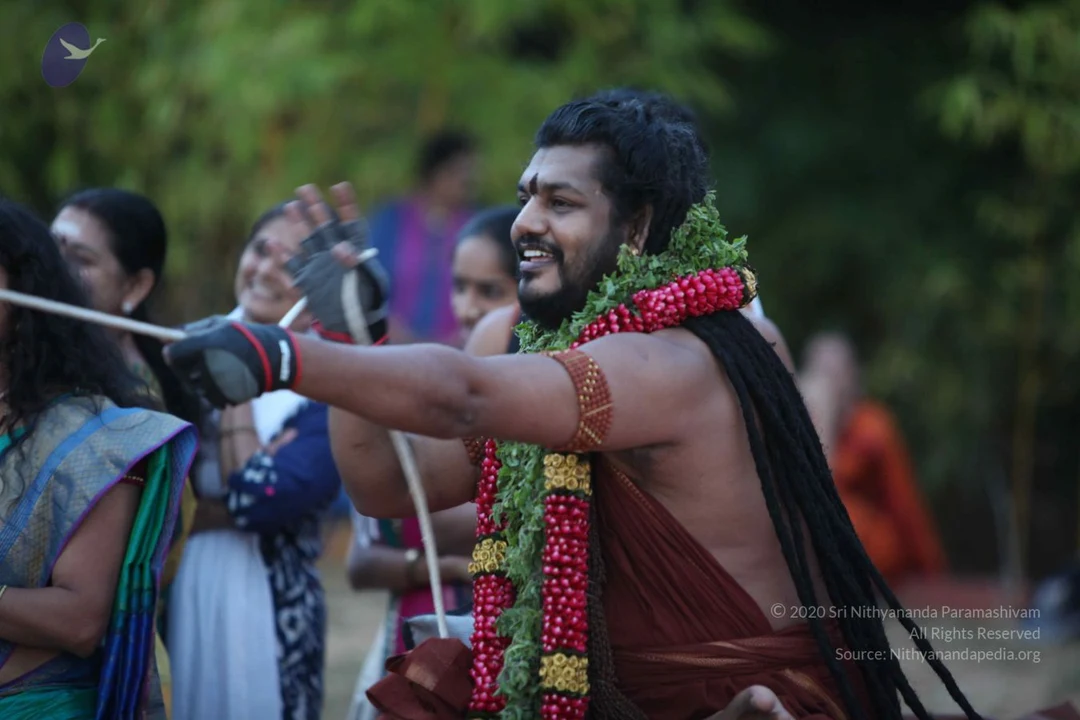
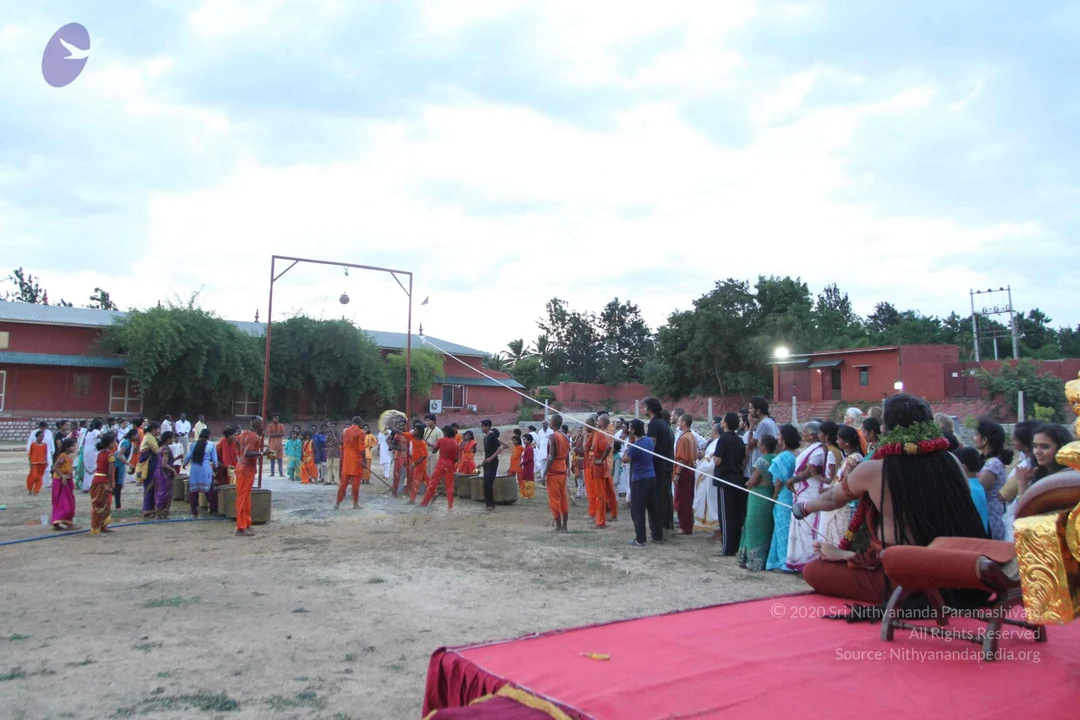
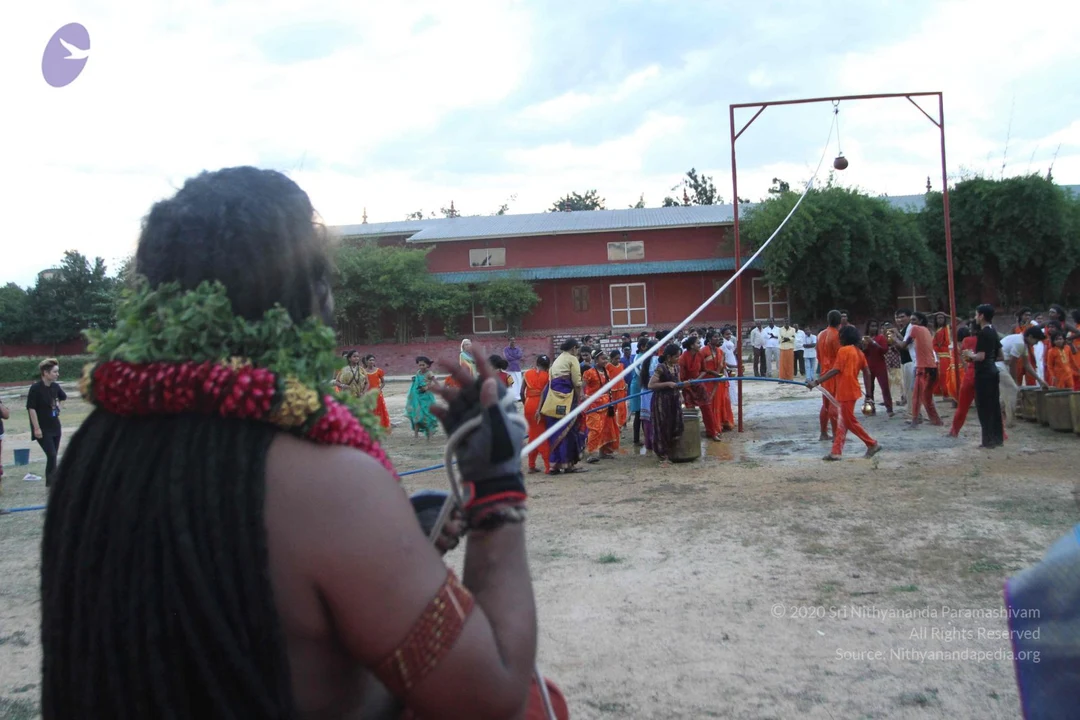
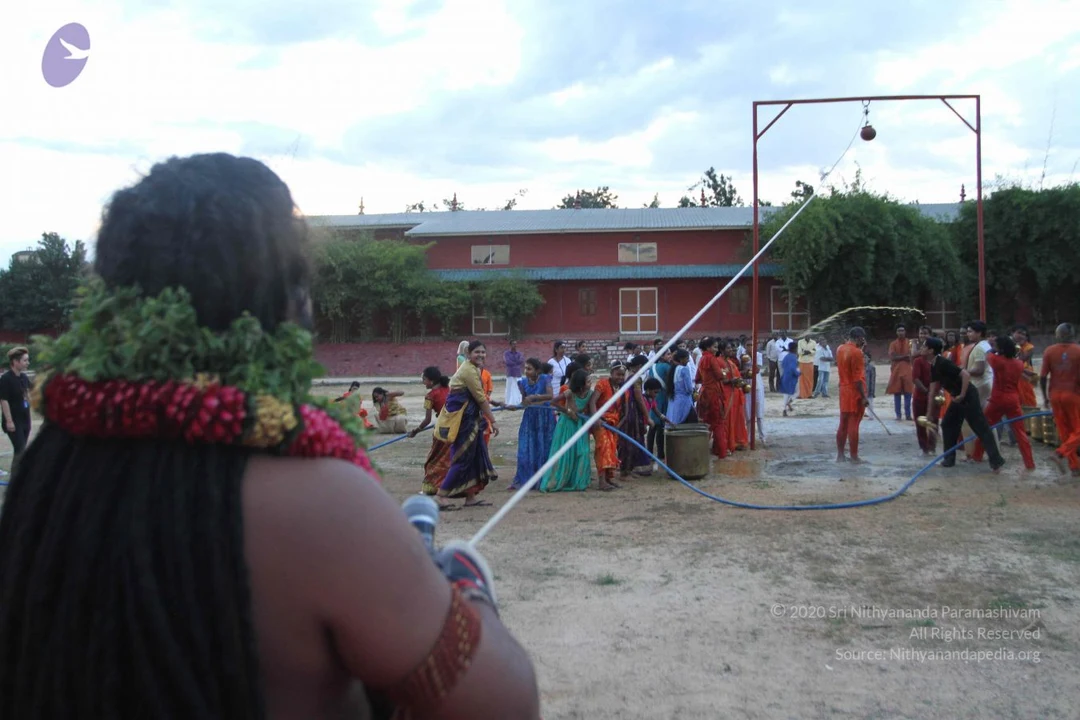
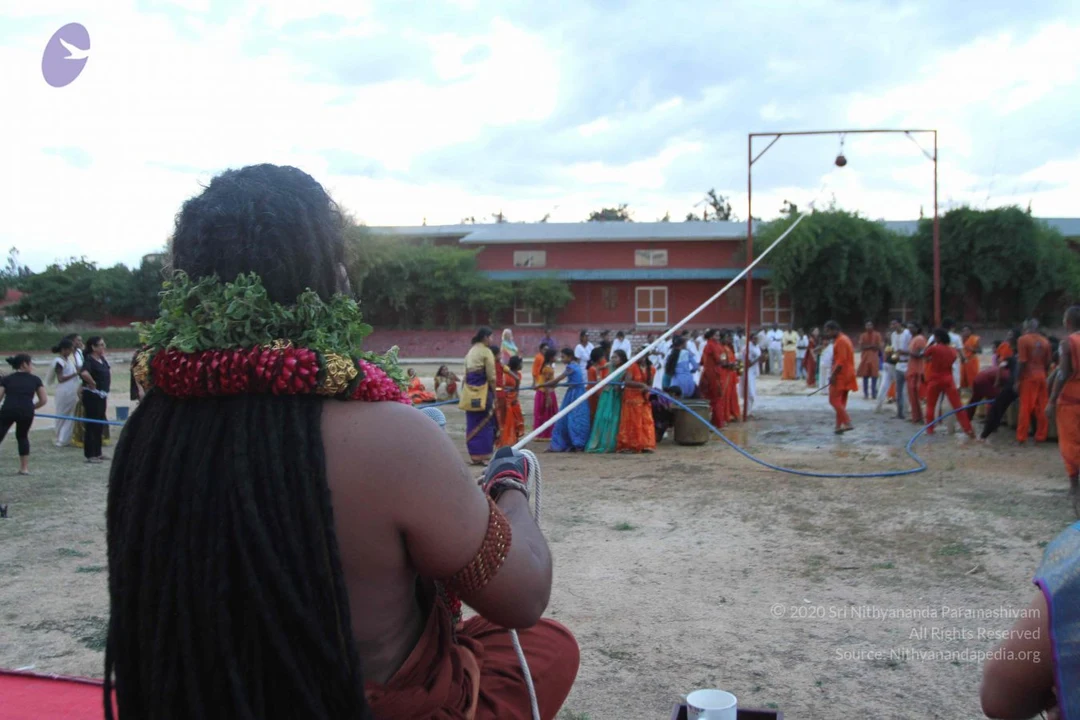
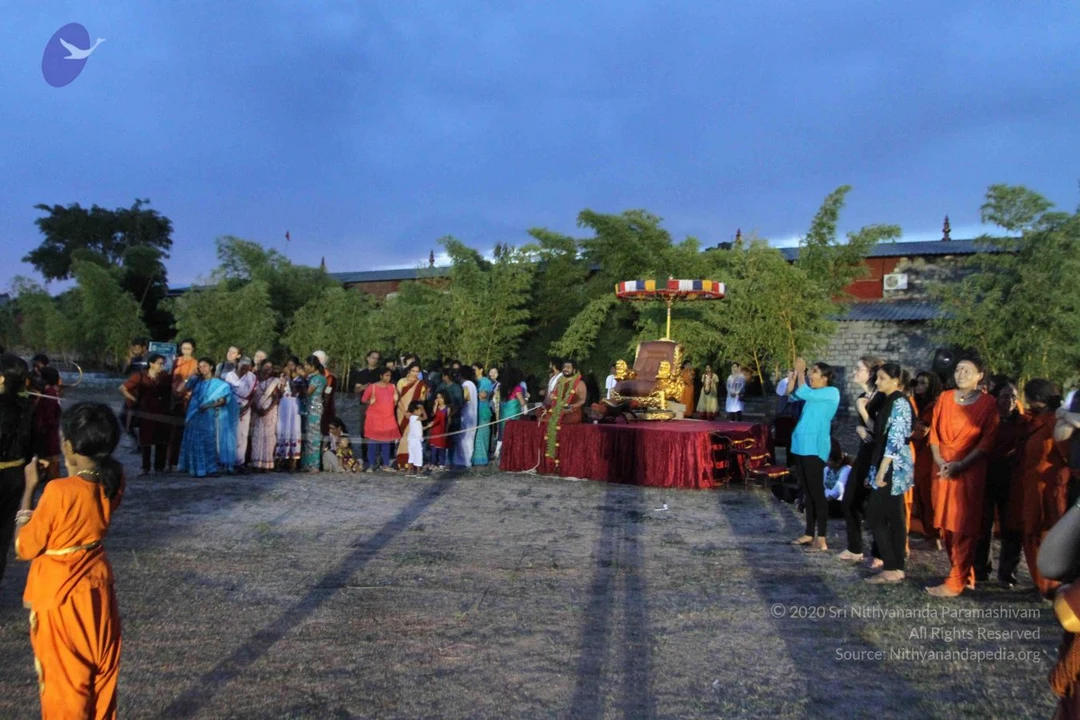
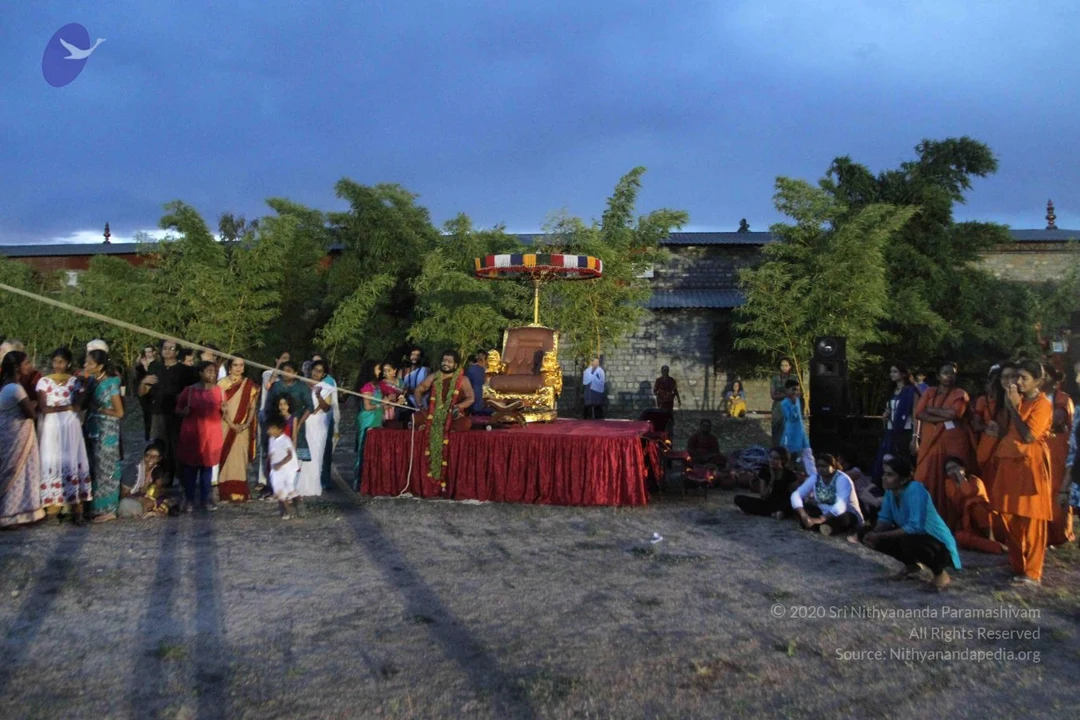
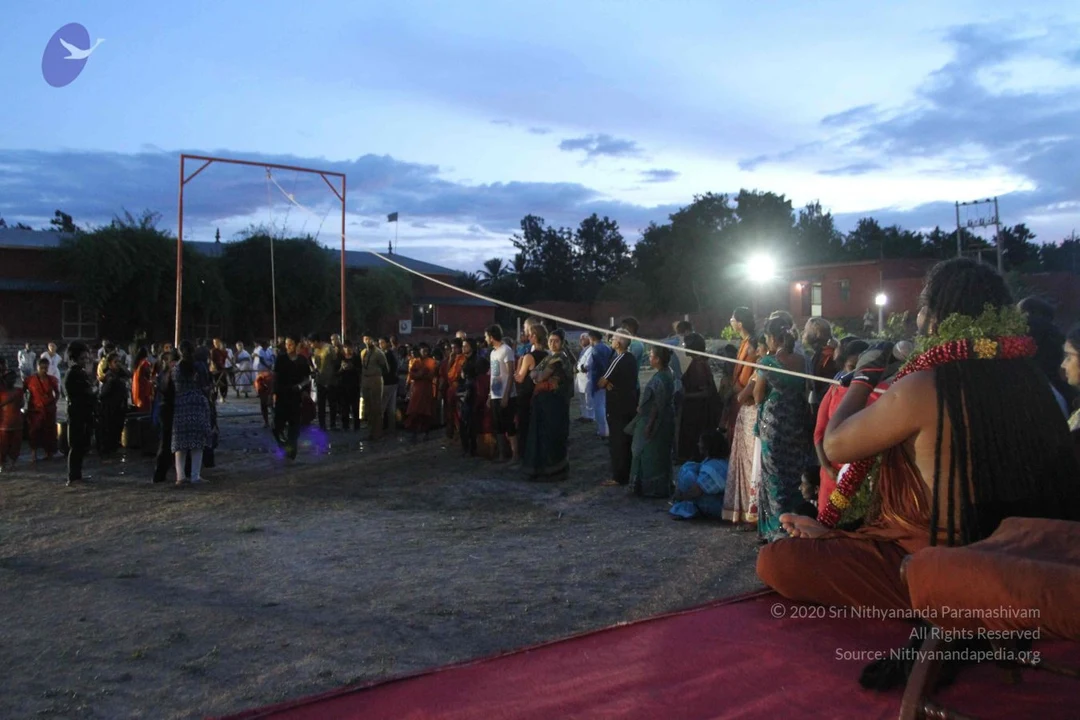
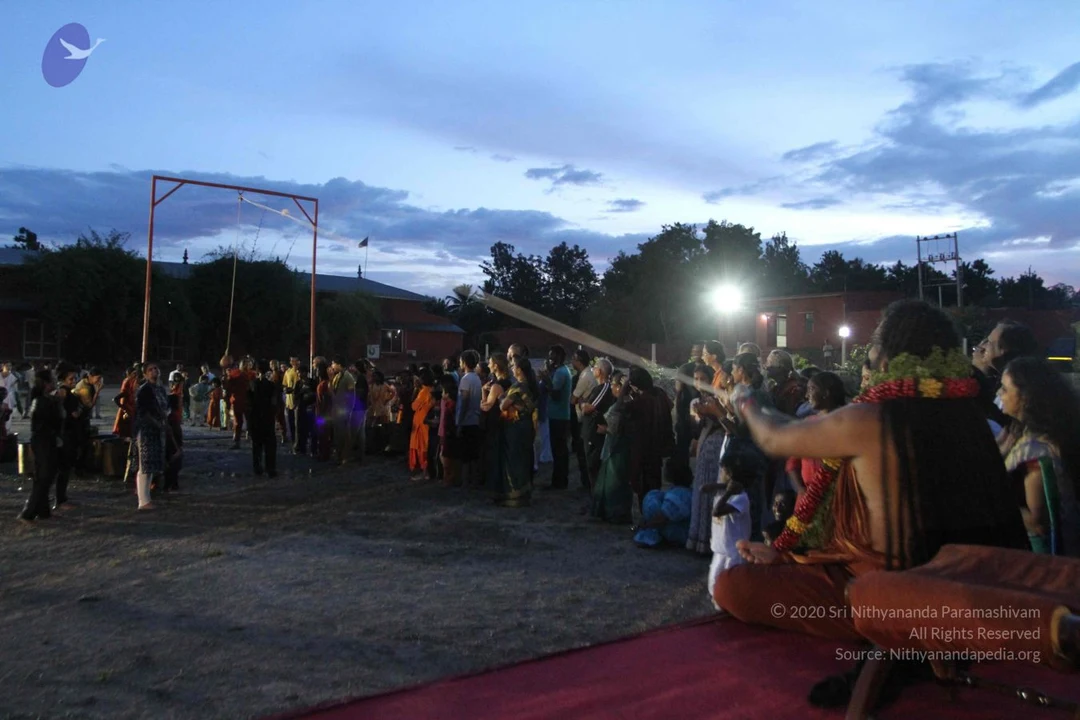
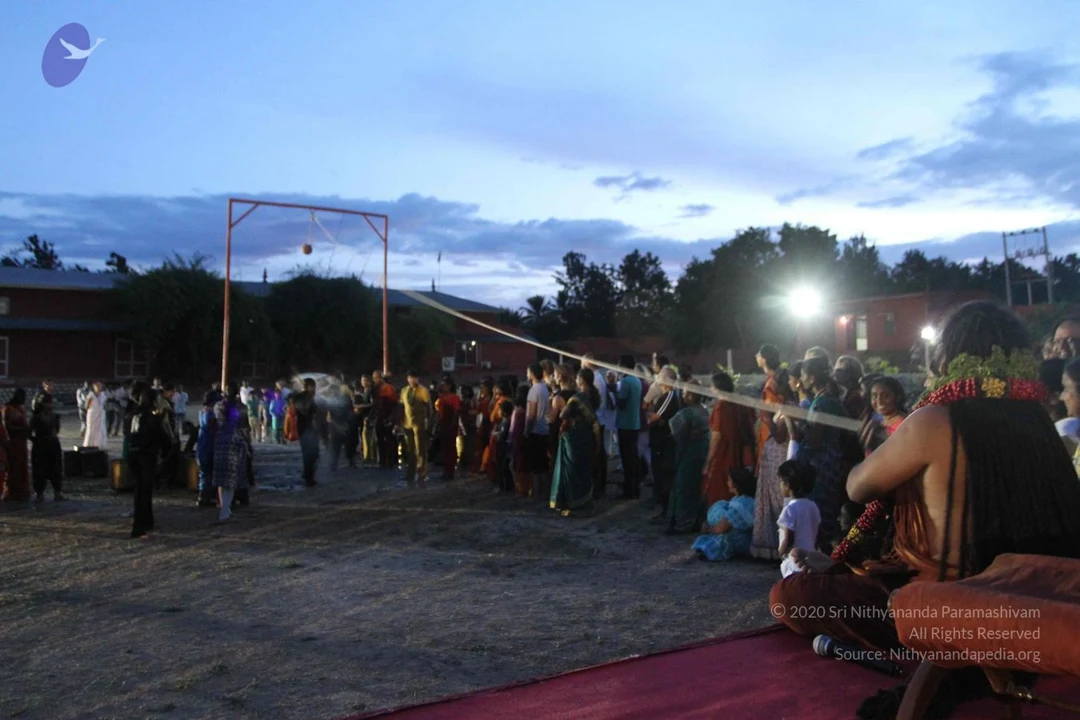
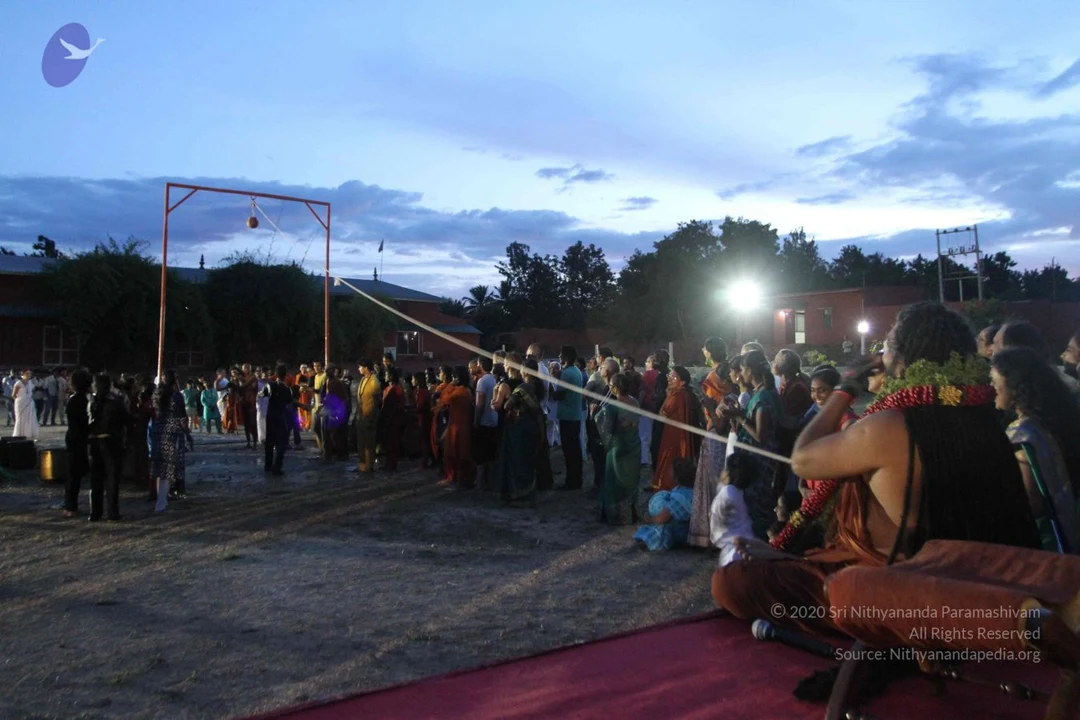
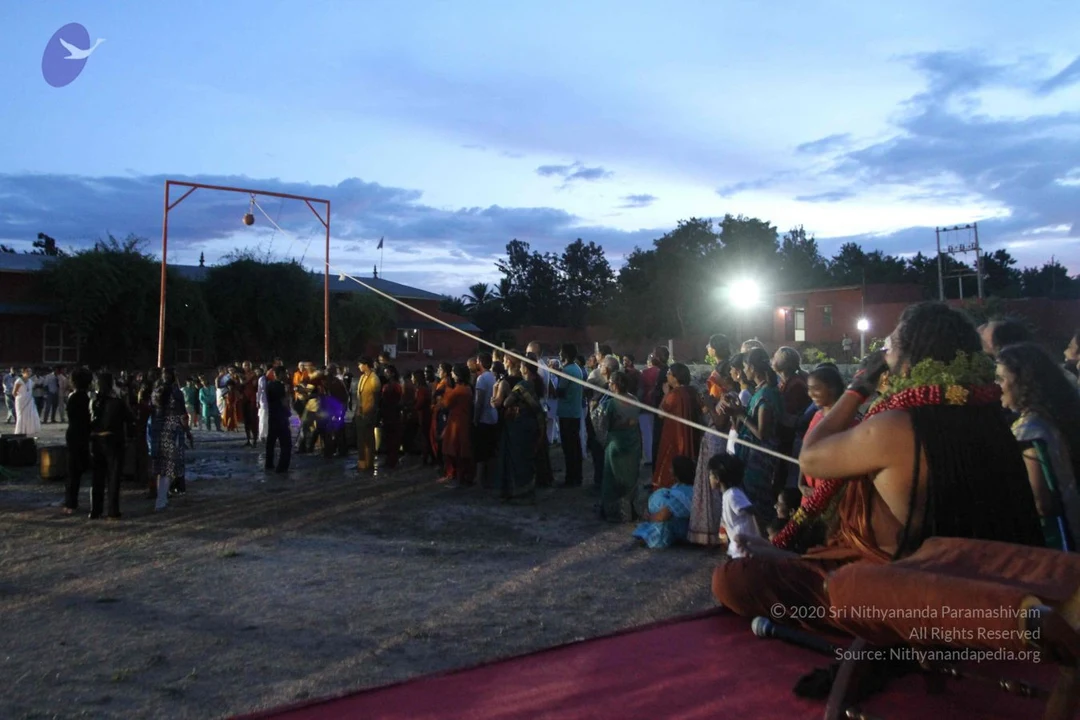
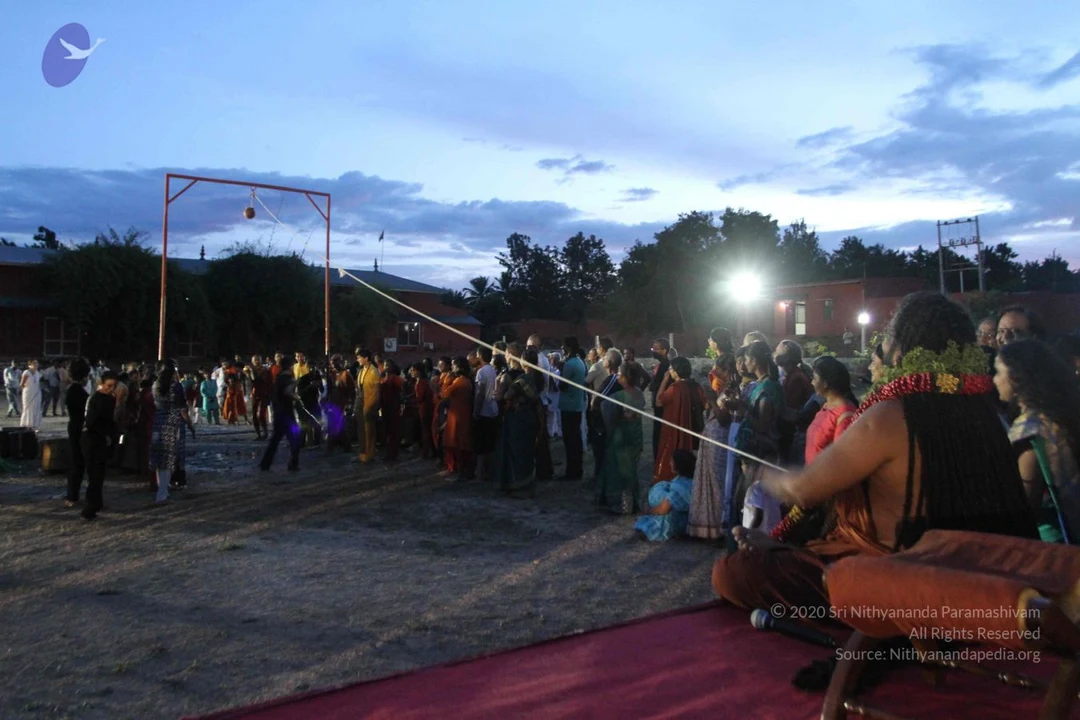
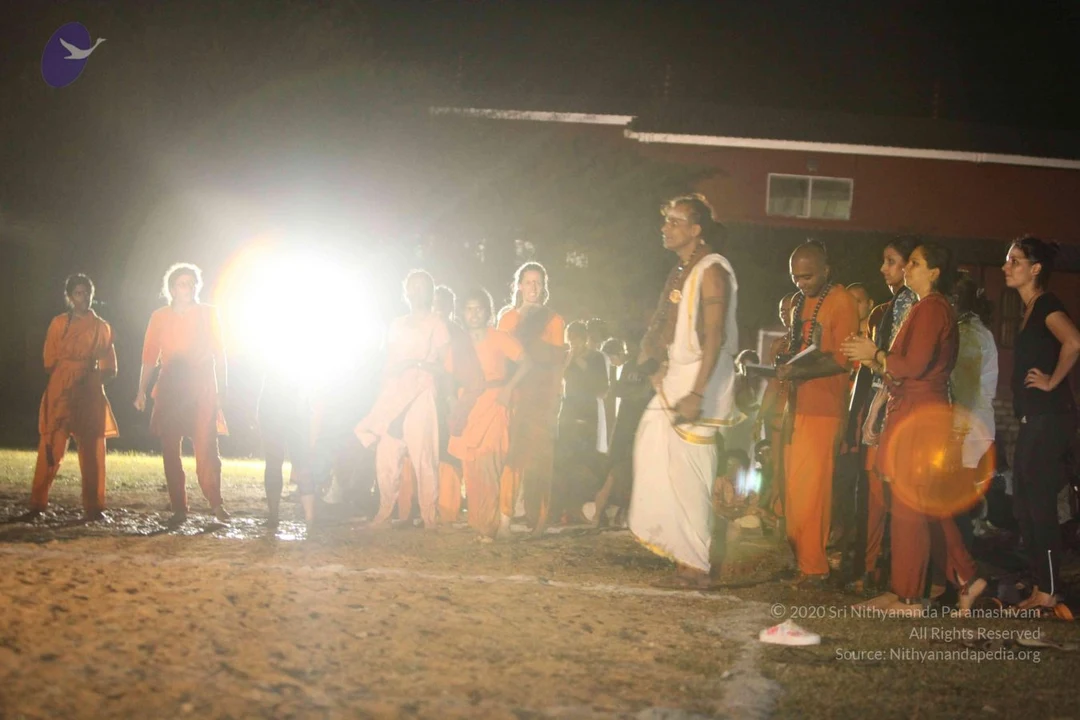
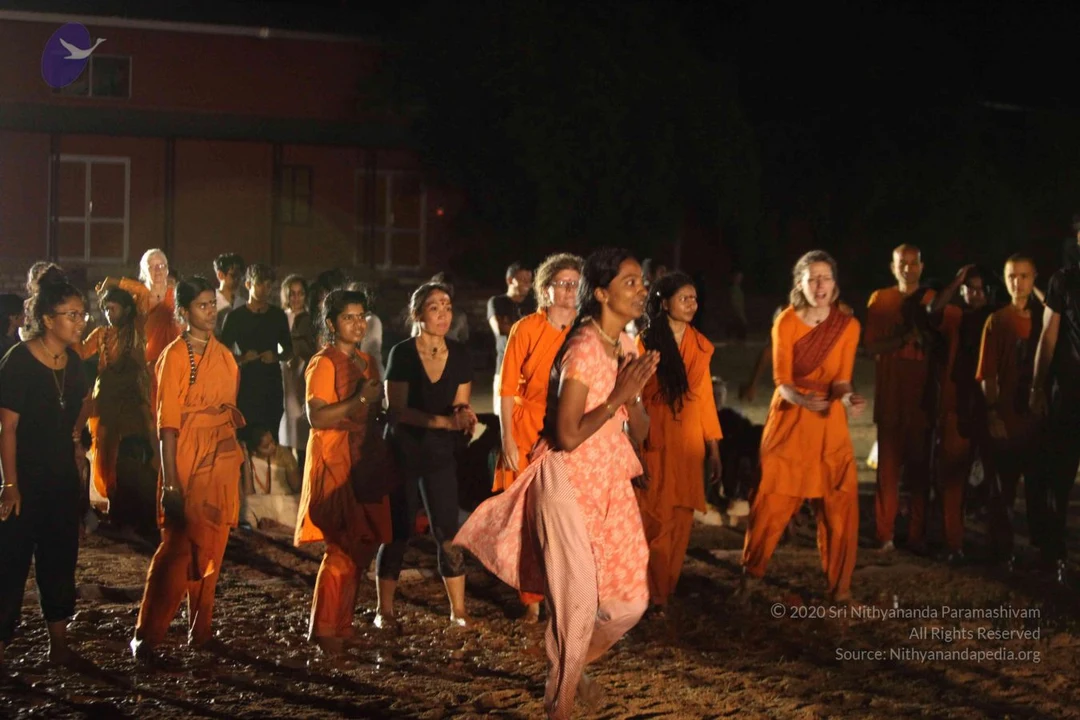
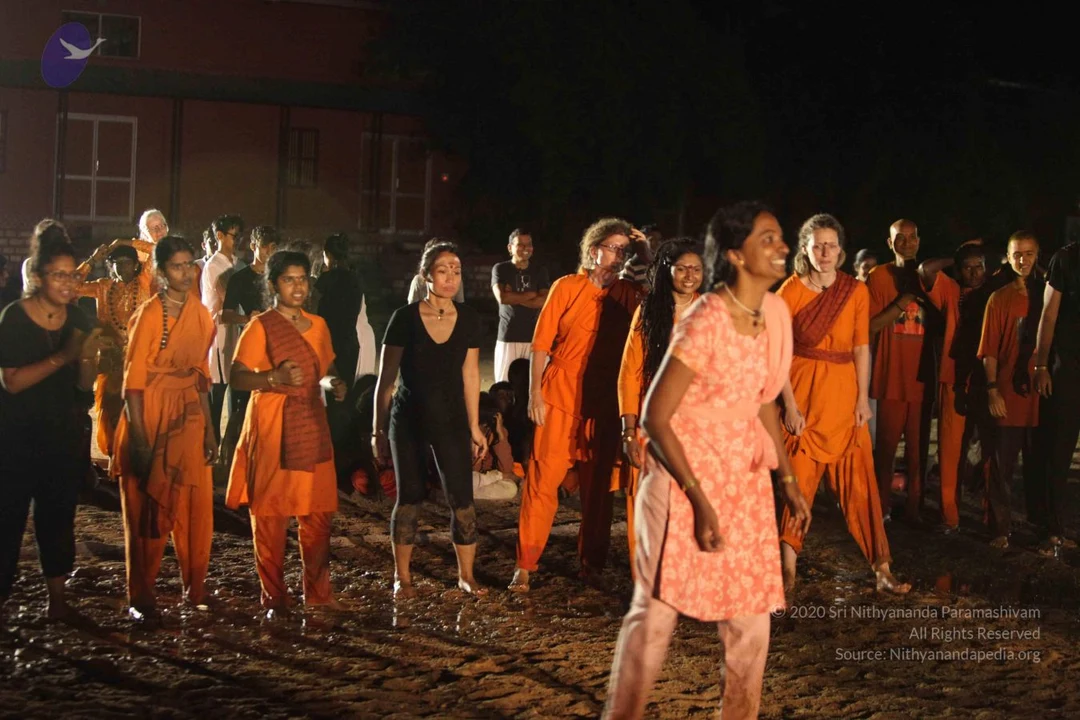
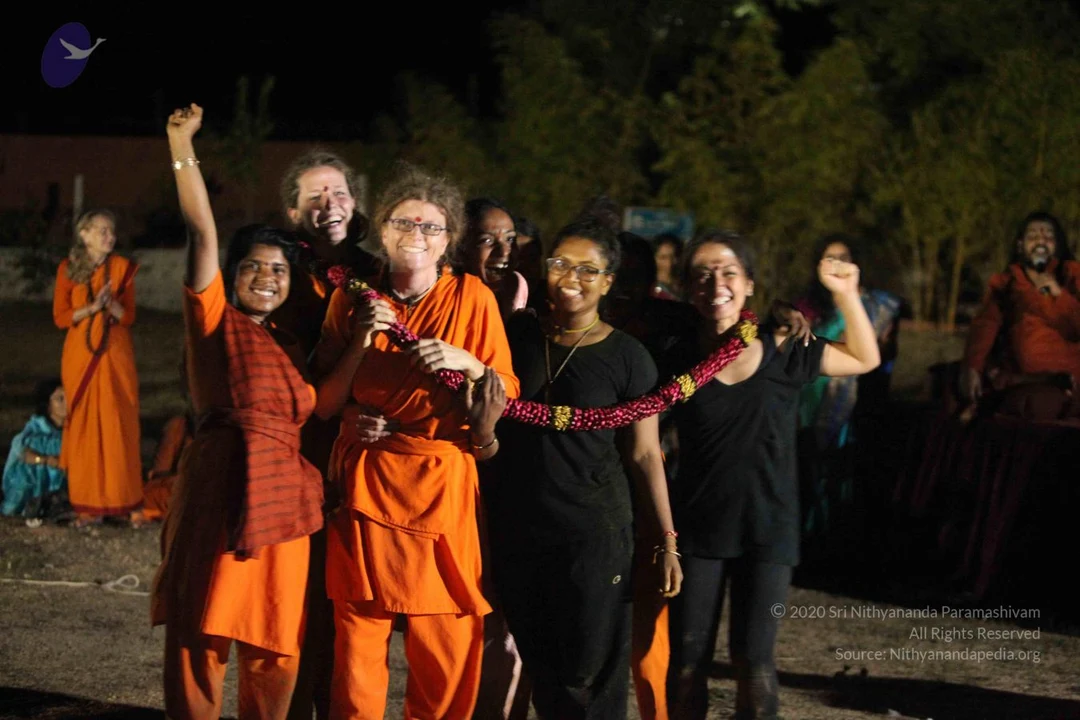
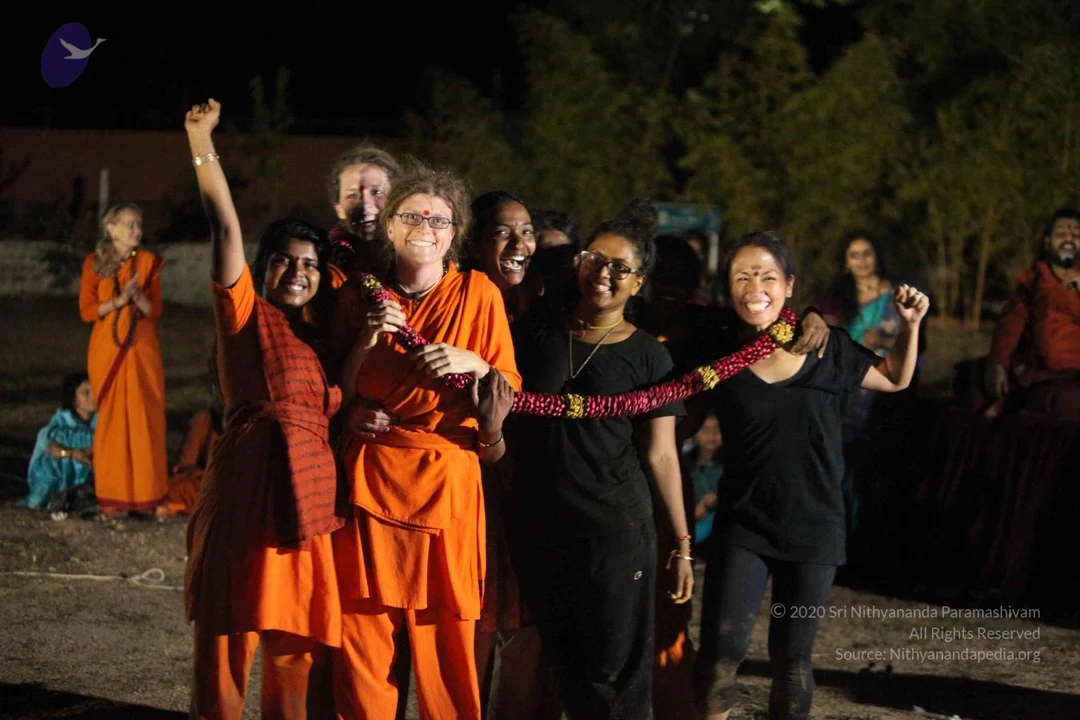
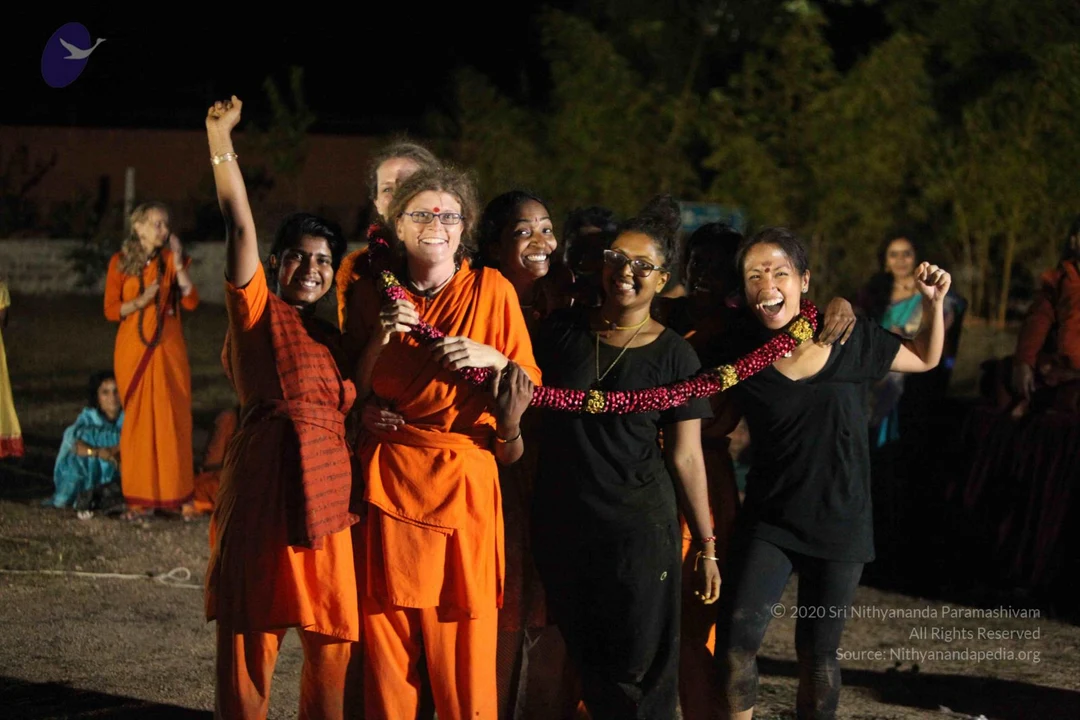
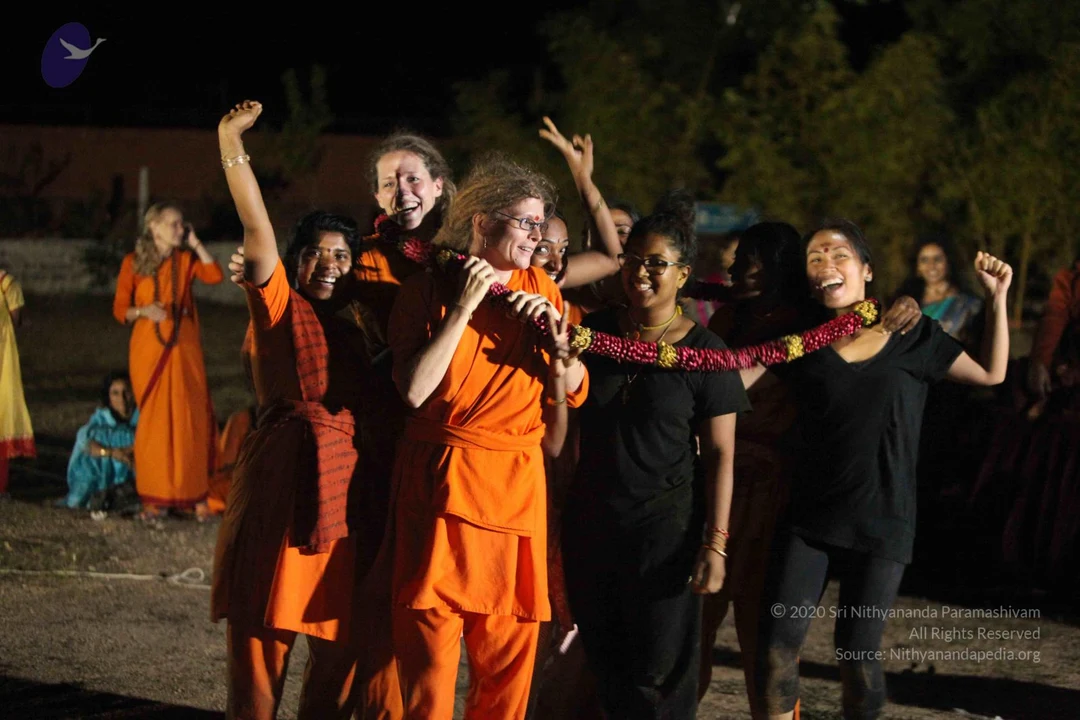
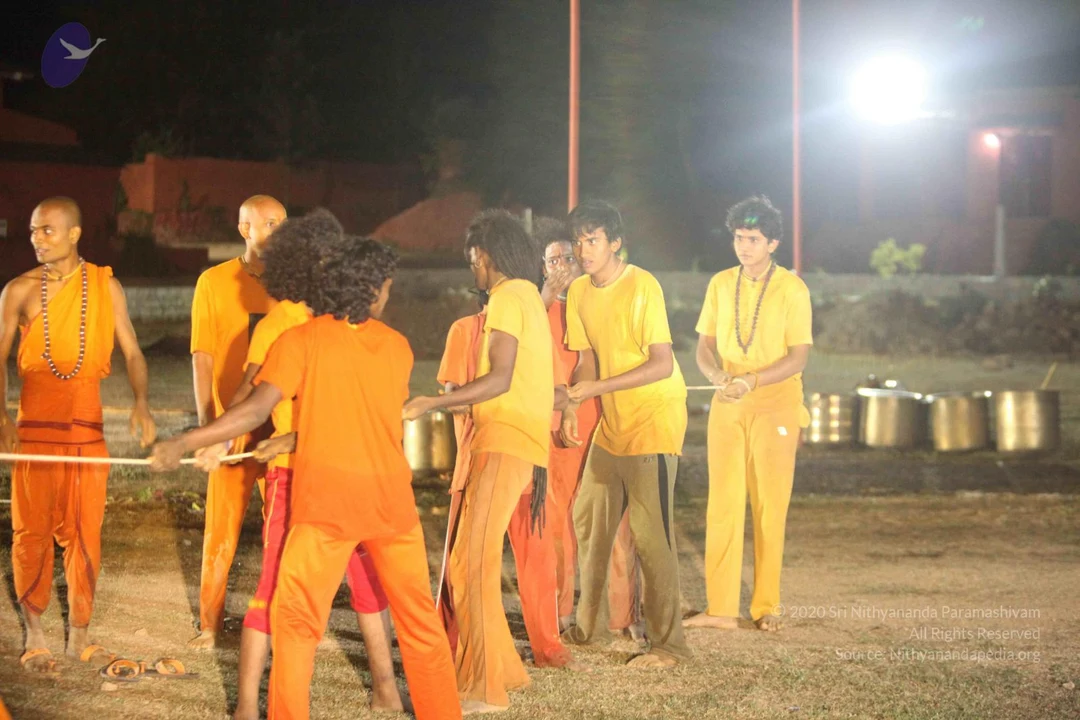
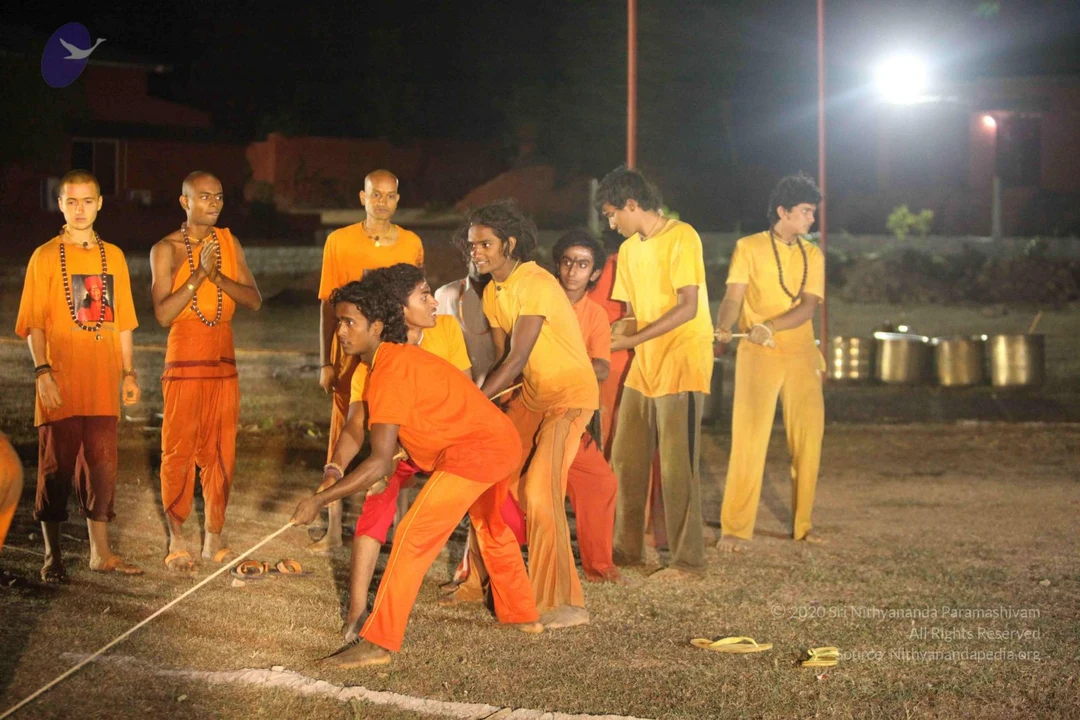
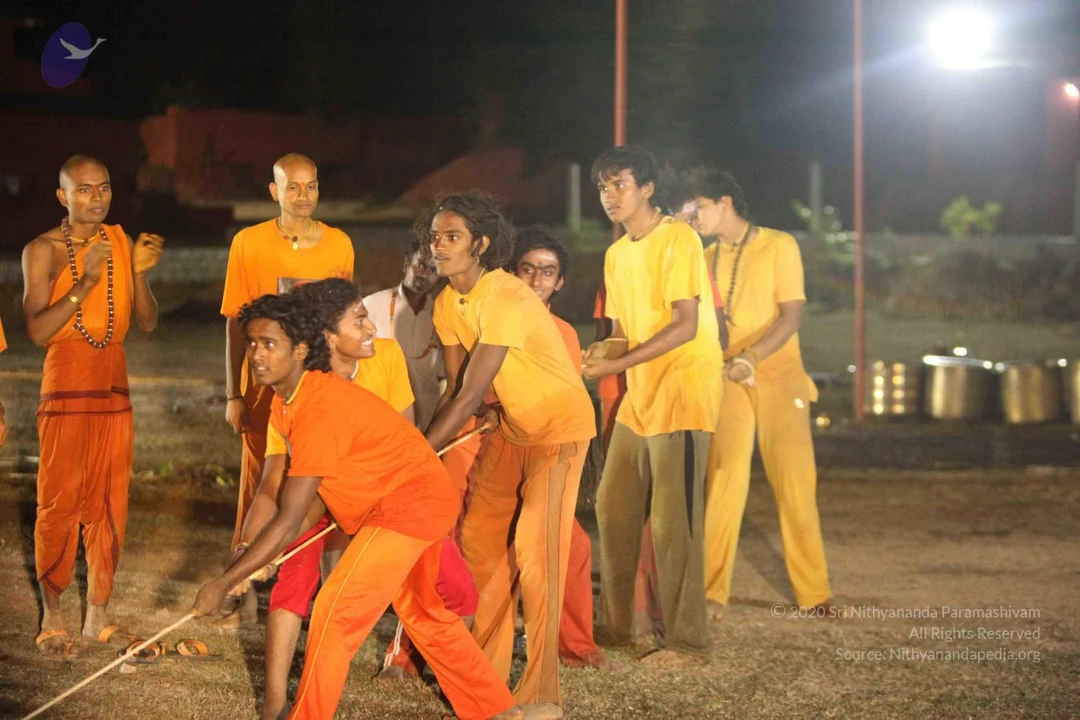
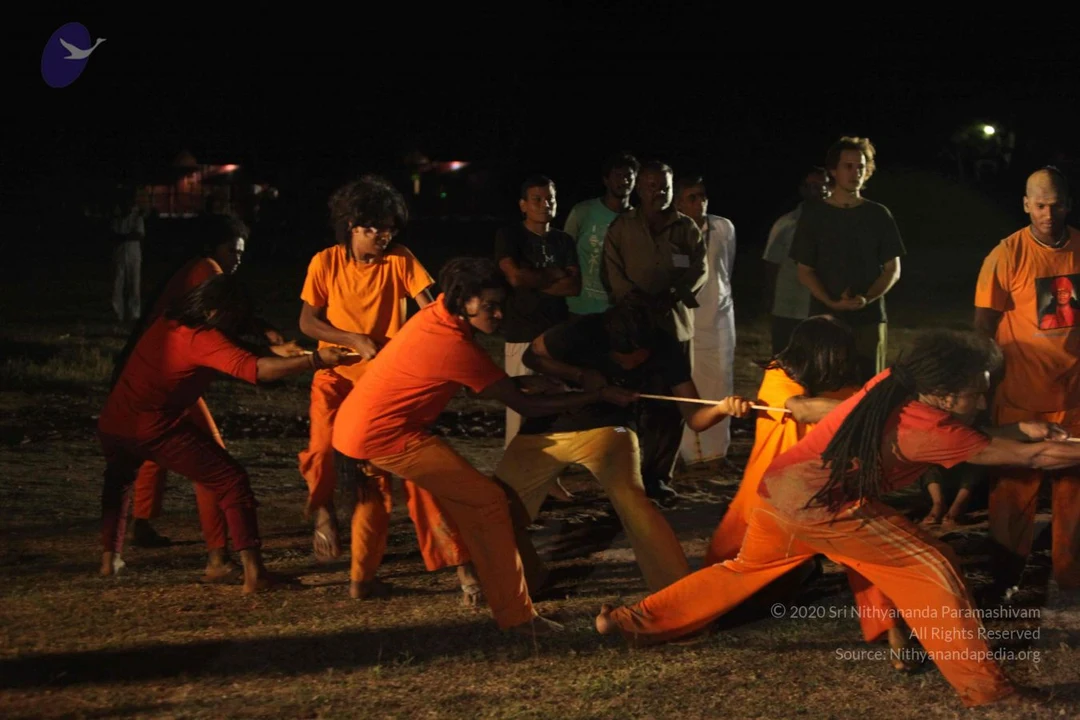
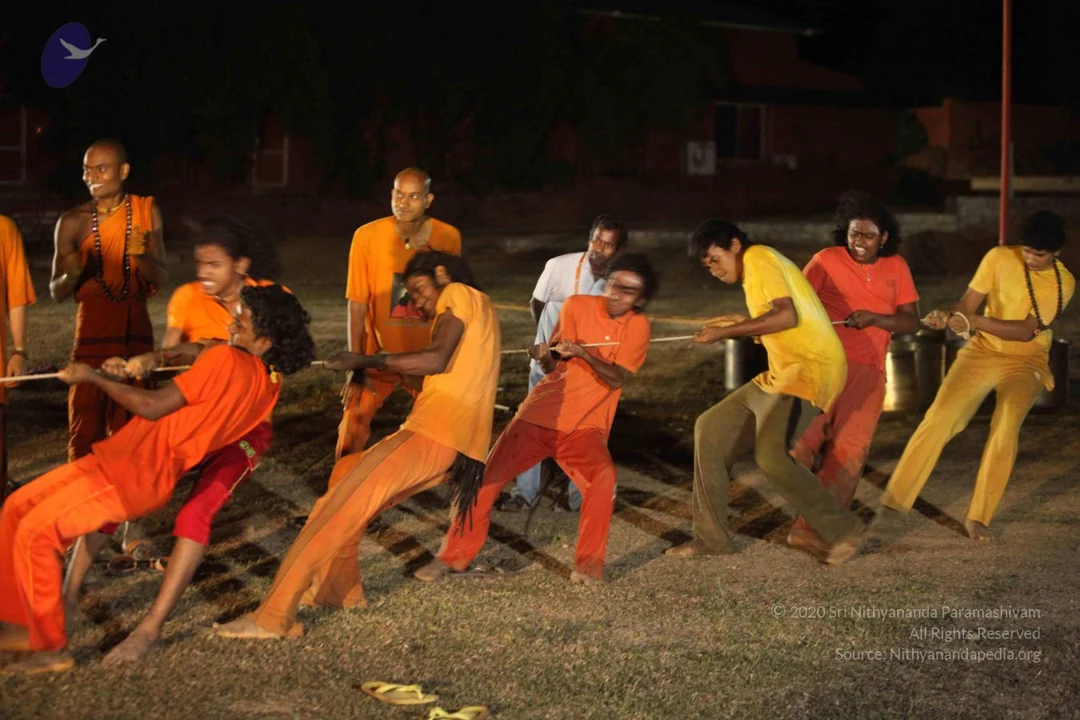
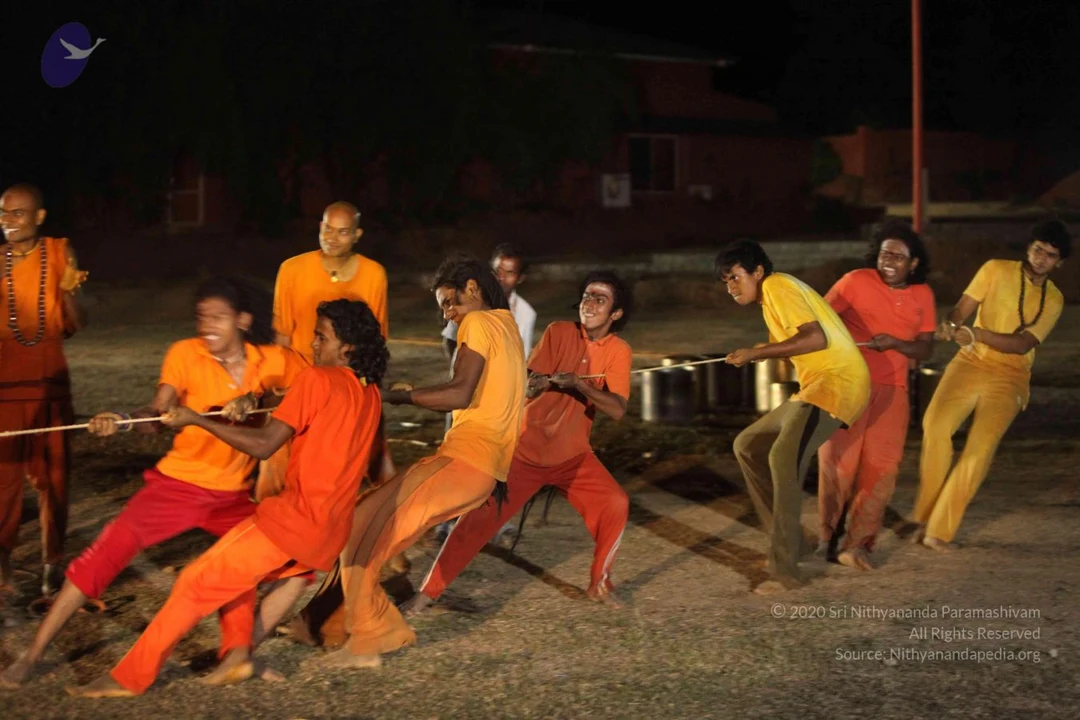
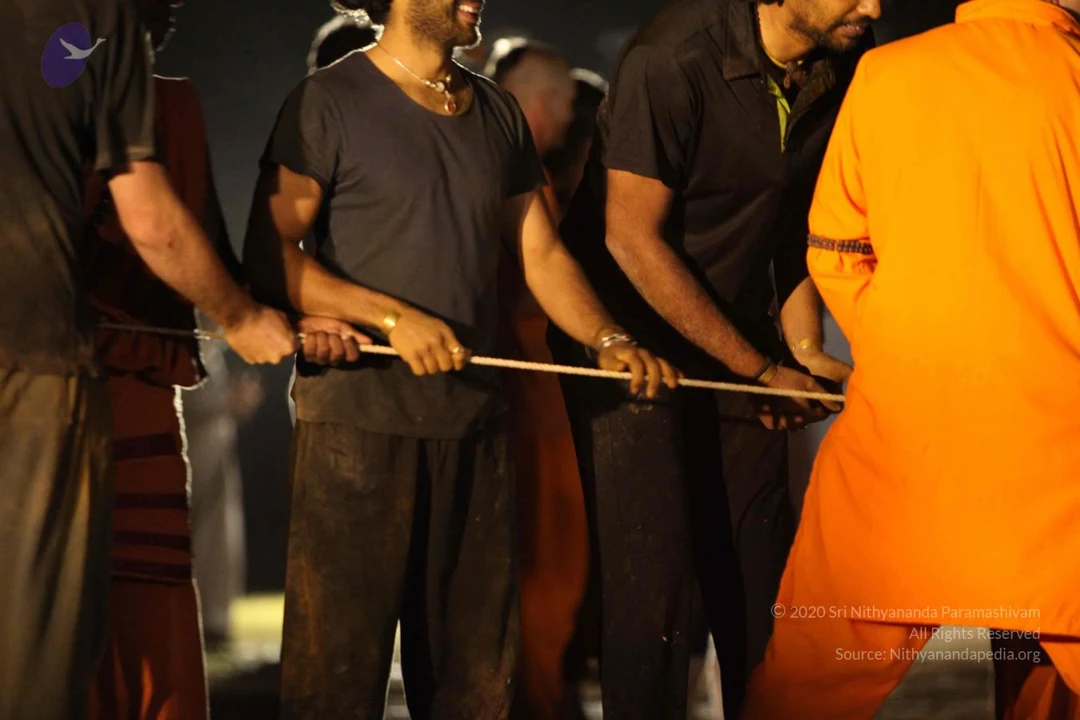
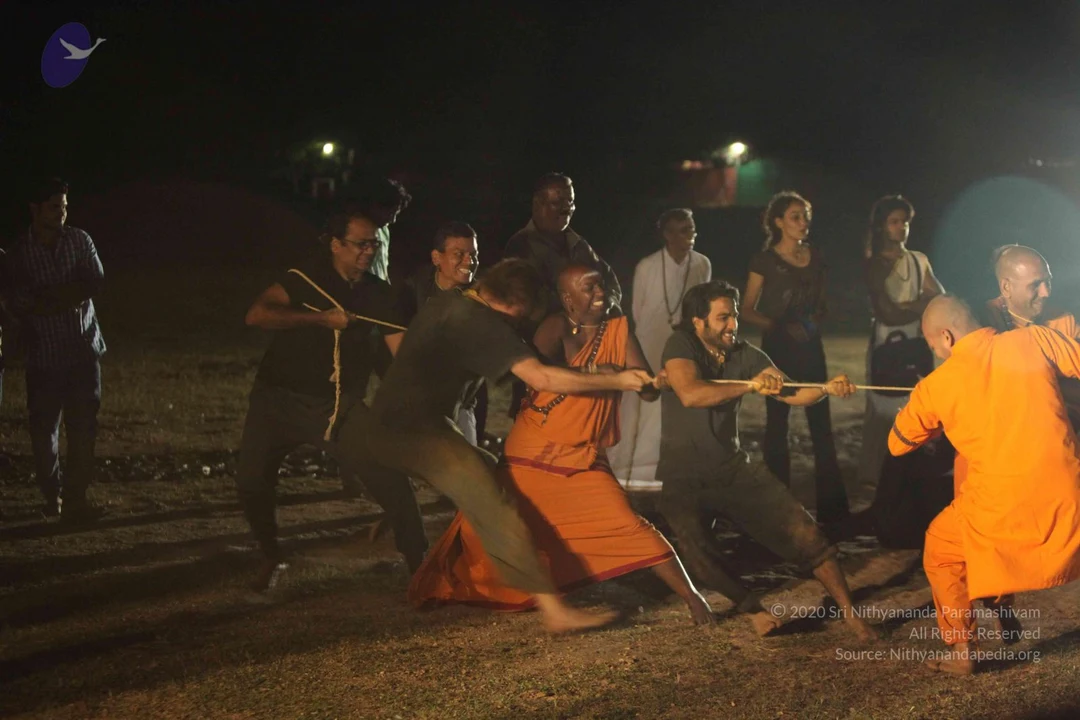
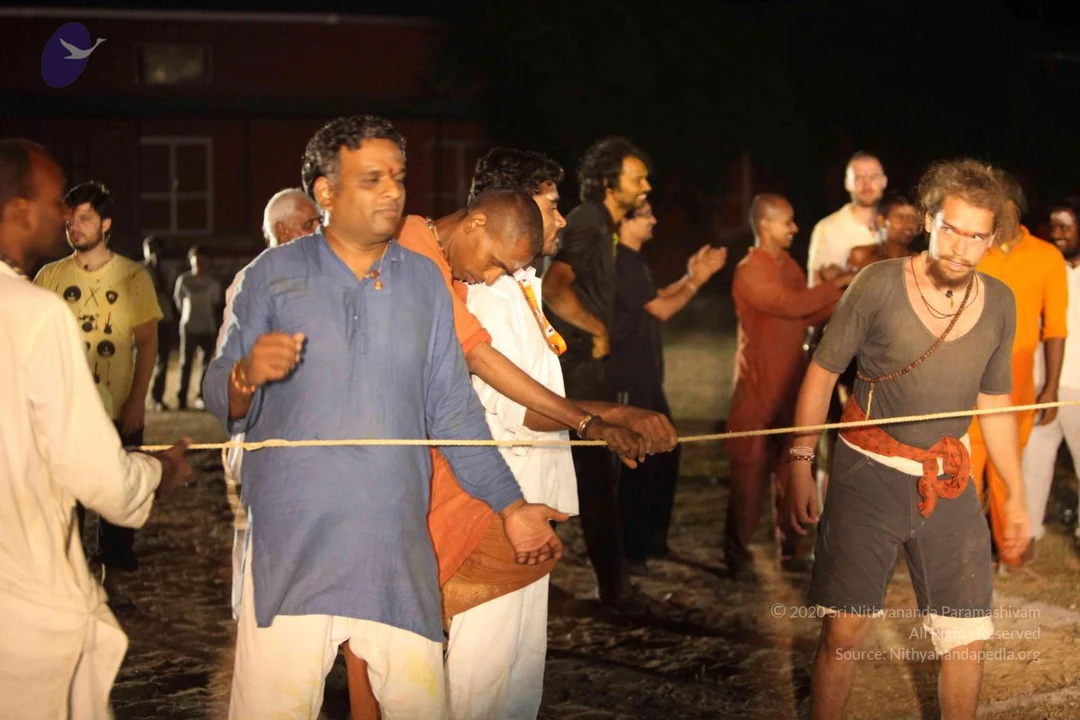
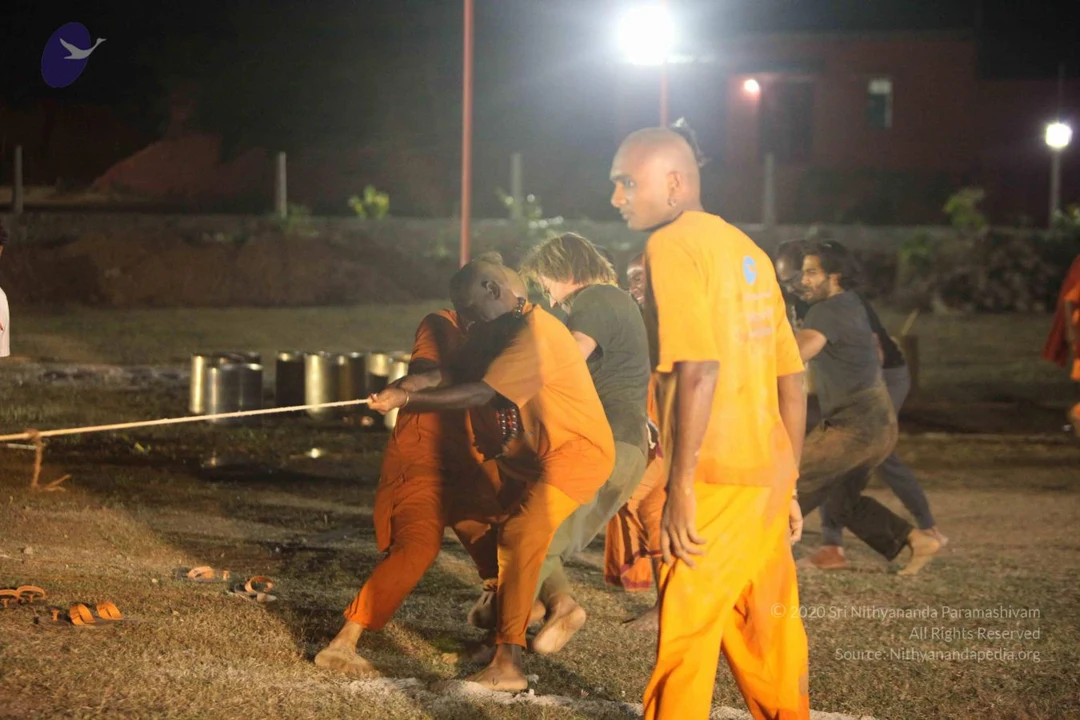
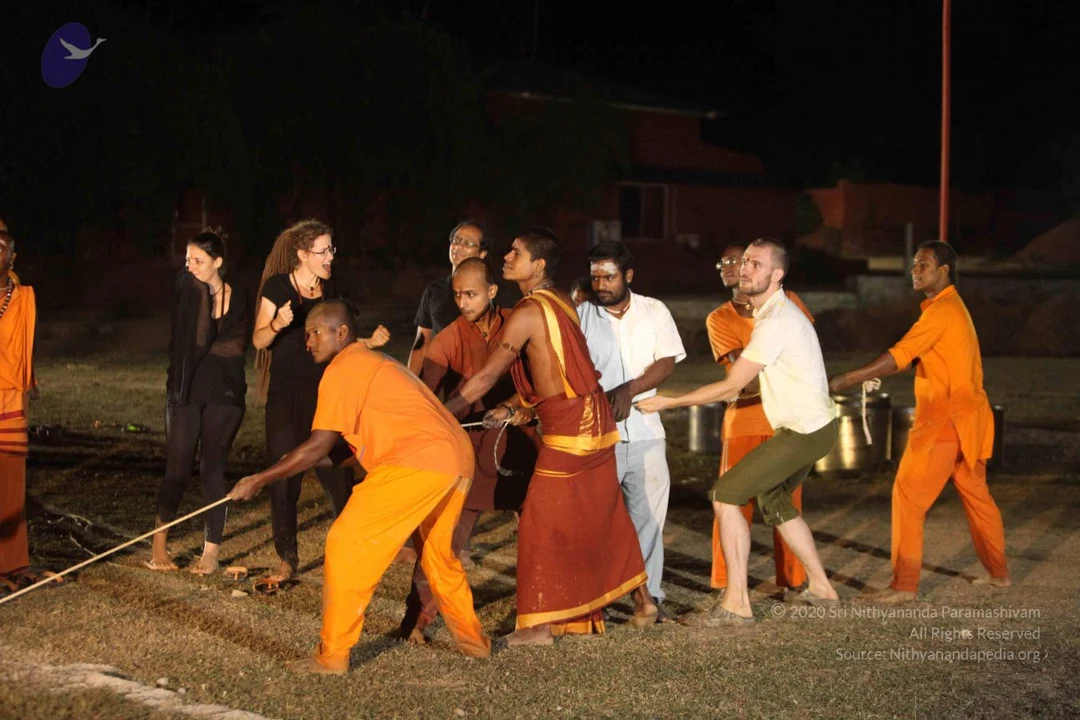
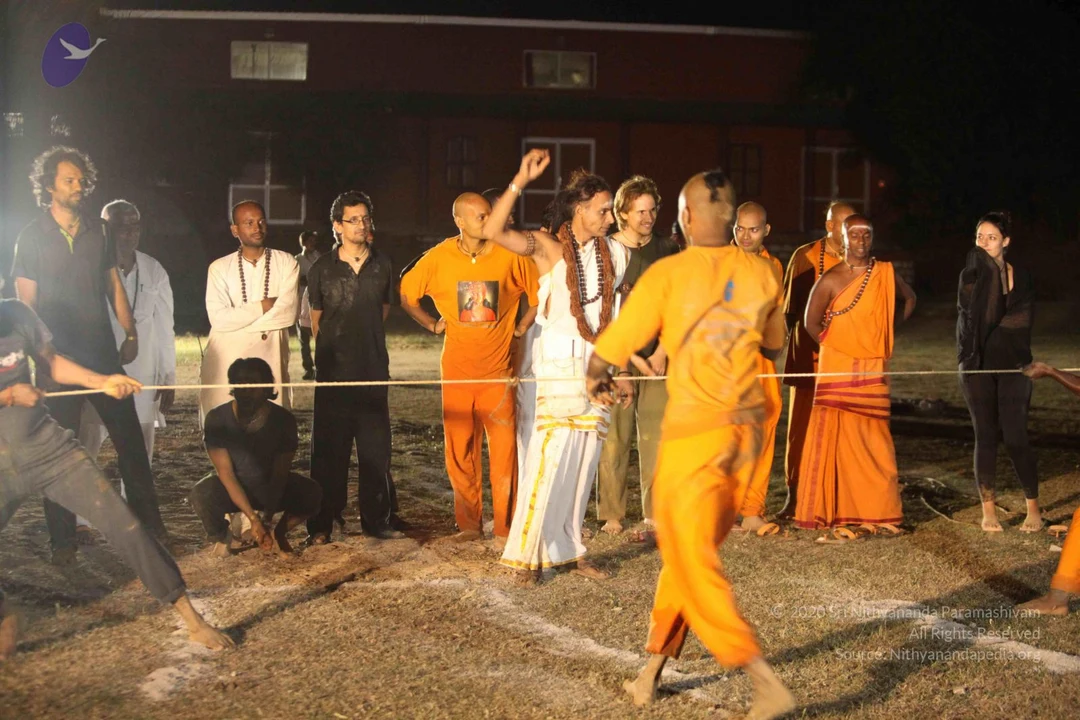
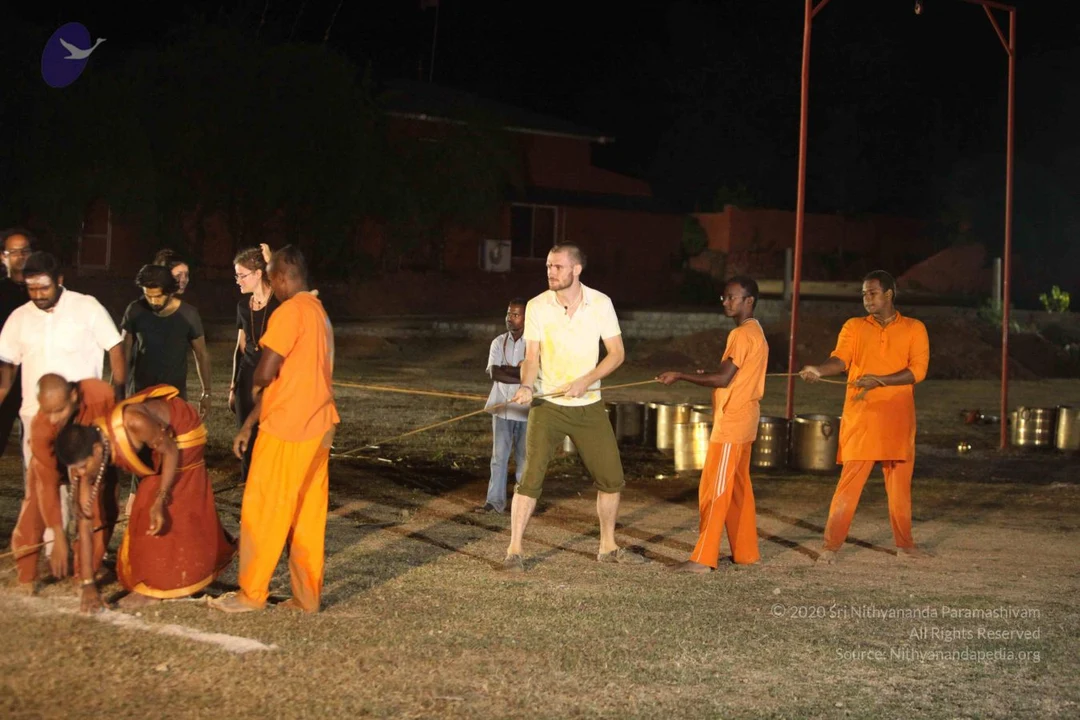
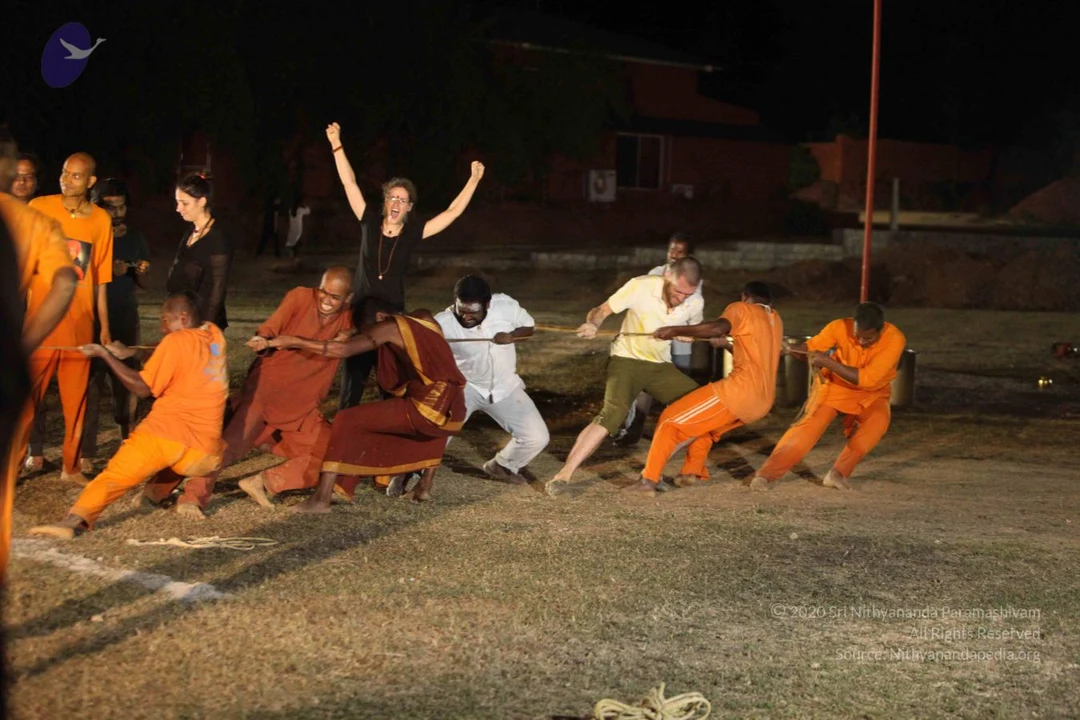
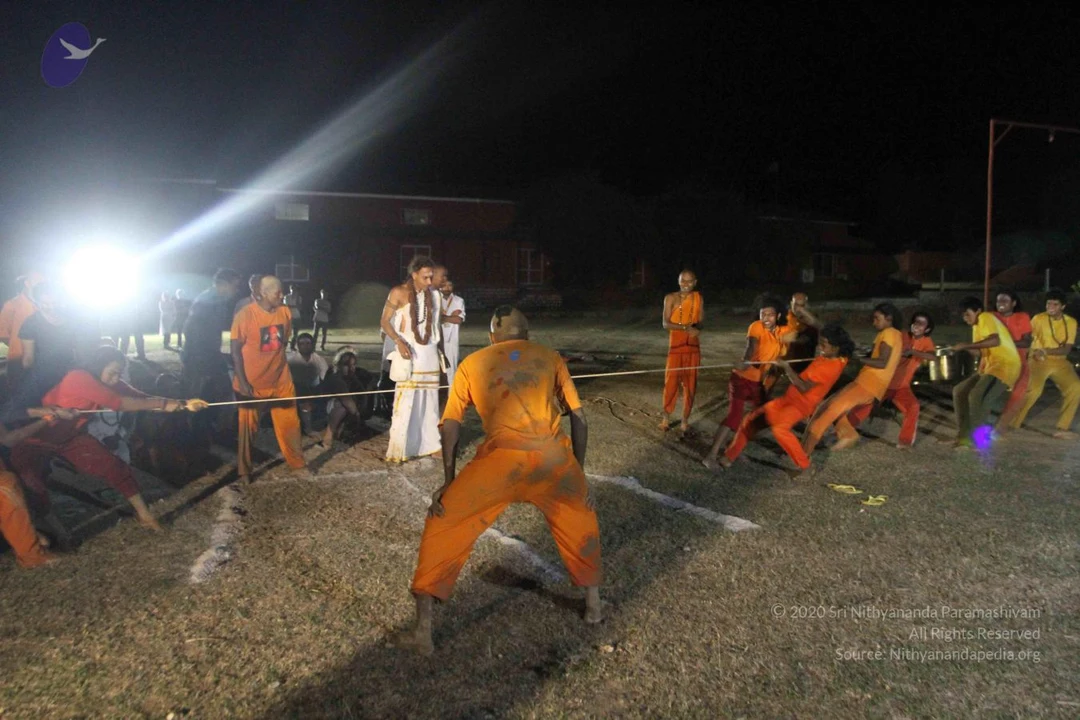
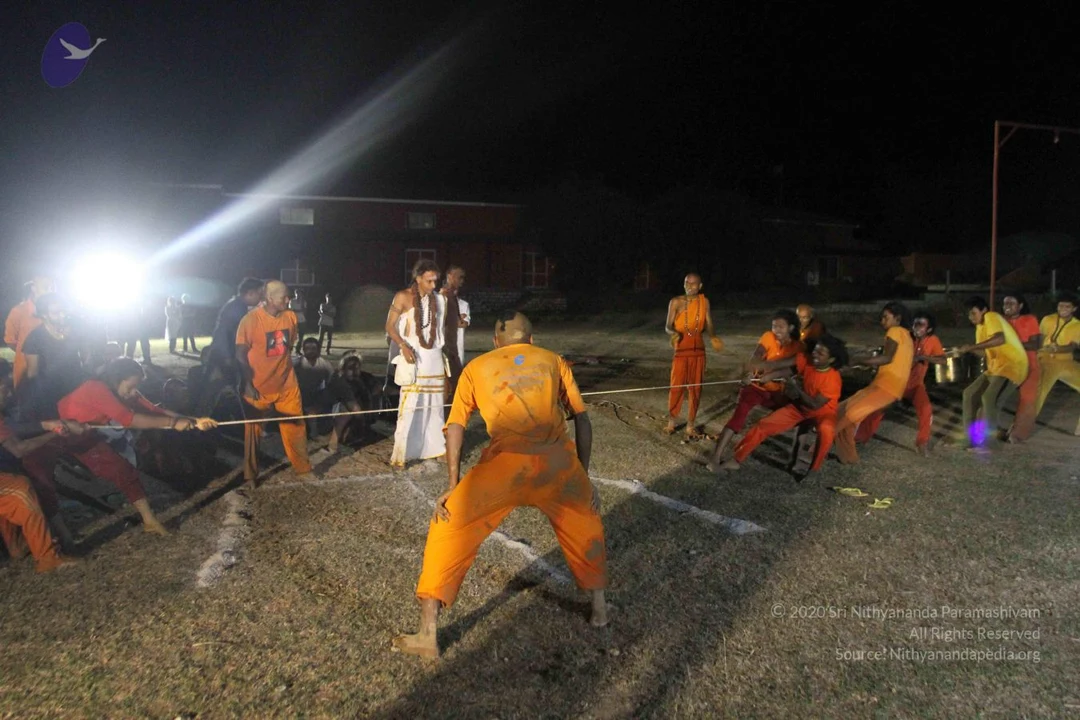
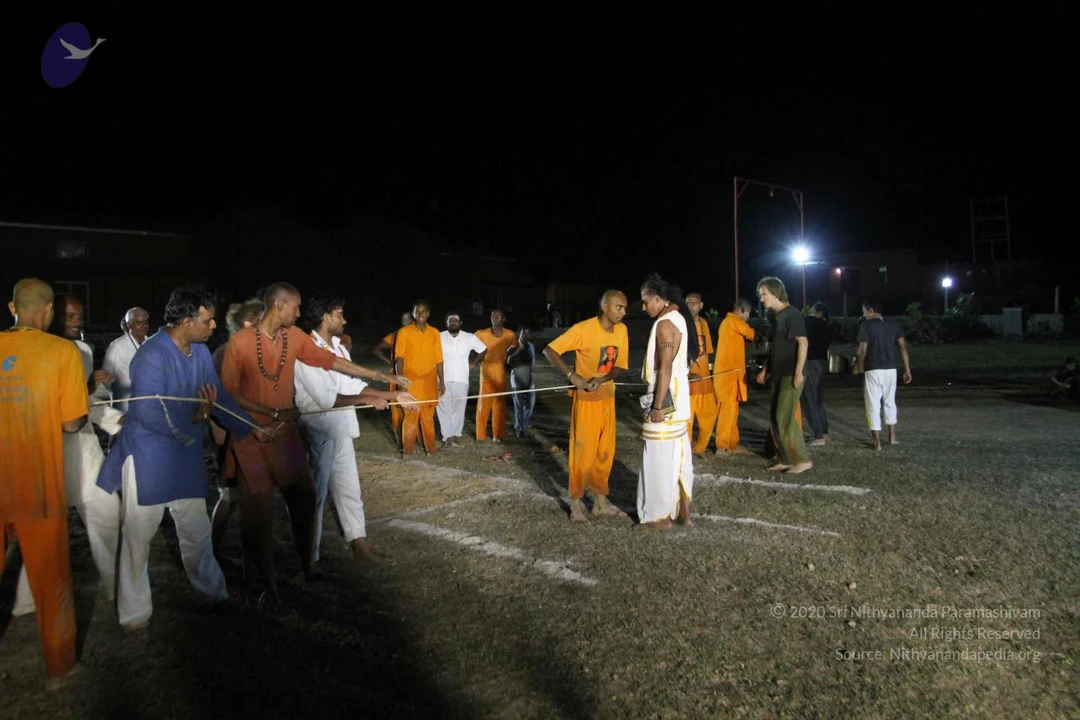
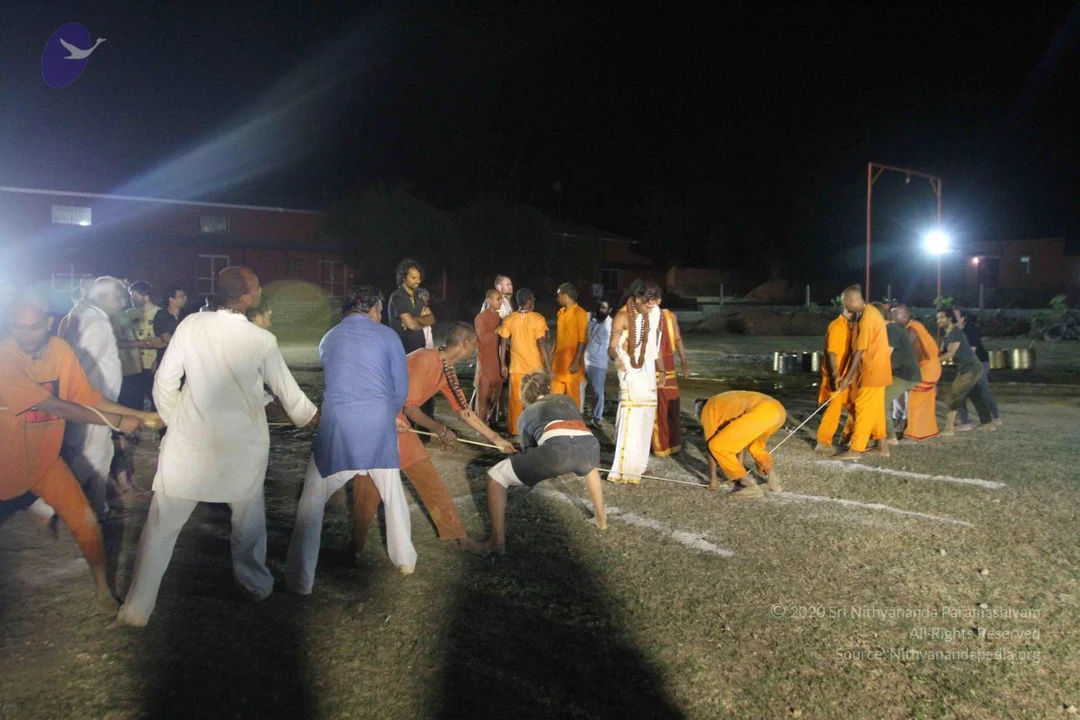
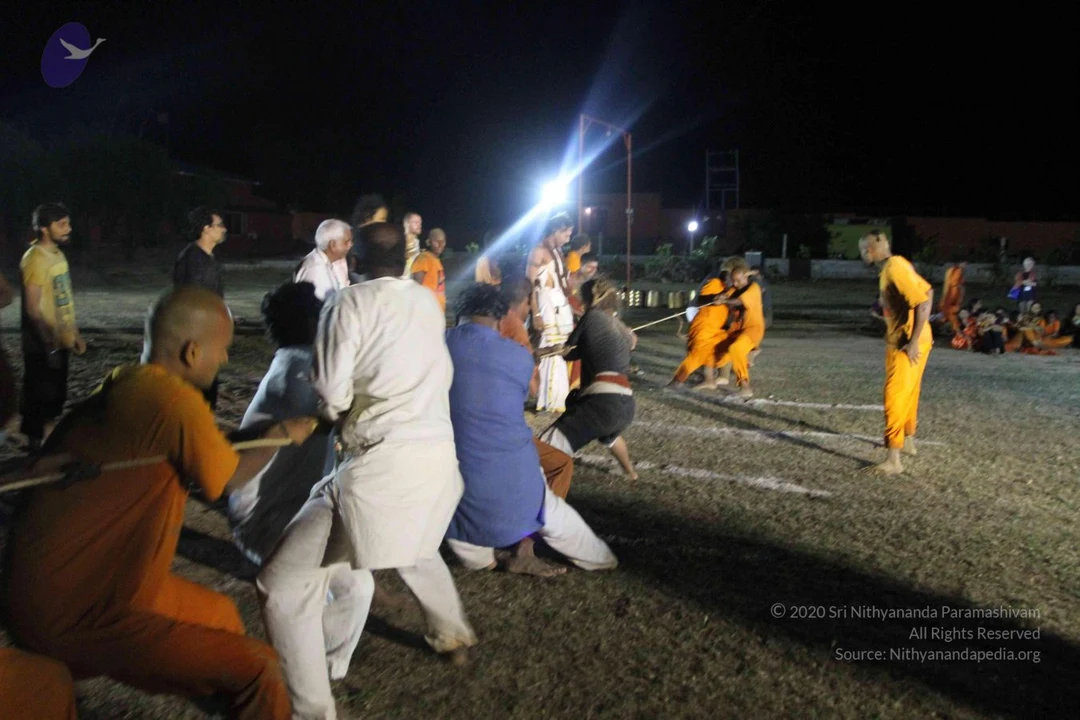
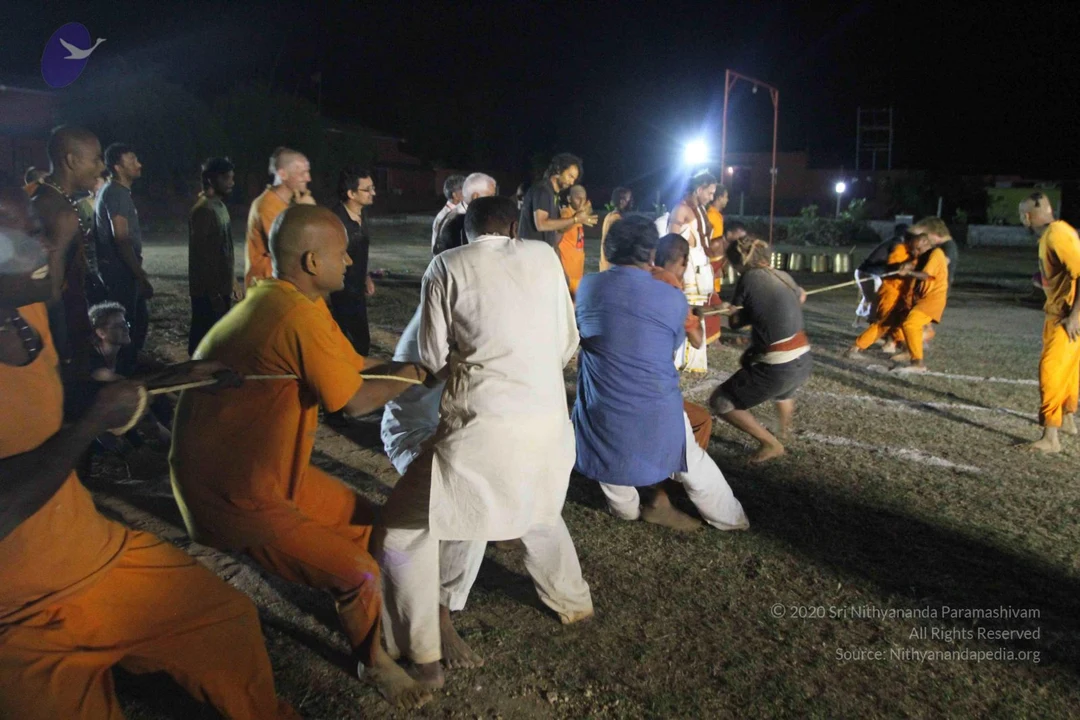
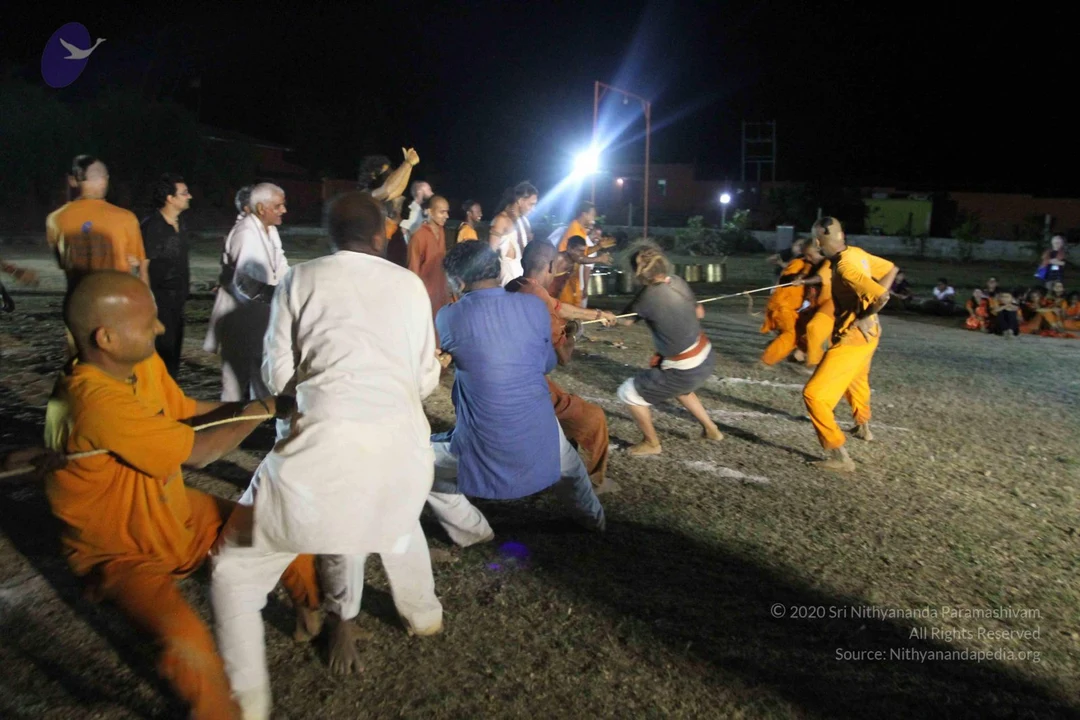
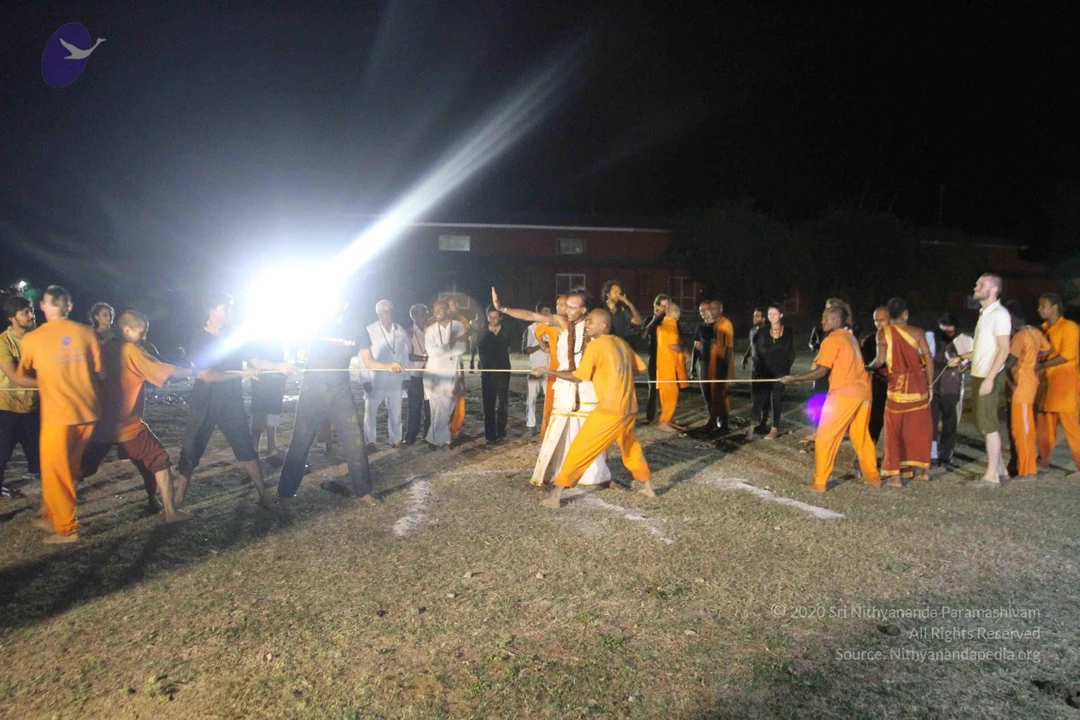
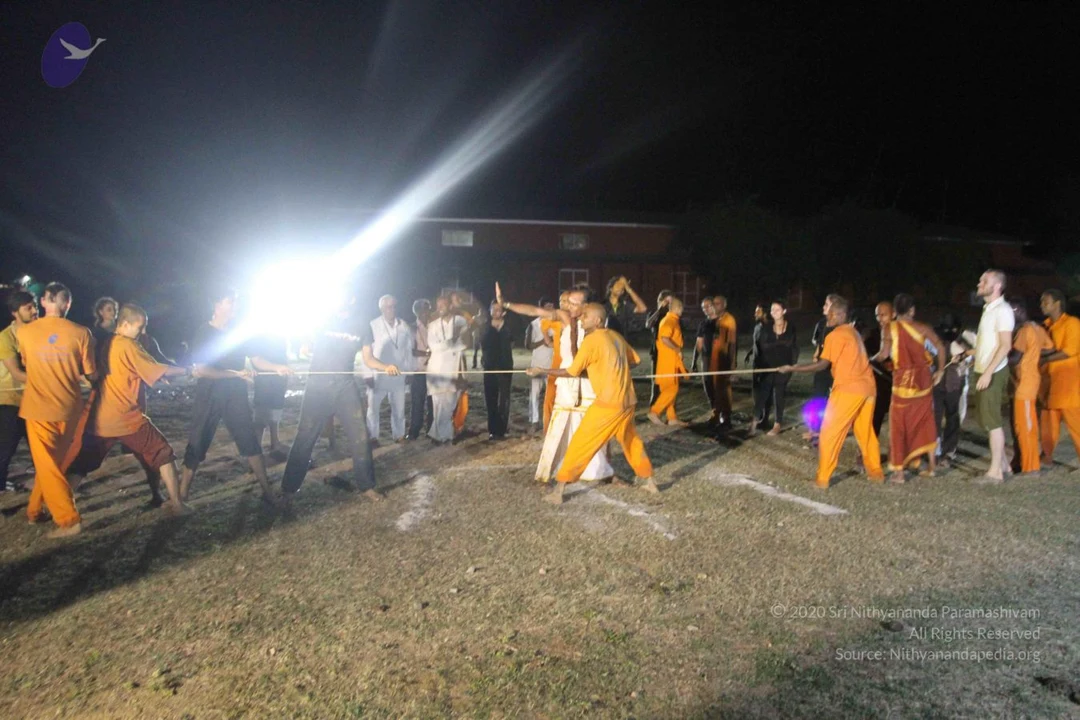
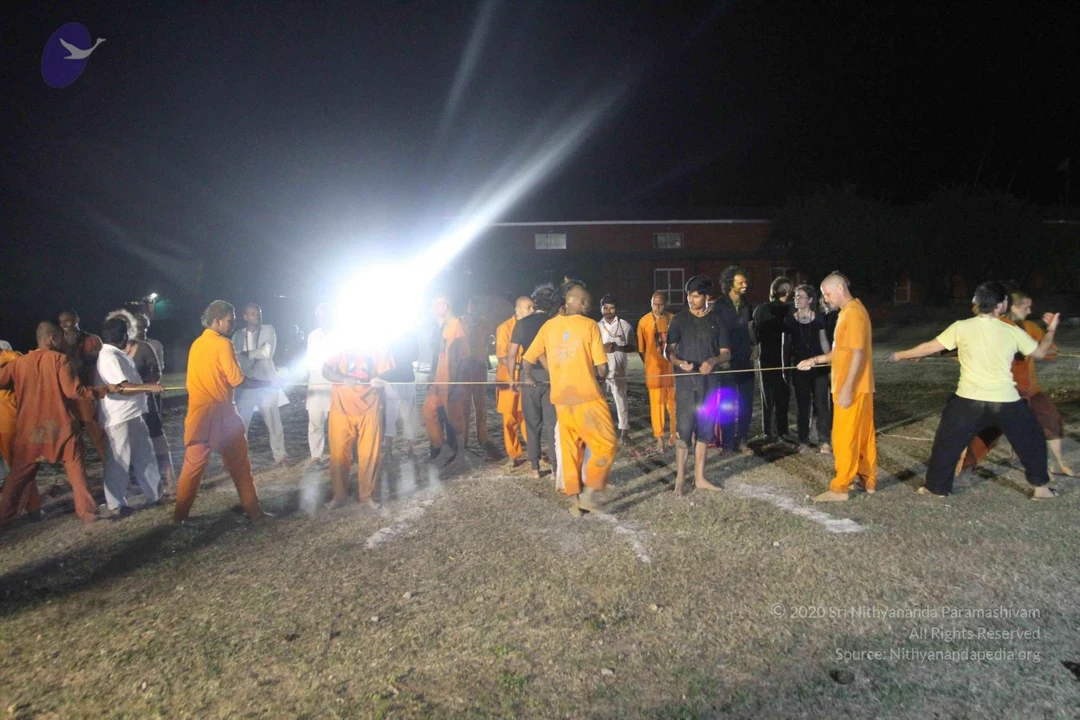
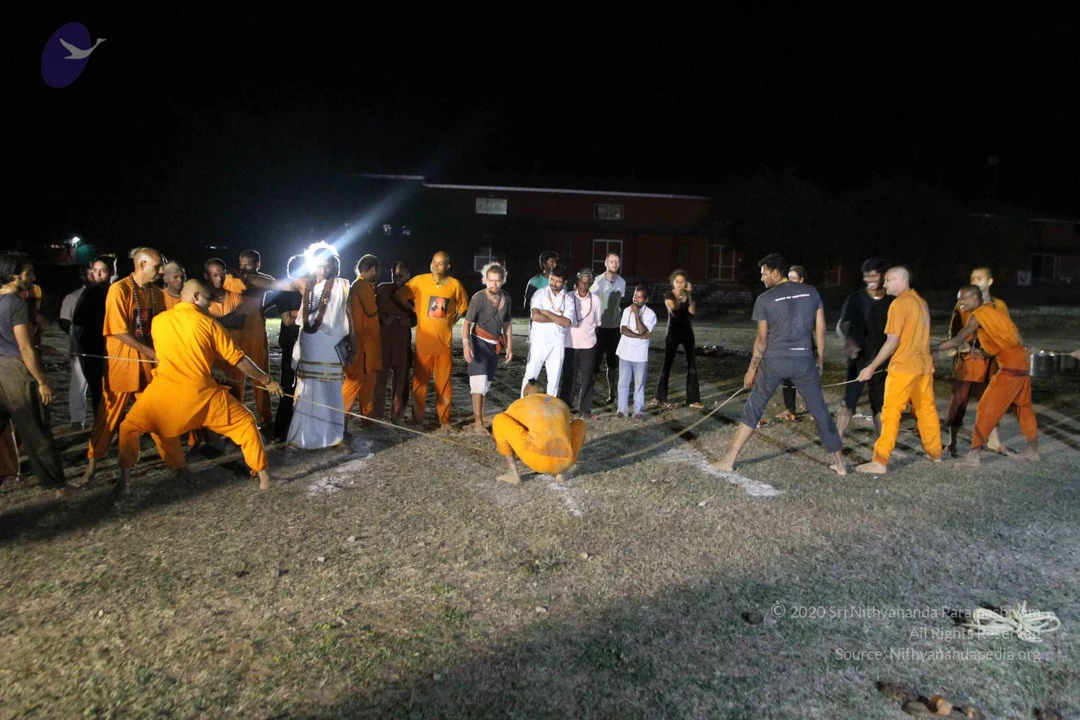
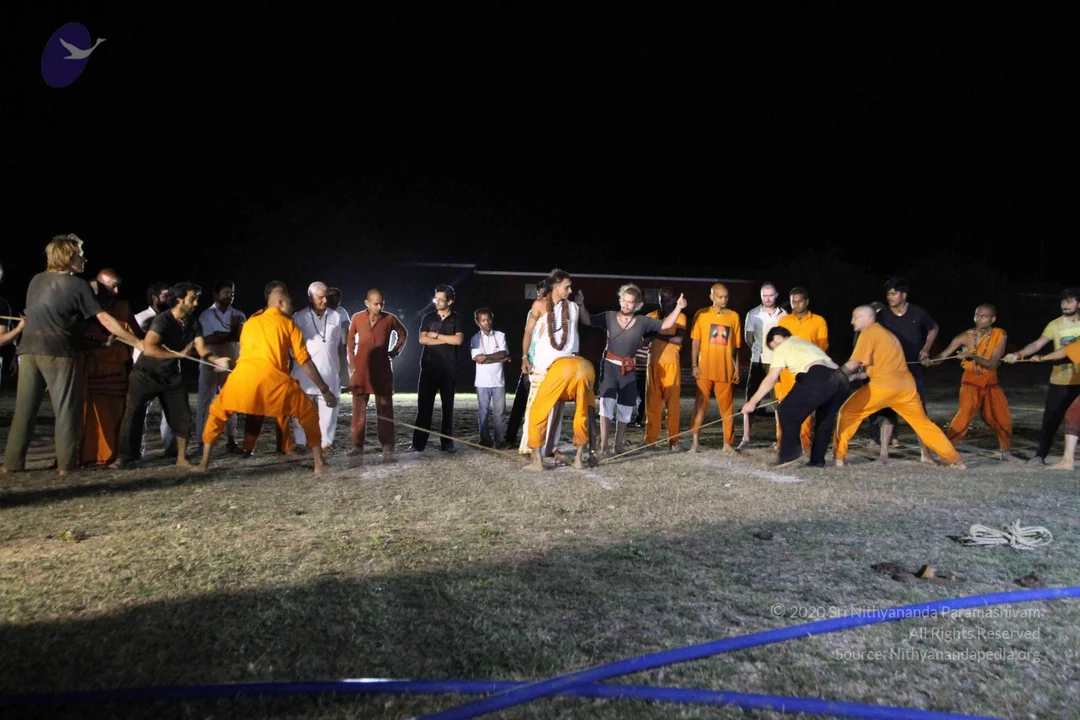
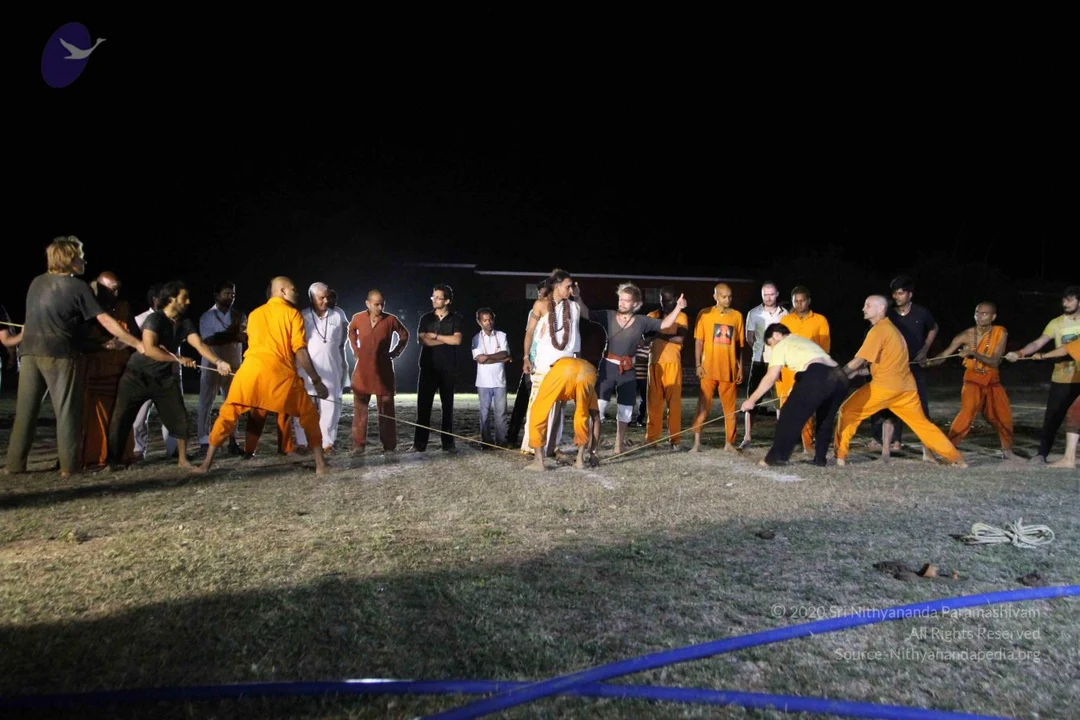
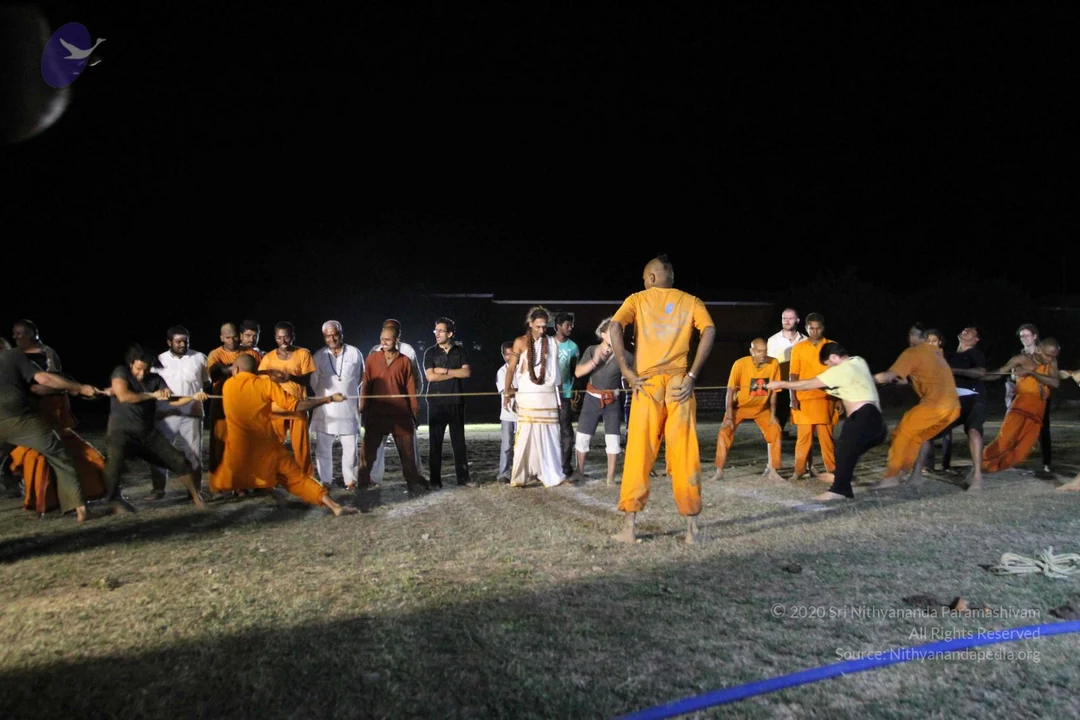
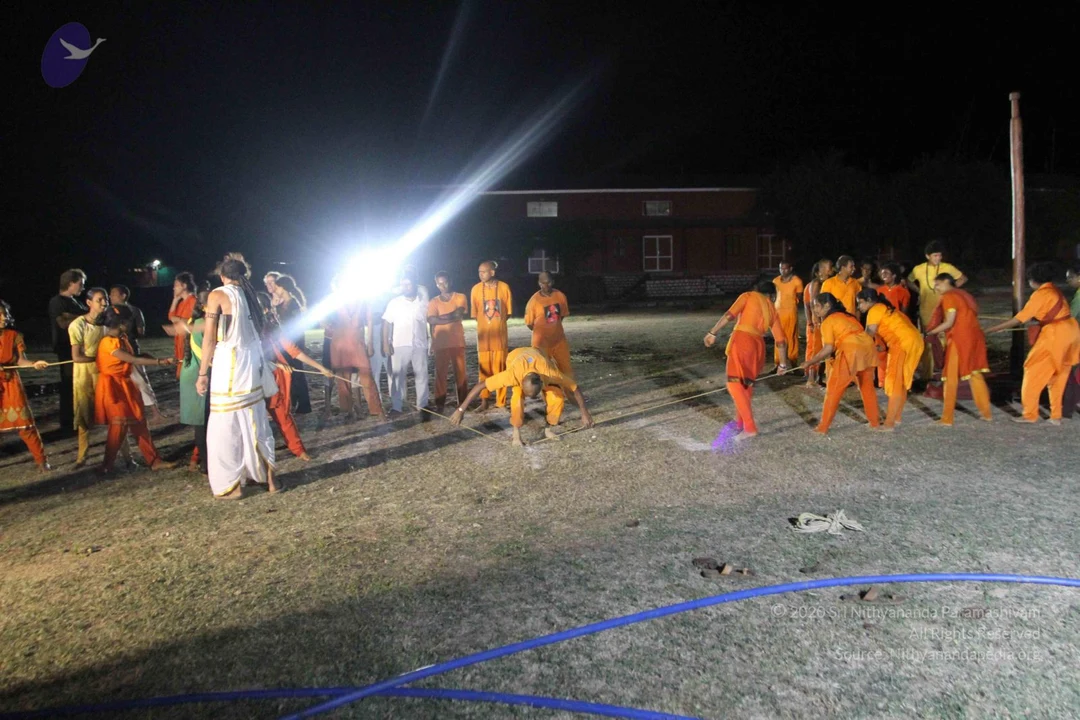
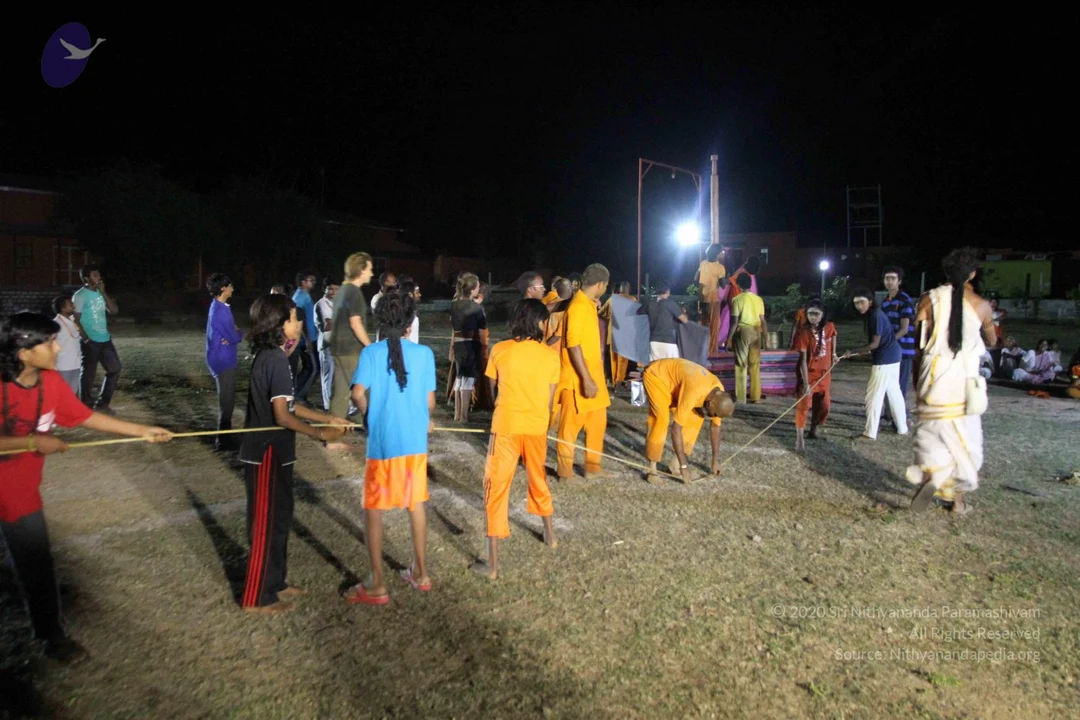
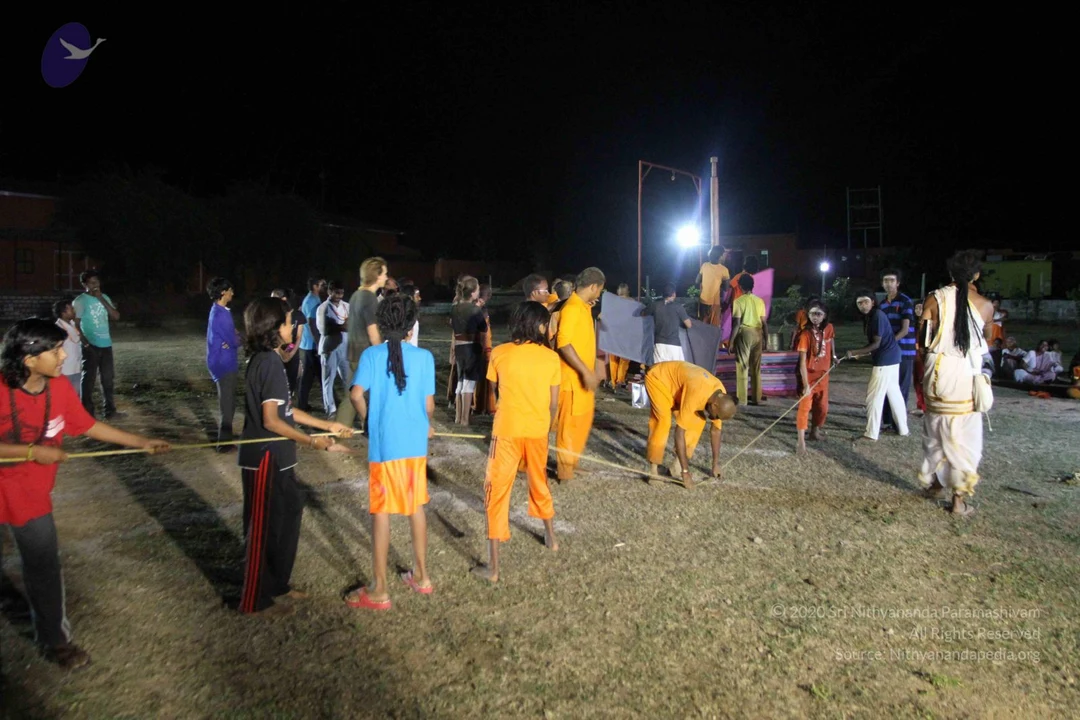
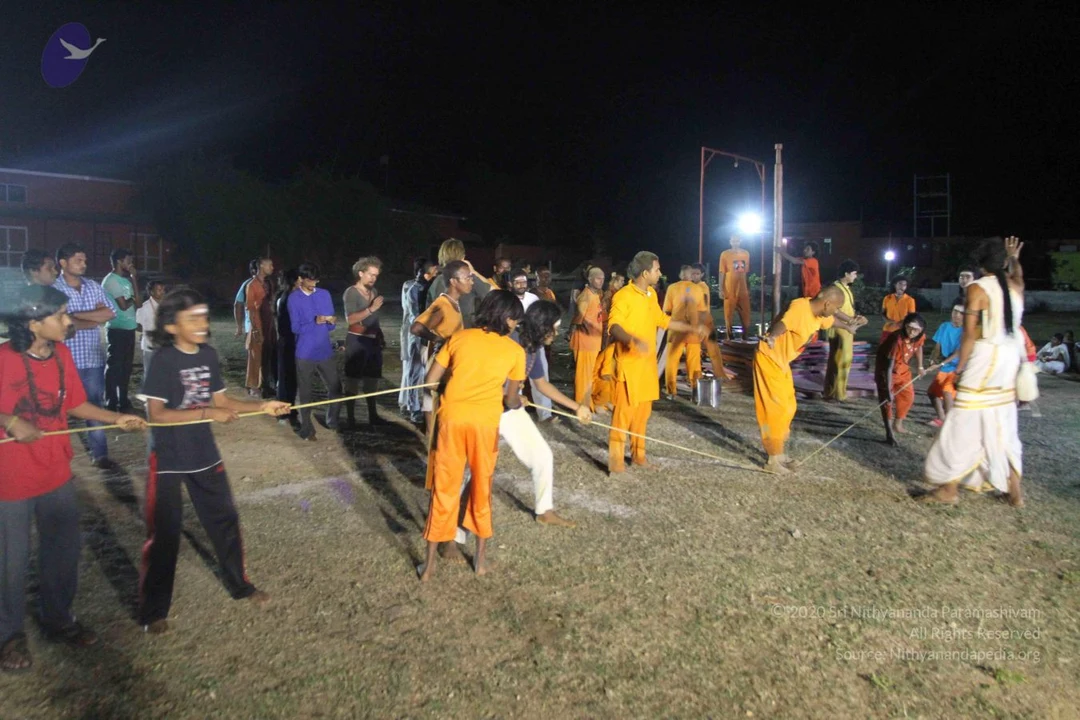
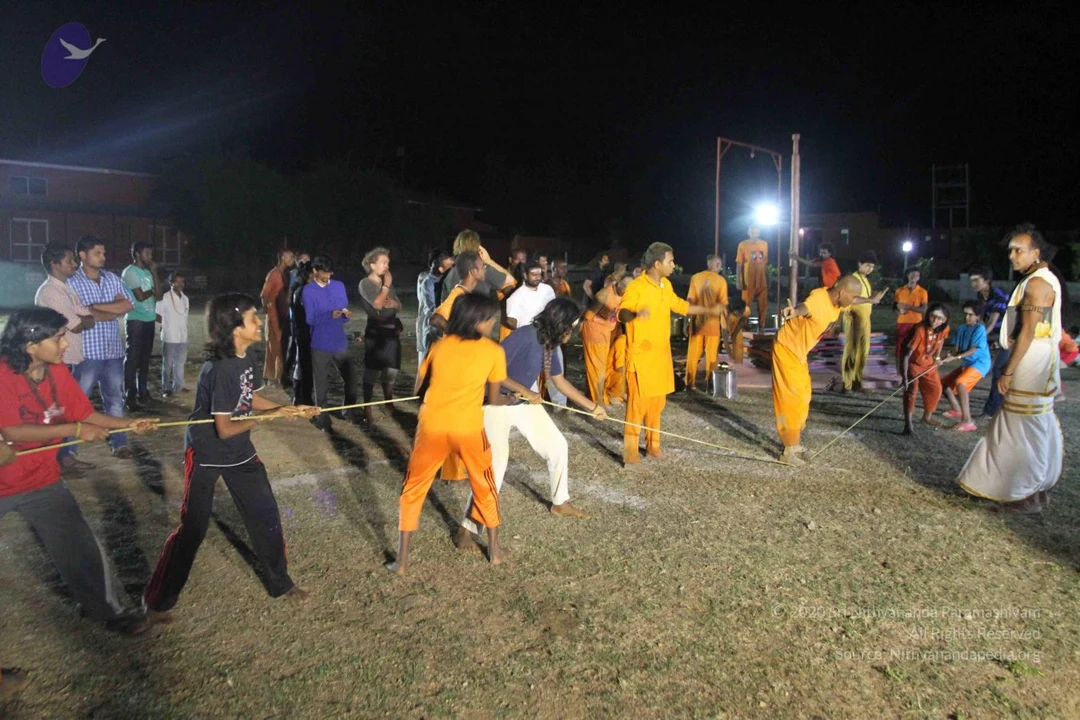
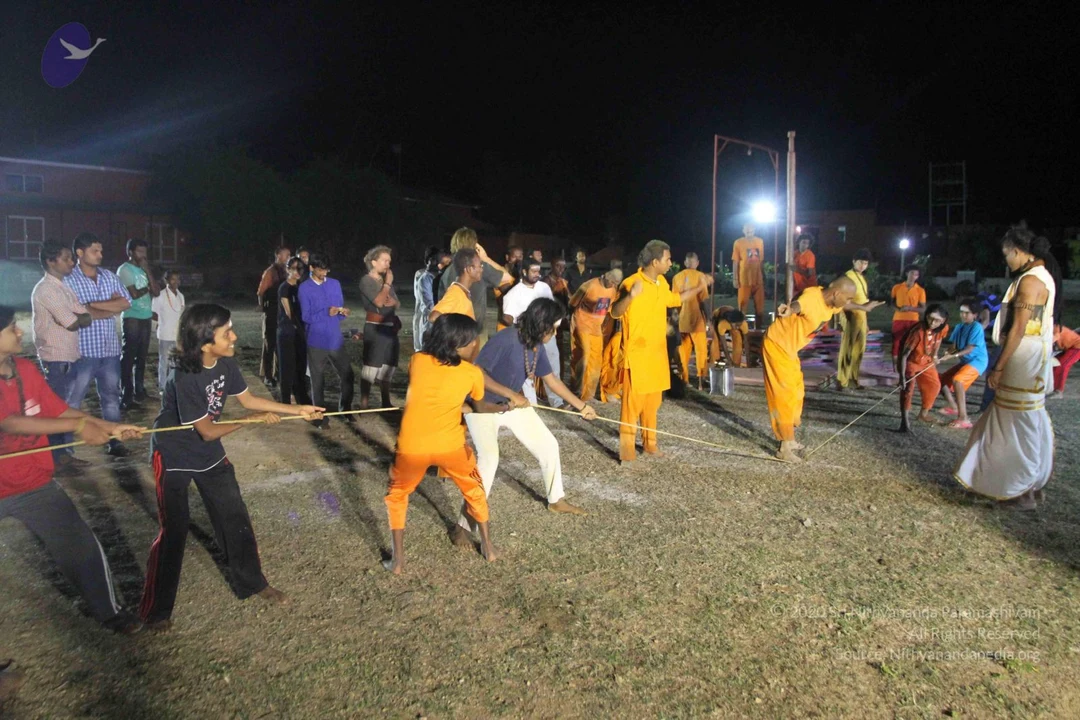
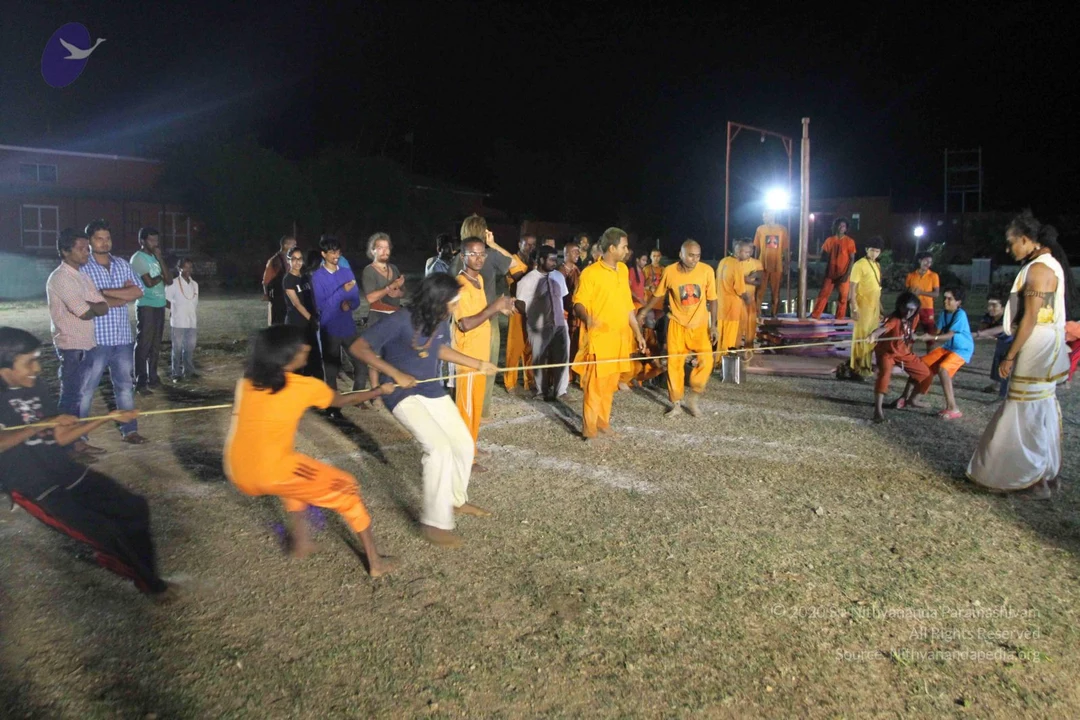
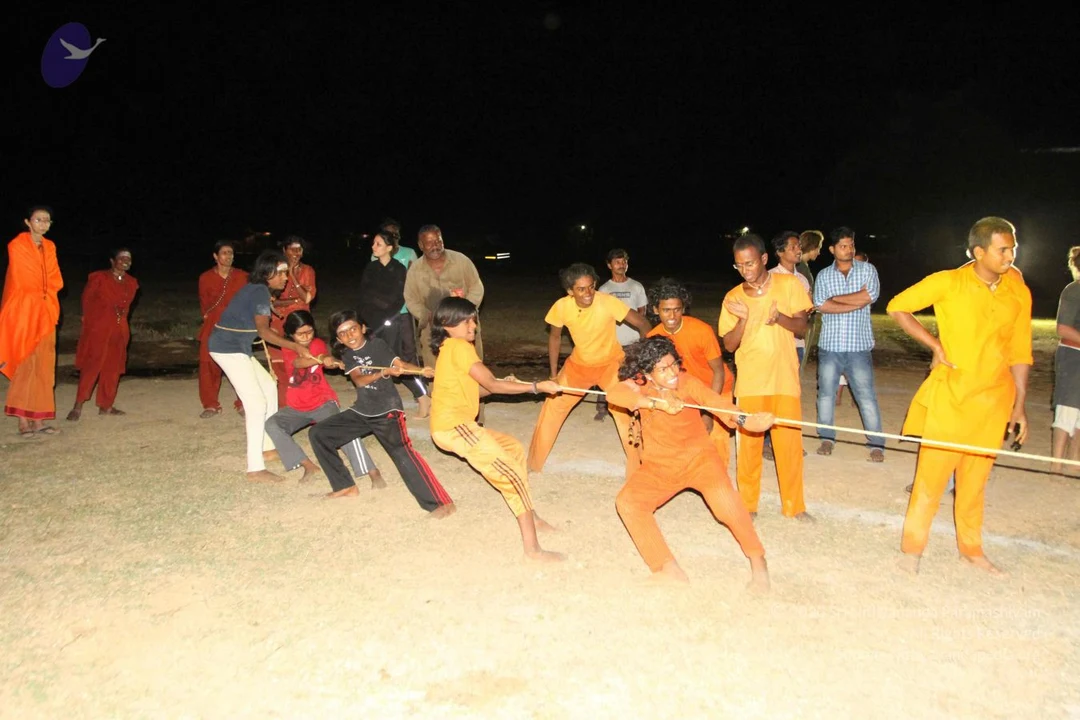
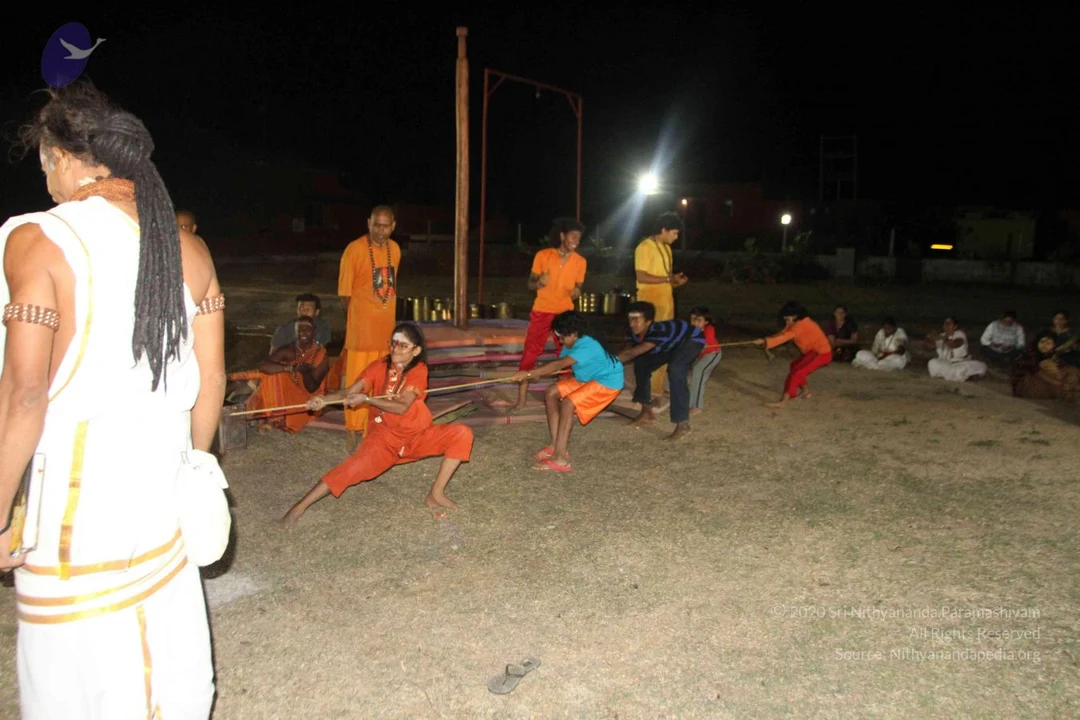
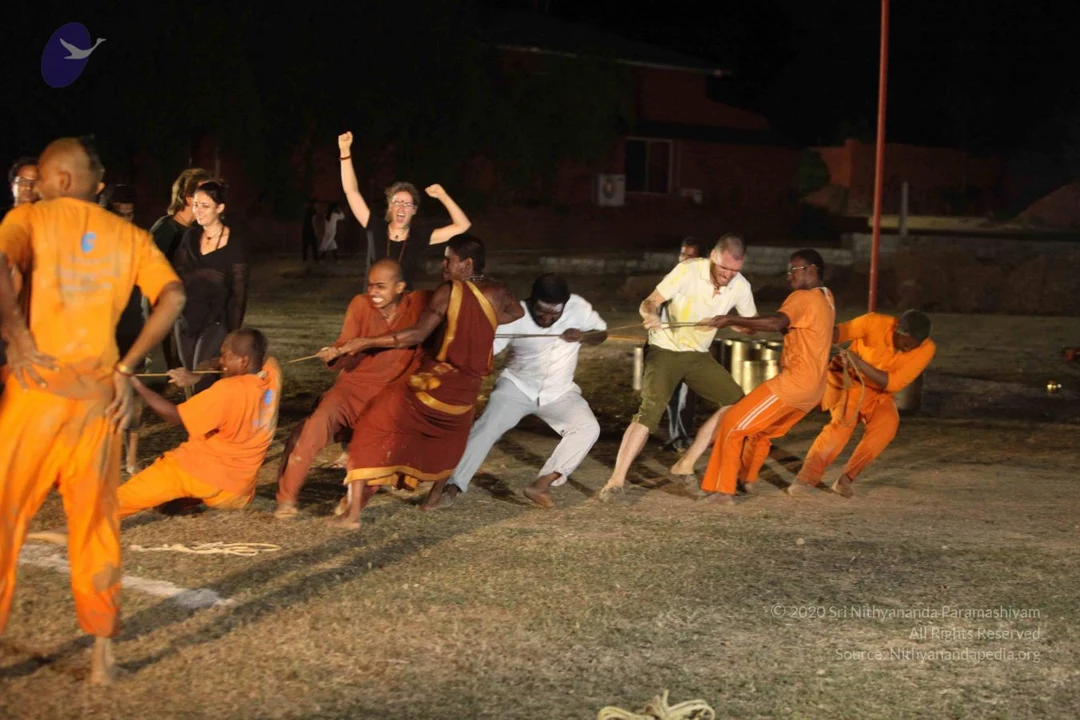
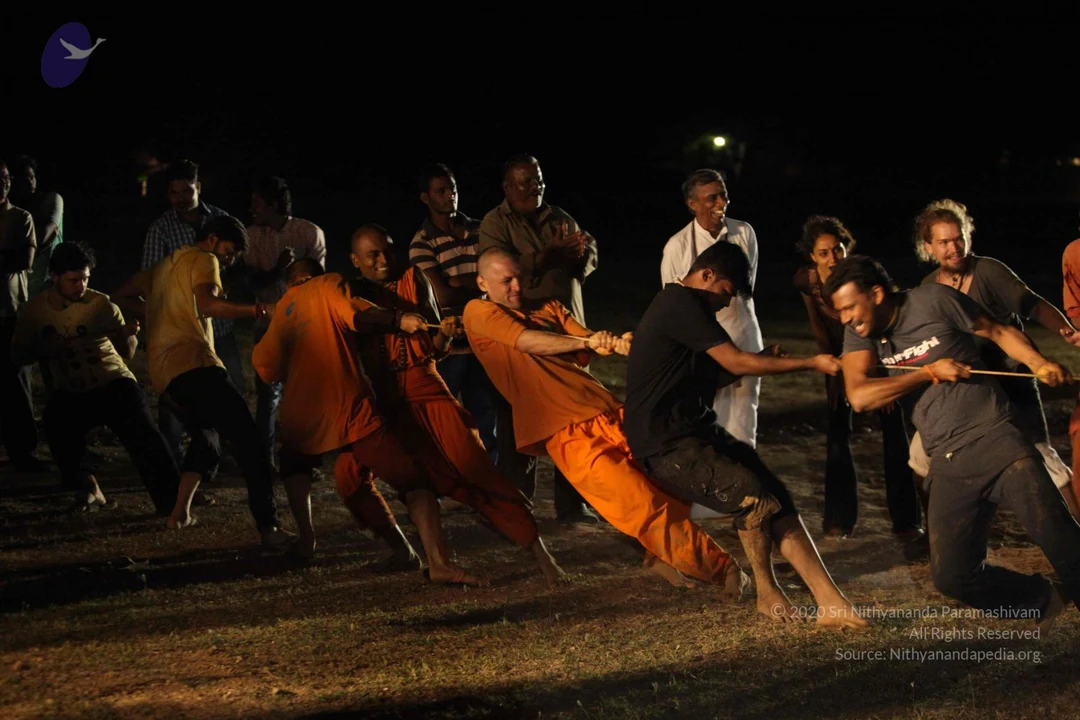
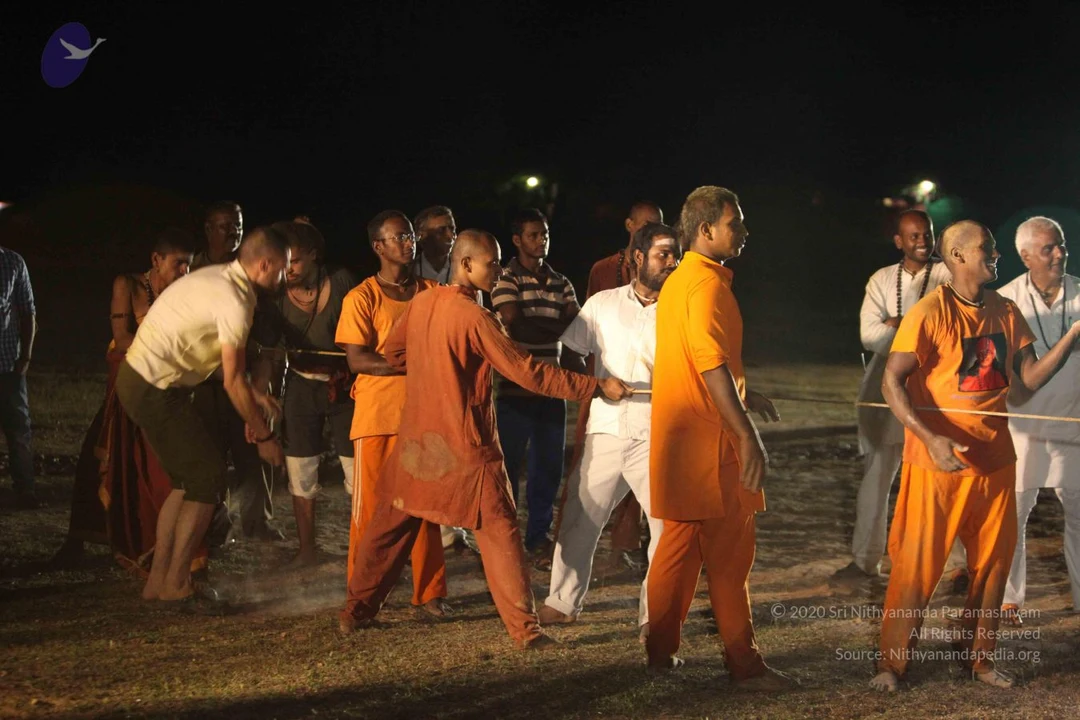
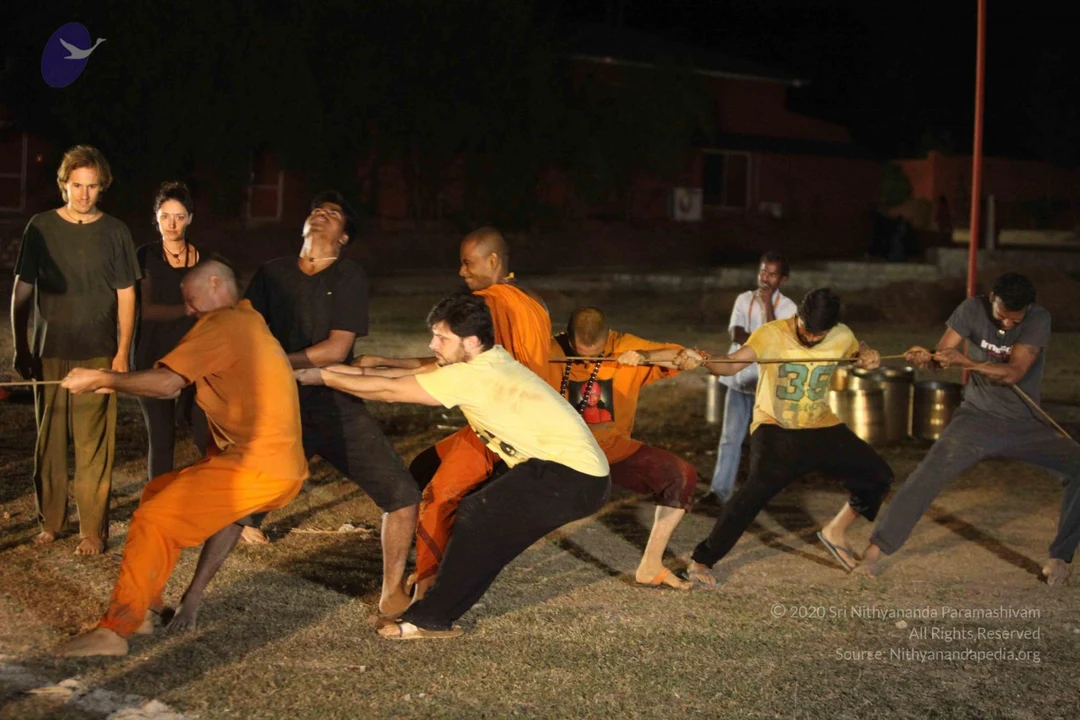
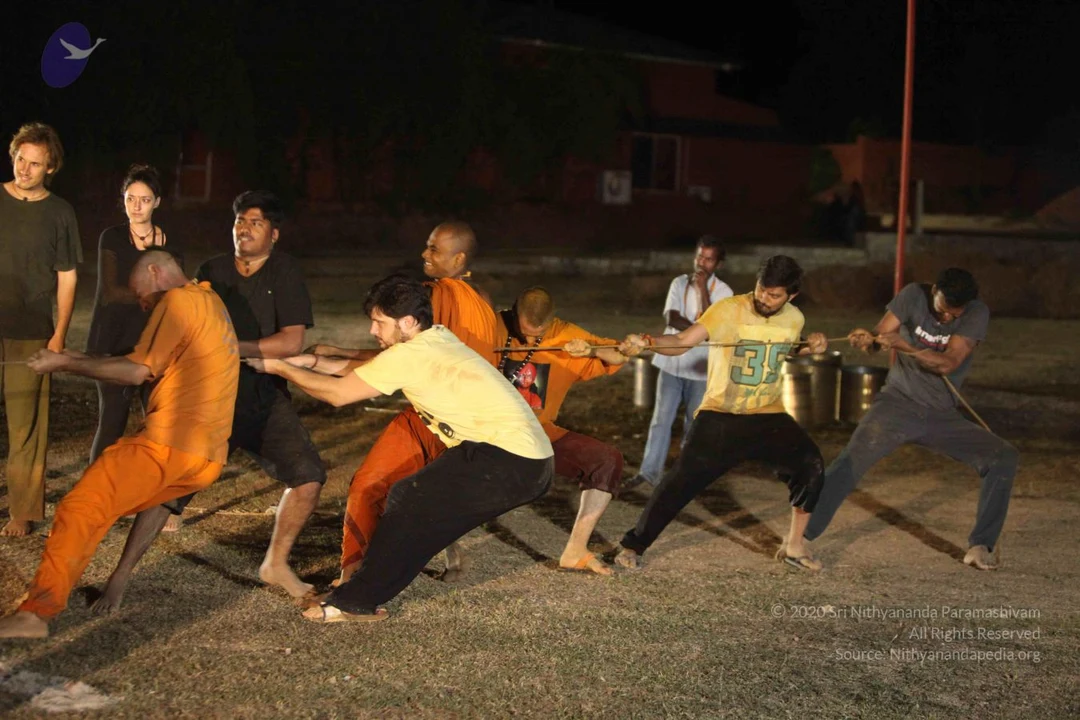
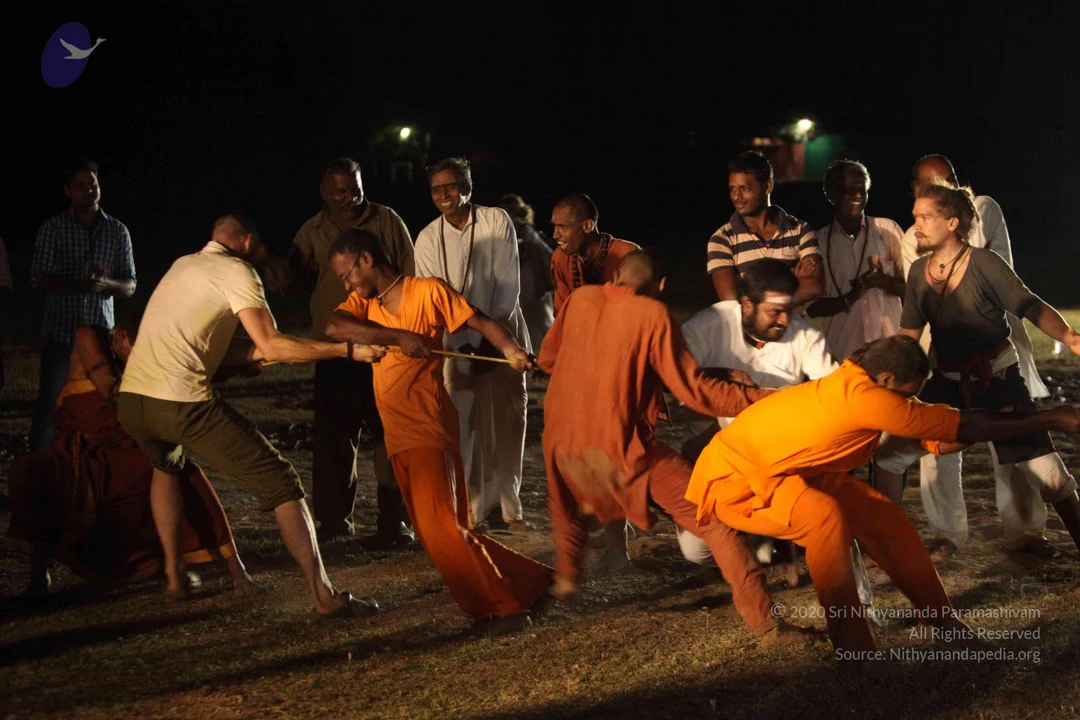
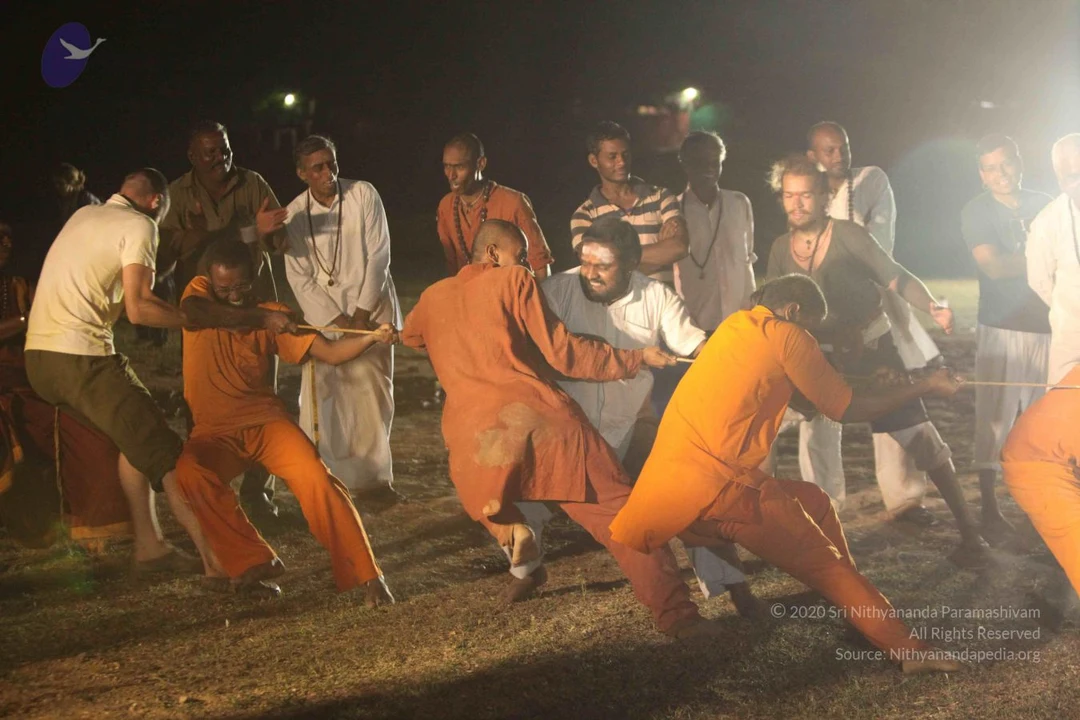
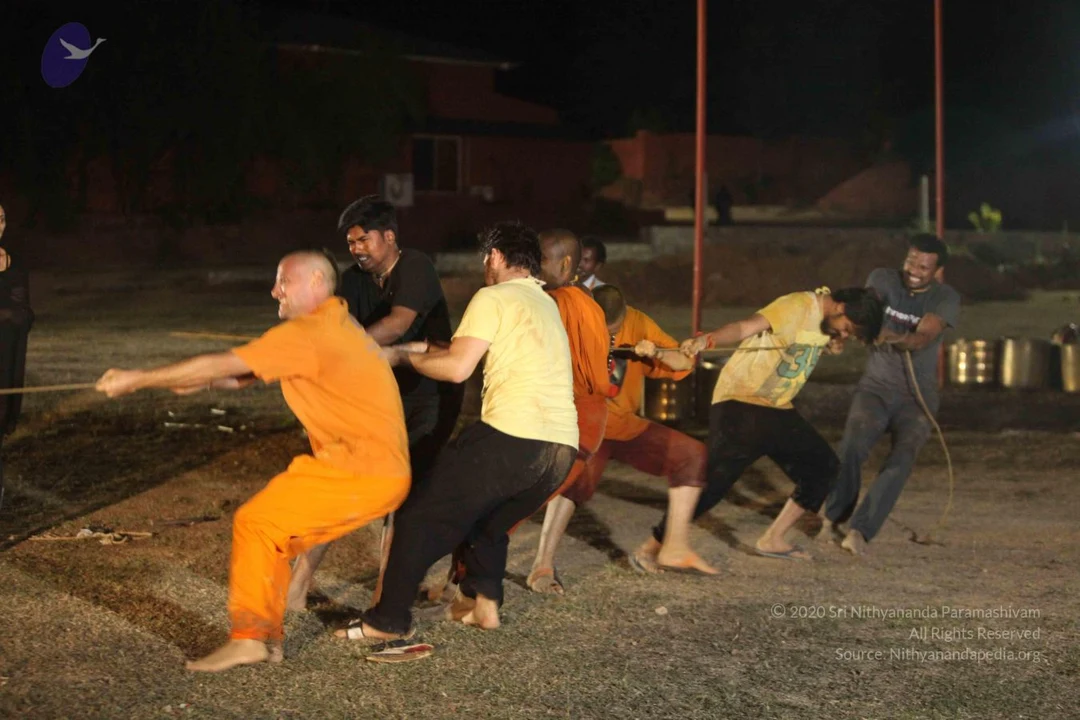
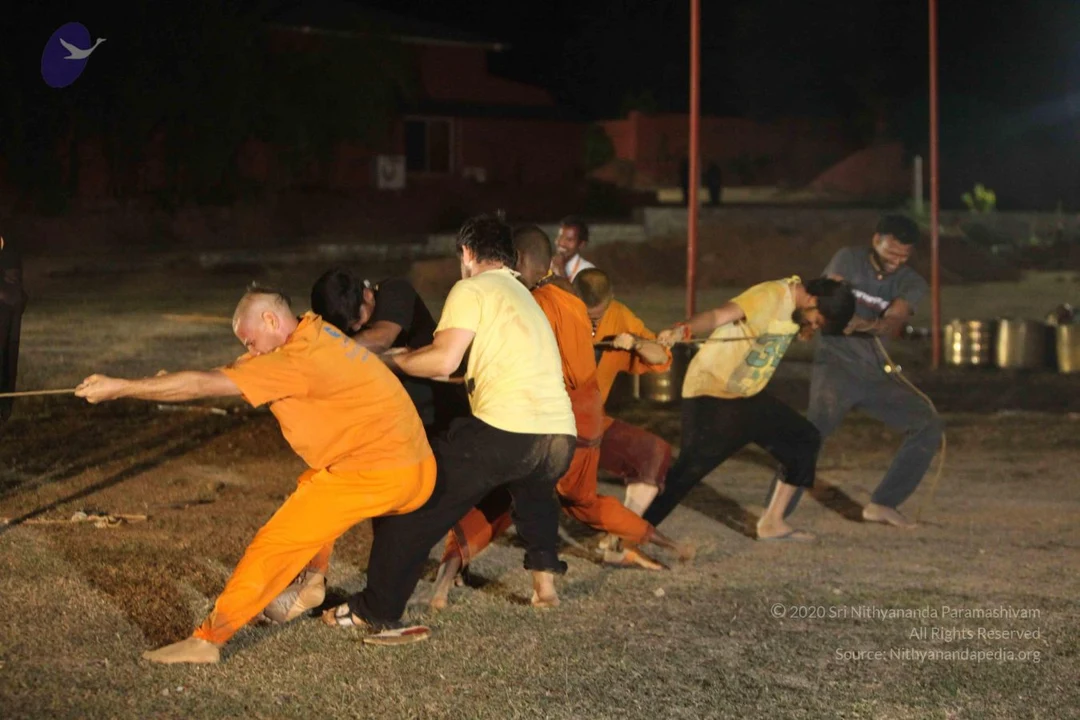
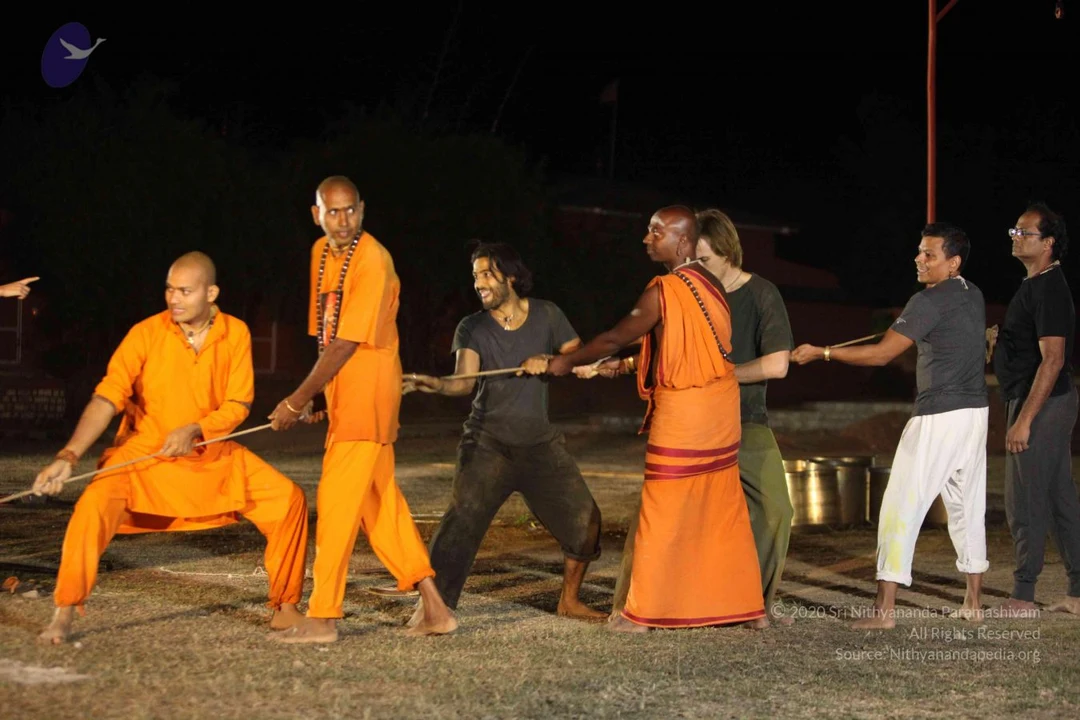
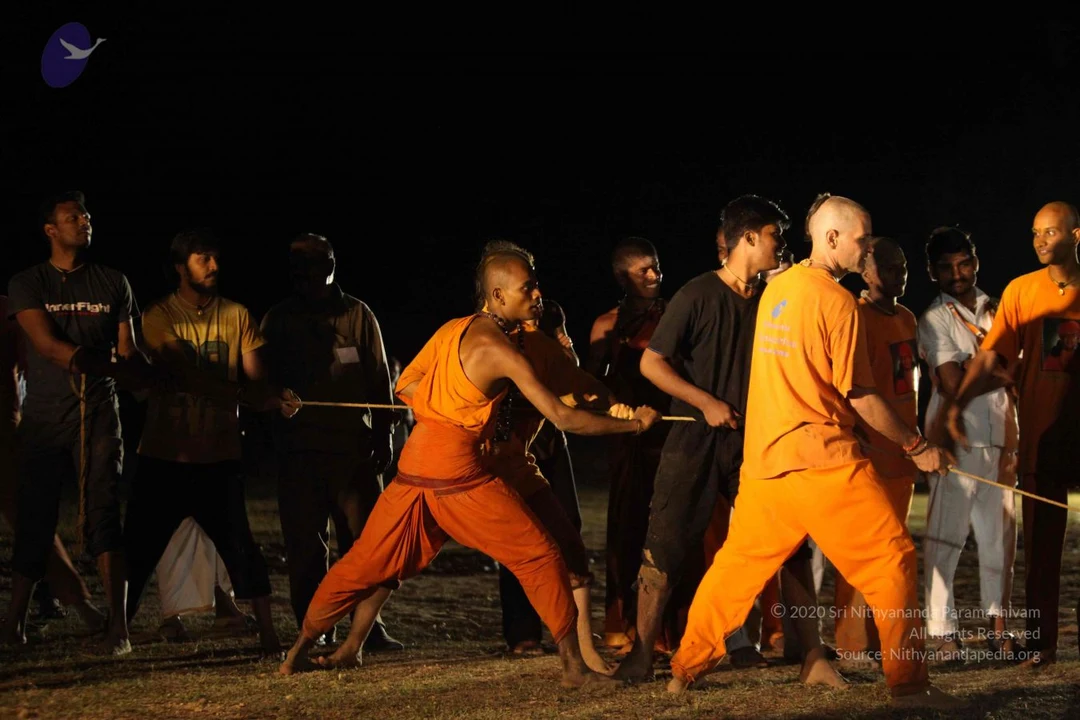
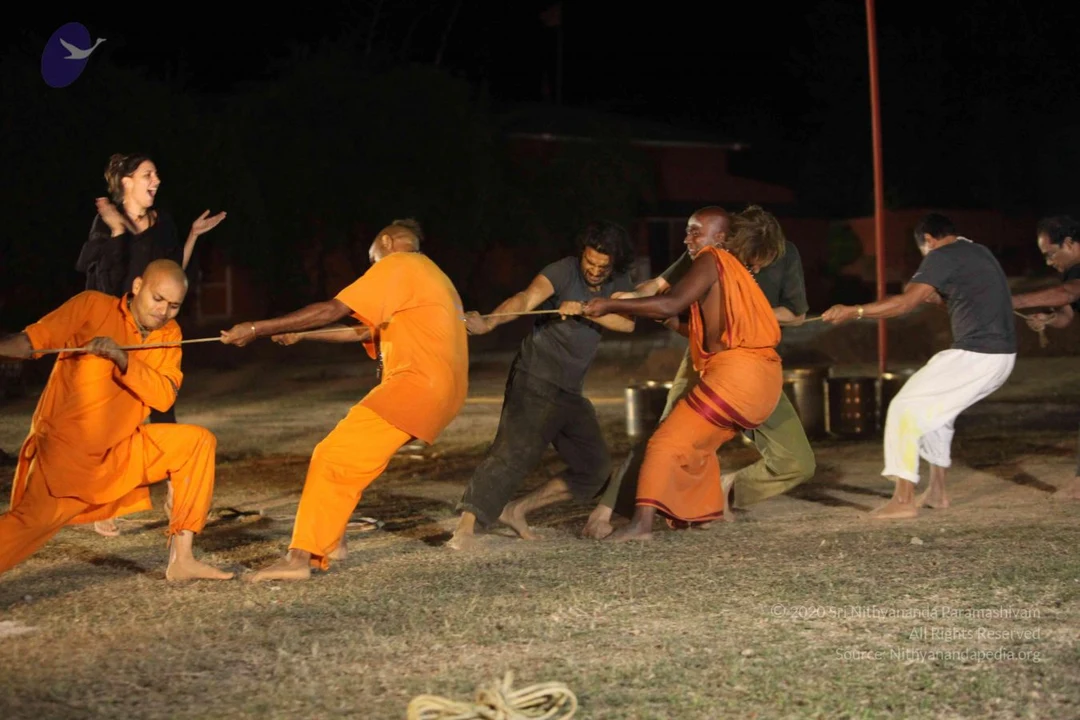
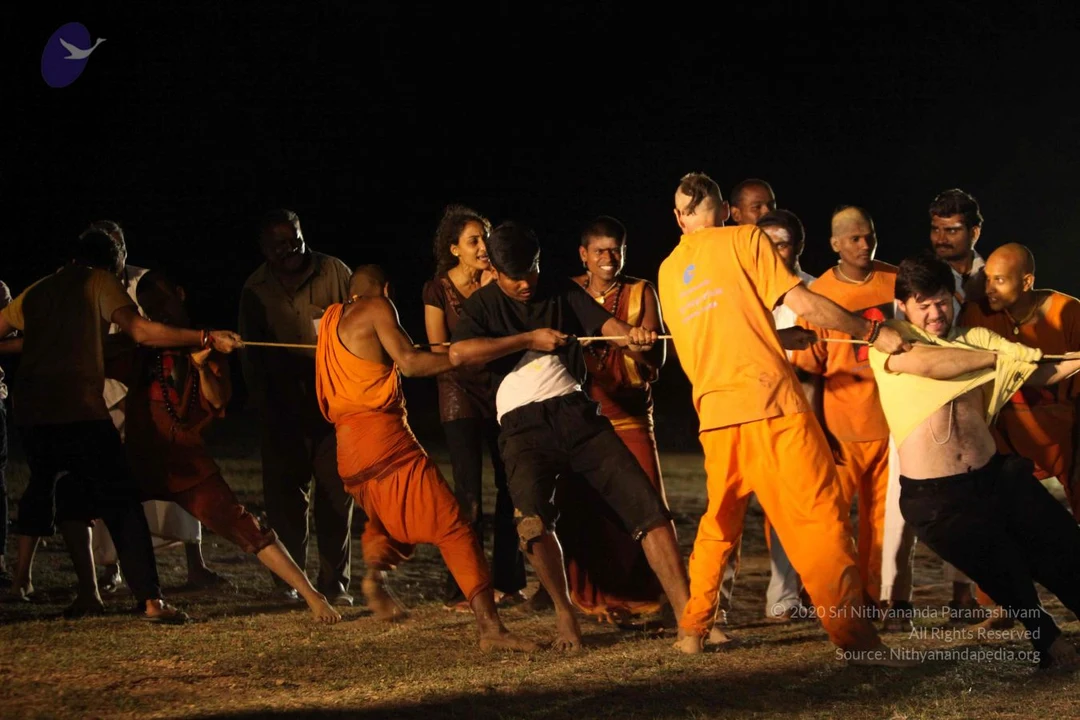
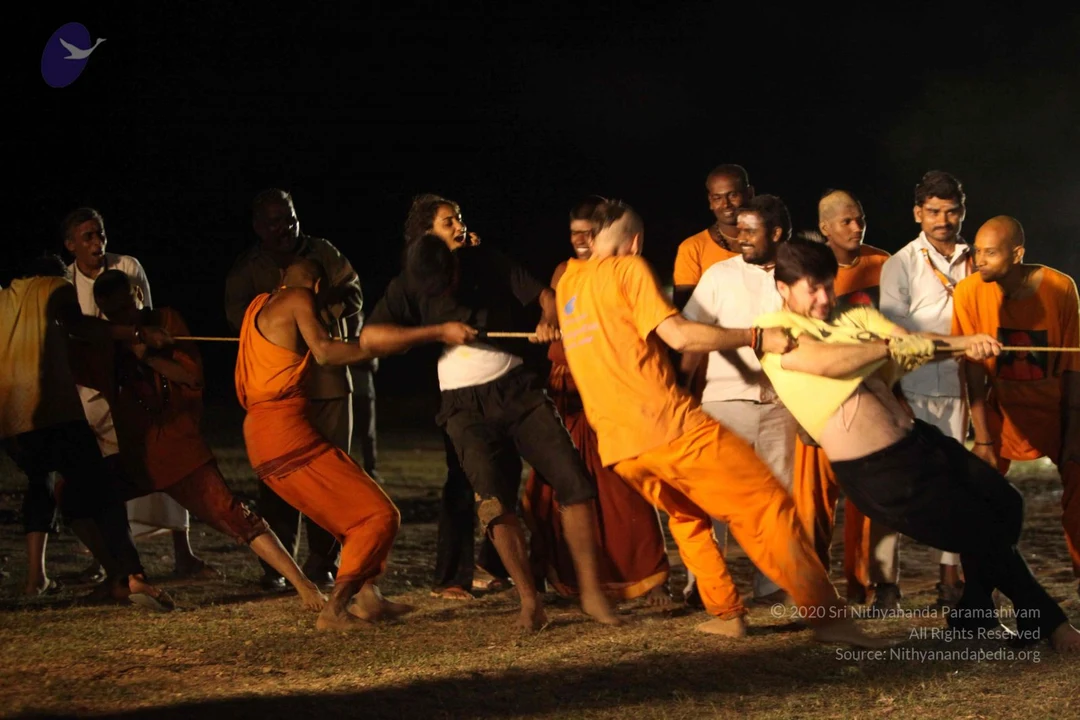
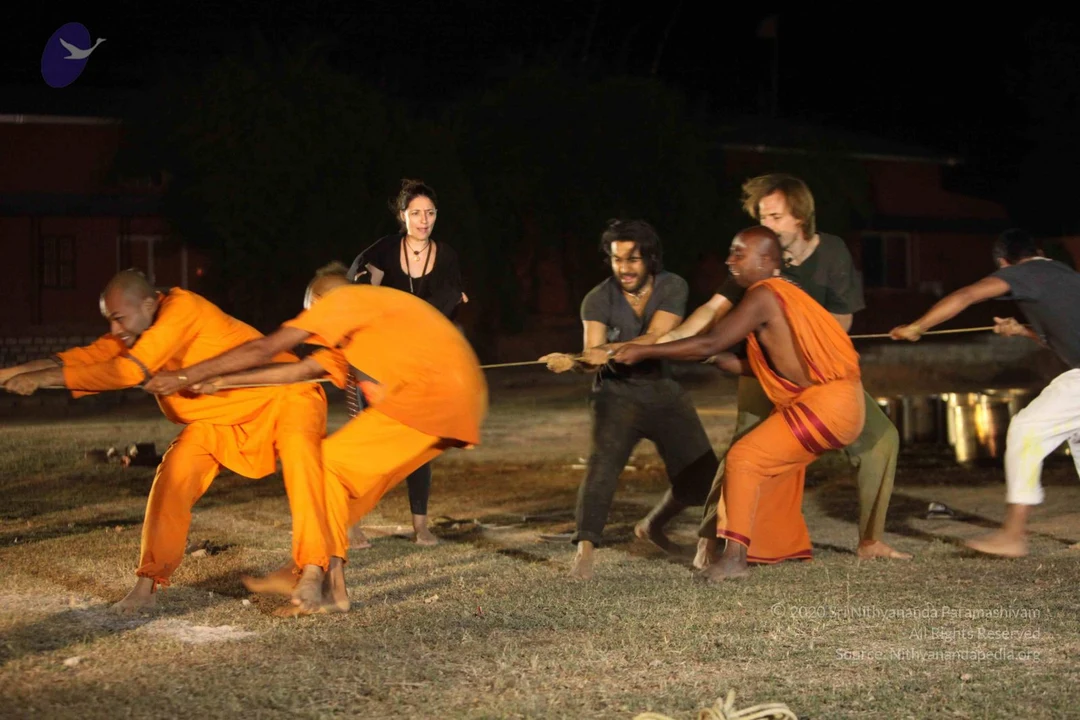
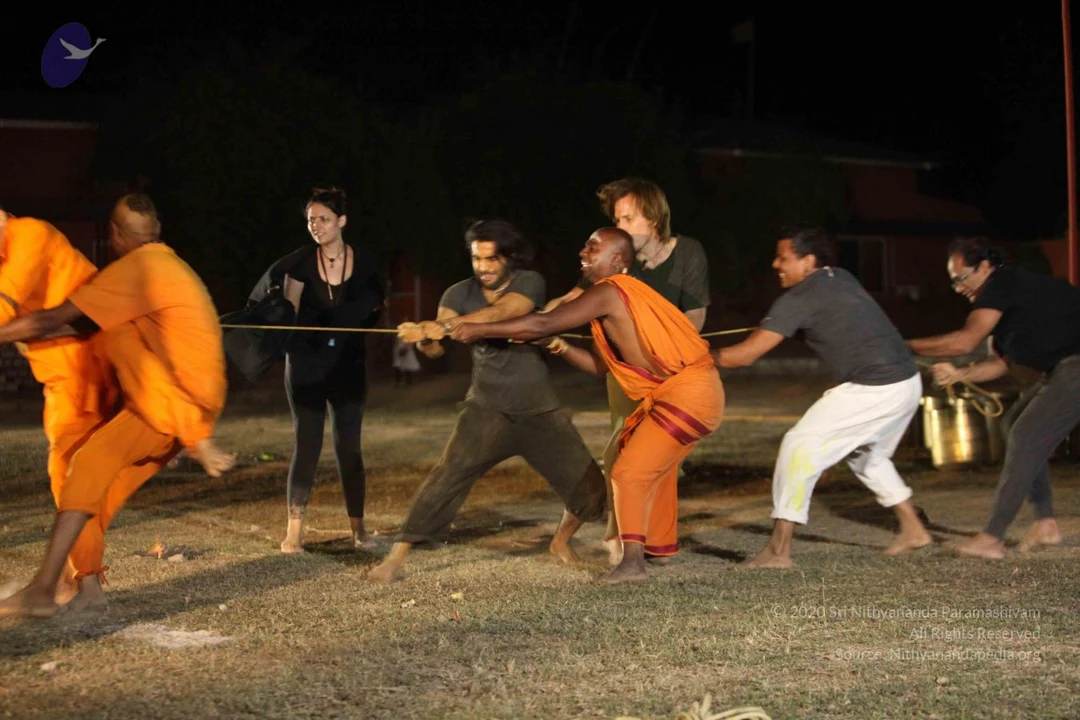
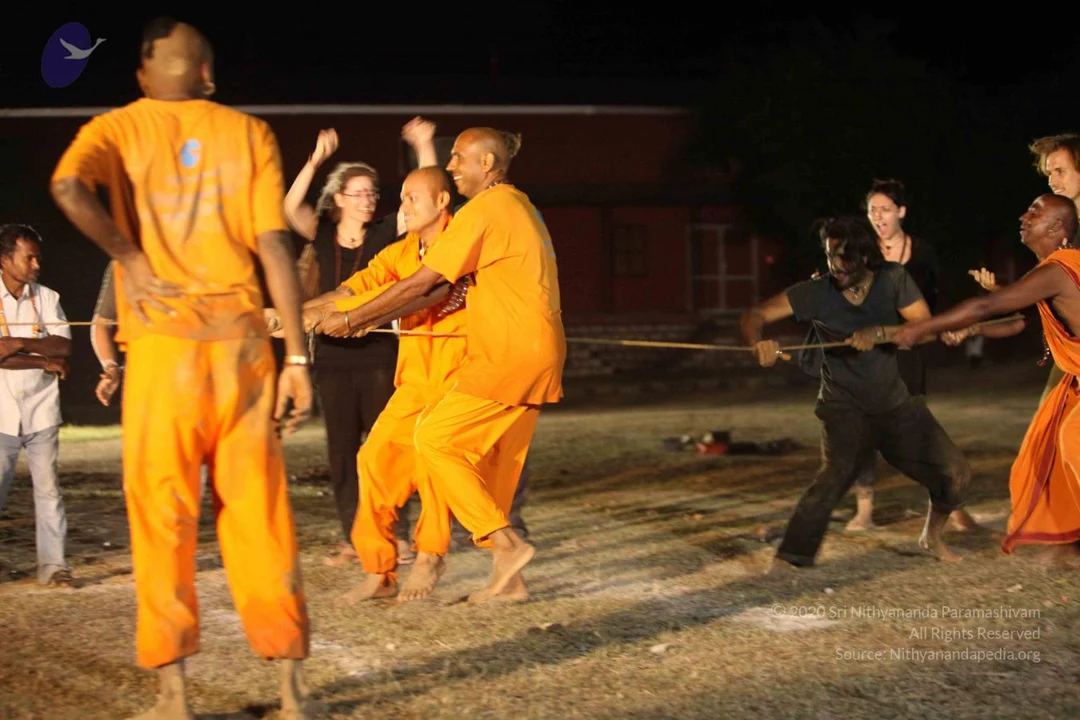
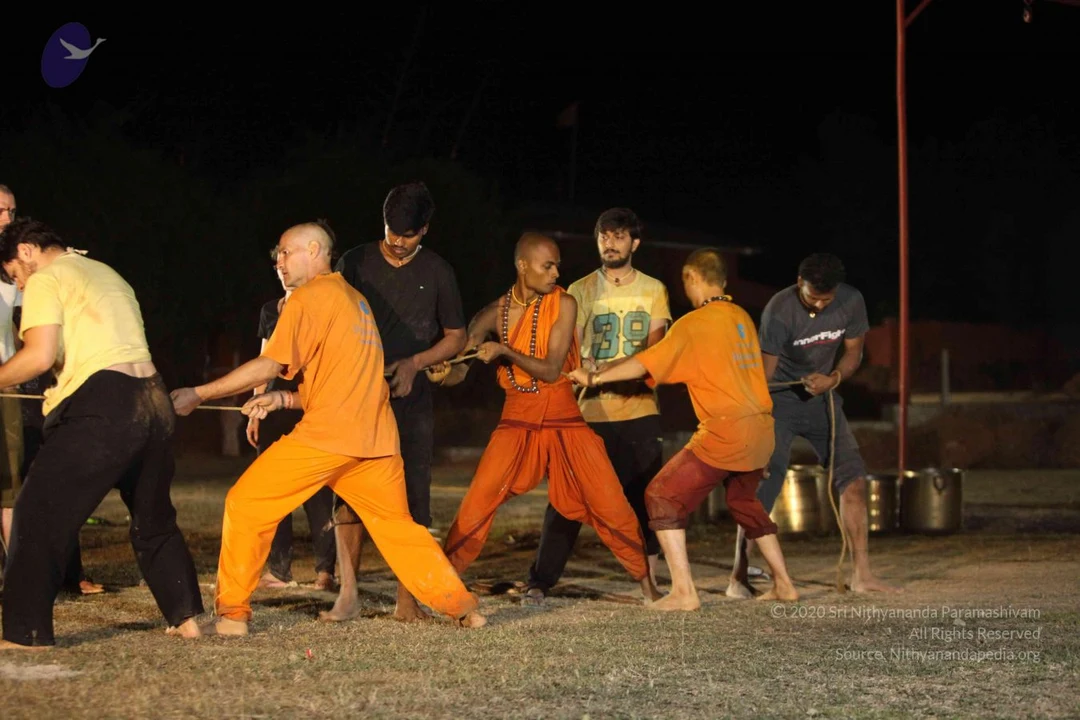
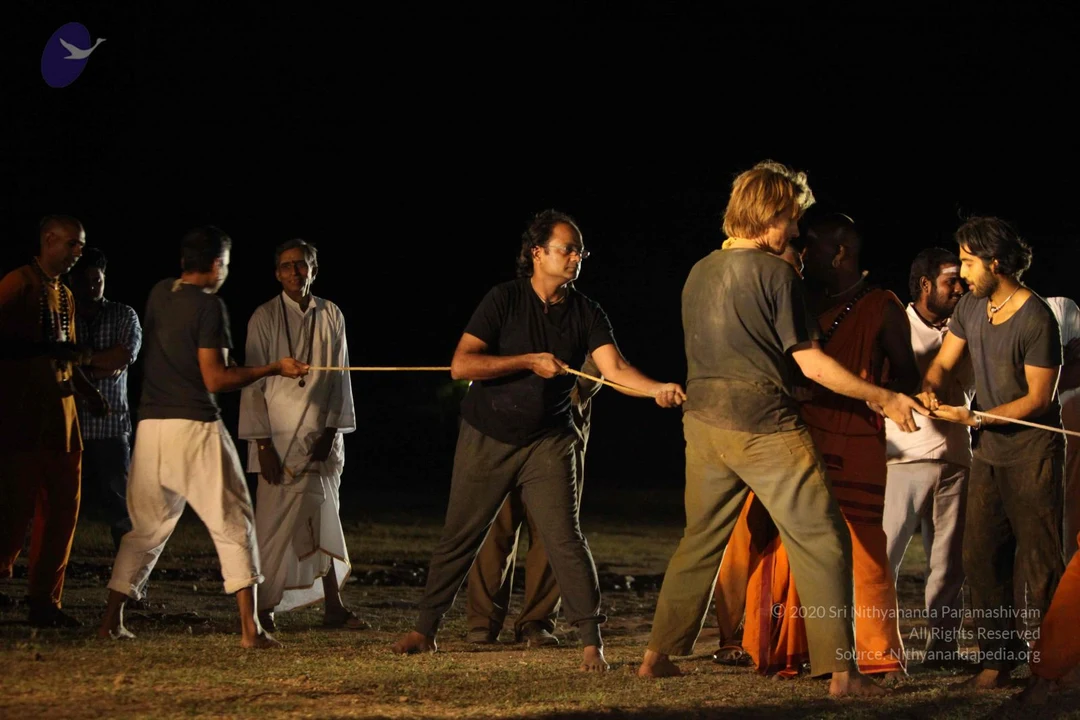
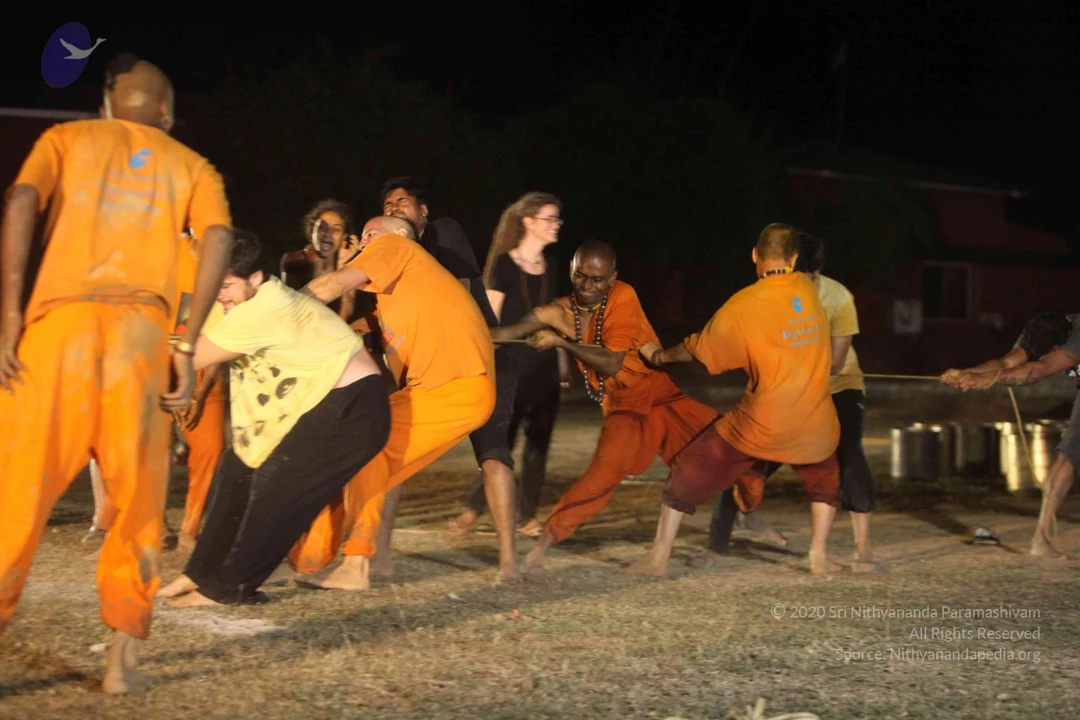
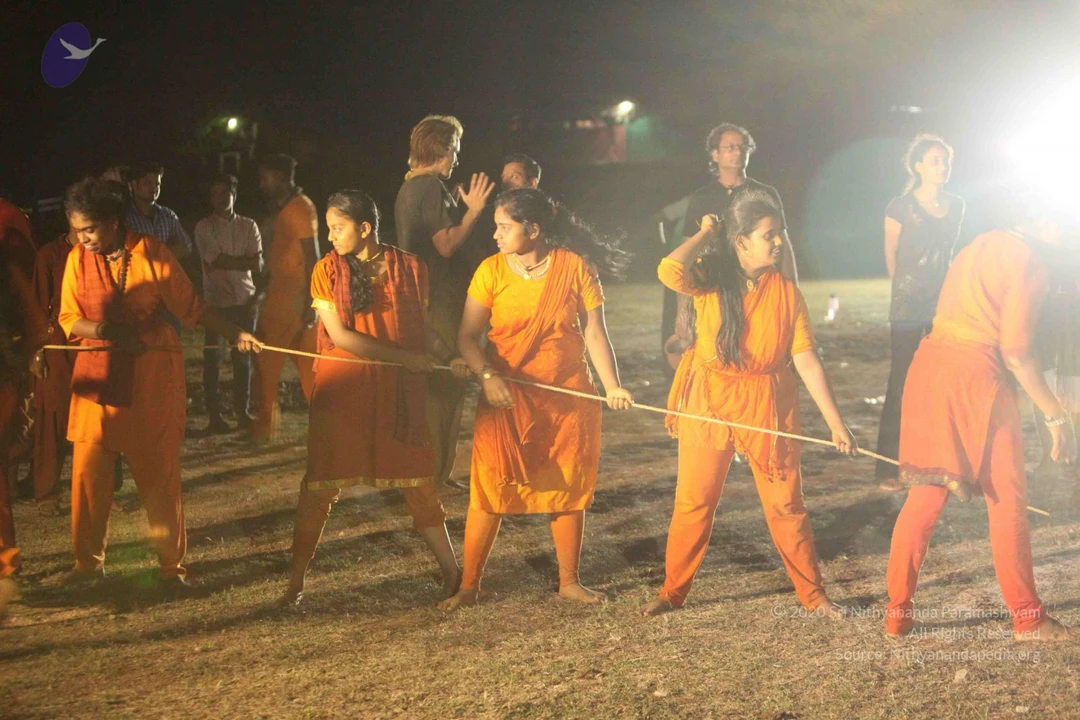
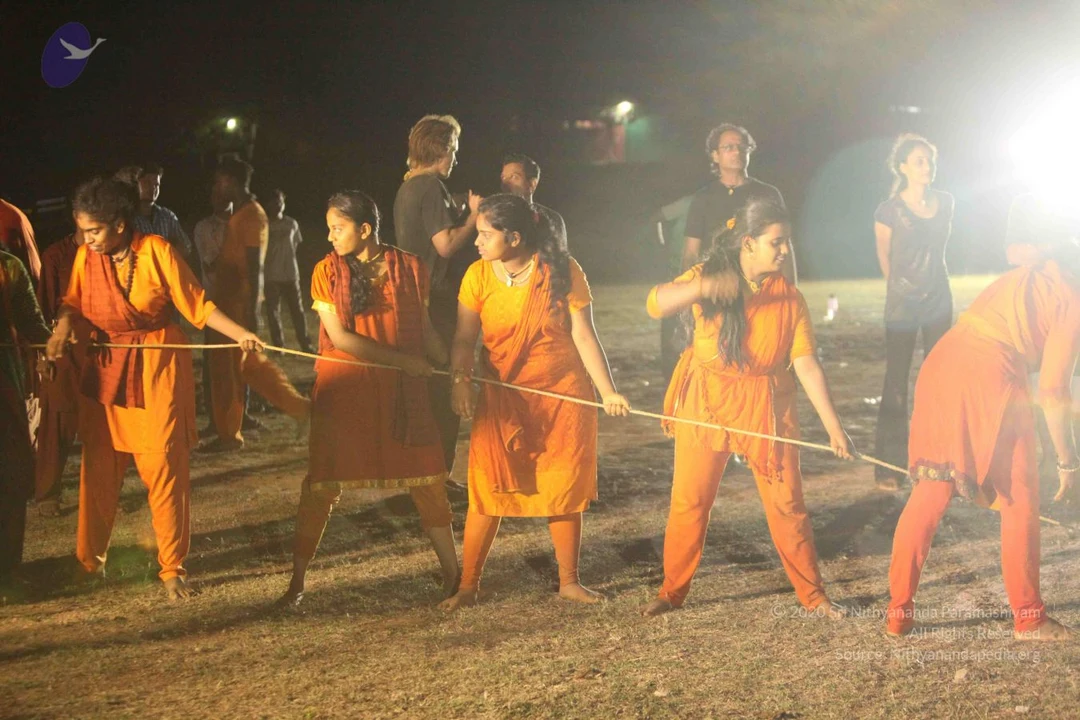
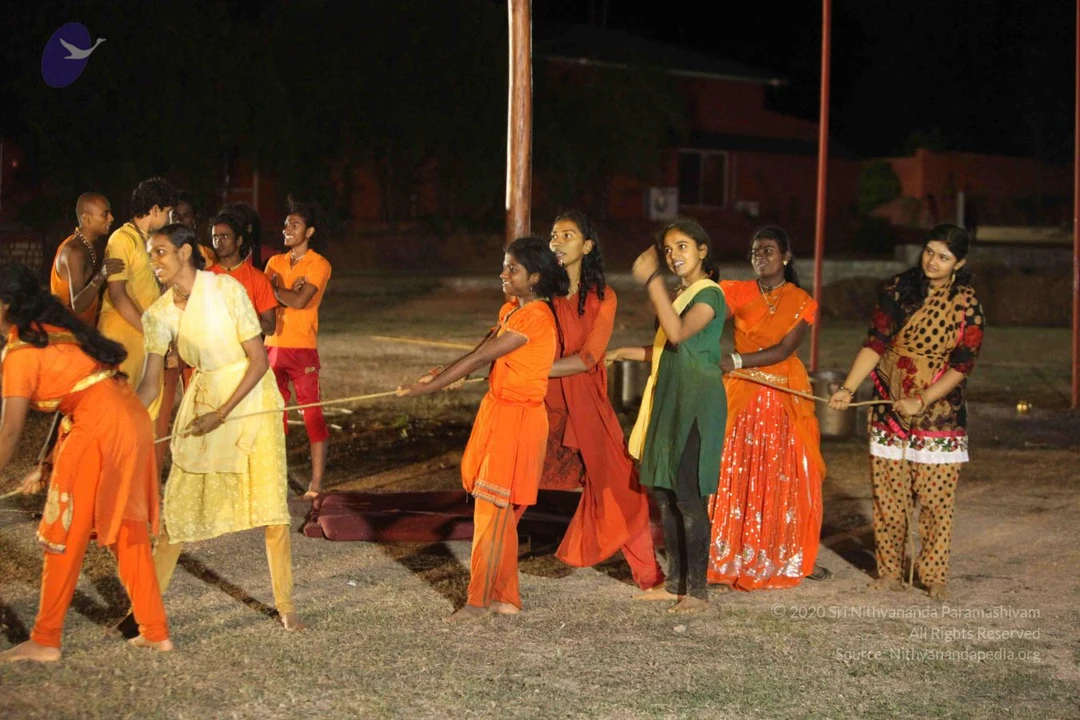
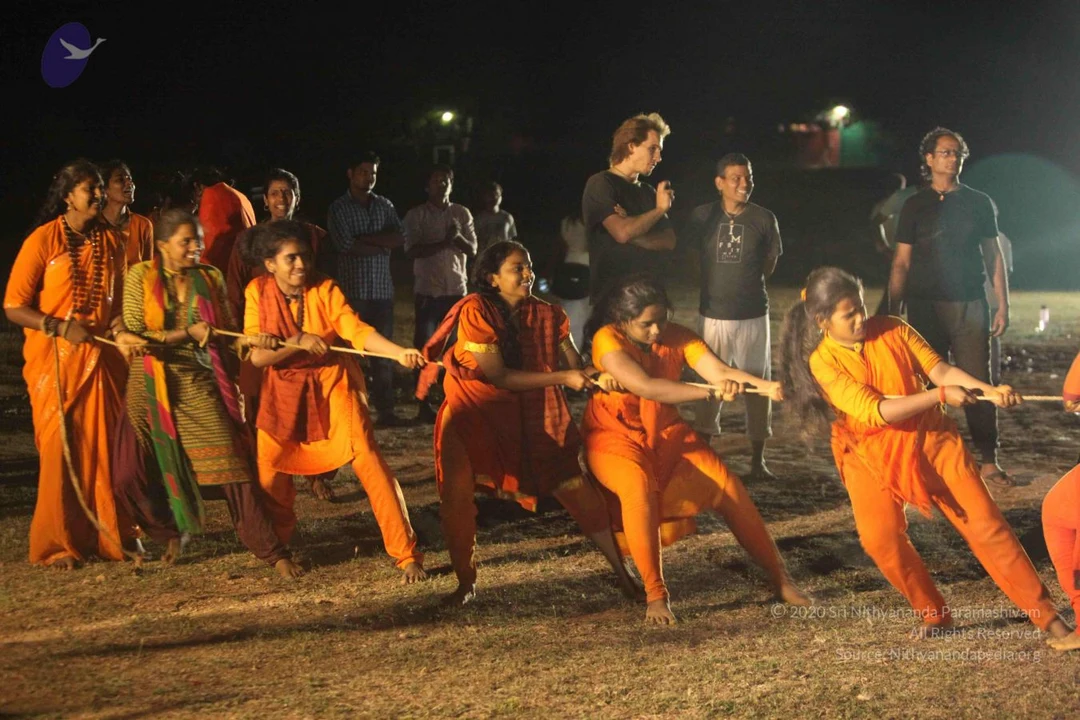
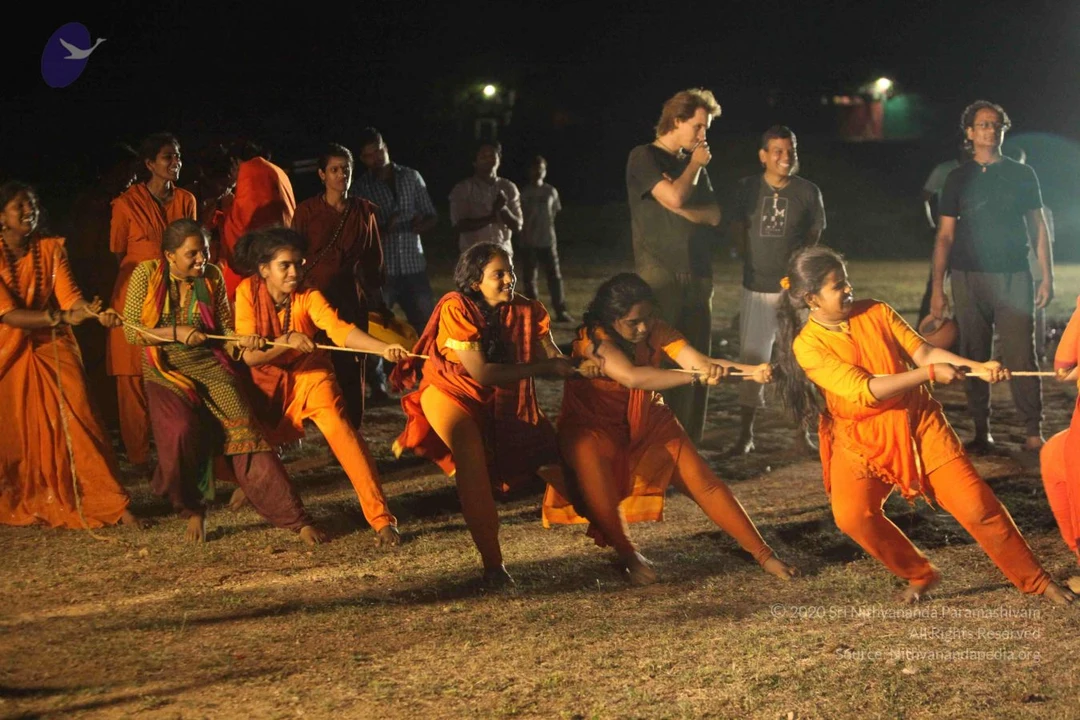
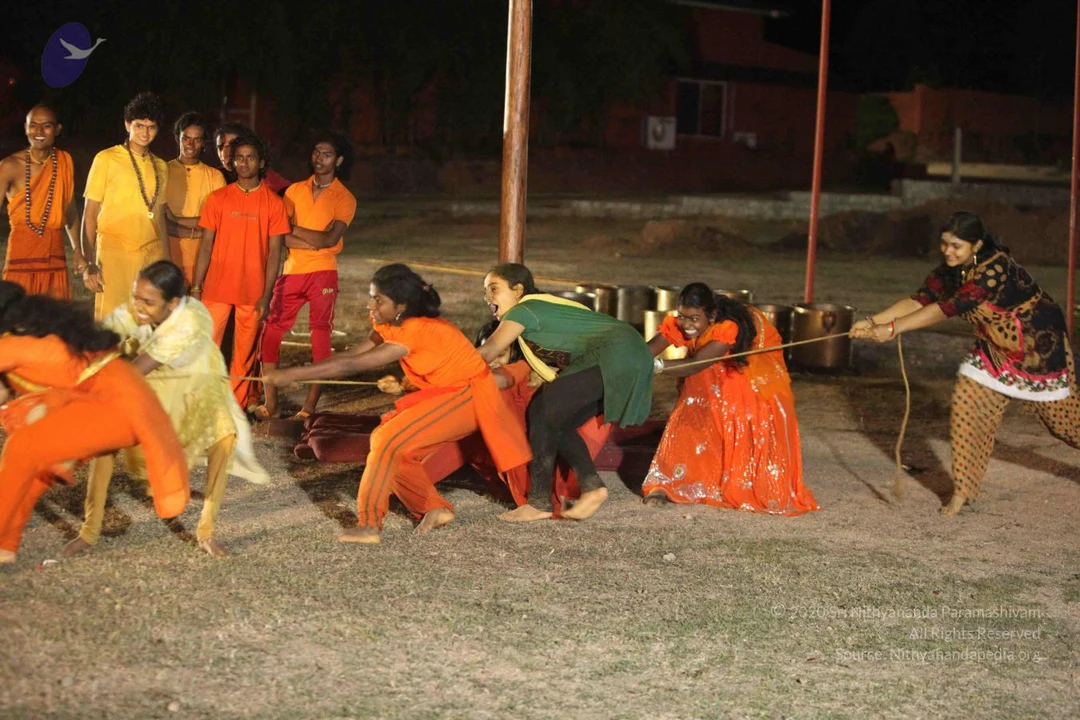
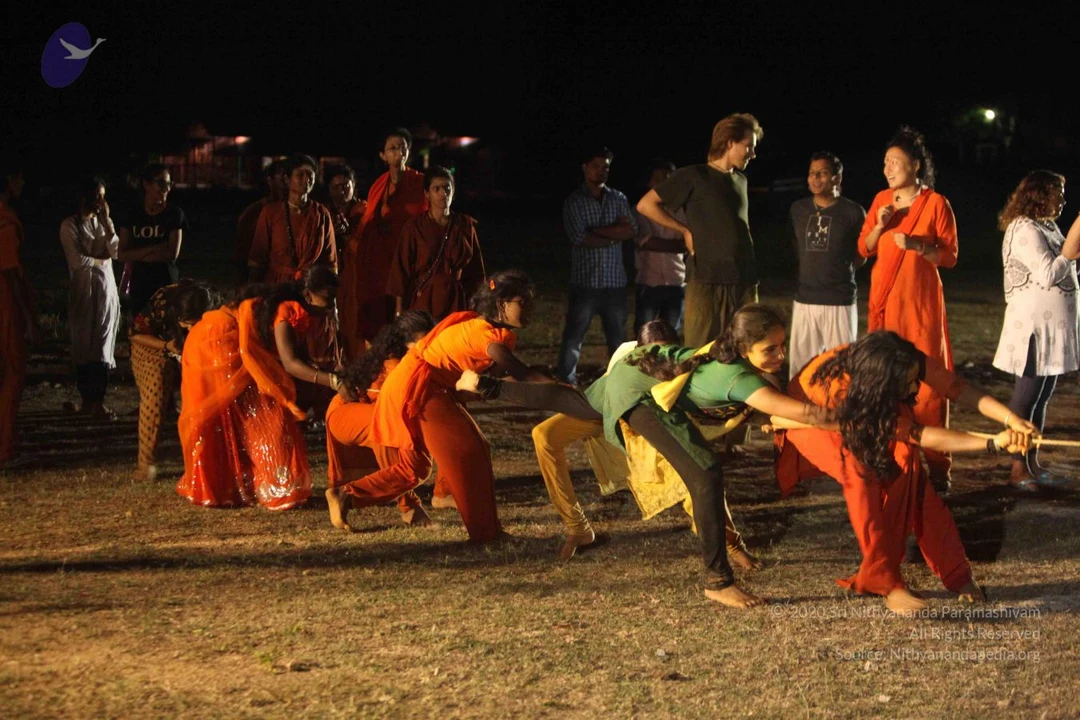
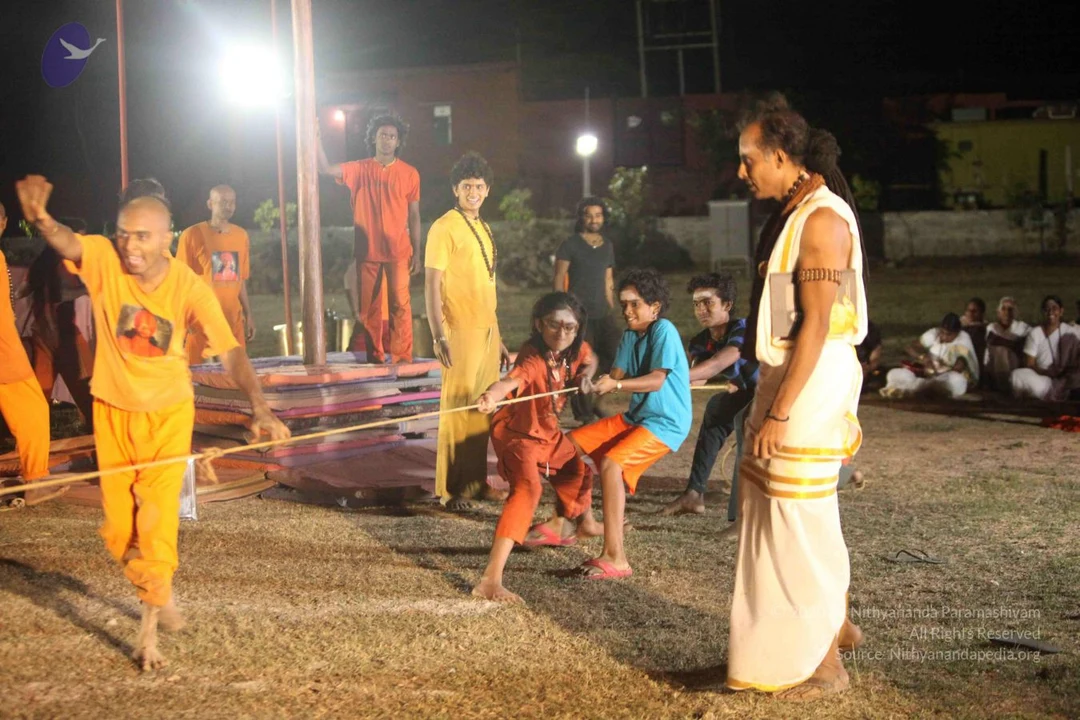
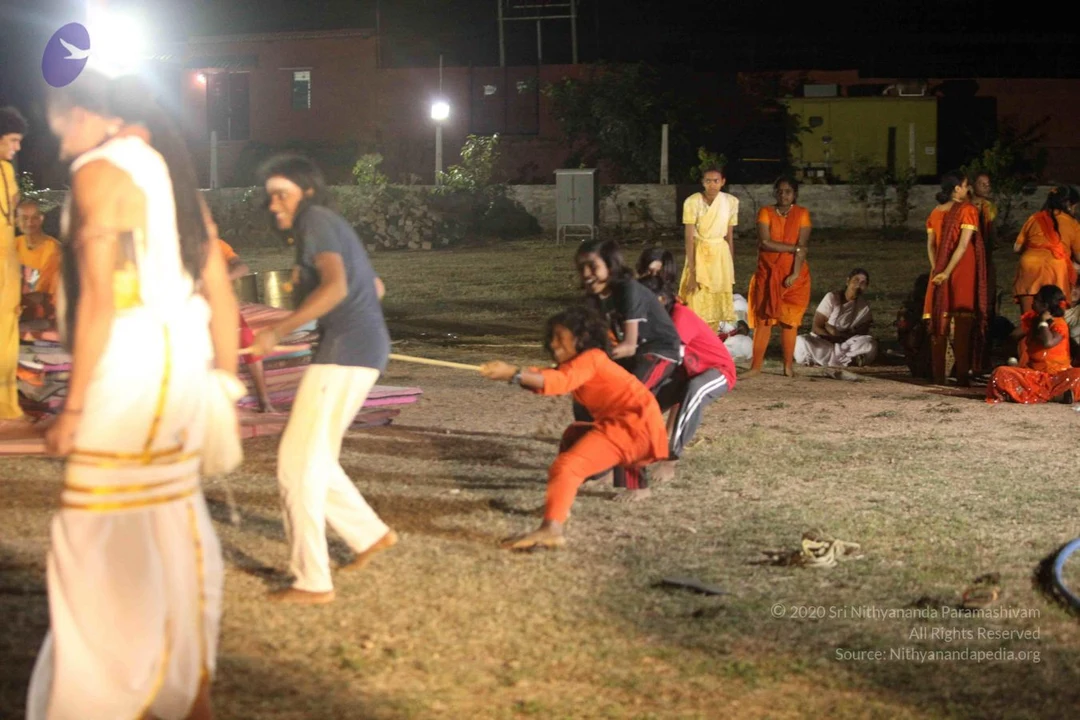
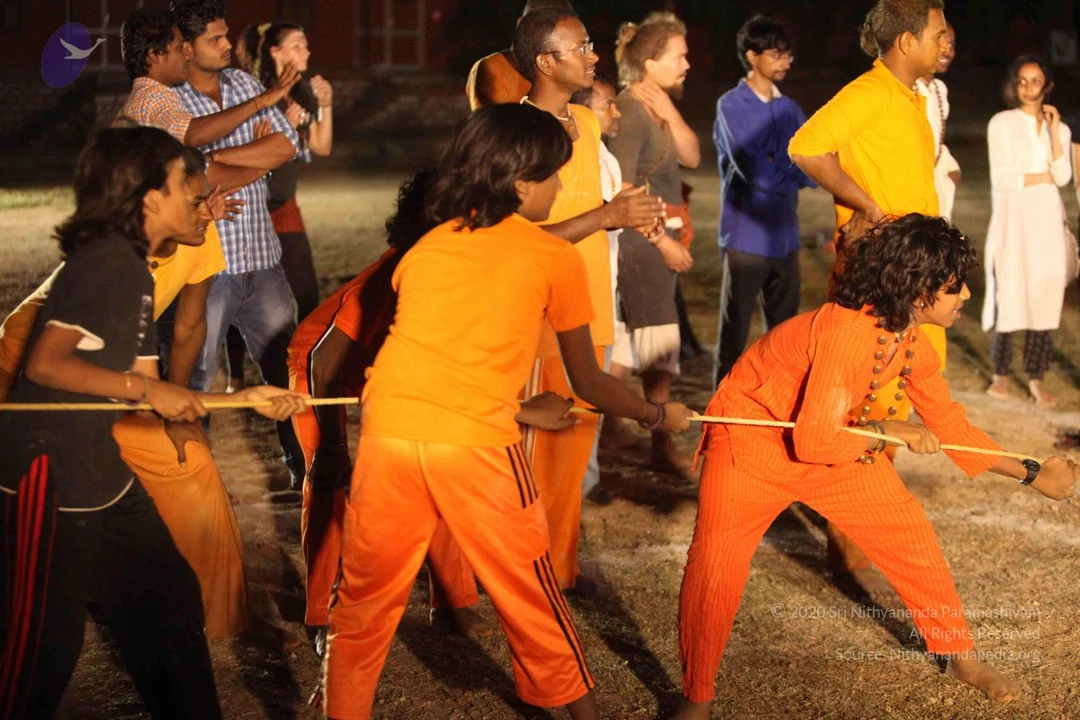
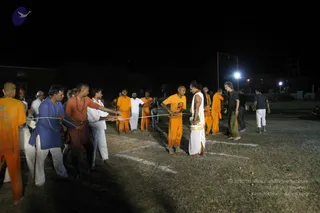
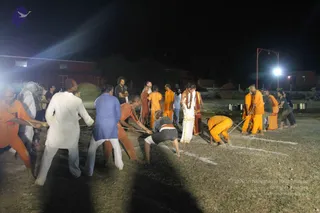
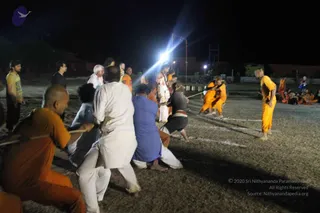
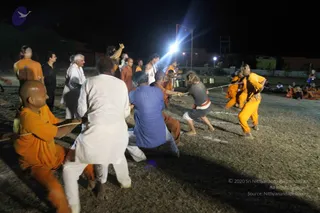
Tug-of-war - Traditional Game

01-Temple-Deities

02-Procession

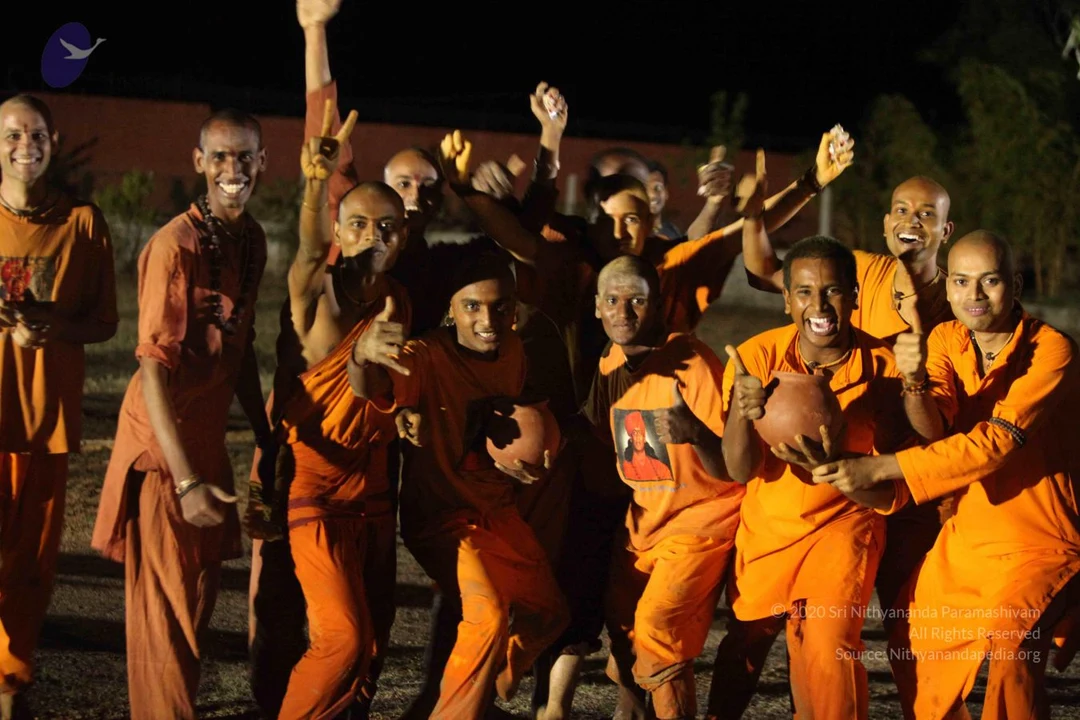
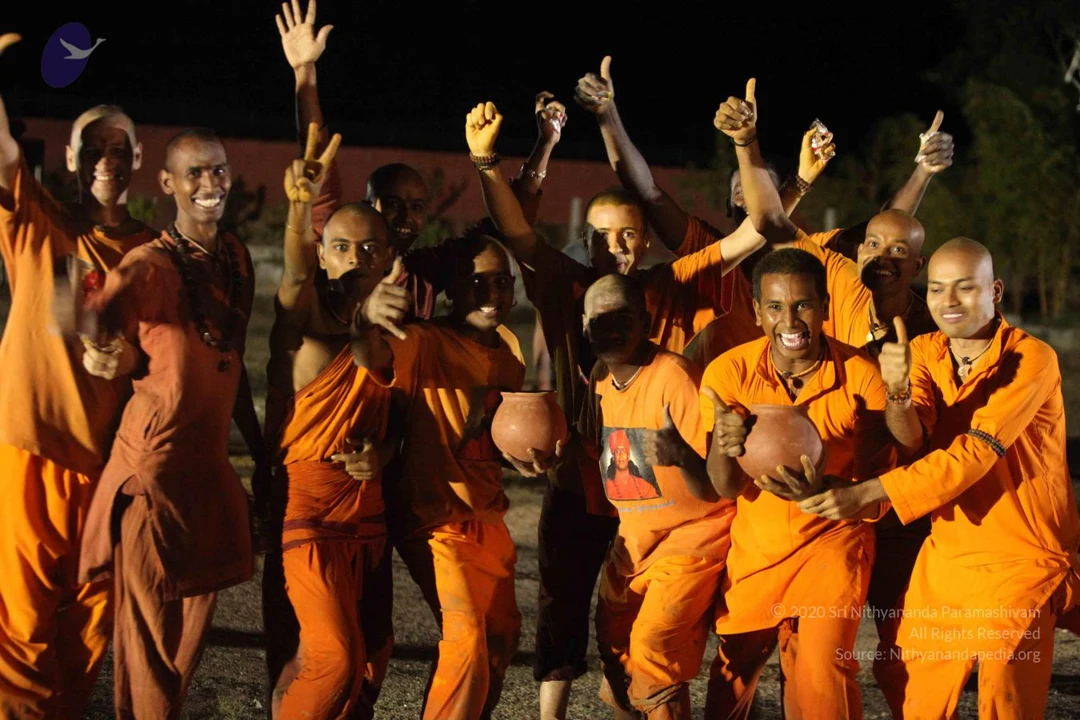
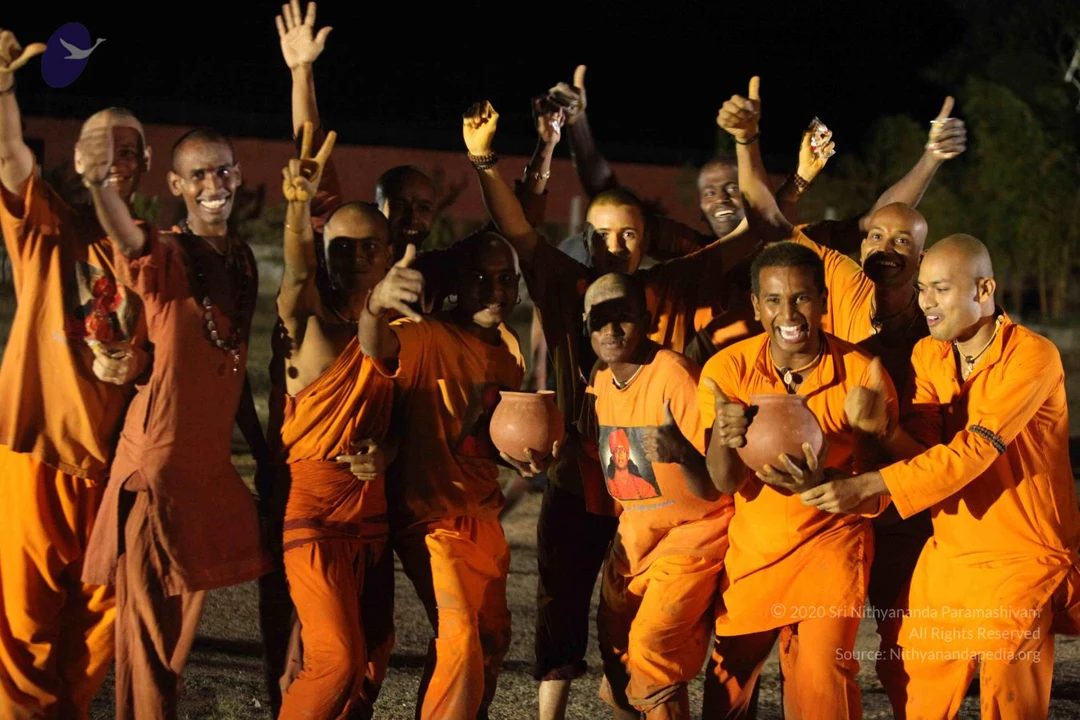
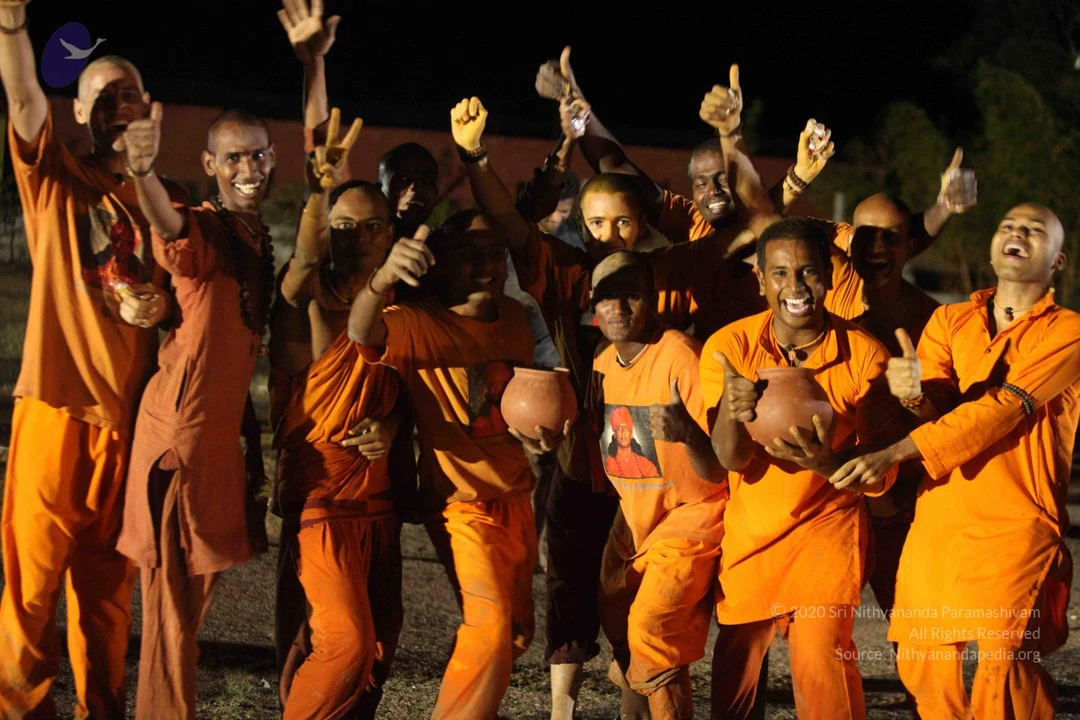
03-Krishnashtami-Potbreaking

Photos from this day

View all 922 photos

Temple - Sri Krishna Janmashtami
73 photosSource gallery
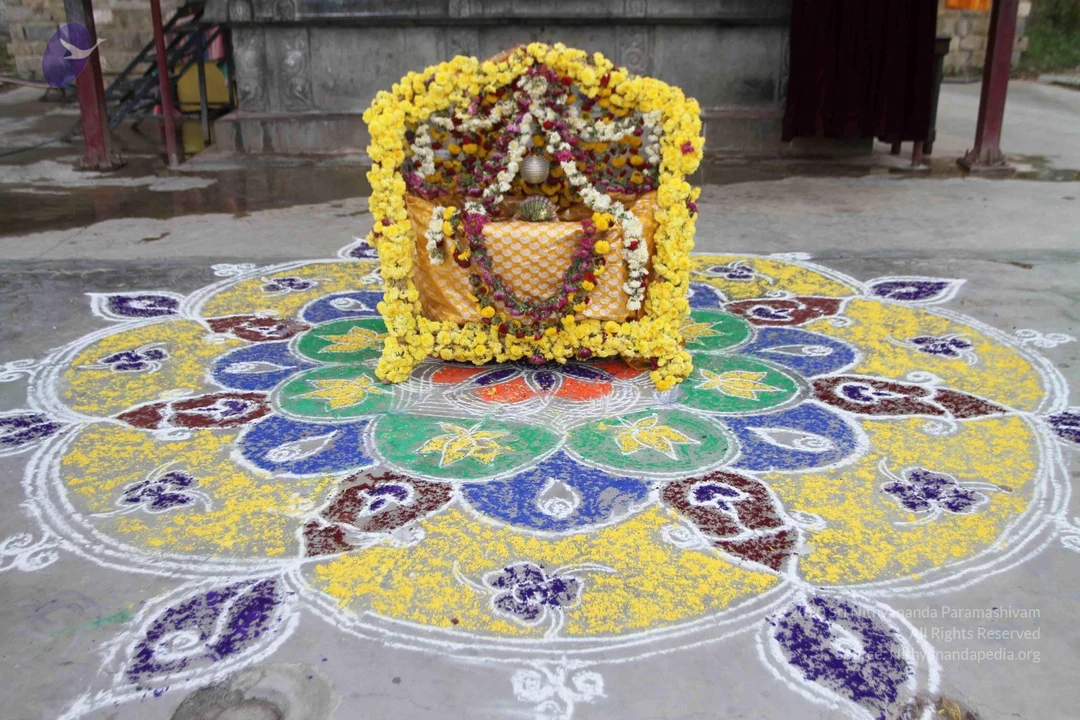
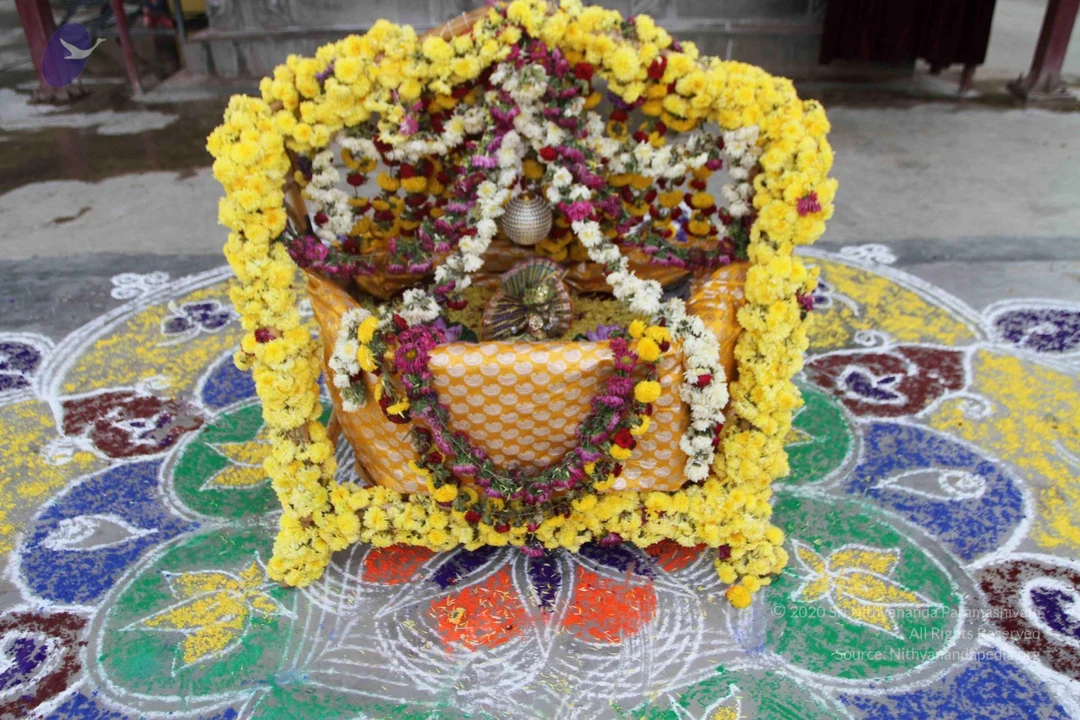
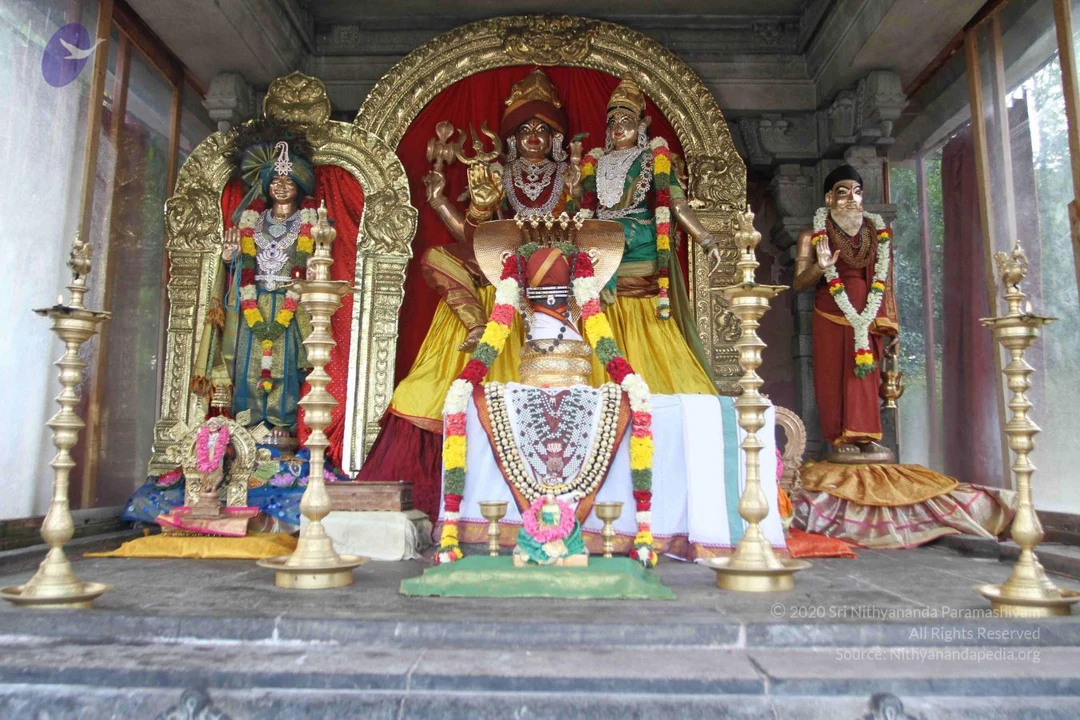
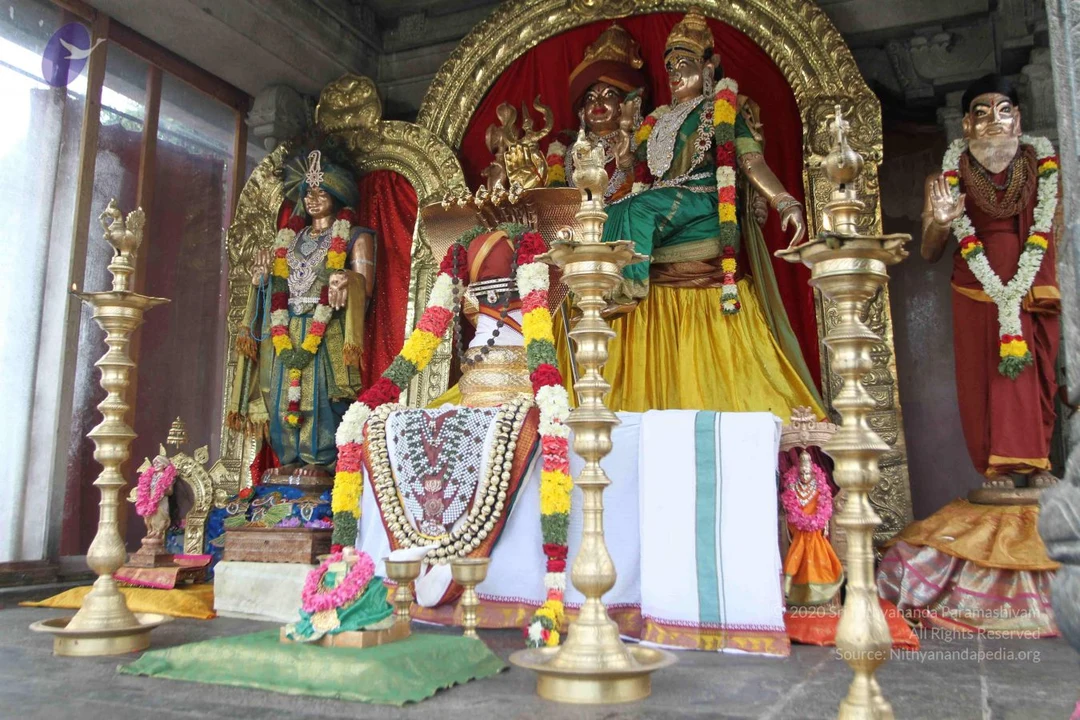
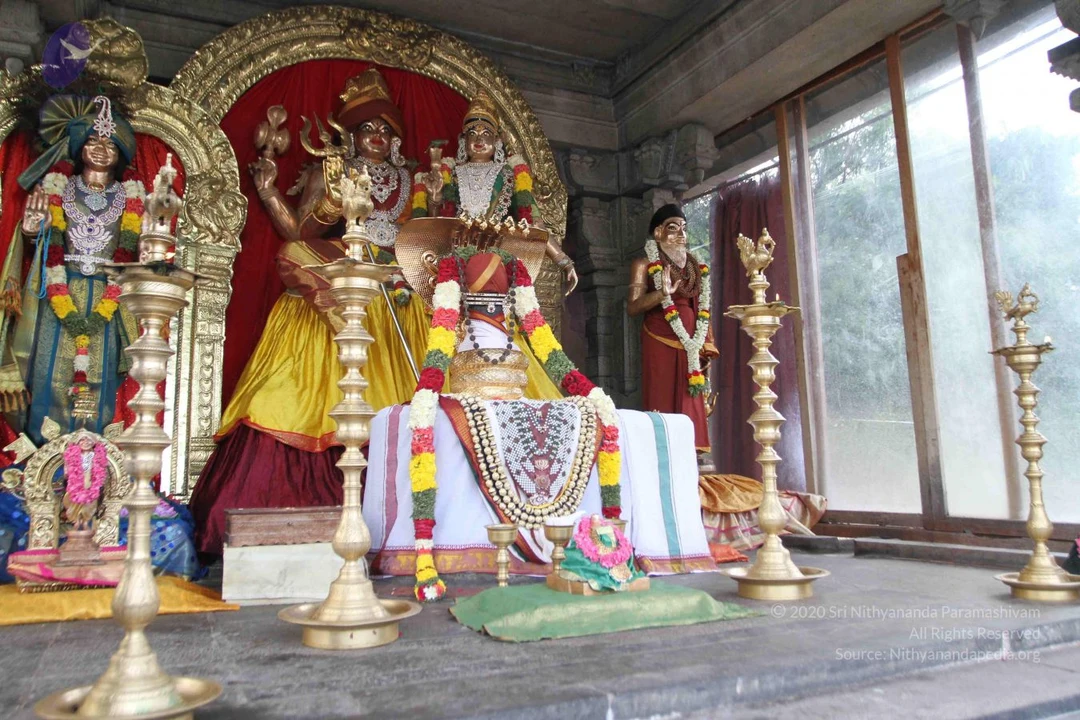
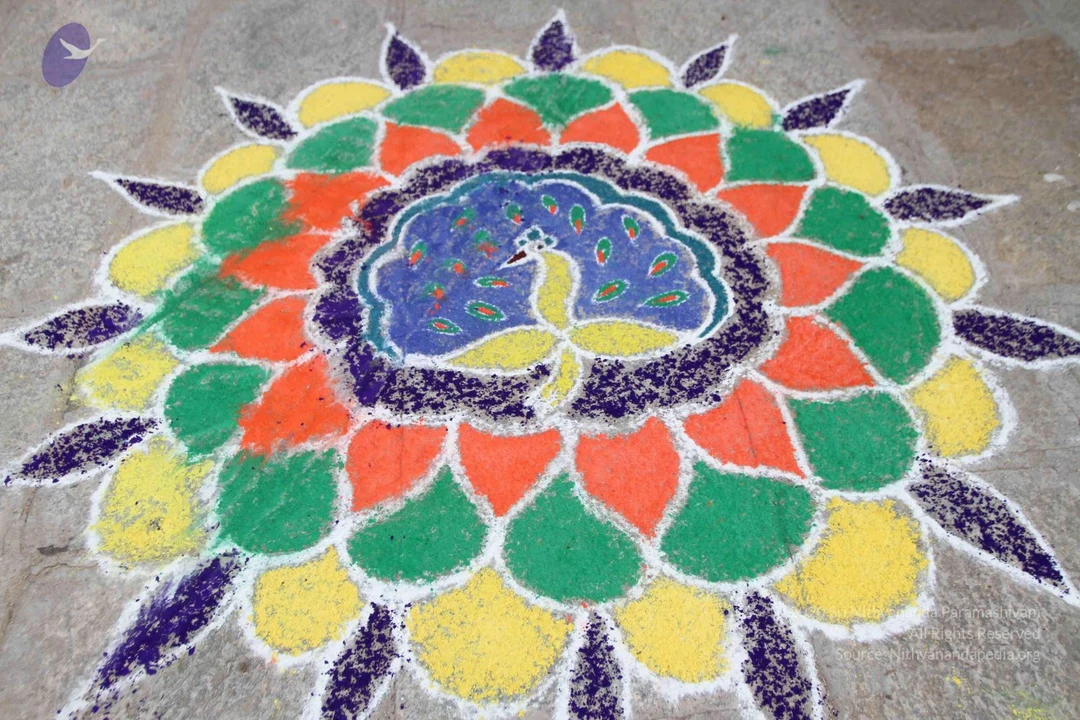
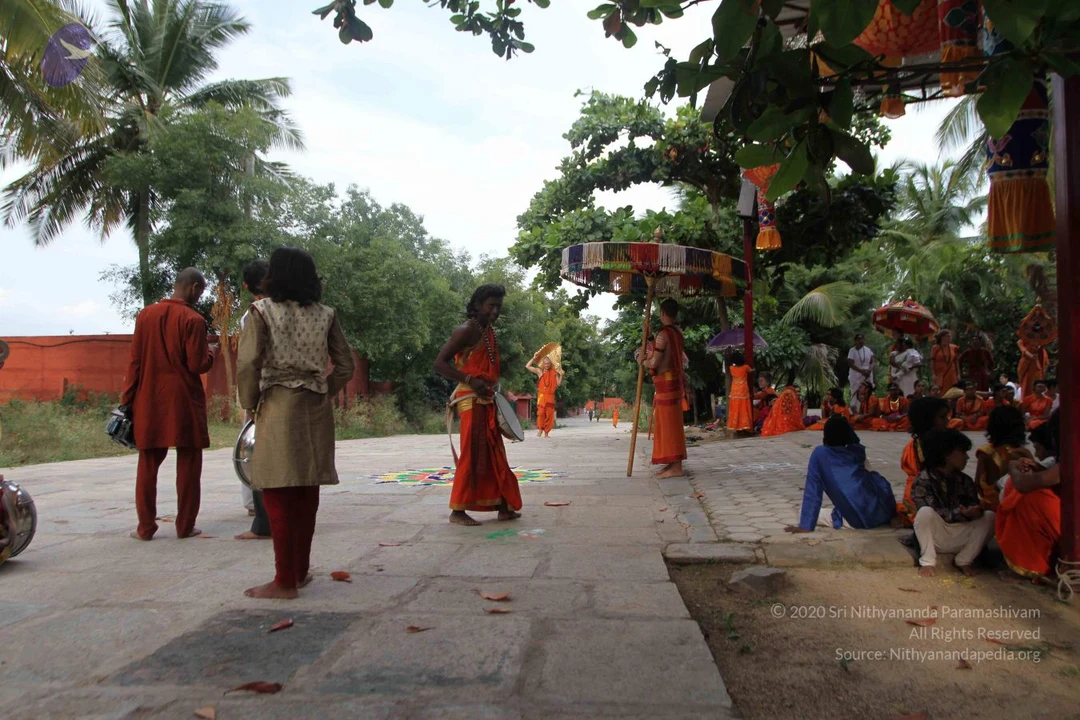
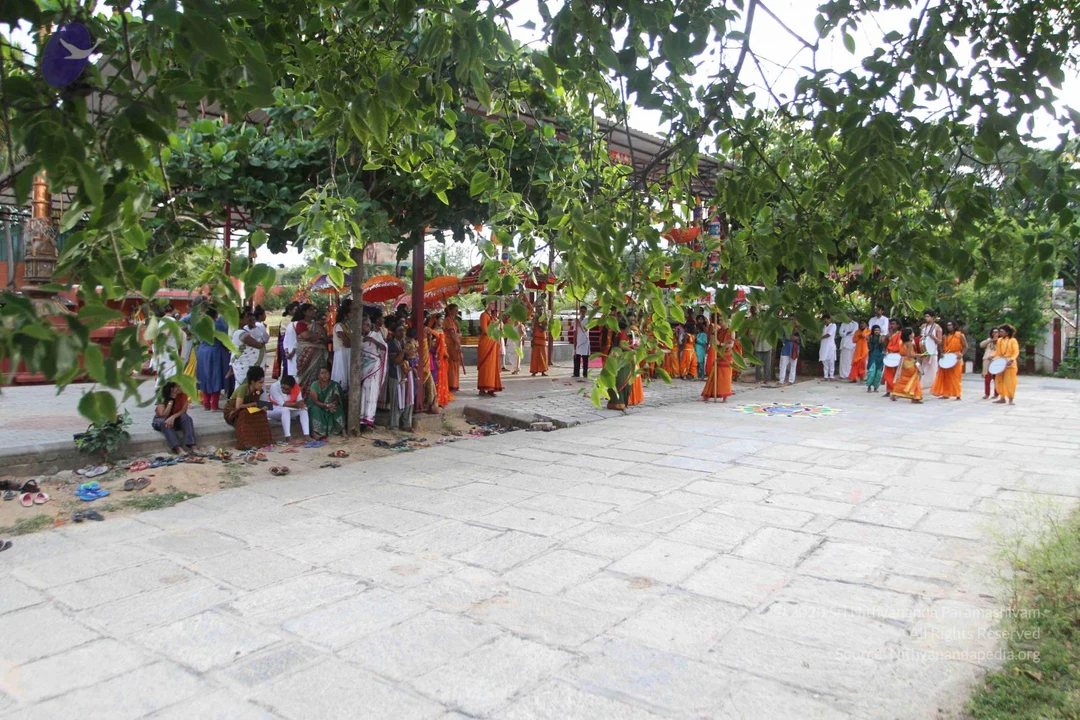
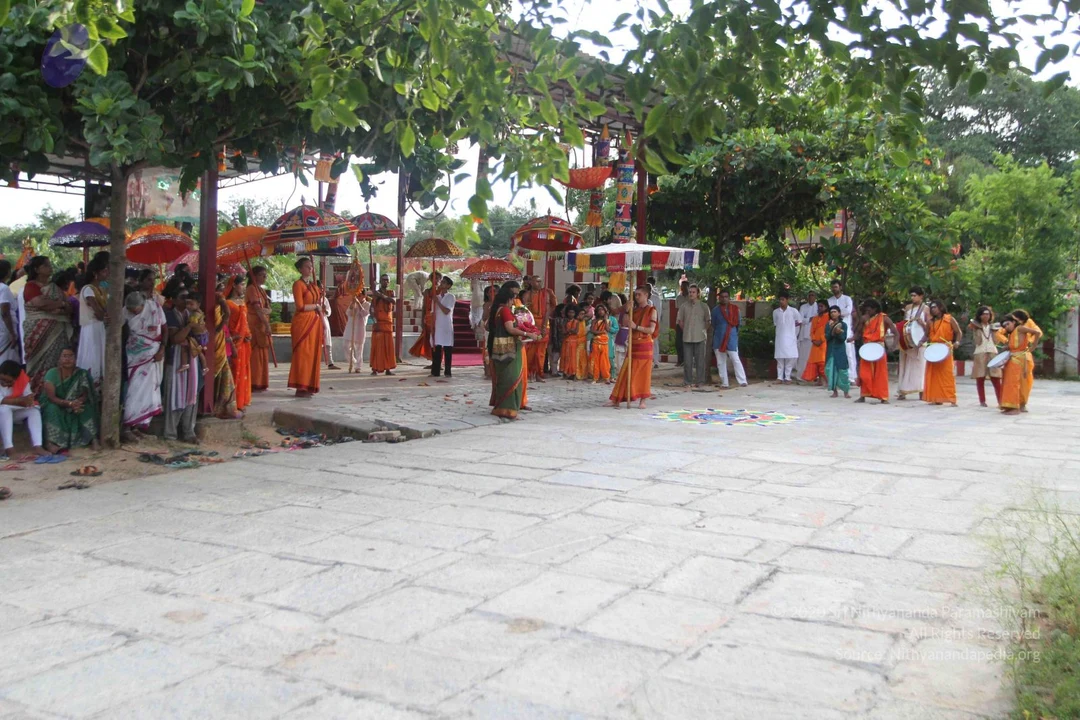
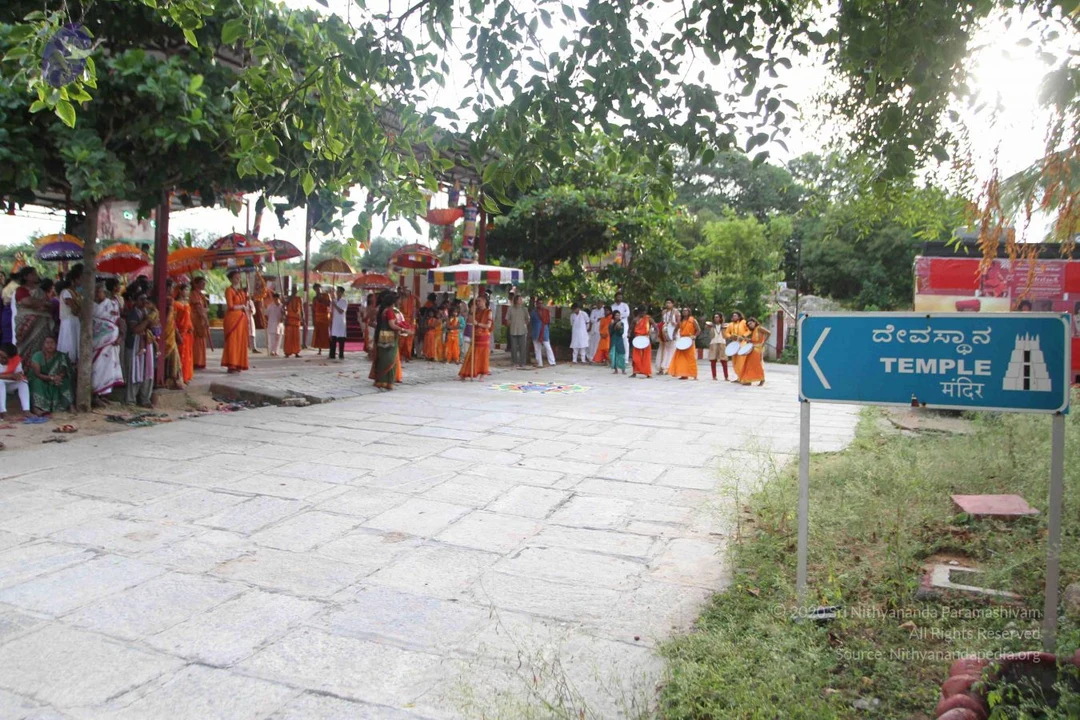
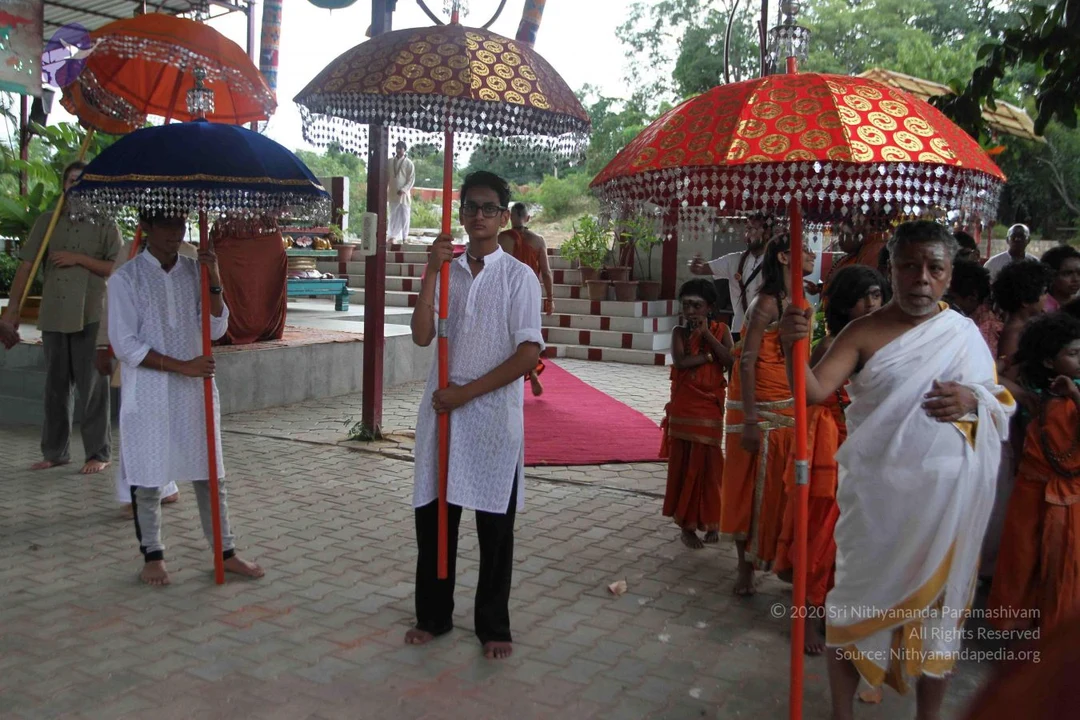
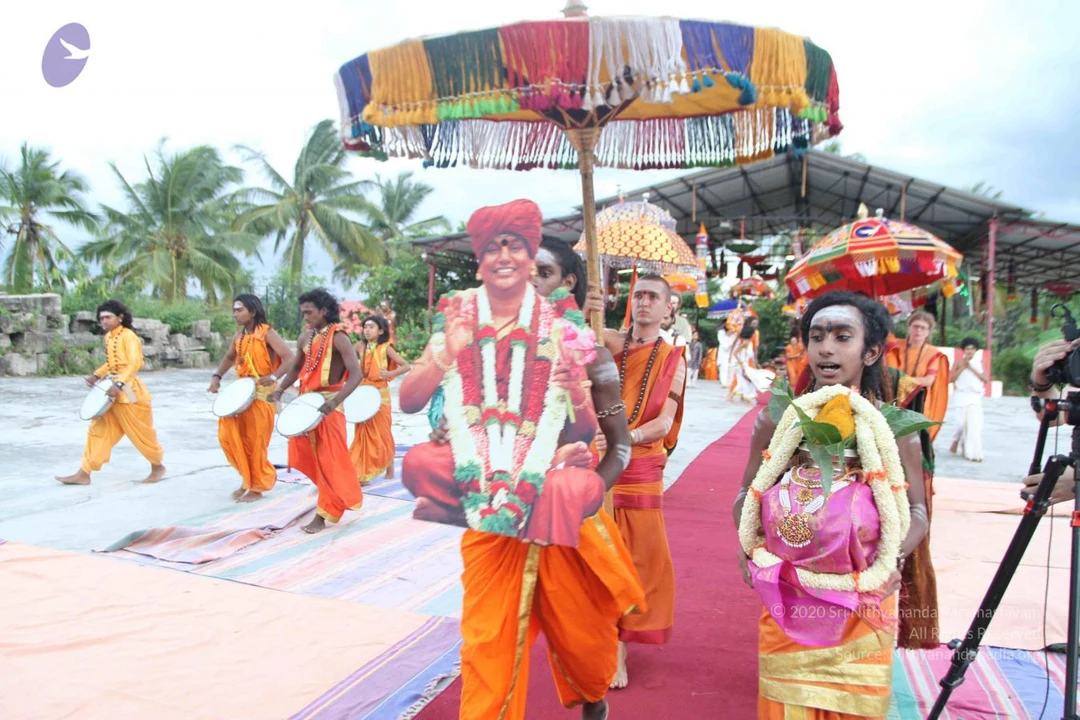
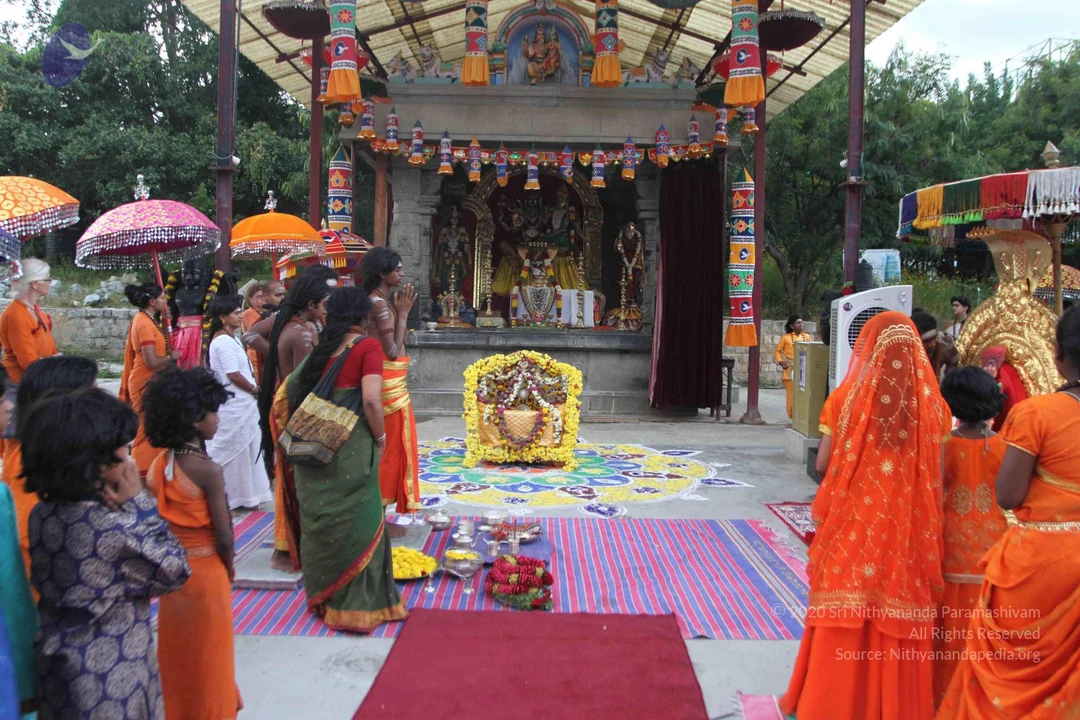
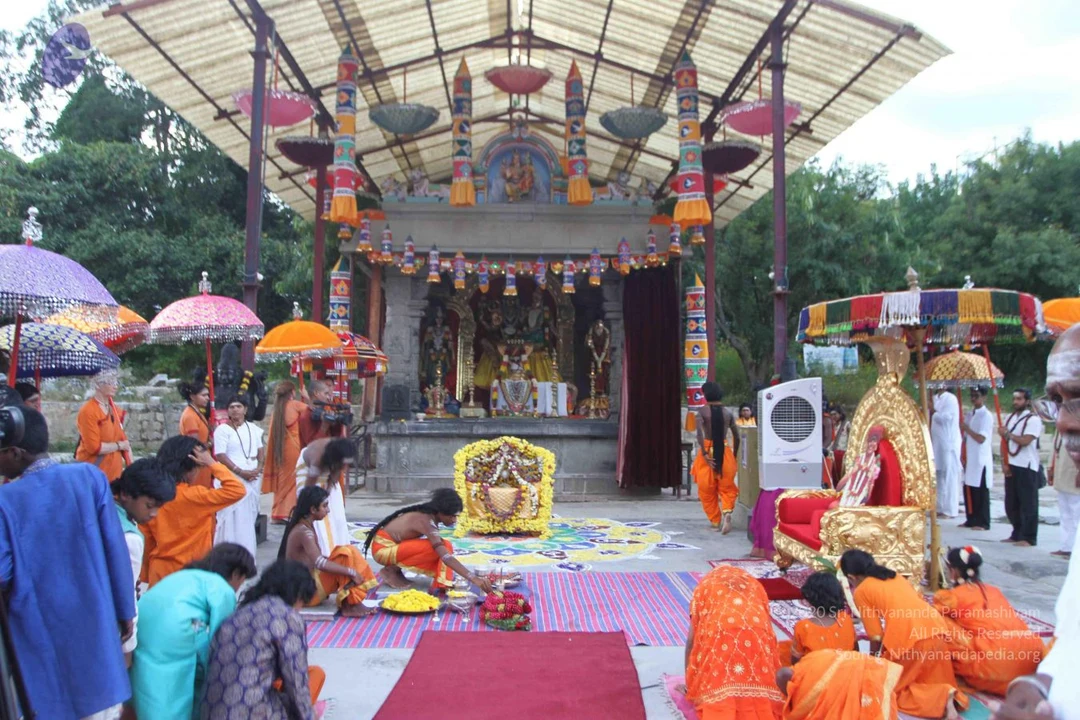
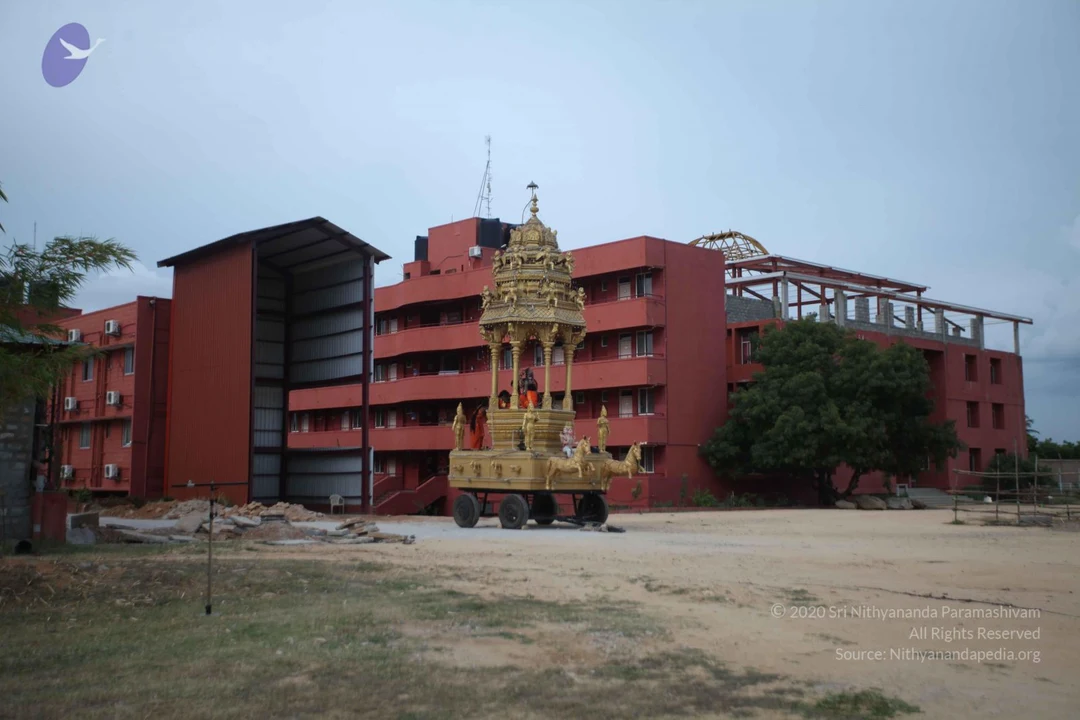
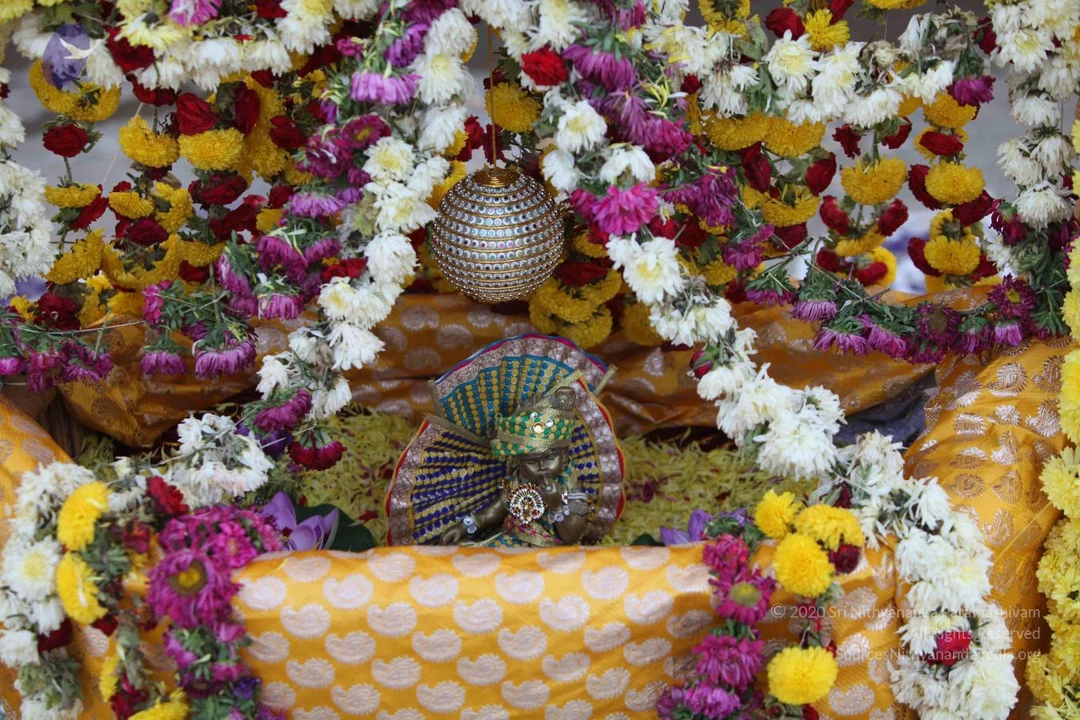
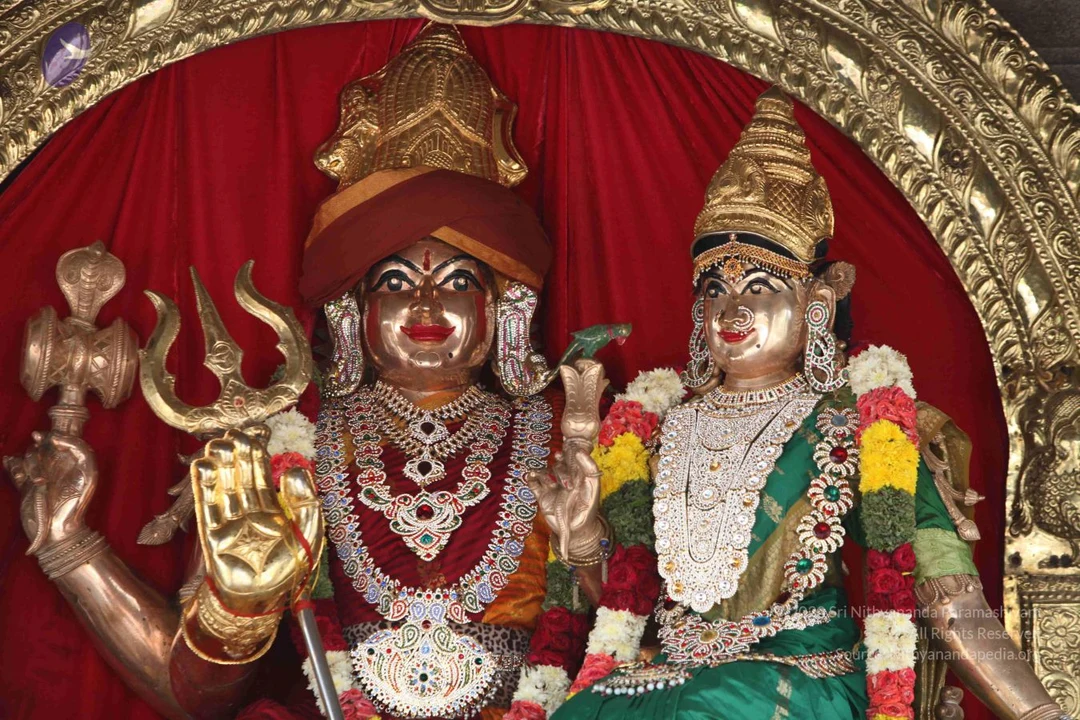
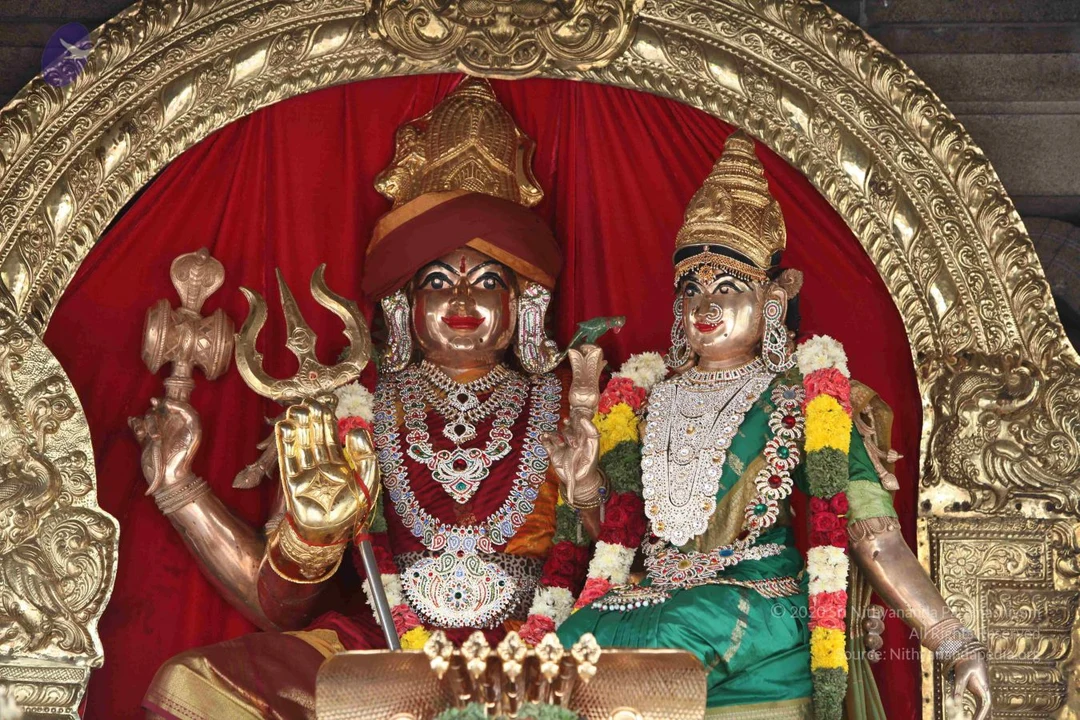
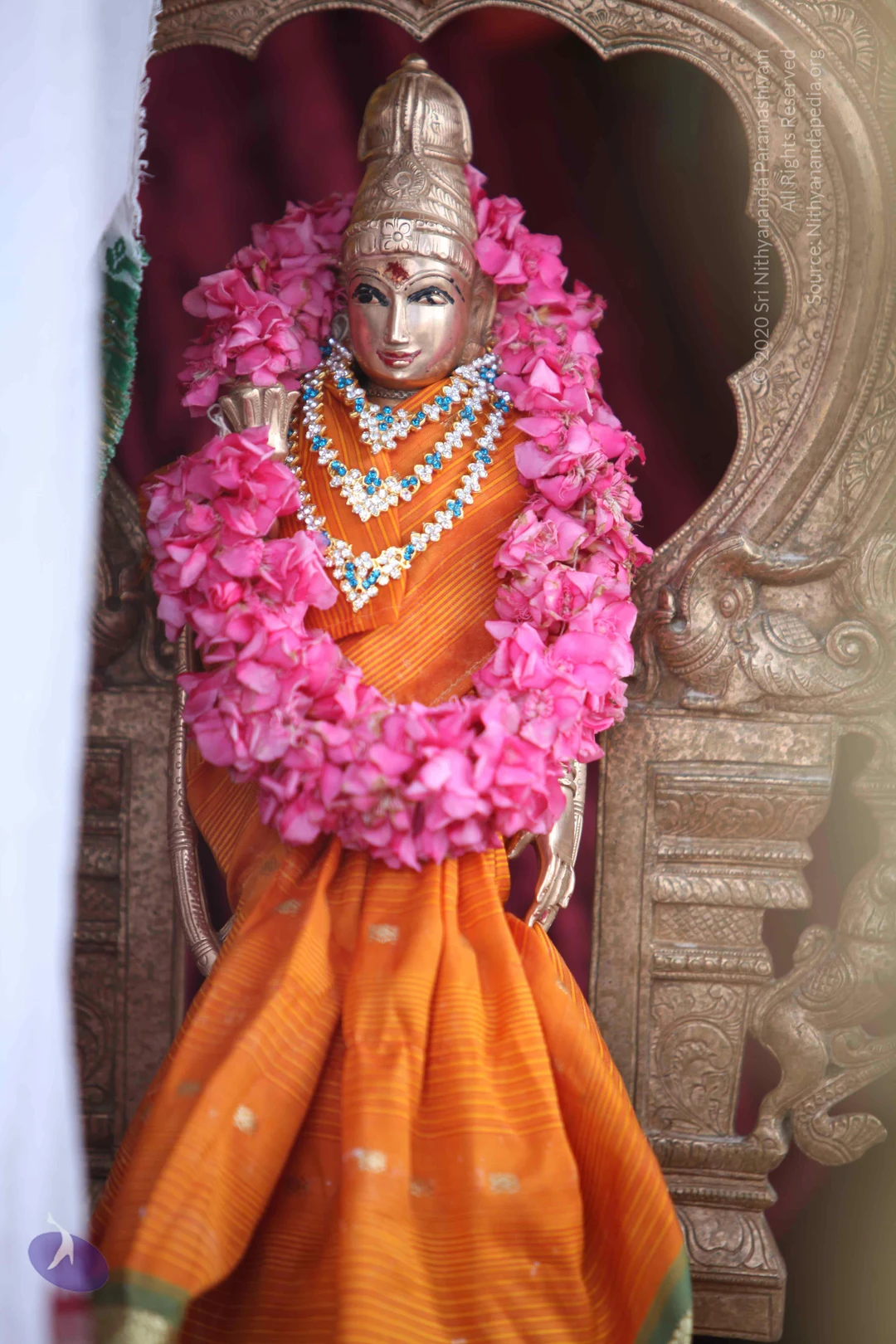
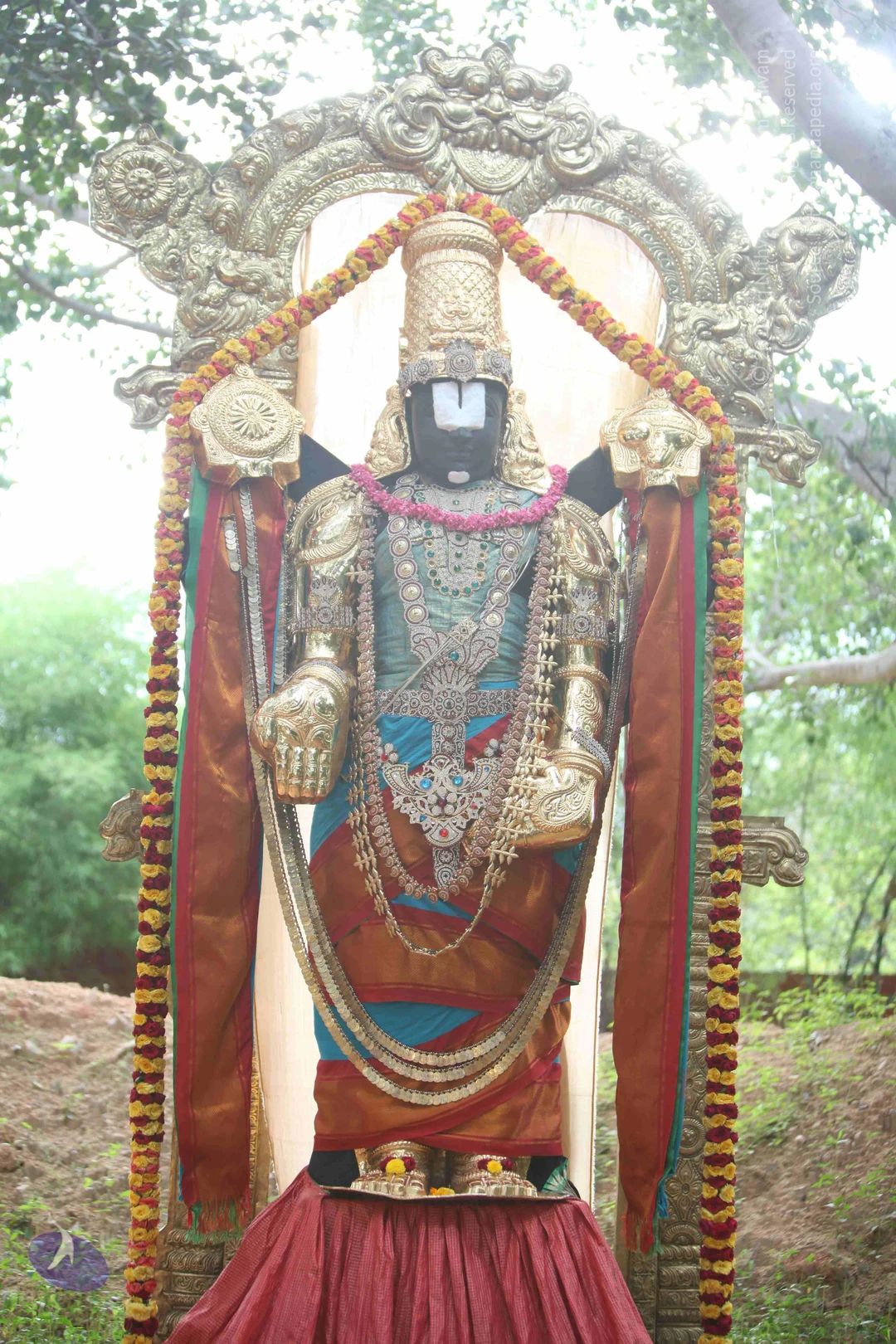
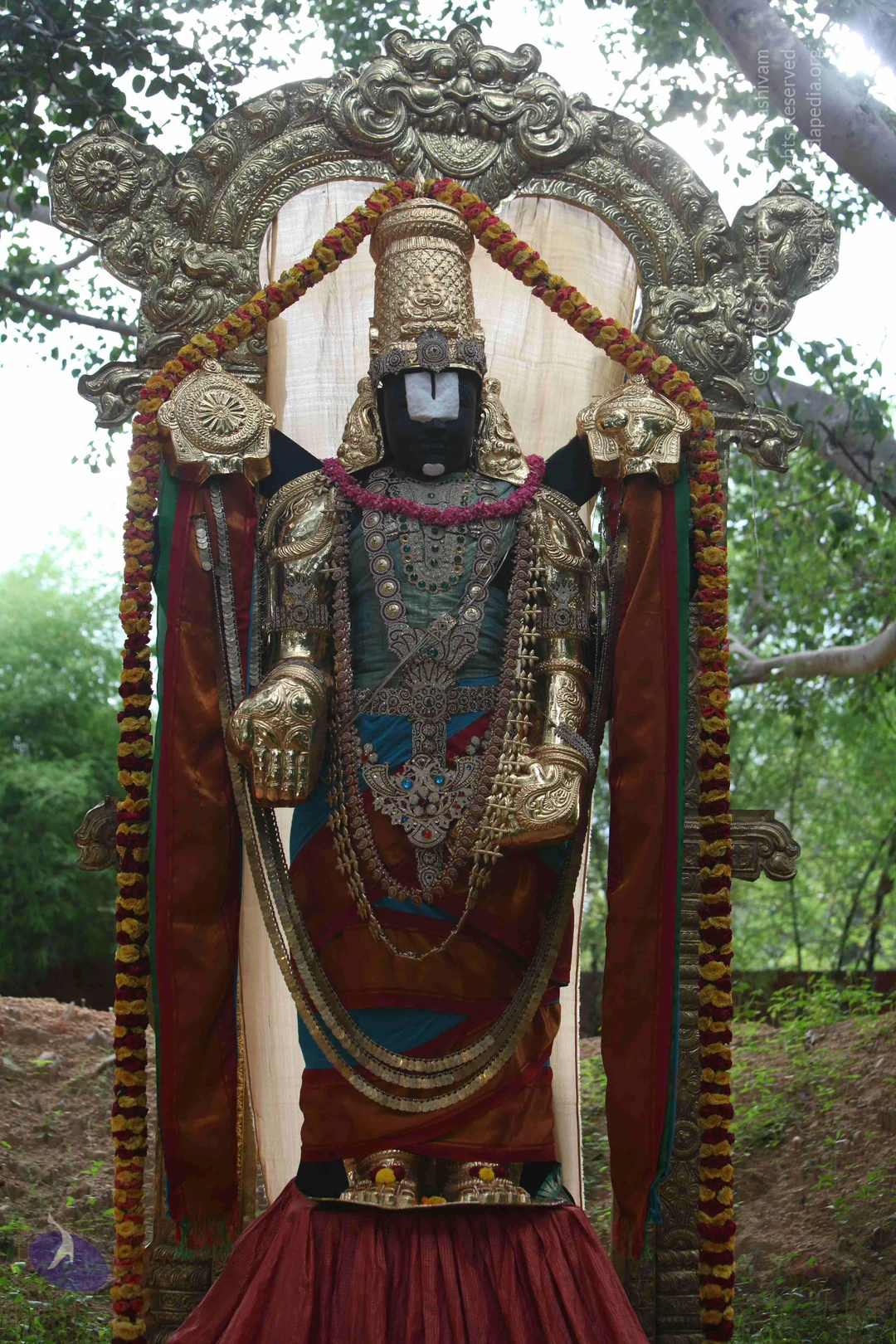
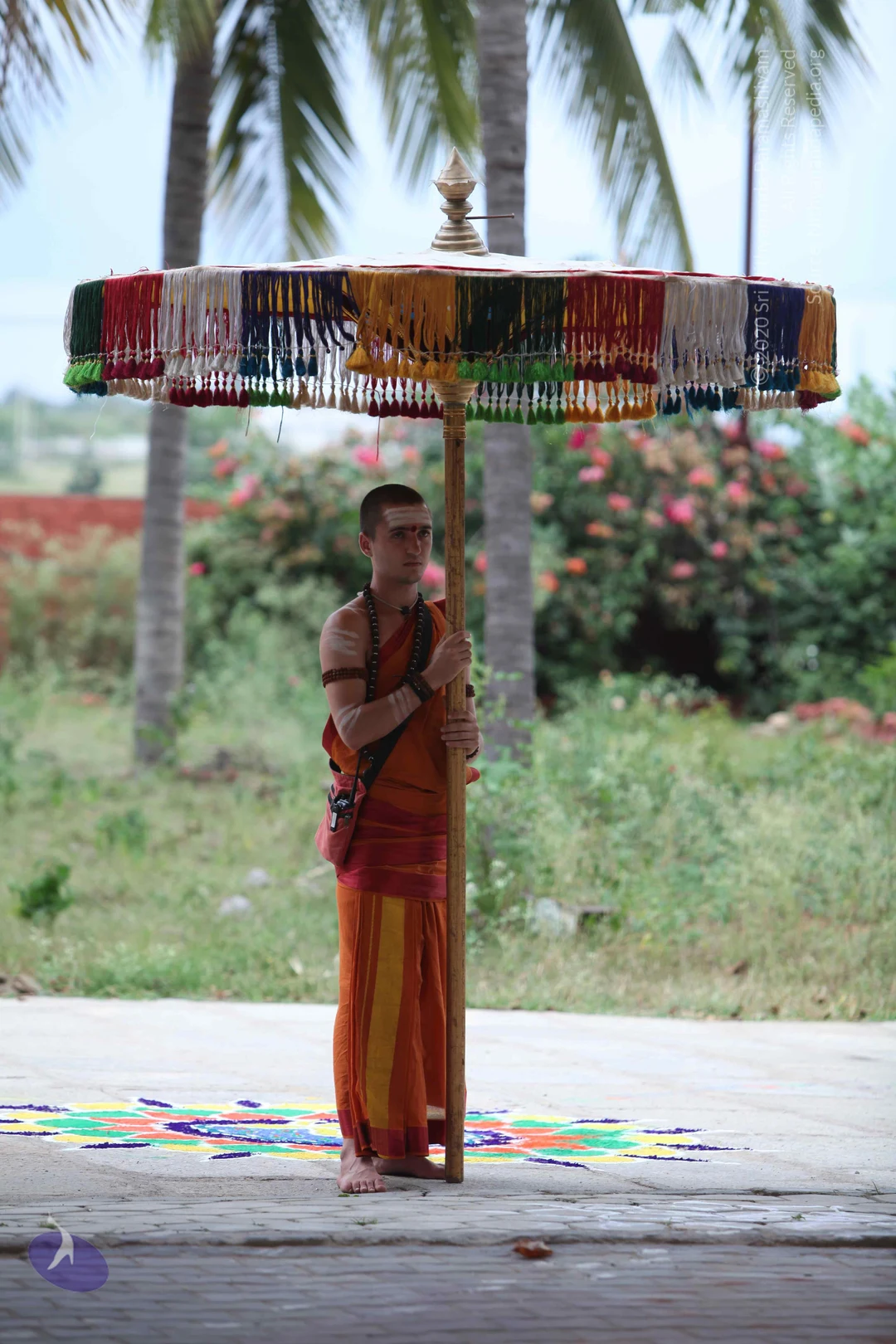
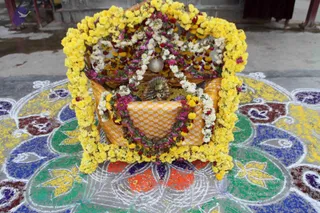
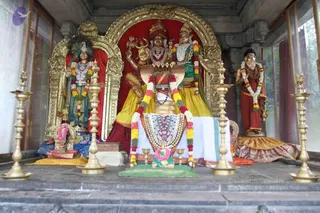
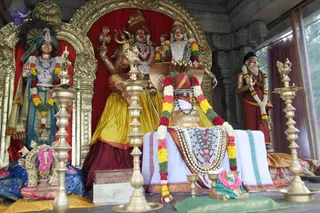
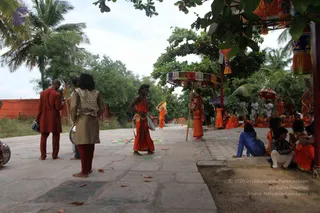
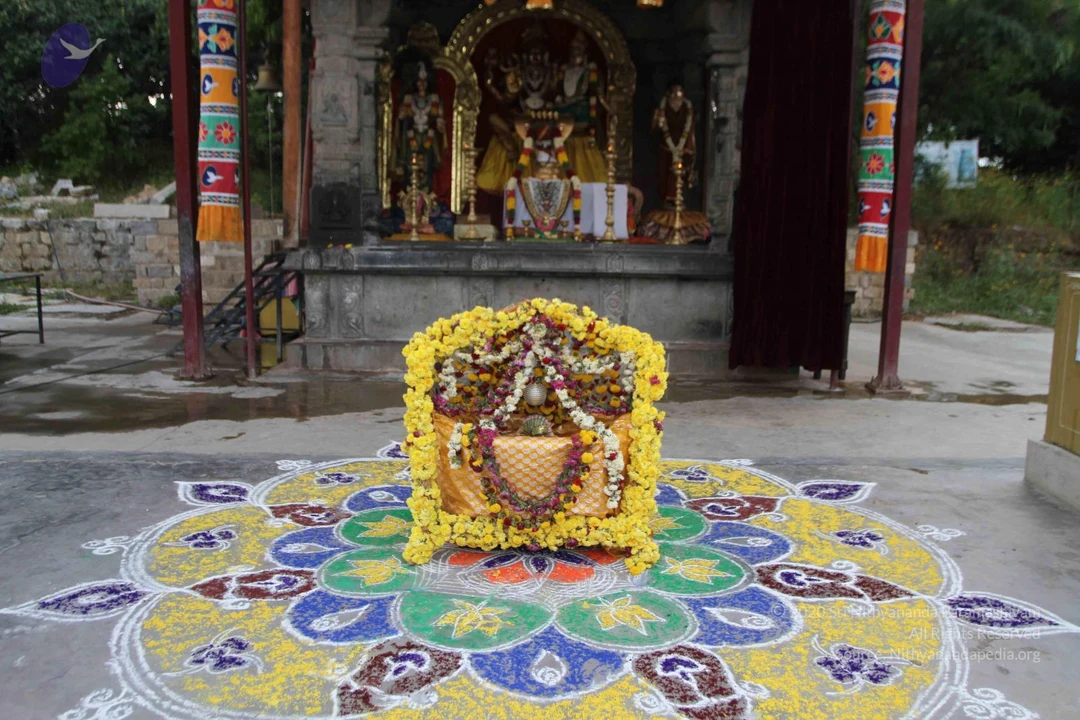
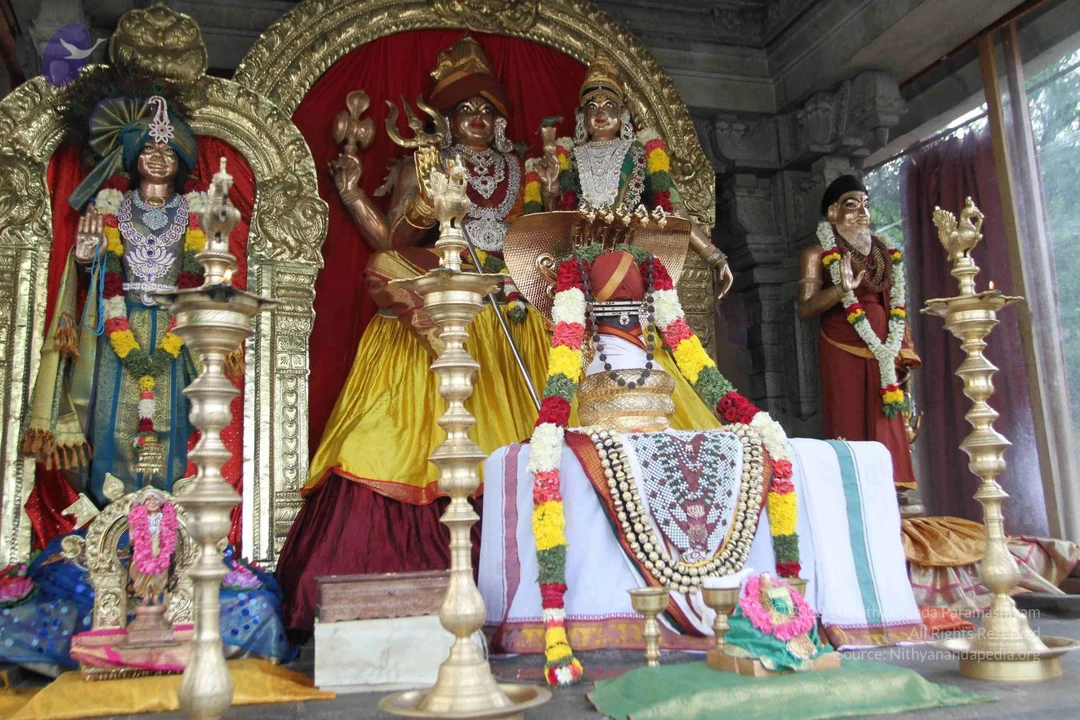
A decorated seat or throne stands at the centre of a large floor rangoli on a paved courtyard. The seat is wrapped in gold brocade and framed by thick bands of yellow marigolds, with strings of white and magenta flowers draped across it and a small silver ornament and conch-like shell placed on top. The rangoli is made of coloured powders in yellow, green, blue, red and purple around a lotus-like pattern with white outlines. No people are visible, and no a person candidate is shown in the frame.A photograph of a decorated shrine-like setup on a floor covered with a colourful rangoli in yellow, green, blue, red and white. A cushioned seat or swing frame is wrapped with bright yellow marigold garlands and interwoven with white jasmine strands, red flowers and purple blossoms. Inside the frame, a silver-toned lamp or kalasha-like object and a small metallic ritual vessel sit on an orange lace-patterned cloth. No people are visible; the scene is a flower-decorated altar prepared for a festival setting.A temple shrine photographed from a low angle shows a central deity murti of Shiva-like form with a crown and trident, flanked by a seated female figure and a standing male figure in saffron dress holding a flower garland. Brass lamps stand on either side of a central peetha draped in white and adorned with garlands of marigold and rose. Gold-framed arches and a red backdrop frame the scene. No physical people are visible; all figures are statues.A decorated shrine with garlanded deity murti and a seated figure in white dhoti and shawl before a red backdrop. Behind, a four-armed deity figure wears a yellow and maroon skirt and holds a trident, with a crowned figure in a gold-trimmed red turban beside. To the left stands a blue-robed figure with a turban and garlands, and to the right a standing figure in red garments with folded hands and a black cap. Brass oil lamps stand in front, and flowers and garlands adorn the scene. Statues are the only figures present.A photograph of a temple shrine with brass oil lamps in the foreground. Behind them stands a gilded deity murti in a golden-yellow lower garment with a trident, and a murti in blue-green dress beside it. A white-clothed seated figure at centre sits on a white cloth-draped platform with red and yellow marigold garlands and a golden kalasha-like vessel. A standing figure in red garments with a garland stands on the right near a window. Figures are statues, not living people; no physical people are present.Outdoor photo of a paved courtyard path at an ashram on a cloudy day, with palm trees and leafy trees around. A man in orange-saffron dhoti stands center holding a long pole that supports a multicoloured parasol-style canopy with tasselled fringe. Nearby, a figure in orange robes holds a small drum, and a man in red-brown clothing and a sleeveless tan vest stands at left beside a brass or steel vessel. Seated and standing devotees in orange and saffron clothes sit along the right side under hanging decorative lanterns and streamers. A colourful rangoli floor design lies on the path. Appears to be a procession or ritual gathering.

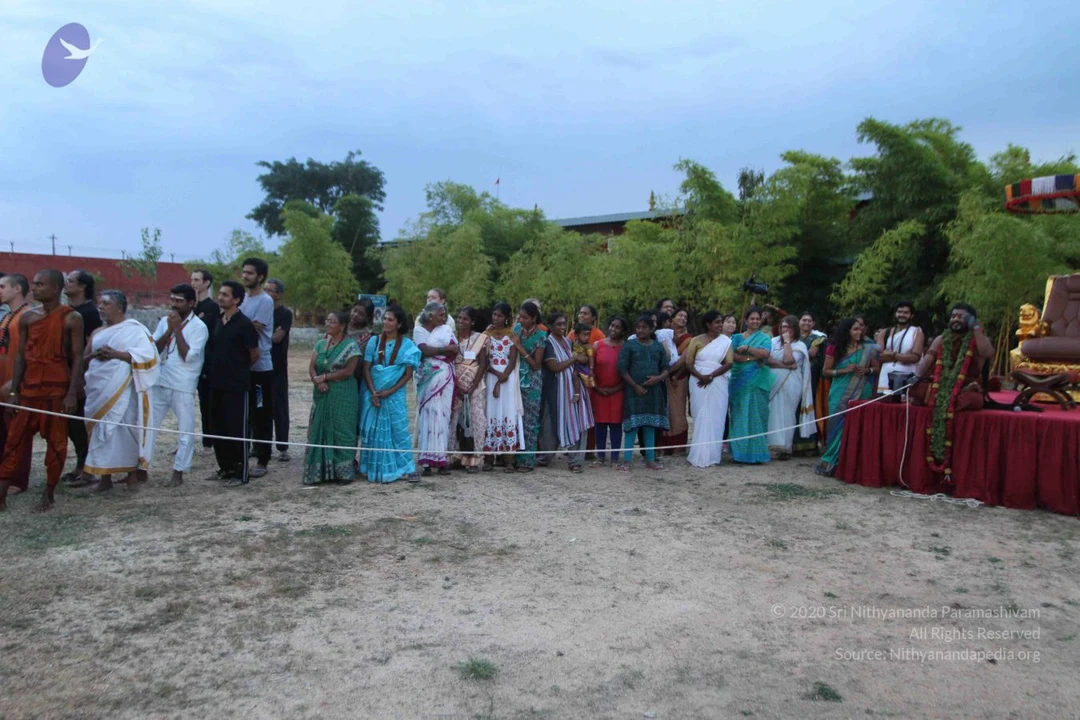
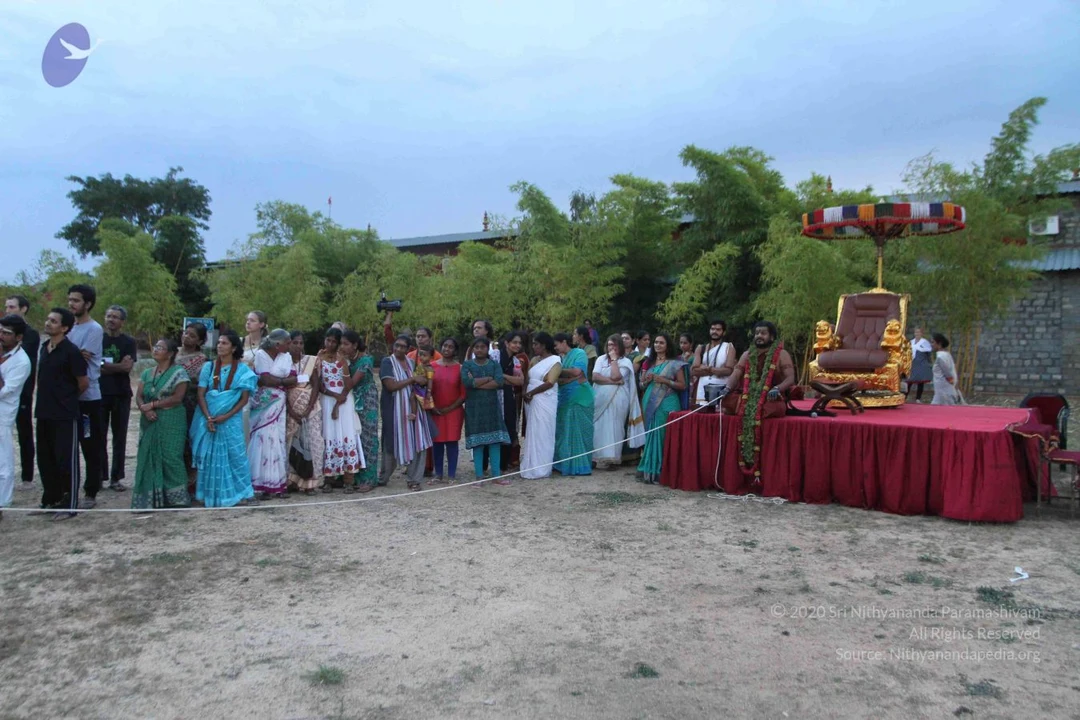
Pot-breaking-Traditional game

233 photosSource gallery
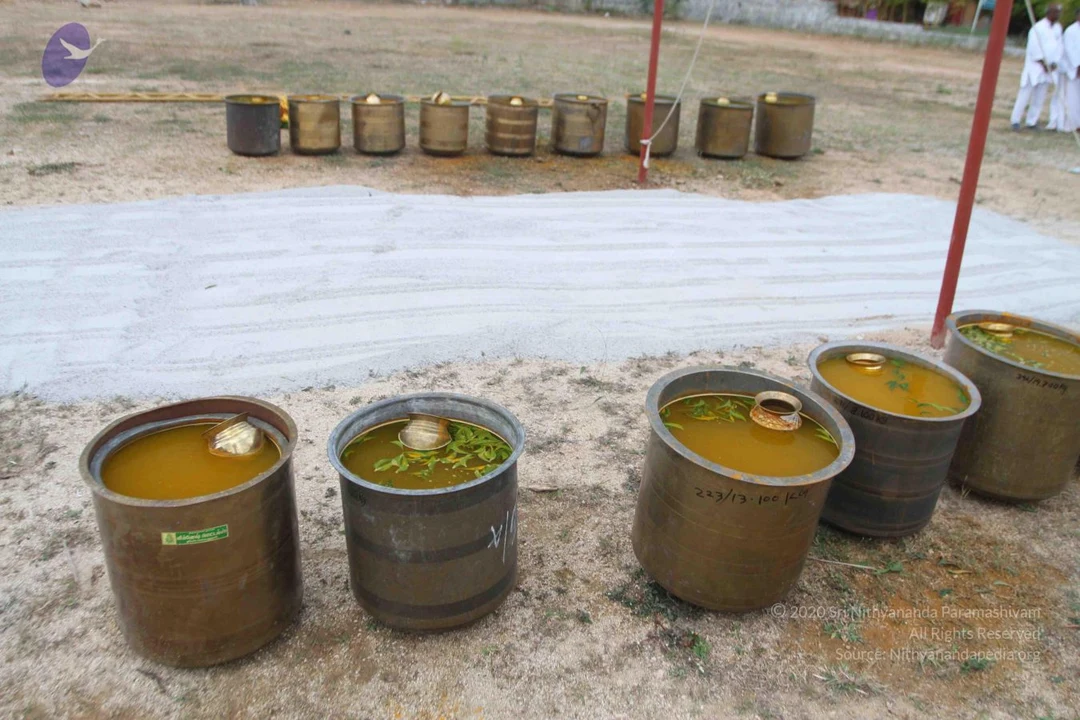
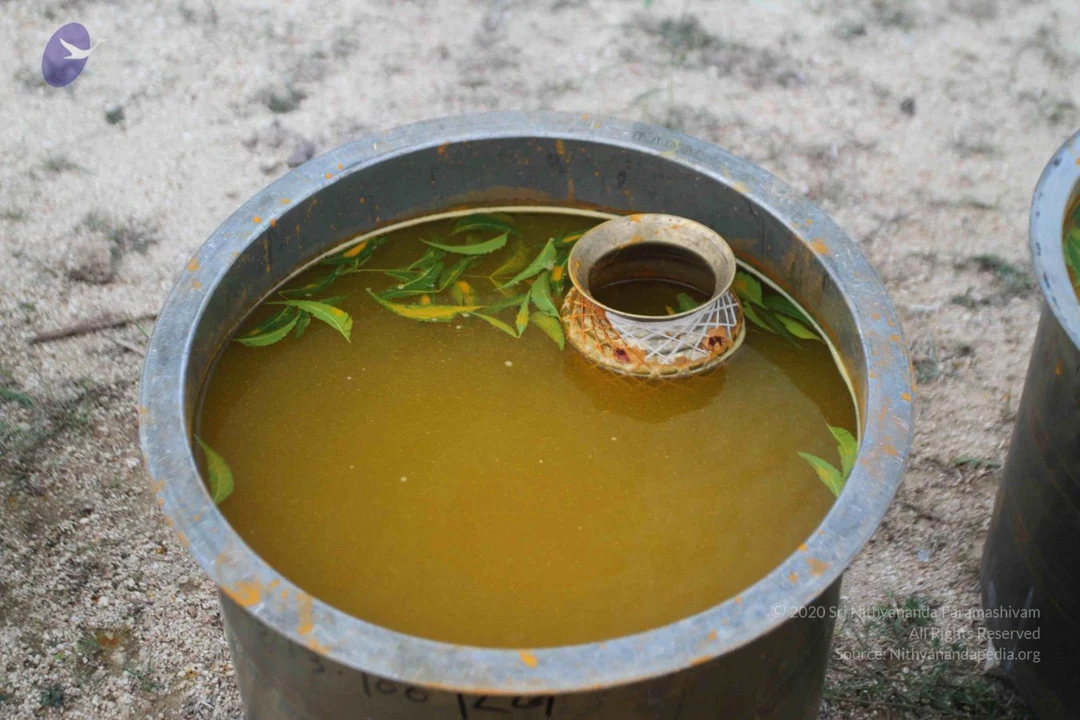
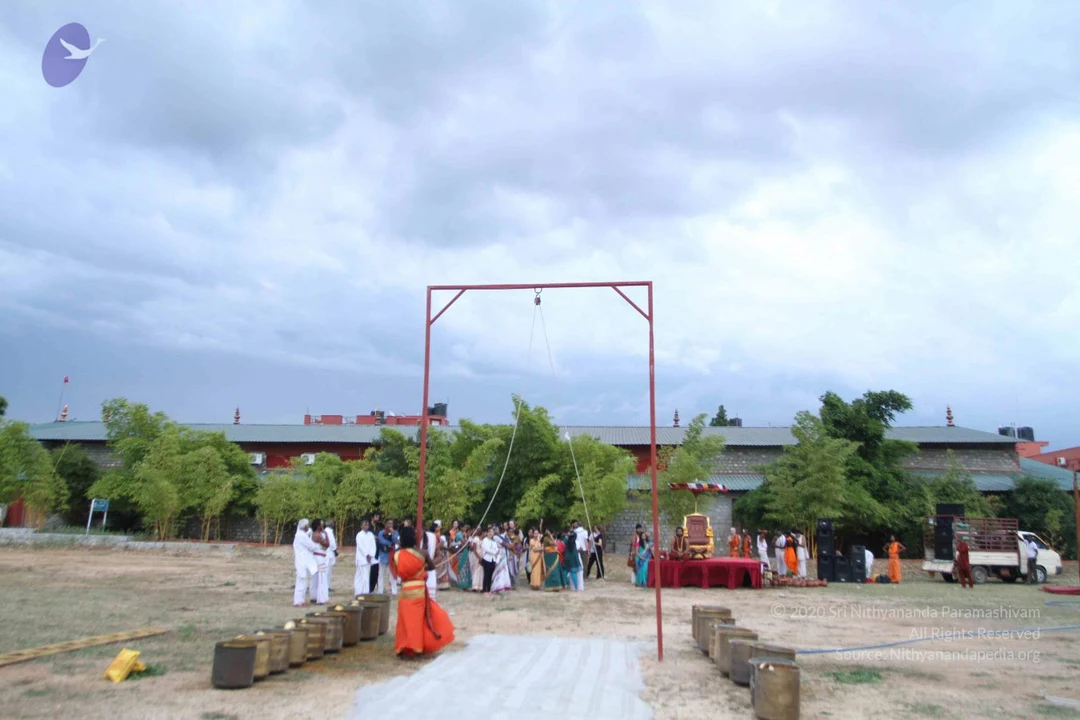
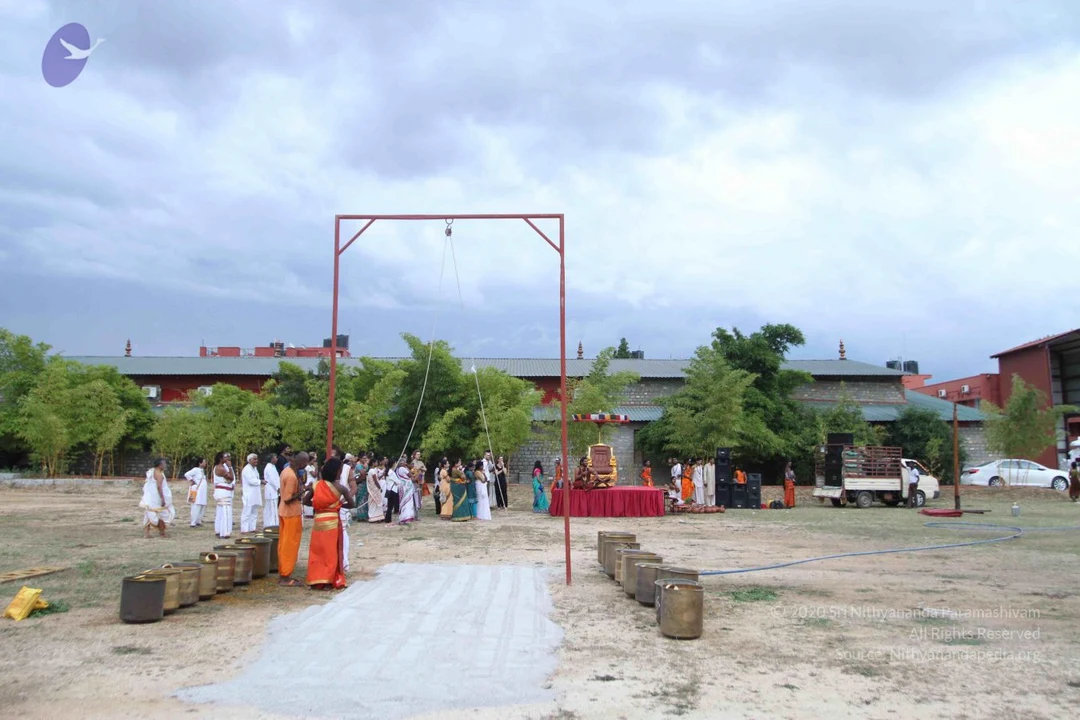
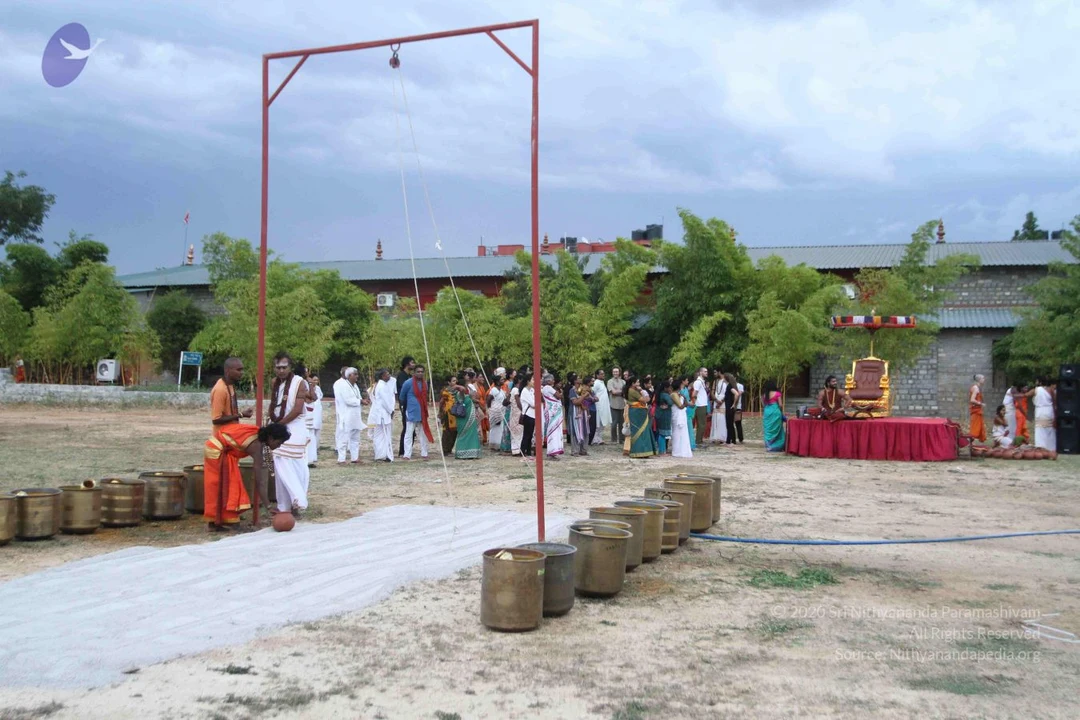
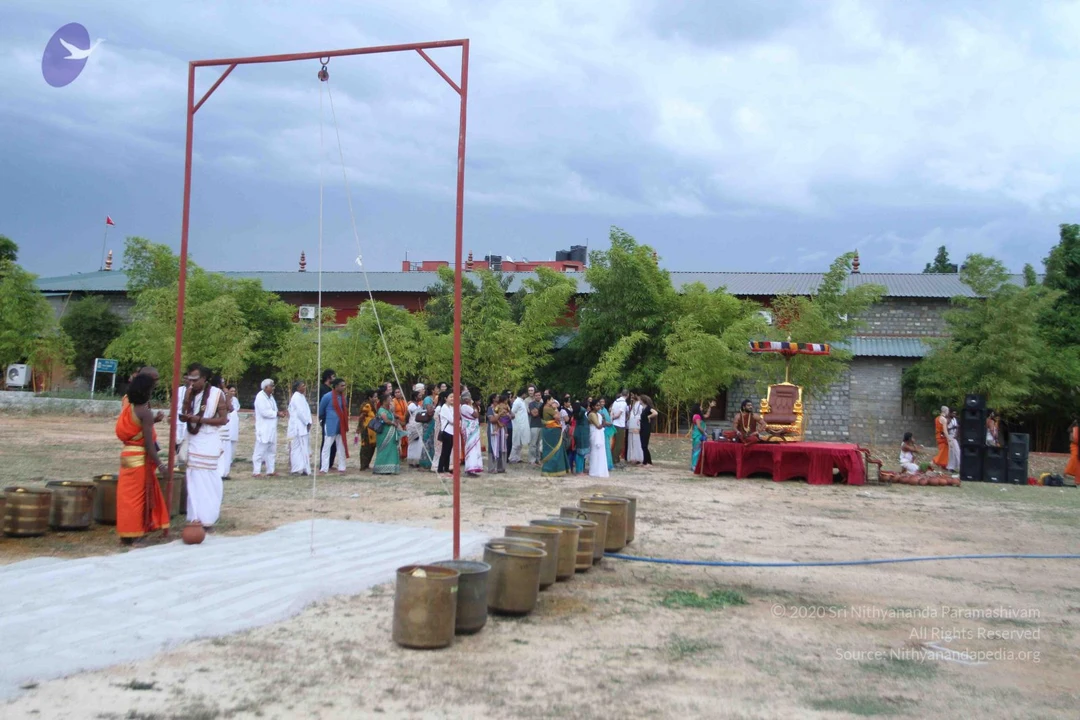
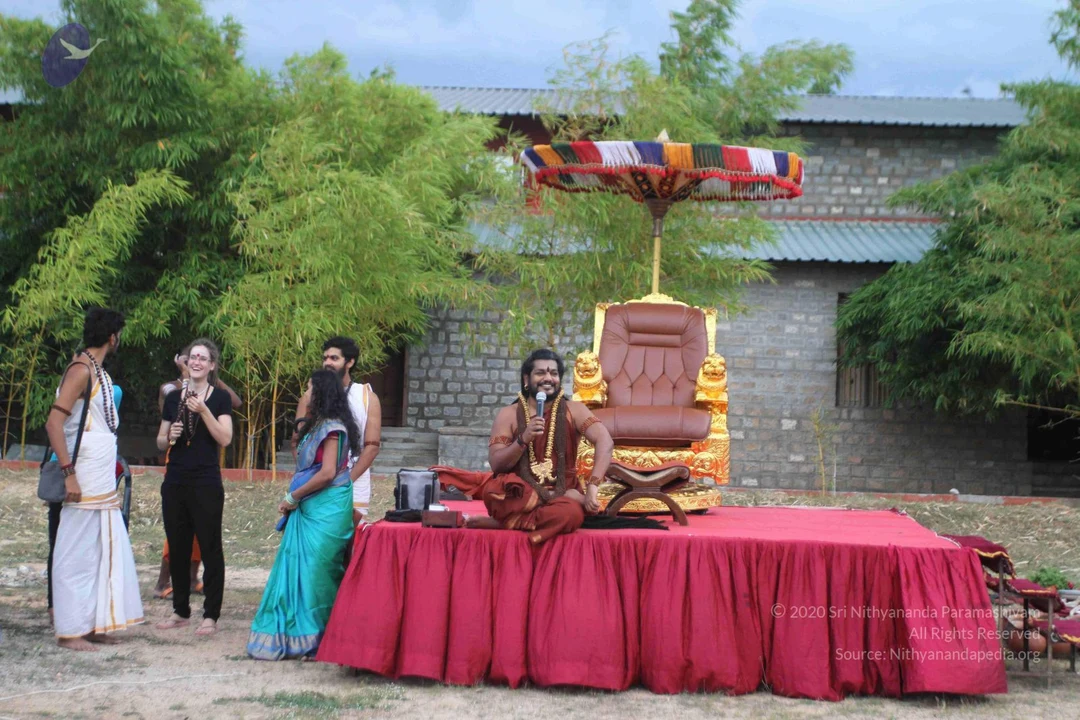
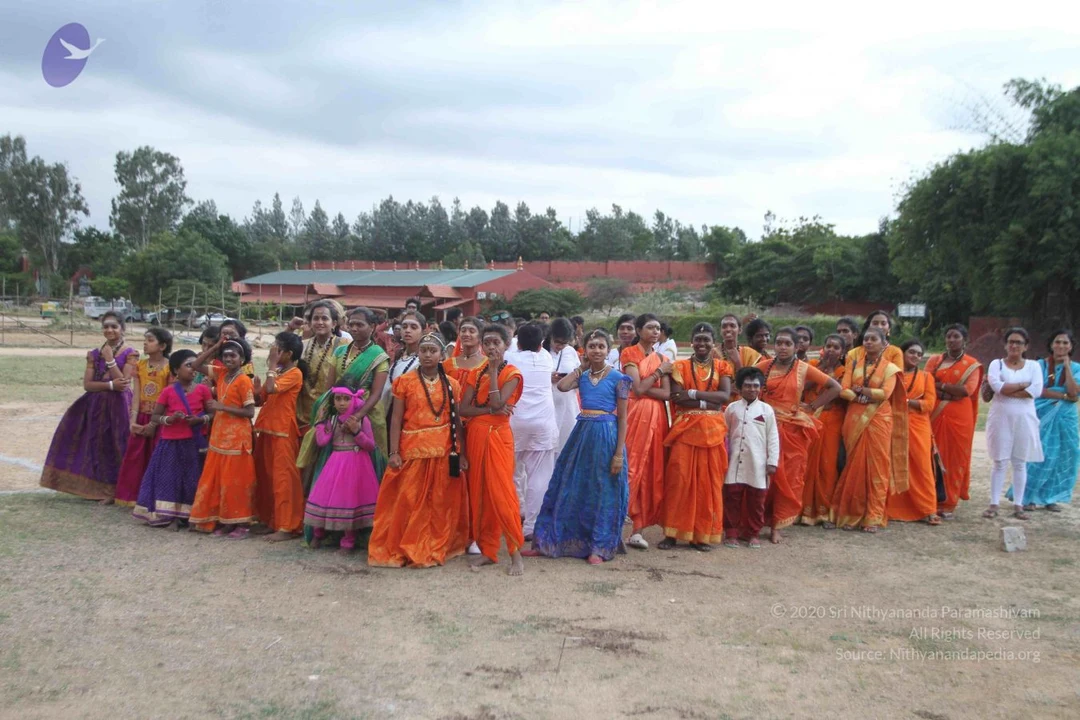
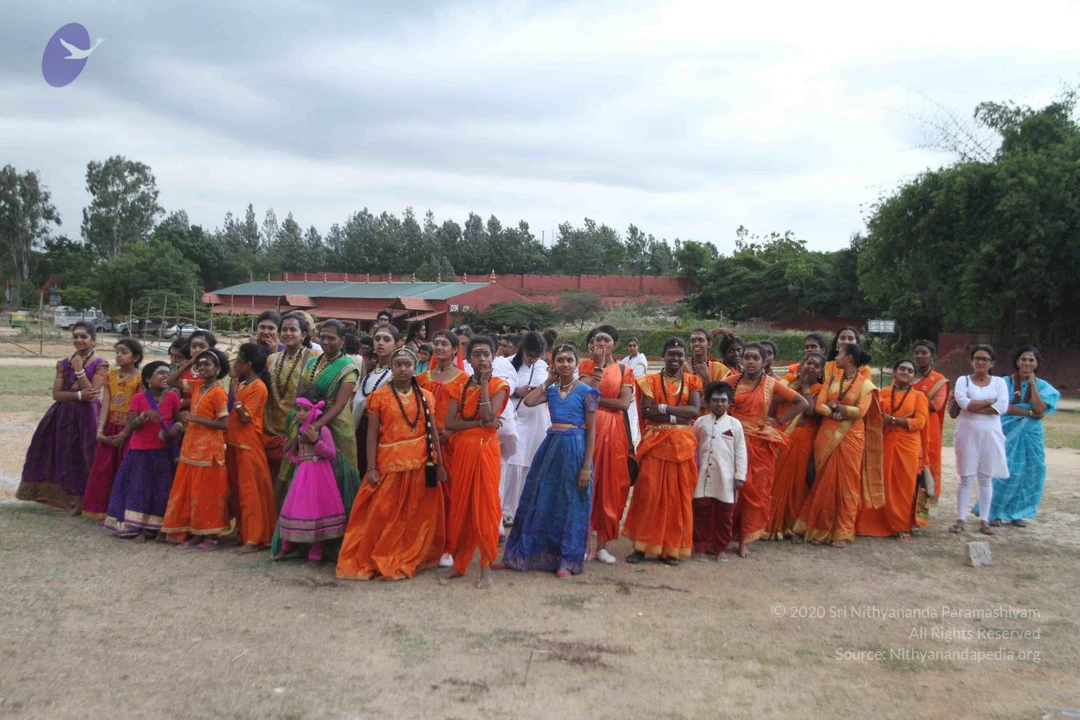
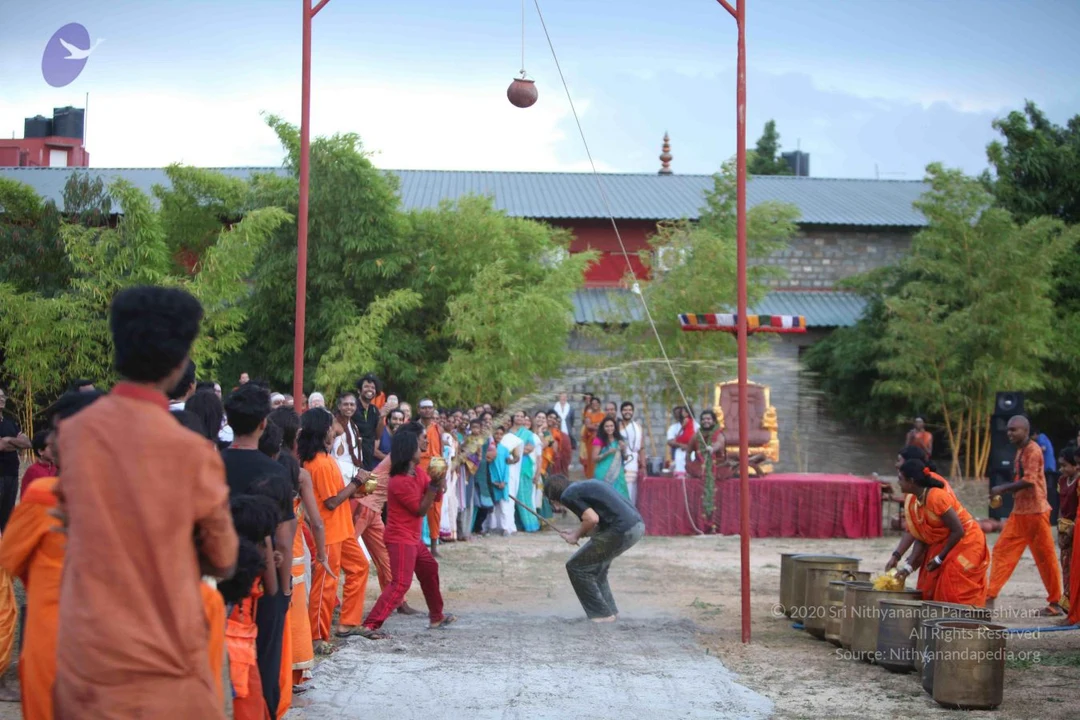
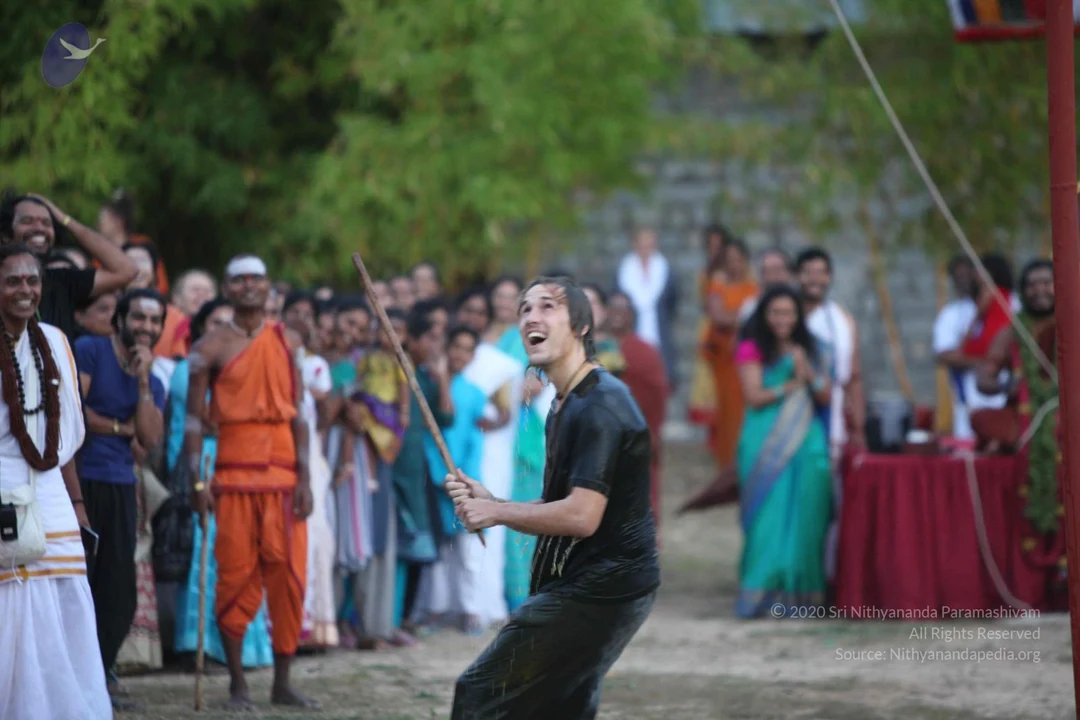
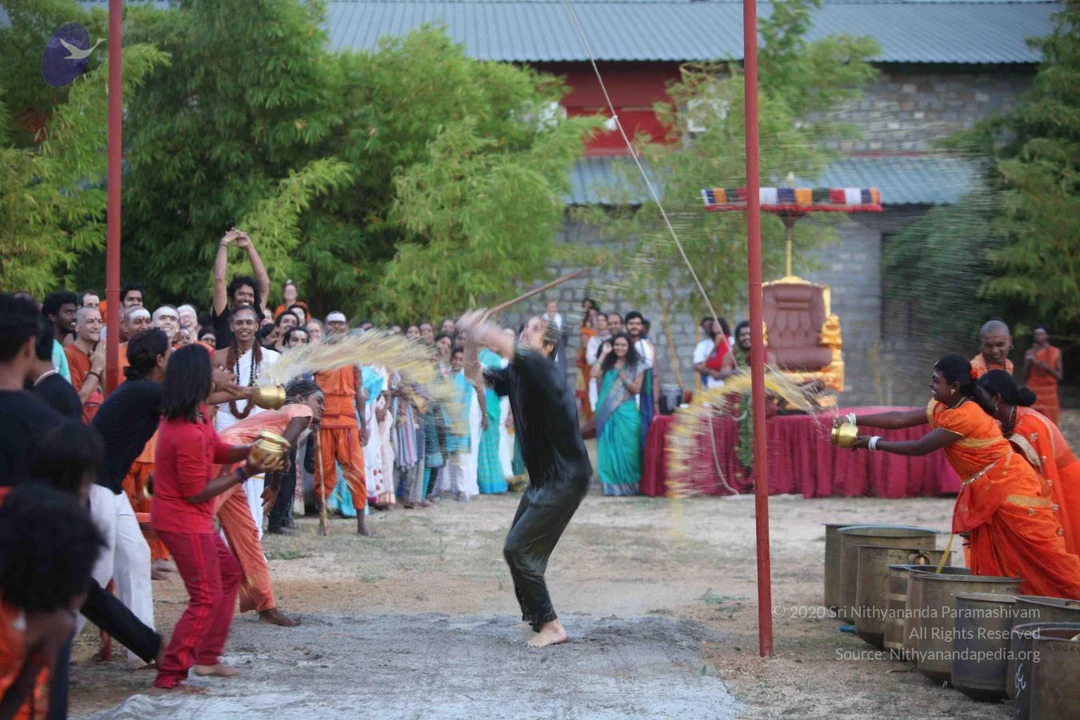
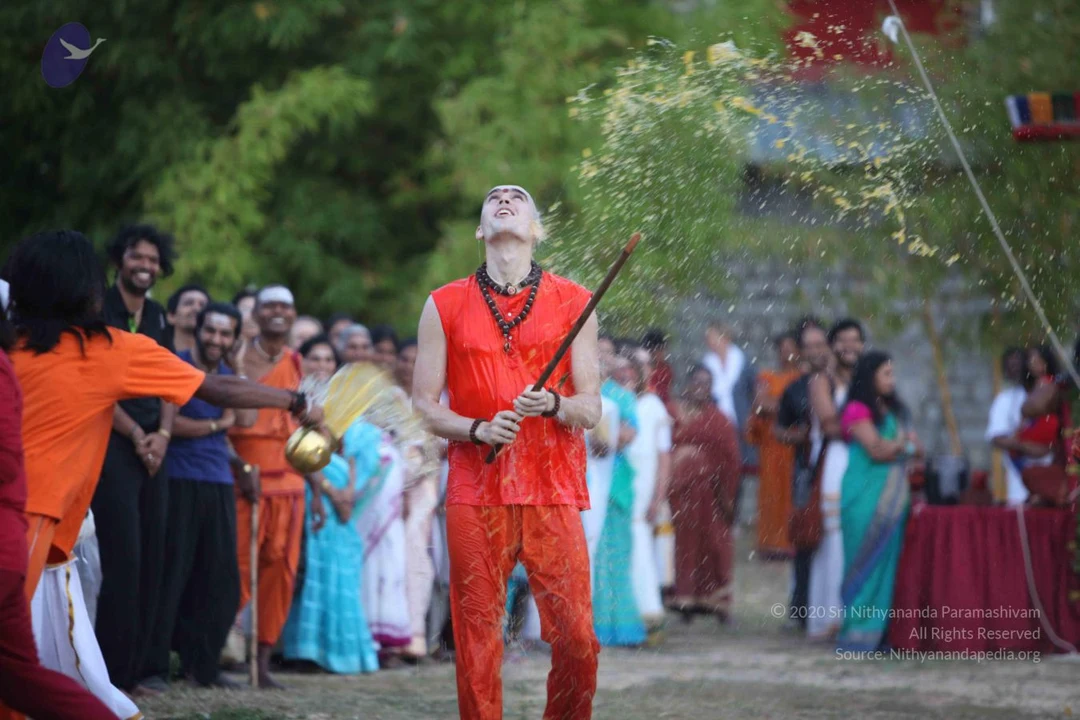
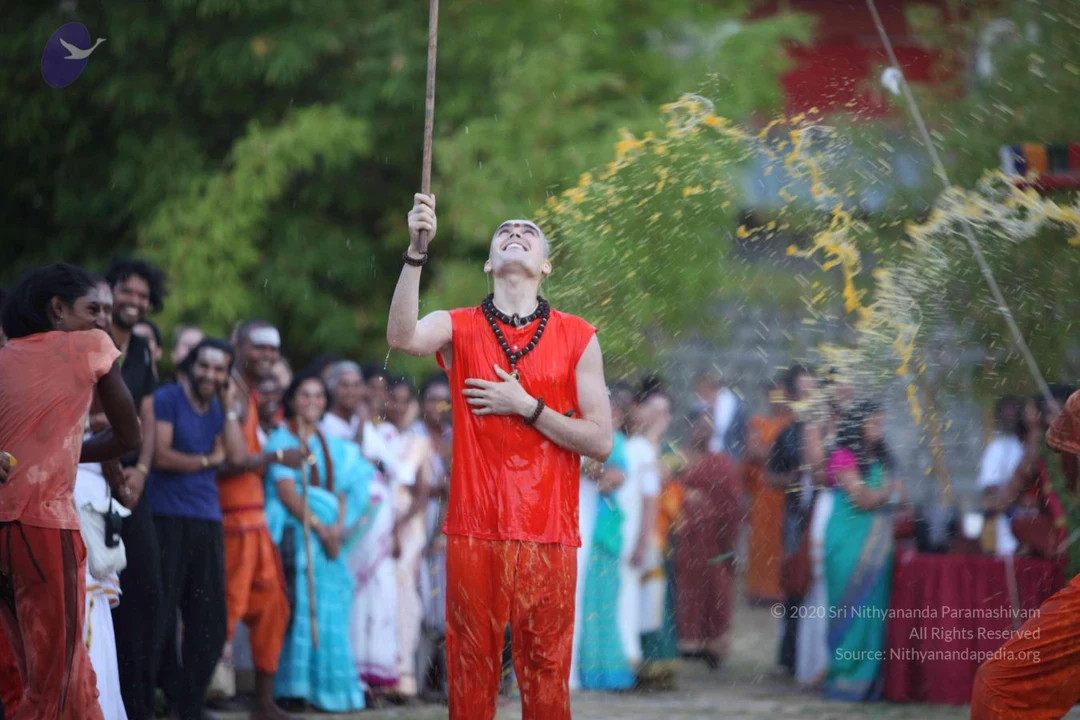
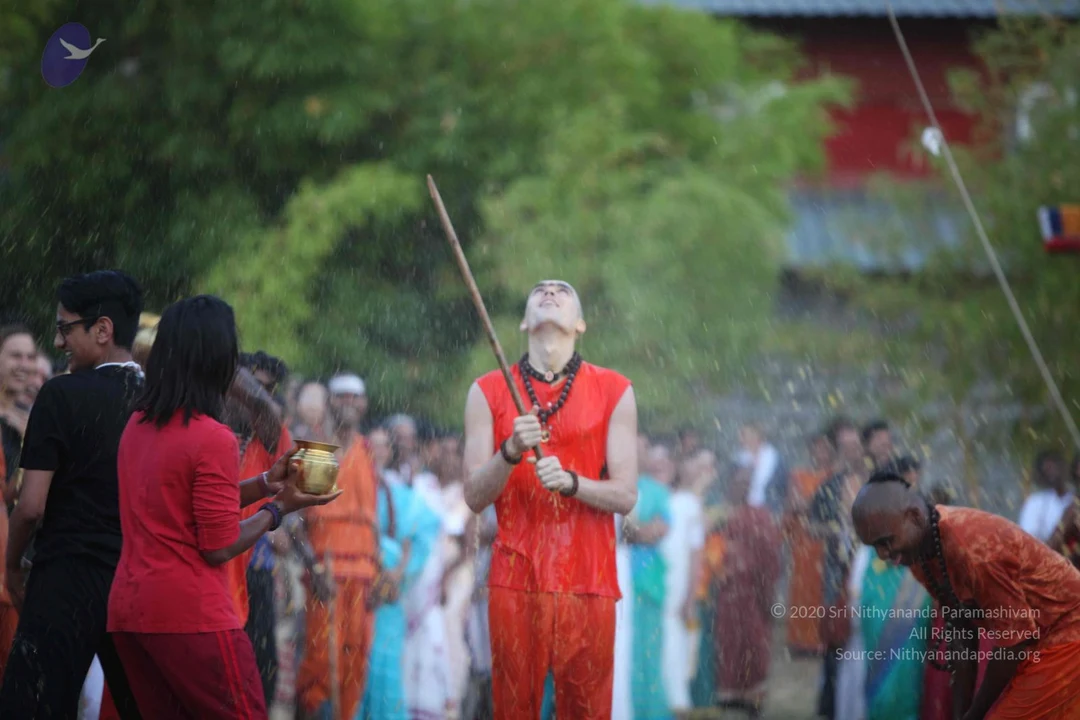
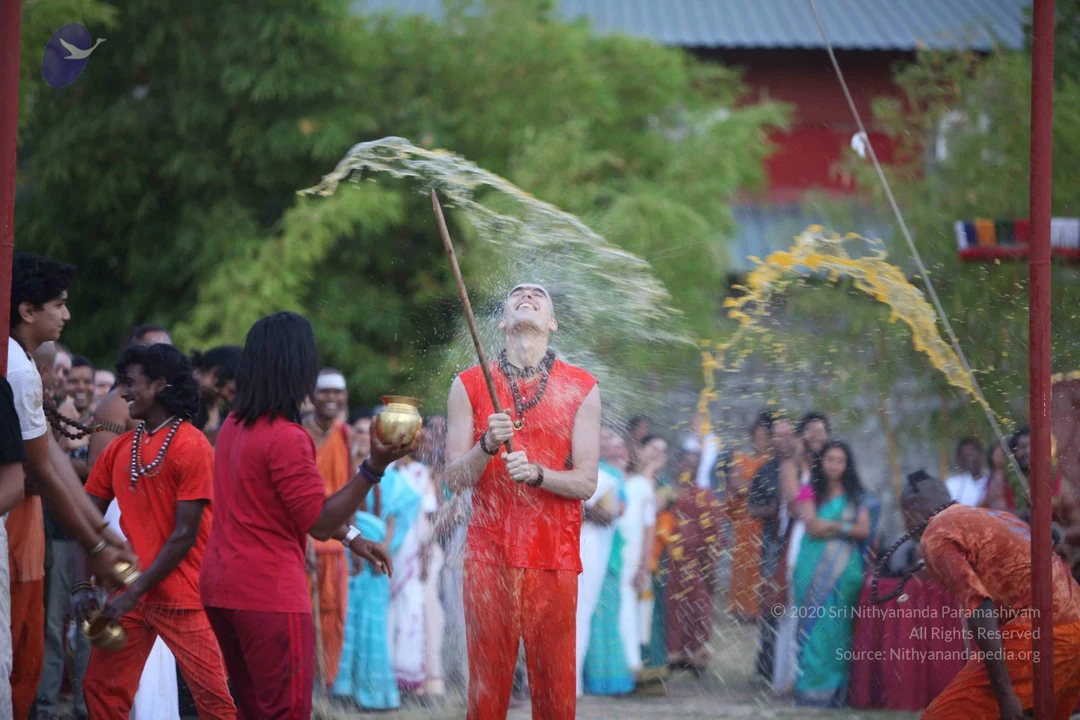
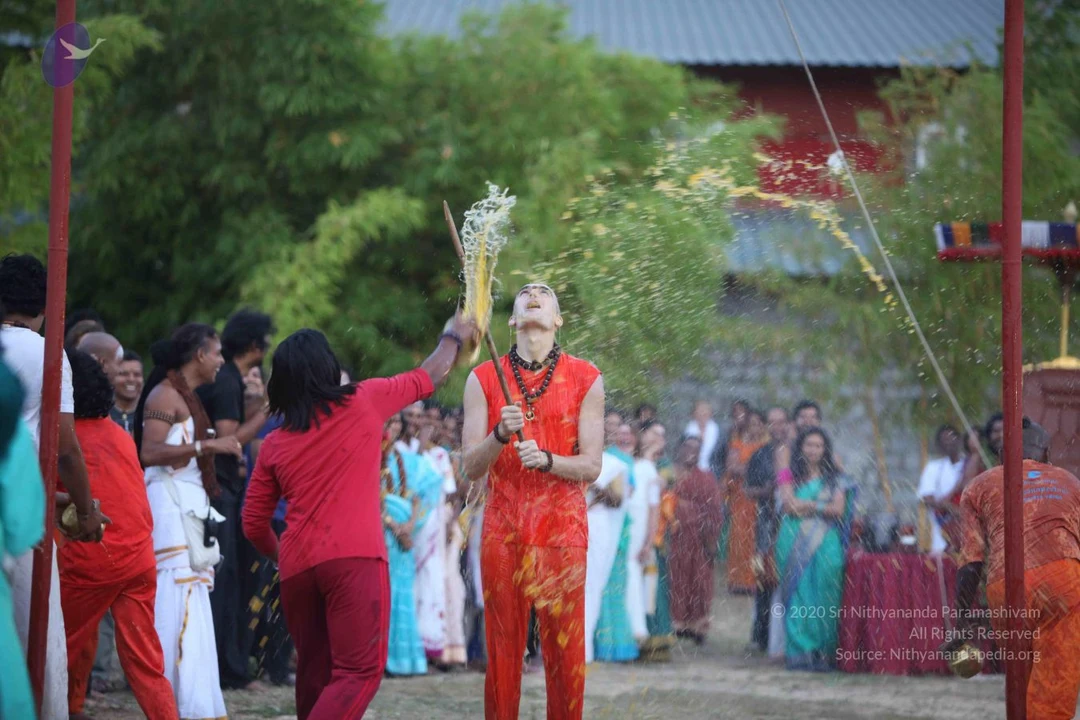
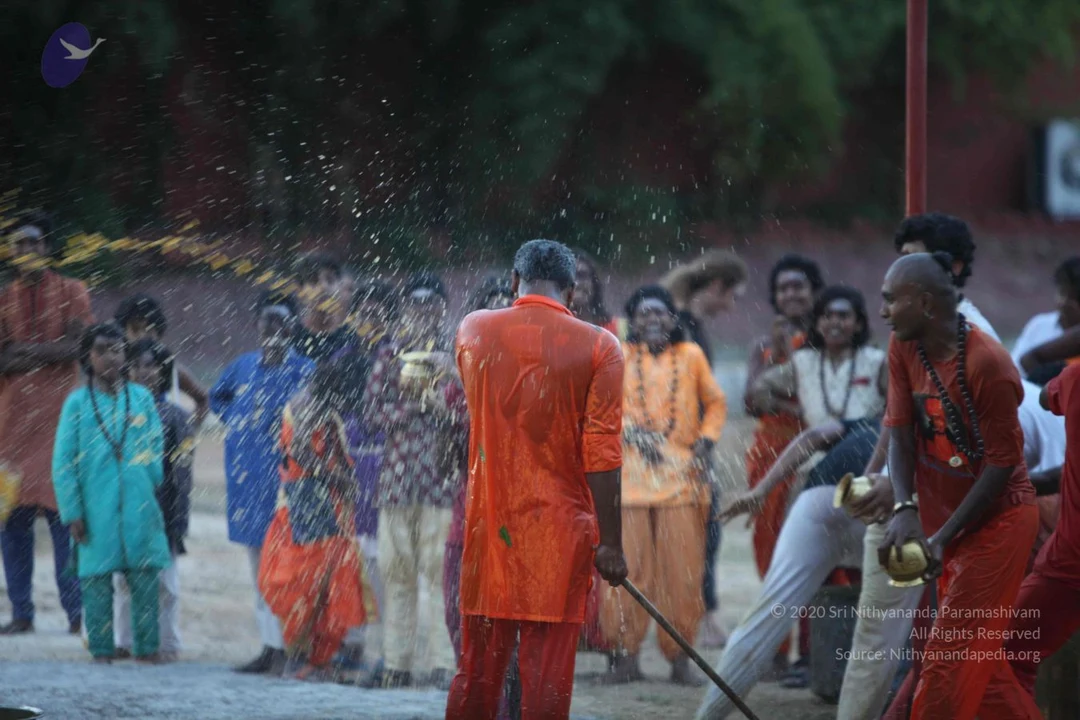
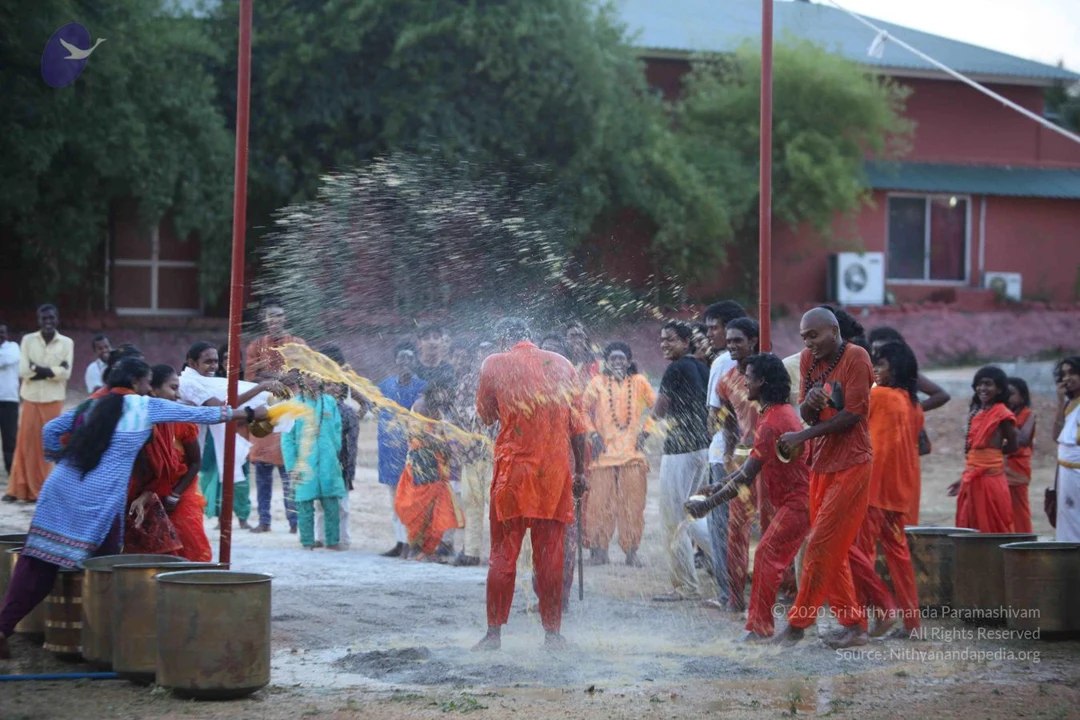
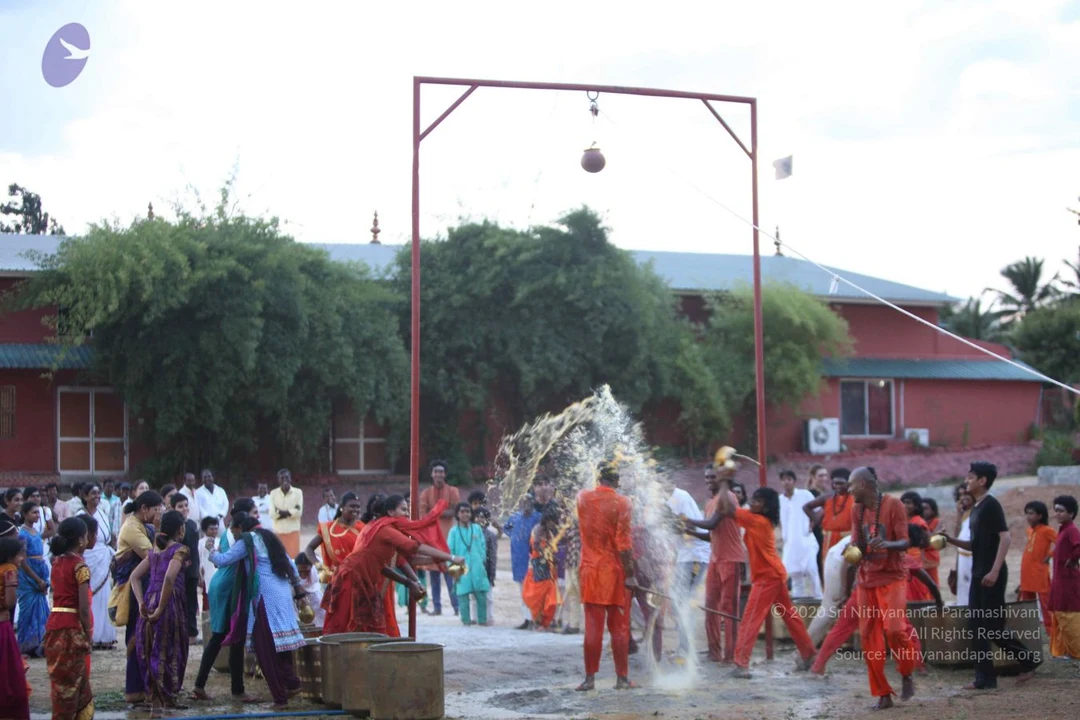
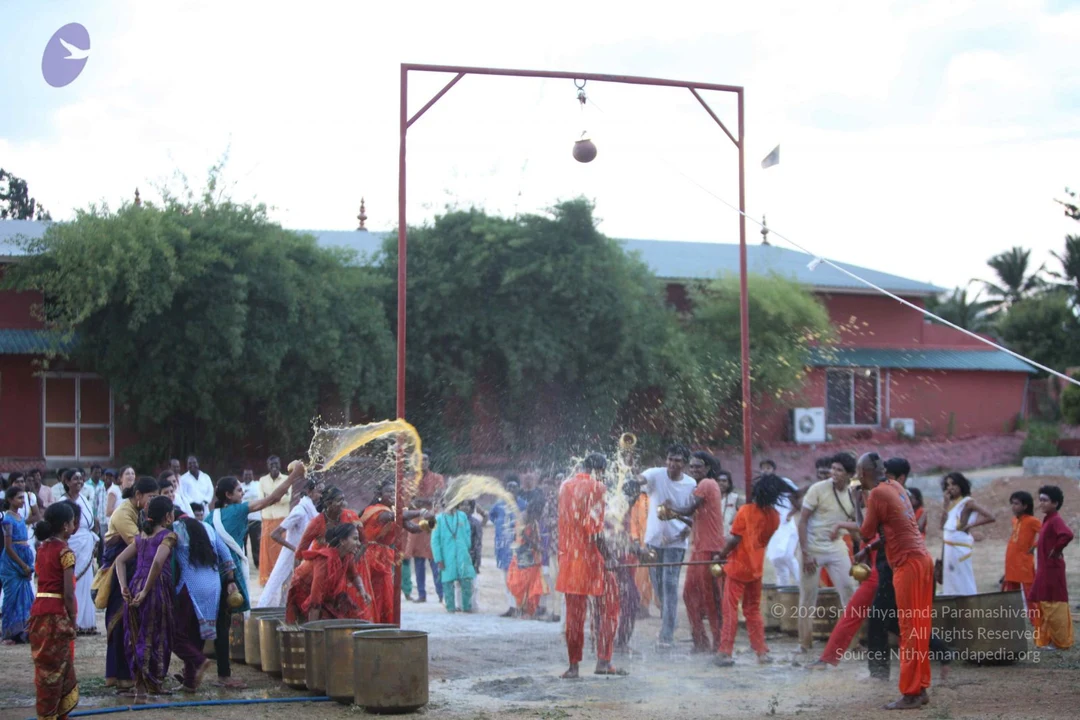
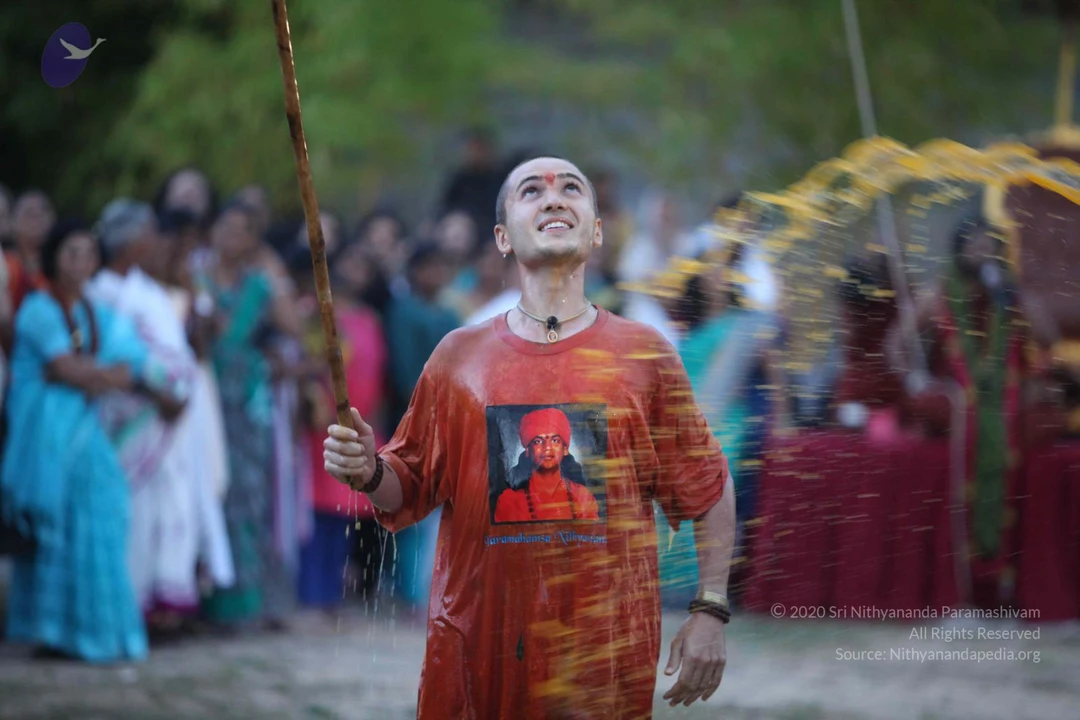
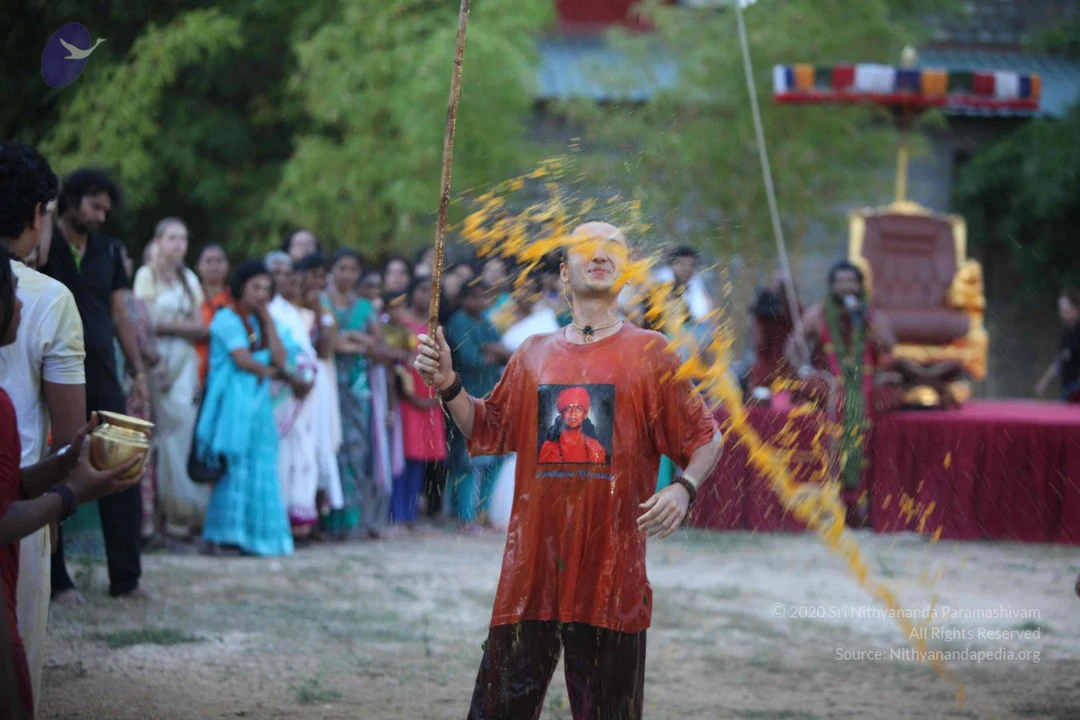
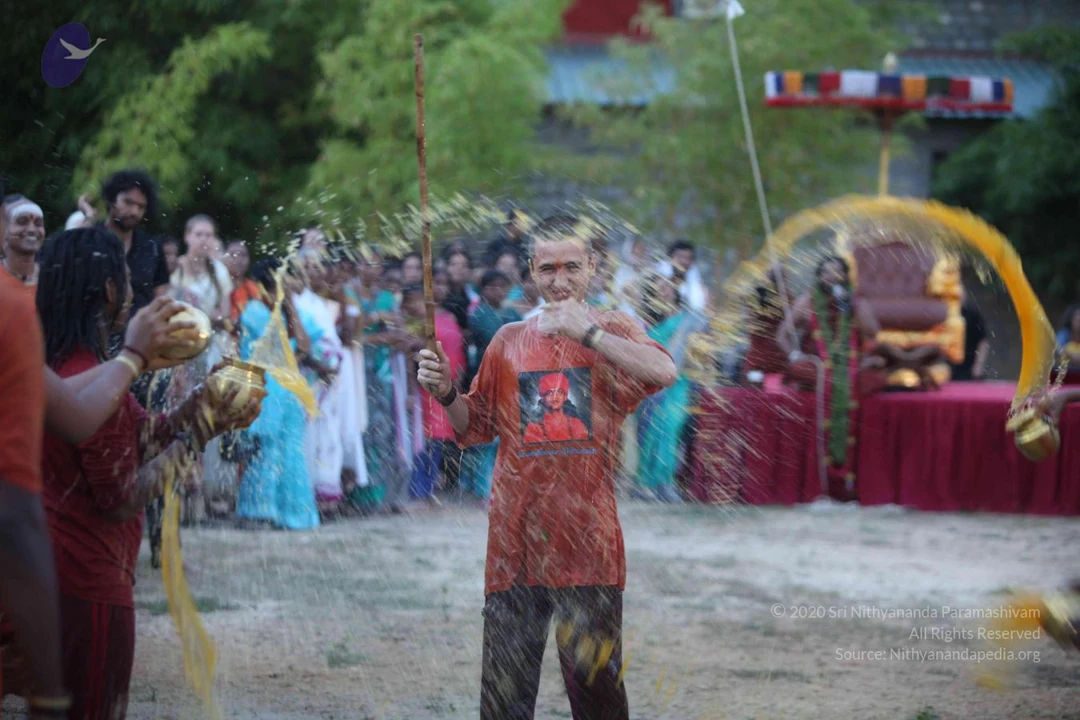
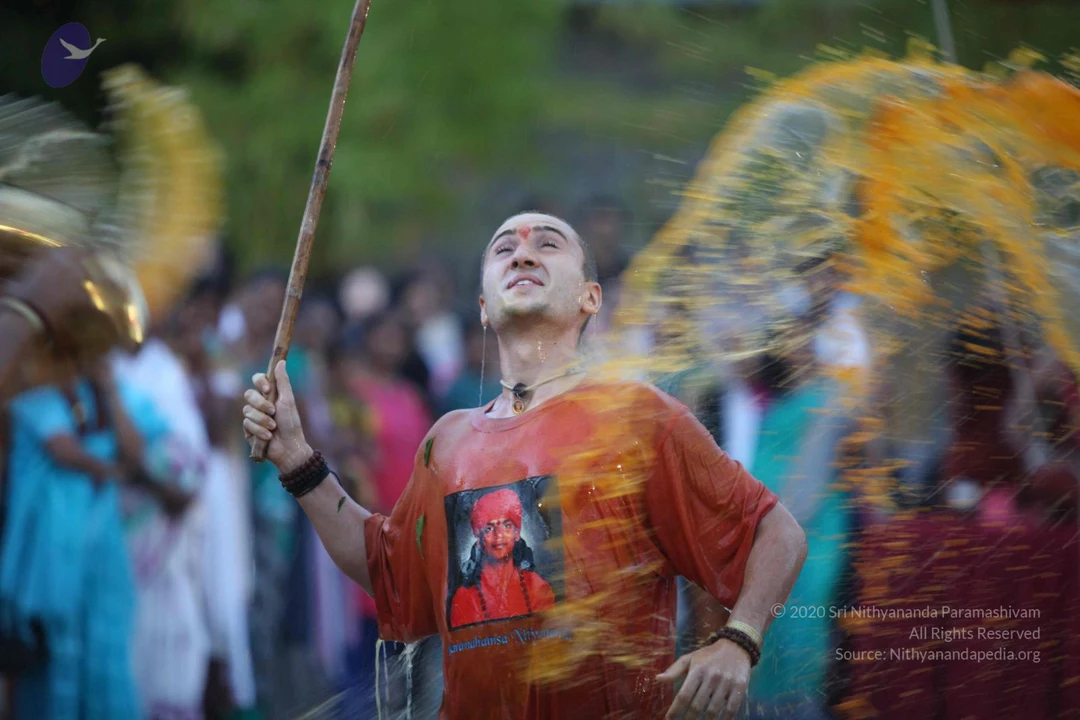
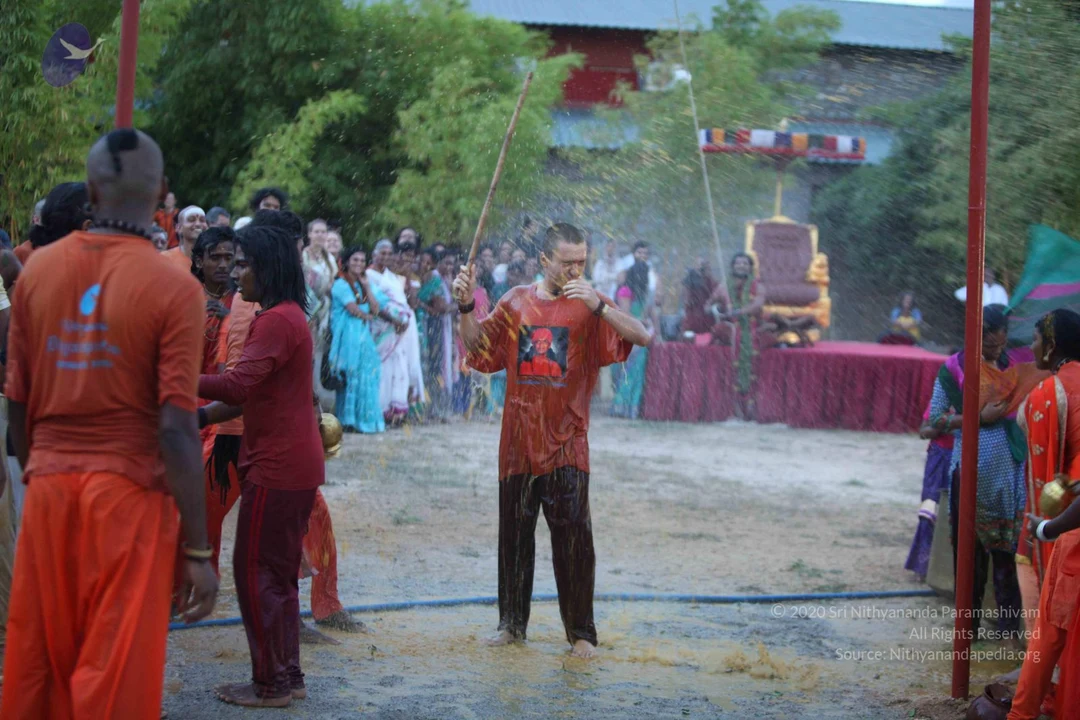
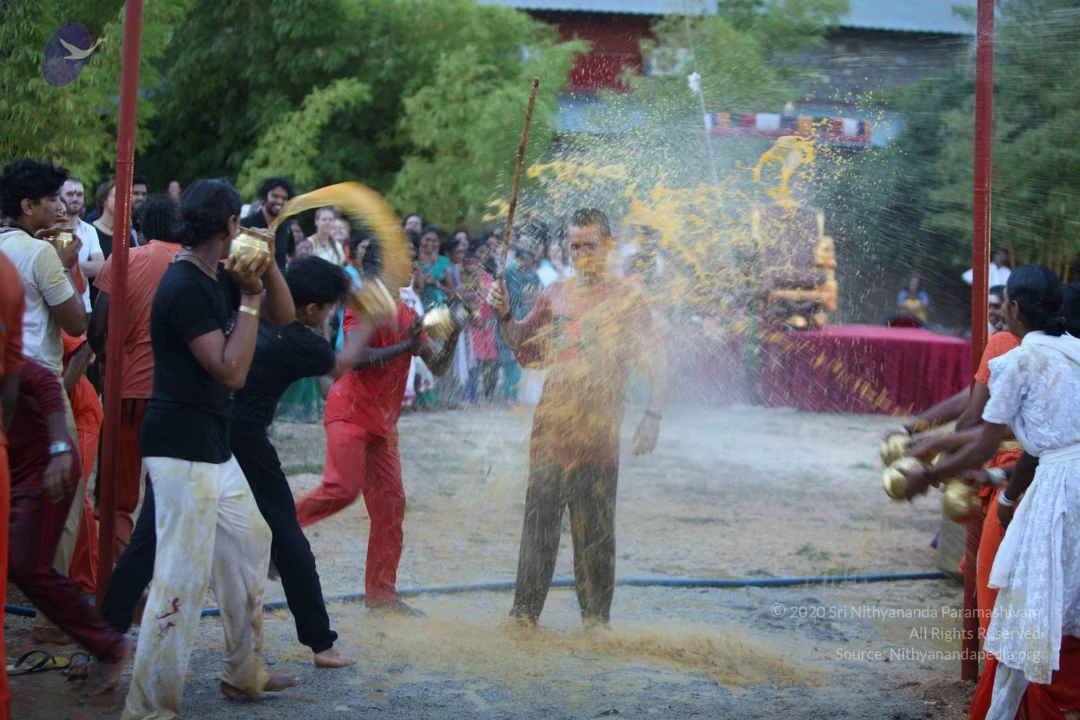
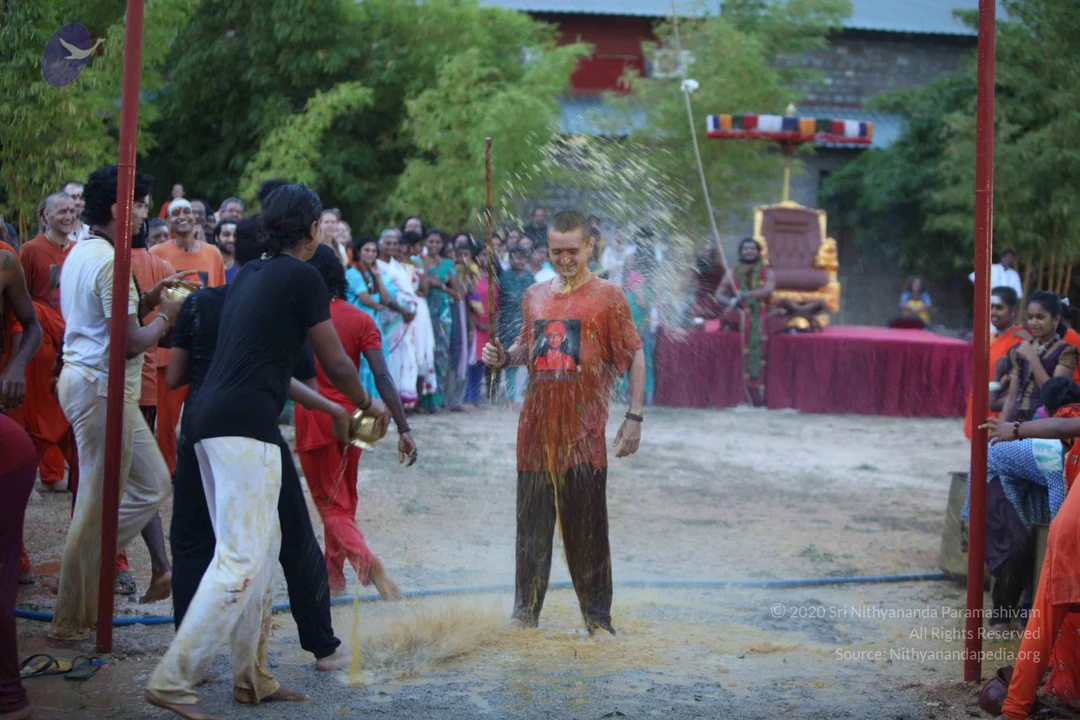
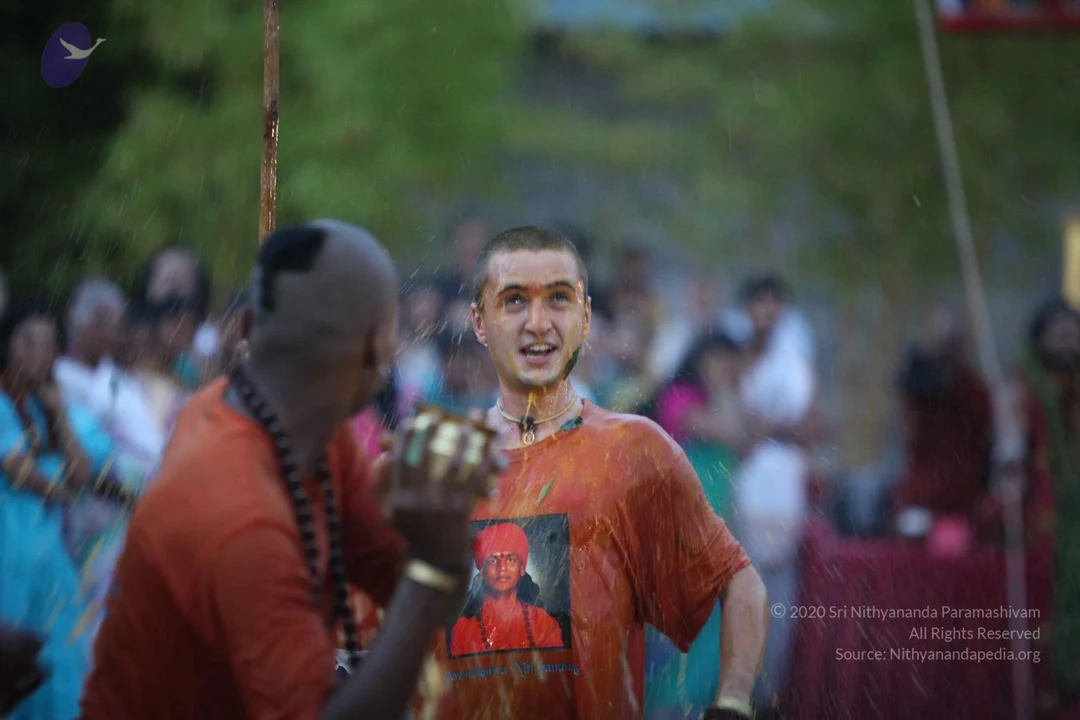
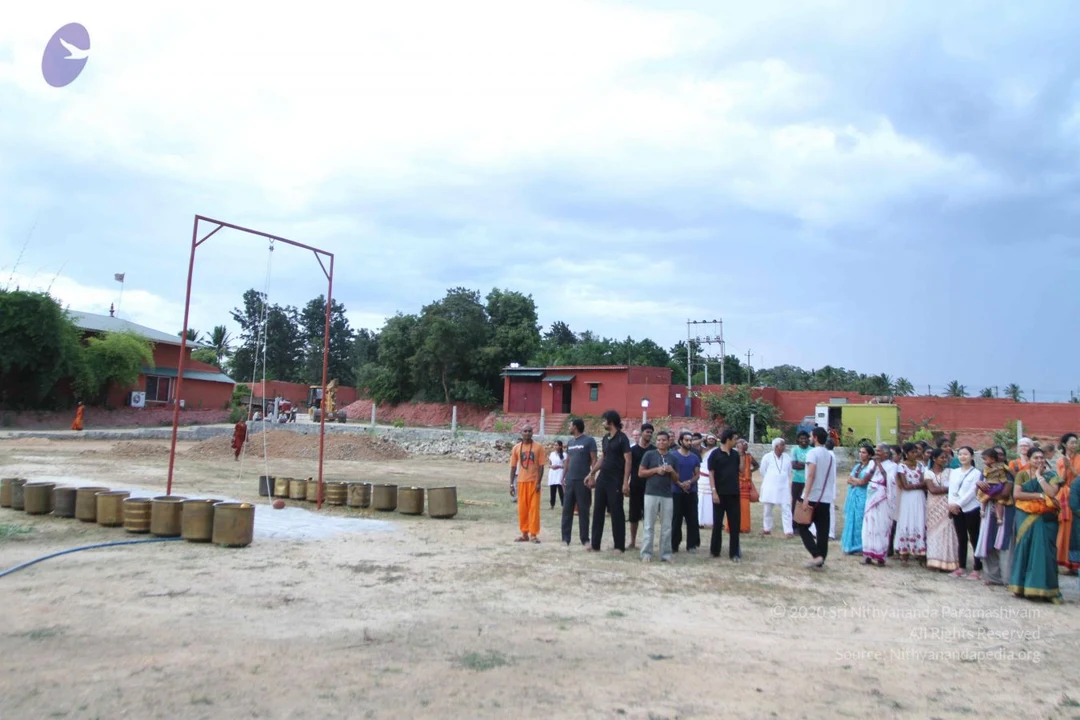
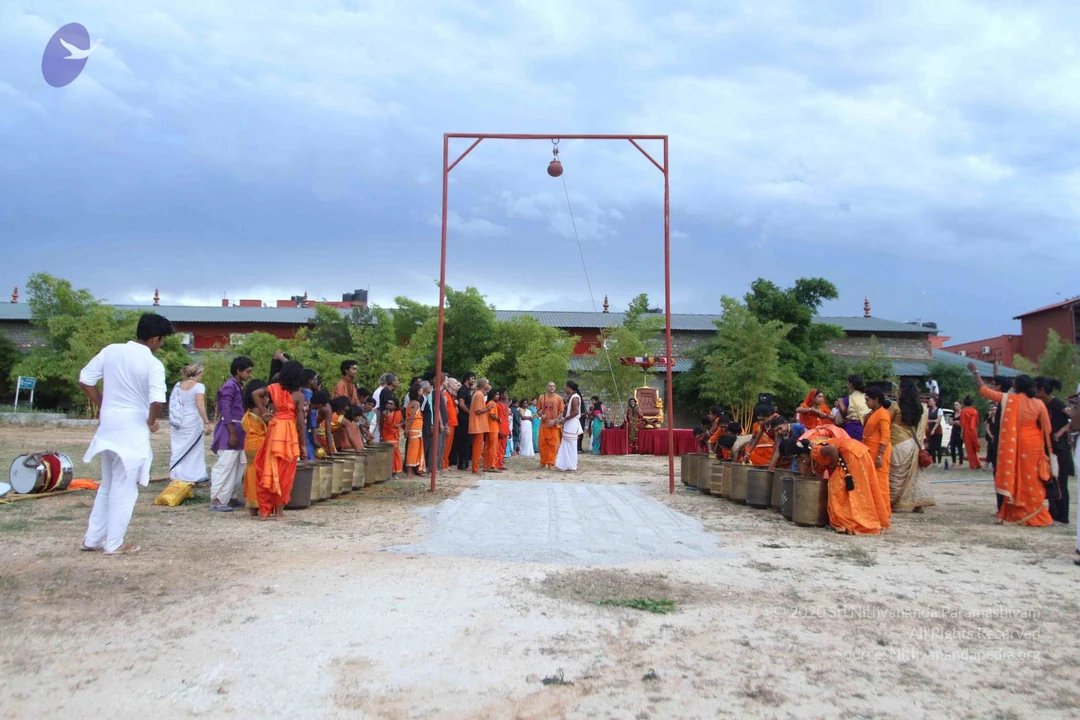
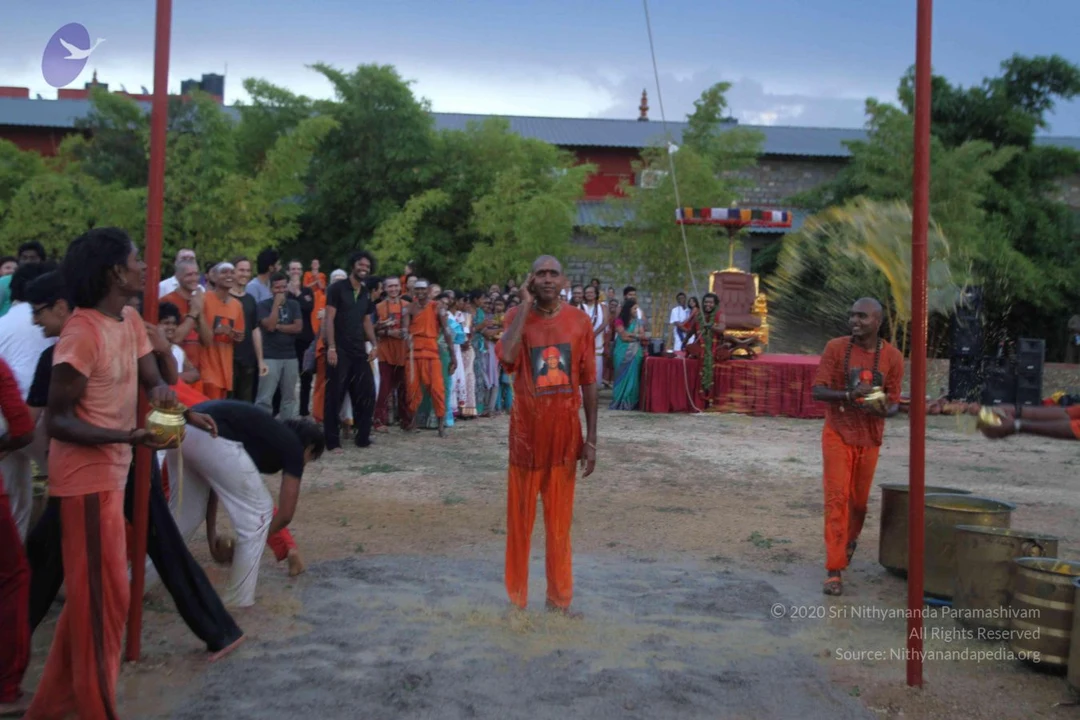
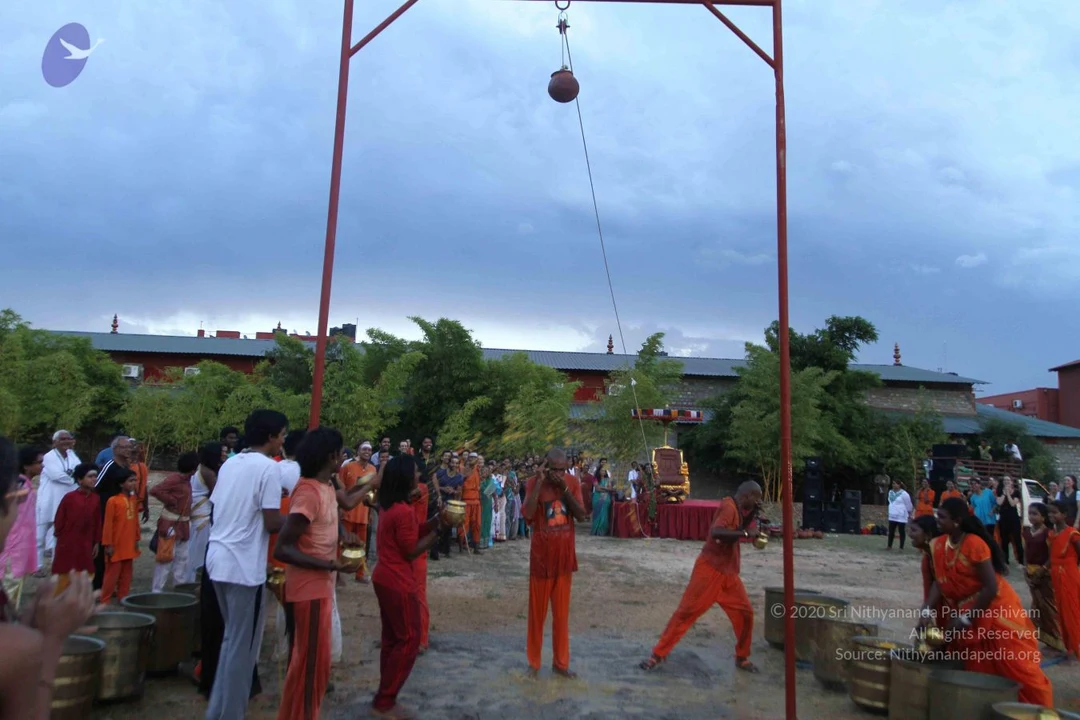
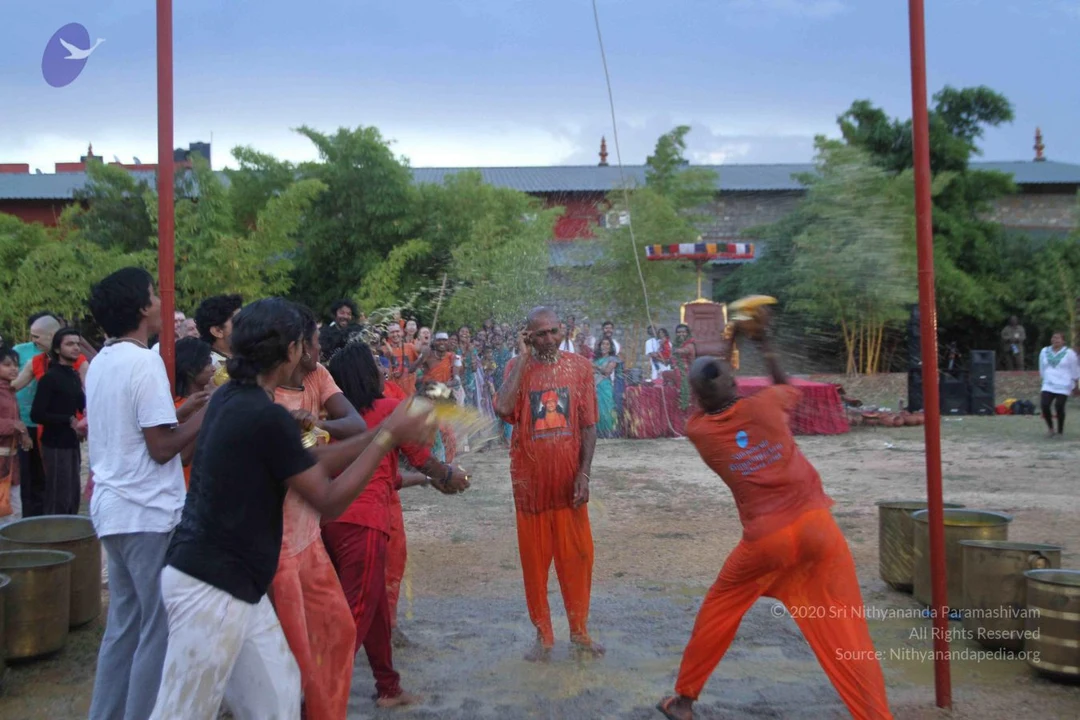
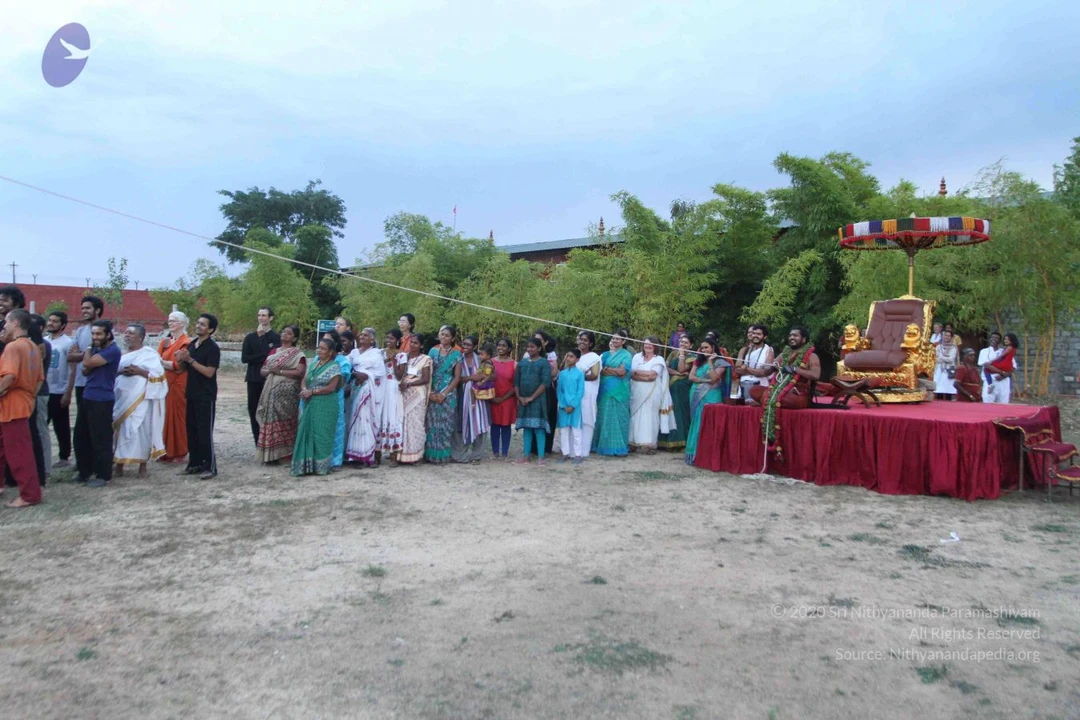
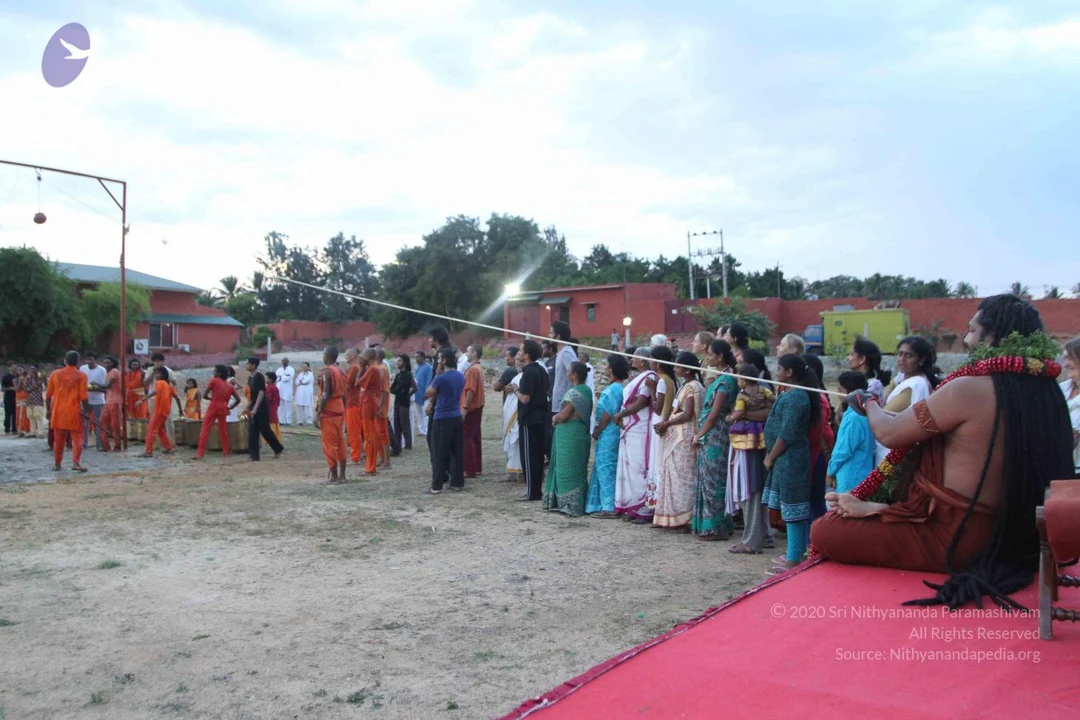
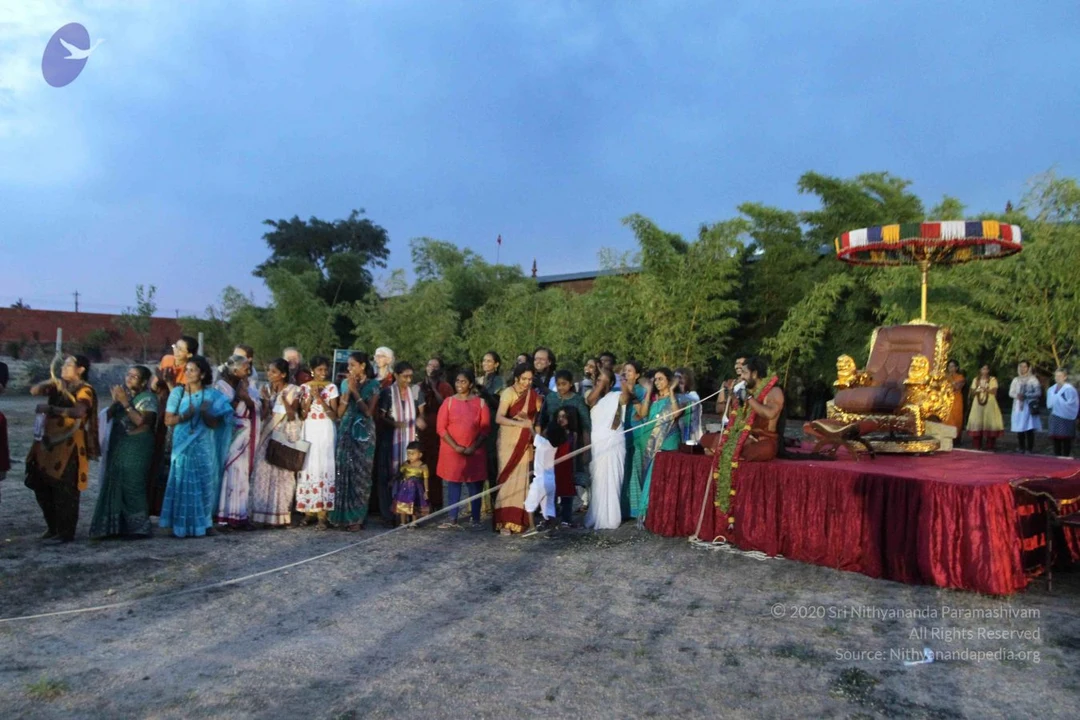
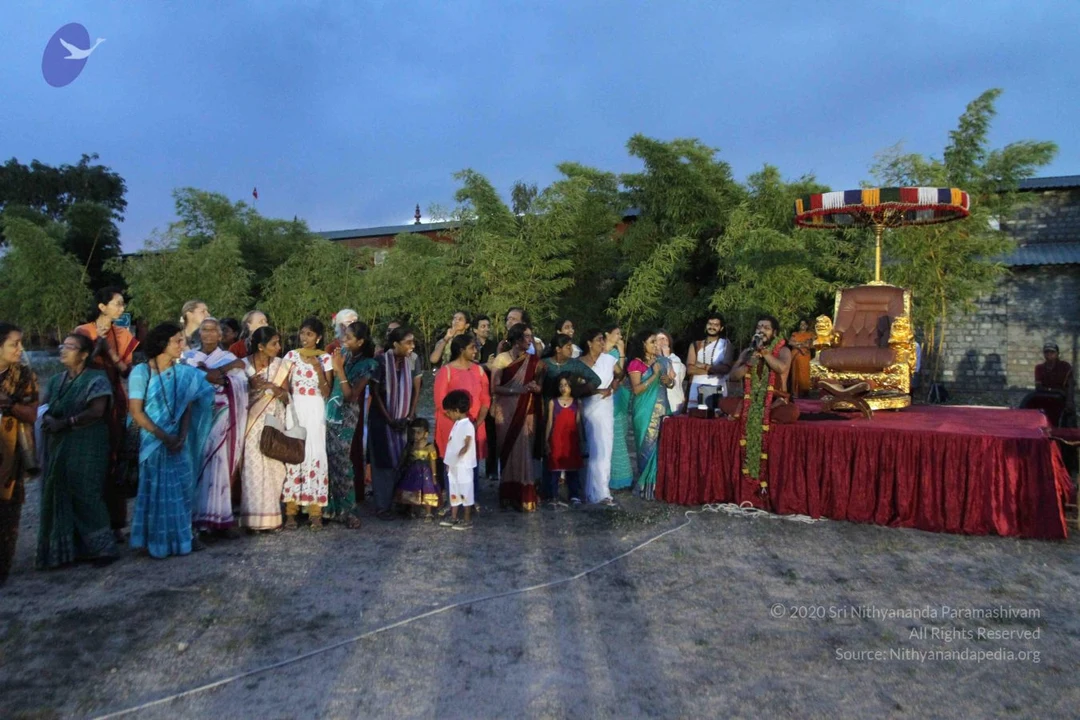
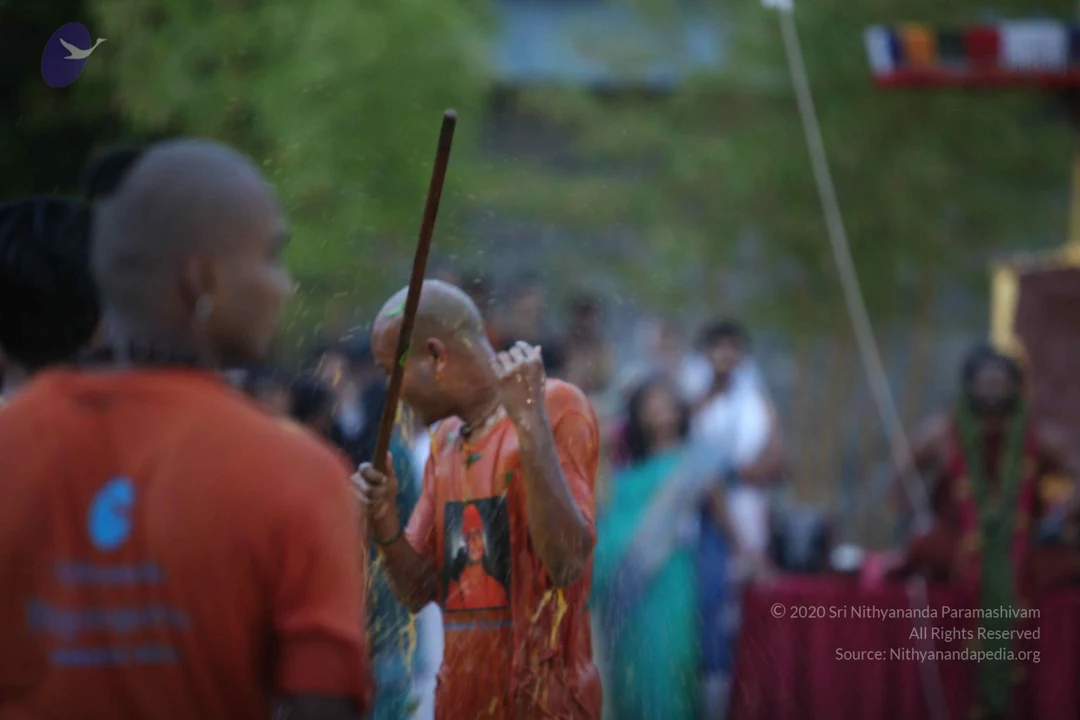
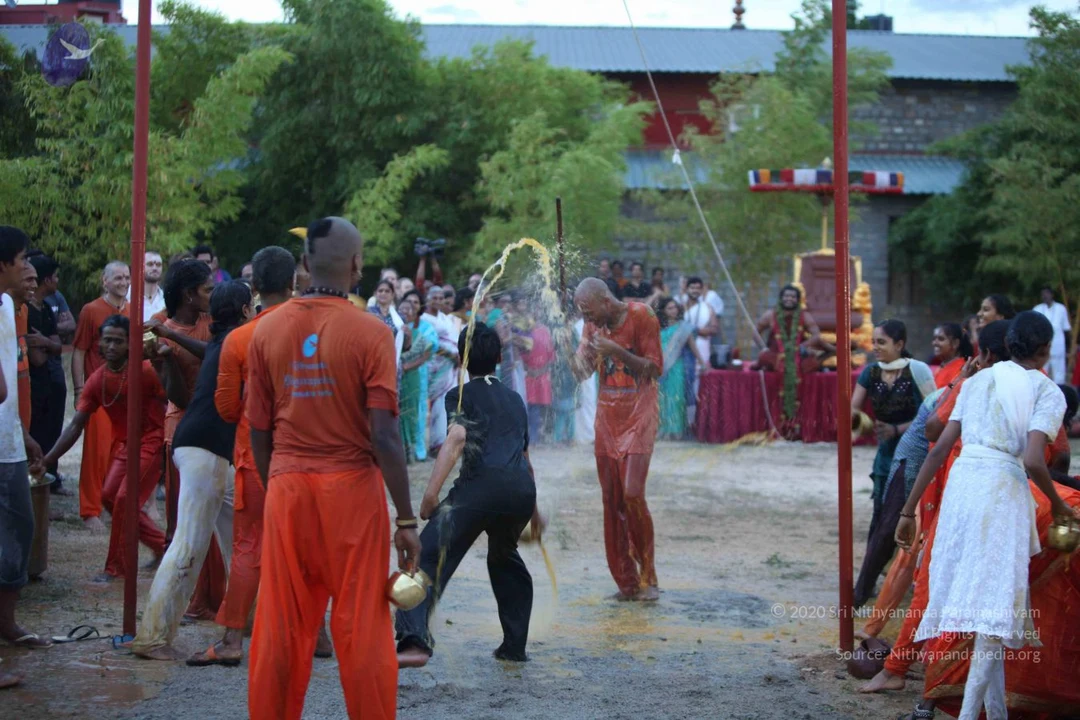
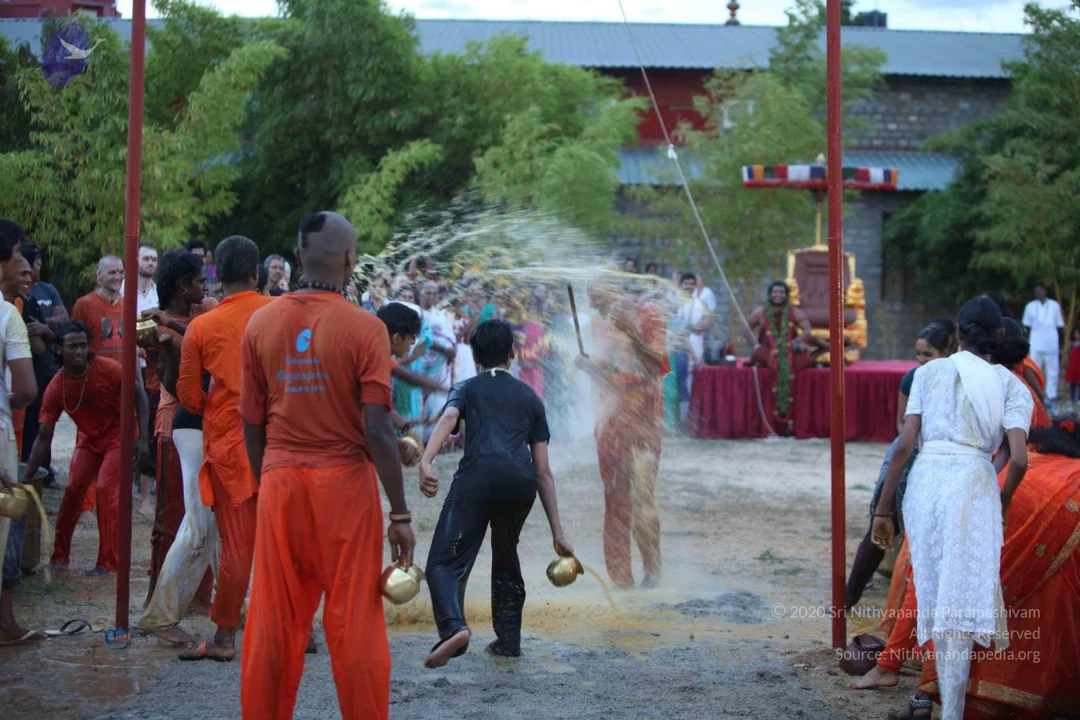
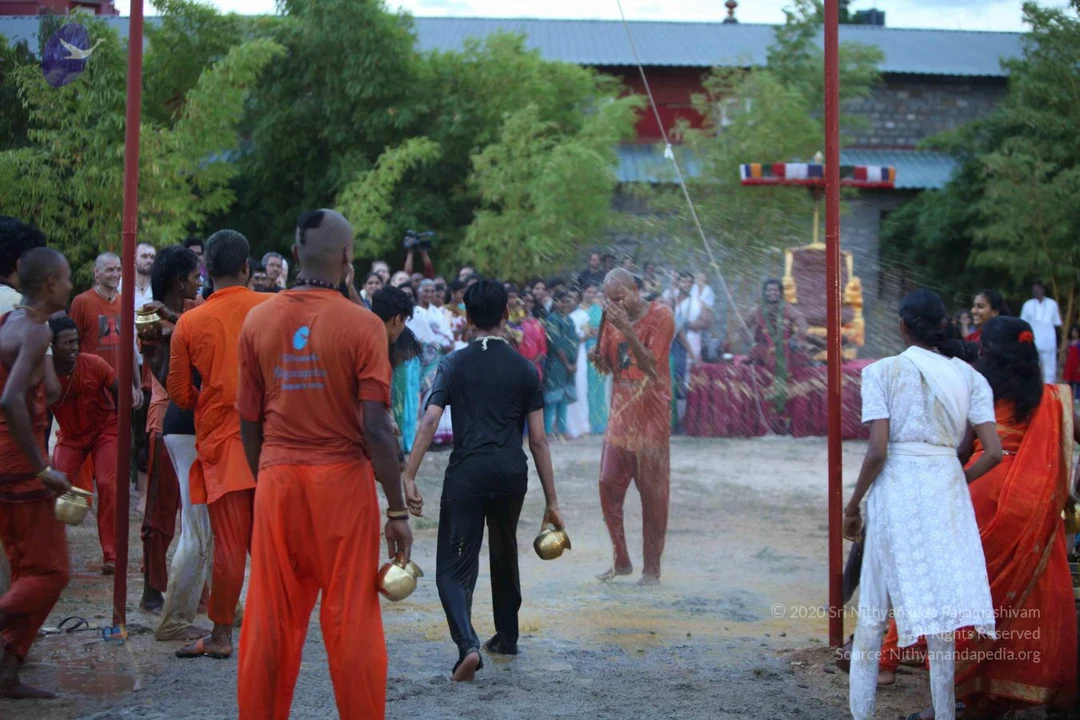
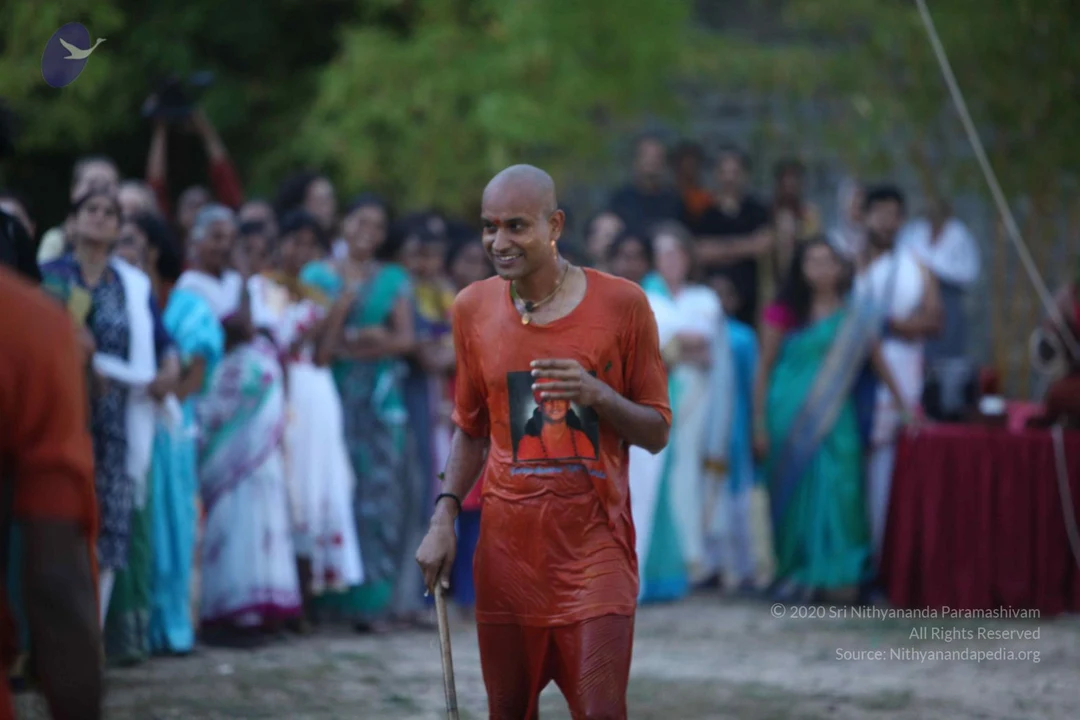
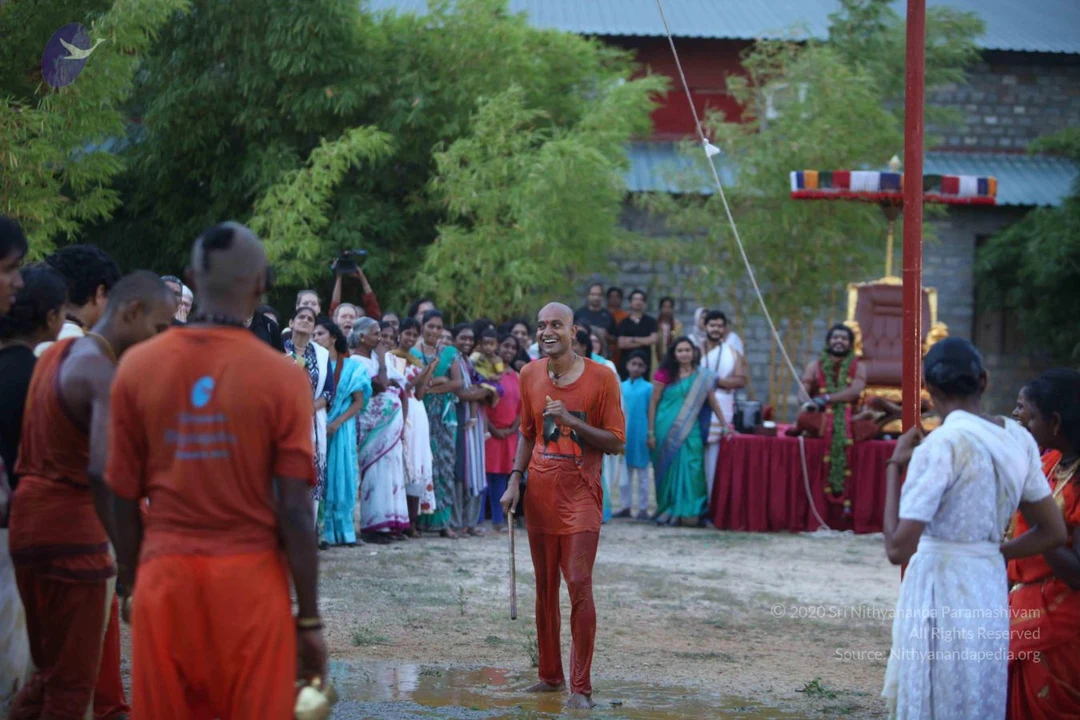
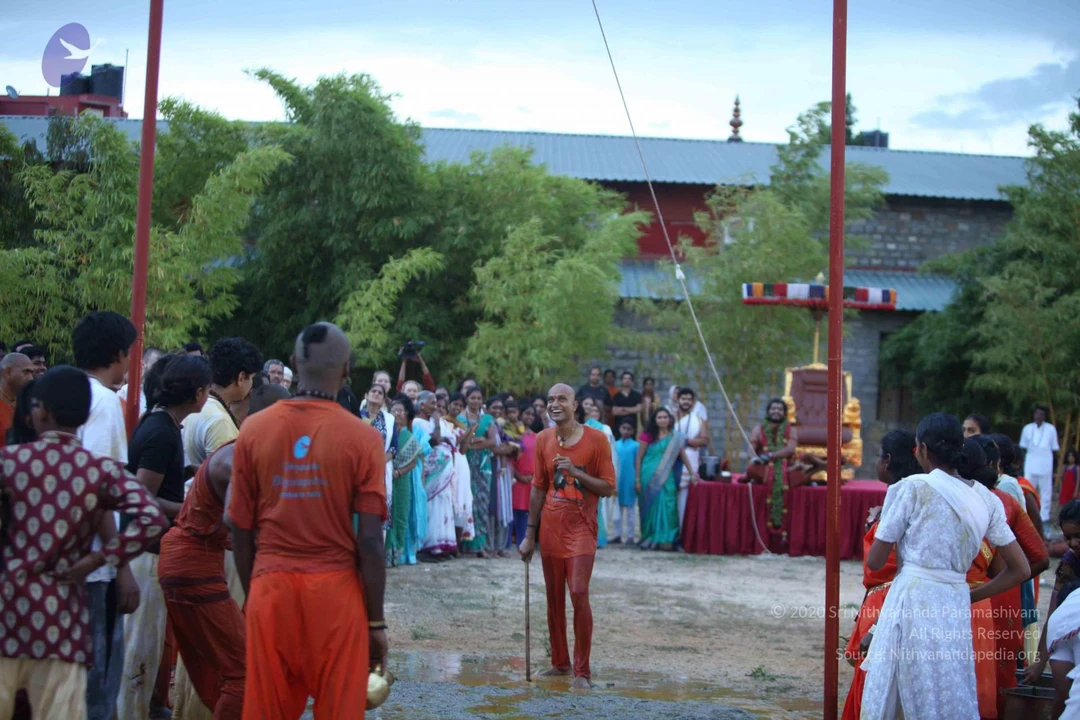
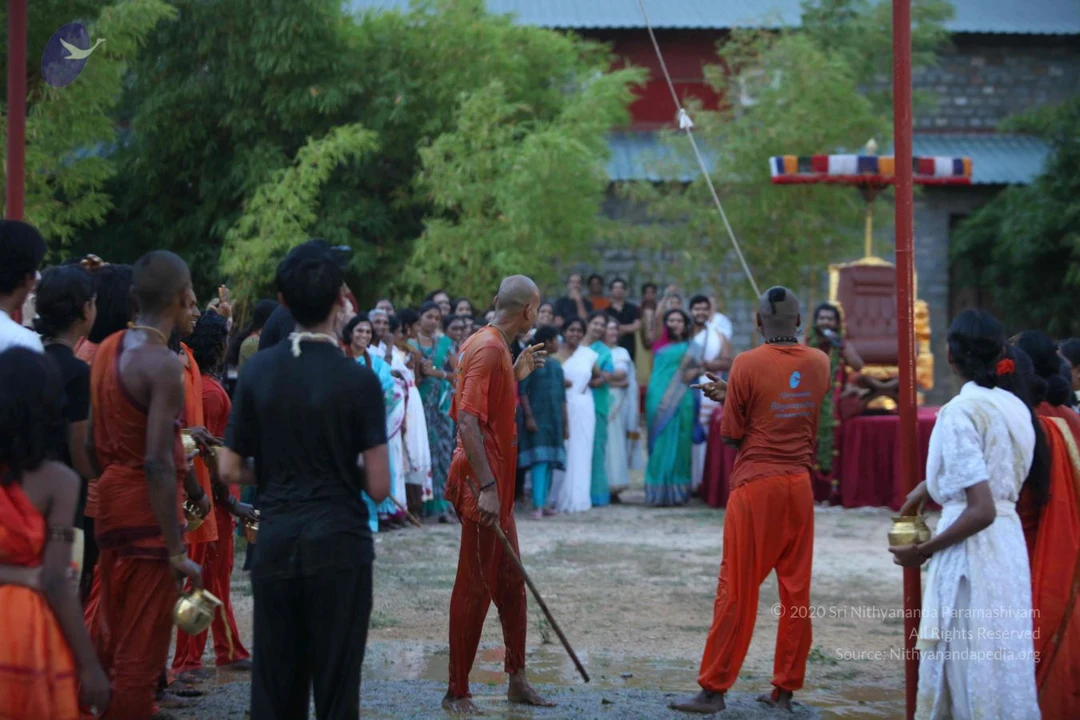
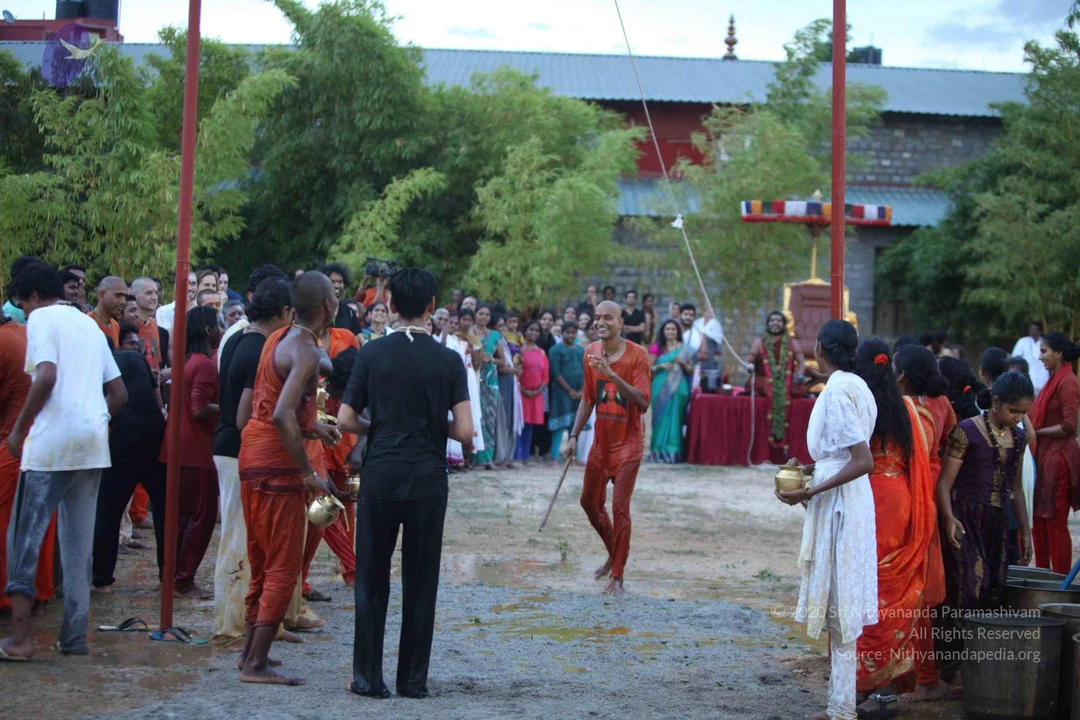
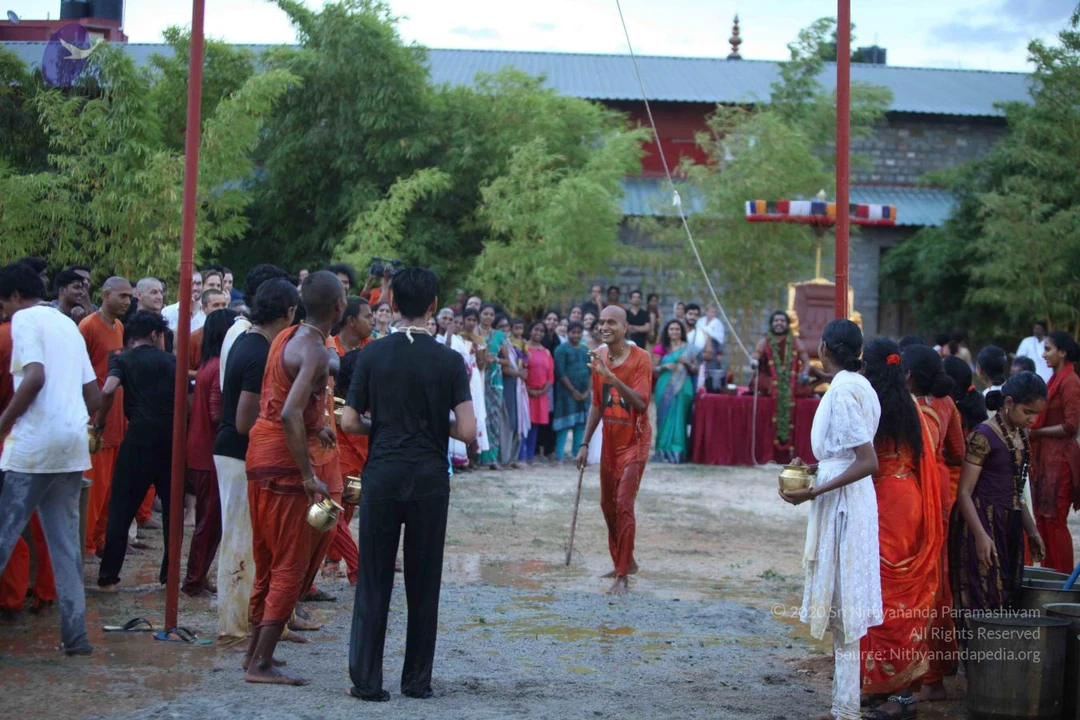
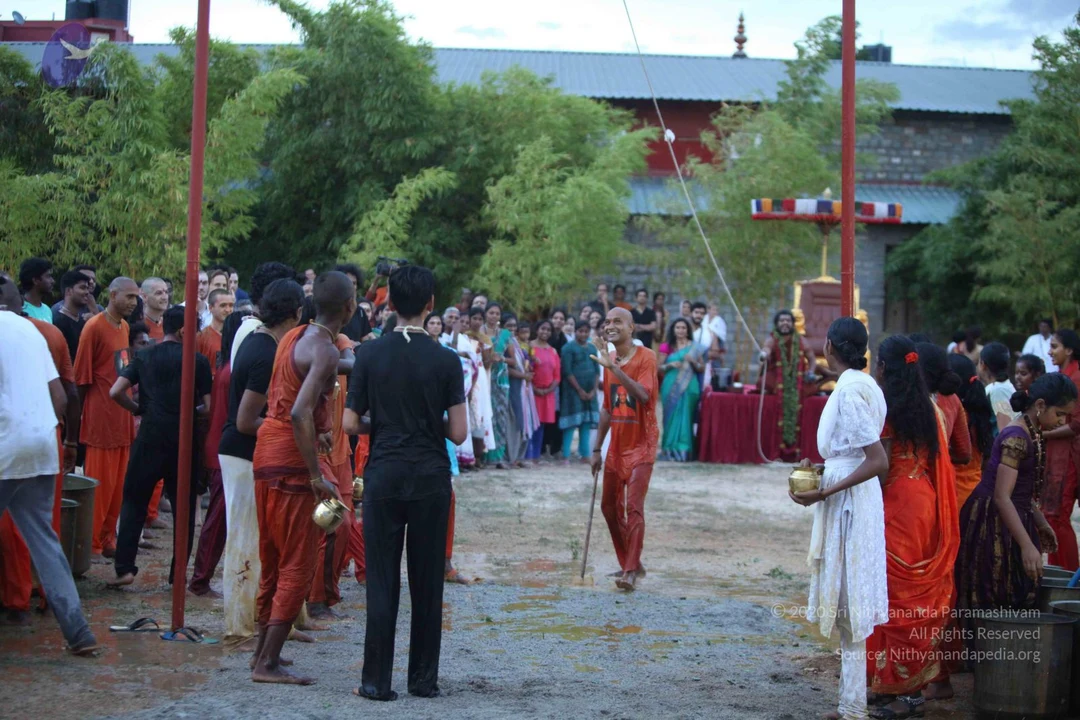
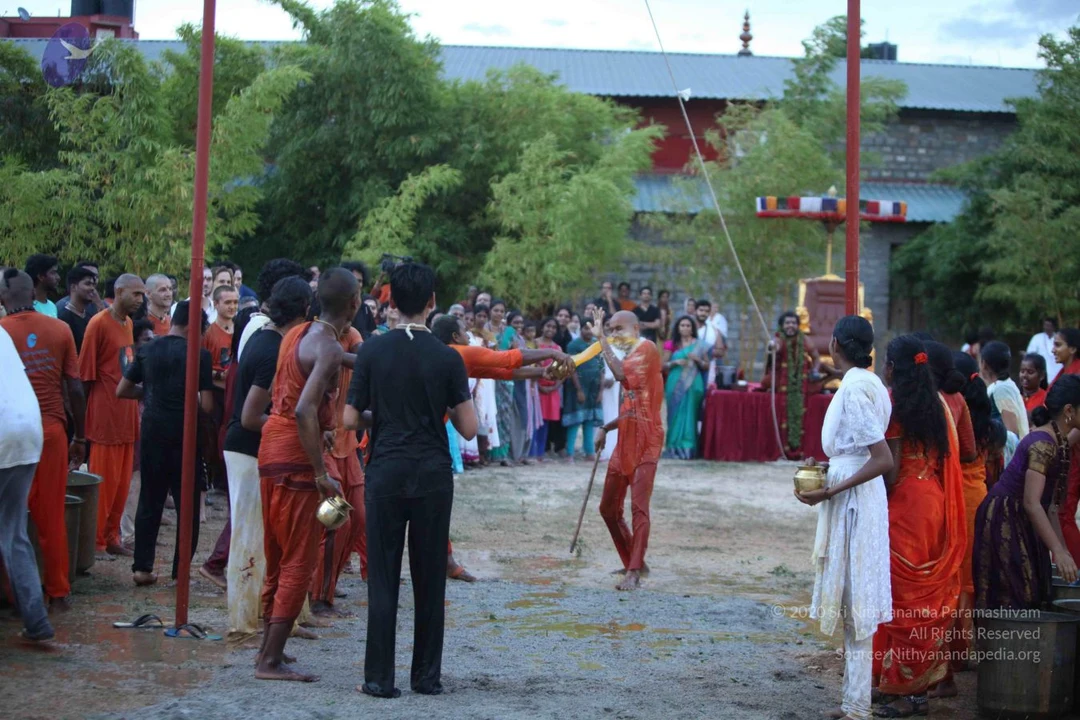
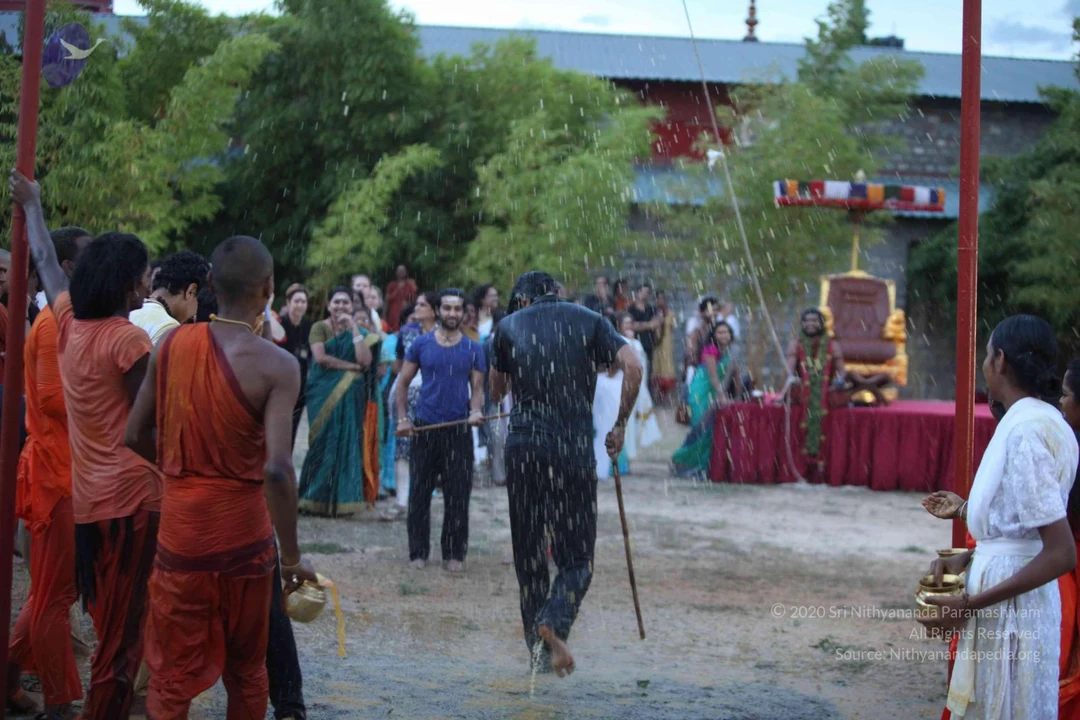
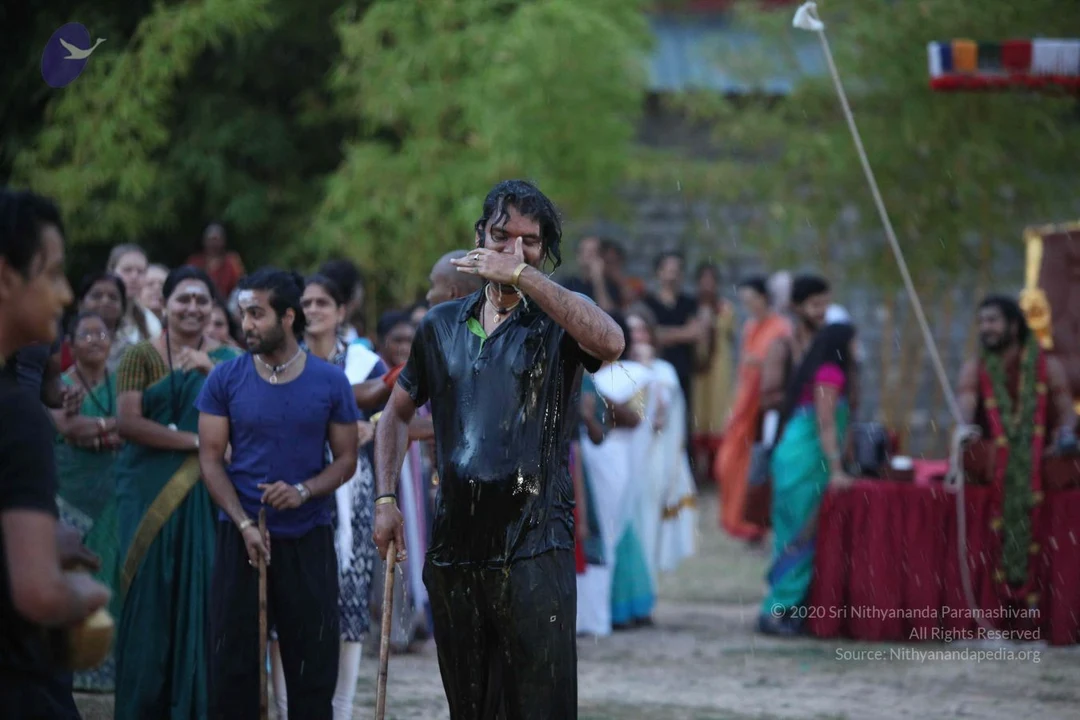
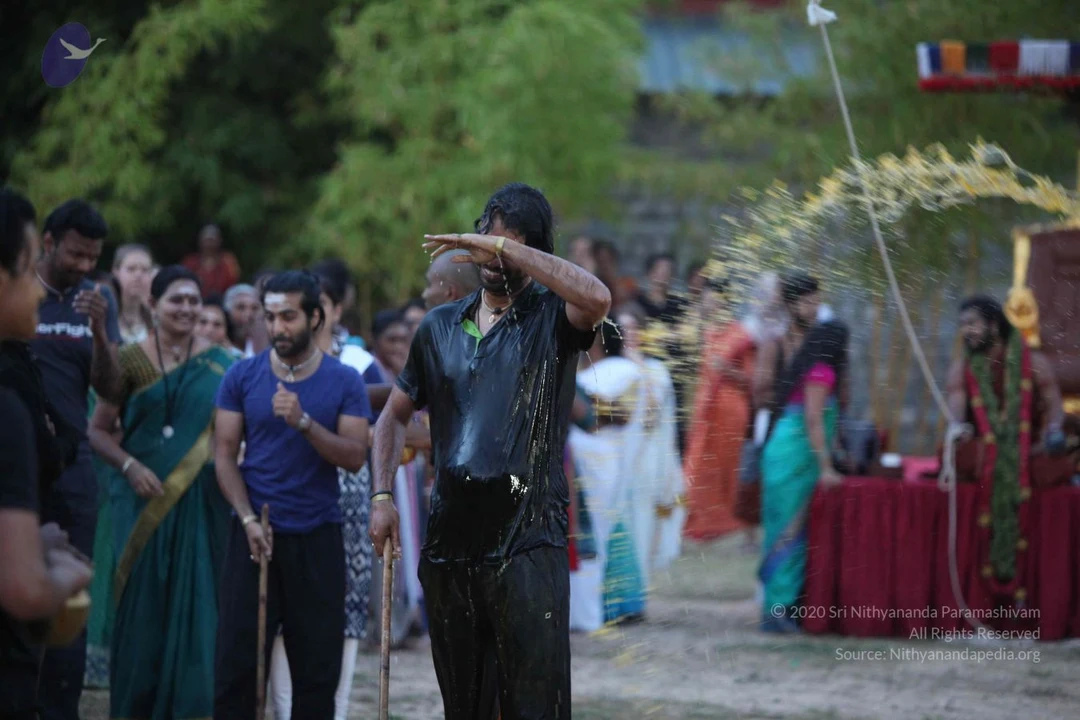
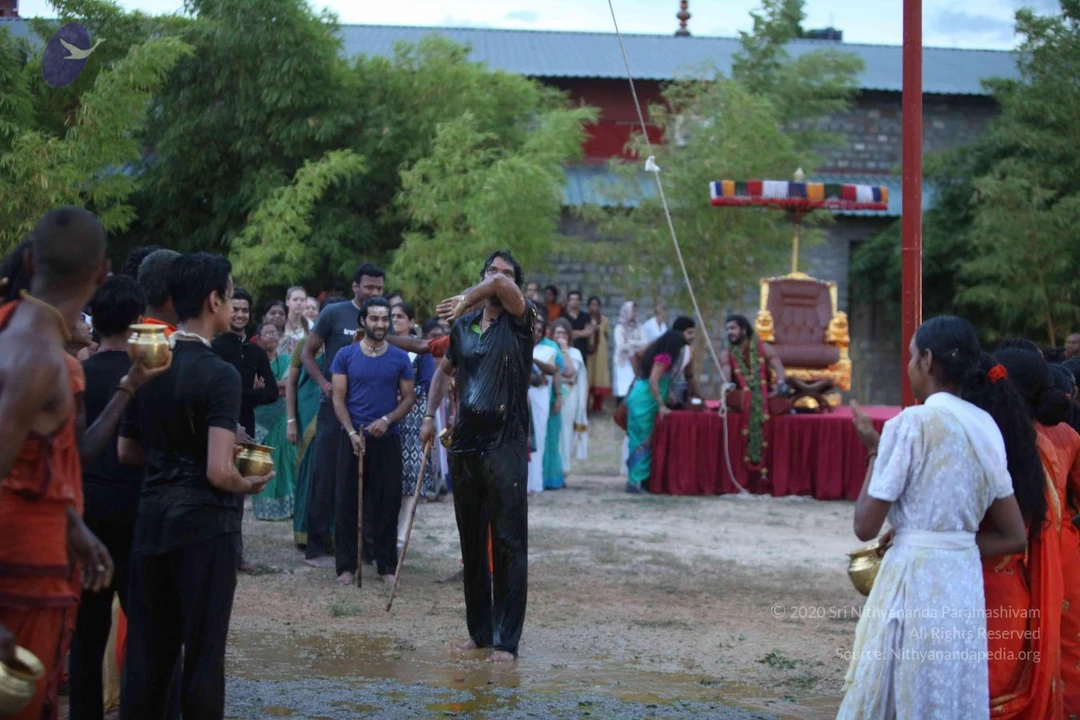
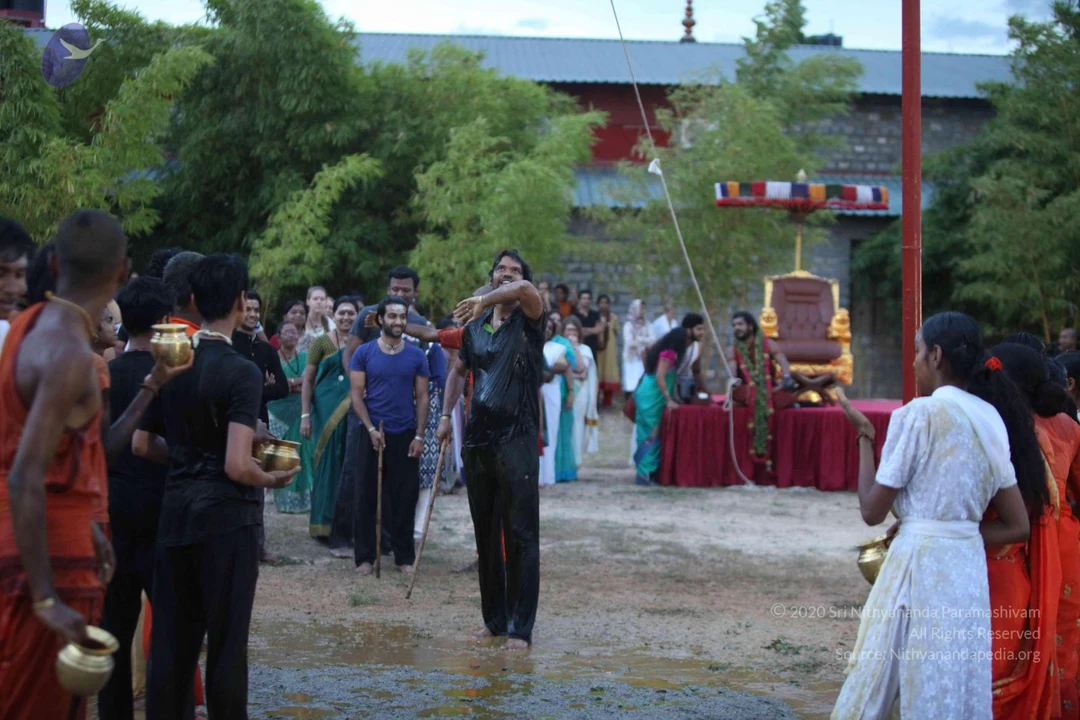
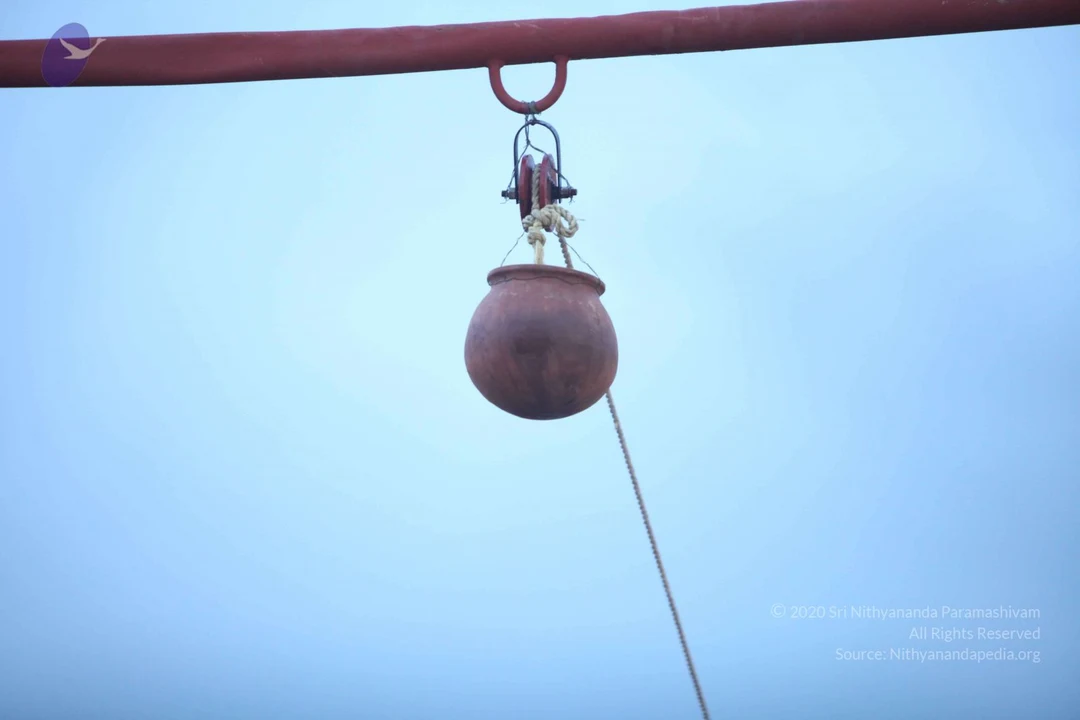
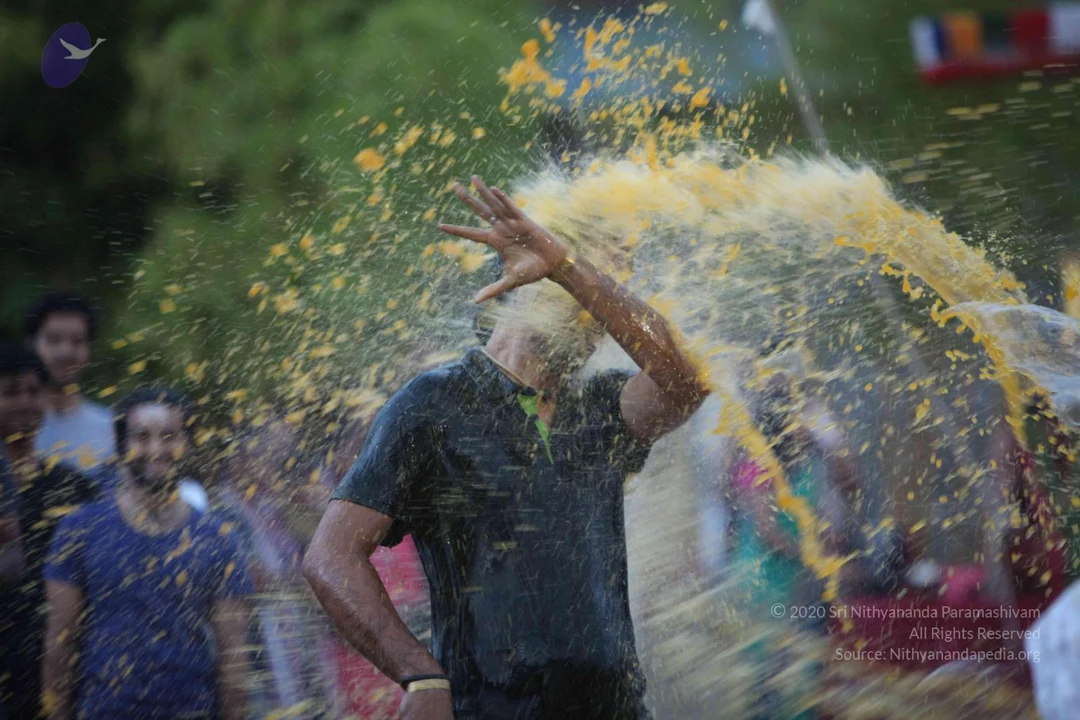
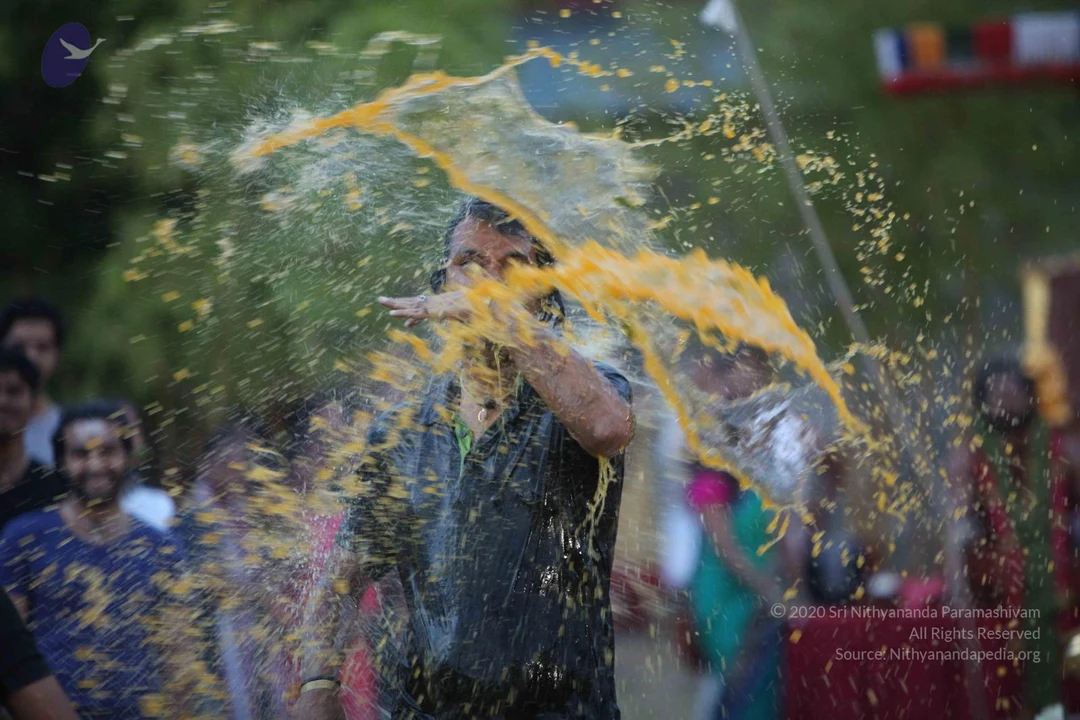
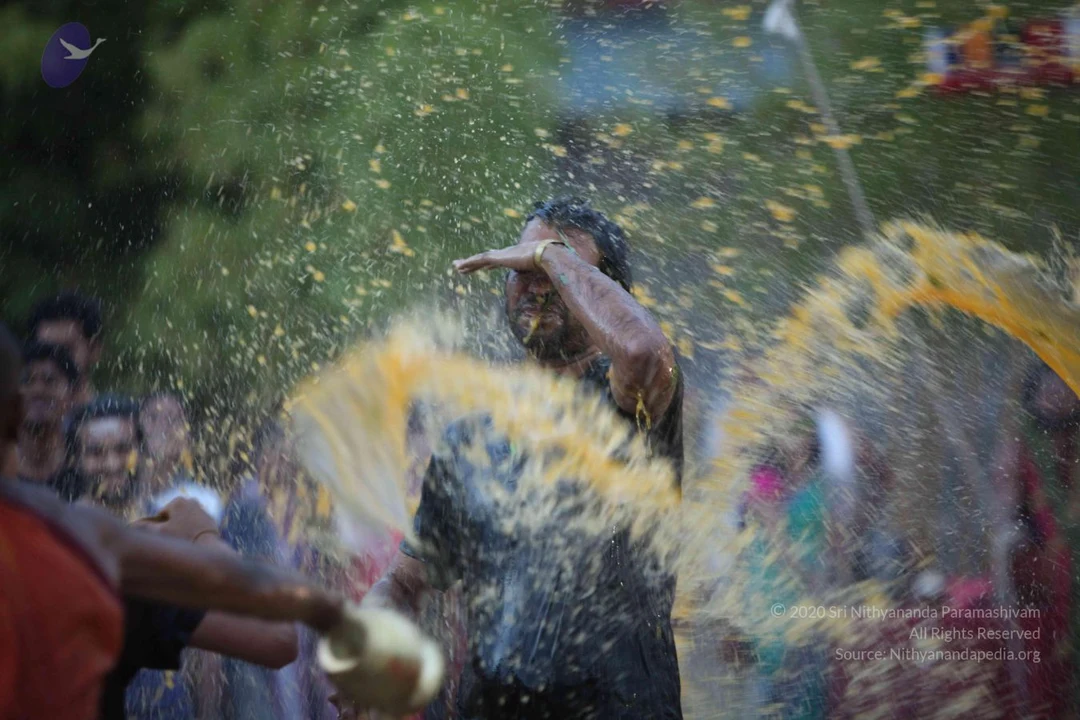
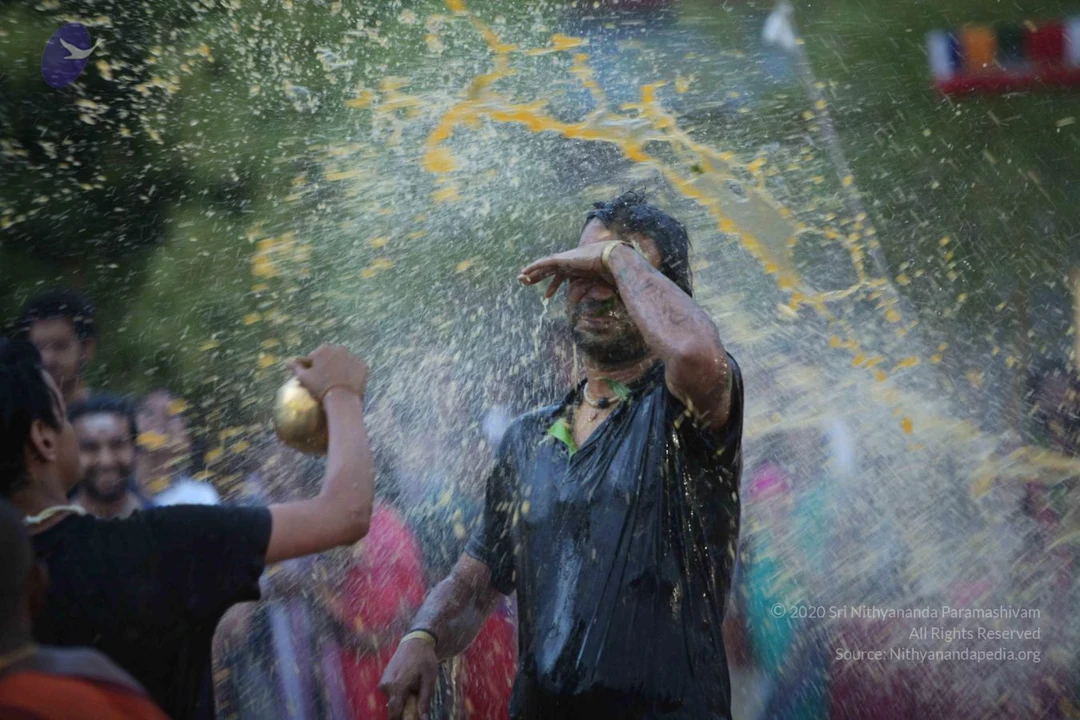
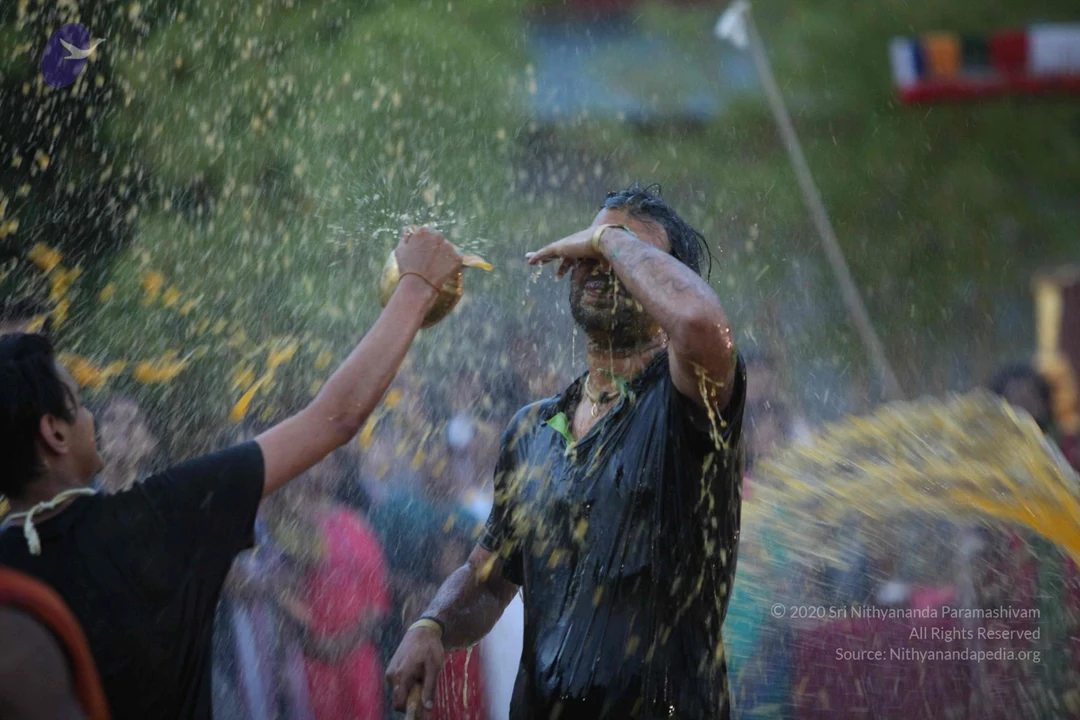
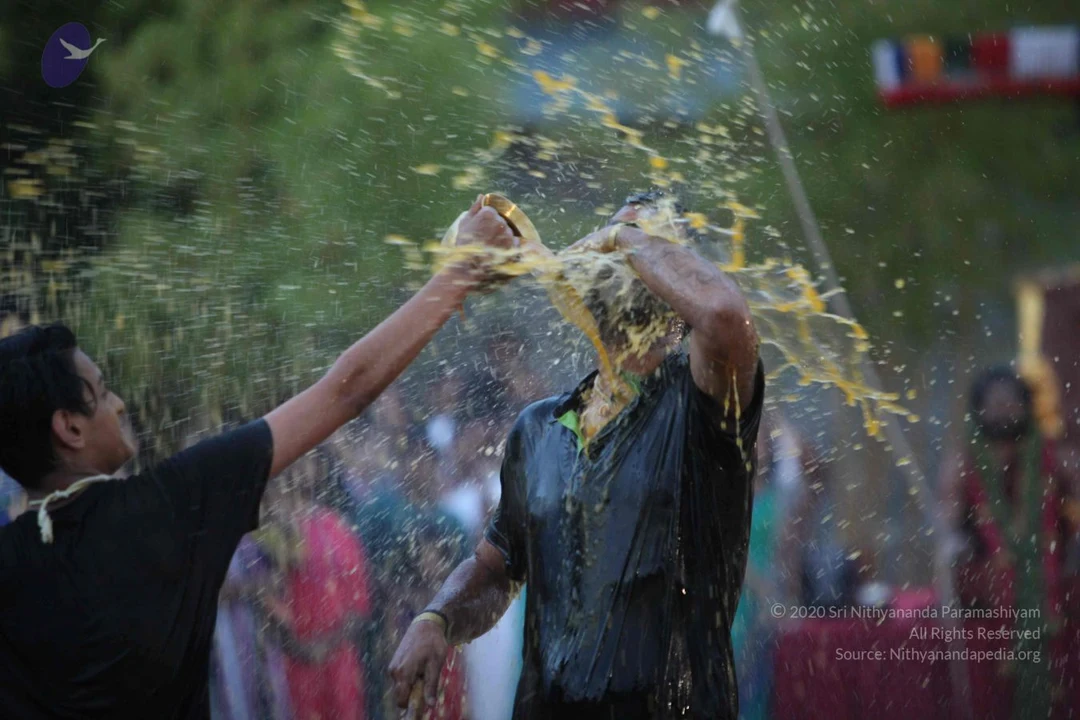
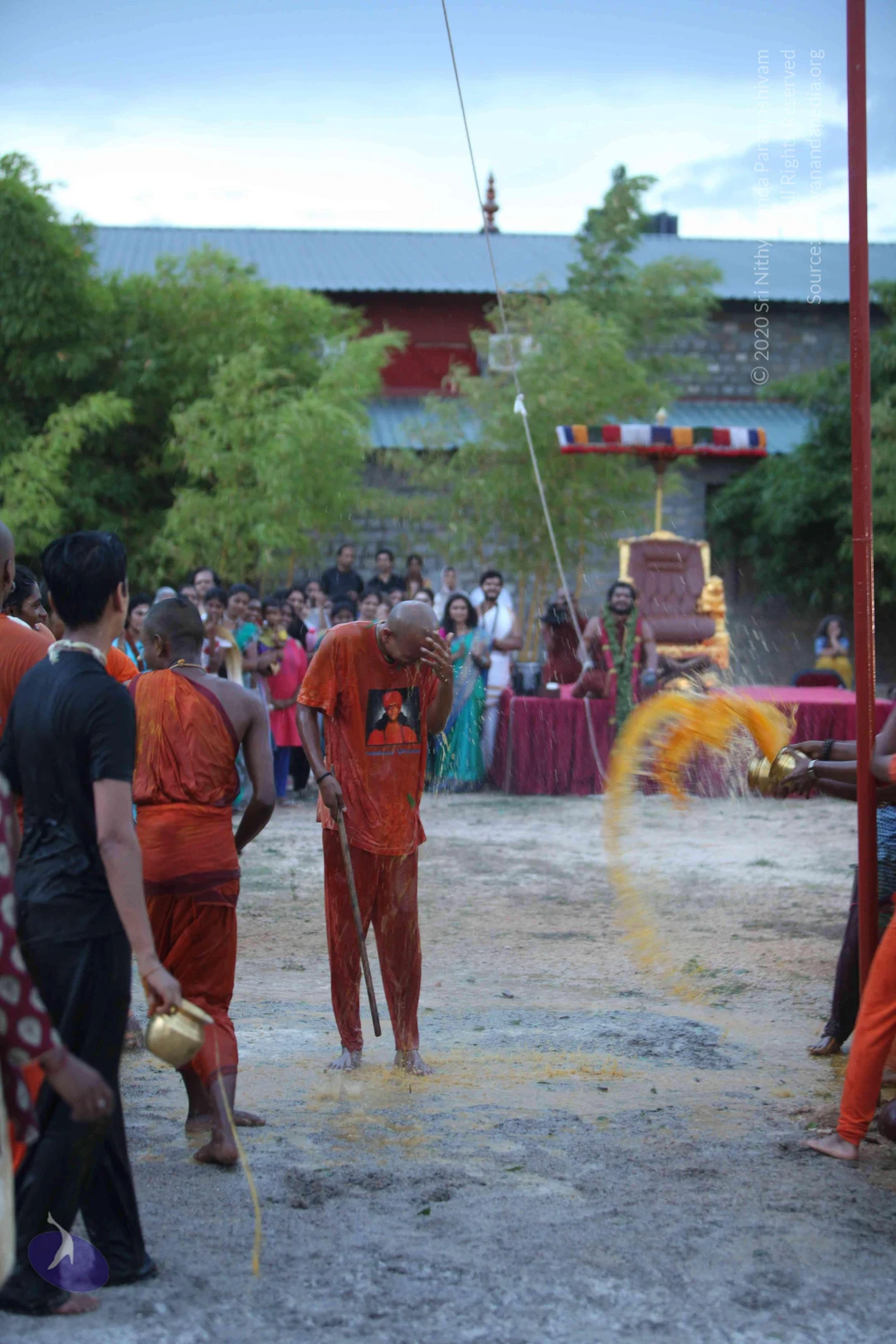
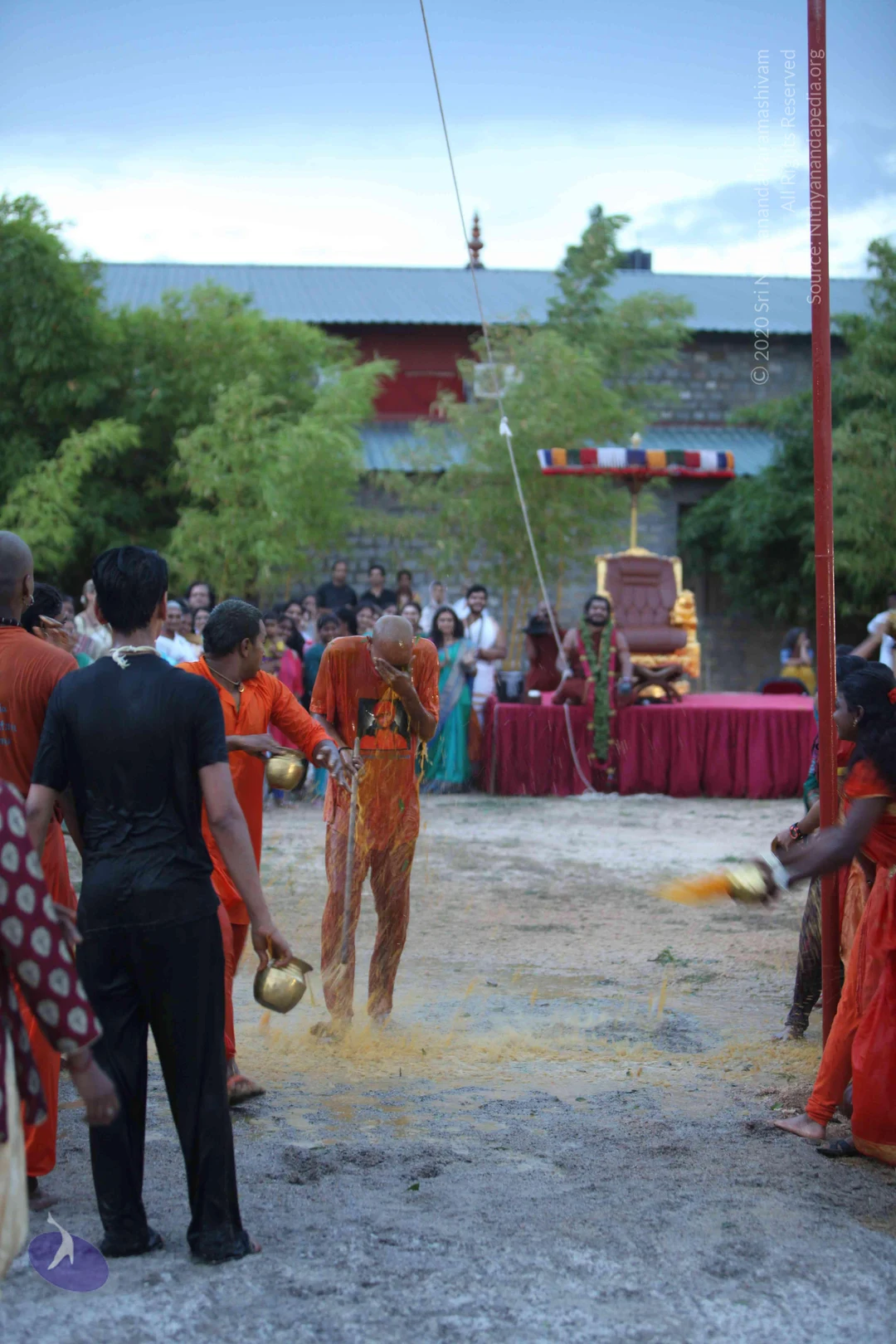
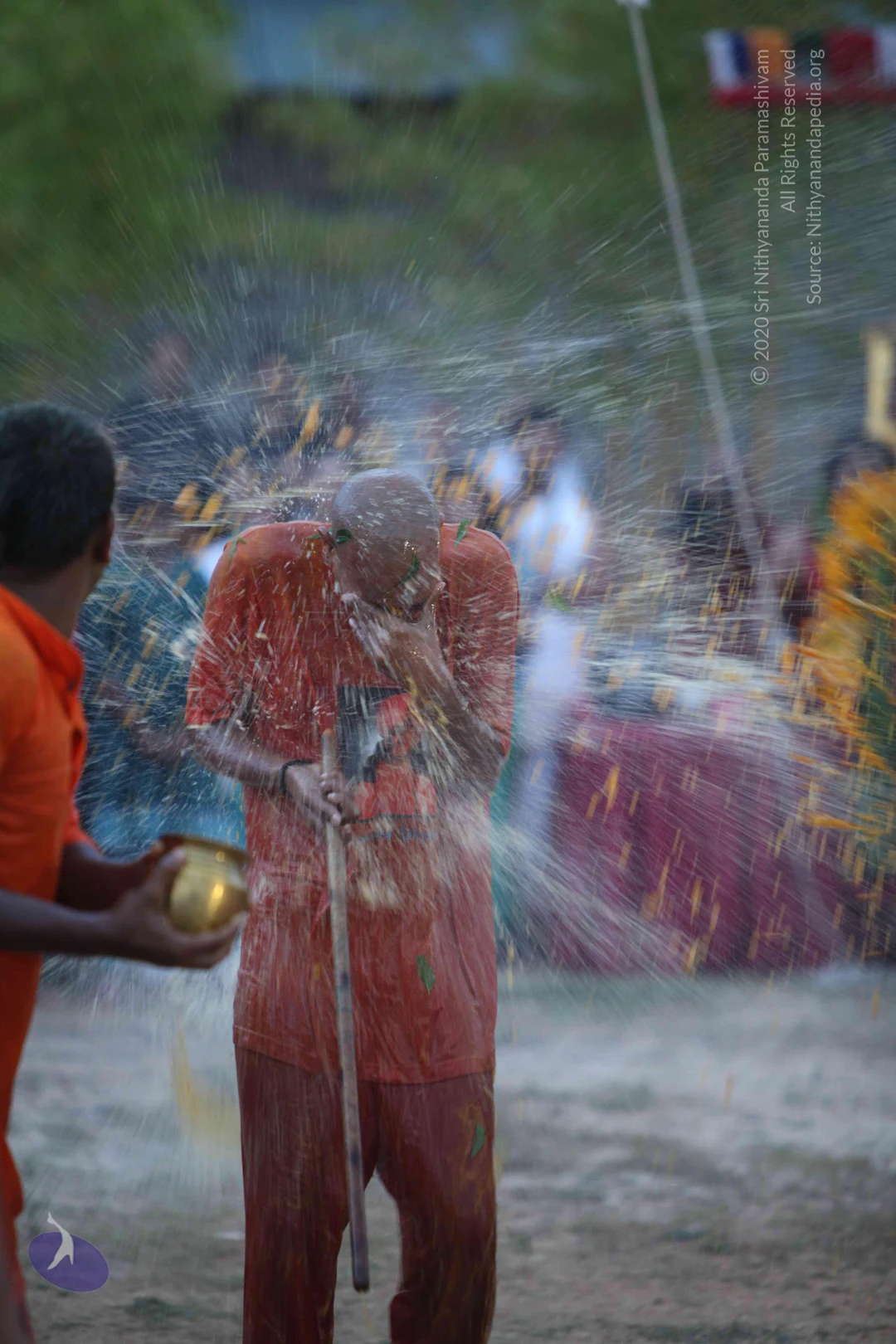
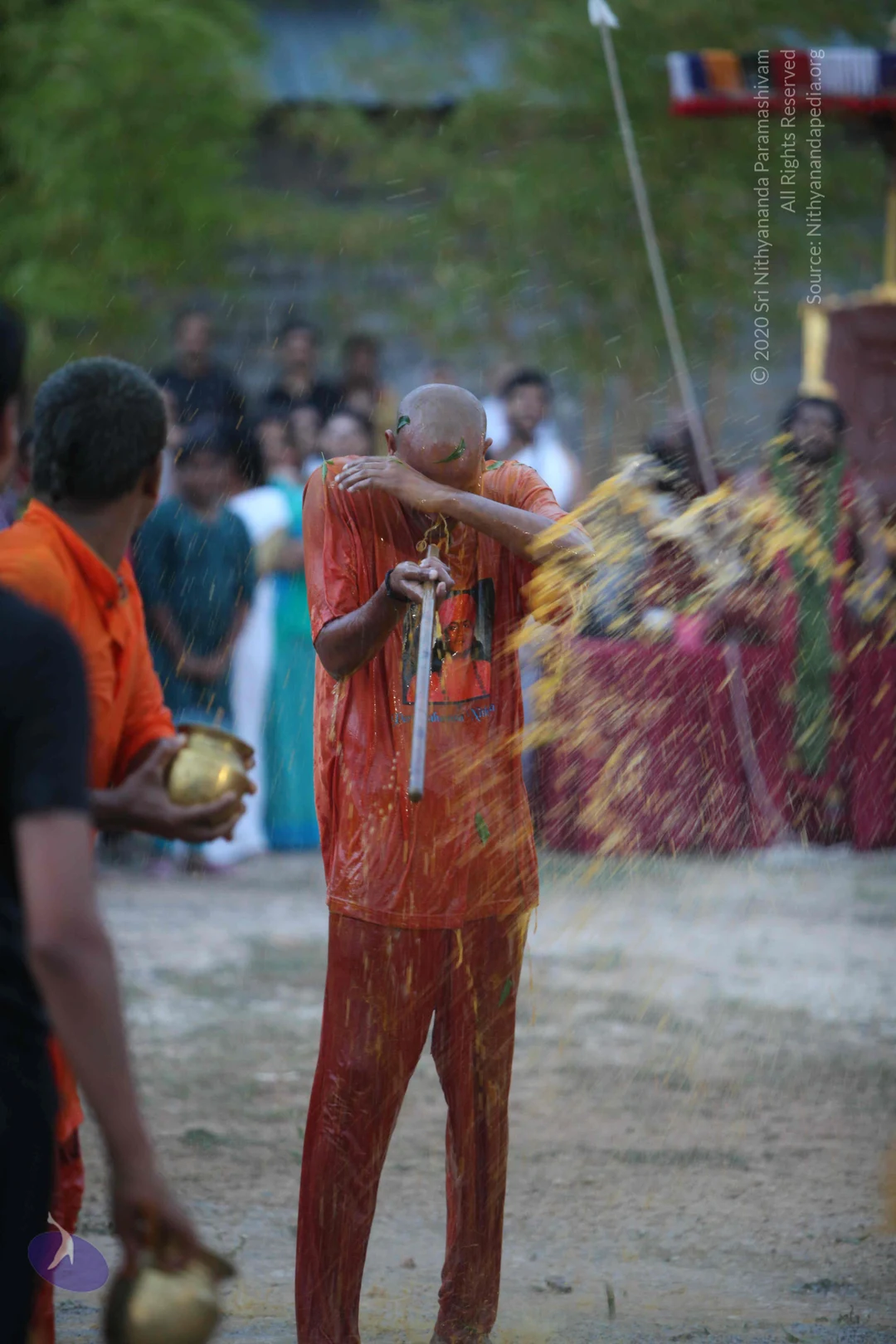
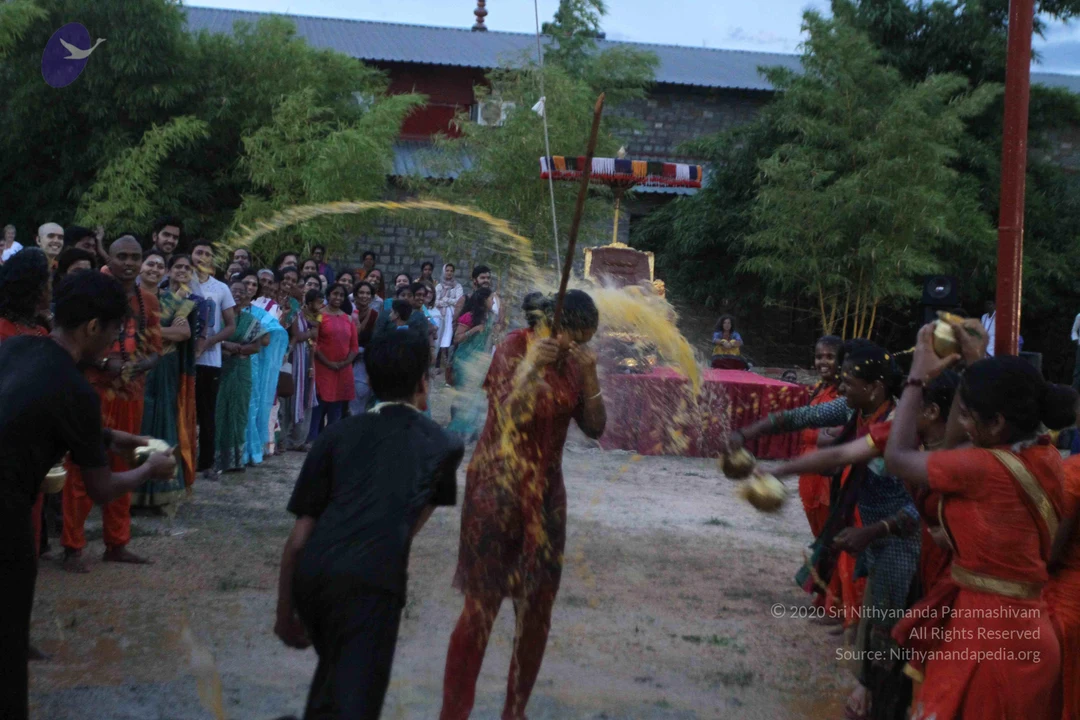
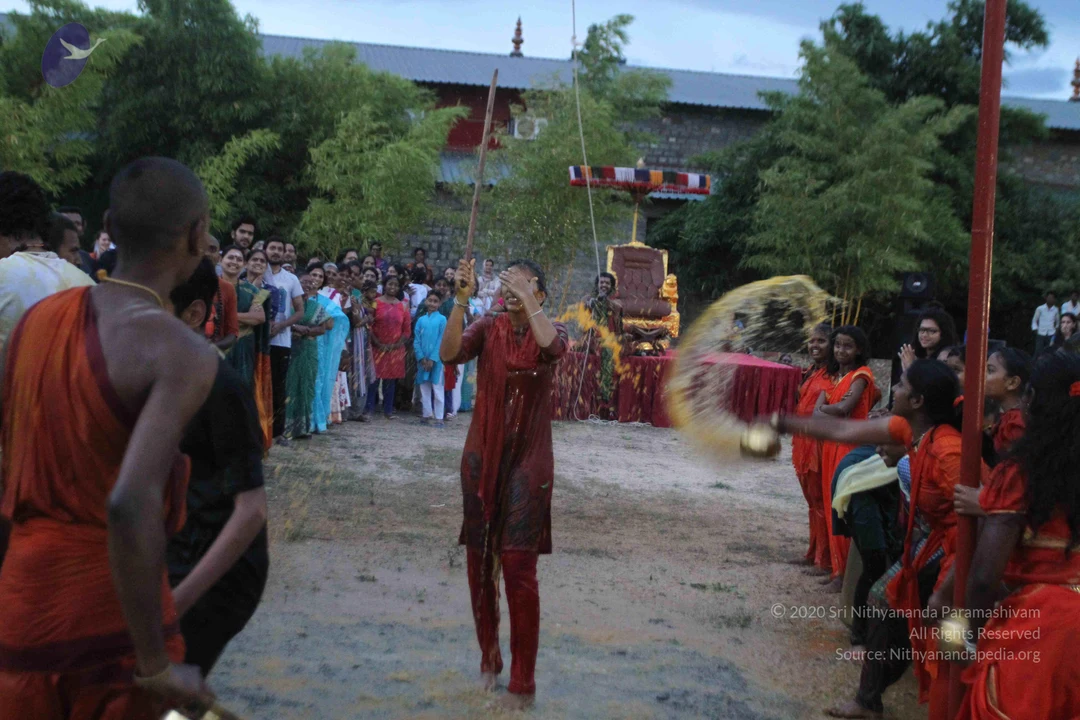
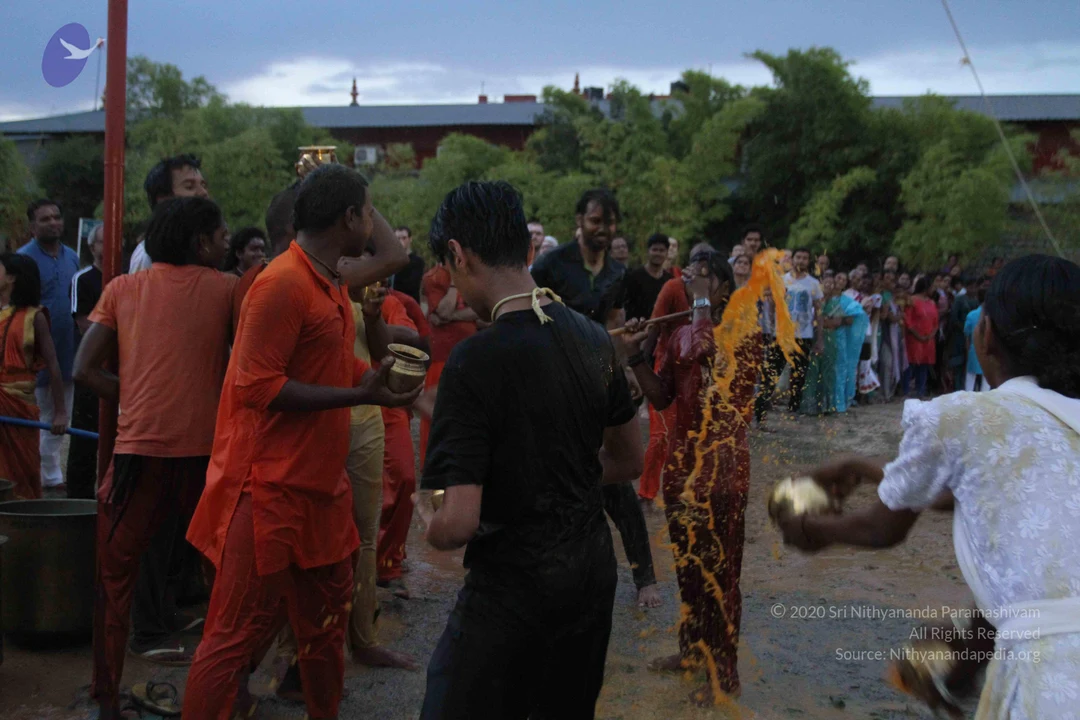
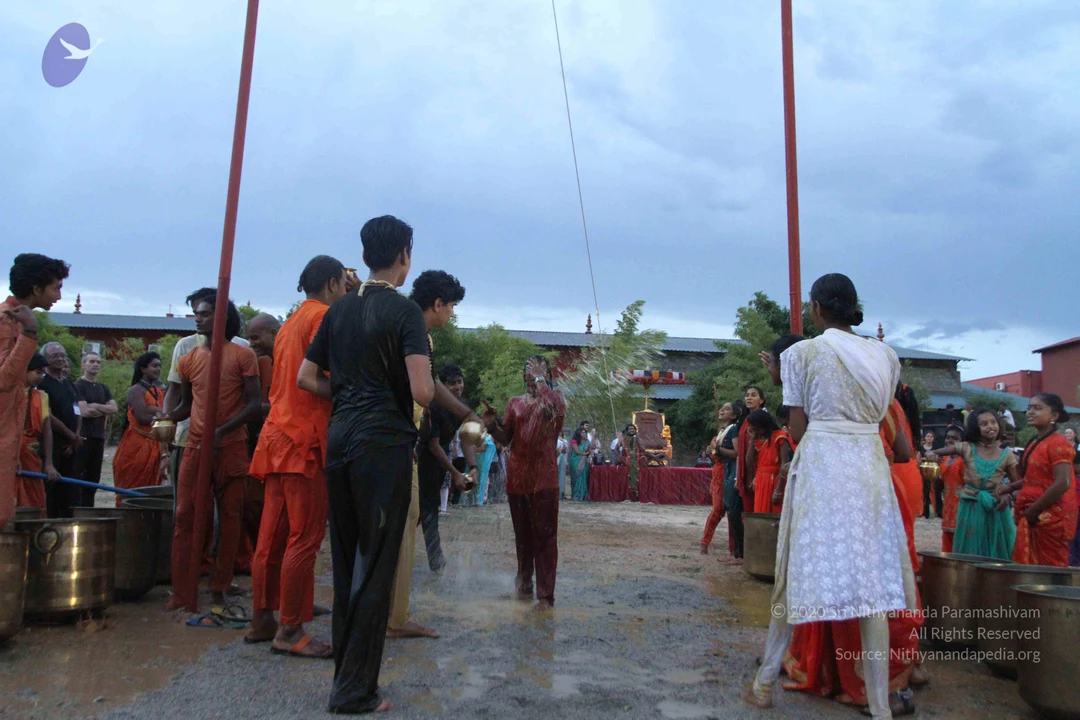
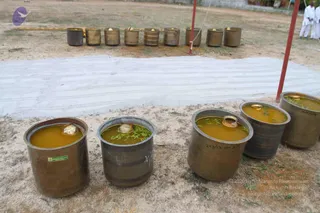
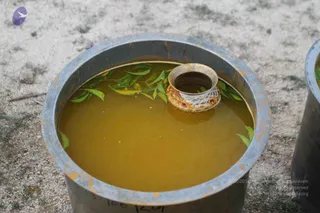
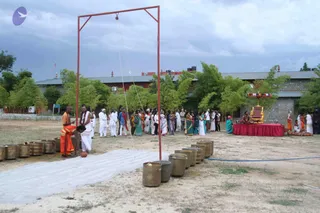
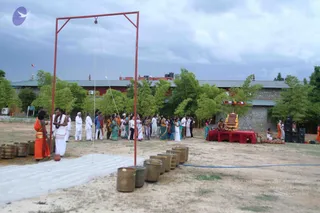
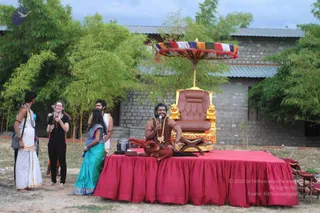
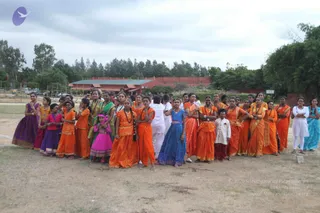
Outdoor scene with a row of cylindrical brass or bronze vessels filled with yellow liquid and green leaves, partly sprinkled with mango or neem-type leaves, set on dry ground in front of a white cloth spread on the earth. Several bronze vessels stand in a line in the background along a rope, with red vertical poles at the edges. Two people in white clothing stand at the far right edge, partly visible. The vessels appear prepared for a ritual such as abhishekam or a puja offering.A large round metal drum or vessel filled with murky yellowish-green liquid, with fresh green mango or neem-like leaves floating on the surface around a small brass or metal pot placed in the middle. The drum sits on sandy, pebbly ground with a second drum partially visible at the right edge. No people are visible.Outdoor ritual scene in an open dusty courtyard under an overcast sky. A red metal frame holds a hanging rope with a pulley; beneath it, a priest in white dhoti and a man in saffron-orange robes kneel near a row of large brass pots and a bundled white cloth. Behind them a standing crowd of devotees in white, saffron, teal and green saris and kurtas faces a red-draped platform with a golden throne-style seat. A seated figure in orange robes sits at the throne, with more saffron-clad people on the right. Brick and tiled buildings and green bamboo-like trees frame the background.Outdoor courtyard scene under an overcast sky, with a tall red metal frame holding a hanging rope and pulley. Several men in white dhotis and orange shawls stand near the frame beside a row of brass pots arranged on the ground, one with a small clay pot near a white marked area. A crowd of devotees in white, blue, green and pink saris and kurtas stands in a loose group. At right, a seated figure in orange sits on a raised golden seat behind a red-draped table with a decorated canopy, flanked by black speakers, with attendants in orange nearby. Green bamboo trees and a brick building with a red roof frame the background.Outdoor photo of a seated man in saffron-red robes and a rudraksha mala speaking into a microphone on a red-draped platform. Behind him stands a large brown leather throne with gold lion-like armrests under a striped canopy. To the left, several people stand on the grass: a man in white dhoti and shawl, a woman in a black top, a woman in a teal sari, and a man in white. Green bamboo and a grey brick building with a corrugated roof form the backdrop.Outdoor group photograph on a dry grassy field under an overcast sky with trees and a red-walled building behind. About thirty young girls and women stand close together, most in saffron-orange saris and dresses, with some in purple, blue, green and pink outfits and bangles, earrings and garlands. A few women in white garments stand at the edges, and a small boy in a white kurta and red trousers stands at the front. Several participants fold their arms or have hands clasped, and the scene suggests a festival gathering such as a Krishna Janmashtami celebration.

Kabaddi-traditional game

150 photosSource gallery
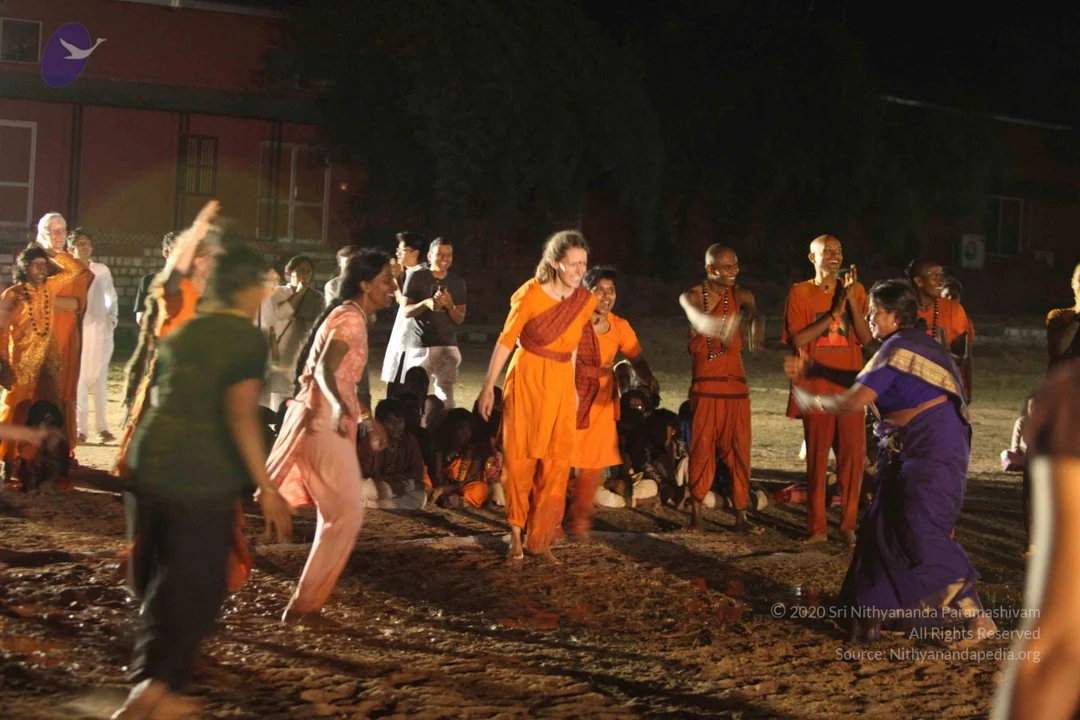
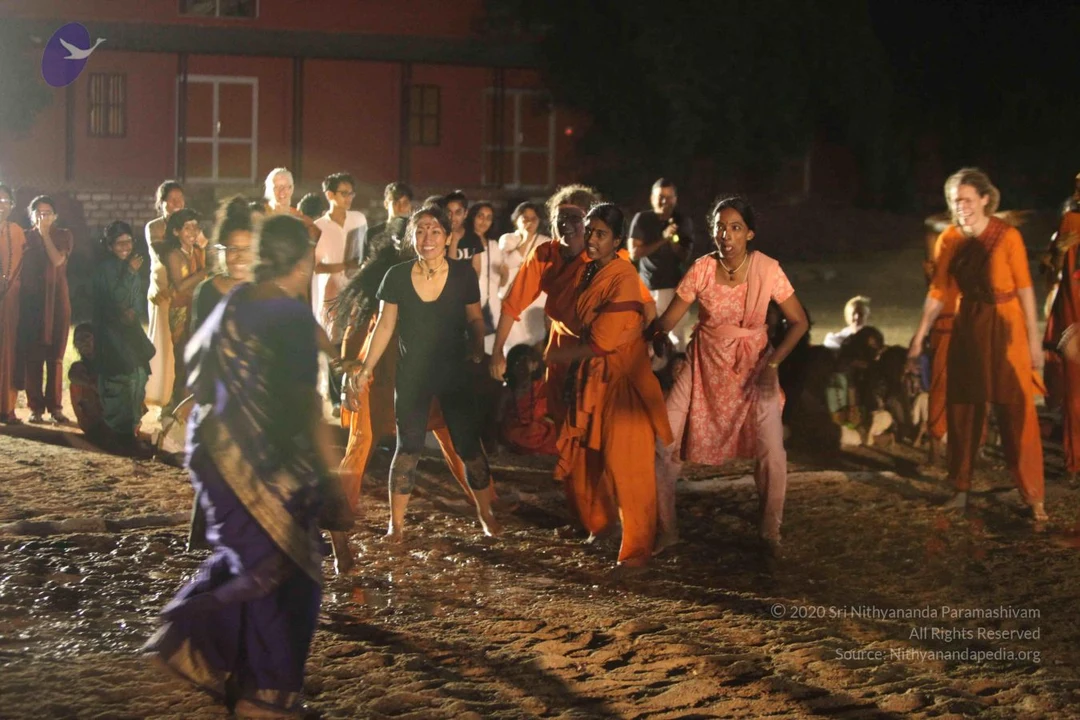
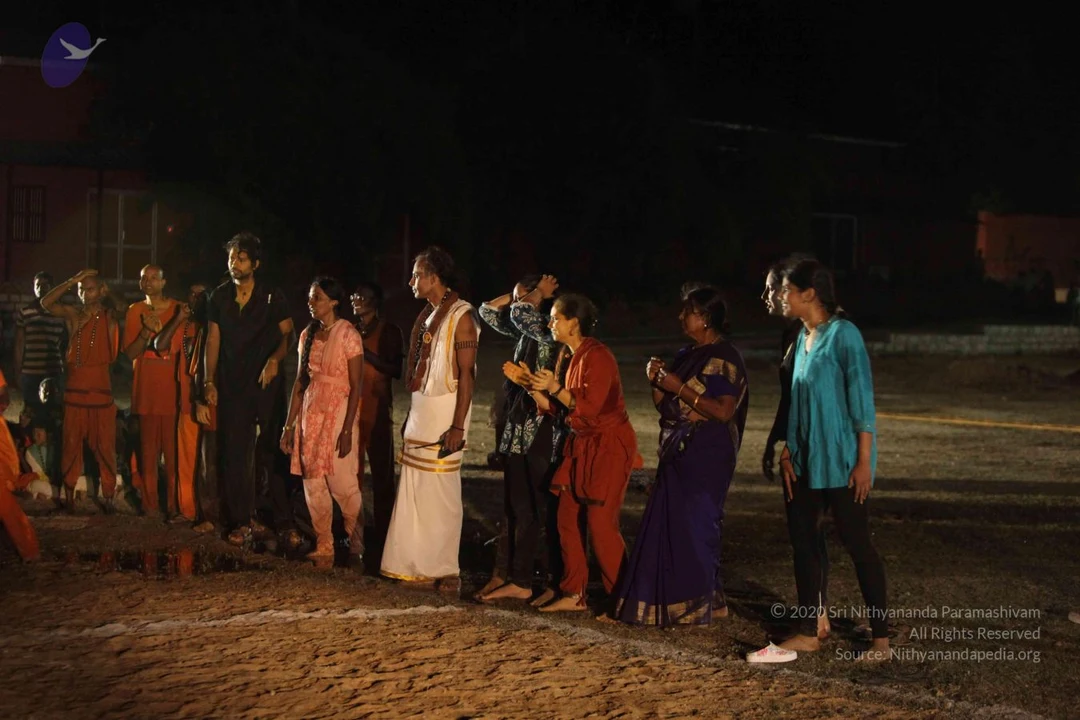
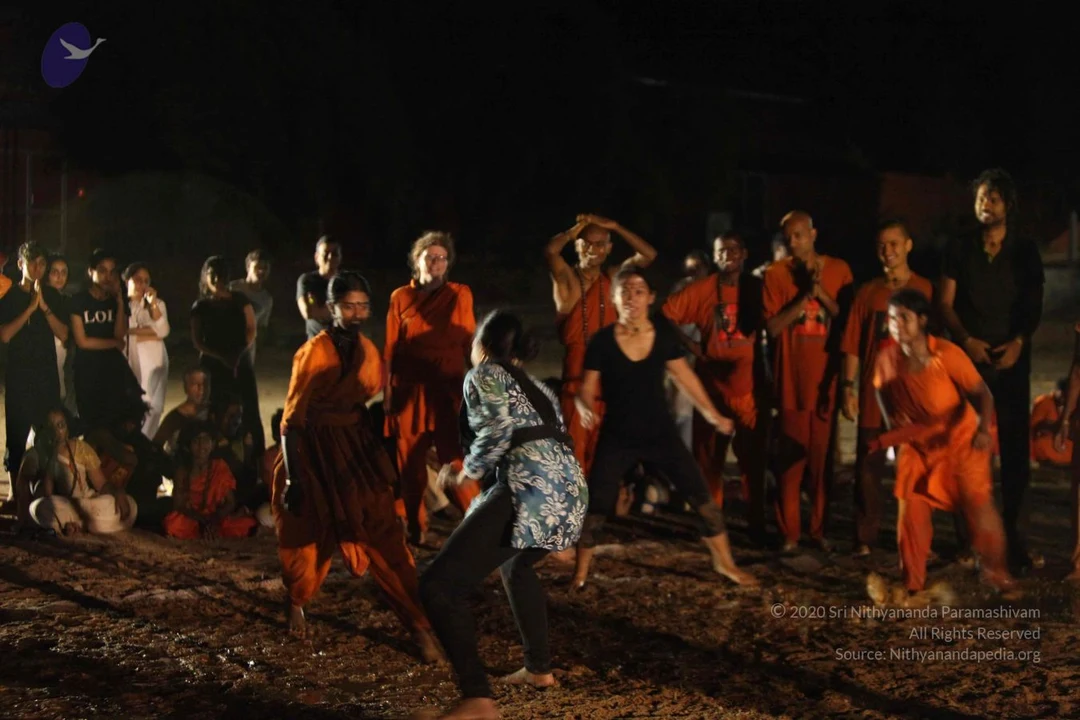
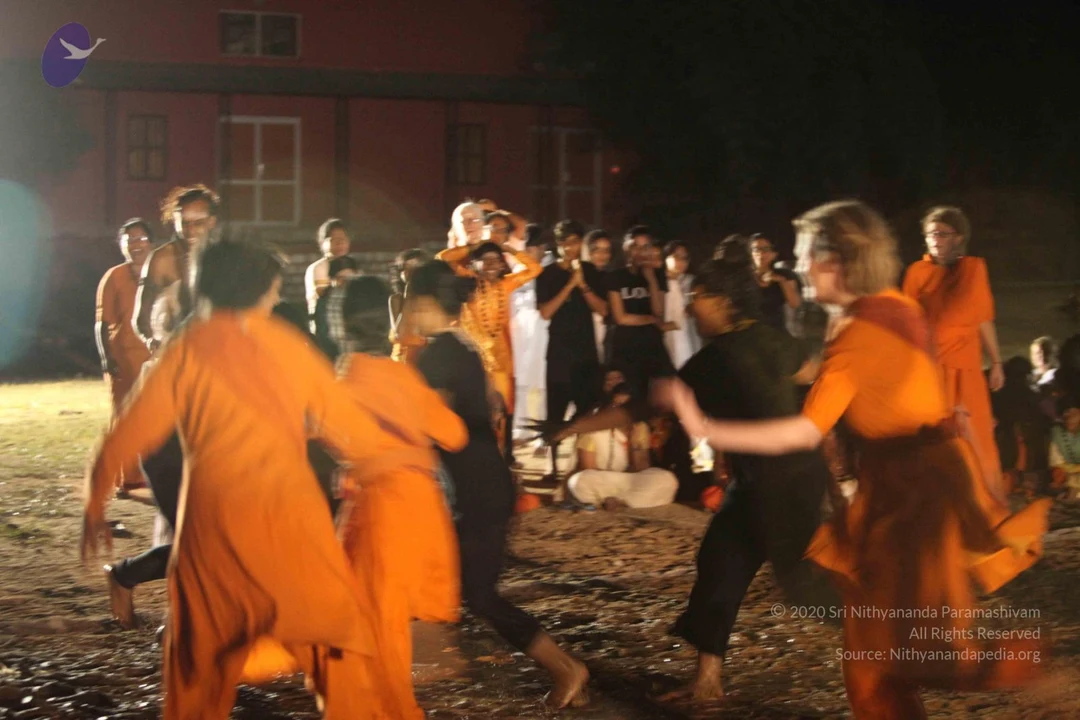
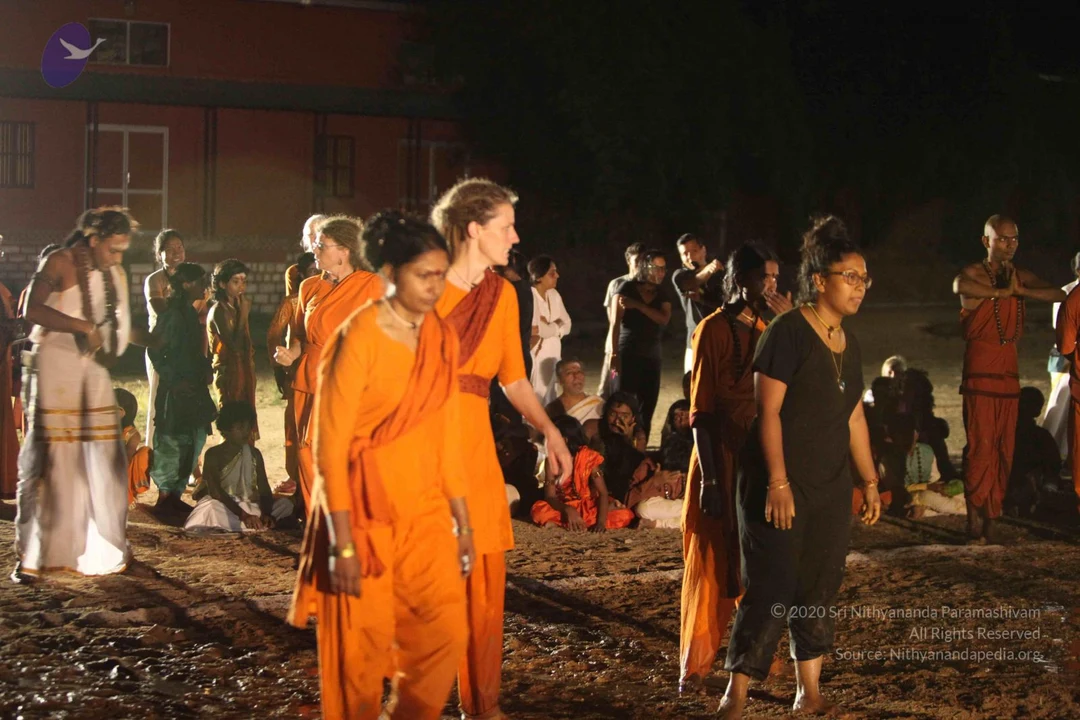
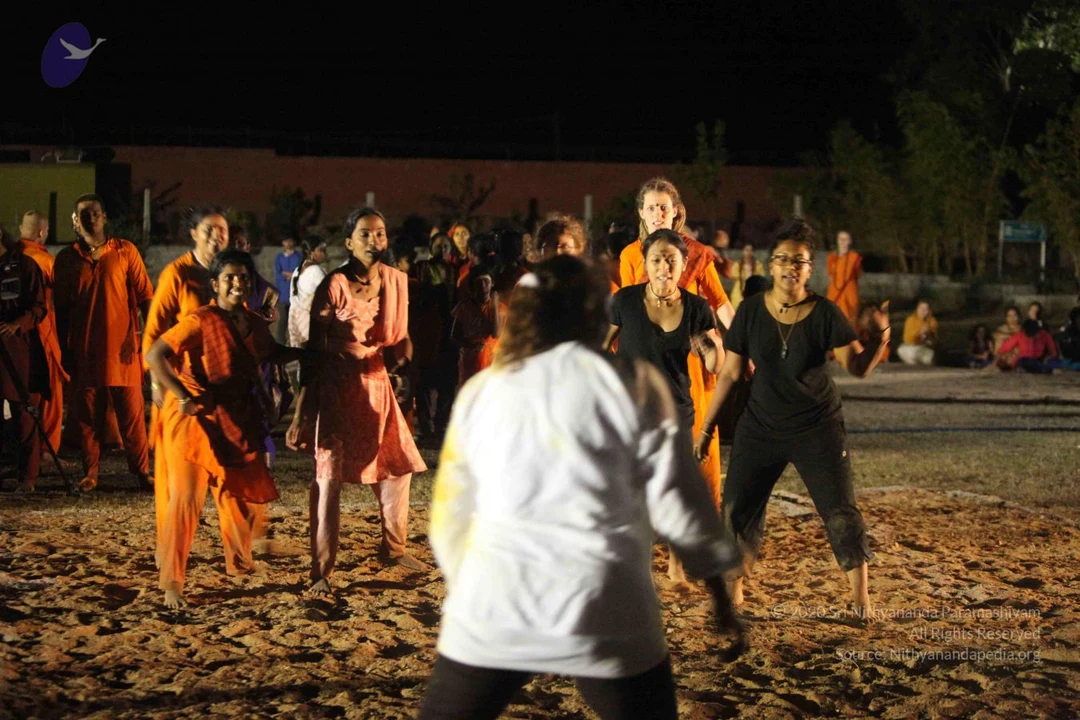
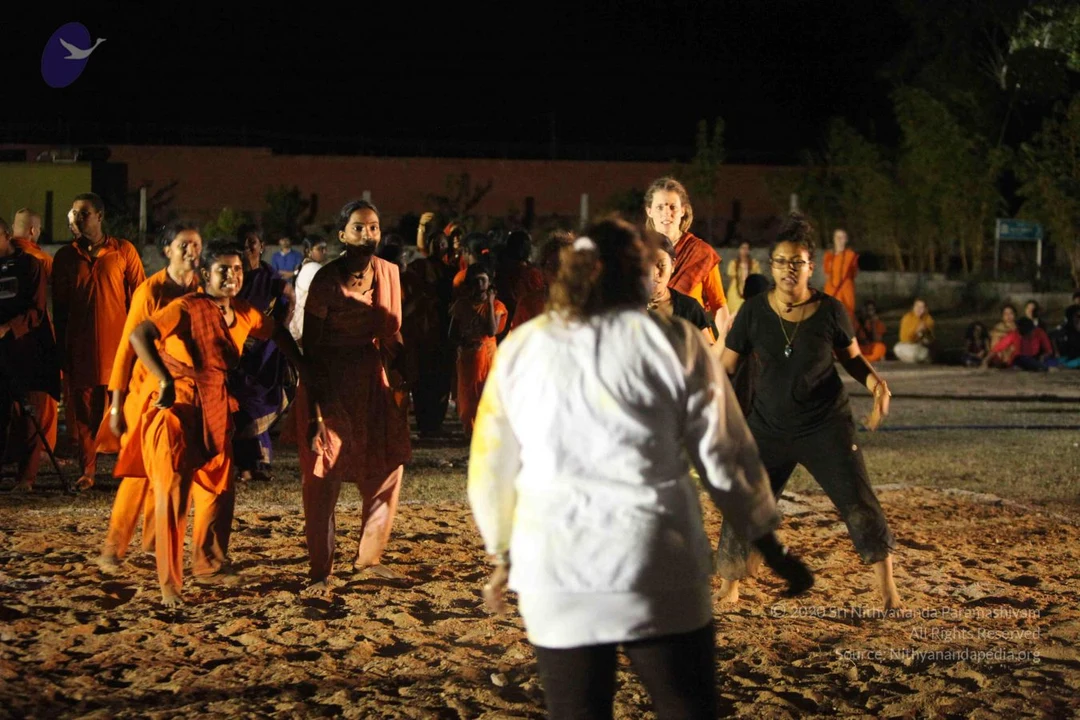
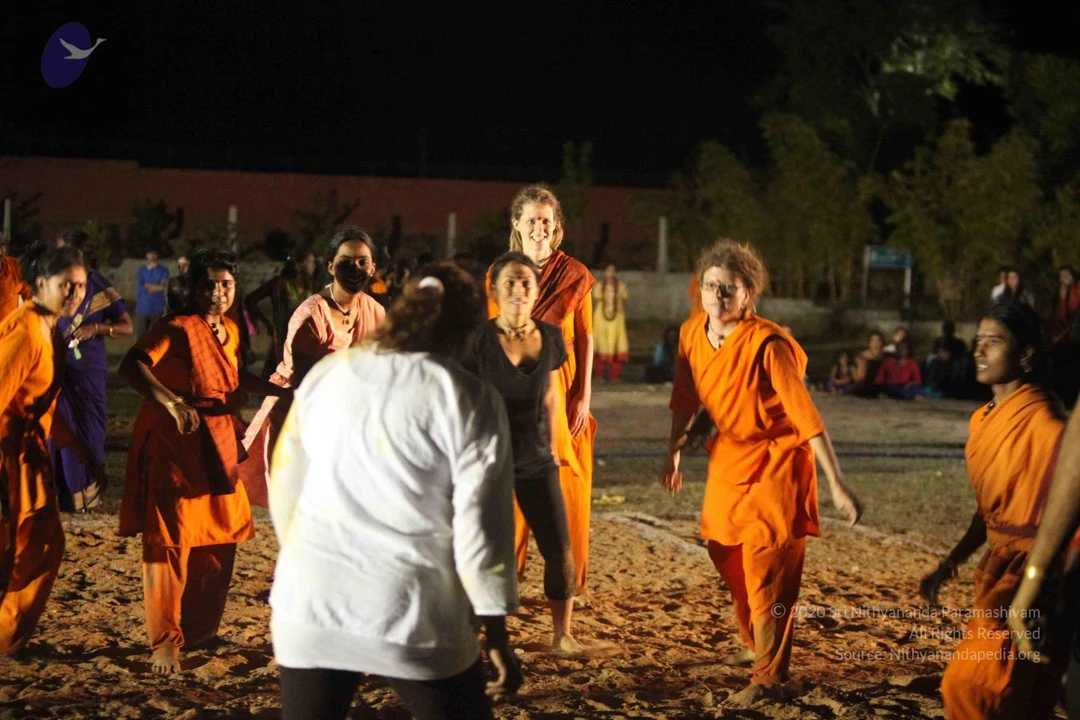
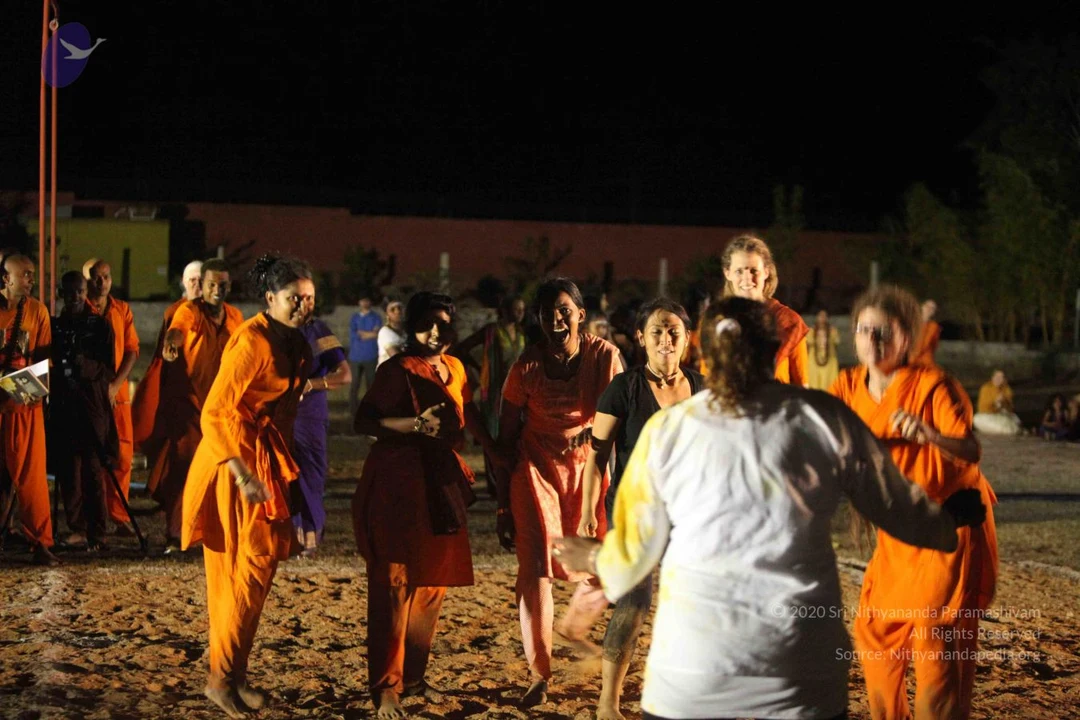
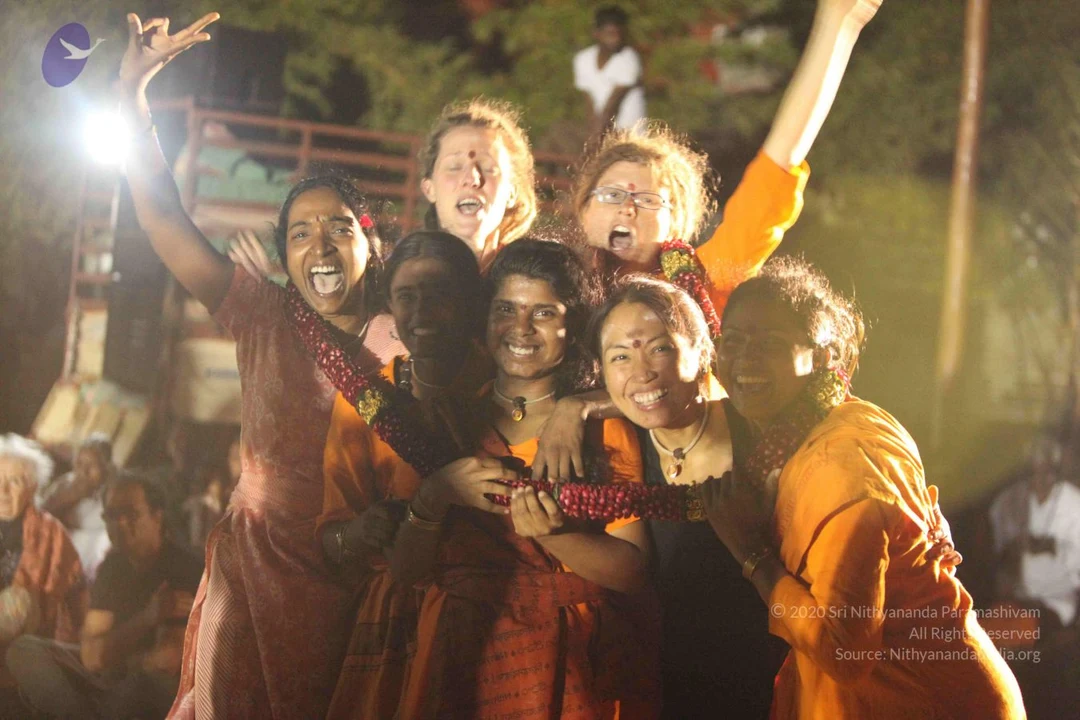
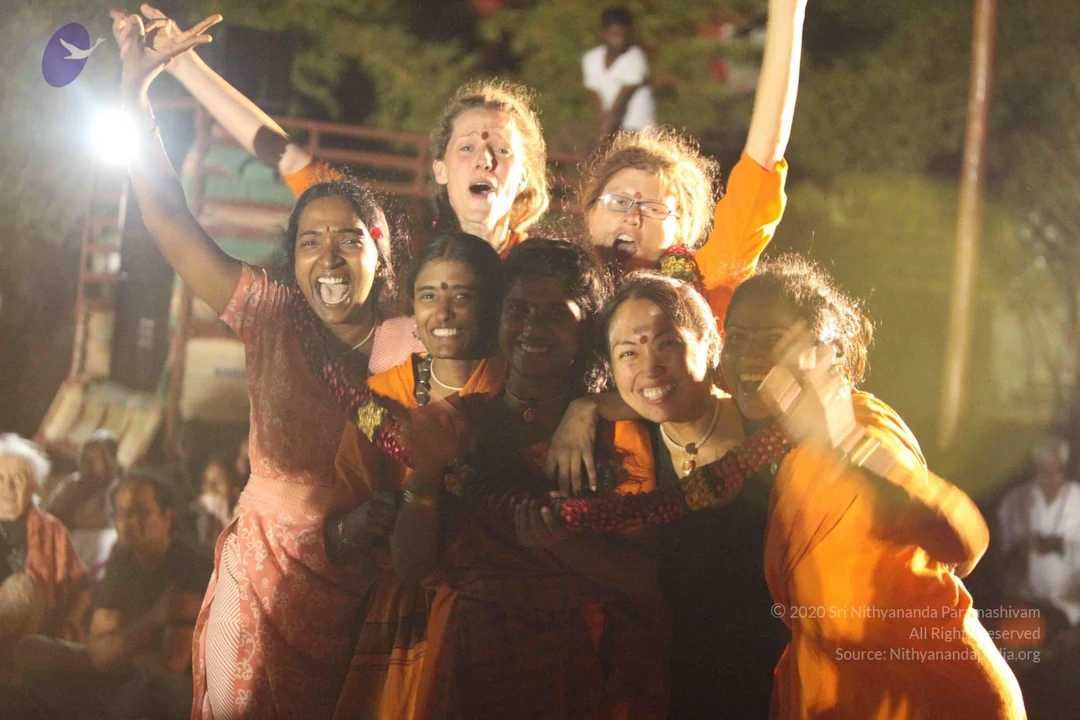
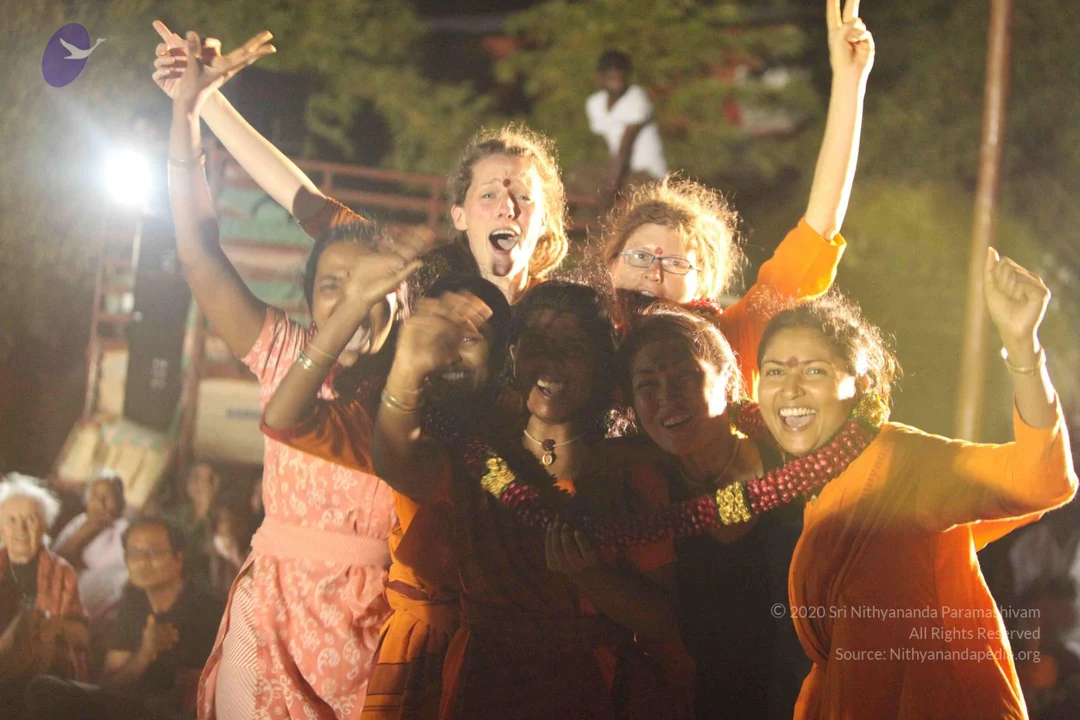
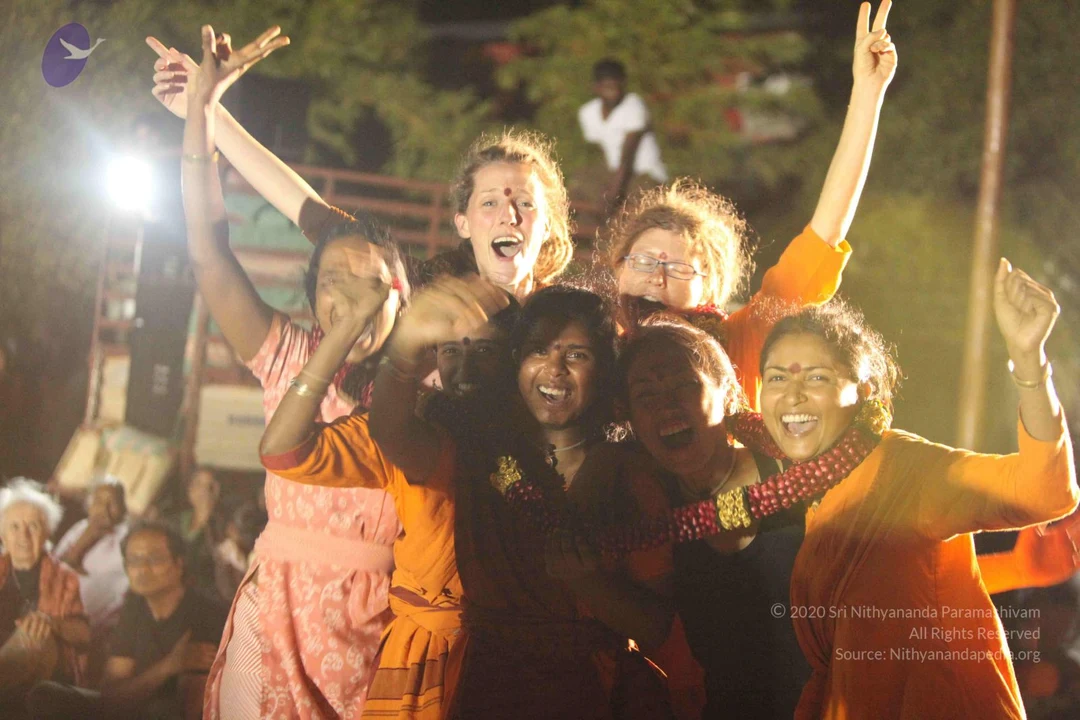
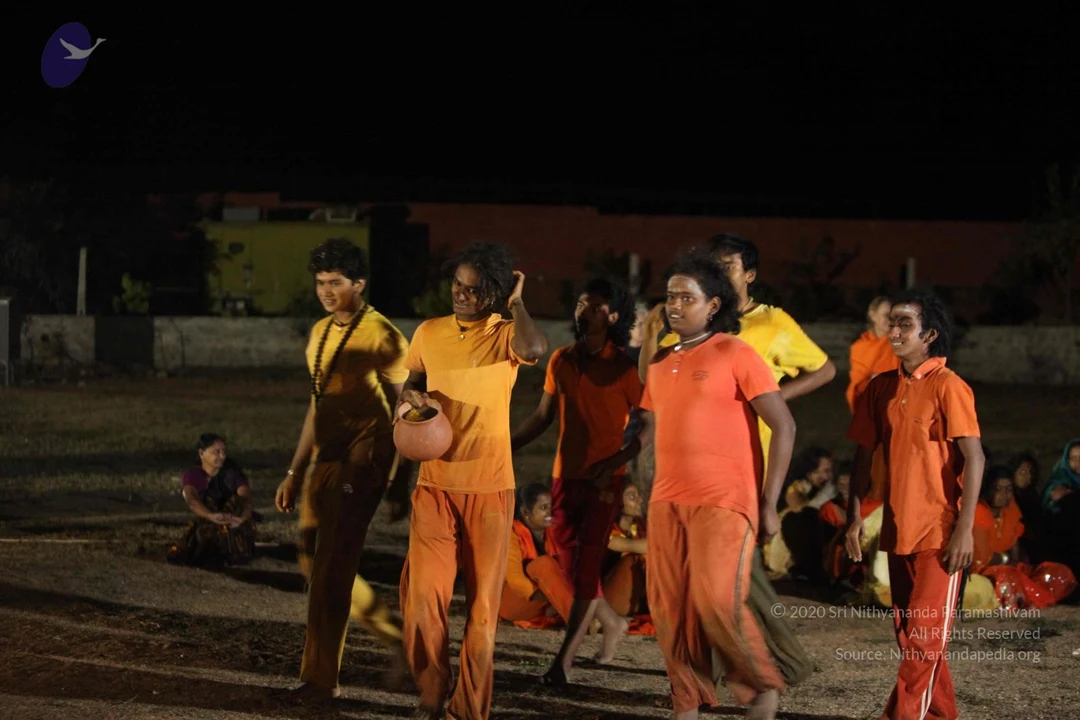
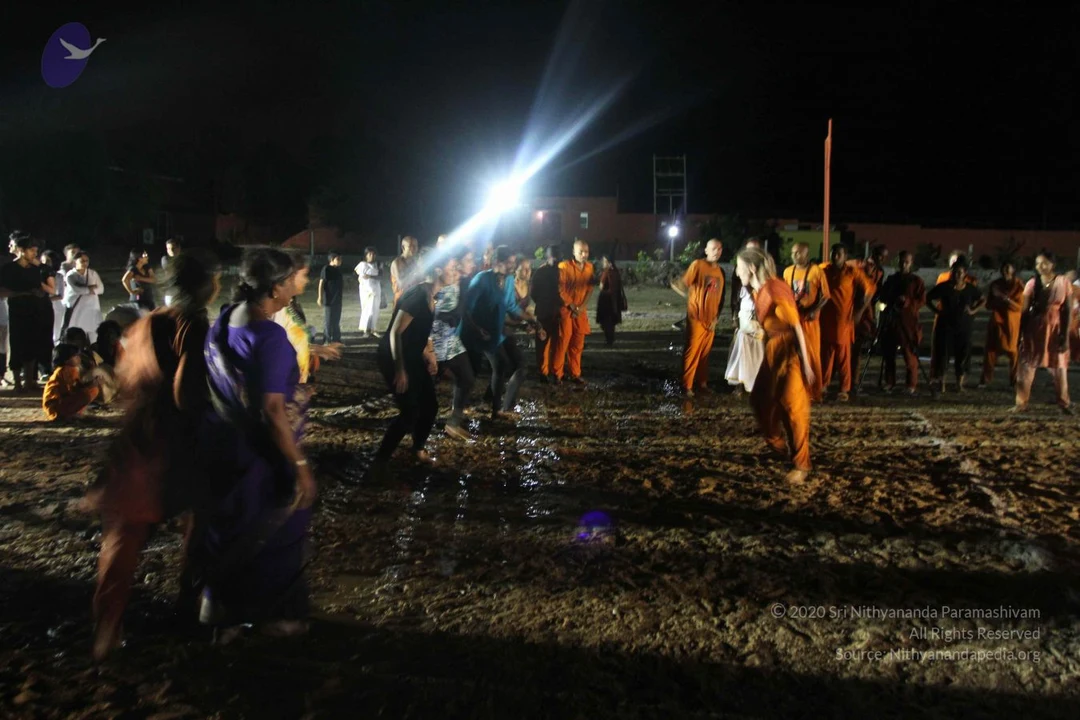
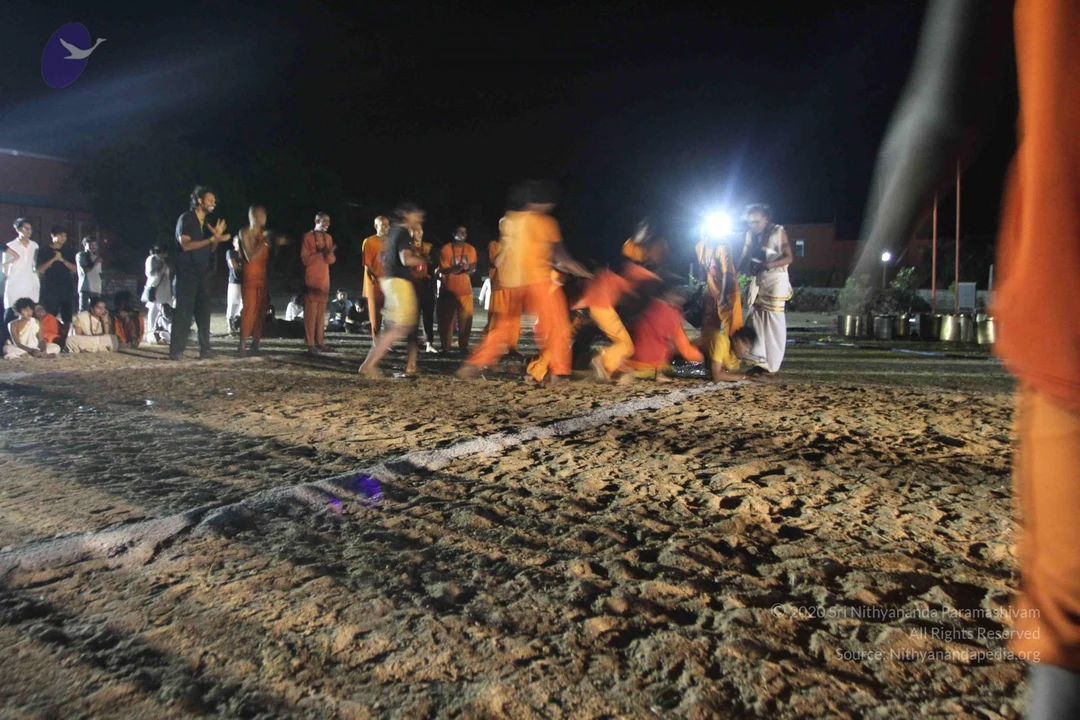
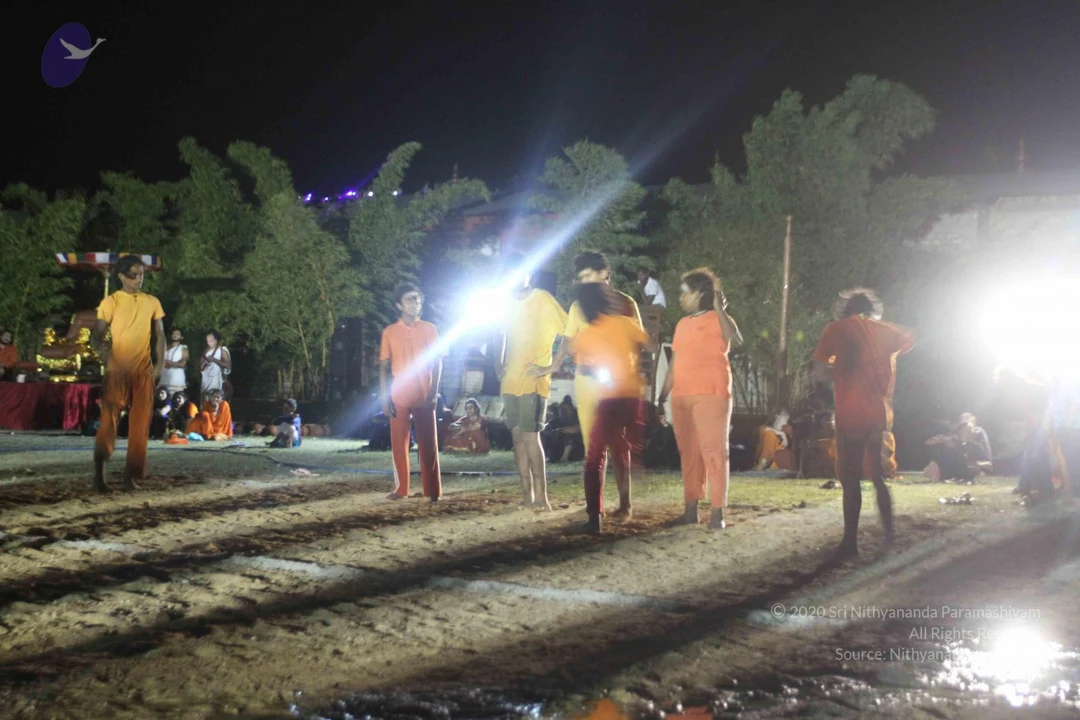
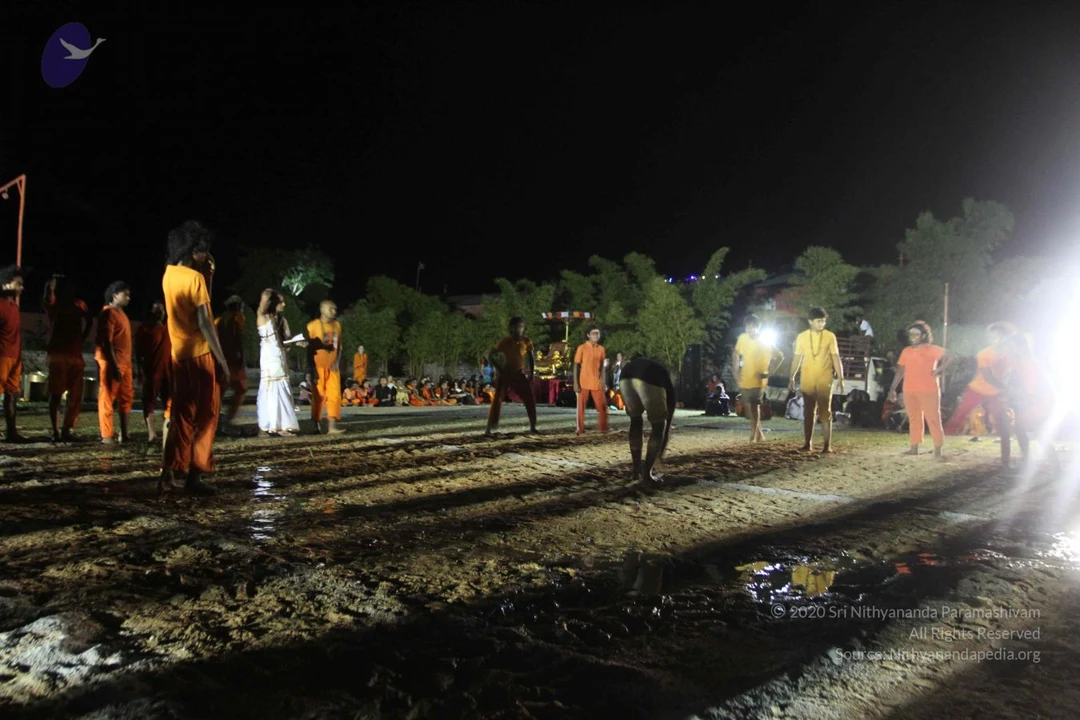
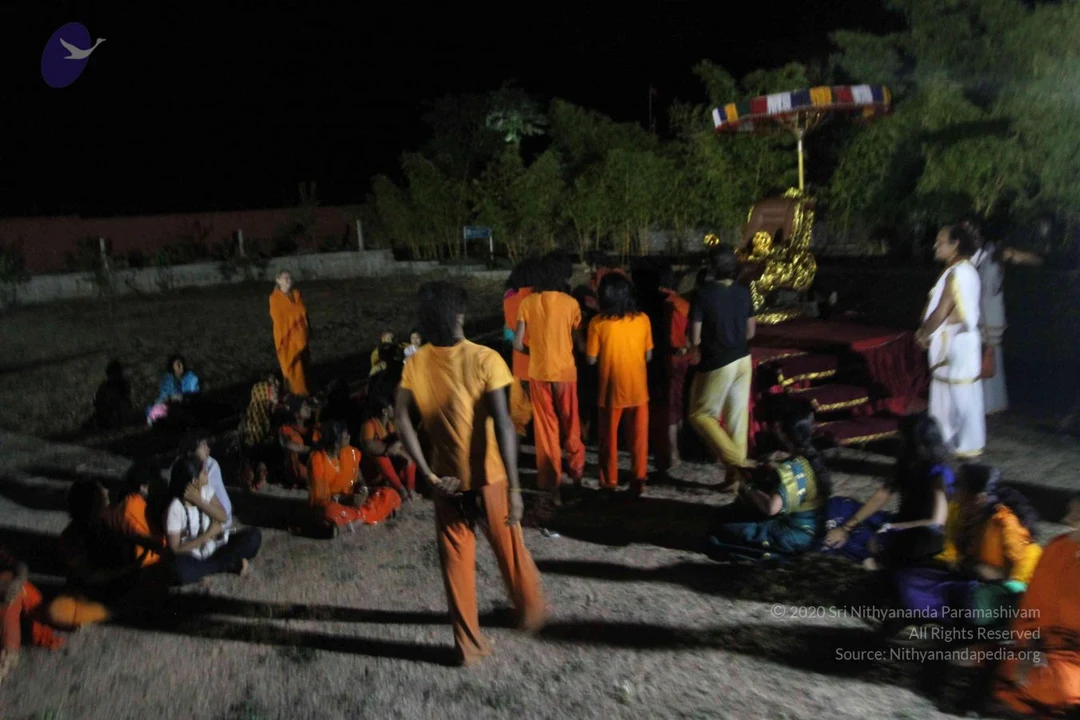
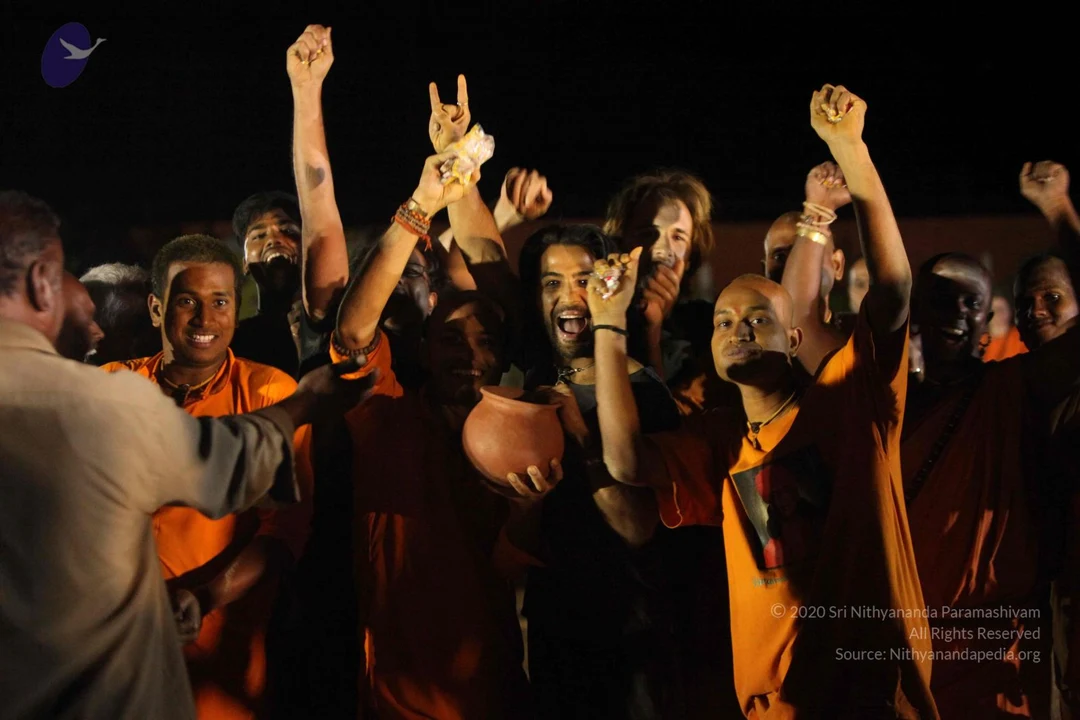
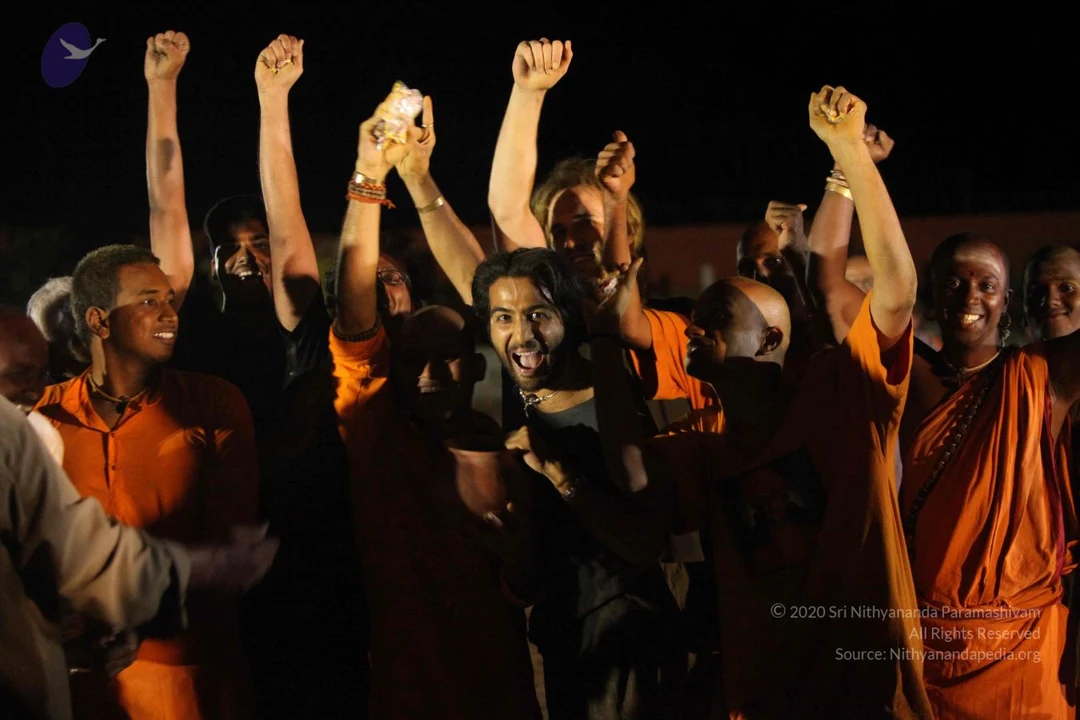
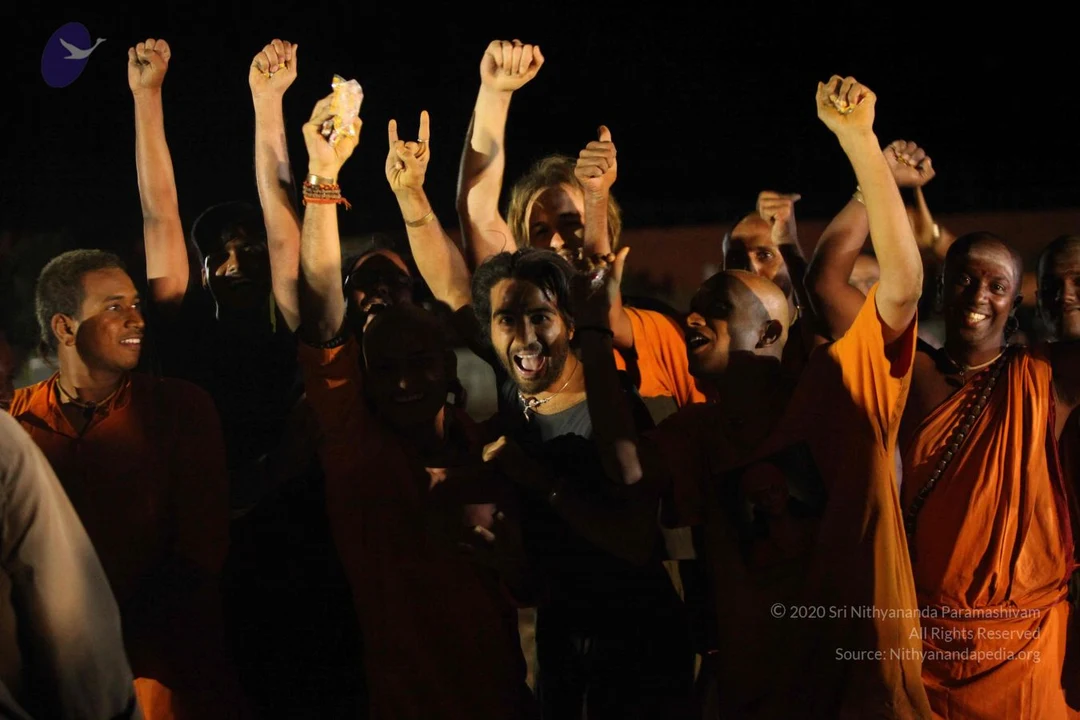
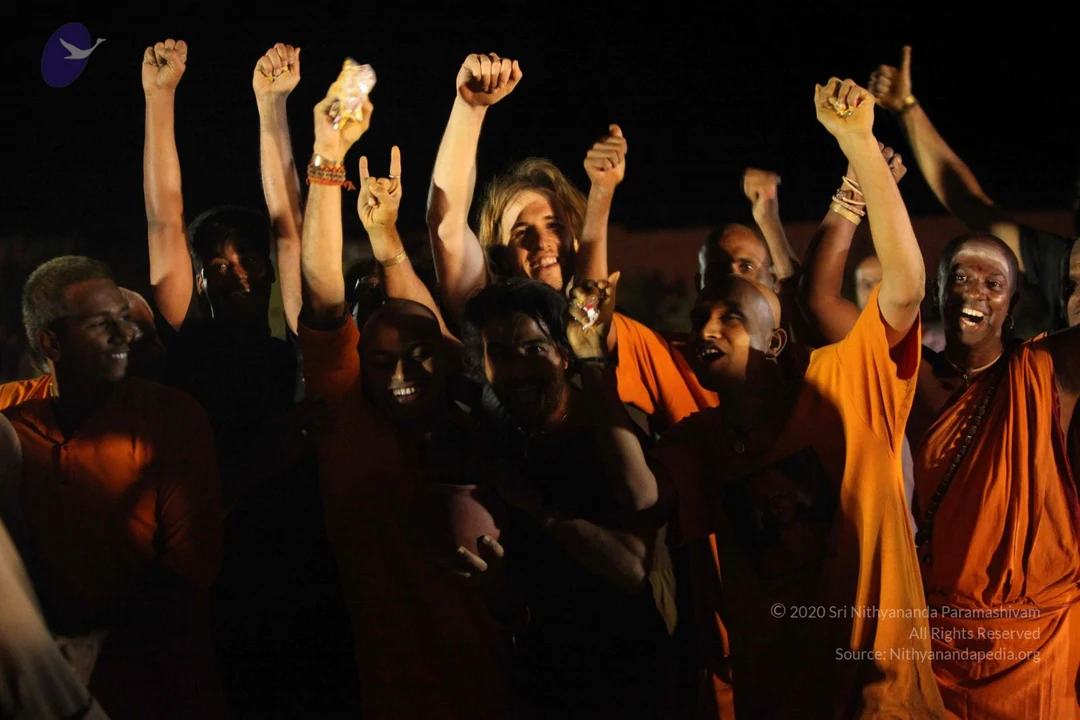
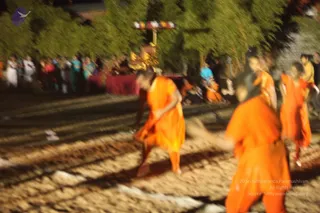
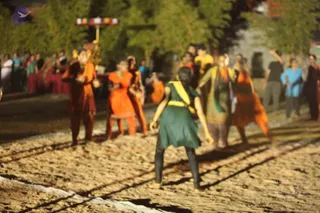
A blurred nighttime procession moves along a sandy, path-like ground lined with dense green trees. In the foreground, several people in saffron-orange robes walk or hurry forward, some with arms swinging. Behind them, a row of spectators in white, teal, red and blue clothing stands at the edge. A golden ratha-style palanquin or chariot with a small raised ornament and a striped canopy top is visible in the middle distance, with more orange-robed attendants near it.Blurred night photograph of a group of women in orange and red saris and salwar-style outfits dancing on a sandy ground, with one woman in the foreground in a dark green dress with a yellow sash, arms outstretched. Behind them stands a crowd of onlookers under trees, and a tall ornate pole with a striped canopy top rises in the background. A small logo appears in the upper left corner.Night outdoor photo of a dusty open ground in a blurred, motion-smeared procession. Several women in saffron-orange saris and salwar kameez run or walk across the sand, with one woman in a green kurta and another in a dark top at left. Behind them, a figure in a yellow sari and a child in pink stands among onlookers. At upper left, a golden ornate throne-like seat with red cloth and a striped canopy sits on a raised platform; someone is seated near it.Night outdoor scene on a sandy ground where several people in orange and saffron clothing move about, some in mid-stride as if running or dancing. A dark-clothed figure stands at the left edge, and a young person in yellow with an orange-beaded necklace stands near the center. Behind them a golden throne-like seat with a red cloth and an orange-and-white canopy sits under trees, with spectators watching along the edge.Night photograph of an outdoor sandy ground with a group of women in bright orange saris and salwar outfits standing in a line, while a man in a green top and yellow head cloth bends low on the sand at right. Behind them stands a golden ornate throne-like seat with a red cloth-draped table and a decorative canopy with coloured panels. Several onlookers in white shirts and dark clothing stand near a railing and trees in the background. Blurred motion suggests an activity in progress.Night outdoor photo of a sandy ground at a Krishna Janmashtami celebration. Several people in saffron-orange and dark green costumes move in blurred, energetic motion, some appearing to dance or perform a playful stick or group action. On the left, a woman in orange sari with a red blouse stands watching, and a golden ornate palanquin or throne with a decorated canopy sits behind on a red-draped platform. Onlookers in yellow kurtas, white and striped shawls, and saris stand around the edge beside trees and a vehicle. A small child in a purple dress stands in the crowd.
Tug-of-war - Traditional Game

44 photosSource gallery
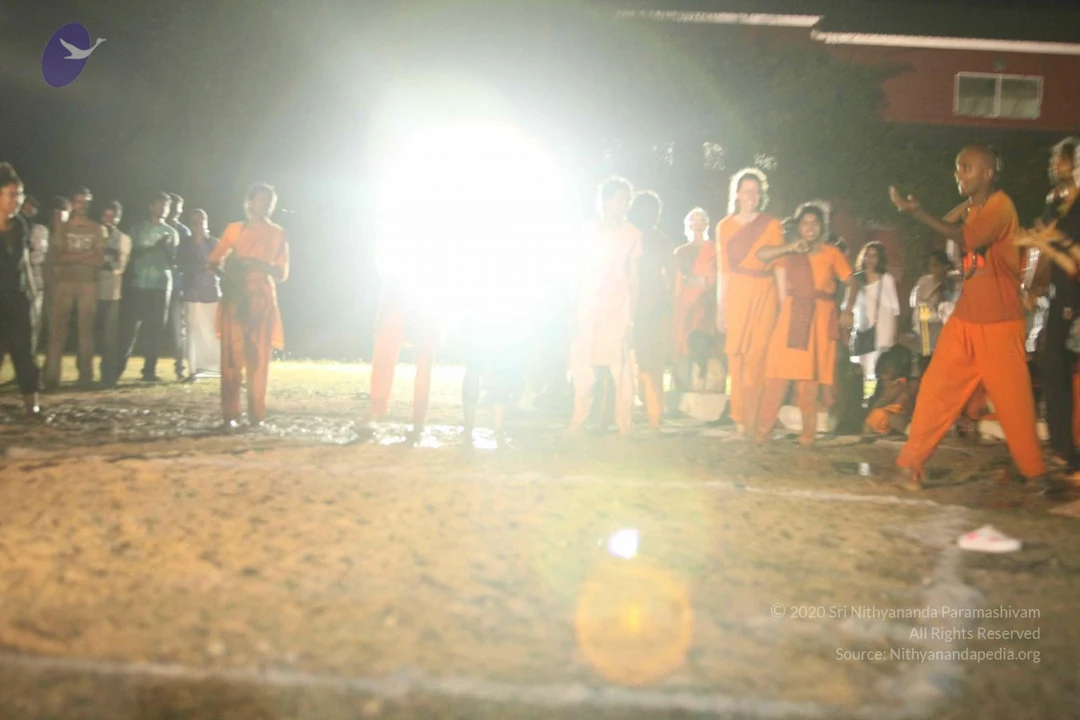
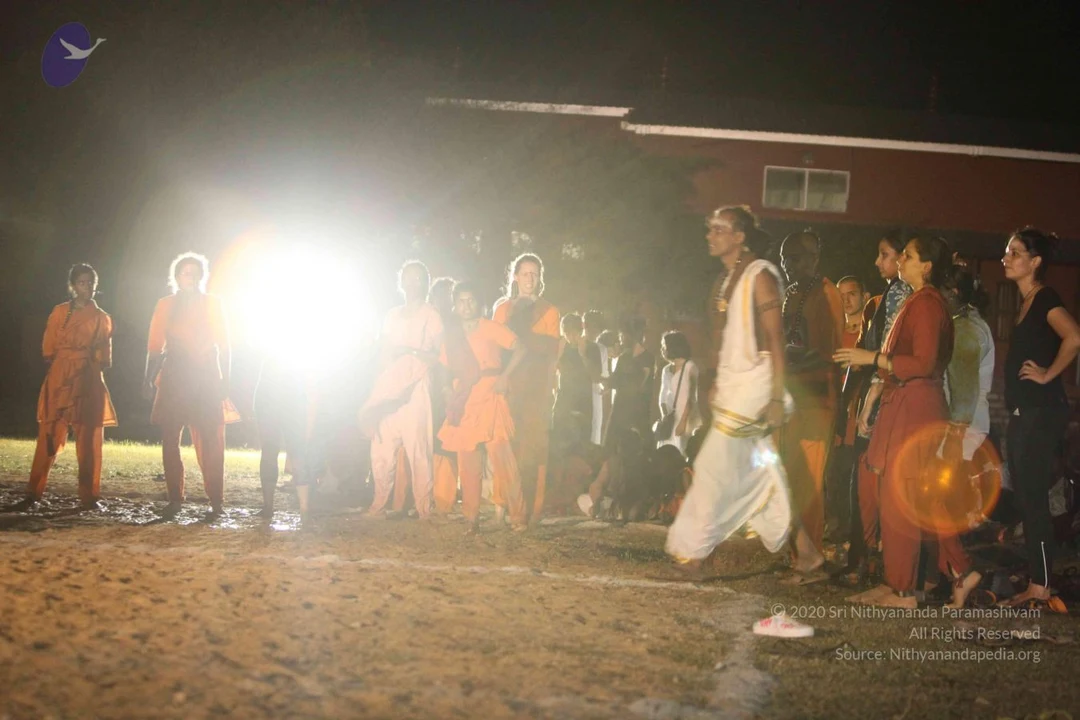
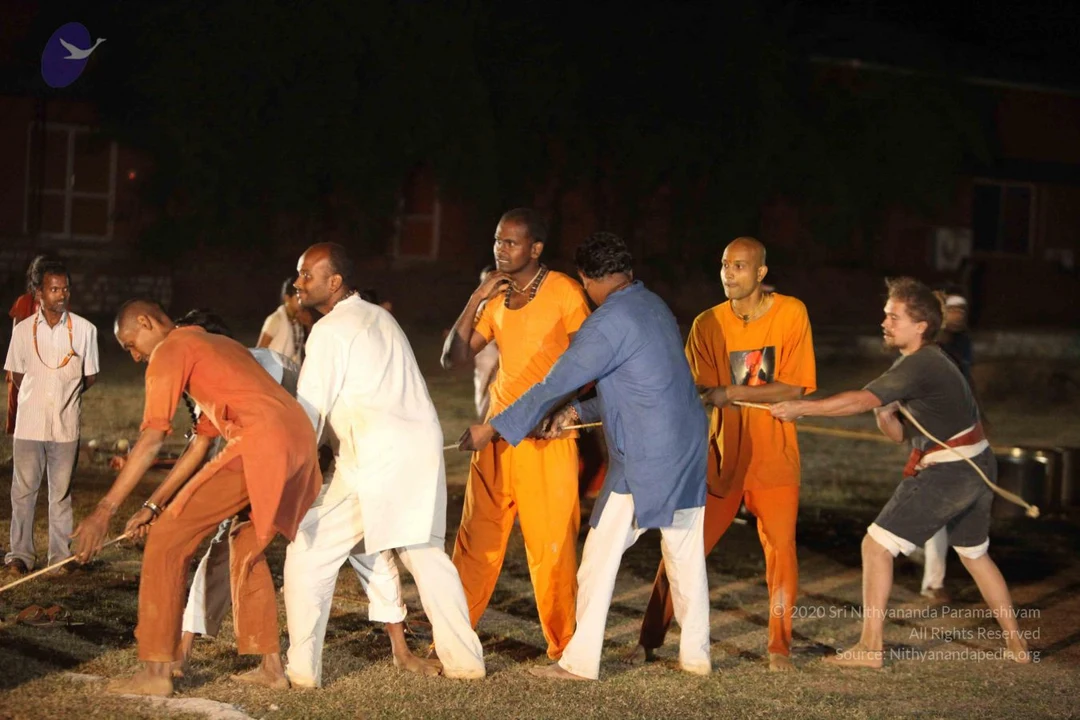
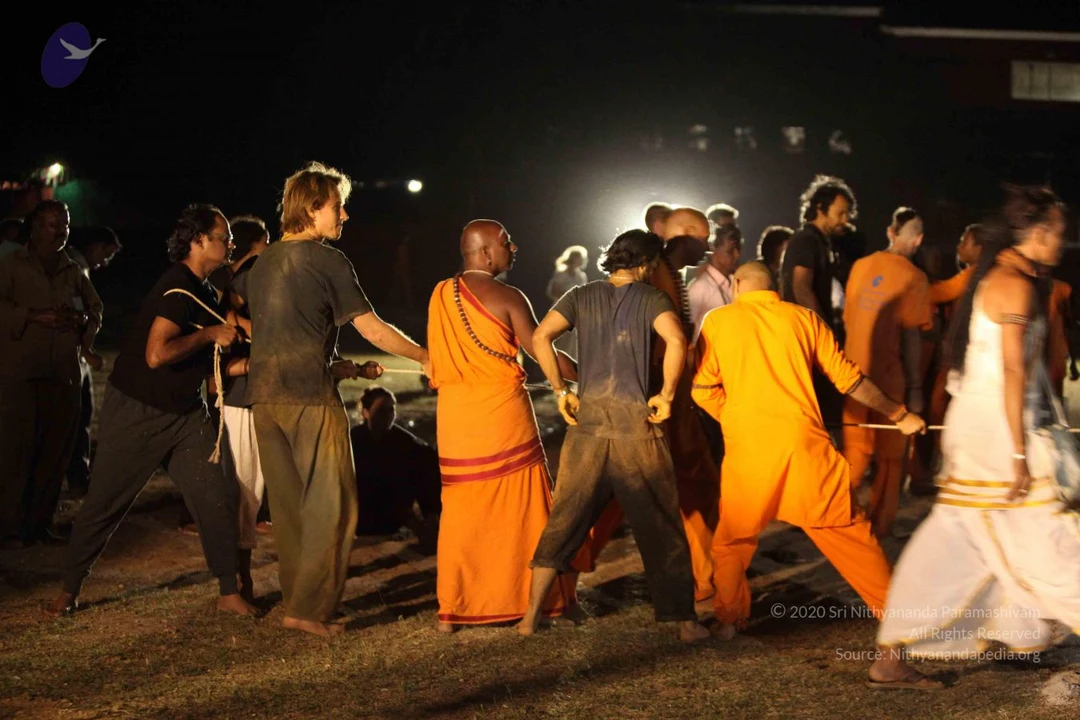
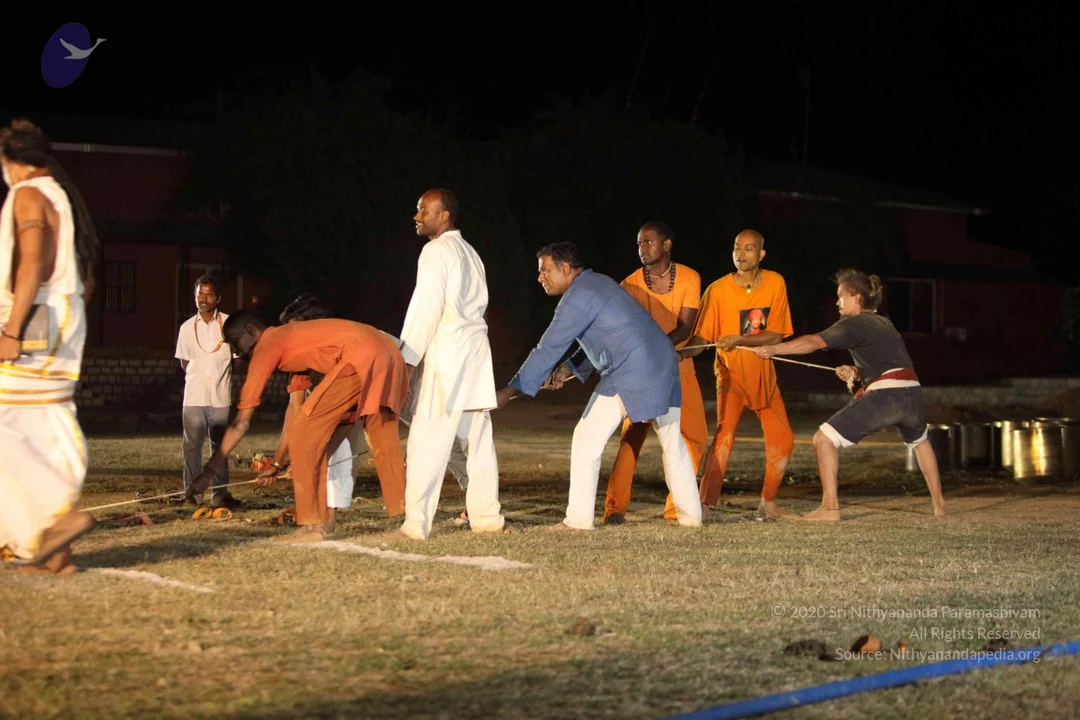
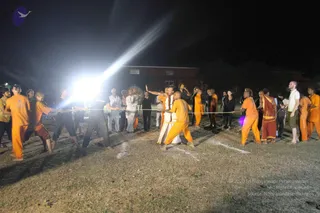
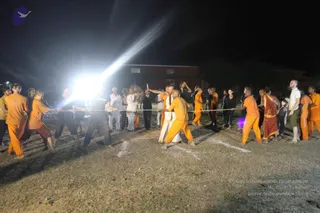
Night photograph of an outdoor grassy field lit by floodlights, with a white-painted boundary line marked on the ground. Several men in saffron-orange robes and white dhotis stand in two lines holding a long white rope stretched across the field, as in a tug-of-war. A bare-chested man with a white cloth wrapped at his waist stands at the centre of the rope, facing the group. Spectators in white and dark clothing stand at the edges, and a tall floodlight pole rises in the background.Night photograph of a tug-of-war on a grassy open ground lit by floodlights. Two teams in saffron and orange robes, white dhotis and kurtas, and a few in blue or dark clothing pull on a long rope stretched across white lines. Some participants lean back or bend low, gripping the rope. Behind them stand onlookers in orange and white, and a bare-chested man with a garland. Red-roofed buildings, a metal pole and steel pots line the background.Night-time tug-of-war on an open dirt ground lit by a bright floodlight. Several teams in saffron and orange robes pull a long rope, with white-clad and blue-shirted participants in the foreground straining backward with their feet dug in. Spectators sit on the ground at the right edge, and a tall metal floodlight mast stands in the background. A man in white dhoti and shirt stands among the onlookers near the centre, and a shaved-headed monk in orange on the right appears to be watching the pull.Night photograph of a tug-of-war on an open grassy ground lit by a bright floodlight. Several teams pull a long rope taut across the frame. On the left, monks in saffron-orange robes and shaved heads lean back on the rope, while a man in a white dhoti and shawl pulls alongside them. On the right, orange-robed monks pull against a man in grey shorts and a bare upper body. A man in a blue shirt and a woman in white clothing stand among the team, and a few seated spectators in orange sit in the background near a pole and a lit structure. No identifiable a person is clearly visible in the pulling line.A night photograph of a tug-of-war on a grassy field with a bright floodlight glaring from the left. Two teams of people in orange and saffron clothing pull a long rope taut across the centre. A figure in white dhoti and white shirt with a light shawl stands near the middle of the rope, arm outstretched and pointing, while other participants in orange robes, dark trousers and white shirts line up along both sides. Spectators in white, black and casual clothes watch from behind, and a low red-brown building sits in the dark background. The rope runs through the middle of the frame between the two lines of players.Night-time photograph of a tug-of-war on a grassy field lit by a bright floodlight. Two teams of men in orange and saffron clothing pull a long rope taut across a marked line, leaning back with feet braced. Among them, a man in a white dhoti and white shirt stands near the rope's centre, and a group of onlookers in white, black and grey clothing watches from behind. A low building with a red-brown wall stands in the background.