Skip to content
Tuesday

14 August 2012

Redefine Yourself to Rejoice Yourself

Dated photos
9
Source pages
1
Media
2
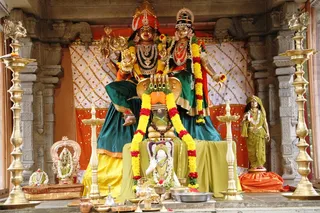
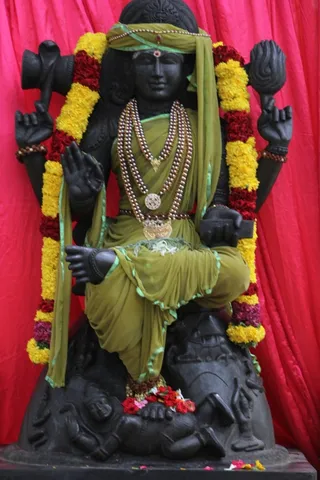
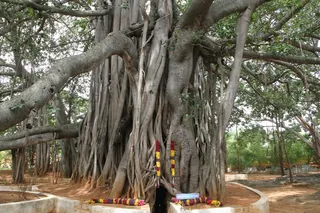
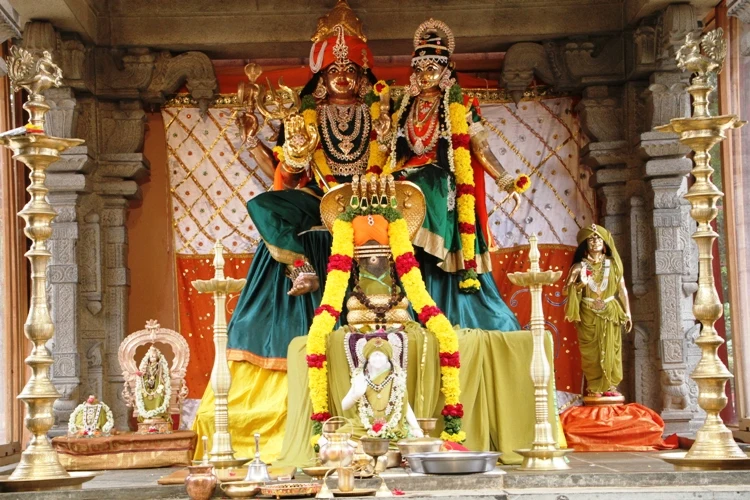
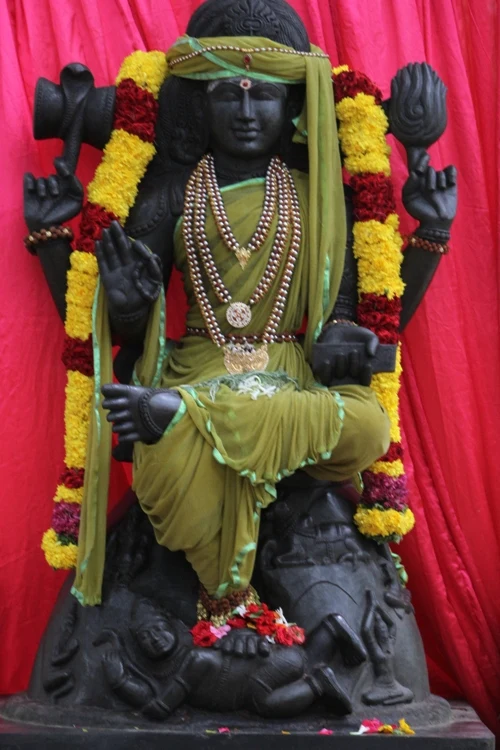
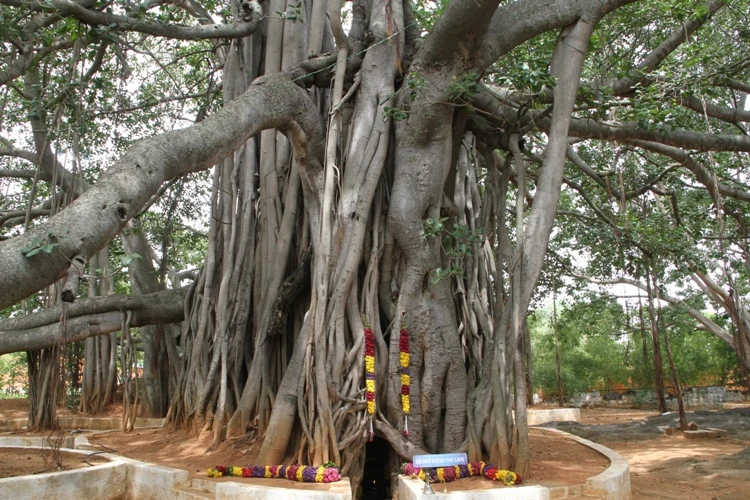
A temple shrine photograph showing a deity murti pair seated on a green and gold throne-like pedestal, garlanded with yellow and red marigold strands. Two standing figures wear crowns and jewelled necklaces; the central form has a trident-like staff and a green and gold dhoti-style garment, while the consort figure wears a green sari with a crown. Tall brass oil lamps (deepa stands) flank the shrine, with a brass kalasha, brass vessels and a flower-decorated smaller idol to the right. Orange and white drapery forms the backdrop beneath carved stone pillars. No people are visible.A dark stone murti of a four-armed deity seated in a relaxed pose on a rocky pedestal, dressed in an olive-green draped garment with pale green edging. Multiple strands of wooden beads and a gold pendant hang across the chest, and a green cloth wraps the head. Yellow and red marigold garlands drape over the shoulders and arms, with red flowers scattered at the base. A bright red curtain forms the backdrop. Small figures are carved at the base of the pedestal.A large, ancient banyan tree with many thick aerial roots and spreading branches dominates the photo, rising from a circular raised stone platform on bare earth. Two garlands of orange and yellow marigolds with red and green accents hang from a trunk, and a small grey sign with a blue border sits at its base beside a dark opening in the trunk. Circular stone borders surround the trunk, with a flower garland laid along the foreground edge. No people are visible; the scene is a tree shrine in a green, open grounds setting.

August 14 2012

Original wiki page
Contents

Title

Redefine Yourself to Rejoice Yourself

Description

In today's talk on Bhagavad Gita, chapter 5, verse 24, Paramahamsa Nithyananda (Swamiji) continues his discussion on the nature of spiritual happiness. When we exist in an unaware state, some part of our being becomes dominant; for example, some people are focused on physical activities, some on mental pursuits, and so on. Our perception of happiness derives from how we perceive ourselves -- as a strong body, sharp mind or devoted spirit. When we raise ourselves to understand that we are beyond all these identities, then we find the source of spontaneous inner joy.

VideoAudio

Photos From The Day:

Photos from this day

View all 9 photos
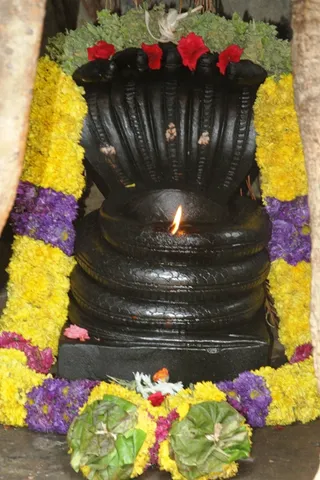
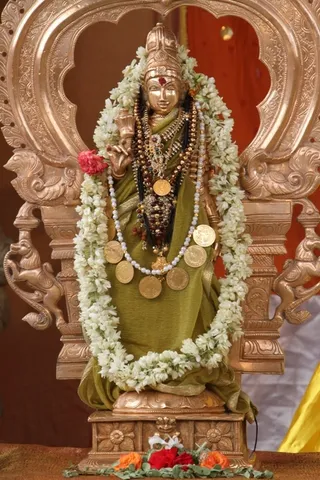
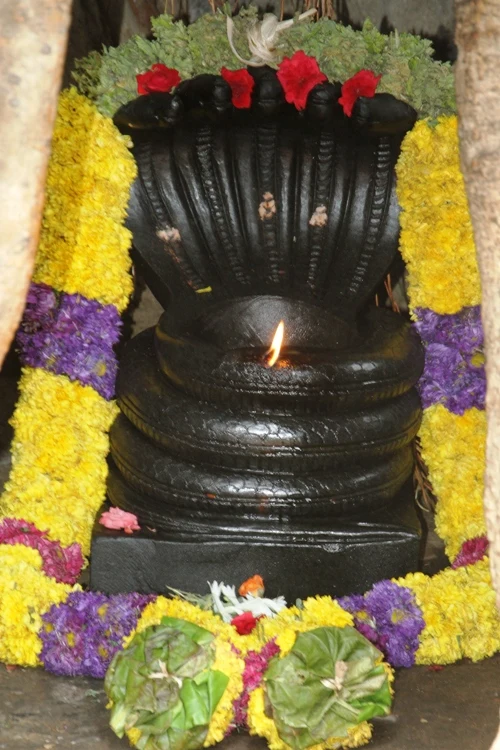
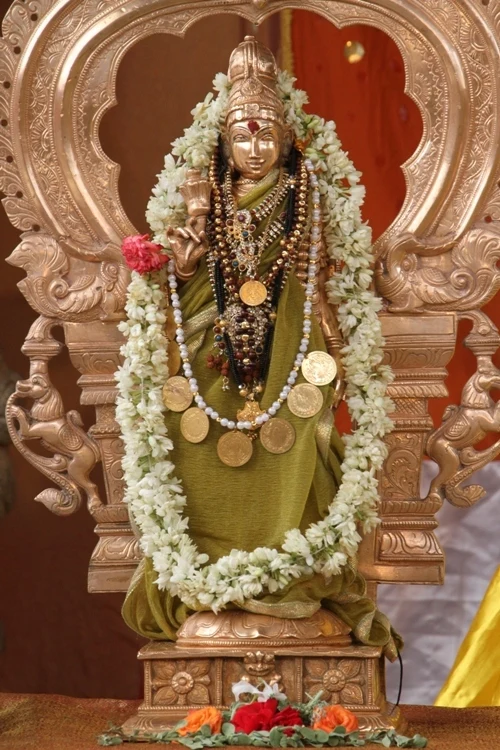
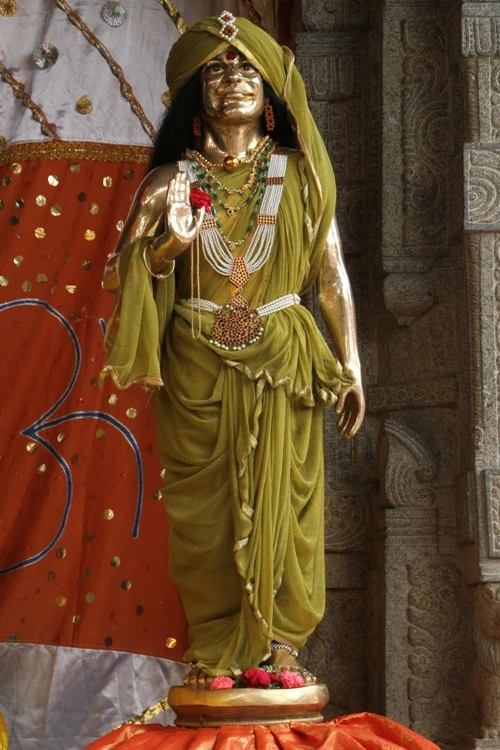
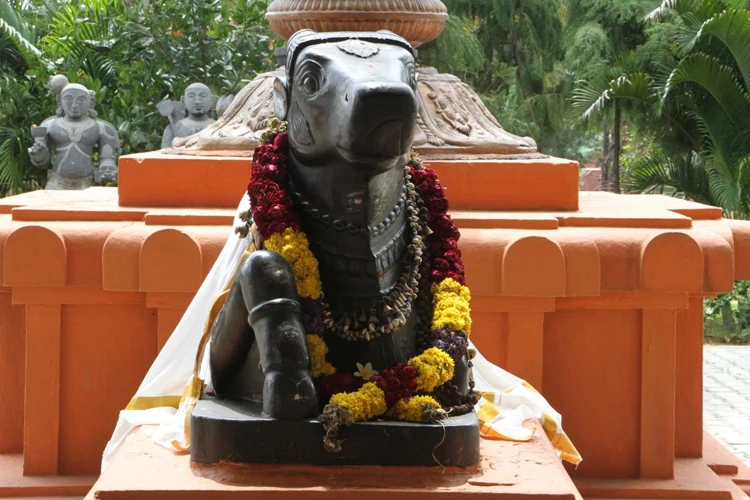
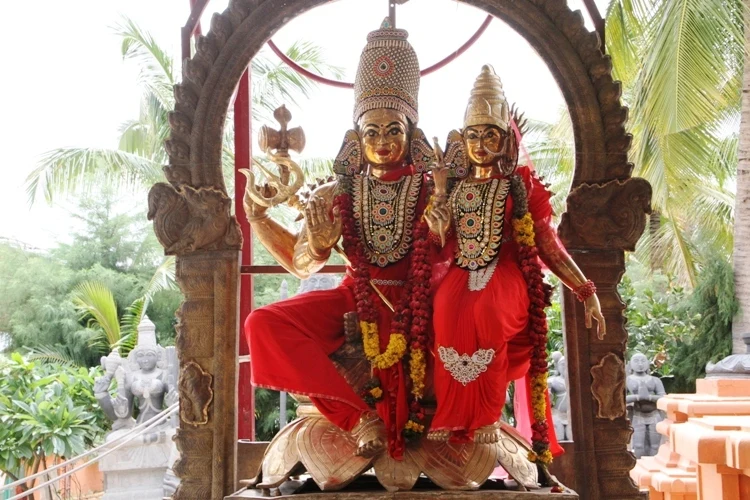
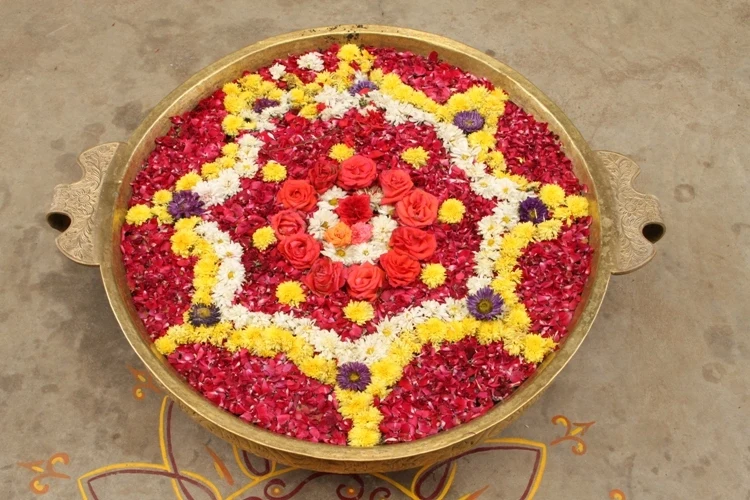
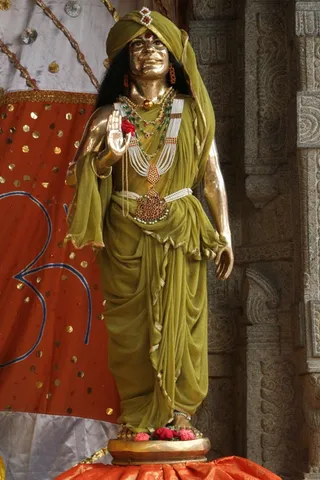
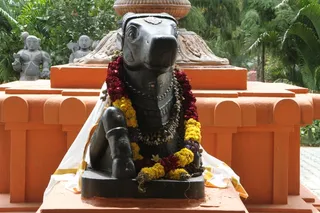
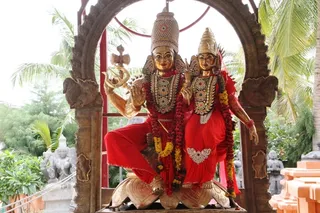
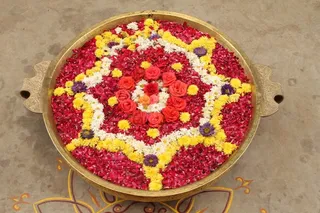
A temple shrine photograph showing a deity murti pair seated on a green and gold throne-like pedestal, garlanded with yellow and red marigold strands. Two standing figures wear crowns and jewelled necklaces; the central form has a trident-like staff and a green and gold dhoti-style garment, while the consort figure wears a green sari with a crown. Tall brass oil lamps (deepa stands) flank the shrine, with a brass kalasha, brass vessels and a flower-decorated smaller idol to the right. Orange and white drapery forms the backdrop beneath carved stone pillars. No people are visible.A dark stone murti of a four-armed deity seated in a relaxed pose on a rocky pedestal, dressed in an olive-green draped garment with pale green edging. Multiple strands of wooden beads and a gold pendant hang across the chest, and a green cloth wraps the head. Yellow and red marigold garlands drape over the shoulders and arms, with red flowers scattered at the base. A bright red curtain forms the backdrop. Small figures are carved at the base of the pedestal.A large, ancient banyan tree with many thick aerial roots and spreading branches dominates the photo, rising from a circular raised stone platform on bare earth. Two garlands of orange and yellow marigolds with red and green accents hang from a trunk, and a small grey sign with a blue border sits at its base beside a dark opening in the trunk. Circular stone borders surround the trunk, with a flower garland laid along the foreground edge. No people are visible; the scene is a tree shrine in a green, open grounds setting.A dark stone Shivalinga with a carved multi-hooded cobra hood rests in a niche, decorated with yellow and purple flower garlands and red flowers placed on the hood. A single oil lamp flame burns at its base, and green leaf offerings and white flowers lie on the stone ledge in front. No people are visible; the scene shows a temple shrine with a deity murti.A bronze-gold metal murti of a goddess stands on a carved pedestal before an ornate copper-coloured arched backdrop with rearing lion figures. She wears a green silk saree, a tall crown, a red bindi, and a heavy layered garland of white jasmine. Multiple gold coin pendants hang on a beaded necklace of dark and white beads, and a single pink flower rests at her shoulder. Fresh orange and red flowers lie at the base of the pedestal, with a white and yellow cloth at the lower right.A golden statue of a standing male figure in olive-green draped robes and a matching green turban, one hand raised in abhaya mudra. The figure wears layered white and green beaded necklaces, a large red-and-gold pendant, earrings and a bindi, with a red flower garland at its feet on a gold pedestal. Behind it hangs a red and white cloth decorated with gold sequins and a blue Om symbol, set against carved stone pillars of a temple doorway. The figure is a statue, not a living person.A black stone Nandi bull statue sits on an orange-painted pedestal in a garden setting. The bull wears a garland of red and yellow marigold flowers, shell or bead necklaces, and a white cloth draped over its body. Behind it, grey figurines stand among tropical plants and palm fronds. No physical people are visible in the scene.Outdoor view of a pair of golden-faced statues of a deity couple seated on a lotus-shaped base within a carved brown stone arch. The male figure, on the left, wears a crown, red dhoti, layered multi-coloured jewelled necklaces, and holds a trident in one hand. The female figure beside him wears a tall jewelled crown, a red sari with white embroidery, and a red-and-yellow garland, with a hand raised in blessing. Both are draped in marigold and red flower garlands. Palm trees, green foliage and stone sculptures of attendant figures surround the arch, with an orange pedestal in the lower right corner. This is a deity murti, not living people.A brass ceremonial bowl with two handles sits on a stone-grey floor, filled with a concentric floral arrangement. Red rose petals form the base, surrounded by rings of yellow marigold blooms and white flowers, with purple daisy-like blossoms at intervals and a central cluster of red and pink roses with a small orange flower. Painted kolam-style lines in yellow and purple curve on the ground beneath the bowl. No people are visible.