Tuesday
27 March 2012
Supreme Pontiff of Hinduism HDH Bhagavan Sri Nithyananda Paramashivam.
- Dated photos
- 23
- Source pages
- 1
- Media
- 1
March 27 2012
Original wiki pageTitle:
Supreme Pontiff of Hinduism HDH Bhagavan Sri Nithyananda Paramashivam.
Title
Aghori Tradition Question and Answer With Paramahamsa Nithyananda
Link to Video:
Transcript:
[02:57]
Let's start today's satsang. Today, the place where Aghoris live. (Small Video Played)
[04:01]
Aghoris live in cremation grounds, the land which nobody wants to live. I tell you, throughout My wandering, My Parivarajaka Yatra, never even once, I ever thought-- where will I stay? Because always, in all villages My place is already reserved, nobody will stay there 😀, cremation ground. All I need to do is ask the local people, “Where is the cremation ground”? That's all. Somebody asked Me, “Swamiji, were you never disturbed by the ghosts, Bhootas, Pretas?”. I told him, “Dead people never disturb us, only living people disturb us.” I have never seen, in history, any dead people coming back and disturbing others. Only living people constantly disturb others. Cremation ground is the most peaceful, happiest place to live. Till settling in the Bidadi Ashram… Of course Bidadi Ashram is a Maha Smashana, the ultimate cremation ground, where thousands of egos are killed and burnt. Every NSP I am doing thousands of patterns and egos cremation. Till I reached this Maha Smashana, I always lived in Smashana, cremation grounds.
[06:06]
Even in Kaveri banks, near Erode, I was staying in cremation ground. I was sleeping actually on a Samadhi. Night time before I sleep, I will tell that guy who is sleeping inside, “Ey, you are sleeping lower berth. I am after all sleeping in the upper berth. Don't worry. 😃 Lower berth is yours. I am on the upper berth. Don't worry”. And I will fall asleep. I used to sleep on one Samadhi, means under which one man's body is buried. Not cremated, buried. His son saw that and he made a small thatch on that Samadhi for Me to sleep and not to get disturbed when it rains. That was the first roof built for My sake, for Me to live. Samadhi already had four pillars. Only the roof was not there. He made a thatched roof and said, “Swamiji, please sleep on My father's Samadhi. It’ll do good to My father. He will be liberated.” Then the next land belongs to him. He gave little bit of land, small, few cents. and said, “Please you can have your thatched hut here”. Few devotees gathered and made a thatched hut. That’s the first ashram we ever created.
[07:56]
Till I came and settled down in this campus, I always used to stay in cremation grounds because that is the place nobody wants to stay… will always be available. And every village will have a cremation ground. Many villages don't have temples, many villages don't have choultry, many villages don't have a common place, many villages doesn't have schools. In India, thousands of villages, why lakhs of villages don't have police station. But every village will have cremation ground. 😀 That is why Aghoris choose to stay in cremation ground. In Buddhist tradition, in Buddhist tradition, whenever a person comes to become a Sadhu, the first thing they will do, they will ask you to go and sit in the cremation ground and meditate for three months, see constantly dead bodies being burned.
[09:13]
(Small Video Played)
[11:19]
When you see the dead bodies being burnt constantly, you will realise your body is also going to be burnt just like that. Continuously taking decisions based on the understanding of impermanence of the world is Living Enlightenment. If all your decisions are constantly made based on the impermanence of the world, it is Living Enlightenment. If your cognition is established in the impermanence of the body it is Living Enlightenment. Three months is too much time. Anybody will have their consciousness established in the impermanence of the body. Constantly if your decisions are made from the impermanence of the body, you live Enlightenment. Three months is enough time for you to catch, understand impermanence of life, if you are seeing the cremation everyday, especially day in and day out. That is why Aghoris still, first thing they do is ask their followers to go and sit in cremation ground, where they will be constantly reminded about impermanence of the world. Where, they can constantly see kings and queens and priests and beggars ending their life in a same way.
[13:46]
Death is the only thing which happens to everybody equally. You may use teak wood or sandalwood to burn the body but you have to burn it. You may use sandalwood box or ordinary mud, but you have to bury it. You may build huge tombs and buildings, but you have to bury it. Living in the cremation ground, seeing dead bodies being burnt everyday, living among the dead, should be taken as a spiritual practice by every sincere seeker at least for 21 days. Because it makes your inner space understand the impermanence of your body and the world. Especially when you are young this practice should be taken, because when you are young lot of your thinking, feeling, cognition, cognizance is penetrated by the concept of your health, handsomeness, beauty, heat in the blood.
[15:19]
Goudiya Dasa Sampradaya Sannyasis, they overcome body consciousness by beautifully decorating it for the sake of Krishna. They say, “I have offered this to Krishna. So even the decoration he sees.” You can overcome body consciousness either that way. When you pour water and give bath to yourself, be very clear you are cleaning it because Krishna may enjoy. It's like cleaning the ground because Krishna will walk on it. When you decorate yourself, doing it because he will enjoy. Dressing it, because Krishna is looking. That is one way of overcoming body consciousness.
[16:19]
But Aghoris, as I said, they only know one thing, simply do it. They only know one thing, simply do it. They straight go and sit in the cremation ground, gaze at the dead bodies burning. I tell you, when you see a dead body burning, the cholesterol in the stomach dripping, every muscle burning, you will literally feel your body is disappearing. I had tremendous peace when I came face-to-face with My death and ready to go with it. Nothing else can touch.
I tell you this should be even a syllabus in our Gurukul. Kids should do this as a practical lessons. Sit in the cremation ground, watch dead bodies burning, understand the emotions you go through and accept the death is going to happen to you also in the same way. I tell you, if this one thing is done to the next generation, they will become new generation. I have decided to make next gen as new gen. Next gen should not be the continuity of the old gen. That is why I am going to call My youth wing as New-Gen. All the New-Gen members should have passed through this one exercise. At least 21 days, sitting in some cremation ground watching the dead bodies burning from morning till night. I tell you, I want the New-Gen to be Aghoris; whether you are married or a Brahmachari, whether you are a Rishi or a Sannyasi, you should be an Aghori. No compromise in that. I don't want junky lipstick crowd around Me; the handbag meditators. No. I want Shiva’s genes inside the jeans 😀
[19:31]
My New-Gen will be the conscious experiment done by the Sikh Gurus. Sikh Gurus have done this. See, if you see the Sikhs - tall, well-built you may think, are they separate race? No. Sikhism was developed in a very beautiful way. From each Hindu house they picked up one child. The group went through a tremendous powerful spiritual training. Training to the very core, even the DNA's have been transformed. I want the very genes of my new gen to be transformed - well-built, tall like Aghoris. When fear disappears from your inner space suddenly your physical structure becomes huge. I will create a New-Gen just like Sikh tradition. How the new… whole new group of people were created by the Sikh gurus, I'll create this New-Gen people. Shivas genes inside jeans.
[21:33]
My New-Gen should be Aghoris. I want every individual who is interested to be part of the New-Gen, member of New-Gen, should at least 21 days live near the cremation ground, watch dead bodies being burnt from morning till night, come to terms with the reality of death. I also declare black jeans and black T-shirt as the uniform for the New-Gen. Belt with tiger skin colour. It is time we bring respect to Aghori Sampradaya, revive and relive Aghori Sampradaya. All the meditation techniques, spiritual principles, esoteric teachings kept alive by the Aghori Sampradaya should be used.
[23:02]
(Small Video Played)
[24:17]
Let's go to the next clip. (Small Video Played)
[26:55]
There are thousands of lessons, truths taught by this one act of carrying a skull, having a skull. First thing every Aghori believes - unless you lived as a Sadhu at least for two three janmas, you will not become Aghori in this birth. In India, all Sadhus bodies are left in the rivers called Jala Samadhi. It gets carried by the Ganga water flow and gets buried under the sand in the Ganges. So, if somebody wants to become Aghori, when he goes to his Guru, first his Guru finds whether this guy lived in his past birth as a Sadhu, was his body left in the Ganga. If he has not lived as Sadhu, Guru tells him to get a ordinary skull from the cremation ground. Because in cremation ground, only householders are burnt. A Sadhu is never burnt.
[Swamiji talks to His tech team] Stop. You can project that photograph.
[28:36]
The side, that is the place I used to sleep, that four pillar. Yes. Show that. I have a photograph where I used to sleep, the cremation ground. You see that small four pillars, not the main thatch, the side, small four raised pillars on the flat thatch. That is a tomb of a man; I used to sleep there only, it's a tomb. That roof was made by the son whose Samadhi is that. And this land also belonged to that son. He donated, and the second, a little bigger thatch was made. Around one year, I lived there. If you can find where I am in that photograph. Person who is standing on the stone, on the pole, with a folded Kavi dhoti is me… with a folded Kavi dhoti. Yes, that is me, 😀 working. I was tying the mango leaf, the Mavalay Thoranam, the mango leaf. I am tying the one end of the mango leaf. Alright.
[30:24]
Anyhow, if this seeker wants to become Aghori, if he has already lived one life as a Sadhu, then Guru guides him. Which area his last Janma body is buried this guy has to go and search, find out, get his skull back and come back. Then only he is initiated into Aghori Sampradaya. Your past birth skull being with you, will remind you one thousand things. When this skull was functioning, whatever worry was going on inside this head, how it is useless now, same way, when this skull is functioning, whatever worry is going on inside this head now is also useless. But you think, “No no no, that time it was useful, now it is useful.” No. Neither that is useful nor this is useful. When you come back with your own skull, guru gives you initiation. After initiation you are asked to meditate in the cremation ground.
[32:04]
(Small Video Played)
[37:12]
Let's see the next step.
(Small Video Played)
[37:58]
They sit and meditate on the initiated mantras. Usually all Aghoris are Shaivites, but all Nagas are not Shaivites. Somebody asked Me the question, “What is the difference between Aghori and Nagas?” Nagas is the broad classification. Aghoris are the subclassification of Nagas. In Nagas, all Vaishnavites are called Bairagi’s, Shaivites are called Aghoris. Aghoris are initiated into Mahavakya - Shivoham. So, they sit and meditate on this great truth Shivoham, Shivoham, Shivoham. Feeling immersed, completely settled with the great truth of Shiva, the ultimate Aghori, Adinatha, Mahadeva.
[39:22]
Photos From The Day:
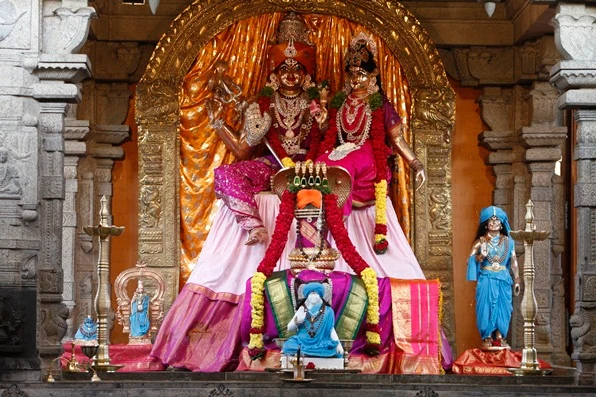
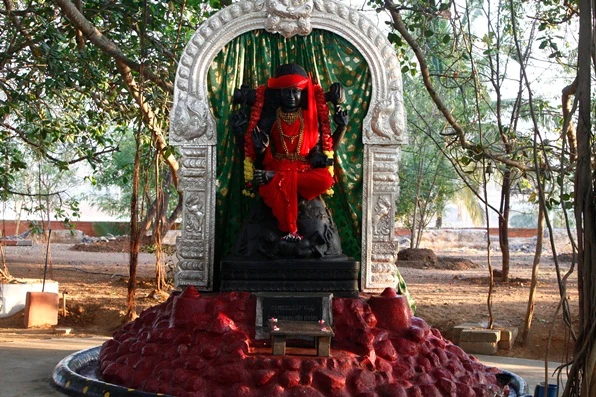
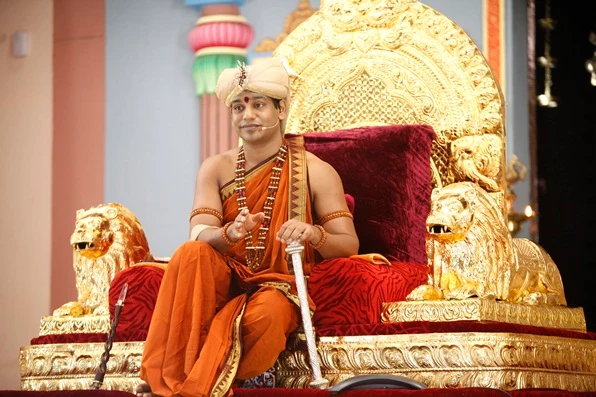

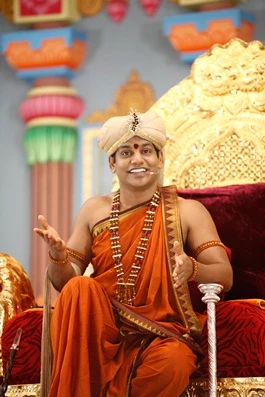
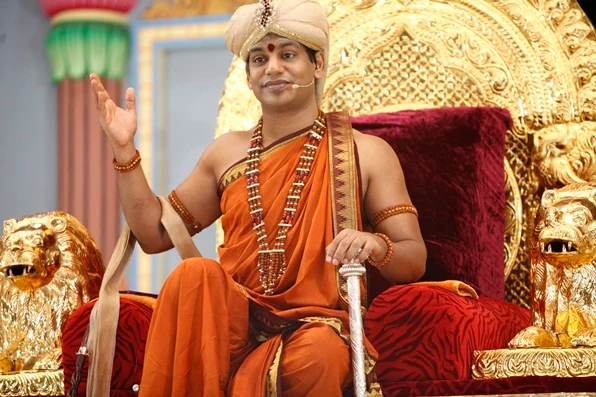
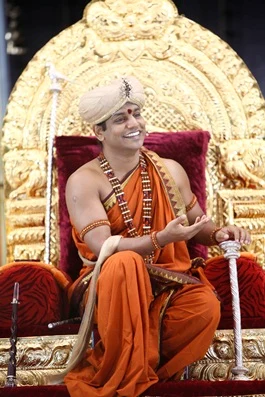
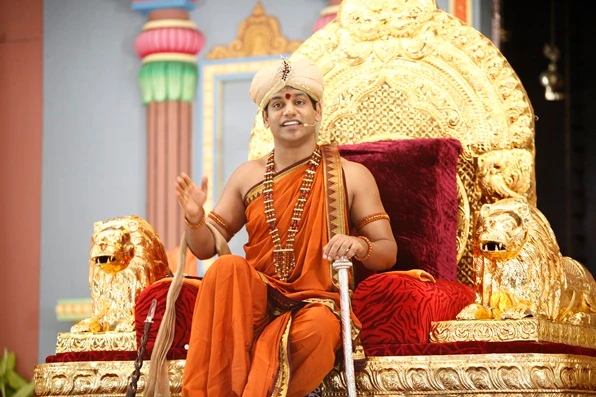
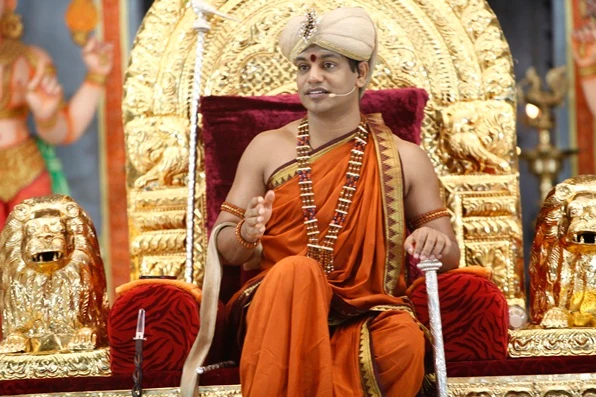
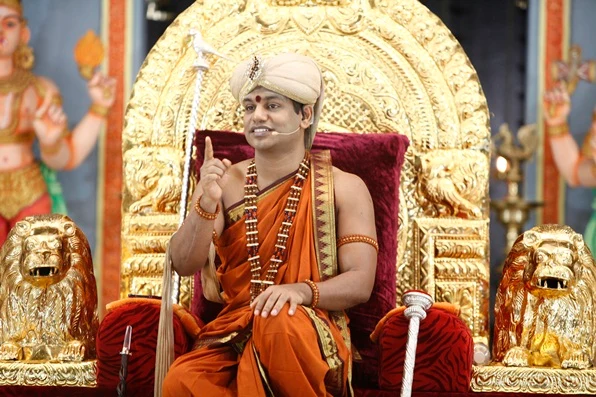
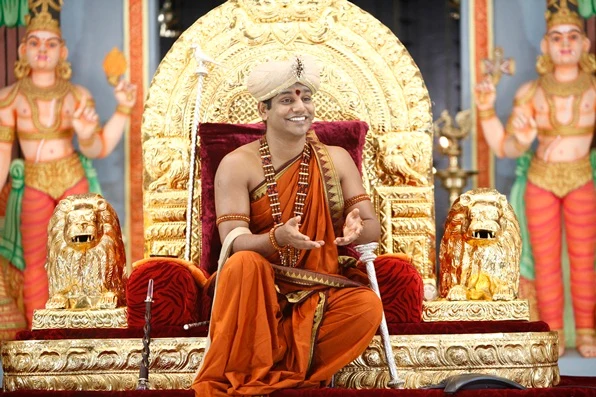
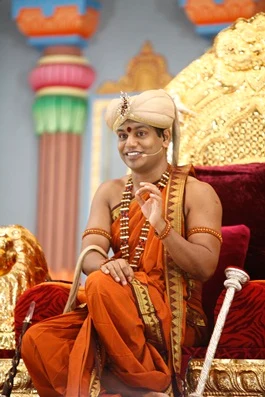
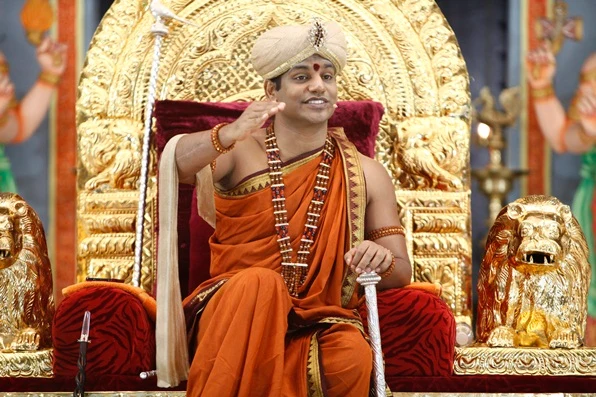
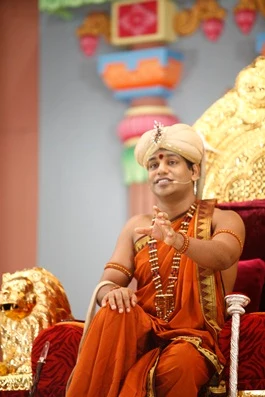
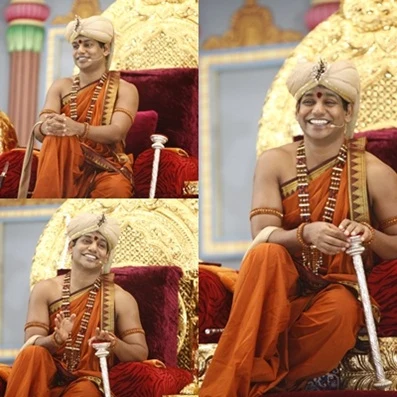
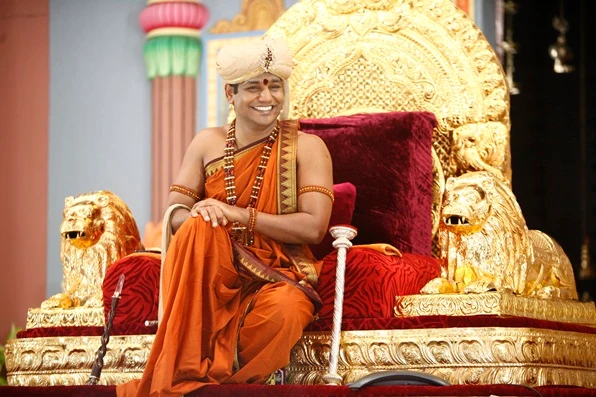

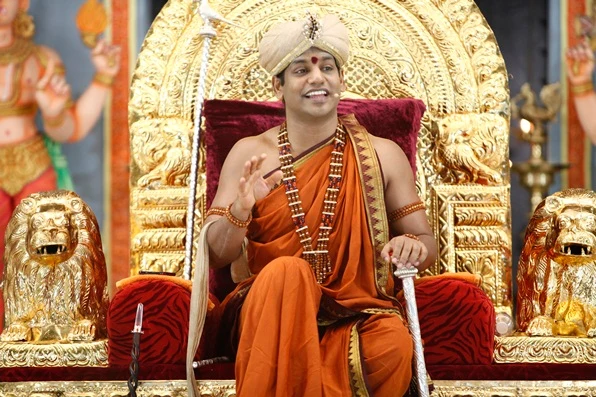
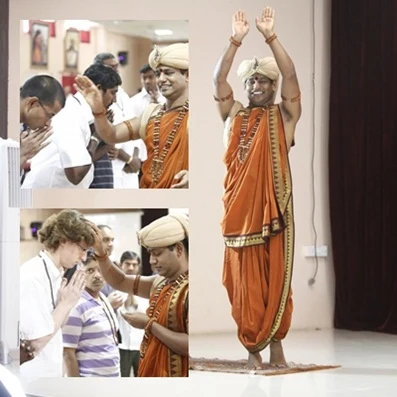
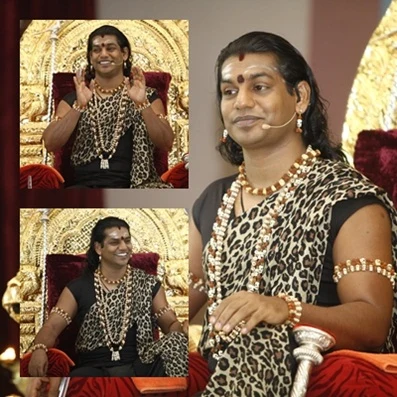
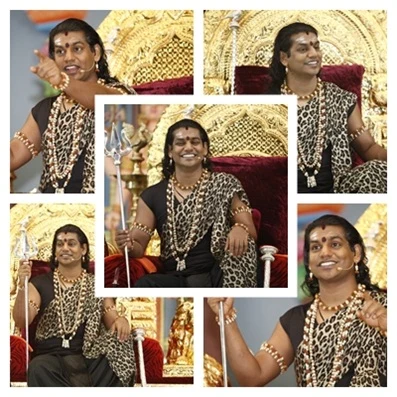
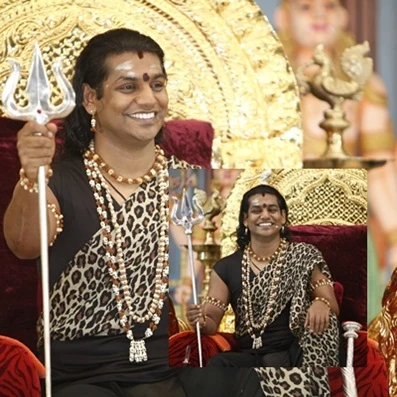
Photos from this day
View all 23 photos