Skip to content
Sunday

25 July 2010

Dated photos
262
Source pages
1
Media
6
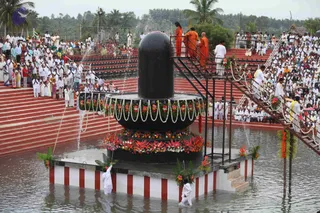
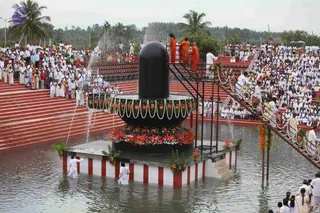
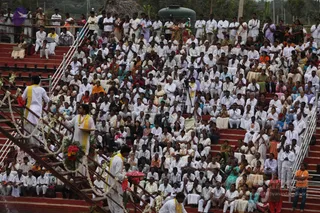
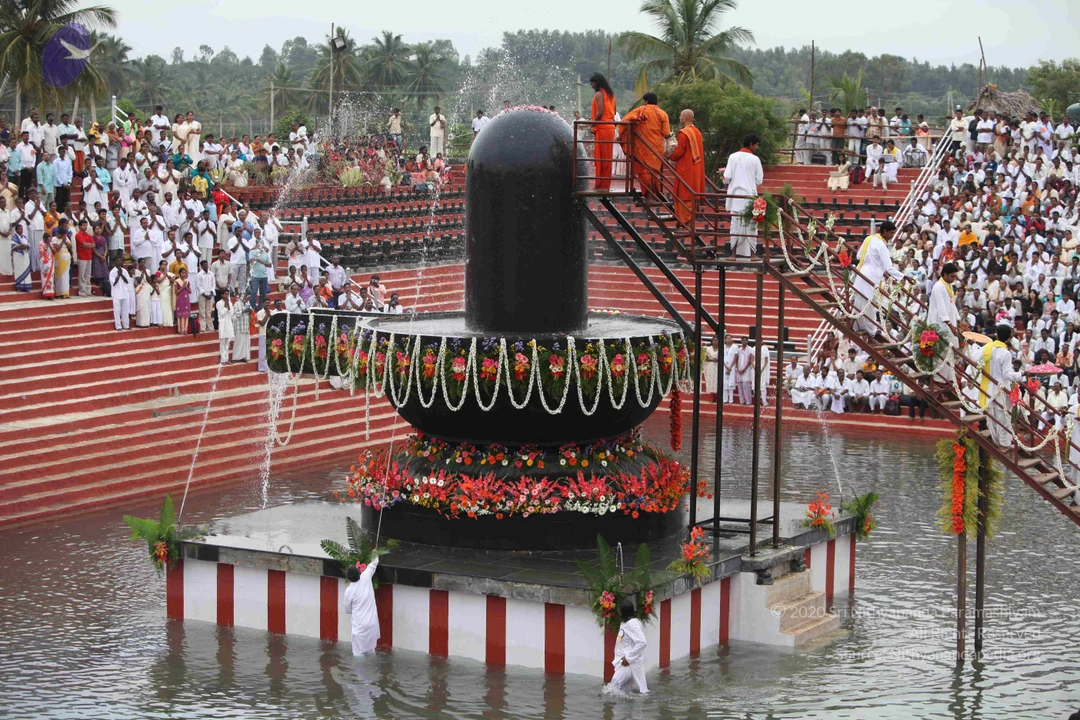
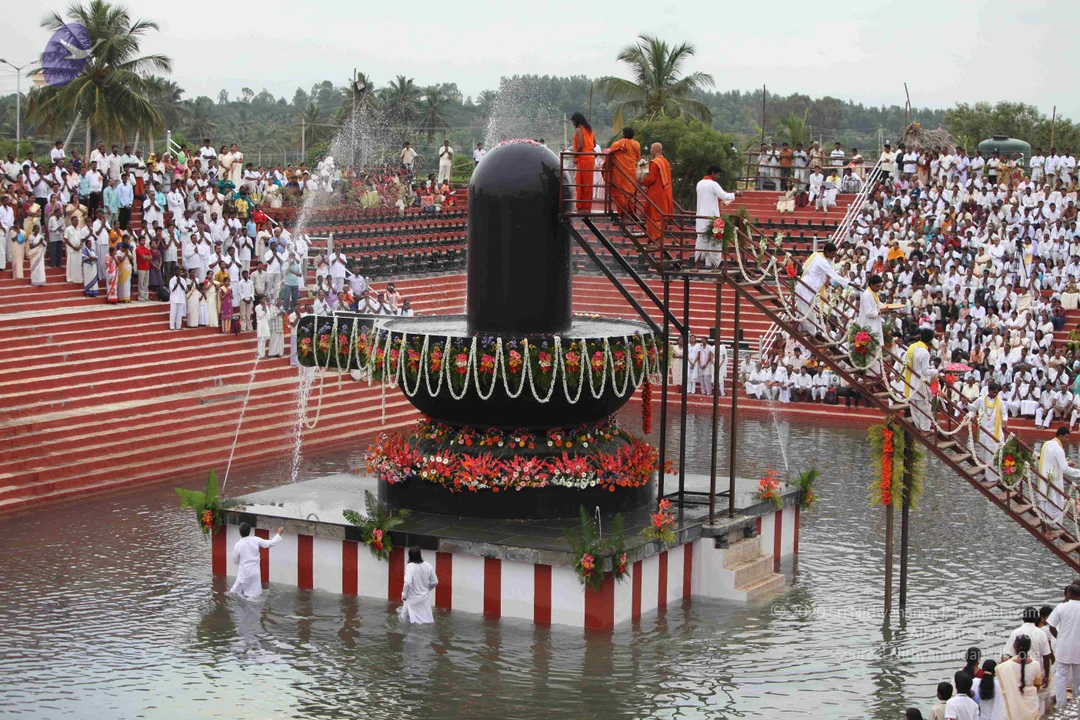
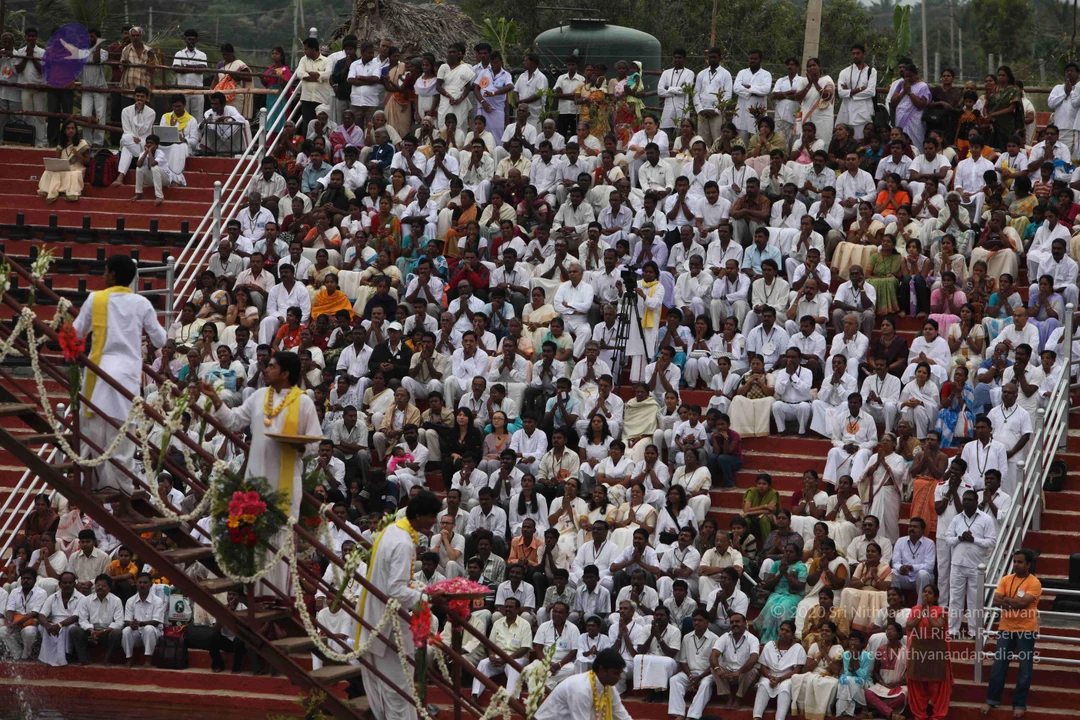
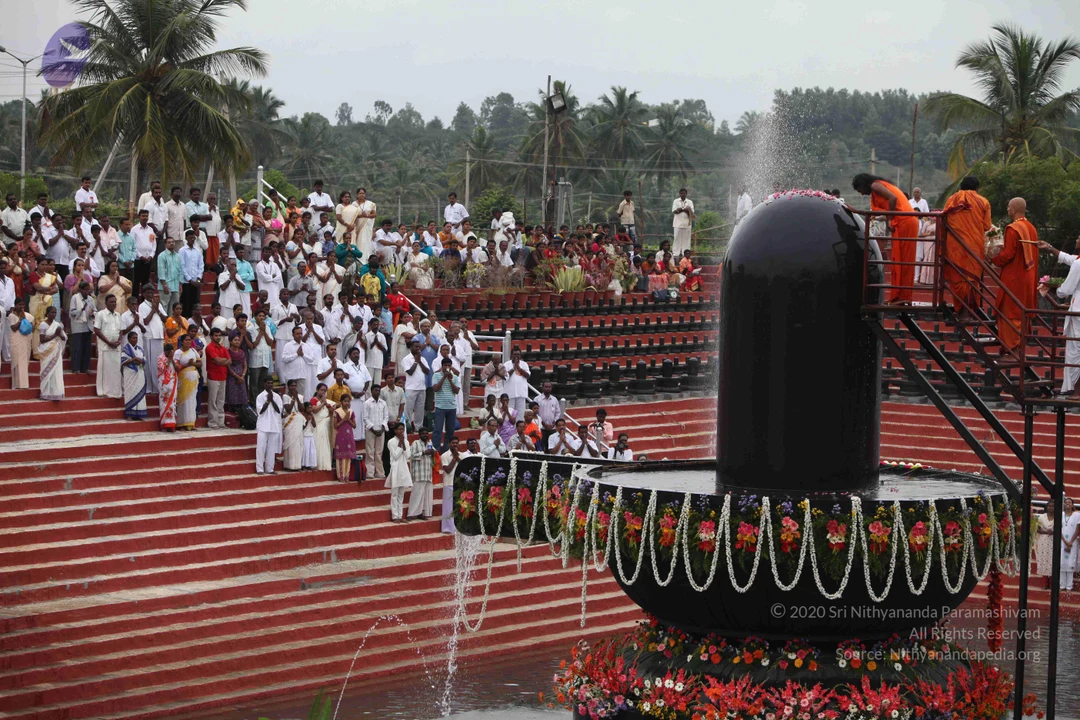
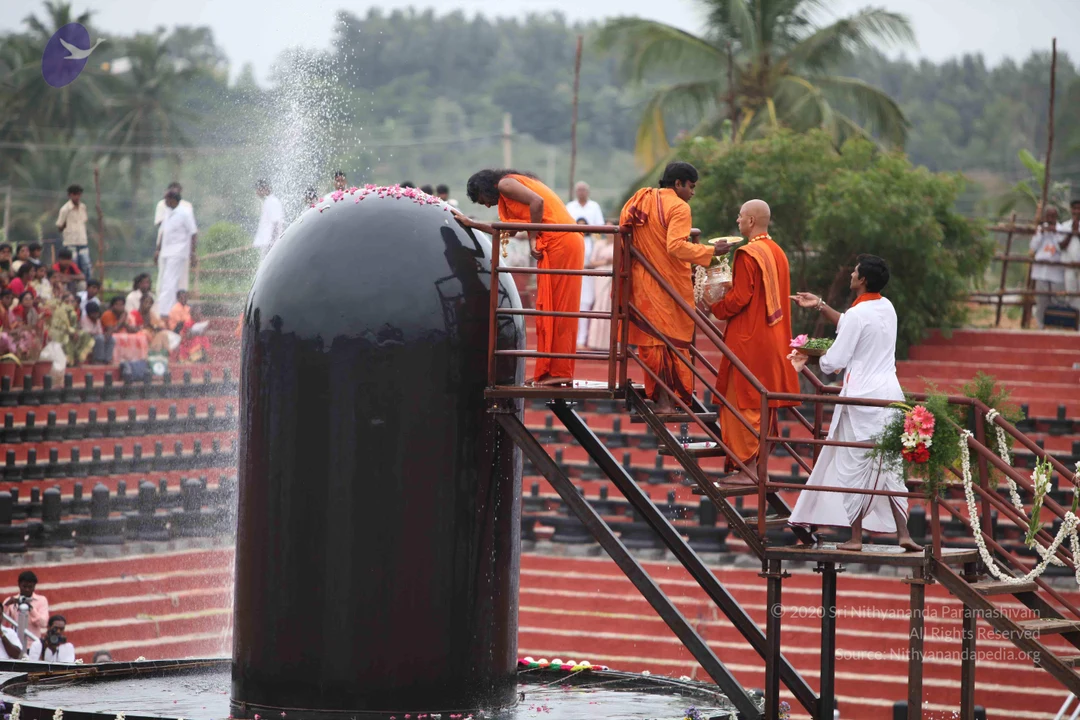
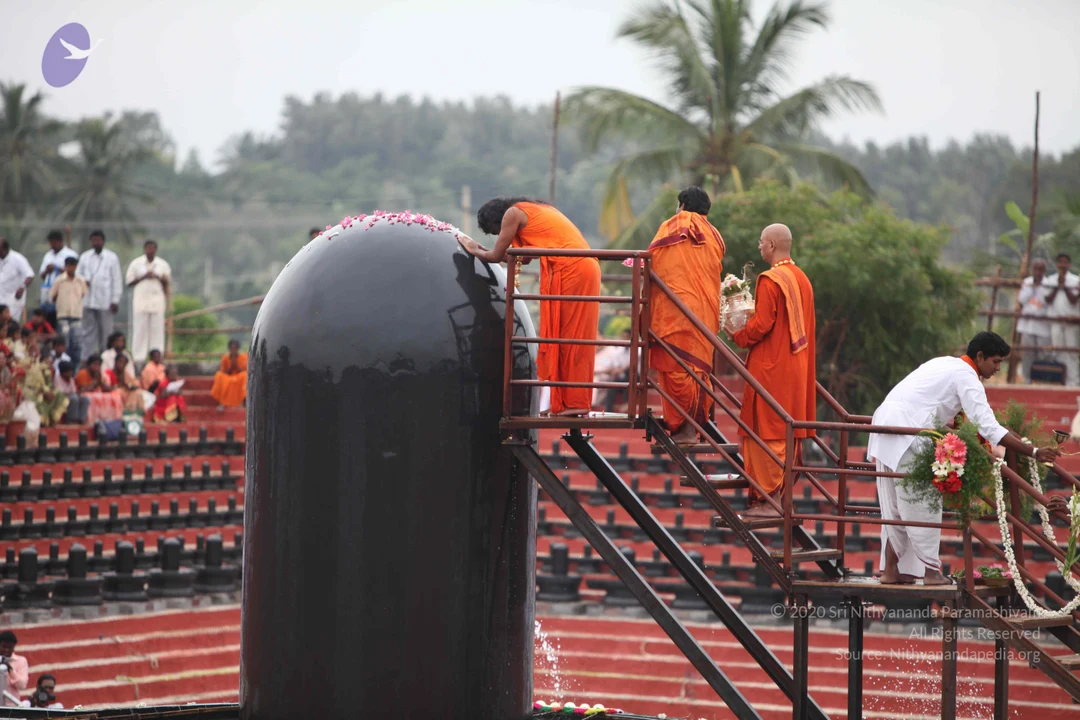
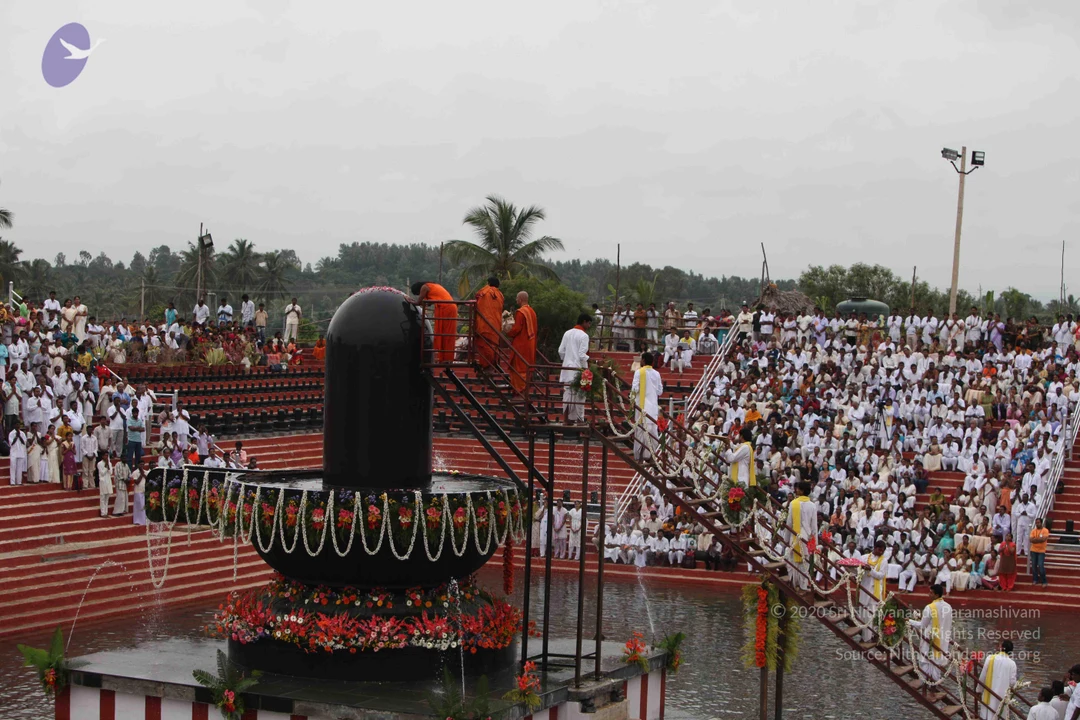
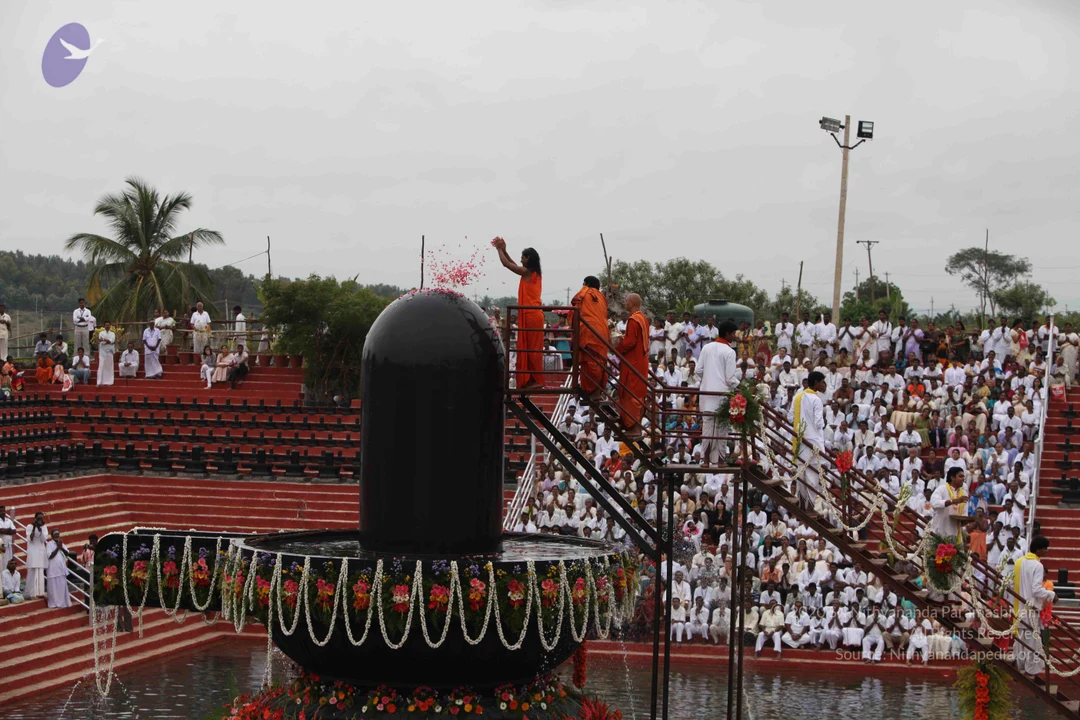
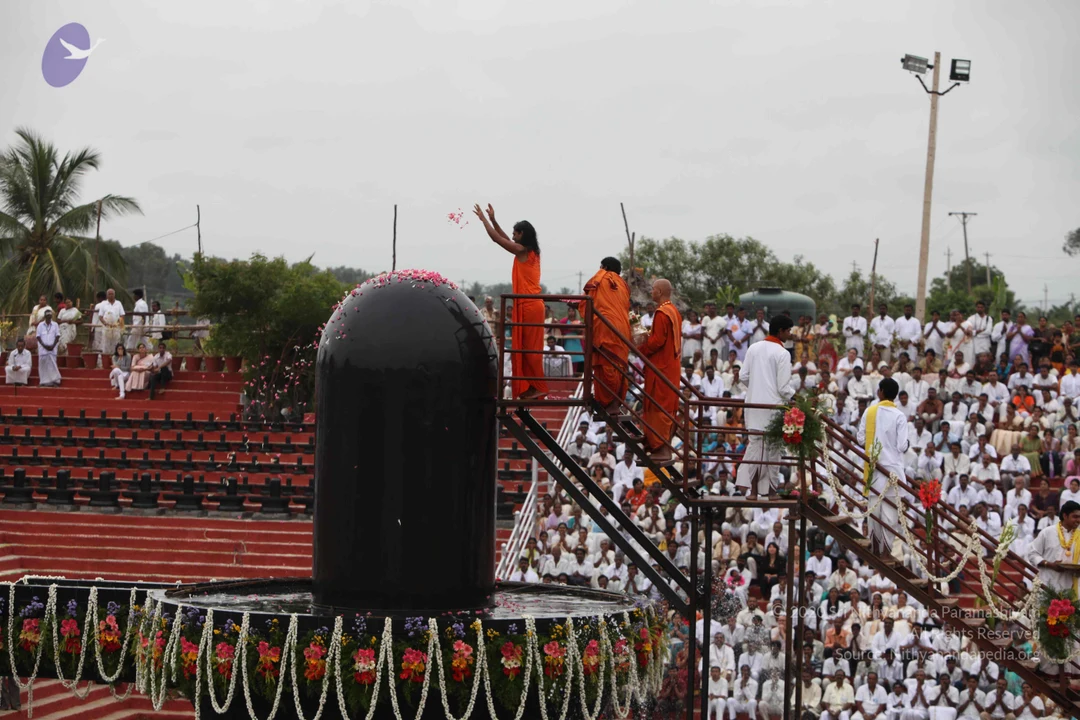
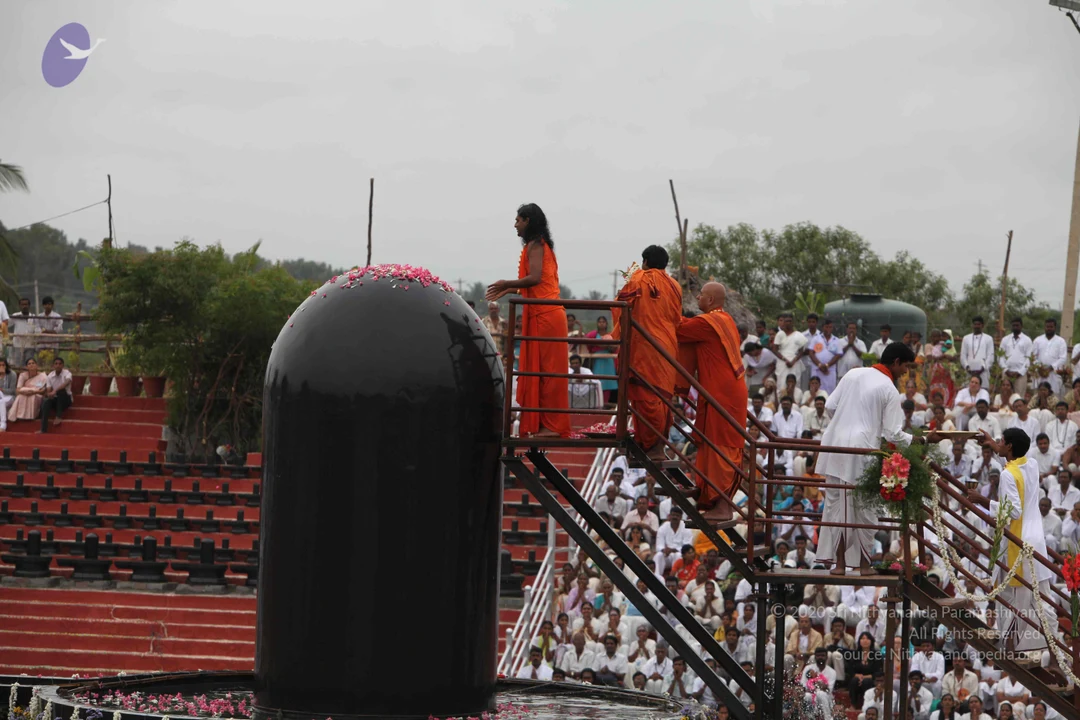
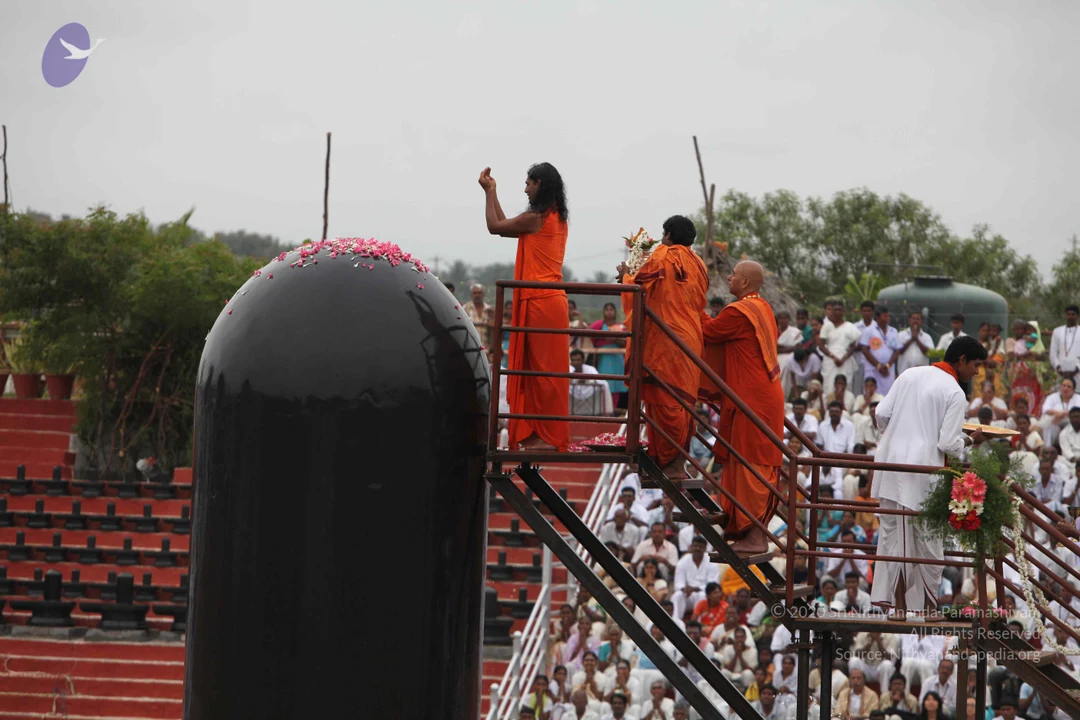
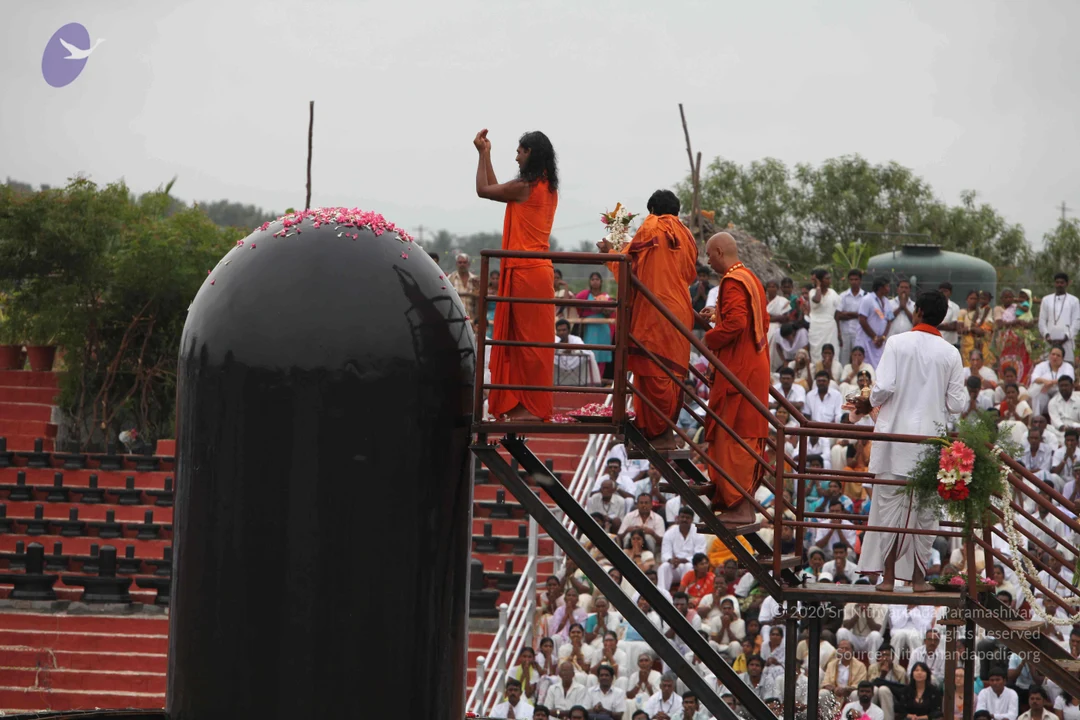
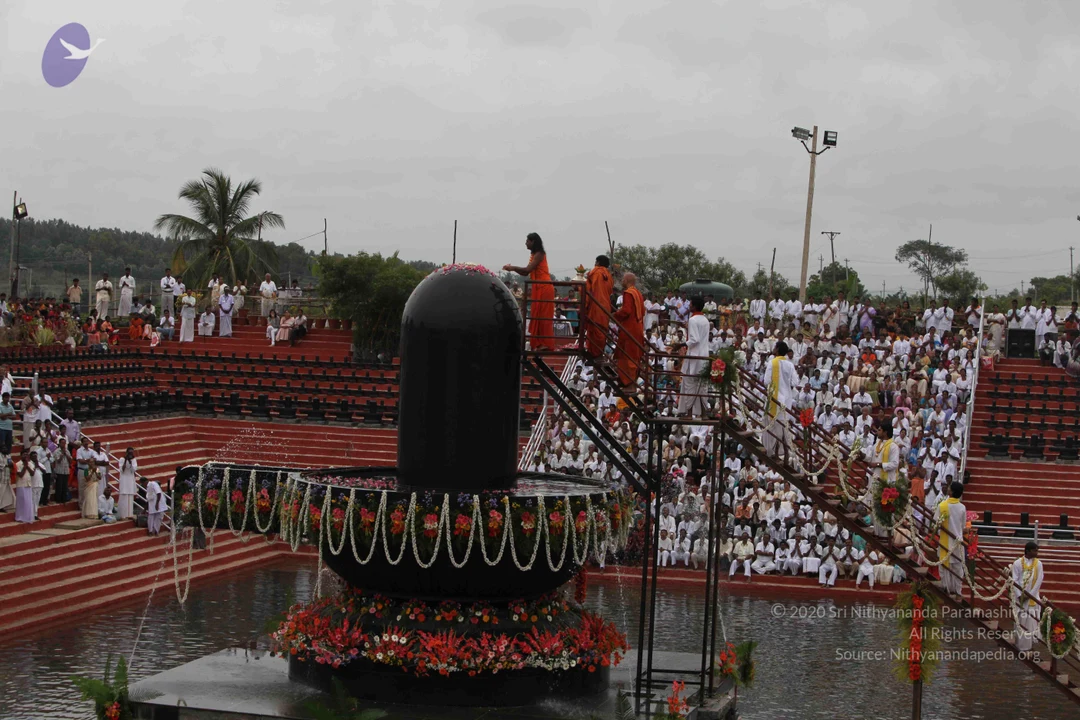
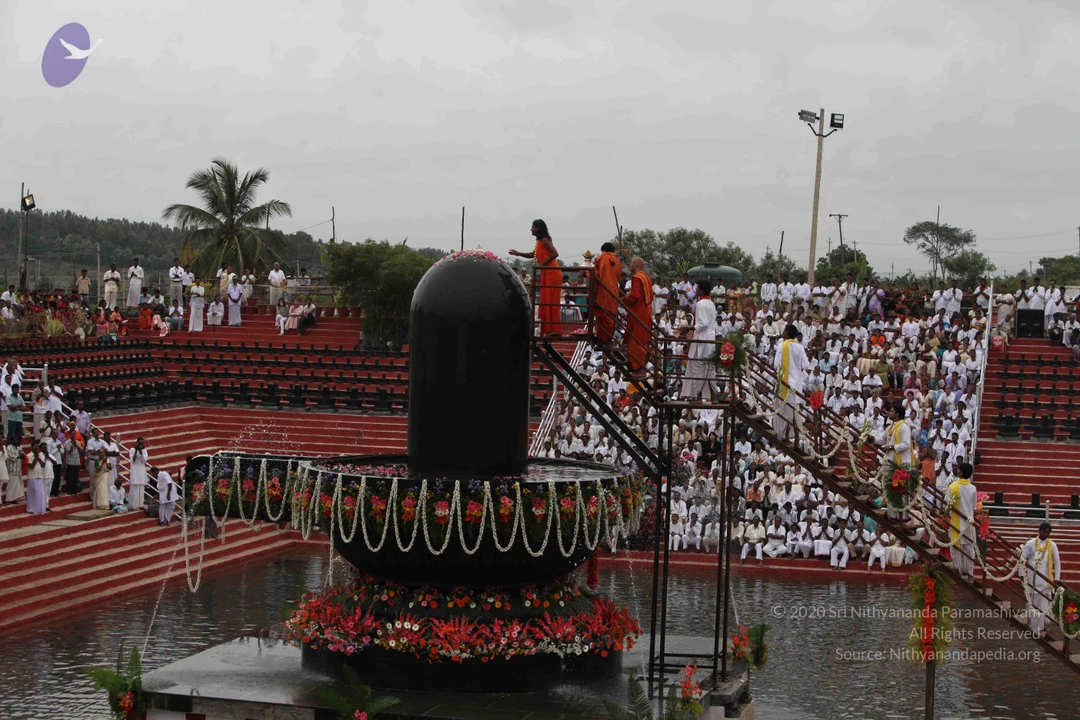
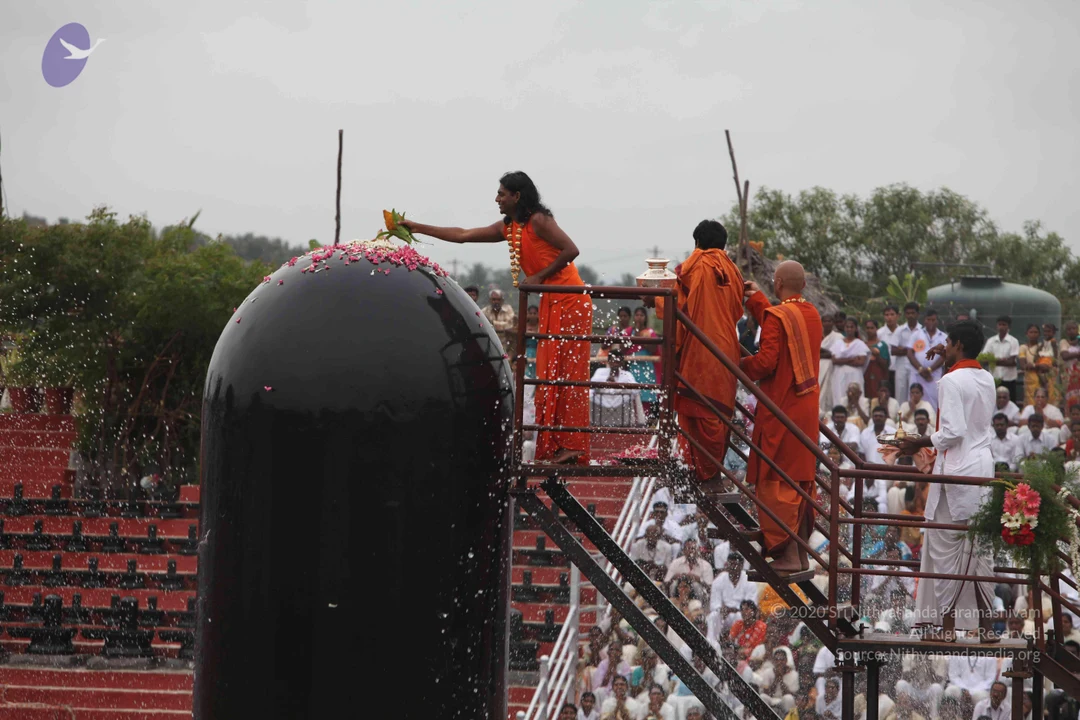
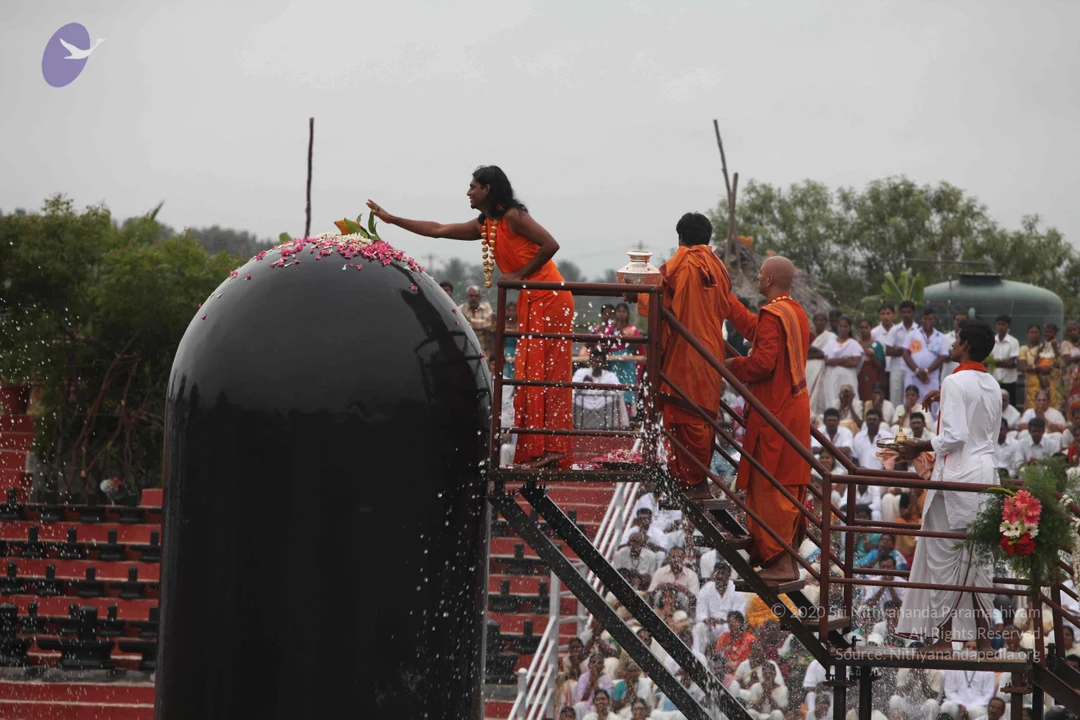
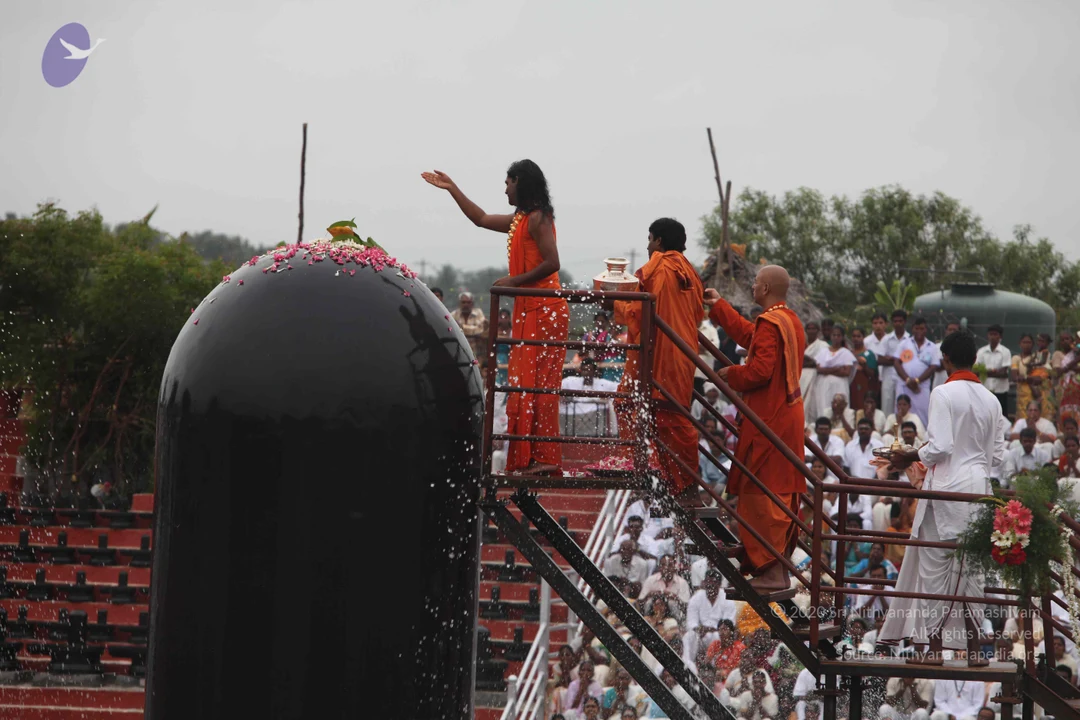
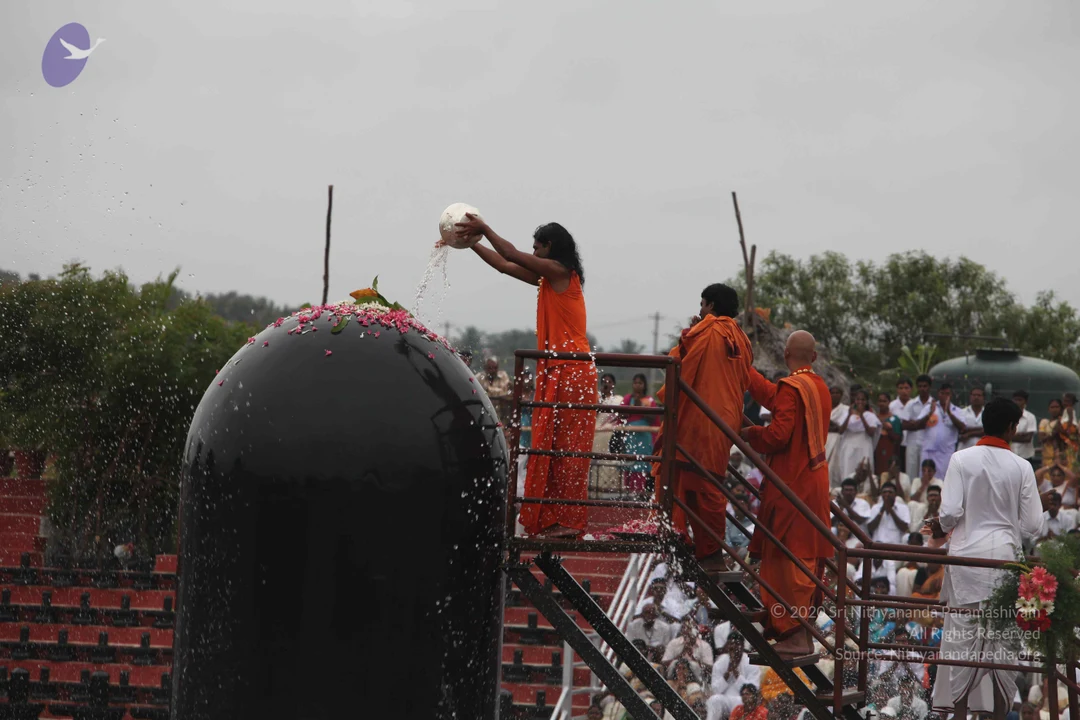
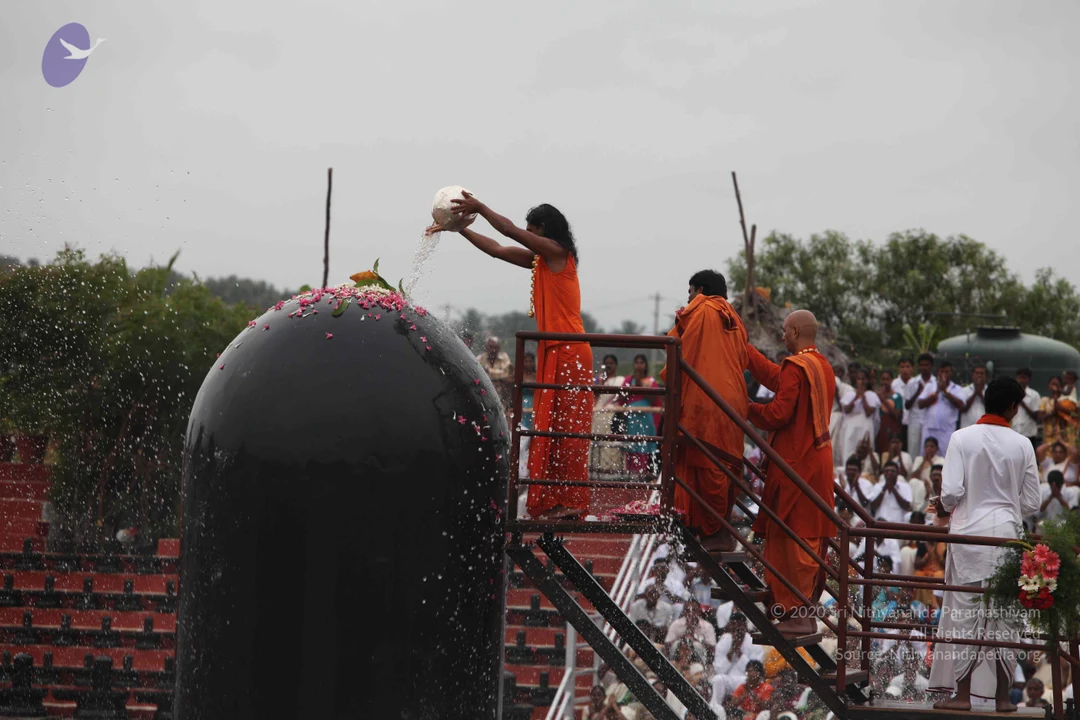
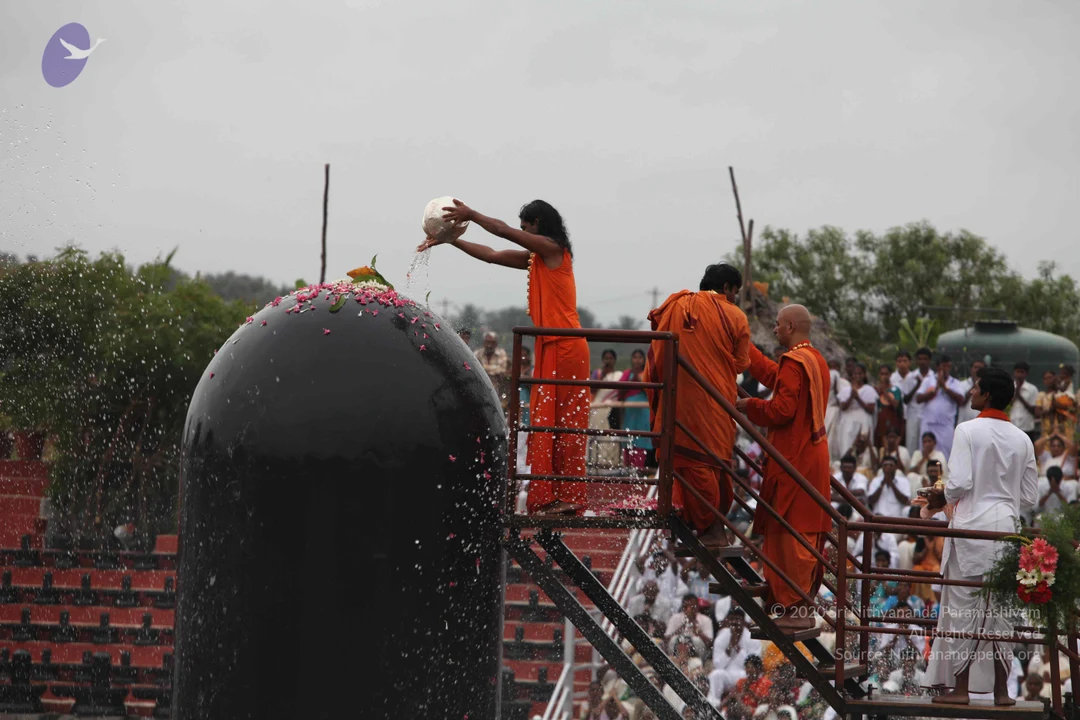
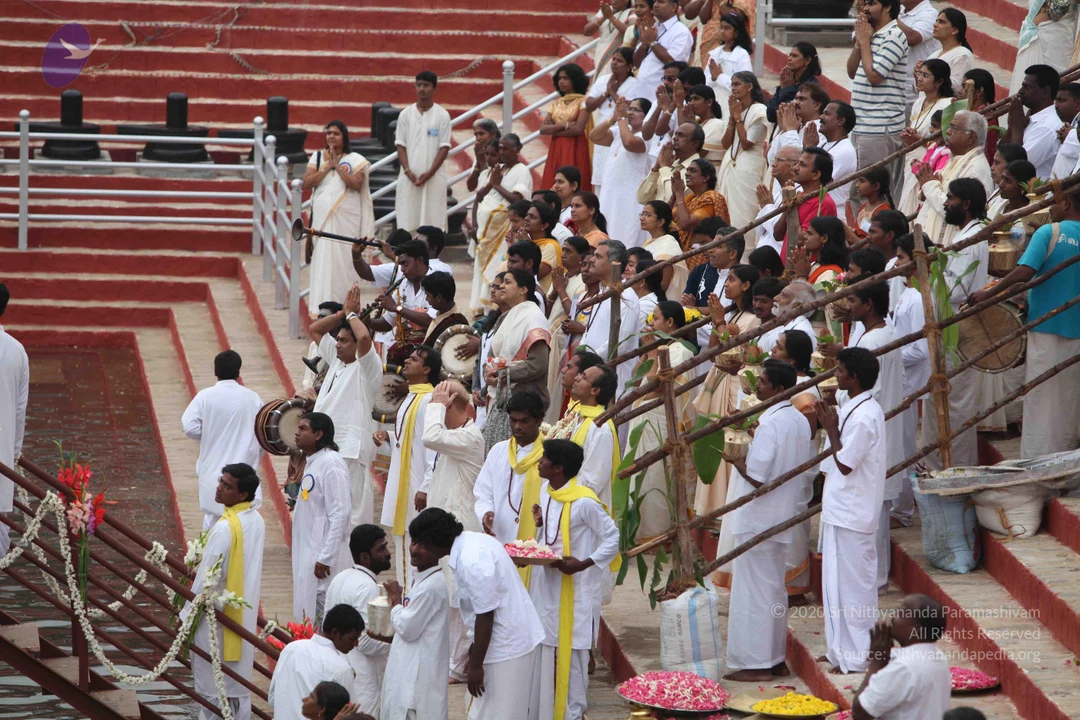
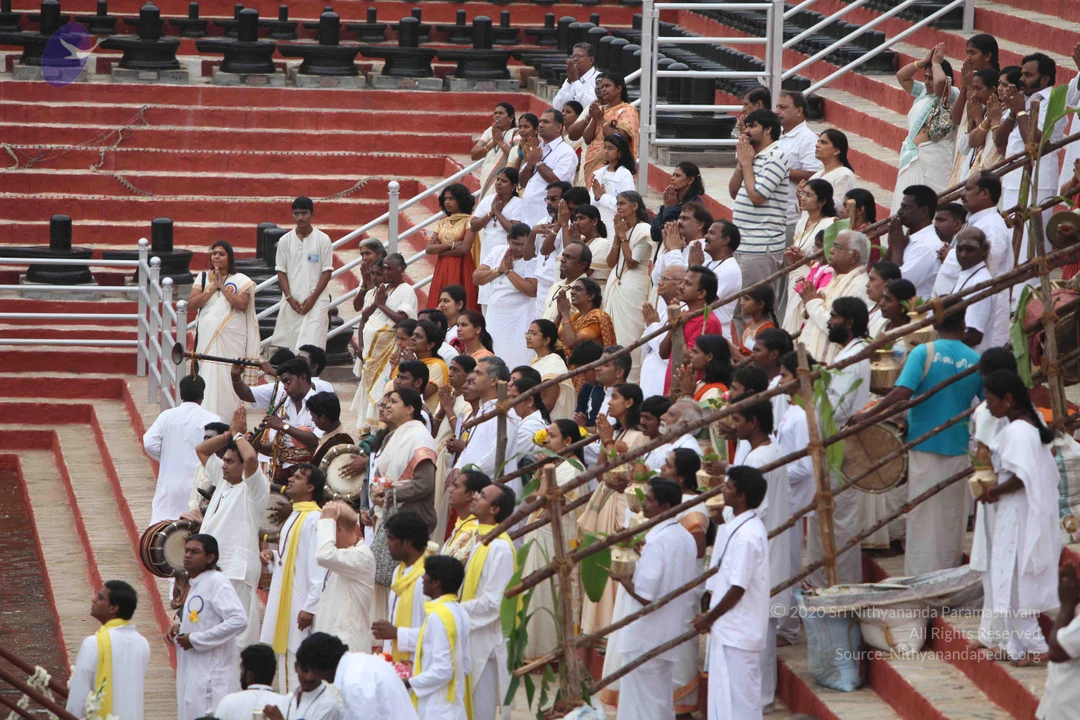
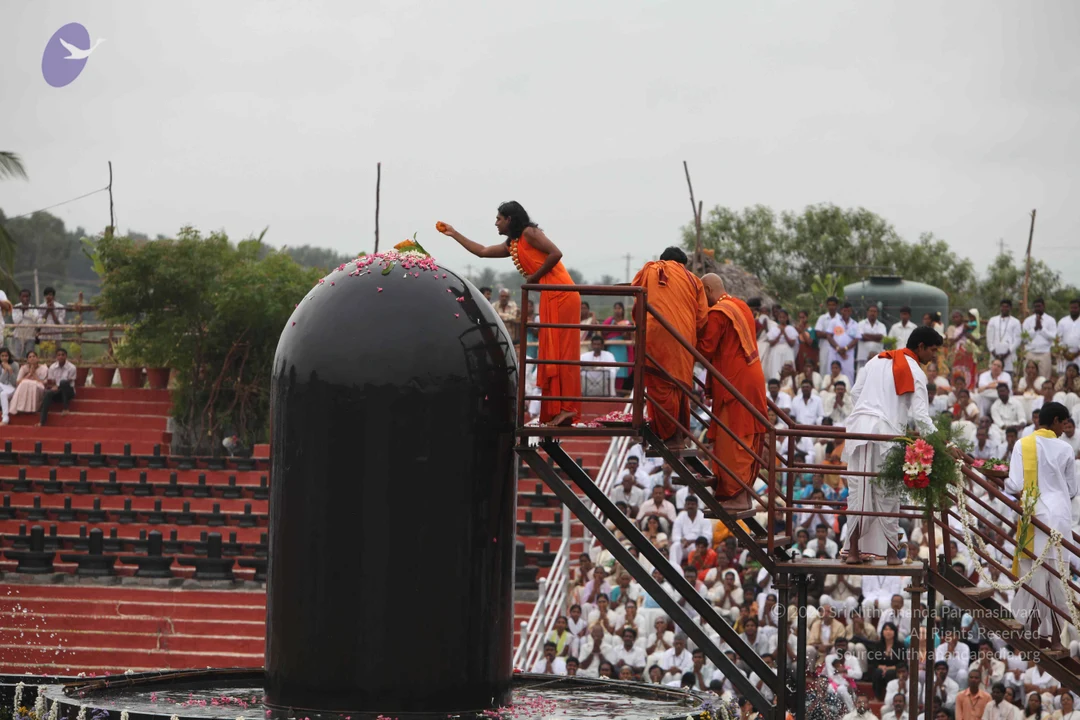
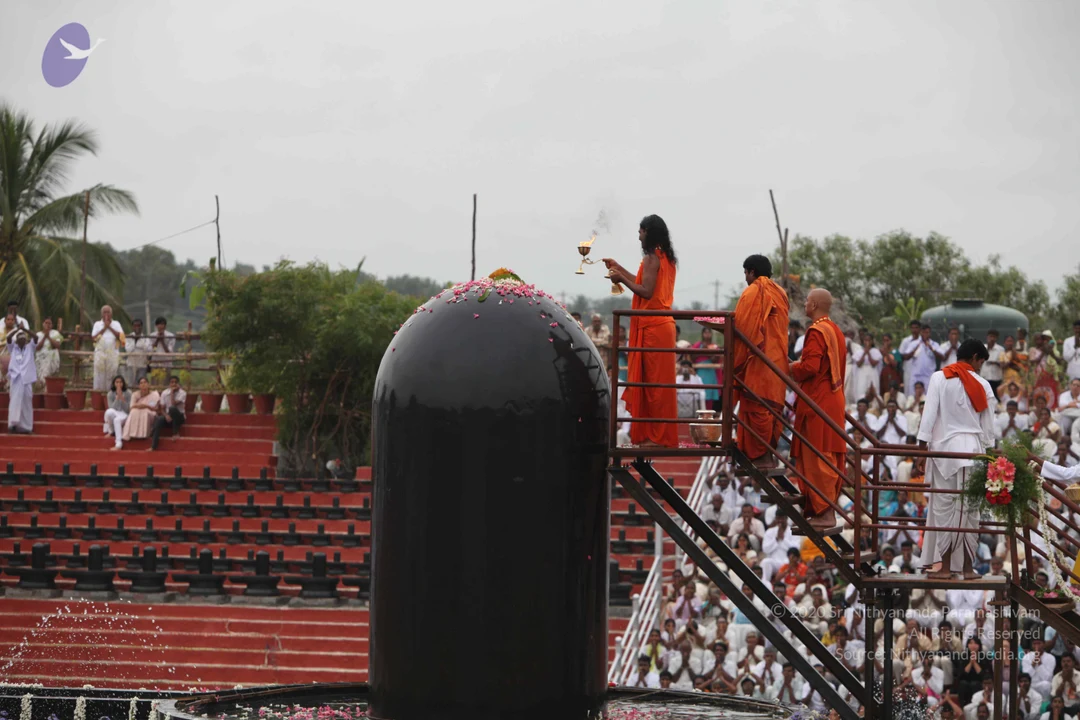
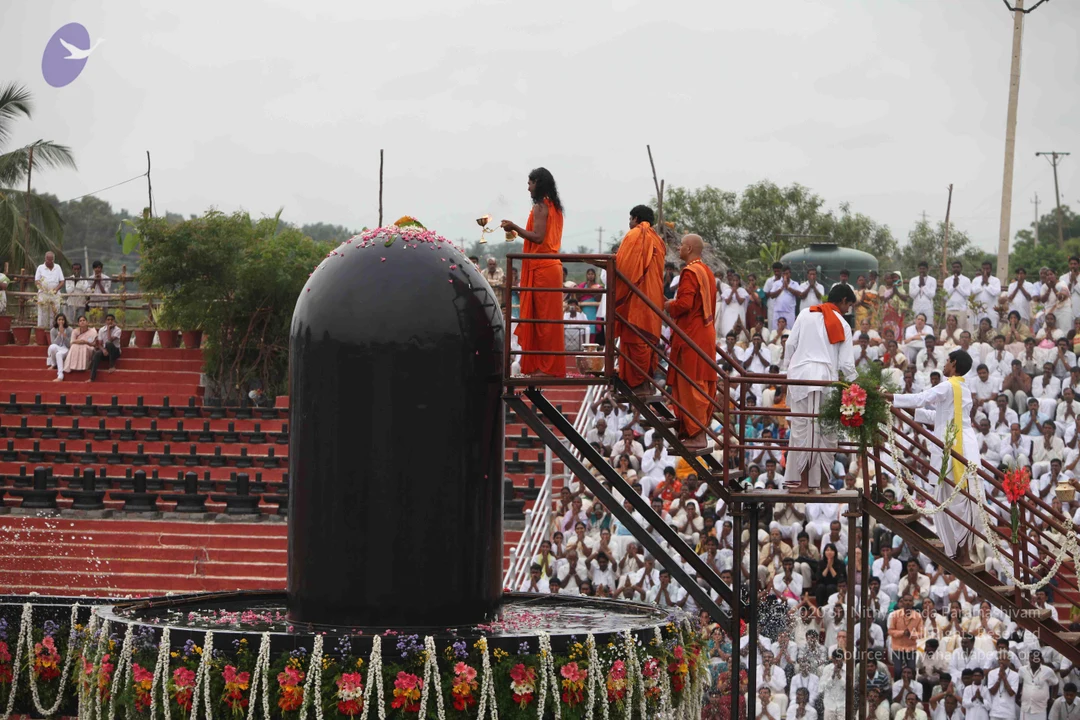
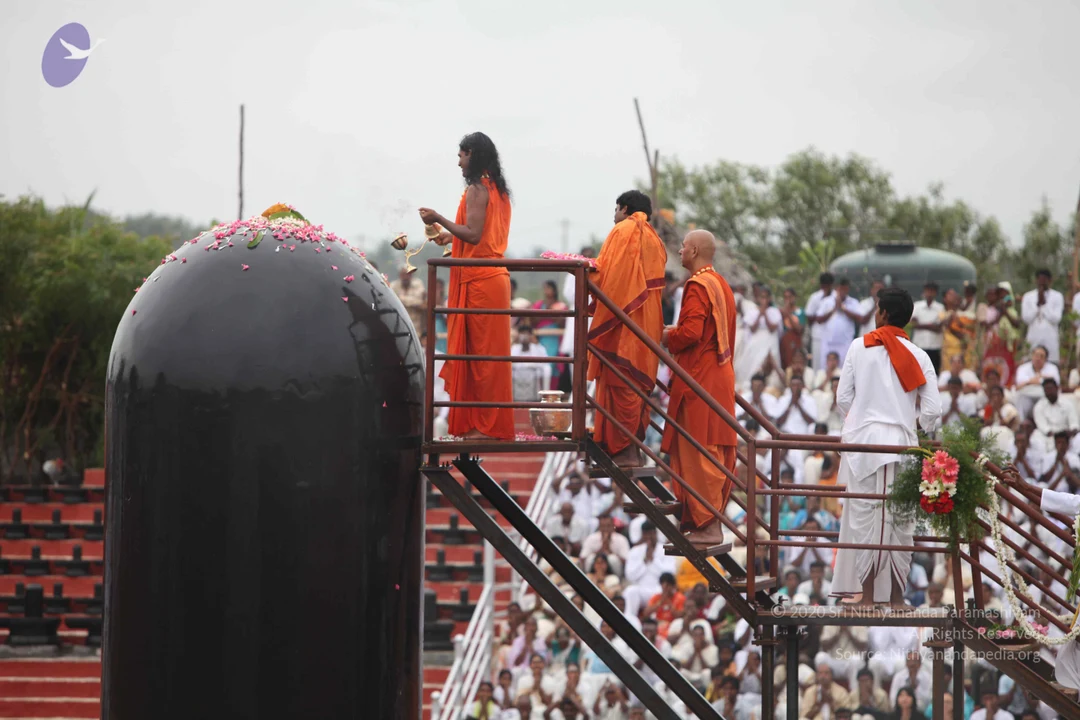
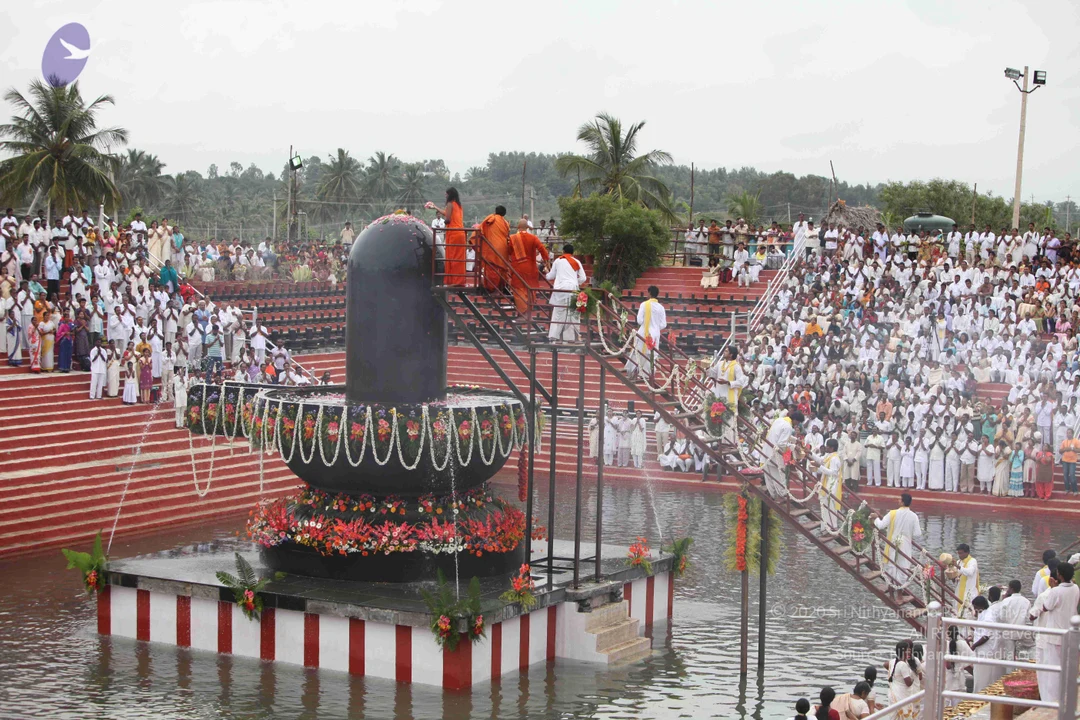
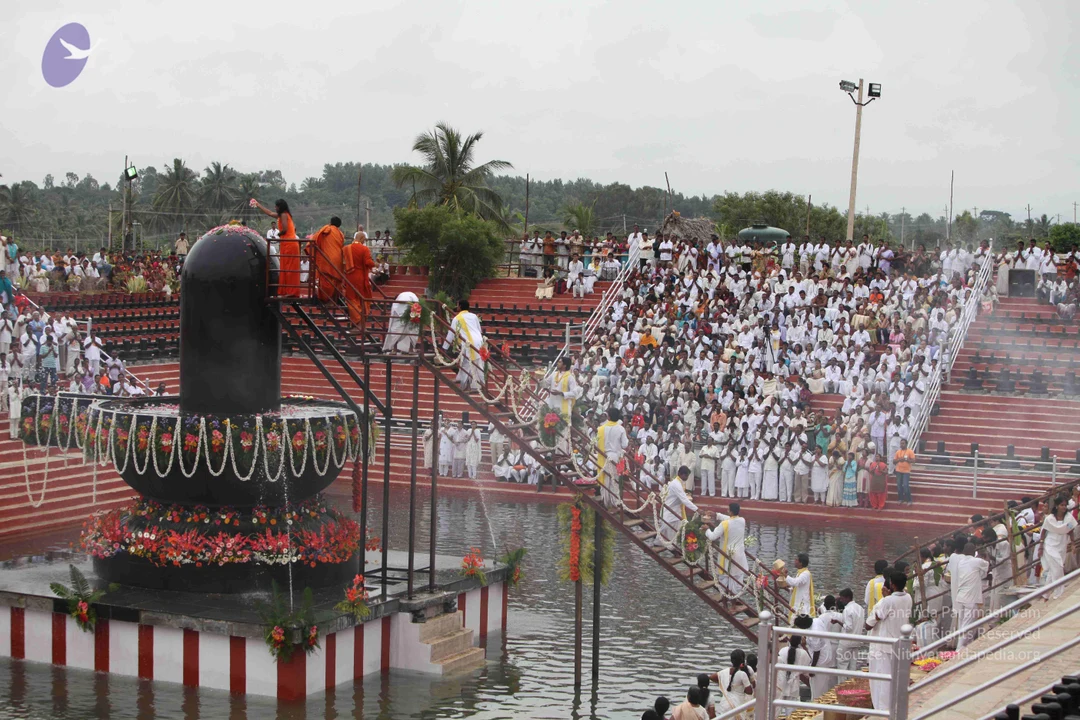
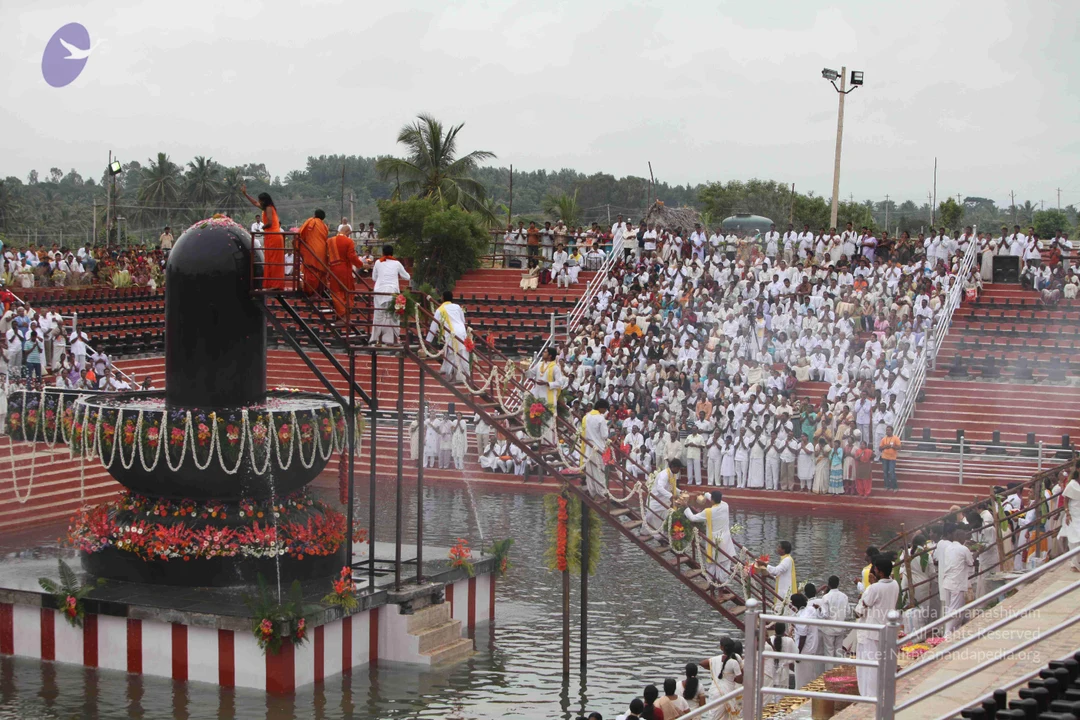
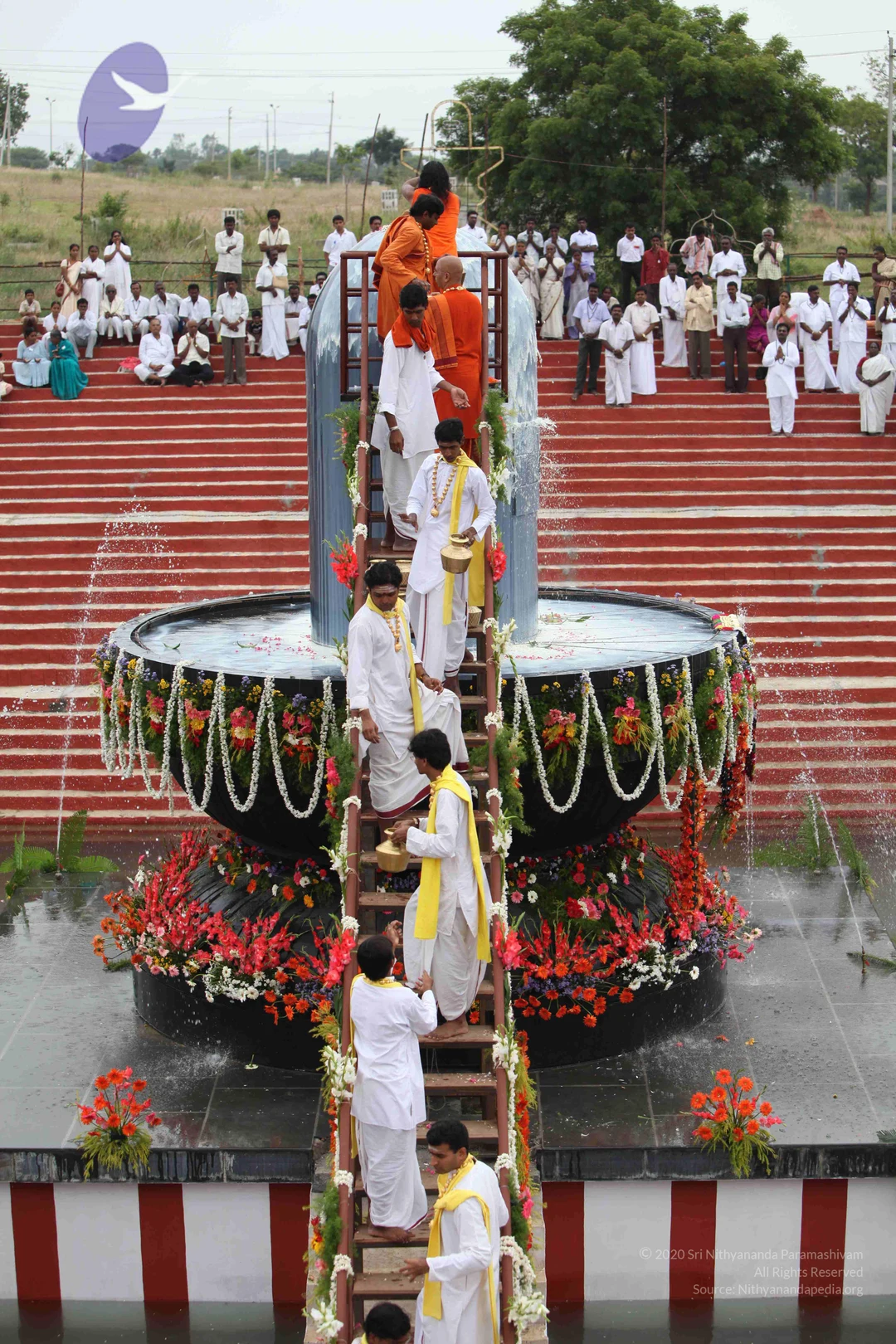
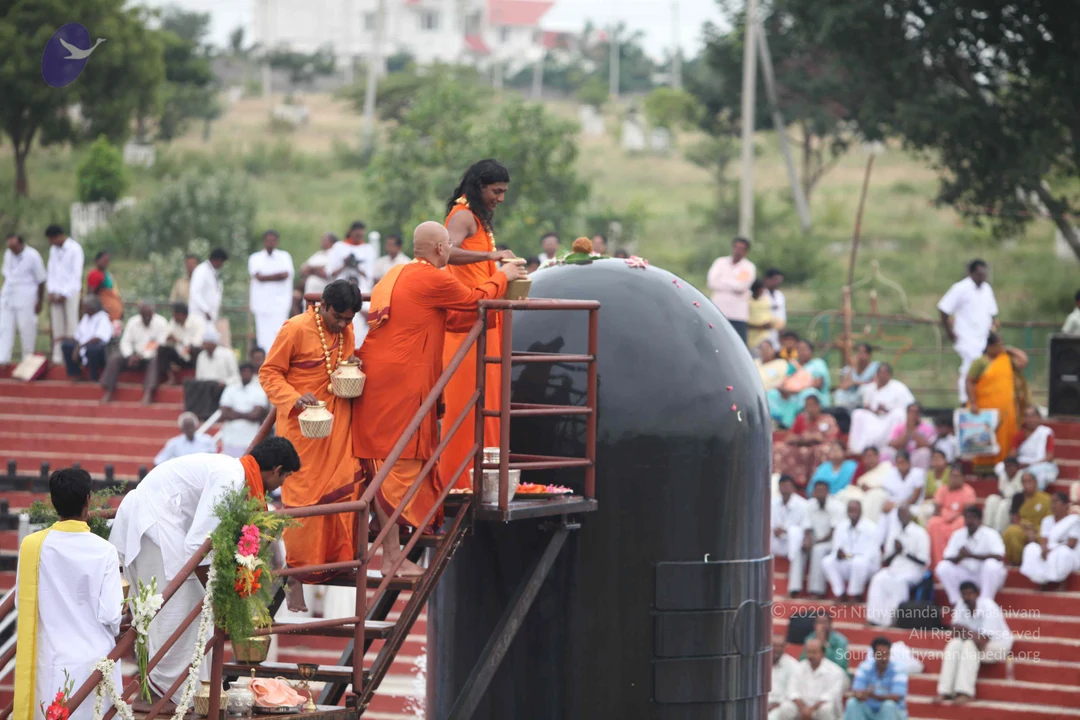
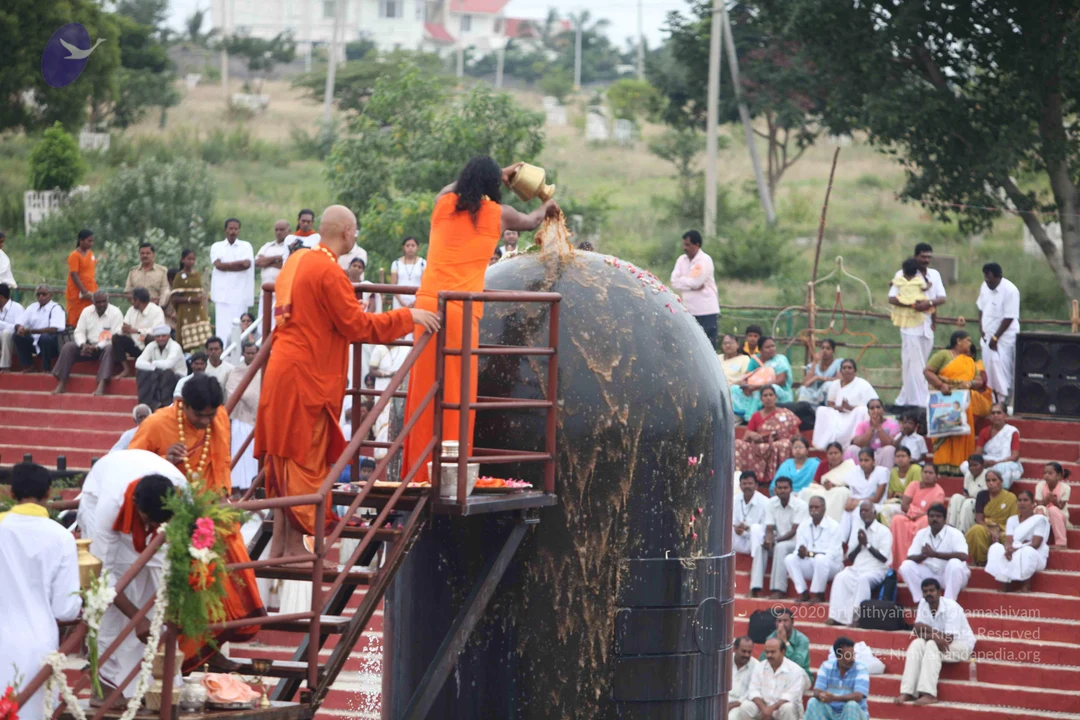
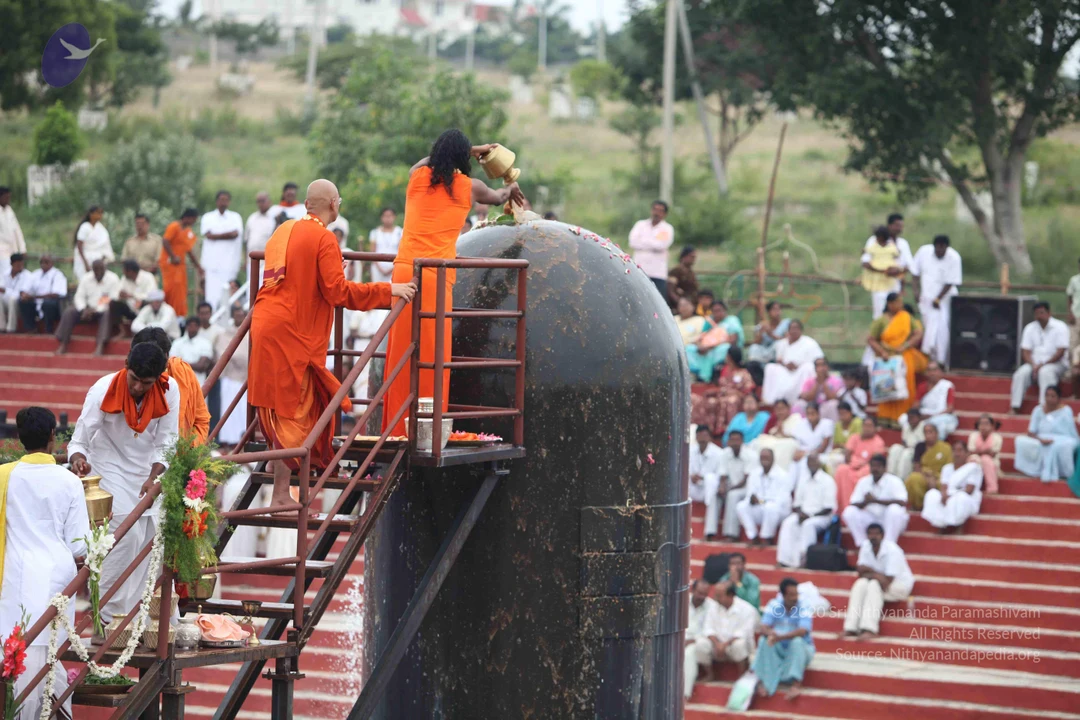
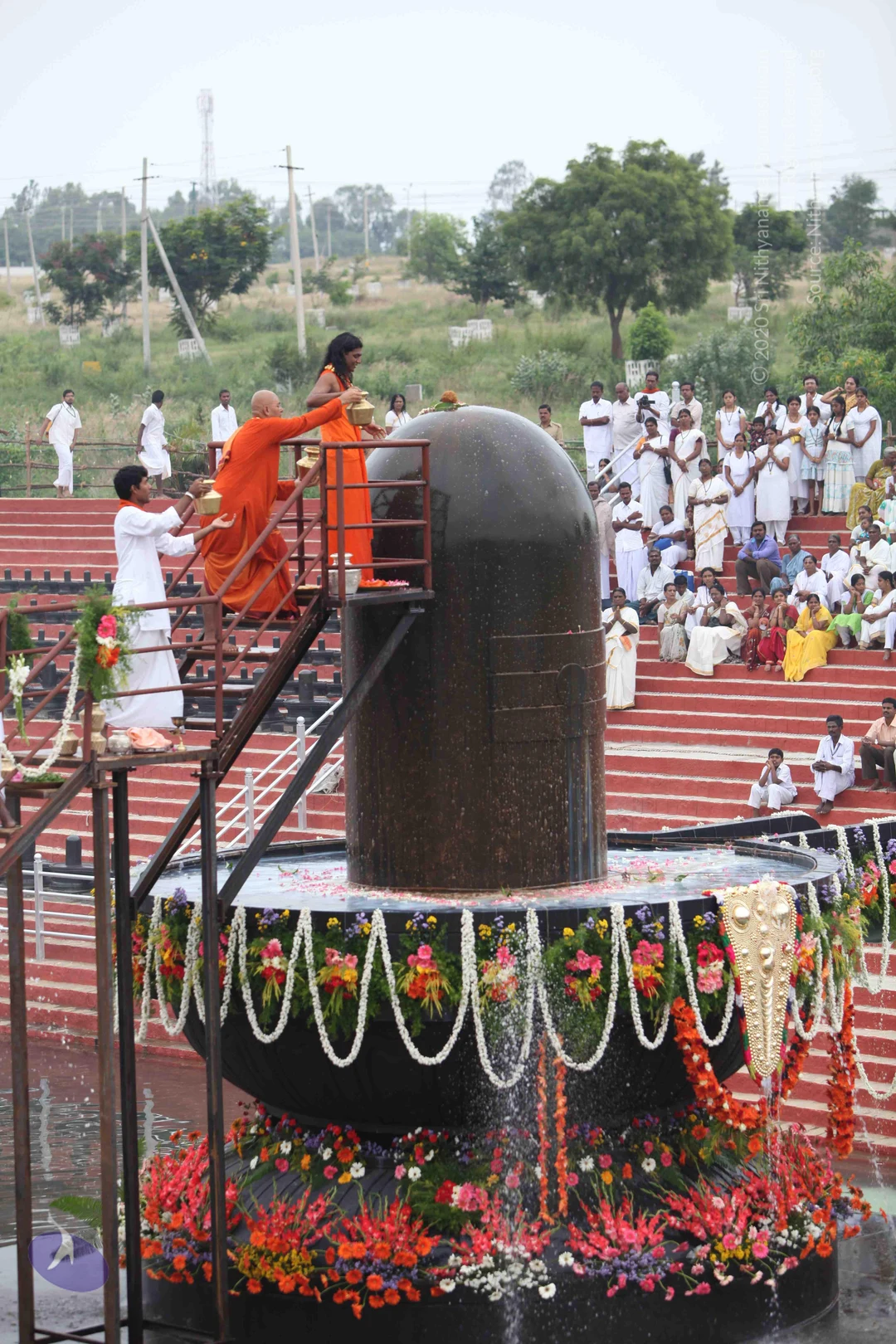
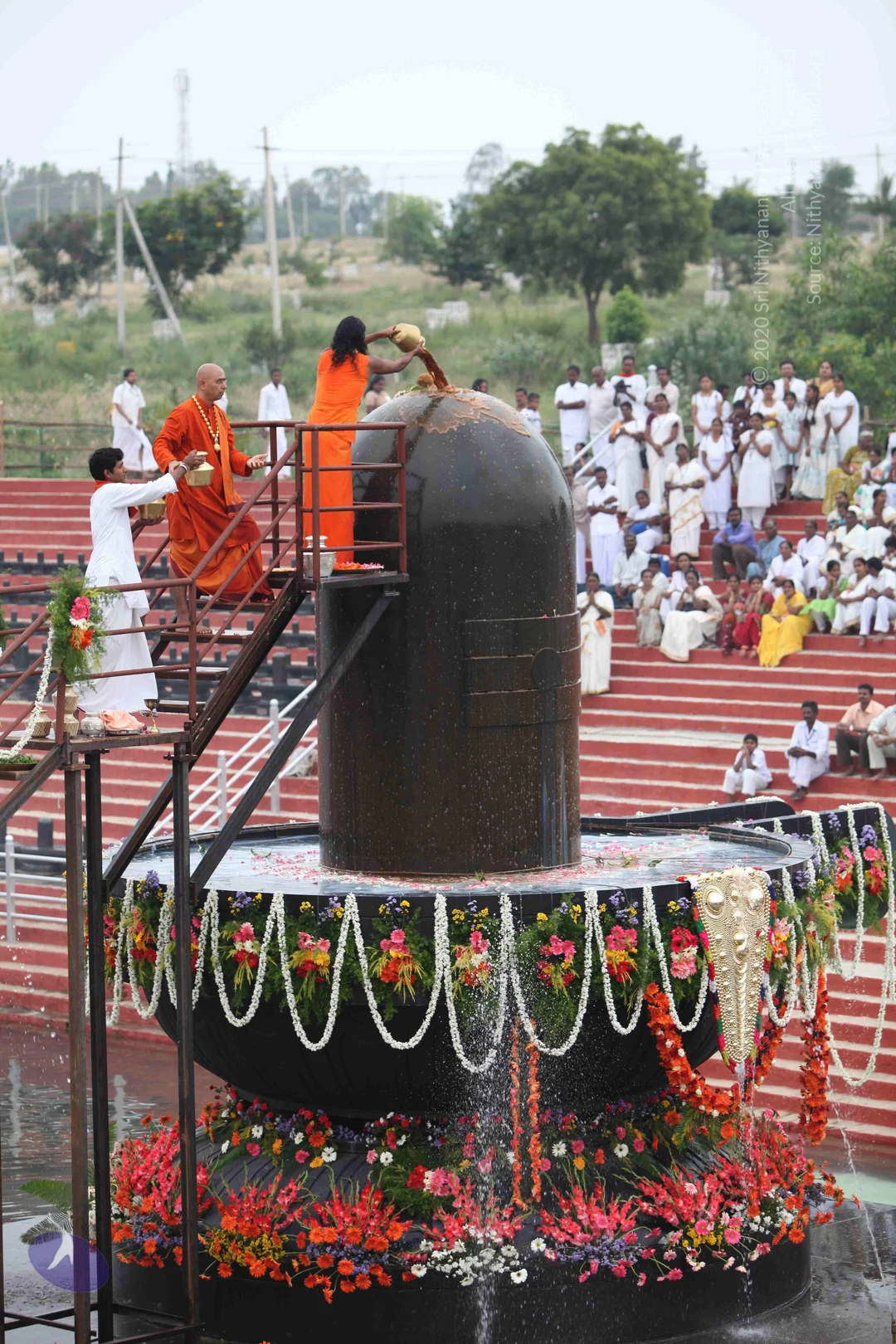
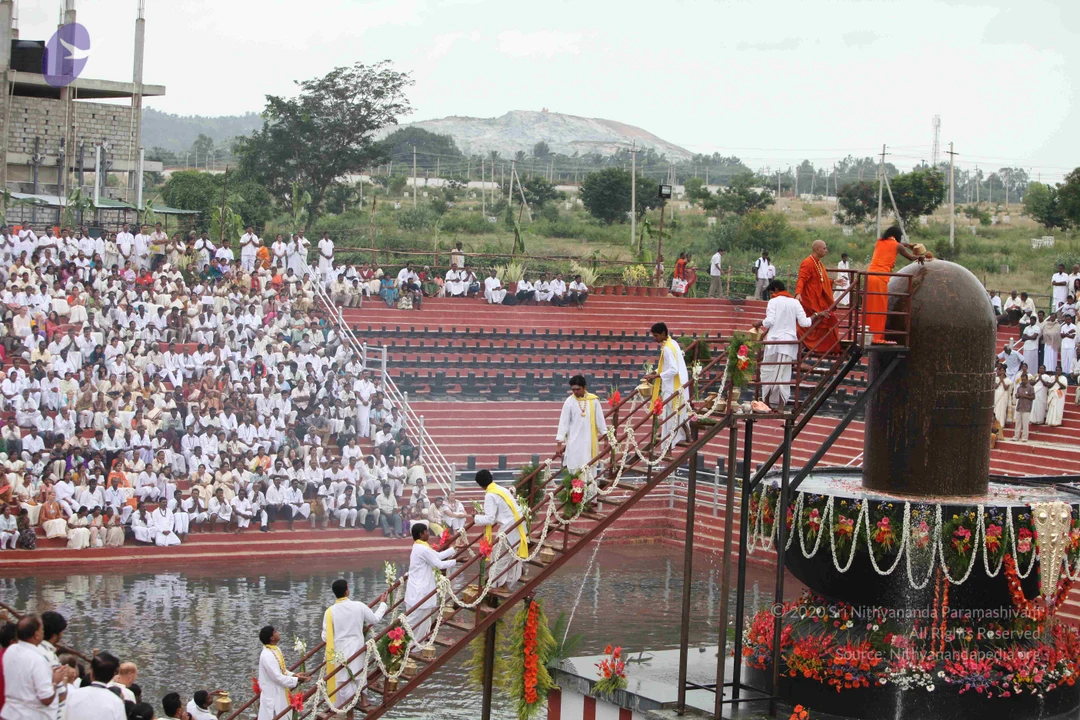
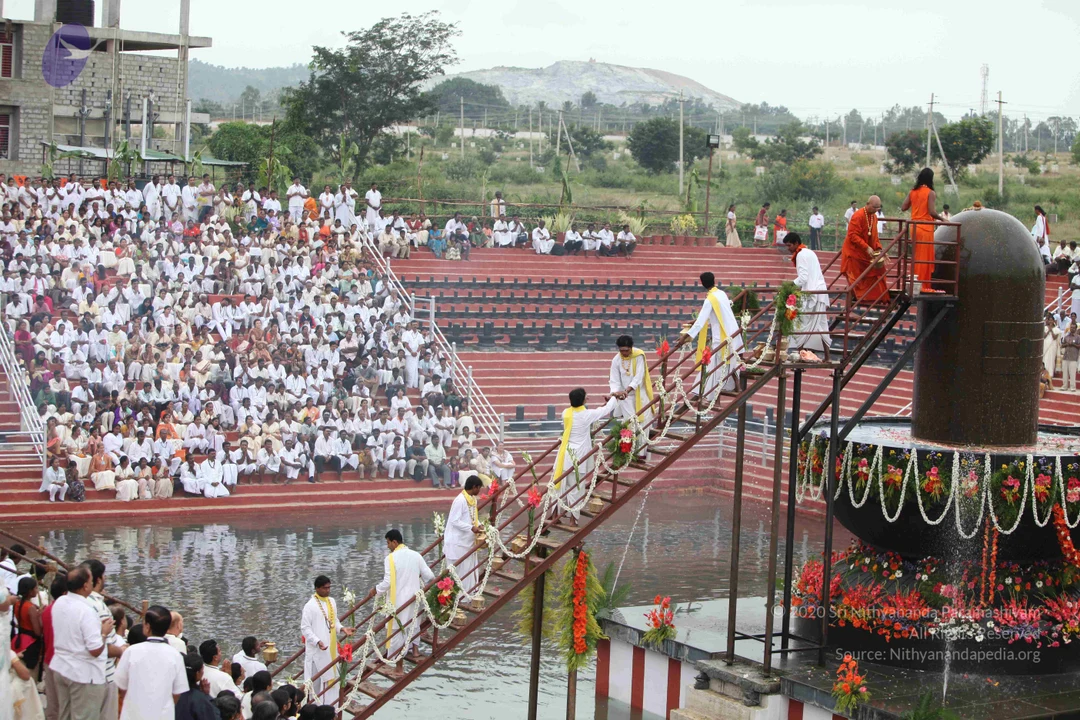
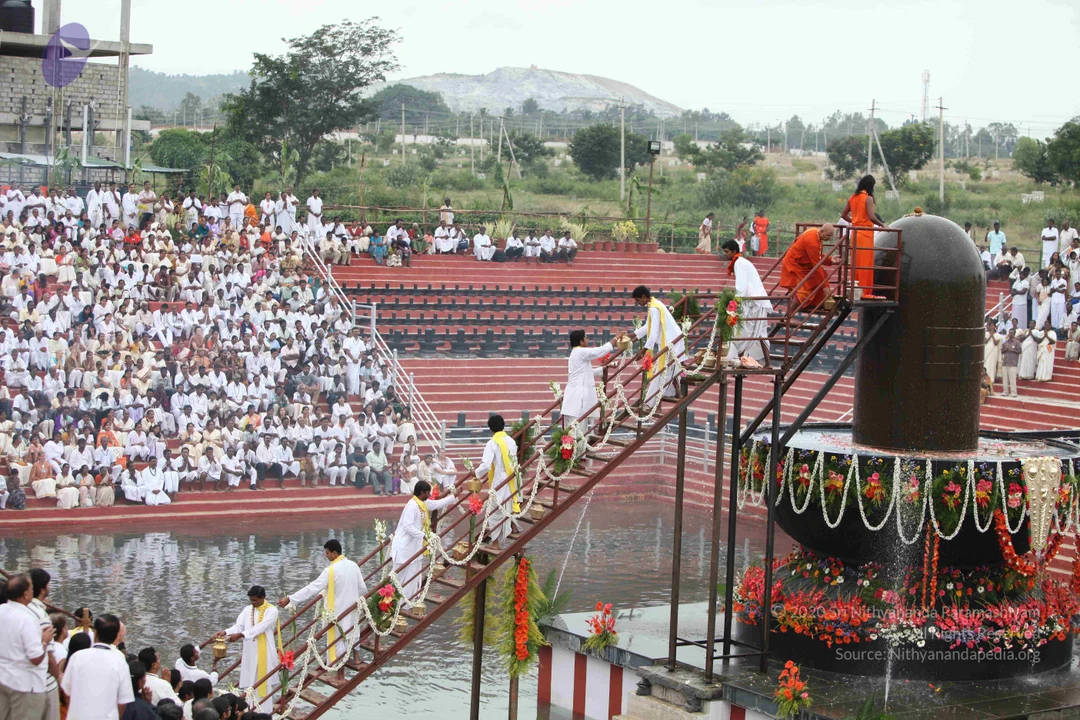
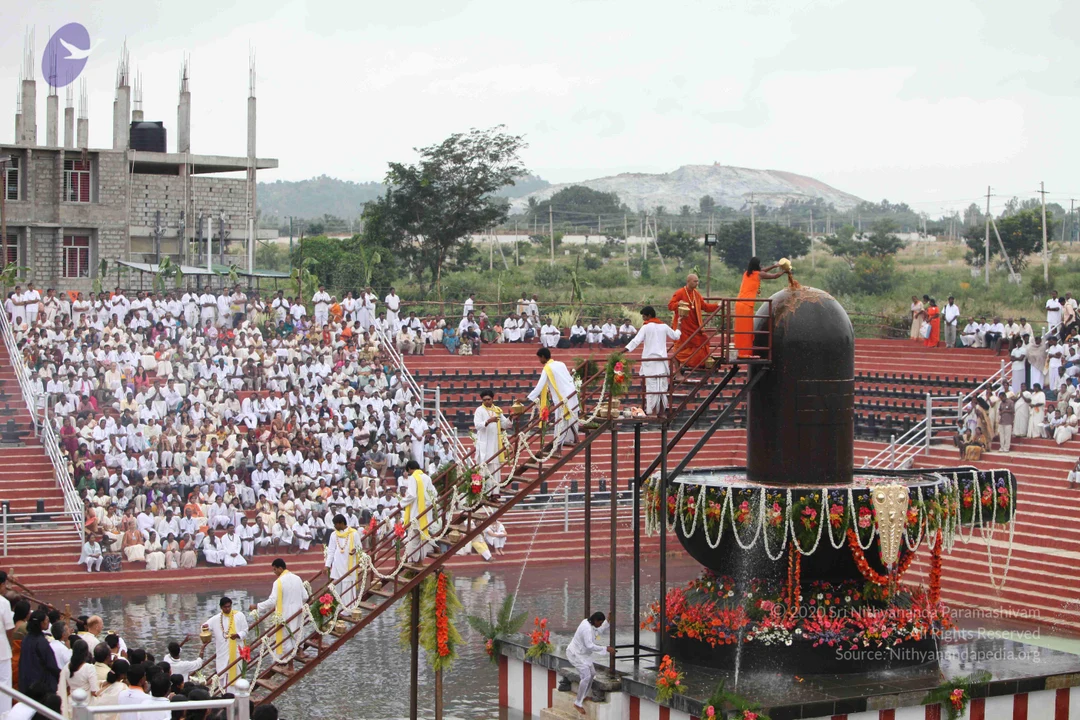
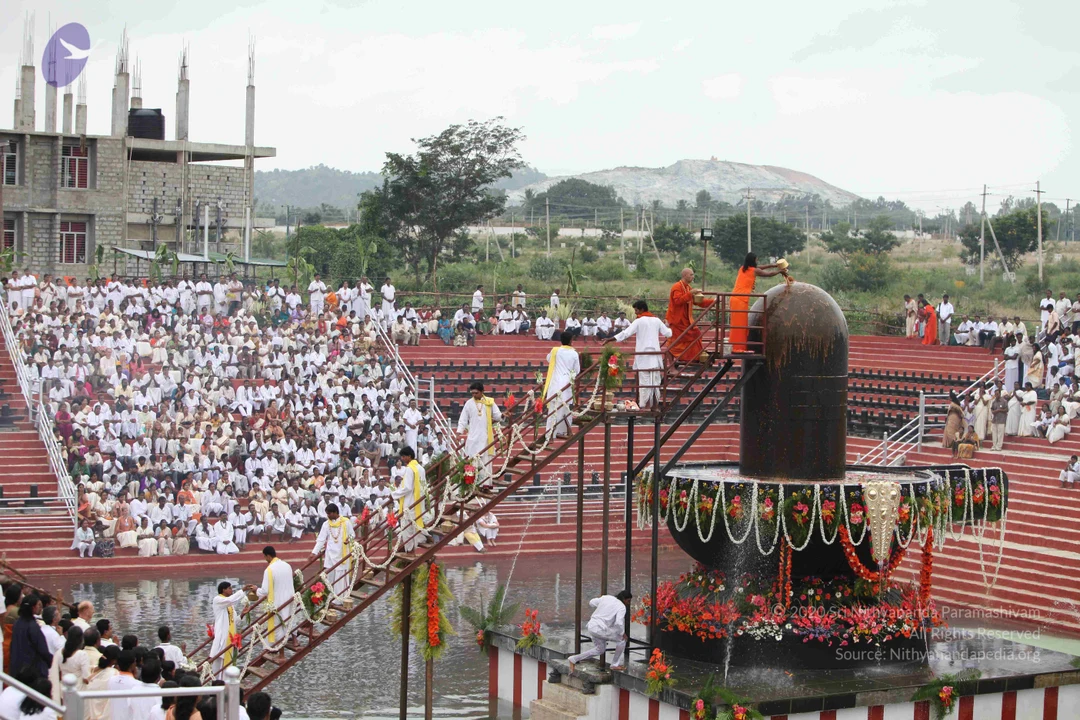
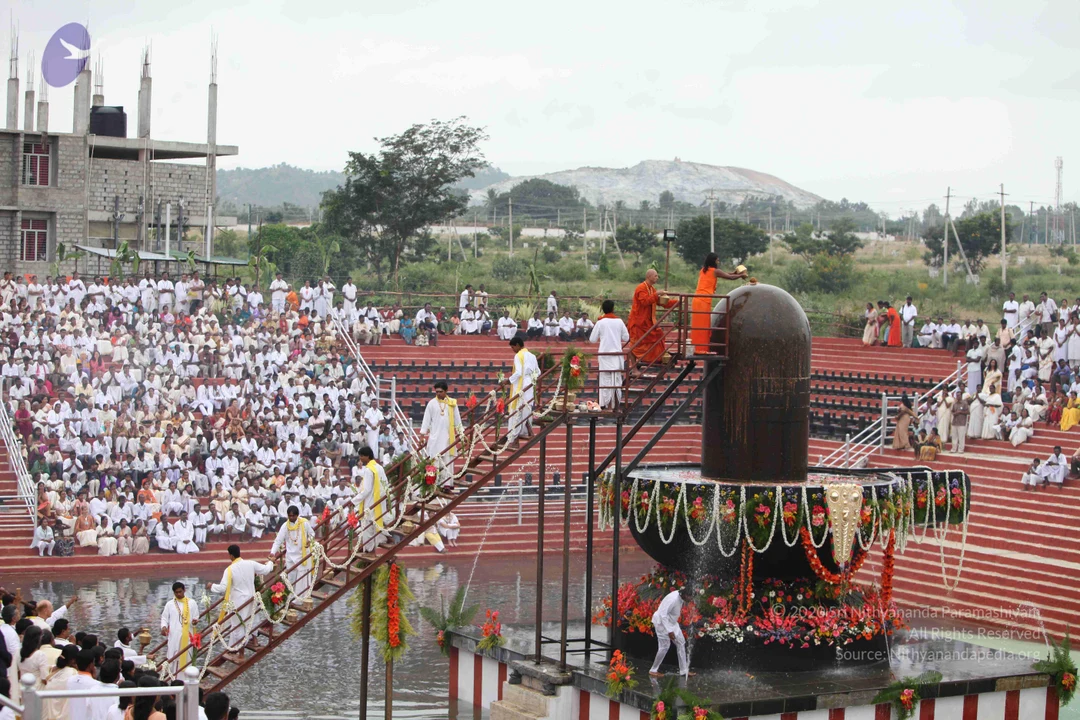
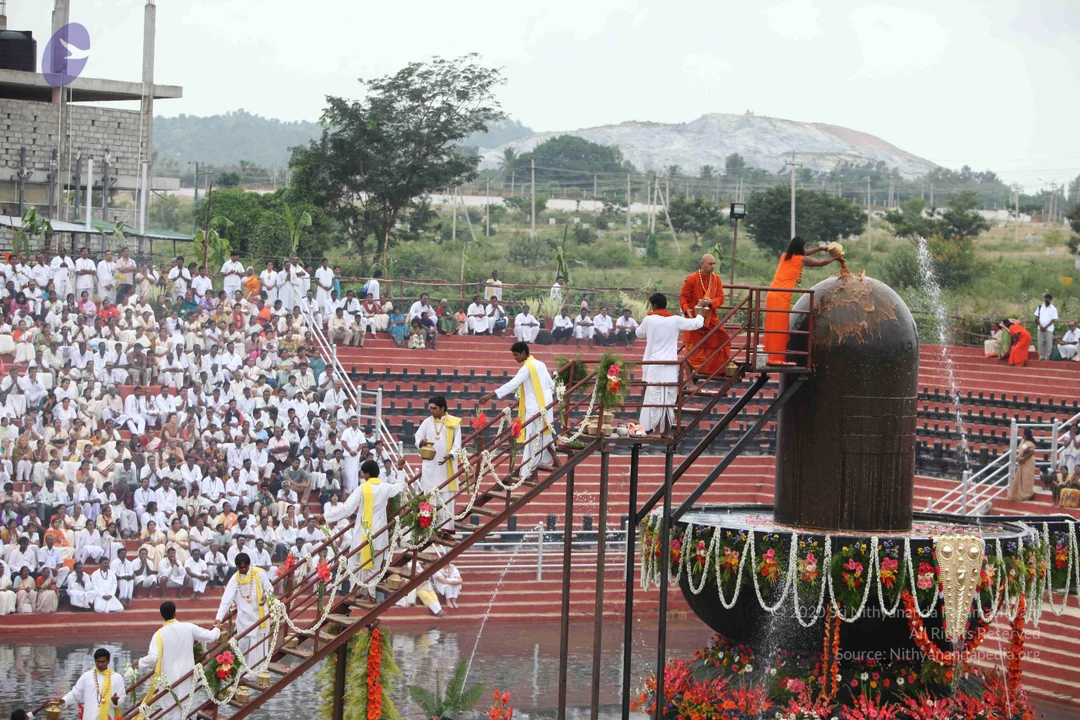
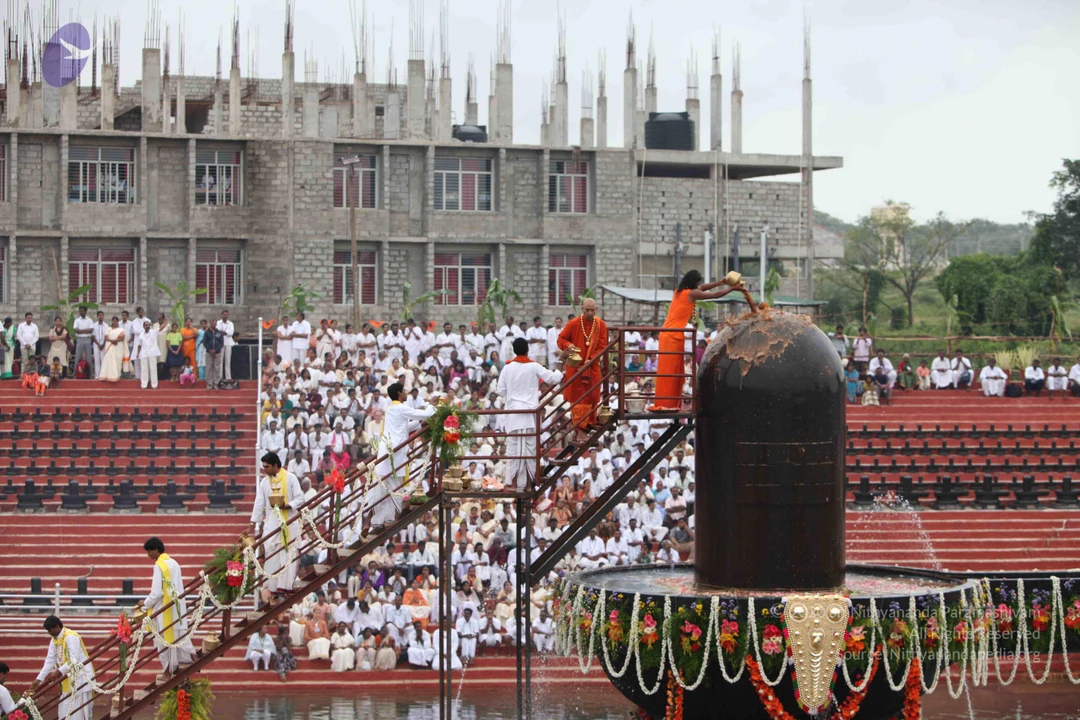
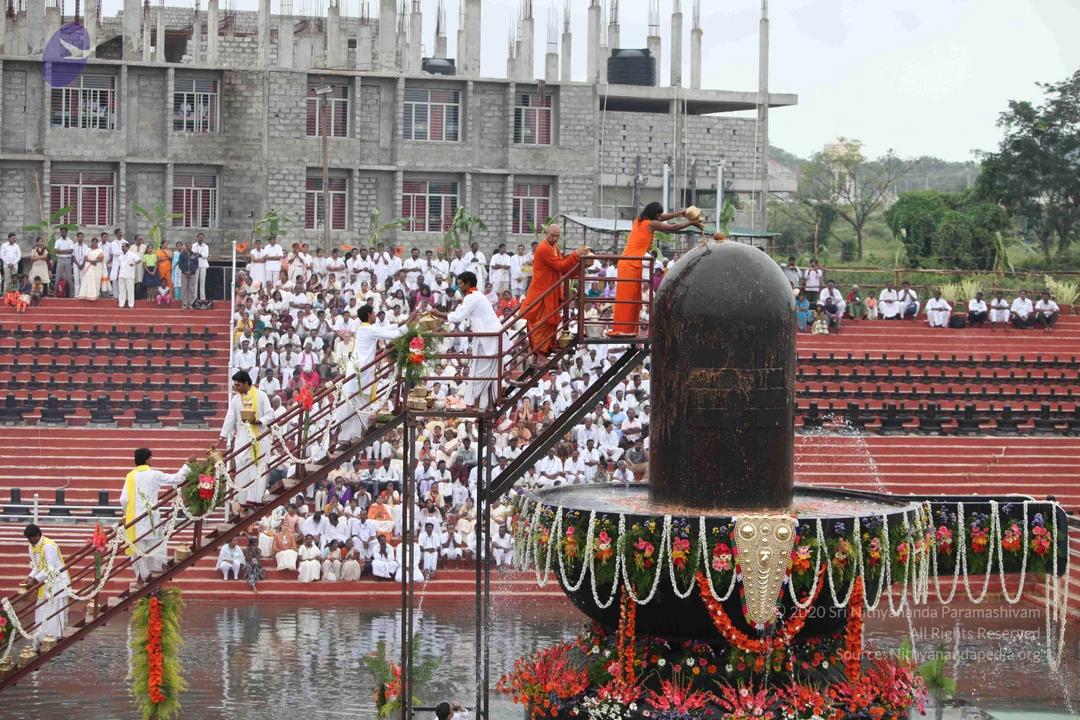
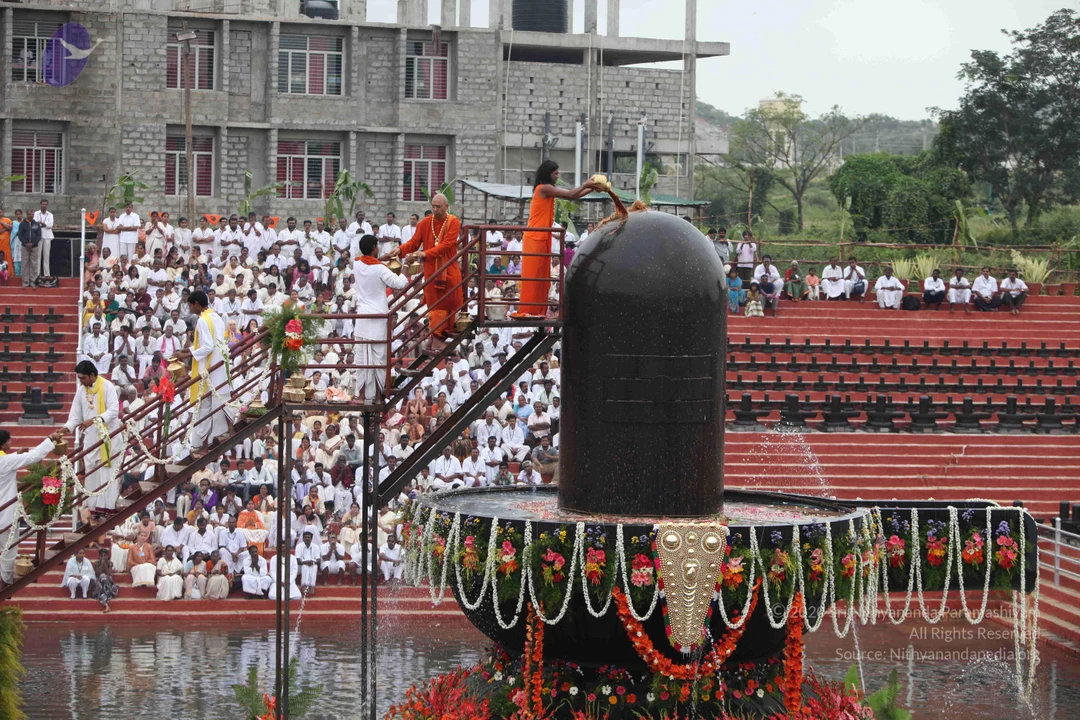
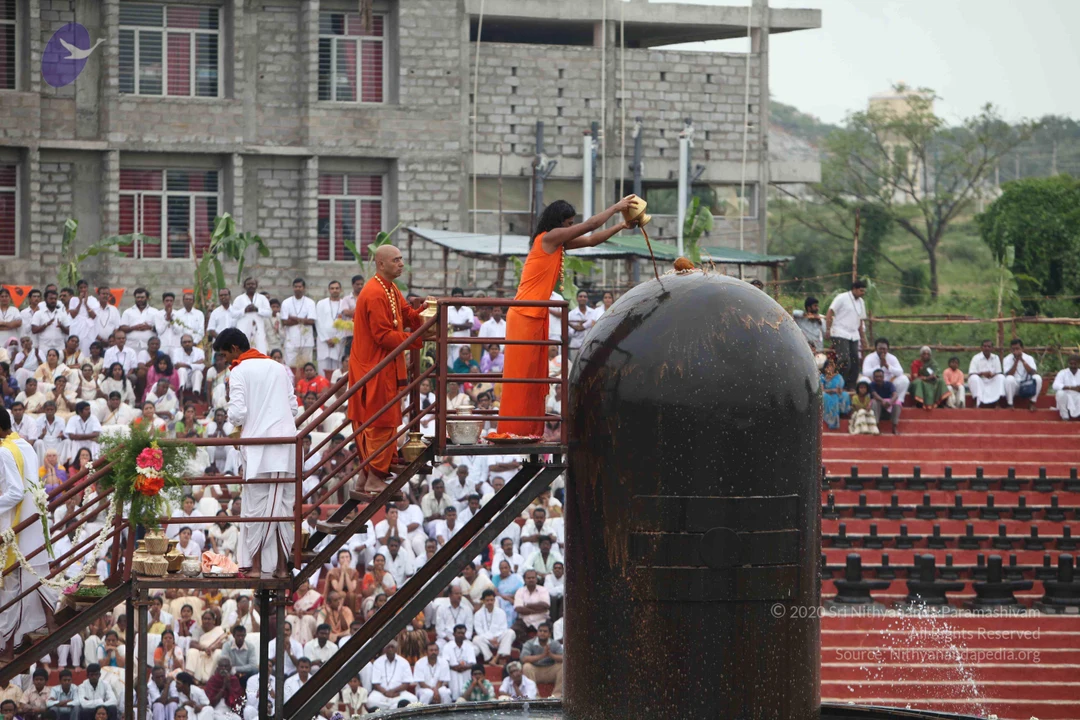
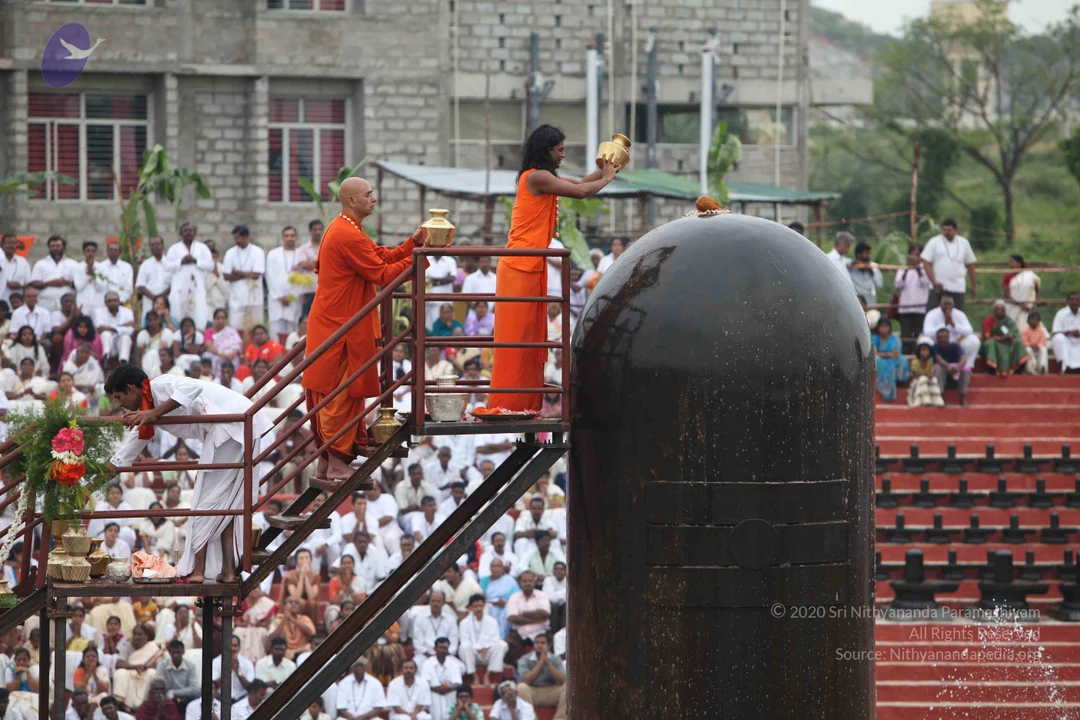
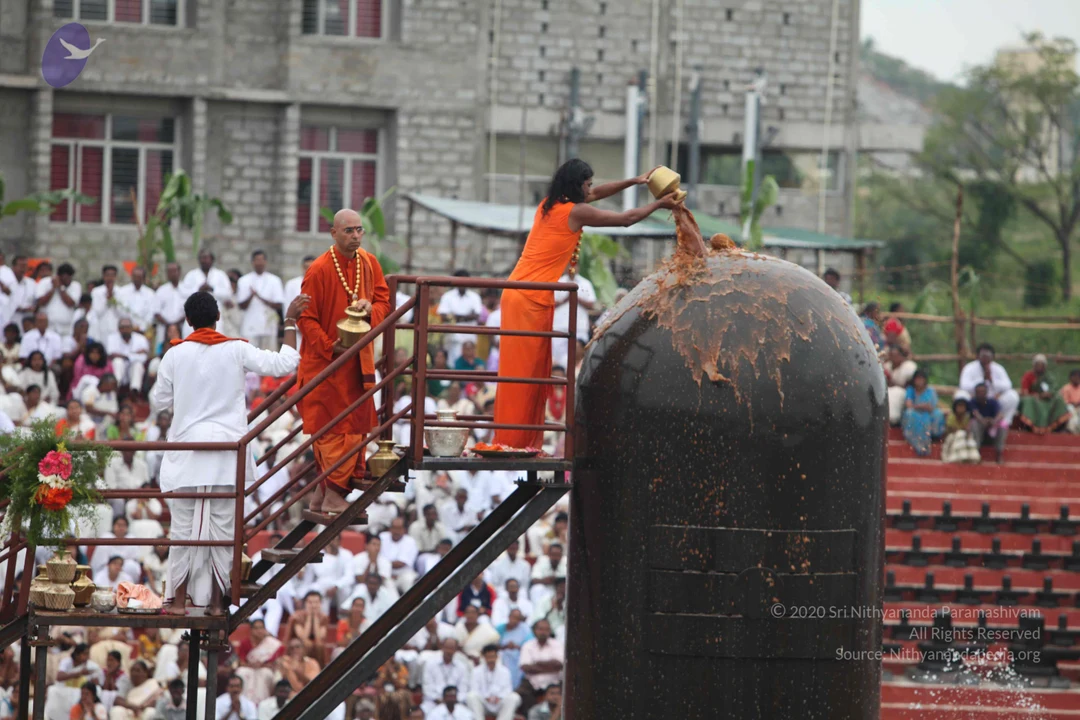
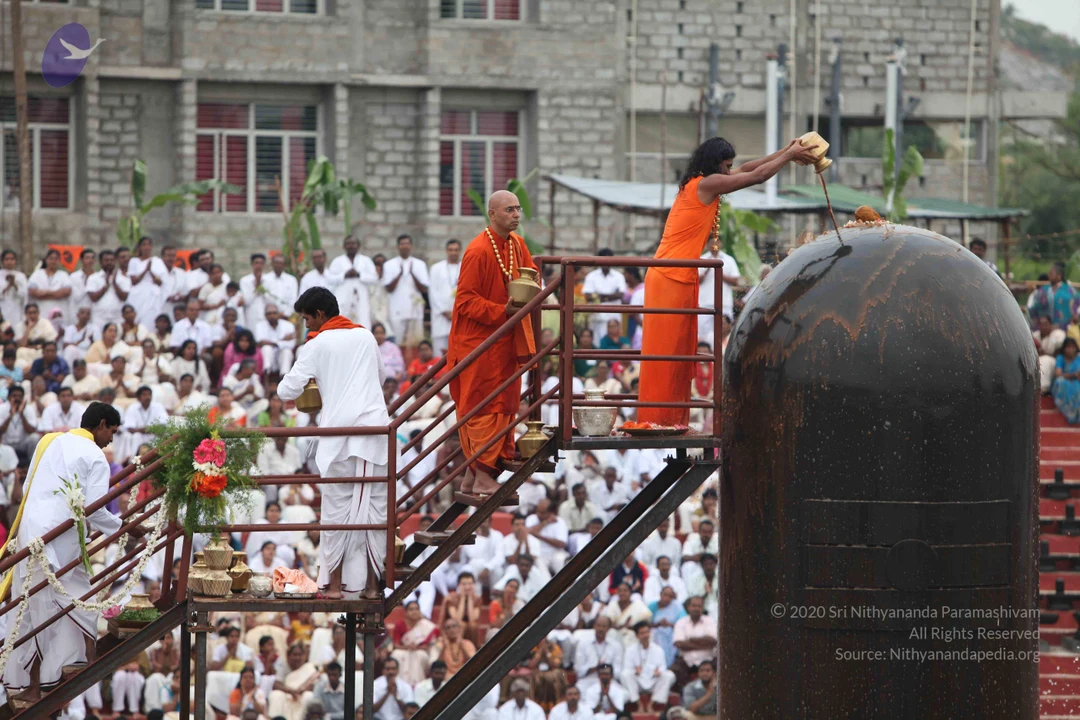
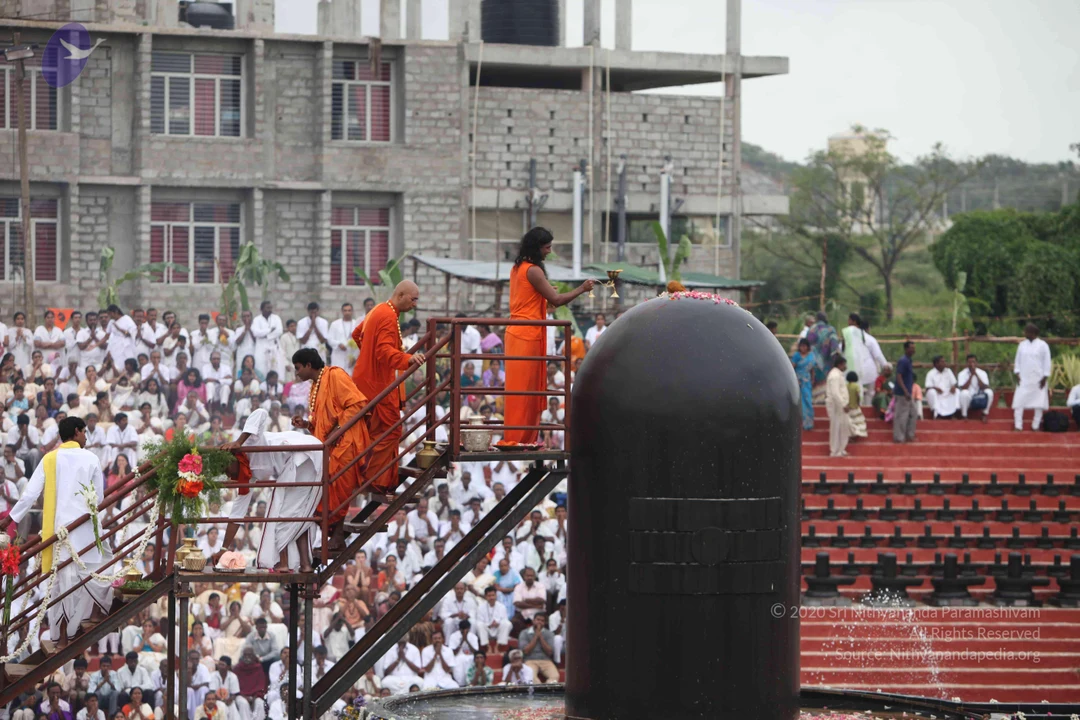
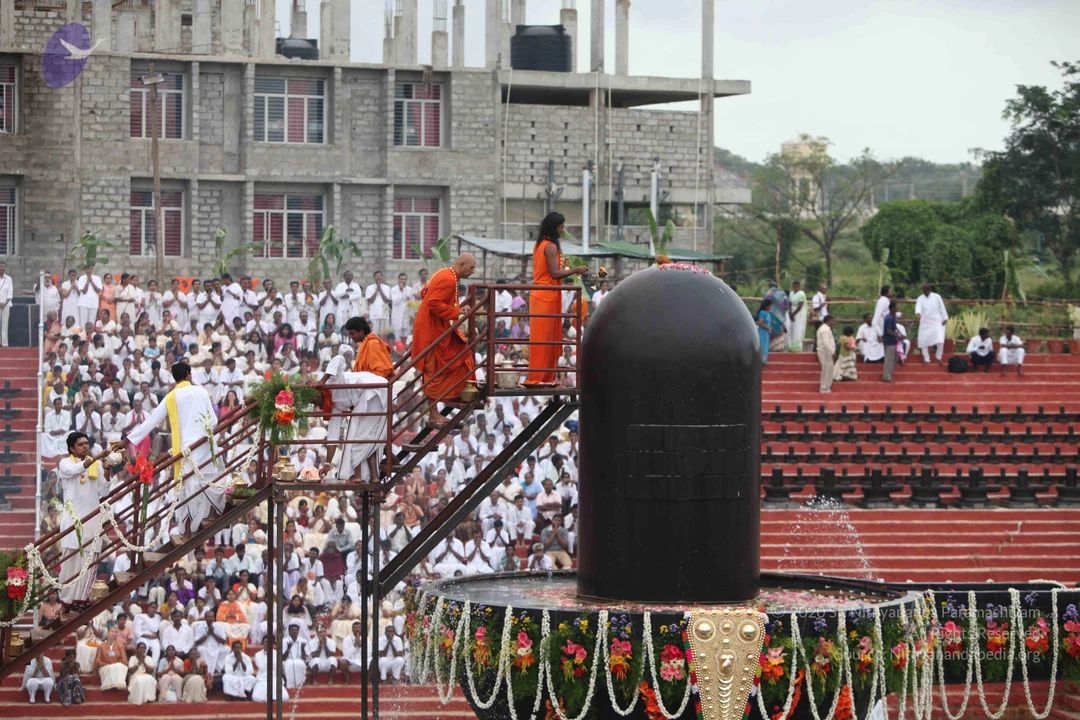
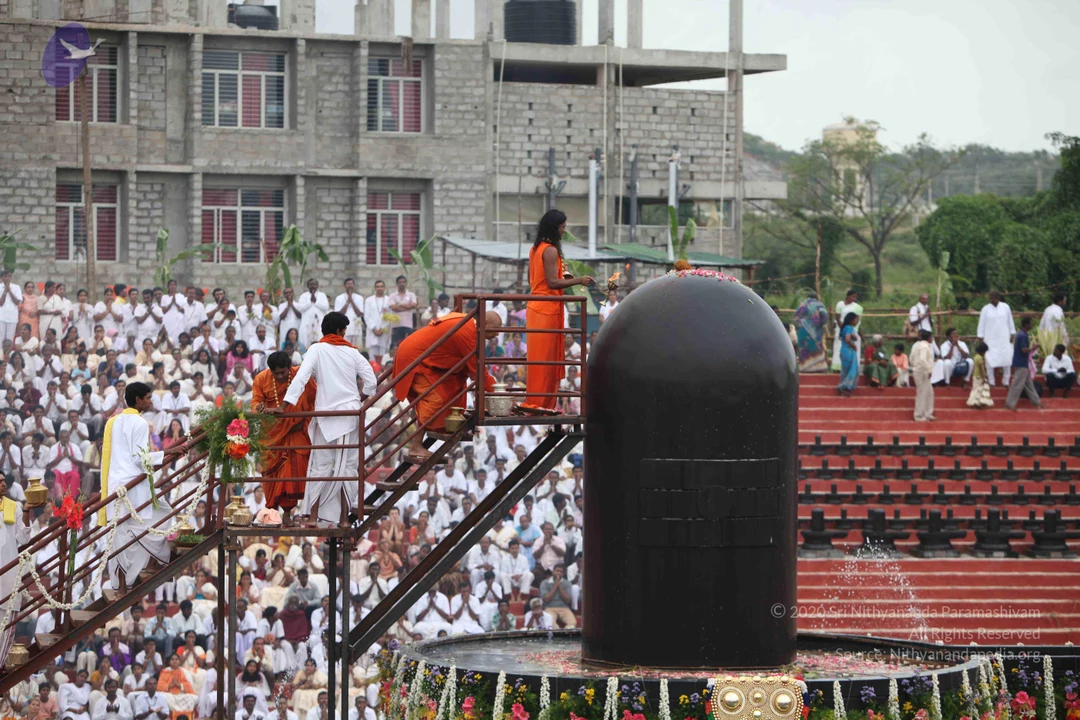
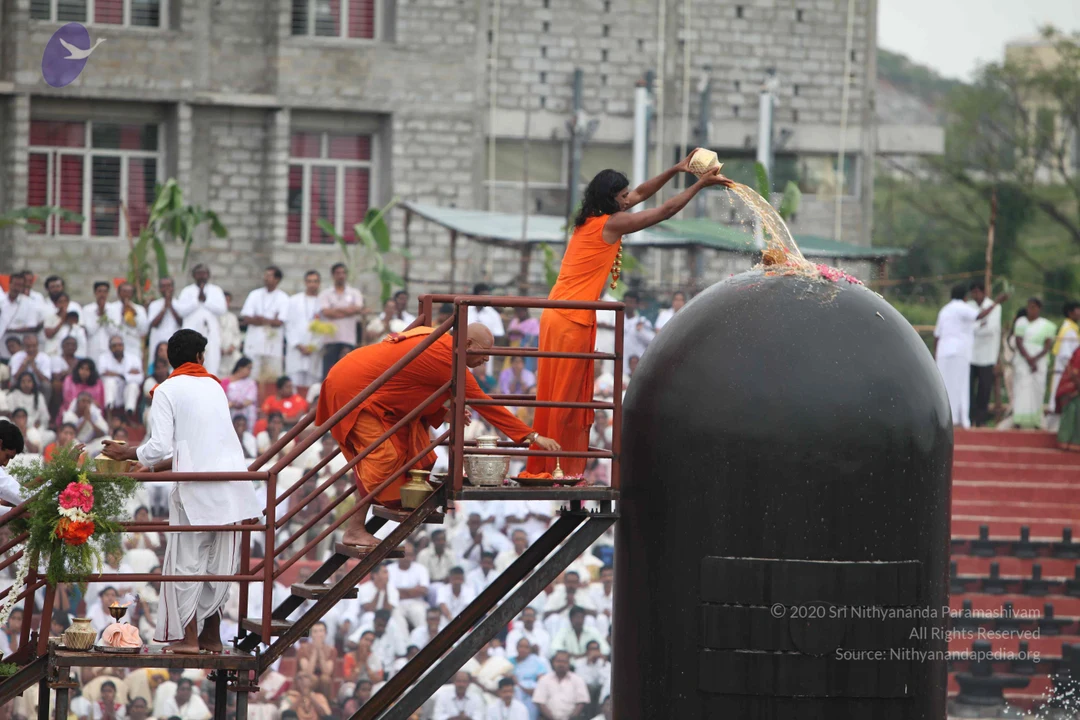
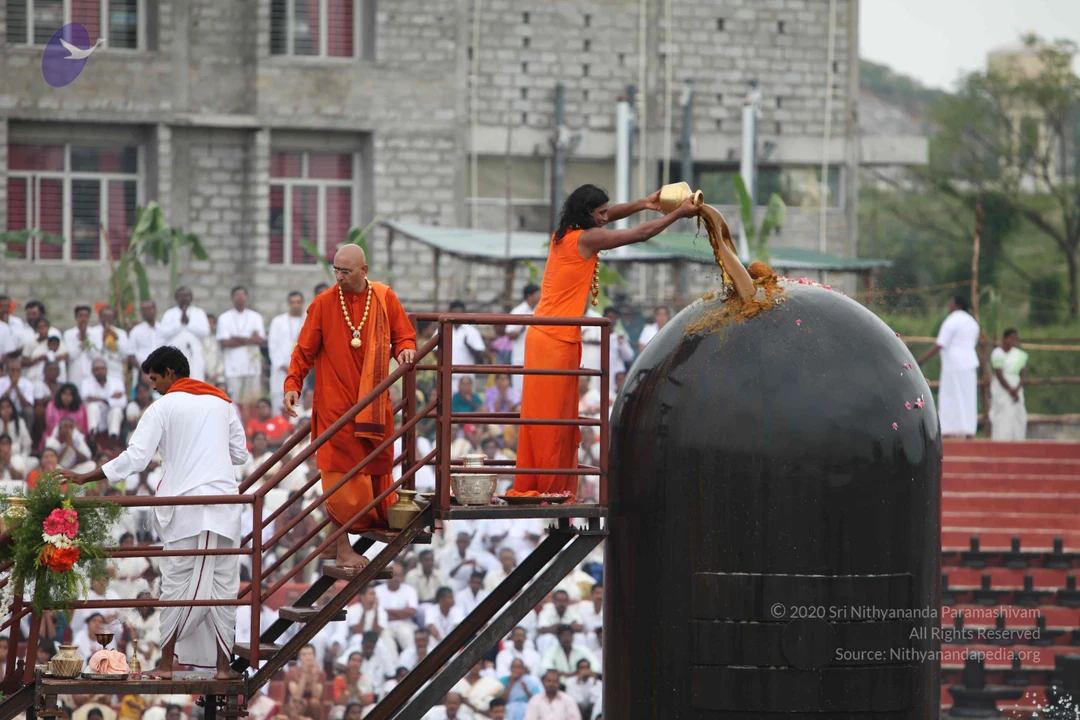
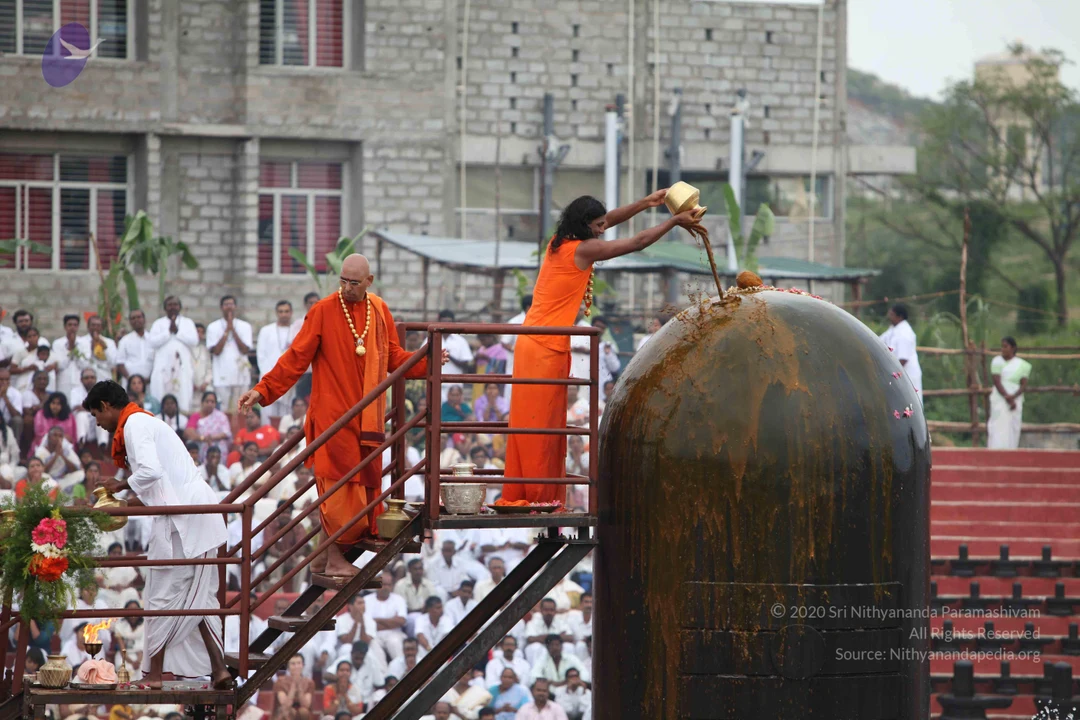
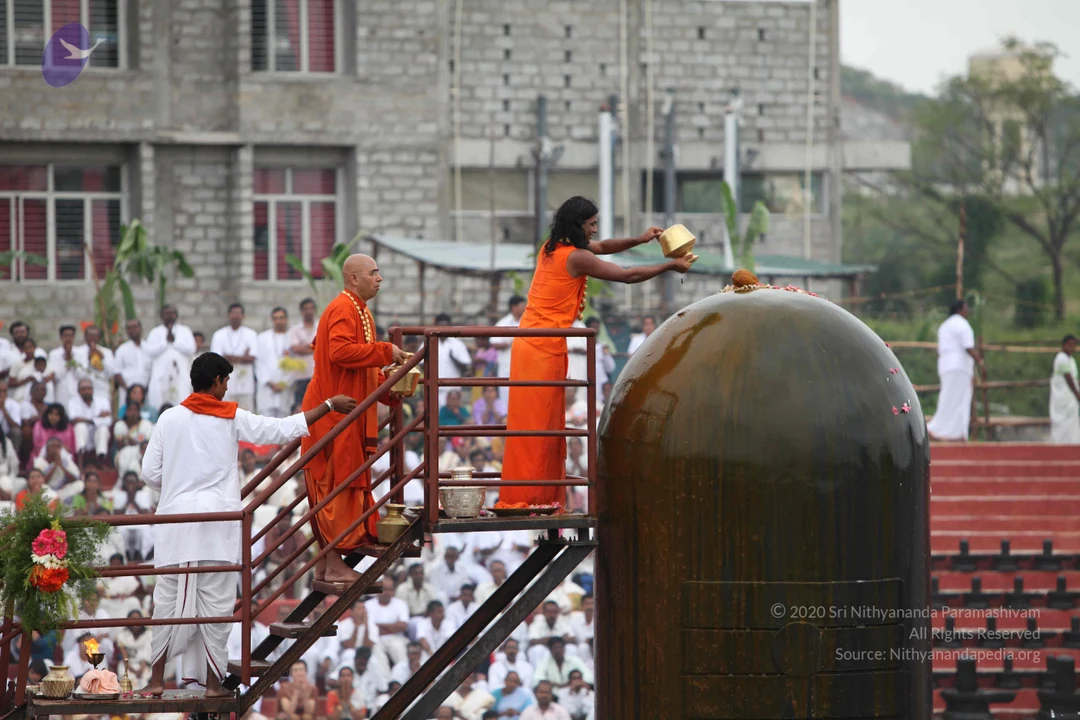
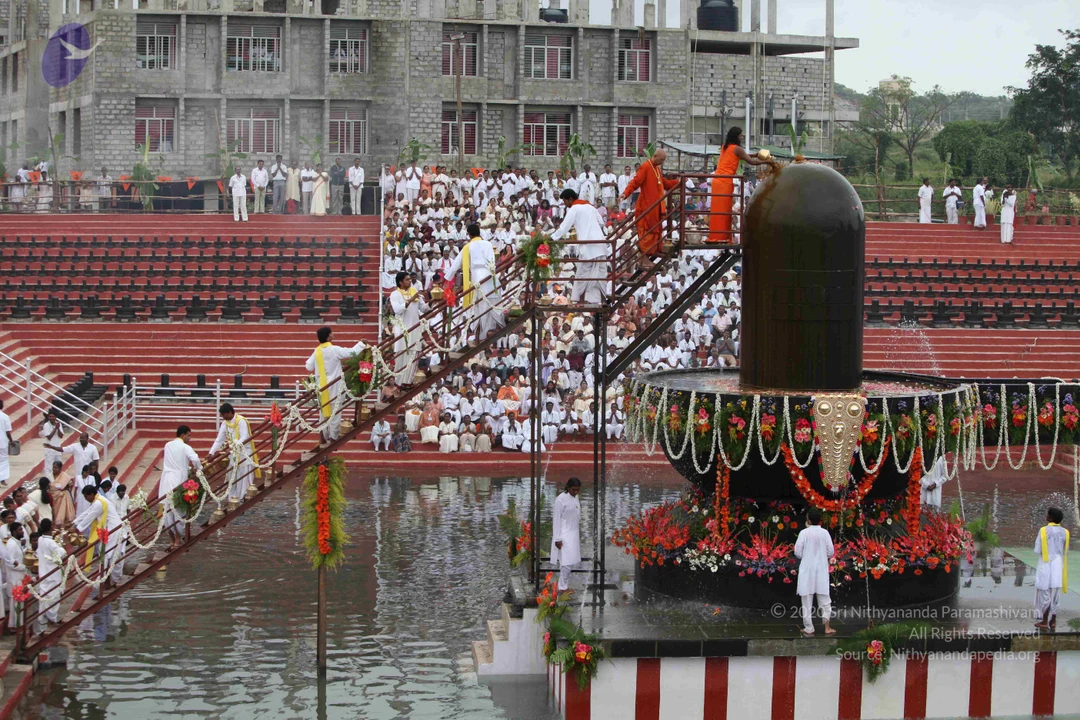
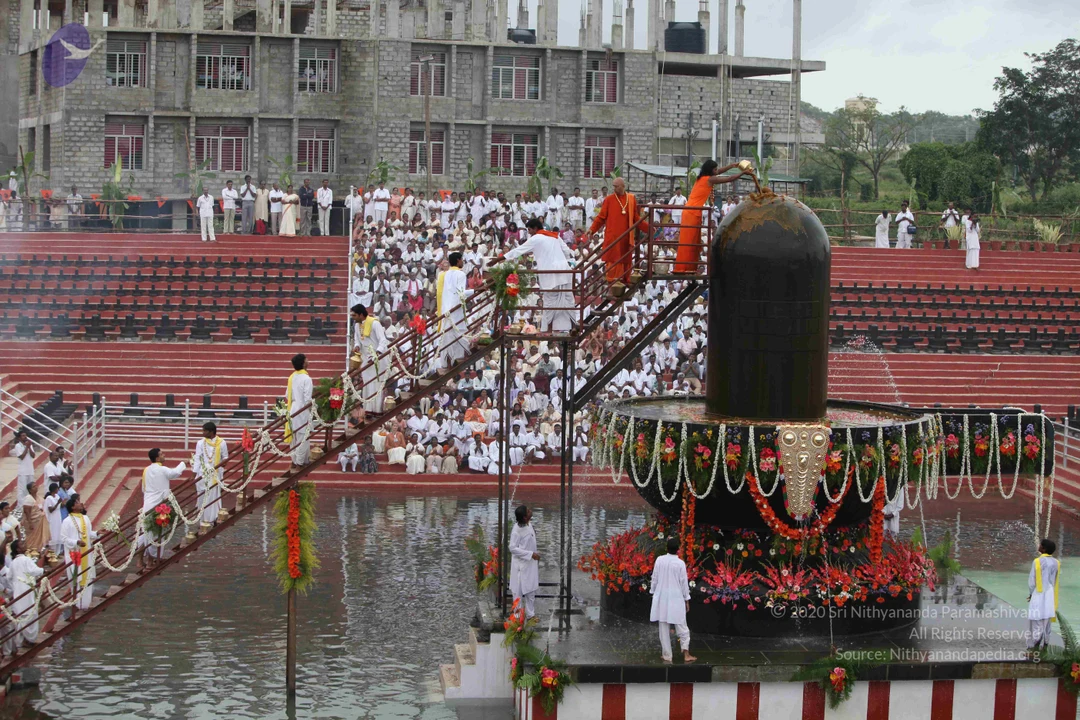
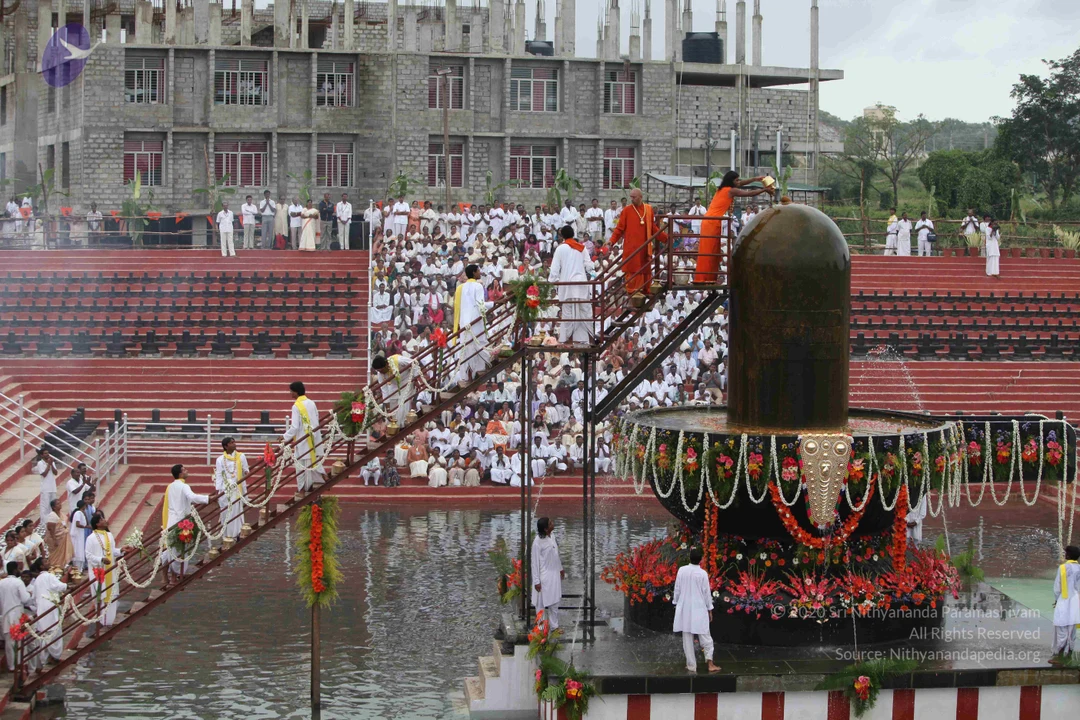
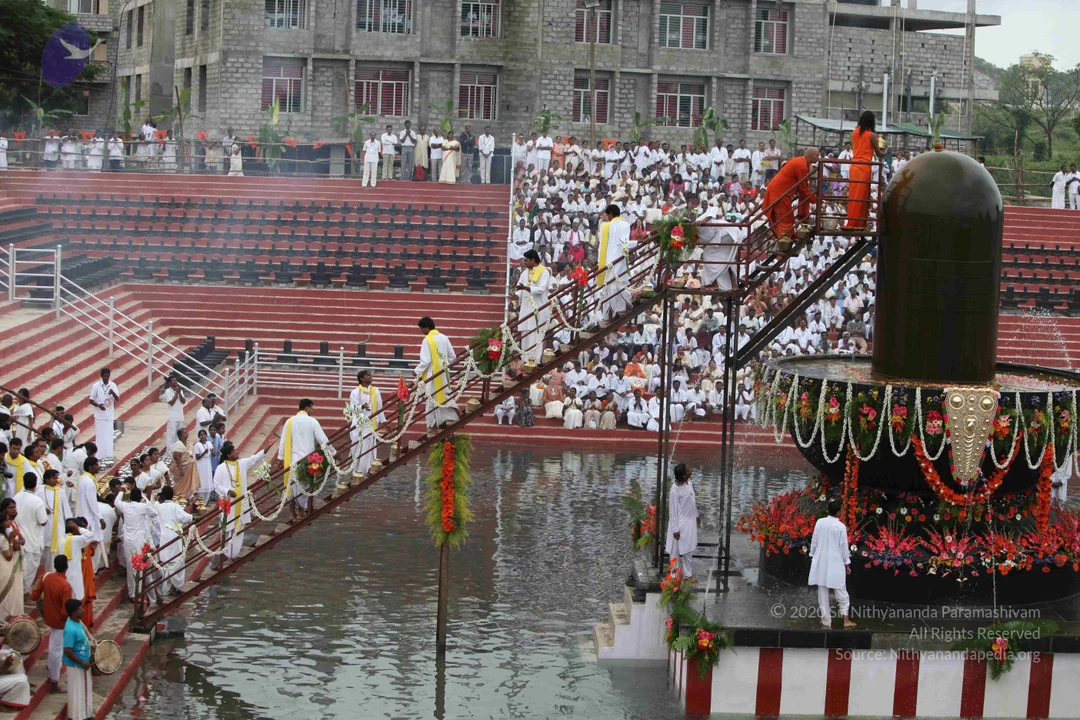
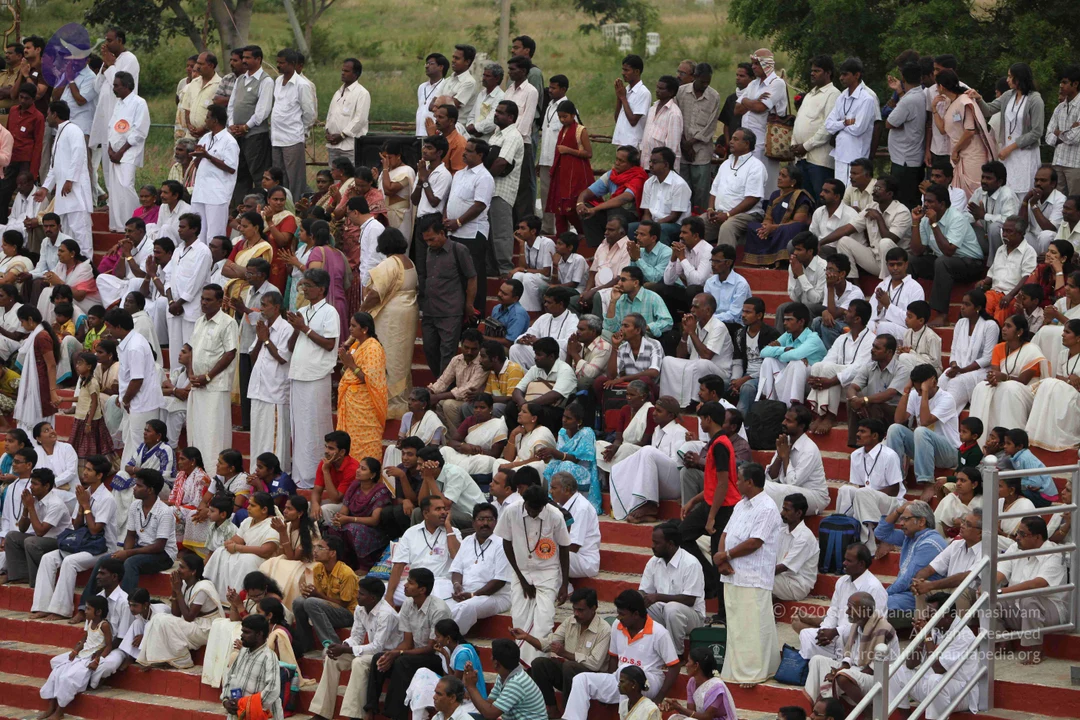
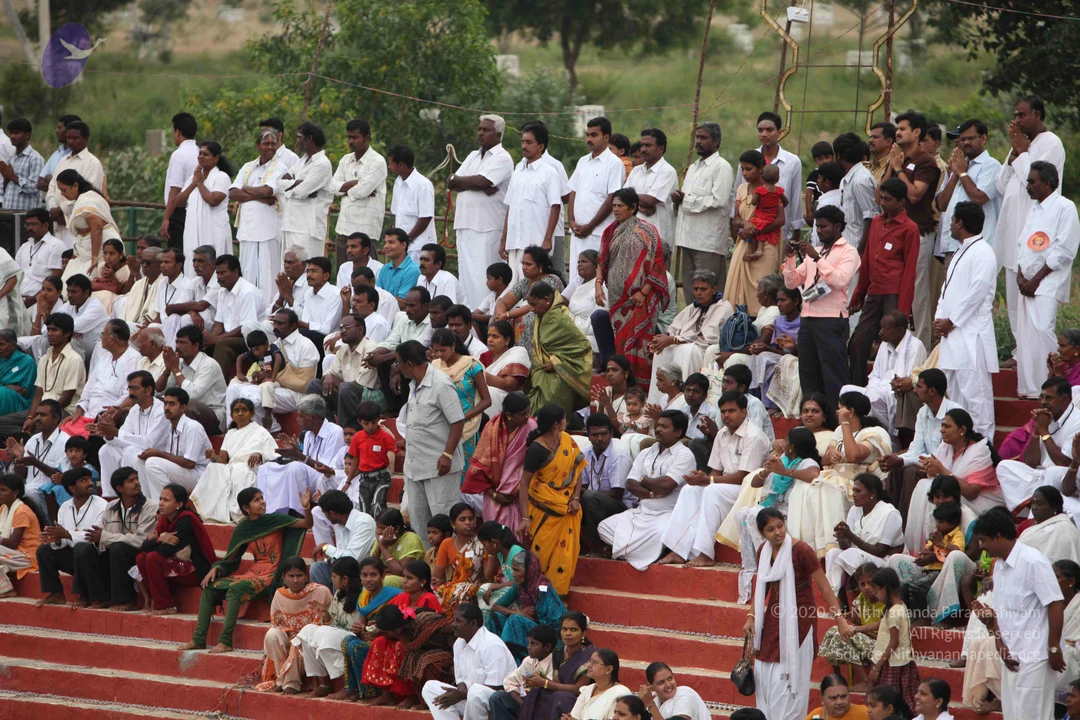
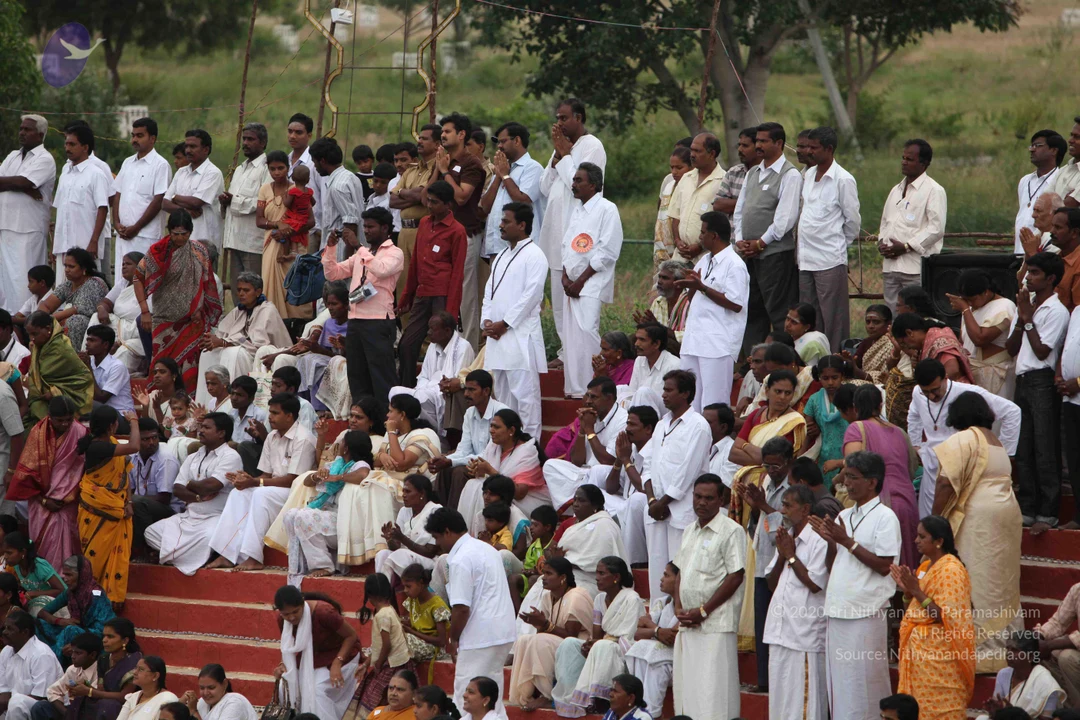
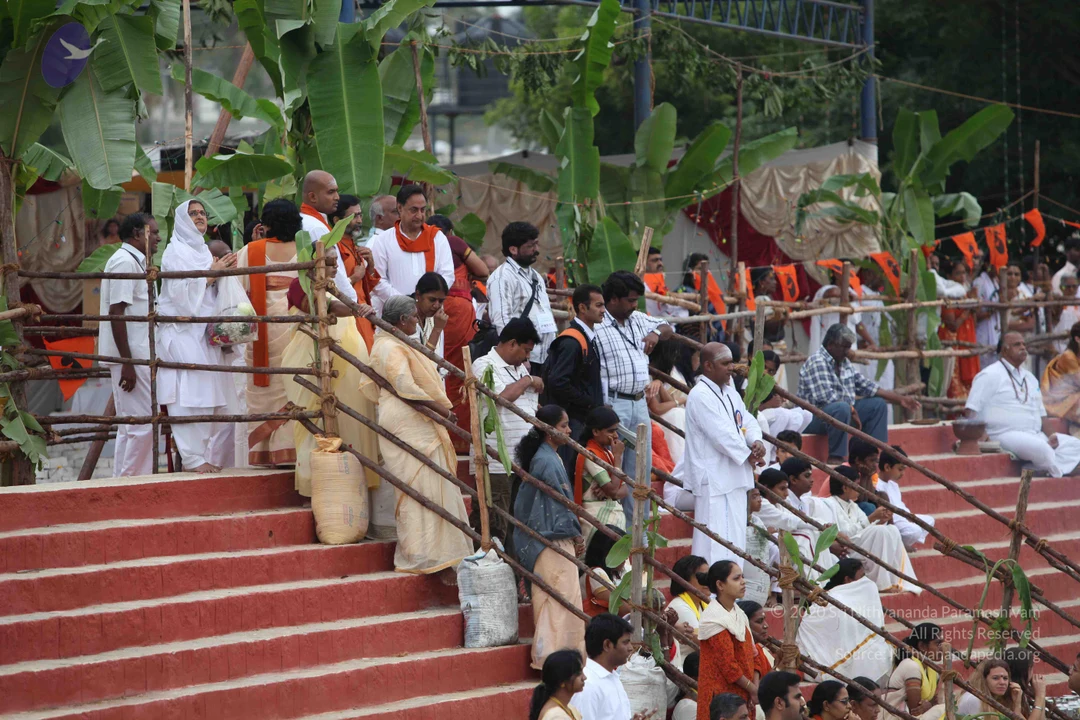
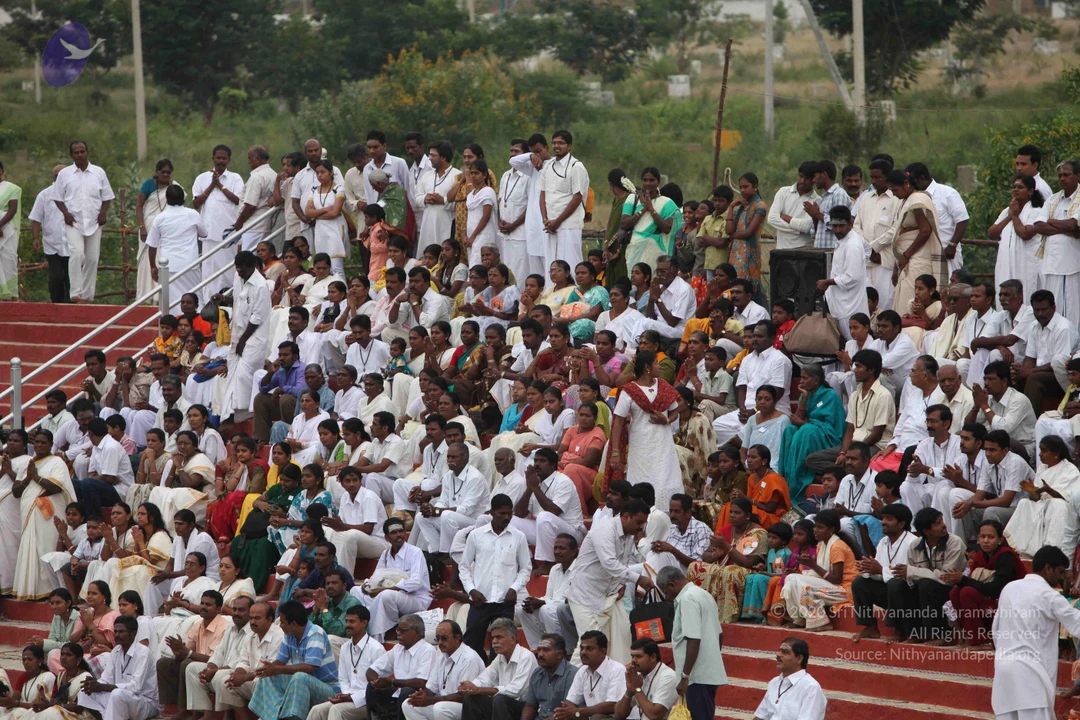
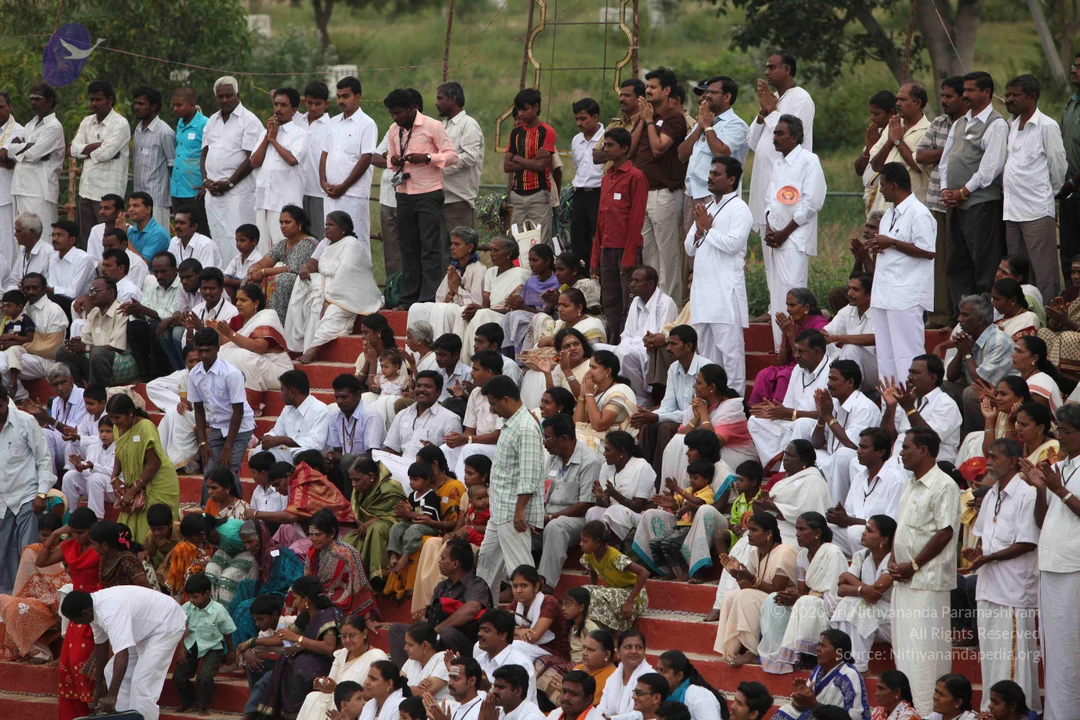
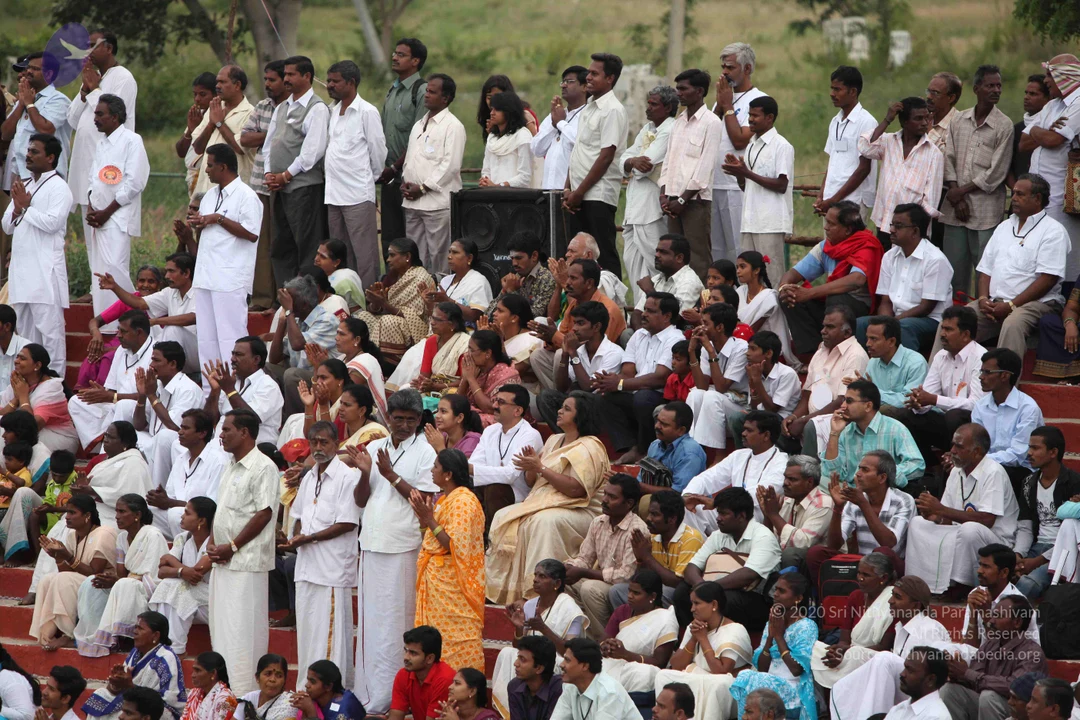
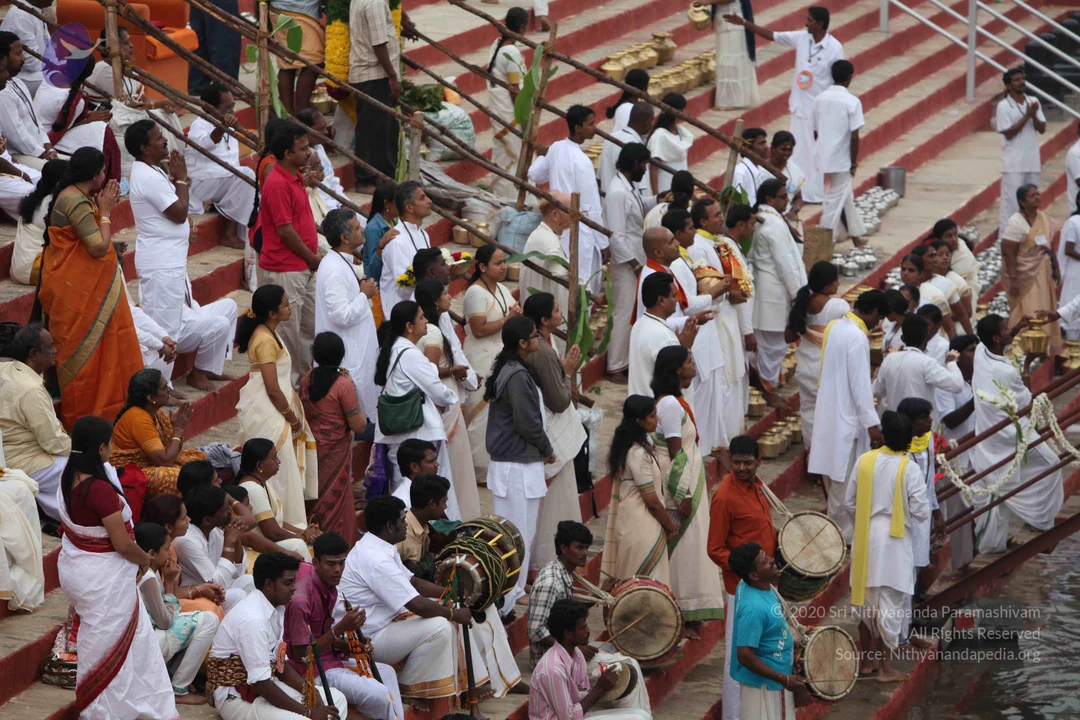
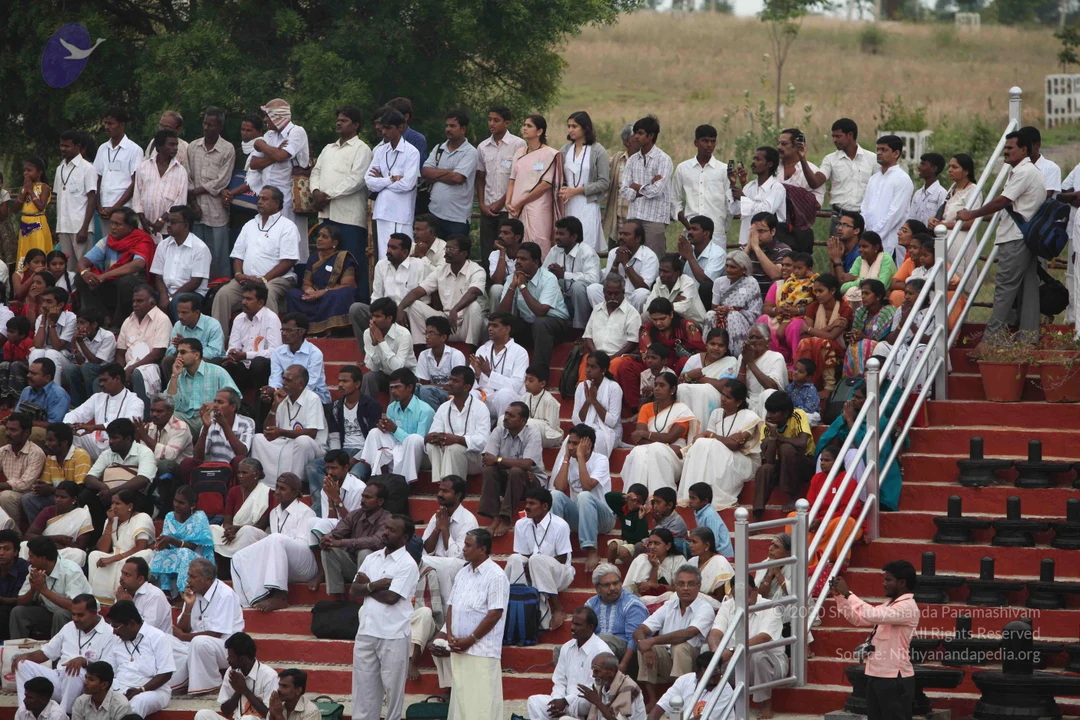
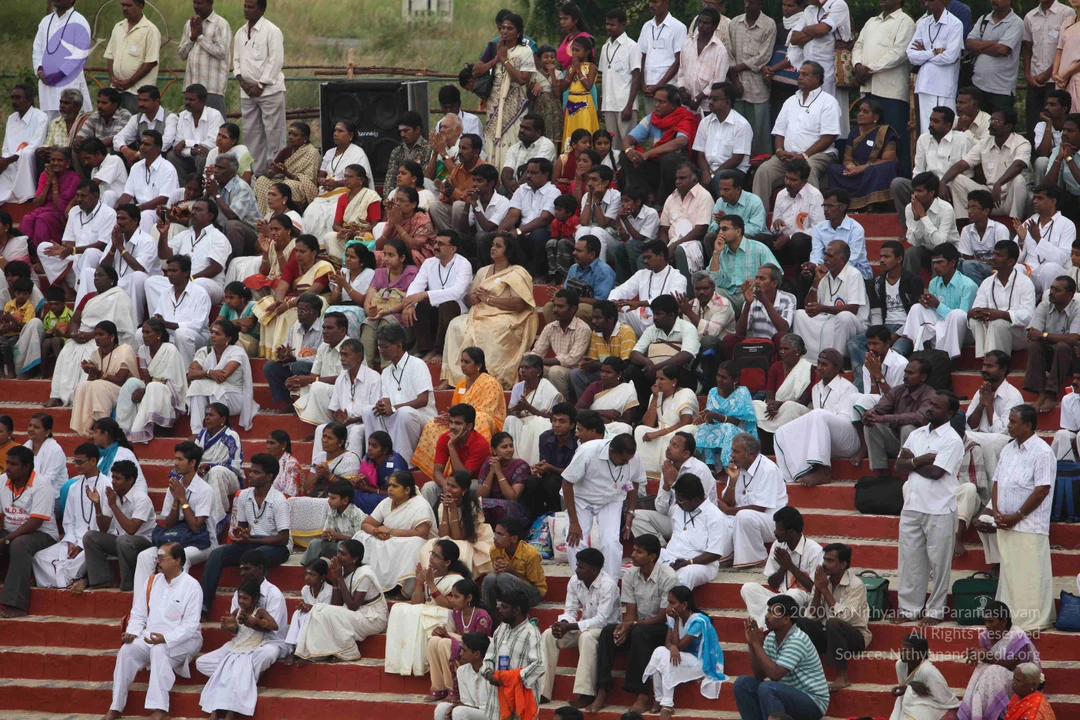
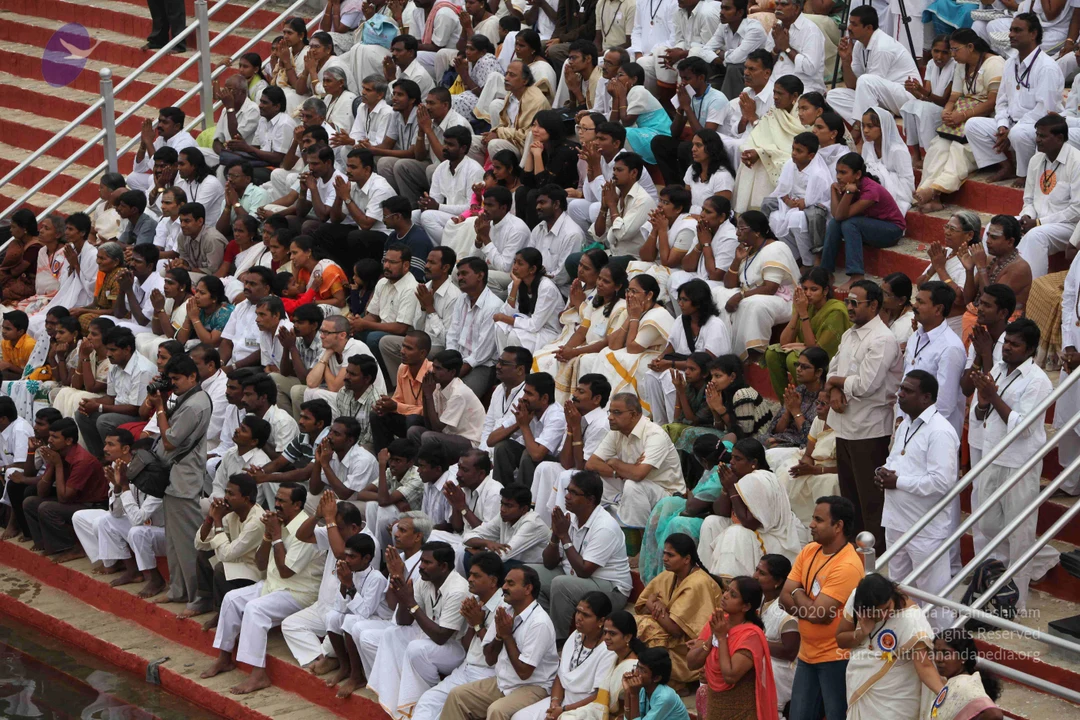
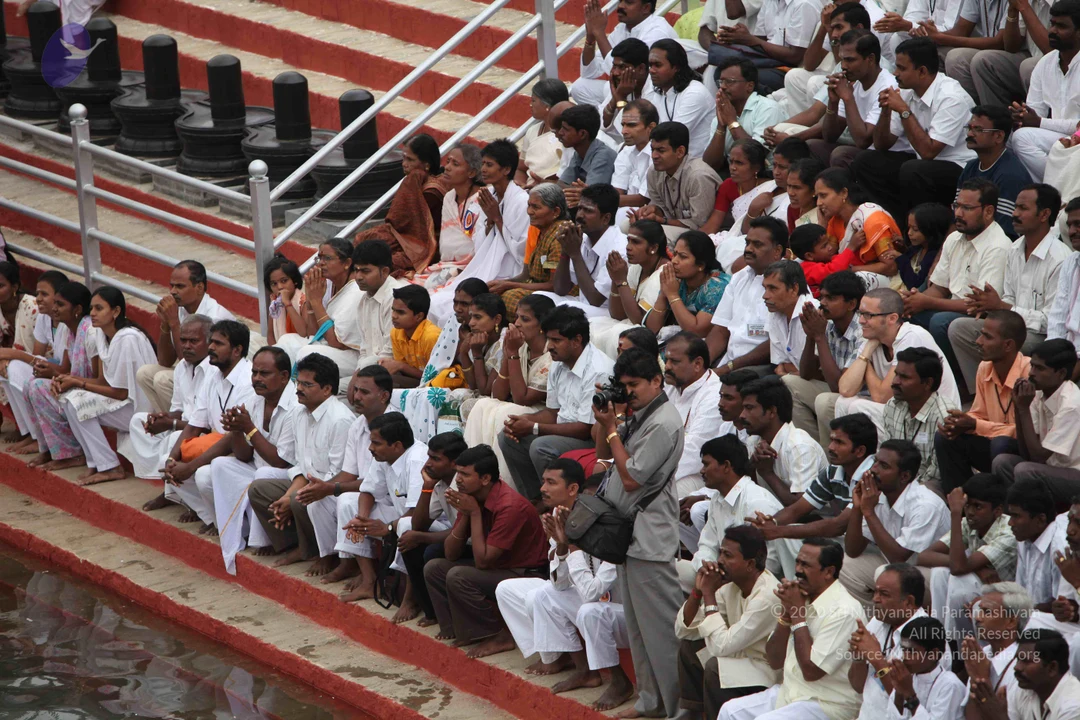
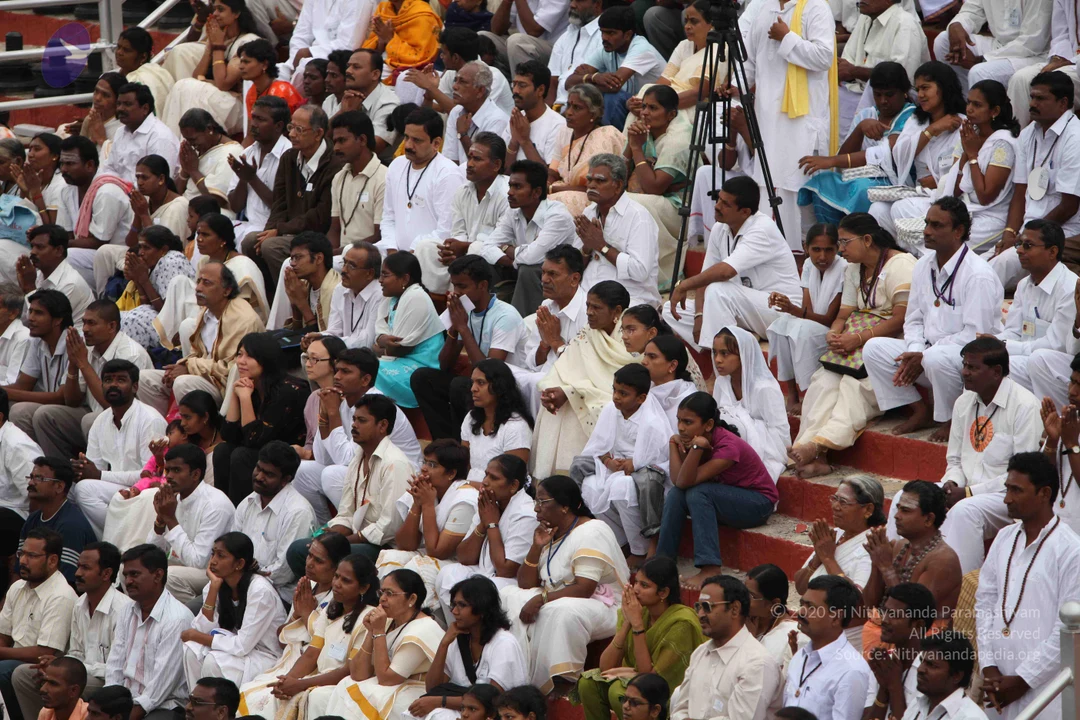
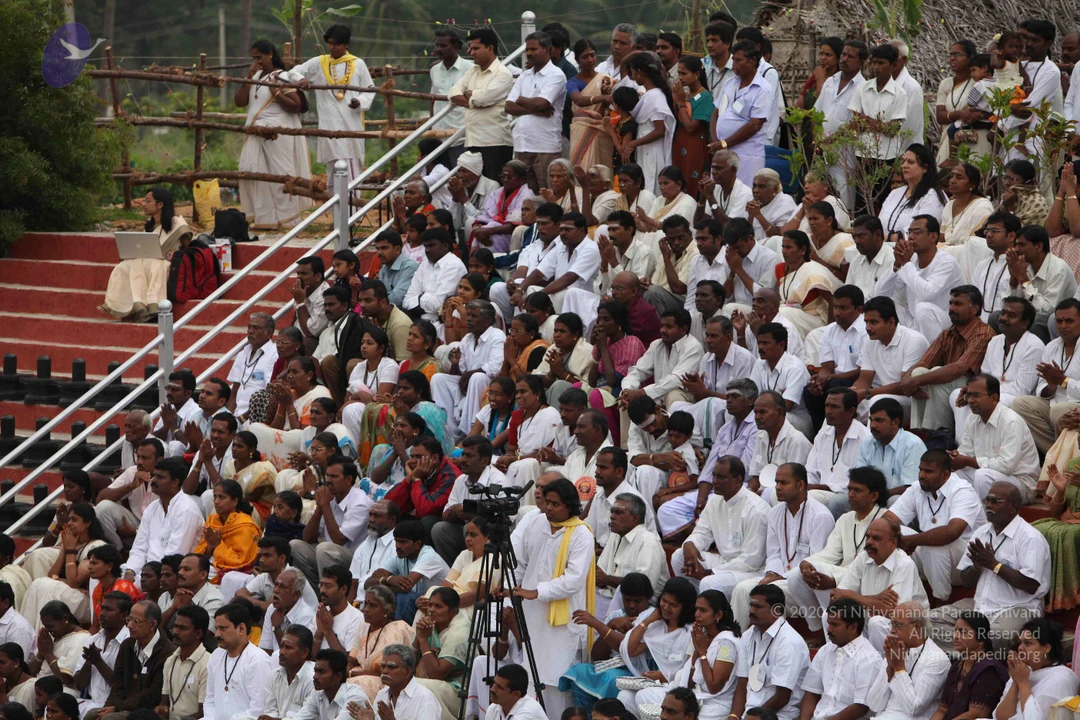
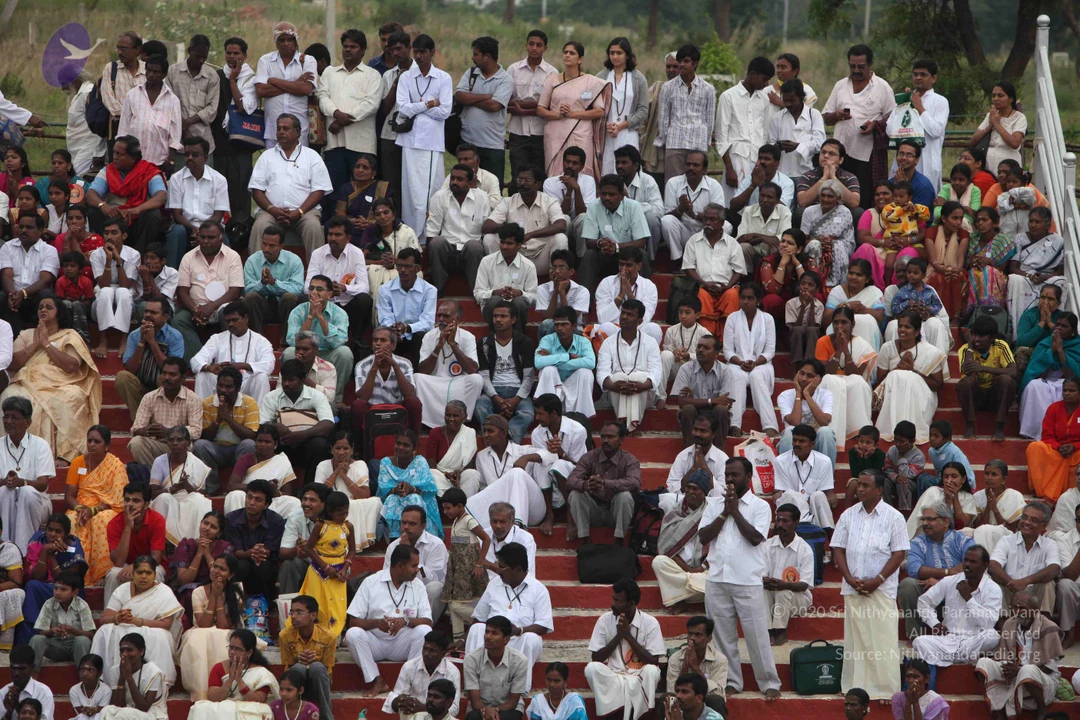
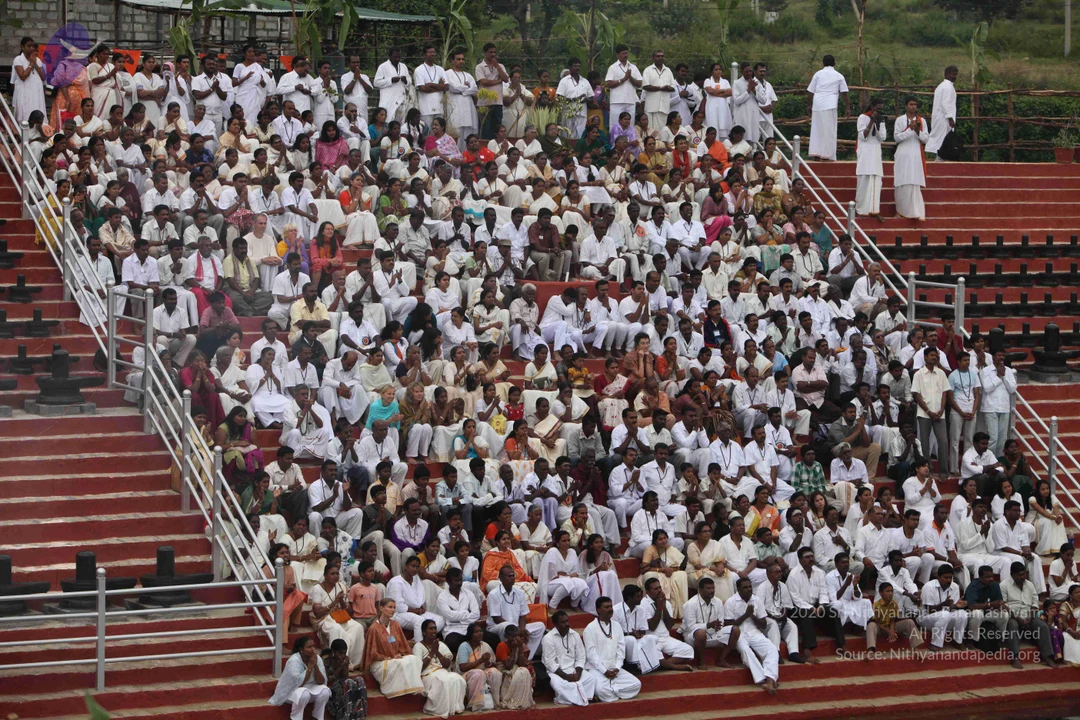
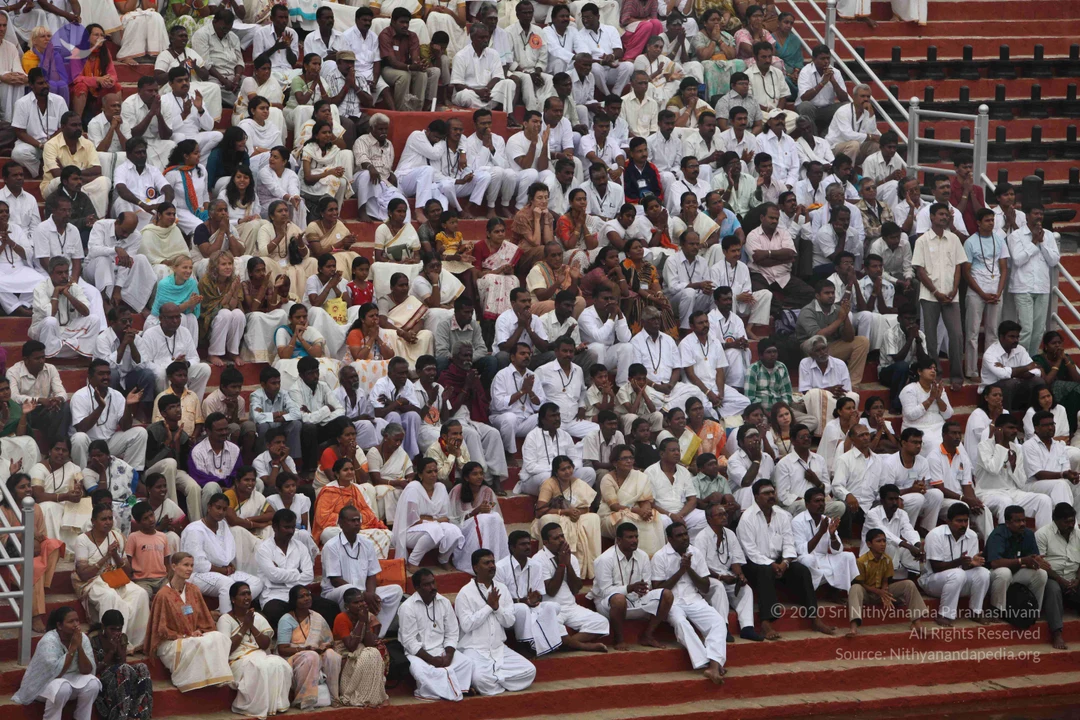
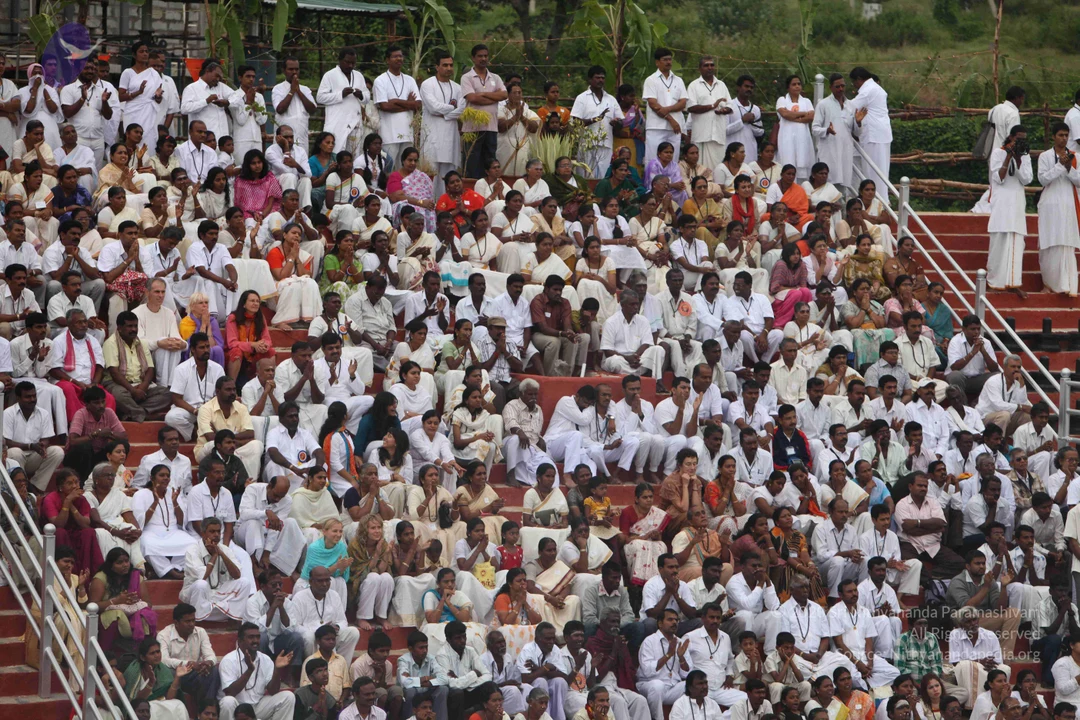
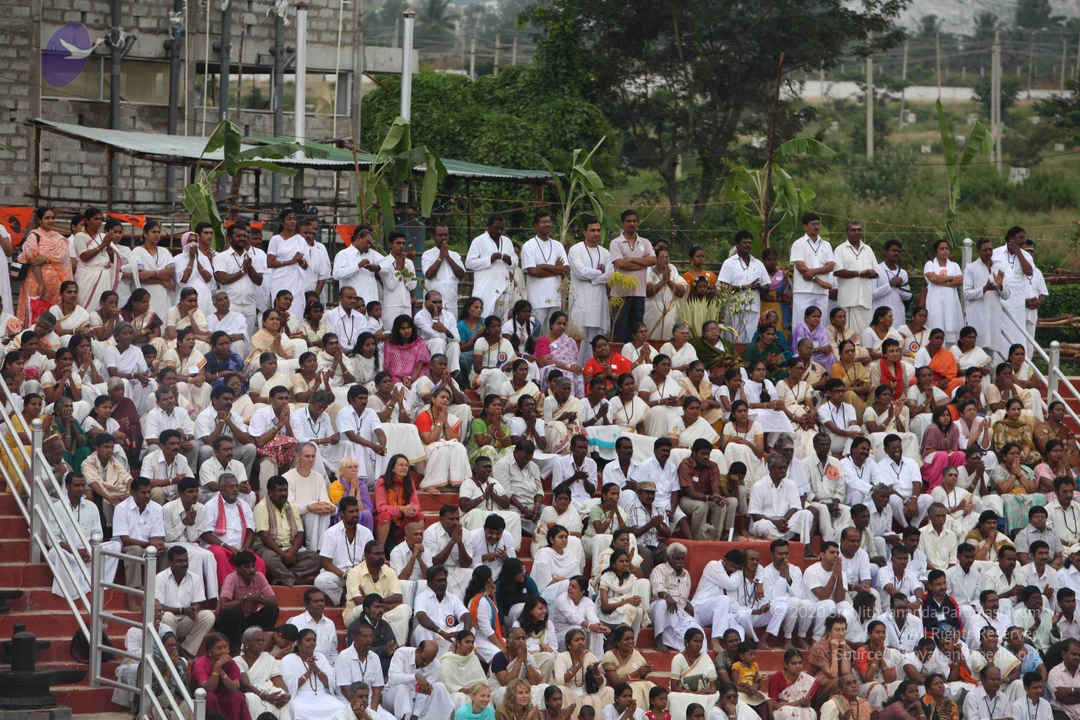
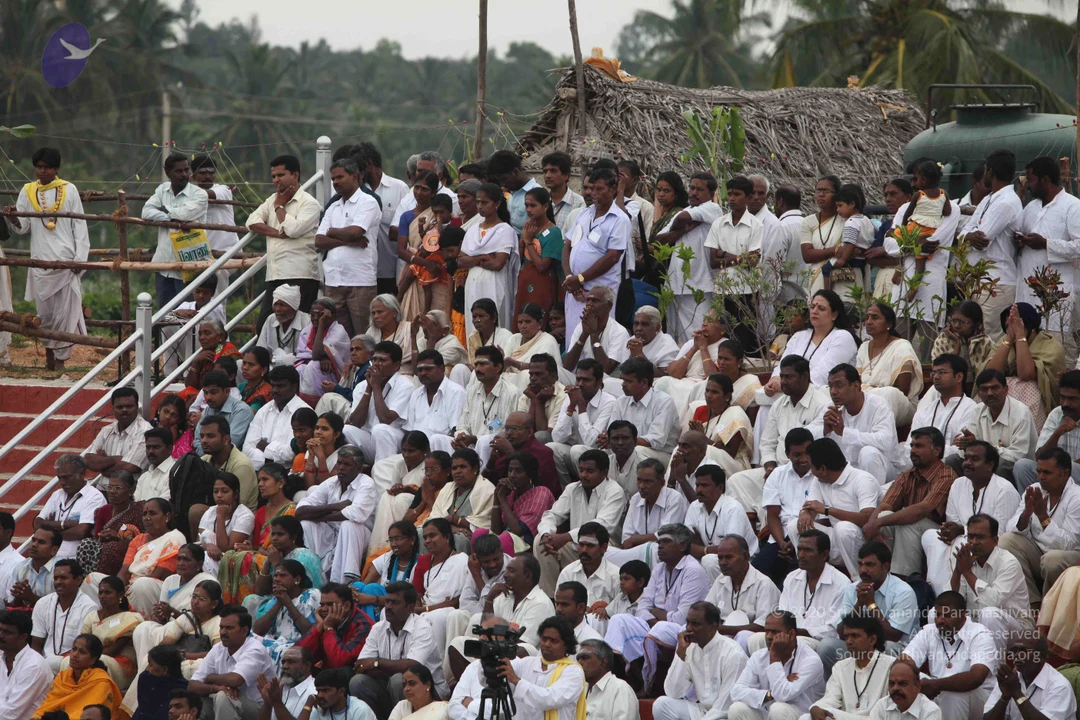
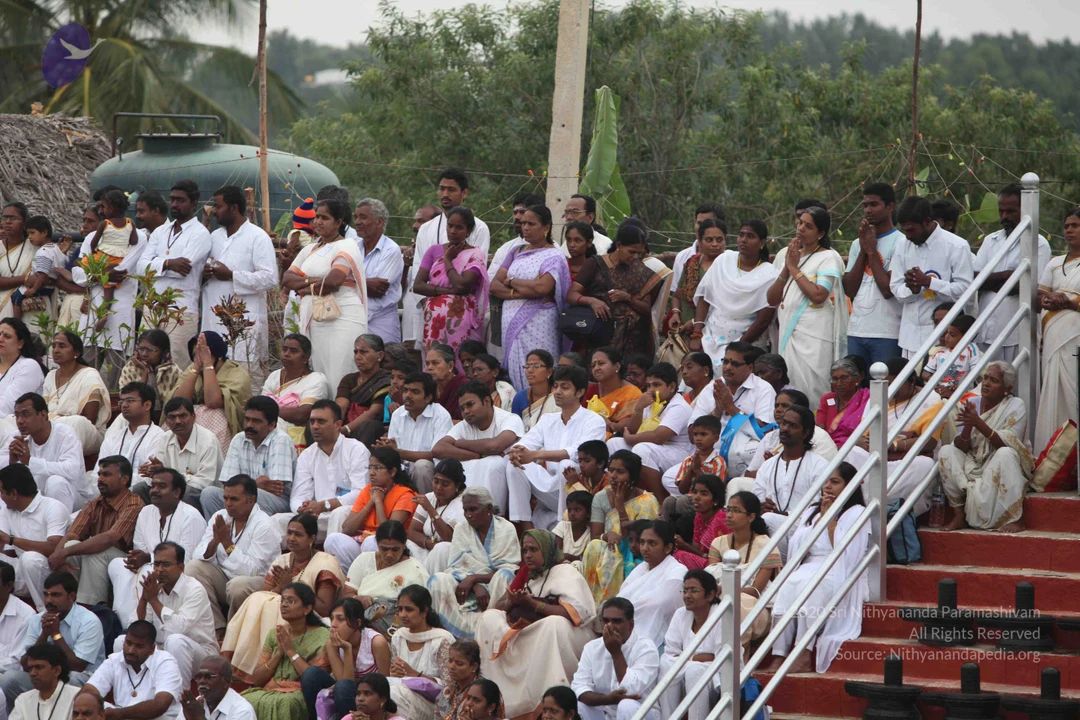
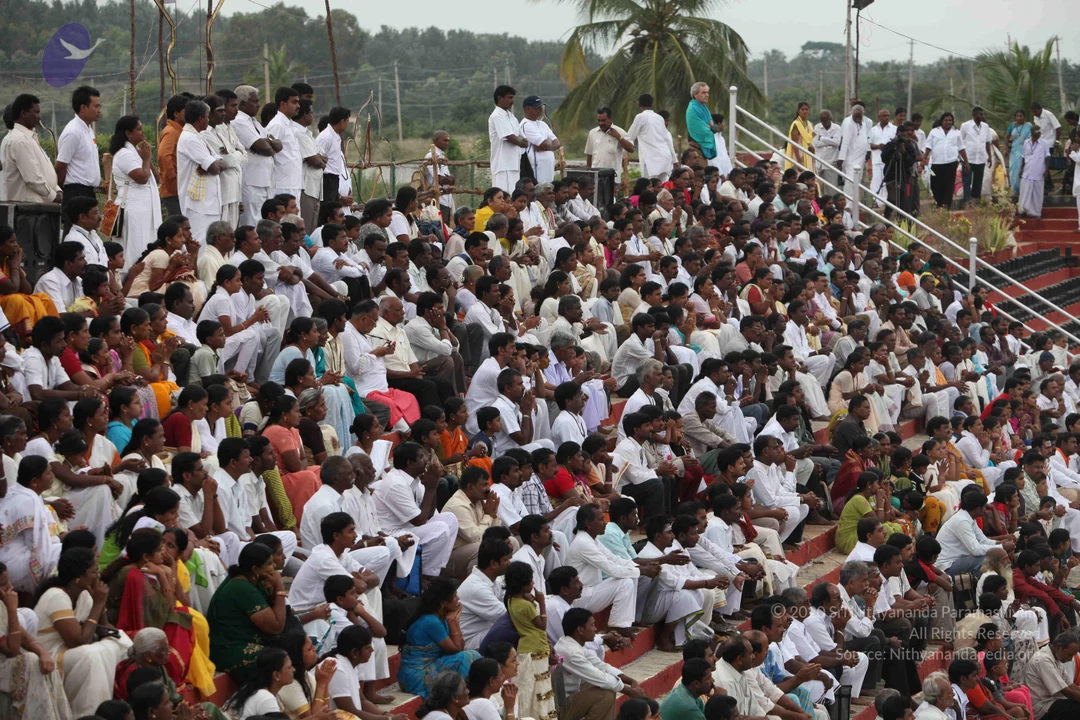
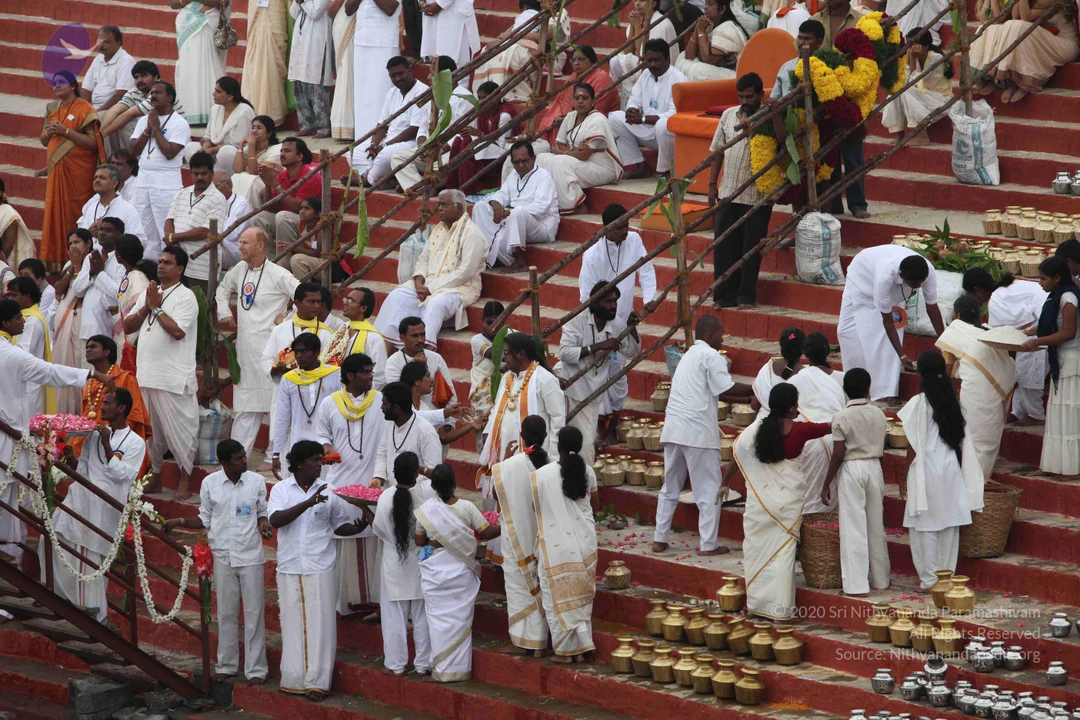
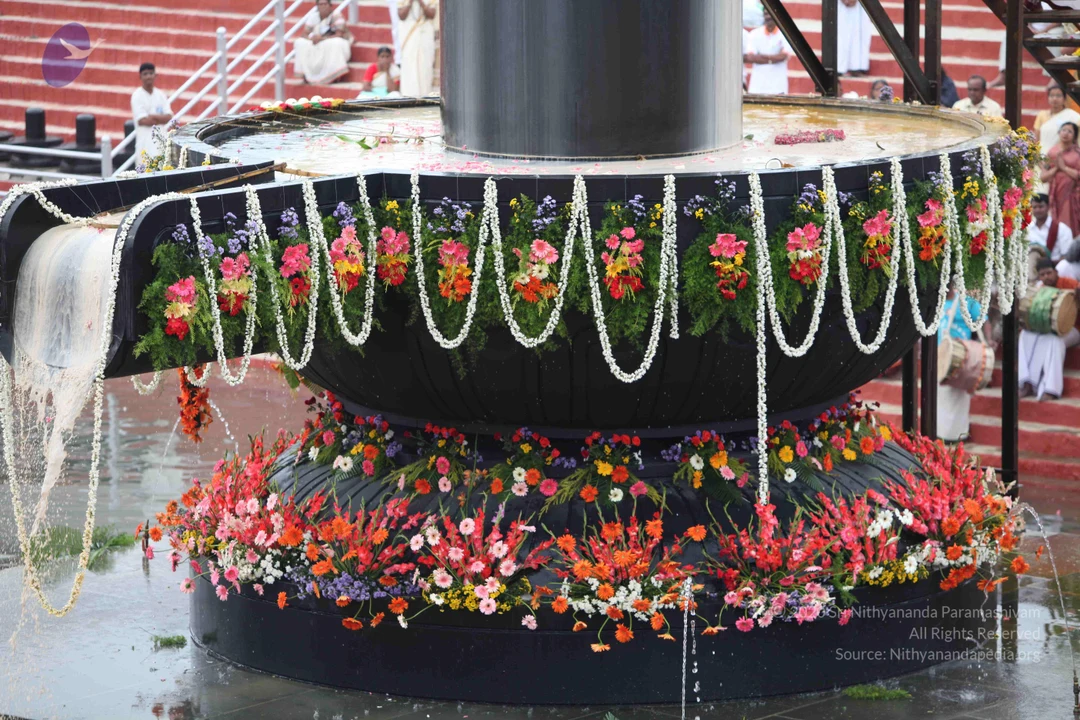
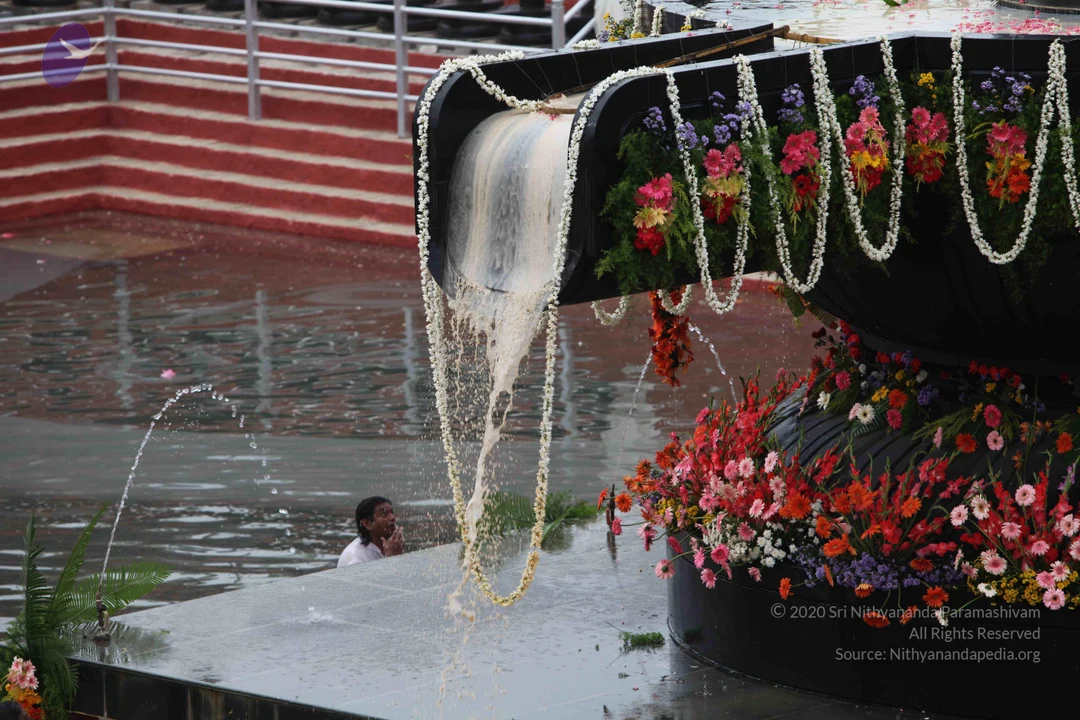
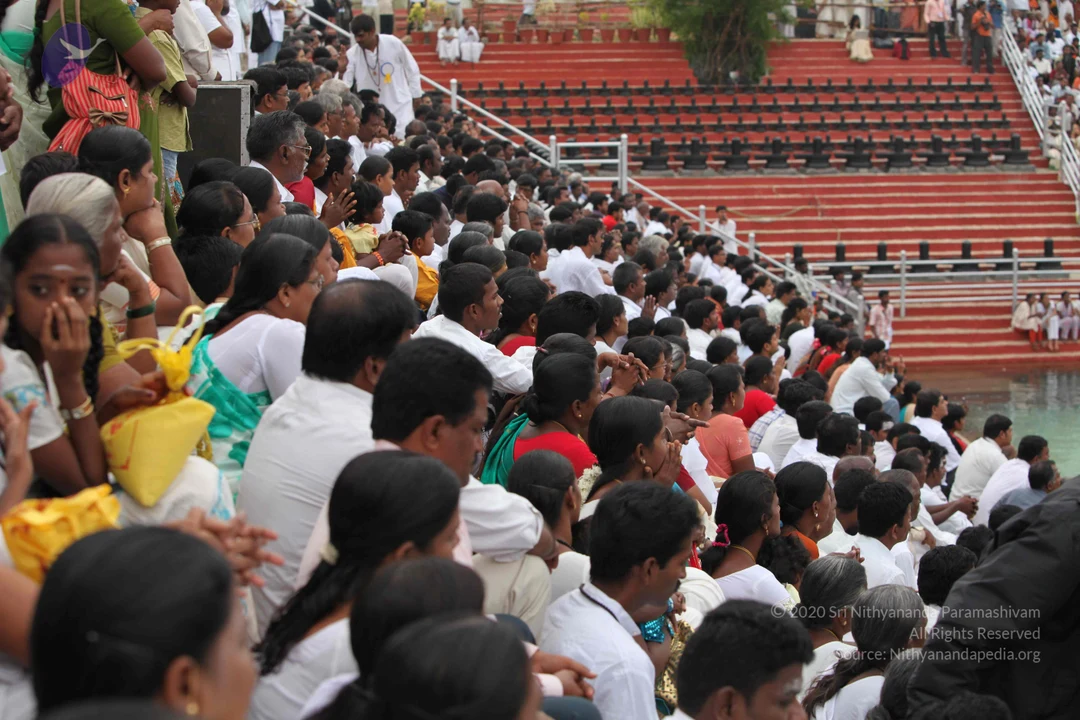
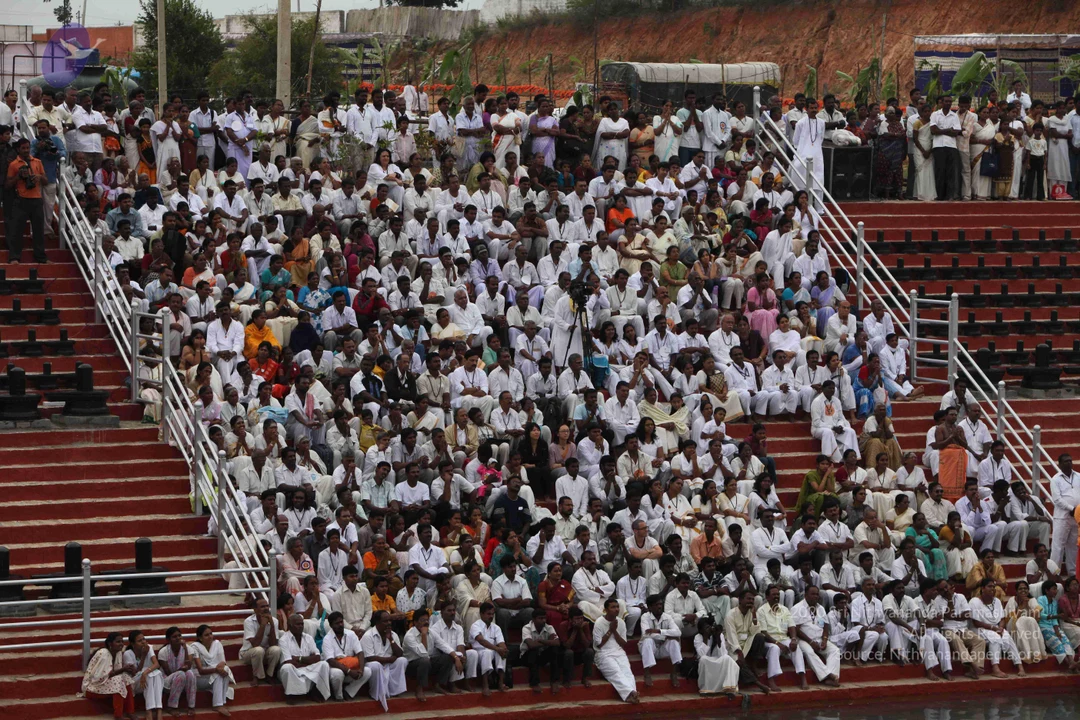
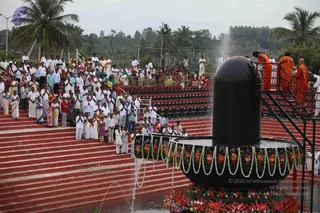
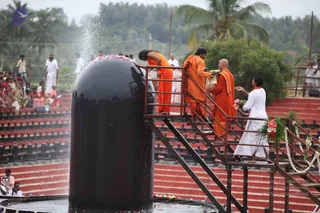
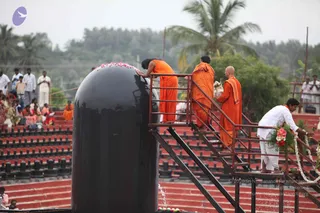
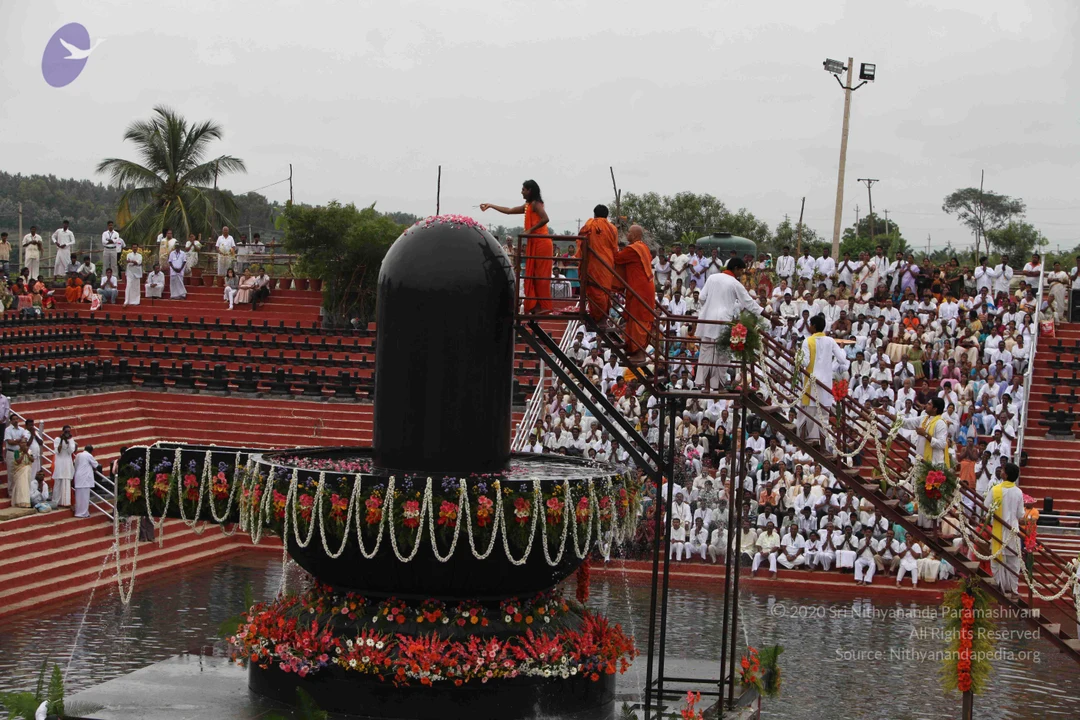
Outdoor ritual at a large black stone Shivalinga rising from a stepped water tank, dressed with flower garlands and a bed of red, orange and pink flowers at its base. Water sprays from the lingam and falls around it. Two men in white clothes stand waist-deep in the water at the base, one pouring or tending the lingam. On the raised platform at right, a woman in orange sari and two men in orange and saffron robes stand beside a man in white. Behind them, hundreds of people in white and colourful clothes sit and stand on red tiered steps and banks under palm trees, watching the abhishekam.A large black Shivalinga stands in a shallow pool of water at an outdoor ashram courtyard, its base wrapped in garlands of red and orange flowers and a ring of white flower chains. Two men in white dhotis wade in the water beside the lingam, one lifting his arm near its base. On the right, a staircase leads up to a platform where several people in white and in orange robes stand near the top of the lingam, with water spraying from pipes at the sides. Behind, tiered red steps are packed with hundreds of people dressed in white, many with raised hands, under palm trees and a clear sky. A purple balloon or umbrella floats at the upper left. The scene is an abhishekam ceremony.A large outdoor gathering of devotees seated on tiered red steps in rows, most dressed in white with some in saffron, orange and colourful saris. In the foreground, two figures in white with yellow shawls stand on the steps near a stair railing draped with flower garlands and red flowers; one holds a tray or offering plate. A camera on a tripod is set up among the seated crowd, and a green water tank and thatched structure appear in the background. Many attendees hold their hands together in prayer or sit quietly listening.

July 25 2010

Original wiki page
Contents

Title

Guru Poornima 2010 Message - Part 1/2: Nithyananda

Narration

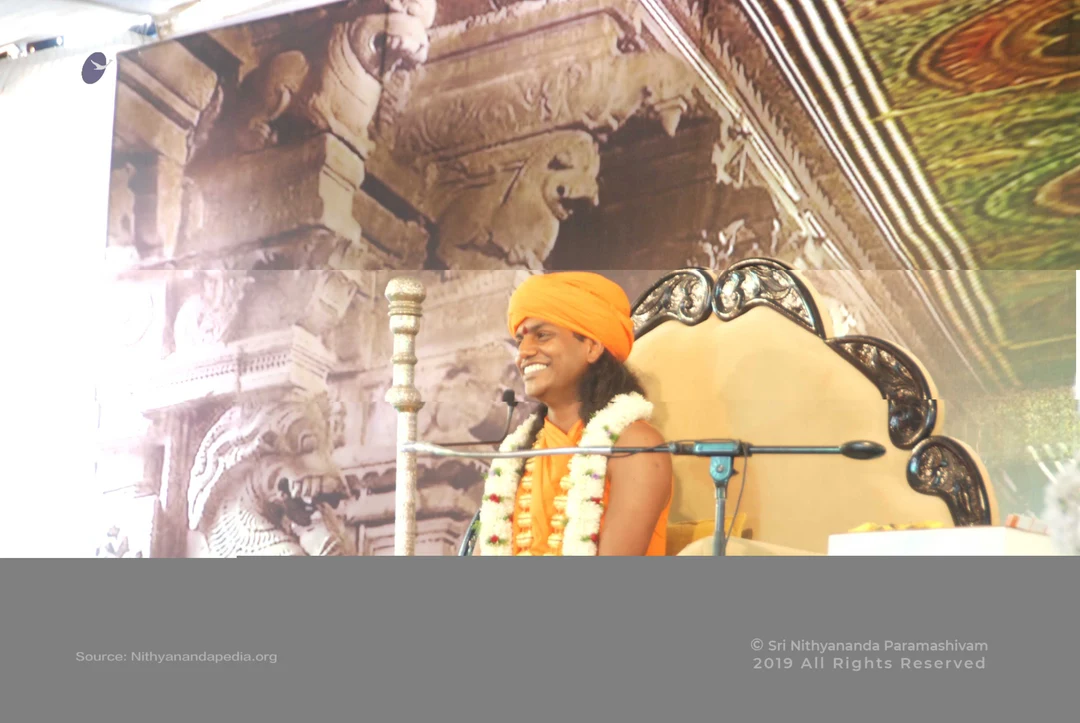
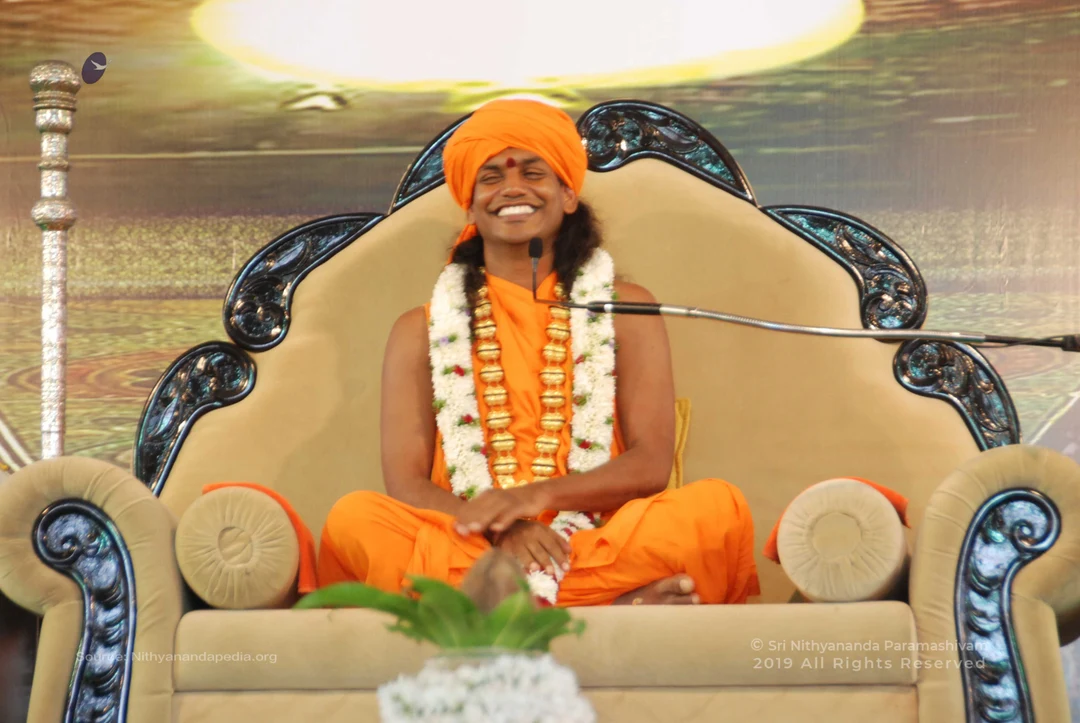
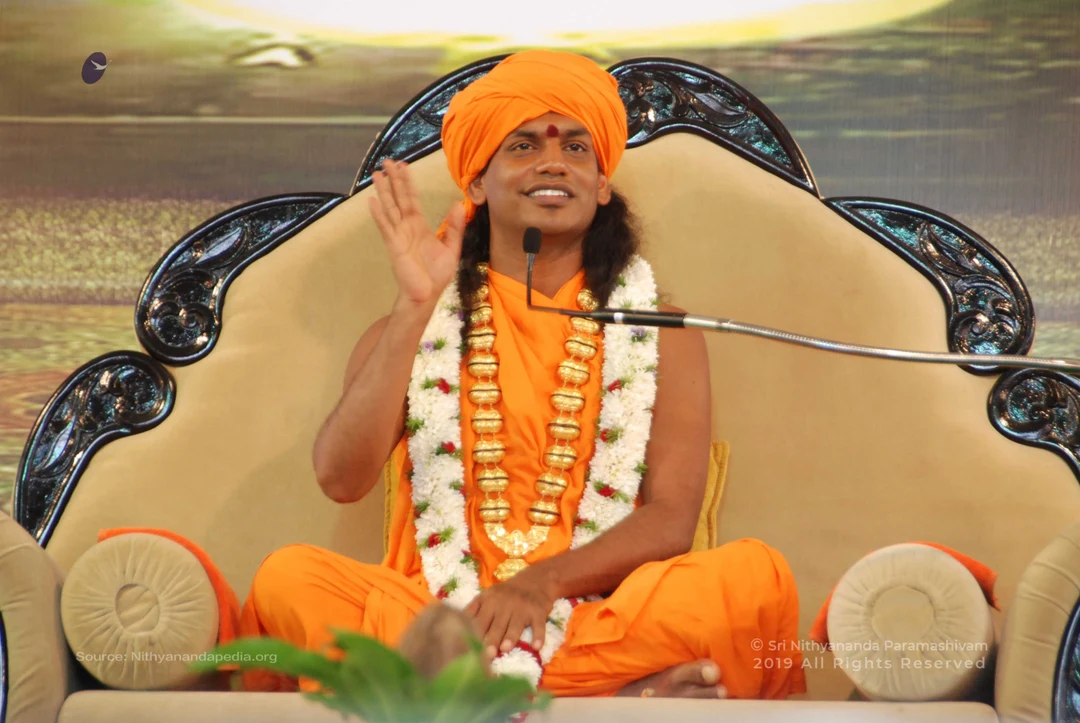
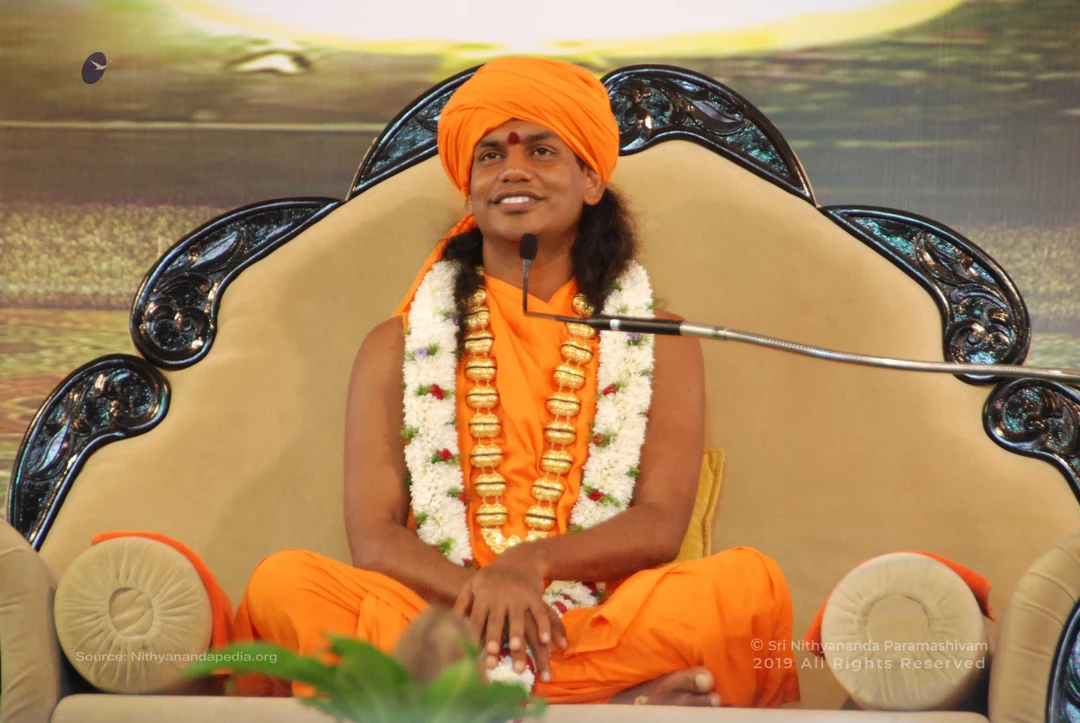
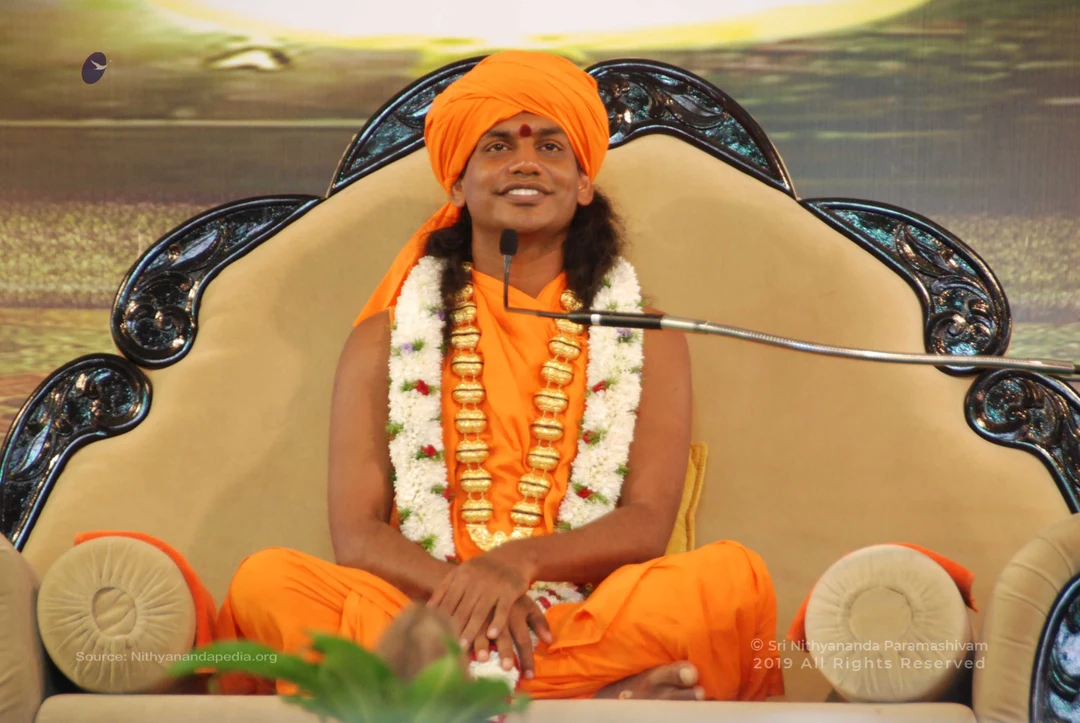
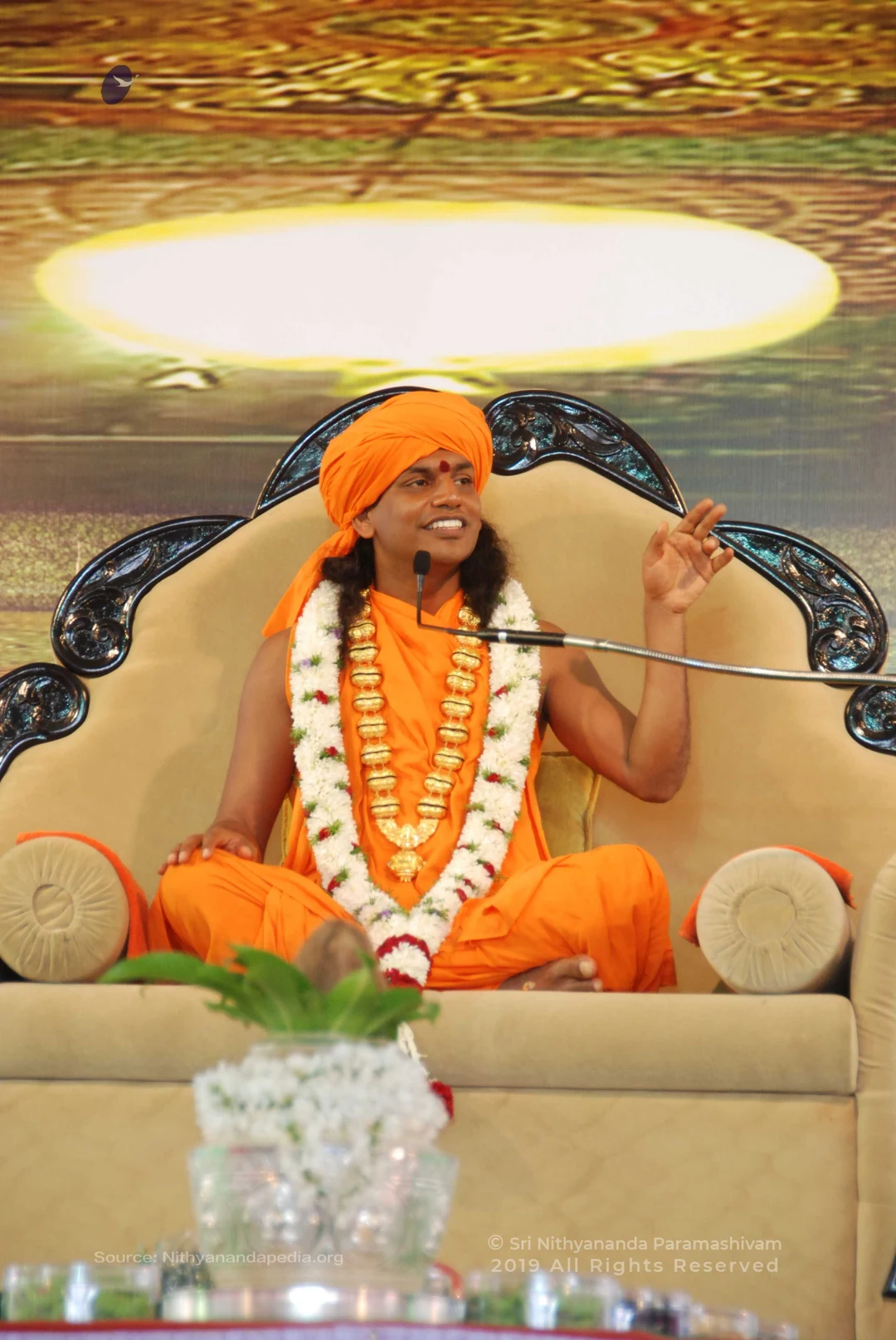
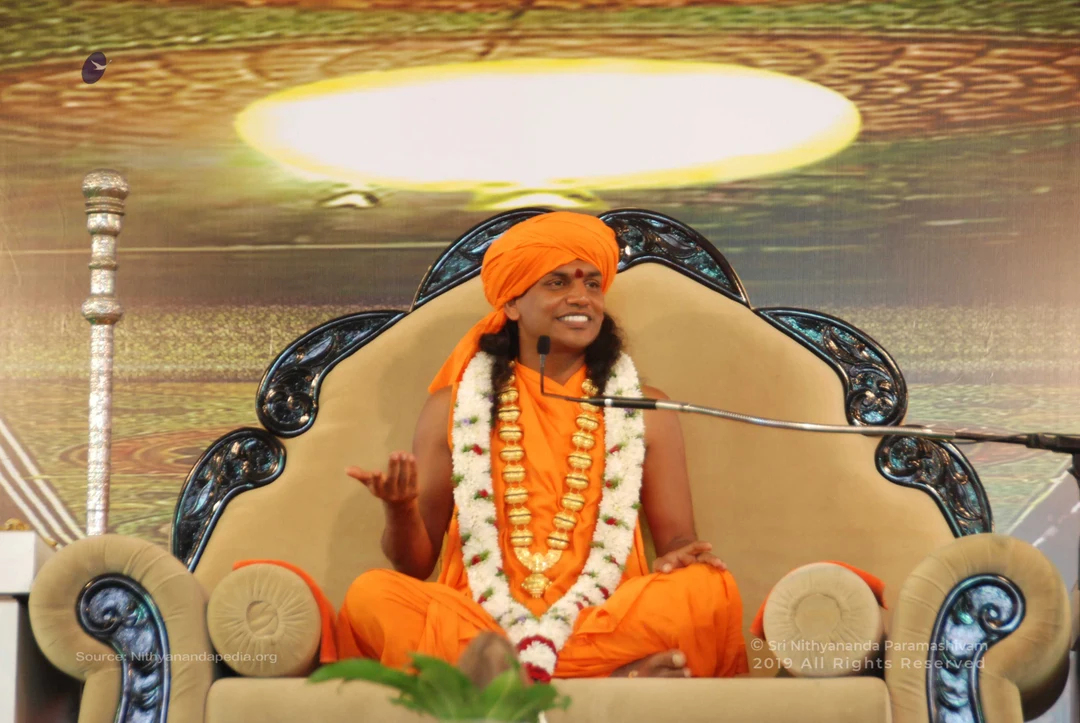
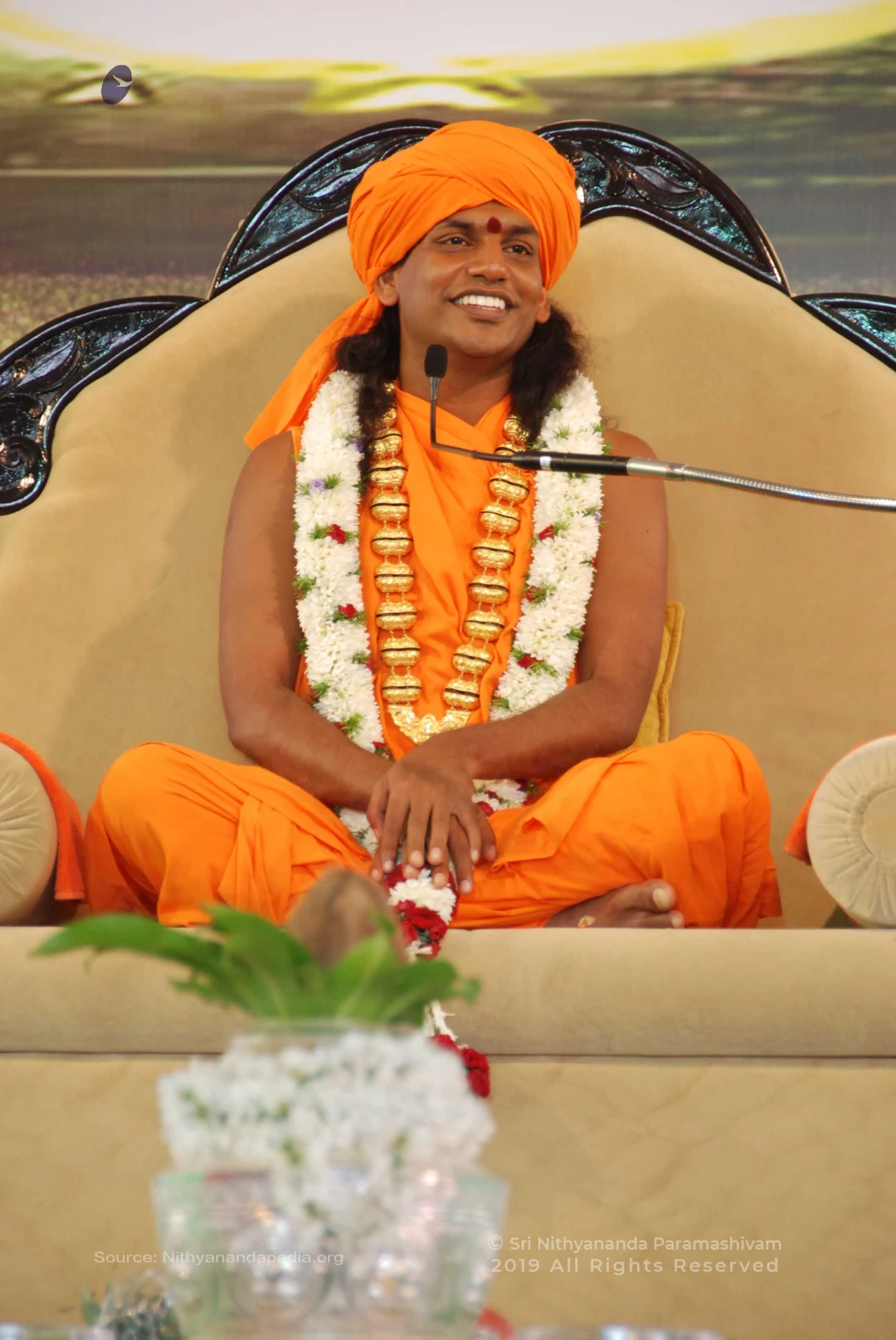
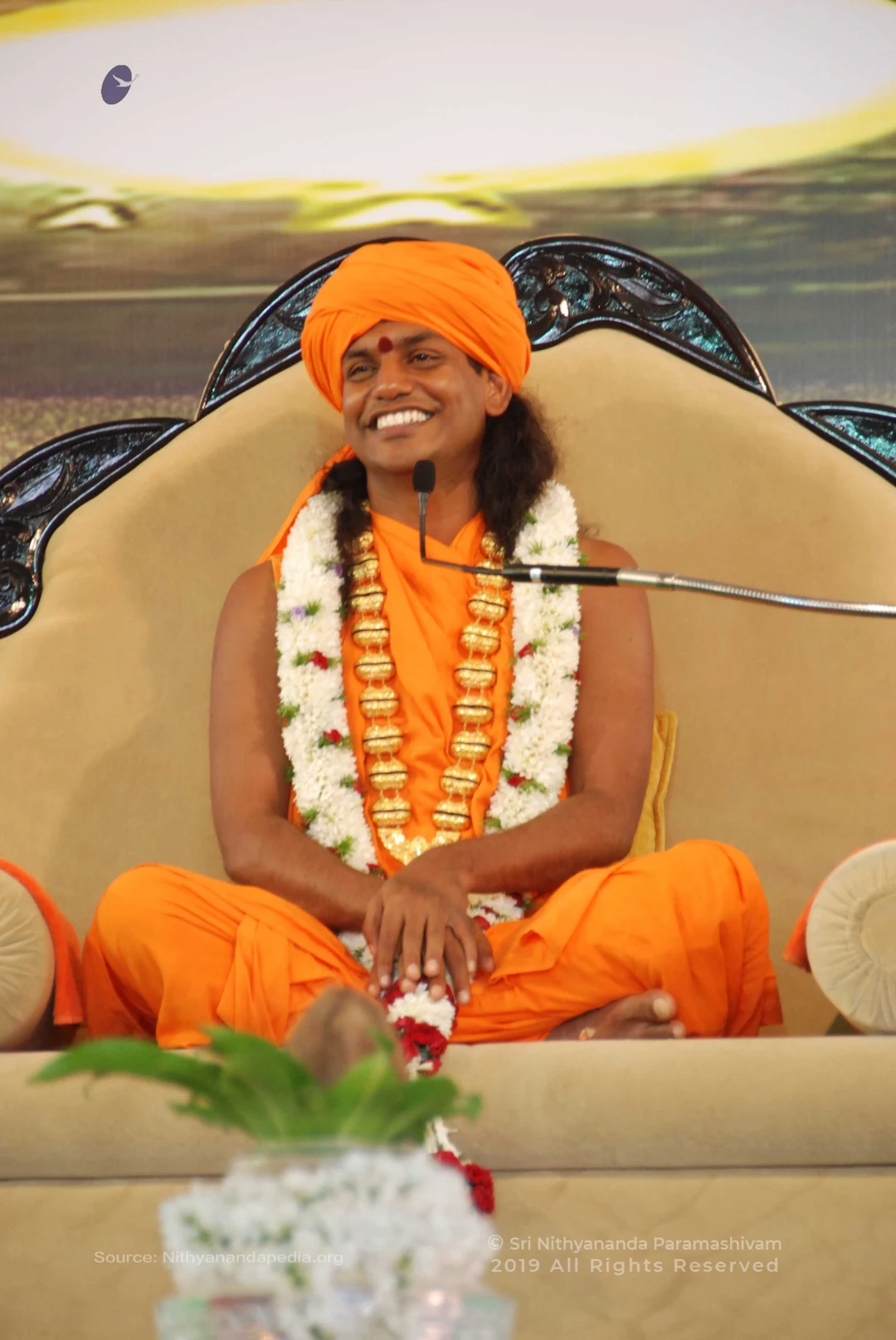
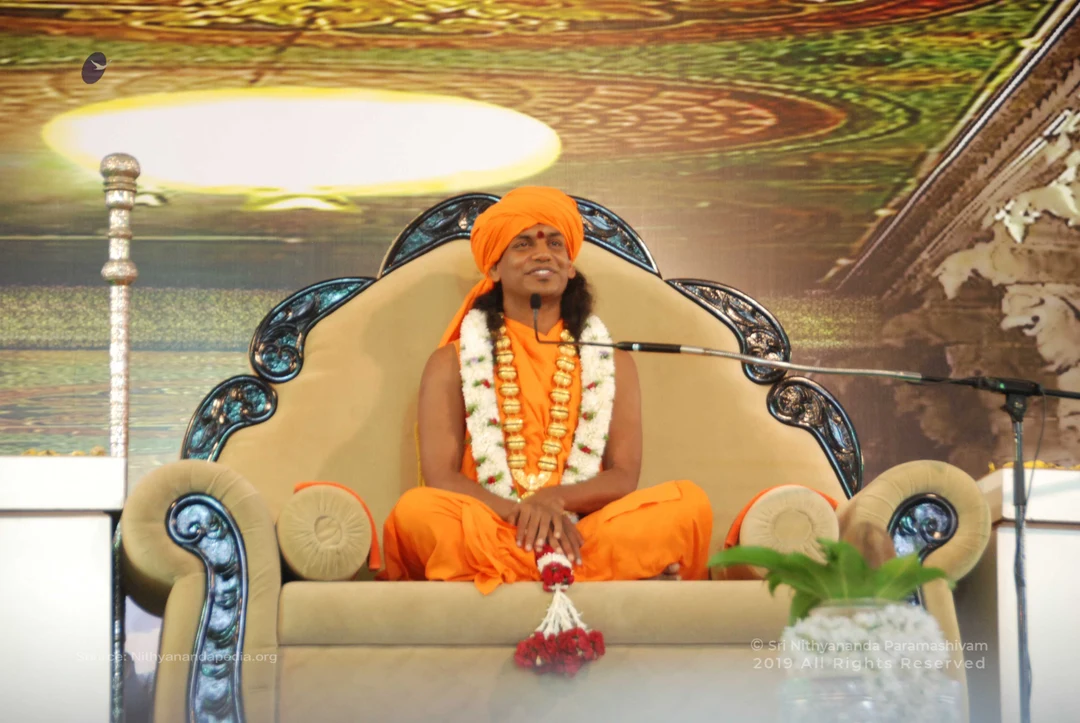
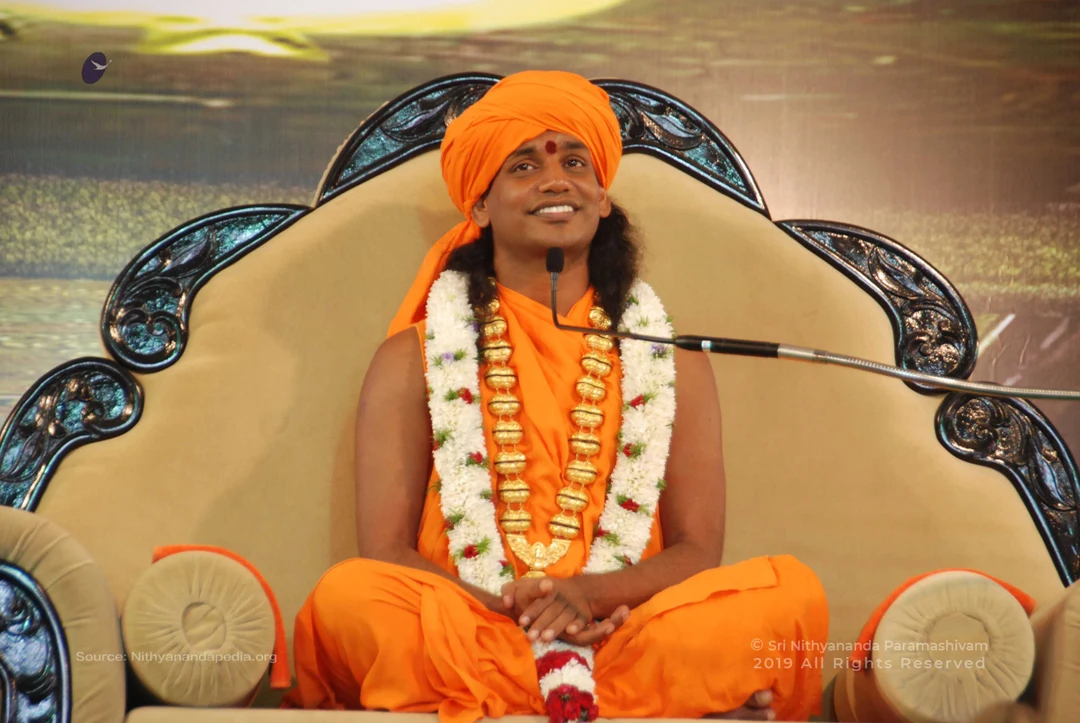
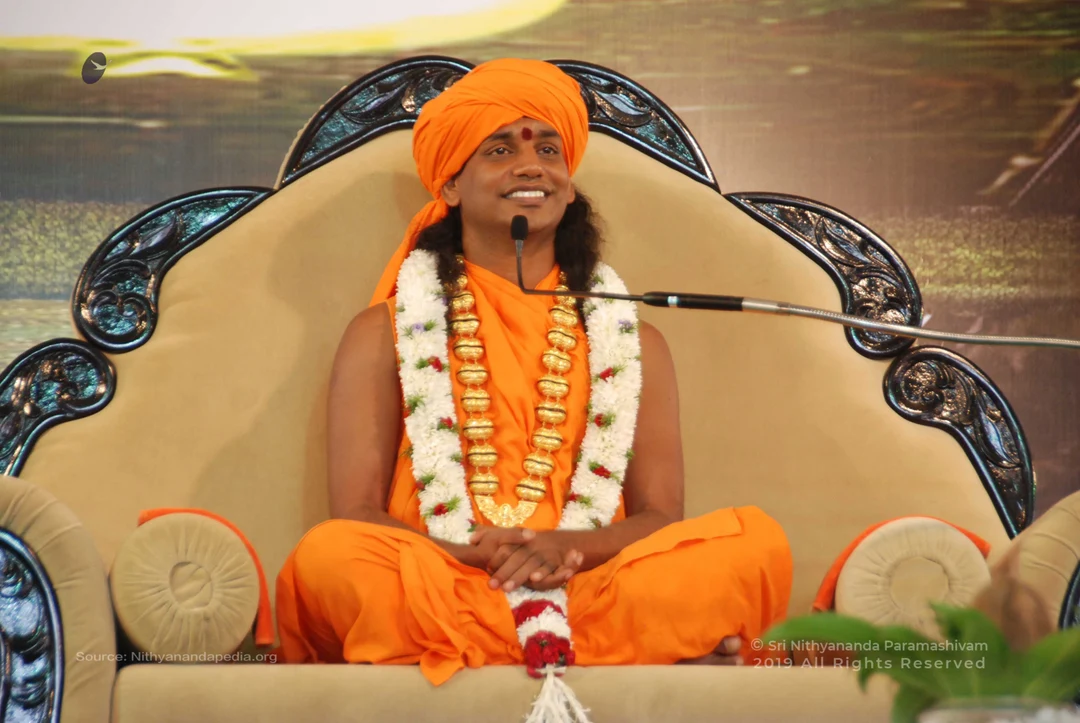
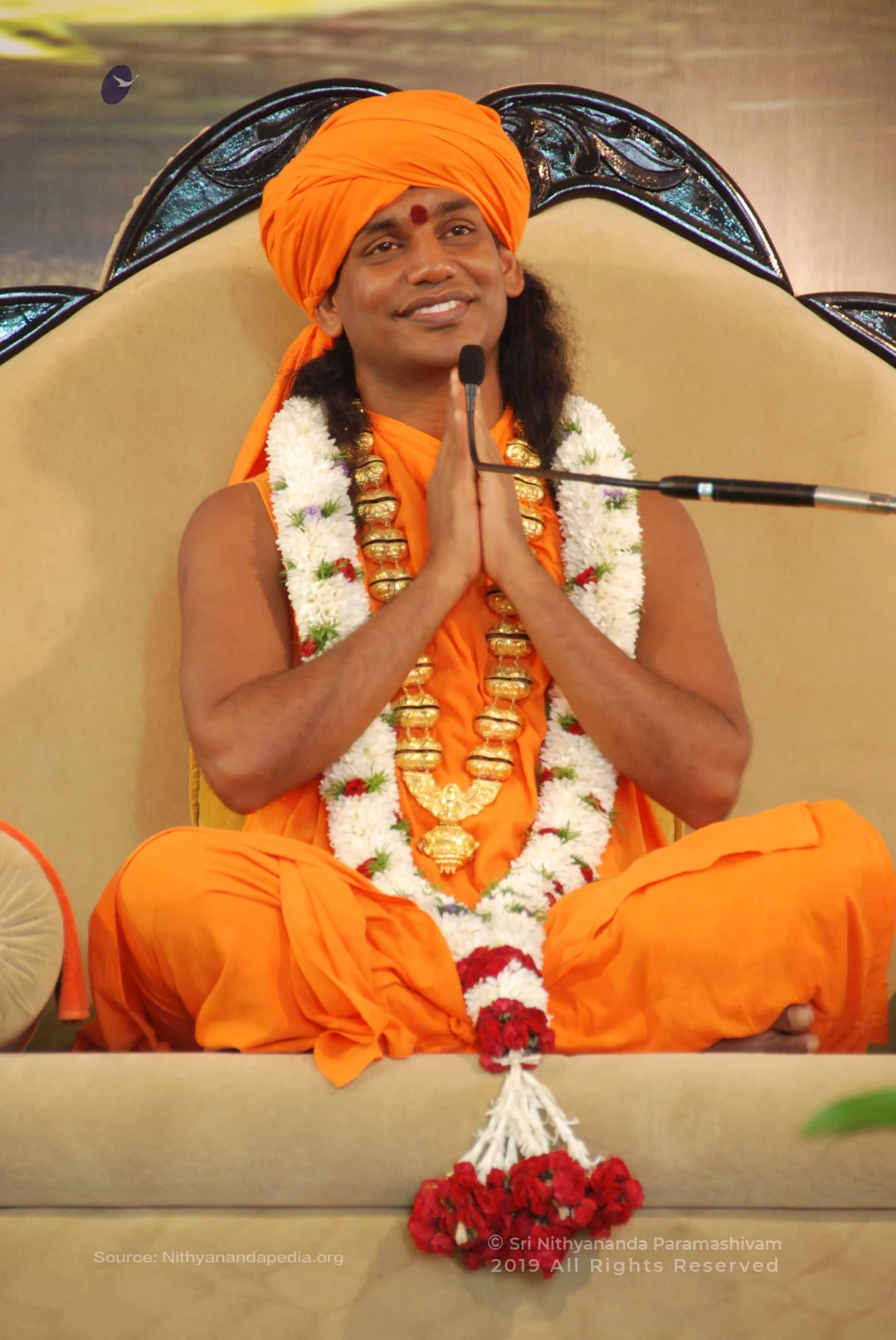
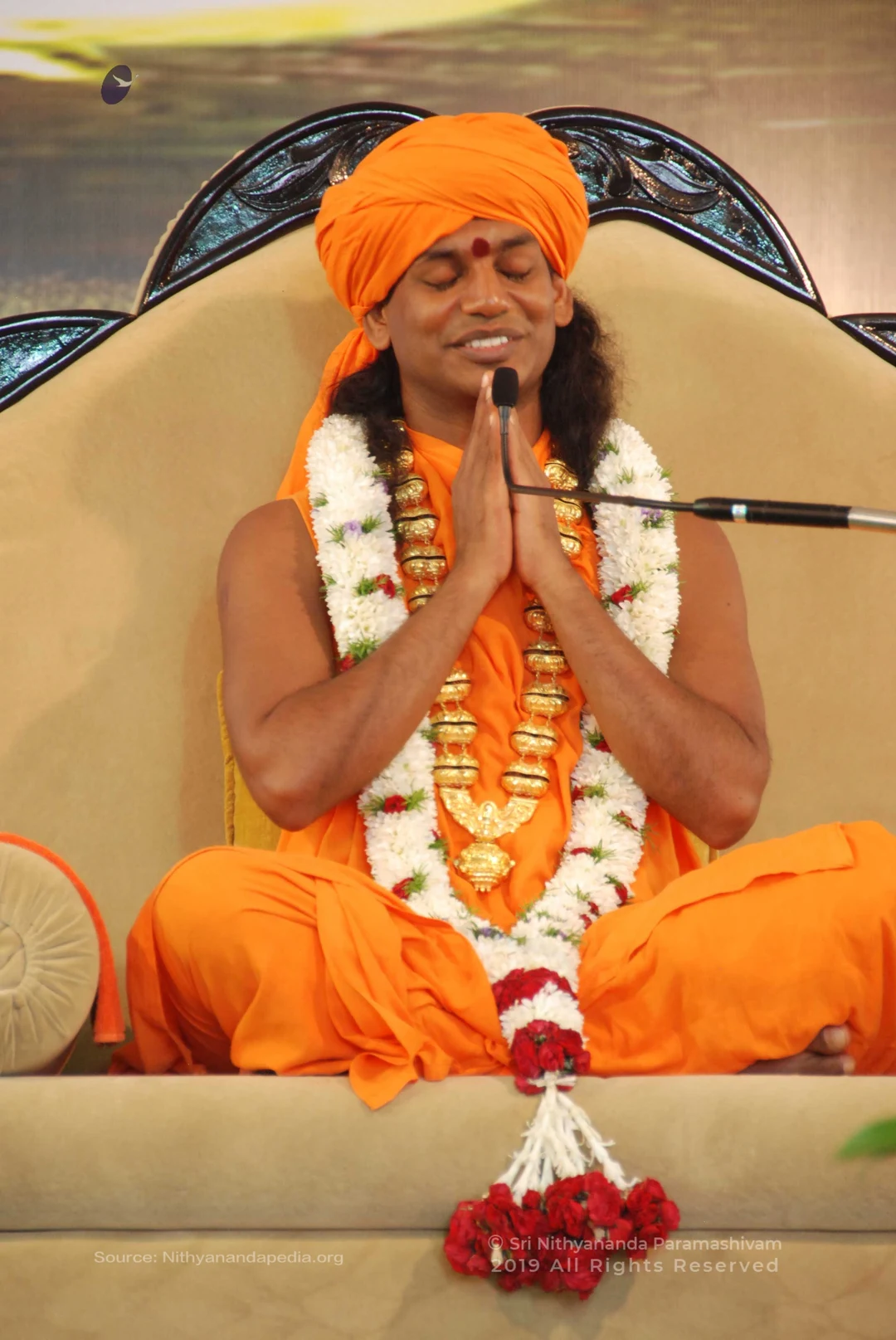
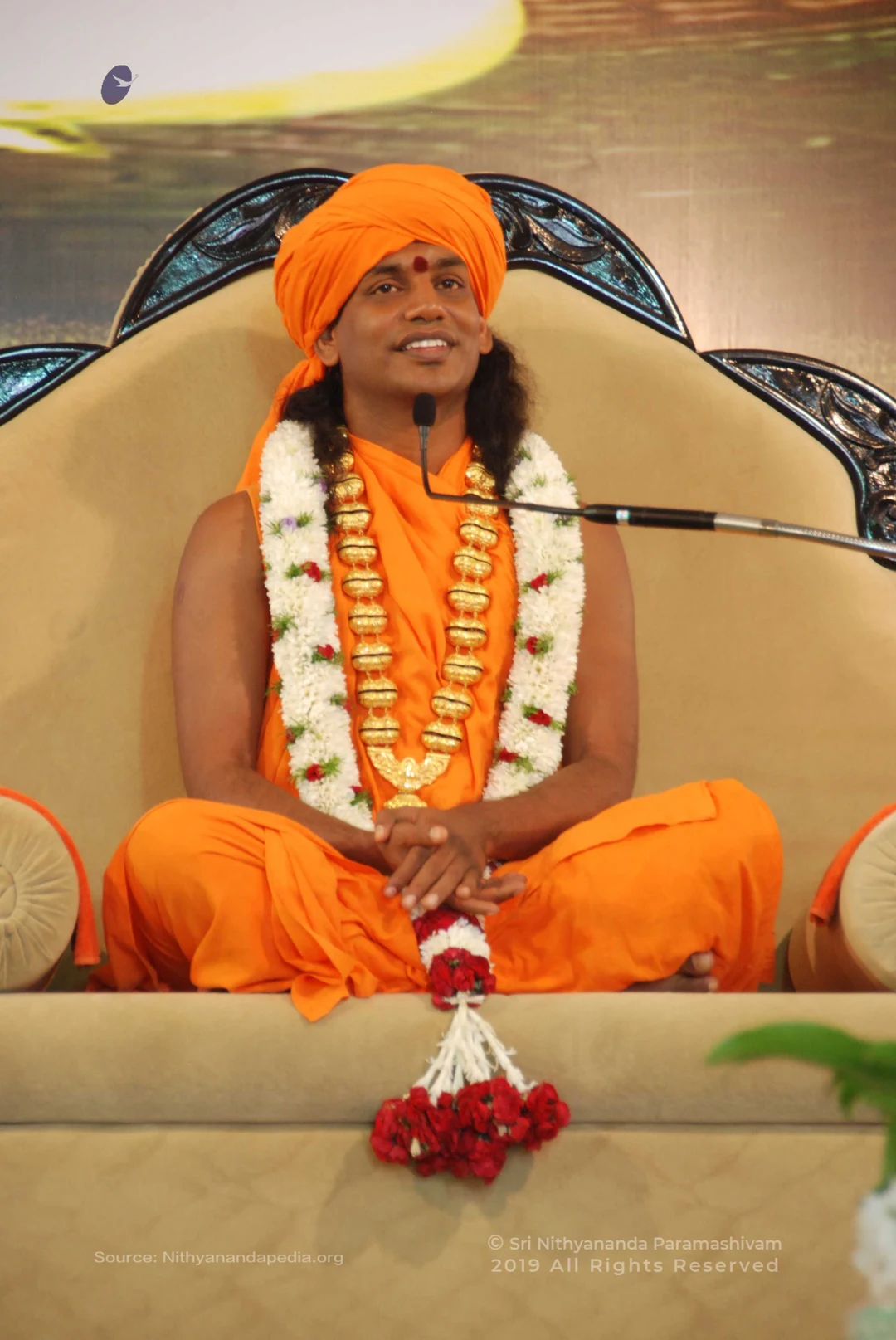
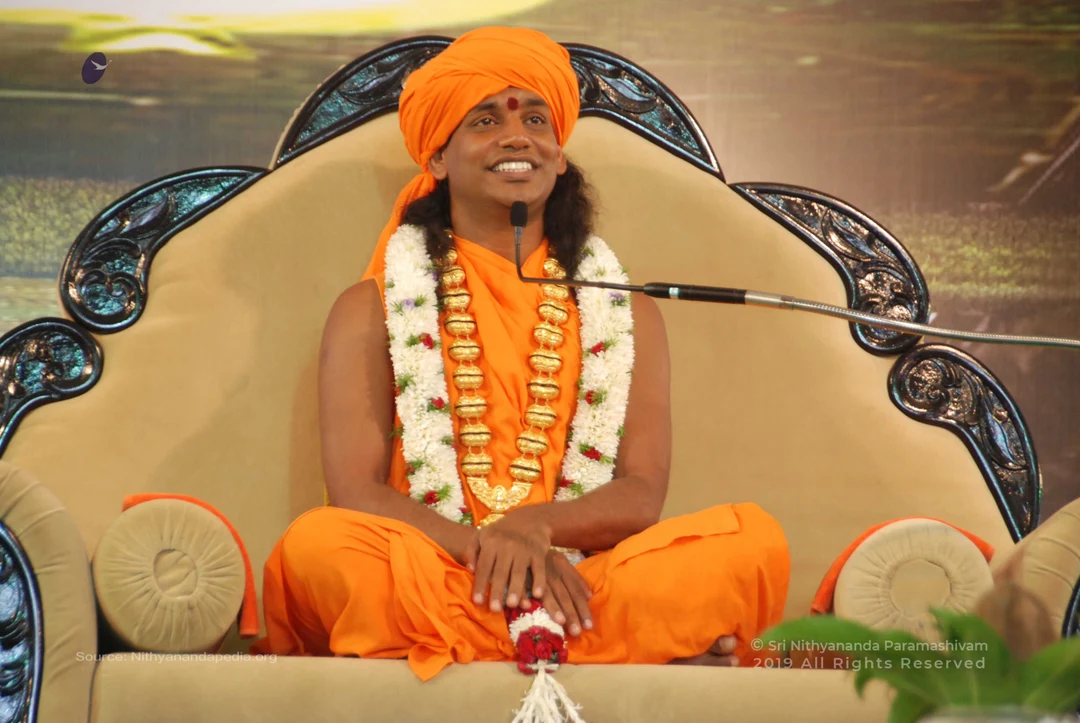
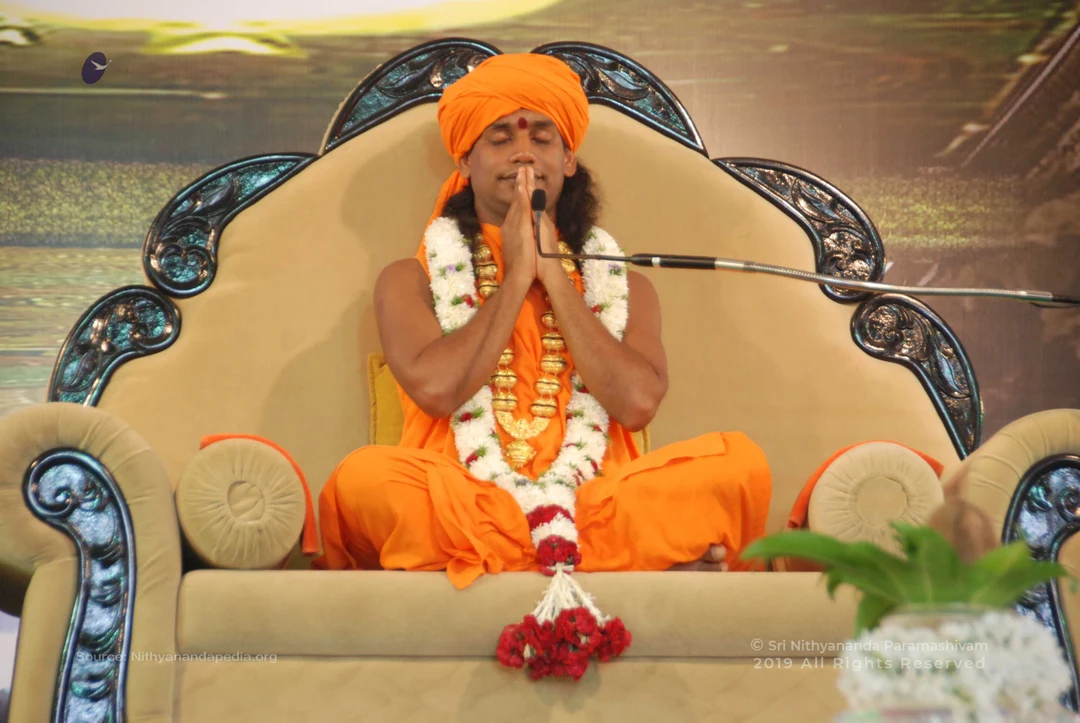
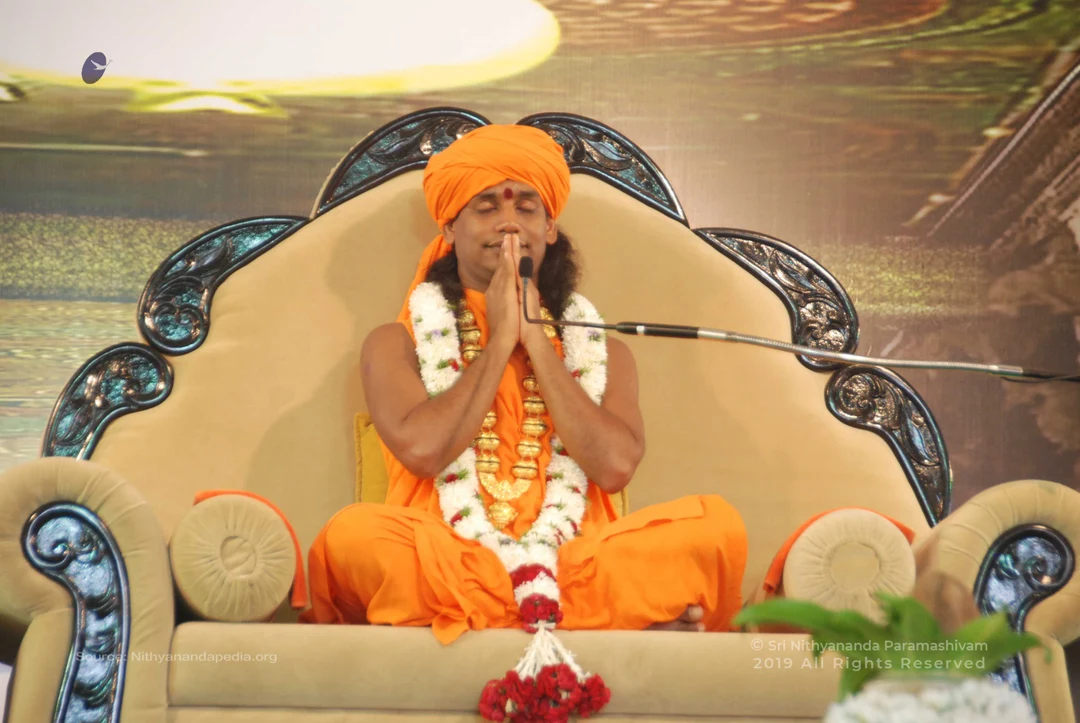
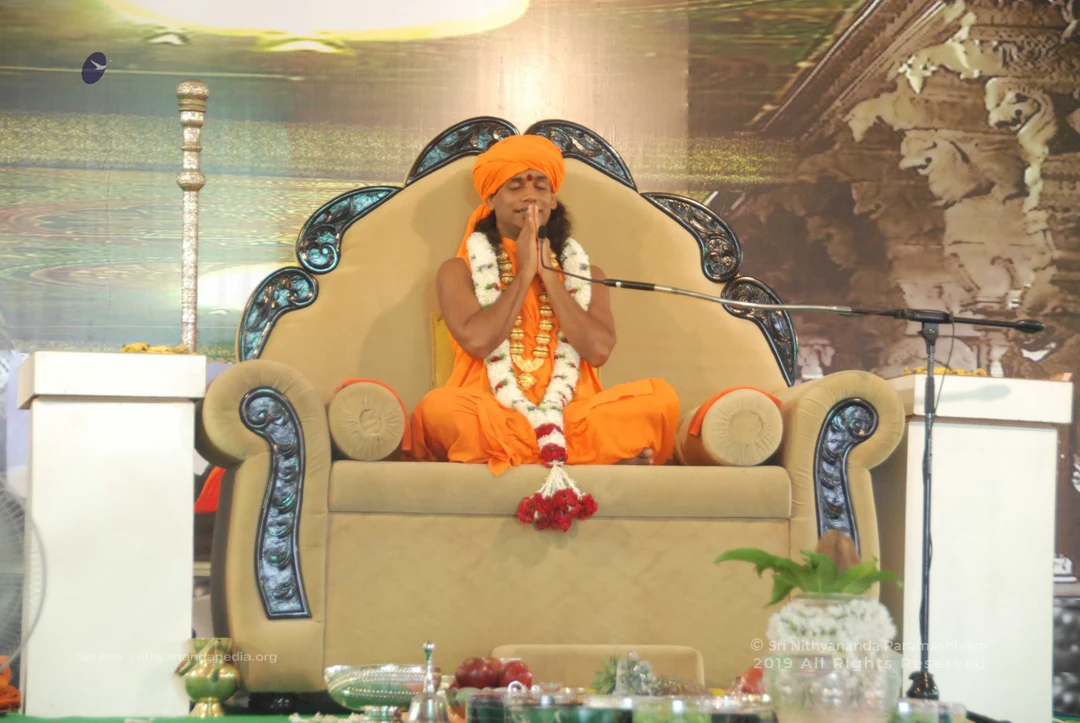
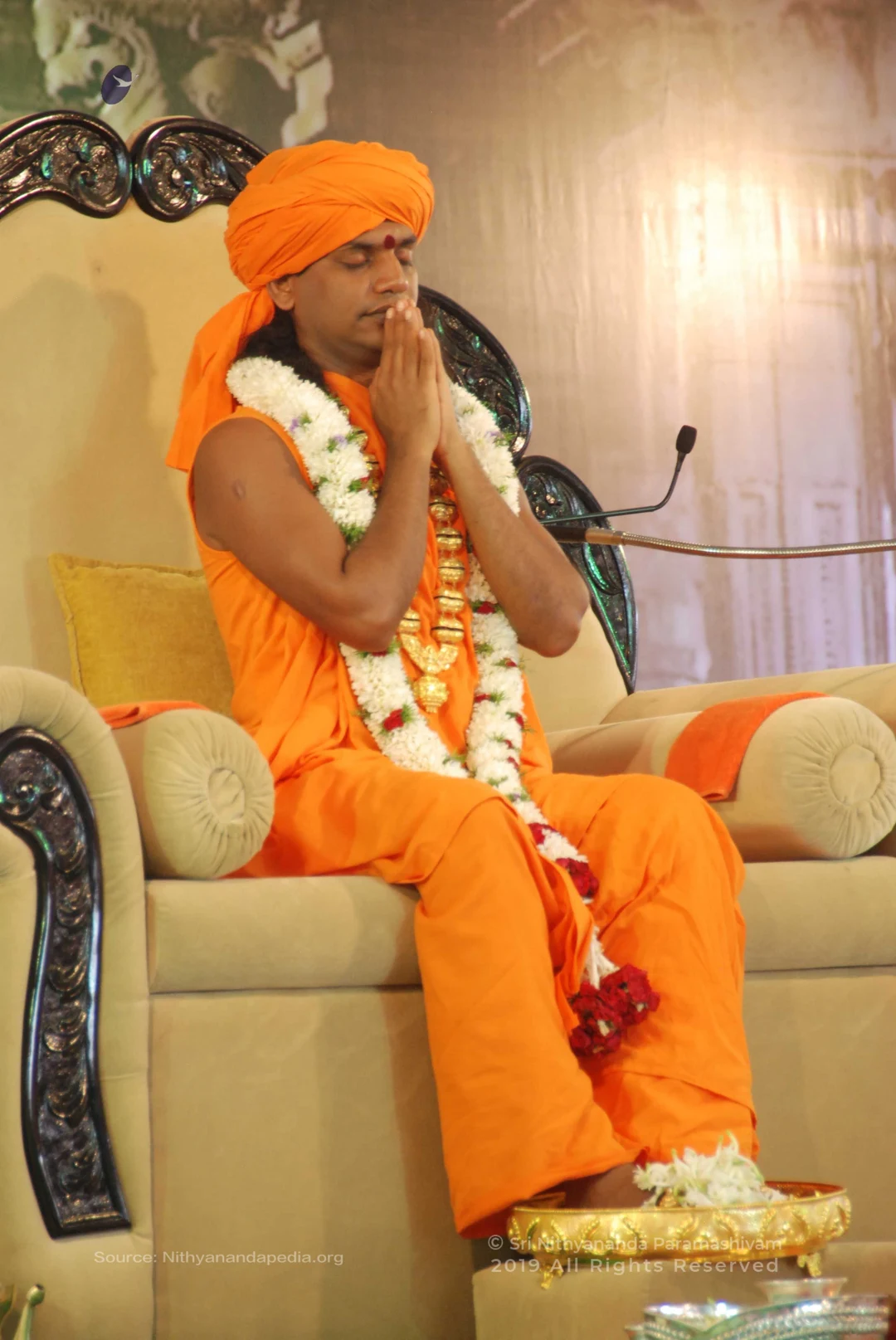
The Supreme Pontiff of Hinduism, Jagatguru Mahasannidhanam, His Divine Holiness, Bhagavan Nithyananda Paramashivam, expounded on the Cosmic Principles from Ahimsa during the everyday live public talk - Nithyananda Satsang. In this talk entitled 25 Jul 2010: Guru Purnima celebrations at Nithyananda's India Ashram, The Supreme Pontiff of Hinduism shared that whatever life presents in front of you, have a deep friendliness and when it comes as larger than life, have a deep compassion for situations, persons and happenings. He asked everyone to not be disturbed or shaken by the scandal but to put all your energy into non-violent, positive work and creating more and more Enlightened Beings.

Following the Guru Purnima message from His Divine Holiness, was an inspiring talk by Shri Vedatam, Chief of the International Working Committee, Vishnu Hindu Parishad. He shared how His Divine Holiness is a great jewel who has come after Swami Vivekananda so it is our responsibility to take care of the Guru in a peaceful manner.

Video and Audio

VideoAudio

Title

Guru Poornima 2010 Message - Part 2/2: Nithyananda

Video and Audio

VideoAudio

Title

25 Jul 2010: Guru Purnima celebrations at Nithyananda's India Ashram

Narration

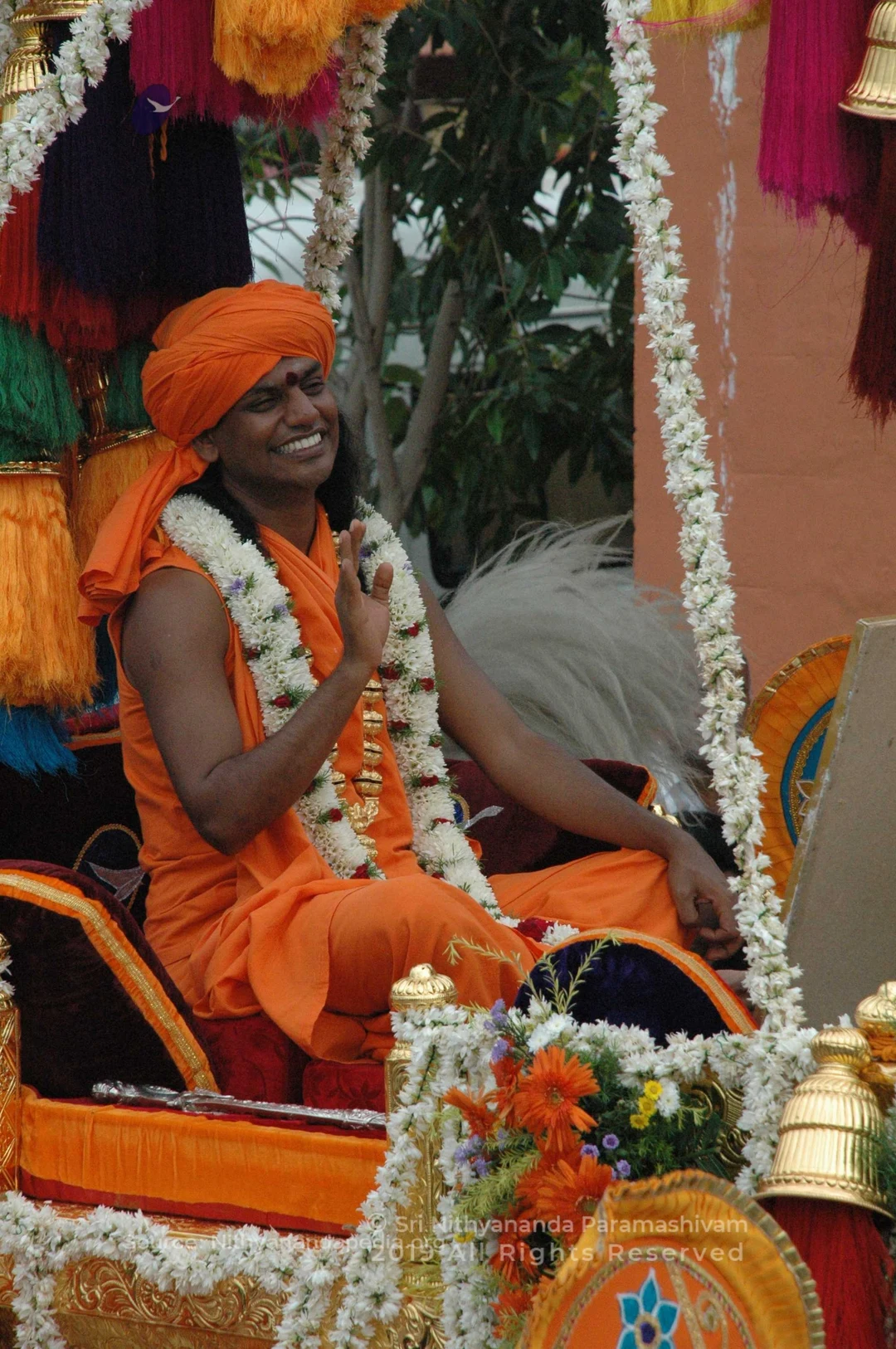
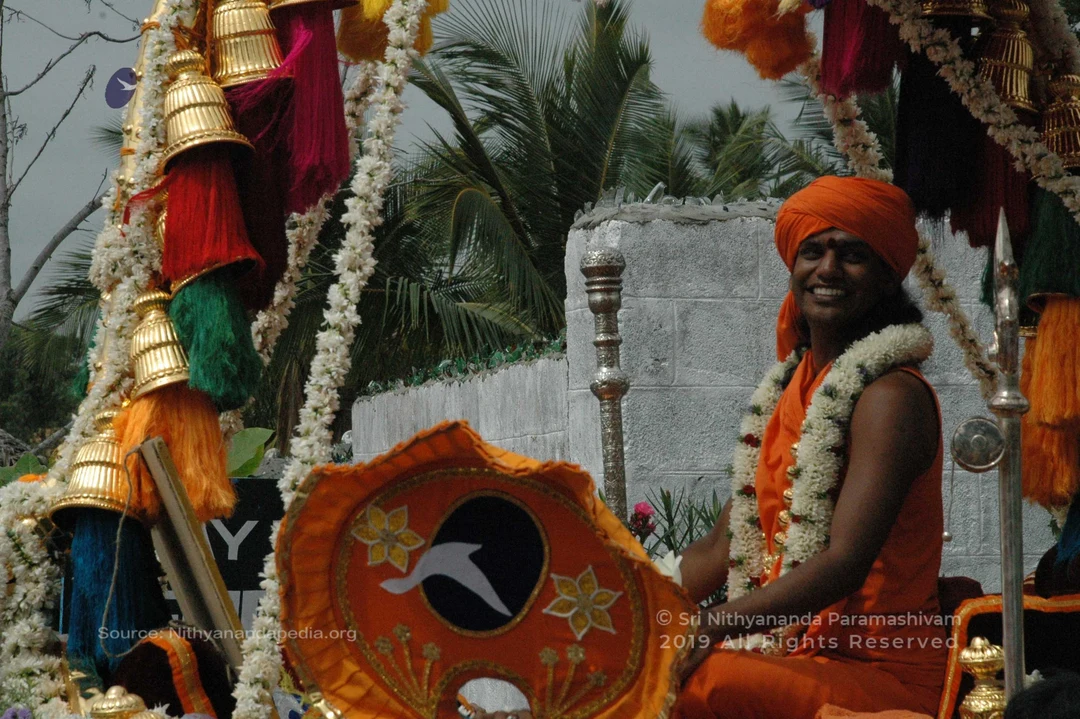
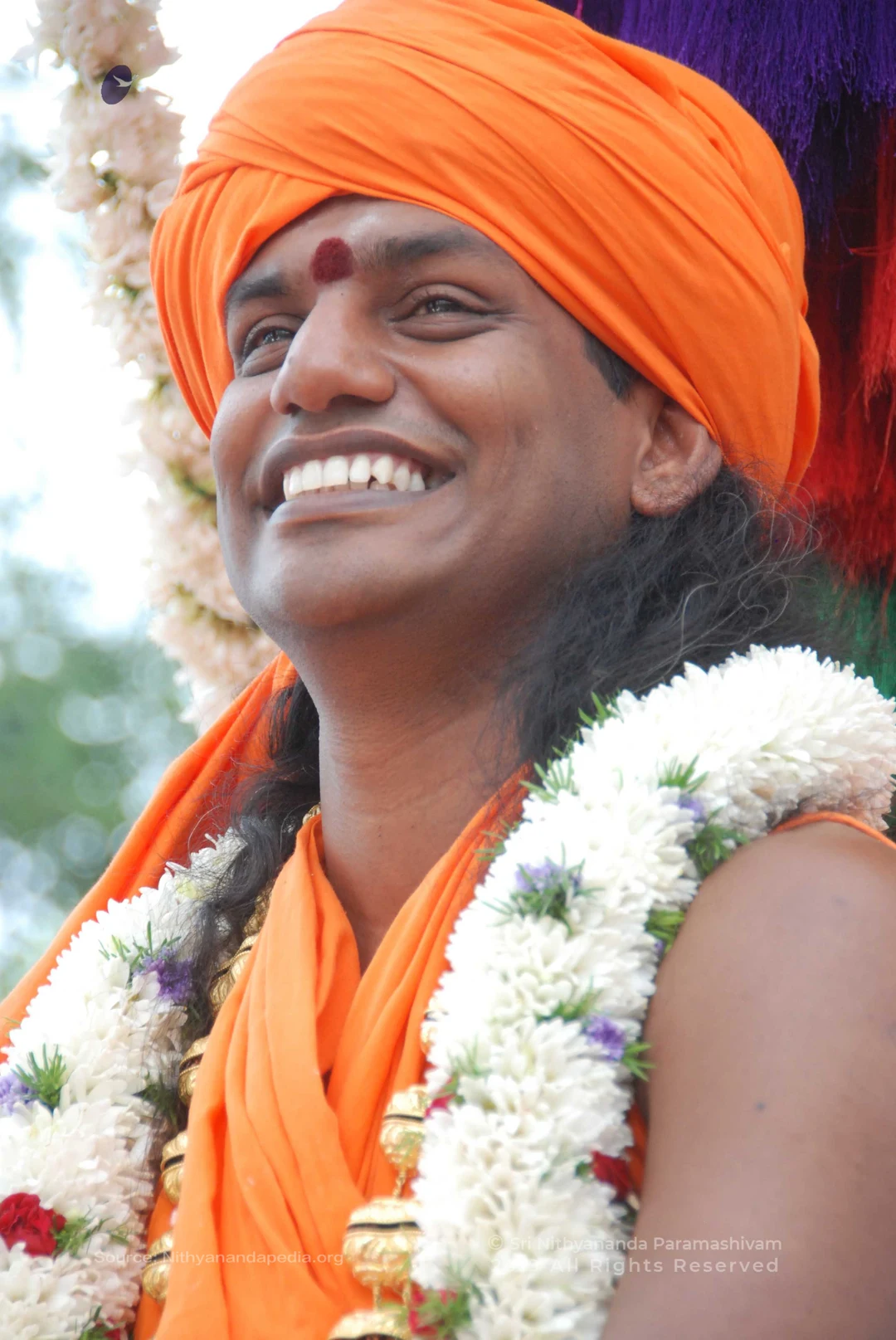
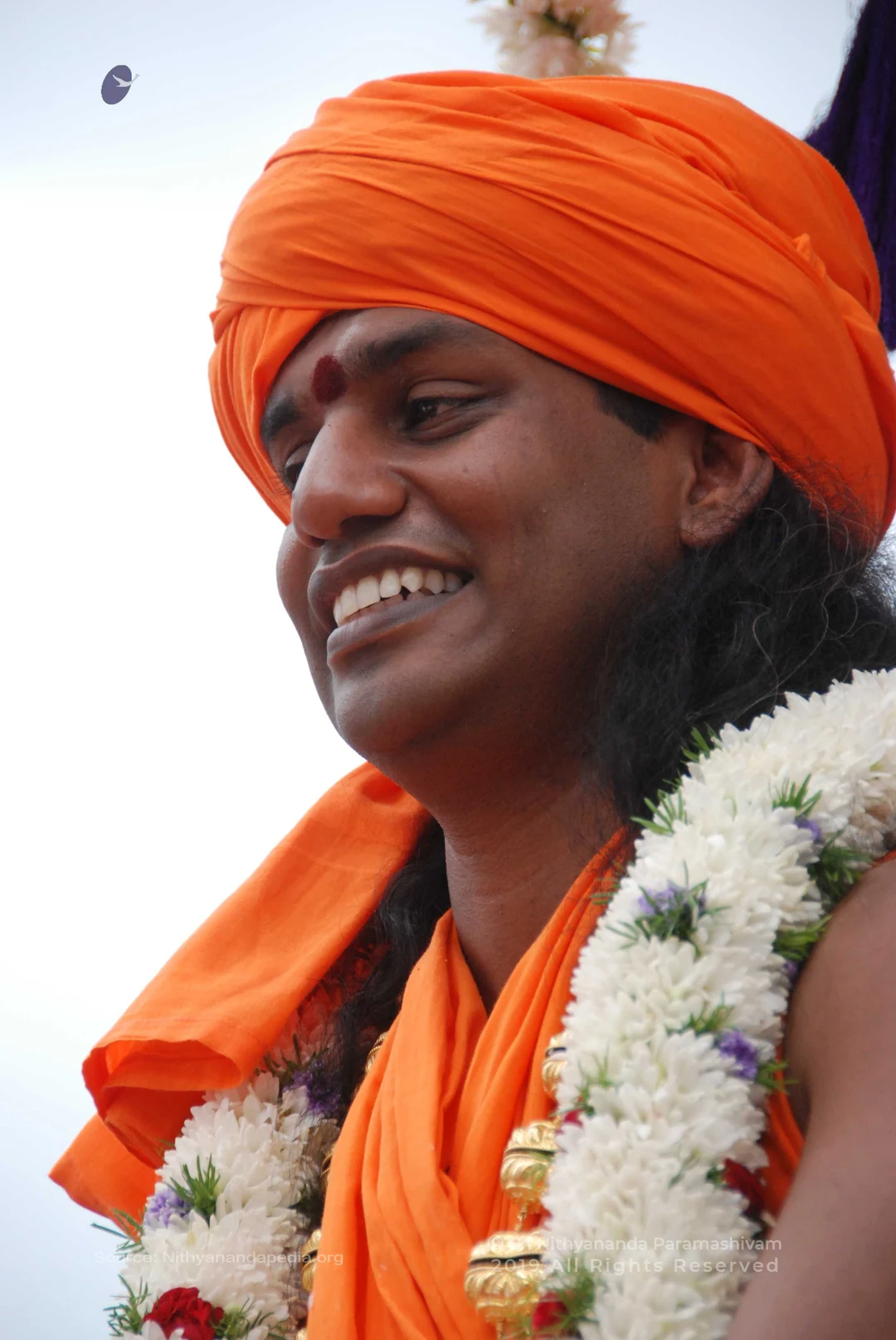
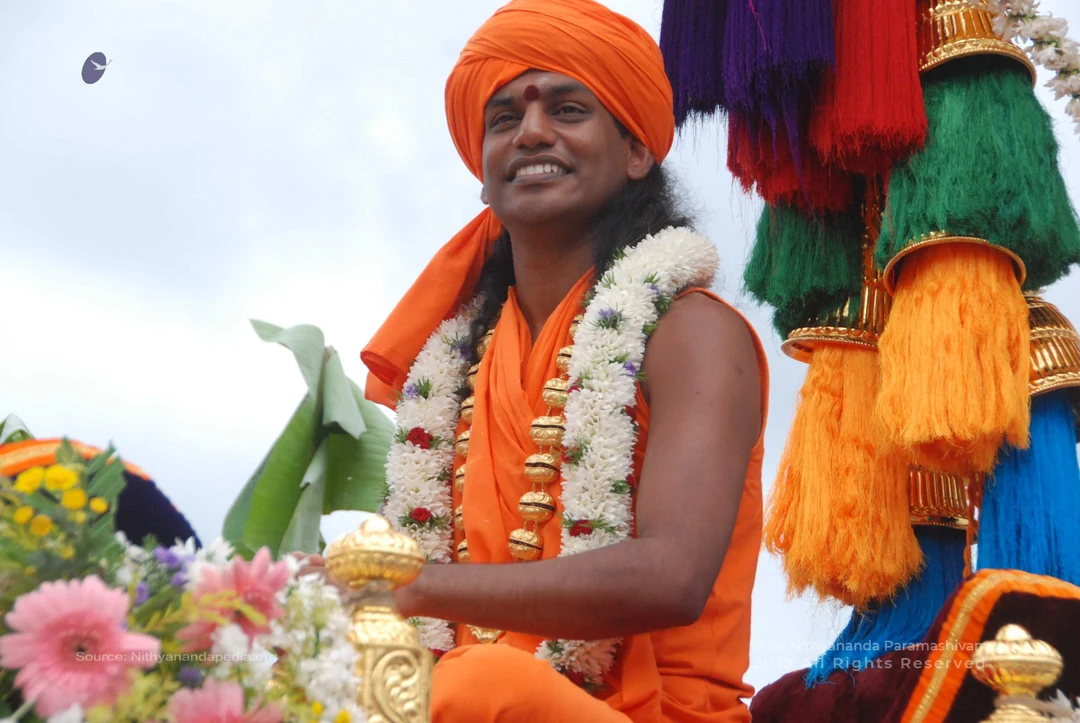
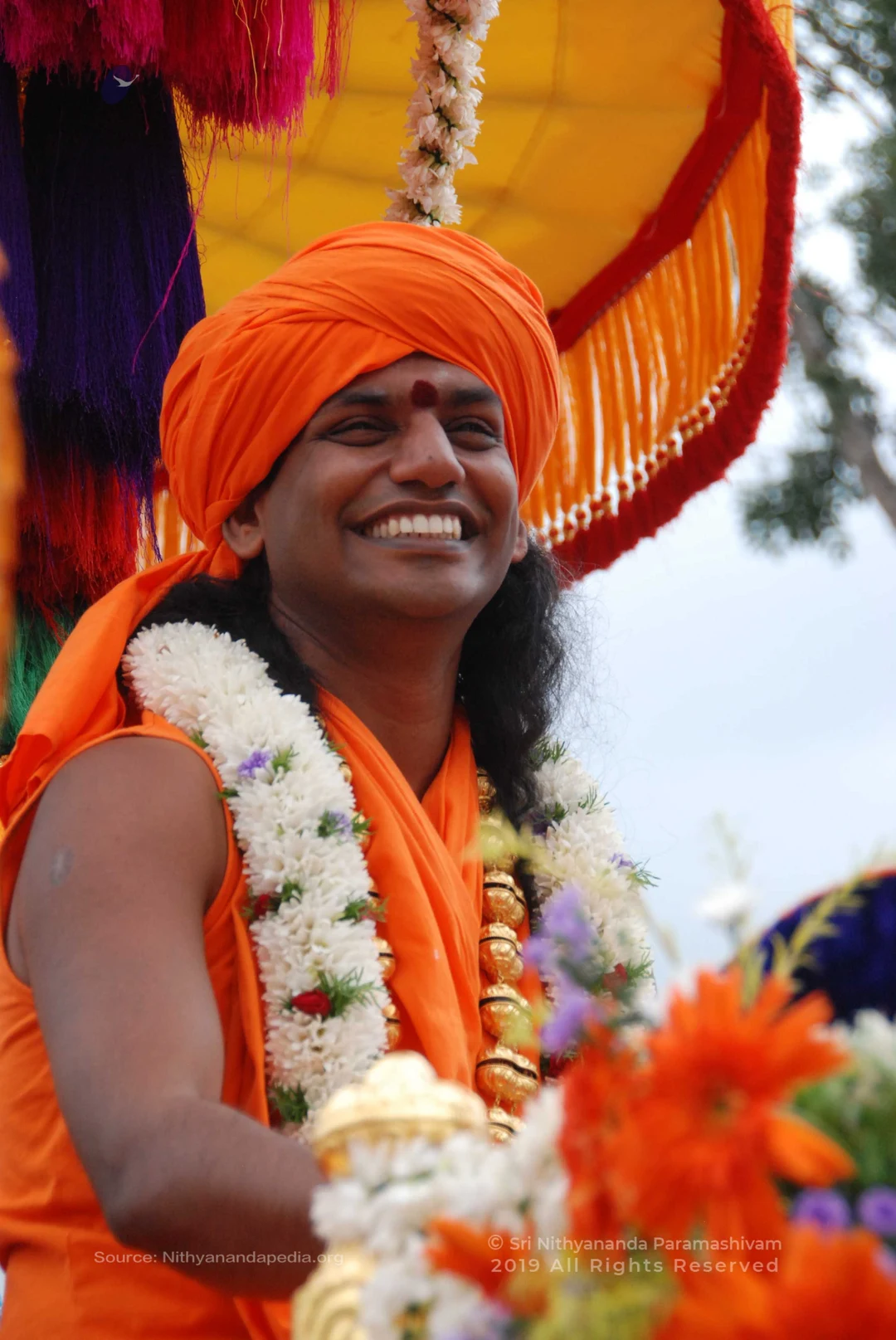
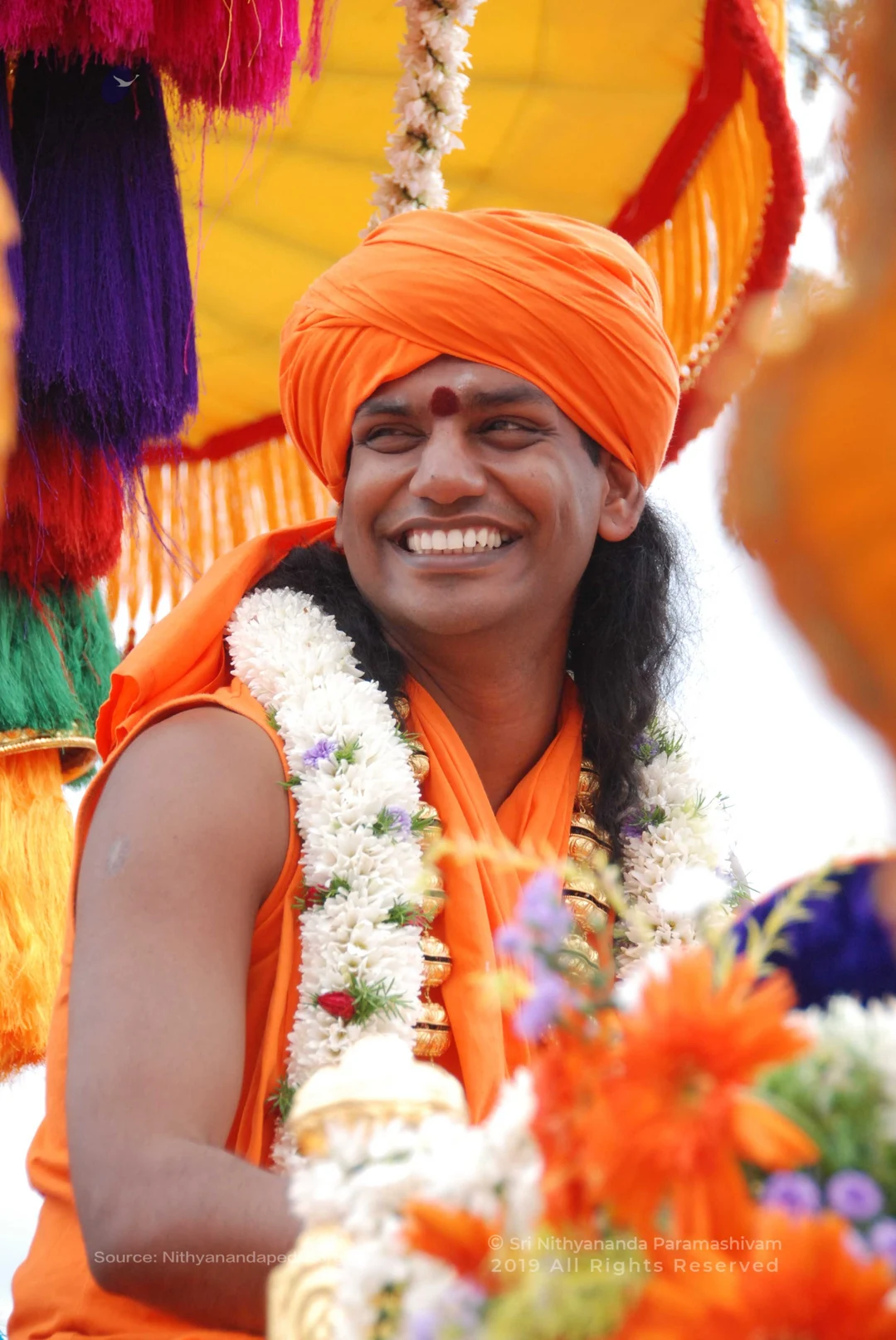
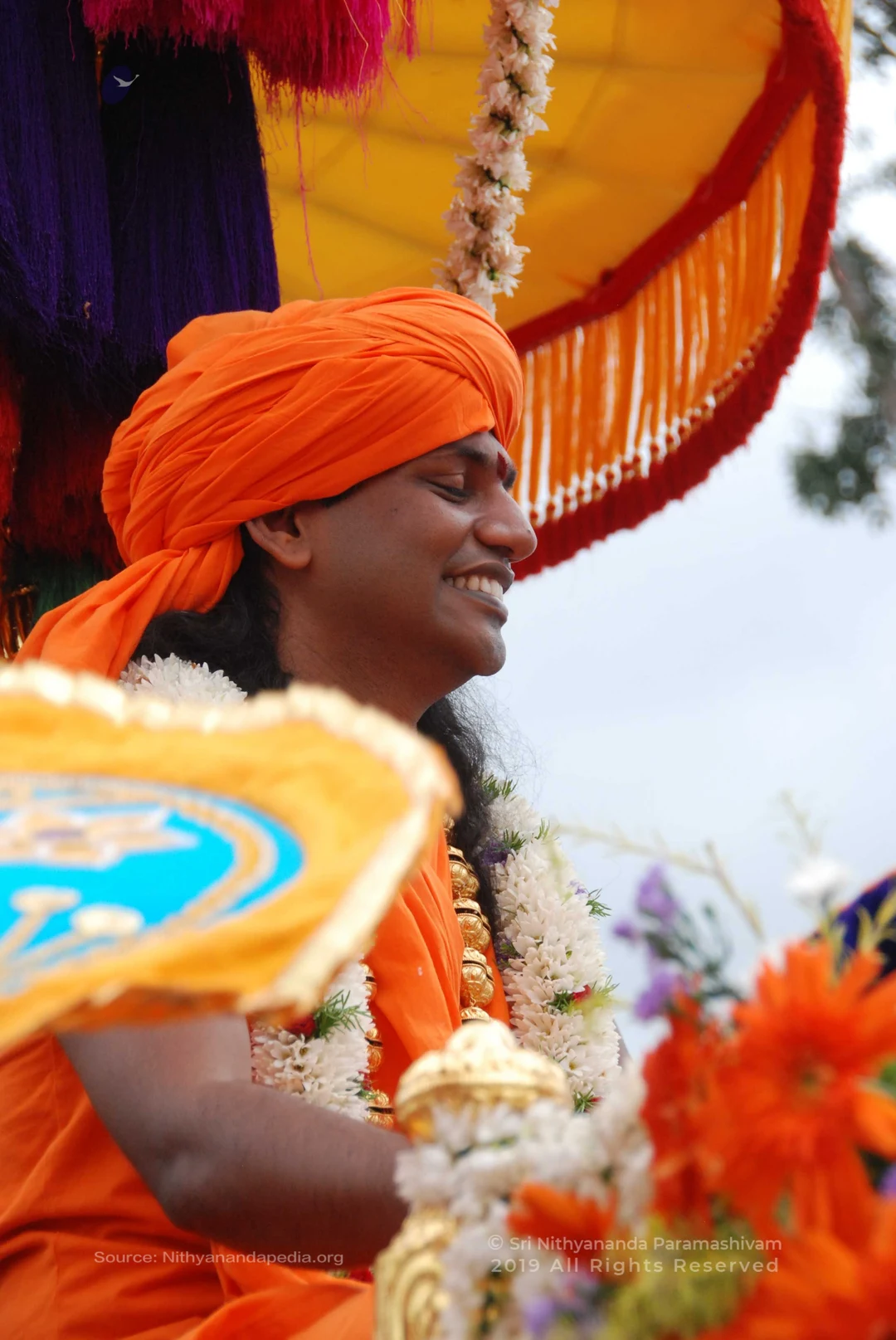
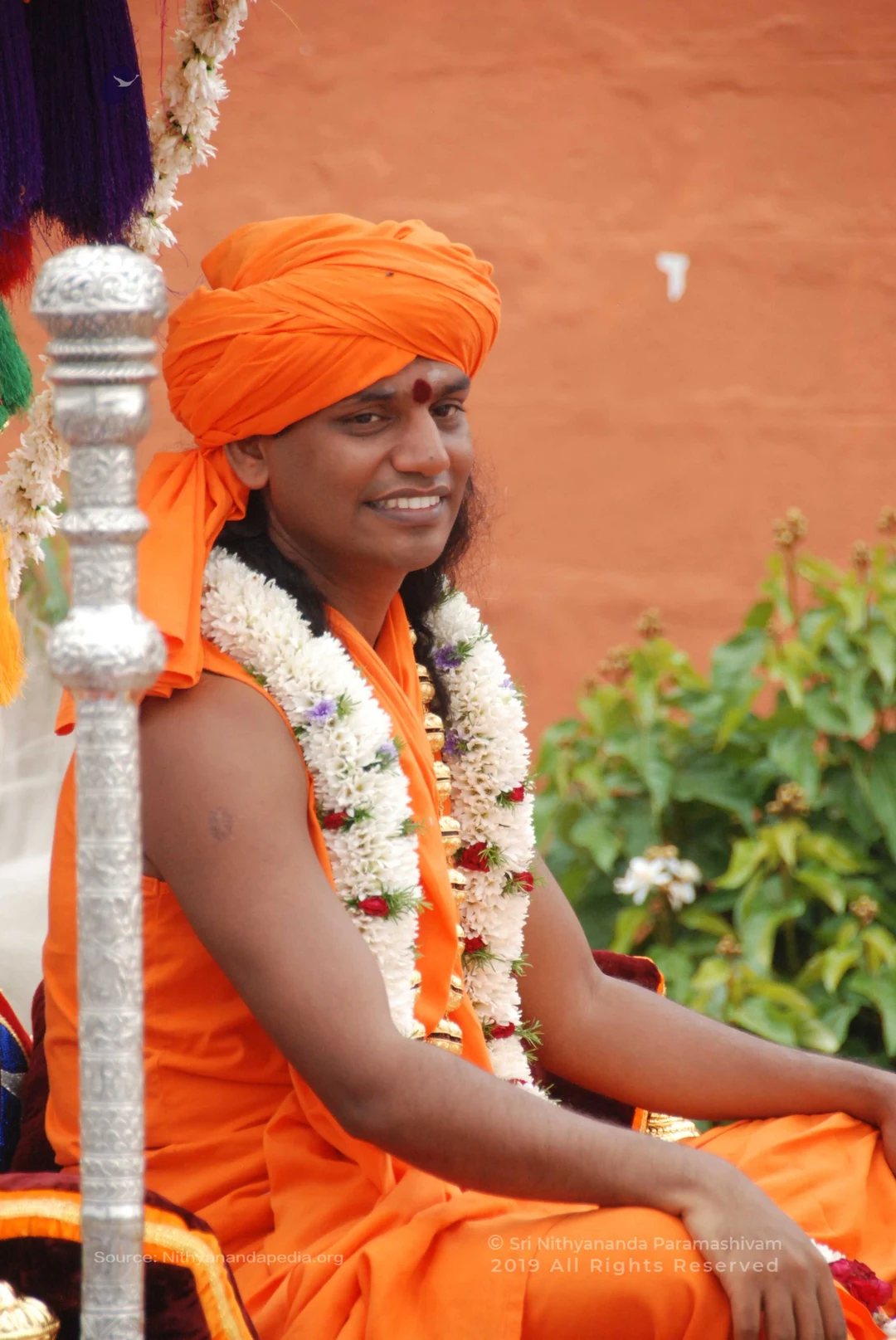
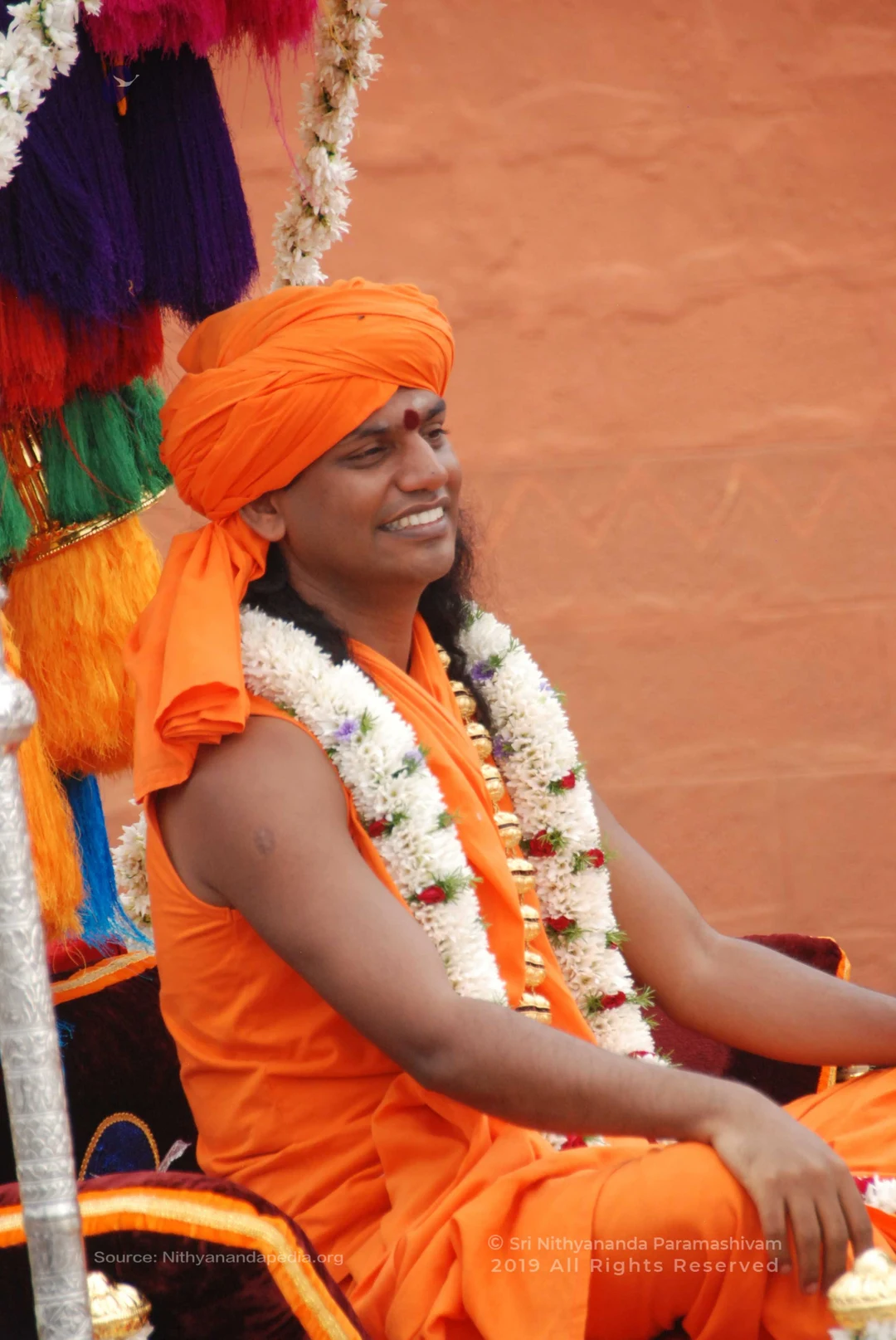
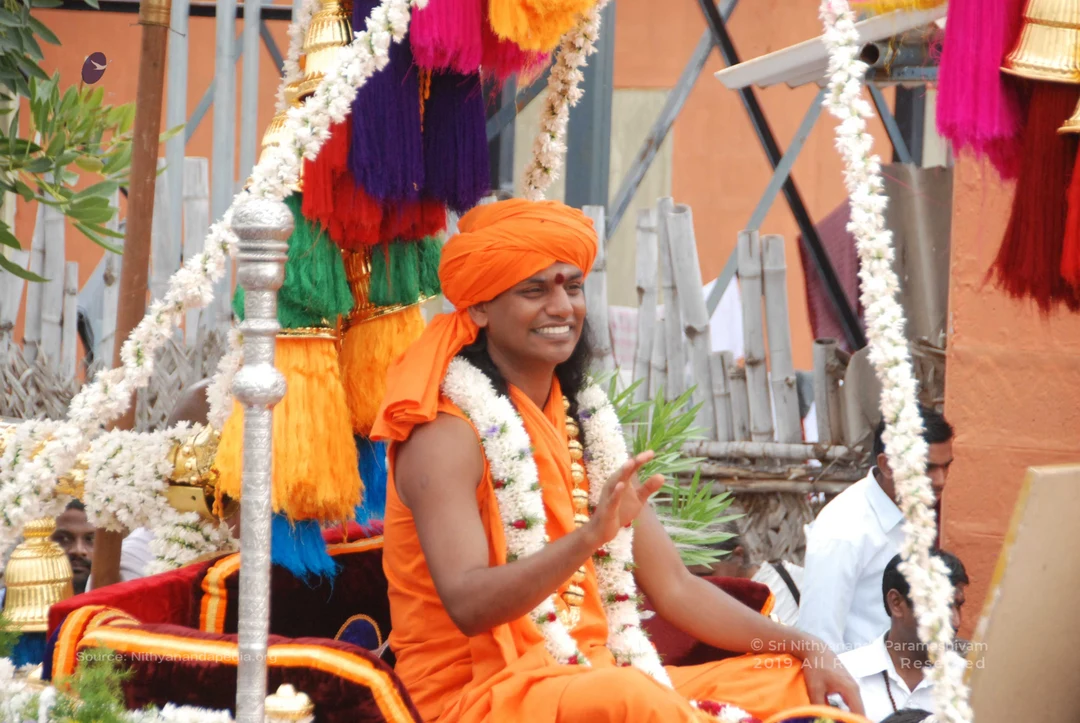
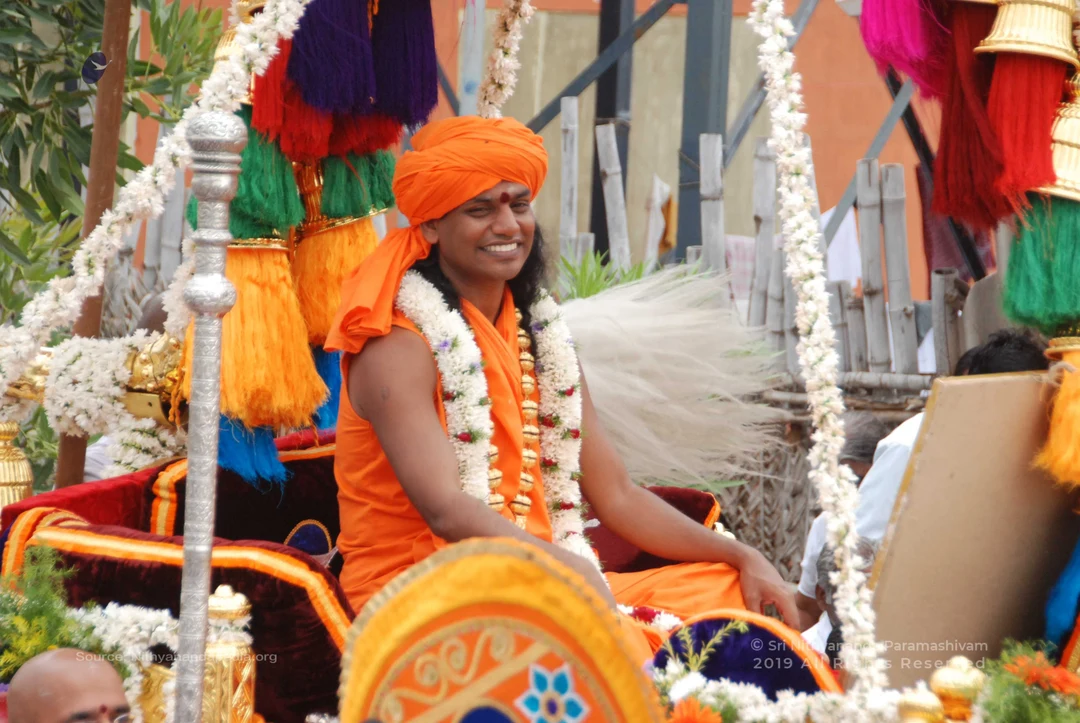
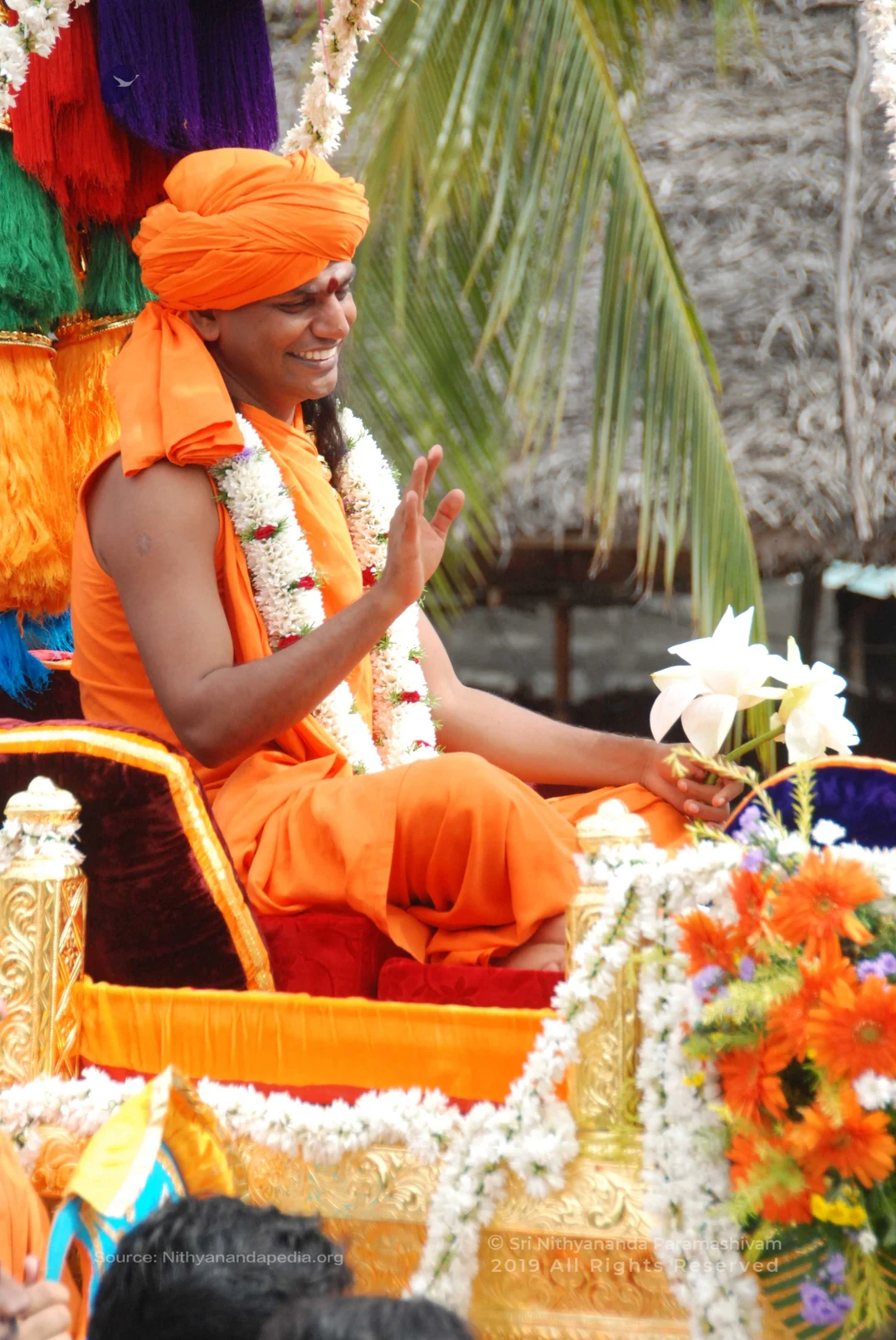
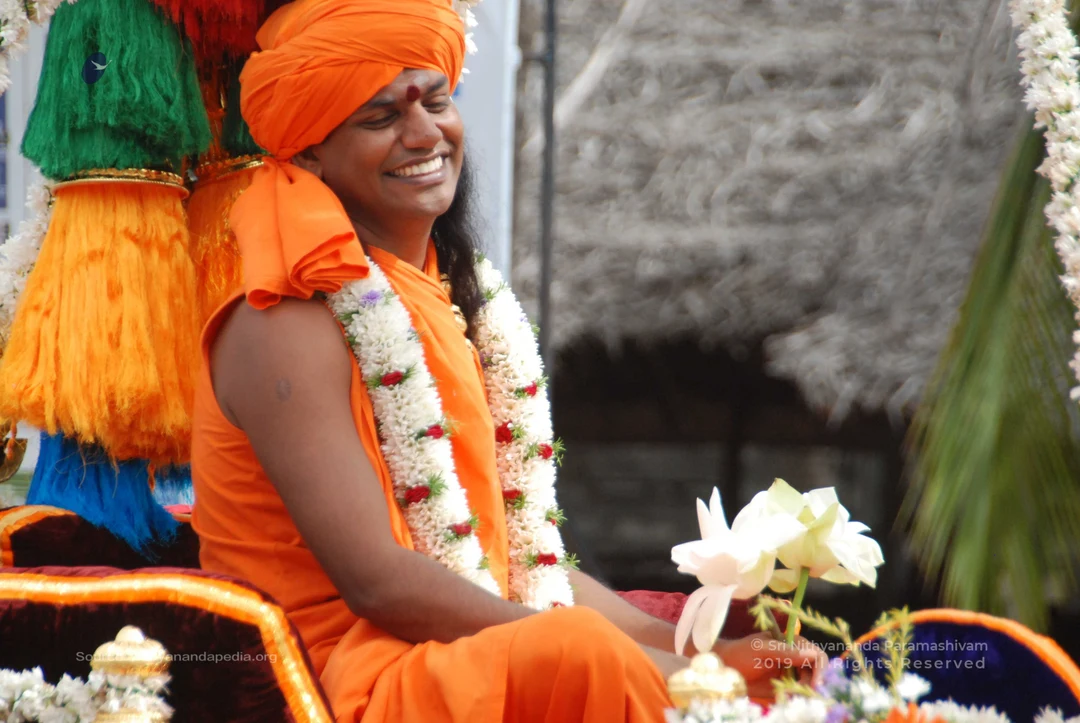
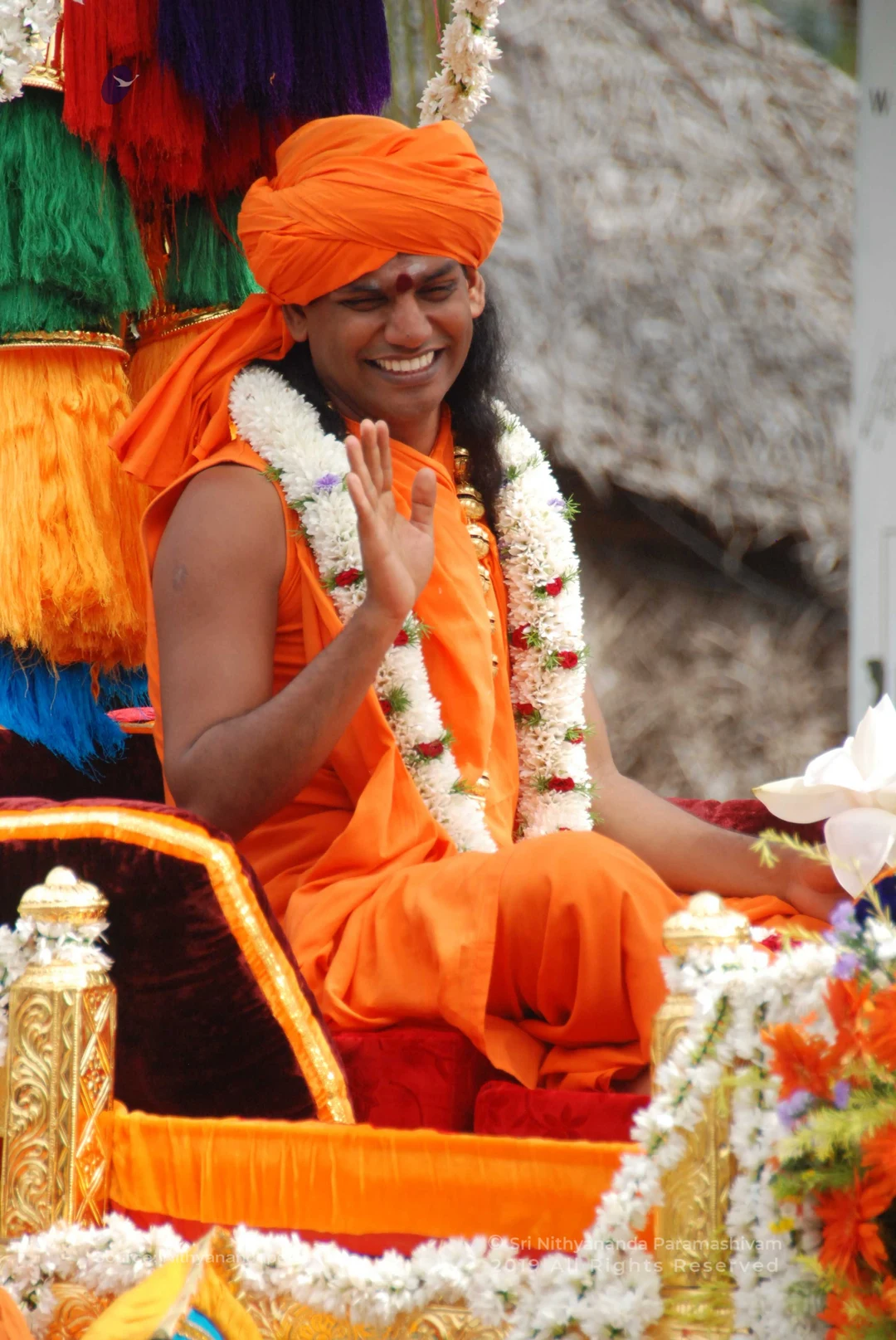
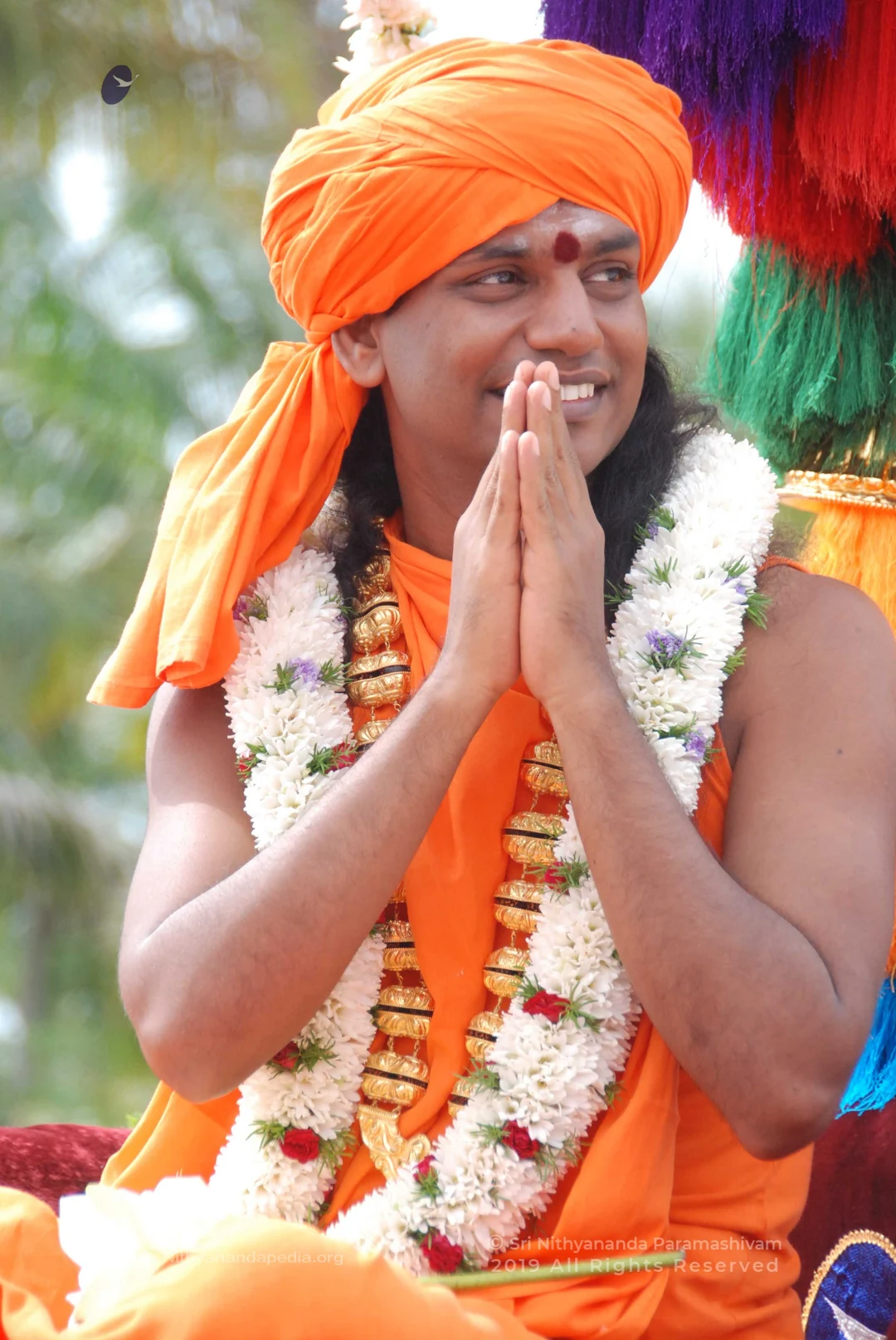
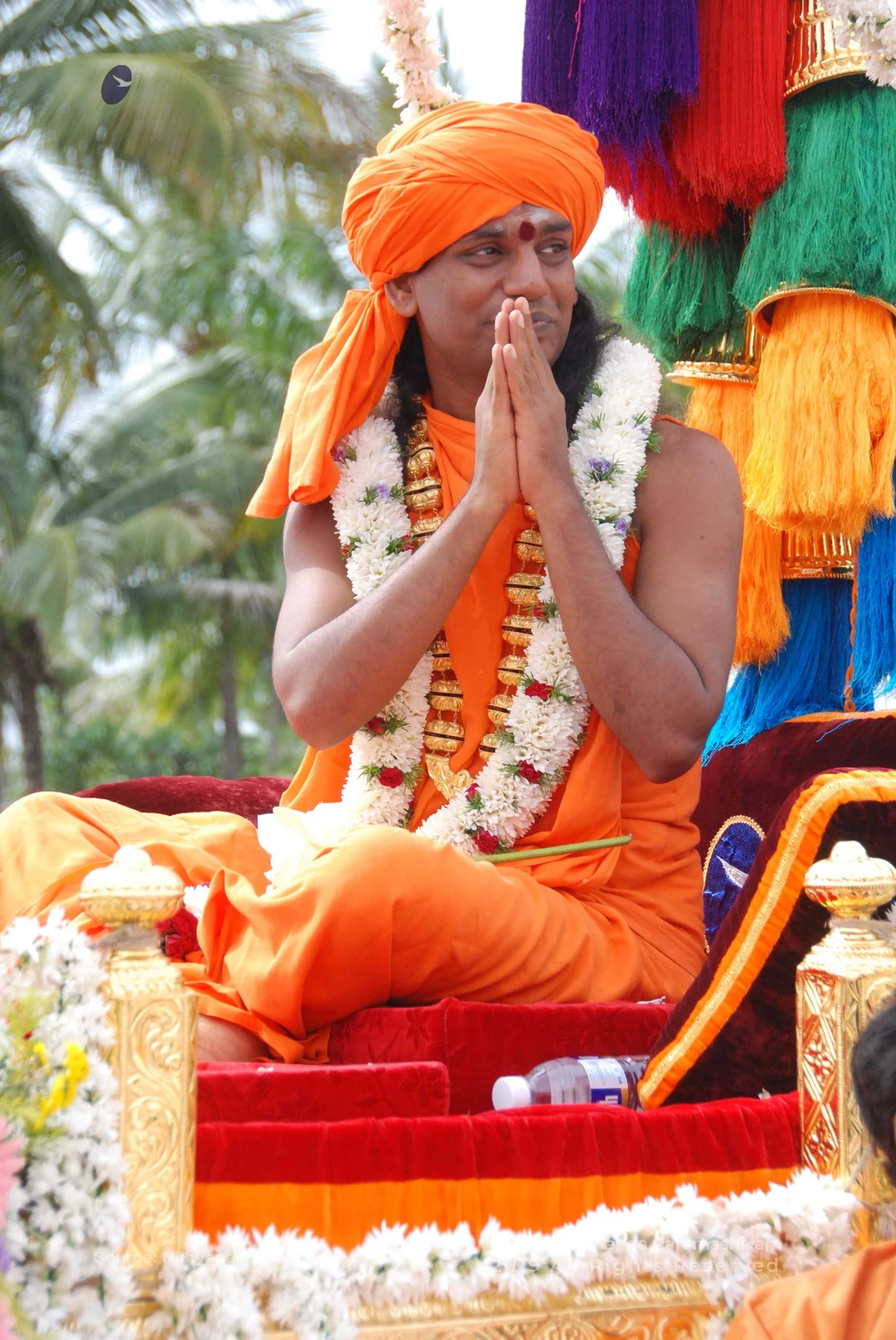
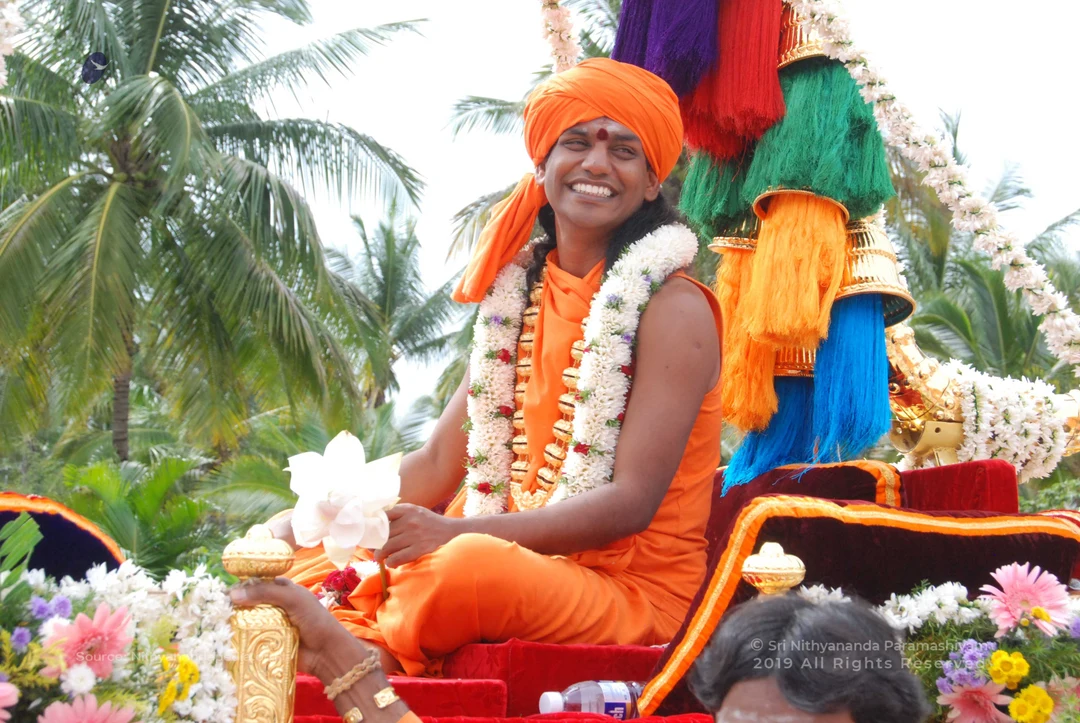
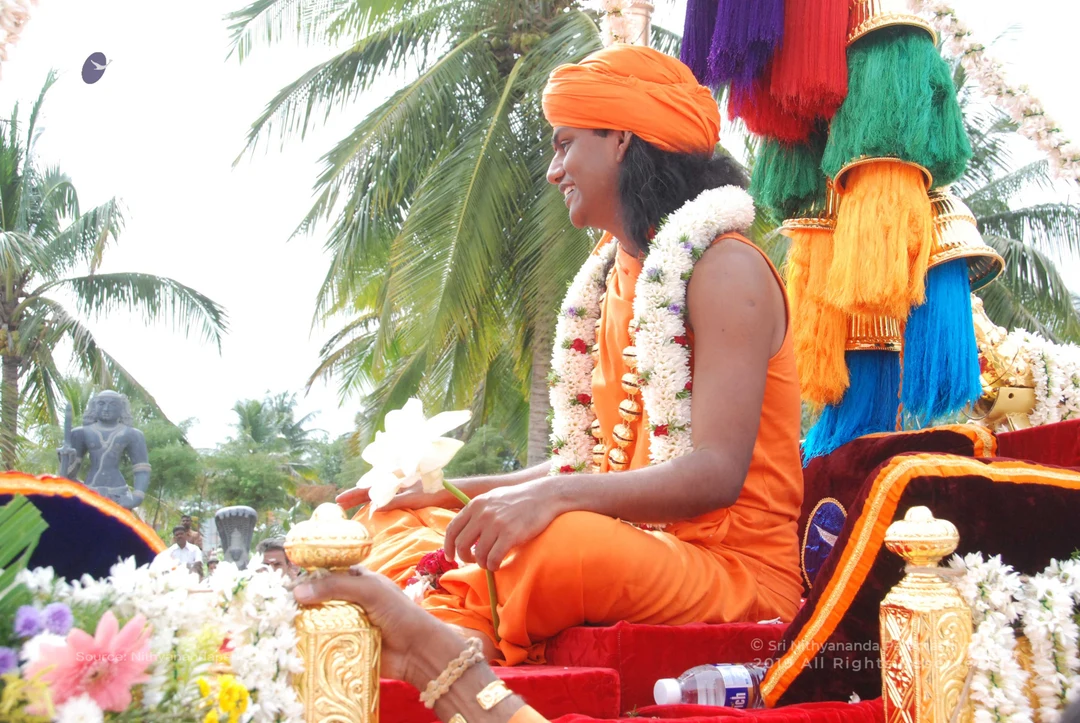
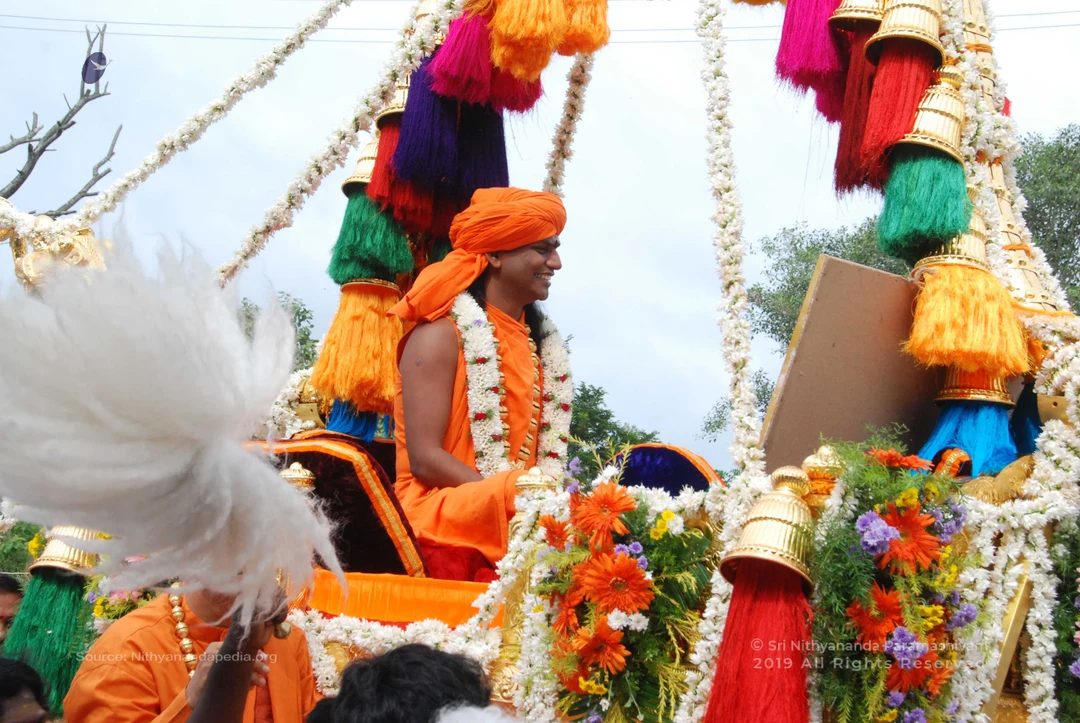
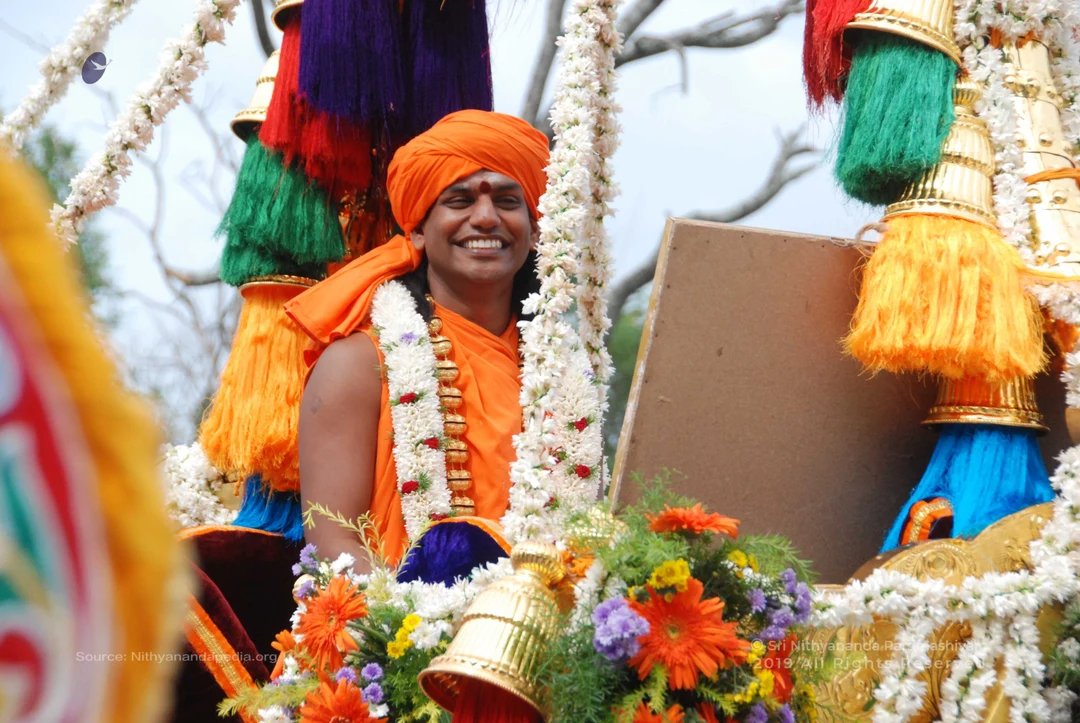
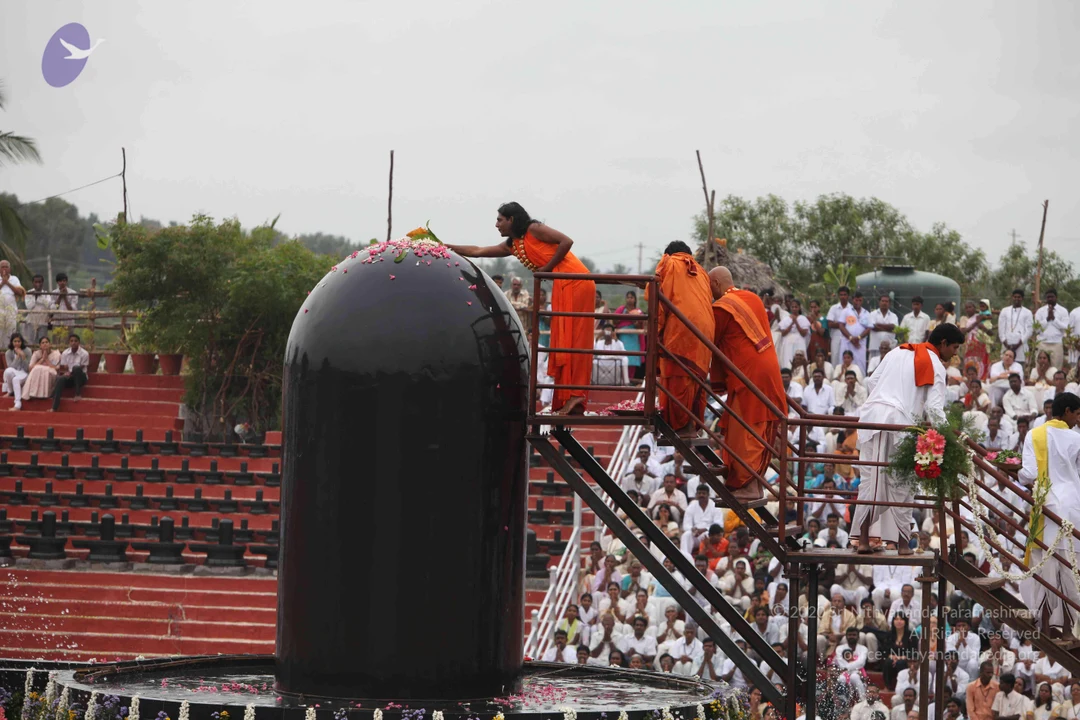
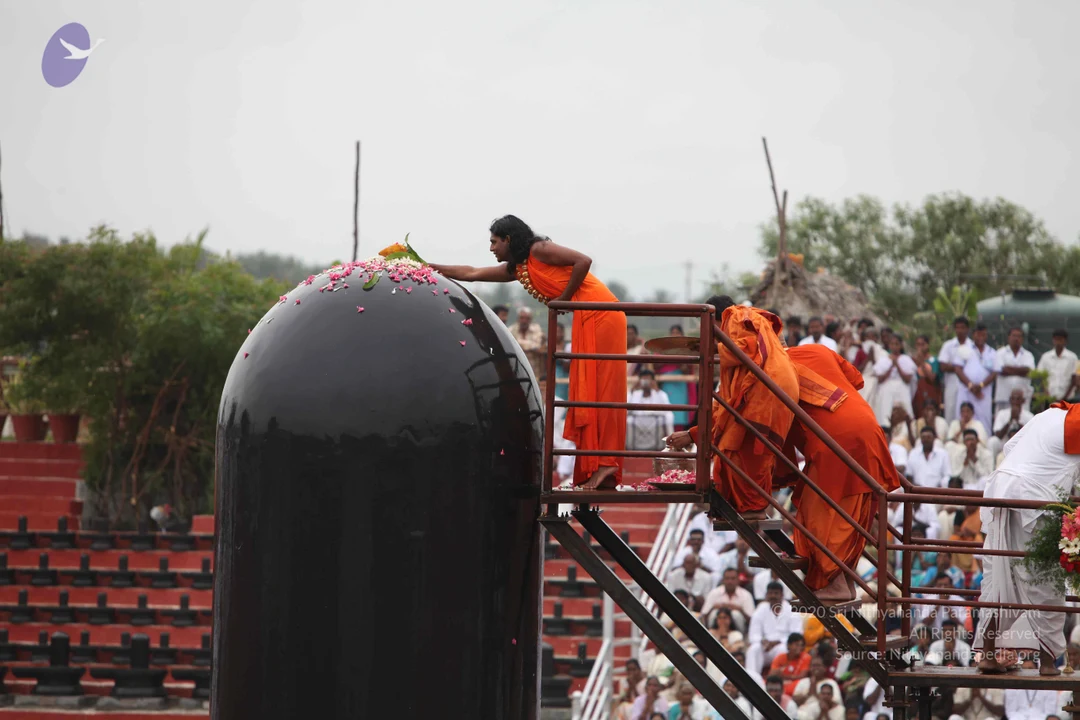
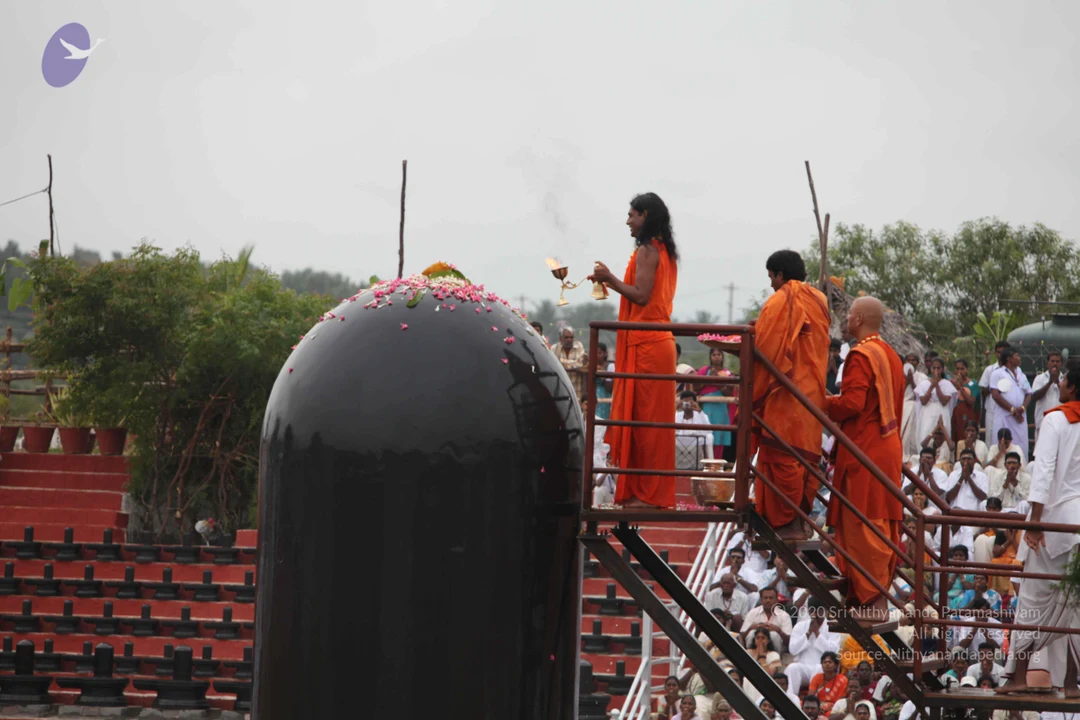
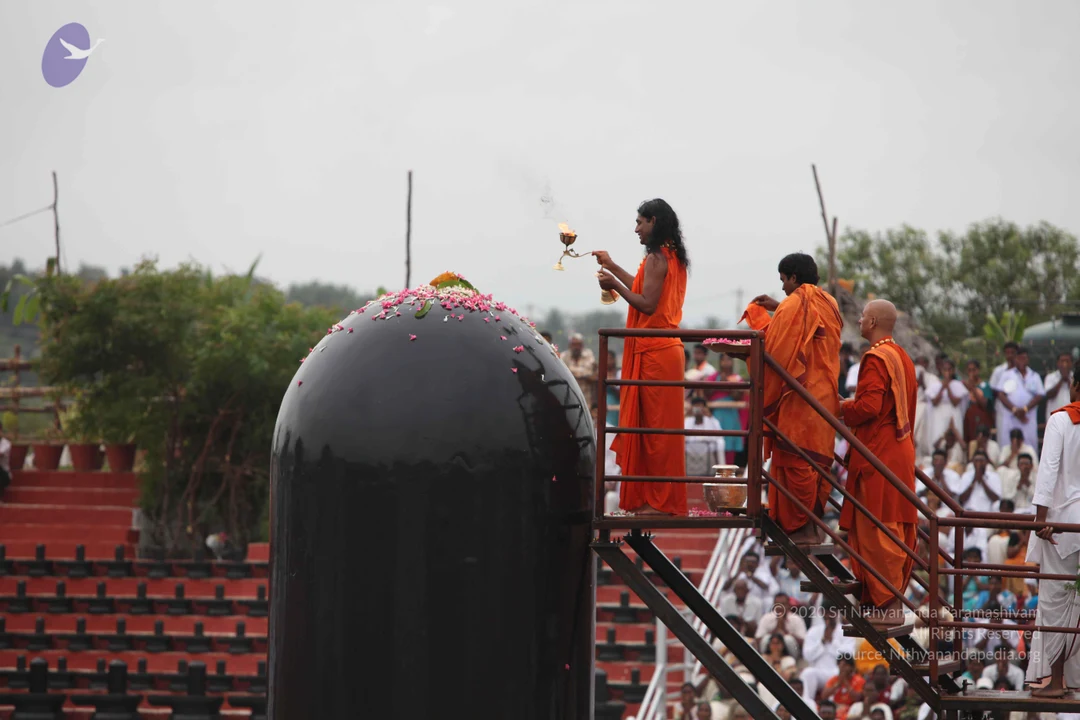
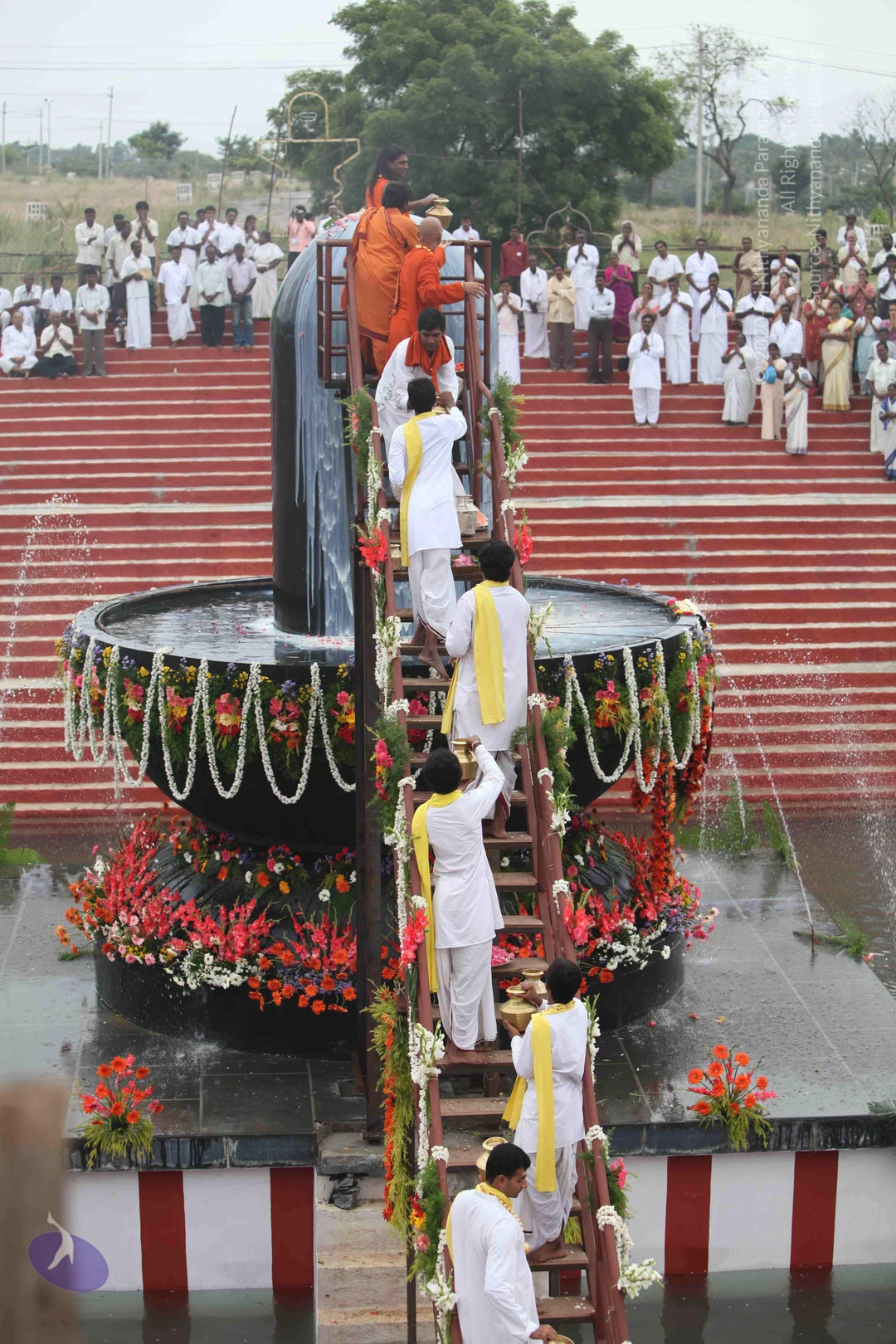
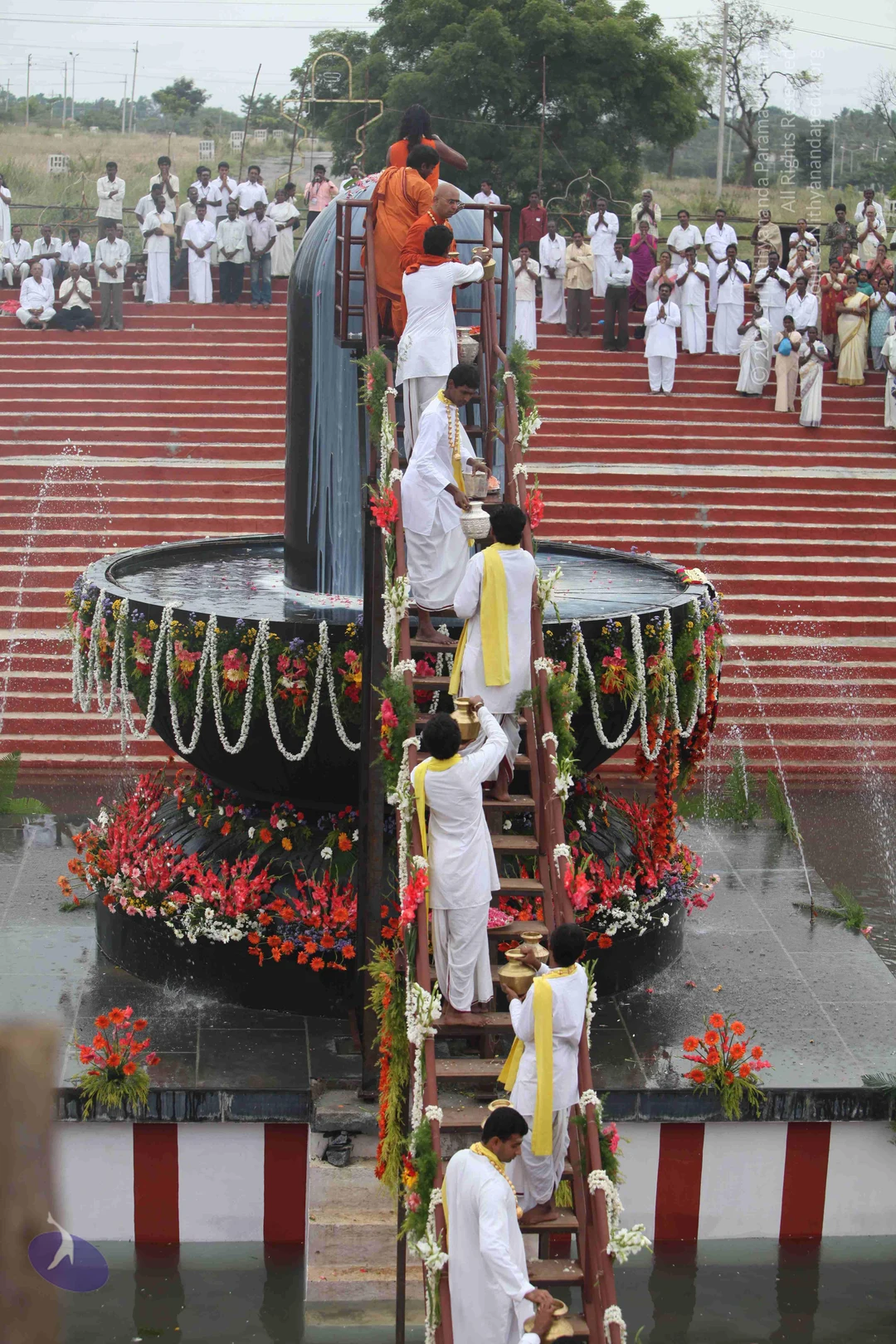
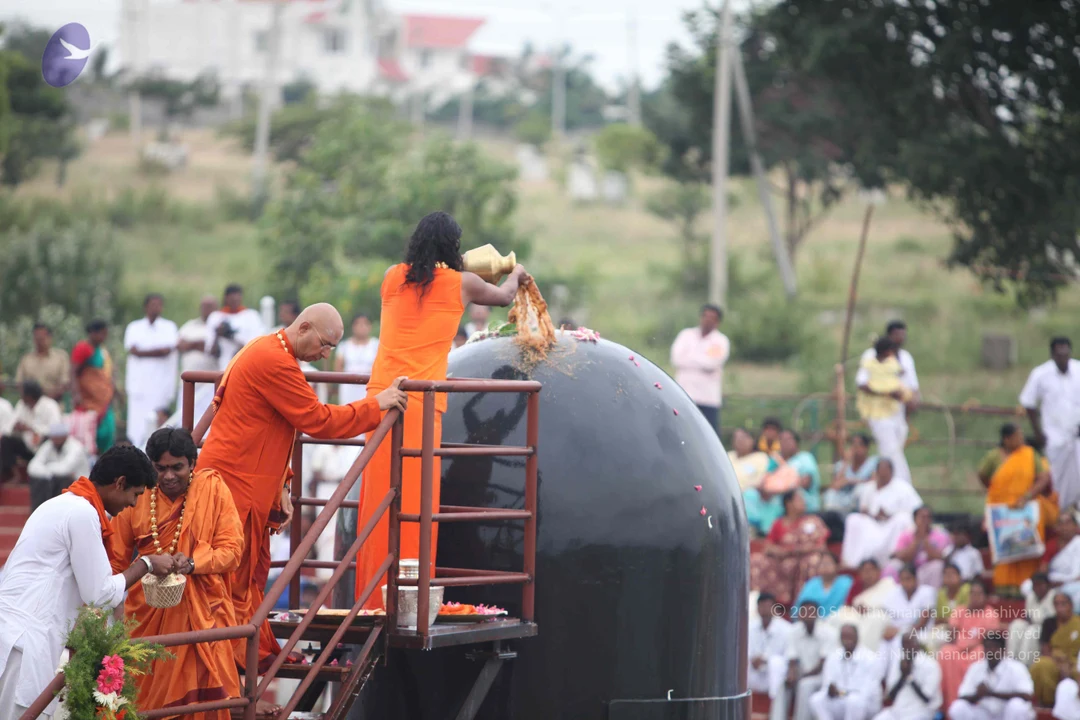
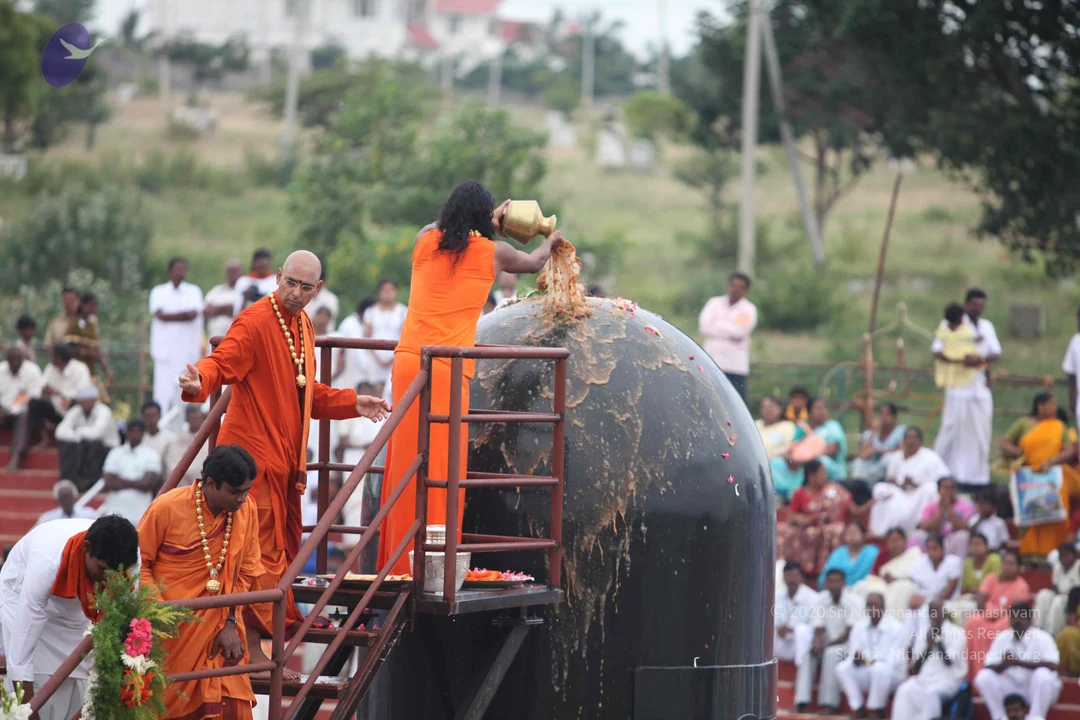
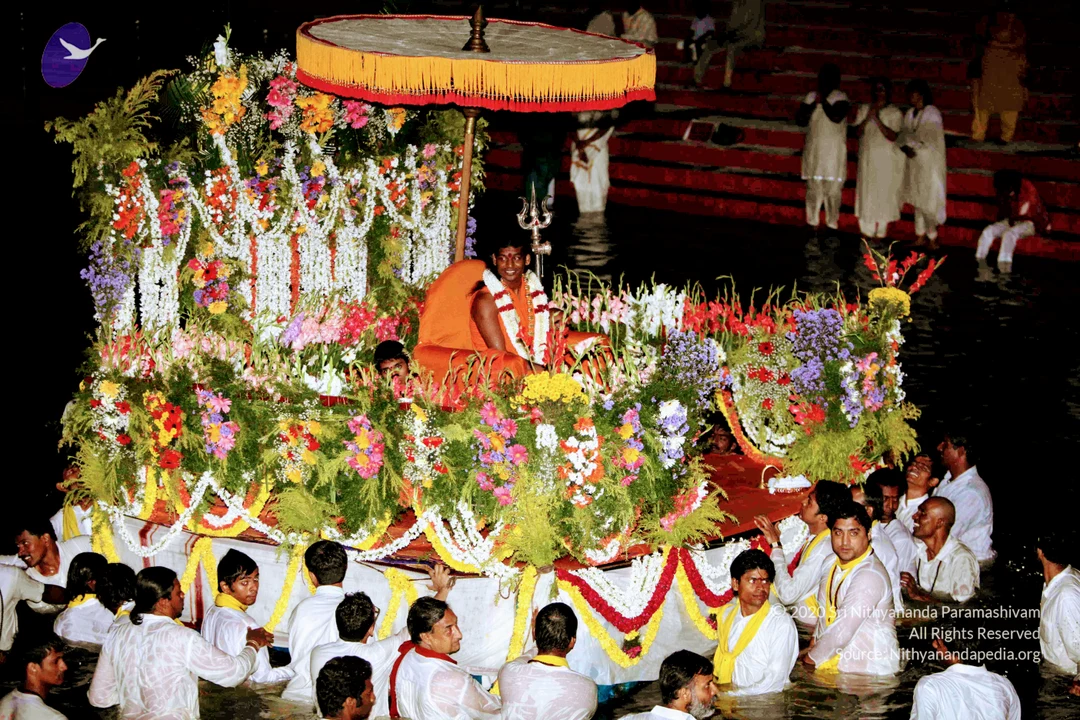
The video presents a comprehensive coverage of the Guru Purnima celebrations at Paramahamsa Nithyananda's India Ashram at Bidadi. The day long celebrations starting from the morning Pancha Tapas Yoga, Maha Kumbabhishekam to the 21 feet Ananda Lingam in the Vaidhya Sarovar (Healing Tank), procession on a palanquin, Guru Purnima 2010 message by Paramahamsa Nithyananda, Holocaust museum, individual darshan (blessings) of Paramahamsa Nithyananda and more

Video and Audio

VideoAudio

Transcript

(32:41)

Whenever life presents itself in front of you, have deep friendliness. When it comes as larger than life, have deep compassion - to the situations, persons, happenings. All those situations, persons and happenings will reveal their secrets to you. When you know the whole scene, when you understand the whole scene, when you live the whole scene - suddenly you will feel you are creator. You are God’s energy. You are living the ultimate experience. I give this as My humble suggestion to all our devotees, disciples around the world - do not cherish enmity, vengeance towards anybody. Anybody. And just go on radiating friendliness, joy and go on supporting people. If you have seen somebody has suffered - support them, stand by them. Go on supporting people. Let us make this as our goal. Let us create more and more and more enlightened beings. Let us radiate enlightenment. Do not disrespect, do not abuse anybody.

(34:41)

Sometime people who have to talk some wrong words about sangha or Me, they may, they may be pressurized by the society. See sometime if they also don’t use some negative words, they will be abused. So, whenever a brand value comes down, people have to distance themself. It’s a usual thing in the society. So, handle even those things with a lot of love and compassion. Do not disrespect them, abuse them. Give them friendliness, stand by them, support them whatever way you can. Just do not be taken away by the scandal, that’s all. Just do not, you do not be shaken. Just take care that you are not shaken, that’s all. You are not disturbed. You don’t take their poison. But you go on giving your nectar to them. Go on giving nectar. Let us create, let us put all our energy into positive work and creating more and more and more enlightened beings. Let us not react negatively. Any reaction negatively will only become Yama for us. So, any reaction with deep friendliness will become Shiva for us, causeless auspicious for us.

(36:10)

So, let’s all recover and support people, stand with everybody, support everybody and do good to everybody. And, I send all My prayers, love and blessings to all of you and to all the devotees around the world who handled this whole scandal non-violently and not taken away by the cyclone of sensationalism. So, My prayers and blessings be with you all. Let us all continue to radiate enlightenment. I do understand the persecution you all went through. I really, really, really deeply felt hurt for the persecution you all went through, for the suffering you all have been given by so many people in so many ways. But now it is time, let us start healing others. Healing others is the best way to heal yourself. Let us start healing others. Let us all stand up and start healing others in our life. So, I request all of you to continue to heal the world with your actions and thinking and words.

(37:57)

Essence of today’s message is: Radiate compassion and non-violence. Compassion is ripened Enlightenment. Let you all be established in compassion and love. Let you all achieve and radiate Enlightenment. Let you all achieve, live and radiate the eternal bliss, Nithyananda. Thank you.

(38:39)

Emcee: Swamiji’s phenomenal address is followed by an inspiring talk by Shri Vedantam, Chief of the International Working Committee, Vishnu Hindu Parishad. (overlapping speech between emcee and Shri Vedantam)

(39:03)

Shri Vedantam: I am very much grateful to Swamiji for inviting me and to be a part of this Guru Purnima function. In our mythology we all believe there will be a grahana, Surya Grahana. The Rahu, Ketu, they swallow the Surya for few seconds, but the sun comes out with more bright after the grahana. That is what happened today. Why Swamiji has to undergo these kind of sufferings? Because he is conquering the world. He is conquering the world. More and more intelligentsias are attracted to towards him. They are listening to him and there is a very big transformation of, very big transformation of heart is taking place all over the world. It’s not a easy work, it’s not easy joke also. So people are very jealous of him.

(40:18)

Once Swami Vivekananda was addressing a very big meeting in a church in America. So the Catholic priest was so jealous of him. Arrey, in our church we don’t get so much of crowd. When Vivekananda comes, so many crowds are coming. So that way wherever Swamiji goes, Swami Nithyananda, large of intelligentia they are coming to him. So Swami is conquering the world. Swamiji doesnt want popularity. Swamiji established the ashram all the things for the humanity! What a wisdom he is parting with us. How much he is illuminating the heart of so many people. What is the benefit for him? Only suffering. So it is our responsibility to see, to take care of this Swamiji, his interest. In a democracy, we have got every right to protect our ... in a peaceful way. I don’t mean any violence; in a peaceful we can establish our right. Our faith on Swamiji, we will be prepared to do any sacrifice.

(41:34)

I tell you one incident. I tell you one incident. Being in Vishnu Hindu Parishad, I have been associated, I have been the privileged or fortune on meeting several Sadhu Mahatma. One Mahatma was Haridas Giri. He is very great exponent of bhajans. His bhajans are very thrilling. People come in thousands to listen to his >>>Tamil<<< . Thousands have come and listen to his his bhajans. All over the world he has his disciples. He went on a pilgrimage to Himalayas. There everybody took bath. Swamiji did not allow any disciples to get into the Ganges. So much of current is there, speed. So nobody can swim. Even if he is a good swimmer, he cannot swim. Swamiji asked all the disciples to sit on the … on the basement of the … they took water by bucket and bathed everybody. Bad luck for us. After all that, he is went to Ganga, for swimming. It were coming round and round, round because so much of current. Immediately three we have faced Malaysia disciples including a woman - they jumped into the Ganga. They did not bother about their life. That is the real Guru bhakti! That is the real Guru bhakti which as far as I am concerned..

(43:10)

The Guru how much he is doing for us, he is illuminating us. He is freeing us from all our problem, all our worries. He is showing the light of enlightenment, making us progress. For that Guru, should we not do any sacrifice? “We will do sacrifice, we will part with some money.” Swamiji does not want your money. To Swamiji, he’s a great jewel to us. He is a jewel! After Swami Vivekananda, after Swami Vivekananda, I saw him another incarnation of Swami Vivekananda. And thank you Swamiji once again for giving me this opportunity. Thank you very much. (43:53)

Photos
Enriching Material

Photos Of The Day:
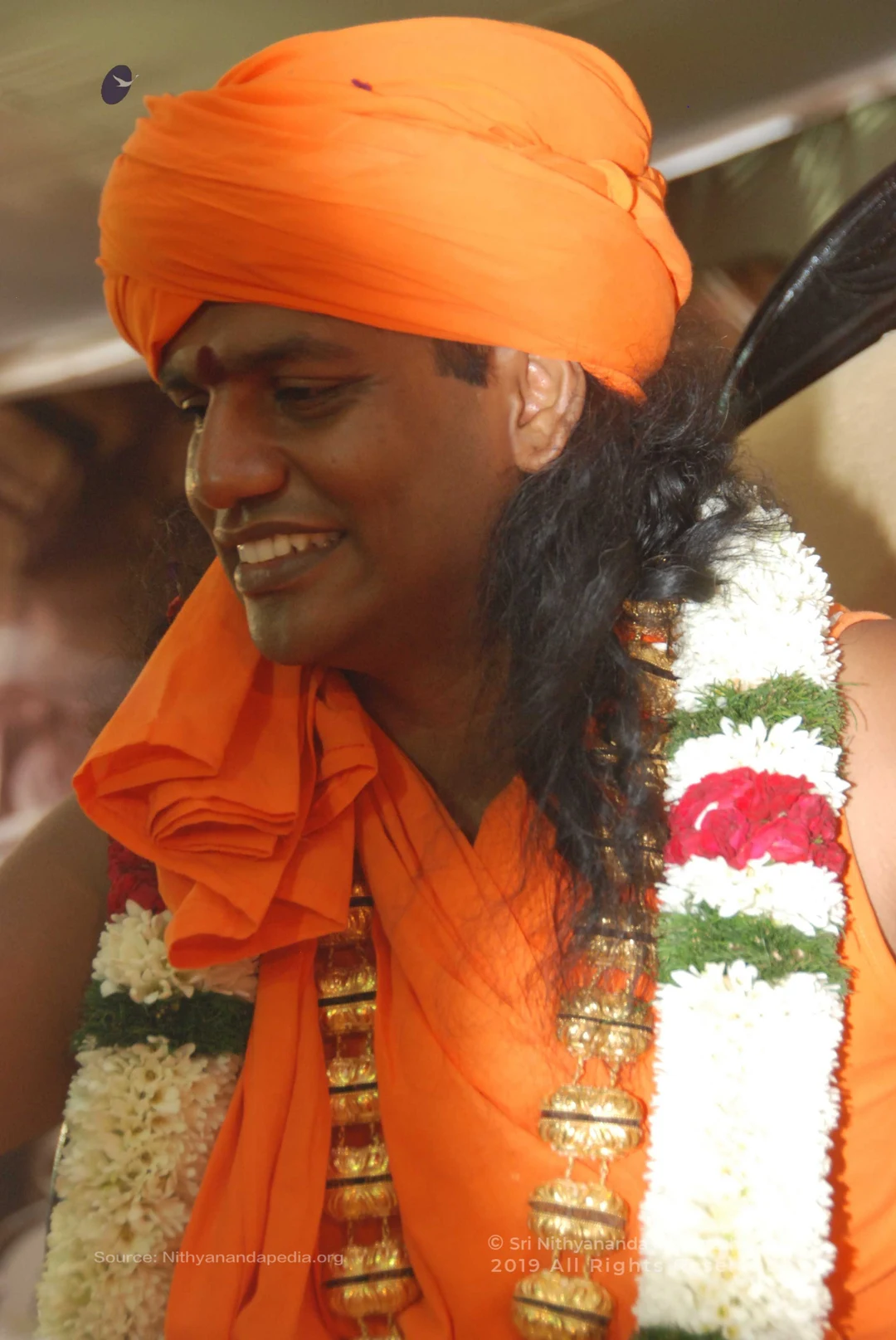
GURU-POORNIMA-2010-INITIATIONS-INTO-BRAHMACHARYA-VANAPRASTHA-SANYAS-RISHI-ORDERS

01-VAIDYA-SAROVAR-ABHISHEGAM

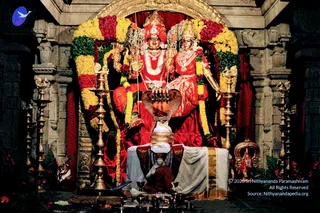
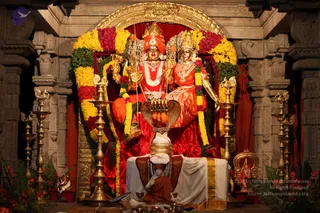
02-ADIKAILASA-TEMPLE

03-TEPPAM

Photos from this day
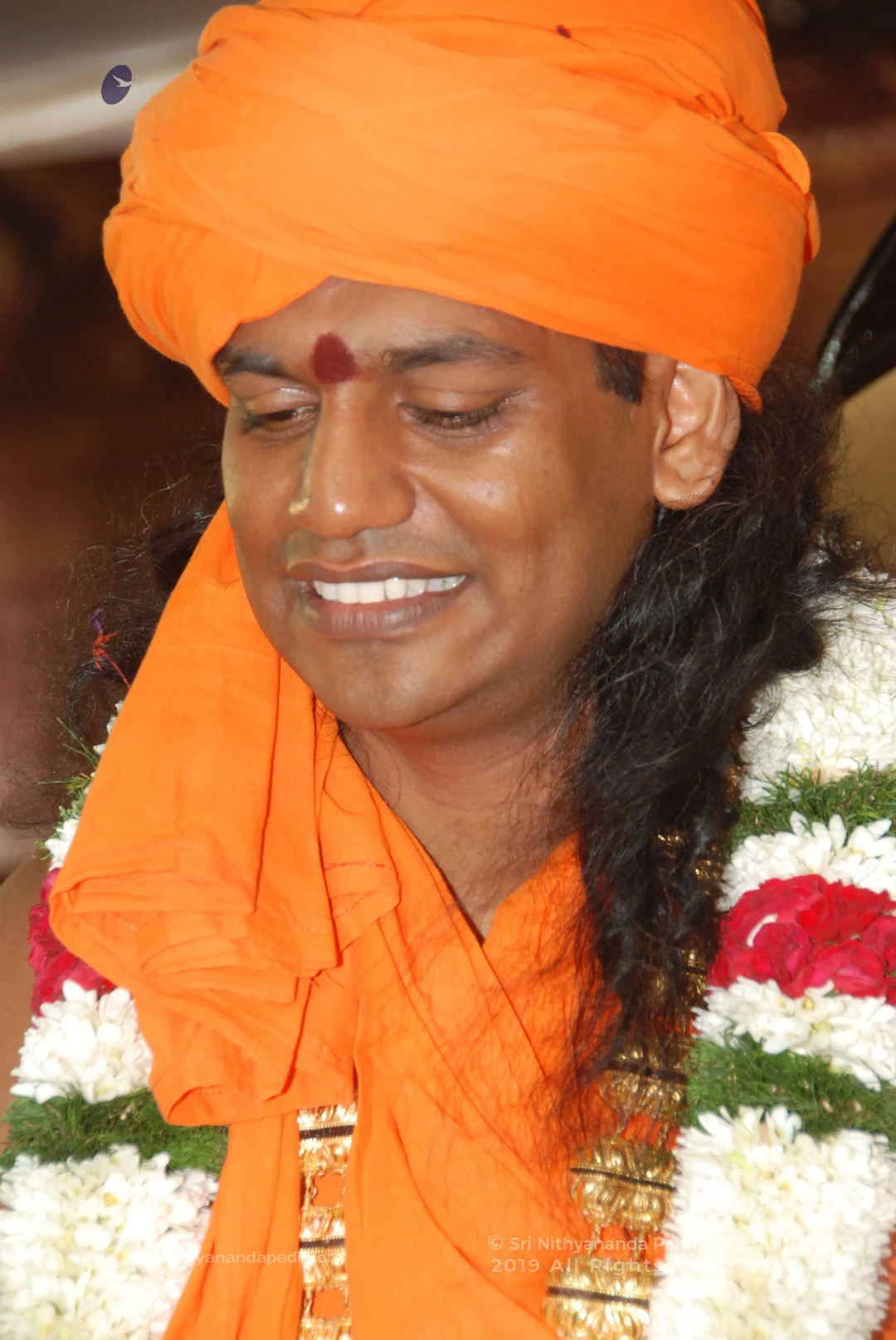
View all 262 photos
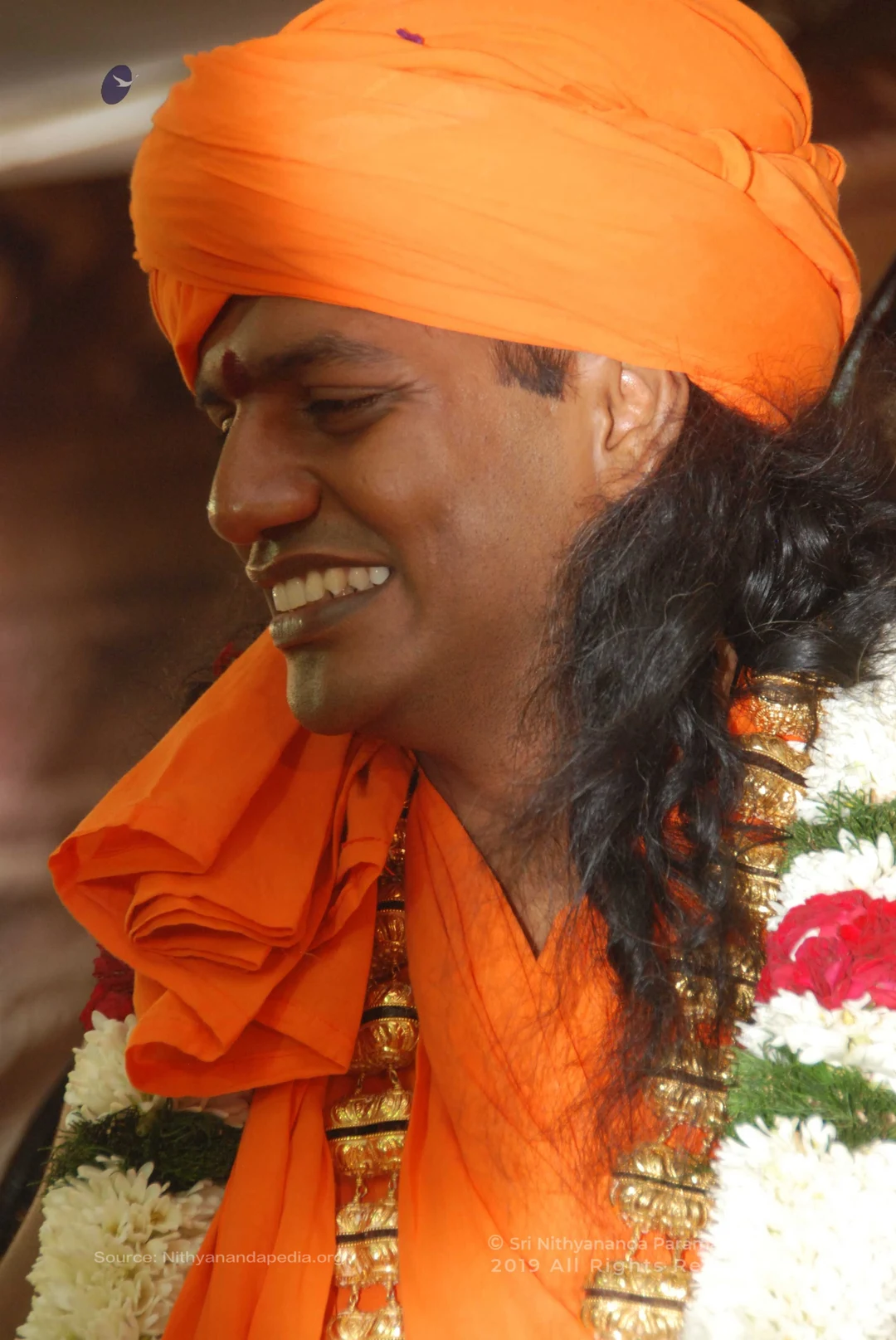
Photos
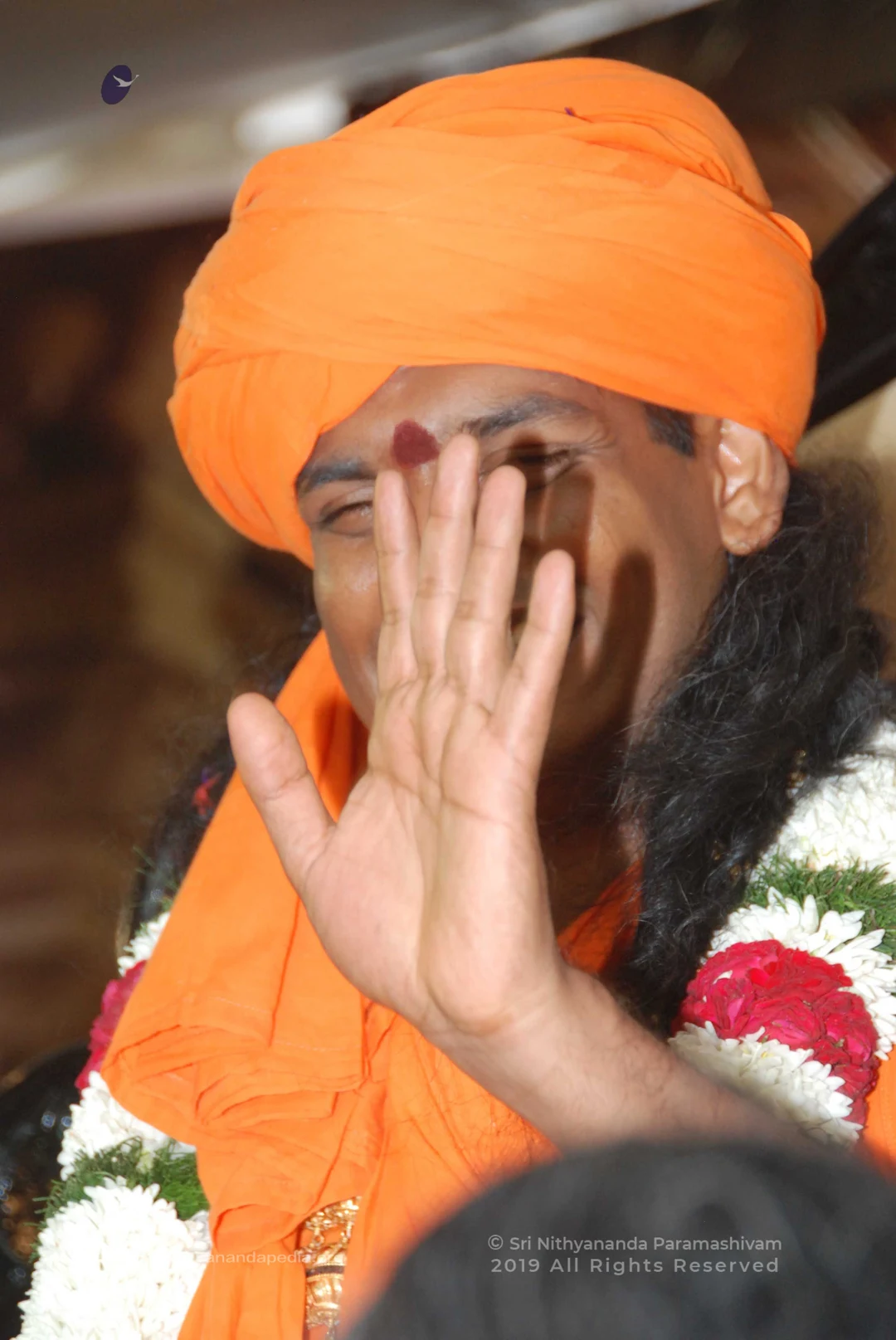
108 photosSource gallery
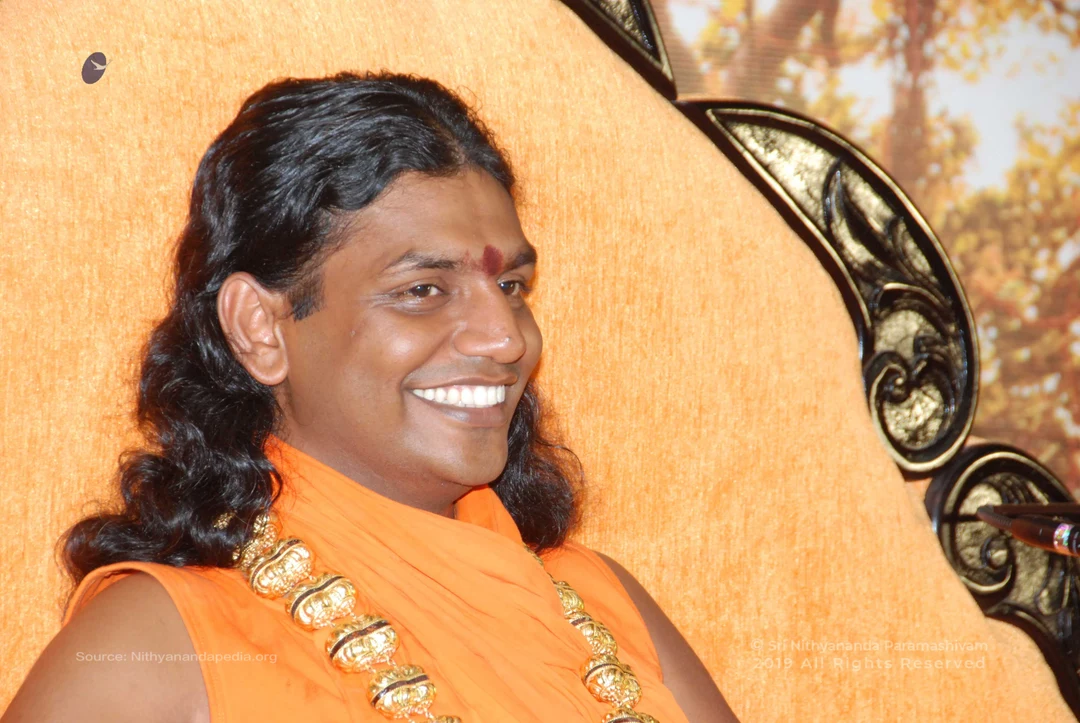
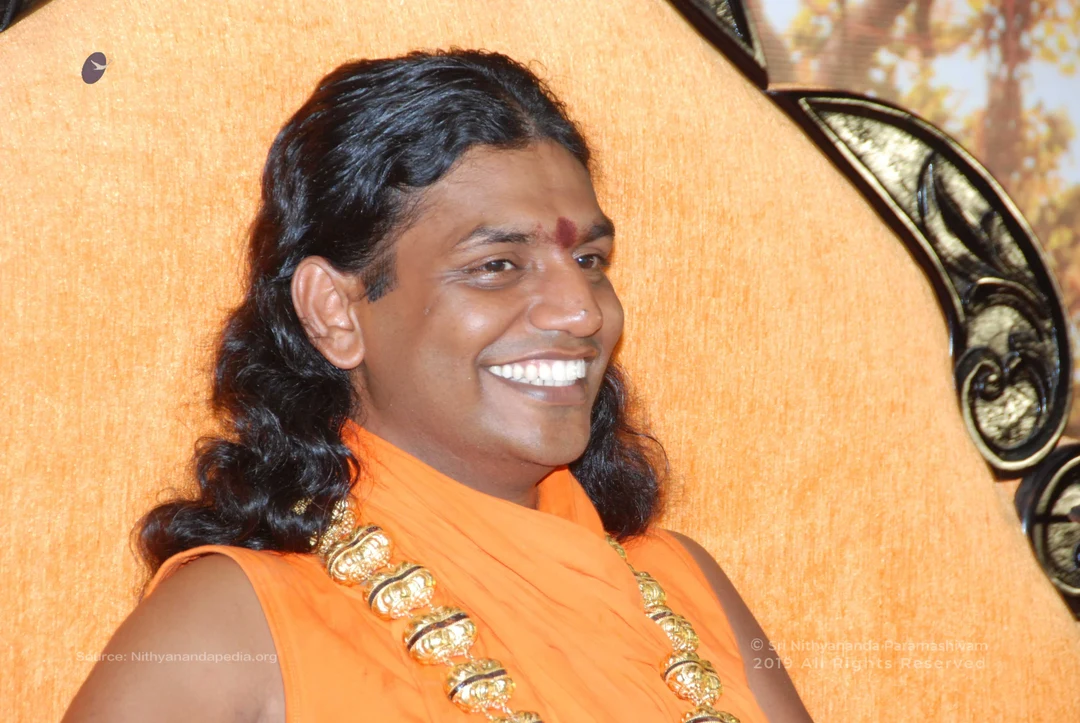
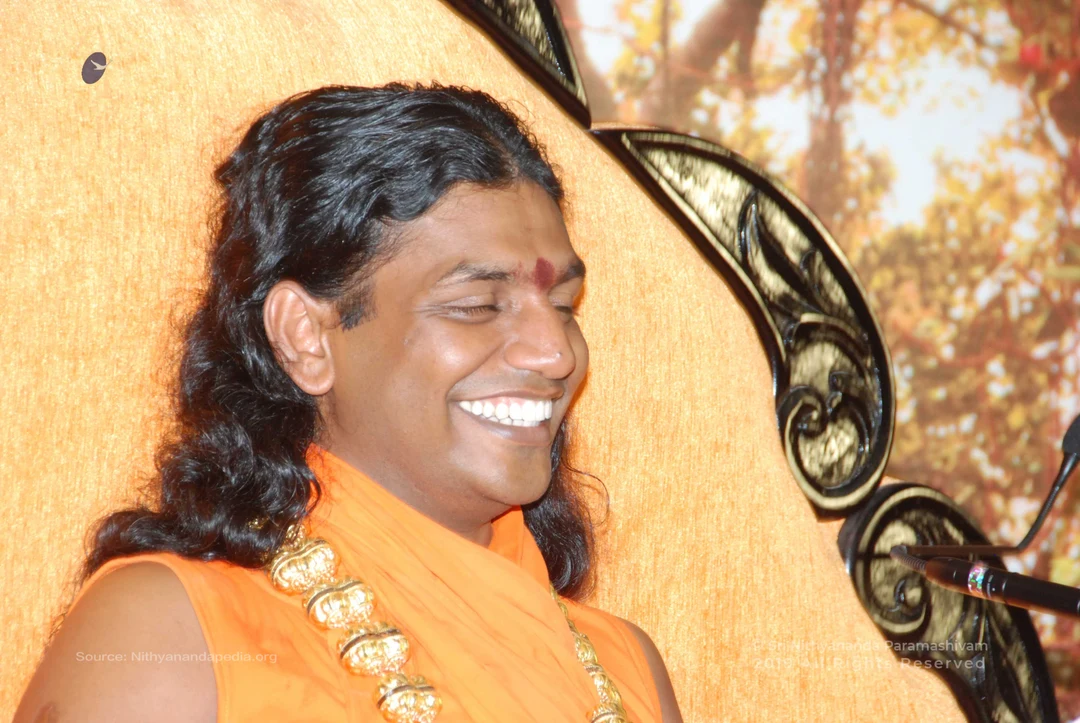
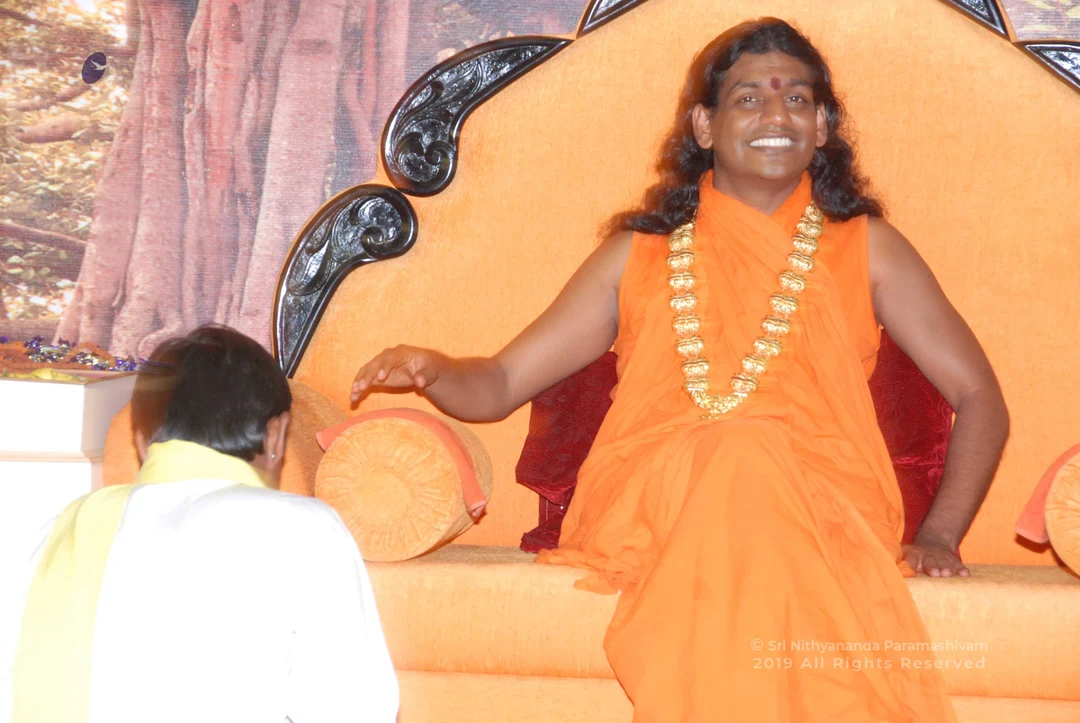
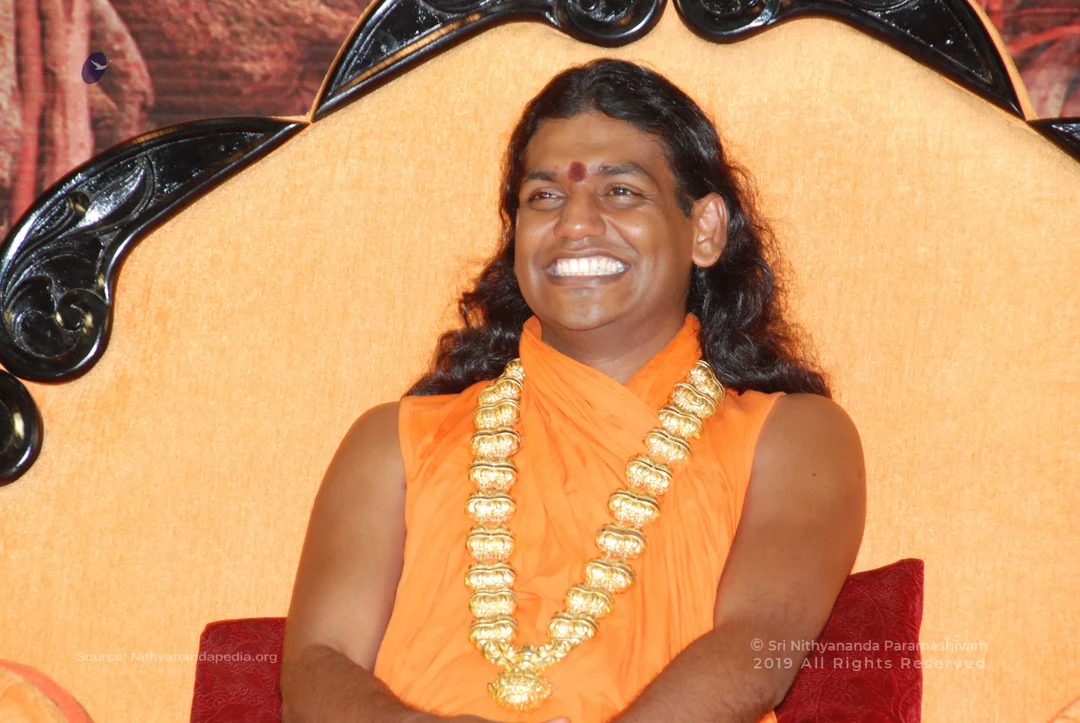
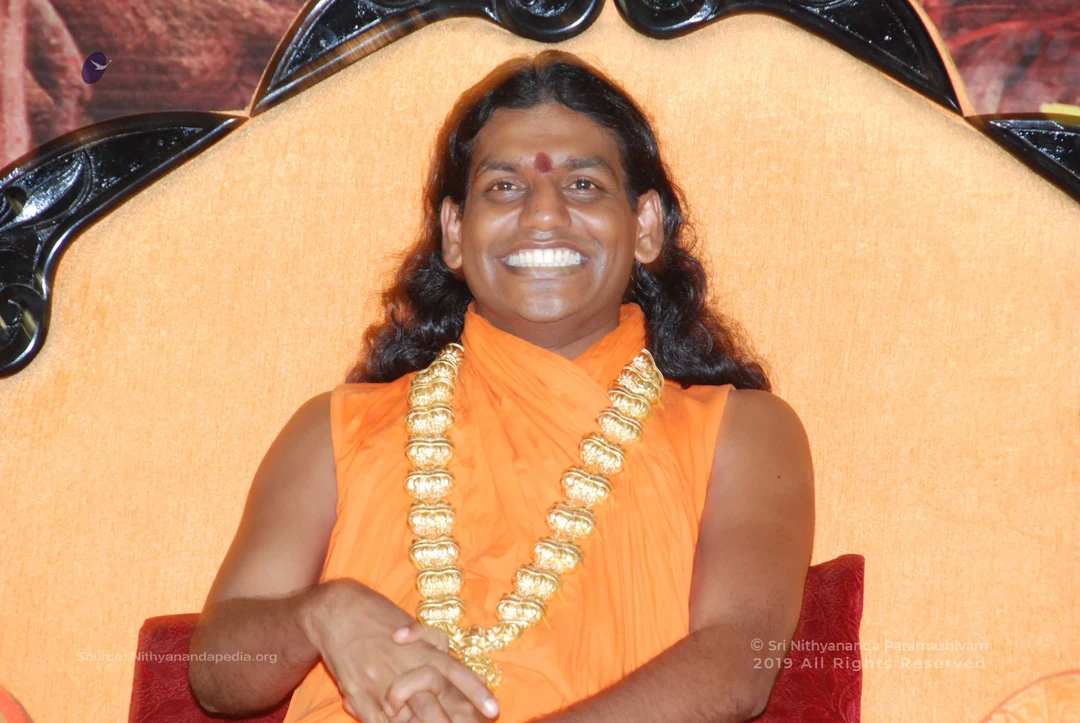
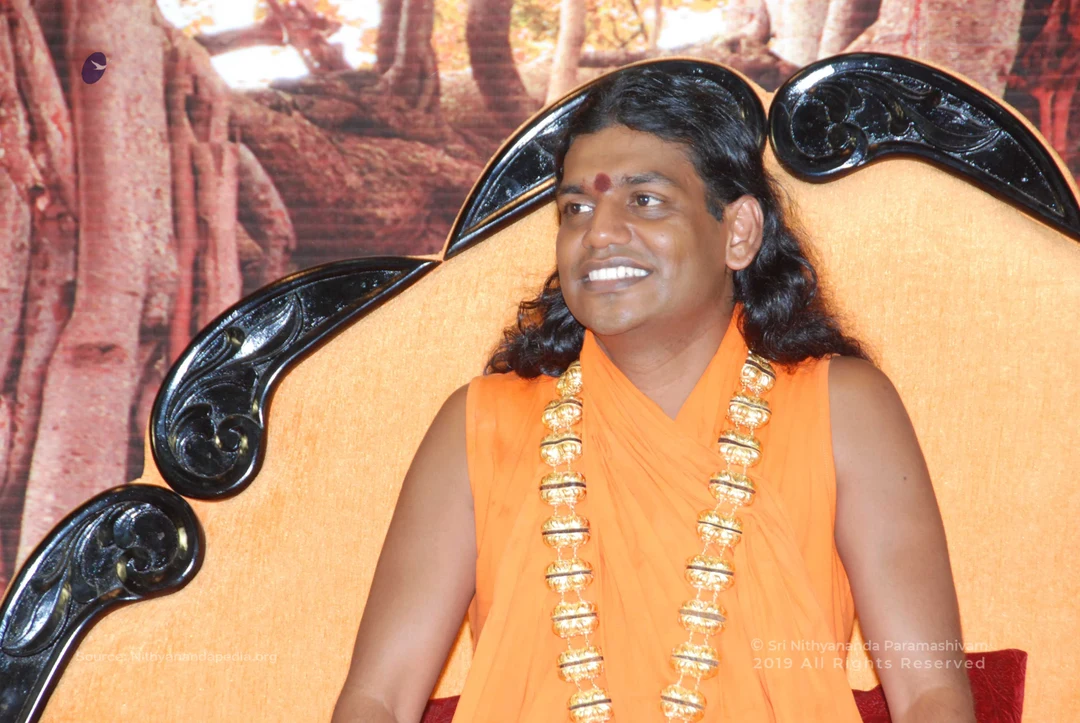
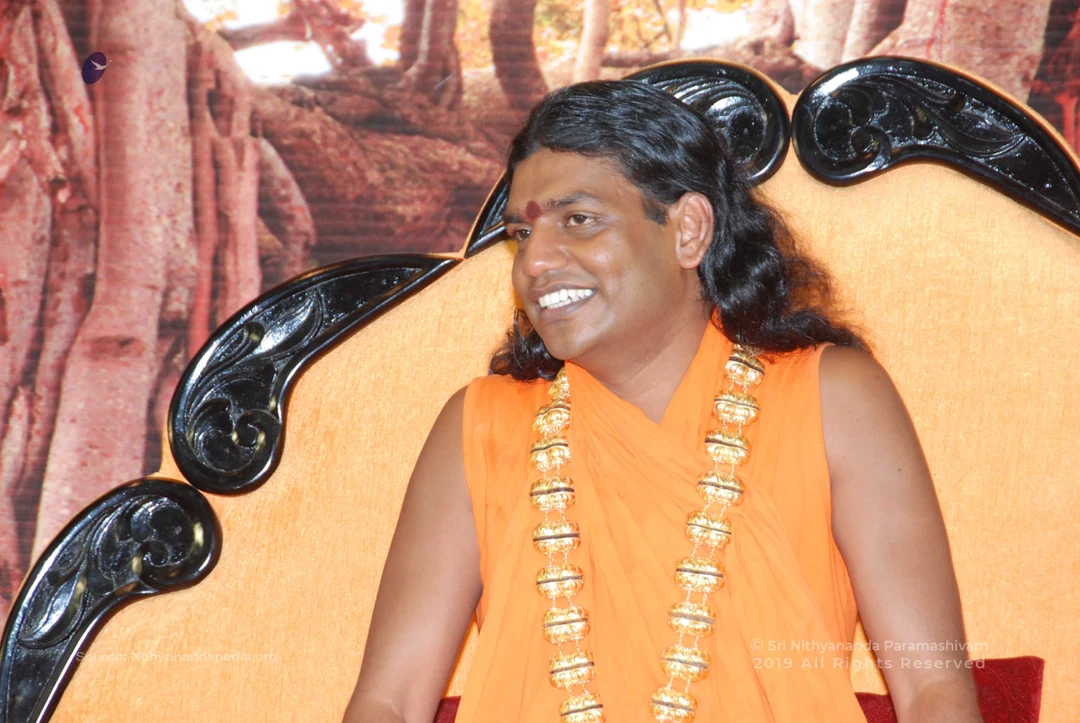
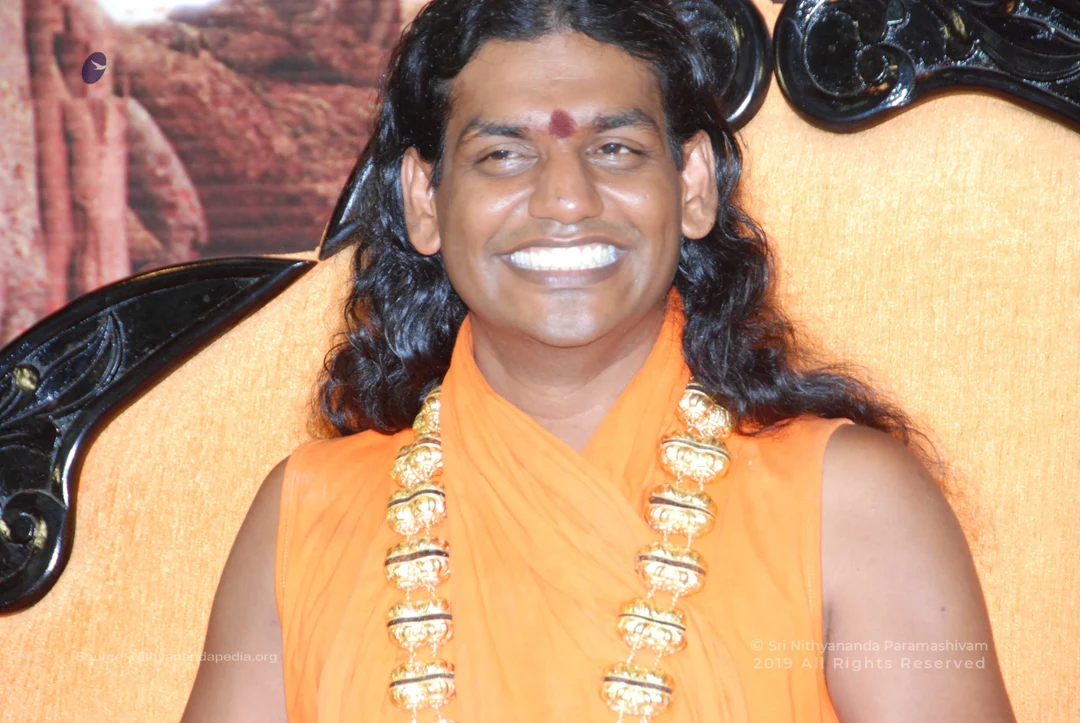
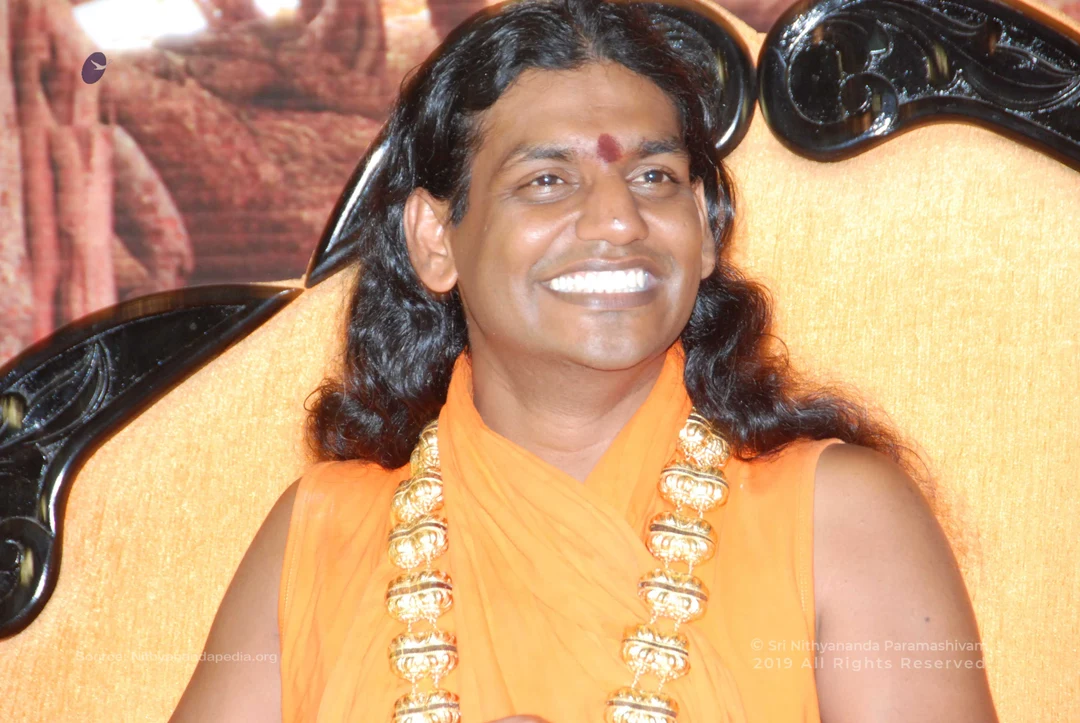
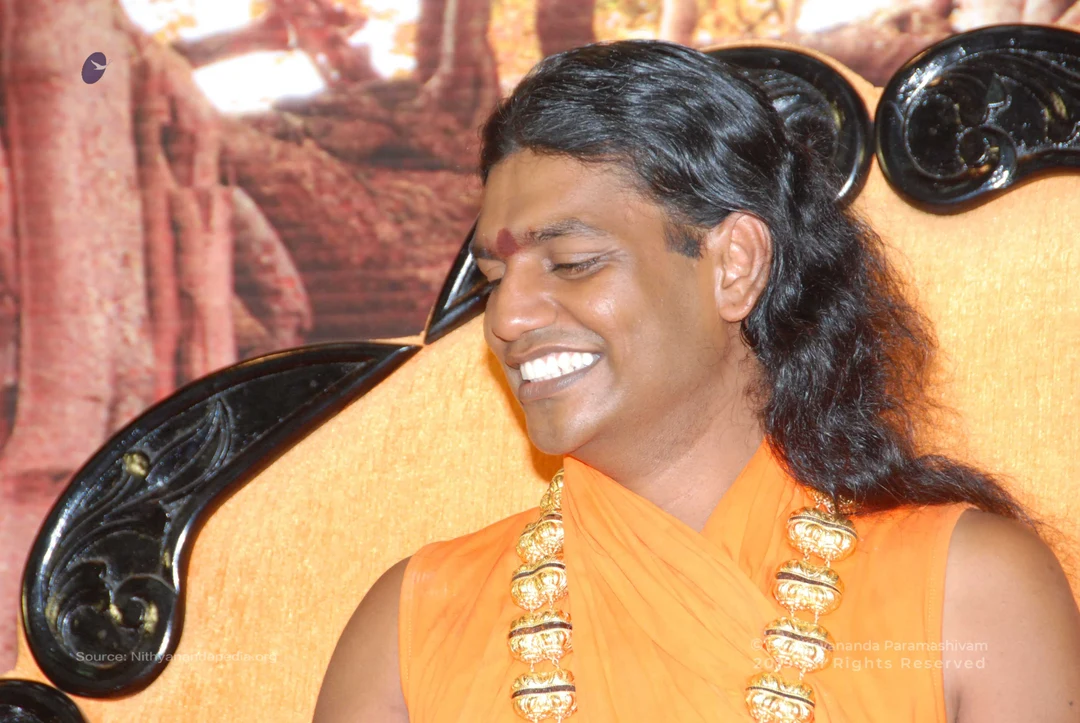
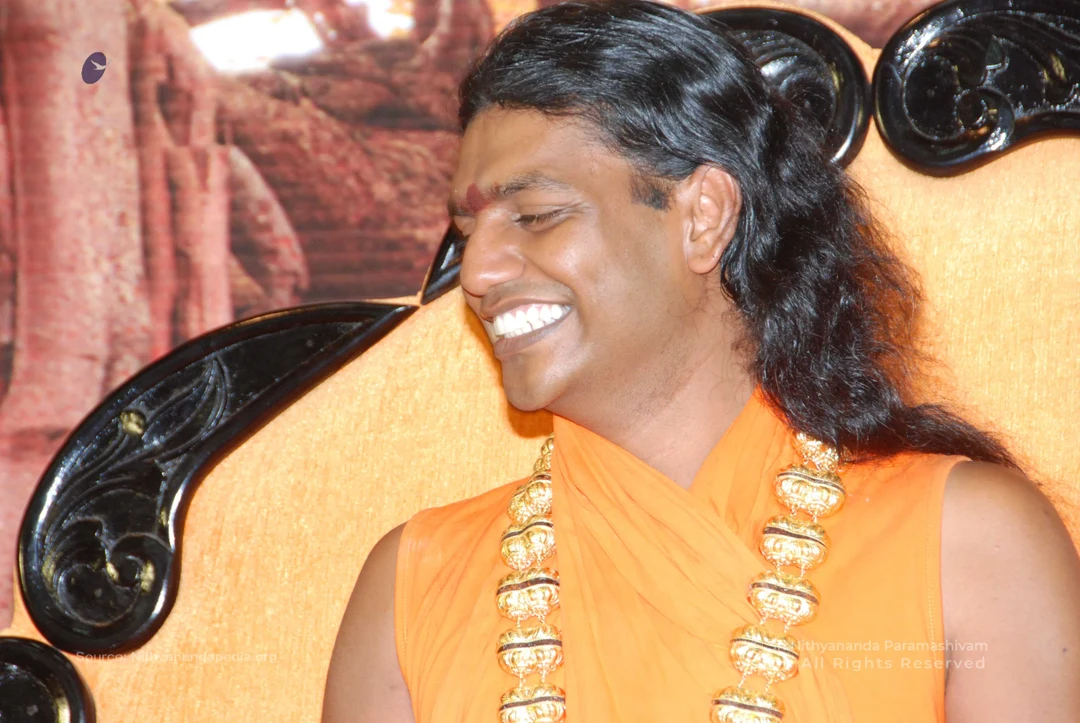
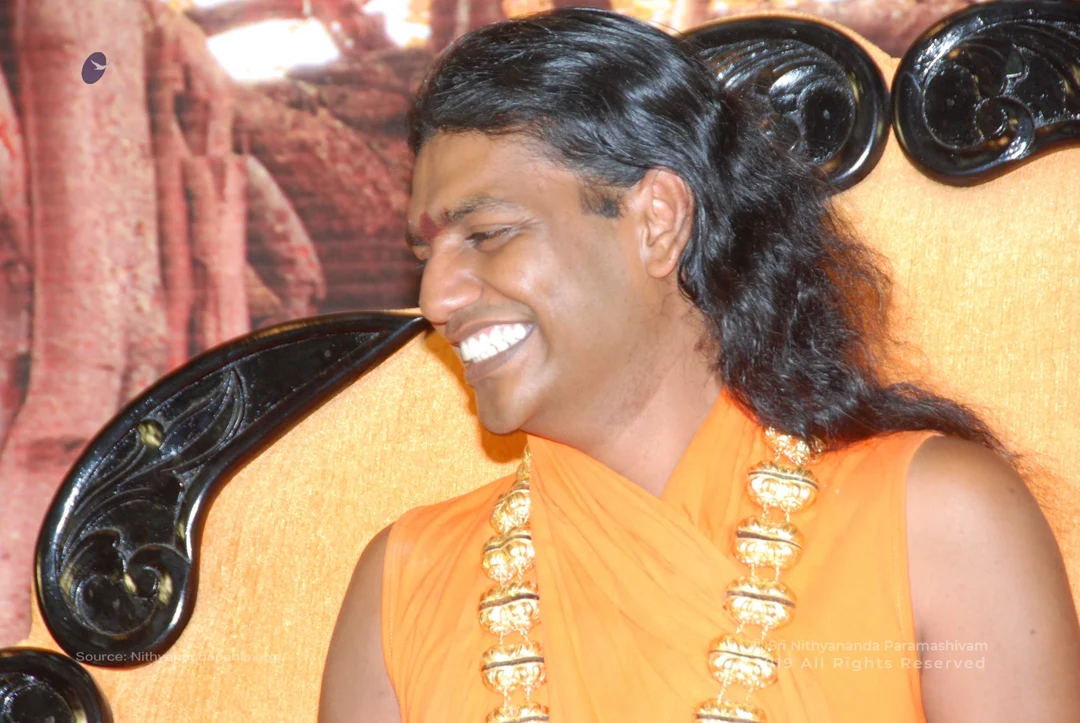
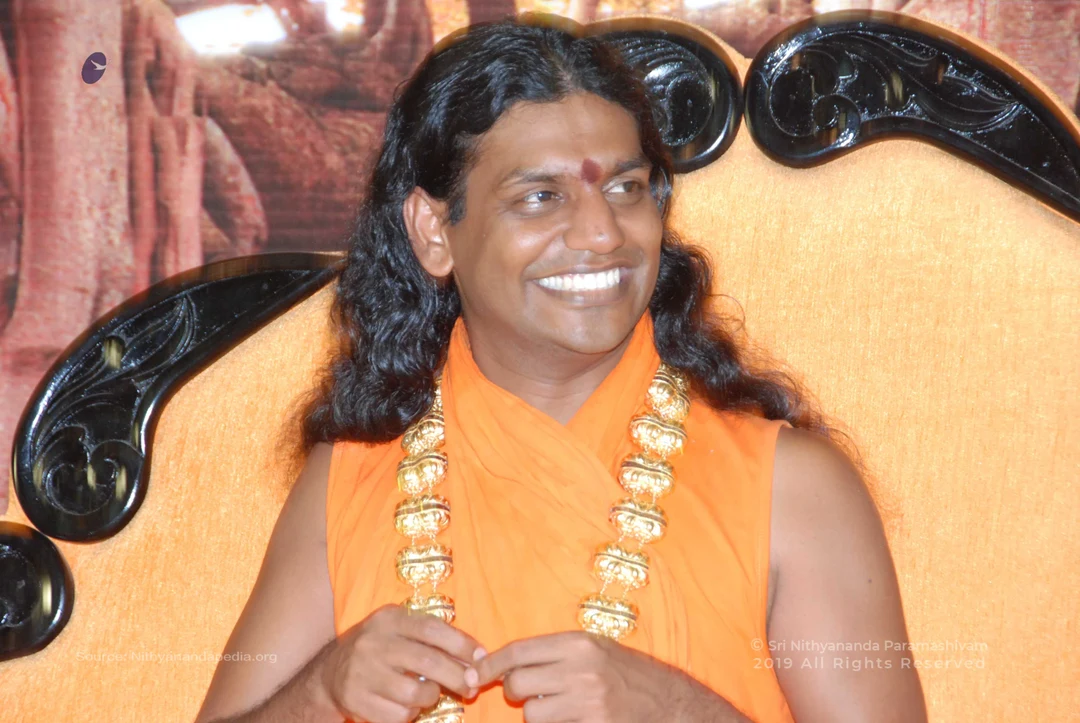
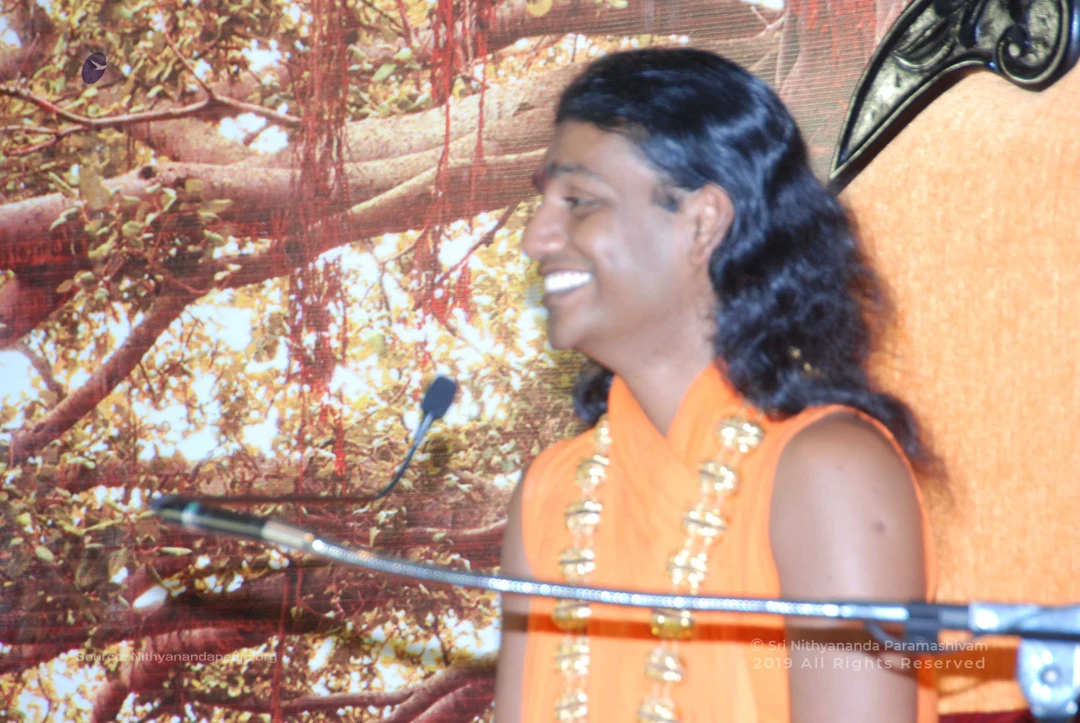
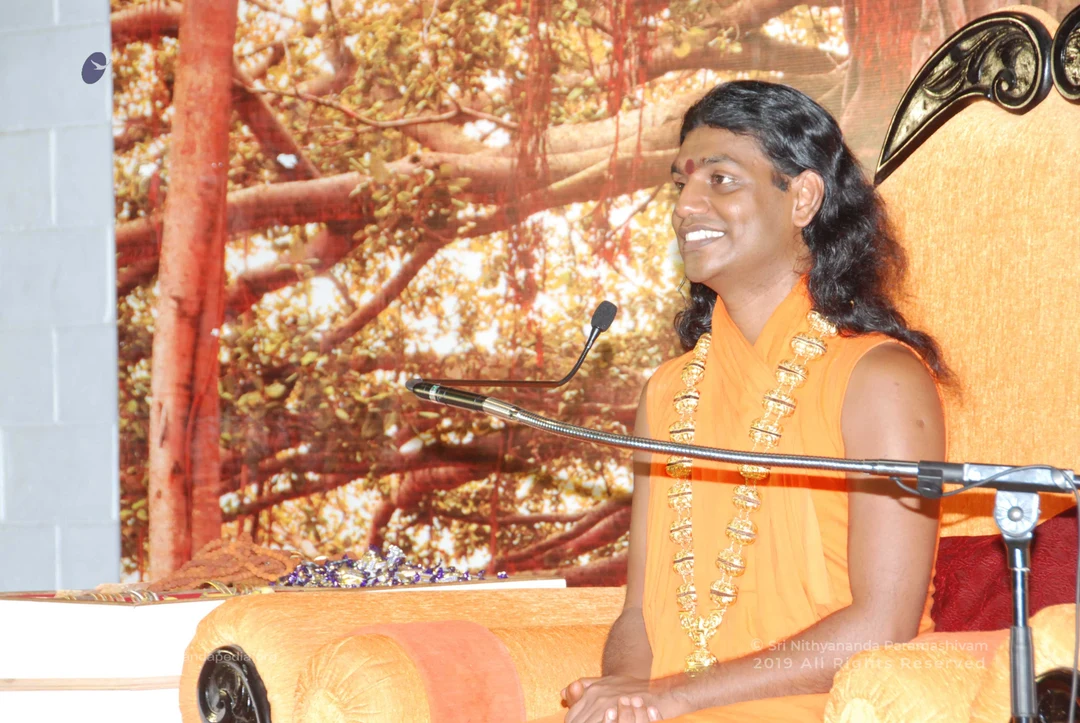
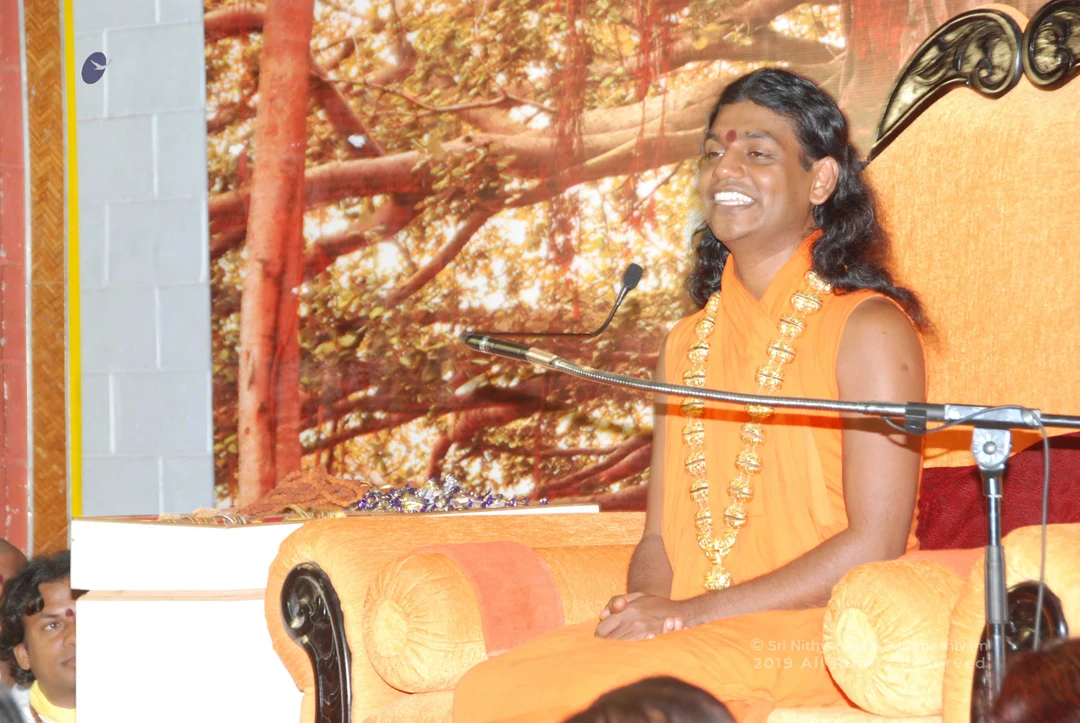
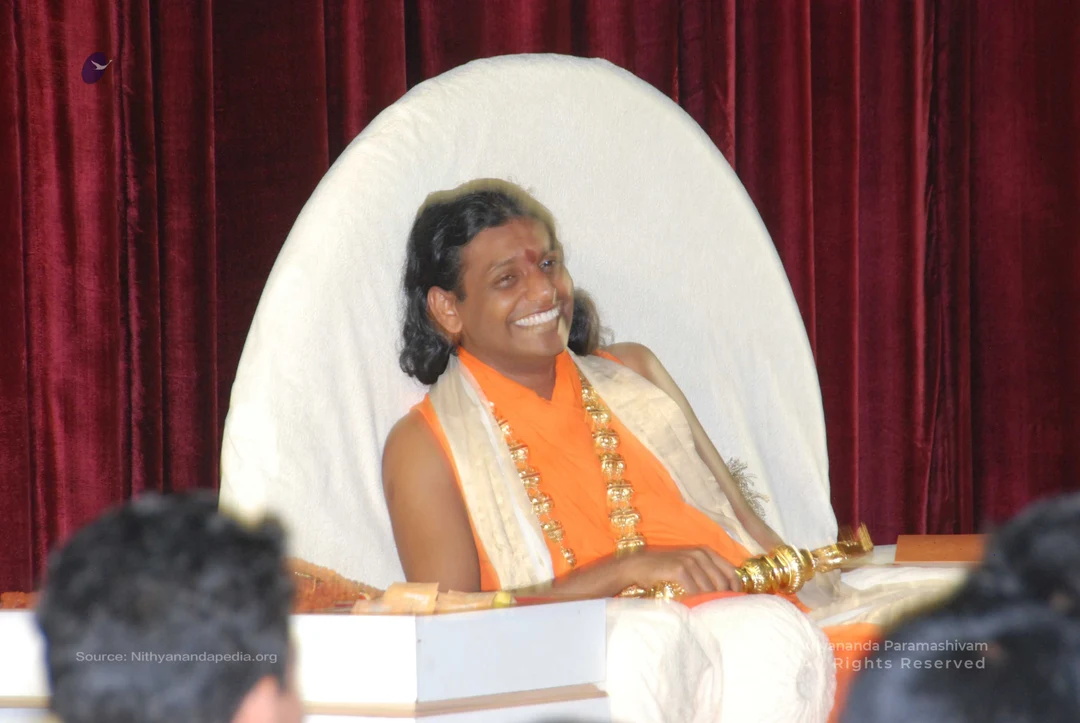
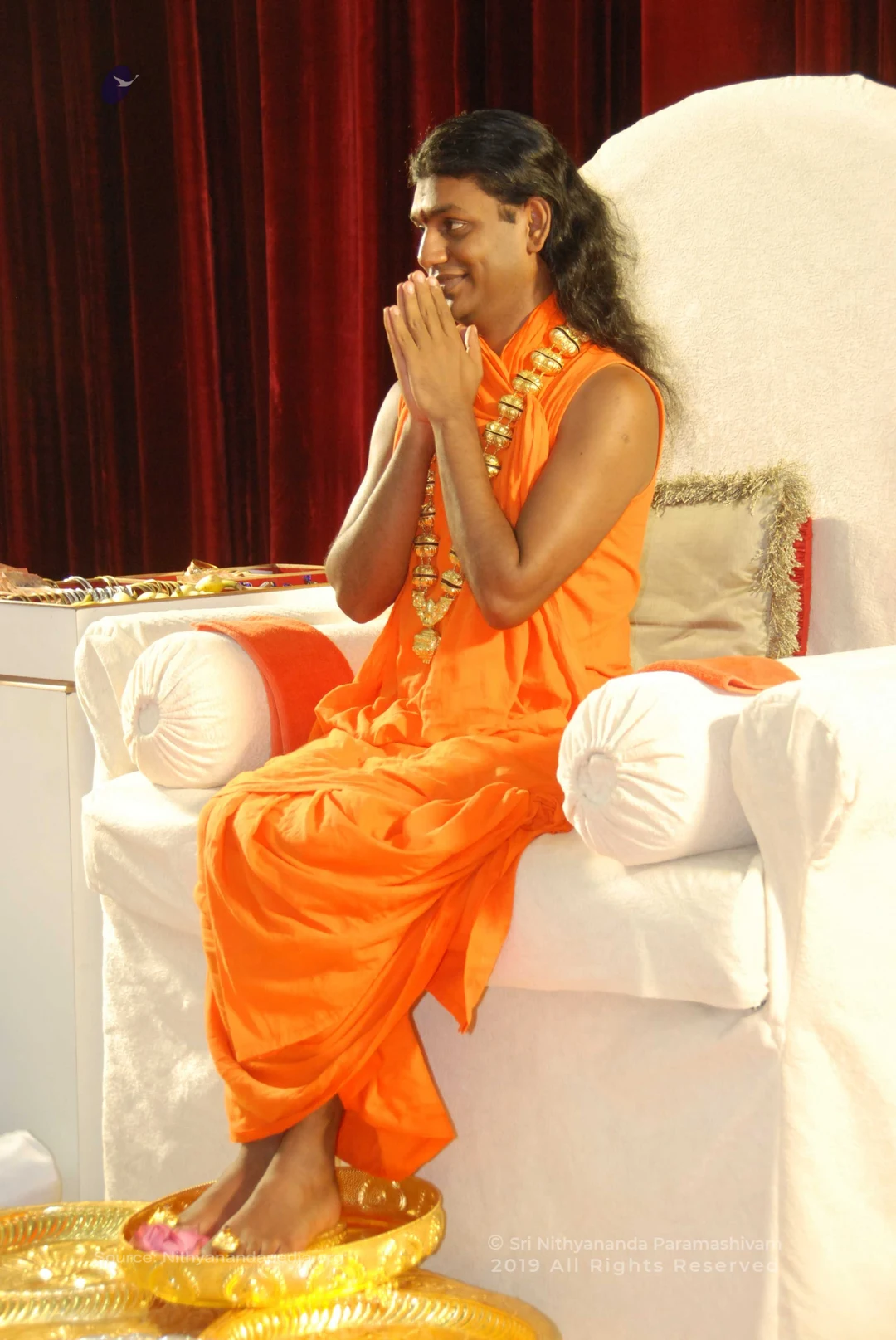
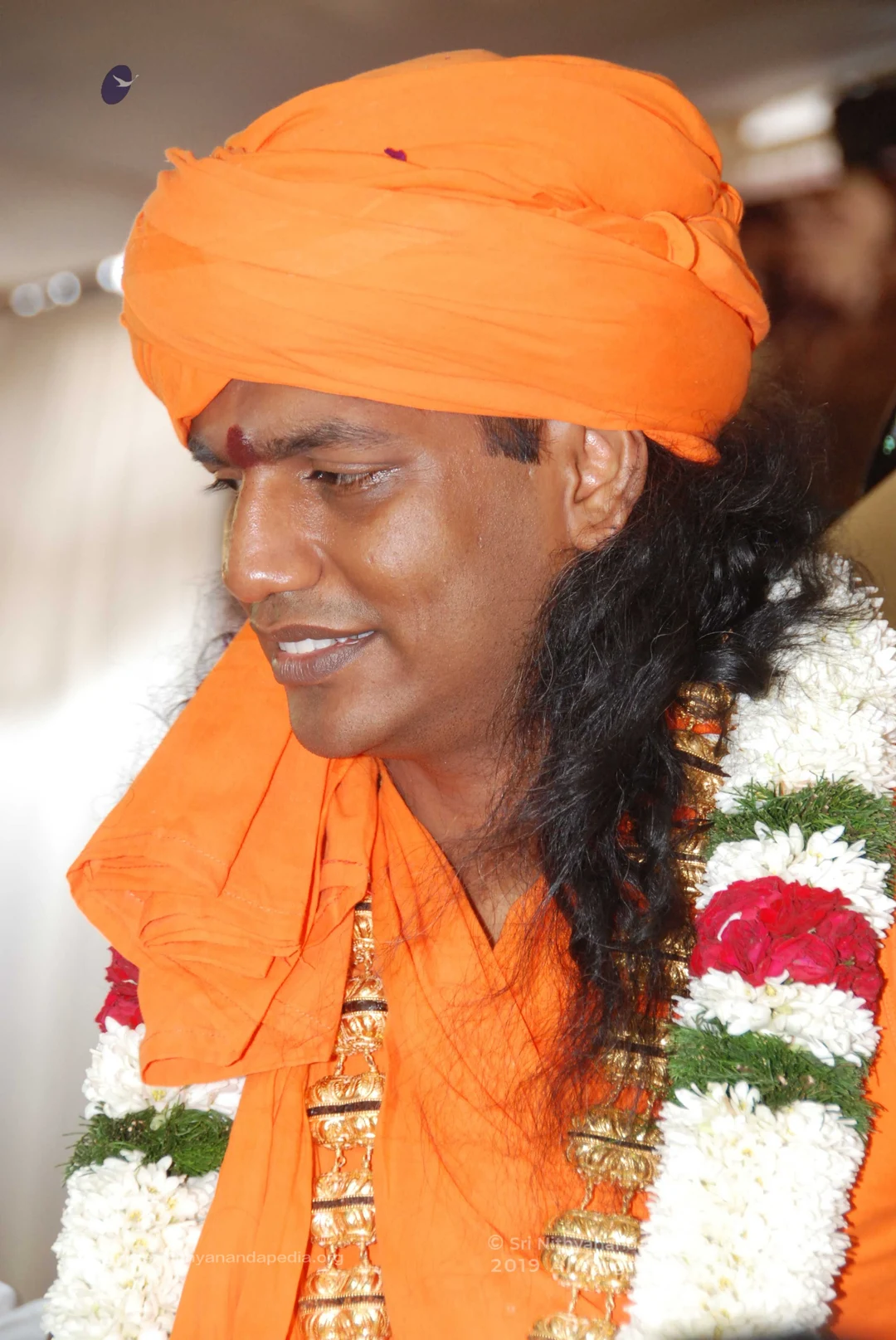
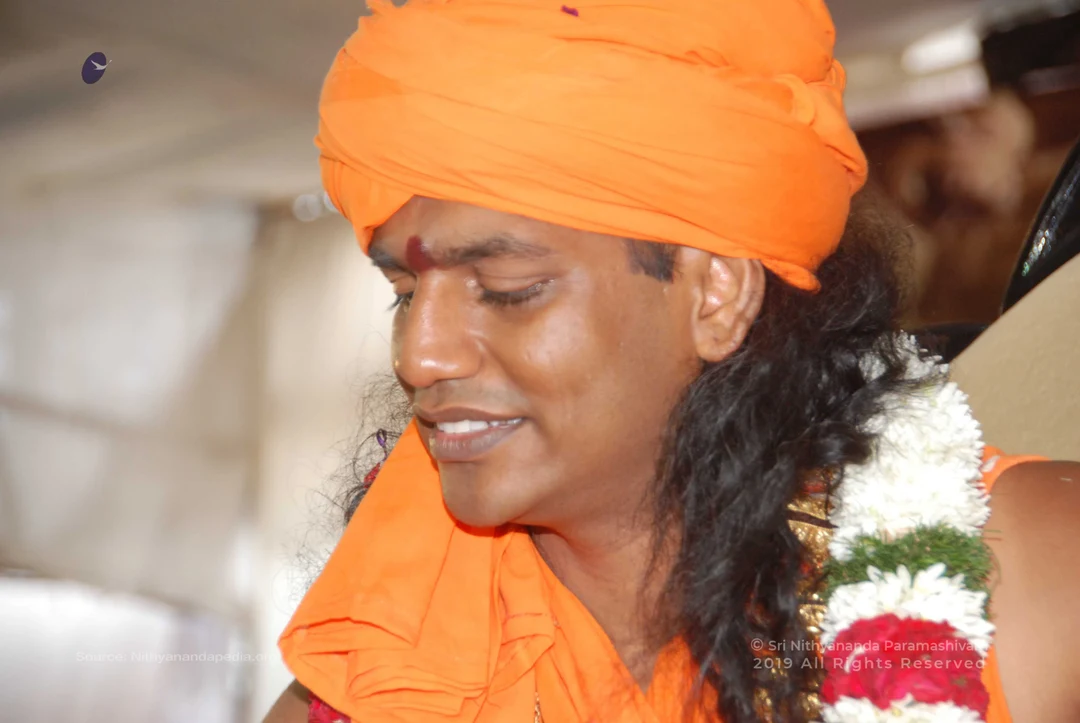
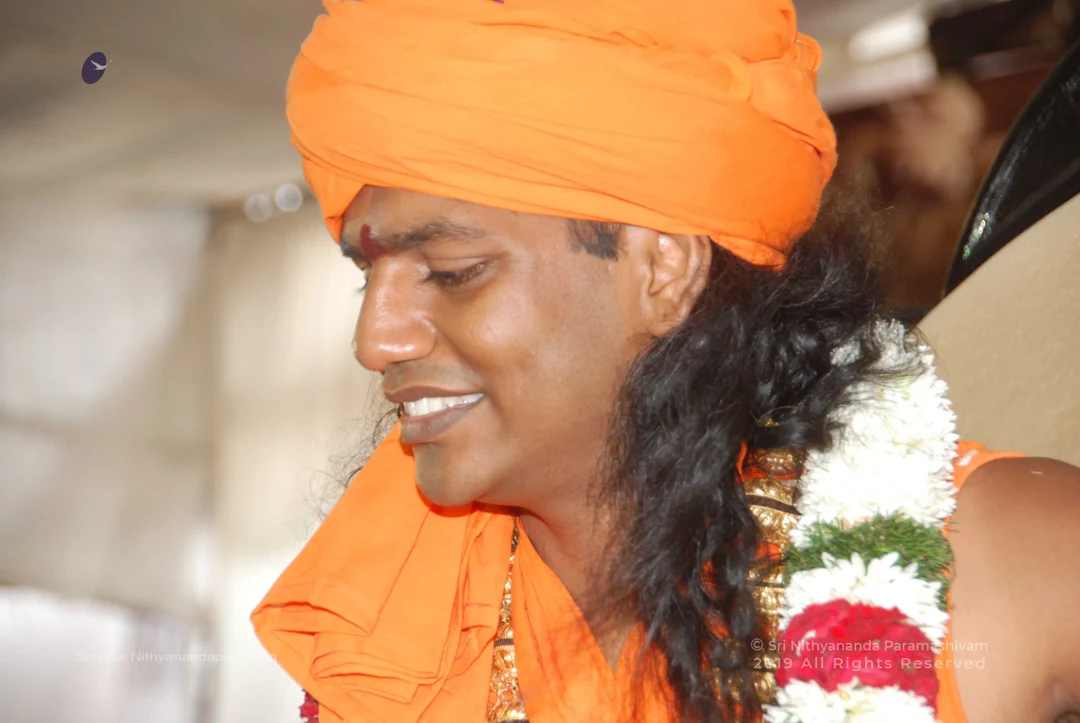
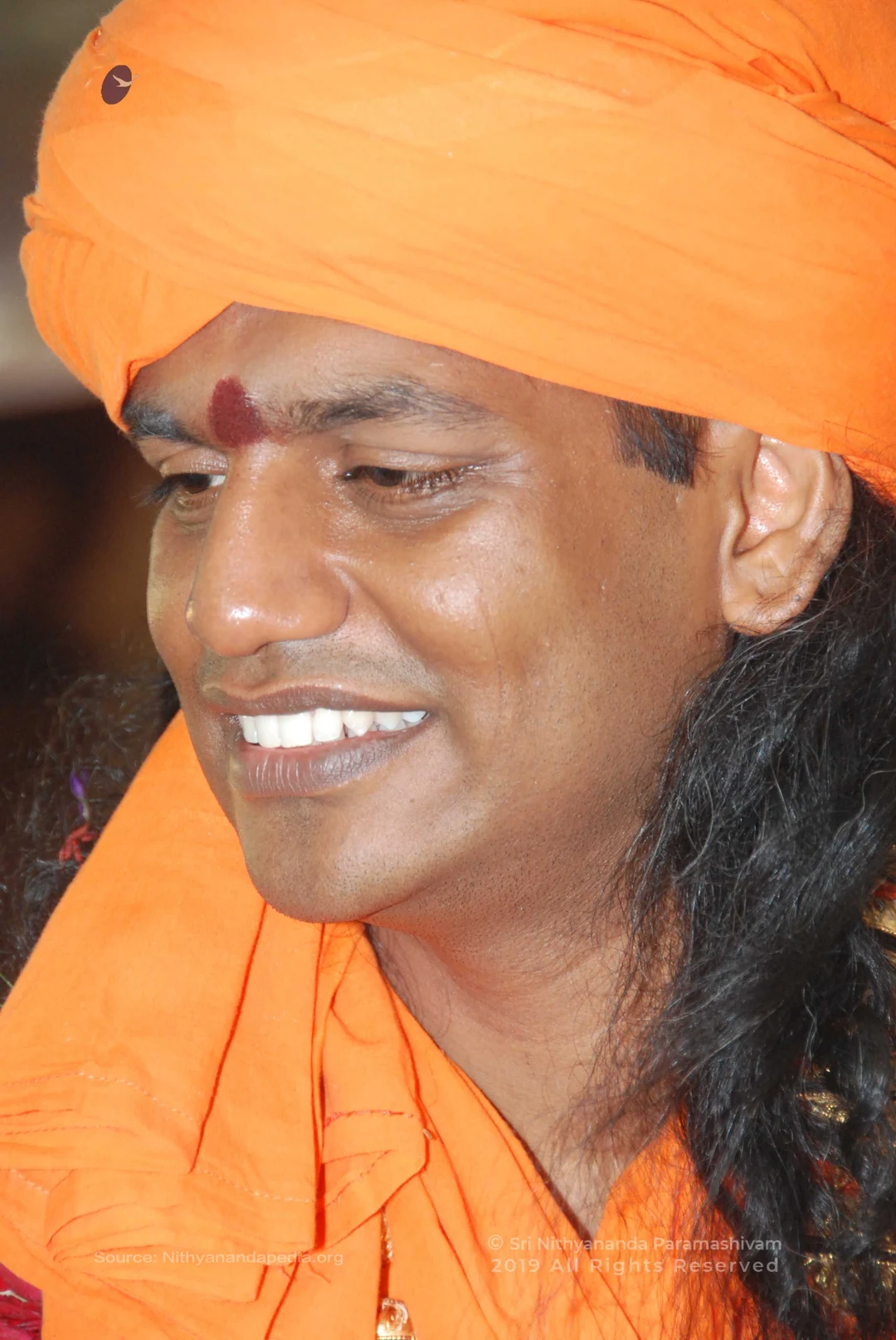
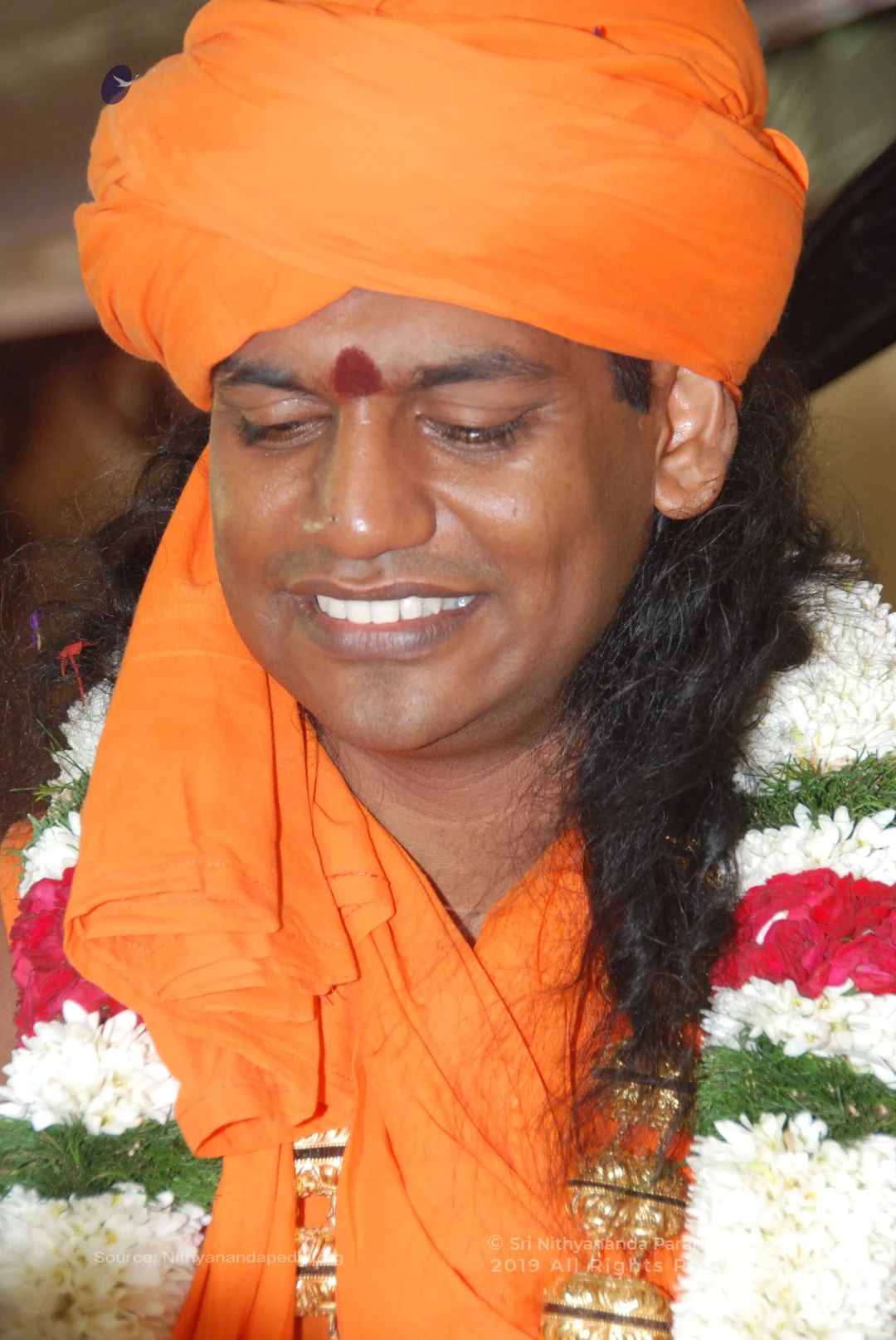
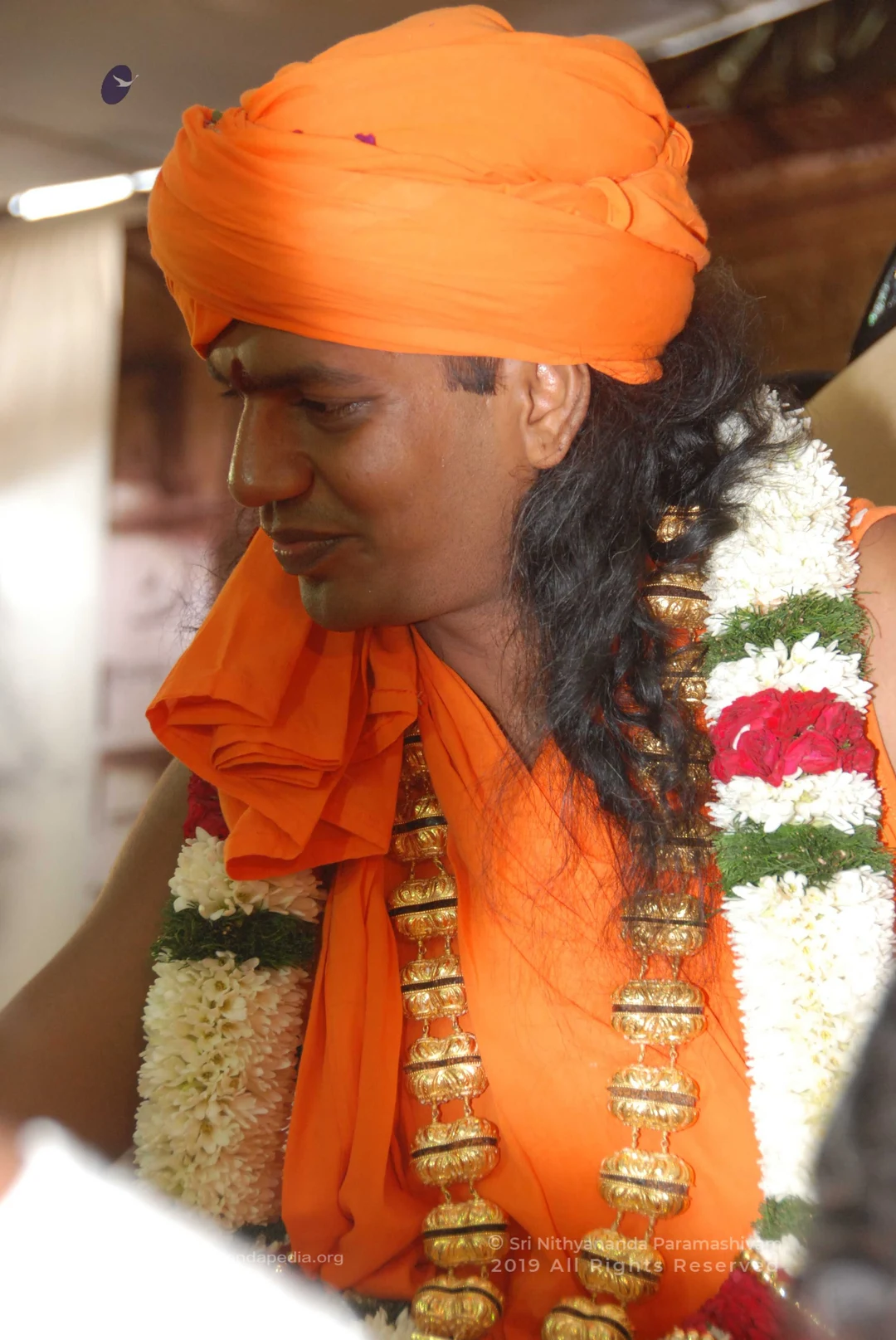
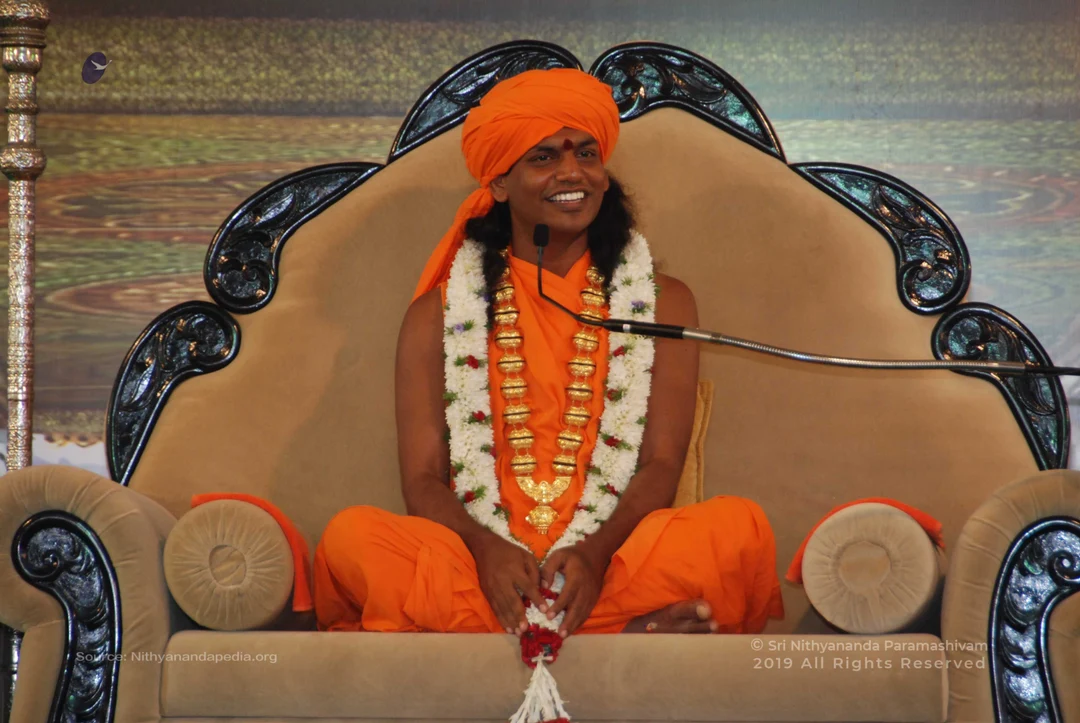
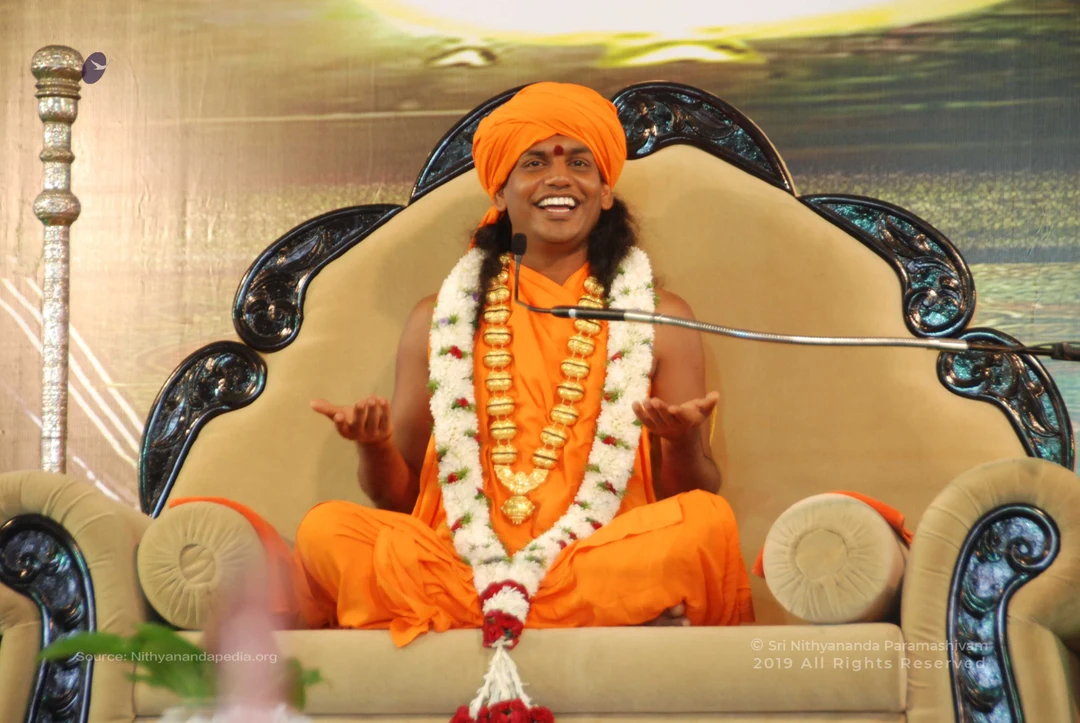
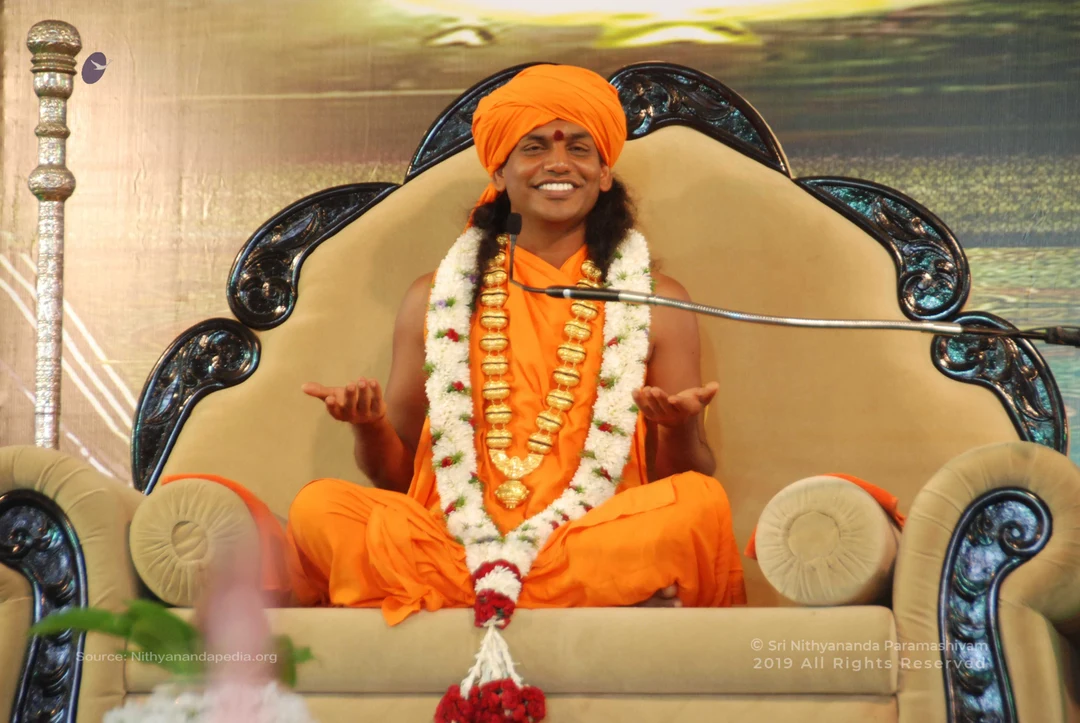
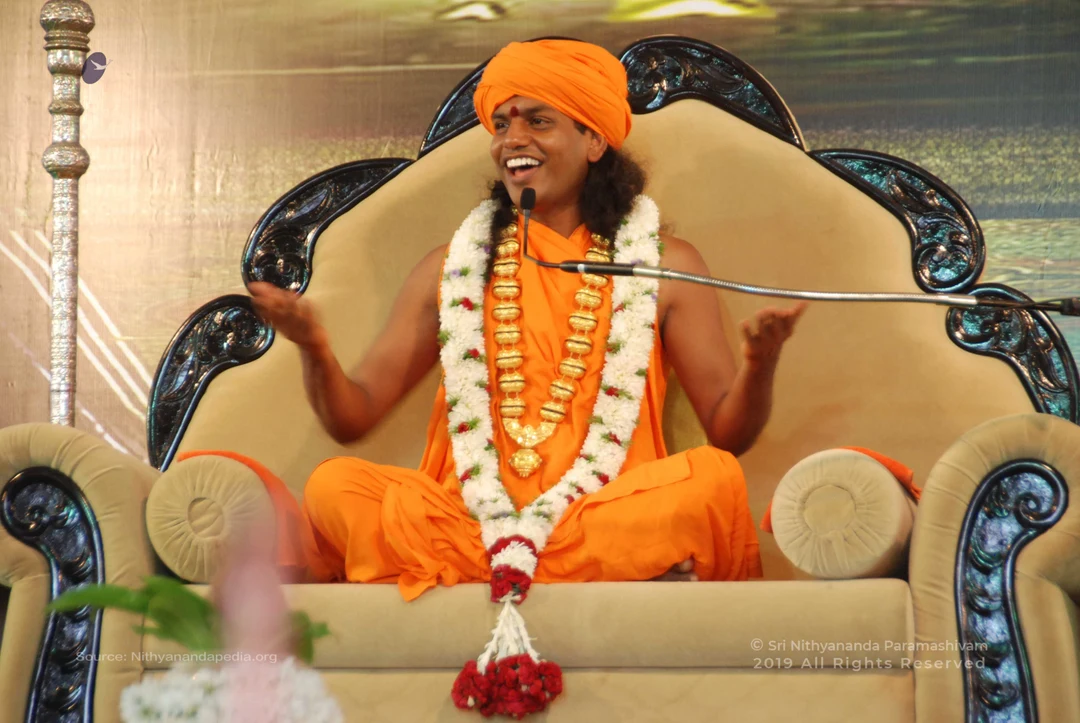
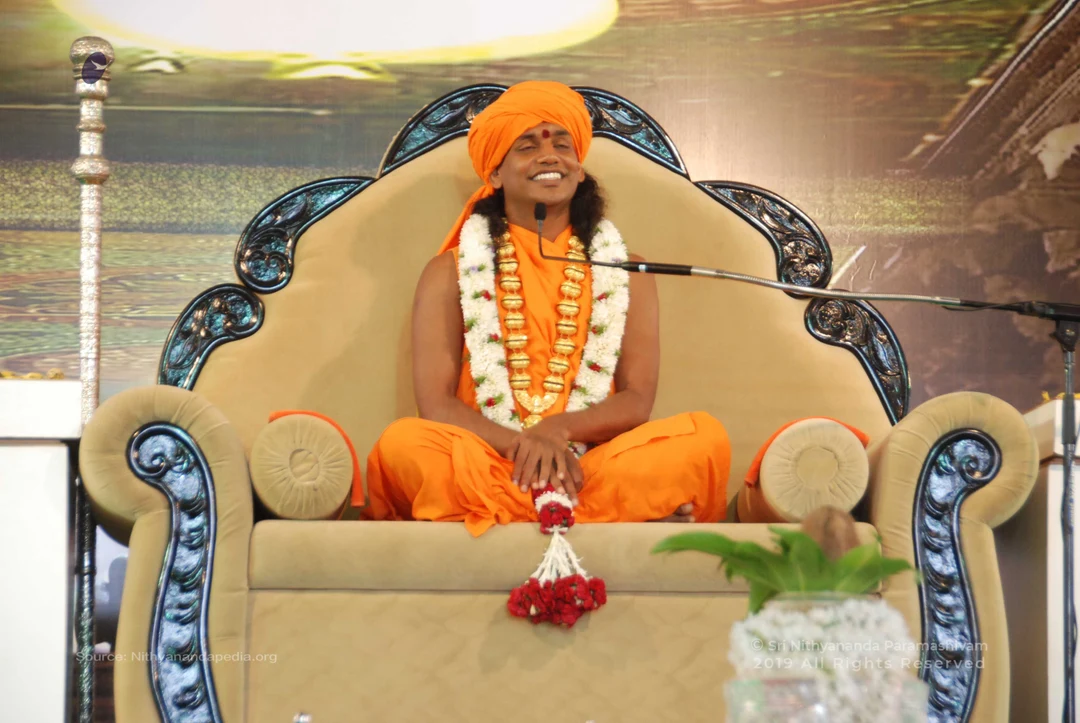
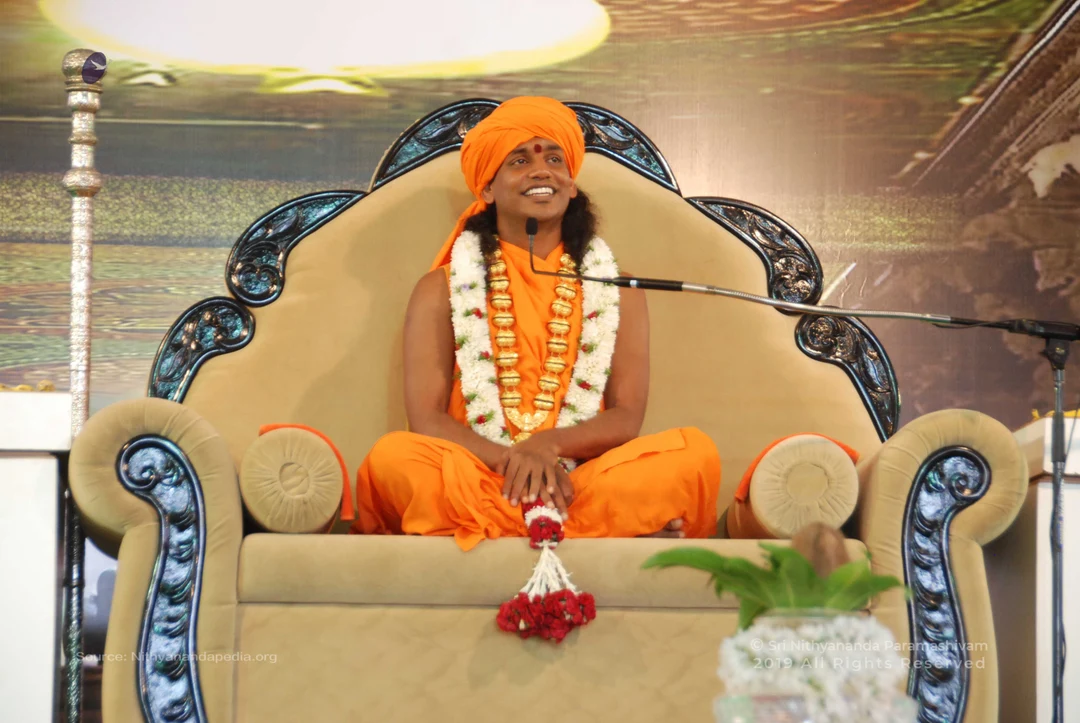
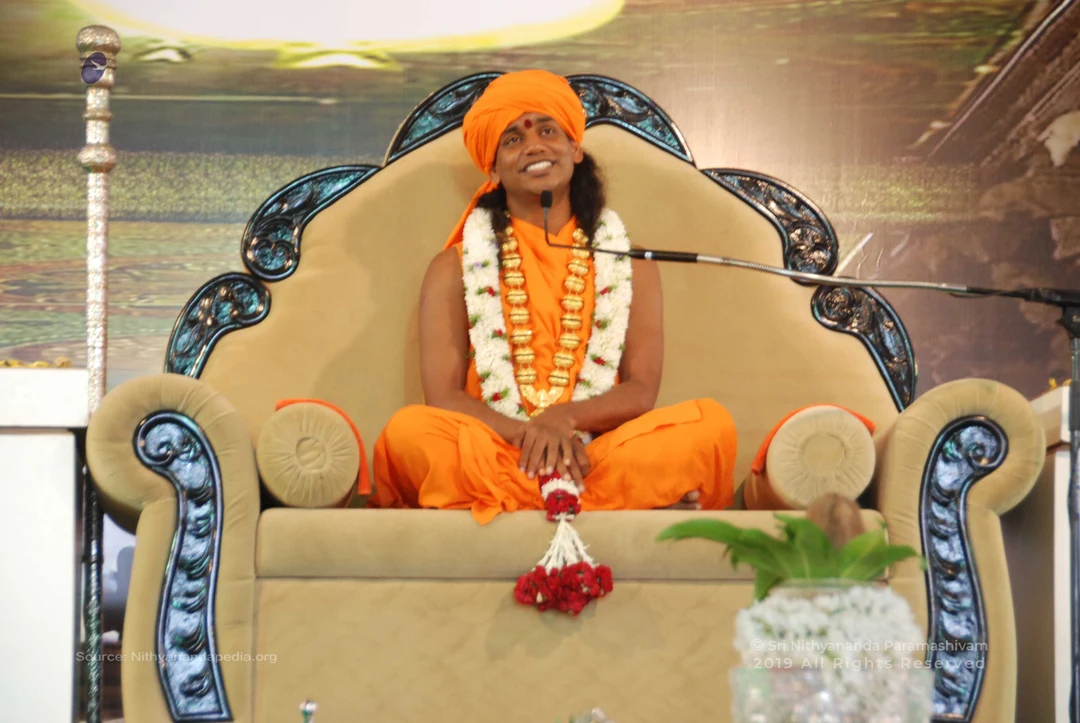
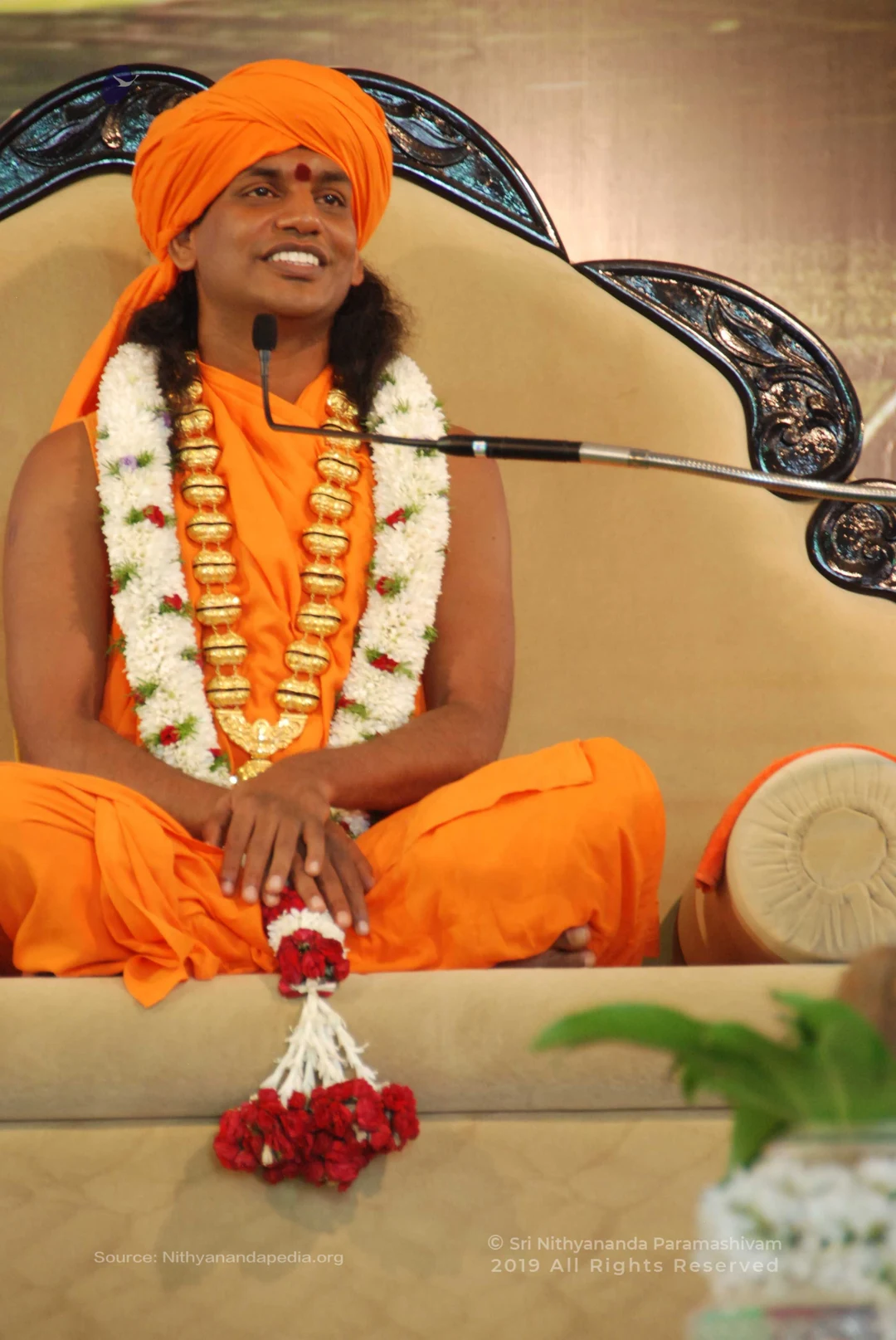
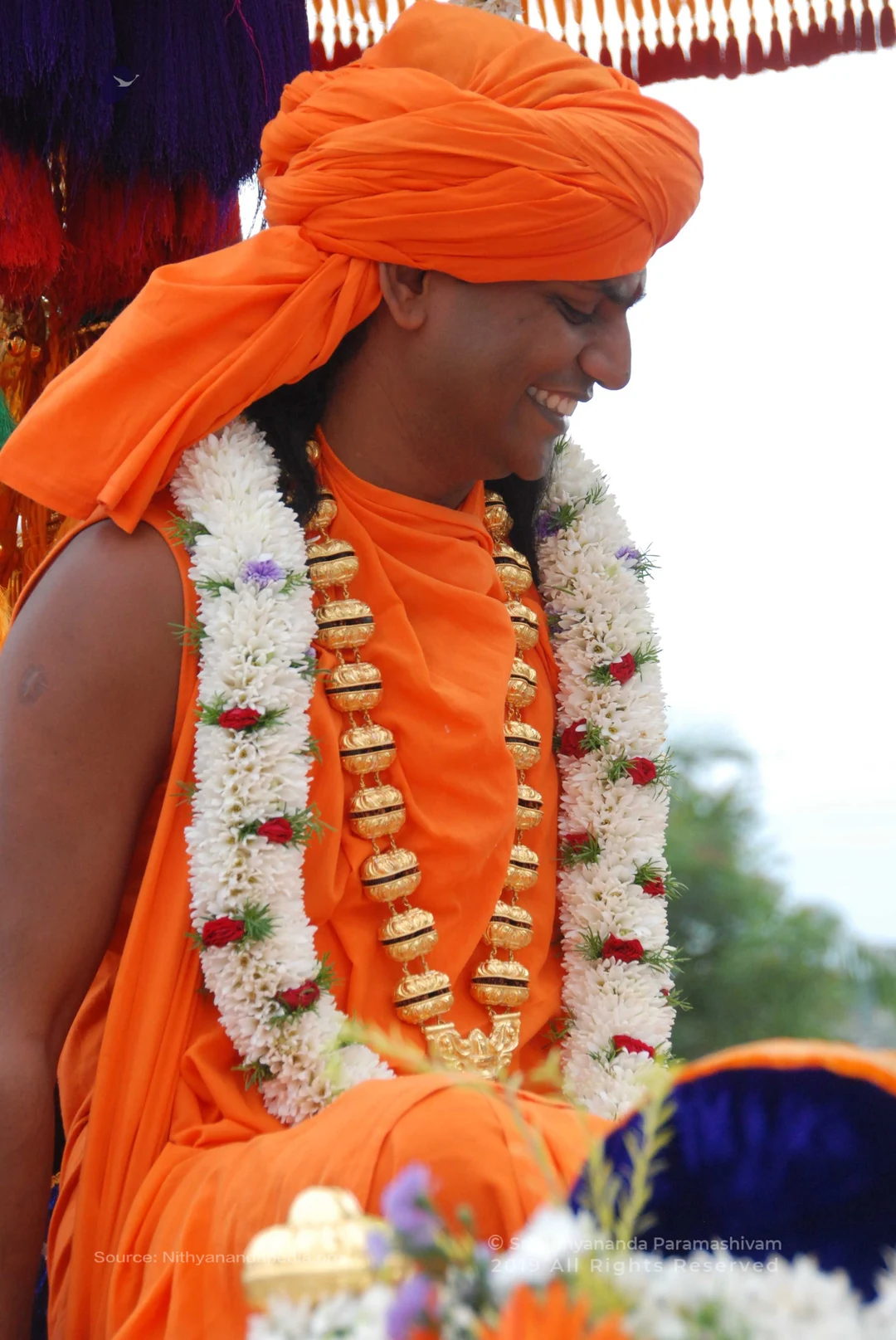
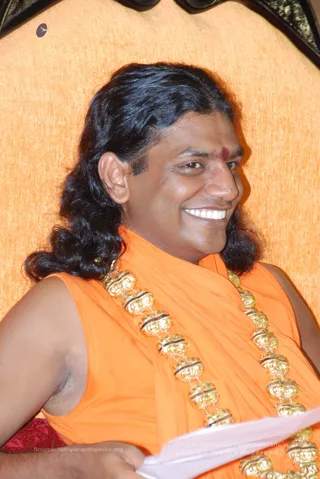
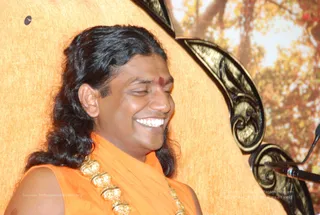
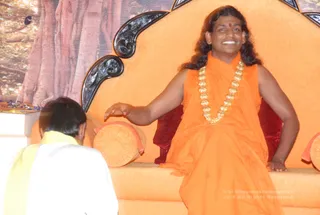
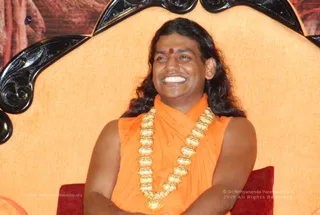
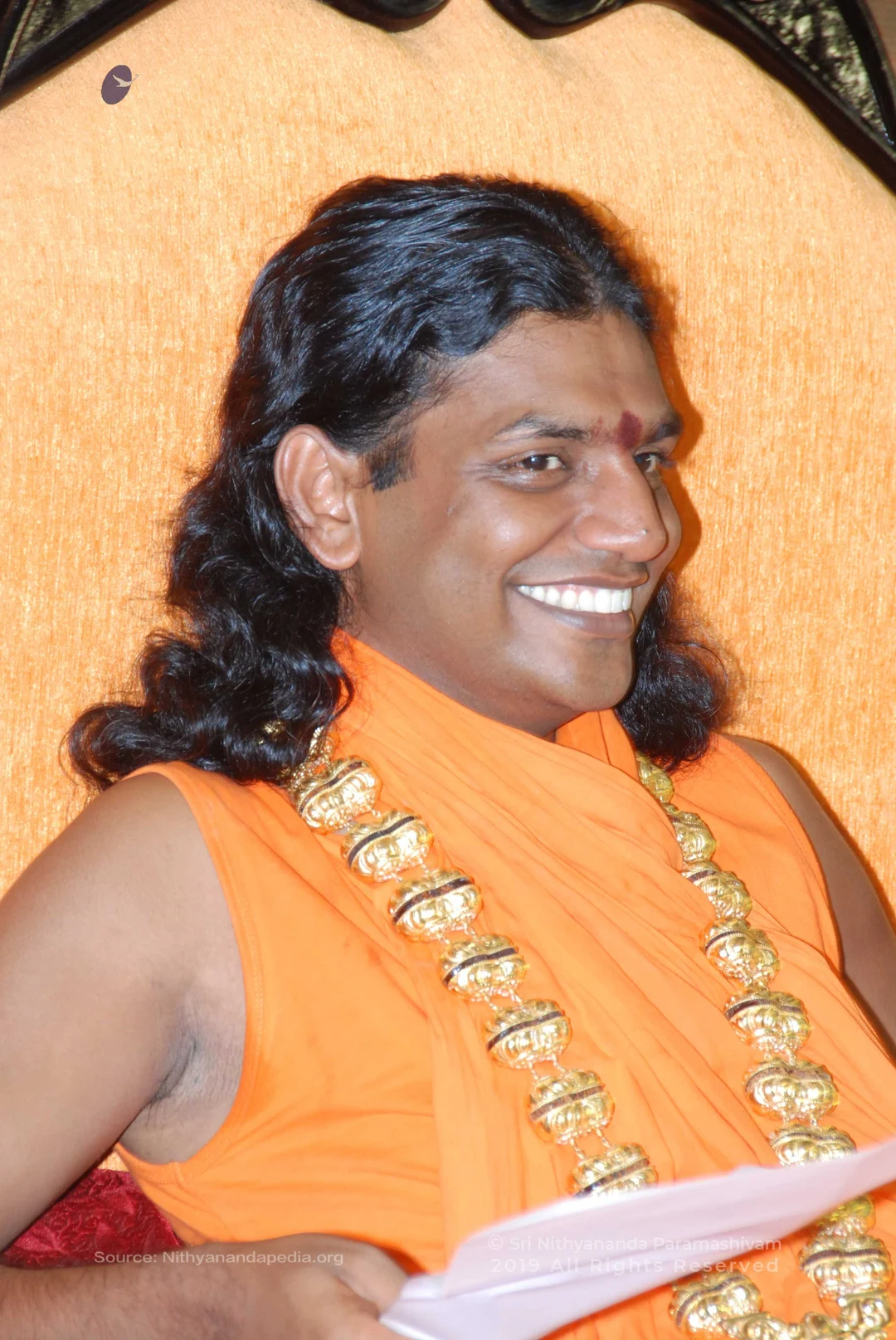
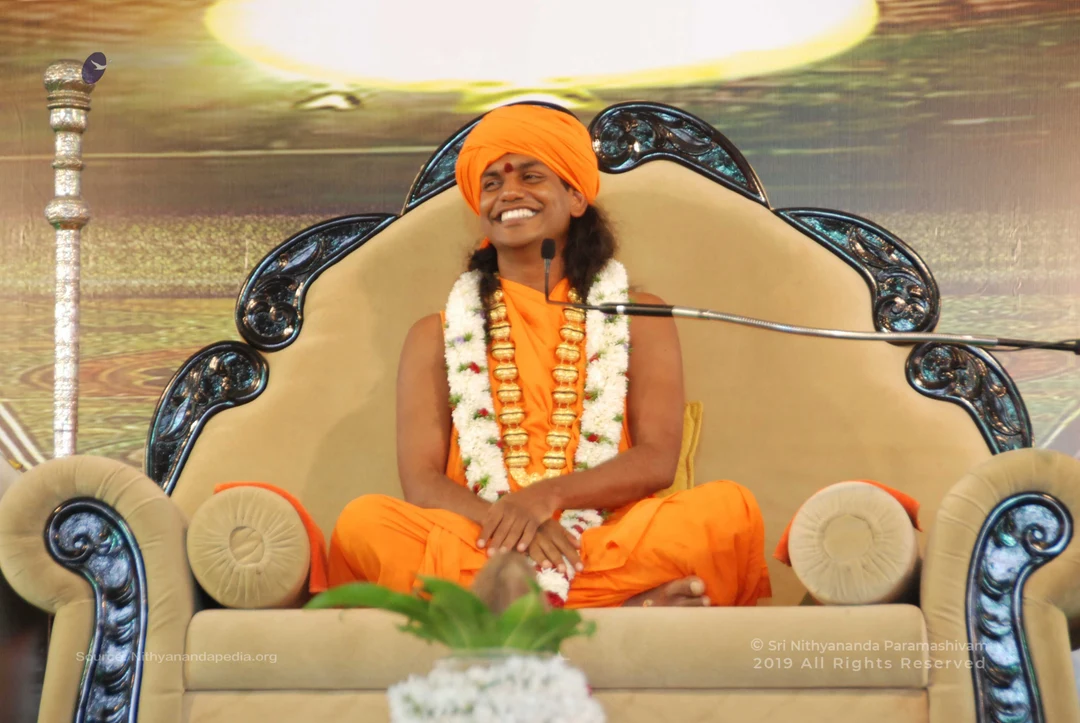
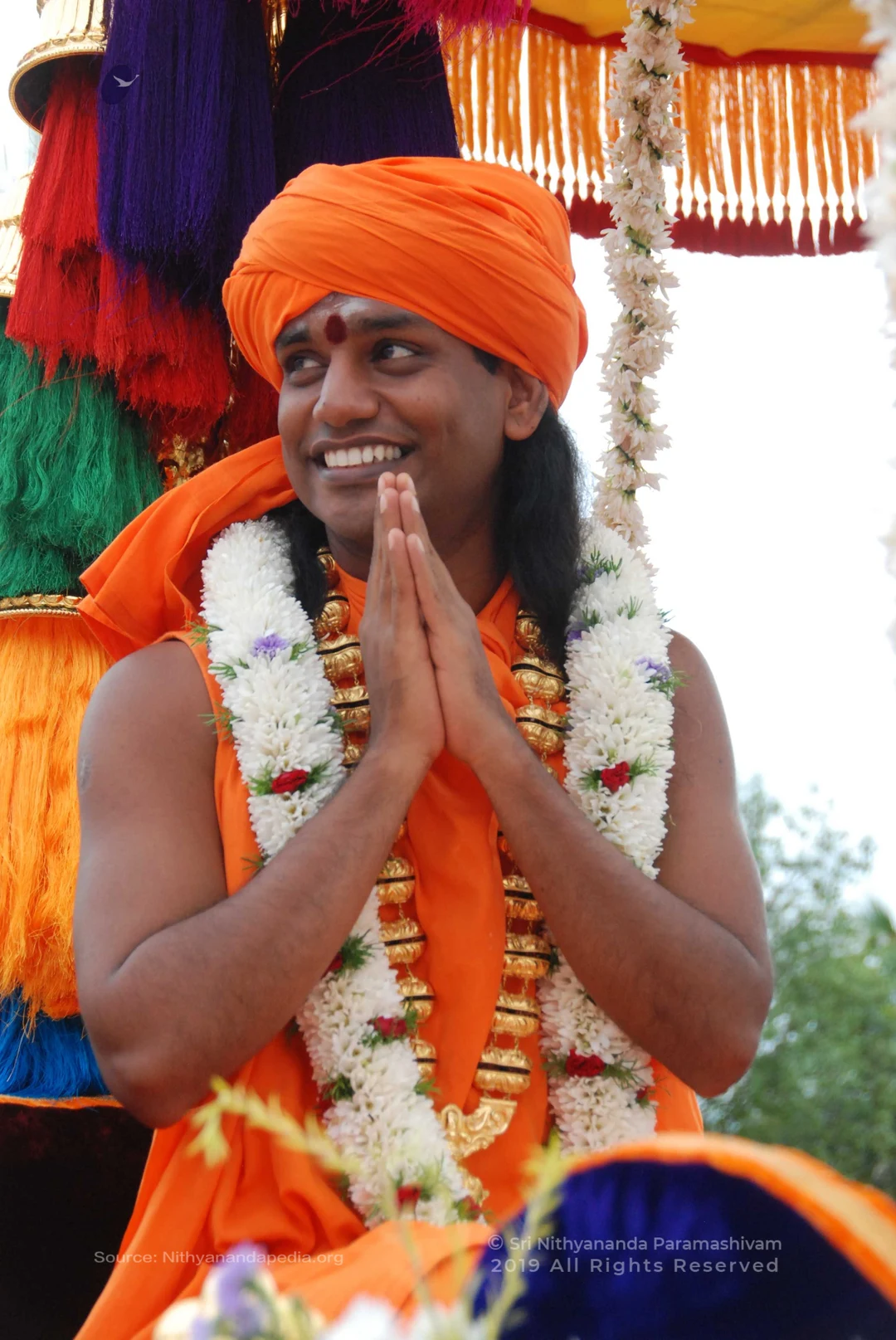
Close photograph of a smiling man with long, swept-back black hair and a small red tilak on his forehead, wearing an orange sleeveless top with an orange wrap draped over his shoulders and a heavy gold rudraksha-style mala around his neck. He sits before a bright orange upholstered backrest and holds a sheet of white paper in his hand.A smiling man with long swept-back dark hair, a red bindi on his forehead, and an orange sleeveless garment with a wrap draped over his shoulder. He wears a heavy ceremonial gold necklace of large ornate beads. He sits in front of a large orange cushioned backdrop with a carved dark wooden frame and a painted tree scene at upper right. A microphone is visible at the lower right edge. Swamiji (probable): the long swept-back hair, saffron clothing and ornate gold necklace match the appearance cues for this figure, seated as a speaker in a satsang setting.Close photo of a smiling man with long, wavy black hair and a small red bindi on his forehead, wearing a saffron-orange sleeveless garment with a drape over the shoulders. He wears a heavy gold necklace of ornate beads, and an orange fabric backdrop with a gilded carved frame sits behind him. The figure has distinctive long swept-back hair, saffron clothing and ceremonial gold beads, matching the page's Swamiji cues, so this is a probable Swamiji depiction in person.Close photo of a smiling man with long, swept-back black hair and a red tilak on his forehead, eyes closed in laughter. He wears a sleeveless saffron-orange garment and a heavy gold ceremonial necklace of ornate beads. He stands in front of a golden-orange wall panel with carved dark wood scrollwork, and a microphone is visible at right against a backdrop of autumn trees. One person is visible.A smiling man with long swept-back dark hair and a red bindi sits on an orange-upholstered throne with carved black wooden armrests and a painted forest backdrop. He wears a sleeveless saffron-orange garment and a heavy ceremonial gold bead necklace, with his right hand resting on the cushion. In the lower left, a person with short dark hair in a white top and yellow shawl leans toward him, partly out of frame. a person: long swept-back hair, saffron clothing and gold necklace, seated on a throne in a satsang setting. Two people are visible.A smiling man with long dark hair and a red bindi sits on an orange-upholstered throne with a carved black wooden back. He wears a saffron-orange sleeveless wrap and a heavy gold ceremonial necklace of large segments, and his arms are crossed over his lap while a red cushion rests beside him. The background shows red and orange decorative panels.
Enriching Material
2 photosSource gallery
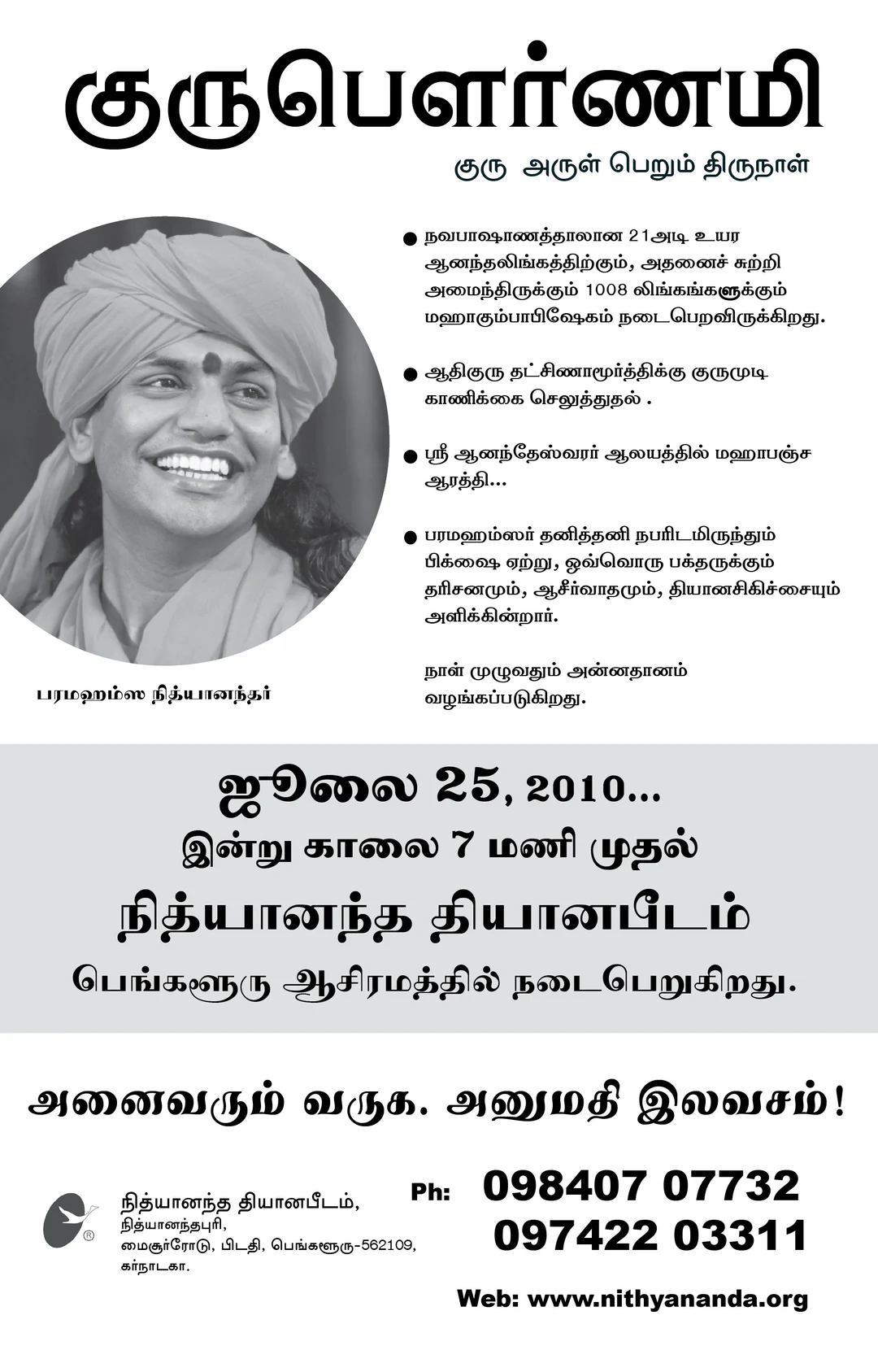
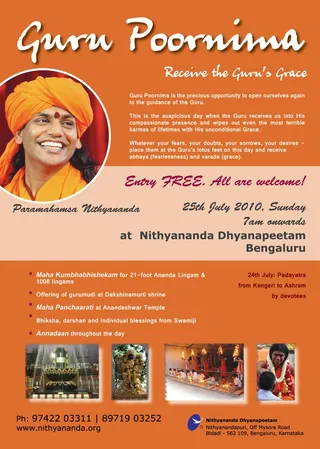
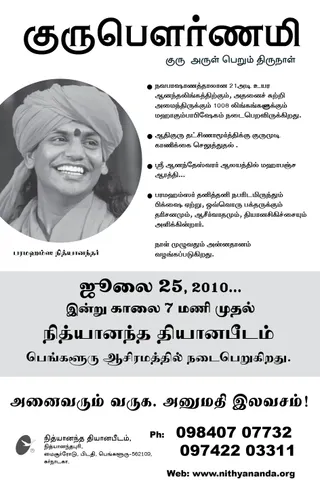
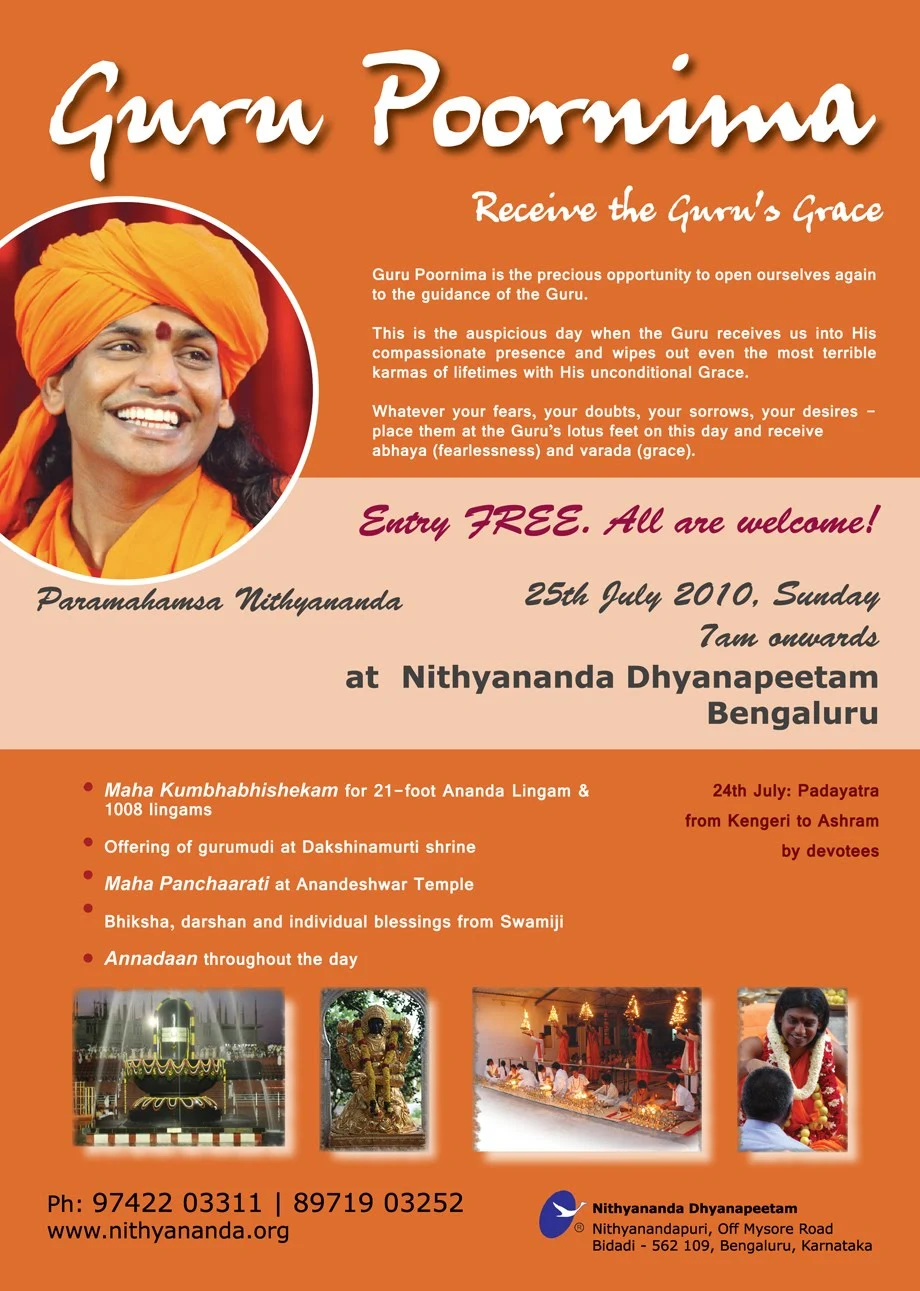
Orange-toned Guru Poornima event poster titled "Guru Poornima - Receive the Guru's Grace". A circular portrait at left shows a smiling man with an orange turban, red tilak on the forehead, and orange shawl, labelled "Paramahamsa Nithyananda"; the caption identifies the portrait subject by name only, not by appearance. Body text describes the day, followed by event details and four small photo thumbnails: a large black lingam under lights, a golden deity statue, rows of seated devotees with oil lamps and a fire pit, and a man in a white garland receiving a young child. Dated 25th July 2010 at Nithyananda Dhyanapeetam, Bengaluru.A black-and-white Tamil poster titled Guru Poornima (குருபௌர்ணமி) with a circular portrait of a smiling man wearing a large turban with a red bindi, captioned in Tamil as Paramahamsa Nithyananda, a printed name on the poster. The poster lists Tamil bullet points about Maha Kumbhabhishekam for a 21-foot Ananda Lingam and 1008 lingams, guru mudi kanikkai to Adi Guru Dakshinamurthy, Maha Panchaarathi at Sri Ananteswarar temple, and darshan and blessings given at Paramahamsa's alms-receiving, with annadanam all day. A grey band announces the event at Nithyananda Dhyanapeetam, Bengaluru, from 7 am on July 25, 2010, with an all-welcome invitation and contact numbers and website.

GURU-POORNIMA-2010-INITIATIONS-INTO-BRAHMACHARYA-VANAPRASTHA-SANYAS-RISHI-ORDERS
3 photosSource gallery
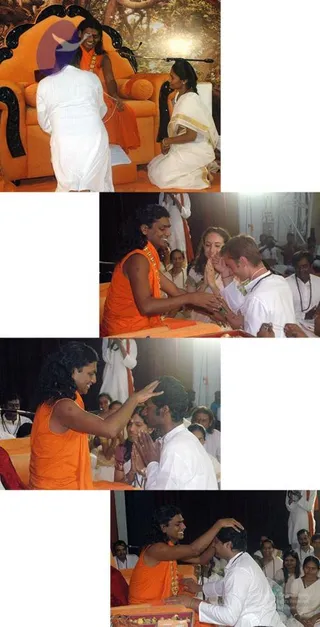
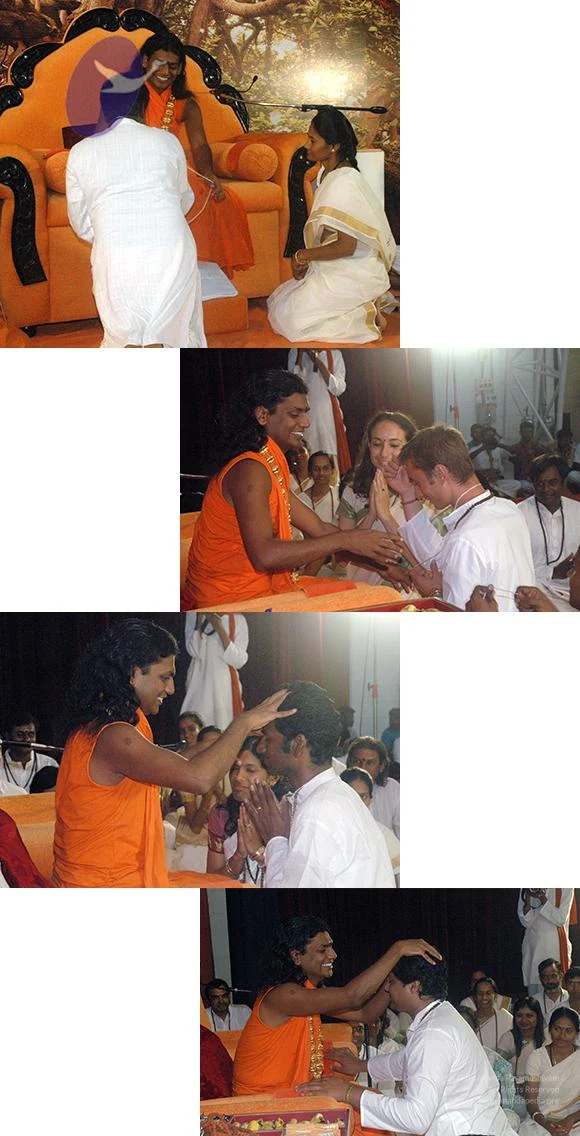
A two-panel photo collage showing seated devotees in white clothes on a wooden platform at a satsang gathering. The left panel shows a group of people in white seated in rows, with a figure in a white robe at the front. The right panel shows a close view of seated devotees in white with a backdrop of a stone or wood-patterned wall. The pictured activity is a Guru Purnima satsang talk.A four-panel collage of photographs from a satsang event, with each panel showing a seated figure in an orange-saffron robe with long dark hair and a gold-toned necklace, receiving devotees. Top panel: a figure on an orange upholstered throne in front of a painted forest backdrop, with a bowing person in white dhoti and a kneeling woman in a white sari with gold border. Second panel: the orange-robed figure touching the palms of a woman and a man in white, with seated devotees behind. Third panel: the orange-robed figure placing a hand on the head of a man in white with folded hands. Bottom panel: the orange-robed figure placing a hand on the head of a man in white, with seated devotees behind. The collage shows darshan blessings; the figures pictured are not counted as physical people in the scene.

01-VAIDYA-SAROVAR-ABHISHEGAM
107 photosSource gallery
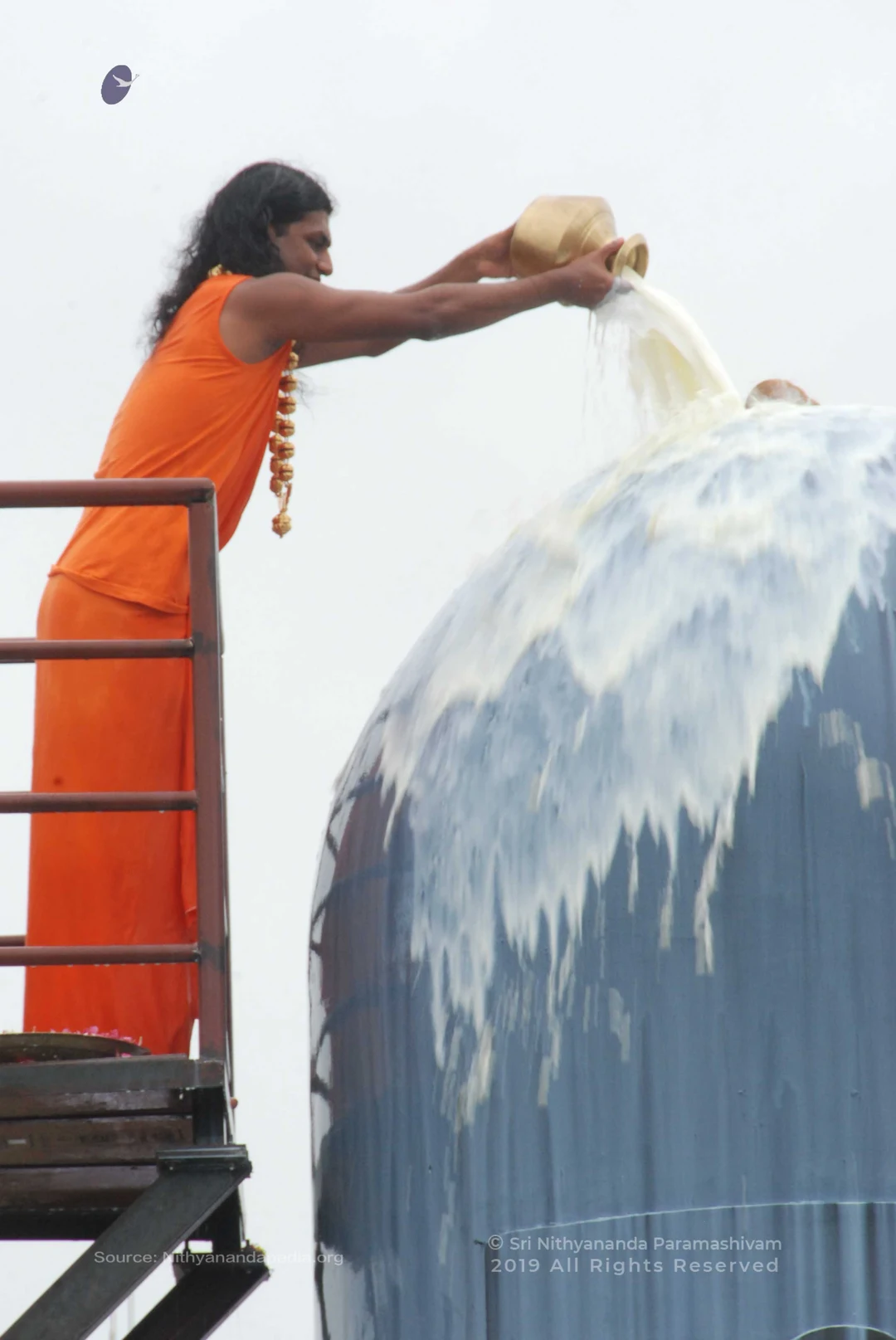
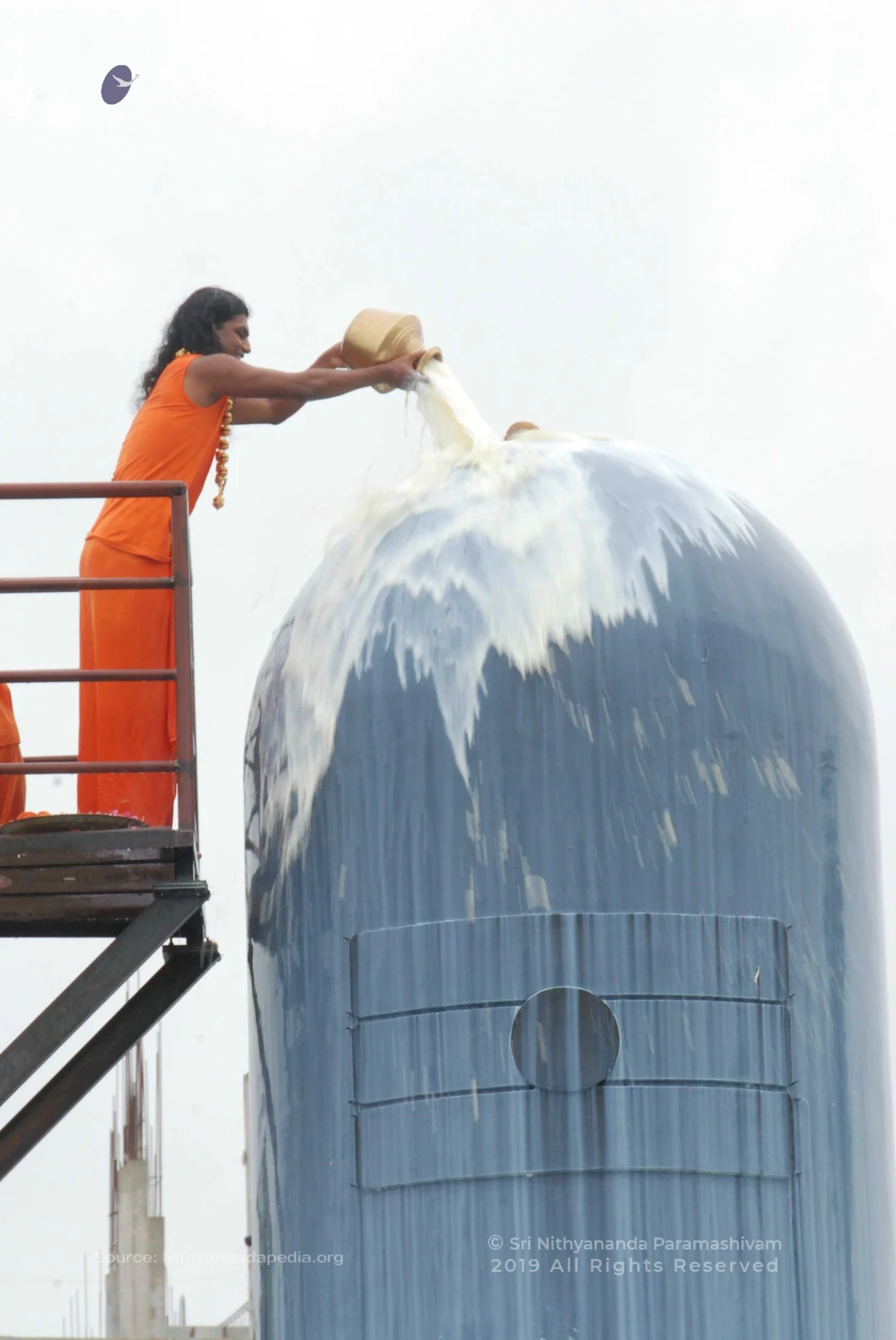
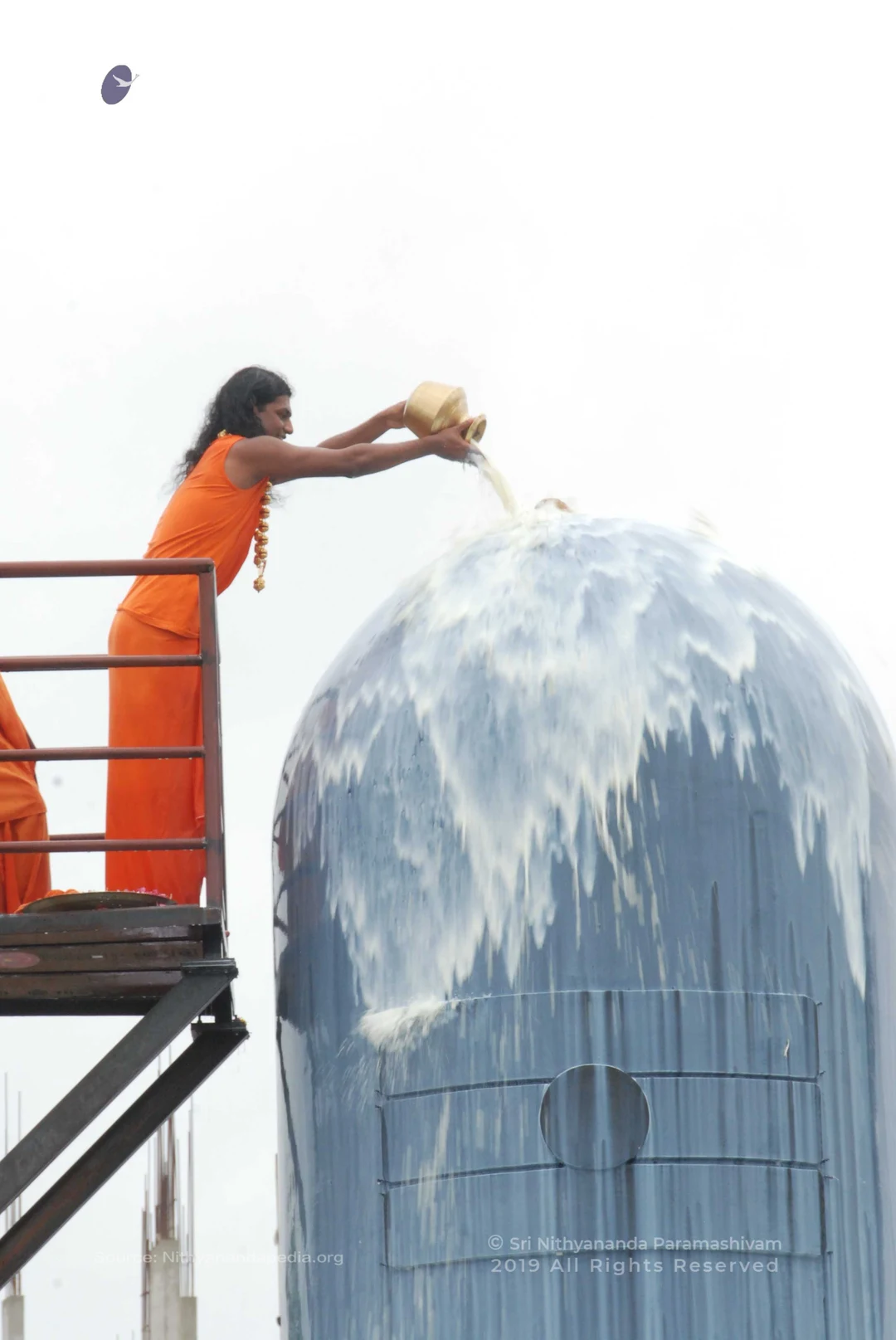
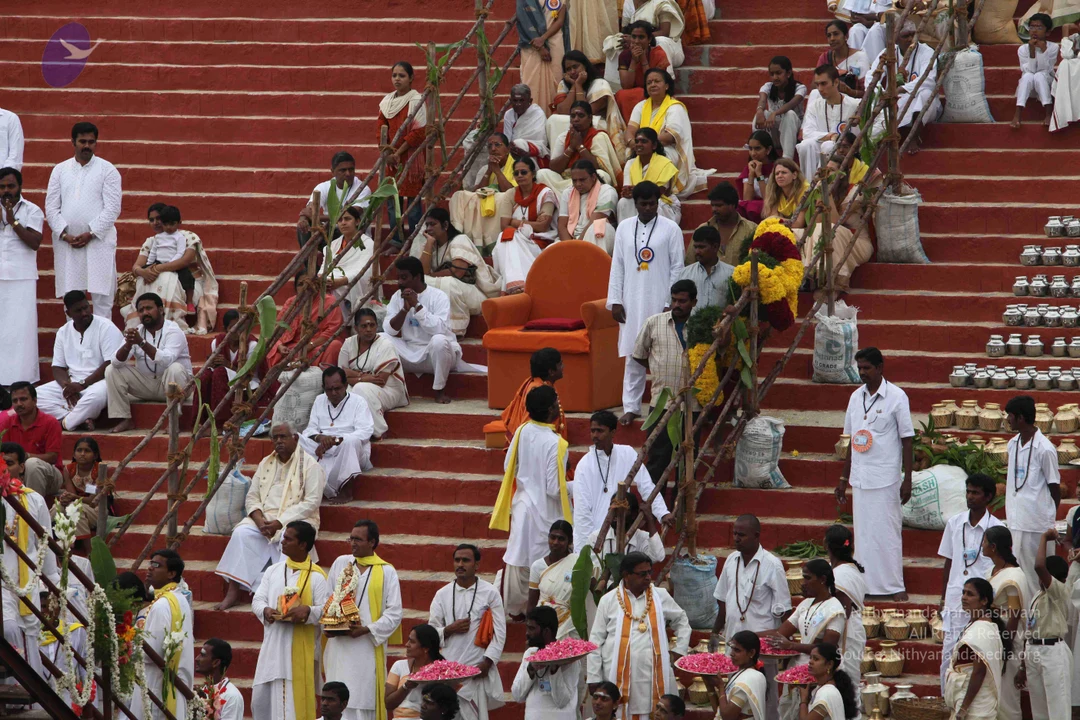
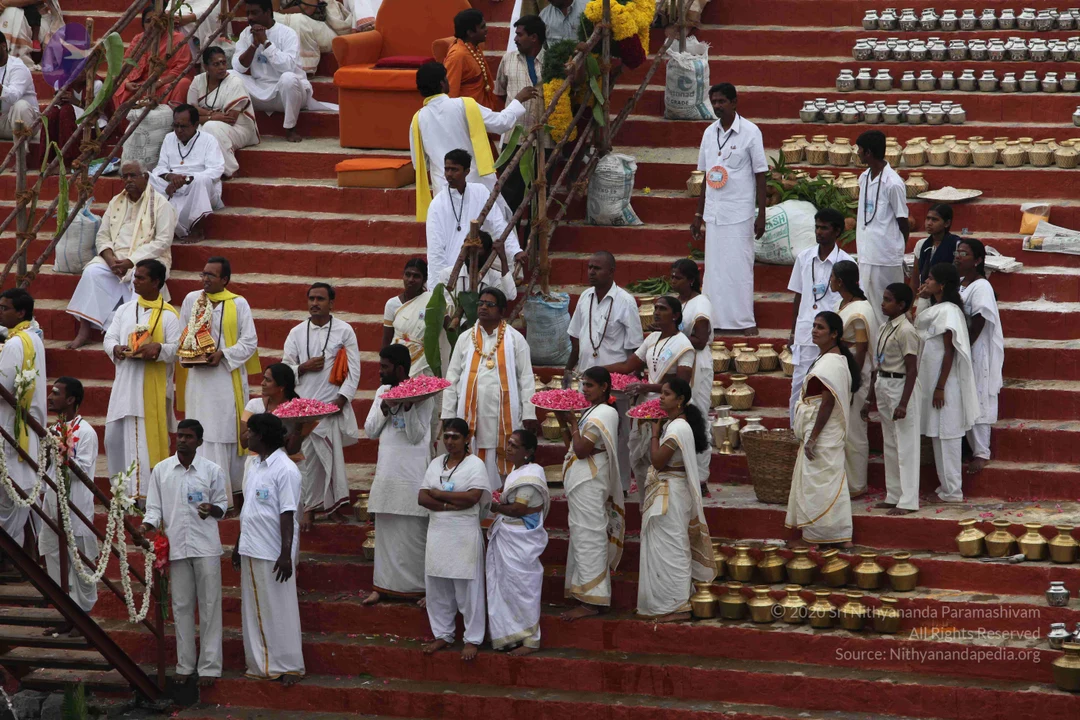
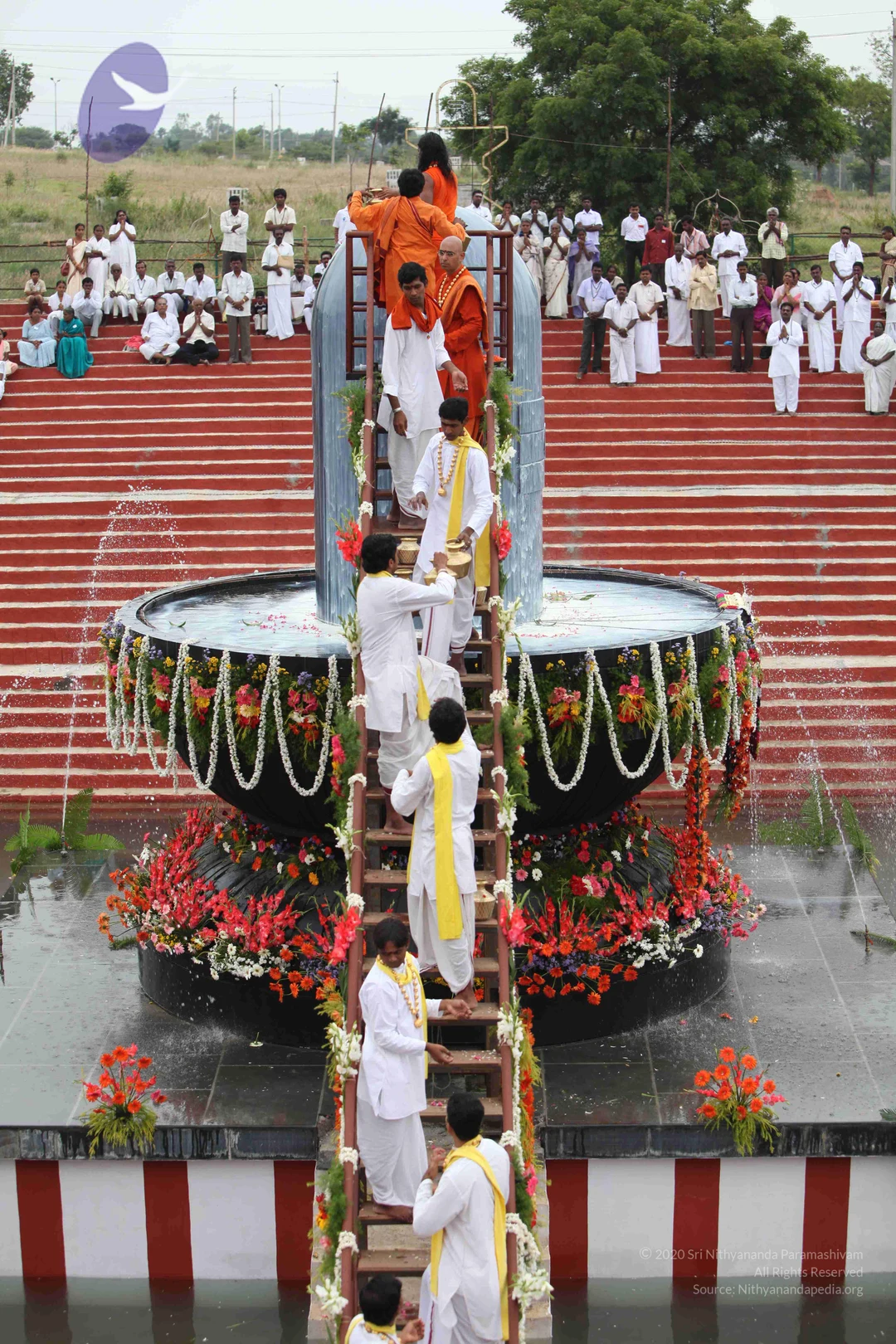
Outdoor ritual at a large black stone Shivalinga rising from a stepped water tank, dressed with flower garlands and a bed of red, orange and pink flowers at its base. Water sprays from the lingam and falls around it. Two men in white clothes stand waist-deep in the water at the base, one pouring or tending the lingam. On the raised platform at right, a woman in orange sari and two men in orange and saffron robes stand beside a man in white. Behind them, hundreds of people in white and colourful clothes sit and stand on red tiered steps and banks under palm trees, watching the abhishekam.A large black Shivalinga stands in a shallow pool of water at an outdoor ashram courtyard, its base wrapped in garlands of red and orange flowers and a ring of white flower chains. Two men in white dhotis wade in the water beside the lingam, one lifting his arm near its base. On the right, a staircase leads up to a platform where several people in white and in orange robes stand near the top of the lingam, with water spraying from pipes at the sides. Behind, tiered red steps are packed with hundreds of people dressed in white, many with raised hands, under palm trees and a clear sky. A purple balloon or umbrella floats at the upper left. The scene is an abhishekam ceremony.A large outdoor gathering of devotees seated on tiered red steps in rows, most dressed in white with some in saffron, orange and colourful saris. In the foreground, two figures in white with yellow shawls stand on the steps near a stair railing draped with flower garlands and red flowers; one holds a tray or offering plate. A camera on a tripod is set up among the seated crowd, and a green water tank and thatched structure appear in the background. Many attendees hold their hands together in prayer or sit quietly listening.Outdoor abhishekam at a large black lingam set in a water basin, decorated with white and multicoloured flower garlands and flower arrangements at its base. Water streams from the top of the lingam. Two figures in saffron/orange robes stand on a metal platform beside it, one pouring or offering at the lingam; a third person in white stands on the right. Below, a large crowd in white and coloured traditional dress stands on red stepped terraces with hands folded in prayer. Palm trees and greenery fill the background under an overcast sky.A large black polished lingam stands on a circular base, with water spraying upward from its top as it is bathed. Flower petals are scattered over its crown. On a metal staircase and platform beside it, three men in saffron-orange robes stand; one pours liquid from a vessel, another holds a tray or pot, and a man in white dhoti with an orange shawl gestures and holds a flower offering. Garlands of white flowers and red blossoms hang on the railing. Tiered red-and-grey seating rows with spectators in light clothing stretch behind, with trees and palms in the background. The scene suggests a lingam abhishekam ritual outdoors.A large black polished lingam stands on a platform at an outdoor ritual site, with pink flower petals scattered on its top and water running down its sides. Three saffron-robed men stand on a metal railed staircase beside it: one in an orange cloth reaches up to touch the lingam, another in orange holds a brass vessel, and a bald man in orange with an orange shawl holds a tray of offerings. A man in white dhoti and shirt with an orange scarf leans in on the right, arranging pink and white flower garlands. Red-tiered seating rows behind are filled with seated devotees in mixed clothing, and spectators in white stand at the edges under palm trees and a grey sky. This appears to be an abhishekam being performed on a Shiva lingam.

02-ADIKAILASA-TEMPLE

38 photosSource gallery
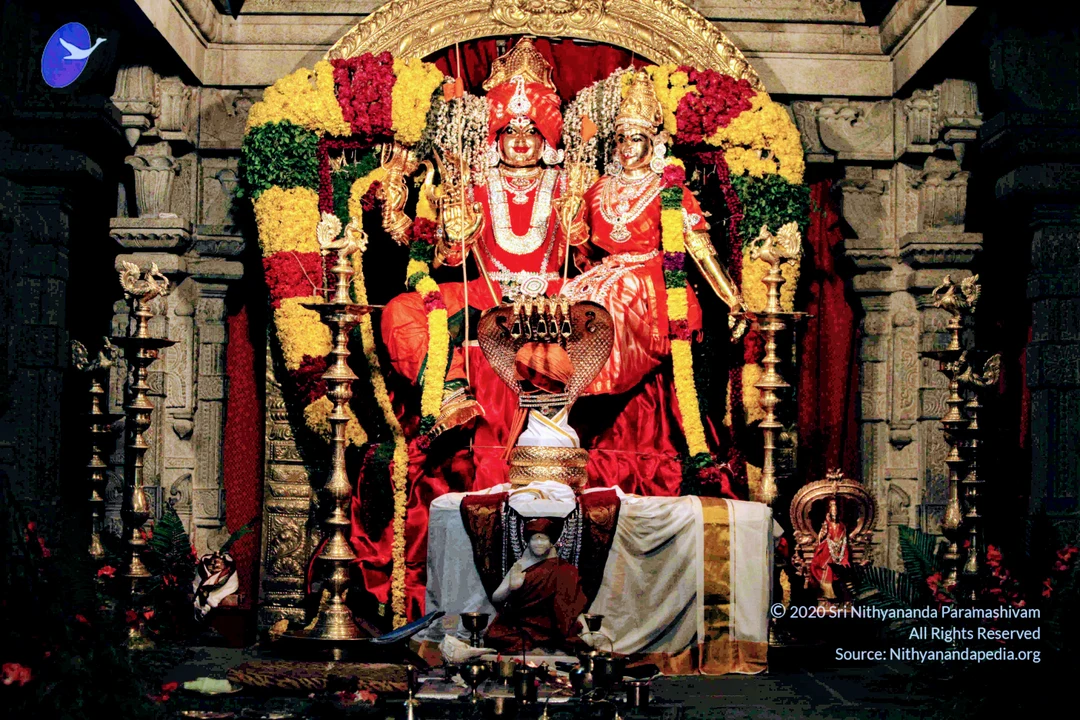
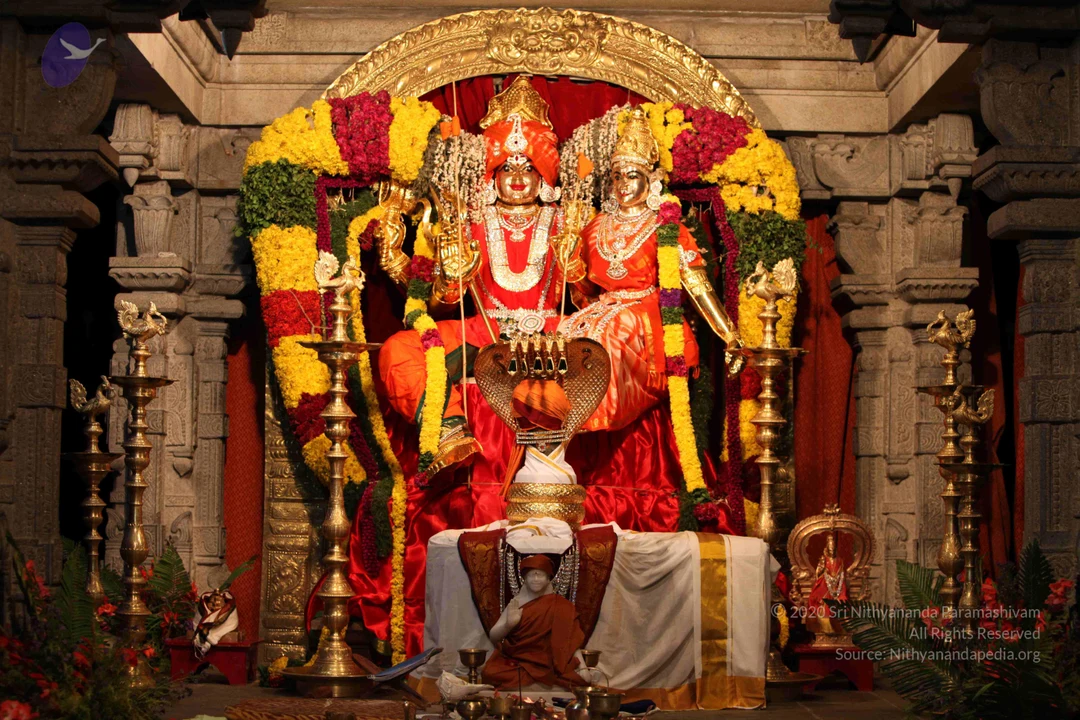
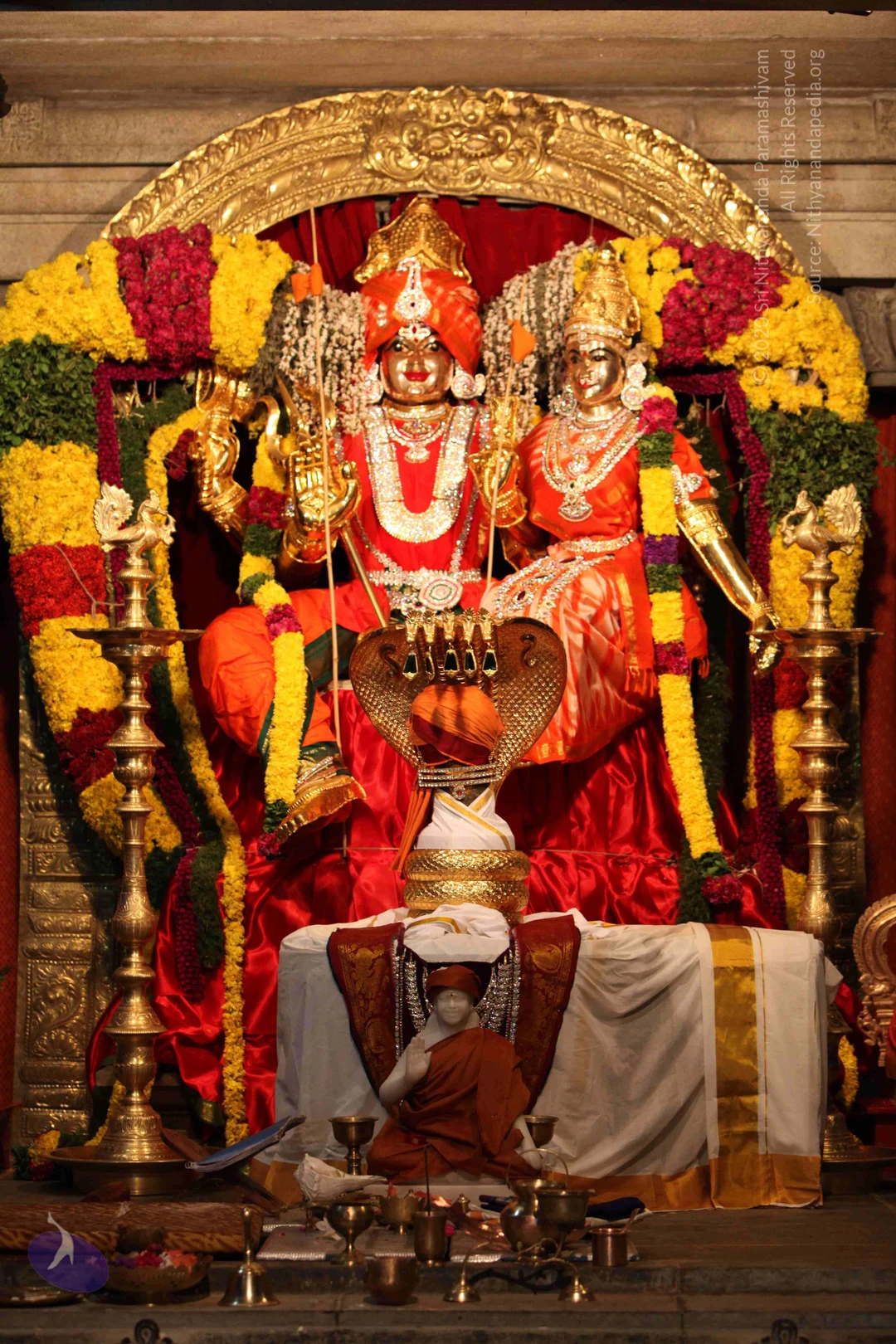
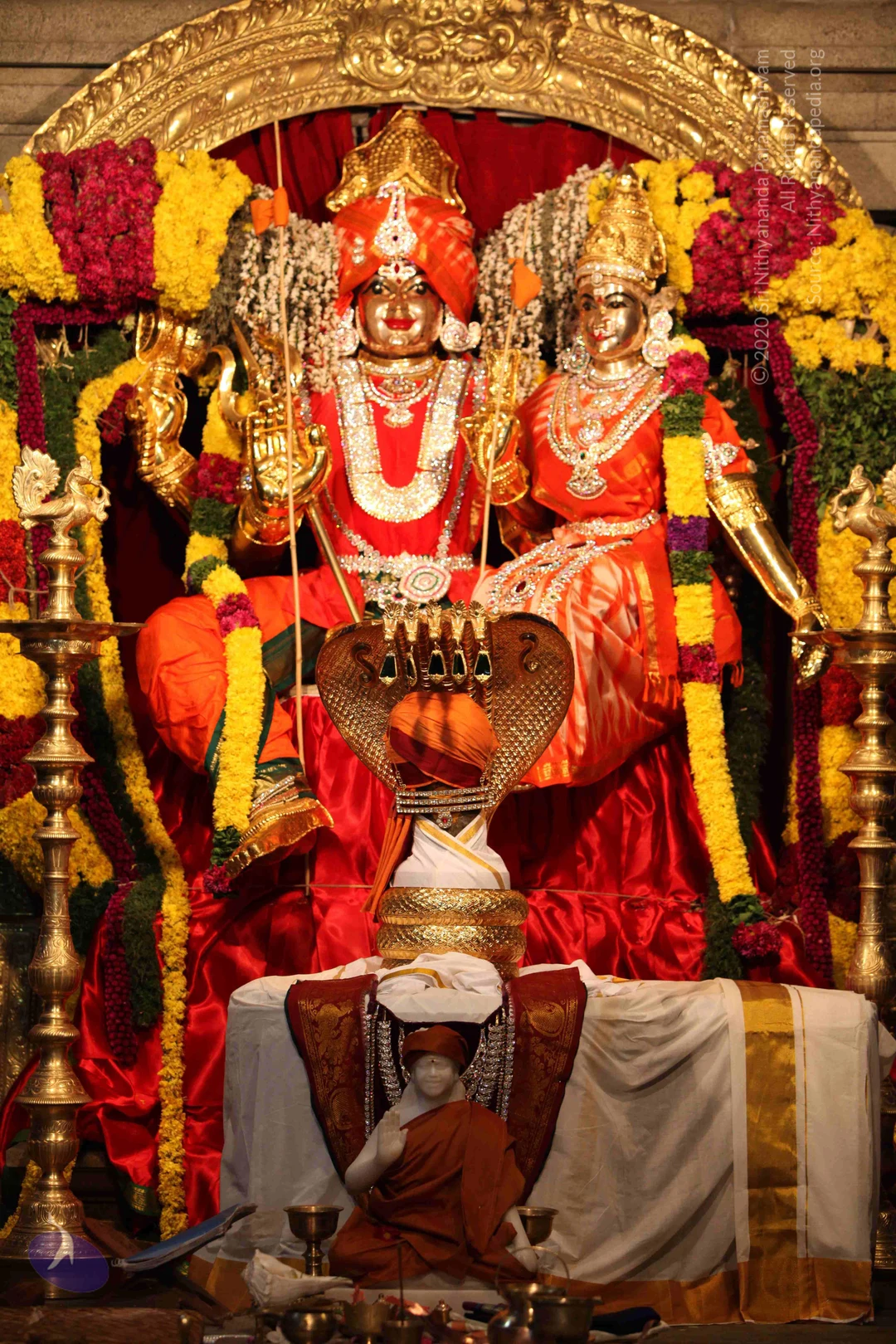
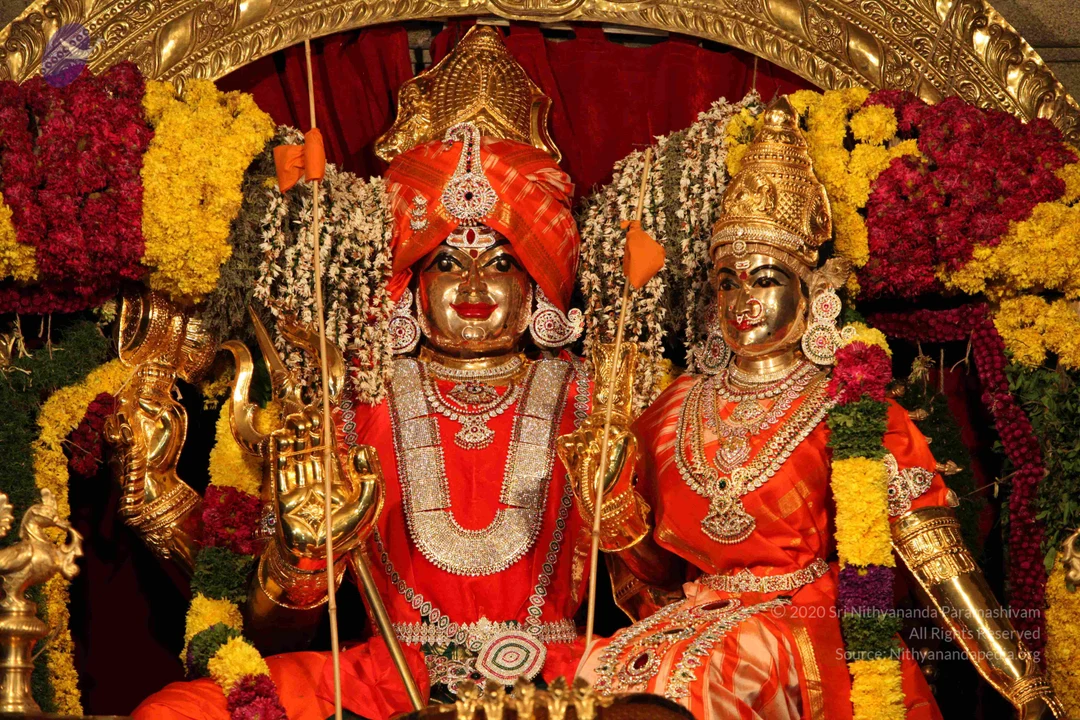
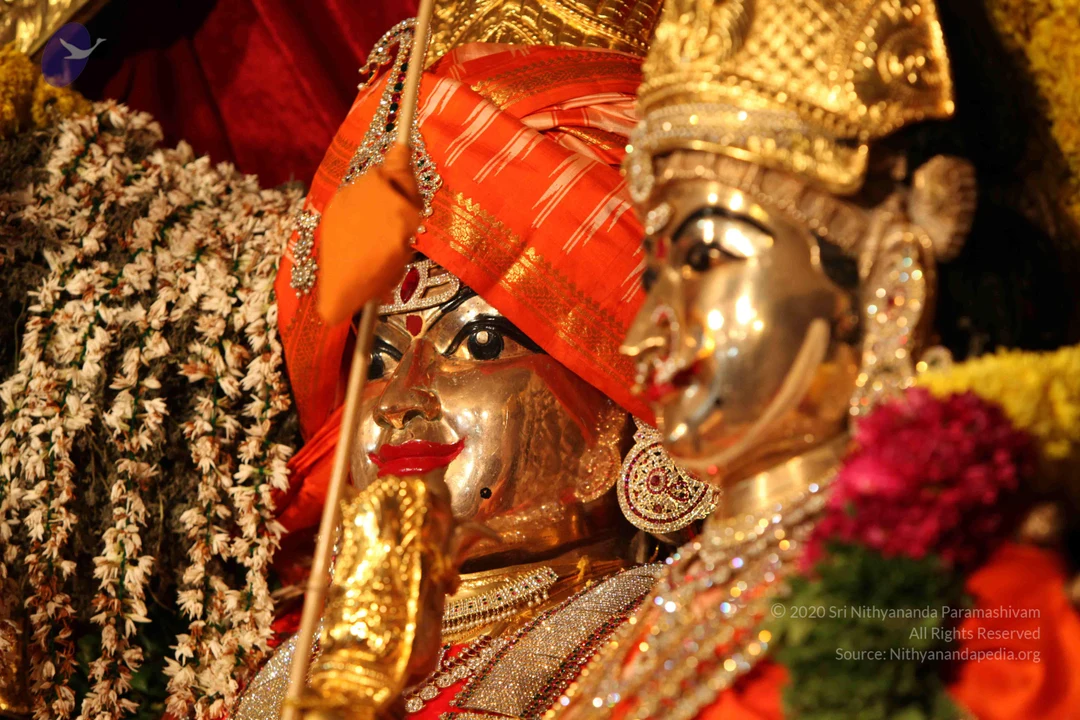
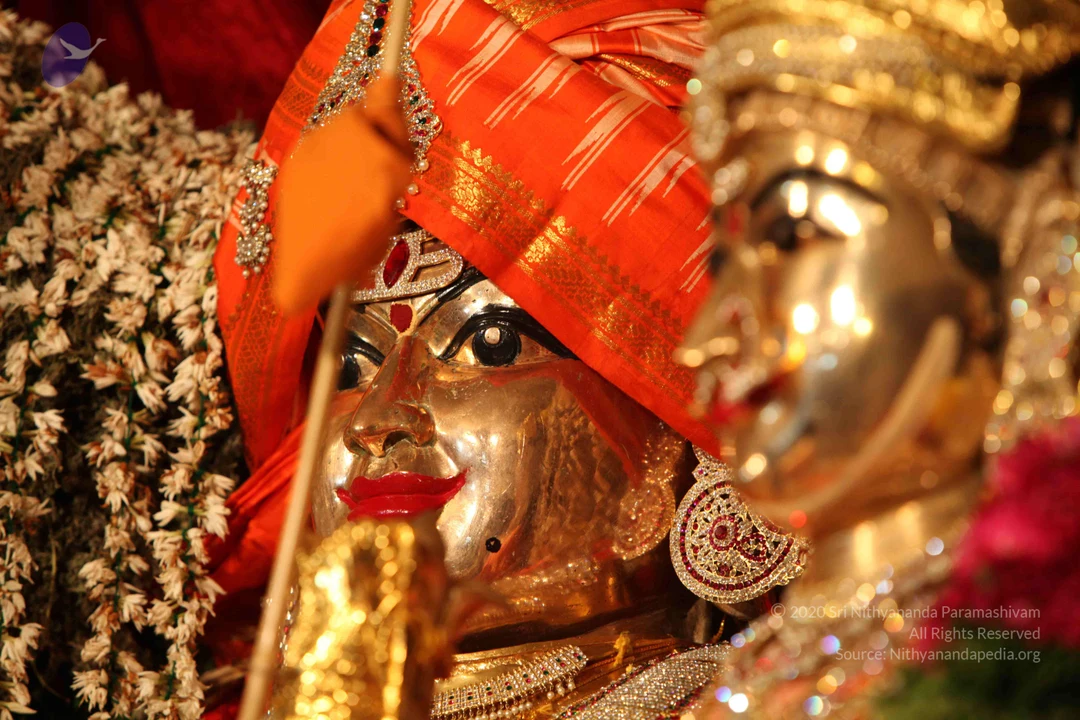
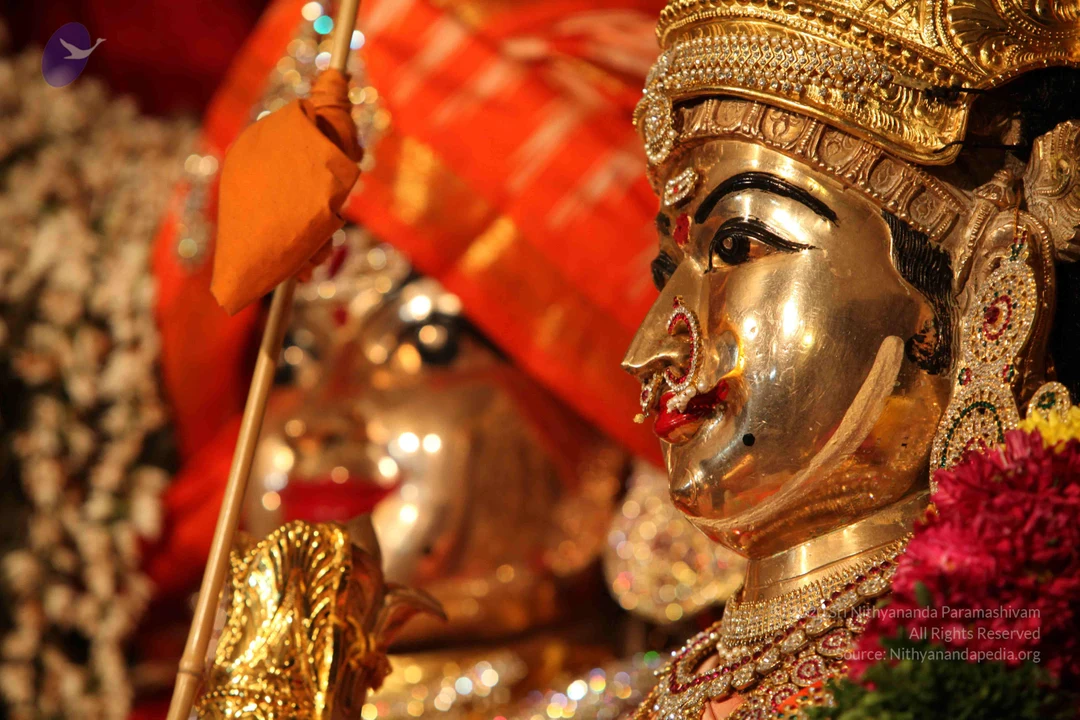
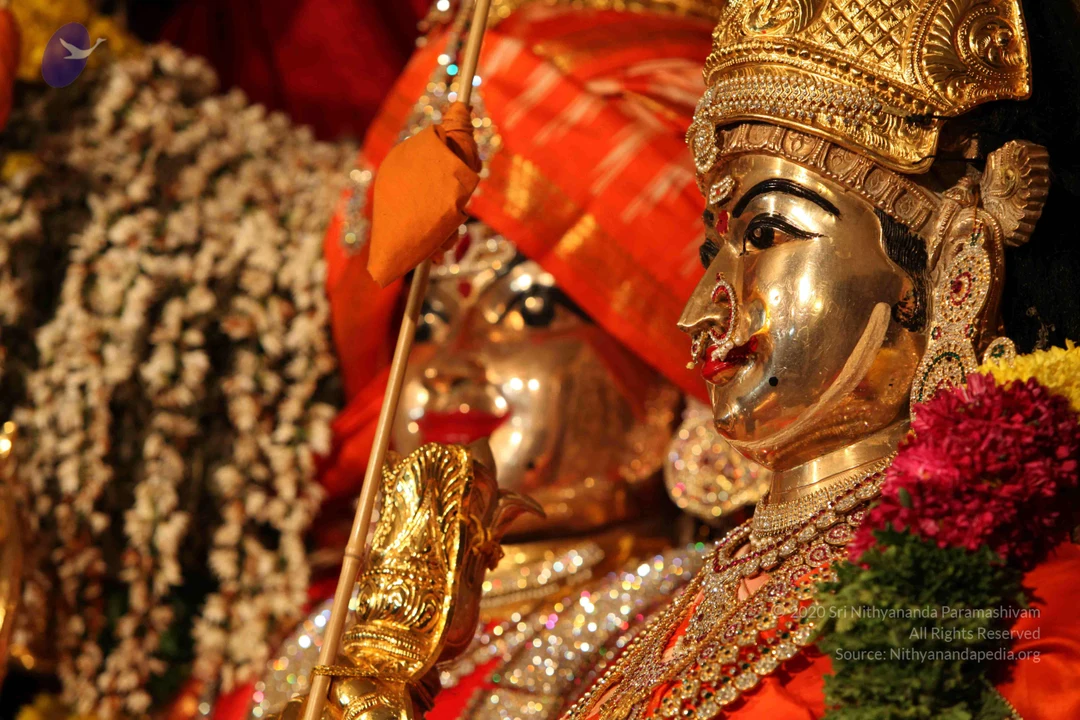
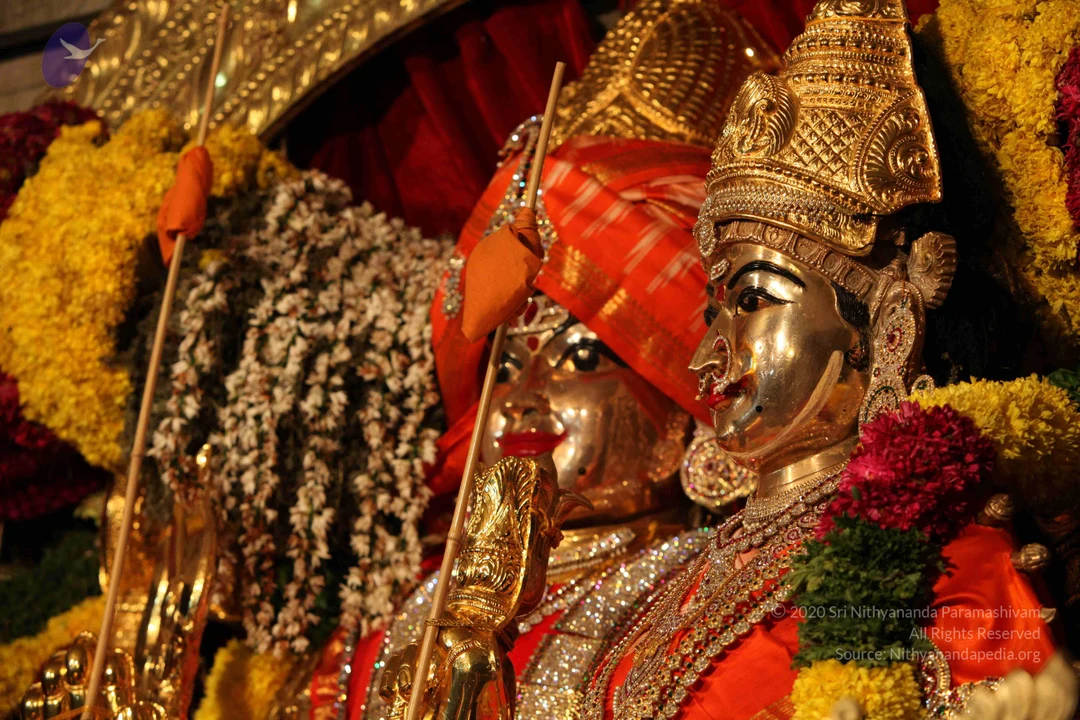
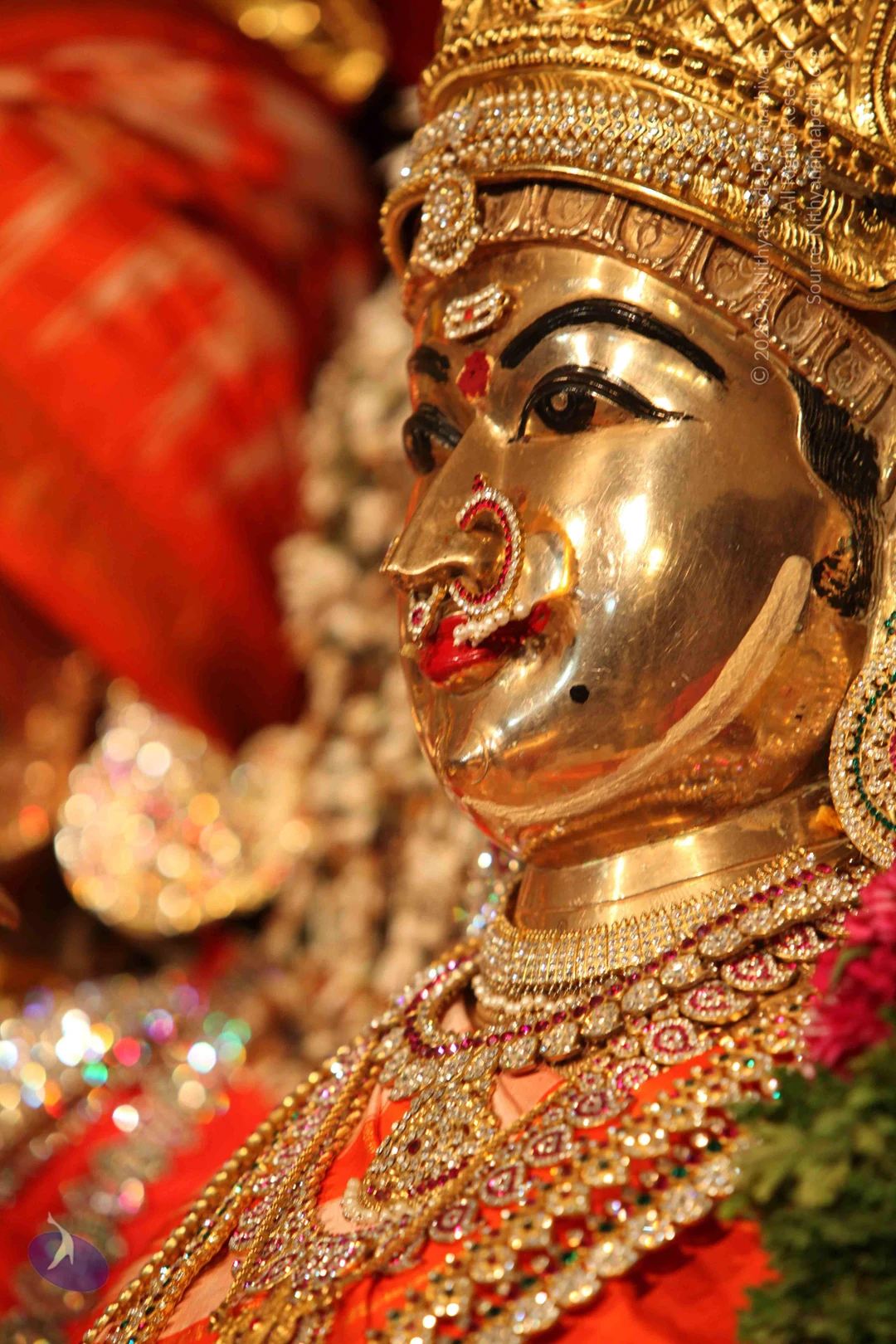
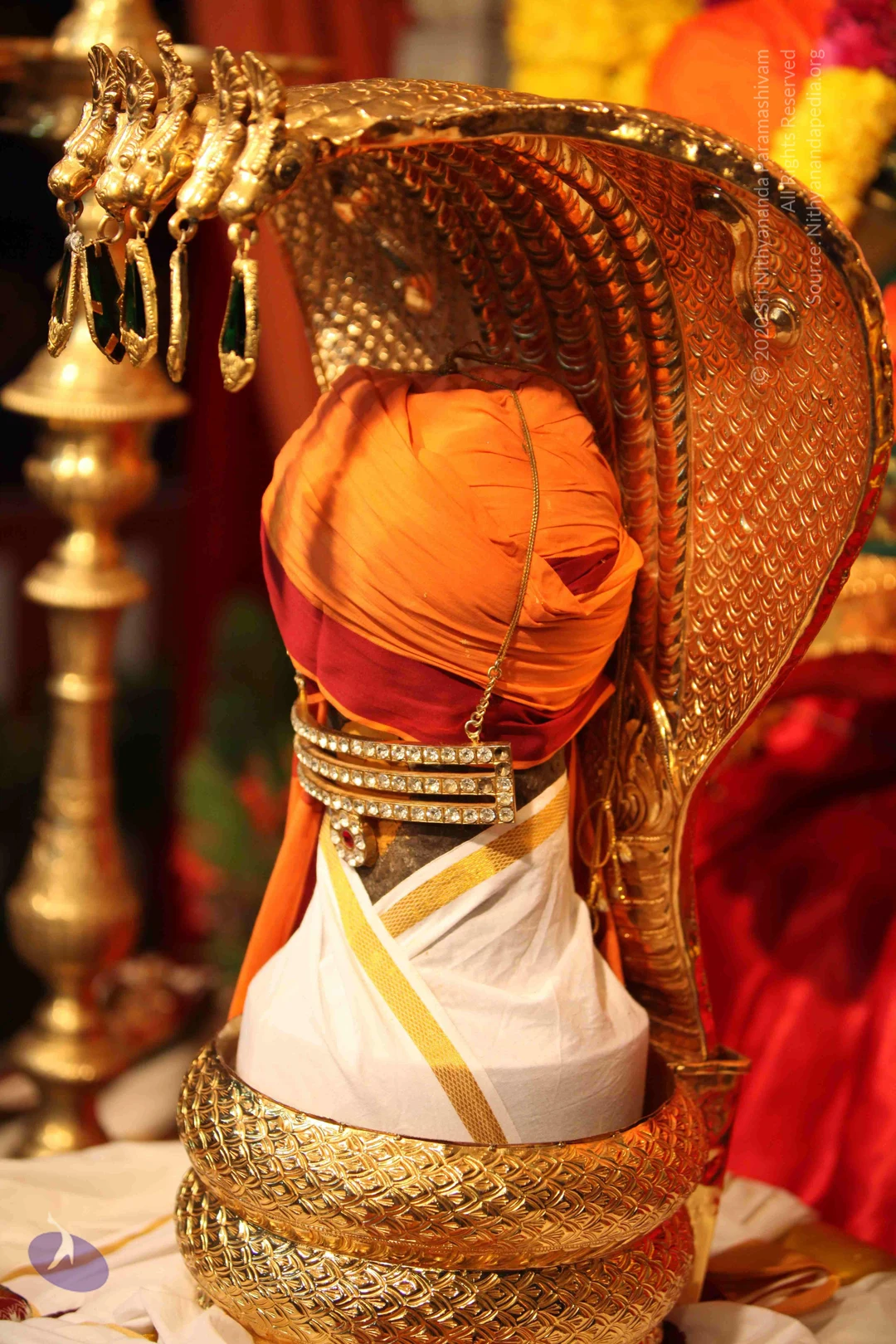
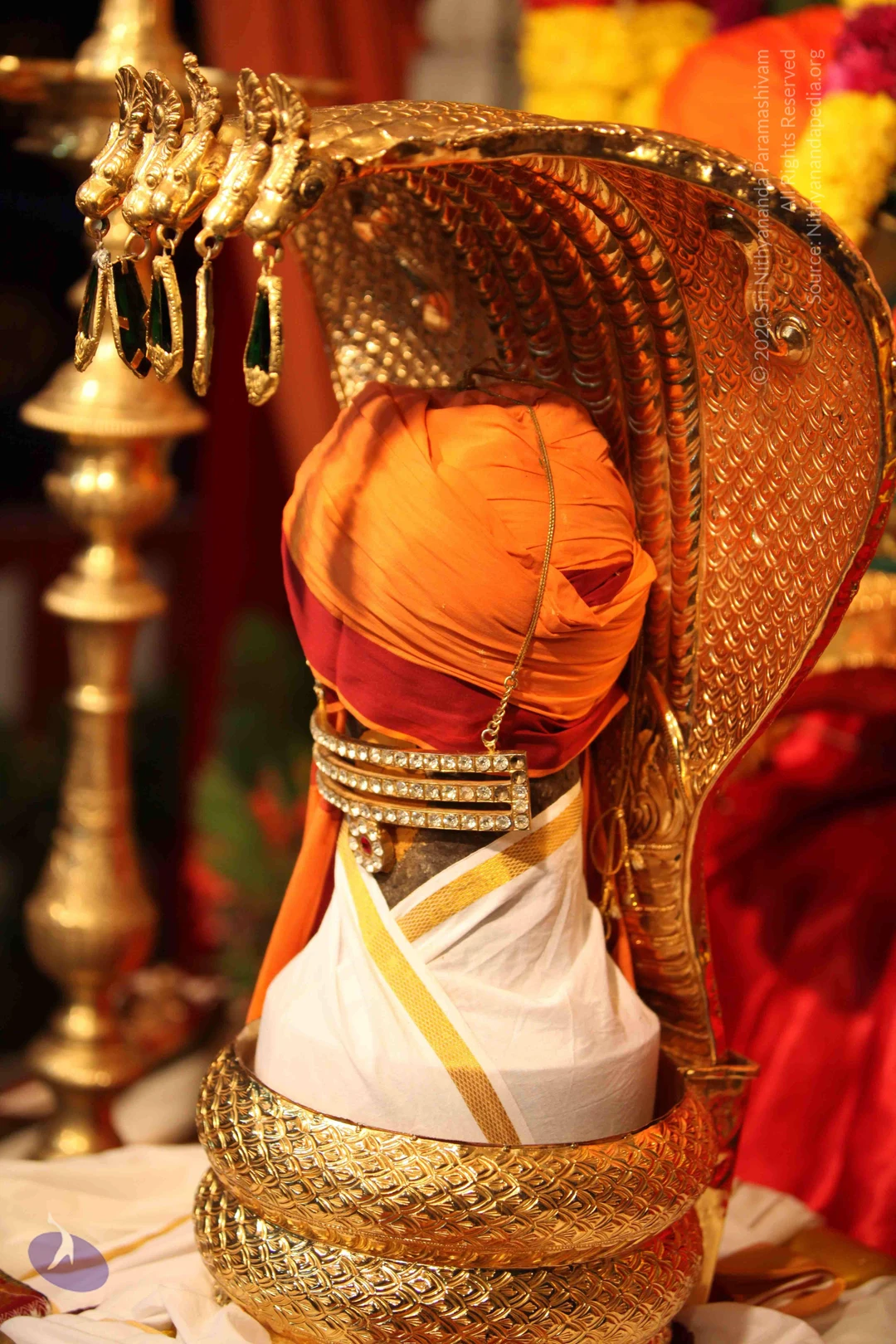
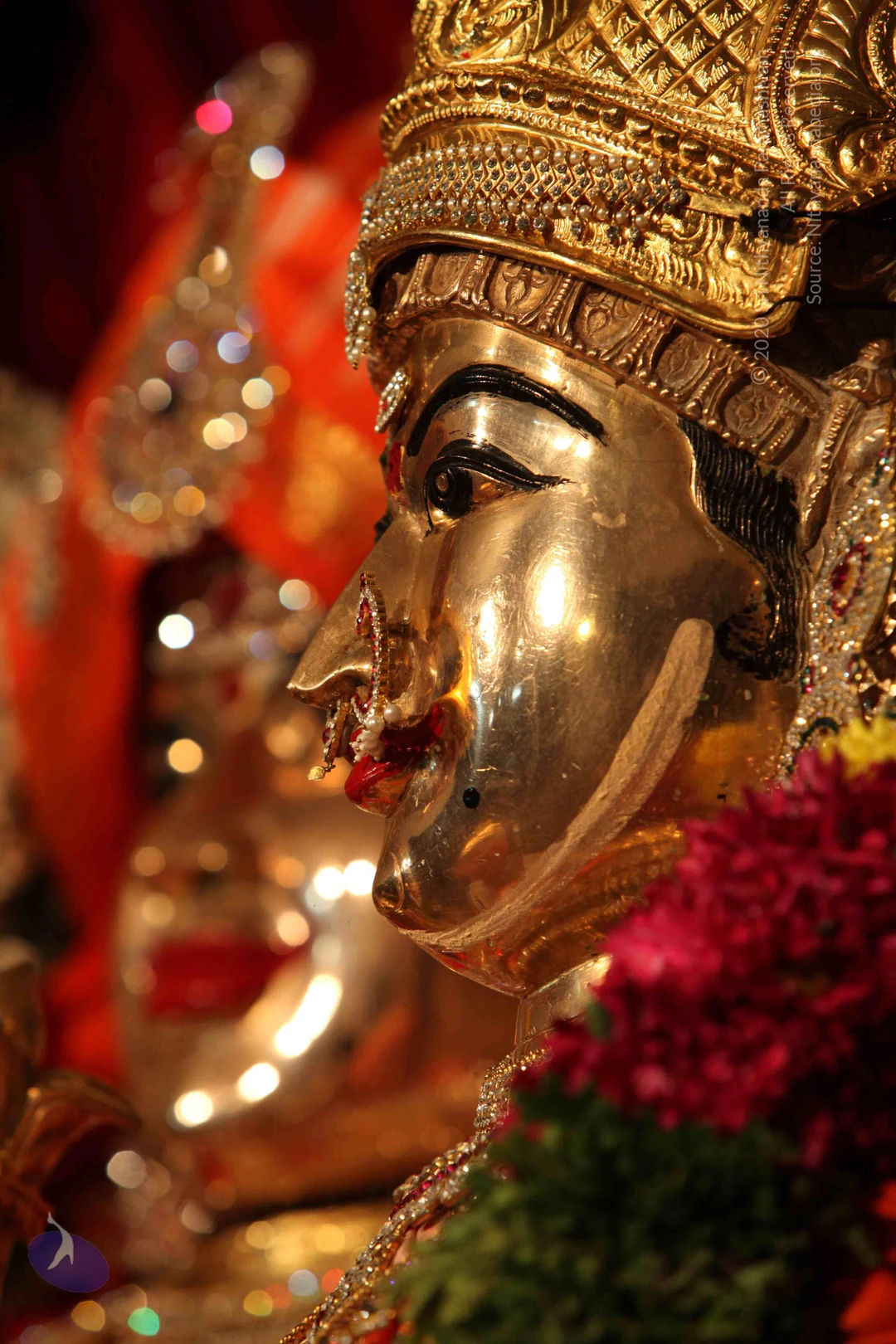
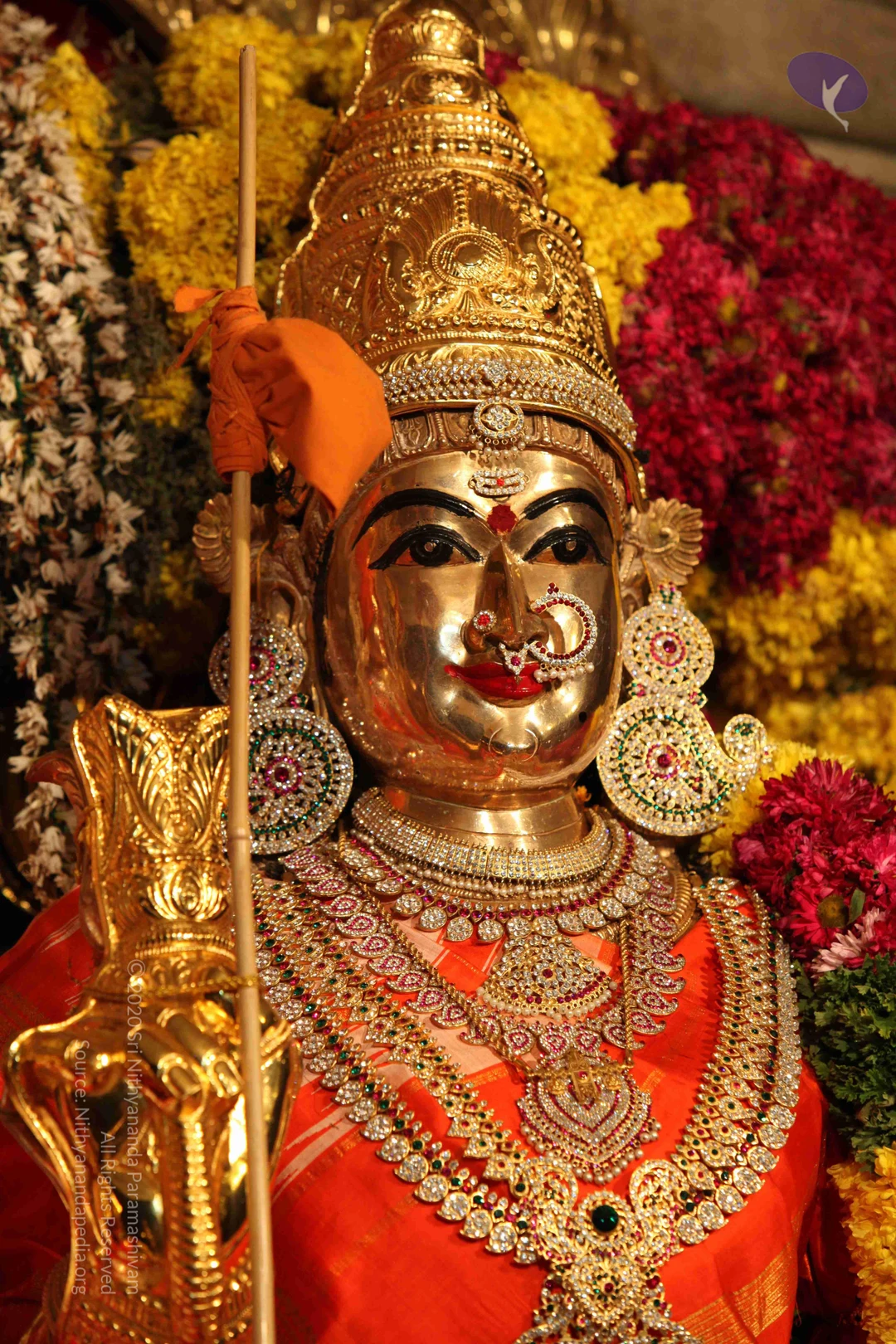
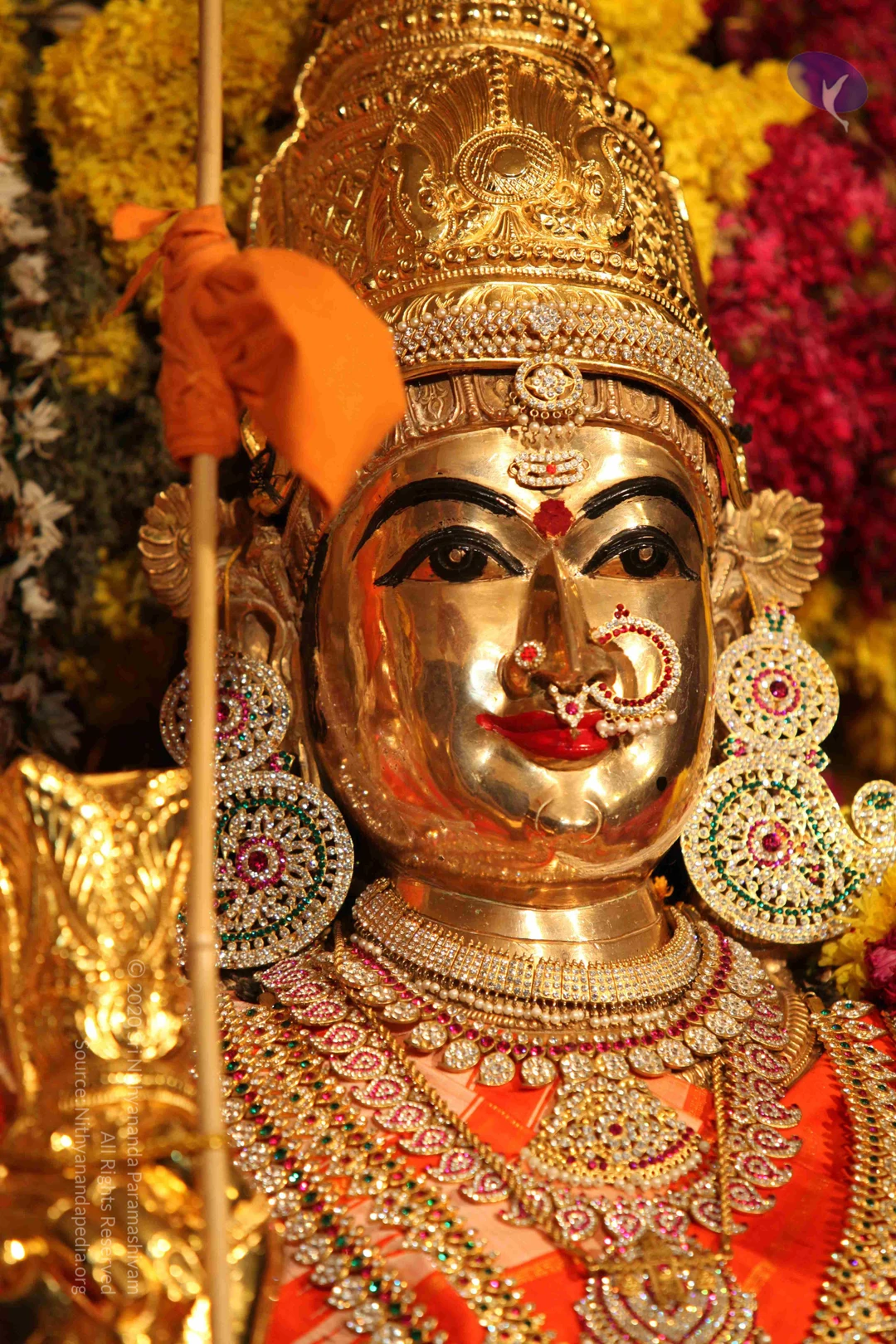
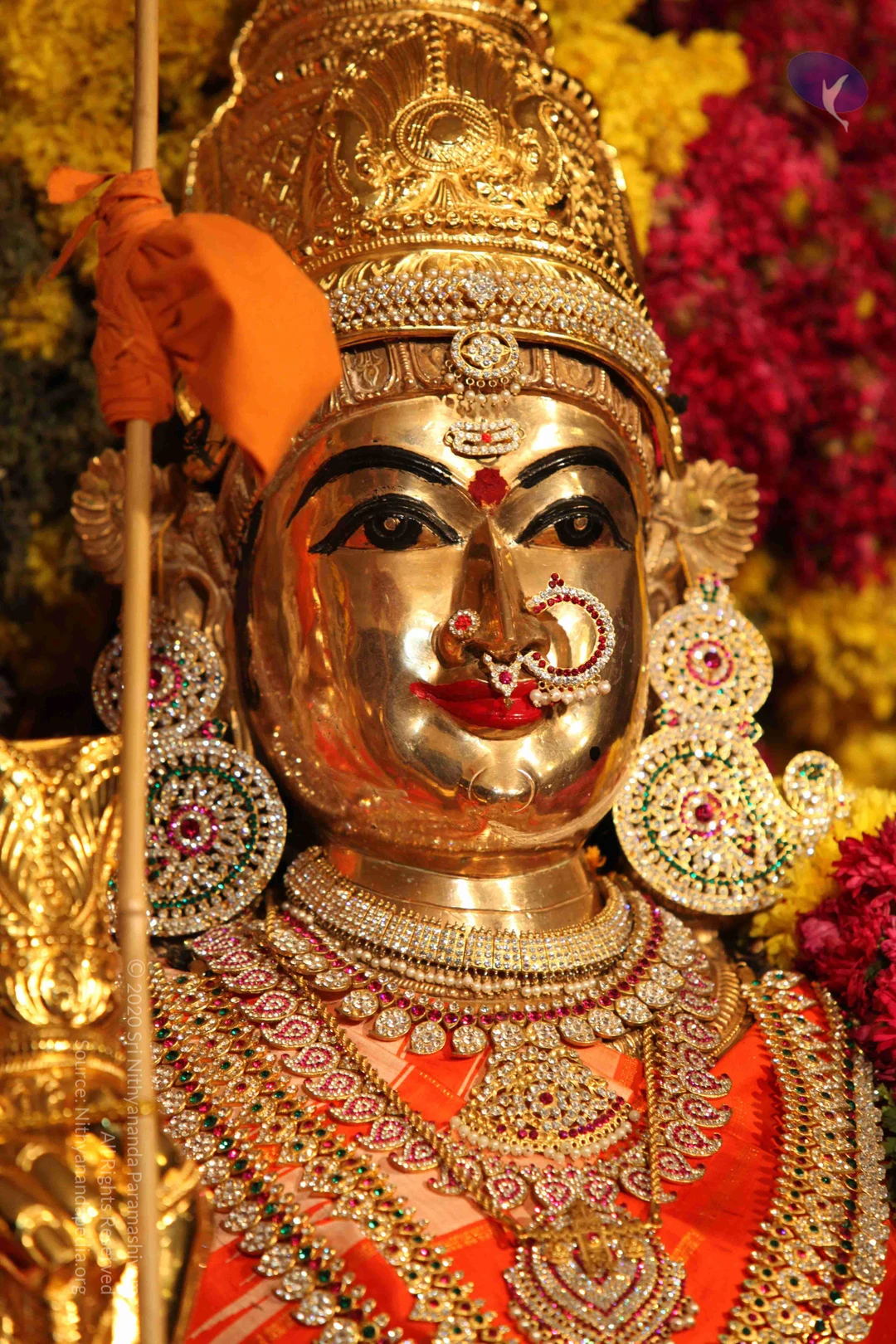
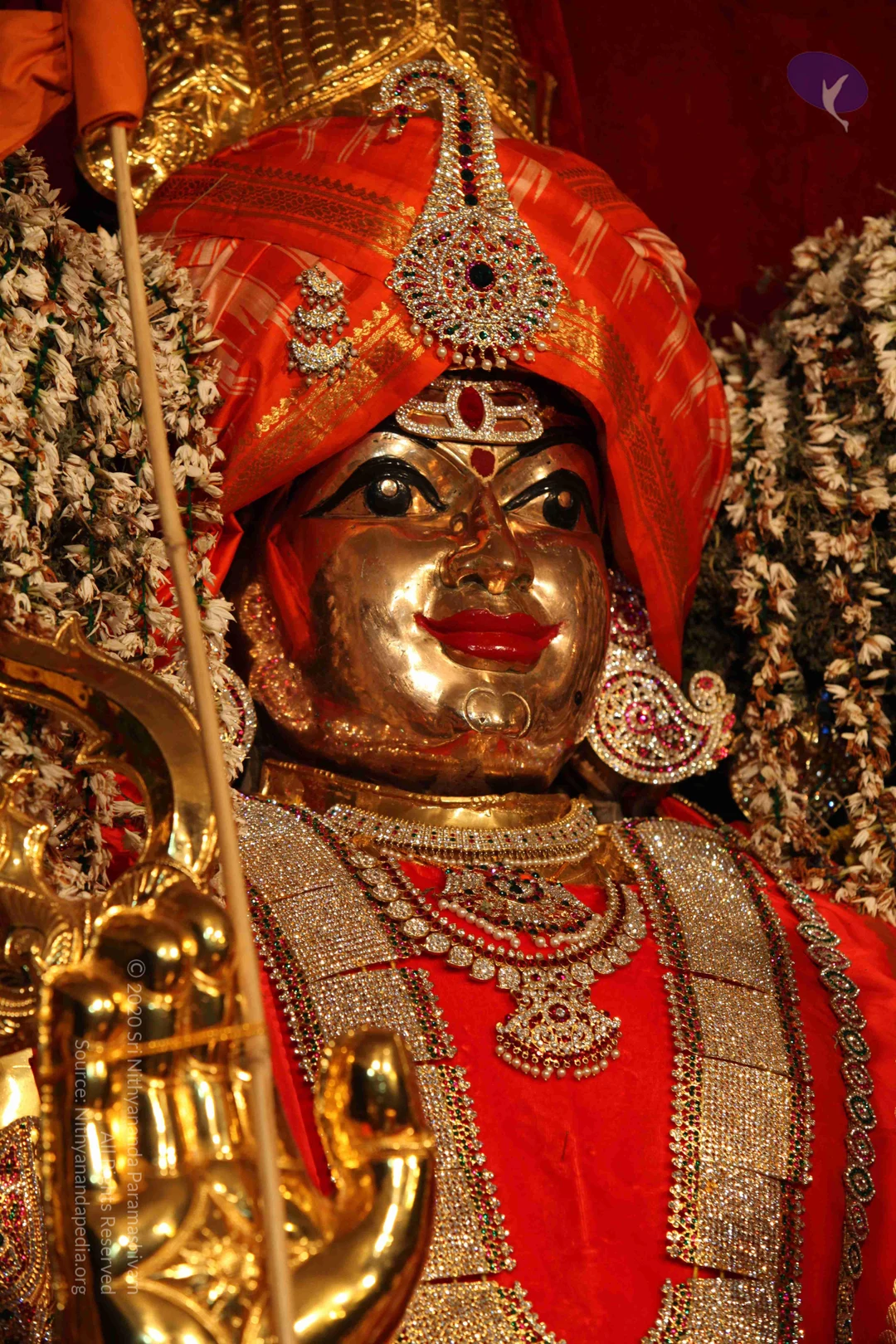
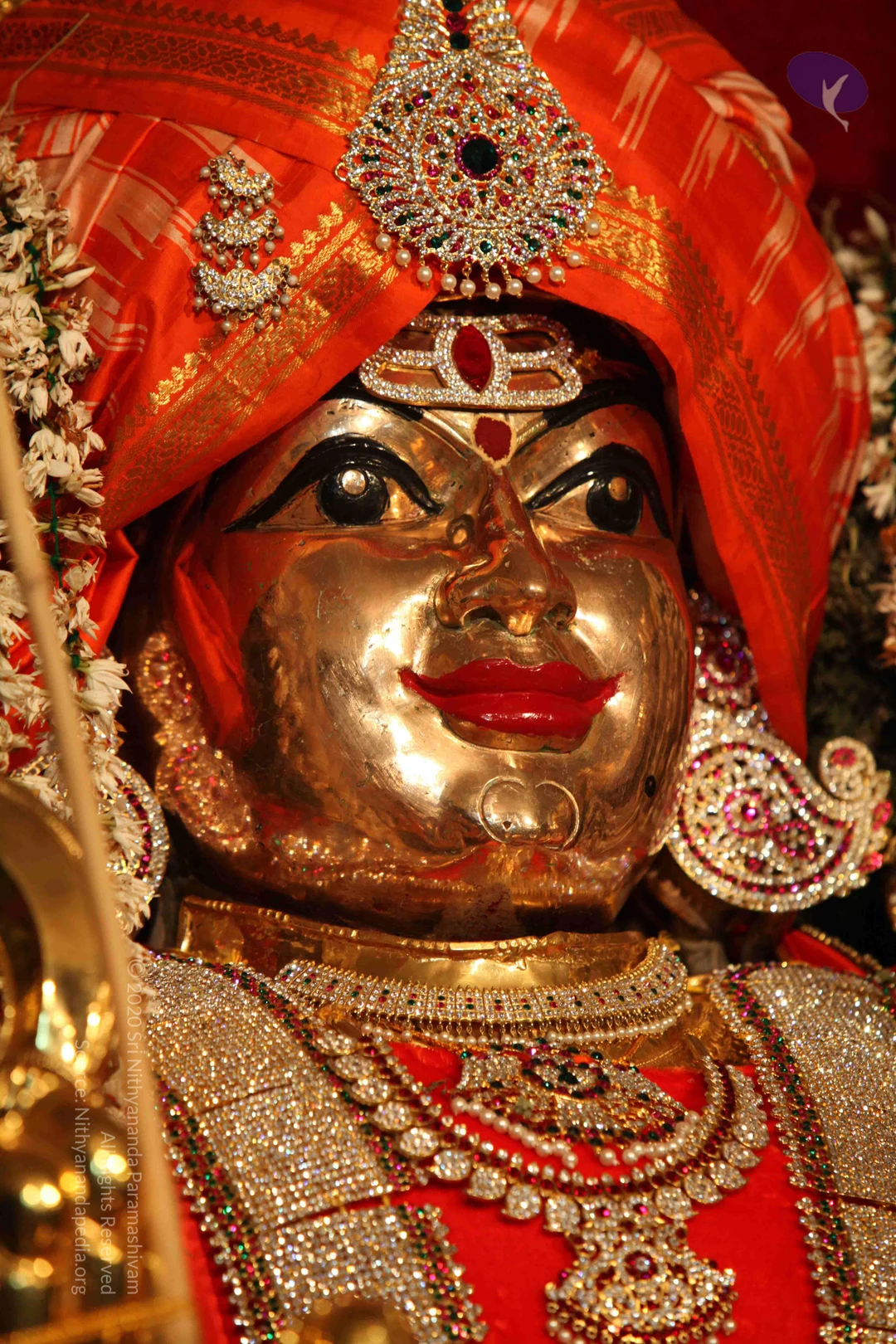
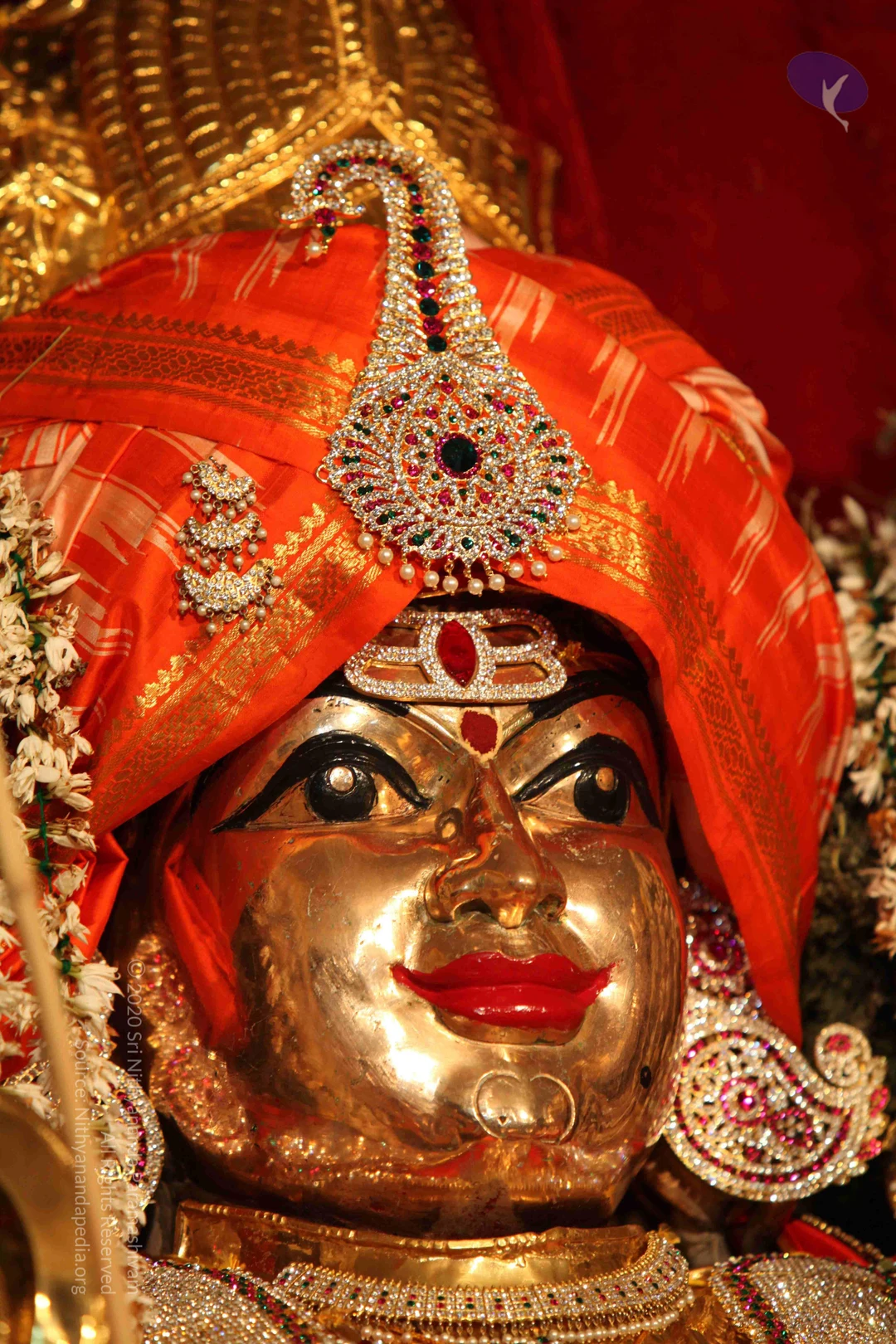
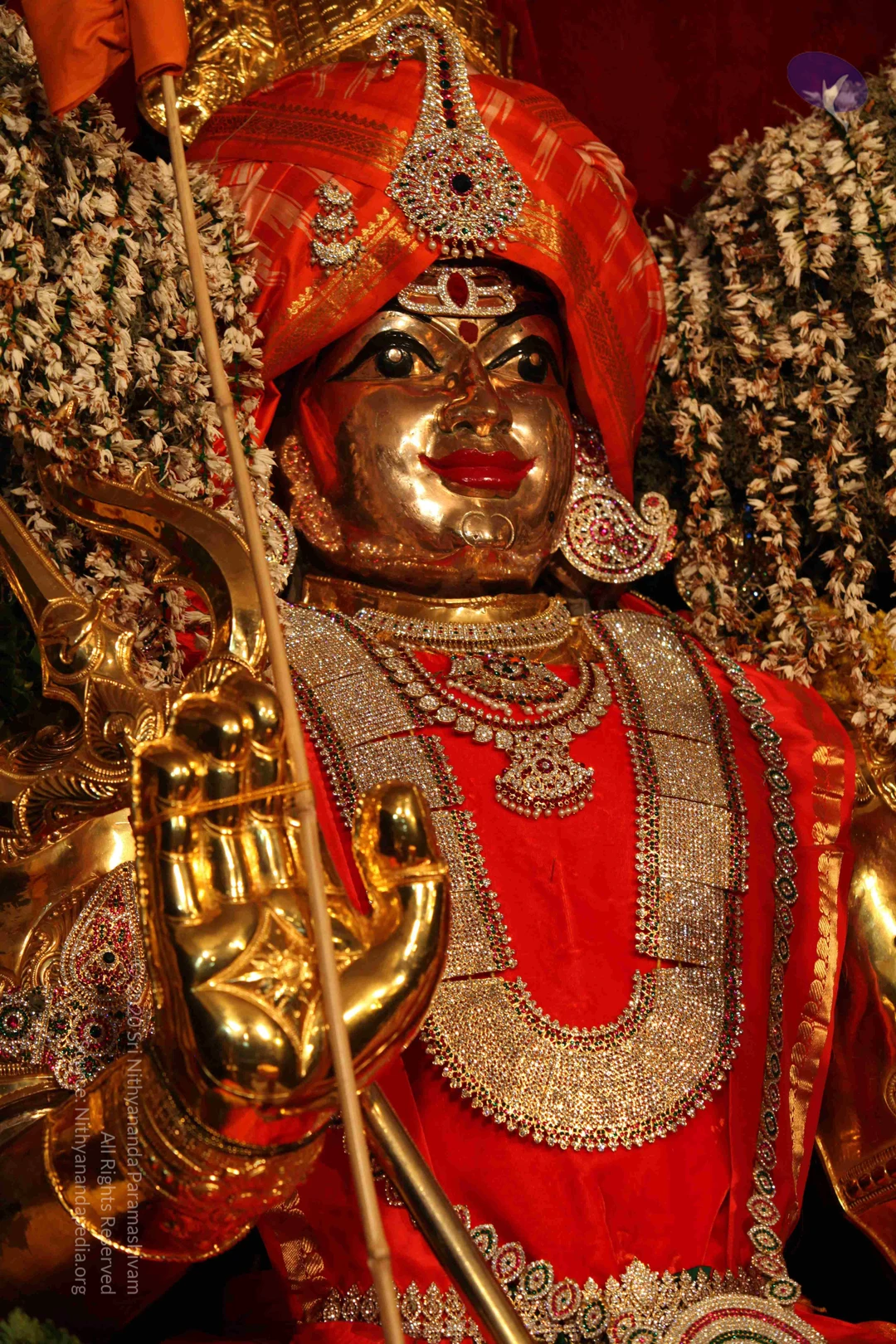
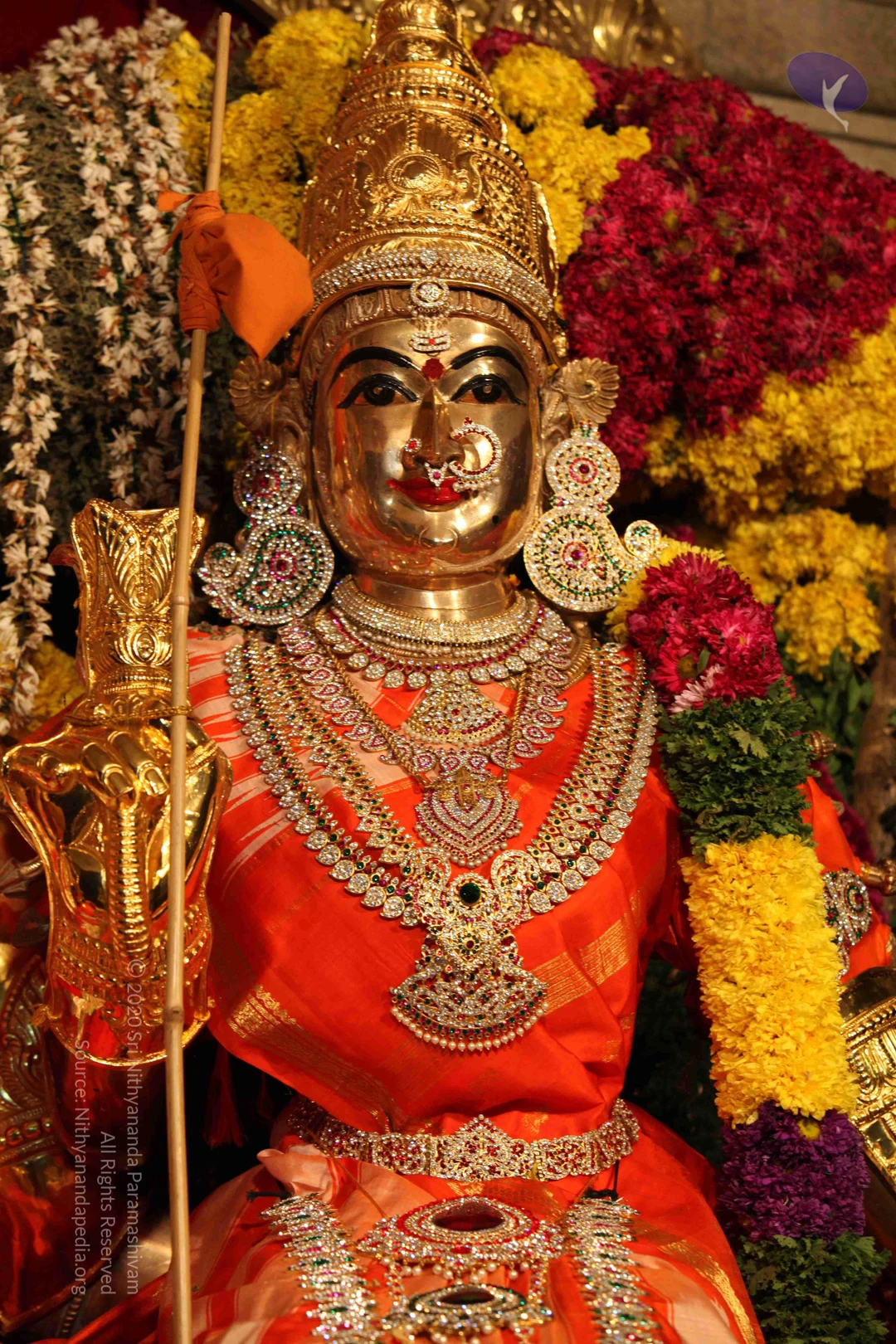
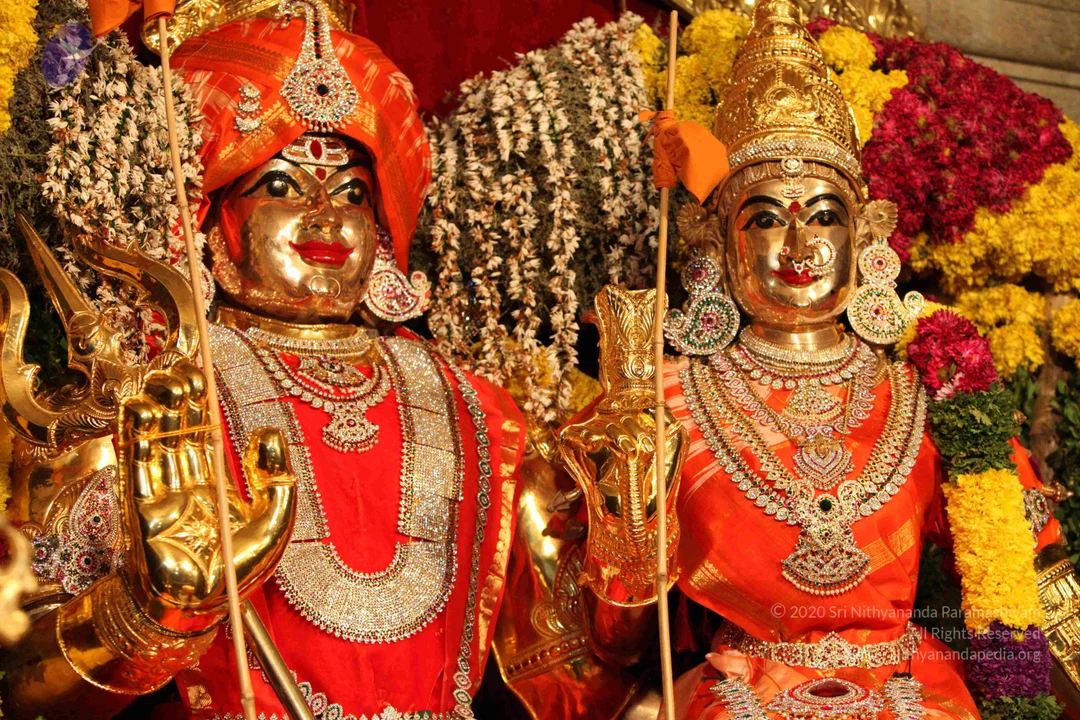
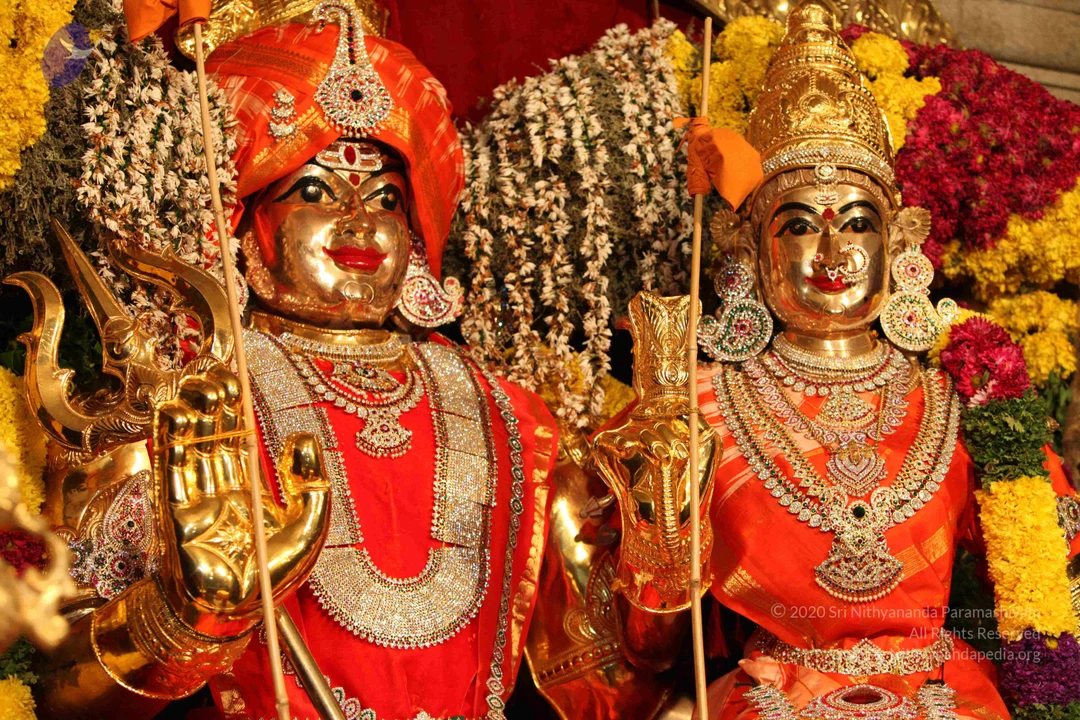
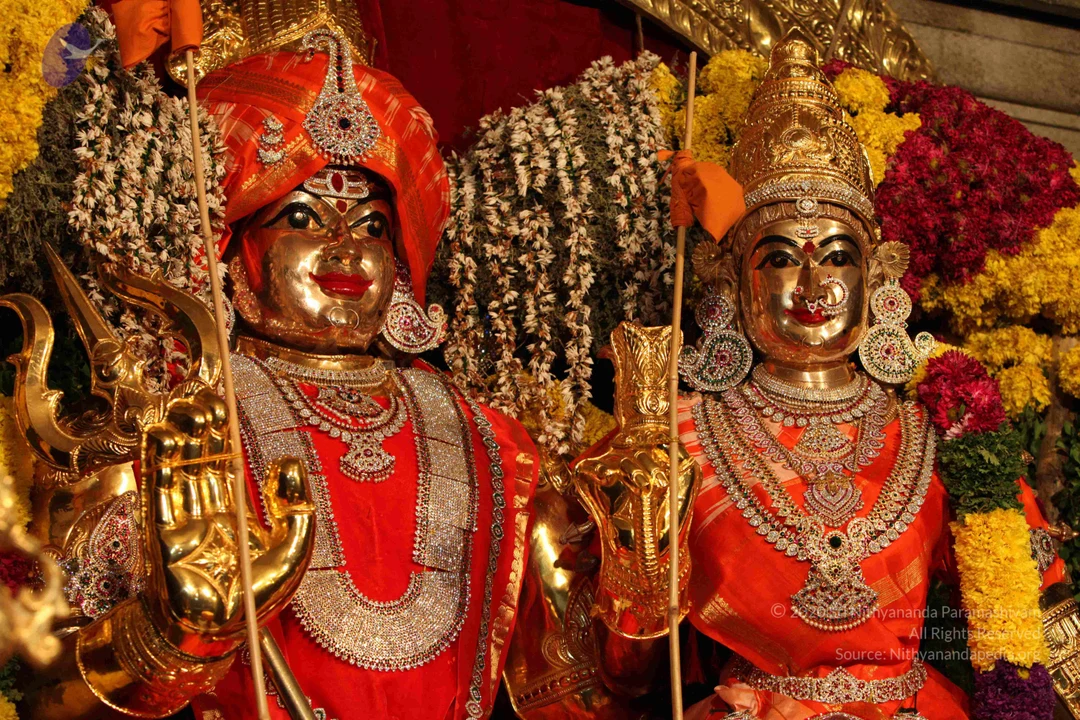
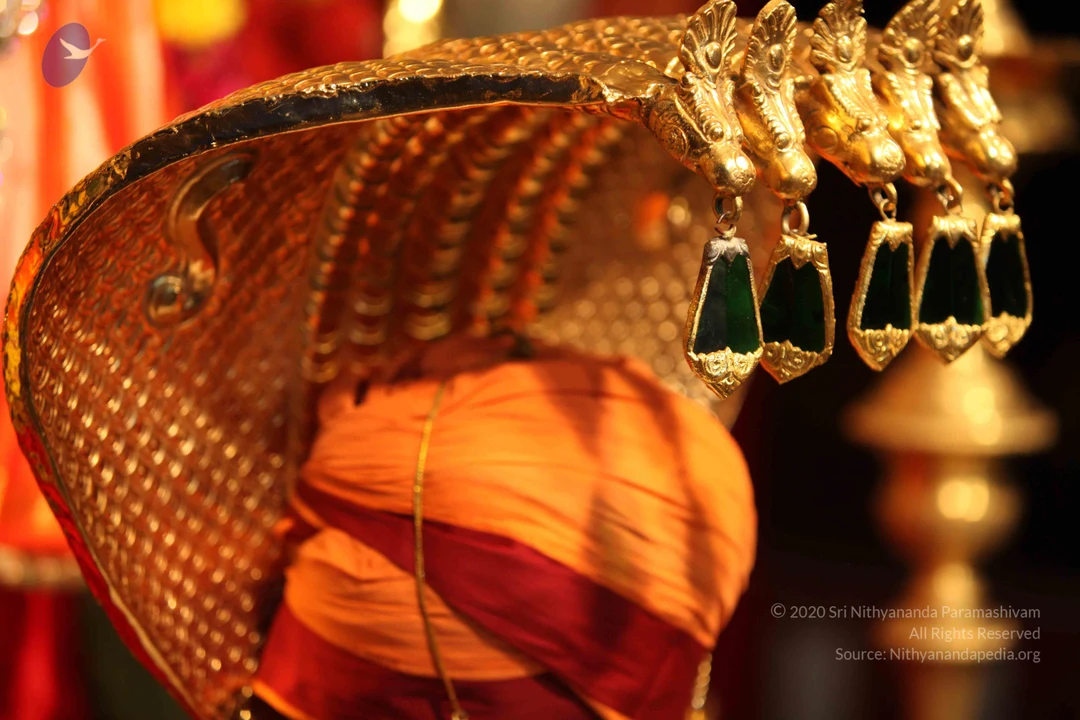
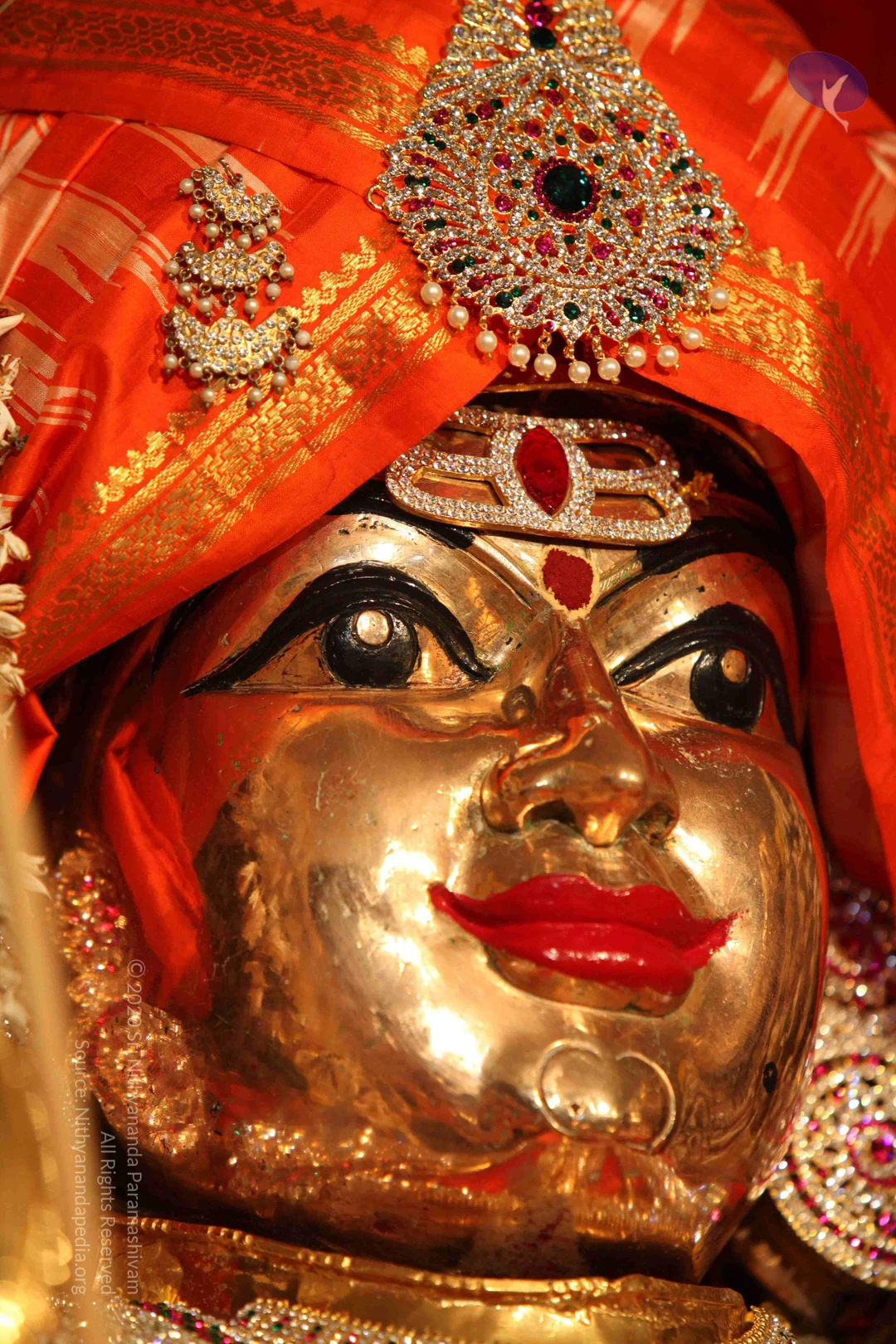
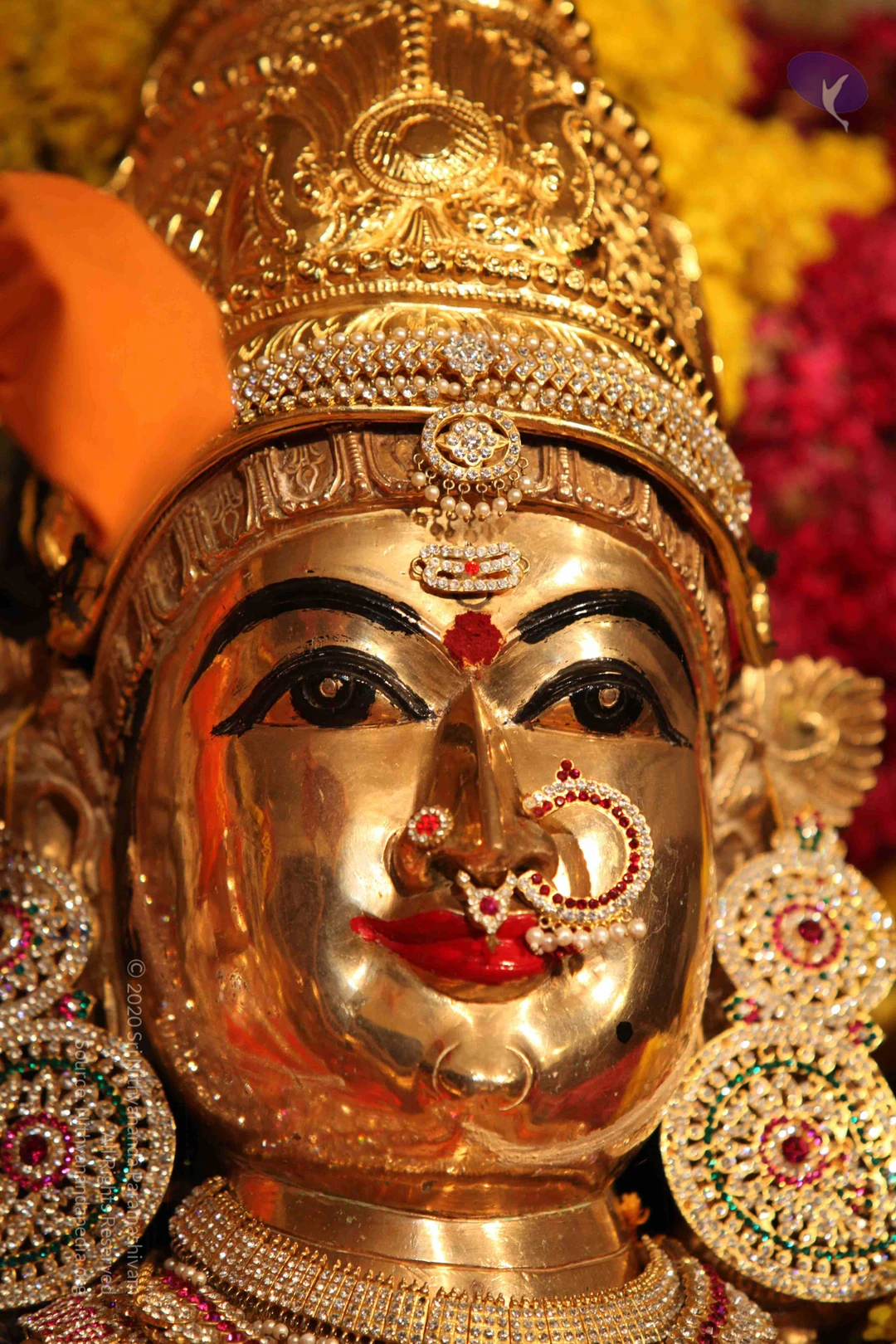
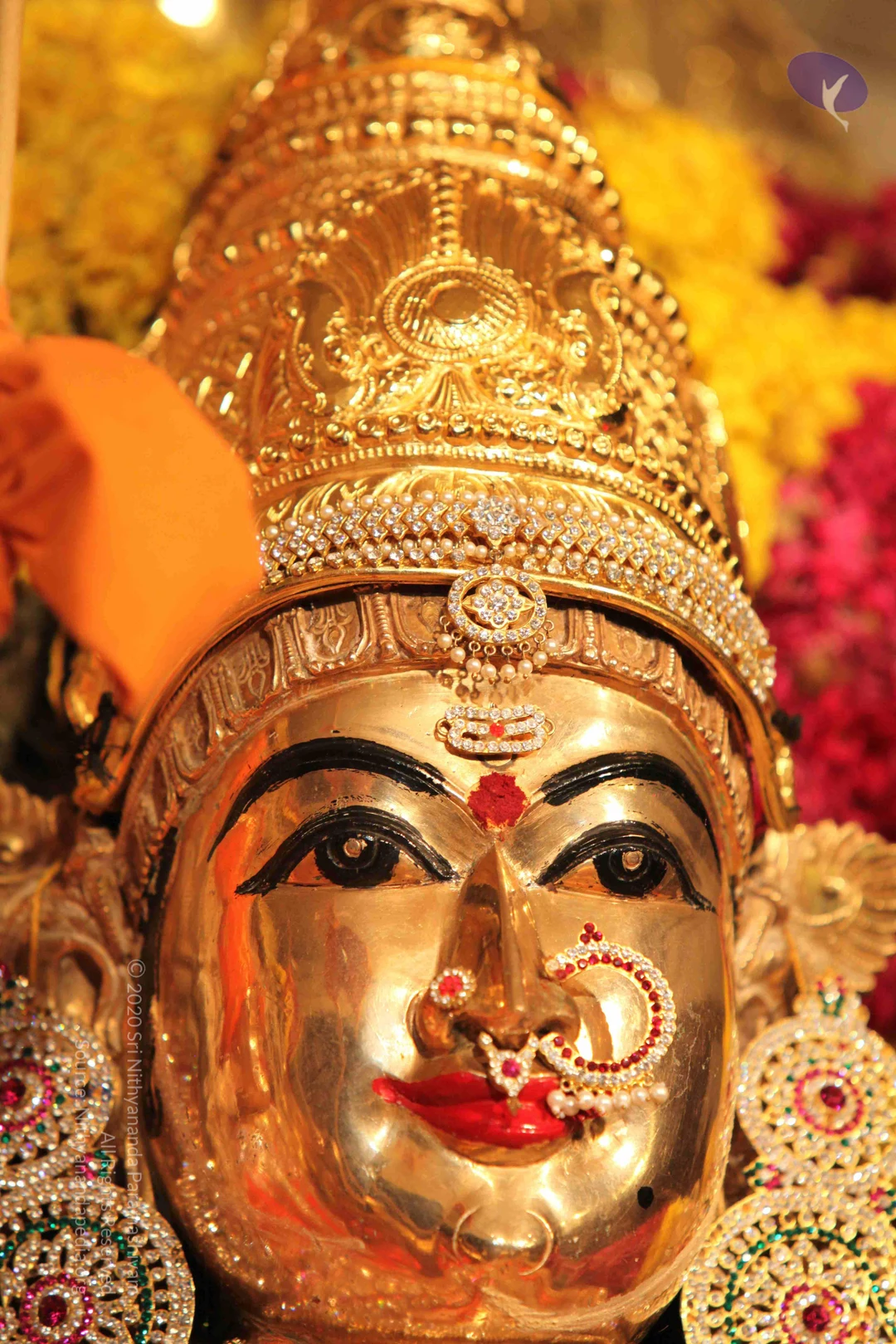
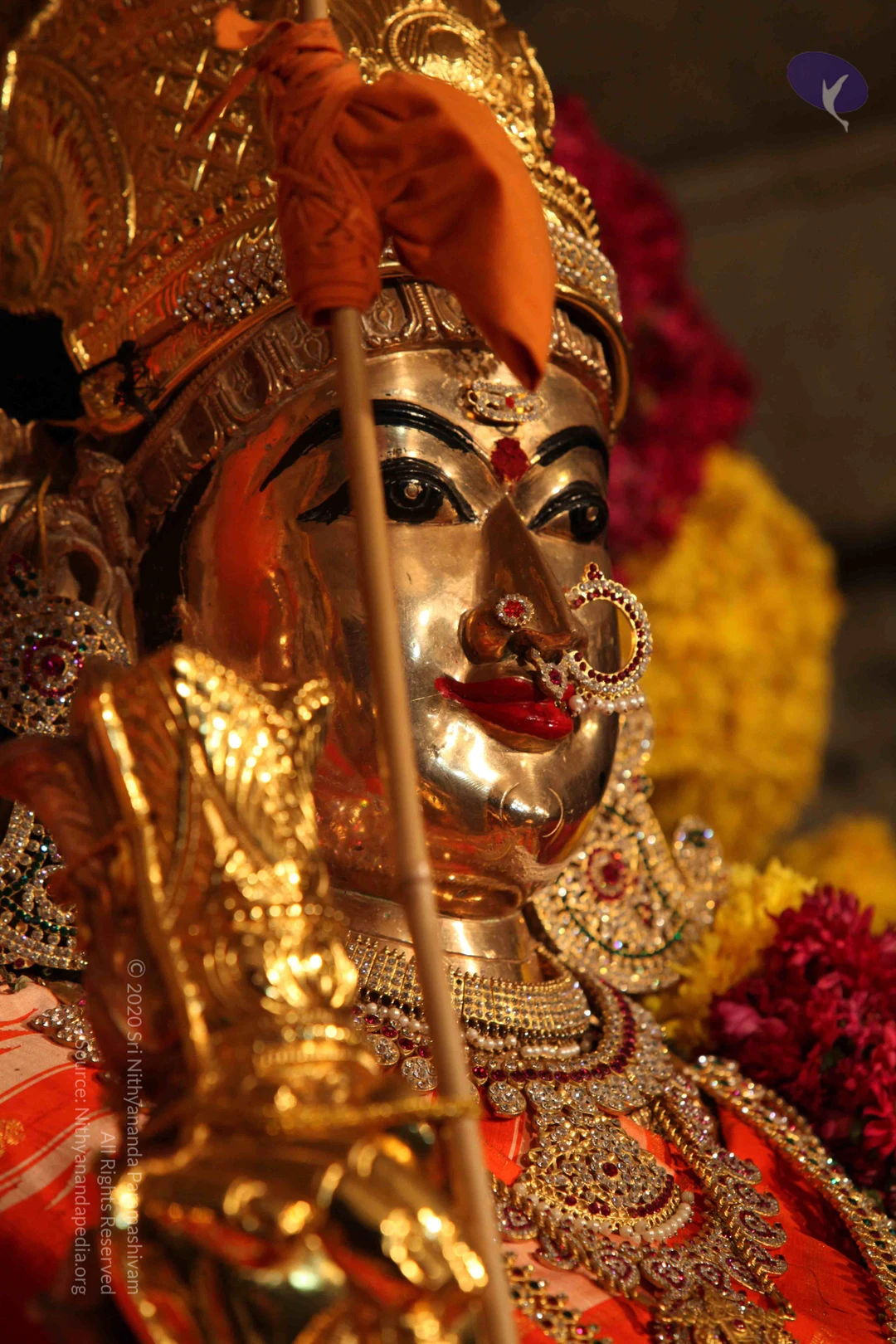
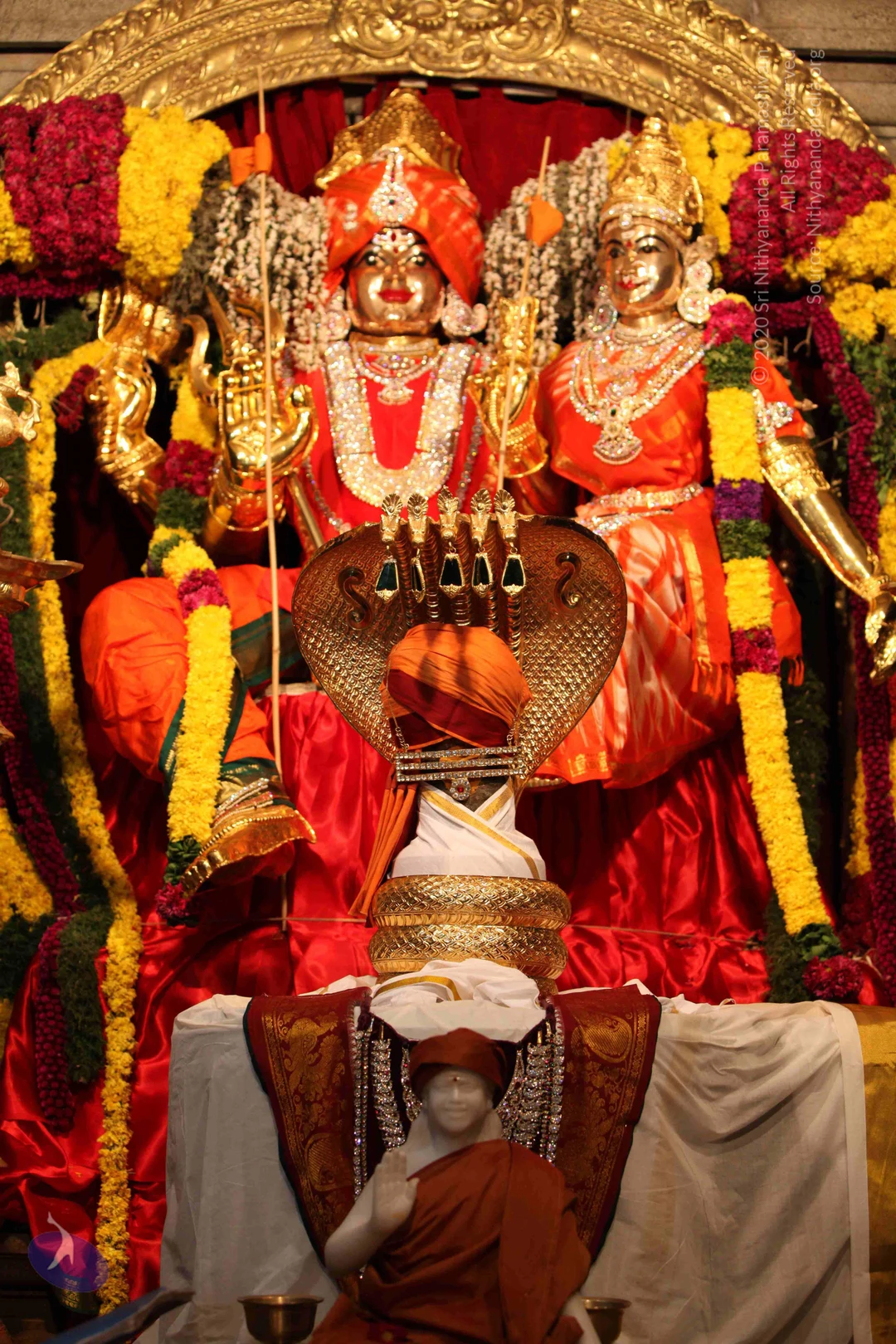
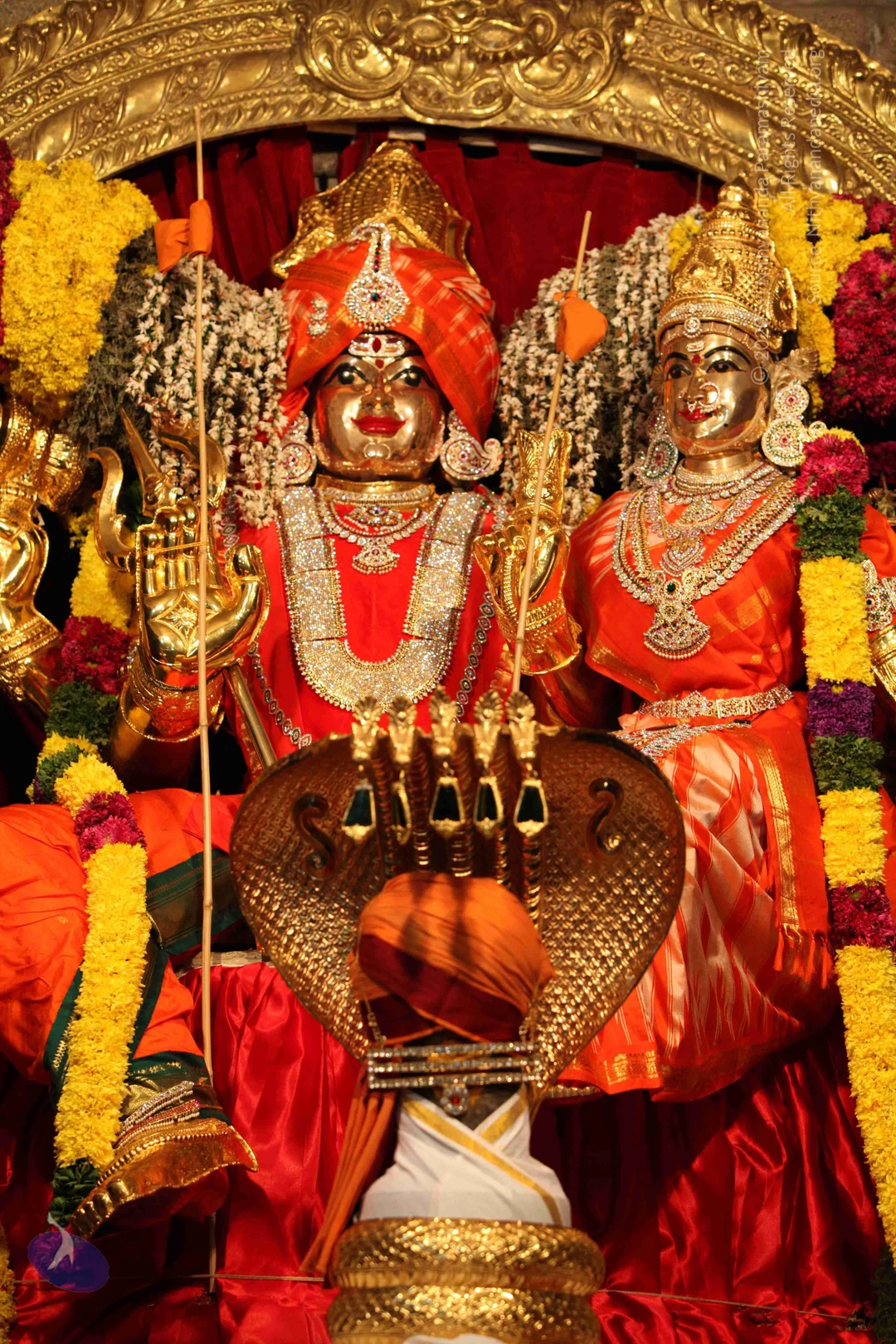
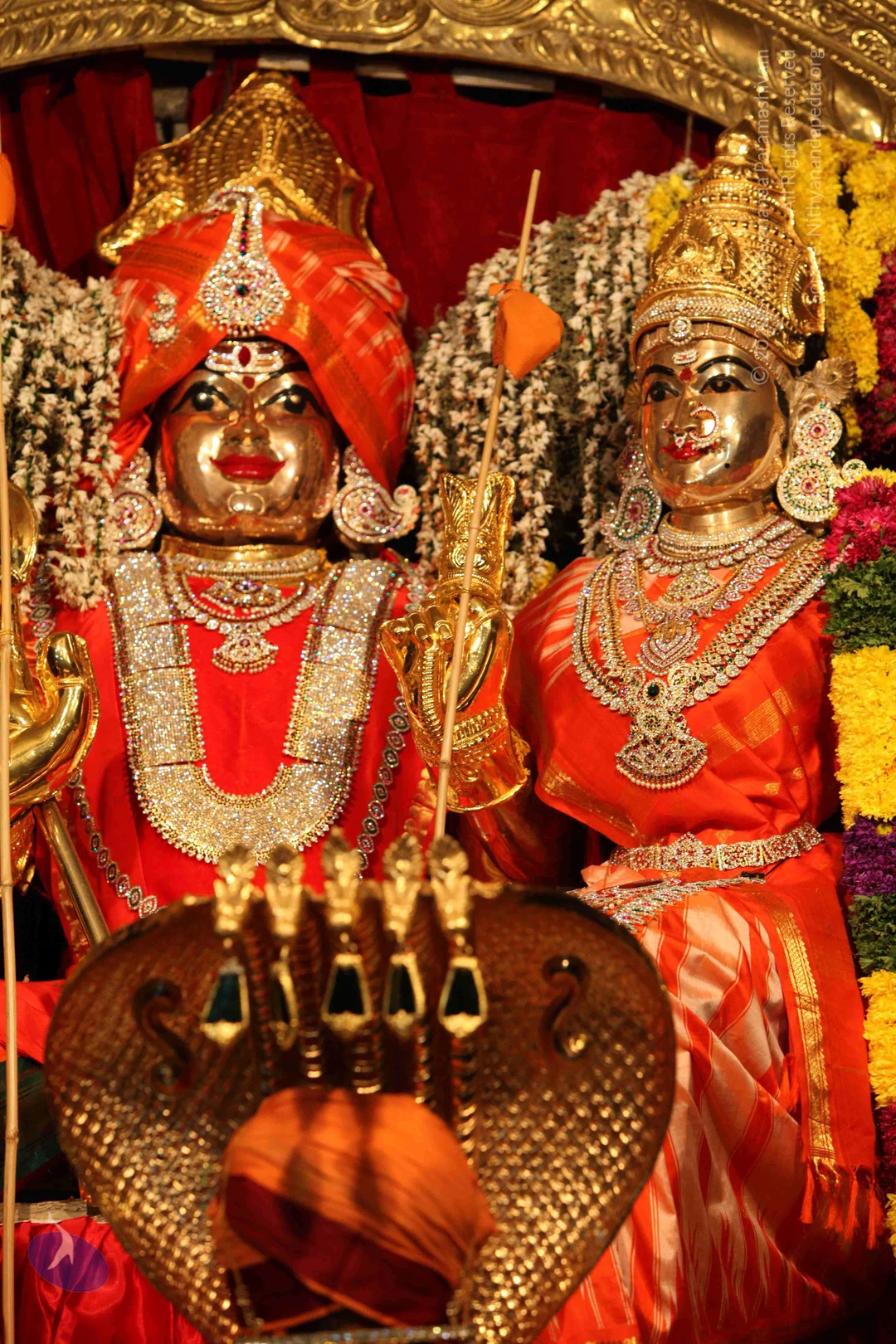
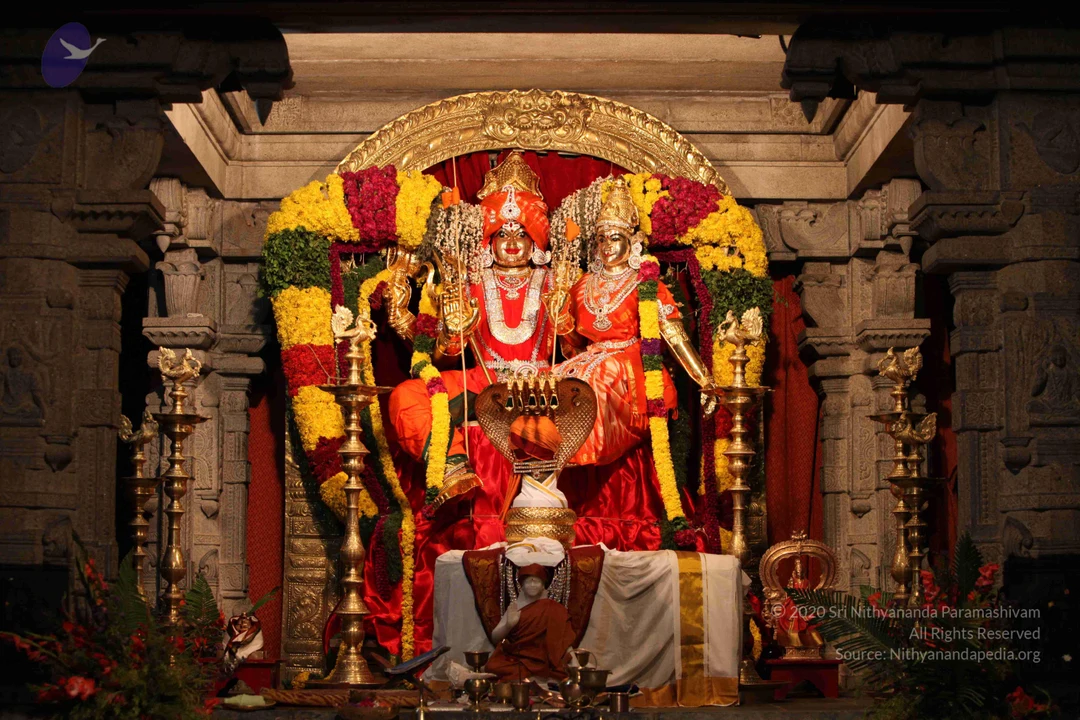
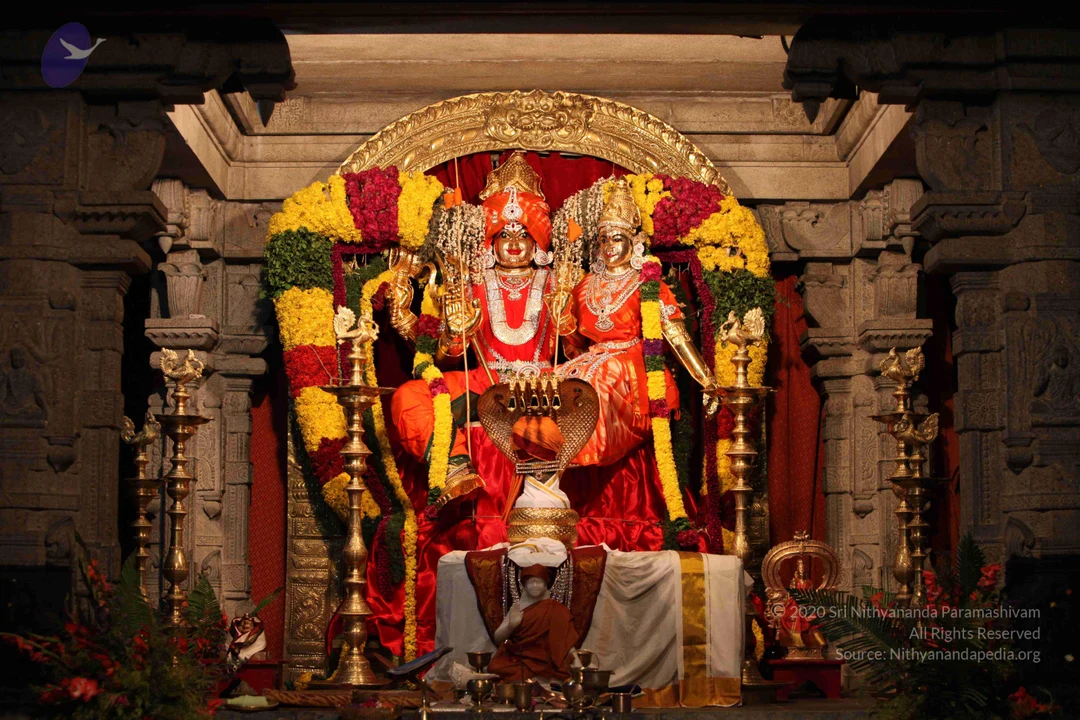
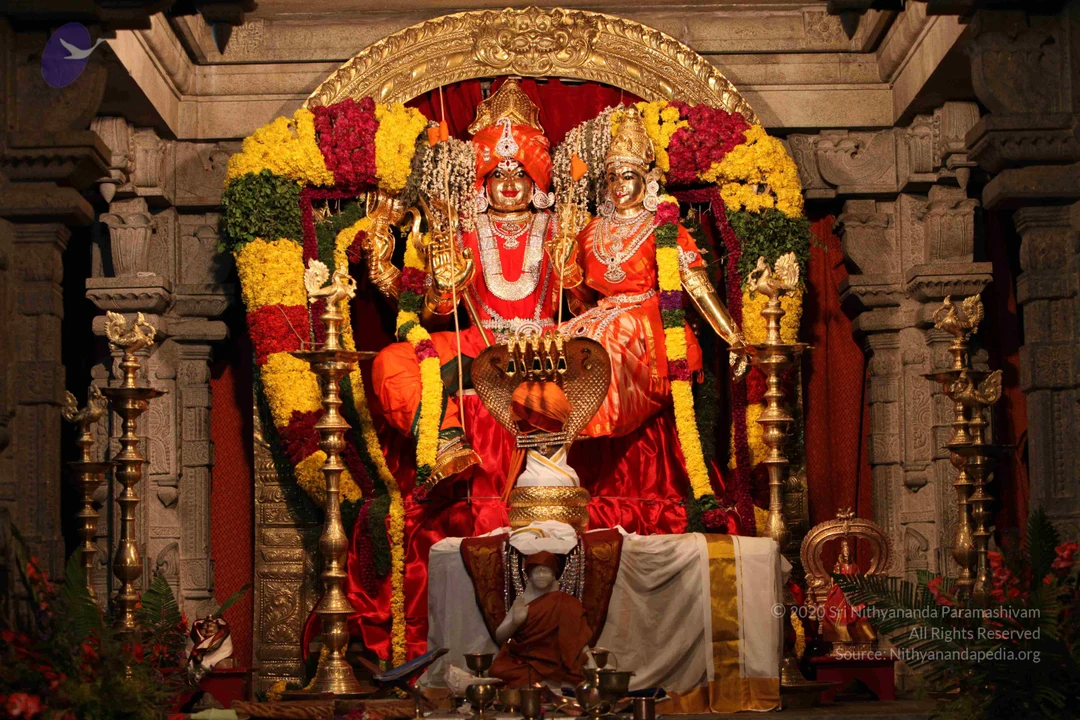
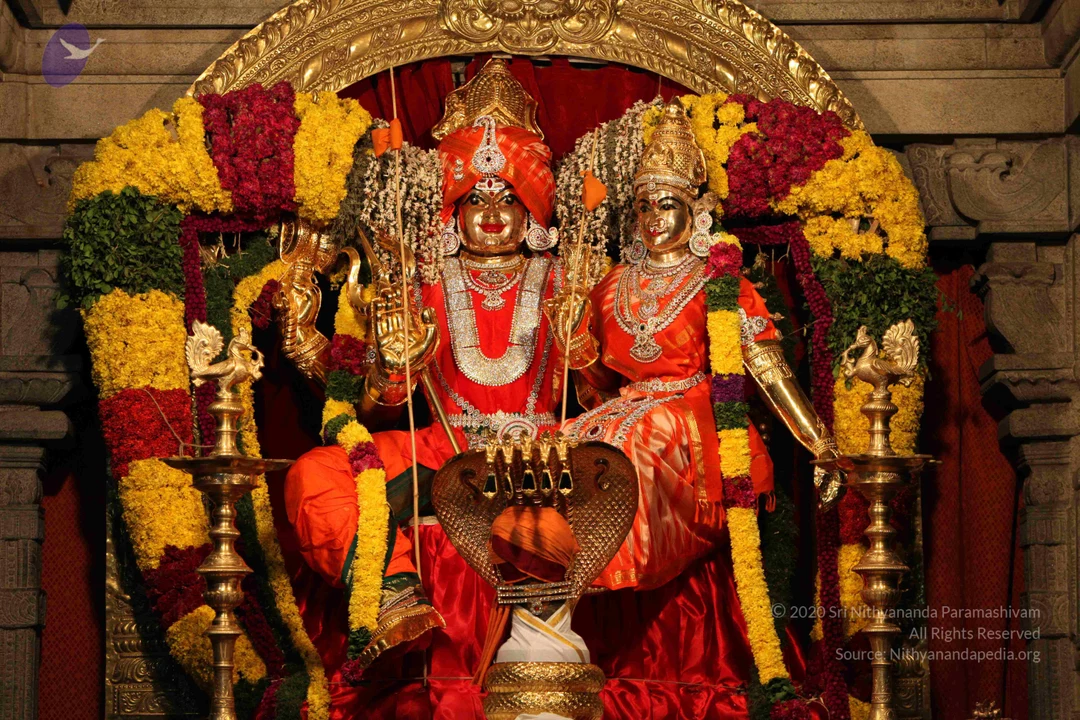
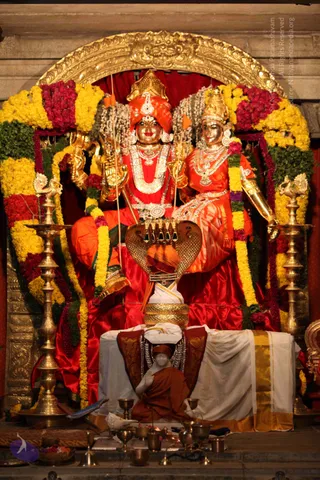
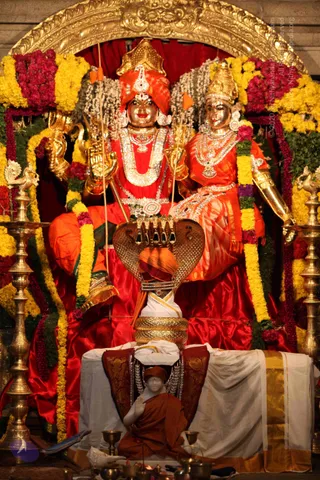
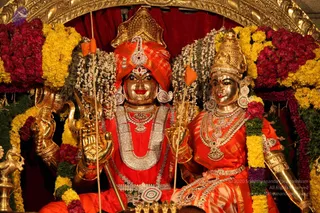
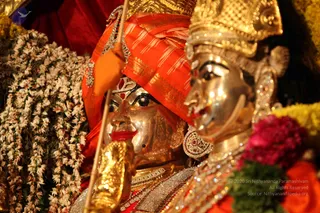
A photograph inside a temple shrine showing a seated deity murti pair decorated with red, yellow and green marigold garlands and white flower strands. The central figure wears a red crown and red garments, holds a trident-like staff, and wears layered white and gold necklaces; a seated consort figure in red and gold sari with jewelry sits beside. Brass oil lamps stand on both sides, and a small seated devotee in brown and orange robes sits in front of a white draped altar with a kalasha and offerings. Red flowers and palm fronds decorate the base.A temple shrine photograph showing a deity murti of a seated god and goddess in a decorated niche, the male figure in orange and red with a crown, holding a trident and a staff, and the female figure in red and gold with a crown and jewellery, both framed by a garland arch of yellow marigolds, red and purple flowers and green leaves. A cobra hood stands above a golden base, with brass oil lamps (diyas) on both sides and a gold-framed torana arch overhead. In front, a small white-clothed seated figure in orange robes sits on a white draped platform with brass lamps and offering bowls; the figure is a statue or small murti rather than a physical person. No physical people are present in the scene.A shrine photograph of a gilded metal murti of a deity couple seated on a red satin backdrop under a golden arch, draped in marigold and multicolour flower garlands. The male figure wears an orange turban and red garment with a jewelled necklace and holds a trident-like staff; the female figure wears an orange sari with jewelled ornaments. A cobra hood with a golden canopy rises above a seated figure in an orange robe, with white shawl and a silver garland, positioned before a white draped table. Brass oil lamps with lotus-like tops flank the shrine, and brass pots, bells and small lamps sit in the foreground. No living people are visible.A decorated shrine with two gilded deity murtis seated together on a red silk-draped throne beneath an ornate gold arch. The male figure wears an orange-red turban and a jewelled necklace, holding a bow and arrow; the female figure wears an orange-red sari with gold crown and jewellery. Both are garlanded with yellow and magenta flower strands and white jasmine. Before them stands a white and saffron-clad sculpted figure with a small saffron cloth over its head, seated beneath a gold cobra hood with green jewelled inlays, in front of a gold rimmed platform draped in white and gold-bordered cloth. Brass lamps flank the shrine and offering vessels sit at the base.A photograph of two golden deity murtis, a male and a female form, seated side by side in a decorated shrine. Both wear red and orange silk garments, heavy silver and gold necklaces, earrings and crowns. The male figure has an orange turban and holds a trident-like staff; the female figure wears a gold crown and holds a staff with an orange tassel. The murtis are surrounded by garlands of yellow marigolds, red flowers and white jasmine strands, with a golden arch behind them. No people are visible; the depiction is of statues, so a person is none.Close-up photograph of two gilded metal deity murti figures decorated for worship. The foreground figure has a glossy gold face, red lips, a red tilak on the forehead, and a gold-tipped staff held in an upraised hand, wearing a vivid orange-red turban with gold border and a jewelled crown. The adjacent figure has a polished golden face and an ornate gold crown and jewelled earrings. Both are adorned with white jasmine garlands, a silver-embroidered garment, sparkling stones, and pink and yellow flowers. No physical people are visible.

03-TEPPAM
4 photosSource gallery
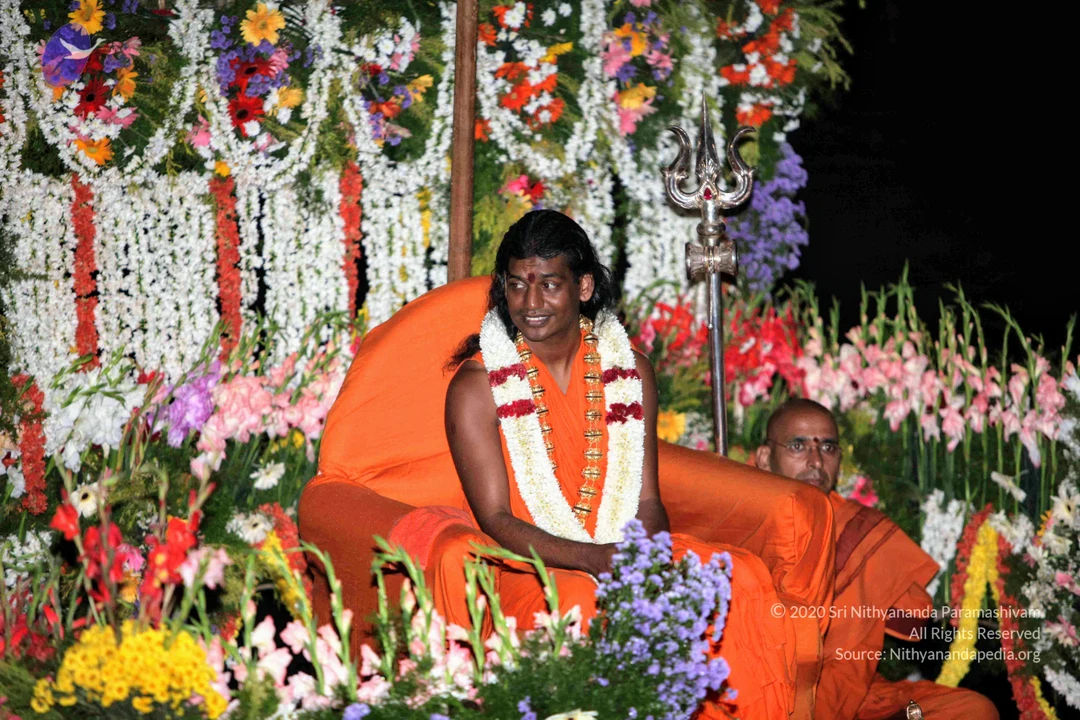
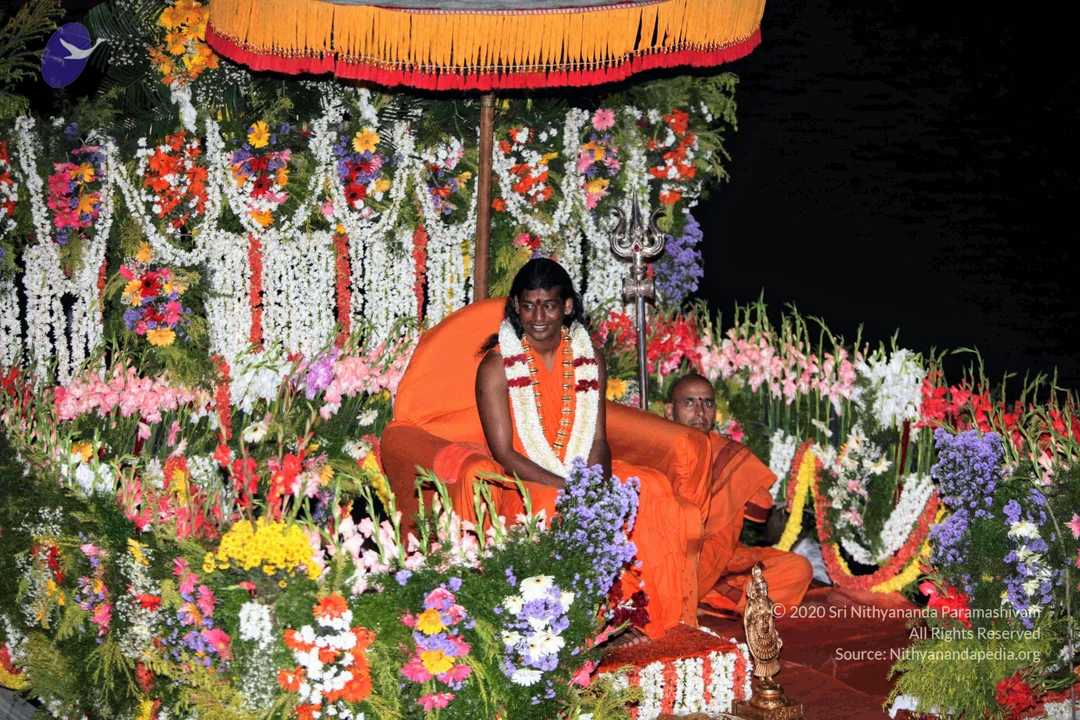
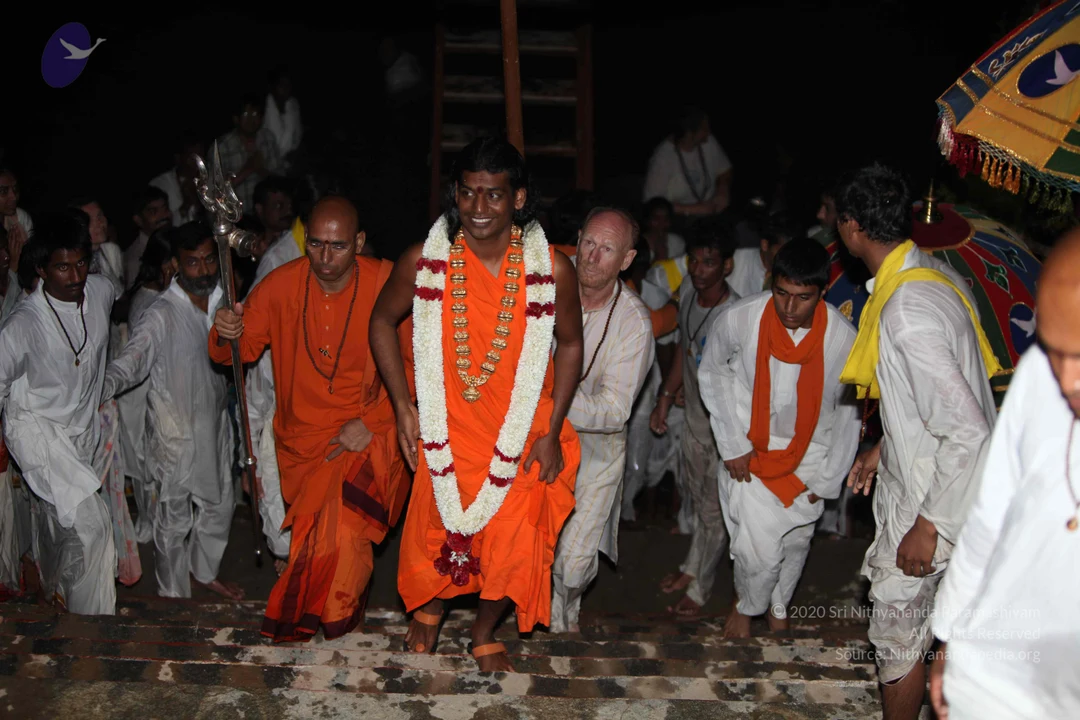
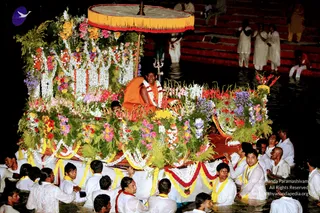
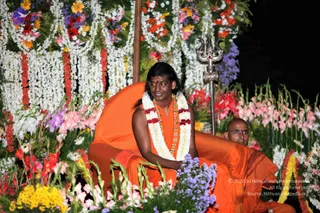
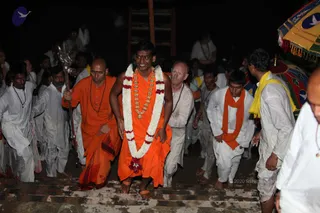
A richly decorated floral palanquin, heavily garlanded with white jasmine strands, orange, pink, purple and yellow flowers and green fronds, floats on dark water beneath a yellow-fringed umbrella. A seated figure in saffron-orange robes wears a white and red floral garland and sits on the flowered platform, with a trident affixed at the back. Around the float, men in white dhotis and shirts, many with yellow and red sashes, stand waist-deep in the water and hold the platform. On the stone steps behind, several people in white clothing stand and watch. A few additional bystanders are visible on the steps. The scene looks like a water procession with a decorated ratha-style float.A photograph of a man seated on an orange-cushioned throne-like seat, dressed in saffron-orange robes with a white and red flower garland and a gold bead necklace, with long dark hair swept back and a red tilak on his forehead. He sits in front of a dense backdrop of white jasmine strands, pink and red gladioli, yellow marigolds and purple flowers, with a silver trident (trishul) standing to his right. A second man in orange robes sits partly visible at the right edge. The seated man is an appearance-based probable Swamiji (saffron robes, long hair, rudraksha-style gold beads, flower garland, throne-like seat), seated in a flower-decorated setting during a Guru Poornima event.A night procession on a flower-decorated float. A man with long swept-back dark hair sits on an orange-draped seat, wearing saffron robes, a white and red flower garland and a long rudraksha-style mala, with a red tilak on his forehead. Behind him a bald man in saffron robes sits beside a golden trident. A yellow and red fringed canopy hangs above, and the float is banked with white, pink, red, orange and purple flowers. A small gold deity murti stands at the lower right. Swamiji (probable) appears as the seated central figure, given long hair, saffron clothing and a garland. Two people are visible.Night photograph of a procession climbing a stone staircase. At centre, a barefoot man in orange-saffron robes wears a long white and red flower garland and a gold-bead necklace, smiling as he ascends. Beside him, a bald man in orange robes and rudraksha beads carries a silver trident. Around them, devotees in white dhotis and orange or yellow sashes walk closely, and a ceremonial umbrella with yellow and blue fringe appears at right. A figure in a white shirt with a light-coloured beard and a man in white clothing stand nearby. The scene is dark with a ladder visible at the top.